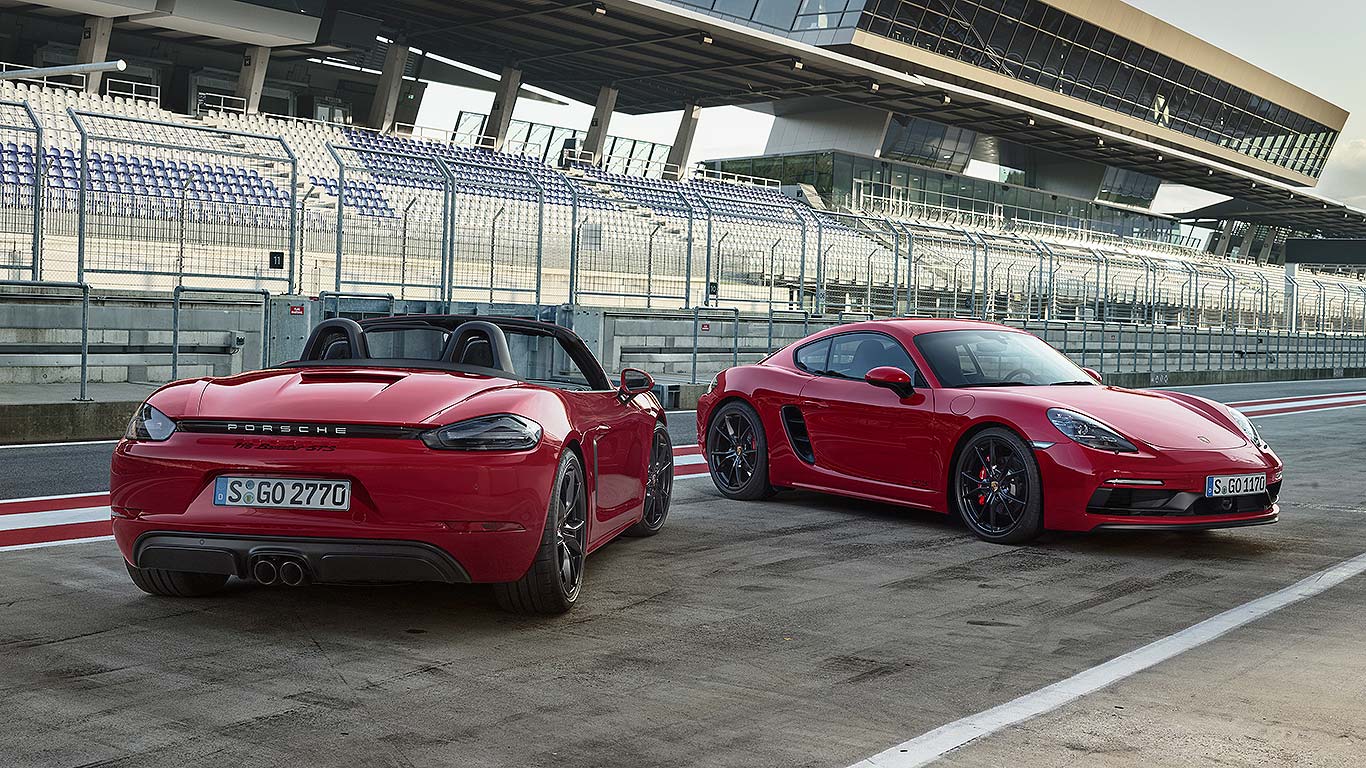
Porsche has broadened the range of 718 Boxster and 718 Cayman models with the launch of a new range-topping 718 GTS edition, sitting above the existing S variants. With 365hp, they’re the most potent 718 models yet.
The 718 GTS variants use the same 2.5-litre flat-four boxer turbo engine as the regular 718 S but, with a new intake system and tweaked turbo, offer a 15hp boost over the S – and a 35hp improvement over the previous six-cylinder GTS model.
Mindful of the cars’ purist and driver-focused nature, Porsche fits a six-speed manual gearbox as standard; those seeking ultimate acceleration times should choose the PDK double-clutch auto.
When equipped with PDK, engaging the standard Sport Chrono’s Launch Control will summon 0-62mph acceleration in 4.1 seconds – that’s faster than an £80,377 Porsche 911 Carrera with PDK and Launch Control. Both GTS will do 180mph all-out.
Porsche fits its Porsche Torque Vectoring (PTV) system as standard to all 718 GTS, along with Porsche Active Suspension Management (PASM) and a mechanical limited slip differential. PASM means the body sits 10mm lower than the standard 718 S.
Visually, the 718 GTS also get a Sport Design front bumper, black-tinted lights front and rear, a black rear apron and black tailpipes – a sports exhaust is standard. There are also black rear badges and GTS logos on the doors plus, of course, black 20-inch alloys.
Inside, it’s again moody; plenty of dark-finish Alcantara is brightened up by red GTS logos – the seats themselves are standard sports seats ‘Plus’, and Porsche also chucks in the Porsche Track Precision App: keen track-day users can record driving data to their smartphone for detailed analysis (and showing off to their wife/kids/mates) later.
Ordering is open now and Porsche expects deliveries of the first 718 GTS models just before Christmas. Prices? The 718 Cayman GTS is £59,866, the 718 Boxster GTS is £61,727.
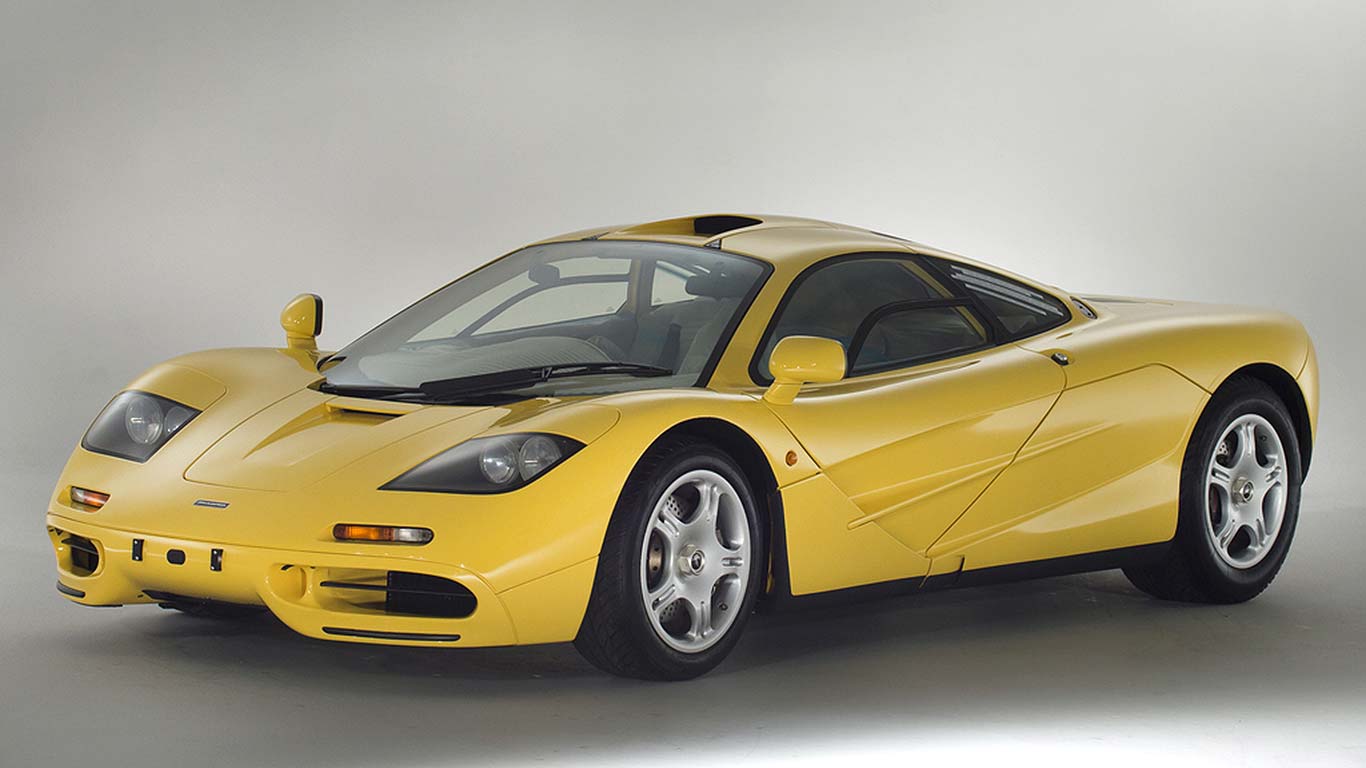
This amazing unused 1997 McLaren F1 has been uncovered by specialist British car dealer Tom Hartley Jnr – and it’s now up for sale. The price? Strictly on application only.
The Dandelion yellow car is a Japanese-spec model that’s not only never been driven, it’s also never been registered – and has also never had the factory protective wrapping removed. It’s genuinely the most box-fresh McLaren F1 in the world.
Needless to say, it’s a one-owner car, whose details appear in the hand-written leather-cased owner’s handbook, signed by McLaren F1 designer Gordon Murray. His hand-painted signature also appears on the rear right quarter of the car.
Showing just 239 kilometres on the odometer – that’s 148 miles – the McLaren is chassis number 060, and carries factory-fit options including an LM-style spare exhaust, spare GTR-style steering wheel, passenger mats and a windscreen strip. Naturally, none of the options have actually been opened.
The removable suede steering wheel is as perfect as can be, the carbon driver’s seat is pristine and even the special TAG Heuer watch, which carries the car’s chassis number, has never been worn.
Also included are the Facom tool chest that every McLaren F1 owner was given, the gold-plated titanium tool roll and the factory-fit luggage set – again, still in the protective wrapping, including period ‘McLaren Cars’ tape.
Tom Hartley Jnr is in no doubt as to the sheer significance of this discovery. “Without doubt, this is one of the most important road cars ever to be offered for sale and, if preserved, is highly likely to be the most valuable road car in the world in years to come.”
You’ll be paying big bucks for the privilege, but what an investment it would be. If you’re rich and eager enough to join the queue, then give the supercar dealer a call.
Parking provider Q-Park is now offering electric car owners who are members of the Polar plus charging network a 20 percent discount across all its 75 UK and Ireland car parks. All they need to do is pre-book online.
The firm has already installed Chargemaster’s Polar EV charge stations at 14 city centre car parks; Q-Park head of sales and marketing John Denton said the new EV discount was part of its commitment to a green agenda that it’s been running for several years now.
Chargemaster chief executive David Martell added that it “makes driving an electric vehicle an even more attractive proposition for more people”.
How does the Q-Park electric car discount work?
To take up the Q-Park 20 percent EV discount, Polar plus members should visit www.q-park.co.uk/pre-book and enter a special code provided to them as part of their membership.
Pre-booked prices are often already discounted, but this will take another 20 percent off the checkout price.
It’s not the only EV-specific offer Q-Park is running, either. A 50 percent discount on season tickets for electric cars can, says the firm, “reduce the cost of unlimited annual car park season tickets in London by £2,400”.
If they want to charge up at the same time, electric charge points are located at the following Q-Park facilities:
London Burlington
London Chinatown
London Harley Street
Knightsbridge
Leicester Square
Marble Arch
Oxford Street
Park Lane
Pimlico
Queensway
Trafalgar Square
London Soho
Westminster
Birmingham Brindleyplace
And how much does Polar plus membership cost? £7.85 a month, which gives unlimited access to over 5,000 charging points. 80 of them are free to use, adds Chargemaster.
The new Aston Martin DB11 Volante sees the firm’s new range-topping sports GT car turn from coupe to convertible. Open for ordering now, with prices starting from £159,900, first deliveries begin in spring 2018 – just in time for the sunshine.
Replacing the DB9 Volante (yes, in Aston-speak, ‘Volante’ means ‘convertible’), the new DB11 Volante carries across the striking styling of the DB11 coupe into an arguably even more beautiful new open-top profile.
Roof down, the new machine is extremely elegant, with flowing and very graceful lines that, roof down, elegantly expose the car’s impressive new interior. Aston’s gone big on purity and sophistication, eschewing the faux sportiness of some alternatives to make it appear much more debonair and suave.
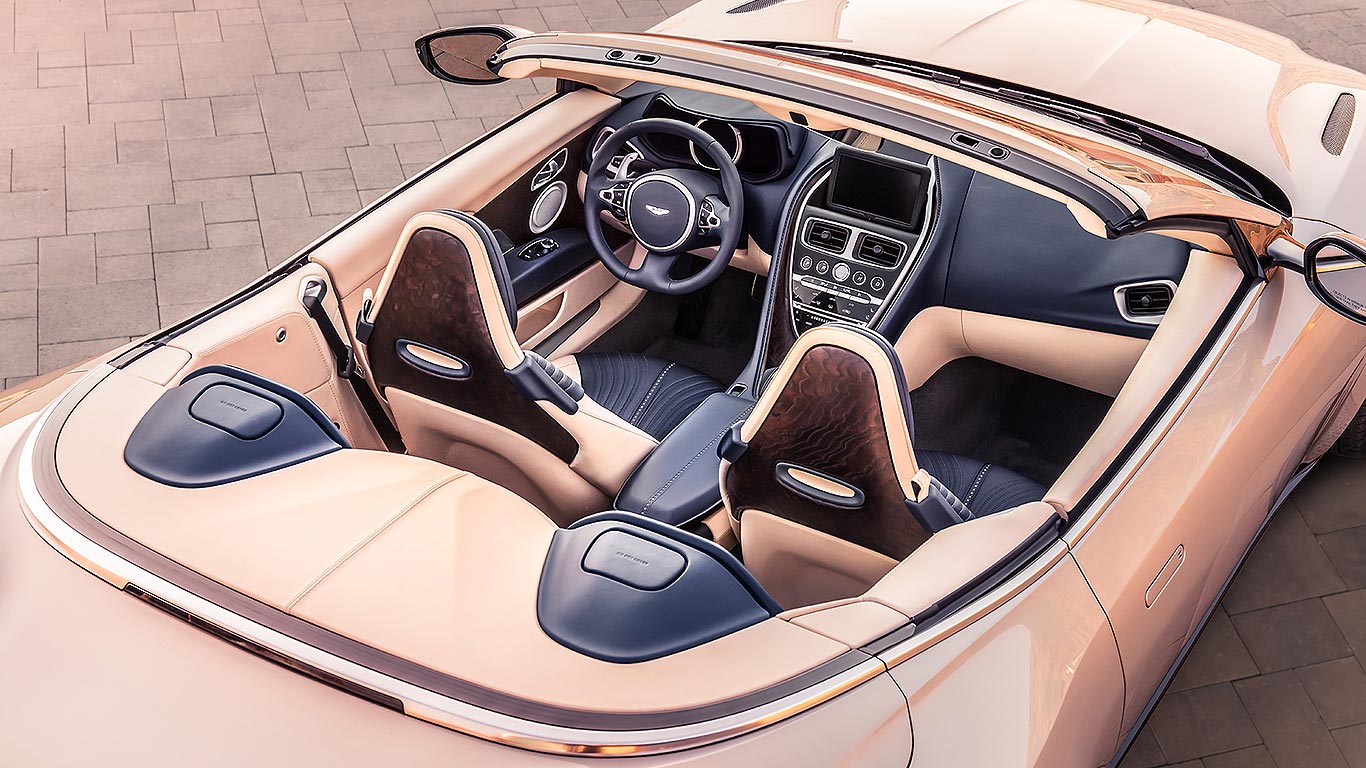
The fabric hood folds flat – the height of the roof stack is class-leadingly compact – to expose a 2+2 cabin that gets its own Volante-unique standouts, including seatback veneers either in carbon fibre or the beautiful wood pictured here. For the first time, the rear seats have ISOFIX fittings, so children can be seduced by Aston Martins from an early age.
The roof itself has eight layers, folding down in 14 seconds and going back up in 16. You can operate it on the move at speeds of up to 31mph or, more likely, go for the less-showy option of dropping it down as you walk up to it by holding down a button on the remote keyfob.
Aston says it has tested how weatherproof the hood is in both the Arctic Circle and Death Valley, and adds that it’s now so compact, boot space is 20 percent up on the old DB9 Volante. The interior’s bigger as well – and it’s the first open-top Aston to have a heated steering wheel.
Built on the firm’s new bonded aluminium architecture, the DB11 Volante is both lighter yet more rigid than the DB9 Volante, although it still weighs 1,870kg. Good job it has a 510hp 4.0-litre V8 turbo engine then, for 0-60mph in 4.1 seconds and a 187mph top speed. Expect a V12 turbo to follow.
Aston Martin president and CEO Andy Palmer says the DB11 Volante has “a unique combination of elegant style, innate sporting ability and sensory engagement that lifts it above other open-top cars”.
But creating it hasn’t been as straightforward as making the DB11 coupe, says chief technical officer Max Szwaj. It’s all about retaining structural and dynamic integrity: “To protect the former, you need strength and rigidity, but to preserve the latter, you need to keep weight to the minimum.”
Cue the DB11 Volante, a car 26kg lighter and 5 percent stiffer than the DB9 Volante. And “the result is a truly magnificent car. One that combines greater performance and agility with increased comfort, refinement and interior space for occupants and their luggage”.
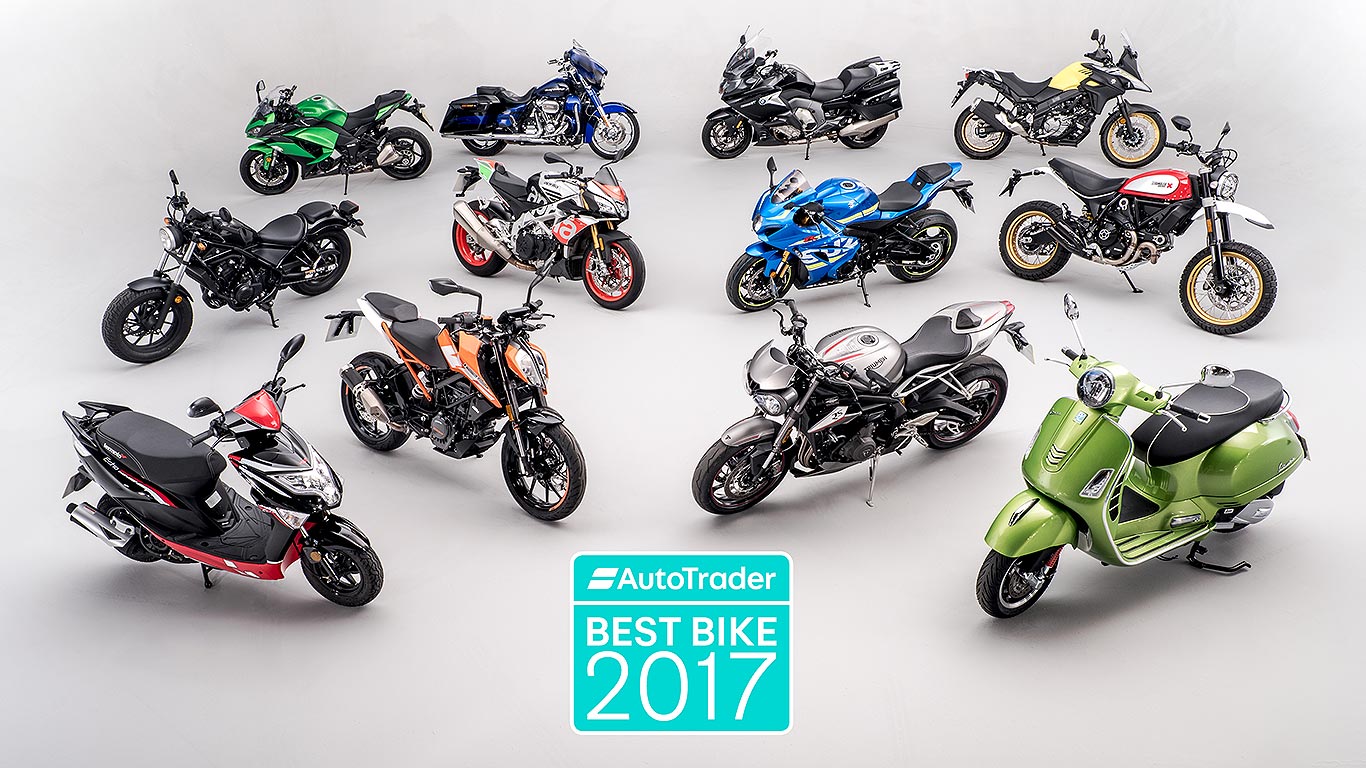
Brits still love their motorcycles. Already in 2017, Auto Trader Bikes has had 20 million visits – and riders have conducted no fewer than 36 million new and used bike searches. That’s why the automotive marketplace has once again held its annual Best Bike Awards.
Over the past two decades, the number of qualified riders in Britain has risen by a massive 74 percent. Growing numbers of people are discovering the money-saving, traffic-dodging benefits of scooters and entry-level motorcycles, while others are rediscovering motorcycles with a modern retro or adventure bike.
Motorbikes now cover more miles on UK roads than buses
Once again, there’s a new motorcycle for everyone – but which are the finest in each category? That was the task of the 2017 award’s judging panel…
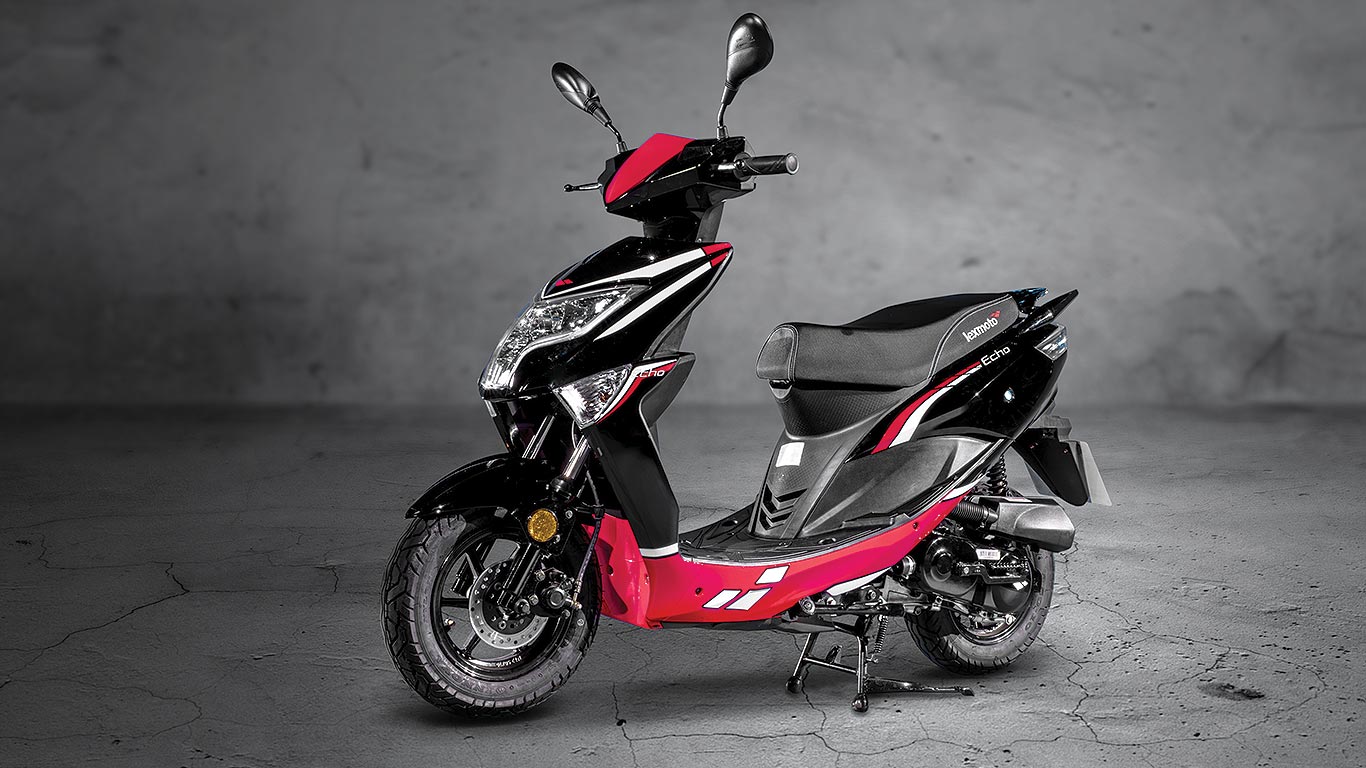
Best AM – Lexmoto Echo 50
The Lexmoto Echo 50 looks pretty good, rides nicely and, most importantly, costs less than £1,000 brand-new. This is why it’s such a strong seller in the UK – and this is why it’s been voted the best new scooter you can buy in 2017. 16 year olds, you can ride this simply by passing Compulsory Basic Training (CBT) and the theory test, adding further to its appeal.
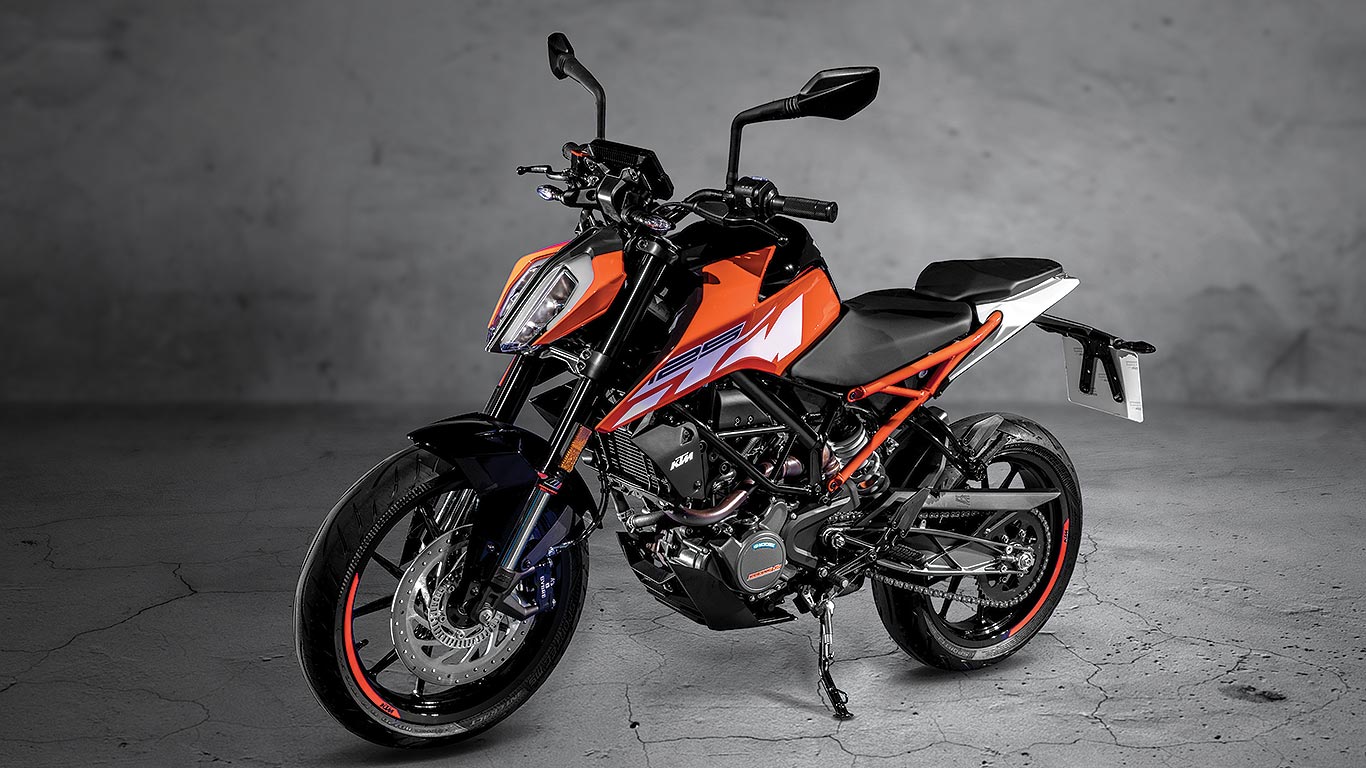
Best A1 – KTM 125 Duke
New for 2017, the latest KTM 125 Duke has been given a fresh chassis that transforms how it rides and handles. It looks stylish too, and the fantastic colour TFT instrument is a cracking standout feature on a £4k machine. 17 year olds can ride this on an A1 motorcycle lucence, once they’ve passed their CBT and theory tests.
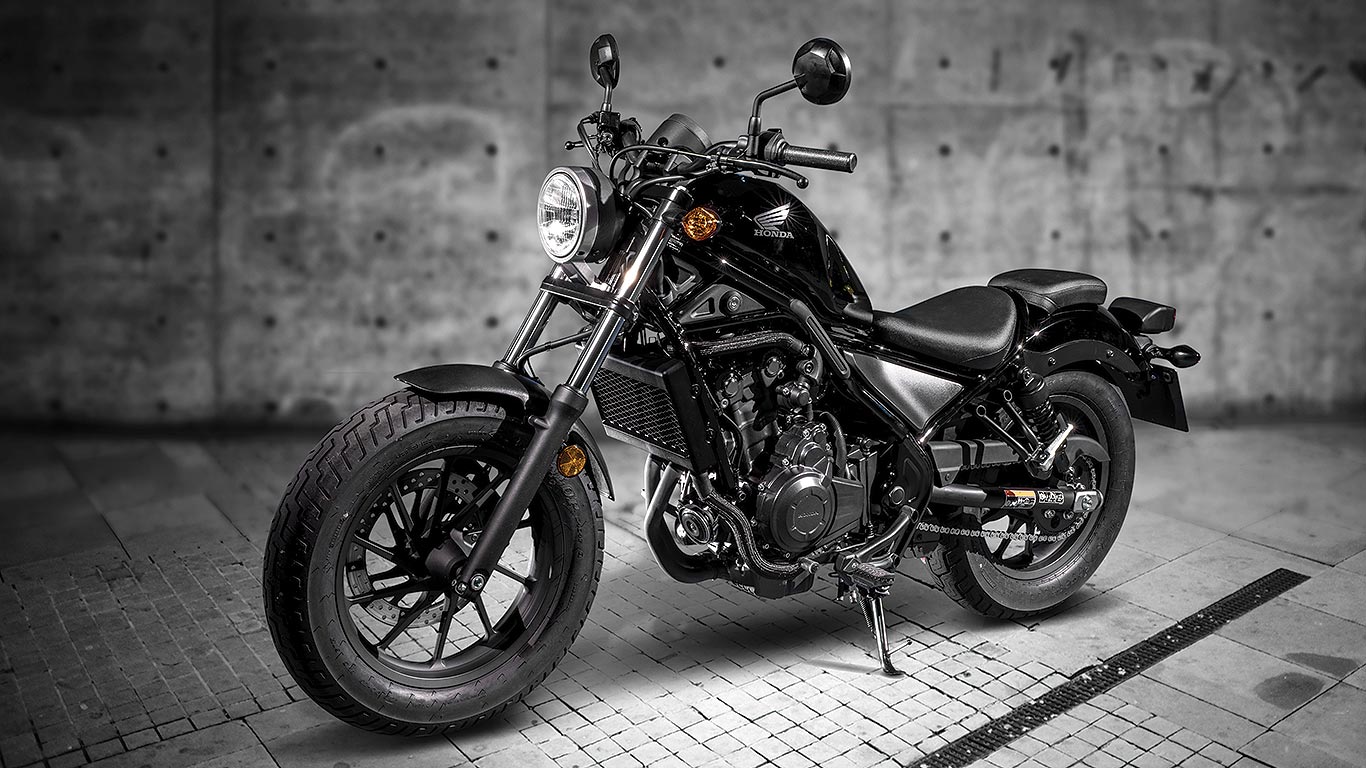
Best A2 – Honda Rebel 500
The Honda Rebel 500 is a bobber-style cruiser for 19 year olds and above. It looks cool, but rides with all the novice-friendly predictability new riders need, while also proving great fun for those following the progressive access motorcycle licence route. At just over £5,000 for the charismatic 500cc machine, it’s a deserving A2 winner.
Best Scooter – Vespa GTS300
The smart-looking Vespa GTS300 is a UK scooter favourite. It’s powerful, has advanced traction control and ABS, and you can even pair it to your smartphone to get extra display readouts. For busy city users, it’s a dream ride.
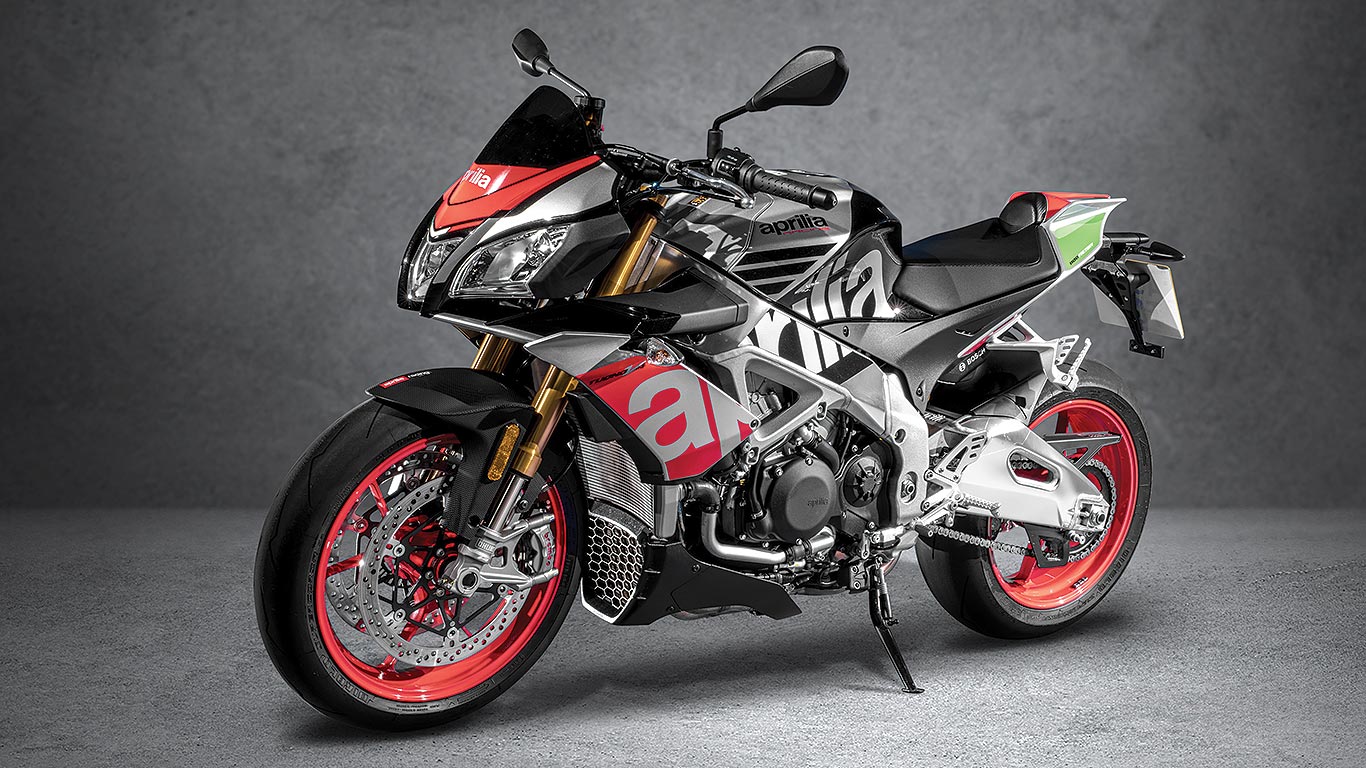
Best Naked – Aprilia Tuono 1100 Factory
The exceptional Aprilia Tuono 1100 is a mighty all-rounder with a simply divine 175hp V4 engine. It sounds brilliant and is seriously fast, while both handling and comfort are enough to have you in the saddle all day long and still left wanting more. It costs over £16,000, but connoisseurs will think it worth every penny.
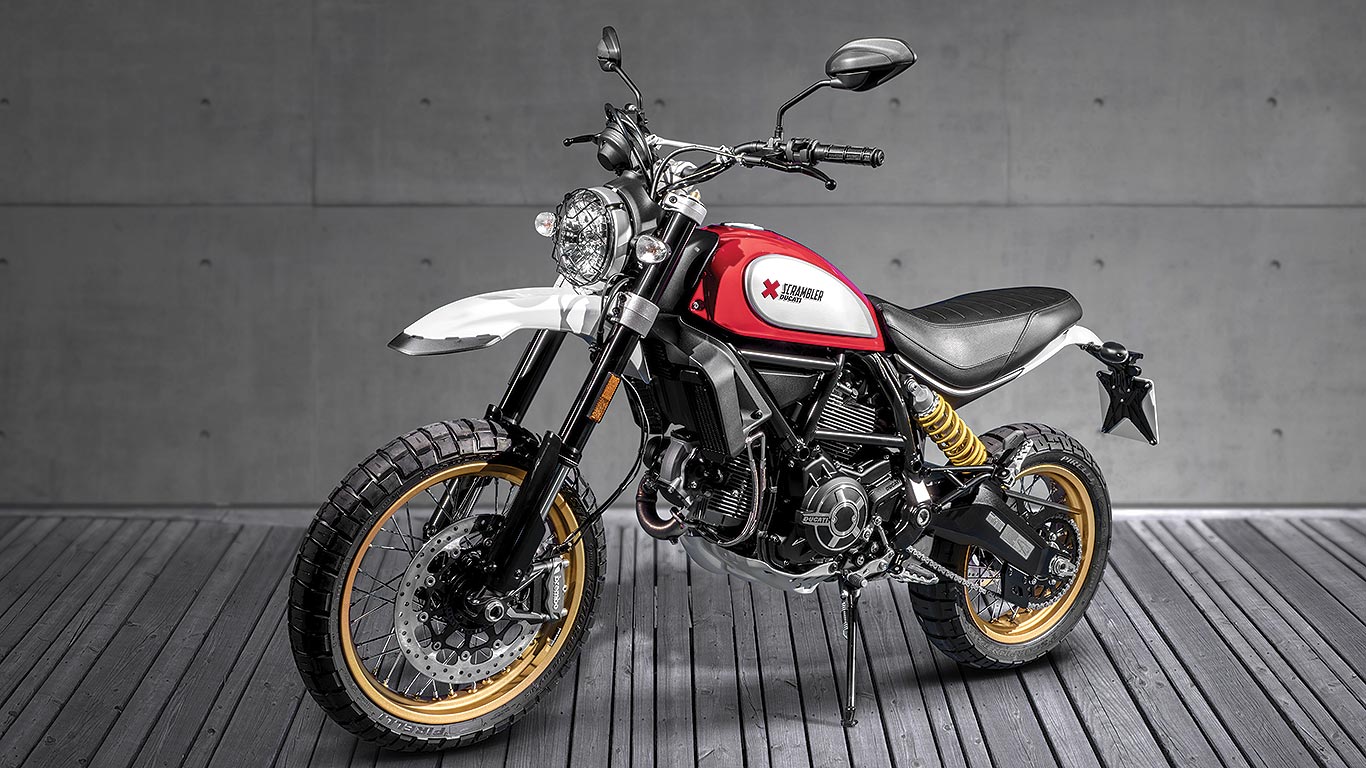
Best Retro – Ducati Scrambler Desert Sled
The retro Ducati Scrambler has been an enormous success for the Italian firm and now it’s expanding upon the theme with the evocative-looking Desert Sled. This is a phenomenally capable machine across all terrains, brilliantly combining modern ability with classic looks.
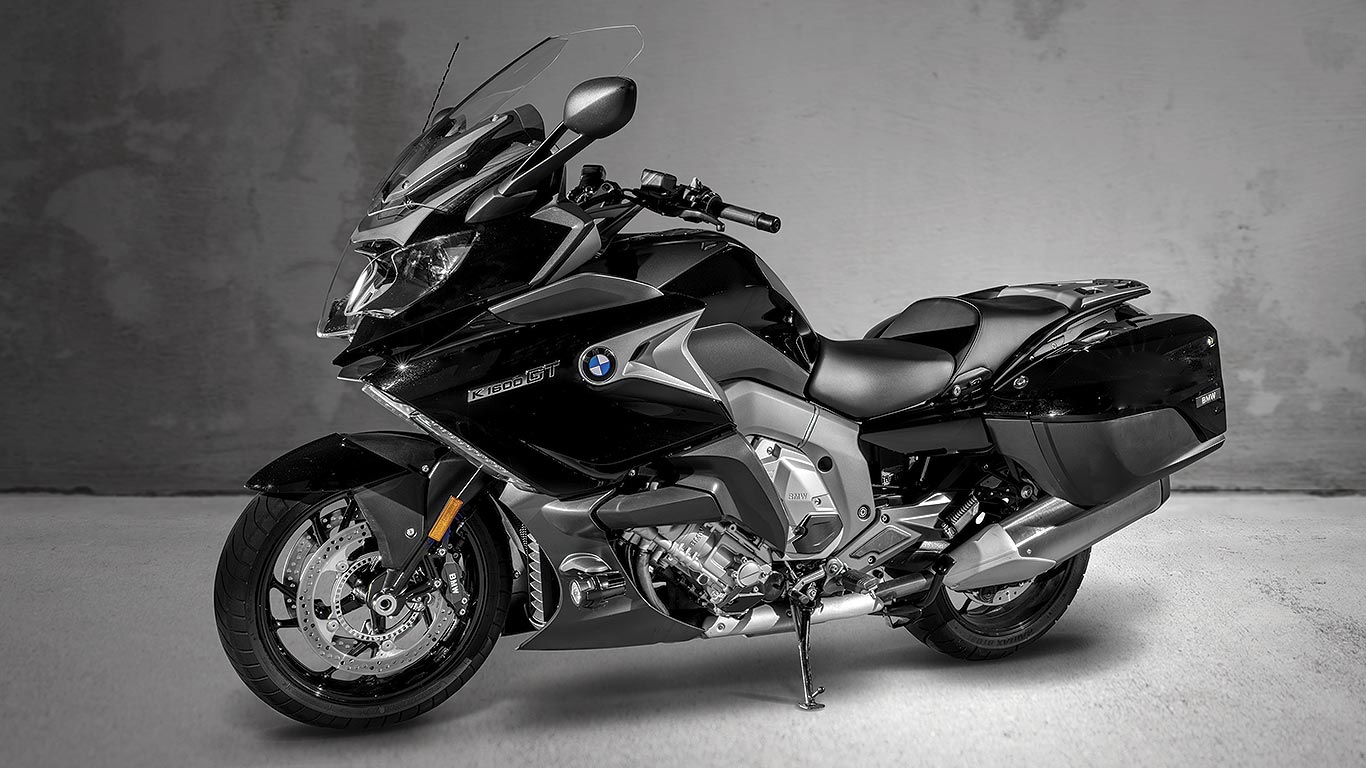
Best Tourer – BMW K1600GT
The big BMW brings the firm’s famous straight-six engine to the touring motorcycle class, with impeccable sophistication. This is the machine to cross the globe on in 2017; it has an abundance of power and ability, brilliant rider protection, some amazing equipment features and even the reassurance of automatic emergency response call-out in the event of an accident.
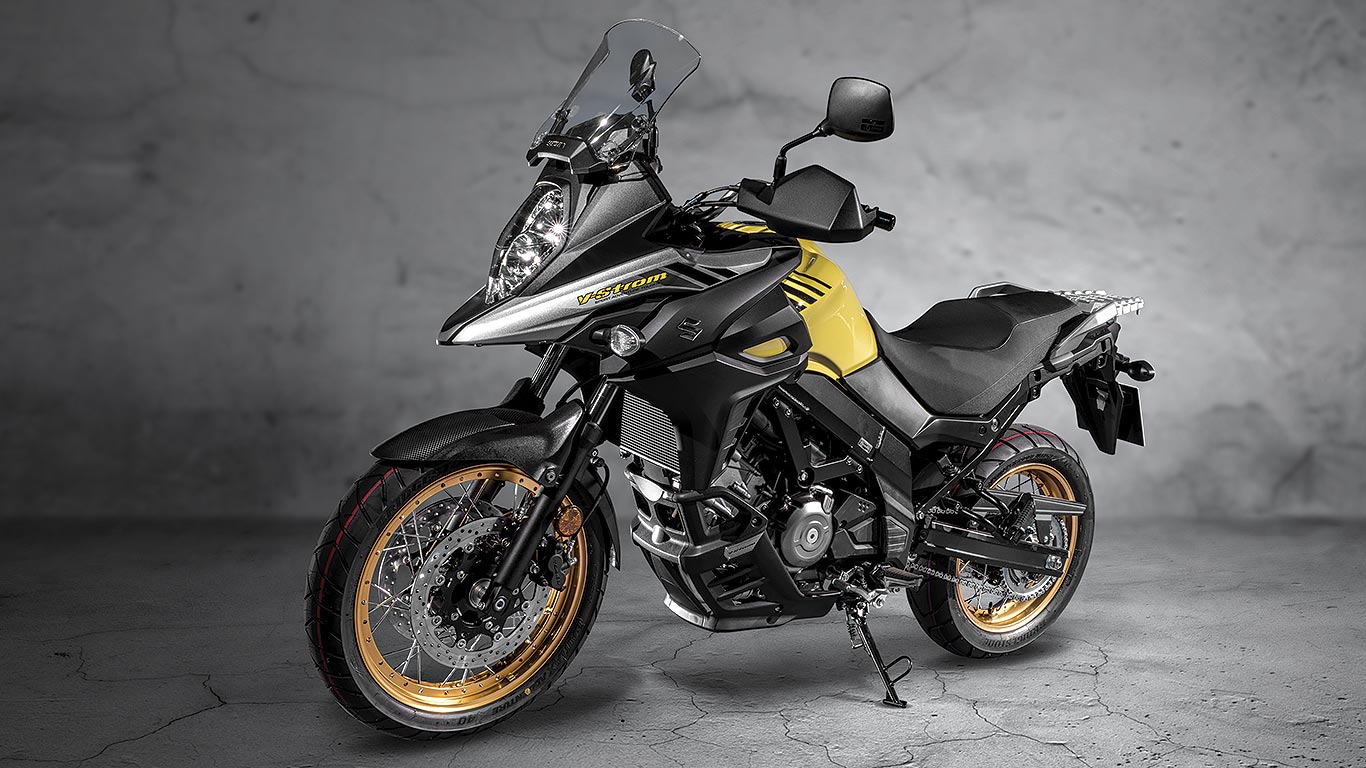
Best Adventure – Suzuki V-Strom 650
The Suzuki V-Strom is a great all-rounder that’s clocked up around a quarter of a million sales. Fully re-engineered for 2017, it still costs less than £7,500 but is now more able than ever, particularly the off-road-styled XT version. There are new electronic aids, tough-look new styling and enough improvements to the ride for it to be the adventure bike pick of 2017.
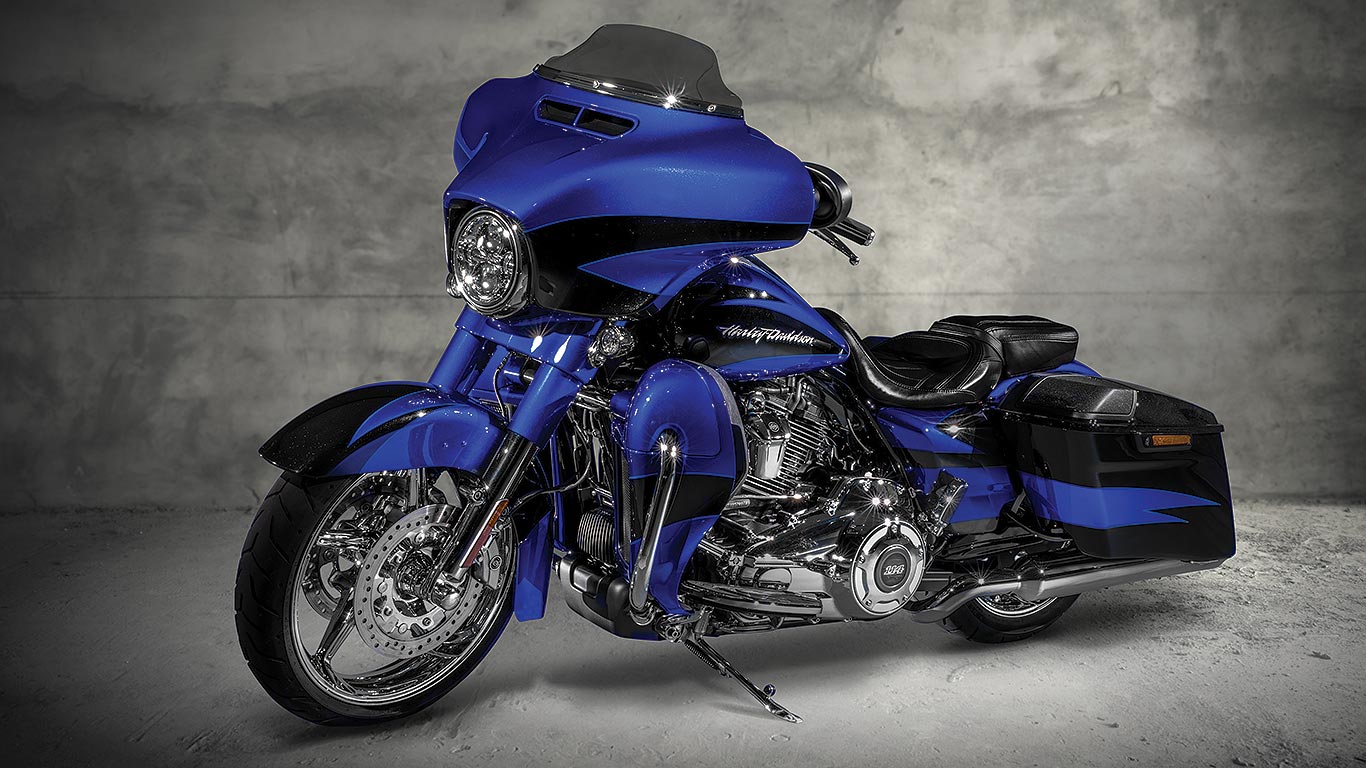
Best Cruiser – Harley-Davidson Street Glide CVO
This is a truly incredible machine – a £30,000 spectacle created by Harley’s bespoke Central Vehicle Operations division. It has lairy paint, a hot engine, full onboard infotainment electronics and a hard-driving ride to die for. Just a handful are coming to the UK and you should form an orderly queue because it’s easily the finest new cruiser of 2017.
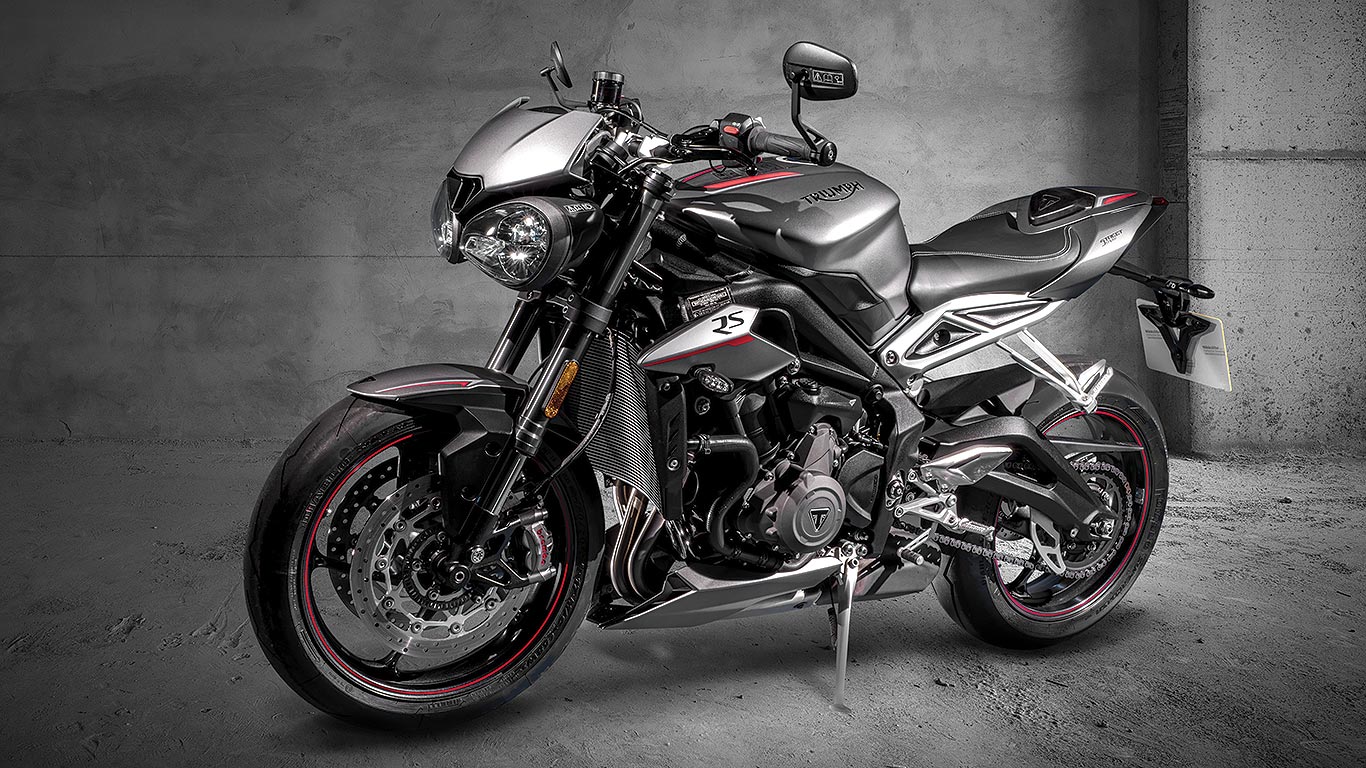
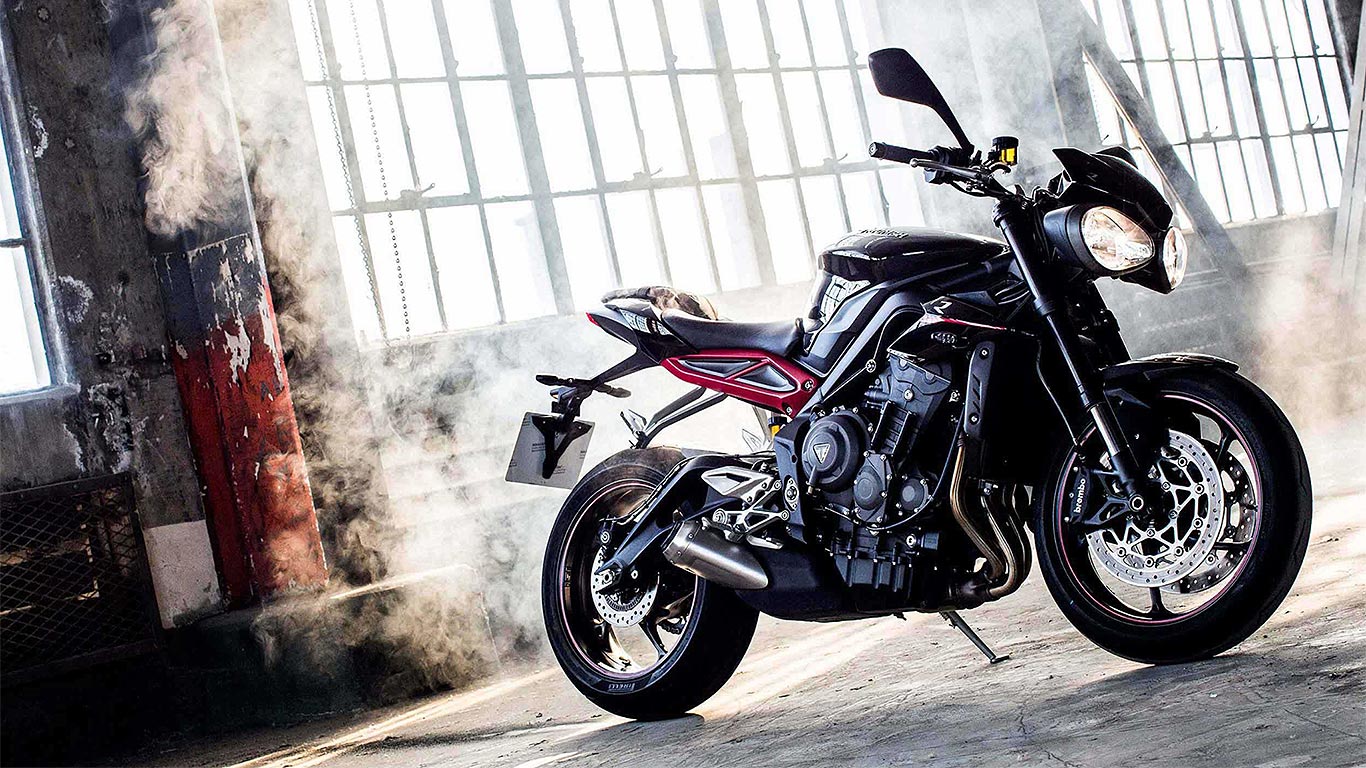
Best Middleweight – Triumph Street Triple 765
Triumph has reinvented its Street Triple range for 2017 with a three-model range, all using the same brilliant new 765cc engine, albeit in different states of tune. The range starts with the £8,000 S, moving up through R to the full-fat 123hp RS; there’s even a regulated 660cc Street Triple S A2 version for newbies. All are bona fide thoroughbreds.
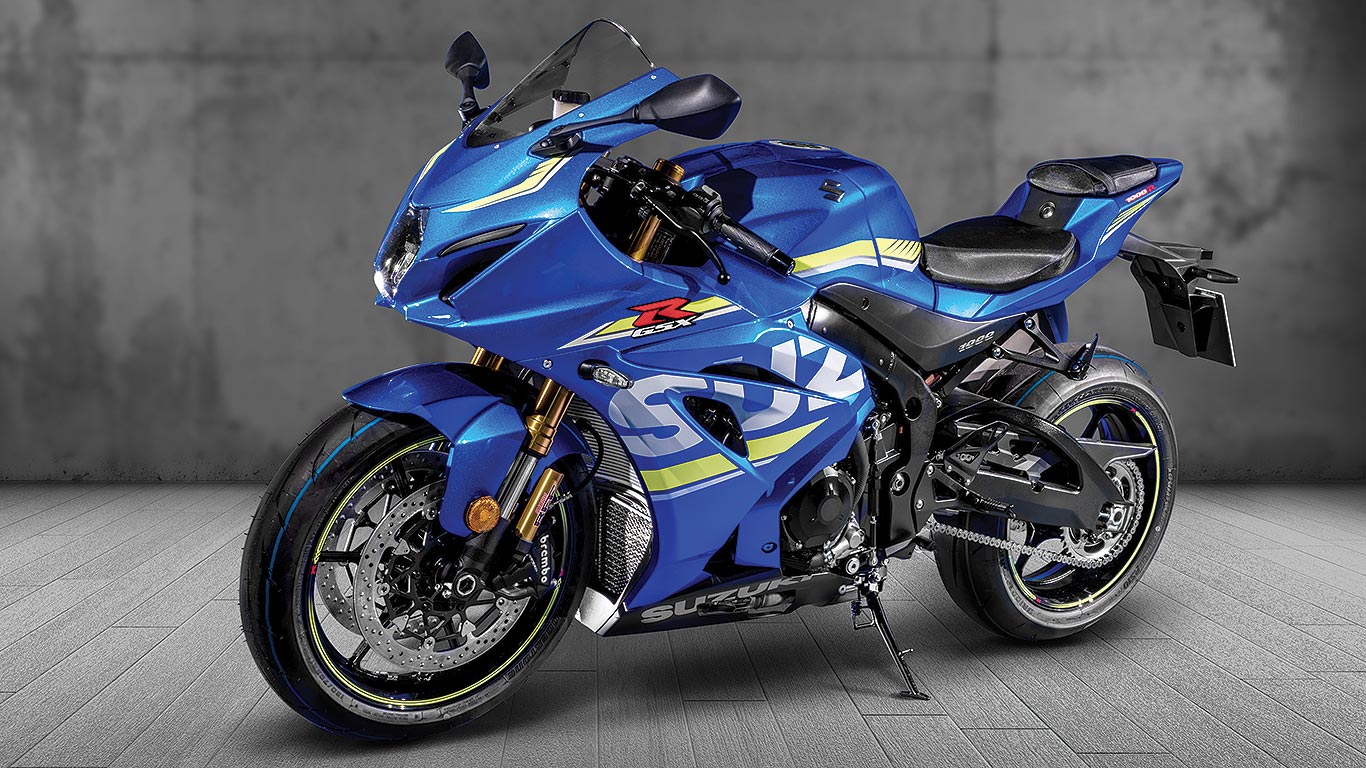
Best Sports – Suzuki GSX-R1000R
The hottest new Gixxer, the GSX-R1000R aims to grab back the top superbike title Suzuki considers its own: on this evidence, with its top-notch blend of confidence and performance, the all-new machine is without question the best new sports bike of 2017.
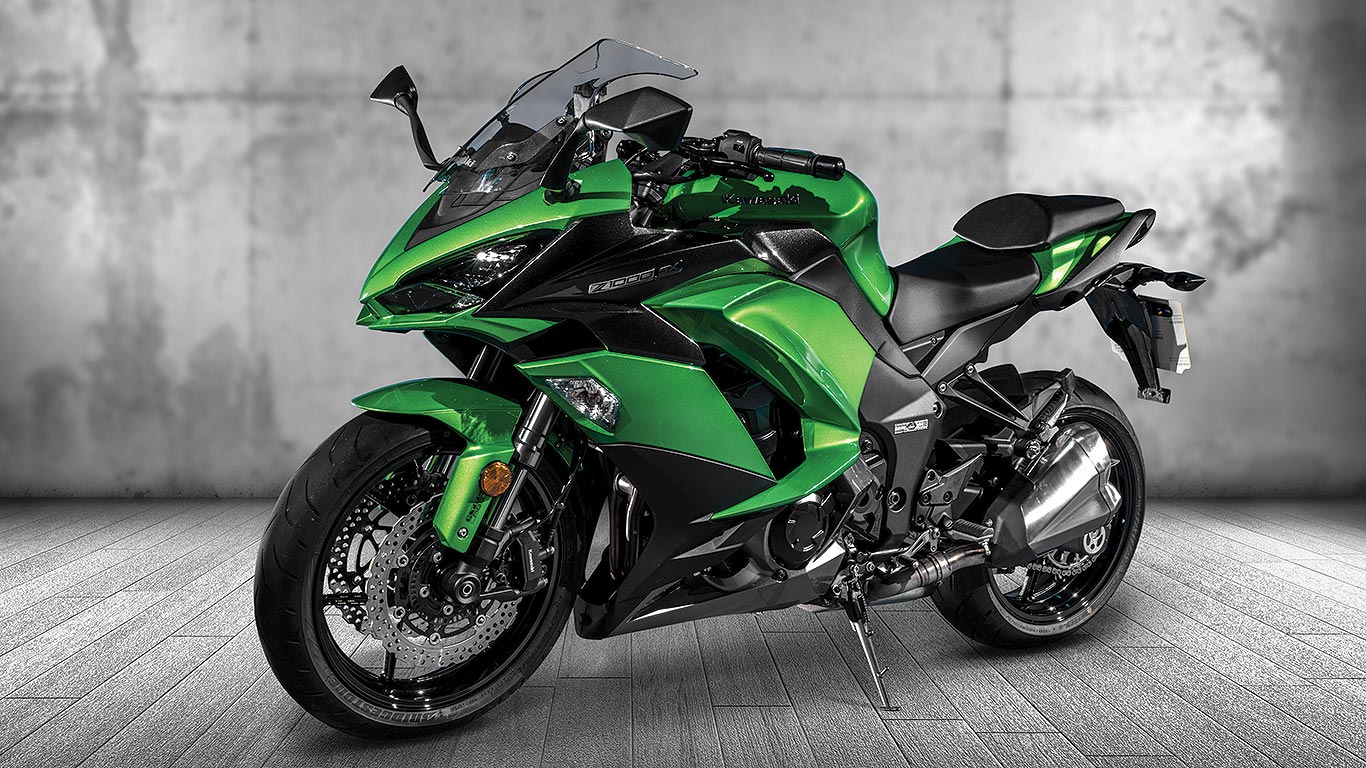
Best Sports Tourer – Kawasaki Z1000SX
Kawasaki continues to hone the superb Z1000SX, and the 2017 version is duly better than ever. The firm’s used customer feedback to tailor it even more perfectly, so if you want a fine sports tourer with no foibles but plenty of talent, look no further.
2017 Best Bike Award winner – Triumph Street Triple 765
Triumph has put an enormous amount of time, talent and tenacity into crafting the new Street Triple 765 range, and it shows. All versions are wonderful rides, with enough character and ability to lift them clear of rivals. Those seeking the best new bike of 2017, look no further: the British firm has created a peach of a model range here.
Congestion on UK roads is getting worse. Traffic volumes hit a record high between April 2016 and March 2017 – and data released this morning reveals that nearly half of Brits are considering jacking in their jobs because they can’t stomach the commute.
The research by Goodyear Tyres has discovered that 46 percent of drivers in the UK would consider changing their jobs because of the increased traffic levels on their commute, while one in 10 claim congestion has caused their stress levels to be higher than ever.
Driving to work ‘more depressing than using bus or train’
Fortunately, there is change on the horizon. Despite average speeds falling by as much as 20 percent in some cities over the last year, 40 percent of respondents said they would consider moving further away from work if they could commute by driverless car.
“With autonomous vehicles promising a future where passengers are free to maximise their travel time, it’s no surprise that Brits are willing to give up what can be a hectic city life in favour of a more relaxed commute,” said Goodyear Tyres’ Kate Rock.
Research published in 2014 revealed that commuters who use public transport are generally happier and less stressed than those who drive to work.
Rock added: “Our research reveals that almost one-in-five motorists believe the main benefit of using a driverless car would be the convenience of not having to park. Inadequate parking wastes a fifth of car spaces, so we could end up seeing cities with more parking space, relaxed commuters and as a result, greater levels of wellbeing, simply by taking the stress of parking and commuting away from drivers.”
Until driverless cars are commonplace, however, Brits are making the most of sitting in traffic. 26 percent say they enjoy in-car karaoke while stuck in traffic, while 24 percent use the time to talk to friends and family via handsfree.
>NEXT: UK road congestion at its worst for over 10 years
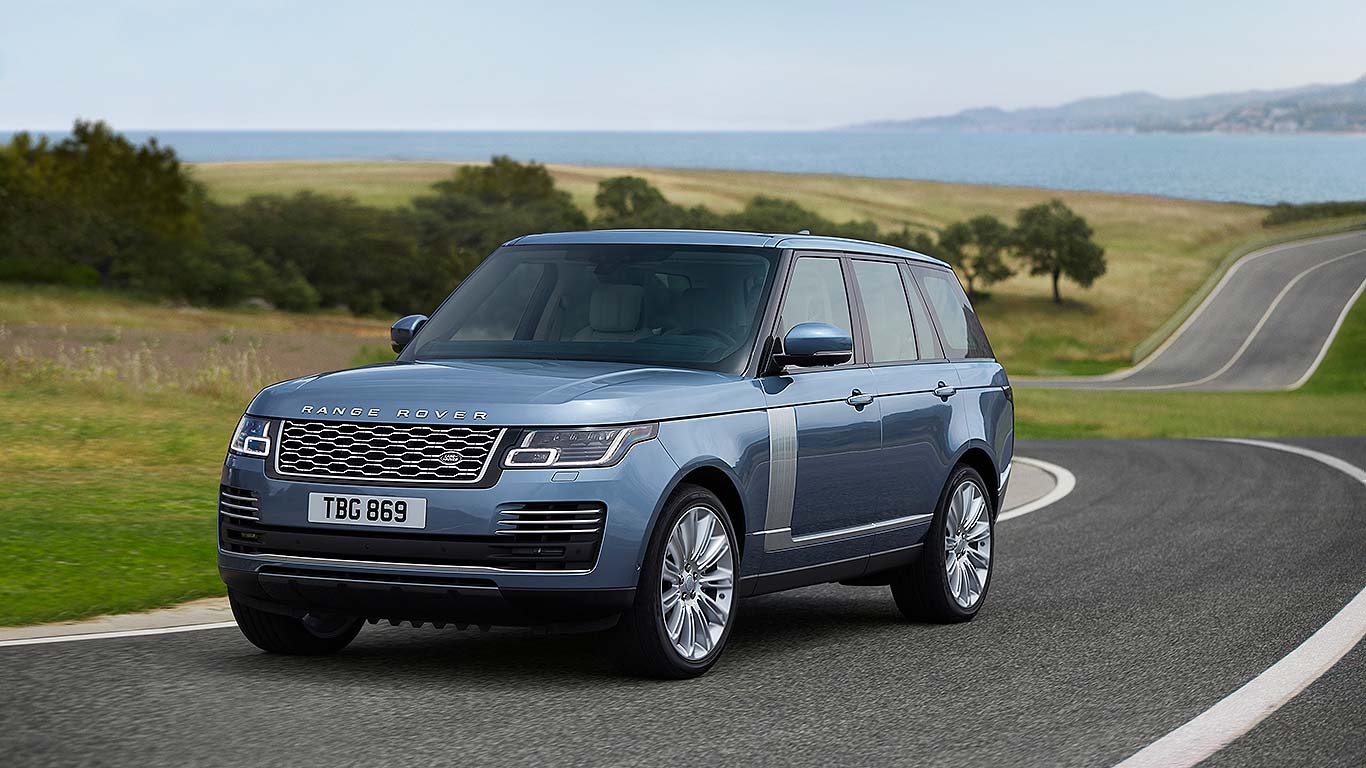
Land Rover has given the Range Rover luxury SUV a facelift for 2018, one headlined by the introduction of a new plug-in hybrid version that boasts a 31-mile electric range, 101mpg NEDC combined fuel economy and total power output of 404-horsepower. Ordering is open now (and prices are below).
Closely following the refreshed 2018 Range Rover Sport, the new Range Rover also gets mild design tweaks and, inside, the introduction of the firm’s new Touch Pro Duo twin-touchscreen centre console, as first seen on the Range Rover Velar.
But whereas Land Rover is keen to show off the high-tech connectivity of the system on the Range Rover Sport, for the Range Rover it’s simply describing it as “a digital butler fit for the 21st Century”.
Visual changes aren’t extensive. “Our customers are very clear about what they want from any new Range Rover,” reckons Land Rover chief design officer Gerry McGovern. “’Don’t change it, just make it better,’ they tell us.”
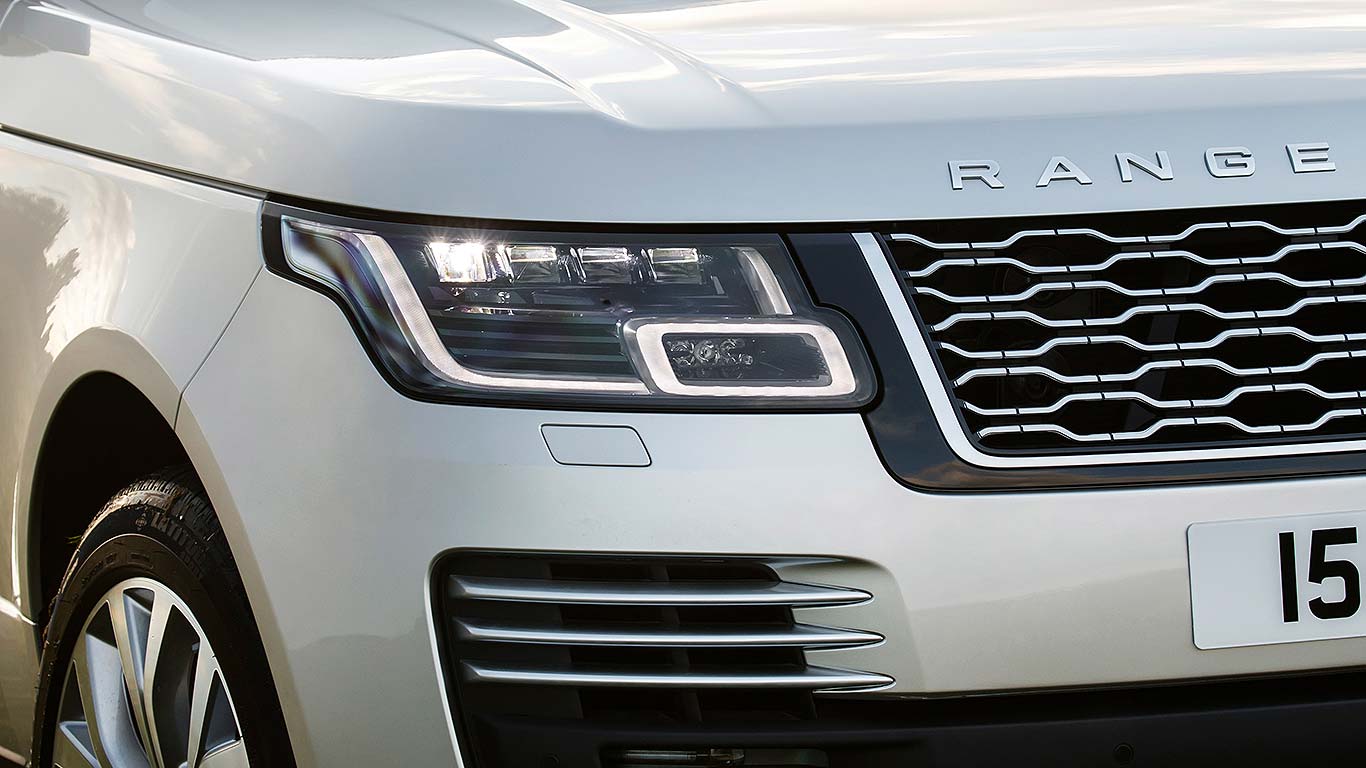
For the record, LED headlights are now standard, and offered in Premium, Matrix, Pixel or Pixel-Laser guise. The bumper has wider air vent blades, the grille is more modern and the clamshell bonnet itself is now longer. Exhaust tailpipes are more neatly integrated in the rear, there are six new alloy wheel designs and two new colours, Rossello Red and Byron Blue.
There are all-new seats inside, with the front ones now adjusting in up to 24 different ways; they have wider and deeper seat foams and even now come with heated armrests.
Indulgent rear seats are wider and softer, recline by up to 40 degrees and have a total of 25 different massage programmes. Hot Stone massage in a Range Rover? No problem, sir. They too have heated arm rests – and heated foot rests, and heated calf rests. You can even heat them up remotely via a smartphone app.
Green or mean?
The Range Rover P400e combines a 200hp 2.0-litre four-cylinder turbo petrol engine with an 85kW electric motor; that’s good for 137mph and 0-62mph in 6.8 seconds. It emits 64g/km CO2, so is relatively tax-friendly – more so than the uprated 5.0-litre V8 supercharged range-topping SVAutobiography Dynamic, which now produces 565hp for 0-62mph in 5.4 seconds.
The P400e recharges in 7hrs 30mins using a domestic socket, or 2hrs 45mins from a wall box. Land Rover guarantees the battery, which is mounted beneath the boot floor, for eight years, 100,000 miles or 70 percent state of health. It’s charged from a socket hidden in the grille.
The SVAutobiography Dynamic, meanwhile, is the most powerful Range Rover ever, and is marked out by a new Graphite Atlas mesh grille plus a beefier rear bumper with built-in metal exhaust tailpipes. Like the P400e, you can have it in standard and long-wheelbase guise.
All Range Rovers offer super-comfortable air suspension, but the SVO-tuned range-topper can be had in performance-optimised guise, which sits 8mm lower and promises more engaging handling with little loss in comfort.
The 2018 Range Rover is also now the most expensive Range Rover ever too, mind. The range starts at just under £80,000 for the base 3.0-litre TDV6 Vogue, stretching up to a mammoth £177,030 for the SVAutobiography Dynamic LWB.
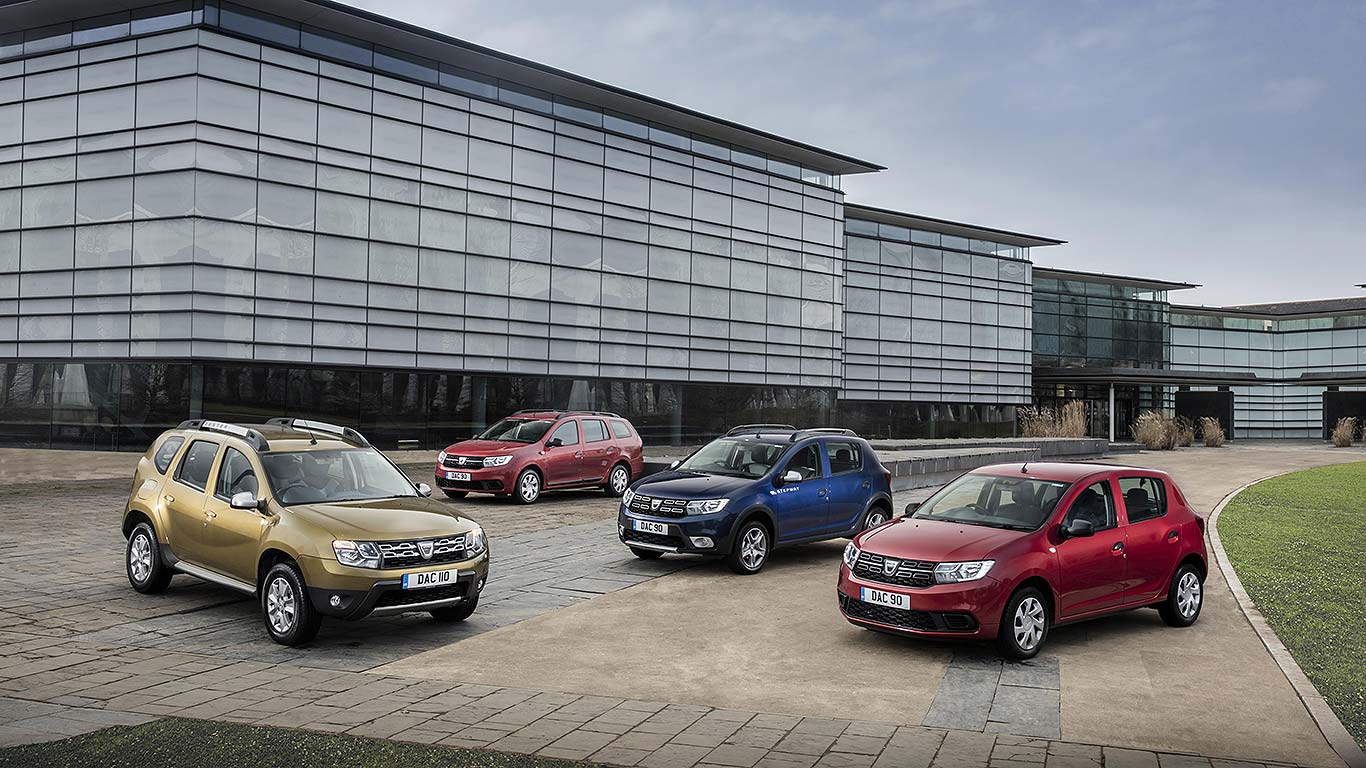
Dacia is offering car buyers choosing a new model on either PCP or HP finance a free five-year extended warranty as an upgrade from the standard three-year warranty. Every Dacia car apart from base Access models (the ones with the black bumpers and no air con) is included.
The extended five-year warranty is given to all those picking a four-year PCP or HP scheme; presumably the extra year’s warranty will help boost the trade-in value of the cars, which could help make monthly PCP payments a little lower.
Orders must be placed by 31 January 2018 but buyers then have until 31 March 2018 to register the cars, should they so wish. Maybe Dacia’s expecting a surge in orders leading to extended delivery times…
The extended warranty deal isn’t the only offer Dacia’s offering this winter. Duster buyers can get a £1,250 deposit contribution on all diesel models, or a more meagre £250 on petrol version (reflecting the relative new car appeal of each fuel type?). Pick a Duster 1.5 dCi 110 Laureate and, once the customer has put down another £1,683 as a deposit, it’s theirs for just £199 a month over a four-year PCP.
If that’s too much, how about a car for £89 a month? Again on a four-year PCP, with a five-year warranty, the Dacia Sandero 1.2 SCe 75 Ambience will cost you this paltry sum, provided you can find £1,361 for the deposit.
The Dacia scrappage scheme continues as well. It includes up to £1,000 off a new Duster: add in the PCP or HP offers and it means a total saving of £2,250 for chopping in your old pre-December 2009 banger. Dacia vows the old smokers will be “permanently destroyed” too. Seems there’s no room for sentiment when it comes to moving metal…
Three British racing drivers have won the famous Le Mans 24 Hours for Porsche – and the firm is honouring them with three unique versions of its new special edition: the Porsche 911 Carrera 4 GTS British Legends Edition.
Celebrating the achievements of Richard Attwood (Porsche Le Mans winner in 1970), Derek Bell MBE (Porsche Le Mans winner in 1981, 1982, 1986 and 1987) and Nick Tandy (Porsche Le Mans winner in 2015), the new cars have been created in association with the new bespoke-build division of Porsche, Exclusive Manufaktur.
There are three colours: Guards Red, Sapphire Blue and Carrera White. Each wears the number of the Le Mans-winning Porsche racer, plus a Union Jack symbol and the victorious driver’s signature.
Apparently, the drivers were involved in the build process too. That’s why the cars come with rear-axle steering and Porsche Dynamic Chassis Control as standard, says Porsche, along with high-intensity LED headlights – mimicking those from Tandy’s Le Mans-winning Porsche 919 Hybrid LMP1 car.
Which is which? Well, the Guards Red 911 is the Richard Attwood car, reflecting his Porsche 917 racer’s Salzburg red and white livery. Derek Bell’s British Legends Edition 911 is the Sapphire Blue one, honouring his 1982 Porsche 956’s Rothmans livery.
The most recent winner is Nick Tandy, and his 2015 Porsche 919 Hybrid LMP1 car’s DMG MORI livery is mimicked by the Carrera White car. All are based on the 450hp 911 Carrera 4 GTS.
Also included as standard are SportDesign exterior styling, Alcantara and carbon fibre interior trim (including a 911-first of an Alcantara steering column casing), 18-way adjustable sports seats and an Alcantara GT sports steering wheel with, naturally, a racing-style 12’o’clock steering wheel marker in red.
Prices? £123,210 for the ‘Bell’ and ‘Tandy’ cars, and a slightly cheaper £122,376 for the ‘Attwood’ edition. They’re all on sale now and buyers of each 911 Carrera 4 GTS British Legends Edition will get a free track day at the Porsche Experience Centre at Silverstone.
Sadly though, not under the instruction of a British Le Mans legend.
Richard Attwood Porsche 911 British Legends Edition
As an icon of suburban family life, the wood-sided station wagon occupied American driveways for more than six decades. This is the story of the rise and fall of the woodie.
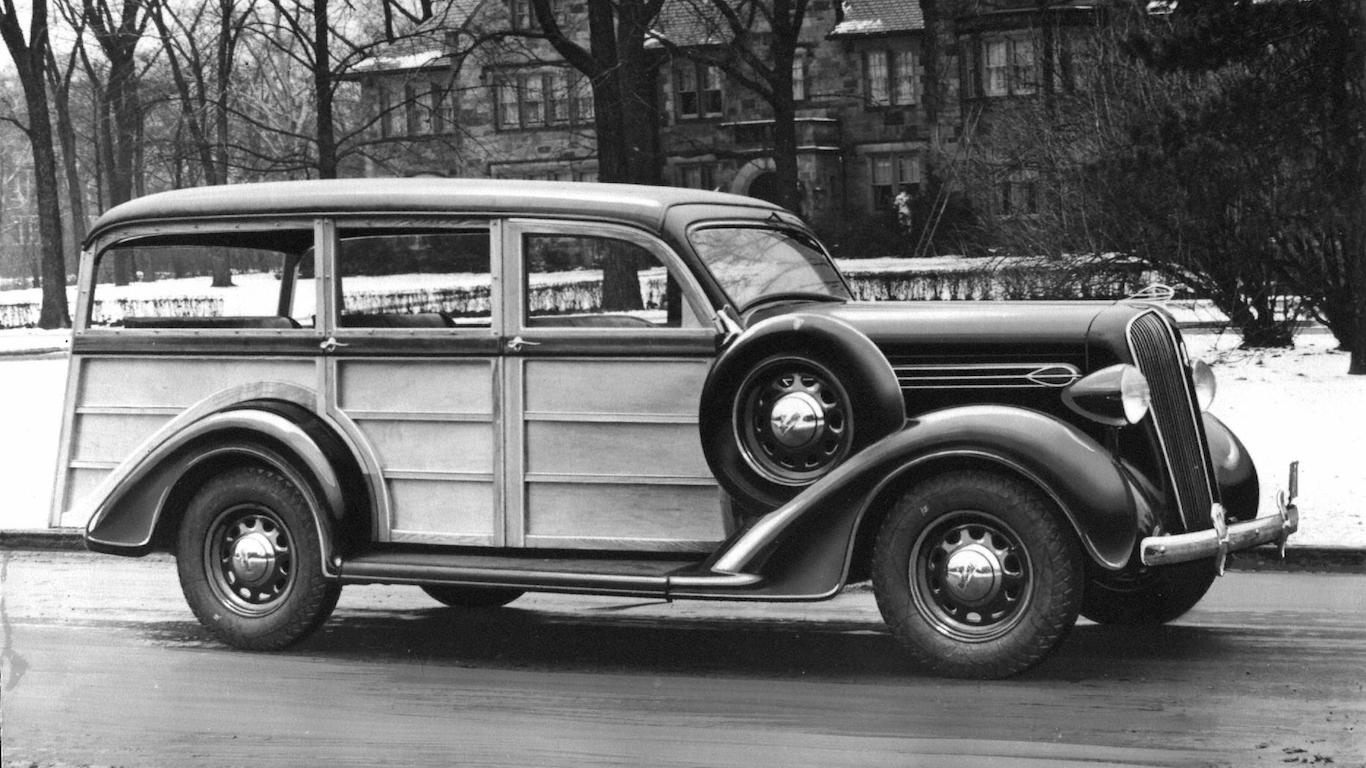
Timber structures were used from the beginning of automobile manufacturing, so the earliest woodie wagons took advantage of body-on-frame construction. Traditionally built by third-party companies from a bare rolling chassis, in 1934 Plymouth began offering a finished woodie direct to customers. The Westchester featured luxurious leather upholstery and removable rear seats for increased practicality, pre-dating modern MPVs by decades. Just 35 examples were sold.
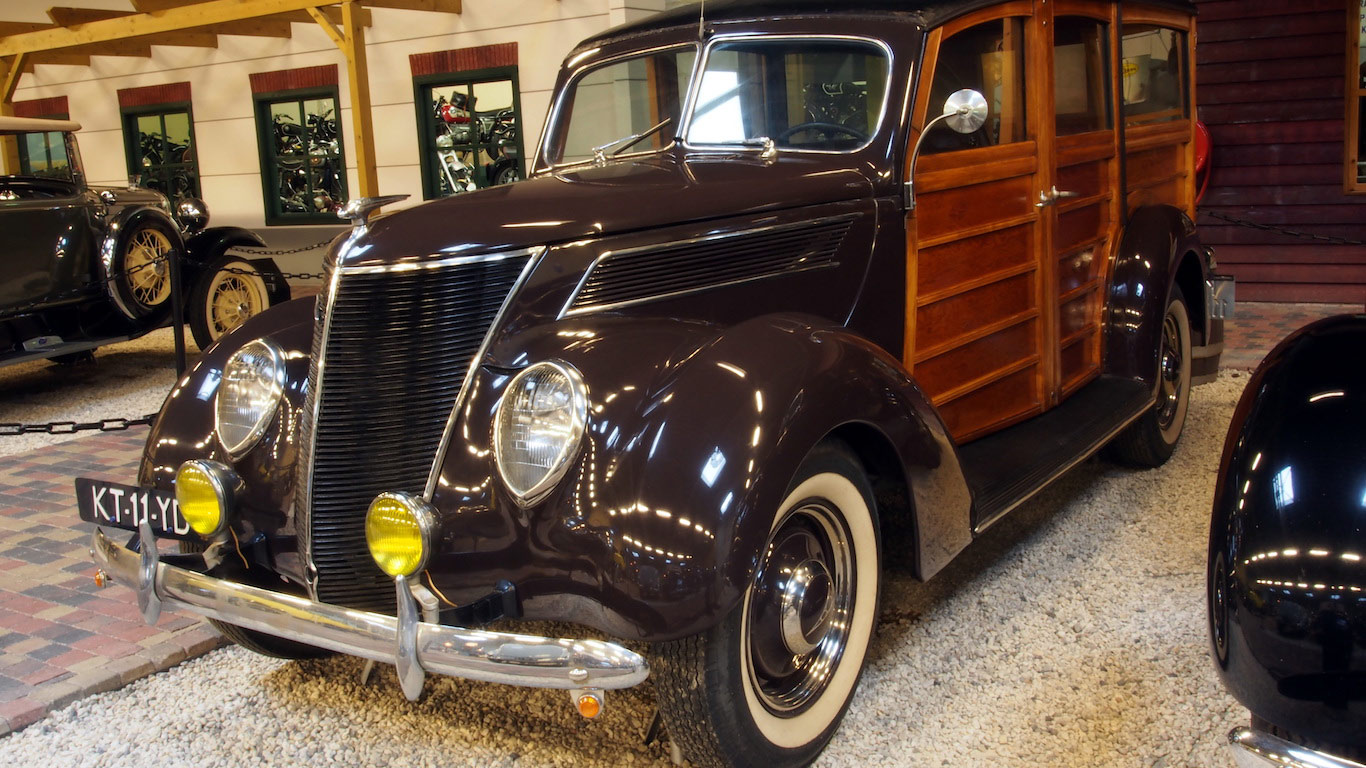
1937 Ford DeLuxe Station Wagon
With over 120,000 examples built between 1932 and 1948, early Ford woodie wagons were a relatively common sight on the roads of America. Three rows of seating offered the potential for up to eight passengers, with a split tailgate used as well. DeLuxe models gained additional chrome trim, fancier woodgrain for the dashboard, plus extra tail lights over the Standard version. A choice of V8 engines was offered, in either 136-cubic inch (2.2-litre) or 221ci (3.6-litre) displacements.
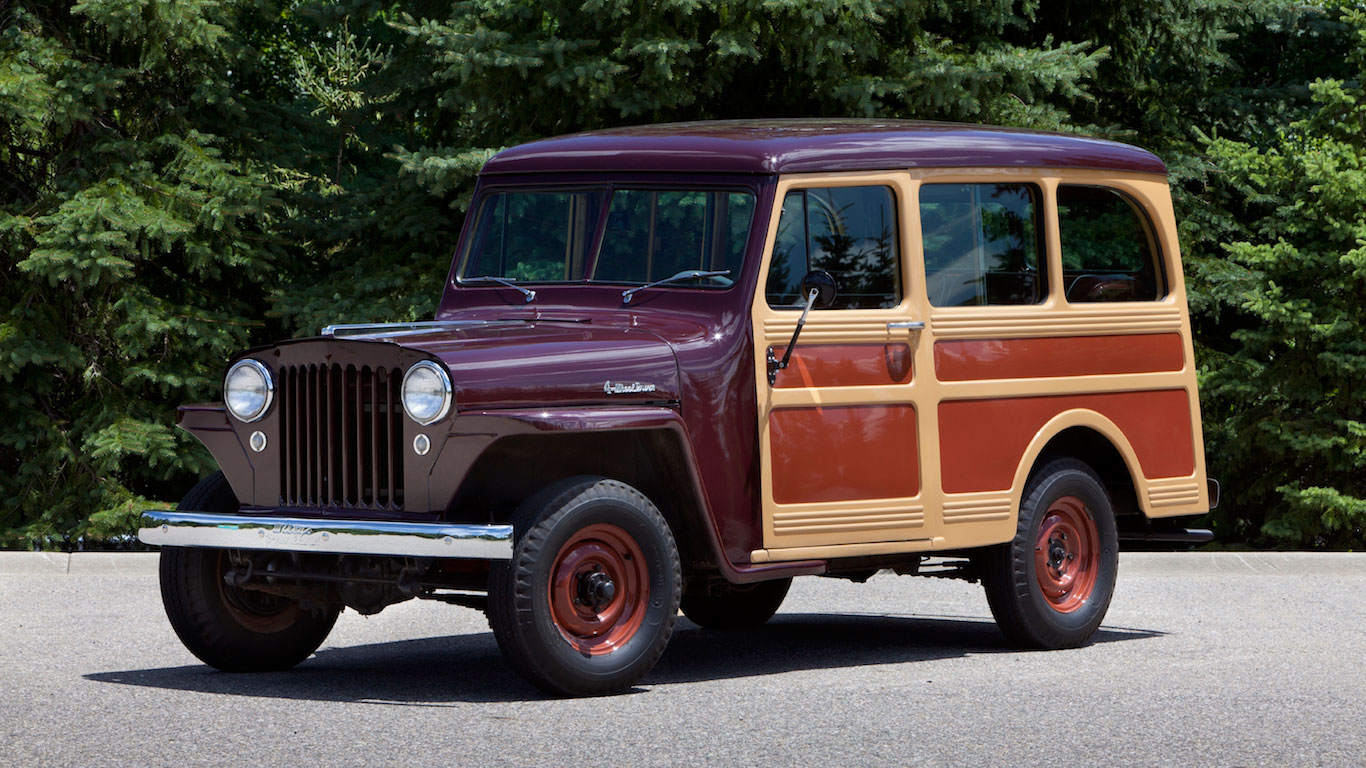
1949 Willys Jeep Station Wagon
Arguably the first-ever mass production SUV when introduced in 1946, the Willys Jeep Station Wagon gave buyers off-road ability and a spacious interior not seen before. Unlike real woodies, the Jeep used an all-steel body designed to replicate timber-clad station wagons. This was done for reasons of strength, safety, and to lower the cost of production. The year 1949 saw the introduction of a 4×4 version, with some 300,000 examples sold before the Station Wagon was replaced in 1965.
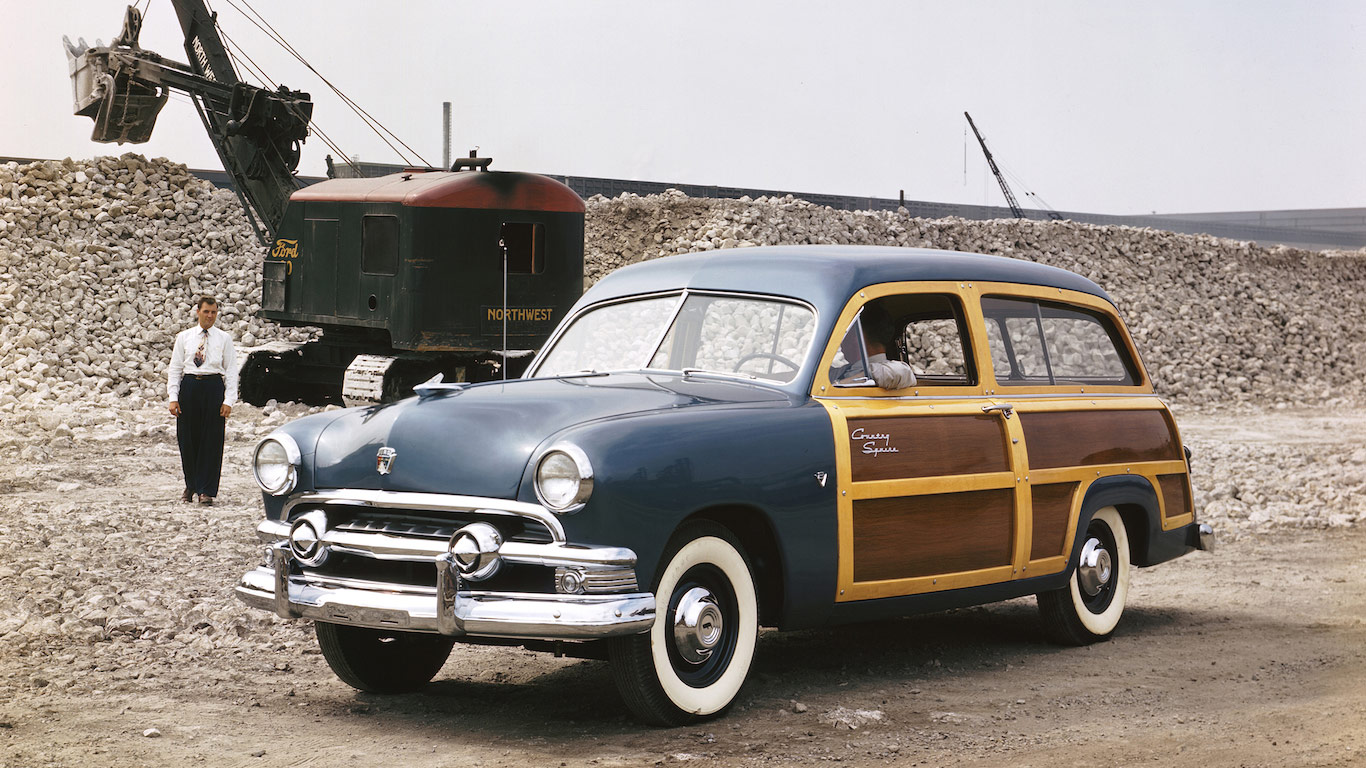
1951 Ford Country Squire
Added to the full-size Ford model range in 1950, the Country Squire would be the embodiment of woodie wagons for four decades. The first versions were simple two-door station wagons, and the only Country Squire versions to feature genuine wood trim attached to a steel body. All subsequent generations would make use of woodgrain trim to lower cost and make maintenance easier. A 226-cubic inch (3.7-litre) inline-six engine was standard, with Ford’s 239-cu in (3.9-litre) Flathead V8 optional.
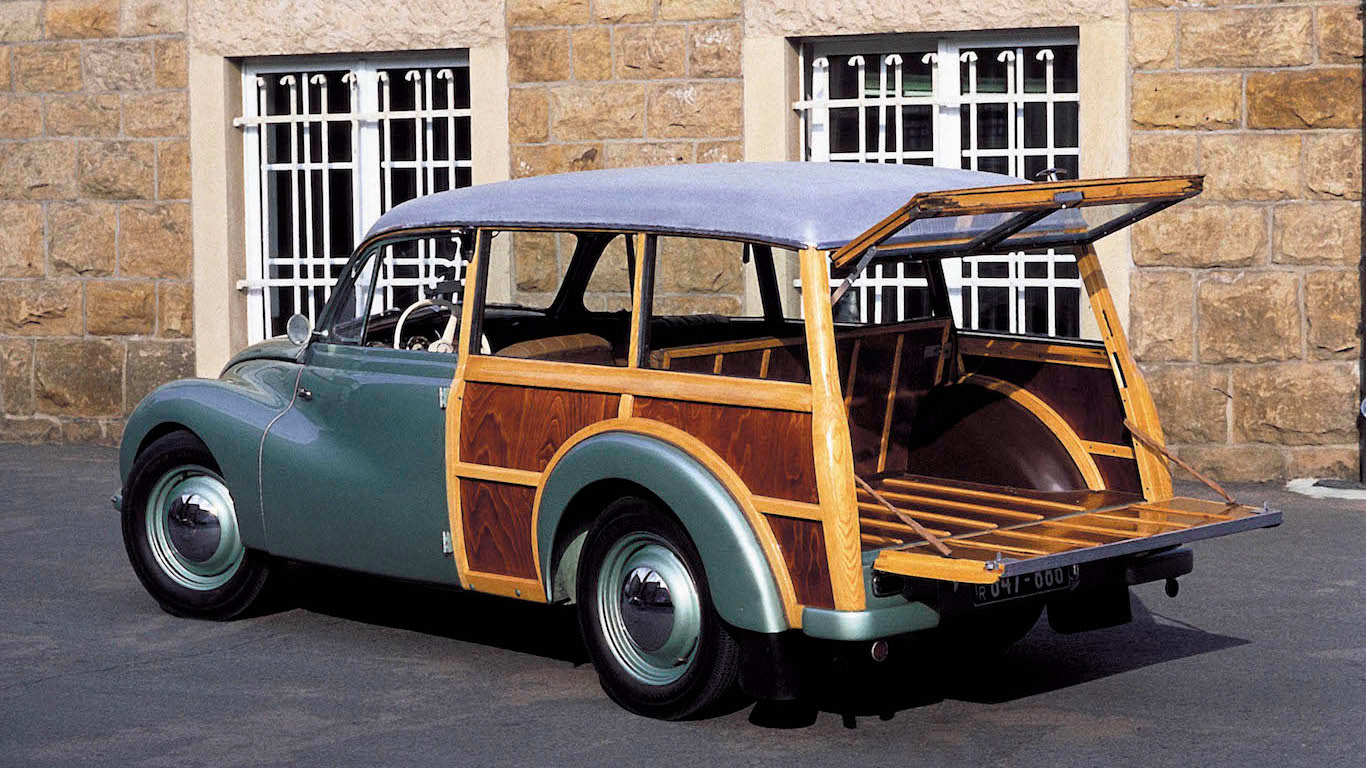
1951 DKW Meisterklasse Universal Type F89 S
Although the idea of a woodie may traditionally be an American concept, this didn’t stop European manufacturers from using the timber frame idea. Built by Auto Union – the predecessor to today’s Audi brand – the DKW Meisterklasse was a range of compact front-wheel-drive cars introduced in 1951. Alongside the traditional saloon, DKW also offered a three-door ‘Universal Estate’ that made use of wood both inside and out for the rear bodywork. The woodie DKW existed for less than three years, with an all-steel replacement introduced in 1953.
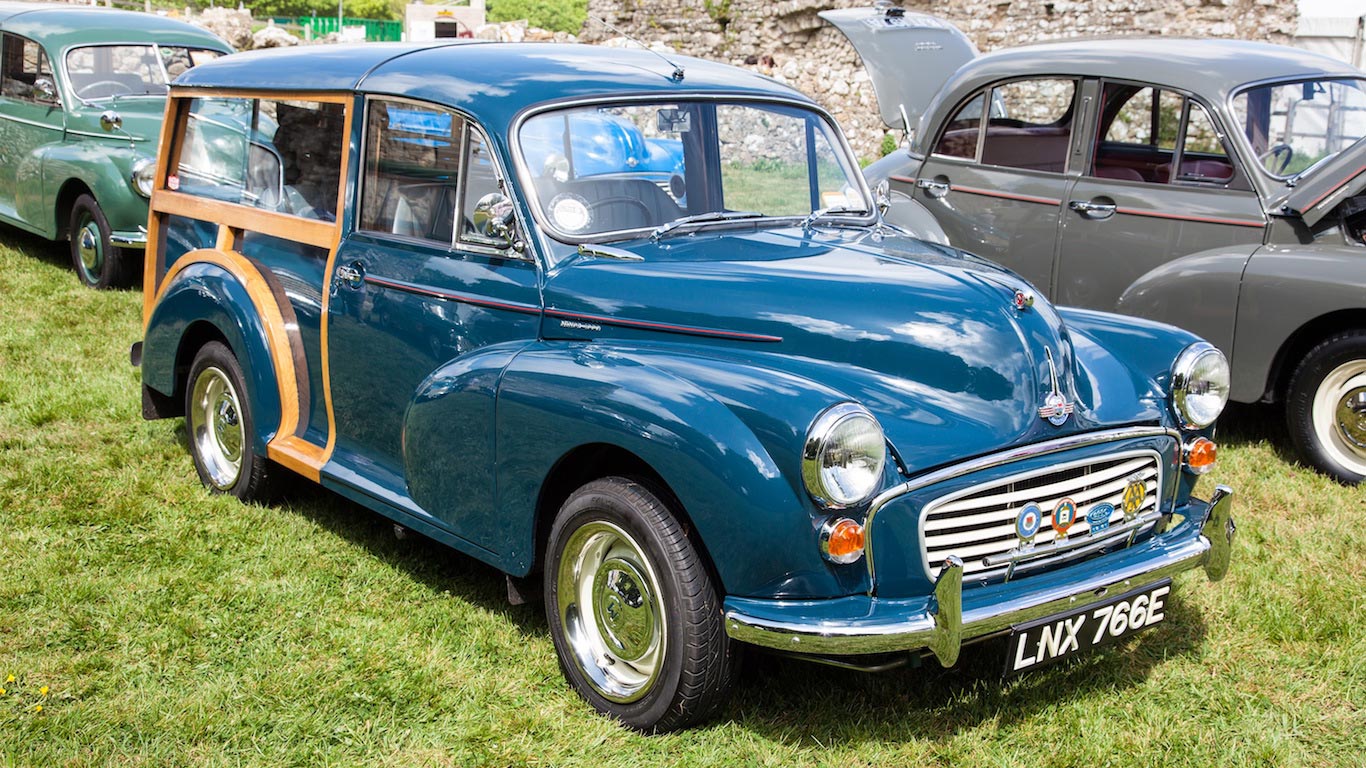
Morris Minor Traveller
Over 1.5 million Morris Minors were produced between 1948 and 1972, with the timber-framed Traveller available from 1952 as part of the Series II generation. The Traveller made use of an ash frame for structural integrity, and was varnished rather than painted. A pair of side-hinged doors were also added to boost practicality. The Traveller was part-built on the regular Morris production line in Oxford, before being transferred to the MG factory for the addition of the timber rear frame.
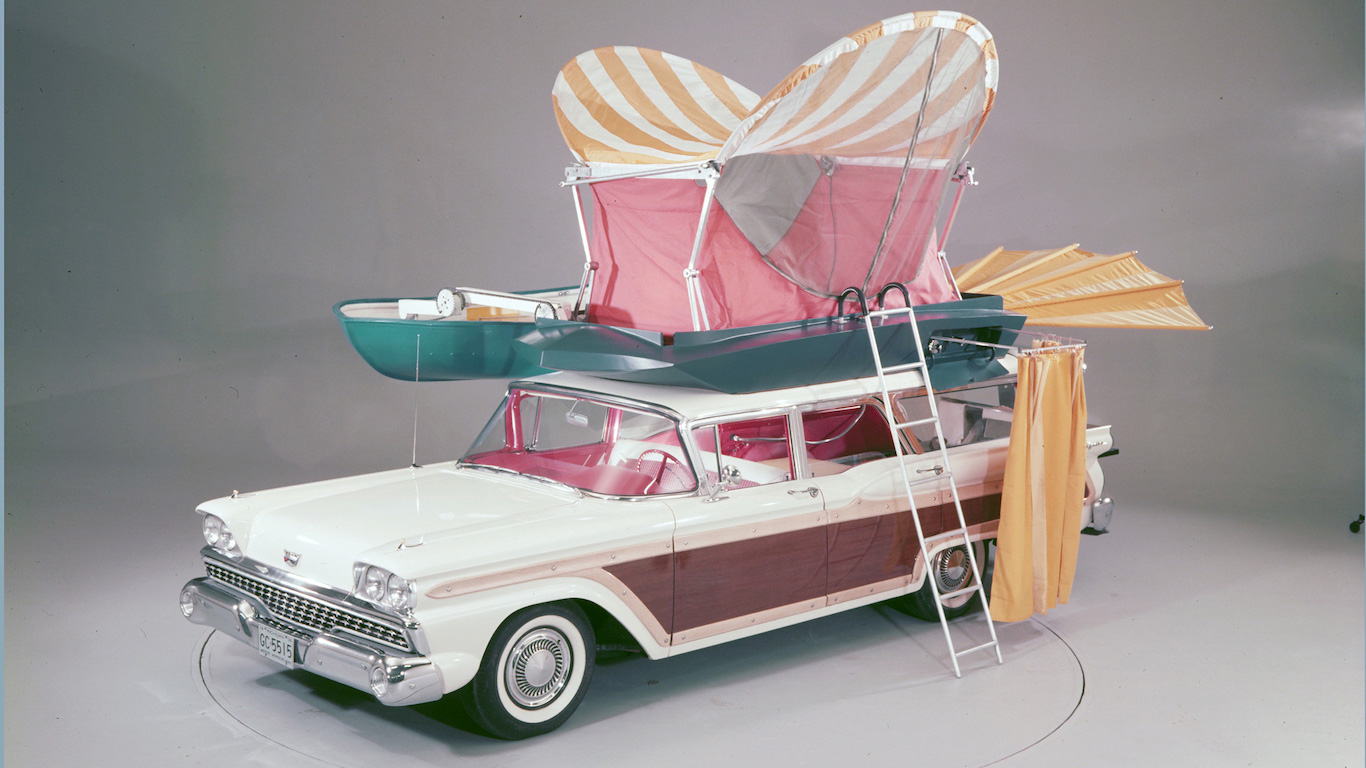
1959 Ford Country Squire
With woodgrain replacing genuine timber, the woodie moved away from being a coachbuilt creation into a lifestyle wagon. This particular Ford Country Squire was used to display a range of ‘push button’ accessories including a roof-mounted boat with a tent beneath it. An electric fridge was mounted in the rear, whilst a shower attachment made this the ultimate outdoor estate. Like the Buick Roadmaster, Ford had ditched genuine wood trim for the Country Squire in 1953, with woodgrain trim used from then on.
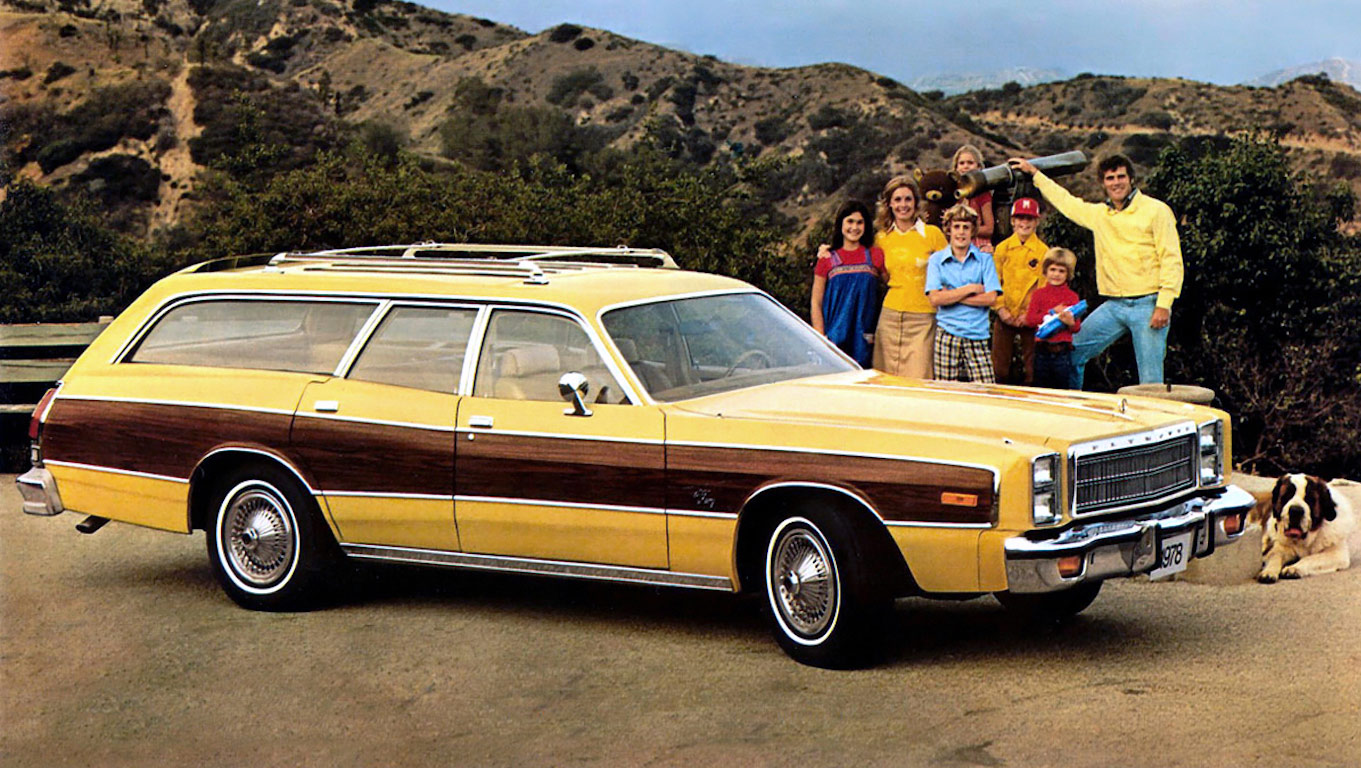
1978 Plymouth Fury Sport Suburban Wagon
With the market moving away from the giant full-size station wagons, Plymouth had downsized the Fury Sport to the smaller B-Body platform. A key party trick for the Fury Sport Suburban was a three-way tailgate. Not only could the rear window be retracted, the door itself could either hinge sideways, or drop downwards. Being the late 1970s, options like a CB Radio or eight-track stereo were on offer, with shag carpeting and vinyl seats offered as standard, along with the woodgrain trim.
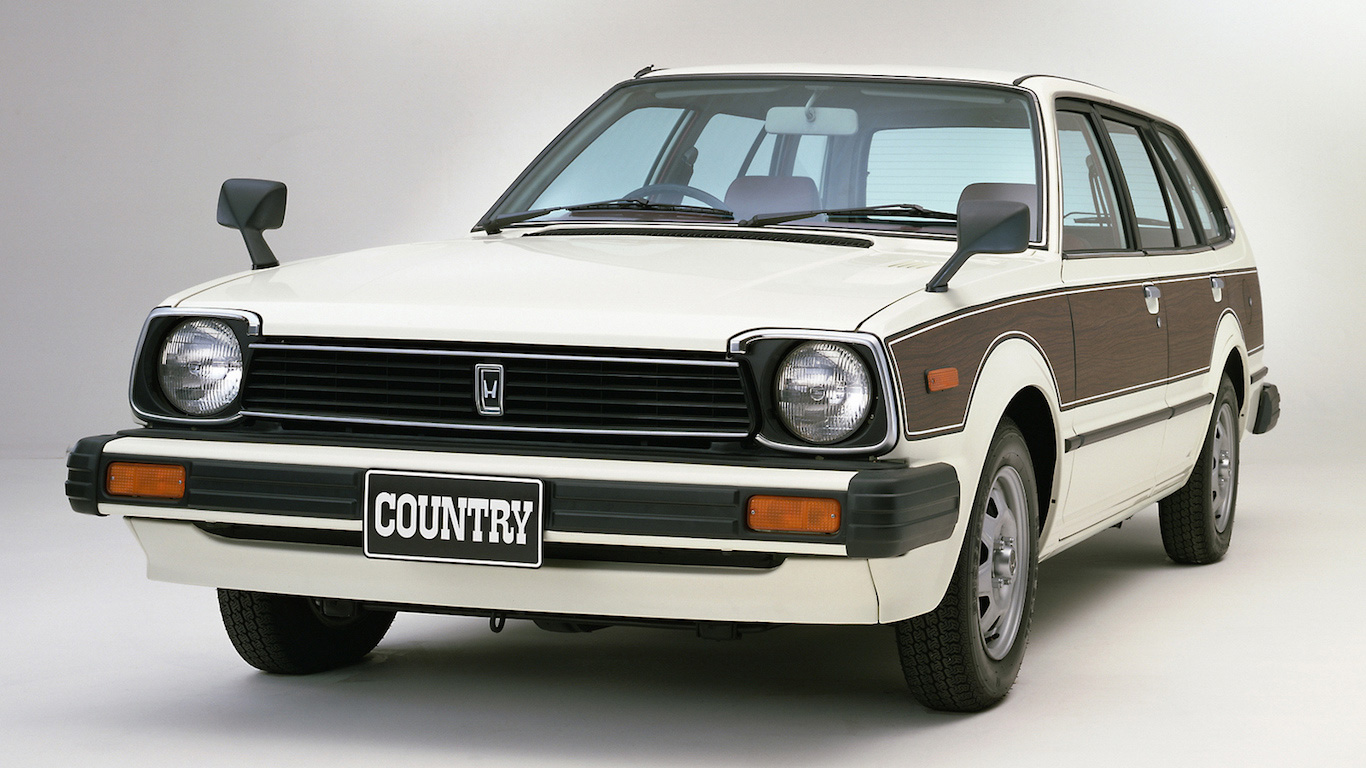
1980 Honda Civic Country
Despite the declining popularity of the woodie wagon, Honda sensed the need to launch a vinyl woodgrain-trimmed version of the second-generation Civic. With front-wheel drive and a small 1.5-litre four-cylinder engine, the Civic Country was a world away from the full-size domestic American offerings. However, it would start a trend for compact woodies that homegrown manufacturers would follow.
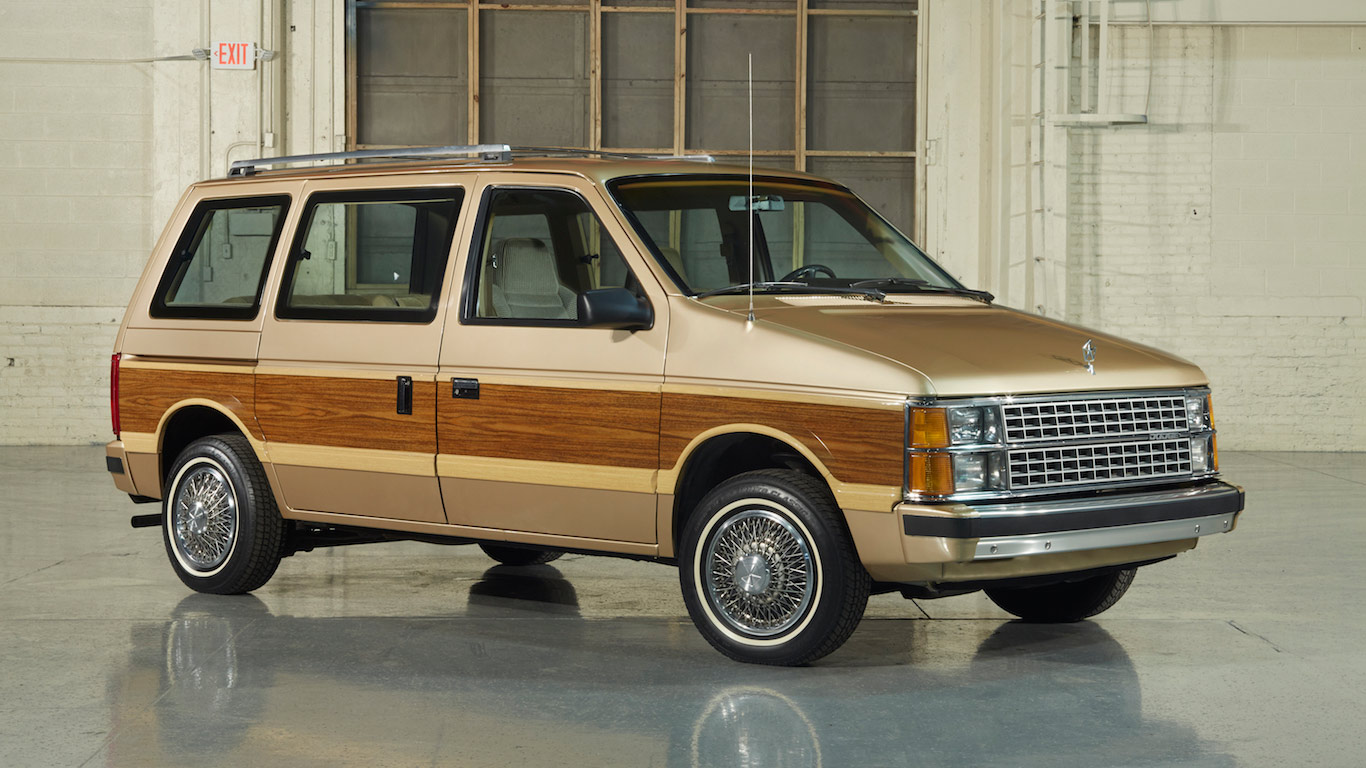
1984 Dodge Caravan
This was the beginning of the end for the station wagon as a part of American family life; suburban dreams would shortly be all about the minivan. Chrysler minivans were designed to fit inside a standard garage, but also – just like the classic full-size wagons – to be able to carry a 4’ x 8’ sheet of plywood. Keen to help buyers maintain the link with the ideas of a classic woodie, higher-specification versions of the Caravan featured vinyl woodgrain exterior panelling.
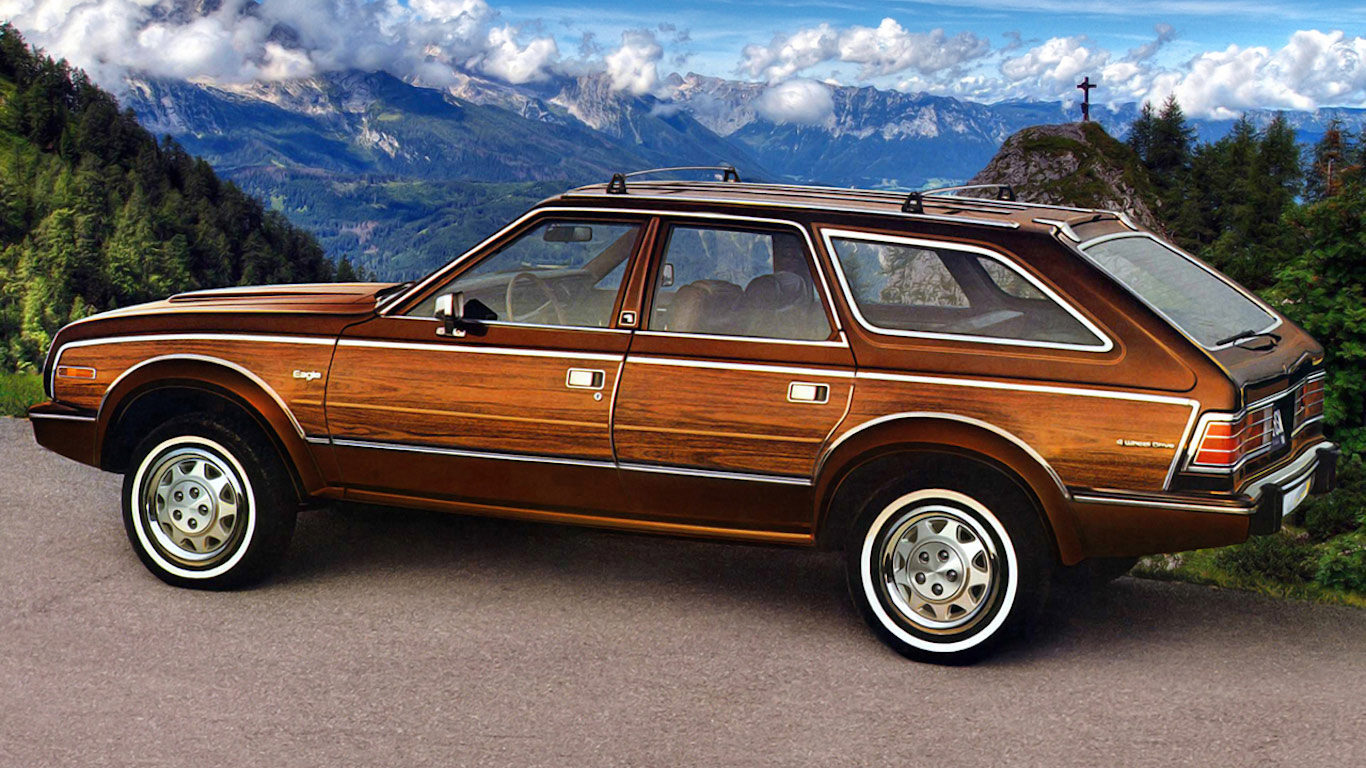
1985 AMC Eagle
The crossover might seem like a modern creation, but AMC offered a range of different bodies mounted on a four-wheel-drive chassis as early as 1979. From a two-door coupe to a hatchback and sedan, the Eagle range also included a wagon with the option of woodgrain panels. Today, the Eagle has a degree of cult collectability, representing the crossover concept decades before it became commonplace.
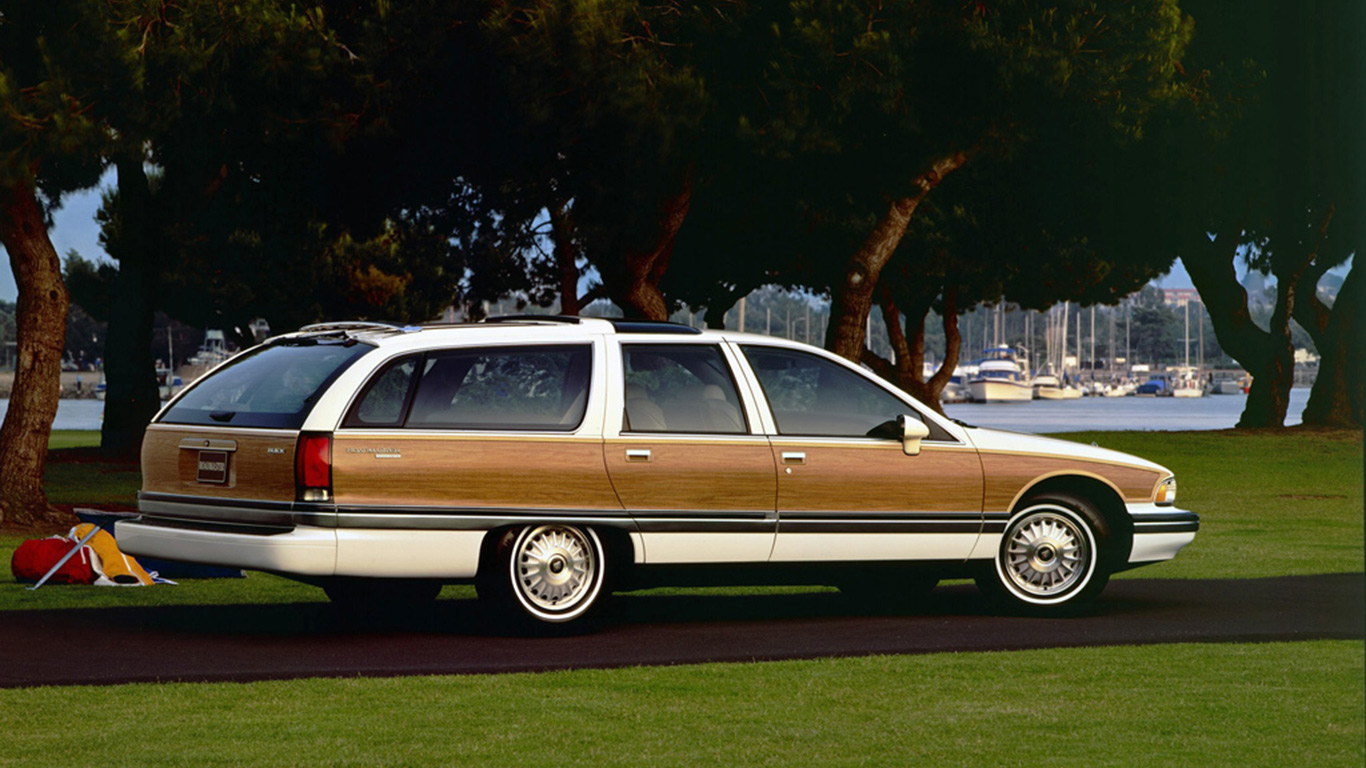
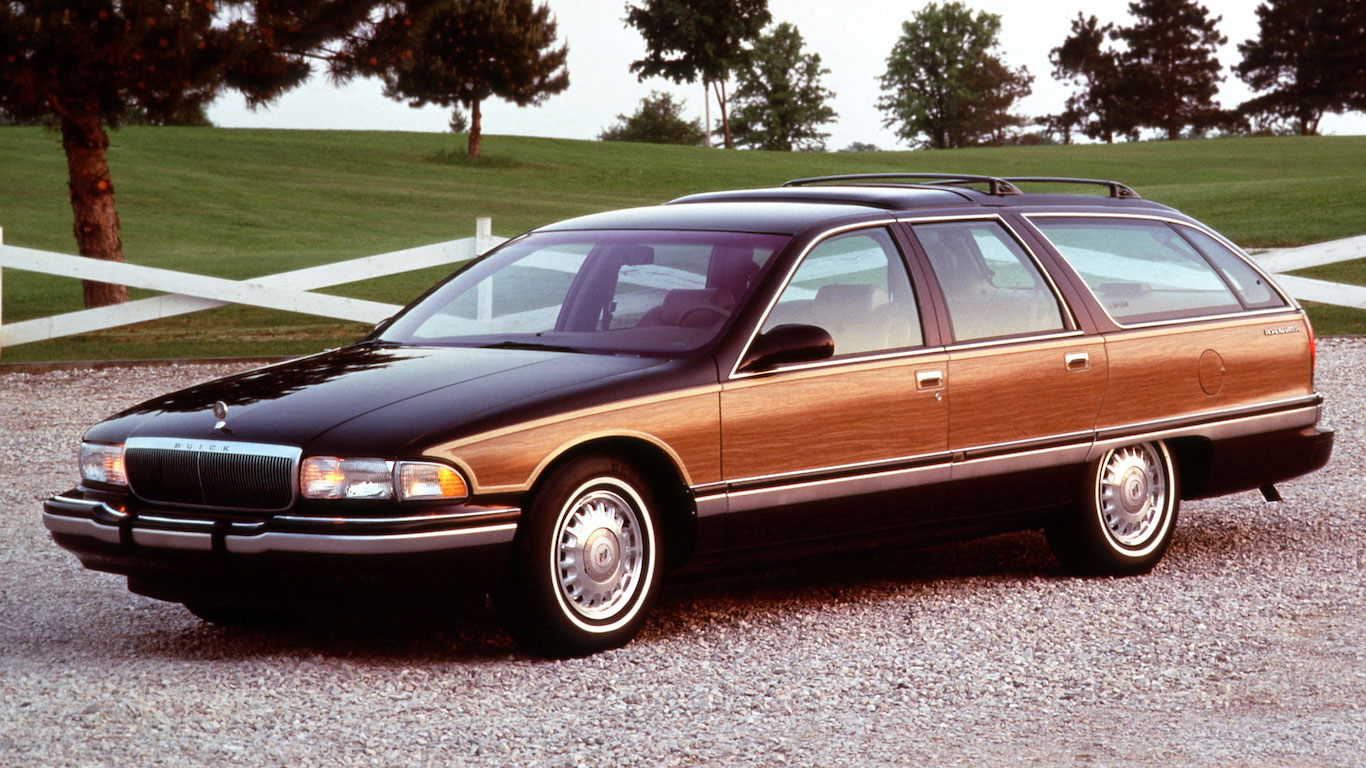
1996 Buick Roadmaster Estate
It had been the last woodie to use genuine timber components, so it seems only fitting that the very last American wood-sided wagon was the Buick Roadmaster. Reintroduced in 1991, the Roadmaster Estate was truly old-school, with a full-size rear-wheel-drive chassis and all the imitation woodgrain you could want. The optional third row of seats was still there, as was the 5.7-litre V8 engine, but the reality was that the world had moved on. MPVs and SUVs were now the choice for cross-country family road trips, consigning the woodie to the history books.
 Porsche has broadened the range of 718 Boxster and 718 Cayman models with the launch of a new range-topping 718 GTS edition, sitting above the existing S variants. With 365hp, they’re the most potent 718 models yet.
 This amazing unused 1997 McLaren F1 has been uncovered by specialist British car dealer Tom Hartley Jnr – and it’s now up for sale. The price? Strictly on application only.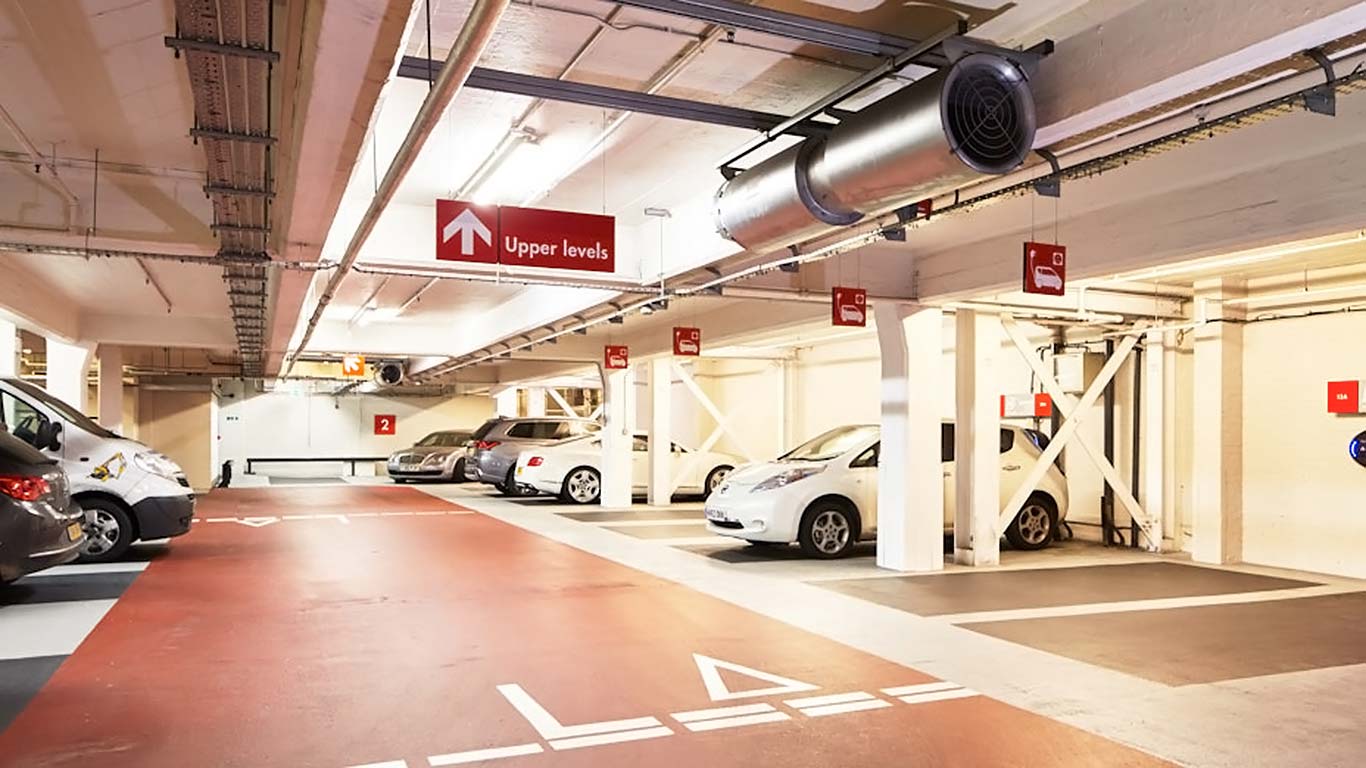






 As an icon of suburban family life, the wood-sided station wagon occupied American driveways for more than six decades. This is the story of the rise and fall of the woodie.