The new Aston Martin DB11 Volante sees the firm’s new range-topping sports GT car turn from coupe to convertible. Open for ordering now, with prices starting from £159,900, first deliveries begin in spring 2018 – just in time for the sunshine.
Replacing the DB9 Volante (yes, in Aston-speak, ‘Volante’ means ‘convertible’), the new DB11 Volante carries across the striking styling of the DB11 coupe into an arguably even more beautiful new open-top profile.
Roof down, the new machine is extremely elegant, with flowing and very graceful lines that, roof down, elegantly expose the car’s impressive new interior. Aston’s gone big on purity and sophistication, eschewing the faux sportiness of some alternatives to make it appear much more debonair and suave.
The fabric hood folds flat – the height of the roof stack is class-leadingly compact – to expose a 2+2 cabin that gets its own Volante-unique standouts, including seatback veneers either in carbon fibre or the beautiful wood pictured here. For the first time, the rear seats have ISOFIX fittings, so children can be seduced by Aston Martins from an early age.
The roof itself has eight layers, folding down in 14 seconds and going back up in 16. You can operate it on the move at speeds of up to 31mph or, more likely, go for the less-showy option of dropping it down as you walk up to it by holding down a button on the remote keyfob.
Aston says it has tested how weatherproof the hood is in both the Arctic Circle and Death Valley, and adds that it’s now so compact, boot space is 20 percent up on the old DB9 Volante. The interior’s bigger as well – and it’s the first open-top Aston to have a heated steering wheel.
Built on the firm’s new bonded aluminium architecture, the DB11 Volante is both lighter yet more rigid than the DB9 Volante, although it still weighs 1,870kg. Good job it has a 510hp 4.0-litre V8 turbo engine then, for 0-60mph in 4.1 seconds and a 187mph top speed. Expect a V12 turbo to follow.
Aston Martin president and CEO Andy Palmer says the DB11 Volante has “a unique combination of elegant style, innate sporting ability and sensory engagement that lifts it above other open-top cars”.
But creating it hasn’t been as straightforward as making the DB11 coupe, says chief technical officer Max Szwaj. It’s all about retaining structural and dynamic integrity: “To protect the former, you need strength and rigidity, but to preserve the latter, you need to keep weight to the minimum.”
Cue the DB11 Volante, a car 26kg lighter and 5 percent stiffer than the DB9 Volante. And “the result is a truly magnificent car. One that combines greater performance and agility with increased comfort, refinement and interior space for occupants and their luggage”.
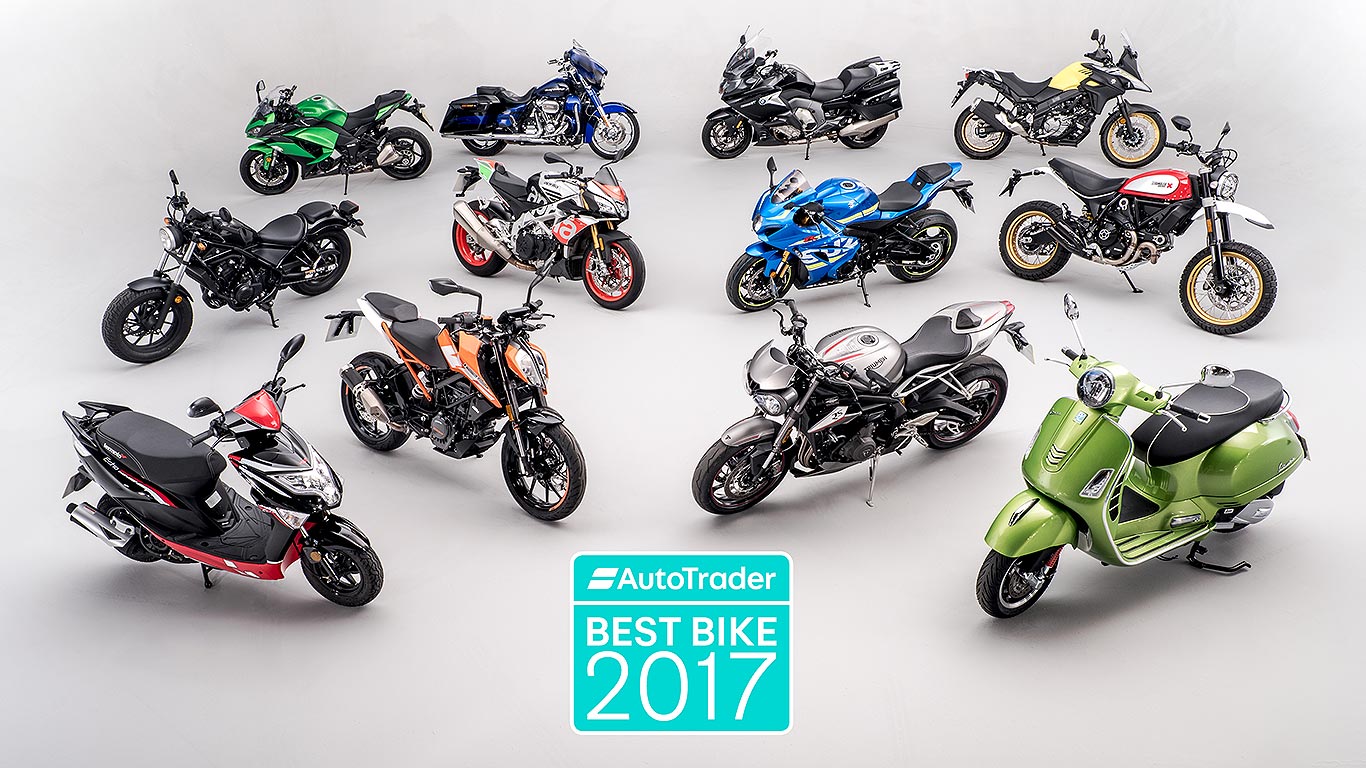
Brits still love their motorcycles. Already in 2017, Auto Trader Bikes has had 20 million visits – and riders have conducted no fewer than 36 million new and used bike searches. That’s why the automotive marketplace has once again held its annual Best Bike Awards.
Over the past two decades, the number of qualified riders in Britain has risen by a massive 74 percent. Growing numbers of people are discovering the money-saving, traffic-dodging benefits of scooters and entry-level motorcycles, while others are rediscovering motorcycles with a modern retro or adventure bike.
Motorbikes now cover more miles on UK roads than buses
Once again, there’s a new motorcycle for everyone – but which are the finest in each category? That was the task of the 2017 award’s judging panel…
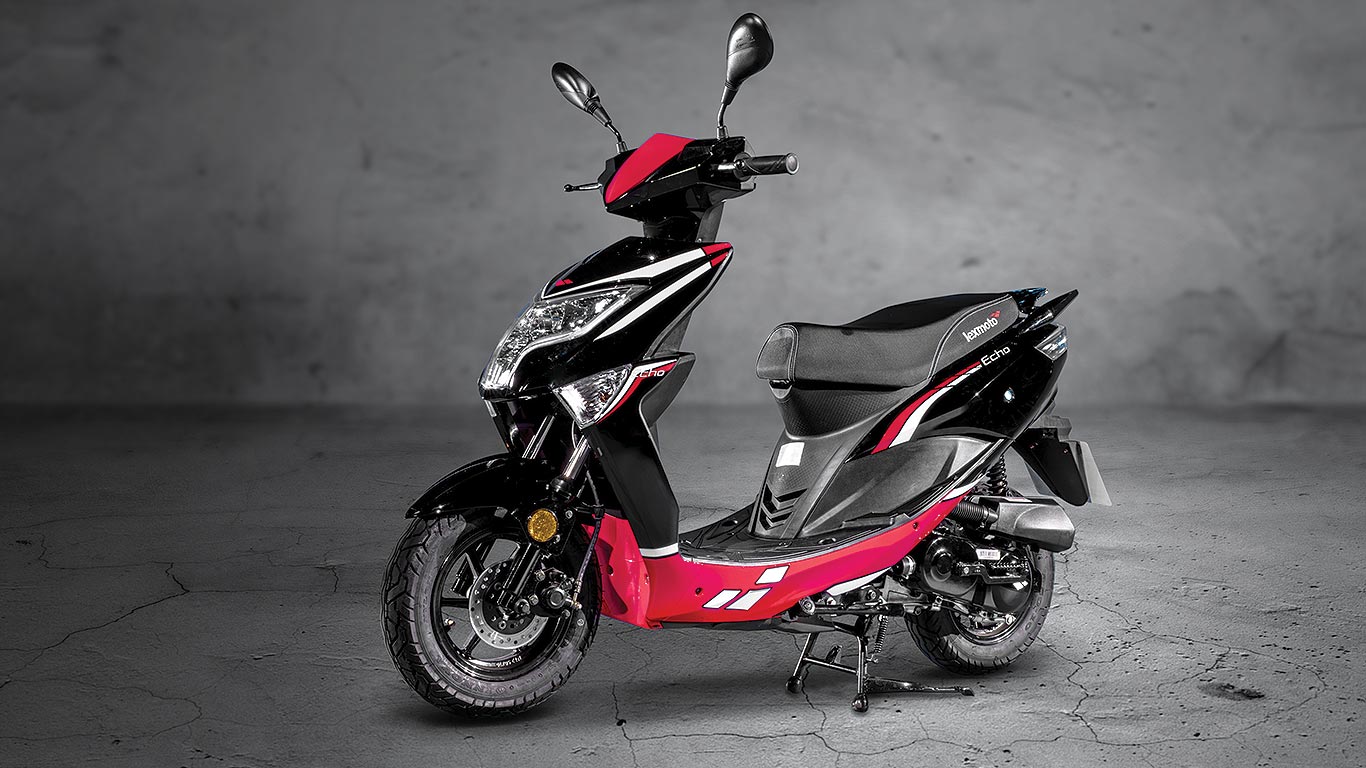
Best AM – Lexmoto Echo 50
The Lexmoto Echo 50 looks pretty good, rides nicely and, most importantly, costs less than £1,000 brand-new. This is why it’s such a strong seller in the UK – and this is why it’s been voted the best new scooter you can buy in 2017. 16 year olds, you can ride this simply by passing Compulsory Basic Training (CBT) and the theory test, adding further to its appeal.
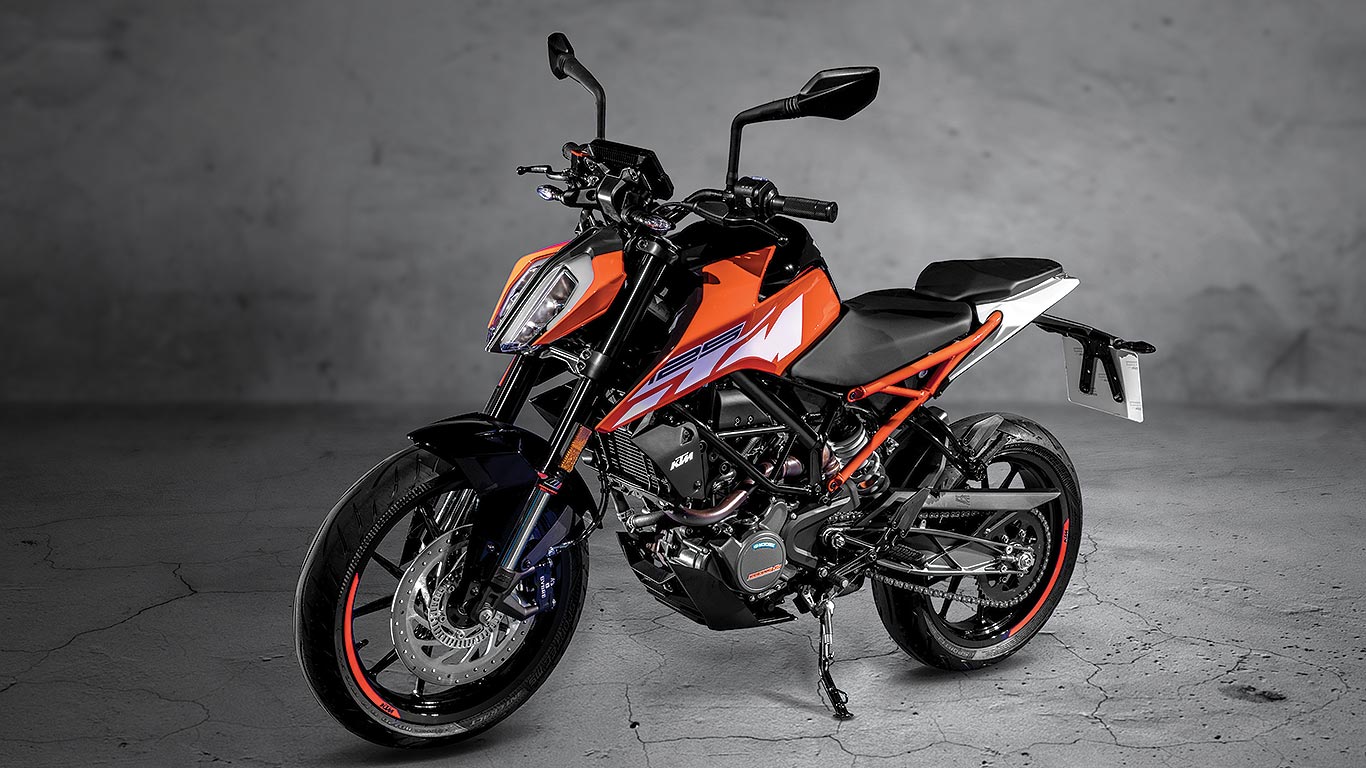
Best A1 – KTM 125 Duke
New for 2017, the latest KTM 125 Duke has been given a fresh chassis that transforms how it rides and handles. It looks stylish too, and the fantastic colour TFT instrument is a cracking standout feature on a £4k machine. 17 year olds can ride this on an A1 motorcycle lucence, once they’ve passed their CBT and theory tests.
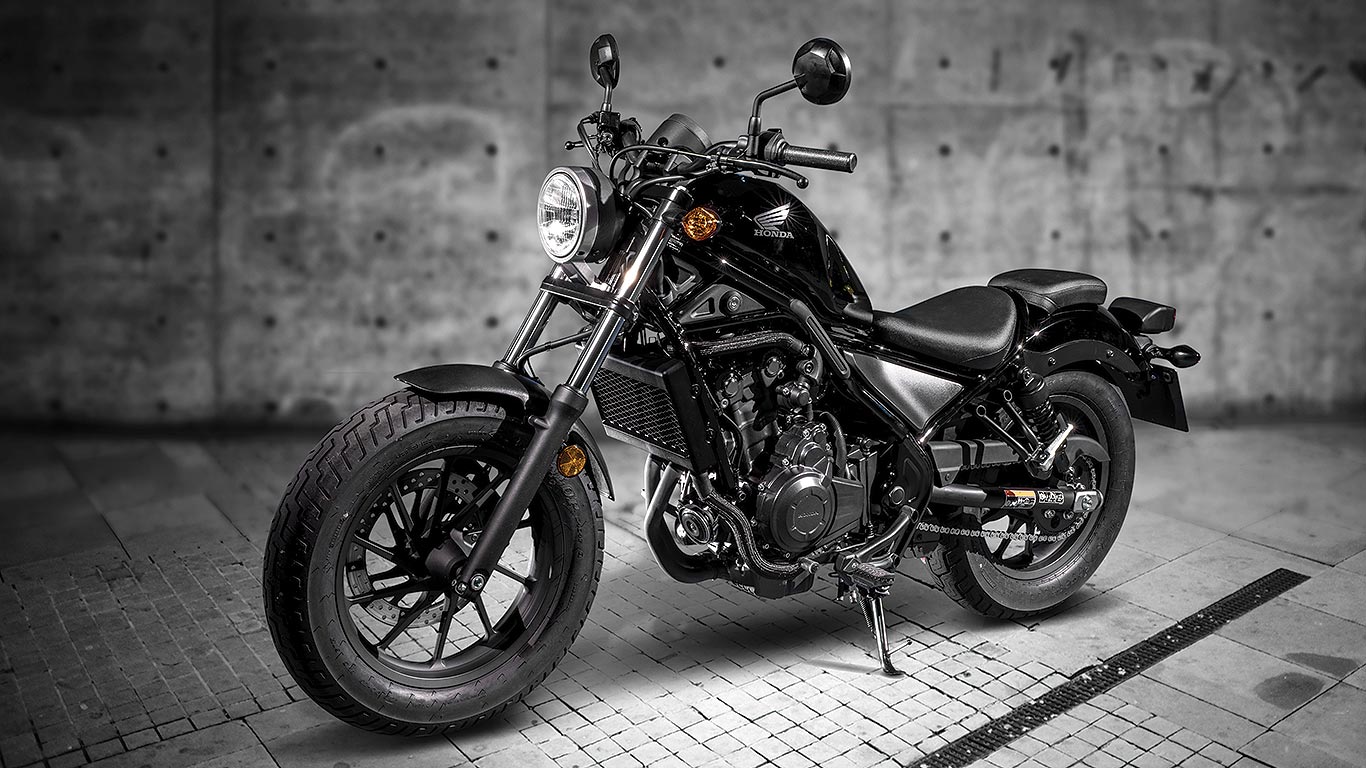
Best A2 – Honda Rebel 500
The Honda Rebel 500 is a bobber-style cruiser for 19 year olds and above. It looks cool, but rides with all the novice-friendly predictability new riders need, while also proving great fun for those following the progressive access motorcycle licence route. At just over £5,000 for the charismatic 500cc machine, it’s a deserving A2 winner.
Best Scooter – Vespa GTS300
The smart-looking Vespa GTS300 is a UK scooter favourite. It’s powerful, has advanced traction control and ABS, and you can even pair it to your smartphone to get extra display readouts. For busy city users, it’s a dream ride.
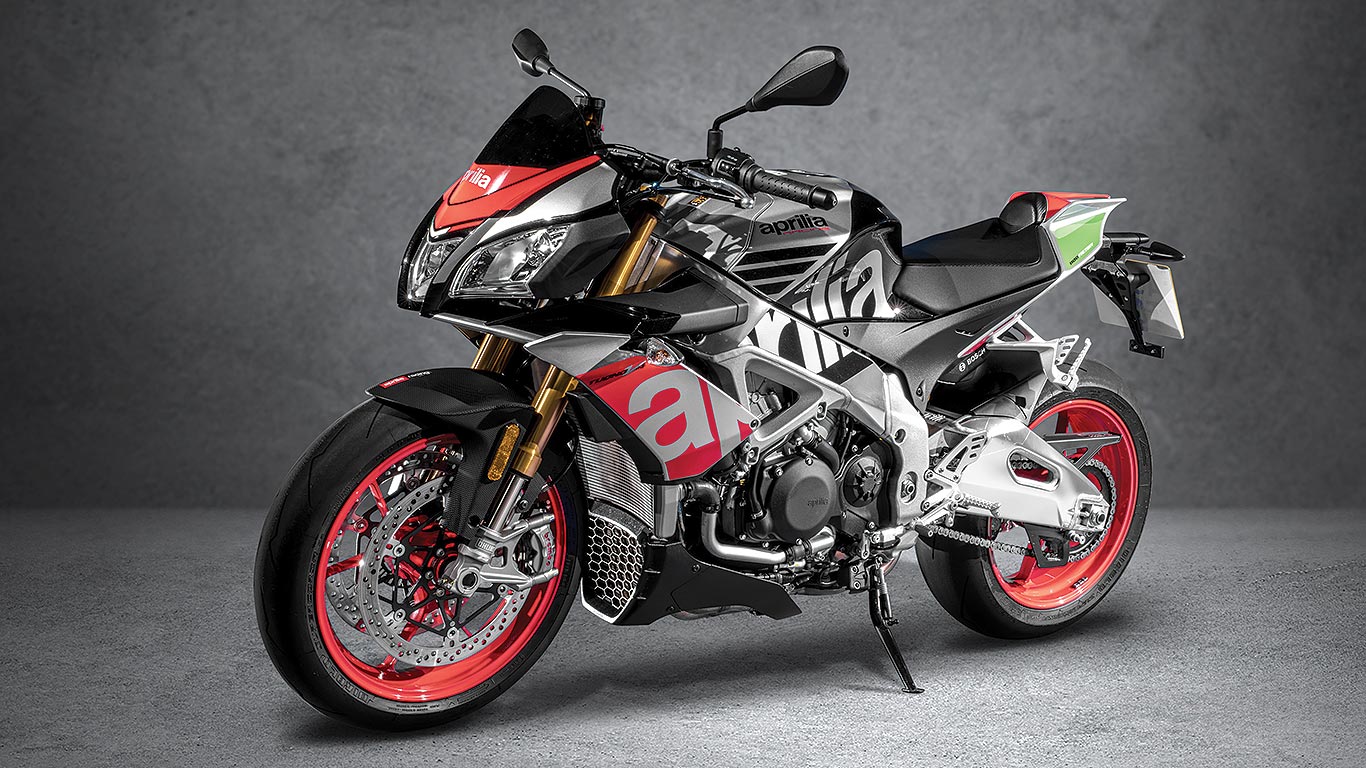
Best Naked – Aprilia Tuono 1100 Factory
The exceptional Aprilia Tuono 1100 is a mighty all-rounder with a simply divine 175hp V4 engine. It sounds brilliant and is seriously fast, while both handling and comfort are enough to have you in the saddle all day long and still left wanting more. It costs over £16,000, but connoisseurs will think it worth every penny.
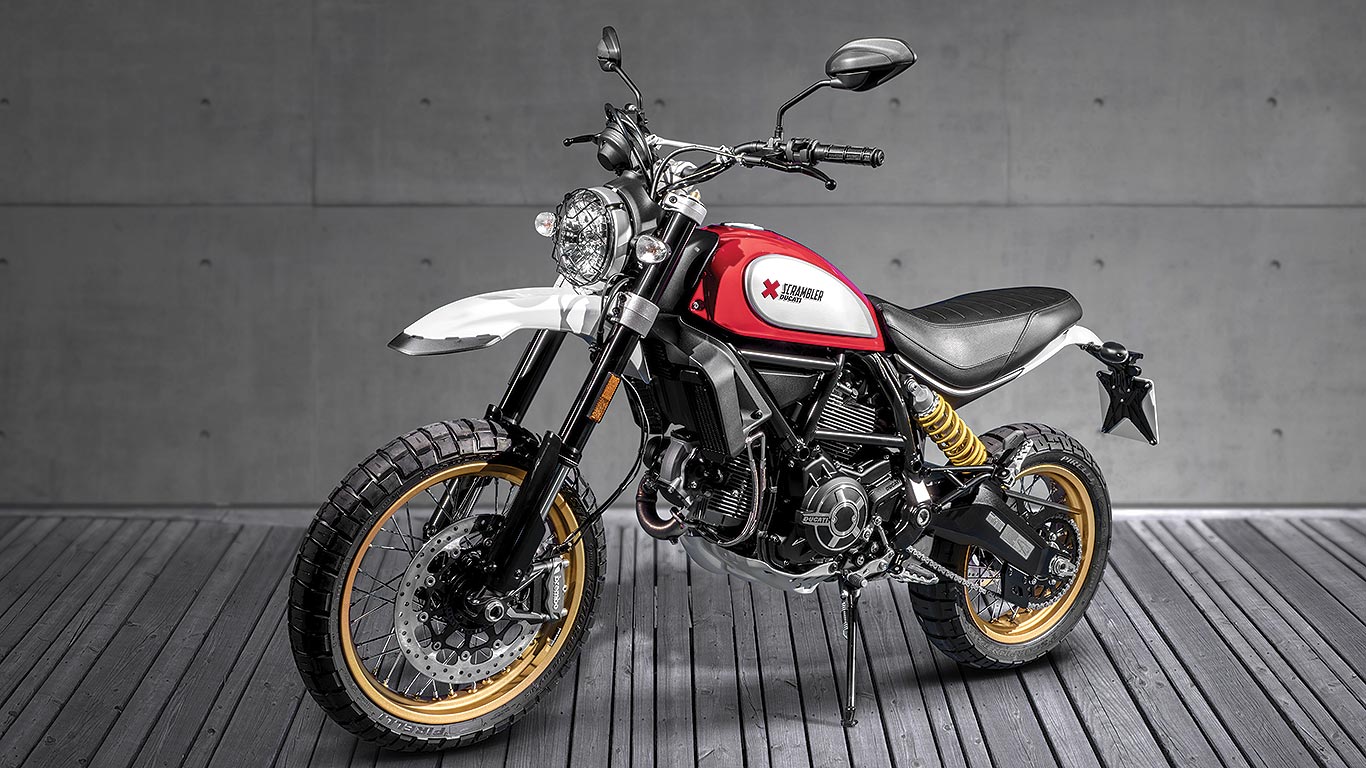
Best Retro – Ducati Scrambler Desert Sled
The retro Ducati Scrambler has been an enormous success for the Italian firm and now it’s expanding upon the theme with the evocative-looking Desert Sled. This is a phenomenally capable machine across all terrains, brilliantly combining modern ability with classic looks.
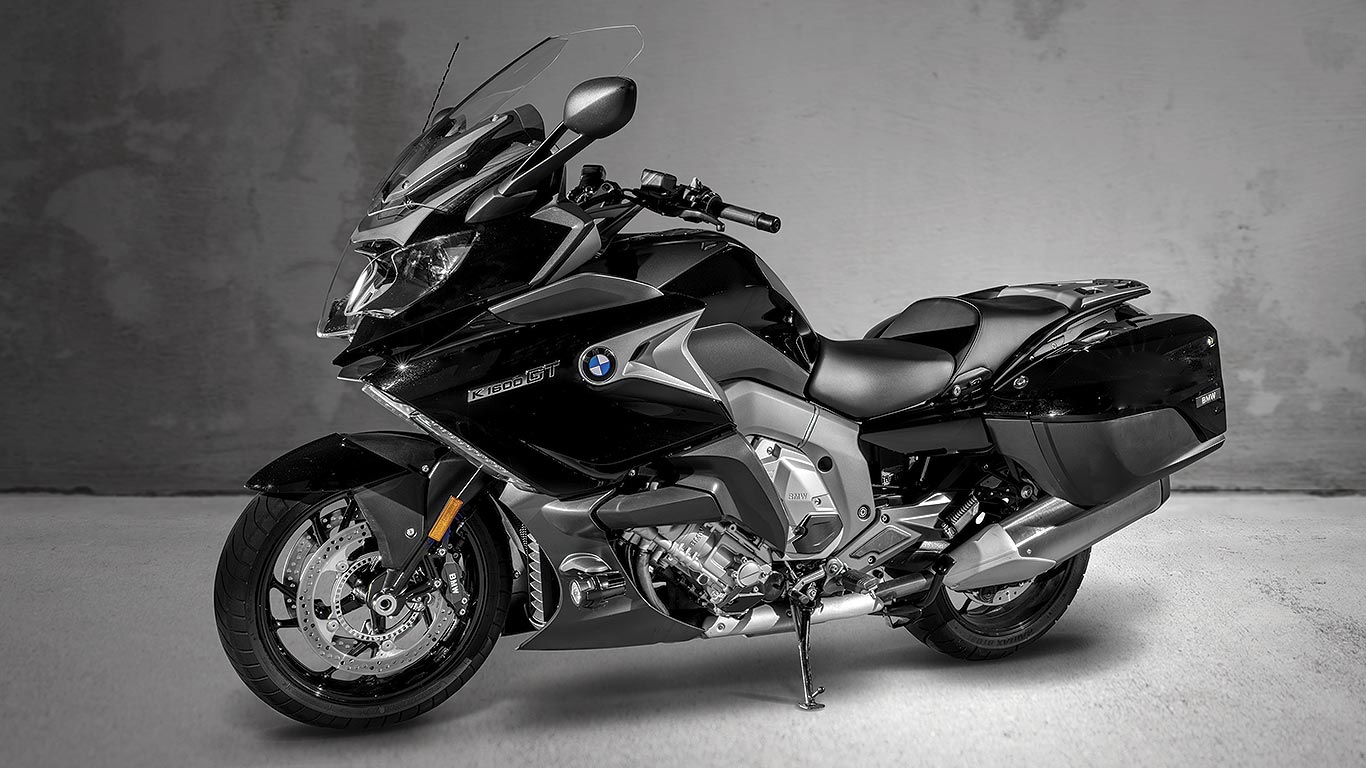
Best Tourer – BMW K1600GT
The big BMW brings the firm’s famous straight-six engine to the touring motorcycle class, with impeccable sophistication. This is the machine to cross the globe on in 2017; it has an abundance of power and ability, brilliant rider protection, some amazing equipment features and even the reassurance of automatic emergency response call-out in the event of an accident.
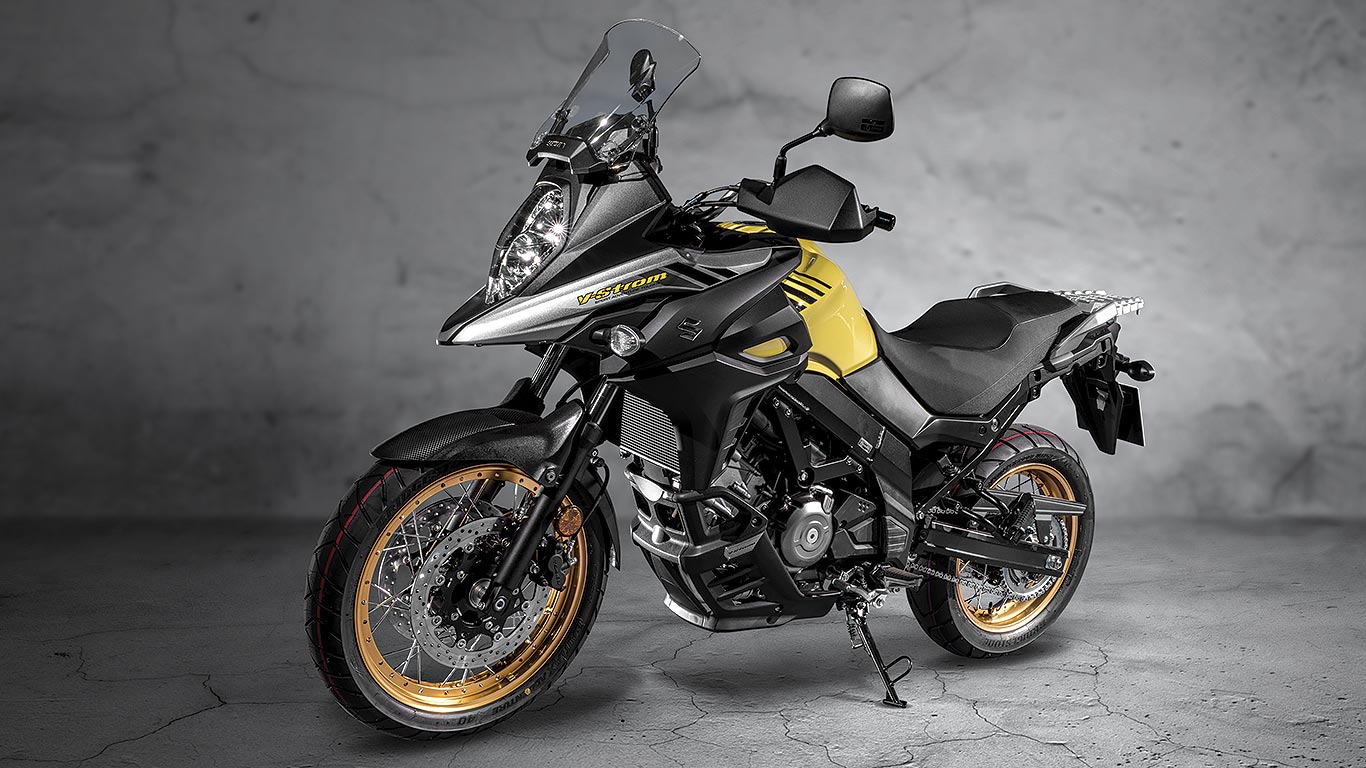
Best Adventure – Suzuki V-Strom 650
The Suzuki V-Strom is a great all-rounder that’s clocked up around a quarter of a million sales. Fully re-engineered for 2017, it still costs less than £7,500 but is now more able than ever, particularly the off-road-styled XT version. There are new electronic aids, tough-look new styling and enough improvements to the ride for it to be the adventure bike pick of 2017.
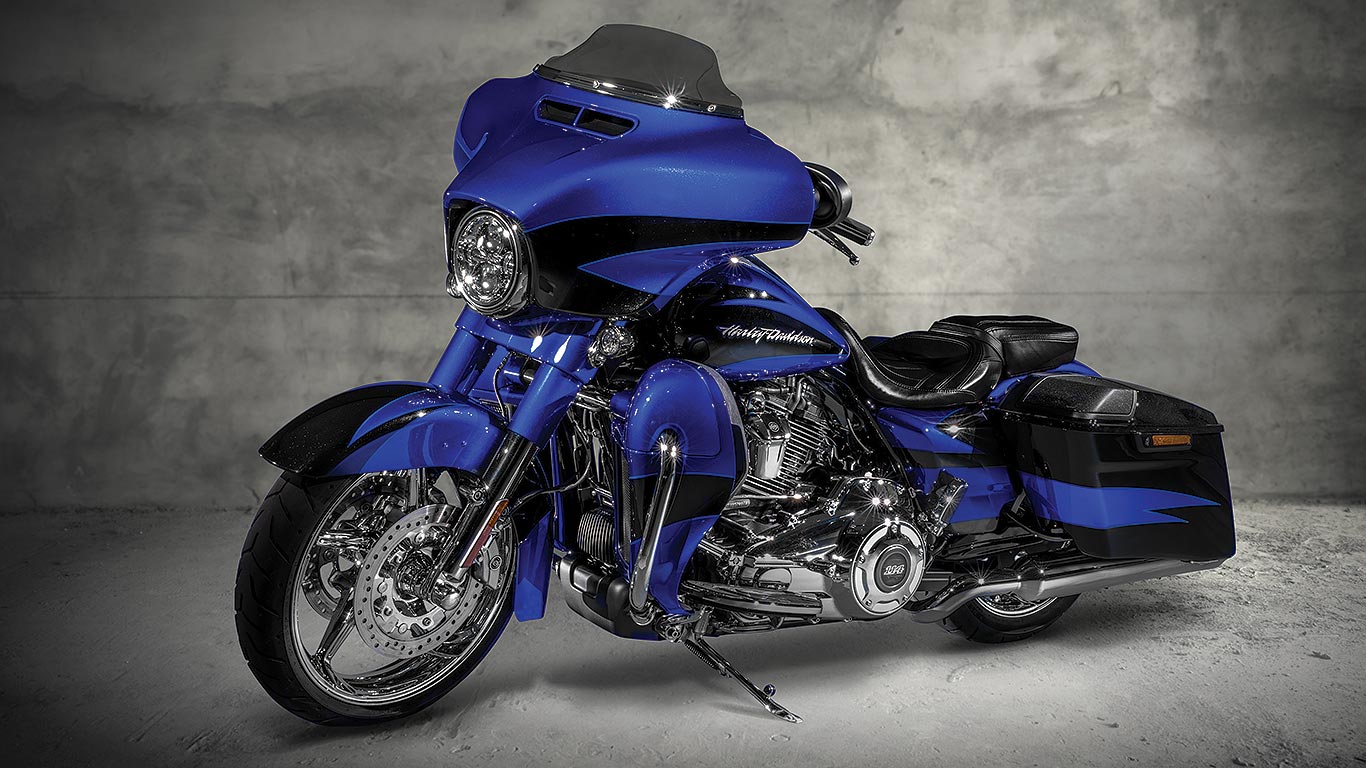
Best Cruiser – Harley-Davidson Street Glide CVO
This is a truly incredible machine – a £30,000 spectacle created by Harley’s bespoke Central Vehicle Operations division. It has lairy paint, a hot engine, full onboard infotainment electronics and a hard-driving ride to die for. Just a handful are coming to the UK and you should form an orderly queue because it’s easily the finest new cruiser of 2017.
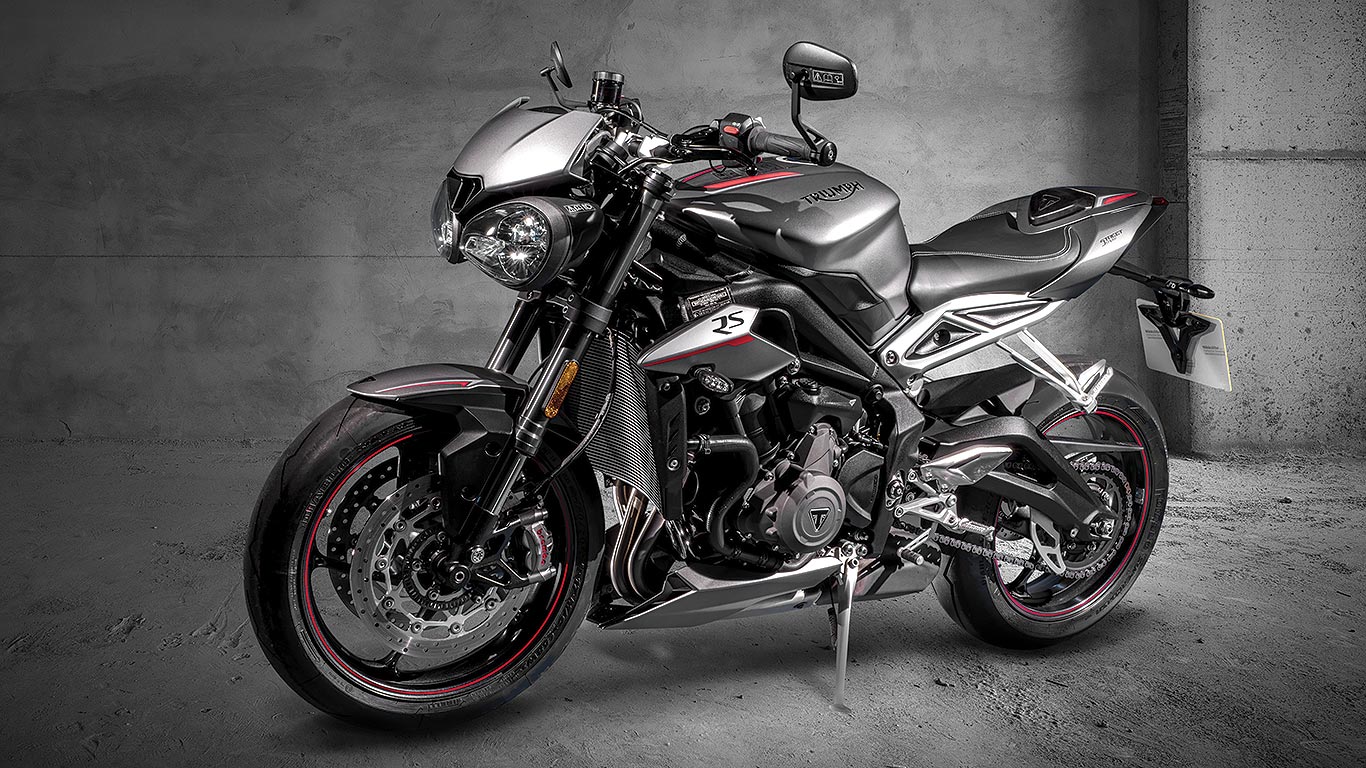
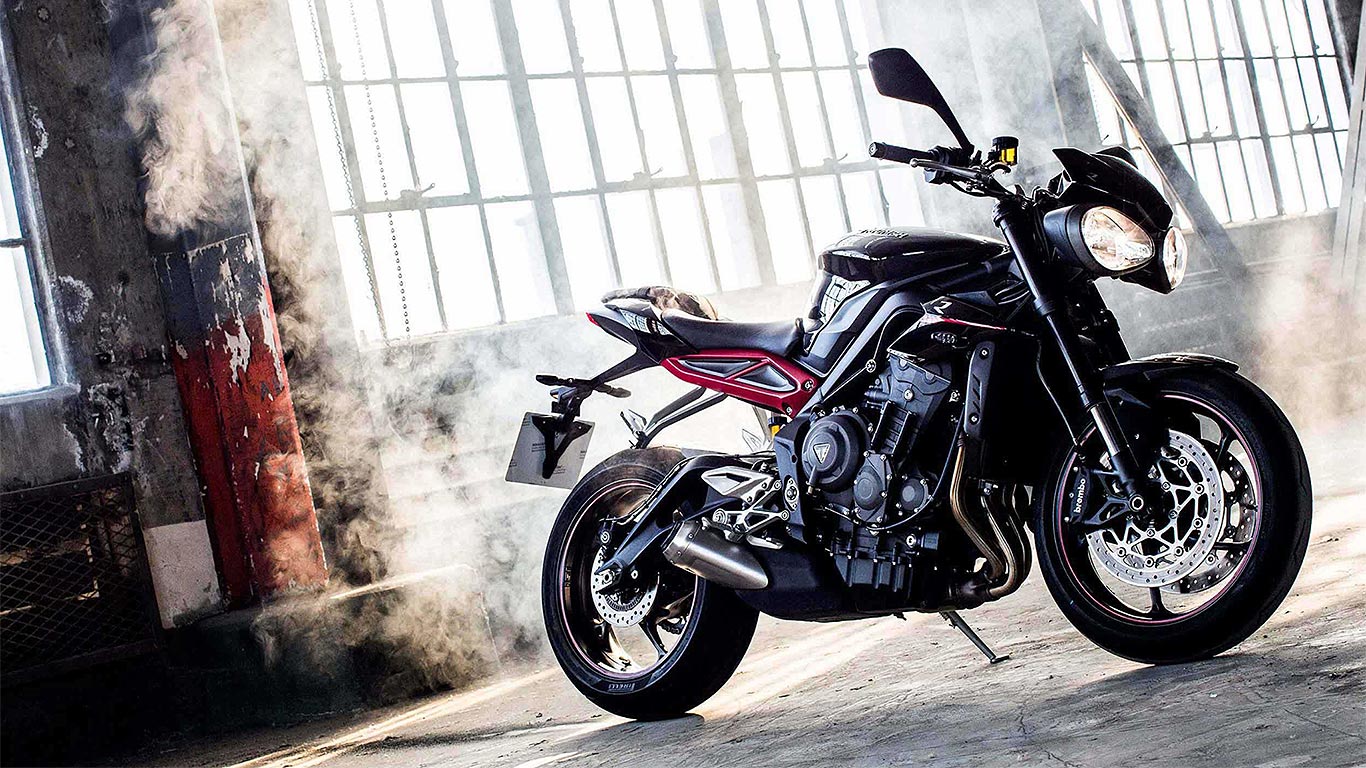
Best Middleweight – Triumph Street Triple 765
Triumph has reinvented its Street Triple range for 2017 with a three-model range, all using the same brilliant new 765cc engine, albeit in different states of tune. The range starts with the £8,000 S, moving up through R to the full-fat 123hp RS; there’s even a regulated 660cc Street Triple S A2 version for newbies. All are bona fide thoroughbreds.
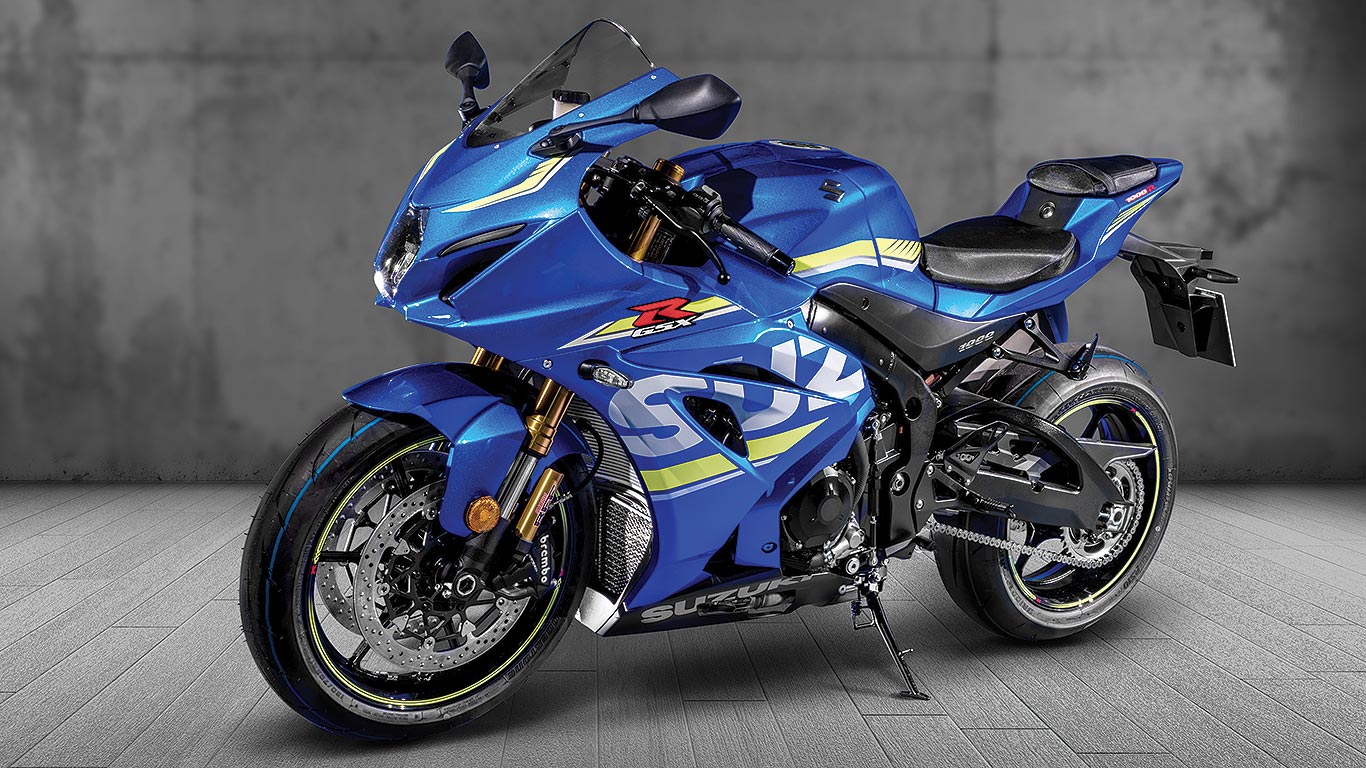
Best Sports – Suzuki GSX-R1000R
The hottest new Gixxer, the GSX-R1000R aims to grab back the top superbike title Suzuki considers its own: on this evidence, with its top-notch blend of confidence and performance, the all-new machine is without question the best new sports bike of 2017.
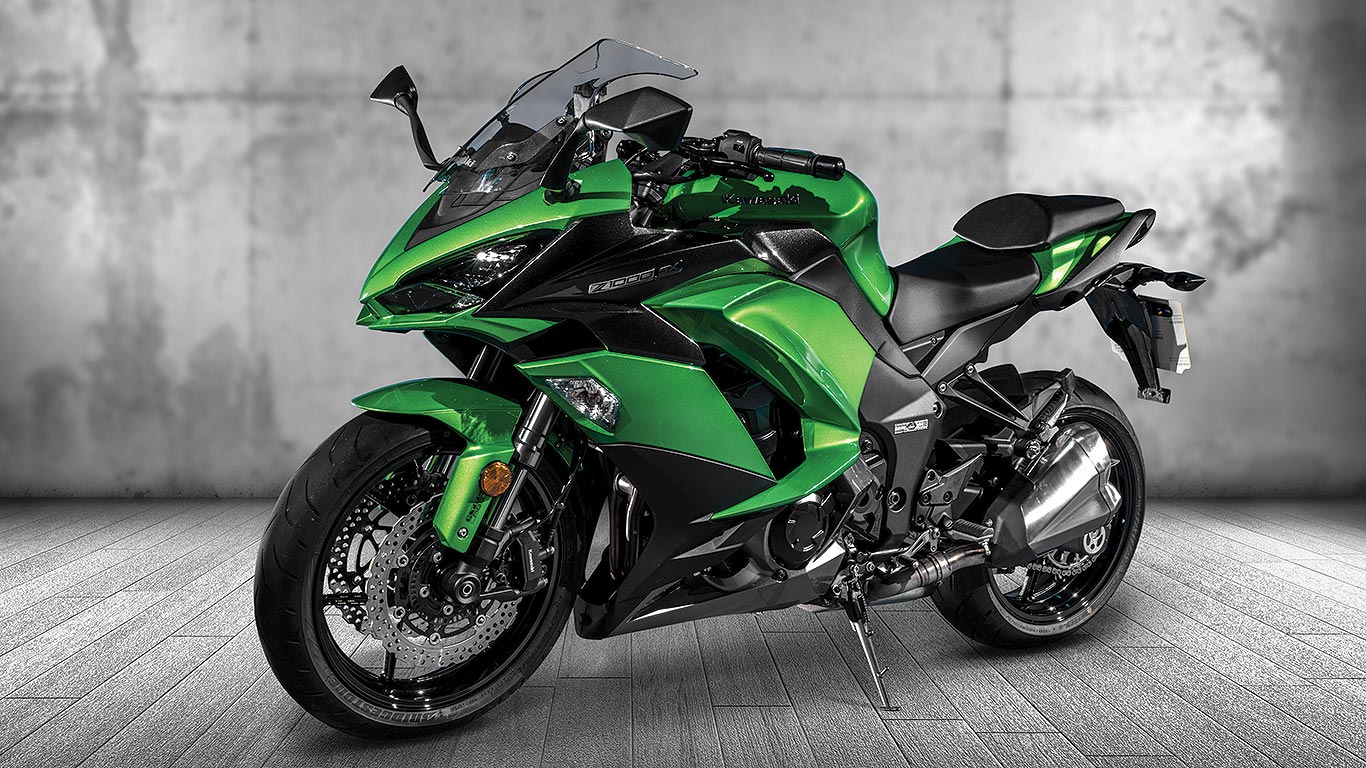
Best Sports Tourer – Kawasaki Z1000SX
Kawasaki continues to hone the superb Z1000SX, and the 2017 version is duly better than ever. The firm’s used customer feedback to tailor it even more perfectly, so if you want a fine sports tourer with no foibles but plenty of talent, look no further.
2017 Best Bike Award winner – Triumph Street Triple 765
Triumph has put an enormous amount of time, talent and tenacity into crafting the new Street Triple 765 range, and it shows. All versions are wonderful rides, with enough character and ability to lift them clear of rivals. Those seeking the best new bike of 2017, look no further: the British firm has created a peach of a model range here.
Congestion on UK roads is getting worse. Traffic volumes hit a record high between April 2016 and March 2017 – and data released this morning reveals that nearly half of Brits are considering jacking in their jobs because they can’t stomach the commute.
The research by Goodyear Tyres has discovered that 46 percent of drivers in the UK would consider changing their jobs because of the increased traffic levels on their commute, while one in 10 claim congestion has caused their stress levels to be higher than ever.
Driving to work ‘more depressing than using bus or train’
Fortunately, there is change on the horizon. Despite average speeds falling by as much as 20 percent in some cities over the last year, 40 percent of respondents said they would consider moving further away from work if they could commute by driverless car.
“With autonomous vehicles promising a future where passengers are free to maximise their travel time, it’s no surprise that Brits are willing to give up what can be a hectic city life in favour of a more relaxed commute,” said Goodyear Tyres’ Kate Rock.
Research published in 2014 revealed that commuters who use public transport are generally happier and less stressed than those who drive to work.
Rock added: “Our research reveals that almost one-in-five motorists believe the main benefit of using a driverless car would be the convenience of not having to park. Inadequate parking wastes a fifth of car spaces, so we could end up seeing cities with more parking space, relaxed commuters and as a result, greater levels of wellbeing, simply by taking the stress of parking and commuting away from drivers.”
Until driverless cars are commonplace, however, Brits are making the most of sitting in traffic. 26 percent say they enjoy in-car karaoke while stuck in traffic, while 24 percent use the time to talk to friends and family via handsfree.
>NEXT: UK road congestion at its worst for over 10 years
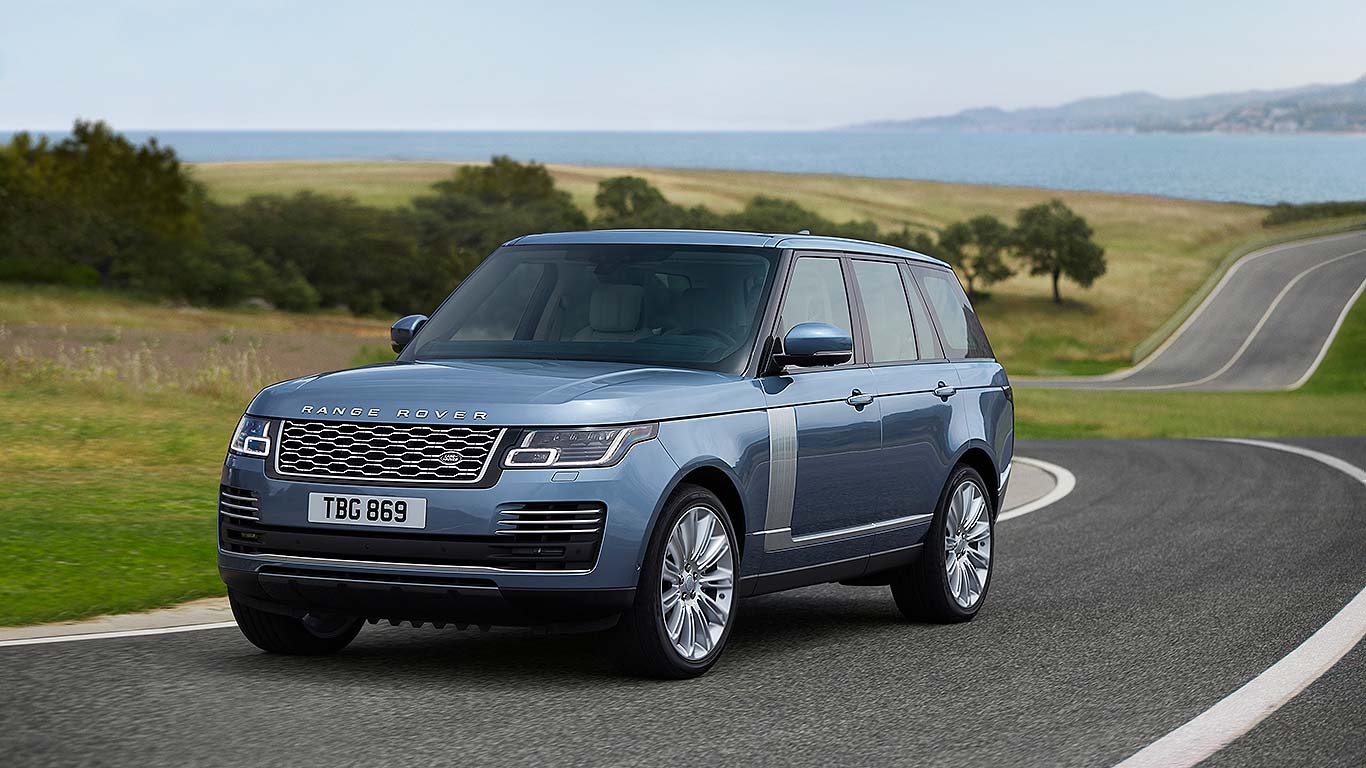
Land Rover has given the Range Rover luxury SUV a facelift for 2018, one headlined by the introduction of a new plug-in hybrid version that boasts a 31-mile electric range, 101mpg NEDC combined fuel economy and total power output of 404-horsepower. Ordering is open now (and prices are below).
Closely following the refreshed 2018 Range Rover Sport, the new Range Rover also gets mild design tweaks and, inside, the introduction of the firm’s new Touch Pro Duo twin-touchscreen centre console, as first seen on the Range Rover Velar.
But whereas Land Rover is keen to show off the high-tech connectivity of the system on the Range Rover Sport, for the Range Rover it’s simply describing it as “a digital butler fit for the 21st Century”.
Visual changes aren’t extensive. “Our customers are very clear about what they want from any new Range Rover,” reckons Land Rover chief design officer Gerry McGovern. “’Don’t change it, just make it better,’ they tell us.”
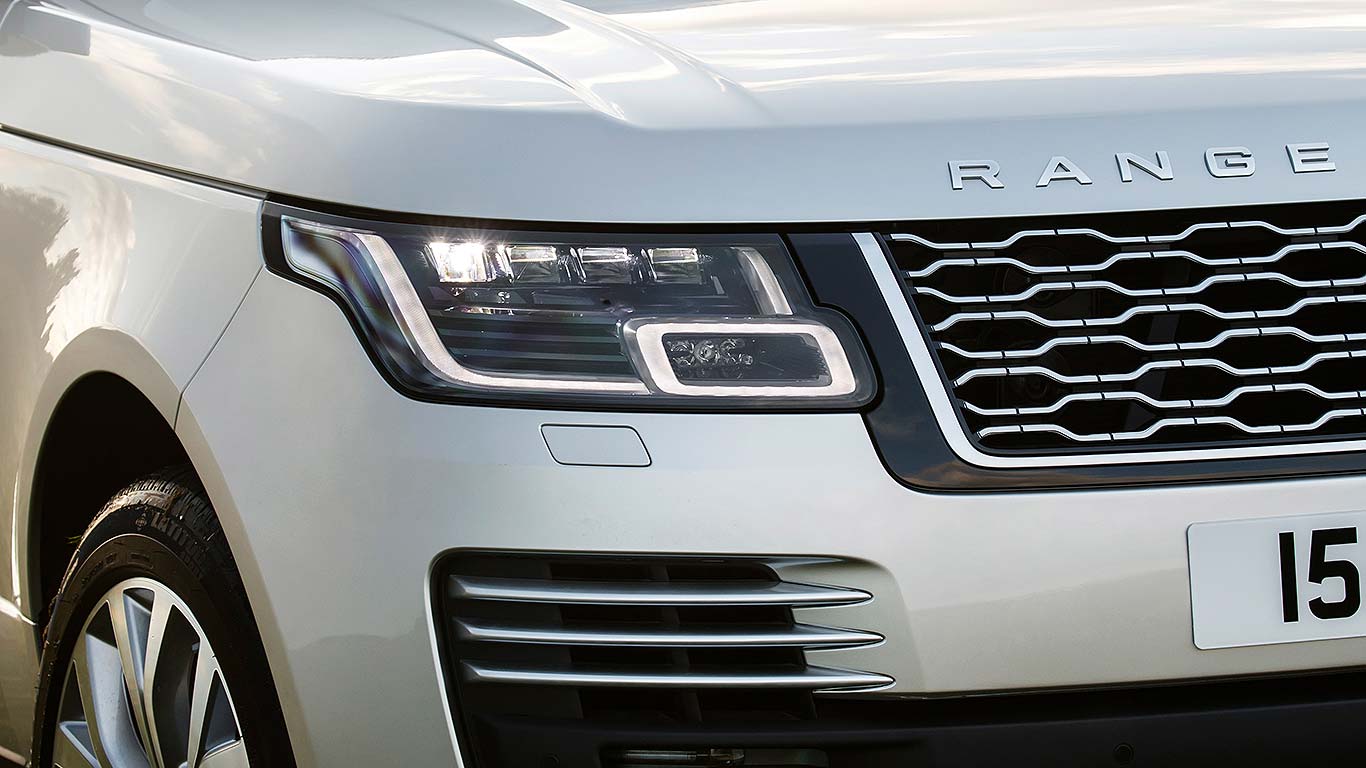
For the record, LED headlights are now standard, and offered in Premium, Matrix, Pixel or Pixel-Laser guise. The bumper has wider air vent blades, the grille is more modern and the clamshell bonnet itself is now longer. Exhaust tailpipes are more neatly integrated in the rear, there are six new alloy wheel designs and two new colours, Rossello Red and Byron Blue.
There are all-new seats inside, with the front ones now adjusting in up to 24 different ways; they have wider and deeper seat foams and even now come with heated armrests.
Indulgent rear seats are wider and softer, recline by up to 40 degrees and have a total of 25 different massage programmes. Hot Stone massage in a Range Rover? No problem, sir. They too have heated arm rests – and heated foot rests, and heated calf rests. You can even heat them up remotely via a smartphone app.
Green or mean?
The Range Rover P400e combines a 200hp 2.0-litre four-cylinder turbo petrol engine with an 85kW electric motor; that’s good for 137mph and 0-62mph in 6.8 seconds. It emits 64g/km CO2, so is relatively tax-friendly – more so than the uprated 5.0-litre V8 supercharged range-topping SVAutobiography Dynamic, which now produces 565hp for 0-62mph in 5.4 seconds.
The P400e recharges in 7hrs 30mins using a domestic socket, or 2hrs 45mins from a wall box. Land Rover guarantees the battery, which is mounted beneath the boot floor, for eight years, 100,000 miles or 70 percent state of health. It’s charged from a socket hidden in the grille.
The SVAutobiography Dynamic, meanwhile, is the most powerful Range Rover ever, and is marked out by a new Graphite Atlas mesh grille plus a beefier rear bumper with built-in metal exhaust tailpipes. Like the P400e, you can have it in standard and long-wheelbase guise.
All Range Rovers offer super-comfortable air suspension, but the SVO-tuned range-topper can be had in performance-optimised guise, which sits 8mm lower and promises more engaging handling with little loss in comfort.
The 2018 Range Rover is also now the most expensive Range Rover ever too, mind. The range starts at just under £80,000 for the base 3.0-litre TDV6 Vogue, stretching up to a mammoth £177,030 for the SVAutobiography Dynamic LWB.
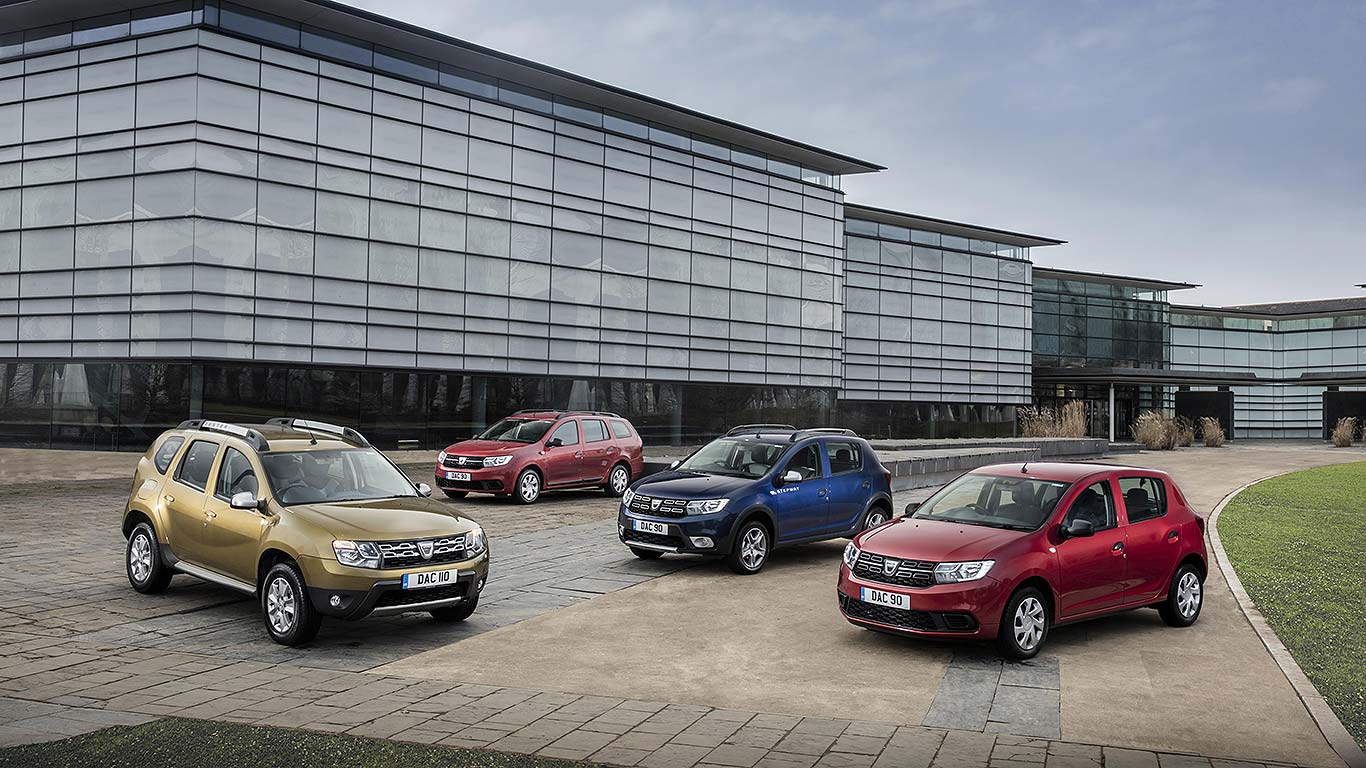
Dacia is offering car buyers choosing a new model on either PCP or HP finance a free five-year extended warranty as an upgrade from the standard three-year warranty. Every Dacia car apart from base Access models (the ones with the black bumpers and no air con) is included.
The extended five-year warranty is given to all those picking a four-year PCP or HP scheme; presumably the extra year’s warranty will help boost the trade-in value of the cars, which could help make monthly PCP payments a little lower.
Orders must be placed by 31 January 2018 but buyers then have until 31 March 2018 to register the cars, should they so wish. Maybe Dacia’s expecting a surge in orders leading to extended delivery times…
The extended warranty deal isn’t the only offer Dacia’s offering this winter. Duster buyers can get a £1,250 deposit contribution on all diesel models, or a more meagre £250 on petrol version (reflecting the relative new car appeal of each fuel type?). Pick a Duster 1.5 dCi 110 Laureate and, once the customer has put down another £1,683 as a deposit, it’s theirs for just £199 a month over a four-year PCP.
If that’s too much, how about a car for £89 a month? Again on a four-year PCP, with a five-year warranty, the Dacia Sandero 1.2 SCe 75 Ambience will cost you this paltry sum, provided you can find £1,361 for the deposit.
The Dacia scrappage scheme continues as well. It includes up to £1,000 off a new Duster: add in the PCP or HP offers and it means a total saving of £2,250 for chopping in your old pre-December 2009 banger. Dacia vows the old smokers will be “permanently destroyed” too. Seems there’s no room for sentiment when it comes to moving metal…
Three British racing drivers have won the famous Le Mans 24 Hours for Porsche – and the firm is honouring them with three unique versions of its new special edition: the Porsche 911 Carrera 4 GTS British Legends Edition.
Celebrating the achievements of Richard Attwood (Porsche Le Mans winner in 1970), Derek Bell MBE (Porsche Le Mans winner in 1981, 1982, 1986 and 1987) and Nick Tandy (Porsche Le Mans winner in 2015), the new cars have been created in association with the new bespoke-build division of Porsche, Exclusive Manufaktur.
There are three colours: Guards Red, Sapphire Blue and Carrera White. Each wears the number of the Le Mans-winning Porsche racer, plus a Union Jack symbol and the victorious driver’s signature.
Apparently, the drivers were involved in the build process too. That’s why the cars come with rear-axle steering and Porsche Dynamic Chassis Control as standard, says Porsche, along with high-intensity LED headlights – mimicking those from Tandy’s Le Mans-winning Porsche 919 Hybrid LMP1 car.
Which is which? Well, the Guards Red 911 is the Richard Attwood car, reflecting his Porsche 917 racer’s Salzburg red and white livery. Derek Bell’s British Legends Edition 911 is the Sapphire Blue one, honouring his 1982 Porsche 956’s Rothmans livery.
The most recent winner is Nick Tandy, and his 2015 Porsche 919 Hybrid LMP1 car’s DMG MORI livery is mimicked by the Carrera White car. All are based on the 450hp 911 Carrera 4 GTS.
Also included as standard are SportDesign exterior styling, Alcantara and carbon fibre interior trim (including a 911-first of an Alcantara steering column casing), 18-way adjustable sports seats and an Alcantara GT sports steering wheel with, naturally, a racing-style 12’o’clock steering wheel marker in red.
Prices? £123,210 for the ‘Bell’ and ‘Tandy’ cars, and a slightly cheaper £122,376 for the ‘Attwood’ edition. They’re all on sale now and buyers of each 911 Carrera 4 GTS British Legends Edition will get a free track day at the Porsche Experience Centre at Silverstone.
Sadly though, not under the instruction of a British Le Mans legend.
Richard Attwood Porsche 911 British Legends Edition
As an icon of suburban family life, the wood-sided station wagon occupied American driveways for more than six decades. This is the story of the rise and fall of the woodie.
Timber structures were used from the beginning of automobile manufacturing, so the earliest woodie wagons took advantage of body-on-frame construction. Traditionally built by third-party companies from a bare rolling chassis, in 1934 Plymouth began offering a finished woodie direct to customers. The Westchester featured luxurious leather upholstery and removable rear seats for increased practicality, pre-dating modern MPVs by decades. Just 35 examples were sold.
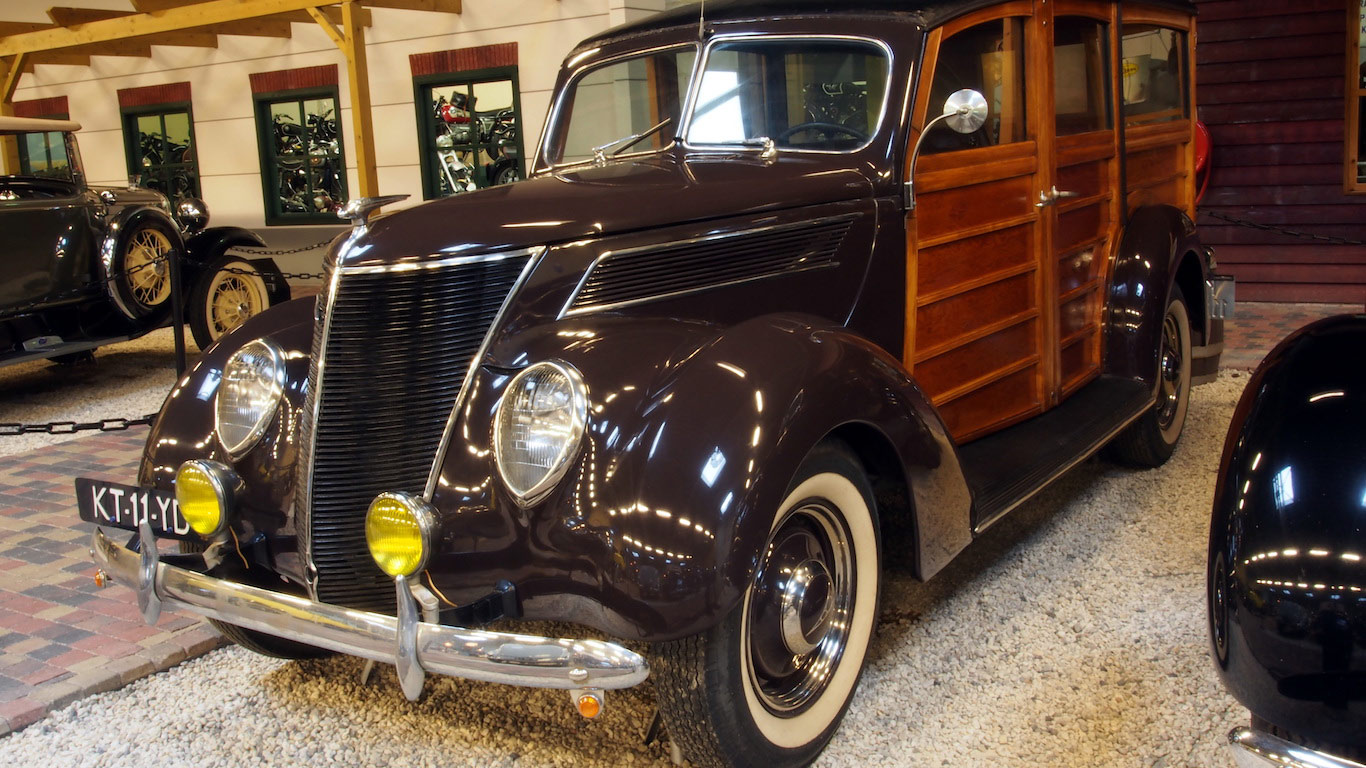
1937 Ford DeLuxe Station Wagon
With over 120,000 examples built between 1932 and 1948, early Ford woodie wagons were a relatively common sight on the roads of America. Three rows of seating offered the potential for up to eight passengers, with a split tailgate used as well. DeLuxe models gained additional chrome trim, fancier woodgrain for the dashboard, plus extra tail lights over the Standard version. A choice of V8 engines was offered, in either 136-cubic inch (2.2-litre) or 221ci (3.6-litre) displacements.
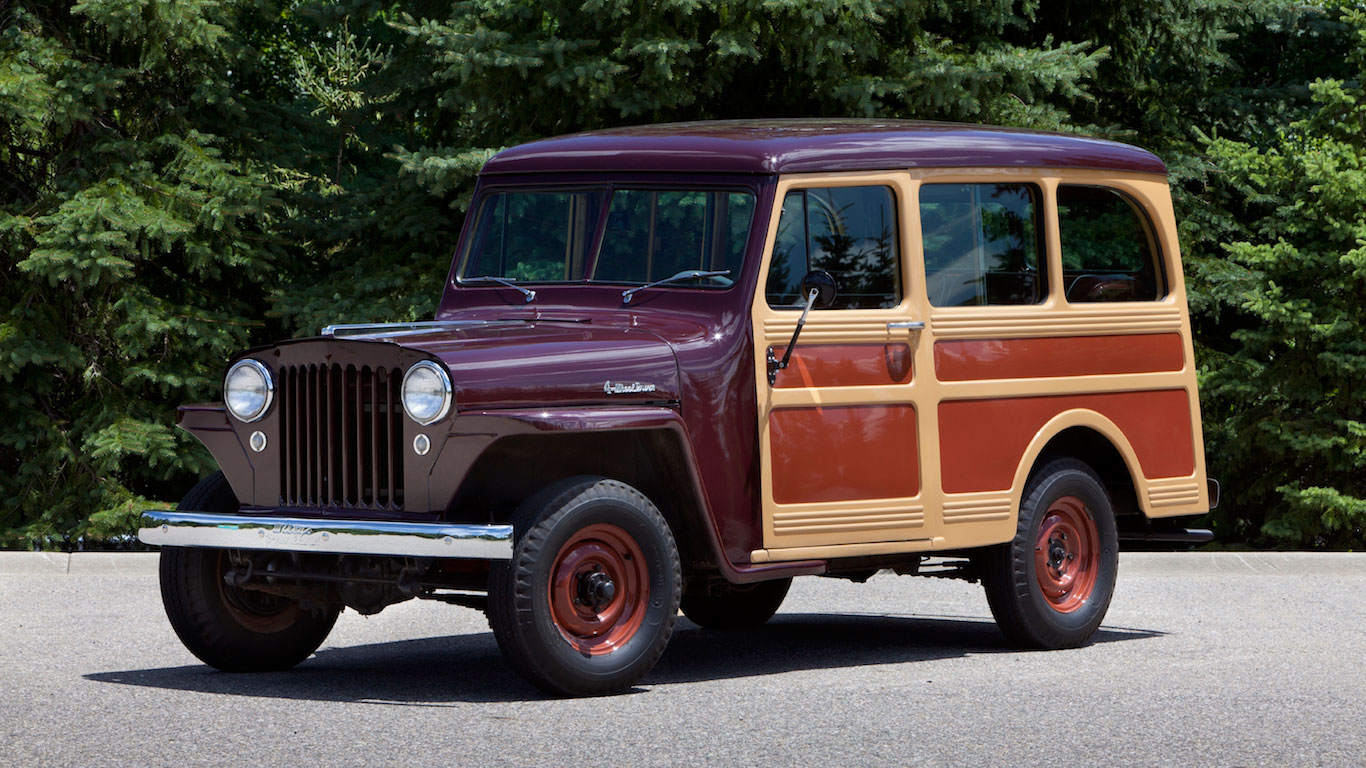
1949 Willys Jeep Station Wagon
Arguably the first-ever mass production SUV when introduced in 1946, the Willys Jeep Station Wagon gave buyers off-road ability and a spacious interior not seen before. Unlike real woodies, the Jeep used an all-steel body designed to replicate timber-clad station wagons. This was done for reasons of strength, safety, and to lower the cost of production. The year 1949 saw the introduction of a 4×4 version, with some 300,000 examples sold before the Station Wagon was replaced in 1965.
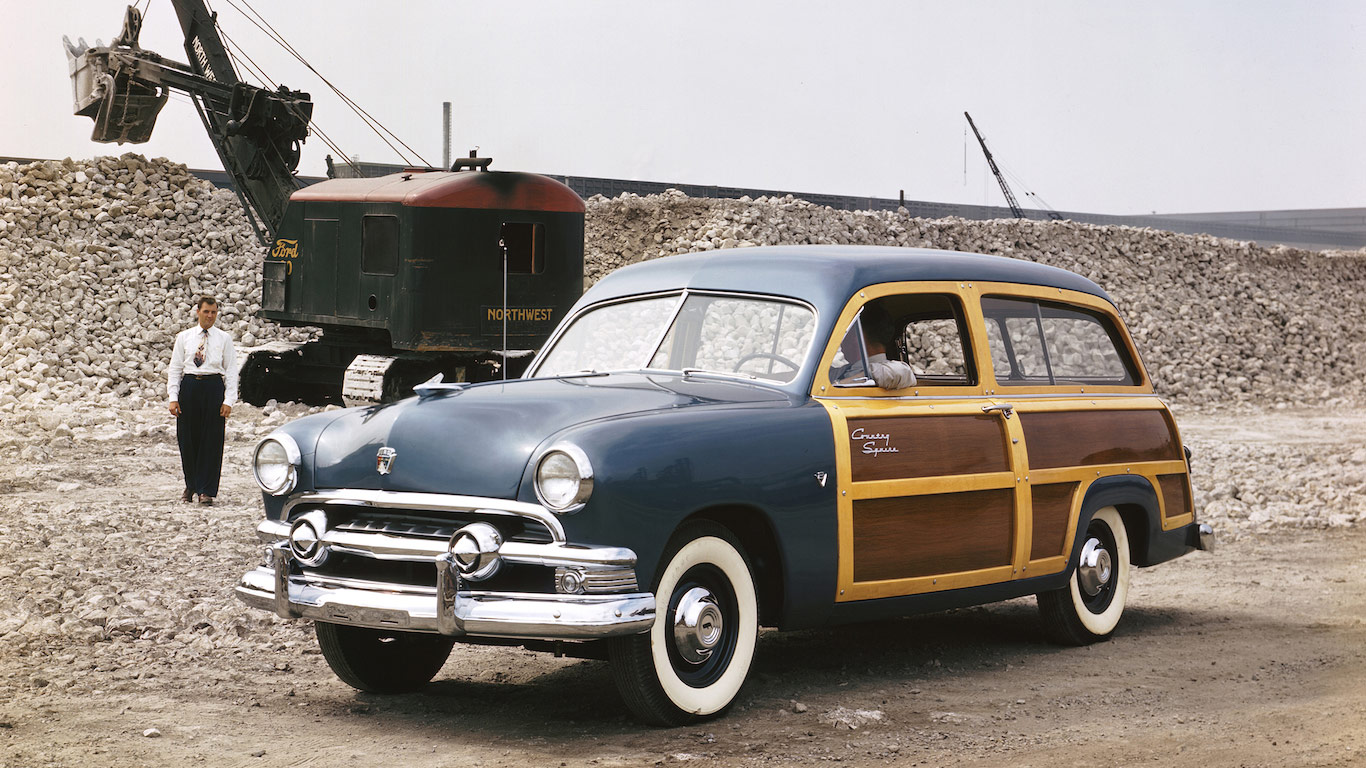
1951 Ford Country Squire
Added to the full-size Ford model range in 1950, the Country Squire would be the embodiment of woodie wagons for four decades. The first versions were simple two-door station wagons, and the only Country Squire versions to feature genuine wood trim attached to a steel body. All subsequent generations would make use of woodgrain trim to lower cost and make maintenance easier. A 226-cubic inch (3.7-litre) inline-six engine was standard, with Ford’s 239-cu in (3.9-litre) Flathead V8 optional.
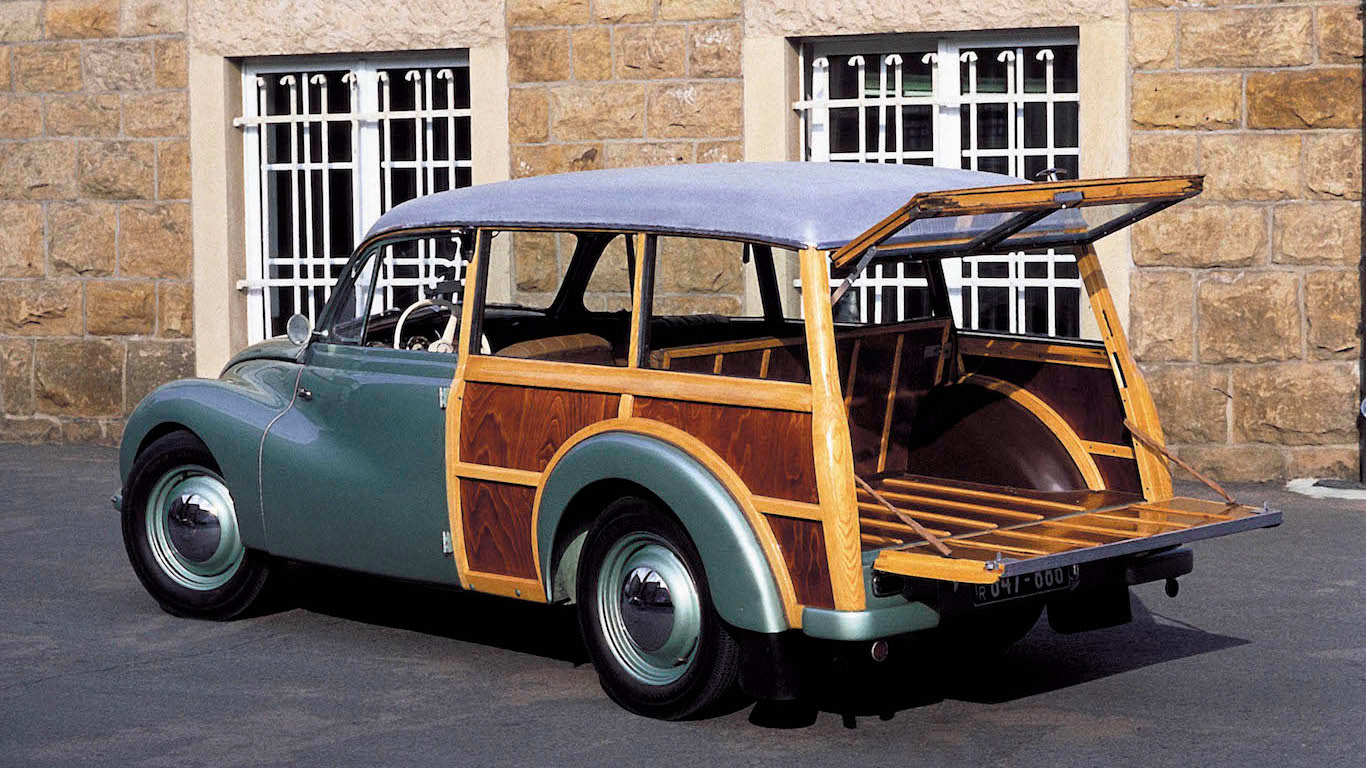
1951 DKW Meisterklasse Universal Type F89 S
Although the idea of a woodie may traditionally be an American concept, this didn’t stop European manufacturers from using the timber frame idea. Built by Auto Union – the predecessor to today’s Audi brand – the DKW Meisterklasse was a range of compact front-wheel-drive cars introduced in 1951. Alongside the traditional saloon, DKW also offered a three-door ‘Universal Estate’ that made use of wood both inside and out for the rear bodywork. The woodie DKW existed for less than three years, with an all-steel replacement introduced in 1953.
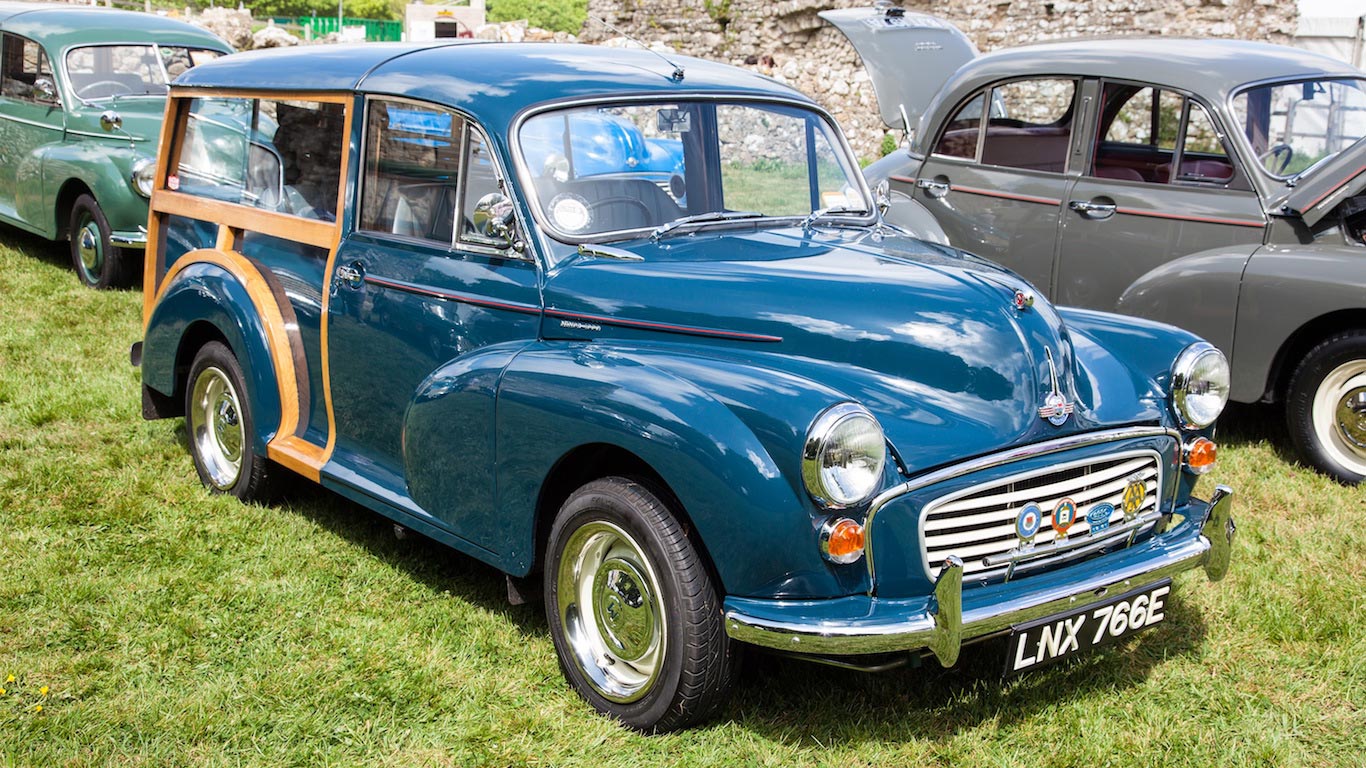
Morris Minor Traveller
Over 1.5 million Morris Minors were produced between 1948 and 1972, with the timber-framed Traveller available from 1952 as part of the Series II generation. The Traveller made use of an ash frame for structural integrity, and was varnished rather than painted. A pair of side-hinged doors were also added to boost practicality. The Traveller was part-built on the regular Morris production line in Oxford, before being transferred to the MG factory for the addition of the timber rear frame.
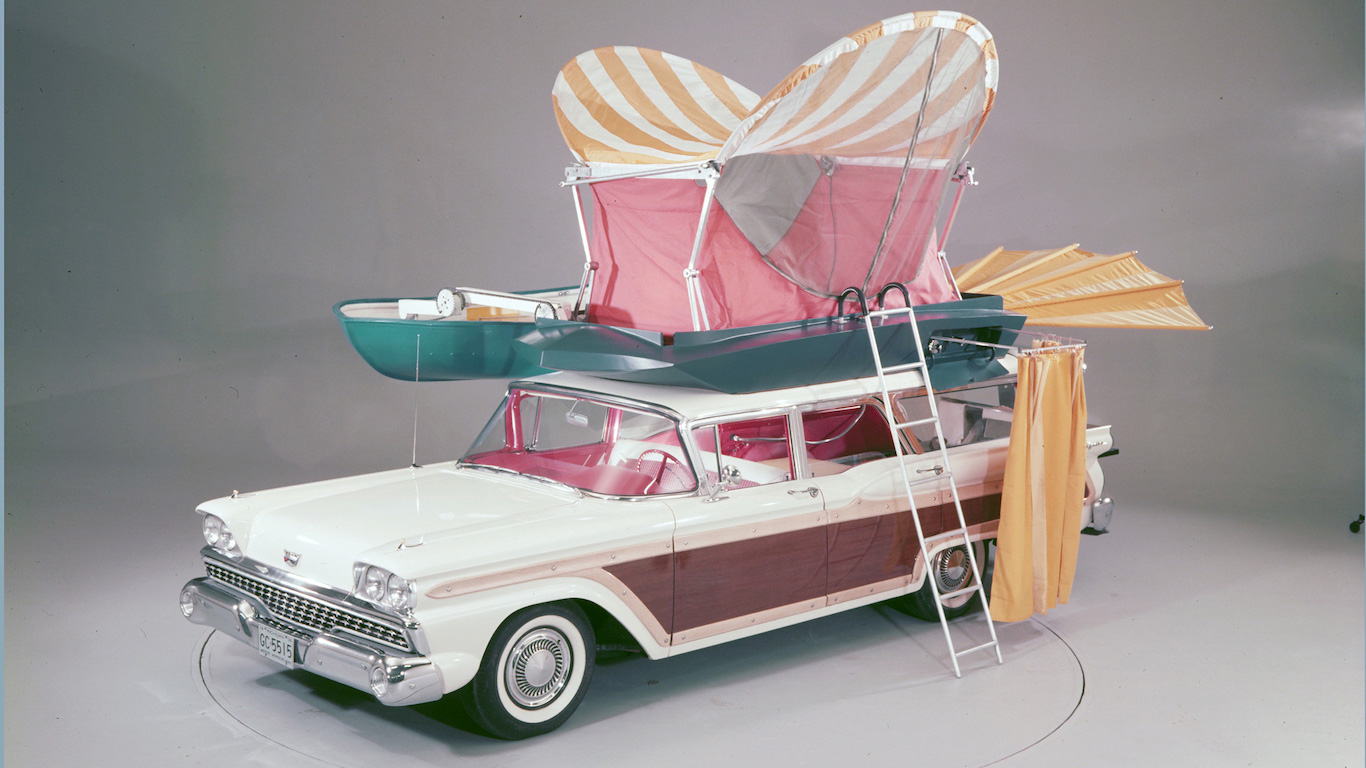
1959 Ford Country Squire
With woodgrain replacing genuine timber, the woodie moved away from being a coachbuilt creation into a lifestyle wagon. This particular Ford Country Squire was used to display a range of ‘push button’ accessories including a roof-mounted boat with a tent beneath it. An electric fridge was mounted in the rear, whilst a shower attachment made this the ultimate outdoor estate. Like the Buick Roadmaster, Ford had ditched genuine wood trim for the Country Squire in 1953, with woodgrain trim used from then on.
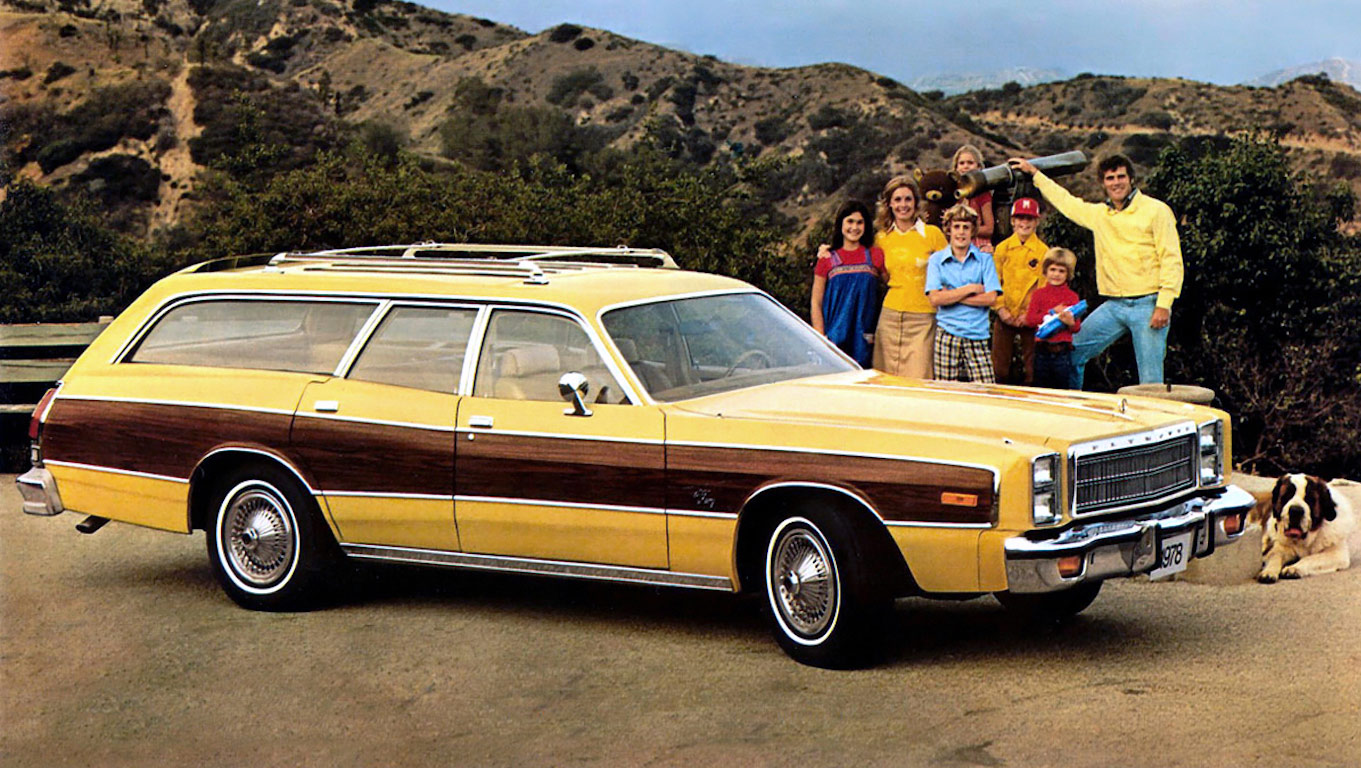
1978 Plymouth Fury Sport Suburban Wagon
With the market moving away from the giant full-size station wagons, Plymouth had downsized the Fury Sport to the smaller B-Body platform. A key party trick for the Fury Sport Suburban was a three-way tailgate. Not only could the rear window be retracted, the door itself could either hinge sideways, or drop downwards. Being the late 1970s, options like a CB Radio or eight-track stereo were on offer, with shag carpeting and vinyl seats offered as standard, along with the woodgrain trim.
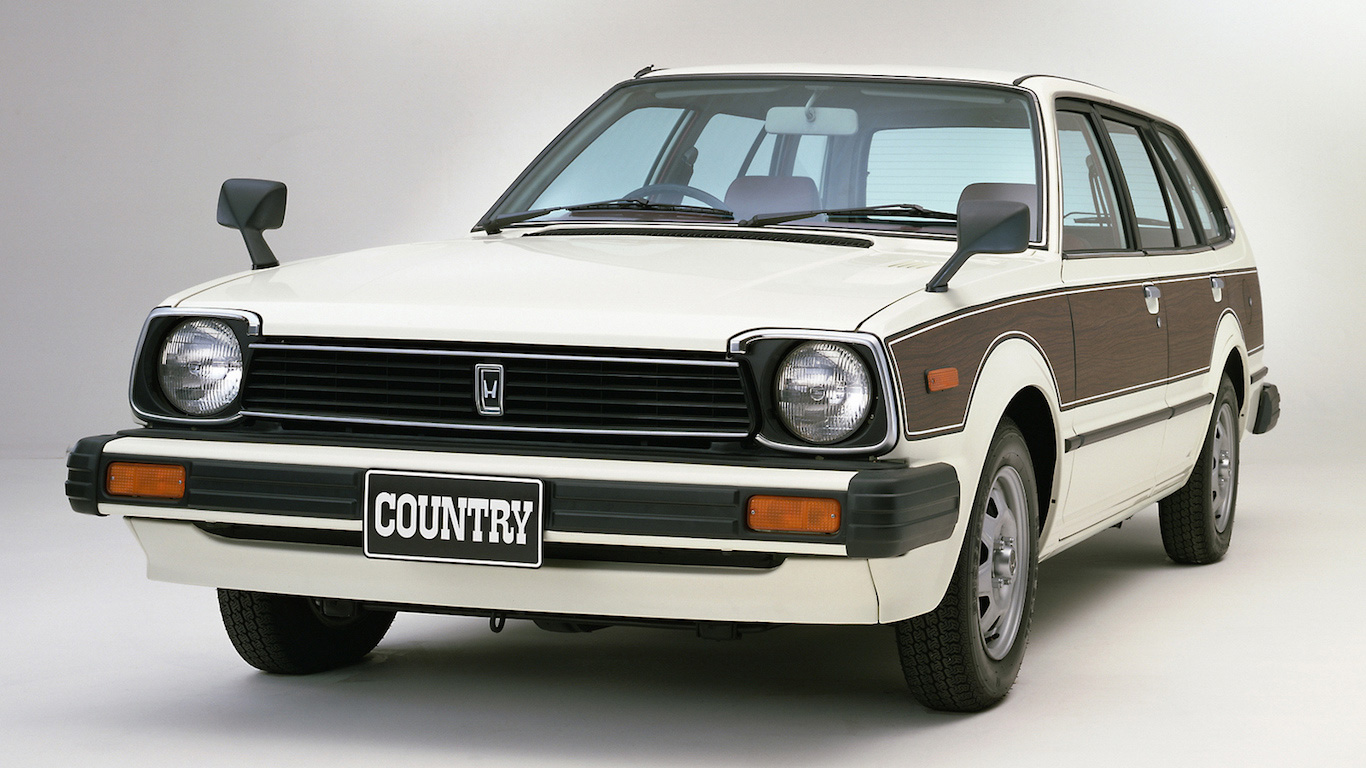
1980 Honda Civic Country
Despite the declining popularity of the woodie wagon, Honda sensed the need to launch a vinyl woodgrain-trimmed version of the second-generation Civic. With front-wheel drive and a small 1.5-litre four-cylinder engine, the Civic Country was a world away from the full-size domestic American offerings. However, it would start a trend for compact woodies that homegrown manufacturers would follow.
1984 Dodge Caravan
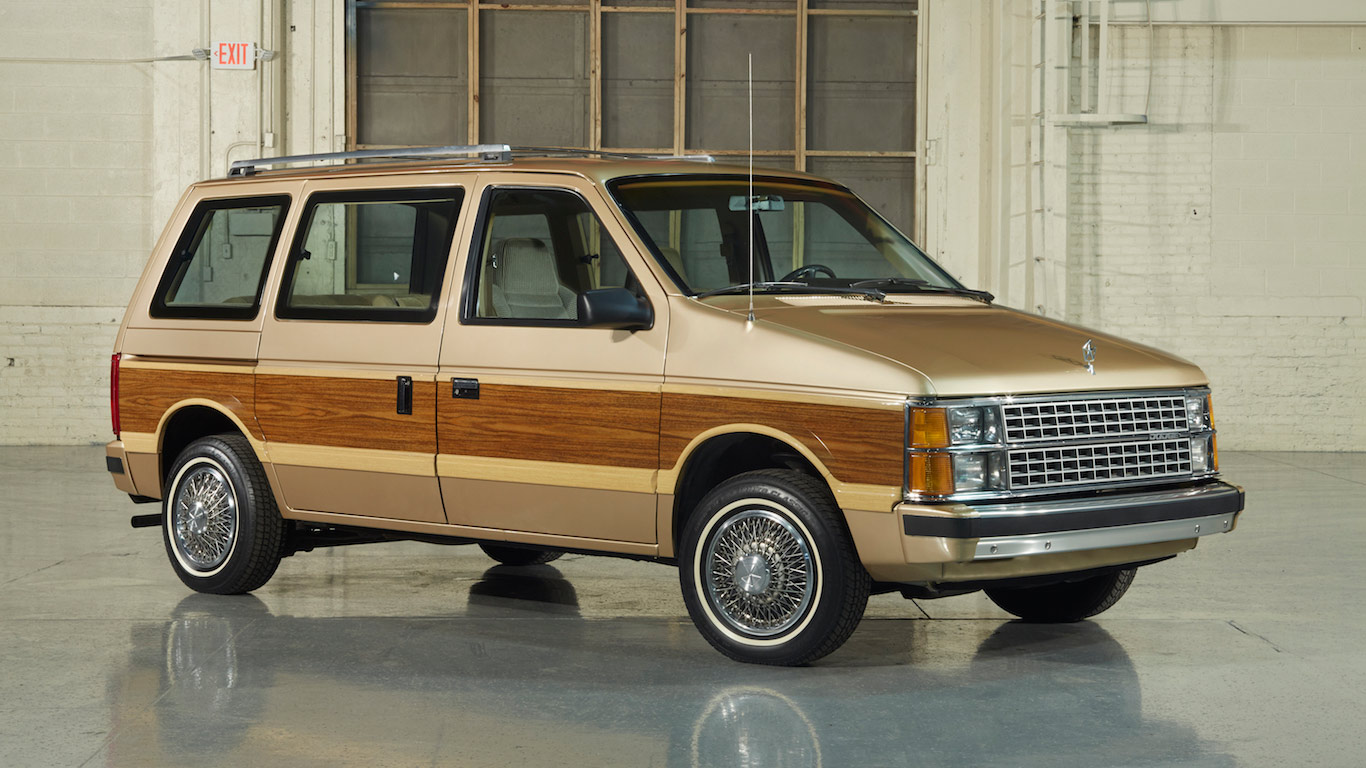
This was the beginning of the end for the station wagon as a part of American family life; suburban dreams would shortly be all about the minivan. Chrysler minivans were designed to fit inside a standard garage, but also – just like the classic full-size wagons – to be able to carry a 4’ x 8’ sheet of plywood. Keen to help buyers maintain the link with the ideas of a classic woodie, higher-specification versions of the Caravan featured vinyl woodgrain exterior panelling.
1985 AMC Eagle
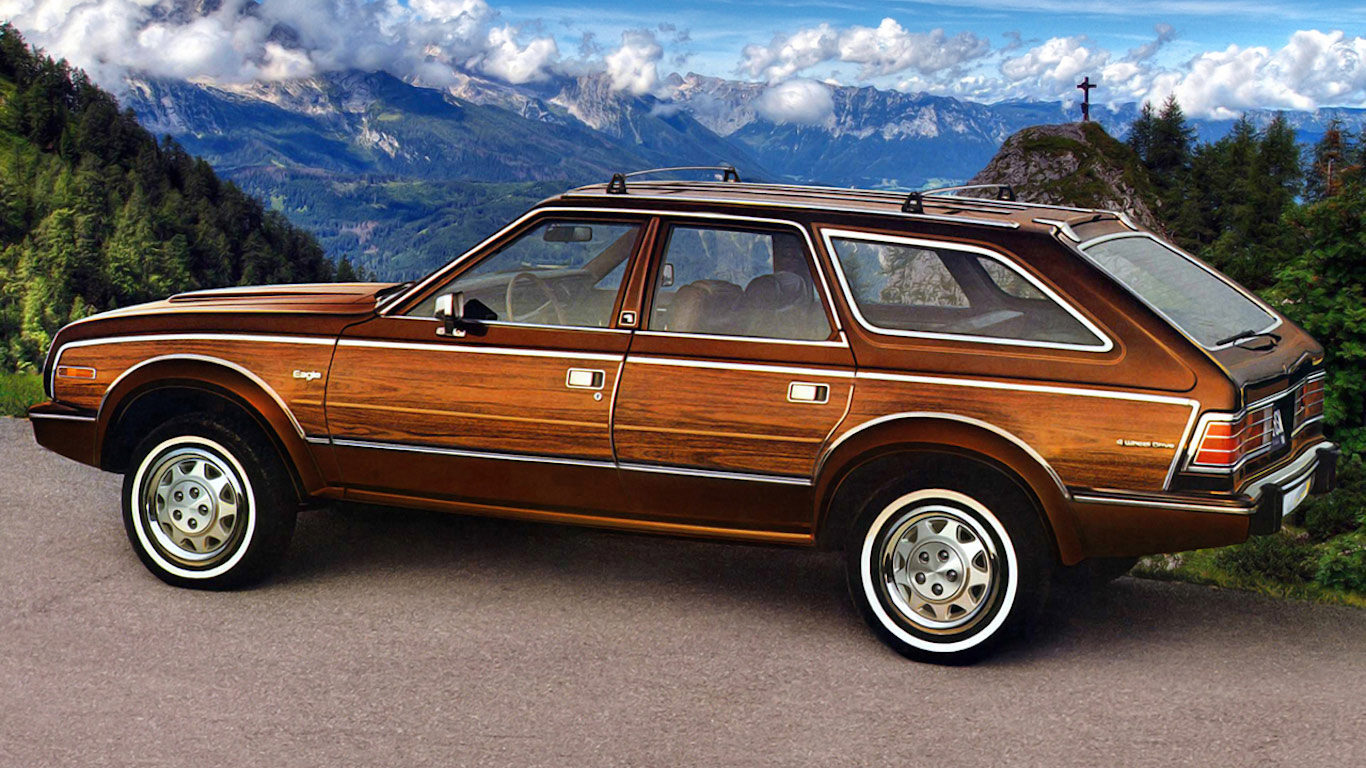
The crossover might seem like a modern creation, but AMC offered a range of different bodies mounted on a four-wheel-drive chassis as early as 1979. From a two-door coupe to a hatchback and sedan, the Eagle range also included a wagon with the option of woodgrain panels. Today, the Eagle has a degree of cult collectability, representing the crossover concept decades before it became commonplace.
1996 Buick Roadmaster Estate
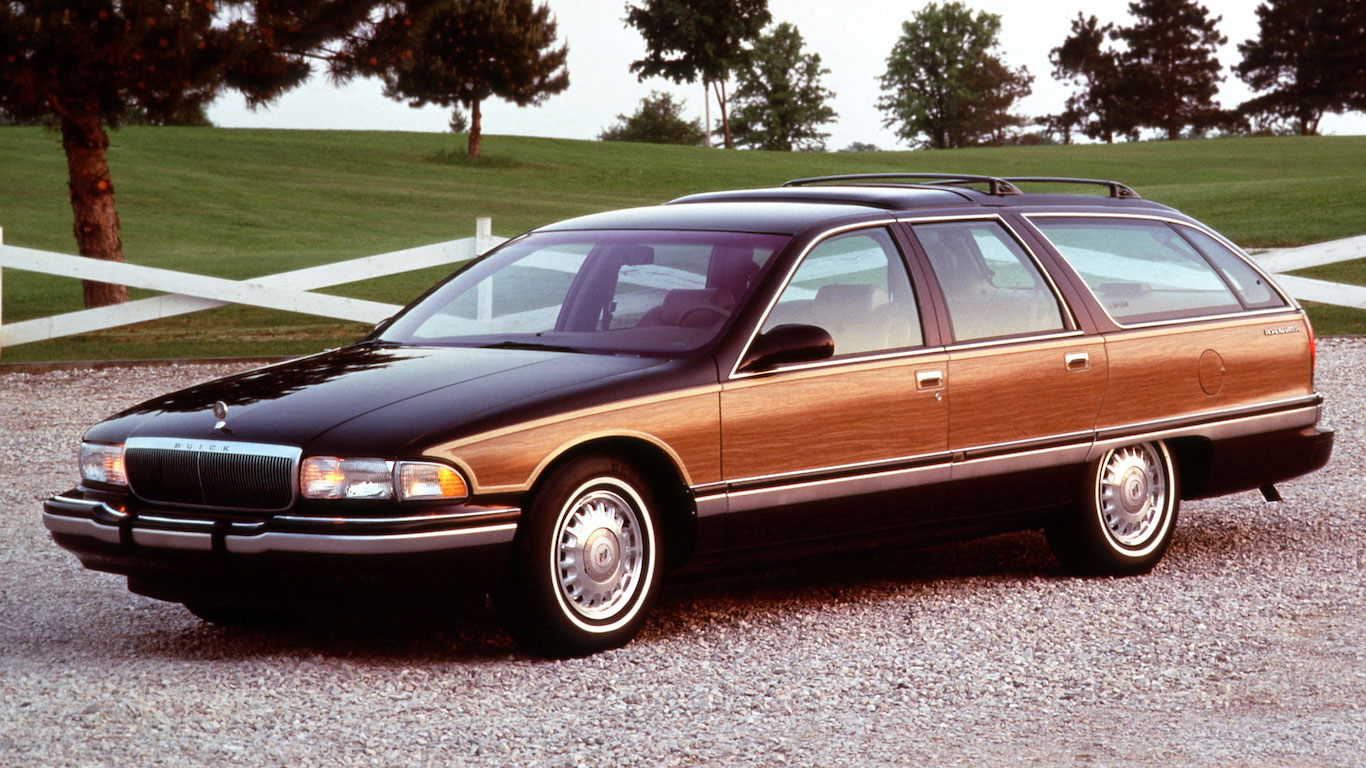
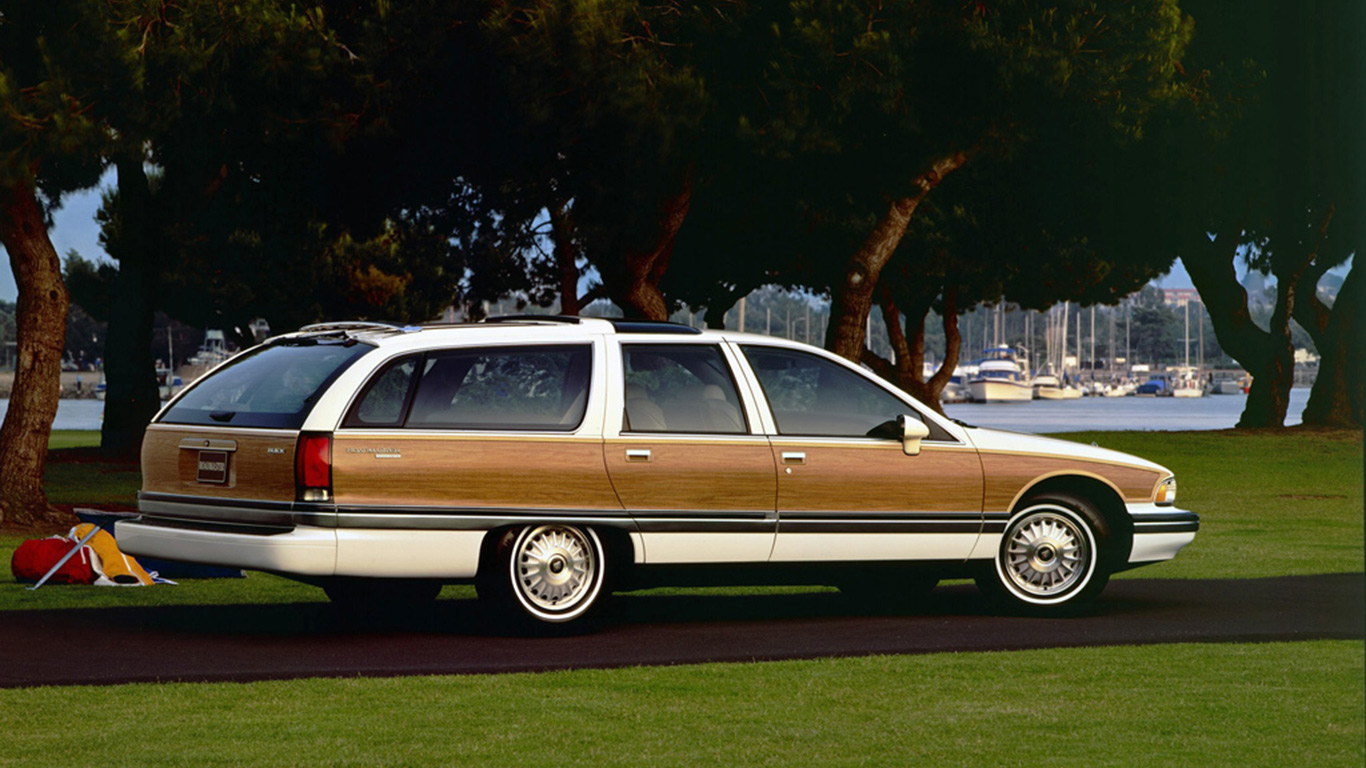
It had been the last woodie to use genuine timber components, so it seems only fitting that the very last American wood-sided wagon was the Buick Roadmaster. Reintroduced in 1991, the Roadmaster Estate was truly old-school, with a full-size rear-wheel-drive chassis and all the imitation woodgrain you could want. The optional third row of seats was still there, as was the 5.7-litre V8 engine, but the reality was that the world had moved on. MPVs and SUVs were now the choice for cross-country family road trips, consigning the woodie to the history books.
Renault has announced an ambitious target of becoming as consistently profitable as a premium brand by 2022 – and plans to launch 21 new vehicles, including eight all-electric models, to help it achieve this.
By 2022, it’s hoping to achieve an operating margin of 7 percent on sales, with a 5 percent baseline bare minimum figure. For comparison, Audi made a 5.1 percent operating martin in 2016 (admittedly, down from its usual 8-10 percent range); volume sister company (and Renault rival) Volkswagen makes just 1.8 percent on sales.
Of those 21 new Renaults, three will be all-new versions not currently sold, while 12 of them will be electrified: in other words, of all the new vehicles Renault will launch between now and 2022, all but one will offer some form of electric drive. They’ll all be fully connected via onboard SIM cards, too.
And there will be a lot of them: 40 percent more Renaults will be sold by 2022 compared to 2016, hopes the firm. Sales outside its European heartland, in countries such as Russia, Brazil, India and Iran, will double.
Renault robot taxis
The new business plan, called Drive The Future, is aiming to draw in €70 billion (£62.5 billion) in revenues over five years, €18 billion of which will be interested in research and development. Renault will tap into its partnership with Nissan and Mitsubishi – the world’s largest automotive alliance – to push new tech to market.
4 in 5 of the newly launched cars will be built on architectures shared with other Nissans and Mitsubishis. This scale is how Renault aims to launch mass-market autonomous drive: 15 of the new models will offer some form of autonomy.
By 2022, Renault aims to have launched ride-hailing and robot taxis.
Renault chairman and CEO Carlos Ghosn said: “Groupe Renault is now a healthy, profitable, global company looking confidently ahead.” This is following the successful implementation of the firm’s previous corporate strategy, called Drive The Change.
“Drive the Future is about delivering strong, sustainable growth benefiting from investments in key regions and products, leveraging Alliance resources and technologies, and increasing our cost competitiveness.”
He also added that “this new plan will unleash our full potential to innovate and grow in a rapidly-changing industry.” Renault, like so many other car brands, appreciates the need to evolve and believes it has the ability to grow at the same time. Simply maintaining market share is not enough; why not, believes the firm use the disruption as an opportunity to nab some market share and make more money in the process?
The 2018 Toyota Century is a 5.0-litre V8 hybrid we won’t get in the UK
Interbrand pioneered brand valuation in 1988, recognising that strong brands influence customer choice and create loyalty; attract, retain and motivate talent; and lower the cost of financing.
The brand value is based on three factors: financial forecast, the role of the brand, and brand strength. The study is designed to identify the world’s 100 most valuable brands.
Three new entrants make the top 100, with appearances by Netflix ($5.59 billion), Salesforce ($5.22 billion) and Ferrari ($4.88 billion) highlighting the diversity of the Interbrand list.
As expected, the top 10 is dominated by technology companies, with Apple perched at the top of the tree.
Interestingly, Tesla only moved up one position in 2017, having made the top 100 for the first time in 2016. According to Interbrand, its brand value is unchanged at $4.01 billion. Meanwhile, Volkswagen recovered from dieselgate to return a 1% increase, securing a top 40 position in the process.
Speaking about the results, Dr Jens Thiemer, vice president of marketing for Mercedes-Benz Cars, said: “This demonstrates that we’re well placed worldwide with our future-oriented strategy CASE, a consistently innovative brand identity and our wide-ranging product portfolio.
“With our unique combination of tradition and modernity as well as constant innovation as part of the Mercedes-Benz brand DNA, we are ideally placed to play a successful and active role in helping shape the necessary transformations of the digital age.”
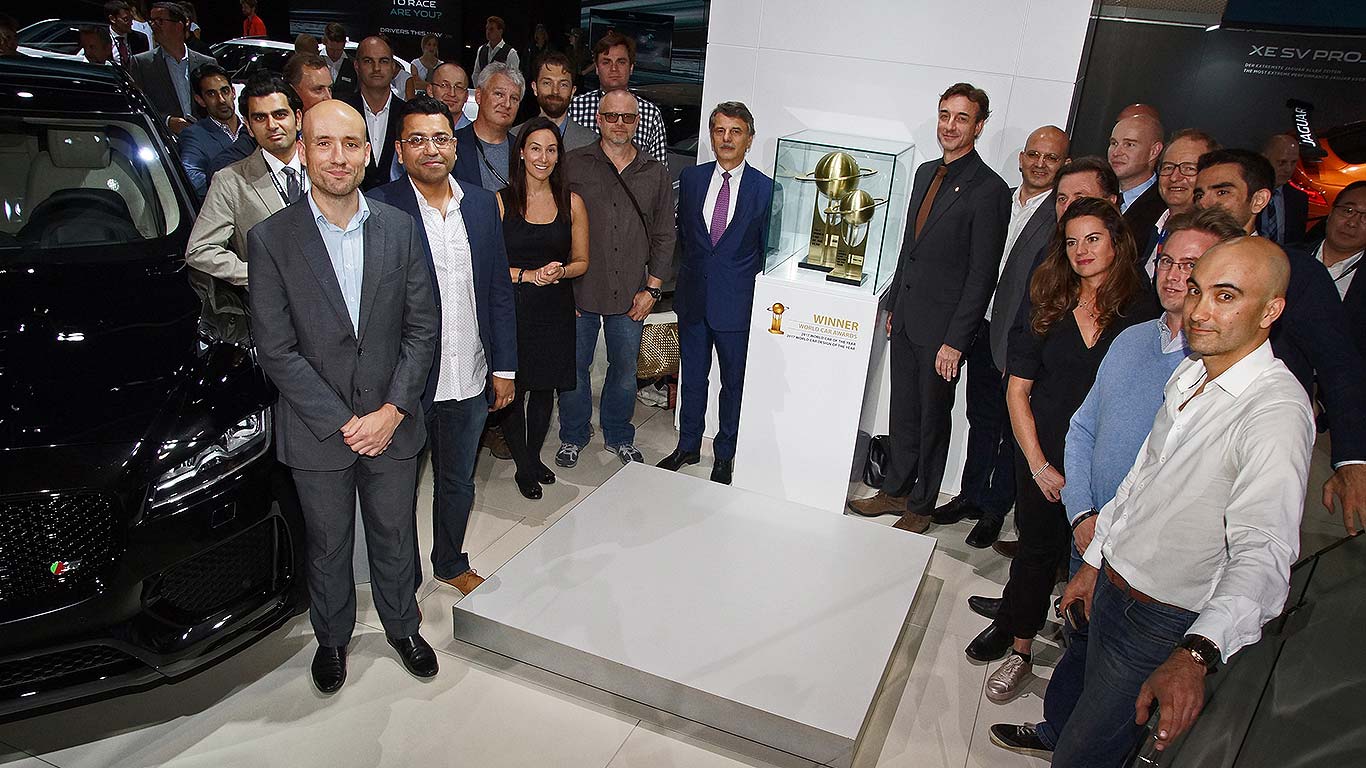
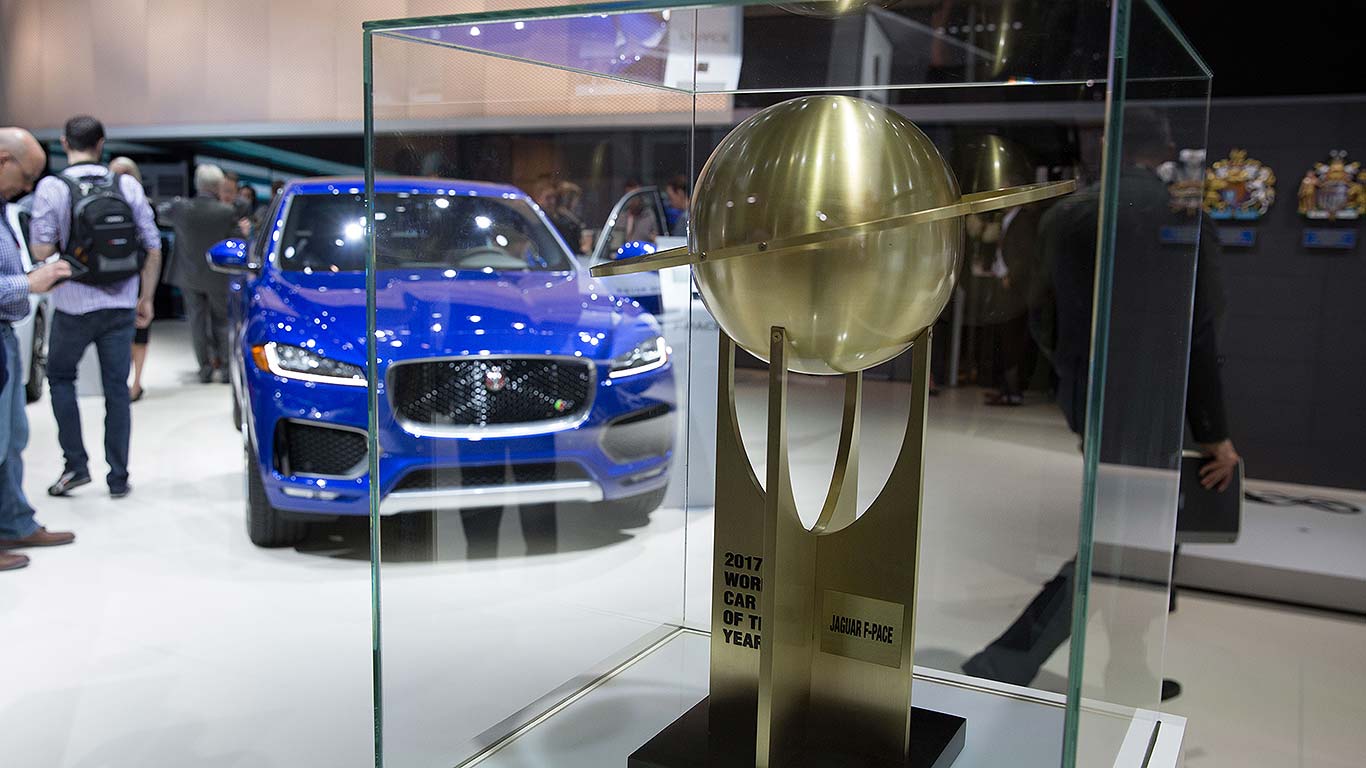
The World Car Awards is the biggest automotive awards program out there – bigger than the European Car of the Year awards, bigger than the North American Car of the Year program.
2018 is its 14th year and, at the 2017 Frankfurt Motor Show, the road to the World Car Awards final at the 2018 New York International Auto Show commenced.
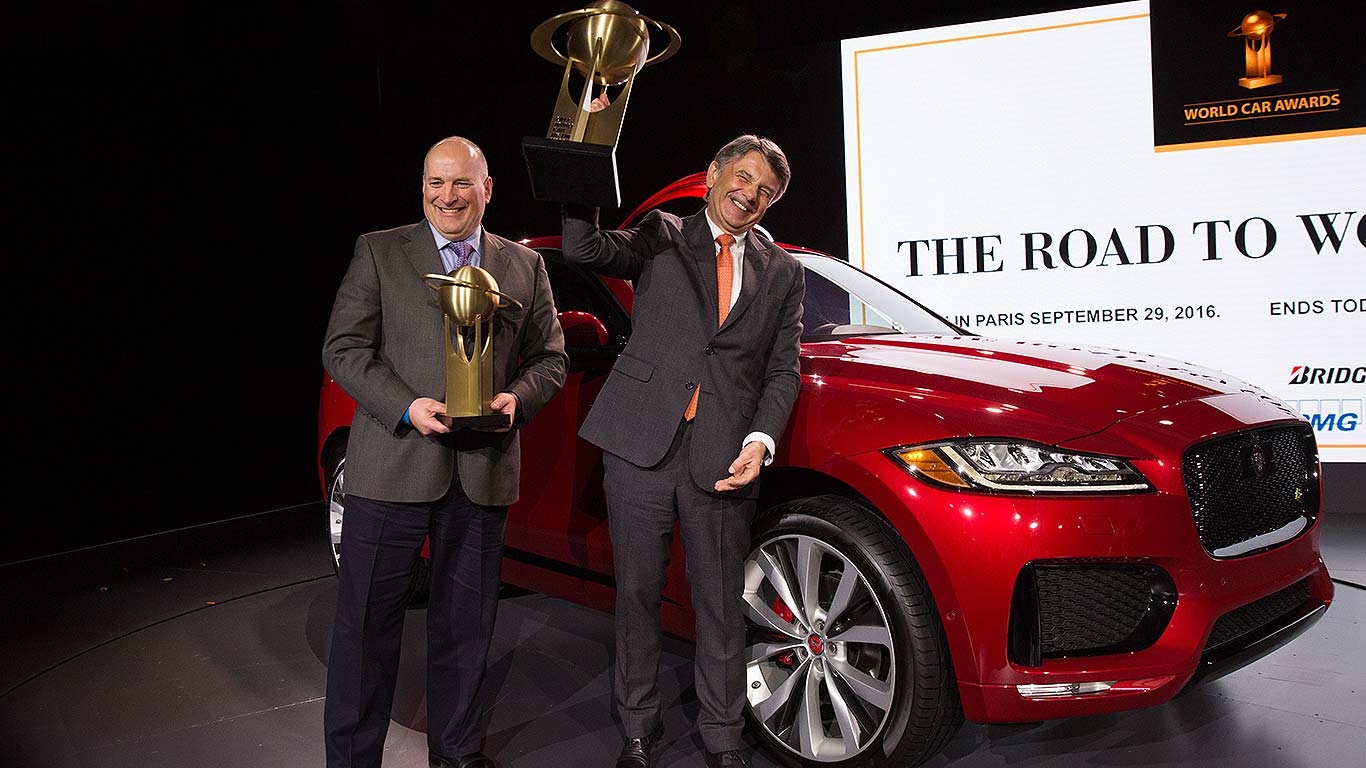
The awards are split into six categories: World Car Design, World Luxury Car, World Performance Car, World Green Car, World Urban Car and the overall World Car of the Year. The overall World Car of the Year Award is the one they all want to win. Last year, Jaguar triumphed with the F-Pace, and the Mazda MX-5 won the year before that.
More than 80 export motoring journalists are jurors for the World Car Awards, across every continent. The awards are split into six categories: World Car Design, World Luxury Car, World Performance Car, World Green Car, World Urban Car and the overall World Car of the Year. And the contenders for 2018 are..?
World Car of the Year 2018: the contenders
The 2018 jurors have a tough task ahead of them – assessing the cream of the new model launches and deciding which of the world’s best cars should have a shot at scooping a prestigious World Car Awards gong. Which new model will succeed the Jaguar F-Pace? The cars in the running for the 2018 prize are…
Click on the images to see the contenders in fullscreen; scroll down to read all about them
Alfa Romeo Giulia
Alfa Romeo Stelvio
BMW Concept X2
BMW X3
Vauxhall Insignia Grand Sport
Citroen C3 Aircross
Dacia Duster
Ford Fiesta
Genesis G70
Honda Accord
Hyundai Kona
Jeep Compass
Kia Niro
Kia Picanto
Kia Stinger
Kia Stonic
Land Rover Discovery
Mazda CX-5
Mitsubishi Eclipse Cross
Nissan Leaf
Nissan Micra
Peugeot 3008
Range Rover Velar
Renault Koleos
Seat Ibiza
Skoda Karoq
SsangYong Rexton
Subaru Crosstrek
Suzuki Swift
Toyota Camry
Volkswagen Polo
Volkswagen T-Roc
Volkswagen Arteon
Volvo XC60
Volvo XC40
Alfa Romeo Giulia
The breakthrough Alfa Romeo sporting saloon has put this famed Italian brand back on the map. It’s as good as we hoped it would be, particularly the thrilling Quadrifoglio model, which squeezes a 510-horsepower V6 engine into a chassis more than capable of coping with it. Even the regular cars are engaging though, bringing a welcome new contender to the BMW 3 Series and Mercedes-Benz C-Class sector.
Alfa Romeo Stelvio
Following up the Giulia in quick succession is the firm’s first-ever SUV, the Stelvio. Using much of the acclaimed tech behind its sports saloon sibling, the Stelvio looks good, drives well and, perhaps even more so than the Giulia, is like to deliver the growth and profits the firm desperately needs.
BMW X2
We’ve yet to drive, or even see, BMW’s promising-sounding X2 small and sporty SUV. It’s taking on the Audi Q2 and, if the X2 Concept we saw last year is anything to go by, should at least be a smart-looking thing. We don’t doubt BMW will deliver on the driving front, either.
BMW X3
The X3 is a crucially important SUV for BMW, one that sells very well around the world. The previous model was always a bit bland and humdrum, despite its popularity: this all-new one thus may even drive yet more sales, because it’s not only more attractive and interesting, it’s also more engaging and enjoyable to drive and travel in.
Buick Regal / Opel/Vauxhall Insignia
A car with many names, the UK’s Vauxhall Insignia Grand Sport is sold as an Opel in Europe and a Buick in North America and China. A talented large car whose abilities and appeal see it almost tiptoe into the premium brand arena, We just hope buyers will be able to look past the badges…
Citroen C3 Aircross
It’s a sign of the times that the Citroen C3 Picasso small MPV has been replaced by this, the C3 Aircross small SUV. Again derived from the talented C3 supermini, it boasts the latest appealing Citroen style outside and in, is decent to drive and is very spacious and practical inside.
Dacia Duster
Dacia has given the popular Duster an extensive mid-life facelift. It’s not an all-new car, but lots of important parts are – such as the front end design, the interior and much of the onboard tech.
Ford Fiesta
The best-selling car in the UK for years, and an European favourite too, the Fiesta is one of Ford’s most popular models outside North America. The previous generation car was an acclaimed star and this new one is even better – the driving magic of its predecessor has been maintained, enhanced with step-ahead infotainment, ride comfort, interior ambience and overall fit and finish.
Genesis G70
The new Genesis G70 is how Hyundai aims to take on the BMW 3 Series and Mercedes-Benz C-Class. Previewed by a striking concept at the New York Auto Show, the production model is a little more conventional but still a standout by class standards. If the superb G90 is anything to go by, we’re hopeful of great things.
Honda Accord
The 10th generation Honda Accord has undergone some big changes. Not least the loss of its creamy V6 engine – instead, buyers are offered four-cylinder motors, either 1.5-litre turbo or 2.0-litre turbo. Let’s not panic too much though: in the Civic, the 1.5-litre is excellent, and the 2.0-litre is basically a detuned Civic Type R motor. With its sharp new styling and much-improved interior, this North American favourite looks in rude health.
Hyundai Kona
The small crossover SUV is the car of the moment and, after the chart-topping success of the pioneering Nissan Juke, carmakers are falling over themselves to introduce rivals. Hyundai’s Kona is one of the crispest-looking of the lot, and first reports suggest it’s decent to drive as well.
Jeep Compass
We like the logic behind the new Jeep Compass. It’s based on a stretched Jeep Renegade platform and looks like a downsized Jeep Cherokee, perfectly filling the gap in the firm’s model range. As with other Jeeps, most are biased for all-road use but there’s a ‘Trail Rated’ full-bore off-roader sitting at the top of the range, for a bit of top-line authenticity.
Kia Niro
The Kia Niro is an interesting compact hybrid crossover SUV. It’s more passenger car than 4×4, and offers a toughened-up alternative to sister company Hyundai’s equivalent Ioniq range. It’s neat, although not as standout as the perennially popular Kia Sportage.
Kia Picanto
The little Kia Picanto is a thoroughly well sorted city car that shows big advances over previous models. It’s pretty much as refined as a supermini, and surprisingly spacious inside, while some strong engines enhance good on-road manners while others appreciate the neat styling.
Kia Stinger
Here’s a Kia with a difference – a rear-wheel drive model with a 365hp 3.3-litre twin-turbo V6 engine! You can of course get lesser Stingers, but all carry the same GT four-door looks: think of it as Kia’s alternative to the Mercedes-Benz CLS. Early reports suggest it drives pretty tidily as well…
Kia Stonic
Kia’s sister car to the Hyundai Kona, the Stonic is as boldly styled as many such compact crossovers, with a practical and family-friendly interior, decent equipment levels and good value for money.
Land Rover Discovery
What a formidable off-road machine the new Land Rover Discovery is – and what a quantum leap it is over the old one when back on it. Refinement is almost Range Rover-like, the interior ambience is far more premium, it’s packed with tech, exceedingly spacious… although for all its excellence, it’s still able to generate controversy with its unusual rear end design – to the frustration of Land Rover’s chief designer…
Mazda CX-5
The previous Mazda CX-5 wasn’t all that old and still drove nicely – regardless, Mazda’s still replaced it with this new one, which carries similar styling but is even better resolved and more capable to drive. It now really is a premium compact SUV in disguise.
Mitsubishi Eclipse Cross
Mitsubishi has been starved of product in recent years, so the introduction of the Eclipse Cross can’t come too soon. Joining the burgeoning compact SUV sector, it brings the firm’s familiar styling themes into a new sector that bosses hope will help it turn around flatlining sales in most markets outside of North America.
Nissan Leaf
Many car makers haven’t even launched their first-generation electric car, yet here’s Nissan with the second generation of the world’s best-selling EV. The all-new Leaf is all set to be an electric car star: it’s far better looking and more appealing than the first, the interior is much nicer, the range is longer, performance is stronger yet it’s no more expensive to buy. With all eyes on the Tesla Model 3, here is the car set to truly take the EV mainstream.
Nissan Micra
After comprehensively dropping the ball with the previous Micra, Nissan’s upped its game significantly with this new one. Built alongside the Renault Clio it shares so many bits beneath the surface with, it’s once again a good-looking, contemporary supermini that marks Nissan’s long-awaited competitive return to this popular new car sector.
Peugeot 3008
The first Peugeot 3008 was a crossover that was more MPV than SUV. Here, Peugeot’s twisted the dial more towards the SUV end, with its chunky, crisp-edged styling benefitting no end. The interior is a genuine triumph as well, and it’s also extremely good to drive. This one surprised many with just how good it is.
Range Rover Velar
The fourth Range Rover model line, Velar sits in between Range Rover Evoque and the Range Rover Sport. It’s a slightly more road-orientated model with elegant styling and a truly standout interior, one that’s plush to drive and, in V6 guise, performs strongly. It’s not cheap, but this probably won’t dent its desirability one bit.
Renault Koleos
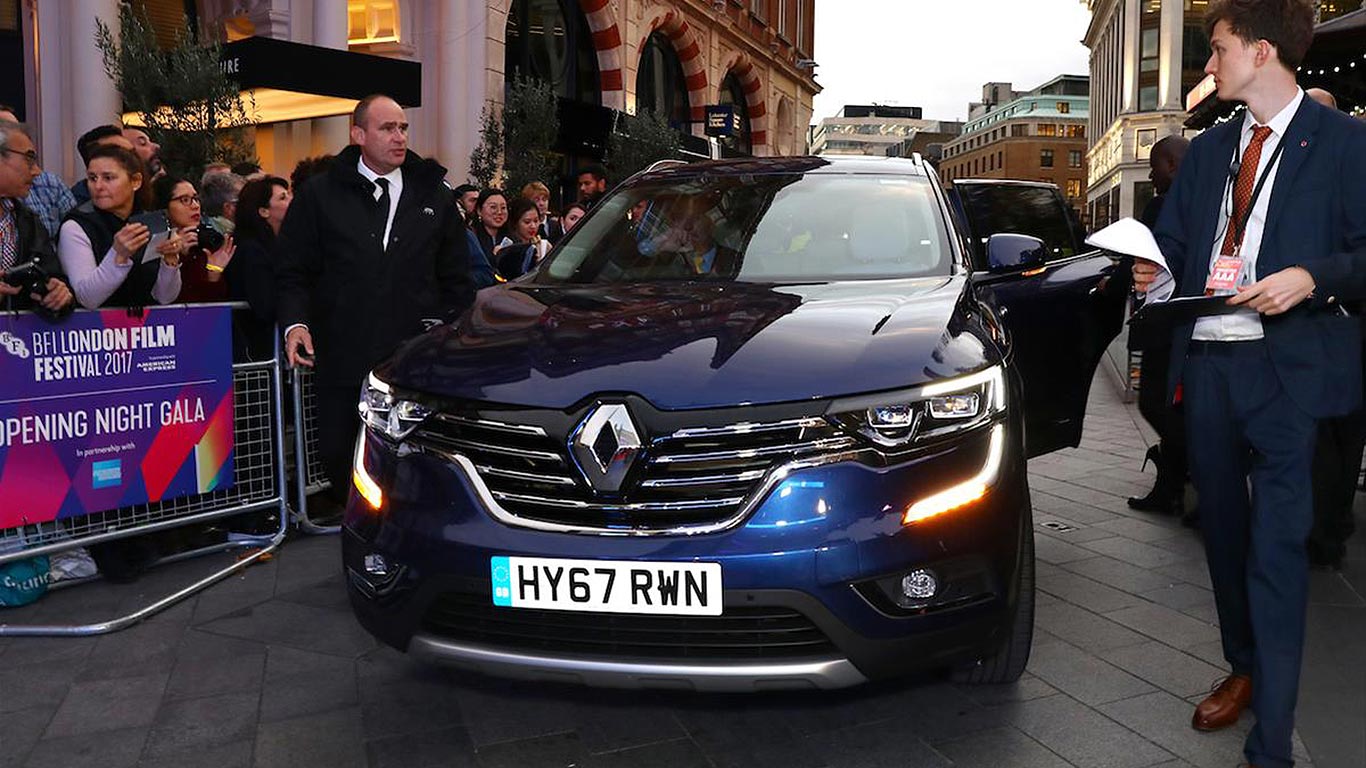
Forget the terrible first-generation Koleos and take a look at this upscale new one. It is a larger, posher five-seat range-topper, sitting above the Kadjar and effectively becoming Renault’s new flagship. It drives nicely and the interior is very practical, so long as you don’t need seven seats.
Seat Ibiza
Wow – what a turnaround for the Seat Ibiza. From a middling, forgotten class player to a true front-runner, the exceptional new Ibiza is a class act to drive, has an interior that wouldn’t shame the larger Leon, and packs in some cutting-edge tech. It’s now closer to the class-leading Ford Fiesta than it’s ever been.
Skoda Karoq
A replacement for the charismatic Yeti, some have mourned the fact the Karoq is more conventional, but this downsized Kodiaq model is exactly what’s needed for the Czech firm to take on the sales-busting Nissan Qashqai it has in its targets.
SsangYong Rexton G4
Big, tough 4x4s are now many times outnumbered by more road-biased crossover SUVs, but that hasn’t stopped SsangYong rolling out the tough-as-old-boots Rexton G4. It’s claimed to offer one of the beefiest towing capacities – 3500kg – for one of the lowest entry-level prices, and all the off-road ability any amateur explorer could ever need, but this time blended with new levels of plushness and refinement for the SsangYong brand.
Subaru XV / Crosstrek
Customers love the Subaru XV and more crossover-style Crosstrek. It’s a superbly reliable go-anywhere car that drives nicely on road and is unstoppable off road for virtually everyone. A welcome upgrade with the latest one is a better quality, more appealing interior.
Suzuki Swift
Suzuki is the master of the small car and its latest triumph is the new Swift supermini. The previous car was just a bit too much on the small side, with a tiny boot and so-so rear space. Both are fixed here, yet without gaining weight or spoiling the racy drive. The interior’s a big step on too, and the Boosterjet engine is a gem.
Toyota Camry
Like Honda, Toyota’s gone bold with its latest Camry – it’s arguably now even more standout than its North American arch-rival. It’s sportier to drive, has far more active safety feature as standard and is more fuel-efficient than the old one.
Volkswagen Polo
If the new Seat Ibiza is good, the new Volkswagen Polo should be even better. It’s built using the same architecture, but with materials just that bit more upscale in quality. You pay a bit more for it, of course, but it’s still not as much as the larger Golf this car is now so expertly imitating. Don’t underestimate the mighty Polo.
Volkswagen T-Roc
What’s this – a standout, head-turning Volkswagen? Yes indeed! To take on the Nissan Qashqai with its first compact crossover, VW knew it had to go radical – but everyone has been surprised by just how bold the T-Roc has turned out to be, both outside and in. We have little doubt it will drive extremely well, either.
Volkswagen Arteon
Volkswagen’s new range-topping passenger car, the Arteon is a replacement for both the CC and, in a sense, the Phaeton. It’s a big car that sits above the Passat, once again bringing striking standout style to Volkswagen retailers.
Volvo XC60
Aiming to repeat the success of the landmark second-generation Volvo XC90 is this, the second-gen XC60. Styling is very much in the vein of the 90, and that’s no bad thing, while the five-seat interior is a triumph and it’s as classy to drive as its bigger sibling too.
Volvo XC40
Can Volvo make it a hat trick of SUV successes? The striking-looking XC40 aims to do just that. It’s as distinctive inside as it is out, and the firm’s promising the all-new architecture is as world-class as the larger 60 and 90. We can’t wait to find out more.
World Luxury Car 2018: the contenders
The world’s most sumptuous cars are rewarded here; last year, the Mercedes-Benz E-Class topped the table, and the contenders for 2018 look equally formidable.
Audi A8
BMW 6 Series GT
Lexus LS
Porsche Cayenne
Porsche Panamera
Audi A8
The Mercedes-Benz S-Class has long been the luxury car to beat, but that hasn’t stopped BMW and now Audi giving it a jolly good fight. The new BMW 7 Series was a step on and Audi’s aiming for the svelte-looking new A8 to make a similar jump. It’s so advanced, it’s the world’s first car to have Level 3-standard autonomous drive functionality, beating even Tesla here.
BMW 6 Series Gran Turismo
Replacing the unfortunate-looking BMW 5 Series Gran Turismo is the newly-elevated 6 Series GT. Gone are the awkward looks and in comes something much more elegant. The interior is, impressively even more spacious and far more luxurious than before. A feel-good car to ride in that BMW says is perfect for China and should do much better than the 5GT in Europe and North America.
Lexus LS
Lexus’ technological flagship, the mighty LS continues to lead the way. This one looks way more modern than the old one and has a quite extraordinary interior, while leading-edge petrol-electric running gear is much cleaner and greener than the old one too.
Porsche Cayenne
It looks pretty similar to the old one but beneath the surface, the all-new Cayenne aims to up this oh-so profitable Porsche’s luxury credentials. It’s always driven well: Porsche now wants the experience to be just as good for passengers.
Porsche Panamera
Porsche has perfected the Panamera concept with this second-generation model. The uncomfortable looks have been smoothed out, the interior’s more spacious and luxurious, while the dashboard is a masterpiece of state-of-the-art design. Petrol-electric hybrid versions are very clever, the Turbo petrols very, very fast.
World Performance Car 2018: the contenders
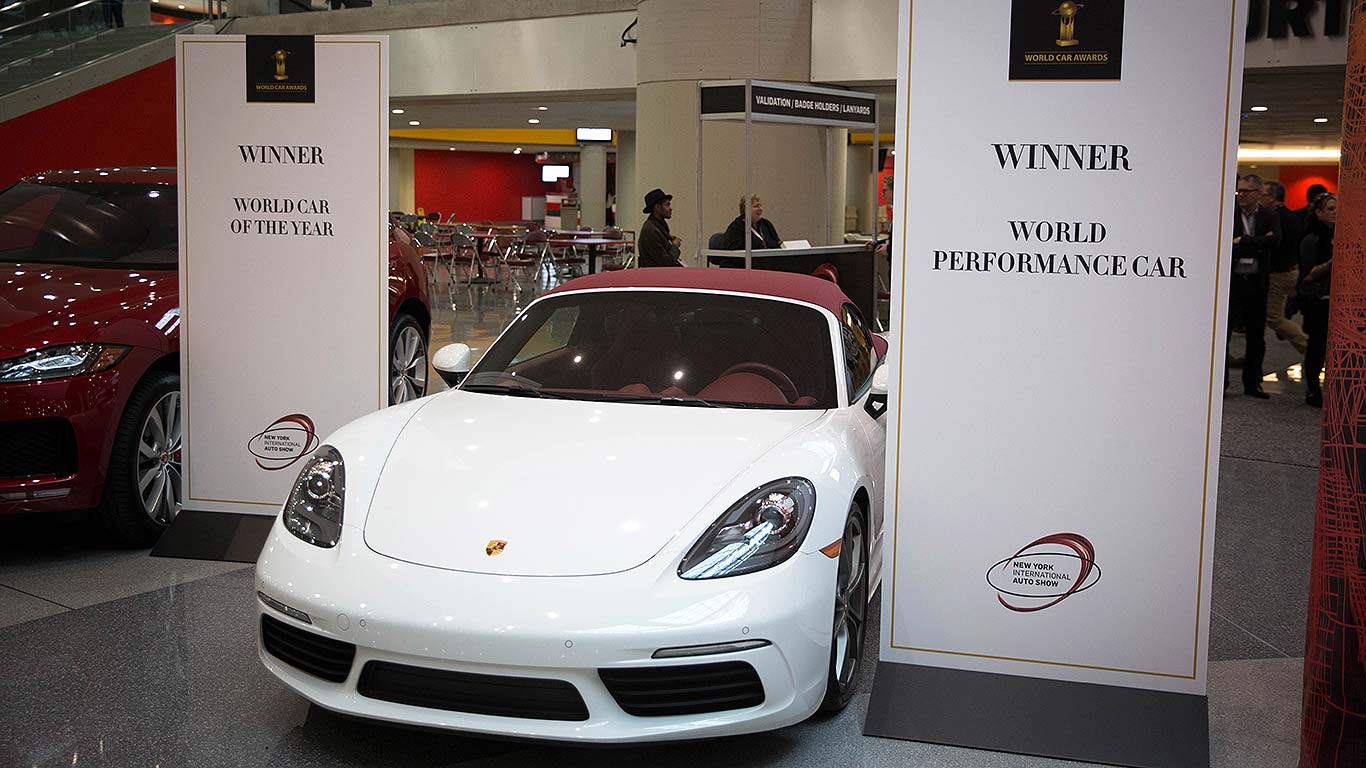
Judging the World Performance Car contenders is always a treat for any World Car Awards judge. It was the Porsche duo of 718 Boxster and 718 Cayman that triumphed last year: check out the hot cars in the running for the 2018 prize.
Alfa Romeo Giulia Quadrifoglio
Audi RS3 Sedan
Audi RS5 Coupe
BMW M5
Ferrari Portofino
Honda Civic Type R
Hyundai i30 N
Lexus LC 500
Alpine A110
Vokswagen Polo GTI
Alfa Romeo Giulia Quadrifoglio
The sportiest version of the new Giulia saloon is a BMW M and Mercedes-AMG beater straight out the box. The company has spared no expense in equipping it with race-grade tech to give it incredible sporting attitude. It’s a glorious, hilarious blast to drive.
Audi RS3 Sedan
Audi doesn’t know where to stop when it comes to adding power under the bonnet of the RS3. The latest model, newly available in four-door sedan guise, packs a whopping 400hp from the 2.5-litre turbo engine, which means acceleration is nothing short of ludicrous. For such a relatively compact car, it’s fantastic.
Audi RS5 Coupe
Gone is the old Audi RS5 Coupe’s highly-strung V8 and ill-sorted chassis, in comes something far more well-rounded and desirable. This feels like a true high-performance Audi, one with an intelligent and understated breadth of talents. It’s also good-looking, has a sensational cabin and is wildly fast in all weathers.
BMW M5
The new BMW M5 uses a version of the old car’s turbo V8 engine pumped up to 600hp – tamed, for the first time ever, by all-wheel drive. This gives it the traction to serve up crazy acceleration times for such a large car – yet the all-wheel drive system can also be deactivated for tail-out rear wheel drifts on a racetrack all day long (or at least as long as there’s rubber on the tyres…).
Ferrari Portofino
Another car that’s been turned from an ugly duckling into something genuinely pretty and head-turning. The Portofino replaces the California T and finally gives the brand a lead-in convertible hard-top to be proud of.
Honda Civic Type R
This is the hot hatch of the moment, full stop. It doesn’t have the sheer power of the Ford Focus RS, but it’s not far off, and Honda’s managed to develop a car that has thrills, vibrancy and excitement in abundance while also proving well-rounded and full of finesse in everyday driving. It looks amazing, both outside and in – it’s not subtle, sure, but in terms of sheer impact, nothing beats the mighty Type R.
Hyundai i30 N
The talents of the Hyundai i30 N have proven to be a genuine surprise. Perhaps we should have expected the first hot Hyundai to come under the watch of former BMW’s M boss Albert Biermann to be good, but the sheer focus and breadth of abilities demonstrated by the hot N have still wowed us – particularly given the great value for money the car offers.
Lexus LC 500
It looks good, but there’s more to the Lexus LC 500 to simply appearing pretty. It has a well-developed chassis beneath it all, and a very exciting V8 range-topping engine. The GT car that can teach Mercedes-Benz and even Aston Martin a thing or two?
Renault Alpine A110
To say anticipation is high for this exciting little rocketship of a coupe is putting it mildly. It’s been a long time in the making but will be driven very, very soon – and we’re fully expecting sparks to fly. We can’t wait to get behind the wheel.
Volkswagen Polo GTI
The new Volkswagen Polo is brilliant, and the most appealing one of all may well be the range-topping GTI. Using the same 2.0-litre turbo engine as in the Golf GTI is a great start, as is being developed by the same man responsible for recent hot Golfs. It has all the makings of being a bit of a gem.
World Green Car 2018: the contenders
Judges voted the plug-in hybrid Toyota Prius Prime (also known as the Prius PHEV) as the greenest new car of 2017. There are some equally forward-looking contenders in the running for the 2018 gong too.
BMW 530e iPerformance
Chevrolet Cruze Diesel
Chrysler Pacifica Hybrid
Hyundai FE Fuel Cell
Nissan Leaf
BMW 530e iPerformance
Diesel is fast dropping down the agenda, with electric-assist hybrids being the name of the game. BMW is able to respond in one of the most important model sectors it competes in, the executive class, with the petrol-electric 530e iPerformance. This plug-in hybrid model is all set to take a significant proportion of sales – some of which will come at the expense of the 520d and 530d…
Chevrolet Cruze Diesel
Diesel is dead in North America? Try telling that to Chevrolet, which is going ahead with its roll out of the Cruze Diesel. The firm is hoping there’s still an appetite for diesel in the States: will customers agree?
Chrysler Pacifica Hybrid
Adding electric hybrid assistance to the innovative, well-liked Chrysler Pacifica boosts its green credentials. For customers, it means better fuel efficiency and lower tax, for the planet it means fewer nasties being pumped out by America’s top-selling minivan.
Hyundai FE
We’ve only seen this as a concept, but it’s going to be here any time soon – the svelte Hyundai FE fuel cell will build upon the firm’s experience in retailing the Hyundai ix35 hydrogen fuel cell. Can it take the fight to the Honda Clarity and Toyota Mirai? If it can, it could genuinely be a front-runner for the 2018 Green Car Award.
Nissan Leaf
Nissan has learnt so much with the original Nissan Leaf, it’s putting all this knowledge into the second-generation model, which is all set to be the best all-electric car the world has yet seen. Do not be surprised if the new Leaf is a grade-A groundbreaker.
World Urban Car 2018: the contenders
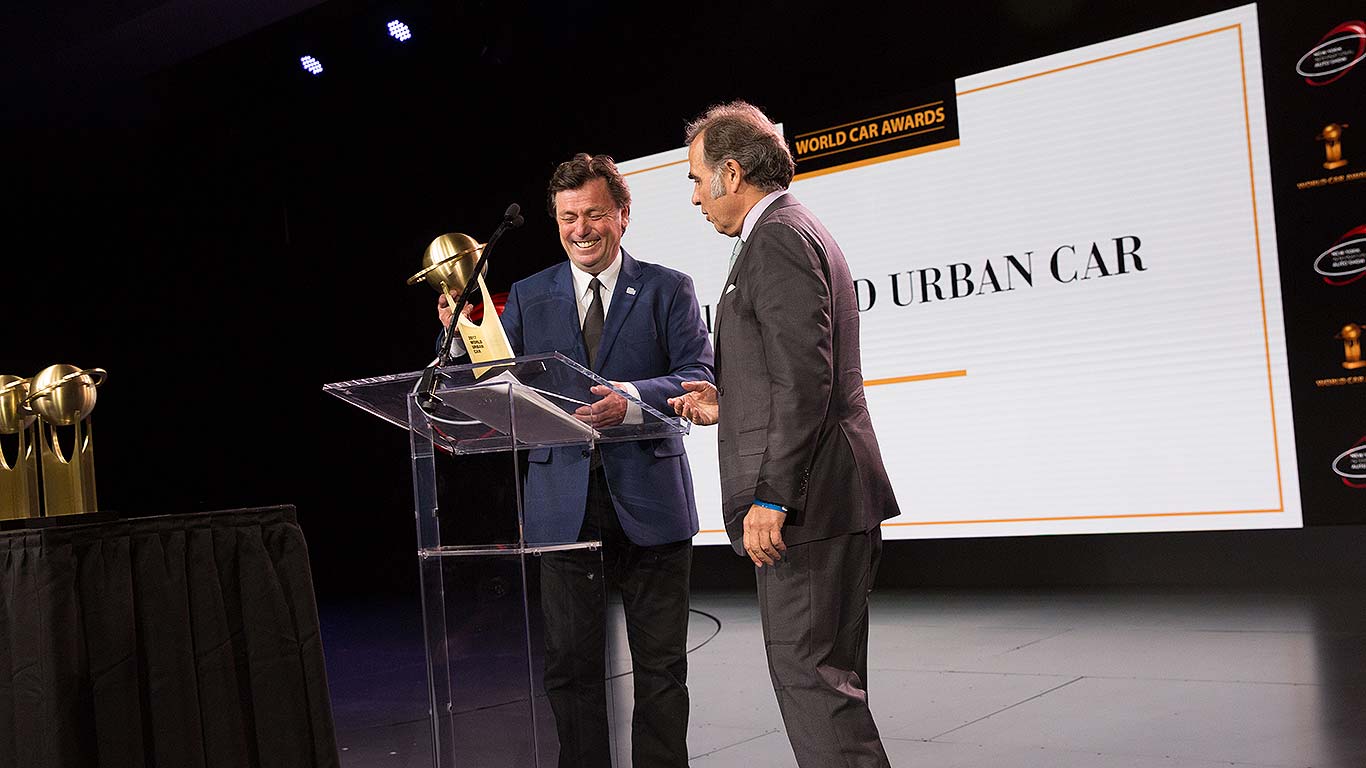
This was a new category for 2017, honouring the greatest cars for use in the city. Last year, the ingenious all-electric BMW i3 won… which will be the best car for urbanites in 2018, though?
Ford Fiesta
Volkswagen Polo
Suzuki Swift
Seat Ibiza
Nissan Micra
Kia Stonic
Kia Picanto
Hyundai Kona
Ford Fiesta
For years, the Ford Fiesta has been an exemplar. With this all-new one, Ford has improved all the old model’s weaknesses, upped the premium-finish appeal, yet barely grown it an inch over the old one. With the added draw of an ultra-posh Vignale range-topper, more than ever it’s a supermini star.
Hyundai Kona
SUV crossovers are taking over from superminis as the car to have for urbanites. Whereas the Hyundai i20 is worthy but dull, the similarly-sized Kona is all cool appeal and striking looks. It could even trade places with the i20 in terms of sales – and we’d fully understand why.
Kia Picanto
New city cars are a bit thin on the ground, making Kia’s achievement in making the all-new Picanto such a talented micro-sized model all the more praiseworthy. It’s a budget car that never feels cheap, and still manages to put a smile on your face even in its most affordable guise.
Kia Stonic
The Kia Rio, like the Hyundai i20, is an able car, but not the most thrilling of machines. So, again, the Stonic is coming to spice up the firm’s small car line-up – and we expect it to have a similarly significant effect on the sales mix.
Nissan Micra
At last, Nissan has upped its game in the small car sector, after years of lagging behind with the old Micra. This new one is at last a car worthy of sitting in the same showroom as the Qashqai and Leaf – and some of the onboard tech it packs in makes it a genuinely appealing supermini in its own right.
Seat Ibiza
Seat has transformed the Ibiza’s fortunes, following up on the success it’s enjoyed with the latest Leon and new Ateca. The Ibiza enjoys one of the youngest new car buyer profiles in Europe – who are now being treated to one of the best cars in its class for the money.
Suzuki Swift
Clever, value-priced small car engineering, the ingenuous Swift is a triumph of Japanese design. It’s thoughtful, usable, robust and dependable, and the cute looks of the original have made a welcome return on this latest one too.
Volkswagen Polo
Like a Golf, only smaller. The new Polo distils all the brilliance of Volkswagen’s best-selling family hatch into a more compact package, making it a car that’s all set to return to the top tier of Europe’s best-seller charts.
World Car Design 2018: the contenders
All cars eligible for the other World Car Awards categories are also entered into the overall World Car Design award – which is judged by an expert panel of car designers. Last year, the Jaguar F-Pace triumphed. Which will win this year? Because they’re not represented elsewhere, the jurors have added two other new models that they think are worthy of consideration, too.
BMW i8 Roadster
The open-top version of BMW’s dramatic i8 petrol-electric supercar, this has been a long time coming but is finally set to launch in dramatic style.
Lamborghini Urus
Lamborghini’s first modern SUV, the Urus has been shown in concept guise for years – its production launch is imminent… so the world will finally be able to see if the maker of the world’s most dramatic supercars can also turn its talents to making the most radical-looking production SUV design on the planet.
 The new Aston Martin DB11 Volante sees the firm’s new range-topping sports GT car turn from coupe to convertible. Open for ordering now, with prices starting from £159,900, first deliveries begin in spring 2018 – just in time for the sunshine.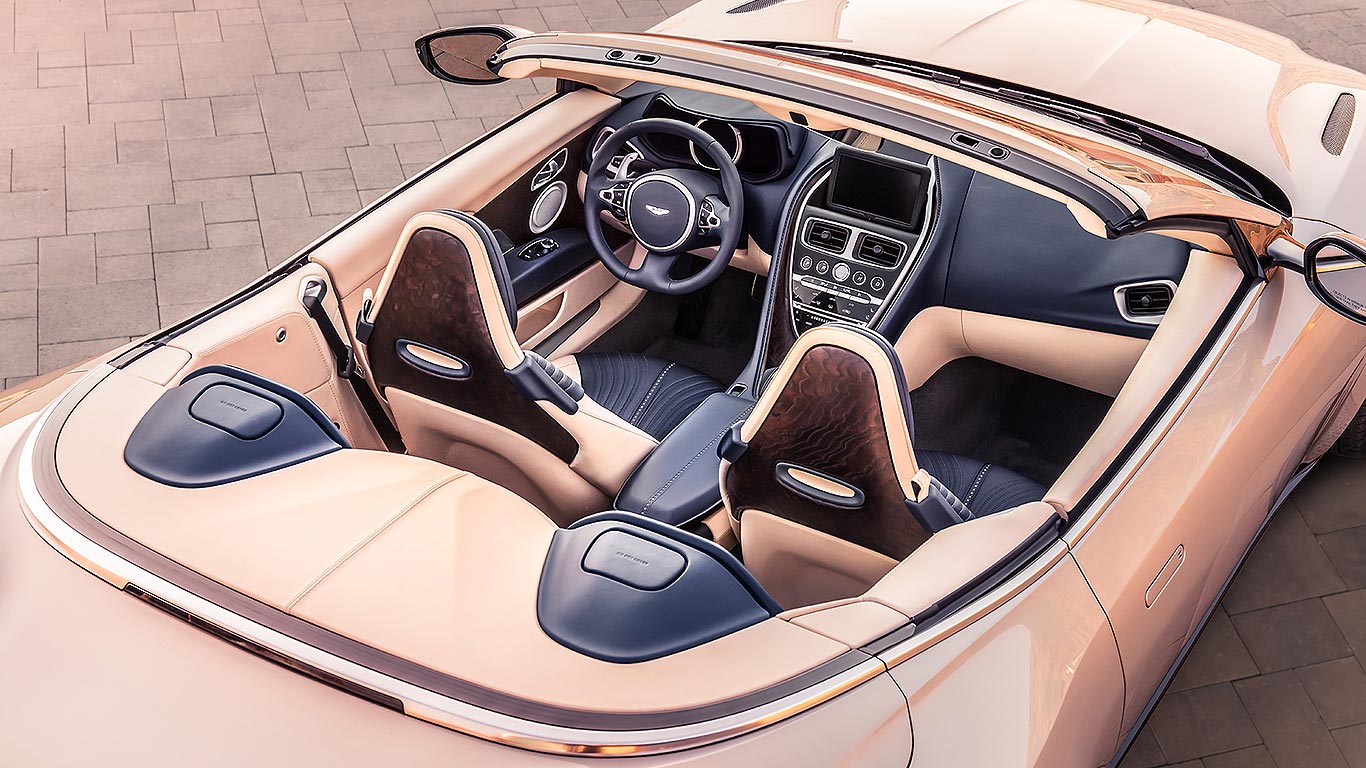





 As an icon of suburban family life, the wood-sided station wagon occupied American driveways for more than six decades. This is the story of the rise and fall of the woodie.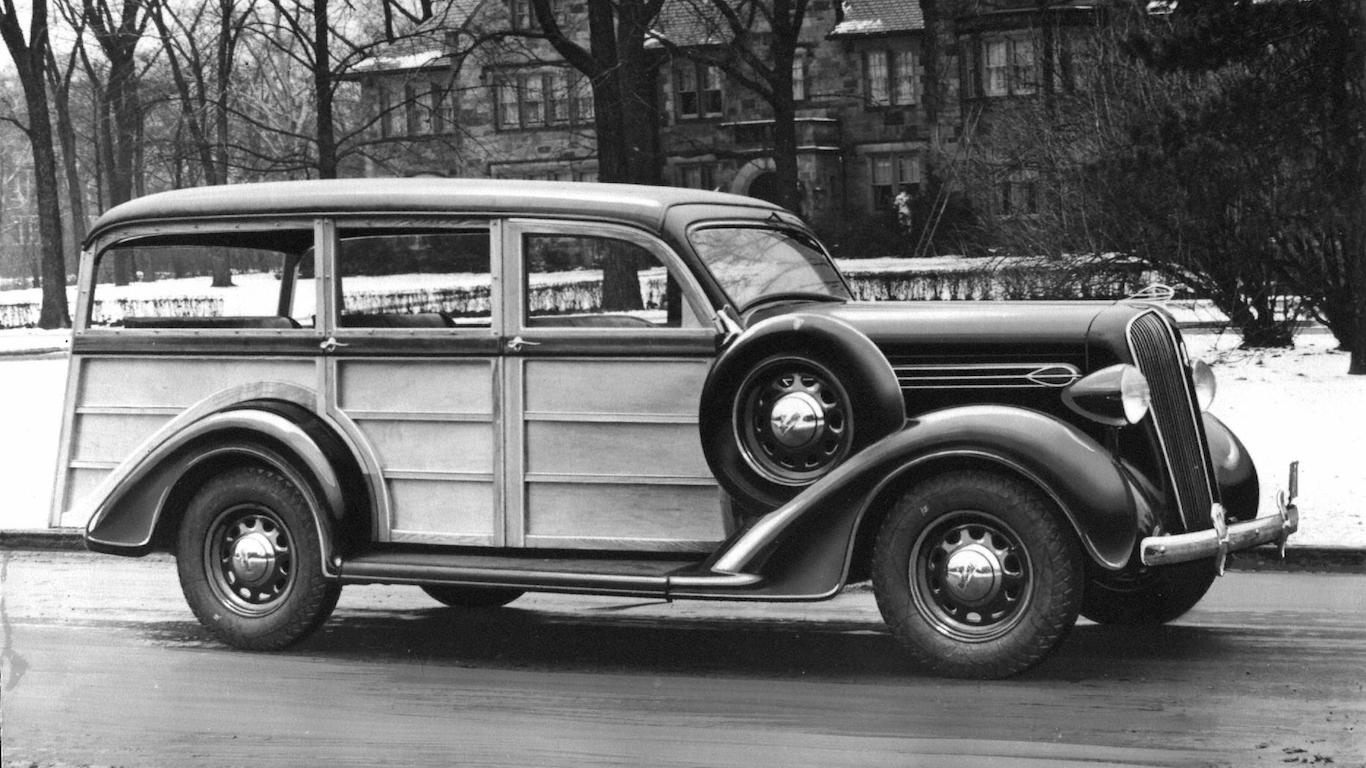
 Renault has announced an ambitious target of becoming as consistently profitable as a premium brand by 2022 – and plans to launch 21 new vehicles, including eight all-electric models, to help it achieve this.


 The World Car Awards is the biggest automotive awards program out there – bigger than the European Car of the Year awards, bigger than the North American Car of the Year program.