Tesla has wowed attendees at the launch for its new electric truck with another surprise – the debut of the all-new Tesla Roadster electric sports car.
And that’s not the only surprise company chief Elon Musk had up his sleeve. Ready for this?
The new car will do 0-60mph in 1.9 seconds. It will do 0-100mph in 4.2 seconds, a time many supercars would be happy to reach 60mph in. Top speed? Unspecified – but it will be over 250mph.
And this is the base model, said Musk. There will be one even faster in time.
“The new Tesla Roadster will be the fastest production car ever made. Period,” he said.
Musk also revealed the new Tesla Roadster will do a standing quarter-mile in 8.9 seconds. This, he said, is the first time any production car has broken the nine-second barrier for the quarter-mile time.
(Click images to see more)
Don’t think your high-speed fun will quickly be over, either. The new Roadster will also have a 620-mile driving range, revealed Musk. Not only will it be the world’s fastest car, it will easily be the EV that can go the furthest between recharges.
Thank a massive 200 kWh battery for that; the upcoming new Nissan Leaf, for comparison, has a 40 kWh battery.
“The point of doing this is to give a hardcore smackdown to gasoline cars,” said Musk. Take that, Ferrari, Porsche, Lamborghini, he’s effectively saying. It certainly gives Porsche, which plans to launch its Mission E electric sports car in 2019, something to think about.
Speaking of launch dates, Tesla’s targeting 2020 to release the new Roadster, which will be a targa-roof 2+2 with all-wheel drive and clever torque-steering tech. It will have three electric motors – one up front, two in the rear.
How much will it cost? From $200,000 (£150,000), and Tesla’s insisting on a $50,000 (around £38,000) deposit.
The new Tesla Roadster harks back to the original Lotus-derived model, the firm’s first car, which was sold between 2008-2012. Back then, the high-performance EV certainly caused a stir. With the new one, Elon Musk is banking on doing it again.
He’s got the ‘production hell’ of the high-volume Tesla Model 3, the replacement for the Tesla Model S and the roll-out of the Tesla Truck to sort before then. Even so, the surprise debut of the new Tesla Roadster will undoubtedly give other supercar manufacturers something to think about.
When it makes production, it will undoubtedly set umpteen new benchmarks for production cars. The trick now is to ensure it actually makes production.
The government told us eliminating the paper tax disc would save the country £10 million a year: hurrah! What a pity latest stats from the Department for Transport reveal a potential revenue loss of £107 million per year caused by tax evasion. Drat!
That £107 million figure is easily the greatest amount lost to tax evasion in at least a decade.
The scale of the problem is enormous: in 2013, 0.6 percent of vehicles on British roads were observed to have evaded paying Vehicle Excise Duty (VED). That grew to 1.4 percent in 2015. In 2017, that figure’s grown further, to 1.8 percent. Which is equal to around 750,000 vehicles.
Even the DfT seems surprised by the increase: It observes “the number of vehicles evading is significantly higher in comparison to 2015”. Compared to 2013, it fails to add, it’s even more significantly higher.
A potential loss of £0.1 billion a year because of 750,000 people not paying their road tax is a serious issue in anyone’s book. Now, the DfT does add that it can’t say for sure whether £107 million is the actual loss, because some of that revenue may have been recovered through DVLA enforcement, or through guilty owners paying up later.
But it’s still not small change. And it’s still tripled since the paperless car tax system was introduced in October 2014. Question is, why are the rates rocketing? The paperless system is undoubtedly the cause, but what aspect of the system is causing so many tens of millions to be lost?
Paperless car tax evasion: the causes
Forgetfulness
Fifty-two percent of the unlicensed vehicles caught had been without road tax (VED) for less than two months. The next highest figure is two-to-four months, way back on less than 20 percent.
This indicates that the power of the visual reminder on a car windscreen was significant – probably much more so than DfT officials expected. Eventually, people will be alerted that they’re driving around in an untaxed car – perhaps at MOT or car insurance renewal time – but it seems the initial forgetfulness factor is high.
Reminder letters are sent out when VED tax is due, but it seems these aren’t enough to chivvy people into sorting their car tax promptly. Maybe they’re sent out too early, duly filed and themselves forgotten about…
Not understanding the change of owner rules
Under the new rules, car tax is not transferred to the new owner when a car is sold. The original owner instead receives a refund, meaning the car automatically becomes untaxed when the DVLA receives the paperwork.
Some motorists don’t realise this – 15 percent of the 750,000 vehicles caught were spotted after a licence refund had been issued, and no subsequent licence had been taken out. However, this pales compared to the 70 percent of cars simply driving around after the tax had expired – and the fact this 15 percent figure is almost half what it was in 2015 suggests motorists are becoming familiar with the new system. It’s not the root cause of why there are now so many untaxed cars on our roads.
Direct Debit foibles
Motorists can now pay for road tax via Direct Debit: 13 million were taken out in 2016/17. Could tech problems with the system be causing evasion rates to go up? It seems not: the DVLA says it “actively pursues” any lapsed payments – and the fact that so many millions of organised people are signing up to have their VED paid automatically should theoretically mean the evasion rate ought to stabilise or even go down, rather than skyrocket…
Budget-crunched motorists
Fifty-one percent of unlicensed cars caught were aged 10 years or more. In contrast, 24 percent of licenced vehicles were aged 10 years or more. Maybe older, cheaper cars are being driven by those with less disposable income? And maybe cash-stricken motorists are thus being unavoidably forced into taking a chance that they won’t be caught?
Car tax is not cheap: the cost for a vehicle built between 2001 and 2017, emitting 226g/km CO2 or more, is over £500. Given the real terms fall in wages, that’s an enormous sum for those just about managing.
Oh, and what about motorcycles?
If you think tax evasion is bad for cars, just look at bikes: 5.8 percent of motorcycles are reckoned to be evading VED. Admittedly, says the DfT, it’s harder to collect tax for bikes than it is for other vehicles, but it’s still a fair indication of a higher evasion rate for motorcycles.
Eleven percent of all unlicensed vehicles had been so for more than a year. Look to motorcycles, and that figures rockets to 38 percent…
In a sense, it’s perhaps inevitable: if the policing system for VED evasion partly relies on ANPR, the fact bikes have half the number of registration plates as cars means they are, in theory, half as likely to be caught by police cameras.
So what’s the answer?
The treasury will be keen to solve this dilemma, particularly as the amount lost due to licence evasion has gone up so dramatically. The answer, it seems, is simply a better reminder system.
Motoring Research has one idea that might work: a brightly-coloured piece of paper on the windscreen telling everyone who looked at it if the vehicle was licenced or not, instantly, at a glance. Even if the car’s owner forgot, their partner, or kids, or neighbours might spot it. It would be very obvious indeed if you’d evaded road tax – and who wants the embarrassment of displaying to the world that they’re a tax-dodger?
We estimate it could only cost £10 million a year to enact, a mere fraction of the amounts being lost to road tax evasion. It’s such a strong idea, we’ll certainly be sending it on to the DfT. We’ll let you know how we get on.
Williams F1 has used its racecar aerodynamics nous to help make the chiller aisle in Sainsbury’s supermarkets warmer – while ensuring the food in the fridges keeps just as cool while using 15 percent less energy.
The new aerofoil design for the chillers stops cold air ‘leaking’ from the fridges by steering it back into the cabinet. Williams F1 says the principal is similar to that behind automotive wings and spoilers.
And because less air leaks out, the chiller aisles in the supermarkets will be up to 4 degrees warmer. Which, some say, pleases the Williams Stig no end.
Sainsbury’s says the add-on aerofoils will be fitted to fridges across all its supermarkets by 2018 (after which, other supermarket chains are expected to benefit from it). The firm’s head of sustainability, Paul Crewe, reckons that “by keeping the cold air in our fridges, we’ll see an emergency reduction of up to 15 percent”.
It means a total emergency saving of 44 million kWh every single year – equivalent to 320 million boiled kettles, or 360 million toaster cycles.
Williams Advanced Engineering, the applied engineering division of the F1 team, is led by Craig Wilson. The firm partnered up with another company, Aerofoil Technology, to develop the energy-saving Sainsbury’s tech, “a perfect example of how Formula One derived innovations can have a tangible benefit to the general public and the environment.
“This technology has global potential, and the extensive testes we have carried out with the support of Sainsbury’s have shown the significant savings in operations costs and emissions are extremely promising.”
Impressive stuff. Question is, where is the Williams Stig, pictured above, going to put their shopping?
Money no object: what do you buy as a brand new, go-anywhere toy in a post-Defender era? A Unimog, perhaps, but that’s overkill if all you’re wanting to do is travel down a few farm tracks and perhaps the odd off-road pay-and-play day. There’s the Mercedes-Benz G-Class, of course, but that’s a bit bling to get properly gloopy. The Jeep Wrangler is a good shout, but a tad ‘Donald Trump’ for my liking, while the brilliant little Suzuki Jimny will only work if you have nothing but a two-man tent to carry on your weekend expeditions.
Your attention, then, may turn to trucks. And there are plenty of them on the market. The age-old Japanese competitors – the Nissan Navara, Mitsubishi L200 and Toyota Hilux – are worth considering, while the Volkswagen Amarok and Mercedes-Benz X-Class add a bit of class to the sector.
Video: How Isuzu made this truck unstoppable off-road
So where does this leave the Malaysian-built Isuzu D-Max? Well, when it’s been tweaked by arctic truck specialists Arctic Trucks, it’s possibly the biggest (and therefore coolest) pick-up truck money can buy. In the UK, anyway.
You may be familiar with Arctic Trucks. The Icelandic firm specialises in modifying four-wheel-drive vehicles for extreme conditions. It famously converted a Toyota Hilux for Jeremy Clarkson and co. to drive to the Magnetic North Pole as part of a Top Gear special in 2007.
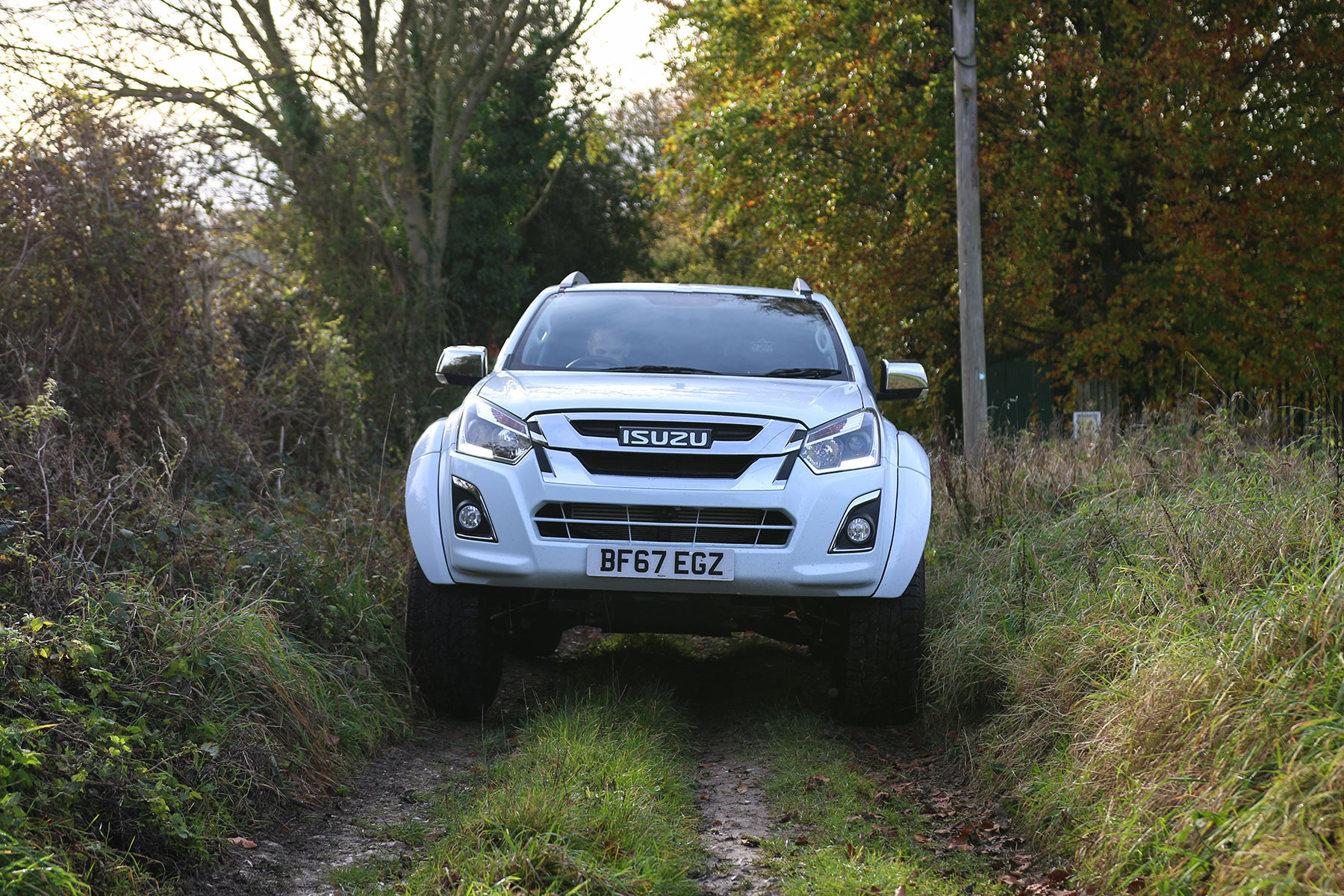
Now, the company has worked its magic on the Isuzu D-Max. The result is the Arctic Trucks AT35, which you can buy from any Isuzu dealer for £37,995 – or around £7,000 more than the standard Utah model on which it’s based.
For that, you get chunky 35-inch all-terrain tyres on 17-inch alloys and an extra 55mm of ride height (which, combined with the off-road rubber, provides a total 290mm of ground clearance). There are also Fox Performance dampers, as well as various cosmetic tweaks: Arctic Trucks decals, mud flaps and flared wheelarches, for example.
It really looks the part. A bit in-your-face, perhaps, especially in the Splash White of our test car. But it gets away with it to an extent. It’s not garish like a white Range Rover on 22-inch alloys, it simply means business.
The result is a car that can’t fail to be intimidating on the road, no matter how courteously you drive it. Meet another car on a single-track country lane and they’ll be reversing before you’ve brought the three-tonne truck to a halt, while around town even the most assertive of private-hire drivers will resist cutting you up.
It’s a bit of a handful on city streets, admittedly, but visibility is acceptable and big mirrors help when slotting the AT35 into conventional parking spaces. Whether there’ll be enough room left to open door and climb out is another matter.
On open roads, it’s probably best described as ‘wayward’. The steering wanders all over the place, while the ancient chassis set-up results in a ride that’s both floaty yet jittery. Tyre roar is very noticeable, too, and be prepared for lots of body roll during even the most relaxed of cornering.
The new 1.9-litre turbodiesel engine is extremely vocal – especially when cold – and a lack of torque might prove to be an issue if you regularly tow hefty trailers. On the motorway, it’s at its happiest sat at 60mph in the inside lane, providing you with better views over the armco than you’d get in a typical SUV. We took the AT35 for a motorway run up to the NEC Classic Motor Show and loved it – the aforementioned “don’t mess with me” attitude it exudes, combined with being able to see over lesser vehicles, make up for the lack of refinement.
But that’s not what it’s all about. While we didn’t approach anywhere near the limits of the D-Max’s abilities, we did try it on a rutted, hilly green lane and the biggest issue we came across was having to (electrically) fold in the door mirrors to prevent losing them on a tree branch. Going by the facts – the unbeatable ground clearance and impressive approach/departure angles – we’re sure the AT35 will take most things thrown at it off-road.
Unless you tell it otherwise, the D-Max operates in two-wheel drive most of the time, but flicking it into four-wheel drive is easy enough using a dial by the handbrake. If you want low range, this can be engaged using the same dial when stopped and in neutral. We found it was happy tackling most obstacles in four-wheel drive and high range. Our test car was an automatic (and a relatively good one, as it happens), but you can control it manually – should you want to engage a low gear to maintain engine braking and prevent it running away downhill. There are no differential locks, which is perhaps an issue in gloopy mud, but most of the time we doubt it’d be an issue.
Am I sold on the Isuzu D-Max AT35 then? Well, yes. It’d take a special kind of person to chop-in their crossover for one, and the family probably wouldn’t thank you for it. It’s big, cumbersome, uncomfortable, and I’ve not even bothered telling you how poor the interior is. But would it be in my lottery-win garage? You betcha. Out of all the cars I’ve driven this year – including supercars worth several times the £38,000 retail price of the AT35 – this is the one that boasted the biggest ‘feel good’ factor. I love it.
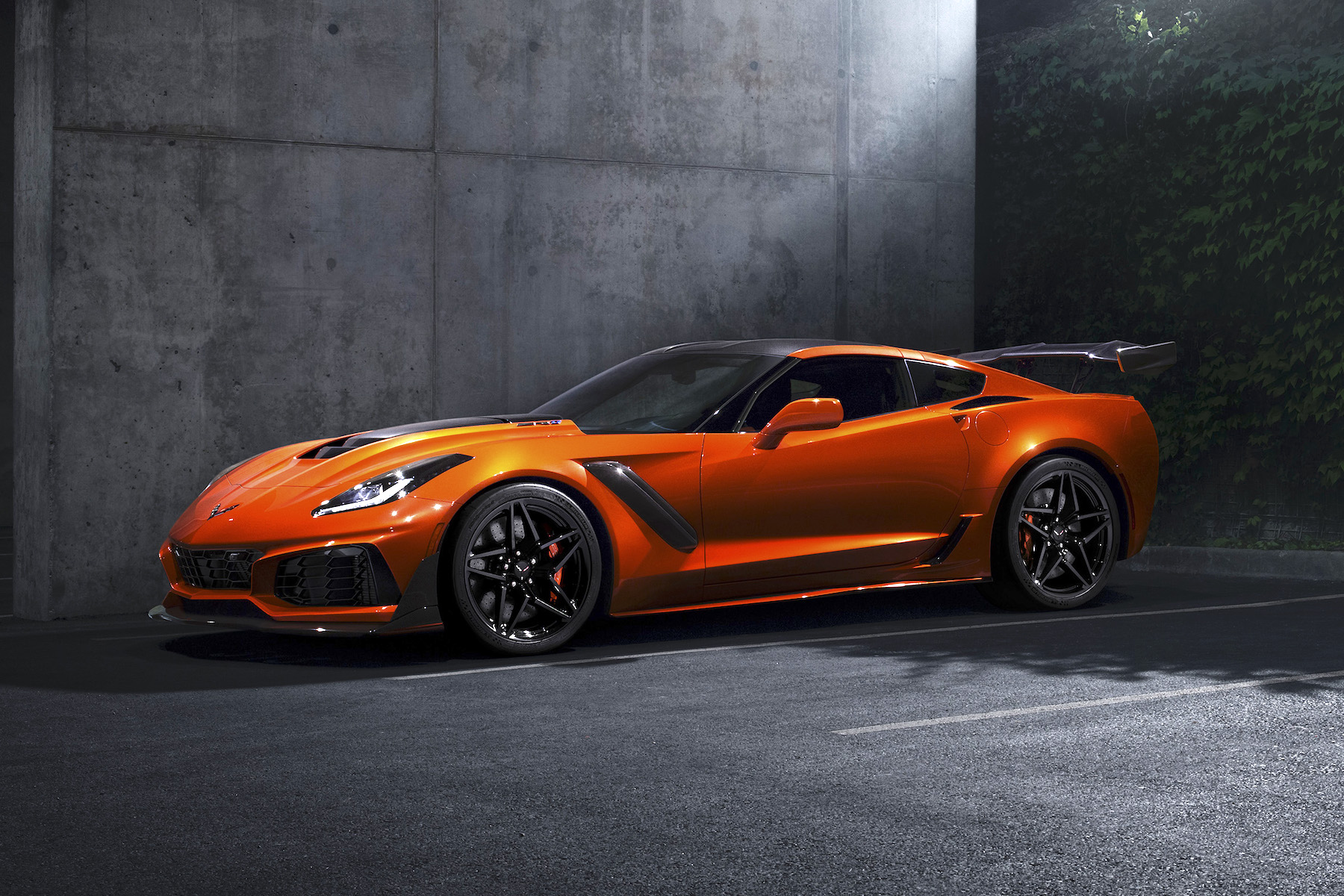
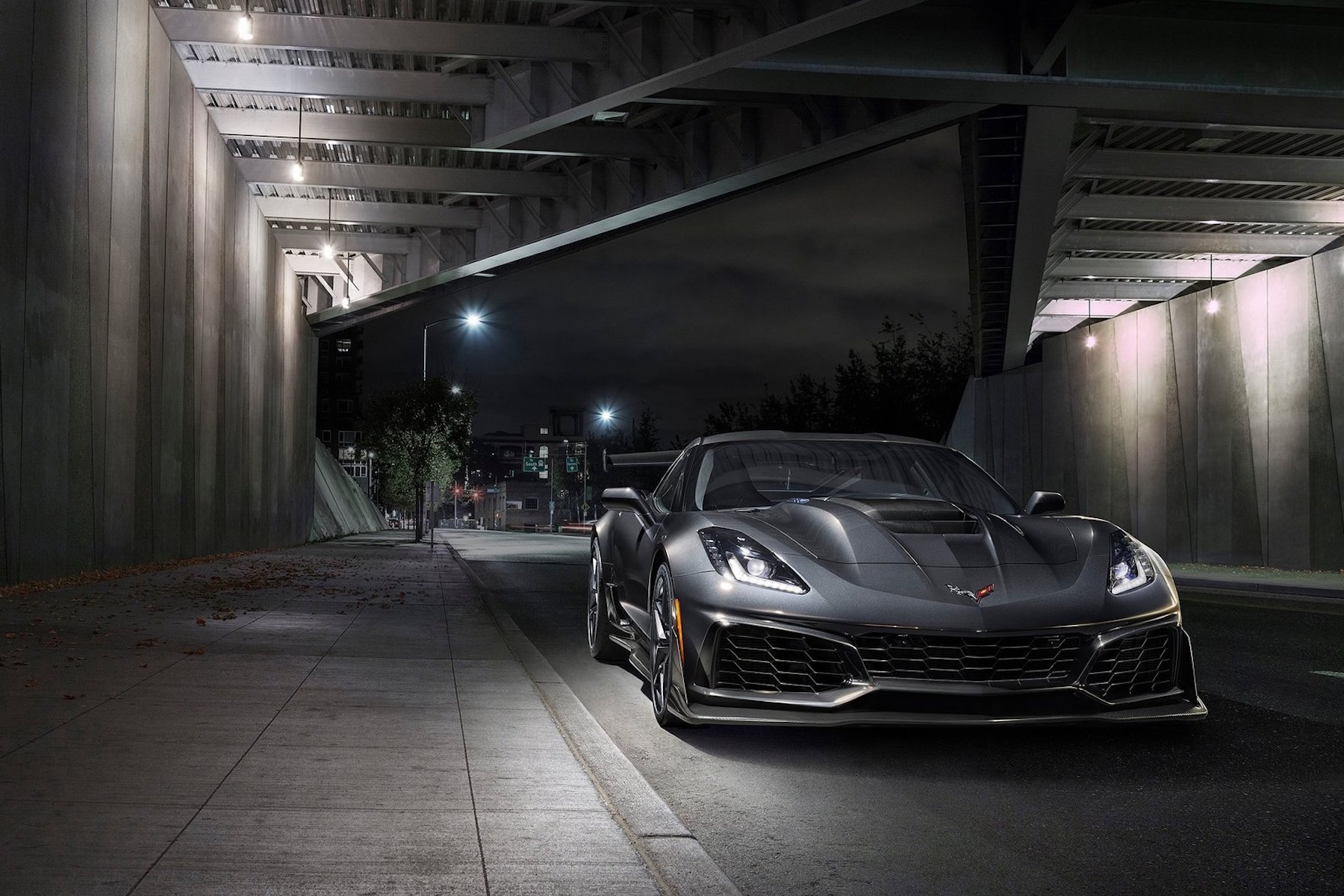
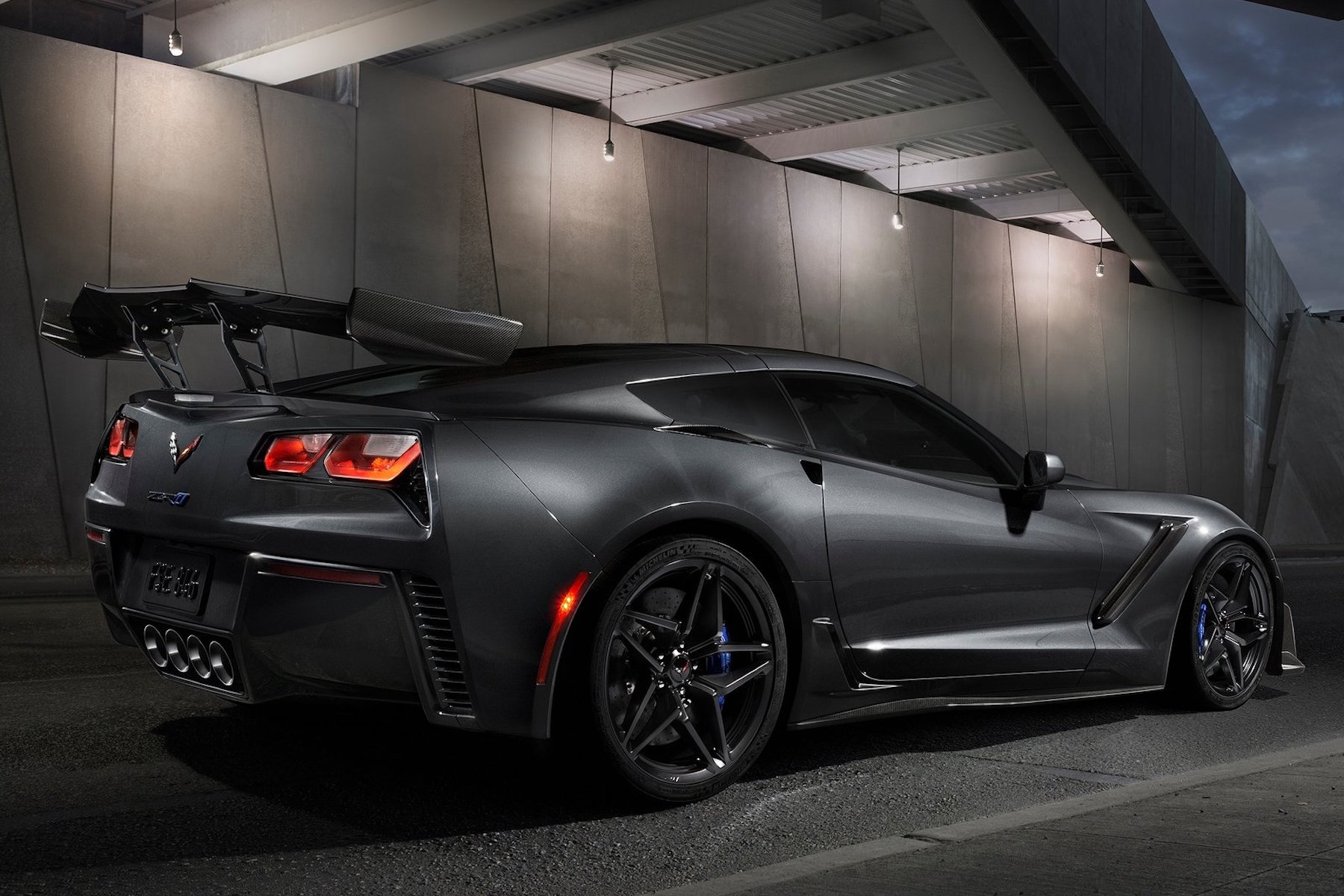
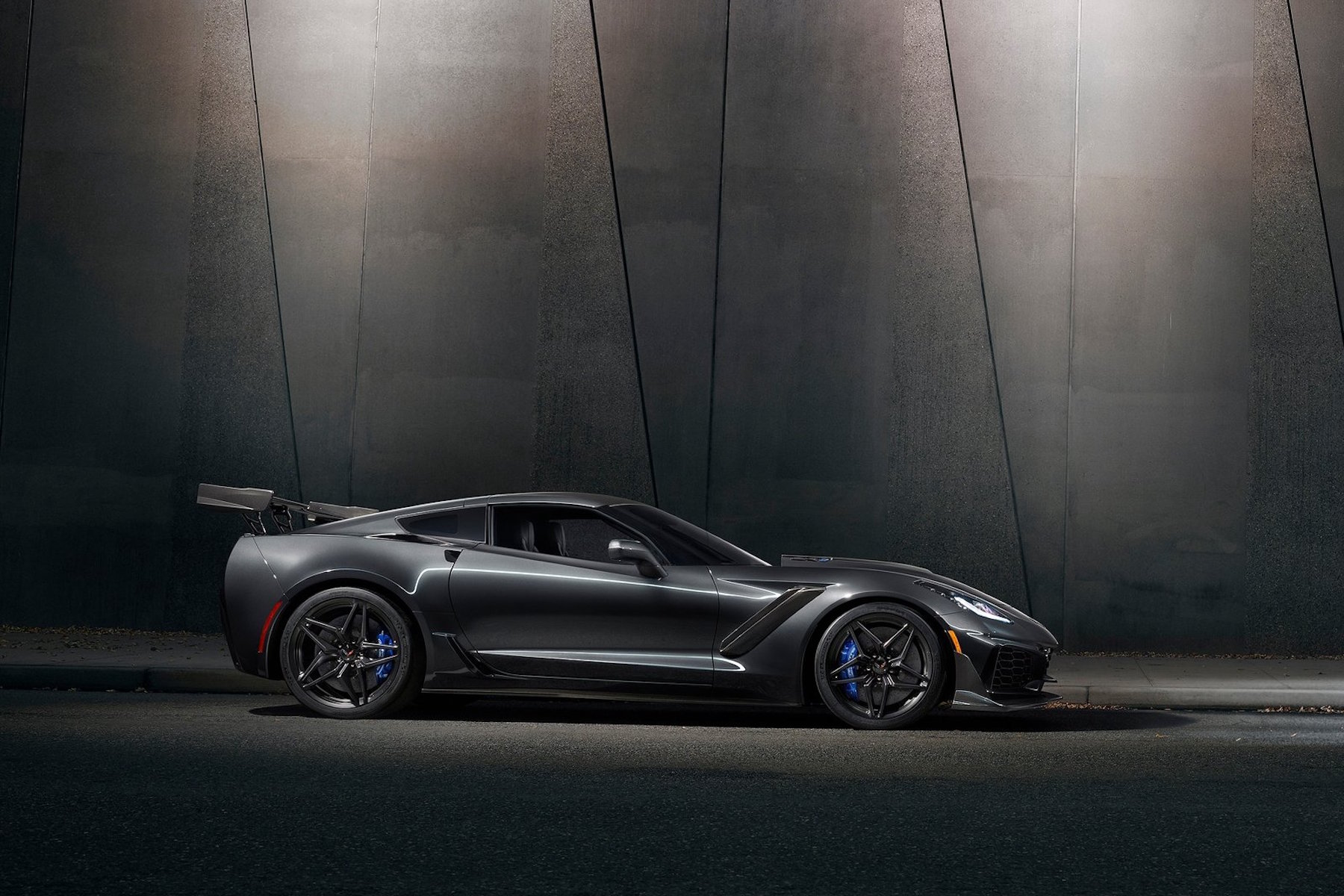
It’s hard not to get taken in by the figures swirling around the newly-announced Chevrolet Corvette ZR1. From its 755hp supercharged 6.2-litre V8 – the most powerful Corvette motor ever – to the claimed 210mph top speed, the numbers are as big as the giant rear wing.
Thankfully, the latter is optional, but even the less dramatic ‘Low Wing’ setup generates 70% more downforce than the Z06 Corvette. An eight-speed paddle shift automatic gearbox is a ZR1-first, but purists can still pick a seven-speed manual to drive the rear wheels.
Subtlety has never really been a ‘Vette strong point, and when painted in special Sebring Orange the new ZR1 certainly doesn’t blend in. Other colours will be available, but whatever hue is chosen a V8 coupe with 715lb ft of torque makes a statement. Rock up in a ZR1 and everyone is going to take notice.
Exactly who the new ZR1 is trying to impress is a bigger question. With the Dodge Viper now out of production, domestic competitors for the ultimate Corvette are hard to find. Modern muscle cars such as the Dodge Hellcat and Ford Shelby Mustang may have the power, but they’re not really sports cars like the ZR1.
You can discount the Ford GT, too. As impressive as its carbon fibre monocoque construction may be, having applications to buy judged on social media following rather diminishes the blue-collar accessibility. We won’t mention the Ecoboost engine only being a V6 either…
The ZR1 will most likely be a bargain alongside other hardcore exotic machinery, such as the Porsche 911 GT2 RS, but we don’t imagine Stuttgart will lose sleep over sales.
It all makes the ZR1 look like the last contender standing in a battle nobody is actually fighting. Which begs the question of how long the ‘Vette can continue in its current form.
There are also constant rumours that the current C7 will be the last front-engined Corvette. Various prototypes of the elusive mid-engined ‘Vette have been spotted testing, adding further weight to the suggestion that the next C8 model will have the motor in the middle. After more than 65 years, that would be a huge change in the Corvette’s narrative.
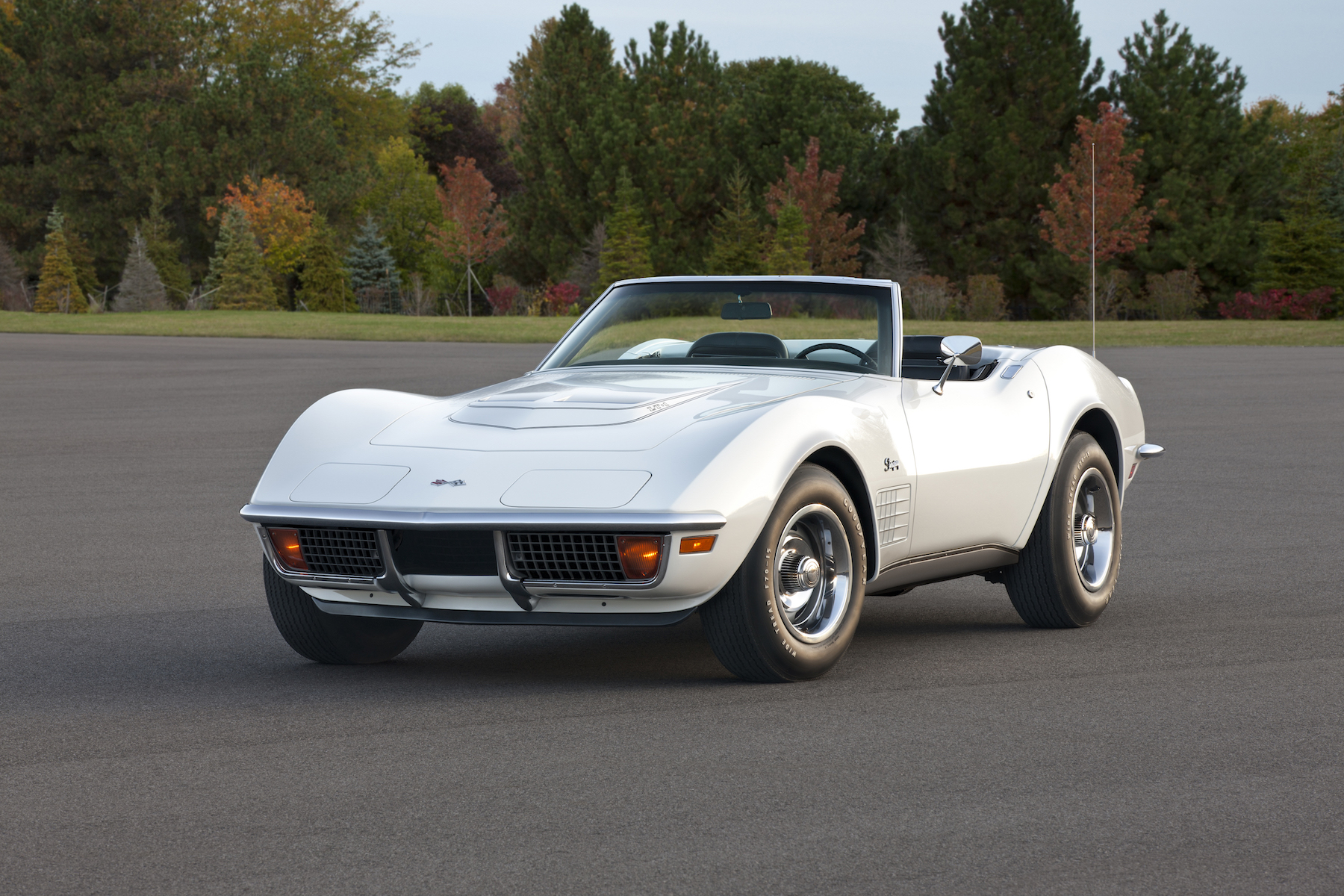
The history of the ZR1 stretches all the way back to 1970, with the introduction of a special option package for the contemporary C3 Corvette. Offered in combination with the LT-1 350-cubic inch (5.7-litre) V8 that produced 370hp, the ZR-1 package added a four-speed manual gearbox, uprated suspension and heavy-duty brakes. Just 53 examples were built during a three-year production run.
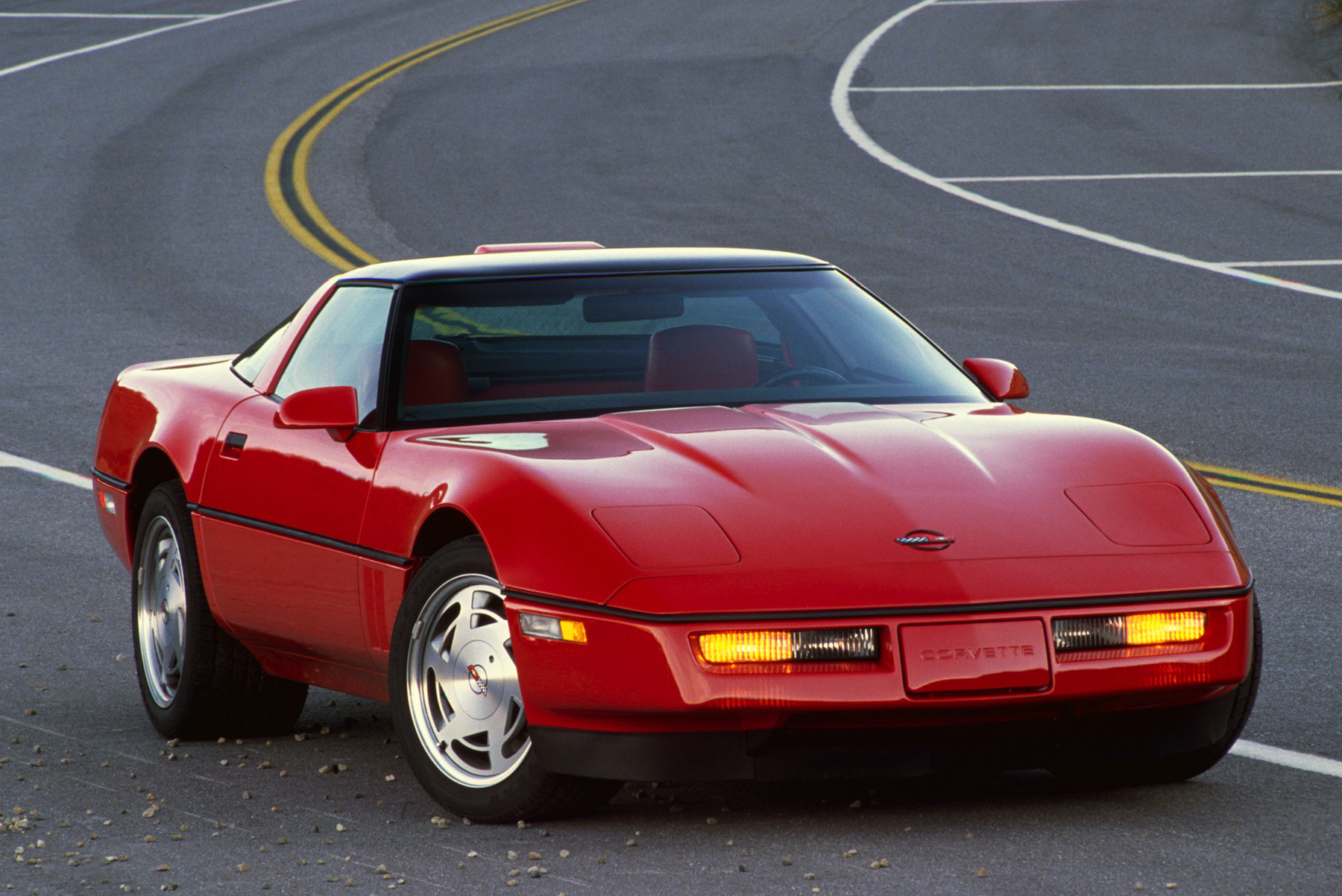
It would be nearly another two decades before the ZR1 name reappeared in 1989, attached to the C4 Corvette, and featuring a Lotus-designed 32v V8 engine with 375hp. After years in the doldrums it put the ‘Vette back on the map, setting a number of speed and endurance records to boot.
The most recent outing for the ZR1 badge came in 2009, boosting power of the C6 Corvette to an epic 638hp. A claimed top speed of 205mph from the 6.2-litre supercharged V8 was so dramatic, it needed a polycarbonate ‘window’ in the bonnet to show it off.
So, after decades of progress and development, are we witnessing the end of the front-engined, rear-wheel-drive Corvette? WIth few natural competitors, the lingering suspicion that a mid-engined layout is on the horizon, and the changing automotive landscape, it seems more plausible than ever.
A mid-engined Corvette would undoubtedly be more balanced, and allow Chevrolet to push into genuine supercar territory. But knowing that a big V8 is no longer hiding beneath the bonnet would be the end of a lengthy lineage. America might gain a new supercar, but it would lose a key part of its automotive ideology.
We won’t have to wait long to discover the fate of the Corvette, with a 2018 Detroit Auto Show debut mooted for the unveiling of the mid-engined machine. Until then, raise a glass to the bittersweet ridiculousness of the C7 ZR1.
Geely Holding, the Chinese car industry giant that’s rejuvenated Volvo and recently taken control Lotus Cars, has announced its latest acquisition – the Terrafugia Inc flying car company.
And Geely’s aim? To, no less, “make the flying car a reality”.
Given how it’s transformed Volvo into a genuine premium sector contender, and is now working on making Lotus a true British alternative to Ferrari and Porsche, the announcement could become landmark news in the history of the flying car.
U.S. firm Terrafugia was founded in 2006 by Massachusetts Institute of Technology (MIT) graduates. Its stated aim is to launch the world’s first flying car by 2019, and follow it up with the world’s first vertical take-off and landing (VTOL) ‘jump-jet car’ by 2023.
It will remain based in the U.S. despite the full Geely takeover, albeit with its board bolstered by senior Geely executives. The firm adds that its American engineering team has already tripled in size ahead of the takeover being announced.
Li Shufu is Geely founder and chairman, and said: “The team at Terrafugia have been at the forefront of believing in, and realising, the vision for a flying car and creating the ultimate mobility solution.
“This is a tremendously exciting sector and we believe that Terrafugia is ideally positioned to change mobility as we currently understand it. Our investment in the company reflects our shared believe in their vision.
“We are committed to extending our fully support to Terrafugia… to make the flying car a reality.”
Terrafugia founder and CTO Carl Dietrick said: “We started Terrafugia with a vision to change the future of transportation with practical flying cars that enable a new dimension of personal freedom.
“Now, as part of Geely Holding Group, I am confident that we can reach that vision and subsequent commercial success by utilising the Group’s shared global synergy.”
ALSO READ
Austin 1800: the ‘big Mini’ that helped break the British car industry
Alfa Romeo 156: the car that failed to take on the BMW 3 Series
Government plans to raise taxes on diesel cars have been labelled “a terrible misjudged ‘knee-jerk’ reaction” by the RAC. The response follows a report in the Financial Times outlining chancellor Philip Hammond’s decision to inflict higher taxes on diesel vehicles to raise funds for new air-quality initiatives.
The government is expected to announce the move as part of its autumn budget, although it’s not clear whether the chancellor will increase VAT on diesel cars or decide to implement a new levy.
Sales of diesel cars have plummeted this year, with the latest figures released by the Society of Motor Manufacturers and Traders (SMMT) showing a 30 percent fall in registrations, amid concerns over emissions and the threat of anti-diesel car charging schemes.
The RAC is urging the government to think again, arguing that diesel cars remain relevant for company car drivers and those who cover long distances.
RAC chief engineer David Bizley said: “We might be just over 20 years from the Government’s own deadline for ending the sale of new diesel and petrol vehicles, but it seems intent on dissuading as many of us from opting for diesel as possible.
“We are concerned that those who drive long distances, business drivers especially, might consider sticking with their older diesels given the superior economy they offer. It would be a terrible misjudged ‘knee-jerk’ reaction which could backfire and have the unexpected effect of encouraging these owners of older diesels and fleets not to upgrade to newer, cleaner diesels which offer significant benefits in reduced emissions.
“This isn’t what the Government, or any of us, want and is the opposite of what is needed from an air quality perspective. However, it would also be grossly unfair to penalise owners of current diesel vehicles.
“The irony is that the next generation of diesel engines which manufacturers are developing right now are likely to be as clean as their petrol equivalents – so while a new tax might be logical in the short term, this logic will likely not apply within a year or so.
“The possibility of a sudden rush to petrol engines also risks a new rise in CO2 emissions, precisely what previous governments tried to avoid by encouraging drivers into diesel vehicles.”
The chancellor of the exchequer will present his autumn budget to parliament on 22 November 2017.
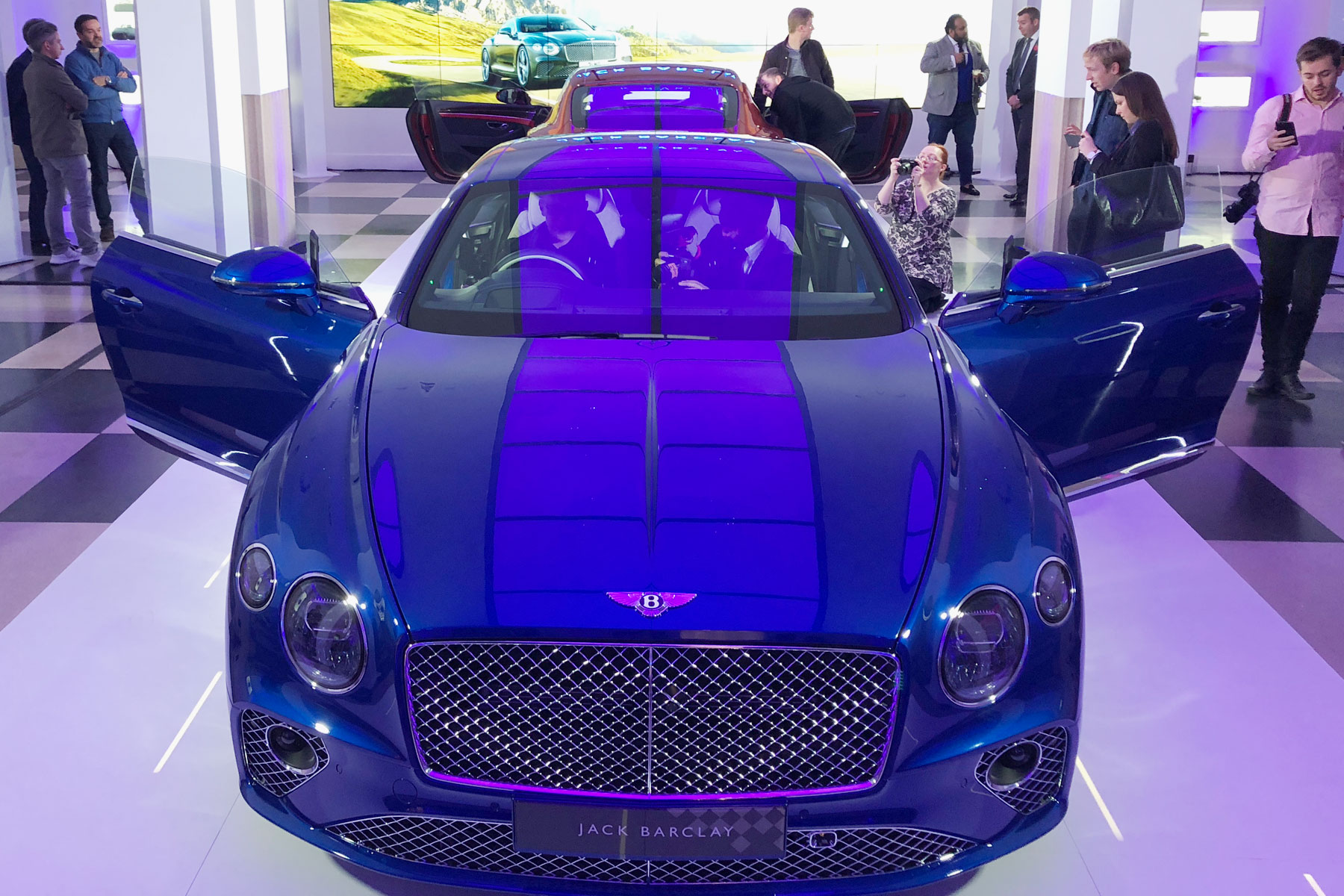
We first saw the new Bentley Continental GT at the Frankfurt Motor Show – but now it’s been launched in the UK at a glitzy event in London.
Customers, journalists and VIPs descended on the Jack Barclay showroom in Mayfair to get their first glimpse of the 2018 Bentley Continental GT on UK soil. Designed and engineered at the firm’s Crewe plant in Cheshire, Bentley is hoping the new Continental GT will follow the success of its Bentayga SUV.
Underpinned by VW Group’s MSB platform, the Continental GT is closely related to the latest Porsche Panamera. Bentley’s 48-volt electric Dynamic Ride system powers active anti-roll bars in a bid to improve handling without comprising comfort.
Power, all 635hp of it, comes from a revised version of Bentley’s 6.0-litre W12. It’ll hit 62mph in 3.7 seconds, and 207mph flat-out. Cylinder-deactivation tech combined with a new dual-clutch transmission means it’s more economical than before – emitting just 278g/km CO2 and returning 23.2mpg on the combined NEDC cycle. A V8 will follow, while a hybrid version is also rumoured.
A new 12.3-inch digital display appears from the dashboard when the engine starts, while the rest of the interior is an impressive brand of British craftmanship and new technology.
“Today is a defining moment for Bentley Motors,” said former Bentley CEO Wolfgang Dürheimer at the Continental GT’s Frankfurt reveal. “Today we build on our recent success story and look to the future with a new car that will set new standards in luxury grand touring. Today we introduce a car that is the ultimate in extraordinary design, technology and innovation.
“When Bentley launched the original Continental GT in 2003 it established an entirely new market segment – the modern luxury grand tourer. Today, I’m convinced that we are redefining this segment again. It is an honour to replace a car that has – for 14 years – been the benchmark against which all other grand tourers are judged.”
Prices are yet to be confirmed, but Bentley dealerships are already taking deposits for the new Continental GT. Deliveries will begin early in 2018.
Watch: 2018 Bentley Continental GT revealed in London
Three months after the takeover of Vauxhall and Opel by PSA, the firm has revealed plans to once again become profitable as part of a new corporate strategy called ‘PACE!’.
Its targets are realistic to begin with: a small margin of 2 percent by 2020. But by 2026, it wants to be making 6 percent margin on its cars – and extensive sharing of technology with Groupe PSA Peugeot-Citroen will help it achieve this.
The firm wants to become “a European CO2 leader”. Every model line will offer an electrified variant by 2024, and Vauxhall will launch a fully-electric version of the next-generation Corsa. Even by 2020, there’ll be four electrified models on sale.
Intriguingly, part of the strategy also states a lowering of the financial break-even point to 800,000 cars, “creating a profitable business model whatever the headwinds may be”. The statement does not reveal any sales targets. This number is around 30 percent fewer cars than it sells today.
All Vauxhalls and Opels will be based on PSA platforms by 2024. The ageing Corsa will finally be replaced in 2019 with one derived from the Peugeot 208/Citroen C3 architecture, and the firm is promising one make launch every year – and says it will launch nine new models by 2020.
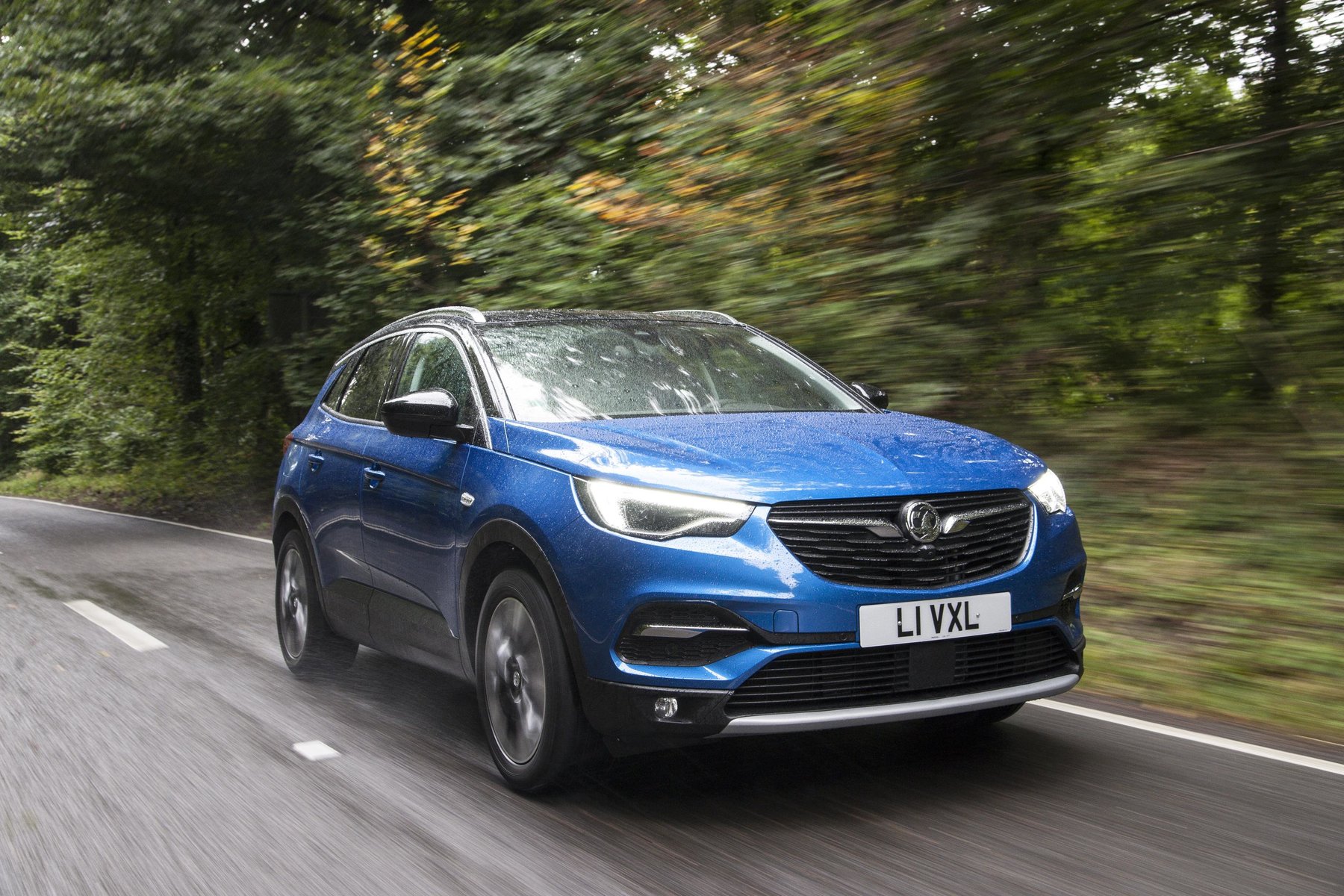
Vauxhall is currently launching the Peugeot 3008-derived Grandland X in the UK; the next model to be derived from a PSA platform will be the new Combo van in 2018. The move will see the number of different Vauxhall platforms reduced from today’s nine down to just two – and 10 different engine families will be cut to four.
Relief for Ellesmere Port?
The statement does not reference Vauxhall’s Ellesmere Port plant in the UK, which currently produces the Astra, and is the sole global production site for the Astra Sports Tourer estate. The firm simply states: “Improved competitiveness of the manufacturing plants will lead to new vehicle allocations that will provide a better utilisation rate for the next decade”. PSA’s two car platforms, CMP and EMP2, will be used in all Opel and Vauxhall plants; the Astra is currently built on a GM platform.
Encouragingly though, “the plan is designed with the clear intention to maintain all plants and refrain from forced redundancies in Europe.
“The necessary and sustainable reduction of labour costs shall be reached with thoughtful measures such as innovative working time concepts, voluntary programs or early retirement schemes.
Vauxhall is already starting to do this at Ellesmere Port: it recently announced plans to cut the workforce by 25 percent and move from two shifts down to one in order to improve the viability of the plant.
“PACE! will unleash our full potential,” said Opel CEO Michael Lohscheller. “This plan is paramount for the company, to protect our employees against headwinds and turn Opel/Vauxhall into a sustainable, profitable, electrified, and global company.
“Our future will be secured and we will contribute with German excellence to the Groupe PSA development.” Lohscheller, however, made no reference to the Britishness of Vauxhall.
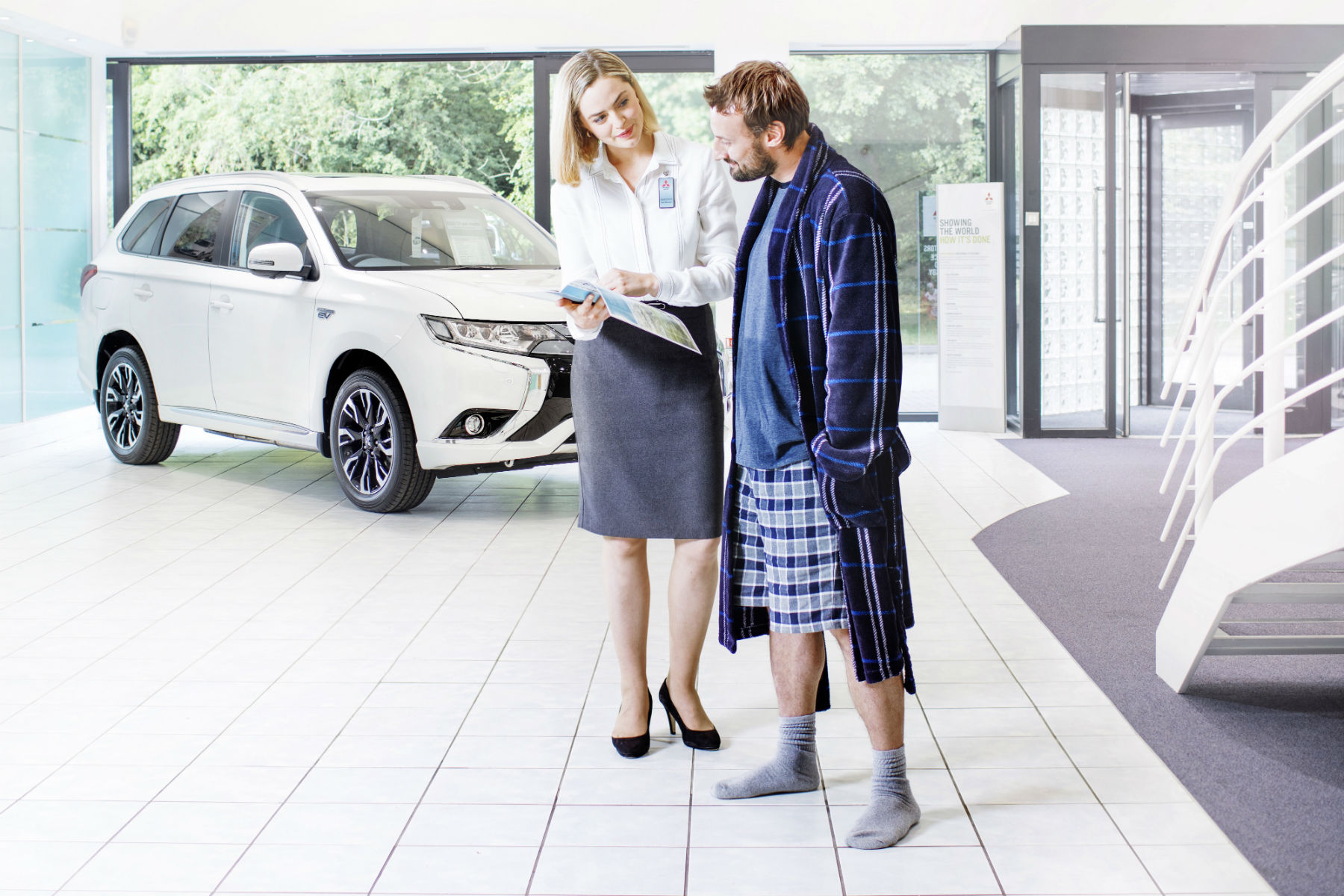
Mitsubishi is the latest car manufacturer offering customers the option to buy a new car entirely via its website.
Developed in conjunction with Rockar – the same firm which provides online car buying software to Jaguar, Land Rover and Hyundai – all current Mitsubishi models are available via the website.
Buy a new Hyundai online in 5 minutes with ‘Click to Buy’ service
Customers are able to search for cars by budget – whether that’s buying outright, PCP or HP. They can also get a quote for their part exchange.
Test drives can be booked via their website at a nearby dealership, while customers can choose to ‘leave’ the online process and complete the deal at a dealer at any point. Although it’s not possible to haggle online, Mitsubishi says customers will be given the same offers as those available at dealerships.
The website gives the customer a clear indication of how long the car will take to arrive, with home delivery available in certain areas. Alternatively, the car can be picked up at a Mitsubishi dealer.
“Consumers are increasingly looking to the internet to complete all kinds of purchases and while the vast majority of car buyers enjoy the experience of a traditional showroom environment, there is a marked growth in those that desire the convenience of an internet transaction when considering their new car,” said Mitsubishi Motors in the UK’s managing director, Lance Bradley.
“Mitsubishi Buy Online provides a highly flexible, comprehensive solution that will enhance our retail operation and provide customers with even greater choice and transparency.”
A recent survey by automotive expert Cap Gemini reveals that as much as 75 percent of car buyers would consider completing the process online.
>NEXT: Buy a new Hyundai online in 5 minutes with ‘Click to Buy’ service
 Tesla has wowed attendees at the launch for its new electric truck with another surprise – the debut of the all-new Tesla Roadster electric sports car.


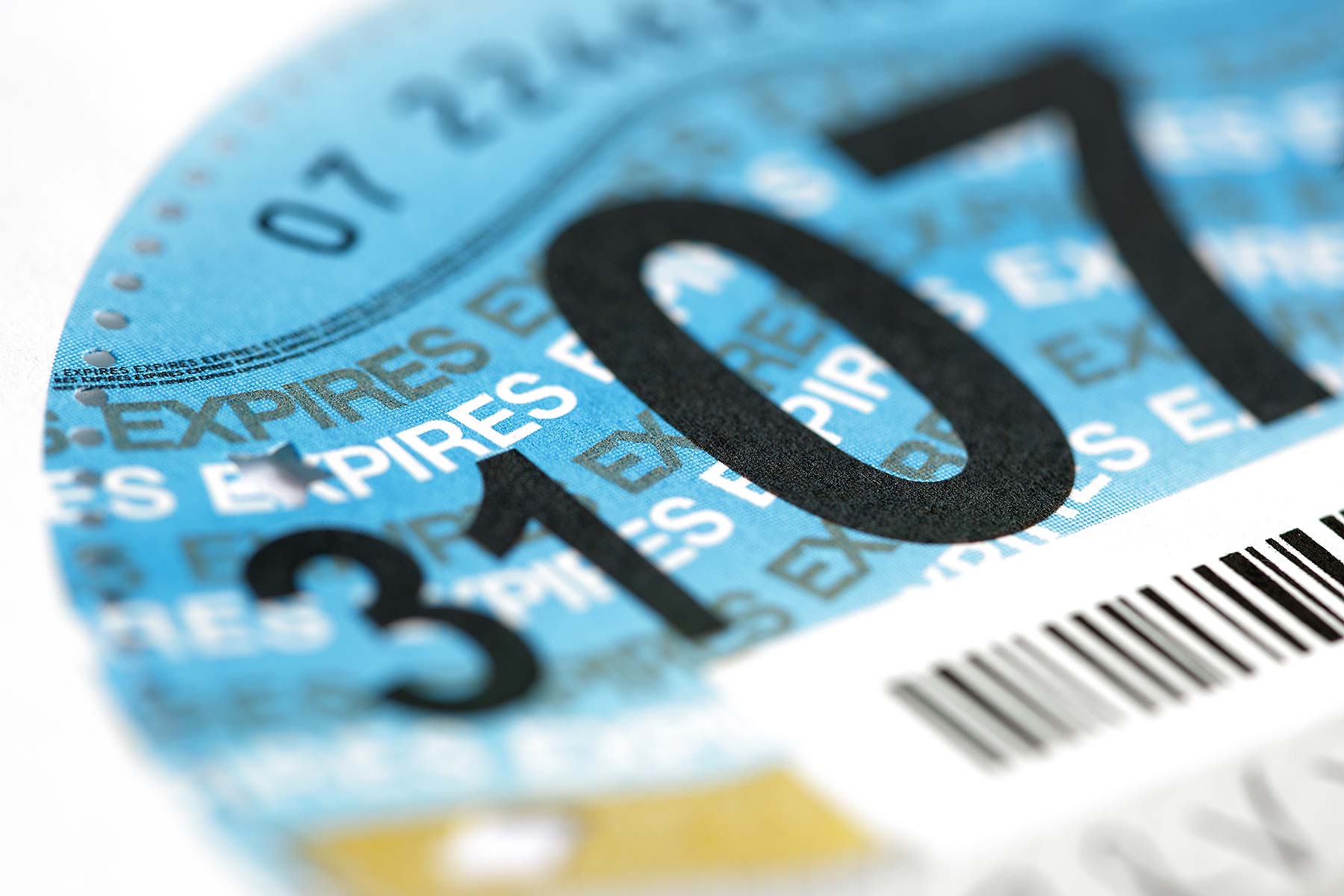 The government told us eliminating the paper tax disc would save the country £10 million a year: hurrah! What a pity latest stats from the Department for Transport reveal a potential revenue loss of £107 million per year caused by tax evasion. Drat!
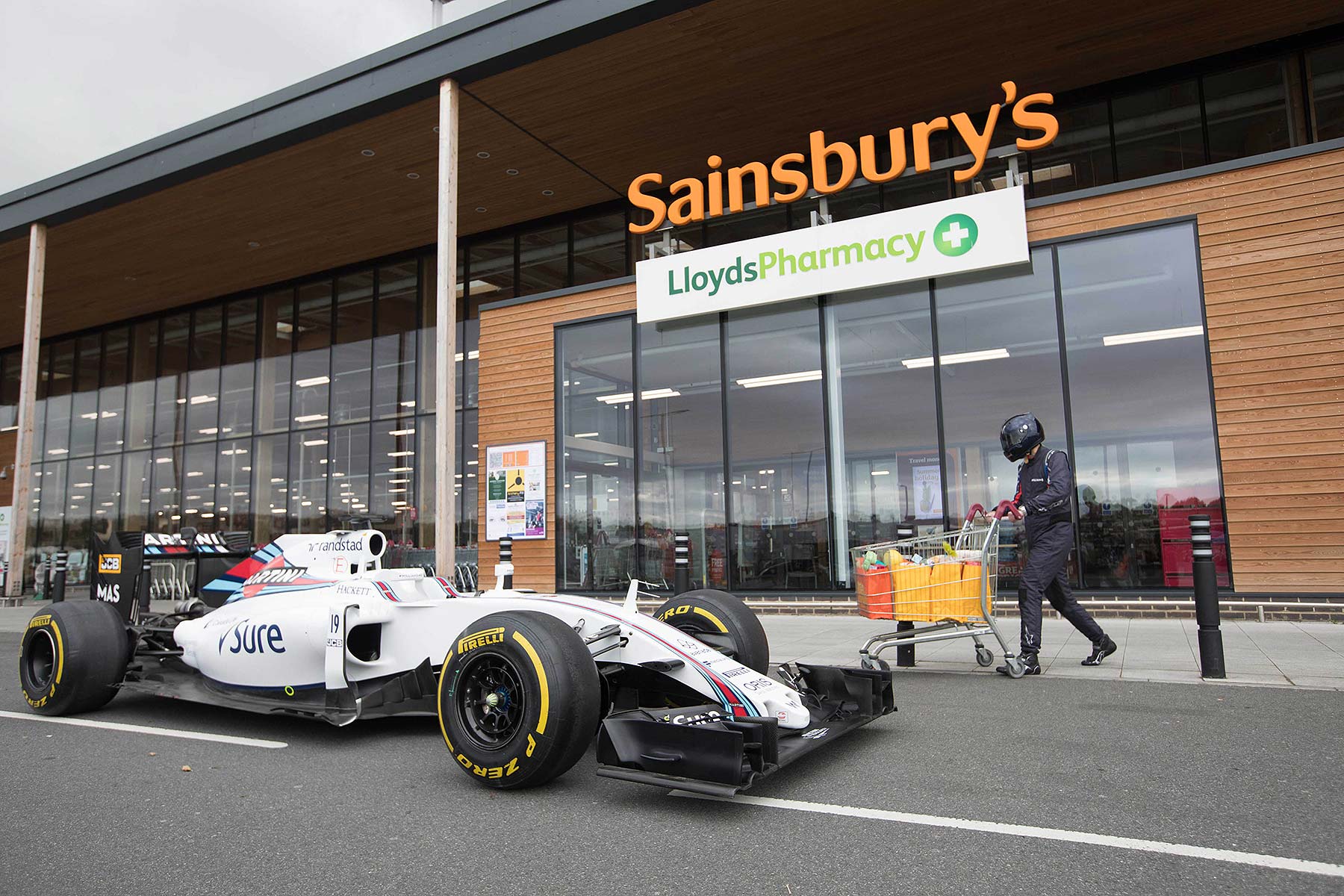 Williams F1 has used its racecar aerodynamics nous to help make the chiller aisle in Sainsbury’s supermarkets warmer – while ensuring the food in the fridges keeps just as cool while using 15 percent less energy.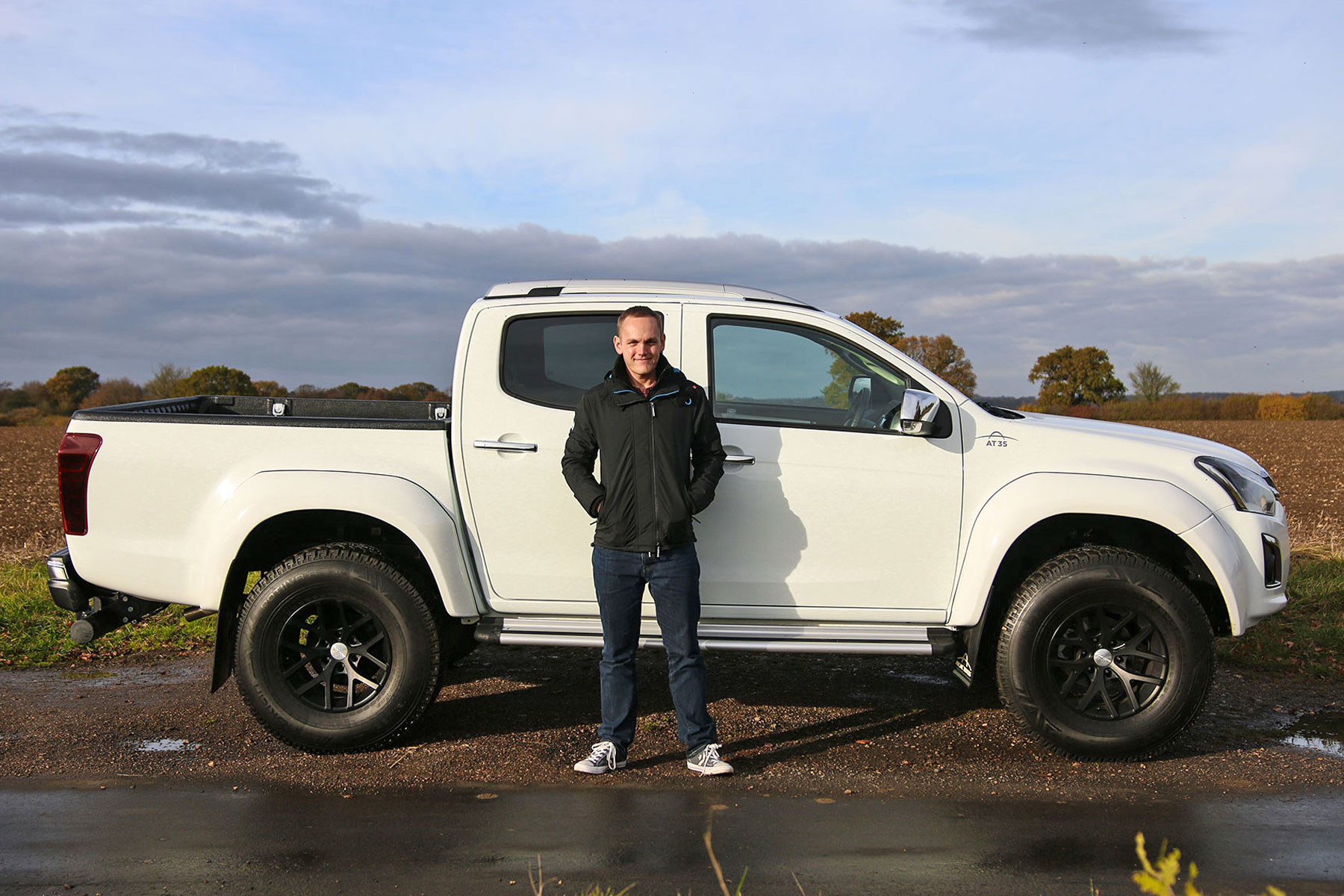

 Geely Holding, the Chinese car industry giant that’s rejuvenated Volvo and recently taken control Lotus Cars, has announced its latest acquisition – the Terrafugia Inc flying car company.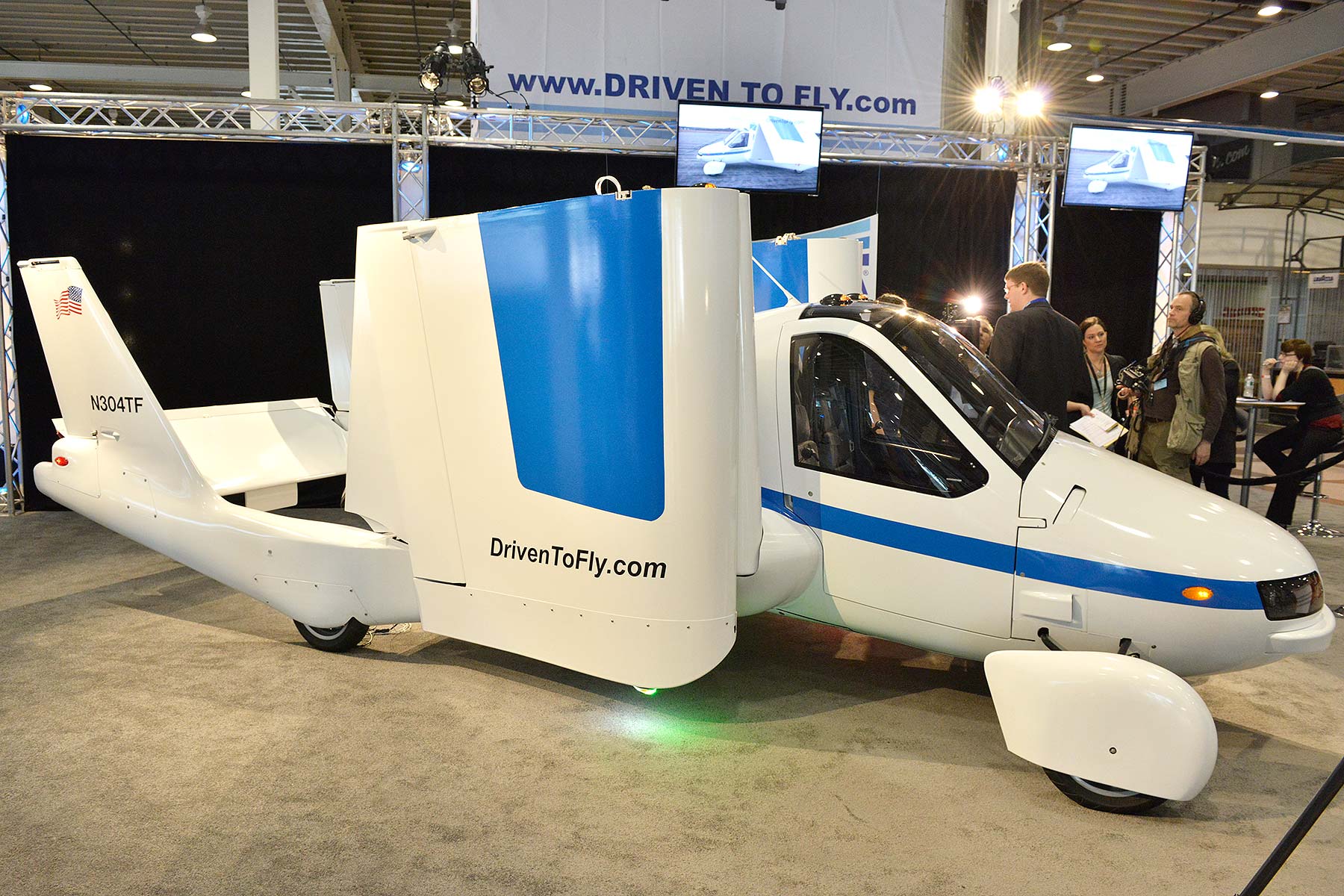

 Three months after the takeover of Vauxhall and Opel by PSA, the firm has revealed plans to once again become profitable as part of a new corporate strategy called ‘PACE!’.