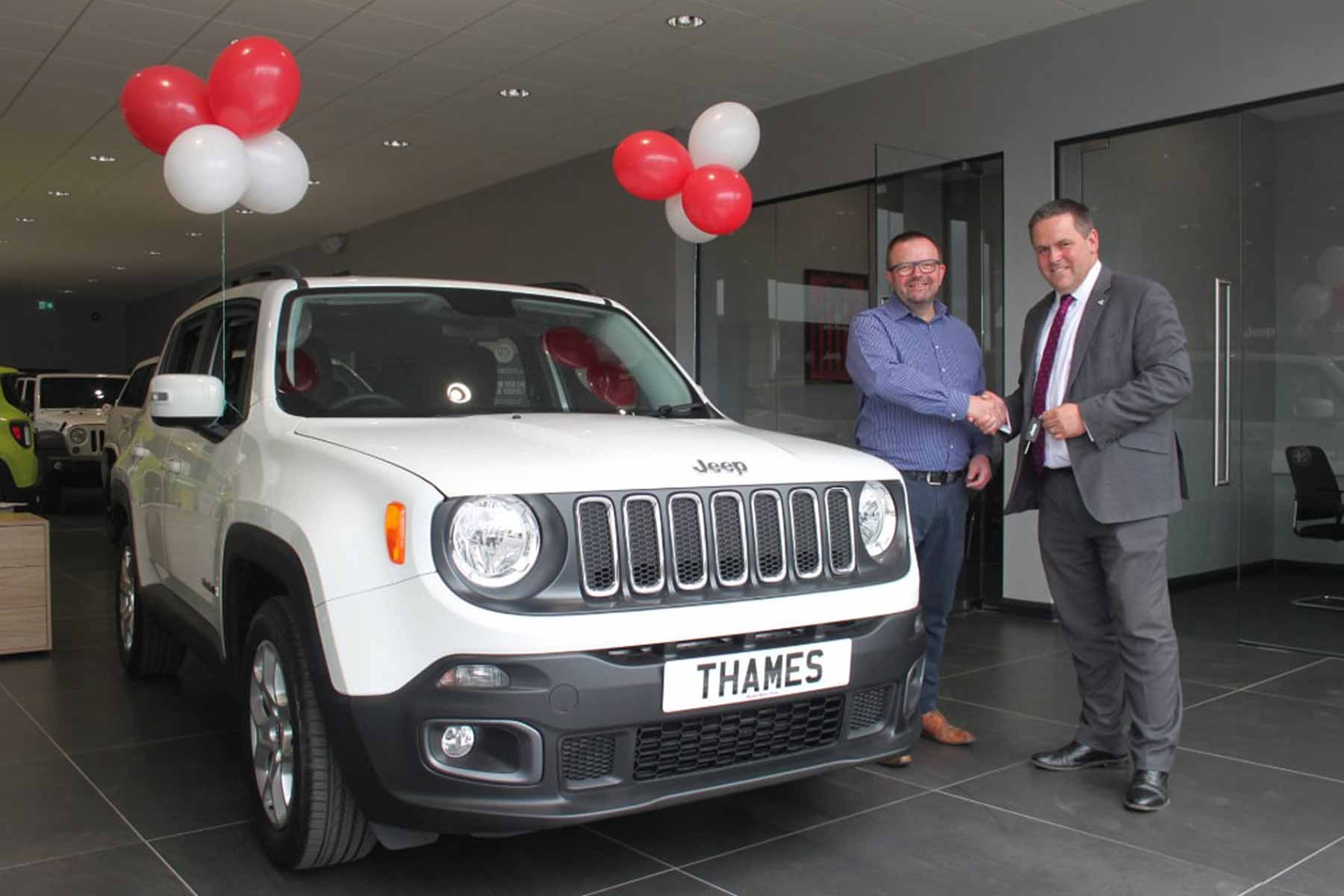
The opening match started off without too much drama, with the 2-1 scoreline costing it two vehicles – a Jeep Renegade for Nick Browne from Egham (above), and an Abarth 595 for Kendra Florence from Teesside (below).
But barely had those cars been handed over when England shocked football watchers everywhere with a record-breaking 6-1 scoreline against Panama. And as the nation celebrated, so too did another six motoring enthusiasts who found they had also scored a new car.
The #AutoTraderGoals competition has so far seen over 34,000 entrants, reports the firm, and may well now mean bosses have to secure a fresh supply of cars ahead of England’s next match against Belgium on Thursday.
The vehicles up for grabs are an Abarth 595, Alfa Romeo Mito, Fiat 500X and a Jeep Renegade. As they all retail from around £15,000, it means the competition may have already cost Auto Trader around £120,000…
Audience and brand director Lei Sorvisto said: “Since England’s first World Cup game, #AutoTraderGoals has been posted over 98,000 times on social media, which clearly demonstrates how the campaign has engaged a huge amount of people all over the UK.
“Good luck to everyone getting involved with England’s next game against Belgium on Thursday.”
The reaction of Auto Trader’s finance department following England’s game on Sunday has not been disclosed.
Mazda is launching a revised MX-5 next month (August 2018). While the visual changes are modestly limited to colour options for wheels and roof, enthusiasts won’t care because the world’s best-selling roadster has been improved where it matters: driver appeal.
The big news is a revised Skyactiv-G 2.0-litre engine. This enjoys a substantial power hike from 160hp to 184hp, which Mazda has achieved through the most old school of tuning tweaks: raising the rev limit.
And not by just a modest amount, either.
The 2.0-litre now revs to a dizzy 7,500rpm, which is up from the 6,800rpm of today’s car. The boosted power is actually delivered at 7,000rpm, so Mazda perhaps didn’t need to engineer an extra 500rpm of revs on top, but we’re delighted that it did (particularly as strengthening any engine to cope with sustained high revs is neither easy nor cheap).
Torque is up too, by an almost entirely irrelevant 4lb ft. The MX-5 produces a relatively weedy 151lb ft of pulling power at 4,000rpm (in contrast to its turbocharged Fiat 124 Spider cousin), but this doesn’t matter to true MX-5 drivers because they’re rarely pulling so few revs anyway.
The 2019 MX-5 isn’t just racier, though. It’s also more honest, because Mazda has homologated both 1.5-litre and 2.0-litre engines to be compliant with the new WLTP/RDE fuel economy test cycle. This is where the marginally greater torque comes in, and Mazda says the acceleration control has also been revised to ensure there’s less lag between pressing the accelerator and the engine responding.
It’s added new safety tech as well, focused on active safety. Now available are advanced smart city brake support (which works both forwards and in reverse gear), driver attention alert, traffic sign recognition and a rear-view camera (which is now mandatory on all new cars in the United States).
In 2015, the MX-5 scored four Euro NCAP stars. Since then, the safety organisation has stepped up its active safety demands: the revised car should thus at least maintain this score.
Oh, and those new wheels and hood colours? There’s a darker paint finish on 16-inch and 17-inch alloys, and a new brown roof colour for the soft-top. That’s it. But who cares, when the 2.0-litre can now rev to 7,500rpm?
Prices and performance details of the new MX-5 will be revealed closer to market launch from August. Can’t wait that long? Perhaps £1,500 towards the deposit on the current one may sway you to give up that 7,500rpm red line…
Mazda MX-5 scores 4 stars in latest Euro NCAP tests
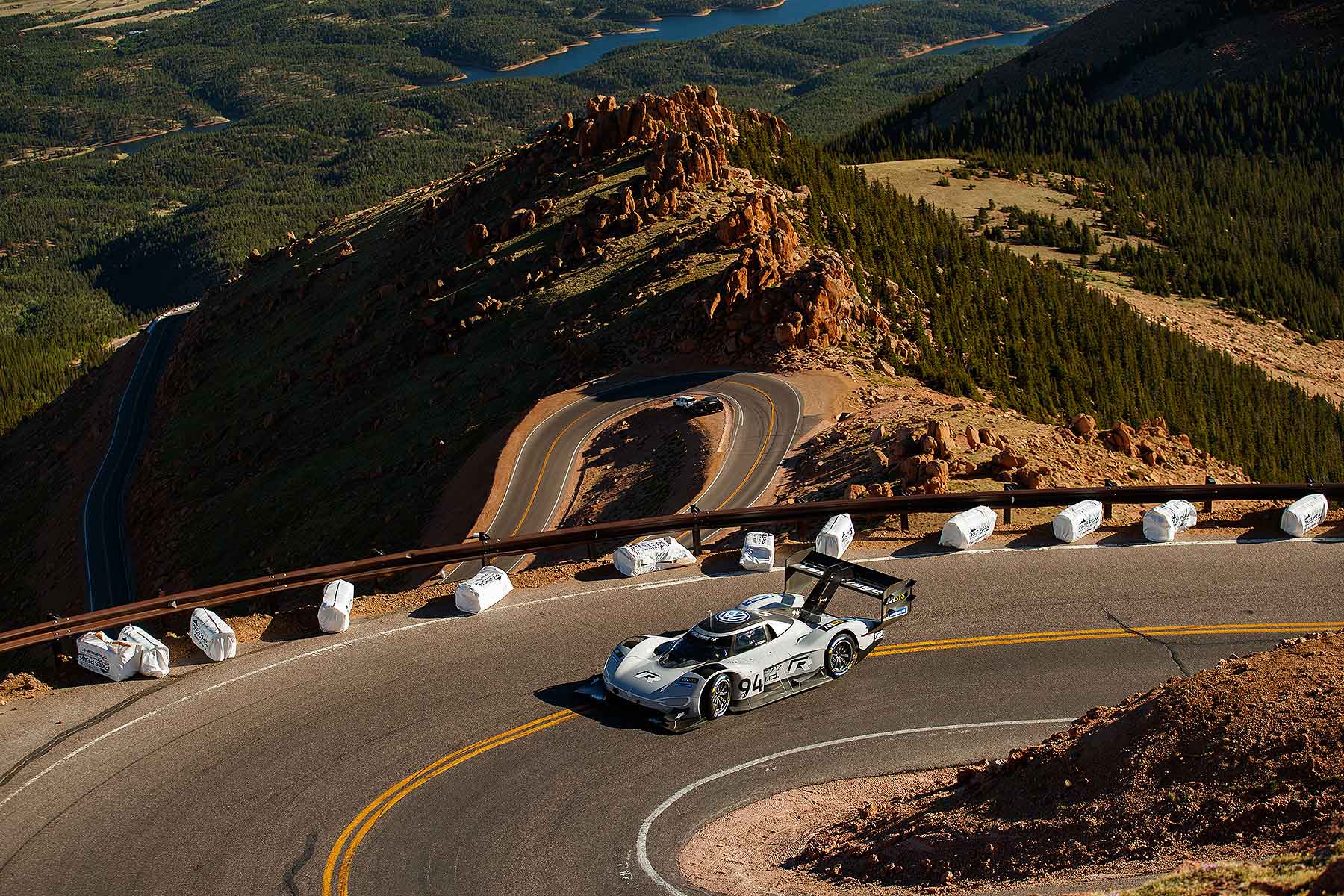
The Pikes Peak International Hill Climb is a world-famous challenge that dates back to 1916. For decades, car makers have been entering exotic one-off rally cars to set a new course record at the Colorado, North America hill climb: since 2013, the all-time record was held by nine-times World Rally Championship holder Sebastien Loeb.
Volkswagen has now set a fresh Pikes Peak record, with a time 16 seconds faster than Loeb’s run – in an all-electric racer.
The Volkswagen I.D. R Pikes Peak is a futuristic 680hp EV that is a motorsport version of the upcoming I.D. electric road car family. It was tailored to the Pikes Peak challenge, so weighs less than 1,100kg but has a lot of downforce and a lot of quickly-deployed power: ideal for a course that has 156 corners and rises 4,720 feet (1,440 metres) to finish at a heady altitude of 14,110 feet (4,300 metres).
Volkswagen also designed a new fast-charge system that replenishes the batteries in less than 20 minutes; generators running on eco-conscious glycerol situated at the foot of the 12.4-mile course provide the charge.
The firm’s motorsport director Sven Smeets reckons the I.D. R Pikes Peak is “the most innovative and complex car ever developed by Volkswagen Motorsport”. French racer Romain Dumas is the new record holder and reckons it is “the most impressive car I have ever driven in competition” – quite some praise from a three-times Le Mans 24 Hours winner.
The Volkswagen bosses were duly delighted. “The I.D. R Pikes Peak is the sporty forerunner of Volkswagen’s I.D. family,” said VW board member Dr. Frank Welsh. “Today, we saw what this technology is capable of.”
The fact it has set a new record at a motorsport challenge that’s run for more than a century “speaks volumes for electric mobility”.
Bentley is going racing again – with a Bentayga SUV
Dumas’ overall time was 7m 57.148s, and his name now joins the Pikes Peak wall of fame, alongside legends such as Loeb. Walter Rohrl, Michele Mouton and Stig Blomqvist. Not bad, added Volkswagen, for a project that only started eight months ago…
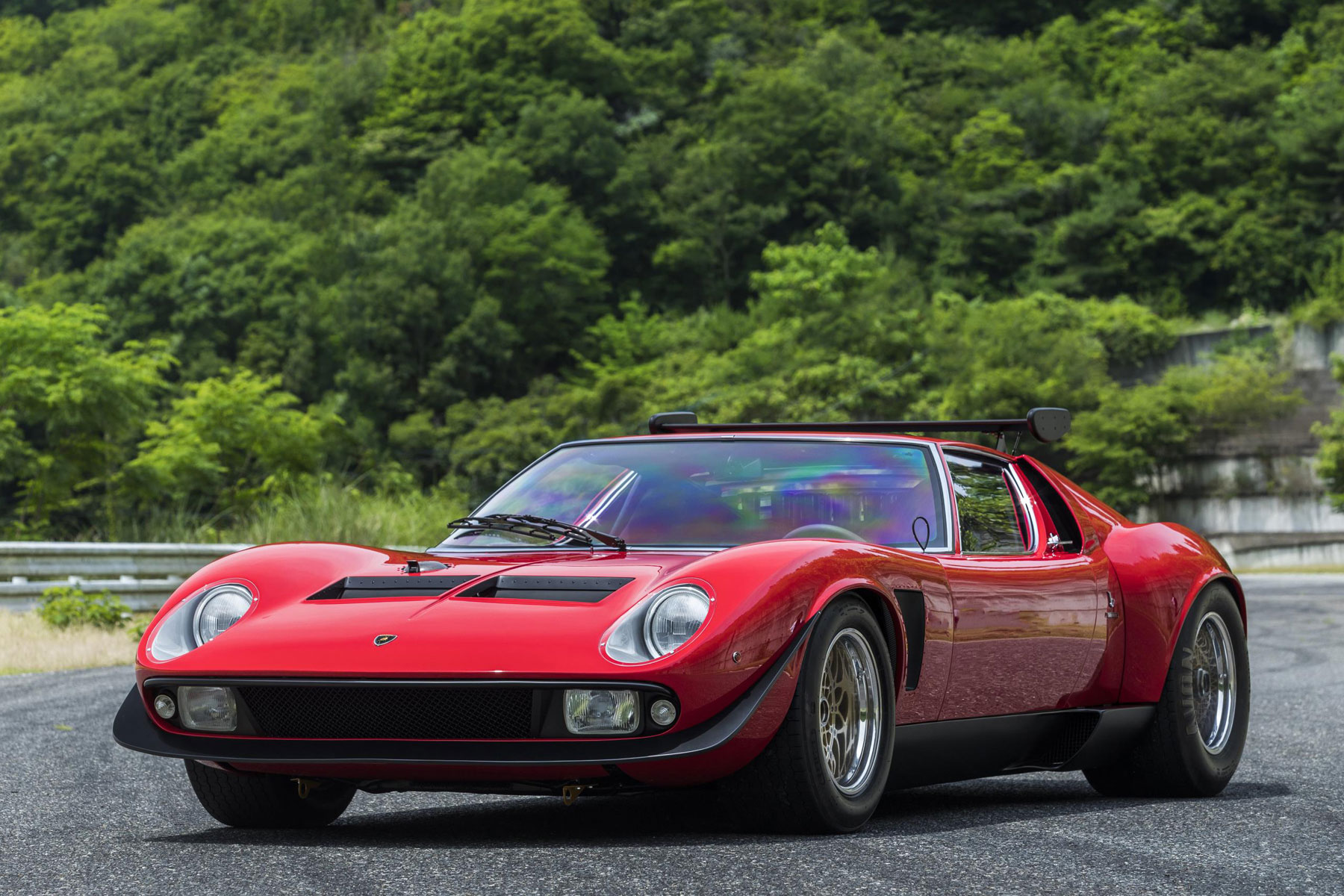
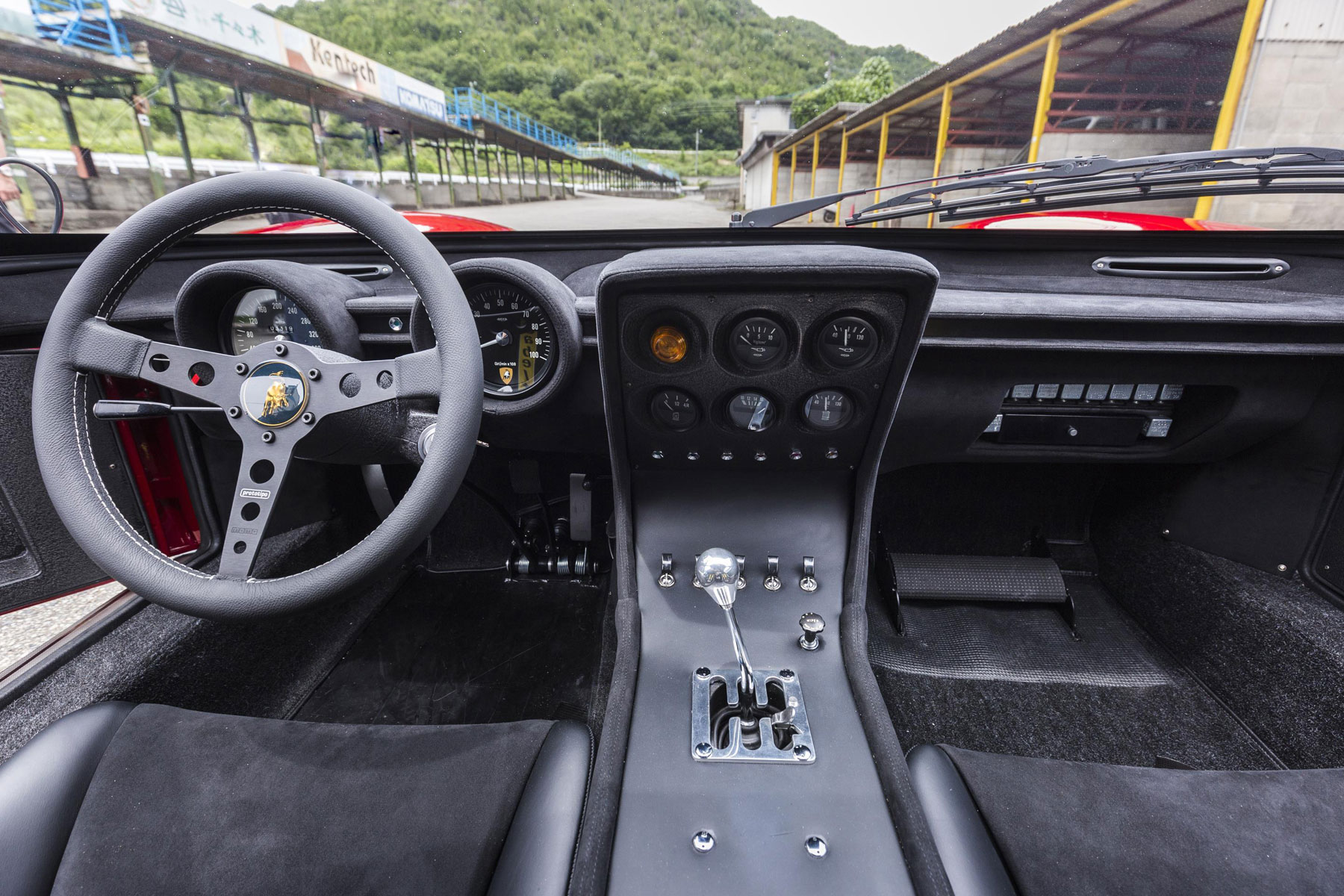
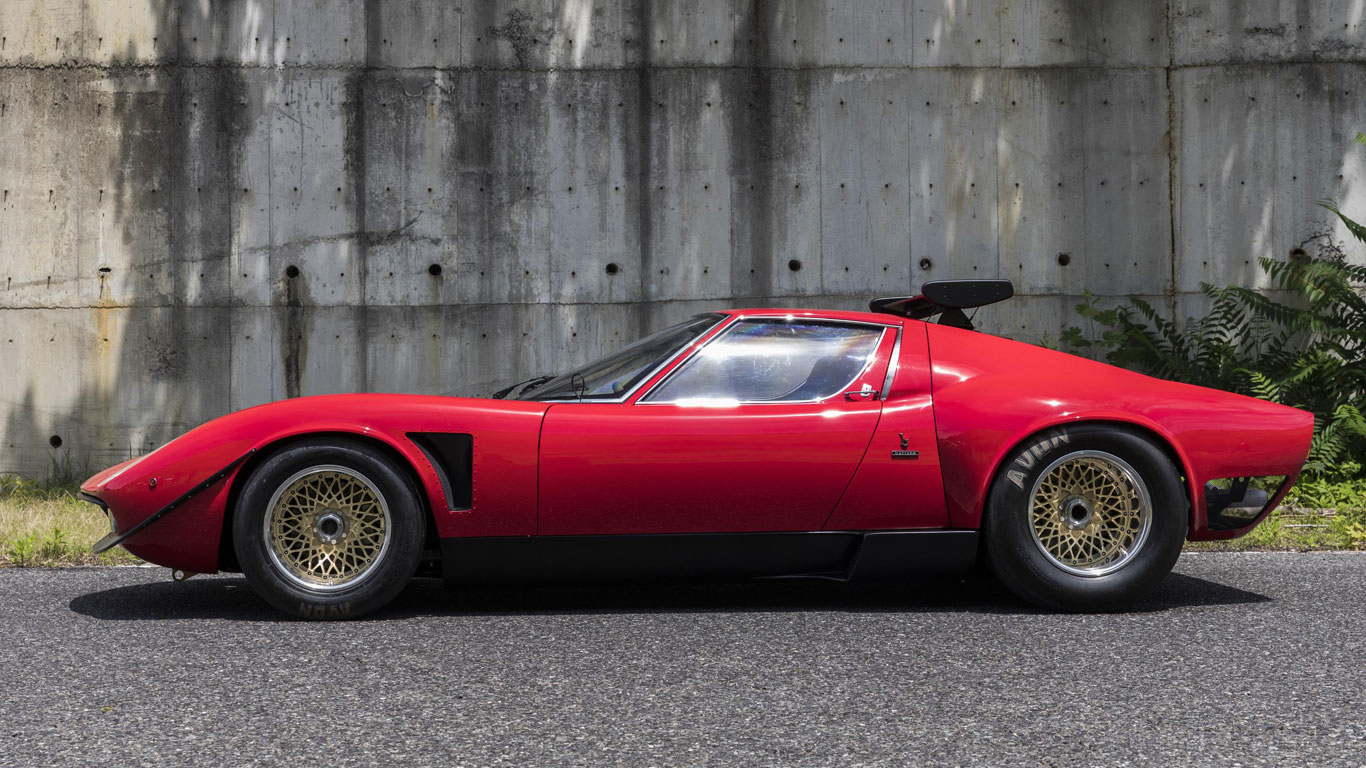
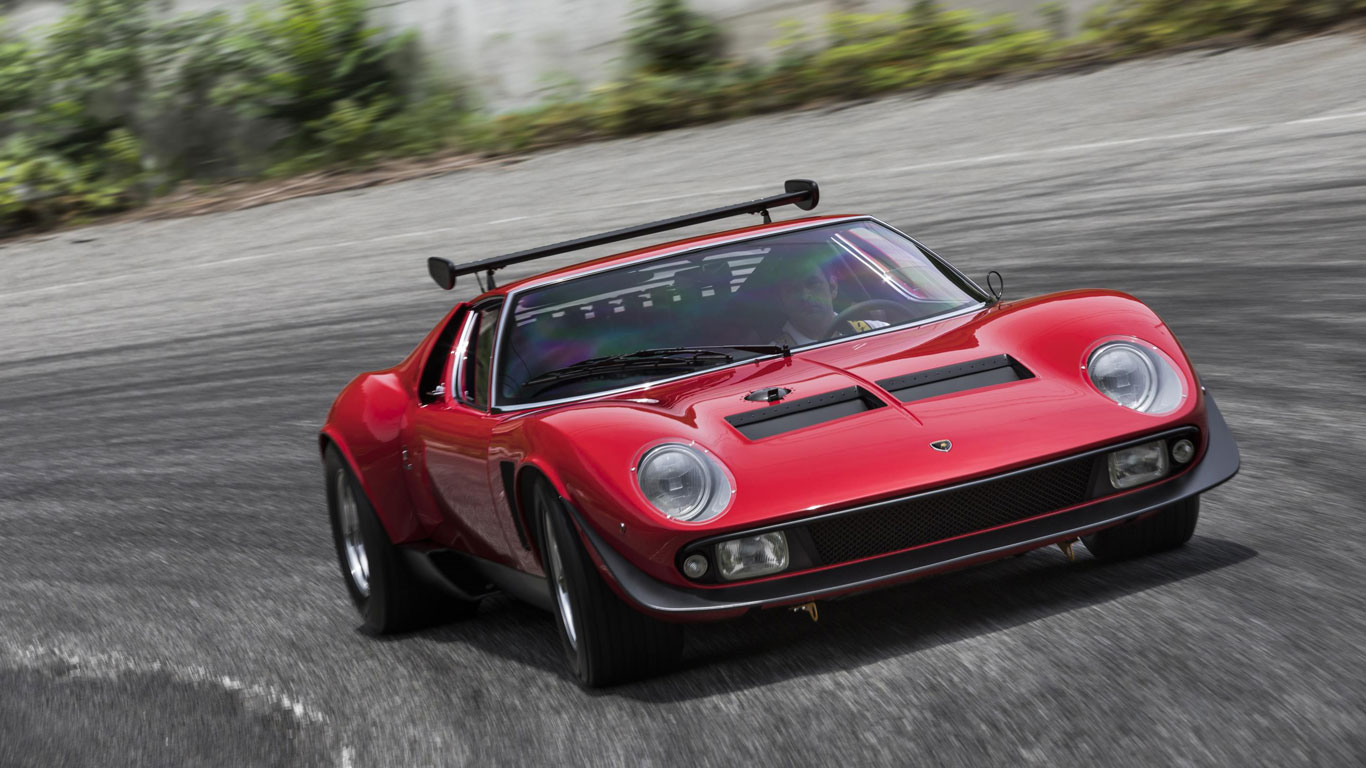
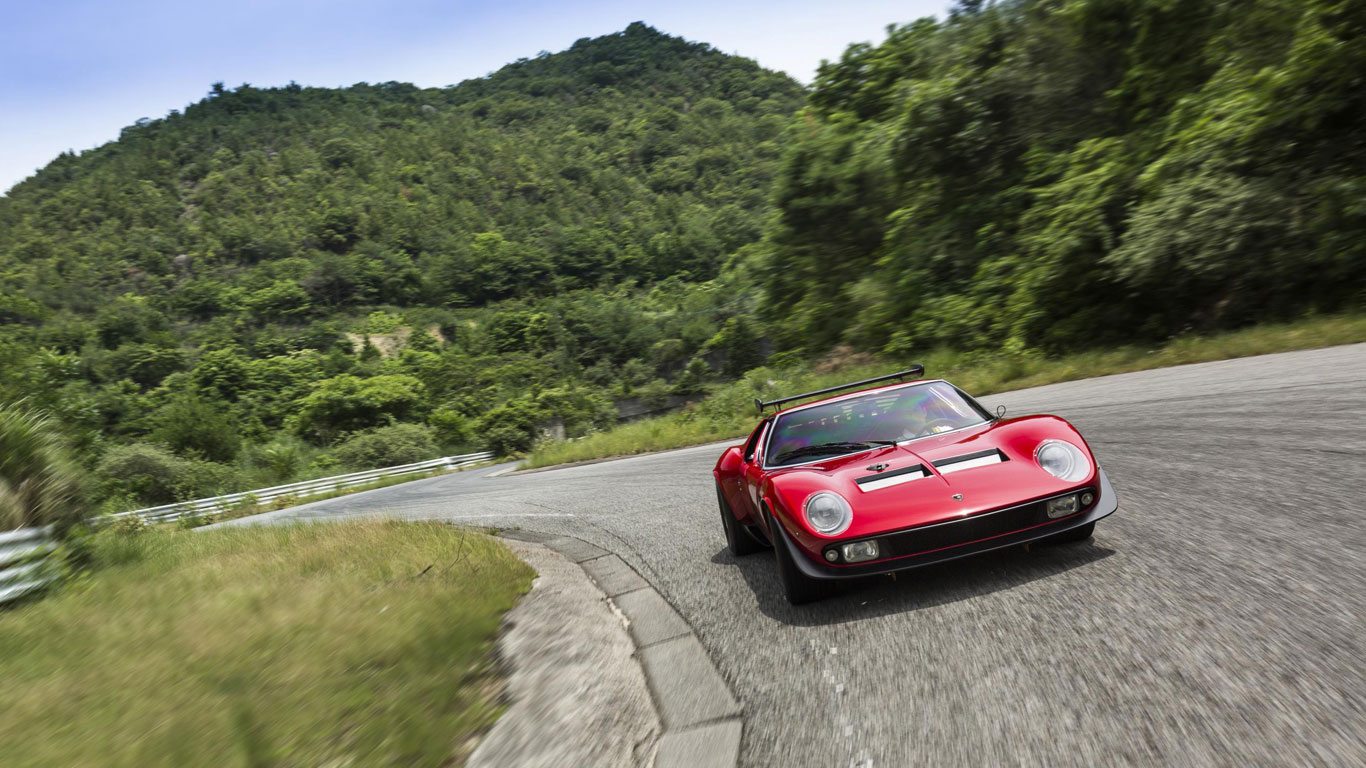
When the good people of Sant’Agata Bolognese describe a car as “one of the most astonishing Lamborghinis ever built”, you’d be forgiven for dismissing it as fluff-ridden PR speak. But in the case of the Lamborghini Miura SVR, the claim is entirely justified.
We’ll allow you a few moments to collect your jaw from the floor.
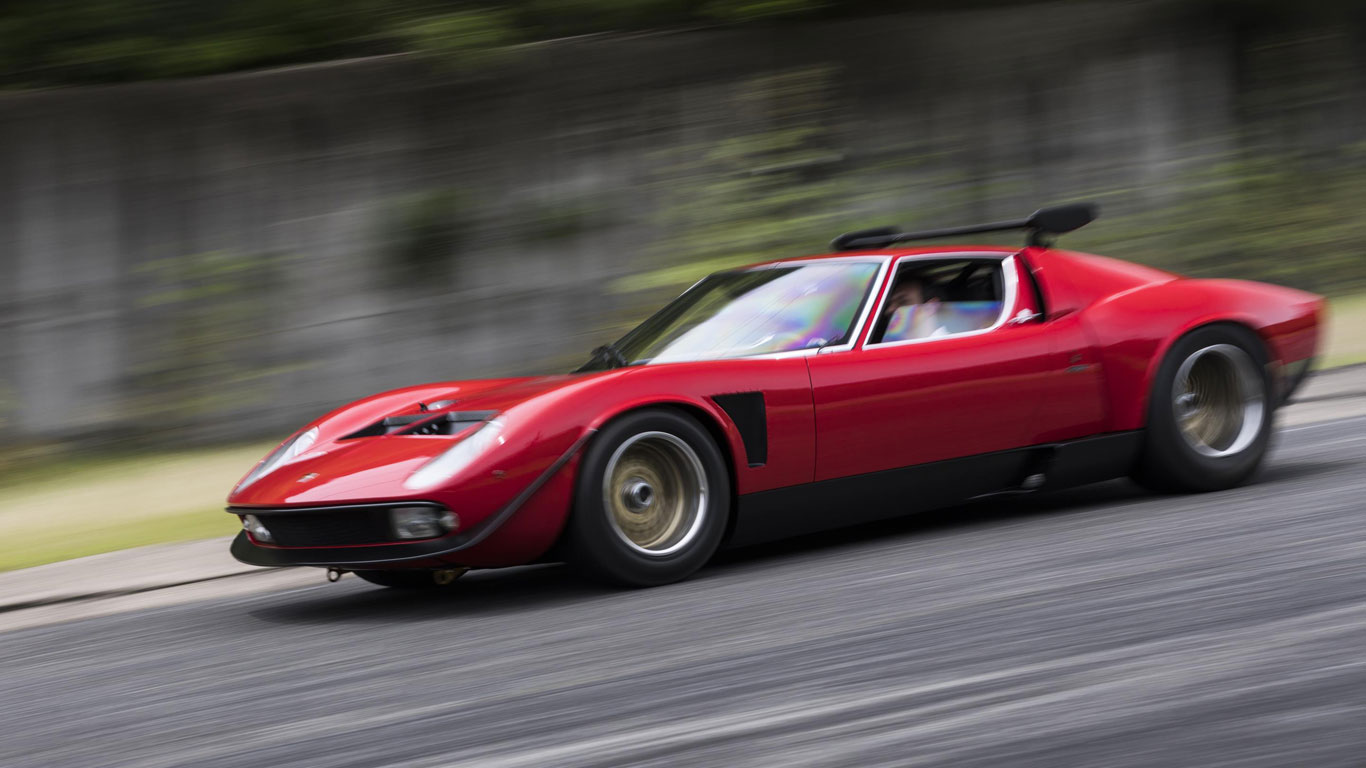
Even if you think a modified version of the world’s most beautiful car™ is the automotive equivalent of repainting the Sistine Chapel with a rattle can, you can’t deny this thing has real presence. Forget Matt Monro, the Miura SVR would take a tour of the Alps to the sound of Led Zeppelin and Black Sabbath.
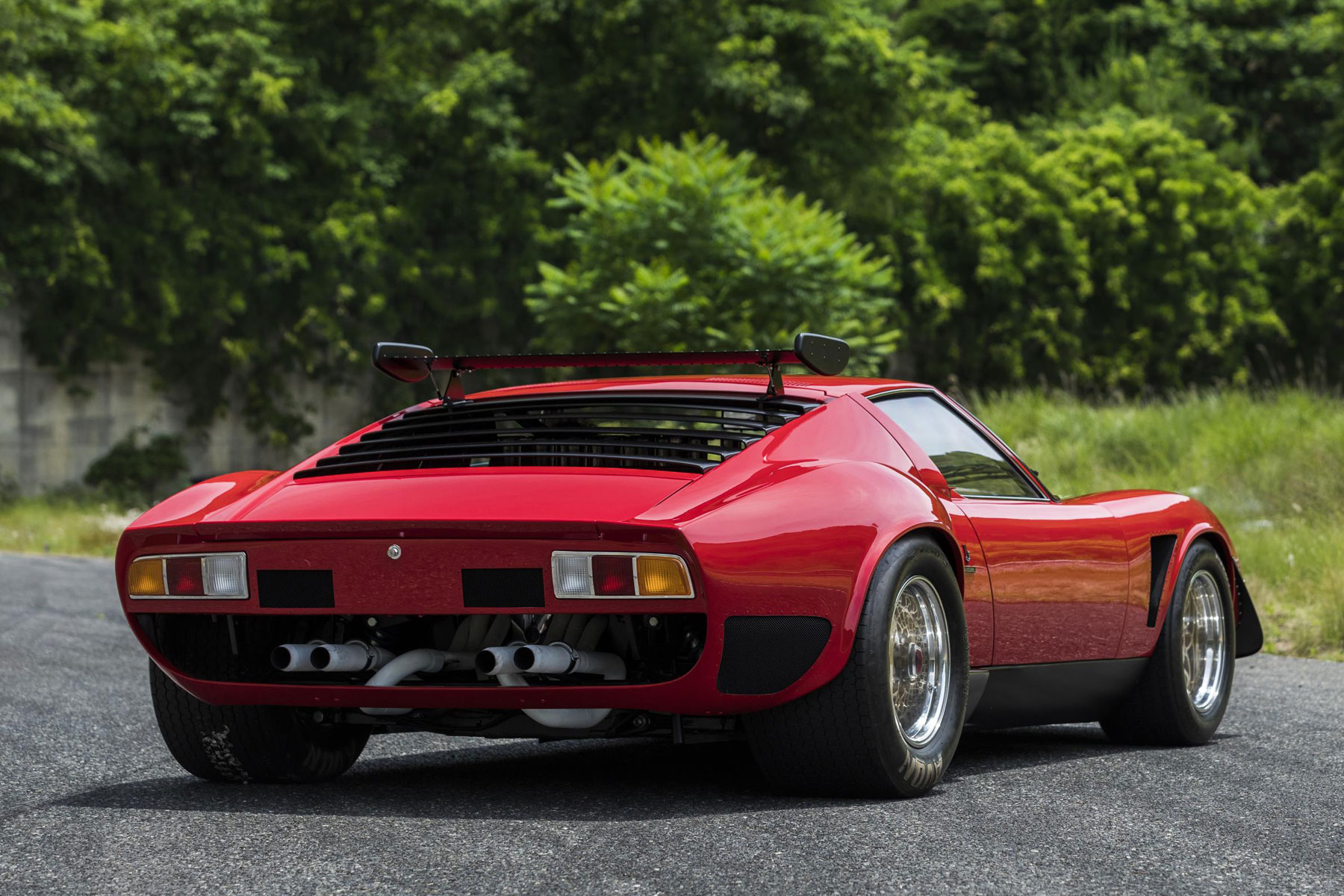
It’s a genuine one-off: a bespoke build inspired by the Miura Jota and created by the factory at the behest of German Lamborghini importer, Herbert Hahne. For 40 years, the SVR lived in Japan, but more on this in a moment.
The Miura Jota
The Miura Jota (chassis no. 5084) was the work of legendary Lamborghini test driver, Bob Wallace. With Ferruccio Lamborghini having no interest in taking the Miura racing, it was left to Wallace to build the Jota during evenings and weekends, A skunkworks Miura, if you like.
Developed from the ground up, Wallace left no stone unturned in his pursuit of racing perfection. Much of the bodywork was made from super-lightweight Avional, the Miura’s iconic headlights were replaced with fixed units with plastic covers, while the body was cut and sliced to improve cooling.
The list goes on: the Jota sat on huge Campagnolo wheels, the interior was stripped out to the bare necessities, and the engine was modified to develop a roaring 440hp. This is very much a nutshell guide to the Jota, but it’s fair to say it had the potential to become one of the world’s most revered supercars.
Note the emphasis on the word ‘had’. Although Ferruccio allowed Wallace to complete over 20,000km of testing, the Jota was sold to InterAuto of Brescia where, in the hands of a mechanic on a mission to impress his girlfriend, the car was involved in a catastrophic accident. This resulted in a fire so severe, the chassis was warped beyond repair.
Although the Jota was dead, the accident led to a fair amount of press coverage, followed by requests from owners eager for Lamborghini to build a road-going version. It never came to fruition, sadly, although four or five so-called Miura SVJ models were made, while a close replica was built by UK owner Piet Pulford.
The Miura SVR
Which brings us back to the Miura SVR. Chassis number 3781 left the factory in 1968 as a green Miura P400 S and changed hands several times in Italy before being sold to the German Heinz E. Steber. He enjoyed the car for several years before his thoughts turned to the flame-grilled Jota.
Steber approached Herbert Hahne with this phoenix-like plans for a Jota conversion, who in turn worked with the factory to create the SVR. This was in 1975, and the project was completed in April 1976.
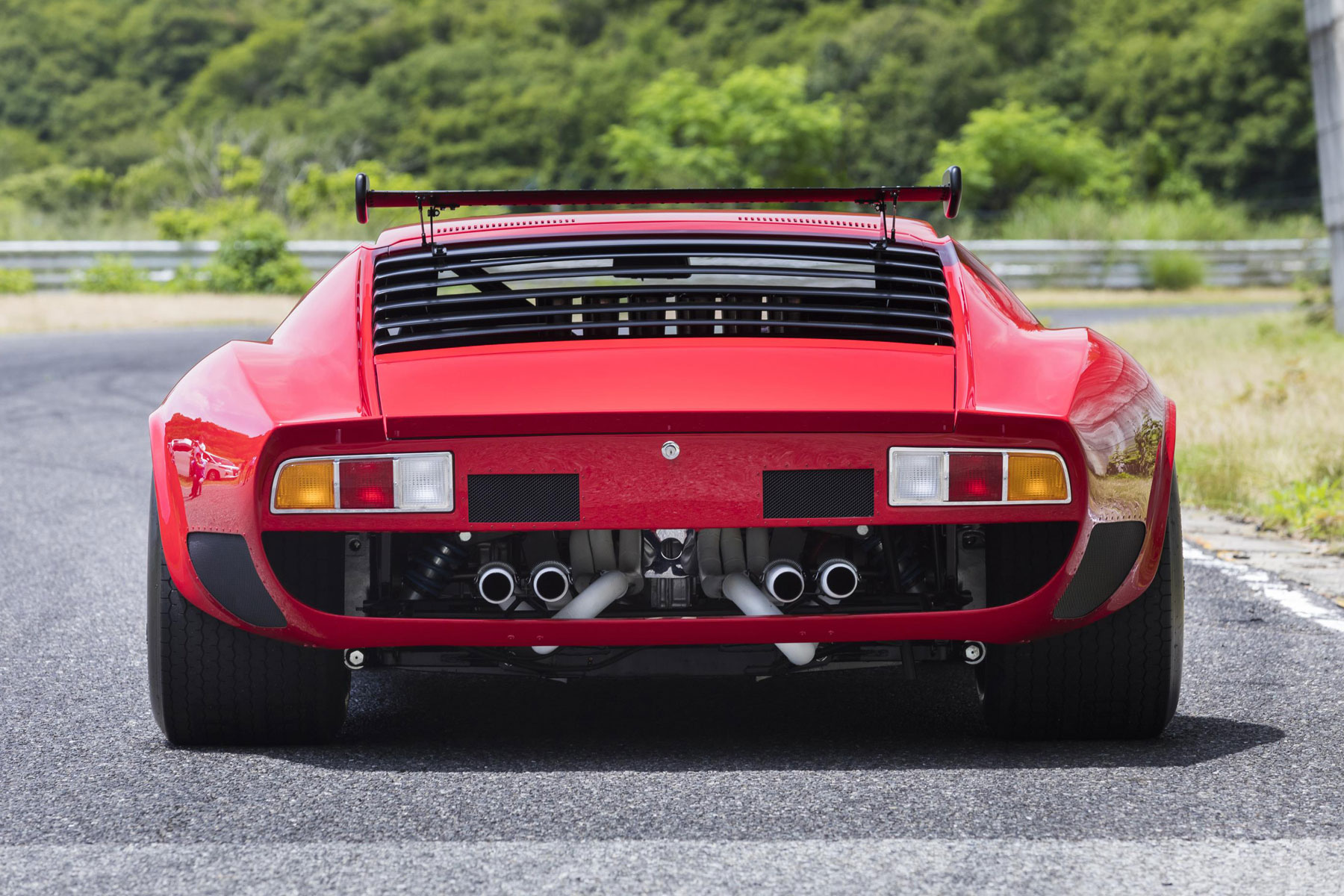
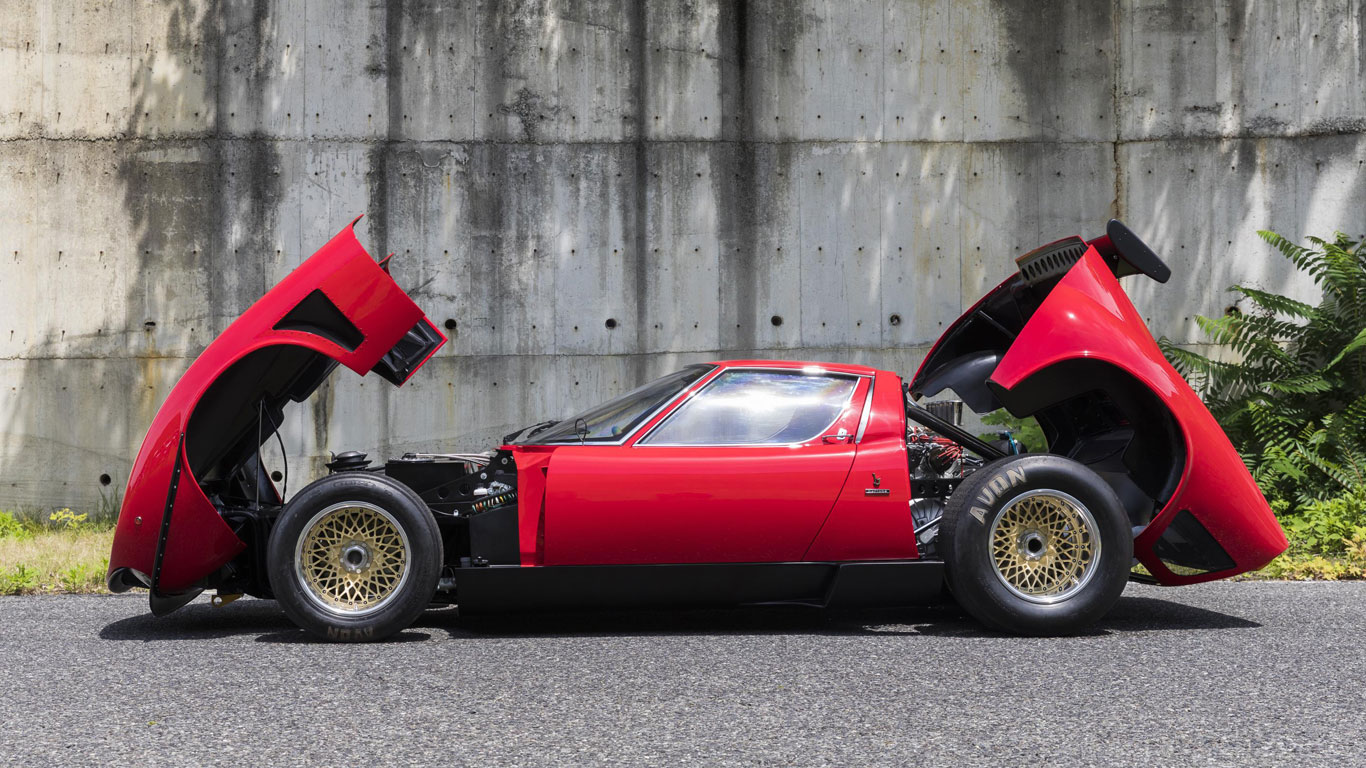
Work included a widened body, Jota-style nose, Pirelli P7R tyres, BBS alloys with knock-off centres, Koni dampers, a chin spoiler, a rear wing inspired by the Countach S and extra cooling ducts and vents. The engine output was increased to around 400hp, while mechanical changes extended to Koni dampers, Girling disc brakes from the Porsche 917, a dry sump, Weber carbs with open funnels, and a straight-through exhaust system.
On completion, it remained in Germany for less than a year before being shipped to Hiromitsu Ito in Japan for a price rumoured to be around $550,000. There it stayed for 40 years, before turning up for sale at high-end Japanese car dealer Bingo Sports.
During its time in Japan, the Miura SVR developed near-mythical status, inspiring the Circuit Wolf comic book series and a 1:18 Kyosho diecast model. Several years ago, the SVR was the subject of a restoration job, at which point the interior was swathed in gold imitation leather. There’s no accounting for taste.
Restored by Polo Storico
Fortunately, the talented folk at Lamborghini Polo Storico had the sense to restore the Miura SVR to its original specification, including the removal of the gold cabin, before unveiling the finished item at Japan’s Nakayama Circuit. The photos have the potential to break the internet.
Paolo Gabrielli, Lamborghini head of aftersales and director of the Polo Storico, said: “The full restoration took 19 months and required a different approach to the way we normally work. The original production sheet wasn’t of much help, as we relied mostly on the specifications from the 1974 modifications.
“The challenge for the Polo Storico team was even more daunting as the car arrived in Sant’Agata in pieces, although the parts were all there, and with considerable modifications.
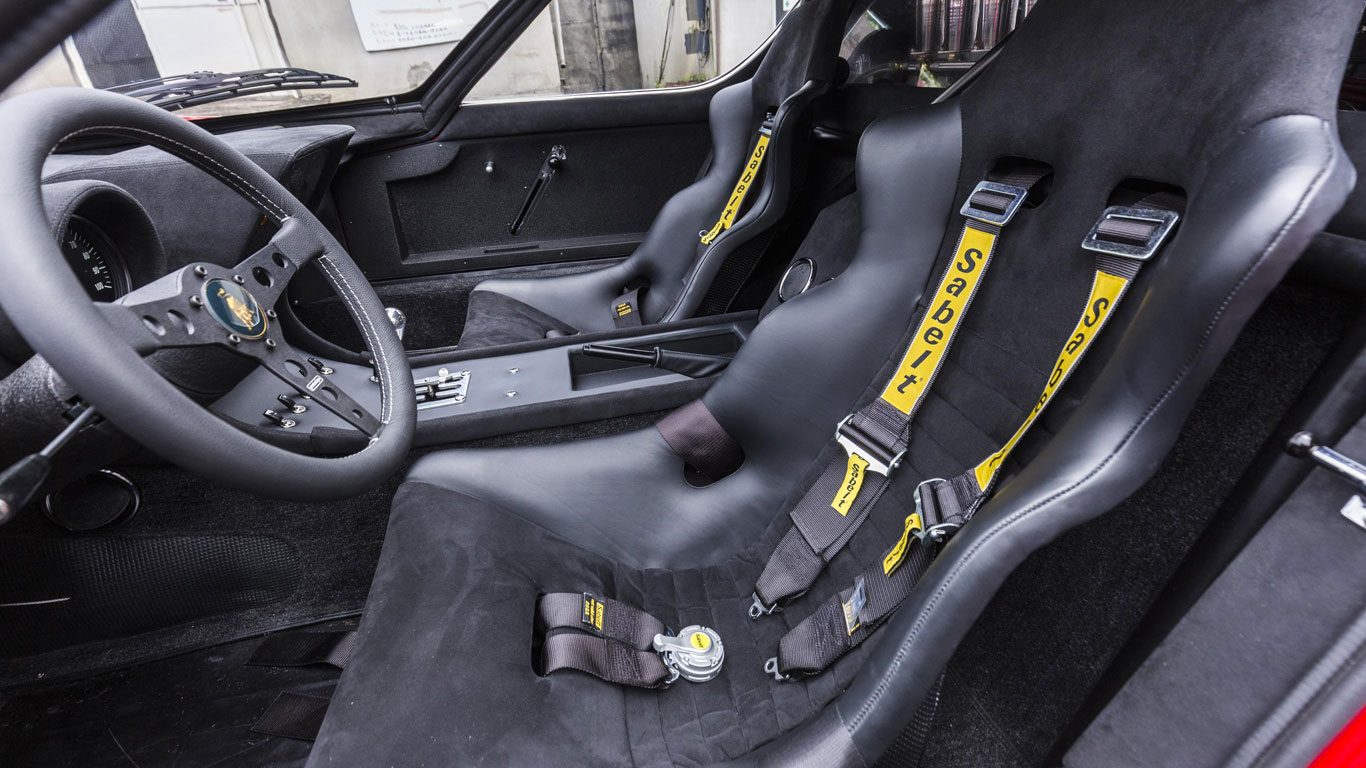
“The only variations on the original specifications were the addition of 4-point safety belts, more supportive seats and a removable roll bar. These were expressly requested by the customer and are intended to improve safety during the car’s racetrack exhibitions.”
We’ll leave you with this footage of the Miura SVR at the Fuji International Speedway, shot before its restoration. Cold flannel, anyone?
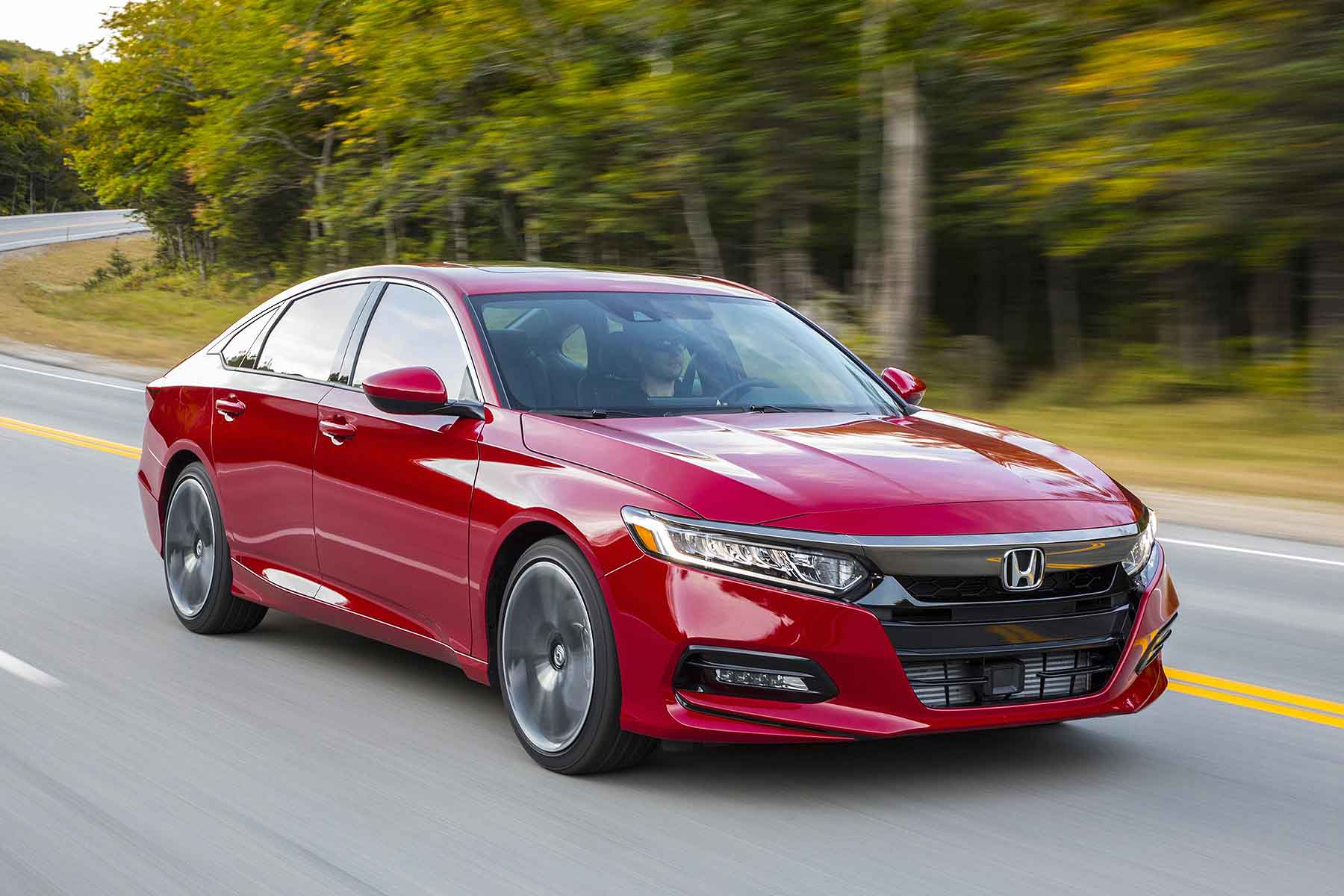
Toyota is bringing the long-defunct Camry back to the UK, with a hybrid version of the top-selling US executive saloon. However, Japanese rival Honda has no plans to follow suit and revive its old Accord nameplate by importing the latest American version.
Phil Webb, Honda head of car, told Motoring Research that while it was never say never, Honda is not contemplating bolstering its larger car range by bringing back the Accord. “Sales numbers wouldn’t justify the expense of homologating it for Europe. There’s simply not a business case for it.”
Even the fact Honda offers the Accord as a hybrid is not enough to swing it – despite the US Accord Hybrid offering similar performance and fuel economy to its Camry Hybrid arch-rival.
The firm will instead concentrate on the launch of its all-new CR-V, which goes on sale in September as a petrol, with a hybrid following in early 2019.
Honda is bringing one overseas-built saloon car to Europe, though: the four-door Civic is coming later this summer. This is likely to sell in the hundreds, rather than thousands, said Webb.
The Turkish-built model is being introduced to offer a new alternative to Honda’s traditional customer base, although Webb said he also thinks it has potential in the corporate sector.
Honda’s global range is huge, said Webb, “and we are always investigating the potential to bring new models over here.” It’s a process that’s a little easier these days, as many cars are now built on Honda’s common global platforms.
“It all comes down to whether there’s sufficient demand for it. The numbers have to add up.” They do for the Civic saloon – but for now, it seems, Webb believes that for the Accord, they do not.
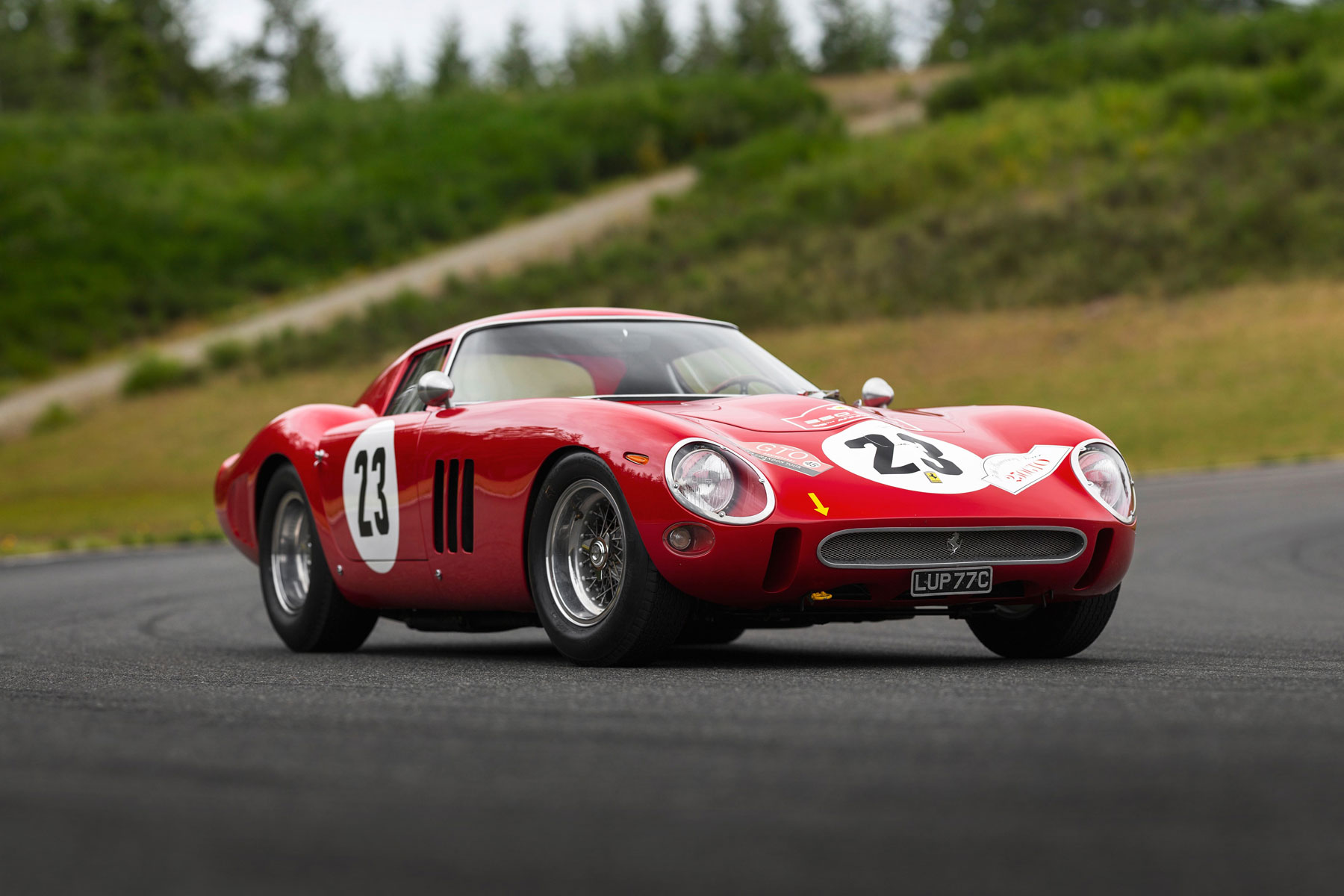
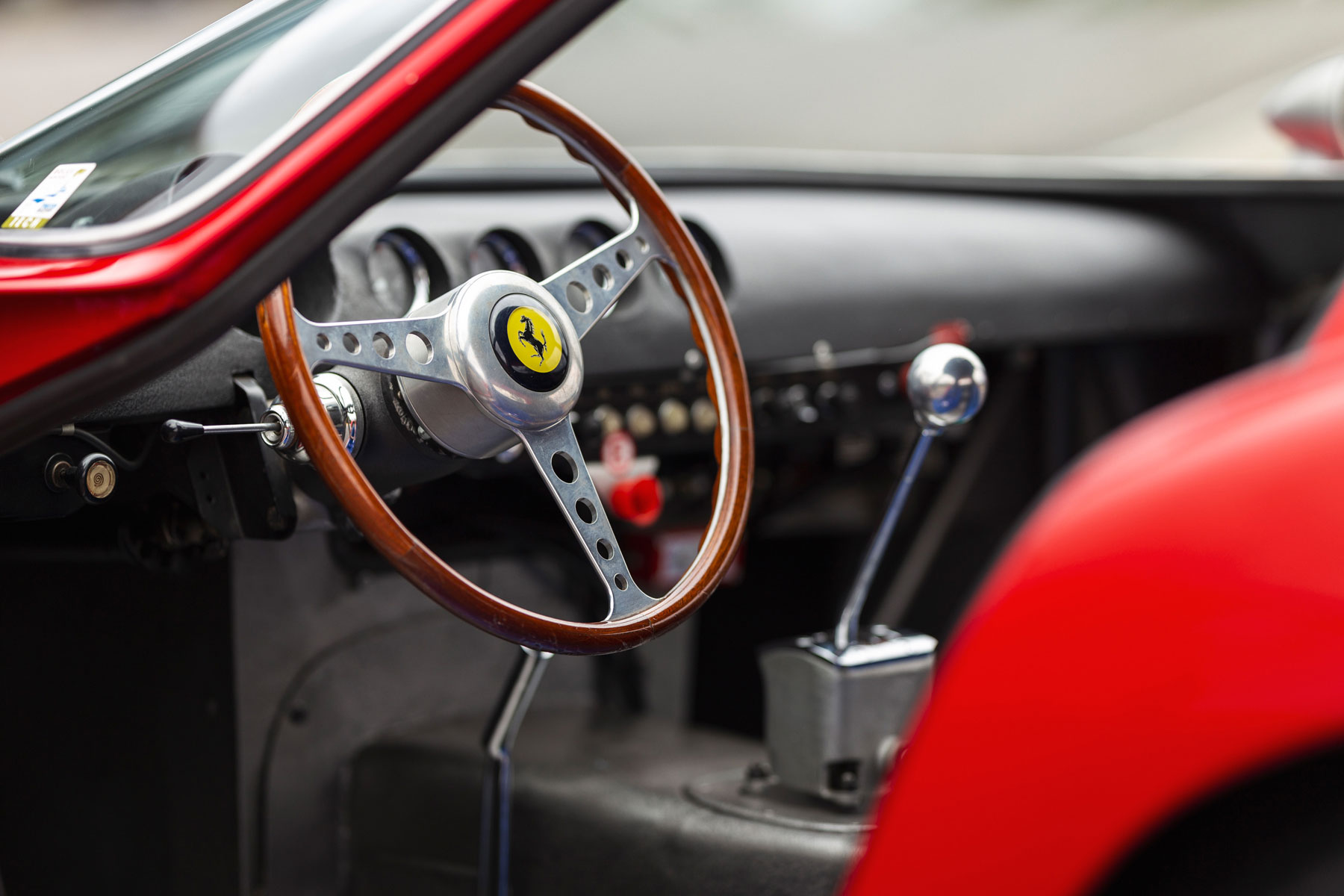
Buy this 1962 Ferrari 250 GTO, and you’ll gain access to one of the world’s most exclusive clubs. However, it doesn’t come cheap, with RM Sotheby’s slapping a $45 million (£34 million in the UK) pre-auction estimate on what is described as the “holy grail” of classic and collector cars.
What makes it so valuable? Aside from its jaw-dropping beauty, the 250 GTO was effectively the final evolution of the 250 model, which debuted in 1953 and ended with the last GTO in 1964. Just 36 GTOs were ever built, all of which survive today.
This is car number three – chassis no. 3413 GT – which began life as a factory car and was driven by Phil Hill in the 1962 Targa Florio. Its first owner was one of Ferrari’s favorite customers, Edoardo Lualdi-Gabardi, who entered the GTO in 10 races in 1962, winning all but one.
Missed the boat? The classic cars you should have invested in
In 1963, Lualdi-Gabardi sold the GTO to fellow racing driver Gianni Bulgari, the former chairman and CEO of the Bulgari jewellery company. Under his ownership, the car competed in and finished a further 20 races, avoiding any accidents in the process.
Microsoft, excelled
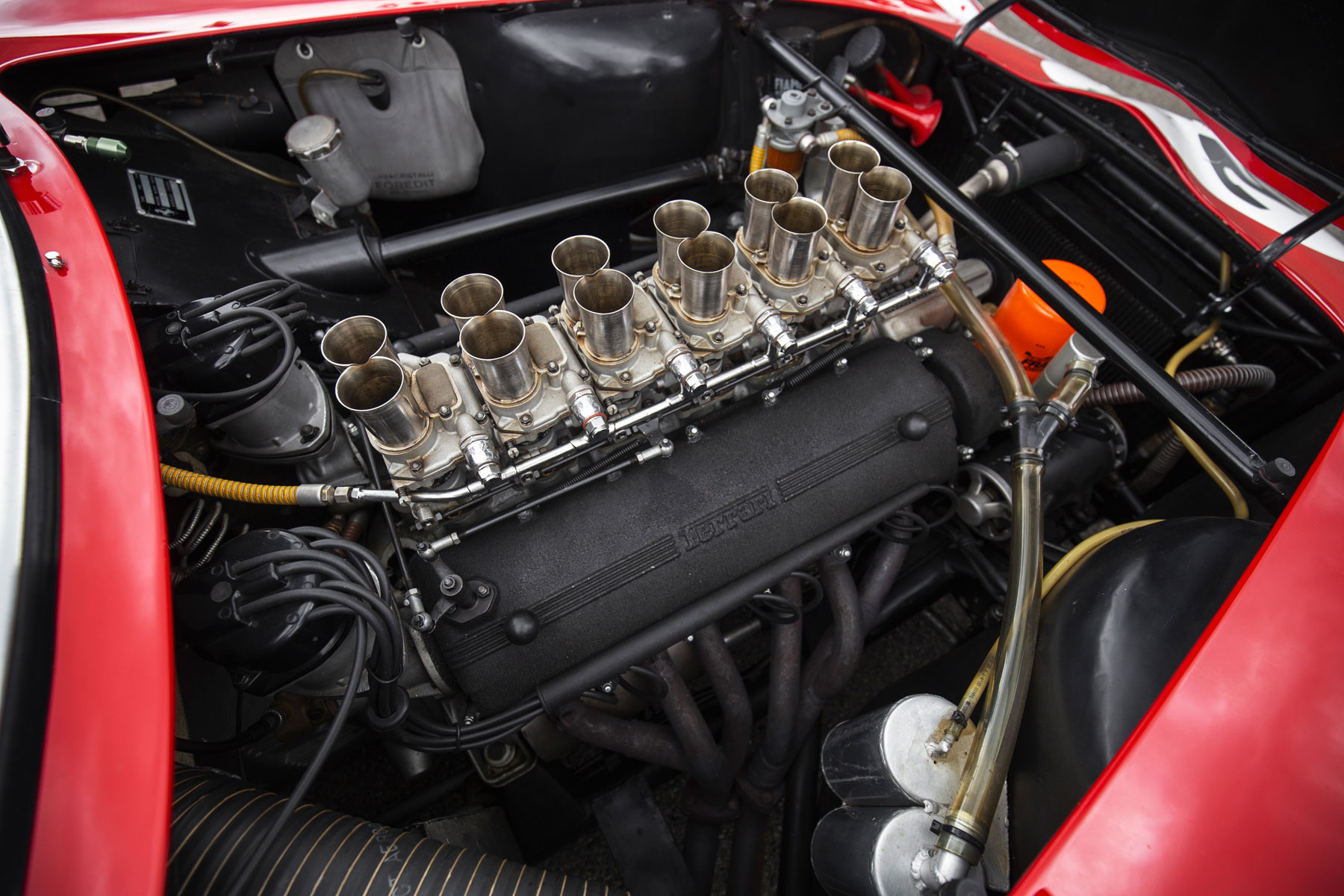
Today, it retains its original engine, gearbox and rear axle, as well as its factory Series II body. With such originality and provenance, you can see the pieces of the jigsaw contributing to the eye-opening pre-auction estimate.
Having passed through an unbroken chain of ownership in the hands of the world’s preeminent Ferrari collectors, ‘3413’ ended up in the care of Dr Greg Whitten, chairman of Numerix and former chief software architect at Microsoft.
In Dr Whitten’s custody, the GTO has competed in events around the world as well as four of the fabled GTO anniversary tours. These gatherings, which take place every five years, are a celebration of the GTO and involve driving on some of the world’s best roads and dining in the finest establishments. As you’d expect, entry is restricted to GTO ownership. If your name’s not down…
Access to the club can be bought. The price: whatever the Ferrari 250 GTO sells for at the RM Sotheby’s Monterey sale in August. You have two months to find the necessary $45 million. May we suggest starting with the back of the sofa and going from there?
Shelby Myers, car specialist at RM Sotheby’s is understandably thrilled at the prospect of the GTO going under the hammer, saying: “Due to the evolution of technology and safety regulations that followed, the GTO was essentially the final true road racer, marking the end of an era when drivers really got their hands dirty. This was the last car that you could park in your garage, drive to the track, win the race, and then drive home.”
“This marks just the third time that a GTO has been offered for public sale in the new millennium. I can think of no better place than our flagship Monterey event, an auction that has borne witness to the record-smashing sale of some of the most important cars in history, for the presentation of such an exceptional example of Ferrari’s most successful racer and the world’s most sought-after collector car, full-stop.
“The fact that the GTO exists as it did in period, along with Dr Whitten’s long-term, enthusiastic ownership, only adds to the car’s impeccable pedigree.”
The RM Sotheby’s Monterey sale is held during the world-famous Pebble Beach Concours d’Elegance motoring week in August, with the auction taking place on the 24 and 25 August 2018. Time to cash in your Premium Bonds?
Read more:
New BMW 8 Series Coupe revealed – a great new 8?
Missed the boat? The classic cars you should have invested in
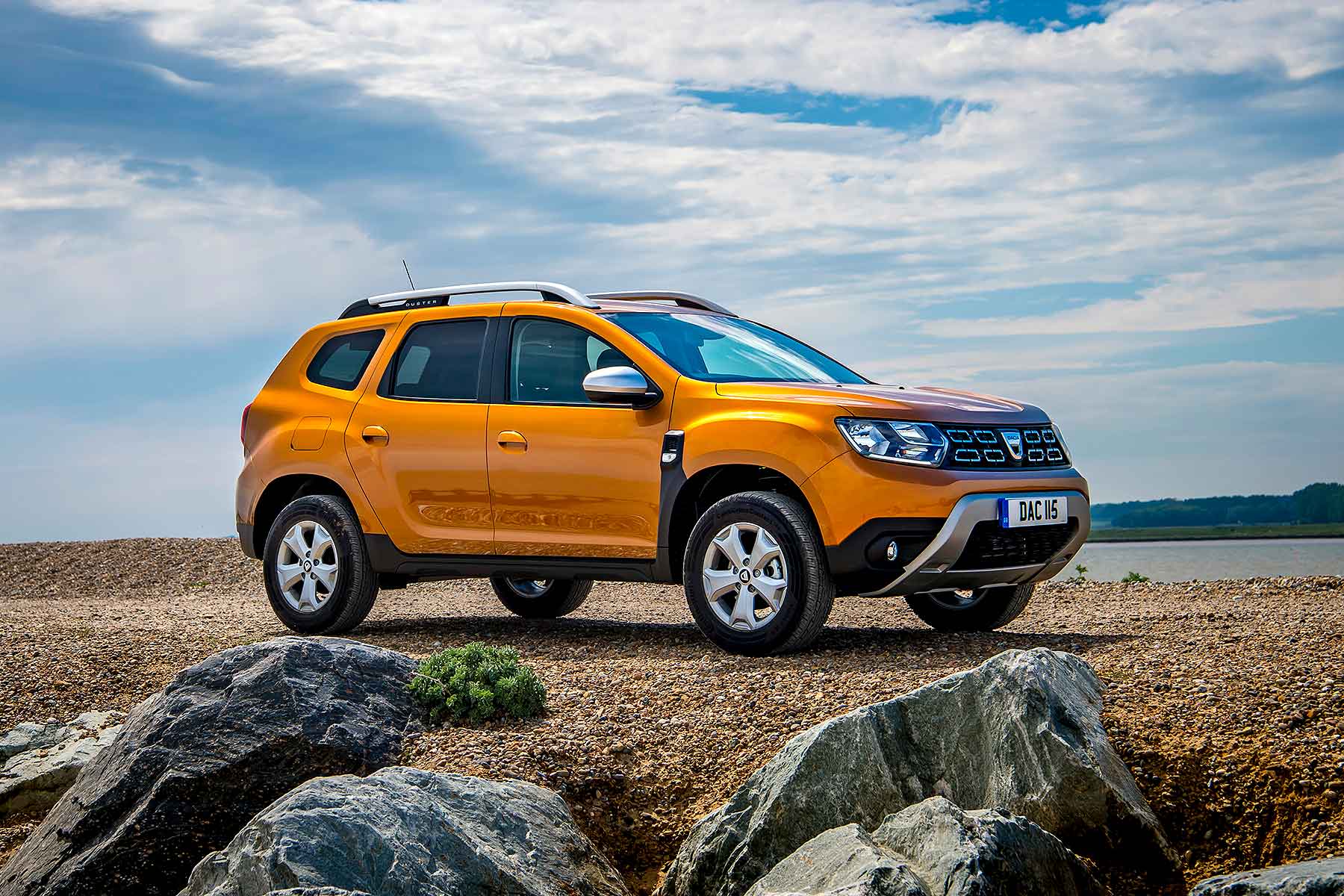
Dacia has revealed PCP finance offers for the new Duster value-priced SUV. And with payments starting from £129 a month, the brand’s sheer affordability seems as strong as ever.
The Duster finance deals are based around the Dimensions PCP scheme, and all are over three years, at 5.9 percent APR. Dacia also throws in a £250 deposit contribution to all deals.
It’s the £9,995 Access 1.6 SCe 115 that is offered for the bargain £129 price, with a customer deposit of £612. But as this model is pretty basic, lacking air-con or even a radio, most buyers are expected to enter the range with the Essential 1.6 SCe 115.
This is priced from £11,595, and comes in at £159 a month on PCP, with an £892 customer deposit. The better-stocked Comfort is £13,195 on the road, or £179 a month with a £1,074 deposit. And the range-topping Prestige 1.6 SCe 115 is £14,395 or £189 a month.
Diesel models start from £13,595 with the 1.5 Blue dCi 115, which costs £179 a month. A Comfort is £199 a month and a Prestige is £209 a month. Buyers can also choose 4×4 versions of the petrol, but not the diesel. Dacia expects the petrol to comprise the majority of sales.
Around two in three Duster buyers choose higher-end variants, head of Dacia UK Louise O’Sullivan told Motoring Research; very few customers pick the sub-£10k Access.
PCP deals on the new car have been kept competitive, she explained, despite a small increase in prices, thanks to a significant uplift in retained values. The Duster’s better quality, stronger equipment levels and ever-greater market awareness have all helped here.
“Customers trading up from the old one may find they have lots of equity still left in the car. Factor this in and some of them might be paying as little as £100 a month to trade into the new model.”
They say you only get one chance to make a good first impression. That might be true if you’re appearing on Love Island or taking house buying advice from Kirstie Allsopp, but car manufacturers often get a second bite of the cherry. Here, we round up a selection of cars that shined bright like a diamond the second time around.
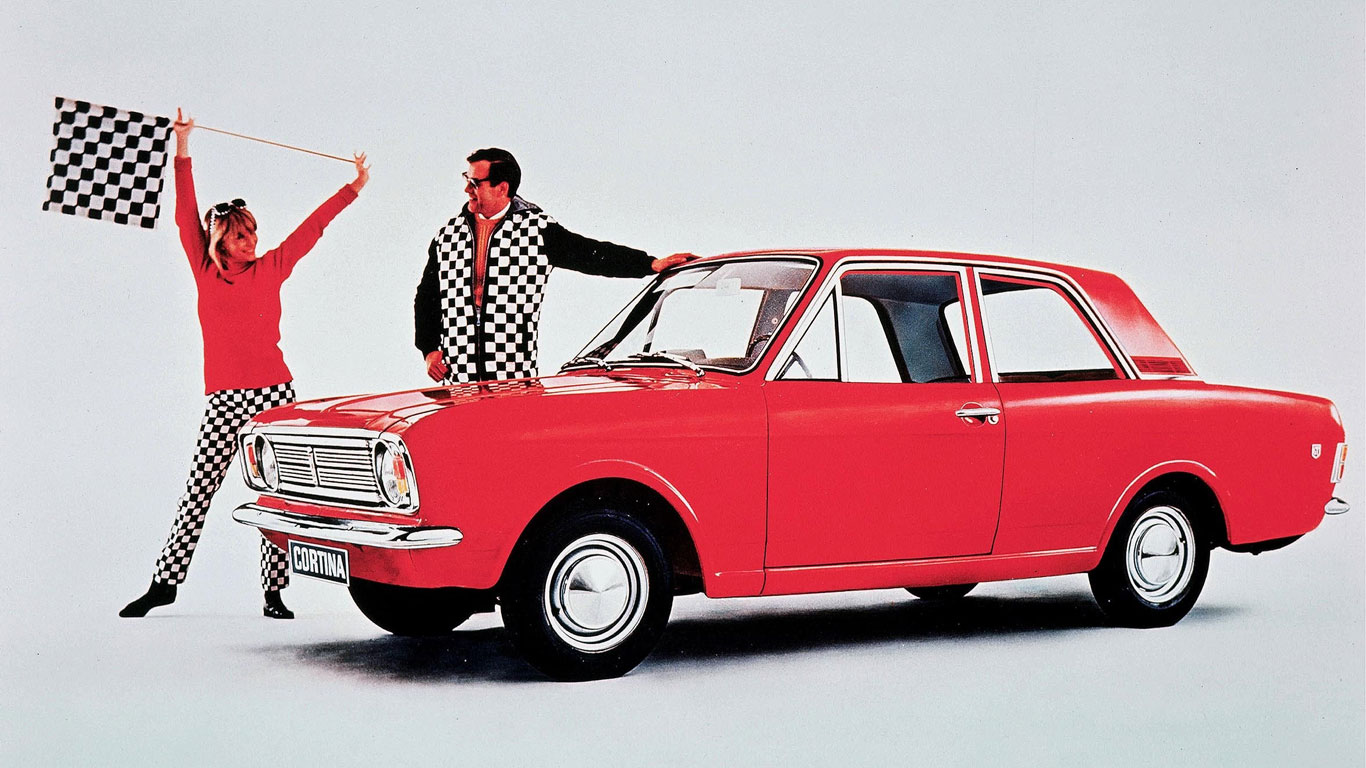
Ford Cortina Mk2
Launched under the banner of “New Cortina is more Cortina”, the second coming of the Ford Cortina represented a marked improvement over the original. More powerful engines, more room in the cabin, more glass, more luggage space and more comfort – just a few elements contributing to the feeling of getting more for your money. It might have lacked the styling purity of the Mk1, but the Cortina Mk2 laid the foundations for Ford’s family car dominance throughout the 70s and 80s.
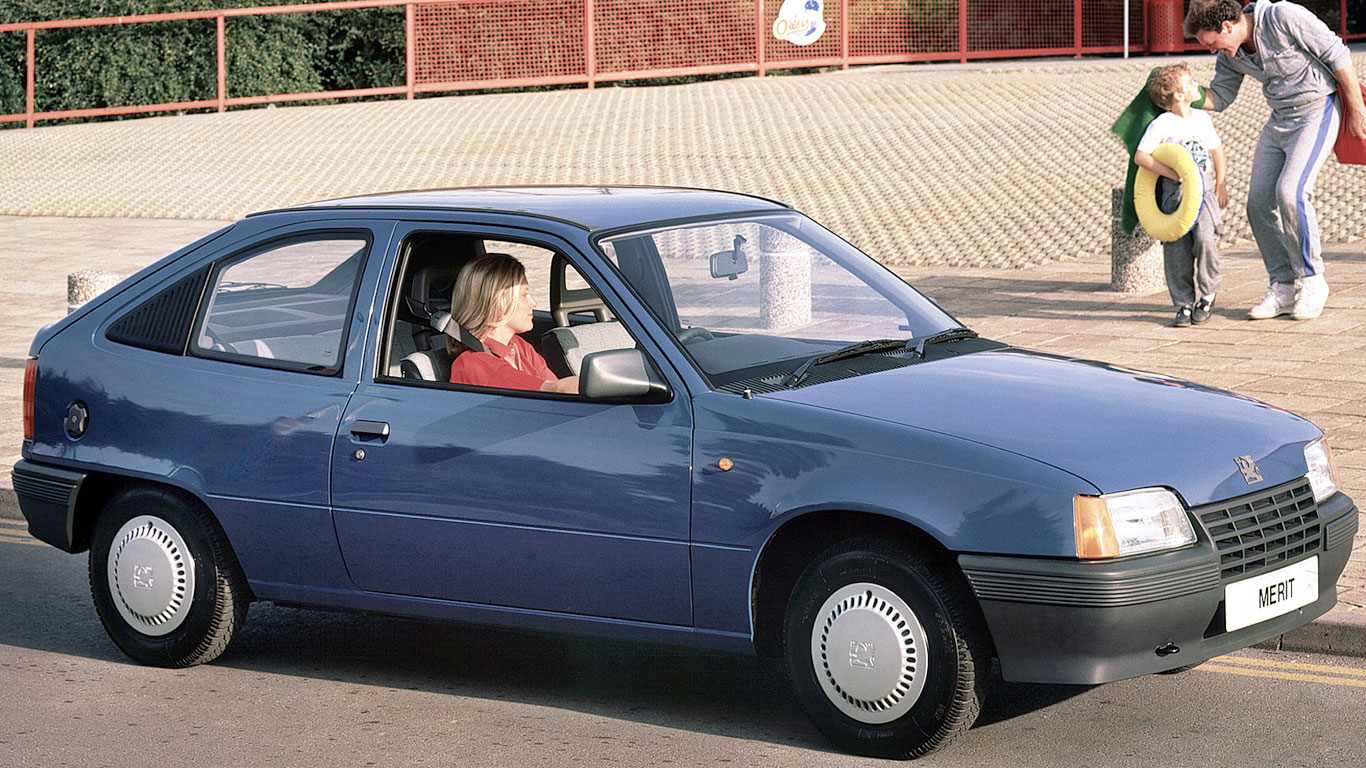
Vauxhall Astra Mk2
The Astra Mk1 was a good car, helping to kickstart a huge sales drive by the company and cementing Vauxhall’s position as Ford’s chief rival. But the Mk2 moved the game on, thanks to its ‘pear drop’ styling and excellent value for money. It scooped the Car of the Year award in 1985 and spawned a range of variants, including estate, convertible and hot GTE and GTE 16v models. It was by far the most aerodynamic car in its class and it looked good, even after the arrival of the Mk3 in 1991.
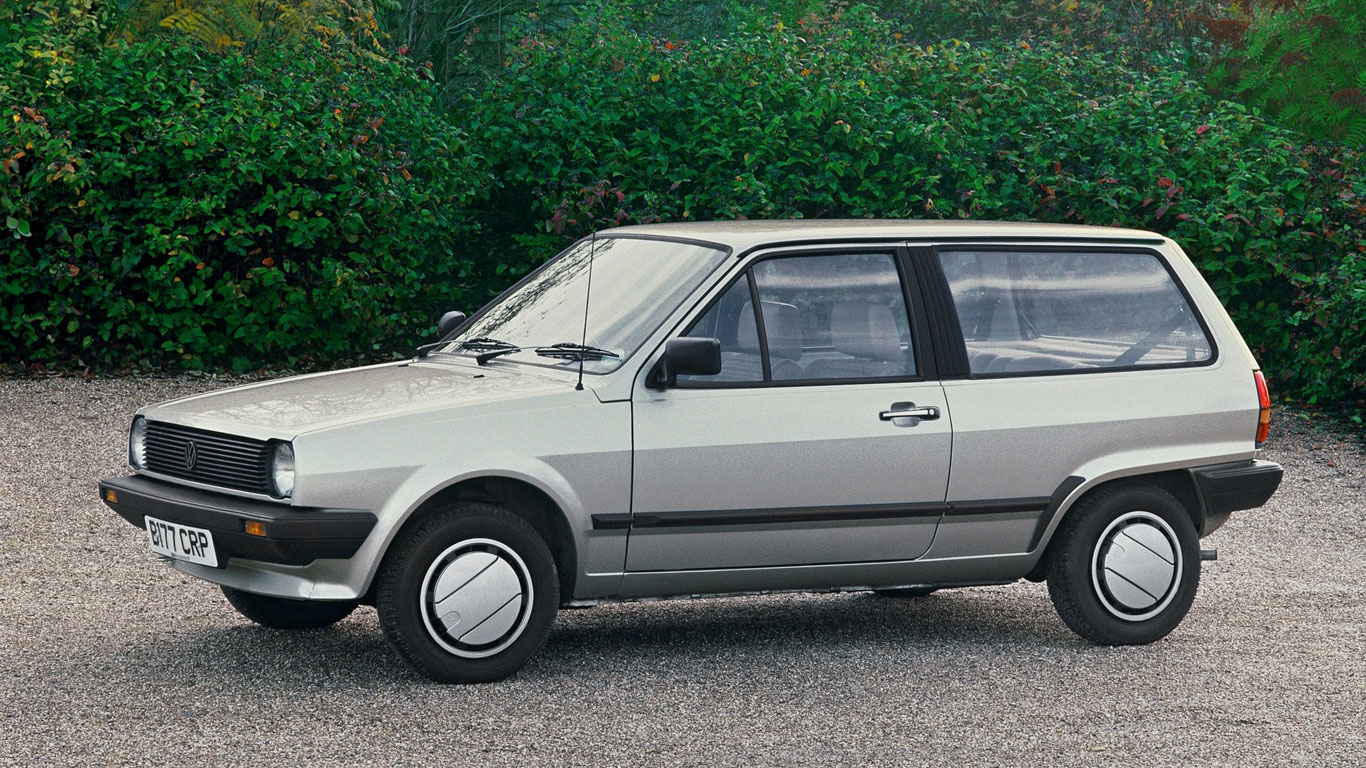
Volkswagen Polo Mk2
The Bertone-designed Volkswagen Polo Mk1 was undoubtedly pretty, but it started life as an Audi. Without wishing to sound patronising, it was a great first attempt at building a supermini by a company with little experience in the segment. The second Polo was genuinely innovative, with Volkswagen adopting a ‘breadvan’ approach, complete with a surprisingly low 0.39 drag coefficient. Saloon, coupe and sporty G40 versions followed.
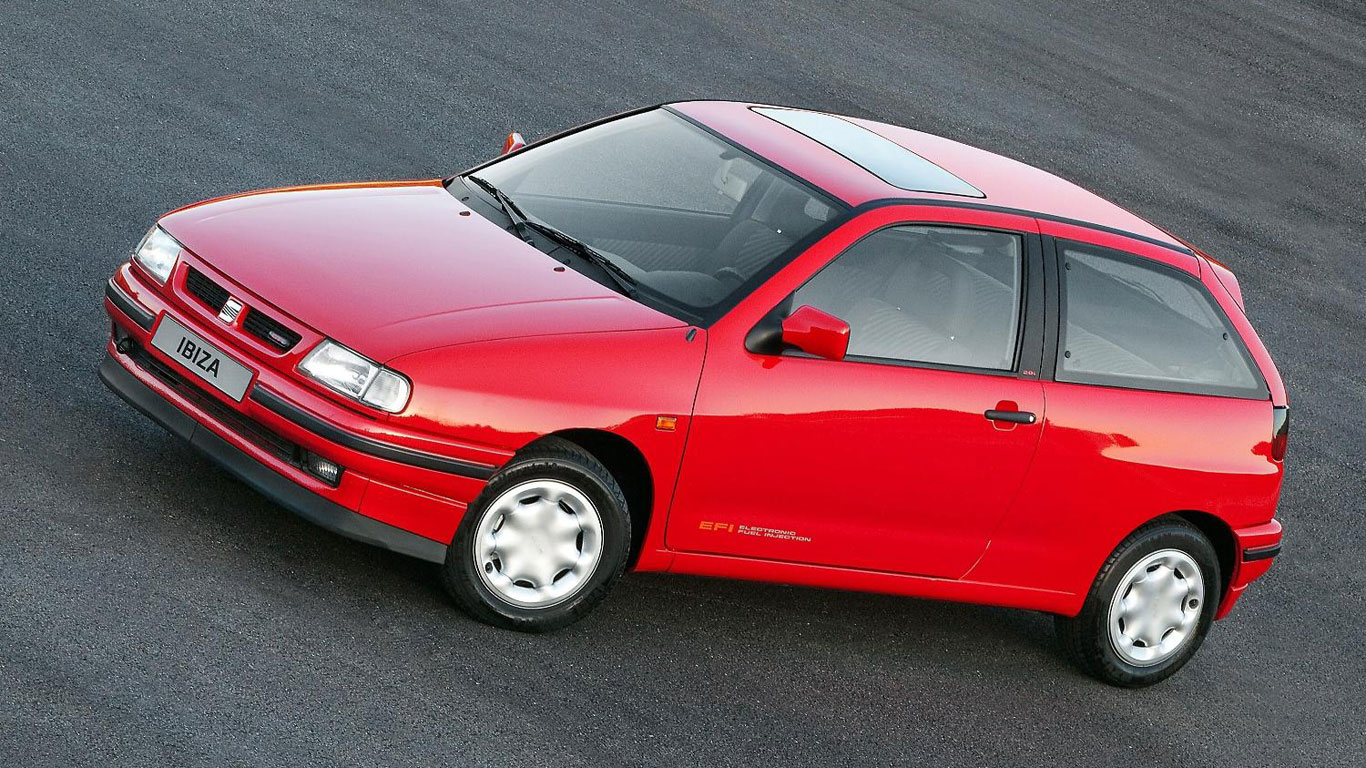
SEAT Ibiza Mk2
We love the original SEAT Ibiza. Based on a modified Fiat Ritmo (Strada) platform, styled by Giugiaro, and with input from Karmann and Porsche, it looks and feels like the car the Volkswagen Golf Mk2 should have been. Hashtag controversial. But there’s no room for misty-eyed nostalgia in this gallery, because the fact is the second-generation Ibiza was a more rounded car with universal appeal. Volkswagen’s input, including the use of the Polo platform, may have played a part.
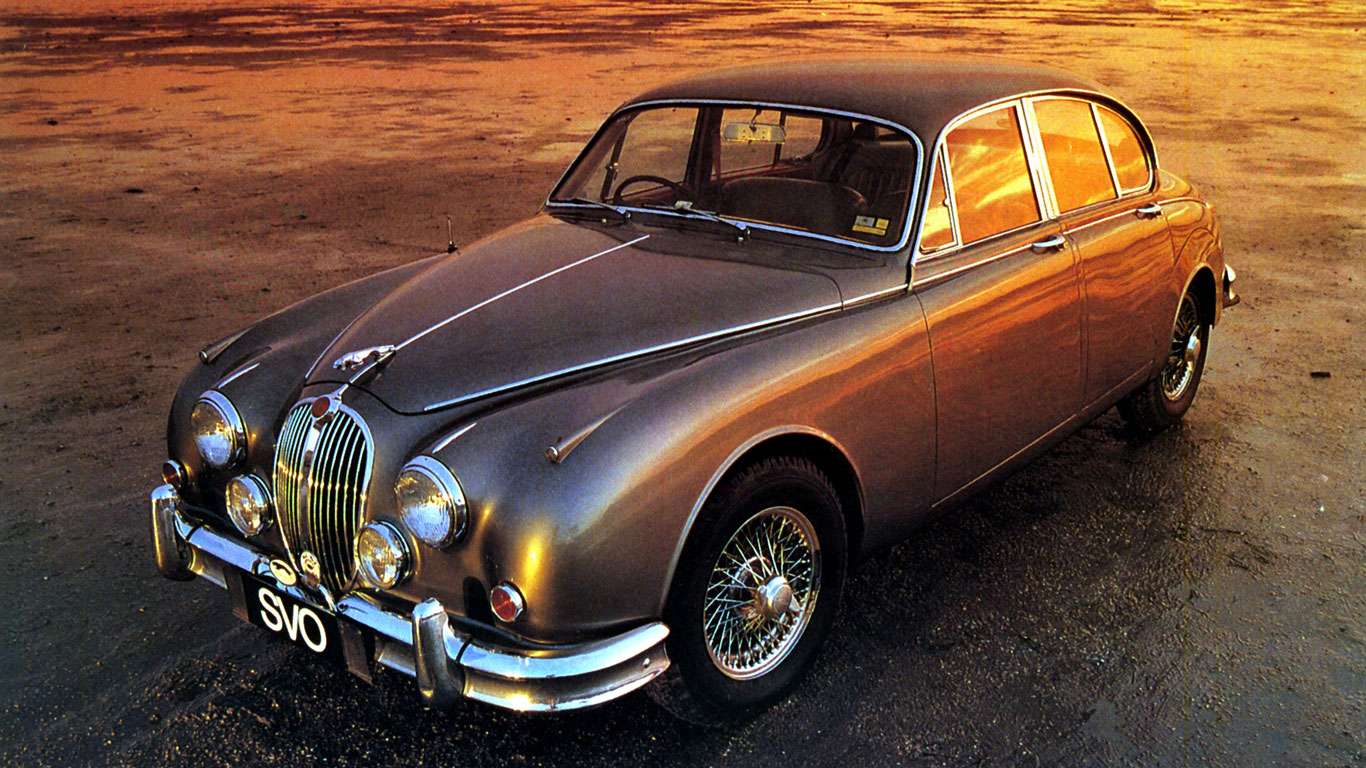
Jaguar Mk2
“The changes made for 1960 without doubt represent together the greatest improvement so far achieved between a Jaguar model and its predecessor – short of a wholly new design.” The Autocar review of 1960 should provide all the evidence required to secure the Jaguar Mk2’s place in this gallery, with a host of interior and exterior changes combining to create one of the most iconic cars of the 60s. The Mk1 was good, but the Mk2 was in a different league.
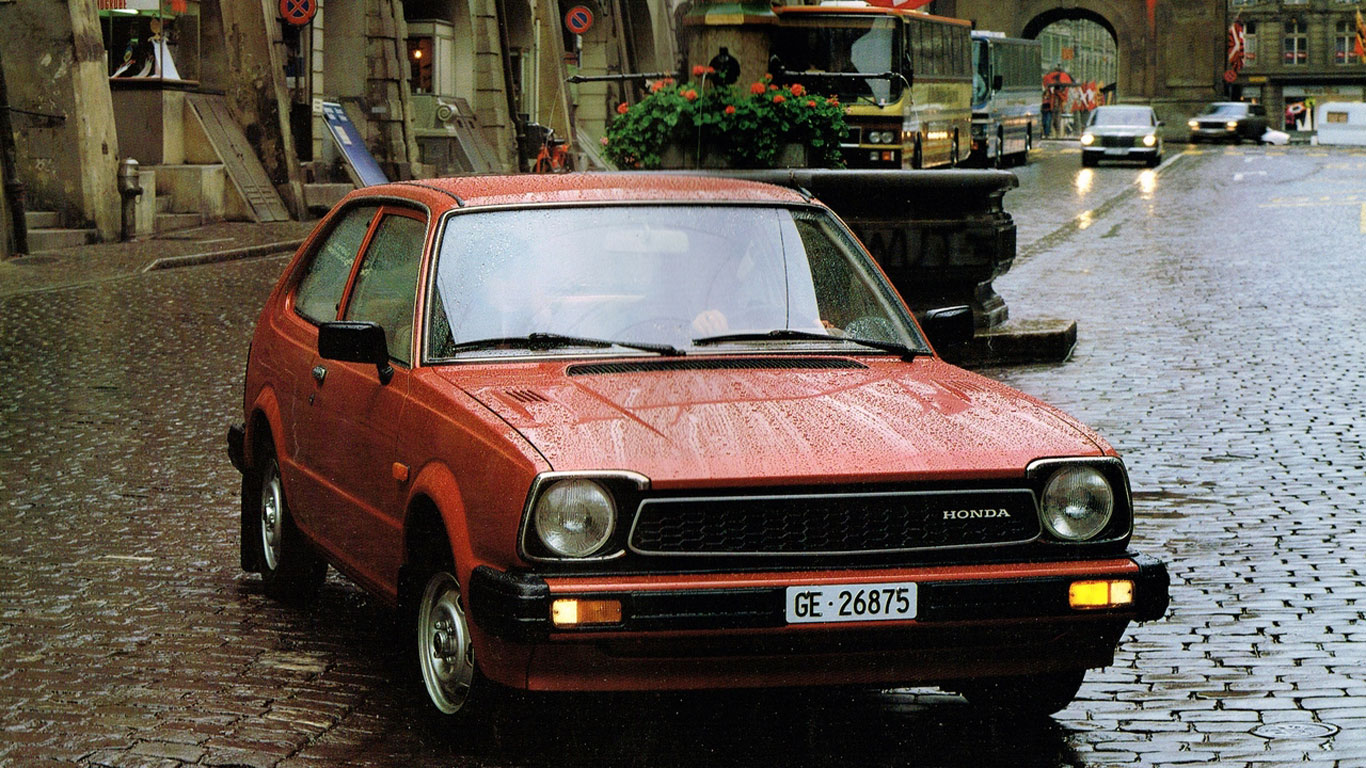
Honda Civic Mk2
The original Civic was a game-changing vehicle for Honda, putting the Japanese giant on the automotive map. Despite appearances, the Civic Mk2 represented a wholesale repackaging of the Mk1, being longer and wider than its predecessor and boasting a much improved cabin.
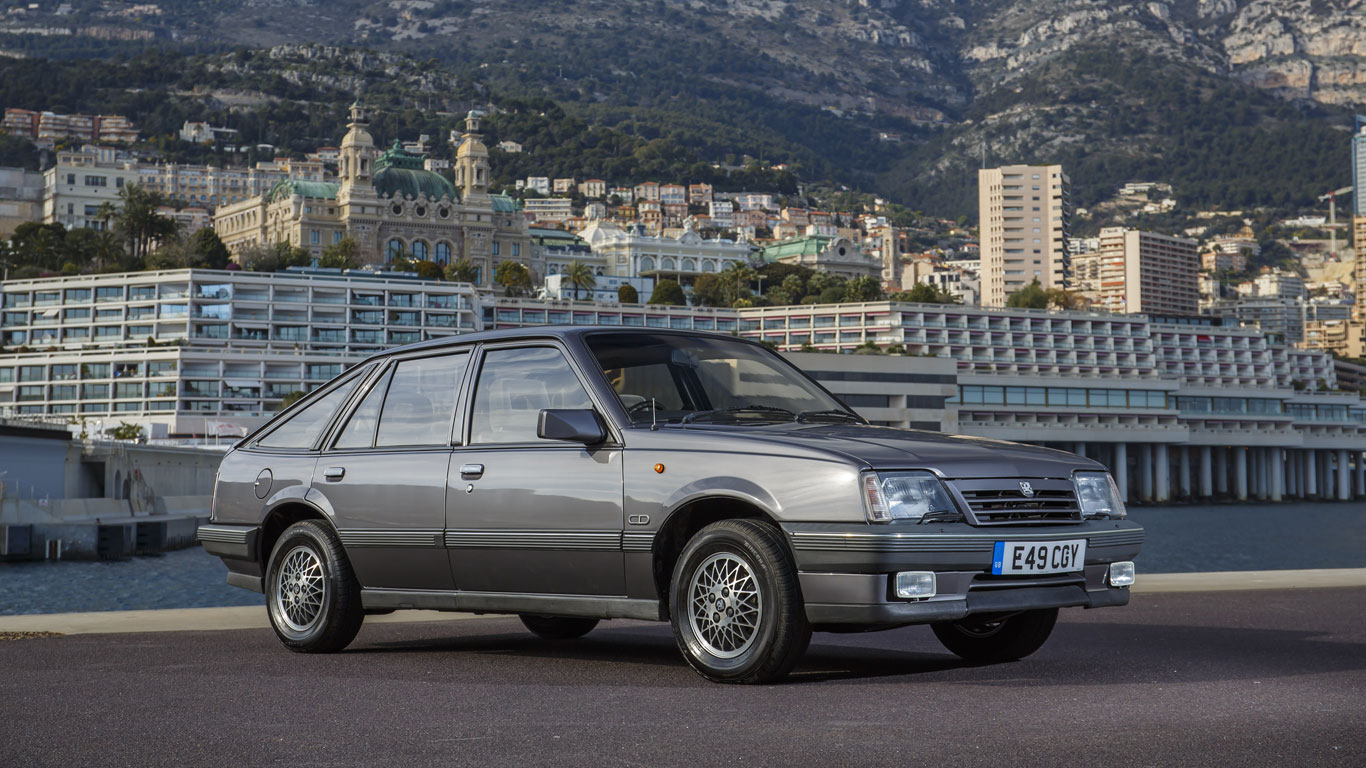
Vauxhall Cavalier Mk2
Timing is everything. When Vauxhall launched the Cavalier in 1981, it probably expected to continue playing second fiddle to Ford in the sales chart. But nobody was banking on the Ford Sierra’s shock and awe styling, which resulted in conservative buyers switching to Vauxhall in their droves. When the dust settled, the Sierra propelled Ford back to the top of the tree, but the Cavalier was part of the UK street furniture throughout the 80s, spawning two-door, three-door, five-door, estate and even convertible versions.
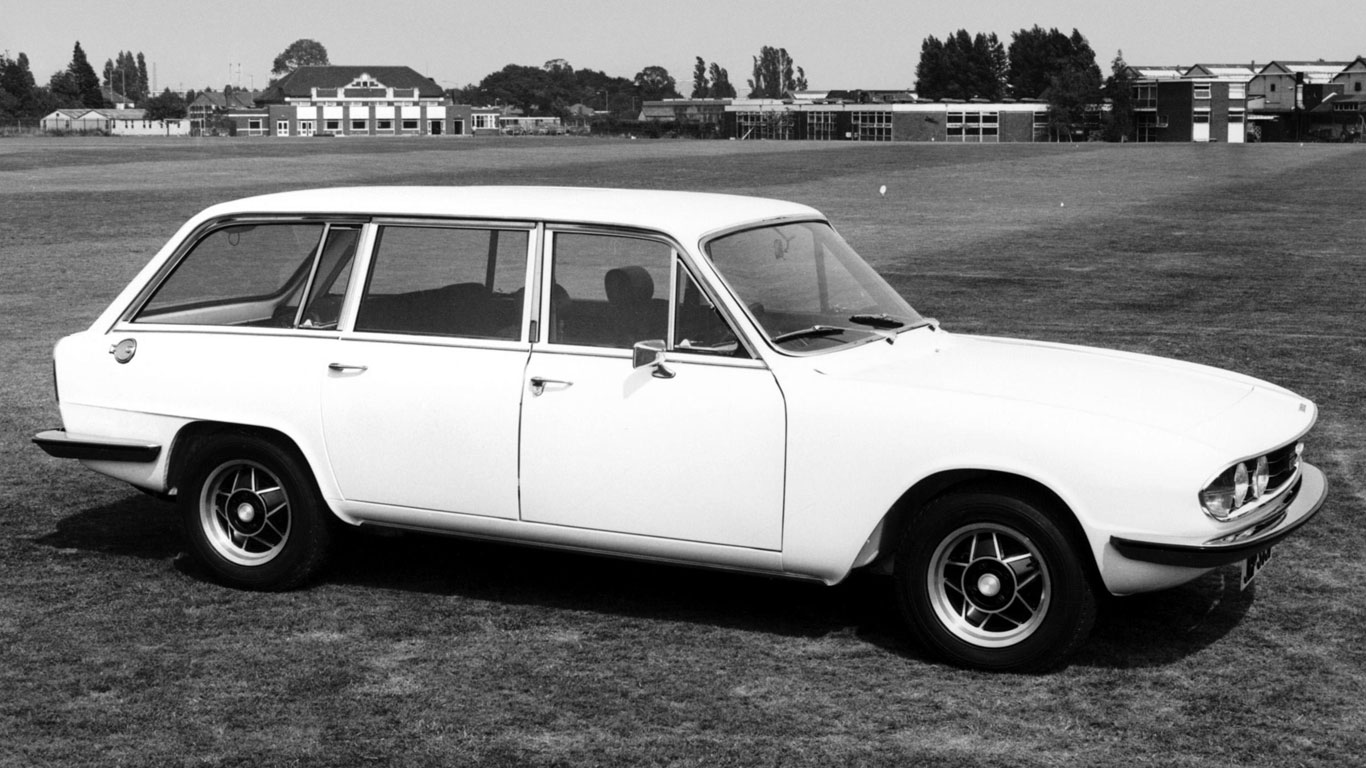
Triumph 2000 Mk2
The original Triumph 2000 was a fine executive car, built at a time when Britannia ruled the waves in the segment. But if the Mk1 looked like a comfortable sweater, the Mk2 was a sharp Italian suit, complete with redesigned nose, longer tail, smart instrument cluster and better trim. The last of the big Triumphs, the 2000 and 2.5 PI were superseded by the Rover SD1.
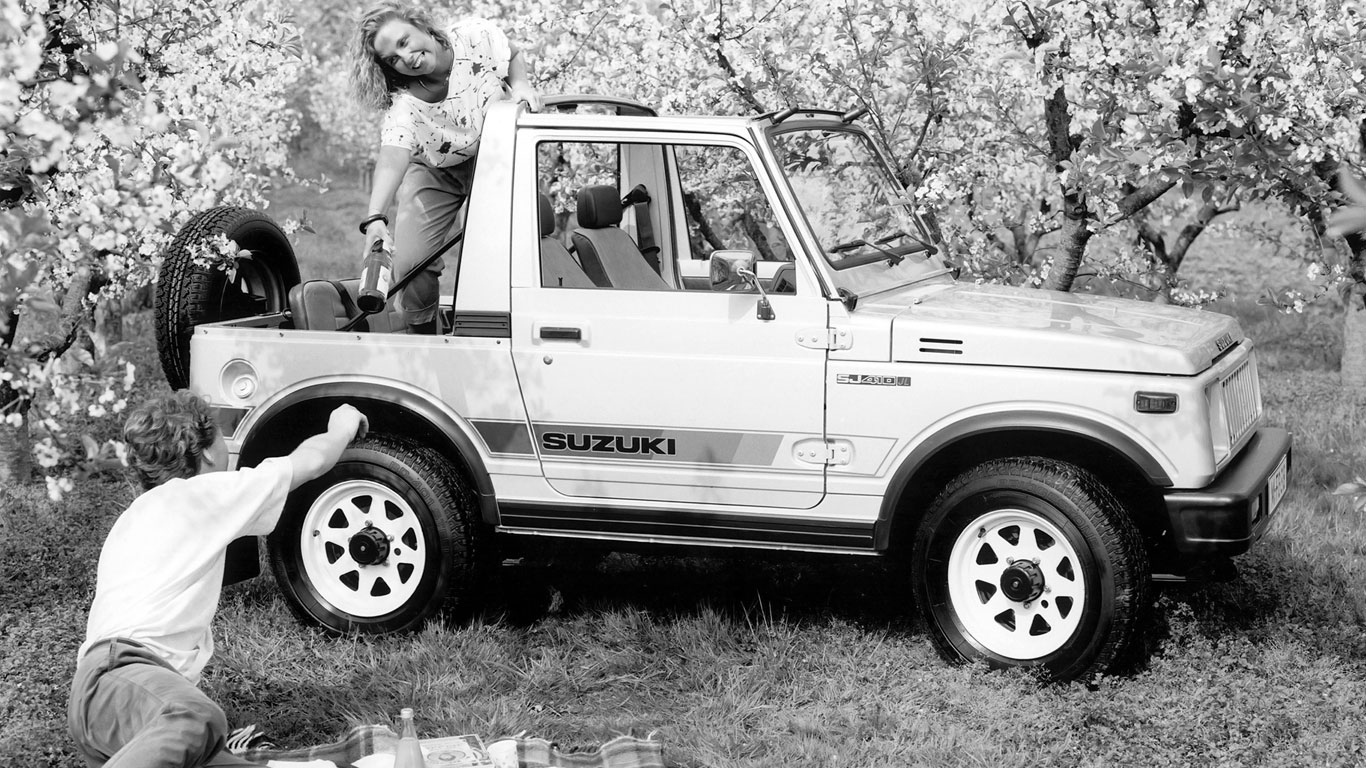
Suzuki SJ410
The Suzuki LJ10 was designed to access the tight spaces that were off limits to larger 4x4s of the time, and its lightness made it a willing companion on the rough stuff. The second-generation SJ410 represented a shift from basic practicality to a greater focus on leisure and lifestyle, as well as providing the springboard for the Jimny you can still buy new today.
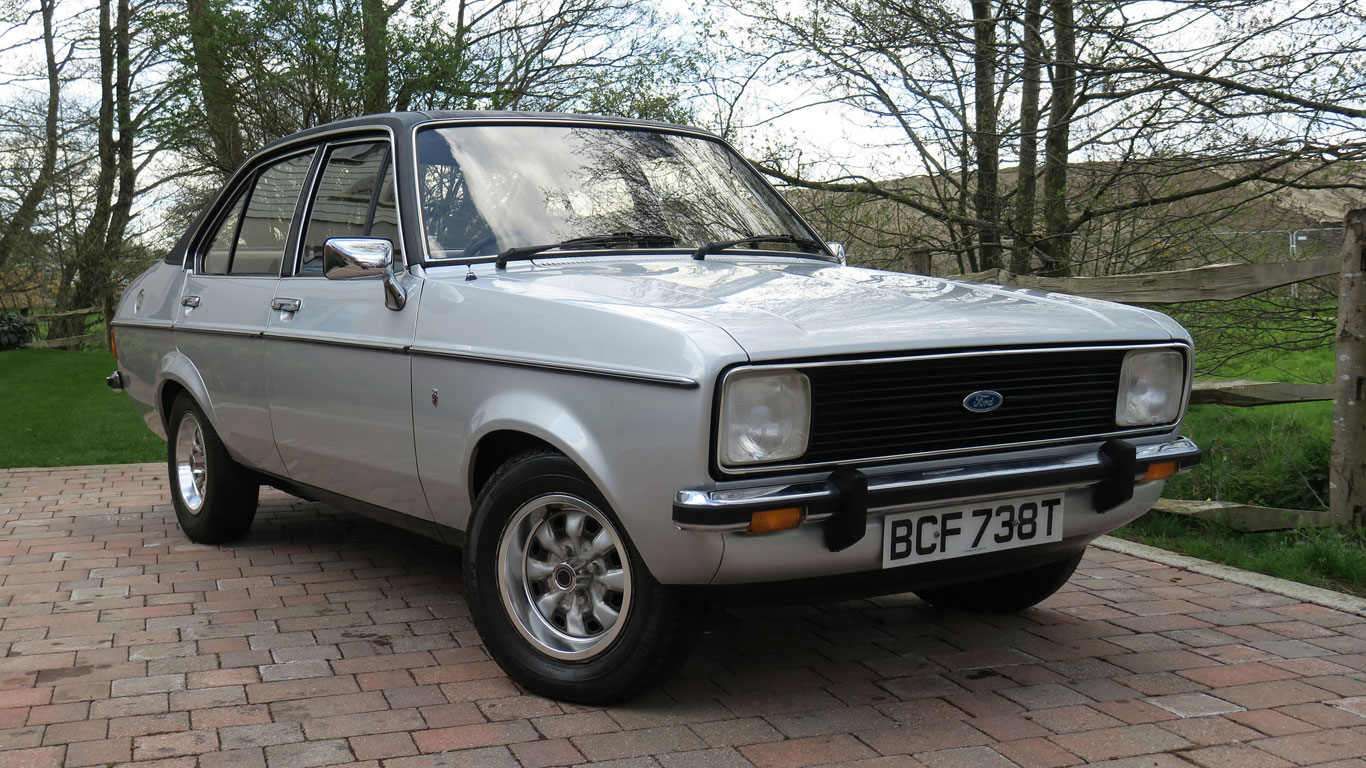
Ford Escort Mk2
In the Anglia, the Ford Escort Mk1 of 1968 had a tough act to follow, but it hit the ground running, becoming a million seller and spawning a number of legendary performance versions. The second-generation Escort arrived in 1975 and offered many improvements over the outgoing model. The classic ‘Coke bottle’ styling had gone, but the new Escort was more refined and more economical, despite being about the same size and weight as its predecessor. The performance models were pretty tasty, too.
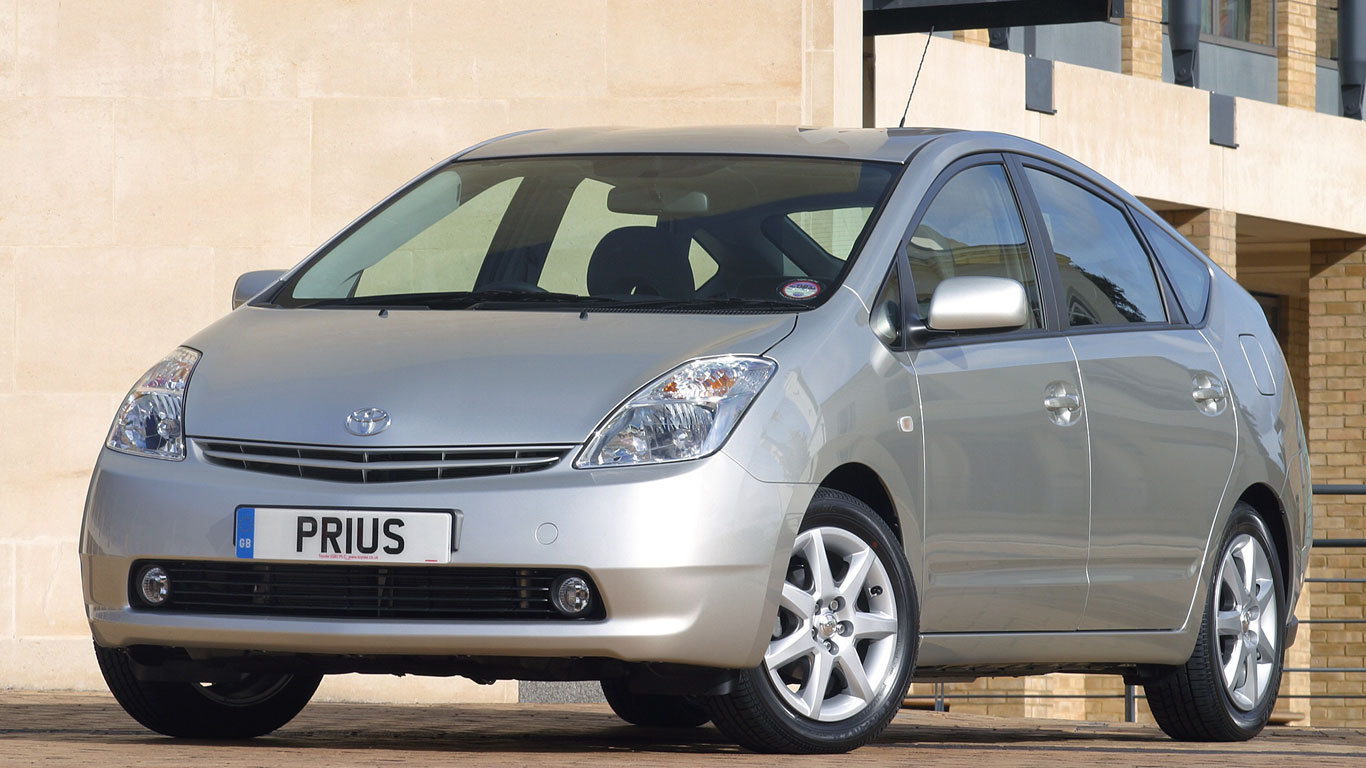
Toyota Prius II
The original Toyota Prius – along with the Honda Insight – might have been a pioneering hybrid, but it was far from the finished article. The second-generation Prius of 2003 felt like a leap into the future, offering increased fuel efficiency and lower emissions, wrapped in a larger body. It also received the European Car of the Year award in 2005 and consistently scored well in reliability surveys.
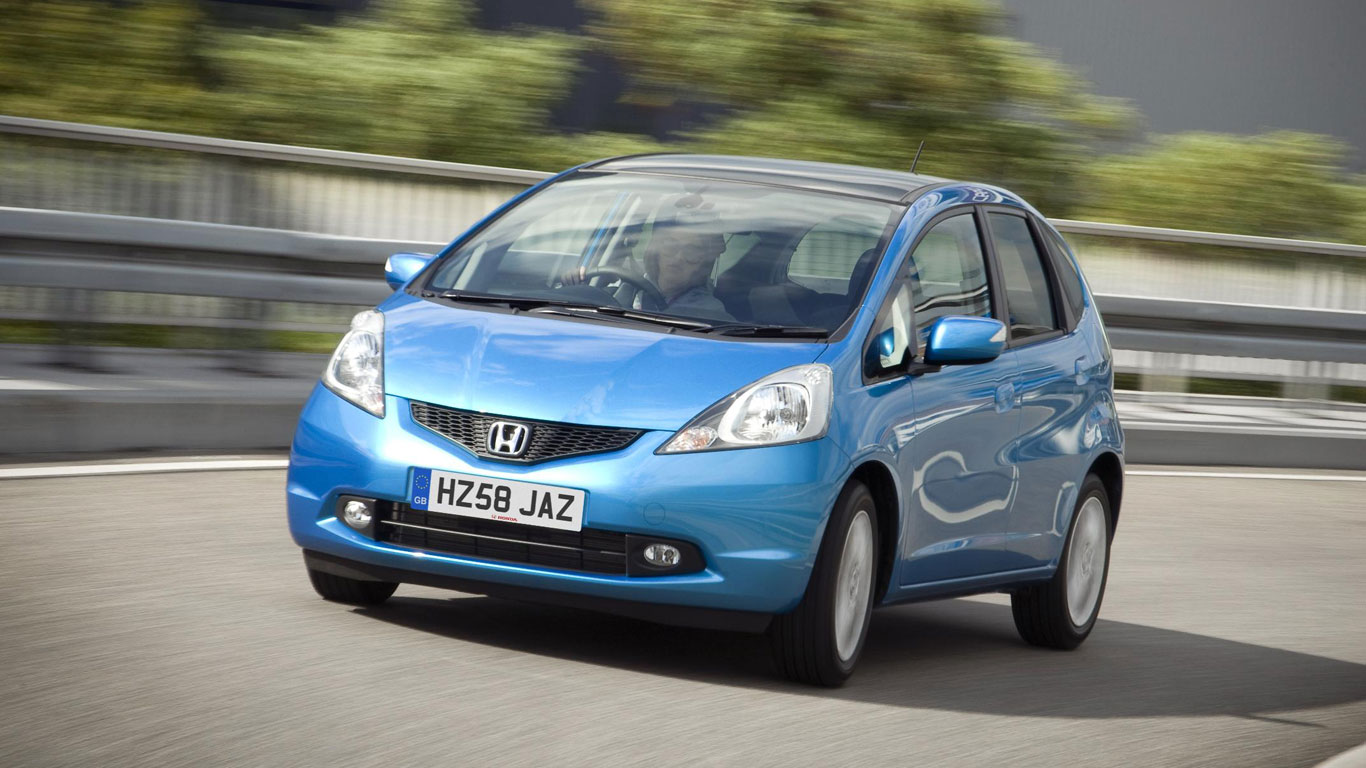
Honda Jazz Mk2
“The 2008 Jazz takes everything people loved about the old Jazz. Then takes it all a couple of steps forwards.” Not our words, Lynn, but the words of Honest John. And that’s about as good as things get in the car world. HJ is right, of course, because the second Jazz was bigger, more comfortable and better to drive. Wave your Jazz hands in the air like you just don’t care.
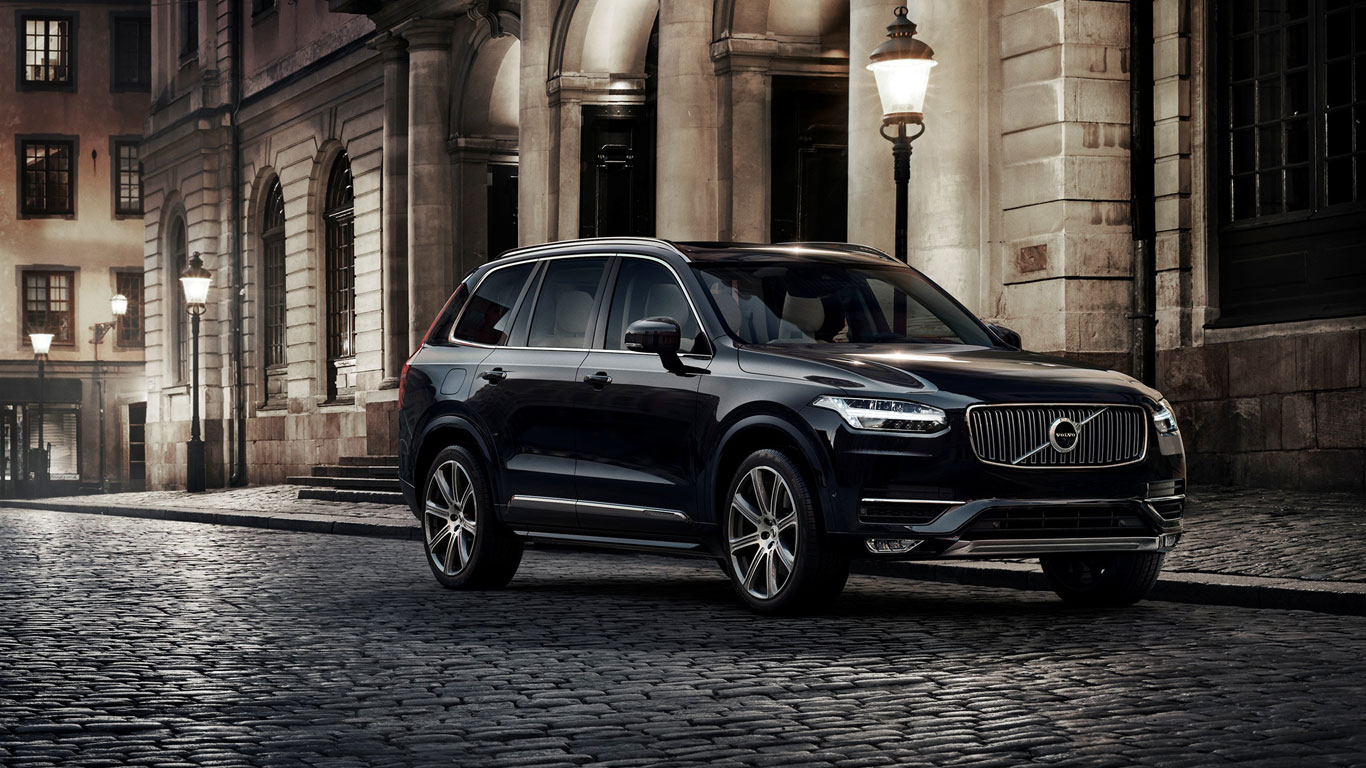
Volvo XC90 Mk2
The first-generation XC90 was a hugely successful car for Volvo, transforming the brand’s image and becoming a hit with soccer moms across the globe. Little wonder, then, that the seven-seat SUV remained in production for a dozen years. The current XC90 had a tough act to follow, but has spearheaded a complete brand and product overhaul for the Chinese-owned manufacturer. As an aside, there have been no driver or passenger fatalities recorded in an XC90 since records began in 2004.
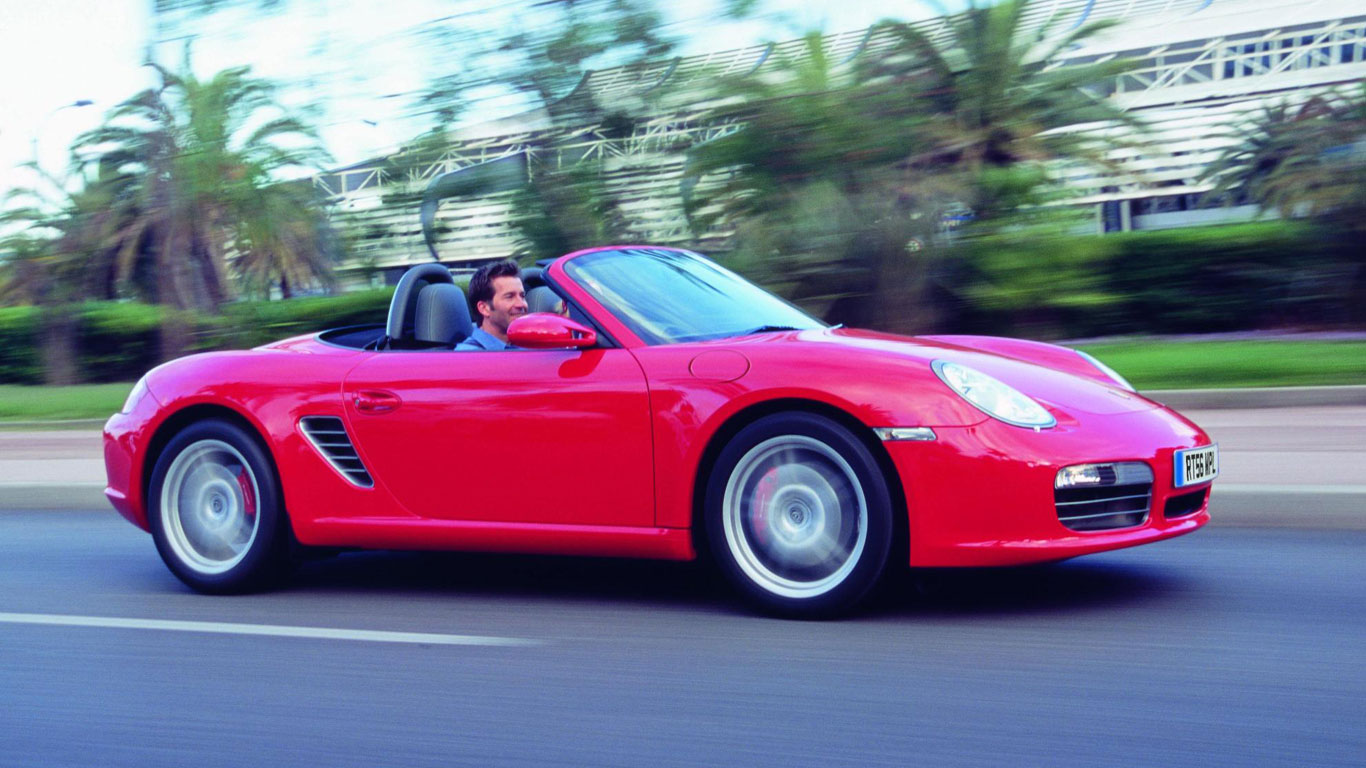
Porsche Boxster 987
The Type 987 or second-generation Boxster arrived in 2005, with Porsche using eight years experience with the Type 986 to deliver a much improved sports car. The styling was updated and the interior was upgraded, while the second Boxster also spawned a coupe version in the form of the Cayman.
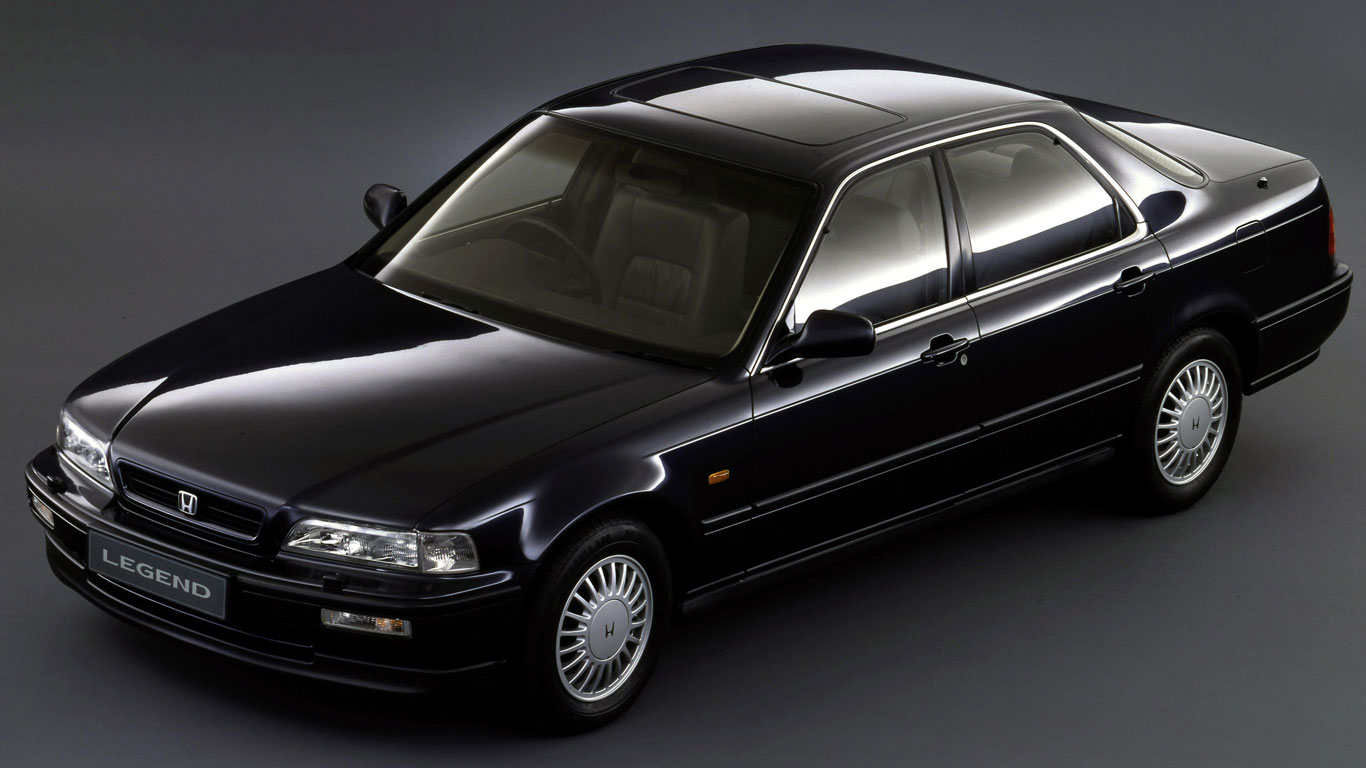
Honda Legend Mk2
How do you follow in the footsteps of a Legend? If your name’s Honda the answer is simple: create another Legend. The second-generation Legend of 1990 was larger, smoother and more powerful than its predecessor, with more purposeful styling that seemed to take aim at the BMW 5 Series. The Legend progressed while the Rover 800 faltered, with the Mk2 800 merely a facelift of the old model.
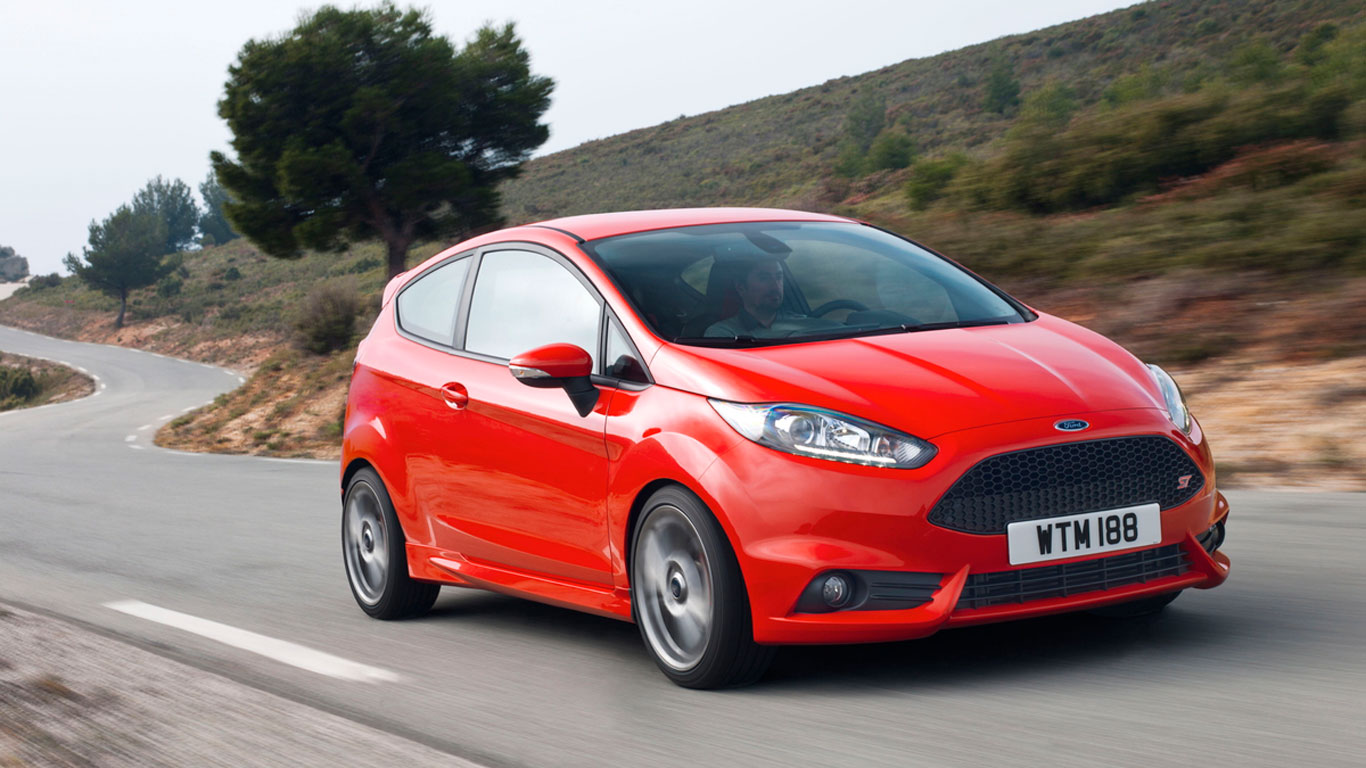
Ford Fiesta ST
We’re cheating a little here, because this isn’t so much a Mk2 as a performance version of two generations of Fiesta. But hear us out, because it’s easy to forget that the previous Ford Fiesta ST wasn’t the first. The ST of the noughties was powered by a 2.0-litre Zetec engine and it provided an interesting alternative to the all-conquering Clio RS. But the second Fiesta ST was on a different level, catapulting Ford to the top of the hot hatch tree. By all accounts, the new turbocharged ST is even better.
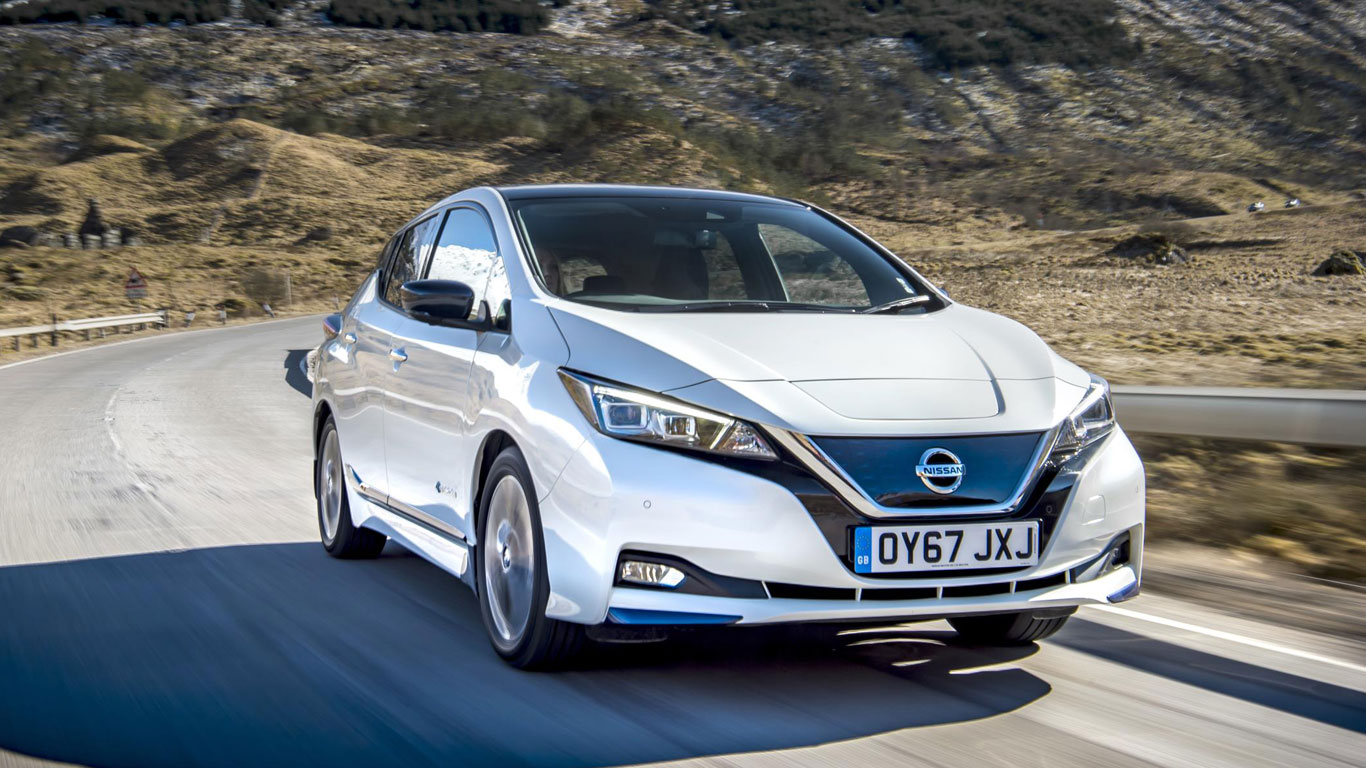
Nissan Leaf Mk2
As the first mass-market EV, the Leaf did a huge amount for the electric car segment, not to mention Nissan’s sales figures. There are now more than 300,000 Leaf models on the road, giving Nissan a huge advantage over its EV rivals. The new Leaf is even better. Our verdict: “The 2018 Nissan Leaf is exactly the car it needed to be. It’s better all round, and crucially, more normal too. The EV aspect is exceptional, from the brilliant refinement, to the punchy and classy performance, to the extended range. It rides and handles with more European polish, and it’s even pretty good fun.”
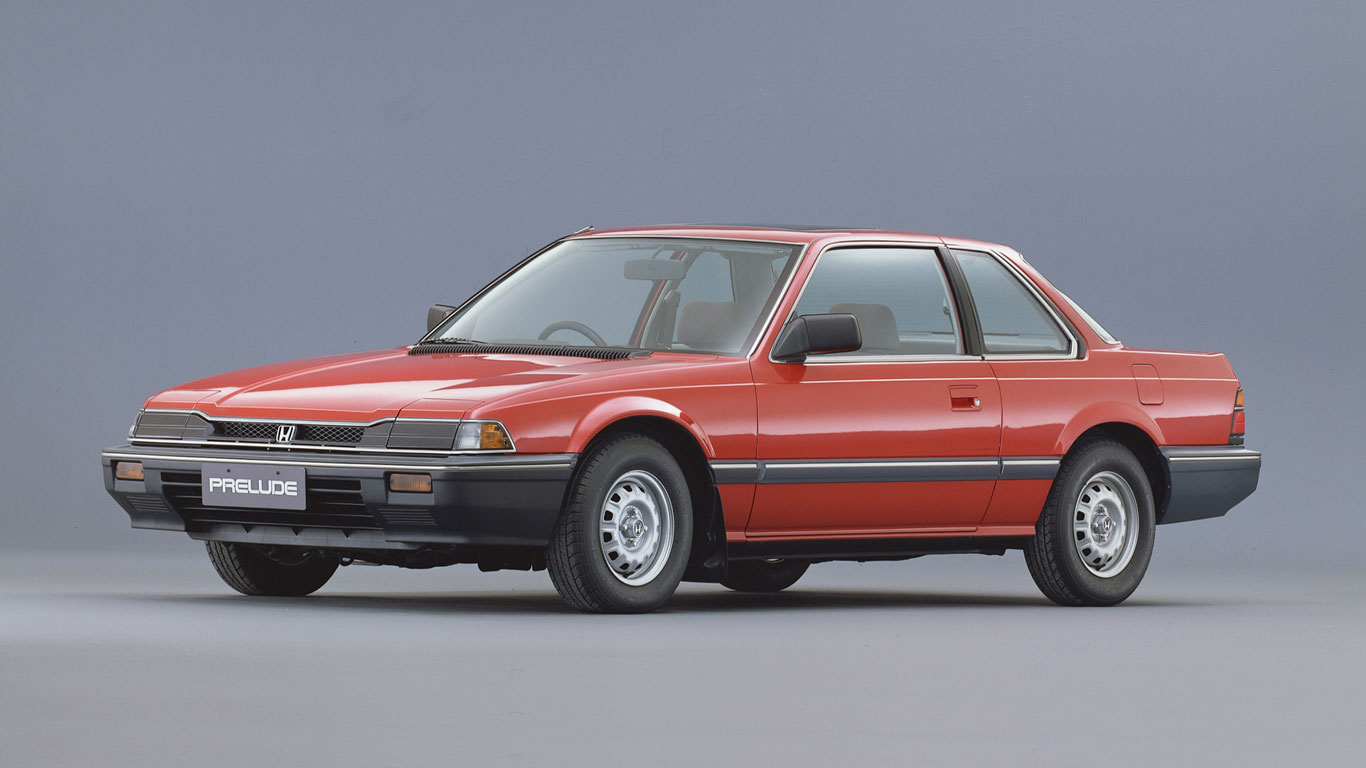
Honda Prelude Mk2
We could point to the pop-up headlights as evidence of the Prelude Mk2’s superiority over its predecessor, but there’s more to it than that. For a start, it looks more appealing than the Mk1, with its wedge-like styling and, yes, the pop-up lights. But the new Prelude was also larger, more powerful, better to drive, only marginally less efficient and packed with cutting-edge tech, such as anti-lock brakes. Cool car.
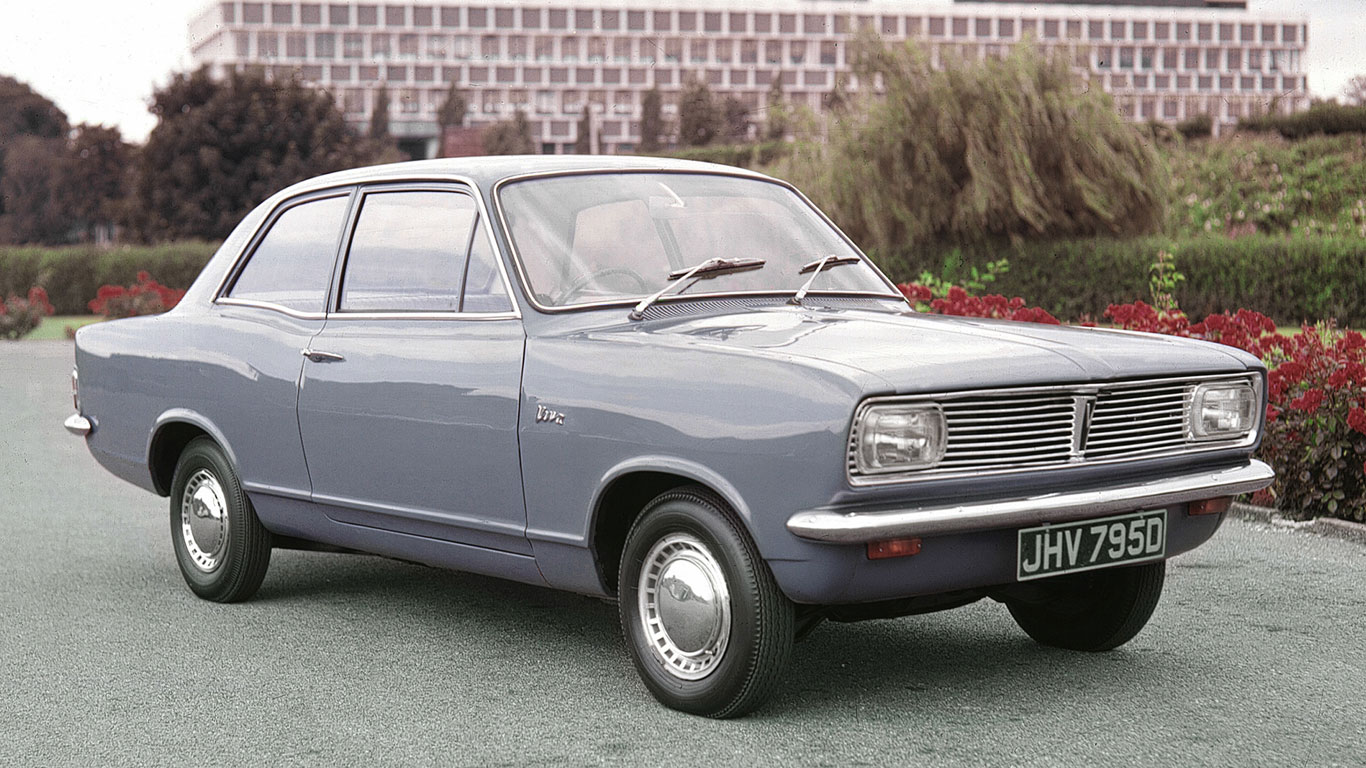
Vauxhall Viva Mk2
The original Vauxhall Viva was a plain and rather conventional small car, but the Mk2 was different in so many ways. “In the case of the new Viva the new model is much, much more than just a new body. Some of our staff thought it so different from the previous one that a new name for it would have been justified.” The words of Autocar in 1966.
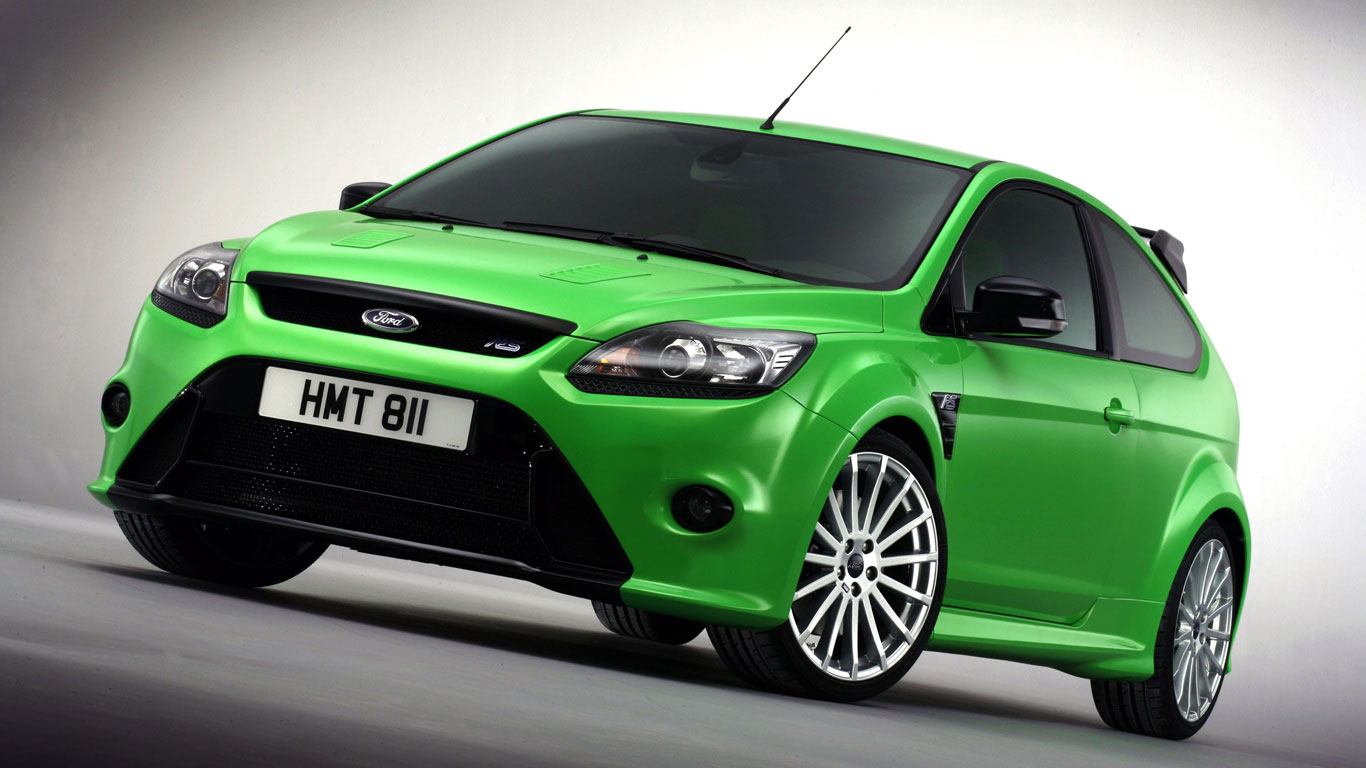
Ford Focus RS Mk2
Few would argue that the Focus RS has evolved and improved with every new generation, but we maintain that the Mk1 was the best looking. It was also a successful halo car for Ford, although the Blue Oval lost money on every one it sold. It had its faults, many of which have become characteristics with the passing of time, but the Mk2 was a more rounded product with a delightful 2.5-litre five-cylinder turbocharged engine.
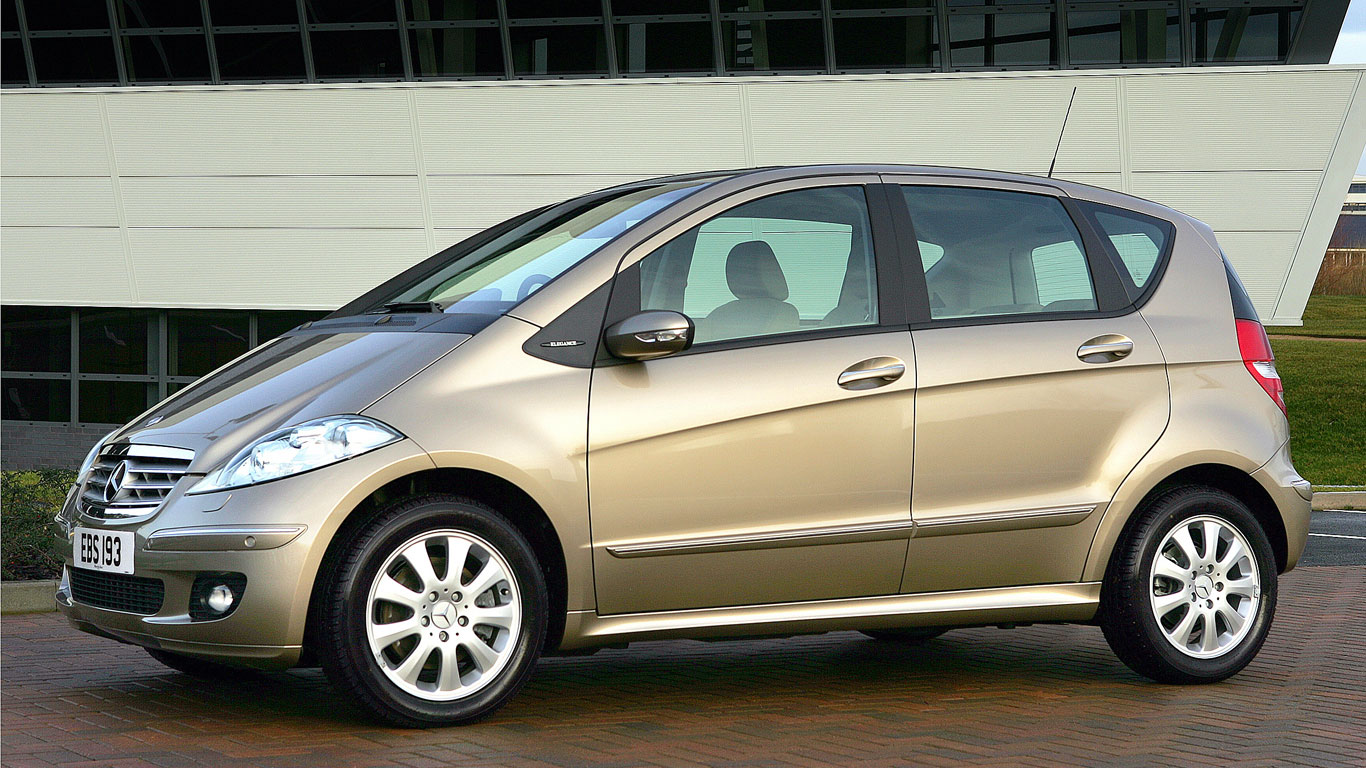
Mercedes-Benz A-Class
Mercedes-Benz is reported to have lost £1.44 billion on the A-Class, so bosses would have been pleased to see the back of it in 2005. Many owners were equally unhappy with MB’s small car, with the A-Class beset with quality and reliability issues. The Mk2 A-Class was hardly an all-time great, but it was a far better resolved product.
Every summer, the streets of Knightsbridge, Belgravia and Chelsea erupt with the sound of supercars – many flown in from around the world. Armed with a camera, we spent several days in London, photographing these wild beasts in their favoured habitat. We’ve included the Instagram tags of owners where possible.
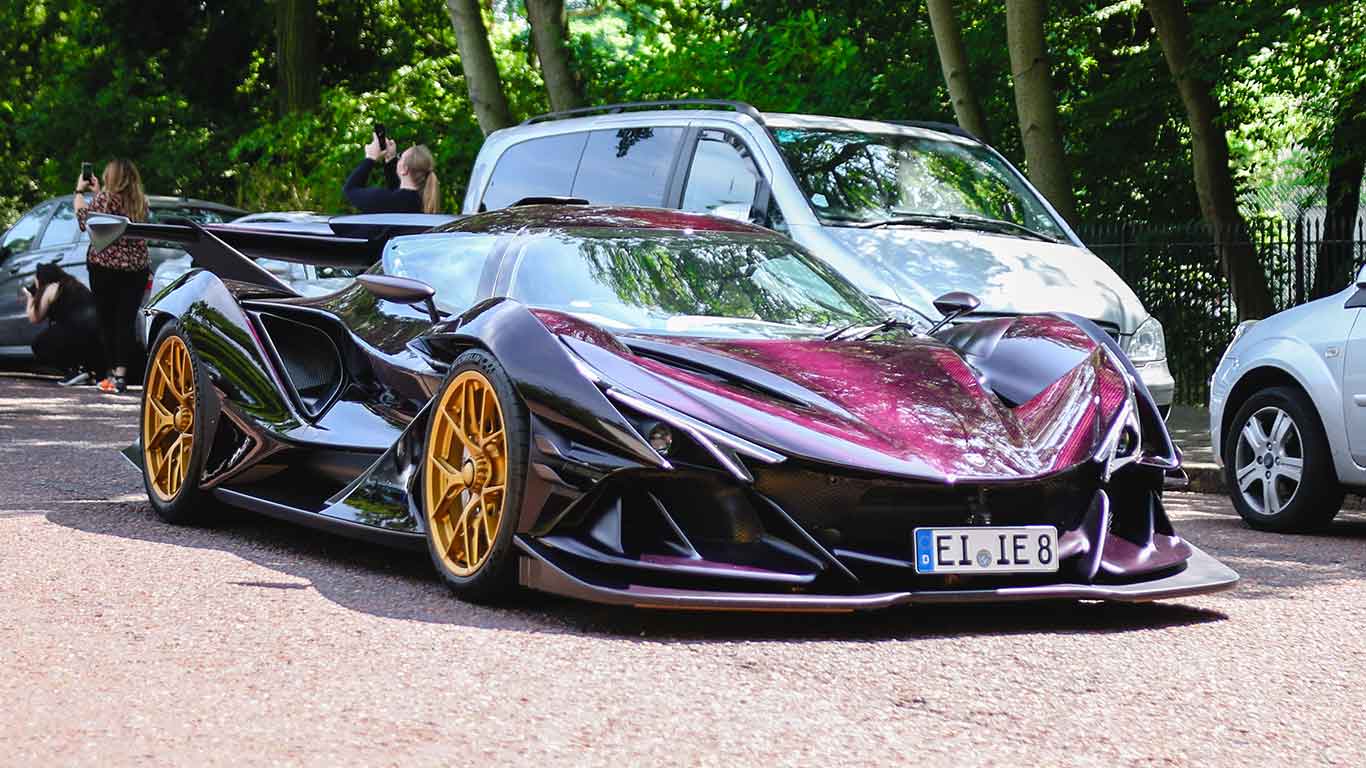
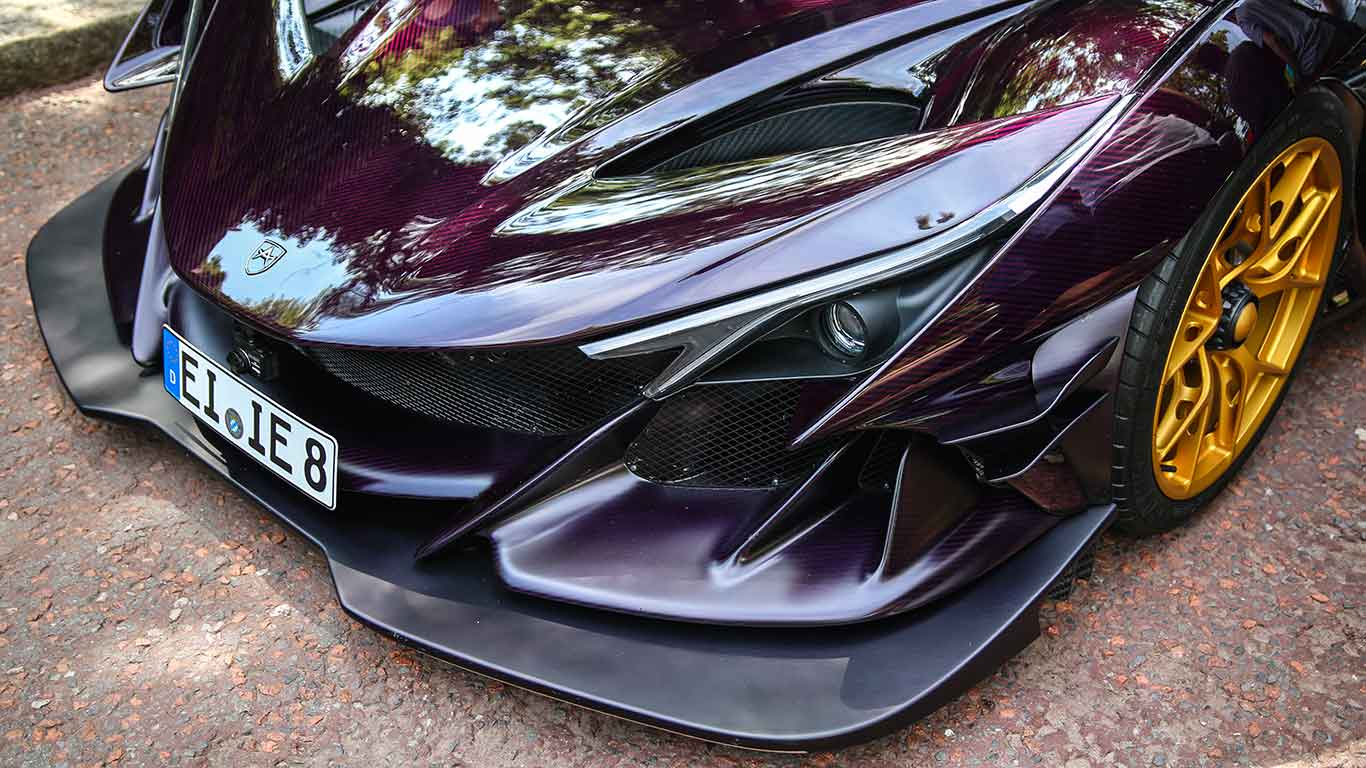
Remember the Audi-engined Gumpert Apollo? Meet its successor. The 789hp Apollo IE (Intensa Emozione) has styling from science fiction, along with a tuned Ferrari V12 and sequential manual gearbox. Despite a £2 million+ price tag, all 10 cars have reportedly been sold.
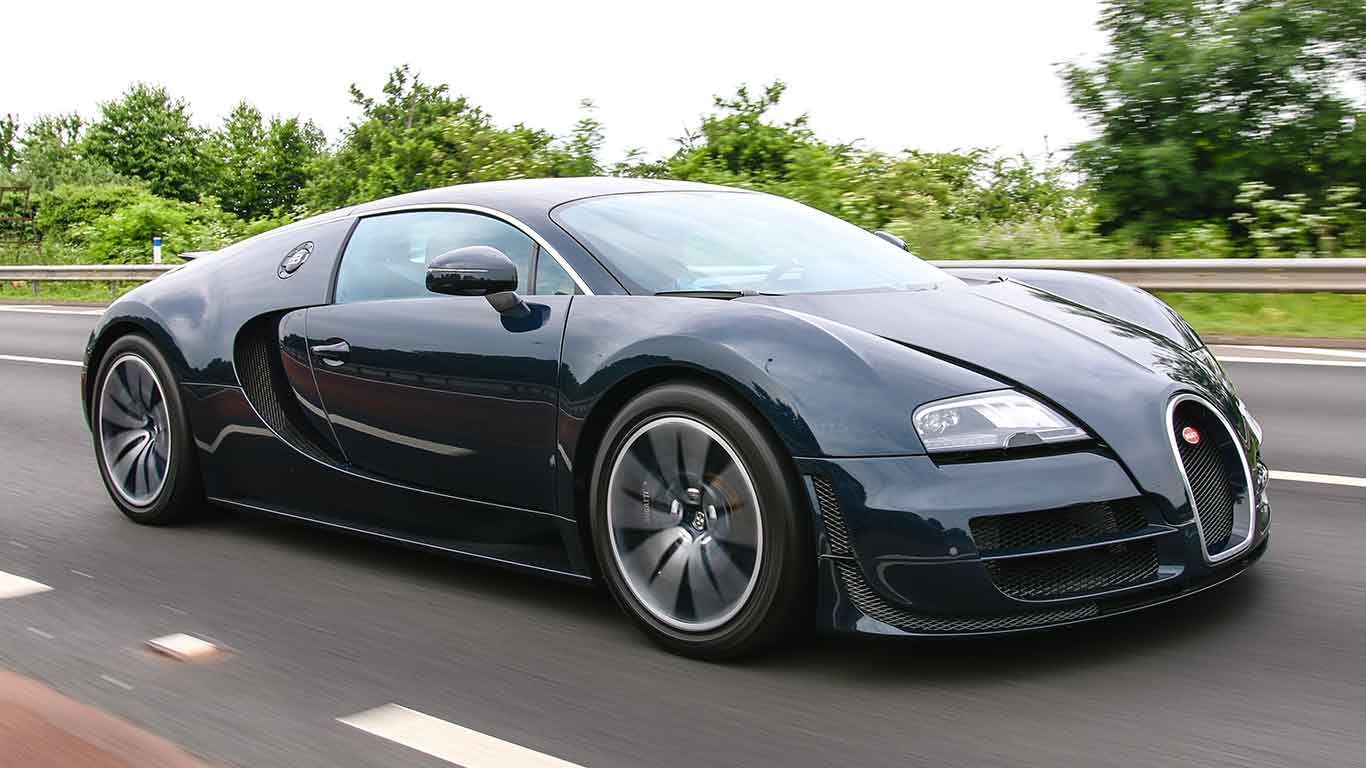
Not merely a ‘standard’ Veyron, this is a one-of-30 Super Sport. Bugatti upped output from the 8.0-litre W16 engine from 1,001hp to 1,200hp, increasing top speed to an electronically-limited 258mph. This Veyron belongs to Afzal Kahn – the founder of car customisation company, Kahn Design.
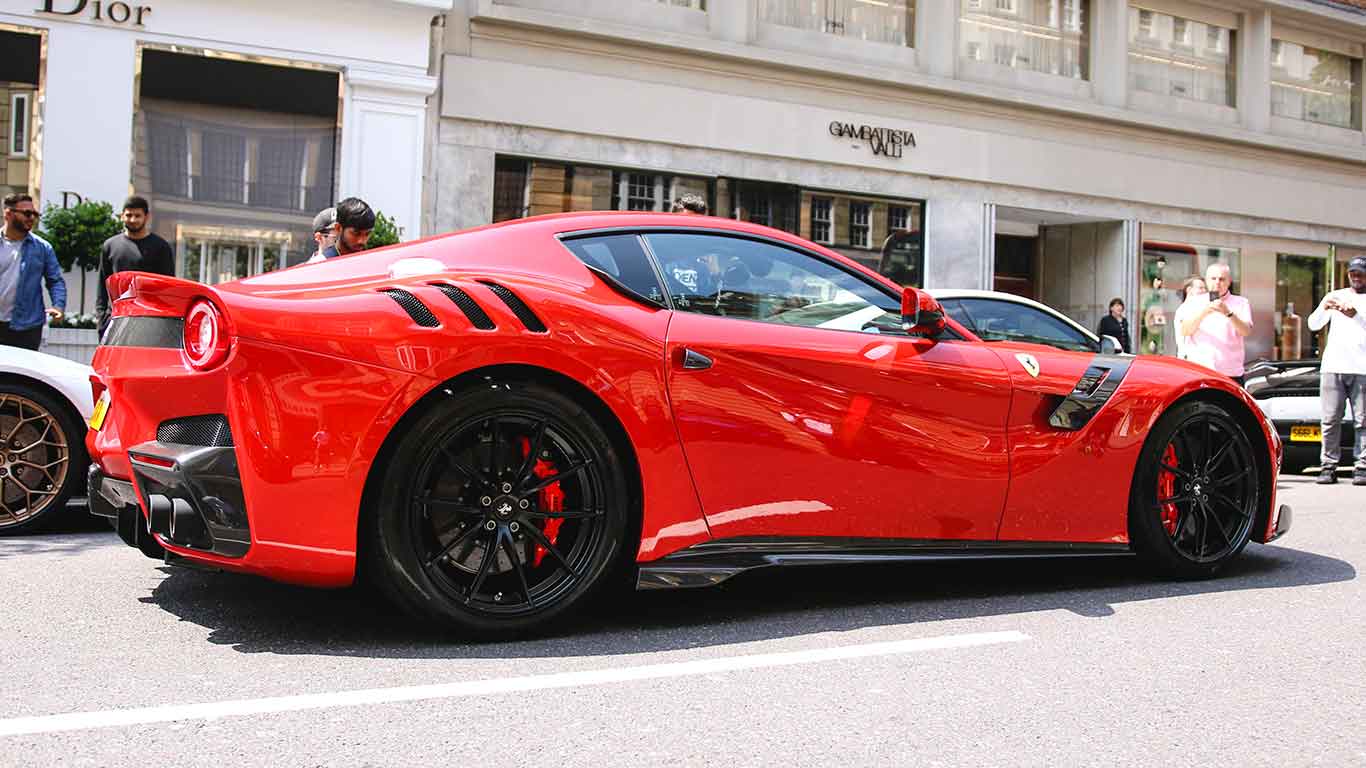
Ferrari F12 TDF
The ferociously quick F12 TDF (Tour de France) is a hardcore version of Ferrari’s former flagship. It packs a 780hp front-mounted V12 and hits 62mph in 2.9 seconds. Perfect for cruising the King’s Road, then.
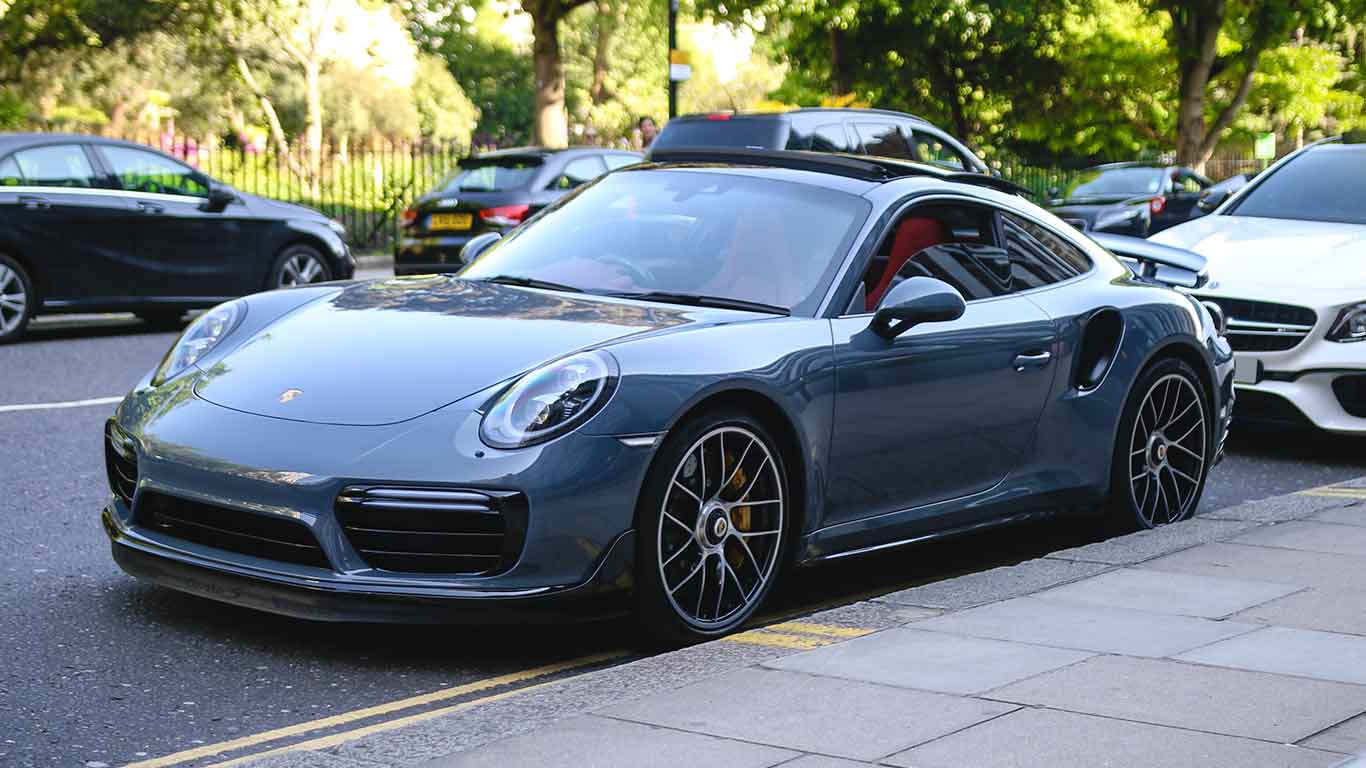
Porsche 911 Turbo S
Porsche 911s are a common sight in many London postcodes, although a Turbo S remains a relative rarity. This is the current ‘991.2’ iteration, with a 580hp flat-six – 40hp more than the regular Turbo. Performance? Try 0-62mph in 2.9 seconds and 205mph.
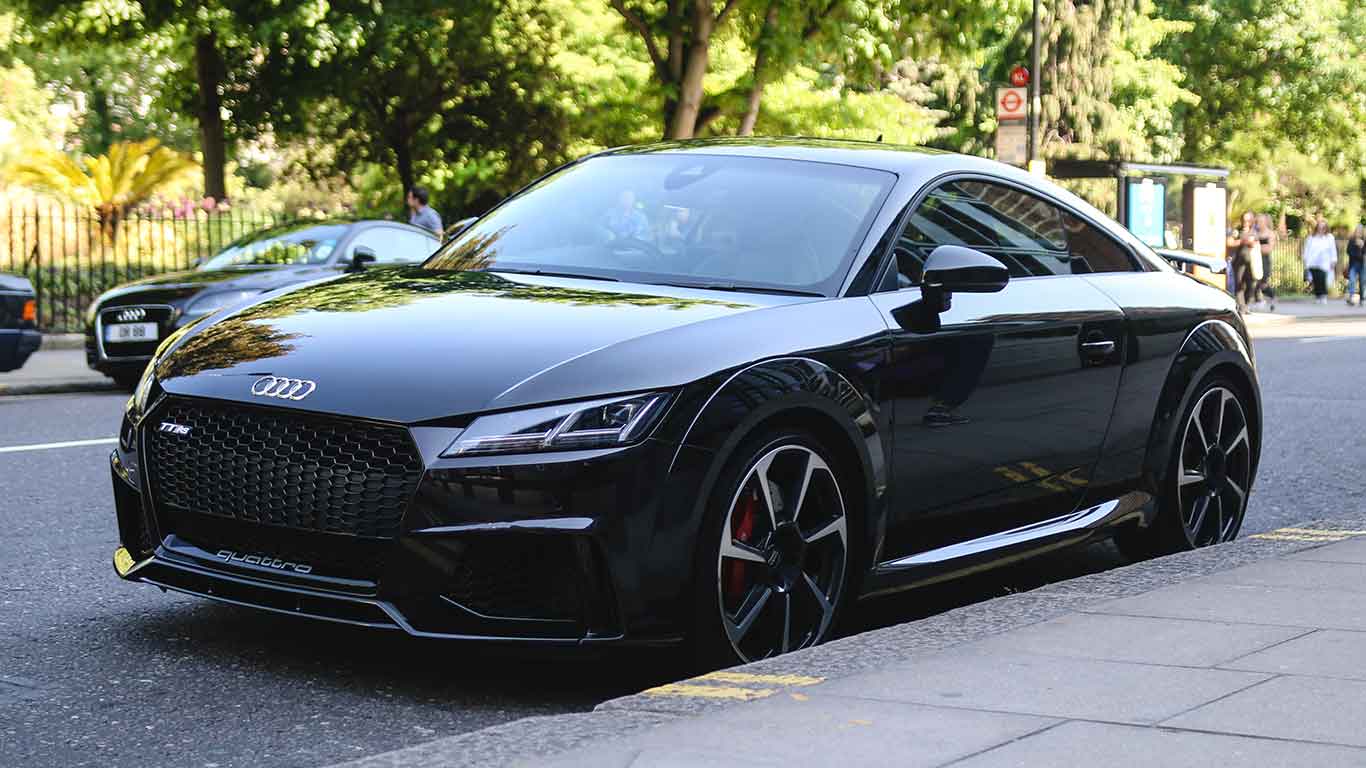
Back in 2016, we said: “the new Audi TT RS hits 62mph from standstill in 3.7 seconds. That’s quicker than a Ferrari F40, Porsche 959 or Jaguar XJ220. It’s also just 0.2 seconds slower than Audi’s flagship R8.” This stealthy black TT belongs to Jake: @insideoutnback on Instagram.
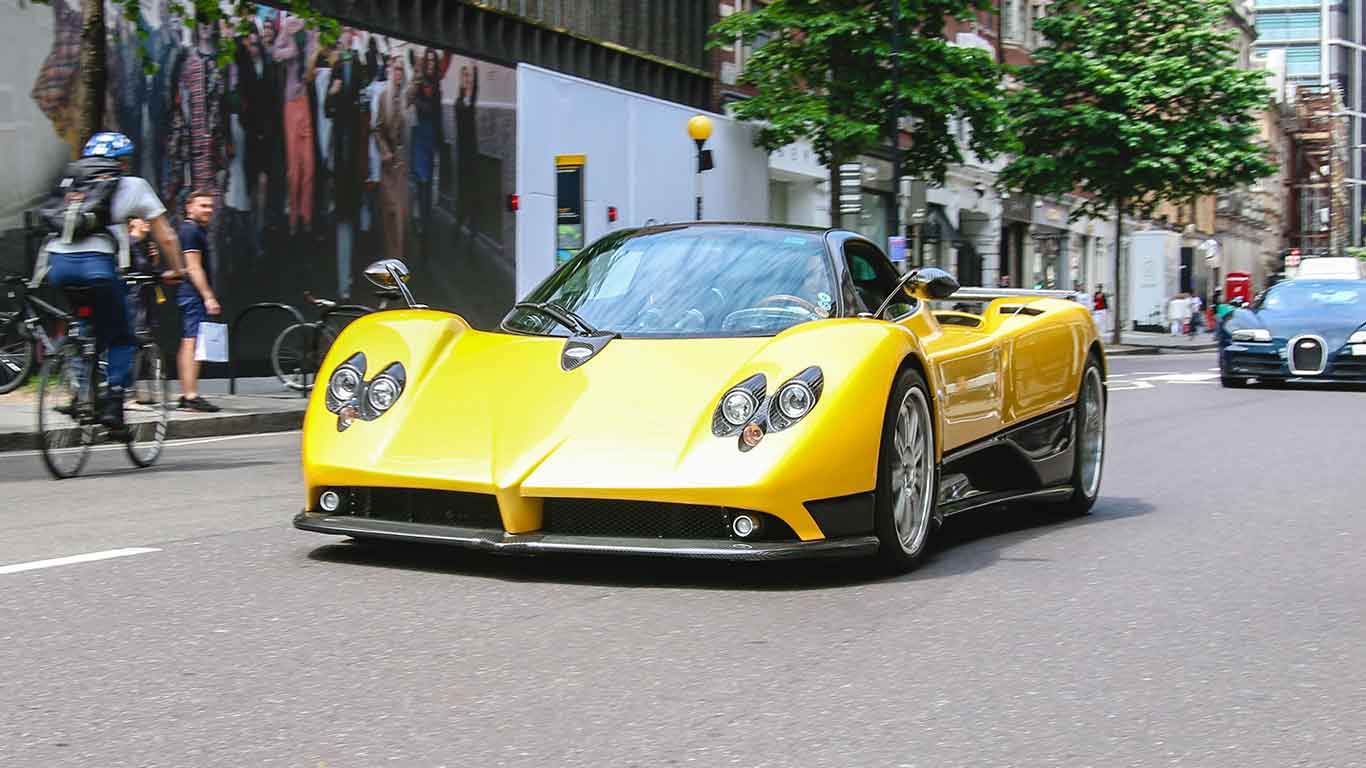
Nothing screams ‘supercar’ like a bright yellow Pagani Zonda. Launched in 1999, the Zonda was continually updated over 18 years in production – and there are numerous special editions. This Zonda F – owned by @zondamd – is one of 25 made, with exposed carbon fibre on the lower half of its bodywork. Power comes courtesy of a 602hp Mercedes-AMG V12.
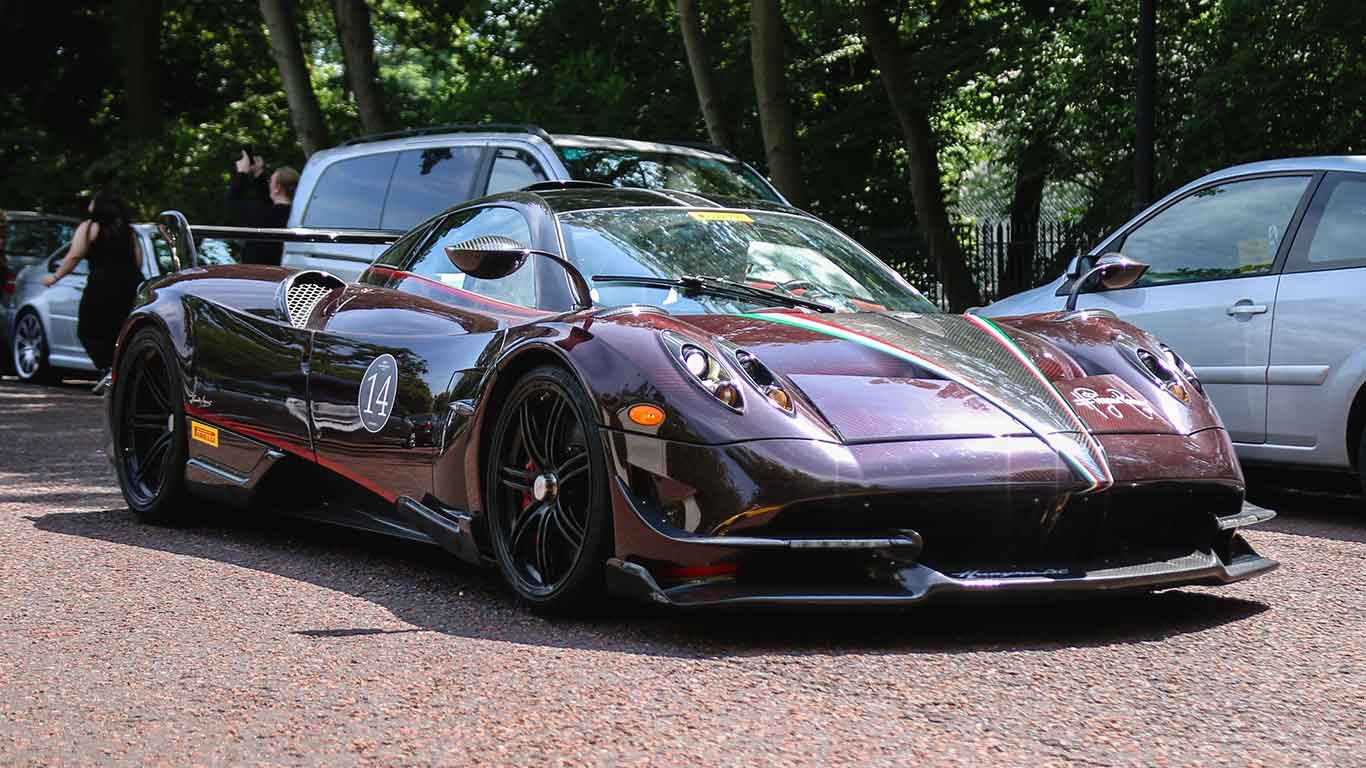
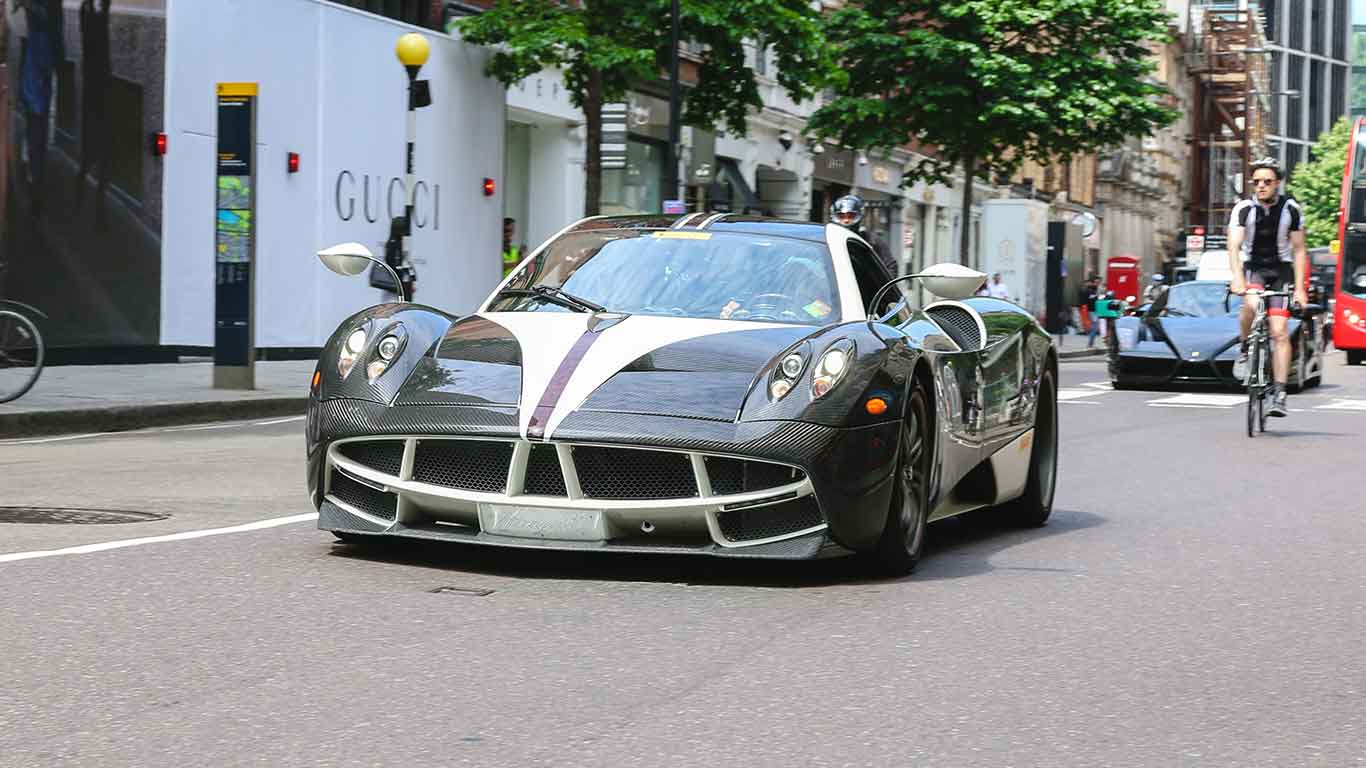
The Huayra (say it ‘why-ra’) is Pagani’s second supercar, launched in 2012. The track-focused BC followed in 2016, with 755hp and a kerb weight of just 1,218kg (a 1.5-litre Ford Focus weighs 1,363kg). Note the exposed carbon fibre – a special ‘Triax’ compound claimed to be 20% stronger and 50% lighter.
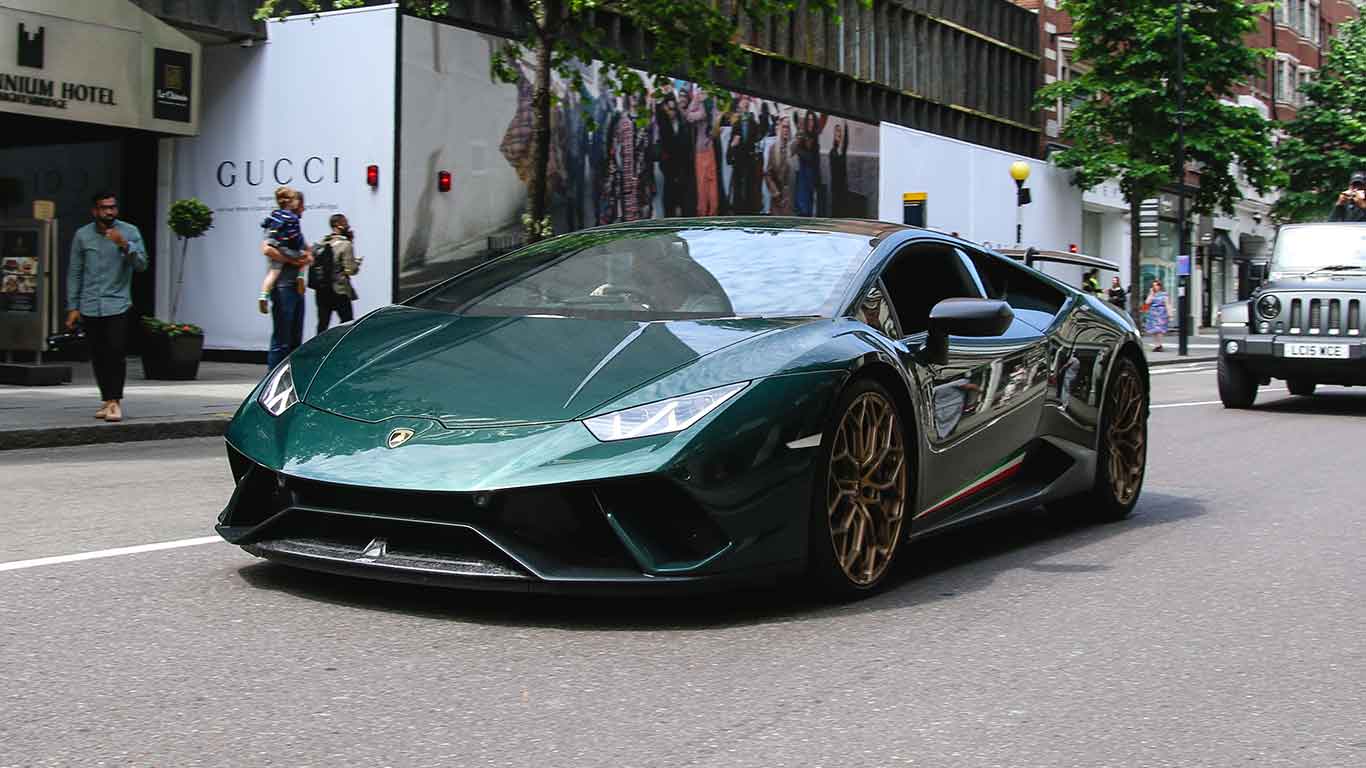
The 640hp Huracan Performante laps the Nürburgring seven seconds quicker than its big brother, the 750hp Aventador SV. It also blitzed the 12.9-mile circuit faster than an 899hp Porsche 918 Spyder. Even at more sedate speeds on Sloane Street, the Lamborghini’s naturally-aspirated V10 sounds utterly feral.
The owner of this Aventador SV Roadster – @rana65556 on Instagram – has just bought a Huracan Performante Roadster, too. The SuperVeloce (literally ‘super fast) blasts to 62mph in 2.8 seconds and has a two-piece carbon hard-top that slots into the front boot. Huge ‘SV’ decals on the rear wings complete the look.
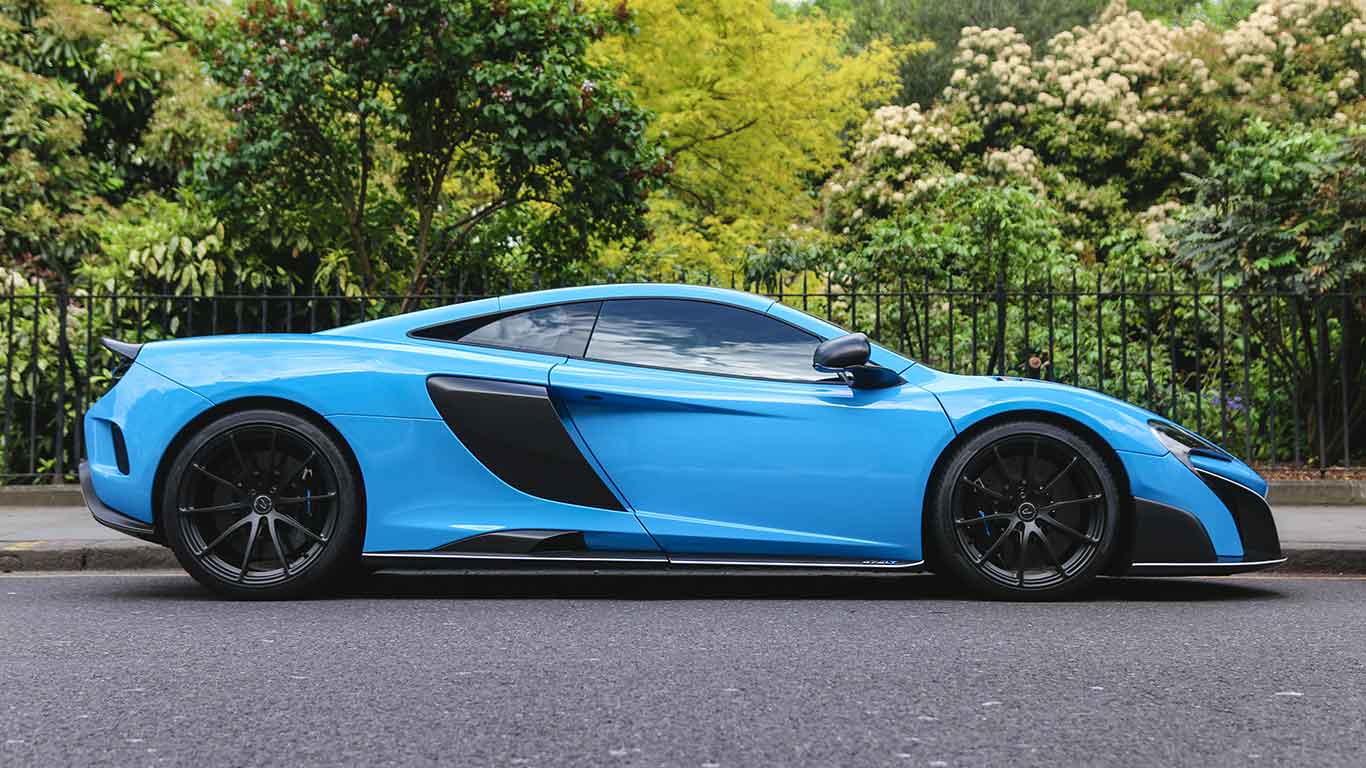
We’ve not seen a better-looking 675LT than this – photographed on Sloane Street. Its bright blue finish is actually a vinyl wrap from Dub Customs, with unpainted carbon fibre for the spoilers and side skirts. The twin-turbo V8 675LT remains the fastest car around the original Top Gear test track.
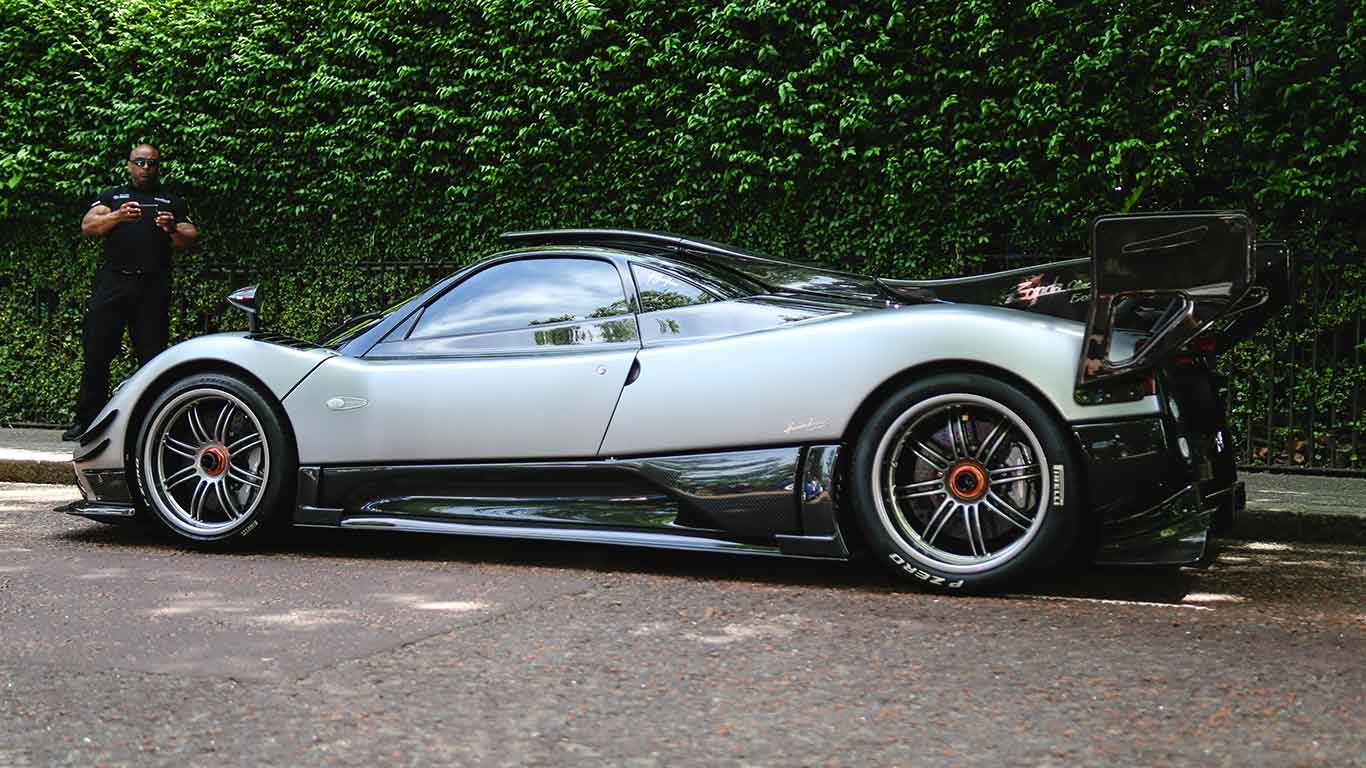
This extreme, one-off Pagani Zonda is named after the owner’s son. Its huge, split-level rear wing is designed for maximum downforce, while its 7.3-litre V12 is boosted to 760hp. Oliver was apparently nine years old when the car was commissioned. He’ll be one lucky boy when he inherits this.
Ferrari 488 GTB
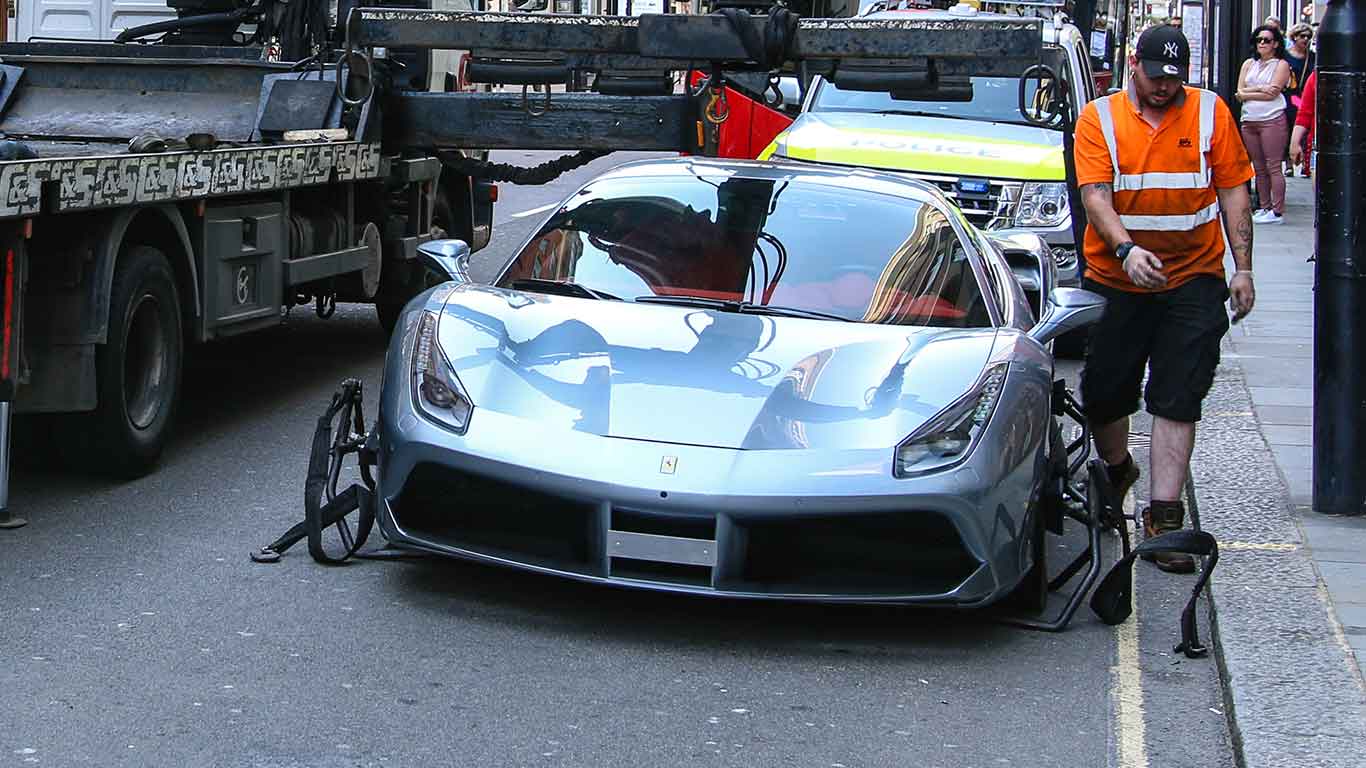
Cruising London in a supercar doesn’t always go to plan – particularly if you have no insurance. This Ferrari 488 GTB is being hoisted onto a flatbed truck – bound for the council compound. No doubt its owner faces a hefty fine.
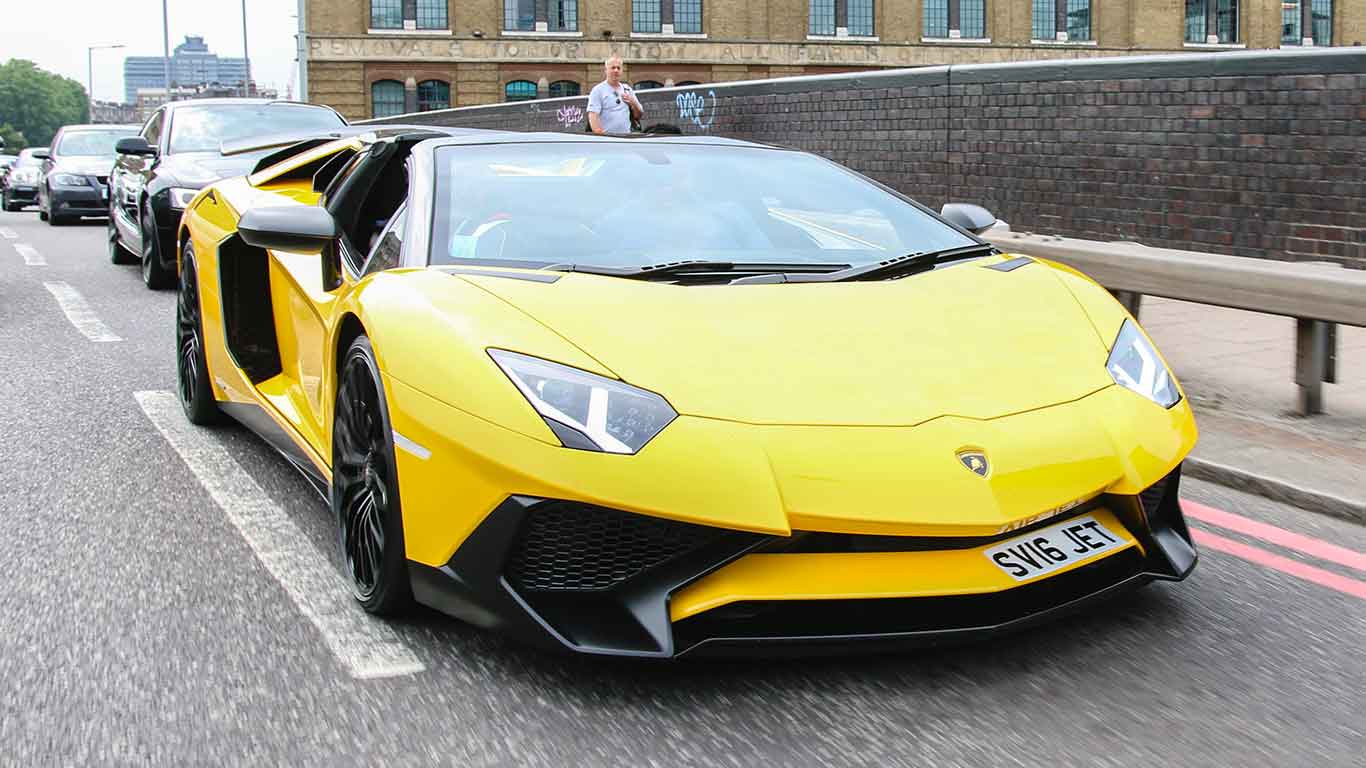
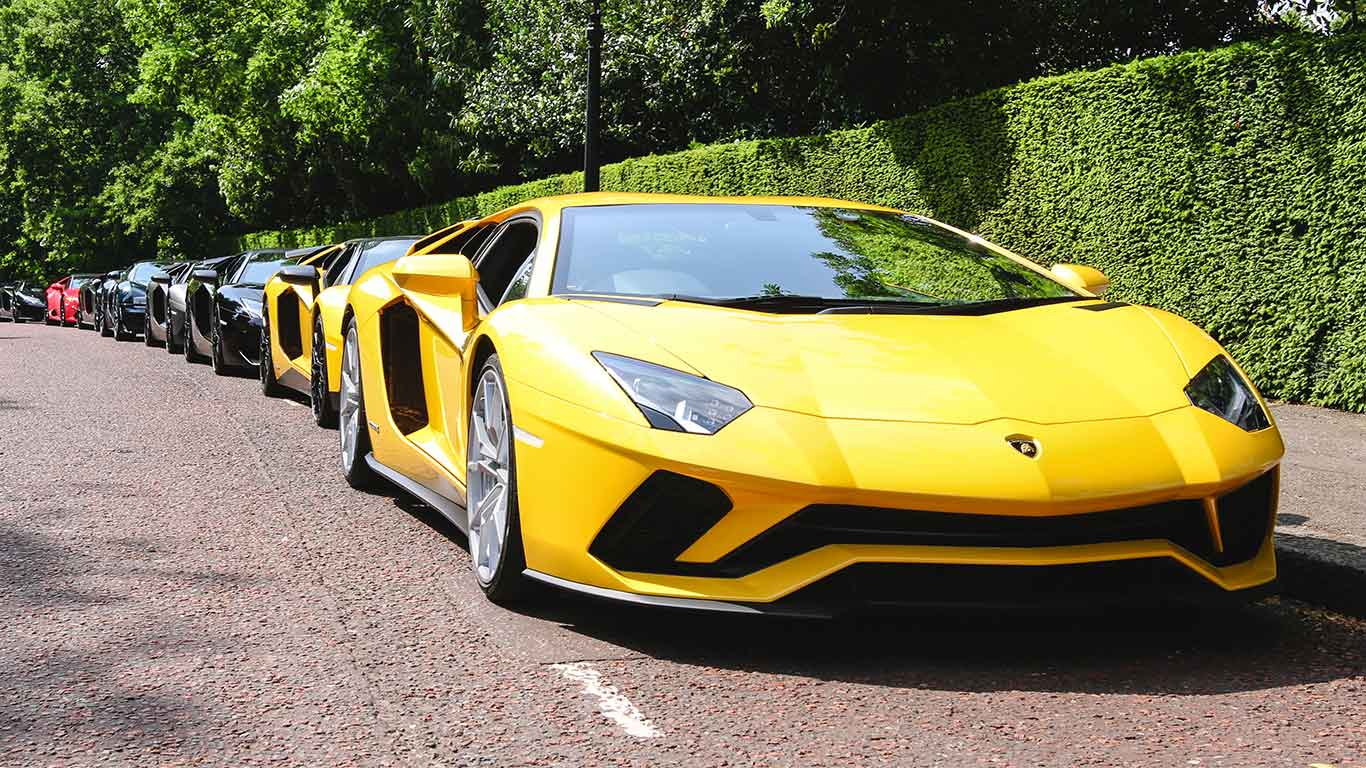
Another yellow Aventador, but those ‘fangs’ in the front grille indicate this is the latest S version. Its mighty 740hp V12 offers plenty of straight-line speed (0-62 mph in 2.9sec, 217mph), while four-wheel steering improves cornering agility. Selectable drive modes, from Strada (street) to Corsa (track) were also introduced.
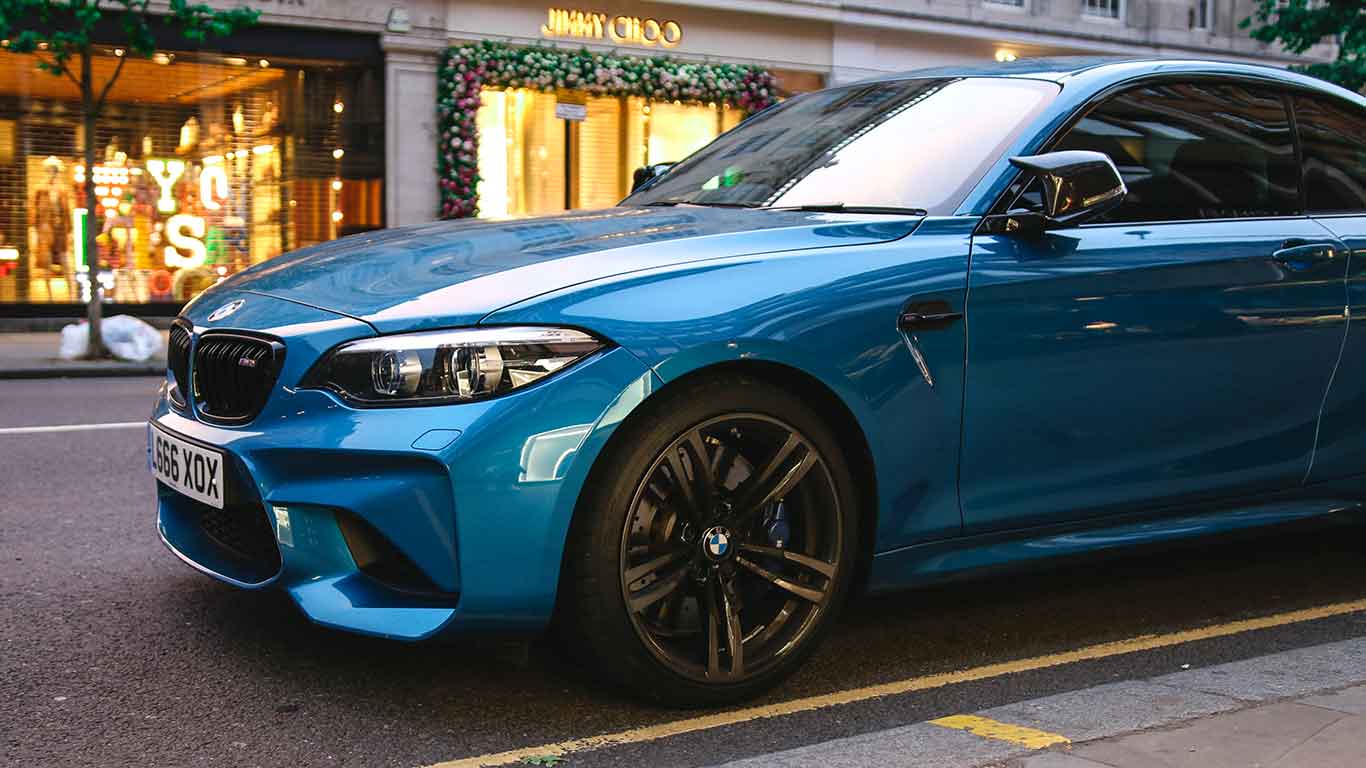
Giving the TT RS a run for its money is this BMW M2, owned by @l666xox. The 370hp coupe is smallest and arguably most exciting of the current M-car crop, with a lively rear-drive chassis and a choice of six-speed manual or seven-speed semi-auto gearboxes. Long Beach Blue paint – the M2’s signature shade – helps this car stand out.
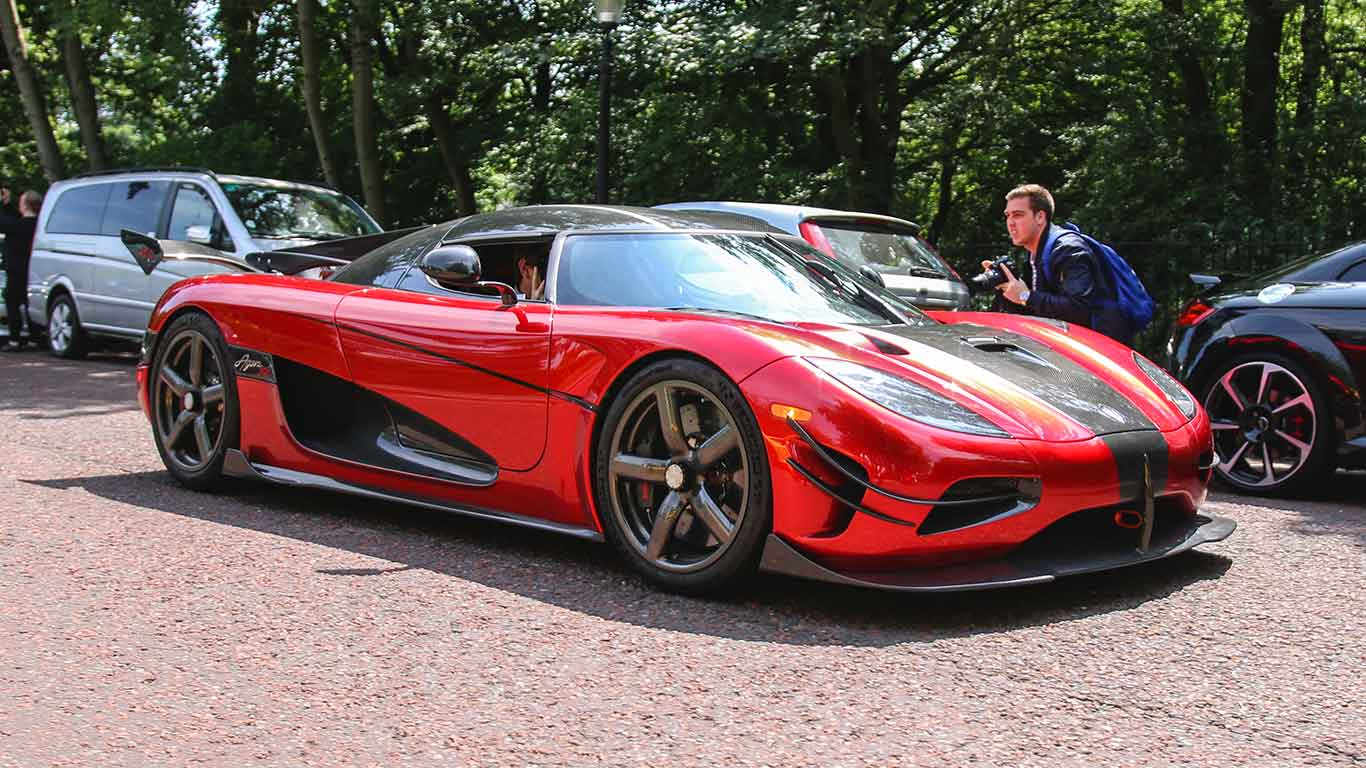
‘XS’ indeed. This a Koenigsegg Agera XS – one of just two made. Beneath that less-than-subtle carbon bodywork is the 1,340hp twin-turbo V8 from the Koenigsegg One:1, capable of accelerating this Swedish supercar beyond 250mph. An active rear wing generates 450kg of downforce at 155mph.
There are acres of exposed carbon fibre on this Huayra and, if you look closely, you’ll notice the stripes in the weave line up perfectly between body panels. That’s a reflection of Horacio Pagani’s obsessive attention to detail, which includes having every screw laser-etched with the Pagani logo – at a cost of £65 each.
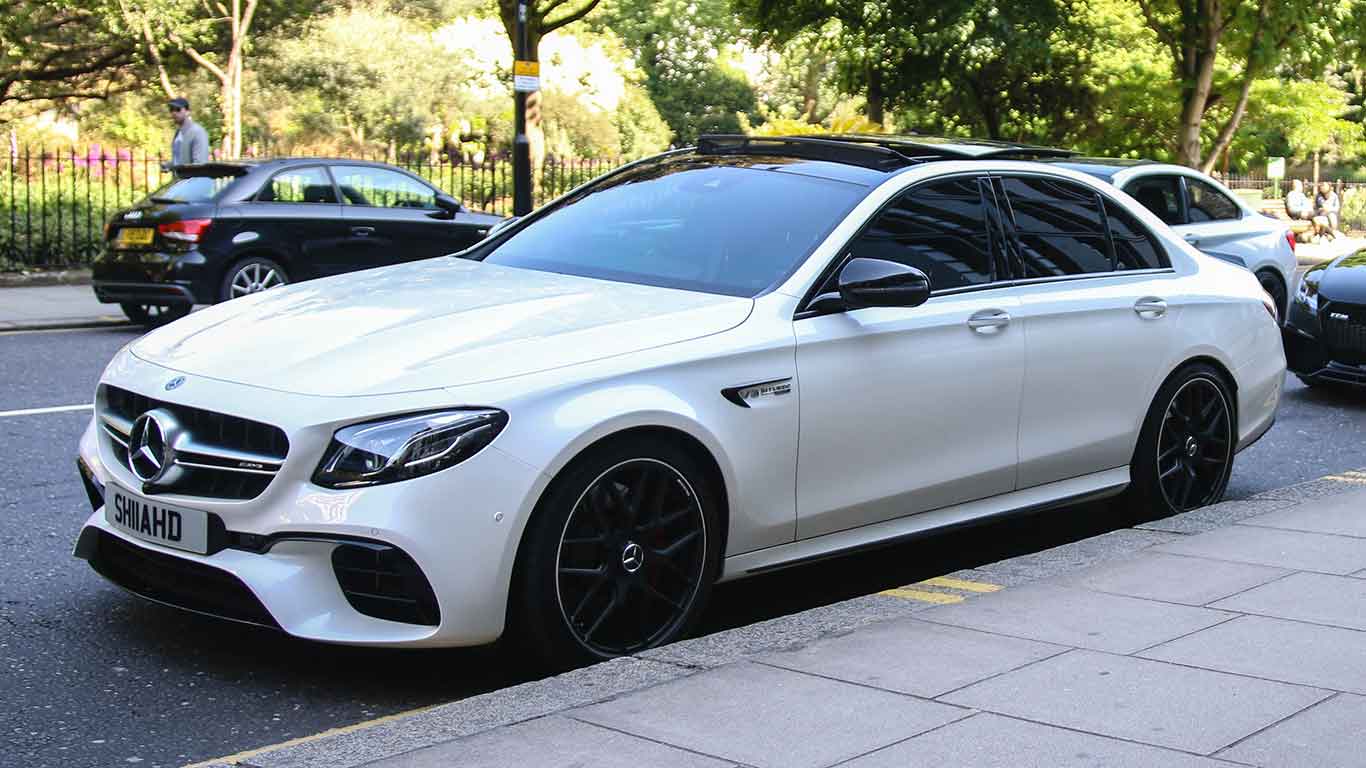
The Mercedes-AMG E63 S isn’t a supercar in the traditional sense – not with four doors, five seats and subtle styling – but its performance is right up there: 0-62mph in 3.4 seconds and 186mph. As per the personalised plate, this E63 S belongs to @shahidd89.
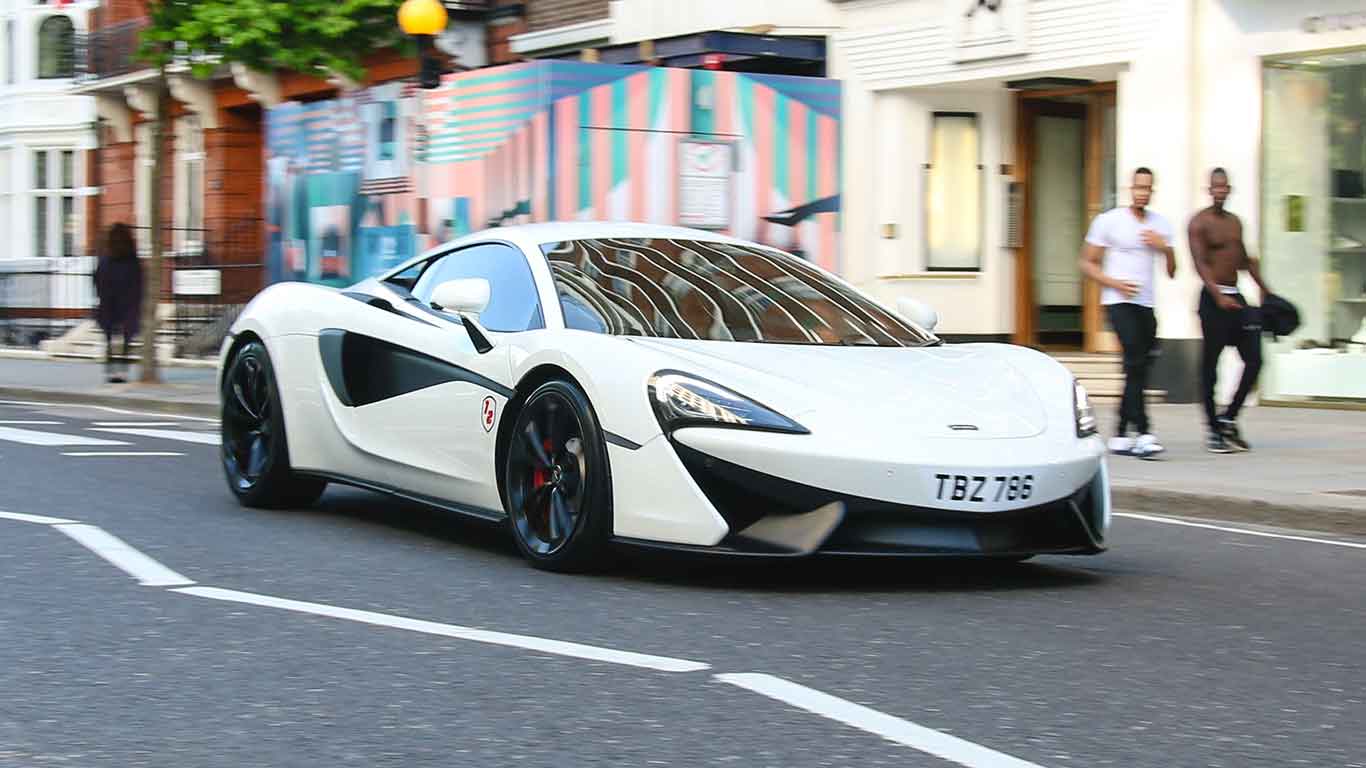
Back in 2015, Motoring Research’s Richard Aucock reviewed the McLaren 570S, concluding: “[It] is unquestionably a five-star car, without doubt a new sports car great. Just like the Audi R8 at launch, it’s a new take on the super sports car, one that’s thoroughly McLaren and, because of the supercar richness it delivers for £140k, will have Porsche holding special engineering meetings to dissect it.” Nuff said, really.
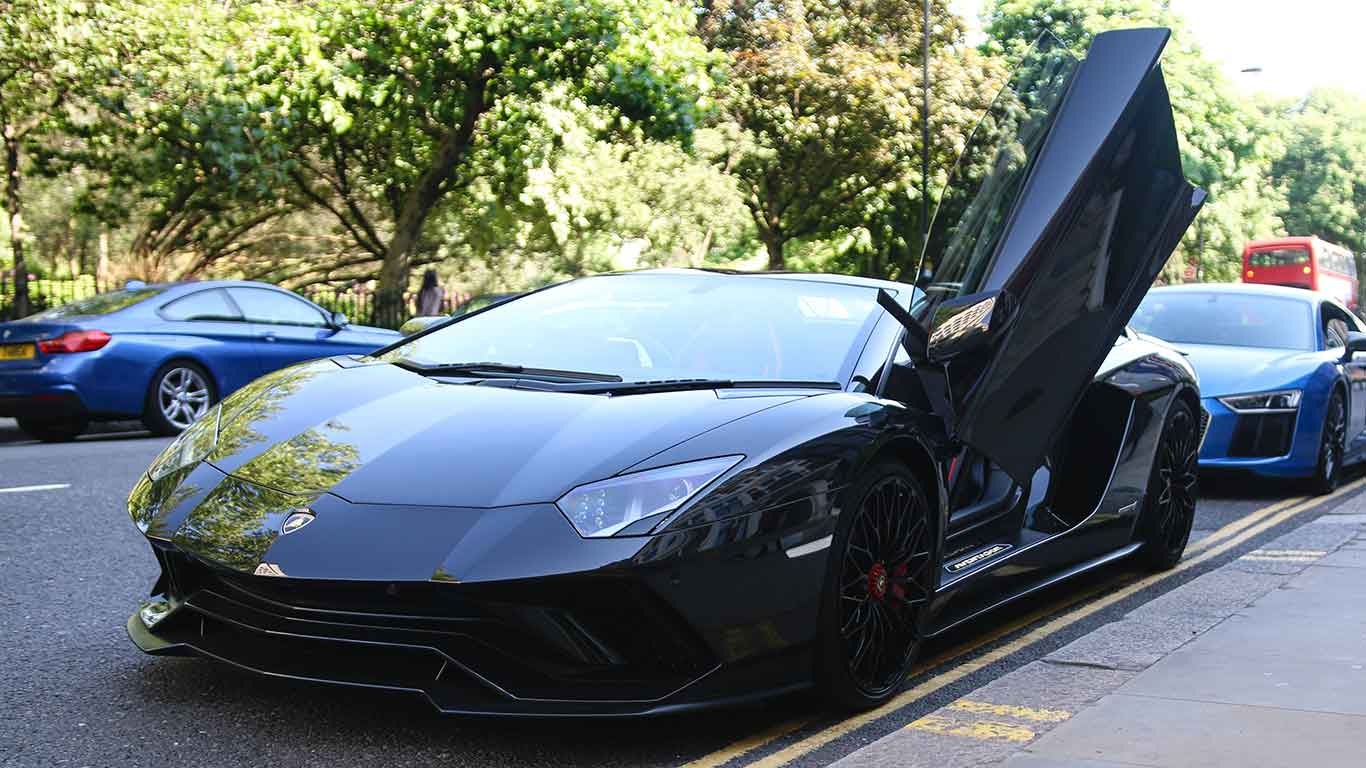
Looking like a bona fide Batmobile in black, this drop-top version of the Aventador S shows off its trademark ‘scissor’ doors at the kerbside. The car belongs to @mapesbury_co and was spotted in convoy with an Audi R8.
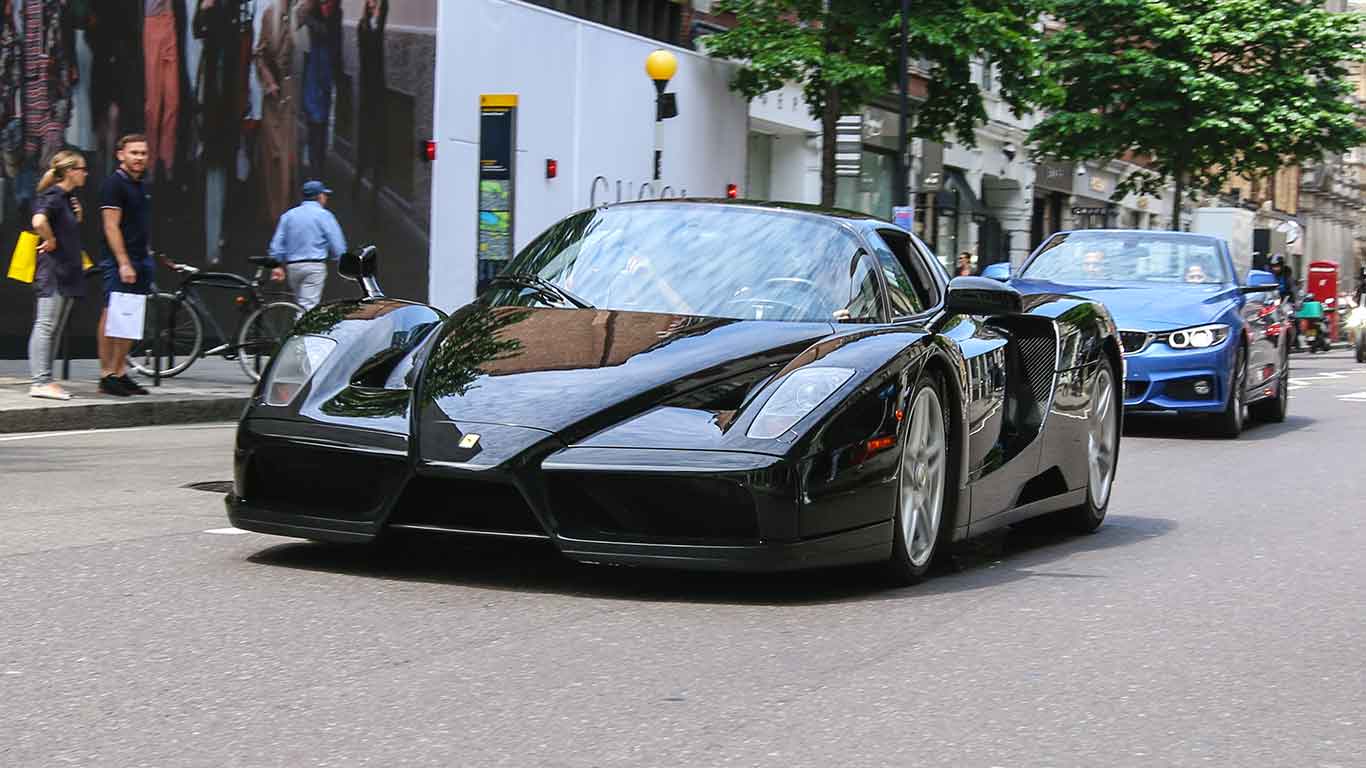
Enzo Ferrari never lived to see the car that bore his name (yes, technically all his cars bore his name) but it’s likely he would have approved. When launched in 2002, the 660hp Enzo was the closest thing to a road-legal F1 car. It has a carbon fibre chassis, ceramic composite brakes, pushrod suspension and a semi-auto gearbox with shift lights on the steering wheel.
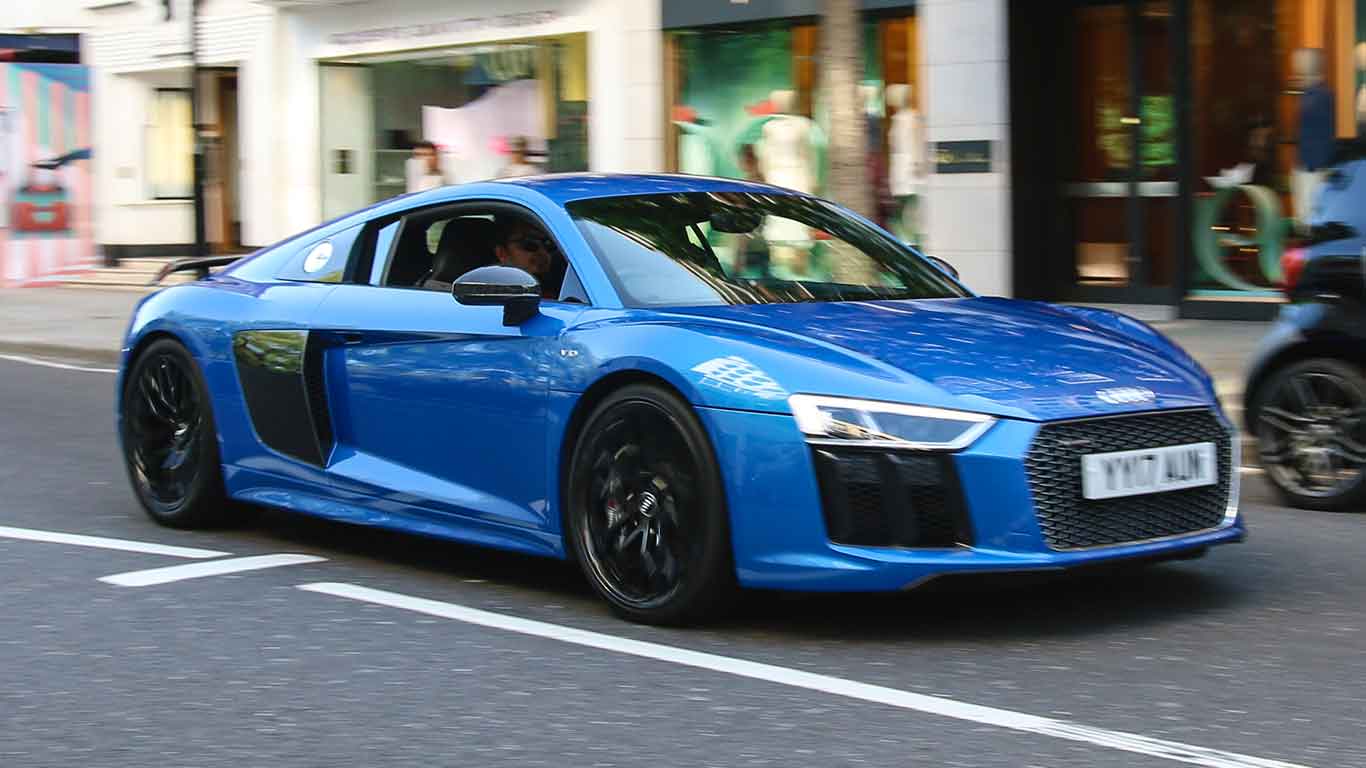
Here’s that R8 again: a current-generation V10 Plus with the same 610hp V10 as a Lamborghini Huracan. Quattro four-wheel-drive means 0-62mph in 3.2 seconds, while the interior boasts Audi’s neat Virtual Cockpit display. We do wish you could still have an open-gate manual gearbox, though.
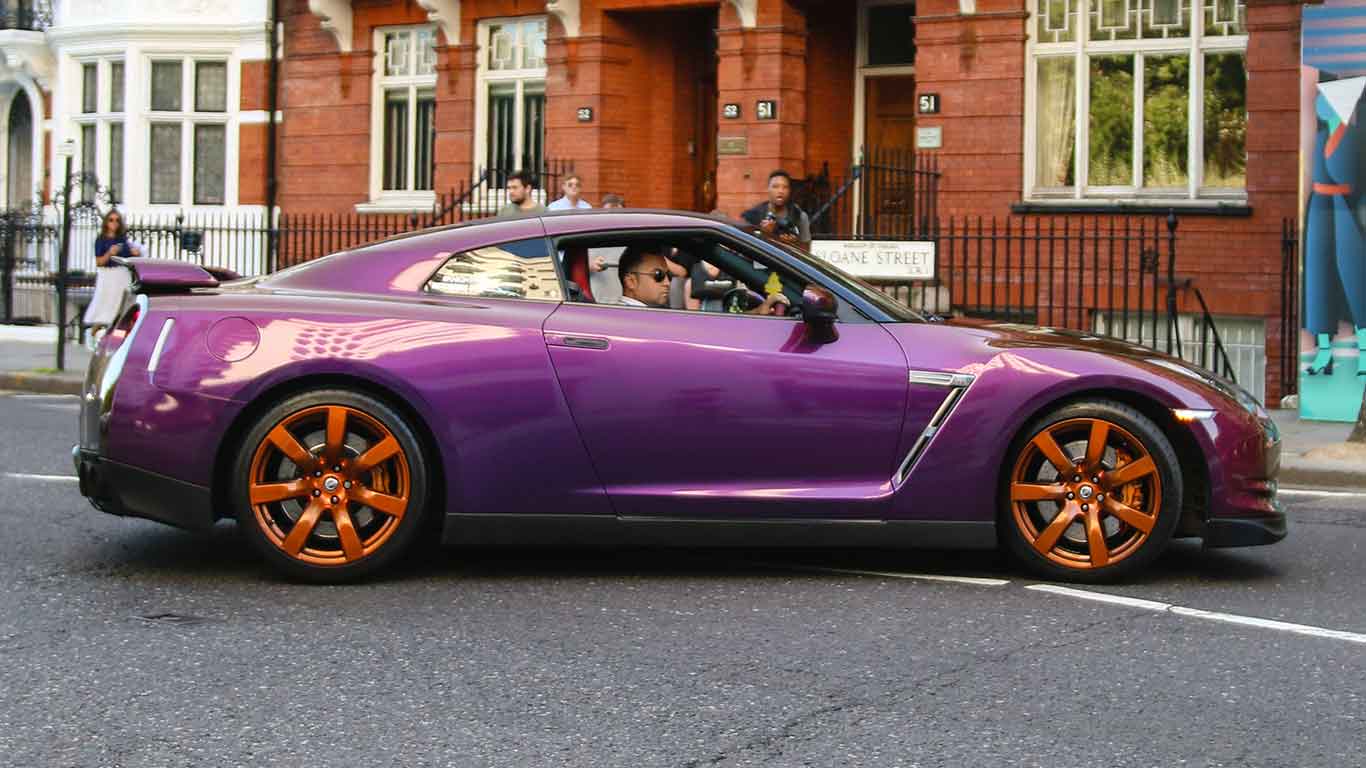
Snapped in Chelsea, here’s Japan’s very own ‘Godzilla’: the mighty Nissan GT-R. The purple/orange colour combo of @musgtr’s car won’t be to everyone’s taste, but the Skyline successor pulls no punches when it comes to performance. Zero to 62mph times as low as 2.7 seconds have been recorded.
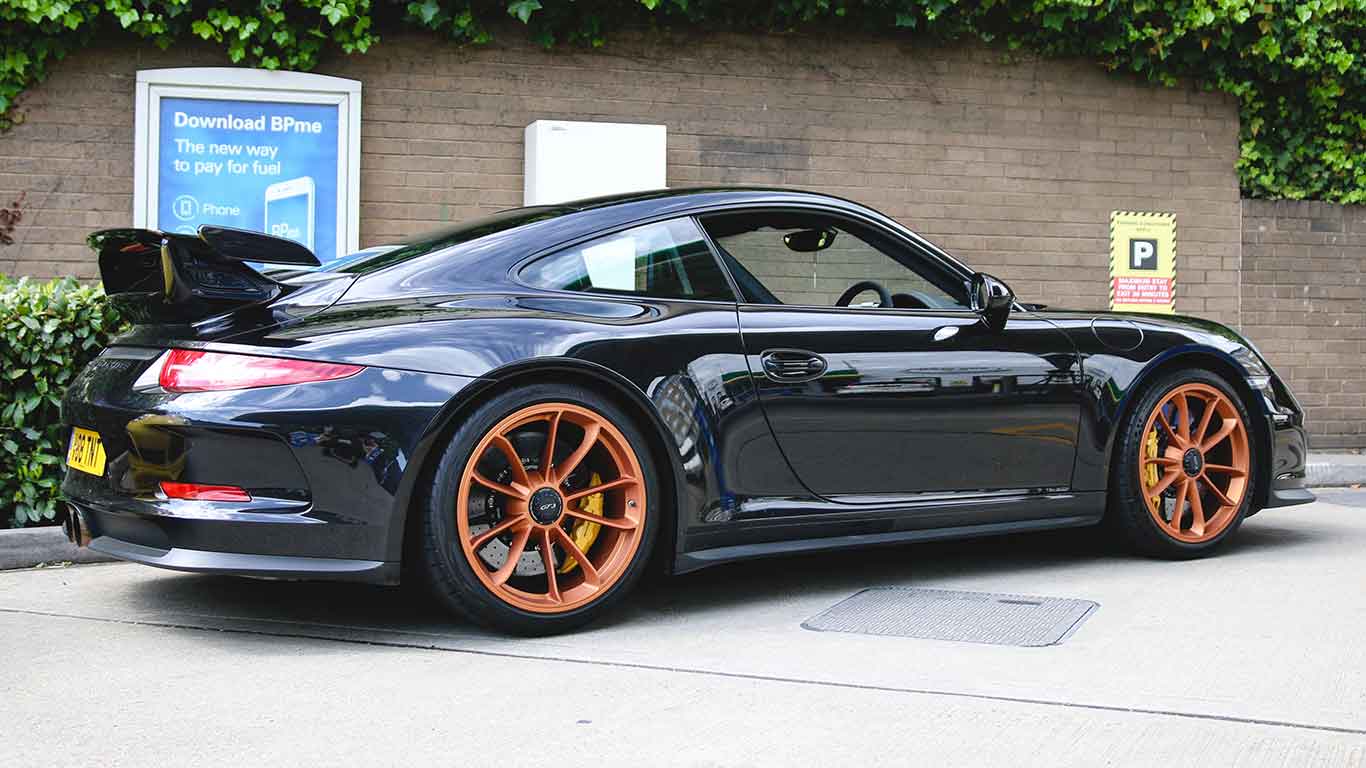
This first-gen ‘991.1’ GT3 also rocks the orange wheels look – and boasts a full Brooke Race Exhausts stainless steel system. Andrew Brady described the updated (991.2) GT3 as “the best supercar on sale” when he reviewed it for Motoring Research earlier this year.
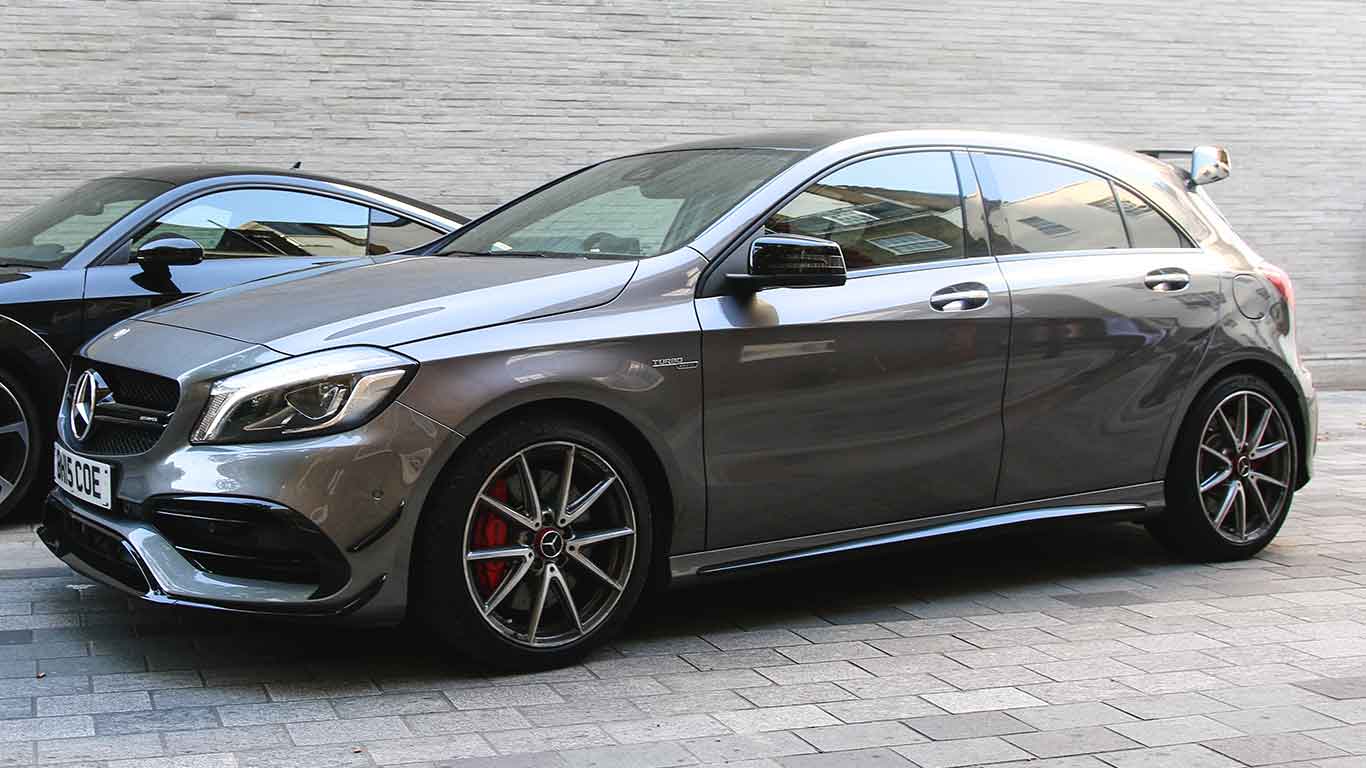
OK, this certainly isn’t a supercar, although the 381hp Mercedes-AMG A45 is more than a mere hot hatch. Indeed, a 0-62mph time of 4.2 seconds means it’s snapping at the heels of far more exotic machines. The soundtrack is special, too, the exhausts belching and banging with every gearshift.
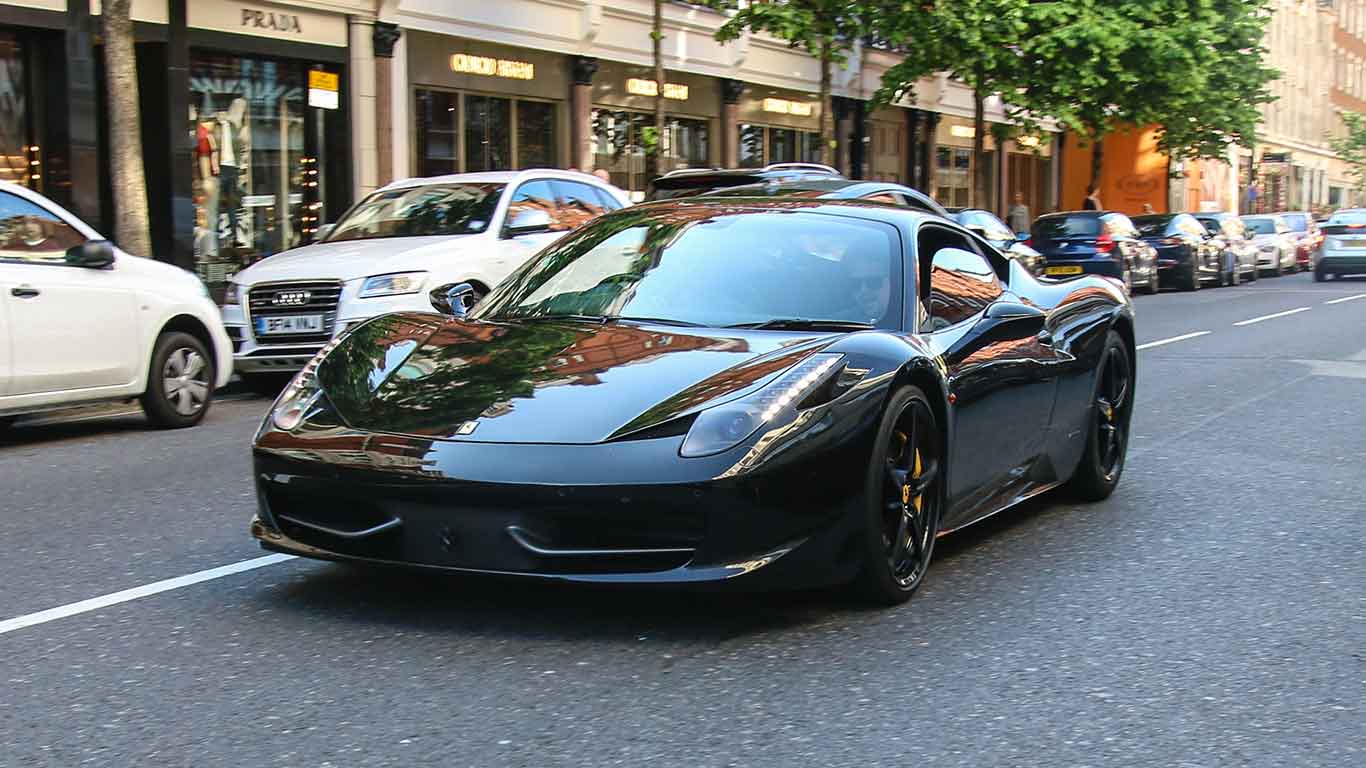
Ferrari 458 Italia
Last but not least, a Ferrari 458 Italia: a car that sums up everything a supercar should be. Beautiful to look at, exhilarating to drive and achingly desirable, it’s far better suited to the Stelvio Pass than Sloane Street. Somebody should arrange a convoy…
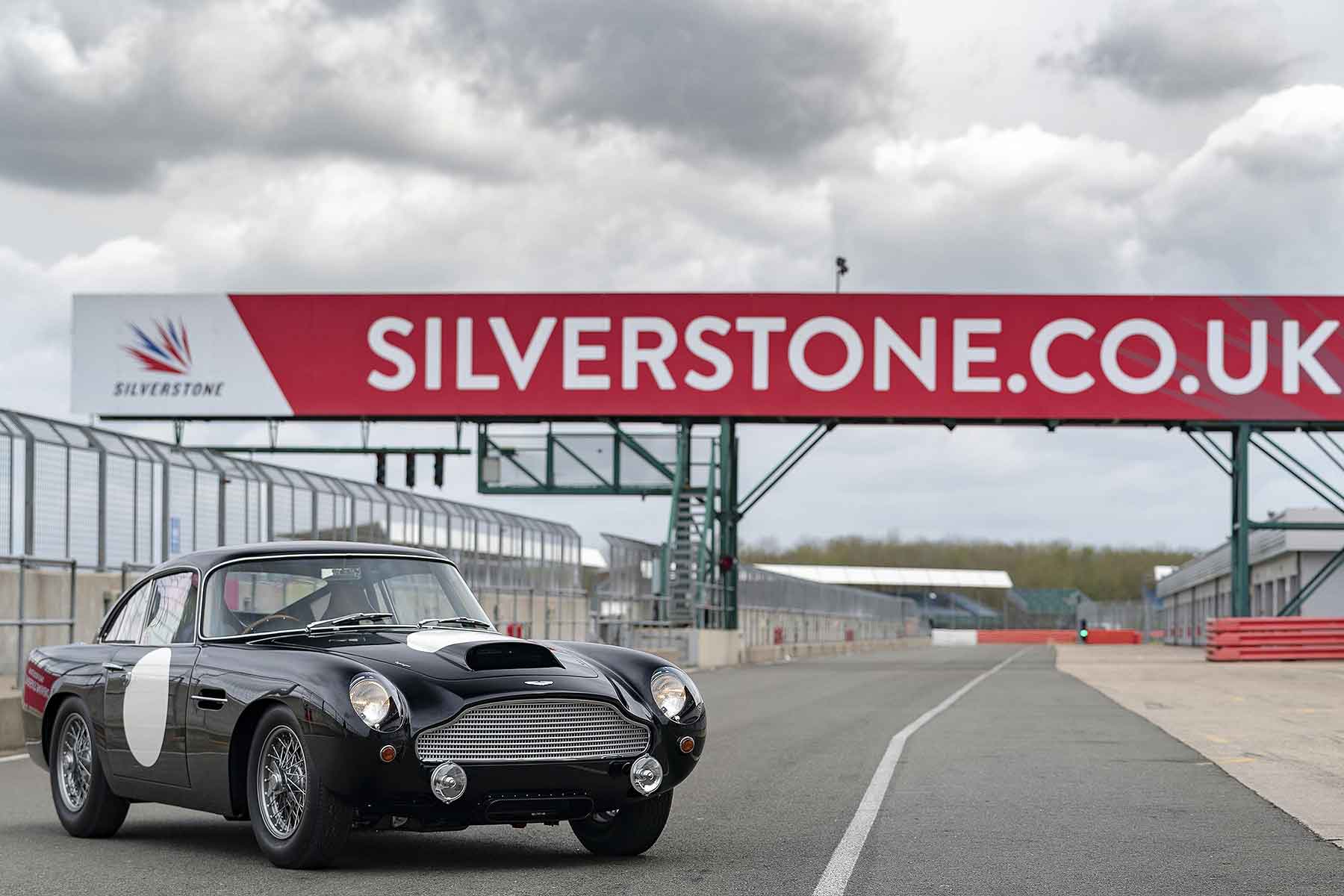
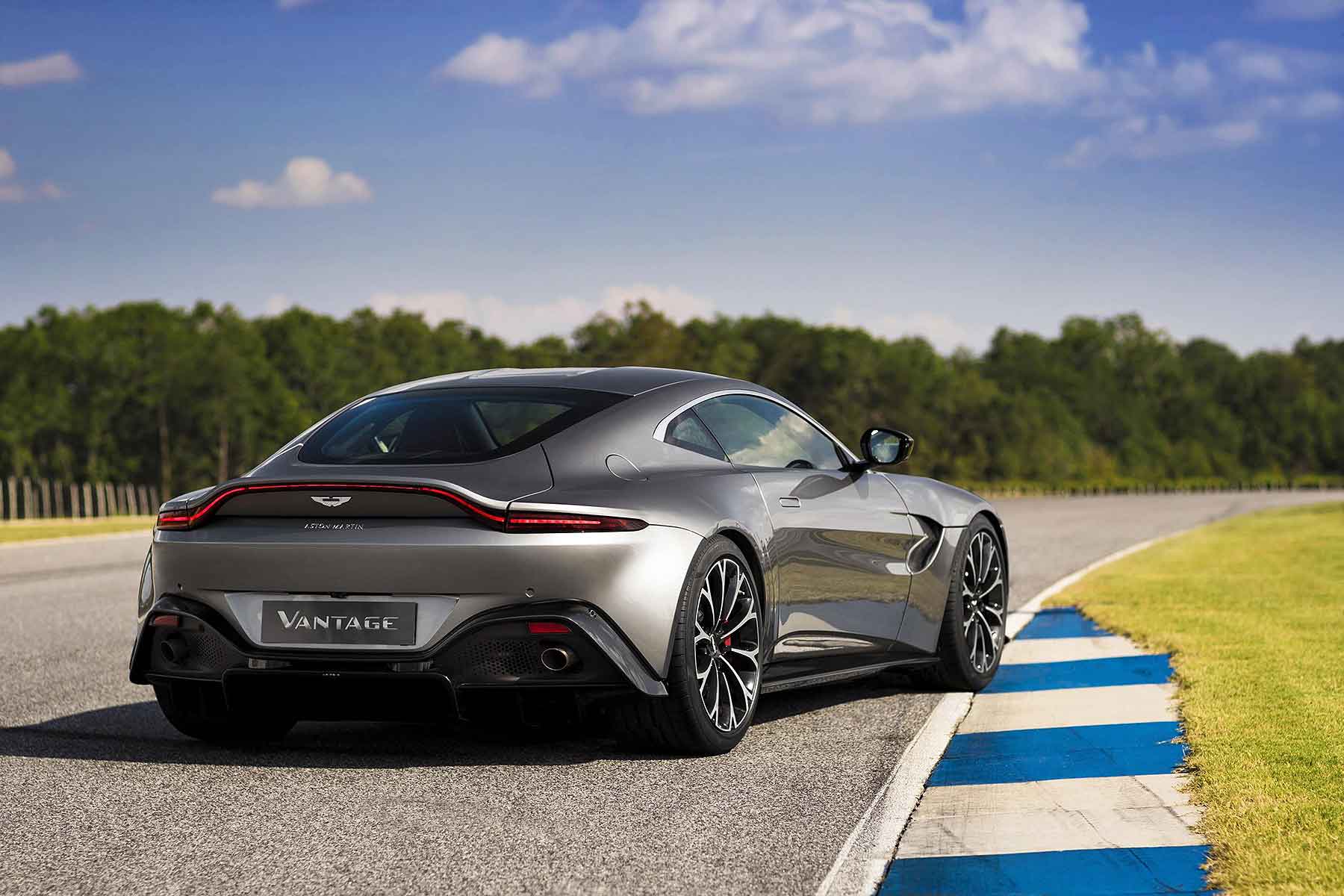
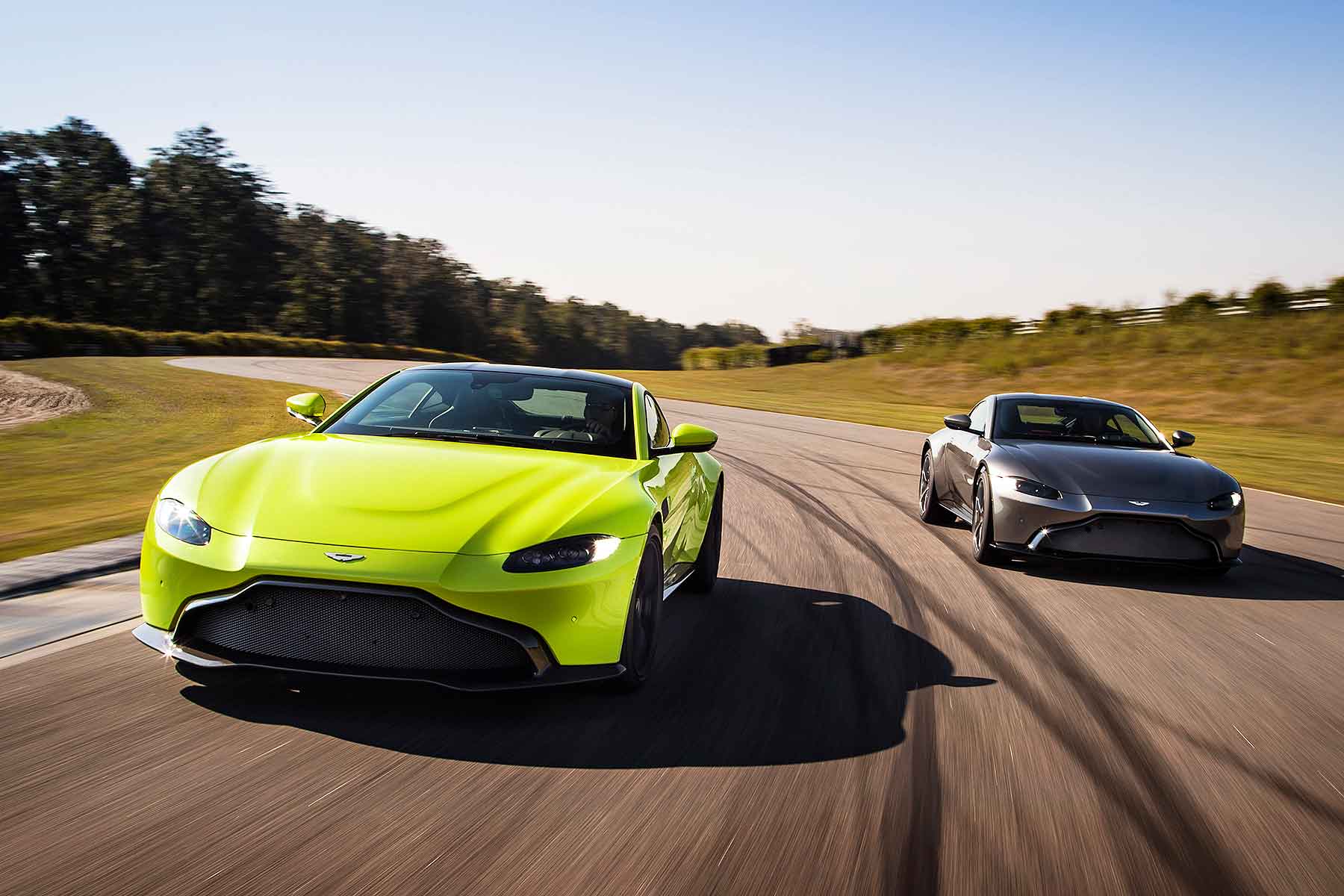
Aston Martin is opening a new test and development centre at Silverstone, as momentum builds further in the company’s ‘Second Century’ business plan for new cars.
The Silverstone Test Centre will augment the firm’s high-speed test centre at the Nürburgring in Germany, and will at last give the Gaydon-based company a dedicated UK testing facility once again.
Under Ford ownership, Aston was able to share access to the test track next to its HQ, but the growth of Jaguar Land Rover in recent years means the British brands have effectively usurped Aston from the circuit next door.
Silverstone, just a few miles down the road, is the perfect substitute.
Aston’s chief of vehicle attribute Matt Becker said: “Every company needs a reference circuit and I can think of none more suitable than Silverstone. It is the perfect location to develop the next generation of Aston Martins.”
Aston president and CEO Dr Andy Palmer said he was “pleased that we can now call Silverstone home for dynamic testing and development”.
Stuart Pringle is managing director of Silverstone: “Automotive brand centres have always been a big part of Silverstone’s diversification plans,” he explained, “and I am delighted to be in a position to announce that Aston Martin have chosen Silverstone as the location to open their new testing and development centre.
“Our two brands have such a rich British motorsport heritage and I look forward to working closely with the team at Aston Martin to build on our relationship and ensure the partnership helps deliver on key business objectives for both parties.”
Aston Martin will carry out prototype vehicle testing at Silverstone, with a focus on chassis dynamics and high-speed handling. The circuit is known as one of the fastest and most challenging on the F1 circuit (and one of the most well-loved by drivers), so should provide the perfect playground test centre for Aston’s development drivers.
‘A leading UK automotive employer’
The firm also announced plans to create a new Central London office, which it will use for meetings and events with customers and investors. The new site will complement its brand centre at London’s posh Dover Street.
Aston Martin’s total UK workforce should reach 5,000 by 2022, added Dr Palmer. “The company is now investing for growth across the Aston Martin and Lagonda brands.
“Aston Martin will soon become one of the leading automotive employers in the UK. We are currently one of the largest automotive recruiters in the UK, investing approximately 10 percent of the total automotive investments in the UK, creating exciting new opportunities across engineering, design, manufacturing and commercial operations.”
Aston Martin Lagonda’s 10 UK sites
Chase Point: Purchasing, body-in-white assembly
Gaydon: Global HQ, design studio, sports car manufacturing, commercial operations, research and development
London (Dover Street): Brand centre, event space
London (Soho Square): Commercial operations, event space
Milton Keynes: Aston Martin Red Bull Racing joint projects, design studio, commercial operations
Newport Pagnell: Aston Martin Works, continuation series manufacturing
Silverstone: Testing and development
St Athan: Large platform vehicle manufacturing, research and development
Wellesbourne: Special Vehicle Operations, prototype development
 New and used car marketplace Auto Trader has gone bold with its competition for the 2018 FIFA World Cup – by giving away a brand-new car for every single goal England scores.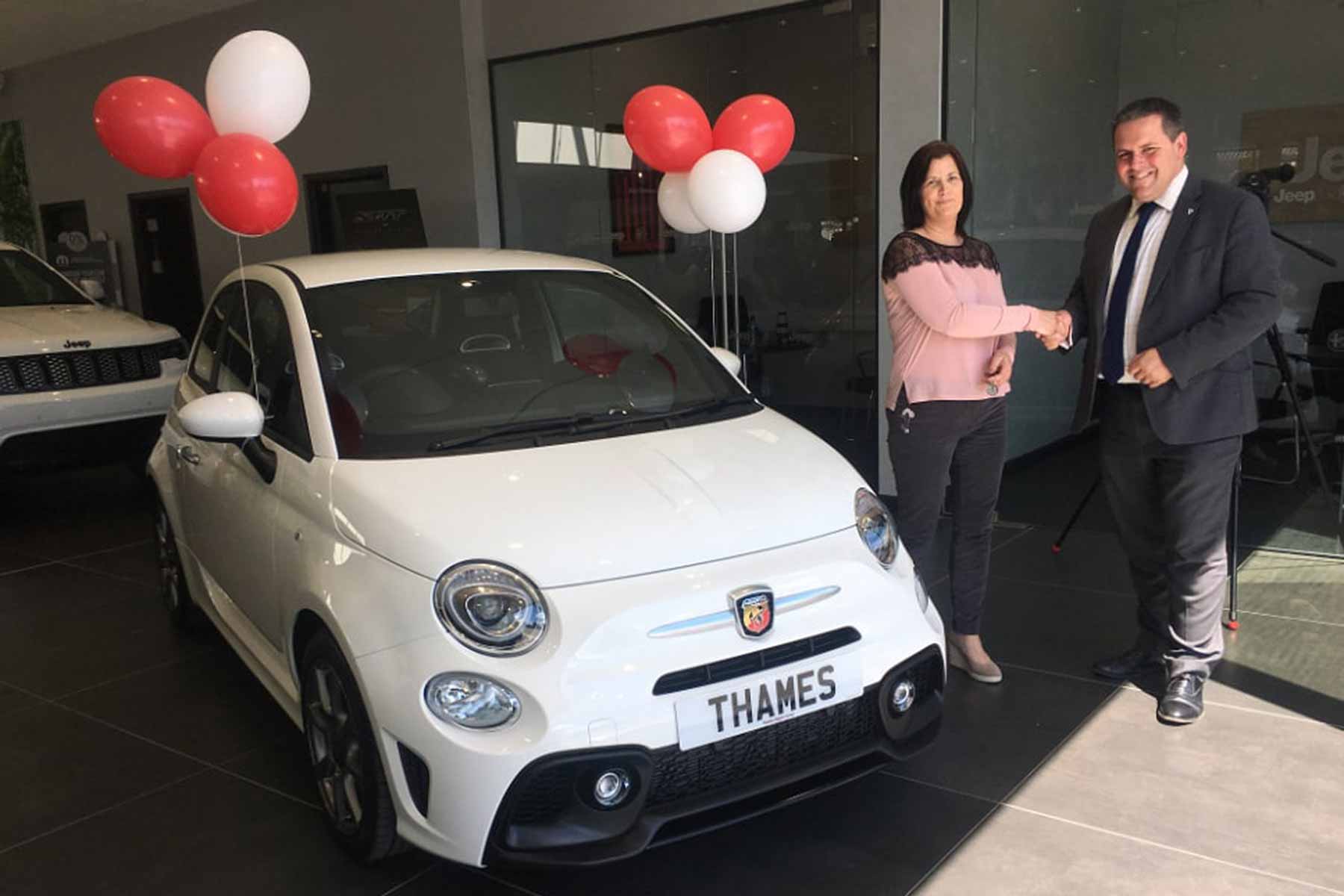
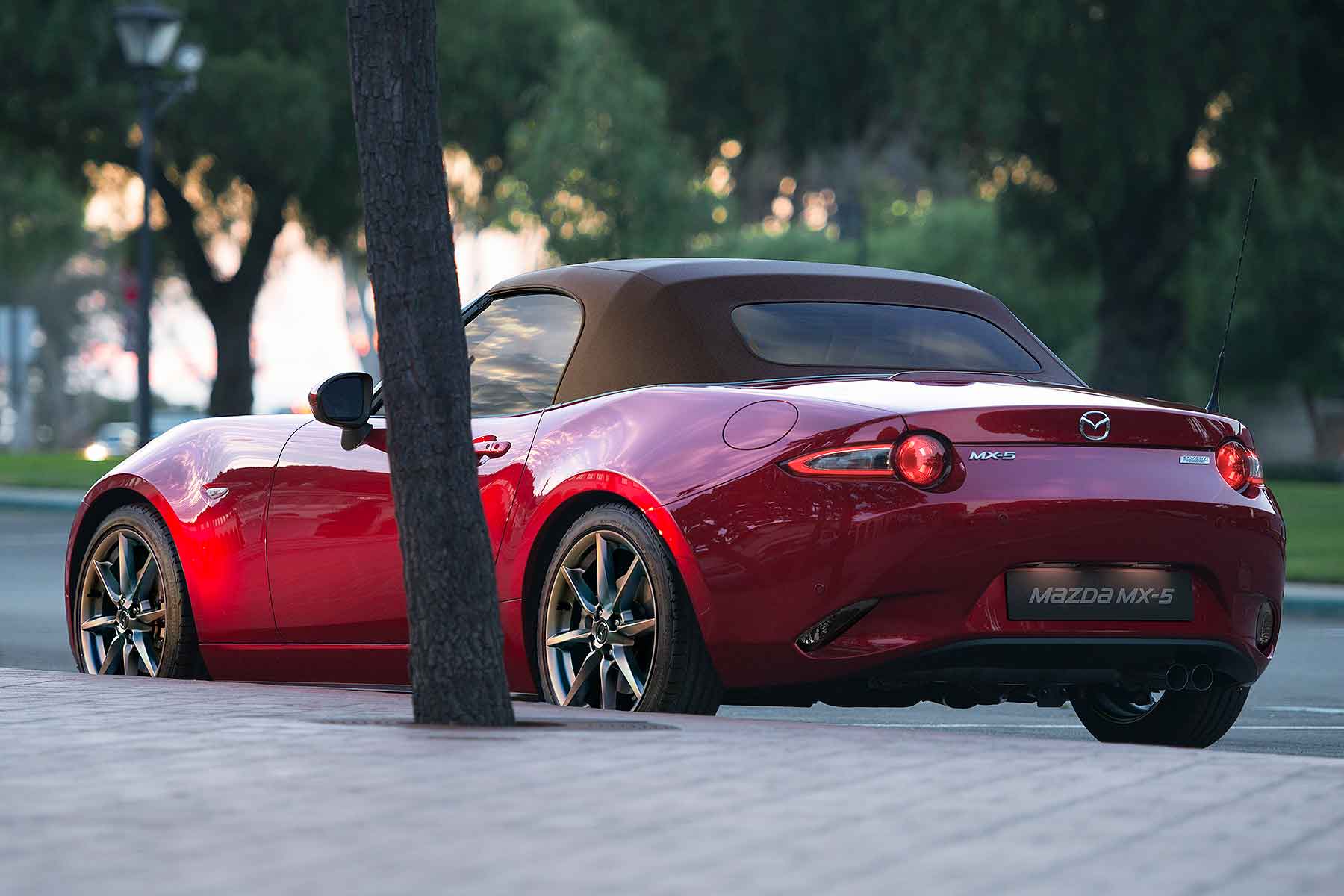 Mazda is launching a revised MX-5 next month (August 2018). While the visual changes are modestly limited to colour options for wheels and roof, enthusiasts won’t care because the world’s best-selling roadster has been improved where it matters: driver appeal.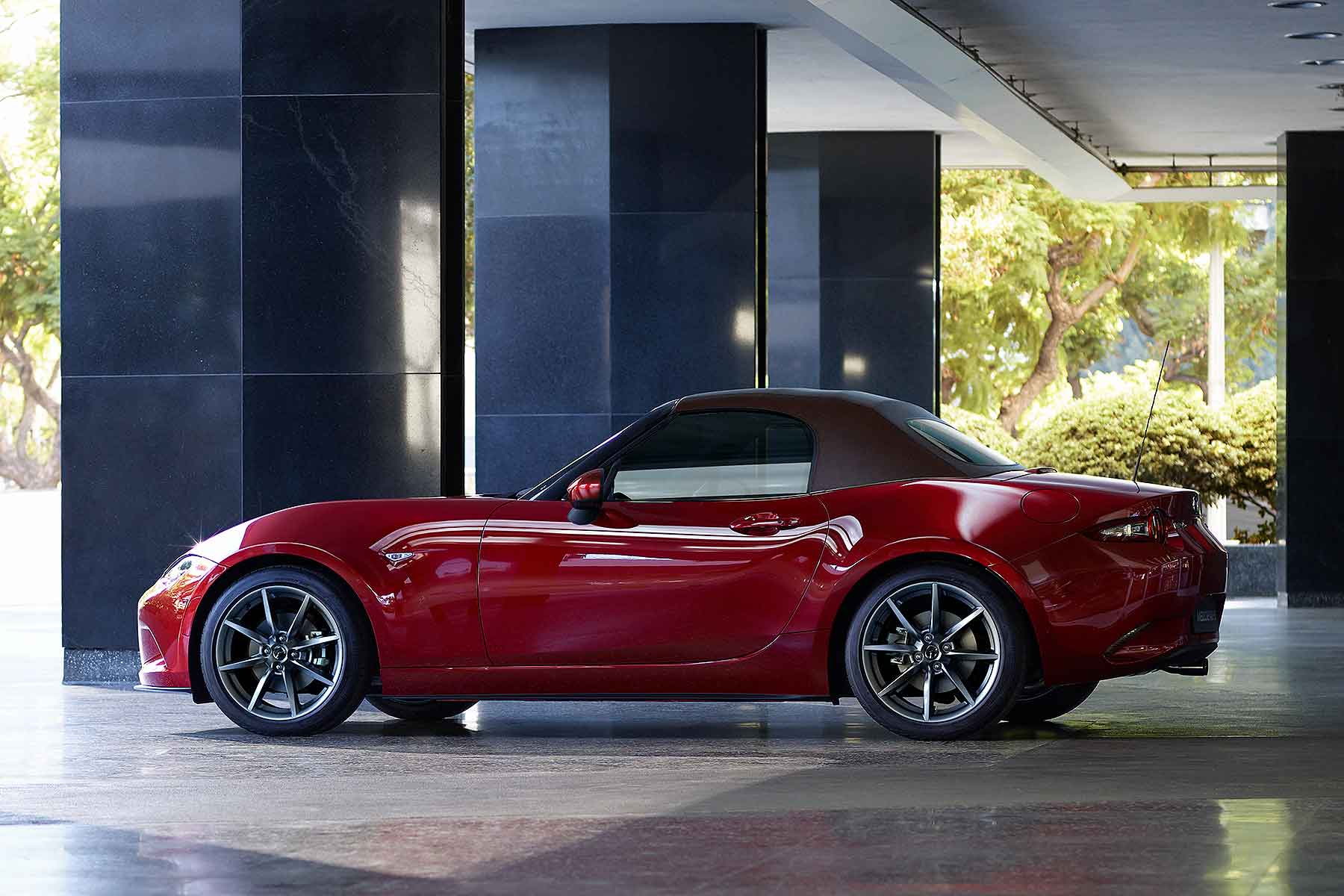
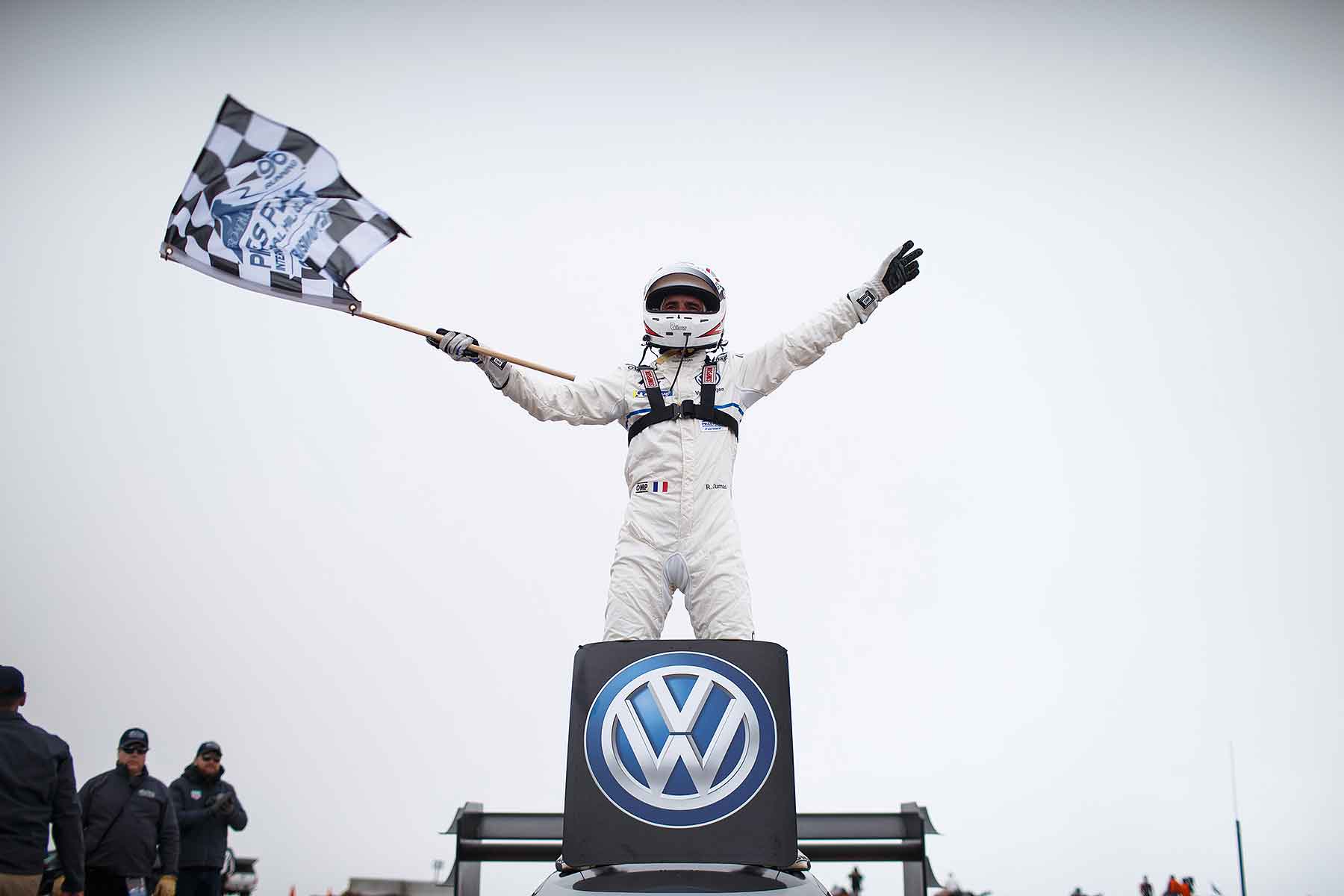 The Pikes Peak International Hill Climb is a world-famous challenge that dates back to 1916. For decades, car makers have been entering exotic one-off rally cars to set a new course record at the Colorado, North America hill climb: since 2013, the all-time record was held by nine-times World Rally Championship holder Sebastien Loeb.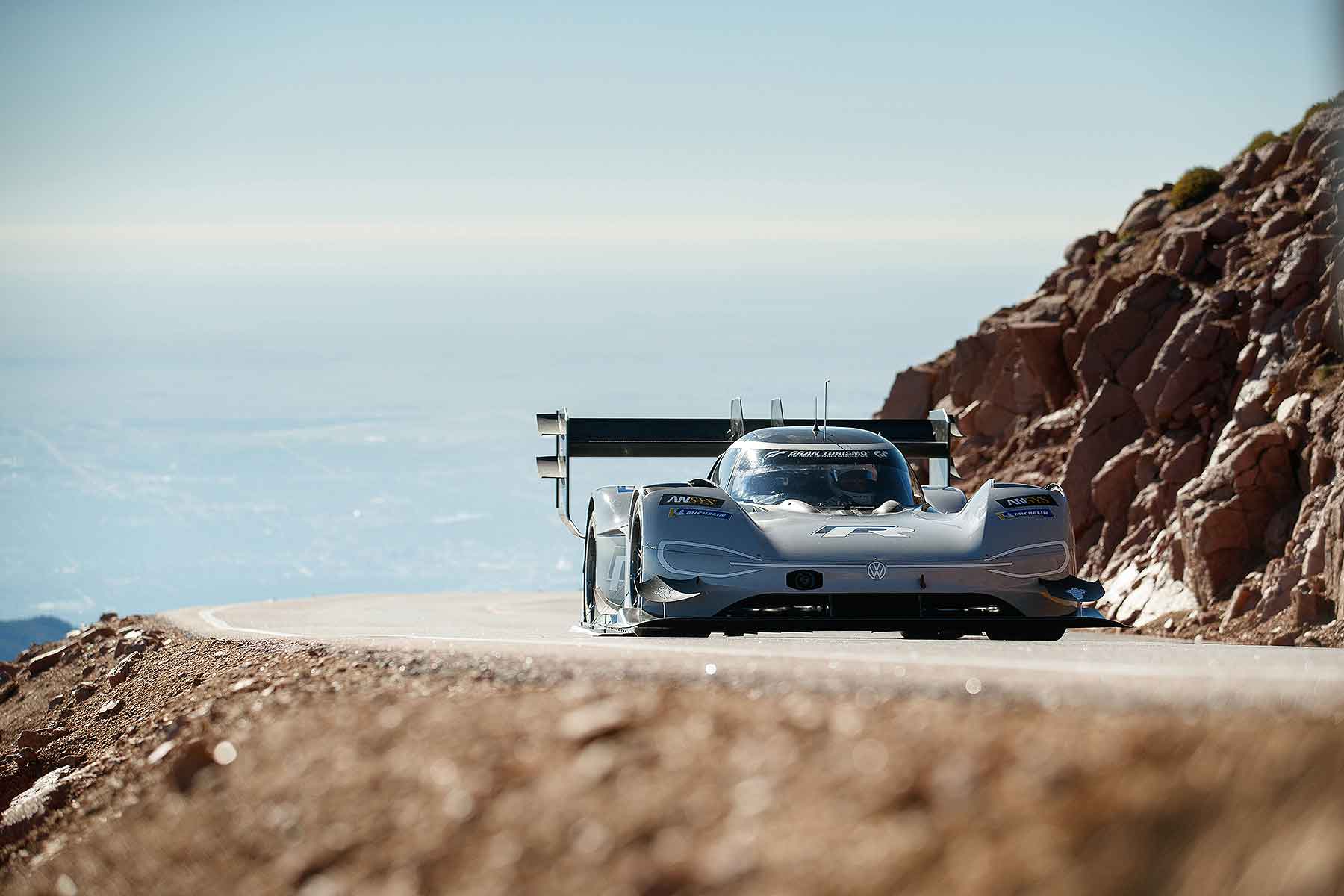



 Dacia has revealed PCP finance offers for the new Duster value-priced SUV. And with payments starting from £129 a month, the brand’s sheer affordability seems as strong as ever.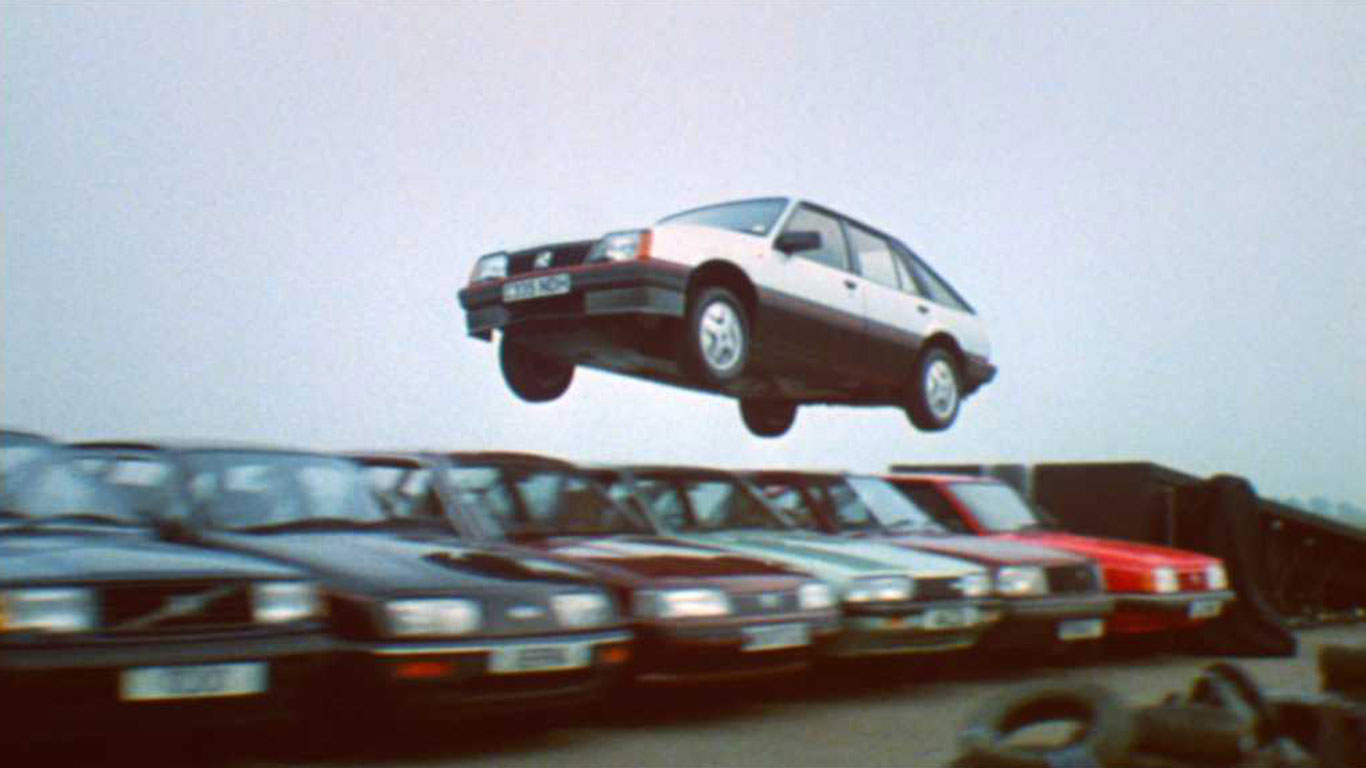
 Aston Martin is opening a new test and development centre at Silverstone, as momentum builds further in the company’s ‘Second Century’ business plan for new cars.