Home Blog Page 473

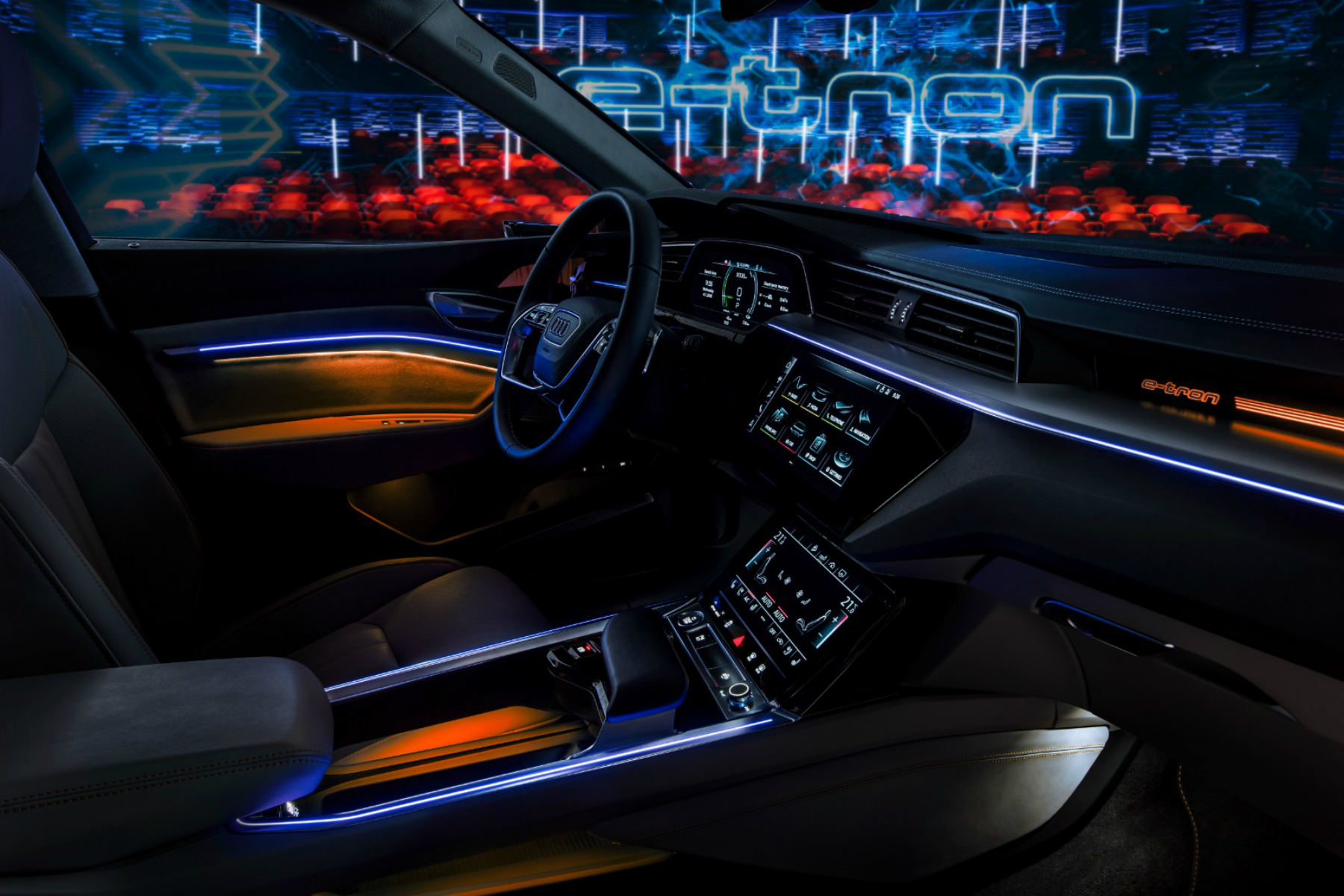
Audi e-tron prototype cabin revealed – tomorrow’s car today?

0

Audi e-tron

The way Audi opens the news on the reveal of the cabin of its forthcoming e-tron all-electric model is rather telling: “New interior pictures show how the fully electric series production Audi will push digital boundaries without feeling alien to drivers”.

That’s the aim, really, for anyone hoping to bring EVs to market and make them go mainstream. Make the future, now and tomorrow, today, in a way that isn’t going to scare off consumers. That means blending current motoring conventions with the powertrains of tomorrow. Jaguar did it, can Audi?

So, how is this Audi of the future also the Audi of today?

Hiding in plain sight

One of the most critical things Audi has to get right when feeding us the future is the looks. It has to be contemporary and agreeable by today’s standards, not tomorrow’s. Fortunately, Audi knows a thing or two about how to make a good looking car. We’re relatively familiar with the outsides of the e-tron prototype, but it’s nice to revisit given the context of the cabin.

It’s sure to be a fine-looking thing when the disguises drop, with sharp lighting, a muscular stance and a Velar-rivalling sporty SUV rake. It’s Audi, so the Instagram appeal is almost implied at this point.

New tech that won’t scare you off

Perhaps the most groundbreaking piece of technology the e-tron looks to take to the showroom is the virtual mirror system. That’s right, cameras instead of wing mirrors – previously the preserve of the pie-in-the-sky concept car starter pack.

Cameras feed their image to high-contrast 7-inch OLED displays recessed into the front of the door above the handle. The screens aren’t dissimilar in shape to that of a conventional mirror – it’s just that they reside in the cabin.

Naturally, with new tech comes an array of features. The screens are touch sensitive with pinch-to-zoom. Different display options can be selected from within the MMI (Multi Media Interface) per the driving you’re doing – motorway vs urban or parking manoeuvres, and everything in between.

However, for all the advancement and added features in place of something as simple and conventional as mirrors, Audi is adamant the implementation is geared for quick learning and integration into a driver’s life on the road. This isn’t tech for tech’s sake – it has to actually improve and ultimately blend into our every day driving experience.

Typical Audi quality

The e-tron cabin isn’t short on token reminders that you’re driving the future. Audi is keen to point out “the stitching on the seats creates a motif reminiscent of [an] electric circuit board… as an option, contrasting stitching and piping in orange stand out brightly – taking their cue from the high-voltage electrical system”. You didn’t think there were gimmicks in the future?

Looks wise inside it’s an advancement of familiar Audi – swathes of interactive, high-quality control surfaces and materials with a forward-looking take on its angular cubist design philosophy. It’s sure to be a lovely place to while away the hours on a long, range anxiety-free journey.

Space and refinement

One significant benefit of an EV is cabin space, and the e-tron shouldn’t buck the trend, claiming “interior length, headroom in front and rear as well as knee room in the second seat row are top-class in the full-size SUV segment”. The lack of a drivetrain tunnel adds to the open-plan feeling of the rear, with what Audi calls a “flat plateau” instead.

Without the dulcet tones of an internal combustion engine thrumming away, the final hurdle any viable electric car worth its salt (the range and charge times are a given, right?) has to face, is refinement. With no engine, that’s a lot of silence for road and wind noise to disrupt.

Audi is adamant this won’t be a problem. “Acoustic comfort is one of the strengths of all Audi models. The Audi e-tron prototype raises this level even further: its body has special soundproofing and sealing in all zones that could transmit noise interference. The wind noise, which dominates the acoustic perception at speeds from around 52mph, barely gets through to the occupants”.

So has Audi done it? We’re in no doubt it’ll be a superb effort. Whether it can impress in the company of the new Jaguar I-Pace is another question. We eagerly await the production car’s reveal…

Read more:

Advertisement

London taxi launched to German taxi drivers

0

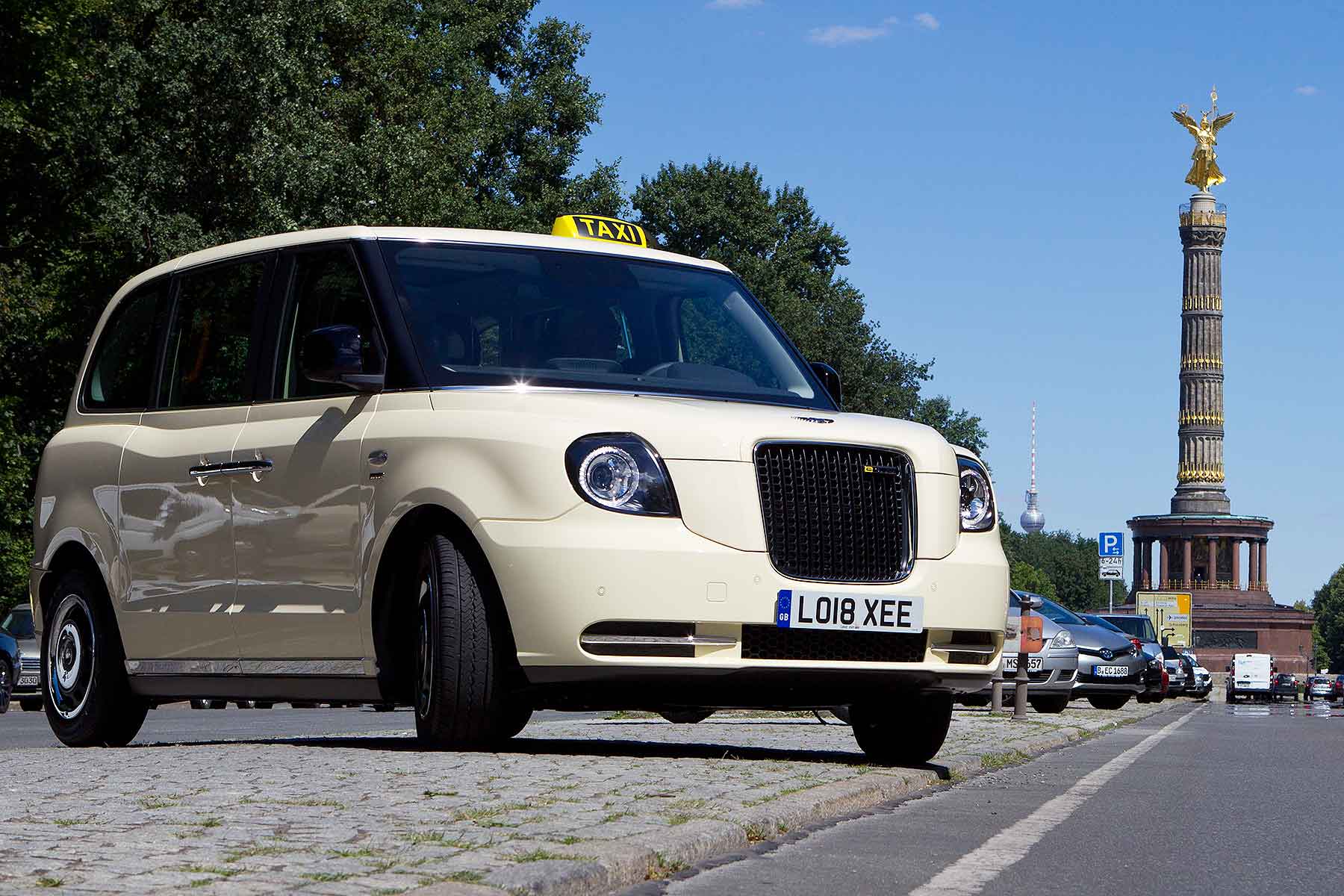
LEVC TX in GermanyThe latest high-tech hybrid-electric version of the iconic London taxi, the LEVC TX, has been launched to the German taxi market in Berlin. The British firm is now going to partner up with Volvo Germany to sell and distribute them.

Priced from €59,950 (£52,500), the LEVC electric taxi launch in Germany comes after “huge interest from cities across the country”. The company is targeting both the contract taxi market, and operators of larger street taxis. Mobility service providers are another potential area of business.

The first customers for the new cab will be announced next week.

Boasting an 80-mile pure-electric range and, thanks to the backup petrol generator, a 377-mile total range, the firm believes it will help Germany lessen the risk of missing its 2020 carbon reduction targets.

“Everyone is realising that the goals of the ‘energy transition’ and improvement of air quality can only be achieved if more electric cars drive on German roads,” said LEVC chairman Carl-Peter Forster. “We can help with our TX.”

Although the launch model is offered in traditional German taxi beige, other colours are available, says the firm. It says the traditional beige colour is actually being abandoned by a lot of German cities.

LEVC TX in Germany

German LEVC TX cabs differ little to British ones, although they are all flat-roofed, with no integrated light, because of regulations. A happy by-product of this re-engineering is the ability to meet demand outside the taxi sector: the firm reports growing demand from transport service providers, who are considering using it for contract and shuttle services.  

A panic button has also been installed, again to meet regulations.

German taxi drivers are in for a treat, said Chris Gubbey, CEO of LEVS. “Our TX combines a first-class electric drive with a range extender. This saves taxi drivers up to €440 a month in fuel costs and ensures this electric vehicle is always on the road.”

Advertisement

All-new 2019 Suzuki Jimny: what you need to know

0

All-new Suzuki Jimny

You’ve been seduced by the images of the 2019 Suzuki Jimny, now it’s time to understand a little more about next year’s must-have 4×4. Suzuki has released new information on the pint-sized SUV, to provide some substance to go with the undoubted style.

The Jimny can trace its roots back to the LJ10 of 1970: a small, but mighty 4×4 with terrier-like boundless energy and the ability to climb a hill like a mountain goat. Through subsequent revisions and generations, the little Suzuki developed a reputation for dependability and reliability, meaning there’s a lot resting on the square shoulders of the fourth-generation Jimny.

Has it got what it takes to carry the family name into a new decade? Let’s examine the evidence.

Body beautiful

All-new Suzuki Jimny

Based on looks alone, the new Jimny is a guaranteed winner. In common with the Ignis, the new Jimny tips its tiny hat to models of old, with elements inherited from Suzuki’s heritage. The round headlights, independent indicators, front grille and rear combination lights are all nods to the past.

There’s a delicious functionality to the design – everything is there to serve a purpose. The Suzuki Jimny doesn’t do needless trinkets or fluff. Take the flat clamshell bonnet, squared body, upright A-pillars and the shape of the driver- and passenger-side windows: all designed to enhance off-road visibility.

The drip rails on the roof edges prevent water ingress into the cabin, while the wheel arch extensions and side sill covers are there to protect the body. The rear lights are located on the bumper to contribute to a wider rear door opening.

Meanwhile, the tailgate-mounted spare wheel is so retro, it’s a wonder it isn’t listening to Showaddywaddy and giving you a call via a GPO 746 telephone. Look at the back of the new Jimny and you have to wonder how Land Rover could get the current Discovery so wrong. 

Interior motives

All-new Suzuki Jimny

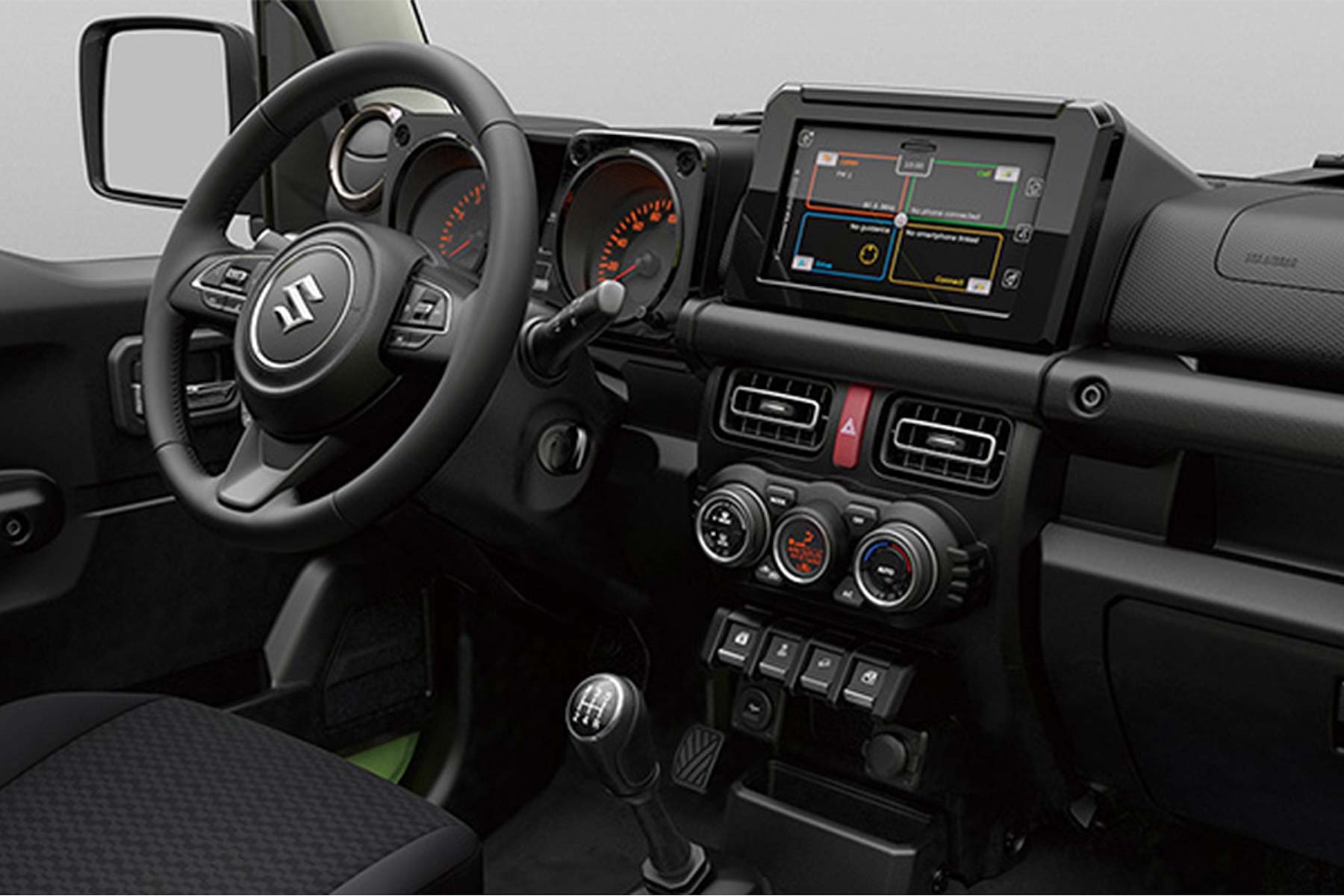
Inside, the Suzuki Jimny majors on practicality and functionality. The instrument panel and surrounding parts are finished in a scratch- and stain-resistant grained finish, while the dials and switches are designed to be operated in off-road conditions and while wearing gloves.

The large instruments are clear and permanently illuminated to allow for clear viewing when driving in and out of shady conditions. A 7-inch touchscreen infotainment system is fitted to higher trim levels.

In the boot, Jimny owners will find 377 litres of luggage space – 53 litres more than the outgoing model – while the side-mounted square tailgate should make for ease of loading and the carrying of wide loads. Some models will feature plastic-coated rear seats and luggage floor – ideal for wet dogs and muddy boots.

Performance

All-new Suzuki Jimny

The old 1.3-litre engine is replaced by a new and lighter 1.5-litre four-cylinder petrol unit developing a little over 100hp at 6,000rpm and 96lb ft of torque at 4,00rpm. Two transmissions are available: a five-speed manual and a four-speed automatic. Under the new Worldwide Harmonised Light Vehicle Test Procedure (WLTP), the manual Jimny emits 178g/km CO2, with the auto higher at 198g/km.

Top speed – as if it really matters in a Suzuki Jimny – is 90mph for the manual and 87mph for the automatic. The acceleration times haven’t been revealed, probably because the tester grew tired of waiting for the Jimny to hit 62mph.

Off-road capability

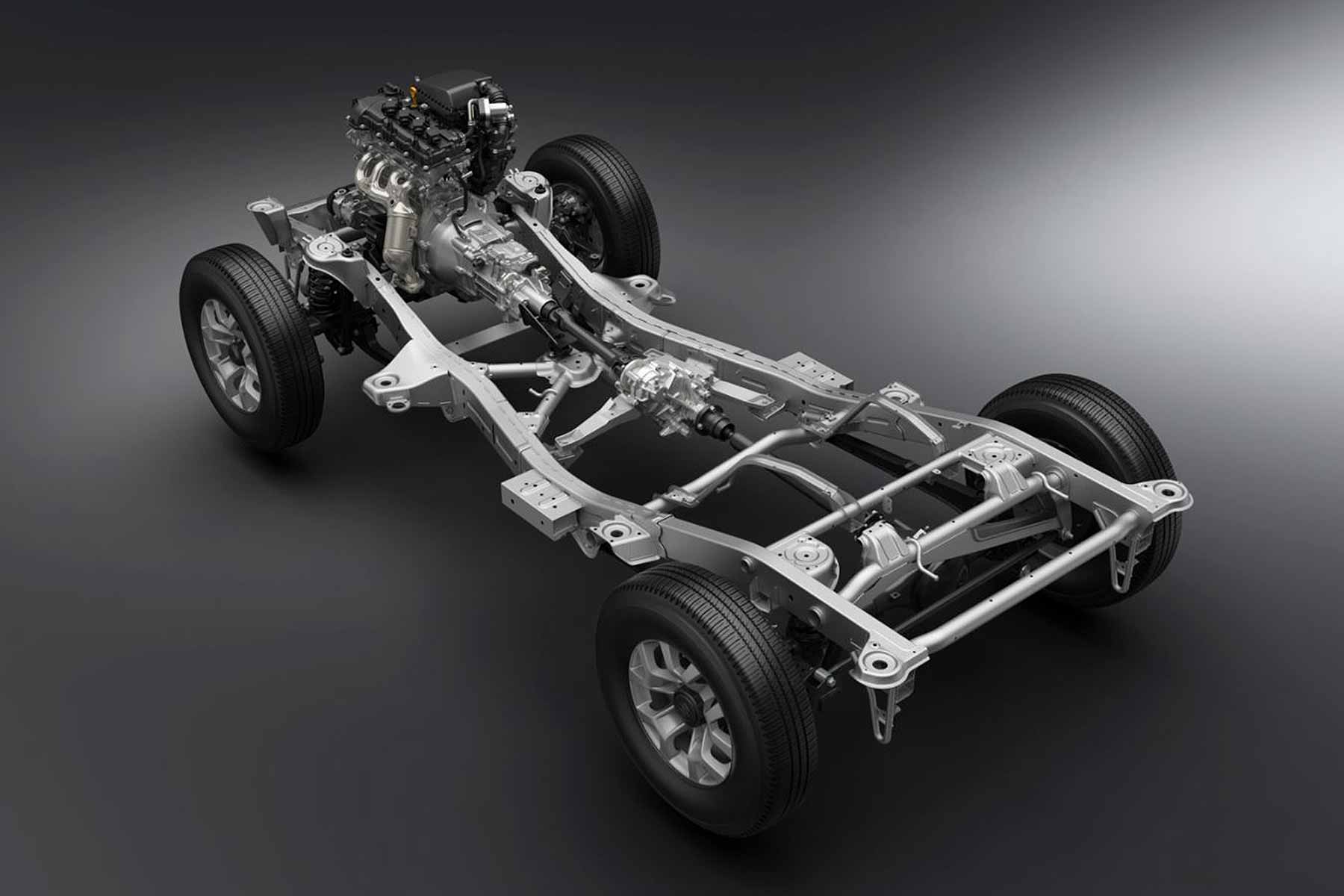
Jimny loyalists rejoice: the new car inherits much of what made the old car such a willing off-road companion. Ladder frame? Check. Three off-road angles? Check. Three-link rigid axle suspension with coil springs and part-time 4WD with low-range transfer gear? Check.

A new x-member and two additional cross members have been added to increase torsional rigidity, while a 37 degrees approach angle, 28 degrees ramp break-over angle and 49 degrees departure angle will be a boon for off-road drivers.

Safety first

If there’s one thing the Suzuki Jimny desperately needed, it’s a full suite of safety systems. The new Jimny features six airbags, hill hold control, hill descent control, ESP, a pedestrian injury mitigation body, dual sensor brake support, lane departure warning and weaving function alert.

The Jimny is also the first Suzuki to offer a traffic sign recognition system.

When, what and how much?

All-new Suzuki Jimny

Predictably, Suzuki hasn’t released any pricing details, but we’d expect prices to start from around £13,000. This is the based on the fact that the Ignis starts from £9,999 and the Vitara from £15,999. That said, the strength of the Japanese yen could push this price up a little.

The 2019 Suzuki Jimny will make its public debut at the 2018 Paris motor show, before going on sale in early 2019. It’s obvious that you will want to buy one, so it all comes down to the choice of colour. Kinetic Yellow and Jungle Green should be popular.

Quick facts

  • Length: 3,480mm (3,645mm to spare wheel cover)
  • Width: 1,645mm
  • Height: 1,725mm
  • Wheelbase: 2,250mm
  • Seats: 4
  • Kerb weight: 1,090kg – 1,135kg
  • NEDC Fuel economy (combined): 41.5mpg (manual)/37.7mpg (auto)
Advertisement

Jaguar Land Rover fires warning about ‘bad Brexit’ cost

0

Jaguar Land Rover logosJaguar Land Rover CEO Dr. Ralf Speth has called upon the government to immediately give certainty to business that there will be tariff-free access and frictionless trade with the European Union post-Brexit – or tens of thousands of British jobs could be at stake.
The powerful statement by the boss of Britain’s biggest carmaker makes it clear that a bad Brexit risks sending manufacturing and jobs oversees. The current uncertainty about Britain’s post-Brexit position is already beginning to put future investment in the UK in jeopardy. 

“Jaguar Land Rover’s heart and soul is in the UK,” said Dr. Speth. “However we, and our partners in the supply chain, face an unpredictable future if the Brexit negotiations do not maintain free and frictionless trade with the EU and unrestricted access to the single market. 

“We urgently need greater certainty to continue to invest heavily in the UK and safeguard our suppliers, customers and 40,000 British-based employees.” Add in supply chain jobs, and 300,000 jobs could be threatened.

The firm’s German CEO is clear on the huge impact of a bad Brexit: it would cost the company more than £1.2 billion in profit each year. “As a result, we would have to drastically adjust our spending profile; we have spent around £50 billion in the UK in the past five years – with plans for a further £80 billion more in the next five.

“This would be in jeopardy should we be faced with the wrong outcome.”  

Britain has long been a champion of free trade, he said. If UK automotive is to remain globally competitive, “we must retain tariff and customs-free access to trade and talent with no change to current EU regulations. 

“Electrification and connectivity offer significant economic and productivity opportunities – get Brexit wrong and British people, businesses and broader society lose the chance to lead in smart mobility.”

Jaguar Land Rover has released the powerful statement ahead of the publication of a White Paper outlining the government’s desired post-Brexit trading relationship with the EU. The cabinet is understood to be meeting at the Prime Minister’s country residence, Chequers, on Friday 6 July to finalise and agree upon the final details.

Advertisement

This Volkswagen Golf R is the 200,000th hot VW R

0

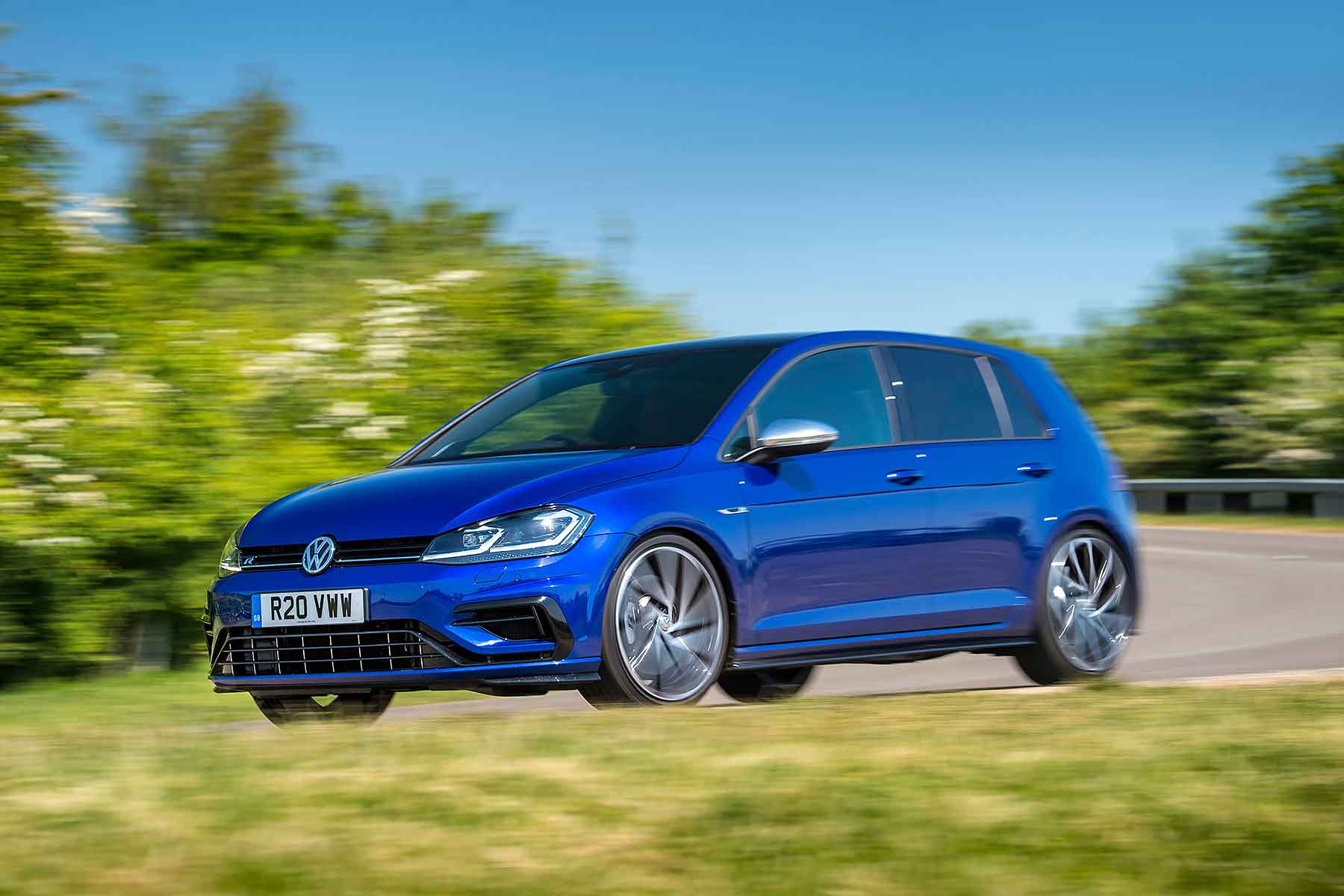
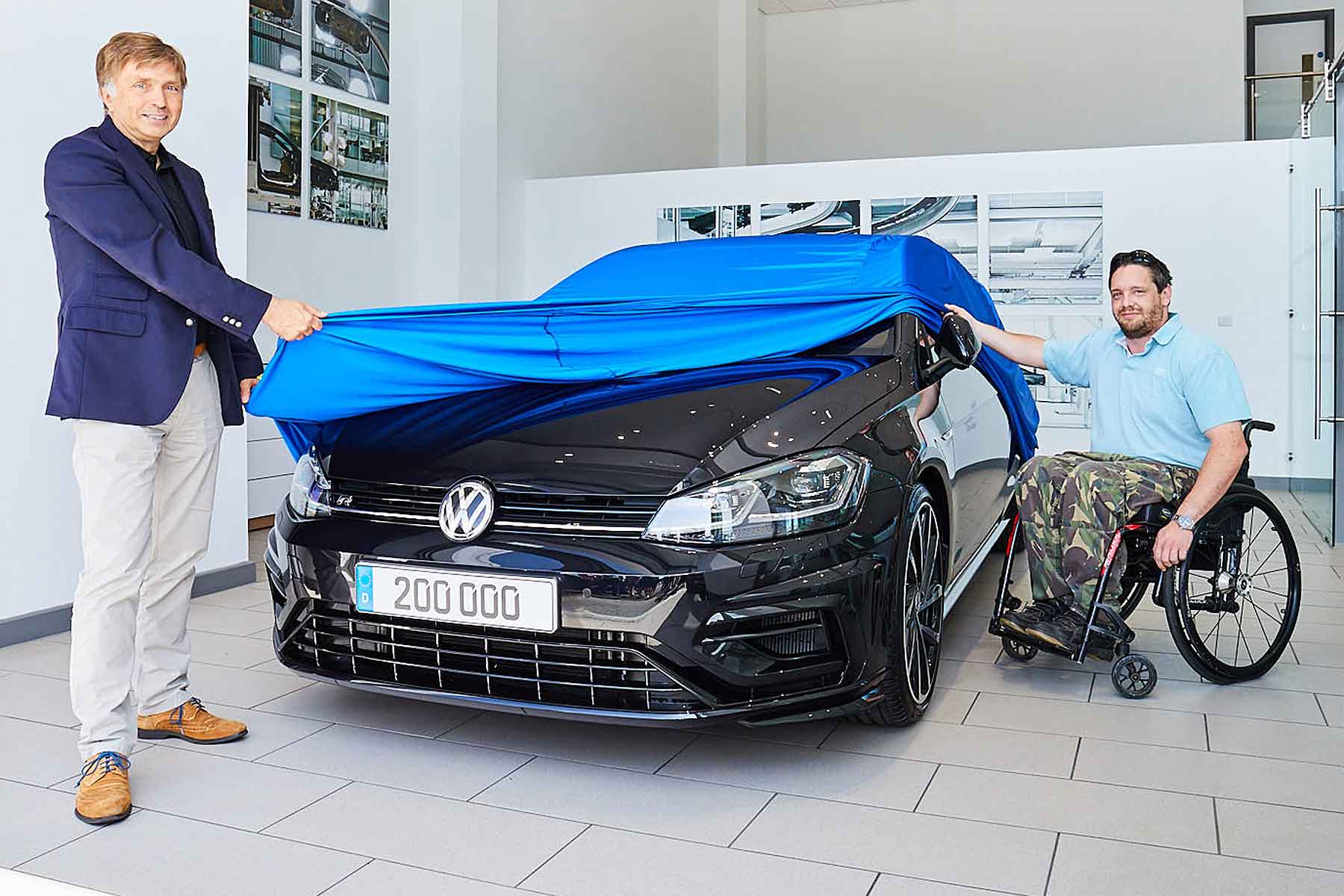
Jost Capito and Keith WilliamsonA British new car buyer has just taken delivery of the 200,000th Volkswagen ‘R’ model, and director of the VW R division, Jost Capito, was on hand to help with the landmark handover.

Keith Williamson is the lucky man: his Golf R was delivered by Robinsons Volkswagen Peterborough, and his enthusiasm for it is validation of the R brand’s success: he’s a serial hot Golf owner and has embraced the R as warmly as the longstanding GTI he also has in his collection.

”I get so much enjoyment from my Golf GTI and the Golf R just lifts that level of driver involvement even higher” said Williamson. “I’m particularly excited about having the Performance Pack on the car. This is another car that won’t be leaving my collection!”

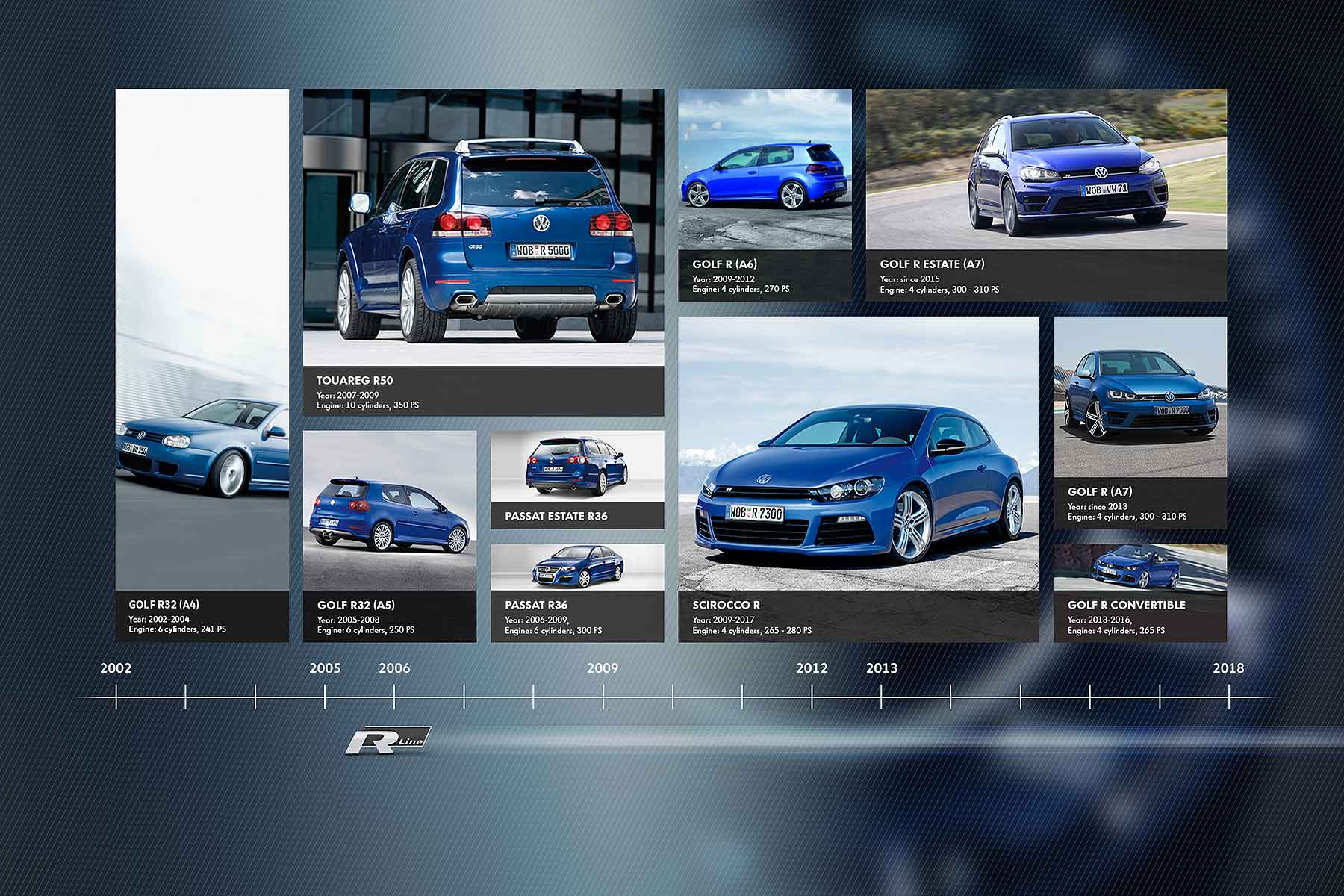
He also has an original Mk4 Golf R32 – which is fitting, as that was the model that launched the Volkswagen R division back in 2002. It was rebranded from Volkswagen Individual to Volkswagen R in 2011, and has developed numerous performance Volkswagens over the years, including four iterations of Golf, the Passat R36, Touareg R50 and Scirocco R.

Volkswagen R GmbH timeline

“Developing and globally retailing 200,000 units in 15 years is a big achievement,” said Capito. “Volkswagen R is a small business that employs around 350 colleagues. Everyone in our company contributes to the success of the company.”

Sven Schuler, director of business development and digitalisation at Volkswagen R, reckons the cars have the spirit of motorsport that’s made fit for road use. “Our vehicles are true Volkswagens with that certain extra something which the Volkswagen series production vehicles do not offer.”

2018 Volkswagen Golf R Performance Pack

The latest Golf R range has recently suffered a small power drop, from 310hp to 300hp, as part of homologation to the new WLTP fuel economy regulations. The range has also been rationalised down to the five-door DSG variant only: neither manuals nor three-door models sold well enough to justify continuation.

Advertisement

New roadmap reveals how to meet the 2040 petrol and diesel car ban

0

Nissan Zero Emissions logoThe UK automotive industry has teamed up with academia and other experts to develop a roadmap showing how car manufacturers will meet the government’s 2040 ban on new petrol and diesel cars – and the experts behind it presents a big opportunity for the British car industry.

Published by the Advanced Propulsion Centre UK (APC), a 10-year, £1 billion joint investment between government and industry that’s part of the UK Automotive Council, the road map surprisingly shows that there’s no one clear winner in what will power vehicles to 2040: battery-electric cars, hybrids, alternative fuels and regular petrol and diesel will all feature.

There are, however, clear trends: the range and performance of plug-in hybrids will broaden, battery-electric vehicles will become more tailored to particular applications, and regular engines will become increasingly less important, eventually becoming mere energy providers in a hybrid-focused drivetrain (before potentially being replaced entirely by fuel cells or full battery stacks).

The APC stresses the publication, called ‘The Roadmap Report: Towards 2040’, is not an official government policy report and is not associated with the upcoming Road to Zero strategy expected to be announced by the Department for Transport in the coming weeks. “We have no idea what will be in it,” APC head of technology trends Dave OudeNijeweme told Motoring Research.

APC's Dave OudeNijeweme

“Our report shows what’s required from a global perspective. It’s a consensus based on industry and academic understanding of what’s feasible. We believe it shows that the automotive industry is ready for whatever’s thrown at it, and that there’s a clear route to zero-emissions mobility by 2040 and beyond.”

Electric cars feature heavily in the Roadmap, but it is not predicting a mass adoption of full EVs. “What we see is the rapid introduction of a diverse range of electrification technologies, including mild hybrids, full hybrids, plug-in hybrids, fuel cell electric vehicles and battery electric vehicles,” said OudeNikeweme.

The end of the petrol engine also isn’t nigh, suggests the Roadmap “Clearly, the majority of these still rely on internal combustion engines, so continuing advances in that area remain important.”

Roadmap Report: Towards 2040

The report makes numerous predictions that will shape the cars people will be buying in the future. In the near future, hybrid cars will continue to provide a more cost-effective route to lower CO2 and emissions than fully-electric cars. It also states plug-in hybrid cars must undergo significant evolution to extend their zero-tailpipe emissions capability and overcome the limitations of today’s models.

Hydrogen fuel cells may have a part to play, but this is dependent on both infrastructure and lowering the cost of building fuel cell stacks. Indeed, a resilient and seamless refuelling infrastructure is crucial for the mass adaptation of all new powertrains, including battery electric cars.

However, while it’s still important to boost the battery range of EVs, it will eventually reach an acceptable level that means it’s no longer an issue. This presents the opportunity to introduce new ‘mobility-as-a-service’ models which may see highly-tailored vehicles for specific applications introduced. This will be tied in with the roll-out of connected and autonomous vehicles.   

The report has drawn from 139 individual organisations and shows expected key milestones from today through to 2040. The APC will use it to help decide which companies it will help with investment, but APC CEO Ian Constance says the document also shows the opportunities on offer to the UK automotive industry in the shift to future-fuel cars.

“After decades of evolution, vehicle technology is now at an inflexion point, changing faster than at any time in the last 100 years.

“This new analysis will help investors, innovators and government understand which technologies need to be developed as we drive at increasing speed to low carbon transport, helping them make the decisions that will ensure the UK remains a global player in 2030’s $1 trillion global market for low- and zero tailpipe emissions vehicle technologies.”

Six steps Towards 2040

  • 2020: next-generation engines will replace today’s downsized motors, offering even greater efficiency
  • 2023: Level 4/5 connected and autonomous cars will allow car manufacturers to launch mobility solutions, offering ultra-optimised alternatives to private car ownership
  • 2025: regionally regulated zero emissions zones will become an important consideration for many motorists (and potentially a hurdle for manufacturers)
  • 2027: plug-in hybrids will shift from ‘modest range’ to become ‘full utility’, with real-world driving ranges of 40 miles – easily enough for the majority of car buyers to go fully-electric without committing to a full EV
  • 2028: electric cars will become more tailored for application – user profiling will be used to suggest an ultra-efficiency fit-for-purpose model rather than a less-efficient ‘do-it-all’ machine
  • 2030: the total cycle impact will start to replace tailpipe emissions as a measure of a car’s green credentials
Advertisement

M is Volvo’s new mobility brand

0

Volvo Car Mobility MVolvo Cars has launched a new mobility brand called M. Coming first to Sweden and the U.S. in spring 2019, it is an app-based service that offers on-demand cars and services.
M will, says the firm, therefore expand Volvo from merely being a car manufacturer into a fully-fledged mobility services provider. It is already offering subscriptions to cars through the app-based Care by Volvo service; Volvo M is a further development of this.

Volvo Cars president and chief executive Håkan Samuelsson said it was part of the firm’s answer to a new generation of motorists that don’t want to own cars. “We recognise that urban consumers are rethinking traditional car ownership… we are evolving to become a direct-to-consumer services provider under our new mission ‘Freedom to Move’.”

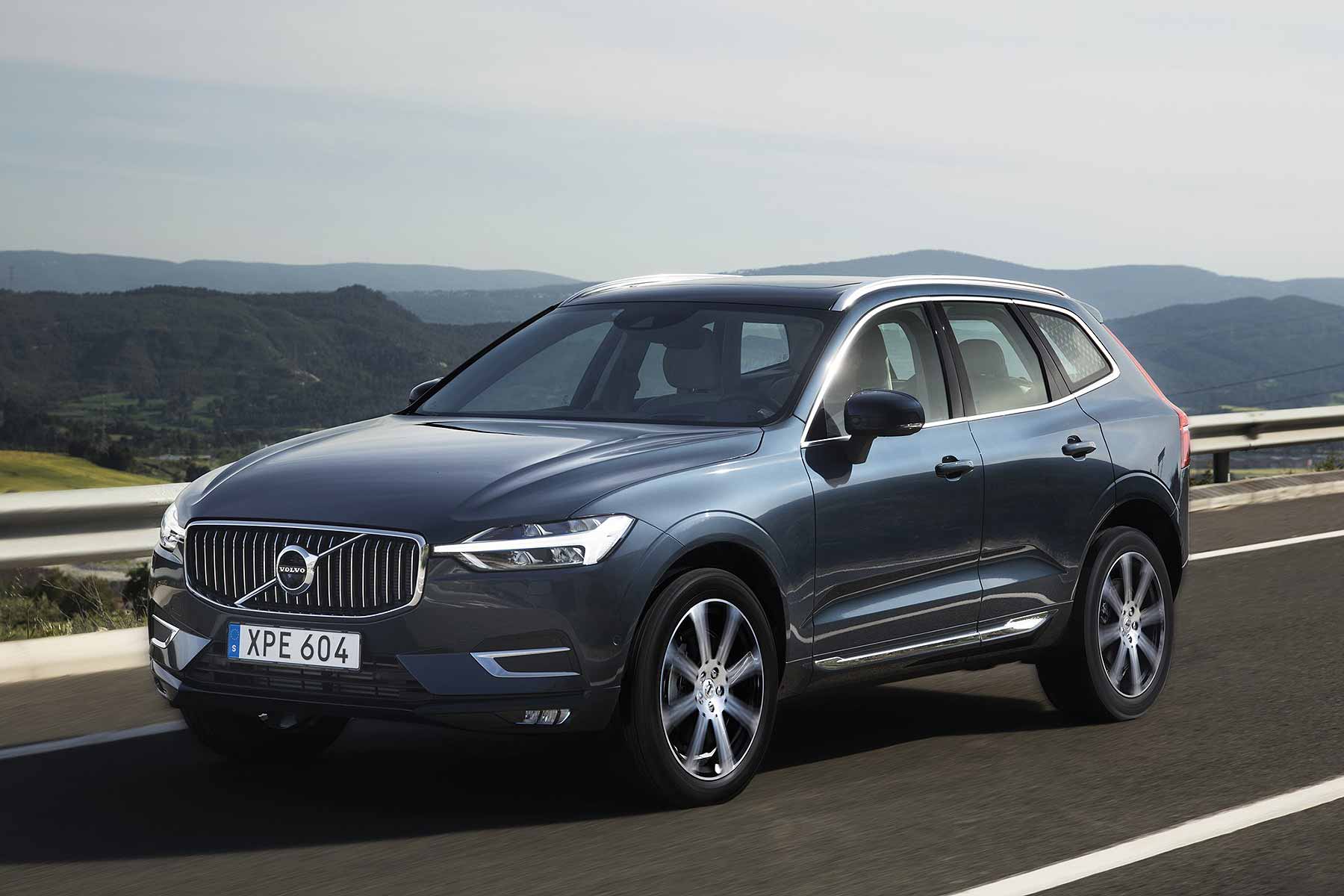
Volvo XC60 T6

The Volvo M app is better than today’s services such as Uber or other on-demand mobility solutions, said Bodil Eriksson, CEO of Volvo Car Mobility. “We’re focused on the way people use the cars they own, which sets us apart.

“We aim to provide a real alternative to that experience. It should enable us to live life on our terms, getting things done and maximising precious time. We see the opportunity to offer a premium experience.”

M will also provide Volvo Cars with a new revenue stream. Samuelsson hopes it will become a core part of his strategy to “build more than five million direct customer relationships” by 2025.

Volvo will beta-test M in Stockholm this autumn, he said. It is partnering with car-sharing company Sunfleet in Sweden, which will be fully integrated into M by 2019. Ahead of this, Volvo will reveal more details about the M service, including pricing and other functions.

Volvo M is just the latest example of how the firm is embracing new technology. Building upon Care by Volvo, it recently launched the hottest version of the new S60 only through the app (and it sold out in minutes). Volvo is also the first car company to offer test drives through Amazon Prime – a service so tempting, it recently had to bring it back by popular demand.  

Advertisement

Britain is Europe’s biggest market for Korean cars

0

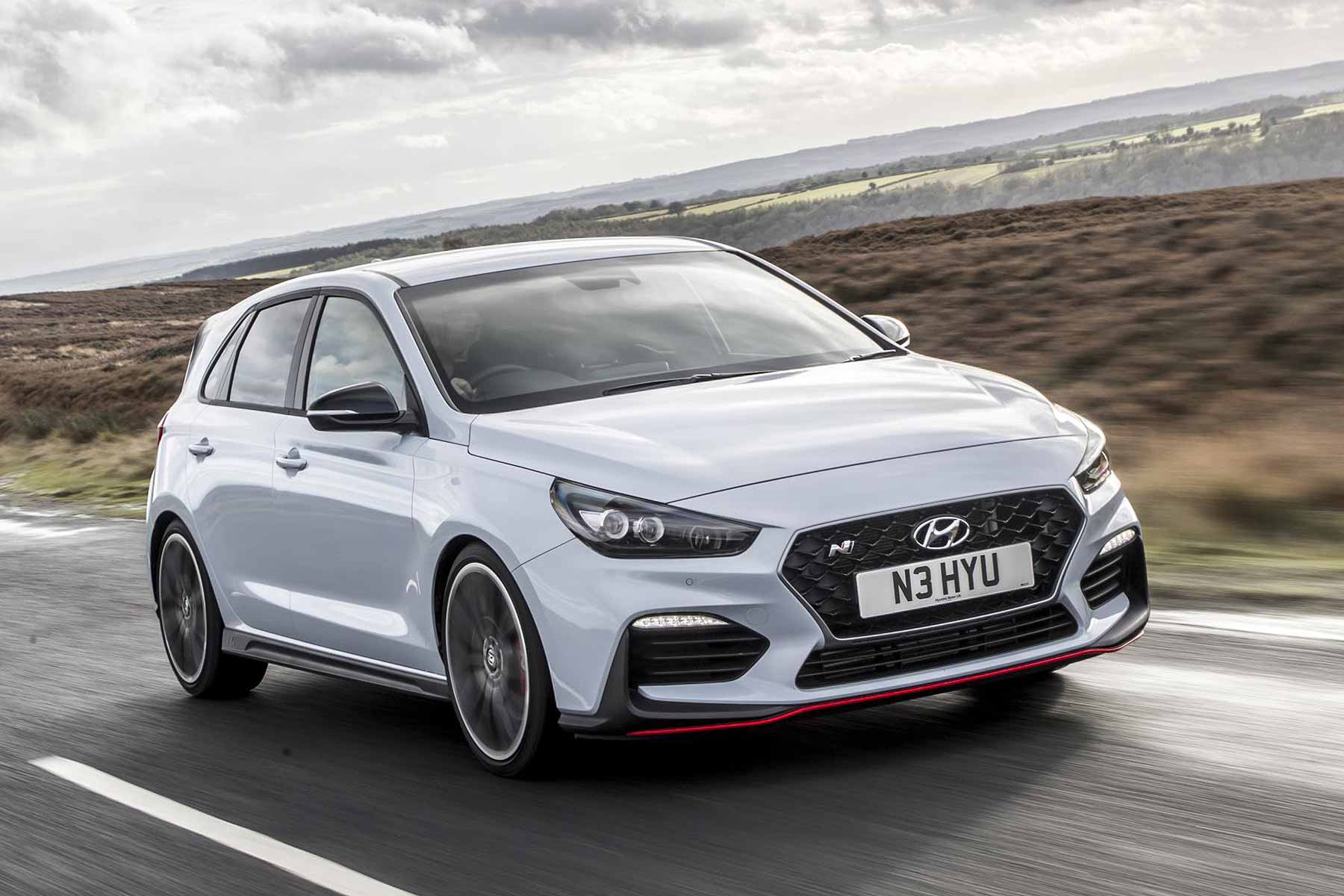
Hyundai i30 NMore than 190,000 Korean-branded cars were sold in Britain last year, making the UK Europe’s largest market for Korea’s Hyundai, Kia and SsangYong car firms.
Even more impressively, Britain is also the third-biggest Asian export market worldwide, second only to China and Japan. Korean cars now take 7.5 percent of the new car market; 10 years ago, it was just 2.5 percent.

Imports of Korean-built cars have rocketed 93 percent over the past decade, to 103,078 models last year. But sales have also grown in the opposite direction, with a four-fold rise in UK production of cars for Korean buyers, to over 20,000 units.

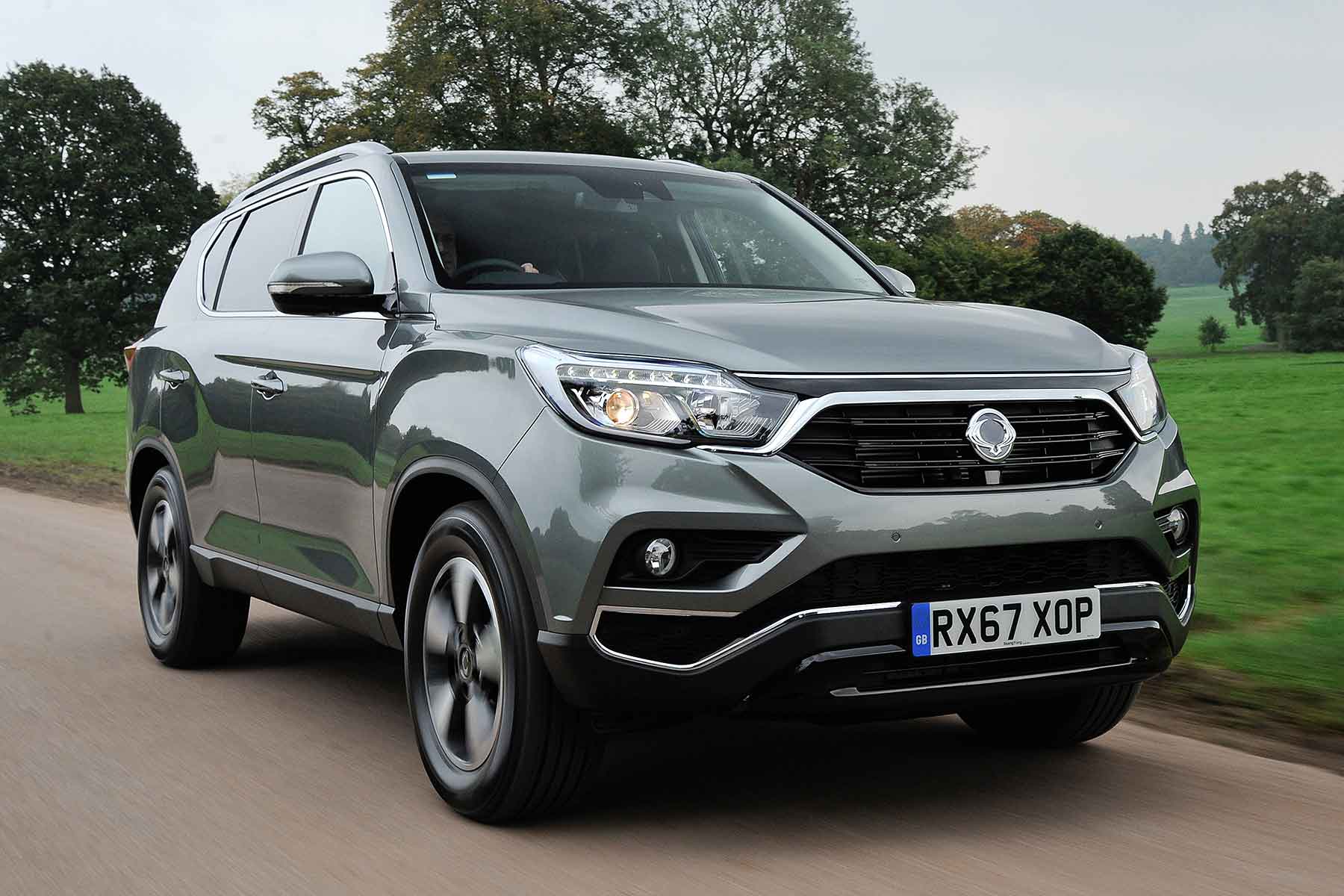
SsangYong Rexton

The analysis has been revealed by the Society of Motor Manufacturers and Traders (SMMT) on the eve of a trade mission to South Korea, which it hopes will reveal opportunities for British brands in the country.

The SMMT is also visiting the Green Car Korea Show, eager to tell attendees that Britain is the largest EU market for plug-in hybrid cars – which brands such as Kia are pushing ever-more heavily in the UK.

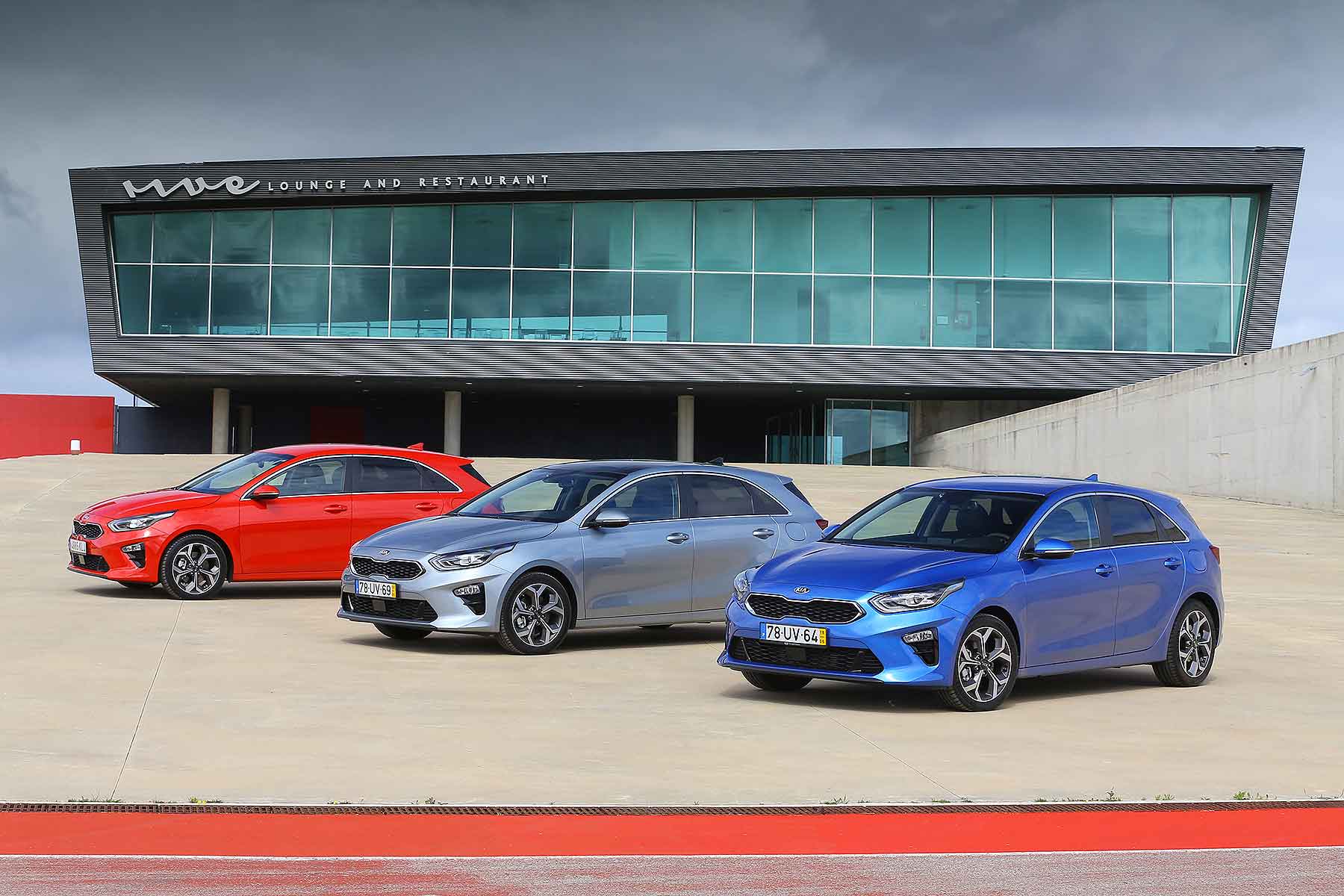
Kia Ceed

SMMT chief executive Mike Hawes said: “Britain is one of the most important global markets for Korean manufacturers, and vice-versa, with consumers in both countries benefitting from a huge choice of cutting-edge models.

“With the UK’s reputation for world-class engineering, and its position as a test bed for the next generation of connected, autonomous and zero emission vehicles, strengthening our trade links with global automotive leaders such as Korea can only bring mutual success.”

  • Kia free servicing deal takes the sting out of running a Stinger
  • 2018 SsangYong Rexton review
  • What diesel witch-hunt? Hyundai prices ‘clean-diesel’ Kona

Top 5 cars from Korean brands in Britain

1: Kia Sportage

2: Hyundai Tucson

3: Hyundai i10

4: Kia Picanto

5: Hyundai i20

Top 5 cars exported from Britain to Korea

1: Mini

2: Land Rover Discovery Sport

3: Land Rover Discovery

4: Range Rover Evoque

5: Jaguar XF

ALSO READ

Could diesel make a comeback under new EU test regulations?

Motorists face £1,000 charge for parking at work

M is Volvo’s new mobility brand

Advertisement

Crazy Golf collection: meet the man with 114 Volkswagens

0

Crazy Golf collectionIf we told you someone has a vast car collection comprised exclusively of Volkswagen Golfs, you could be forgiven for thinking he might be a line manager at the Wolfsburg plant with delusions of grandeur.
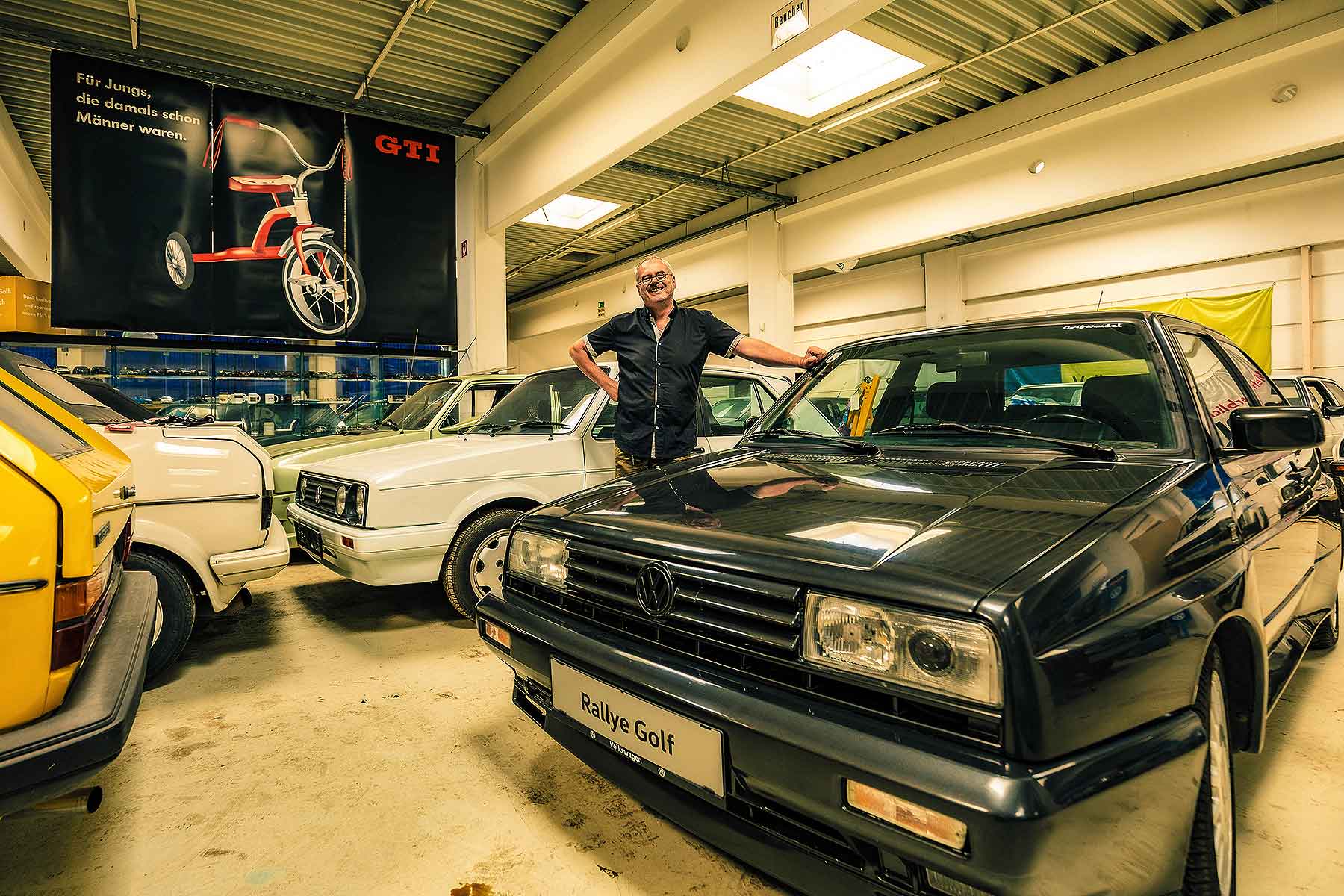
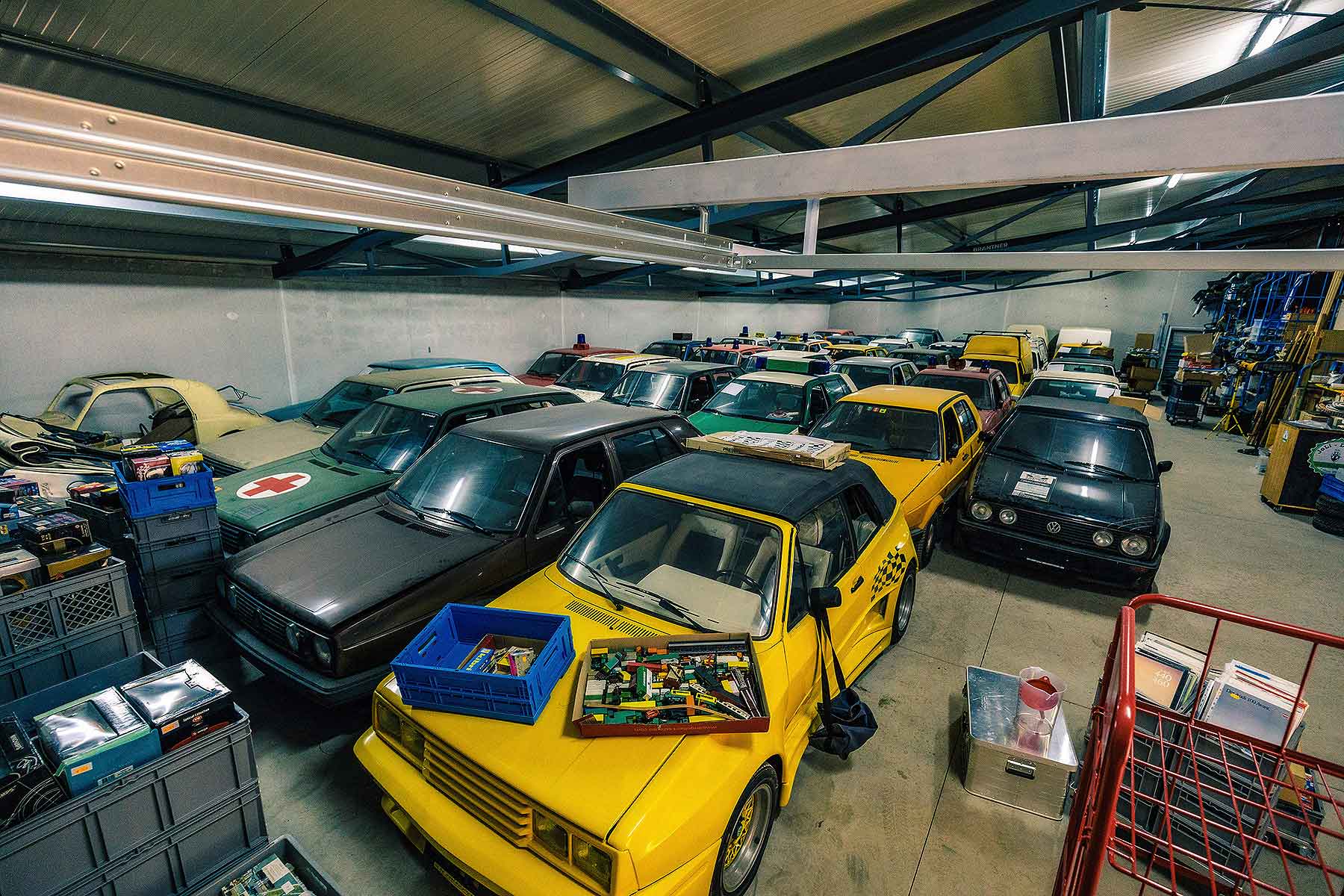
You’d be forgiven, but also wrong. A gentleman by the name of Josef Juza – a chimney sweep based in Vienna – has amassed 114 examples of the staple VW model and its many derivatives. If you’ve got an image in your mind of a precisely parked legion of anonymous and identical silver hatches, then once again, we must ask you to reassess your preconceptions.

Crazy Golf collection

The Golf has, over the course of its seven generations, proven to be one of the most versatile motorcars of the last 40 years. It’s as fantastically useful and malleable in terms of its architecture as the Land Rover Defender, the Ford Transit or indeed the Beetle that it was conceived to replace.

And it’s when you take a look through Josef’s collection that you realise to say “50 Shades of Golf” really would undersell the amount of configurations and applications this humble little best-seller has been at the heart of.

So what’s actually in this collection?

Peruse the snaps and you see the Caddy Pickup, the Corrado and the Jetta Cabriolet – all Golf-based. Fair but not mind-blowing and let’s be real, a bit of a cheat. Then the Mk1 with a sliding door raises an eyebrow, as does the CityStromer (an e-Golf from 1981!) and an airport Bremen. That’s a staircase attached to a Caddy pickup that you’ll find passengers climbing up on the way to their airplane seat… The realisation dawns that the Golf has some decidedly Frankensteinian variations, most of which are accounted for in this collection.

Various camper van configurations, a chocolate box of GTIs and ever-quirkier modified creations round off what is a spectacular testament to this legend of everyman motoring.

It’s no overstatement to say that Josef could probably host a shindig to rival Wörthersee itself.

Advertisement

The essentials you didn’t know you needed for driving to Europe

0

Europe driving

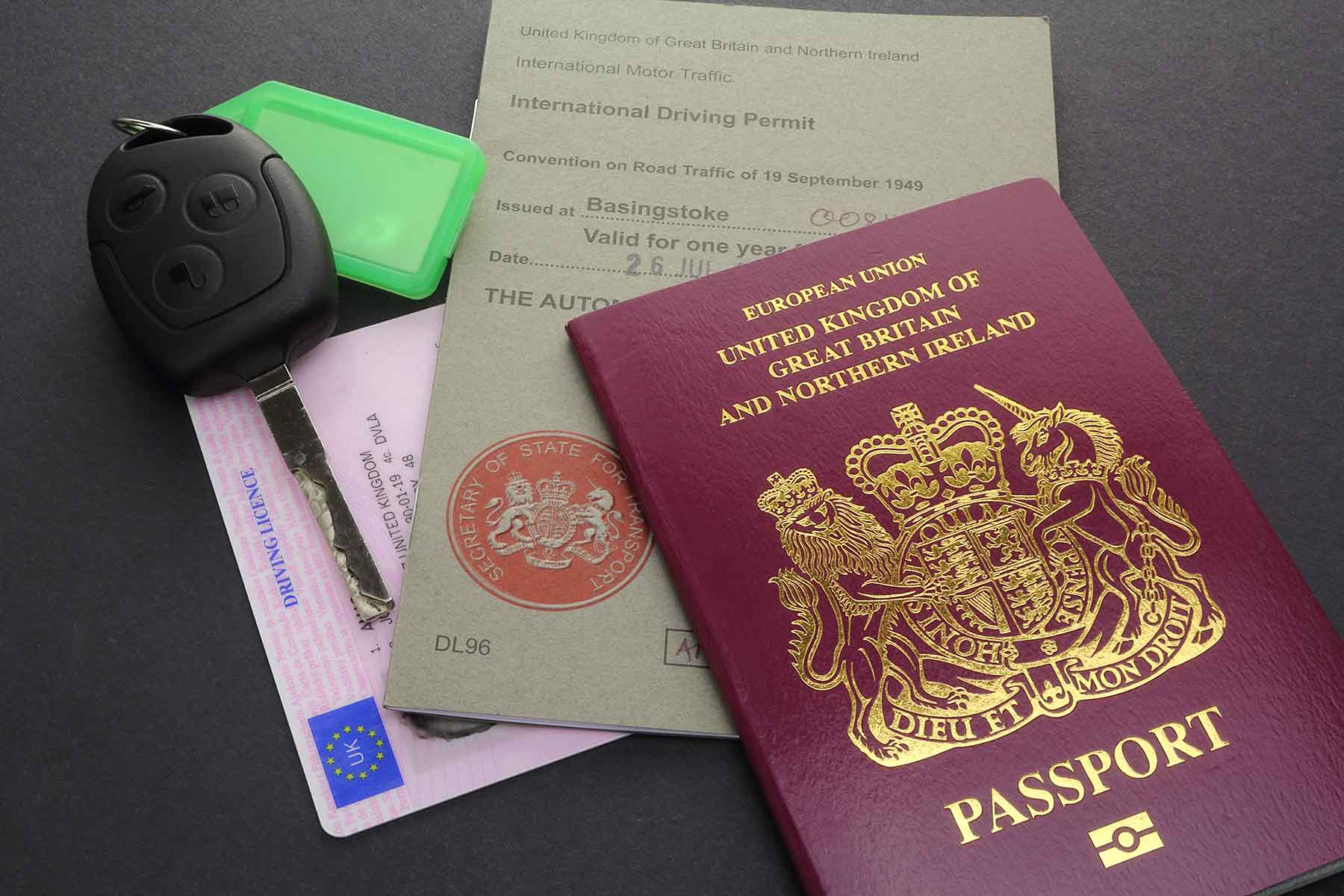
Planning a motorised jaunt across the channel? Sounds idyllic, doesn’t it, but even the glamour of a pan-European dash comes with its rigours. The DVLA has issued a statement with reference to what paperwork you may need to acquire before you buy your ferry ticket.

The focus is on proof of ownership. It’s always been necessary to carry your V5C, but with the exponential increase in vehicles purchased on a personal lease, further documentation is required.

Specifically, a VE103 ‘on hire’ certificate that can be acquired from your rental or lease provider. While the V5C would be proof of ownership, the VE103 is proof of stewardship – while rented or leased, this car is in your care. Either, as per their relevance, are legally required to be in your possession when driving in Europe.

The British Vehicle Rental and Leasing Association (BVRLA) director of member services, Nora Leggett, spoke about the importance of correct documentation: “We believe thousands of motorists could inadvertently flout European legislation when driving across the Channel this year by travelling without the correct documentation.

“We ask that drivers who lease or rent their car notify their rental or leasing company now before the summer holiday peak so that the VE103 certificate can be processed and sent in plenty of time to avoid the prospect of stiff financial penalties, delay and upset to holiday plans”.

Driving Abroad

Other requirements when driving in Europe:

  • Insurance: make sure you’re insured to drive in Europe. Contact your insurance provider for more information on your coverage.


  • Breakdown cover: nobody wants to be left stranded by the side of the road in Europe. Breakdown cover with Europe-wide jurisdiction is essential when driving on the continent.


  • Water: important for long trips to Europe and elsewhere. In the event that you’re lost or stuck by the side of the road, water is essential, especially when you’re away from home.


  • Passport: the obvious one, but easy to forget!


  • A healthy car: prevention is better than cure. A health check for your car is always a good idea before taking any long or arduous journeys.

Read more:

Advertisement