Home Blog Page 463

2019 Ford GT Heritage Edition brings back iconic Gulf Oil livery

0

2019 Ford GT 68 Heritage Edition Gulf Oil

Ford’s GT supercar is hardly in need of any more drama, but the Blue Oval has done just that with a new special edition model.

The signature blue and orange Gulf Oil paintwork has covered many cars, but was famously used on two of Ford’s Le Mans winning GT40 race cars.

Inside the top secret Ford GT design studio

Ford’s streak of four wins at the French classic during the late 1960s was a dominant affair. However, it was the 1968 and 1969 events which saw GT40s take glory in the famous Gulf Oil livery.
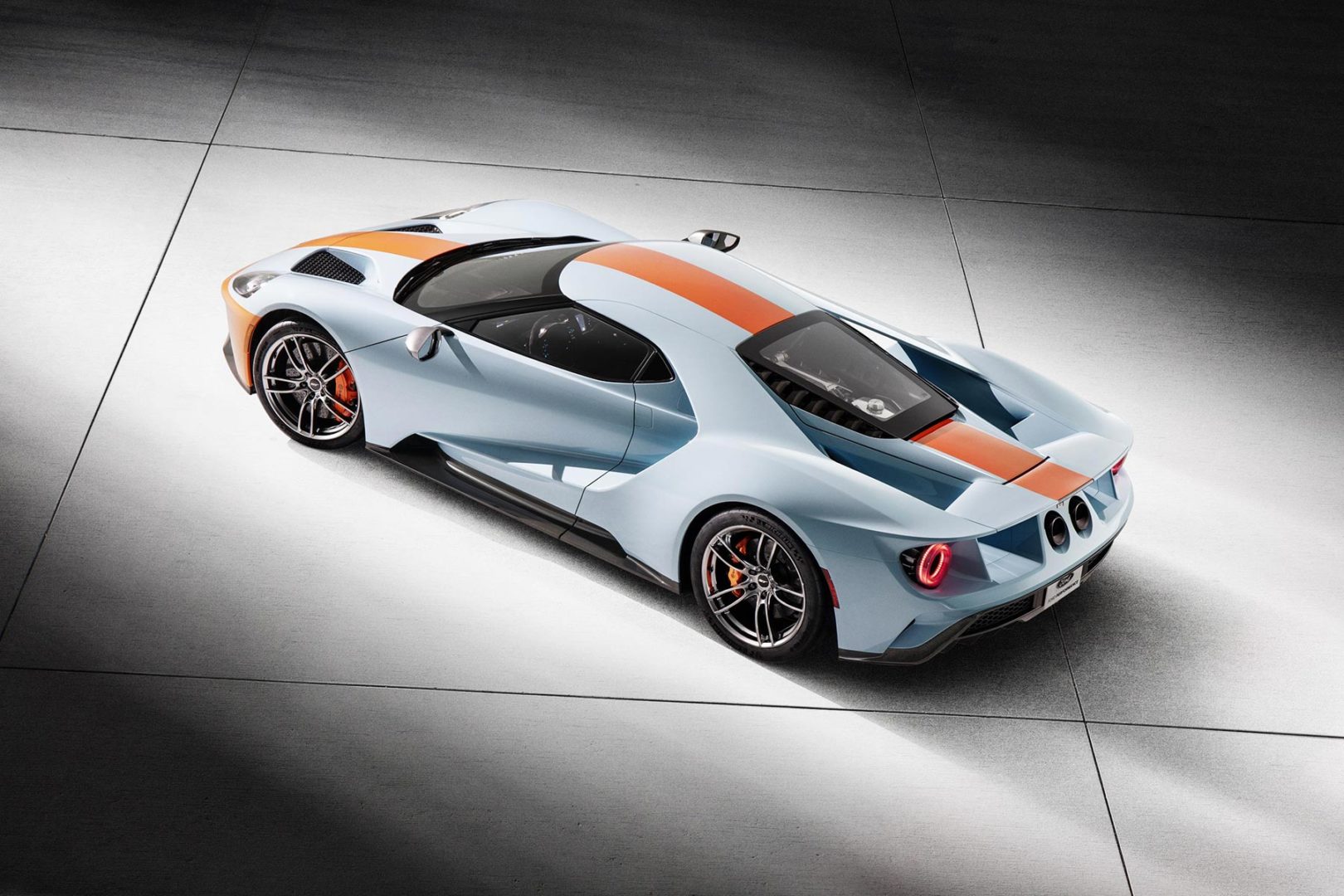
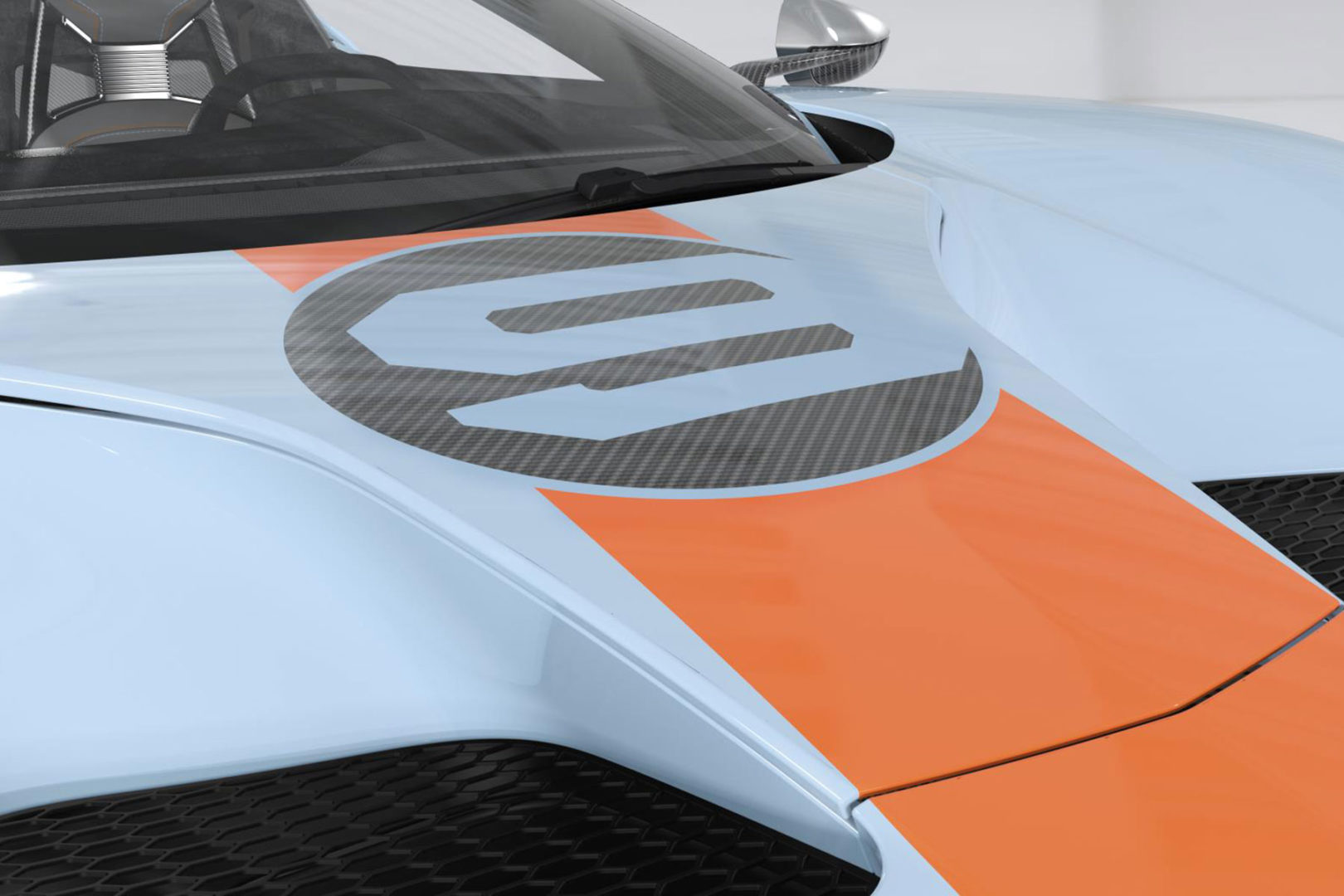
Just like the winner from 1968, the 2019 model year GT Heritage Edition will wear number 9 racing graphics, along with the Gulf-inspired livery. For 2020, number 6 will be worn by the GT Heritage Edition.

Marking the 50th anniversary of Le Mans success, this special version can also be specified with an additional package for exposed carbon on the interior and exterior.

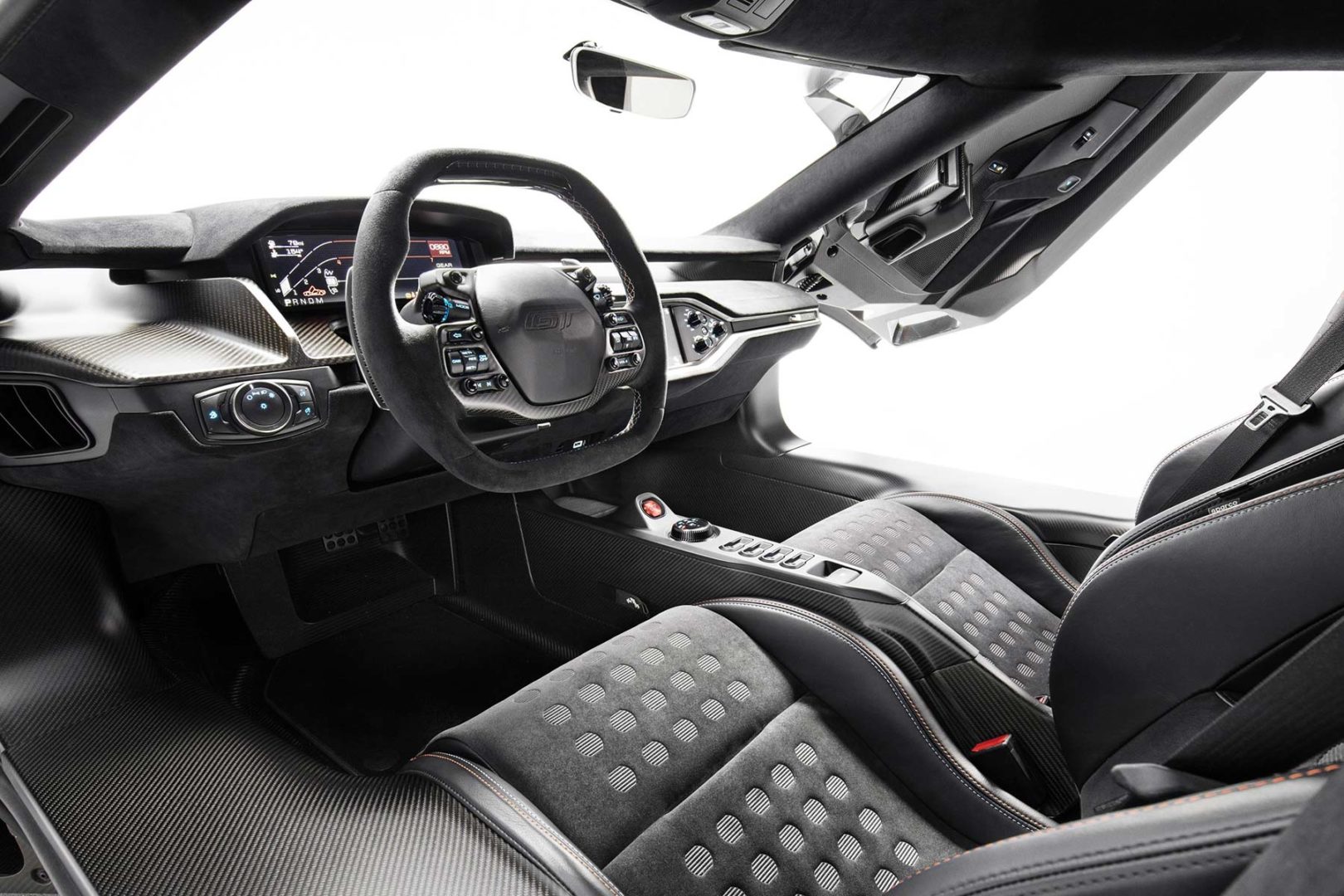
The lightweight material can be seen in all its glory on the A-pillars, along with forming the outline of the racing numbers. Naked carbon can also be seen on the door sill trims, steering wheel, and across the dashboard.
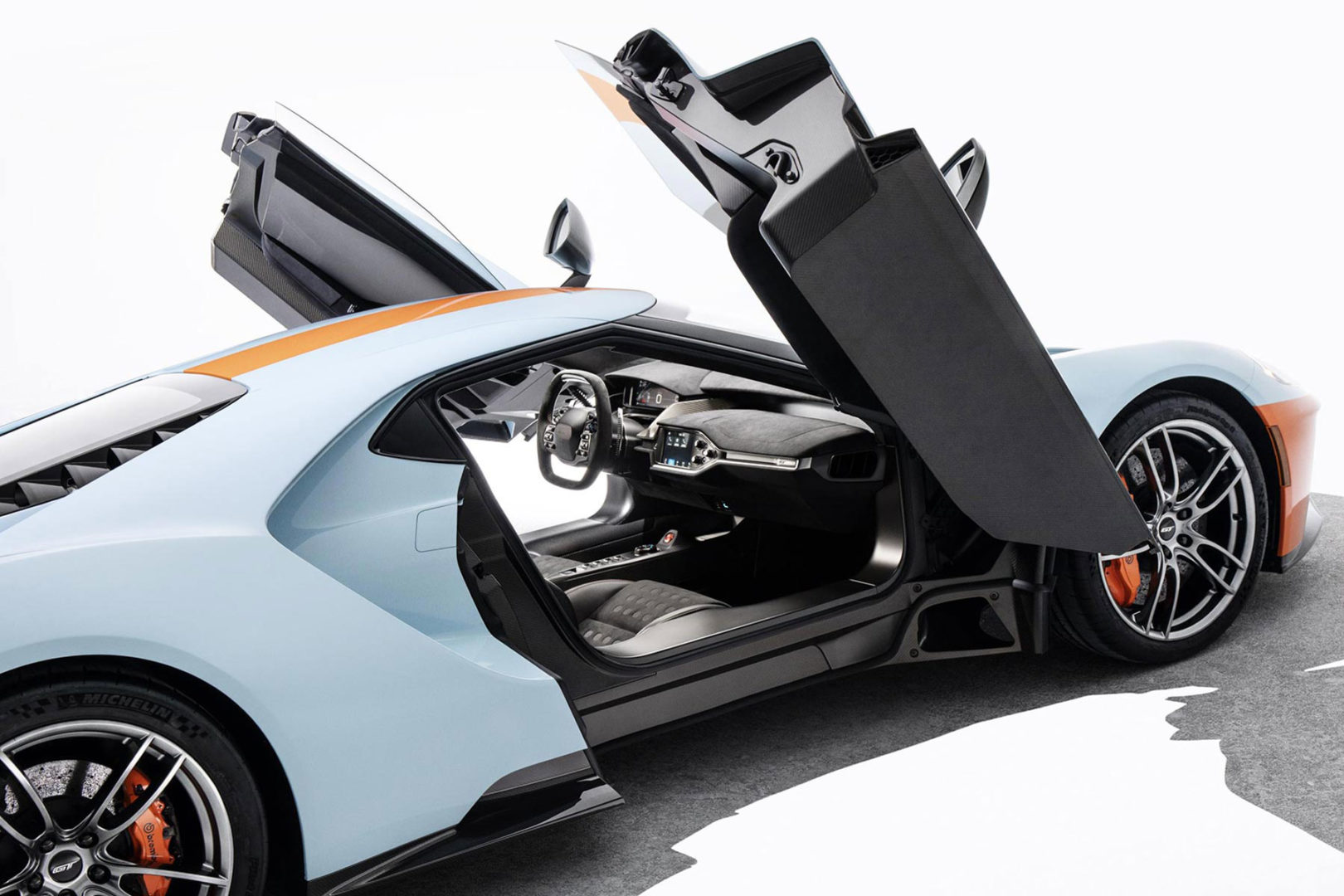
Special 20-inch alloy wheels with a forged one-piece construction are also part of the deal, along with orange brake calipers and silver rear view mirrors.

Blue and orange stitching is used to bring contrast to the black Alcantara used for the bucket seats and steering wheel. The seats also feature an embossed design, intended to replicate the ventilation holes in the original GT40.

Although the Gulf Racing livery may be most associated with Ford, earlier this year McLaren Automotive produced a special one-off version of the 675LT supercar. Commissioned by a customer, the bespoke blue and orange McLaren made reference to the 1997 F1 GTR which took class victory at Le Mans.

Ford has also made Heritage Editions of the twin-turbocharged GT supercar before. Last year, the ‘67 Heritage Edition was built to celebrate Ford’s win at the 1967 Le Mans event. No prizes for guessing what success the ‘66 Heritage Edition paid tribute to.
Advertisement

Ferrari 488 Pista Spider revealed at Pebble Beach

0

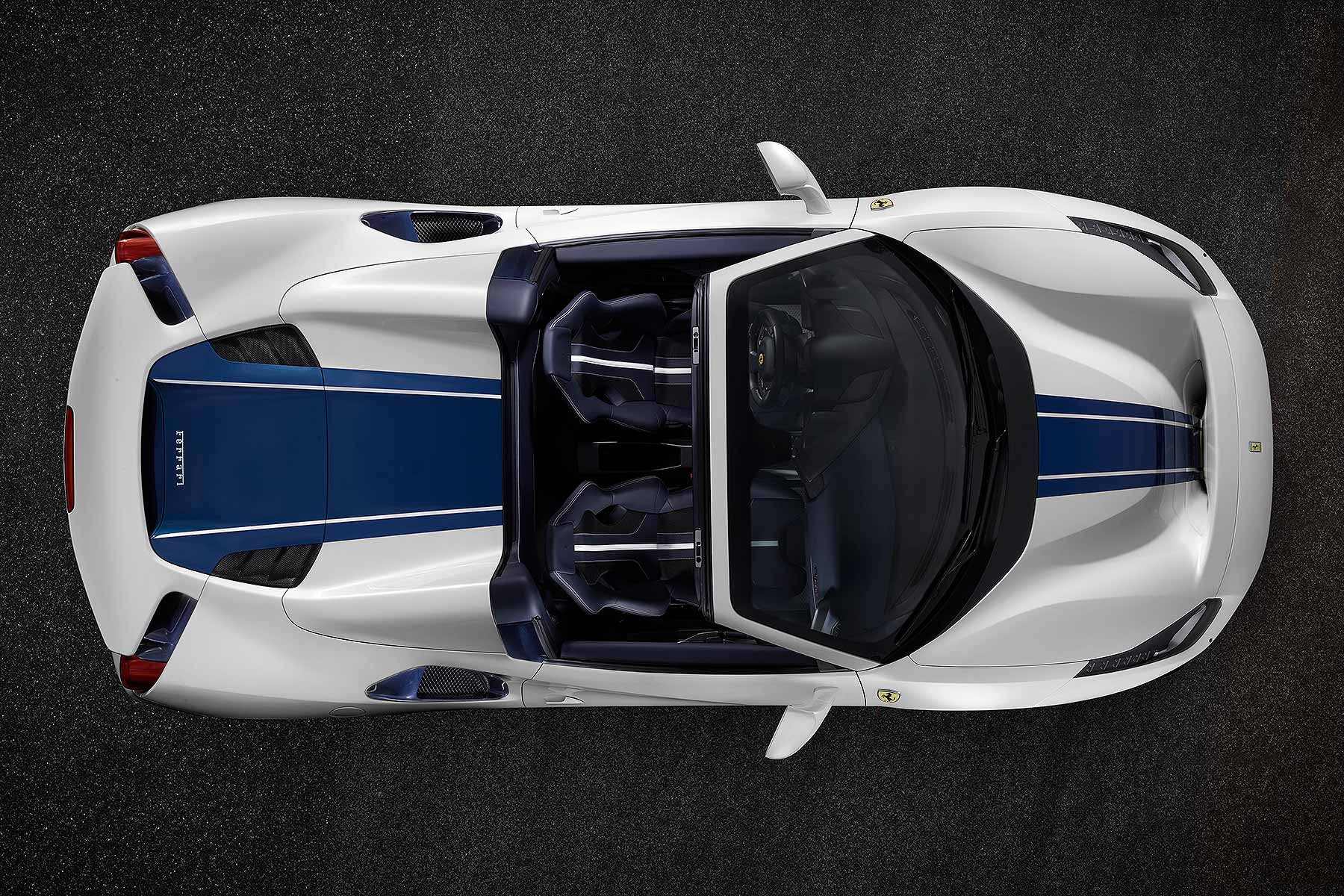
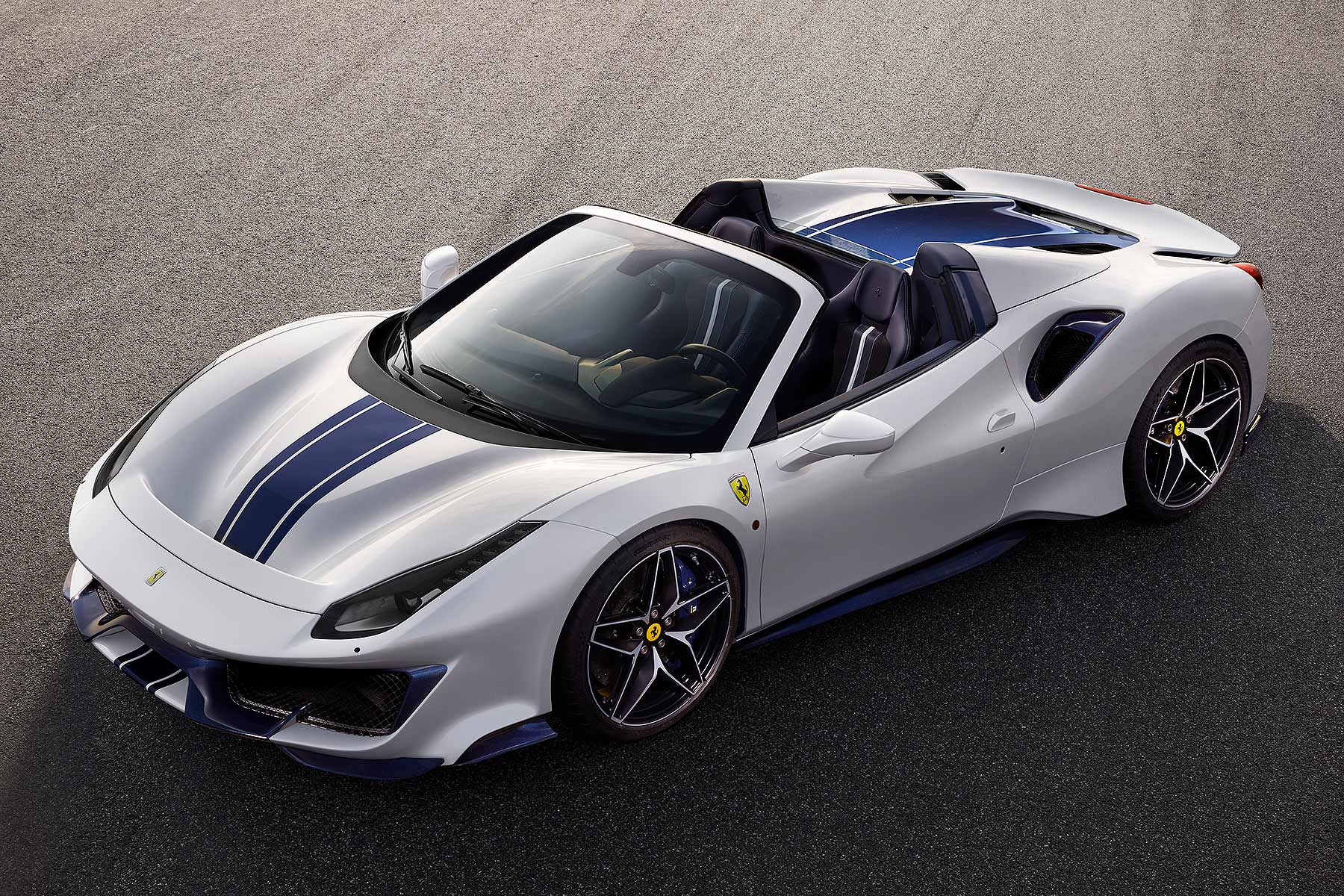
Ferrari 488 Pista SpiderThe open-top Ferrari 488 Pista Spider has been revealed at the 2018 Pebble Beach Concours d’Elegance. It is, fact fans, the 50th factory-built drop-top Ferrari in history.
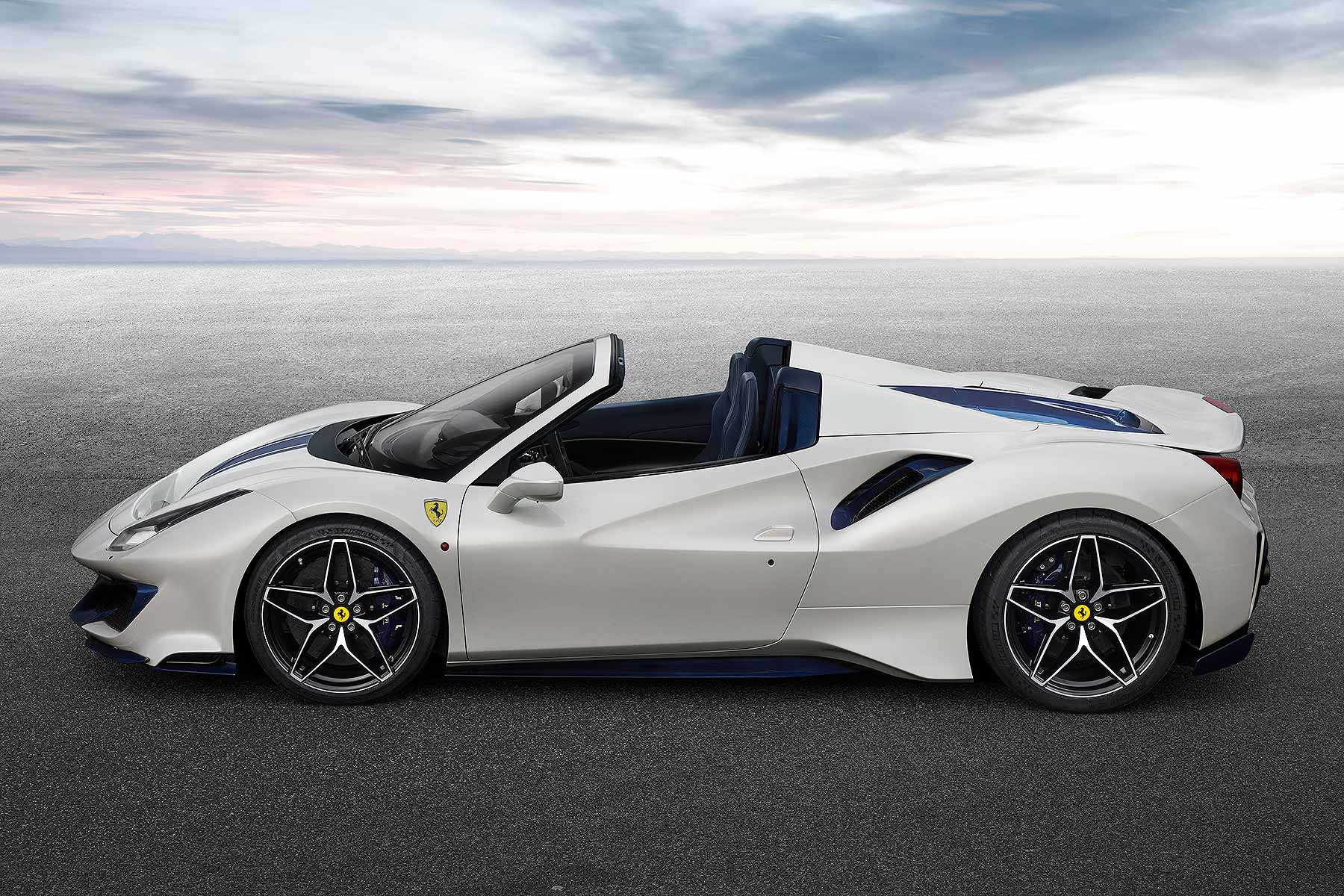
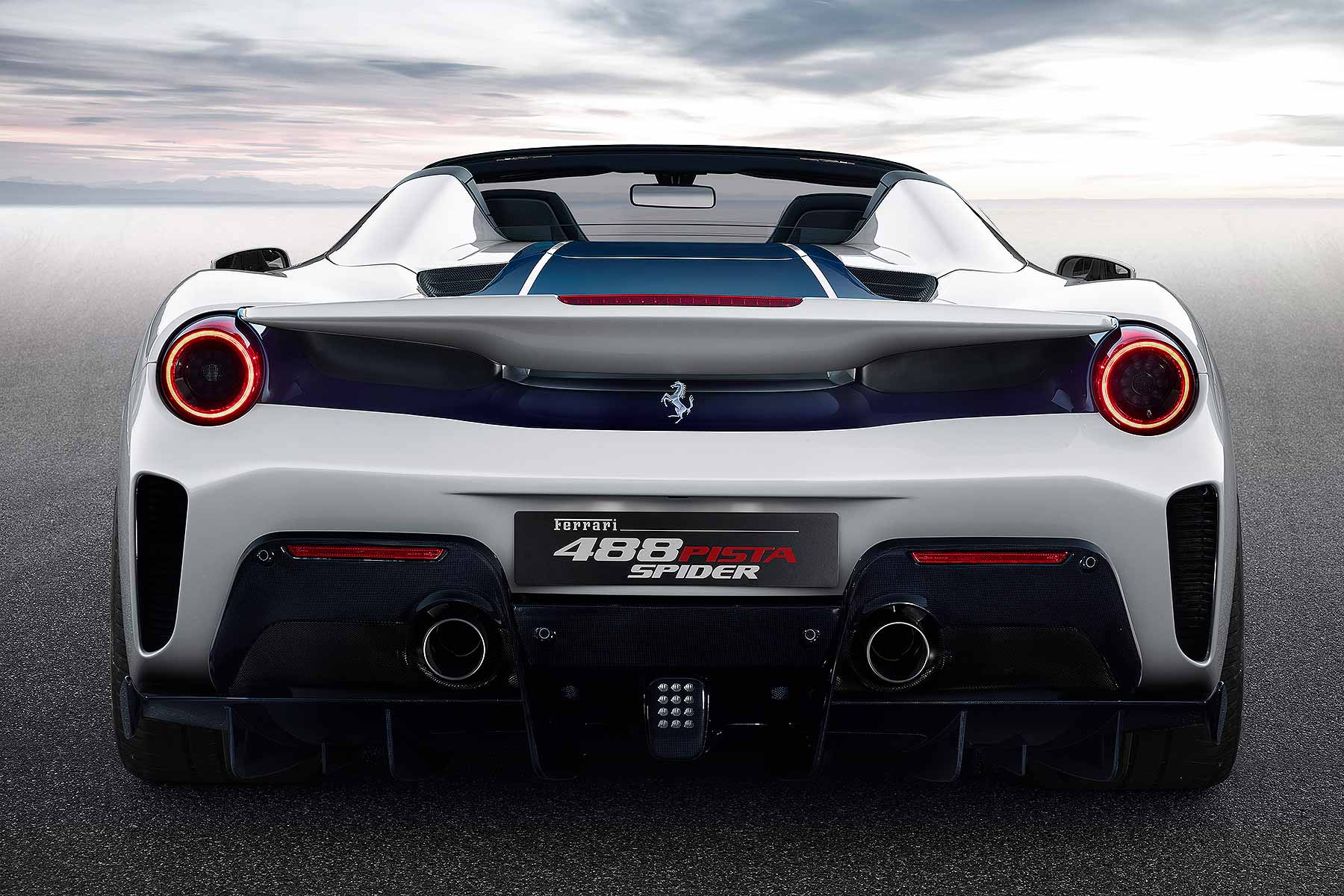
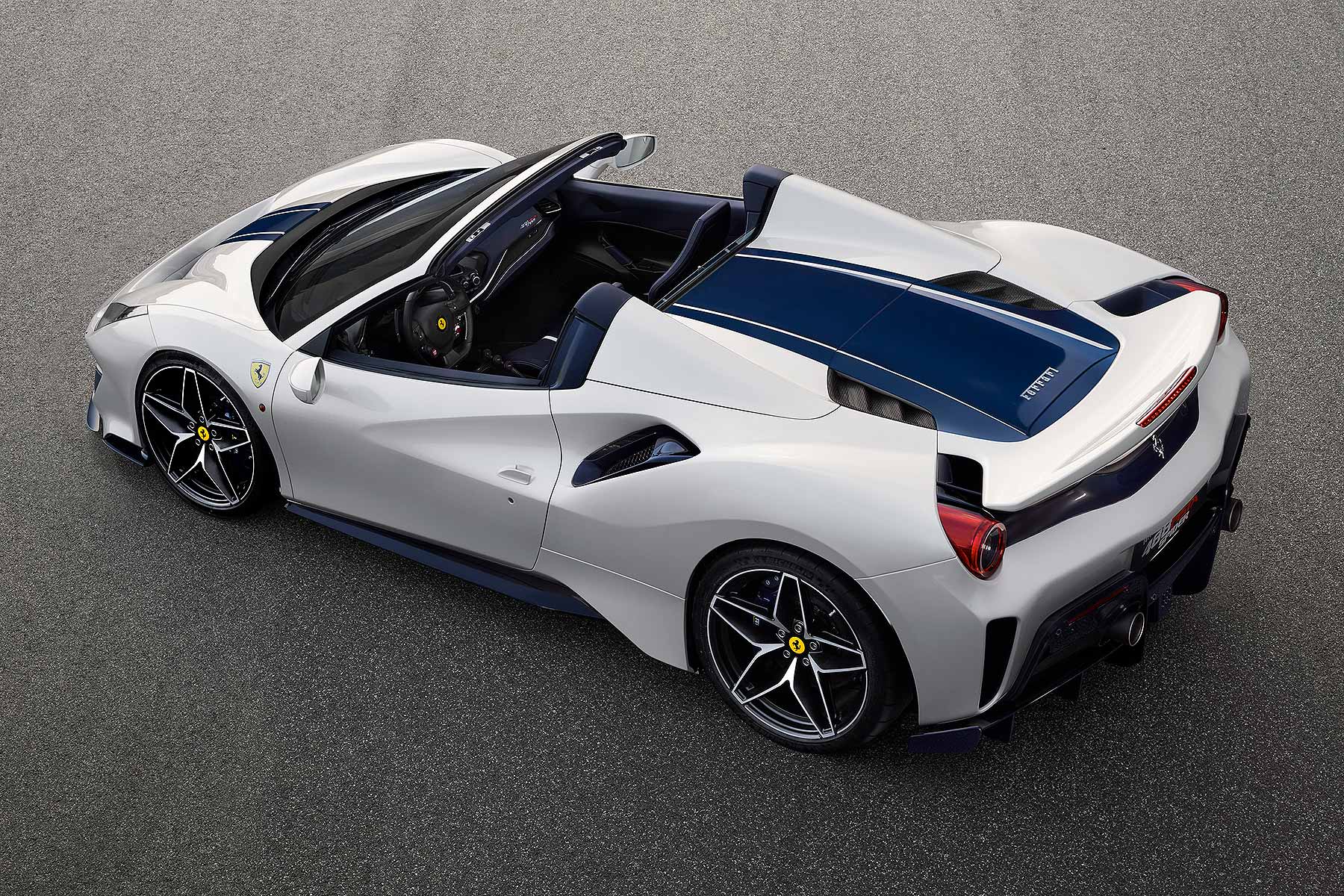
Drawing from the 488 Pista coupe supercar, the 488 Pista Spider shares the same 720hp twin-turbo V8 engine, which Ferrari says sounds “even more riveting thanks to the open-top configuration”.

New car debuts at Monterey Car Week 2018

It rushes from 0-62mph in the same scant 2.85 seconds as the coupe, and 0-124mph takes just a smidgen longer, at 8.0 seconds. Top speed is the same too, at 211mph.

Ferrari 488 Pista Spider

The Pista Spider does weigh 100kg more than the coupe, at 1,380kg, but that’s still roughly a 50kg weight saving over the regular 488 GTB.

It has all the exotic engine tech of the coupe: titanium conrods, lighter crankshaft, carbon fibre intake plenum and Inconel exhaust manifold.

The chassis is the same as the coupe too; as that drew from the 488 Challenge and 488 GTE racers, Ferrari claims the 488 Pista Spider “offers the highest level yet of technological transfer from the track to a road-legal drop-top car”.

Ferrari 488 Pista Spider

Key to it is the lateral dynamics control system called Ferrari Dynamic Enhancer (FDE). How this works is a little mysterious, but Ferrari describes it as managing the brake pressure at the calipers more accurately, so it’s easier to control the 488 Pista Spider when drifting sideways. Which sounds good to us.

The tyres being smoked are the same bespoke Michelin Pilot Sport Cup 2 rubber.

They’re worn by new diamond-finish 20-inch alloys. They’re different to the coupe and Ferrari says they are a “novel 10-spoke star-effect interpretation of Ferrari’s traditional mid-rear engine Berlinetta-style rims”.

Ferrari 488 Pista Spider

Driving purists can pick optional one-piece carbon fibre rims, which are 20 percent lighter than the standard wheels – an impressive weight saving, given how the regular wheels themselves are lightweight forged items.

As for the styling, the bespoke aero kit of the 488 Pista is largely present and correct; Ferrari’s focus here is on the “charismatic central livery” which runs from nose to tail. It expands towards the rear, finishing beneath the 488 Pista’s ample spoiler.

Ferrari 488 Pista Spider

“This continual expansion of the stripe recalls the movement of the airflow and exalts the lines of the car,” we’re told. It is also different to the coupe, where the line runs right to the tip of the spoiler itself… and is all the more dramatic on the Pista Spider because there’s not an exposed engine bay breaking it up.

Which, we’re sure, will be all the justification 488 Spider coupe owners need to also make sure they’re also in the line for a 488 Pista Spider…

Advertisement

Elon Musk: I will NOT take Tesla private

0

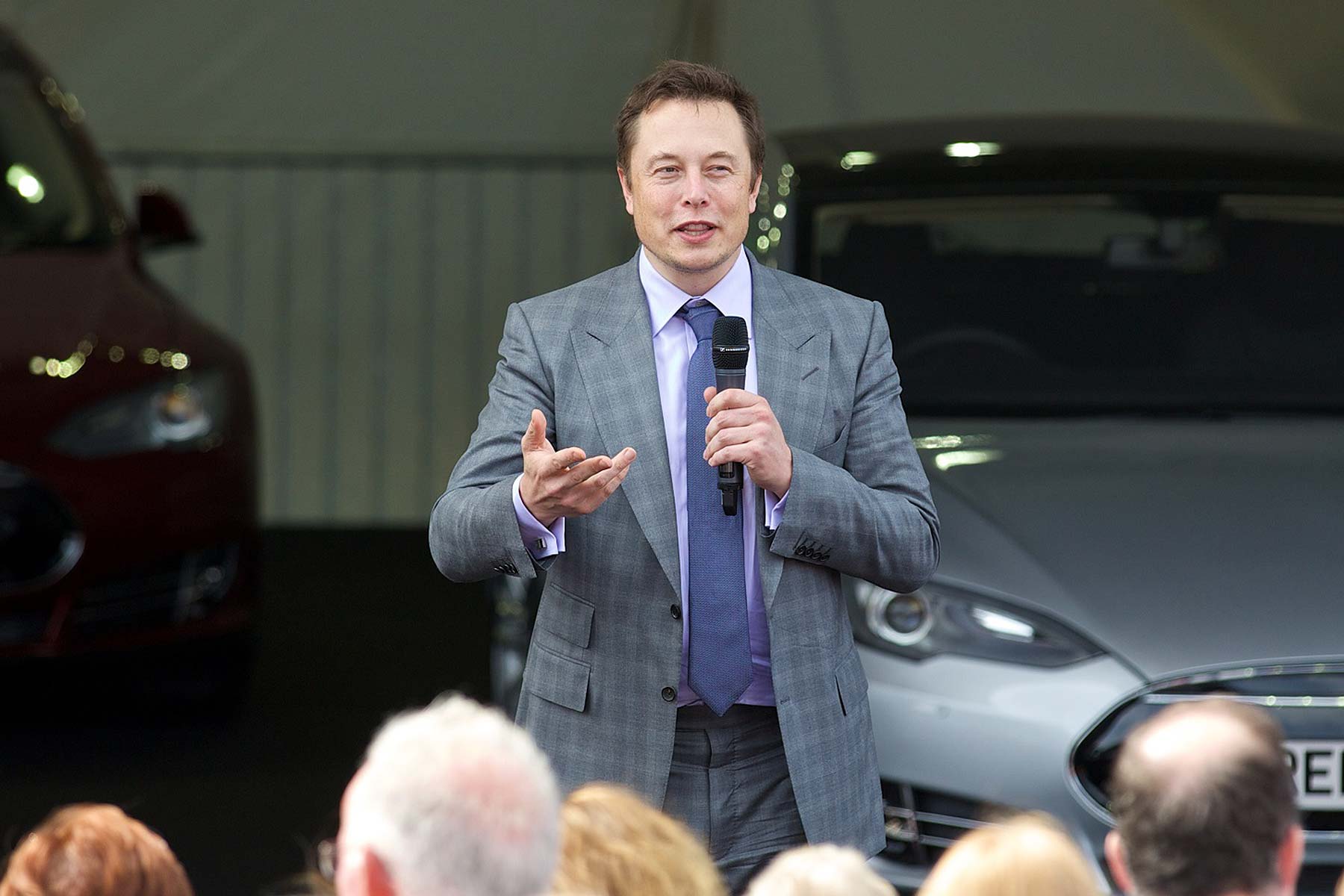
Elon MuskElon Musk has dropped plans to take Tesla private after investors told him: “please don’t do this.”
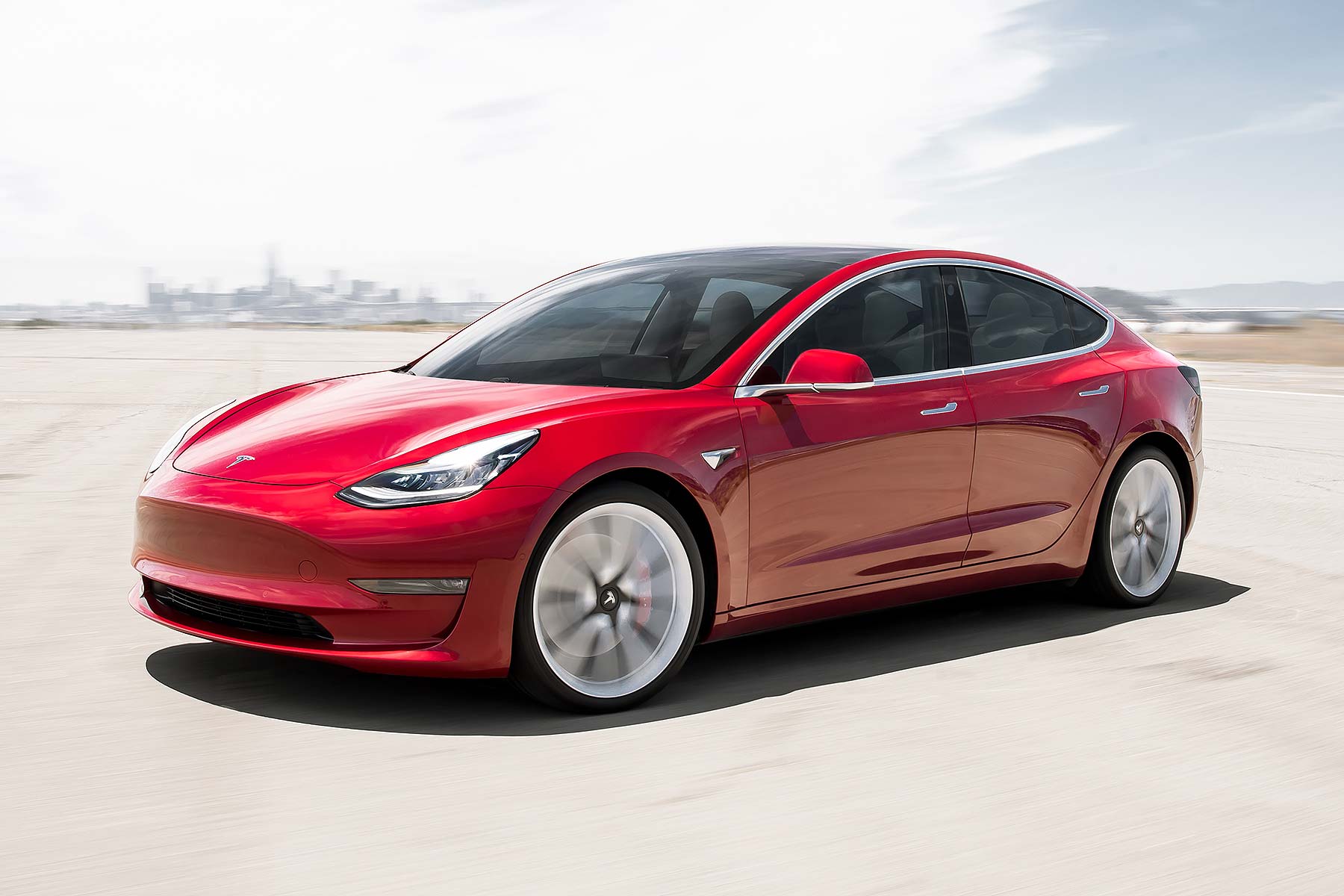

In a statement on Tesla’s Twitter account, labelled ‘Staying Public’, Musk said the feedback he’d received since announcing he was considering taking Tesla private had convinced him to drop the plans. 

“It’s apparent that most of Tesla’s existing shareholders believe we are better off as a public company. 

“Although the majority of shareholders I spoke to said they would remain with Tesla if we went private, the sentiment, in a nutshell, was “please don’t do this”.”

Musk said he met with the Tesla board of directors on Thursday 23 August and “let them know that I believe the better path is for Tesla to remain public.

“The board indicated that they agree.”

Musk caused a shock earlier in August when he tweeted he was considering taking Tesla private. He quoted $420 per share, which would have valued Tesla at £72 billion (£57 billion). 

This has led to an investigation by the U.S. Securities and Exchange Commission and, it is reported, lawsuits against Musk by several investors. The share price also dropped; it is currently $322 per share.

Musk’s reasoning for taking Tesla private was to escape the intense scrutiny and pressure for regular public reporting listed companies have to comply with: he argued this caused short-termism, rather than “long-term value creation”. 

Tesla Model 3

However, going private was itself not without complications, and Musk added “this is a problem because we absolutely must stay focused on ramping Model 3 and becoming profitable. We will not achieve our mission of advancing sustainable energy unless we are also financially sustainable.”

Musk did add that he believed it would not be impossible to privatise the firm. “My belief that there is more than enough funding to take Tesla private was reinforced during this process.”

However, drawing a line under the episode, he added: “I’m incredibly excited to continue leading Tesla as a public company.

“It is a privilege.”


Advertisement

Going to a festival? Overloading your car could invalidate your insurance

0

Packed car

Busy this bank holiday weekend? A lot of Brits are, and so they should be. Aside from the agreeable climate, there are no less than four major music festivals happening. Reading and Leeds are the headline stops, obviously, with Creamfields and South West Four also serving music fans across the country.

However, research commissioned by MoneySupermarket suggests that many of us are due to overload our cars ready for our festival-or-otherwise travels this weekend.

The shocking finding is that 32 percent of 18-34 year-old festival fans have knowingly overloaded their cars ready for their travels. Two in five Brits are also unaware that an overloaded car can mean invalidated insurance in the event of an accident.

Two thirds of us admit to overloading our cars for special occasions like travelling abroad, moving house and visiting far-away folks. One statistic that actually seemed low to us, was that one in eight people admit to overloading to avoid return trips. The items we’re most likely to overload with include flat-pack furniture, suitcases and bulky items such as mattresses.


“Going away for the weekend often means a car full of people and all the kit that goes with it,” said Kevin Pratt, consumer affairs expert at MoneySupermarket.

“It’s easy to see how cars can be overloaded, which raises a number of safety and insurance issues… First of all, there’s a motoring offence (CU50) of ‘causing or likely to cause danger by reason of load or passengers’.

“If you’re in an accident and you’re convicted of this offence, you might not be able to claim for damages and injury, although your policy would still cover any liabilities you might have to third parties. Insurers will also resist paying claims where there has been ‘intentional or reckless damage’, which might result from overloading.”

As for advice regarding carrying big loads, we’re urged to keep mirrors and windows as clear as possible for best visibility, keep tyres at their right pressures and to make sure items are in securely.

No, that doesn’t mean have a mate lay across the tents and fold-out chairs in the boot…

Read more:

Advertisement

Opinion: Why the Audi PB18 E-tron heralds the mainstream EV supercar

0

Audi

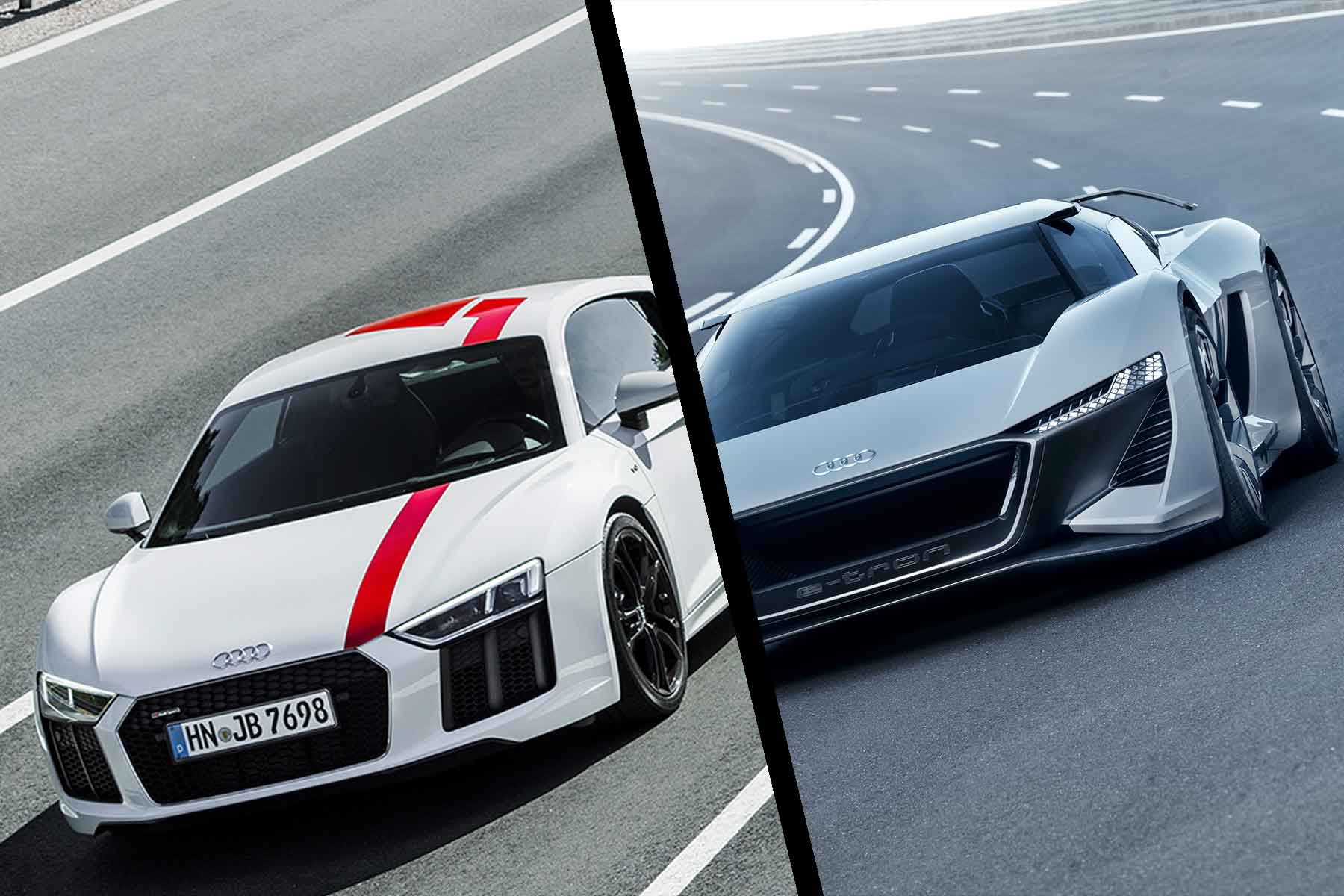
The Audi R8 is this era’s original Honda NSX. It is the mainstream paint (and build) by numbers supercar, with total production from its 2006 debut to date at around 30,000 units. It does everything that is required for a price that, by supercar standards, is a bargain, with few frills and all the bombproof integrity those four rings atop its snout suggest.

The thing is, this era is fast becoming the last era, with upstart manufacturers like NIO and Rimac cropping up. They’re showing us what’s possible with new and alternative electric-centric technologies, and upsetting the supercar status quo.

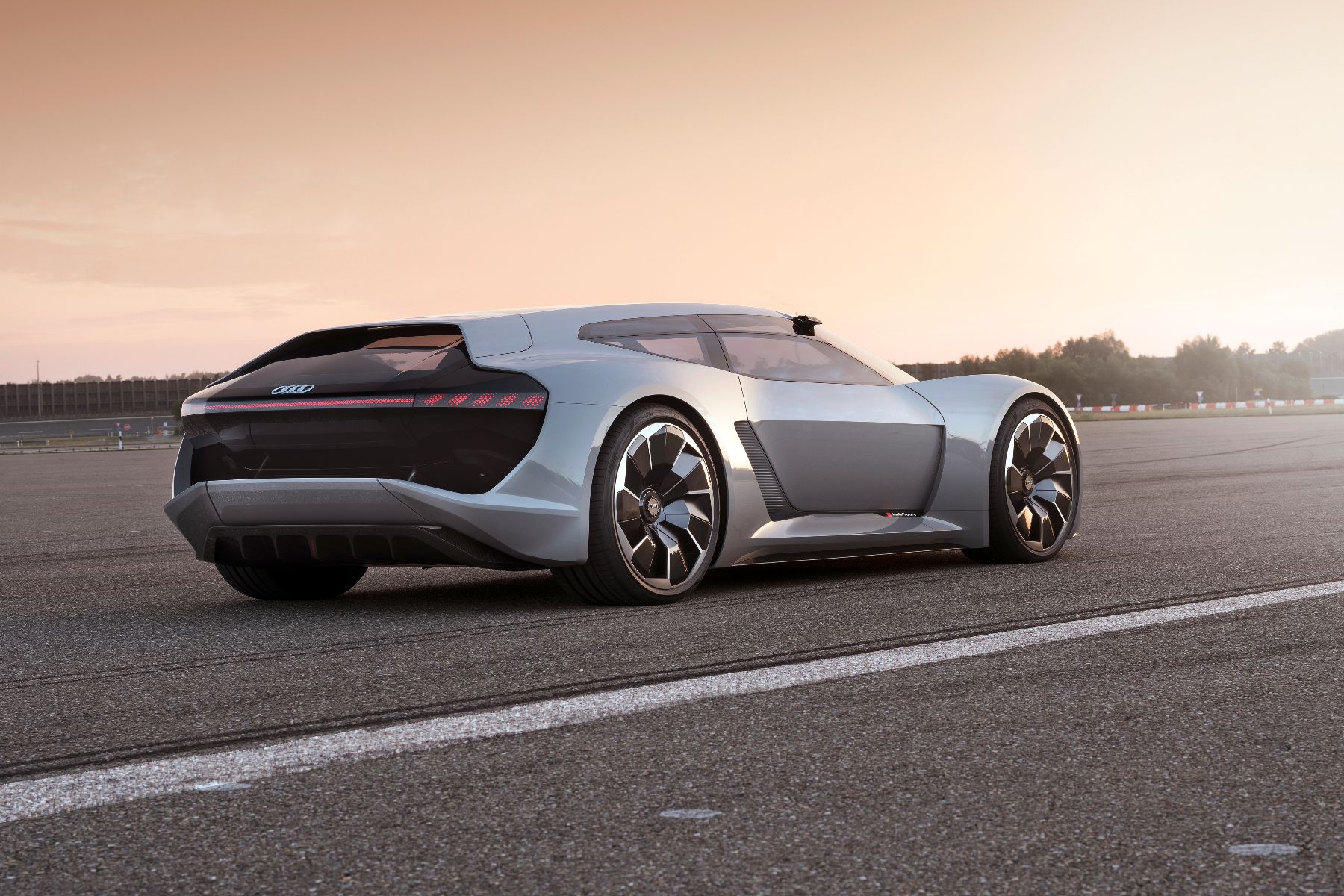
The biggest paradigm shift in the history of motoring is underway, and now, with the debut of the PB18 concept at Pebble Beach, Audi is bang on it, too. Its preview shows how an EV-powered future could revolutionise one of the most exotic cars on the road.

Audi

In contrast to the archetypal supercar silhouette that is the R8, the PB18 concept is unlike anything we’ve ever seen. It sports a shooting-brake style body atop muscular haunches, and a changeable driving position. You can go from centre to the side as per your whim.

While the moving driver’s seat smacks more of concept car gimmick, the freedom an electric powertrain affords the design department, displayed by the PB18’s supercar shooting-brake style, is something we hope to see more of in the future.

There are performance benefits to be enjoyed beyond the obvious torque and mega acceleration, too. Rimac has for years been demonstrating the limitless torque-vectoring possibilities afforded by having individual power (and braking) units on each wheel. Instant torque, combined with a lower-than-ever centre of gravity and unlimited control over power distribution, is sure to make for some truly scintillating driving dynamics, without a whiff of 98 RON to be found.

Audi is optimistic for what electric power could mean for the driving enthusiast. This is evident from the fact that the ultra-futuristic PB18, with its full EV powertrain, comes with zero autonomous capability to take over management of that 671hp, 612Ib ft powertrain for you.

Also, the whole purpose of that movable cockpit is so that the driver can be front and centre when it comes down to the business of going for a drive.

The R8 is a wonderful thing as it is. That V10, along with so many other high-performance internal combustion engines at the moment, is evidence of how far we’ve come as creators and proprietors of exciting cars. It’s one of many cars at the moment that feel like an absolute refinement of the old-school exotic car formula.

It begs the question of whether it can possibly get any better. Even Audi has suggested the R8 won’t get a direct replacement. Whether that means Audi’s flagship is to be no more at all, or if what is to come next differs such that it isn’t really a replacement, remains to be seen.

These are transitional moments in the history of the motor car . How we let burgeoning technologies change and evolve what we already love will decide how we enjoy cars for years to come. Given that change is inevitable, concepts like the PB18, which explore the outer fringes of what the next-next R8 could look like, are absolutely essential.

From what we’ve seen so far from Audi here, along with Porsche and those market disruptors like Tesla, NIO and Rimac, the future of the performance car is still exciting. If a fair bit quieter.

Read more:

Advertisement

Porsche has made another air-cooled 911 Turbo for charity

0

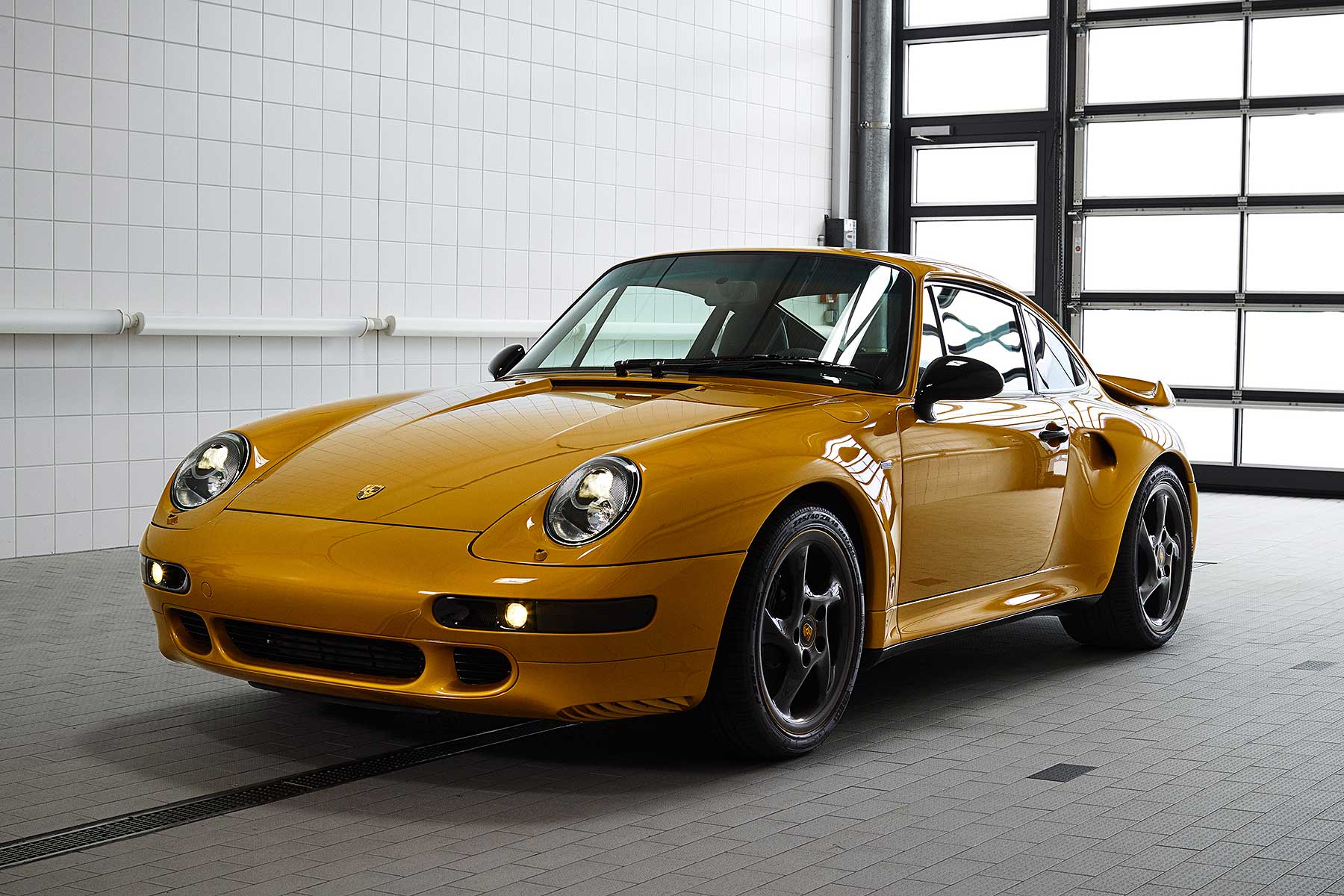
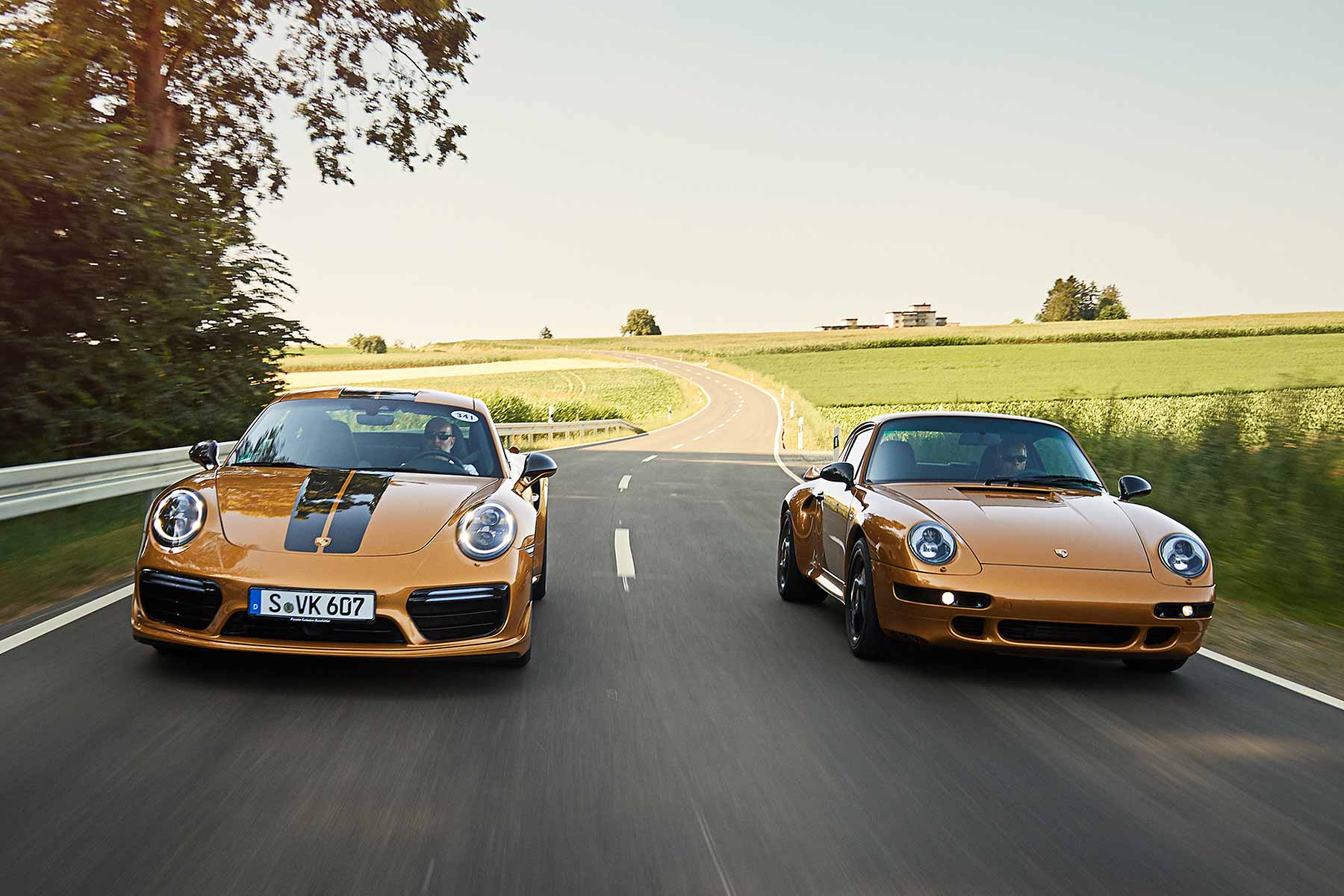
Project Gold Porsche 911Porsche built its last classic air-cooled 911 back in 1998. Now, 20 years on, it’s made just one more – and it’s going to auction the ‘Project Gold’ 911 Turbo for charity as part of its 70th anniversary celebrations.
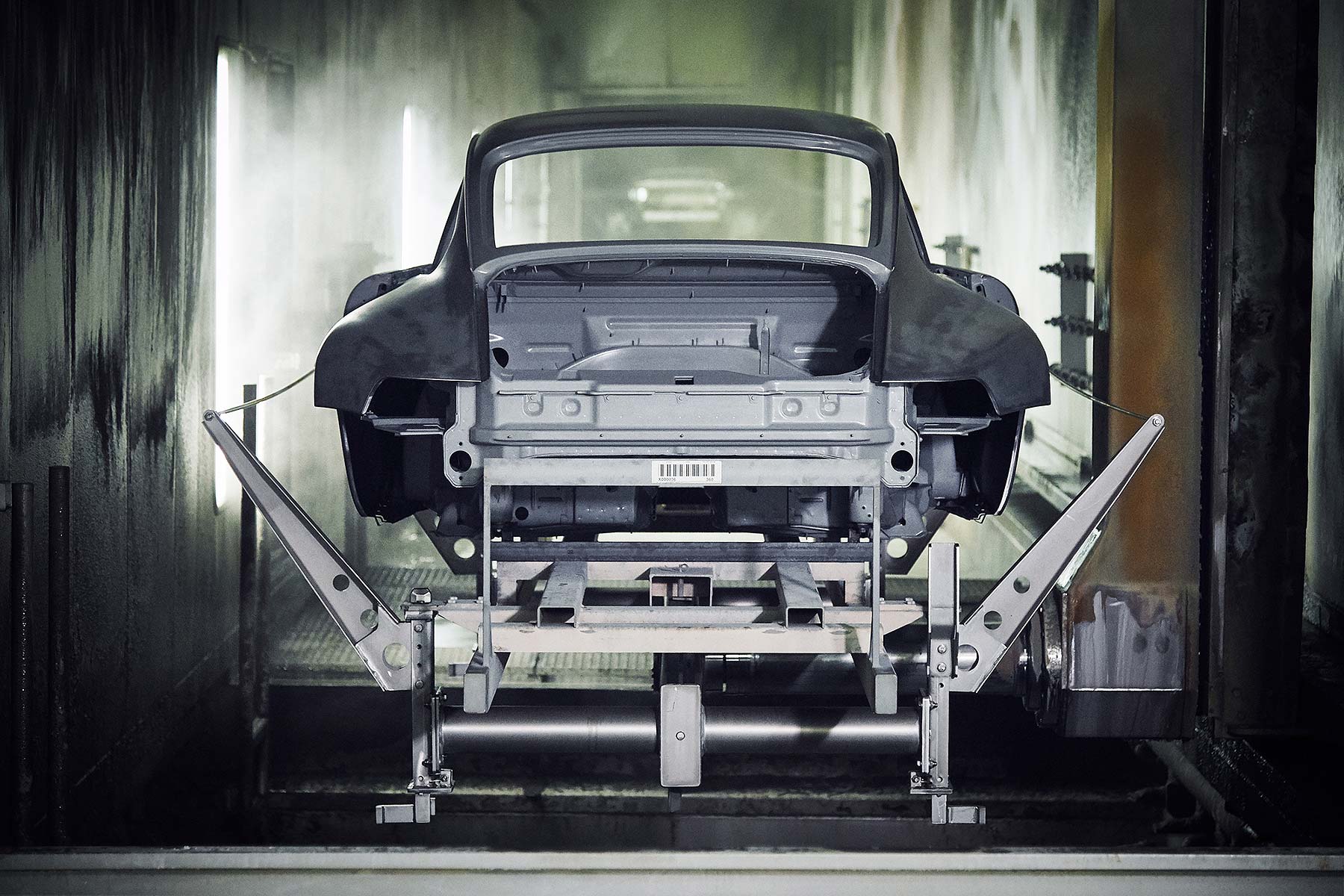
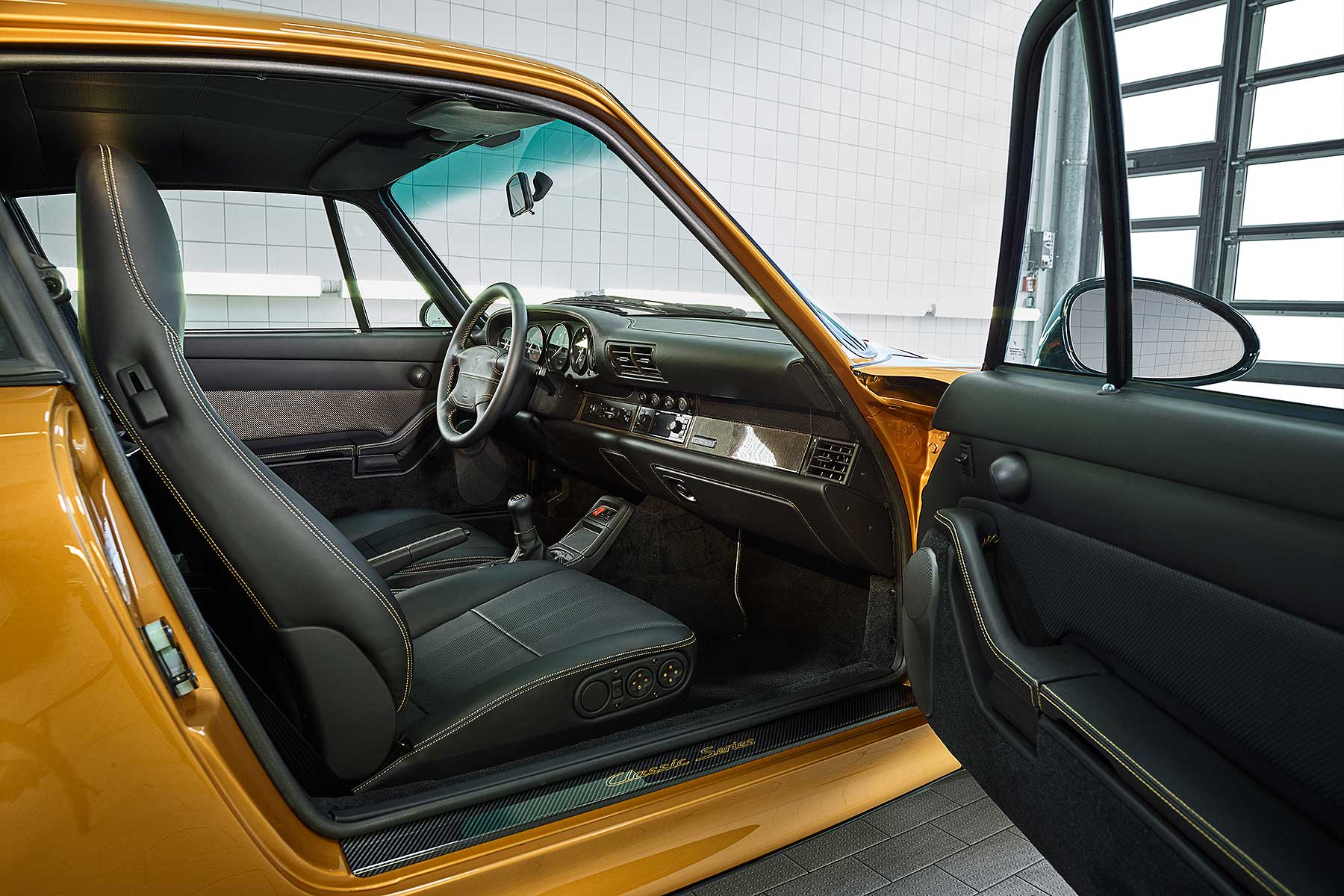
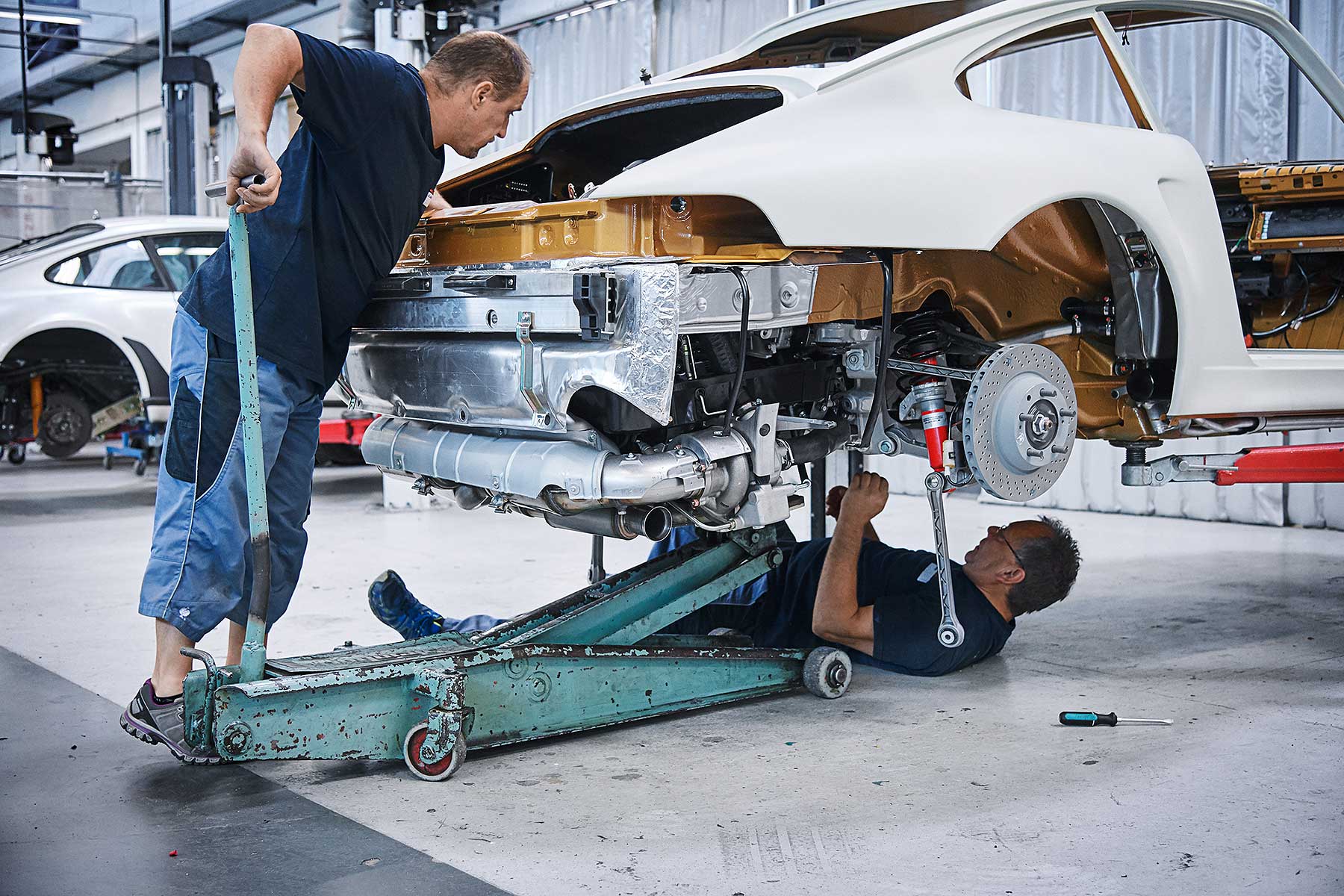
18 months in the making, Project Gold is a 993-generation 911 that’s been fully rebuilt using Porsche Classic parts. The retro Porsche division lists 6,500 parts for the 993 series alone, from a catalogue of 52,000 old Porsche parts, so finding new bits off the shelf was not a problem.

Project Gold Porsche 911

Many jobs have been done to the same standard as brand new Porsches. Project Gold’s bodyshell went through the latest corrosion protection and paint line as modern 911s, for example. The bespoke Porsche Exclusive Manufaktur division then detailed both the exterior and interior.

Project Gold Porsche 911

But Porsche Classic did all the assembly work at its Stuttgart workshop, including the installation of a brand new air-cooled 3.6-litre twin-turbo engine, producing 450hp. It sounds a lot: it’s actually the same figure the Turbo S developed back in 1998, underlining what an extraordinary car it was back then.

Project Gold Porsche 911

The engine, gearbox and even the all-wheel drive system all came from the Porsche Classic genuine parts brochure.

It’s been painted gold to match the 2019 911 Turbo S Exclusive series, giving Porsche the excuse to run a photoshoot of old and new cars. Don’t expect to see Project Gold on the road though – it’s not road-legal so will be restricted to circuits.

Project Gold Porsche 911

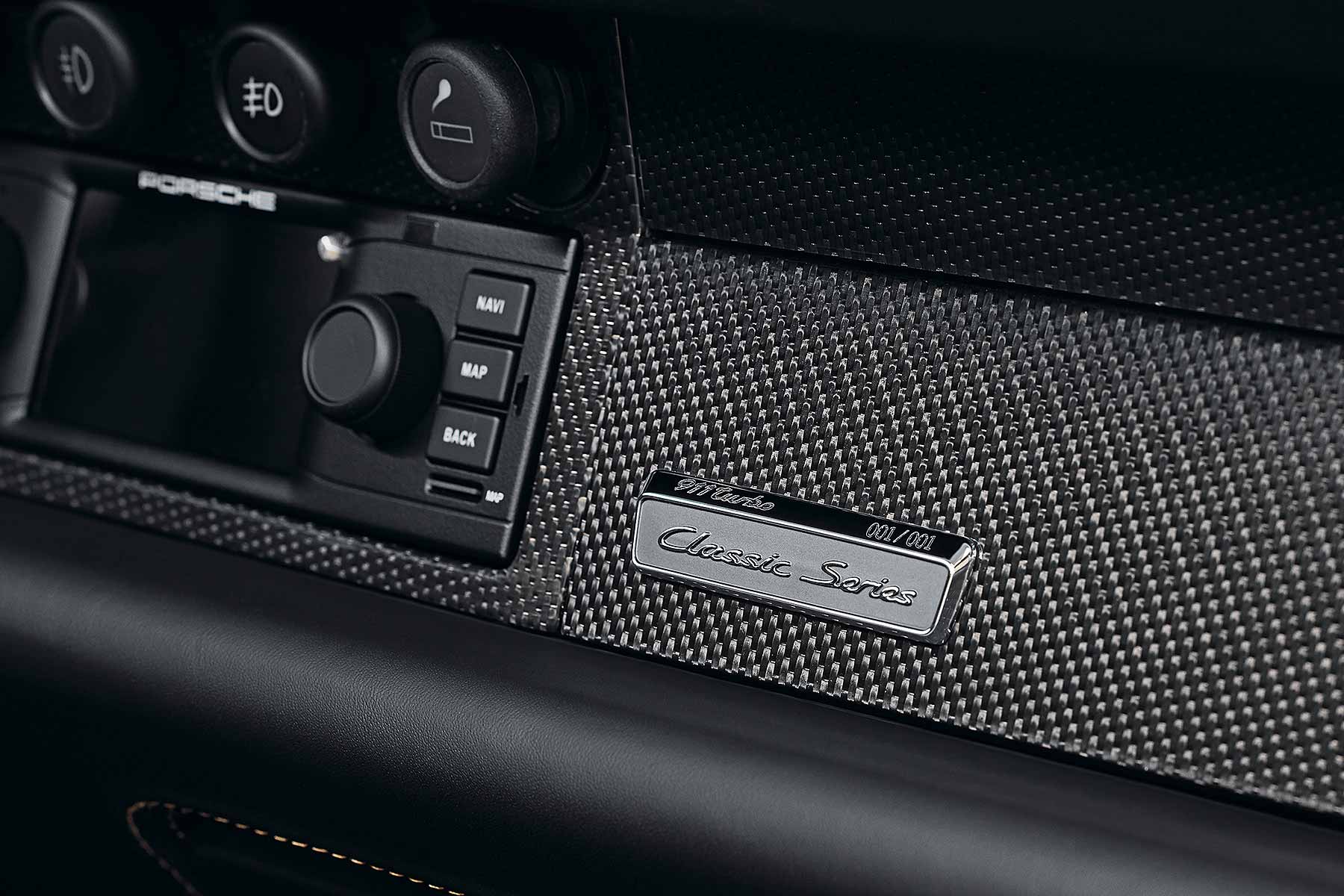
It can’t be used on the road because it can’t be registered: it’s a custom-build, with a hand-stamped chassis number rather than an official one. Although Porsche has, smartly, given it a number that follows on from the final series 993 Turbo from back in 1998.

“This project clearly demonstrates our strategic approach,” said sales and marketing board member Detlev von Platen.

“Although we are starting a new chapter in our sports car history with the Porsche Taycan, the story of how the company evolved is no less significant.

“On the contrary, this Golden Yellow 993 demonstrates how incredibly passionate we are about the tradition of the brand.”

Project Gold Porsche 911

The Project Gold 993 Porsche 911 Turbo will make its world debut at the Porsche Rennsport Reunion in Laguna Seca on September 27.

A month later, it will be auctioned by RM Sothebys at the Porsche Experience Centre in Atlanta. All proceeds will go to the Ferry Porsche Foundation as part of the 70 years of Porsche sports cars celebrations.

Project Gold Porsche 911 Turbo: in pictures

Advertisement

Land Rover Pet Packs make its SUVs more dog-friendly

0

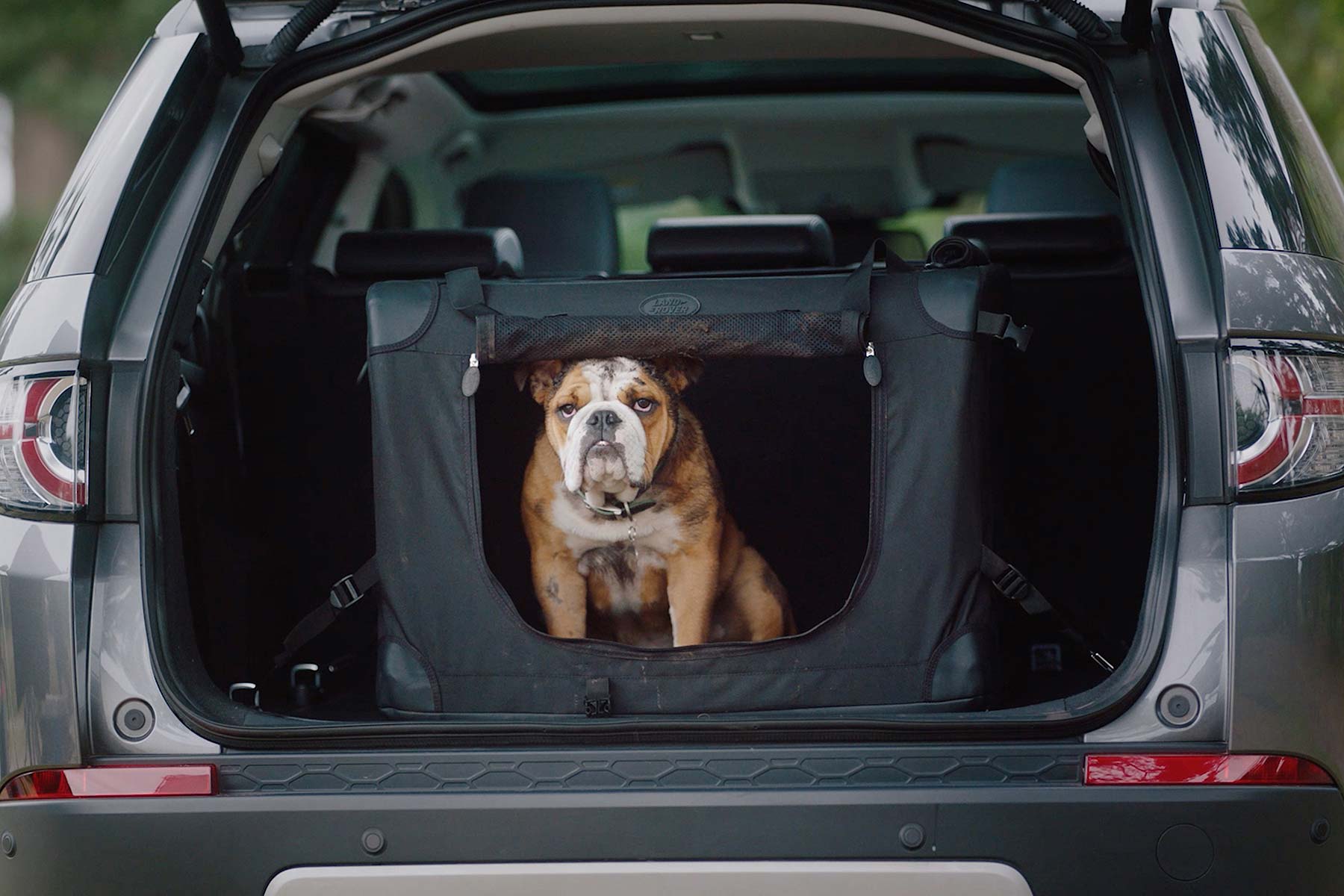
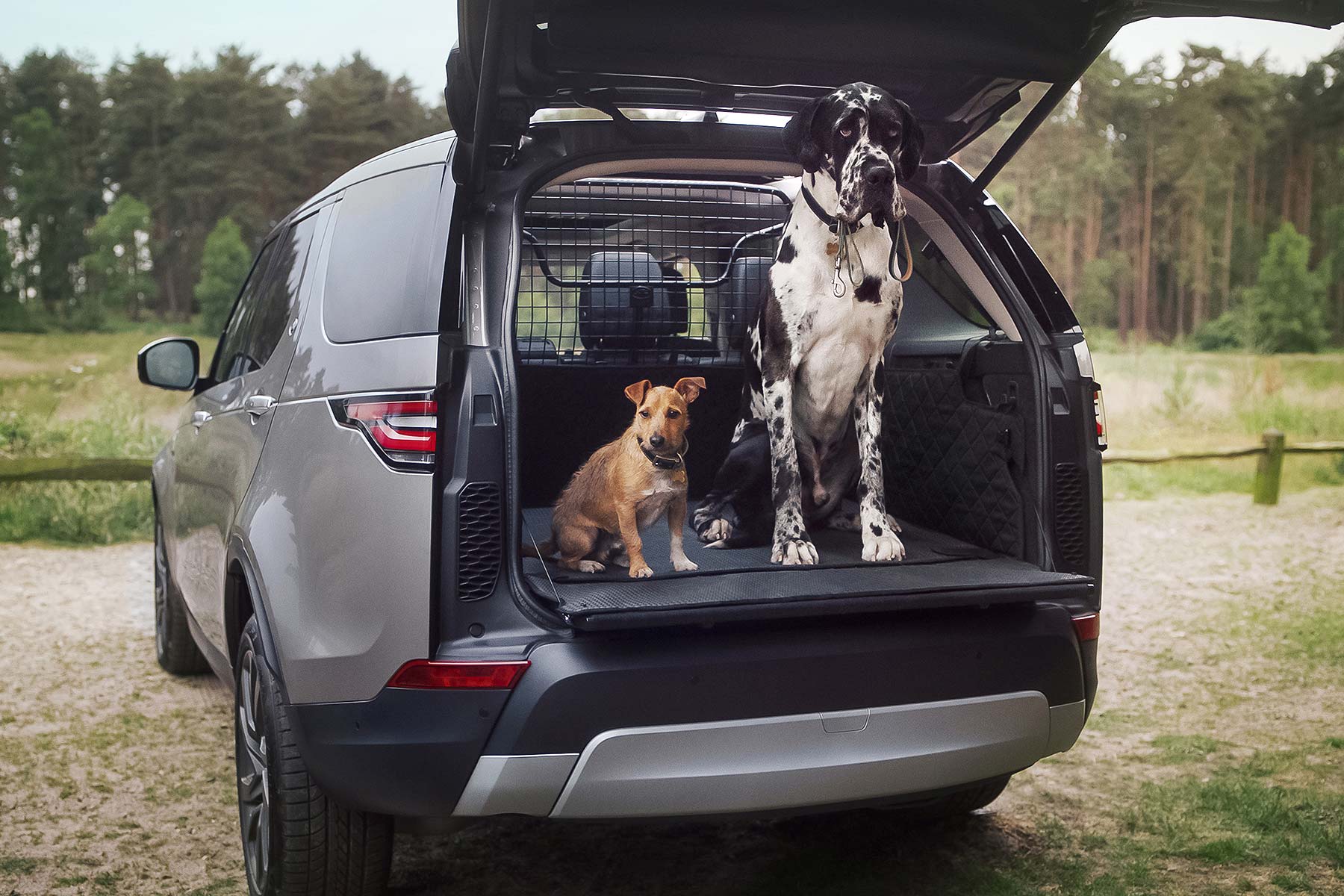
Land Rover Pet PacksMore than half of those who own a Land Rover also own a dog. Spotting an opportunity, Land Rover has released a set of custom-designed Pet Packs to make its vehicles more dog-friendly.
Some people aren’t getting it: dogs die in hot cars

The new accessories have been revealed to coincide with this Sunday’s International Dog Appreciation Day.

Land Rover Pet Packs

There’s a Pet Pack kit for every Land Rover model, and prices start from just over £360. Each comprises a selection of accessories that do what their name suggests.

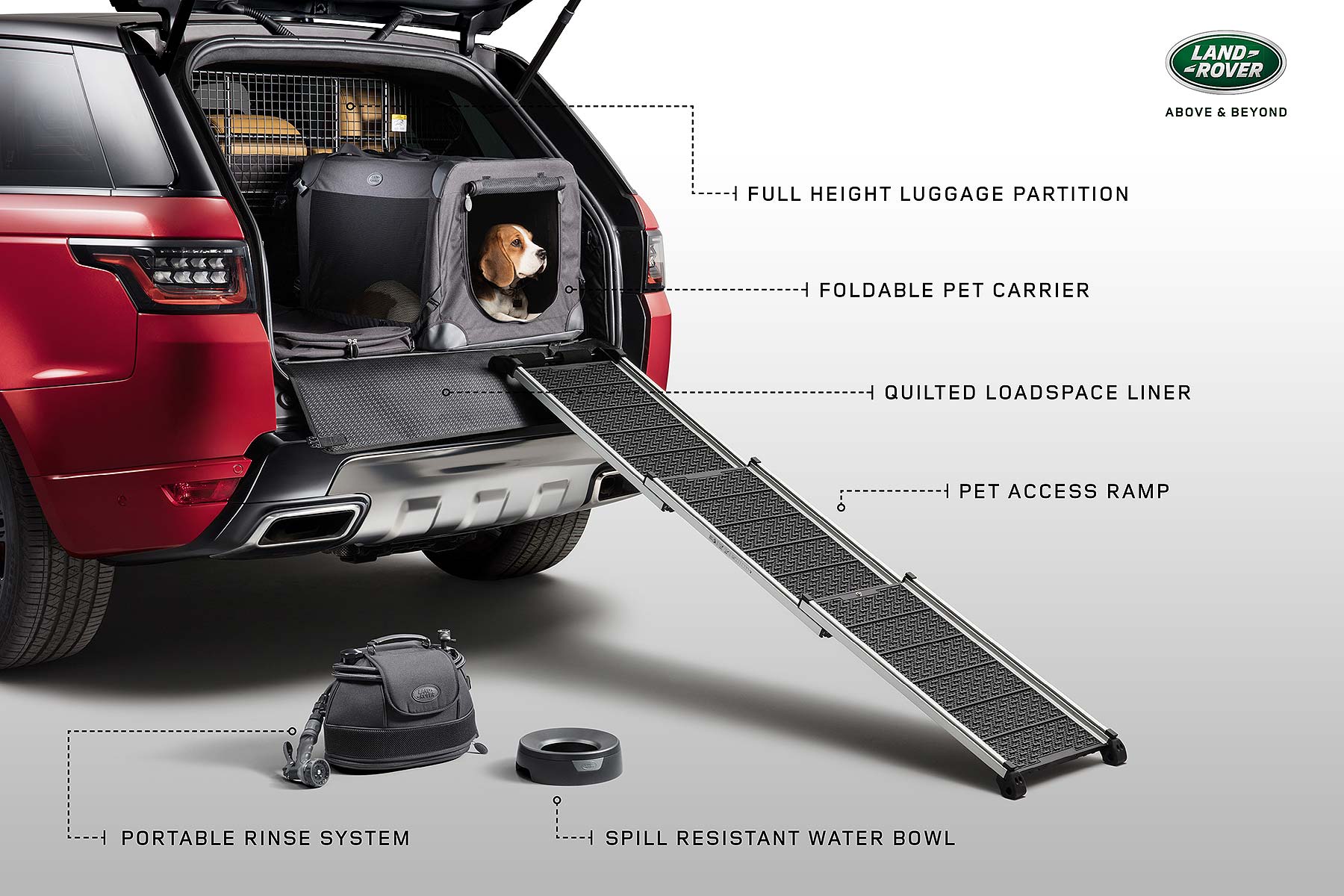
The three Land Rover Pet Packs are:

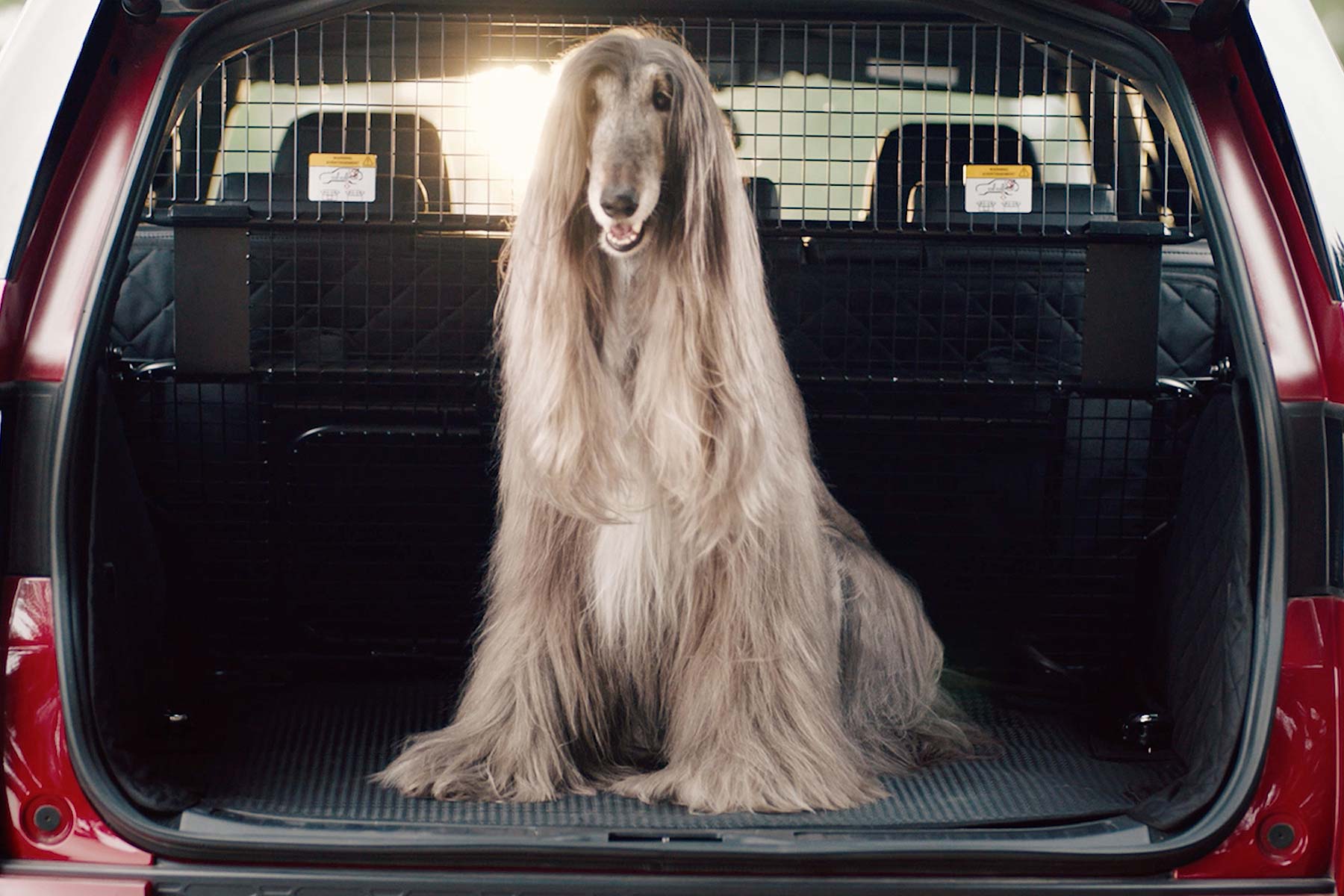
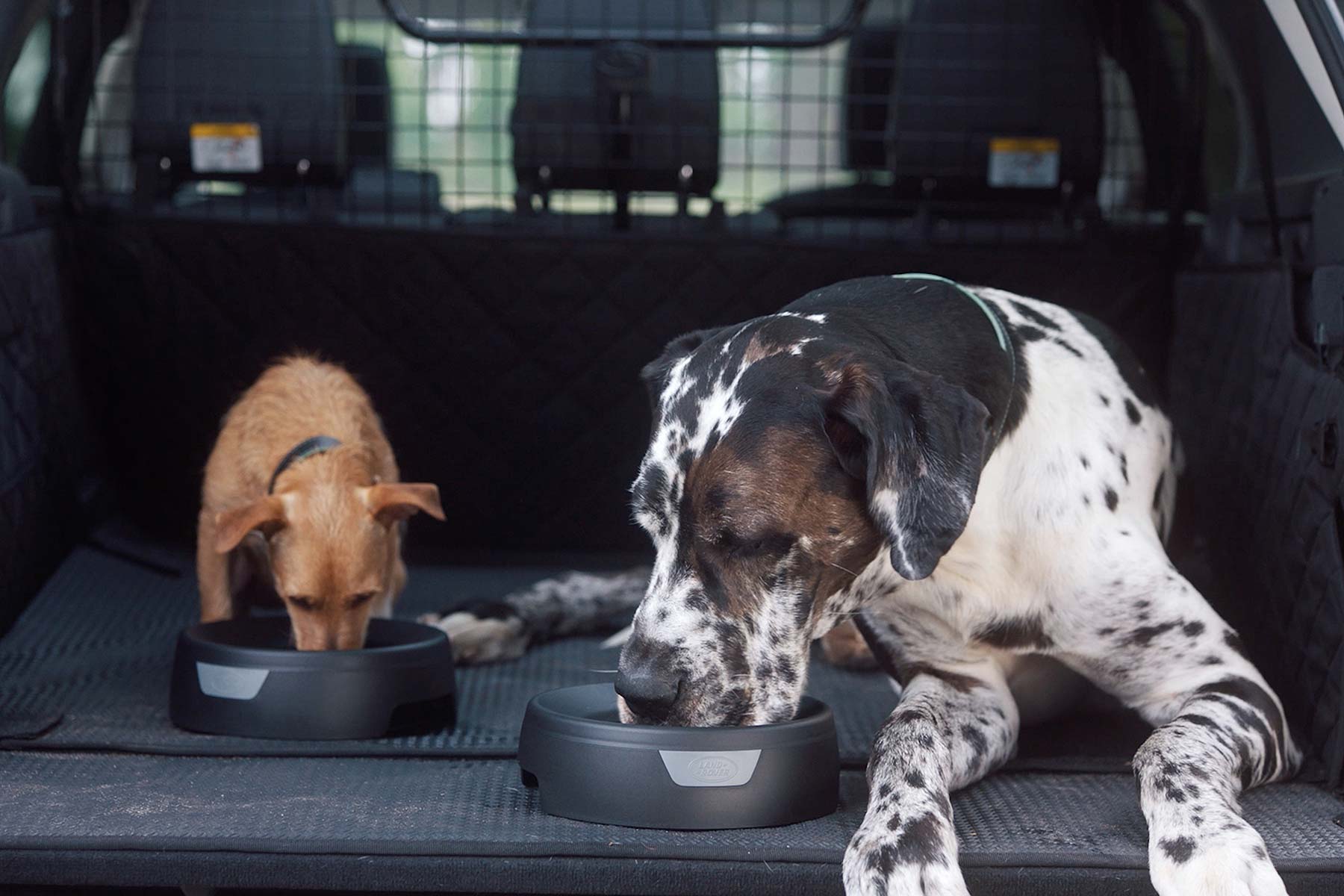
  • Pet Load Space Protection Pack (£482) – quilted load space liner, full luggage partition, spill-resistant water bowl
  • Pet Transportation Pack (£360.37) – foldable pet carrier, load space rubber mat, spill-resistant water bowl
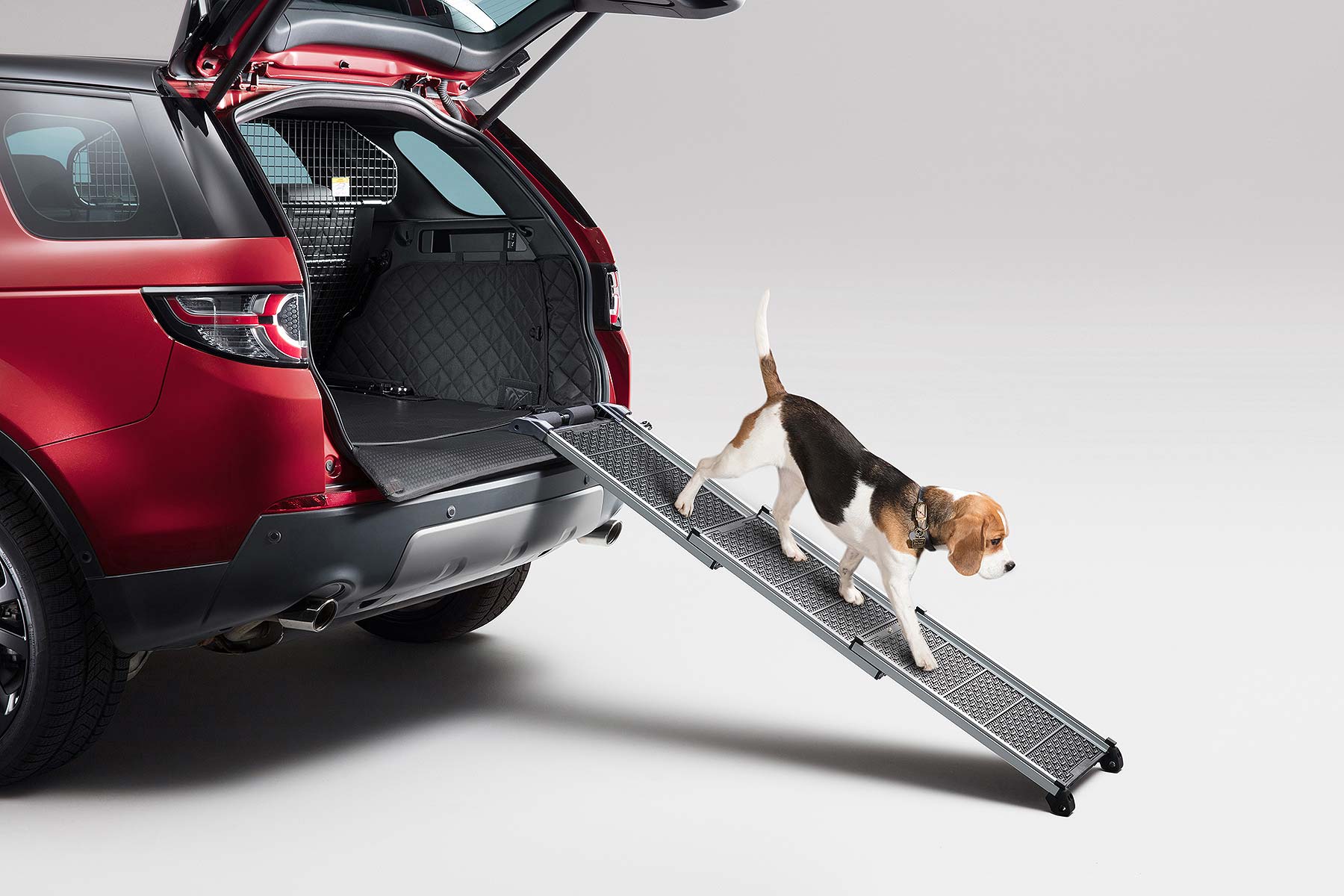
  • Pet Care and Access Pack (£887.56) – pet access ramp, portable rinse system, full luggage partition, quilted load space liner

Owners can also purchase accessories individually.

Land Rover Pet Packs

“Land Rover is all about enjoying the great outdoors and that goes hand-in-hand with dog ownership for many customers,” said product marketing director Finbar McFall.

“Our customers told us that the comfort of their dogs on car journeys is crucial. They are part of the family and we recognise that.

“Our new Pet Packs will allow dogs to travel in real comfort and make journeys simpler and more relaxing for animals and at the same time protect the inside of owners’ vehicles.”

What’s good for dogs is also good for retained values. 

Dogs trust Land Rover

Land Rover Pet Packs

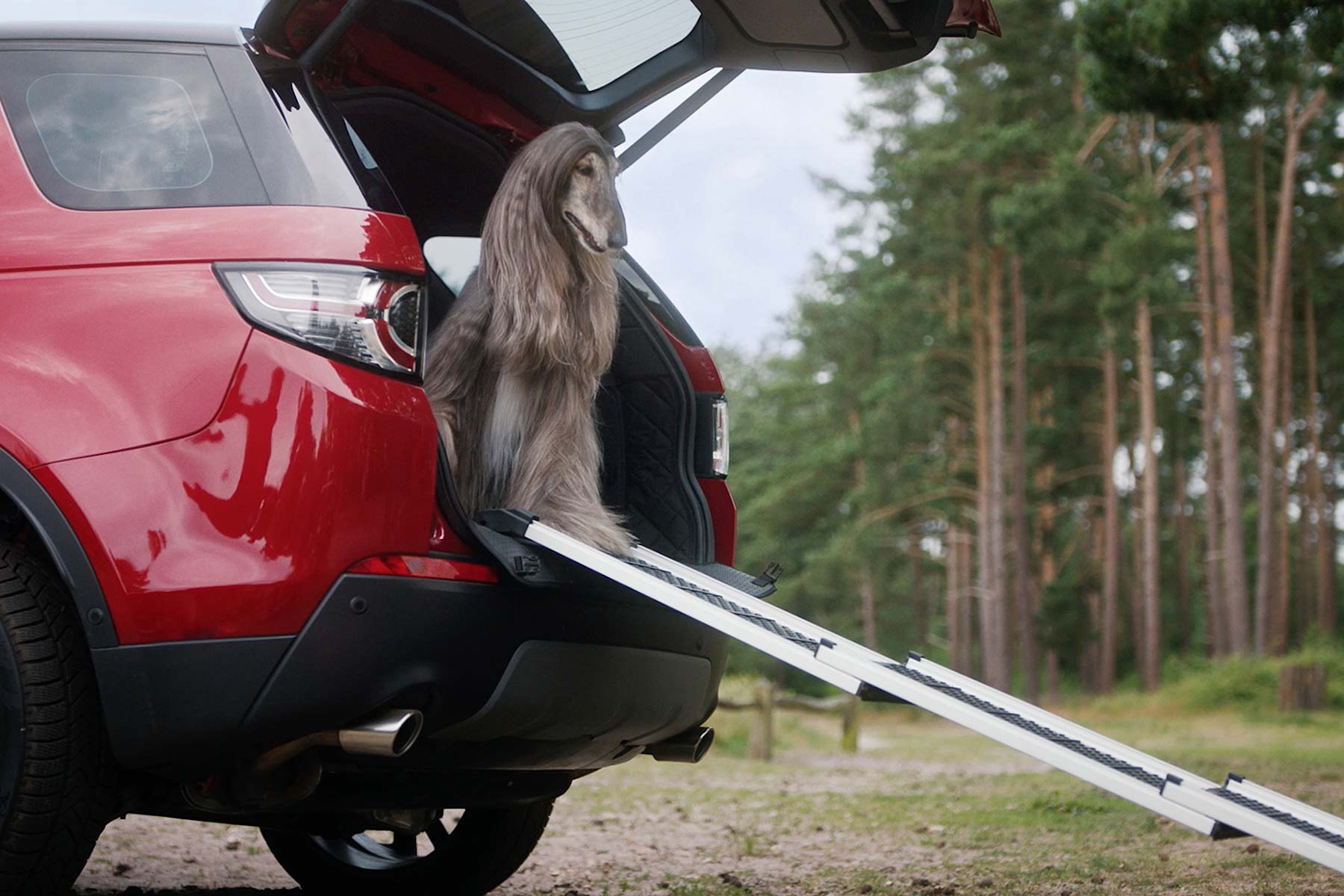
The handiest feature for dogs may be the foldable pet ramp – particularly if they’re smaller or older. It’s built from aluminium side panels and a plastic centre section: for the safety of dogs, it’s covered with a high-grip tread pattern, and rubber feet stop it from slipping.

Land Rover Pet Packs

For dogs who have been dogs, the portable rinse system will deliver five minutes of shower power, and it has five spray settings – it’s also good for rinsing off muddy bikes or wetsuits, says Land Rover.

Land Rover Pet Packs

The quilted load liner protects the floor, seat backs and even the side wall carpets from dog detritus; it’s soft, so dogs will be comfy, is wipe-clean, and has a detachable bumper protector to stop scratches from paws and claws.

Land Rover Pet Packs

And the foldable pet carrier? It’s built from a lightweight metal frame and there’s a nice soft quilted fabric cushion for dogs to sit on, and net windows so they can see out.

Land Rover Pet Packs

The spill-proof water bowl is rather smart, too: it holds 350ml and Land Rover reckons the clever design and non-slip rubber base stop water splashing out “on everything but the roughest terrain”.

Land Rover Pet Packs: in pictures

(click to see more)

Advertisement

Confirmed: Jaguar is building the electric E-type Zero

0

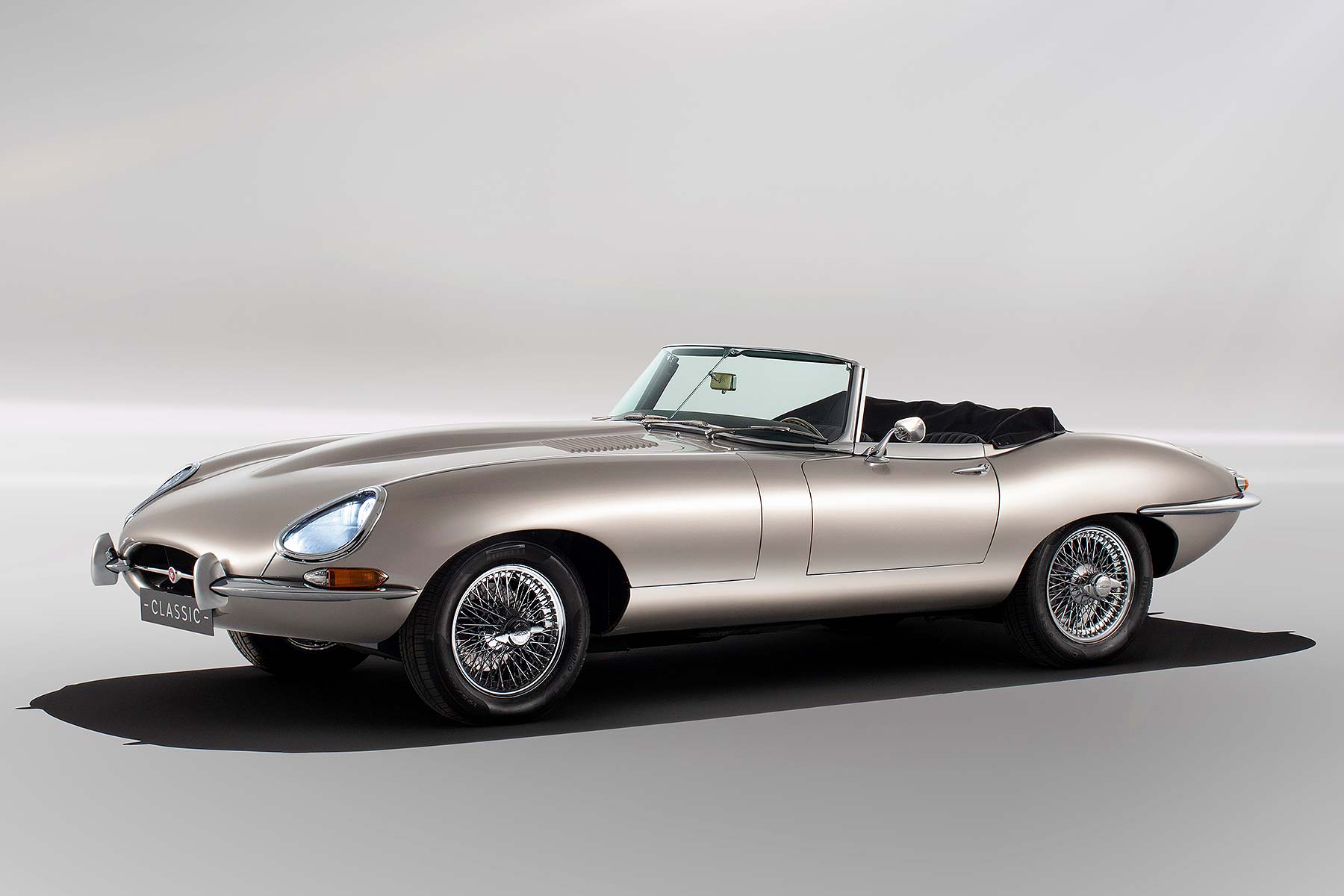
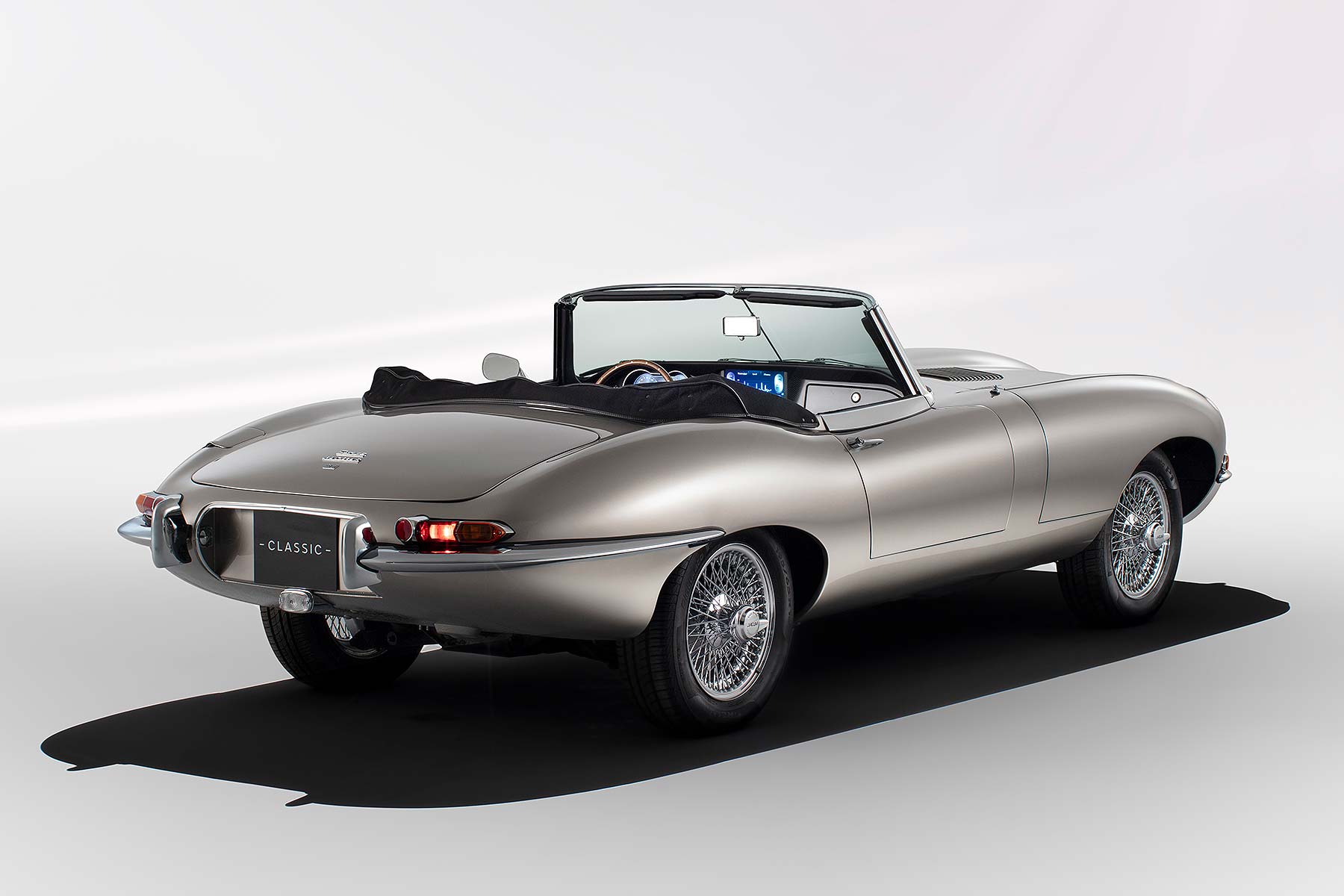
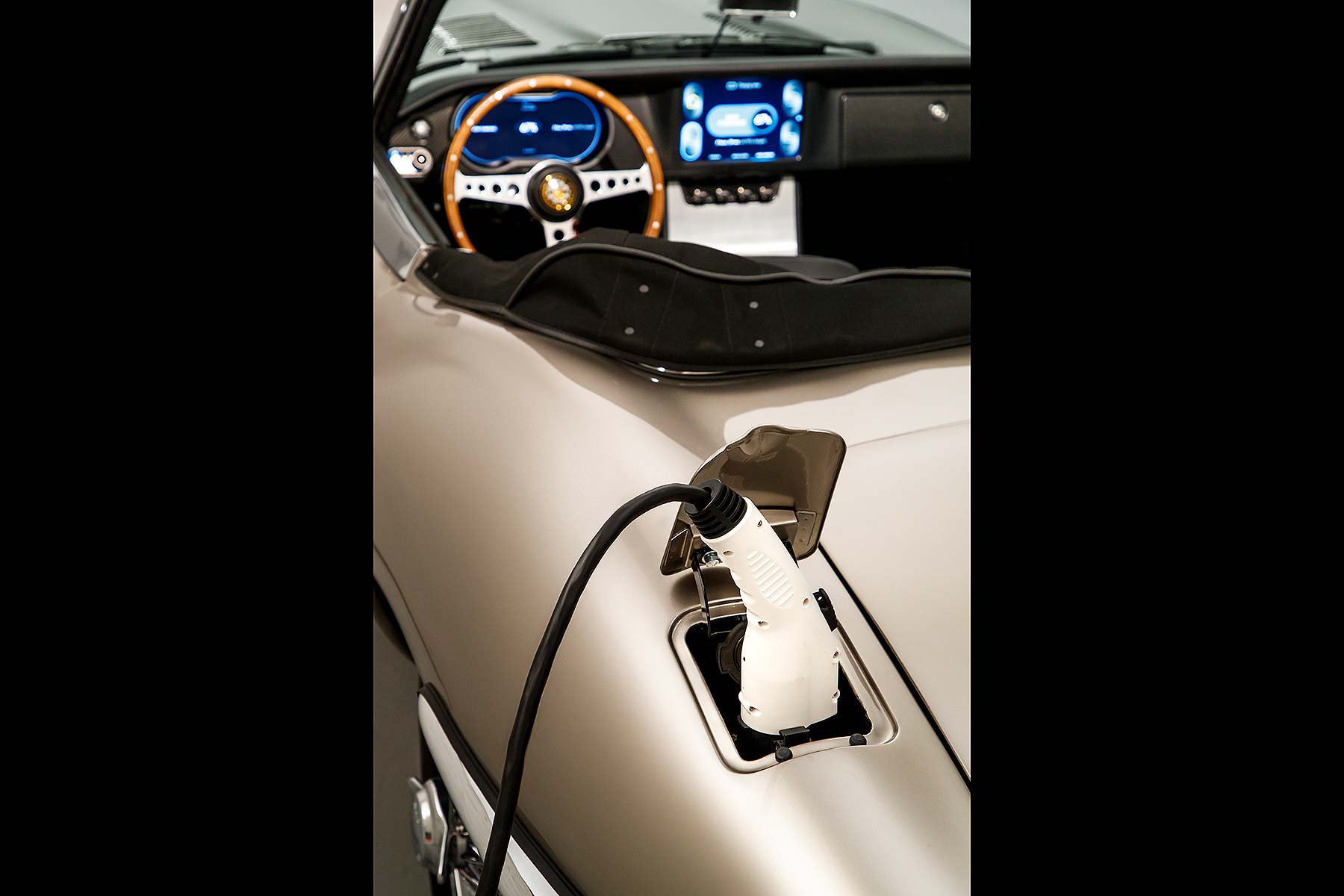
Jaguar E-type ZeroJaguar has announced at Monterey Car Week it is putting the all-electric E-type Zero into production – and not only will it emit zero emissons, it will also accelerate faster than the original Series 1 E-type.
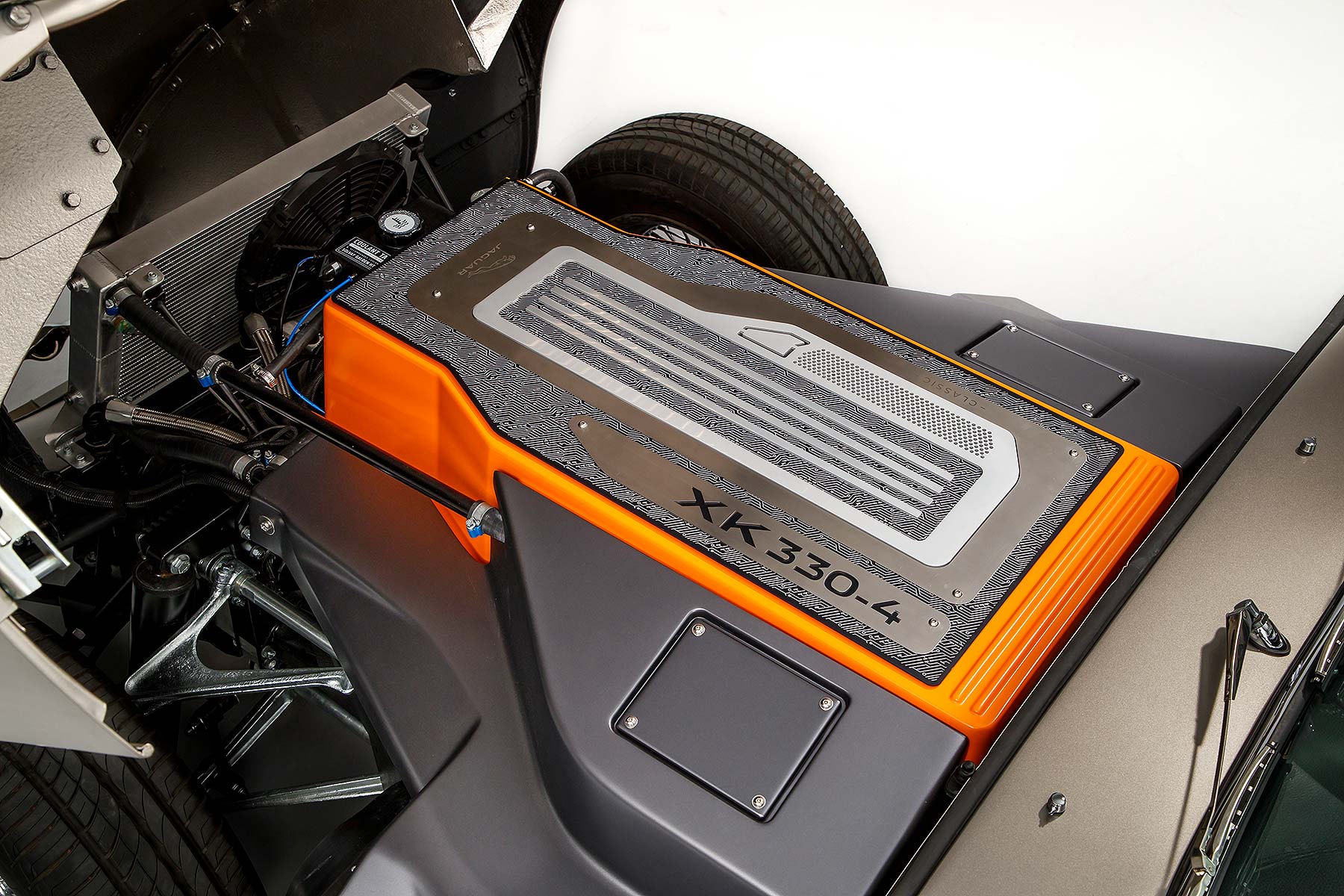
The firm is  targeting a driving range of more than 170 miles for the green E-type Zero, thanks to a beefy 40kWh battery. That’s the same size as you get in a new Nissan Leaf, but the electric E-type’s range is aided by its light weight.

Jaguar E-type Zero: the EV E-type that Harry and Meghan drove

Amazingly, Jaguar says the lithium ion battery pack has similar dimensions to the six-cylinder petrol engine it replaces – and weighs almost the same, too.

#Jaguar E-type Zero

Lots of electrical bits from the new Jaguar I-Pace are used in the E-type Zero, although Jaguar says that as the setup of the electric powertrain is so similar to the original petrol E-type, the structure hasn’t had to be changed, and both suspension and brakes can carry over. This helps retail the authentic E-type feel, reckons Jaguar.

Even the car’s overall weight distribution is unchanged and “it drives, handles, rides and brakes like an original E-type”.

Jaguar E-type Zero

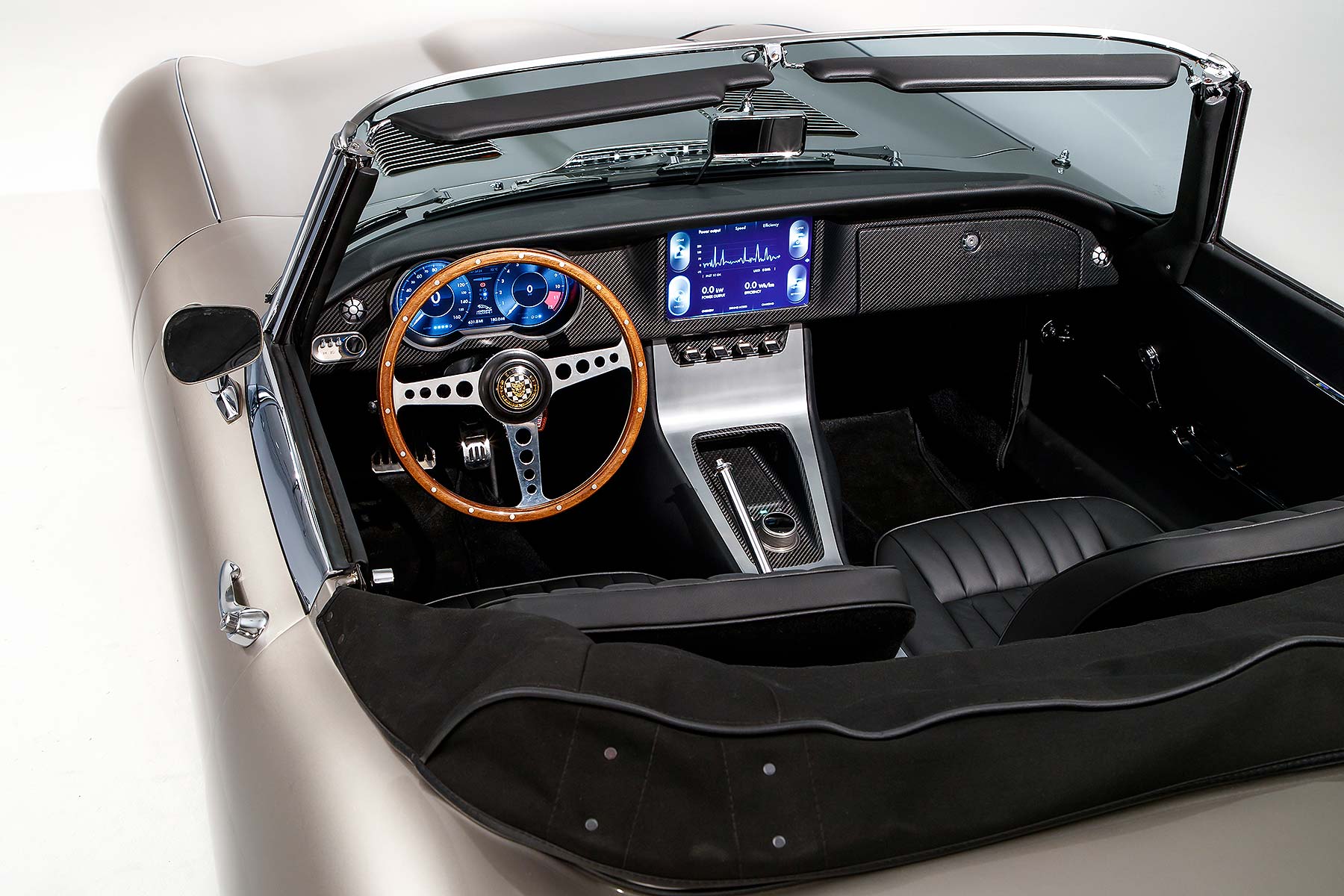
The only other obvious changes, apart from the electric drive, are an upgraded instrument panel with touchscreen infotainment and bright, efficient LED headlights that mimic the original. Otherwise, the car, which will be built by Jaguar Classic in Coventry, is pretty much all-original.

A future-proofed classic

Jaguar E-type Zero

Tim Hannig, Jaguar Land Rover Classic director, said: “We’ve been overwhelmed by the positive reaction to the Jaguar E-type Zero concept. Future-proofing the enjoyment of classic car ownership is a major stepping stone for Jaguar Classic.

“E-type Zero showcases the incredible heritage of the E-type, and the expertise and craftsmanship at Classic Works, while demonstrating Jaguar Land Rover’s dedication to creating zero emission vehicles across every part of the business, including Jaguar Classic.”

Jaguar Classic is offering two electric E-type Zero options. You can buy a model ready to go, one fully restored and converted to run on electric through the E-type Reborn restorations service.

Jaguar E-type Zero

Or, for those who already own an E-type, Jaguar is offering a conversion kit. It’s fully reversible too, adds the firm, “to preserve the authenticity of the base vehicle”.

How much? That’s still to be revealed, but Jaguar will happily take expressions of interest now: email zero@jaguarlandrover.com, call +44 (0) 203 01 1255, or visit the Jaguar Classic website. The first models are expected to be delivered from summer 2020.

Jaguar first revealed the electric E-type Zero last year, showcasing it at its autumn tech fest in London. The car later gained global fame when it served as the wedding car of Prince Harry and Meghan Markle.

Advertisement

2019 Honda NSX is sharper to drive, greener AND more orange

0

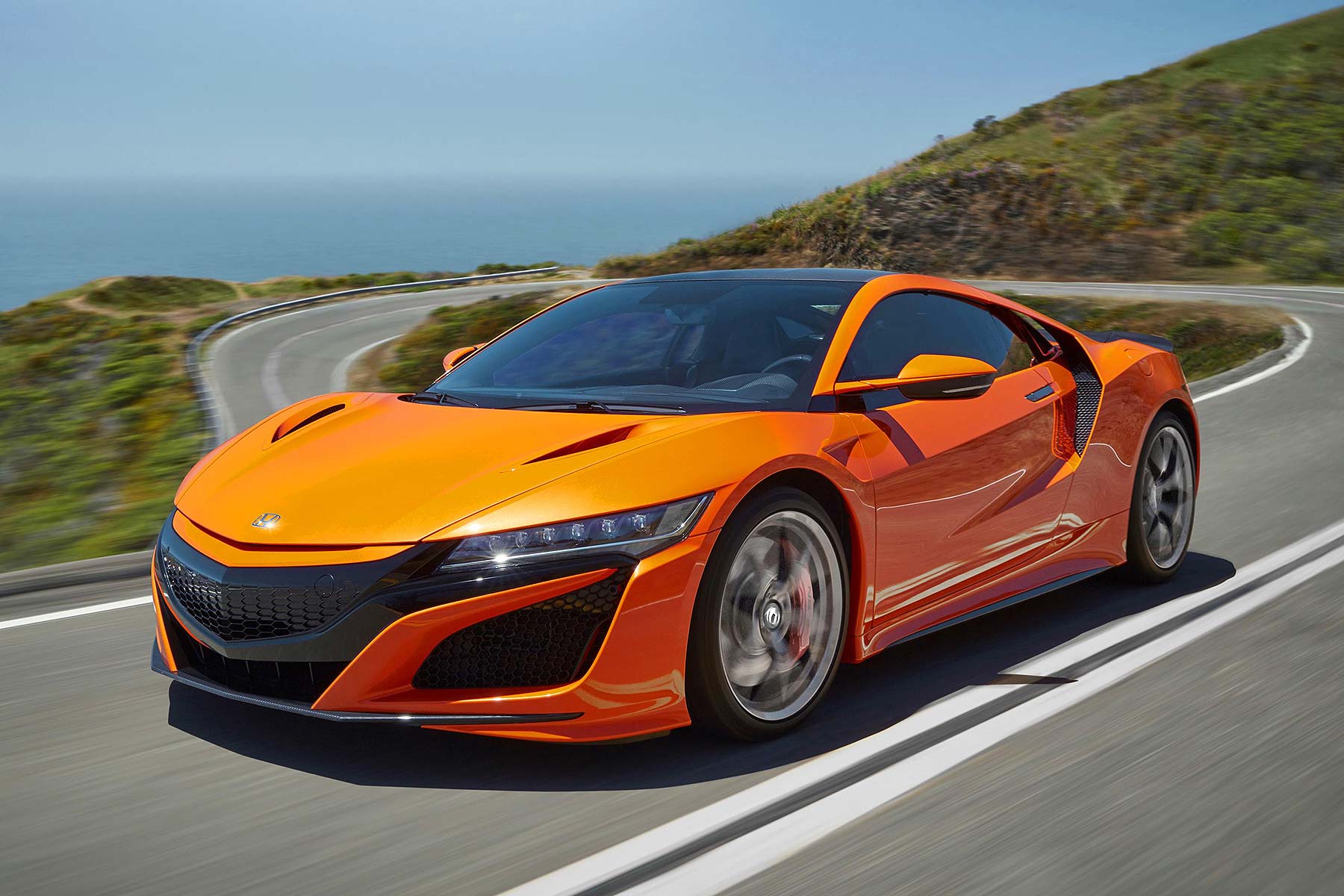
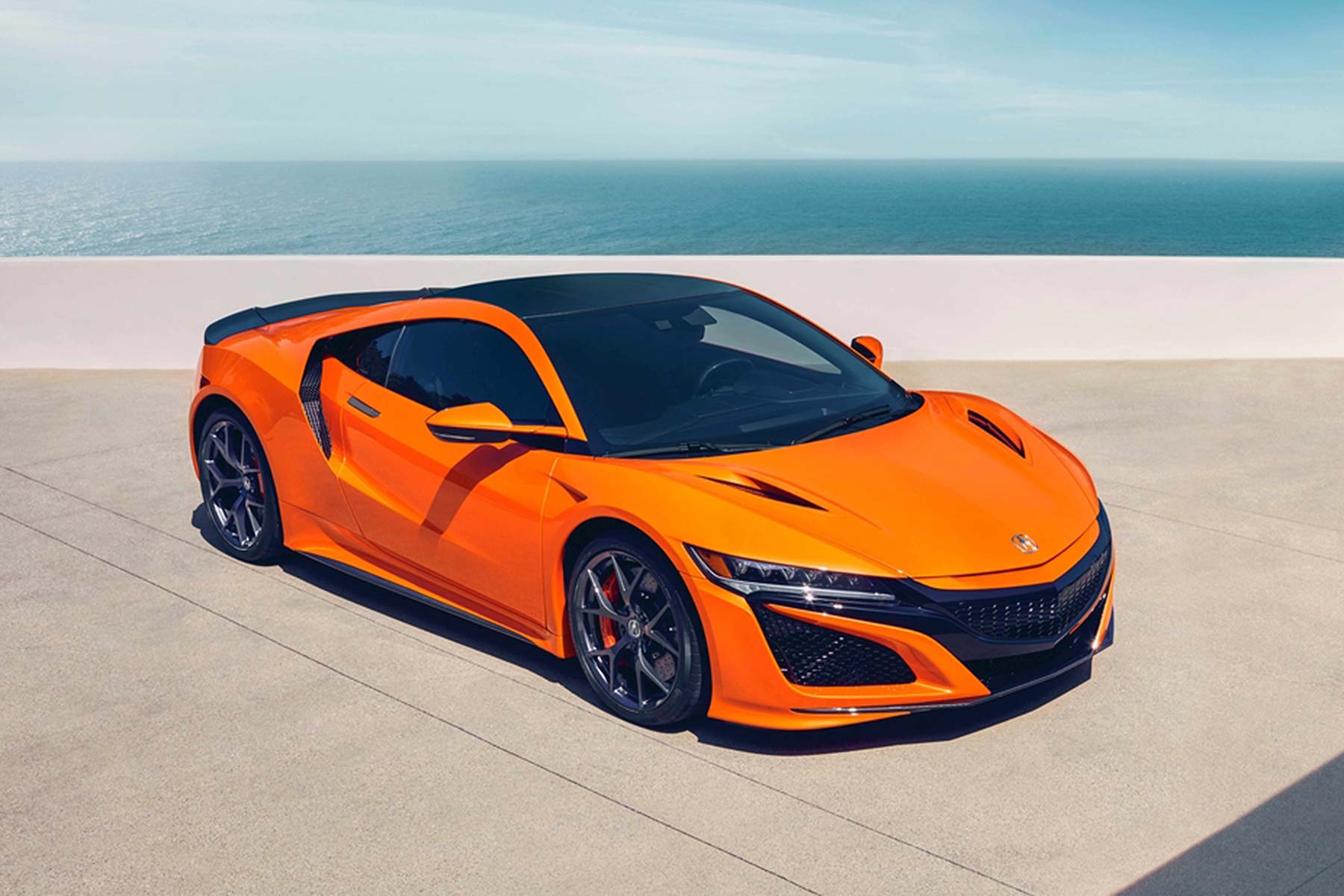
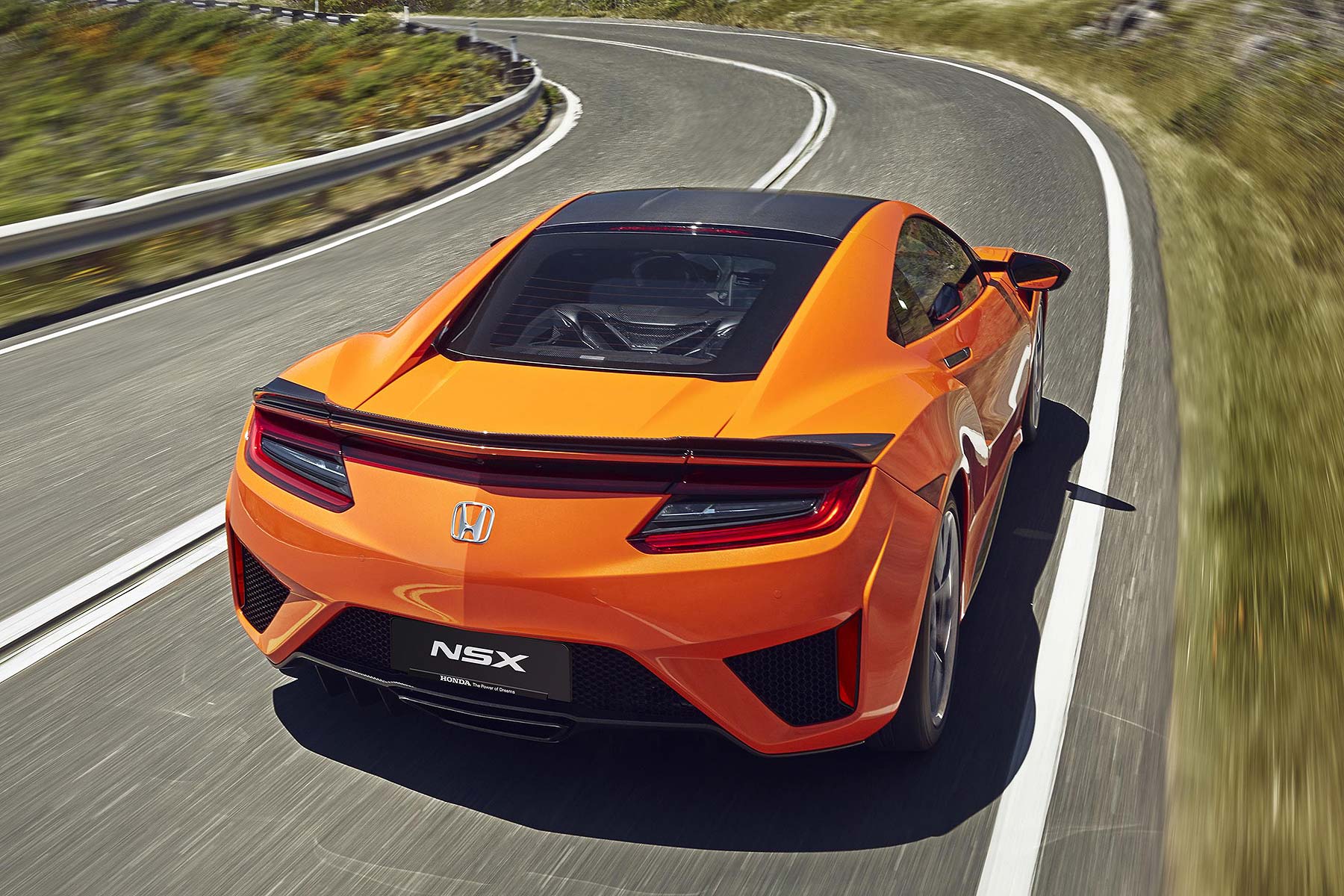
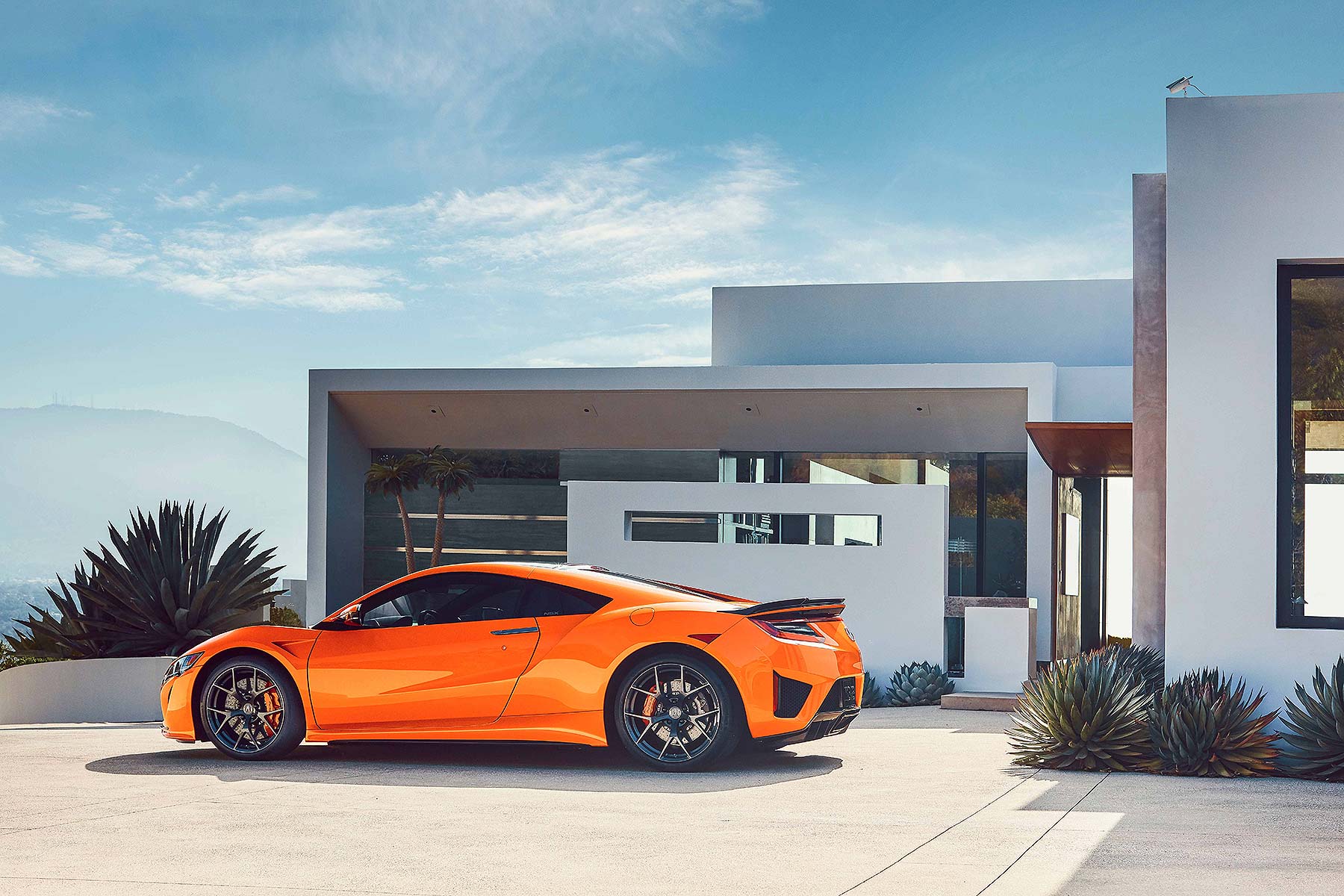
Honda NSX 2019The Honda NSX supercar has been upgraded for 2019 with a series of chassis, powertrain and trim revisions – and the introduction of a vivid new paint colour called Therma Orange.

Honda UK has also secured a “limited allocation” of the sell-out supercar, which its MD Dave Hodgetts confirmed will be available from early 2019.

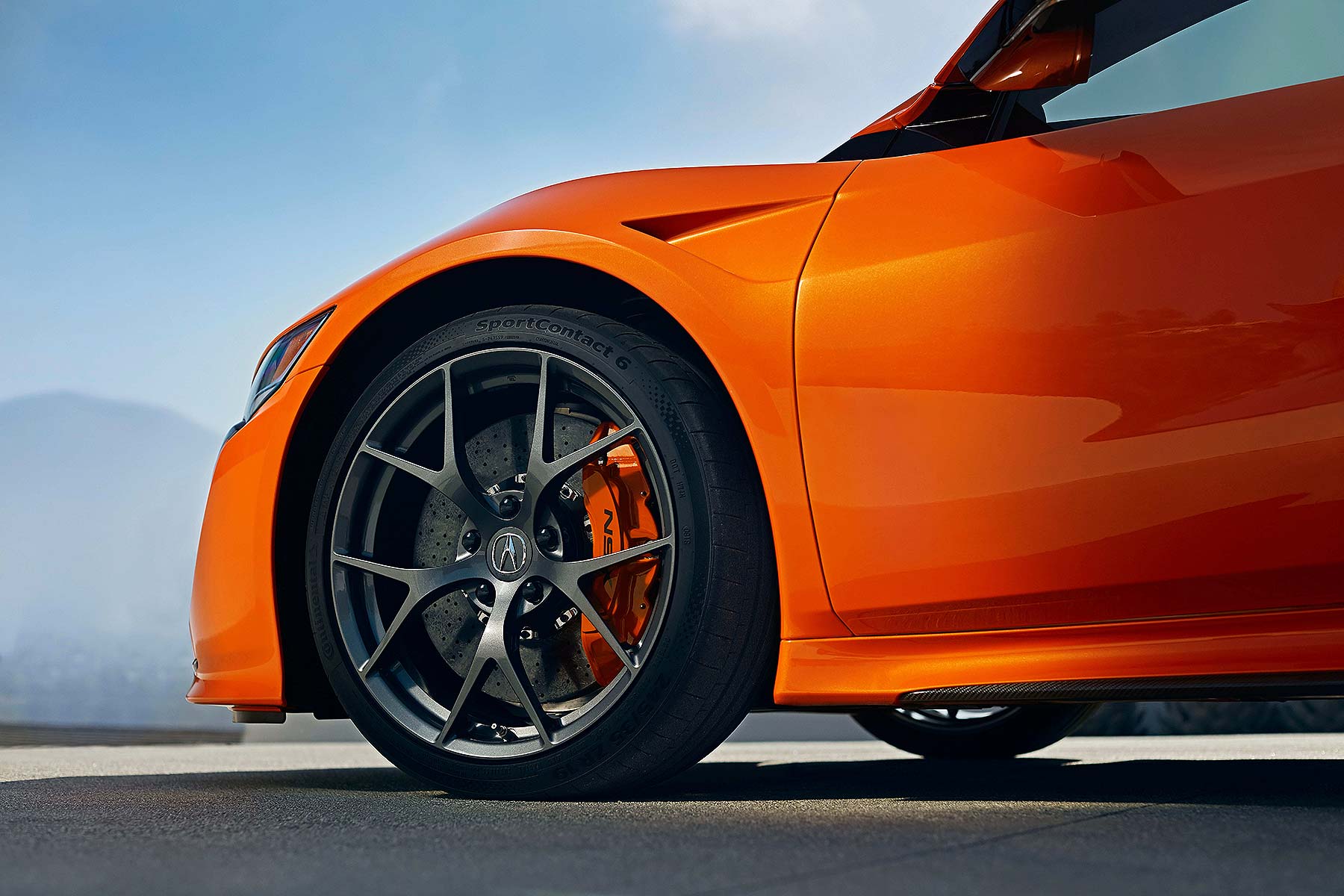
Visually, the 2019 NSX is marked out by a front grille that’s now colour-matched to the bodywork, rather than finished in chrome. Front and rear bumpers have gloss black mesh inserts, and if you choose the Therma Orange pearlescent paint, you can have the calipers of the optional carbon ceramic brakes finished in the same colour.

Honda NSX 2019

Does all that sound not quite vivid enough? You’re in luck: Honda’s added a full red leather upholstery option – or, if you go for Alcantara and leather, an Indigo Blue alternative.

Even more Super Handling

Honda NSX 2019

There are some big changes to the chassis setup of the 2019 Honda NSX. The supercar gets much larger front and rear anti-roll bars, which increase front stiffness by 26 percent and rear stiffness by 19 percent.

Honda’s uprated the rear hubs and the business in the control arm toe links too, further increasing responsiveness.

Continental SportContact 6 tyres are now standard; they’ve been honed for the 2019 NSX and Honda says they improve both feedback and response in cornering, braking and acceleration, both in the wet and the dry.

Honda NSX 2019

But it’s not all about on-the-limit prowess. Honda has retuned the active dampers, to make them more comfortable in the regular on-road setting, “while maintaining the stiffer set-up for higher speeds and on-track driving”. Software for the electric power steering and stability control has been revised as well.

Result? A car that’s more stable and more throttle-adjustable on the track… and one that’s two seconds faster than today’s car around Honda’s Suzuka race circuit.

Honda NSX 2019

The hybrid supercar is even more environmentally conscious for 2019. New injectors, a particulate filter and tweaks to the heat response of the turbocharger mean it now complies with Euro 6d-TEMP emissions regulations, as well as the new WLTP fuel economy standard.

Advertisement

Infiniti Prototype 10 is a futuristic retro electric speedster

0

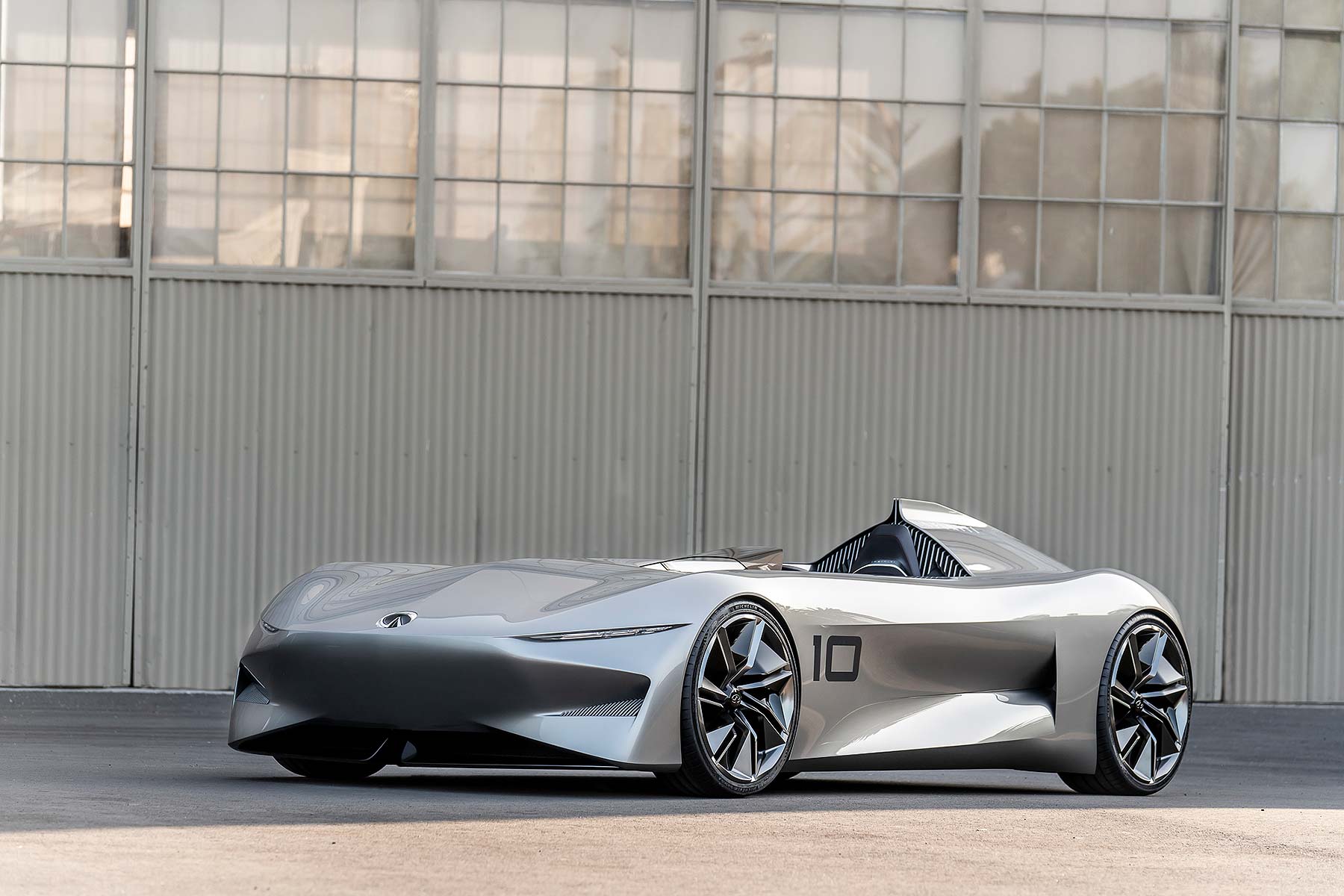
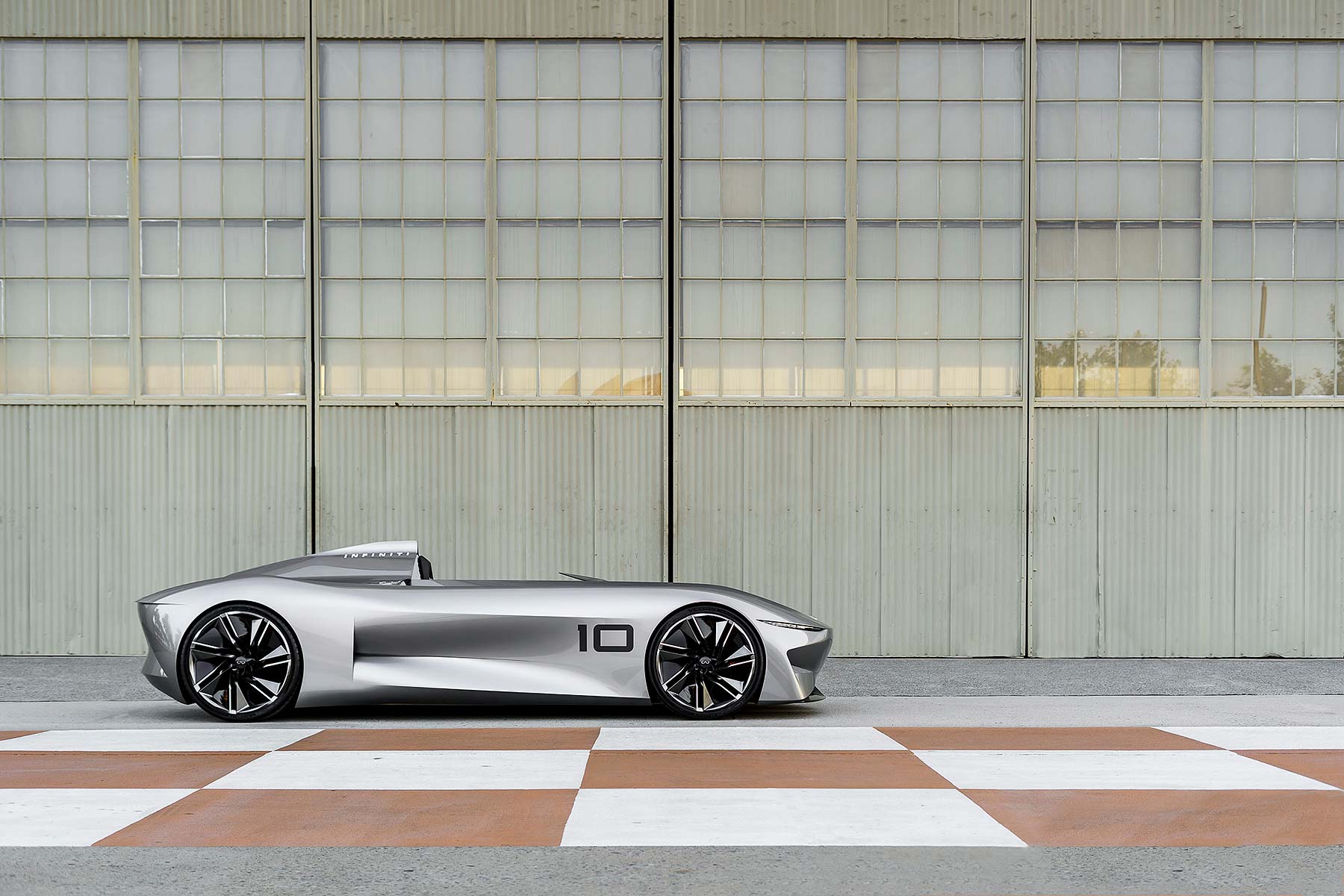
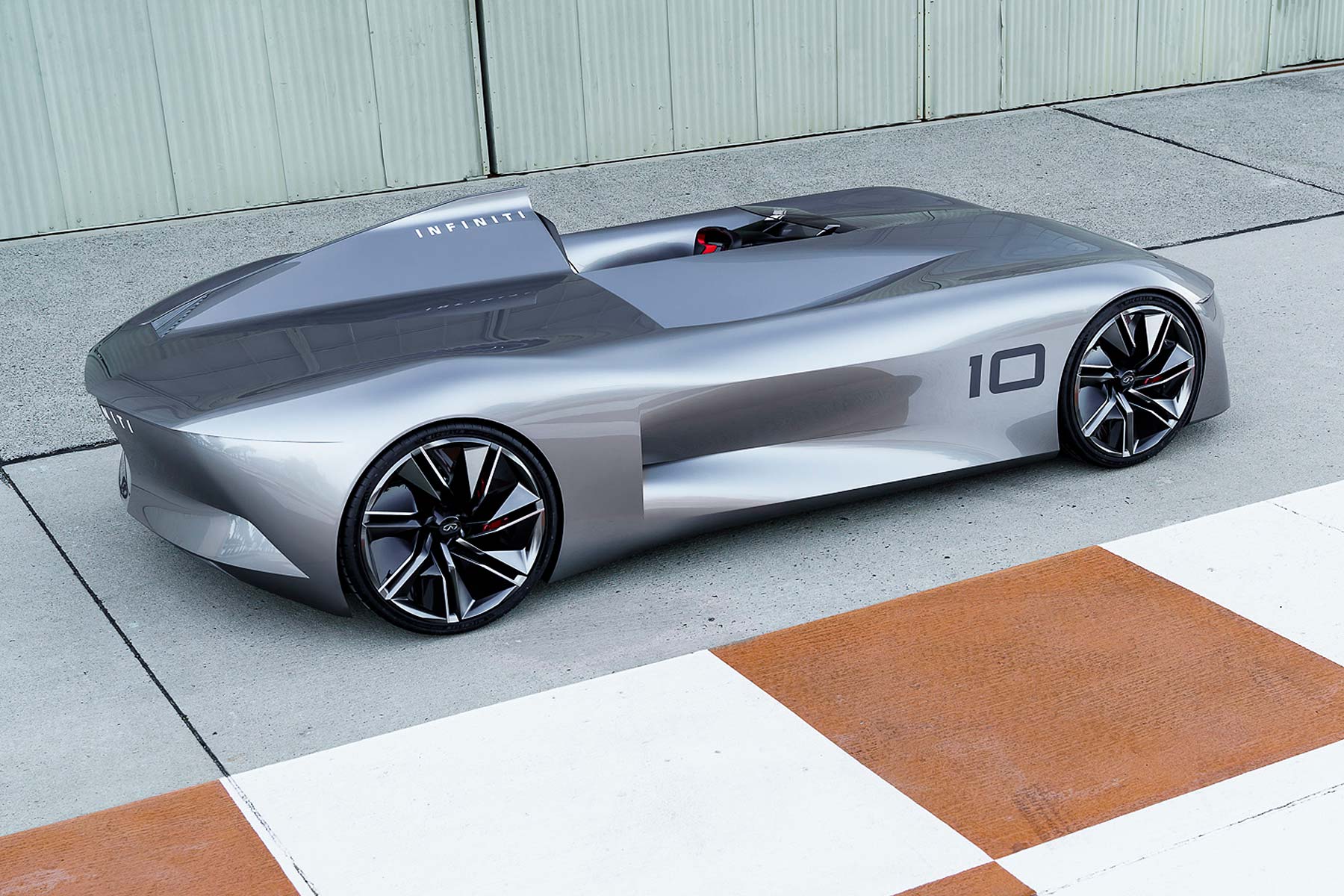
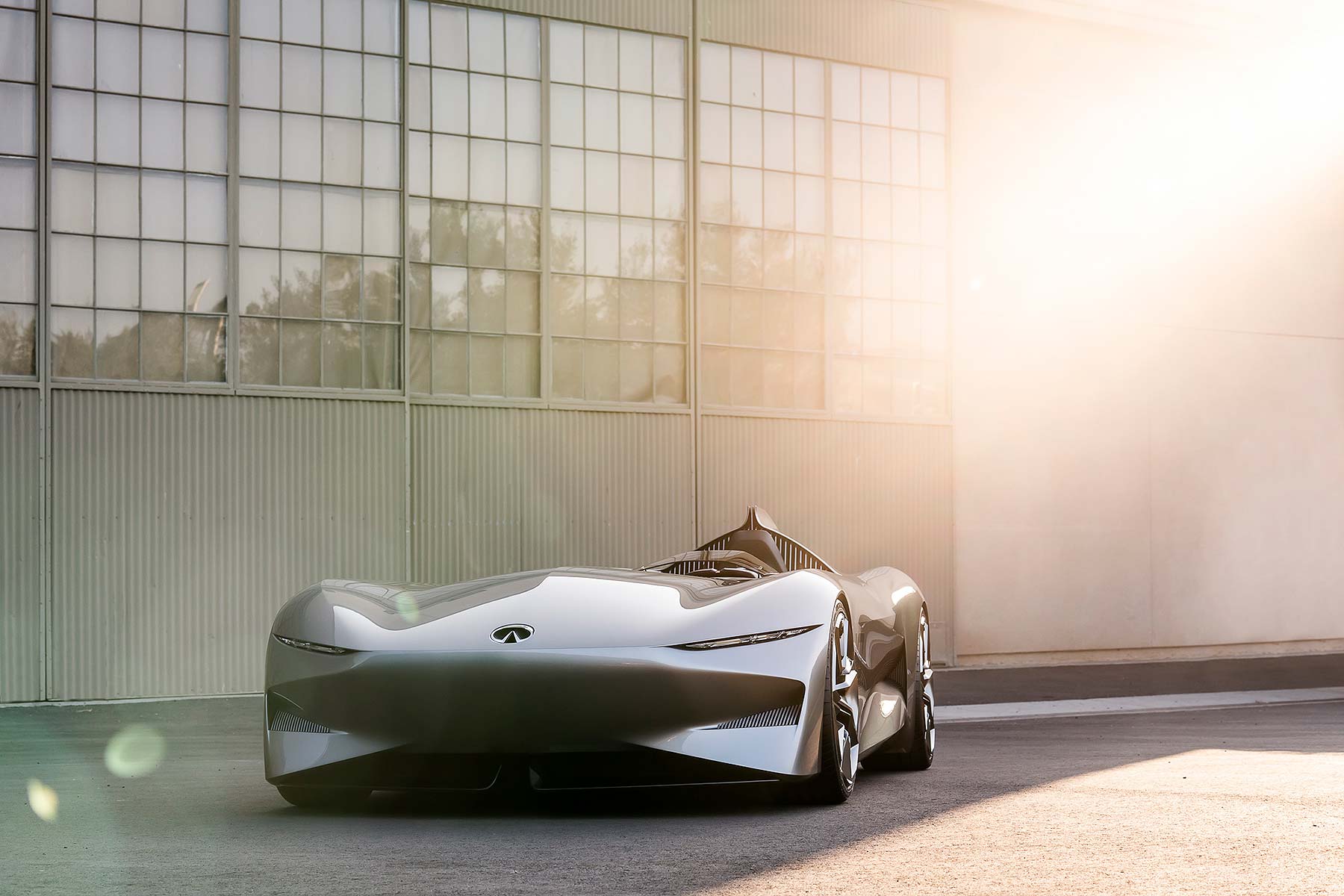
Infiniti Prototype 10Infiniti wants to get us excited about its forthcoming range of electric cars – so, under the guidance of new design boss Karim Habib, it’s revealed a radical speedster concept at Pebble Beach called Prototype 10.
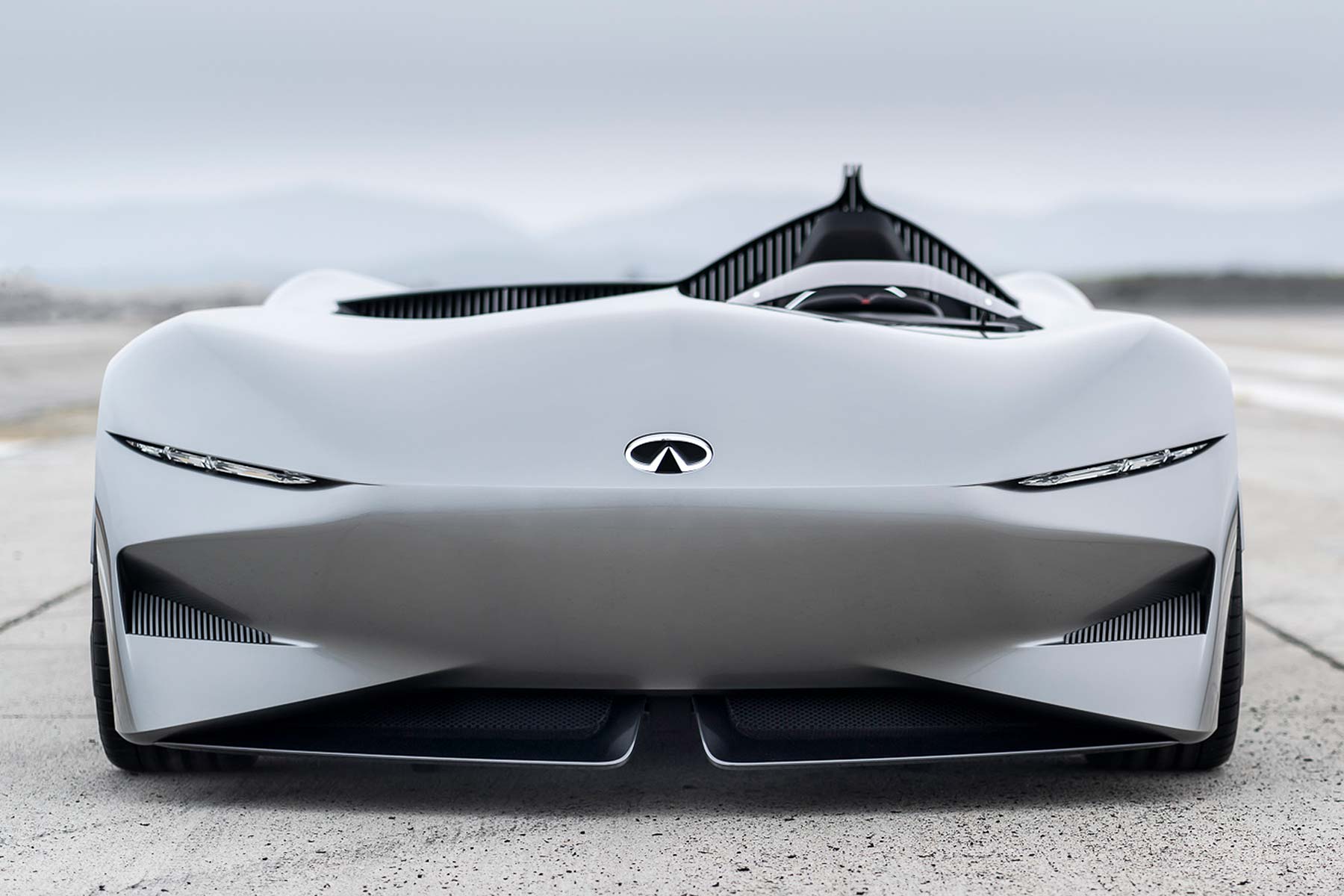
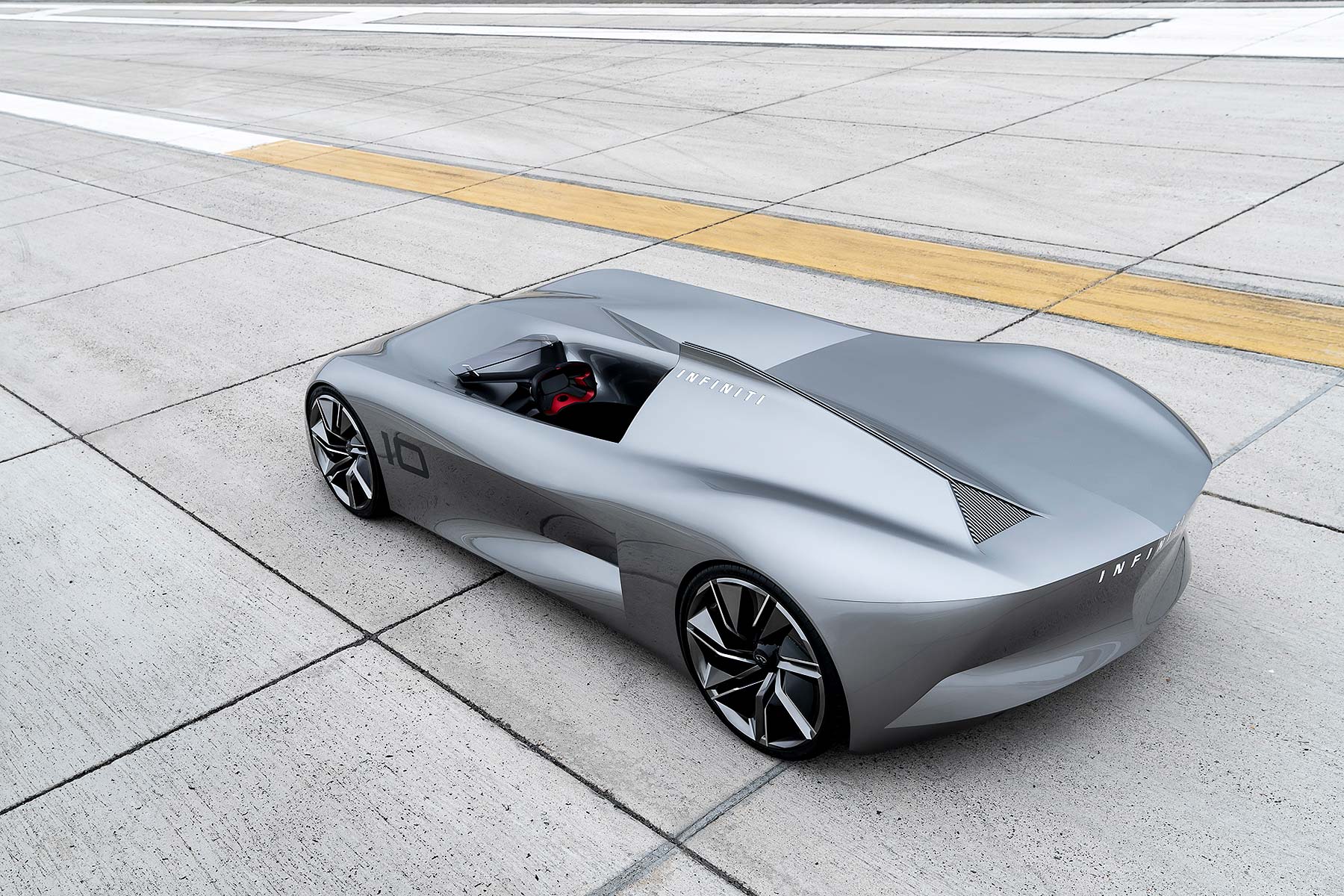
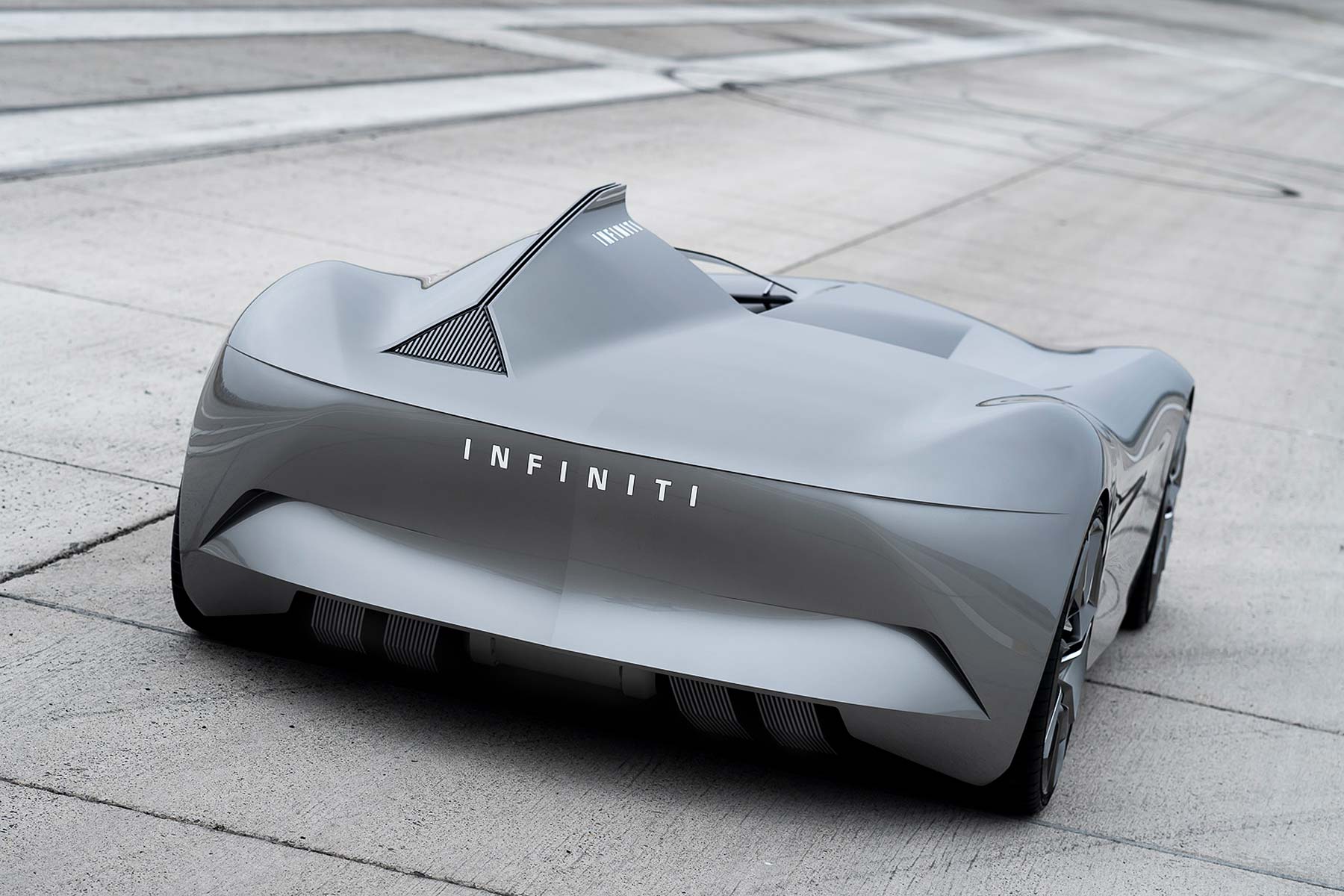
Following on from last year’s Prototype 9, the Prototype 10 is said to evoke the spirit of early Californian speedsters and is “informed by some of the most iconic car designs of all time.”

Back in the day, says Habib, “power was celebrated through high-powered single-seat competition cars. Our new concept speaks of an electrified future, something which is reflected in its form and details.

Infiniti Prototype 10

“It is appropriate that we found inspiration in an optimistic bygone era in which cars were characterised by the simple love of driving.”

Monoposto EV

Infiniti Prototype 10

Because every new Infiniti from 2021 will be electrified, Prototype 10 is here to show us how it’s going to make them fun to drive and striking to look at. All future Infinitis will use design elements seen here. The firm hopes they’ll be as driver-focused as this speedster – literally – suggests.

Revealing it in California was intentional, says Infiniti. “California has an automotive culture all of its own, with a rich vein of individual expression empowering car fans and gearheads alike to create their own unique, hand-built machines.”

Californian auto enthusiasts like to “challenge accepted automotive norms” and the region is “intrinsically linked to the speedster body style and remains a cultural centre for independent car tuning and coachbuilding to this day.” Prototype 10, says Habib, taps into California’s unique ethos of self-expression.

Electrification for Infiniti means performance, he adds. “Prototype 10 is a physical representation of our electrified future.”

‘The austere concept’

Infiniti Prototype 10

Infiniti describes Prototype 10 as having “a series of austere, straight lines… a pared-back, more geometric form… ultra-modern shapes and clean, abrupt lines punctuate a design that would otherwise be characterised by the flowing nature of its bodywork.”

Which means? Well, the preview of a new form language, one that evolves the sensuality of the recent Infiniti Q Inspiration Concept “with more purpose and aggression”.

Electric cars mark a turning point for designers, adds Infiniti president Roland Krueger: they can explore different proportions without the need to package stuff like engines, gearboxes and fuel tanks. “This new design language prioritises clean, efficient lines with which we can articulate a new, confident design language.”

Infiniti Prototype 10

Of course, it’s not a car with production intent. It’s only a design study, albeit a striking one. But the firm wants it to clearly show how flexible its future platforms and drivetrains are going to be: “electrification provide new opportunities for the design and layout of our cars,” said Habib.

Which is exciting news for all of us. For years, cars like this have been limited to the gearhead scene of California. But if the flexibility of tomorrow’s electric cars means they could become a series production reality, the EVs of tomorrow could unexpectedly be set to give us all a taste of pure car culture.

Infiniti Prototype 10

It’s a fantasy concept today. But is Infiniti suggesting cars like Prototype 10 could, thanks to electric power, be realistic realities of tomorrow? It’s an exciting thought…

Advertisement