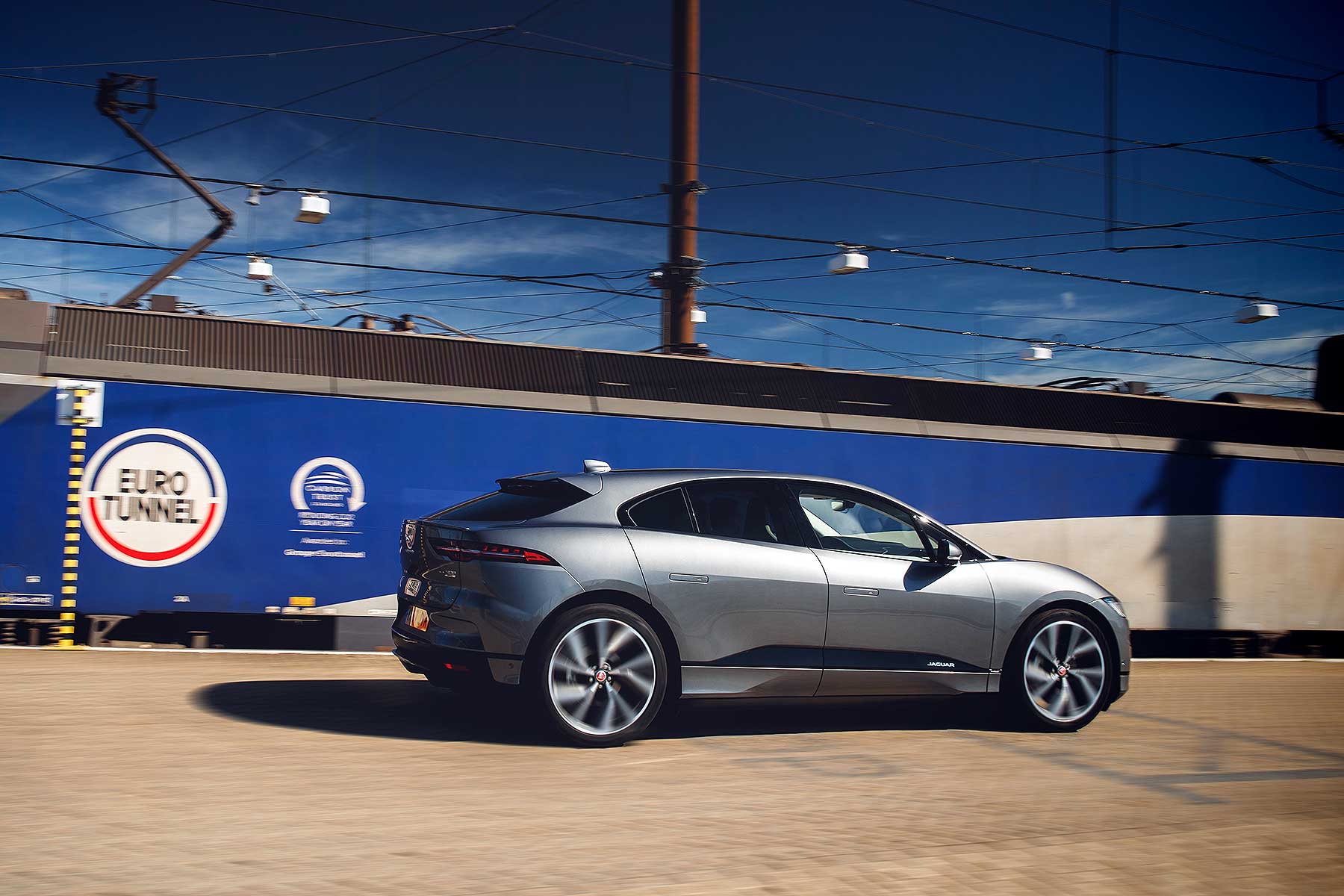
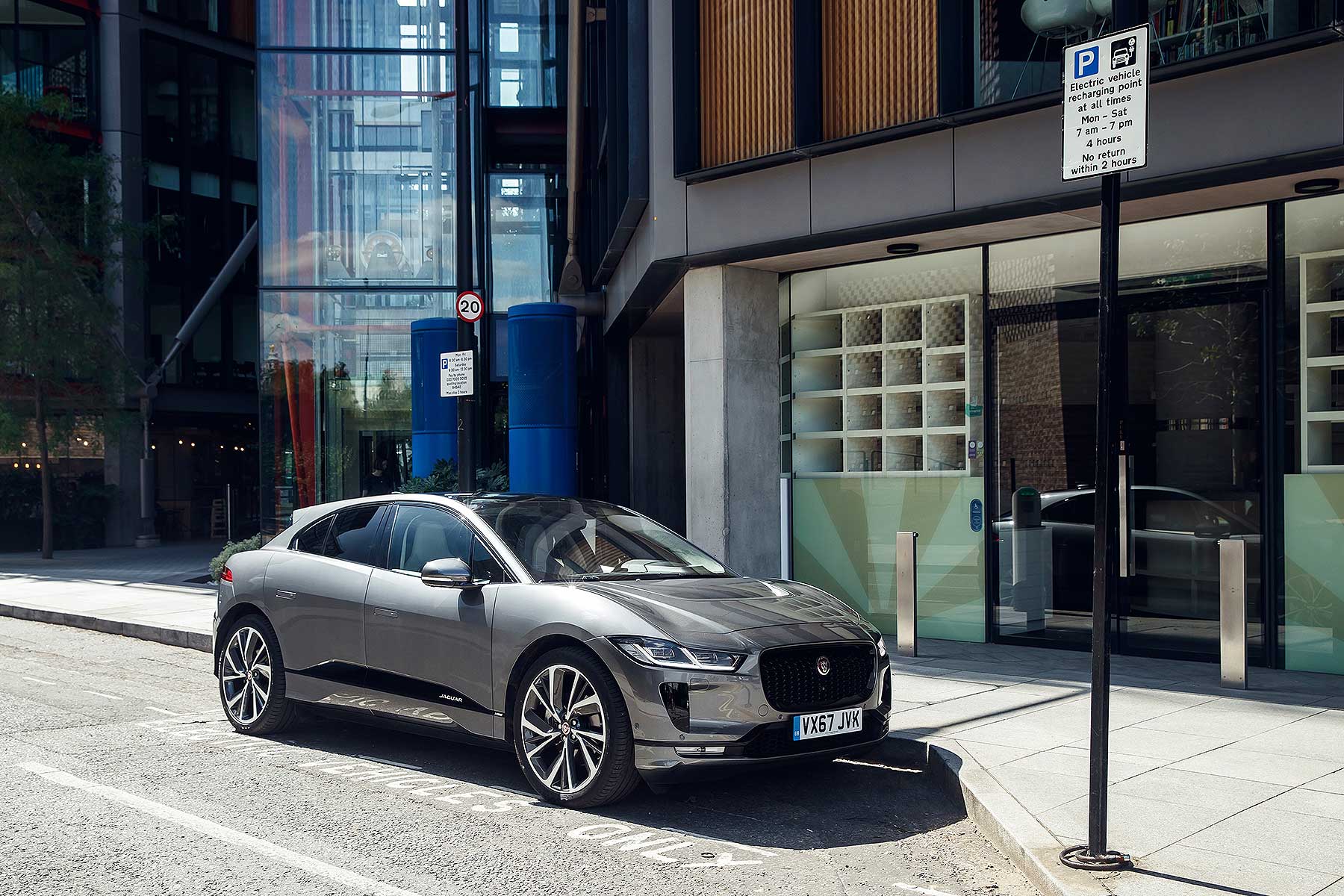
To highlight the range of the new Jaguar I-Pace electric SUV, a crew has driven it non-stop from London to Paris – and it was literally a non-stop run, because Jaguar even drove it through the Channel Tunnel.
Rather than boarding a train and taking an unsatisfying 31-mile break in the drive, the firm arranged to use the service tunnel that runs between the two main undersea rail lines.
Not only did this make for great video, it helped Jaguar demonstrate the I-Pace’s real world range in attention-grabbing style.
It wasn’t even completely flat when it arrived in Brussels, either. There was 8 percent battery charge in reserve, despite the total length of the trip being 229 miles.
A Jaguar engineer, Stephen Boulter, did the driving, starting off from London’s South Bank with a fully-charged 90kWh battery. The official WLTP range of this is 292 miles and Jaguar hopes its real-world drive – with both traffic and the summer heatwave to deal with – will give customers confidence.
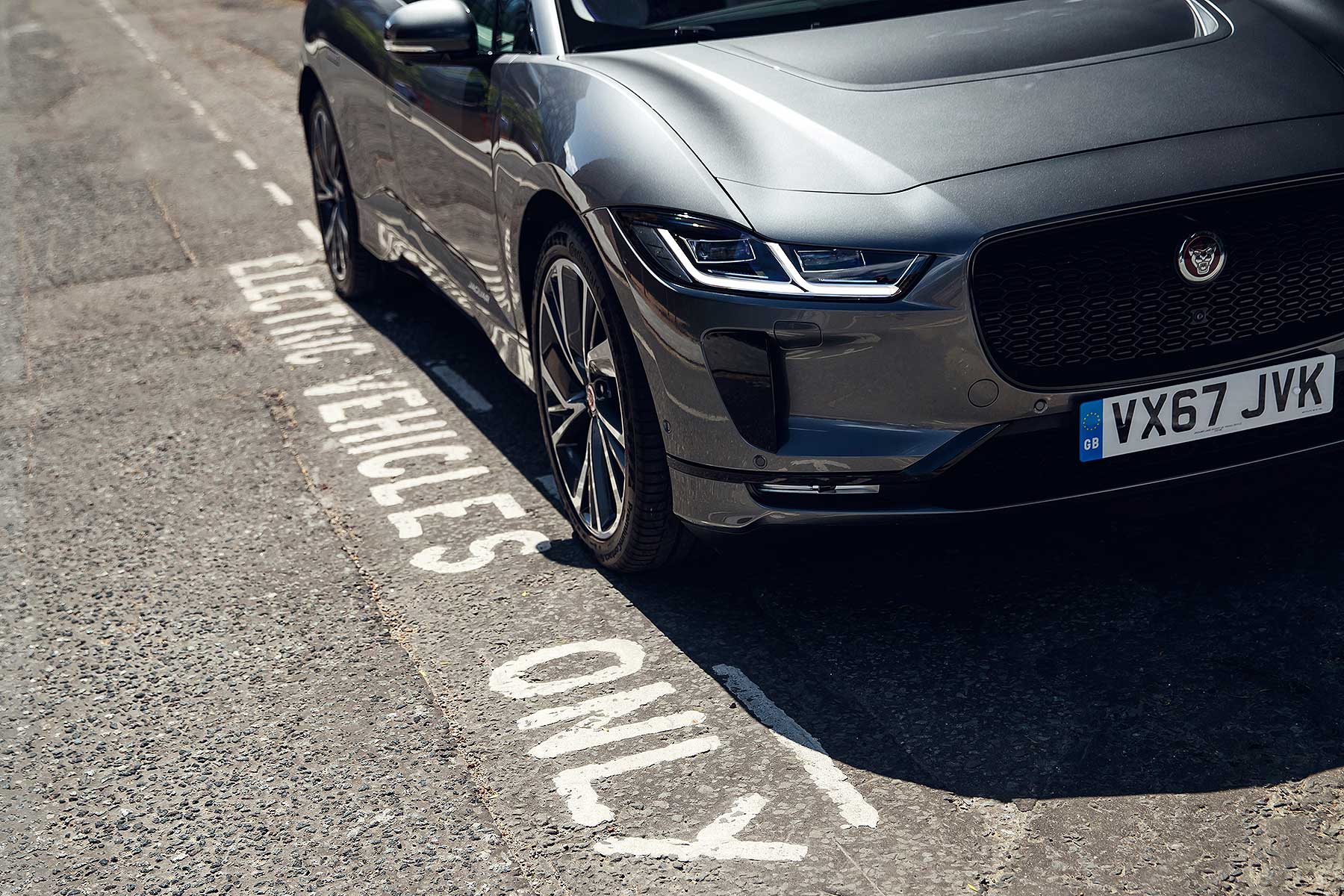
If you can find a 100kW DC ultra-fast charger, owners can top up a battery from zero to 80 percent in 40 minutes; if they only have an 7kW AC Wallbox at home, it will reach 80 percent in 10 hours – “ideal for overnight charging,” suggests Jaguar.
The firm has an intriguing extra stat, too: the energy consumed by the I-Pace over the 229-mile trip is equivalent to 41 full turns of a wind turbine. Generating it would take, on an average UK day, less than two minutes.
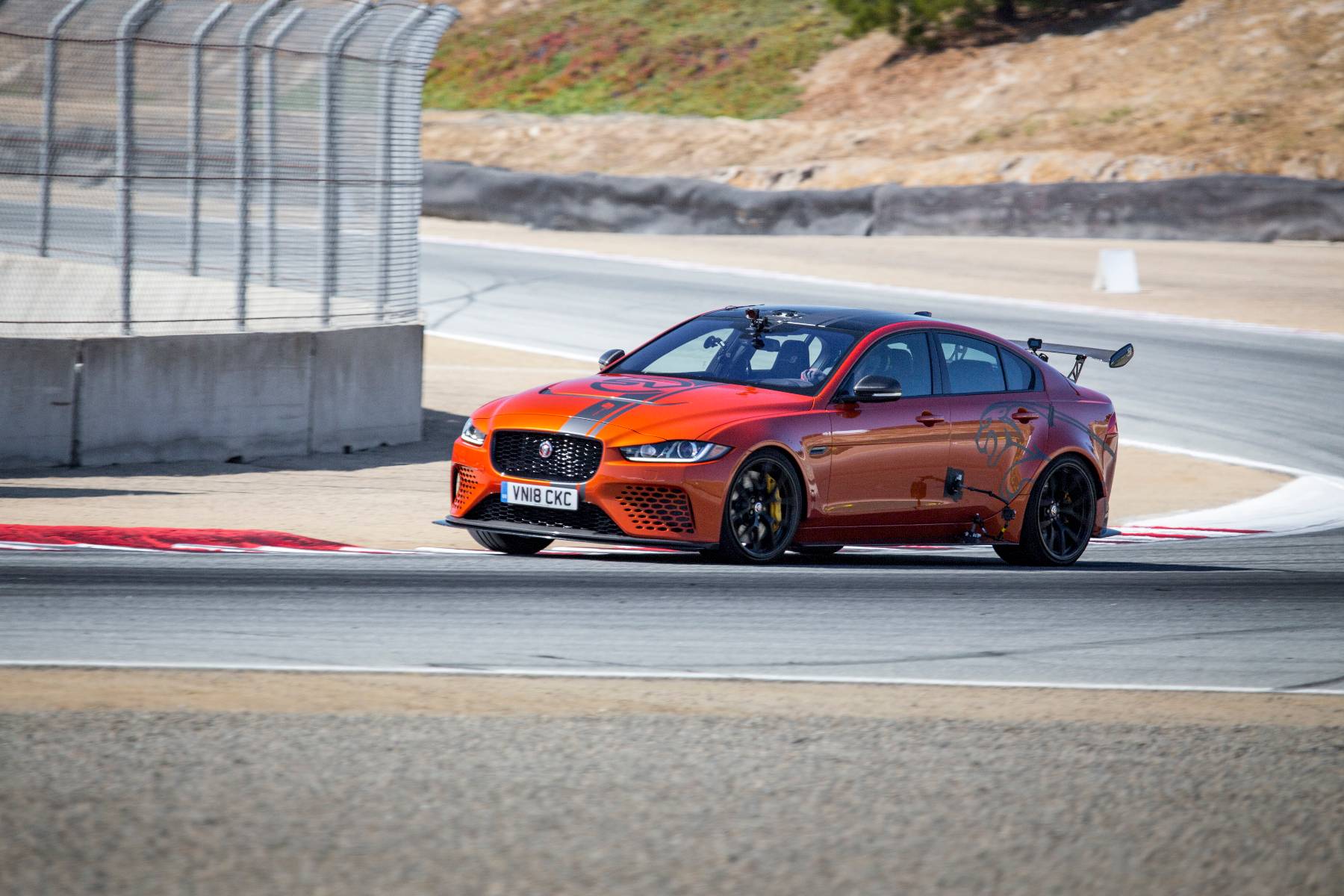
Jaguar’s tyre-shredding skunkworks super saloon, the XE SV Project 8, has smashed another sedan lap record, following its seven minute, 21 second time at the Nurburgring last year.
This time, the American Laguna Seca circuit was the target, with a one minute, 37 second time achieved by presenter and racer, Randy Pobst.
The supercharged 600 horsepower XE beat the previous record at the 2.2-mile circuit, set by the Cadillac CTS V, by just under a second. The Project 8 is more than two seconds a lap quicker than an Alfa Romeo Giulia Quadafoglio.
Jaguar calls the Project 8 “the most extreme Jaguar yet produced”. And when you look at the lengths gone to creating it, that statement seems a bit of an understatement.
Video: Jaguar XE SV Project 8 on-track
Project 8 comes in left-hand-drive only, due to the tight fit of that supercharged V8 under its bonnet. The significant widening of the car at the rear required a total redesign of the rear doors; a great undertaking for what is a comparatively tiny 300-car production run. Still, it needed to be more than a quick engine swap for nearly £150,000 ($200,000)…
“This Laguna Seca lap record is another powerful demonstration of the Jaguar XE SV Project 8’s performance credentials,” said Michael van der Sande, MD of JLR’s Special Vehicle Operations (SVO) division.
“Designed, engineered and hand-assembled by Special Vehicle Operations, this record-breaking sedan is made for the world’s most demanding driving enthusiasts.”
Read more:
New Ford Ranger Raptor gets ready for work Down Under
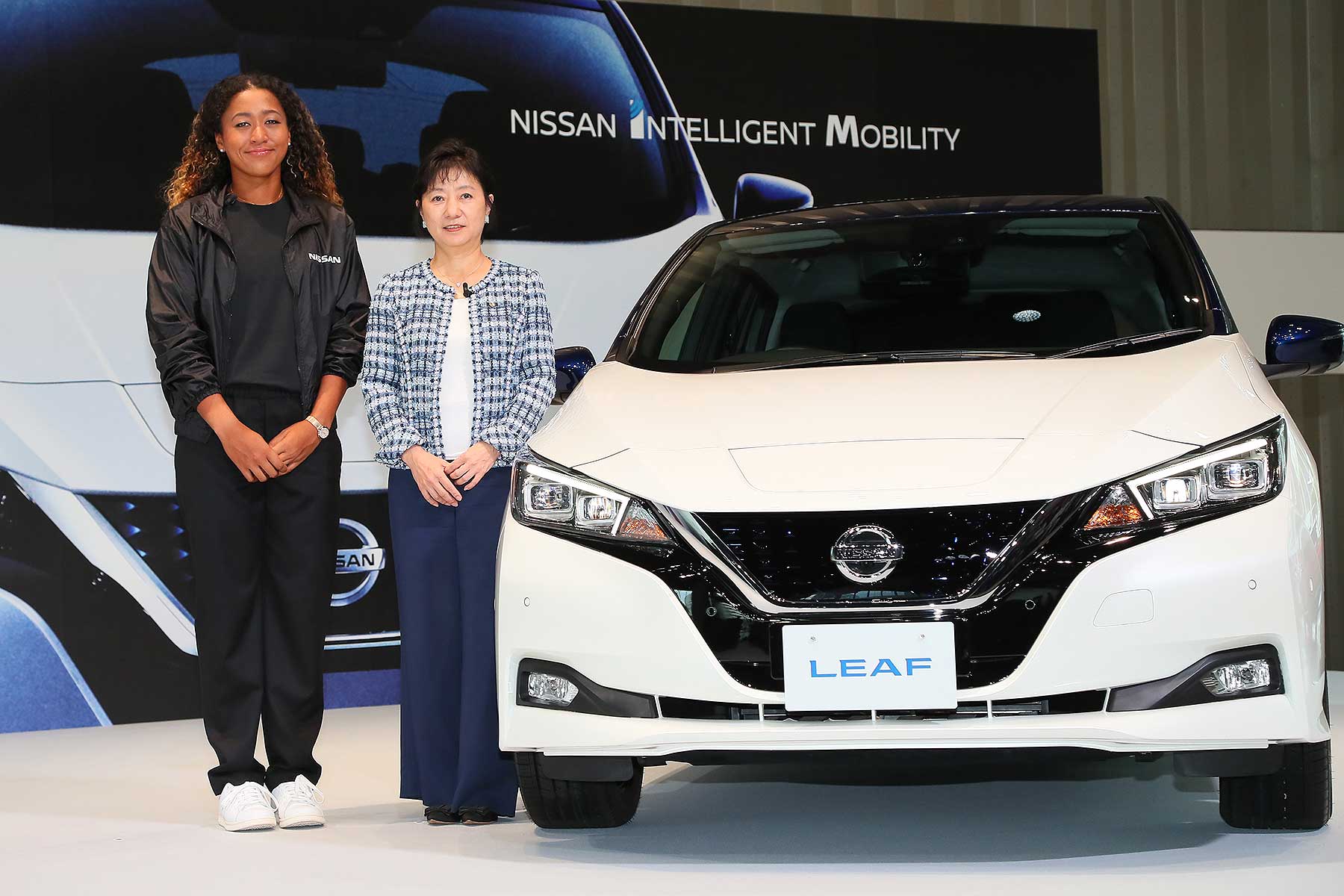
20-year-old tennis star Naomi Osaka beat Serena Williams in an eventful match to win her first Grand Slam on Sunday. Four days later, she’s won again – securing a deal to become a Nissan brand ambassador.
Osaka travelled to the firm’s global HQ in Yokohama to announce the deal, during appearances and interviews in Japan, where she was born.
The newest Grand Slam champion’s mother is Japanese and her father is a Haitian-American. She moved to the United States when she was three, although she still competes for Japan.
She is the first Japanese player to win a women’s singles Grand Slam title.
The deal with Nissan will see Osaka appear in advertising and promotions for Nissan – and the firm will also provide cars for Osaka and her team at tour destinations. She’ll undoubtedly get her own Nissan (or two) to use at home, too.
“This week has been a dream come to life, and I’m so honoured to represent Japan and Nissan on the world stage,” said Osaka.
“I was drawn to partner with Nissan because of its strong Japanese DNA and global competitive spirit. I look forward to bringing its vision for driving excitement to new audiences around the world.”
“With a combination of grit and grace, Naomi Osaka is not afraid to take on the best tennis players of our time, and win,” said Nissan senior vice president Asako Hoshino.
“This is the same spirit of performance that Nissan has embodied throughout our history – exemplified most recently by the Nissan Leaf, which defied the odds to become the best-selling electric vehicle in the world.
“And just like Naomi, Nissan is just getting started.”
Many of us grew up wanting to be rally drivers, and, thanks to homologation rules, our parents were given the opportunity to drive the cars of our dreams. Anyone could pretend to be Walter Röhrl, Juha Kankkunen or Timo Salonen on the way to the office. Some could even pretend to be The Stig (Blomqvist).
The fact is, the world of rallying has delivered some epic road cars, as we’re about to demonstrate with these 10 homologation heroes. Limiting ourselves to just 10 was a bit of a challenge…
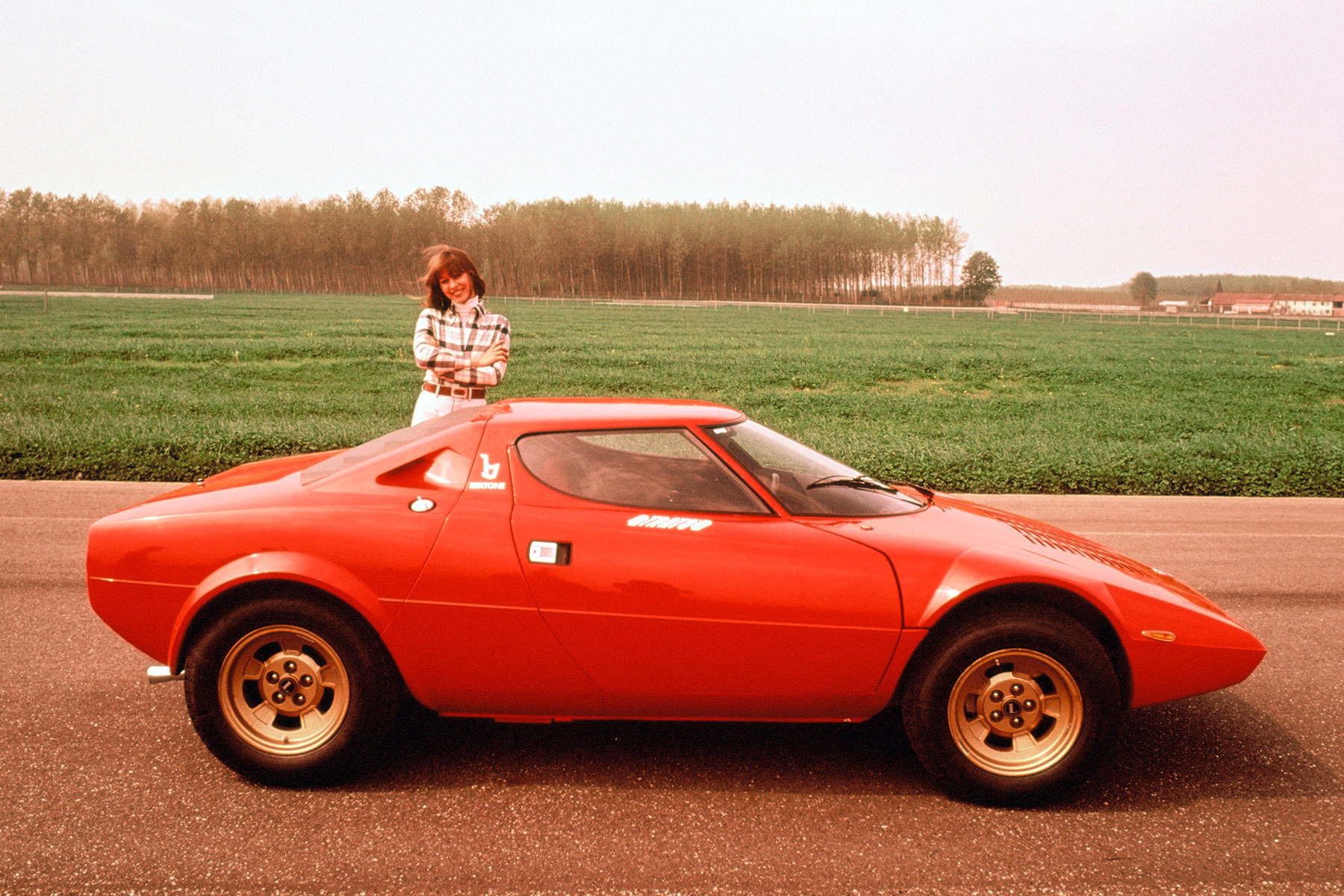
Lancia Stratos HF
When two design houses declare the war, the results are guaranteed to be spectacular. So, in the late 60s and early 70s, when Pininfarina sized up to Bertone, the world was treated to a show of flamboyance and exuberance that delivered some of the most radical concepts of all time. The Alfa Romeo Carabo, the Ferrari Modulo and the Ferrari 512S Berlinetta, to name but three. But the one the matters is the Lancia Stratos HF Zero.
This was Bertone going full peacock on Pininfarina. The Stratos HF Zero was impossibly low, wonderfully wedge-like and every inch the Turin showstopper it was designed to be. But this was no static display – the HF Zero was a fully-functioning prototype with the innards of the Fulvia HF. For Lancia rally chief Cesare Fioro, it was a chance to reboot his team’s flagging fortunes. For his father, Sandro, Lancia’s PR director, it was an opportunity to put Lancia back on the map.
The Lancia Fulvia Rallye HF had been a successful rally car, but its days were numbered. Lancia was in desperate need of a new machine to fend off the likes of the Porsche 911 and Alpine A110. Cutting a long story short, and with Marcello Gandini honing the concept to absolute perfection, the prototype of the Lancia Stratos HF was unveiled at the 1971 Turin Motor Show.
It was a phenomenally successful rally car, winning the WRC in 1974, 1975 and 1976. Production of the roadgoing Stradale began in 1973, with the car homologated in 1974. Commercially, it was no moneyspinner for Lancia, but as a rally car, it is up there with the greatest. The Stratos is, if you like, how we like to remember Lancia.
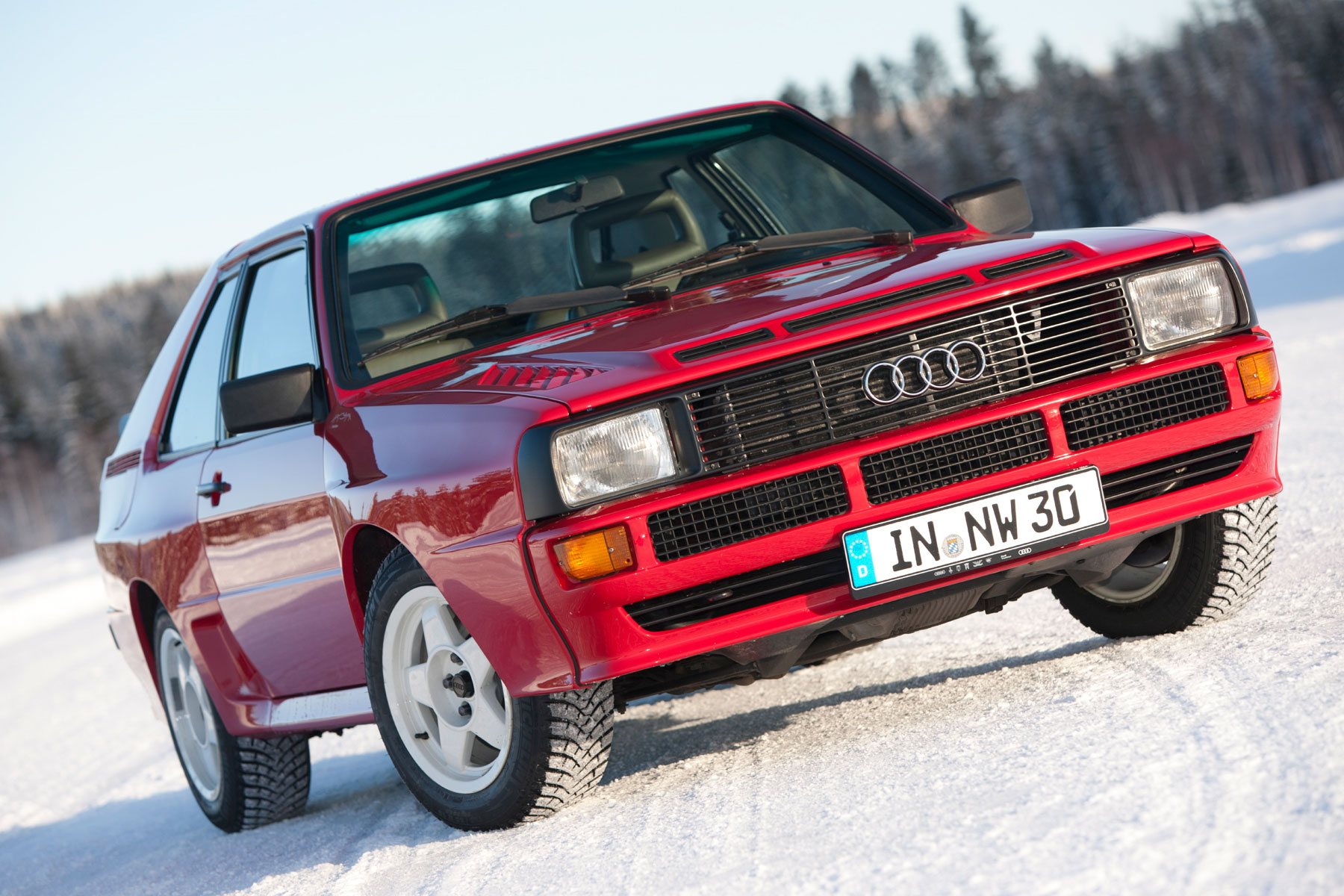
Audi Sport Quattro
Audi may have changed the face of rallying with the Ur-Quattro, but by the mid-80s, it faced a new challenge in the form of lighter and more nimble rally cars. Its arch-nemesis – the Peugeot 205 T16, first driven by Timo Salonen, and then by Juha Kankkunen. The solution was rather cutting: Audi took a knife to the Quattro to create the Sport Quattro.
By chopping 320mm from the wheelbase, Audi created a rather comical looking Quattro, but one that could keep up with the young upstart from France. The Sport Quattro was quicker and more adept at handling the rally circuits of the world.
Even by today’s standards, the performance figures are impressive. The howling 2.1-litre five-cylinder 20-valve turbocharged engine developed 306bhp, which, even in a car weighing just shy of 1,300kg, delivered a 0-60mph time of 5.1 seconds and a top speed of 156mph. Not even a Lamborghini Countach could keep up with a Sport Quattro.
It wasn’t cheap – Audi demanded 200,000 Deutschmarks for its homologation hero, or £50,000 in the UK. Hardly surprising, then, that only 214 were ever made, with 164 falling into private hands. Today, you’ll pay up to £500,000 for a first-rate example.
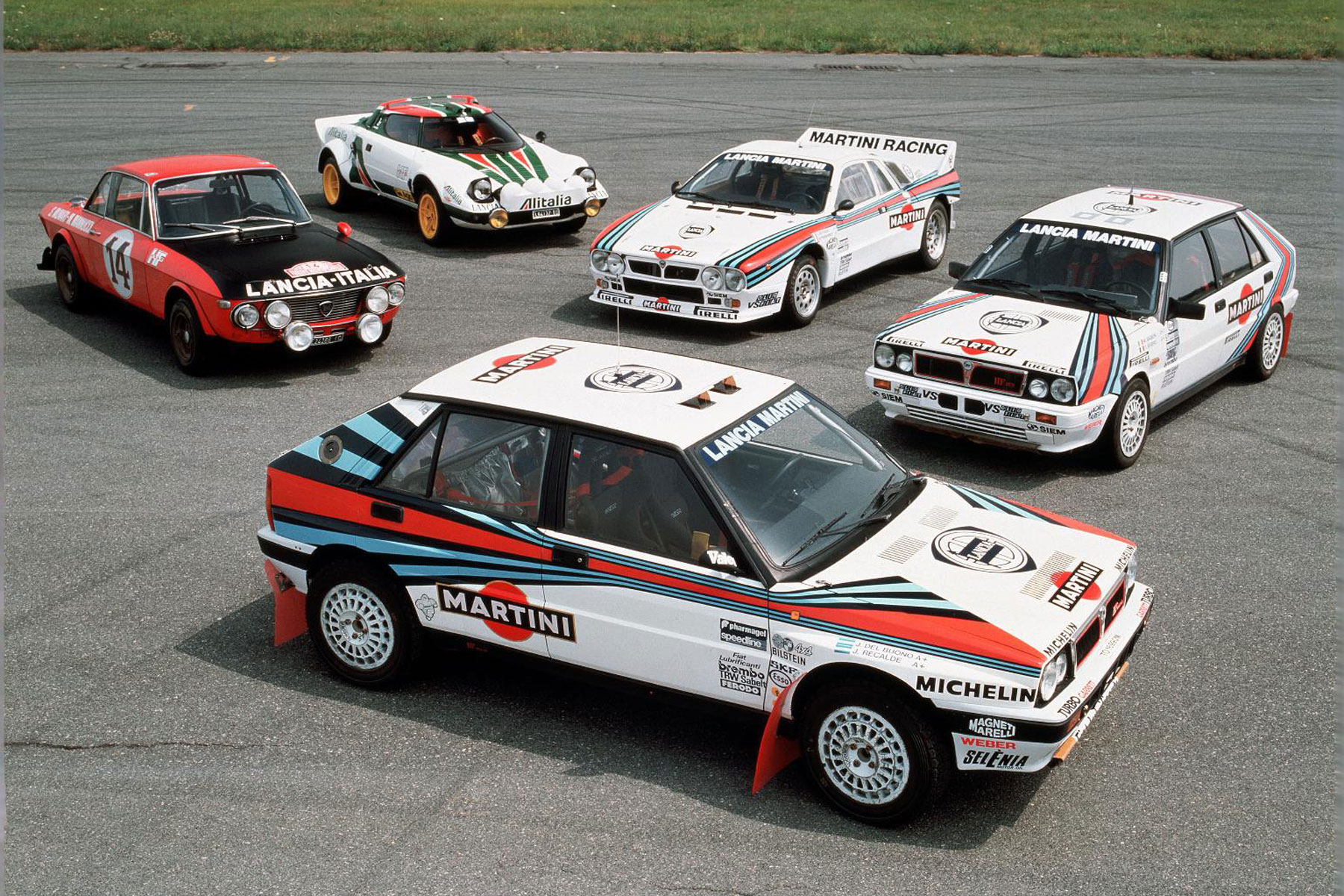
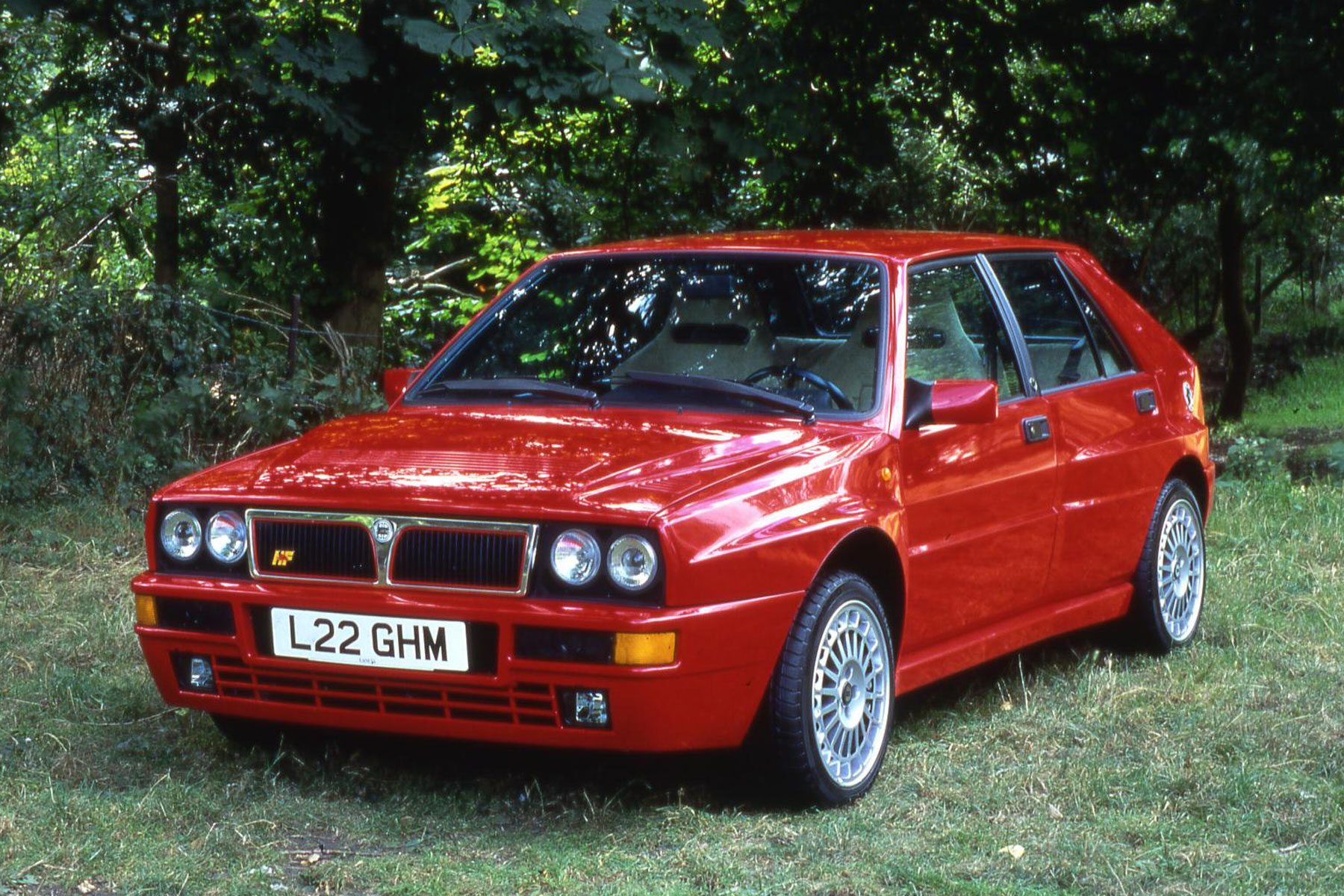
Lancia Delta Integrale
To some, the Lancia Delta is the greatest car of the 1980s. The archetypal rally hero. The box-arched hot hatch champion for an entire generation. In fact, the Delta was so successful, it’s easy to forget that it started life as a pretty but unassuming Giugiaro-designed family hatchback. It doesn’t help matters when the majority of standard Deltas have rusted to oblivion.
But the Delta Integrale, first in 8-valve form in 1988, then in 16-valve guise in 1989, then Evoluzione in 1991 and Evo 2 in 1993, was the one that mattered. Six successive WRC Constructors’ titles delivered the kind of showroom shine no amount of Autoglym will ever provide. It should have catapulted Lancia to continued greatness, but as history will recall, the brand was left to die a slow and painful death.
In 1992, a Lancia Delta Integrale Evolution would have set you back just £23,145 – a bargain price for a rally-bred hero with box arches, a 2.0-litre 16-valve Garrett turbocharged motor, intercooler, delightful Momo leather steering wheel and four-wheel drive. For context, a Porsche Carrera 4 cost £57,561.
Today, the Delta Integrale’s stock couldn’t be higher, so much so that Amos Automobili is creating a three-door ‘restomod’ of the original and asking €300,000 for the privilege. We’d stick with the classic and authentic five-door, thank you.
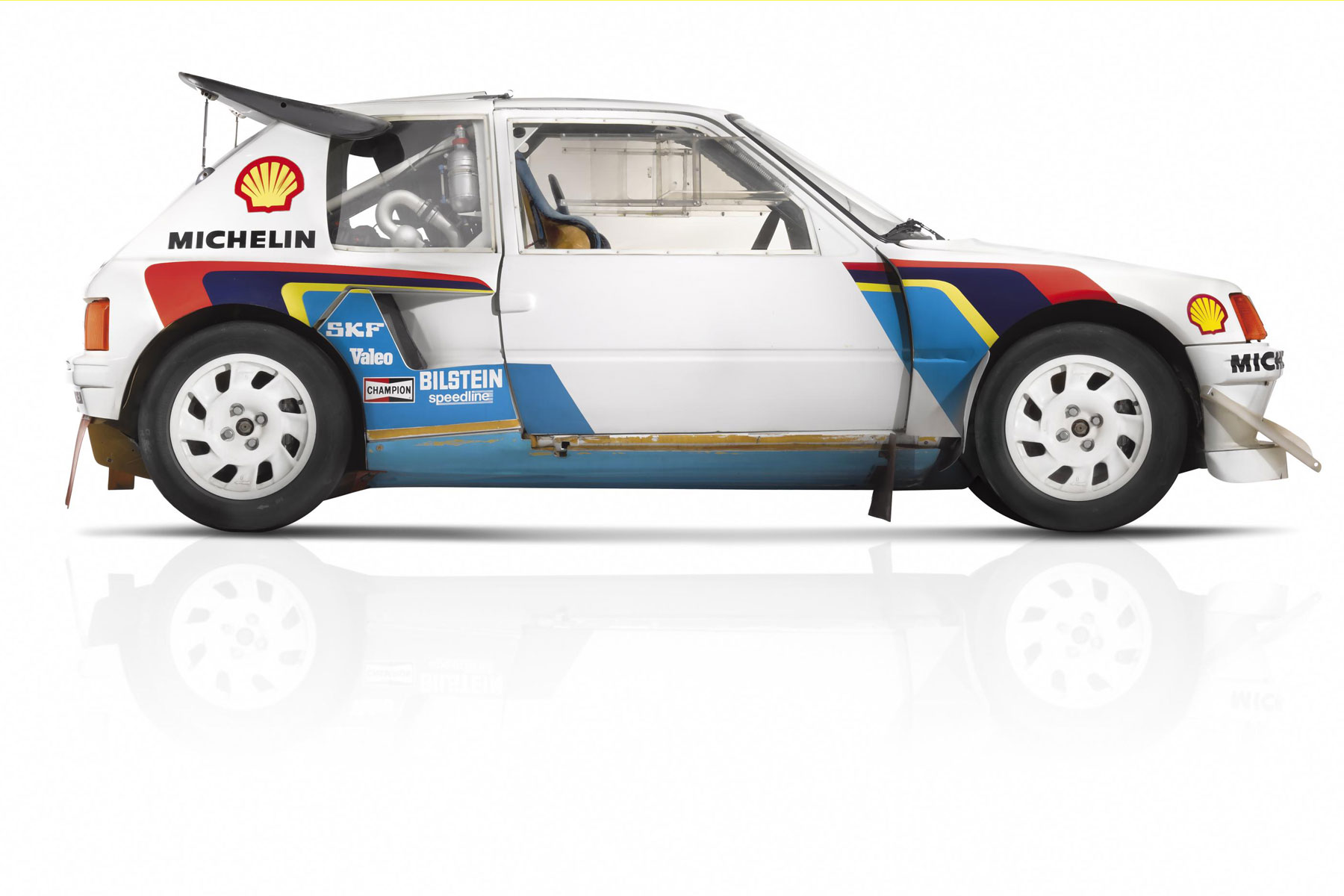
Peugeot 205 T16
You can thank Audi for the birth of the Peugeot 205 Turbo 16 (or T16). Peugeot-Talbot was planning a mid-engined/rear-wheel-drive version of the Chrysler Horizon, but the Audi Quattro showed that four-wheel-drive was the future of rallying.
With Jean Todt heading up the newly-formed Peugeot Talbot Sport team, the Peugeot board threw its formidable might behind the project, effectively giving the Frenchman a blank cheque. Todt, not known for being a man to make idle claims, promised to deliver a championship-winning car by 1985.
The requirement to build 200 road cars for homologation purposes was considered from the outset, and Peugeot’s marketing department knew what an all-conquering rally car could do for sales of its more mundane models. The standard 205 was still two years away from reaching Peugeot showrooms.
It meant that the 205 T16 had to look like the regular 205, albeit with a longer wheelbase, wild haunches and a 1775cc turbocharged engine mounted in the rear. The 205 T16 was homologated in 1984, and by August it had secured its first big rally win. Success on the San Remo and Lombard RAC rallies followed before Peugeot secured the WRC title in 1985 and again in 1986.
Ferrari GTO
The Ferrari GTO – commonly known as the 288 GTO – was built for Group B purposes, but when the FIA pulled the plug on rallying’s most bonkers years, the car was left without a race series. A rebel without a cause, if you like. Not that this dampened enthusiasm for the 400hp, twin-turbocharged V8 supercar.
Just 200 were required for homologation purposes – hence the ‘O’ for Omologata – but the demand was so high, Ferrari built 272 examples. In fact, some customers were prepared to sell their contracts before they had received the car.
This was Ferrari’s first mid-engined V8 production car with a longitudinal engine, but the GTO was as notable for its aesthetics as it was for its powertrain. It had quad driving lights, a deep front spoiler, a plethora of cooling slots and a visible transmission casing at the rear.
The GTO could hit a top speed of 190mph, completing the 0-62mph sprint in just 4.9 seconds. All cars were left-hand drive, and each one was sold long before production ended in 1985.
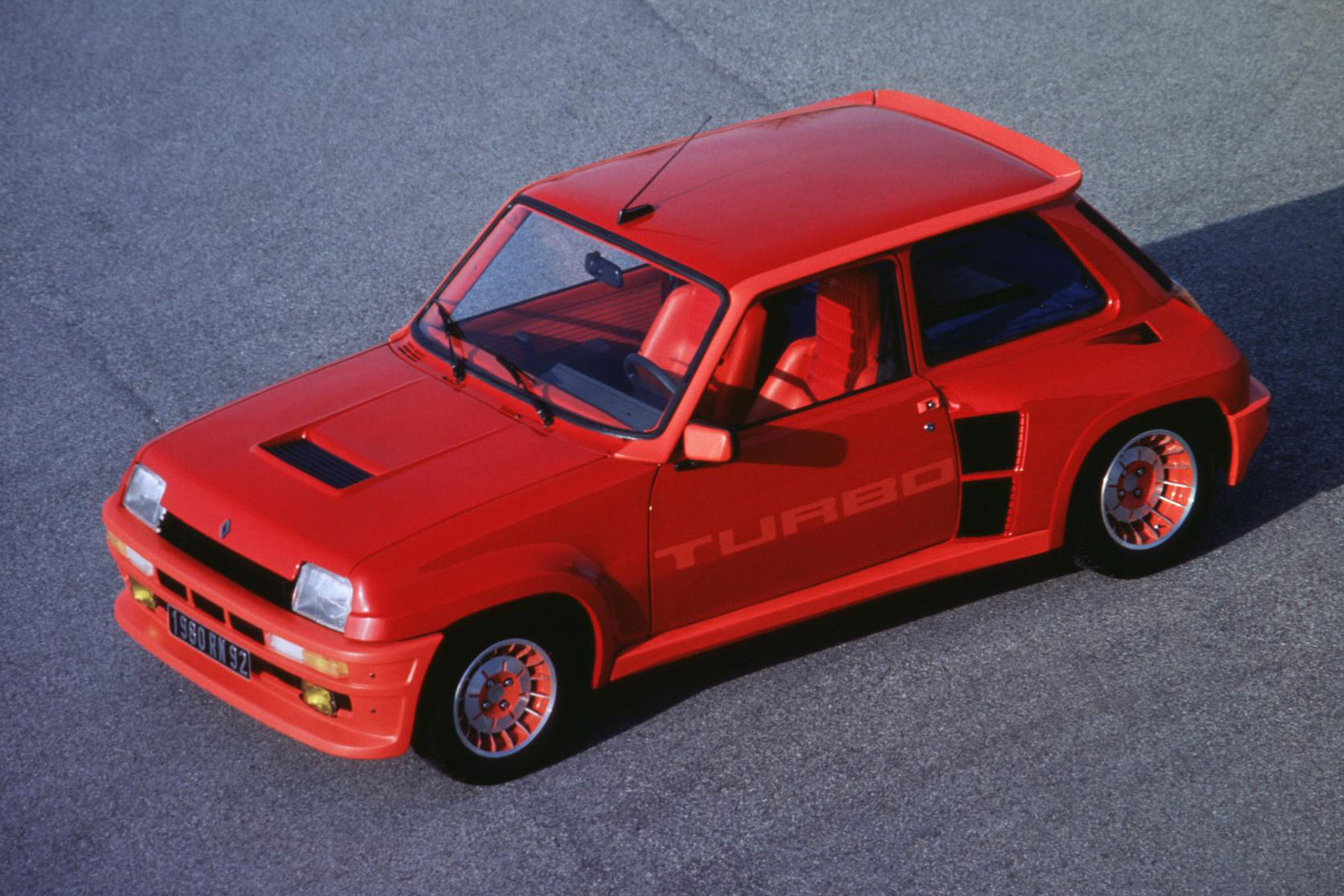
Renault 5 Turbo
The Renault 5 Turbo – so bonkers, it must have stemmed from the madness of Group B. And yet, the 5 Turbo was conceived in 1976, before making its motor show debut in Paris in 1978, long before the Group B years. Unlike the Stratos and GTO, the 5 Turbo was no purpose-built weapon – it had to retain the look of the standard Renault 5.
And it did – up to a point. It’s unquestionably a Renault 5, but having a turbocharged engine in place of the rear seats does stretch the family resemblance to the limit. Demand was high, so Renault had little trouble shifting the 400 units required for homologation purposes, but the 5 Turbo – later known as the Turbo 1 – was an expensive and complicated build.
With so many bespoke parts, it wasn’t commercially viable to put the Turbo 1 into volume production, even on a small scale. The result was the 5 Turbo 2, which shared many parts with the Renault 5 Gordini Turbo, making it cheaper to build and less expensive to buy.
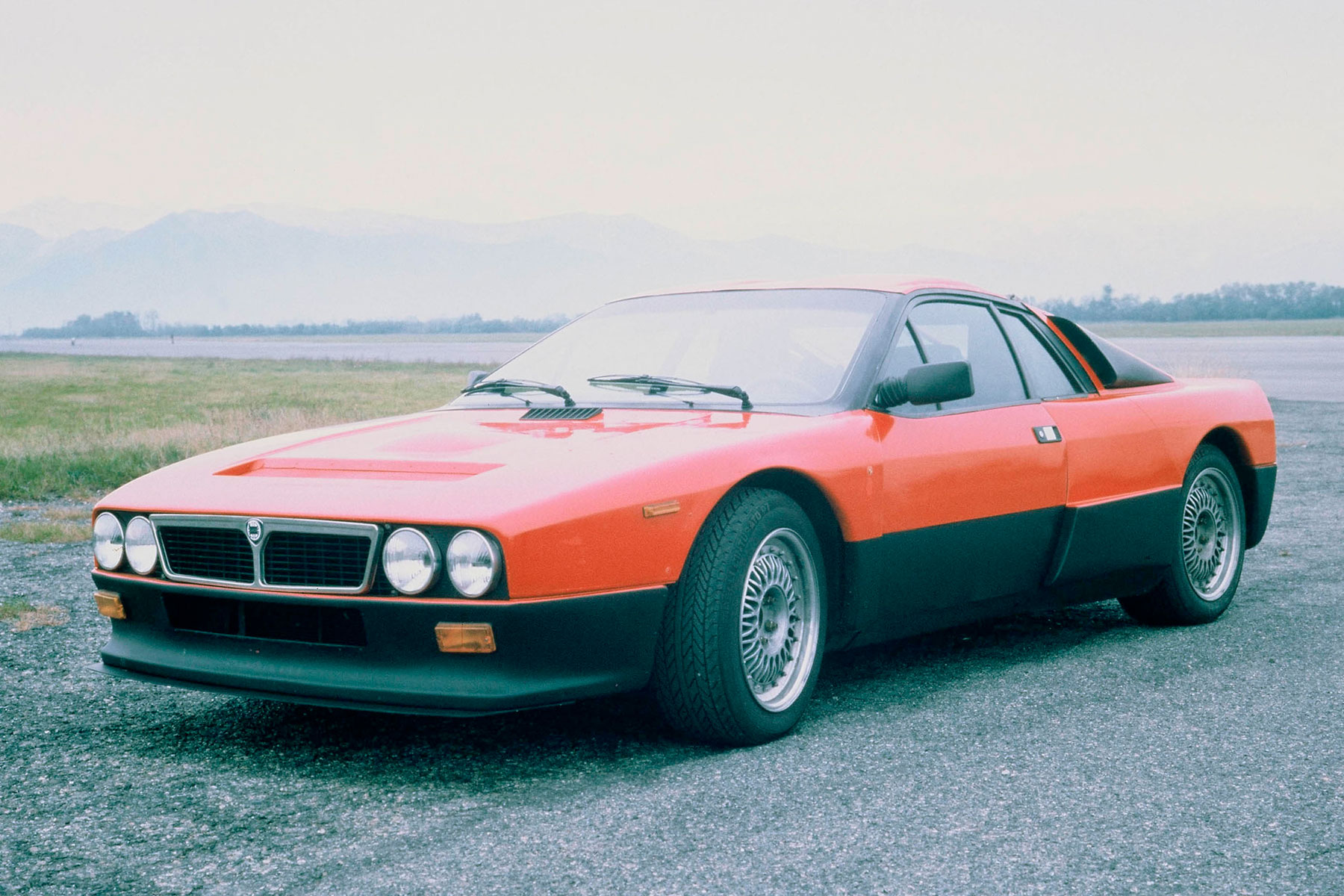
Lancia 037 Stradale
So often overlooked and overshadowed by the Stratos and Delta Integrale, the Lancia 037 was a real star of road and track. Powered by a 2.0-litre four-cylinder Lampredi engine, the 037 featured an Abarth supercharger to deliver 265hp, although some cars developed as much as 325hp.
In a ‘questions and answers’ feature in Motorsport magazine, Walter Röhrl named it as his favourite rally car, saying: “From the pure driving view it was the Lancia 037. It was a car made for my style of driving – I don’t like to steer. I believe the only secret in driving is to steer as little as possible.”
Like the Stratos before it, the 037 was conceived for the purposes of racing, featuring a Kevlar body reinforced with fibreglass panels, a steel subframe visible when the large even cover was lifted, along with a ‘double bubble’ roofline designed with helmets in mind.
It won the Constructors’ title in 1983, with Walter Röhrl and Markku Alén famously completing a one-two on the opening Monte Carlo rally, much to the dismay of Audi. Hannu Mikkola might have won the Drivers’ championship, but Lancia beat Audi by two points.
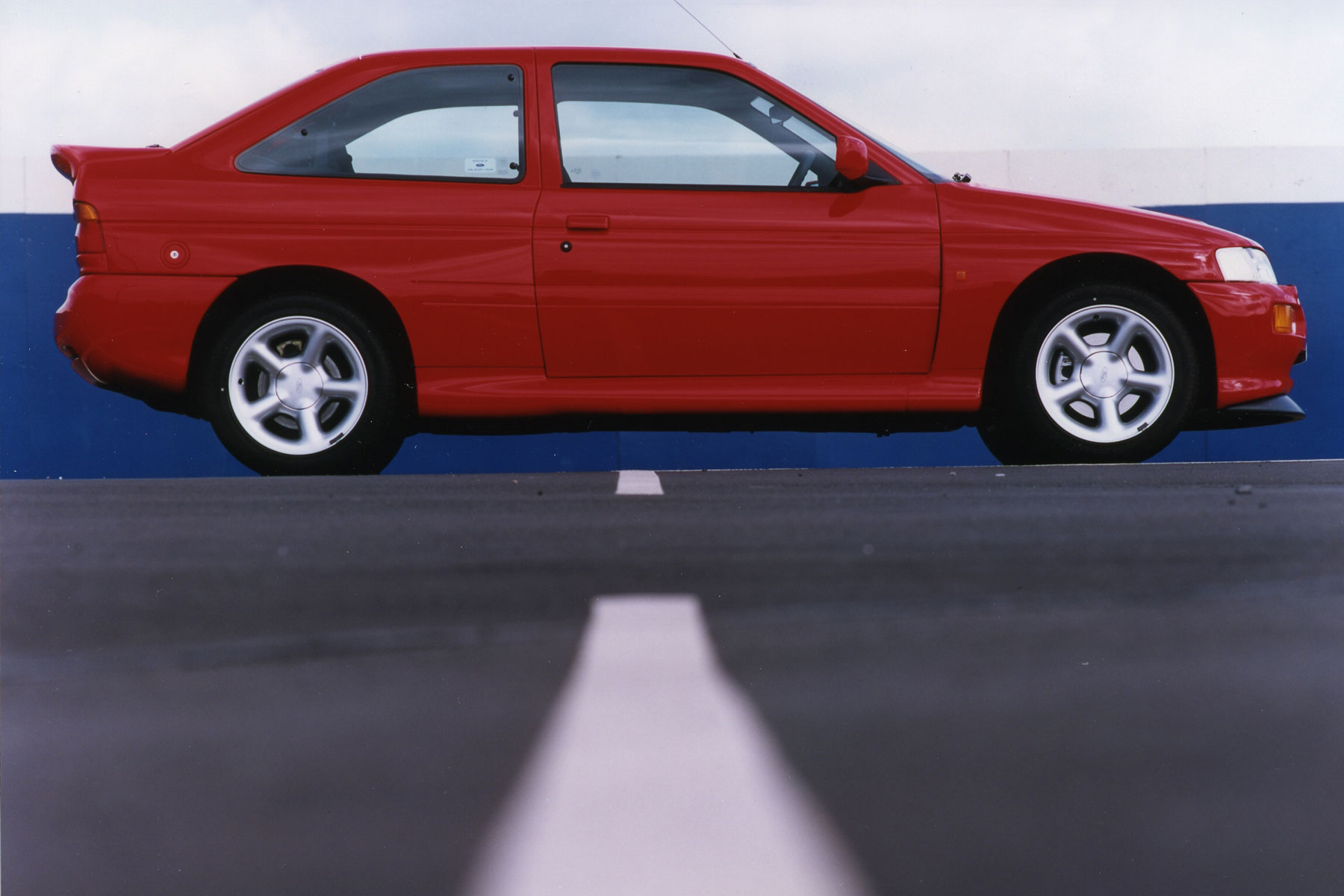
Ford Escort RS Cosworth
The Ford Escort RS Cosworth isn’t really a Ford Escort at all. It’s a Ford Sierra RS Cosworth squeezed into a showroom-friendly Escort body, with the aim of selling more cars, not to mention an assault on the WRC title.
It never actually won a Constructors’ or Drivers’ title, but in just about every other respect, the Escort ‘Cossie’ was a roaring success. It laid the foundations for the all-conquering Focus WRC and became the must-have performance car of the 1990s.
Those who could afford one bought one – Jeremy Clarkson included – while those who were too young to drive stuck a poster of one on their bedroom wall. Less scrupulous members of society simply half-inched one in the middle of the night.
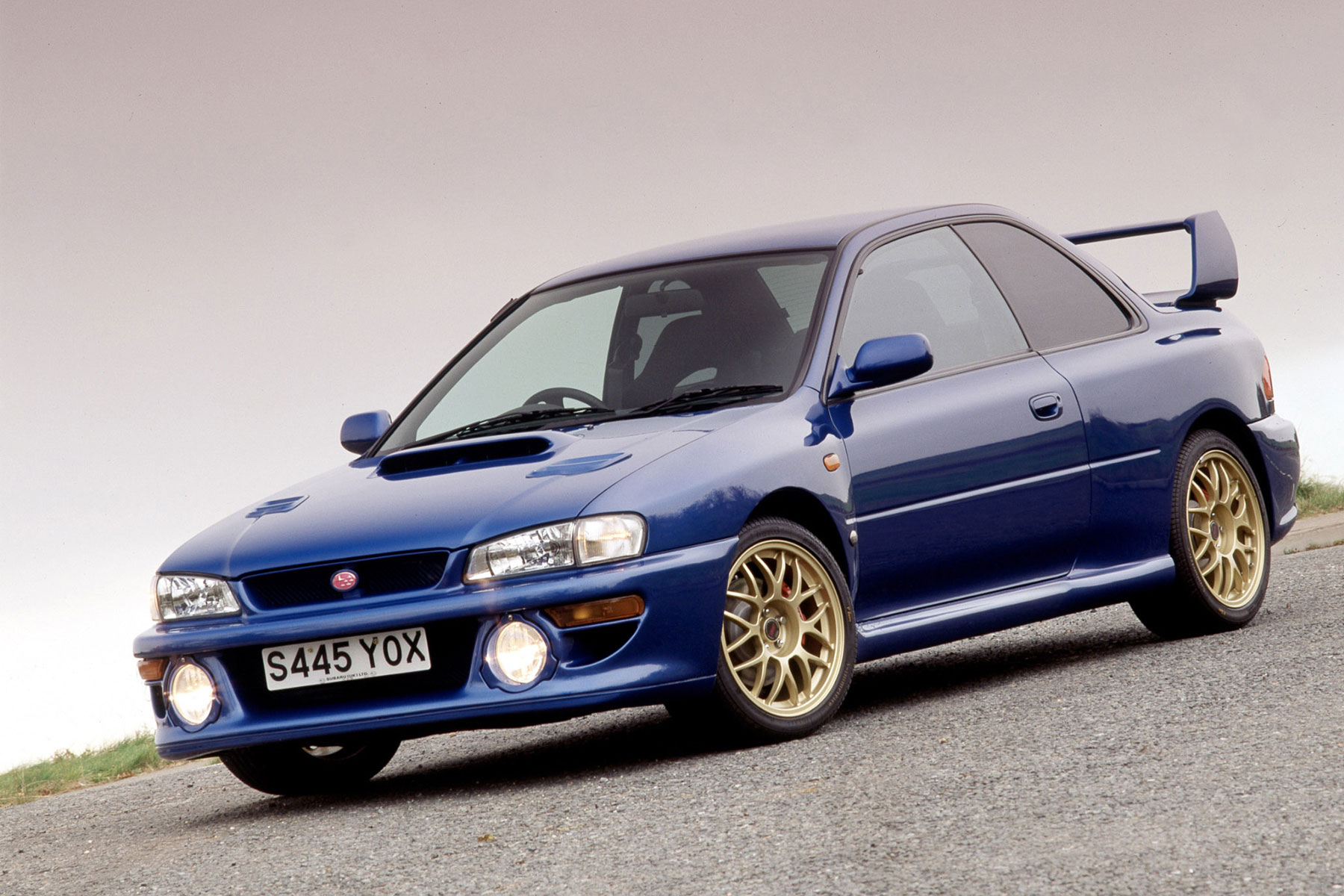
Subaru Impreza WRX STI 22B
There’s no shortage of rally-bred heroes to choose from when trawling through Subaru’s back-catalogue, but one name stands above all else: the Impreza WRX STI 22B.
It was built to celebrate Subaru’s three successive WRC Constructors’ tiles and the 40th anniversary of the company, and production was limited to just 424, the majority of which stayed in Japan.
Highlights included a wider body, gold BBS alloy wheels and a larger 2.2-litre turbocharged flat-four engine producing 280hp. Officially, the 0-60mph time was 4.5 seconds, but in reality, it was probably even quicker.
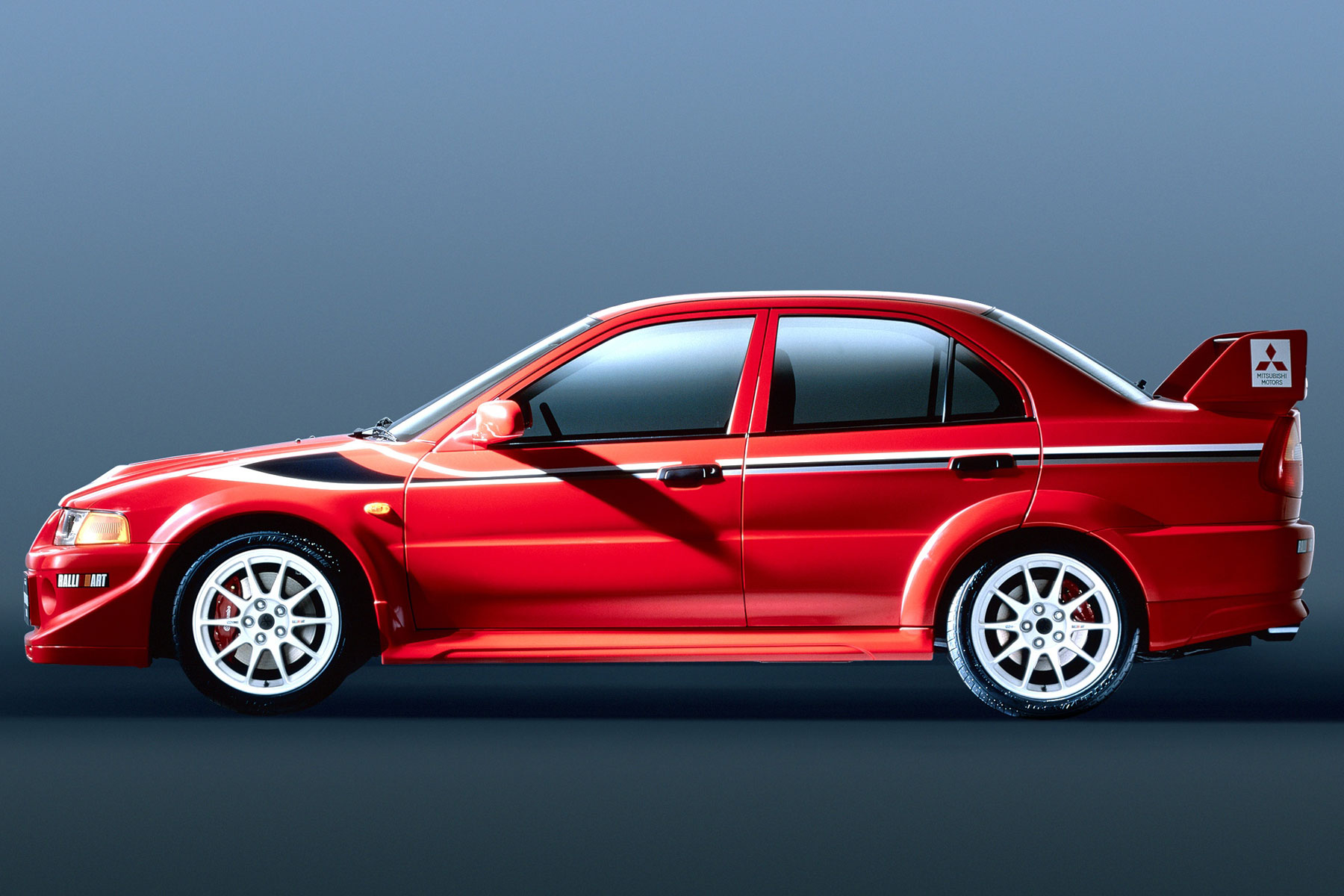
Mitsubishi Evo VI Tommi Makinen
We couldn’t include a Scooby and not a Mitsubishi Evo and, once again, we’re spoilt for choice. Like the 22B, the Mitsubishi Evo VI Tommi Makinen was conceived to celebrate rallying success, in this case, the four WRC Drivers’ titles won by the Finnish driver.
Launched in Japan, and never officially sold in the UK, the Tommi Makinen was notable for its white Enkei alloy wheels, ‘T. Makinen Edition’ Recaro seats and optional go-faster stripes. Naturally, the Makinen company car-inspired red with white stripes combo was a popular option.
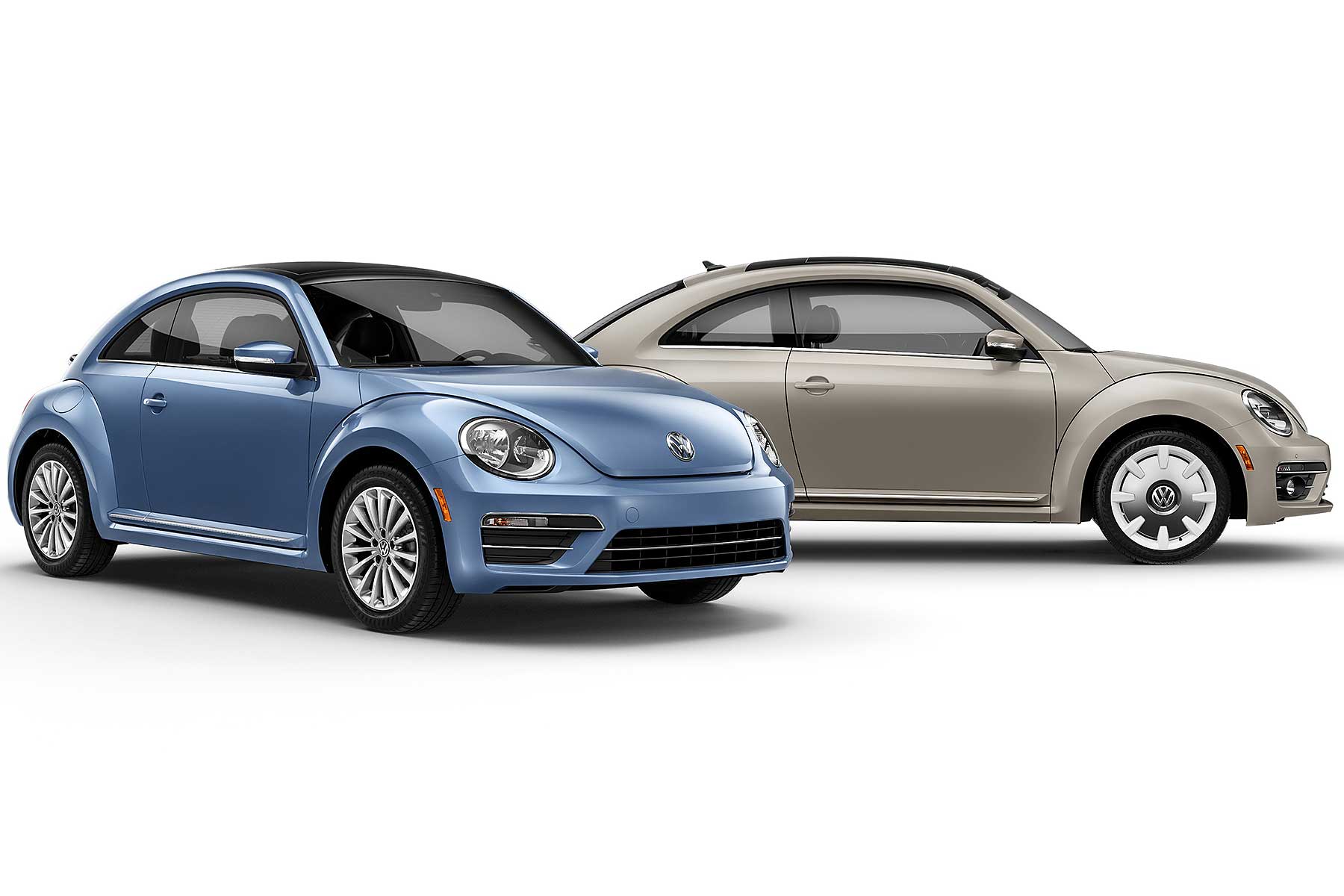
Production of the Volkswagen Beetle will end in 2019, two decades after the model was revived by the German carmaking giant. VW will send it off in America with two runout specials, the Final Edition SE and Final Edition SEL.
Volkswagen says it’s canning the Beetle to focus on electrifying its car range, broadening it into a full range of family-focused models. There’s no room for a niche retro pastiche, says its North American president and CEO, Hinrich J. Woebcken.
“But as we have seen with the I.D. Buzz – which is the modern and practical interpretation of the legendary Bus – I would also say, ‘never say never’.”
How Volkswagen Tried And Failed To Replace The Beetle
Volkswagen is also determined to give the Beetle a proper send-off this time, after letting the original wither away slowly.
“We’re excited to kick off a year of celebrating one of the true icons of the automotive world, with a series of events that will culminate in the end of production in Puebla in July 2019.”Beetle Final Editions
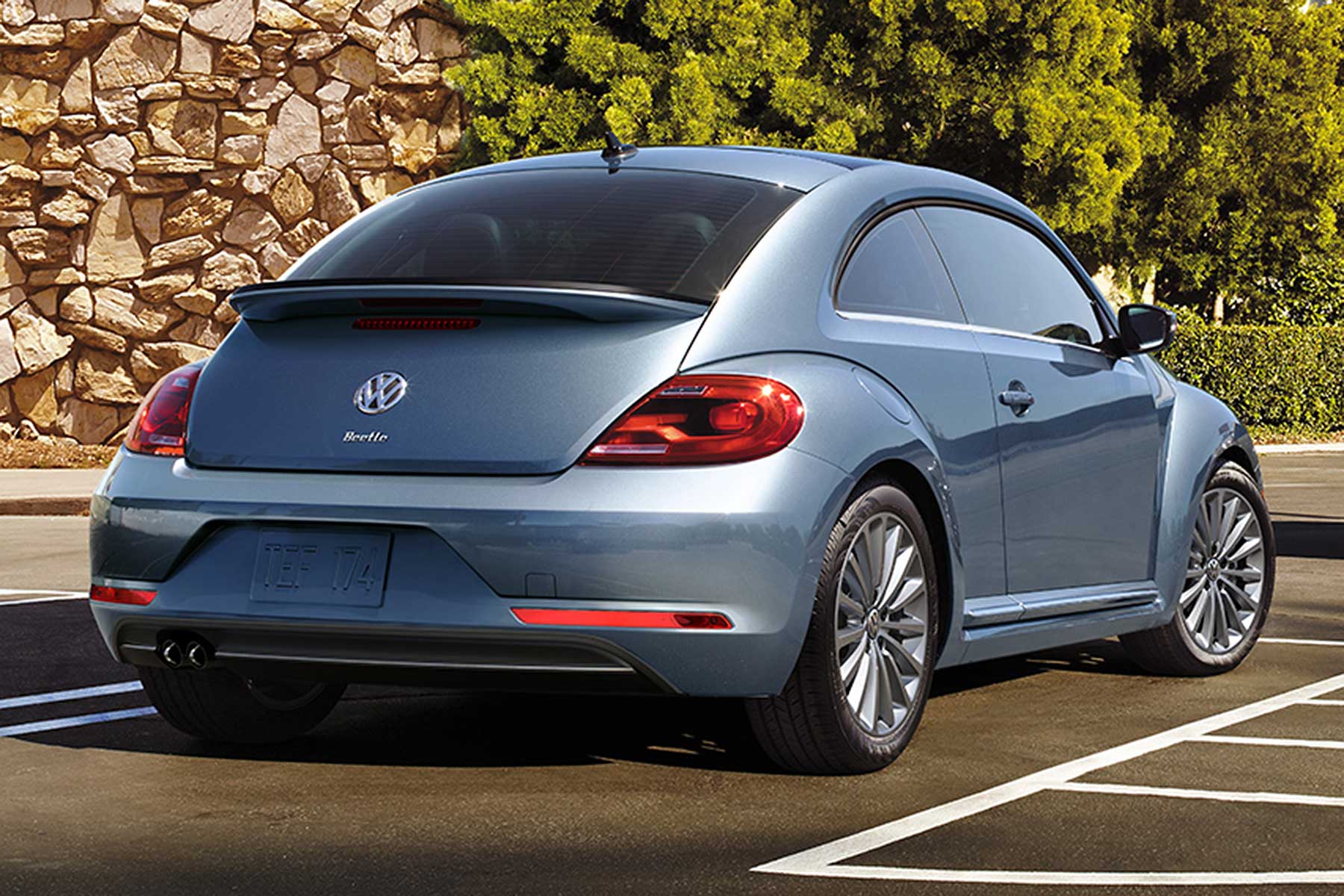
Volkswagen will paint the Final Edition Beetles in two special colours. Safari Uni is a homage to the 1998 New Beetle’s Harvest Moon Beige; Stonewashed Blue references the 1970s Jeans Bug Beetle.
For those not bothered about historical significance, they will also be offered in white, black and grey. Both models have a special ‘Beetle’ badge on the bootlid; to date, Volkswagen has preferred to fit a stylished ‘Turbo’ logo there.
The cars are well equipped, with a range of driver assist systems, climate control and unique seat trim. They also have a 174hp 2.0-litre TSI turbo engine – a petrol, of course, rather than a diesel, because we can’t mention diesegate.
Ordering for the final year Beetles is open now in the United States, with prices starting from $23,045.
So much has moved on in the world, in culture, over the past 20 years. We’ve witnessed change at a pace that makes cars seem out of touch – the proliferation of EVs and autonomous drive notwithstanding. Today, culture is seemingly all about social media, resulting in the hyper-acceleration of trends as they emerge, are digested and then abandoned. In the space of eight years, the world of fashion, for example, has exhumed, worn out and tossed aside influences from most of the latter half of the 20th century.
Where cars and culture do still to collide, however, is modification. The way we modify our cars says a lot about us as people. And people historically enjoy saying a lot about themselves.
It’s an expression of personal vision. The owner curates his or her own mood board – a four-wheeled fibreglass-clad (Max Power era) air-bagged (modern stance era) or track-prepared motoring mural. For all the changes society has gone through, a modified car remains a statement of self, whether you’re in a £500k Brabus G-Class or a Corsa with retro-fit LED bulbs and a pop-and-bang exhaust.
Social media has supercharged car culture
If anything, social media has simply provided a bigger platform to sell yourself and your vision on wheels. All kinds of subcultures have emerged in car modification as the true potential of a connected hive mind is realised. Some so-called influencers even make full-blown careers out of the image they’ve crafted for themselves.
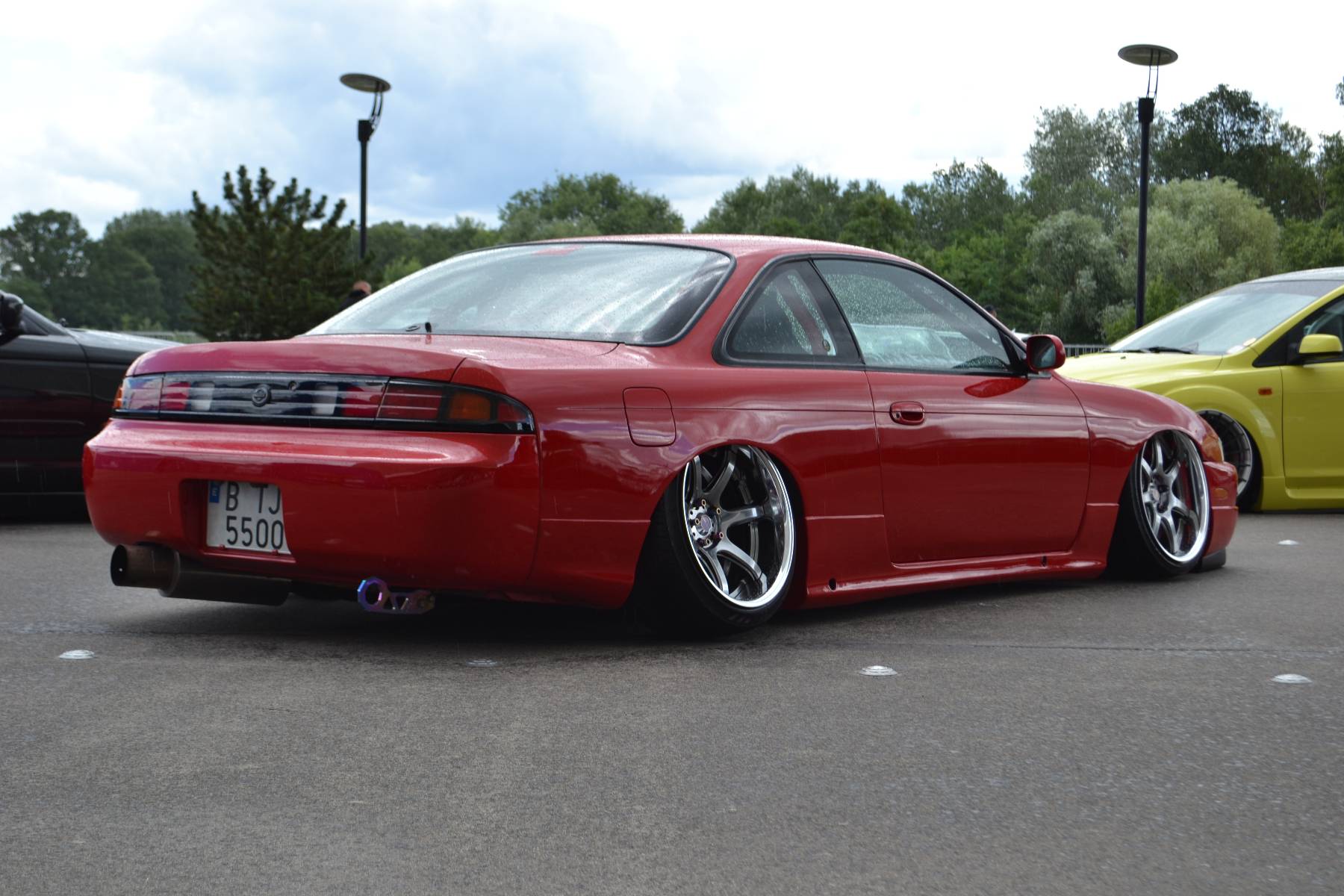
Driving enthusiasts band together via the internet to get the best they can out of their cars. The pool of knowledge at our disposal has resulted in a volume and quality of upgraded performance machines never seen before. Yes, style over substance still dominates, and ‘stanced’ Volkswagens and videos of 90s Japanese sedans going ludicrously sideways still clog our timelines, but we’re better than ever at making our own cars go fast and drive well.
Cars themselves are also more digital, of course, and more easily tuned than ever. Gone are the hardware-only days – you can get mega power from a fast Audi with little more than an engine remap. The expense hasn’t changed, mind.
Online communities dedicated to specific marques, individual models and styles of modification have blossomed – for better or worse. A detailed guide on preparing a Renaultsport Clio for track days plays how to get the most ‘lows’ and extreme camber (resulting in cracked leaking sumps and rust) on a classic Mercedes-Benz estate. The phrase ‘each to their own’ is never used more than in the comments section on a car forum these days. That’s a good thing.
Modded from factory
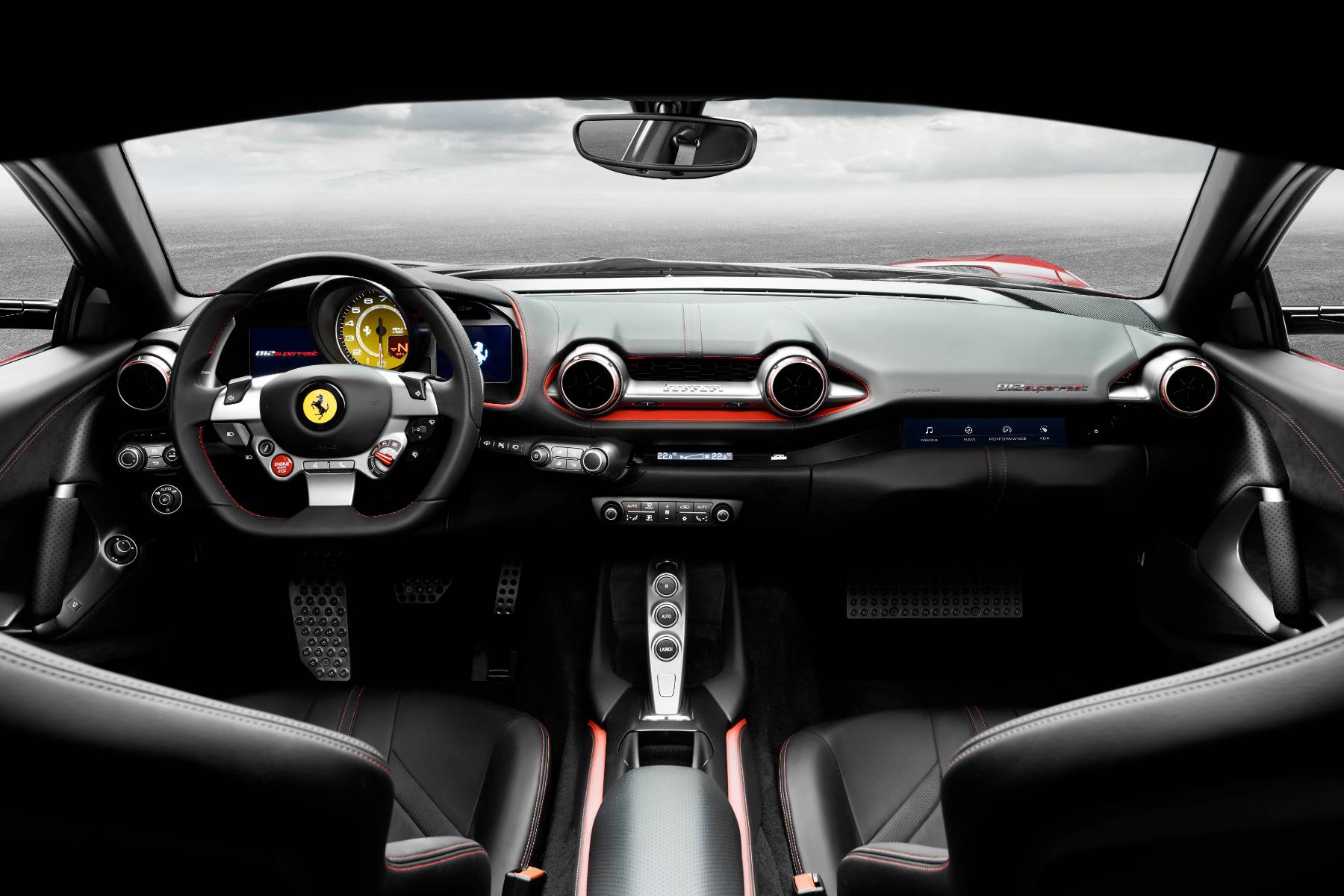
It’s got to the point where buying a new car has become an exercise in modification all its own. It doesn’t matter whether you’re speccing up your new Fiat 500 or Ferrari 812 Superfast. The options lists of both offer customisation you simply wouldn’t have seen 20 years ago. Whether that means stick-on stripes for the 500, or carbon trimmings on the Ferrari worth more than the Fiat itself. The more expensive the car, generally, the more extensive the customisation on offer.
Companies that began by modifying certain types of car have entered the mainstream. AMG was originally a separate entity to Mercedes-Benz but is now a fully integrated sub-brand. Alpina supplied engine hardware for BMWs, now its cars are warrantied. The same applies to Ford and Mountune; previously the preserve of ST owners with a hunger for more poke. Now you can drive out of a Ford dealer with that distinctive yellow badge and a few more warrantied ponies for your money.
Never mind societal change. Never mind our new-found obsession with ‘likes’ and compulsion to post pictures of our lunches. Car culture and modding has flourished in the social media age. Worry about whether our kids will have to plug in their first cars all you want; they’ll still wonder if they can fit a bigger electric motor, better speakers, maybe drop the suspension. Cars will continue to define us, and our culture.
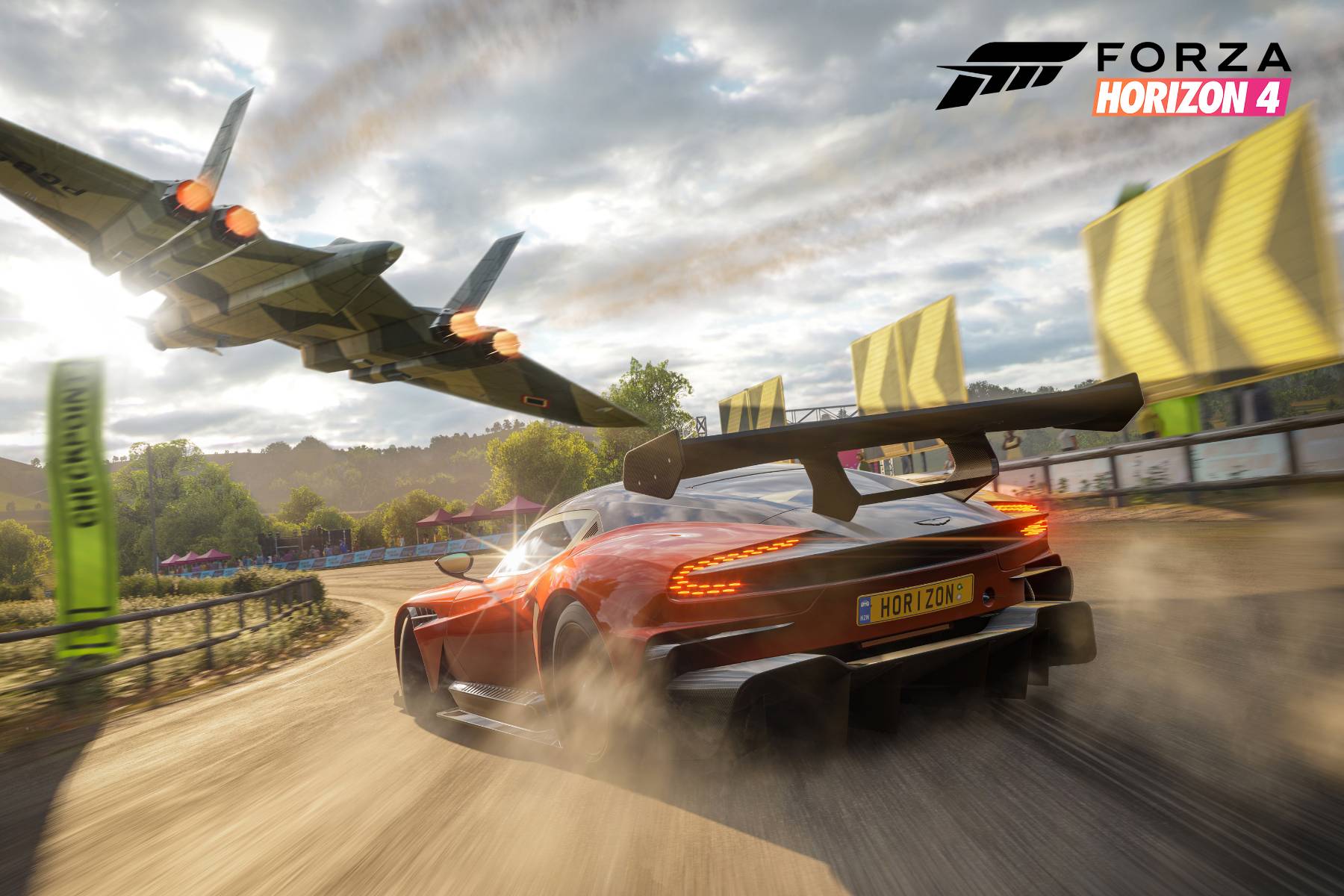
It’s less than a month now before Turn 10 and Playground Games unleash the fourth instalment of their Microsoft Xbox arcade sandbox all-seasons epic, Forza Horizon 4. As if setting the video game in Britain wasn’t enough, Bond cars have been announced as a day one add-on.
The Best of Bond Car Pack is to feature 10 of the coolest famous bond film vehicles. Everything from the modern Aston Martin DB10, DBS and Jaguar C-X75, to the original Aston DB5 features.
That’s via the Lotus Esprit S1, AMC Hornet, Citroen 2CV6 and more along the way. Even the 1999 BMW Z8 from The World is Not Enough features, though no word on whether it will come ready-cut in half…
Pleasingly, many of the cars will feature the gadgets they had, though only viewable in the Forzavista. The DB5 with its revolving number plates and extendable bumper rams features. No word yet on the machine guns.
Also fully kitted-out is the Esprit S1, with the epic “Wet Nellie” submarine version available as a special body kit.
The only disappointing omission is the Aston Martin Vanquish from Die Another Day. Definitely one of the coolest Bond cars given to us by one of the worst Bond films. Those studded ice tyres would’ve come in handy during the winter months on the game.
This quintessentially British addition should lend the extreme miniaturisation of the UK that Forza Horizon 4 will bring a bit more replay value. We can’t help but think a burnt-out Corsa at the side of every road might be a more authentic addition to the game than these movie star cars, but ho-hum…
The official demo for the Forza Horizon 4 came out yesterday (September 12) and the full game releases on October 2, with Ultimate Edition players able to play on September 28.
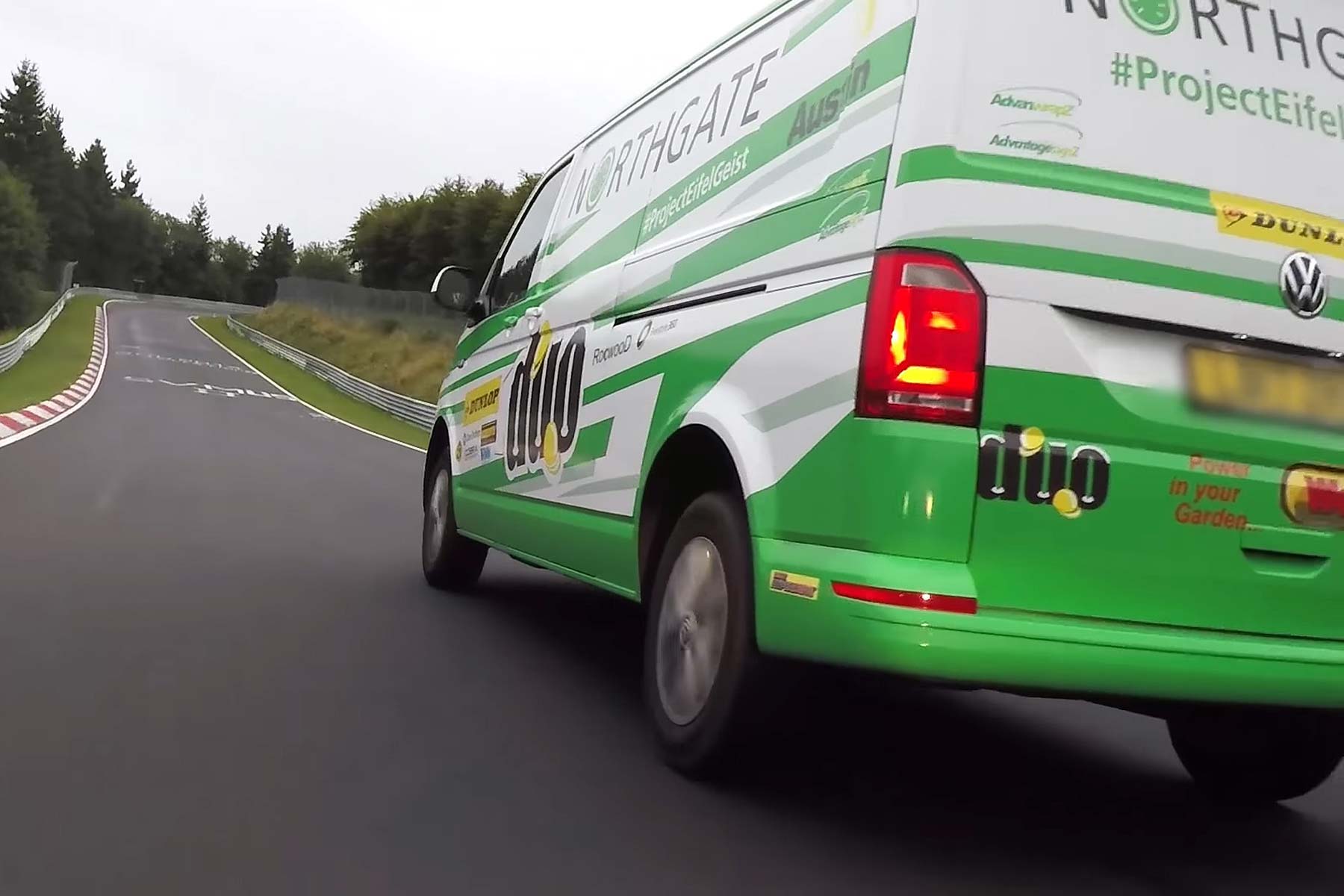
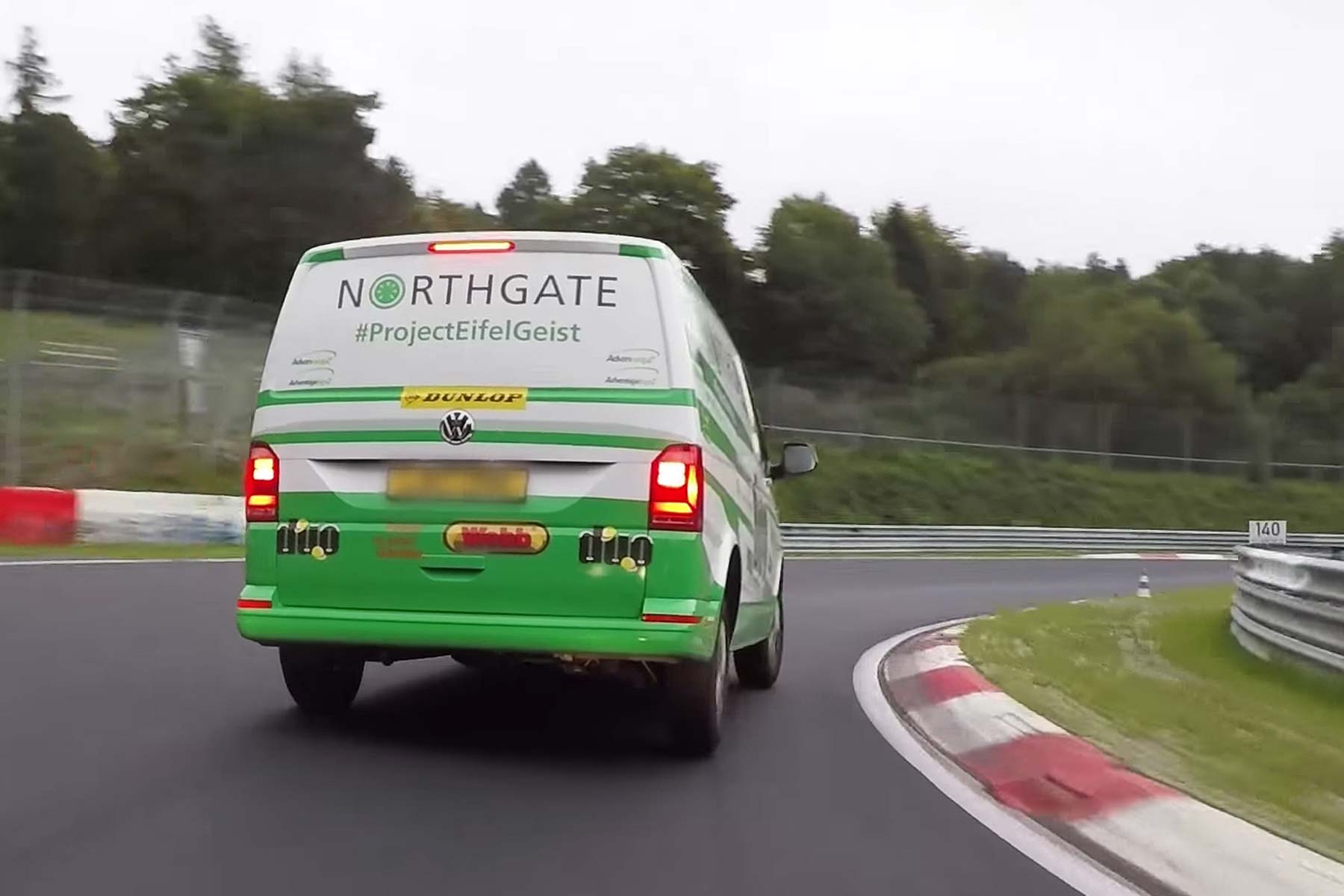
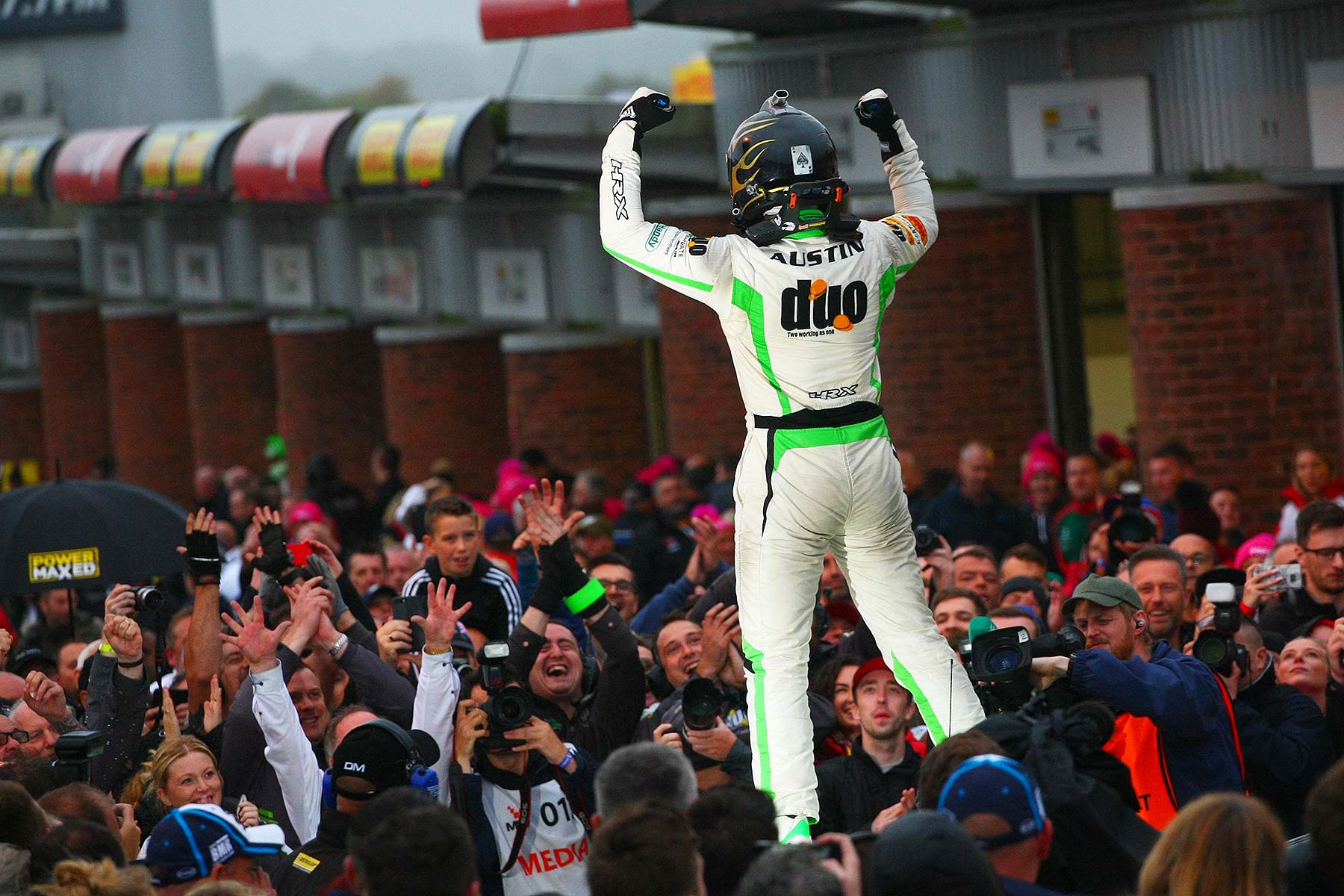
BTCC racer Rob Austin has driven a Volkswagen Transporter around the Nurburgring in 9 minutes 58 seconds – becoming the first person to ever lap the green hell in a van in under 10 minutes.
And it was in a rented van.
Provided by Northgate Vehicle Hire, the rental Transporter was a mid-range 2.0-litre TDI 150, and entirely standard production-spec. Watch the record run below.
Presumably, it’s already returned to the hire compound and will be available to rent by people unaware of its small place in Nurburgring history.
Austin spent two days at the circuit testing and attempting to crack the 10-minute mark. The final time was 10 seconds faster than racer and Top Gear presenter Sabine Schmitz’ 2005 time.
Northgate is Austin’s HMS Racing team sponsor in the BTCC, and pulled together the record attempt. “This feat by a professional racing driver was an unusual way to showcase the quality and durability of one of our most popular vans, the Volkswagen Transporter,” said a spokesperson.
Kate Wright, Volkswagen CV national rental manager, agreed this accolade “is perhaps one of the most unusual.
“We’re really excited to be part of this record attempt, which shows just what our vans can do.
“Most customers choose them because they’re reliable, cost-effective and offer some of the best technologies available – but maybe this is another good reason to choose one…”
The latest new series of Fifth Gear has returned to our screens on Quest. Aired on Thursdays at 9pm, the new series started on 6th September and will run throughout the autumn.
Presenter Tiff Needell revealed the welcome news back in the summer, two years after the former F1 racing driver suggested that the show was over for good.
First broadcast on Channel 5 in 2002, Fifth Gear rose from the ashes of Top Gear, which had been cancelled a year earlier. Several ex-Top Gear presenters have appeared on the show, including Tiff, Quentin Willson and Vicki Butler-Henderson. Other popular hosts include Jonny Smith and Jason Plato.
Most recently, Fifth Gear was broadcast on ITV4, but the show has also appeared on Discovery and History. Tiff put the show’s cancellation down to a lack of funding, ending a tweet with the hashtag #money.
But now it’s back – and Vicky Butler-Henderson has since confirmed that the full team is back together: herself, Tiff, Jason and Jonny.
While Fifth Gear has always lived in the shadow of its more famous rival, the show’s down-to-earth and relaxed style made it a huge hit with car fans. On its return, it will face a battle for ratings, with big-budget competition from Top Gear and The Grand Tour, along with a host of cable and YouTube channels.
The high-profile status of the four presenters will help, though. Only this week, Jonny tweeted: “In the last two weeks the offers of TV work seem to have gone crackers”. Meanwhile, ‘VBH’ is part of the AutoTrader REV team, hosting car reviews alongside Erin Baker and Rachael Hogg.
Responding to a tweet, Tiff hinted that Jason Plato will be part of the team, saying: “We were both smoking tyres yesterday…”
In the last 2 weeks suddenly the offers of TV work seem to have gone crackers. I’ve been in the business long enough to know they rarely all come to fruition, but nevertheless it bodes well for an exciting remainder of 2018.
Tiff Needell’s broadcasting career began at ATV Midlands before he joined Murray Walker for live coverage of Silverstone’s Formula Two race on BBC Grandstand in 1981. He became a regular co-commentator with Walker throughout the 80s, before joining Top Gear in 1987.
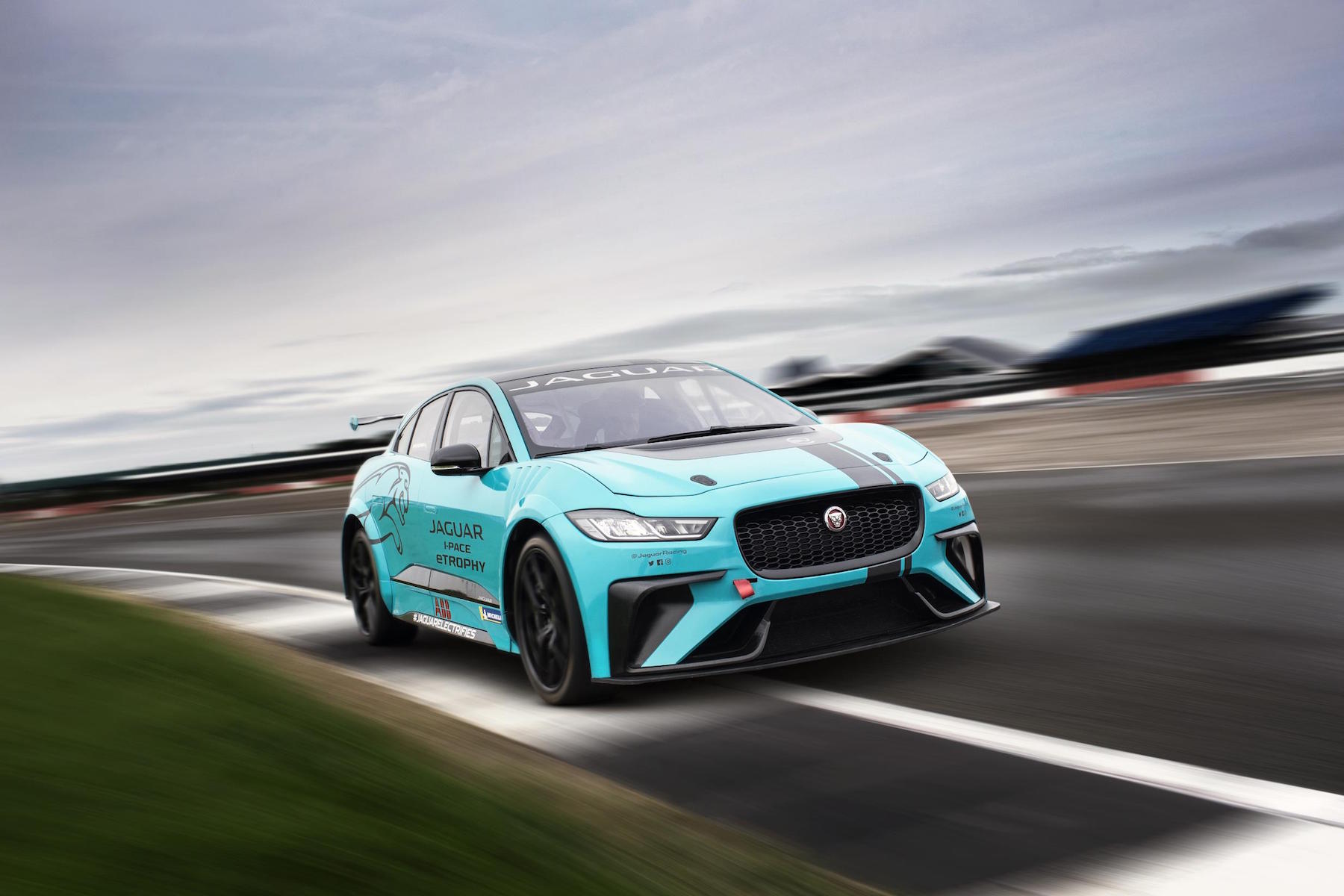
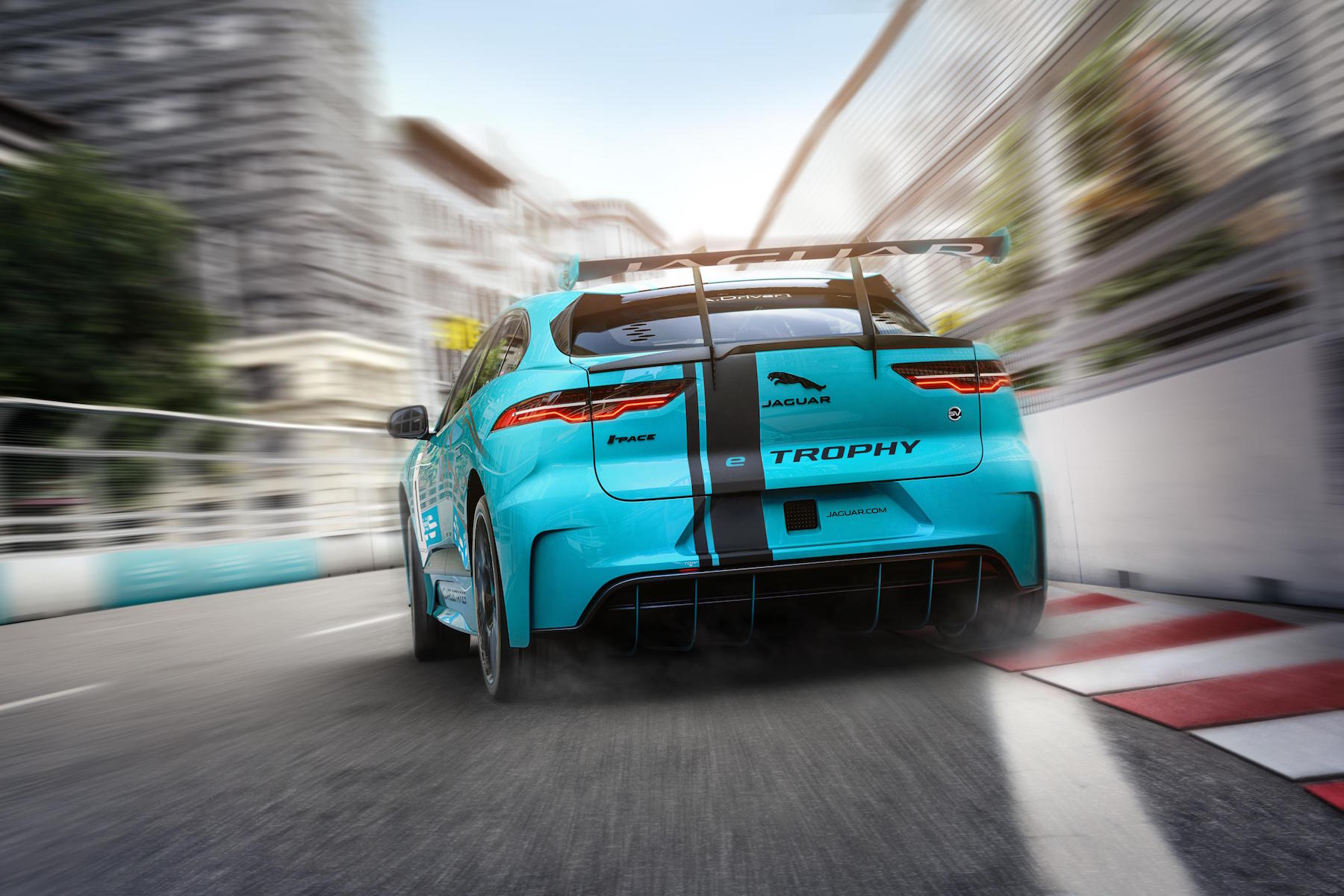
Details for the inaugural Jaguar I-Pace eTrophy have been announced, with 10 races set to take place in nine different cities.
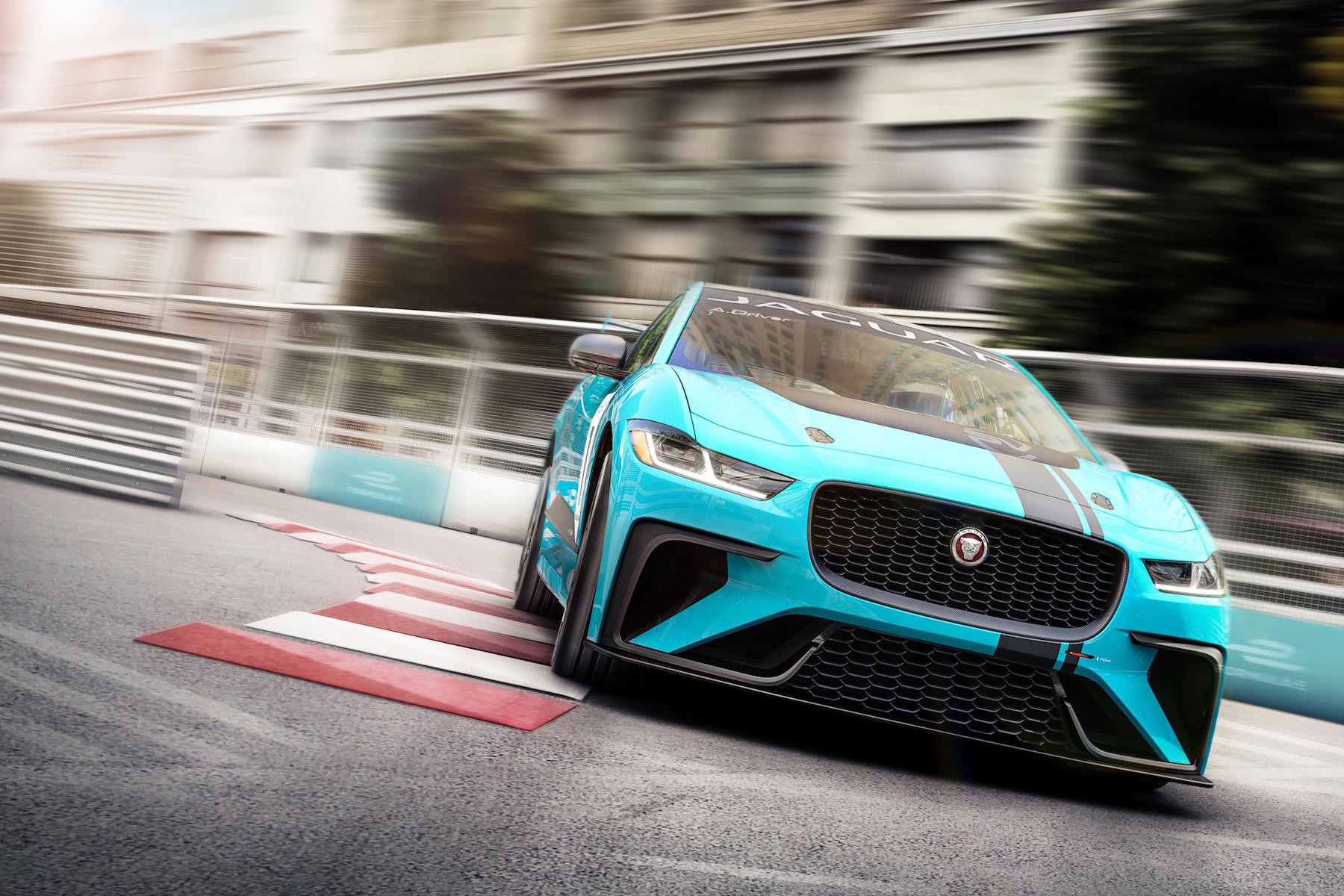
Created as an official support race for the FIA Formula E Championship, the eTrophy will pit a grid of up to 20 identical production-based Jaguar I-Pace EV racers against each other.
The first round will get underway on the 15th December, with competitors taking to a street circuit in the Saudi Arabian city of Ad Diriyah. Further rounds will take in Europe, Asia, and the Americas, before a season finale in New York City.
Races in the I-Pace eTrophy will last for 25 minutes, plus one lap, giving drivers and fans plenty of time for action on track. Taking place before the Formula E main event, the eTrophy is intended to highlight emerging young talent, and show that electric cars are anything but boring.
Each round of the calendar will also see a VIP driver added to the grid. Jaguar hopes to attract famous faces from the world of motorsport, and further afield, to enter the fray.
The eTrophy has the makings of a potentially dramatic race series. With 20 equal cars on narrow street circuits, the competition should be close. Hopefully Jaguar has produced plenty of spare body panels in anticipation. A prize fund exceeding £500,000 ($650,000) for the season should offer additional motivation.
Entrants will receive their specially prepared I-Pace race car later this month, with a special test day at the Silverstone race circuit. After that, the drivers will have several weeks to prepare themselves for the opening round of the championship.
 To highlight the range of the new Jaguar I-Pace electric SUV, a crew has driven it non-stop from London to Paris – and it was literally a non-stop run, because Jaguar even drove it through the Channel Tunnel.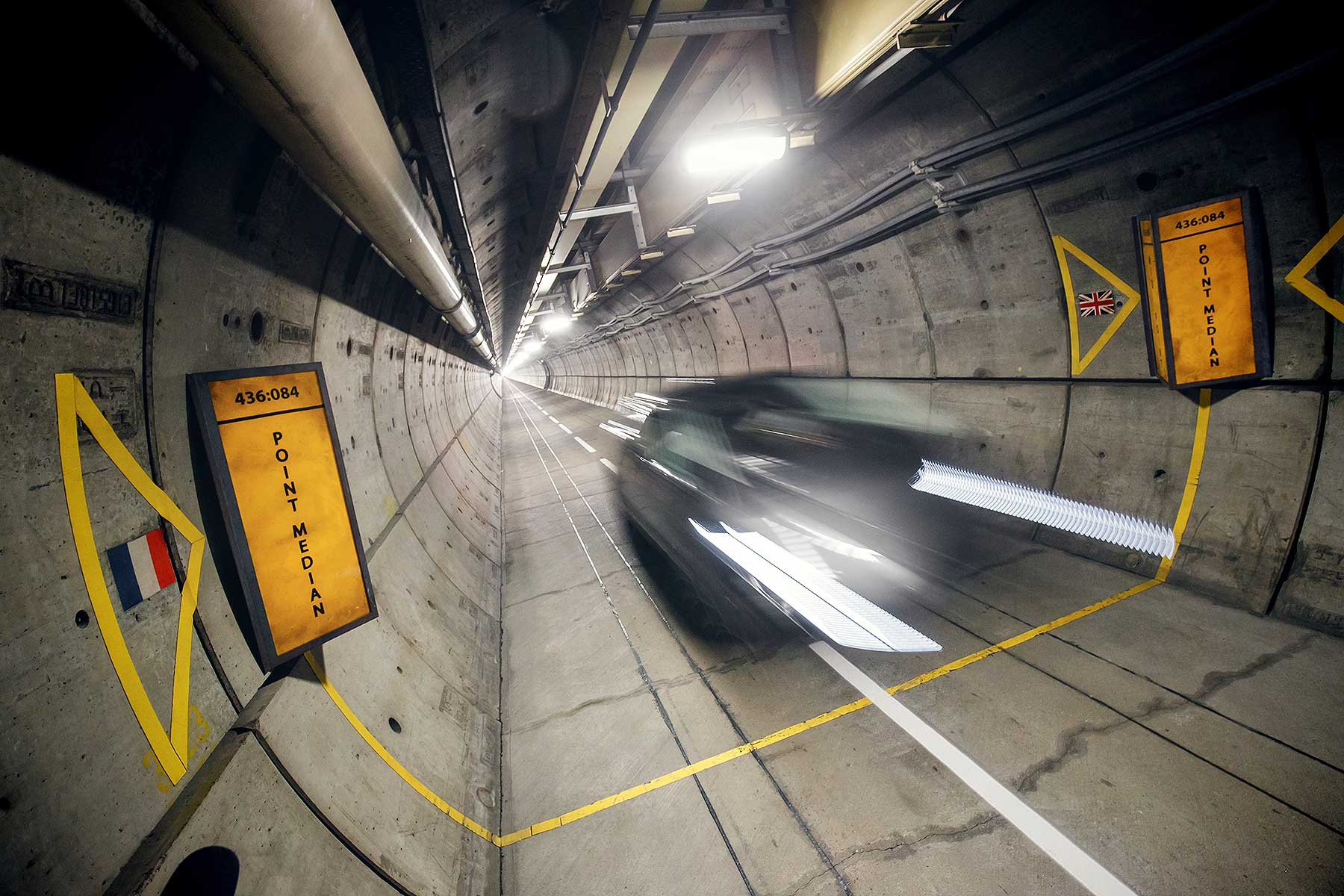
 20-year-old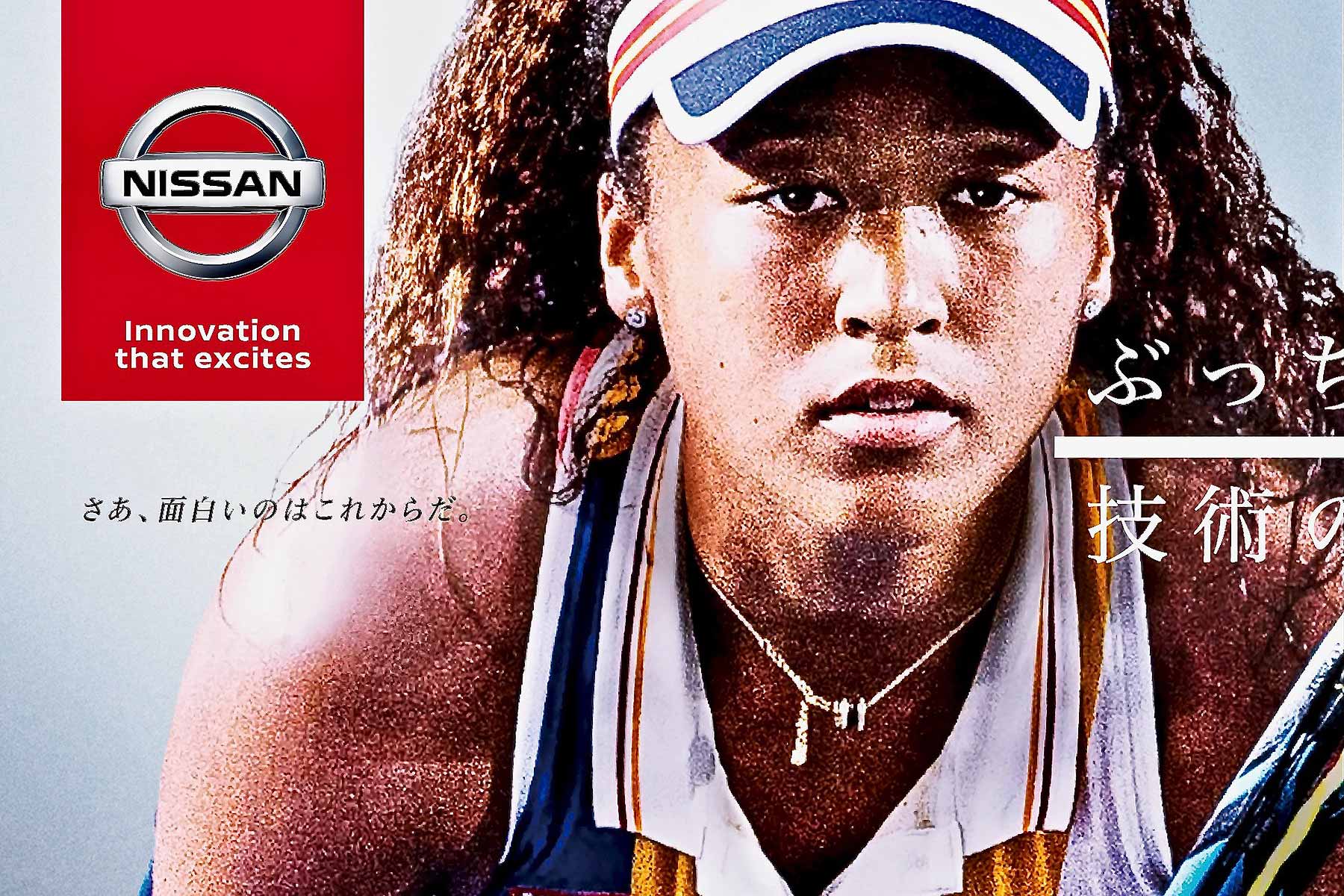

 You can thank Audi for the birth of the Peugeot 205 Turbo 16 (or T16). Peugeot-Talbot was planning a mid-engined/rear-wheel-drive version of the Chrysler Horizon, but the Audi Quattro showed that four-wheel-drive was the future of rallying.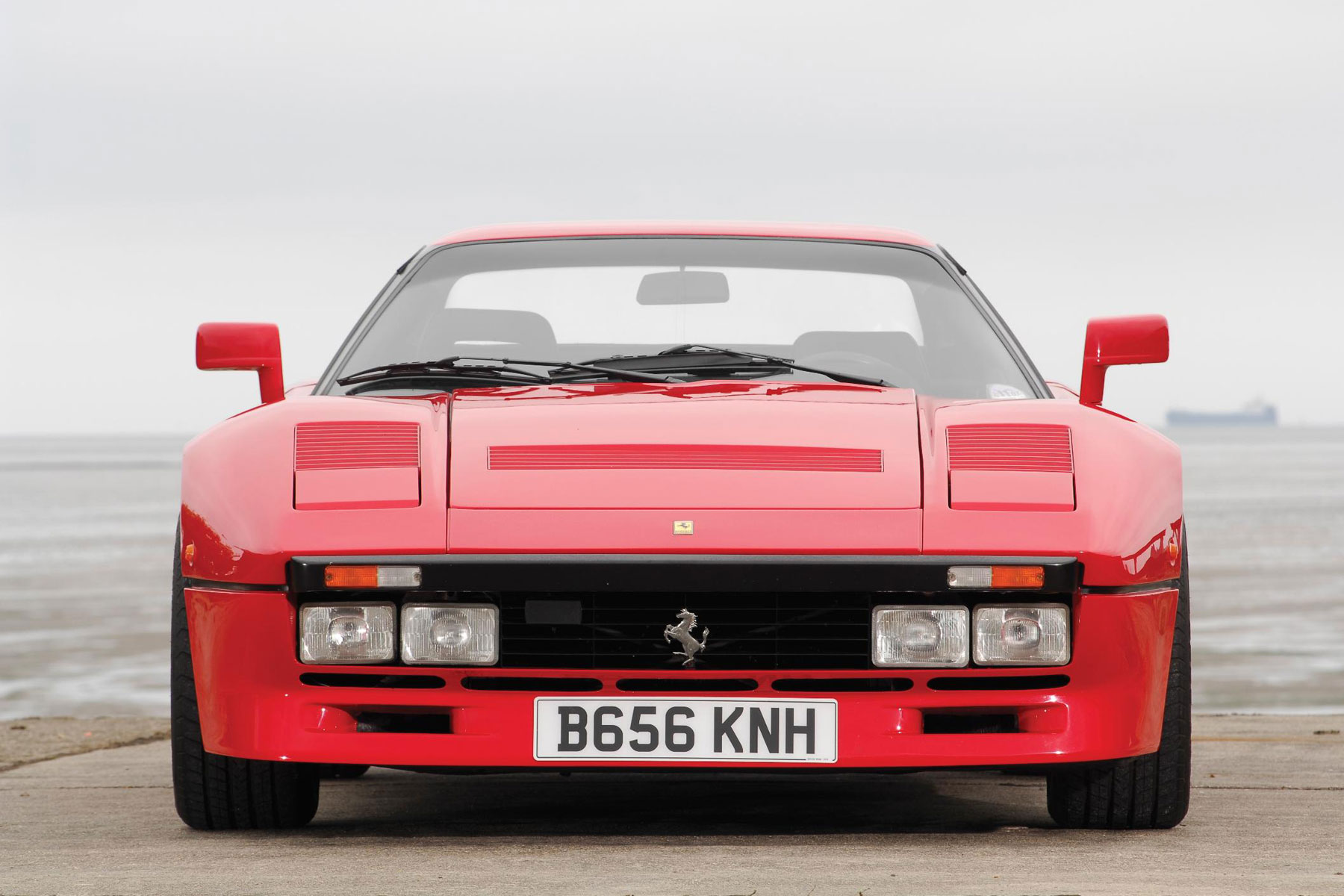
 Production of the Volkswagen Beetle will end in 2019, two decades after the model was revived by the German carmaking giant. VW will send it off in America with two runout specials, the Final Edition SE and Final Edition SEL.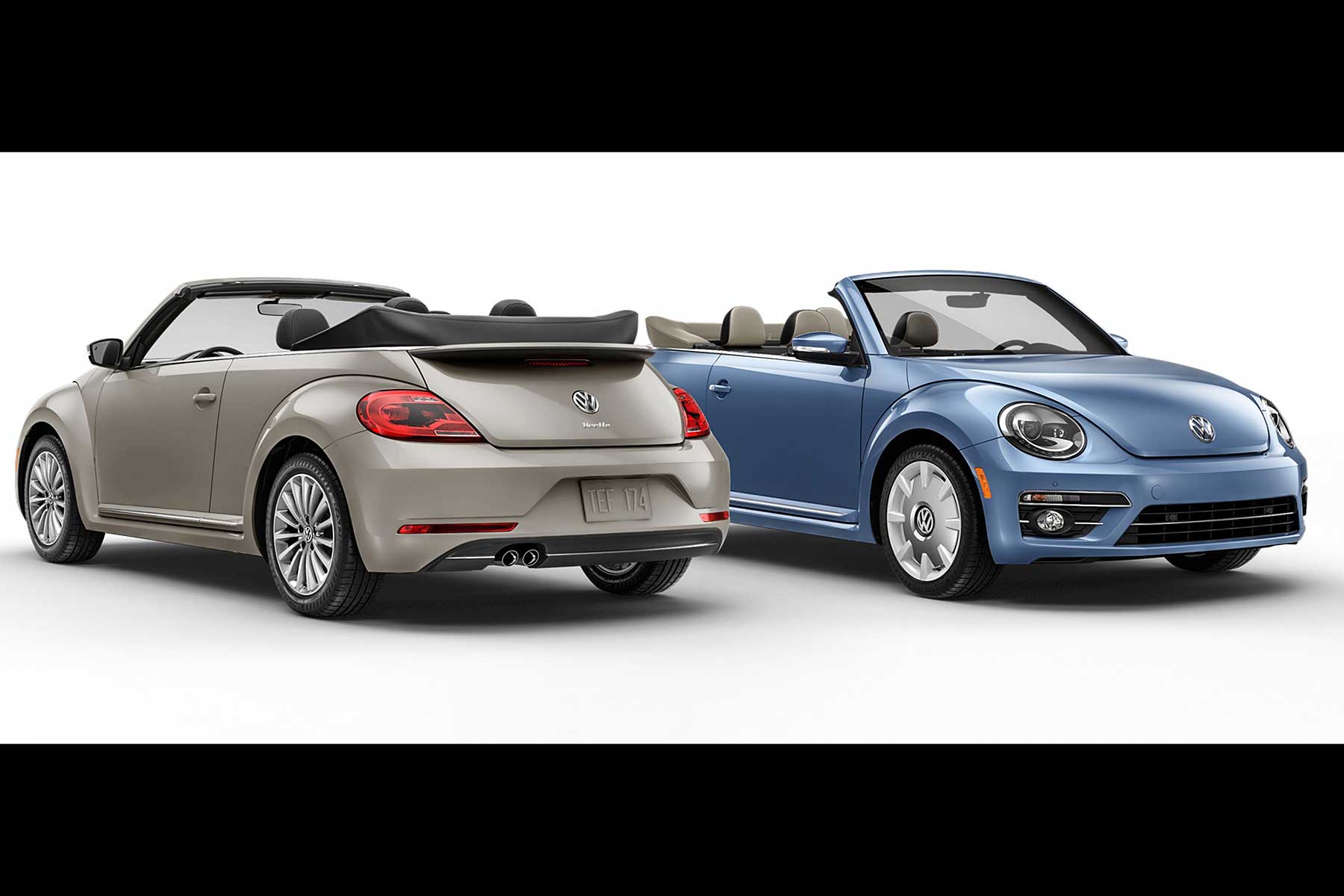
 BTCC racer