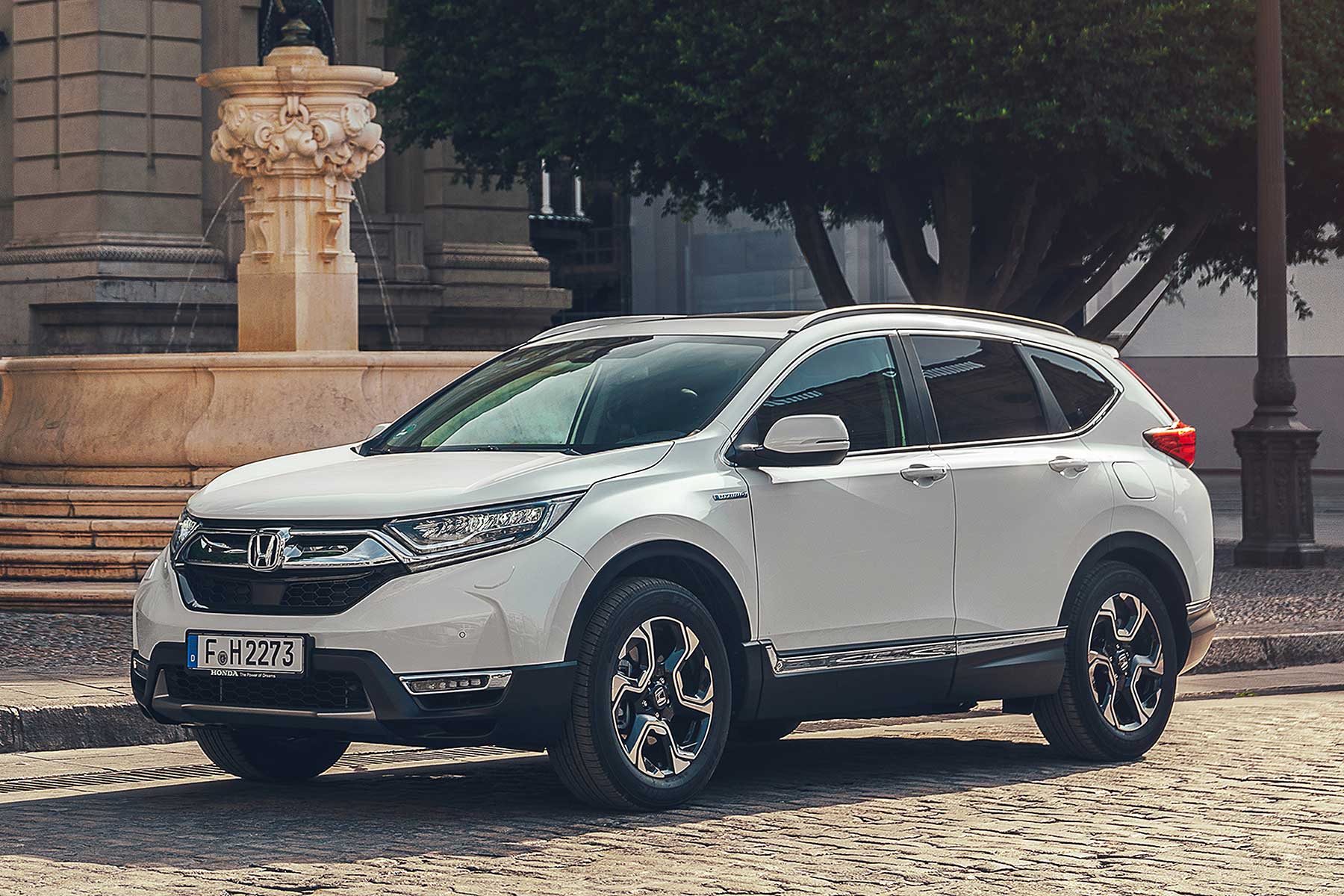
Honda has confirmed fuel economy for its forthcoming 2019 CR-V Hybrid – and it’s good news, for this is a petrol SUV that does a fair impression of a diesel in the efficiency stakes.
Combined fuel economy under the revised, tougher WLTP-related NEDC test is 53.3mpg, equalling CO2 emissions of 120g/km.
That’s for the front-wheel drive model. Choose all-wheel drive and the figures are still decent, with economy of 51.4mpg and CO2 emissions of 126g/km. Not bad for a family-friendly mid-size SUV.
It’s Honda’s clever i-MMD hybrid tech that’s to thank for this. It enables the 184hp 2.0-litre petrol engine to constantly switch between electric (it has two electric motors), hybrid and engine drive, maximising economy and minimising emissions.
The new CR-V Hybrid will make its production-spec debut at the Paris Motor Show 2018 next week, alongside a revised version of its smaller SUV sibling, the HR-V.
Honda’s given the junior crossover a bolder grille with more chrome, revised headlights and LED running lights. It launches with a 1.5-litre i-VTEC engine, with a turbocharged version of this petrol motor following in 2019, alongside a 1.6-litre i-DTEC diesel.
Honda’s also showing a Civic Type R wearing a full ‘ArtCar Manga’ wrap, and the surprisingly successful Honda-powered Scuderia Toro Rosso STR13 Formula 1 car will be shown – as will the NSX GT3 that Jenson Button is racing this year.
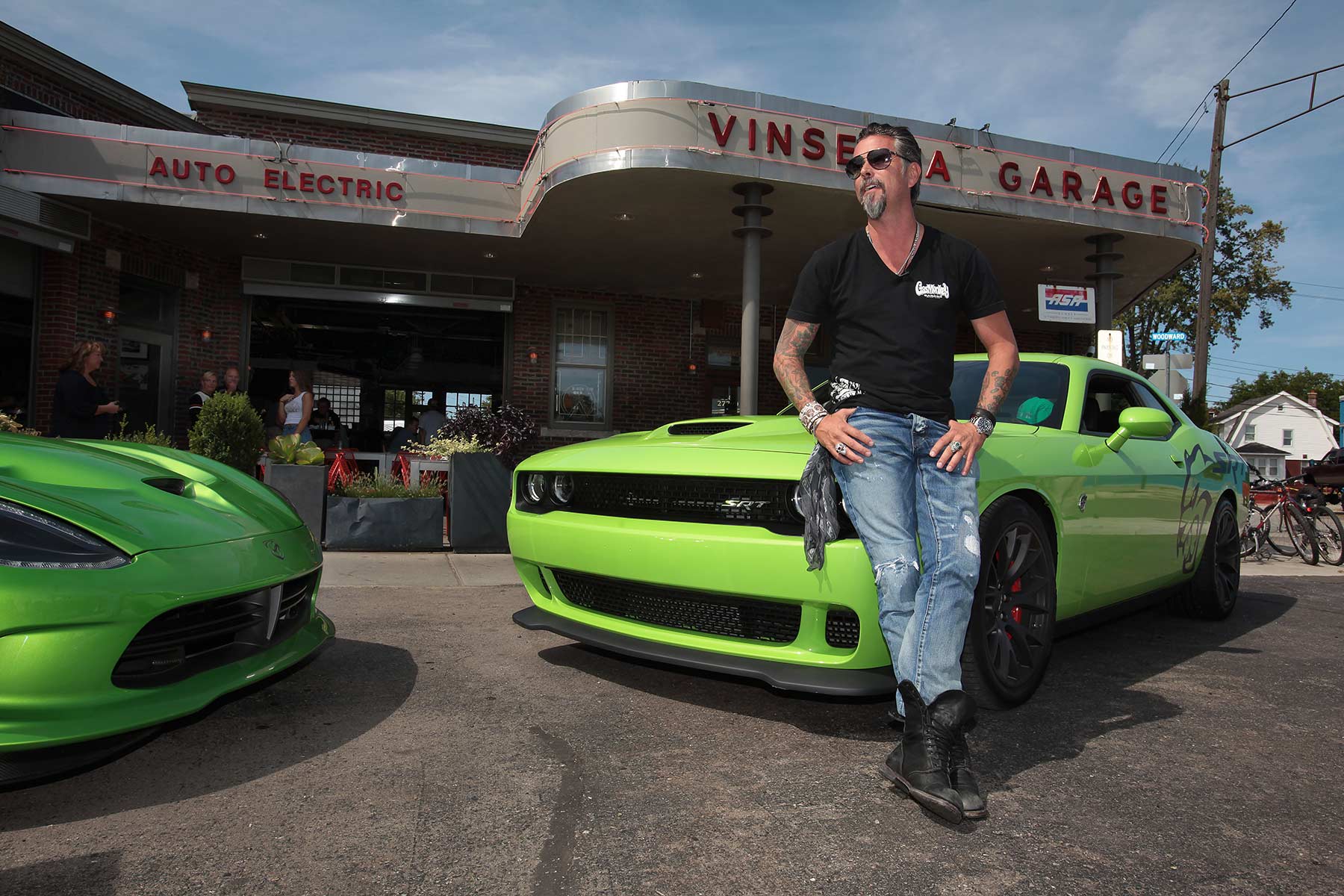
Richard Rawlings, owner of Gas Monkey Garage and larger-than-life star of TV’s Fast N’ Loud has suffered the theft of one of his prize muscle cars.
Rawlings announced on social media that the Dodge Challenger Hellcat had been stolen overnight, with a reward offered for information to help recover it.
Painted black, with black wheels and black interior, this particular Hellcat belongs to Rawlings’ wife, Sue. A priceless photo featuring Sue Rawlings and her son was left inside the car, making the need to recover the Hellcat even more pertinent.
Attention Gas Monkey fans! My black hellcat, license plate FCH-1300 was stolen last night! I need your help to find it. It happened approximately at 2:30am in Dallas and it has a family photo in it that is near and dear to me. Reward for anyone who helps me find it pic.twitter.com/0HCxGRQmBd
The 707-horsepower Hellcat, powered by a supercharged Hemi V8 engine, has made numerous appearances in the Discovery Channel show across its 14 seasons. Most typically, the Hellcat has been seen with smoke pouring from the rear wheels as Rawlings completes yet another burnout.
First launched in 2015, the Challenger Hellcat has gained a cult following with muscle car fans, thanks to the combination of retro-inspired styling and supercar rivalling performance.
The success of both Gas Monkey Garage and the Fast N’ Loud TV series has seen Rawlings amass a wide a varied car collection. Ranging from Ferraris and Lamborghinis, to a replica of the Ford Shelby GT500 used in the Thomas Crown Affair movie, his collection is certainly diverse.
Since 2014, Rawlings has appeared in adverts promoting Dodge products, along with representing the brand at events such as Roadkill Nights and Woodward Avenue.
Anyone with information on the stolen Challenger is asked to contact the Dallas Police Department.
Learner drivers have revealed what they really want to be taught and tested on – and the most common desire is to experience everyday, real-life scenarios.
According to car insurer Marmalade, learner drivers aged between 17-24 indicated they want guidance and tuition on the following experiences:
Night driving: 58 percent
Rush-hour driving: 48 percent
Roadside wheel changes: 37 percent
What’s more, parents (for once) actually agree on what a learner needs to experience. Night driving (74 percent), rush-hour driving (66 percent) and roadside wheel changes (45 percent) also topped their list of important scenarios to be schooled in.
“We take it very seriously that new drivers are more likely to be involved in an accident,” said Crispin Moger, CEO at Marmalade.
“However, most bumps are not down to reckless behaviour, they’re caused by inexperience. Rather than apply restrictions, let’s encourage the Government to broaden their knowledge with skilled professionals, in a safe environment.”
It seems both learner drivers and their parents agree: don’t overcomplicate things, simply make sure new drivers are taught the basics, and overall driving standards may rise accordingly.
Drifting, love it or hate it, is a finely honed and balletic skill. It’s an impressive demonstration of car control wherever you see it.
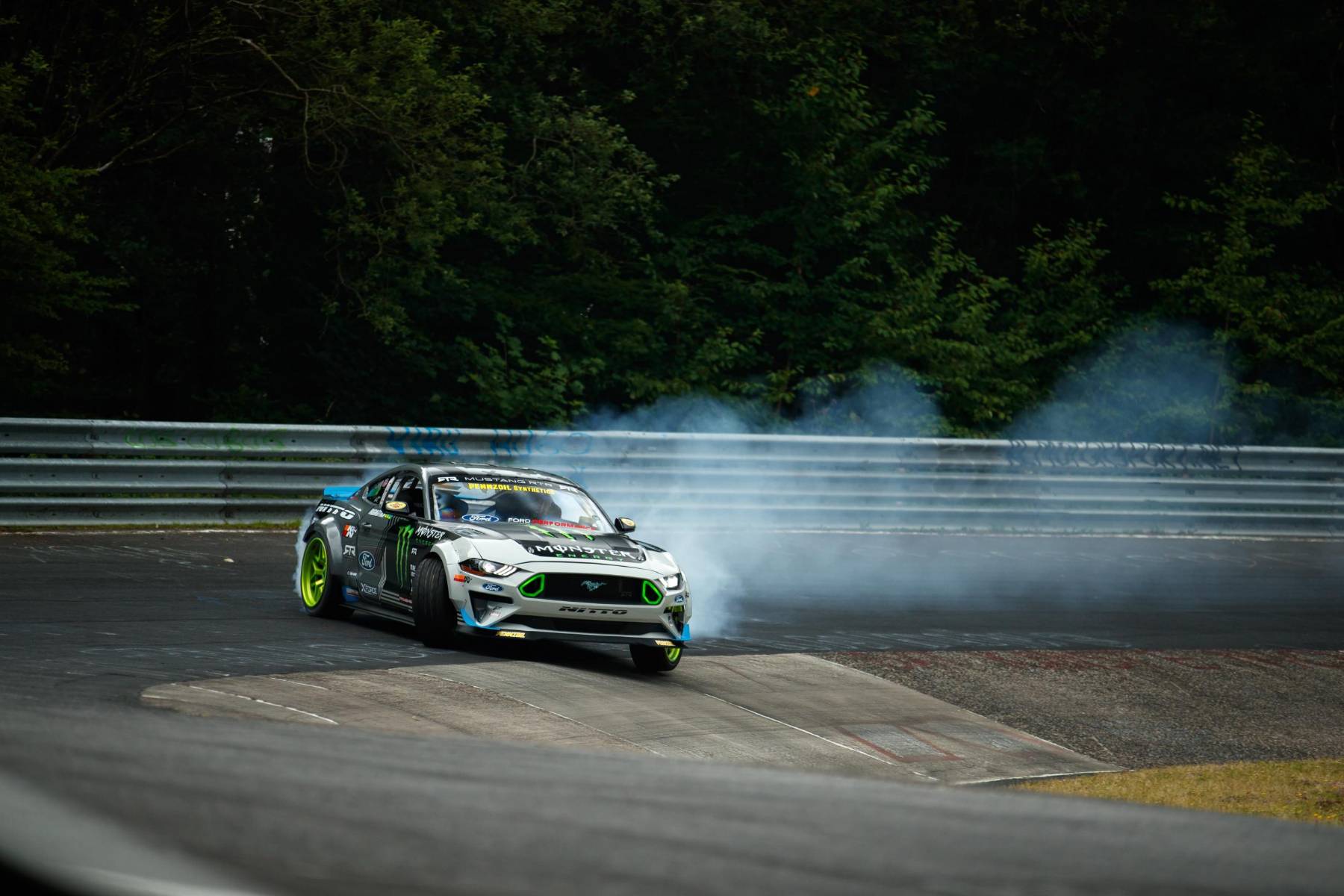
And this is a drift well worth seeing: Vaughn Gittin Jr and Ford have just set the benchmark for the ultimate drift challenge – all 13 miles of the famous Nürburgring, smoking and sideways in his Mustang.
It’s the sort of thing a group of young lads would speculate about on the playground. “Reckon you could drift the whole Nürburgring?” one would speculate. “No way!” the others would respond.
It’s that unbelievable, but Vaughn Gittin has taken his 900hp supercharged RTR Mustang for the hairiest lap of the Green Hell ever.
Lairy enough that the lap had to be split into sections. Why? One set of tyres was never going to last a whole sideways lap of the ‘Ring. In the end, a full three sets were sacrificed.
“Drifting the Nürburgring represents the ultimate challenge to me,” said Gittin Jr.
“It is something that many question whether it would be possible and whether the car and driver could do it and come out in one piece.
“Something inside of me had to take this on to find out.” And how…
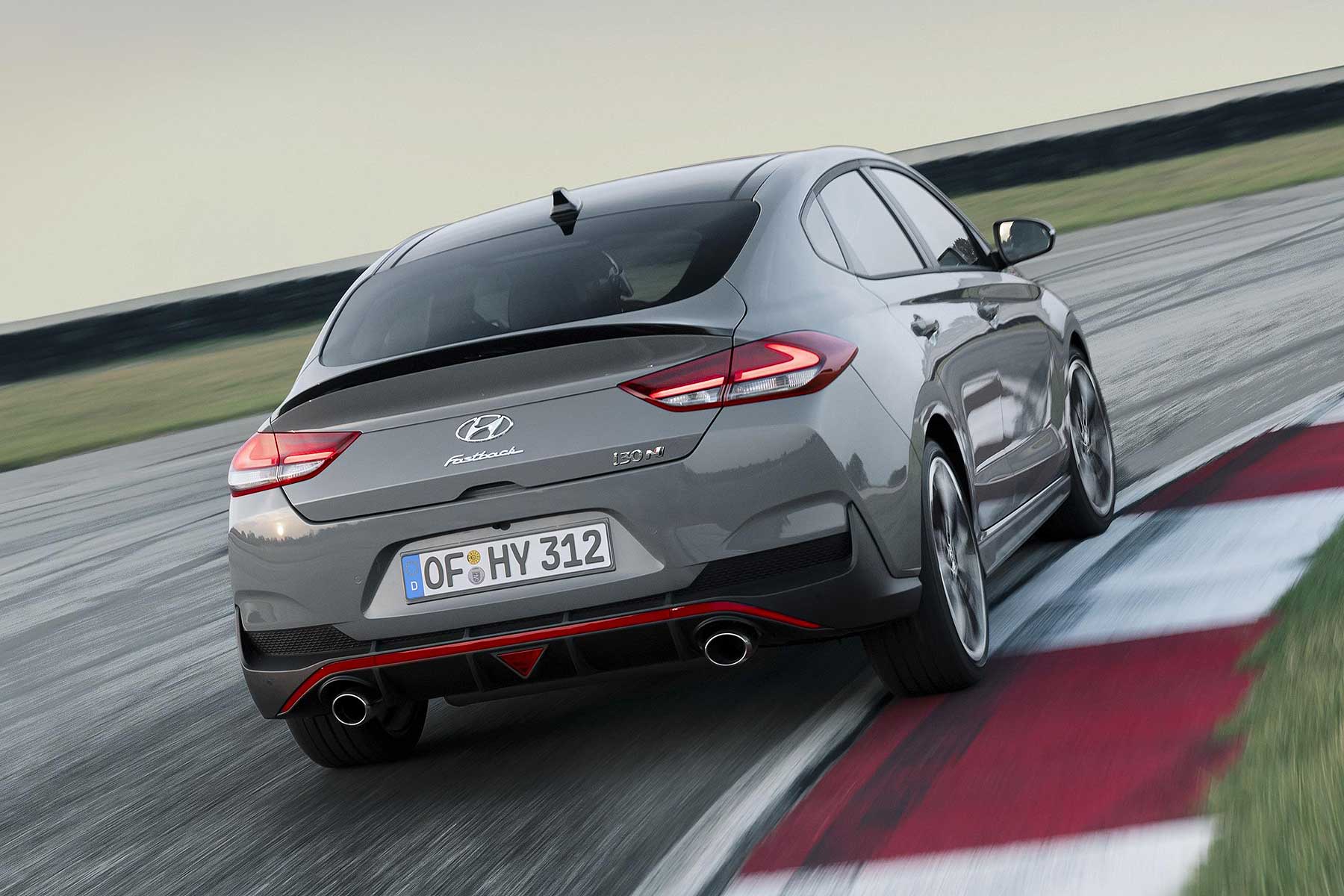
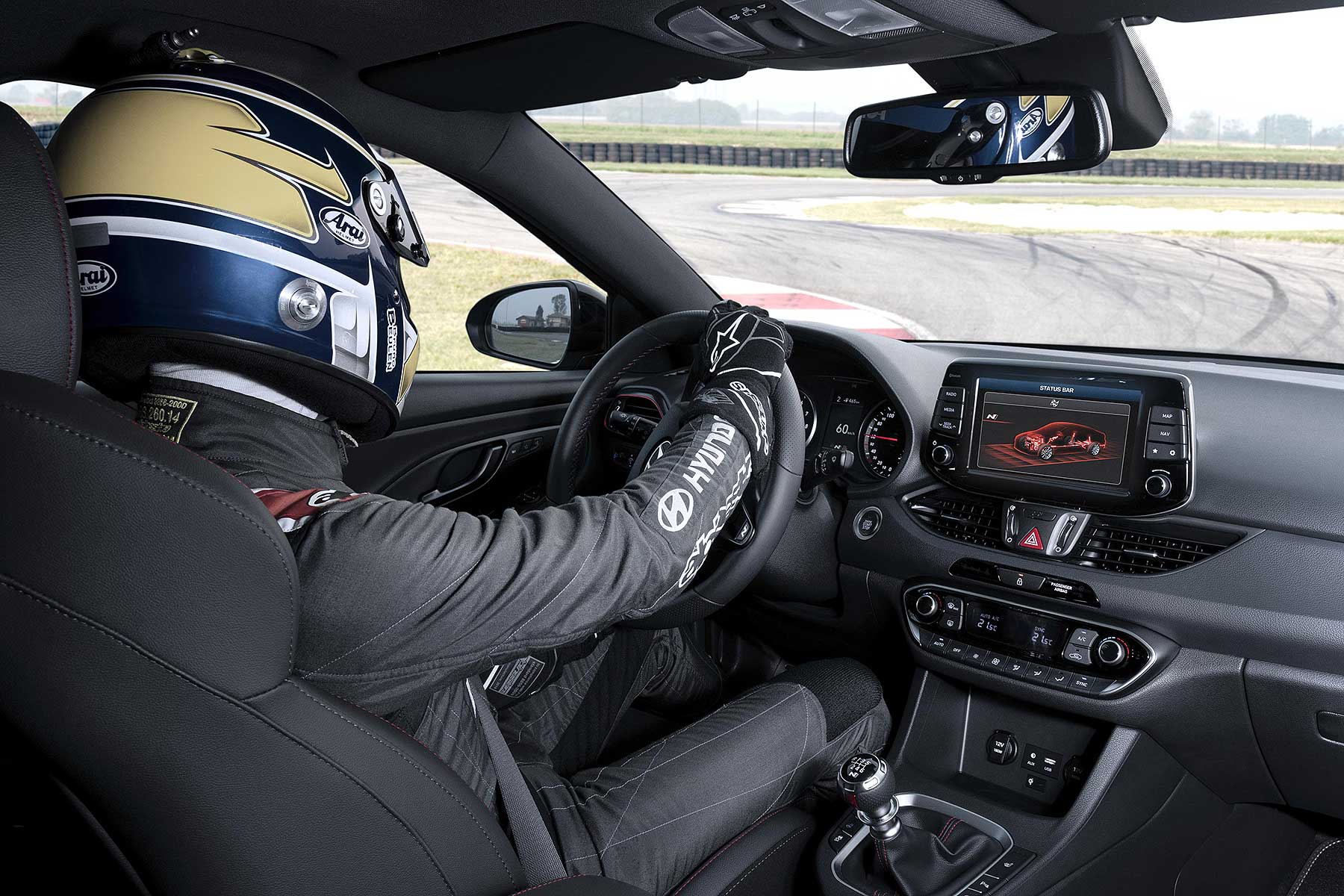
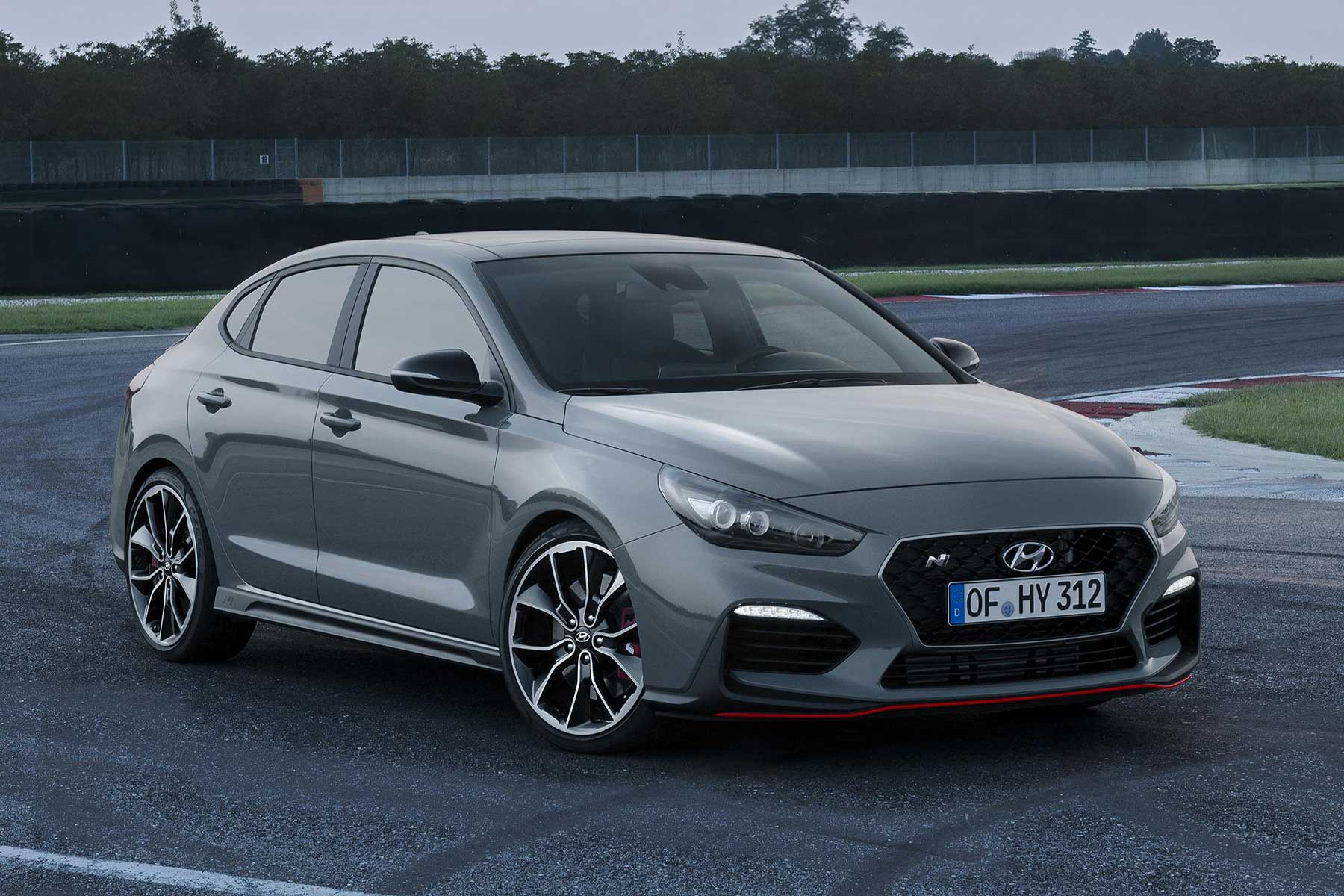
The Hyundai i30 Fastback N is a five-door GT coupe version of the i30 N five-door hot hatch, which Hyundai hopes will prove a fast and value-packed alternative to models such as the Audi A5 Sportback and BMW 4 Series Gran Coupe. It debuts next week at the 2018 Paris Motor Show.
From the front, it’s largely the same as the i30 N hatch, the range-topper of the i30 five-door range.
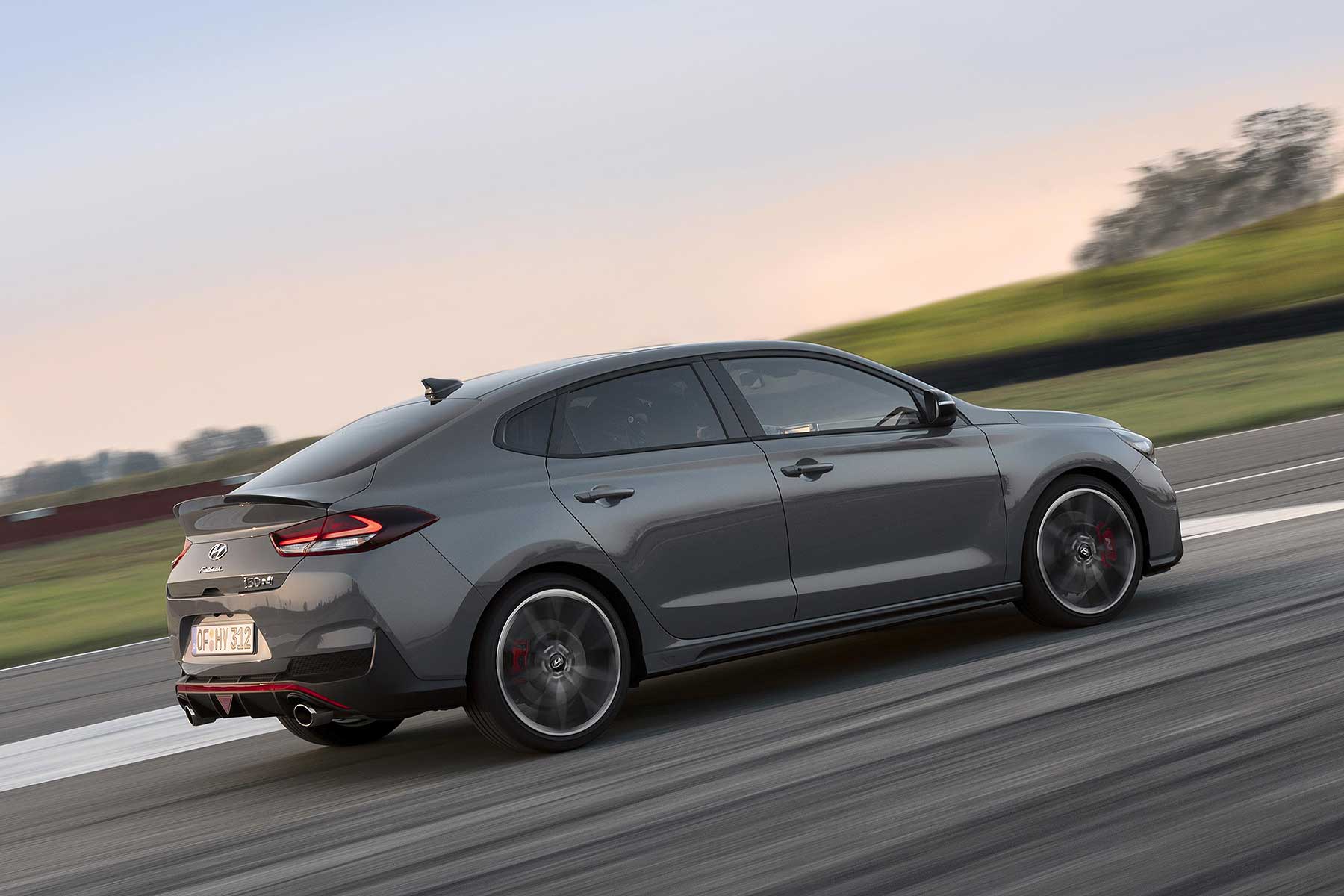
It’s the slinky hatchback rear that’s the standout aspect. Hyundai would rather us refer to it as a four-door coupe, thanks to its sweeping roofline and elegant tail.
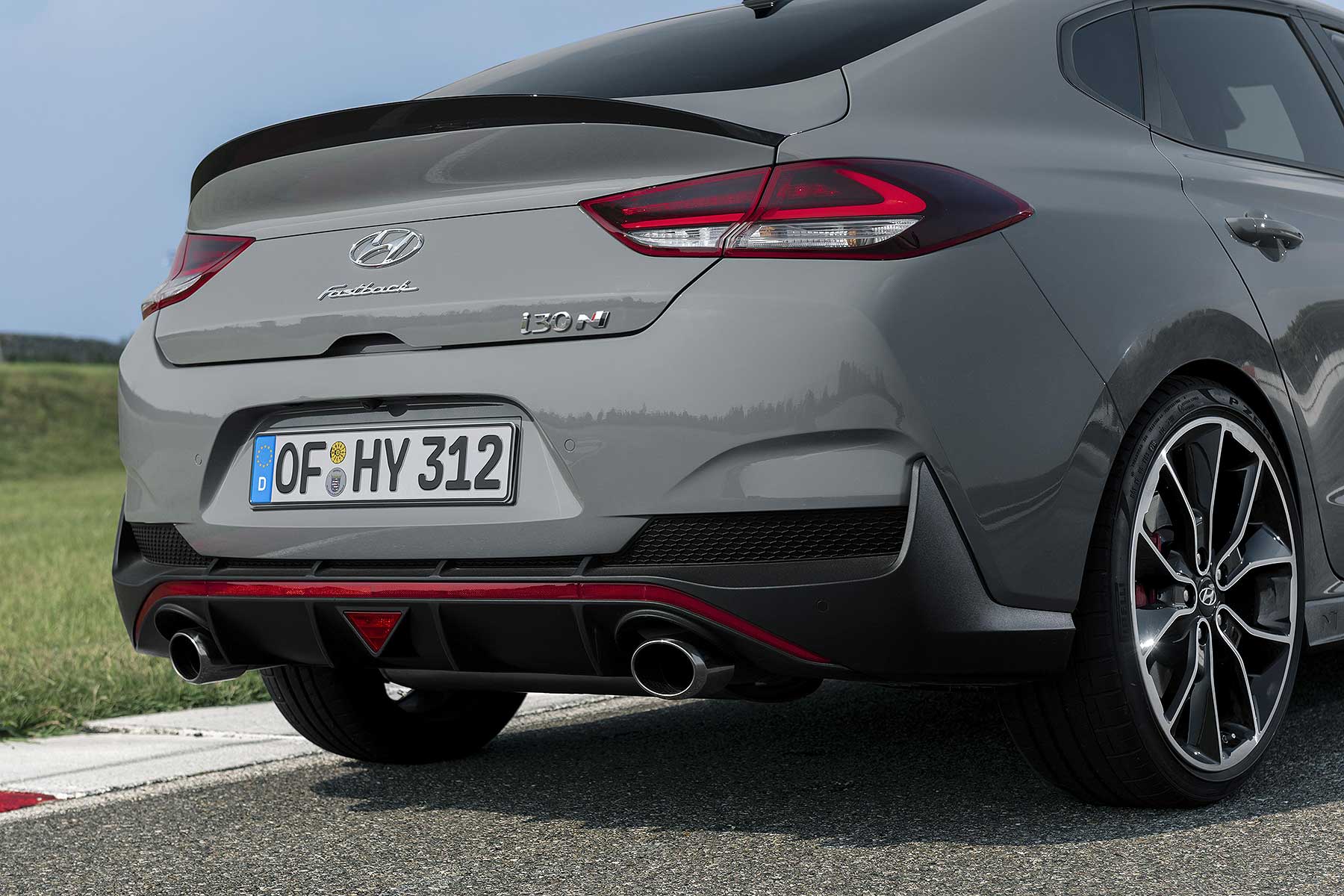
Instead of the upright rear of a hatch, it’s more curvaceous and more like one of those premium German alternatives (it doesn’t have a rear wiper either, which should be interesting in rainy wintry Britain…).
Yet it should still have a reasonably roomy rear and the 450-litre boot is actually bigger and more practical than the hatch.
It extends to a yawning 1,351 litres with the seats down. So the sexy-looking version of the i30 N is actually the more practical version too – at least until Hyundai decides to be bold and give us an i30 N Estate…
As with the hatch, the 2.0-litre turbo’s offered in both 250hp and 275hp Performance guise. The latter gets a limited-slip differential, plus bigger 19-inch wheels that are wrapped in Pirelli P Zero tyres and hide enlarged brakes. Its dual-exit exhaust is fruitier, too.
Performance? 0-62mph in 6.4 seconds for the regular i30 N Fastback, with the i30 Fastback N Performance Package doing it in 6.1 seconds. Top speed is again capped to 155mph.
Expect prices to show a mild hike over the regular i30 N, which costs £25,760 in regular guise and £28,760 as a 275hp Performance. But as the regular Fastback is only around £350 more than the hatch, it may not be as step as you think.
We’ll find out more at Paris next week – and bring you first live images of the better-looking Fastback four-door coupe alternative to the i30 N hot hatch.
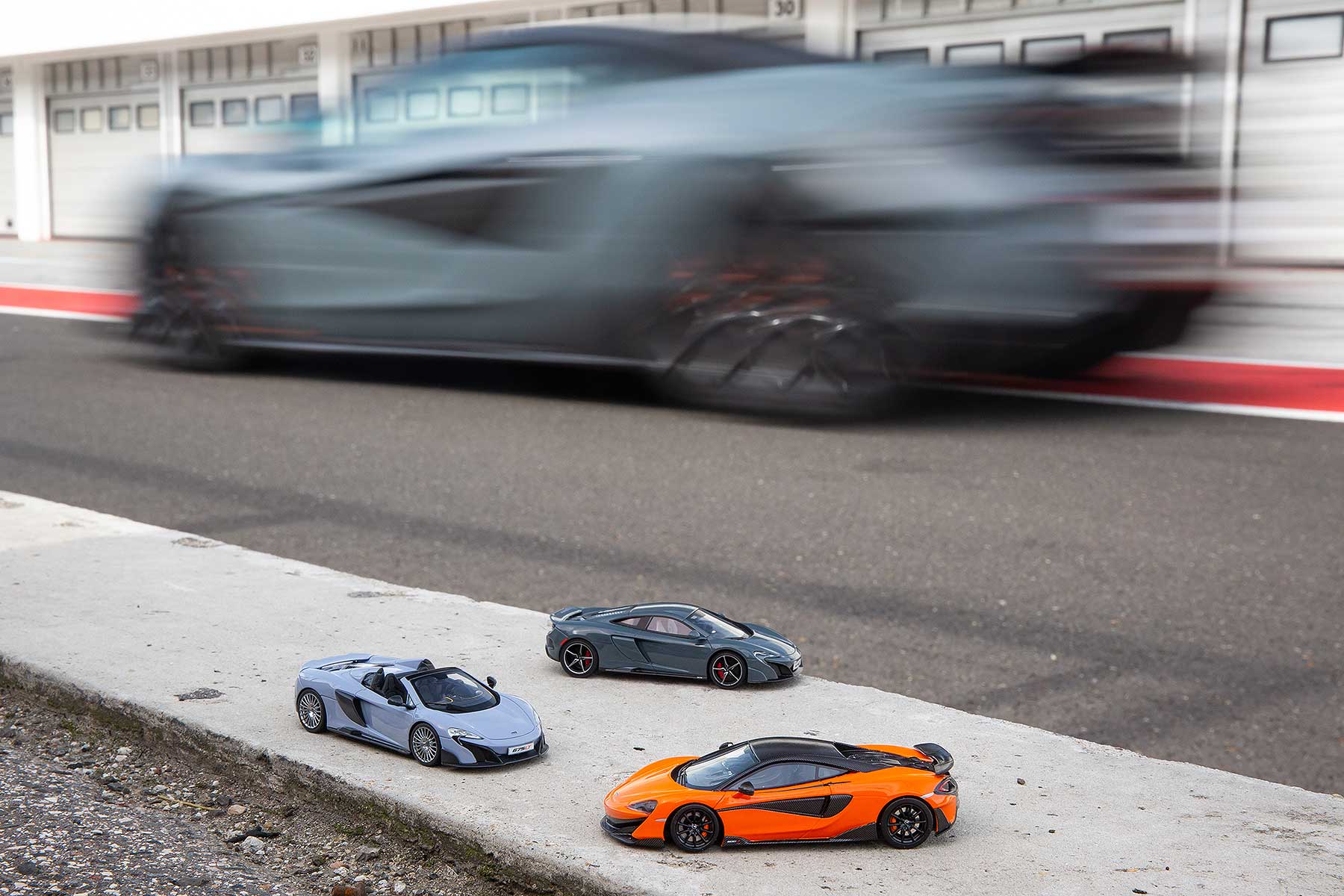
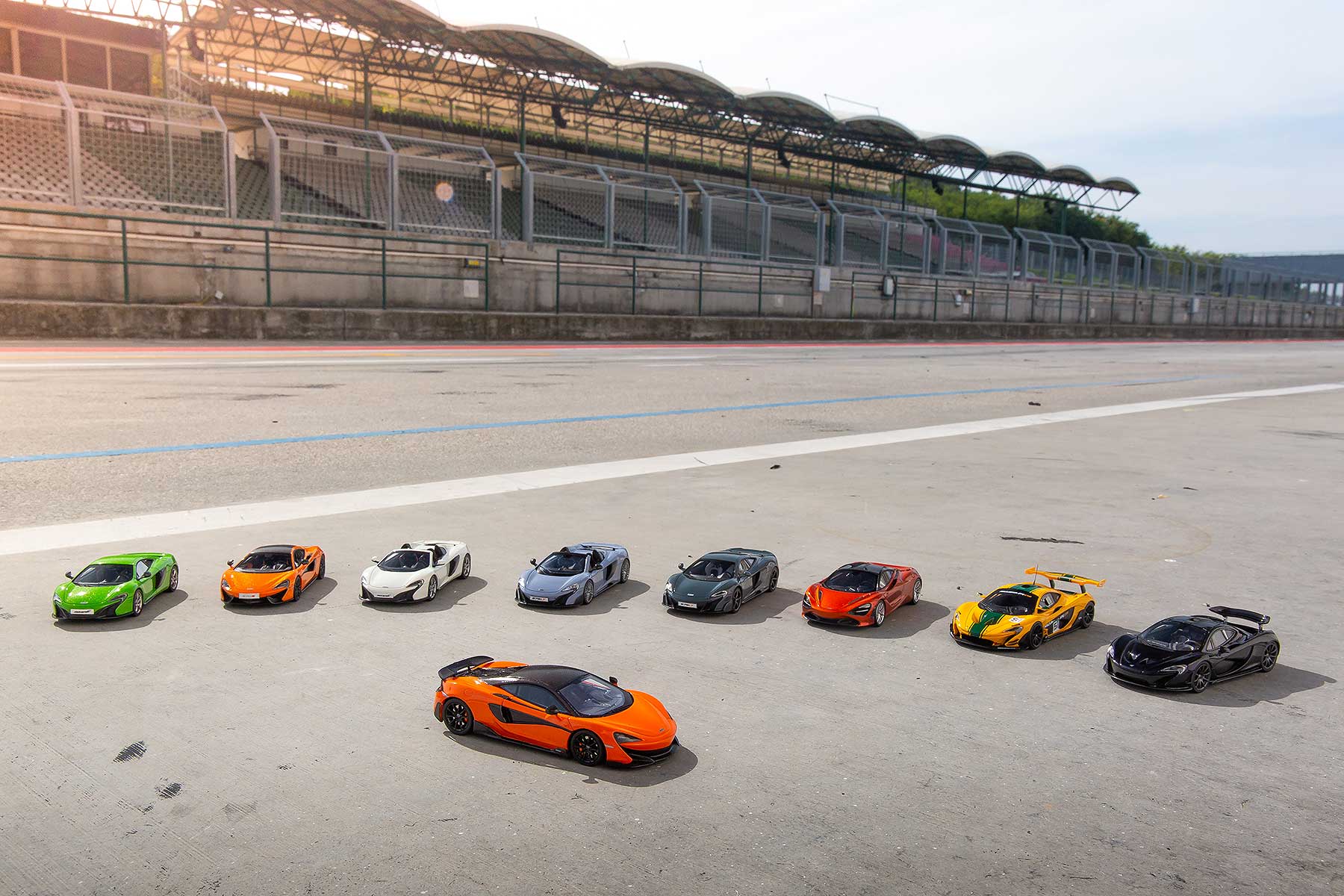
The new McLaren 600LT hasn’t just launched to the world’s press for first drives, it’s also been launched as a scale model, with prices starting from £65.
The TSM-Model McLaren 600LT is a factory-approved version that rolls out to coincide with the introduction of the real thing in McLaren retailers.
Made from resin, it’s offered in two sizes – 1:43 scale for £65, and larger 1:18 scale for £200. Both are a little more affordable than the £185,500 price of the road-going McLaren 600LT.
McLaren’s offerering it in two colours, Myan Orange or Chicane Effect grey. Both are the launch colours for the 600LT, and both share the same black interior.
A range of special liveries will also be offered.
The launch of the 600LT scale models takes the line-up of TSM McLarens to more than 75 models. Included in the range are both production and development cars, road-going and race-spec McLarens, plus key cars from the Sports, Super and Ultimate Series range.
Perfect, says McLaren, for enthusiasts of all ages to “curate their own McLaren-themed collection, by series, model, variant or even colour”.
Some cars enter production and fade away without anybody giving them a second thought. Others leave their mark on the industry, securing a place in motoring history. The following 25 cars have, in one way or another, shaped or influenced the car industry.
Tesla Model S
Whatever your thoughts on Elon Musk and Tesla, it’s impossible not to give the Model S credit for its influence on the EV sector. Six years on from its launch, we’re still using the Model S as the benchmark in the premium EV segment, which just goes to prove how far ahead of the curve it was. Only now are the likes of Jaguar, Audi and Mercedes beginning to play catch-up.
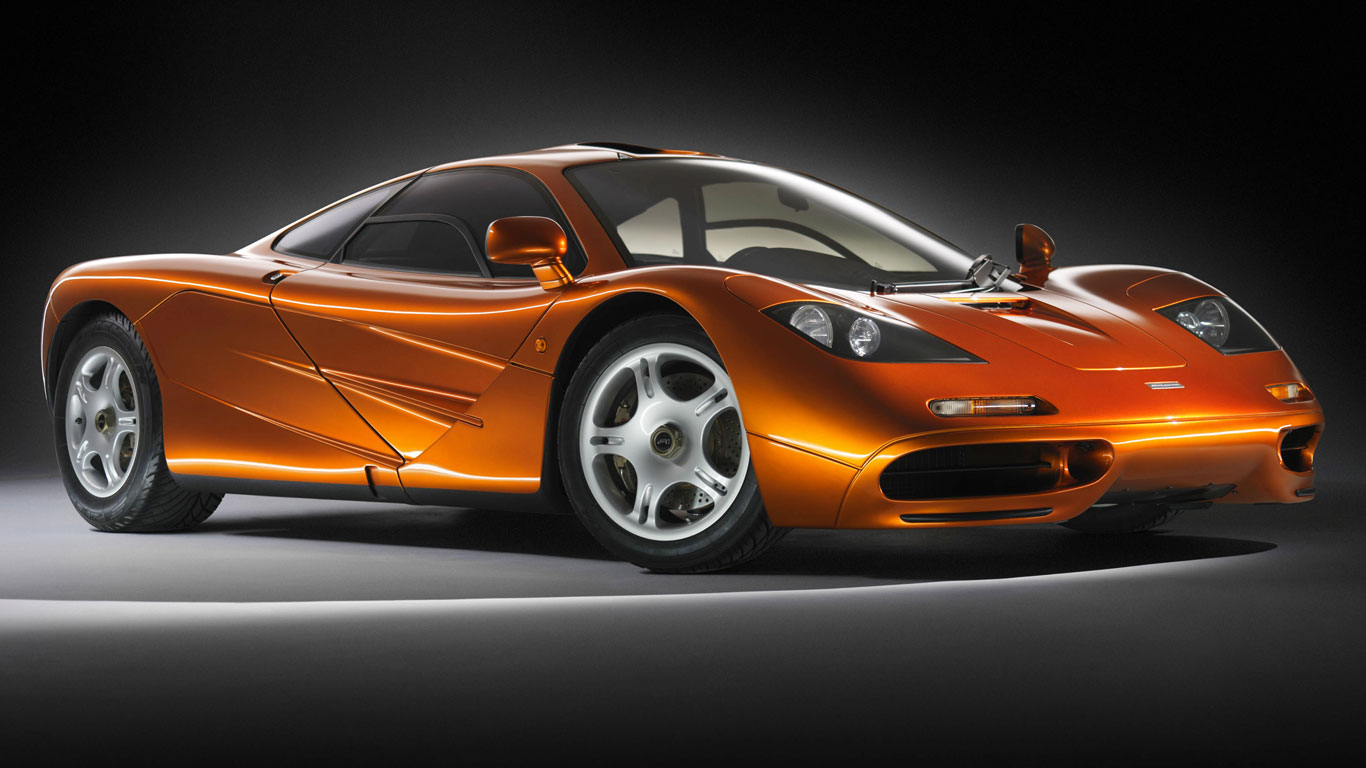
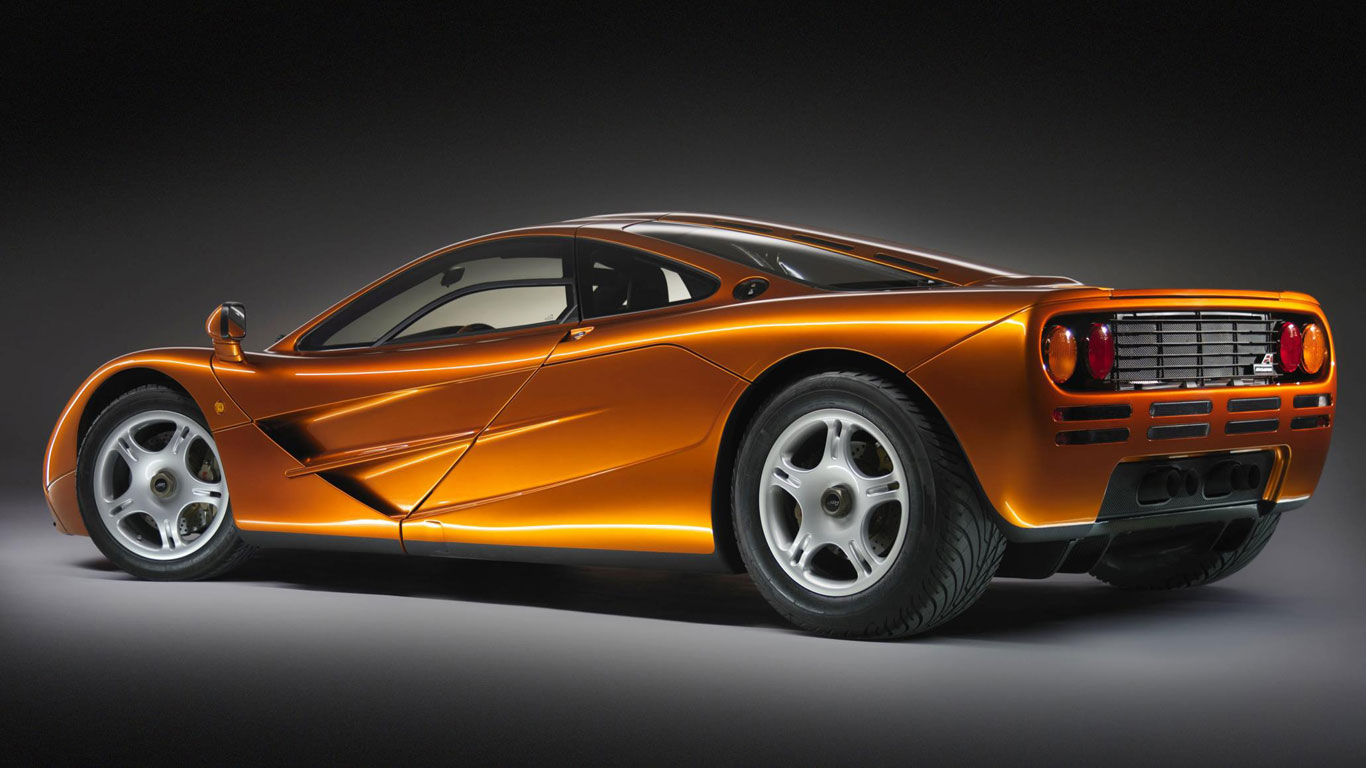
McLaren F1
F1 by name, F1 by nature – McLaren’s landmark supercar was the first road car with a carbon fibre chassis and featured tech so advanced, it was decades ahead of its time. It was every inch an F1 car for the road – assuming you had pockets the size of Rowan Atkinson’s – and the result of Gordon Murray’s obsessive approach to car design. Even the engine bay was lined with pure gold.
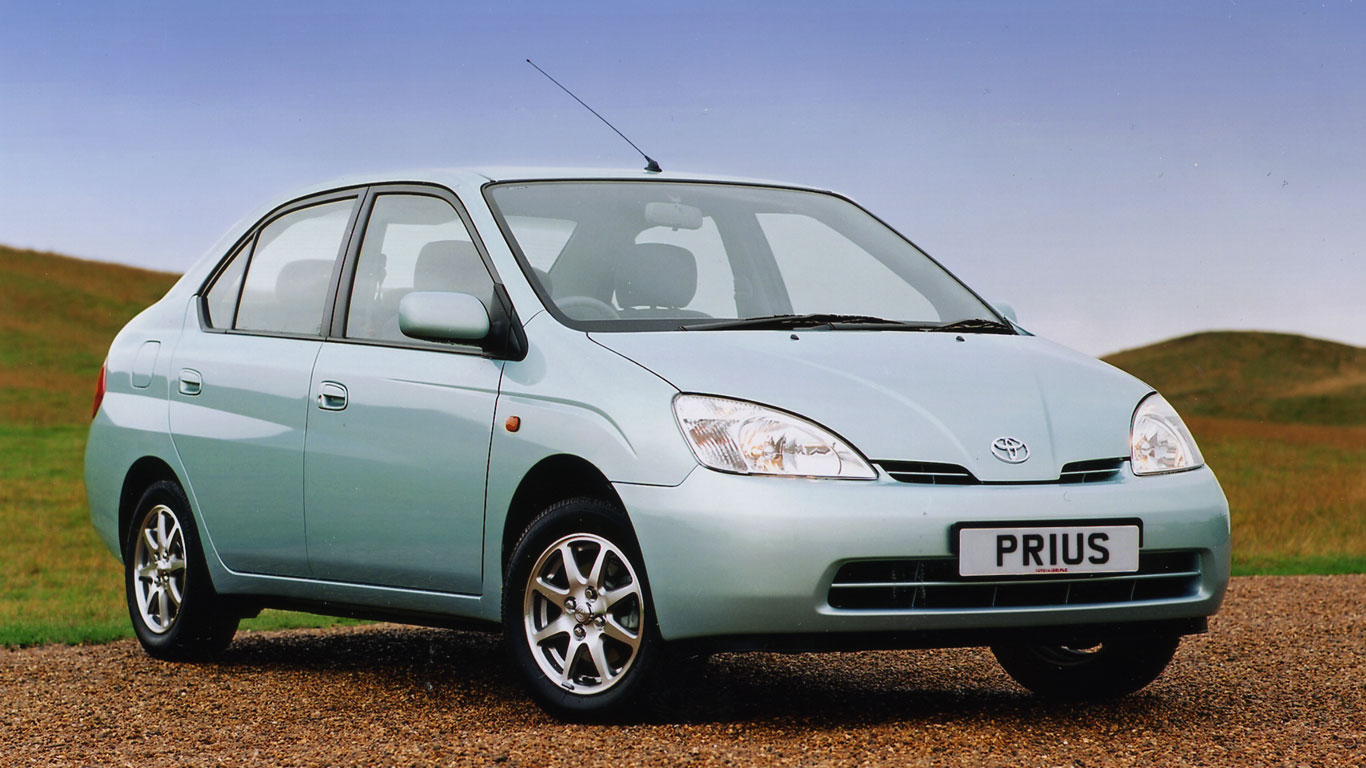
Toyota Prius
Love it or hate it, the Mk1 Toyota Prius was the world’s first mass-produced hybrid vehicle, laying the foundations for a host of rival products. Its rather humdrum styling belied a technologically advanced setup, along with a drag coefficient of just Cd 0.29. Sales of 123,000 were only half the story – the original Prius proved there was a market for hybrid vehicles, with its name becoming a generic term for the segment.
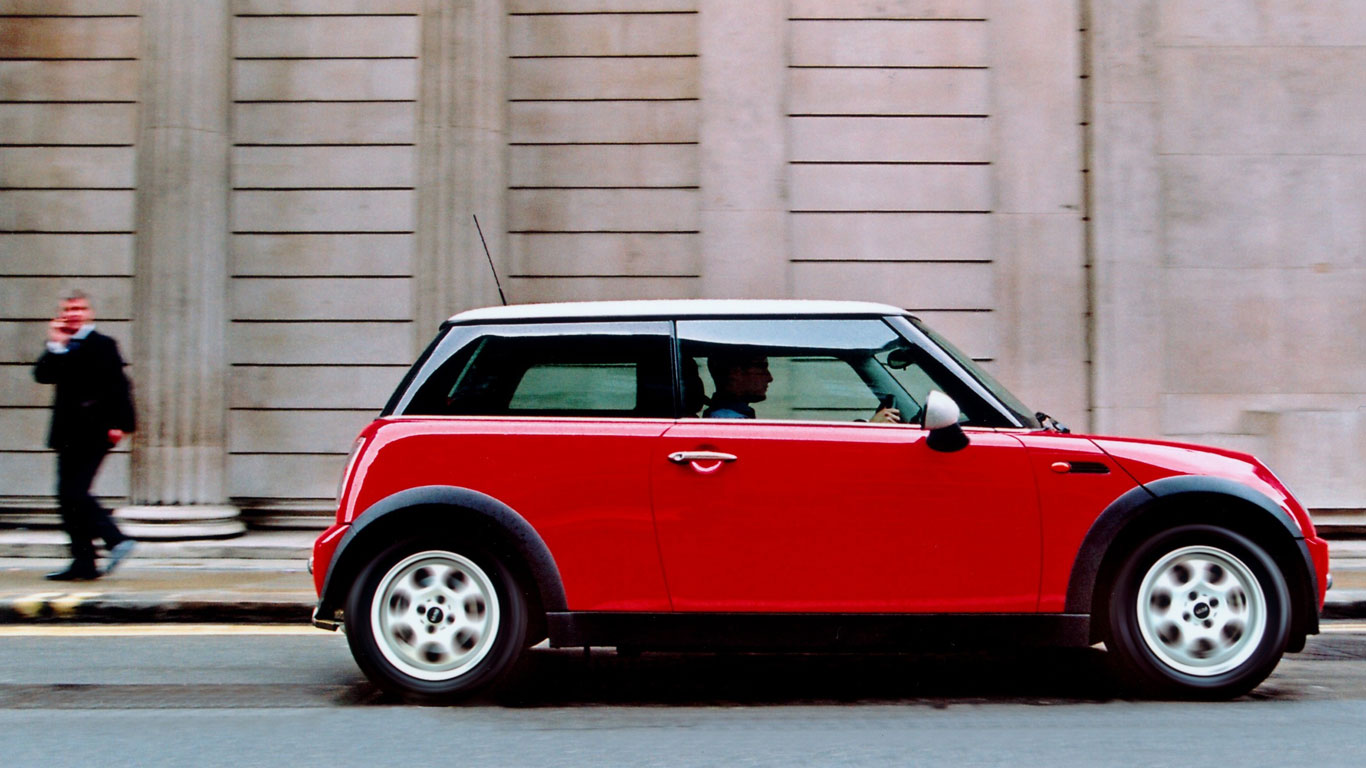
BMW Mini
In 1999, the classic Mini was ranked second on the list of the 20th century’s most influential cars, but it’s not eligible for this gallery. Instead, we’re nominating the BMW Mini even if its inclusion will upset the purists. Launched in 2001, the new Mini featured retro styling, a classy interior, keen dynamics and more personalisation options than you could shake a stick at. It wasn’t the first retro-inspired car, but it was the best overall package. The Fiat 500 followed six years later.
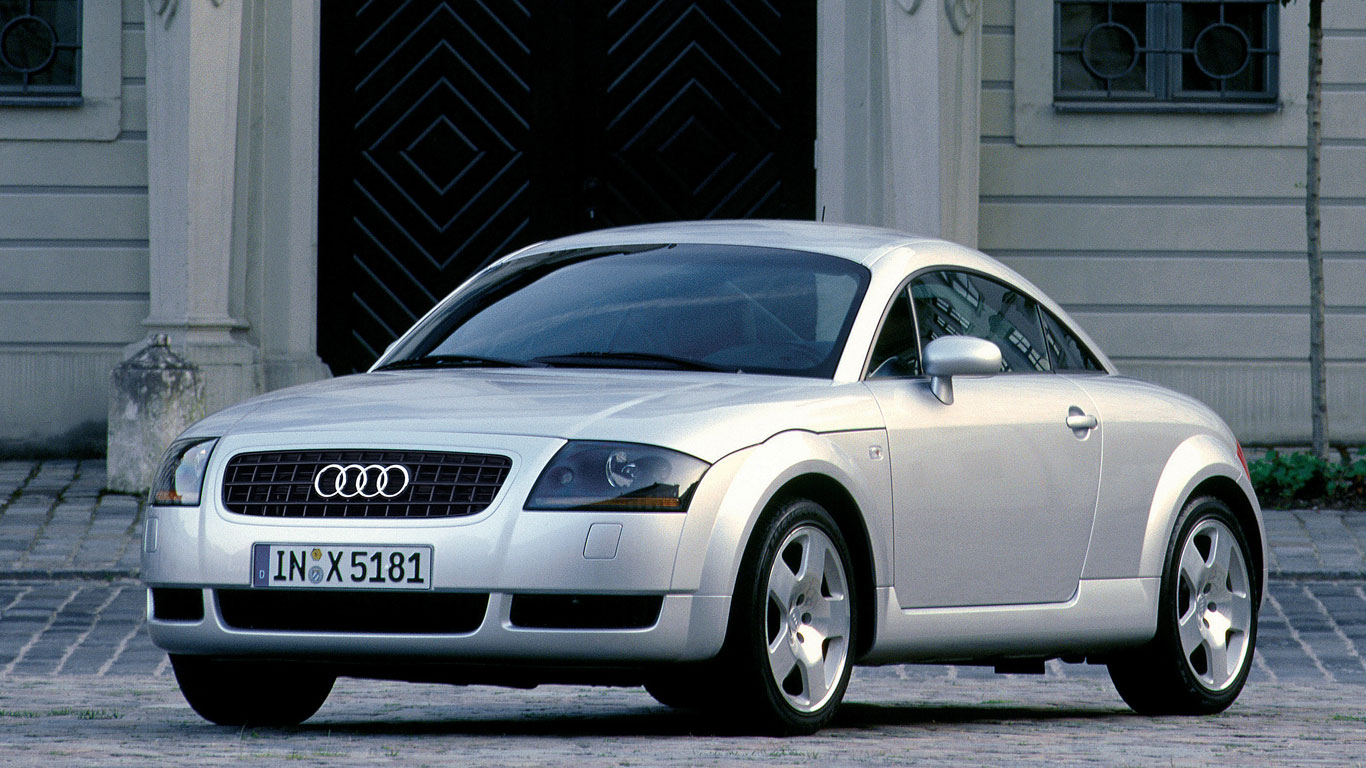
Audi TT
Of the Audi TT, SangYup Lee, Bentley’s former head of exterior and advanced design and current vice president of design at Hyundai, said: “It is very difficult for me to come up with one car that shocked me as much as TT. This was the most influential car when I was a student. I still remember all my classmates, “Have you seen the TT? This car doesn’t have a bumper!” That was sensational back in those days. I remember in the classroom, looking at my classmates’ sketches, somehow they all looked similar to the TT.”
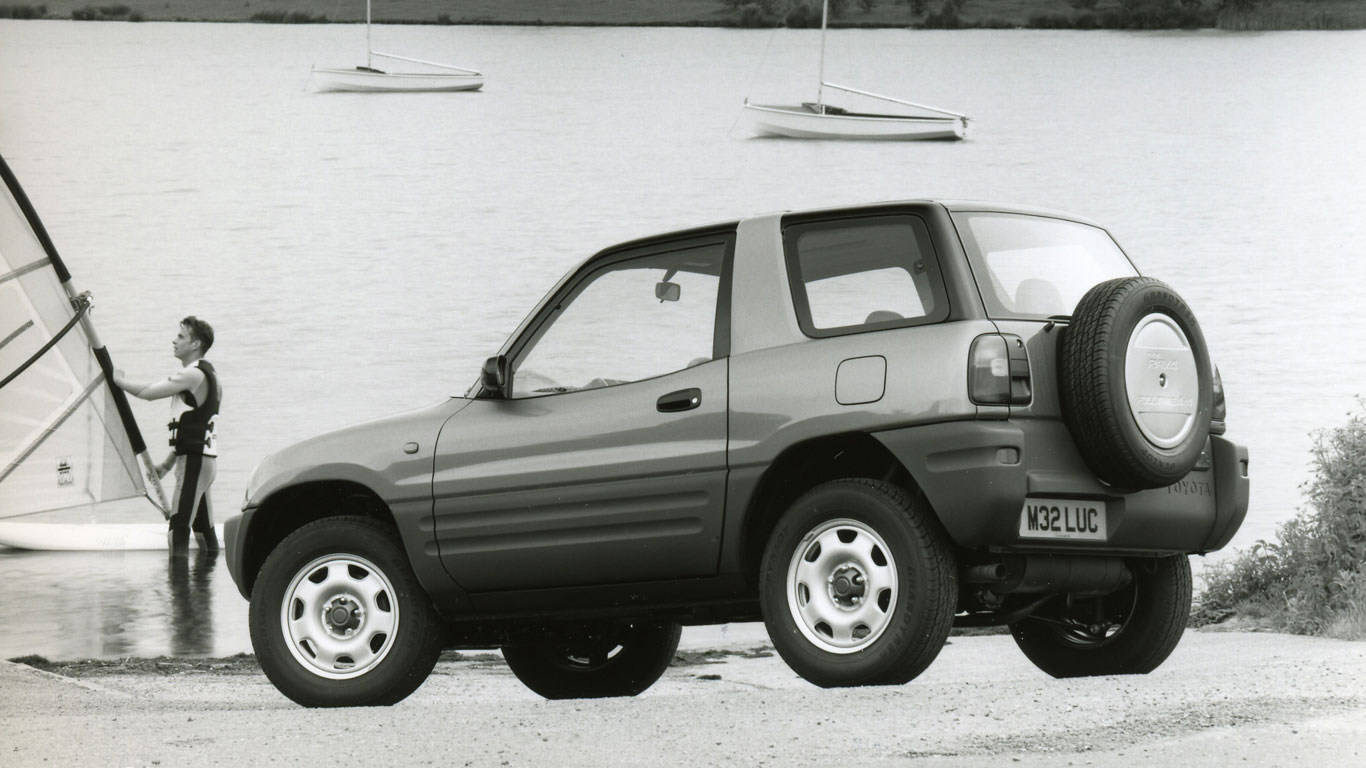
Toyota RAV4
In 1994, the Toyota RAV4 was described by Autocar’s Gavin Conway as “the best-handling off-roader I have driven.” High praise, for what was an automotive pioneer – a crossover before the crossover was even a thing. Sure, there had been plenty of 4x4s before, but the RAV4 combined the high driving position and ruggedness of an off-roader with the handling and dynamics of a hatchback.
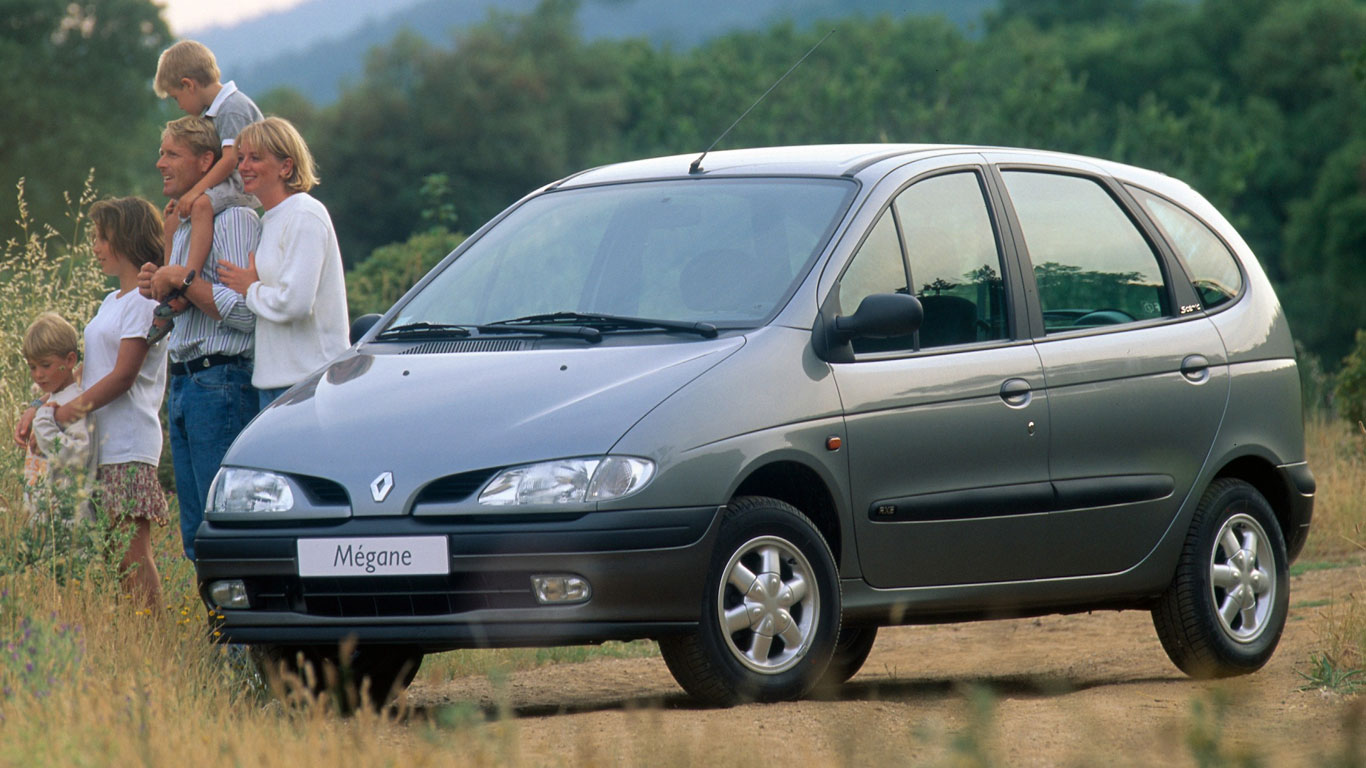
Renault Megane Scenic
When Renault launched the original Megane Scenic in 1996, it was Europe’s first compact MPV. Developed from the Megane hatchback, the Scenic featured seating for five, space for luggage and a host of storage options throughout the cabin. The designers even called upon their children for help with the interior. Rivals soon followed, including the Vauxhall Zafira, which debuted as a concept in 1997.
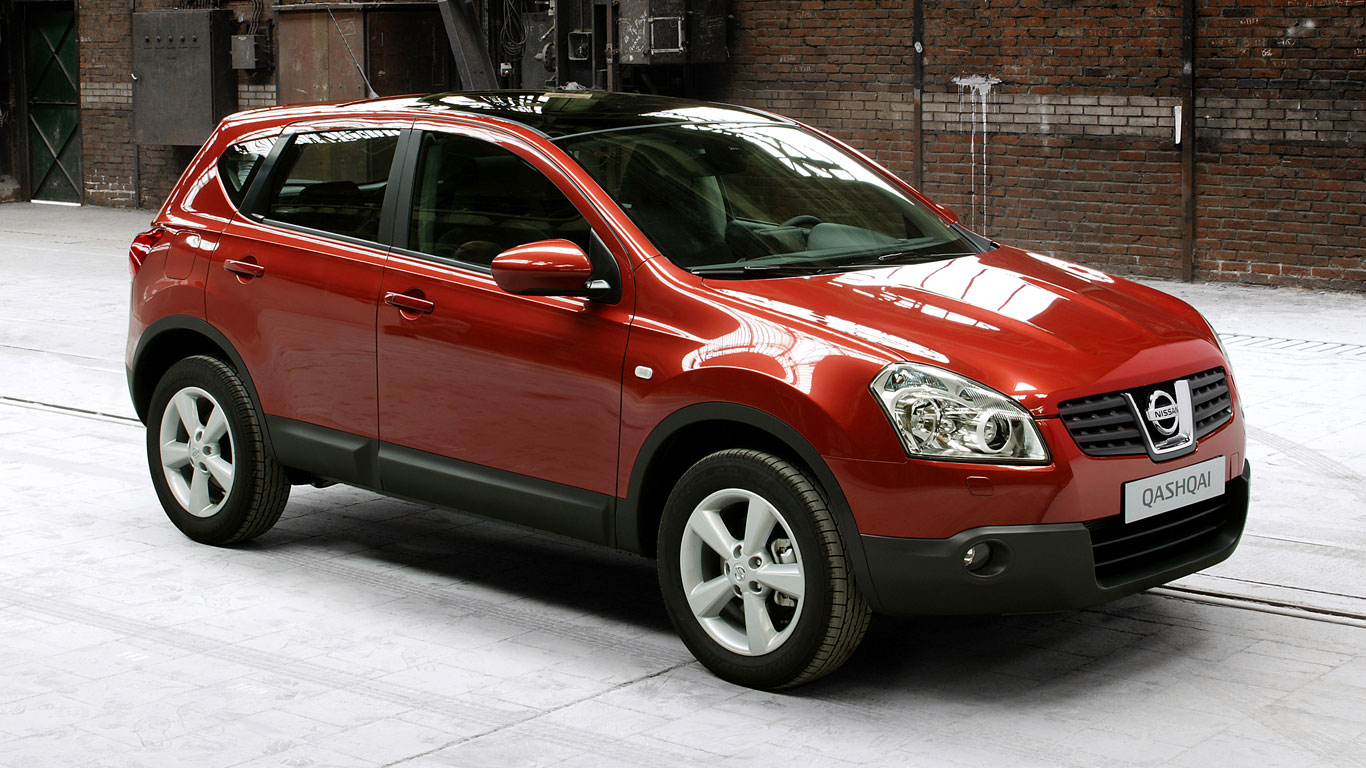
Nissan Qashqai
Like it or not, the Nissan Qashqai has secured a place in the big book of motoring history. Nissan began working on the Qashqai as far back as 2002, during the development of a new Almera, but a shift in direction led to the design of a car offering the practicality of an SUV with the efficiency and dynamics of a hatchback. A raft of me-too rivals followed, but the Qashqai remains the country’s most popular crossover.
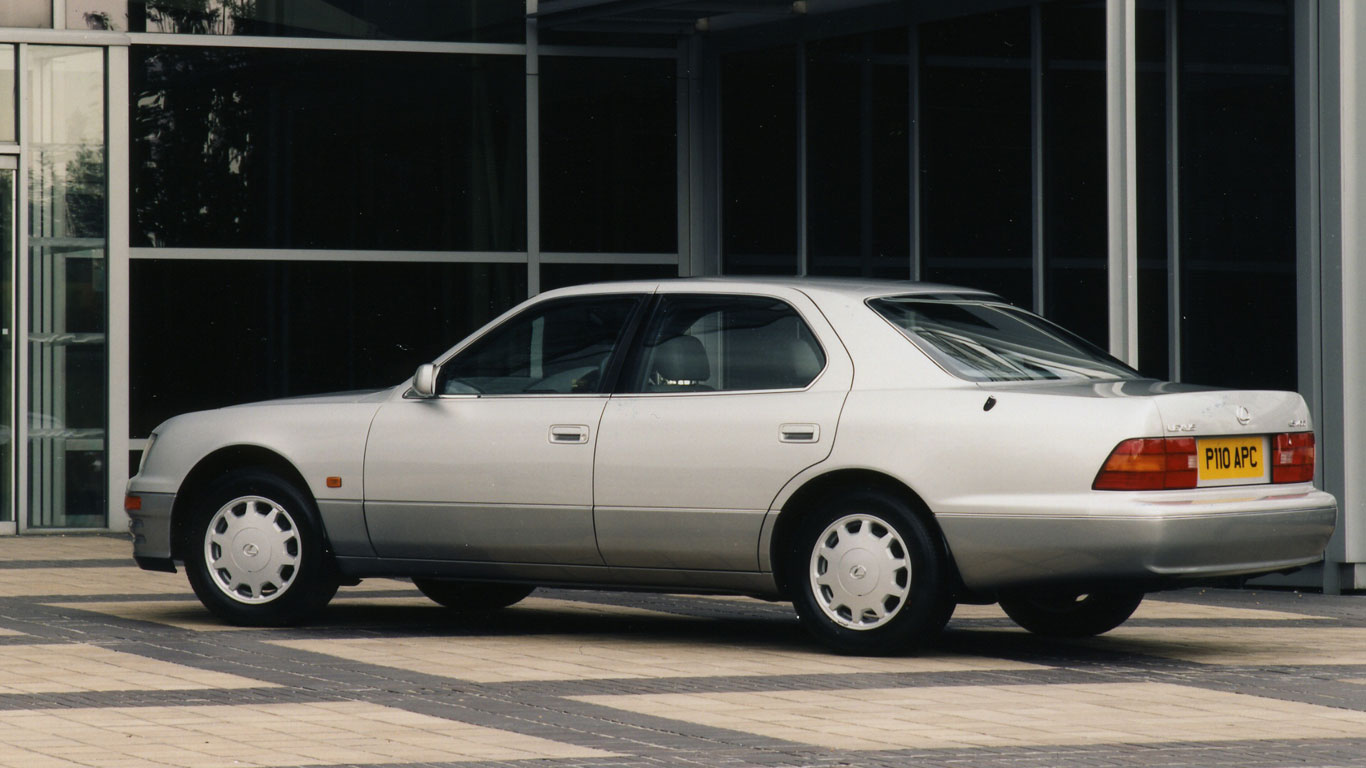
Lexus LS400
Lexus went to extraordinary lengths in its quest to make the world’s finest luxury car, leaving no stone unturned in its crusade to out-Mercedes the Mercedes-Benz S-Class. In 2012, Car magazine placed the LS400 40th on the list of the 50 greatest cars of the past 50 years, saying it “exposed the contemporary S-Class as unrefined and crudely made: Lexus didn’t so much raise the bar in mechanical refinement and body engineering, as heave it heavenwards. It eclipsed the BMW 7 and Jaguar XJ.”
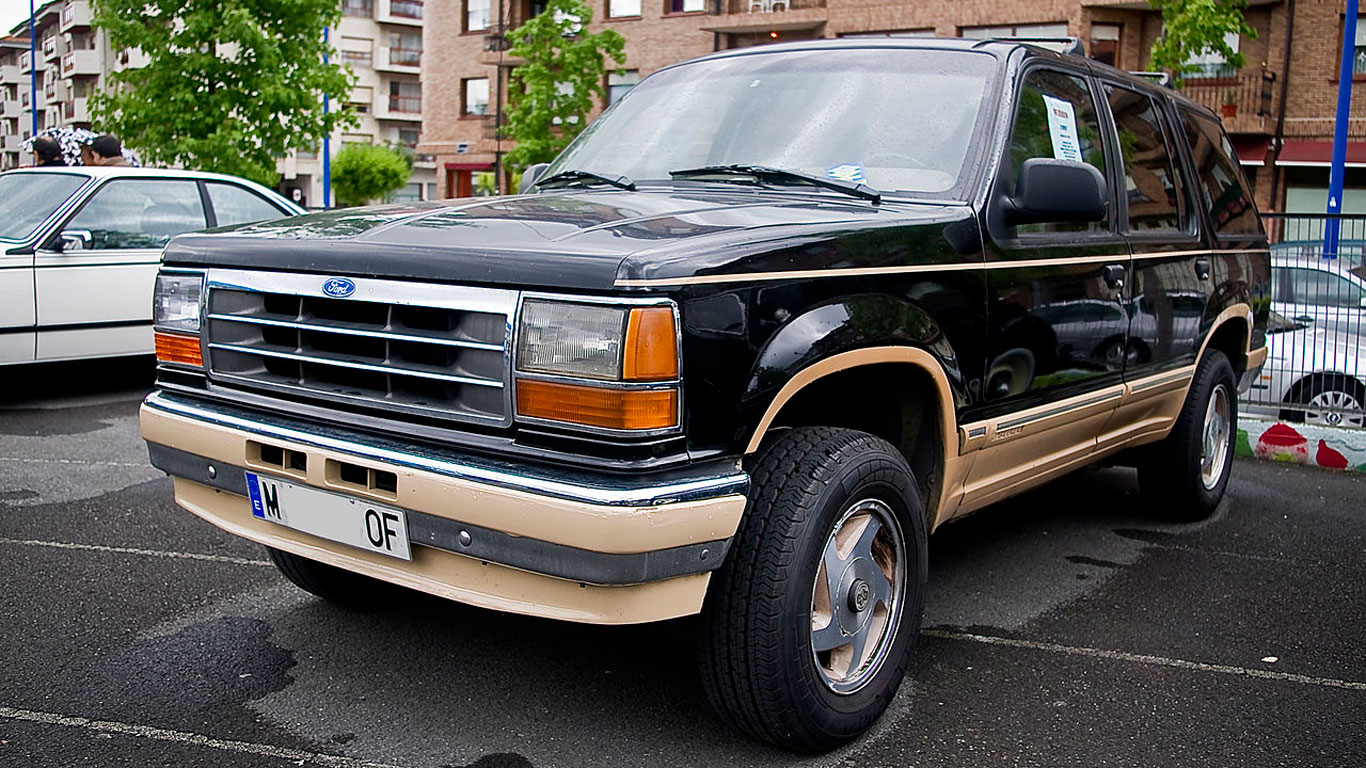
Ford Explorer
Until the Ford Explorer arrived for the 1991 model year, Americans went about their daily lives in station wagons. No vacation was complete without a heavily-laden wagon – just ask the Griswolds. The Explorer was based on the Ranger pick-up, but unlike its predecessor, the Bronco II, the SUV was available as a four-door, making it more attractive to families. By the mid-90s, it had cemented a position as one of the top 10 best-selling cars in the US.
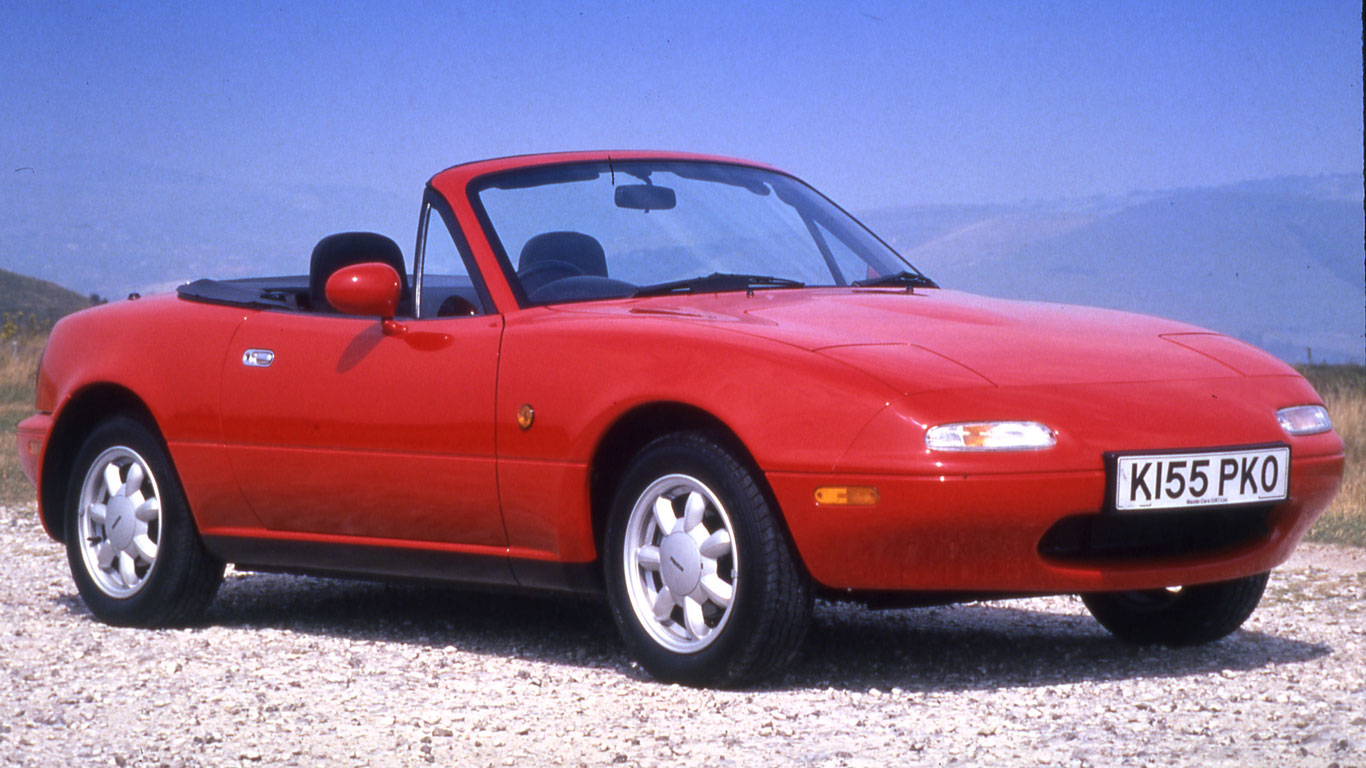
Mazda MX-5
To this day, the answer remains MX-5. Or Miata, in the US. Or Eunos, in Japan. The fact is, the Mazda MX-5 rewrote the small sports car rulebook, taking lessons from the past to create the blueprint for a modern, affordable sports cars. Other manufacturers have tried and failed to replicate its magic.
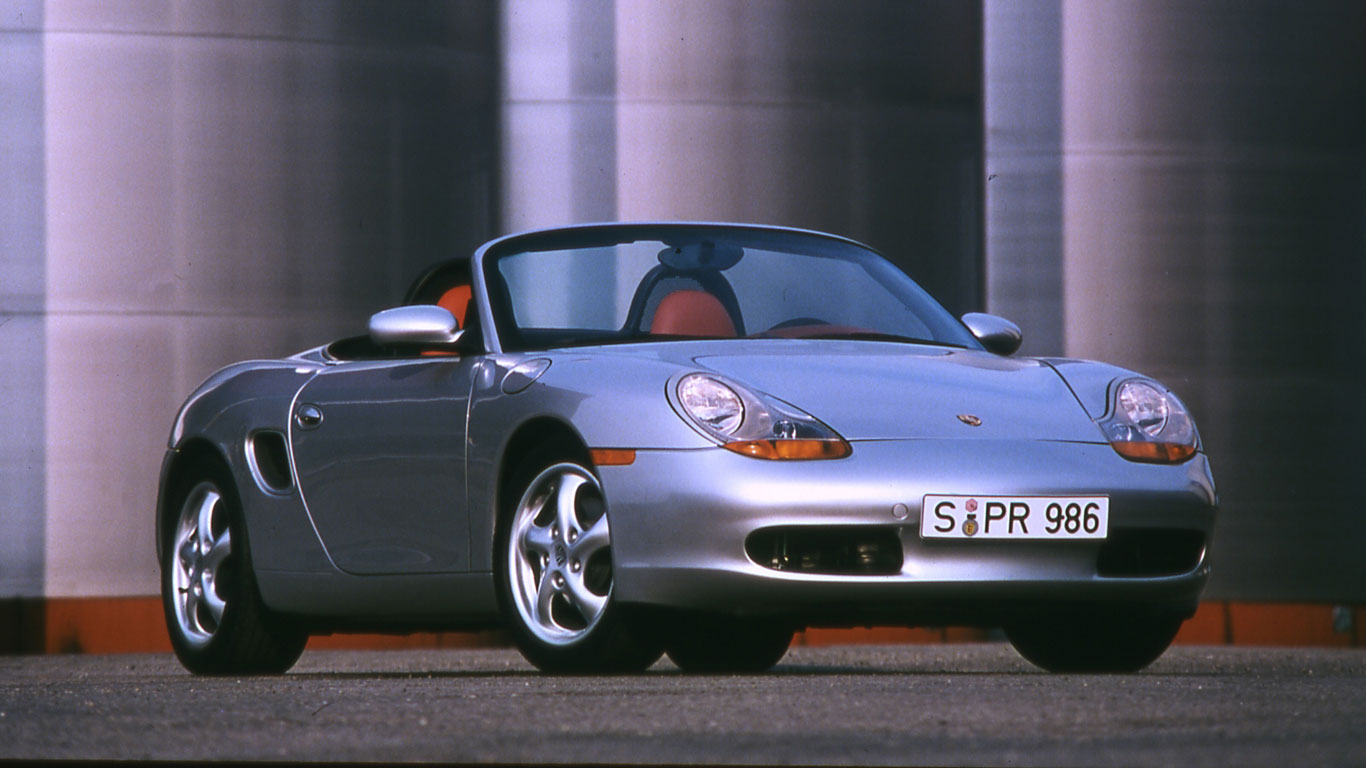
Porsche Boxster
By the early 90s, Porsche was in a mess. Sales were in freefall and the company was too reliant on the 911. It needed a car offering more than just specialist appeal – one that could help it ride out the recession. Step forward the Boxster – a car that would trounce the opposition and show the world how to build a sports car for the new millennium.
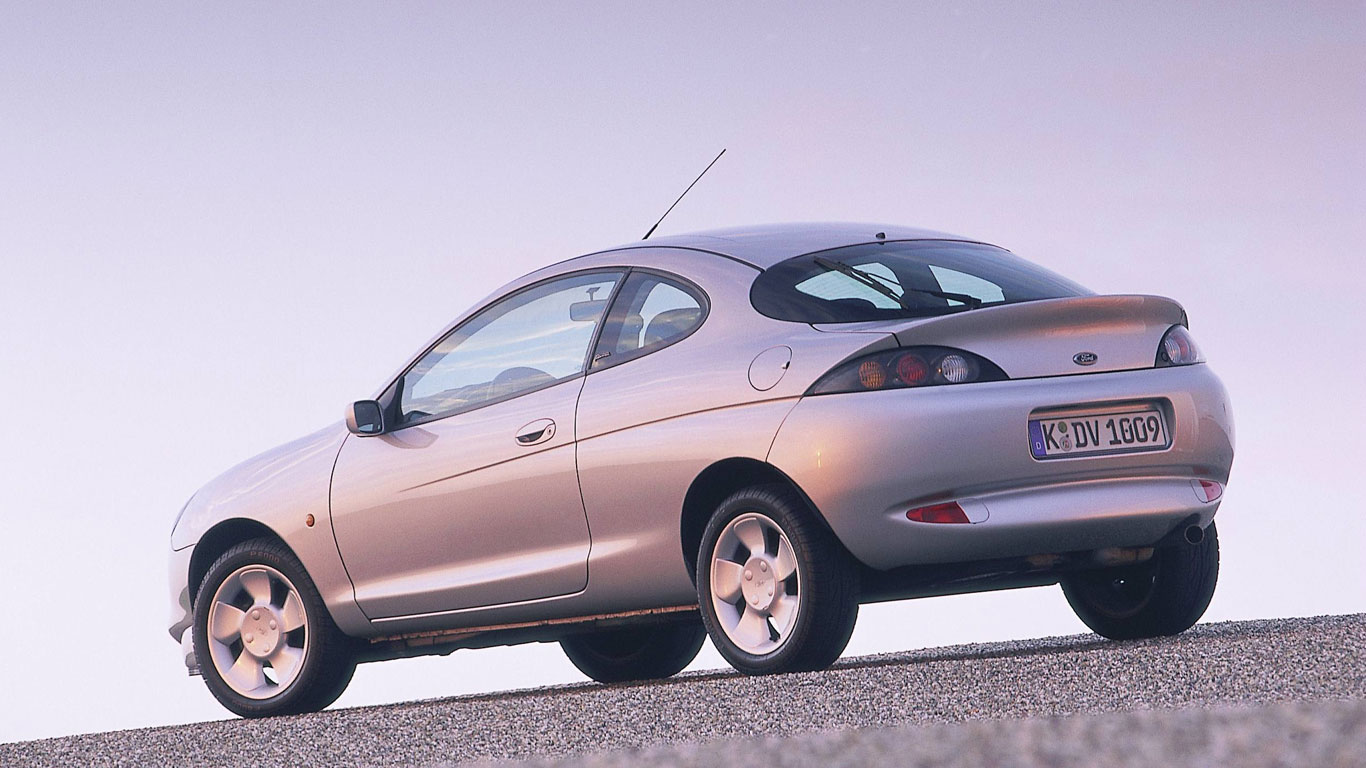
Ford Puma
Rumour has it that BMW bought a couple of Ford Pumas when it was developing the new Mini. Why? Because the ‘New Edge’ coupe was arguably the best small front-wheel-drive car you could buy, making it the perfect benchmark for the soon-to-be-launched Mini. In a stroke, the Puma rendered all other small coupes obsolete – sorry, Vauxhall Tigra.
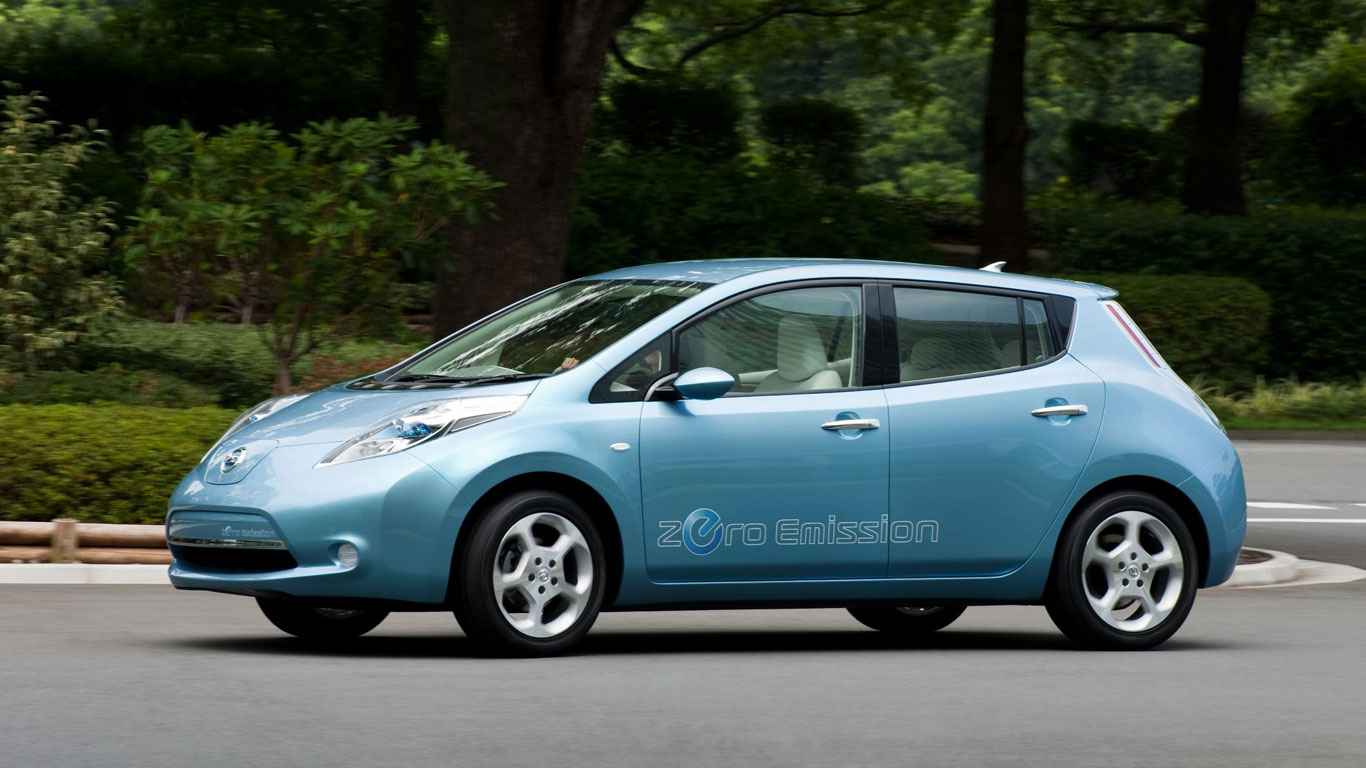
Nissan Leaf
The Tesla Model S might be the glamorous star of the EV segment, but the Nissan Leaf is the volume hero. Designed from the ground up to be an electric car, the original Leaf was spacious, relatively affordable, ‘normal’ to drive and accessible. In January 2018, the company announced that it had sold the 300,000th Leaf, making it the best-selling electric vehicle in the world. Today, a new Nissan Leaf is sold every 10 minutes across Europe.
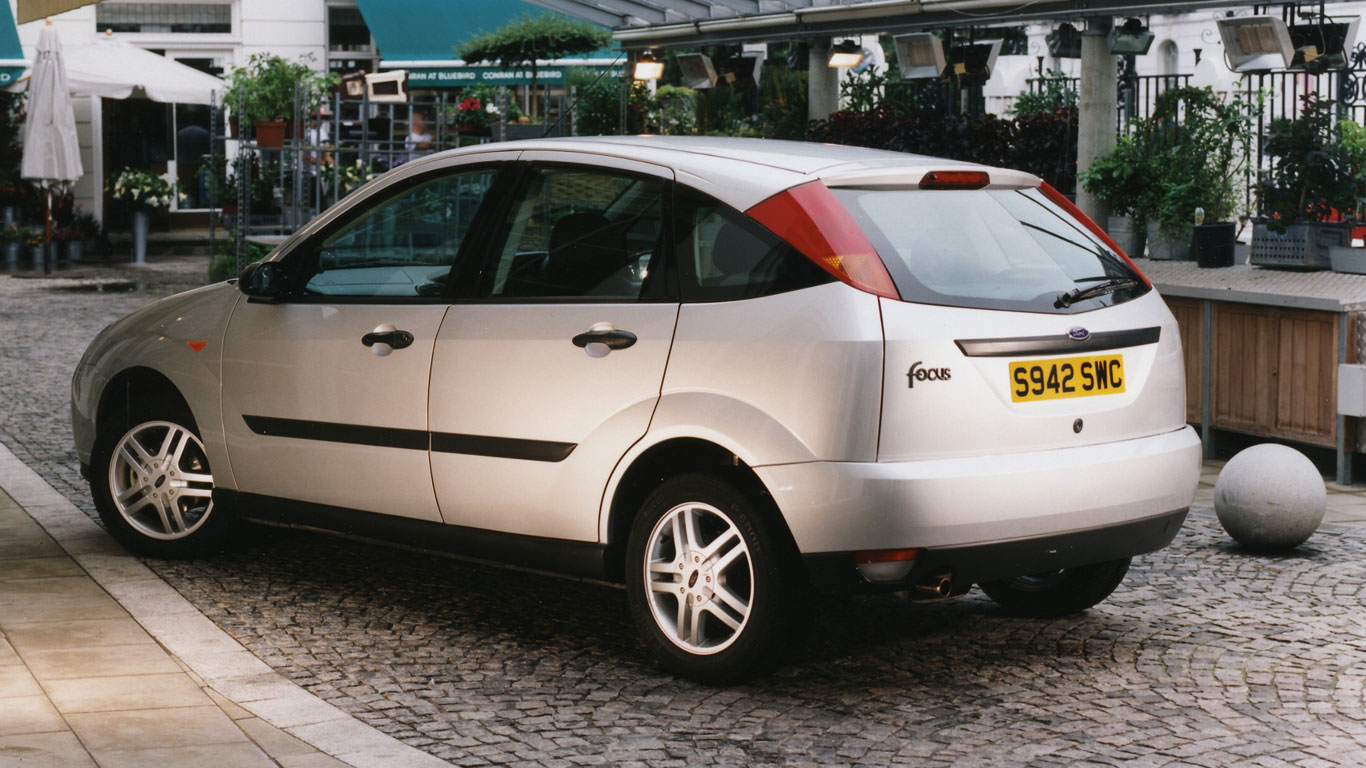
Ford Focus
Ford caught the industry napping when it launched the Focus. Even in its most basic form, the Focus was a hoot to drive, propelling the ‘New Edge’ hatchback to the top of the class. By comparison, the Volkswagen Golf felt bloated and unwieldy. What made the Focus even more remarkable was the fact that it replaced the tired and outmoded Escort. Amazing.
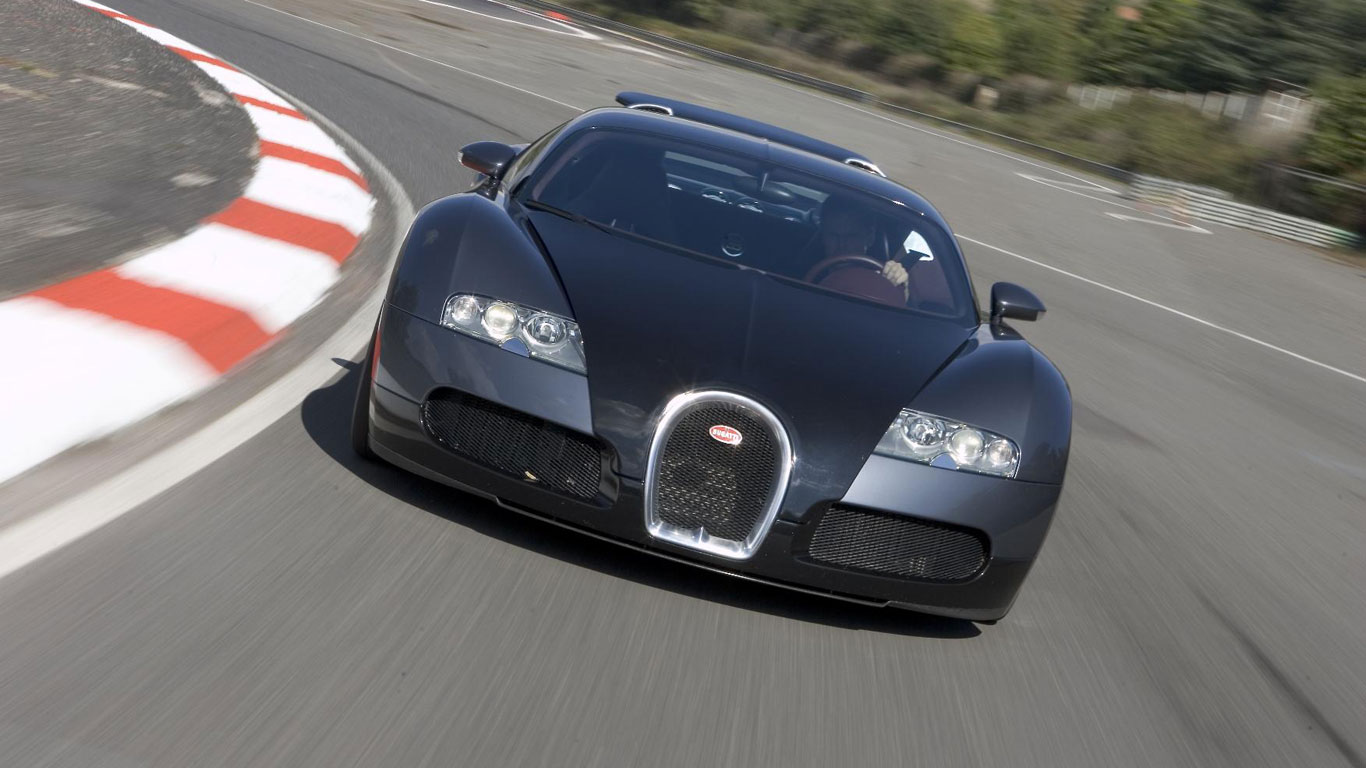
Bugatti Veyron
James May described the Bugatti Veyron as “our Concorde moment”, with Clarkson labelling it “the greatest car ever made and the greatest car we will ever see in our lifetime.” It continues to fire our imagination and it remains the go-to supercar of choice for a new generation of young motoring fans. Bugatti’s single-minded pursuit of speed – and the associated records – has encouraged engineers to continue pushing boundaries, and the rest of us to keep dreaming.
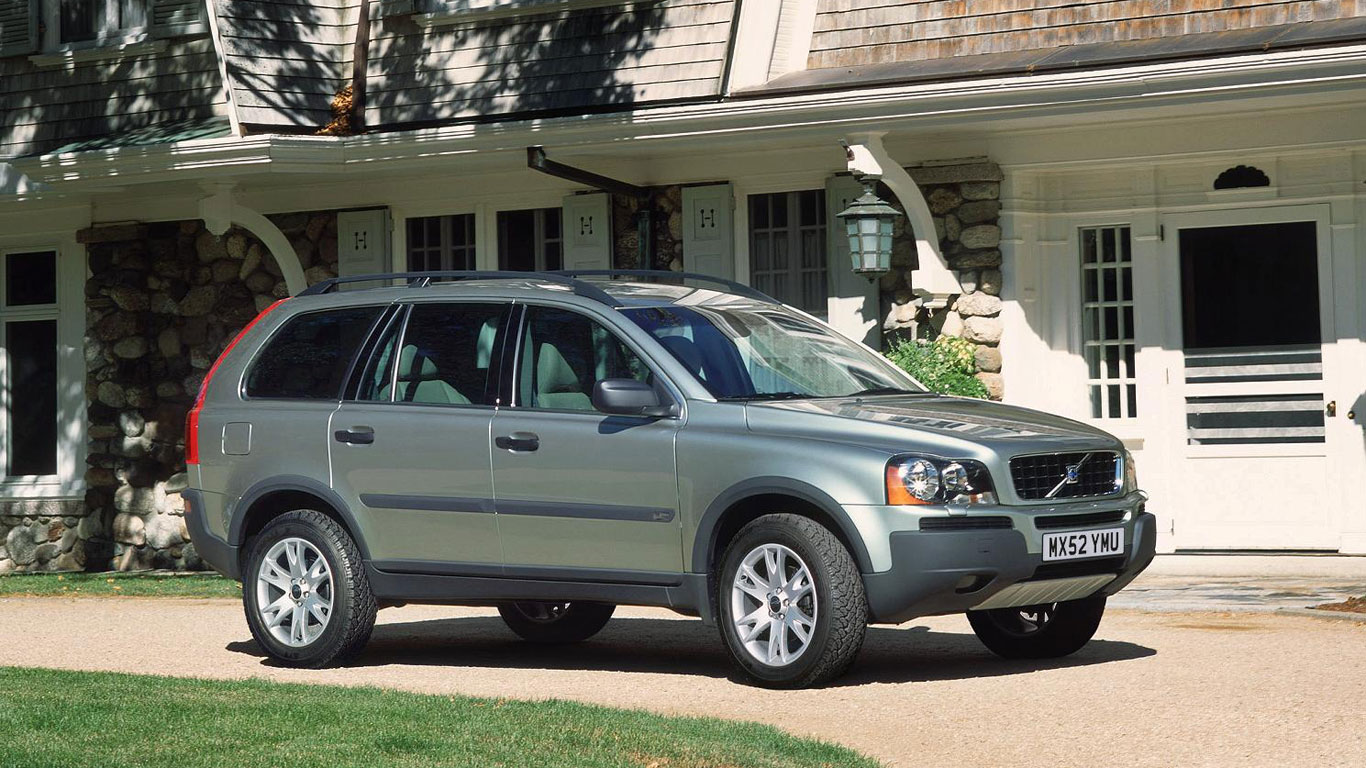
Volvo XC90
It’s no coincidence that this gallery features more than a couple of SUVs. The Sport Utility Vehicle has replaced the estate car and the MPV as the default choice for family transport, as highlighted by the success of the original Volvo XC90. At the turn of the millennium, Volvo was a brand built on the estate car, but the XC90 changed everything, becoming a hero of countless soccer moms and dads. Today, the Volvo range features no fewer than three different SUVs.
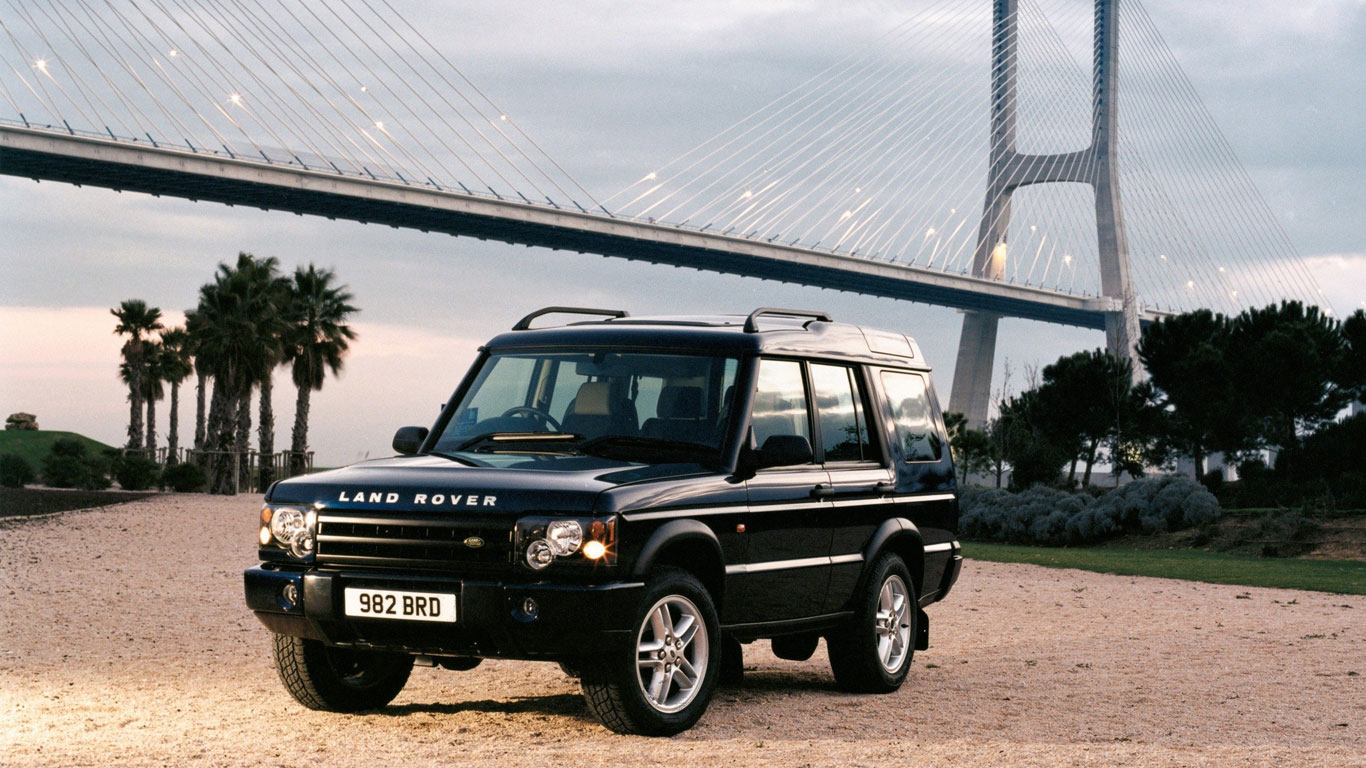
Land Rover Discovery II
The original Discovery of 1989 was good, but the Discovery II was a quantum leap forward. It looked like the Disco I, but Land Rover – now under BMW ownership – was heavily revised, with a tweaked chassis and changes to almost every body panel. Safety was improved, the side-facing seats were good for more than just occasional use, and it felt more luxurious than before. In short, it had become the posh 4×4 to beat.
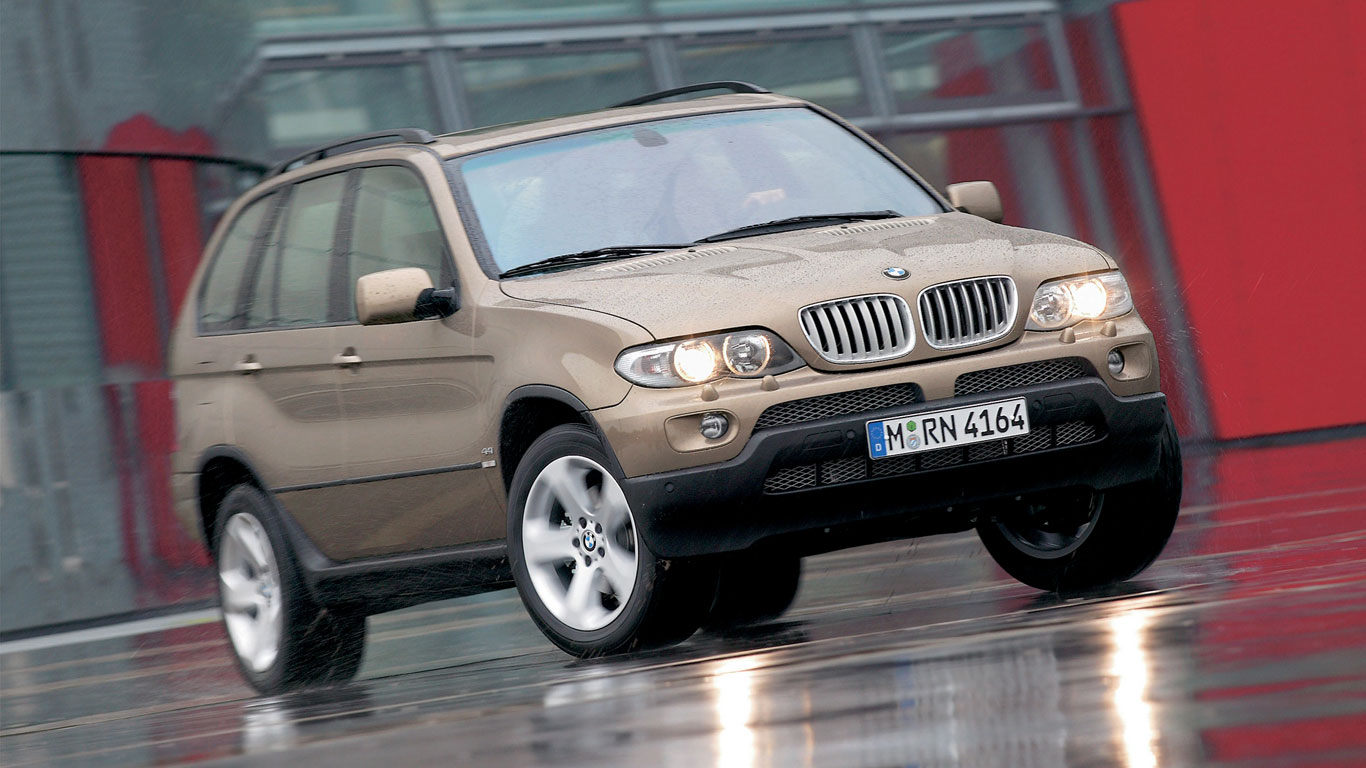
BMW X5
BMW had learned a great deal during its ownership of Land Rover, which is why the X5 was such an accomplished SUV. Actually, BMW decided to launch it under an entirely new category – Sports Activity Vehicle (SAV). In other words, it offered the luxury of an executive saloon, the performance of a sports car and the off-road capabilities of an SUV.
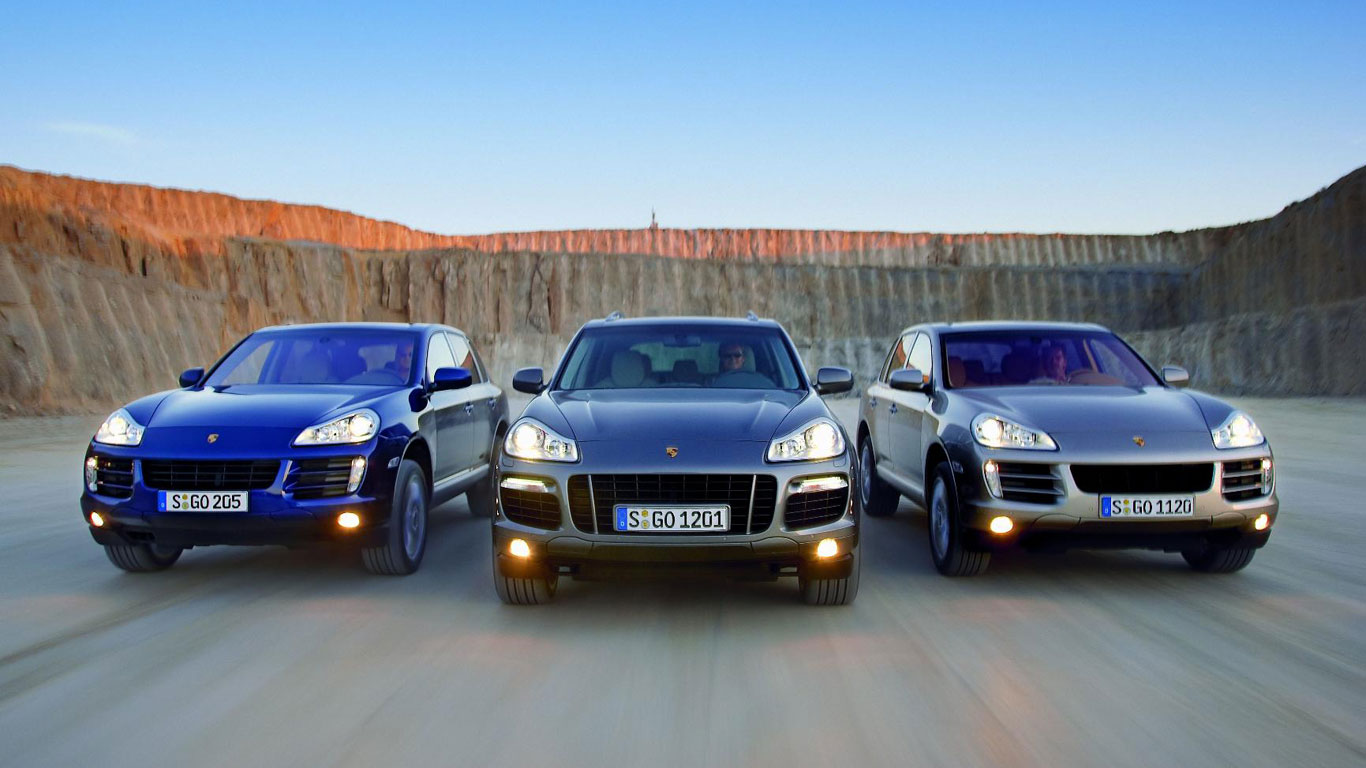
Porsche Cayenne
Anything BMW can do, Porsche can do slightly differently. The Boxster may have saved the company, but the Cayenne secured its future, opening the brand to a new audience and generating the profits required in order to do crazy things with 911 models. Without the Cayenne, there might not be a pick ‘n’ mix of Porsche models to choose from today.
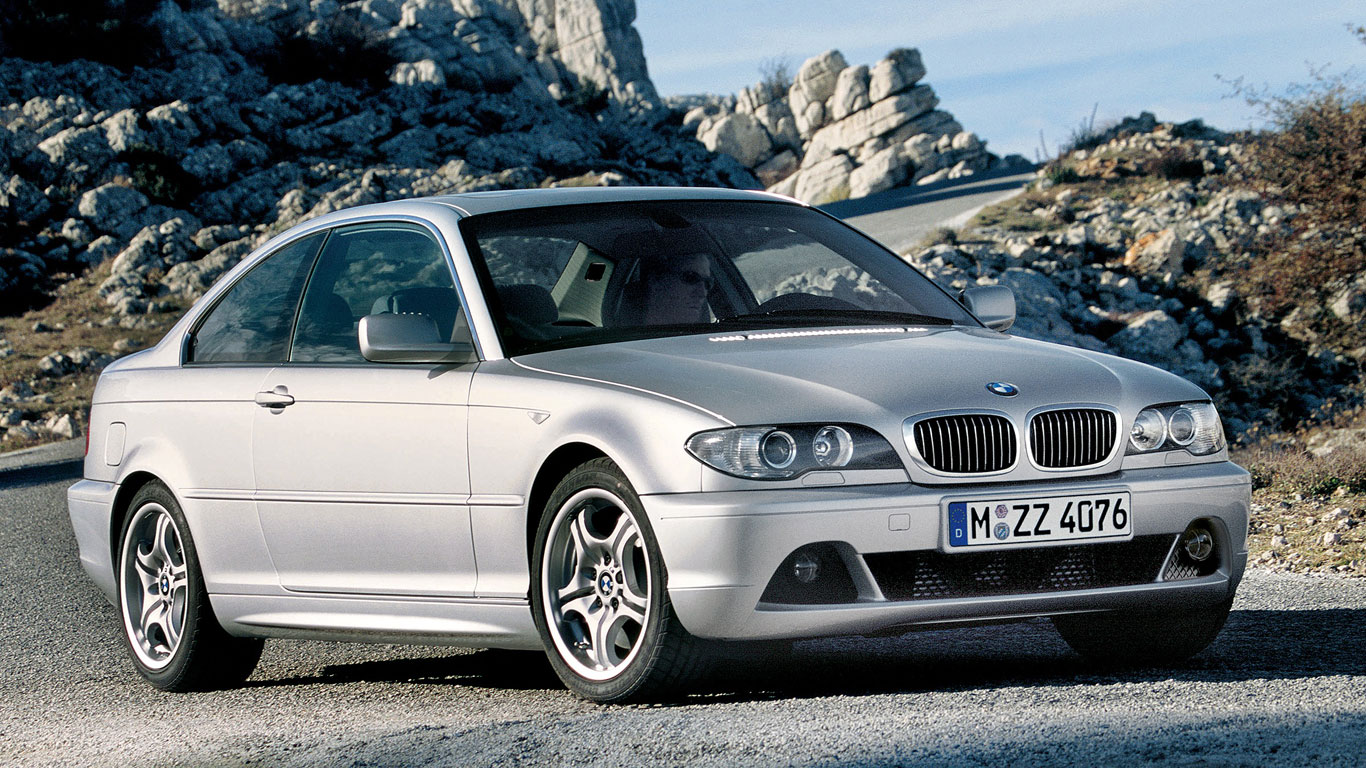
BMW 3 Series
If you don’t believe the BMW 3 Series is influential, wait until the Paris Motor Show and the number of headlines, features and column inches dedicated to the world’s most popular premium saloon. Make no mistake, Mercedes-Benz, Jaguar and Audi will be keen to get their hands on the new 3er, which, we suspect, will remain the class leader in terms of dynamics and driver appeal.
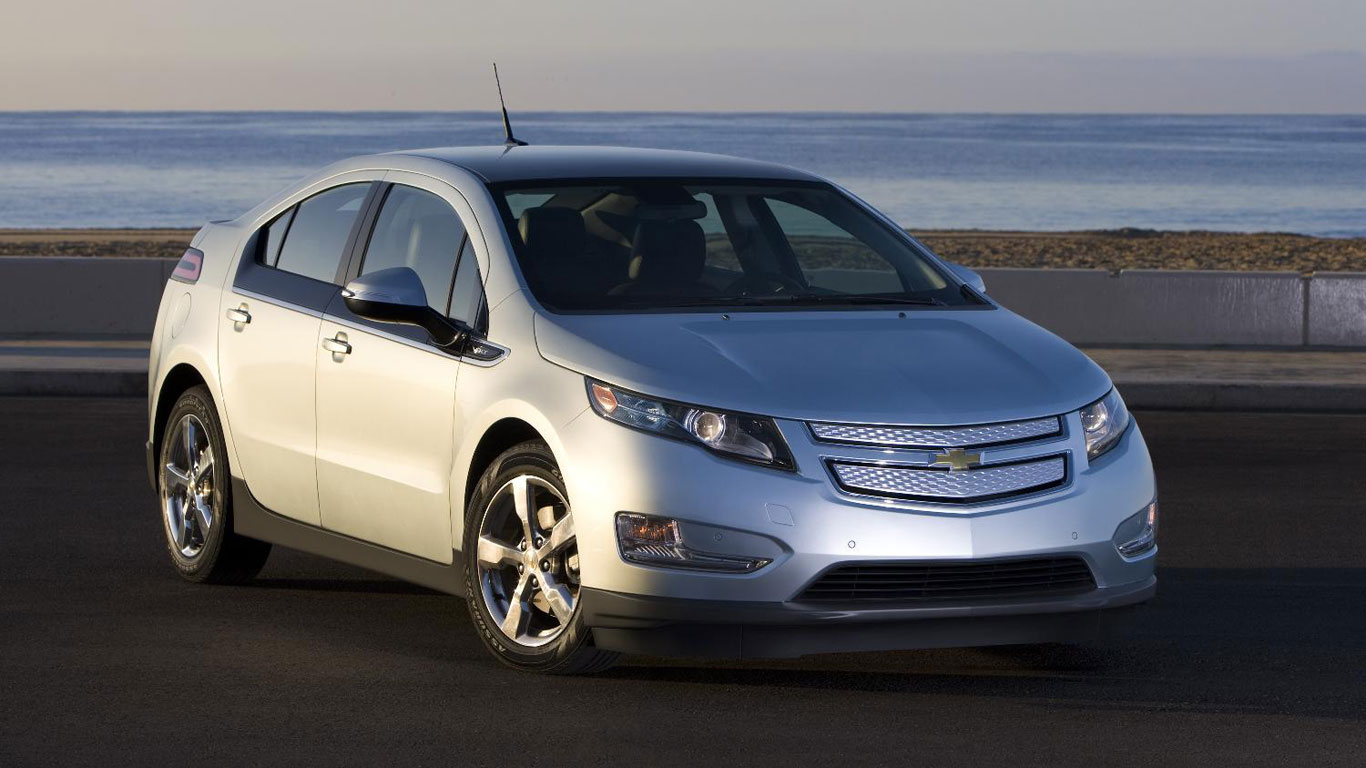
Chevrolet Volt
The Chevrolet Volt – along with its badge-engineered sibling, the Vauxhall Ampera – was the world’s first plug-in hybrid built by a volume manufacturer and should have been a springboard to greatness for GM. That it was a commercial flop shouldn’t take anything away from its influence on the segment. And, let’s remember, the Volt arrived at a time when people were still getting used to the idea of batteries and plugs. If nothing else, the Volt will have influenced the development of the Bolt – Chevrolet lost money on every Volt it sold.
Lexus RX
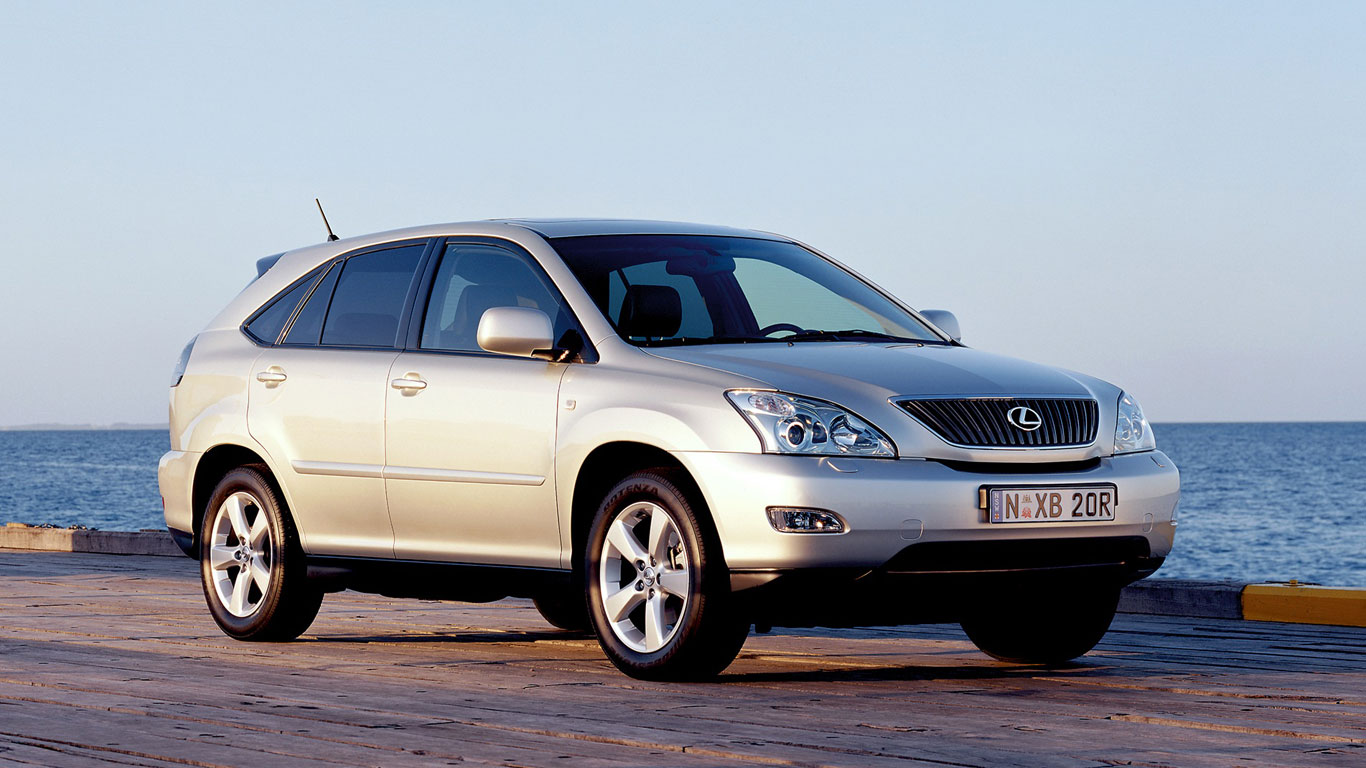
In 1997, Toyota unveiled the Sport Luxury Vehicle (SLV) concept at the Chicago Auto Show, with the production car debuting as the Toyota Harrier in December 1997. The following year, it was exported as the Lexus RX 300, and soon became the best-selling vehicle in its line-up. It was one of the first examples of a premium crossover and proved to be particularly successful in the US, where it was the only car to be seen in for image-conscious soccer moms and dads.
Renault Clio Williams
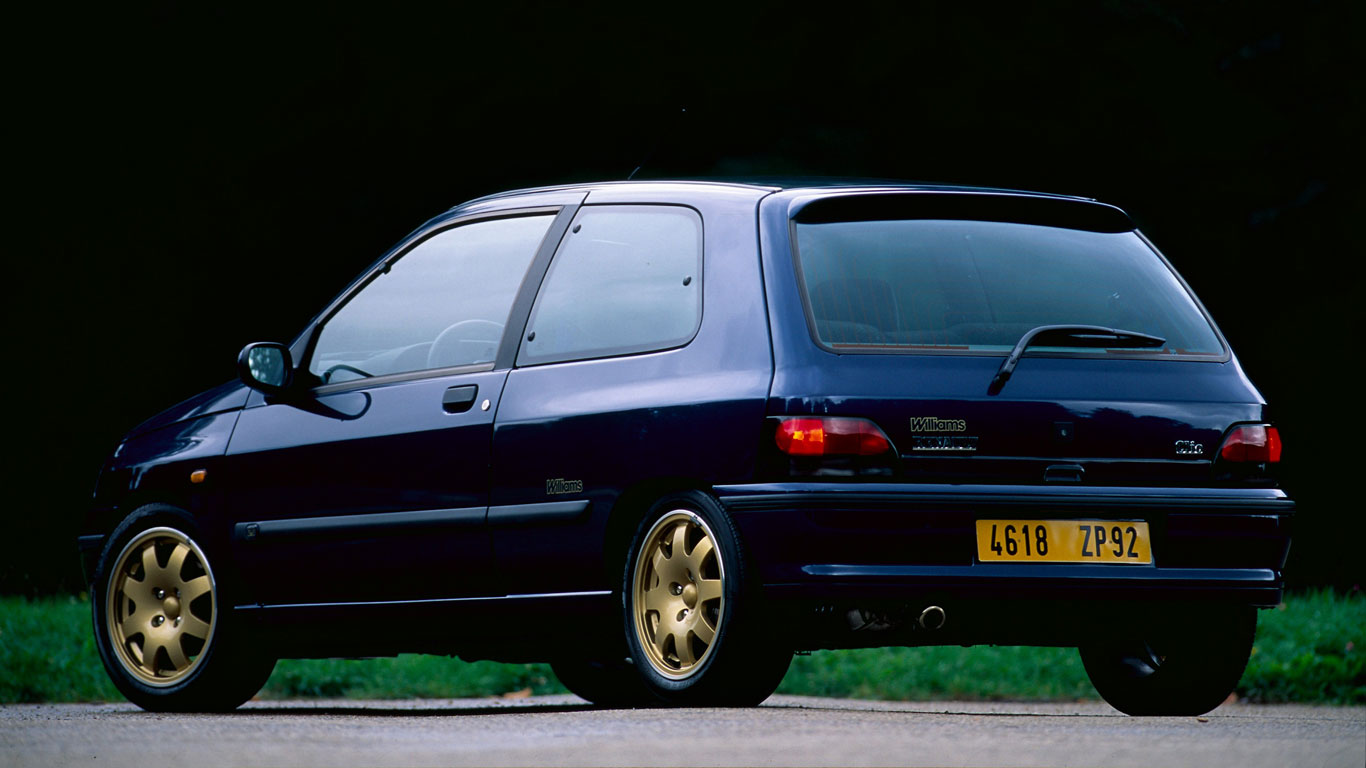
The Renault Clio Williams was the definitive hot hatch of the 90s, and it laid the foundations for a future of Renault Sport products. It’s thanks to the ‘Willy’ that the the likes of the Clio 172 and 182 exist. And for that, we must be thankful.
Uber taxi
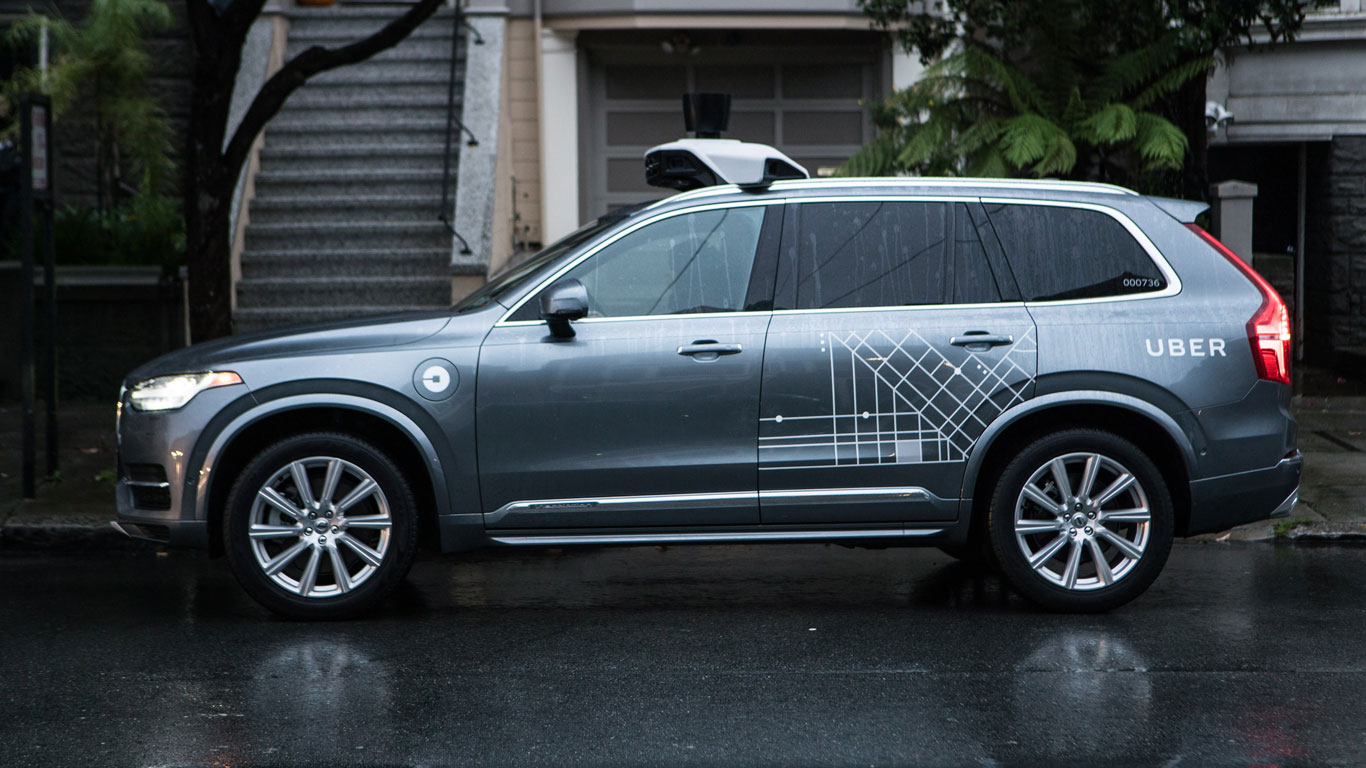
Autonomous cars and ride-hailing apps – who knows what the future might hold? The Uber cab you took into town on Friday night might be playing a part in the next development of the motor car. In 10 years time, you might not be driving at all…
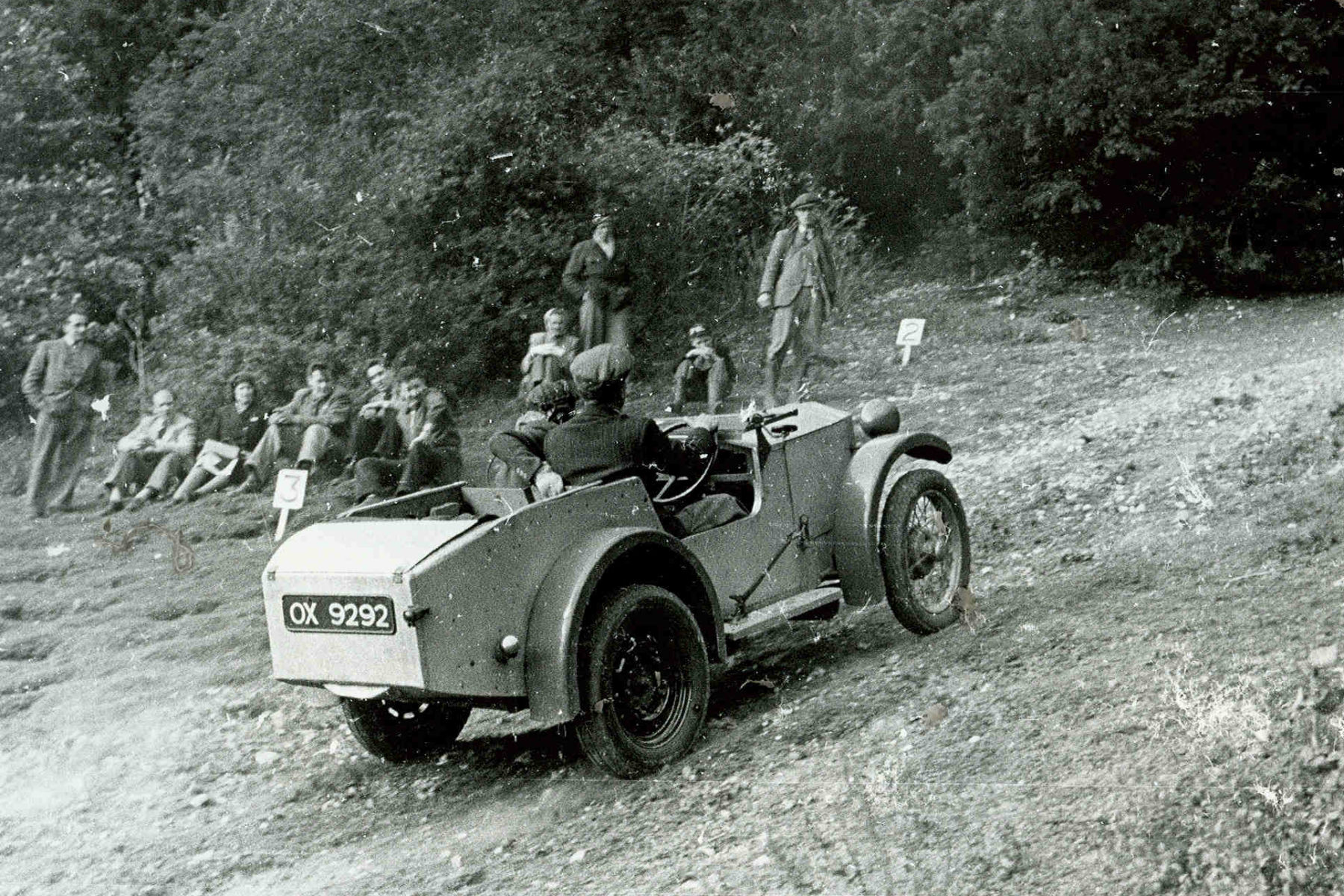
In its 70th year, Lotus is rightly looking back at all aspects of its history, while also looking forward to a new era of investment from Geely. In going back to the very beginning, however, Lotus might just need your help. The marque is on the hunt for the very first car its founder, Colin Chapman, ever built: the 1948 Lotus Mark I.
It’s no surprise that Lotus is having a job tracking the car down. Despite its existence being well documented, there’s been no trace of the Mark I since it was sold in November 1950.
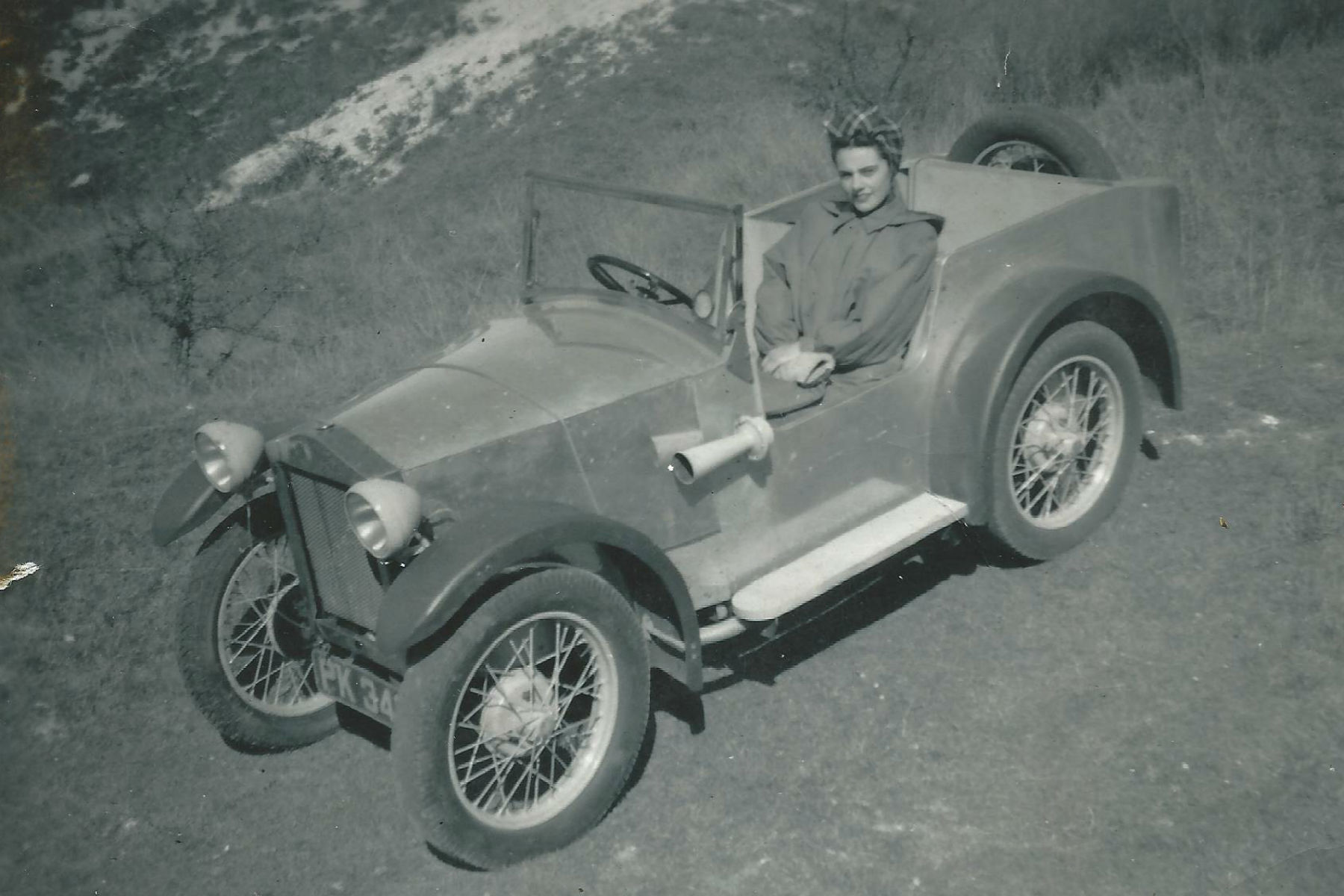
The car was based on an Austin 7. Typically, Chapman’s modifications comprised mainly of reducing weight, along with extensive chassis and suspension improvements. The car was campaigned in English Trials – primordial British rally events. His continued modification of, and success with, the Mark I proved to Chapman he had a future in motoring and racing. The “holy grail of Lotus’ history”, indeed.
“It’s the first time that my father was able to put his theories for improved performance into practice when designing and building a car” said Clive Chapman, Colin’s son and director of Classic Team Lotus.
“To locate this landmark Lotus, as we celebrate the 70th anniversary, would be a monumental achievement. We want fans to take this opportunity to look in every garage, shed, barn and lock up they’re allowed to.
“It’s even possible that the Mark I was shipped from the UK, and we’d love to know if it survives in another country.”
In case you hadn’t noticed, an increasing number of car manufacturers are choosing to stay away from motor shows, focusing more on smaller events, social media and direct-to-consumer activity. It means that this year’s Paris Motor Show is notable as much for the list of absentees as it is for the cars on show. Here, we guide you through a list of no-shows at this year’s motor show.
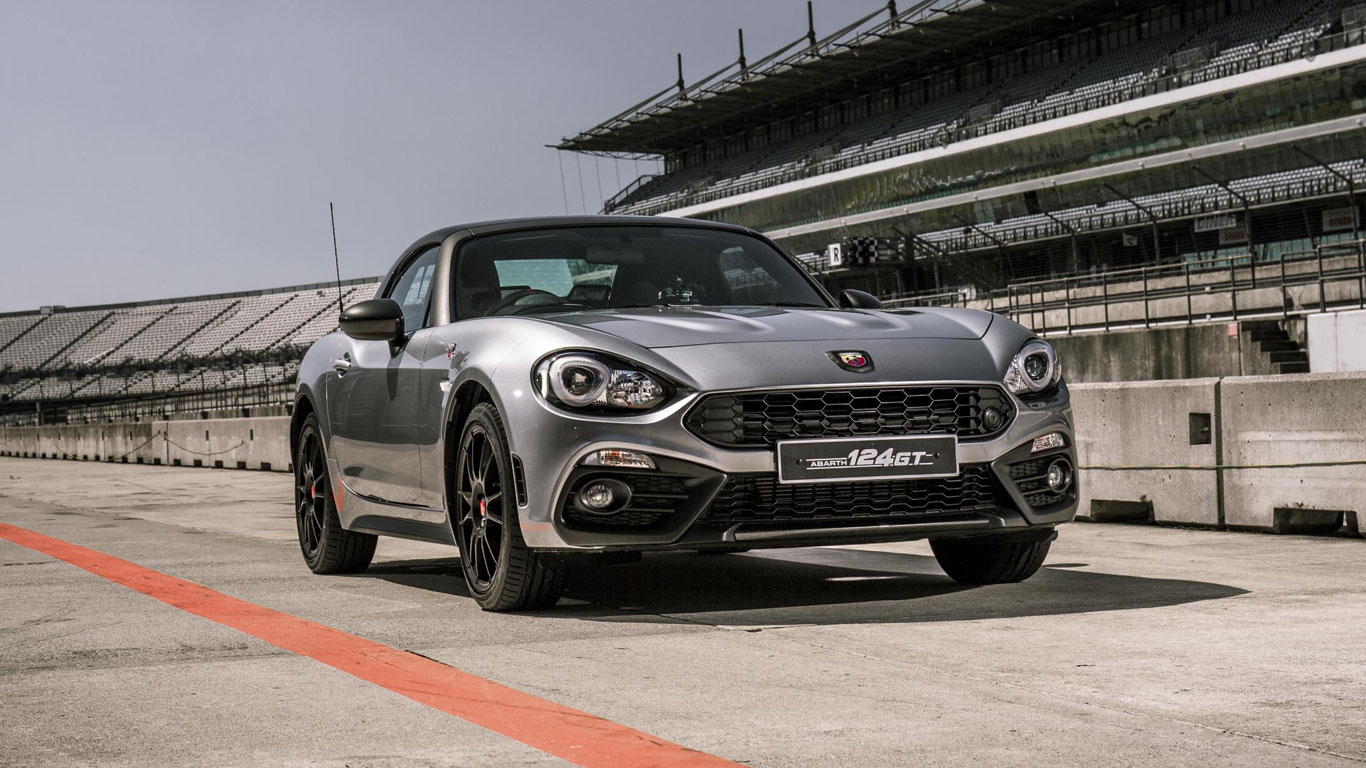
Abarth
Abarth won’t be in Paris, which means you won’t be able to see the new 124 GT with its carbon fibre roof. But don’t worry, you could always pop down to your local Abarth dealer. According to FCA, the potential sales and publicity aren’t enough to warrant the spend on the show.
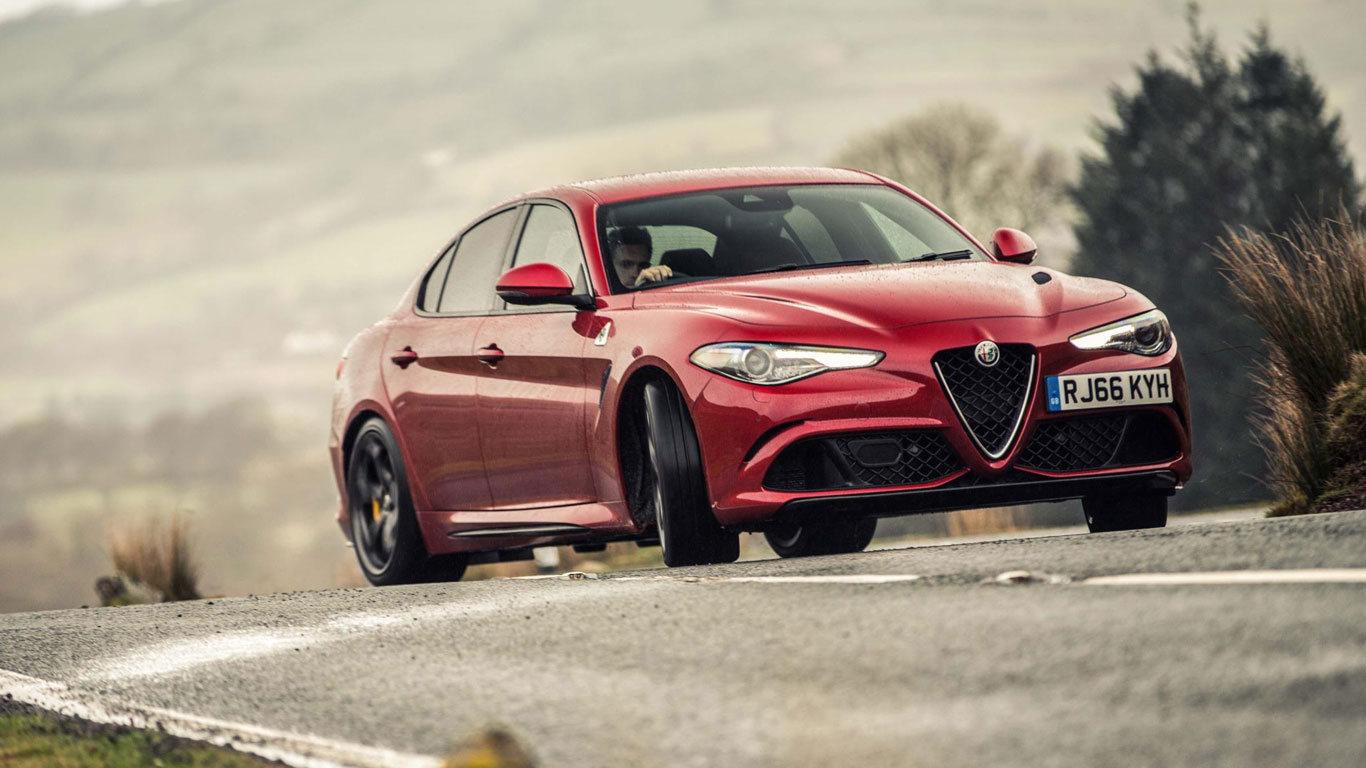
Alfa Romeo
Which means you won’t find a new Alfa Romeo gracing one of the halls at Paris Expo Porte de Versailles. What are you missing? Well, Alfa recently launched a new B-Tech package for the Giulia, Stelvio and Giulietta, and there are rumours of a further two SUVs and a new supercar. Fingers crossed the latter comes to fruition.
Aston Martin
The chances are, Aston Martin would have used the Paris Motor Show to reveal plans for its next-generation hypercar due for release in late 2021. But, as Aston isn’t in Paris, it announced the details earlier this week, with ‘Project 003’ poised for a 500-car production run. It’ll feature active aerodynamics, active suspension and a hybridised turbocharged engine.
Bentley
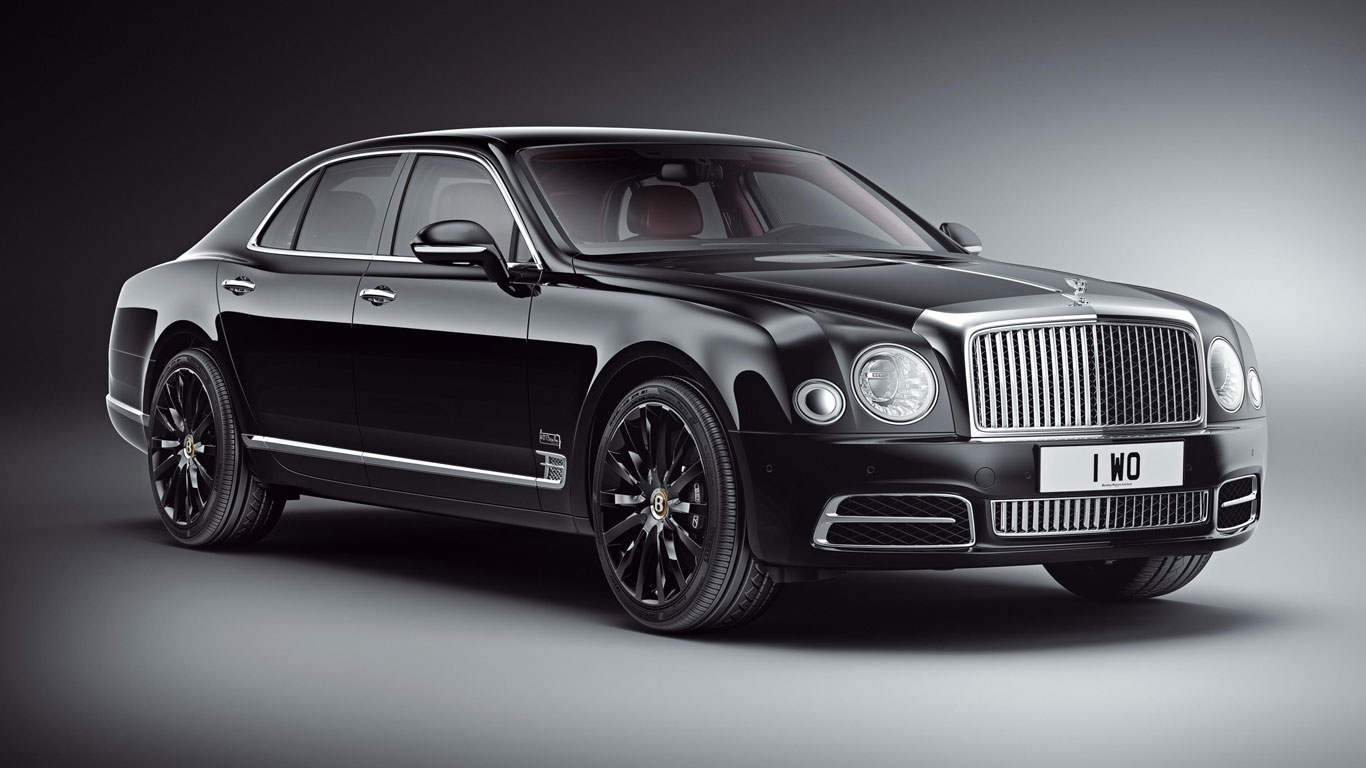
There will be a big, Bentley-shaped hole in Paris, but that doesn’t mean Crewe doesn’t have anything new to show. In August, Bentley unveiled the limited edition Mulsanne W.O. Edition by Mulliner at Monterey Car Week. The car pays homage to the company founder’s personal 8 Litre car, and just 100 will be built.
Fiat
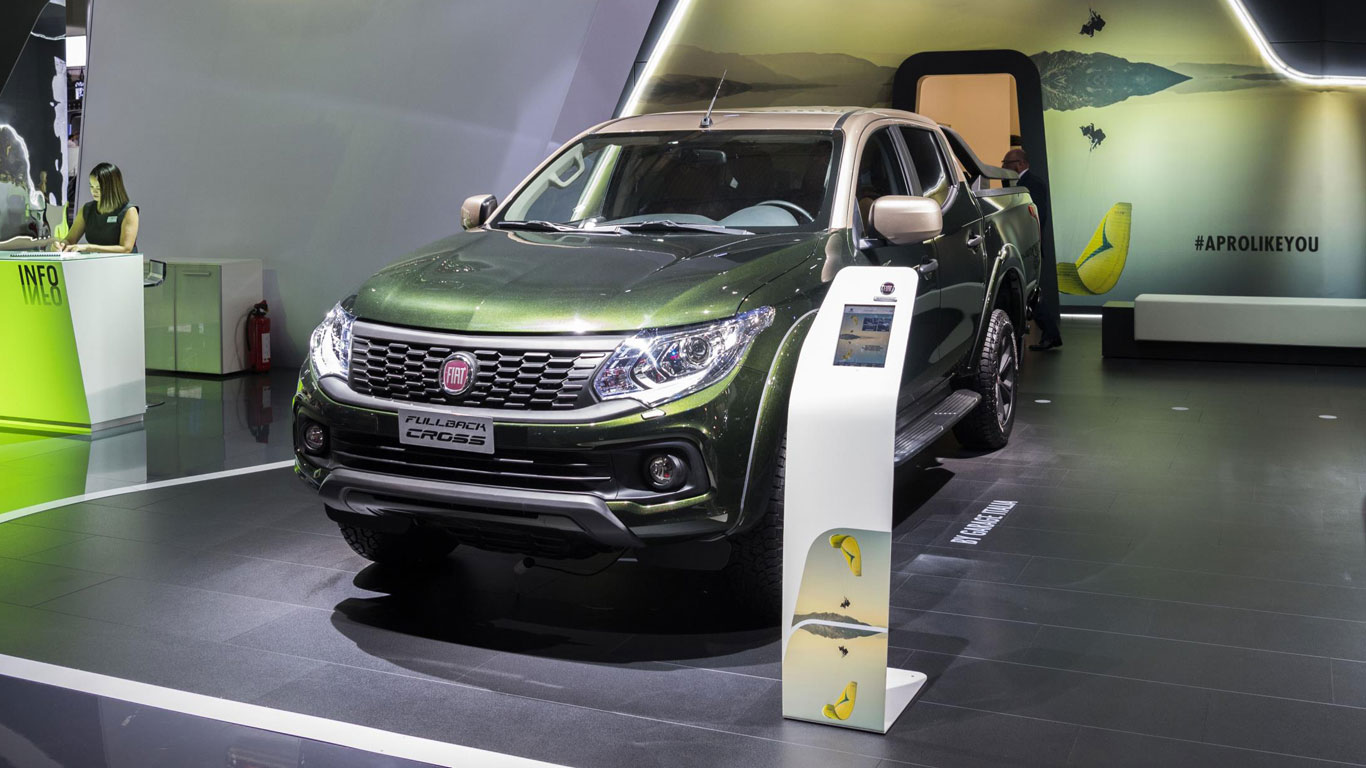
Don’t head to Paris in search of the refreshed 500X and the 500L S-Design, because Fiat is staying in Italy. Meanwhile, Fiat Professional has been at the Hanover Motor Show, showcasing the Ducato, Fullback and Doblo. Contain yourself.
Ford
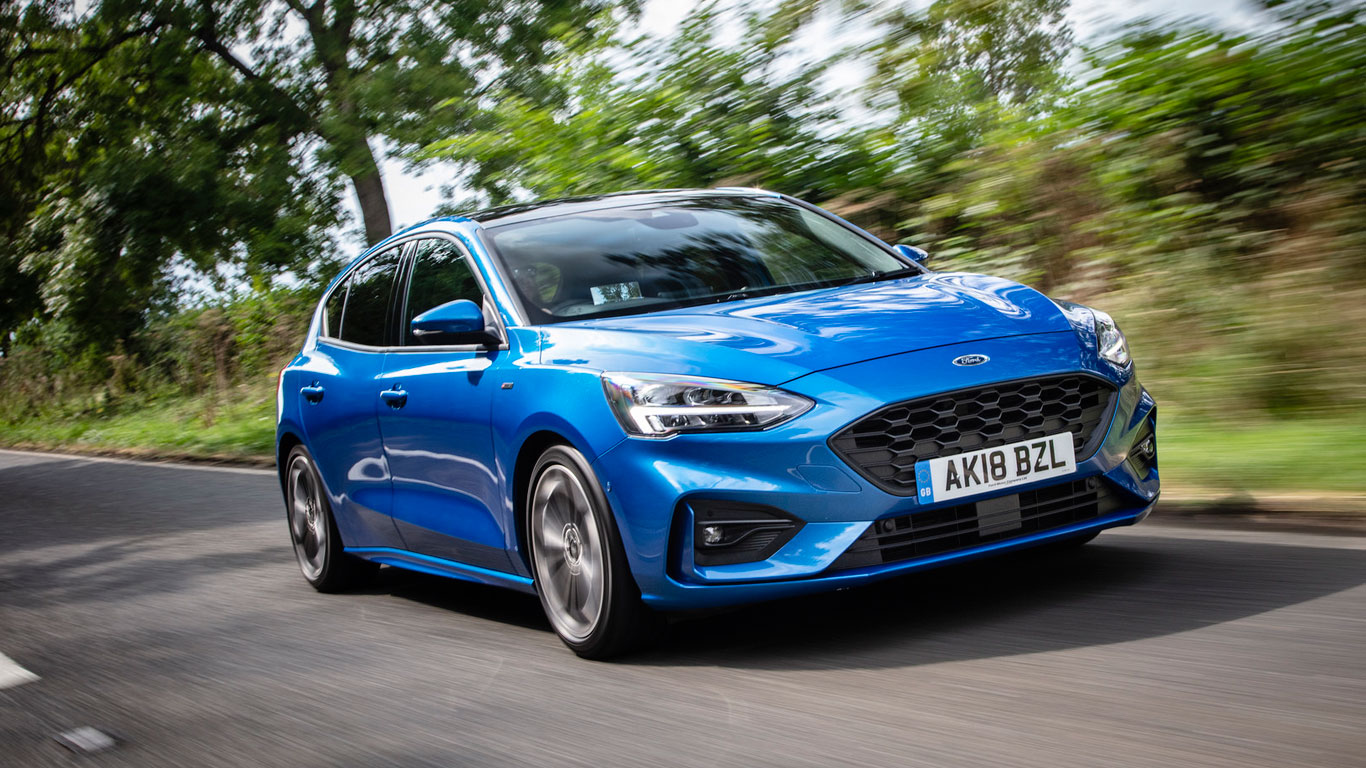
Back in the 80s and 90s, it would have been unthinkable for Ford to be absent from a major international motor show, especially with such an important car to display. If you fancy a gander at the new Focus, simply head to your nearest Ford showroom. They’re not hard to find.
Infiniti
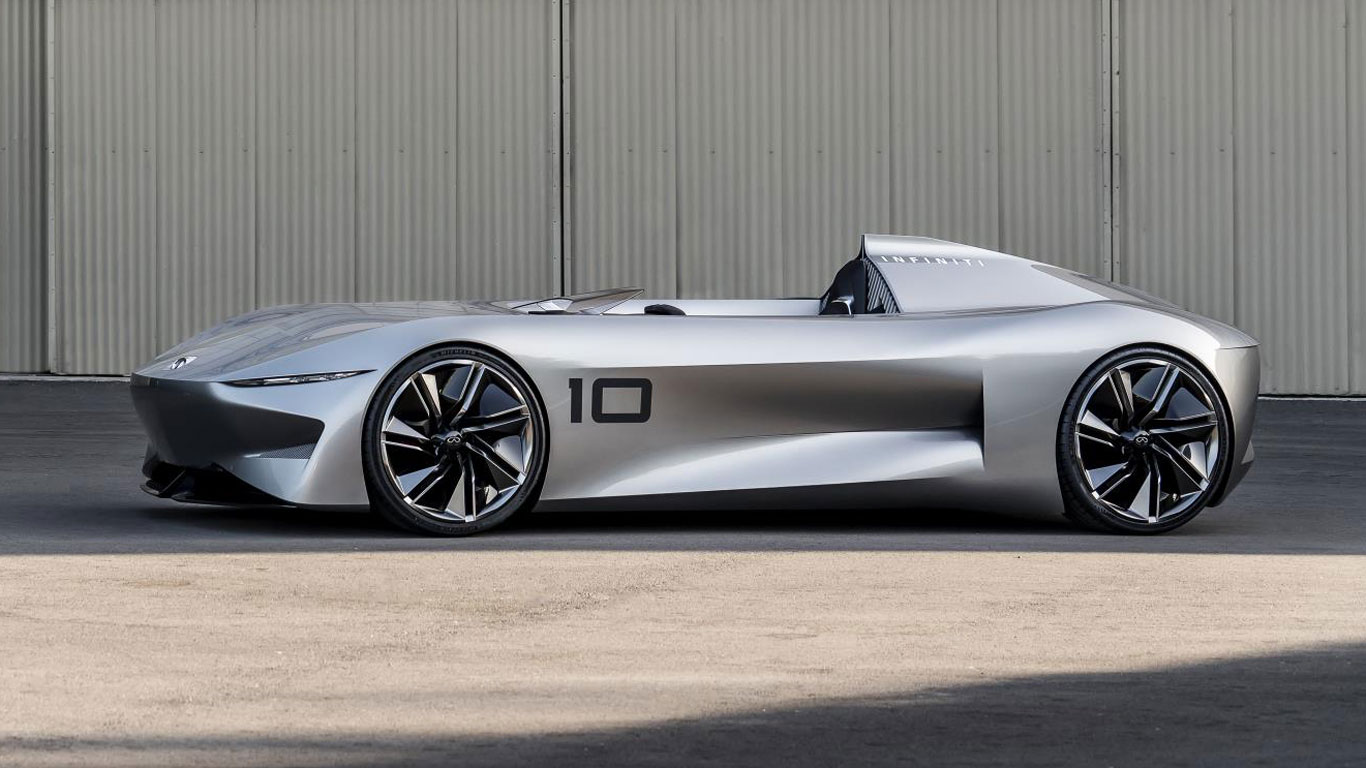
These days, many manufacturers use more intimate and specialised events to showcase new cars and concepts. The Infiniti Prototype 10 was revealed at the 2018 Pebble Beach Concours d’Elegance and hints at future design cues from Nissan’s posh arm. Cool thing.
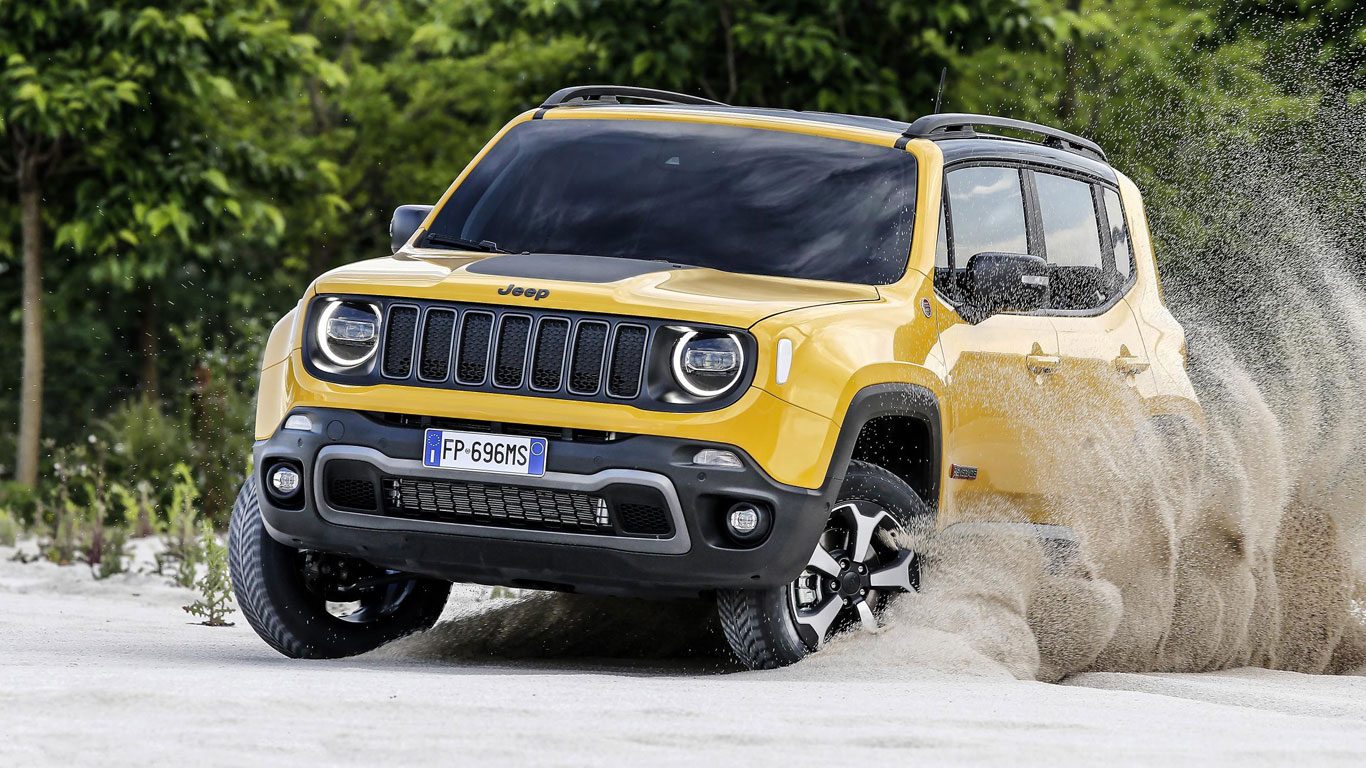
Jeep
Jeep is another victim of FCA’s decision to give Paris a miss, which means visitors will be denied the opportunity to see the new Cherokee, revamped Renegade and all-new Wrangler.
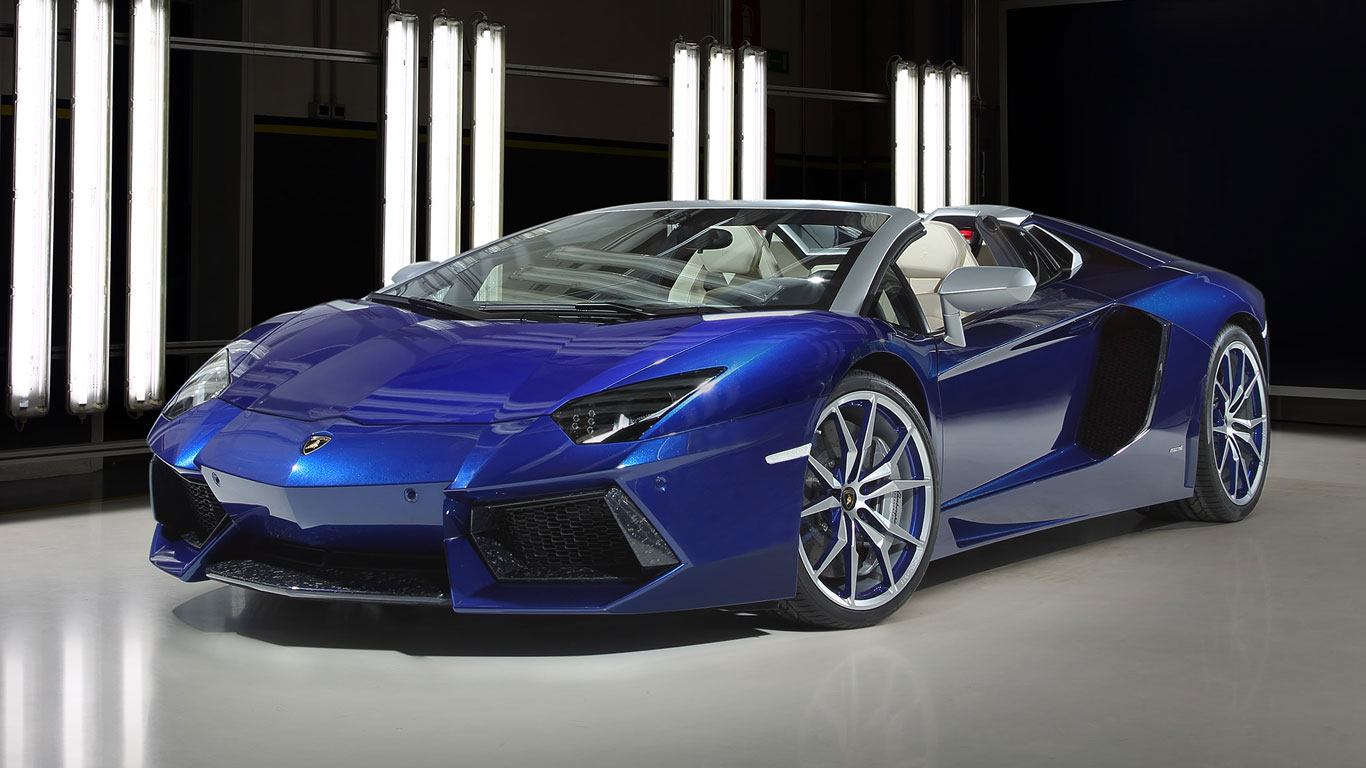
Lamborghini
An international motor show without Lamborghini is like a trifle without a cherry. A picnic without a Scotch egg. Juventus without Ronaldo. A pizza without pineapple. No, wait, not the last thing.
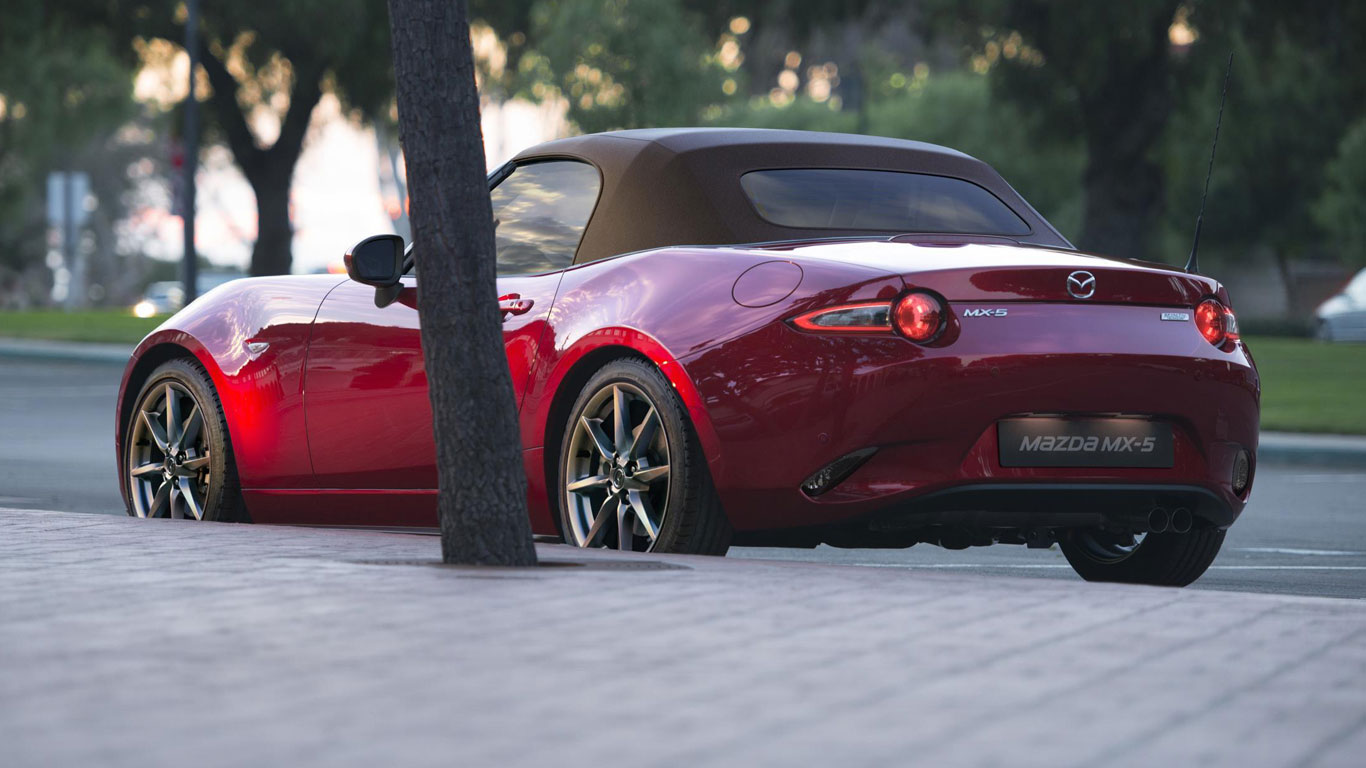
Mazda
Mazda has tweaked the 2.0-litre motor in the MX-5 to produce 184hp – 26hp more than before. It means that, cutting a potentially long and wordy review short, the best affordable sports car is better than ever. But you won’t be seeing it in Paris. Unless one happens to drive by when you’re on a romantic weekend away with your significant other.
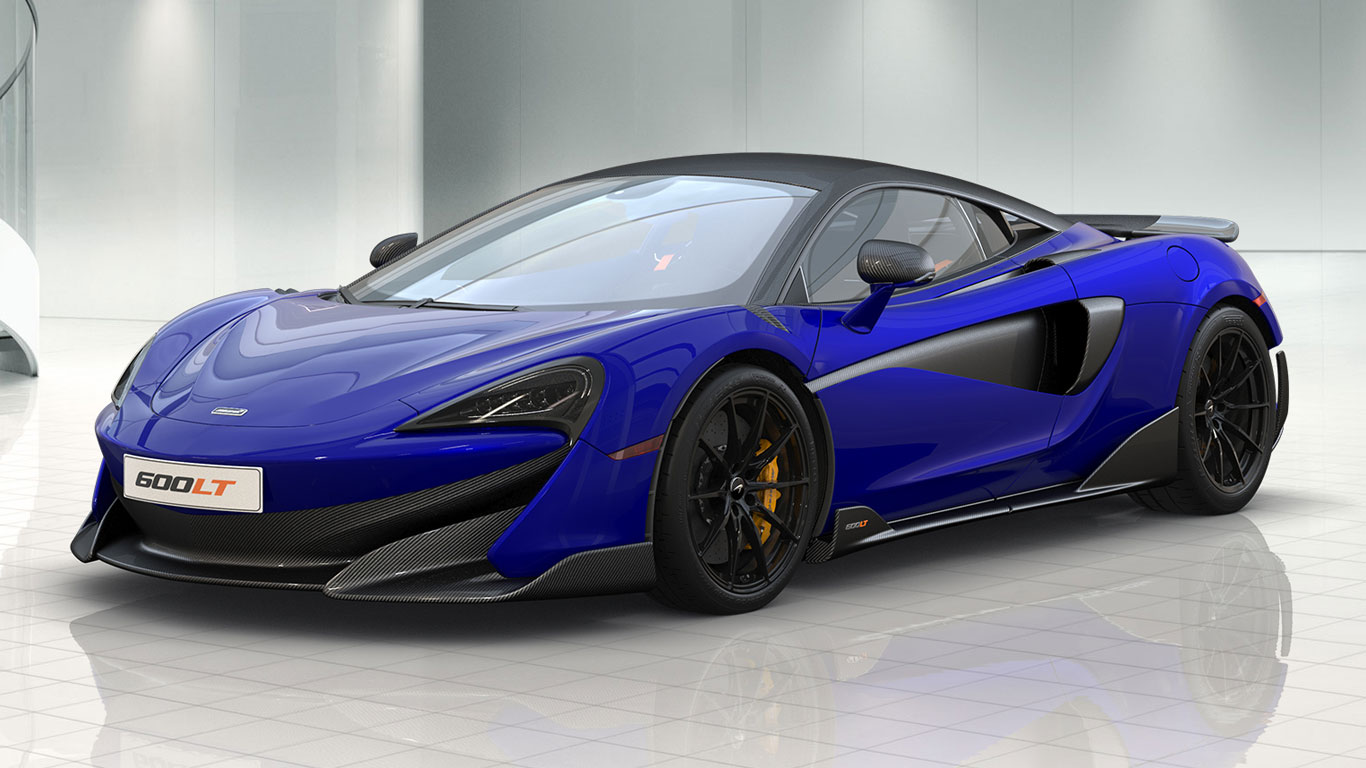
McLaren
It has been a busy year for McLaren. The 600LT made its world debut at the Goodwood Festival of Speed and the Senna was unveiled at the Geneva International Motor Show, before gracing the cover of Forza Horizon 4.
Mitsubishi
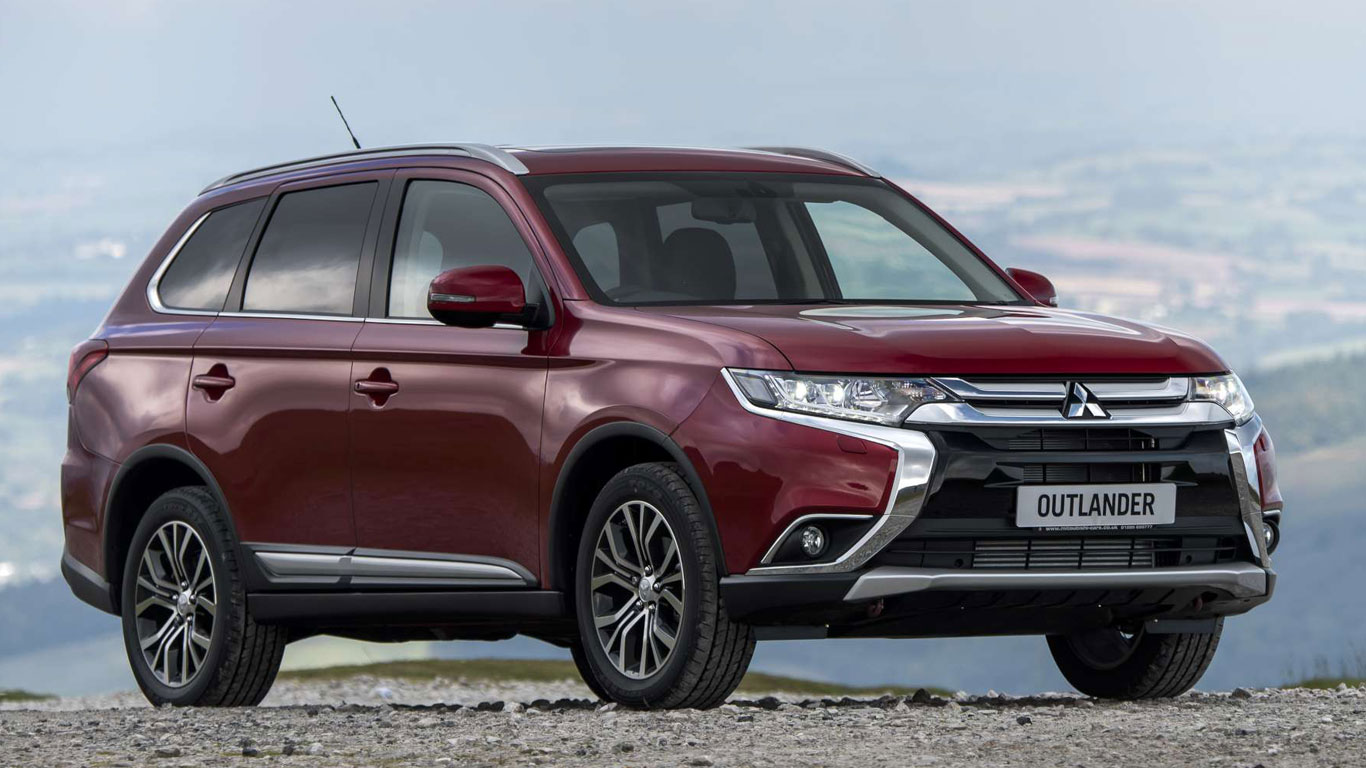
The 2019 Mitsubishi Outlander PHEV won’t be in Paris, but fear not, because it’s already on sale in the UK. Buy one, and impress your friends with some killer stats, such as 46g/km CO2, an EV range of 28 miles and WLTP combined fuel economy of 139mpg.
Nissan
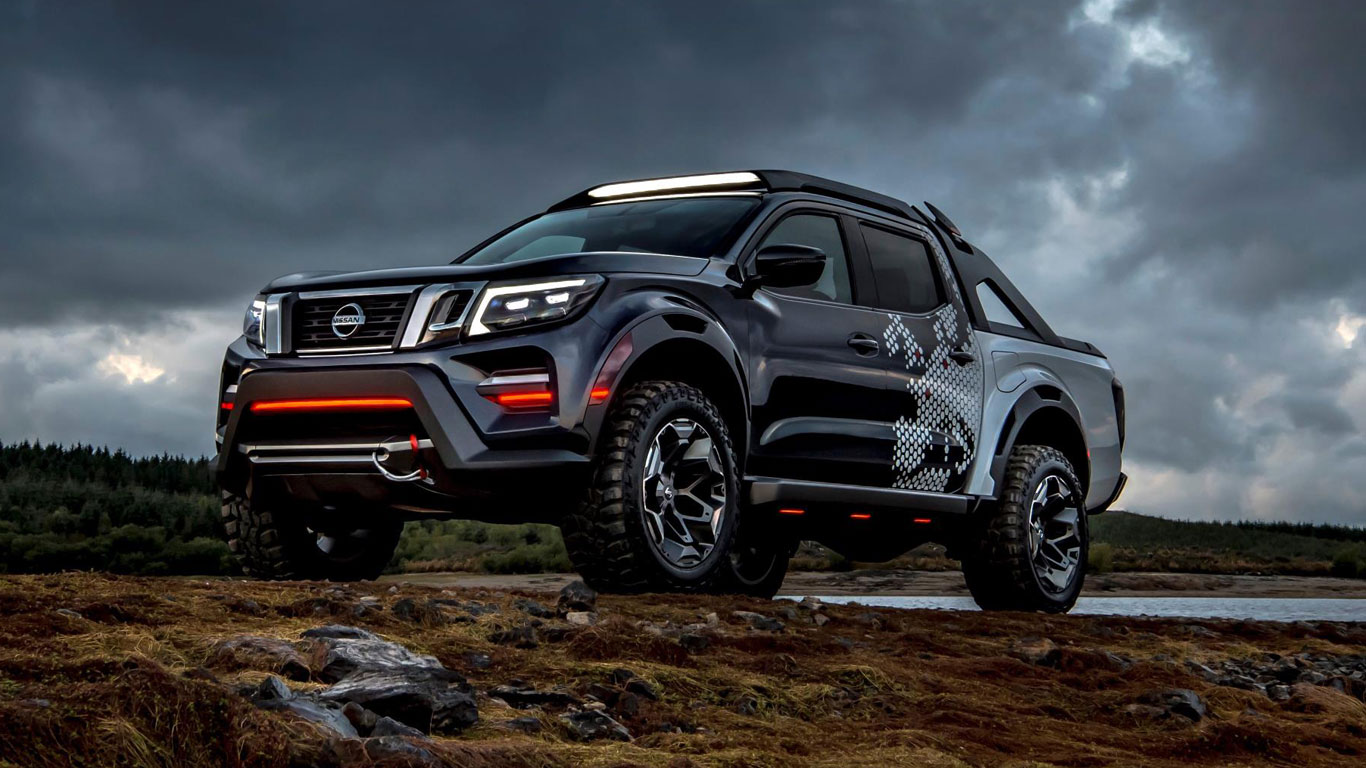
Nissan might not be in Paris, but it hasn’t turned its back on motor shows. The Navara Dark Sky Concept, built in collaboration with the European Space Agency (ESA), was unveiled at the Hanover Motor Show. It can tow a mobile astronomy laboratory, which makes a change from caravans and horseboxes.
Rolls-Royce
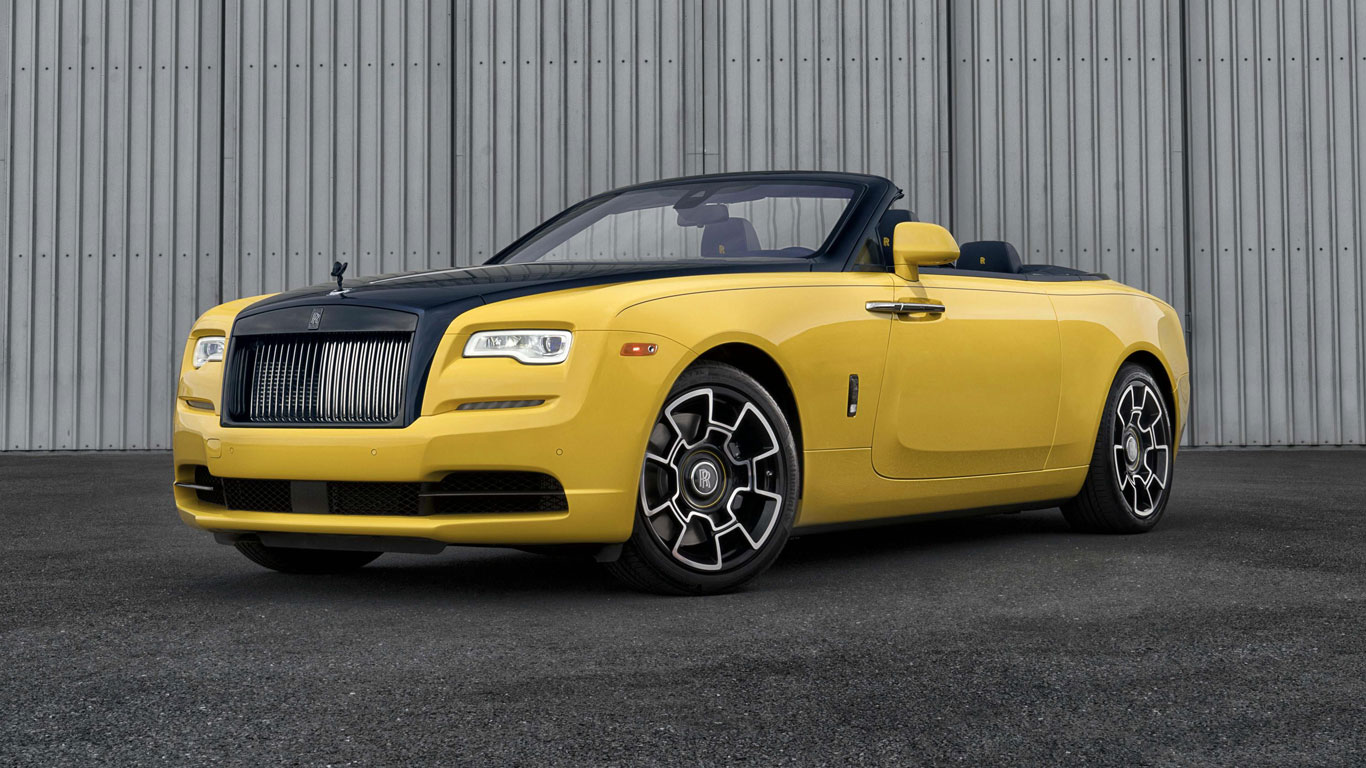
This is the Rolls-Royce Dawn Black Badge owned by Benjamin Treynor Sloss, vice president of engineering at Google. He took delivery at this year’s Pebble Beach Concours d’Elegance. In other news, Rolls-Royce recently opened a new showroom in Leeds, which is the UK’s fastest growing city. Fancy that.
Subaru
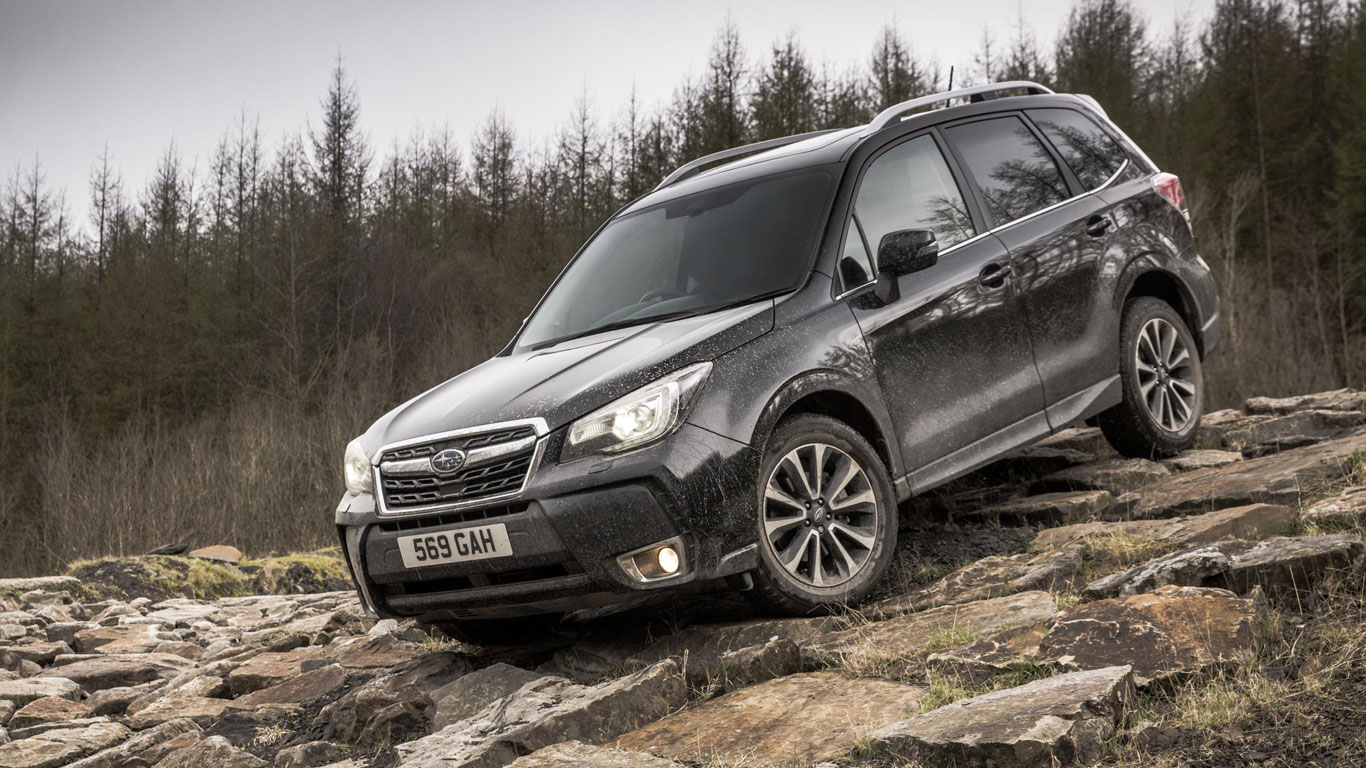
Subaru might not be in Paris, but earlier this year, the brand returned to The Game Fair as the official sponsor of the Shooting Line, with a Forester offered as the top prize. Feels more authentic than taking a few highly-polished cars to the French capital.
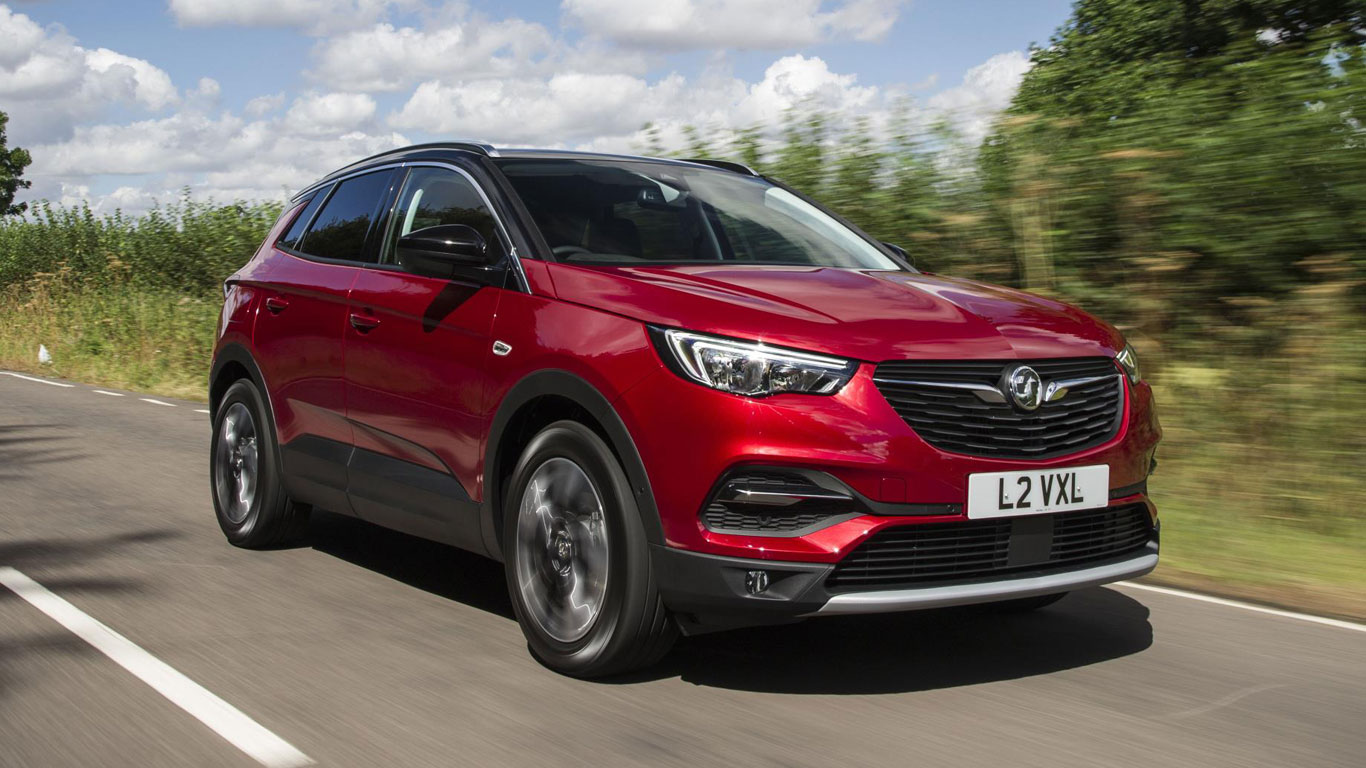
Vauxhall/Opel
Despite being owned by the French PSA Group, Vauxhall and Opel will be skipping Paris. “We made the decision to put a stronger emphasis on our own events for the upcoming product launches,” a spokesperson told Automotive News Europe.
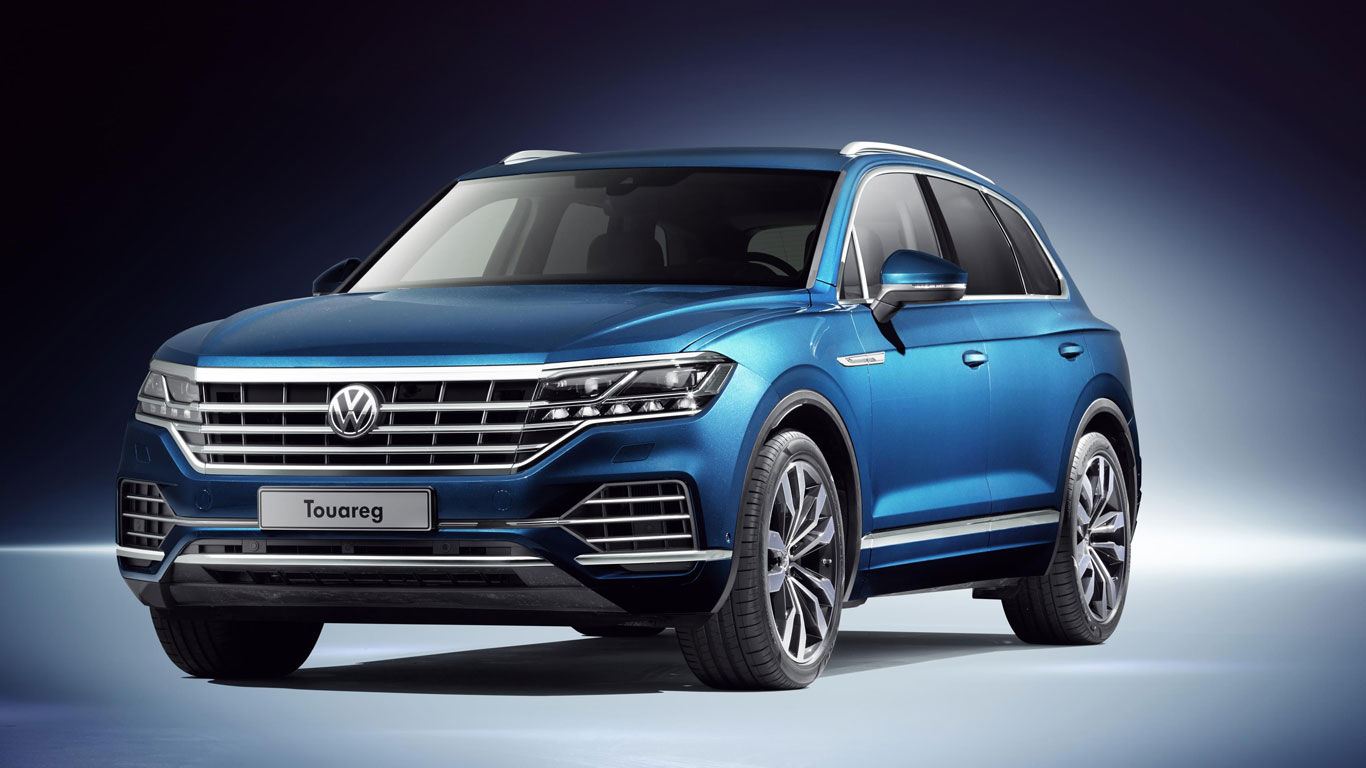
Volkswagen
Audi, SEAT and Skoda will be in Paris, but Volkswagen is taking a break. It’ll use the time to celebrate the five-star Euro NCAP safety rating for the new Touareg. The large SUV scored 89 percent for adult occupant safety, 86 percent for child occupant safety, 81 percent for safety assist and 72 percent for pedestrian safety.
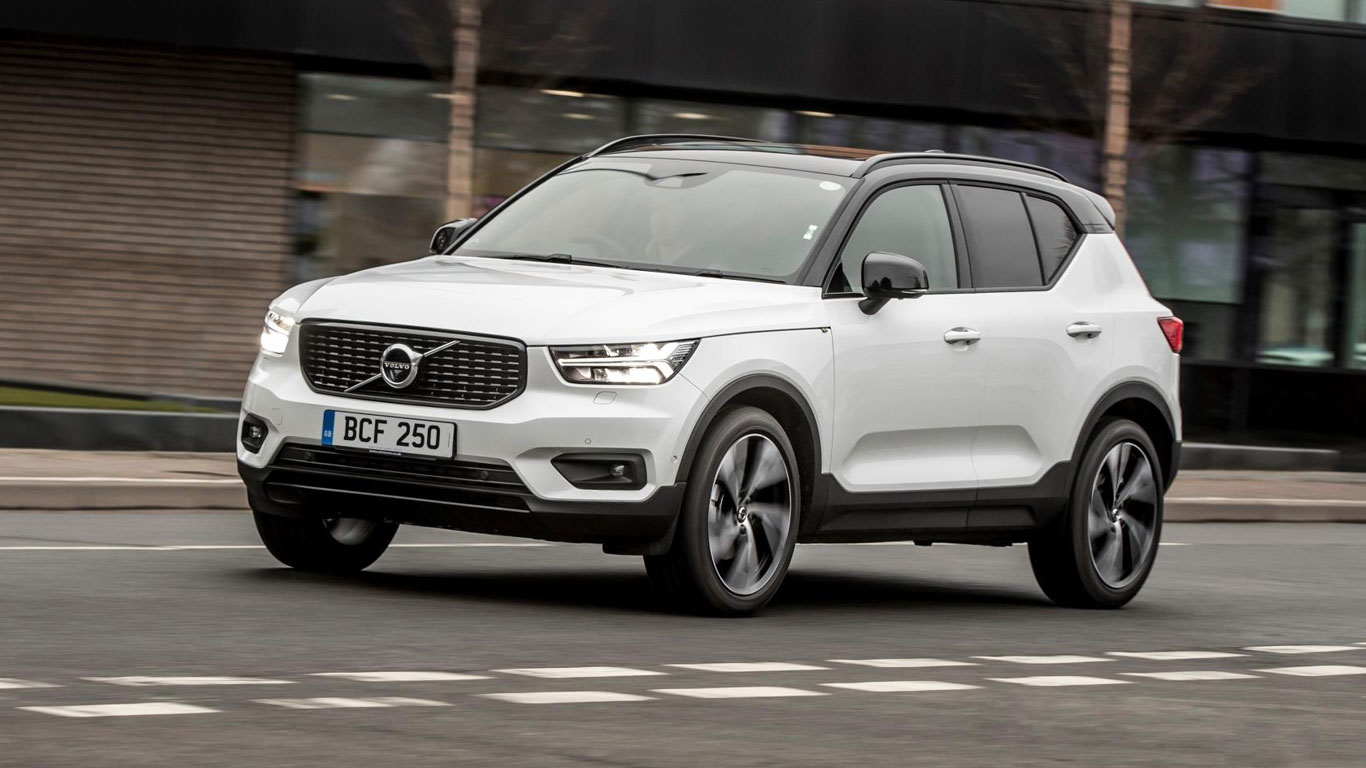
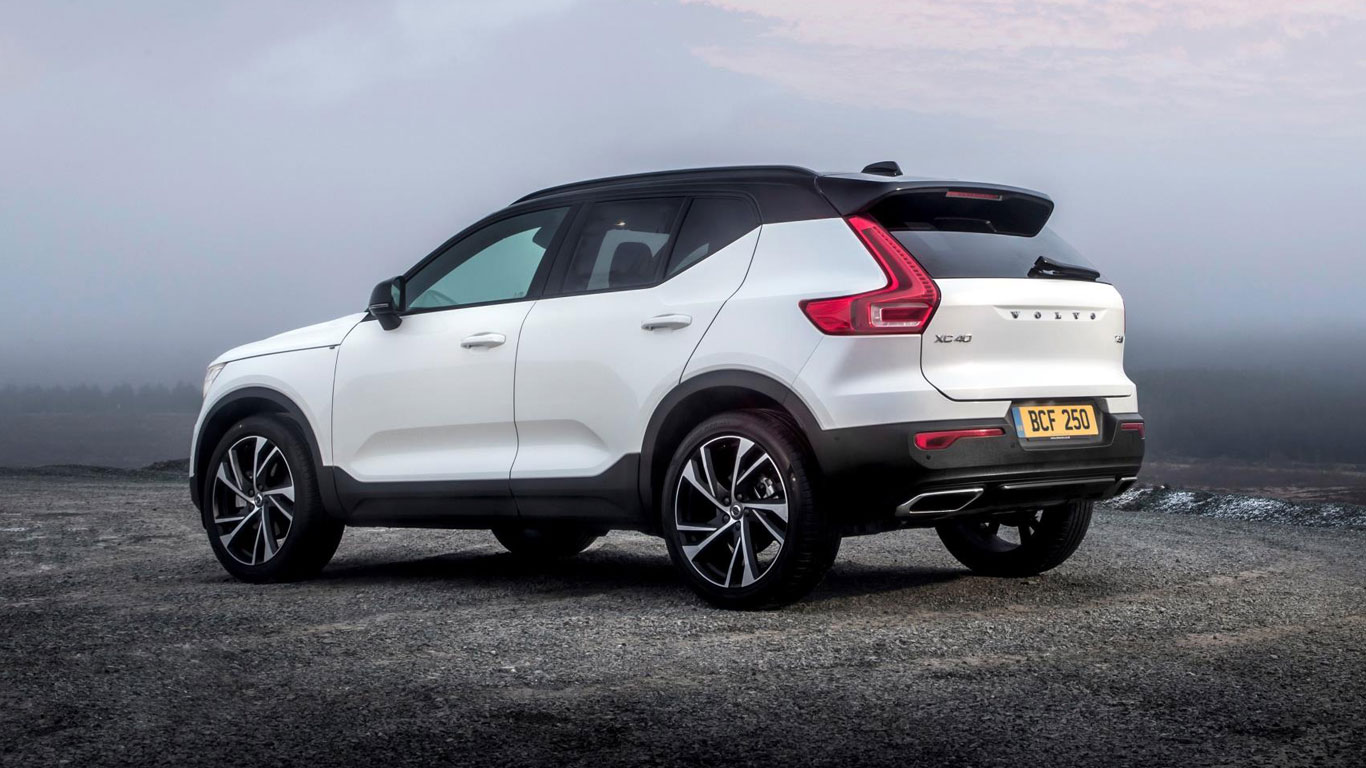
Volvo
On the subject of motor shows, Bjorn Annwall, Volvo’s senior vice president of strategy, brand and retail, told CNBC: “Why stand in a crammed hall together with all the competitors shouting when you can have a more intimate relationship and discussion with the relevant journalist at home?”
Cash is no longer king when it comes to buying a new car: within 10 years, predicts automotive marketplace Auto Trader, every new car sold in Britain will be bought using some form of finance.
Already, many brands say around three in four new cars sold to retail buyers are bought on PCP finance schemes. This trend is set to continue, says Auto Trader, as new types of finance roll out.
The best 0 percent car finance deals right now
A fifth of millenials spend as much on car finance as rent
Key to the end of traditional car ownership will be the growth of subscription models. These will further broaden the choice of finance and leasing options available and make the idea of paying many thousands of pounds upfront for a new car seem quaint and old-fashioned.
“The age of traditional ownership is coming to an end,” said Auto Trader CFO and COO, Nathan Coe.
“As consumers increasingly source their cars in the same way they do their music or movies, the route from business to motorist will need to evolve alongside it.”
There are many new schemes emerging that offer the flexibility of services such as Uber with the independence of regular use of a car. Examples include Drover, Audi On Demand and new VWDS Rent-a-Car.
Finance ‘ownership’
Cash has already been happily substituted by finance for most people. Of the 13,500 people interviewed for the bi-annual Market Report, 98 percent who purchase on finance claim they own the car – even though, in reality, they do not.
“Motorists seek the comfort and certainty of exclusive access, or usership, and find it hard to distinguish this from true ownership.”
One thing’s for sure though – people don’t want to share their cars with others. Eighty percent overall (and 86 percent of ‘future car owners’ aged 16-21) demand exclusive access to a car. More than half are simply unwilling to share with others.
Which itself is good news for car dealers, added Coe. “Contrary to speculation, these new access models don’t signal the death knell for the industry.
“Instead they will fuel the market by making driving more accessible to a wider demographic, offering manufacturers a new way to get consumers behind the wheel, and will complement rather than cannibalise existing retail models.”
 Honda has confirmed fuel economy for its forthcoming 2019 CR-V Hybrid – and it’s good news, for this is a petrol SUV that does a fair impression of a diesel in the efficiency stakes.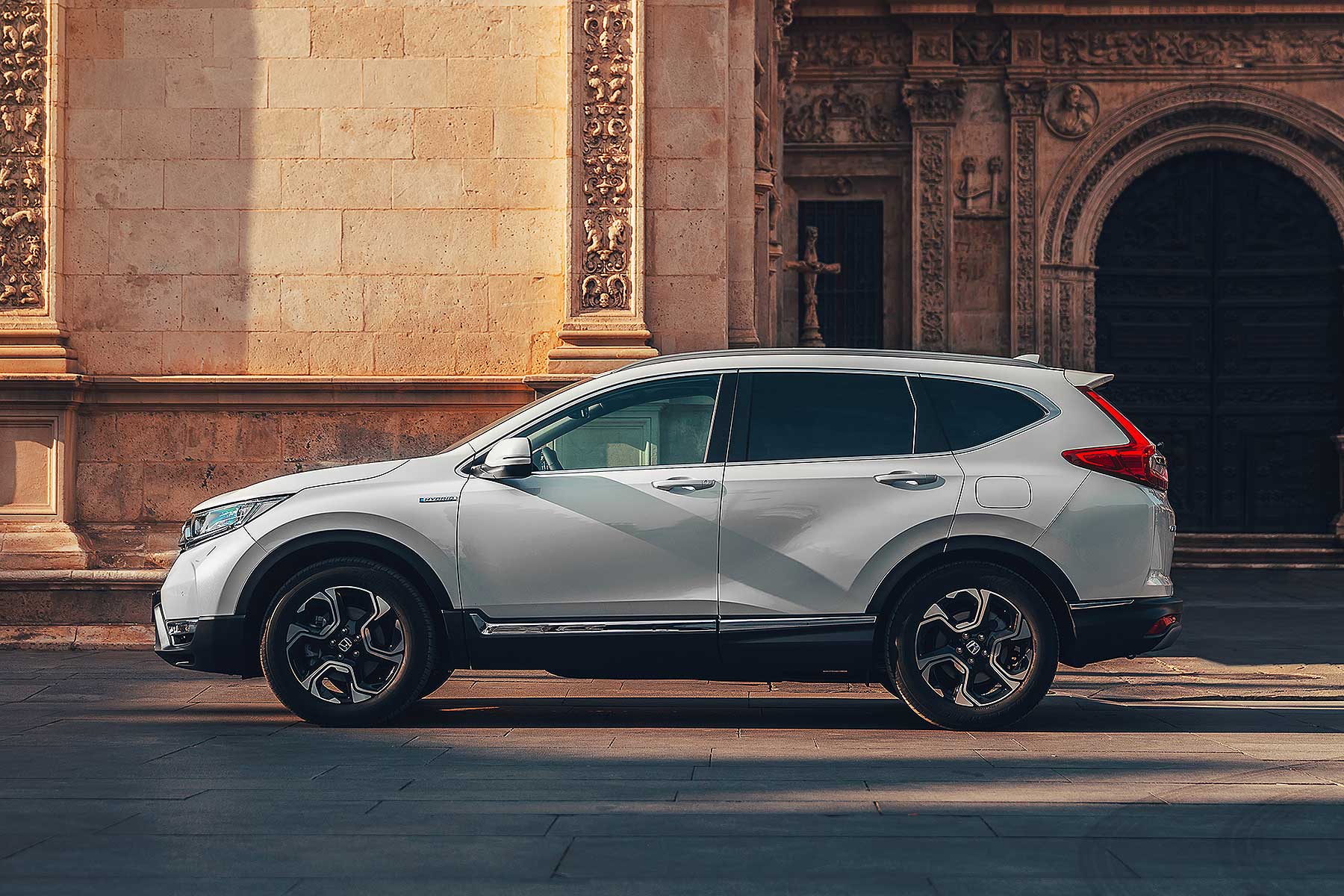



 The Hyundai i30 Fastback N is a five-door GT coupe version of the i30 N five-door hot hatch, which Hyundai hopes will prove a fast and value-packed alternative to models such as the Audi A5 Sportback and BMW 4 Series Gran Coupe. It debuts next week at the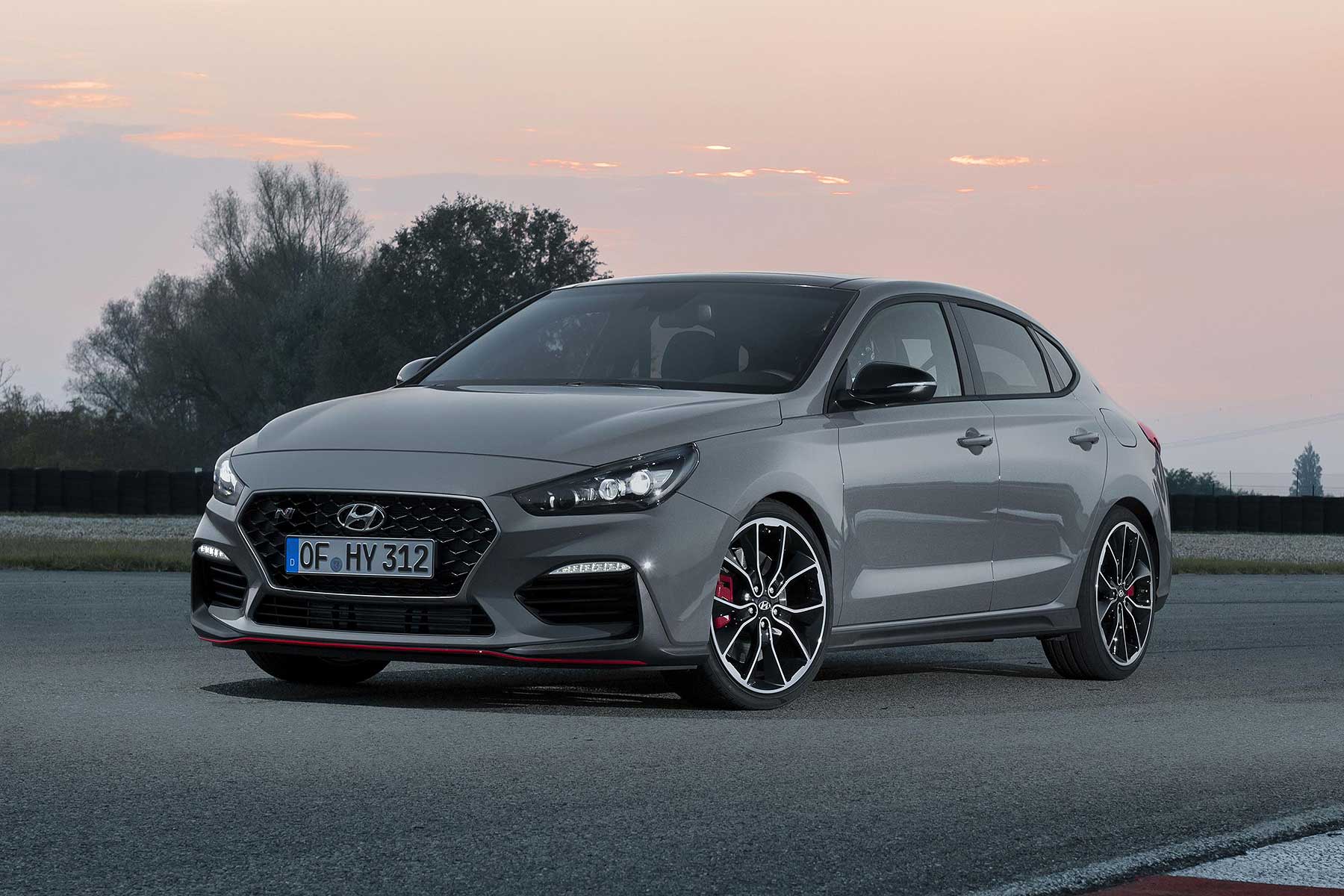
 The
The 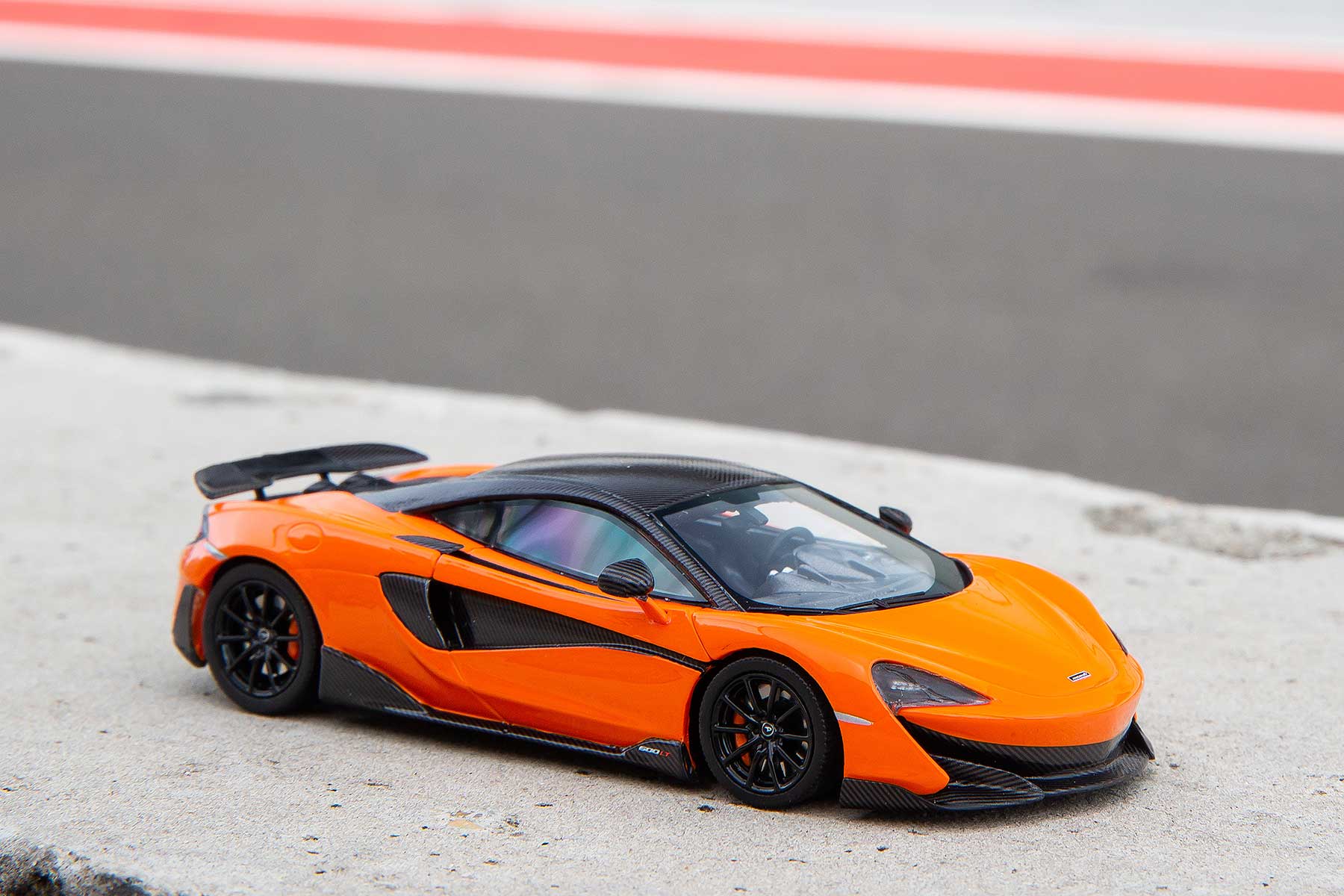
 Some cars enter production and fade away without anybody giving them a second thought. Others leave their mark on the industry, securing a place in motoring history. The following 25 cars have, in one way or another, shaped or influenced the car industry.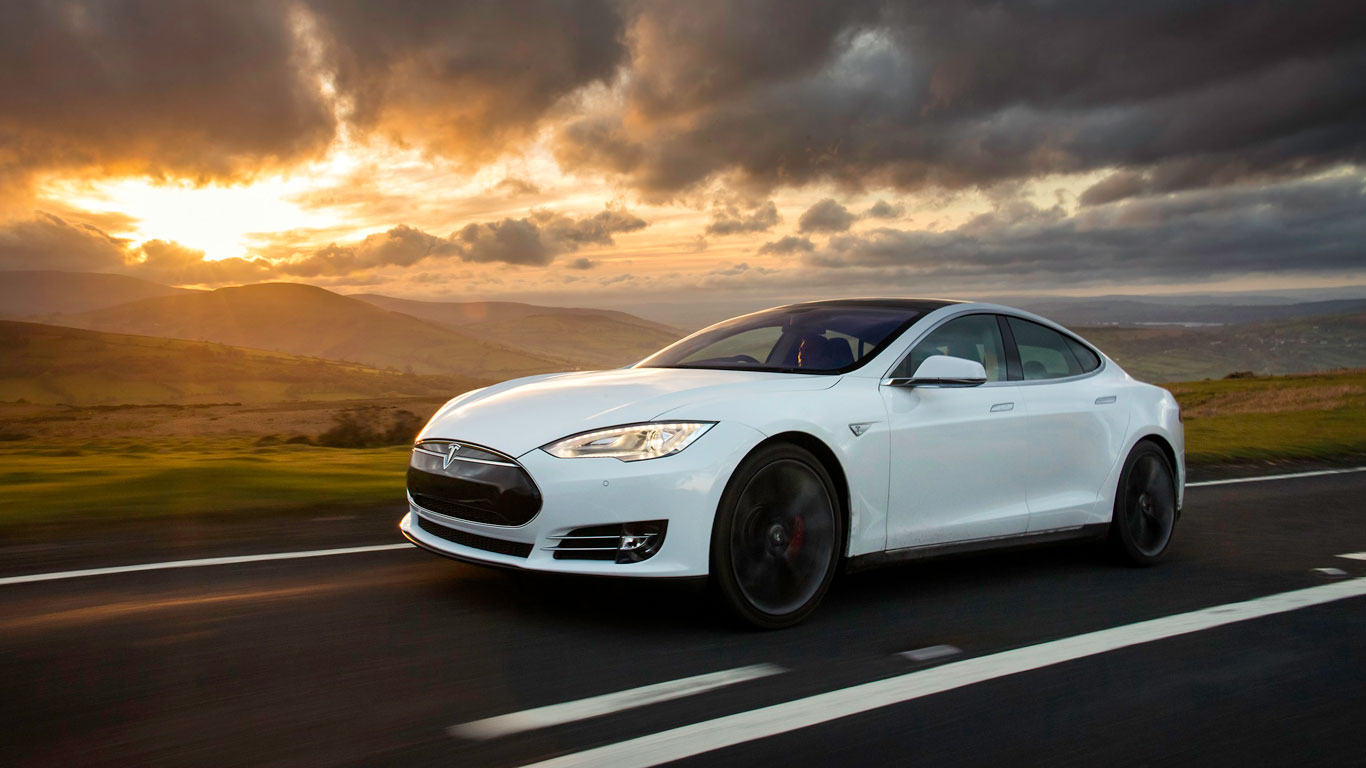

 Cash is no longer king when it comes to buying a new car: within 10 years, predicts automotive marketplace Auto Trader, every new car sold in Britain will be bought using some form of finance.