Home Blog Page 445

Porsche Taycan to use ‘never before seen’ battery tech

0

Porsche TaycanThe Porsche Taycan will be the first pure electric car from the Stuttgart sports car brand – and it will reward patient buyers with battery tech that it promises will set new standards for production cars. 

The four-door, four-seat Taycan EV sports car will use an 800-volt architecture, which is around double the capacity of today’s electric cars. 

The Taycan’s 800-volt system will give it the potential to fully utilise 350kW superfast chargers, which are beginning to be installed in Europe as part of the IONTY project. Porsche says this will give 62 miles’ range from just a four-minute charge, or 250 miles in 15 minutes.

Porsche’s system “has now achieved a power density the likes of which have never been seen before”. It’s technology taken directly from the Le Mans-winning 919 Hybrid, say bosses. 
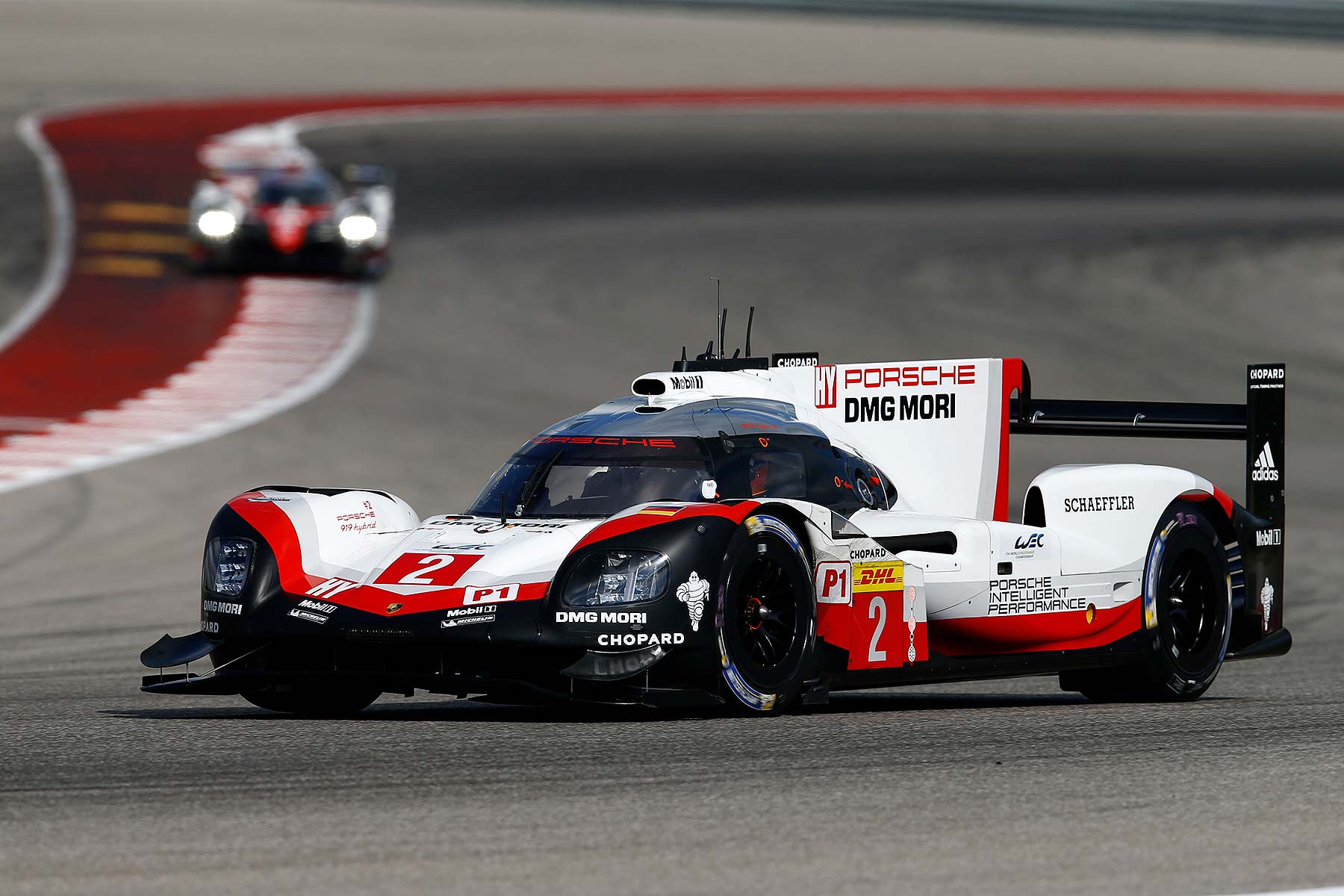
Porsche 919 Hybrid

By way of comparison, today’s rapid charger network generally run at 50kW, with so-called ‘fast’ chargers operating at either 22kW or 7kW. The Tesla Supercharger network is the current fast-charge leader, operating at 120kW, although a network of 150kW chargers for Britain is being planned. 

Once a high-power charging network is established, the limiting factor will be the car’s ability to take on charge so quickly, which is why 800-volt systems are so important to future EVs.

The firm expects to be first to market with the production-ready 800-volt system, although Aston Martin CEO Dr Andy Palmer earlier hinted that the British luxury car firm could (just) beat Porsche to market.

Porsche Taycan previewed

Porsche Taycan

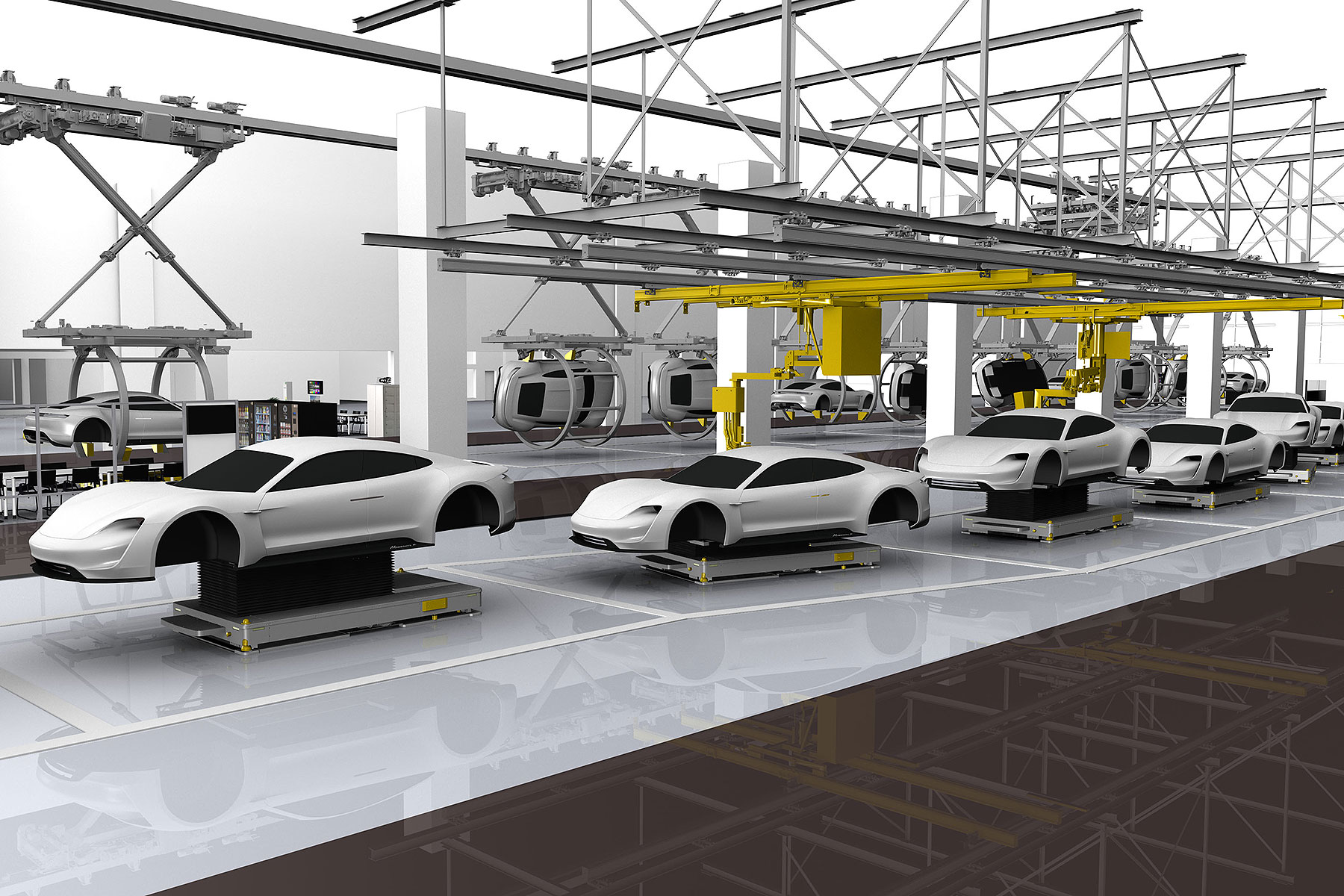
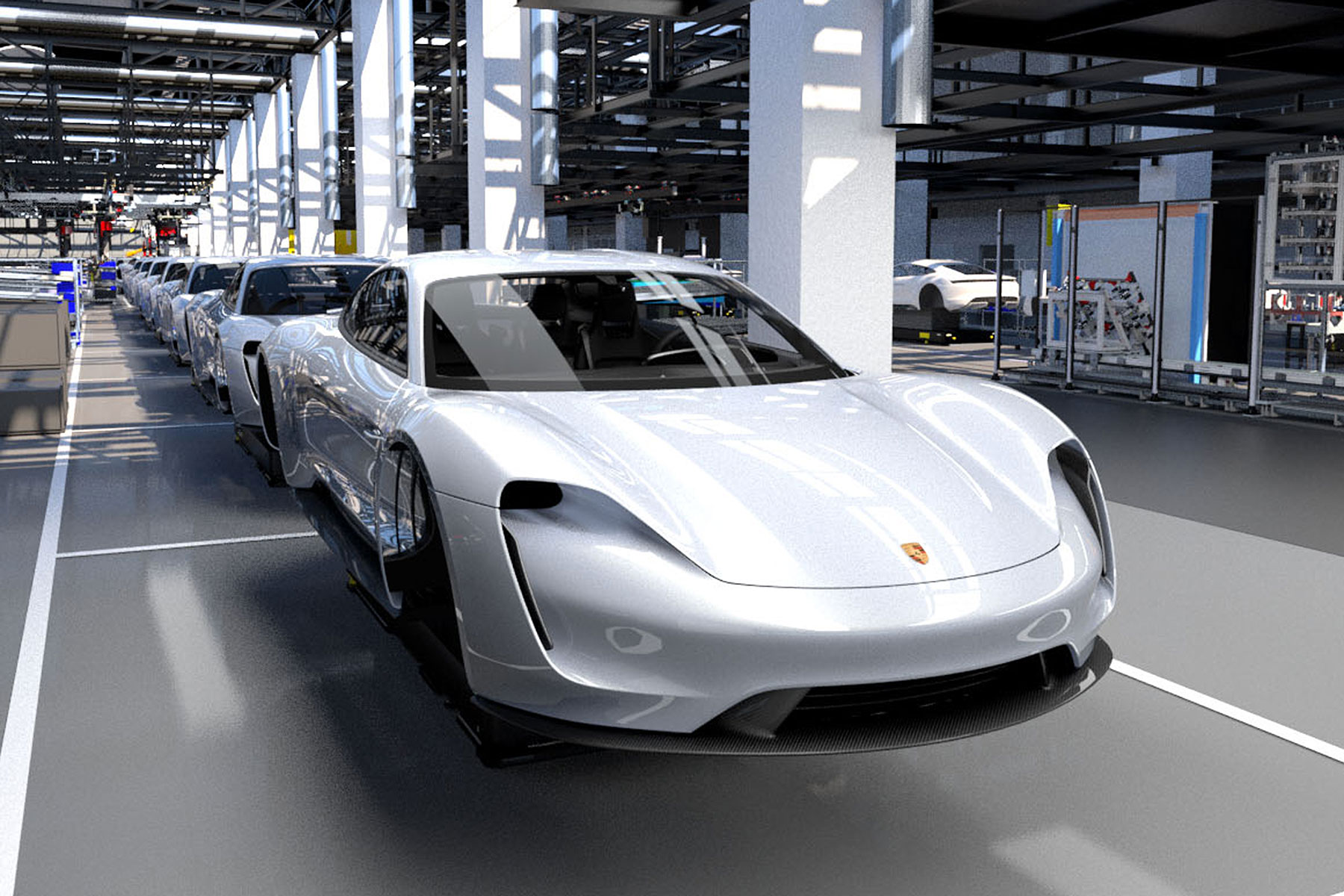
In detailing the new Taycan’s electrical innovations, Porsche has previewed the new four-seater in some digital images of the new plant it’s built to make the new car. 

These show a car that closely follows the prototype Mission E, including the retention of its rear-opening back doors. 

Porsche will use the launch of the Taycan to accelerate its roll-out of electric and electrified cars. More than half its new car sales will be electrified by 2025, predicts Lutz Meschke, Porsche finance and IT board member.

And although they’re expensive to develop, the firm should still make at least a 15 percent margin on them, as “the revenue from digital products and services should… increasingly contribute to our economic success”.
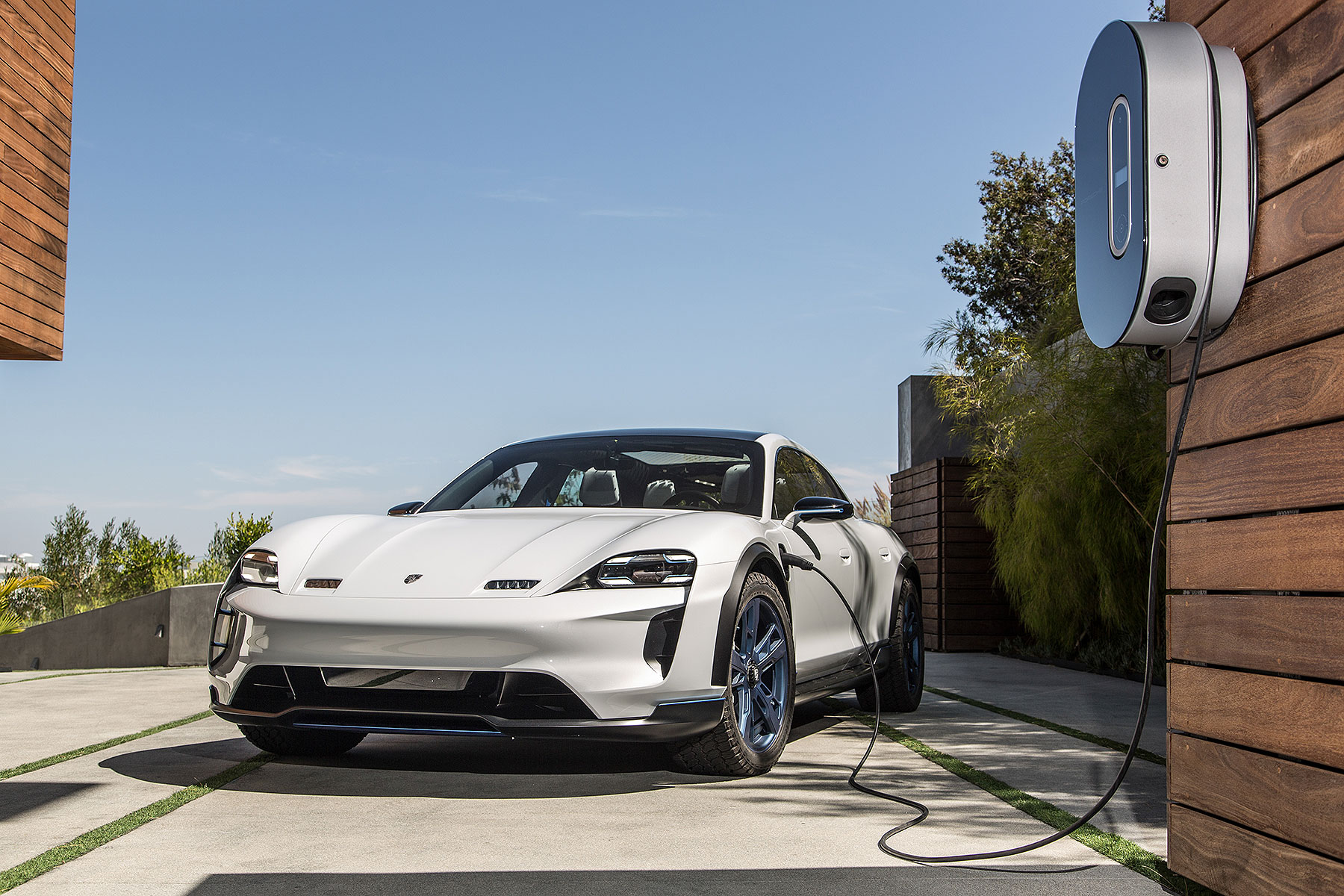
Porsche Taycan

Porsche is recruiting 1,200 new workers to build the Taycan at Zuffenhausen, Germany. It’s created more jobs than almost any other Porsche before it. And, indicating that it won’t belong before its performance range is electrified too, the firm added the new employees will build two-door sports cars as well as the Taycan.

The new ‘factory within a factory’ making the Taycan will be carbon neutral, designed to help Porsche create a complete zero-impact factory in the future – and be served, for the first time, by driverless transport systems to help scale up the speed and efficiency of production.
Advertisement

Skoda Scala name confirmed for Czech Volkswagen Golf

0

Skoda ScalaThe upcoming Skoda five-door family hatch will be called Scala, and the firm has confirmed it will be revealed in full before 2018 is out.
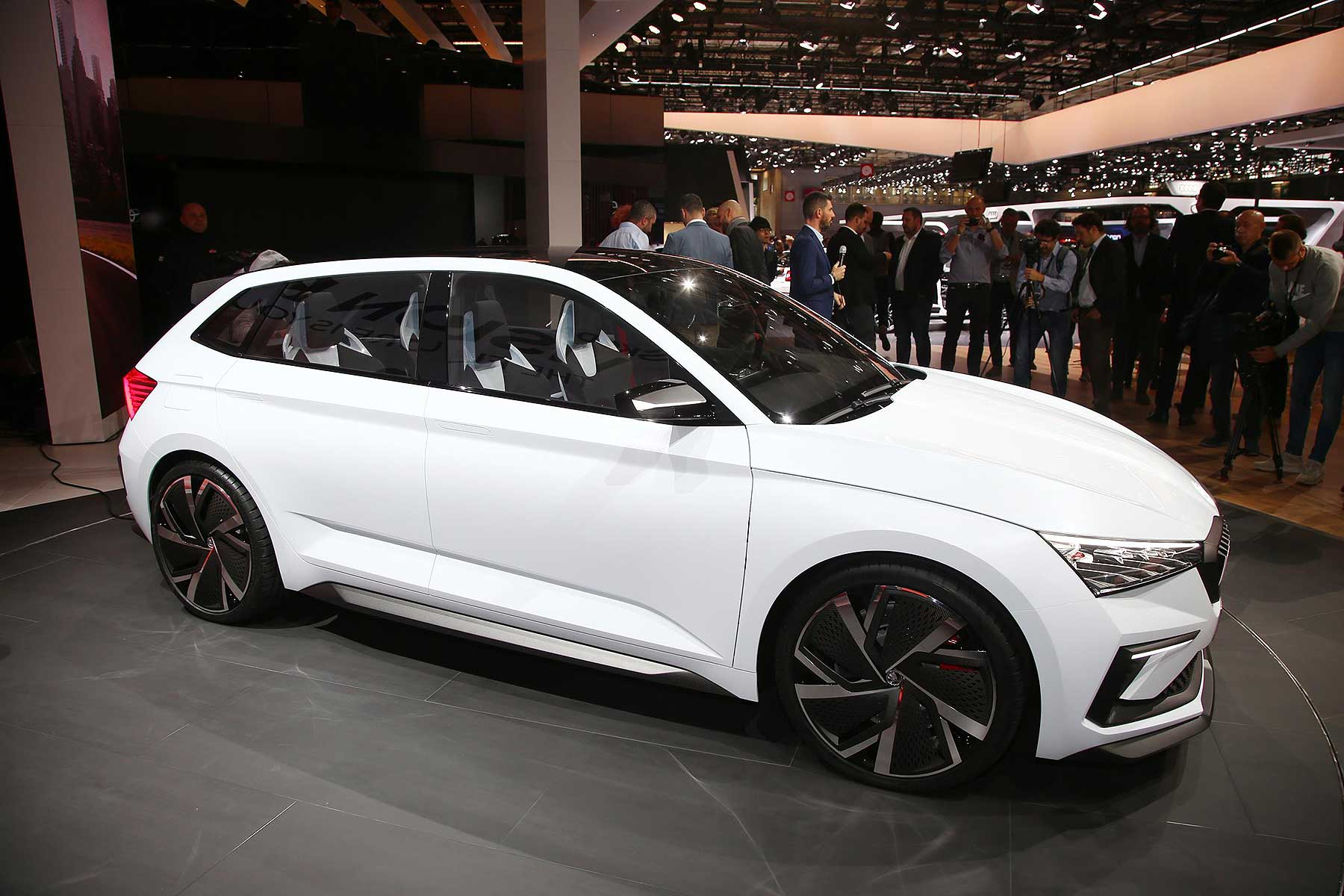
Previewed by the Vision RS concept at the recent Paris Motor Show, the new Skoda Scala will replace the disappointing Skoda Rapid – and, hopes the Volkswagen Group company, will be a much more convincing value-priced compact family hatch alternative.

In growing up compared to the Rapid, the new Skoda Scala will be the Czech firm’s first genuine alternative to the sector-leading Volkswagen Golf from its parent firm. Other target cars in its sights include the Ford Focus, Kia Ceed and the Leon from, yes, sister company Seat.

Skoda Vision RS

Skoda is very excited by the launch of the new Scala. “We are proposing a new chapter in the compact class of Skoda,” said chairman Bernhard Maier.

“It is a completely new development that sets standards in terms of technology, safety and design in this class… we are confident that Scala has the best chance to redefine the segment for Skoda.”

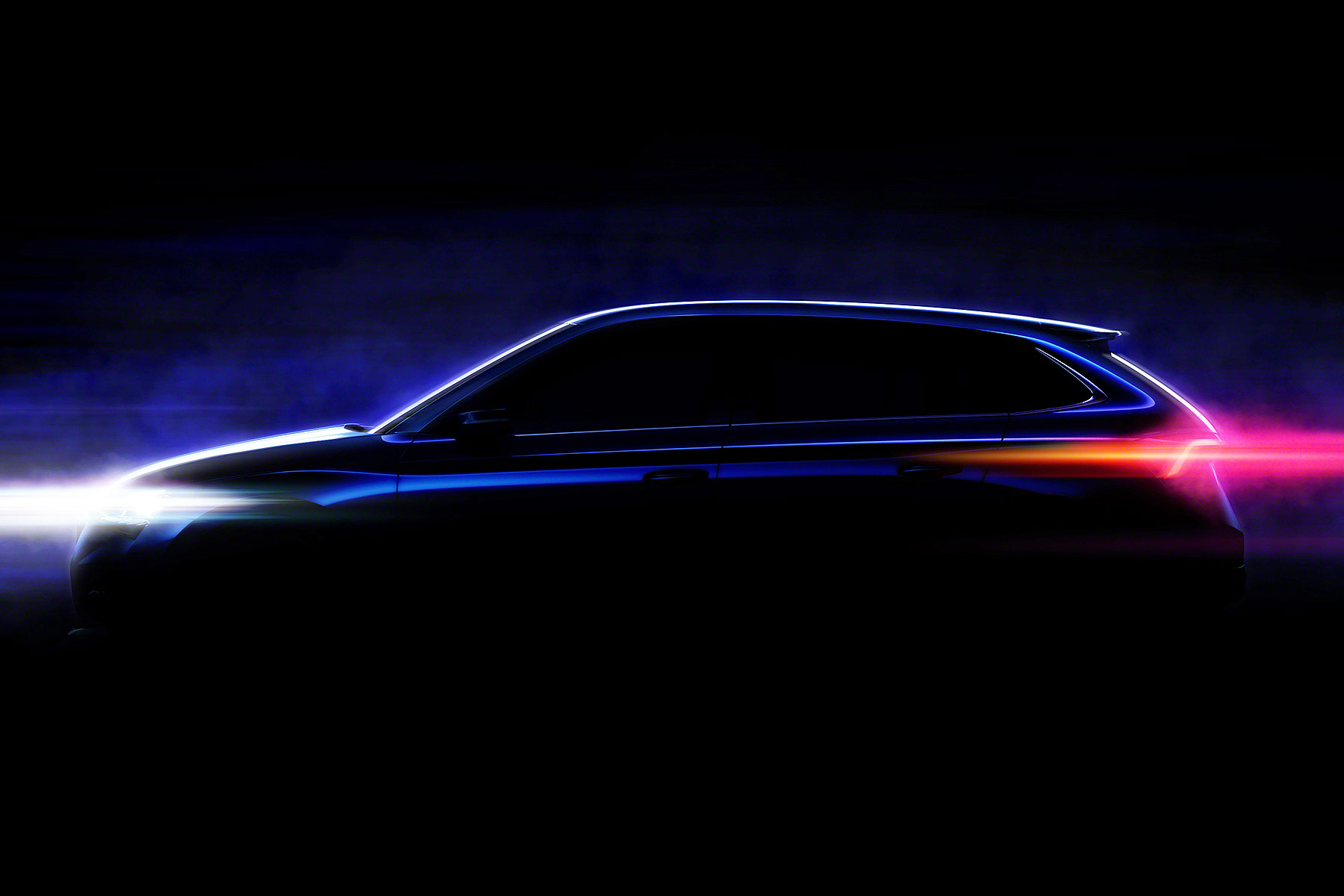
Skoda Spaceback teaser

For now, despite an earlier teaser sketch, only the name is being revealed, although Skoda says the “emotional exterior and interior design language” were closely hinted at by the Vision RS.

Skoda Scala

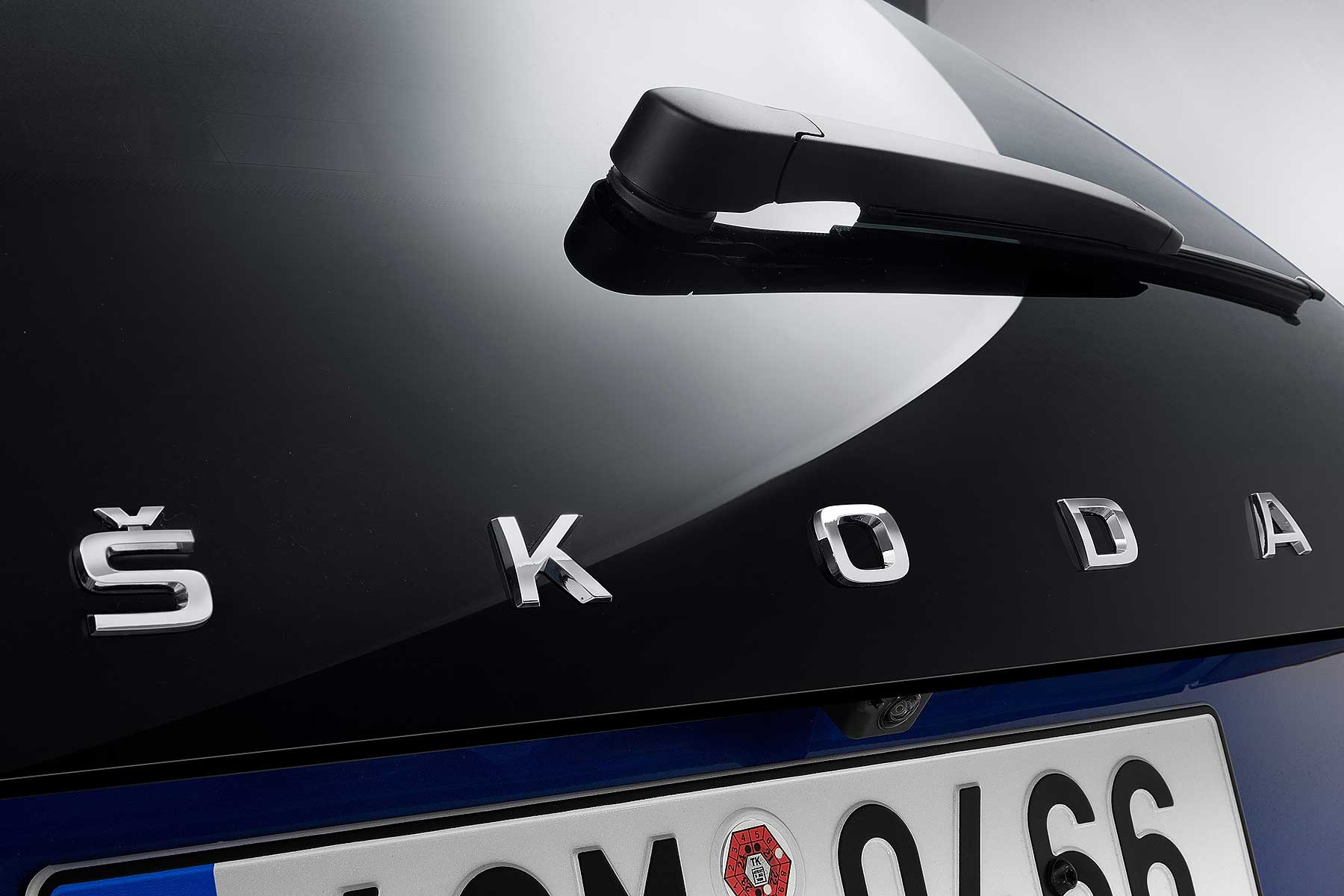
It is, however, showing us the rear tailgate, which looks like it will continue the smoked glass effect of the Rapid and Vision RS. It also features ‘SKODA’ lettering, instead of the Skoda roundel – apparently to help familiarity in new markets where car brand logos are unfamiliar.

But if you think the Scala name itself is familiar, you’d be right – but from Volkswagen history, not Skoda. In the late 80s, the Mk2 Scirocco was given a facelift, and a high-spec Scala model introduced.

Volkswagen will be hoping it’s only old names its handing over to Skoda, rather than sales of its EU-leading Golf hatch…

Advertisement

Risk of pothole damage to your car has doubled in 12 years

0

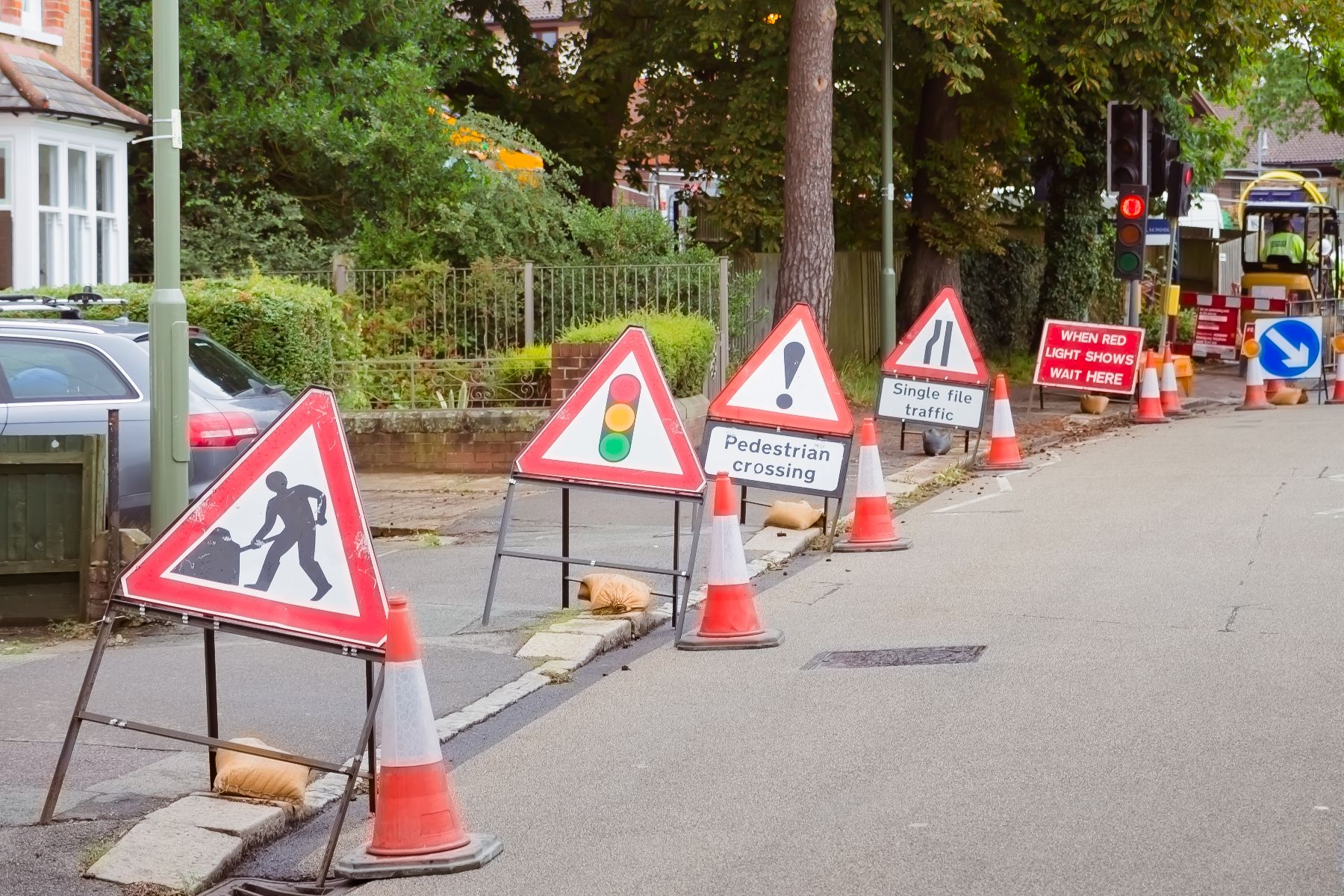
pothole

Breakdown data from the RAC has revealed that potholes present twice as great a threat to car reliability as 12 years ago.

The RAC says it attended 14,220 pothole-related breakdowns during the past 12 months. Broken springs, popped shock absorbers, busted tyres and buckled wheels top the list of problems. Such callouts represented 1.5 percent of the organisation’s total workload for the period.

That’s the second-highest slice of the breakdown pie since the RAC started analysing the data in 2006. The highest figure was 1.6 percent, recorded in both in 2015 and 2017.

The Pothole Index is the RAC’s long-term indicator of the health of the UK’s roads. It’s considerably higher than it was this time last year. A current standing of 2.63 plays 2.38 at the end of 2017. It concludes that motorists are more than 2.5 times as likely to break down because of pothole as 12 years ago.

The findings are consistent with public discontent about the condition of the road network. The 2018 RAC Report on Motoring names potholes as the number-one concern for drivers. Two-thirds said the condition of local roads had deteriorated over the last 12 months. 

A £9.3 billion road maintenance backlogpotholes

“There is little doubt local road conditions in many parts of the country are sub-standard and have been so for quite some time” said RAC chief engineer David Bizley.

“Data from this quarter’s RAC Pothole Index supports this, showing there has been a steady deterioration in road conditions over the last 18 months, with the latest quarter not showing a significant improvement. We cannot simply blame Storm Emma and the Beast from the East, even though they certainly made matters worse.

“In March 2018, a further £100m was made available to help local authorities repair potholes and storm damage that had resulted from the harsh winter weather.

“However, this needs to be seen in the context of the maintenance backlog of over £9.3 billion reported by the Asphalt Industry Alliance, which is their estimate of the one-off investment required to return local roads to a state that is fit for purpose.”

Read more:

Advertisement

Porsche revives the 90s with another retro racing livery for 911 RSR

0

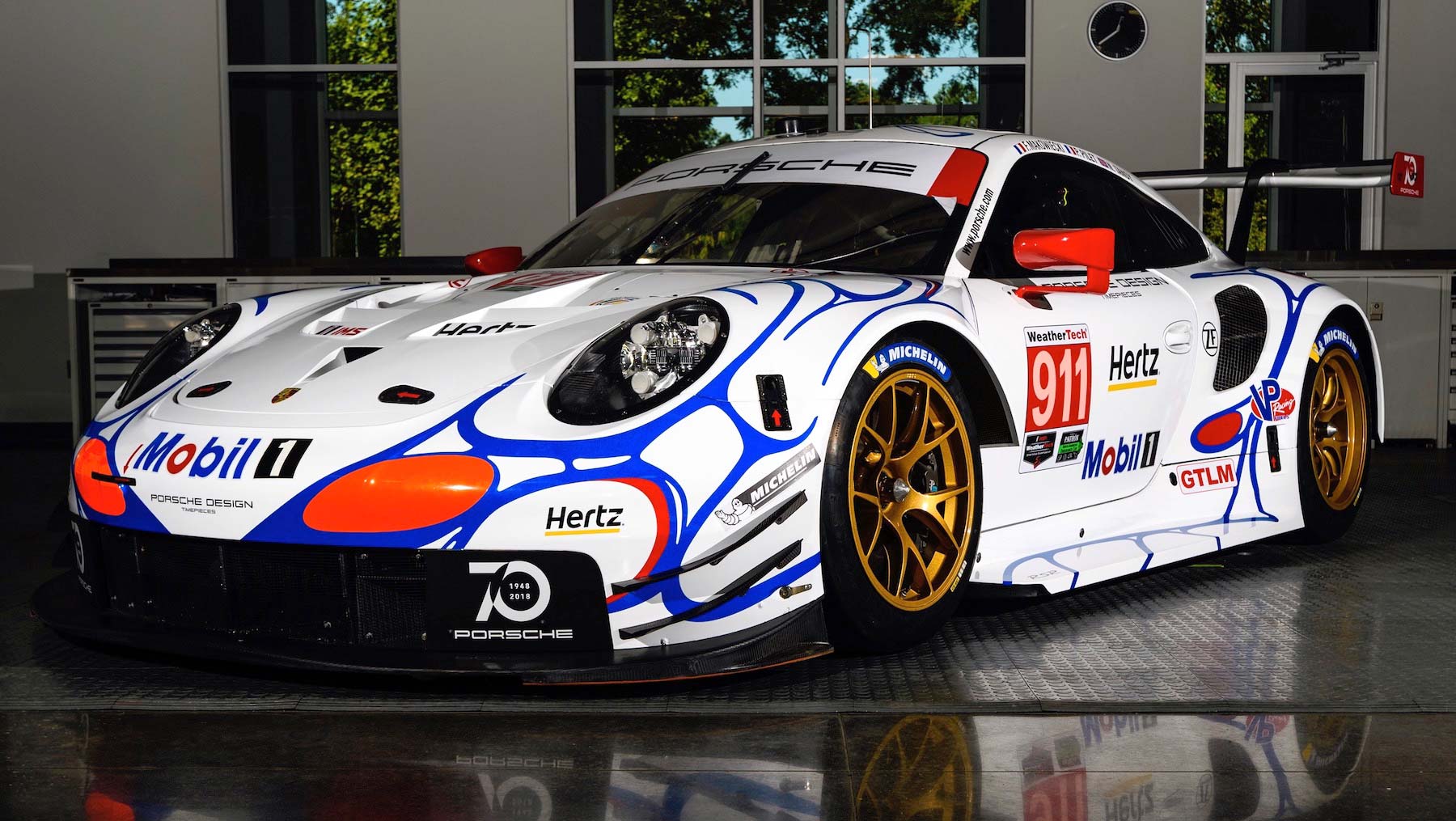
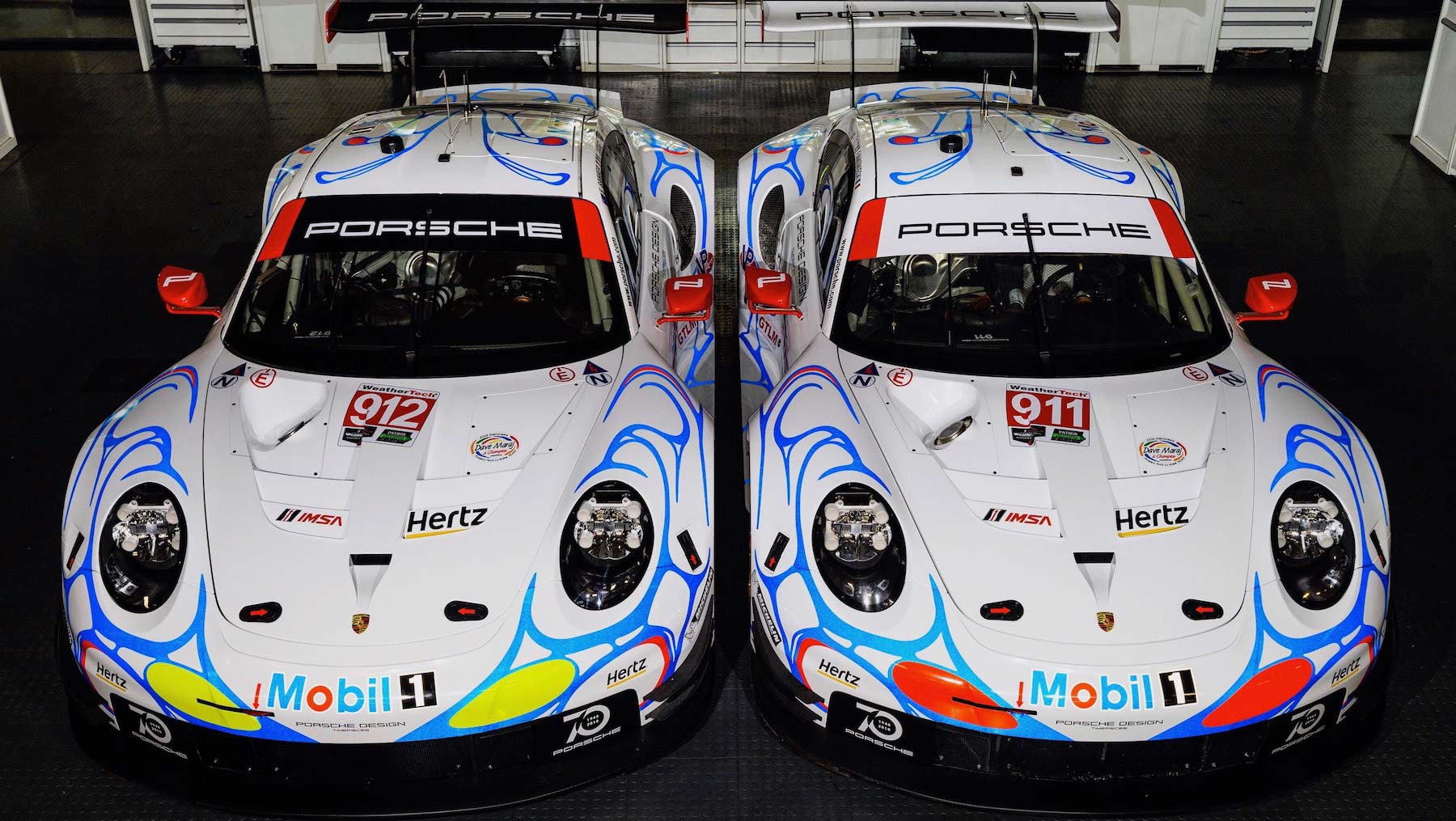
Retro livery Porsche 911 RSR racers 2018 Petit Le Mans

Continuing the celebration of retro racing liveries to mark the brand’s 70th anniversary, Porsche has revealed another comeback classic for this weekend’s Petit Le Man race at Road Atlanta.

Unlike the Rothmans and Pink Pig recreations used at Le Mans this year, the colour scheme for this race is slightly more recent.

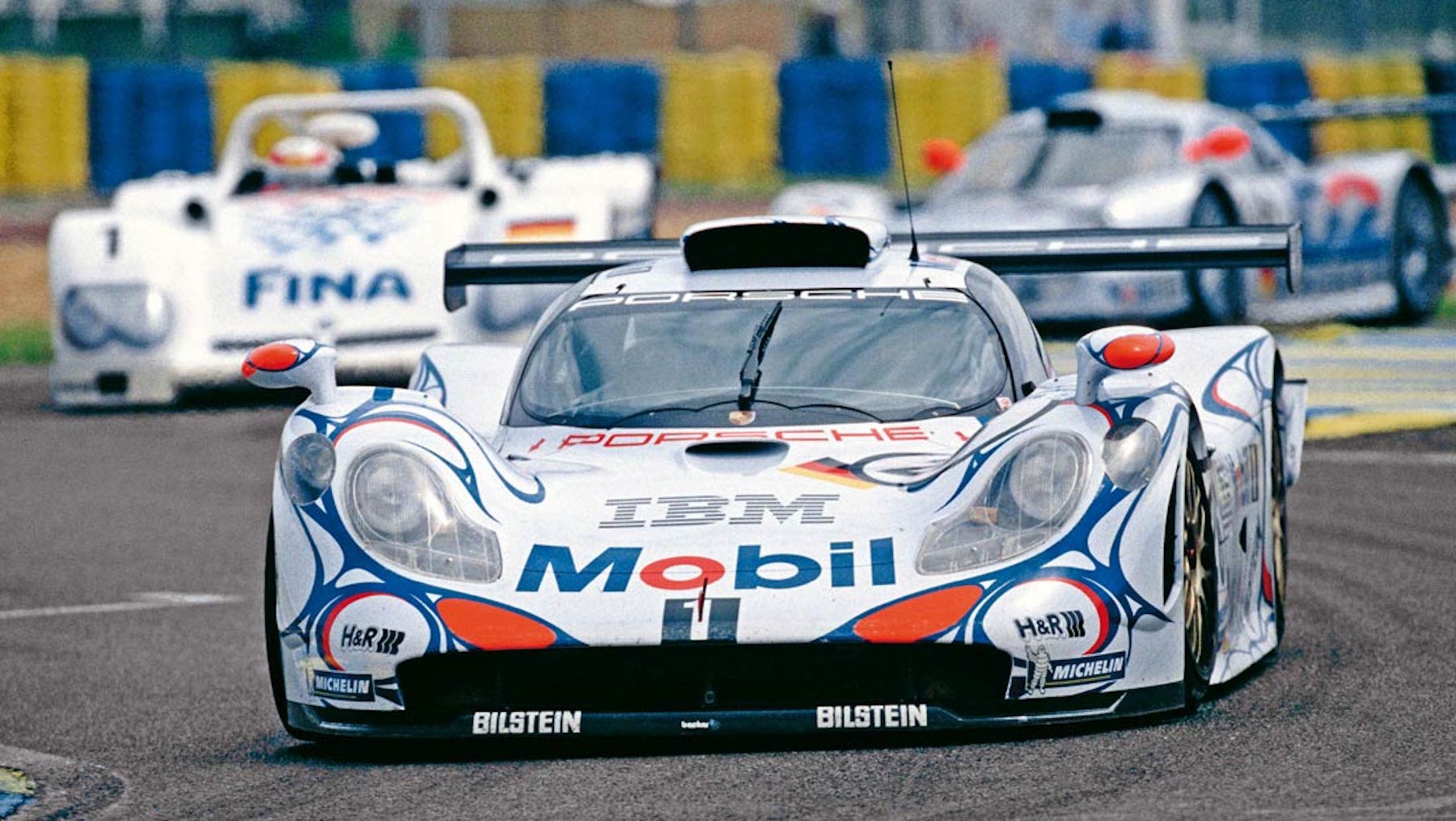
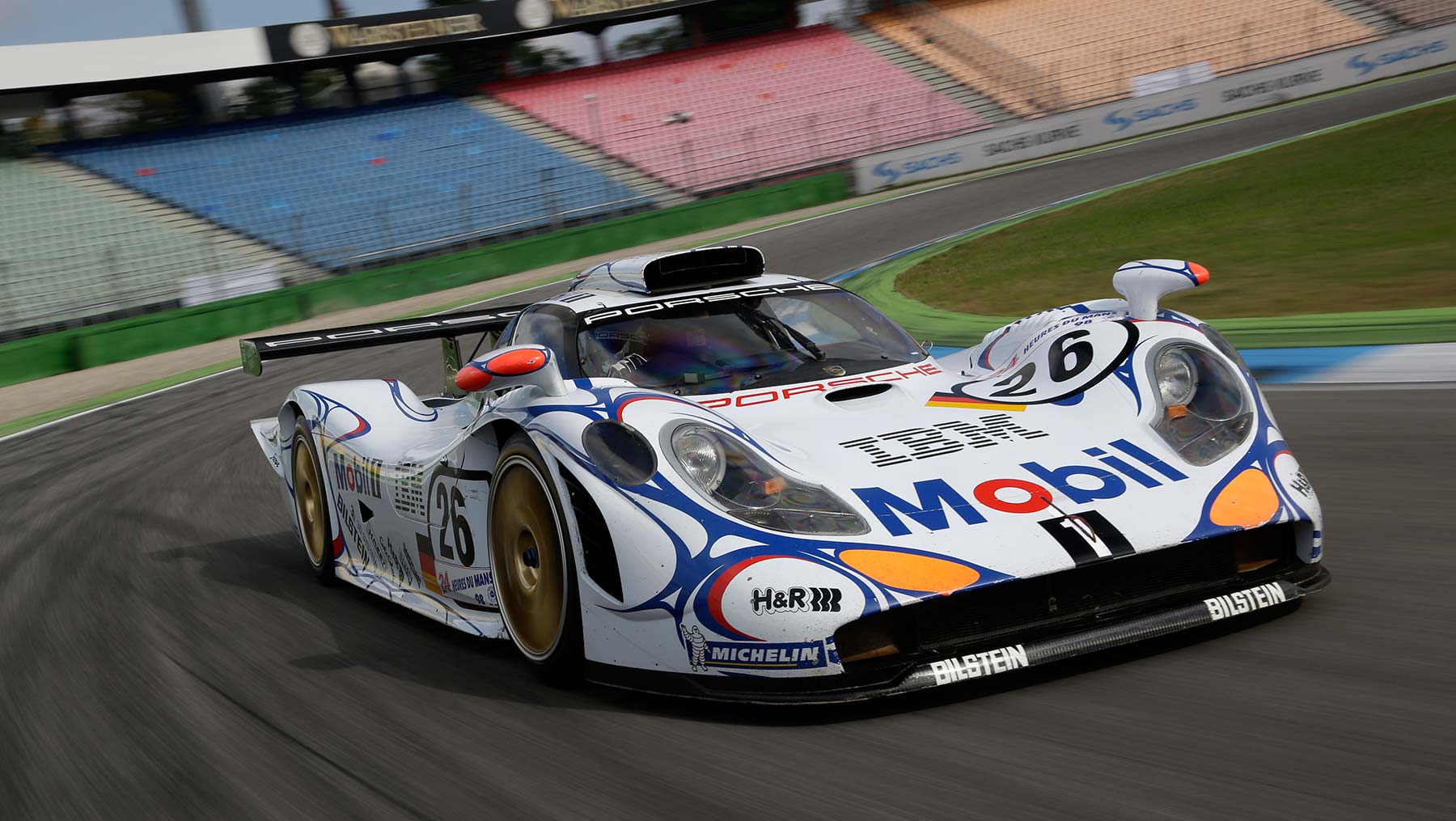
The blue and red stripes on a white body pay homage to the Mobil 1 livery. Used for Porsche’s 911 GT1 programme during the late 1990s, this colour scheme found greatest success in 1998.

Legend of Le Mans

Most notably, it adorned the 911 GT1 ‘98, which took outright victory at that year’s 24 Hours of Le Mans race. Porsche’s success at the French classic was something of a surprise, with the 911 GT1 expected to be soundly beaten by the Mercedes-Benz CLK LM and Toyota GT-One.

Yet it was Porsche’s reputation for reliability which helped bring home the 911 GT1 ‘98 racers in first and second place.

This delivered the German brand a historic 16th victory at the 24 hour event, with Laurent Aiello, Allan McNish and Stephane Ortelli the drivers standing on top of the podium.

Doing backflips

Retro livery Porsche 911 RSR racers 2018 Petit Le Mans

Porsche unfortunately ran out of luck later in 1998, with an entry into the inaugural Petit Le Mans race. Held at the Road Atlanta circuit in Georgia, the event was intended to establish the level of interest in a US-based endurance series.

Running for just 10 hours, instead of a full day, the Petit Le Mans formed the seventh round of the 1998 IMSA GT Championship.

Although Porsche had taken pole position for the race, disaster struck during the race, with the 911 GT1 performing a dramatic backflip. Yannick Dalmas, the French driver at the wheel, emerged unscathed despite the Porsche being completely destroyed.

Modern day heroes

Retro livery Porsche 911 RSR racers 2018 Petit Le Mans

Porsche will be aiming to avoid the drama of the 1998 Petit Le Mans race this weekend. Instead, the team of Nick Tandy, Patrick Pilet and Frédéric Makowiecki will be looking to recreate the victory taken at this year’s Sebring 12 Hours race.

Fielding the second factory-backed 911 RSR will be Laurens Vanthoor, Earl Bamber, and Porsche Young Professional Mathieu Jaminet.

This weekend’s race will take place on Saturday 13th October. Those outside the USA and Canada can stream the Petit Le Mans live from the IMSA.TV website.

Advertisement

The car industry is furious with the government over plug-in car grants

0

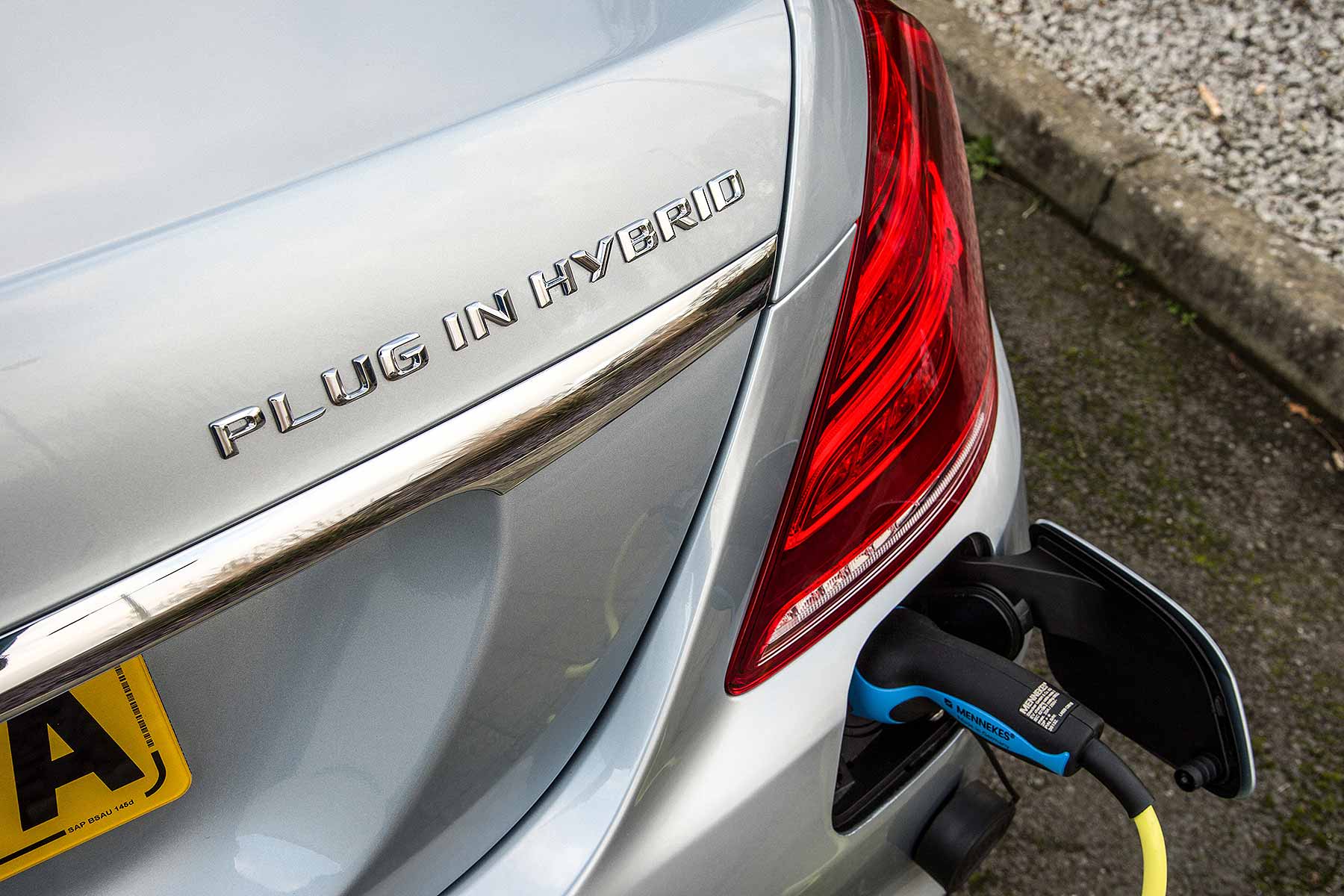
Mercedes-Benz Plug-in HybridThe Society of Motor Manufacturers and Traders (SMMT) has warned the government its decision to dramatically cut the Plug-in Car Grant for plug-in hybrids will make it virtually impossible to meet its CO2 reduction targets and is at “totally at odds” with its stated desire to be a world leader in ultra low emission vehicles.
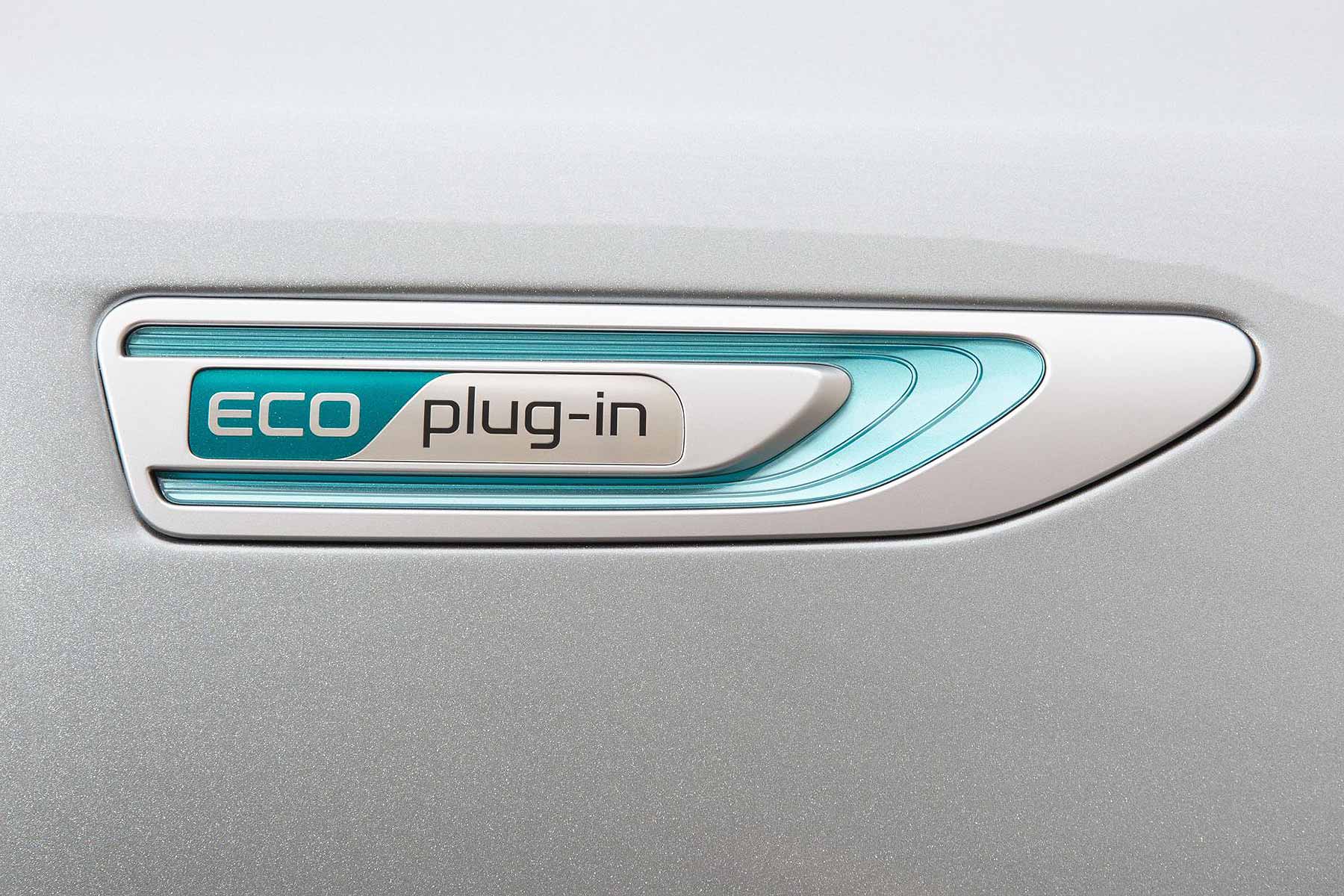
Mike Hawes, SMMT chief executive, said: “We understand the pressure on the public purse but, given the importance of environmental goals, it’s astounding that just three months after publishing its ambitious vision for a zero emissions future, government has slashed the very incentive that offers our best chance of getting there.

“We have consistently said that if the UK is to be fit for an electrified future, we need a world-class package of incentives and infrastructure.”

“Government needs to rethink its policy, else its ambitions will never be realised.”

The SMMT, which represents the UK automotive industry, says the move will not send yet more confusing signals to car buyers already confused by the diesel debate, it also risks having a “devastating” impact on plug-in demand. The market for electric cars in Denmark plunged 73 percent after its government withdrew incentives – and it has still not recovered.

Kia Optima Plug-in Hybrid

Car makers may even decide not to bring such vehicles into the UK. The grant has helped the UK become one of Europe’s biggest electrified car markets. Its removal, says the SMMT, may see companies reallocate vehicles “to more supportive markets, which could mean a reduction in model choice for UK consumers”. 

The car industry, insisted Hawes, shares the government’s ambition of making the UK one of the world’s leading zero emissions and low-emission vehicle car markets. “Delivering this goal requires a clear and consistent policy… a position which is actively contradicted by this latest decision.”

Mitsubishi earlier said it too was “disappointed” by the government decision. The Outlander PHEV is currently the UK’s best-selling plug-in hybrid, taking a near-30 percent market share in September. 

Advertisement

Used car prices rocket 42 percent in seven years

0

used car values

Data from the Auto Trader Retail Price Index has revealed the average price of a second-hand car reached £12,853 in September. That’s a five percent increase compared with this time last year.

Furthermore, that near-£13,000 figure represents an increase of 42 percent over the past seven years. The average used car cost just £8,997 in 2011.

Why have used car prices gone up?

The main reason for the increase is the popularity of PCP (Personal Contract Purchase) deals for new cars. These are usually a three-year arrangement whereby a customer pays a fixed monthly amount. This covers the cost of depreciation, plus some profit for the vendor and creditor. The custodian of the car never actually owns it, unless they stump up a so-called ‘balloon payment’ at the end of the term. Auto Trader reports that finance deals accounted for 88 percent of new-car purchases in 2017.

Most people don’t pay the balloon payment, and thus a large number of brand new cars go back to the dealer after three years. Average ownership periods are down and therefore the average age of a second-hand car is down. The result? Used cars are generally more valuable.

Indeed, sales of cars aged less than three years old have increased by 32 percent over the past five years. Sales of five- and 10-year-old cars have dropped by three and seven percent respectively.

used car values

What makes those cars more valuable still is that cars bought on PCP are often to a higher specification, with more options fitted. 

“Our data highlights just how resilient the used car market has been despite these turbulences and importantly, the opportunities available for retailers,” says Karolina Edwards-Smajda, Auto Trader’s Director of Commercial Products.

“Whilst it might only currently account for around 35 percent of purchases, as younger, more desirable and more valuable vehicles reach forecourts, we can expect the appetite for used car finance to surge.”

Read more:

Advertisement

The new Jeep Wrangler is priced from £44,495

0

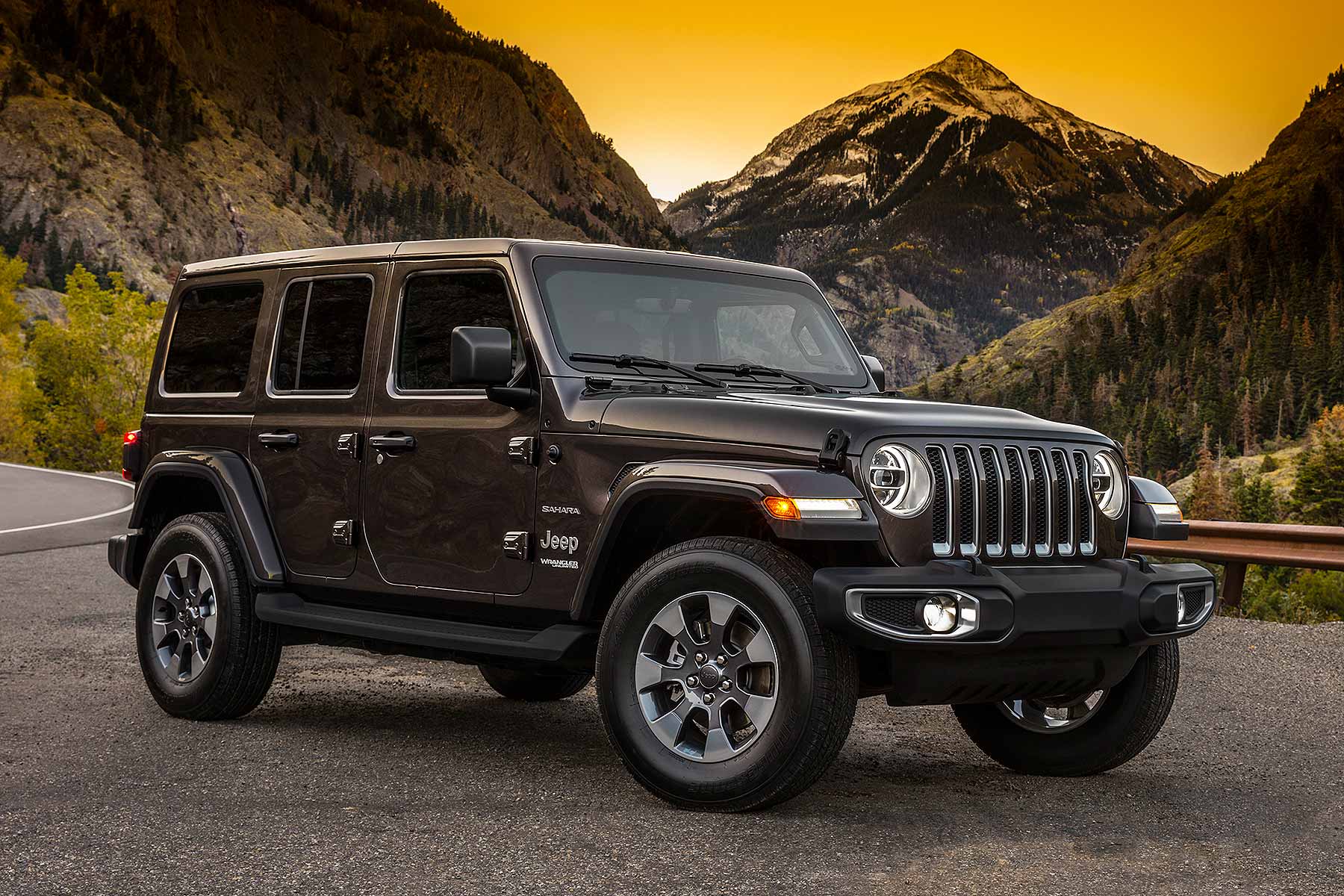
Jeep WranglerThe all-new Jeep Wrangler is priced from £44,495 and launches in dealers this weekend (13-14 October), the firm has announced.
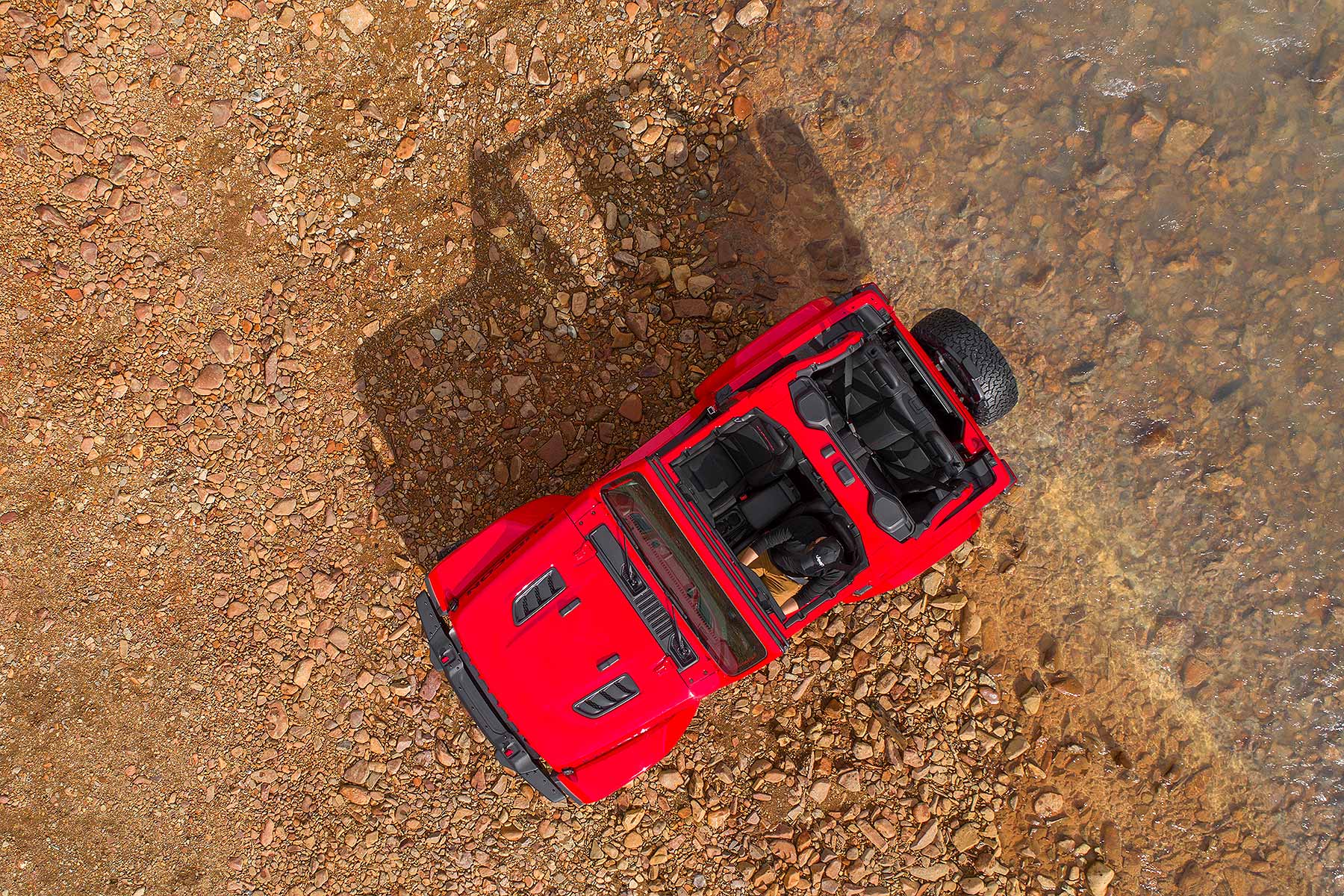

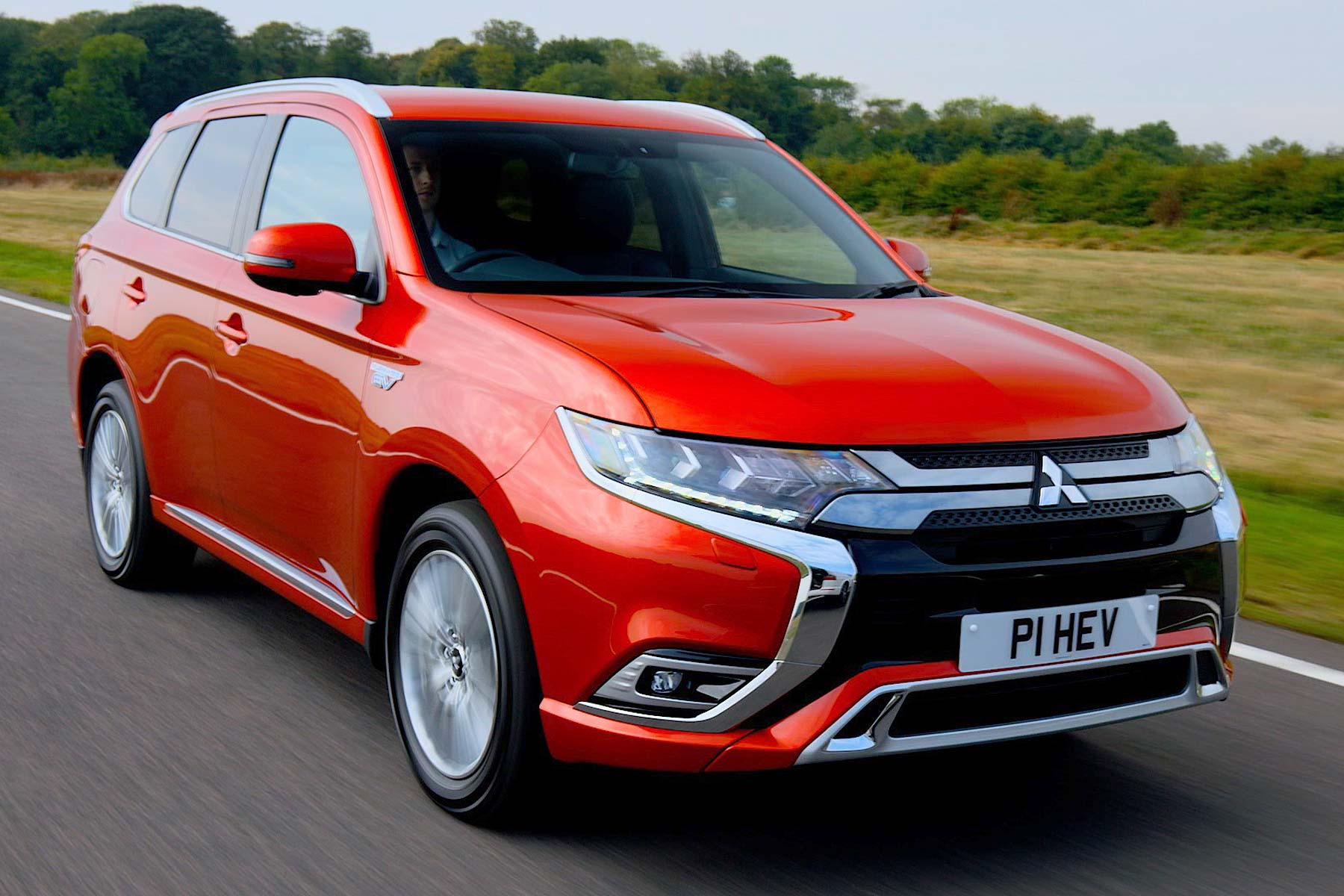
The surprisingly steep prices represent a big hike over the already-heady starting price of the outgoing model: in two-door Sahara guise, that was priced from just under £38,000.

But Jeep argues the new Wrangler is such a step on, it justifies a new starting price of well over £44k for the two-door Sahara diesel auto. Although we do think describing it as “outstanding value for money” is something of a stretch.

Jeep Wrangler

Jeep has introduced a new 2.2-litre MultiJet II turbodiesel engine for the new Wrangler, replacing the aged old 2.8-litre CRD. Producing 200hp, it will only be sold as an eight-speed auto.

Later in the year, it will be complemented by a 272hp 2.0-litre turbo petrol.

Because it’s a rugged mud-plugger capable of breezing across the Rubicon Trail, Jeep offers the Wrangler with two types of all-wheel drive system. Command-Trac is fitted to Sahara and Overland; Rock-Trac is standard on Rubicon.

Confusingly, both systems use the same two-speed transfer case… called Selec-Trac. (Don’t forget the Tru-Lock electric front and rear locking axles, nor the Trac-Lok limited-slip differential either, adds Jeep).

Jeep Wrangler

An all-new version of the classic original, the new Jeep Wrangler’s modern-retro styling should please. The doors can still be removed, the windscreen still folds. It’s the only full open-top 4×4 SUV on the market, says Jeep, and customers will have a choice of 10 different colours.

LED headlights add a modern touch outside; the all-new interior has a 7-inch TFT instrument display and 8.4-inch Uconnect infotainment screen with Apple CarPlay and Android Auto.

The new Wrangler is even offered with safety tech such as blind spot monitoring, reversing camera and rear cross path detection – although it still only has four airbags as standard.

UK pricing: new 2019 Jeep Wrangler

Sahara 2.2 MultiJet II 200hp 4×4 auto 2-Door  £44,495
Sahara 2.2 MultiJet II 200hp 4×4 auto 4-Door  £45,995
Overland 2.2 MultiJet II 200hp 4×4 auto 2-Door  £46,495
Overland 2.2 MultiJet II 200hp 4×4 auto 4-Door  £47,995
Rubicon 2.2 MultiJet II 200hp 4×4 auto 2-Door  £46,495
Rubicon 2.2 MultiJet II 200hp 4×4 auto 4-Door  £47,995


Advertisement

Mitsubishi ‘disappointed’ by government plug-in car grant move

0

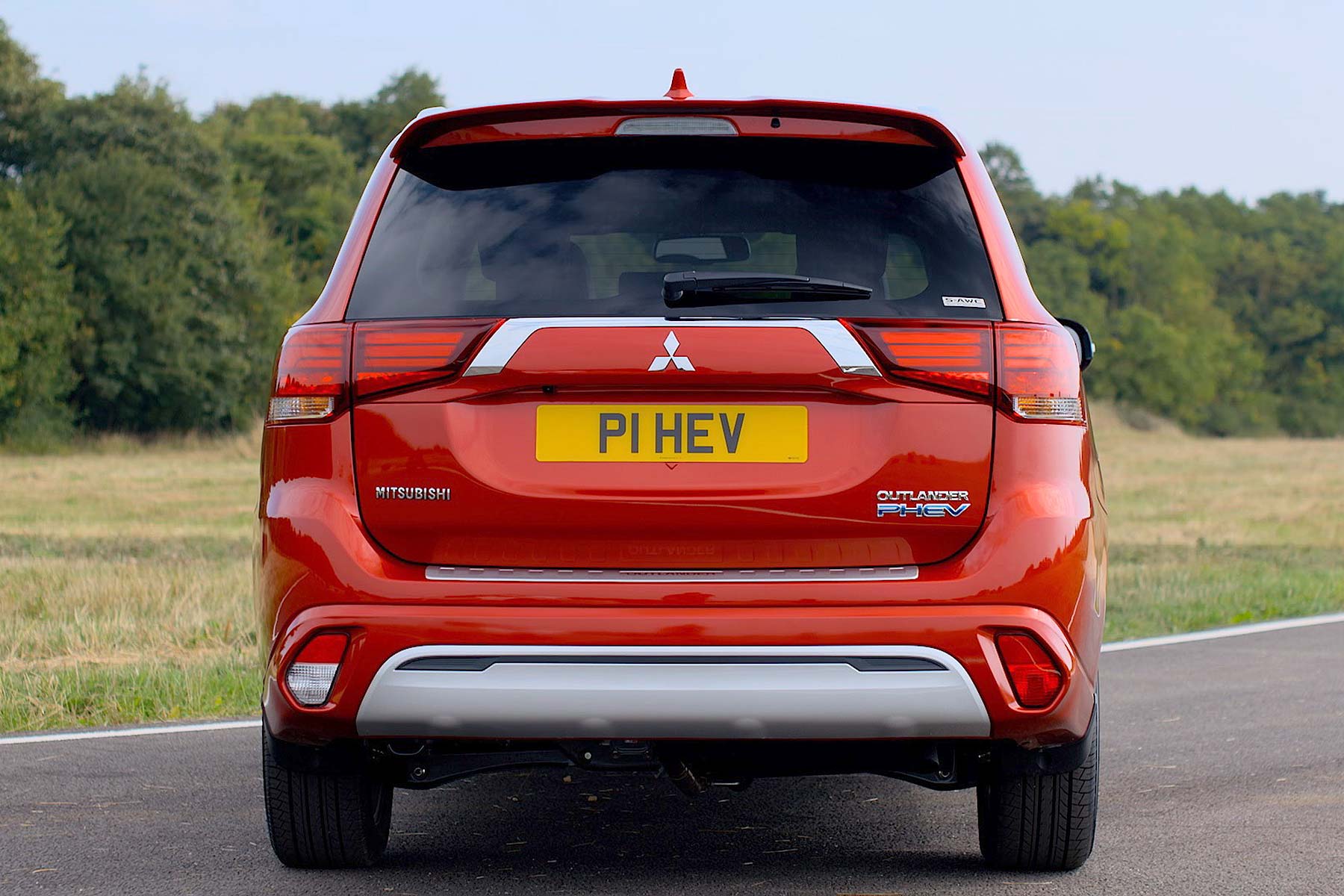
Mitsubishi Outlander PHEVMitsubishi says it is ‘surprised and disappointed’ at the sudden decision to abolish the Plug-in Car Grant for plug-in hybrids from November 11, 2018.
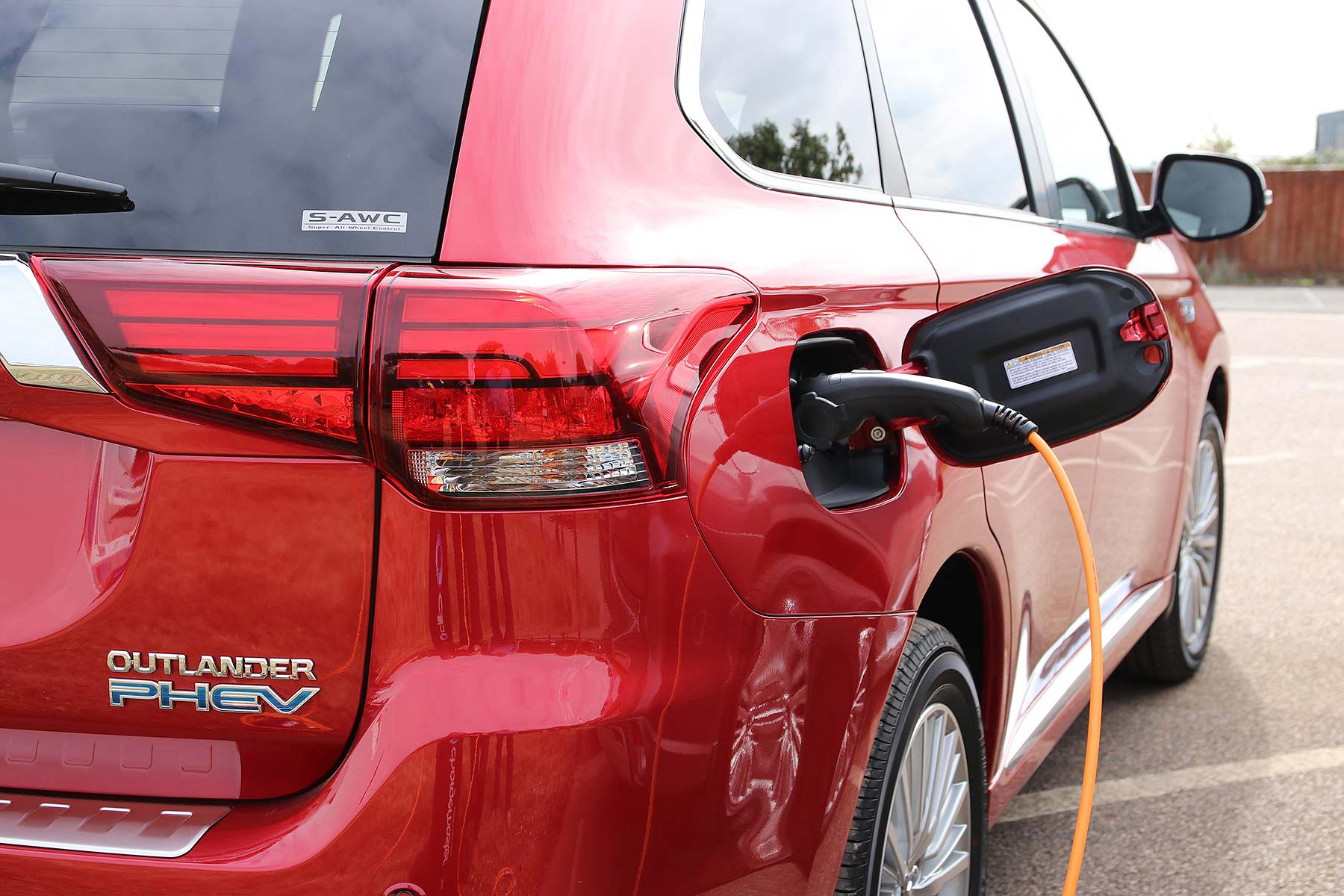
The move, says the firm, “is completely at odds with the government’s stated objective of making the UK a world leader in green mobility in the future”.

The Mitsubishi Outlander PHEV is the UK’s best-selling plug-in hybrid, helped by the £2,500 plug-in car grant for vehicles that emit less than 50g/km CO2 (and have an electric driving range between 10-69 miles).

1,325 vehicles were sold in September alone, giving the Outlander PHEV almost a 30 percent share of the UK’s alternative fuel vehicle market.

Mitsubishi Outlander PHEV

Plug-in technology is the perfect stepping stone between conventional cars and all-electric ones, argues Mitsubishi, “particularly as the charging network is nowhere near evolved enough to support widespread full EV use”.

The firm believes the move to scrap the grant is premature, given how electric cars and plug-ins make up such a “tiny proportion” of overall new car sales.

Mitsubishi Outlander PHEV

What’s doubly frustrating for Mitsubishi is that the Outlander is a rare plug-in hybrid that already meets the strict new WLTP fuel economy test regulations. The tests make it harder for plug-ins to dip below the 50g/km CO2 limit – yet the Outlander achieved it a few months ago.

“Only those plug-in hybrids that offer real-world efficiency and a usable EV range would qualify for the grant anyway,” said the firm.

“The Outlander PHEV is one of only a small number of plug-in hybrids still on sale.” Other popular plug-ins, such as the Volkswagen Golf GTE, have been withdrawn from sale, with little sign of them returning to the market.

A sanguine Mitsubishi MD Rob Lindley is still hopeful, though. “As segment leader for the past four years, we are confident that, despite this setback, people will still see the benefits of having a 220hp, all-wheel drive SUV that… offers huge real-world fuel cost savings compared to conventual petrol- and diesel-powered SUVs”.

Advertisement

Does an electric car need an MOT?

0

Electric car MOT

You’ve bought an electric car. You’ve ducked road tax, saved money on fuel and, on top of all that, the government paid a contribution towards the cost of your car (although that scheme won’t last long). How else can driving an EV save you money? Does one even need to pass an MOT test?

The short answer is ‘yes’, but that doesn’t mean an EV can’t save you money at the MOT test station.

Every car over three years old needs an MOT certificate to be deemed roadworthy. No car over this age can legally drive on the road without one, except in very specific circumstances or if the car is more than 40 years old.

The MOT covers everything from exhaust emissions (on a conventional car), to how well the wipers clear the windscreen. Testers check for structural integrity, the operation of the lights, seatbelts, steering, brakes and suspension, the condition of the tyres and much more. The test covers every safety-related aspect of your car.

How is an electric car MOT different?

Electric car MOTWith no exhaust pipe, an electric car doesn’t need to pass the emissions test. And it won’t trouble the decibel meter for noise readouts either. So you’ll save time at the test centre – if not necessarily money.

Depending on how advanced your EV is and how you drive it, however, you should save on brake replacements. Regenerative braking, as found on some EVs, uses the momentum of the car to charge the batteries via the electric motor, in turn slowing the car down.

Regenerative braking doesn’t actually use the brakes at all. It’s closer, in fact, to engine braking in a petrol or diesel car. Use a bit of foresight and you’ll rarely need to apply the brakes, especially around town. Reduced wear and tear means lower costs at MOT time.

How could the electric car MOT test change in future?

Electric car MOT

This is purely speculative, but given the MOT covers roadworthiness and safety, we suspect the introduction of a test showing the car can charge safely isn’t unlikely. Examining how quickly the batteries discharge compared with when new is also a possibility – particularly as pressure on charging sites increases.

Overall, driving an electric car can save a lot of headaches and a reasonable amount of expense. They aren’t, however, exempt from the harder realities of motoring, like the MOT test. They won’t even be exempt from road tax forever.

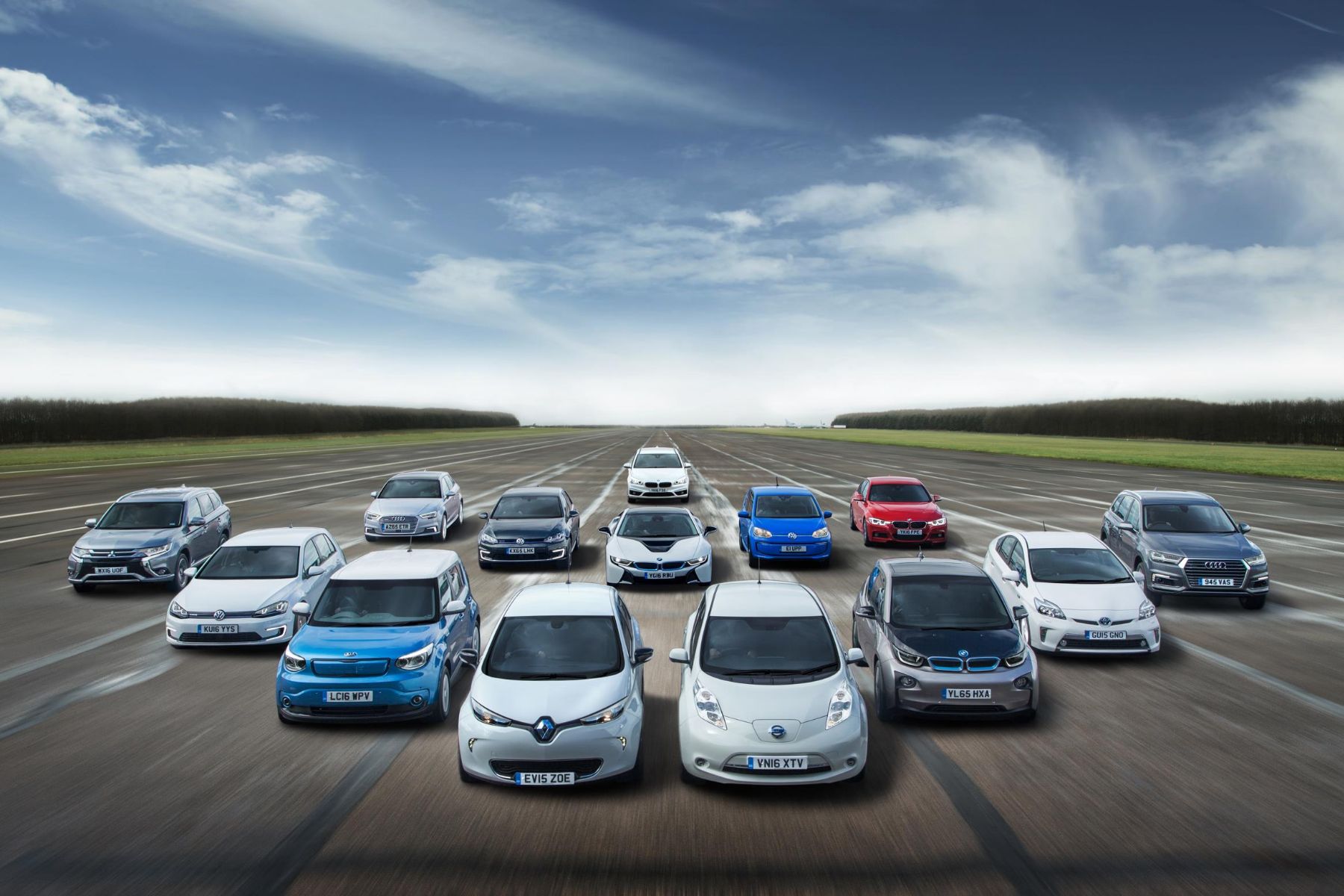
However, with fuel savings, fewer components to worry about, less wear and tear, tax deductions (for now) and a cleaner conscience, we think the incentives are sufficient. Just make sure you buy an EV that suits your needs. Here’s an up-to-date list of electric cars sold in the UK, arranged in order of range.

Read more:

Advertisement

Government pulls plug-in hybrid car grants

0

Mitsubishi Outlander PHEVThe money-saving government grant for plug-in hybrid car buyers will disappear from 11 November, the government has announced – a move the Society of Motor Manufacturers and Traders (SMMT) has described as “astounding”.
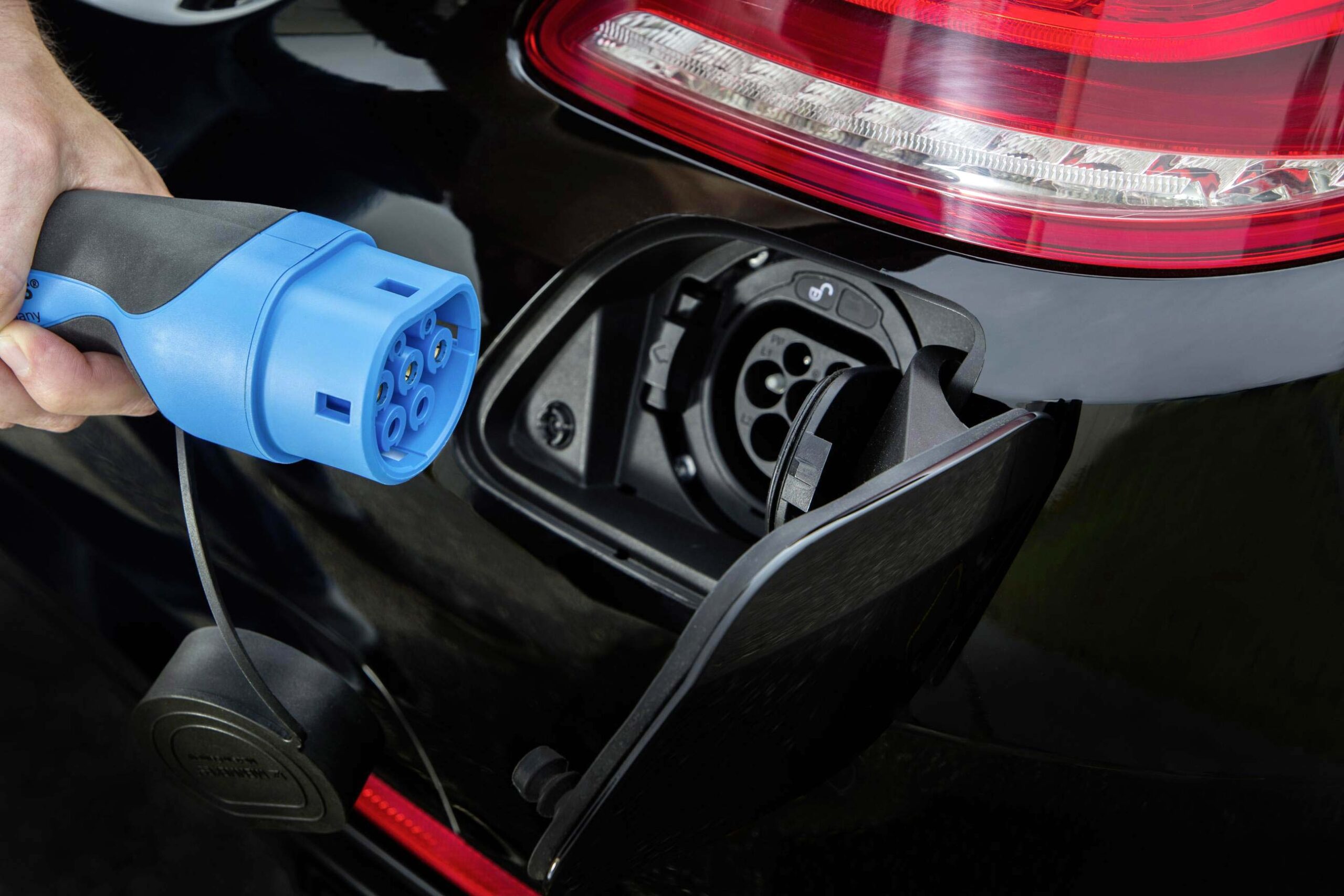
The grant for pure electric cars will also be cut, from £4,500 to £3,500.

160,000 green new cars have been financed with support from the Plug-in Car Grant since it was introduced in 2011: 100,000 of them are plug-in hybrids. It provides cash from government to offset the higher purchase price of electric and electrified cars compared to normal ones.

The government has tried to put a positive spin on the move, claiming the announcement will “support funding of the next 35,000 of the cleanest vehicles”.

But the elimination of the grants for plug-in hybrid vehicles will add £2,500 to the list price of models such as the Mitsubishi Outlander PHEV, BMW 530e and Toyota Prius Plug-In (see full list below).

Mercedes-Benz plug-in hybrid

In the summer, the government released its long-awaited Road to Zero roadmap, outlining future targets for low emissions transport. It includes a target of at least 50 percent of new cars sold by 2030 to be ultra-low emissions – and its stretch target is as high as 70 percent.

SMMT chief executive Mike Hawes said the changes to the Plug-in Car Grant scheme was “totally at odds” with this.

Latest new car registration figures show that although sales of alternative fuel vehicles (AFV) such as electric cars and plug-ins are growing fast, this is largely being driven by hybrid vehicles. Pure electric cars make up a small proportion of AFV registrations.

“Plug-in hybrid vehicles are among the cleanest on the road, and can deliver significant CO2 savings compared to petrol and diesel cars” admitted the Department for Transport in a statement announcing the changes.

Unusually, it specifically named the Mitsubishi Outlander as an example of a plug-in hybrid success.

“These vehicles will continue to receive support through lower car tax rates, grants for charging infrastructure and local incentives (such as free parking).”

Now, the government is “focussing its attention to zero emission models such as the Nissan Leaf and BMW i3”.

Plug-in Car Grant: today

  • Category 1: £4,500 (CO2 emissions of less than 50g/km, pure electric range of at least 70 miles)
  • Category 2: £2,500 (CO2 emissions of less than 50g/km, pure electric range of 10-69 miles)
  • Category 3: £2,500 (CO2 emissions between 50-75g/km, pure electric range of at least 20 miles)

Plug-in Car Grant: from 9 November 2018

  • Category 1: £3,500
  • Category 2: ELIMINATED
  • Category 3: ELIMINATED

Cars not eligible for a Plug-in Car Grant

  • Audi A3 e-tron
  • BMW 225xe
  • BMW 330e
  • BMW 530e
  • Hyundai IONIQ PHEV
  • Kia Niro PHEV
  • Kia Optima PHEV
  • Mercedes-Benz C350 e (with 17 inch rear wheels)
  • Mercedes-Benz E350 e SE
  • Mitsubishi Outlander PHEV
  • Mercedes-Benz E350 e AMG Line
  • MINI Countryman PHEV
  • Toyota Prius Plug-in
  • Volkswagen Golf GTE
  • Volkswagen Passat GTE
  • Volvo S90 Twin Engine
  • Volvo V60 D5 Twin Engine
  • Volvo V60 D6 Twin Engine
  • Volvo V90 Twin Engine
  • Volvo XC60 Twin Engine
Advertisement