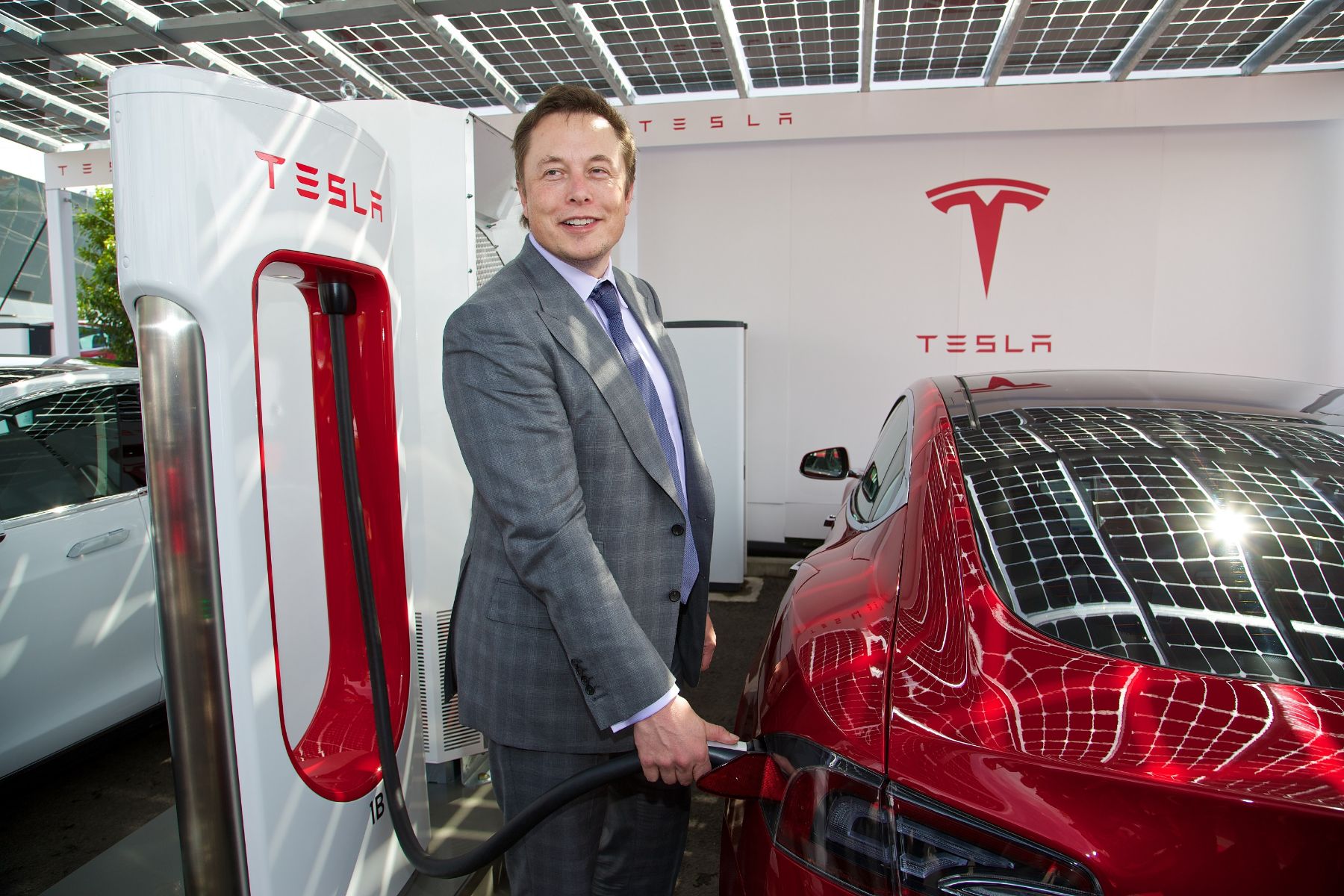
Musk has been responding to news via Twitter that Tesla is one of the Silicon Valley region’s most popular companies to work for. The proud, if controversial, father of a number of pioneering businesses openly invited Twitter users to join his corporate family.
His sell? “If getting things done matters to you” then Tesla, SpaceX, Boring Company and Neuralink is where you belong. According to a follow-up Tweet, getting things done means serious work hours – “nobody ever changed the world on 40 hours a week”.
Varies per person, but about 80 sustained, peaking above 100 at times. Pain level increases exponentially above 80.
When asked how many hours you need to get things done, Musk’s response was “about 80 sustained, peaking above 100 at times”. Even he goes on to admit that “pain level increases exponentially above 80”.
His logic is reasonably sound, for those it applies to at least, “if you love what you do, it (mostly) doesn’t feel like work”.
Does he think Tesla employees doing 100+ hours a week to keep Model 3 deliveries going are working their dream jobs? That’s still unclear.
Analysis of over six million car insurance quotes via MoneySupermarket has revealed where the UK’s hotspots for drink- and drug-driving are. The data also shows how the genders compare over the last 12 months, and gives some insight into the worst offending occupations.
Hereford is the worst town, with an average of 2.3 drink- or drug-driving convictions per 1,000 drivers. That’s an increase of 0.8 compared with last year. Crewe, Blackpool and Sunderland follow closely behind, with 1.86, 1.68 and 1.62 convictions per 1,000 drivers respectively. Sunderland took the bottom spot last year.
Calls for driving test to include dangers of drink- and drug-driving
By contrast, the north-west, north-east, south-west and west of London all feature in the top 10, making the capital home to some of the soberest drivers in the country. Bradford, Cambridge, Perth, Luton and the Scottish town of Galashiels are also on the lower end of the spectrum.
When it comes to men versus women in the drink- and drug-driving stakes, men are twice as likely to offend. There were 1.34 convictions per 1,000 men, compared with just 0.66 per 1,000 women. Oddly, the number of women caught has halved over the last year.
As for the most prone occupations, it’s concerning, if not entirely surprising, that students are in the top two although they’re down 22 percent. The biggest offenders are plumbers, up 17 percent, while young people as a whole (17-24 year-olds) are up 10 percent.
Overall, however, the data seems to indicate that drink and drug driving has decreased by 29 percent since last year, from 1.47 convictions per 1,000 people, to 1.05.
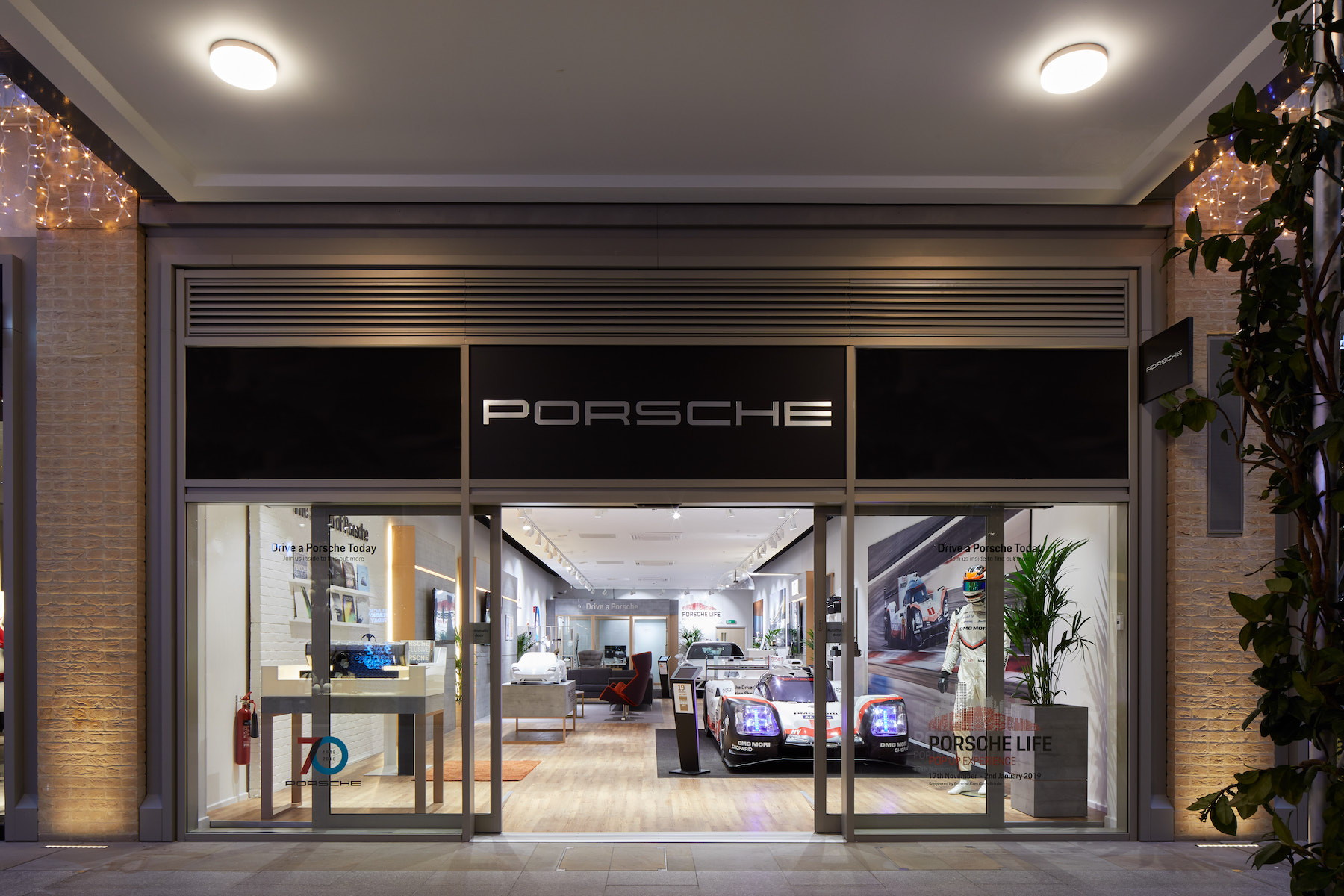
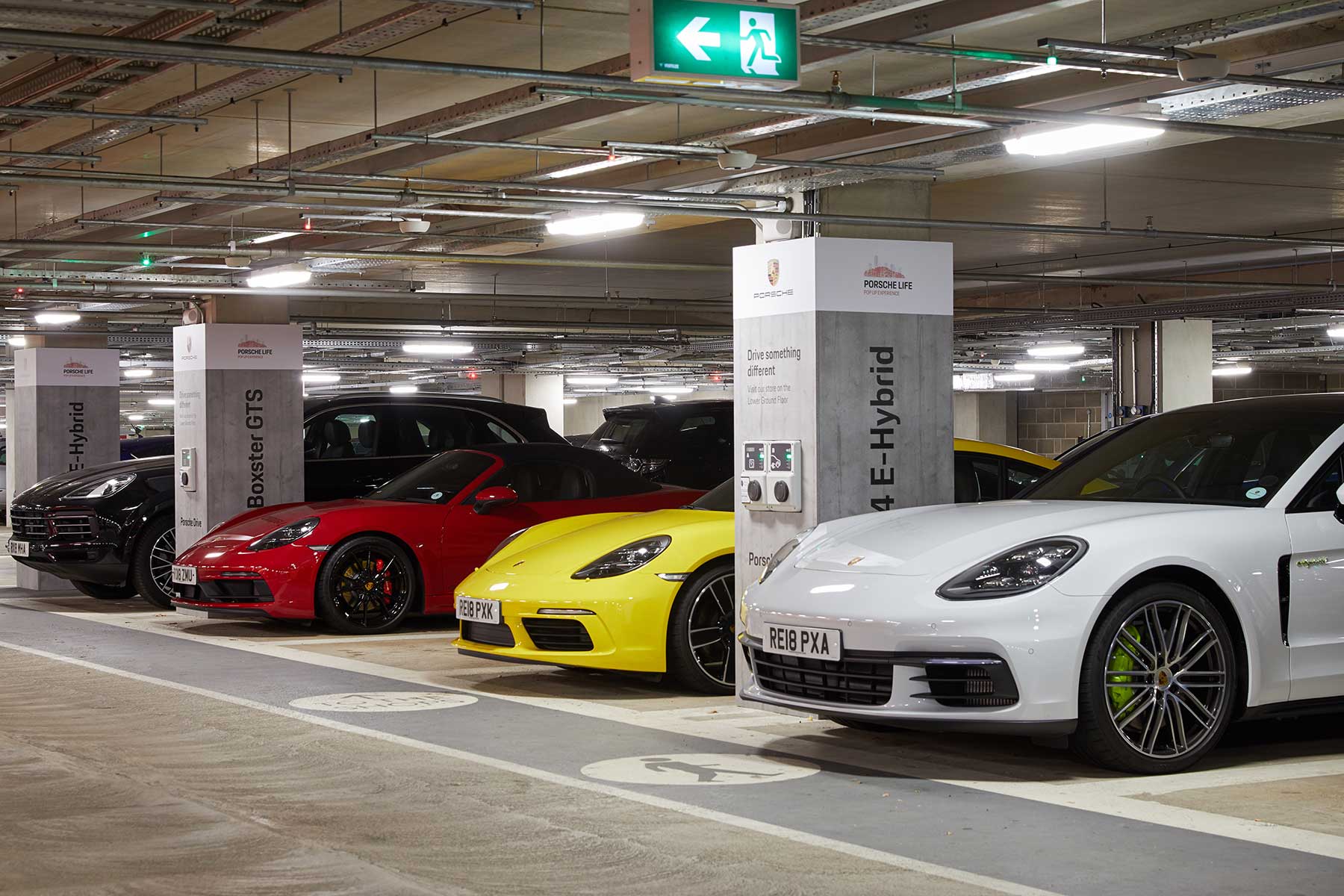
If the news about the forthcoming new 911 has you dreaming about driving a Porsche, a new pop-up store in Oxford could provide the answer.
With the launch of the ‘Drive a Porsche’ programme, you could spend a weekend with a choice of sporty cars to suit your budget.
Available to book from the 30th November to 23rd December, prices range from £175 through to £500. Porsche promises that the cars on offer will serve as a useful introduction to the brand.
Options include the 718 Boxster GTS, along with the plug-in Cayenne E-Hybrid SUV. However, Porsche does note that final vehicle choice may be dependent on the day selected.
Maximum lifestyle
For the UK launch of Drive a Porsche, the brand has picked the new Westgate shopping centre in Oxford.
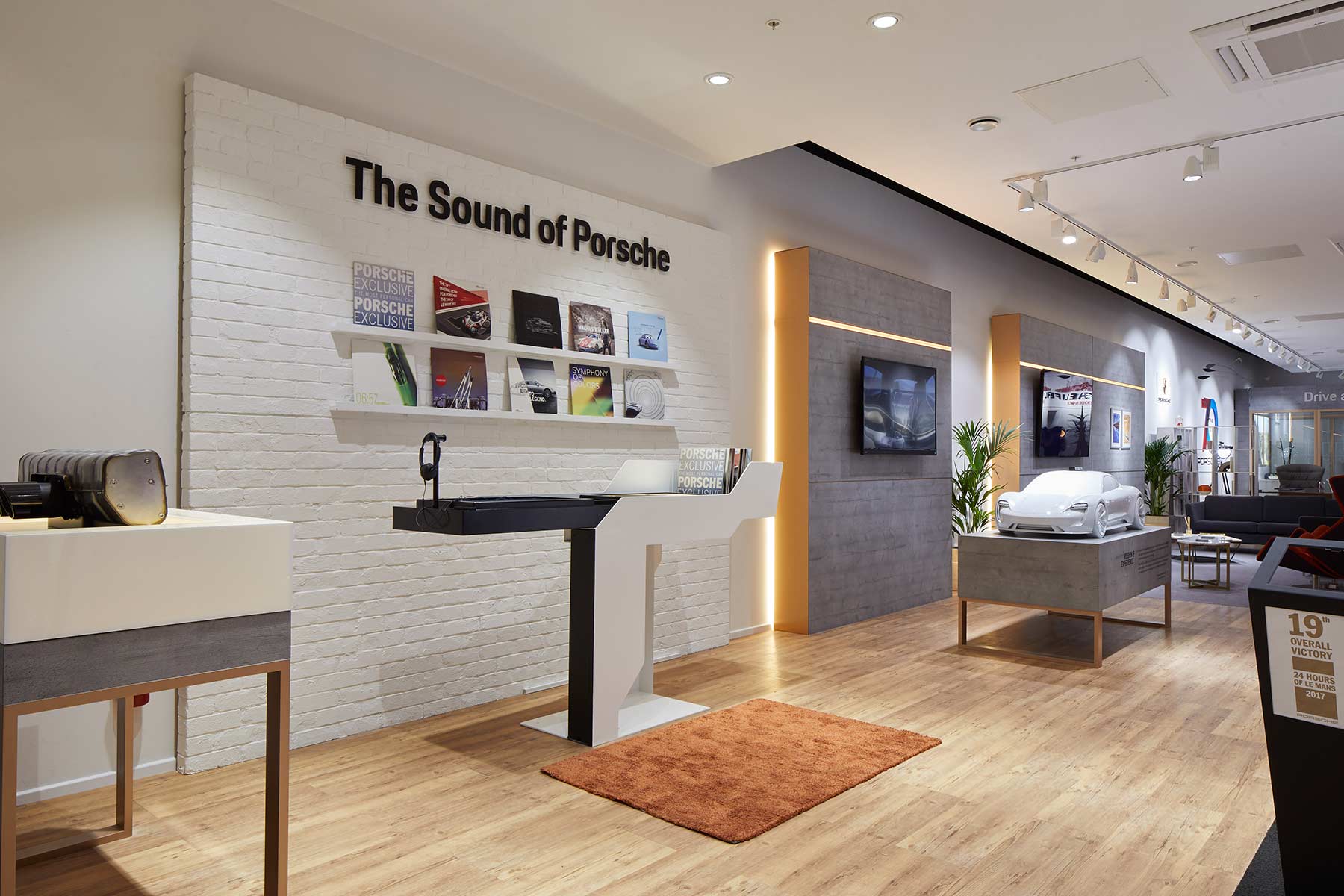
Designed across three distinct zones, the Porsche Life store is meant to demonstrate how easily a product from Stuttgart could fit into your life.
The cars inside the store reflect this, with the Panamera Turbo S E-Hybrid on display to demonstrate the importance of plug-in hybrid technology.
A scale model of the forthcoming Taycan electric car points to the future, too, and also lets visitors enjoy a unique AR experience. A replica of the 919 Hybrid Le Mans racer serves as a reminder of Porsche’s motorsport success.
Although the pop-up store is not designed to sell cars direct to the public, brand experts will be on hand to help answer questions. There will also be the opportunity to buy merchandise, from key rings to scale models.
Along with bringing Porsche closer to a potential new audience, the launch of Drive a Porsche also allows the company to test the water for more advanced ‘on-demand’ car sharing and mobility ideas.
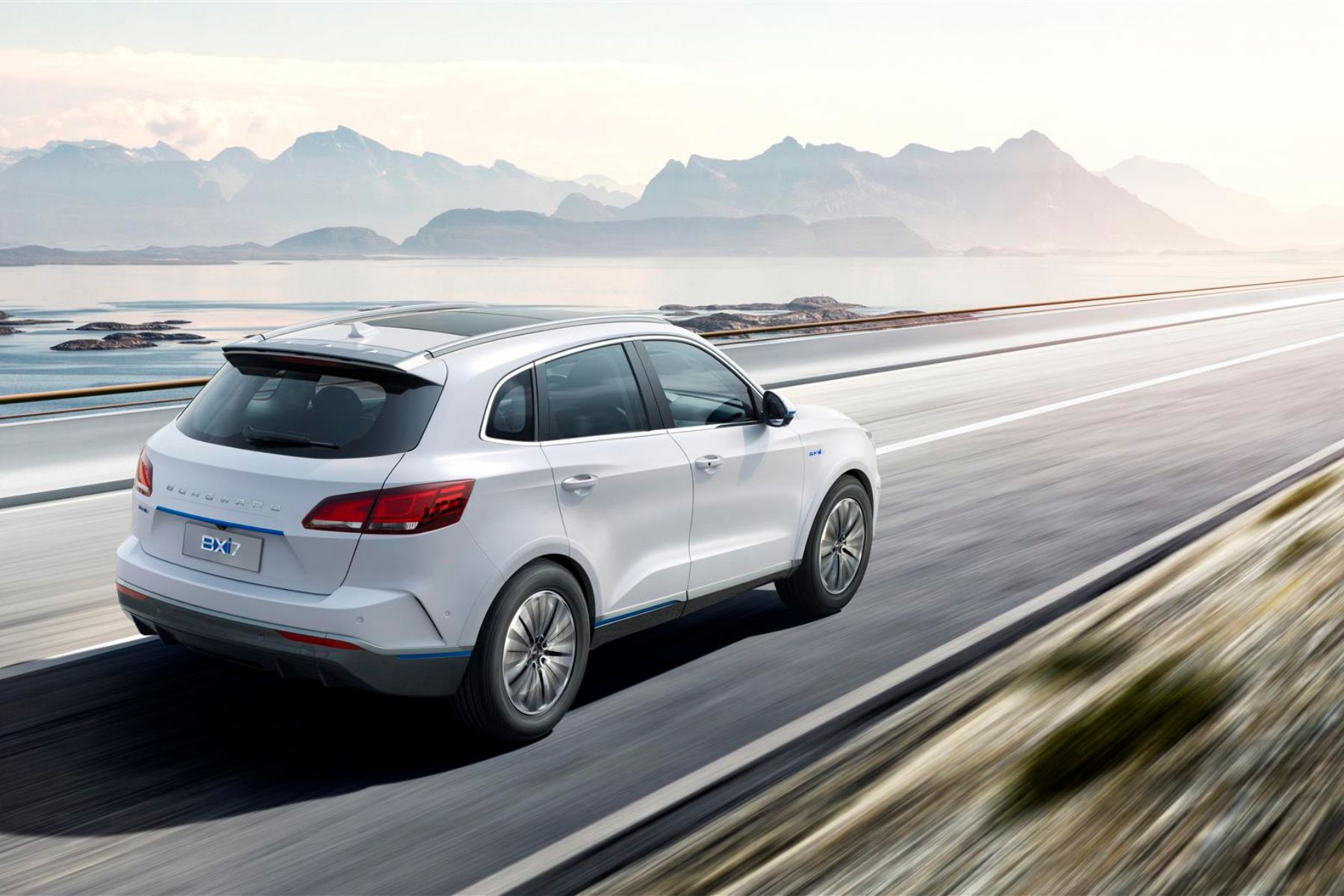
German brand Borgward is on its way West from the East. It’s already capitalised in the Chinese, Russian, Middle East and South East Asian markets. Now it’s heading to the UK with assistance from International Motors, the company that imports Subarus to the UK.
International Motors will be charged with bringing the marque to UK shores, once the contracts are finalised.
A brave announcement perhaps, given that the United Kingdom is more or less set to kick off 2019 with independence from the EU, as Brexit comes to a close. A Memorandum of Understanding was signed on 21 November 2018, confirming an intention to import Borgward vehicles to the UK and Ireland.
“We’re very pleased to find such a professional and dedicated organisation that will re-launch Borgward back to the UK and Irish markets,” said Tom Anliker, senior vice president of global marketing, sales and service for Borgward.
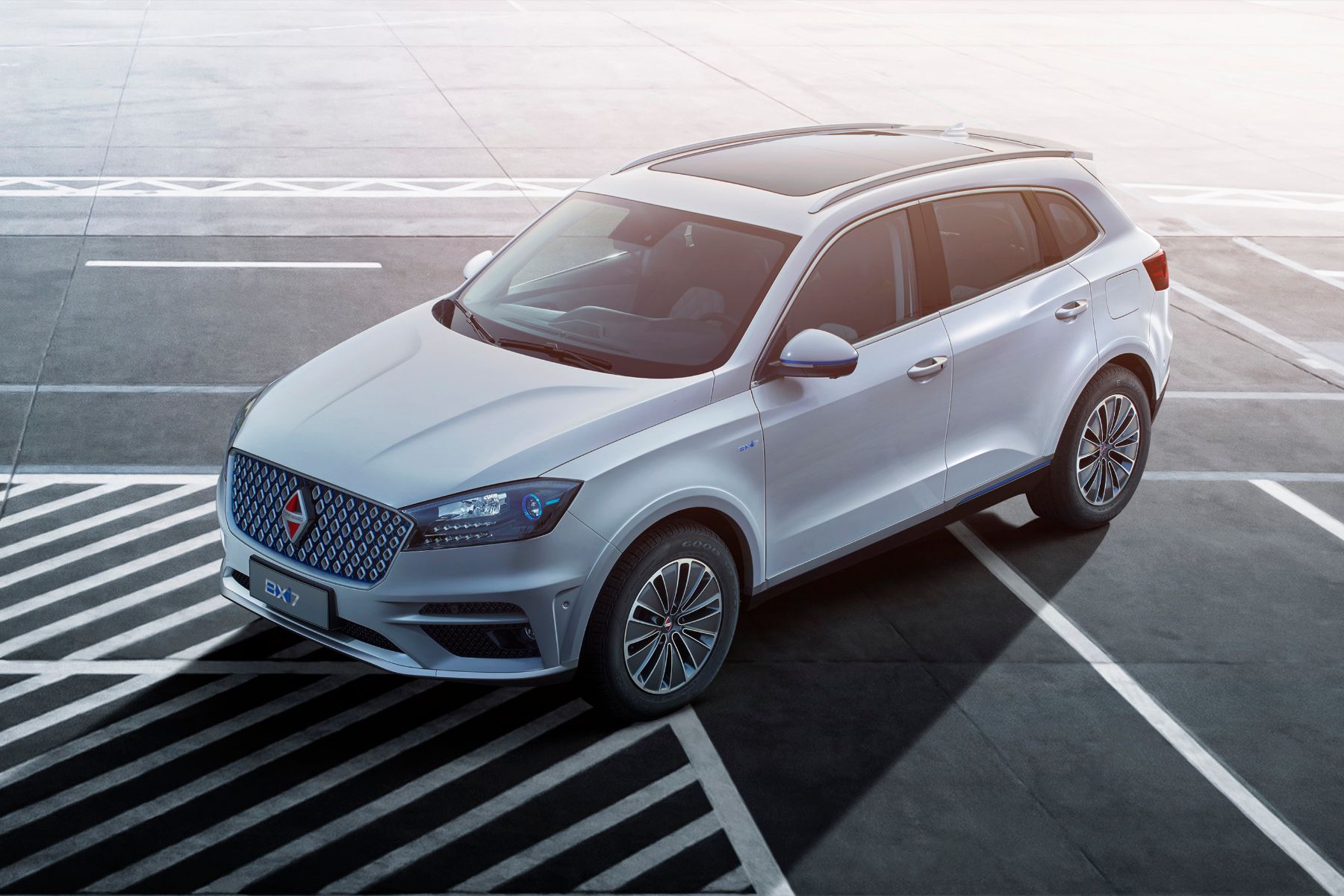
Borgward recently reinvented itself with a range of luxury SUVs. Its portfolio currently consists of the petrol-powered BX5 and BX7 in Europe. It plans on making a buzz in the UK, as well as a splash. The marque’s next step is to put into production the BXi5 and BXi7 electric versions of the aforementioned SUVs. The BXi7 Concept was a German Design Award-winner in 2018, no less.
Production of right-hand-drive cars is due to begin at the beginning of next year, with a view to commencing sales in the UK towards the end of 2019. Prices, specifications and details on the Borgward lineup will be confirmed in due course.
London is reportedly the only city in the United Kingdom that’s on or above target on the roadmap toward EV adoption. This according to the Institute of the Motor Industry (IMI).
The inescapable truth is that we’re on our way to a mostly electrified motoring future. Like it or lump it, that’s the way it is. The IMI, however, is here to deliver some concerning news for EV evangelists and roadmap writers alike.
The UK, by and large, is behind in electric car adoption, on the way to 2040 and (Scottish) 2032 targets. The reason? The capability of the UK’s infrastructure is being called into question.
The ability of both the UK’s charging infrastructure and indeed the capabilities of the business charged with the care of cars is well below what is required for the moment. It will continue to lag behind as electric vehicle uptake continues to rise, too, in turn slowing that uptake.
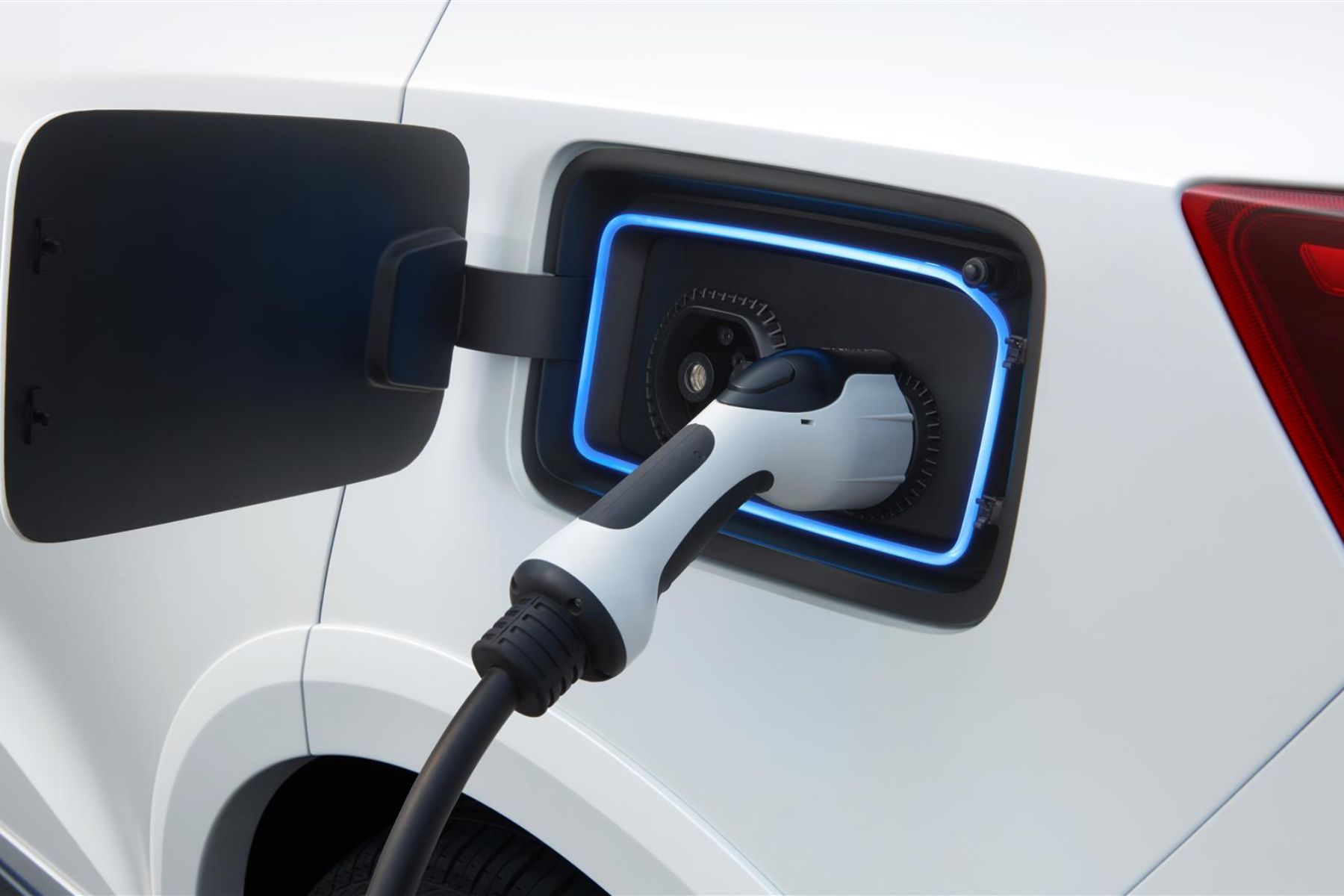
Full electric and plug-in hybrid vehicle sales are estimated by the IMI to exceed a million by 2020. At present, there are only 18,000 charging points across 6,500 locations. There is an average of eight electric cars per charging point across the UK at the moment.
Furthermore, around 3 percent of all vehicle technicians in the UK are currently qualified to work on EVs. Most of those work with manufacturers. To be ready for a population-wide uptake of electric cars, proficiency needs to span manufacturer shops, specialists, all the way to backwater chop shops.
At the moment, we’re evidently nowhere near. Given that EVs have been more or less mainstream for nearly ten years, second-hand buyers will be curious about maintaining their cars away from traditionally more expensive manufacturer facilities.
“The recently published sales figures for electric and hybrid vehicles demonstrate that drivers are rapidly making the transition away from pure petrol/diesel engines,” said Steve Nash, chief executive at the IMI.
“It’s vital that the government recognises the new skills requirements needed to underpin the successful move to this new technology.”
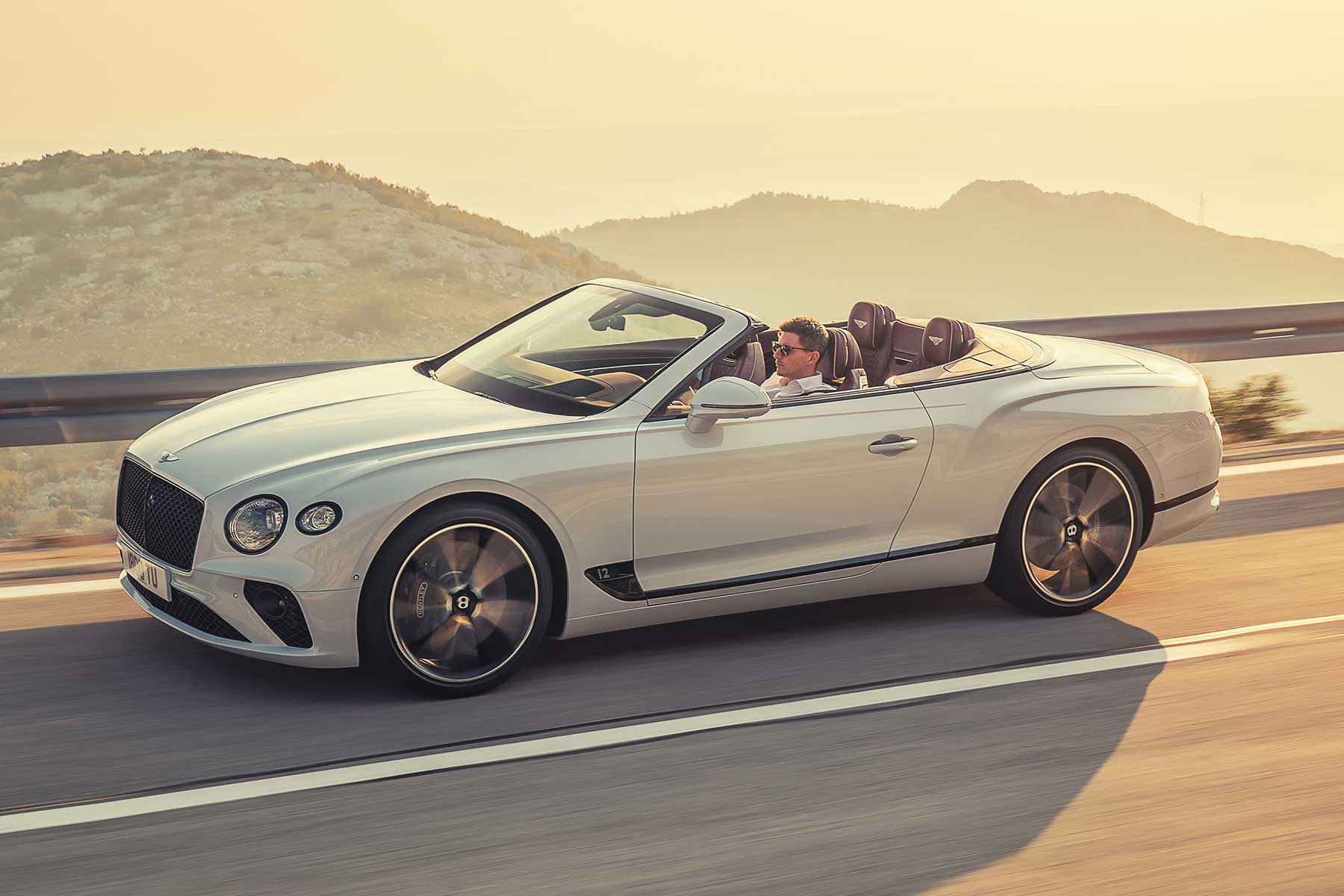
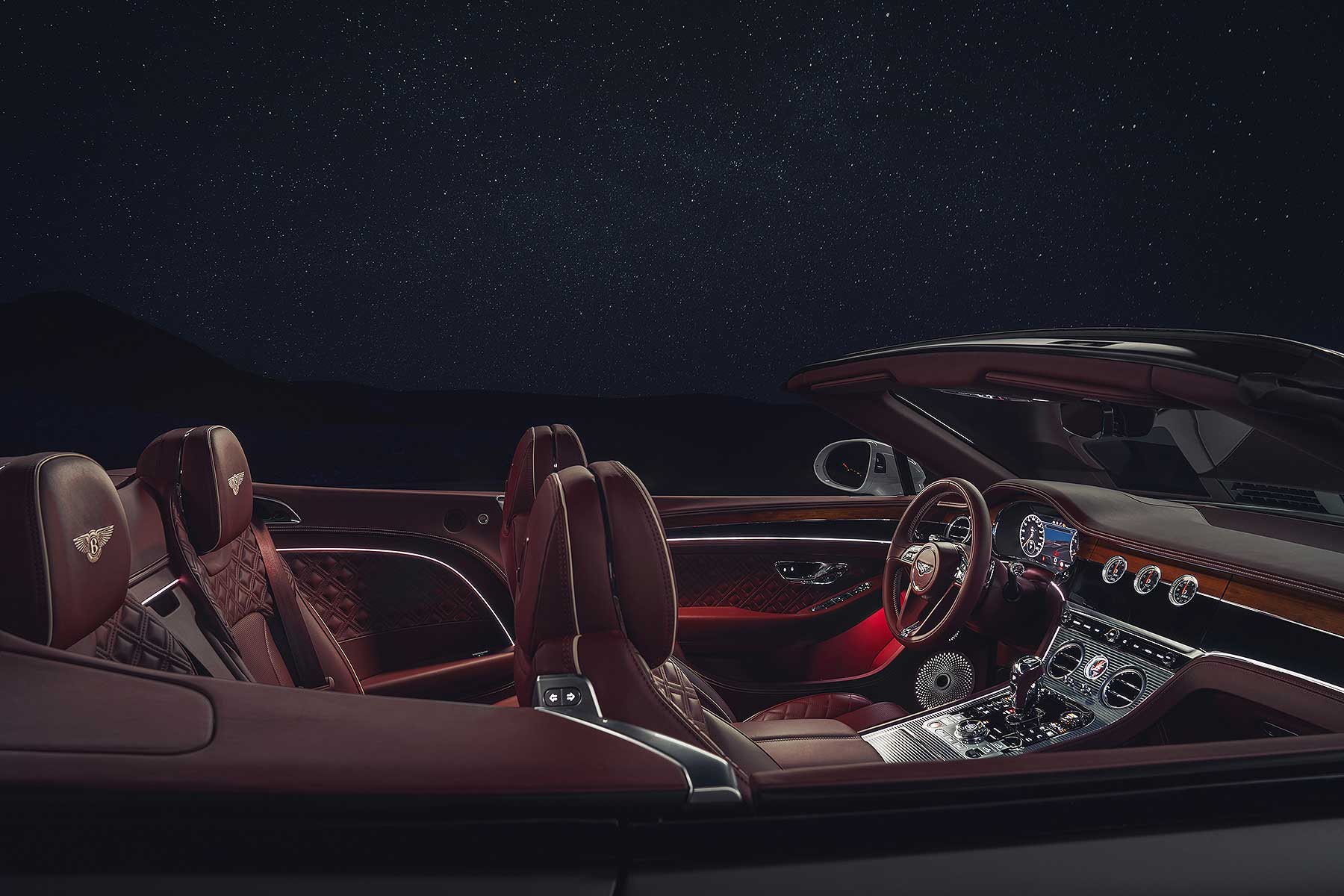
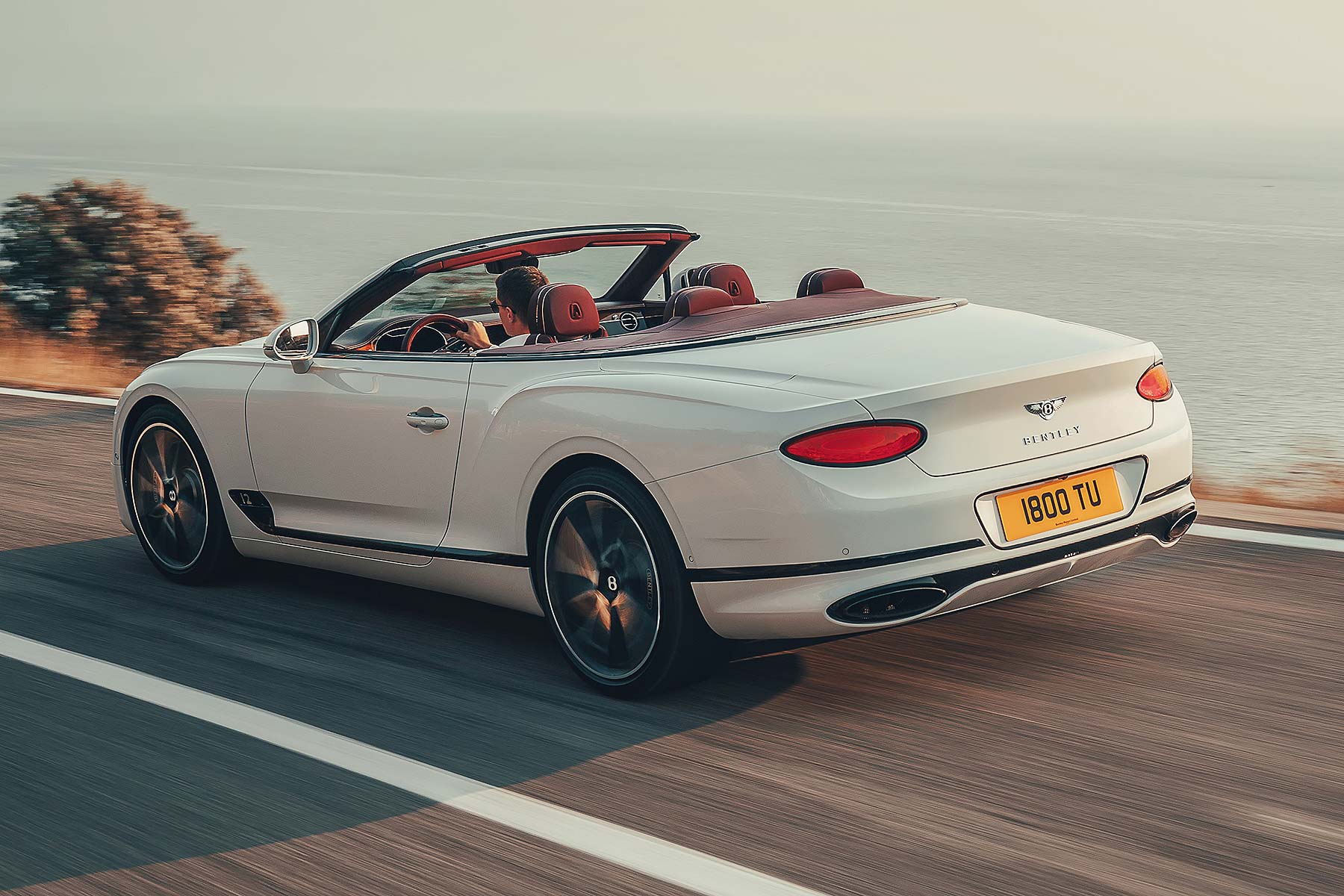
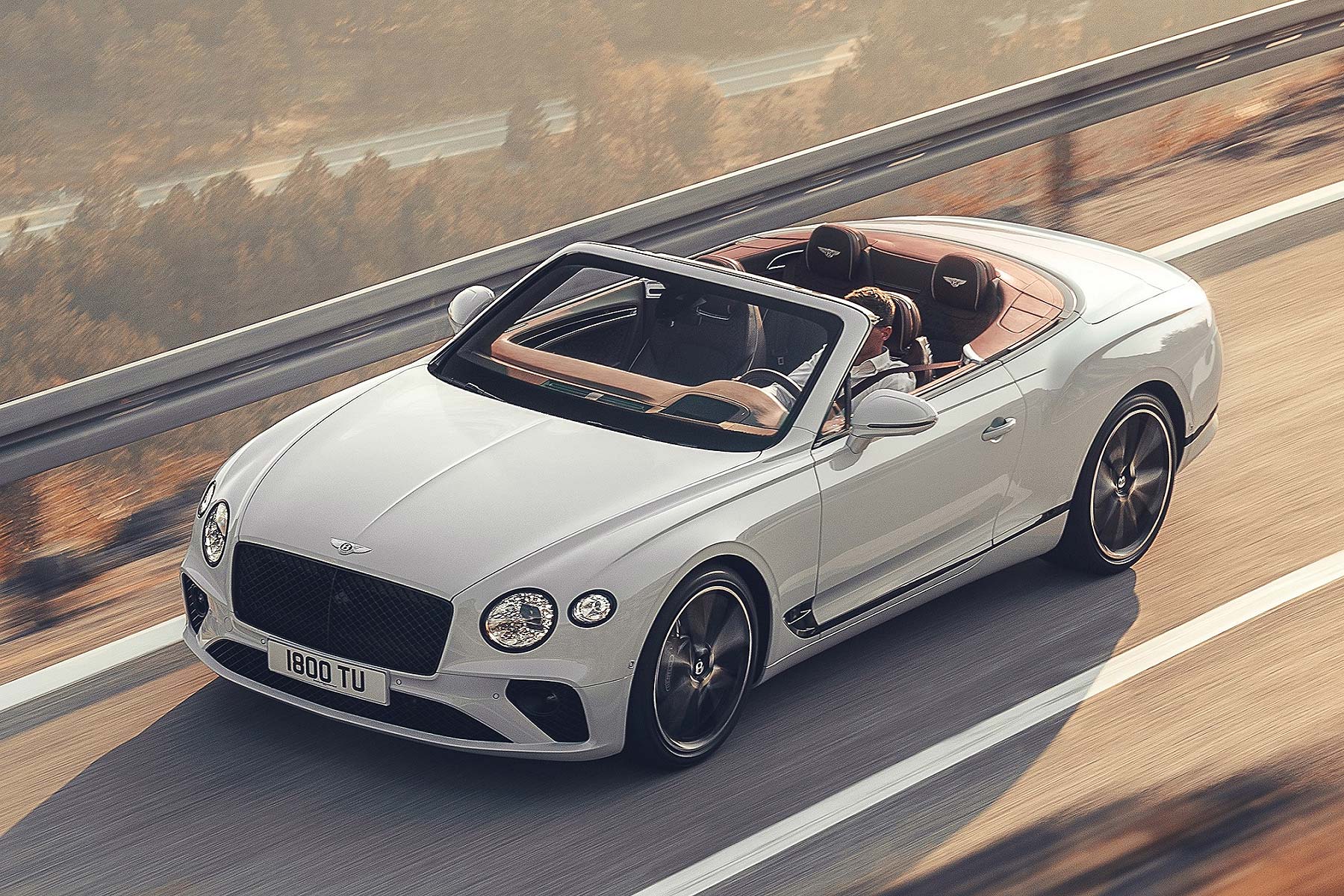
The new Bentley Continental GT Convertible is an open-top car that’s so refined, Bentley says it’s as quiet inside as the coupe version of the old Conti GT. It’s also a 207mph drop-top four-seater that comes with a tweed fabric roof.
The luxury GT convertible sector is an exalted one, where cars are luxury goods considered alongside, say, works of art or jewellery. The new Continental GT Convertible thus has 10 square meters of (sustainable) wood veneer inside; 15 different choices of carpet; eight interior roof colour options (and seven outside); pillow knurling of the metal controls instead of machine knurling because it’s softer to hands.
It also has heated seats, heated armrests and a new neck warmer system that’s warmer and quieter than before. The air outlets are built into the seats and have a chrome centre vane that’s styled to look like Bentley’s famous dash air vents.
The roof opens in 19 seconds and a Z-shape fold mechanism doesn’t only look sportier, it’s also 3dB quieter.
Even the standard audio system has 10 speakers and 650 watts of power. A 16-speaker 1,500-watt B&O system is optional, as is Bentley’s trademark 18-speaker Naim audio with an astonishing 2,200 watts.
The dashboard design, says Bentley, ‘flows, like the Bentley badge’. The centre console is offered with a new type of mechanical finish that’s like the one used inside posh Swiss watches. Called Cotes de Genève, a 0.6mm-thick piece of aluminium is machined to create a 3D pattern.
The engine doesn’t really matter in this sort of car so long as it’s big and powerful enough. It is: the 6.0-litre W12 puts out 635hp, for 0-62mph in 3.8 seconds and a 207mph top speed. Also irrelevant is its 22.8mpg fuel economy and 284g/km CO2 emissions.
Bentley has fitted extended stop-start, which turns the engine off as the Continental GT Convertible comes to a halt, rather than when it’s completely stopped. The engine also has variable displacement – six of the 12 cylinders will turn off when demand is low, to save fuel. It’s undetectable, says Bentley.
It’s still a very heavy car, but the body is 20 percent lighter as well as 5 percent stiffer. Upgraded air suspension with 60 percent more air volume should give a plusher ride, and a 48-volt ‘Bentley Dynamic Ride’ roll control should make it more agile.
21-inch wheels are standard, 22-inches are optional and the Pirelli P Zero tyres are mixed: the rears are bigger than the fronts. They are noise-cancelling tyres, with a special filling in the sidewall to help refinement.
Behind them are ‘the most powerful brakes ever on a Bentley’. 420mm front discs are grabbed by 10 pistons (normal cars have one or two pistons in their calipers) and 380mm rear discs have four pistons each.
What does it look like? Sharper and more defined. The front wheels have moved 135mm forwards, and the bonnet is longer and lower, as is the car itself. Both headlights and tail lamps have cut diamond-style internals, ‘like an illuminated gem’.
Perfectly fitting for the new luxury good elite enthusiast will want to cross continents in next summer: for them, the new Bentley Continental GT Convertible is priced from £175,100.
Despite a headline-worthy 40 percent rise in car theft over the past five years, nearly 1 in 2 motorists admit they still leave their cars running unattended on frosty mornings to warm them up.
Car security firm Tracker, which uncovered the shock statistic, is thus warning motorists to be extra vigilant and keep their wits about them this winter.
“December and January are peak months for thefts, as it’s when we typically experience harsh frosty mornings,” says Clive Wain, Head of Police Liaison at Tracker.
“Whilst it is tempting to leave your car running with the keys in the ignition on frosty cold mornings, experience tells us it’s not a wise move.
“Not only does it make your car an easy target for opportunistic thieves, few insurers will pay out if you haven’t taken reasonable care to prevent your car from being stolen.”
This latter point is worth underlining. It may seem convenient to leave your car running unattended, but you could be left seriously out of pocket if thieves pounce.
The company has outlined some measures to protect yourself from winter car theft and other crimes. While the obvious one of not leaving your car running unattended to defrost is very winter-specific, many are relevant year-round.
Firstly, don’t keep your keys in a place where they can be easily accessed. A key in plain sight is a broken house window away from being in the ignition.
While Wain references Christmas shopping, it’s general all-year-round good practice to not leave any belongings on show. The more expensive the item sat on your dash or in view, the higher the temptation is for thieves to bust in and make merry.
Be selective with your choice of parking spots. A well-lit, well-used multi-storey is probably better than Carjack Alley. If you have a garage, clear the clutter and use it for its purpose – safely storing your car.
Should the worst happen and thieves do get behind the wheel of your car, their life will be made much easier if you’ve left your car’s registration documents and spare keys in the glovebox. Therefore, be sure to store it all away in a safe and memorable place at home.
Back on-message, though. The winter months are a hot spot for car crime so it’s worth getting into good habits.
“Drivers should therefore never leave their cars vulnerable, but especially now when thieves are looking to exploit the change in weather. Taking simple but effective precautions will reduce the risk of your car or its contents from being stolen this Christmas.”
It was only a matter of time. Even before the new Suzuki Jimny has hit the streets, aftermarket firms are already preparing their own take on next year’s must-have fun-size 4×4. Now it’s the turn of Kahn Design.
Afzal Kahn, famed for his lavish and outlandish creations, is evidently a fan of Suzuki’s half-pint off-roader, taking to Instagram to outline his plans for an upmarket Jimny. A ‘friendly vehicle’ for a sixth of the price of a Mercedes G-Wagen, he claims.
That’s around £25,000, in case you were wondering. Pretty good value, we think, especially when you consider the likely specification.
The inside would be treated to quilted and perforated leather seats, along with branded sill plates and vented foot pedals. We suspect the Chelsea Truck Company (CTC) would also upgrade the audio system and add a subtle tint to the windows.
On the outside, the Jimny would wear 19-inch G6 wheels shod in chunky off-road tyres, with the styling enhanced by vented bumpers, wider arches, LED headlights and a performance quad exhaust system.
According to Khan, the CTC Jimny would be a mini Land Rover Defender or Mercedes-Benz G-Class, but there’s no guarantee that it will get beyond the planning stage. Much will depend on the feedback on social media, which, so far, at least, has been overwhelmingly positive.
Are we allowed to say that we like it? Although it’s little more than a first sketch, the CTC Jimny retains its charm and manages to stay the right side of chintzy. It even looks good value at £25k. We also like the timing of the announcement, coming on the same day Land Rover invited the great and the good of the press to see the new Evoque.
Get it built, Kahn. It’s cheaper and more appealing than a new Range Rover Evoque, right?
Driving an SUV in the snow doesn’t turn you into Clacket Lane’s answer to Stig Blomqvist. That’s the underlining message of a press release issued by fleet management company, Arval UK.
It says that company car drivers may need to be warned of the limitations of their vehicles during the winter, pointing to the SUV as a ‘prime example’.
In other words, while some drivers think their hatchback on stilts gives them WRC-like levels of talent, they end up looking more like Todd Carty on Dancing on Ice.
The best car options for winter; in pictures
If you’ve ever wondered why the Met Office and Highways Agency are very quick to warn drivers to stay at home when the weather outside is so frightful, it’s because they don’t want to see the road network littered with stranded SUVs and crossovers.
Arval says that the glut of relatively lightweight, two-wheel-drive SUVs offer no real advantage over a ‘normal’ car.
Indeed, drivers would do well to explore the benefits of winter tyres, which would be cheaper than getting locked into a lengthy PCP contract, and could mean that they get home for Christmas before Chris Rea.
Closing the perceptual gap
“The fact is that SUVs of this kind can get stuck in poor weather as easily as any other vehicle, potentially creating a hazardous situation for the driver who needs to be rescued. There is very much a gap between the driver’s perception of their vehicle and the reality,” said Shaun Sadlier, head of consulting at Arval.
“Driving in poor conditions is a very definite skill and not something to be attempted without the right vehicle and the right training,” he continued.
Save big this winter by buying pre-owned
“Our advice to fleets would be to ensure that drivers have a clear understanding of the kind of weather in which they are expected to drive, to know about the limitations of their particular vehicle and stay well within them, and to seek advice if they have any doubts.”
The best advice? Buy an old Saab 9000 for a few hundred quid, order a set of winter tyres, then spend the snowy days dodging the stricken SUVs left abandoned at the roadside. You know it makes sense.
Read more:
PCP finance means Brits are not owning cars for as long
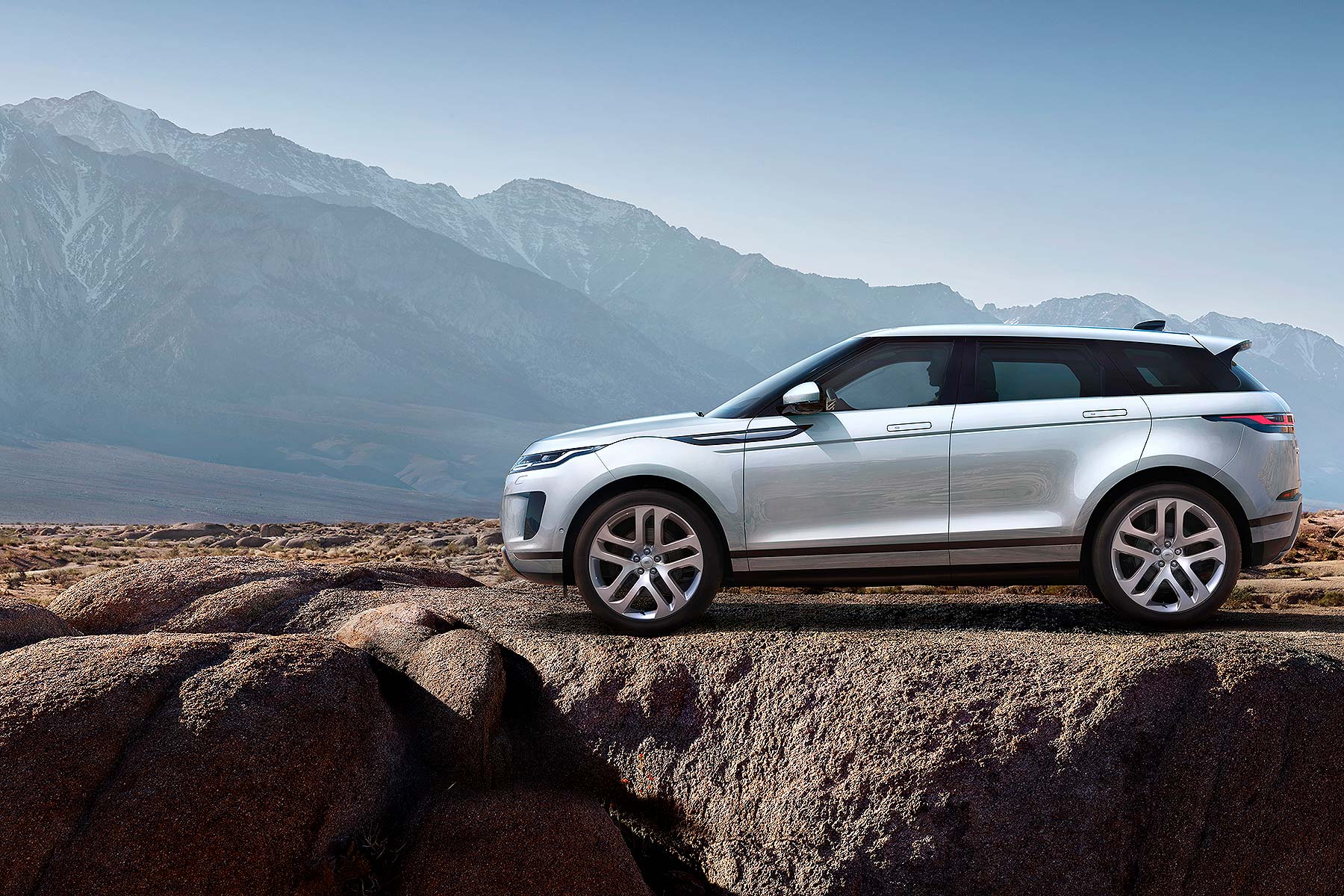
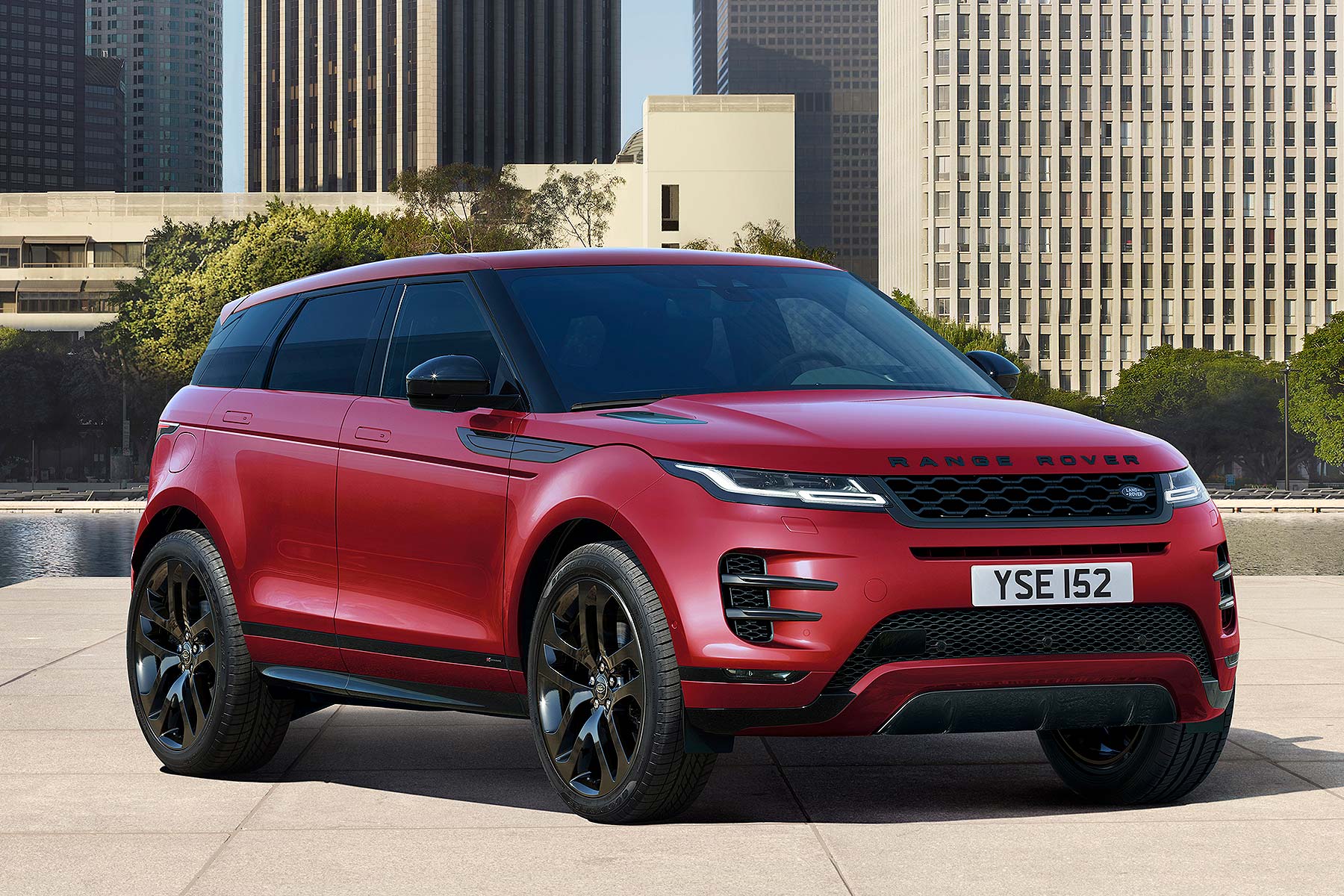
The new 2019 Range Rover Evoque is priced from £31,600, but the effective entry-level price for most buyers will be £35,100, Land Rover has confirmed at the launch of the new British-built luxury compact SUV.
The lowest-priced car is a 150hp D150 turbodiesel manual – but the vast majority of Evoques (more than 9 in 10, predict bosses) will be sold with an automatic gearbox, which is standard on every other variant.
The £35,100 D150 turbodiesel entry-level automatic also gets four-wheel drive as standard: the basic car is also the only front-driven Evoque you can buy.
Open for ordering now, the new Range Rover Evoque is offered in S, SE, HSE and launch First Edition variants. Every version apart from the launch special will offer an R-Dynamic upgrade pack (£1,500). Full prices are listed below.
New Range Rover Evoque specs look comprehensive. Every car comes with automatic LED headlights, climate control, 10-inch Touch Pro infotainment, heated front seats, rear camera, all-round parking sensors and autonomous emergency braking.
The £1,500 R-Dynamic upgrade pack comprises an exterior styling kit, ‘RANGE ROVER’ script in Shadow Atlas finish and, inside, a dark roofliner, perforated leather stering wheel, bright metal pedals and dark aluminium trim.
S spec adds electric leather seats, sat nav, Apple CarPlay and Android Auto smartphone connectivity, plus traffic sign recognition and an adaptive speed limiter. Also, the 17-inch alloys grow to 18 inches.
SE spec improves the LED headlights to premium LEDs, wheels grow to 20 inches, the electric seats get more adjustability and the tailgate is powered. The two-touchscreen Touch Pro Duo from the Range Rover Velar is also fitted, which replaces ‘hard’ climate controls.
HSE gets perforated Windsor leather seats, a 380W Meridian sound system and the clever Clearsight rear-view mirror that overcomes the Evoque’s poor rear visibility with a high-res camera display on the mirror itself.
First Edition models have even fancier Matrix LED headlights, privacy glass, panoramic sunroof, head-up display and a comprehensive interior luxury pack.
Three petrol and four diesel engines are offered in the new Range Rover Evoque. All are 2.0-litre motors.
The base D150 diesel produces 150hp, and comes in FWD manual or 4WD automatic with an MHEV 48V mild hybrid system. Indeed, every Evoque apart from the base manual has the 48V system, which extends in-town stop-start functionality, thus saving fuel.
D180 and D240 diesels are also offered. The slowest Evoque is the D150 AWD auto, which does 0-62mph in 10.4 seconds (the manual D150 FWD is half a second faster). The D180 takes 8.8 seconds and the D240 7.2 seconds.
The petrol range comprises P200, P250 and P300 engines. Even the P200 does 0-62mph in 8.0 seconds the P300 cuts this to a swift 6.3 seconds.
2019 Range Rover Evoque prices
D150 FWD manual: from £31,600
D150 AWD auto: from £35,100
D180 AWD auto: from £35,850
D240 AWD auto: from £38,600
P200 AWD auto: from £35,950
P250 AWD auto: from £37.150
P300 AWD auto: from £40,350
2019 Range Rover Evoque specs
Evoque
S: + £3,150 over Evoque
SE: + £3,500 over S
HSE: + £3,000 over SE
First Edition: + £5,500 over R-Dynamic SE
R-Dynamic pack is a £1,500 option for every spec apart from First Edition
Read more:
Vauxhall GTX Xperimental Concept review: driving the future
How far does a £50 fill-up get you in different countries around the world?


 The new Bentley Continental GT Convertible is an open-top car that’s so refined, Bentley says it’s as quiet inside as the coupe version of the old Conti GT. It’s also a 207mph drop-top four-seater that comes with a tweed fabric roof.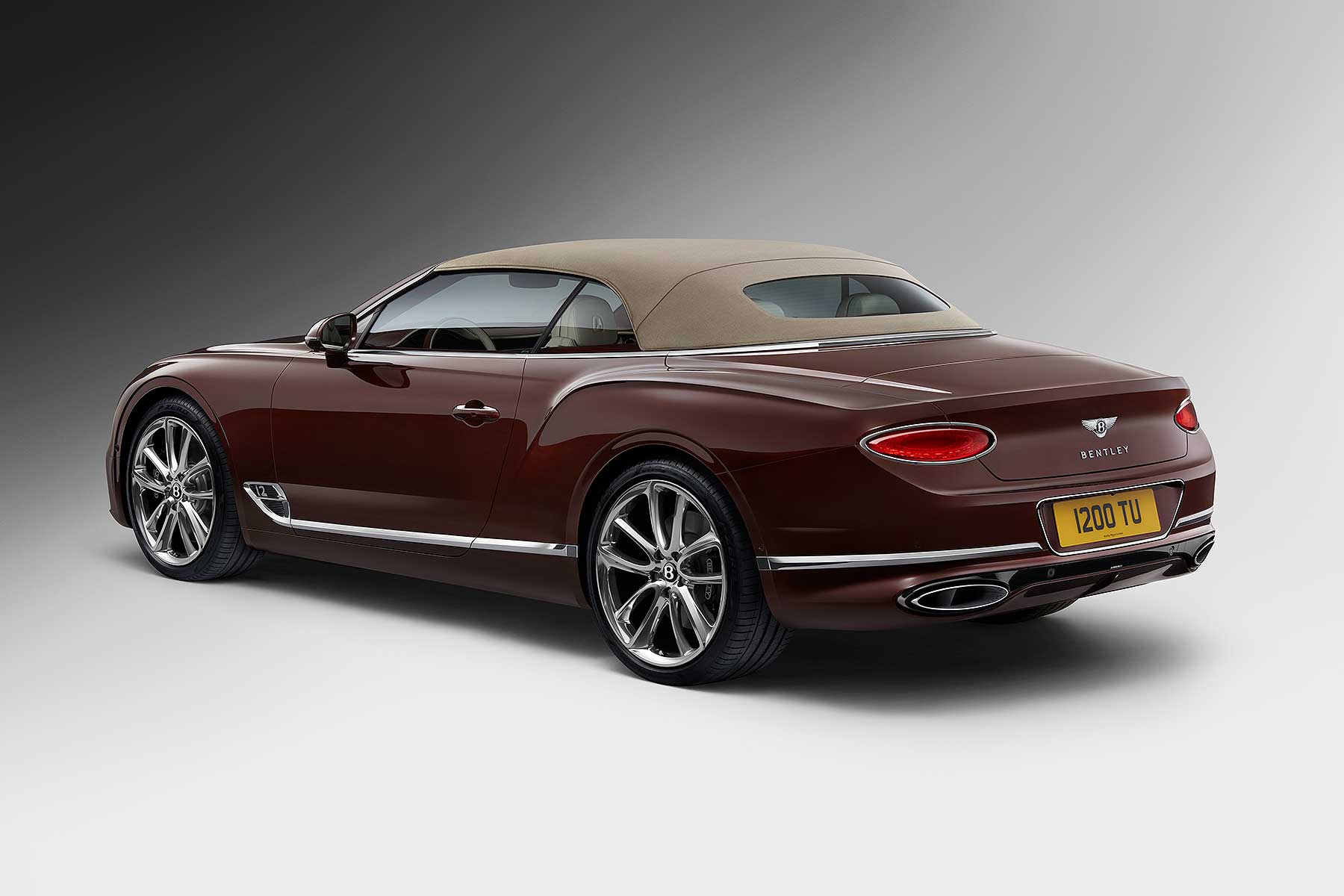








 The
The