The Ford Puma is making a comeback, and will switch from a two-door coupe famously ‘driven’ by Steve McQueen in the 1990s, into a Fiesta-based small SUV to take on the Nissan Juke and Renault Captur.
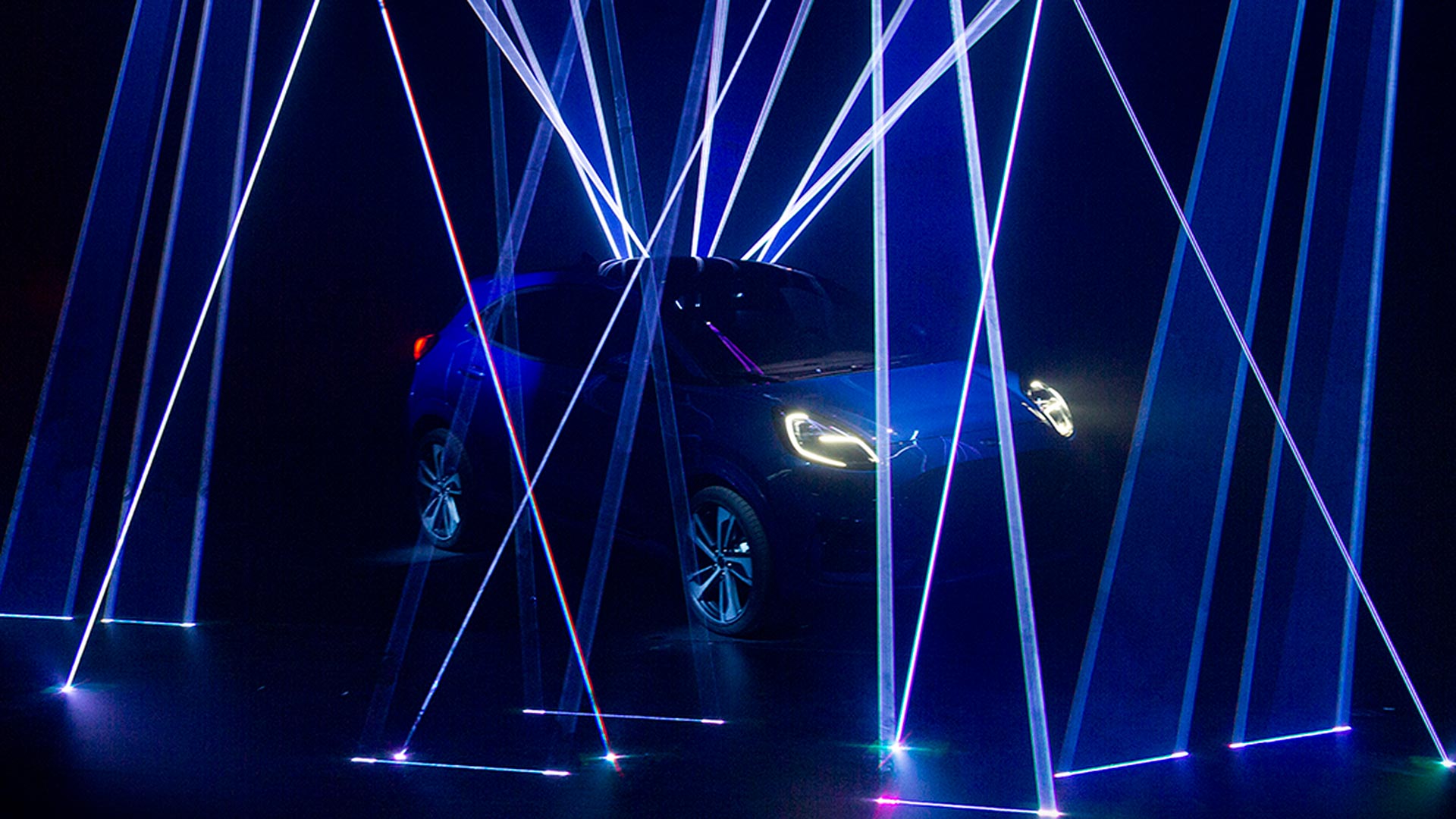
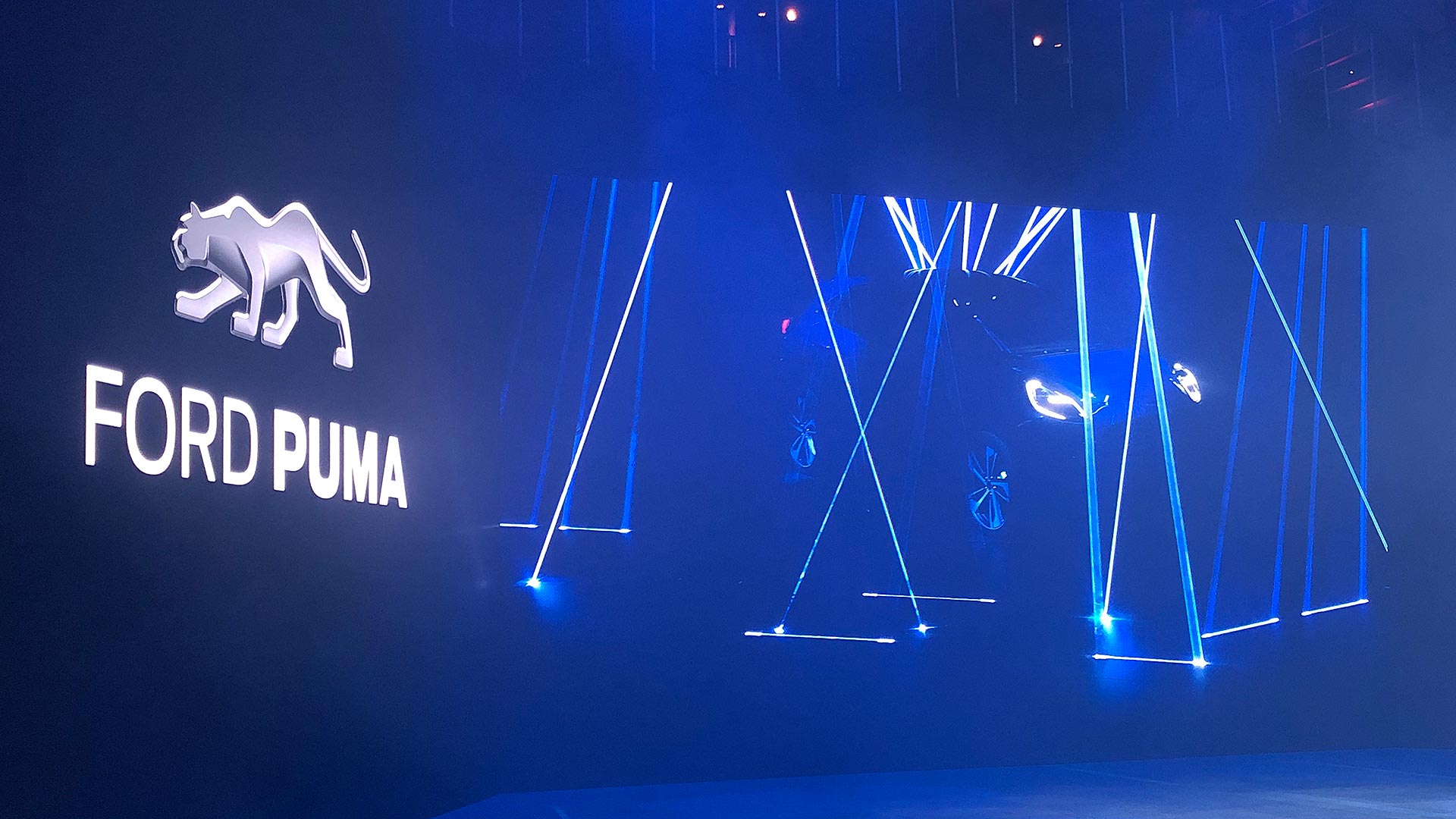
Ford gave a preview of the new car, hidden behind smoke and lasers, at its big Go Further briefing event in Amsterdam. The Puma will be revealed in full this summer, and go on sale later in 2019.
The new Puma SUV will not replace the Ecosport, says Ford. Rather, it will line up between that and the larger Kuga, which itself has just been revealed in all-new guise.
Obscured by a laser light show, the lines of the new Ford Puma can still be made out. It appears compact and, like its rivals, should offer a ‘Fiesta-plus’ look and dimensions.
The car has a tough, chunky stance, sits higher off the ground than a Fiesta and has exaggerated features, including its grille and wheelarches.
Curvaceous side lines feed into bold haunches at the rear, while a coupe-like window line that gets shallower at the back nods to the Puma’s coupe heritage.
The new Puma is far more stylish than the boxier, more 4×4-like Ecosport and, says Ford of Europe president Stuart Rowley, will “turn heads on Friday night, and swallow your flat-pack furniture with ease on Saturday afternoon.”
Practicality has been a real focus for the Puma development team. It will provide ‘best-in-class’ luggage capacity, with a 456-litre boot – much bigger than many family hatchbacks.
The deep boot is a result of customer demand, says Ford. It’s so big, it will swallow two golf bags standing upright.
“Innovatively engineered and seductively styled, we think Puma is going to really resonate with compact-car customers in Europe… they [will] drive the best-looking car they’ve ever owned.”
Puma power
The new Ford Puma SUV will be available as a 48V mild hybrid. A 1.0-litre three-cylinder Ecoboost turbo petrol engine is paired with a belt-driven integrated starter/generator – that’s a starter motor that can also operate as an electric motor.
With energy supplied by a lithium-ion battery back, it allows extended engine stop-start and also provides an electric drive boost to ‘fill in’ gaps in engine power.
Ford has therefore been able to fit a much larger turbocharger, which is why the Ecoboost Hybrid Puma will produce a punchy 155 horsepower. Fuel consumption will be low too, promises the firm.
Other engines will be available, including non-hybrid versions of the fuel-sipping Ecoboost petrol.
Ford will build the new Puma at its factory in Croatia. It is, however, described as an SUV for Europe, meaning exports to markets such as North America are unlikely.
Bosses secretly believe that demand for the new Ford Puma crossover SUV will see the factory operate at capacity just to serve eager European customers.
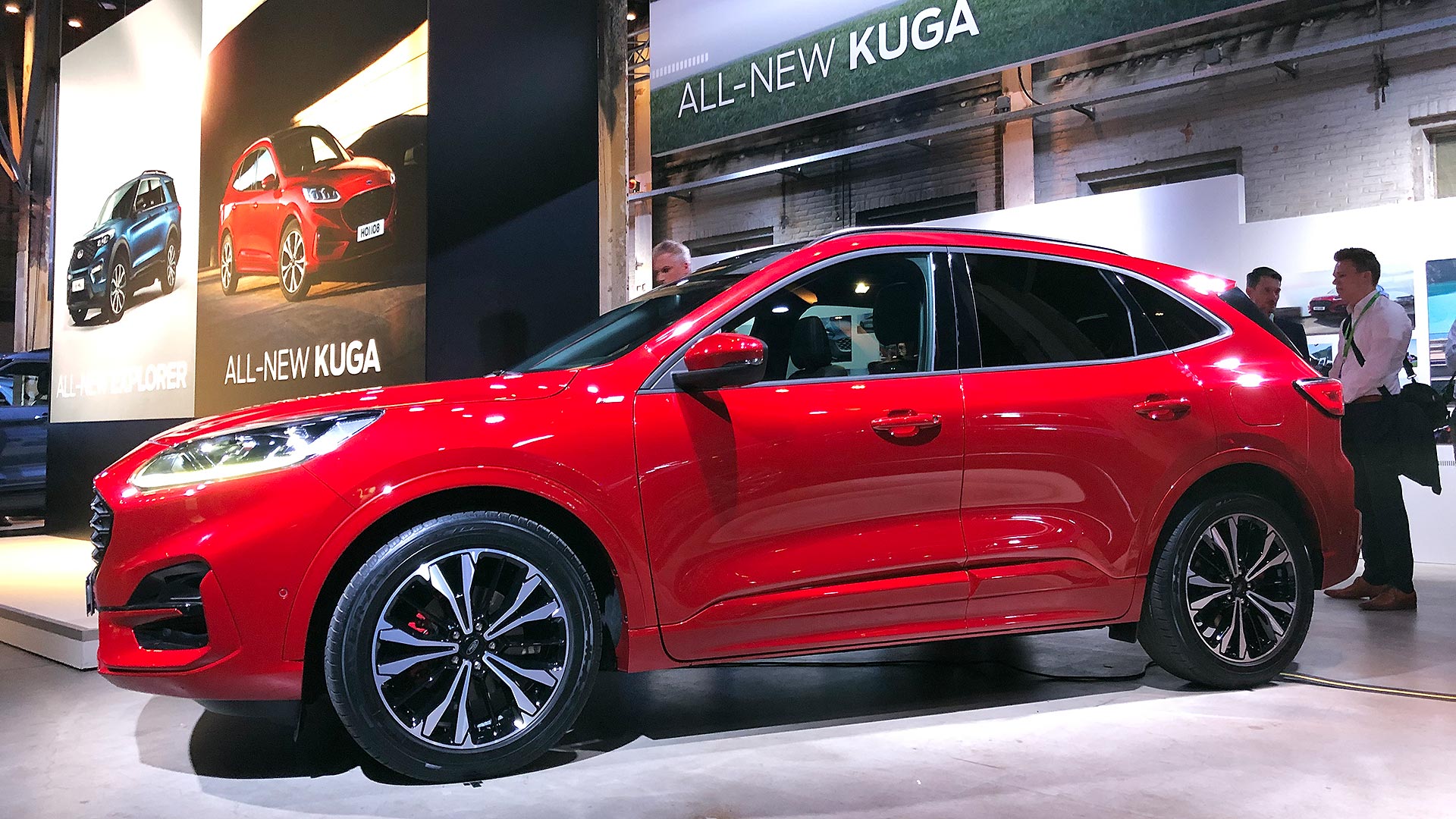
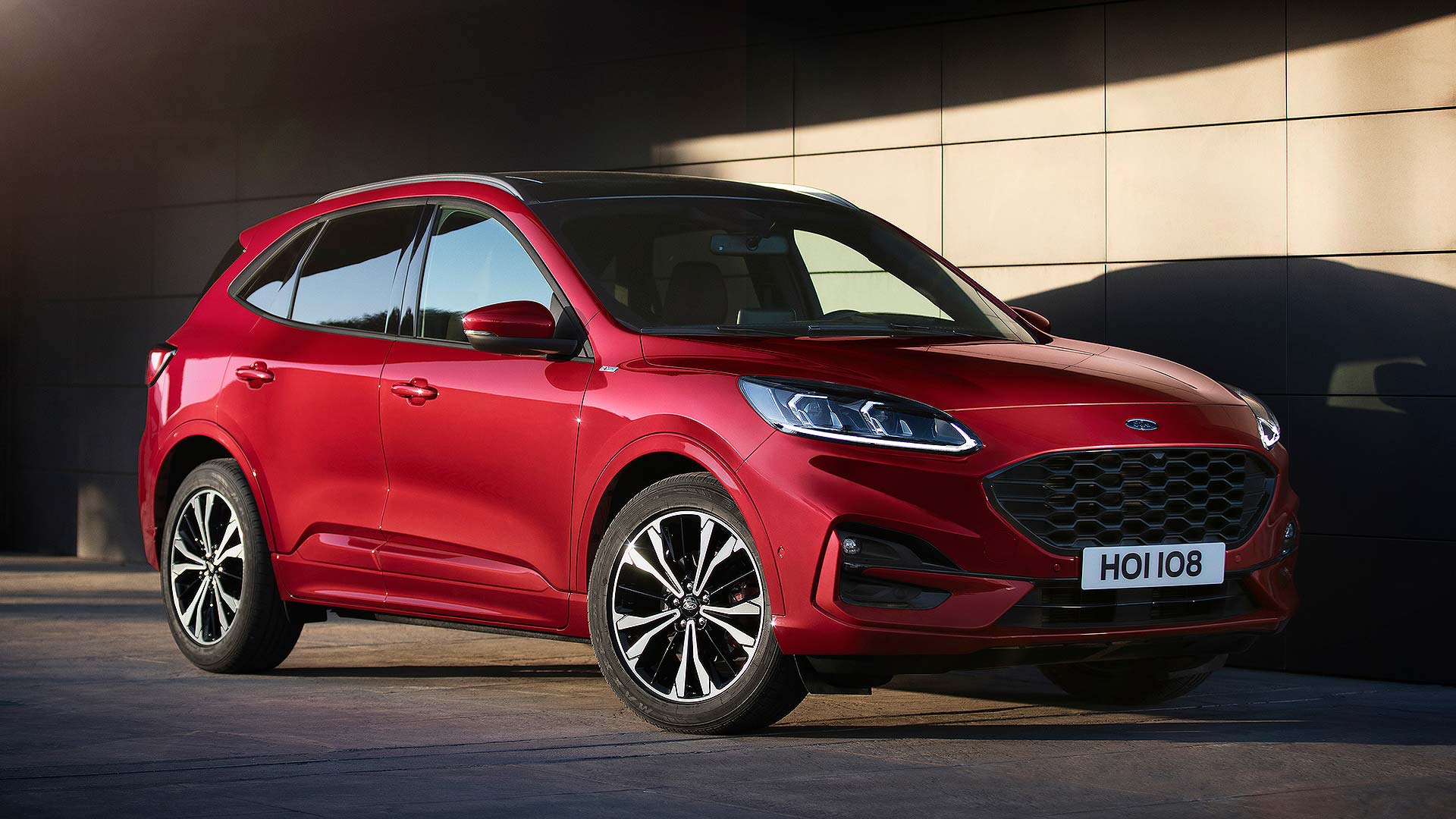
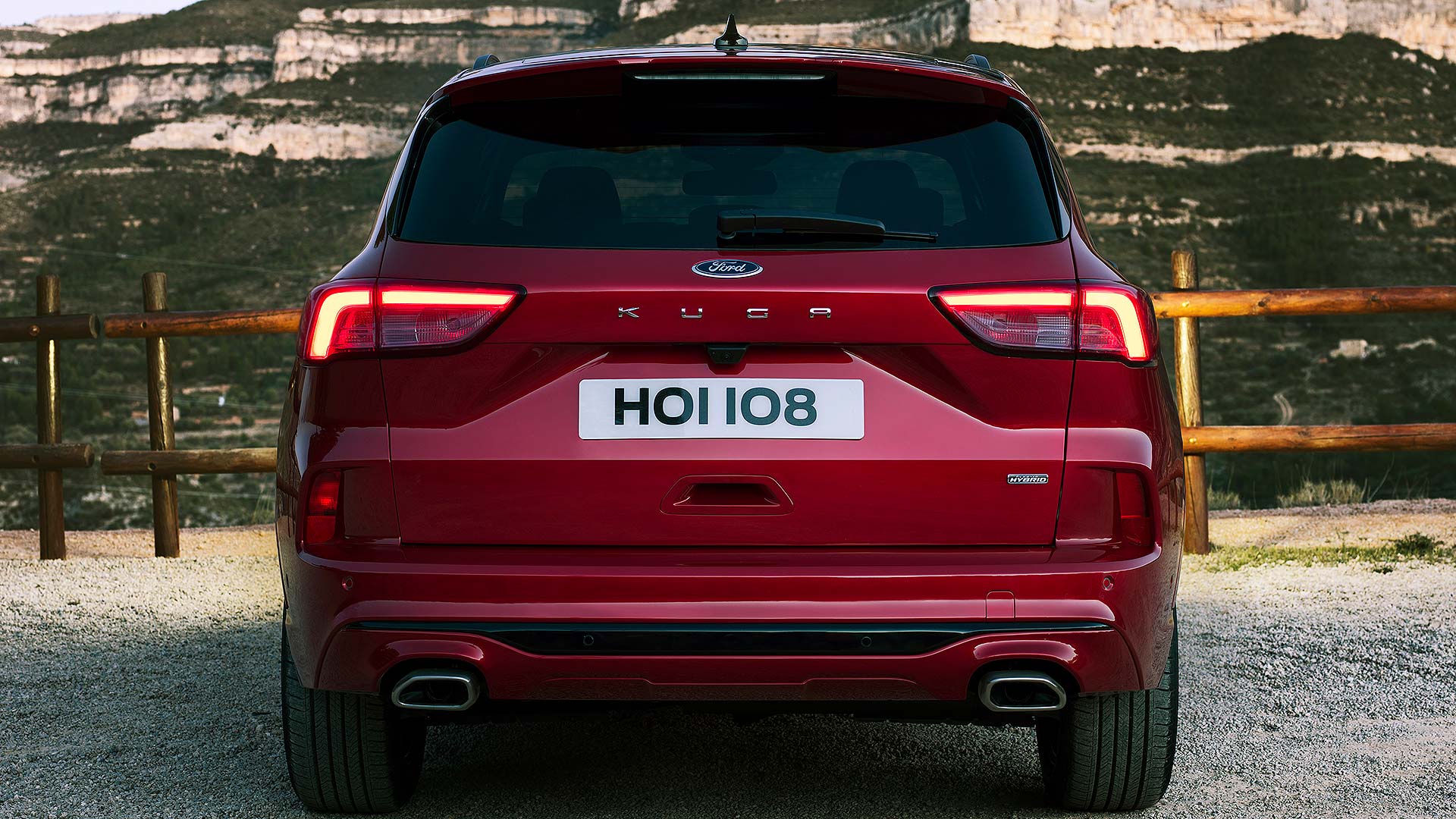
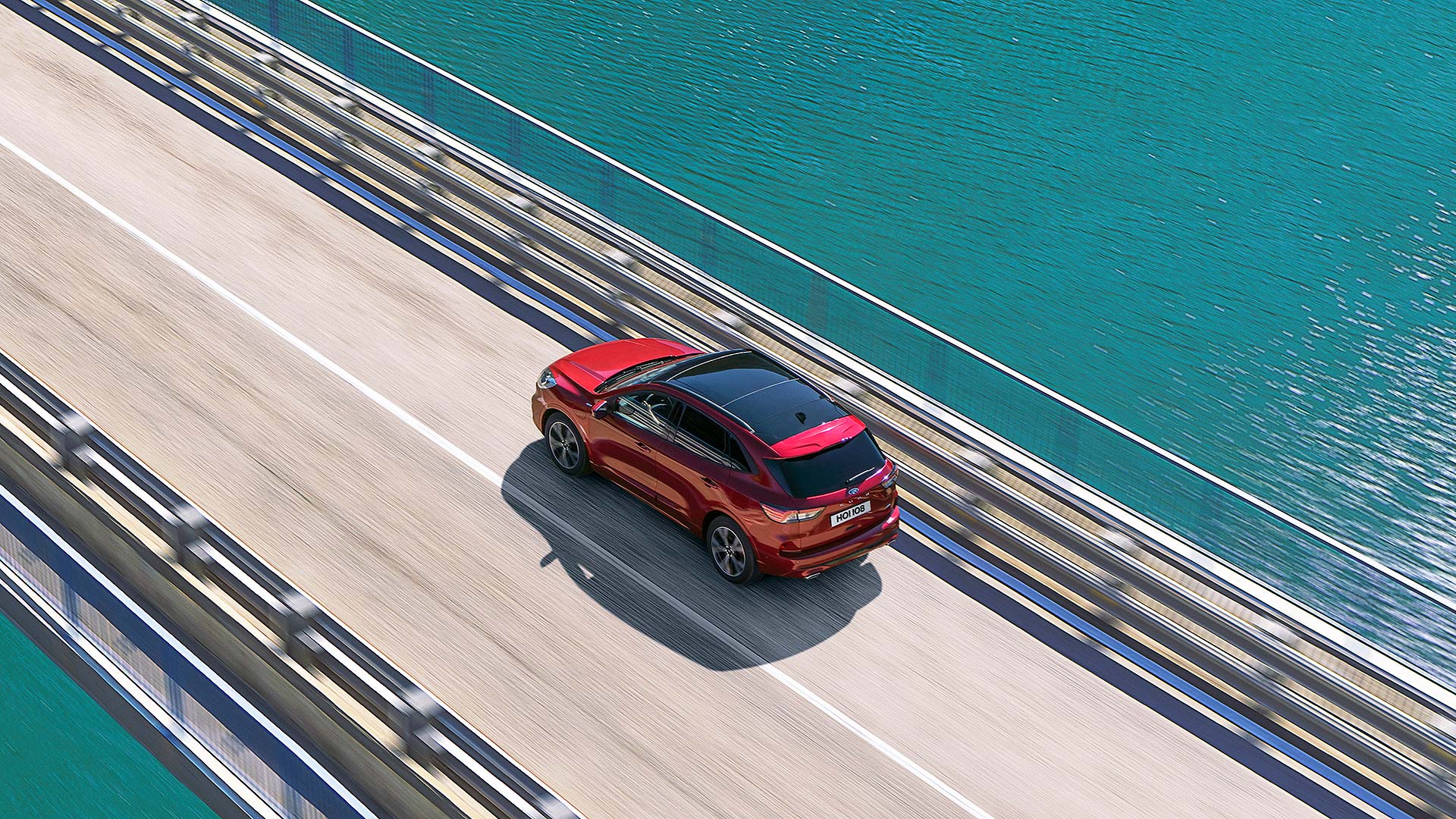
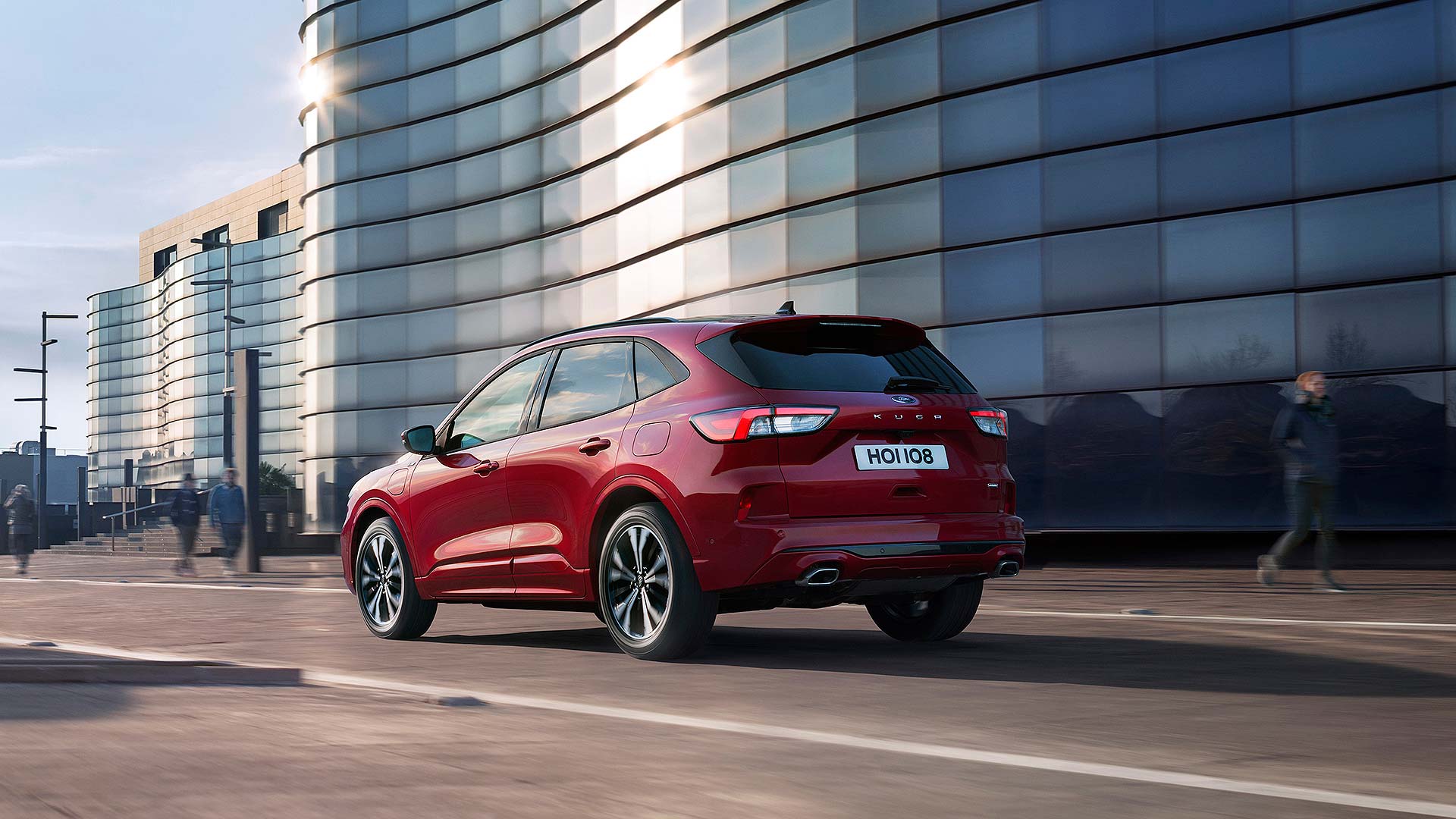
The new Ford Kuga has been revealed in Amsterdam, ahead of launching to UK buyers in early 2020. Derived from all-new underpinnings, the new Kuga also wears a sporty new Focus-inspired style, immediately making the current car, a UK top-10 best-seller, look dated and upright.
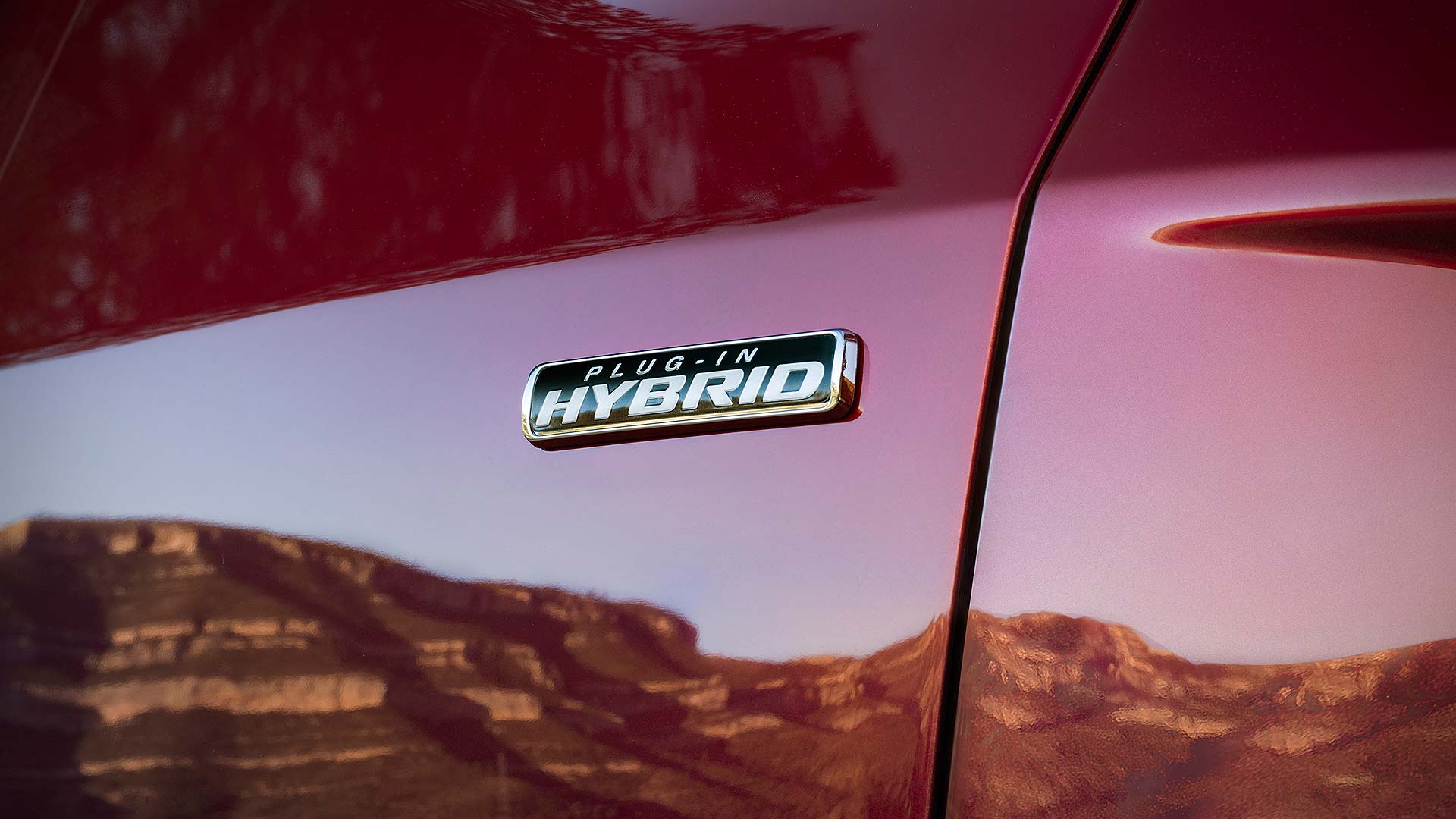
The new car brings a number of Ford firsts, with the headliner being the availability of mild-, full-, and plug-in hybrid electrified drivetrains alongside regular turbocharged petrol and diesel. Ford said earlier this year that every new model from now on will include an electrified option: the Kuga drives that message home with three of them announced at launch.
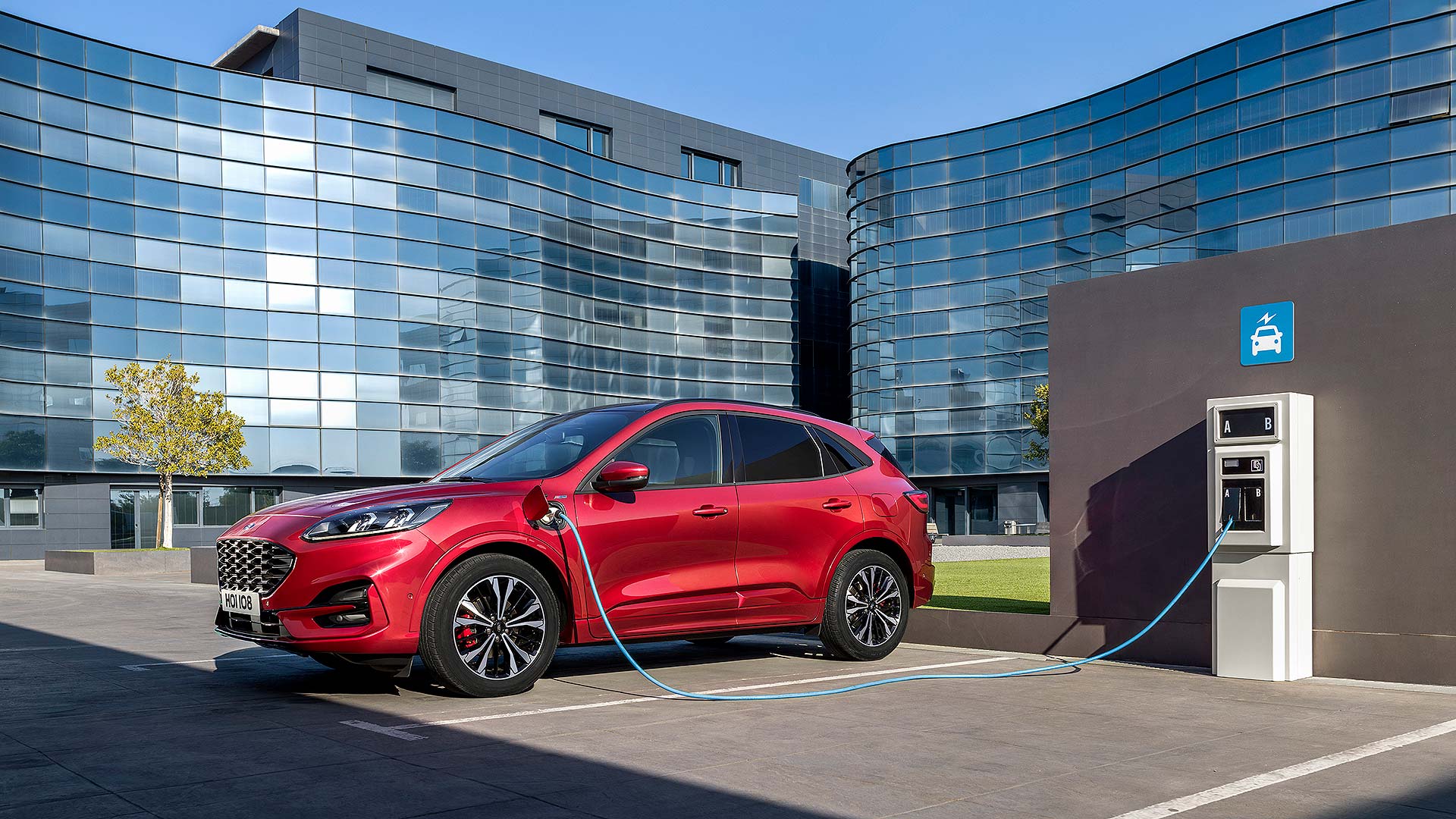
A new Ford Kuga Plug-In Hybrid emits as little as 29g/km CO2, has claimed fuel economy of 235mpg (with a full battery, needless to say) and will travel for over 30 miles in pure electric mode.
Ford sold over 40,000 Kuga in the UK alone last year; such a broad array of hybrid variants, crowned by the Plug-in Hybrid, is big news.
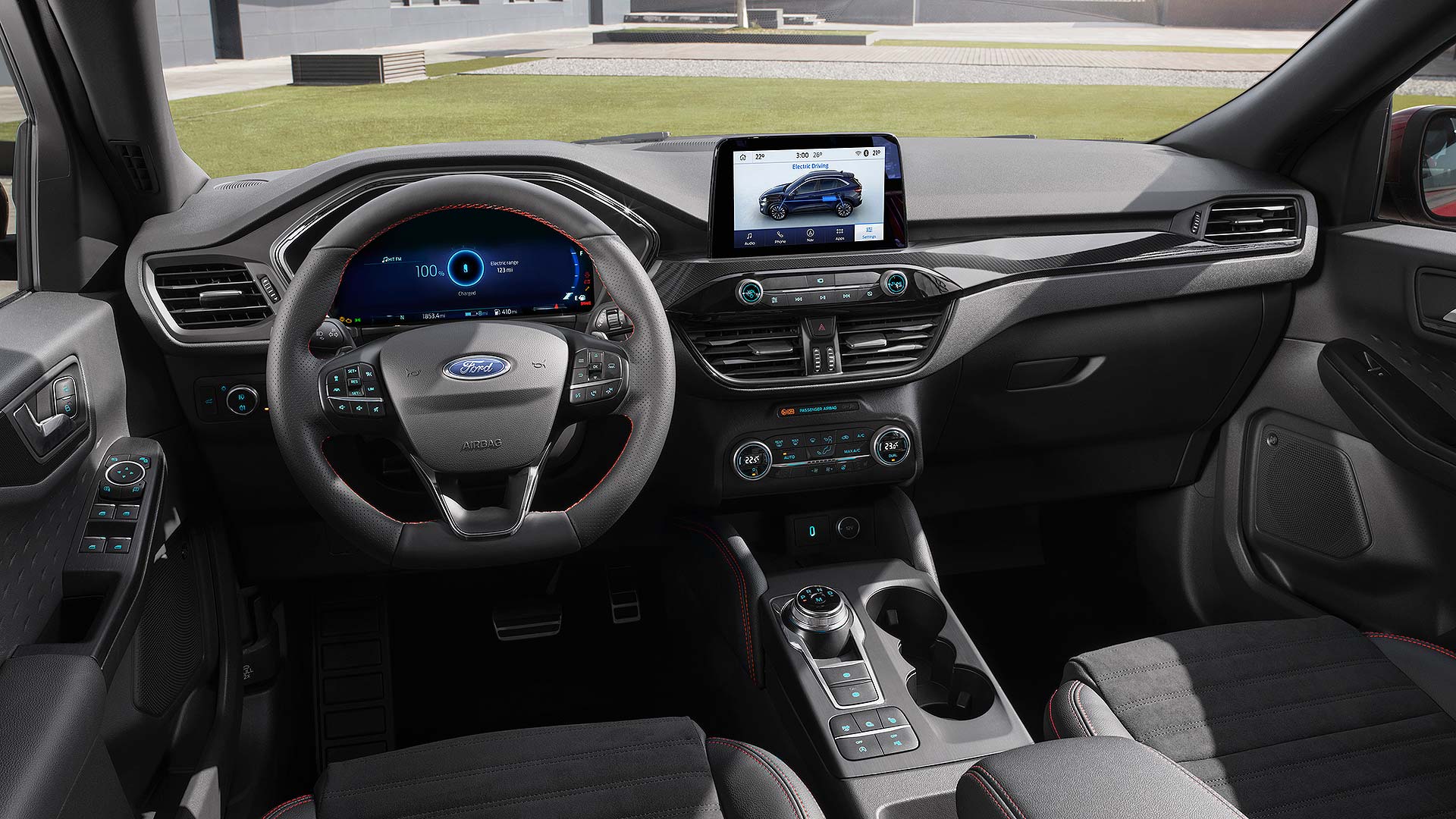
Other new Ford features include a 12.3-inch digital instrument cluster, and active noise control to make top-line models even more refined and peaceful. But the headliner for many will be the Kuga’s curvaceous new looks.
Design
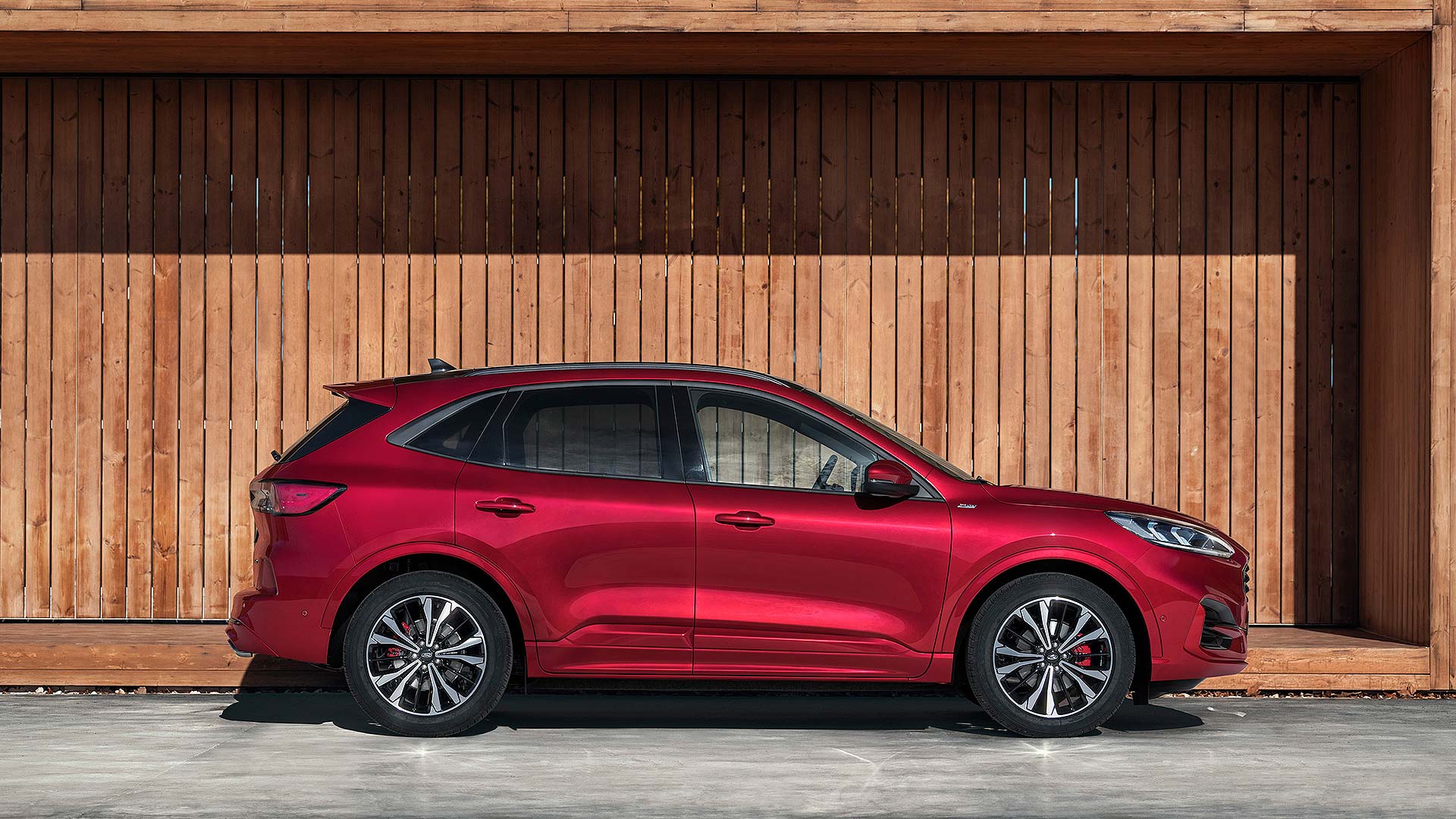
Ford calls the proportions more ‘premium’. It has a longer wheelbase, longer bonnet, steeper angle to the windscreen and a lower roofline. The surfaces are both more sculpted and more simplified, and the designers say it creates a more energetic appearance than before.
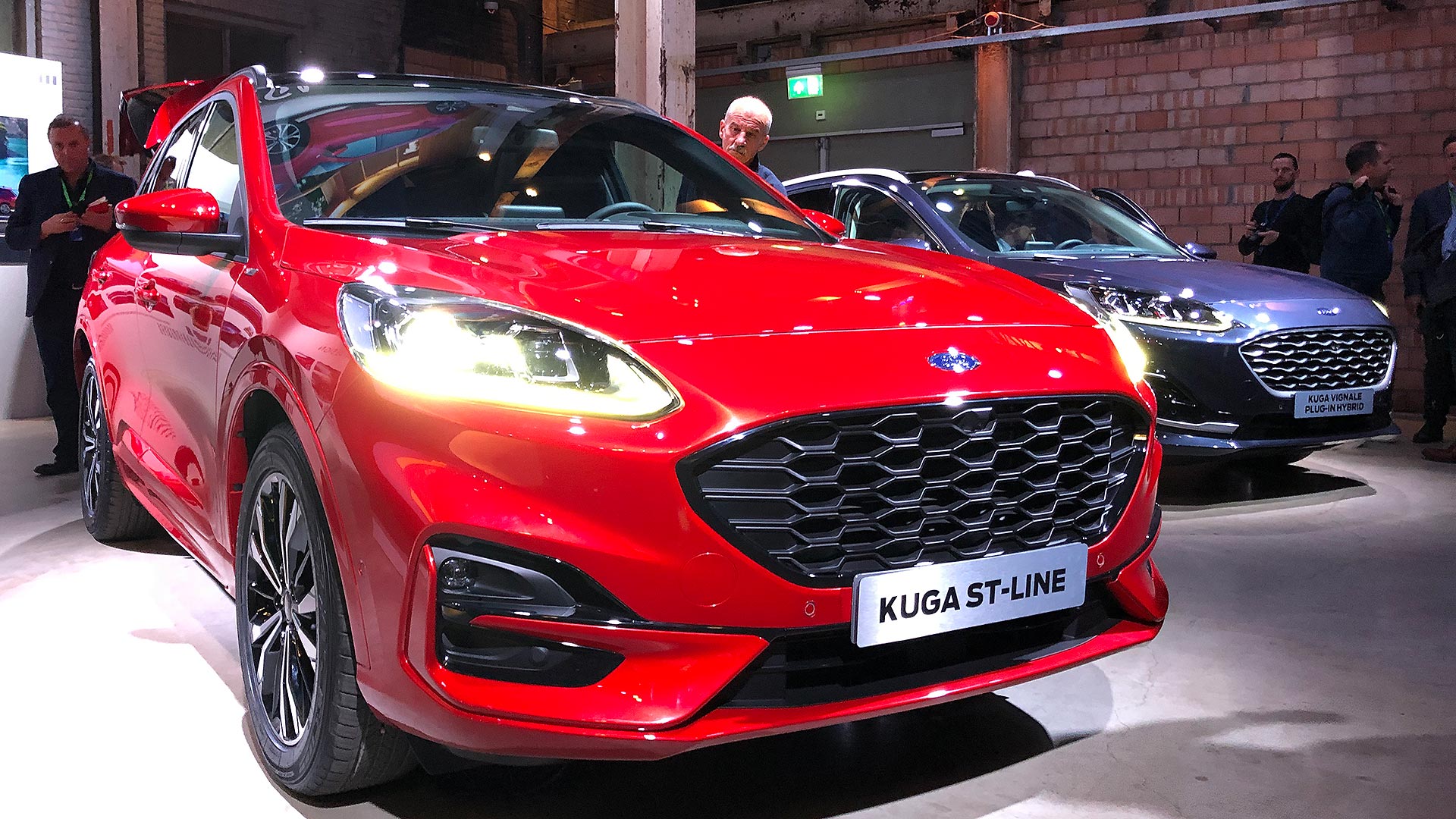
The new Kuga is offered in three different variants: Titanium, Vignale and ST-Line. Titanium opens things with 17-inch alloys, body-colour side gladding, LED daytime running lights and a front skid plate and rear diffuser.
Posh Vignale has fancier bumpers and Vignale “ornamentation”, satin-finish roof rails and trim details, chrome tailpipes at the rear and a Vignale chrome mesh grille up front. 18-inch alloys are standard; 19- and 20-inch are optional.
Kuga ST-Line finishes the grille, front skid plate, roof rails and rear diffuser in black. It has twin sports tailpipe exhausts, more aggressive 18-inch or optional 19-inch alloys, and a bigger roof spoiler.
As for colours, there are 12 of them, with new hues including metallic Diffused Silver and Sedona Orange. There’s a new Vignale-exclusive colour, Blue Panther, alongside existing triple-coat Lucid Red and Star White.
Interior
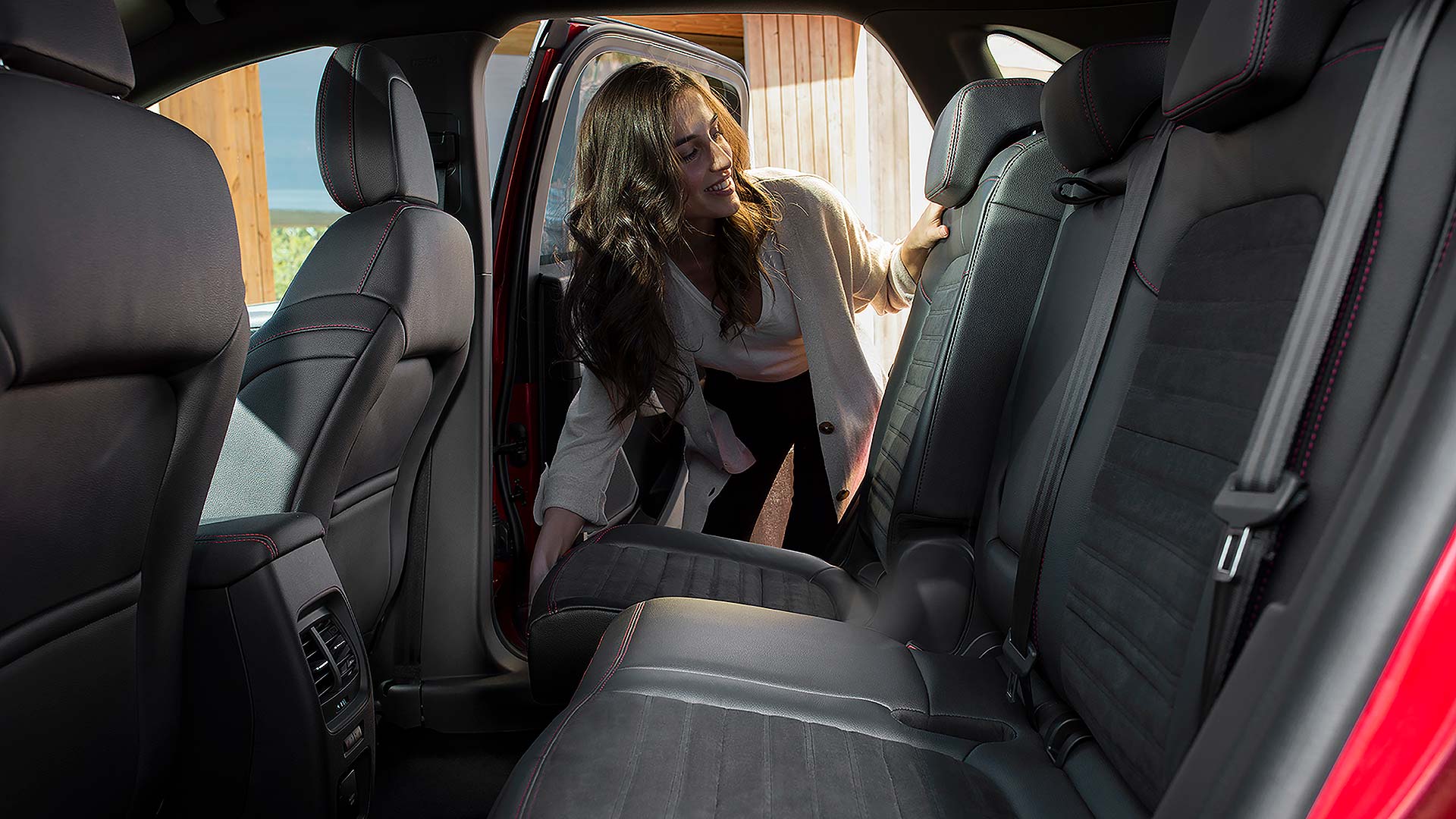
The new Kuga is much more spacious than the current mode. Outside, it is 89mm longer, 44mm wider, and has a 20mm longer wheelbase. Inside, there is 43mm more shoulder room, 57mm more hip room plus, in the back, 20mm more shoulder room and 36mm more hip room for rear passengers.
Despite the overall height being 20mm lower, there is 13mm more headroom in the front and 35mm in the back. And not only are heated outer rear seats now optionally available, but the rear bench seat also moves back and forth – pick from either “best-in-class” 124mm rear legroom, or a 67-litre bigger boot.
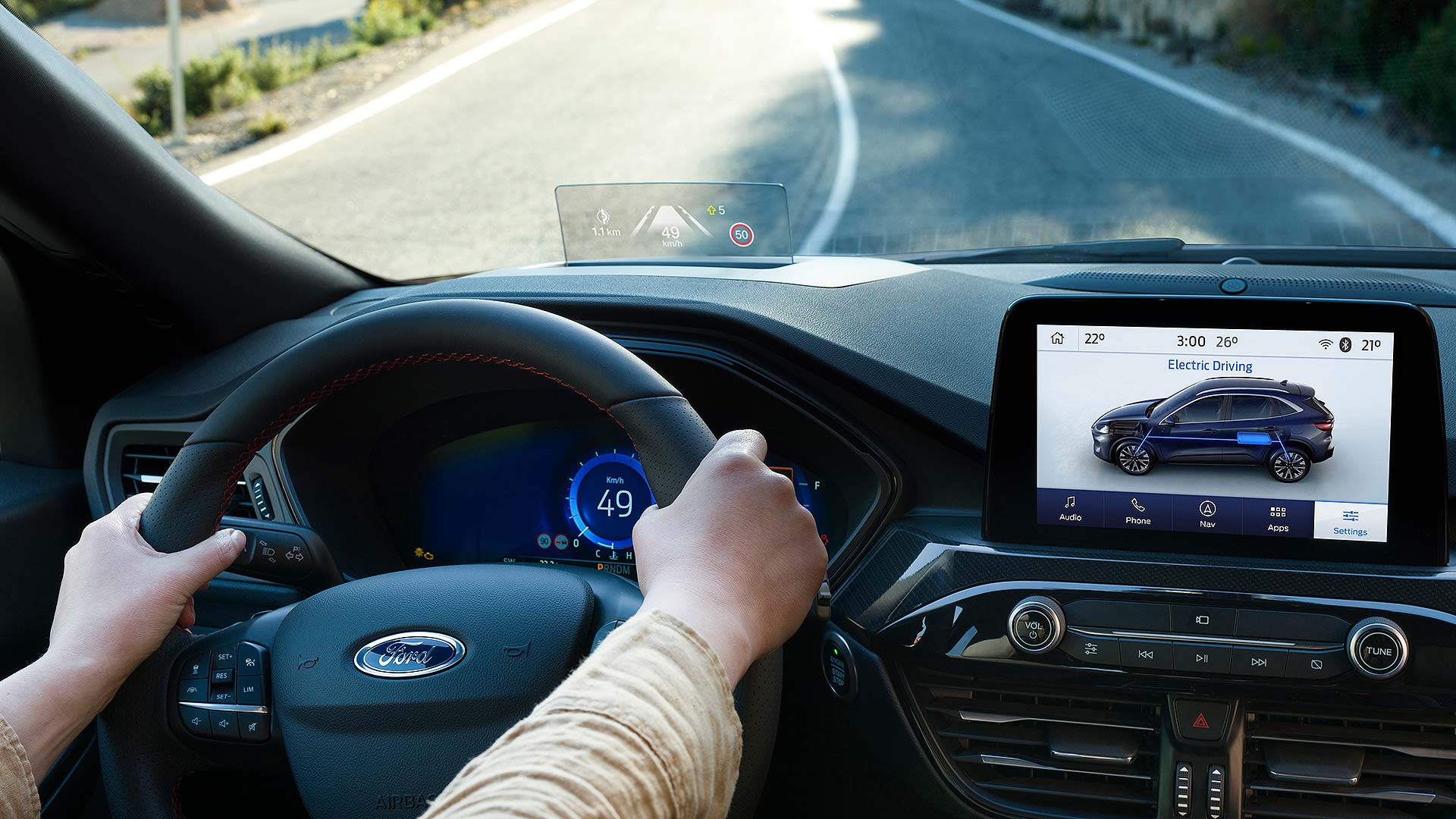
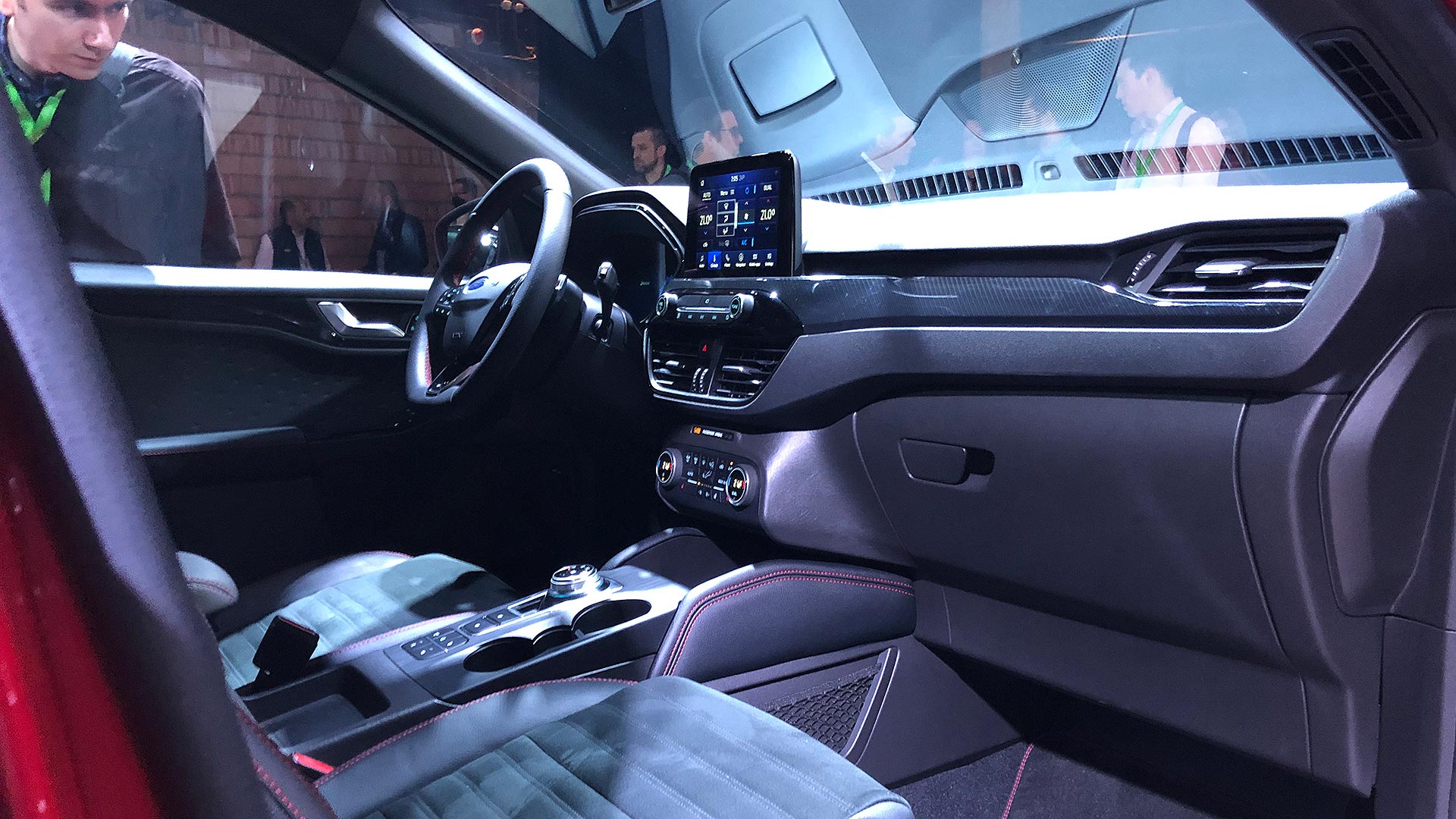
The new dashboard is of higher quality, and much easier to use. The simplified, Ford Focus-inspired layout is built around a freestanding 8-inch Ford Sync 3 touchscreen (which has Apple CarPlay and Android Auto, free of charge). Wireless smartphone charging and a punchy 575-watt B&O premium sound system are also available, as is a detailed head-up display.
The 12.3-inch digital cluster is described as 24-bit ‘true colour’. The images and icons are detailed, high definition, easy to read and use the full colour spectrum. This makes them both brighter, but less tiring on the eyes.
Active Noise Control is fitted to the Kuga Plug-In Hybrid Vignale, Kuga EcoBlue Hybrid and Kuga 2.0-litre EcoBlue Vignale models. It uses three microphones in the interior and plays opposing sound waves through the audio system to make these models even more peaceful than regular cars.
Kuga Vignale also gets rich Windsor leather seats with the trademark Vignale hexagon pattern design and deep-pile velour floor mats. ST-Line gets a dark headliner, ST-line sports seats and floor mats, a flat-bottom steering wheel, and red contrast stitching throughout.
Engines
The new Kuga engine line-up is very comprehensive. The flagship is the Kuga Plug-In Hybrid. This uses a 2.5-litre four-cylinder Atkinson cycle petrol engine (inherently more efficient than normal petrol engines) combined with an electric motor and 10.3kWh lithium-ion battery. As well as emitting 29g/km CO2, it also produces 225hp – and the batteries charge on a domestic socket from flat in four hours.
The Kuga Hybrid is like the Plug-in Hybrid but without such a big battery. It will thus be cheaper to buy, but the economy figures aren’t as impressive. It arrives later in 2020 and Ford is talking about 130g/km CO2 and economy of 50.4mpg (still decent for a petrol engine).
The Ford EcoBlue Hybrid is the mild hybrid option. It pairs a 150hp 2.0-litre EcoBlue diesel with a 48V lithium-ion battery and a combined starter/generator. Energy is recovered under braking so the motor can provide a boost during acceleration, taking the load off the engine and improving efficiency. It also powers the car’s electrical systems.
Result? 132g/km CO2 and 44.5mpg (under strict new WLTP fuel economy regulations).
Conventional engines include a 180hp 2.0-litre EcoBlue diesel, 120hp 1.5-litre EcoBlue, and 1.5-litre EcoBoost turbo petrol with 120hp or 150hp. (Remember, it’s EcoBlue for diesel, EcoBoost for petrol.)
The clever EcoBoost is a three-cylinder, and can actually run as a two-cylinder during low-load use, thanks to cylinder deactivation. Both front-wheel drive and all-wheel-drive variants are available; there’s a choice of six-speed manual and eight-speed automatic gearboxes.
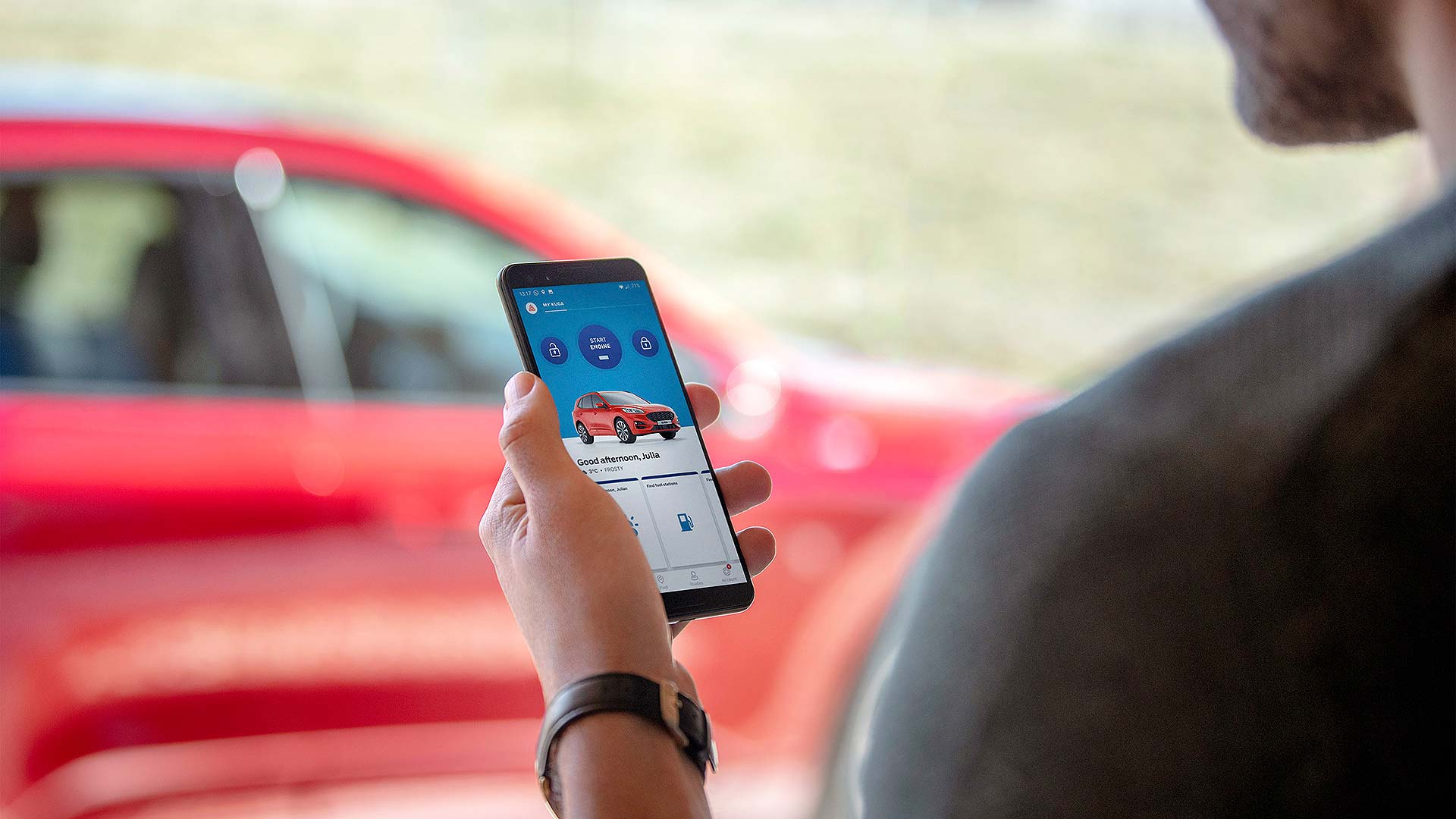
All hybrid models are autos. And there’s further reason to go auto – via the FordPass Connect app, they can be started remotely with your smartphone, should you wish to worry the planet by warming it up on your drive in a morning.
The new Kuga is the first Ford SUV derived from the global C2 architecture first seen in the latest Ford Focus. It is up to 90kg lighter than before, and 10 percent more rigid, which should mean better handling and a more refined drive than the current car.
We already know how well the Focus drives. If the Kuga can deliver a similar experience, the new Kuga will certainly turn out to be one of the driver’s picks of the sector.
Are you sitting comfortably? Then we’ll begin. This is a short story of Hyundai’s vision for the cockpit of the future – the view you’re likely to see when you’re sat behind the wheel of its next-generation cars.
“We are continuously working on new technologies that make our cars perfectly intuitive and user-friendly,” says Regina Kaiser, the human interface senior engineer at Hyundai Motor Europe Technical Centre. To this end, Hyundai has been focusing on reducing the number of buttons and creating a clean interface.
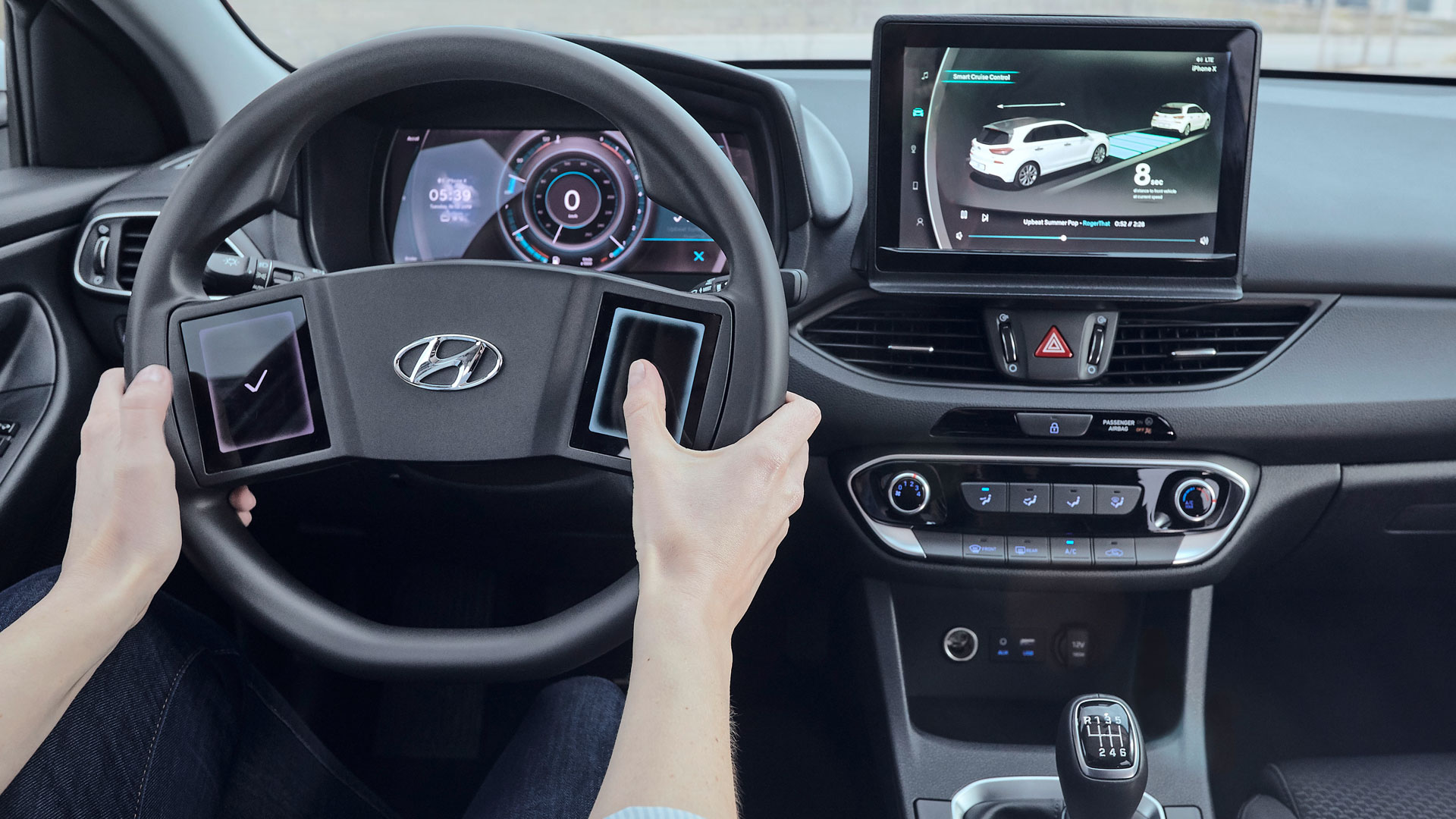
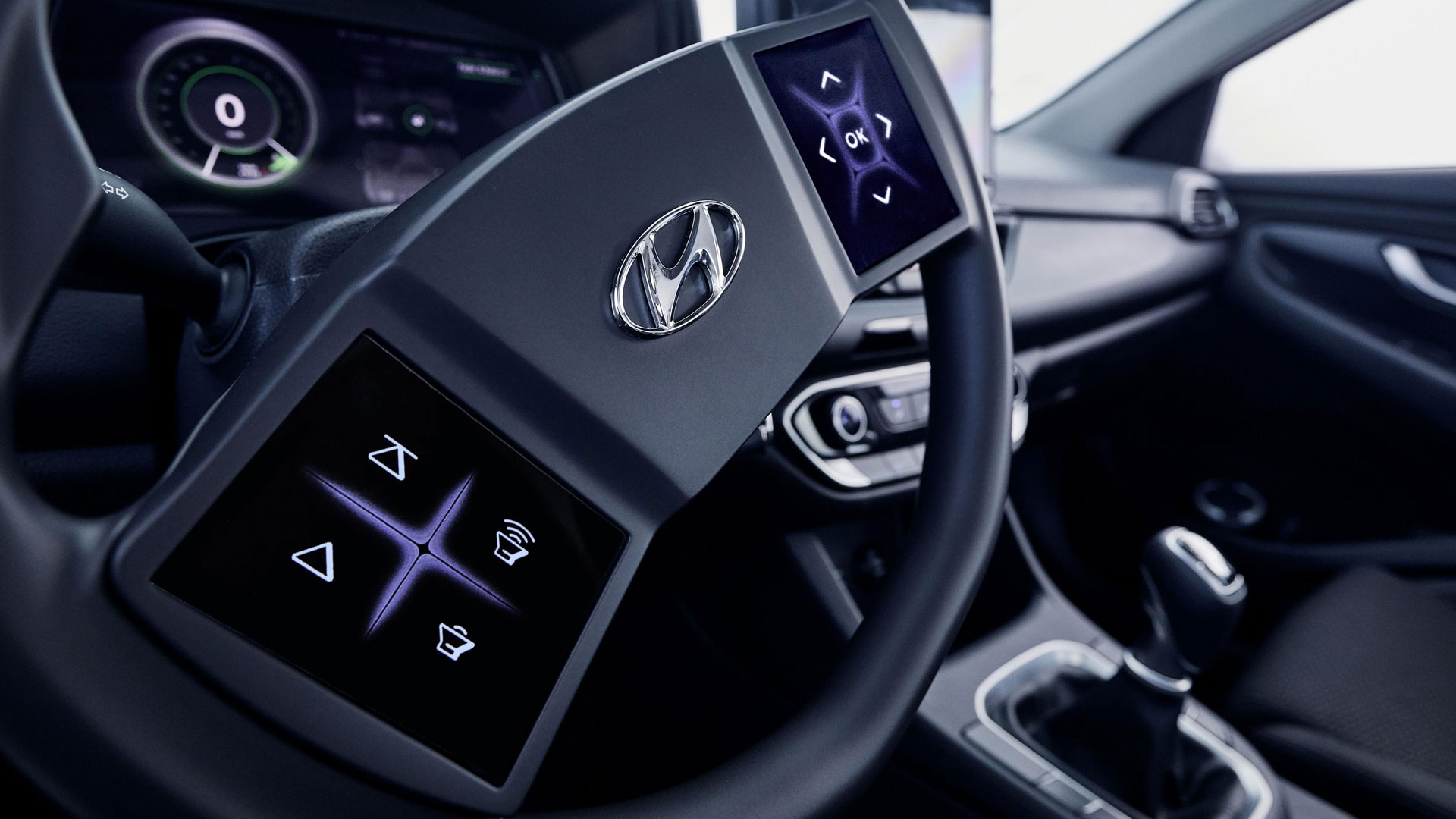
The most visible development is the creation of two touch panels on the steering wheel, which is sure to ruffle the feathers of those who believe in-car touchscreens are the work of the devil. The buttons can be adapted to the individual wishes of the driver, with the screens featuring two actuator modules beneath the surface to allow “for a stronger and more consistent haptic feedback,” claims Hyundai.
Meanwhile, the instrument cluster is a multi-layer display comprising two displays which are stacked behind each other at a distance of 6mm. This creates visual 3D effects: one part of the graphic is shown on the front display and the other part on the rear display.
According to Hyundai, this effect is used to guide the user’s attention with less distraction. The most important information, such as the speed limit, is shown at the front of the display.
The info shown on the steering wheel displays changes according to the information on the instrument cluster and also depending on the driving situation. The driver can also change the layout and create ‘shortcuts’ for entering specific applications. Customisation is important as it offers drivers maximum freedom, says Hyundai.
“We are doing research on the learnability, intuition and potential driver distraction of the virtual cockpit,” says Regina Kaiser.
Hyundai’s ‘virtual cockpit’ is still in the early prototype phase of development, but the Audi-style tech will be appearing in a new Hyundai soon. In the meantime, these images show how the technology could be integrated into a current i30.
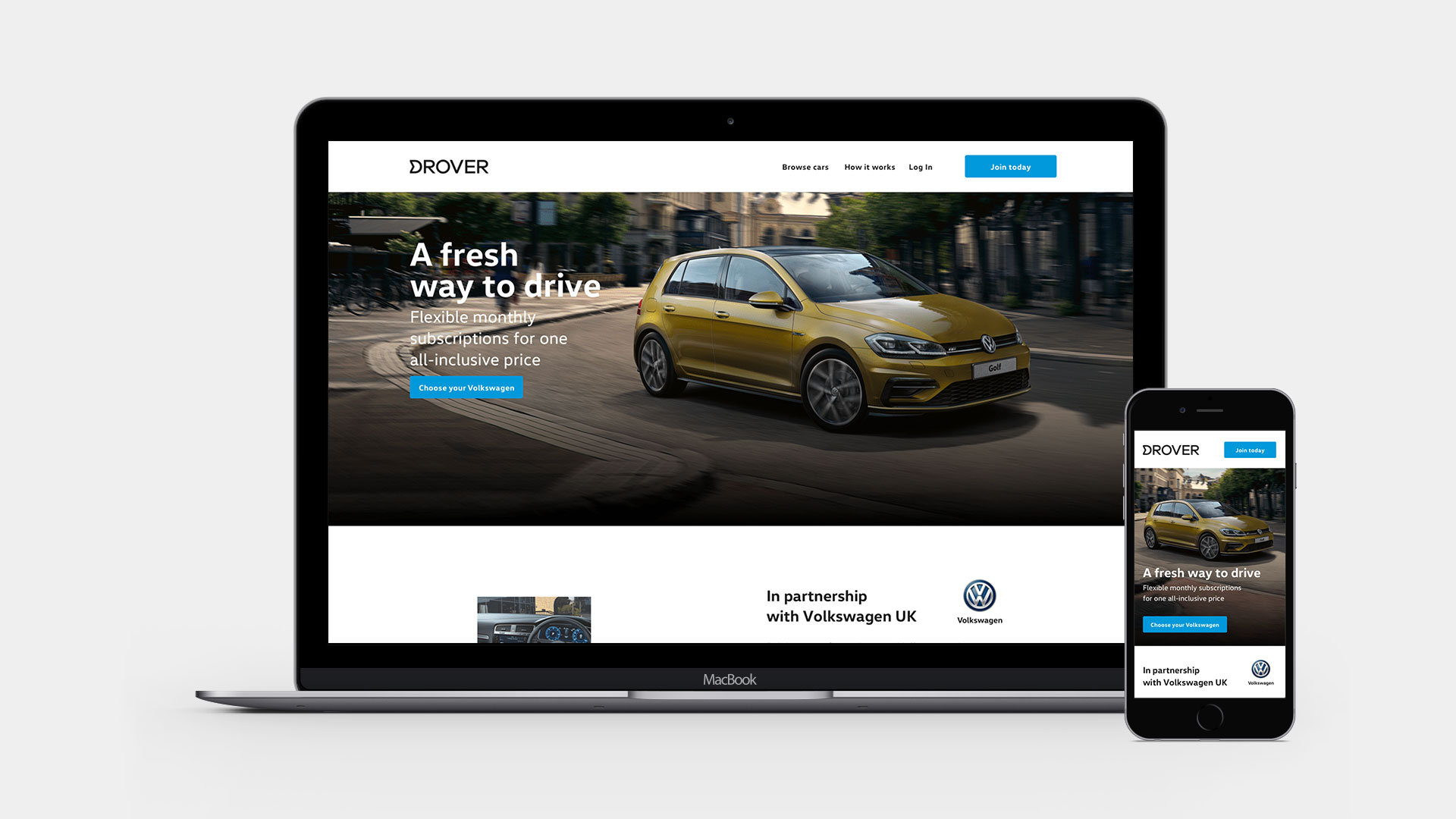
Ownership is so last century. These days, members of the so-called ‘Generation Rent’ prefer to hire, subscribe and rent their way through life, which is why Volkswagen has teamed up with Drover to deliver its first subscription service.
Drover offers a no-strings, cancel anytime subscription service for running a car, with no deposit and the option to upgrade and downgrade to a different car with just seven days notice. You stream music and movies via a monthly subscription service, so why not your motor?
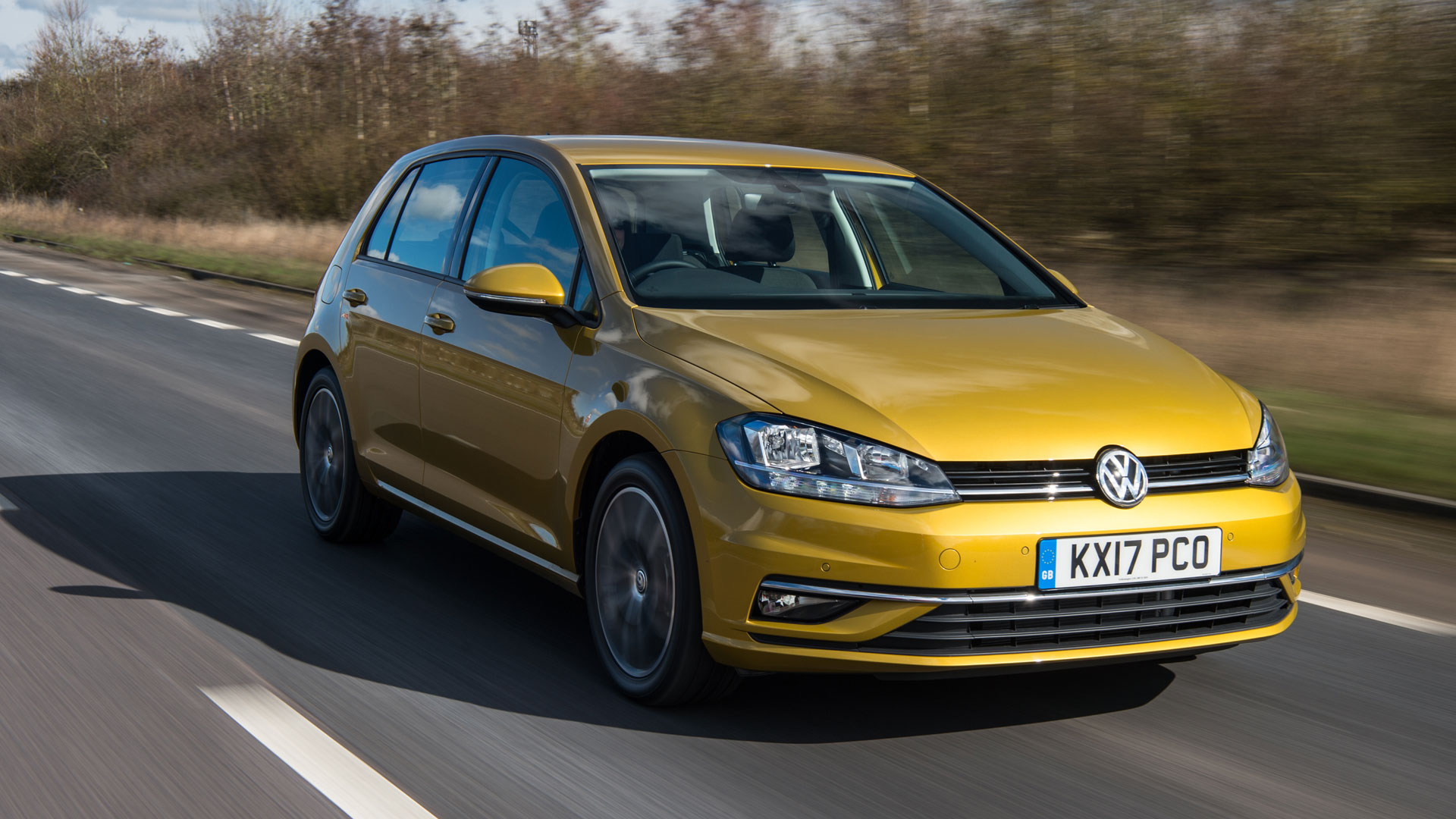
For the pilot scheme, Volkswagen is offering a choice of three vehicles: the Golf from £528 a month, the Passat from £514, and the Tiguan from £643. All that’s left is the cost of the fuel; the insurance, VED, servicing, maintenance and breakdown cover are all covered within the fee.
Customers can sign up for anything between a one-month rolling contract through to an annual term, with discounts available for longer contract periods. Everything is done online, with customers able to secure their car in just 48 hours. In areas with slow internet speeds, it can take longer to download a blockbuster movie…
‘The first shoots of something much bigger’
Claire McGreal, brand strategy and mobility services manager at Volkswagen UK, said: “Given the changes we face in the automotive landscape, and as drivers’ needs change, we need to adapt and diversify from traditional concepts like outright ownership, into more flexible and user-friendly options like subscriptions.
“Our pilot partnership with Drover is Volkswagen UK’s first exploratory step into subscription services, but represents the first shoots of something much bigger – an evolving brand. Subscription services in general offer the convenience, freedom and ease of use that people have come to expect from Volkswagen.”
Felix Leuschner, founder and CEO of Drover, added: “We are excited to start working with Volkswagen and Volkswagen Financial Services, and feel proud to be able to make this announcement. Together, we’re helping to drive a shift within the industry toward exploring new business models to meet the needs of the next generation driver.
“The partnership brings together some of the most popular cars in the world, with our innovative business model and we can’t wait to see how this can impact ownership as we know it.”
The pilot scheme is up and running at joindrover.com/volkswagen, with customers given a free fuel card offering 5p per litre off the price of petrol and diesel.
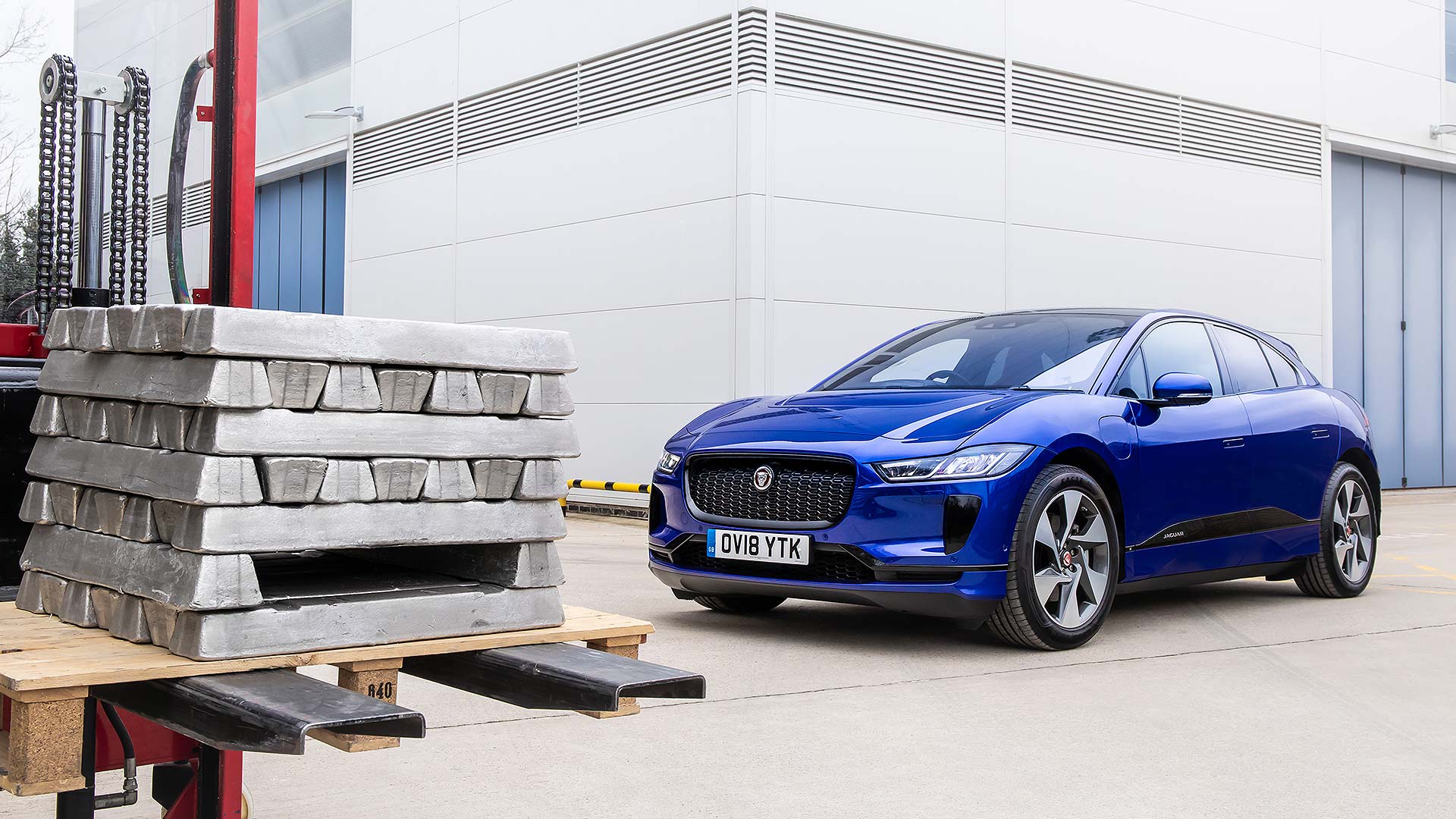
Jaguar Land Rover (JLR) is well known as a firm that uses lots of high-tech aluminium to build its cars: now, it is planning how it will recycle that material to give the cars of today a ‘second life’ as the motors of tomorrow.
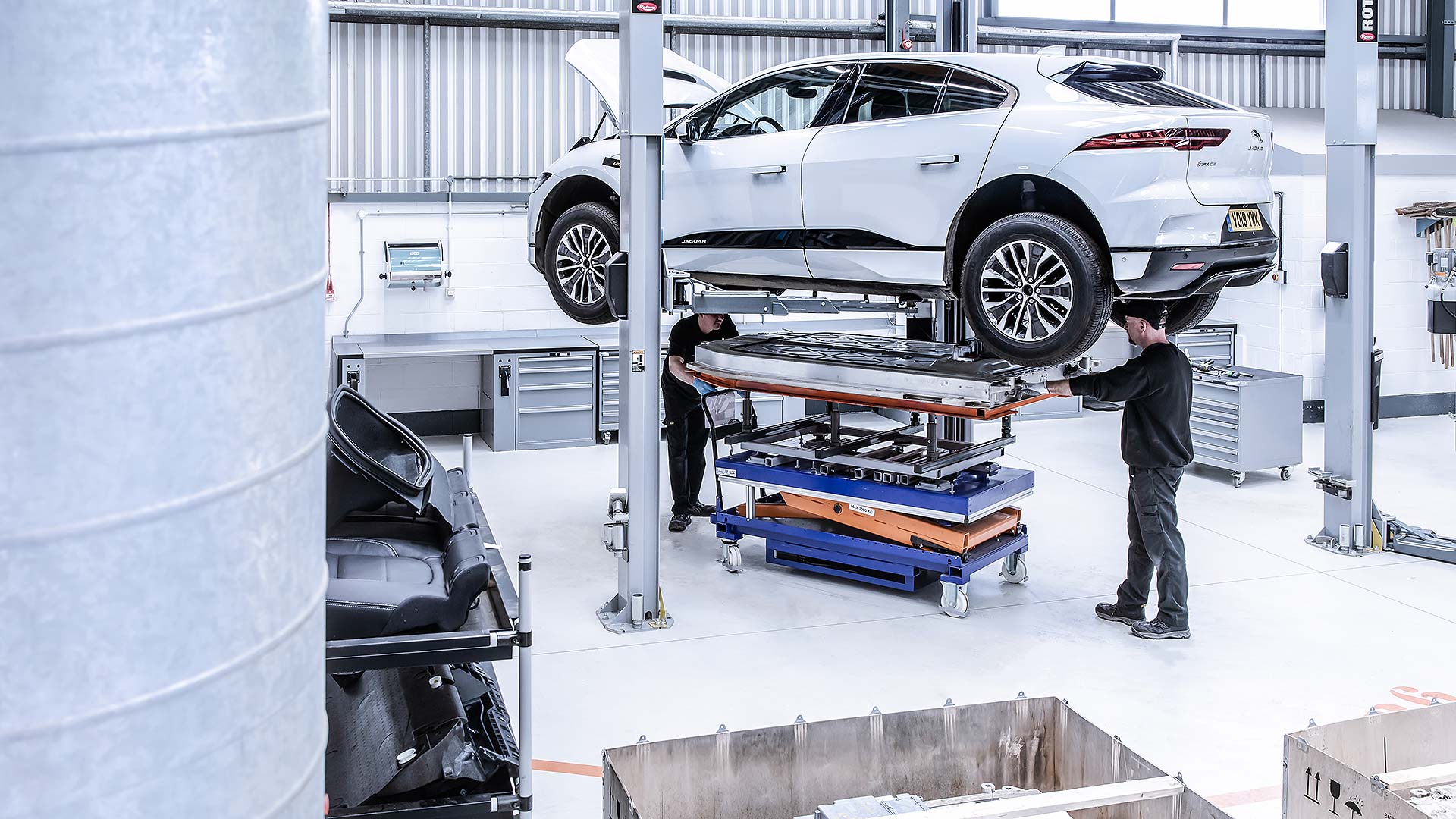
A new pilot project called Reality is currently being trialled, using early pre-production Jaguar I-Pace aluminium electric cars. These are being deconstructed in a controlled process, and the scrap sorted into various material grades using a set of advanced sensors.
This aluminium scrap is then melted and reformed… to potentially make brand new Jaguars and Land Rovers.
Boffins from Brunel University have already conducted tests on the recycled material, to grade its strength and purity. The target is to use it for body panels across the Jaguar and Land Rover range.
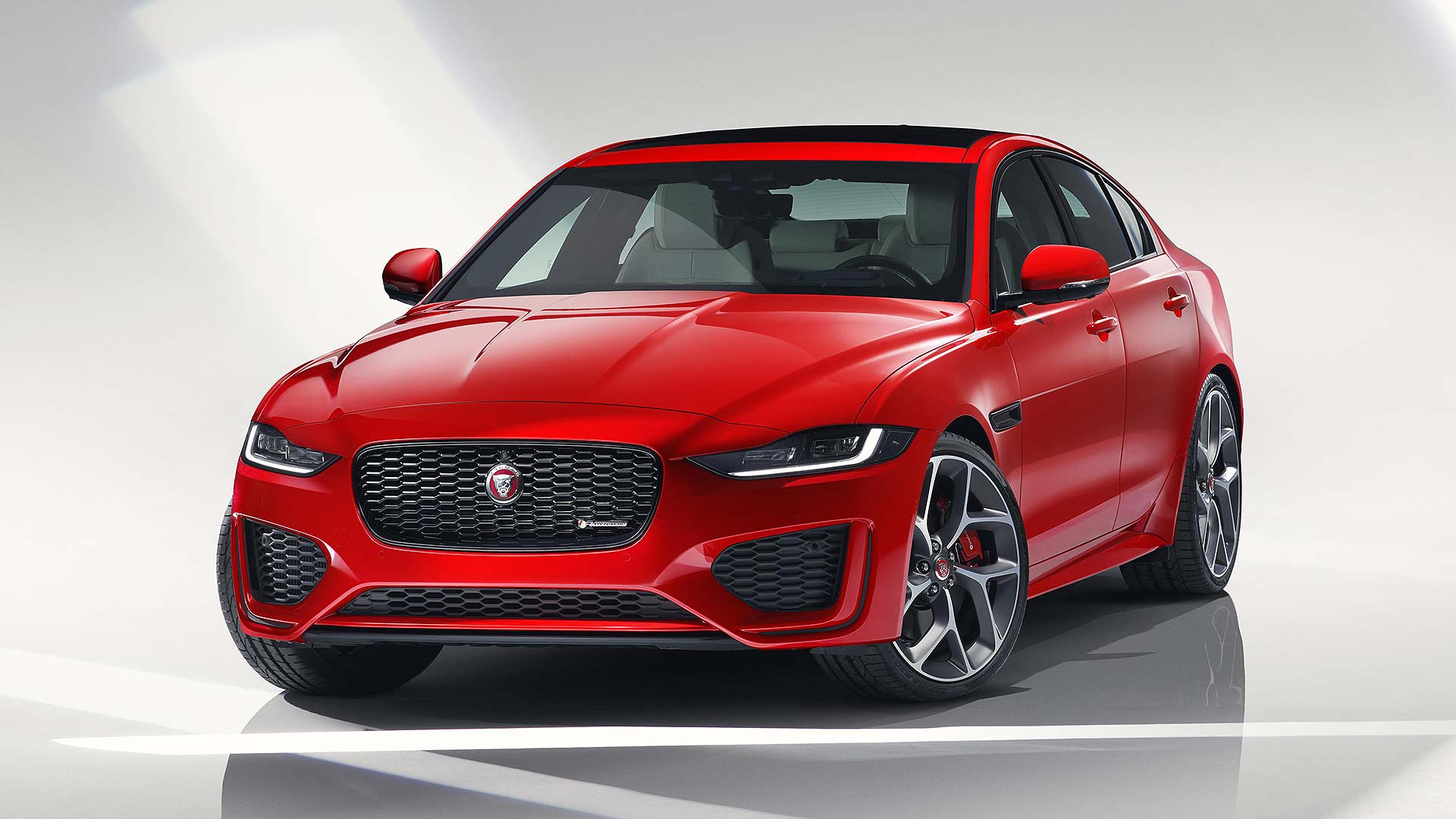
JLR bosses hope it will reduce the amount of virgin aluminium needed to make the cars of tomorrow. They also point to the Jaguar XE as an example of the high grade of aluminium that can be made from recycled material.
Indeed, the XE was the first car in the world to use a new grade of aluminium alloy called RC5754: it’s 75 percent recycled and is used to make body parts on the XE. Half the body panels on every Jaguar XE contain recycled aluminium.
“More than a million cars are crushed every year in the UK and this pioneering project affords us a real opportunity to give some of them a second life,” said the Reality project’s lead manager Gaelle Guillaume.
“Aluminium is a valuable material and a key component in our manufacturing process, and we’re committed to ensuring our use of it is as responsible as possible.”
Ambitiously, JLR is even planning how the project could be used to recycle large fleets of shared mobility cars in the future. Carefully-controlled ‘closed loop’ recycling could be integrated into tight production schedules, for a guaranteed supply of high=-quality material.
“Vehicles can be recovered, de-polluted and shredded en masse – making a viable business case for the company’s recycled aluminium within its own facilities.”
Innovate UK is co-funding the project, which should help grow the amount of closed-loop aluminium JLR recycles. Between September 2013 and January 2019, it has already recycled around 300,000 tonnes of scrap aluminium, reusing it in its cars.
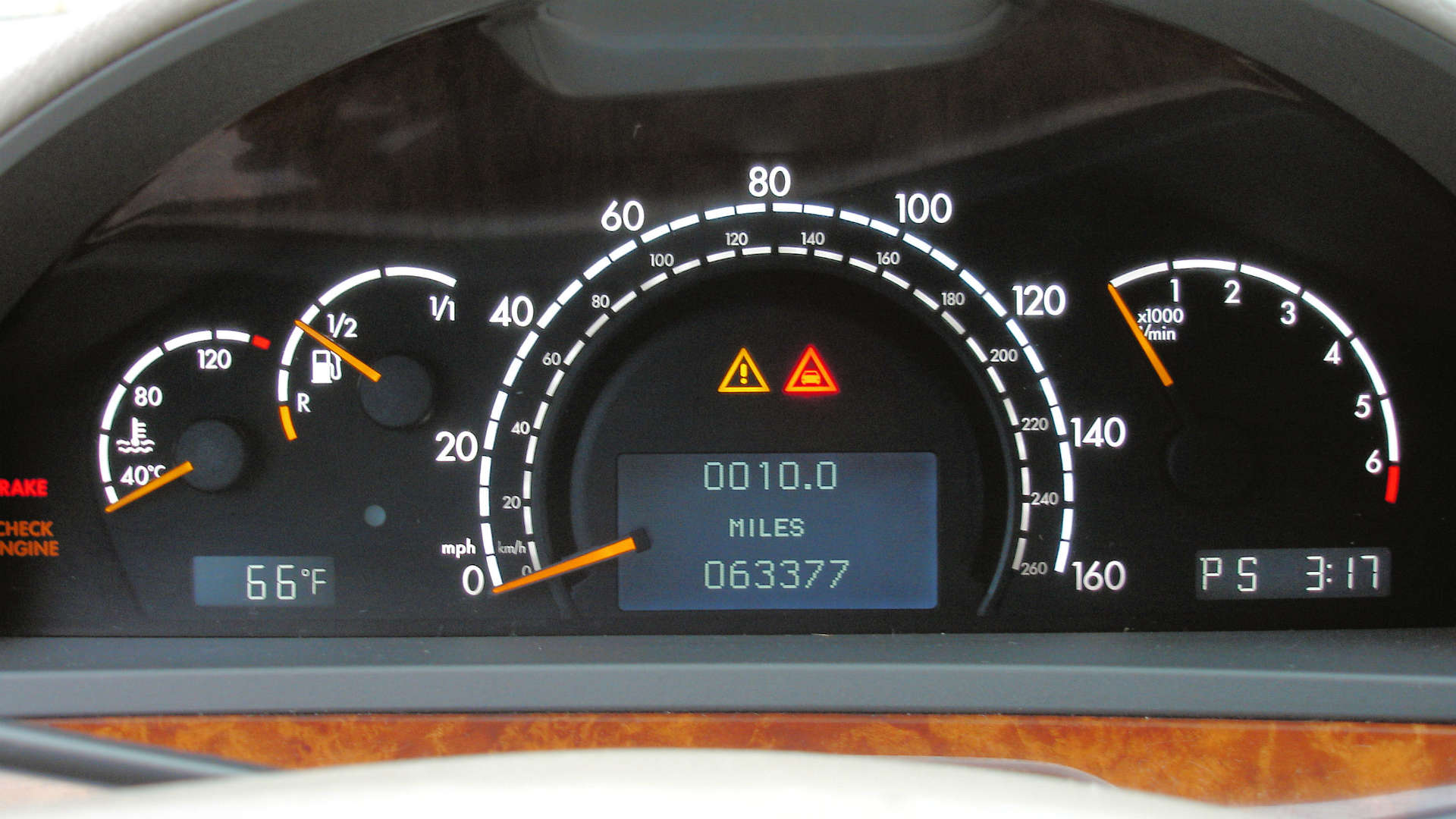
As many as one in 14 cars in the UK have been clocked, costing motorists around £800 million every year, according to data experts HPI.
This is up from one in 16 cars in 2017 and one in 20 in 2014 – an increase of 30 percent in just five years.
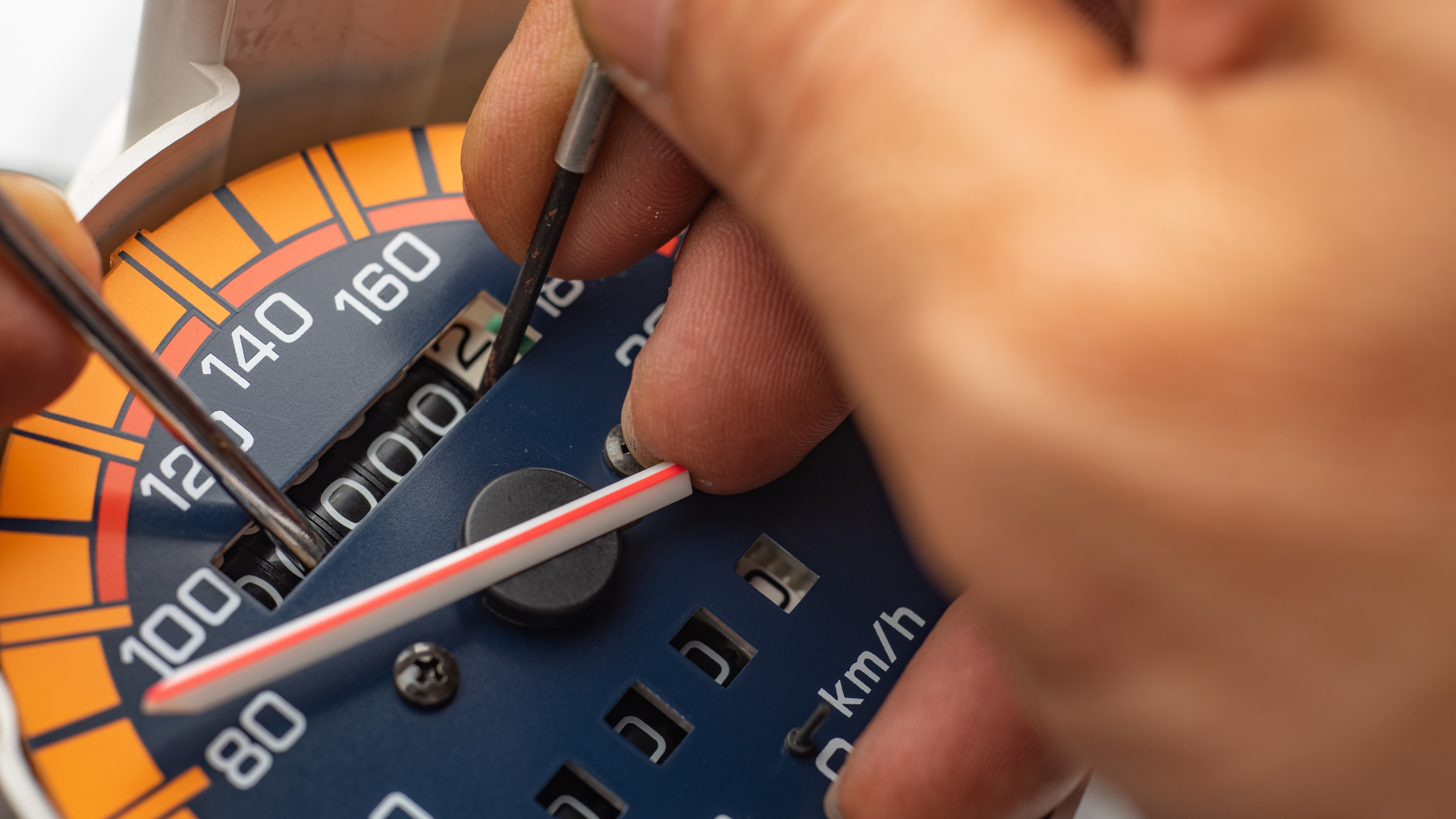
You’d be forgiven for thinking that the act of ‘clocking’ – or winding back the odometer – died along with the death of the analogue odometer, but digital dashboards have made it even easier to go all ‘Johnny Hates Jazz’ by turning back the clock.
While it’s illegal to sell a clocked car without declaring its genuine mileage, the act of altering an odometer is not an offence.
Commenting on the worrying increase in the practice, Barry Shorto, head of industry relations at HPI, said: “Clocking and mileage fraud is a problem that refuses to go away and continues to get worse.
“Used car buyers now have a one in 14 chance of purchasing a vehicle with a mileage discrepancy which is extremely concerning. Criminals are increasingly using more advanced technology to make it easier for them to clock vehicles and cover their tracks.
“The continued development of technologies to alter digital odometers, easy access to this technology via the internet and similarly, the ease of access to mileage adjustment services online, some of whom will behave legitimately, others less so, are all exacerbating the trend.
“The increase in mileage-related finance arrangements such as PCP and PCH may also be a contributing factor as motorists look to avoid costly penalties for exceeding mileage allowances.”
‘Impossible to tell a clocked vehicle’
It can be difficult to spot a clocked car, but checking the service and MOT history will reduce your chances of ending up with a dodgy motor.
You can also ask HPI to check the car against the national mileage register. Barry Shorto said: “It can be almost impossible to tell a clocked vehicle just by looking at it, which makes a vehicle history check an even more vital form of protection for buyers.
“A clocked vehicle could be hiding serious levels of wear and tear, especially if it has been previously used as a high mileage private hire vehicle for a couple of years, meaning the additional cost of unexpected repairs or even a potentially serious safety threat to driver, passengers and other road users. An HPI Check can help protect consumers from buying a vehicle with something to hide, saving them cash and keeping them safe.”
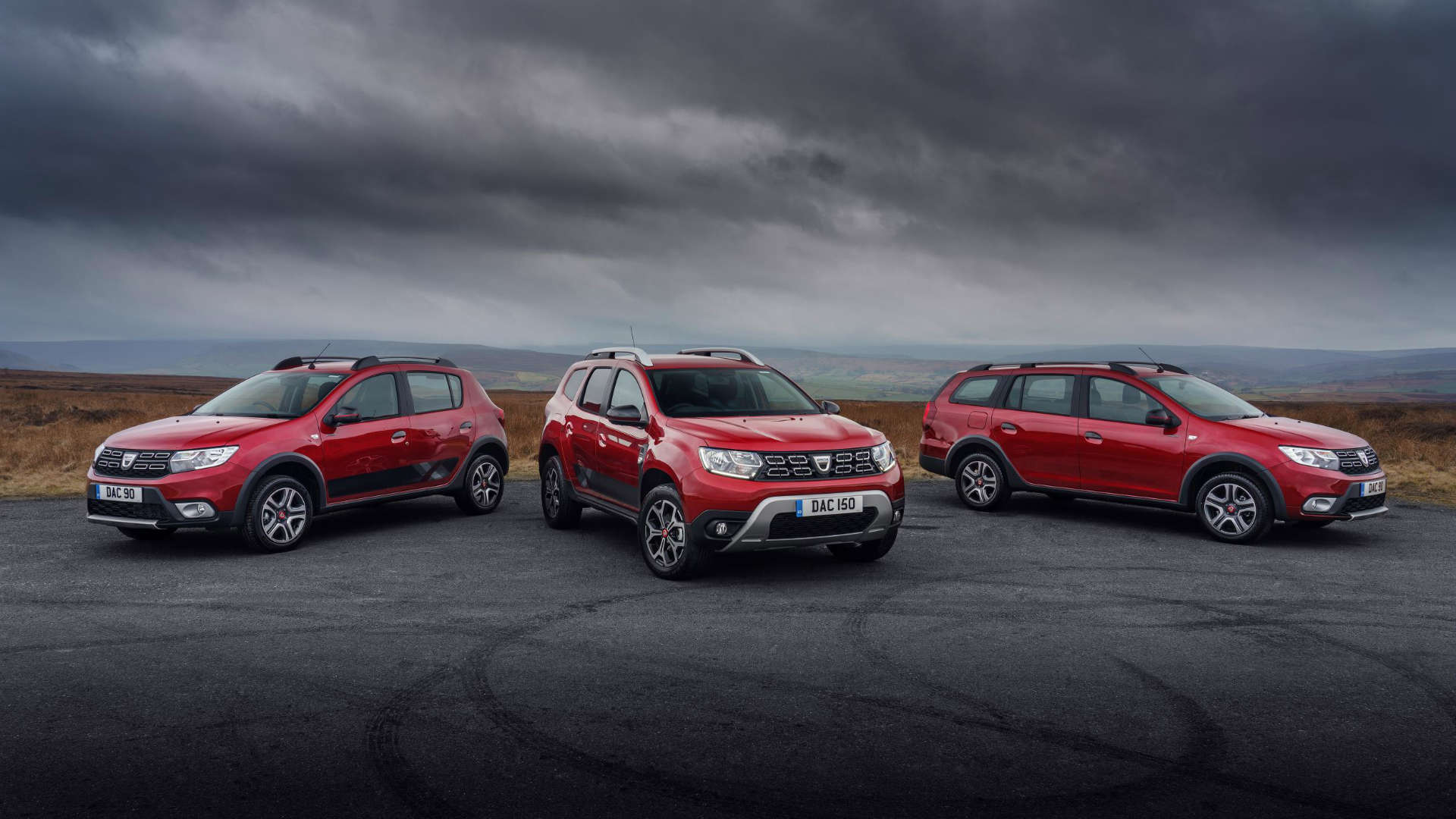
The top-of-the-range Dacia Techroad special editions will cost from £11,660, with the first customers taking delivery in April.
Dacia unveiled the new models at the 2019 Geneva Motor Show, with the Techroad trim available on the Sandero Stepway, Logan MCV Stepway and Duster. Two exclusive colours are available: Fusion Red and Highland Grey.
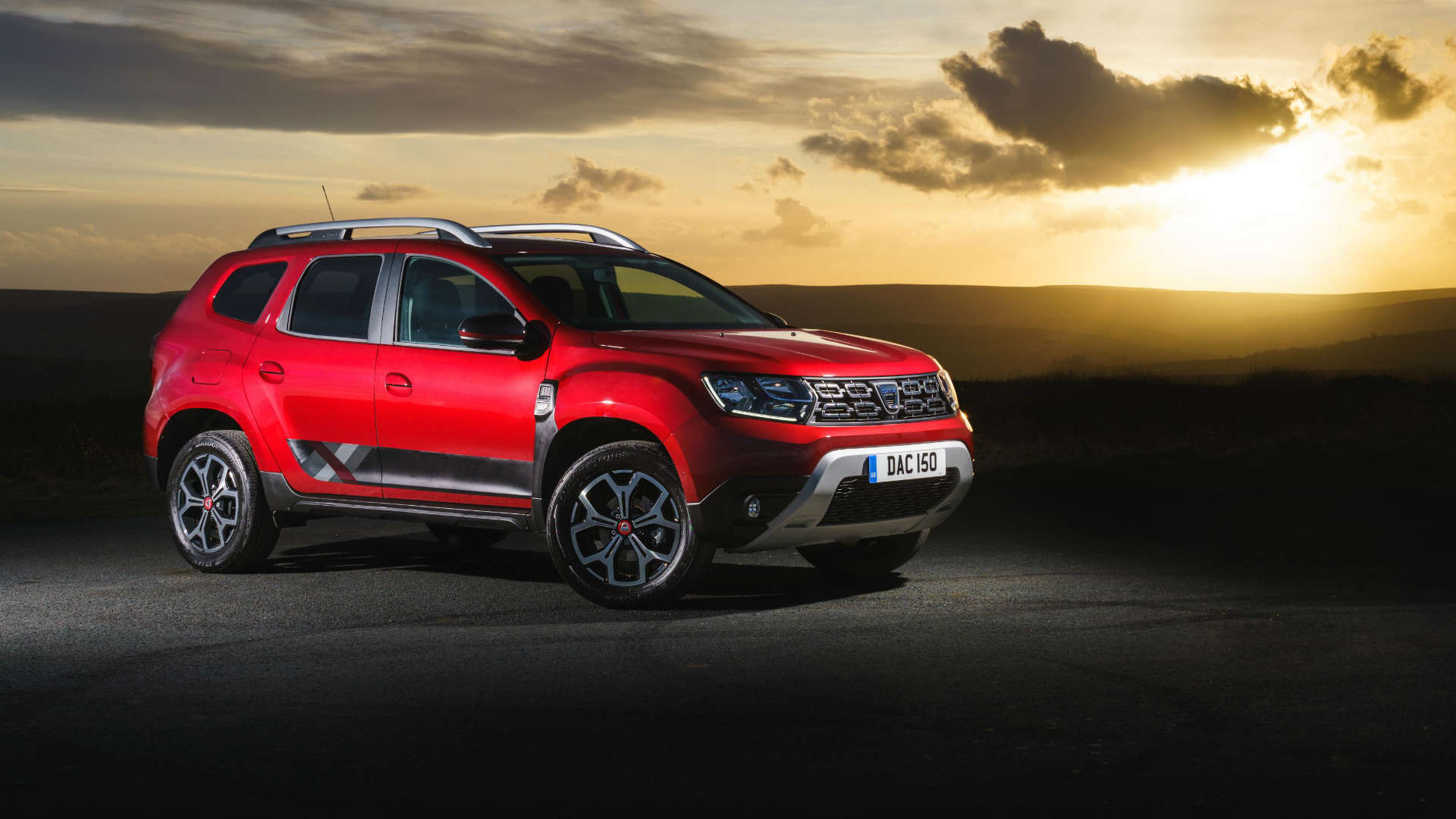
All Dacia Techroad cars feature side decals, red detailing on the door mirrors, Techroad badges and red centre caps for the two-tone alloy wheels (16-inch on the Stepway models and 17-inch on the Duster).
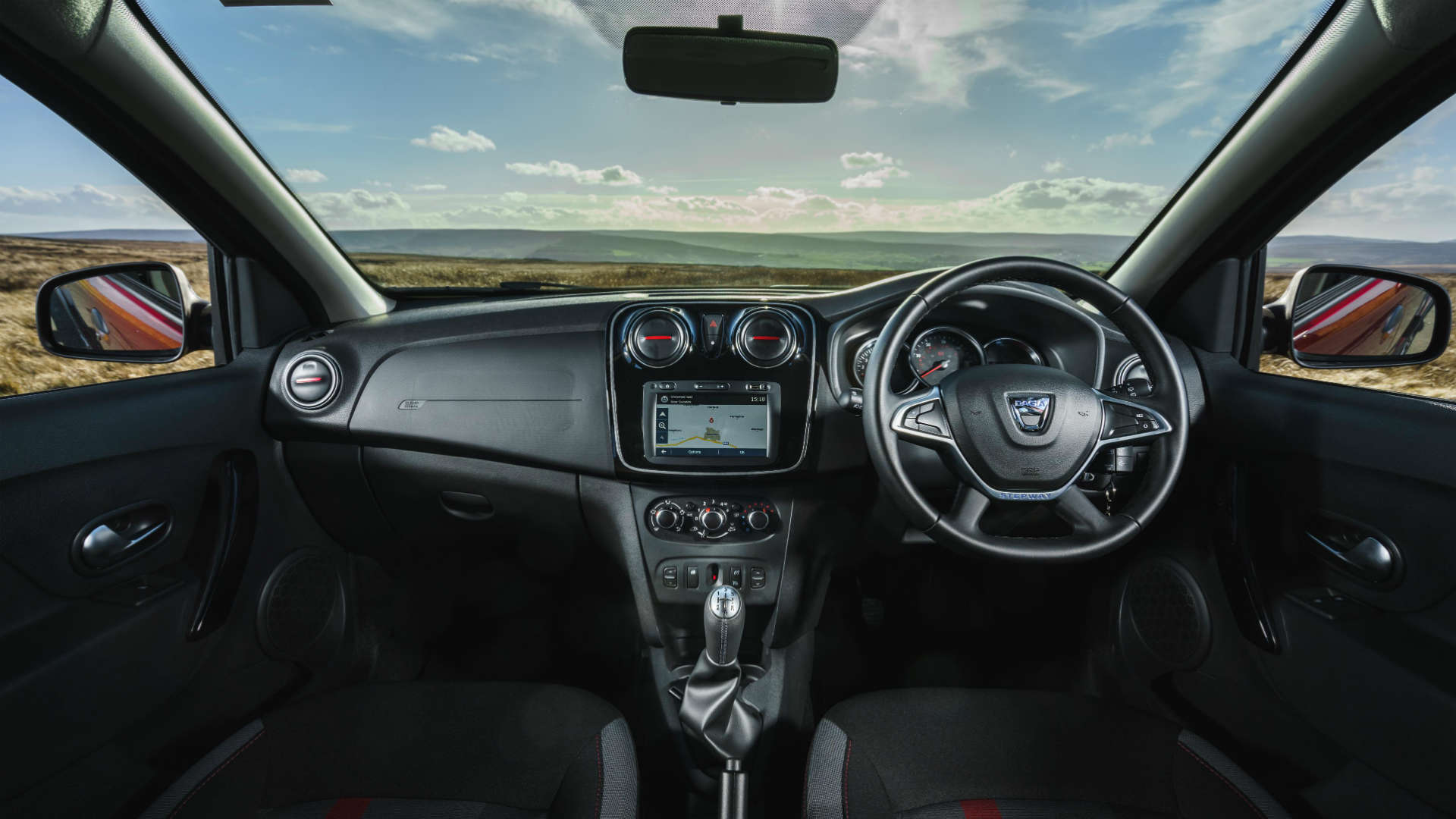
On the inside, Techroad models boast seats with red and grey detailing, along with red accents on the air vents, around the gear lever, and on the door handles and floor mats.
Sandero Stepway and Logan MCV Stepway Techroad
The Sandero Stepway Techroad costs £11,660 (£660 more than the Comfort version), with the Logan MCV Stepway Techroad priced at £13,160 (£665 more than the Comfort).
Both models are offered with a TCe 90 petrol engine, while the Logan MCV Stepway Techroad also gets the Blue dCi 95 diesel.
In addition to the upgrades listed above, Stepway Techroad editions boast a soft-feel steering wheel, air conditioning, the Media Nav multimedia system with Apple Carplay and Android Auto, DAB radio, Bluetooth, rear parking sensors, cruise control and a speed limiter.
Duster Techroad
The Dacia Duster Techroad costs £16,360 (£660 more than the Prestige version) and is offered with a choice of three engines: TCe 130 and 150 turbocharged petrol units, plus the Blue dCi 115 diesel. Two- and four-wheel-drive versions are available.
Spec includes rear parking sensors, climate control, hands-free key card, blind-spot detection and multi-view camera, along with Media Nav Evolution with Apple Carplay and Android Auto.
You can order a Dacia Techroad today: deliveries will commence this month.
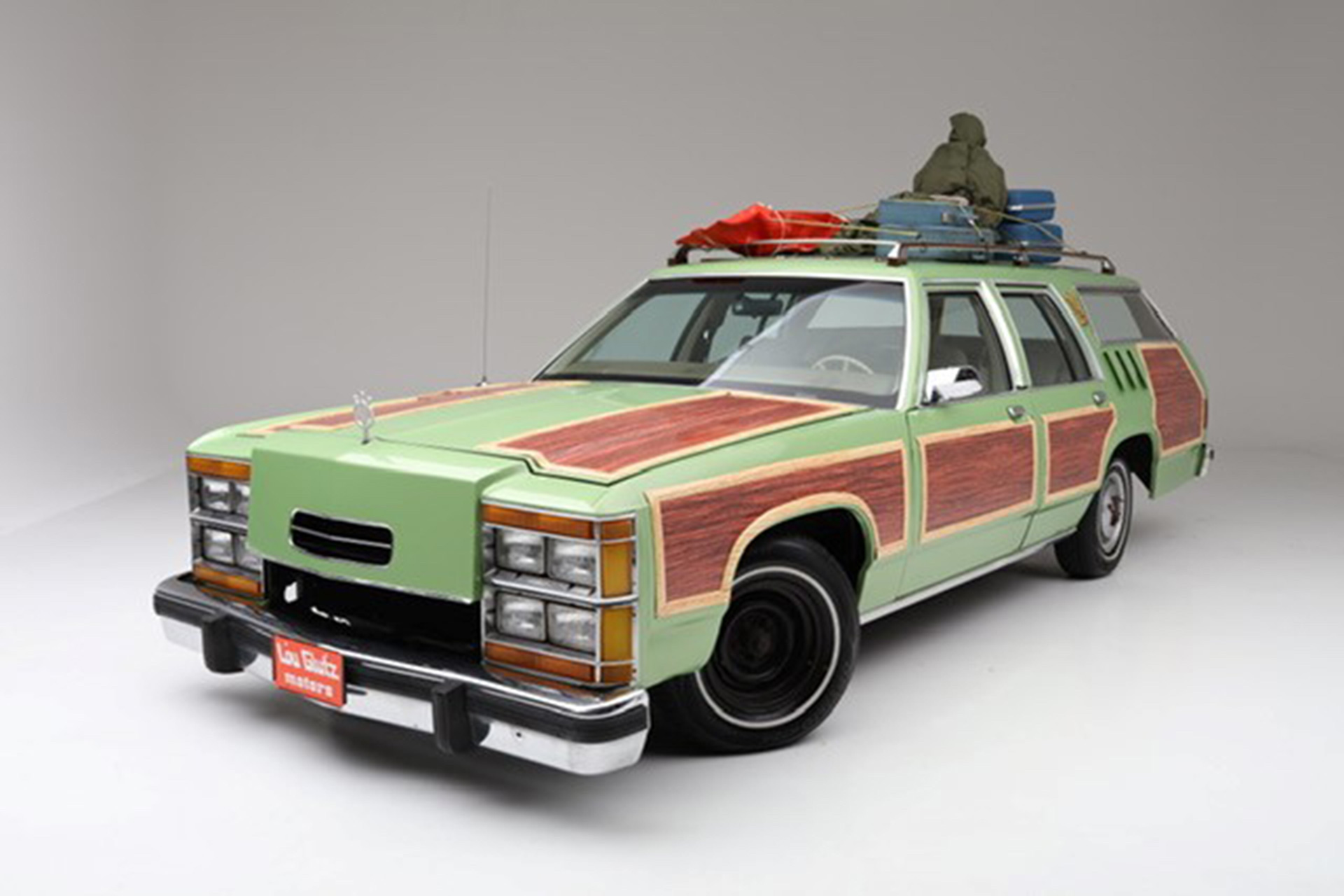
A replica of the car which starred in the 1983 cult comedy film National Lampoon’s Vacation is set to go across the Barrett-Jackson auction block next month.
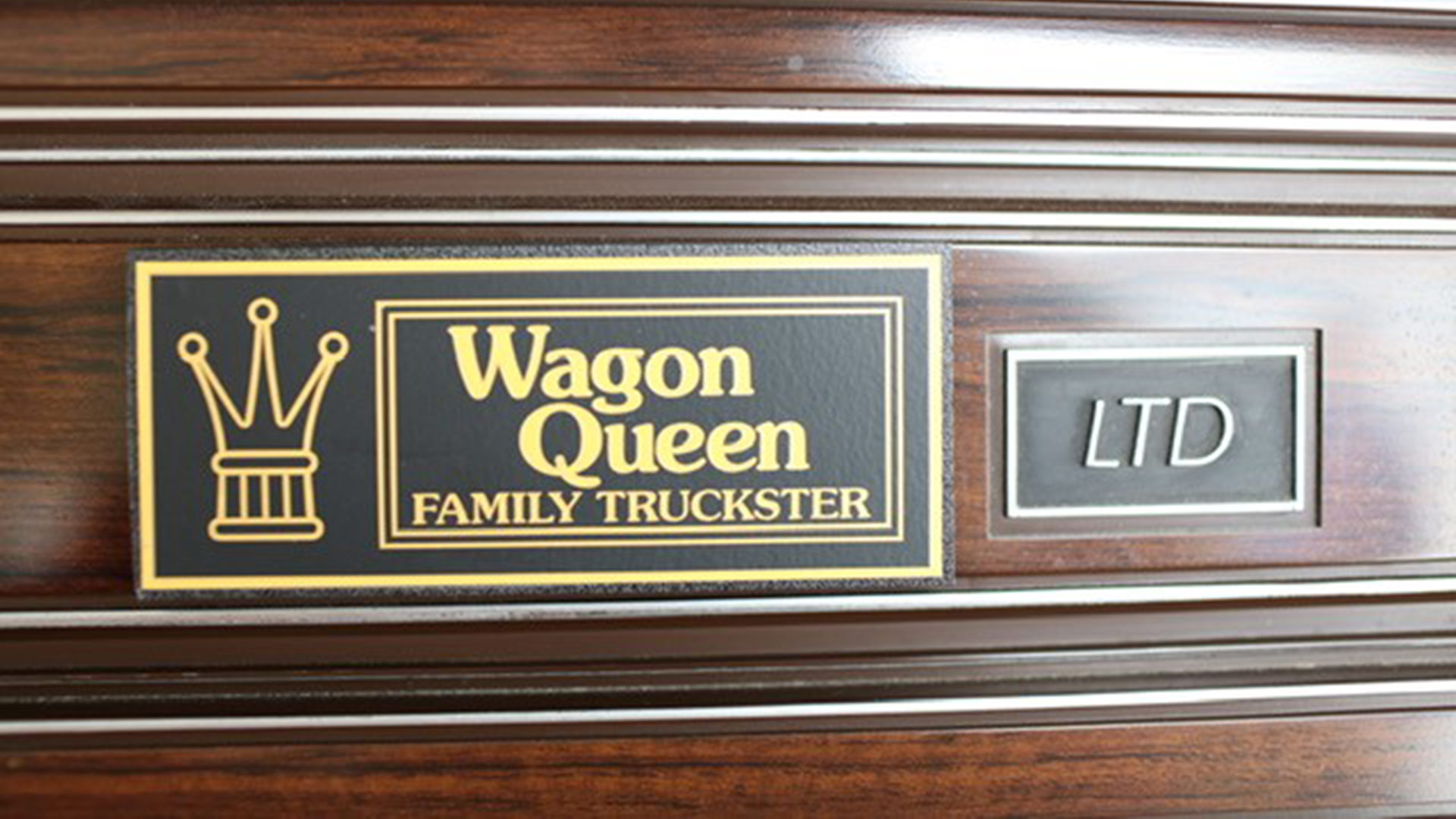
It means this could be the chance to live out your dreams of playing Clark Griswold, and getting behind the wheel of the Wagon Queen Family Truckster.
Although it is not the original car from the film – with several other recreations having been built before – it still marks a rare opportunity for movie motoring fun.
“Dad, this is not the car you ordered!”
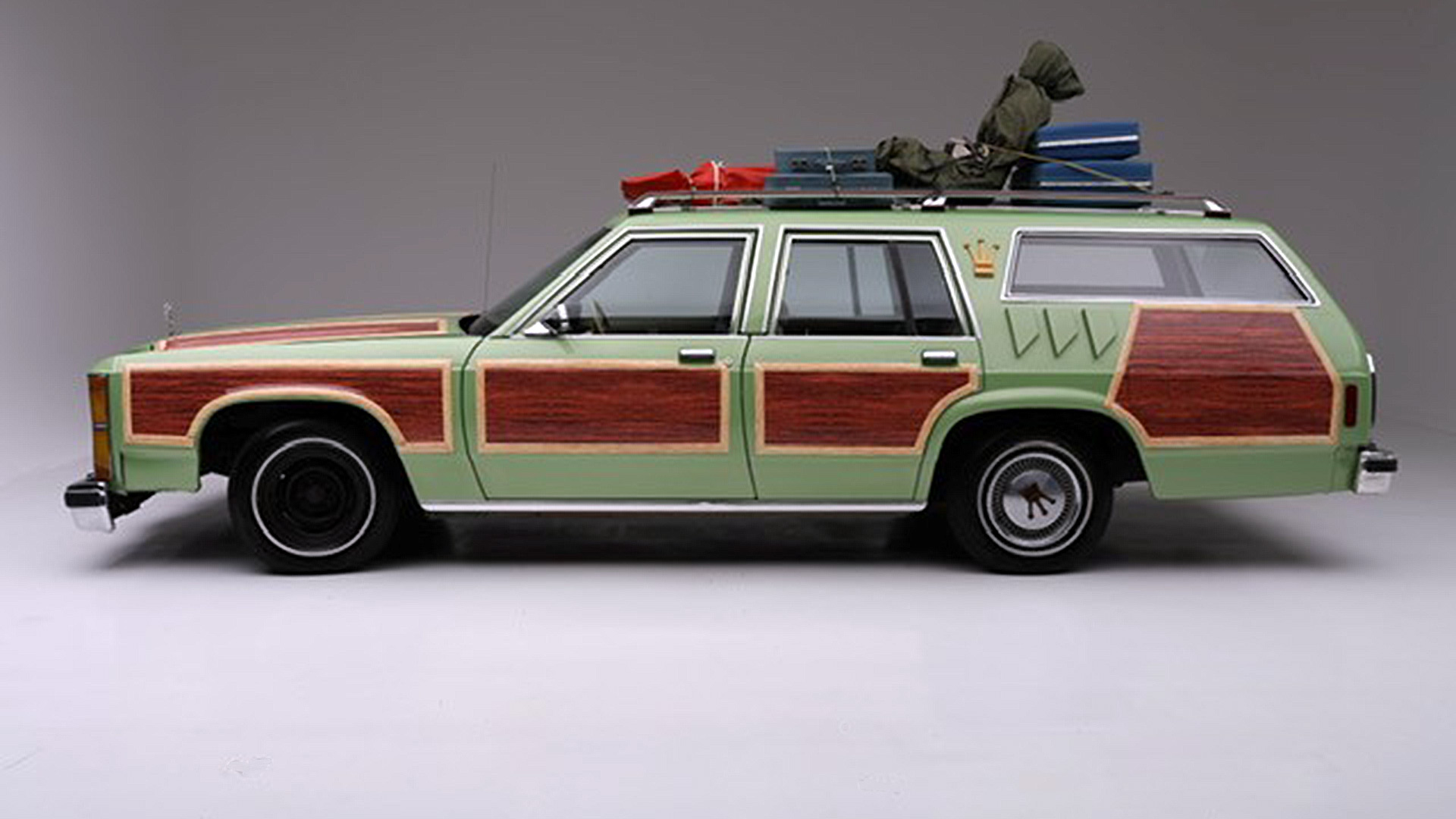
Based upon a Ford LTD Station Wagon, the original Wagon Queen was intended to mock the outdated malaise-era woodie wagons.
With the birth of the minivan on the horizon, cars like the ‘79 LTD used to make the original Family Truckster were rapidly falling out of favour with American car buyers.
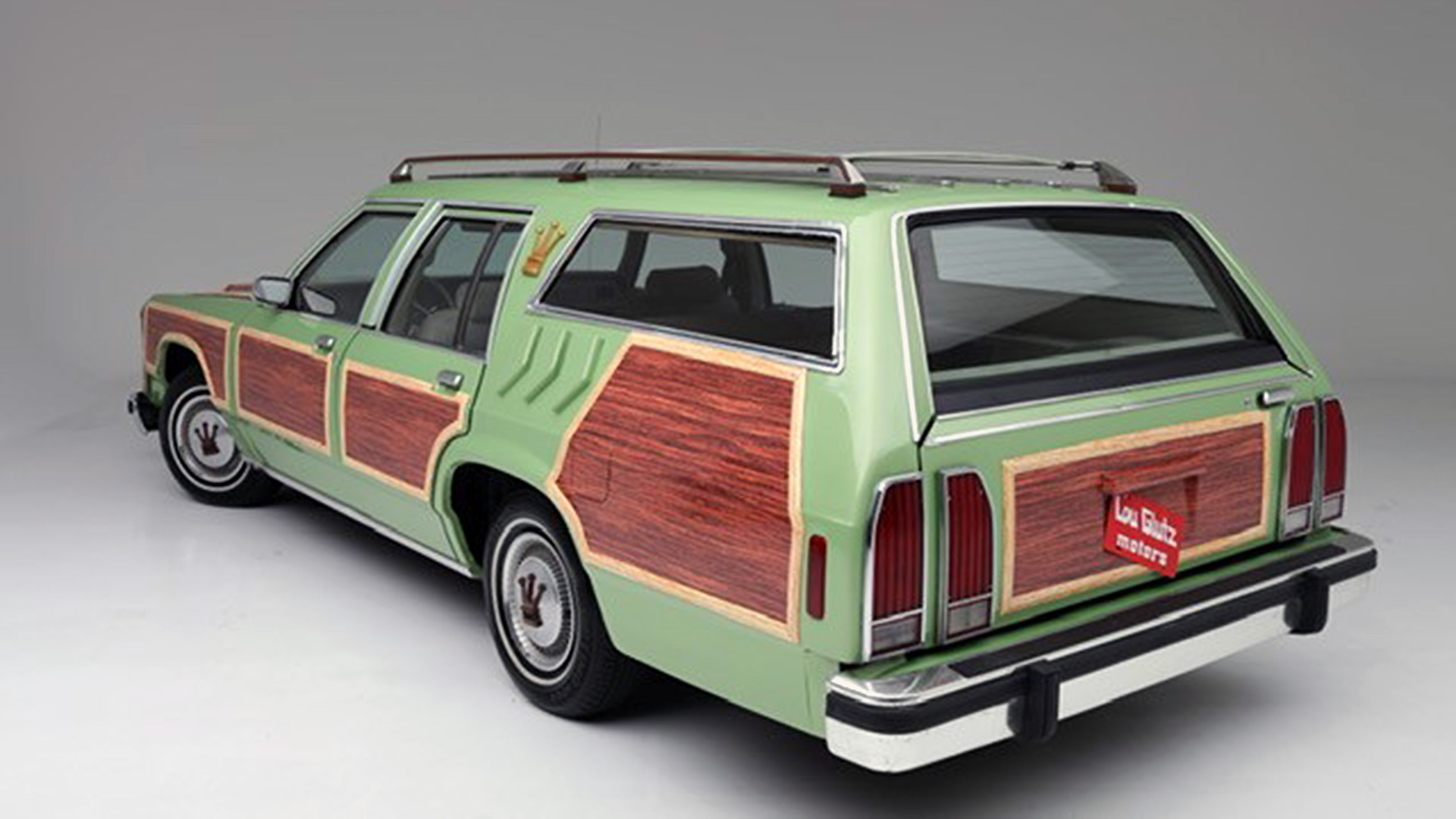
Whilst this replica uses a later Ford LTD body from 1981, it still packs all the details of the movie original.
Even the awkward hood-mounted gas cap, Lou Glutz Motors plates, and Wagon Queen dashboard badge are all present and correct.
“You think you hate it now, wait ‘til you drive it”
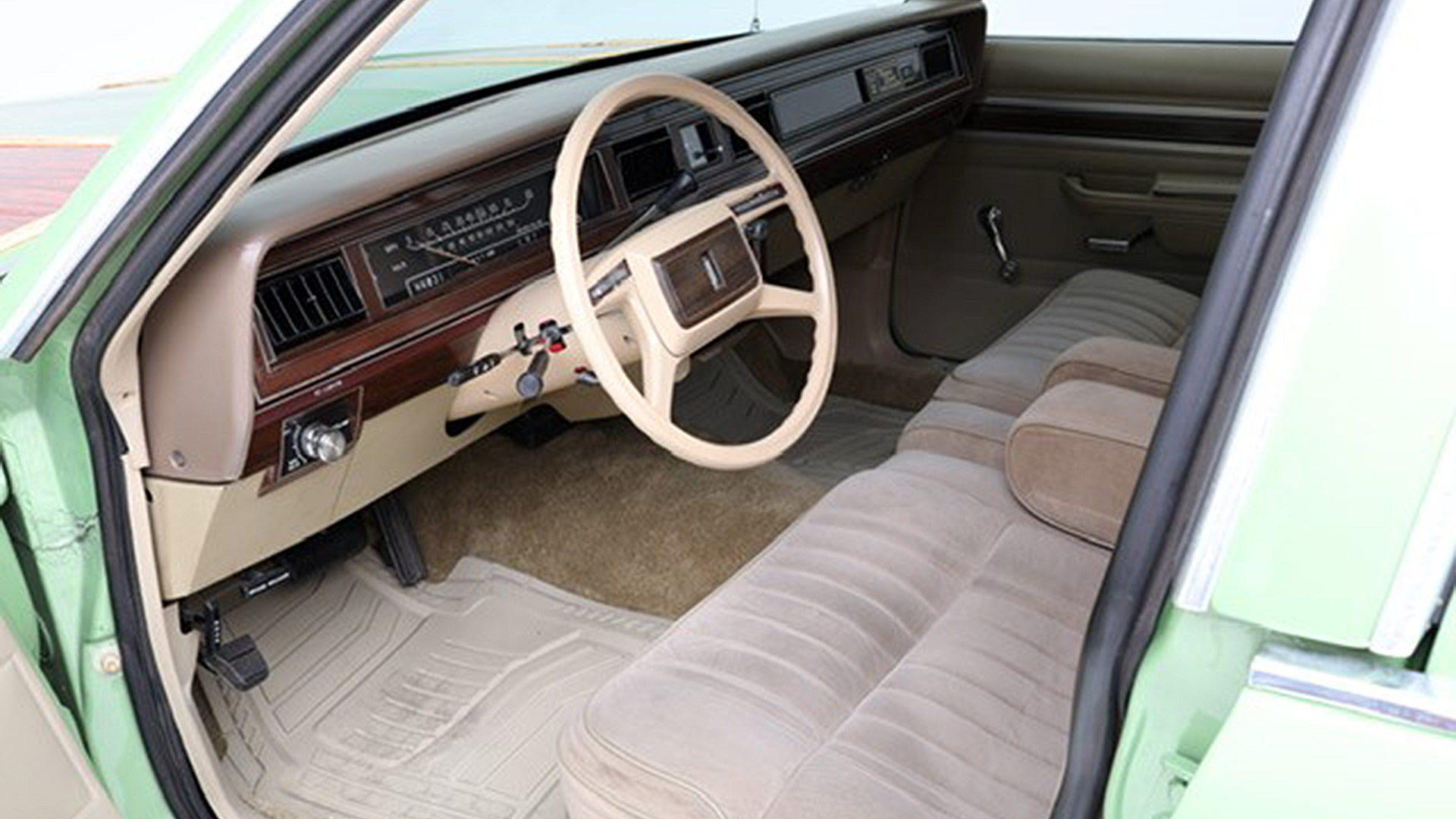
All 1981 Ford LTD wagons came with a standard 5.0-liter Windsor V-8 engine, but forget any ideas of big performance. Output was rated at only 130 horsepower and, when combined with a weight of 3,669lb (1,664kg) means leisurely cruising is more appropriate.
This particular car up for grabs retains the 5.0 engine, along with a four-speed automatic gearbox.
So just enjoy the ride, and relax in the sizeable beige velour seats combined with acres of woodgrain vinyl interior trim. Just in case there wasn’t enough of it on the outside already.
“It’s a long way down the holiday road”
The fact that this particular car is a replica of the film version potentially makes it more usable.
You can take it to your local car meet, or even set off on a trip across America to visit a theme park, safe in the knowledge you are not putting a famous movie prop at risk.
Although with any car of this age, there is obviously no satellite navigation fitted. It means you’ll have to rely on your own sense of direction to avoid taking the wrong exit in St Louis, Missouri, for instance.
“I’m from out of town. What’s the bill?”
Buying this replica will certainly mark you out as a serious Chevy Chase fan, but there could be other options to tempt you at the 2019 Palm Beach sale.
The docket is packed with a wealth of exotic and intriguing vehicles. There is even an officially licensed tribute to the Eleanor Mustang, which starred in the Gone in 60 Seconds movie.
However, if your film nostalgia is firmly set on the Family Truckster, lot 375 will be crossing the auction block on Friday April 12 2019.
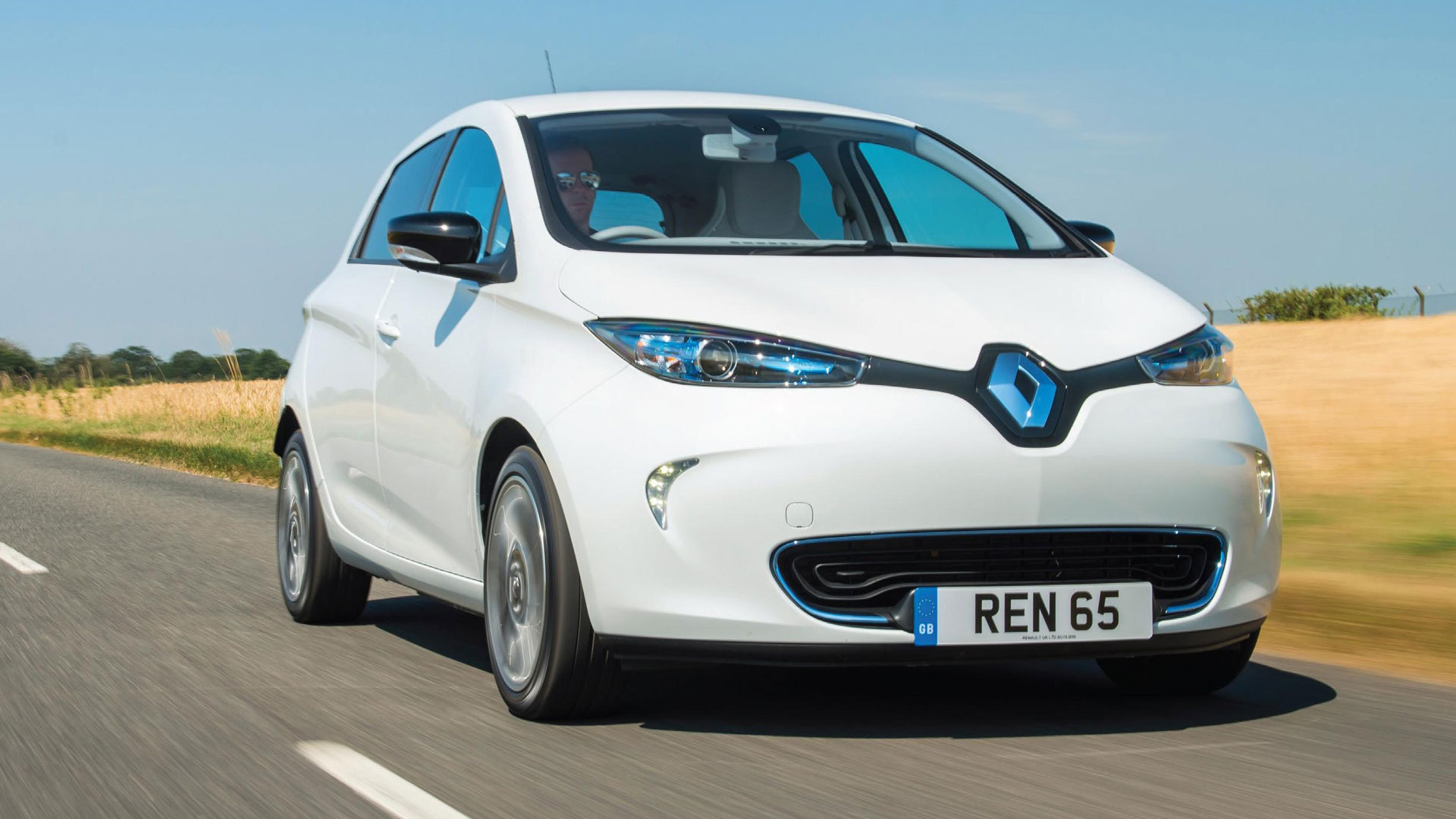
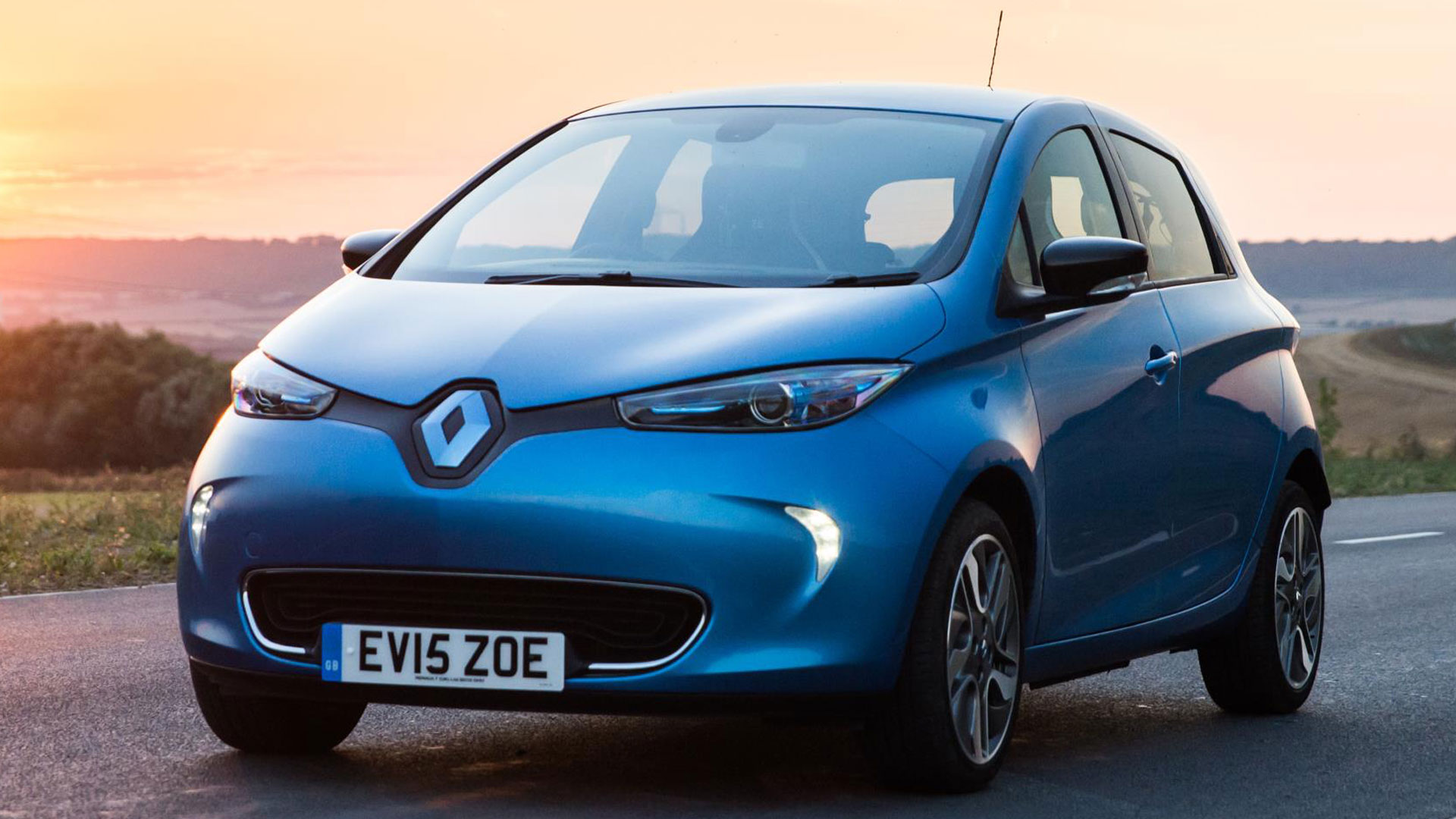
A one-year-old Renault Zoe is worth almost 50 percent more than it was at the start of 2018, according to figures released by Cap HPI.
An eight percent rise in the month means that the popular EV is a rare example of a car appreciating in value, with Zoe values up by around £5,000. A short supply of used Zoes and an ever-increasing interest in electric cars are the primary contributors to the surprising stat.
Overall, the values of one-year-old electric cars were up 0.1 percent in March, in a market that was down 0.8 percent in the month. Only convertibles and coupe-cabriolets saw an increase, reflecting the seasonal nature of these vehicles.
The used market continued to soften in March with a fall of 0.9 percent at the three-year, 60,000-mile mark. The move follows drops in January and February and an overall decline of 2.1 percent over the first quarter of 2019, and a 3.3 percent negative swing compared to value movements in the same period a year ago.
Commenting on the data, Derren Martin, head of UK valuations at Cap HPI, said: “Despite current economic uncertainty over Brexit, price drops in the used car market cannot be apportioned to this.
“The market has seen prices going up over the last year to 18-months, and there is still a theme of a reluctance to pay high prices and squeeze retail margins. We continue to witness a gentle, downward pricing realignment.”
New or used?
New, Renault Zoe prices start from £18,420 after the government Plug-in Car Grant (PiCG), with mandatory battery hire kicking off from £69 per month. The purchase price includes a free domestic wall box fitted at your home address.
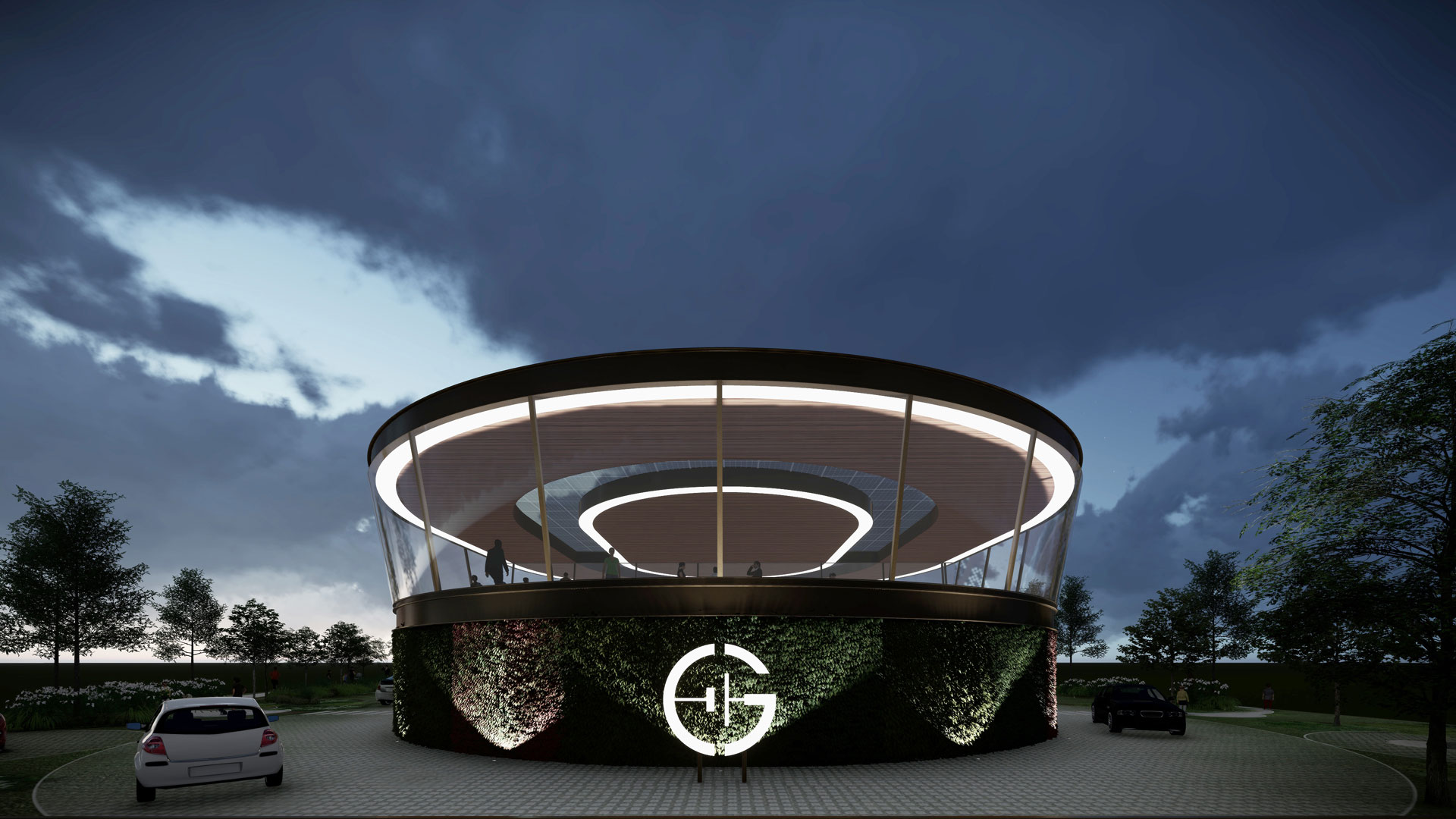
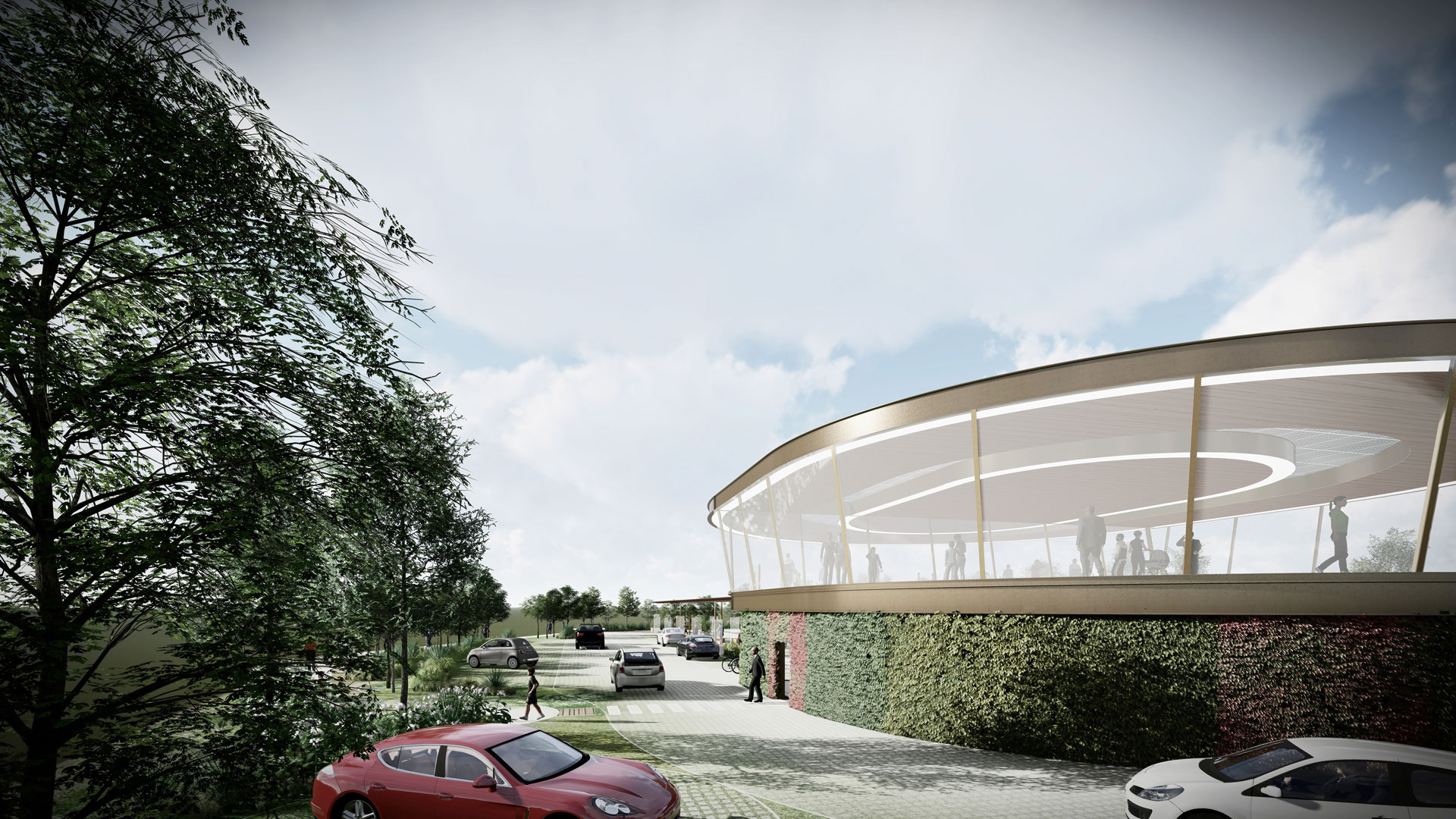
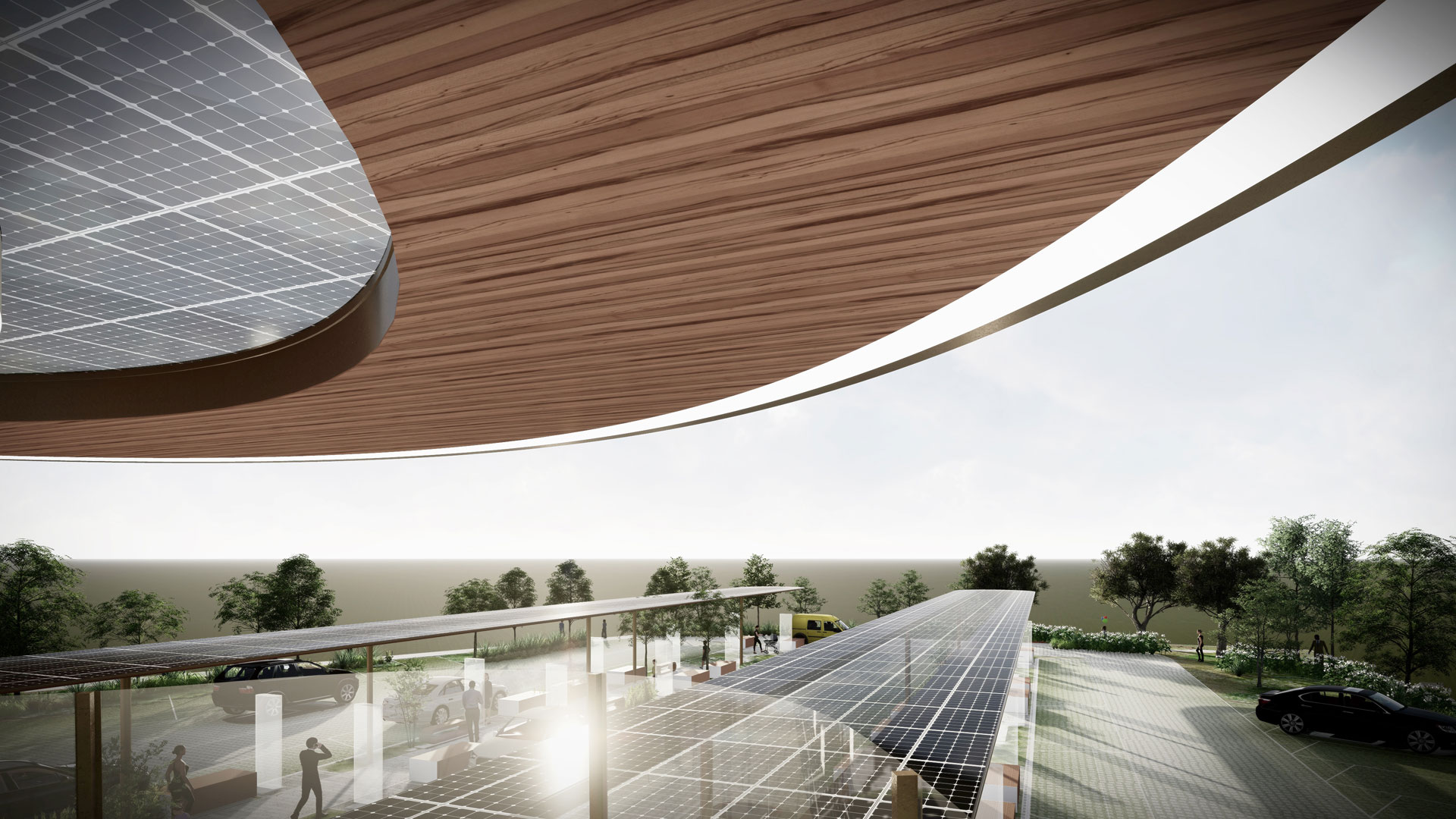
Each ‘Electric Forecourt’ will offer rapid charging at speeds of up to 500kW for cars and light commercial vehicles, with the majority of vehicles charged within 30 minutes. Multi-MW charging points for buses and HGV will also be installed, says the firm.
The sites, designed and engineered in partnership with Arup, will also include a coffee shop, supermarket and an airport-style lounge with high-speed internet, along with what Gridserve is calling an “education centre and hub to explore a broad range of electric vehicle solutions”.
An opportunity to do a little research into electric cars capable of utilising the 500kw rapid-charger, perhaps. The 350kW Porsche Taycan might be the first EV on your shopping list…
‘Electric vehicles are awesome’
Toddington Harper, CEO and founder of Gridserve, said: “We plan to make charging electric vehicles as easy as using petrol stations. The latest generation of electric vehicles are awesome and ready for mainstream adoption, but drivers still worry about if or where they can charge, how long it will take, and what it will cost.
“We plan to eliminate any range or charging anxiety by building a UK-wide network of customer-focused, brand new Electric Forecourts that will make it easier and cheaper to use an electric vehicle than a petrol or diesel alternative.
“Within five years we plan to have more than 100 Electric Forecourts in use, with each supported by solar energy and battery storage. This infrastructure will accelerate the electric vehicle revolution, serve the grid, and help the UK meet climate and clean air targets.”
Gridserve says it has secured 80 sites on busy routes across the UK and, location permitting, will build new solar farms adjacent to the Electric Forecourts to supply their electricity directly.
The company hasn’t said how much it will cost to charge at one of its forecourts, only that the pricing will be “competitive”. It’s planning to introduce a queuing system to minimise waiting times, with customers able to reserve charging slots via a smartphone app.
Construction of the first two sites in York and Hull will begin later this year.
 The Ford Puma is making a comeback, and will switch from a two-door coupe famously ‘driven’ by Steve McQueen in the 1990s, into a Fiesta-based small SUV to take on the Nissan Juke and Renault Captur.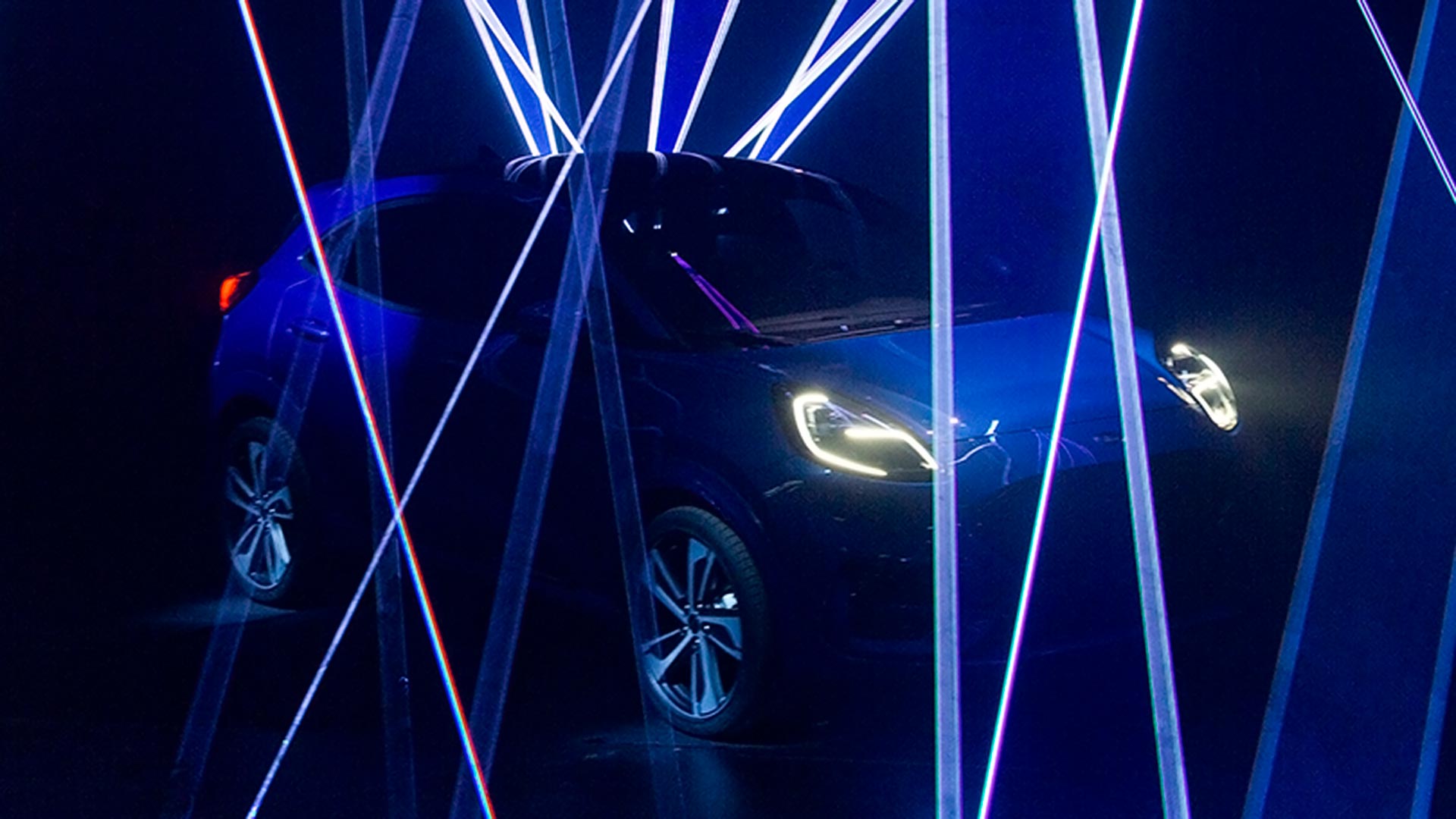
 The new Ford Kuga has been revealed in Amsterdam, ahead of launching to UK buyers in early 2020. Derived from all-new underpinnings, the new Kuga also wears a sporty new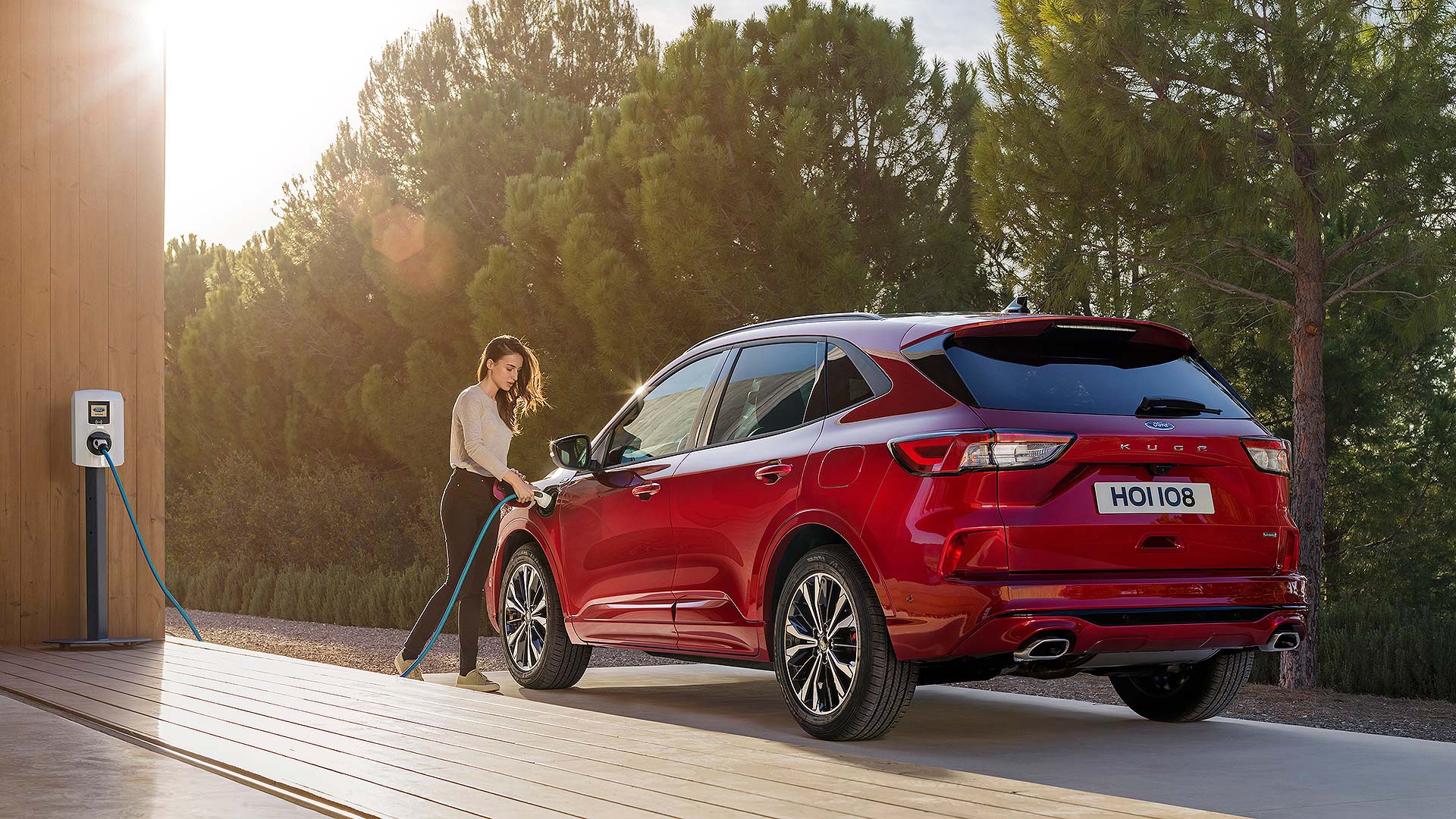
 Jaguar Land Rover (JLR) is well known as a firm that uses lots of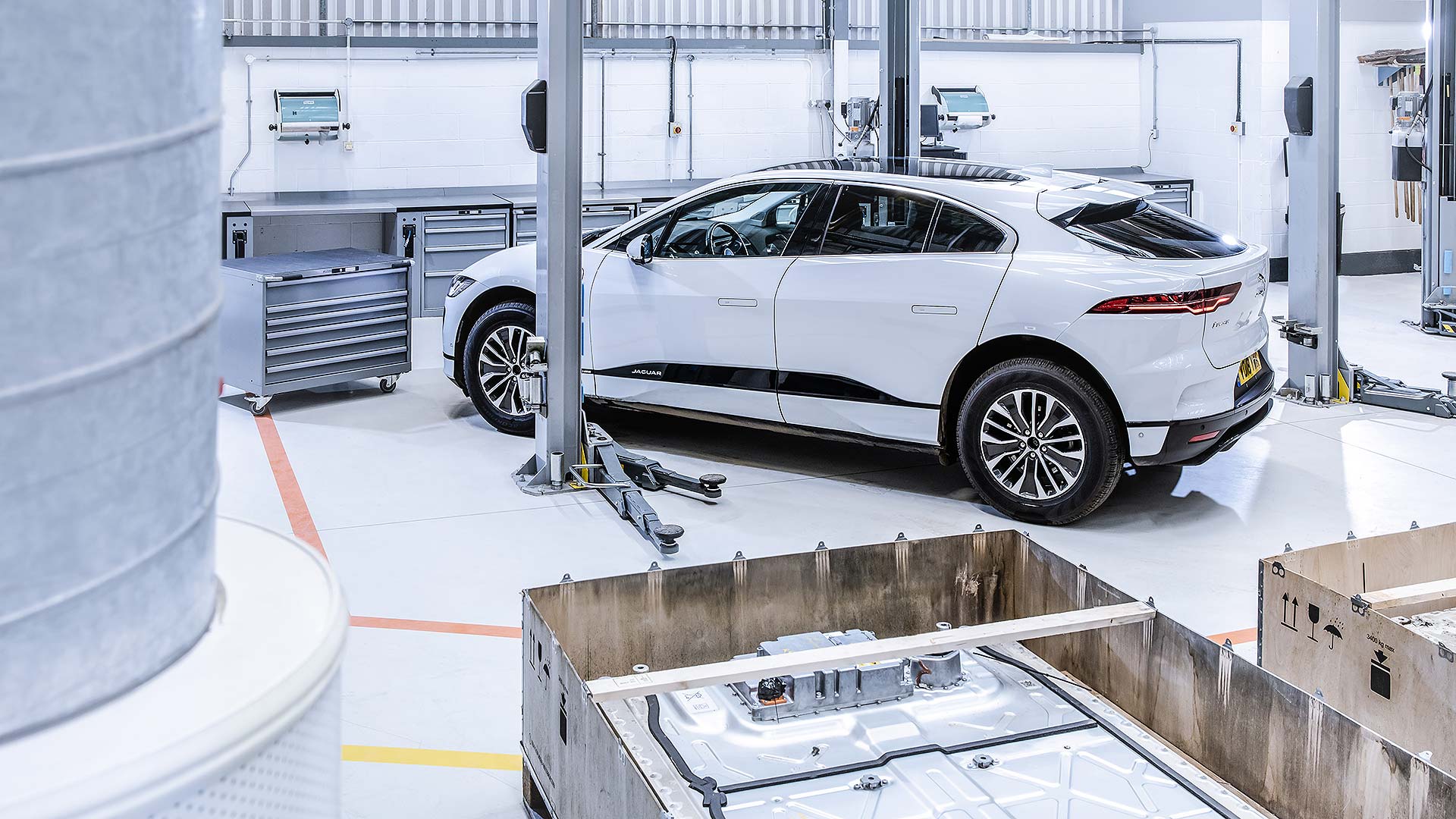
 A replica of the car which starred in the
  Based upon a Ford LTD Station Wagon, the original Wagon Queen was intended to mock the outdated malaise-era
  All 1981 Ford LTD wagons came with a standard 5.0-liter Windsor V-8 engine, but forget any ideas of big performance. Output was rated at only 130 horsepower and, when combined with a weight of 3,669lb (1,664kg) means leisurely cruising is more appropriate.
 The fact that this particular car is a replica of the film version potentially makes it more usable.
 Buying this replica will certainly mark you out as a serious Chevy Chase fan, but there could be other options to tempt you at the 2019 Palm Beach sale.