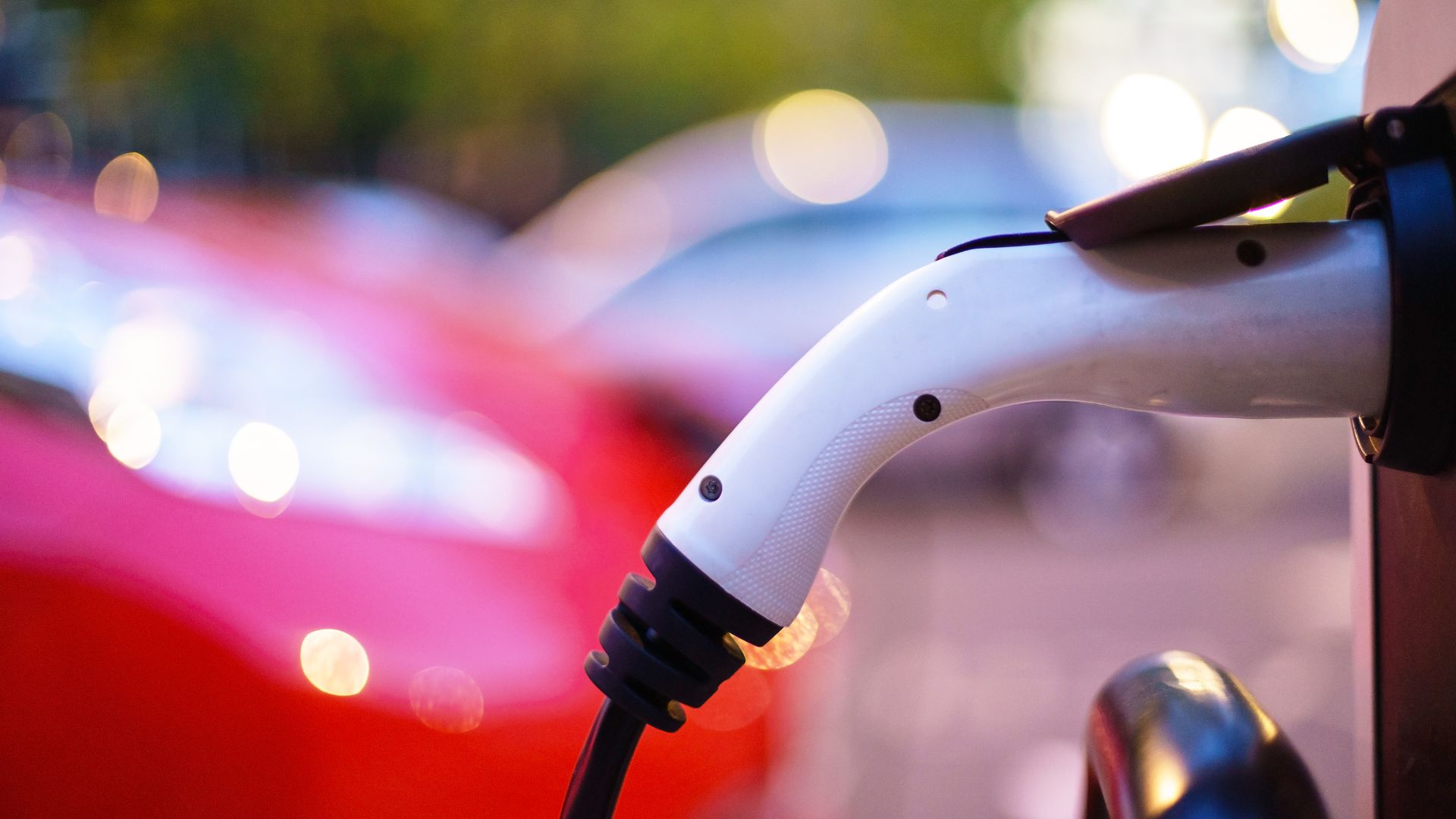
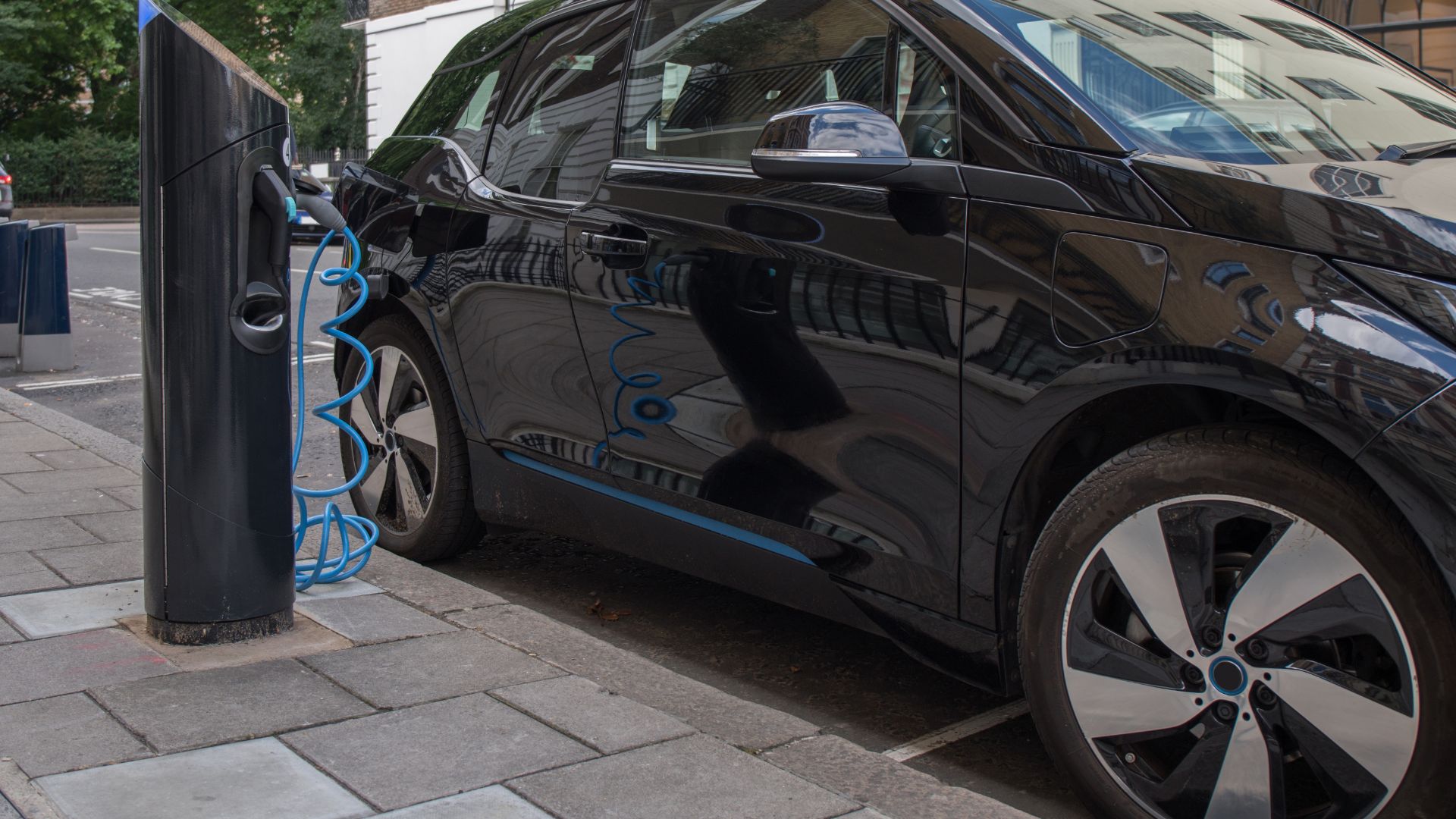
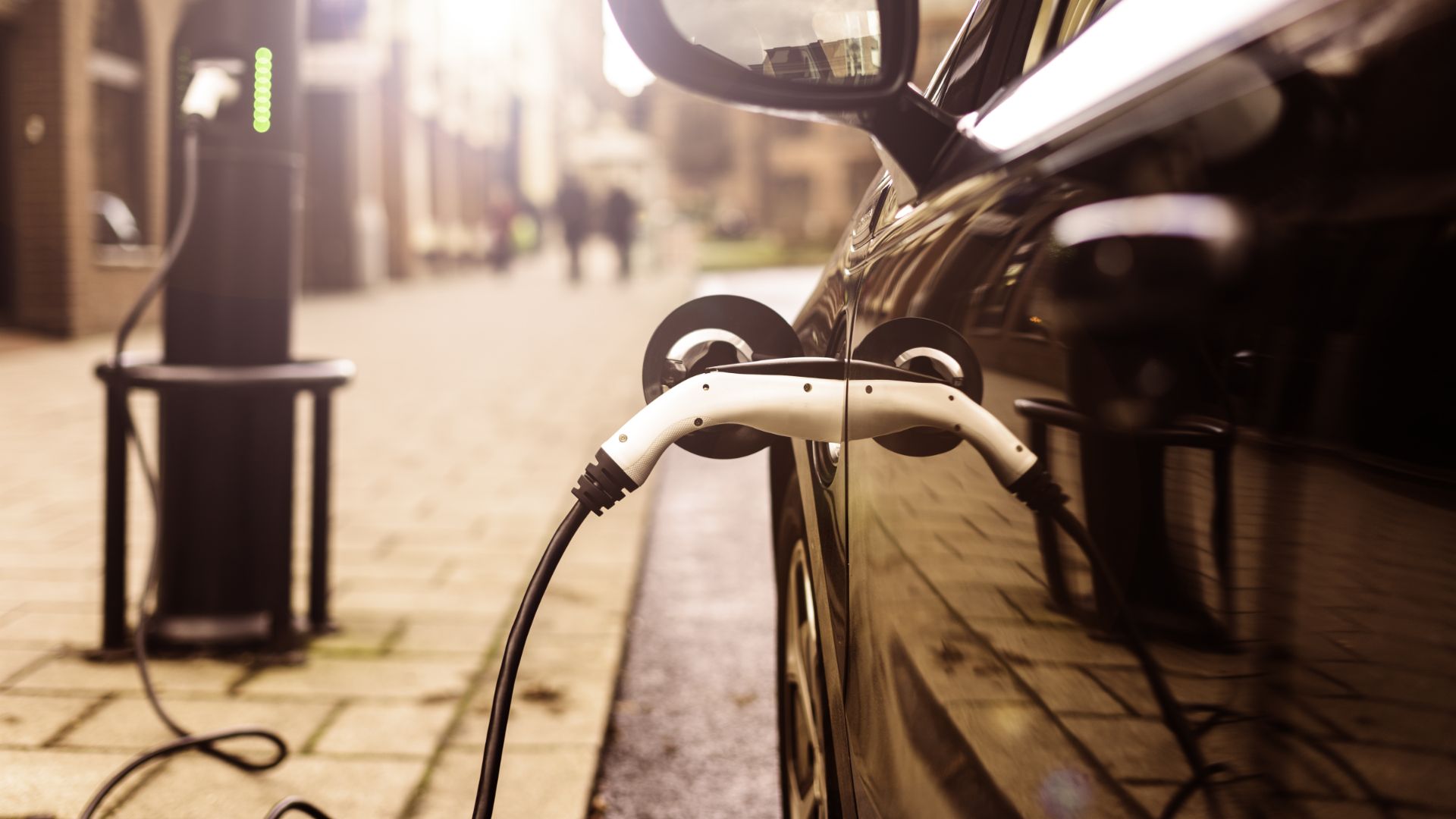
A review is underway to explore the distribution of charge points across the road network. The government also hopes charge times could be cut by half. For a typical electric car, 40 minutes could thus turn to 20 minutes – just time for a coffee.
“We are driving ahead with plans to make travel greener while backing British innovation and technology,” said exchequer secretary Simon Clarke.
“Britain already boasts one of the biggest networks of charging infrastructure in Europe and soon we will have the fastest thanks to this investment.
“This is the latest in our proud record on climate change –having slashed emissions by over 40 percent since 1990, whilst simultaneously growing our economy, and setting an ambitious target for net zero emissions by 2050.”
In addition to the £400 million for charging infrastructure, £31.5 million is being put into technologies that remove greenhouse gases from the atmosphere.
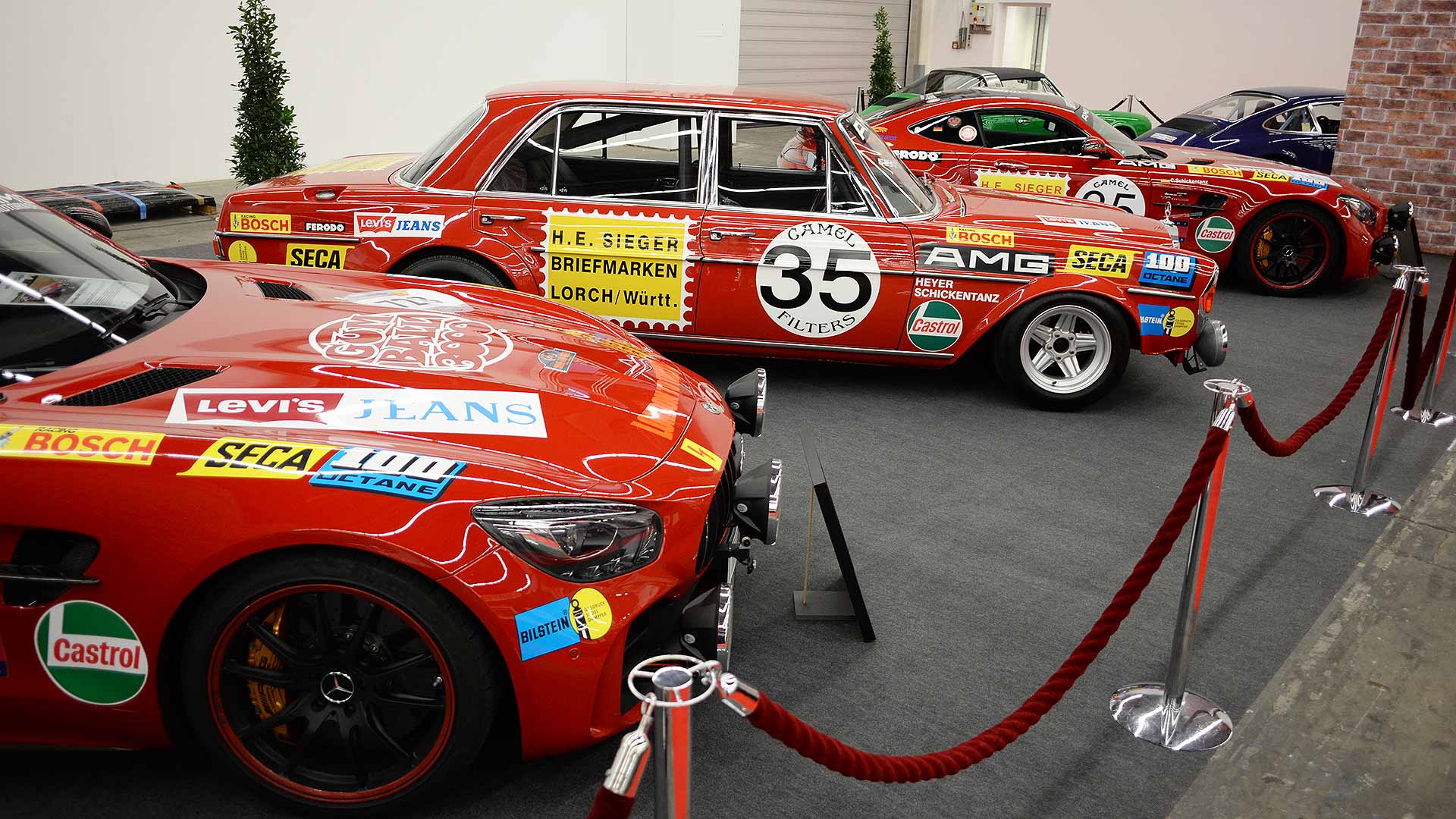
When you’ve had your fill of concepts that will never see the light of day, supercars you can’t afford and middling hatchbacks that are as exciting as a wet weekend in Wakefield, there’s always a ready supply of classic cars at an international motor show. Our man Richard Aucock braved a few extra blisters to take some photos of the cars he found on his travels. He wants you to see them, so keep clicking to make sure he returns home a happy man.
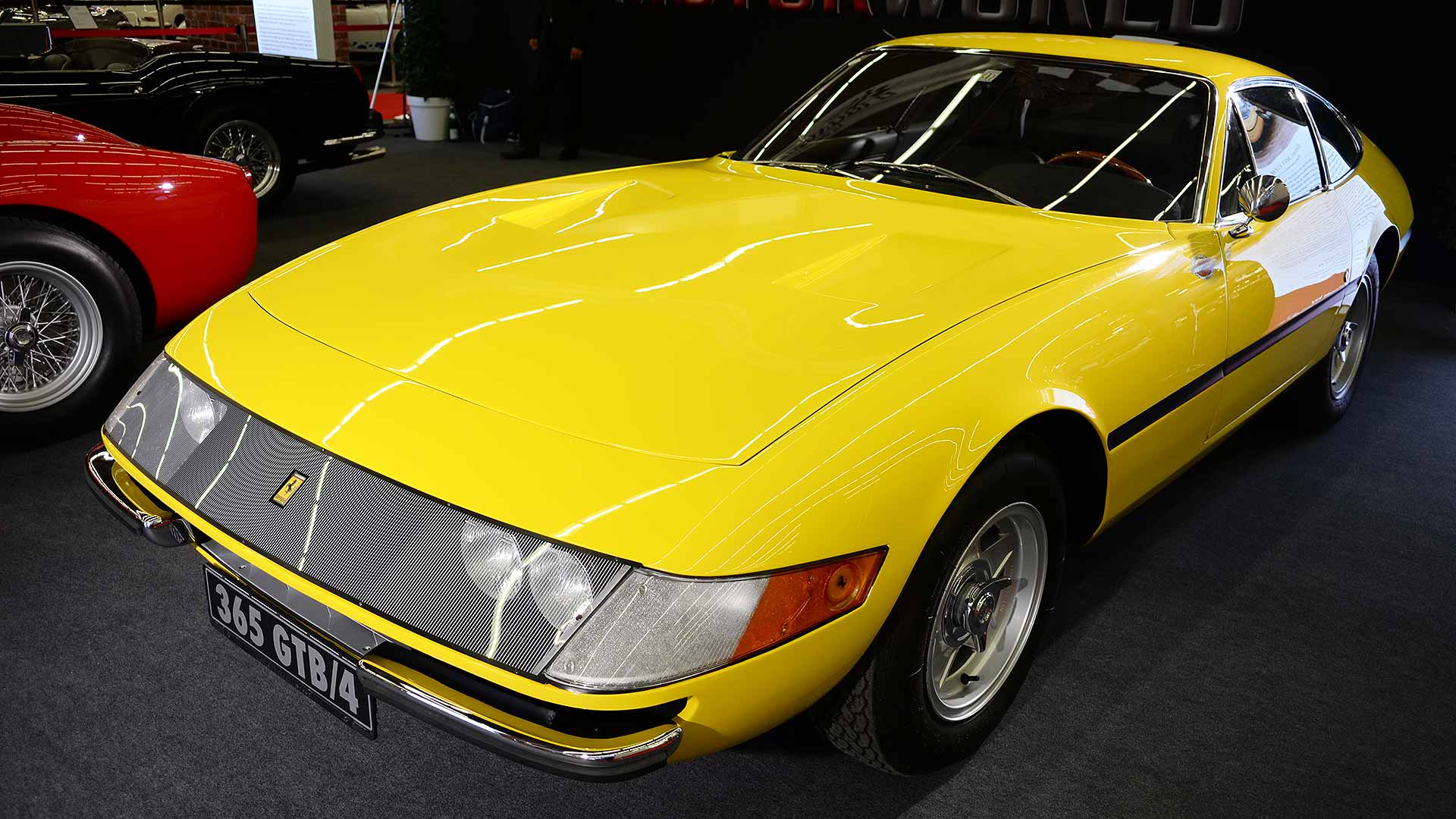
Ferrari 365 GTB/4
Ferrari isn’t at the 2019 Frankfurt Motor Show, but that doesn’t mean you won’t find one in the German financial capital. You’ll need the pockets of a merchant banker to be able to afford this, though. The beautiful 365 GTB/4 ‘Daytona’ was launched in 1968, followed by the 365 GTS/4 roadster at the 1969 Frankfurt Motor Show.
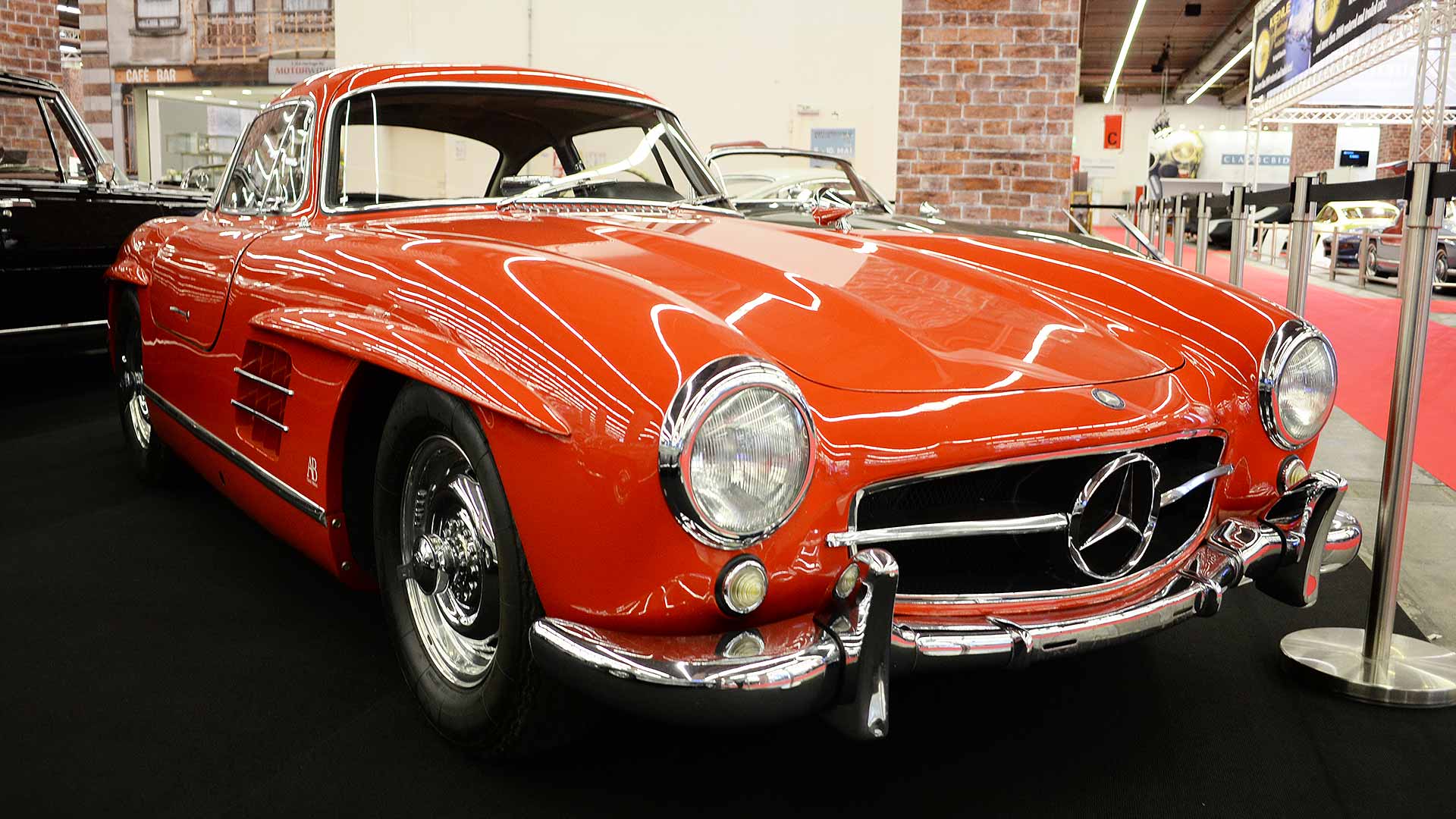
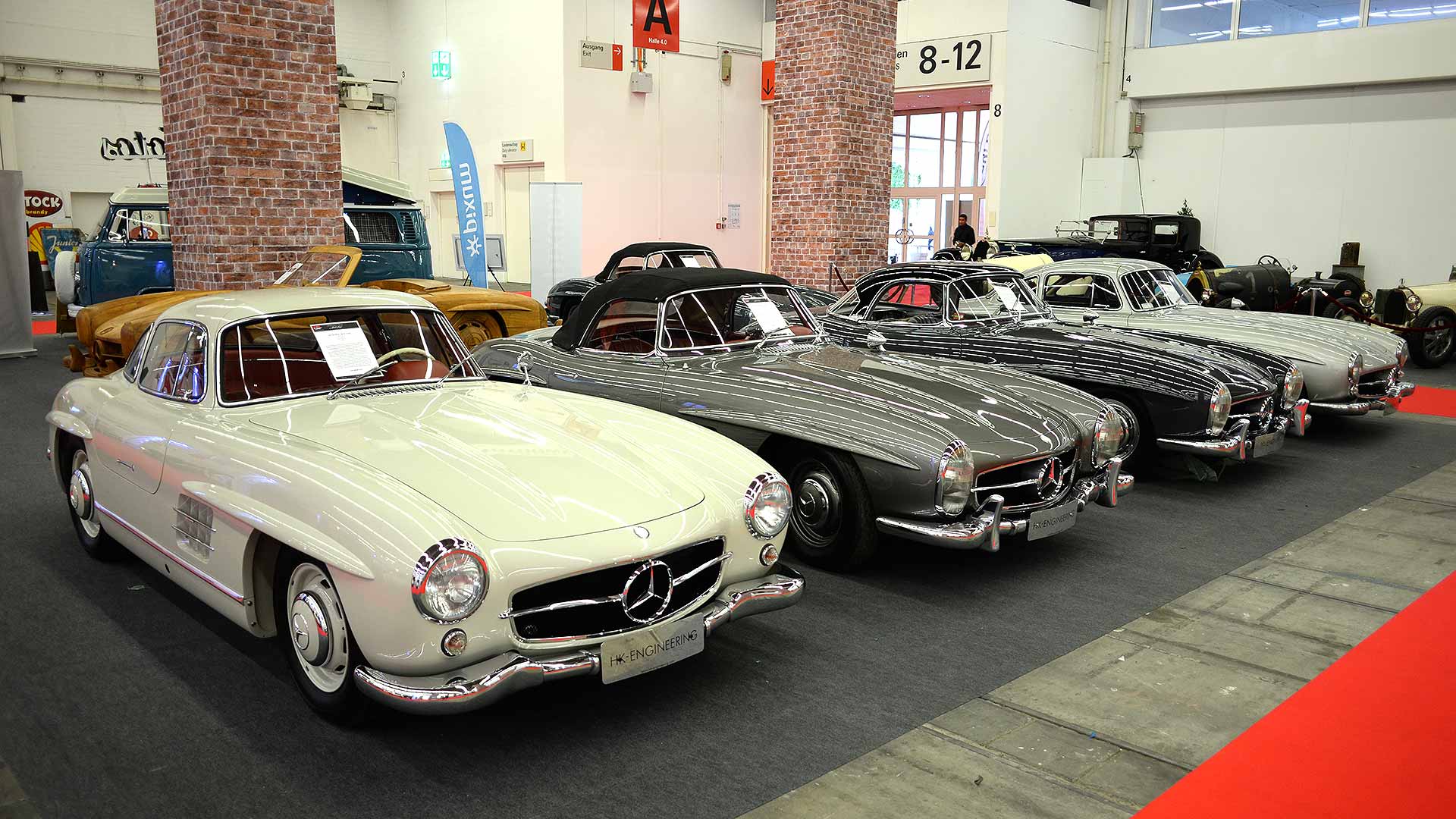
Mercedes-Benz 300 SL Coupe
You’ll pay upwards of £1 million for an immaculate Mercedes-Benz 300 SL Coupe, a car inspired by the motorsport version of 1952. It was one of the world’s first supercars, boasting a top speed of 260km/h (162mph) and innovative, lightweight spaceframe construction. The iconic ‘gullwing’ doors were introduced when it was discovered that conventional doors were incompatible with the extra height of the sills.
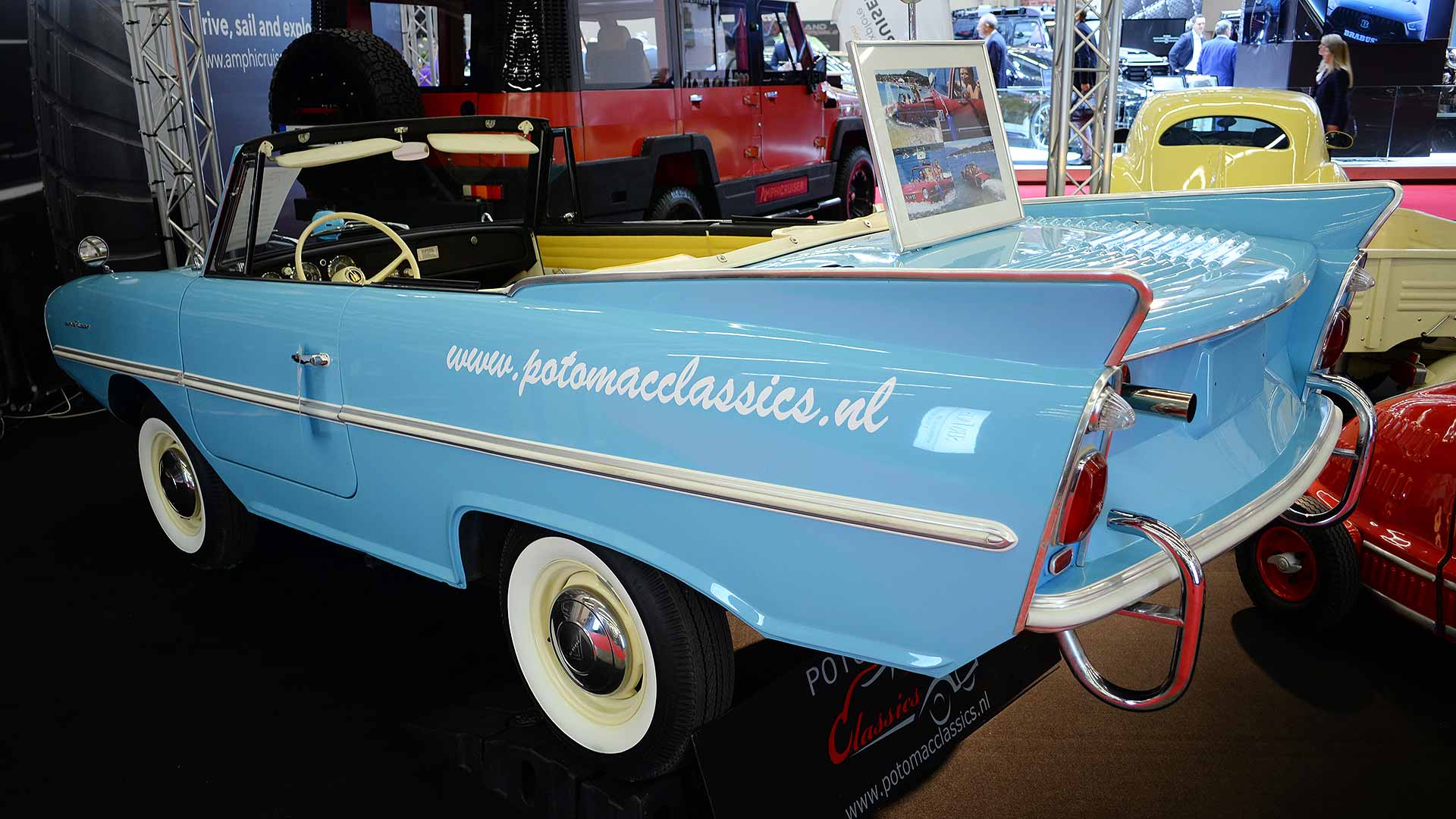
Amphicar
Potomac Classics is a Dutch firm specialising in the restoration and sales of the Amphicar. With (ambitious) visions of motoring across the North Sea, we had a look on the Potomac website for details of this stunner. It’s listed as ‘op aanvragg’, or ‘on application’, but there is a 1961 Amphicar available for €62,500 (£55,750). Does that float your boat?
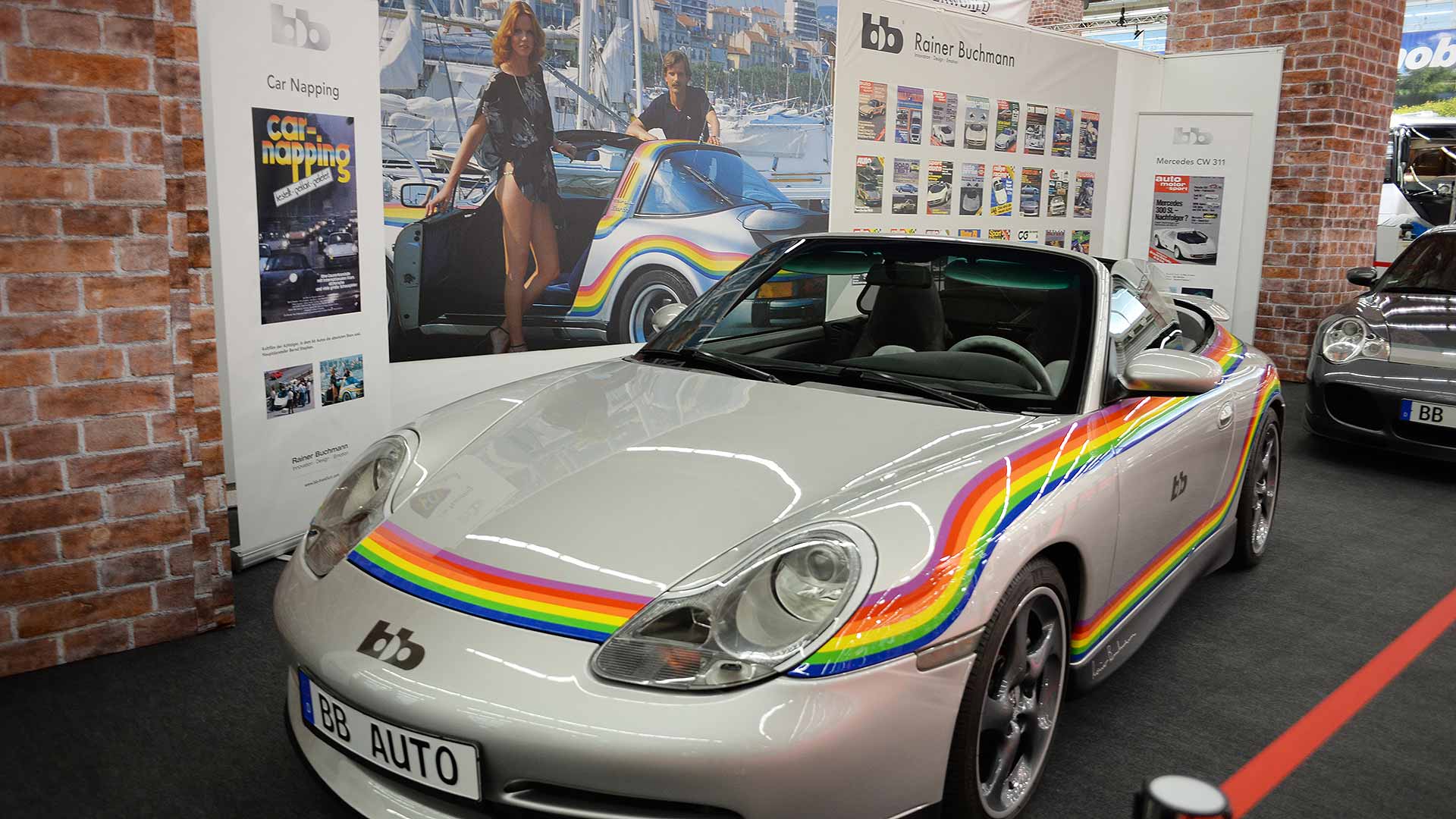
BB Auto Porsche 996
Rainer Buchmann founded Frankfurt-based BB Auto in 1974, converting a Porsche 911 into a Targa and painting it in the colours of Polaroid. This Porsche 996 is a more modern, but no less striking, interpretation of the 45-year-old classic.
Left or right?
You’re heading home from Frankfurt and you have to choose one of these classics. Do you go Italian or German?
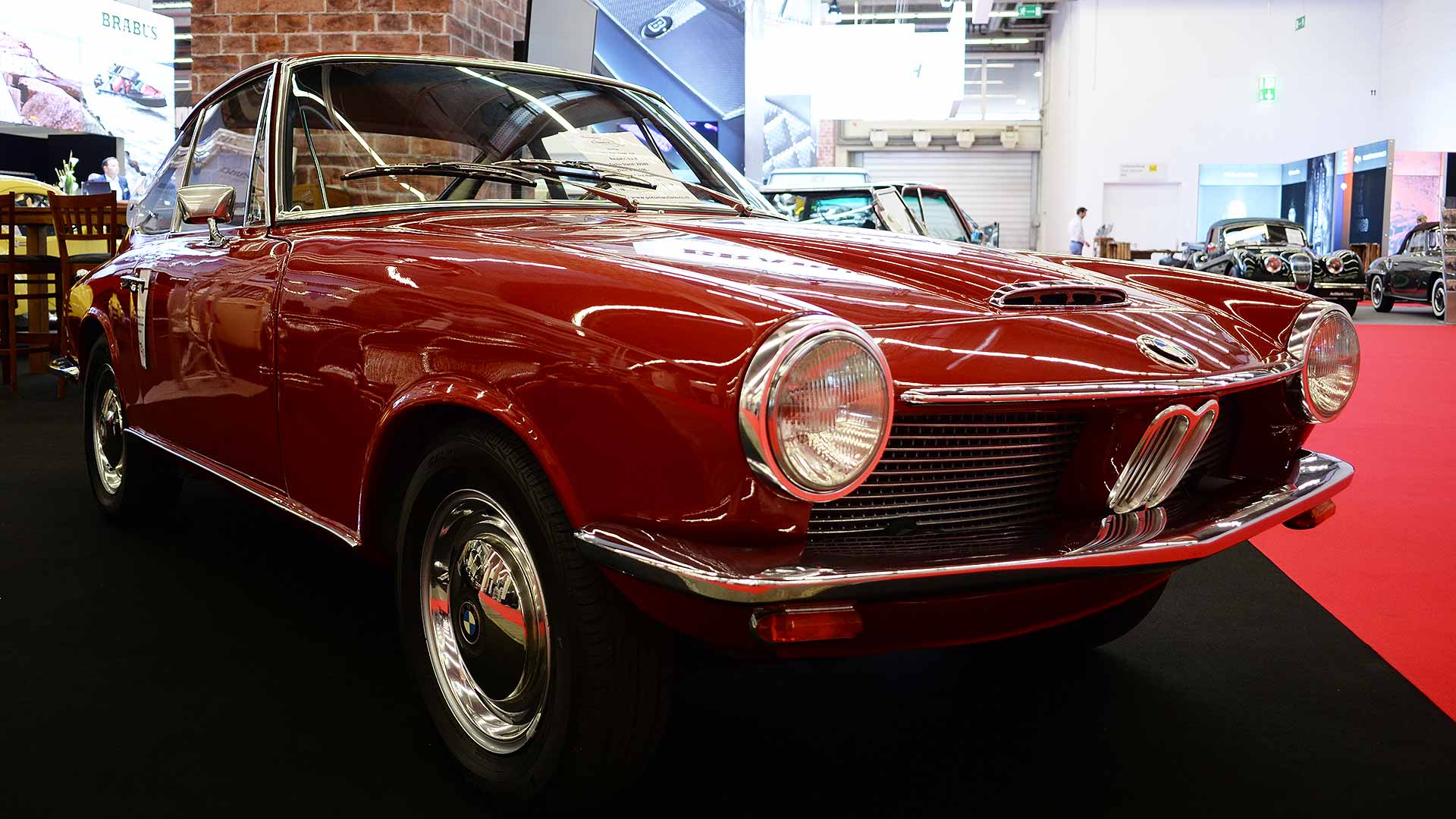
BMW 1600 GT
Glas is a former German car manufacturer best known for the production of the Goggomobil. The company was purchased by BMW in 1966, with the Glas GT becoming the 1600 GT. The front end was given a subtle refresh to accommodate the BMW ‘twin kidney’ grille. Memo to BMW: this is how grilles should be done.
A classic, updated
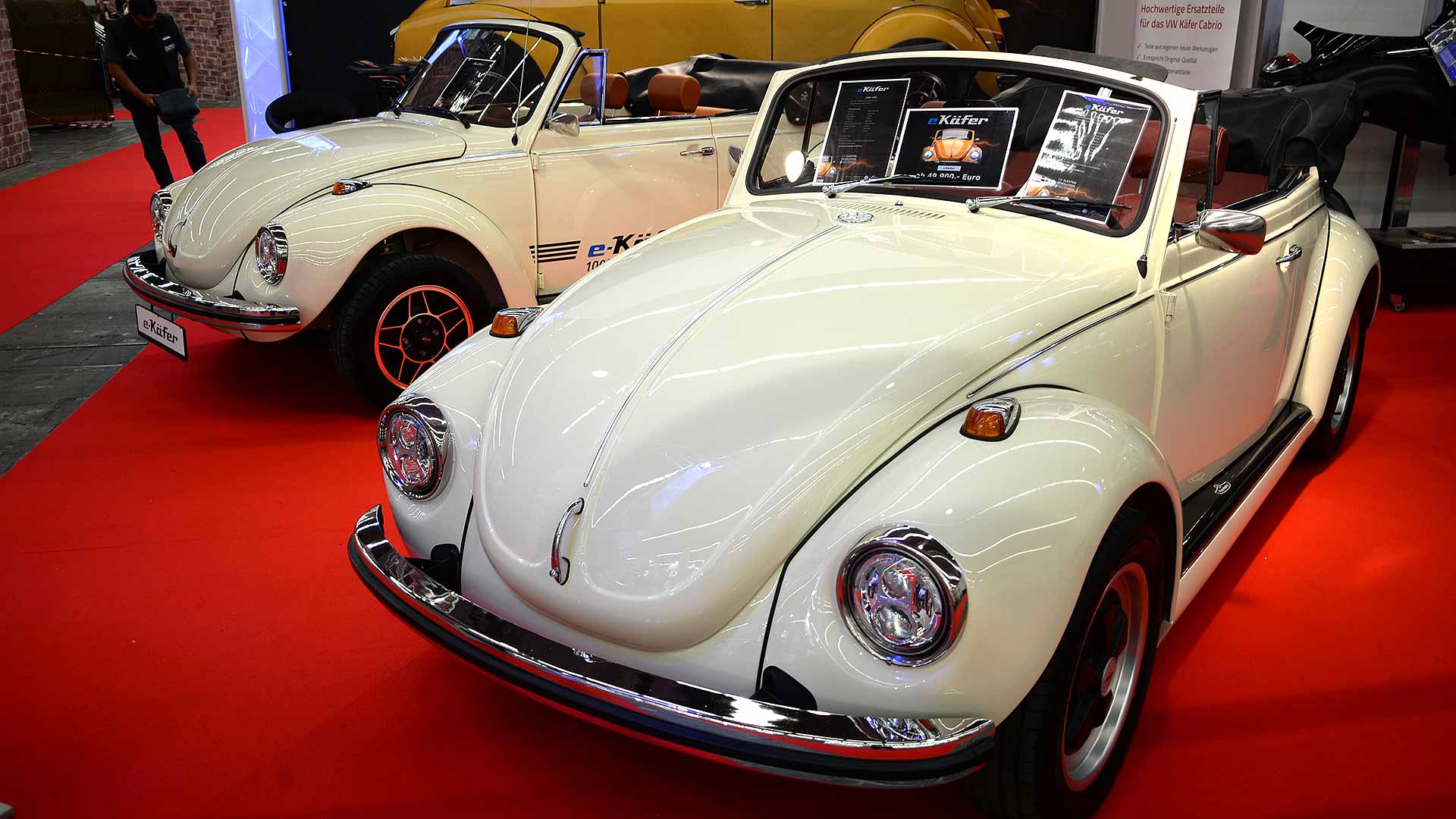
We expect the electrification of classic cars to become increasingly popular over the coming years, so it’s no surprise to see major manufacturers embracing the idea. Volkswagen has teamed up with eClassics to convert a Beetle to electric power, with the battery, transmission and motor lifted from the e-Up. Other electric classics will follow.
HK Engineering
Nothing to see here, just a few million pounds worth of Mercedes-Benz 300 SL goodness in an exhibition hall in Frankfurt. HK Engineering has been restoring 300 SLs since 1984.
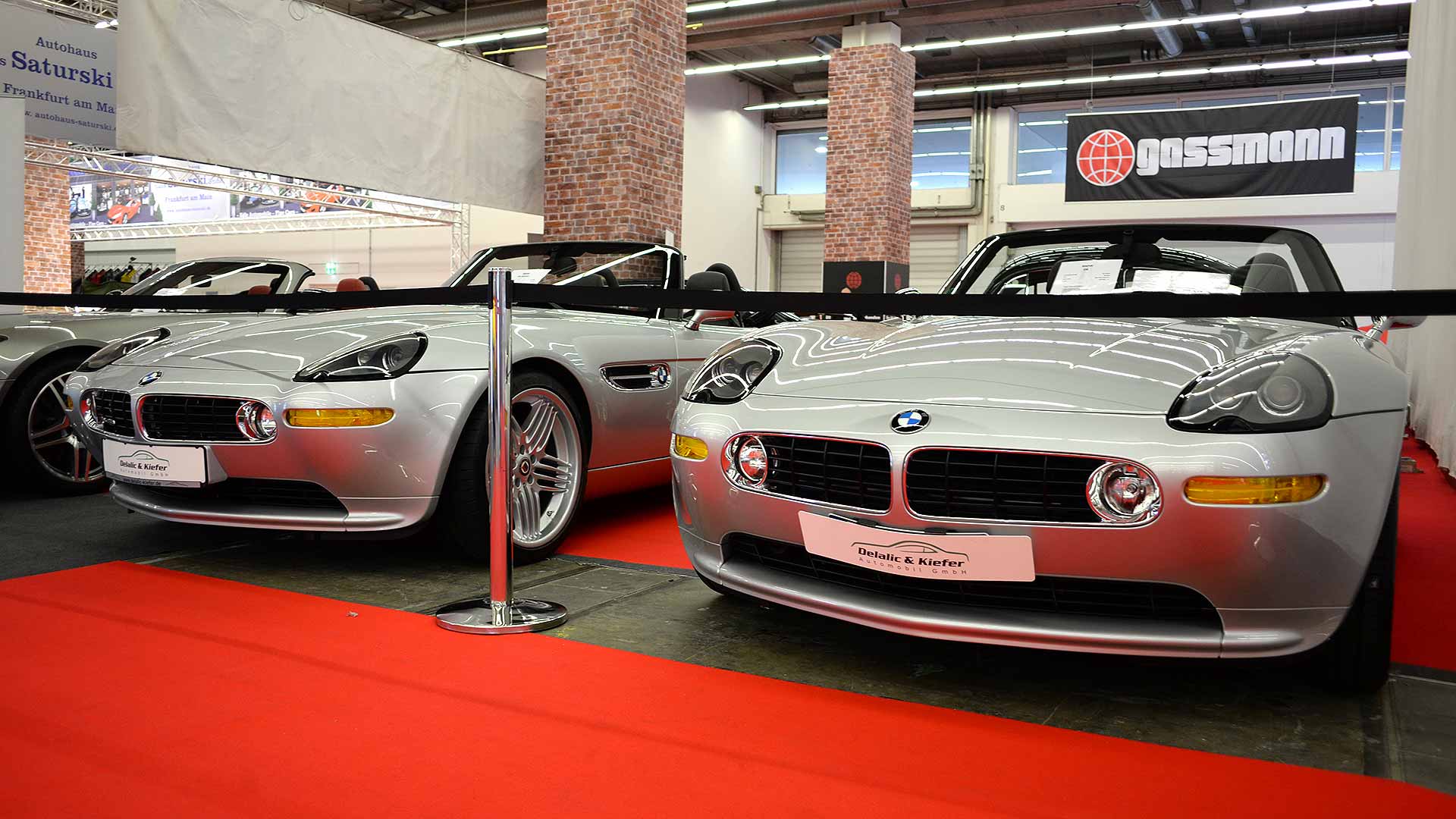
BMW Z8
Designed to pay homage to the BMW 507, the production-ready Z8 (right) was unveiled in 1999. Built from the ground up using an entirely new platform, it was BMW’s first $100k+ production car and a star of Bond film The World is Not Enough. The Alpina version (left) used a 4.8-litre V8 instead of the stock 5.0-litre V8 from the M5, plus softer suspension and 20-inch alloy wheels.
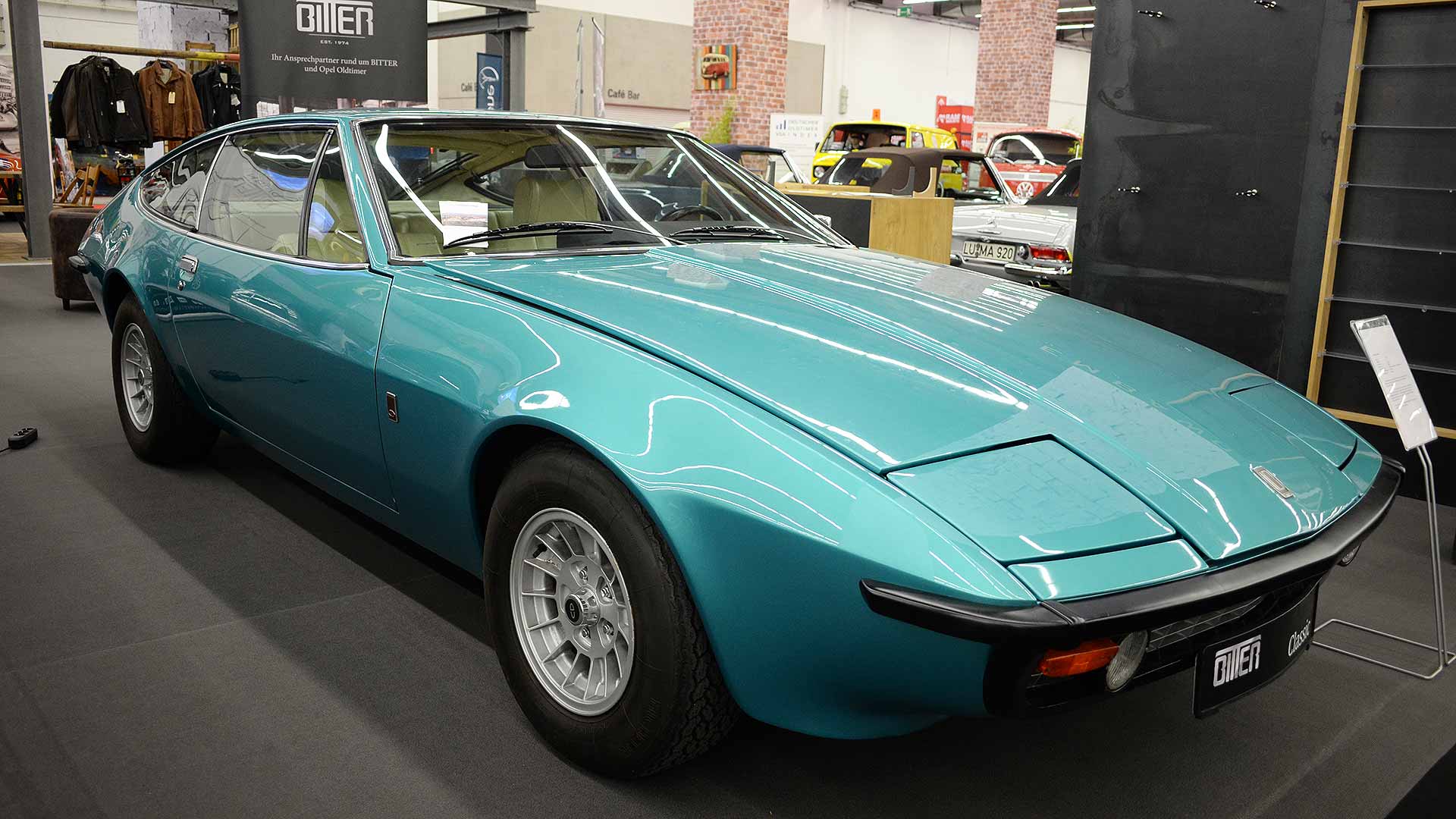
Bitter CD
The Bitter CD began life as an Opel concept at the 1969 Frankfurt Motor Show. It used the running gear from the Opel Diplomat, which meant a 5.4-litre Chevy V8 with heaps of power and bags of torque. When Opel bailed out on a potential production version, it was left to Erich Bitter to take the baton. The result was a smooth running and classy German GT car.
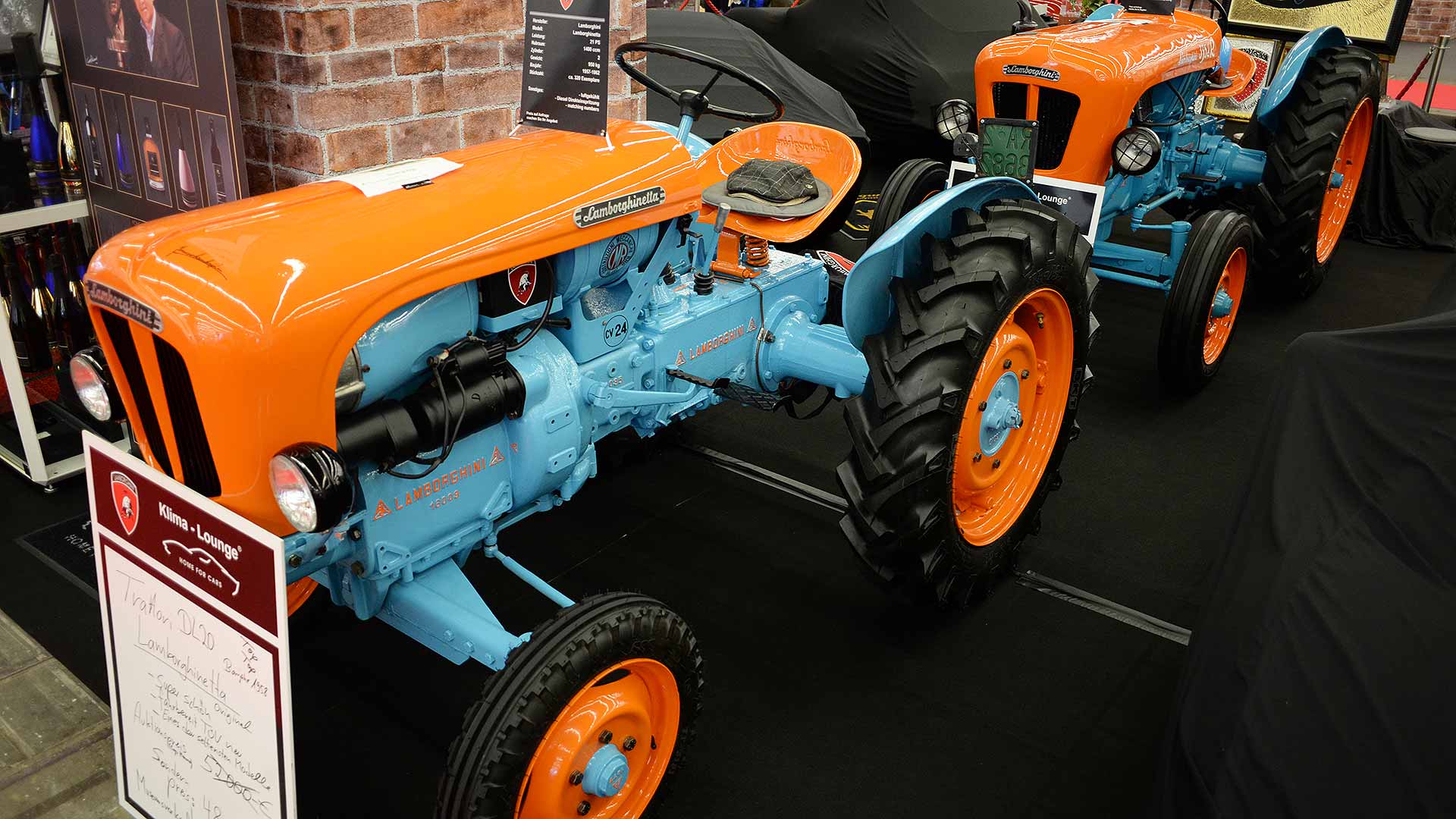
Lamborghinietta
You can’t buy a new Lamborghini Sian, because 63 people with incredibly deep pockets got there first. But ask nicely, and we’re sure you could drive home in one of these Lamborghinietta tractors. The hat is included. Probably.
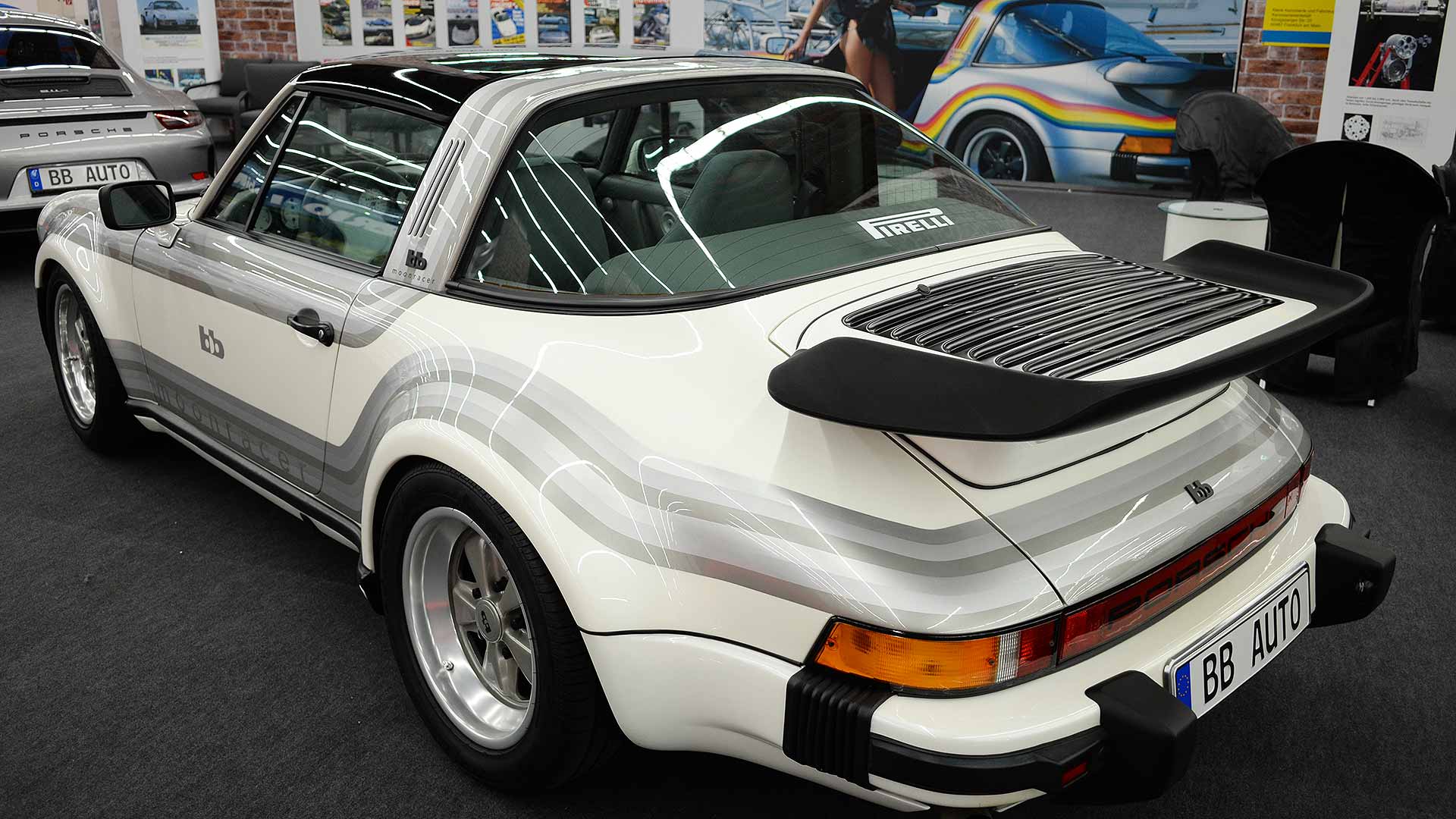
Porsche Targa Moonracer
It sounds like the name of a Bond movie, but we reckon spending a few hours behind the wheel of the Porsche Targa Moonracer would be preferable to sitting in front of the television for the umpteenth time.
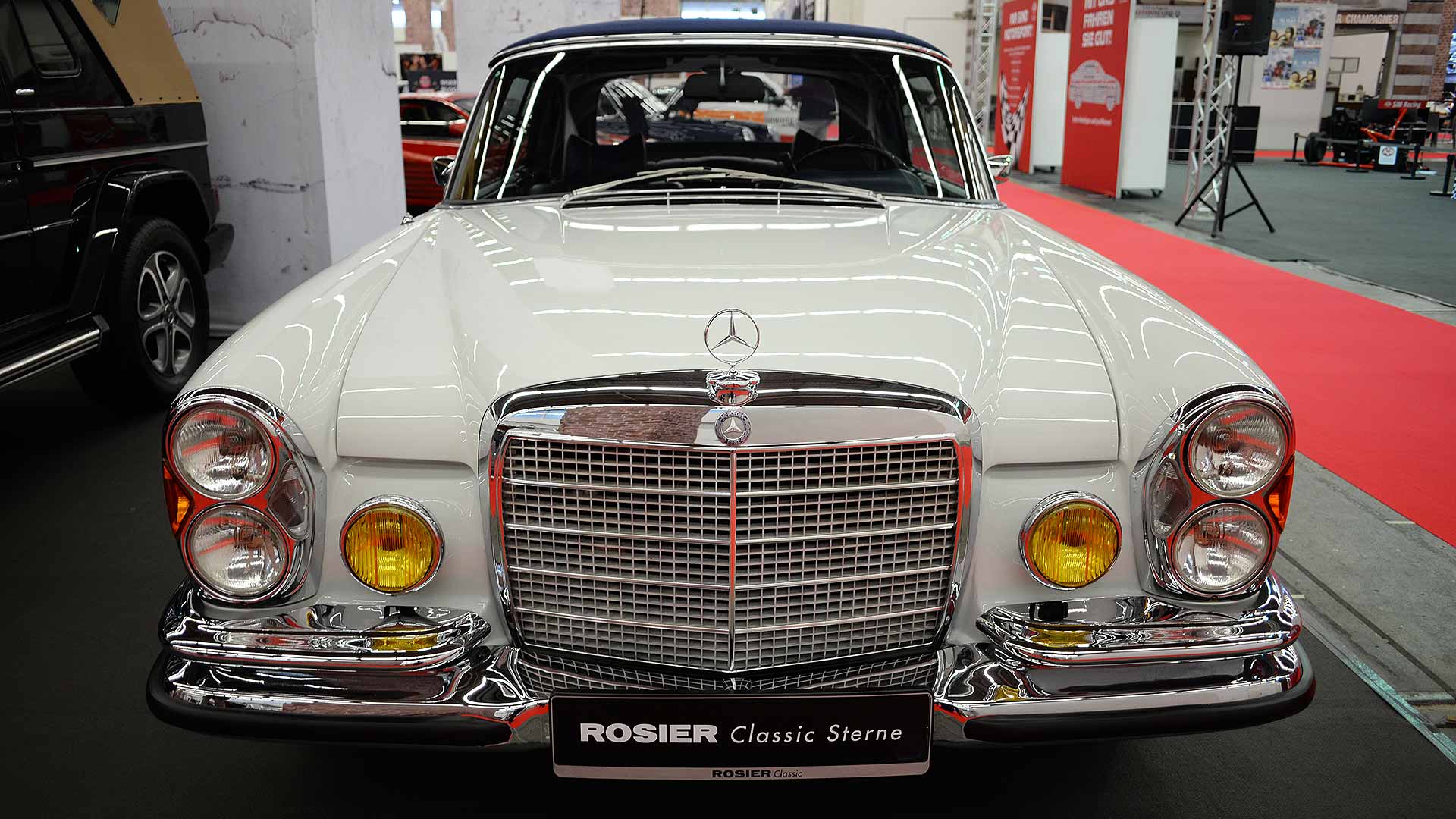
Mercedes-Benz 280 SE 3.5 Cabriolet
The Mercedes-Benz W111 enjoyed an impressively long life, debuting in 1959 before bowing out in 1971. Available as a saloon, coupe or convertible, the 280 SE 3.5 Cabriolet arrived late in the production run and was powered by a 3.5-litre V8 engine. This one has been restored and is available for €425,000 (£380,000).
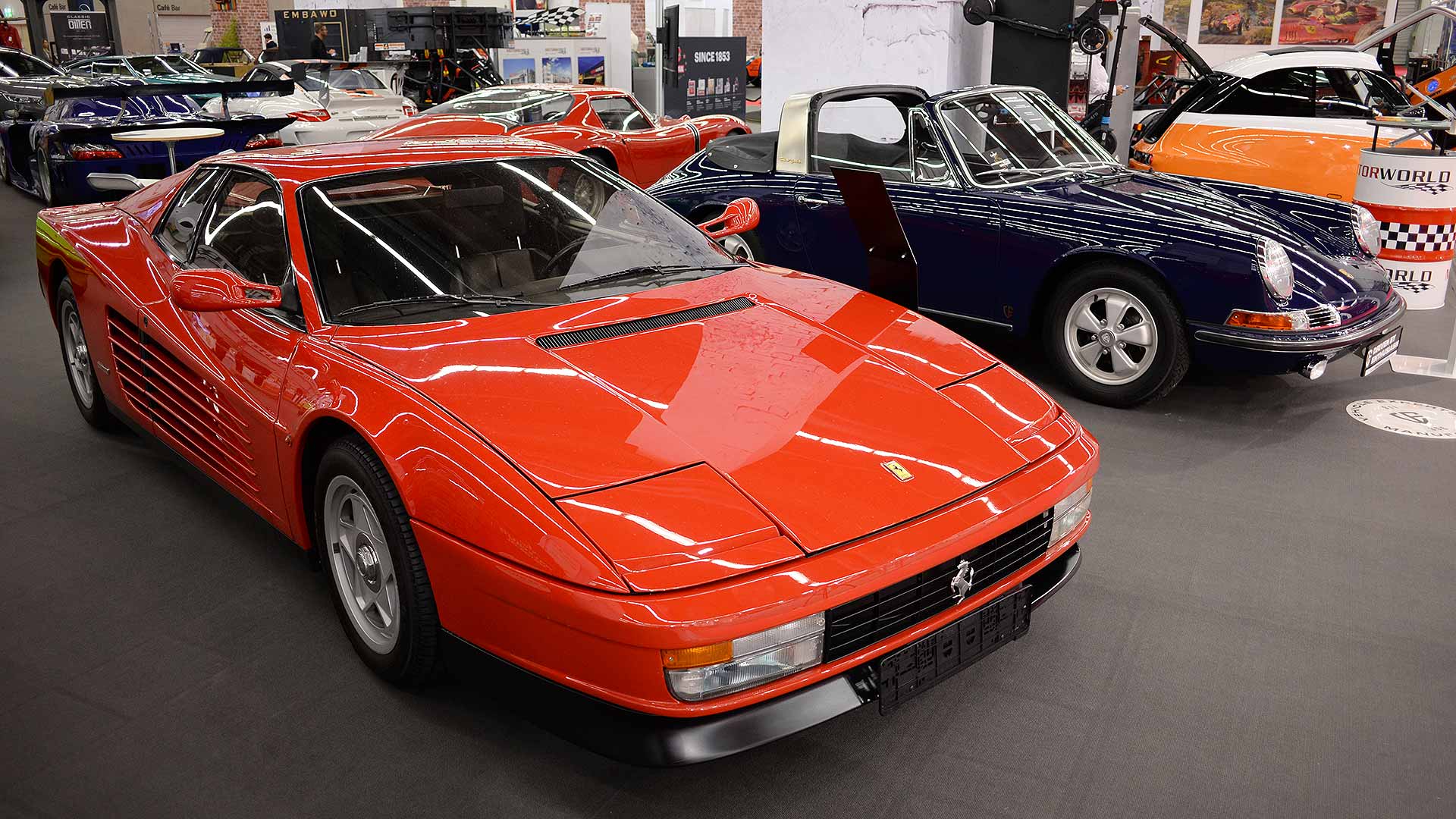
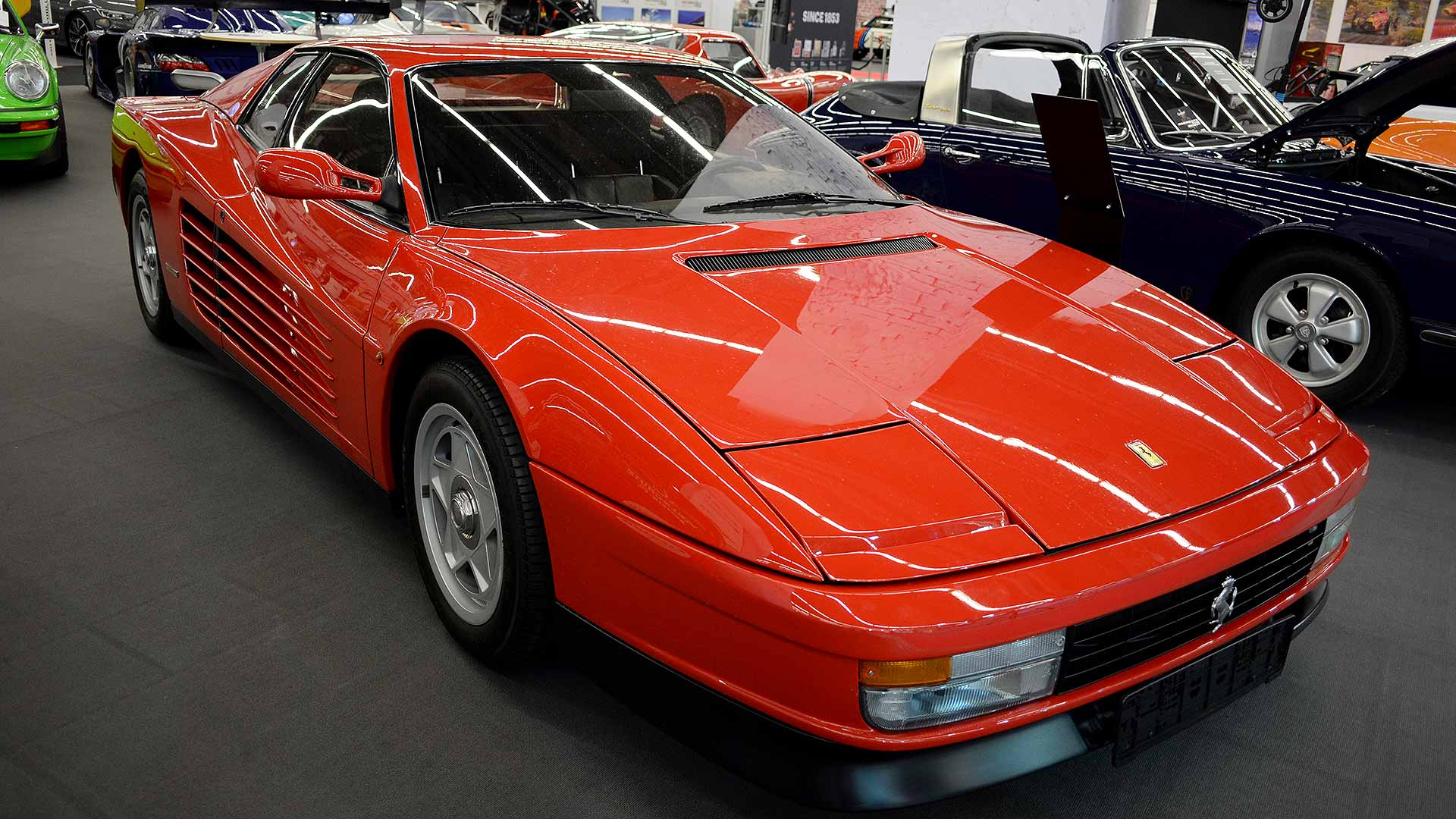
Ferrari Testarossa
To many, the Testarossa is the archetypal Ferrari of the 1980s. Launched in 1984, the V12 supercar is as famous for its iconic slatted air intakes as for its role in Miami Vice.
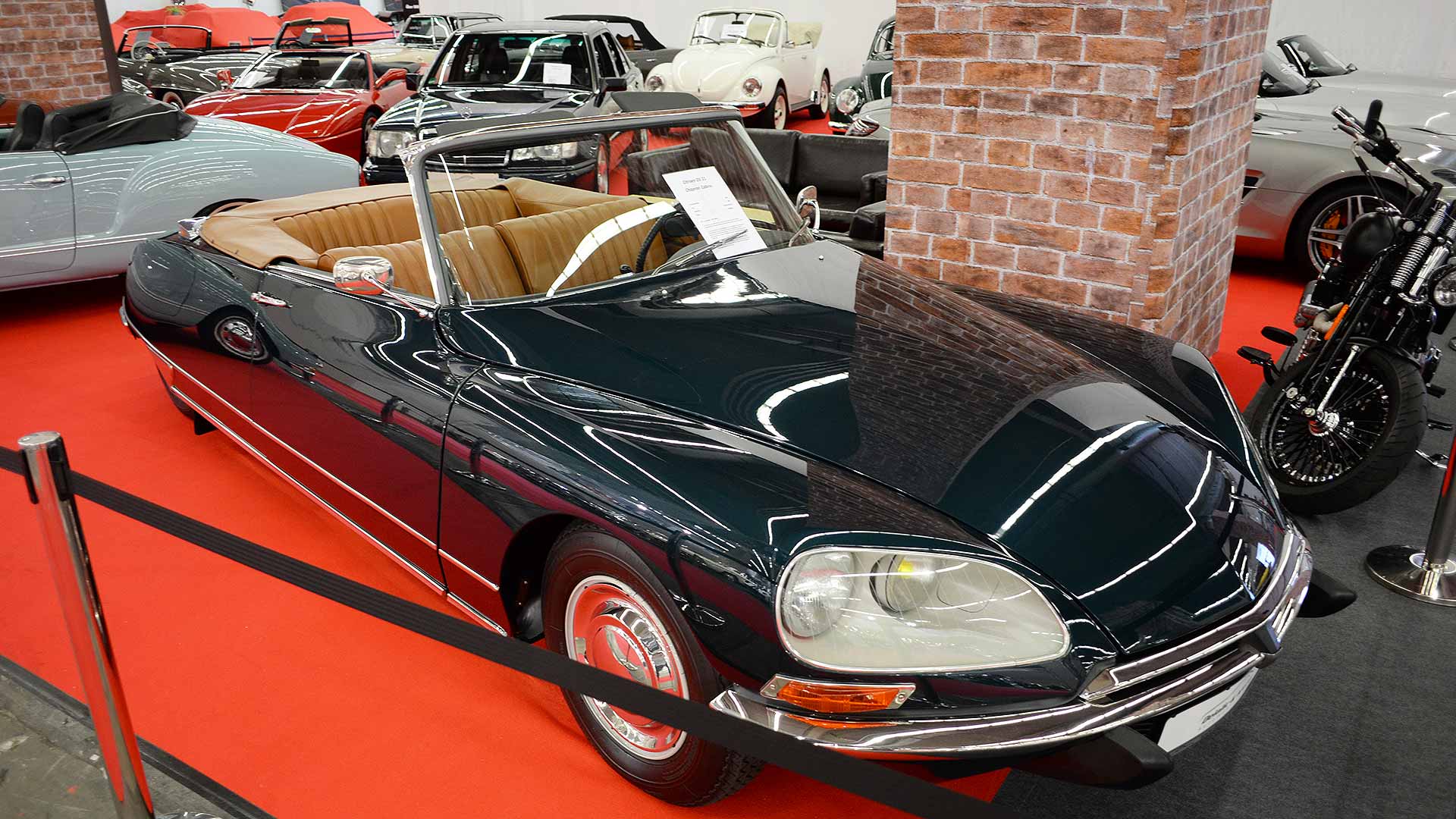
Citroen DS Cabriolet Usine
The Citroen DS Cabriolet Usine, or ‘Factory’ Cabriolet, was listed in the Citroen catalogue from 1961, with construction undertaken by coachbuilder Henri Chapron. Production continued until 1971, with sales falling to just 40 units. The best year was 1963, when Citroen sold 241 drop-top DS models.
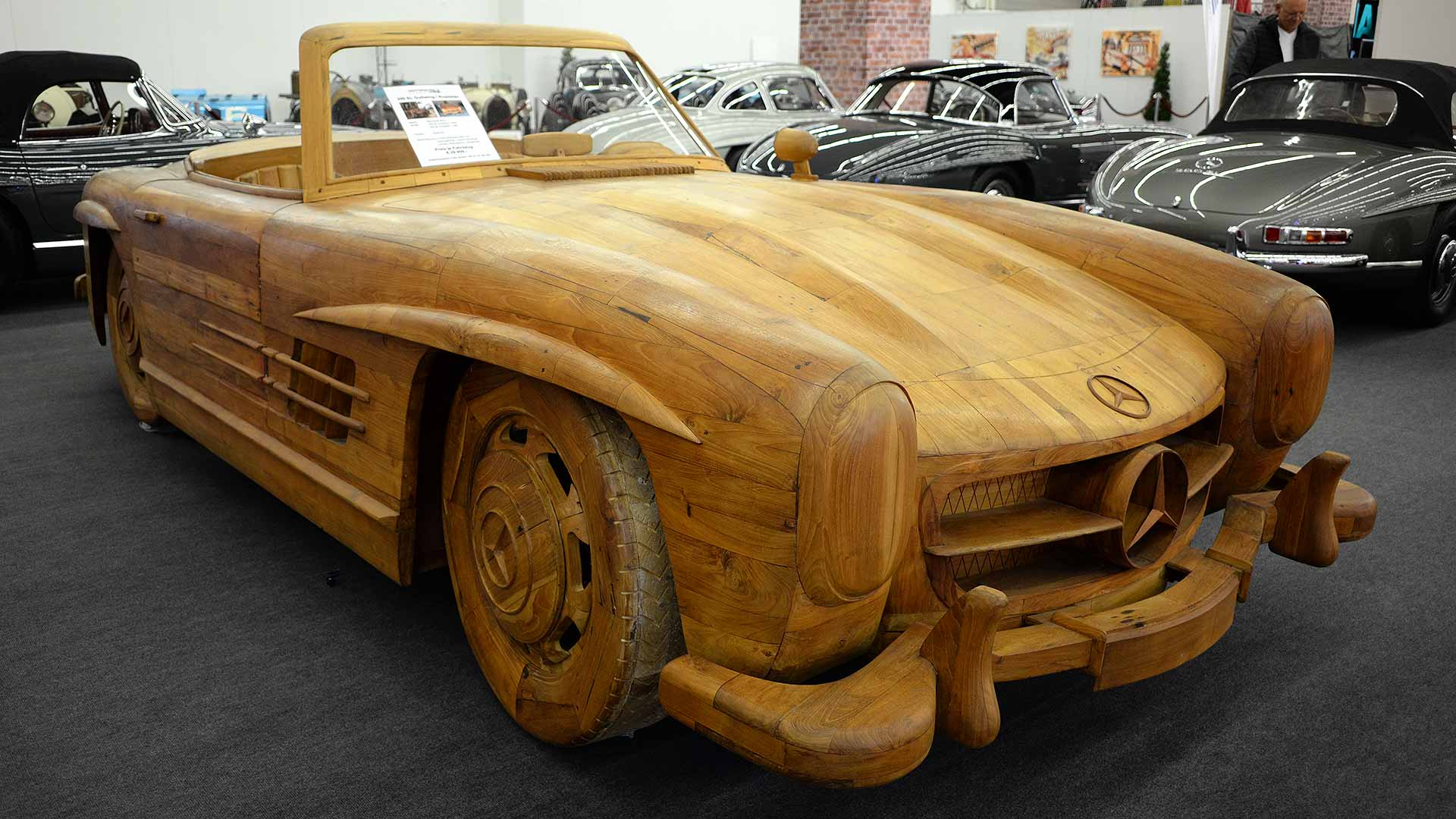
Got wood?
Either Richard has injected too many motor show espressos or this is a wooden Mercedes-Benz SL Roadster. Can anybody smell Mr Sheen?
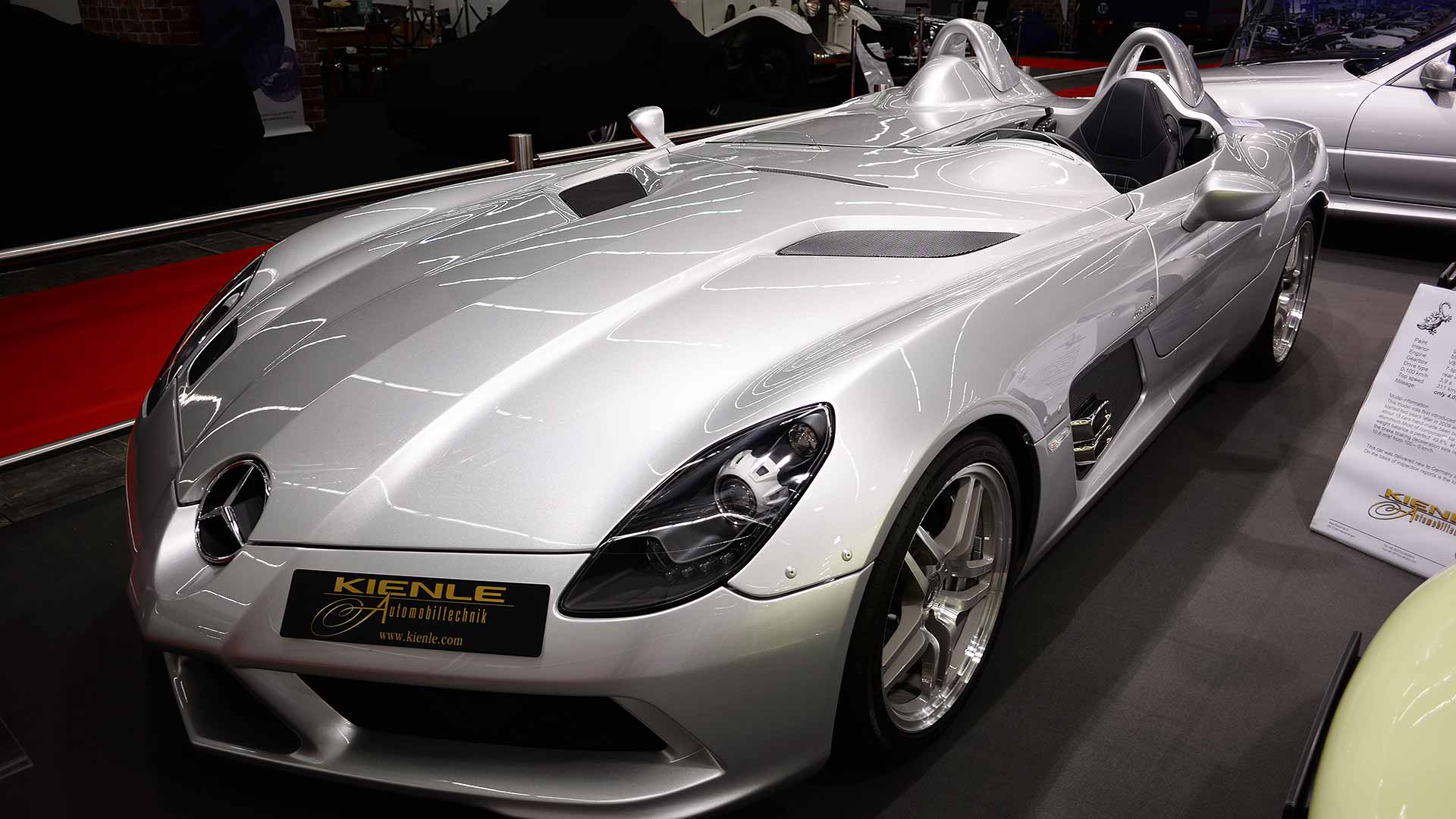
Mercedes-Benz SLR McLaren Stirling Moss
The Stirling Moss was the final version of the Mercedes-Benz SLR McLaren, built to honour the racing driver’s success at the 1955 Mille Miglia. Just 75 were built, with a UK price tag of £660,000. Given how much you’d pay for one today, that seems like a bargain.
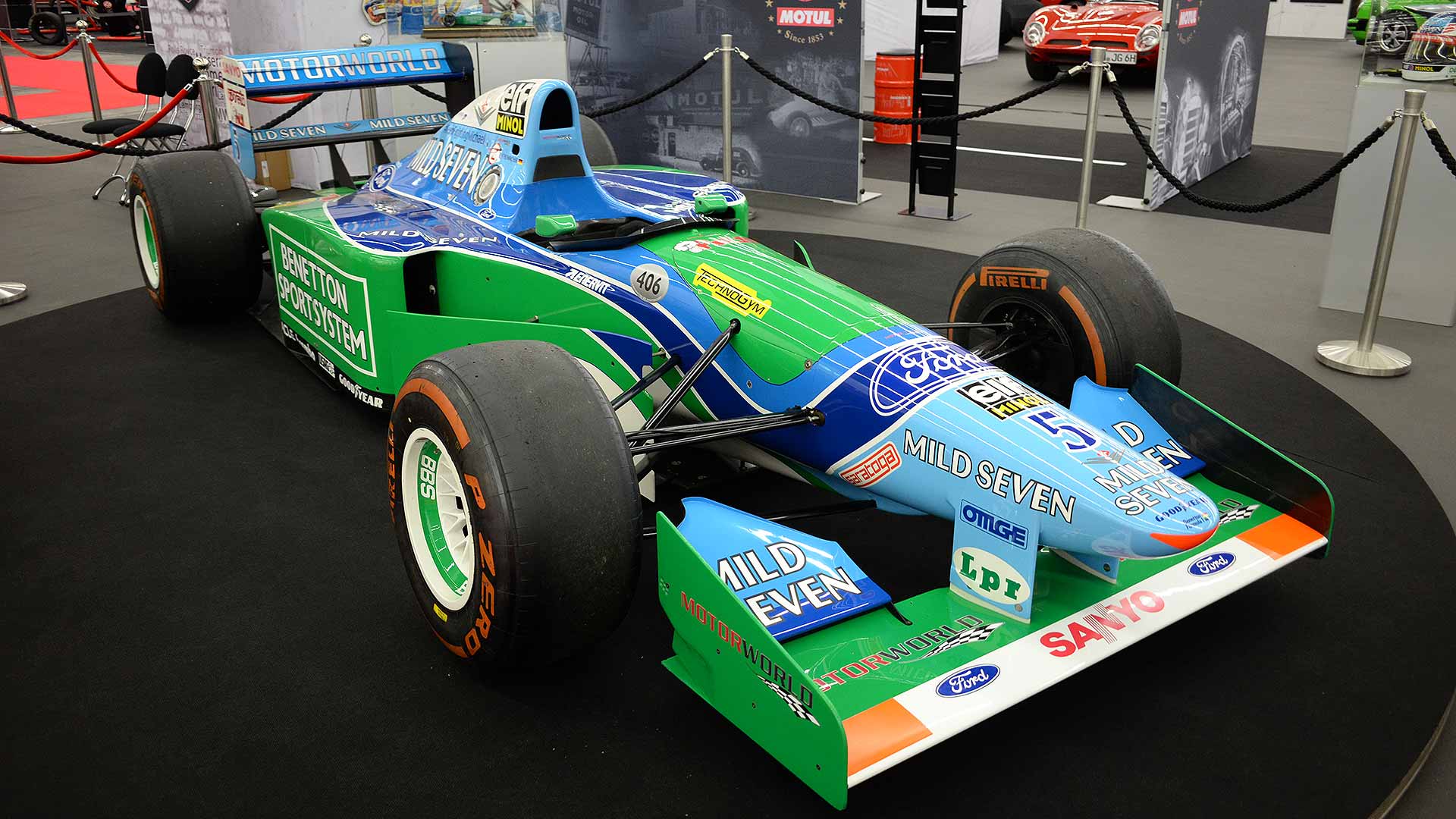
Benetton B194
This is the Benetton B194, the car driven by Michael Schumacher during the 1994 F1 season. The German won the World Drivers’ Championship by finishing a single point ahead of Damon Hill.
With environmental protests and controversy blighting this year’s Frankfurt Motor Show, and the re-brand the event has undergone, the most important cars on display are arguably those with electric power. We round up the EVs you could drive away from Frankfurt with a clean conscience.
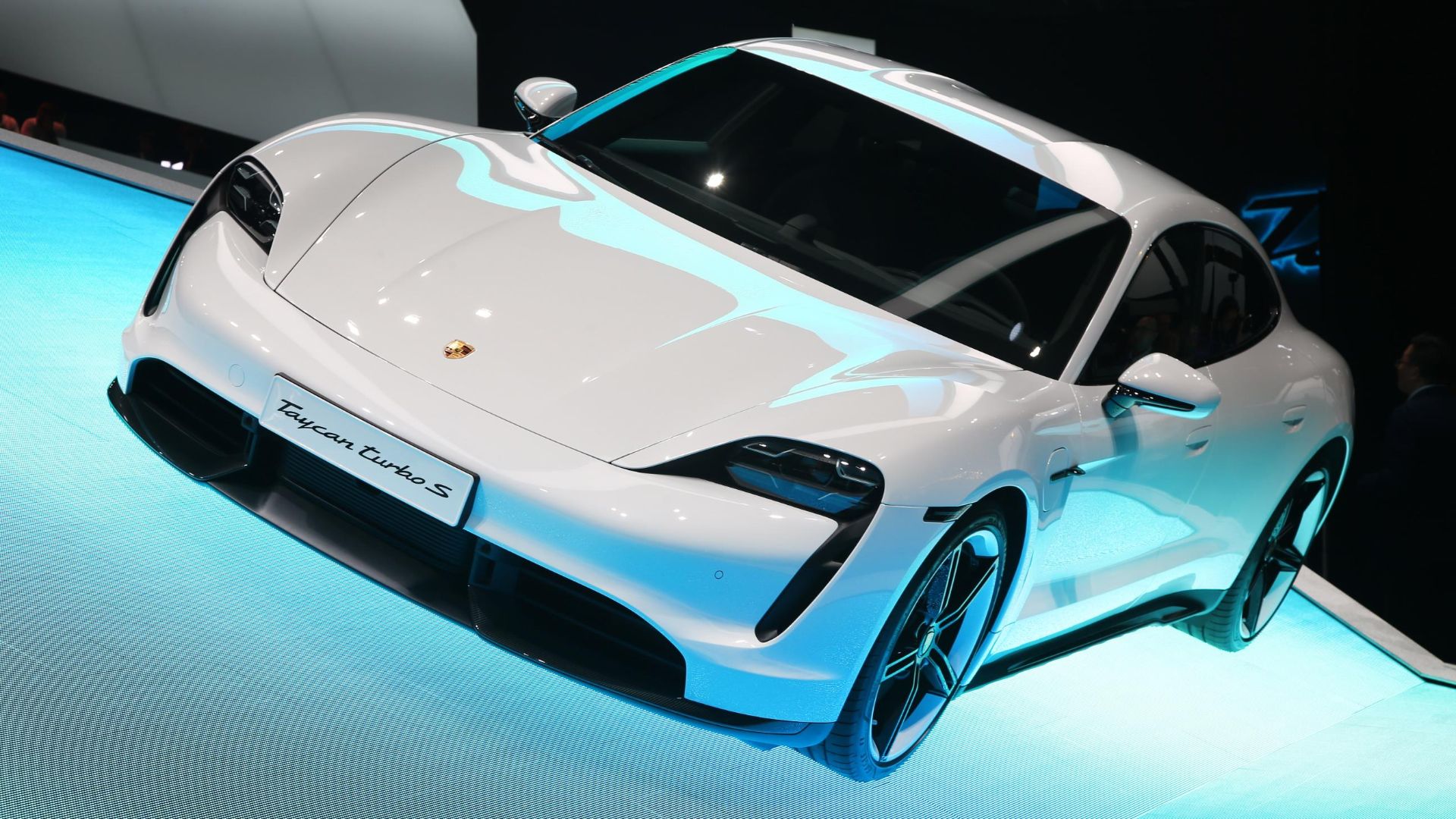
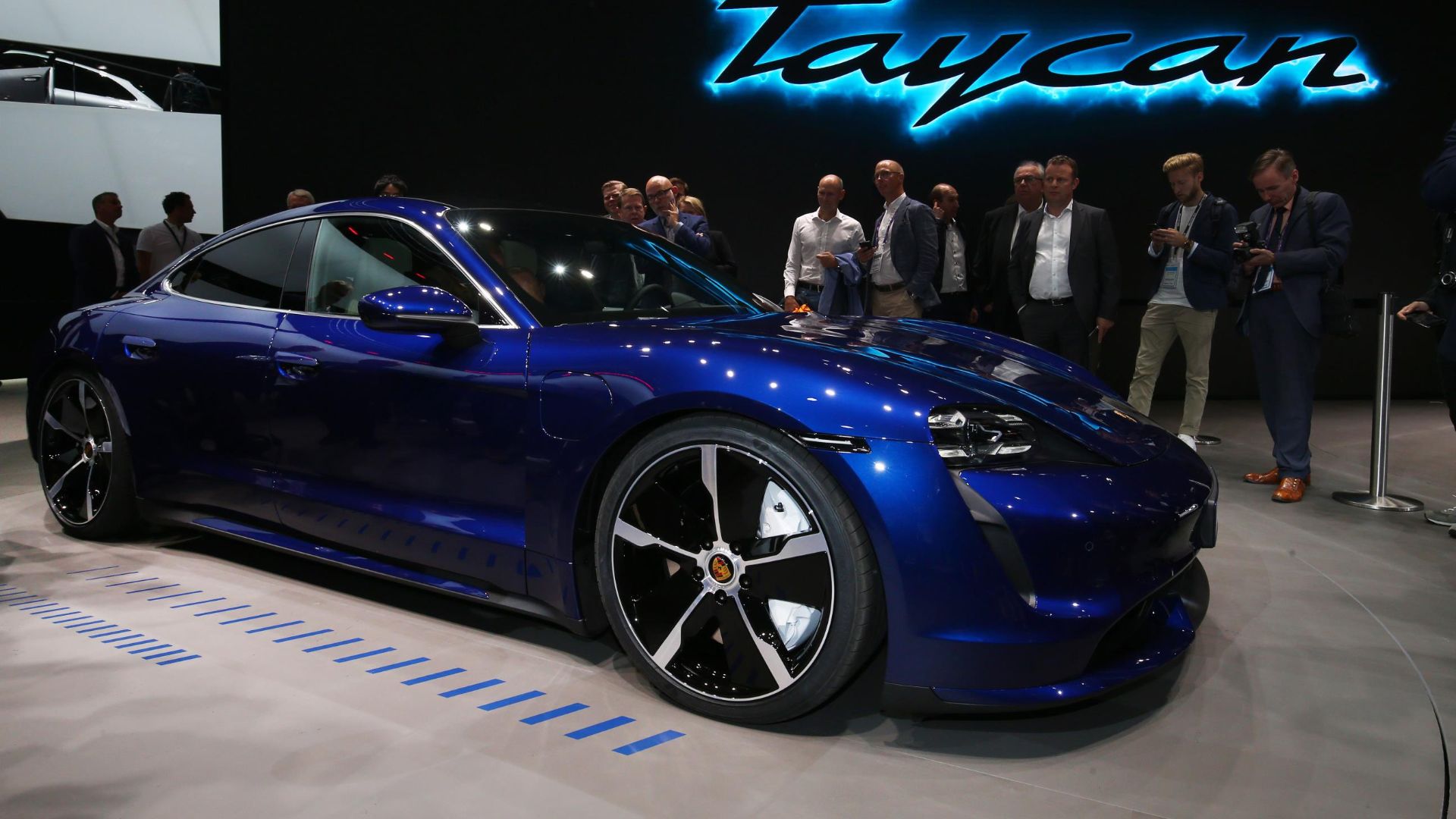
Porsche Taycan
One of two show-stopping EV reveals at Frankfurt, this is Porsche’s hotly-anticipated Taycan sports saloon. Its 800-volt architecture should show the Tesla Model S what repeatable performance looks like.
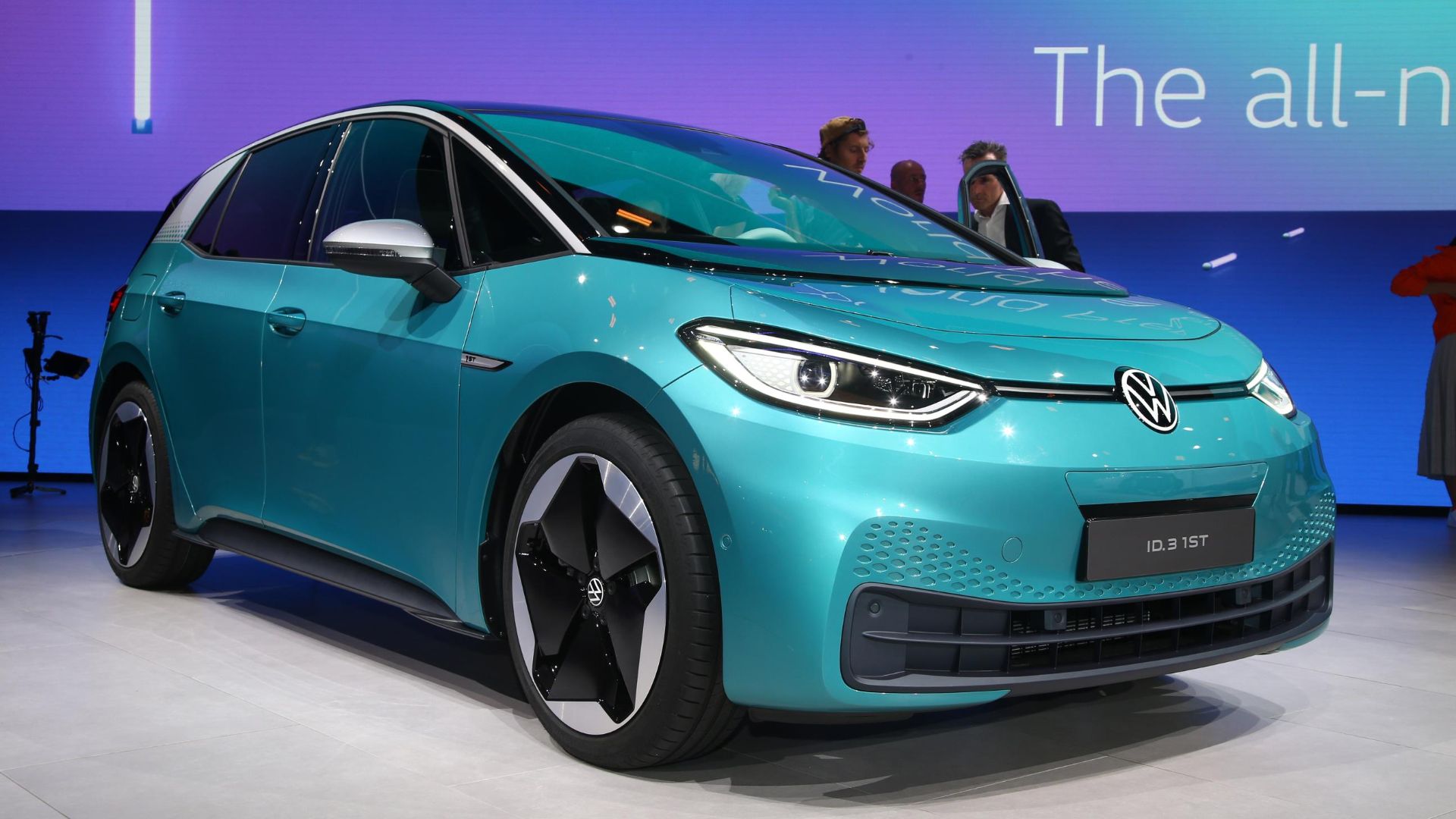
Volkswagen ID.3
The other headline-grabbing EV at Frankfurt is the Volkswagen ID.3. Call it reparations for ‘Dieselgate’ if you will, but this car might outsell the Golf one day. The reaction is good thus far.
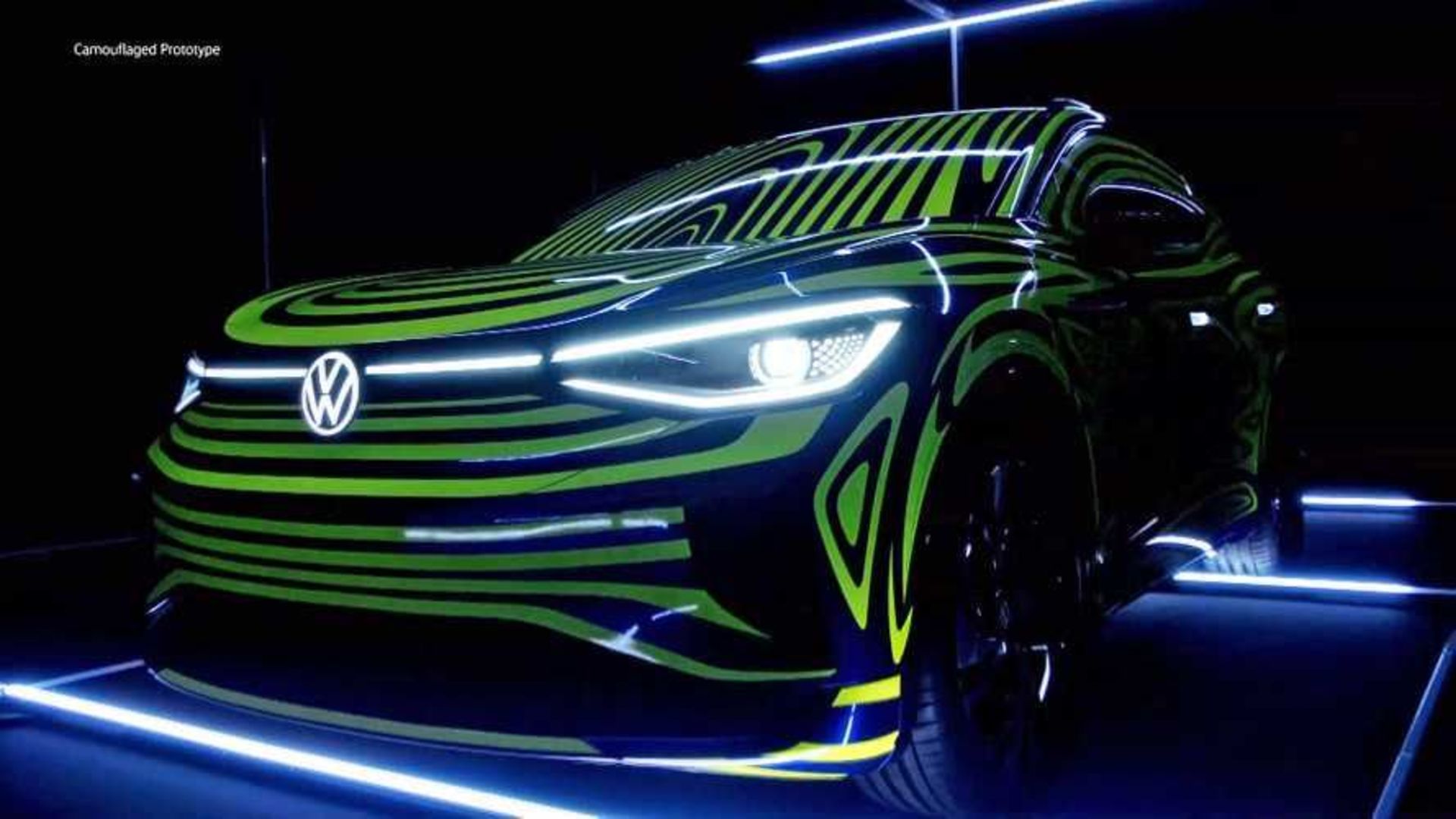
Volkswagen ID.4
As VW has been at pains to emphasise, ‘ID’ isn’t just one car – it’s a model range. The ID.4 SUV is coming soon, as teased by this disguised prototype at Frankfurt.
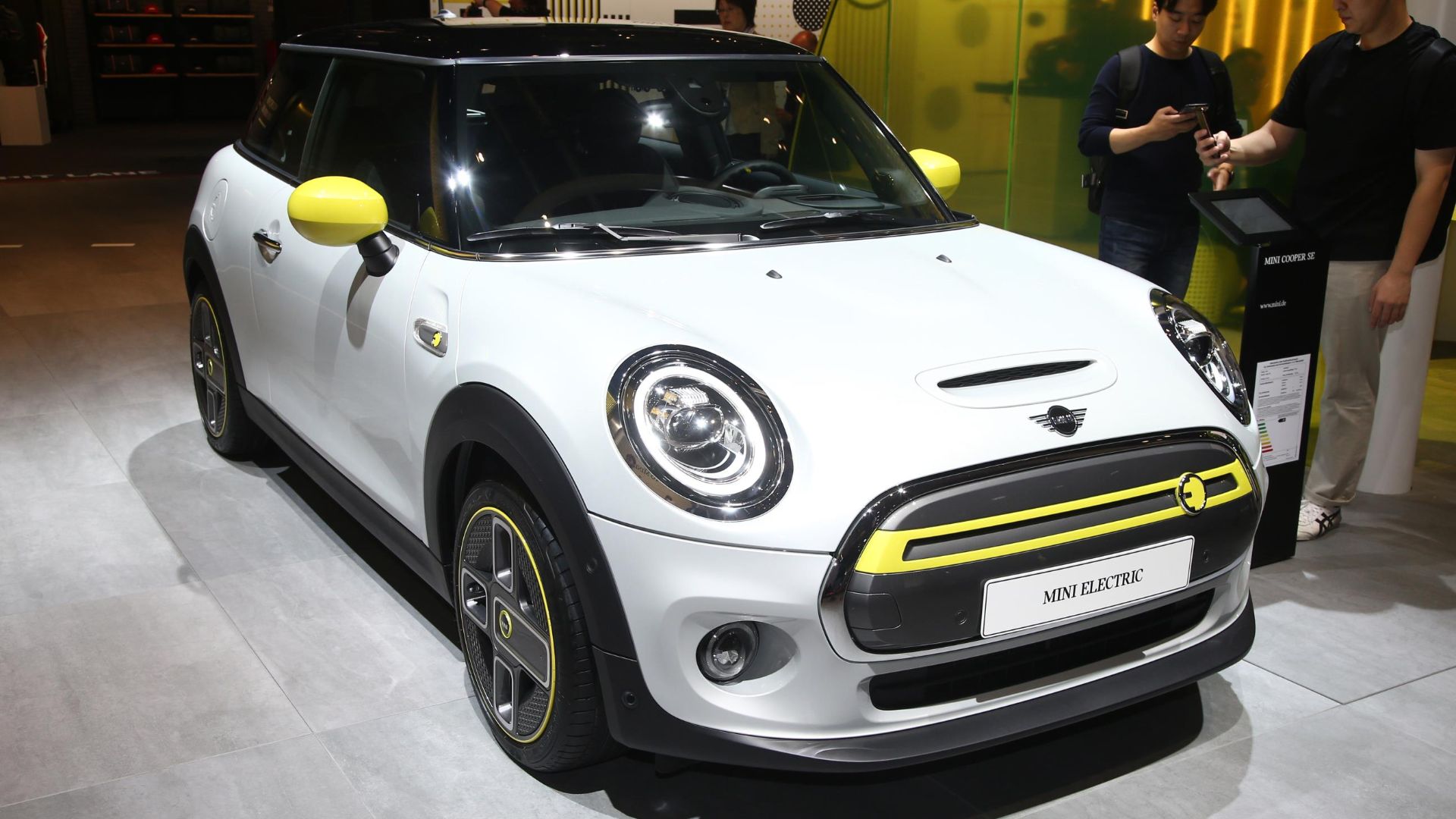
Mini Electric
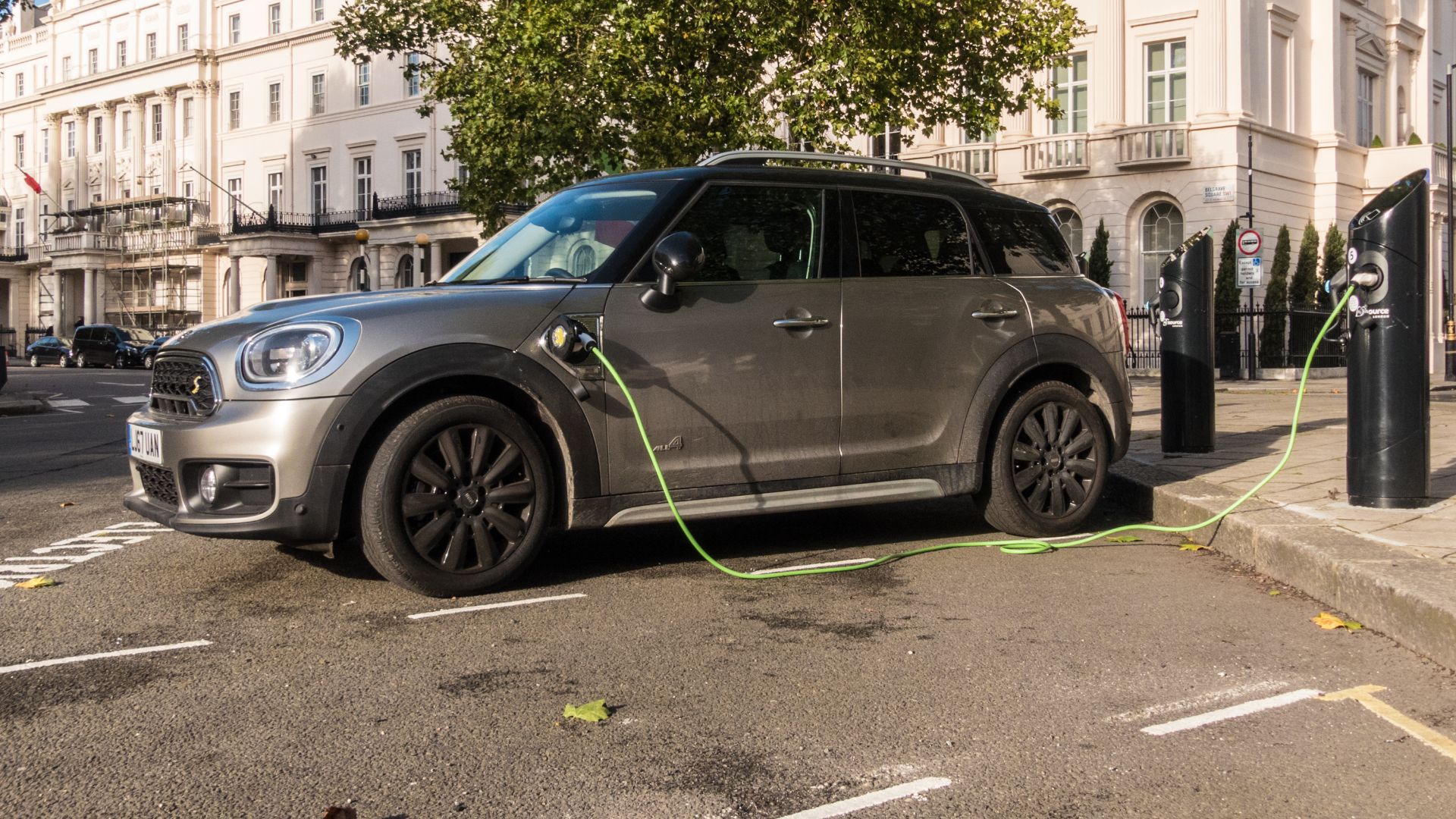
The Mini seems like the right car to go electric and, finally, the British marque has obliged. The Mini Electric has a 124-mile minimum range and is available to lease from £299 a month.
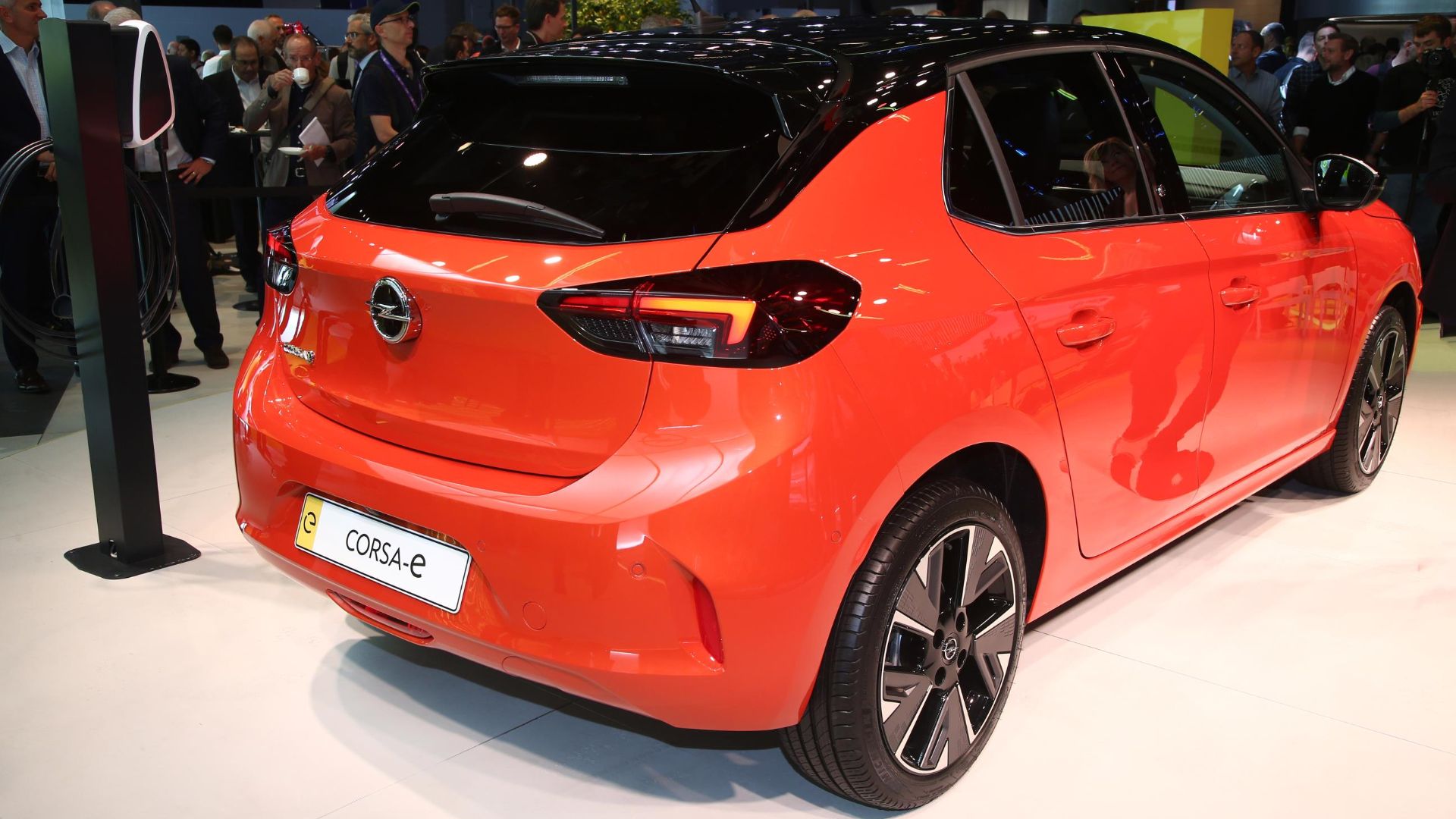
Vauxhall Corsa e
Another electric car for the people is the Vauxhall Corsa e. This small EV is a revolution for the marque, and is twinned with Peugeot’s e208. It’s capable of 200 miles on a full charge
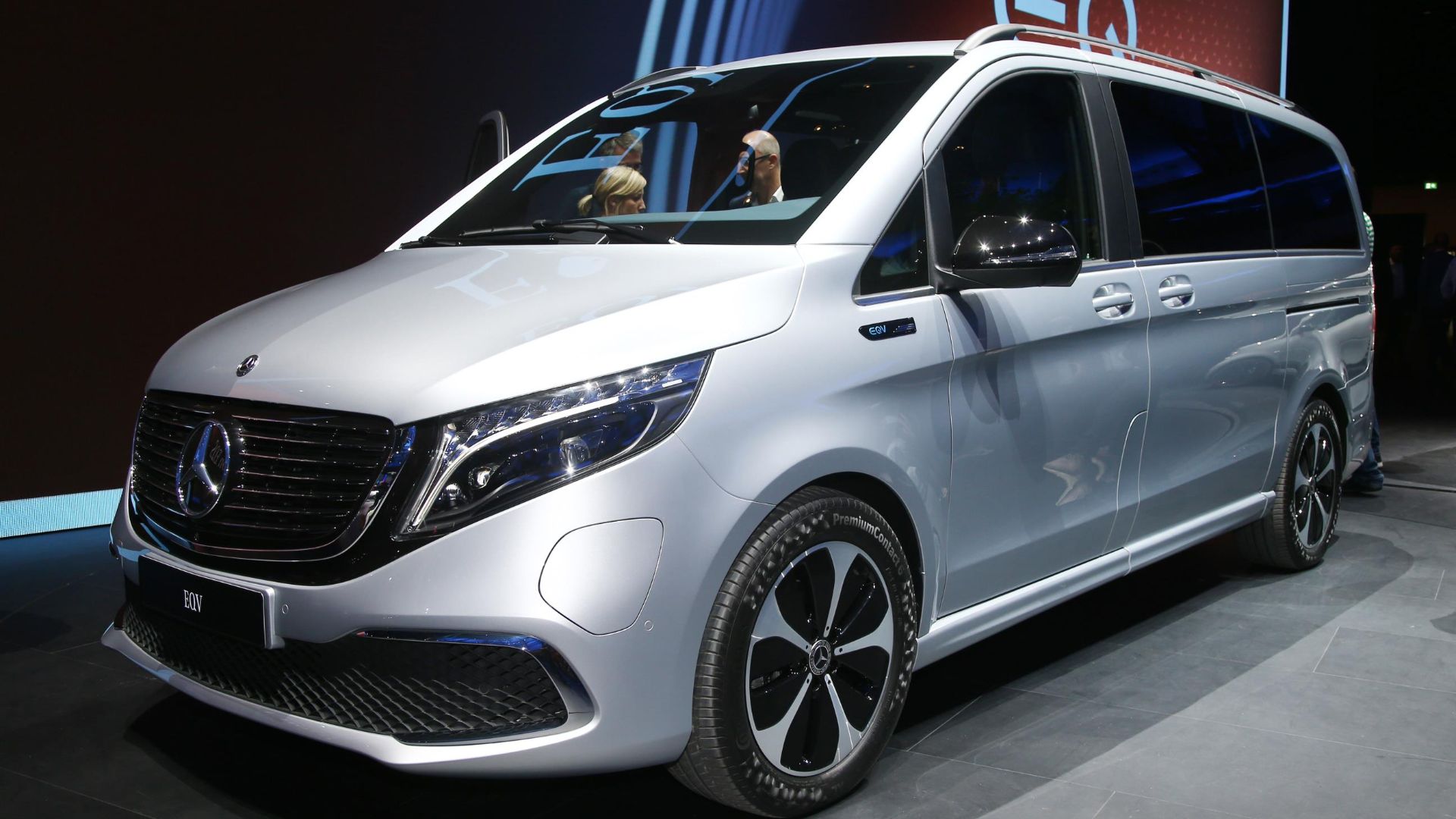
Mercedes-Benz EQV
Mercedes calls the EQV the world’s first fully-electric MPV. With a range of 252 miles and top speed of 100mph, your many passengers should have no problem getting to their destination.
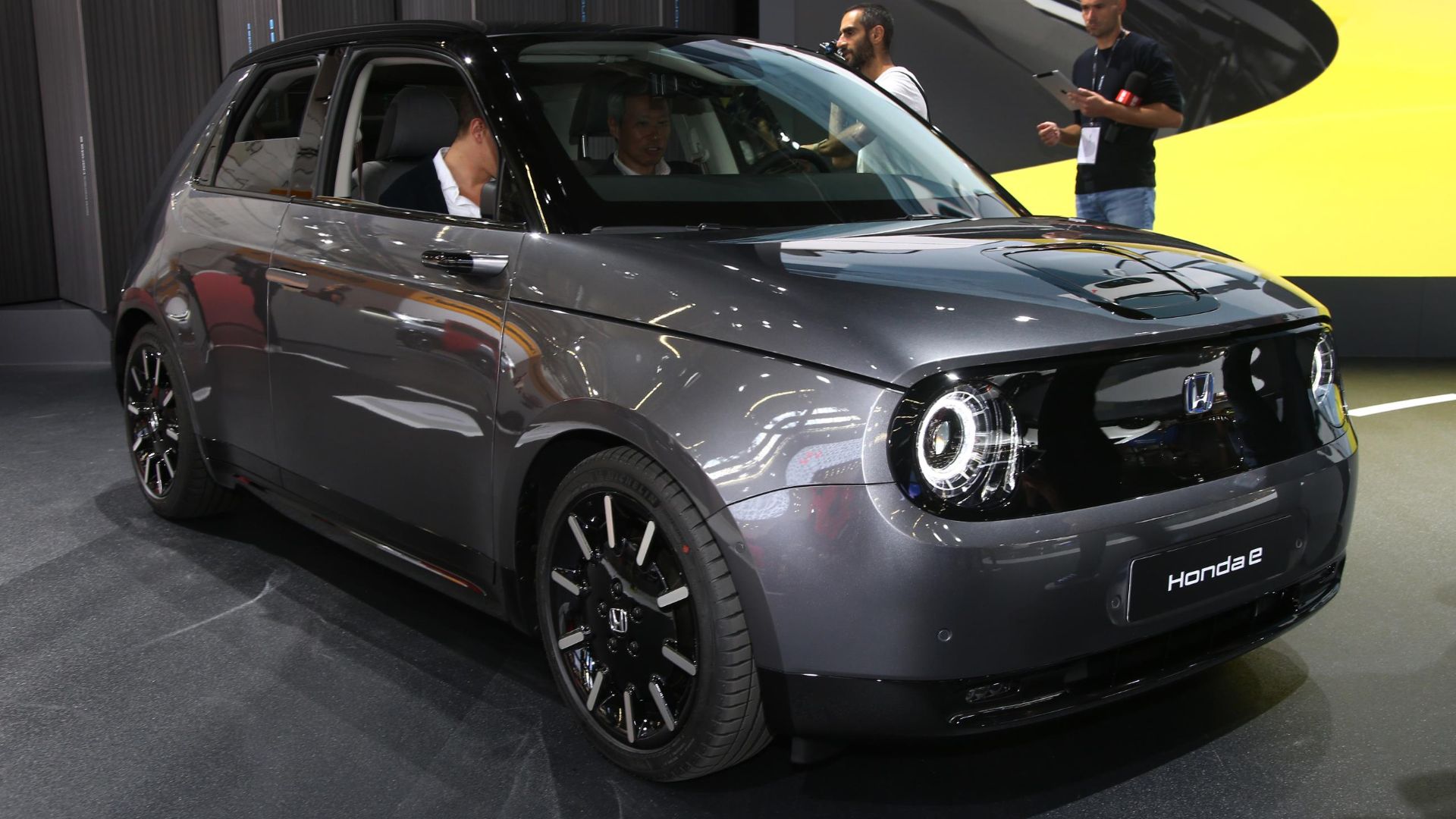
Honda e
The Honda e will be one of the most interesting new cars of 2020. A futuristic small EV with retro styling, it also – like the Mini – is available from £300 a month.
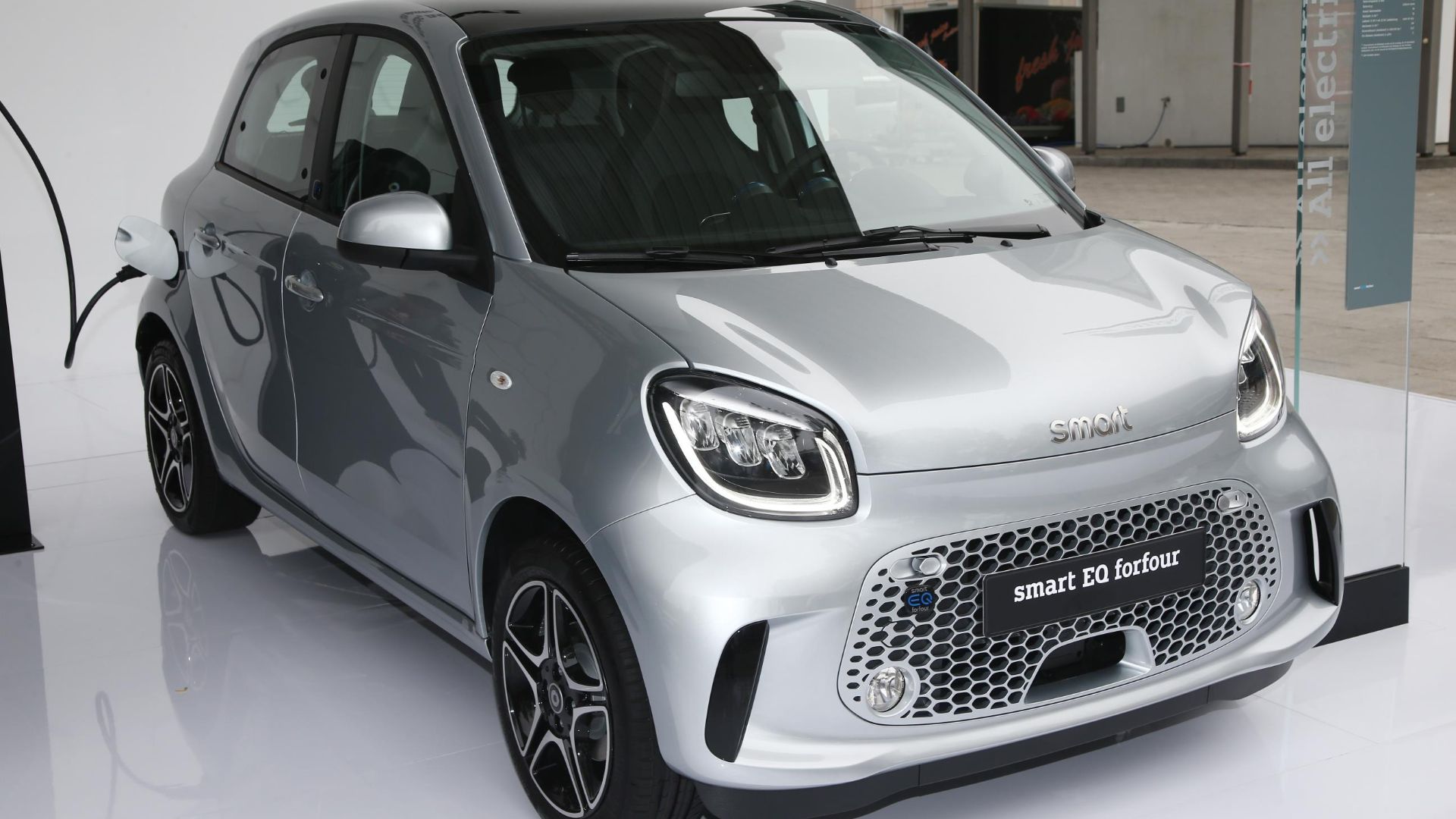
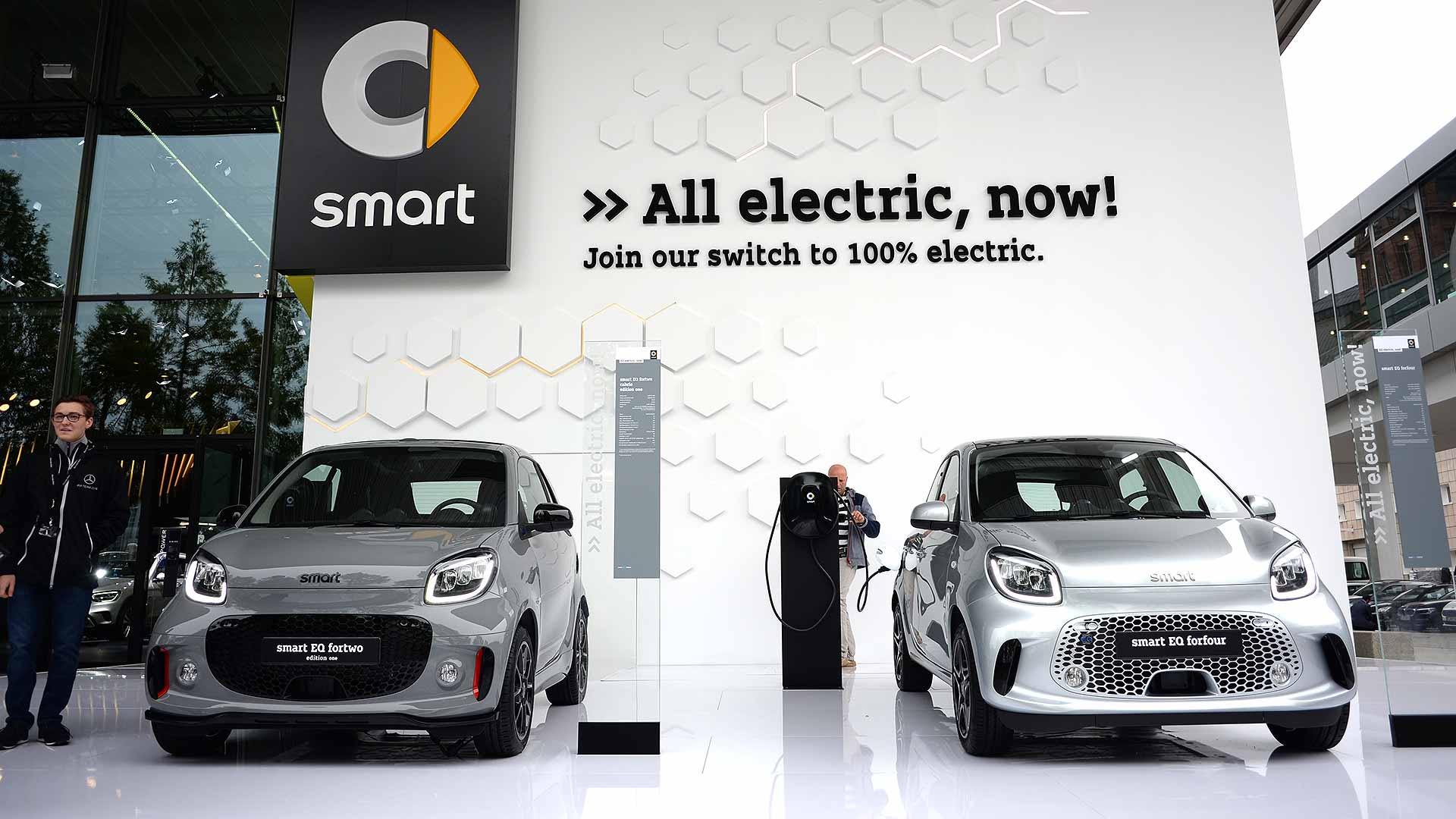
Smart EQ
Smart has updated its EQ models, the ForTwo and ForFour. This comes shortly after an announcement that the marque is going electric-only. A bold move.
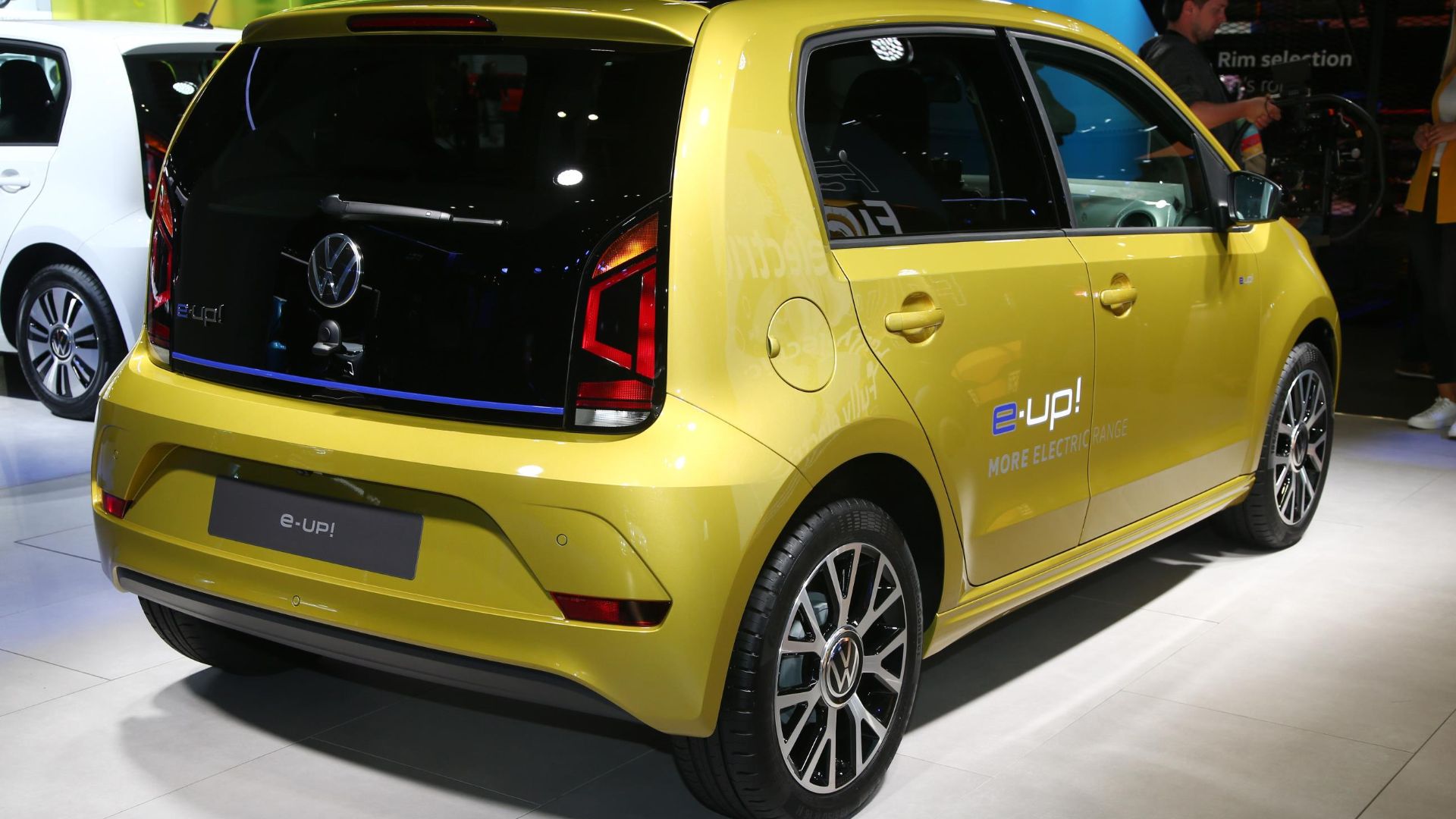
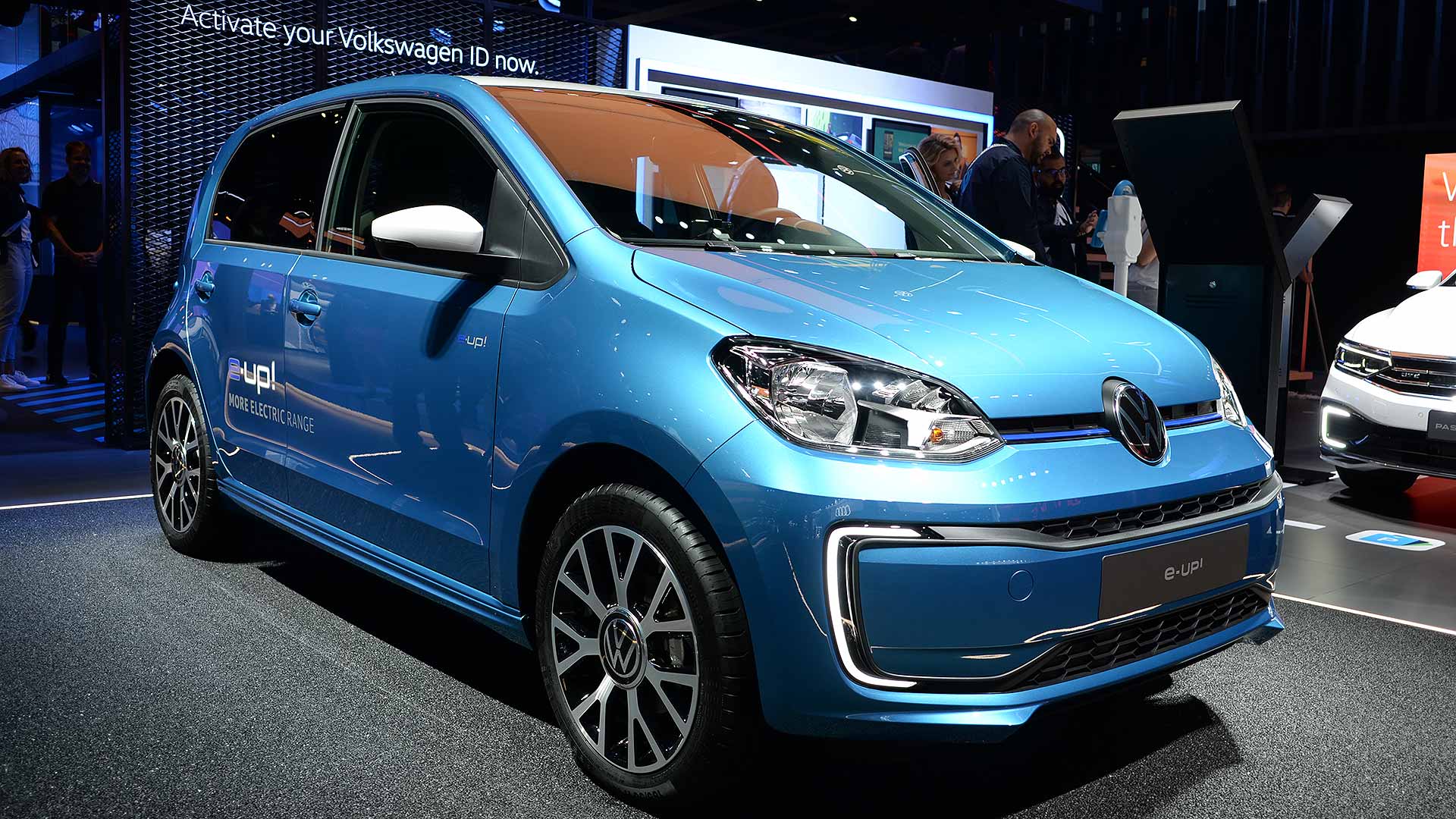
Volkswagen e-Up
All eyes were on the ID.3, but there’s another small electric car from Volkswagen at Frankfurt. This is the updated e-Up, with an impressive 160 miles of range. It can also replenish its battery to 80 percent charge in 60 minutes using a 40kW charger.
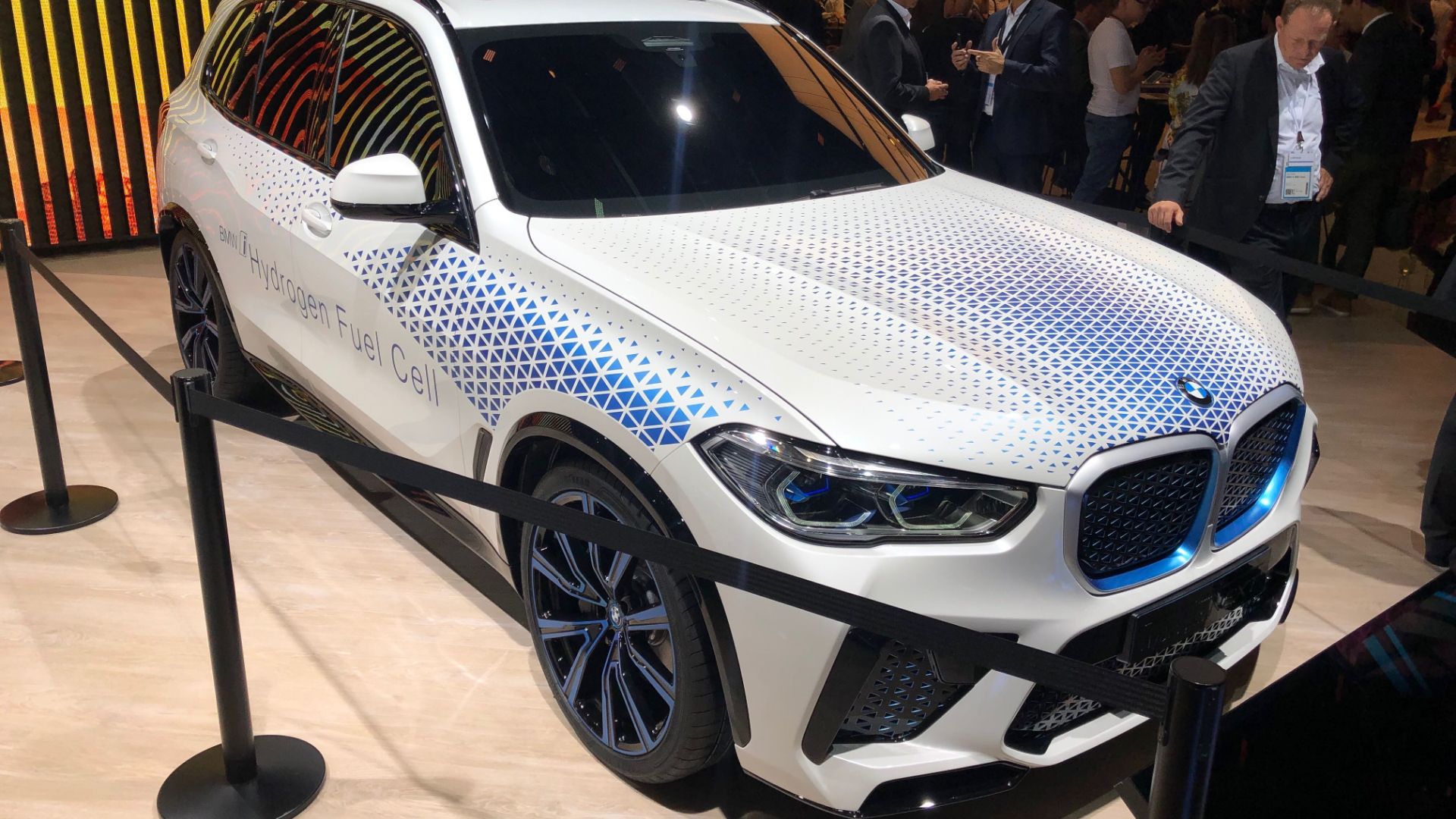
BMW i Hydrogen Next
Diverting from battery-electric vehicles at Frankfurt, here’s the BMW i Hydrogen NEXT. Essentially, it’s an X5 powered by a hydrogen fuel cell. No details are available yet, but we do know BMW is working with Toyota on the project.
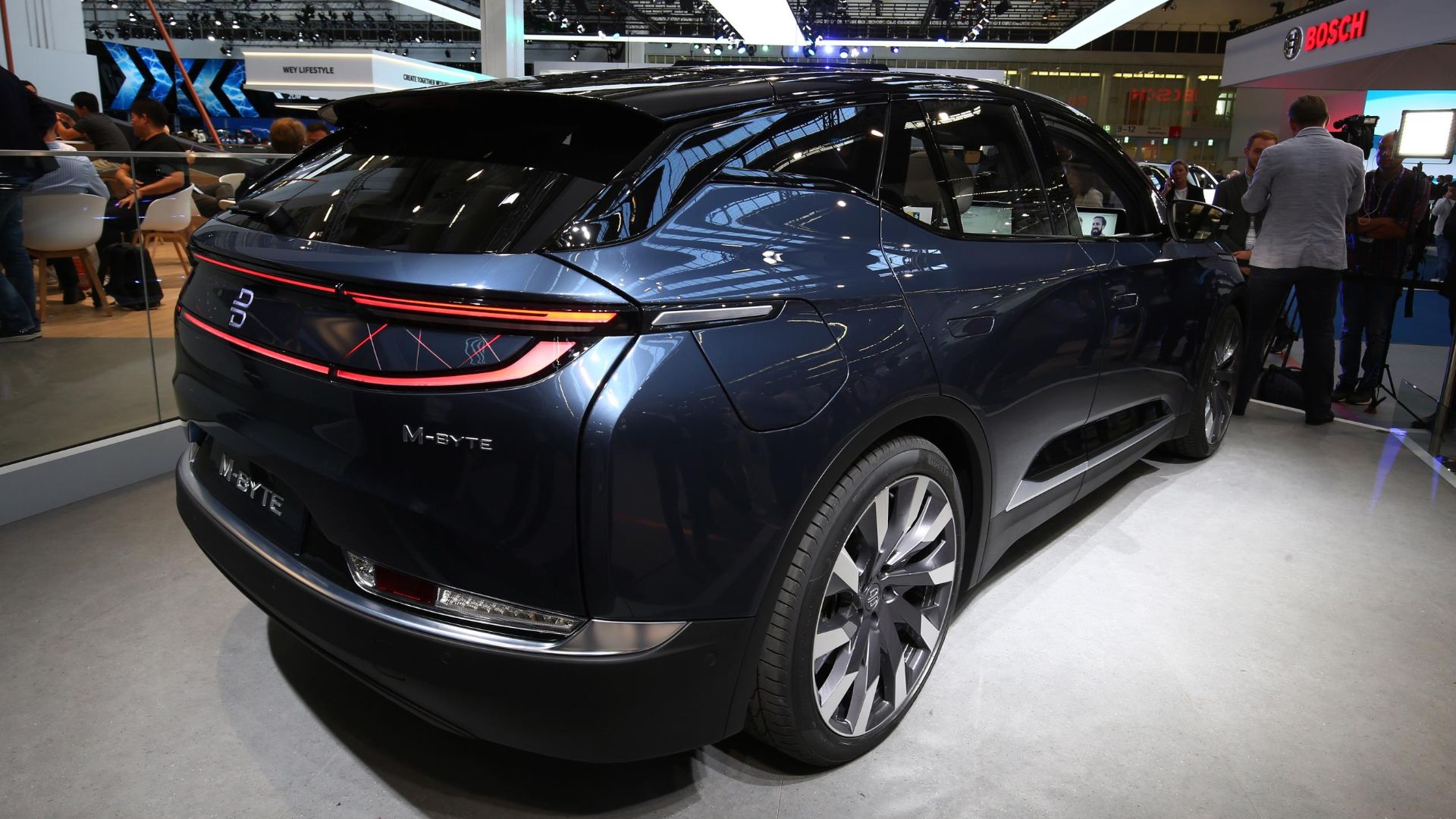
Byton M-Byte
Chinese EV startup Byton revealed the production version of its M-Byte electric SUV at Frankfurt. If you don’t remember who Byton is, just think back to that SUV with a 48-inch screen inside. This is a handsome-looking effort.
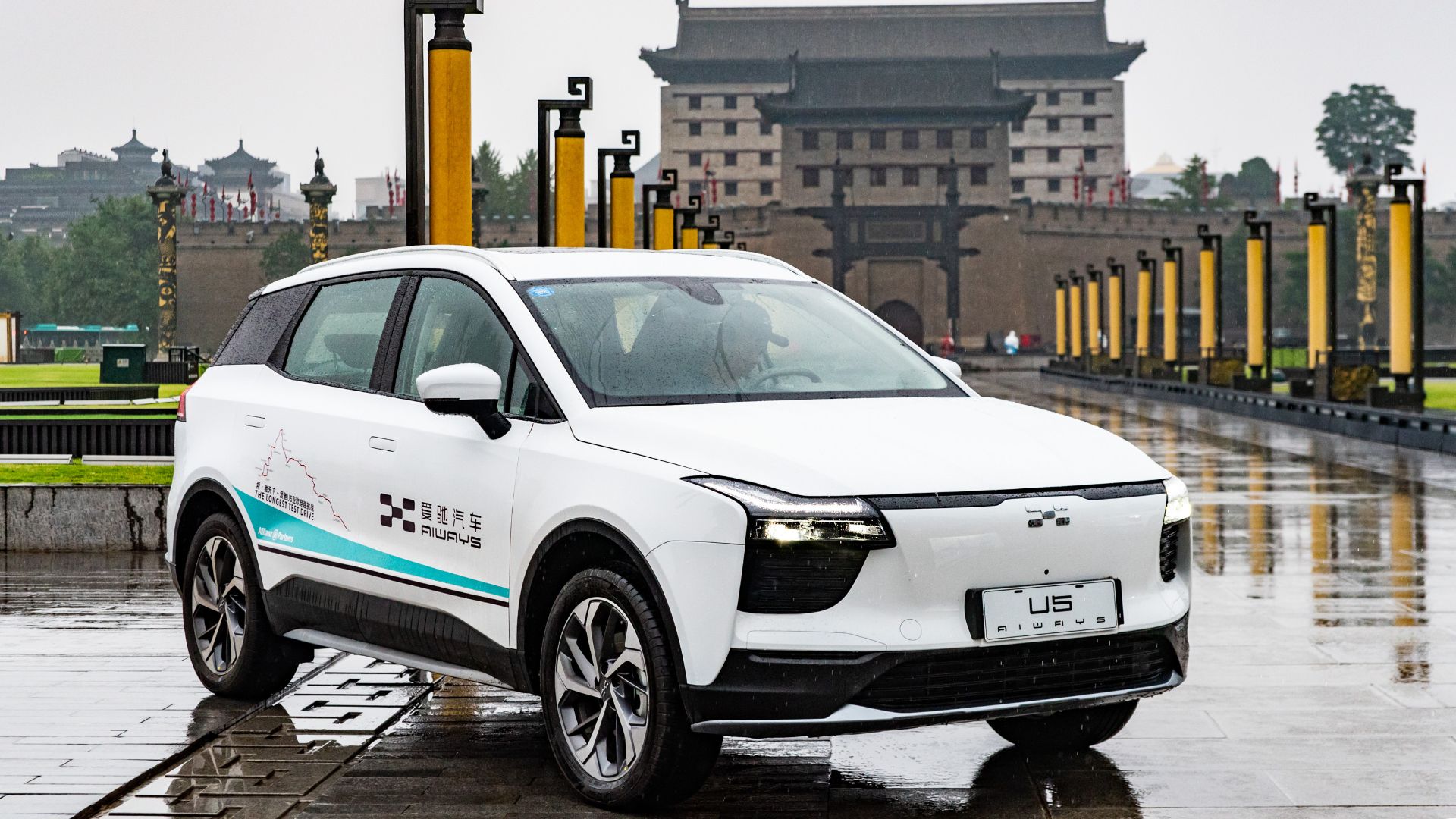
Aiways U5
Aiways is another Chinese brand with a new EV. To prove its performance, it completed a road trip from China all the way to Frankfurt. On the way, it passed through 12 countries, including Kazakhstan, Russia, Finland and the Netherlands. It was a world record for a journey by a prototype electric vehicle – a full 9,300 miles.
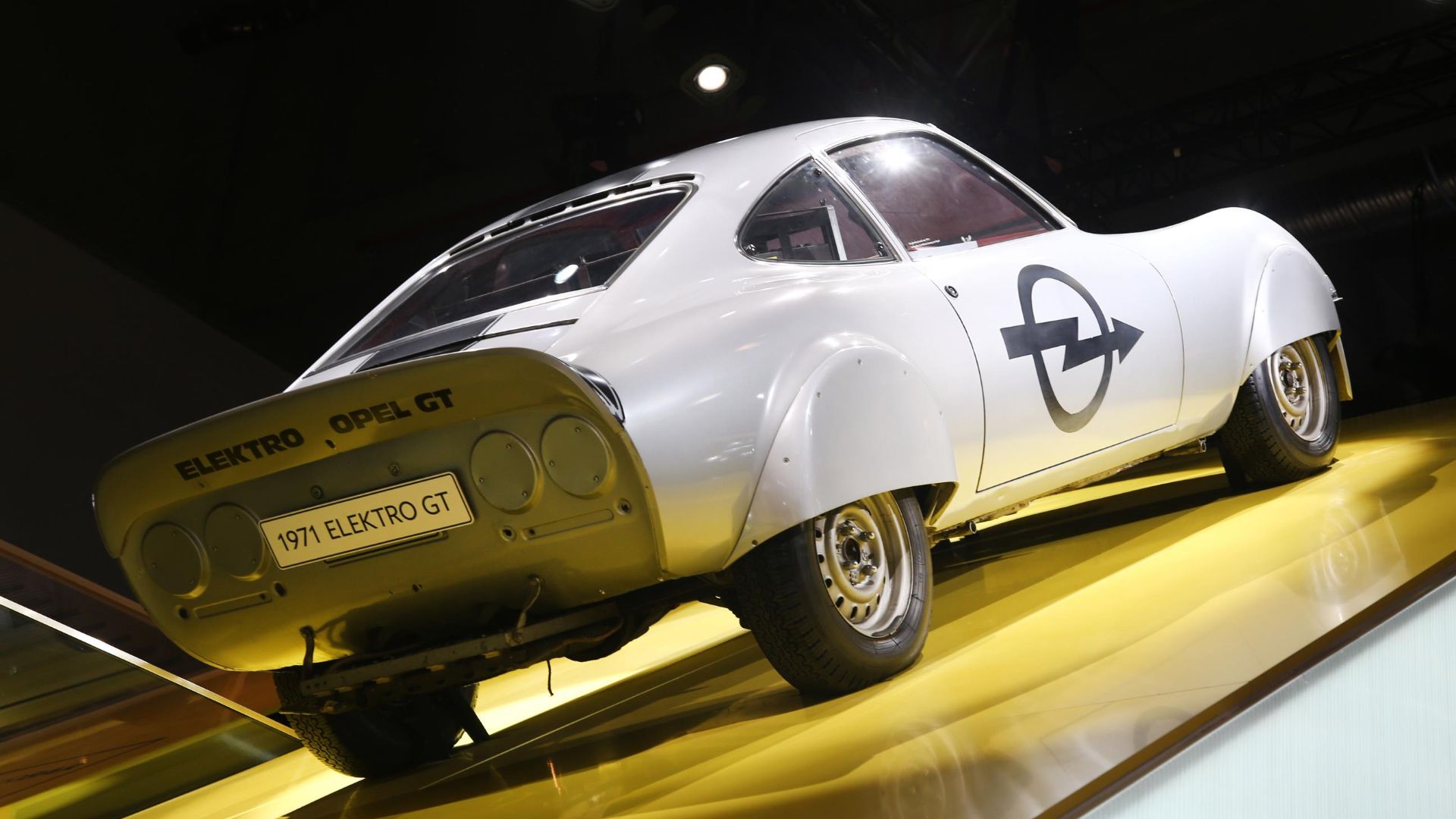
Opel Elektro GT
Now we enter the bonus round, of electric cars that were way ahead of their time. Long before the Corsa e came the Opel Elektro GT. This diminutive prototype sports car was the pet project of Georg Von Opel, grandson of the company’s founder. In May 1971, as part of a record attempt, it managed 27 miles on a charge.
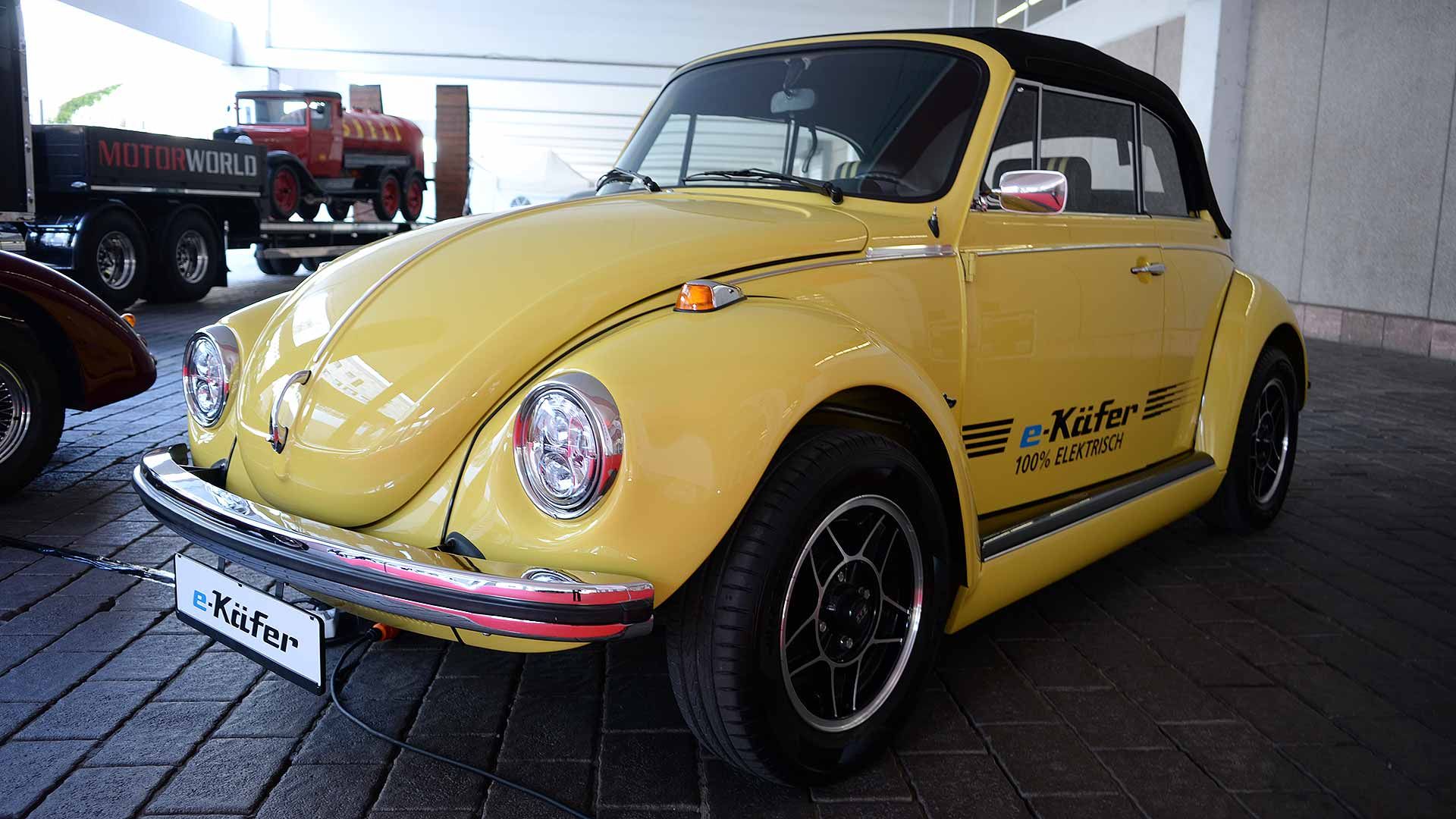
Volkswagen Beetle Electric
This is a very modern classic: an original Beetle fitted with the electric powertrain from a modern e-Up EV. There’s talk of retro-fit kits being made available, and of other Volkswagen Group classics getting the EV treatment.
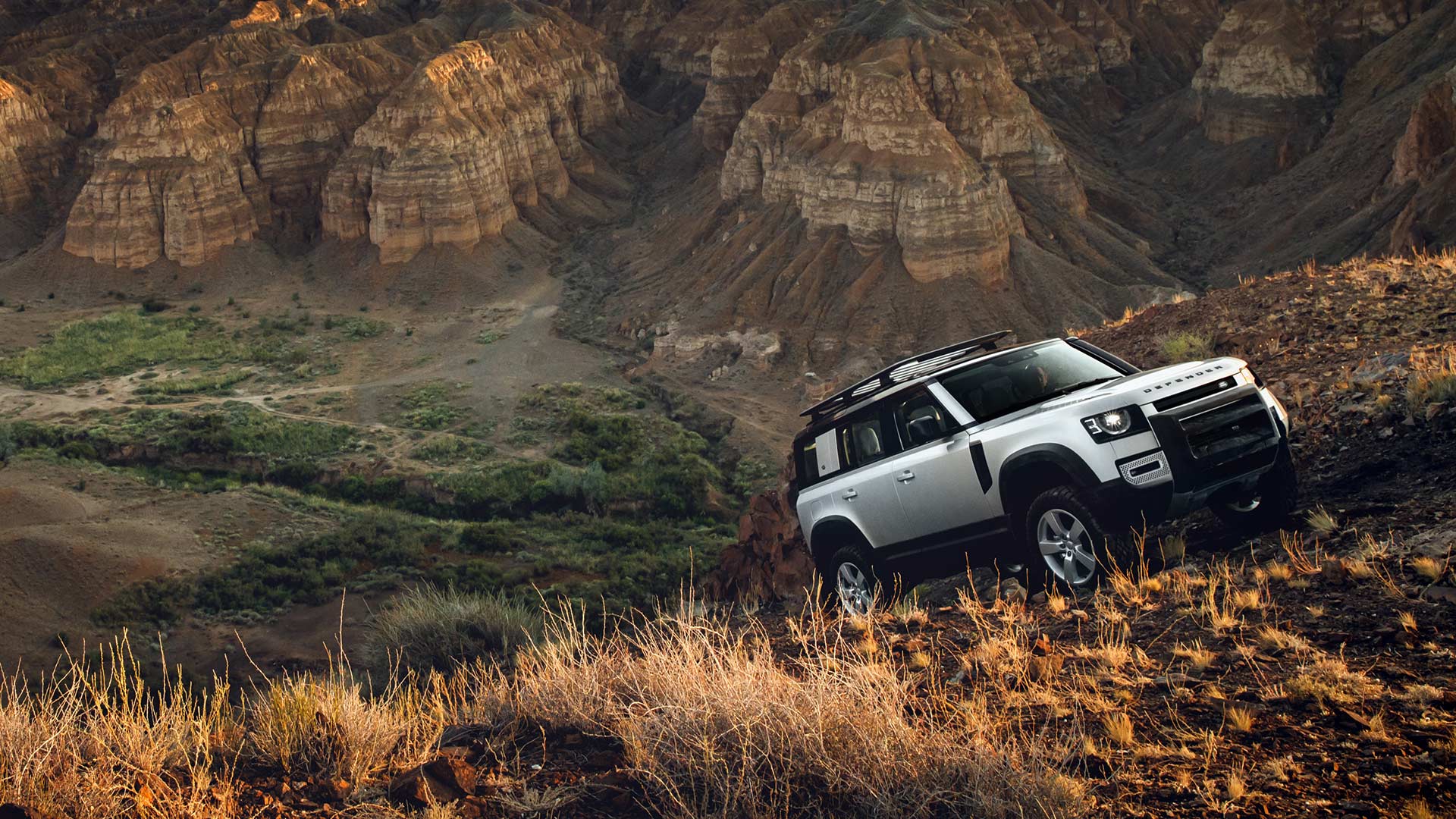
After months of speculation, leaks and teaser photos, the new 2020 Land Rover Defender is finally here.
And judging by the reaction at the 2019 Frankfurt Motor Show, the second-generation icon is already a major hit.
However, there’s another vehicle on show in Frankfurt that reveals how off-road driving may look further into the future.
Days of future past
Land Rover has been under immense pressure to deliver with the new Defender. It needed something built on shared components, rather than the labour-intensive bespoke platform of the previous version.
It also needed keep Defender purists happy, if possible. Yet, to make the project commercially viable, the Defender had to appeal to a wide array of customers.
In a world where buyers clamour for luxury SUVs, building another no-compromise utility vehicle would have been commercial suicide.
The result is a new Defender that needs to be all things to all people. The wealth of options available from the off shows that Land Rover wants buyers to customise their cars. A £45,000 starting price is just the beginning…
Not even the 2020 Defender can escape the lure of chequer plate trim, which covers the surface of countless original versions. Deep down in the options list is a £312 kit that adds the same effect, albeit in plastic, to your new Defender.
It is a neat reminder that this is a modern reinterpretation of a classic off-roader. While packed with technology, and likely to be deeply impressive in the rough stuff, it is still a traditional 4×4 at heart.
Where we’re going, we don’t need roads
If the new Defender is a modern 4×4 for now, Audi has very different vision of the future.
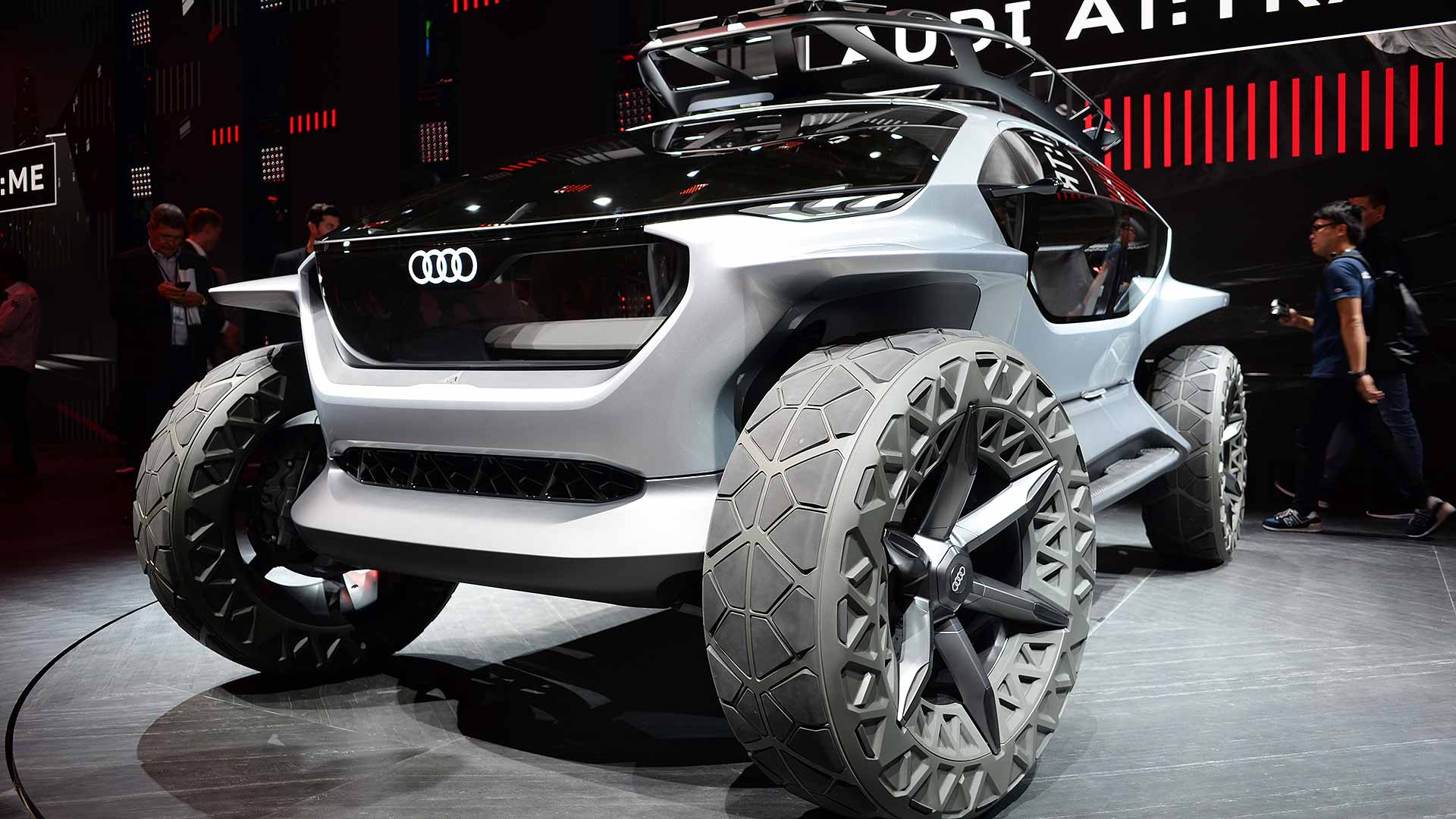
Although very much a concept, the radical AI:Trail Quattro envisages automated driving technology being used in a world without paved roads.
Forest trails and dirt tracks do without the neat painted lines and consistent surfaces that self-driving vehicles rely upon. As such, Audi admits the driver will need to intervene when the going gets tough.
However, the AI:Trail’s automated systems let the driver know when they are near the limits of the vehicle, and help avoid collisions using ultrasound and radar.
Each wheel in the AI:Trail is driven by an individual electric motor. This allows up to 737lb ft of torque to be sent to the tyre with most grip, but without the need for transfer cases and differentials.
The lithium-ion battery pack offers up to 310 miles of range on tarmac, but this halves to around 155 miles in the dirt. Range anxiety could quickly become ‘range fear‘ in the middle of nowhere.
A substantial glass cabin, inspired by the cockpit of a helicopter, is likely to require serious climate control to keep the occupants from cooking, too.
Flights of fancy
Audi has even dispensed with traditional headlights for the AI:Trail. Instead, an autonomous collection of five drones fly ahead, illuminating the ground with LED searchlights.
These dock with the roof rack to recharge automatically, and can even be used to project navigation guidance, or help illuminate a campsite.
Clearly, unlike the new Defender, the AI:Trail is not something to be bothering your local dealership about. At least not yet.
The new Defender looks set to be a major hit for Land Rover, even with its hefty price tag. It should be capable enough to keep the traditional fans happy, yet still appeal to urban warriors.
However, there is the question of whether Land Rover could, and should, be looking further into the future. Vehicles like the AI:Trail, while fanciful in some ways, show that Audi is considering how off-roading could work in a world of electrification and autonomous tech.
Land Rover has the Defender for the current age sorted. But what will the Defender for the next generation look like?
The #FrankfurtMotorShow – or Internationale Automobil-Ausstellung (IAA), to give it its less hashtag-friendly name – is underway. Here are a dozen things you may have missed from day one of the 2019 show.
Land Rover launches something new
Land Rover launched something new today. You may have heard a few whispers. If not, this ought to serve as a summary:
Defender. Looks like a Skoda Yeti. Iconic. How much? Steelies for the win. Built in Slovakia. #WANT. Bloody Brexit. #NewDefender. Shut up and take my money. Just another #ChelseaTractor. Land Rover #Surrender. Such a beautiful car. Not a proper Land Rover. Anybody want to buy a kidney?
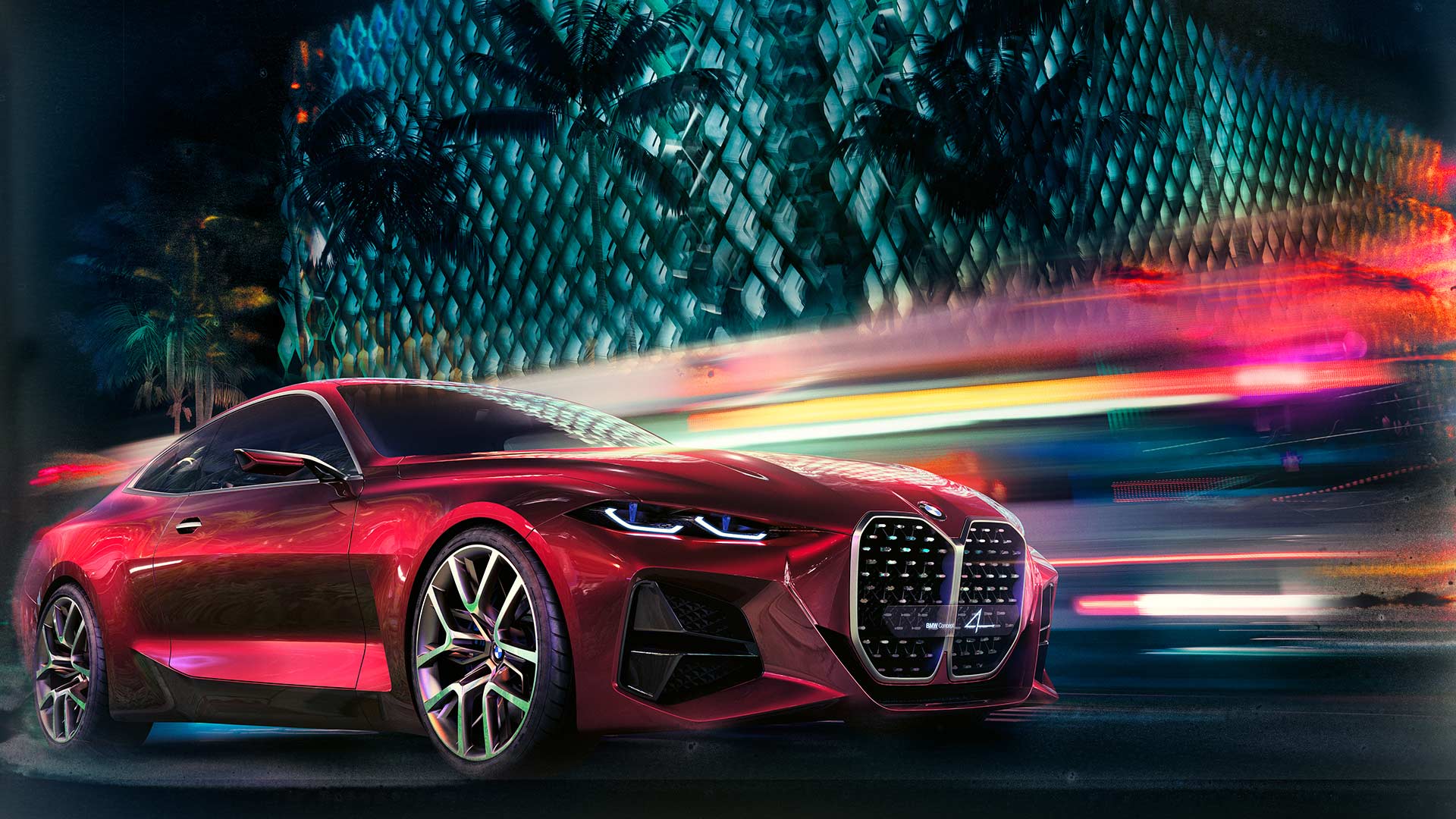
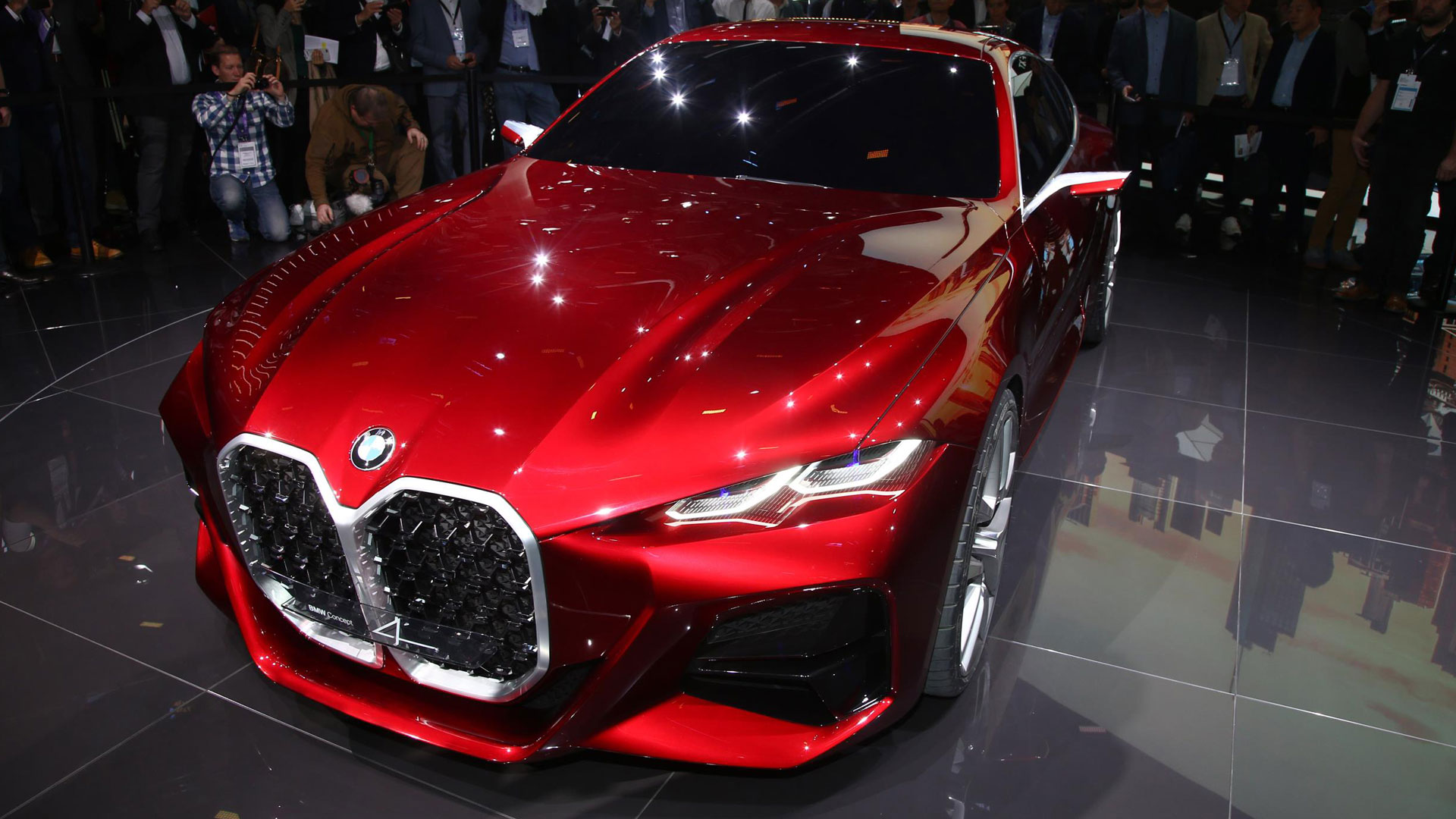
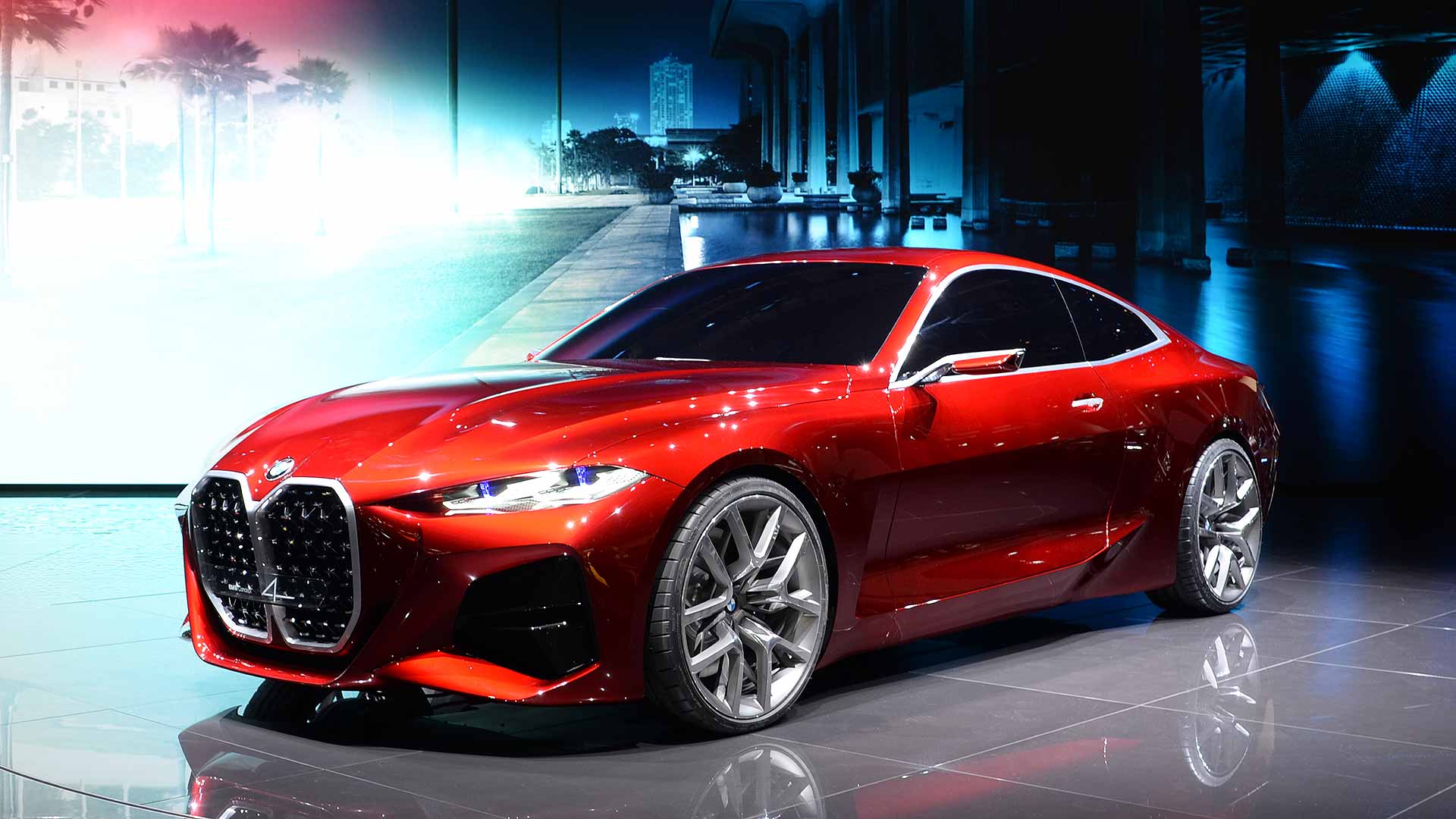
Speaking of kidneys. BMW reckons the MASSIVE grille on the Concept 4 is ‘confident and classy’. According to Auto Express, the concept is ‘85 percent representative of how the production-ready 4 Series will look’. Which is a neat coincidence, given the fact the concept is 85 PERCENT GRILLE.
Hyundai concept has a comfortable carpet
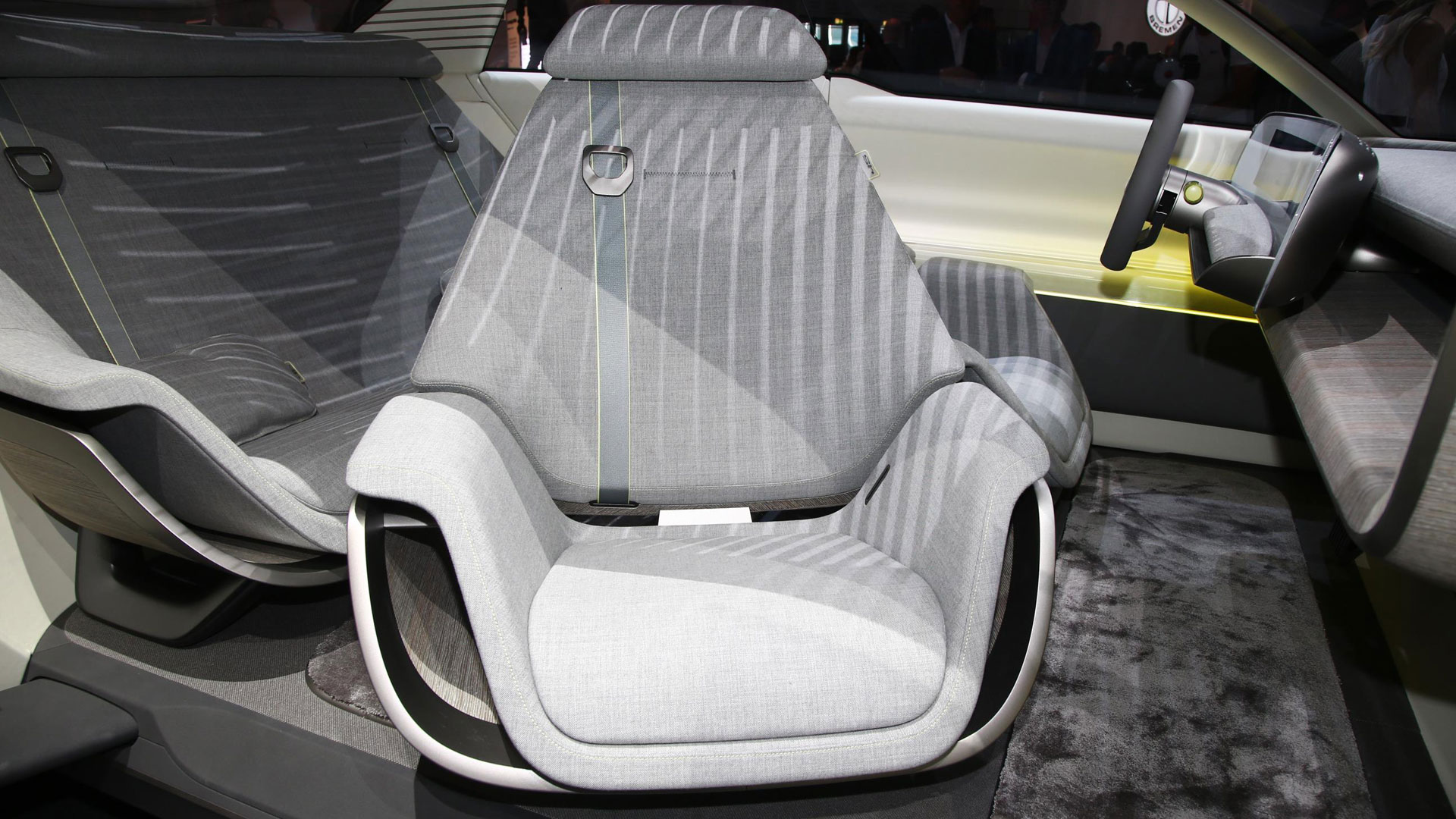
There are many reasons to love Hyundai 45 EV Concept, not least because it’s partly inspired by the Hyundai Pony of the 1970s. But the winning attribute of this cutting edge vision of the future of mobility is, and we quote, its ‘comfortable carpet’. In an age of electrification, autonomy and car-to-car communication, it’s good to know that manufacturers haven’t forgotten the importance of a good shag pile.
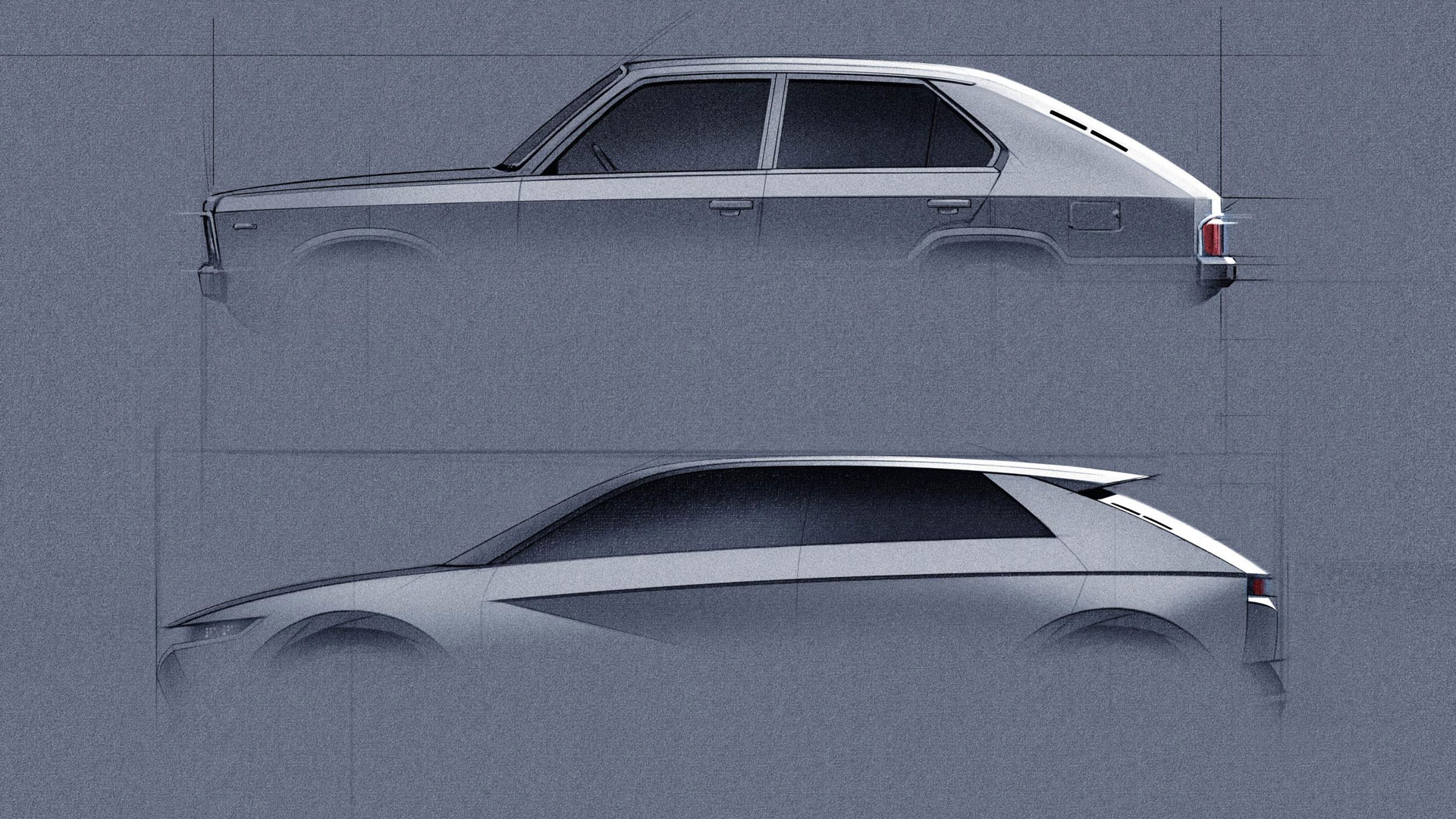
Did somebody mention the Hyundai Pony?
We’ve seen many illustrious classics referenced in press material over the years, but Hyundai’s decision to pay homage to the Pony was an unexpected treat. This also means there’s a little bit of the Morris Marina at the 2019 Frankfurt Motor Show. The legacy of British Leyland lives on.
Opel breaks the golden rule of motor shows
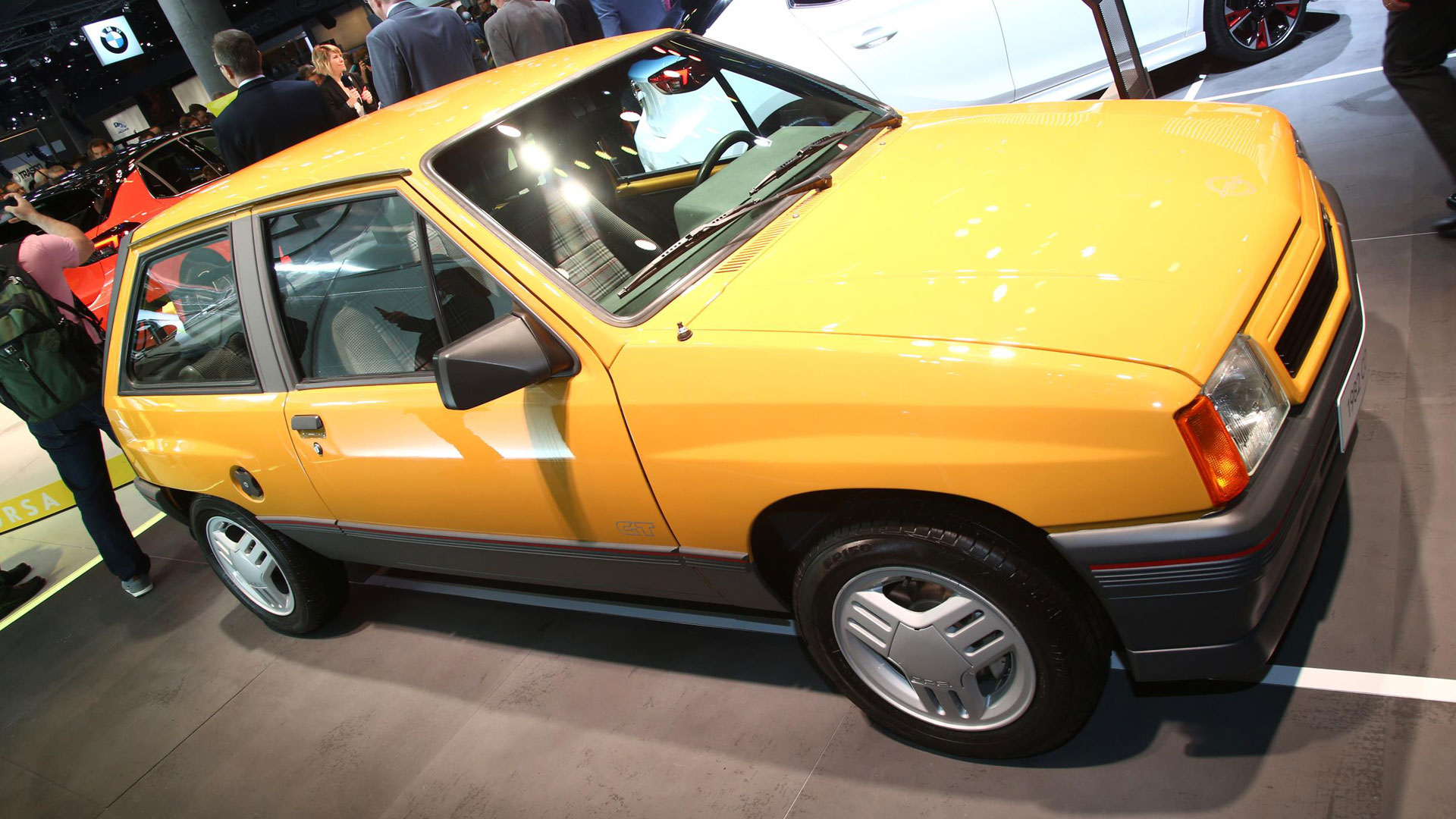
There’s a golden rule of motor shows: never feature a retro or classic car on a stand devoted to new cars. This 1987 Corsa GT has been upstaging the new Corsa all day, hugging the limelight and taking valuable social media buzz away from the latest model.
Signwriters and printers across the world will be heading out for a deluxe steak meal tonight following the news that Volkswagen has changed its logo. Dealer signage, point of sale, letterheads, business cards, advertisements, invoices, receipts, literature, etc, etc – if it’s got a Volkswagen logo on it, it’ll need to be changed. Kerching.
Sounds like the name of a Bond villain
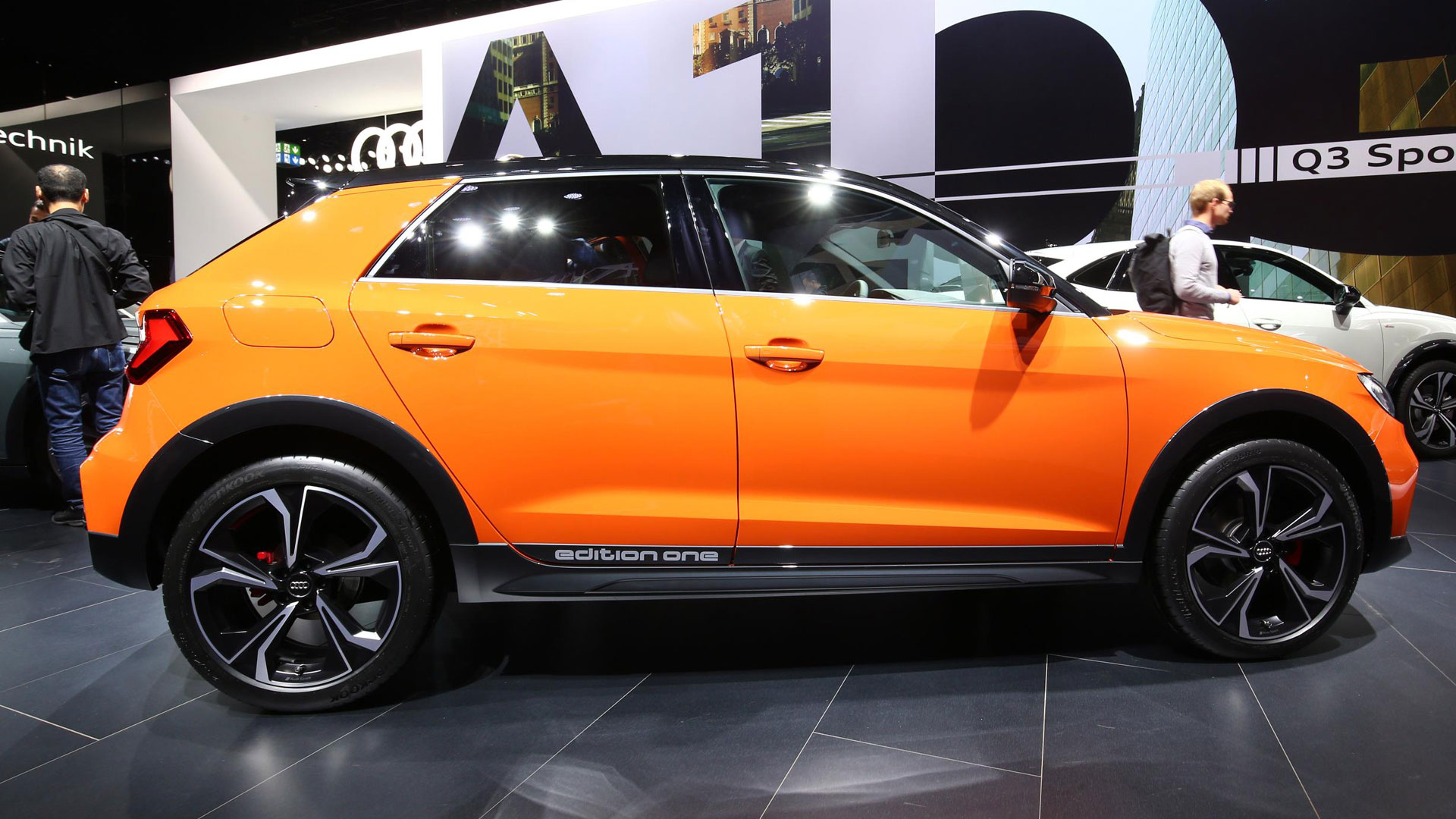
This is the new Audi Citycarver, which is essentially a Rover CityRover for a new generation. It’s also the name of the media mogul turned Bond villain, Elliot Carver. Like Audi, Carver had his eyes on world domination. He was hell-bent on making news, while Audi is focused on filling niches.
Don’t have nightmares
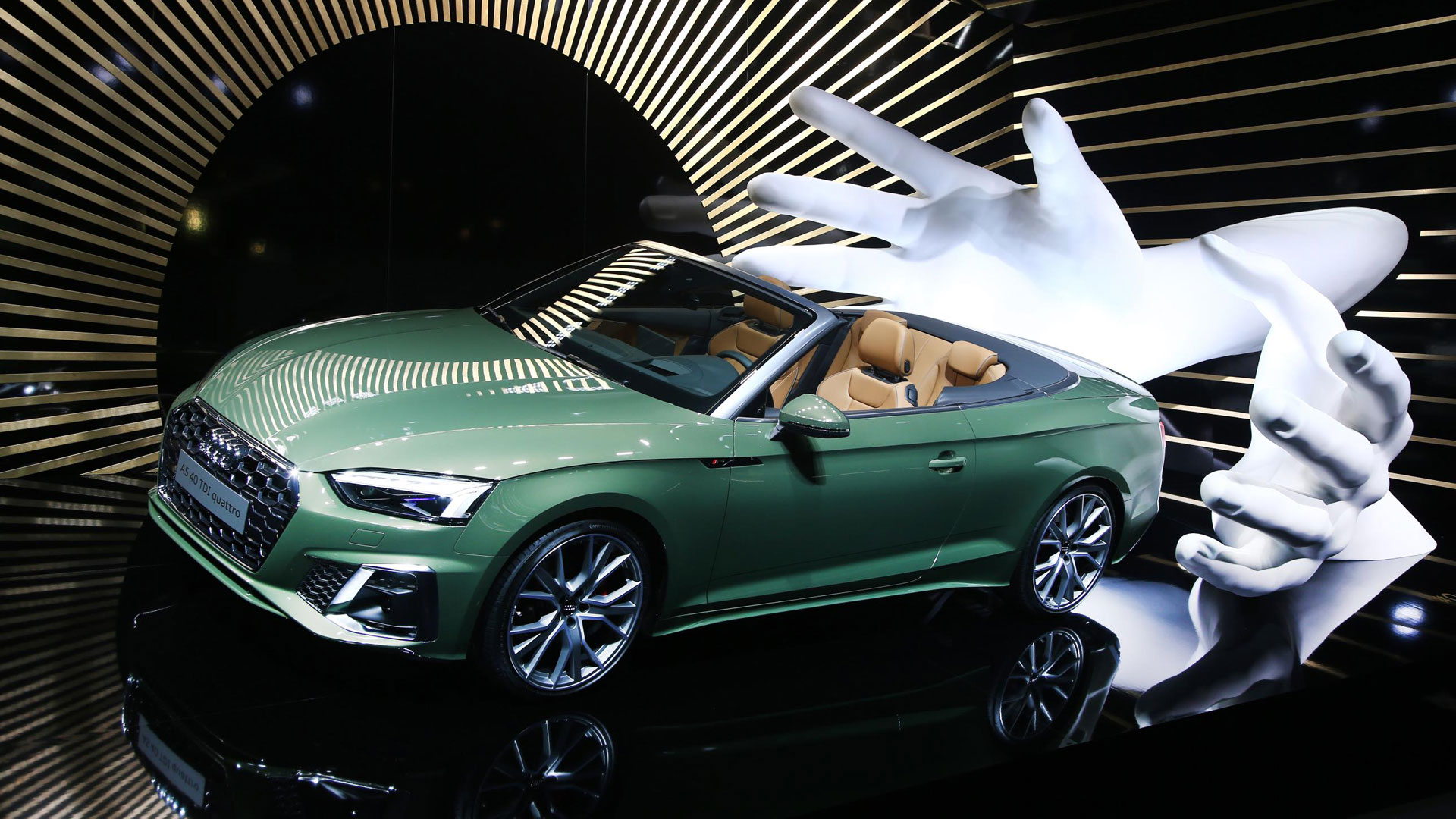
We’re not entirely sure if these giant hands are a new safety device or are designed to give children nightmares. Either way, they’re a creepy way to unveil a new car. Still, it makes a change for Audi drivers to see something horrible lurking in their rear-view mirror…
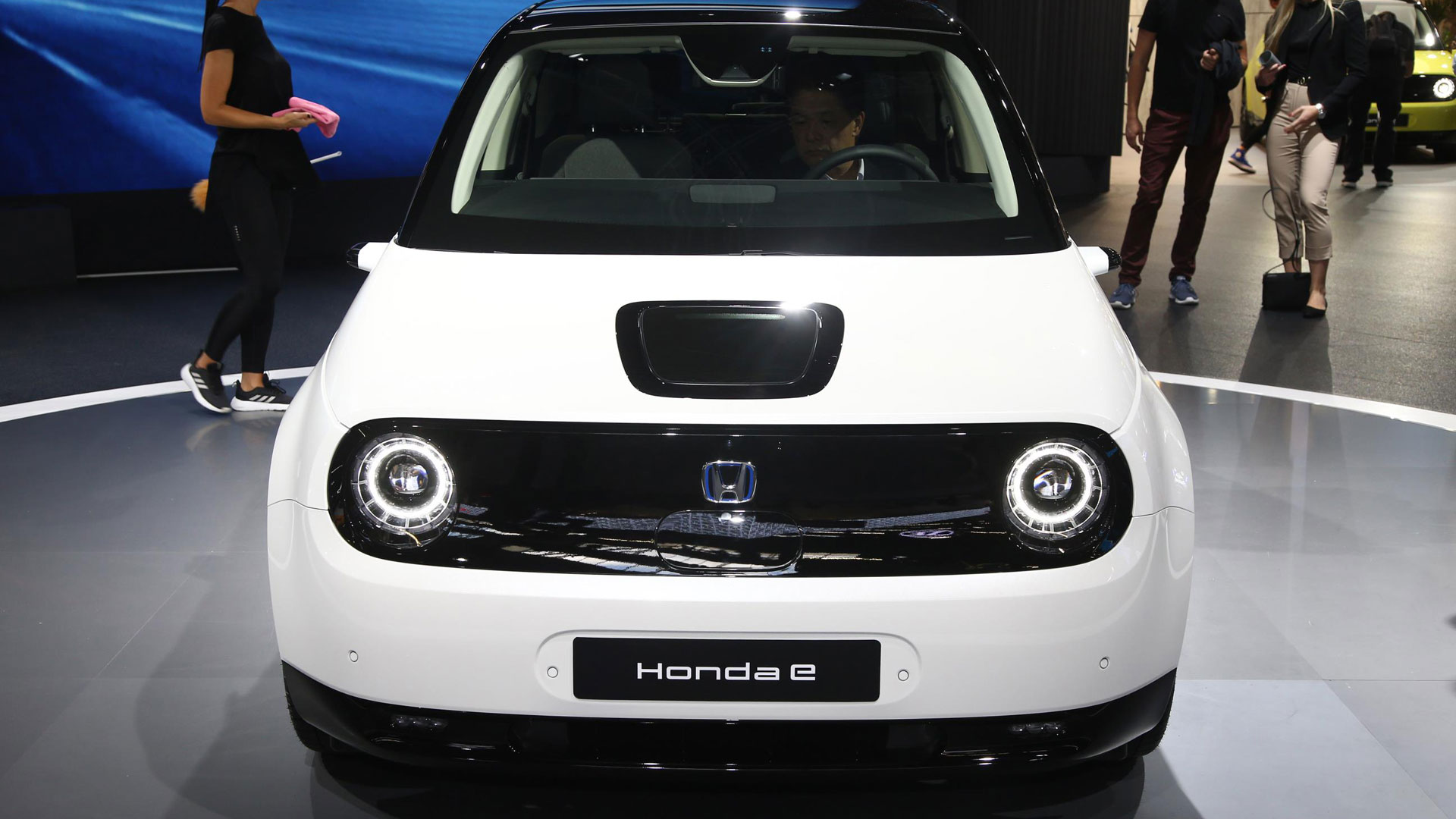
Honda in low price shocker
A £30,000 entry price was predicted for the Honda e electric car. So the fact that the standard model will cost ‘just’ £26,160 or £299 a month is an unexpected treat. Unfortunately, the low cost version won’t be available to order until early 2020, so you’ll have to plump for the £28,660 Honda e Advance if you want to be an early adopter.
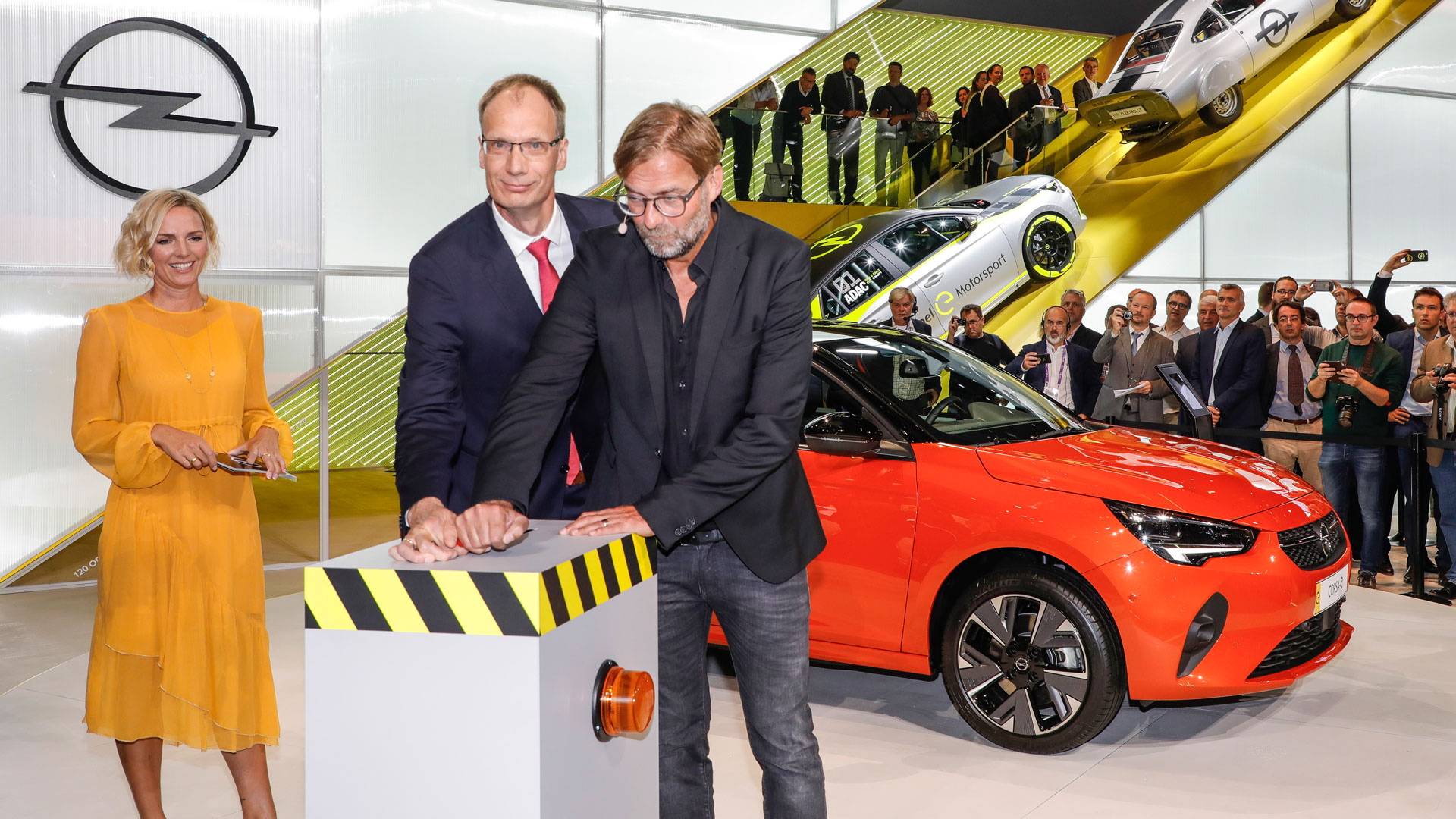
Here’s Jurgen Klopp and Opel CEO Michael Lohscheller looking not at all awkward on the Opel stand. “At the end of the day, it’s a show of two halves, and I’m delighted to be…. WOAH, look at that magnificent 1987 Corsa over there,” said Klopp. Probably.
From scrappage to showstopper
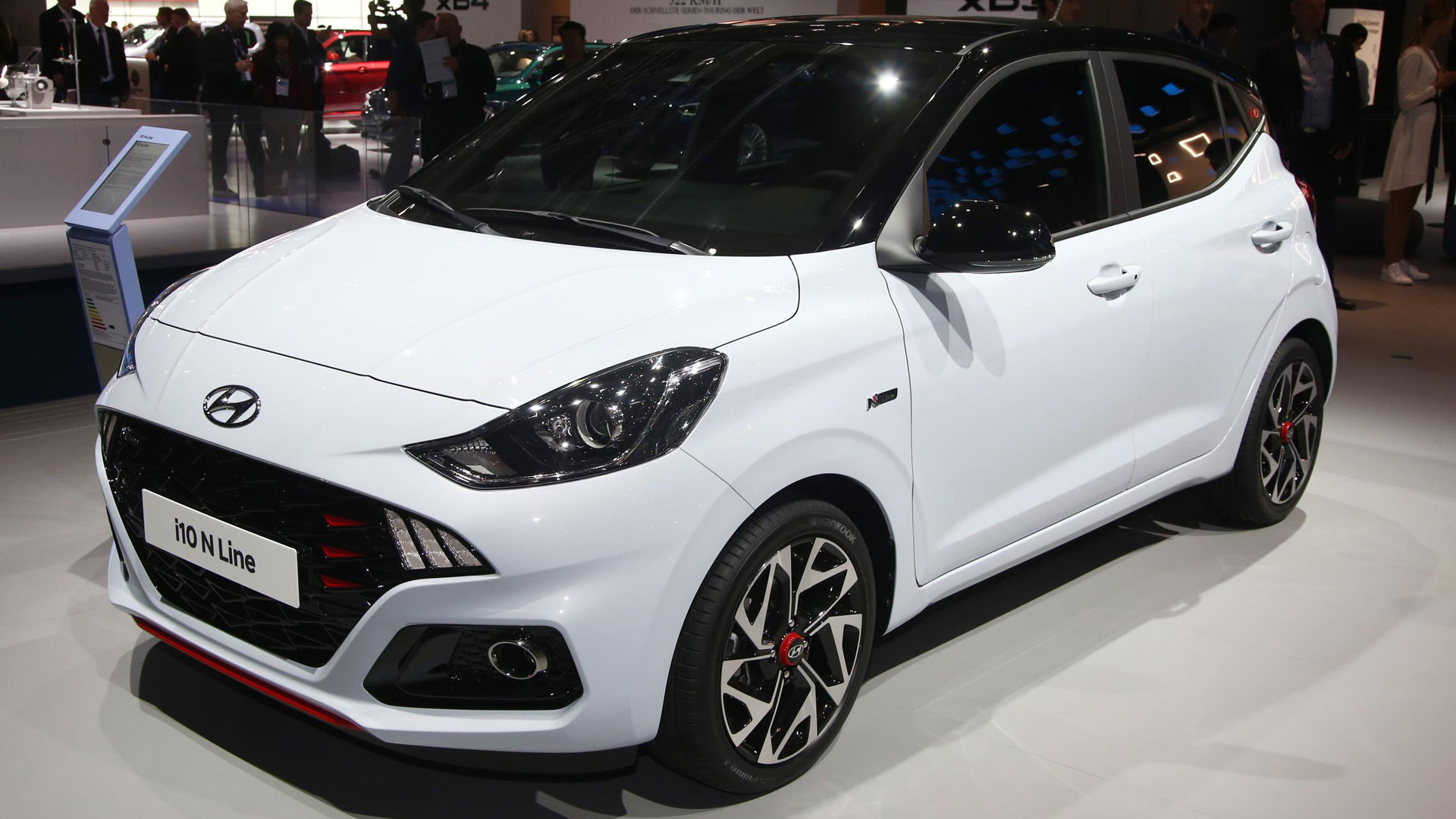
The Hyundai i10 has come a long way since the days of the scrappage scheme and headline-grabbing low prices. The latest i10 looks desirable and stylish, while the specs and warranty should be enough to ruffle a few feathers in boardrooms across Germany.
Plastic fantastic
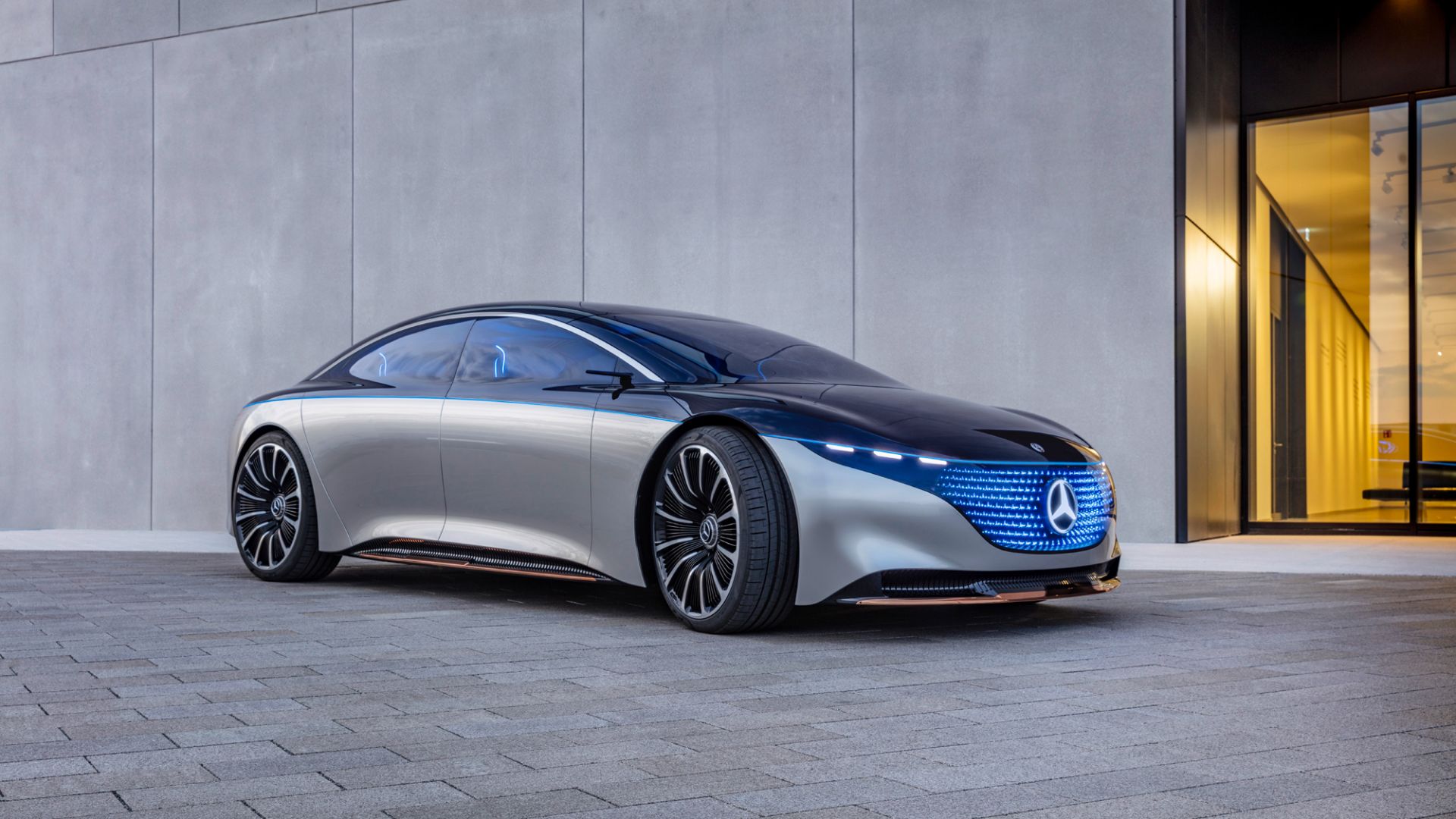
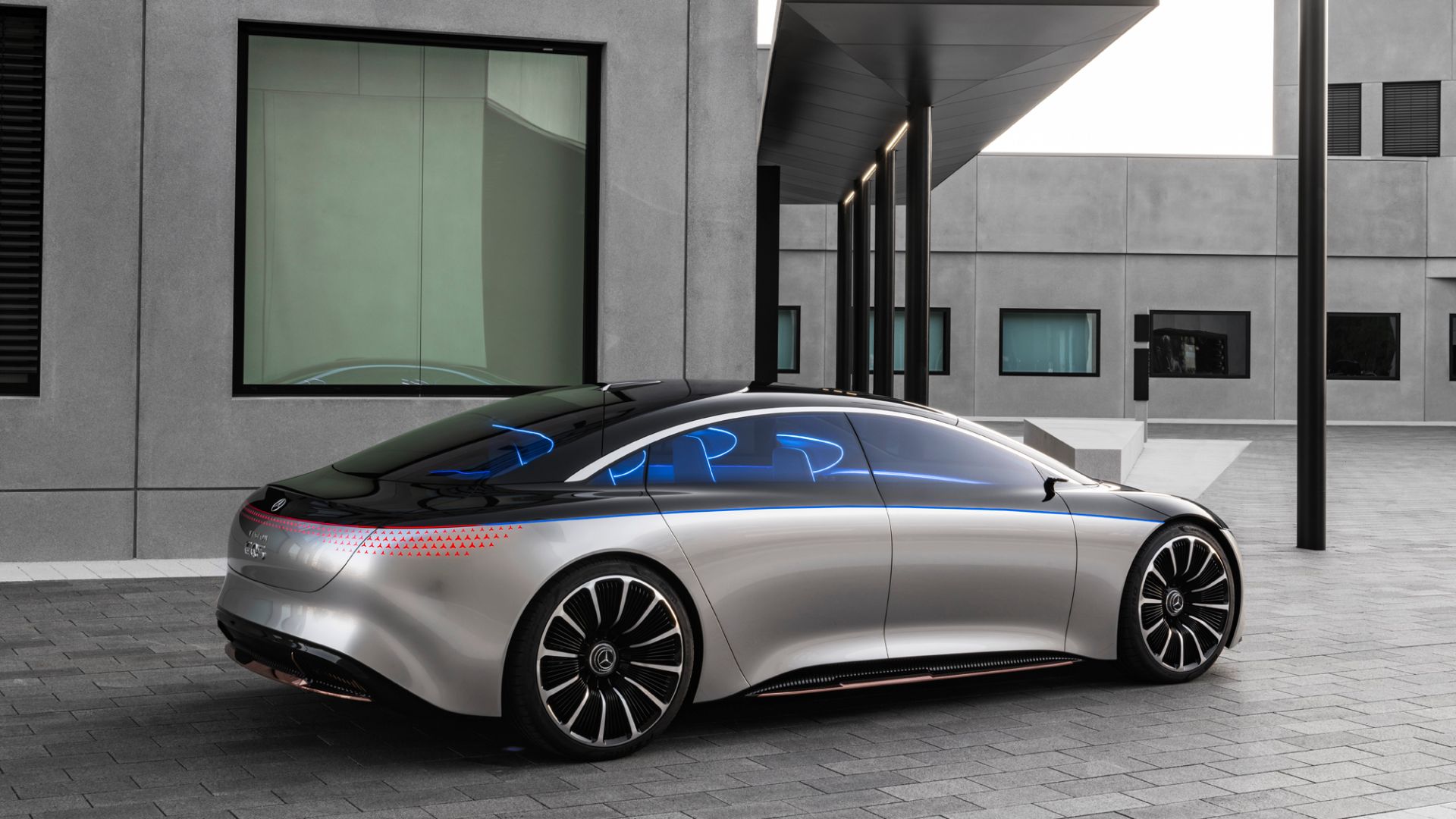
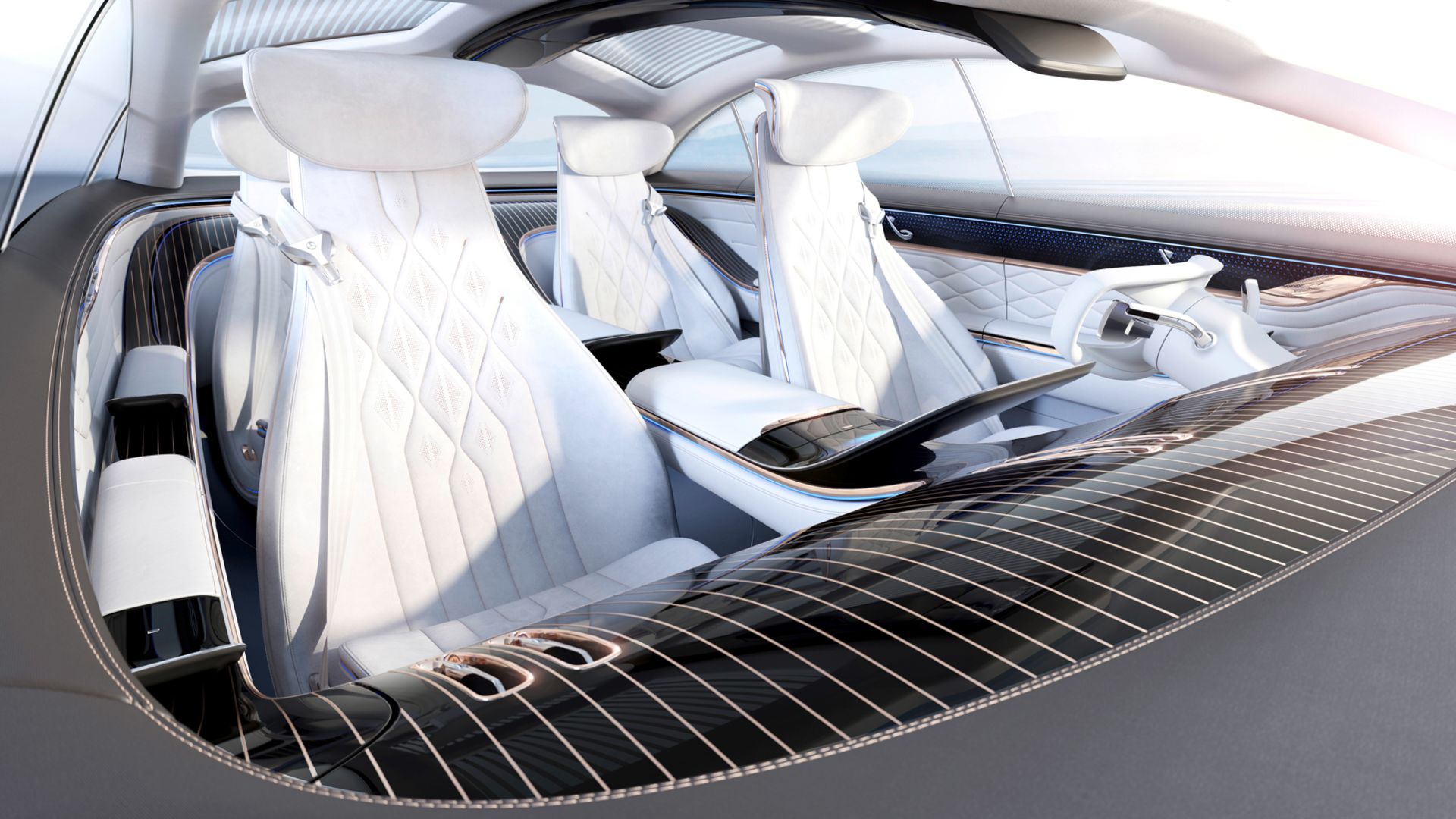
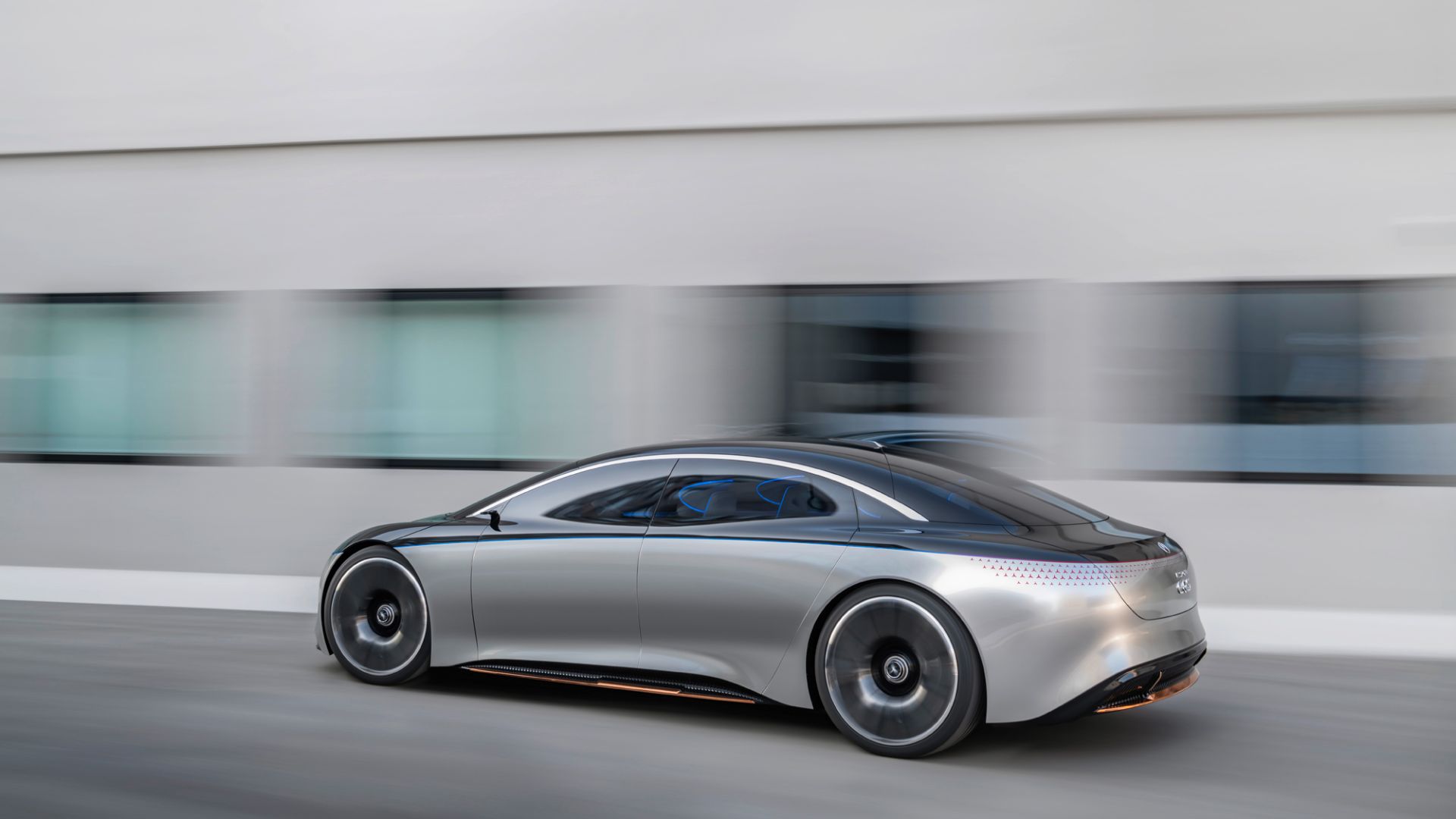
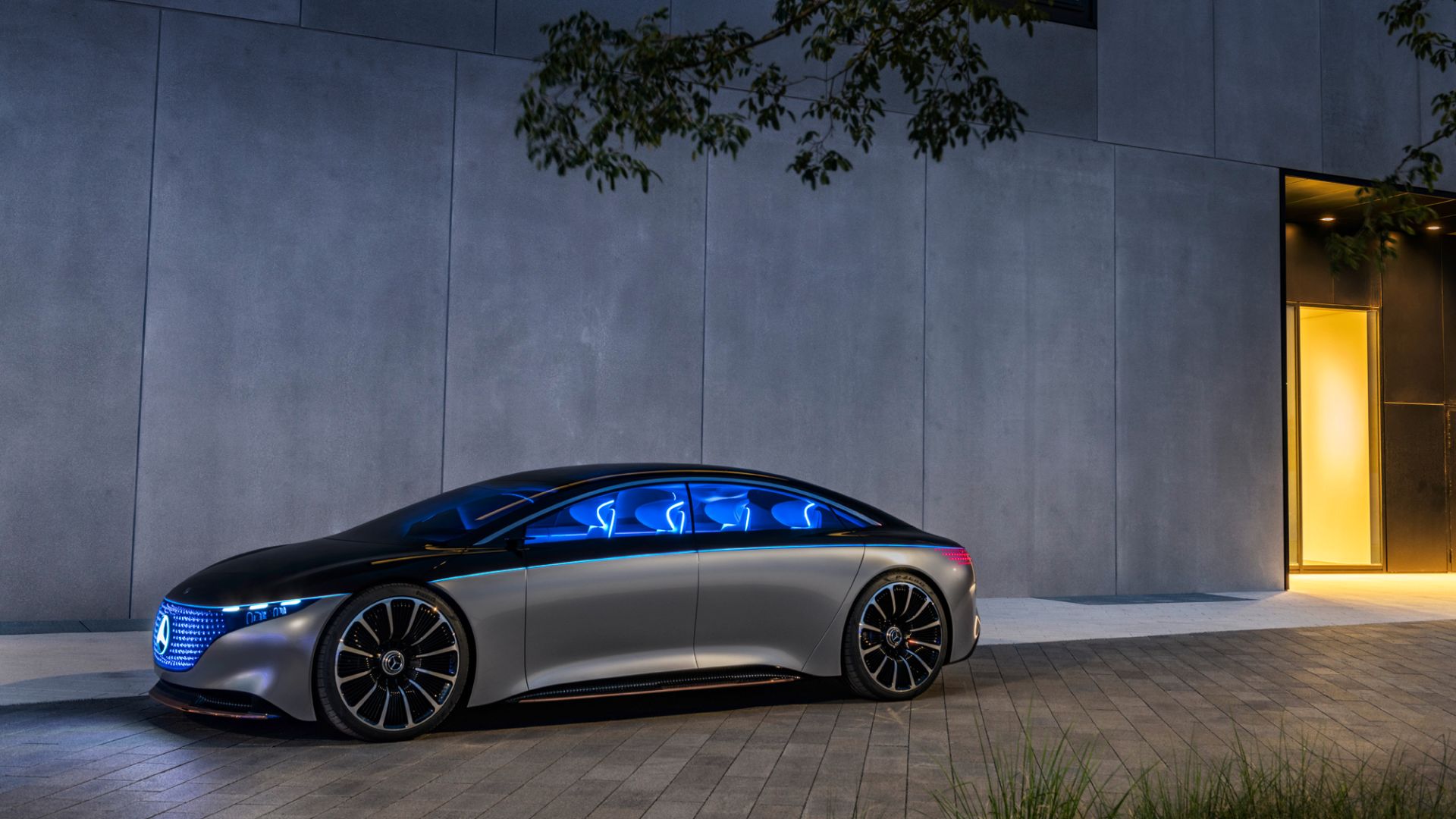
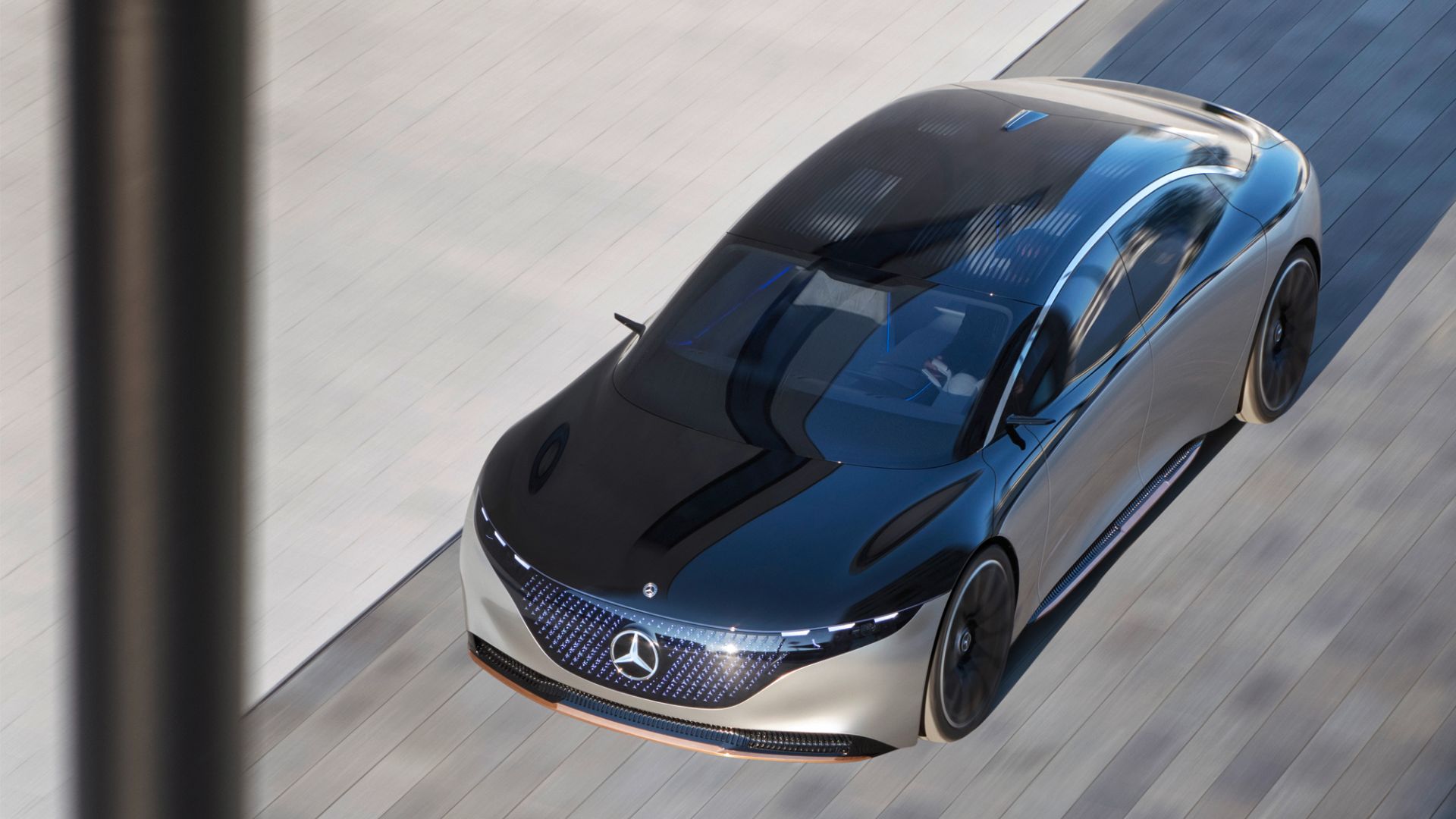
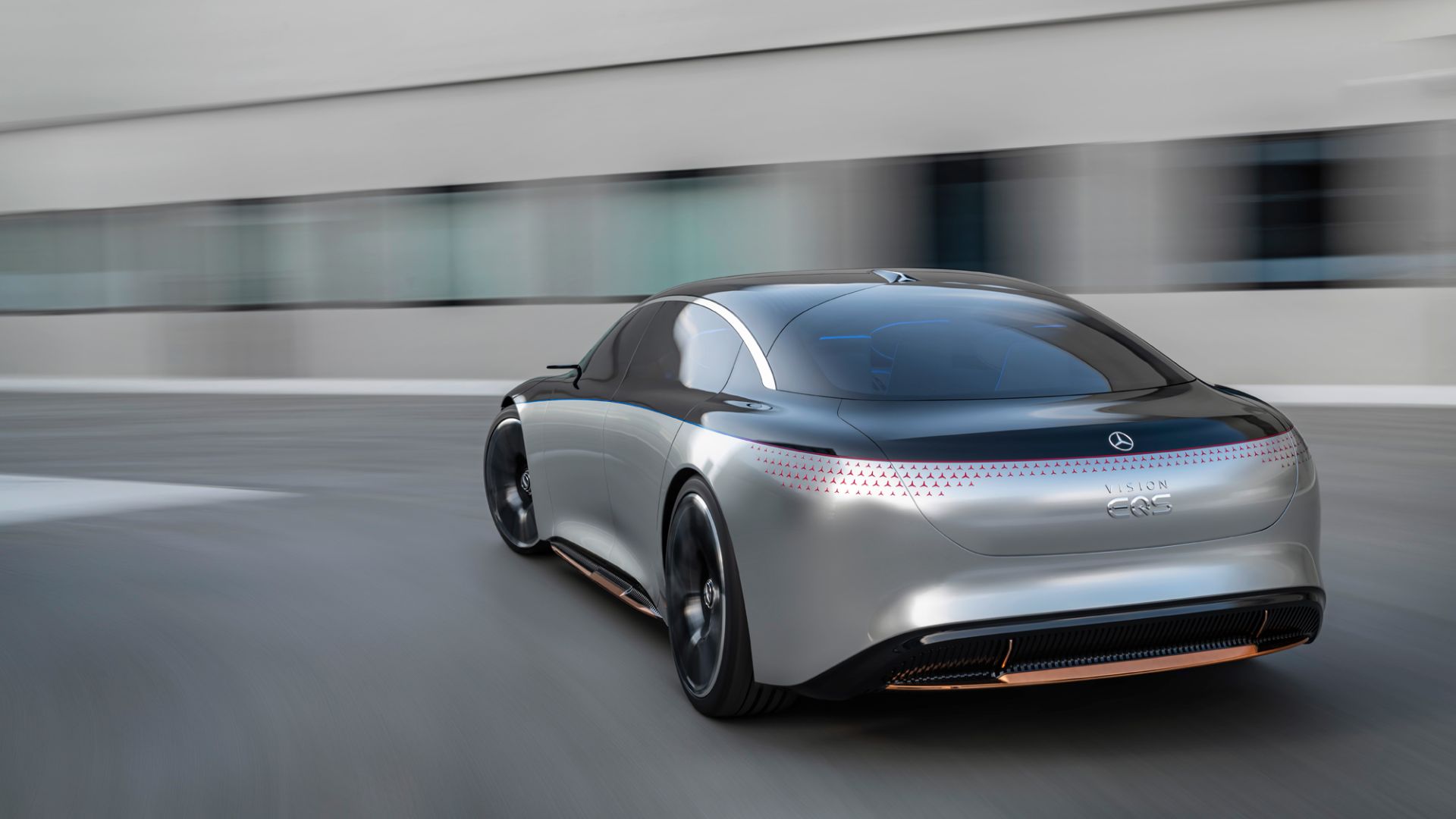
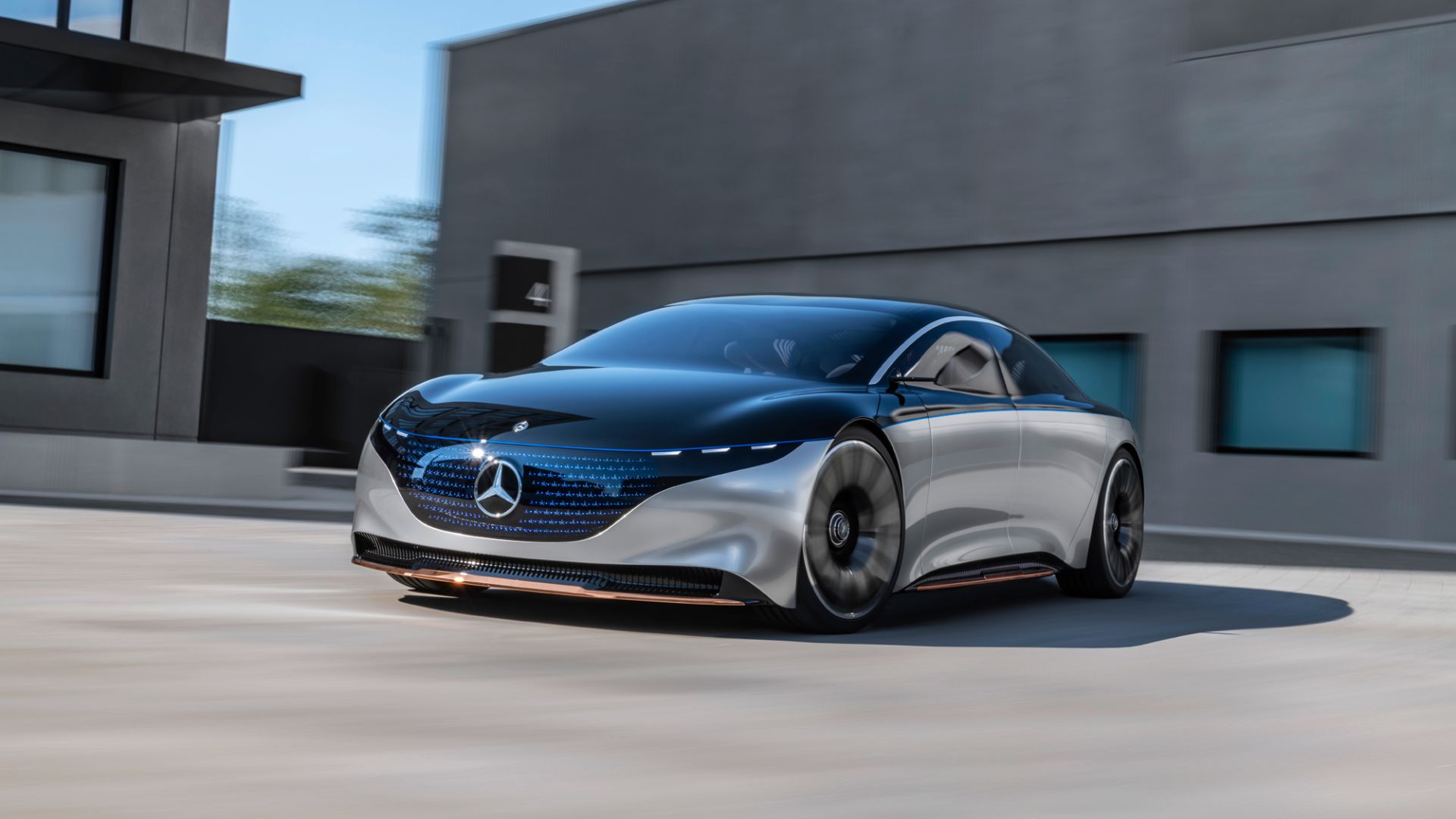
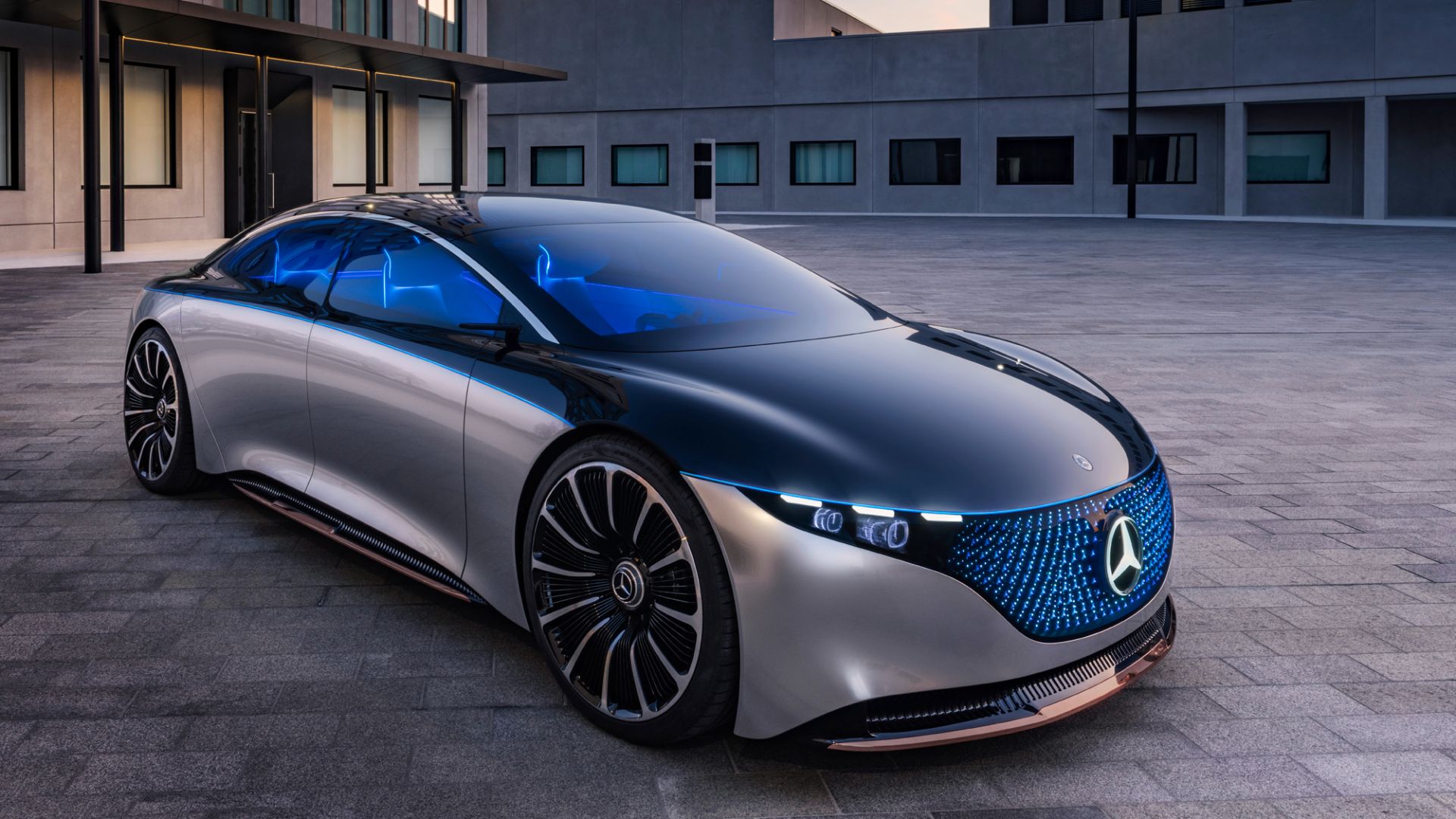
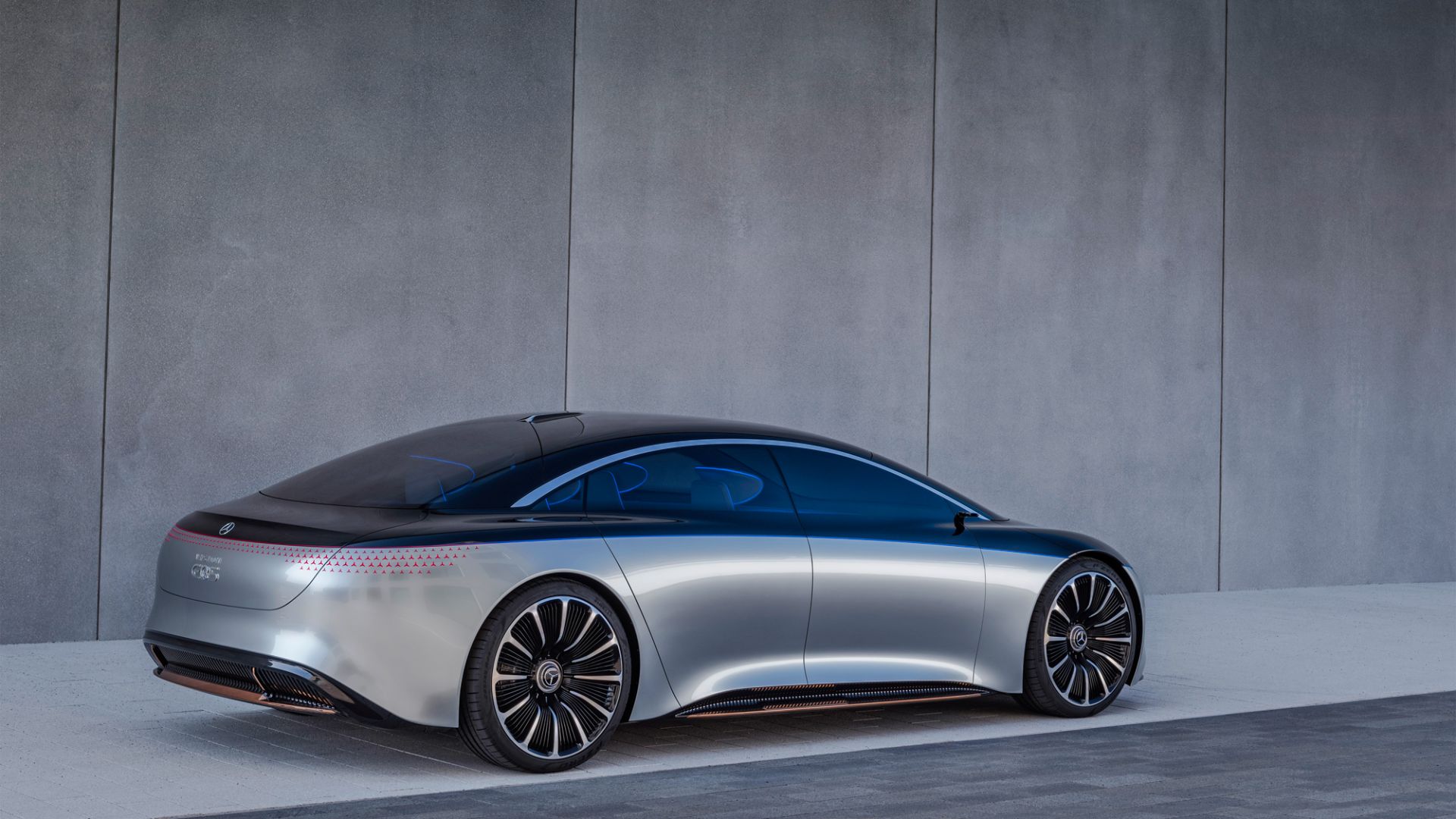
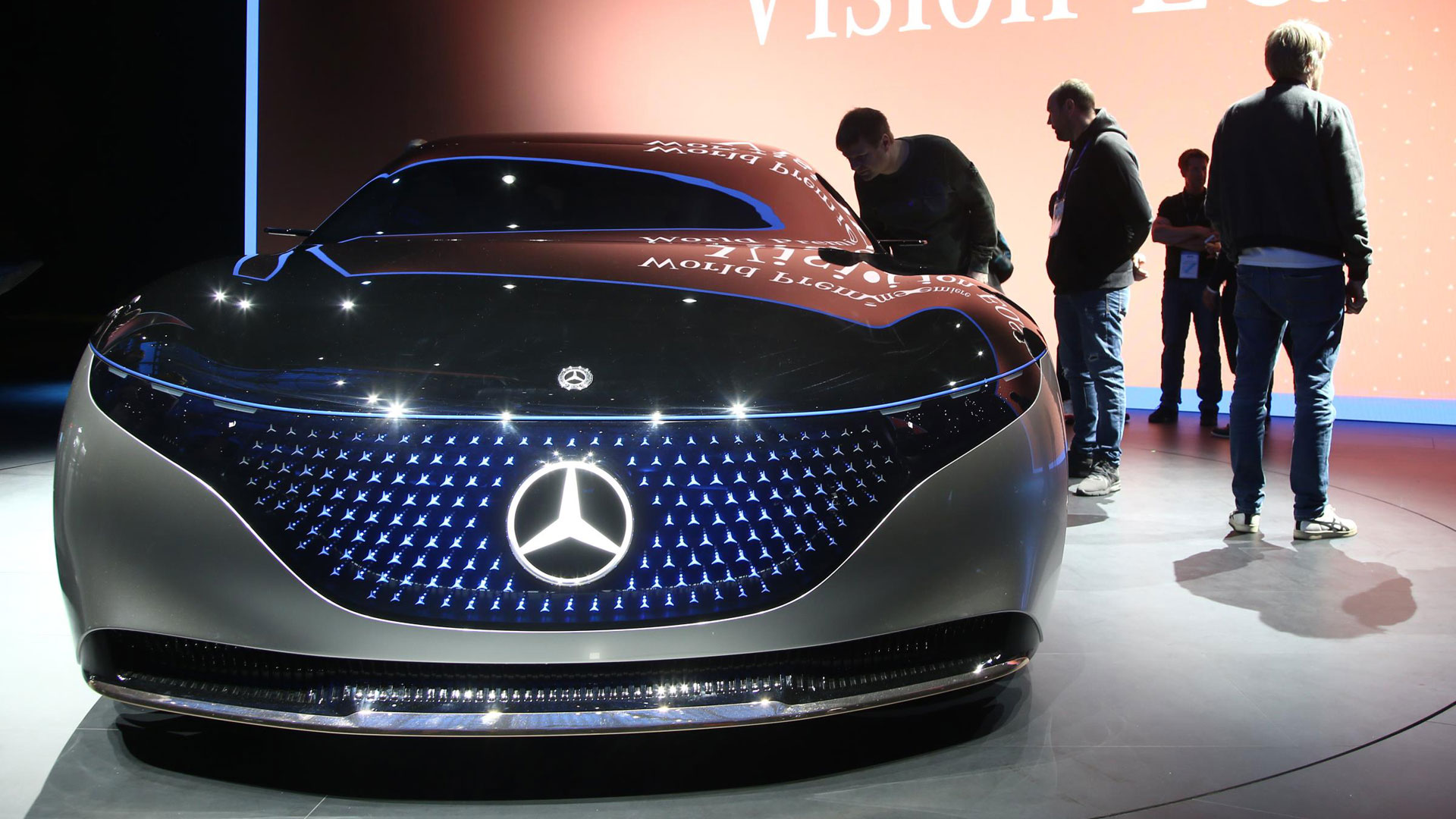
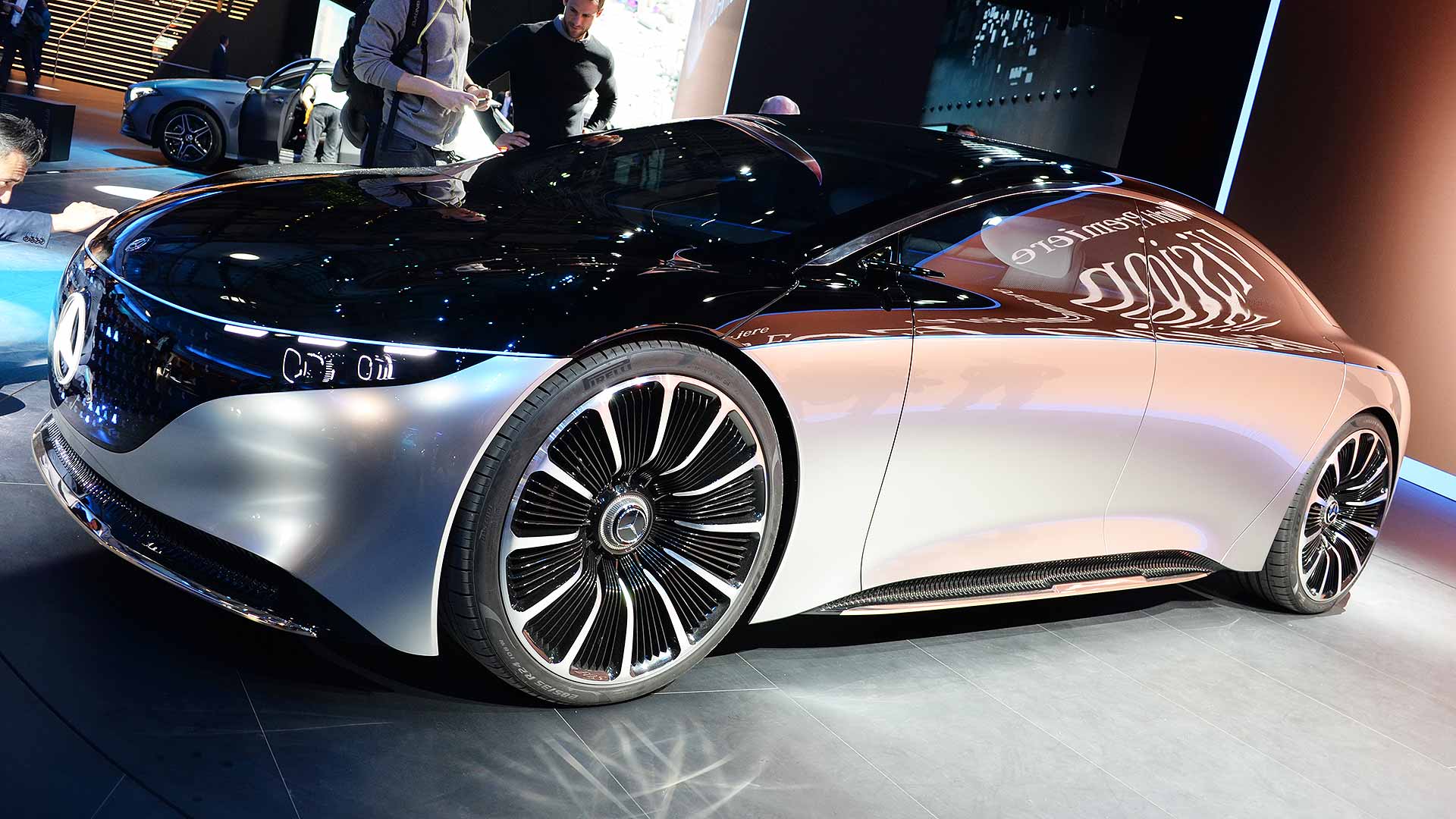
The Mercedes-Benz EQS is a vision of a future S-Class flagship we can all get behind. There are many features that won’t make production, but we’re rather taken by the choice of material for the roof liner. The textile was created by using a quantity of recycled ocean waste plastic, which strikes us as a jolly good idea. Nice work, Mercedes.
The 2019 Frankfurt Motor Show is underway, giving us the first chance to see some of the new cars you could be driving next year. We’ve elbowed our way to the front of each stand, tripping over travel bags on the way, to bring you the most important reveals and concepts from the 2019 show.
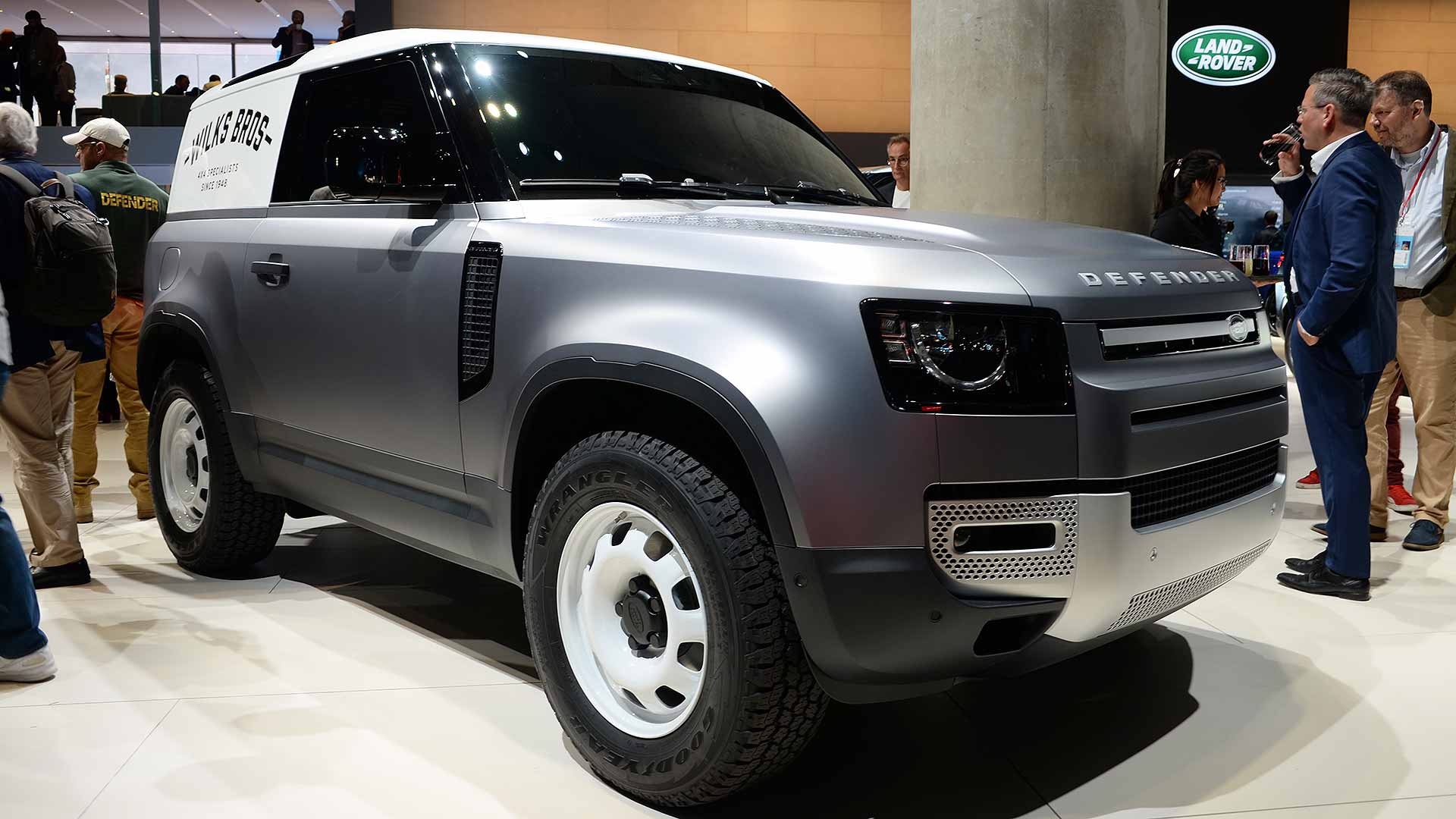
Land Rover Defender
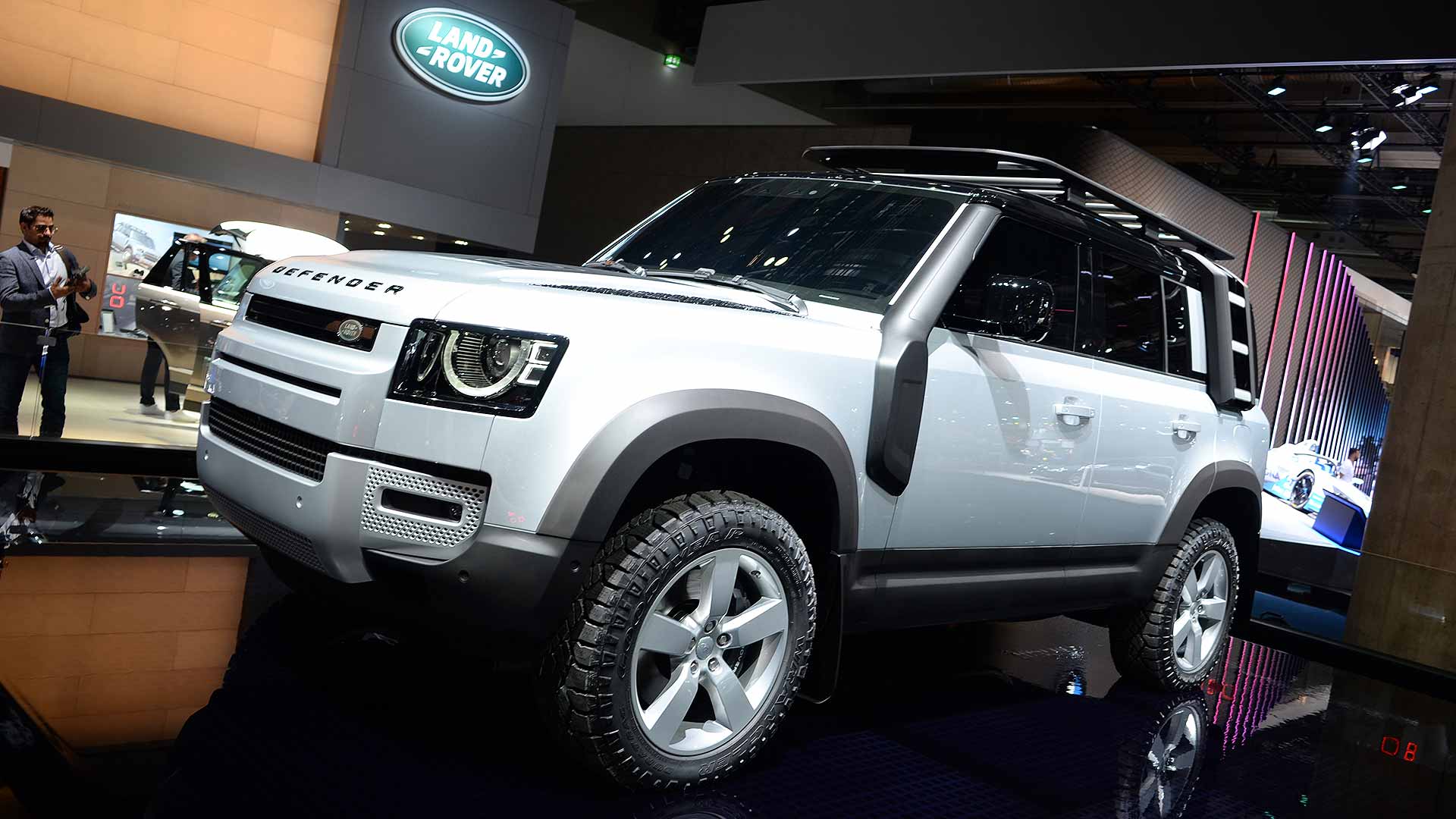
It feels like we’ve been talking about the new Defender for an eternity, so it’s a relief to see the iconic 4×4 in the metal. Somehow, Land Rover has managed to fuse the classic design of the original with a look that feels right at home in 2020. The new Defender is available in both 90 and 110 variants, while two commercial models join the range next year. Of course, seeing the Defender under the bright lights of Frankfurt is one thing, but what really matters is how the 4×4 behaves when the going gets tough. We look forward to our first drive.
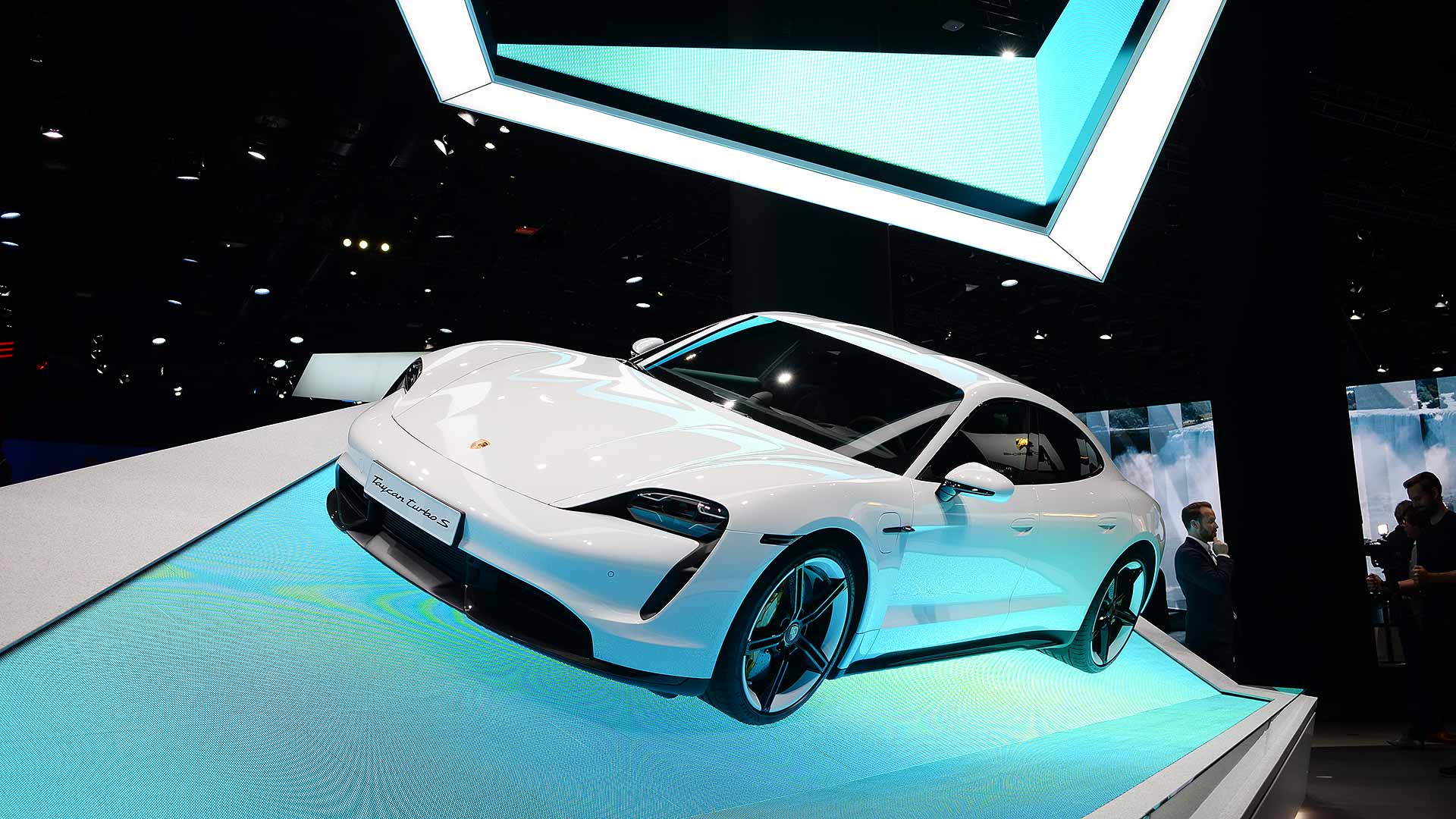
Porsche Taycan
Like the Defender, the Porsche Taycan has endured a lengthy gestation period, but the debut of this four-door electric sports car is no less significant. It’s the first all-electric Porsche, with the company heralding the ‘start of a new era’. In flagship Turbo S guise, the Taycan develops 761hp and 774lb ft of instant torque, which is enough to propel it to 124mph in just 9.8 seconds. It’s the first production vehicle to feature 800-volt architecture, which means lightning quick charging times, with the right equipment. A hugely important car for Porsche and the entire EV sector.
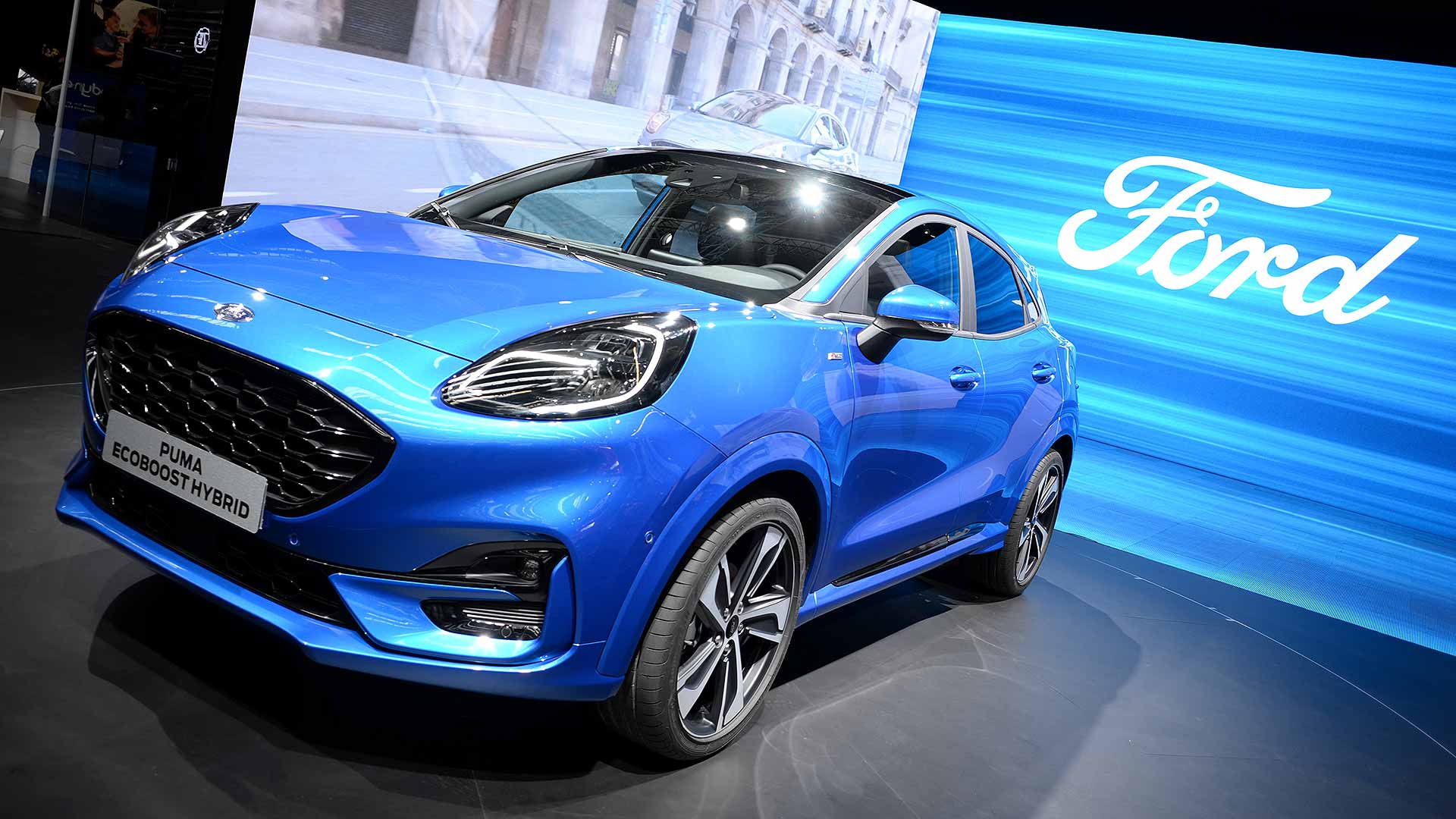
Ford Puma
If you fancy a Fiesta-based compact SUV but can’t handle the thought of driving an EcoSport, the new Puma might be the answer. Ford sees it as a sporty alternative to the aesthetically challenged EcoSport and hopes to steal sales from the Volkswagen T-Cross. As such, you can expect a range of personalisation options and a host of neat details. We like the subtle nods to the old Puma coupe, including the headlights and the shape of the side windows. We reckon Ford has a potential best-seller on its hands.
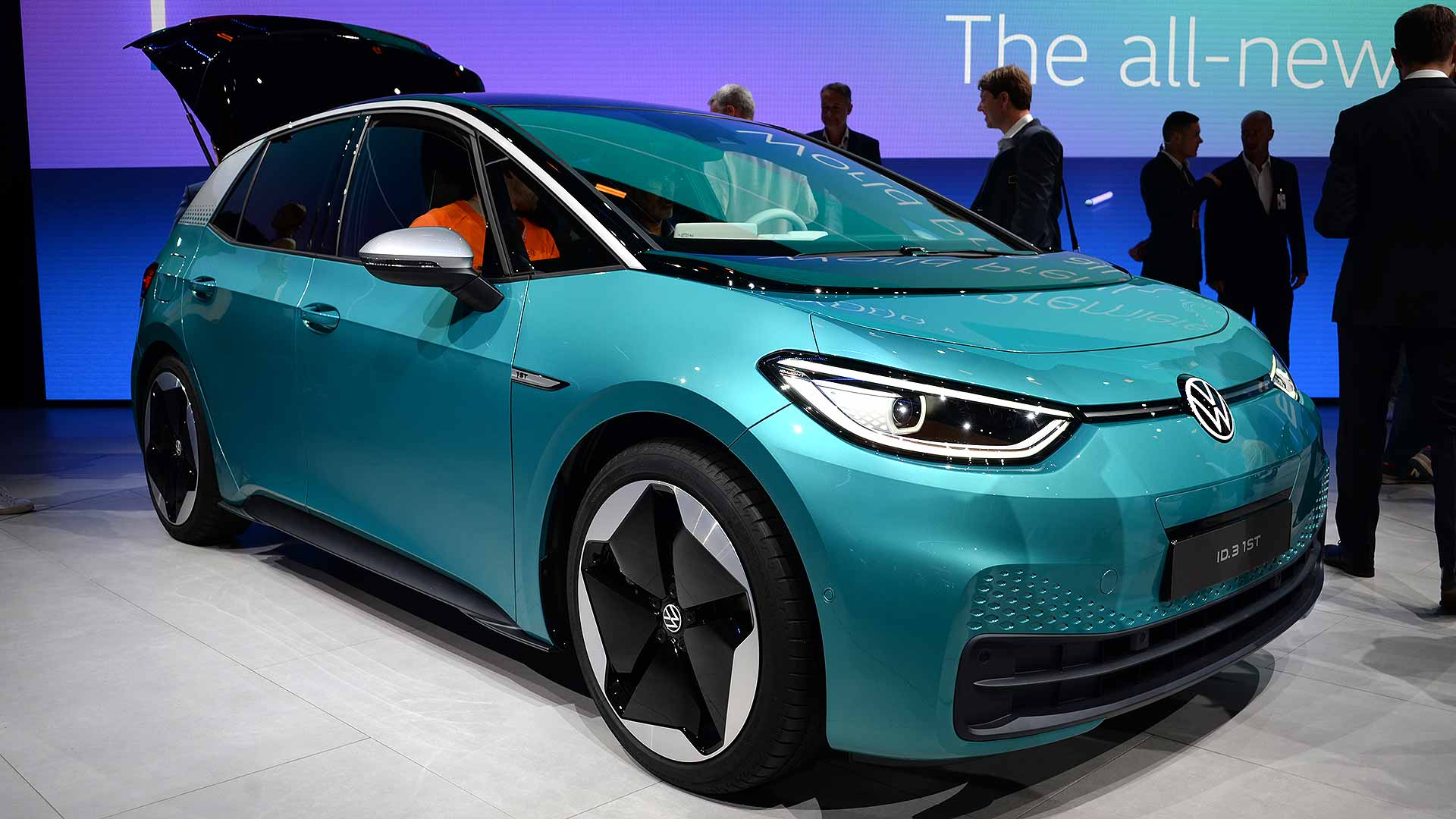
Volkswagen ID.3
Speaking of best-sellers, Volkswagen wants the ID.3 to become as ubiquitous as the evergreen Golf. It’s off to a flying start, with the company receiving 30,000 reservations, plus 10,000 deposits taken during the first 24 hours of its release. With a range of up to 341 miles, 110kW fast charging, high specification from launch and next-generation styling, this could become one of the country’s most popular electric cars. Launch editions will cost £35,000, but you’ll pay £27,000 for the 205-mile capable car. The ID.3 strikes us as an emphatic way to bury the ghosts of ‘Dieselgate’.
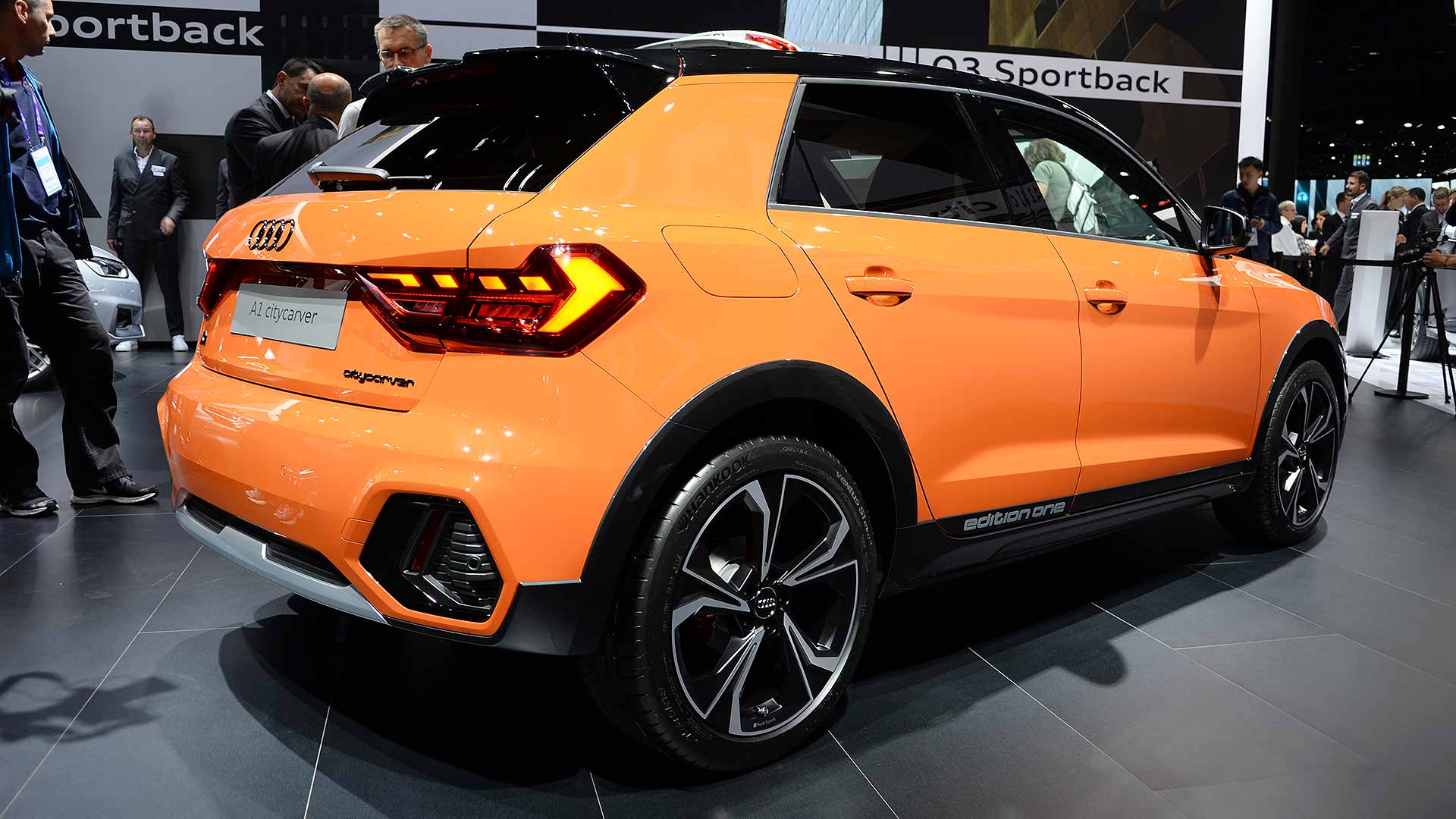
Audi A1 Citycarver
It’s a compact SUV with an Audi badge, so the A1 Citycarver is likely to be as popular as a pound-a-pint bar during freshers’ week. The name puts us in mind of the City Rover, and Audi has used a similar approach in creating this car with a strange name. Take the A1 supermini, add 4mm of extra ground clearance and a smattering of body armour and – hey presto – you’ve got yourself a Citycarver. Coming to a dropped kerb near you in the autumn.
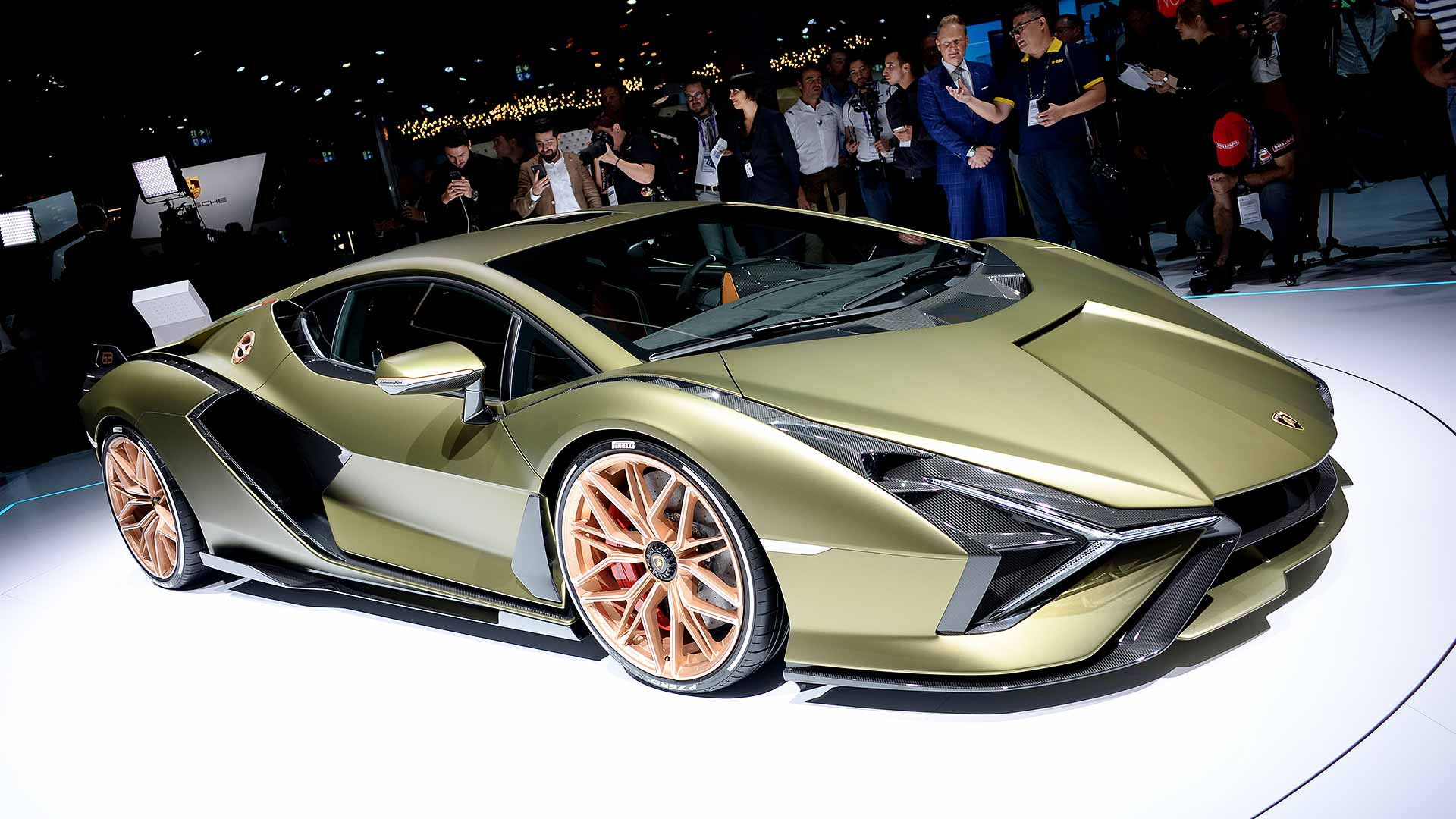
Lamborghini Sian
Meet the most powerful road-going Lamborghini ever produced. Thanks to the combination of a 6.5-litre V12 engine and a supercapacitor-powered electric motor, the Sian produces 819hp, which is enough for a top speed of 217mph. Just 63 will be built, honouring the foundation year of Lamborghini, each one individually styled by the owner. Predictably, there are none left, so the price, which is unknown, is almost irrelevant.
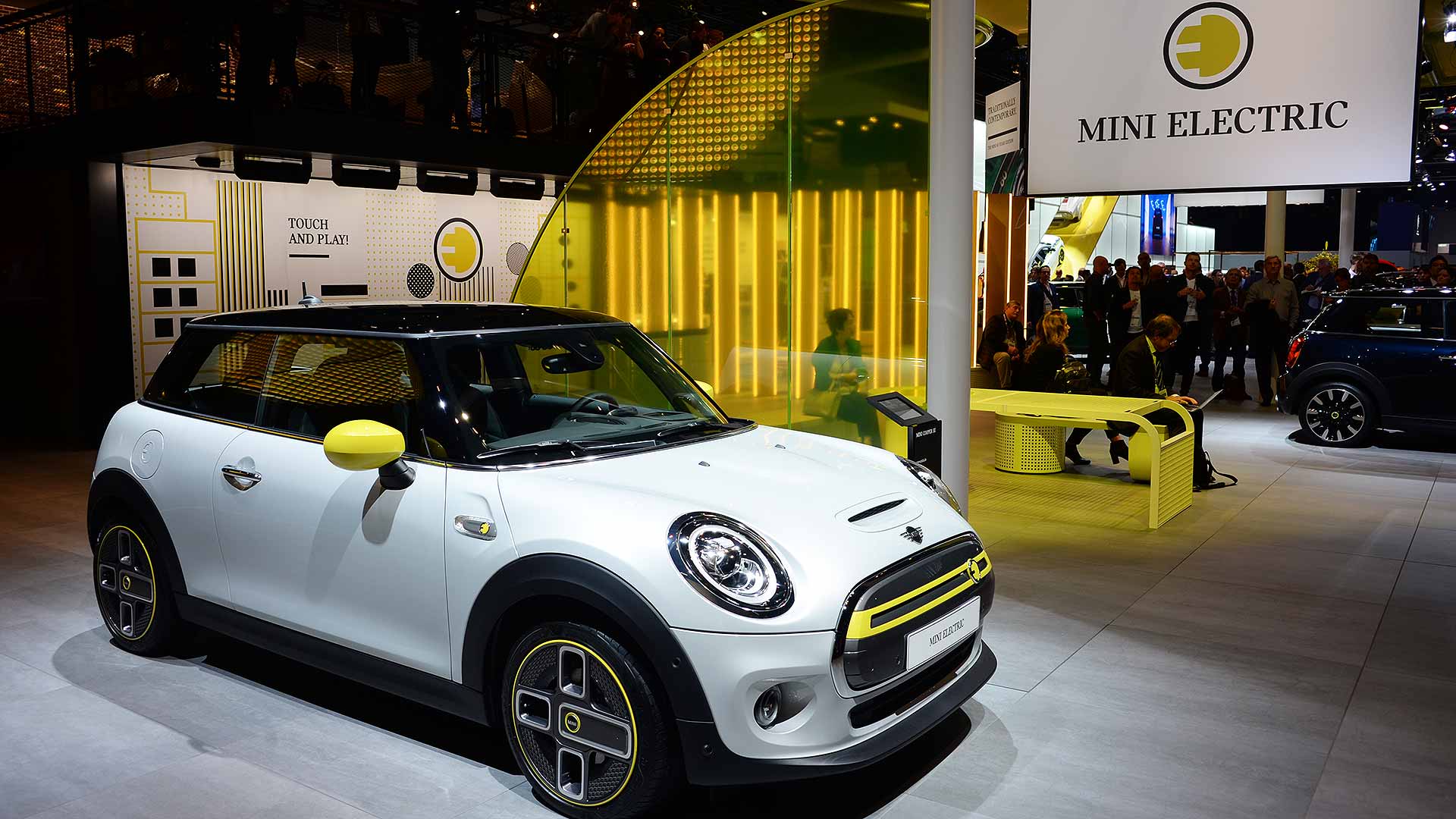
Mini Electric
Mini has received 40,000 registrations of interest for its new electric car, which suggests it might struggle to keep up with demand. Sensibly, it looks just like the regular Mini, albeit with a raised ride height and a few well chosen cosmetic upgrades to showcase your green credentials. The range of up to 144 miles will be a stumbling block for some, but city drivers will love the £24,400 starting price.
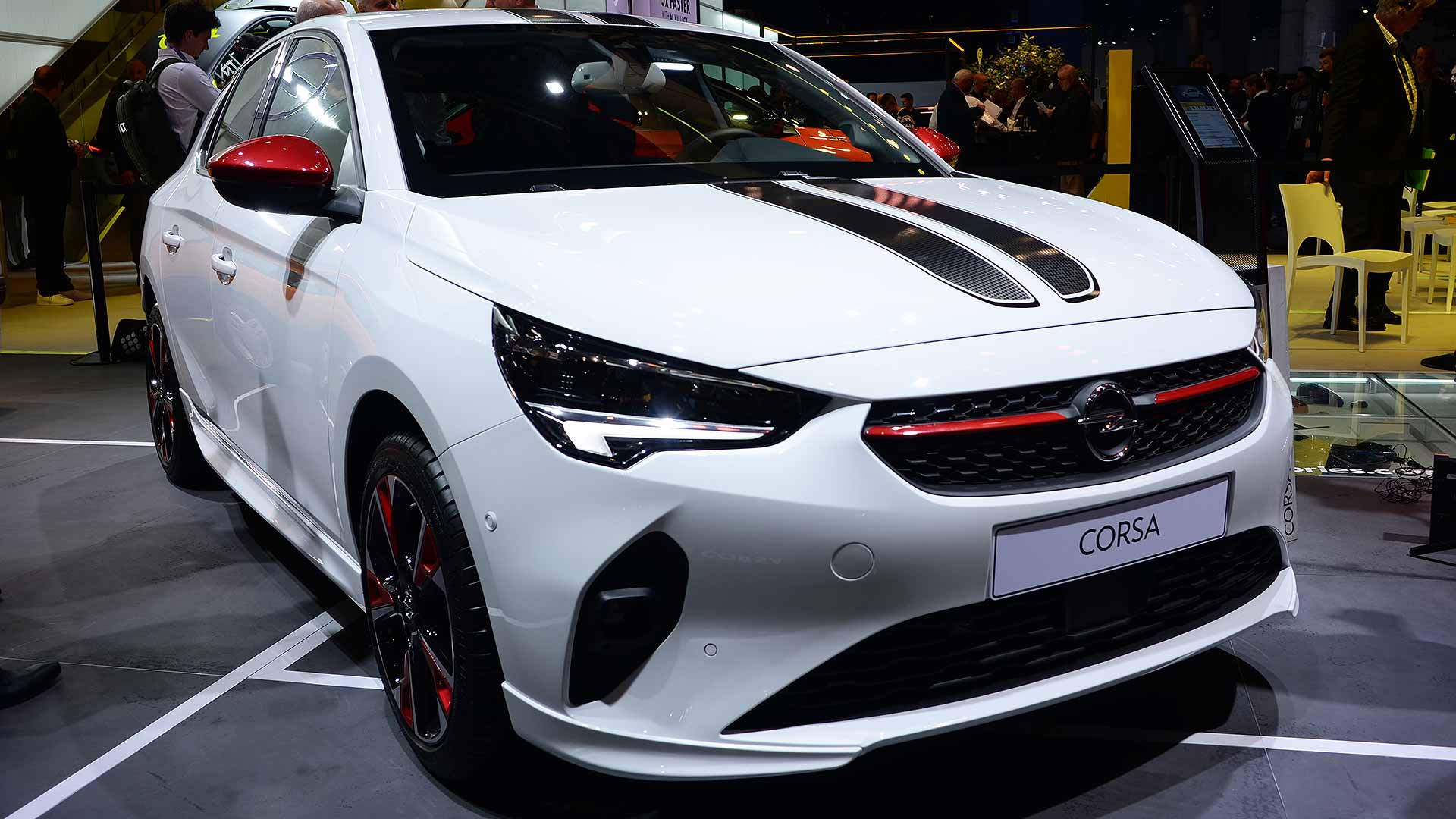
Vauxhall Corsa
As Britain’s second favourite supermini, the launch of the new Vauxhall Corsa is a big deal for the brand. It shares its platform with the Peugeot 208 and, like its French sibling, an electric version will be available. More conventional petrol and diesel powertrains are also offered, with prices starting from £15,550. The first cars arrive in Vauxhall showrooms in January 2020.
BMW 1 Series
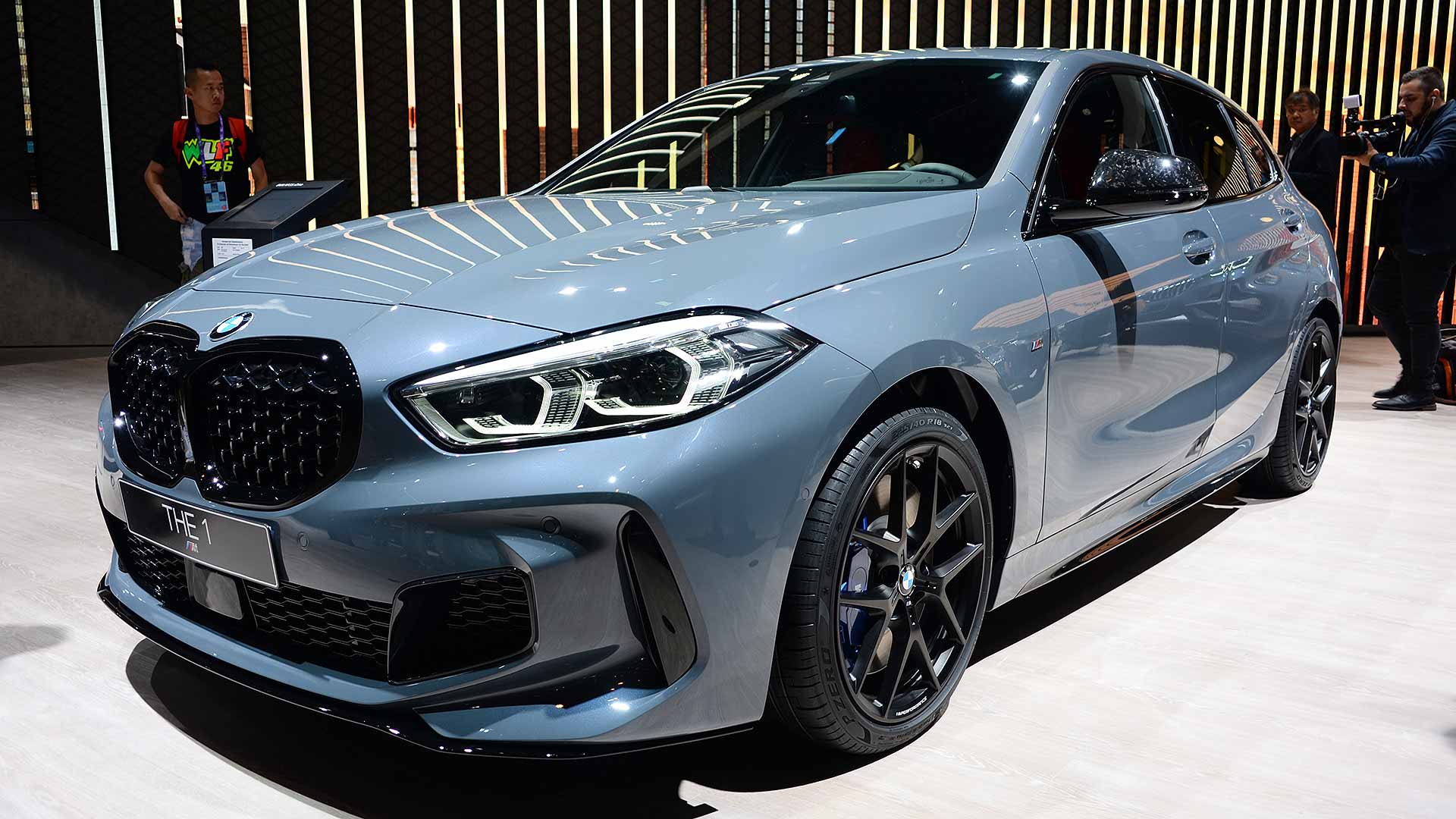
You’d be forgiven for thinking you’re looking at the 2 Series Active Tourer, but this really is the new BMW 1 Series. A shift to front-wheel-drive means more cabin space and a larger boot, while a reduction in weight will improve economy and performance. A flagship M135i xDrive sits at the top of the range, but most UK buyers will opt for the 118d. Prices start from £24,430.
Renault Captur
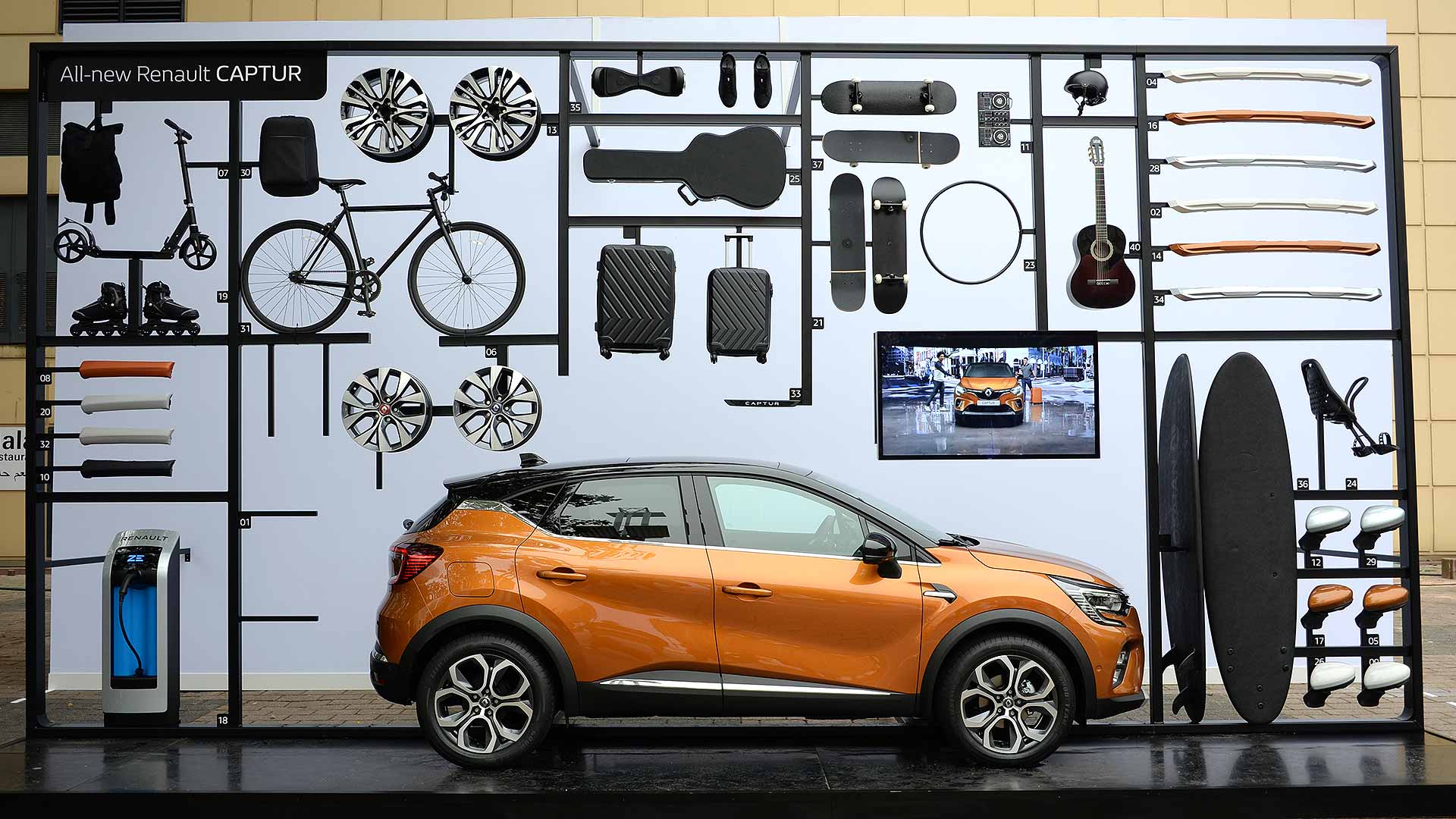
The Renault Captur is the most popular car in its class in Europe, so the launch of a new version is a big deal for the French brand. In common with the all-new Clio, the styling is evolutionary rather than revolutionary, with Renault focusing on the interior space, cabin quality, technology and efficiency. A plug-in version will be available next year.
Mercedes-Benz EQV
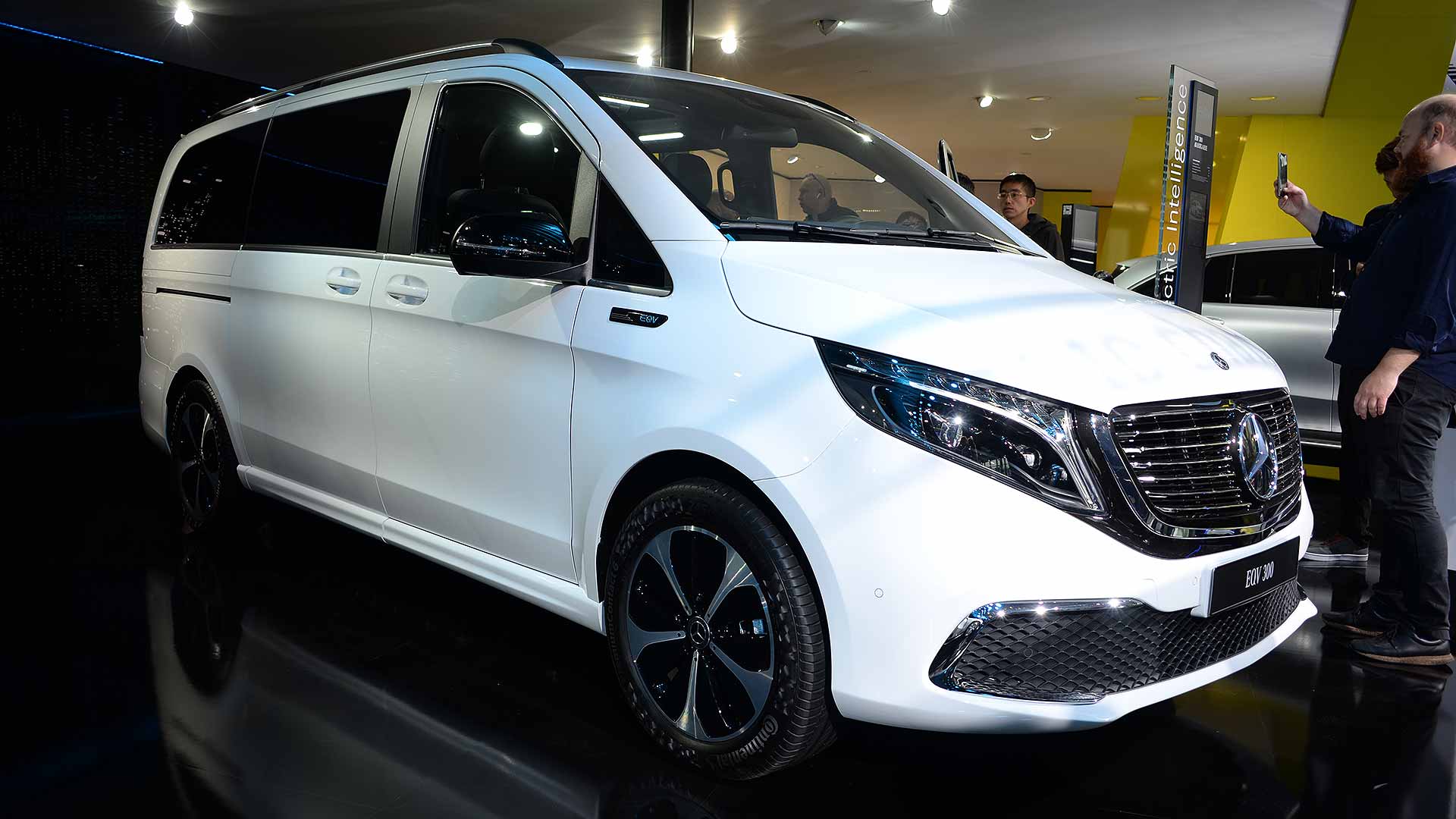
The Mercedes-Benz EQV is billed as the world’s first fully-electric MPV and it’s coming to an airport run near you soon. A 100mph top speed should mean that you’ll never miss your flight (on German autobahns, obviously), while a range of 252 miles should ensure you’re not held up by emergency charging. The 90kWh battery is replenished via an on-board water-cooled charger.
Hyundai i10
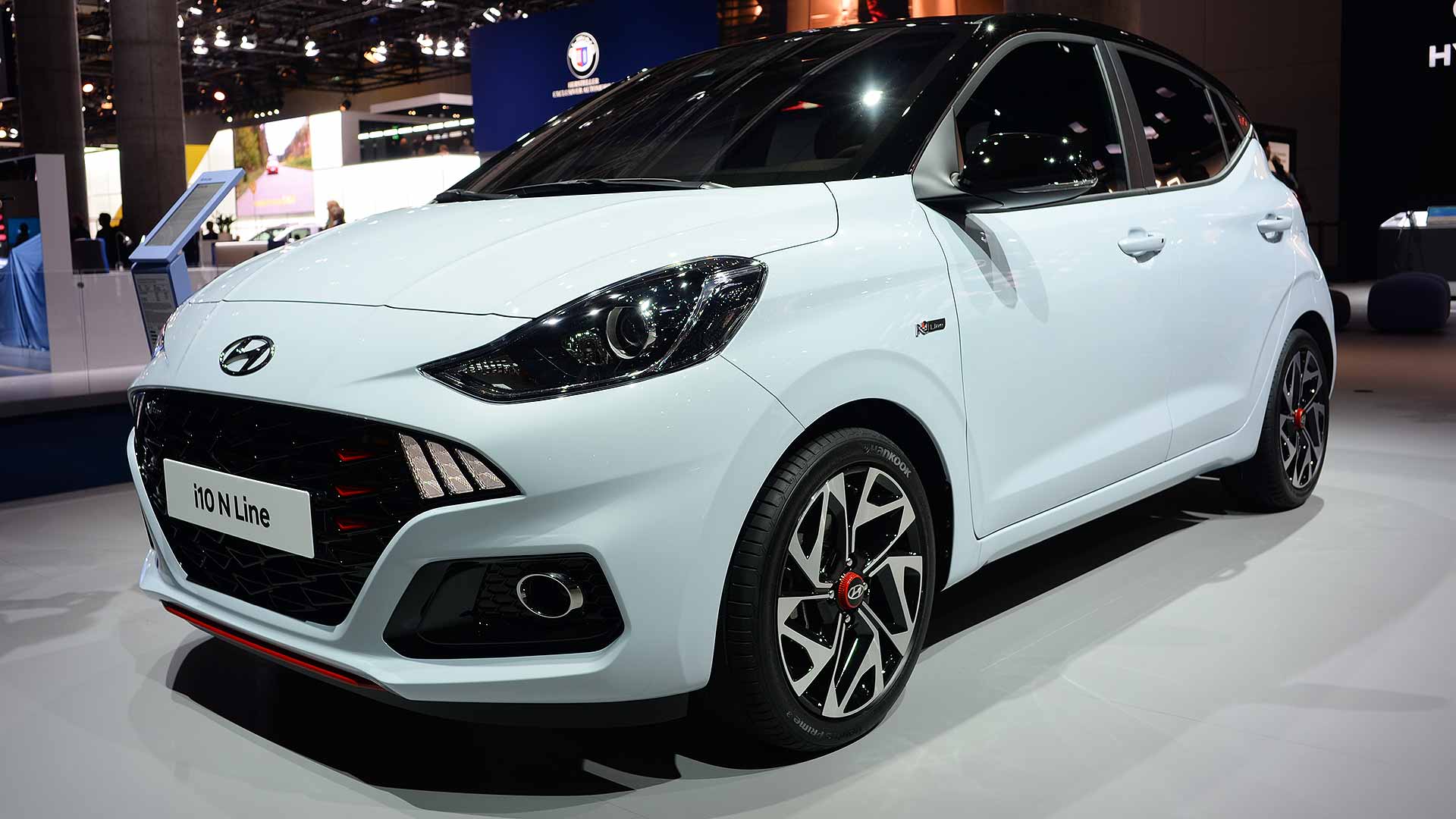
The new Hyundai i10 is a world away from the budget-led, scrappage-friendly city car of the past. Designed, developed and built in Europe, the new i10 is 20mm lower and 20mm wider than before and available as a four- or five-seater. Two petrol engines are offered at launch: a 1.0-litre three-cylinder unit and a 1.2-litre four-cylinder version. Prices haven’t been announced, but the i10 will come with a five-year unlimited mileage warranty.
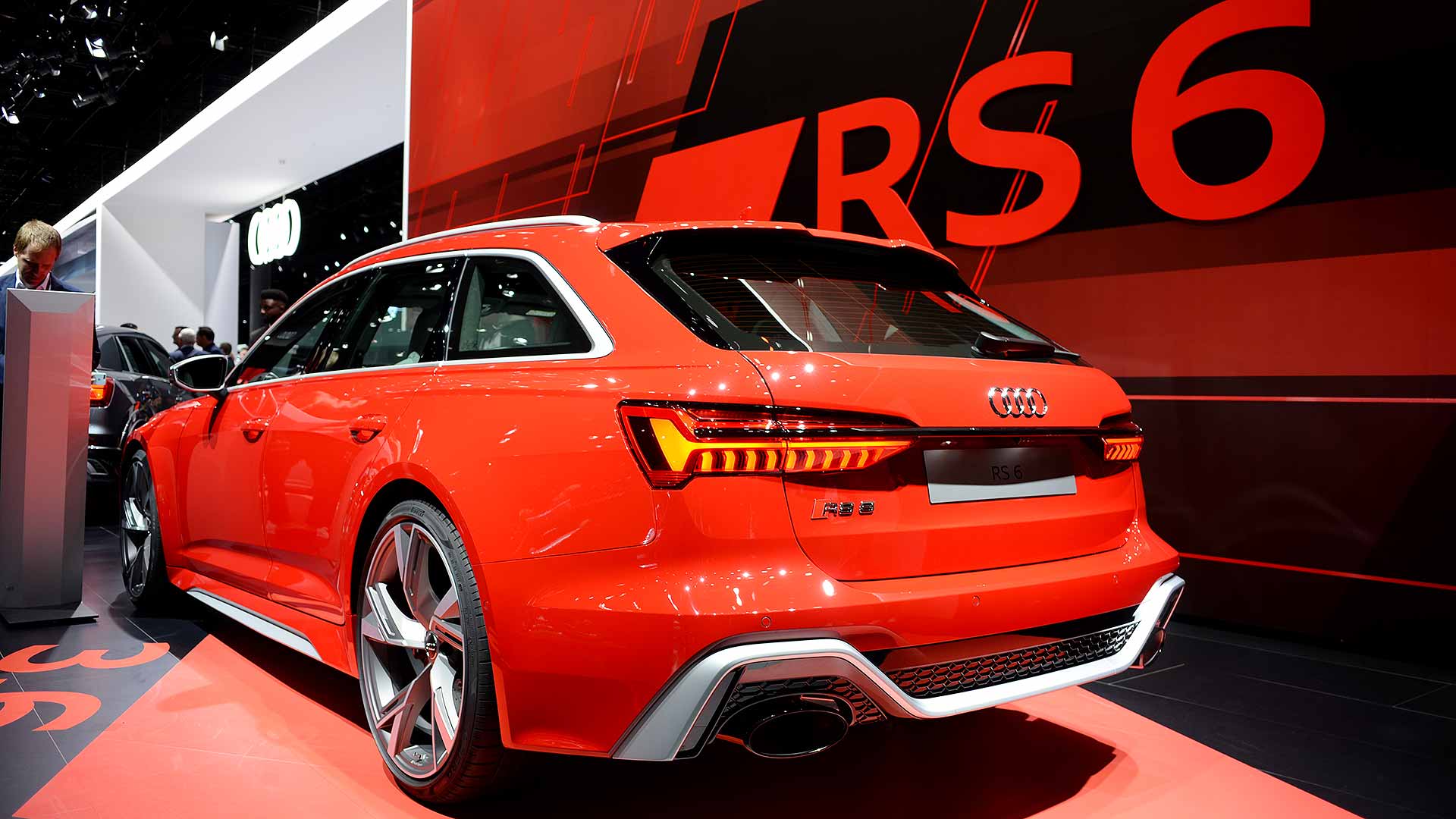
Audi RS6 Avant
The Audi RS6 Avant is here to give the performance SUV a bloody nose. It’s not as subtle as RS6 Avants of old, but this super-wagon packs 600hp and 800lb ft of torque, which is enough for it to hit 62mph in just 3.5 seconds. Mild hybrid tech is a nod to efficiency, but oval tailpipes the size of the Mersey Tunnel and giant 21-inch wheels will be of greater interest to the RS6 buyer.
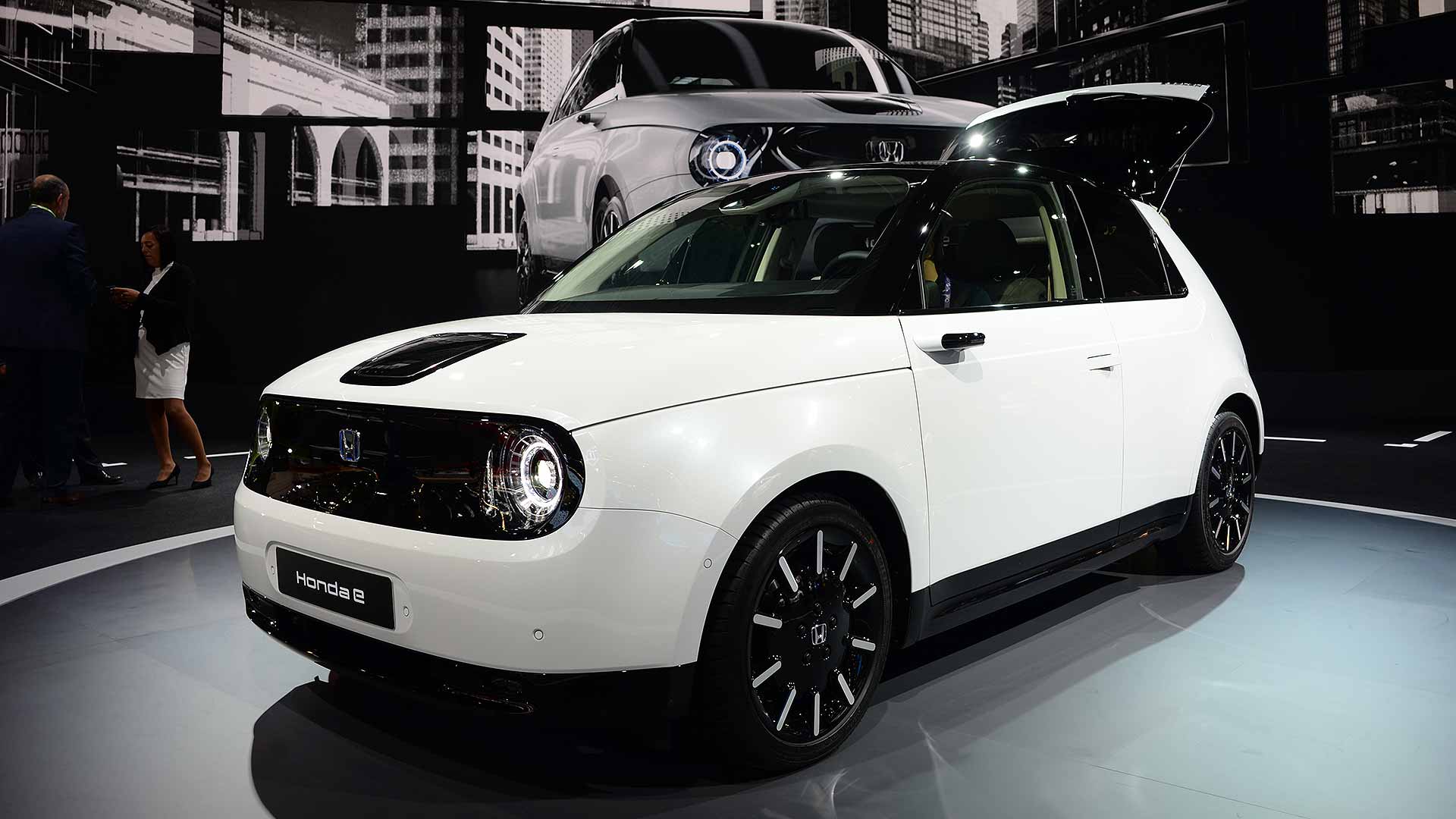
Honda e
Our man Richard Aucock has driven a prototype Honda e and was suitably impressed with what he found. The car on show in Frankfurt is a full production version, complete with subtle changes to the interior trim and a working infotainment system. Would you choose this or the Mini Electric? Honda prices start from £26,160 or £299 a month – might this sway things in Honda’s favour?
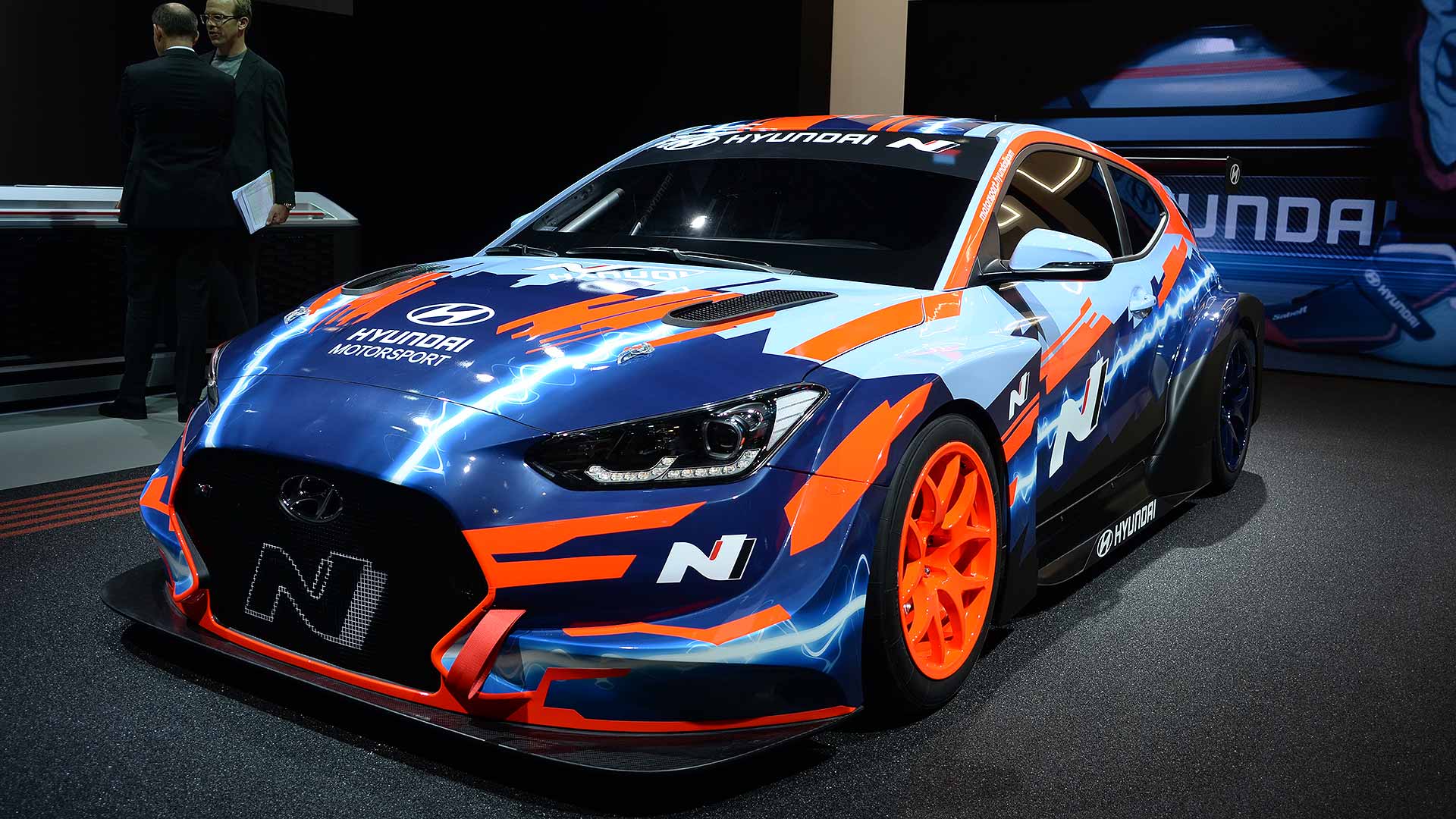
Hyundai Veloster N ETCR
This is Hyundai Motorsport’s first electric race car. It’s called the Veloster N ETCR and it has been designed and built in Germany to compete in the proposed Electric Touring Car Championship (ETCR). Hyundai hasn’t released any performance figures, but we know that it’s rear-wheel drive and the motor is mid-mounted for optimum weight distribution. The first ETCR race is expected in 2021.
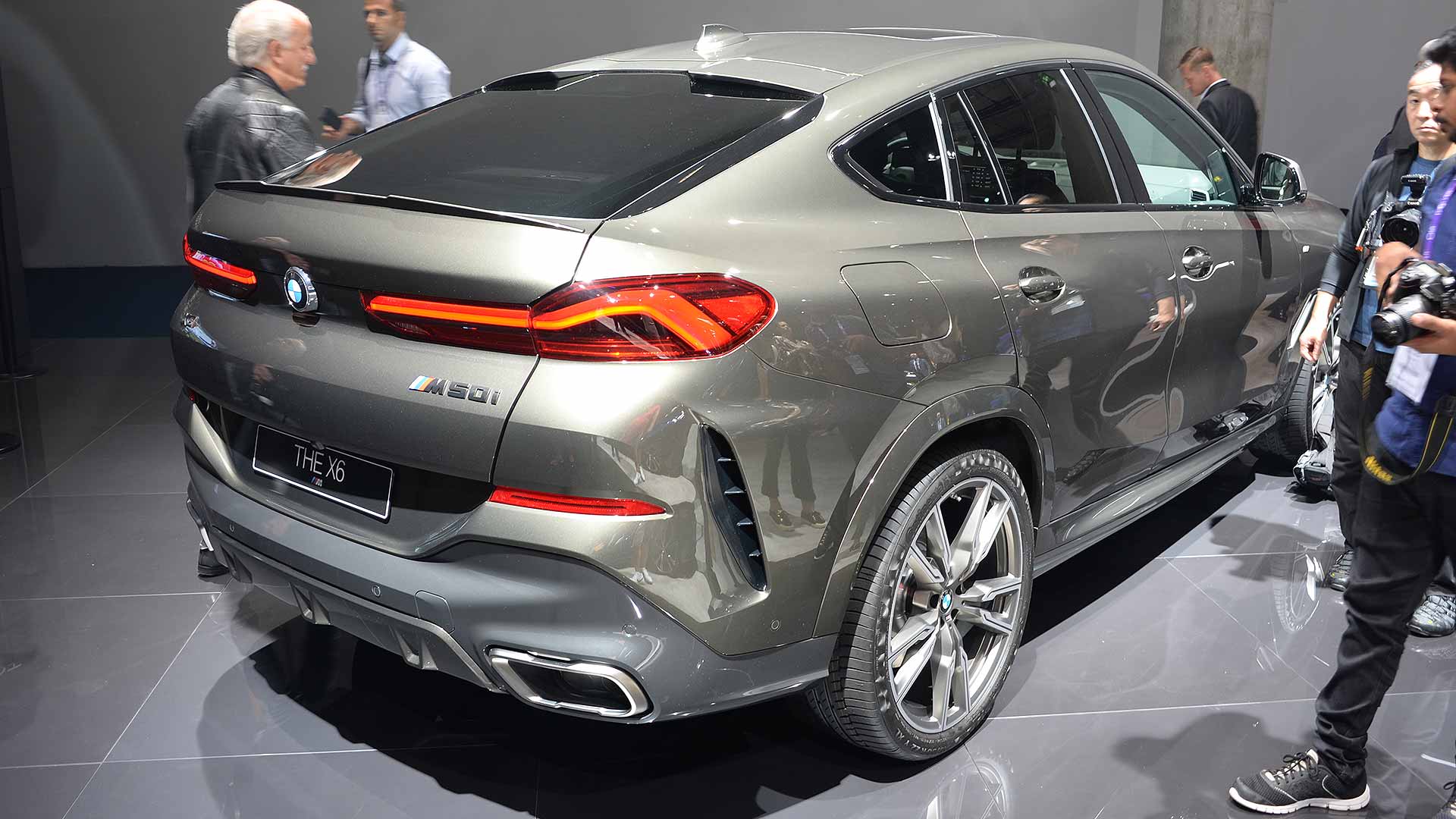
BMW X6
This is the new BMW X6, which is longer and wider than its predecessor but 6mm lower. Surprisingly, it looks rather different to the X5 SUV, with a new grille and headlights. It’s also the first production BMW to feature illuminated kidney grilles, but you can bank on these coming to an aftermarket accessories catalogue soon. We’re sure they’d look superb on a 2008 Vauxhall Corsa…
Smart EQ models
Smart is the first company to switch from combustion engines to electric powertrains across the board. Now, it has given its EQ range a cosmetic overhaul, including optional full LED headlights and different grilles. There’s also a redesigned centre console and new infotainment system. Earlier this year, Daimler and Geely announced plans to develop a new range of Smart electric cars in China.
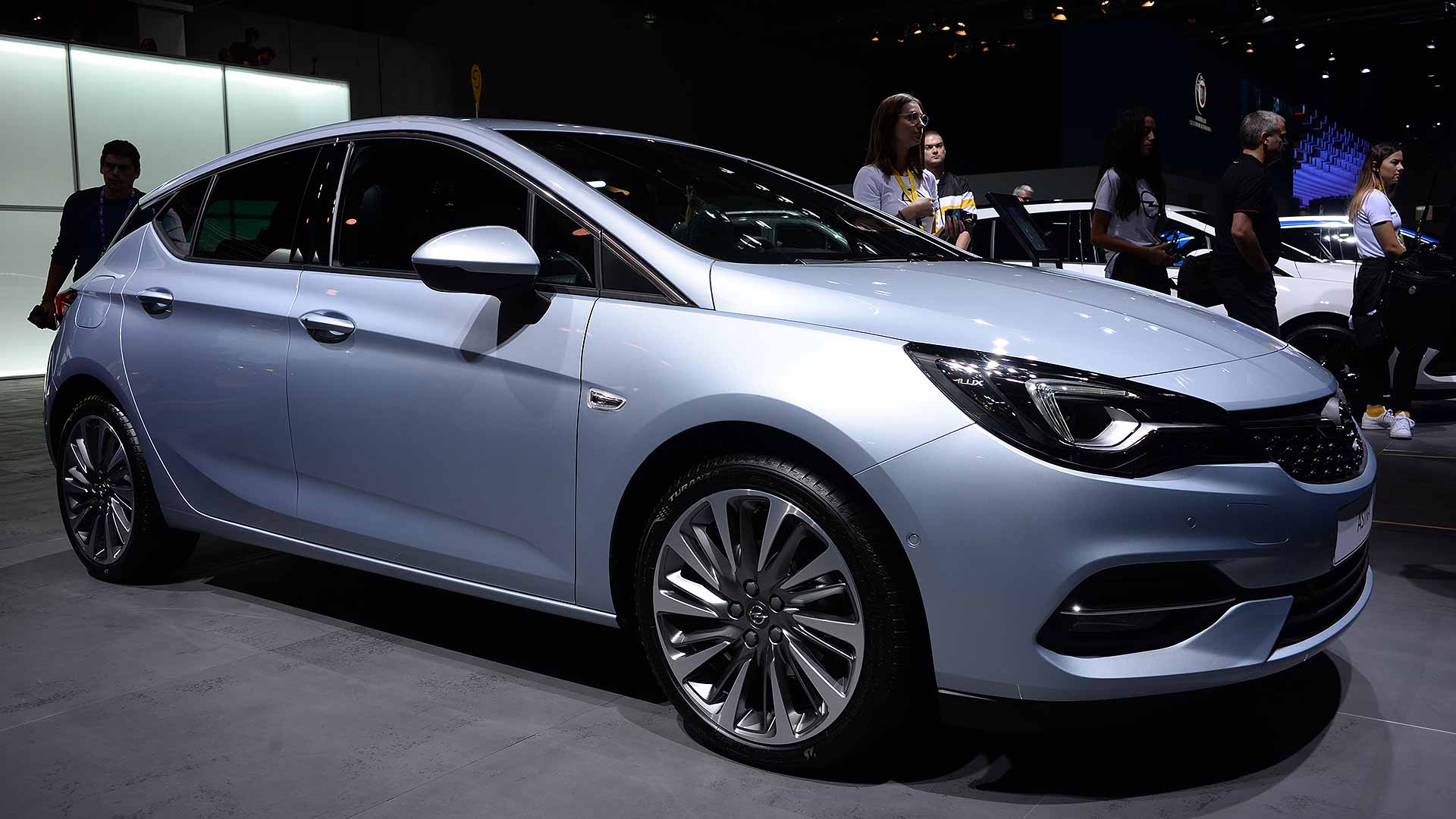
Vauxhall Astra
Don’t be fooled by the styling, because this is the new Vauxhall Astra. In reality, it’s more of a mid-life refresh, but the subtle cosmetic makeover masks a comprehensive overhaul beneath the skin. There’s new suspension, improved aerodynamics, more efficient engines and a tweaked interior. Trim lines are now simpler and prices start from £18,885.
Audi AI:Trail Quattro
If the Land Rover Defender pays homage to the past, the Audi AI:Trail Quattro is a vision of the future. It’s equipped with four electric motors, systems for assisted and automated driving, plus permanent all-wheel drive. It has a massive 350mm of ground clearance, can ford water more than half a metre deep and is fitted with 22-inch wheels wrapped in 850mm tyres. Still want that Defender?
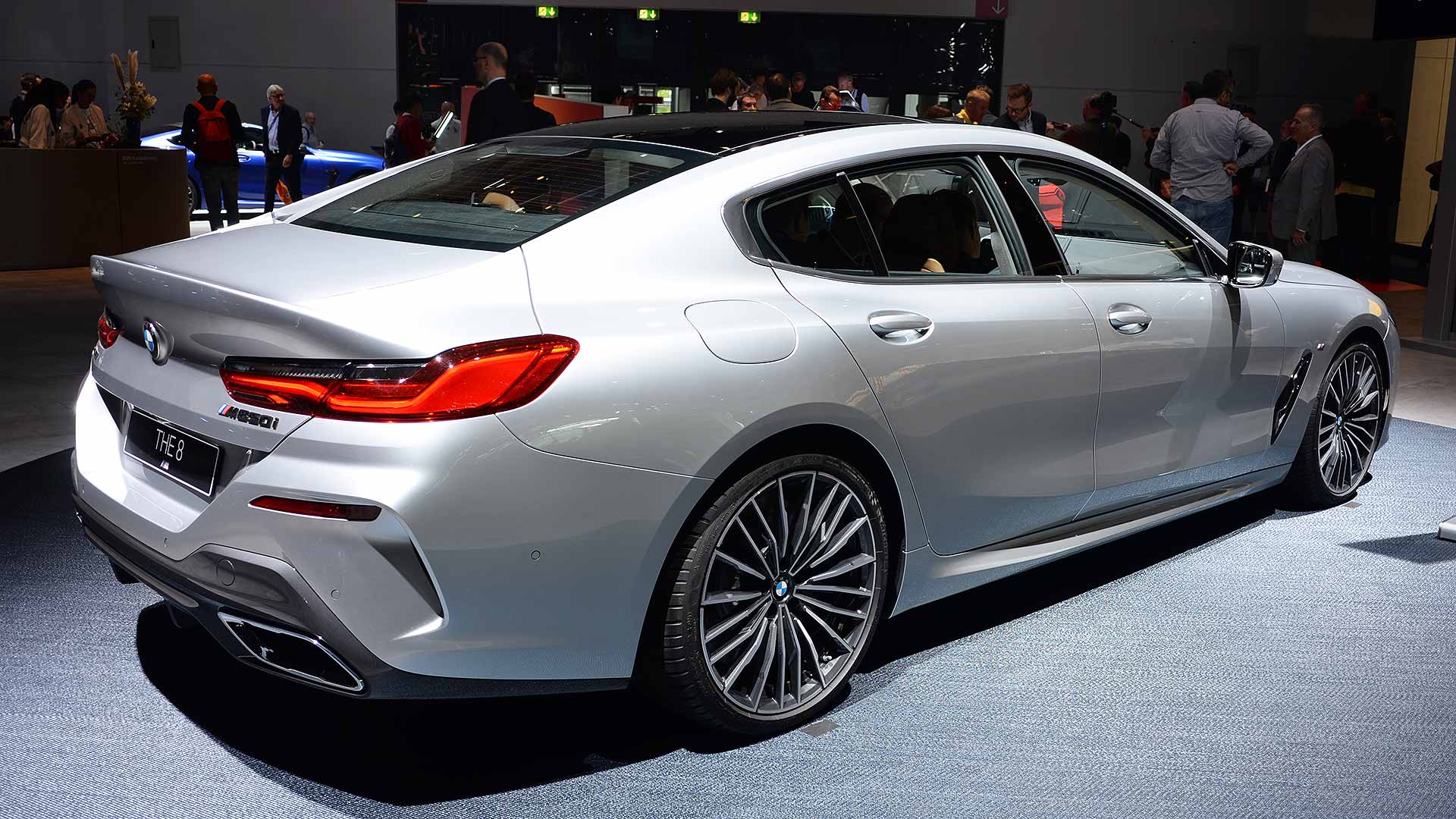
BMW 8 Series Gran Coupe
BMW has added an extra 201mm to the wheelbase of the two-door 8 Series Coupe to create the four-door Gran Coupe. BMW says this space has been used to enable the two passengers in the rear to enjoy a ‘genuine sports car feel’, but there is also a third seat in the back for short journeys. At £69,340, the entry-level Gran Coupe comes in around £2,500 cheaper than the ‘basic’ Coupe.
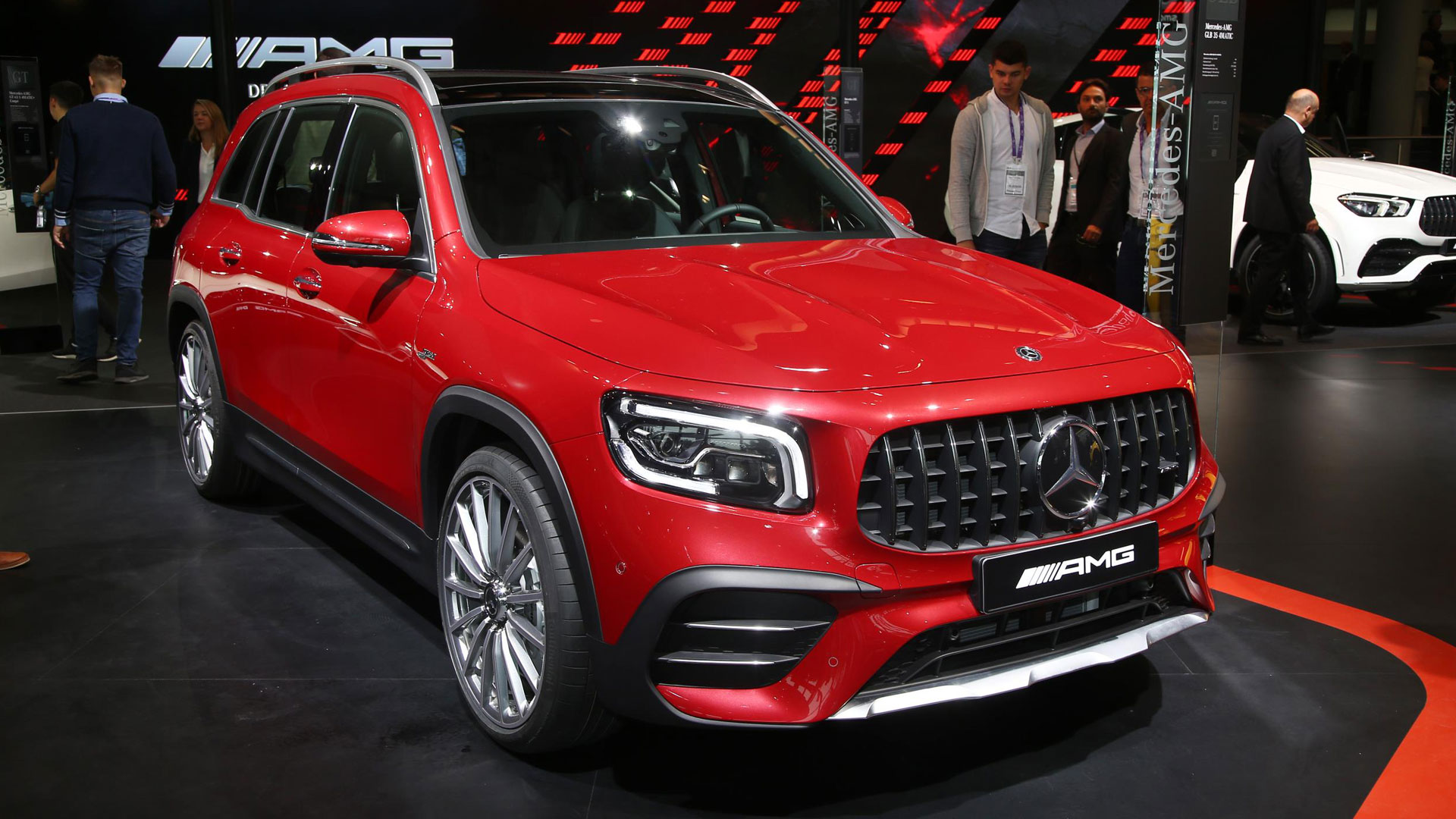
Mercedes-AMG GLB 35 4Matic
Mercedes-AMG has wasted little time in building a hot version of the GLB compact SUV. The GLB 35 4Matic features a 2.0-litre turbocharged four-cylinder engine producing 306hp, with power sent to all four wheels via an eight-speed dual-clutch transmission. Wheel sizes range from 19 to 21 inches, with the hot GLB featuring ‘race start’ as standard. A 0-62mph time of 5.2 seconds should keep a few hot hatches on their toes.
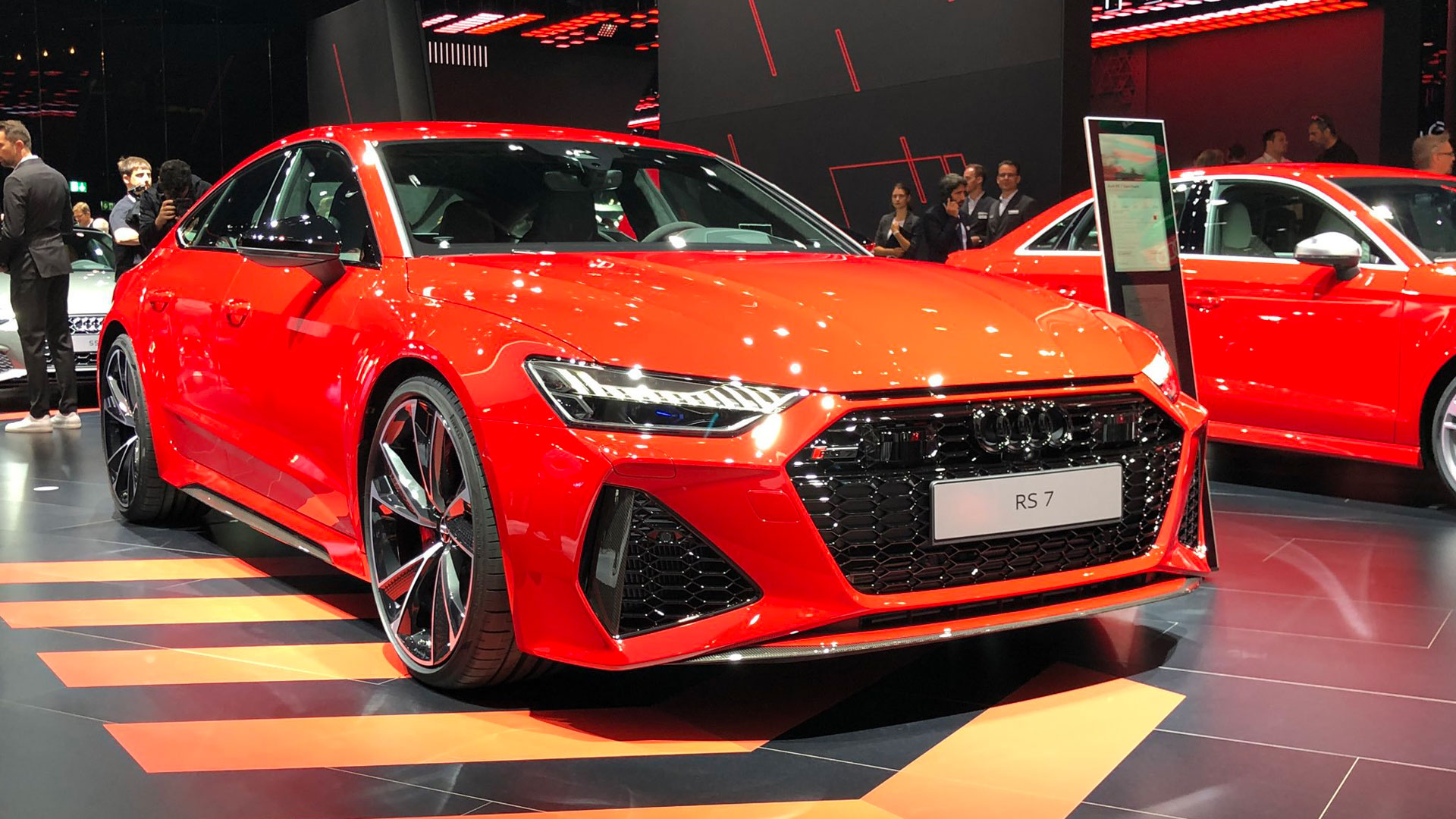
Audi RS7 Sportback
Audi has added a mild hybrid system to its already potent 4.0-litre V8 engine to give the new RS7 Sportback serious performance car credentials. Figures of 600hp and 590lb ft of torque are big league stuff and will ensure the four-door super-saloon hits 62mph in just 3.6 seconds. Opt for the Dynamic Plus Package and the RS7 will top 190mph. A future twin-test against the BMW M8 Gran Coupe should be interesting.
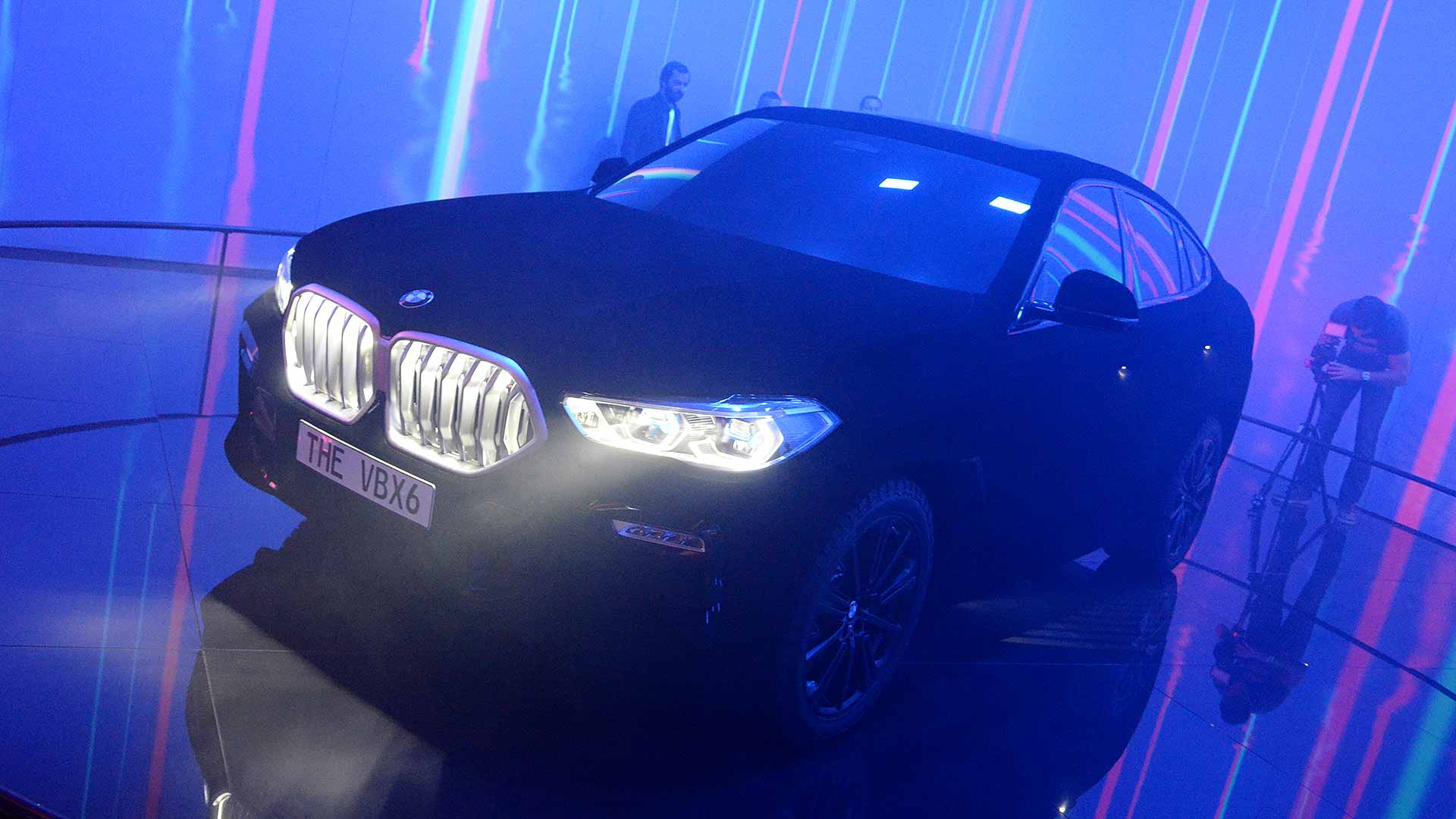
BMW X6 Vantablack
This BMW X6 is finished in ‘the world’s blackest black’. The one-off vehicle is coated in a Vantablack paint finish that absorbs up to 99.965 percent of light, completely eliminating reflections. The result is surreal, bordering on eerie. Vantablack was developed for aerospace, but this is the first time Surrey NanoSystems, the company behind the innovation, has allowed a car manufacturer to use the paint.
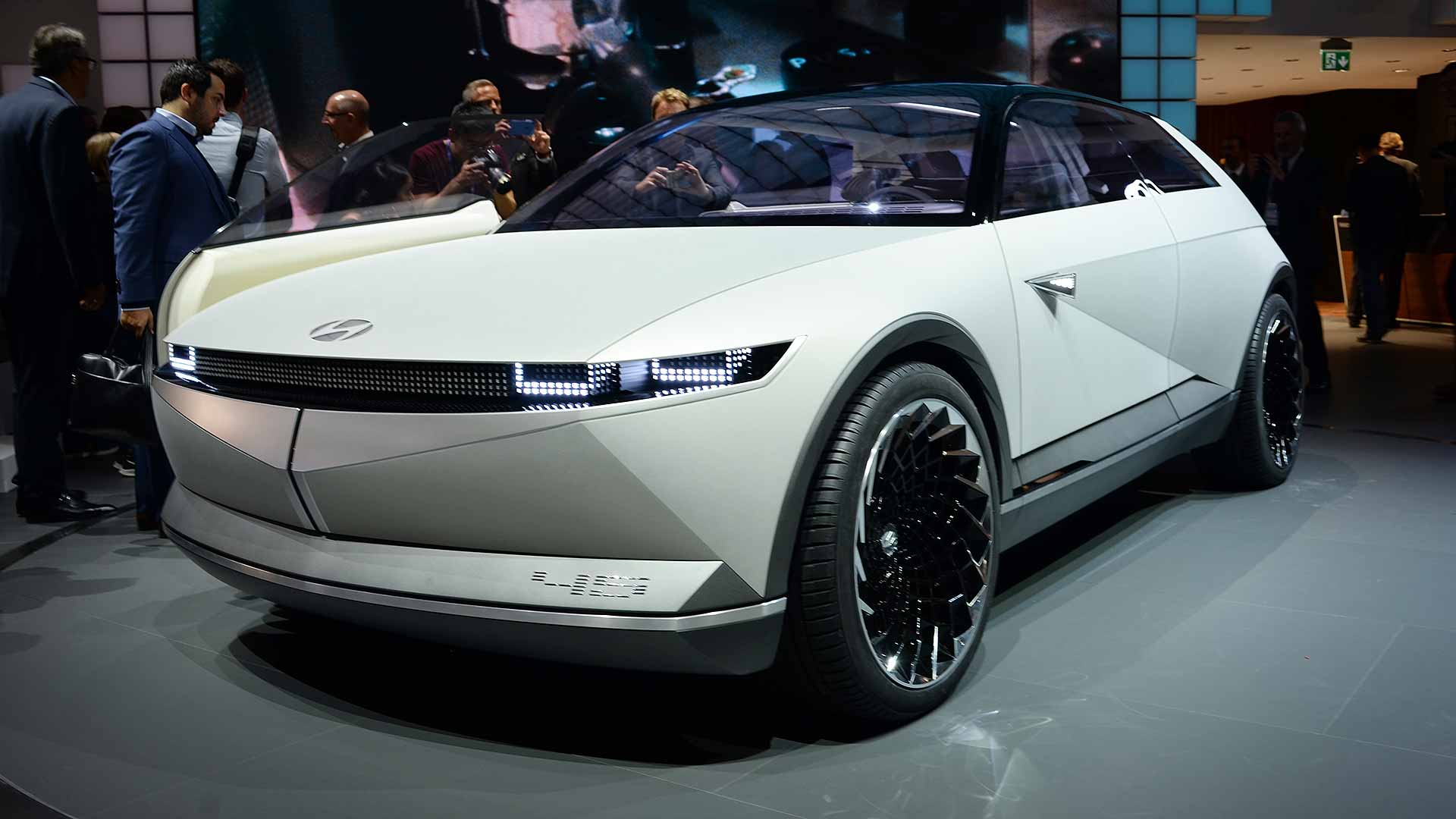
Hyundai 45 EV Concept
Remember the Hyundai Pony? The 45 EV Concept pays homage to Hyundai’s first independent vehicle and hints at the ‘self-driving vehicles of tomorrow’. The company says it previews the design direction of future EV models and the potential for a ‘consumer lifestyle brand for the future of mobility’. Highlights include an interior inspired by furniture designs, swivel seats and a ‘comfortable carpet’. Because everyone loves a comfortable carpet.
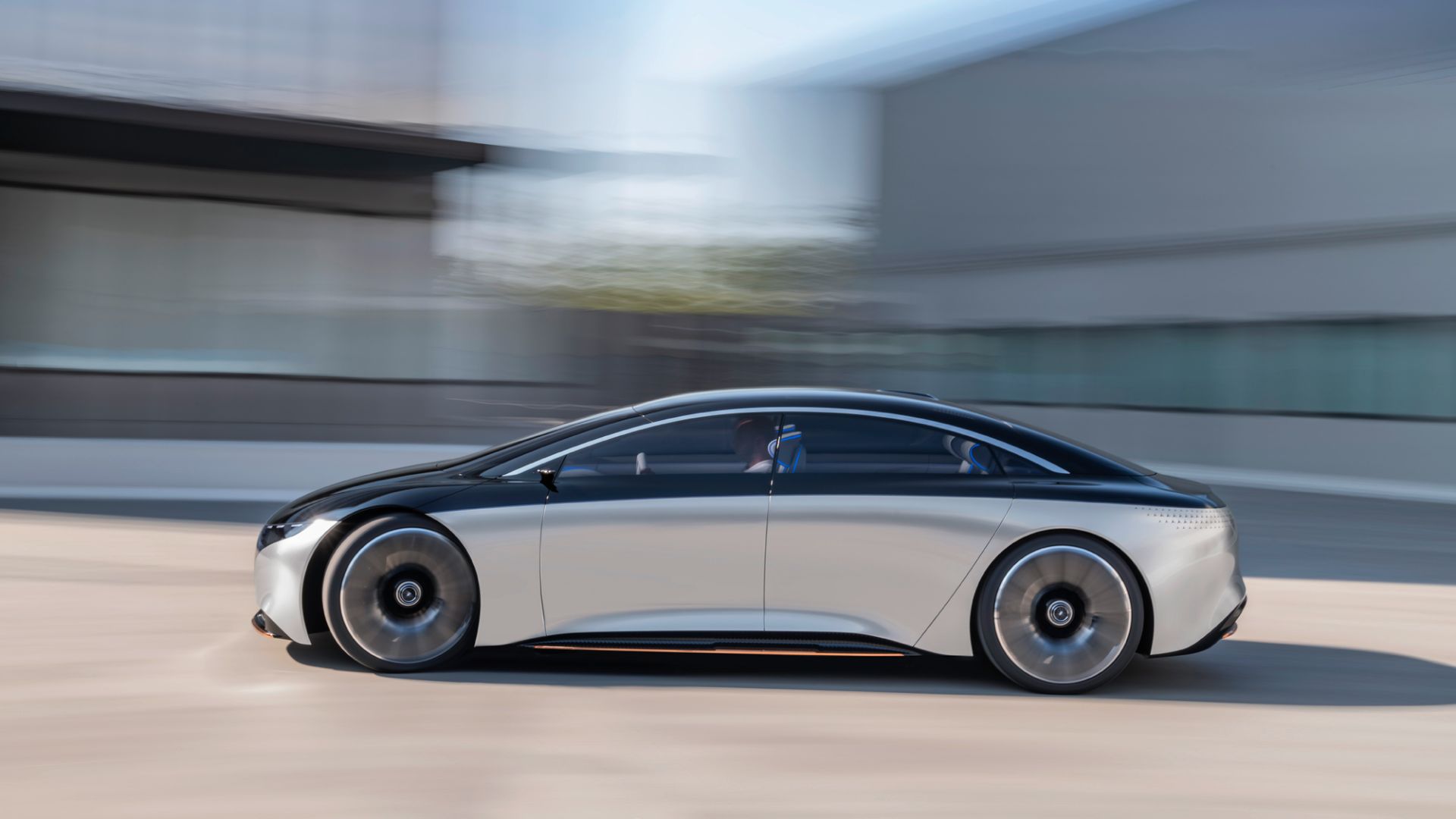
Mercedes-Benz Vision EQS
The press material for the Mercedes-Benz Vision EQS contains an awful lot of waffle, but cutting to the chase, this all-electric vehicle previews a future S-Class flagship. Mercedes says it will deliver up to 700km (435 miles) of range and the level of autonomy can be extended up to fully-automated driving.
BMW Concept 4
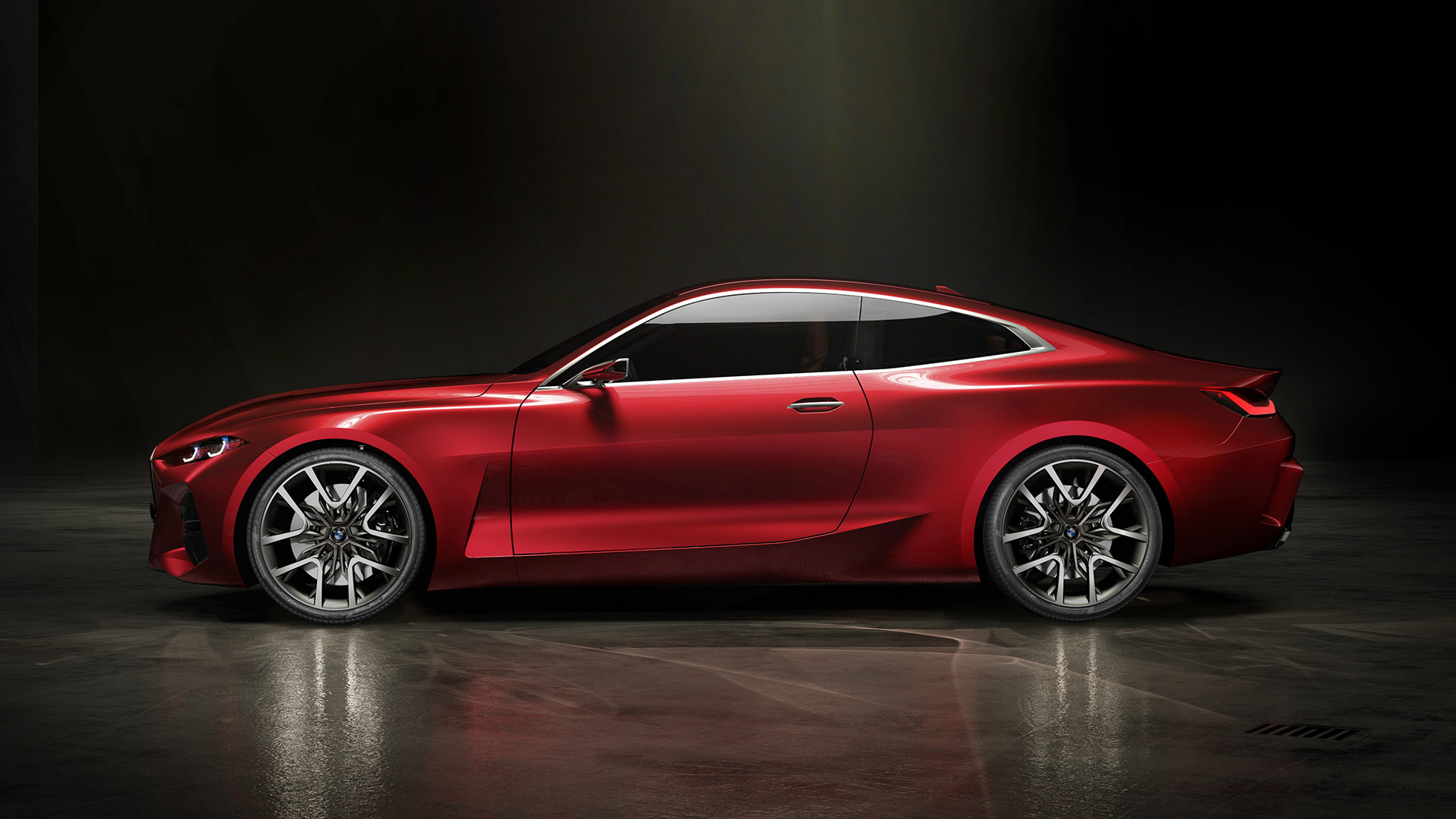
“The kidney grille has always been a signature feature of BMW cars,” said Domagoj Dukec, head of BMW Design. “The BMW Concept 4 presents a confident and classy take on this iconic feature,” he continued. Confident? Perhaps. Classy? We’ll get back to you on that. Still, nice side profile.
Volkswagen e-Up
While the all-new electric cars might grab the headlines in Frankfurt, news of an updated Volkswagen e-Up will be of interest to many buyers. The range is, er… up, from 99 to 162 miles, with up to 80 percent charge available in just 60 minutes via a 40kW DC charger. The revised e-Up will be built alongside the Skoda Citigo-e iV and Seat Mii Electric.
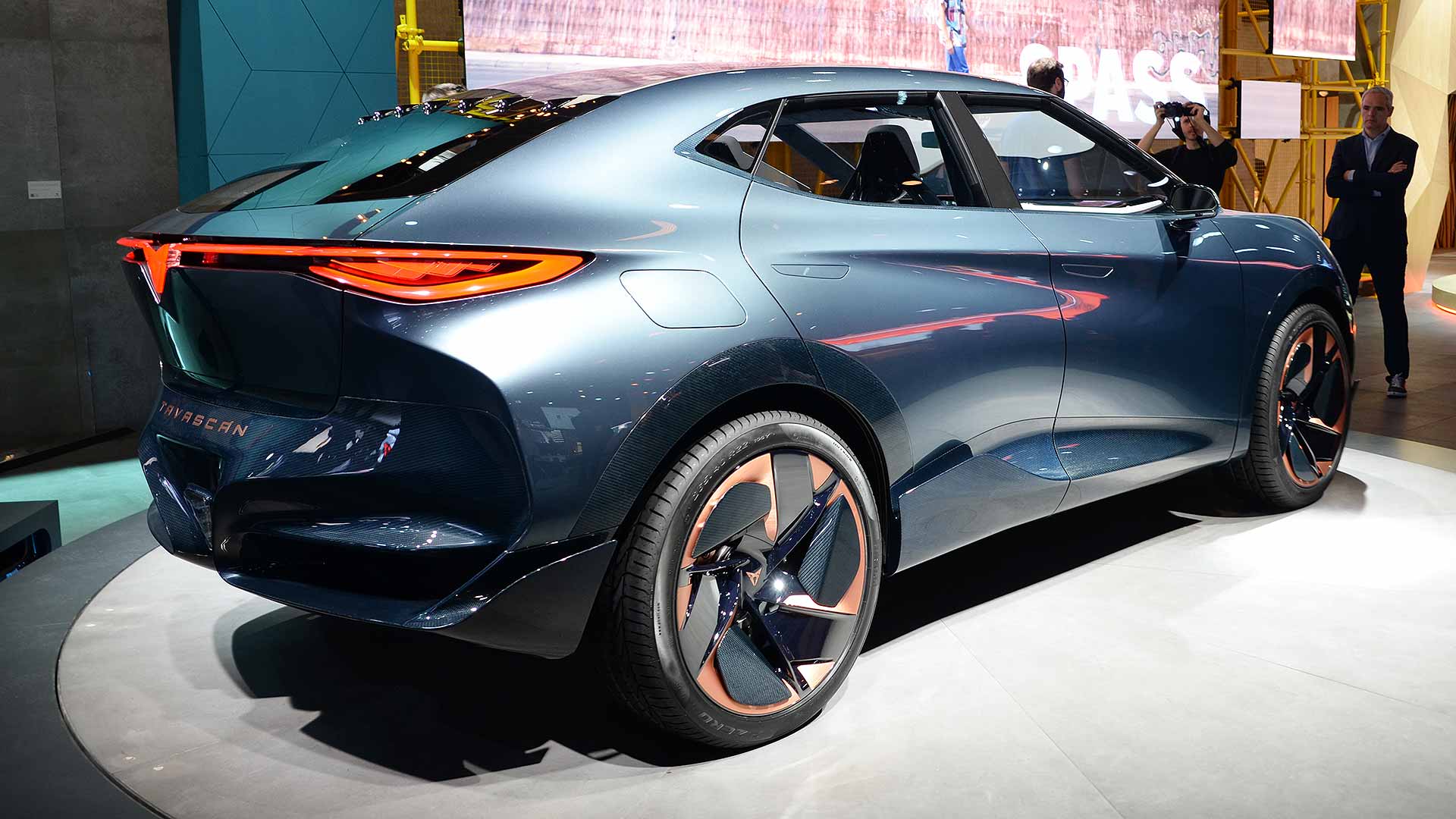
Cupra Tavascan
Cupra – the performance offshoot of Seat – reckons the electric coupe SUV market will grow by 15 percent a year. So although the Tavascan is a concept, it provides hints about the next bespoke model to follow the Formentor, which is scheduled to arrive next year. Highlights include 22-inch wheels, a total output of 306hp, four-wheel-drive and a range of up to 280 miles.
Audi A5
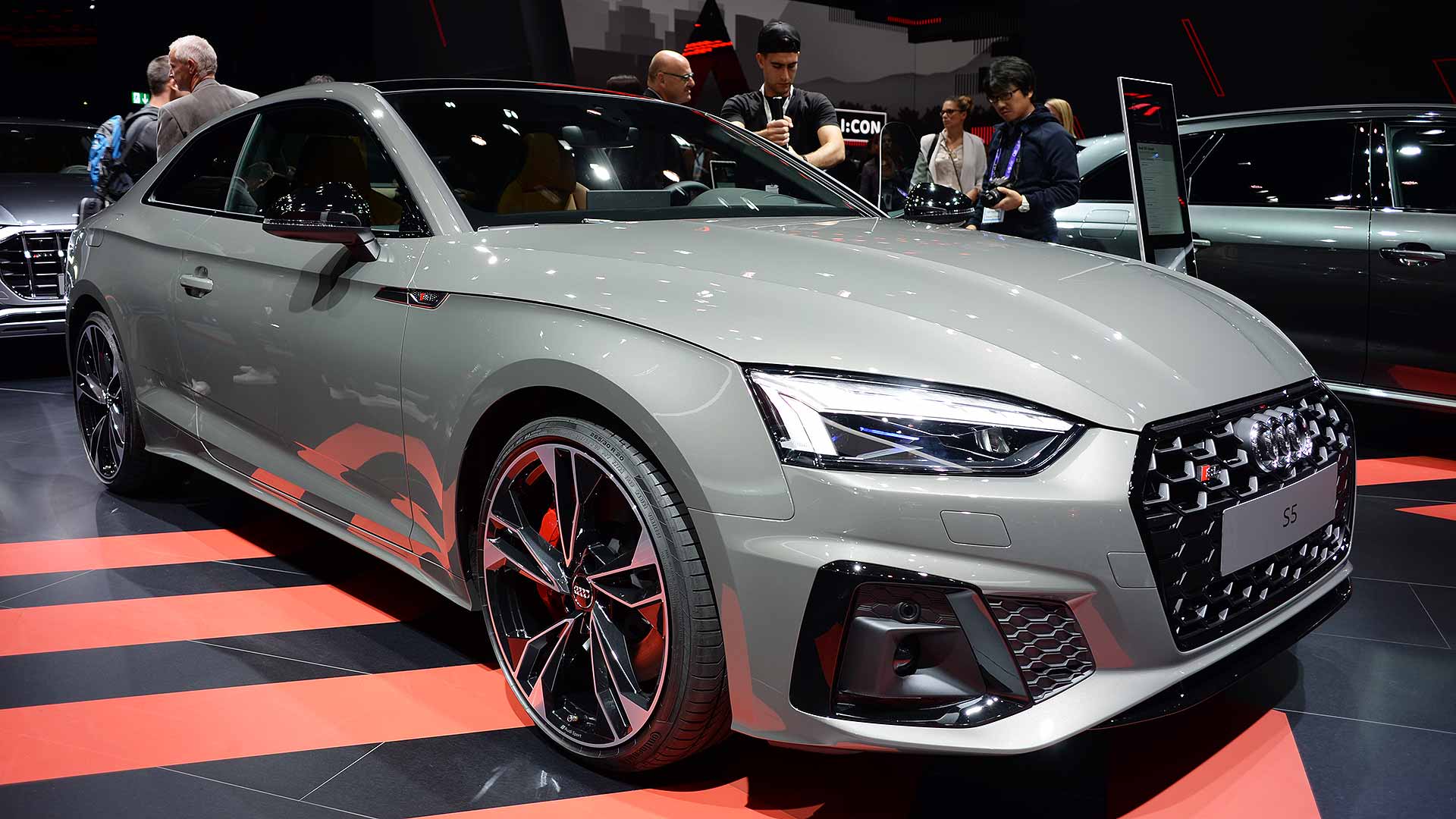
With the A4 updated, it was only a matter of time before the Audi A5 received a mid-life makeover. On show in Sportback, Coupe and Cabriolet variants, the A5 gets a new front end, a touchscreen infotainment system, mild hybrid technology and a revised 12.3-inch Virtual Cockpit. The new A5 will be available to order later this year, with first deliveries expected in the spring.
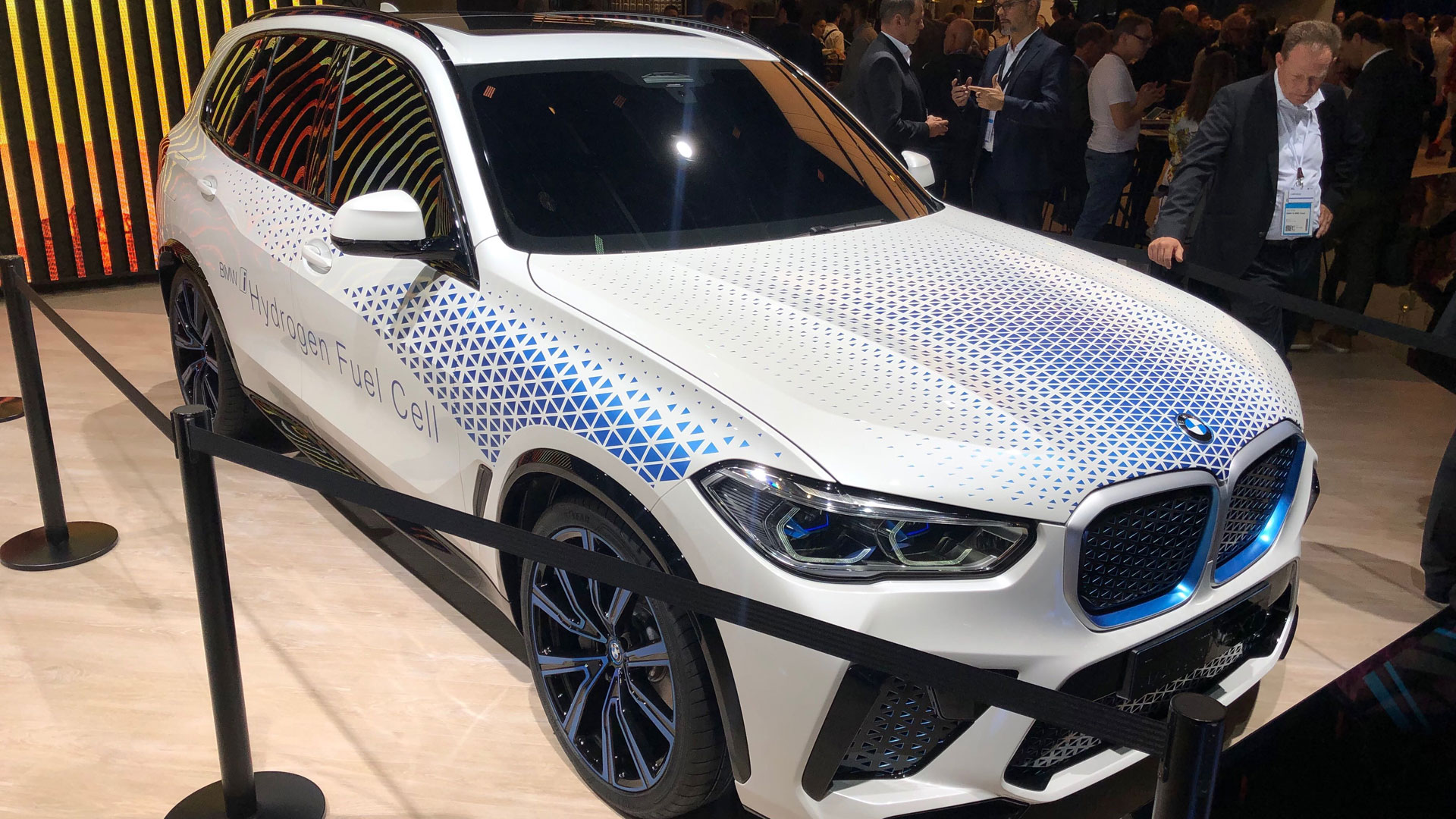
BMW i Hydrogen Next
You’d be forgiven for thinking the future is electric, but BMW is not prepared to put all its alternative fuel eggs in one bag for life. The i Hydrogen Next fuel cell development vehicle is based on the X5 and works on “the assumption that, in future, various alternative types of drive system will exist alongside one another”. Don’t bank on a hydrogen BMW arriving before 2025, mind.
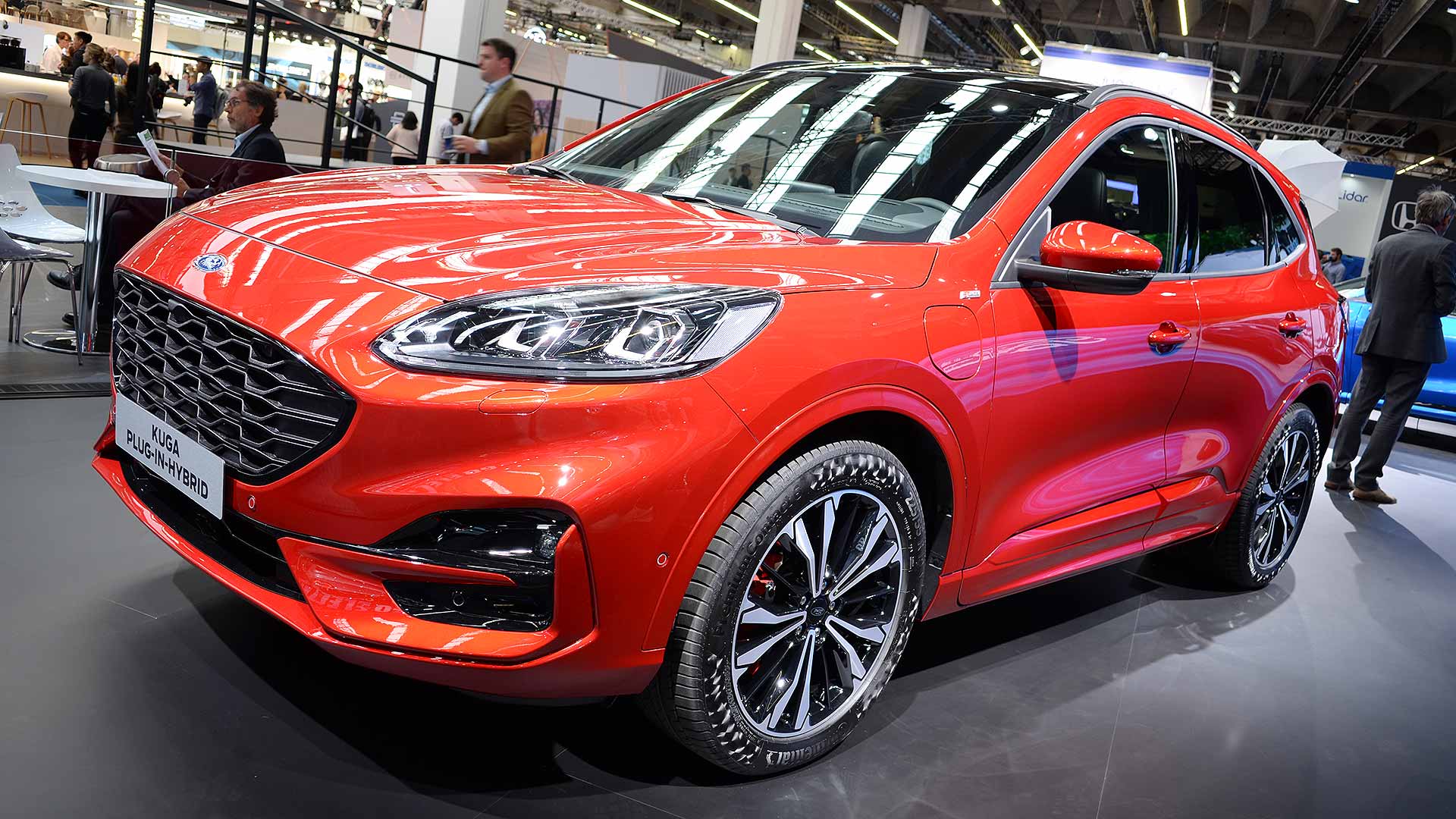
Ford Kuga PHEV
Ford is predicting a ‘tipping point of electrified versus conventional petrol and diesel powertrains by the end of 2022, when more than 50 percent of Ford passenger vehicles will be electrified.’ The Kuga Plug-in Hybrid is the company’s ‘most electrified vehicle’ and the first to offer mild-hybrid, ‘self-charging’ full-hybrid and plug-in hybrid powertrains.
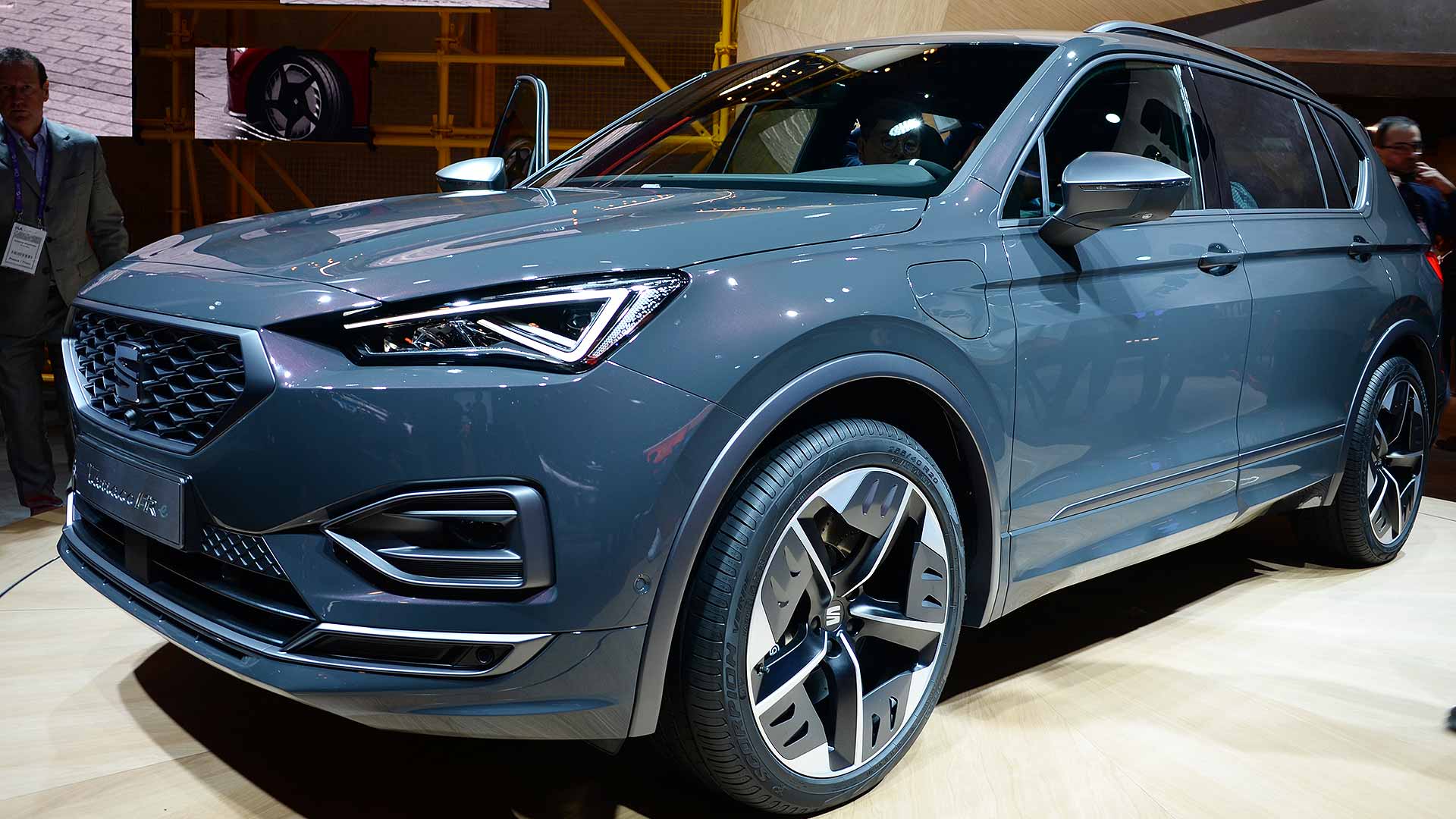
Seat Tarraco PHEV
The seven-seat Tarraco is Seat’s third SUV and a rival to the Skoda Kodiaq and Volkswagen Tiguan Allspace. This new plug-in hybrid variant pairs a 1.4-litre petrol engine with an electric motor to deliver 245hp and CO2 emissions ‘below 50g/km’. There’s no word on price, but the PHEV variant will be available to order in 2020. Seat has also unveiled a new FR trim level, complete with FR-specific 19-inch alloy wheels, a new Fura Grey colour, wider wheelarches and a rear spoiler.
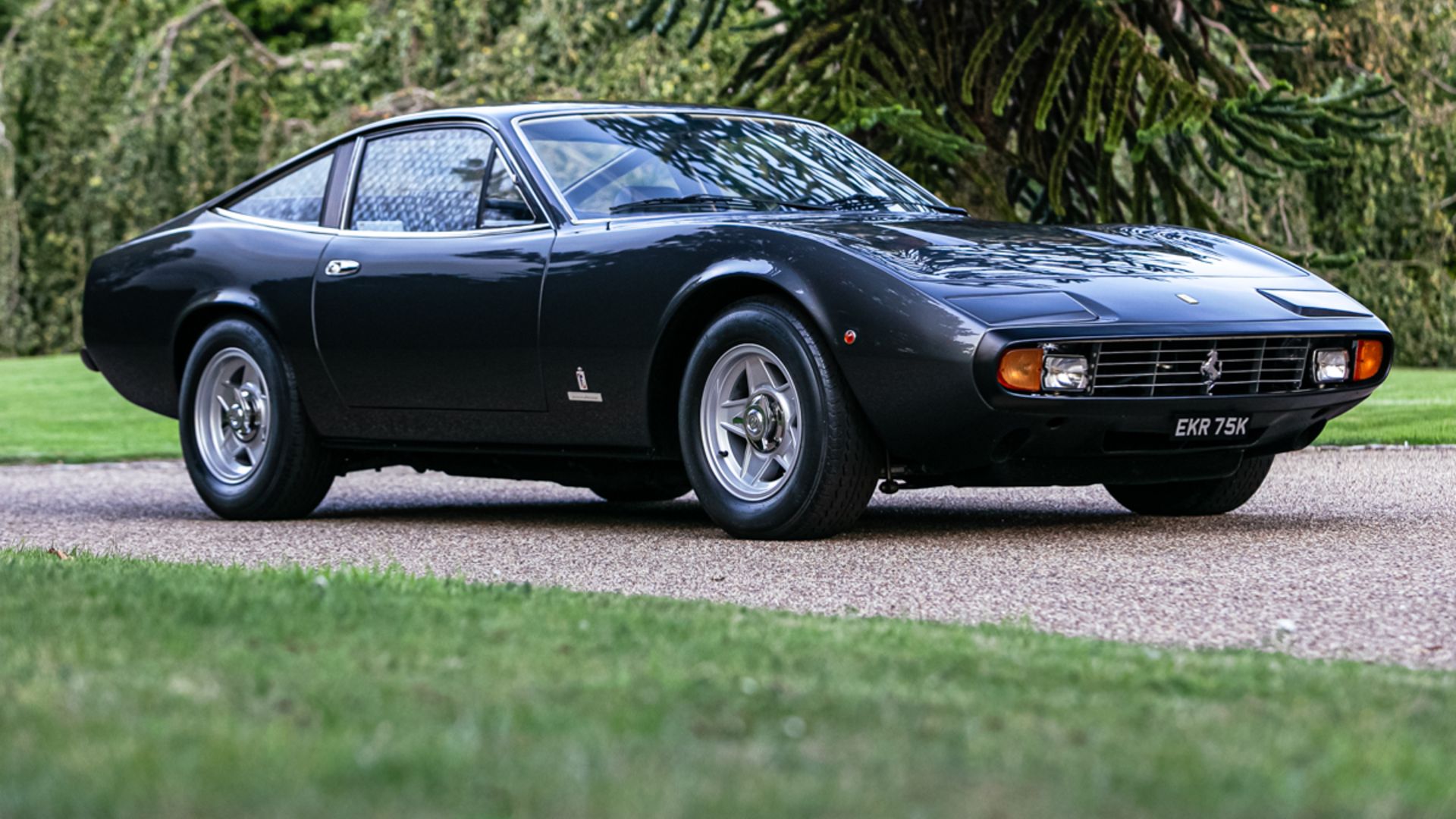
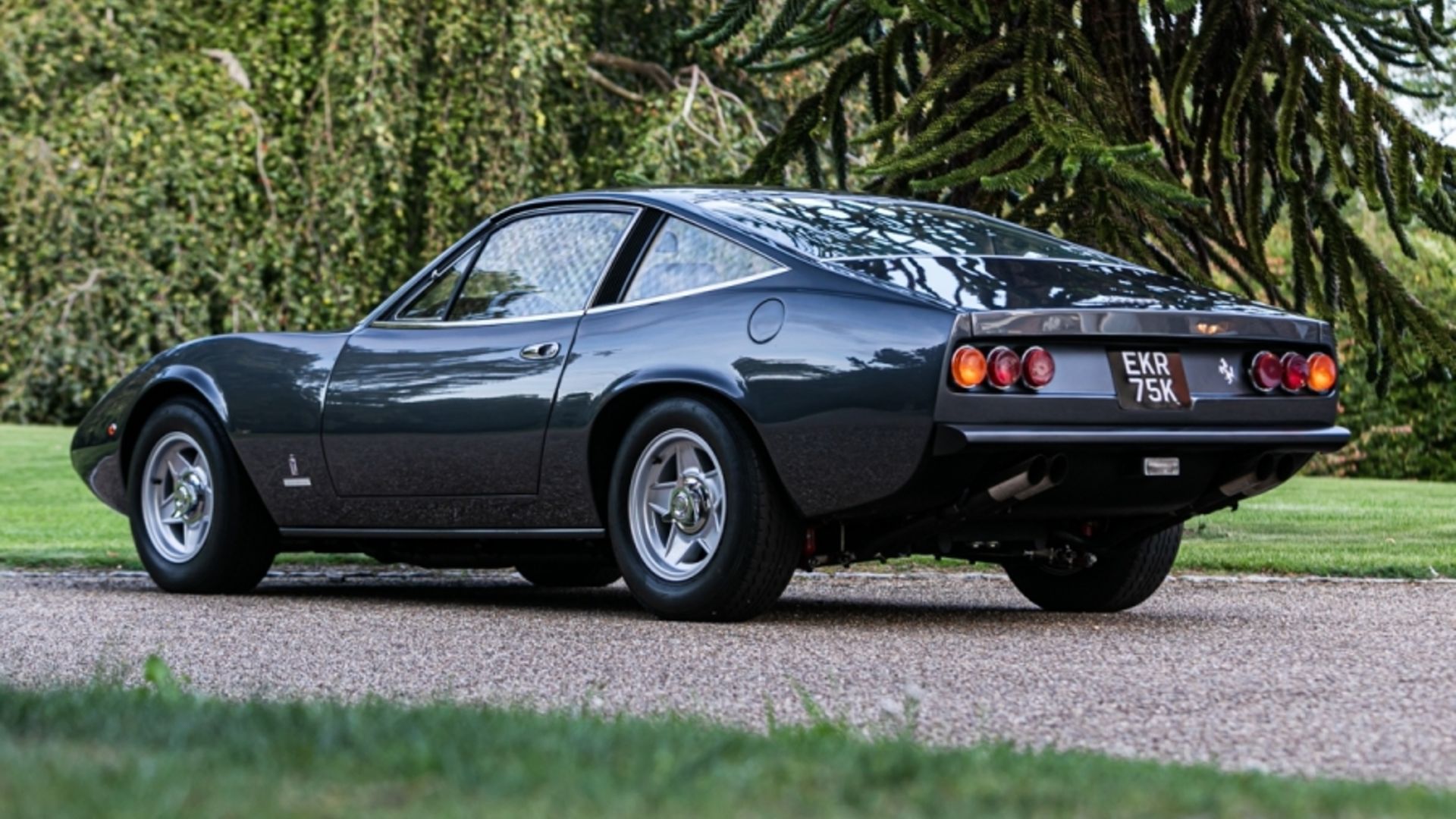
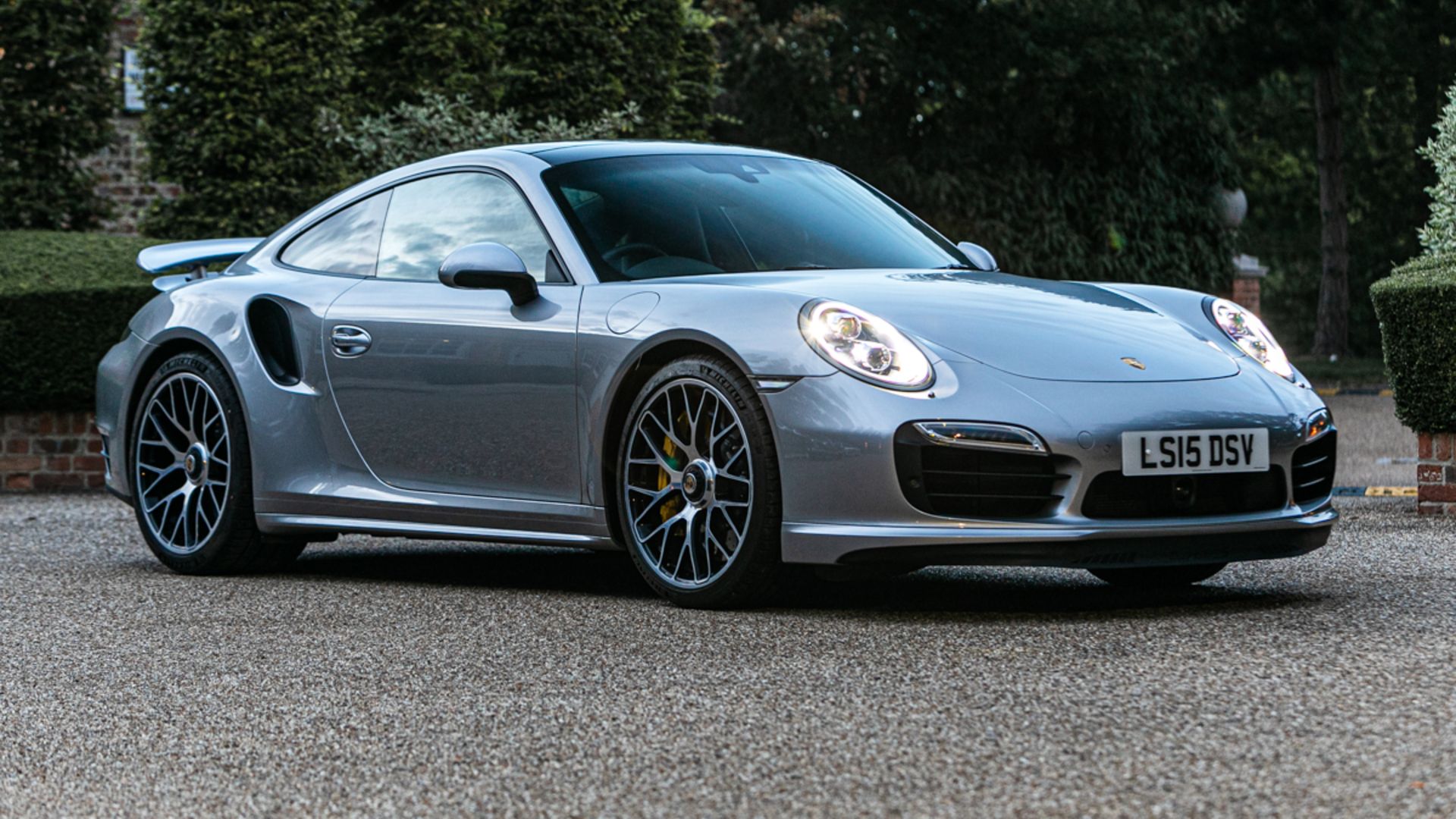
Jamiroquai frontman Jay Kay is selling more cars from his collection via Silverstone Auctions. Take your pick from a 1972 Ferrari 365 GTC/4 or a 2015 Porsche 911 Turbo S. We know which one we’d choose.
This 365 GTC/4 was imported to the UK in 2014 and Jay Kay bought it in 2016 at the London Classic Car Show. Prior to his purchase, the car underwent an extensive restoration.
The GTC/4 is relatively unloved among classic Ferraris; its more famous 365 GTB/4 ‘Daytona’ cousin hogs all the limelight. The GTC is, however, a bit of a dark horse, offering a more pleasant all-round drive than a Daytona.
It’s also a bit of a steal by comparison. Jay Kay’s car is expected to fetch between £200,000 and £260,000 at auction.
“This car turned out to be the best driving Ferrari built in the 1970s that I have ever experienced,” said Silverstone Auctions MD, Nick Whale.
“It has refinement, in terms of both ride and noise levels, way beyond any reasonable expectations. Furthermore, it has performance and handling to match. The engine just purrs at tickover and from there it delivers amazing quantities of both torque and power in a smooth and quietly progressive manner.
“In short, it’s a real driver’s car that you could cover serious miles in with no concerns about comfort and reliability. I absolutely love it!”
The Porsche is somewhat less special. It’s a handsomely optioned ‘991’ Turbo S, and remains a devastatingly capable performance car. It’s estimated to fetch between £100,000 and £120,000.
“We are always delighted to work with cars that come from such historical provenance and when Jay Kay offers us a car to sell we always know it has been very well looked after and one that is significant. He, after all, has an enviable and eclectic collection of cars,” said Nick Whale.
Jay Kay’s cars join a varied bill of machinery at the Silverstone Auctions Ferrari and Porsche sale on Saturday 21 September 2019. The roster includes two Daytonas: one owned by Sir Elton John and the other by Le Mans racer Tommy Dickson. A Porsche 964 Speedster once owned by IndyCar champion Dario Franchitti is also up for grabs.
The World Car Awards is the biggest automotive prize on the planet. Every year, dozens of cars from across the globe compete for the top honour of being, literally, that year’s best car in the world.
At the 2020 Frankfurt Motor Show, this year’s contenders have been announced. Settle back as we take you through the runners.
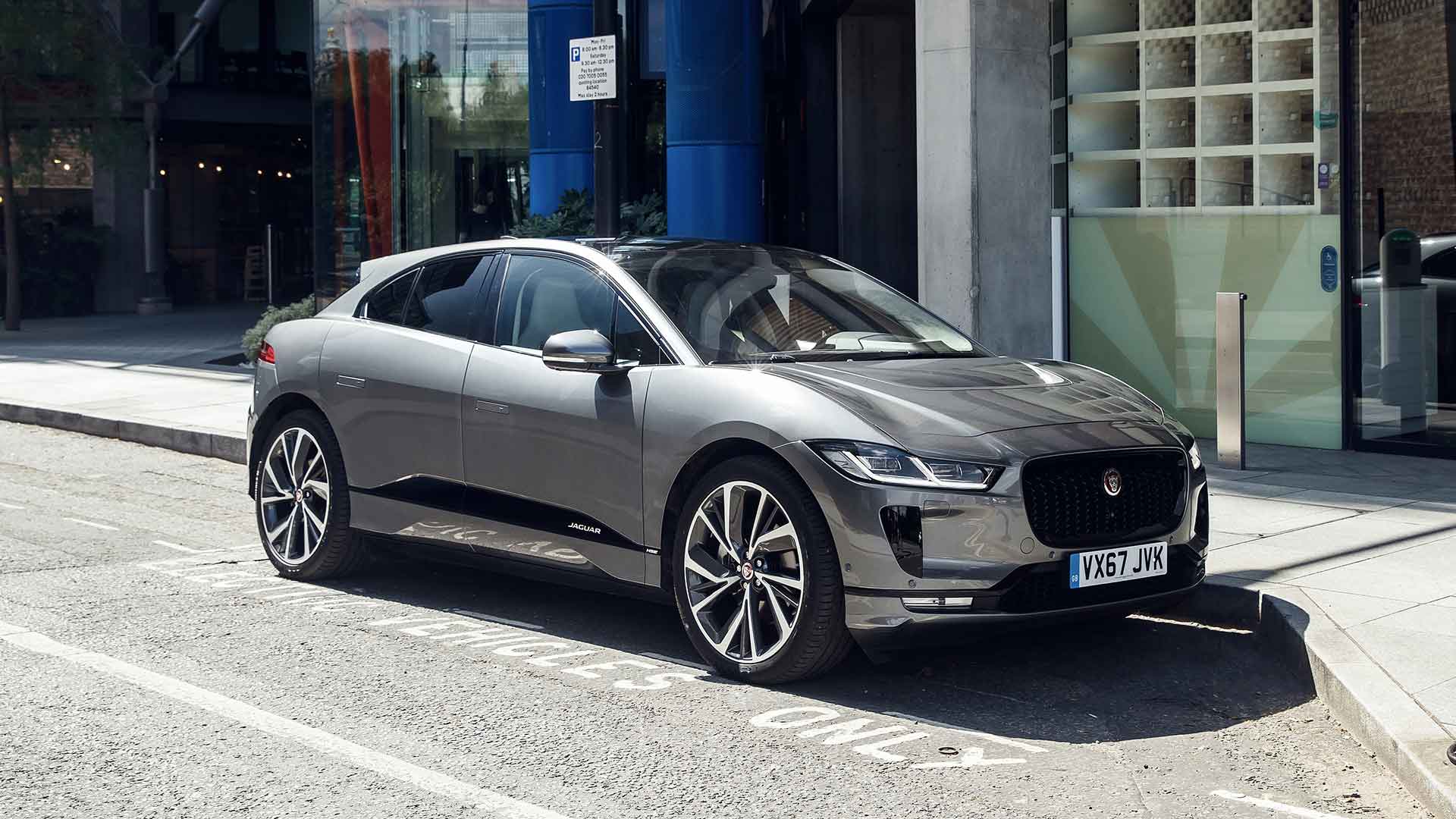
Last year’s winner was the Jaguar I-Pace – which also won World Car Design and World Green Car. Contenders must be available for sale in at least two continents during the year. One of the following autos is now in the running for the 2020 World Car Award prize.
Cadillac CT4
An all-new model to replace the Cadillac ATS, the CT4 is a car with real attitude. A genuine sports sedan, we’re very much looking forward to driving the performance-focused new Caddy.
DS 3 Crossback
Small crossovers are big business and fledgling premium brand DS Automobiles is hoping its DS 3 Crossback can be its big break. There’s even a fully electric version.
DS 7 Crossback
The launch model from the new DS Automobiles brand, the DS 7 is a large SUV with a large price tag, targeting European buyers who want something different to the norm.
Ford Escape and Kuga
The first Ford Kuga was charismatic; the second was also known as the Escape in North America, and was less exciting but more practical. Does this all-new one strike the perfect balance?
Ford Explorer
The long-running Ford Explorer has never been more sophisticated or critically acclaimed than in its latest guise. The fact it oozes on-road presence also helps its appeal.
Hyundai Sonata
There’s no missing the new 2020 Hyundai Sonata. It gets a head-turning new look and a raft of cutting-edge technology. You can even get it with a solar roof!
Hyundai Palisade
Hyundai’s top-line large SUV seats up to eight people and has recently been highly praised for its outstanding levels of safety.
Hyundai Venue
The Hyundai Venue is a compact SUV for important markets such as India. It is spacious and has a distinctive front end, while affordable prices should further bolster appeal.
Kia Seltos
Another affordable compact SUV, the Kia Seltos offers a good spread of modern technology and, in India, is being promoted with a decidedly punchy advertising campaign…
Kia Soul EV
The Kia Soul has always been a standout crossover SUV. Now, the proudly boxy model’s appeal is increased with a long-range electric drivetrain.
Kia Telluride
This is Kia taking on the premium brands. The Telluride is a large luxury SUV that has head-turning looks, a lavish interior and a top-notch drive.
Range Rover Evoque
How do you replace an automotive icon? If you’re Land Rover, carefully, and with laser-like focus. The new Range Rover Evoque is an impeccably engineered follow-up to a true great.
Mazda3
The new Mazda3 is the first sign of the company’s desire to move upmarket and become more of a premium brand. It leaves a very convincing first impression.
Mazda CX-30
Is the Mazda3 hatchback not sufficiently crossover-like for you? But the CX-5 is too much so? Here’s the perfect-solution, the Mazda CX-30. It quickly expects it to become one of its best sellers.
Mercedes-AMG A35 and A45
How hot do you want your Mercedes-AMG A-Class hatchback? The A35 is fast and outlandish; the A45 is truly incendiary, and with a price tag to match.
Mercedes-AMG CLA35 and CLA45
Prefer your compact Mercedes-AMG performance cars to look a bit more elegant? Then the CLA35 and CLA45 are for you. Or perhaps…
Mercedes-Benz CLA
Not fussed about performance? Enjoy the regular range of CLA four-door compact coupes instead.
Mercedes-Benz GLB
And for those who would rather have a small SUV, Mercedes-Benz is taking on the BMW X1 and its ilk with the all-new GLB.
Mini Cooper Electric
The long-awaited Mini Cooper Electric doesn’t look radically different to a normal Mini, but the BMW-owned brand is hoping this is the start of something big.
Vauxhall and Opel Corsa
A crucially important car for European buyers, the long-overdue new Vauxhall and Opel Corsa range looks like it’s been worth the wait. There’s even a fully-electric Corsa-e from launch.
Peugeot 208
Peugeot is launching its own range of petrol, diesel and electric small cars, with the very distinctive-looking new 208 and e-208 range.
Peugeot 2008
Quickly following the 208 is its crossover SUV brother, the 2008. There will be an electric version of this, too.
Renault Captur
Peugeot and Renault are fierce French rivals. So there’s a new 2008? Well, there just so happens to be an all-new Renault rival, too: meet the new Captur.
Renault Clio
Renault’s own supermini is new for the 2020 World Car Awards as well. The Clio doesn’t take a radical styling step forward, but the interior has been radically improved.
Renault Zoe R135
Renault’s longstanding Zoe electric car was one of the first volume EVs on the market. For 2020, it’s been overhauled with a longer range and smarter interior.
Seat Tarraco
The Tarraco is Seat’s all-new range-topper. A large SUV with room for seven, it is winning fans through an able drive, good-value prices and smart, standout luxury looks.
SsangYong Korando
SsangYong will be pleased as punch to have the new Korando on the World Car Awards longlist. It’s a radically improved machine that shows just how fast the brand is evolving.
Skoda Kamiq
The baby Skoda SUV sits below the Kodiaq and Karoq. Early reports suggest it’s an extremely well thought-out machine that is sure to win fans in Europe.
Skoda Scala
Skoda’s value-priced alternative to a Volkswagen Golf is itself a practical and able family car for those on a budget.
Volkswagen Golf
One of the biggest new model launches of 2019 will be the latest Volkswagen Golf, a genuine global icon. It’s surely odds-on to be a front-runner for World Car Awards 2020.
Volkswagen T-Cross
The little Volkswagen T-Cross is the German brand’s smallest and most accessible SUV. For Polo supermini drivers who want to move up in the world, it’s typically well conceived.
World Luxury Car
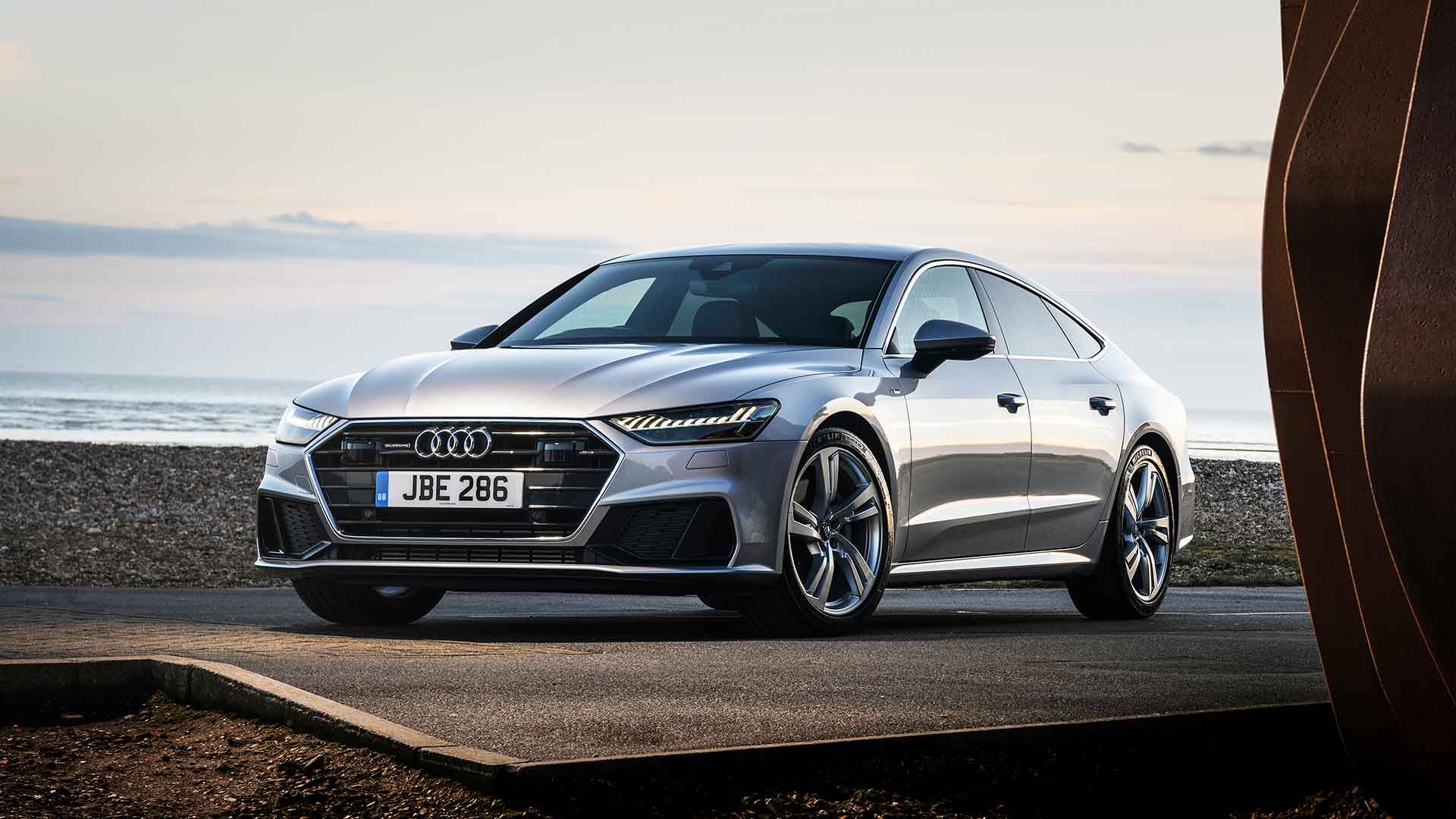
The World Car Awards jurors also seek to find the best luxury car of the year. Last year, the Audi A7 Sportback was victor and it’s a similarly rich line-up for 2020.
BMW 7 Series
The lead limo in BMW’s luxury car division keeps on getting more able. The driver’s alternative to a Mercedes-Benz S-Class.
BMW X5
The BMW X5 has gone big and bold in its latest generation, making it better able than ever to take on the true elite of its competitors. And if it’s not big enough…
BMW X7
The BMW X7 is a three-row, seven-seat SUV alternative to the lavish BMW 7 Series that is a genuinely unmistakable sight to behold.
BMW Z4
Prefer your luxury motoring with a bit more verve? Try the latest BMW Z4, a rich and rorty little roadster that doesn’t make you suffer for the art of driving.
Cadillac CT5
With styling inspired by famous Cadillacs from the 1940s, the new mid-size CT5 is another demonstration of how this famous luxury American car brand keeps on evolving.
Cadillac XT6
The XT6 is Cadillac’s offer for those seeking roomy three-row SUV motoring with a touch of the storied luxury brand’s class.
Mercedes-Benz EQC
The Mercedes-Benz EQC is an all-electric SUV, the firm’s first electric offer from its new EQ sub-brand. This is a landmark car in Merc’s history, alright.
Mercedes-Benz GLE
The GLE has been overhauled for 2020 with a broad range that includes plug-in hybrids. All offer the tirelessly well-developed luxury that buyers expect of a Mercedes-Benz.
Mercedes-Benz GLS
The S-Class of large SUVs? The latest GLS is a class act that takes all the long-running limo’s luxurious appeal and offers it in a high-rise truck format.
Porsche 911
The Porsche 911 is a superb sports car, but also a brilliant everyday luxury car for those lucky enough to afford one. The current car is virtually faultless.
Porsche Taycan
Porsche is embracing the all-electric age with the Taycan, its four-door GT EV. First impressions are overwhelmingly positive and we can’t wait to drive it.
Toyota GR Supra
Bringing back a famous name from the past, the latest GR Supra does so with overwhelming success. Toyota seems to have hit the nail on the head with this car.
World Performance Car
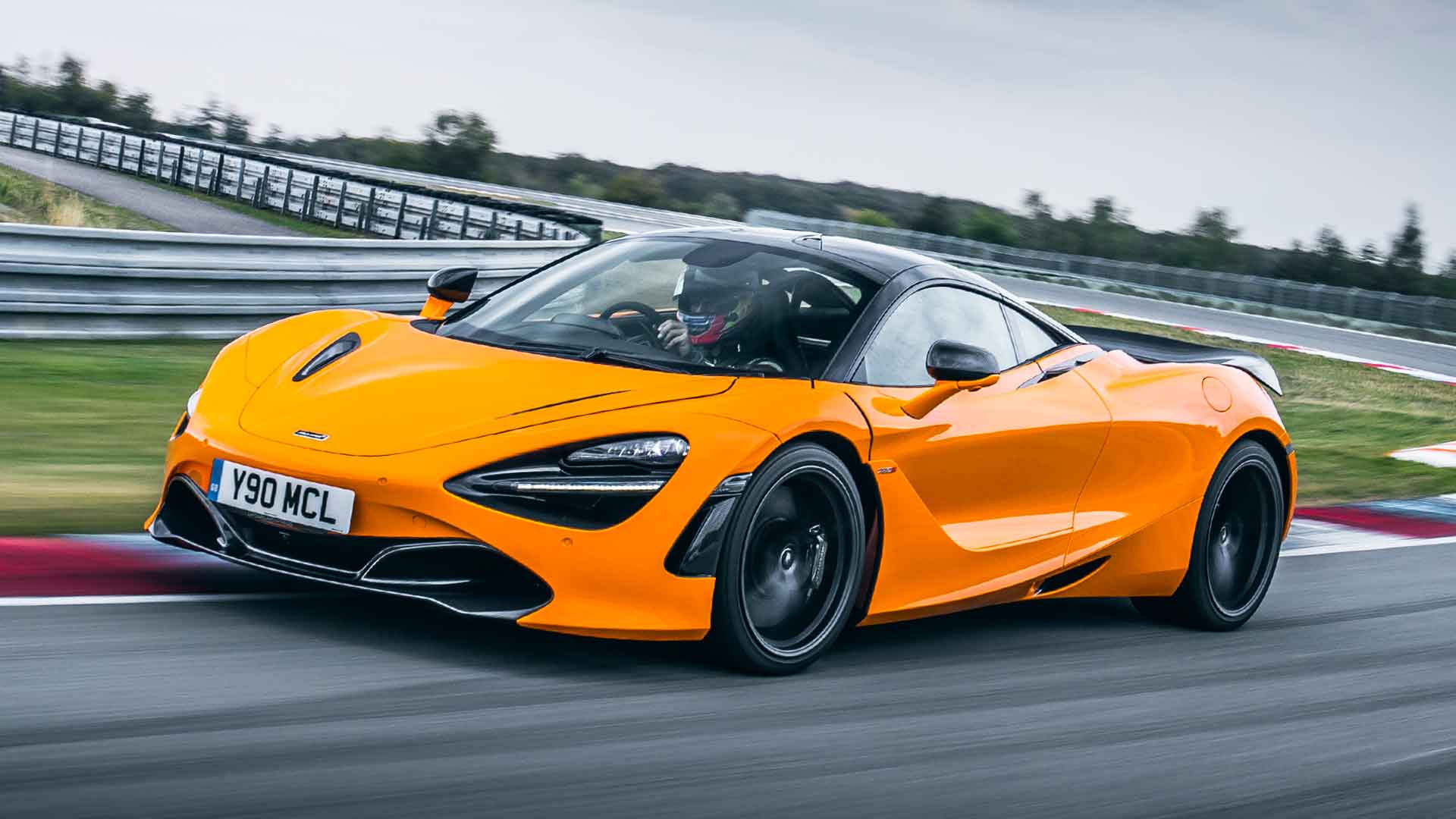
Last year, the mighty McLaren 720S won the hotly-fought performance car category. This year, the contenders are a little more accessible, but not short on thrills.
Alpine A110S
The faster, more focused ‘S’ version of Alpine’s exceptional new two-seat coupe is a car every judge is looking forward to driving.
Audi RS6 Avant
Audi has done it again with the RS6: given us a monster wagon with attitude, performance and ability by the bucketload.
Audi RS7 Sportback
If the RS6 Avant doesn’t appeal, try the RS7 Sportback instead. It has the same 600-horsepower V8 turbo engine and uncompromising performance car style.
Audi S8
Prefer a more understated approach to performance motoring? Perhaps Audi’s hot S8 limo is for you?
Audi SQ8
And, of course, Audi also makes a performance SUV. The SQ8 is for buyers who like the idea of a Lamborghini Urus but prefer something a little more subtle (and affordable).
BMW M8
The beautiful BMW 8 Series is topped by a monster: the outrageous 625 horsepower V8 turbo M8. If it’s as good as the BMW M5, it’s going to be exceptional.
BMW Z4
The BMW Z4 roadster has a 340 horsepower straight-six turbo engine, rear-wheel drive and a chassis tuned by Munich’s best. Surely, what’s not to like?
Mercedes-AMG A35 and A45
We spoke about how ferocious these two cars are earlier. The A45 in particular is a car we’re looking forward to trying.
Mercedes-AMG CLA35 and CLA45
Again, there are CLA versions of both. It will be interesting to see how the CLA differs to the high-performance A-Class.
Porsche 718 Spyder and Cayman GT4
Two very special Porsches, both with bespoke body features and the long-awaited return of the six-cylinder engine. And not a turbo in sight.
Porsche 911
The latest iteration of the 911 is a staggeringly accomplished machine. One of the world’s longest-running performance cars, and one of the best for 2020?
Porsche Taycan
Or will the new-era Porsche Taycan edge it over the traditional 911? It will be fascinating to see how the battle between futuristic electric and traditional flat-six pans out.
Toyota GR Supra
Toyota has a performance car hero of its own to launch for the 2020 model year. Will the fun new GR Supra make the cut for the 2020 World Car Awards?
World Urban Car
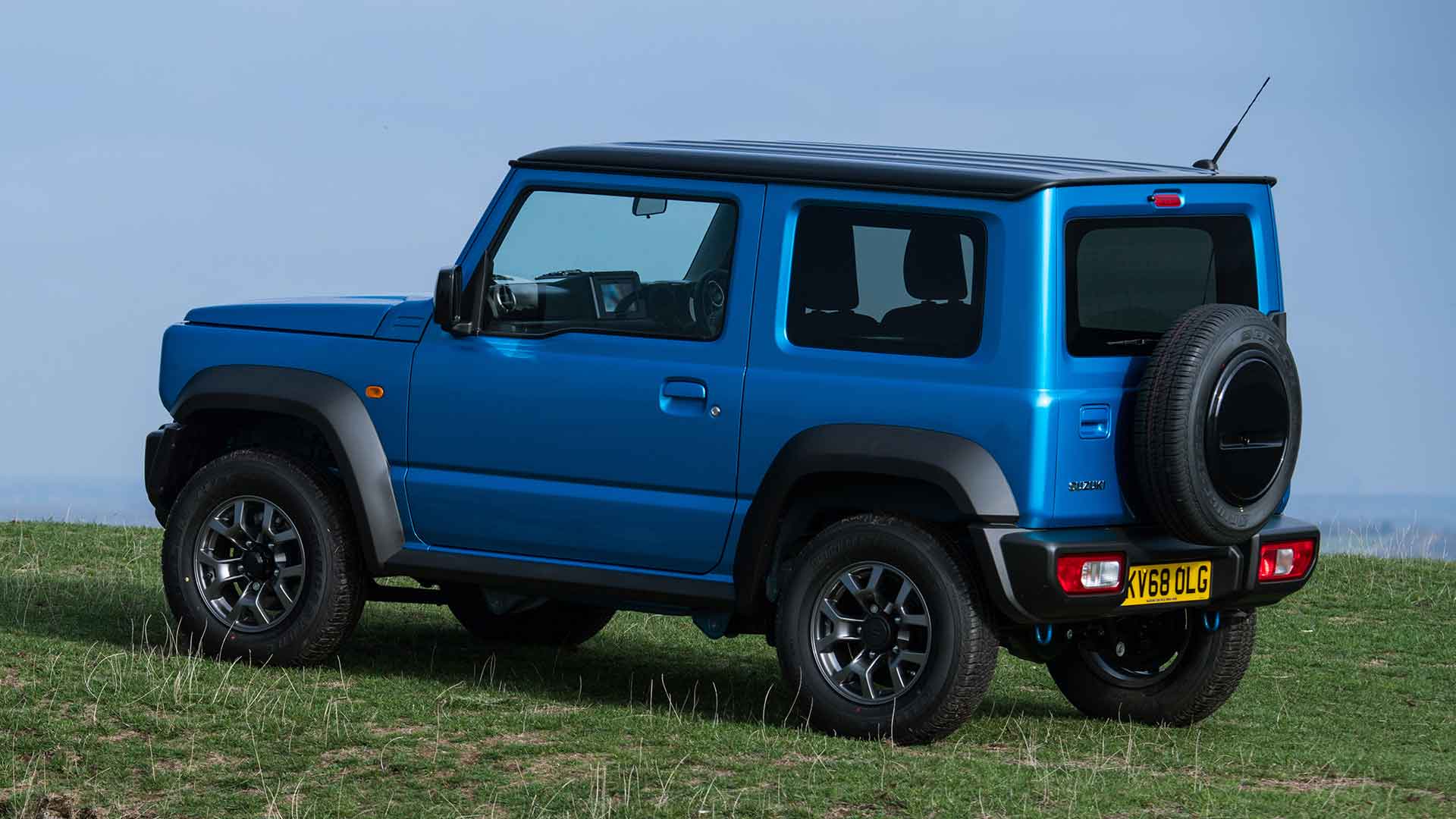
The funky Suzuki Jimny proved it was made for the city in the 2019 World Car Awards. The 2020 contenders are equally eclectic.
Kia Soul EV
Zero emissions seems to be the name of the game for cities in 2020. Will the box-fresh Kia Soul EV steal a march over the rest this year?
Mini Cooper Electric
We have waited a long time for this all-electric Mini and we’re excited to get behind the wheel. Will it be as perfect for city life as the firm promises it is?
Opel and Vauxhall Corsa
Small cars are called superminis in Europe and the Opel and Vauxhall brands have a new Corsa to launch for the 2020 Awards, including the all-electric Corsa-e.
Peugeot 208
There’s a fully electric Peugeot e-208 too, sitting alongside the regular range of all-new 208 hatchbacks.
Renault Clio
The Renault Clio is an evolution of the previous car, with regular but high-efficiency engines to cut city centre pollution.
Renault Zoe R135
However, it will be interesting to see how the more traditional Clio compares with the 2020 version of Renault’s all-electric Zoe.
Volkswagen T-Cross
Finally, the Volkswagen T-Cross rounds out the launch contenders for the 2020 World Car Awards. Will this small, cute city SUV prove a World Urban Car victor?
The packaging advantages of electric powertrains mean stylists aren’t slaves to the styling tropes of fossil-fuelled cars. There’s no need for a long, tall bonnet, or a cramped cabin filled with transmission tunnel. Bigger wheels can fill the haunches, too, giving a saloon the stance of a supercar.
The EQS seems to combine the very best of current luxury saloons with these new freedoms. Its bonnet is shorter, while the cabin canopy stretches across more of the car’s length.
Mercedes calls this the ‘One Bow’ proportion. and it makes the EQS look very sleek and slippery. The two-tone paint, with a darker upper element, blends well with the glasshouse, too.
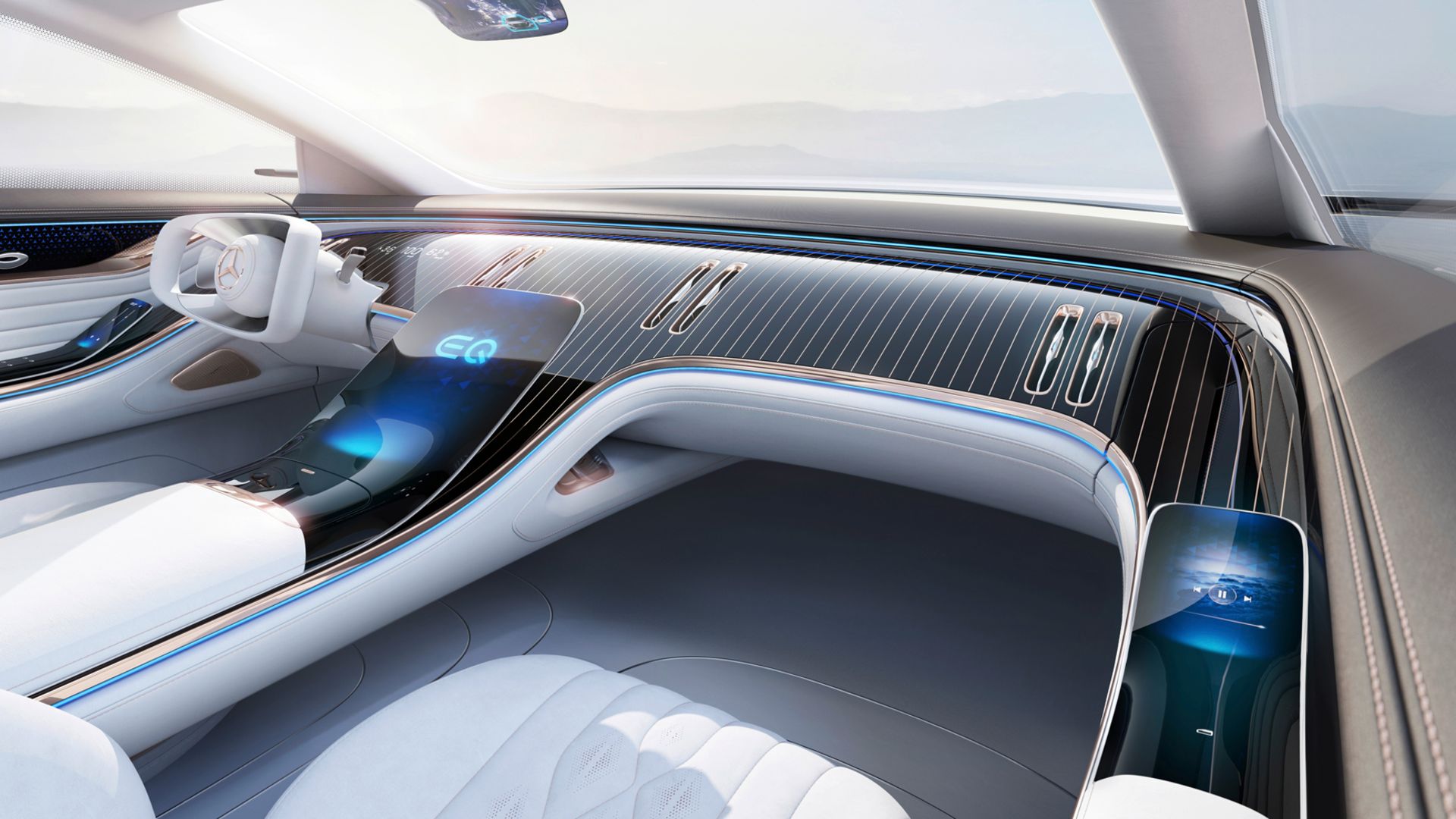
The cabin of the Vision EQS is inspired by luxury yachts. Indeed, the dash appears to have borrowed its design from the deck of a Riva speedboat. The plush cream material is actually made from recycled ocean plastics, and is entirely sustainable.
If the dash is the deck of a speedboat, the upward-swooping floating infotainment screen is the diving board. It’s a very slick look, and brings us to the tech elements of the cabin. The Vision EQS features the latest development of the Advanced MBUX media system.
Gone is the horizontal slab with dual screens and inch-wide bezels of the S-Class. This central screen really is all screen, while driving data is integrated into the dashboard in front of the steering wheel.
Speaking of that wheel, it’s probably the part least likely to make its way onto the next S-Class.
Given it’s a concept, the figures supplied should be taken with a pinch of salt. Still, the Vision EQS is apparently capable of a WLTP-certified 435 miles on a full charge. And it can be recharged to 80 percent capacity in ‘considerably less than 20 minutes’, if charging at 350kW.
Approximate power is 450hp, while torque is around 550lb ft. Zero to 62mph should take less than 4.5 seconds, while top speed is over 120mph.
Mercedes wants to have a CO2-neutral new car fleet in 20 years. Even now, the ‘Mercedes Me’ charge facility will direct you to charge points that use sustainable energy.
Overall, the Vision EQS is intended to show that eco-conscious cars can still be entirely in keeping with the luxurious reputation of the three-pointed star.
For now, we’ll be glad if the next S-Class borrows some of that Vision EQS style.
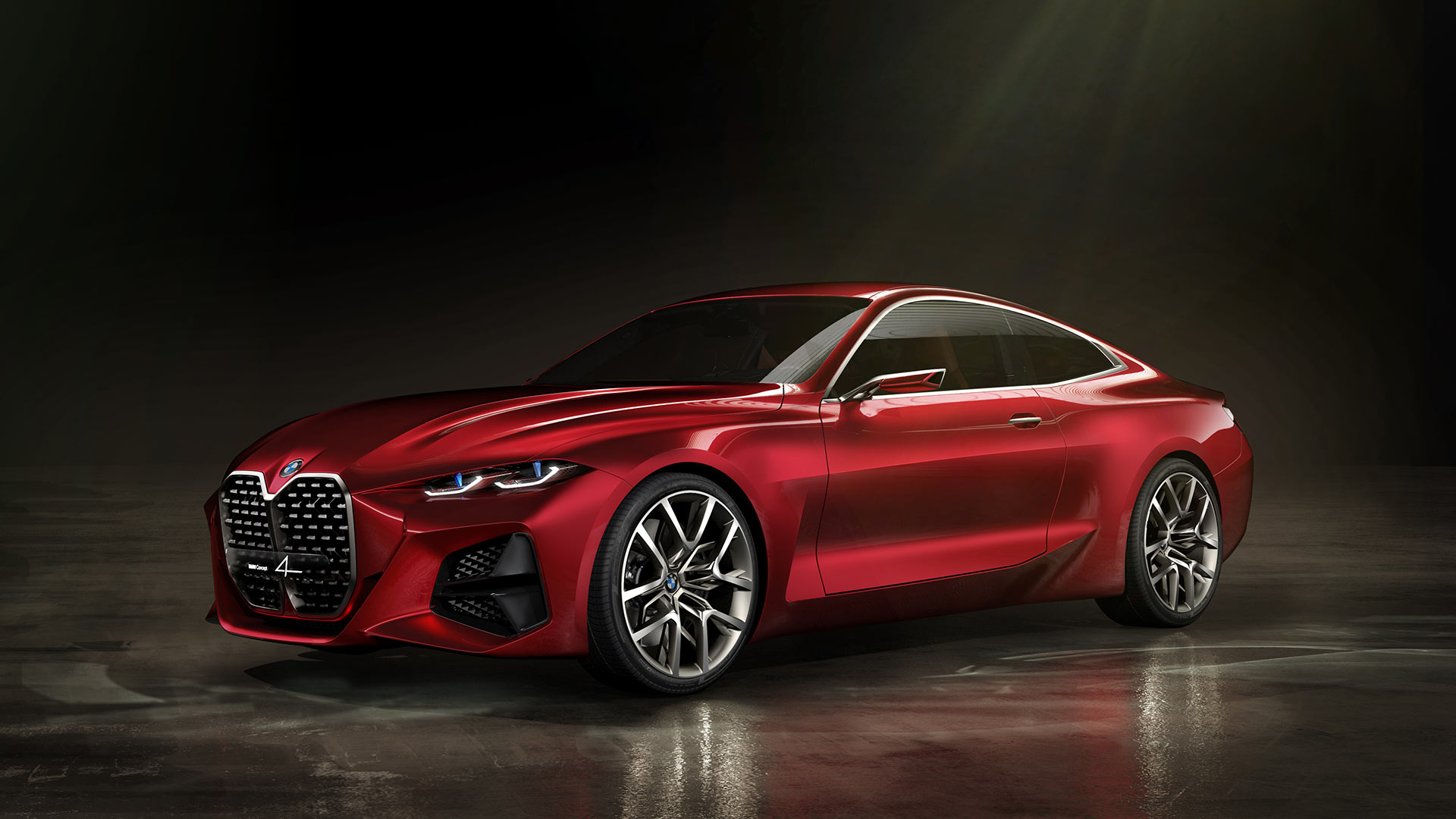
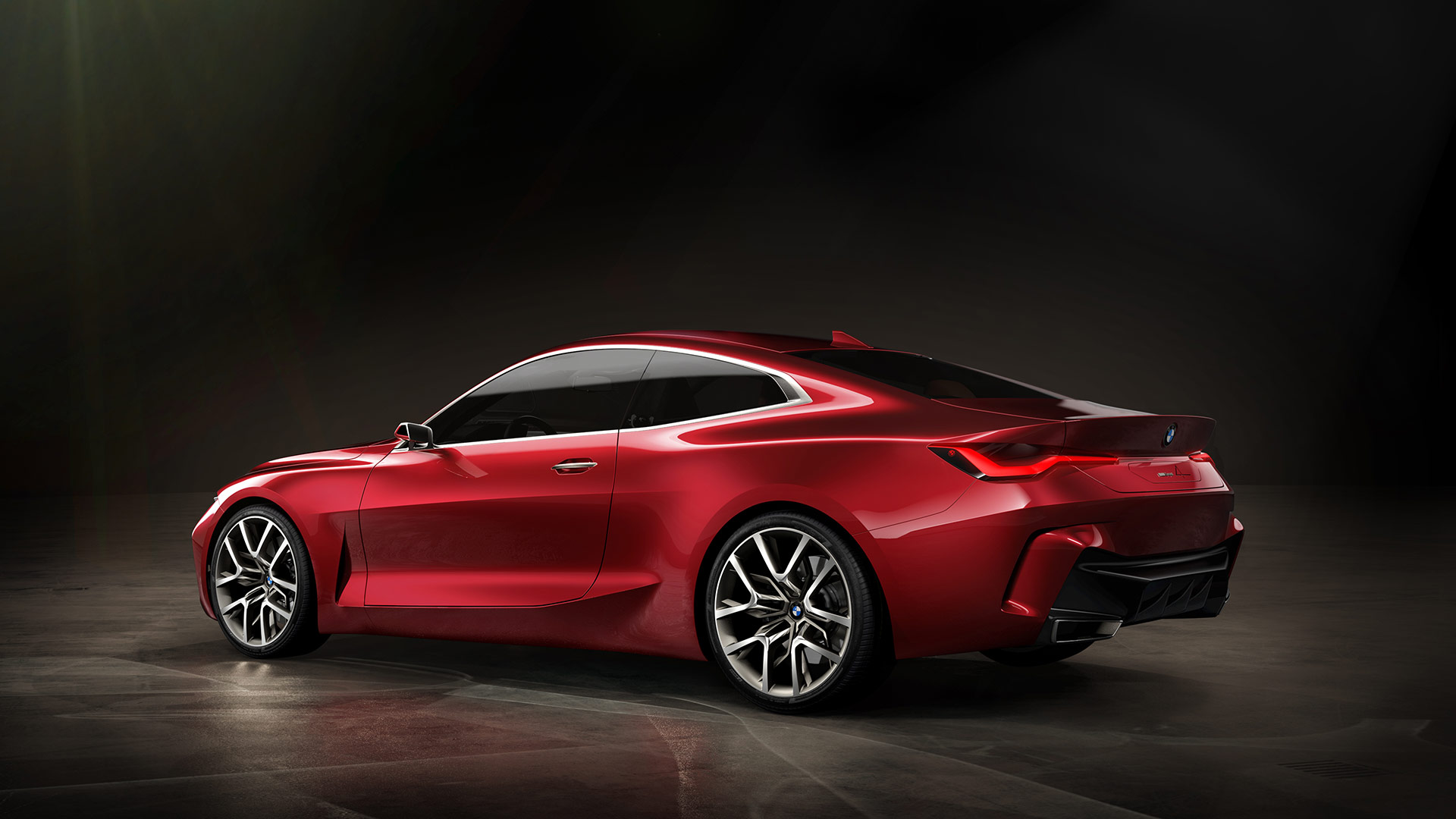
BMW has revealed a startling new concept car at the 2019 Frankfurr Motor Show. The Concept 4 is a less-than-subtle hint about how the next 4 Series will look.
Although only a show car, the Concept 4 is said to be an accurate representation of the finished 2020 4 Series.
Intended to combine futuristic technology with traditional BMW design, there is likely to be one major talking point in Frankfurt…
Expect to be grilled
Although we have seen the giant BMW kidney grille applied to SUVs and saloons, this is the first time it has made an appearance on a coupe.
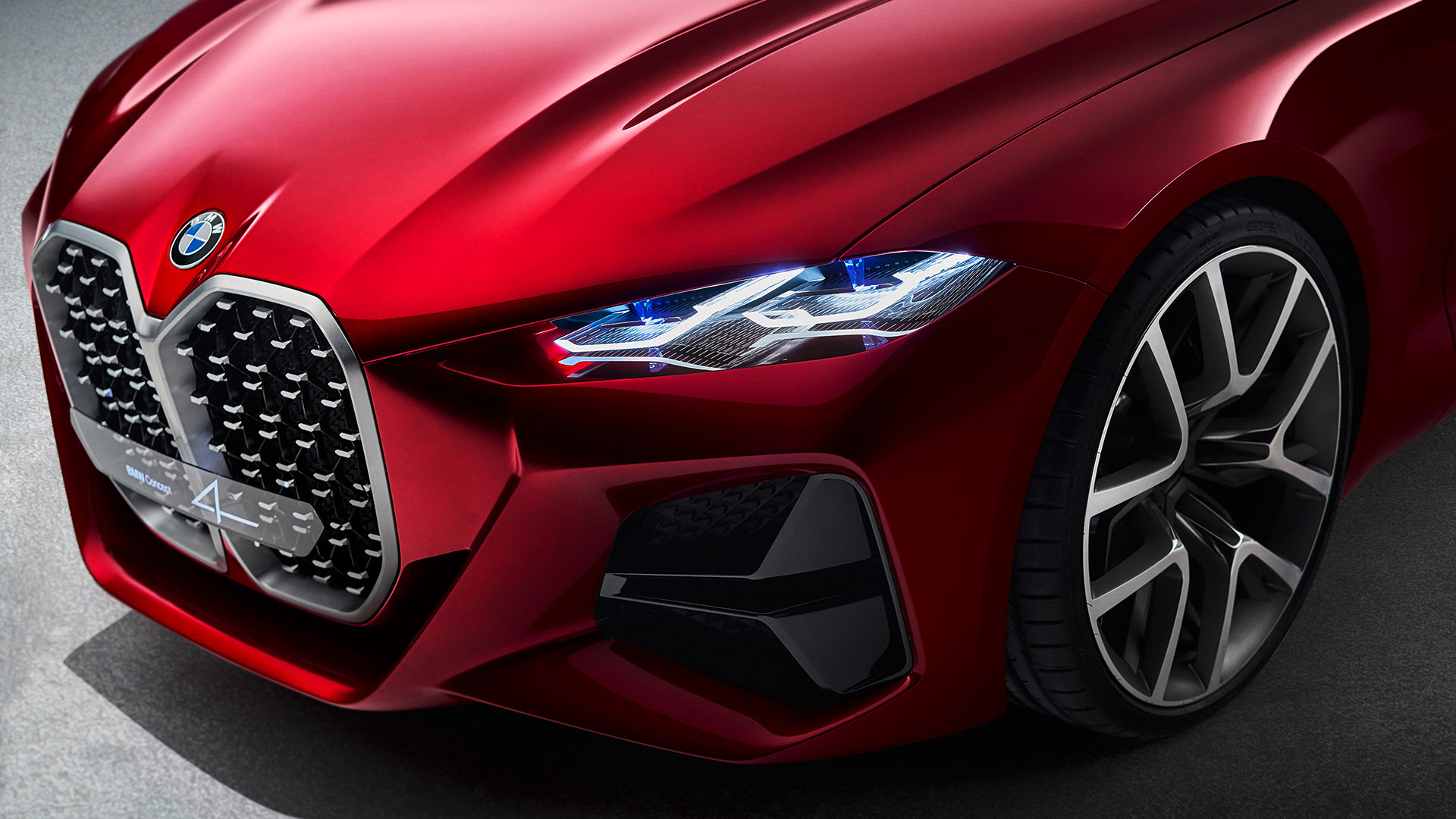
The gaping mouth of the Concept 4 is unashamedly vast. BMW says the vertical grille is inspired by the classic 328 sports car, or the 3.0 CS coupe from the 1970s.
In creating the grille, BMW has incorporated special horizontal trim details. The grates inside it, and the air intakes, are formed from an array of tiny ‘number 4’ structures.
According to Domagoj Dukec, head of BMW design, the kidney grille has “always been a signature feature of BMW cars. The BMW Concept 4 presents a confident and classy take on this iconic feature. At the same time, the BMW Concept 4 offers a look ahead to the expressive face of the 4 Series range.”
Just as dramatic are the LED headlights which, unusually, feature no cover over the lighting elements. This makes them more prominent, although don’t expect the production version to follow suit.
The shape of the kidney grille also feeds into the heavily sculpted bonnet, flowing into the flanks of the Concept 4.
“Perfect proportions, clear precise design”
Viewed from the side, the Concept 4 demonstrates classic BMW coupe proportions. A long nose extends into a sweeping roofline, ending at a truncated tail.
Adrian van Hooydonk, senior vice president of BMW design, said: “Concept 4 embodies the aesthetic essence of the BMW brand. It combines perfect proportions with a clear and precise design”.
The fancy Forbidden Red paintwork is used to highlight styling features, while the 21-inch alloy wheels feature an intricate internal pattern. Other highlights include the side mirrors, which seem to emerge from the aluminium window surround and feature tiny BMW logos.
The rear looks similar to the recent flagship 8 Series coupe. BMW has used LED taillights to create its L-shape ‘light signature’, with the actual pattern said to resemble a heartbeat.
Intended solely to show off exterior styling, BMW has not released details of interior or engine options for the next 4 Series. However, we can expect to see the same range of petrol, diesel and plug-in hybrid powertrains as the current 3 Series saloon.
BMW will launch the production 4 Series in the middle of 2020.
 After months of speculation, leaks and teaser photos, the new 2020 Land Rover Defender is
 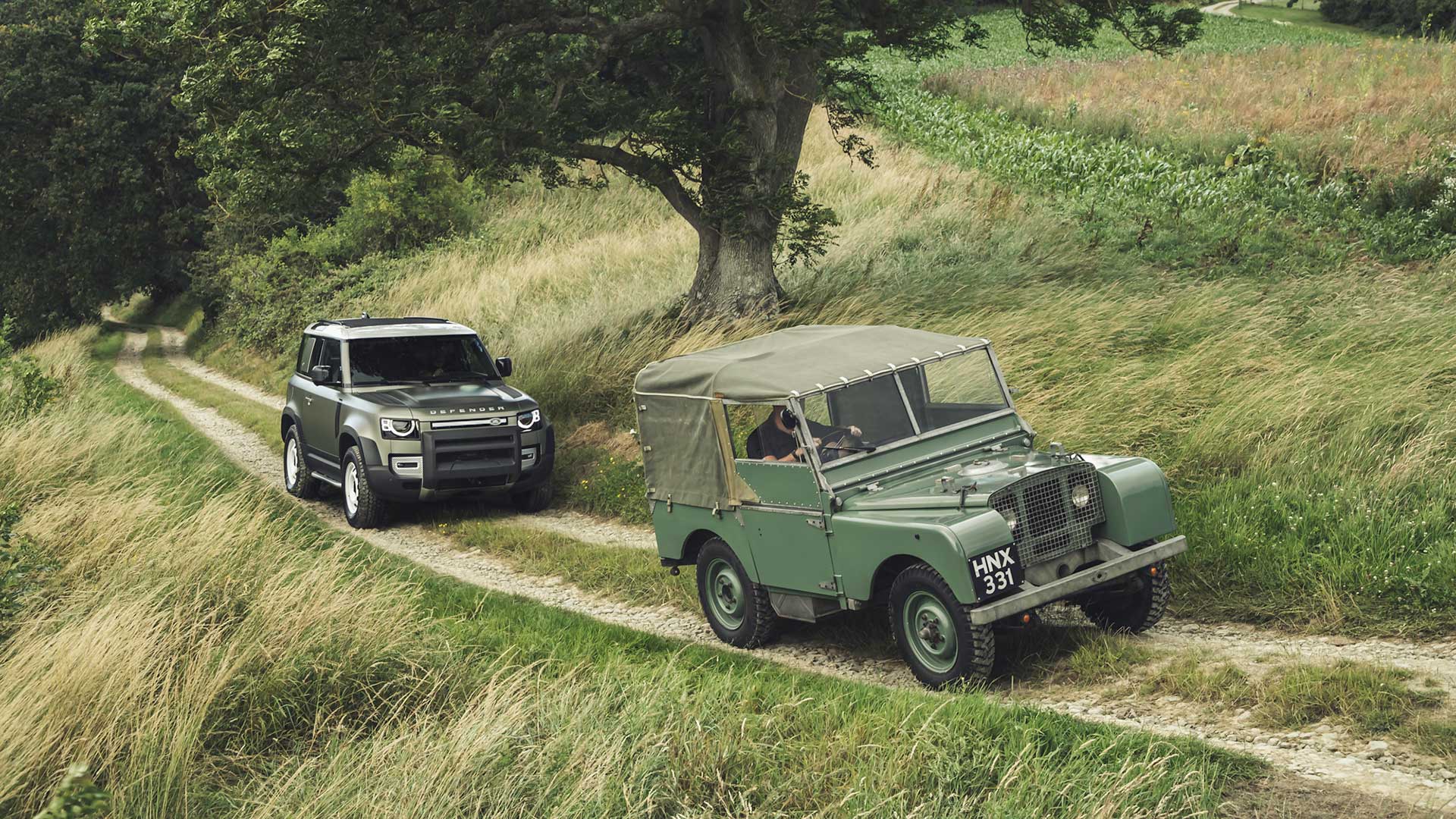 Land Rover has been under immense pressure to deliver with the new Defender. It needed something built on shared components, rather than the labour-intensive bespoke platform of the previous version.
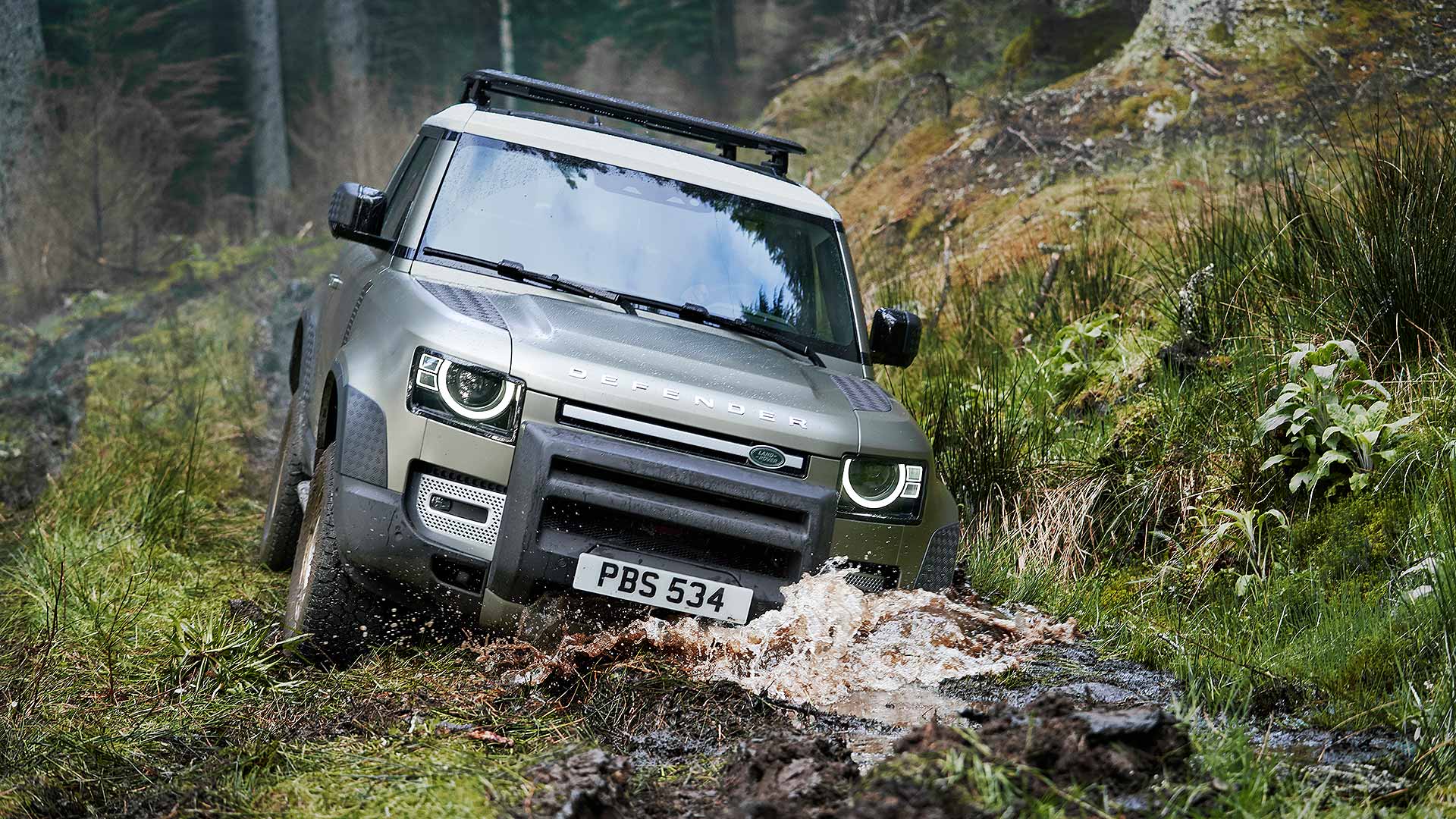 The result is a new Defender that needs to be all things to all people. The wealth of options available from the off shows that Land Rover wants buyers to customise their cars. A £45,000 starting price is just the beginning…
 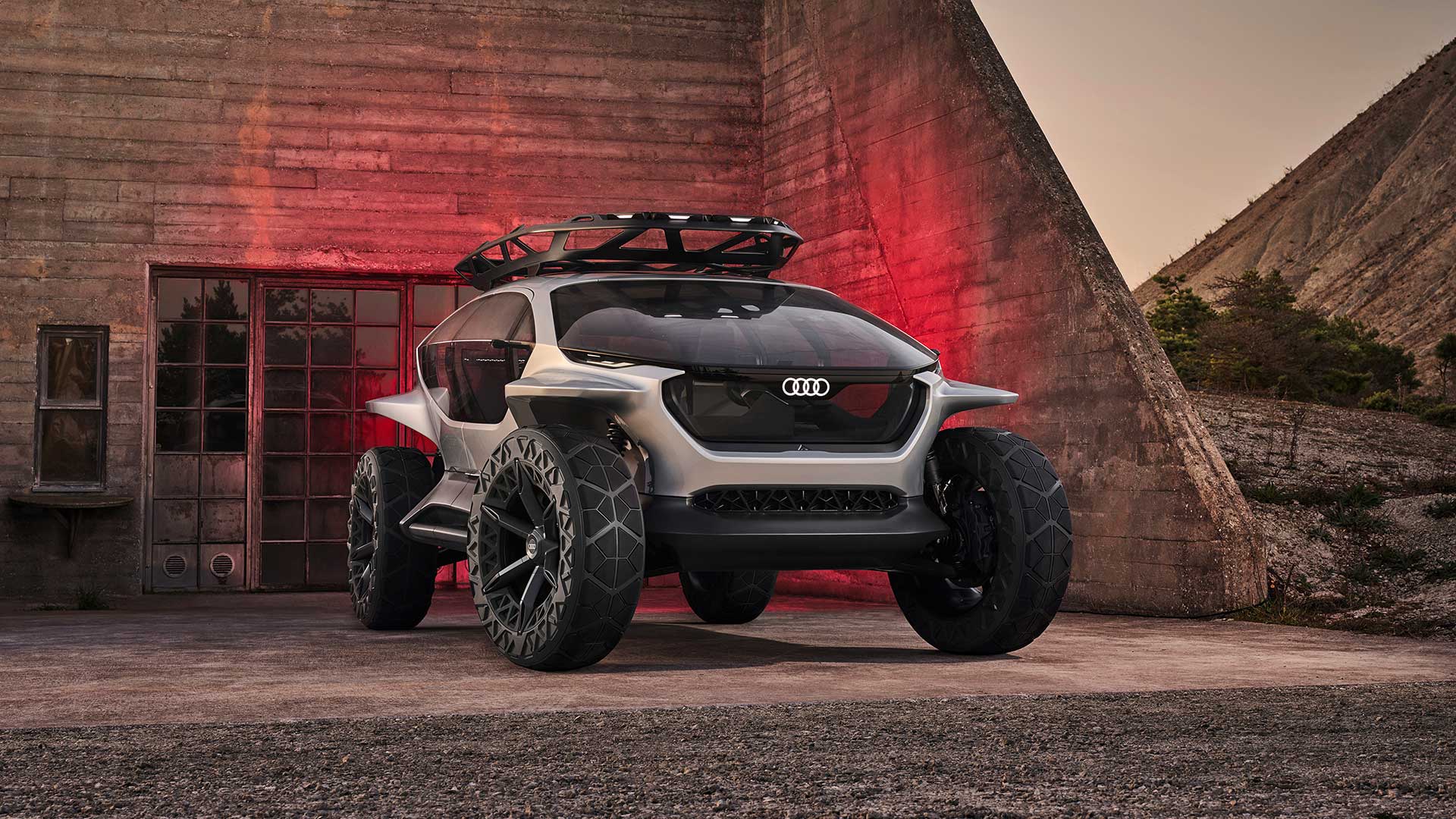 If the new Defender is a modern 4×4 for now, Audi has very different vision of the future.
 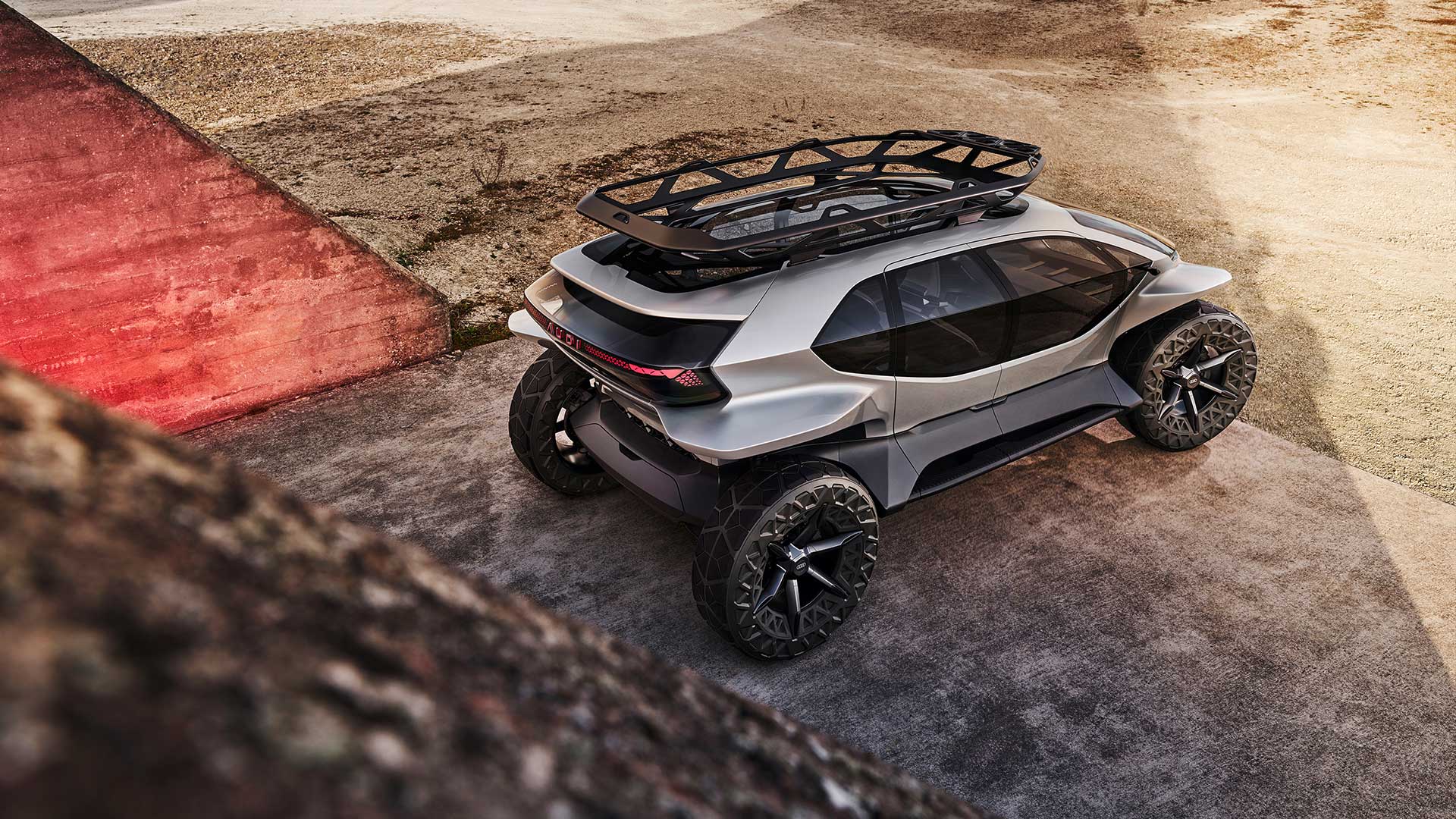 Each wheel in the AI:Trail is driven by an individual electric motor. This allows up to 737lb ft of torque to be sent to the tyre with most grip, but without the need for transfer cases and differentials.
 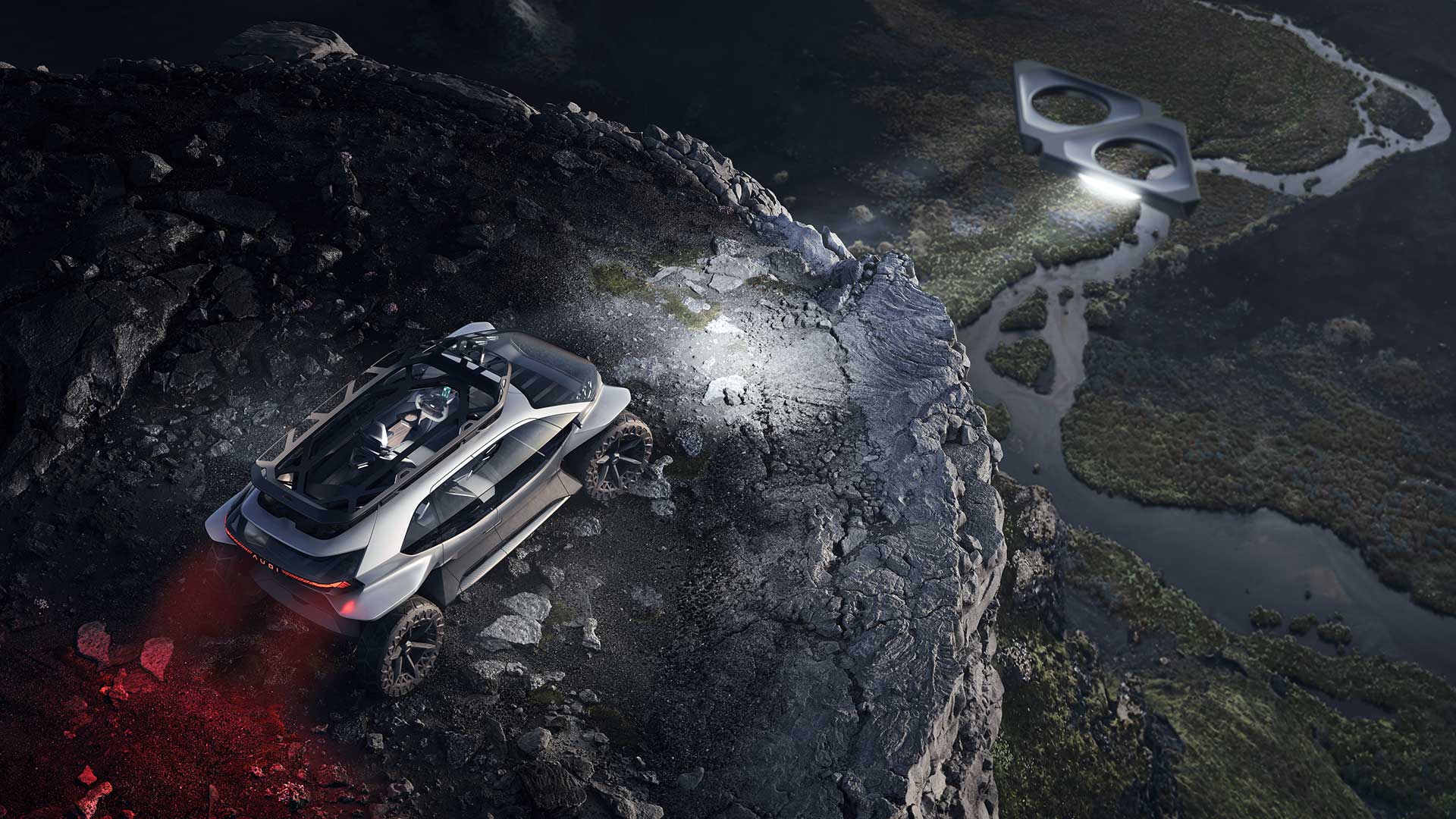 Audi has even dispensed with traditional headlights for the AI:Trail. Instead, an autonomous collection of five drones fly ahead, illuminating the ground with LED searchlights.
 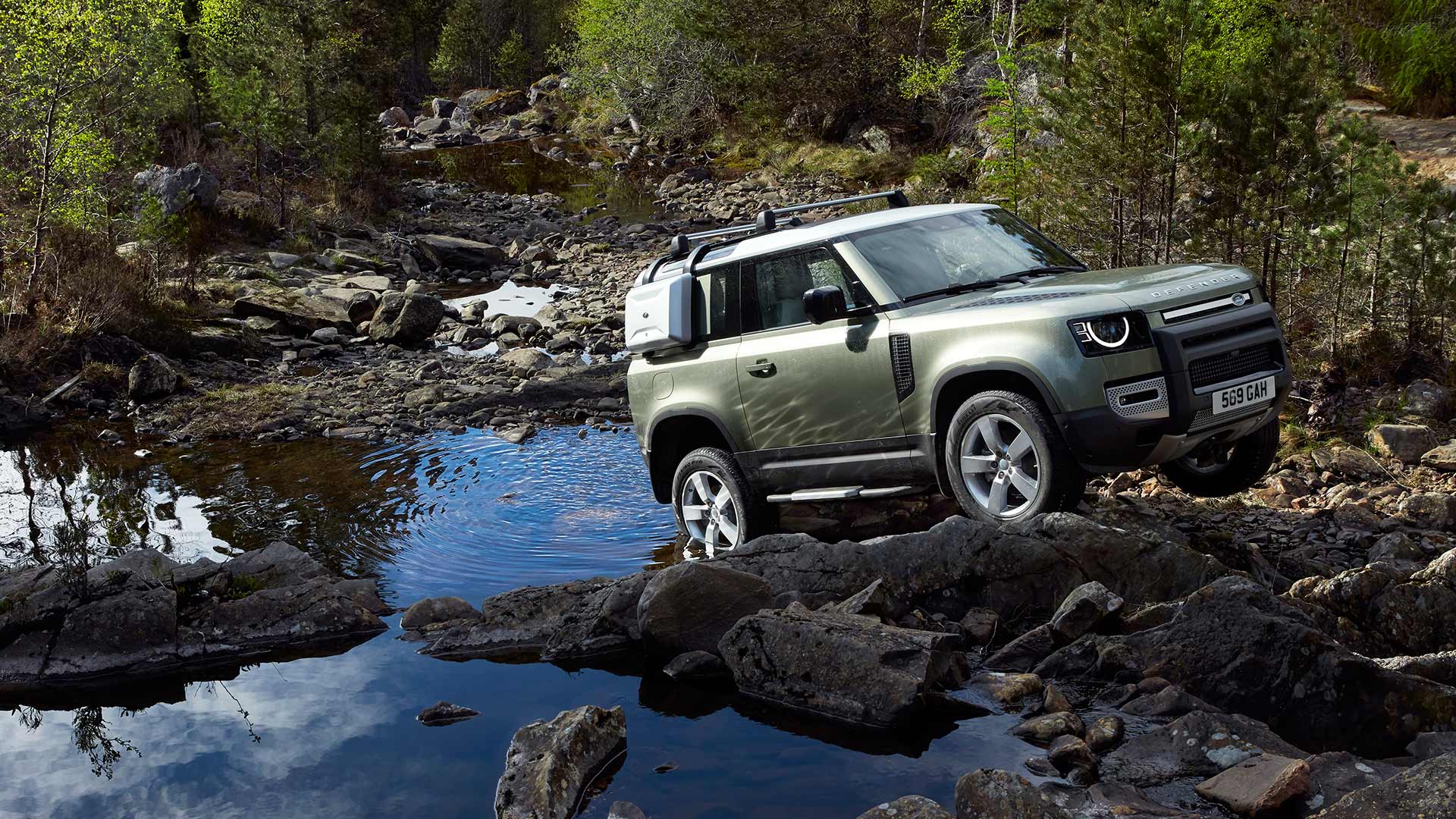 The new Defender looks set to be a major hit for Land Rover, even with its hefty price tag. It should be capable enough to keep the traditional fans happy, yet still appeal to urban warriors.
 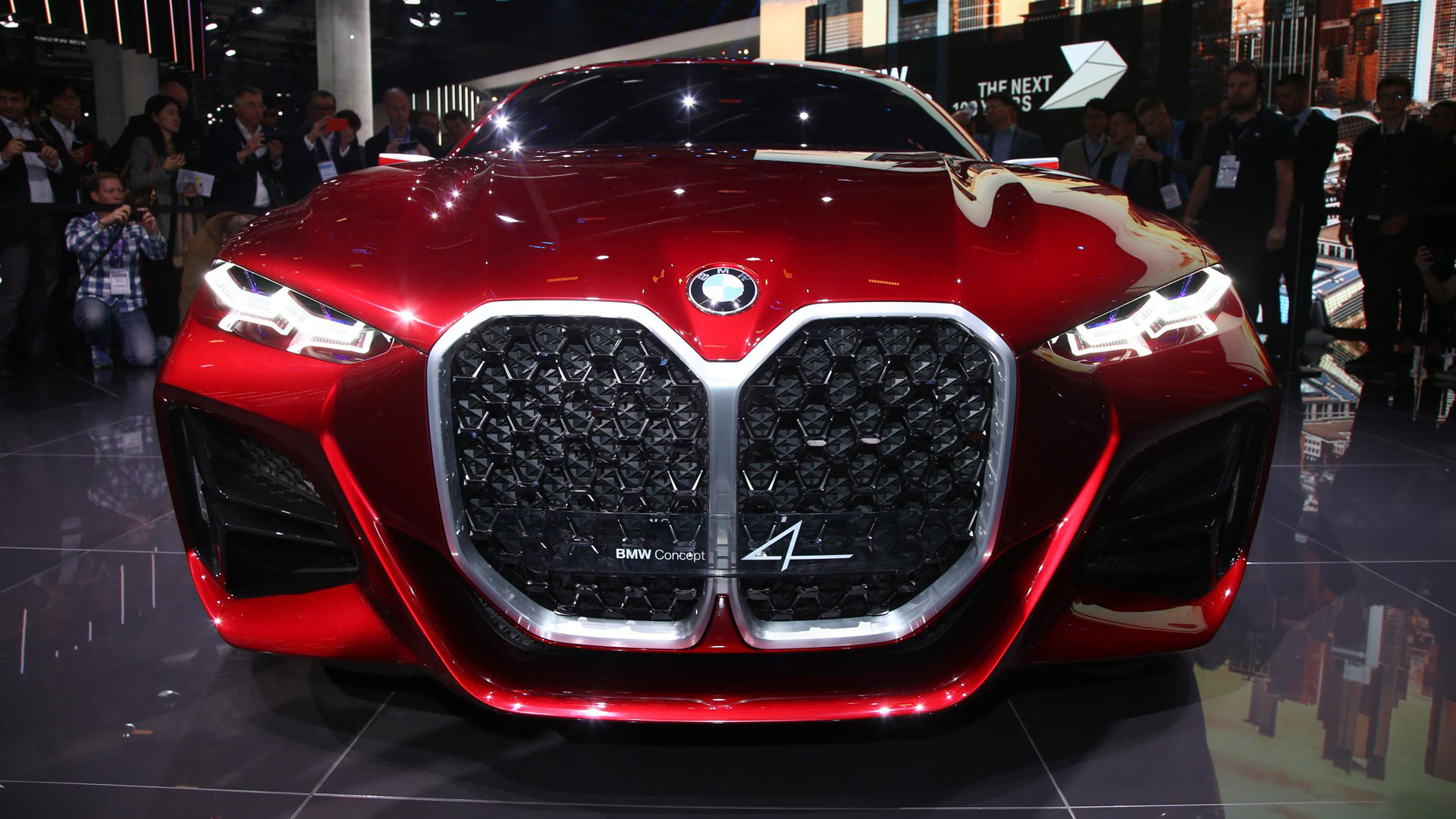 The #FrankfurtMotorShow – or Internationale Automobil-Ausstellung (IAA), to give it its less hashtag-friendly name – is underway. Here are a dozen things you may have missed from day one of the 2019 show.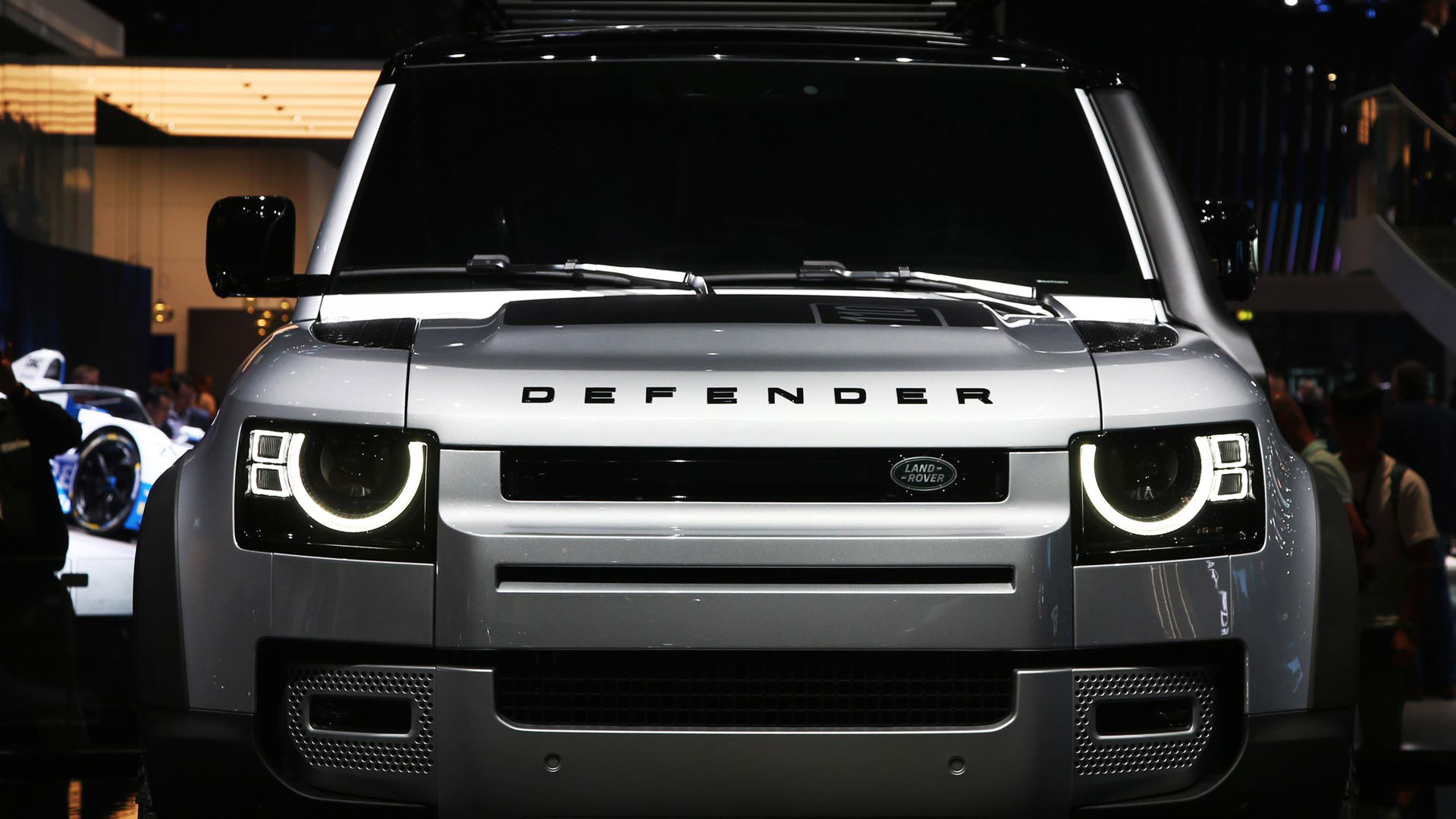
 The
The