Mercedes-Benz has been named the most influential car brand by a social media agency in Scotland.
The agency looked at the social accounts for the major car brands, before calculating the total followers across Facebook, Twitter, Instagram and YouTube.
With 48,133,119 fans and followers, Mercedes-Benz finishes top, ahead of BMW (46,284,467) and Volkswagen (41,587,168) in second and third place.
Whether or not true ‘influence’ can be judged purely on number of followers is up for discussion. However, there’s no doubt that the three German brands are big players in social circles.
With 34 million Twitter followers, Volkswagen leads the way in the automotive sector, while BMW tops the Instagram table with 23 million fans.
But Mercedes-Benz only manages to finish 27th overall, making it a relative minnow in comparison to some non-automotive brands.
National Geographic leads the way with a mammoth 202,817,271 followers and fans, making it the most influential brand in the eyes of Pilotfish Media.
Next up is Samsung (180,880,818), followed by Nike (134,840,198), NBA (118,371,052) and Coca-Cola (116,650,534).
Top 10 most influential car brands
Brand
Facebook
Twitter
Instagram
YouTube
Total
Mercedes-Benz
20,992,148
3,415,143
22,625,828
1,100,000
48,133,119
BMW
20,992,255
1,992,760
23,043,452
955,000
46,284,467
Volkswagen
34,046,736
580,669
6,801,763
158,000
41,587,168
Lamborghini
12,722,642
1,852,725
22,531,891
1,090,000
38,197,258
Ferrari
16,381,658
562,120
16,103,144
641,000
33,687,922
Porsche
11,694,523
1,799,720
1,760,357
786,000
32,240,600
Audi
11,206,274
2,029,077
14,901,907
448,000
28,585,258
Ford
15,773,235
1,193,886
3,602,808
2,000,000
22,569,929
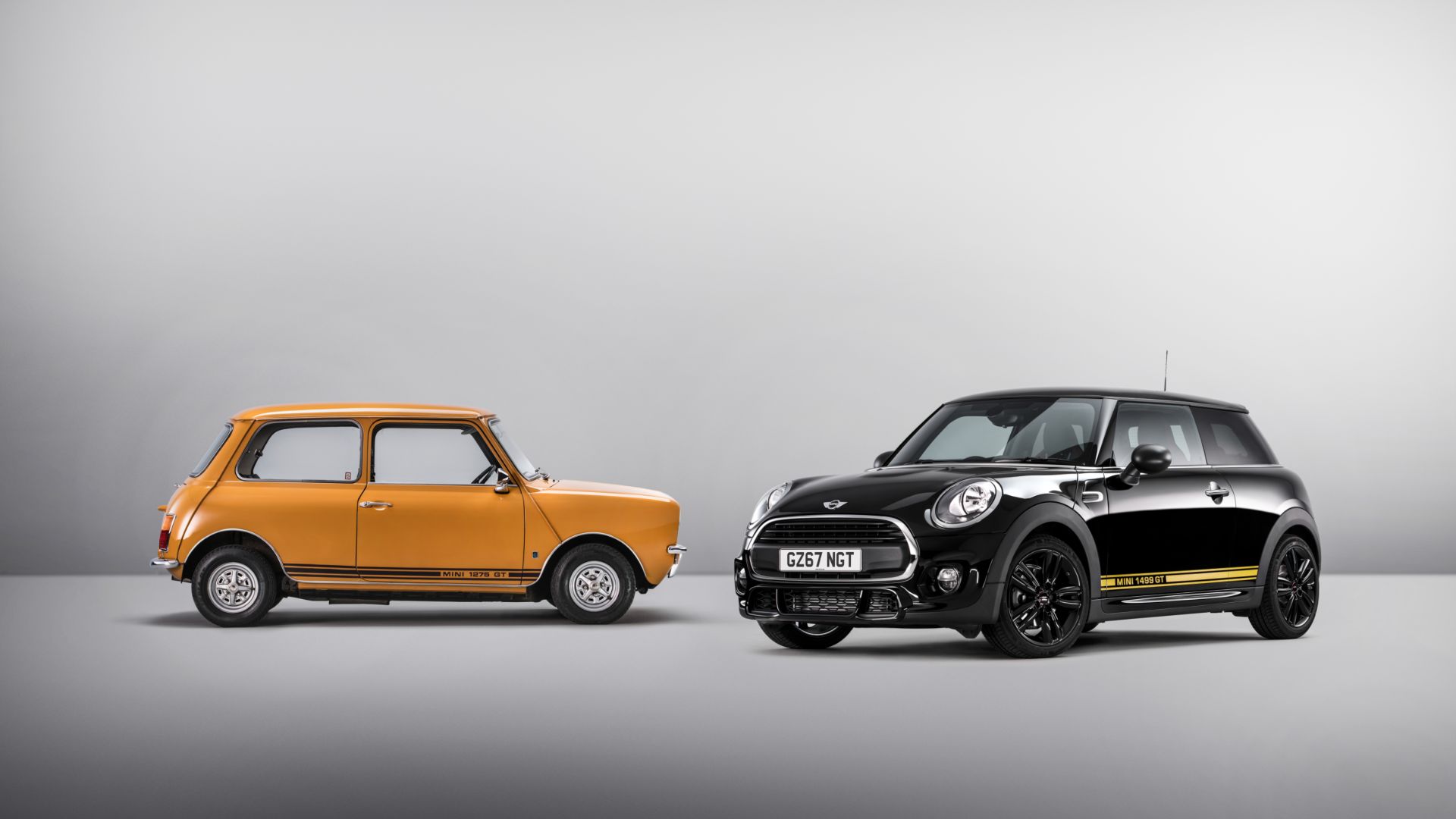
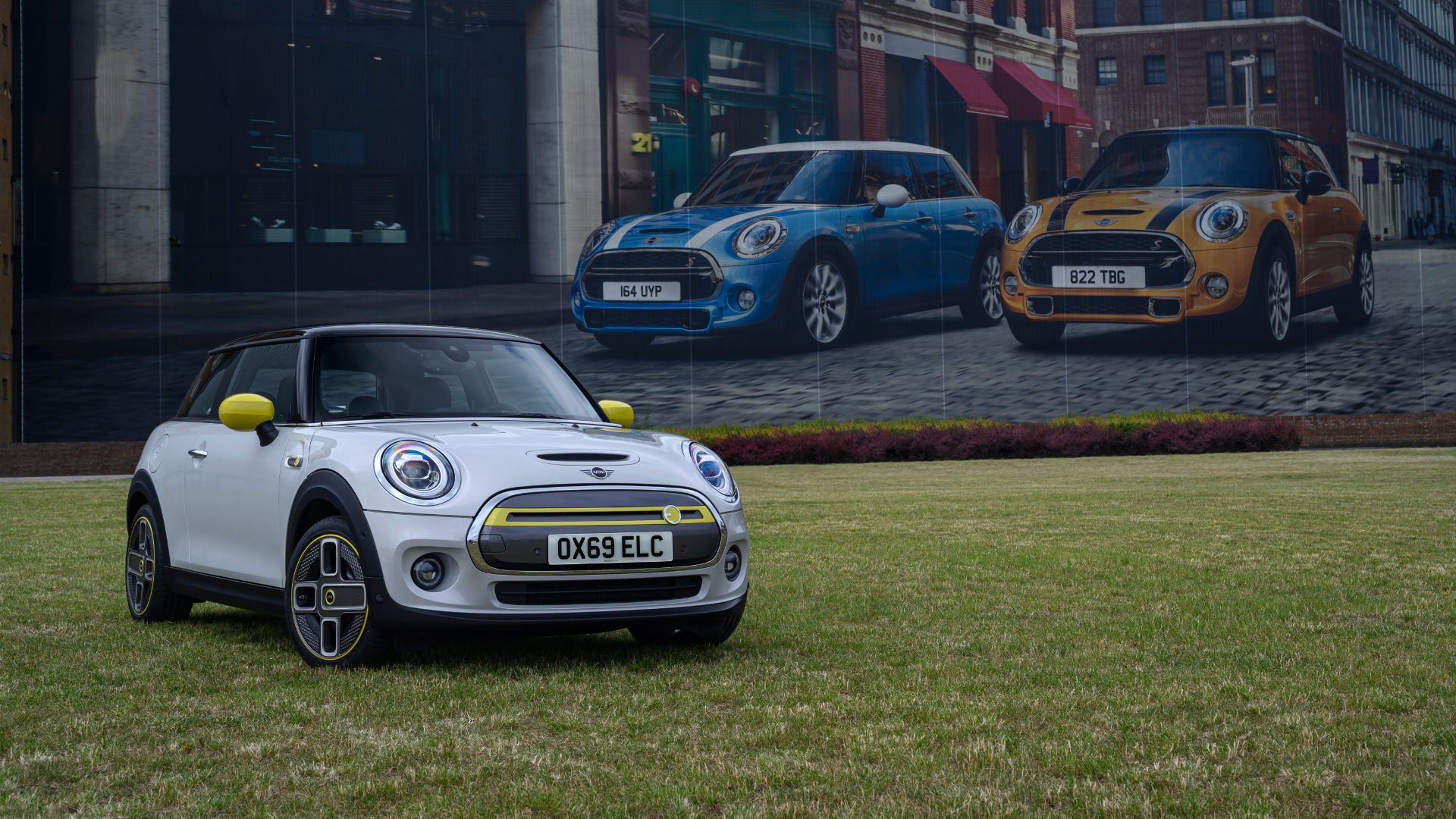
Mini
12,283,157
91,377
1,099,070
100,000
13,573,604
Jeep
6,013,939
996,269
5,627,470
168,000
12,805,678
Toyota
9,466,553
771,663
1,529,967
370,000
12,138,183
Most influential brands overall
Looking at brands overall, Pilotfish Media claims these are the most influential:
Most influential brand: National Geographic
Most influential sector: Sport
Most influential brand on Facebook: Samsung
Most influential brand on Twitter: NBA
Most influential brand on Instagram: National Geographic
Most influential brand on YouTube: National Geographic
Want to make your life easier and save money? The Car Hacks book contains 126 tips and tricks designed to improve your car, covering subjects such as cleaning, storage and modernising. Here, we reveal 18 car hacks that involve items you’ll find in your home. For more information, you’ll have to buy the book, which is on sale now.
Herbal tea bags
Did you know that a few herbal tea bags can dehumidify your car while giving the interior a fresh aroma? Leave them around the cabin overnight – one in each door pocket and one on the dashboard ought to do it – and the car will feel fresh in the morning. Author Craig Stewart advises against re-using the teabags for your morning cuppa…
Old socks
Are you bugged by cups or bottles that rattle around your cupholders when driving? The Car Hacks book suggests grabbing an old sock and pulling it over the bottom of the bottle, flask or cup. The result: a snug fitting drinks utensil without the rattle. We’d advise washing the sock first…
Cupcake cases
Cupholders are great, but it’s not long before they fill with dust and crumbs. Assuming you’ve finished reenacting The Great British Bake Off, grab some silicone cupcake cases from the kitchen and drop them into the cupholders. You can even add a splash of colour to an otherwise drab cabin.
Rubber band
Grab a rubber band if you’re after a temporary smartphone holder. The book suggests looping it through one of the air vents in the dashboard, from where it should be possible to stretch it around your phone. A good short-term solution for getting directions via the phone’s navigation app.
Silicone mat
Head back into the kitchen to grab a silicone mat that may have been used for baking or to line the drawers. It can be used to stop items rattling or rolling around door pockets or storage bins, helping to remove any irritating rattles in the process.
Bungee cord
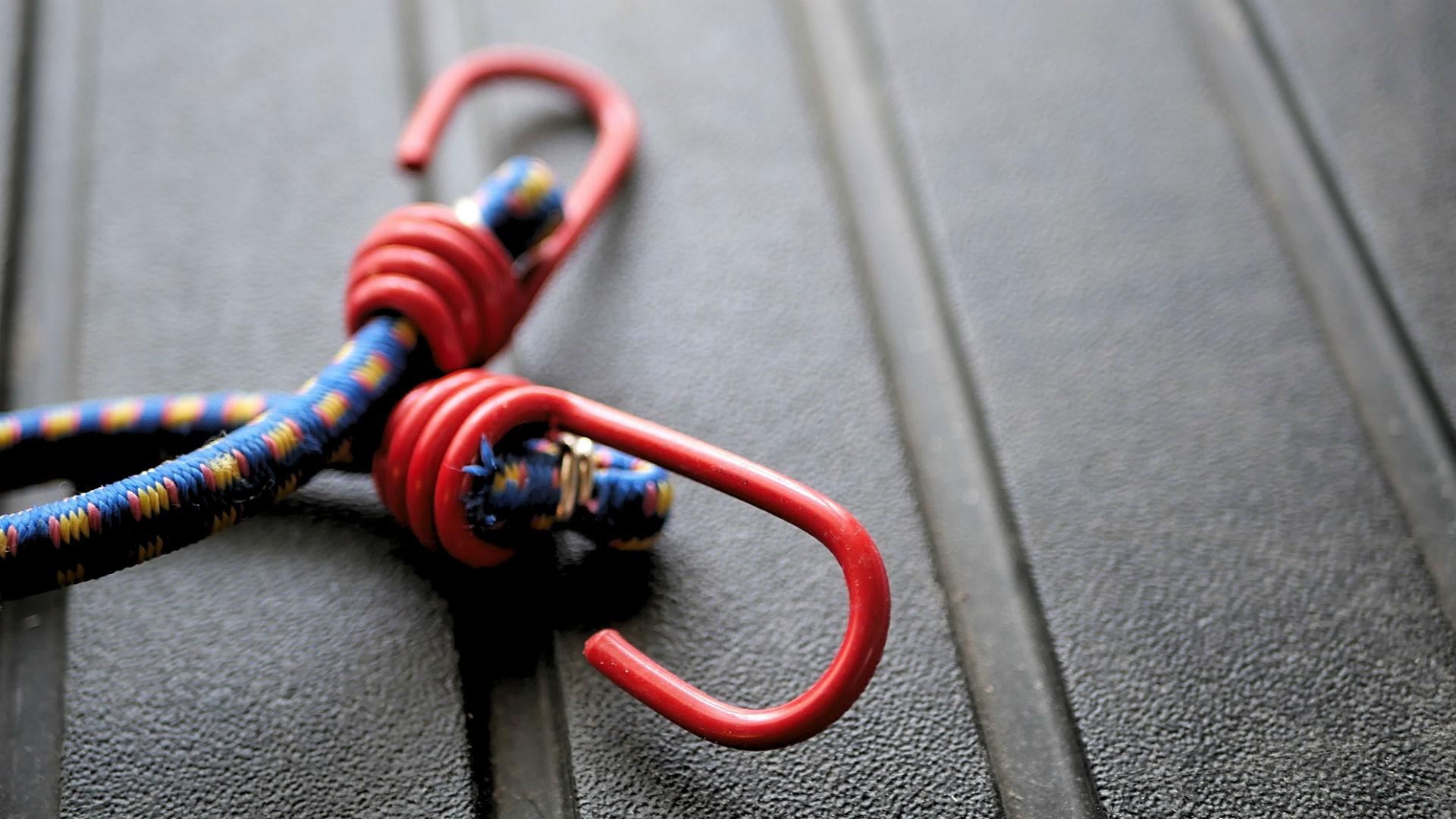
We like this one. If you’ve ever arrived home from the supermarket to find your groceries strewn across the boot, the bungee cord hack is for you. Simply attach one end of the bungee cord to one side of the boot, then thread it through the bag handles before fixing it to the other side. Alternatively, you could arrange home delivery, but that’s not in the spirit of the book.
Nail polish
Nail polish isn’t going to restore your car to concours-winning glory, but as the book points out, it should ensure it ‘passes the kerbside inspection test’. A near-matching nail polish will improve the appearance of stone chips or small scratches, until such time you can afford to get the car professionally repaired.
Hand sanitiser
After nearly a year of living with Covid-19, we all have a bottle of hand sanitiser at home. If you discover your car’s locks are frozen, simply squirt some sanitiser into the keyhole and wait a few seconds. The alcohol in the fluid will work its magic, turning the ice to water. Obviously this one is for the old-school motorists who don’t rely on keyless entry…
Toothpaste
This hack utilises toothpaste’s abrasive properties to remove light scuff marks from the car’s bodywork. Apply a small amount with your finger, then rub it gently around the mark. Using a drill and polishing wheel, rub the area until it has blended into the surrounding paintwork. When you’re finished, apply some wax to protect the paintwork.
Tights or stockings
Few of us are diligent enough to carry a spare wiper blade in the boot, so what happens in an emergency? Assuming somebody in the car is wearing tights or stockings, you can use them to prevent a damaged blade from scraping the windscreen, which should be enough to get you home. Maybe you should carry a pair of tights in the glovebox. Oo-er.
Playing cards
If your wheels are looking tired and you’re tempted to break out the spray gun, you’ll want to protect your tyres from overspray. The Car Hacks book recommends tucking playing cards between the rim and the tyre all around the circumference of the wheel. The result: no overspray on the tyres. Just make sure you’ve got a spare set of playing cards for the inevitable Christmas game of rummy, or your mother-in-law won’t be happy.
Pool noodles
If you park your car in a narrow single garage, the fear of your door coming into contact with the wall is a constant menace. Assuming your children have finished with their swimming pool noodles, they can be used to provide a cushioned bumper for your door edges. Alternatively, off-cuts of carpet or old cushions work just as well.
Tennis ball
A tennis ball is a decent substitute for parking sensors – who’d have thought it? How does it work? You’ll have to buy the book to find out…
Self-adhesive hooks
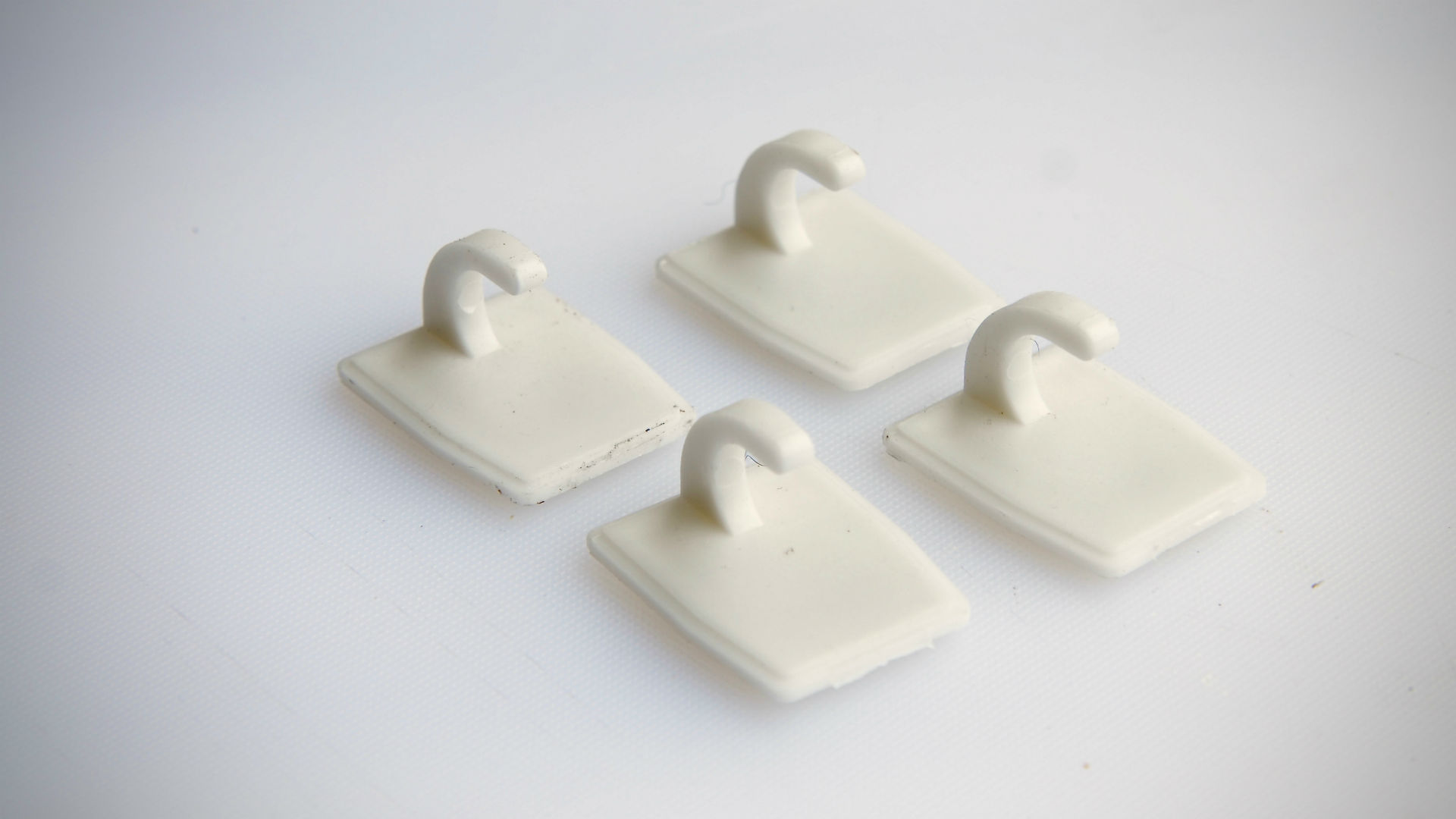
Nissan claims to have invented the curry hook when it debuted on the Almera in 1996. But you don’t have to buy an Almera to carry a takeaway without ruining your car’s pristine interior. Simply grab some self-adhesive hooks and attach them to a suitable location.
Olive oil
Used sparingly, olive oil can be used to clean and protect interior plastics. Used less sparingly, olive oil can smarten up tired-looking leather seats, but make sure it doesn’t come into contact with the steering wheel, gear stick or handbrake.
Clothes peg
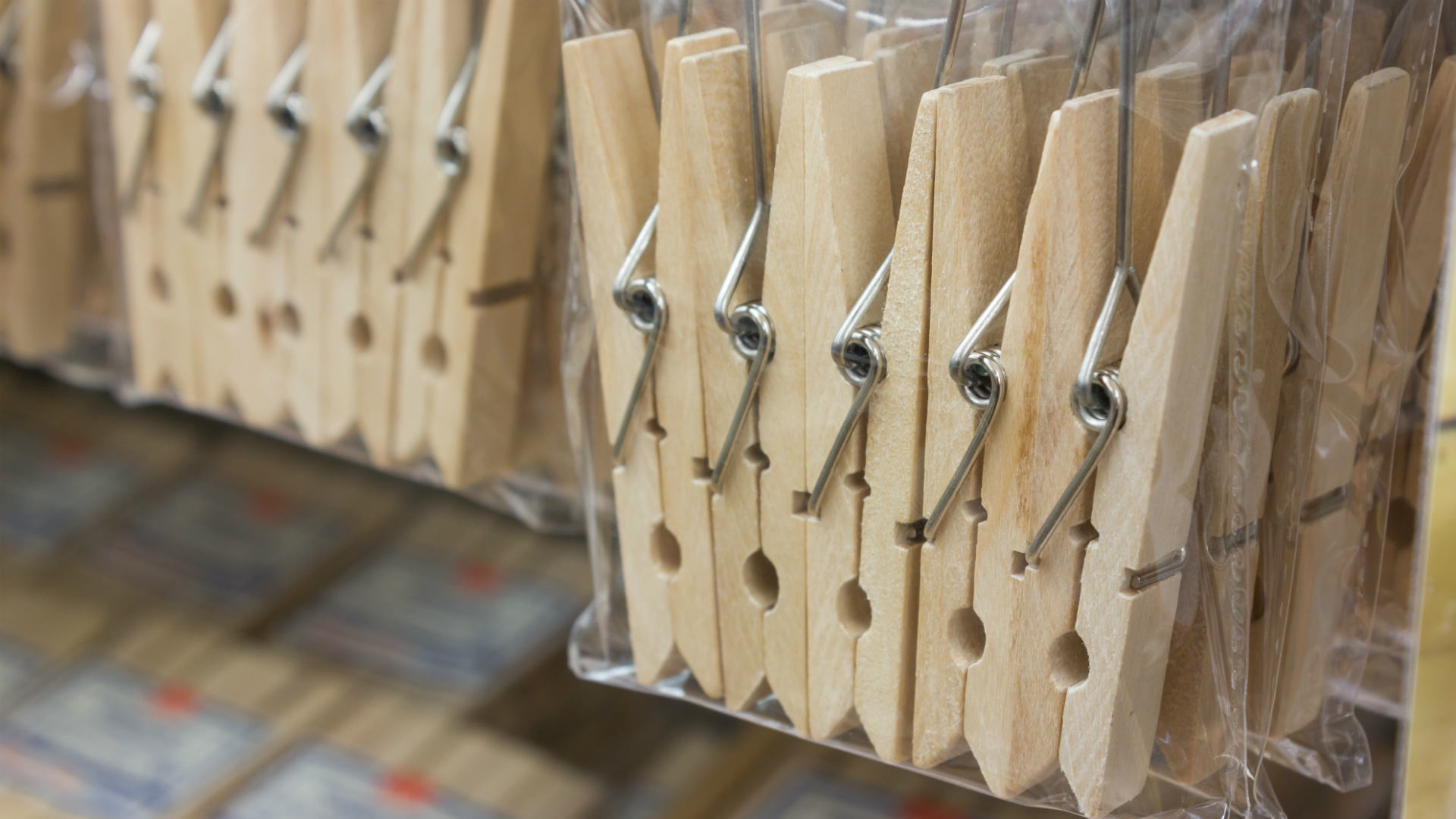
Speaking of oils – although not of the olive variety in this case – take a wooden clothes peg and drop some essential oils on the end. Clip the peg on to one of the central air vents, and when the fans are on, the scent will be circulated around the cabin.
Baking soda
Baking soda can be used to remove smells from the car upholstery. Sprinkle it over the affected area and then remove it using a vacuum cleaner.
Screwdriver
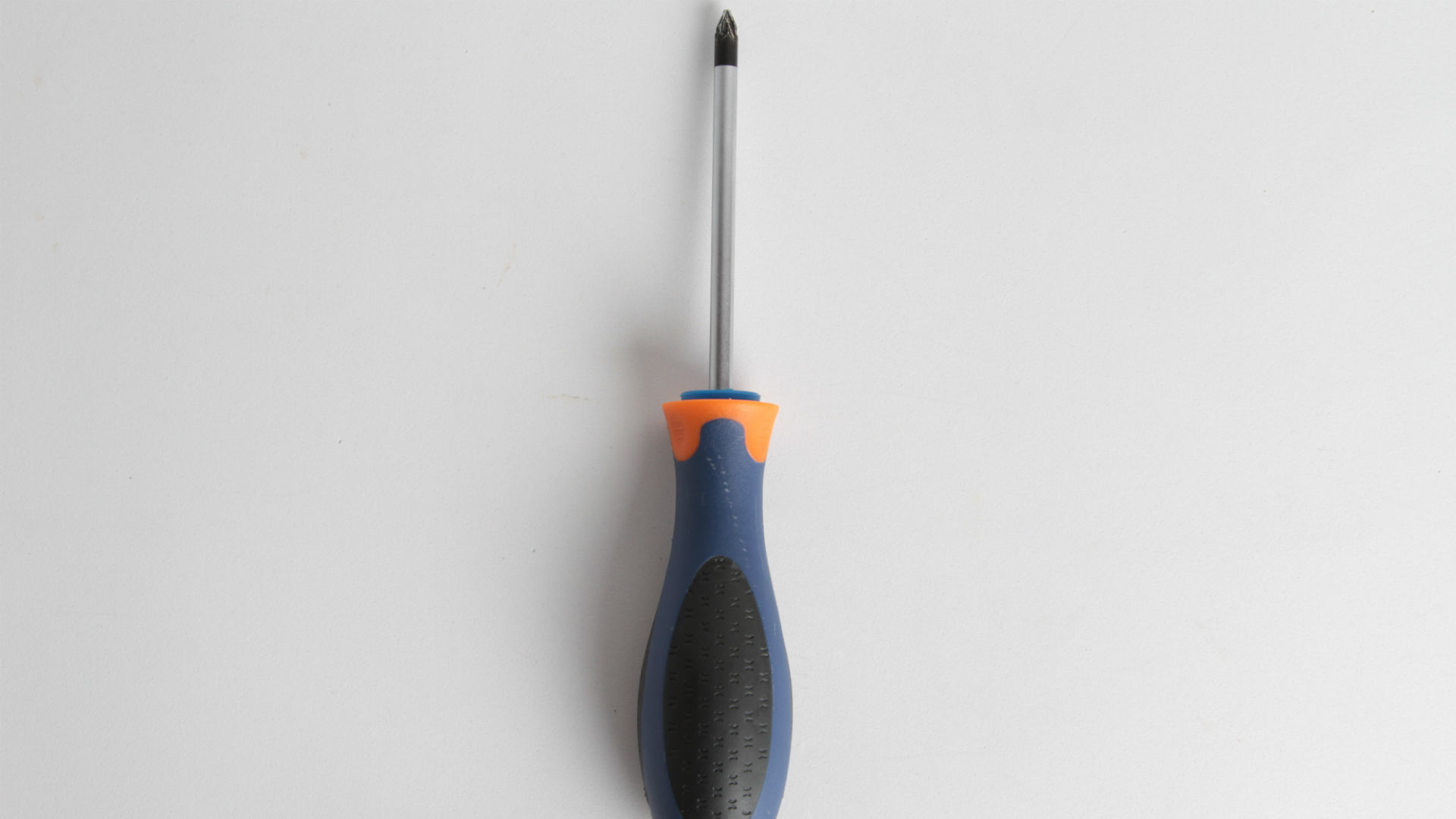
Because Q-tips and cotton buds are being discouraged from use for their role in plastic pollution, you’re going to require another solution for cleaning those hard to reach places. Wrapping a microfibre cloth on the end of a screwdriver is the answer.
Find more Car Hacks
In total, there are 126 tips and tricks in the Car Hacks book, and it comes highly recommended by Motoring Research. The retail price is £12.99, but it’s currently available online for less than a tenner. Grab a copy while stocks last.
There’s only one guaranteed way to avoid getting caught speeding: don’t speed. But if you do break the law, it pays to know where you’re most likely to get caught.
New research reveals Britain’s speeding hotspots, providing an insight into the regions where you’re likely to be issued a ticket.
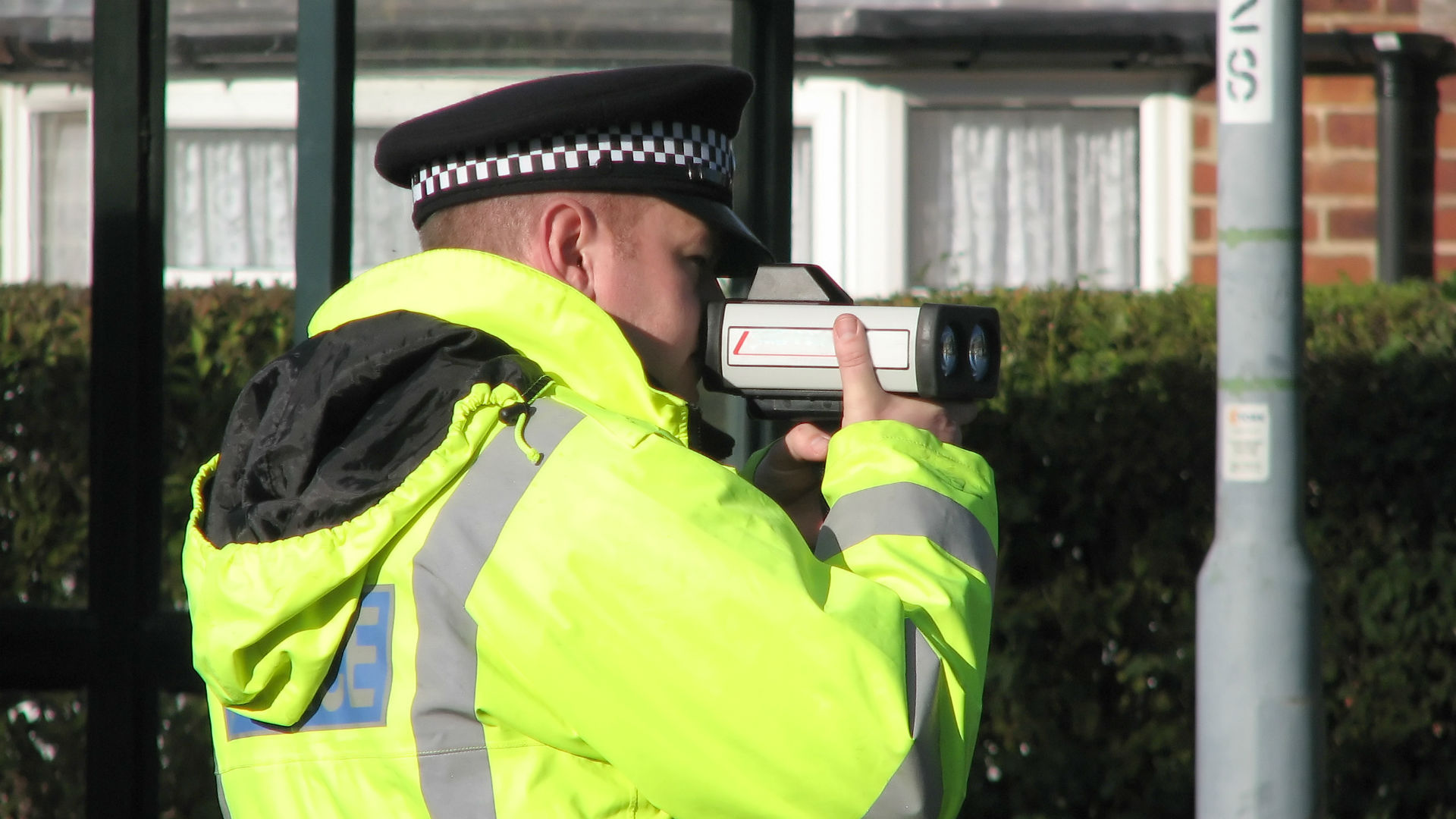
Freedom of Information requests were sent to the constabularies of the most populated towns and cities around the UK. The aim: to discover how many fixed penalty notices (FPNs) were issued for speeding in 2018.
Although not every police force responded to Dick Lovett’s request, one constabulary stands head and shoulders above the others.
Nearly 165,000 speeding tickets were issued by Avon and Somerset Police, making it the region in which you’re most likely to be caught speeding.
Next up is West Mercia (90,203 tickets), followed by Hampshire (73,220) and Northumbria (68,552).
Interestingly, Avon and Somerset also takes the honour of seeing the highest recorded speed during the same period. A driver was clocked doing 162mph.
At the opposite end of the spectrum, just 135 FPNs were issued in Gwent, followed by Bedfordshire (254), Wiltshire (657) and Cambridgeshire (687).
This doesn’t necessarily mean that drivers in these areas are law-abiding citizens. There are a number of factors at play, including the fact that Gwent has fewer speed cameras and motorways.
If you’re caught speeding
The minimum penalty for speeding is a £100 fine and three penalty points added to your licence.
You could be disqualified from driving if you build up 12 or more penalty points within a period of 36 months.
If you get a FPN, you can choose to plead guilty or not guilty. If you plead guilty, you’ll have to pay a £100 fine and have three points added to your licence, unless you’re given the option to attend a speed awareness course.
If you plead not guilty, you’ll have to go to court. If you’re found guilty by the court, the amount you’re fined depends on what the speed limit was and how much over it you were driving.
It’s usually a percentage of your weekly income, up to a maximum of £1,000, or £2,500 if you were driving on a motorway.
For more information on speeding fines, including what happens if you’re caught speeding by a camera, visit the government website.
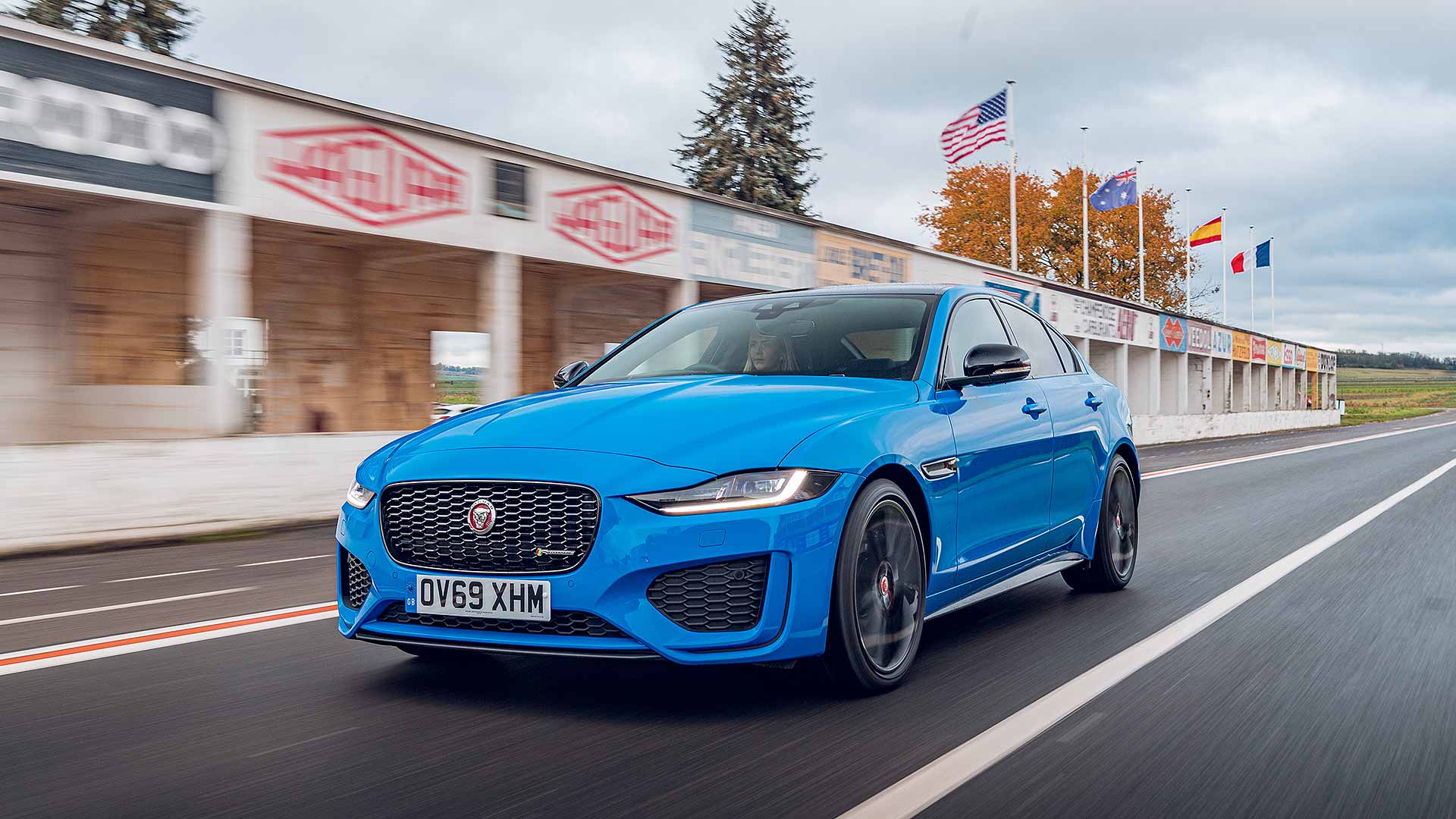
The Jaguar XE Reims Edition is a limited-to-200 special edition that marks 65 years since the firm’s legendary D-type sports car claimed its first race victory.
Winning the 12 Hours of Reims in France was the first win in a run that included multiple Le Mans 24 Hours successes.
Costing £38,295, all 200 XE Reims Edition will be fitted with a 250hp 2.0-litre P250 petrol engine. The base car is the R-Dynamic S, enhanced by a series of special features.
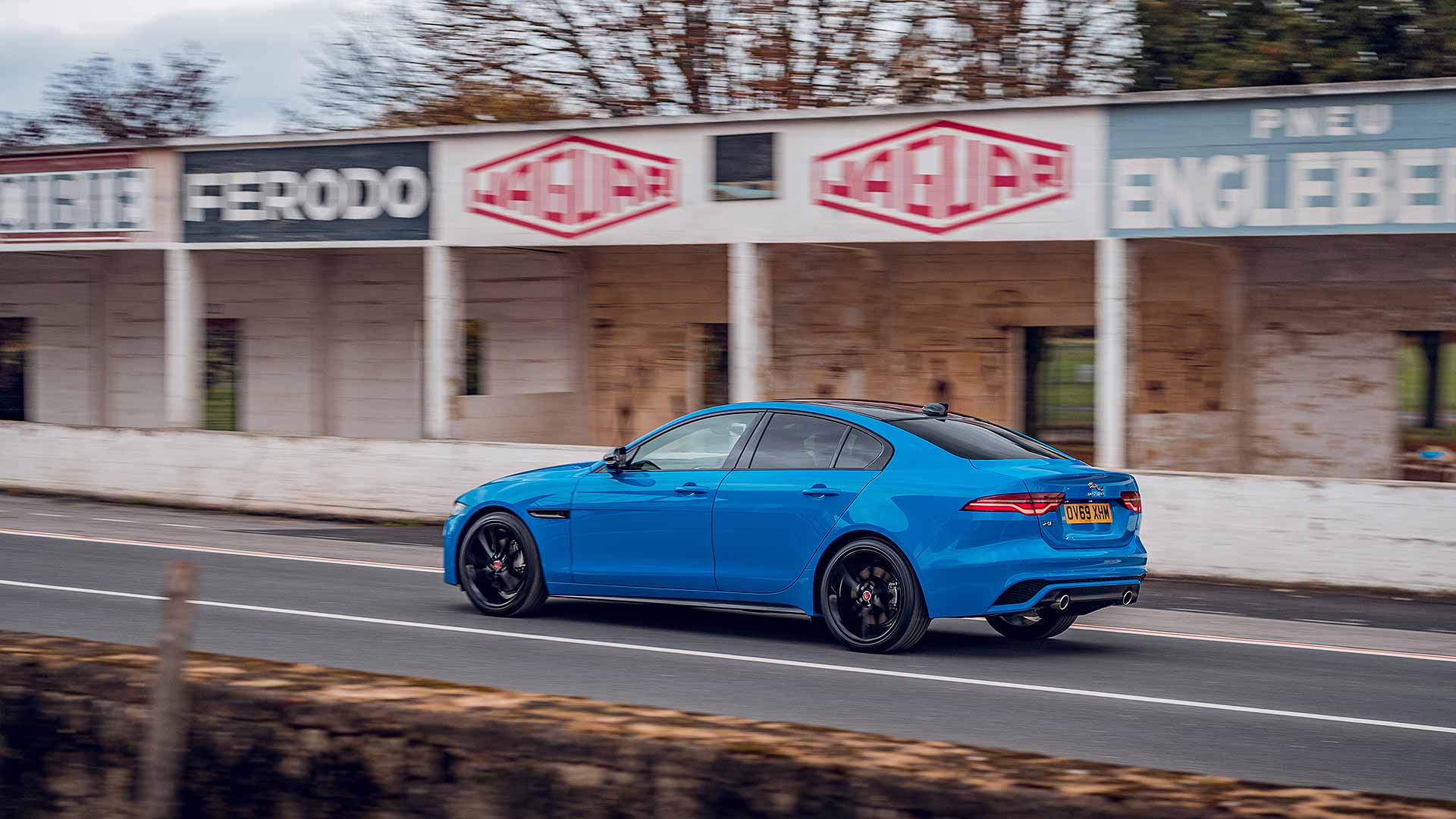
All will be painted French Racing Blue (the same colour notably used on the wild-child XKR-S and XFR-S), and have 19-inch five-spoke gloss black alloy wheels. The XE Reims Edition also comes with a contrasting black roof, door mirror caps and sill inserts.
The exterior Black Pack is standard, stretching the gloss black finish to the grille and surround, side vents and window frames. Tinted privacy glass is standard.
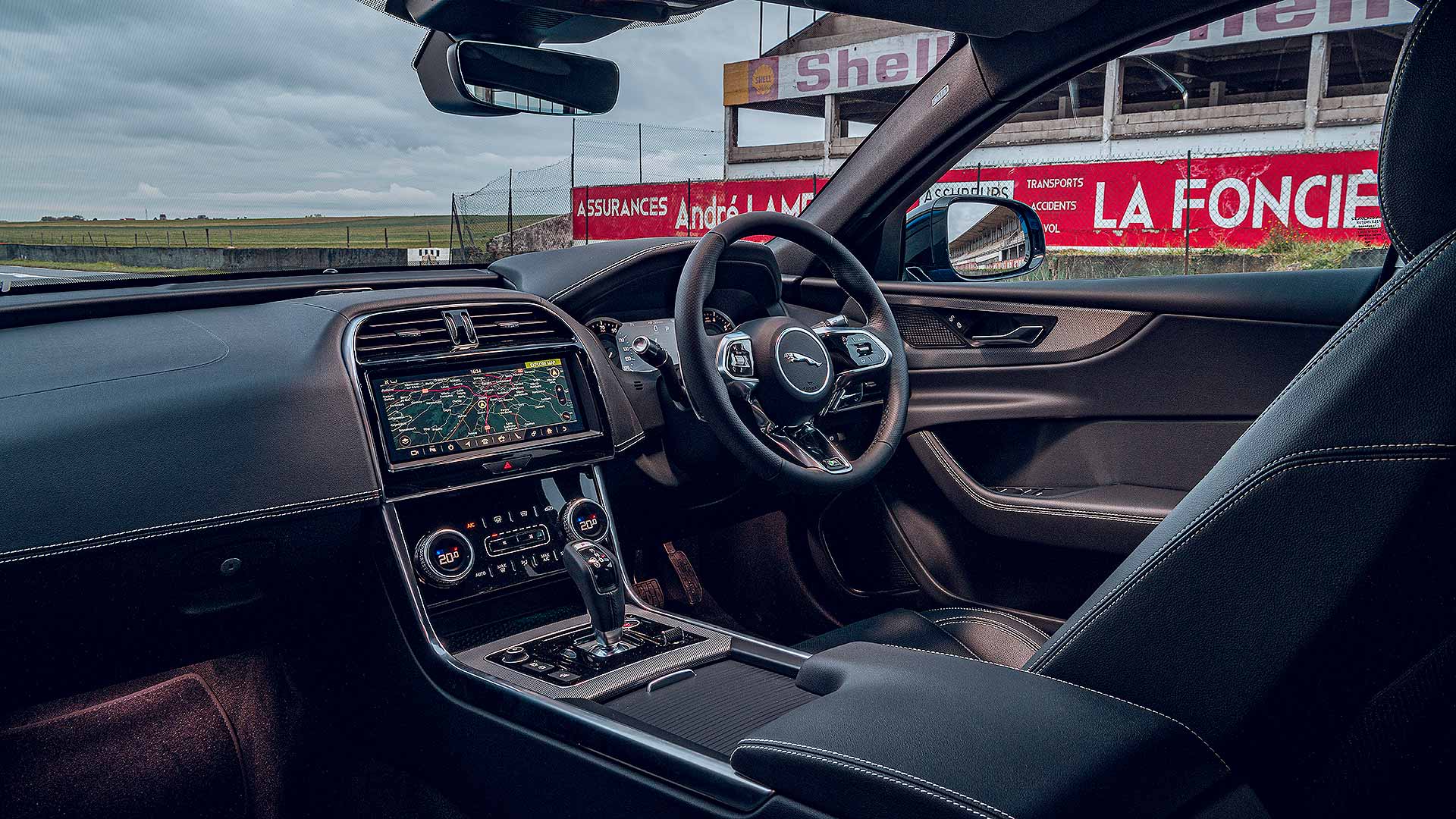
Inside, there are heated seats and the Cold Climate pack which includes heated windscreen and steering wheel, plus headlight washers.
All revised Jaguar XEs also get all-LED headlights, Apple CarPlay, a rear-view camera and all-round parking sensors.
On sale now, the XE Reims Edition is the first in a planned run of Jaguar Factory Specials. These are described as ‘limited production run vehicles with bespoke features and details’ that mark famous locations, events or dates in Jaguar history.
Grey might be the dominant automotive hue in 2019, but blue is likely to steal its crown in 2020.
In Europe, grey leads the way with a 22.1 percent market share, followed by white (21.8 percent) and grey (21 percent). It wouldn’t take a big shift for blue to grab the top spot.
Indeed, blue leads the way in a couple of segments. It’s the most popular colour for small cars (24.5 percent market share) and medium cars (28.6 percent).
Why are we so confident that blue will lead the way in 2020? Let’s consider the evidence, darling.
The website Who What Wear has included blue in its seven biggest colour trends of spring/summer 2020. Of faded denim, it says: ‘This blue shade is as reliable and dependable as your go-to pair of jeans. The approachable hue conveys comfort and ease and looks chic when paired with bold and vibrant colours’.
Meanwhile, the paint industry says blue is set to be a ‘seasonal cornerstone, with the sea a main source of influence’.
In Los Angeles, Lexus unveiled the stunning LC 500 Convertible in Structural Blue, while Grabber Blue Metallic is one of three colours available on the Mustang Mach-E First Edition models.
Blue is a ‘safe haven’
Just don’t expect blue metallics to come cheap. Manufacturers will be quick to jump on any trends, charging extra for premium blue hues.
“Blue is a colour often associated with balance, it echoes parts of the natural world. At times of social and political unease, this colour space could feel like a safe haven. It is increasingly associated with mindfulness, environmental awareness and future mobility. Choosing blue is a way of showing optimism and openness, a desire for harmony.“ said Julie Francis, colour and material design supervisor at Ford of Europe
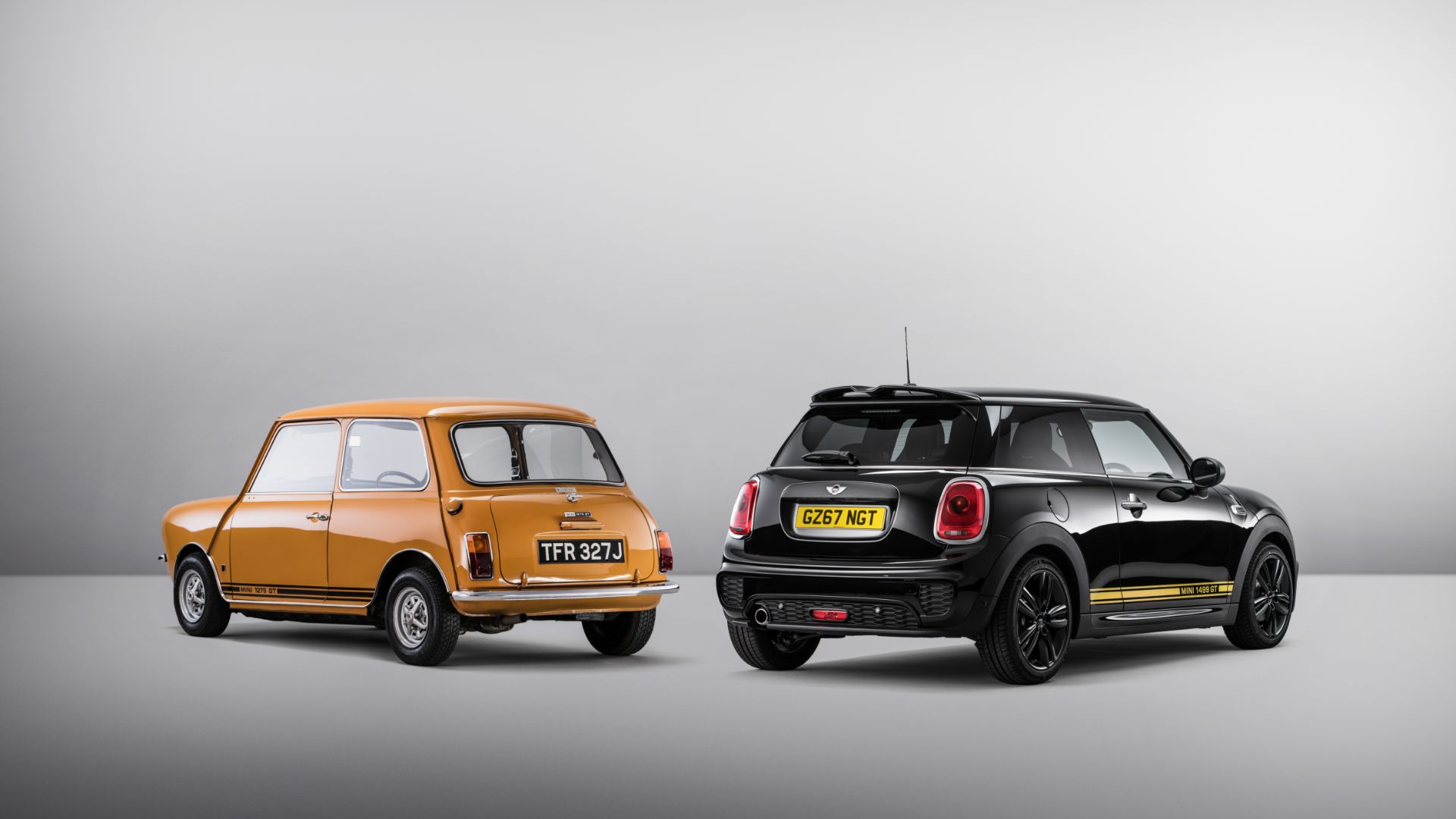
A Mini is more hugely affordable now than when the original car debuted in 1959. That’s despite a typical car being around 32 times more expensive today
Research by Mini shows that, if the cost of cars is compared to average UK household disposable income, drivers in 2019 are far better off.
Revealed: Top-selling cars with the longest waiting lists
The original Mini’s £780 typical purchase cost was 307 percent of the average disposable income in 1959.The average disposable income of drivers in 1959 when adjusted for inflation is £5,474. Adjust the original Mini’s price for inflation, and you get £16,784.
By comparison, the average price of a modern Mini was around £18,139 in 2018. Yet the average household disposable income per-head is £20,504.
So the cost of the average Mini today is 88 percent of the average disposable income per-head in a household. Indeed, even if £10,000 was taken off that figure, we’d still be in a better position today than 60 years ago.
Around eight in 10 of all new private car registrations today are via finance, while a prospective buyer in 1959 would be looking at saving up every one of those 780 pounds.
Today, a four-figure deposit and a three-figure monthly payment will get you the keys to a Mini. Take a £2,000 deposit and £250 per-month as very generic figures: £2,000 is around nine percent of the total average cost of a modern Mini, while £250 is less than one 70th of the total price.
Adjust those amounts for the 1959 price, and you get a deposit of £70, plus monthly payments of £10.80.
“Over the past 60 years, how we buy and finance Minis has evolved just as much as the cars themselves,” said Phil Kerry, sales and marketing director at BMW Group Financial Services.
“Motorists now have more choice, and this will only increase over the next few decades.”
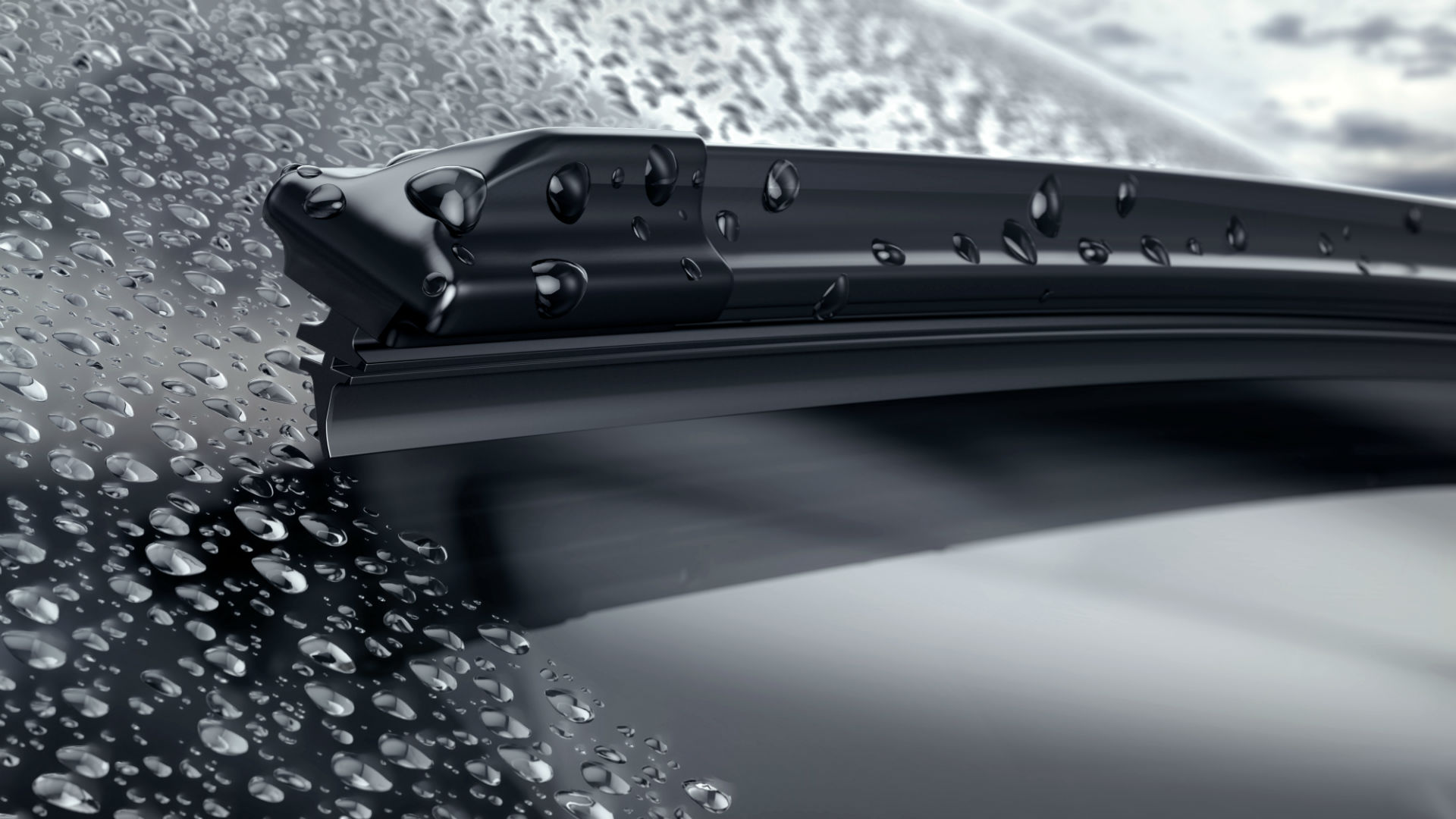
Your car’s windscreen wipers could soon be used to deliver more accurate weather forecasts.
Using data from connected cars, meteorologists could pinpoint localised weather conditions, helping to create a broader picture across the entire country.
This could be used to warn drivers of hazardous conditions and to enable weather-related speed restrictions to improve road safety.
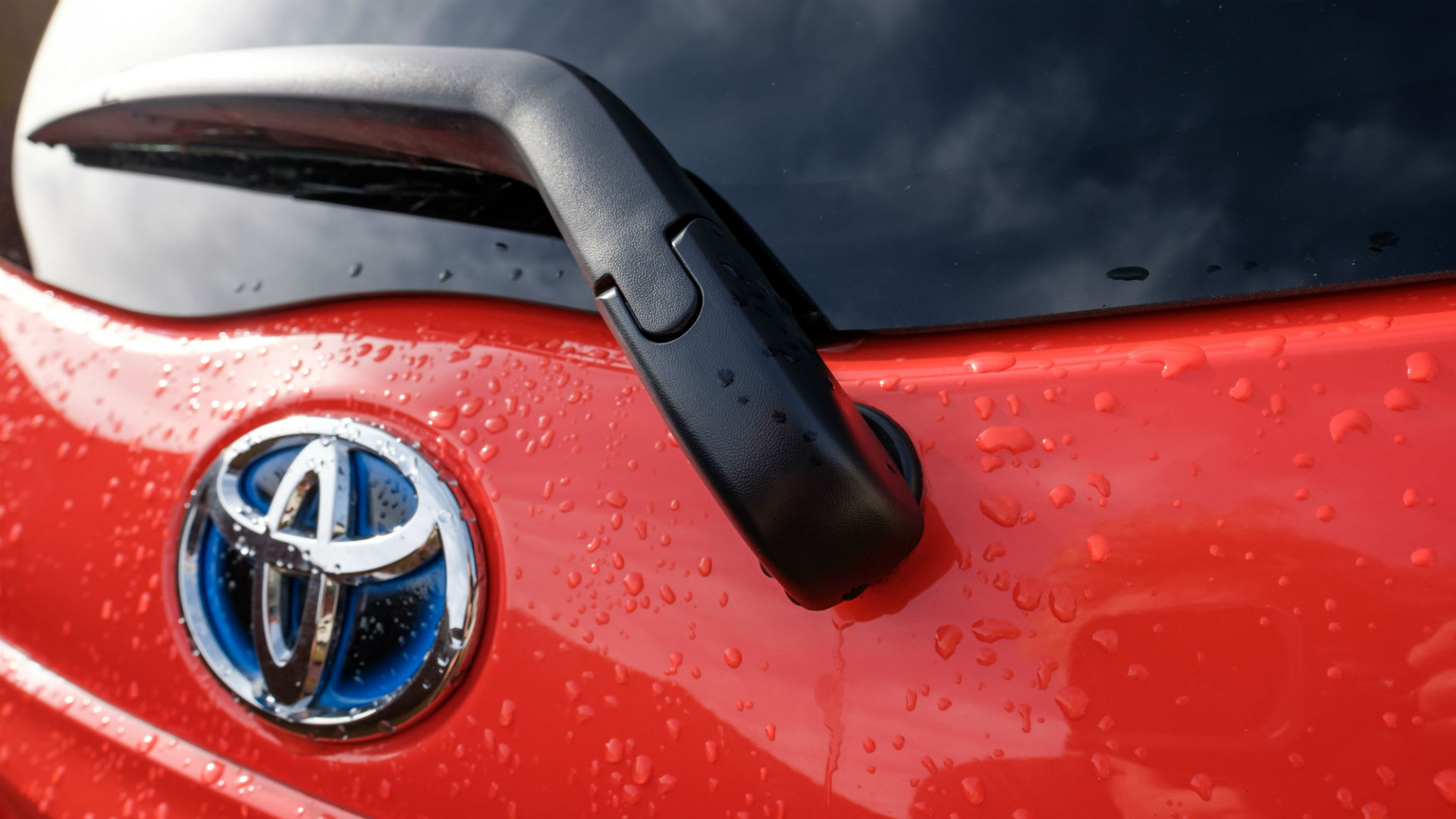
In Japan, a project between Toyota and Weathernews involves the monitoring of windscreen wipers used in connected cars.
“It’s a brilliantly simple idea,” claims Toyota. Drivers activate their wipers in response to rain, and the speed of the wipe tends to correspond with the severity of the downpour.
A couple of cars using their wipers could be a case of screen washing. If numerous people activate their wipers, the reason is likely to be meteorological.
Toyota says standard rain cloud radar systems cannot always detect light showers, so its connected vehicles have the potential to identify weather that might otherwise go undetected.
Working in conjunction with the existing Weathernews observation network, which is spread across 13,000 locations, the connected wipers add another layer of information.
Used correctly, this data could reduce accidents and prepare drivers for deteriorating conditions. In Japan, there are four times as many motorway accidents in the rain as there are on sunny days.
The connected wipers can also communicate in other ways. Nearly all Toyota passenger cars launched since 2018 are equipped with an on-board data communication module.
Using Car2Car technology, cars can warn other cars about weather and hazardous driving conditions.
Say, for example, a number of cars detect ice on a bend. This information can be relayed to the cars approaching the corner, preparing the driver for danger.
Similarly, if a number of connected cars are queuing in traffic, the data can be used to divert other motorists away from the congestion.
Smart windscreen wipers won’t be able to improve the weather, but they might tell you when you need to pack an umbrella.
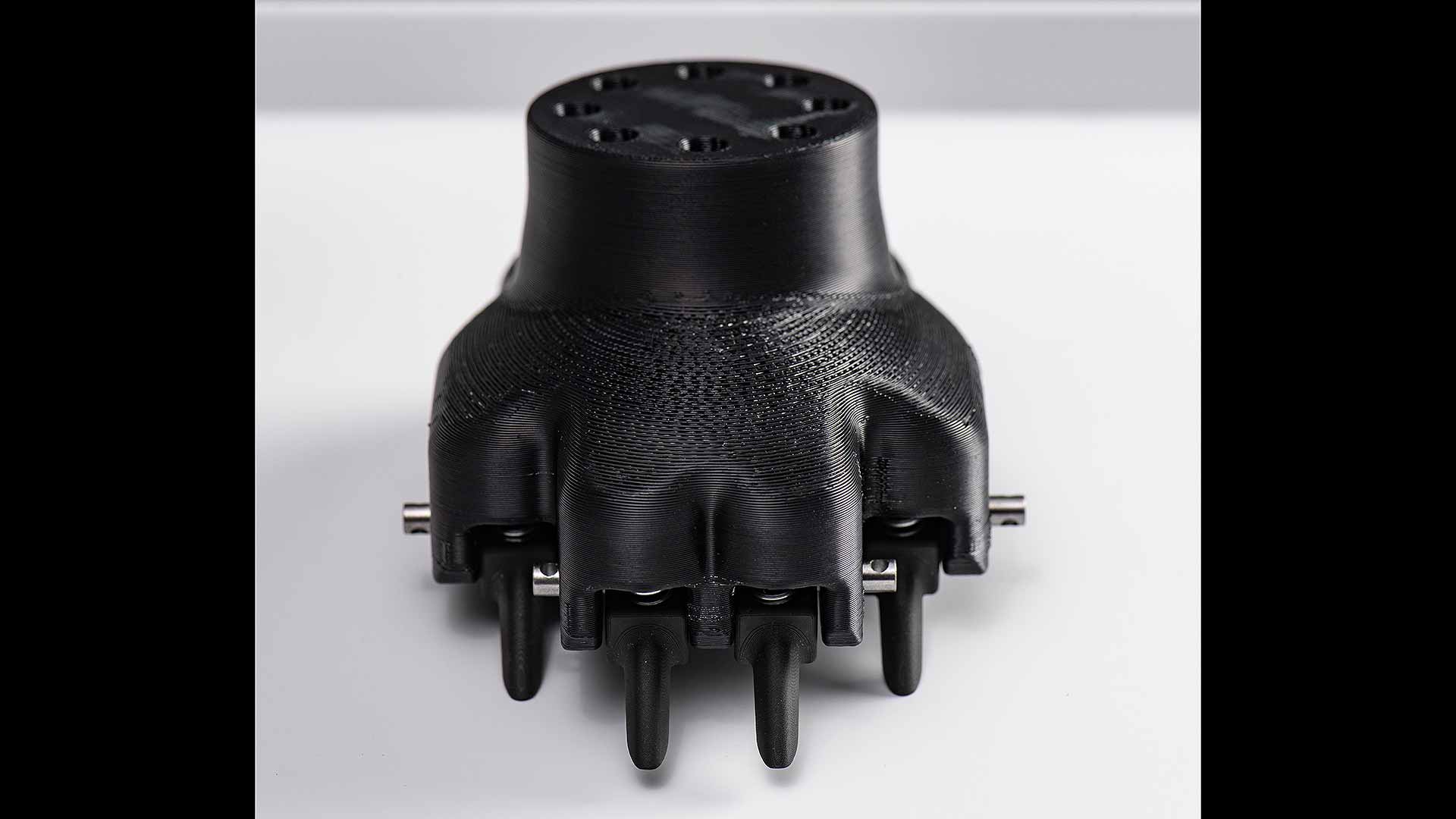
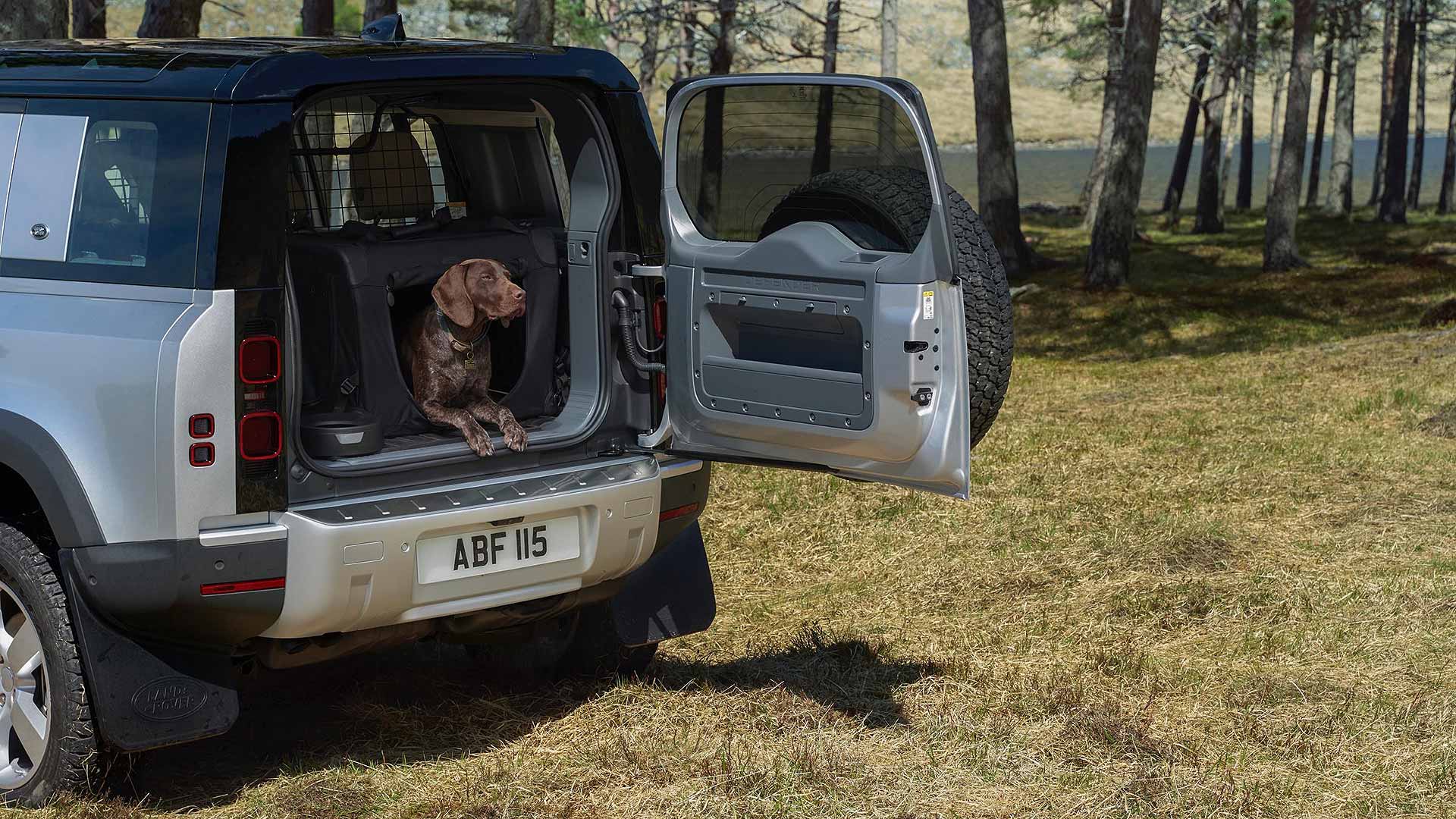
A 3D-printed dog paw has been created, to replicate in the test lab a dog’s claws scratching the bumper and paint before and after walks.
Thanks to the robotic dog paw test, Land Rover is able to confirm the new Defender is able to resist more than a decade of use by dogs.
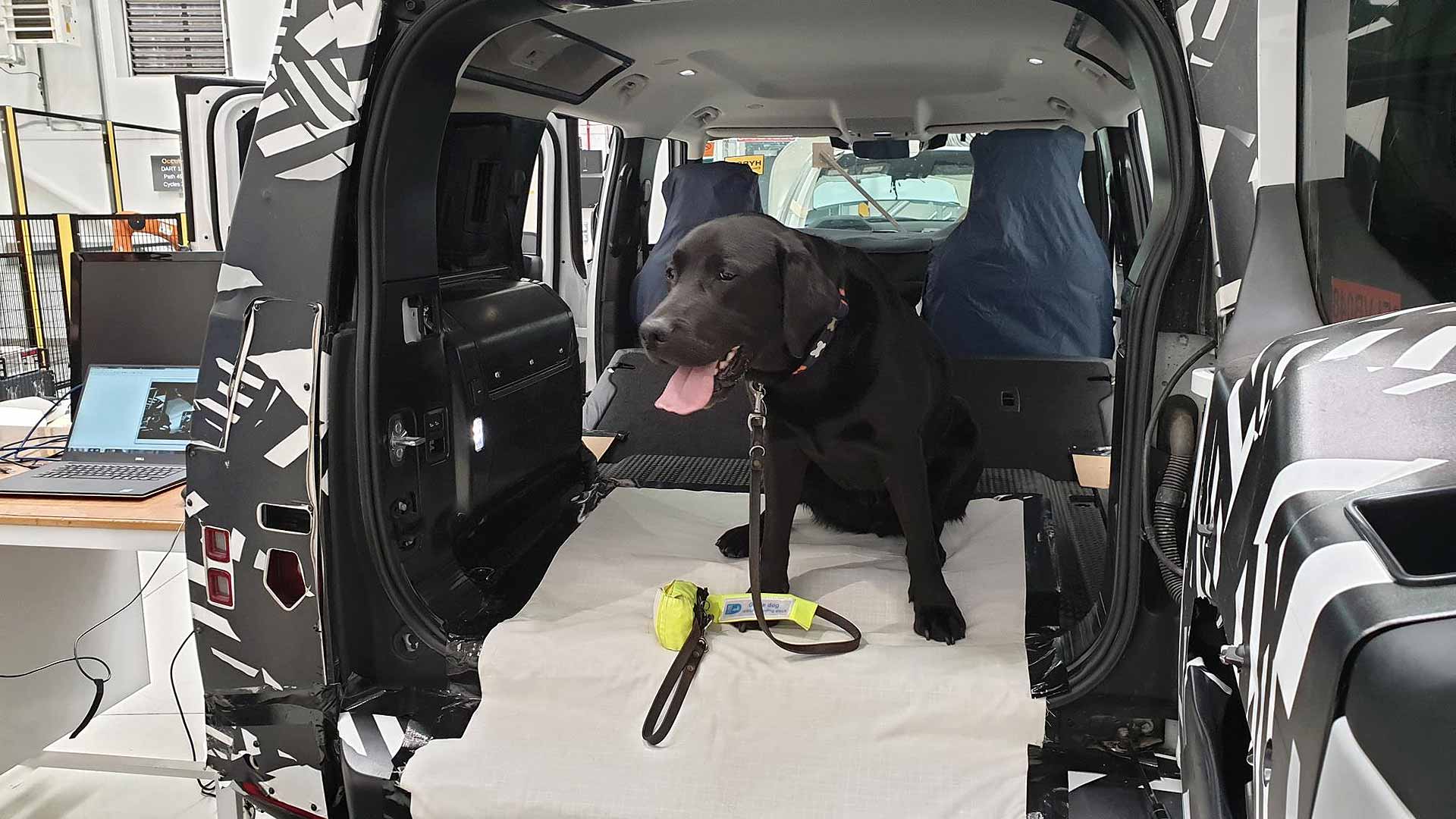
Yogi the Labrador, from the National Guide Dog Breeding Centre, was test dog for the project. Their paw was modelled and a 3D-printed, spring-loaded replica was created.
The engineers called this RoboYogi.
Cleverly, the use of springs meant the robo-claws can follow car design contours and evenly apply pressure across the bumper. Just like a real dog.
Yogi was then tasked with jumping in and out of the new Defender’s boot; engineers recorded their steps with pressure-mapping technology.
This data was used to correlate Yogi’s 3D-printed paw to their real one.
JLR’s new standard test involves 5,000 cycles of RoboYogi randomly scratching the panel 10 times, followed by a linear sideway scratch. Senior engineer Julie Nicholls admitted it’s a bespoke test that’s a little different to the norm.
“Creating globally renowned vehicles means applying a quality mindset at every stage of a product’s lifecycle to ensure we meet the needs of our customers’ lifestyles. In this case we were able to achieve it by getting a dog, printing a paw and using a robot.”
The paw was produced by the JLR Additive Manufacturing Centre, which now produces more than 80,000 parts a year, largely for prototyping and design mock-ups.
The division does actually also produce 3D-printed parts for production cars, with the extreme Jaguar XE SV Project 8 among the first to use parts from the centre.
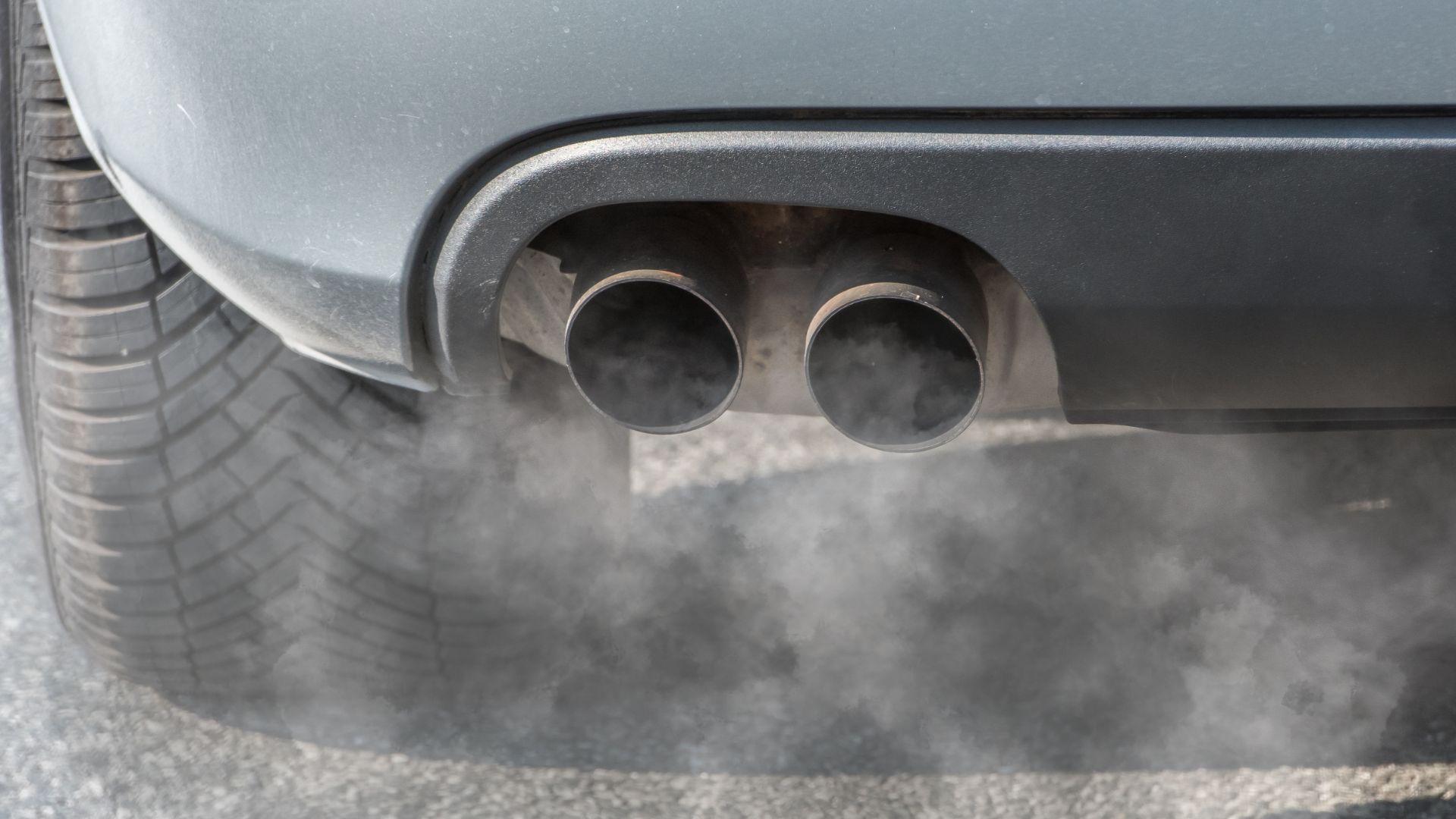
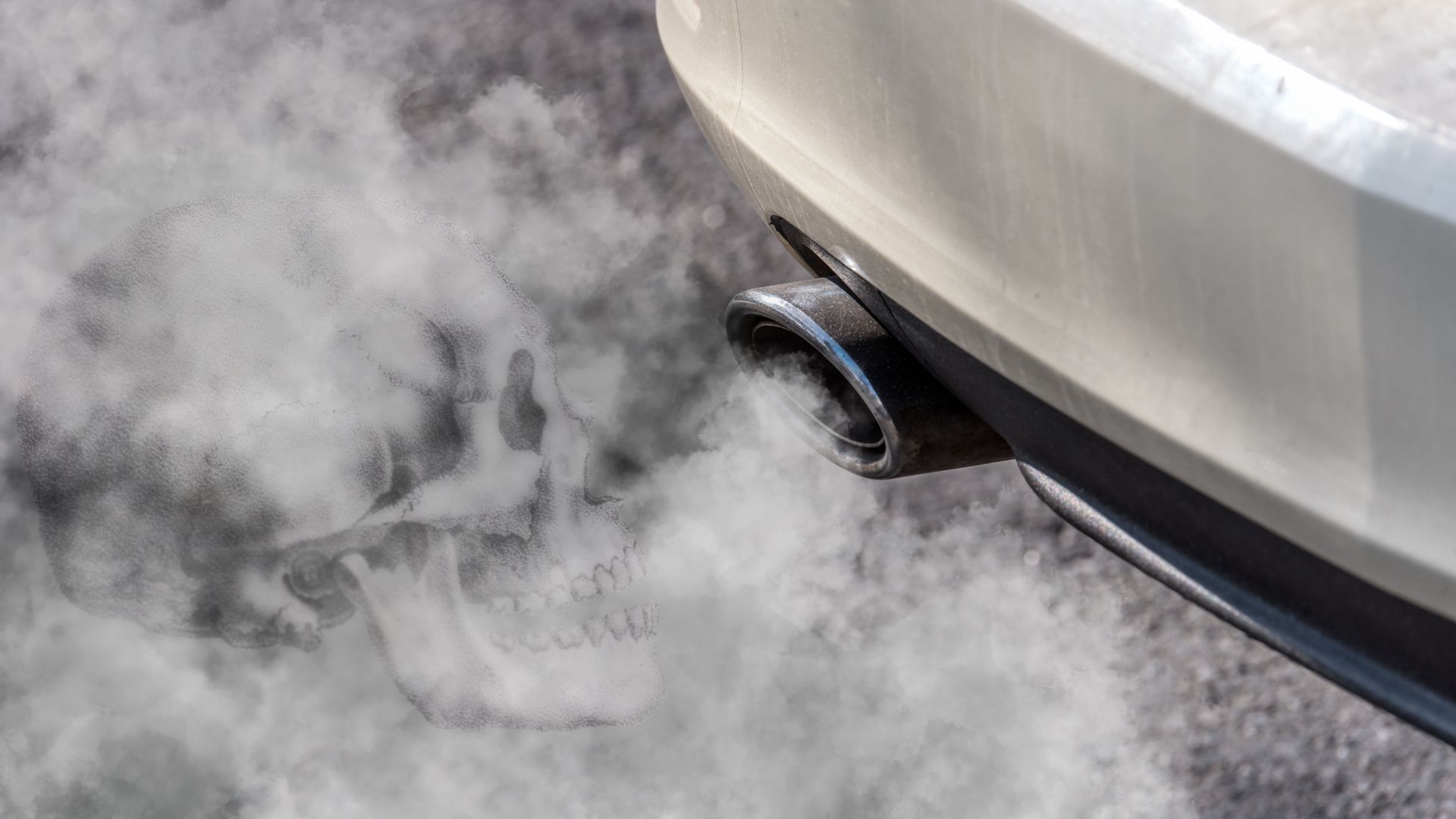
New research from the British Heart Foundation (BHF) has led to the conclusion that those who live in the most polluted urban environments could be losing seven months off their lifespan. Breathing the worst-polluted urban air is, according to BHF, equivalent to smoking 150 cigarettes a year. The situation is such that some don’t think that our transition to electric cars is going to be enough.
This, according to Mathew Hassell, founder and CEO of some of the UK’s largest transport management businesses, including Transport2, CoacHire.com and Kura.
“The news that the toxic air in our cities is now actively shortening our lifespan is worrying but hardly surprising,” Hassell said.
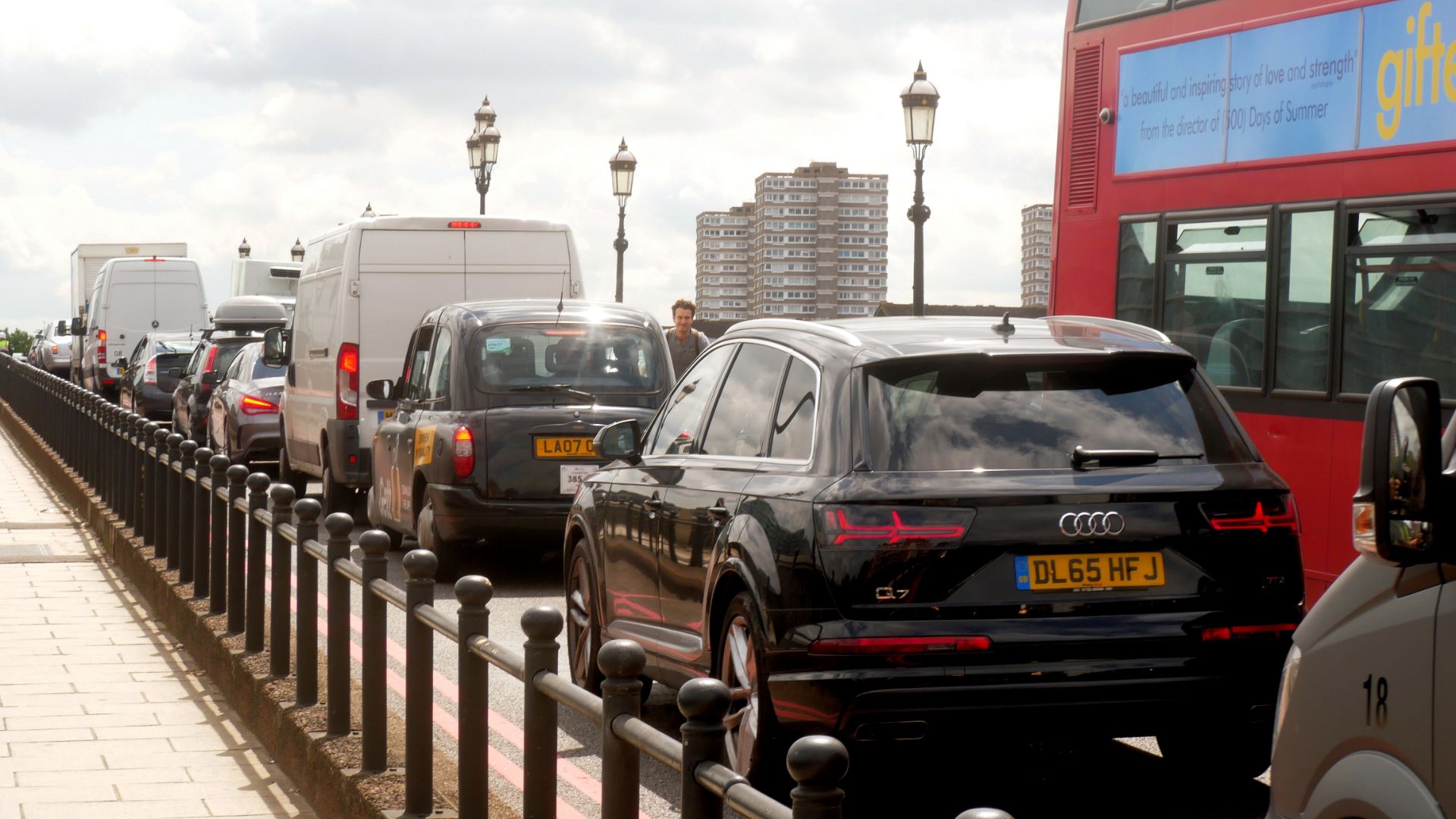
“Given that 33 percent of the toxic emissions we produce come from transport, it is here where a revolution is needed – and quickly.”
By revolution, Hassell is looking beyond each of us swapping in our petrol and diesel cars for EVs. The amount of cars overall is a problem, whatever they’re powered by, he says.
“While greater uptake of electric vehicles is seen as the solution by many, this isn’t enough in isolation. We must do more to get cars off the road, meaning that investment in areas such as Mobility as a Service (MaaS) and shared transport will be the more sustainable, viable solution to creating a greener future.”
He also highlights specific problem scenarios where pollution spikes, citing the school run. One in four cars on the road during rush hour are linked to the school run. Hassell thinks that investment in school transport would have a large impact. This to an end of getting cars off the road as above, and therefore lowering emissions markedly. The impact he says, could “rival or even exceed that of EVs”.
‘There is no safe level of air pollution‘
BMW commits to carbon-free shipping by 2030
Prior to parliament being dissolved for the general election, the government introduced the Environment Bill. Among other things, it committed to emissions targets, though these weren’t as strict as those recommended by the World Health Organisation.
The British Heart Foundation says that 11,000 coronary heart disease and stroke deaths can be attributed to air pollution every year. Jacob West, executive director of healthcare innovation at the BHF, calls air pollution a “major public health emergency” that has ”not been treated with the seriousness it deserves” and that “we will look back on this period of inaction with shame”.
Dr Mark Miller, contributing BHF researcher, said “there is no safe level of air pollution. The potential health benefits of realising these [Environment Bill] targets are enormous, allowing everyone to live healthier lives for longer”.
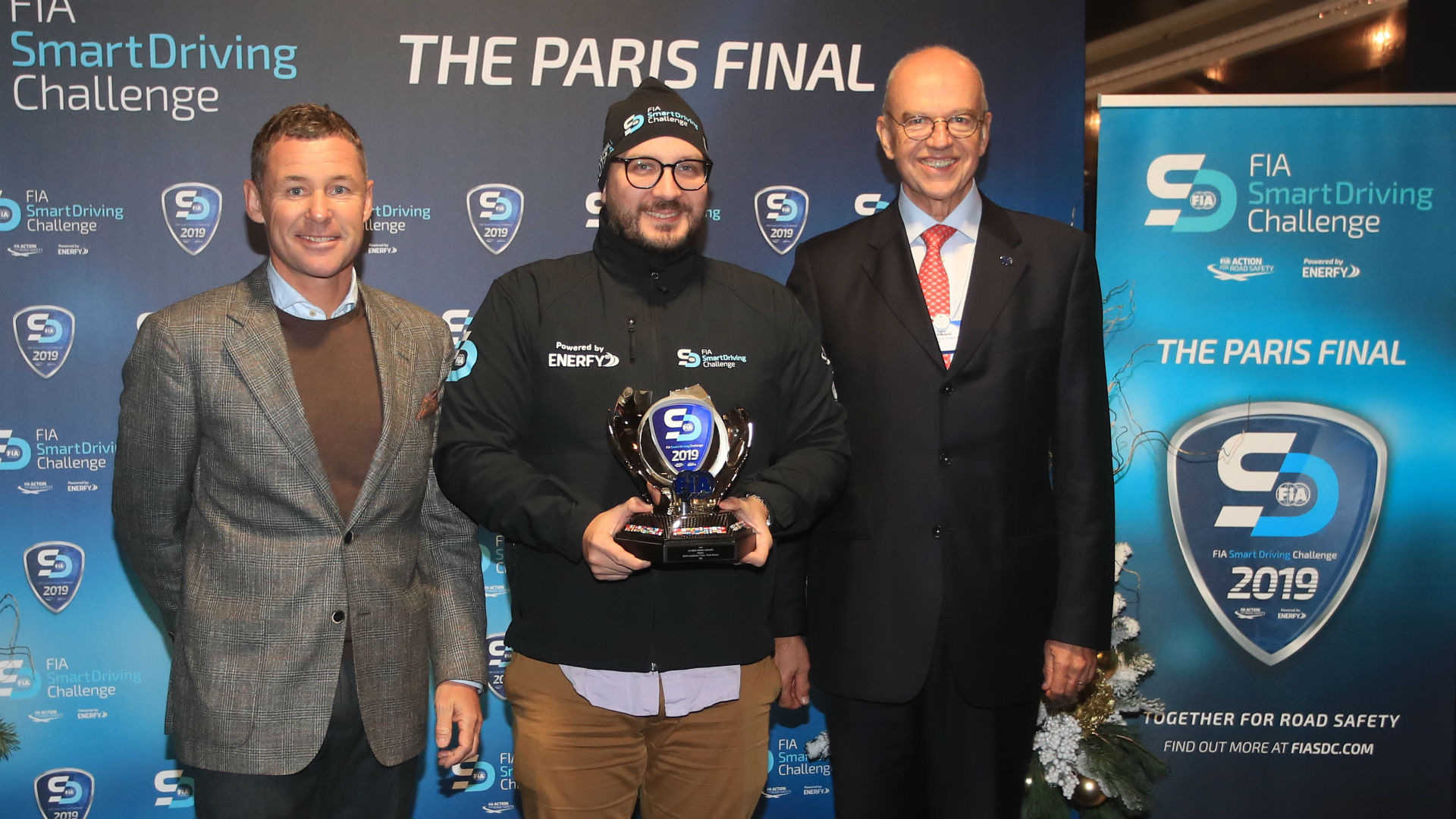
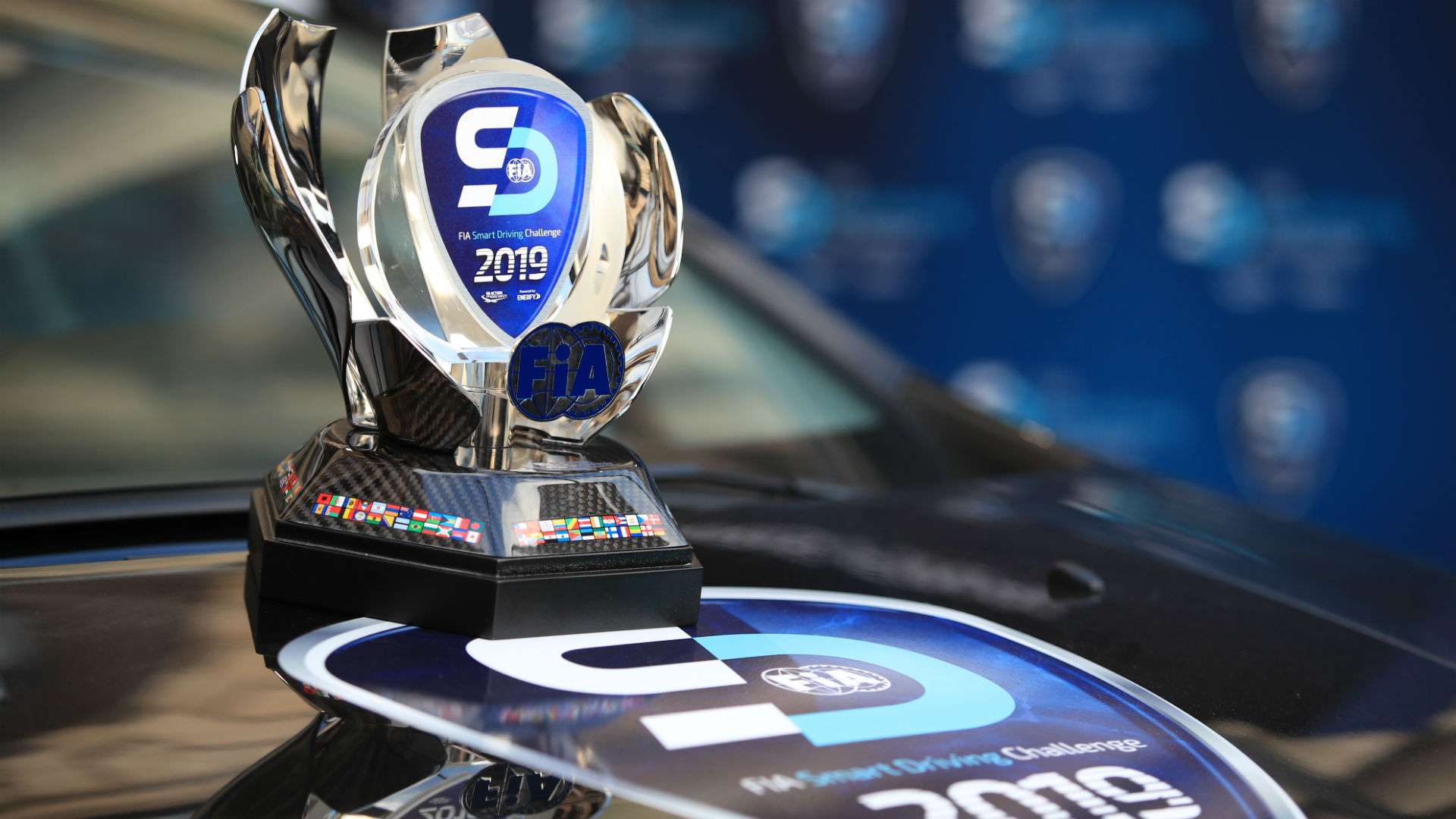
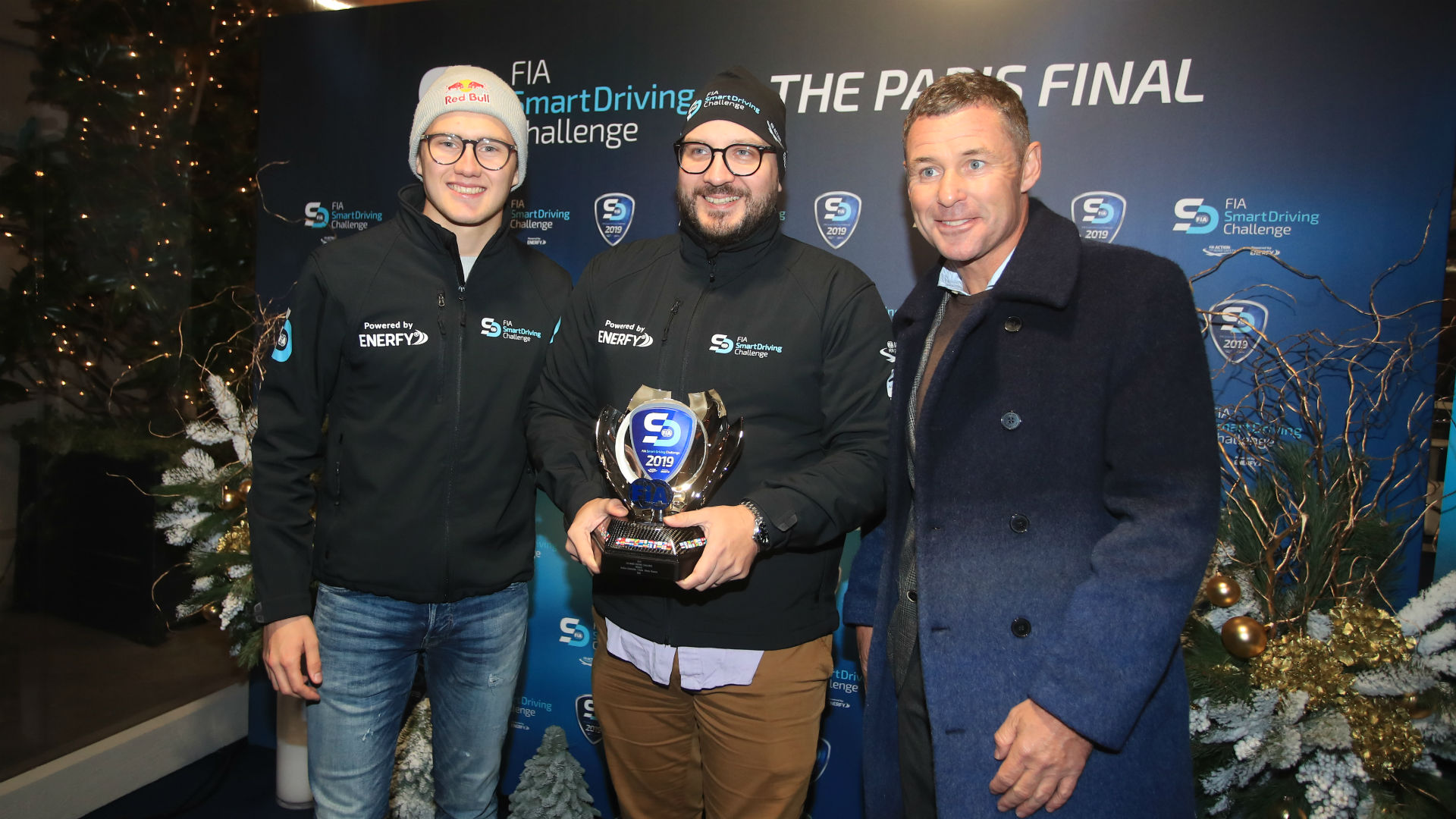
Anders Lindstrom can claim to be one of the best drivers in the world. The Swede has won the inaugural FIA Smart Driving Challenge (SDC).
The first season of the FIA SDC started earlier this year, with motorists from around the world invited to take part in 14 week-long heats.
Competitors saw their driving patterns assessed in real time thanks to an AI-based smartphone app powered by Enerfy.
The eight best drivers were invited to compete in the FIA SDC grand final in Paris.
Lindstrom lined up alongside competitors from France, Great Britain, Qatar, Sweden and Singapore, with each driver given four attempts to complete a 4km route around Paris.
The driver who completed the route in the most efficient manner would be declared the winner. In the end, Lindstrom was announced as the smartest and safest driver.
Lindstrom said: “It’s been great to refine my skills on the road all year long, being a smarter, safer and more efficient driver. I have learned a lot, not only from the Enerfy app, but from my fellow competitors and my team leader.
”I’ve really enjoyed the challenge and look forward to continuing to be a smart driver. I’ve got to live up to my title now!”
FIA deputy president Thierry Willemarck, added: “Congratulations to our first FIA Smart Driving Challenge winner who is today rewarded for his safe and eco-friendly driving skills. We believe such initiatives can improve driver behaviour and invite more FIA Clubs to join the challenge and lead that change.”
The 2020 season of the FIA Smart Driving Challenge gets underway in February, and applications are already open for new competitors.
To compete, drivers must sign up via the FIA SDC website. They must then download the app on their smartphone and connect the OBD plug-in to their car.