Home Blog Page 305

Formula E is now an official FIA World Championship

0

ABB Formula E FIA

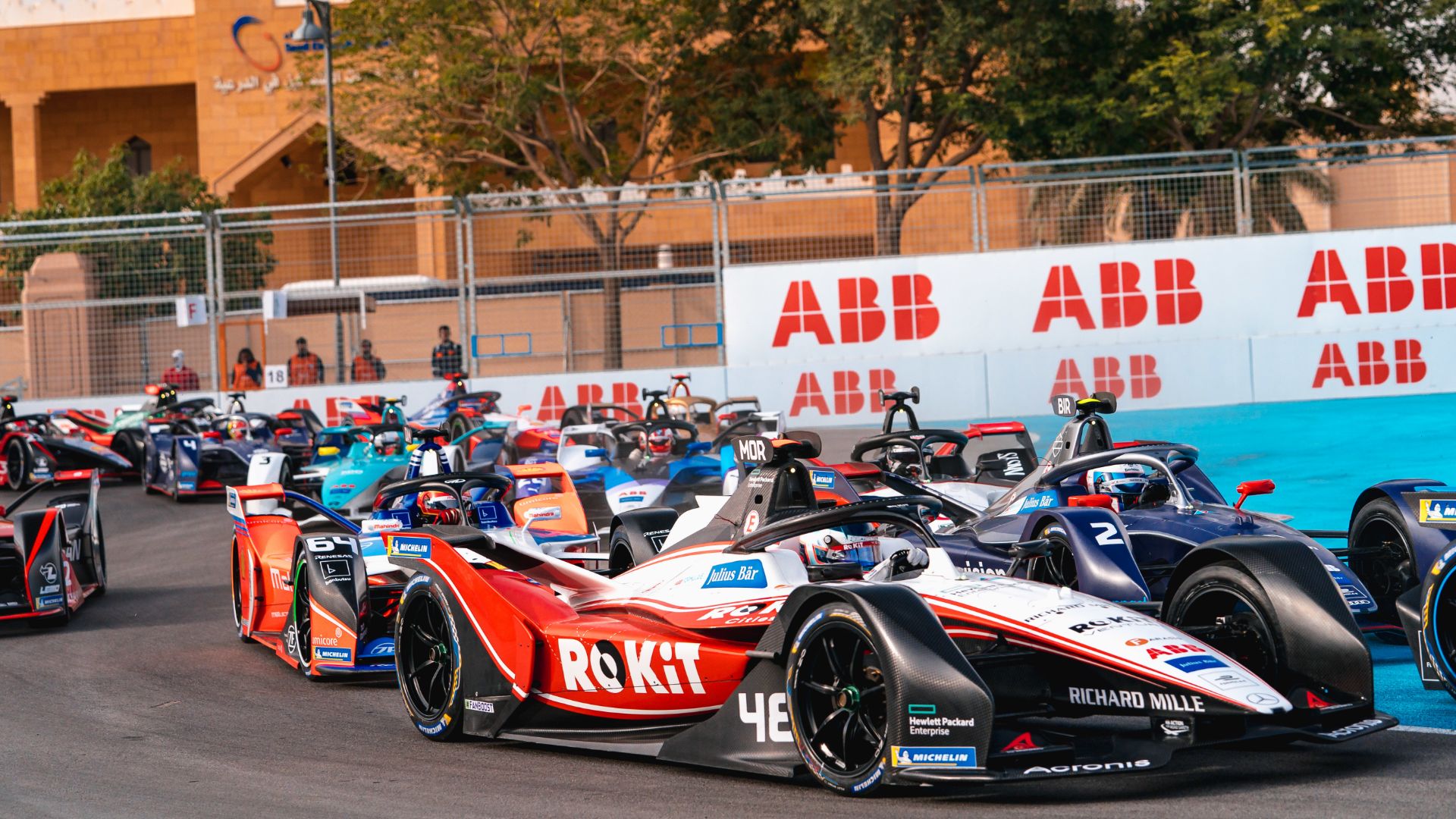
From the season 2020/21, Formula E will be known as the ABB FIA Formula E World Championship. A vote was passed by the Federation Internationale de l’Automobile to officially recognise the all-electric single-seater series.

Formula E founder and chairman Alejandro Agag met with FIA president Jean Todt at the FIA headquarters in Paris to ratify the deal.

“I am proud that today we confirm its FIA world championship status,” said Todt.

ABB Formula E FIA

“Since we started this journey, Formula E has undoubtedly gone from strength to strength. Within a short timeframe, the series has proven itself relevant for the automotive industry with two more major car manufacturers having joined the championship at the start of the current season, bringing the total number to ten.

“Since its first race in Beijing in 2014 and with every E-Prix thereafter, Formula E has proven that the concept of cutting-edge electric racing works. I wholeheartedly welcome Formula E as the latest FIA world championship.”

The series has attracted an impressive roster of manufacturer support in the five years it’s been running. Big names include Nissan, BMW, DS, Jaguar and Mercedes-Benz.

The future-looking appeal has even attracted some manufacturers to Formula E, away from other disciplines. Audi and Porsche, for example. Both were big players in the expensive LMP1 class at the World Endurance Championship. Both have defected, establishing a presence in FE.

Formula E is now made up of 24 cars, 24 drivers and 12 teams in total, and is expected to grow still further.
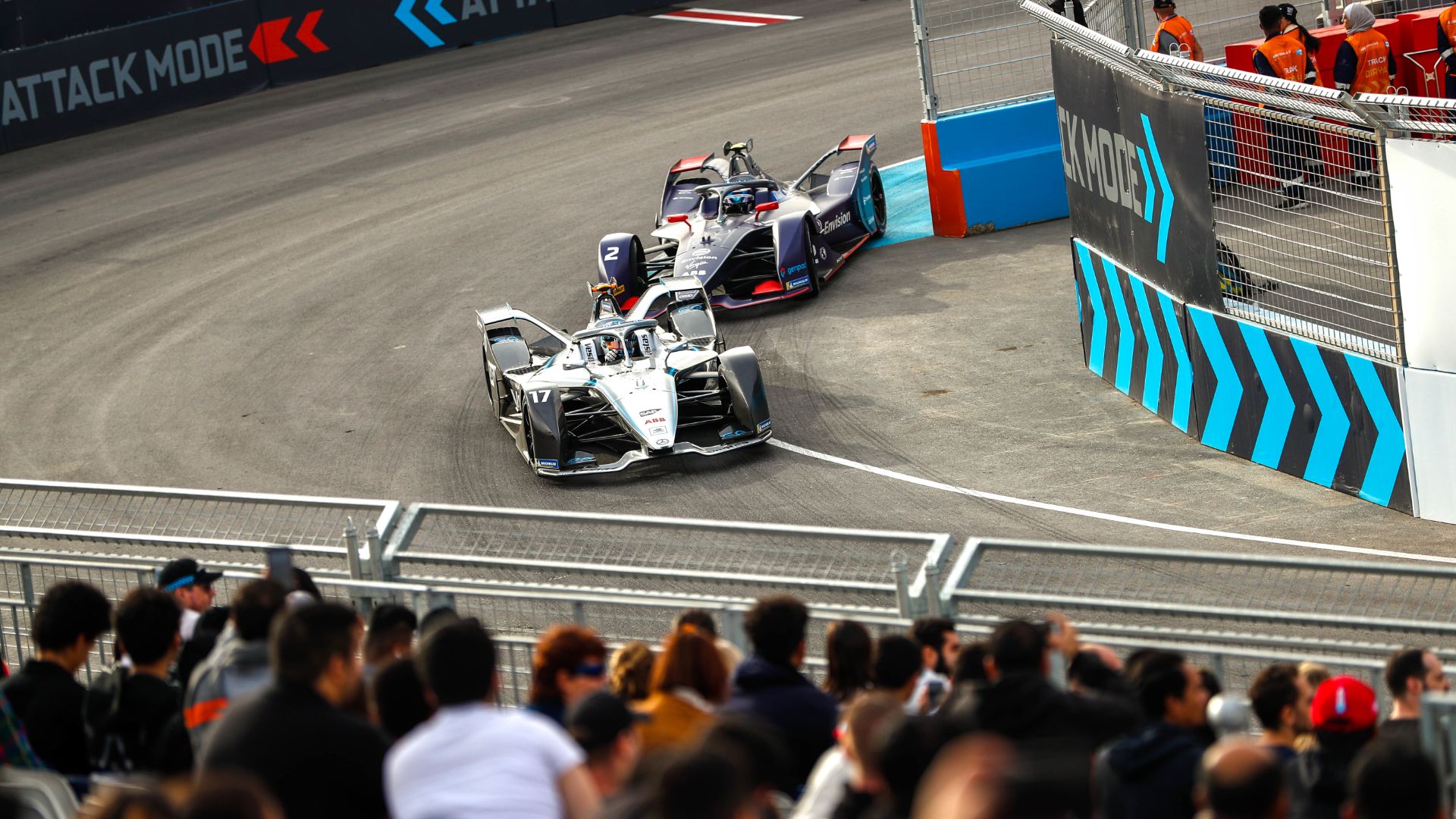
ABB Formula E FIA

“It was always our ambition to one day become an FIA world championship”, said Alejandro Agag.

”Everything we have done and delivered to this point has been working towards this particular moment in time. Achieving the feat and being granted with FIA world championship status adds more credibility to what is already a fully-fledged formula of racing and a spectacular sporting product.”

The next Formula E race meeting with be on the weekend of the 18 January 2020 in Santiago, Chile. A further ten race weekends will follow, with the season concluding in London on 26 July 2020.
Advertisement

Sales of SUVs ‘making a mockery’ of emission policies

0

SUV emissions outweigh EV benefits

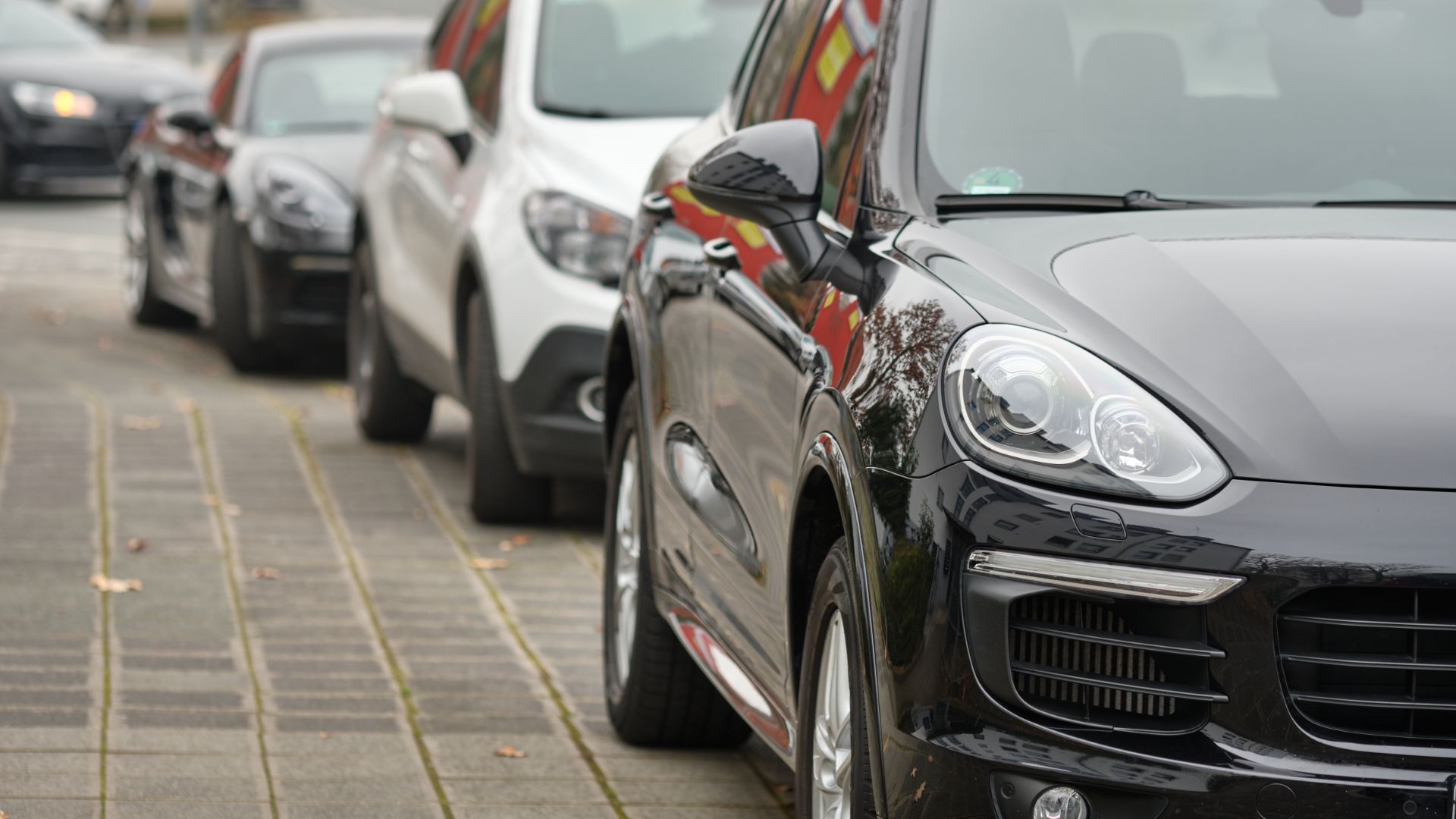
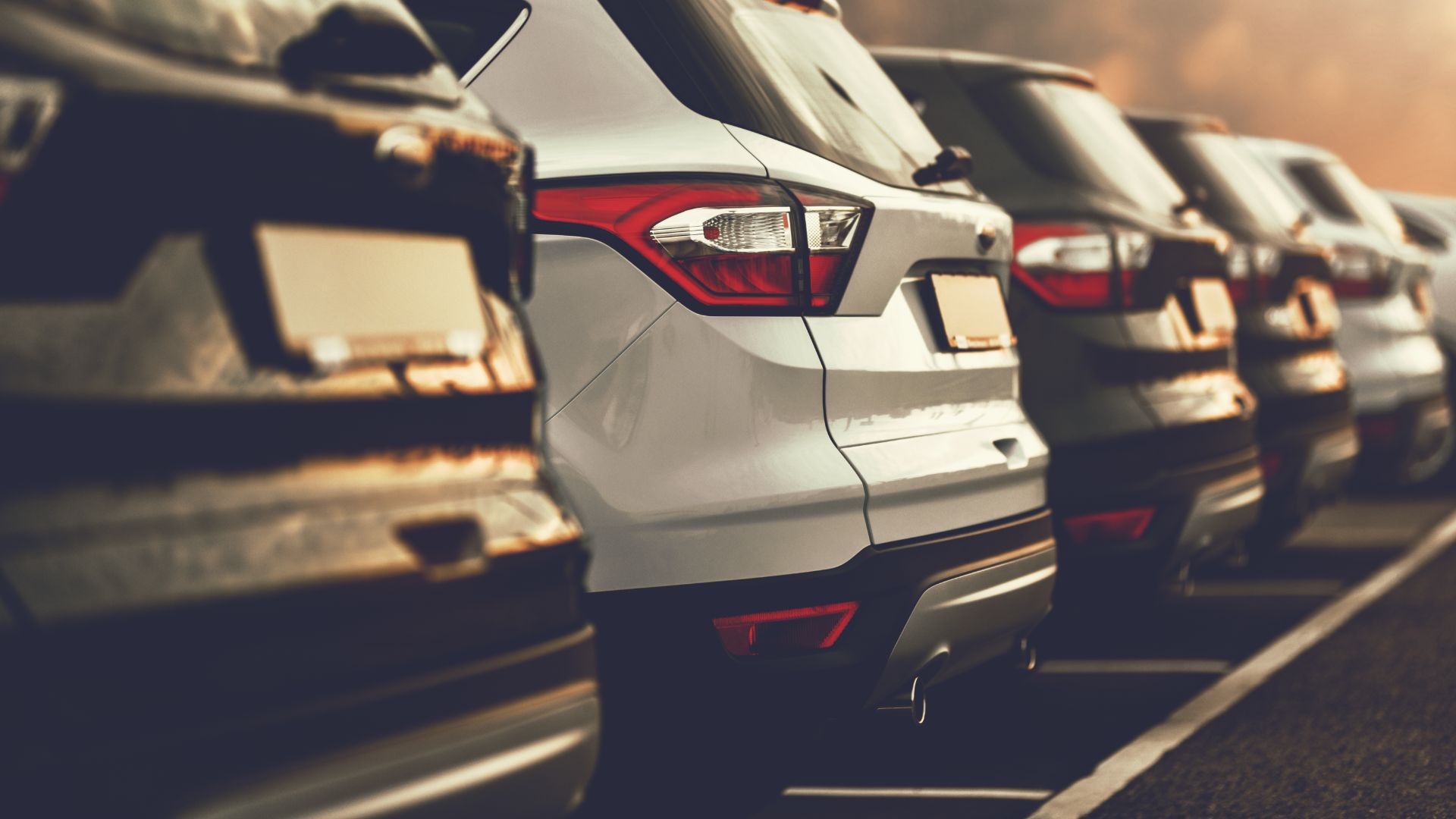
In spite of the growing popularity of electric cars, a new study suggests the sales of large, heavy, emissions-intensive SUVs is far outweighing any initial benefits. On average, SUVs emit around 25 percent more CO2 than normal cars.

SUVs and crossovers outsell electric cars 37 to one. While electric cars are increasing in popularity, with registrations doubling, the SUV craze is stronger still. They made up 21.2 percent of car sales last year.

Contrast to 2017, when SUVs made up just 13.5 percent of car sales. A decade ago, when the crossover was just getting traction, SUV sales were 6.6 percent. 

SUV emissions outweigh EV benefits

Between 2015 and 2018, 47,400 electric cars were sold. By comparison, near-on 1.8 million SUVs were sold in the same period. The study noted that affordable finance deals make SUVs more attractive to car buyers. 

Applying the average increased emissions from SUVs to that figure, 1.8 million SUVs have emissions equivalent to 2.25 million normal cars. That’s an extra 450,000+ cars’ worth of emissions, outweighing the sales of electric cars almost ten-fold. 

CO2 emissions had been reducing since the early 2000s, but rose in 2016. The Department for Transport has admitted this could be “broadly due to a shift towards registering larger cars, which have higher emissions”.

SUV emissions outweigh EV benefits

  • Has Uber contributed to London’s pollution problem?

“The rapid uptake of unnecessarily large and energy-consuming vehicles makes a mockery of UK policy efforts towards the ‘road to zero’,” said Professor Jillian Anable, co-director of the UK Energy Research Centre.

“In effect, we have been sleep-walking into the issue. The decarbonisation of the passenger car market can no longer rely on a distant target to stop the sales of conventional engines. We must start to phase out the most polluting vehicles immediately.”

Advertisement

New cat’s eye-style filters could tackle pollution

0

Cat's eye toxic air filters

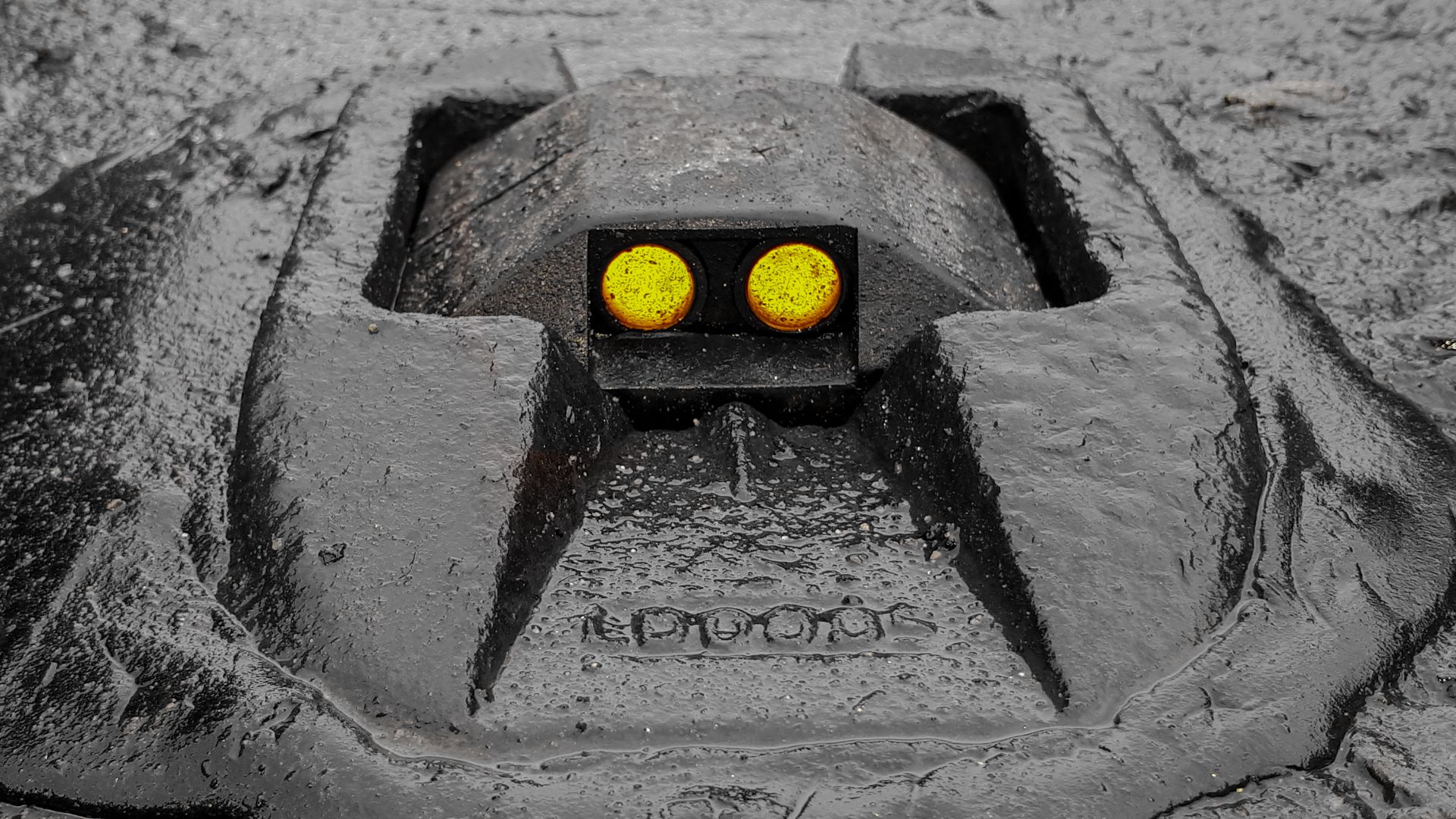
The war on toxic air pollution is yielding some clever ideas. The latest is suction fans embedded in the road in the same manner as cat’s eye reflectors. These would be hooked up to a filtration system to clean the air.

The idea is that low energy fans installed in the road can quite literally suck toxic air into piping. That would then feed into a filter unit at the side of the road. It’d be around the size of a large bin.

Cat's eye toxic air filters

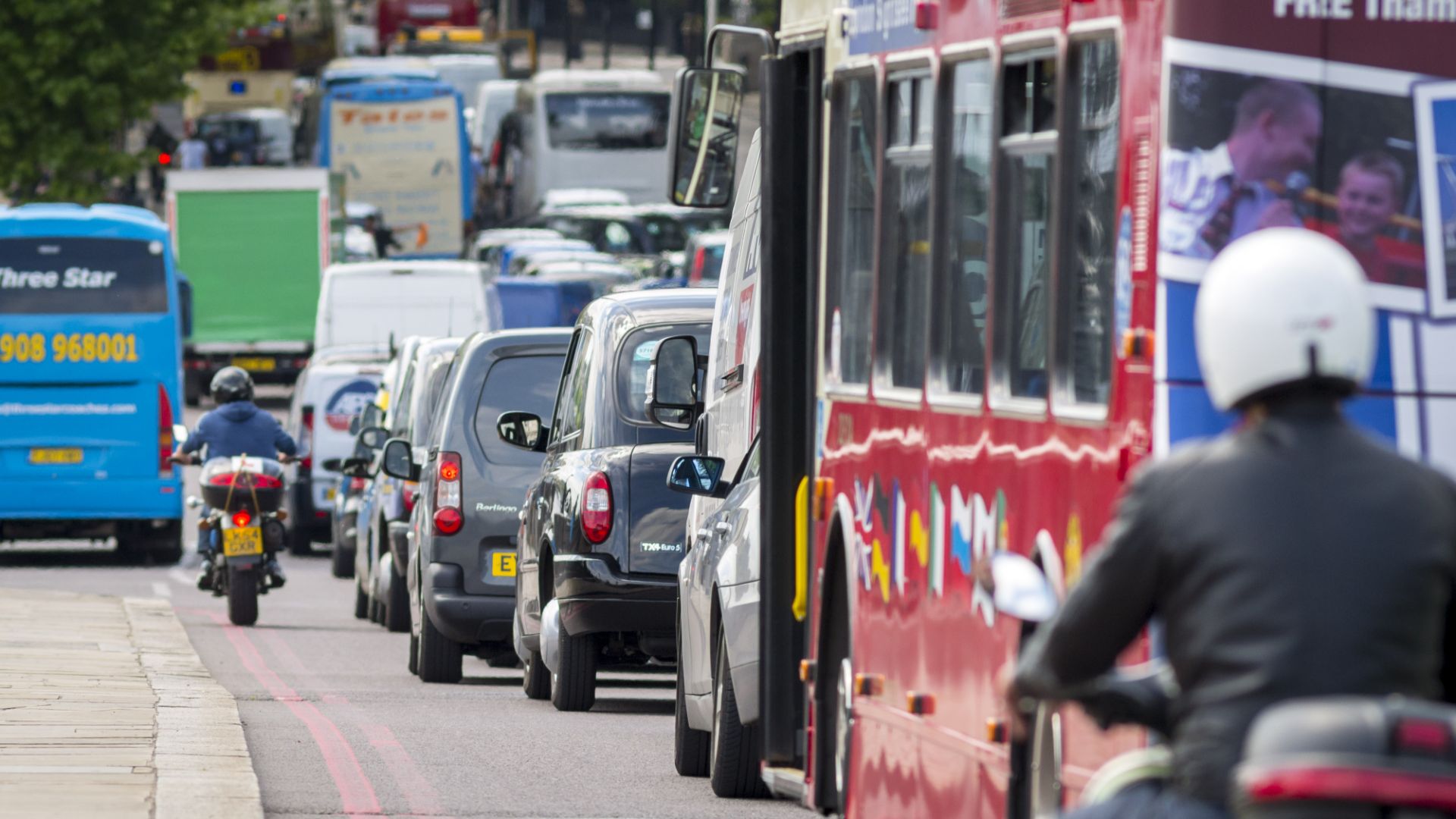
Areas to benefit the most from this would be junctions with lots of stationary traffic. The system is being developed by Hertfordshire-based company Pollution Solution.

The company claims it could remove at least 30 percent of toxic pollutants from the air. That includes engine pollution like nitrogen oxide, as well as brake and tyre particulates. The air that leaves the filter ‘bins’ is said to be 99 percent clean. The company says the system can run mostly on solar power, triggering only when it senses cars have stopped.

Initial trials of the technology could take place in problem pollution areas in East London. Engine idling hotspots would be targeted. School pick-up and drop-off areas, busy junctions and pedestrian crossings are cited as ideal places to start.

Pollution Solution founder Thomas Delgado is realistic about what can be achieved with the technology and the specific areas where it will be most effective. With that said, he’s also clear that this or something to the effect of cleaning air quality is necessary now, given the estimated 40,000 premature deaths per year that can be linked to air pollution.

‘Electric cars are great’

Cat's eye toxic air filters

Delgado said: “This is only going to be effective at busy junctions but all the information we have is that those hotspots are the areas that really need to be tackled.

“Electric cars are great but as it stands today, they are not a feasible option for the majority of consumers or companies and air quality needs to improve now.

“There are talks of banning the sale of fossil-fuelled vehicles by the year 2040 but if we don’t take steps in the interim it is inevitable that people will die unnecessarily.”

Advertisement

Elon Musk spotted driving Cybertruck in LA

0

Elon Musk Tesla Cybertruck LA

In the weeks since its reveal, the furore around Tesla’s Cybertruck hasn’t relented. Some even speculated that this otherworldly all-electric answer to Ford’s F150 wasn’t actually real.

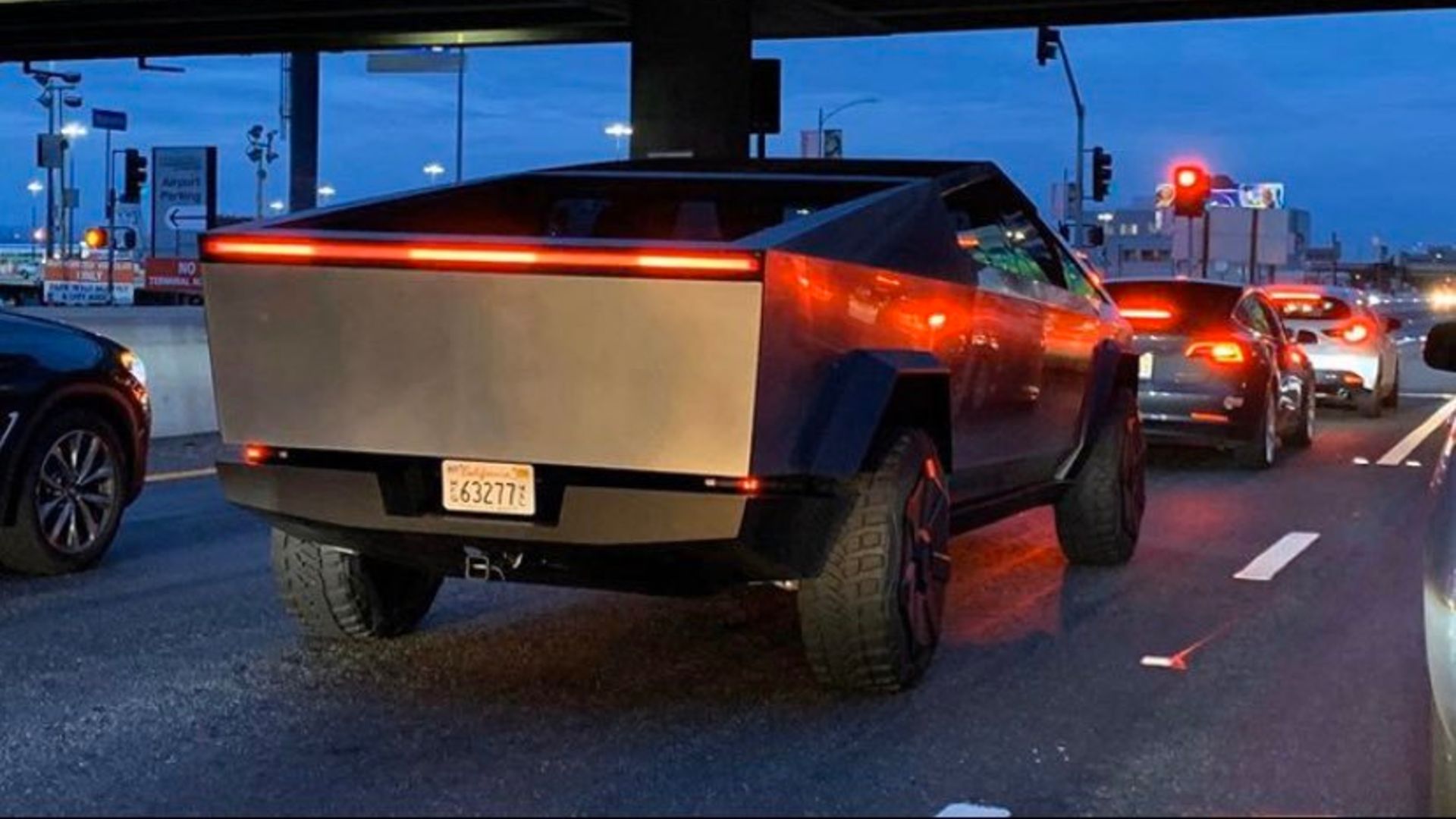
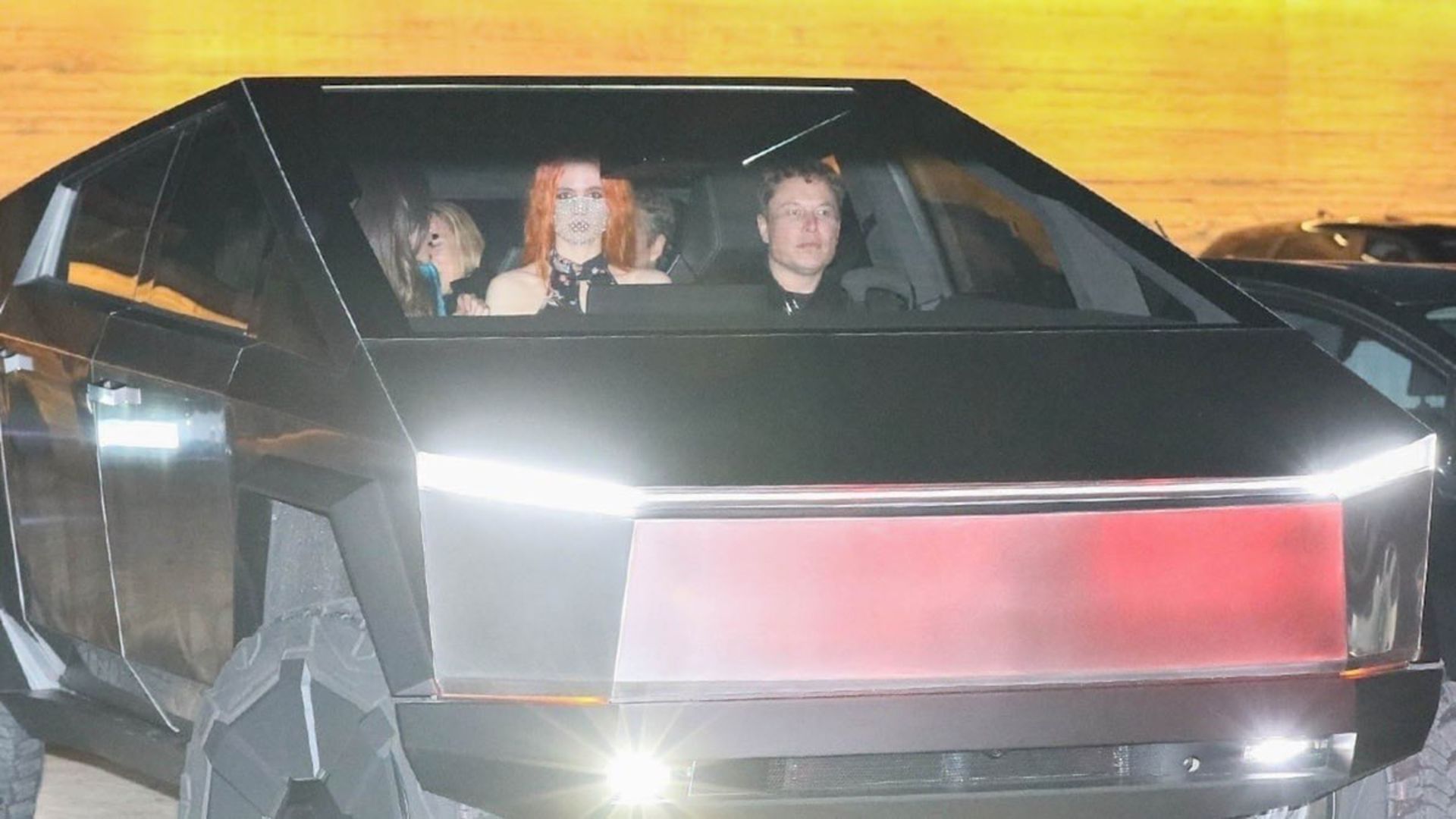
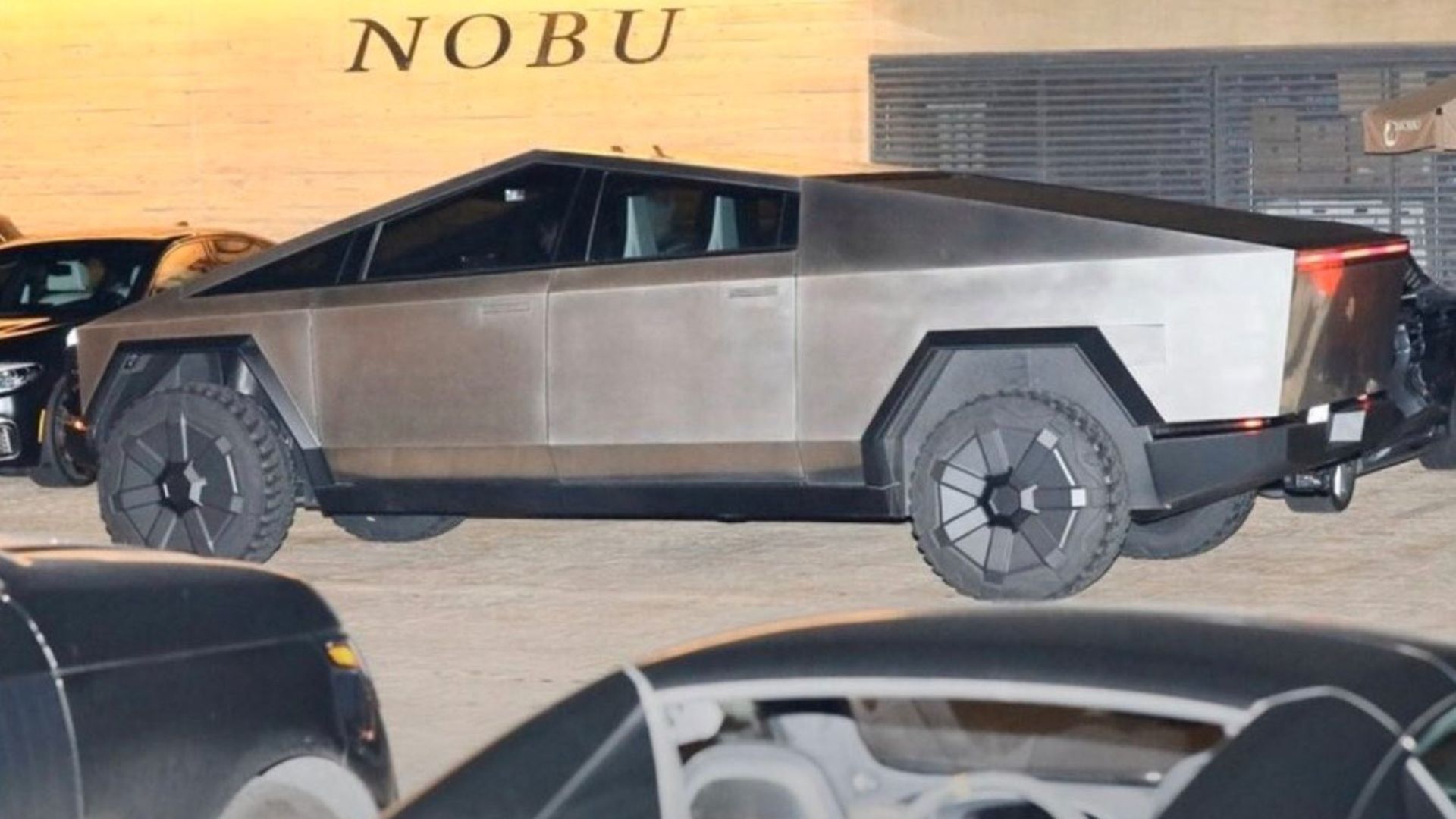
Well, speculate no longer. It’s been spotted out in the wild, with its windows fully intact, mingling with traffic in Los Angeles and heading out to dinner.

Elon Musk Tesla Cybertruck LA

It somehow looks even crazier out in traffic surrounded by normal cars. Jack Phan, the Twitter user who posted the snap, speculated about whether it was Mr Musk himself behind the wheel.

We can’t imagine it being anyone else and he can’t have been worried about being spotted. The Tesla Cybertruck could make a Lamborghini Countach driving with its doors up blend into the background.

In a follow-up post, the truck is pictured at Nobu Sushi stealing the show in a car park populated by McLarens and Range Rovers. A clear shot at the front shows Musk and friends six-up in the truck.

With all lights and eyes on the Cybertruck, its harsh sharp edges are almost glowing as they reflect.

Elon Musk Tesla Cybertruck LA

As of 27 November, over 250,000 people had placed an order for a Cybertruck. It remains to be seen how many people actually see it through to delivery. You can place an order with a fully-refundable £100 down payment.

Deliveries of the Cybertruck aren’t expected to begin until 2022, so those with a reservation have plenty of time to consider their purchase. That also gives Tesla and Mr Musk time to have a tug-of-war rematch with Ford and the F150, after he accepted a tongue-in-cheek challenge from a Ford high-up.

Advertisement

Nissan demonstrates Leaf electric car energy regeneration by powering a CHRISTMAS TREE

0

Nissan Leaf Christmas tree

“Driving ohm for Christmas.” As press release headlines go, this one is straight out of a Christmas cracker.

To be honest, most media outlets are just jealous that Nissan got there first.

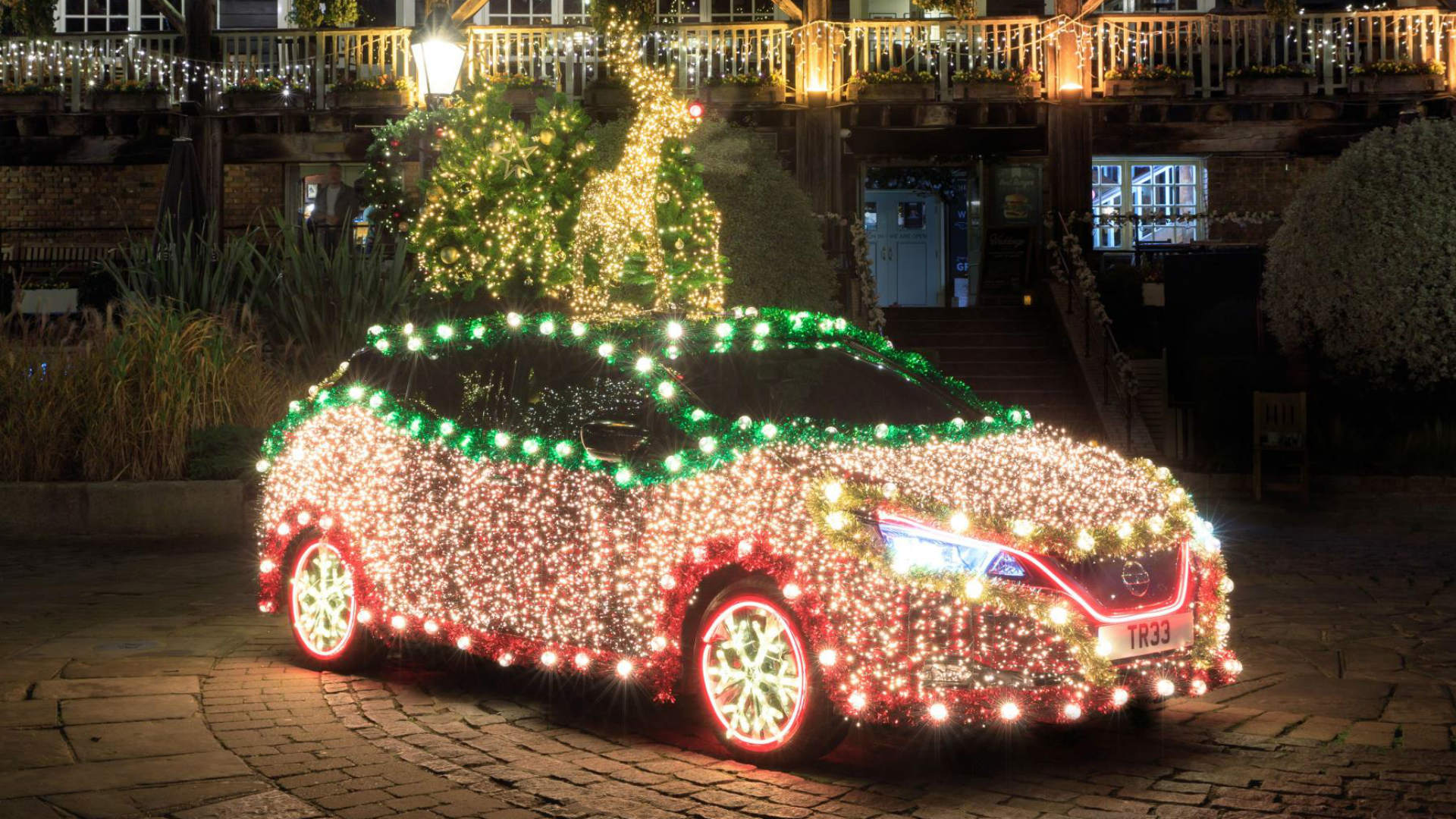
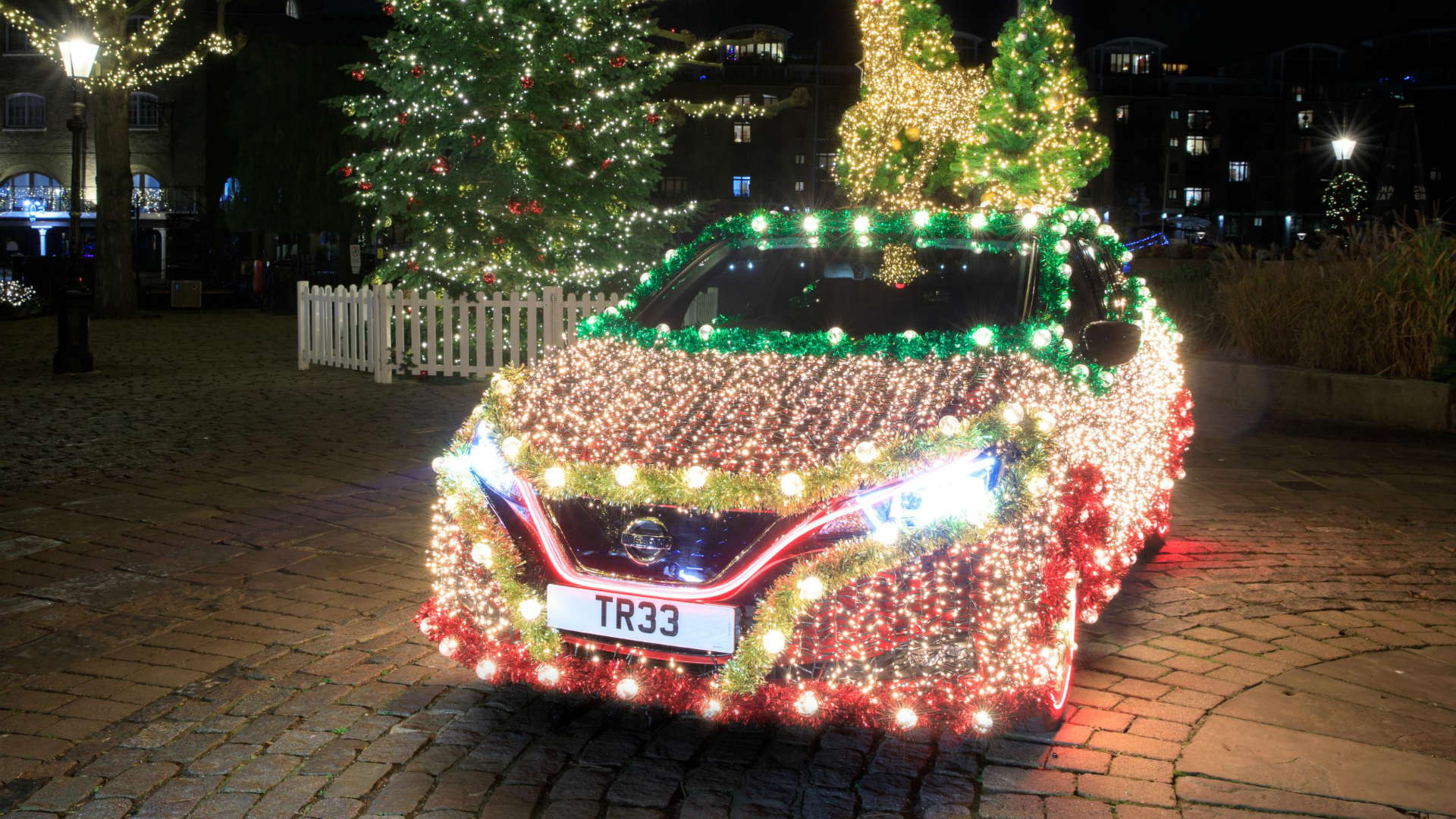
The company has revealed an all-electric Leaf with a light display powered entirely by its own regenerative braking energy system. It’s called the Nissan TREE. Well, it is Christmas…

The current (ba’dum tish) Nissan Leaf features an e-Pedal, which allows drivers to start, accelerate, decelerate and stop using only the accelerator pedal.

It also harvests energy via regenerative braking or deceleration. This energy goes straight back to the batteries where it is used to recharge the cells.

The Nissan (Christmas) Tree is fitted with thousands of LEDs, shimmery baubles and a reindeer. “The car is brighter than Rudolph’s nose,” claims Nissan.

The company says the average Nissan Leaf driver regenerates 744kWh of clean energy over the course of 11,000 miles. This is the equivalent to 20 percent of the domestic electricity consumption of an average household.

Alternatively, it’s enough for:

  • 266 Christmas tree lights with 700 incandescent lights for one hour
  • 297 ovens for one hour
  • 744 televisions for five hours
  • 10,783 houses with 1,000 LED lights for five hours

‘Festive mode of transport’

Nissan Leaf mobile Christmas tree

Helen Parry, head of electric vehicles for Nissan Europe, said: “Santa shouldn’t be the only one with a festive mode of transport. We wanted to make the Nissan Leaf more fun at this time of year whilst driving home a very important message.

“We hope this custom-made vehicle inspires people about the benefits of regenerative energy. After nearly ten years since Leaf was first introduced in Europe, Nissan continues to be fully focused on providing consumers a more sustainable lifestyle through electric mobility.”

Click here to read our review of the Nissan Leaf. We can guarantee that it contains no Christmas-related puns.

Advertisement

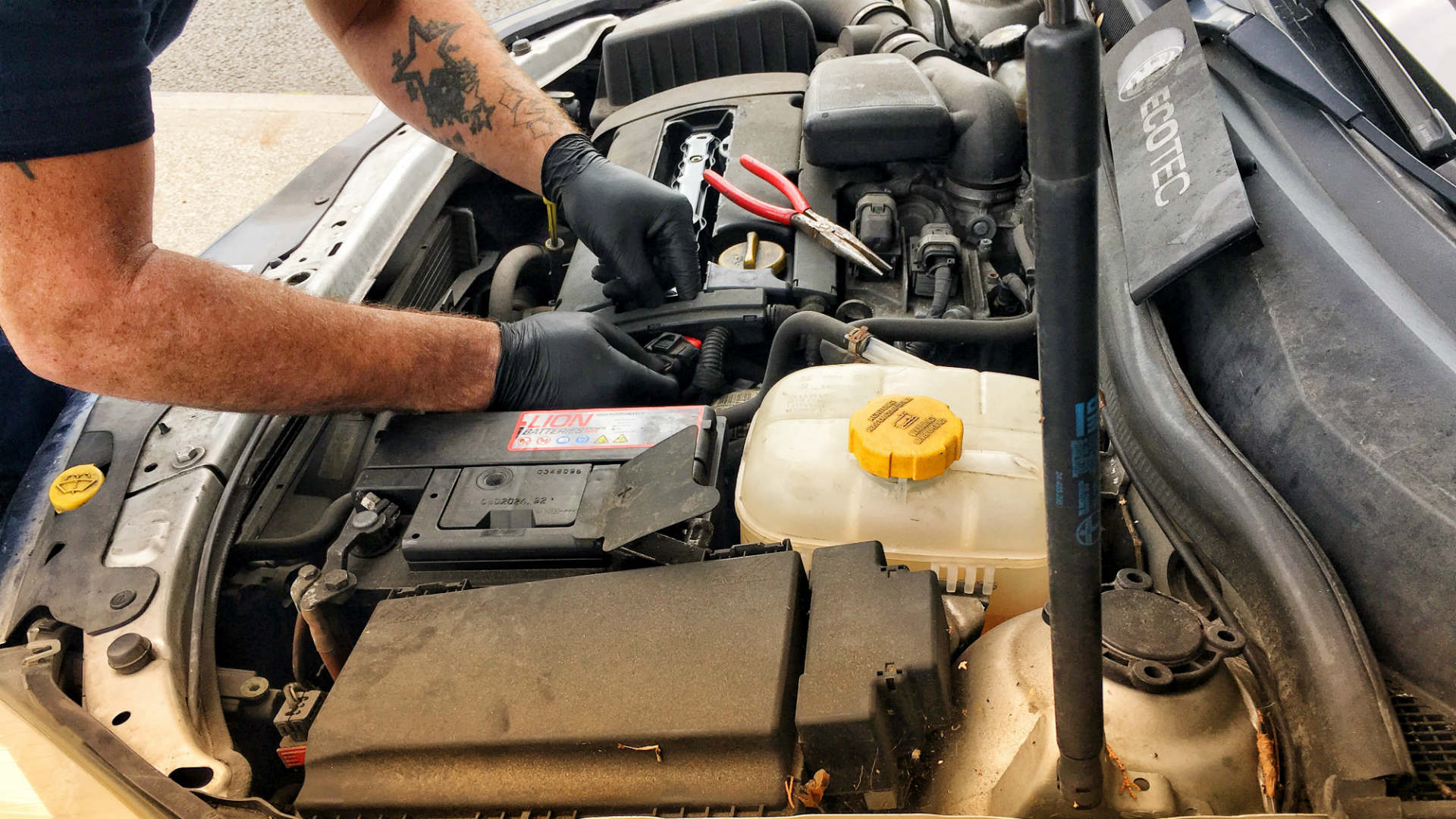
UK drivers too scared to get their car serviced

0

Drivers too scared to get their car serviced

Millions of motorists are avoiding car maintenance over fears of unexpected problems.

Around half of UK drivers (47 percent) worry about having to pay for unexpected car repairs. This is according to a survey of 2,000 motorists.

A quarter (24 percent) of those who worry about unexpected problems say this uncertainty is putting them off getting their car serviced.

The research found that drivers are paying hundreds of pounds to pass an MOT, with 5 percent paying £1,000 or more to get their vehicle through the test.

MOT stations can charge up to £54.85 for a car, but some outlets will encourage motorists by charging a reduced fee for the test.

According to the Driver and Vehicle Standards Agency (DVSA), nearly 50 percent of all faults found on MOTs could be avoided by carrying out regular maintenance or by checking some basic items before the test.

Further MOT analysis reveals that around 40 percent of cars fail their MOT at the first attempt, costing motorists time and money.

There are concerns that there could be millions of cars on the road that are in a less-than-perfect condition.

‘A nerve-wracking experience’

Unexpected repair bills

Lauren French, product manager at RAC MOT Assist, the company behind the research, said: “Clearly, taking a car in for a service or MOT can be a nerve-wracking experience with many drivers concerned about what might be uncovered, and the unpleasant financial consequences that can result.

“But it’s even more alarming that this experience is enough to put some people off getting their car serviced in the future. Just how many people are driving vehicles on the UK’s roads that they know have problems?

“The best advice to any driver is to keep on top of servicing and maintenance work – the quicker problems are identified, often the cheaper they are to remedy. But at the same time we know that running a car can feel burdensome, and that some drivers don’t feel confident finding an affordable but reliable garage, or trusting one with looking after their car.

“This is why we’ve built a national network of RAC approved independent garages that drivers can depend on for good service and fair prices, with every one of them backed by the RAC’s Customer Charter and Code of Conduct.“

Advertisement

Jaguar I-Pace gets FREE electric range boost thanks to racing

0

Jaguar I-Pace eTROPHY Software Update

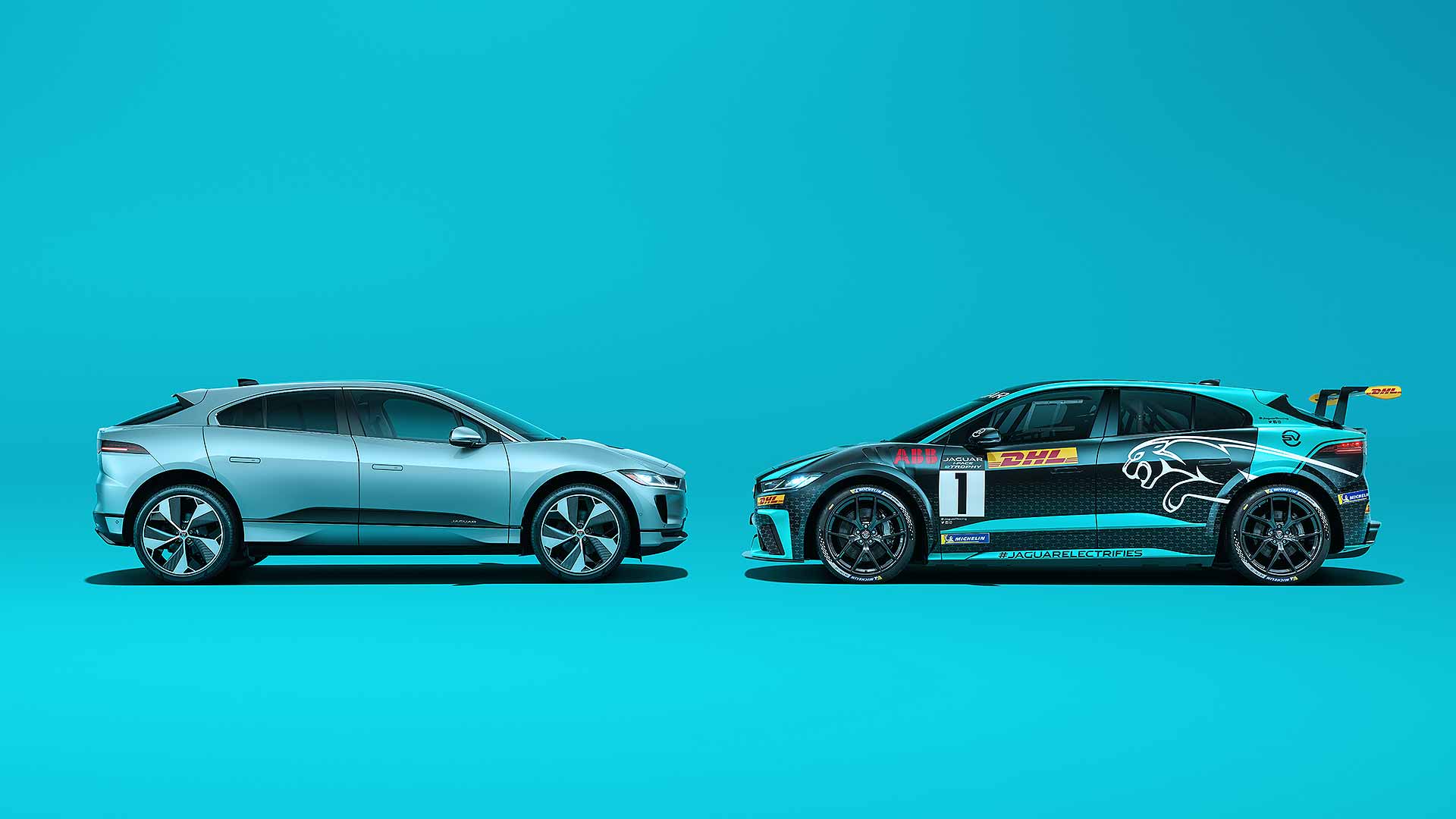
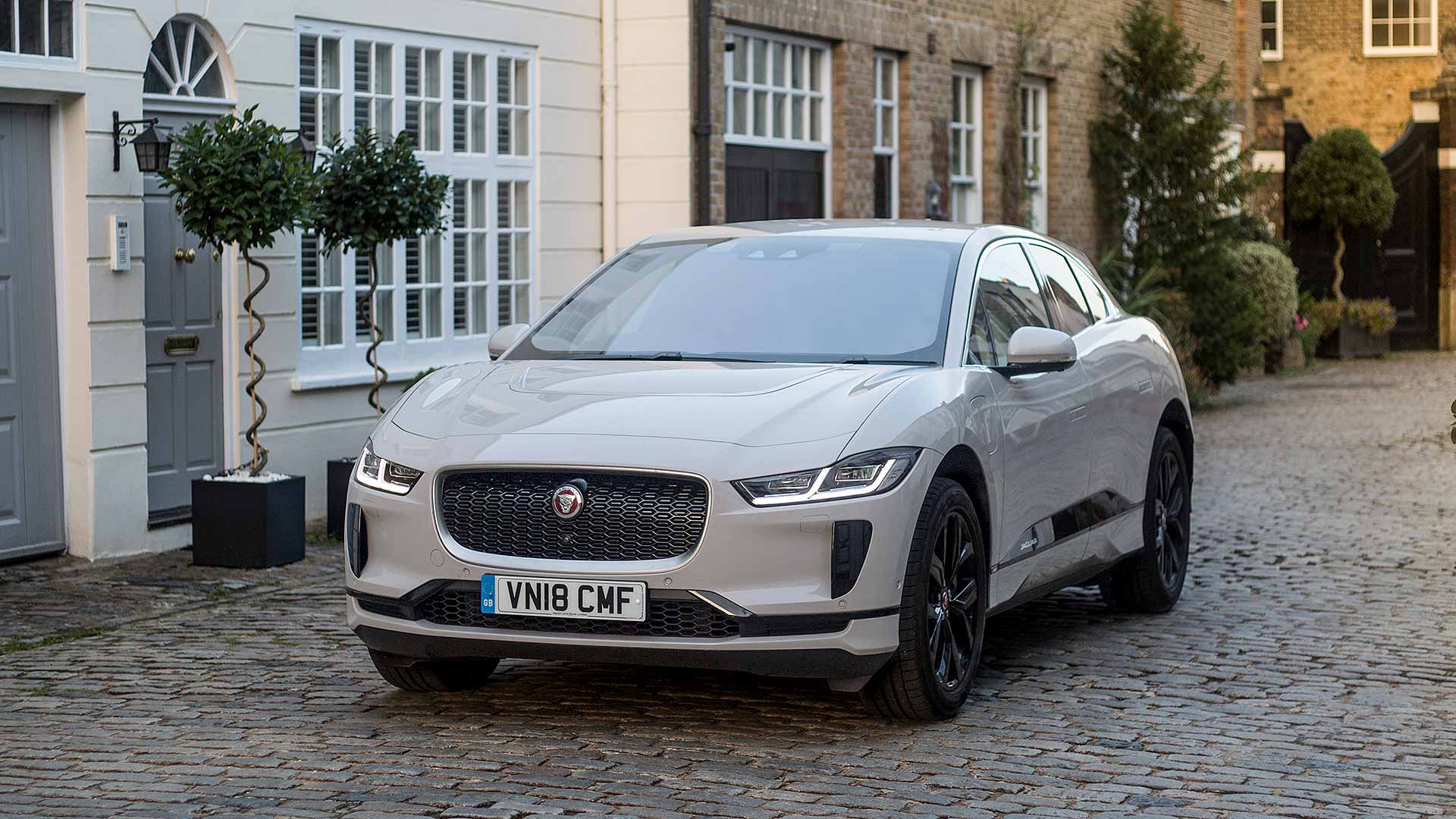
Jaguar has used learning from the racetrack to give the all-electric I-Pace a 12.5-mile real-world range improvement – for FREE.

All existing I-Pace owners can benefit from the free electric range improvement by visiting their local Jaguar dealer.

The update also adds on ‘software-over-the-air’ functionality, similar to the technology used by Tesla. This allows Jaguar to remotely send software improvements, so owners don’t have to visit dealers for future updates.

Racing improves the breed

Jaguar I-Pace eTrophy

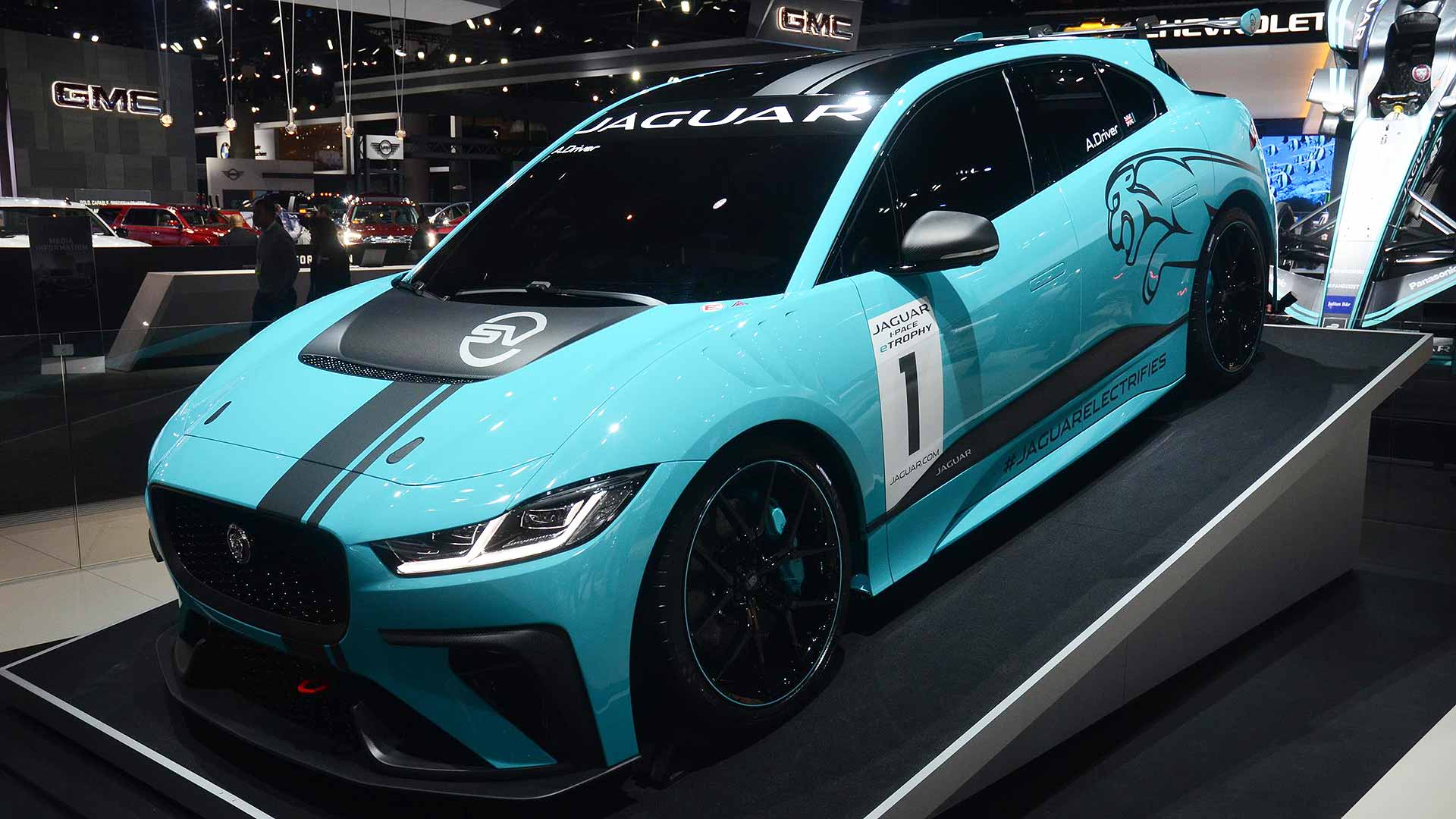
The Jaguar I-Pace eTrophy was introduced in 2018. Supporting Formula E, identical I-Paces compete in the world’s first production-based all-electric race series.

Jaguar joined the series to learn from extreme use conditions and the first findings are being used to improve the range of road-going I-Pace.

The updates see the all-wheel drive system work more efficiently, while the active radiator vanes will close more frequently to boost aerodynamic efficiency.

Jaguar will also run the battery in a lower state of charge than before, eking out more miles per charge, without harming durability or performance.

Jaguar I-Pace

Stephen Boulter, I-Pace vehicle engineering manager, said: “The Jaguar I-Pace eTrophy has generated a huge amount of data for us to analyse and those marginal gains, derived from competition on the track, are now being applied to customers’ cars to further enhance their driving experience.” 

Other updates include tweaks to the regenerative braking. More energy is recovered at lower speed, and energy recuperation is now more efficient when the battery is fully charged.

Jaguar has even upgraded the predicted range display on the dashboard. This is more accurate and consistent, and better reflects an individual driving style.

“The new software updates optimise the powertrain control systems to improve efficiency and allow I-Pace drivers to travel even further on a single charge without any hardware changes,” added Boulter.

“It really is a case of the vehicle getting better with age.”

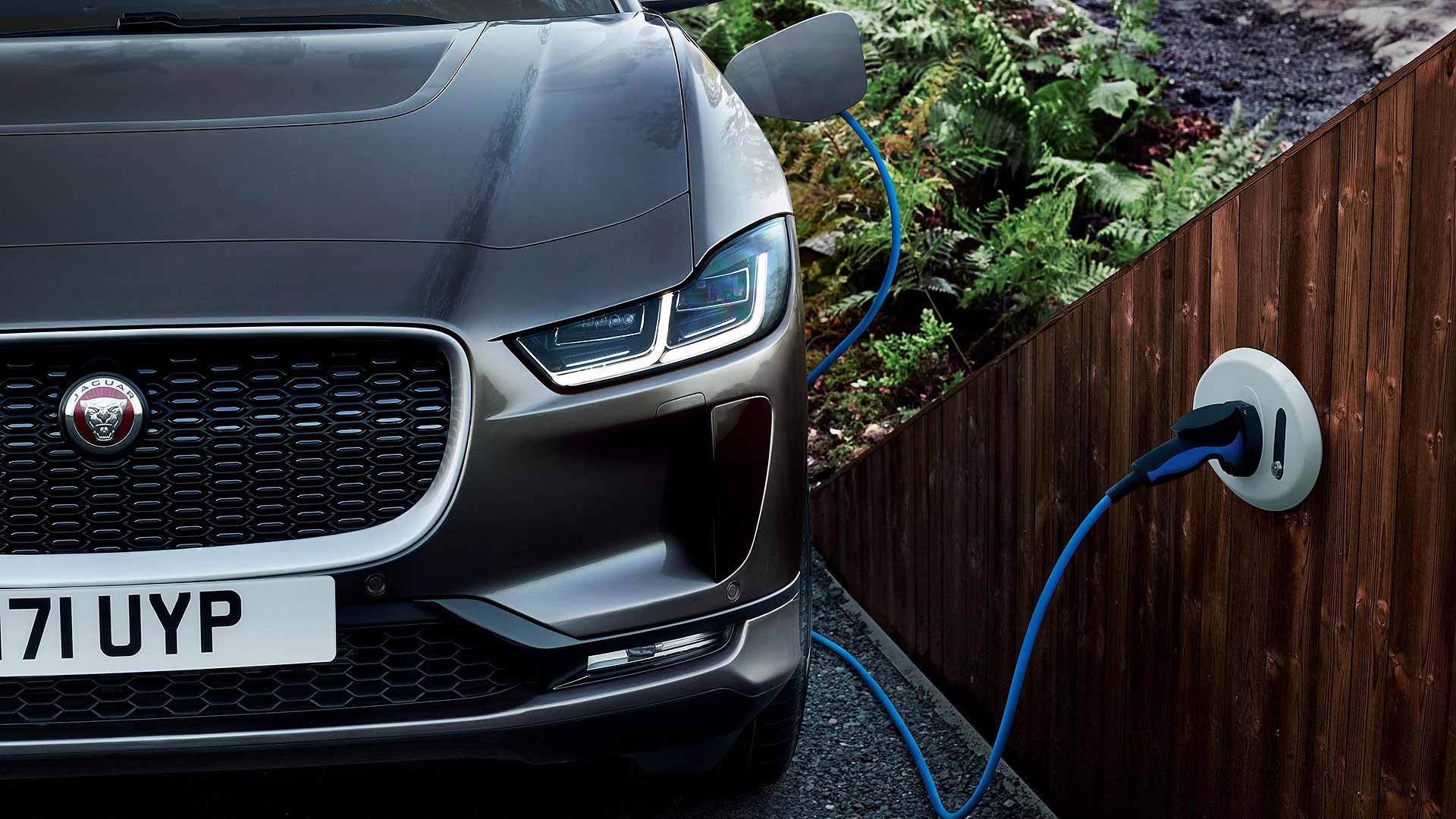
Jaguar I-Pace recharging

The I-Pace’s 90 kWh battery still gives a maximum 292-mile WLTP-rated range, along with 0-62 mph in 4.5 seconds. The official range figure is unchanged; it’s the real-world range that gets the 12.5-mile boost.

Jaguar says it will charge in around 10 hours using a 7kW home wall box, or just 40 minutes using a high-power 100kW rapid charger.

The updated Jaguar I-Pace range is now on sale, with prices from £60,995.

Advertisement

Toyota RAV4 wins 2019 Car of the Year Japan award

0

2019 Japan Car of the Year winners

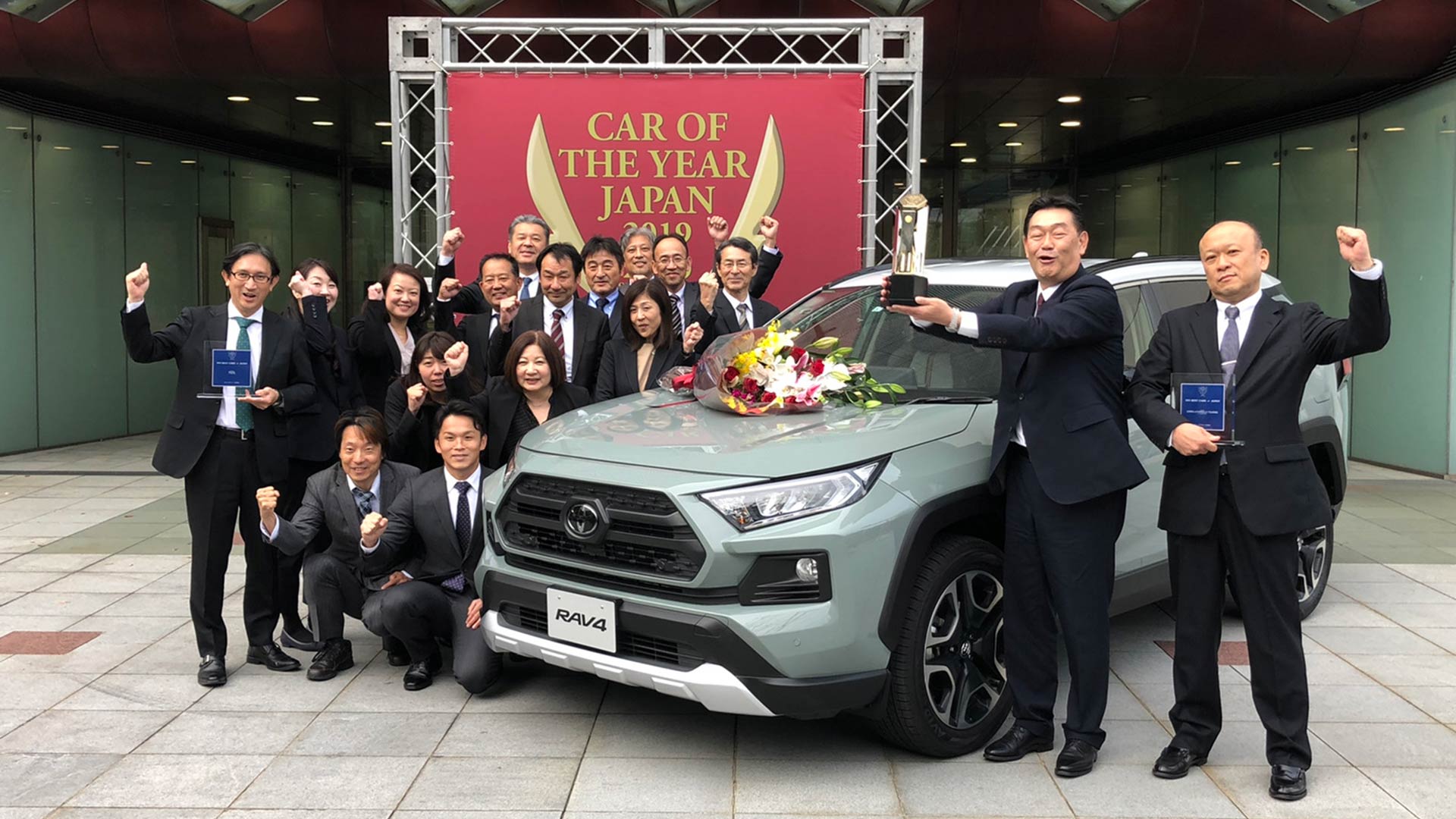
The latest Toyota RAV4 may be sold across the world, but it still found success with local judges in the 2019 – 2020 Car of the Year Japan contest. 

Competition for the top prize had been predicted to be close this year, with the new Mazda 3 hatchback and BMW 3 Series expected to challenge the Toyota.

Instead, the 60 Japanese jurors – representing 40 different automotive publications – made the RAV4 a clear winner. A score of 436 points gave it a commanding victory over the Mazda 3, which collected 326 points.

BMW 3 Series is the top imported car

2019 Japan Car of the Year winners

According to the judging panel, key to the success of the RAV4 was the ability of it to respond to “all needs at a high level as an SUV of the new era”. The three drivetrain options, including the recently announced plug-in hybrid option also impressed, along with the luggage space that is “wide and easy to use”.

The RAV4’s success marks the first win for Toyota in the contest since the Prius collected the top prize for the 2009 – 2010 edition. It means Toyota has now won the Car of the Year Japan award nine times in total. Honda still leads the way with 11 victories in the 40-year history of the contest.

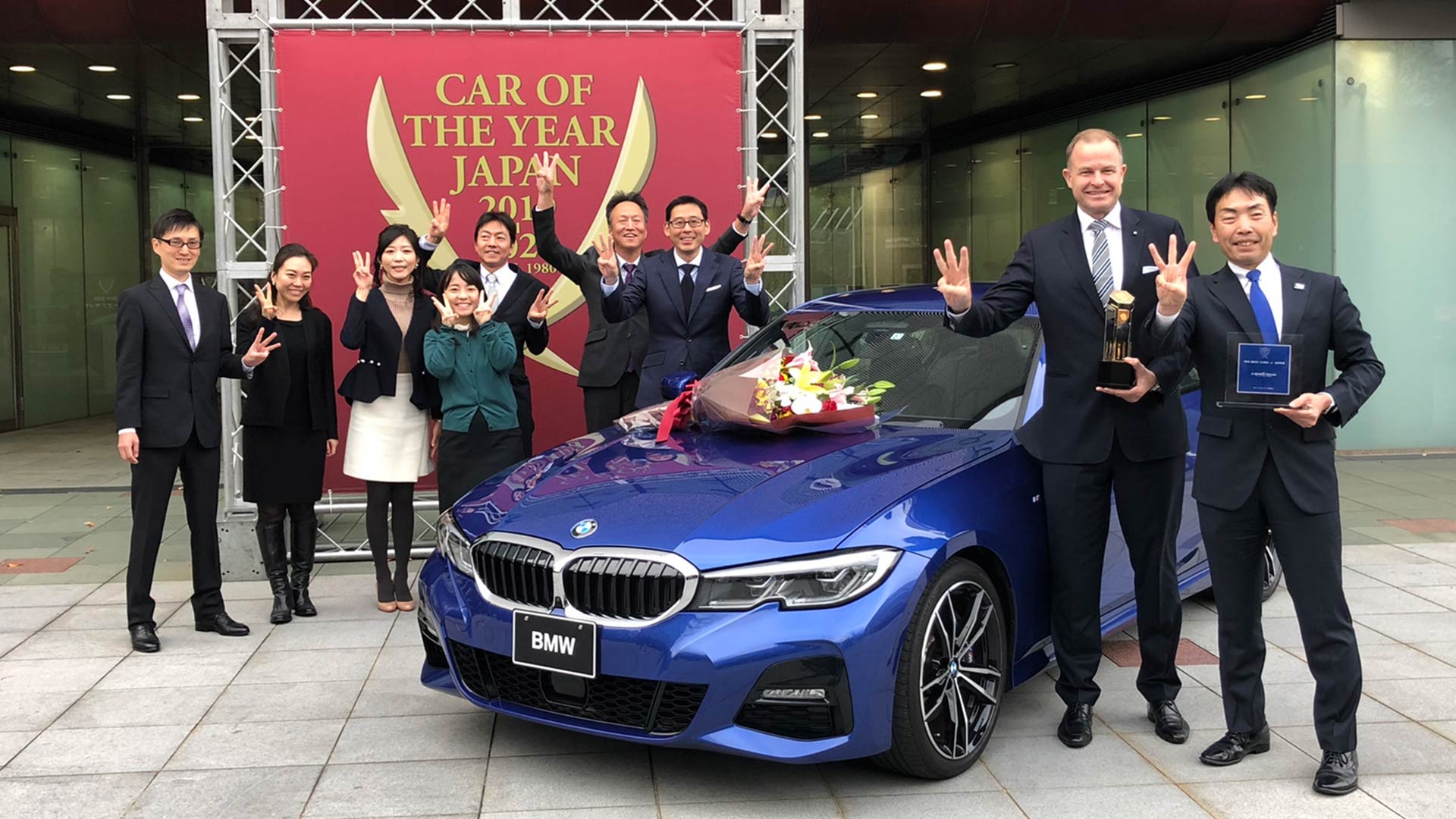
BMW collected the Japan Import Car of the Year trophy for the latest 3 Series. Judges praised the German four-door in how it has evolved to meet modern demands, yet still retains the feeling of a “sports sedan”. Autonomous driving technology was also praised. 

Jeep Wrangler wins on an emotional level

2019 Japan Car of the Year winners

The judging panel also singled out the new Jeep Wrangler for special praise, with it receiving the Emotional Award for 2019 – 2020. The redesigned Wrangler impressed the newly added on-road ability, whilst still maintaining its off-road prowess. 

Nissan received the Innovation Award for the new Skyline, which features the ProPilot 2.0 system. Allowing ‘hands-off’ semi-autonomous driving, ProPilot 2.0 builds on the existing setup featured in multiple Nissan models.

The Small Mobility trophy was given to the latest fourth-generation Mitsubishi eK Cross (also sold as the Nissan Dayz) kei car.  

2019 – 2020 Car of the Year Japan Top Ten

Place Make / Model Final Score
1st Toyota RAV4 436 points
2nd Mazda 3 328
3rd BMW 3 Series 290
4th Toyota Corolla / Corolla Touring 118
5th Jaguar I-Pace 109
6th Jeep Wrangler 56
7th Honda N-WGN / N-WGN Custom 54
8th Mercedes-Benz A-Class 53
9th Mitsubishi eK Cross / Nissan Dayz 35
10th Daihatsu Tanto / Tanto Custom 21


Advertisement

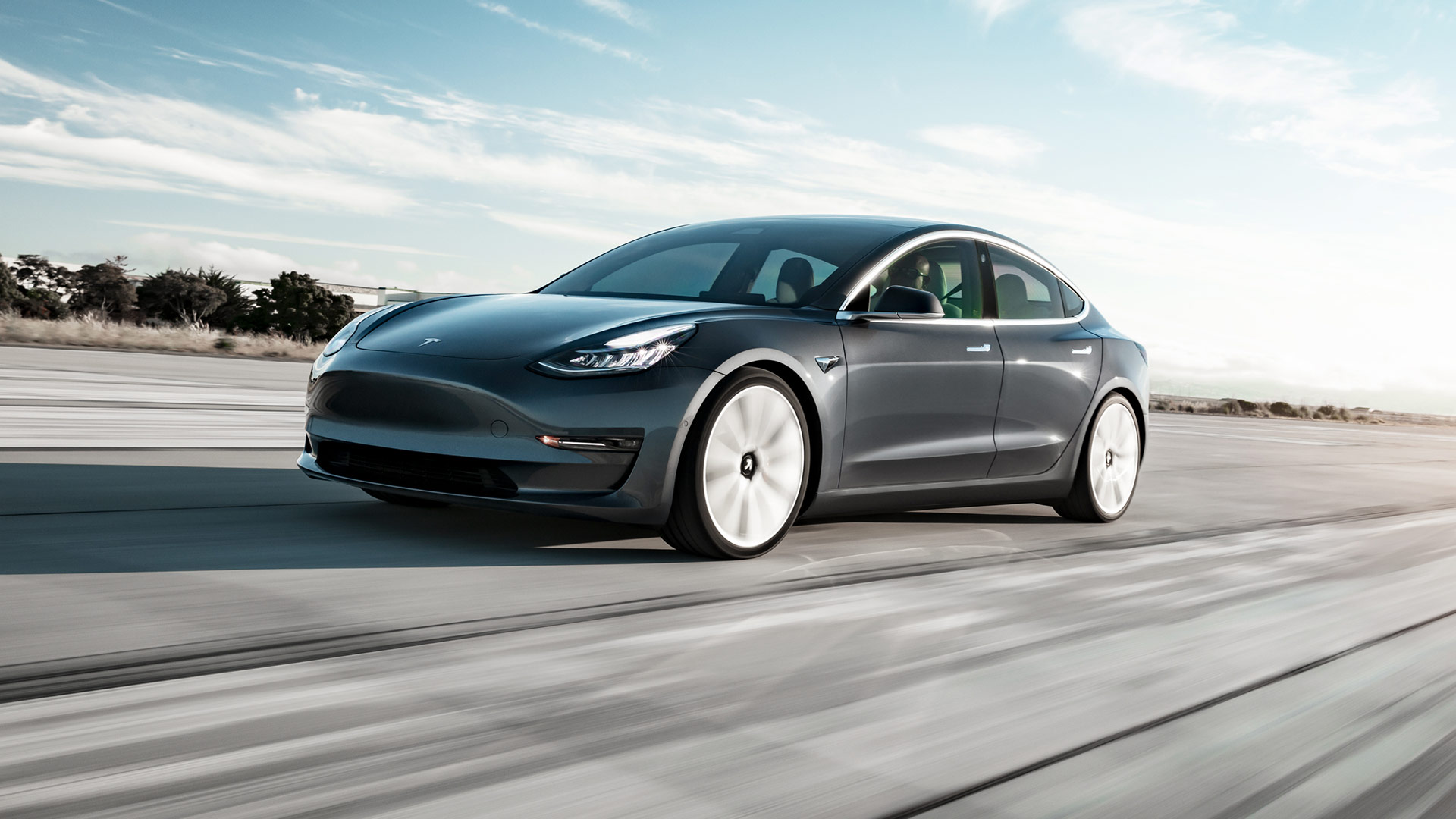
Tesla Model 3 on Autopilot collides with police car in Connecticut

0

Tesla Autopilot Connecticut Crash

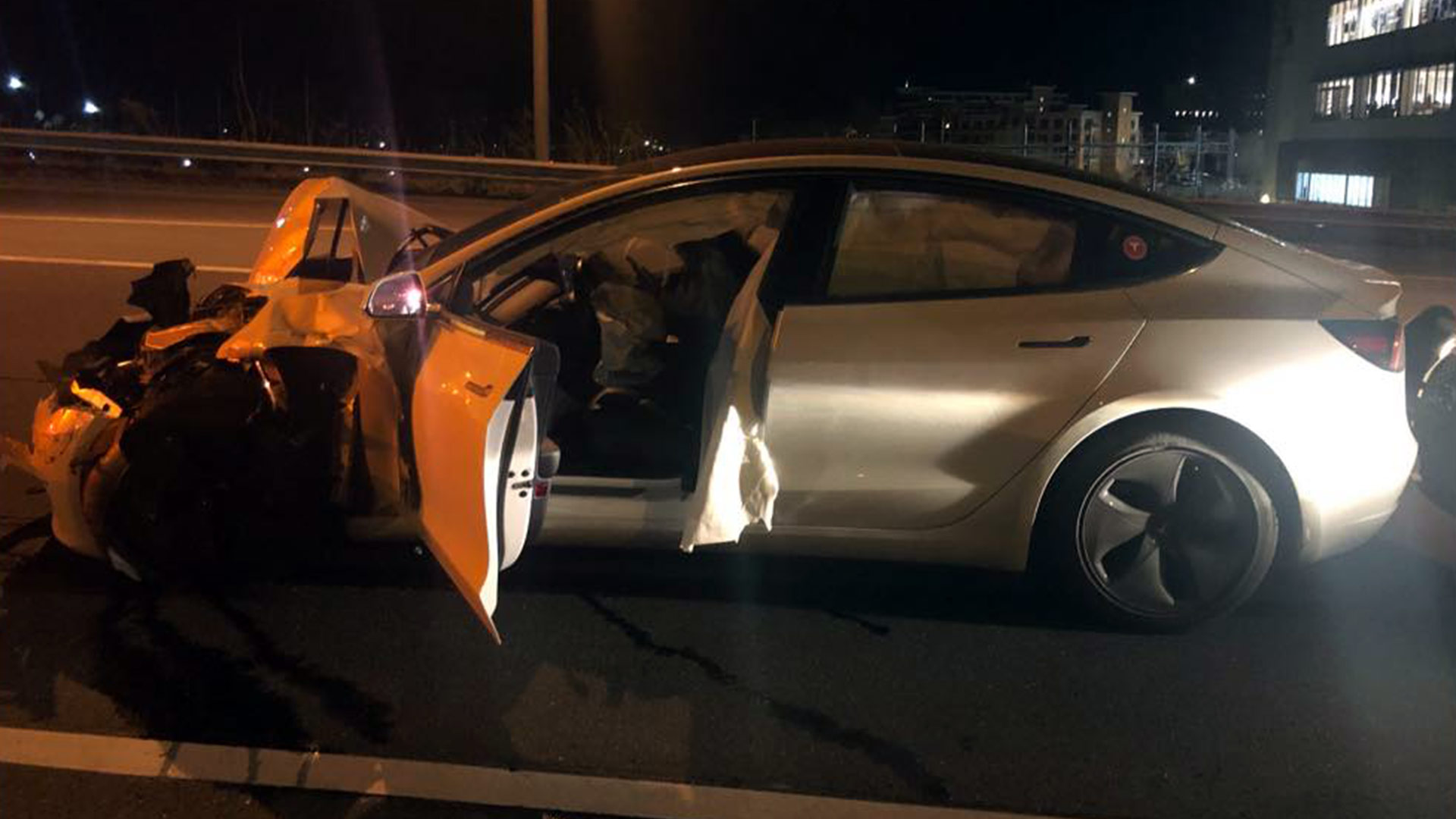
Troopers from the Connecticut State Police had a lucky escape, following a collision with a Tesla Model 3 on Saturday December 7th.

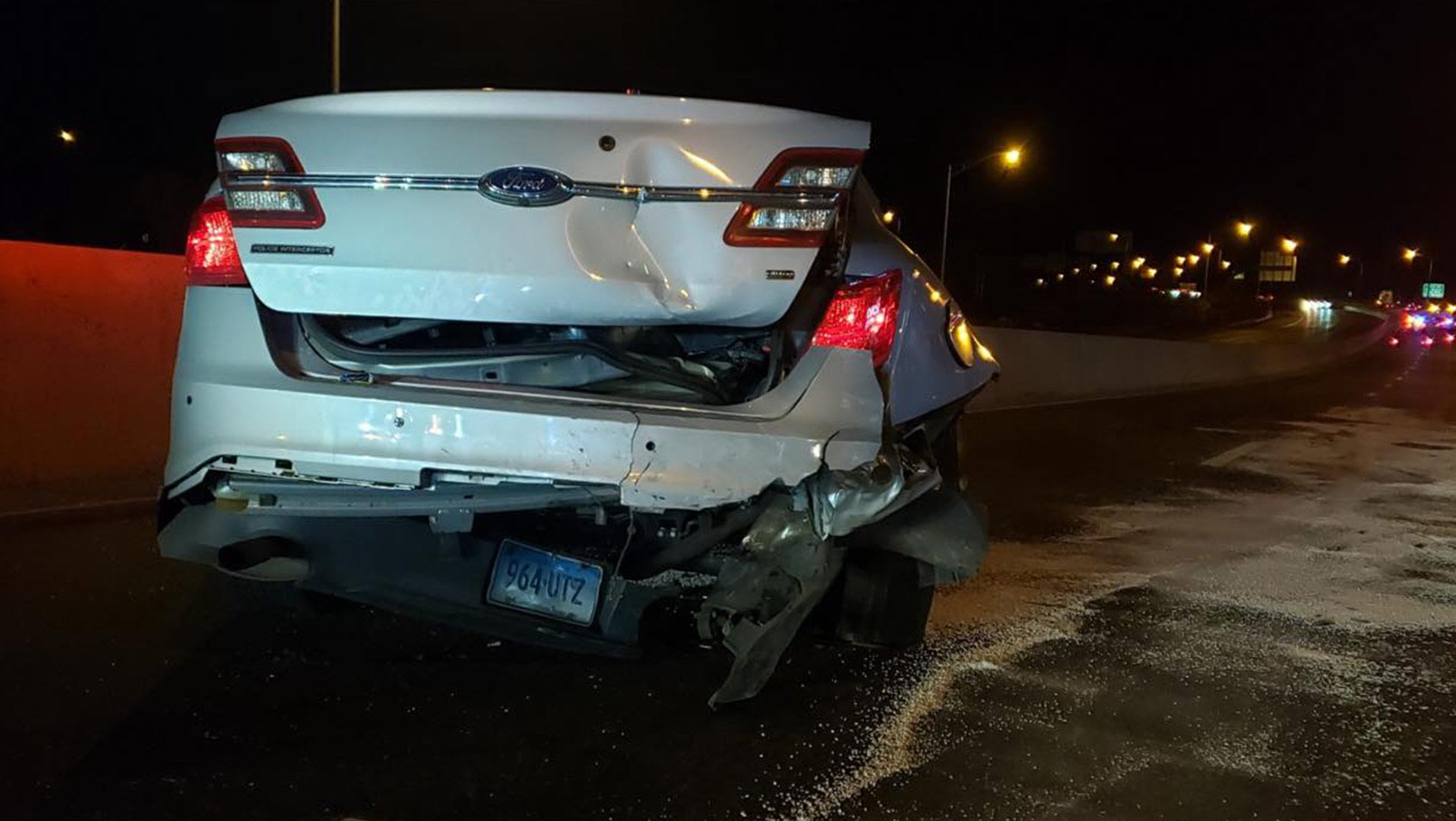
The Tesla struck one of two police cruisers responding to a disabled vehicle on Interstate 95 near Bridgeport, along with the car belonging to a member of the public.

After being stopped by the police, the driver claimed that the Tesla was operating with the Autopilot convenience function enabled. The driver also stated that, at the time of the collision, they were checking on their dog in the rear of the Tesla. 

Tesla Autopilot Connecticut Crash

A statement on the Facebook page for the Connecticut State Police noted that two police cruisers had responded to the stopped car on the interstate. Both police vehicles had their emergency lights on, with additional warning flares placed in the road to alert drivers. 

Whilst waiting for the broken-down vehicle to be recovered, the Tesla Model 3 struck one of the police cruisers, along with the vehicle the police were attending to.

The Tesla continued to slowly travel along Interstate 95, before finally being stopped by the second trooper on scene. 

Tesla Autopilot Connecticut Crash

The Connecticut State Police also confirmed that neither the troopers responding to the initial incident, or the members of the public involved, were seriously injured. 

However, the driver of the Tesla Model 3 was issued with a misdemeanor summons for both Reckless Driving and Reckless Endangerment. Both offences carry the potential for fines or jail time, according to the Connecticut Penal Code. 

The police also noted that despite the technology fitted to Teslas and other cars, when “operating a vehicle your full attention is required at all times to ensure safe driving.”

Tesla Autopilot Connecticut CrashIn describing the Autopilot function, Tesla states that it requires “active driver supervision” whilst being used, and does not “make the vehicle autonomous”.
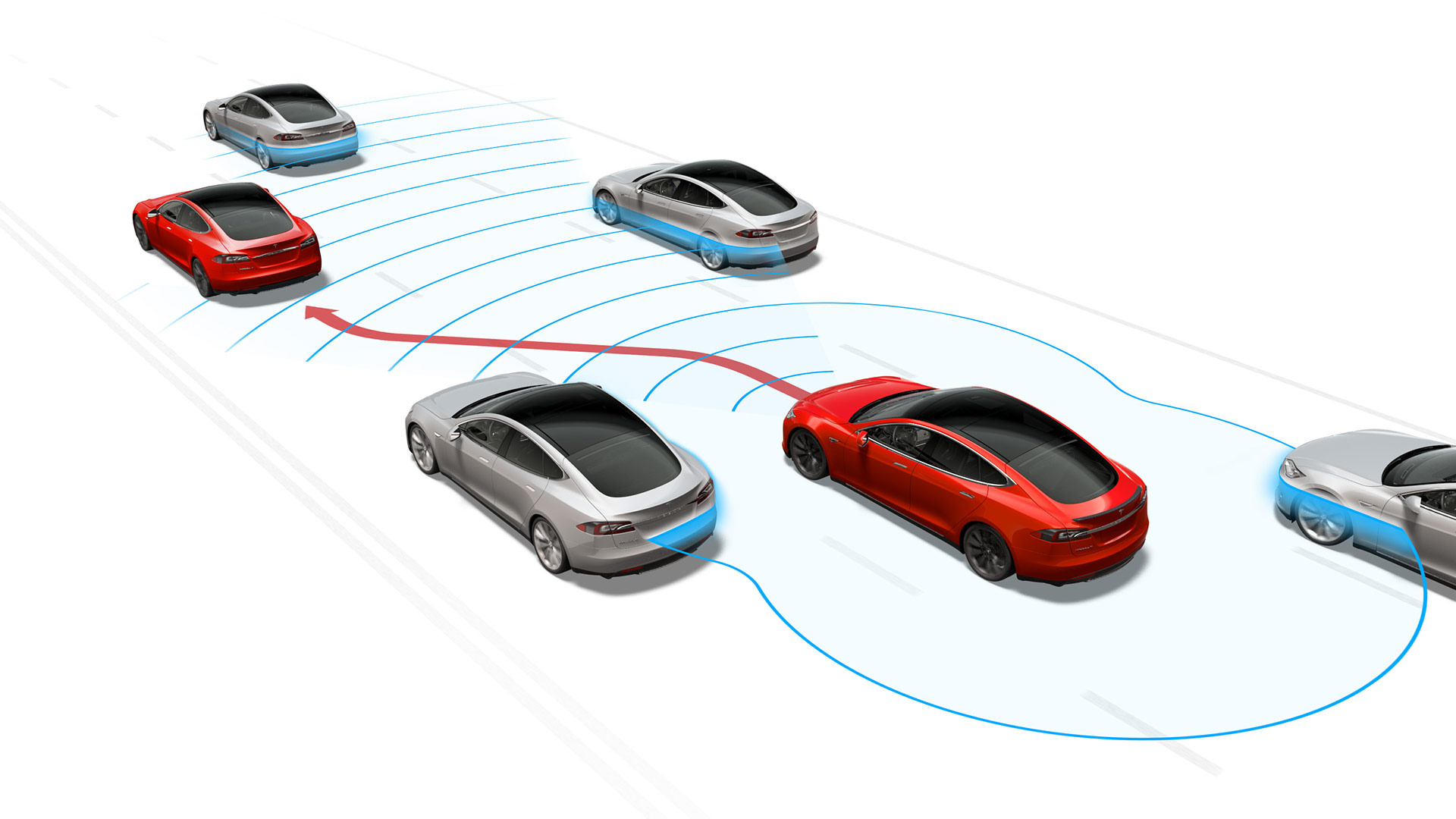
Using a combination of cameras and sensors, Autopilot allows the Tesla “to steer, accelerate and brake automatically within its lane”. Tesla also fits the Model 3 with standard Front Collision Warning and Automatic Emergency Braking functions.  

Inappropriate Autopilot use has been cited as a factor in a number of fatal accidents, including a 2016 collision between a Tesla Model S and a semi-trailer truck in Williston, Florida.

Advertisement

Volkswagen scientists use quantum computing to help solve traffic chaos

0

VW Quantum Computing Test

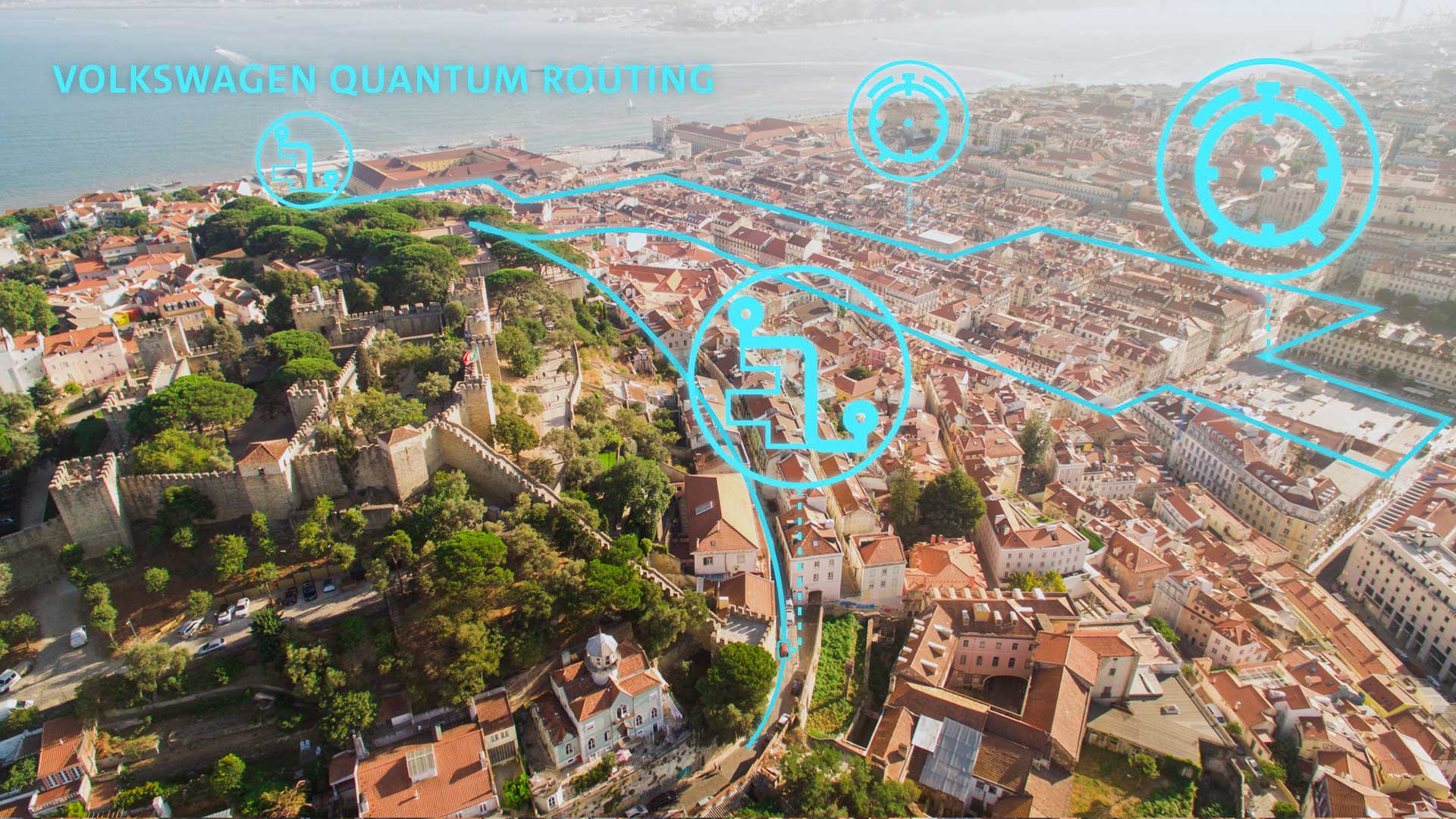
Volkswagen has made the first real-time demonstration of advanced quantum computing at the Web Summit conference in Lisbon, Portugal.

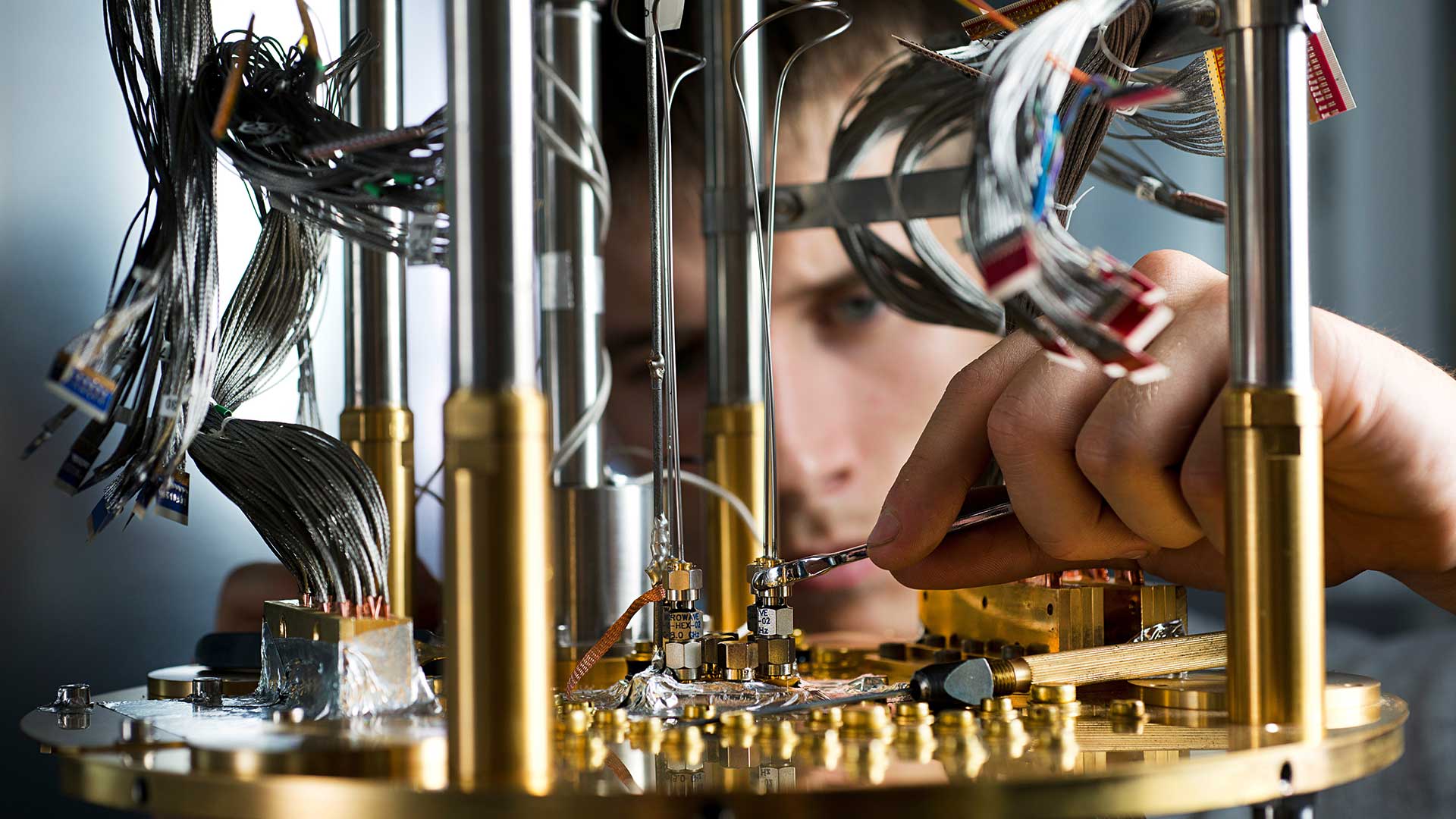
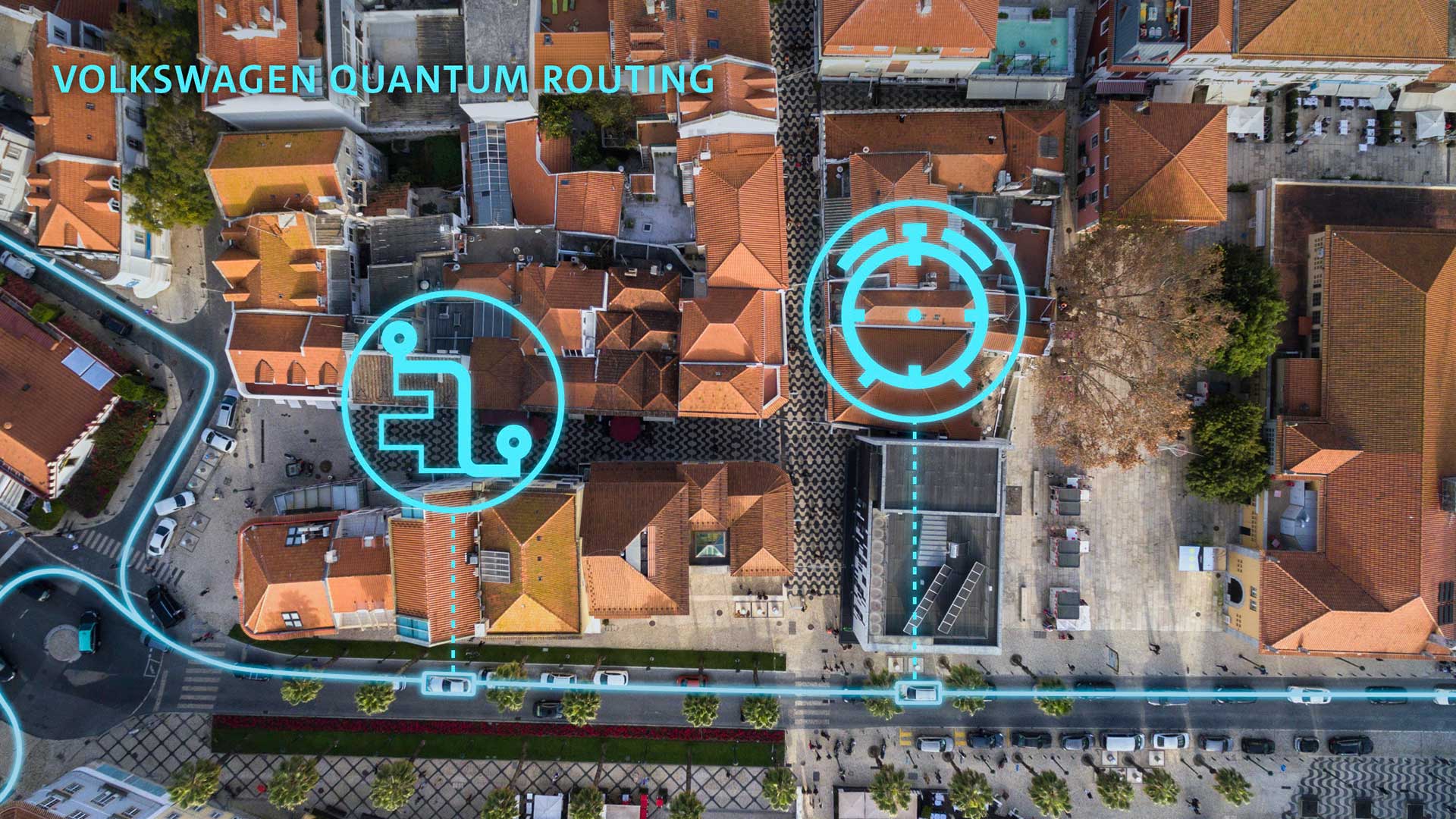
Equipping nine buses with tablets connected to the Quantum Routing system, Volkswagen was able to direct each one to take the most effective route to avoid traffic. 

This represents a major leap forward for quantum computing, which is regarded as offering the potential to quickly solve major mathematical challenges. 

A real quantum leap

VW Quantum Computing Test

Quantum computing makes use of quantum physics to rapidly analyze options and probabilities of them occurring. This can mean problems are solved in fractions of a second, that would otherwise take classical computers thousands of years. 

For Volkswagen, the opportunity comes in making navigation systems more effective at avoiding traffic and delays. Whilst modern satellite navigation can react to congestion, the result often means sending all cars down a single alternate route, creating more traffic. 

The power of quantum computing would allow connected navigation systems to send different cars on different routes to avoid traffic. Drivers would avoid the main congestion, but not become part of new bottlenecks.

All aboard the Quantum Shuttle!

VW Quantum Computing Test

The sheer volume of traffic in major cities means that traditional computers are unable to cope with the number of decisions to be made rapidly. Abdallah Shanti, Global CIO Volkswagen Brand and CIO Region Americas, explained that this is why “we’ve tried to solve this problem with D-Wave’s quantum computers.”

During the Lisbon Web Summit, the nine ‘Quantum Shuttle’ buses took guests from the airport to the conference venue, each making 26 stops. The quantum algorithm was able to plot and update a route for each bus, avoiding traffic jams before they even happened. 

According to Florian Neukart, Volkswagen Director for Advanced Technologies in San Francisco, the small-scale demonstration in Lisbon is proof that “the dynamics of traffic and quick changes, requires us to solve this problem in the shortest possible time”.

Route to success

VW Quantum Computing Test

Due to the success of the Lisbon test, Volkswagen intends to continue more demonstrations of Quantum Routing in cities around the world. 

Marketing the technology to fleet and public transit companies will be the first priority for Volkswagen, once it reaches commercial viability.

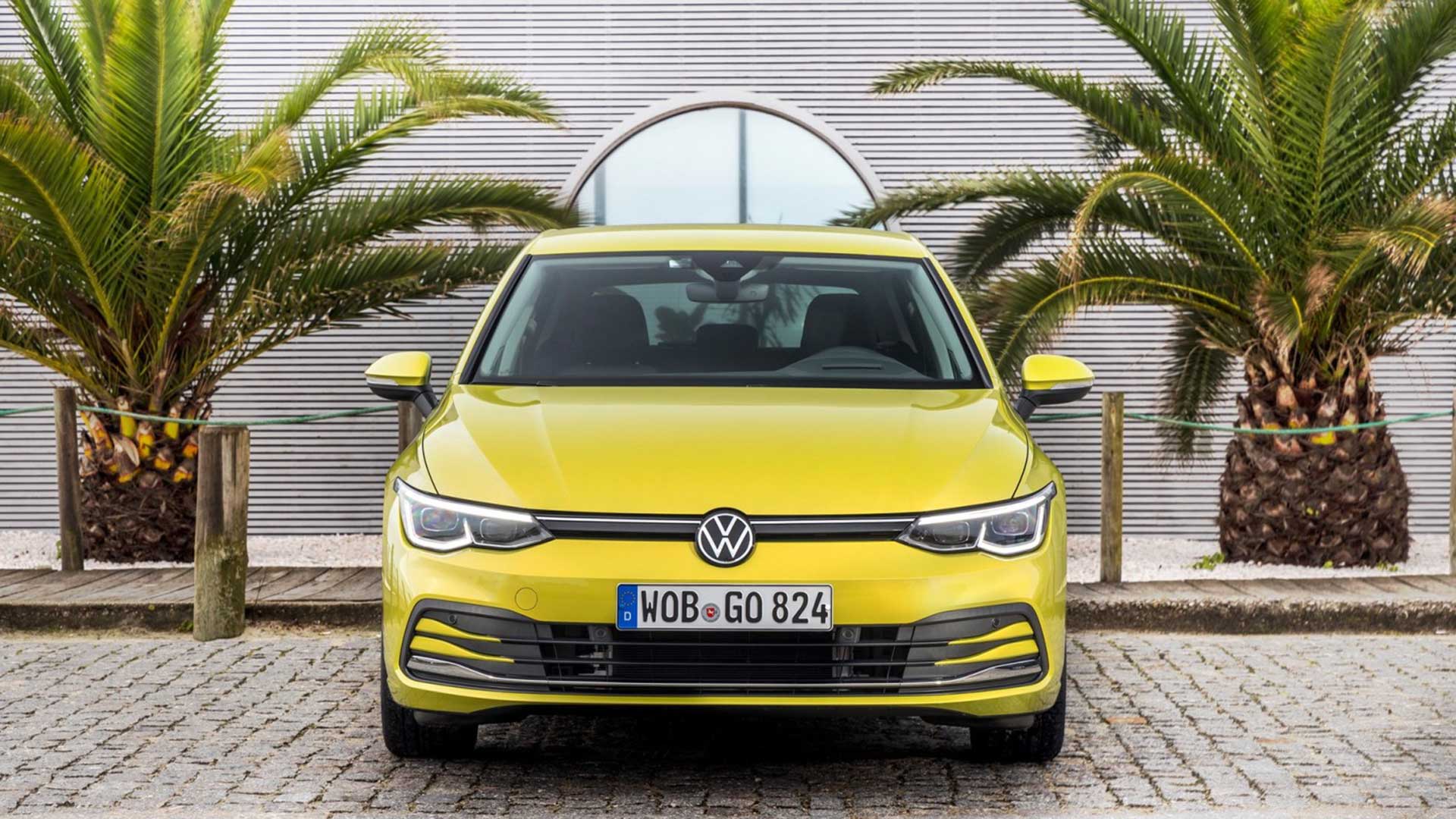
However, the new eighth-generation 2020 Volkswagen Golf includes a Car2X wi-fi function, allowing it to communicate with other Golfs about hazards. This could be adapted to share traffic data, allowing a quantum computer-based navigation system to make and share decisions on the best route to take.

Advertisement