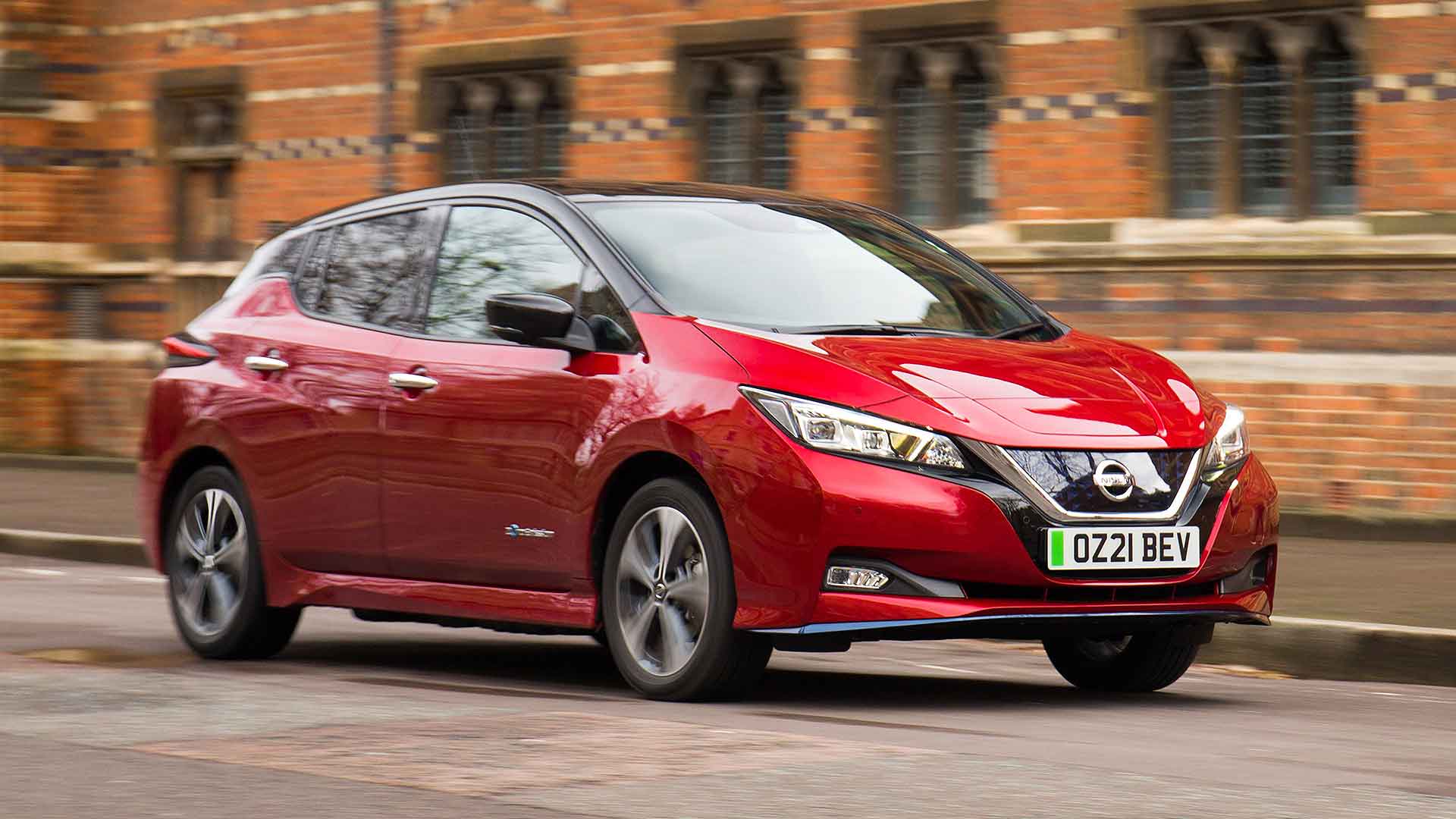
Both battery versions – 40kWh and 62kWh – still qualify for the grant, meaning the most expensive Leaf e+ Tekna version now costs £32,445 once it is taken off.
This compares to a previous range-topping price of well over £37k.
March 2021 new car registrations grew for the first time since August 2020 with sales in the plate change month rising 11.5 percent.
The turnaround came despite retailer showrooms remaining closed due to the pandemic – although the figure is still a hefty 36.9 percent off the 10-year average figure for March.
A total of 283,964 new cars were registered: the usual run rate for the March new car registration month is around 450k vehicles.
Showrooms will finally reopen on 12 April but in embracing ‘click and collect’, car manufacturers and retailers have provided a lifeline for the automotive industry.
Even so, trade body the Society of Motor Manufactures and Traders expects further sales growth when car dealers reopen as click and collect “does not offer the same experience and excitement as a showroom”.
Dealers will be hoping they can start to recover some of the £22.2bn in lost turnover since the pandemic took hold in March 2020.
EVs continue charge
Plug-in vehicles hit their highest-ever sales last month, with battery electric vehicles and plug-in hybrid models taking a combined market share of 13.9 percent.
This is almost double the figure of a year ago – and when hybrid vehicles are added in too, electrified vehicles commanded a 21.4 percent share of the new car market.
Compared to a year ago, BEV sales were up 88.2 percent and PHEV sales rose 152.2 percent.
A growth in fleet car sales – where there are favourable tax advantages for electric cars – helped the surge in electrified vehicles.
Diesel, in contrast, plunged to a 19 percent share.
“The past year has been the toughest in modern history and the automotive sector has, like many others, been hit hard,” said SMMT chief executive Mike Hawes.
“However, with showrooms opening in less than a week, there is optimism that consumer confidence – and hence the market – will return.
“We know we will see record breaking growth next month given April 2020 was a washout, but a strong and sustainable market is possible if customers are attracted to the choice and competitive offer the industry is able to provide within the safest of showroom environments.”
March 2021’s top new cars
The Vauxhall Corsa continued to lead the best-sellers chart, ahead of the Ford Fiesta and Mercedes-Benz A-Class.
The Vauxhall Corsa is also leading the year-to-date sales, again ahead of the Ford Fiesta, with the British-built Nissan Qashqai – which is replaced later in 2021 – in third.
A one-owner ‘highly original’ 1979 Ford Escort Ghia is being auctioned this week.
For sale with Car & Classic, the Escort, nicknamed ‘Bessie’ by its owner, was first registered in 1980. It was his first new car purchase and has covered just 58,366 miles since.
The online car auction website says it was always garaged, rarely ventured out in bad weather and has been carefully maintained over the last 41 years.
The car is being sold as its owner passed away. It comes with a huge history file that catalogues its life story, including the original sales documents and a copy of the cheque for £4,200 used to buy it. There’s also a wad of MOTs and tax discs, as well as the owner’s handbook and accessories brochures.
The Ford Escort is one of the most popular British cars ever. It helped transport families, business people and the emergency services over the course of four decades.
A total of 4.1 million examples were sold over five generations, before Ford replaced it with the Focus in 1998.
According to Car & Classic, the chassis plate suggests this car was ordered by a UK Ford dealer and built in December 1979 at the Saarlouis plant in Germany. It still wears its original Strato Silver paint, with a blue interior and black roof.
The plate also confirms the other features, including H4 RHD headlamps, a 1,300 engine and standard suspension, while the invoice shows the buyer specified a locking petrol cap and underseal for £38.15.
‘A truly original Escort’
“With one owner, complete history and no questions, this is a very rare opportunity to own a truly original, unmolested Mk2 Escort,” said Chris Pollitt, head of editorial at Car & Classic.
“Whilst the RS2000s and Mexicos command big numbers, it’s the less sporting models in the range that have become the ‘unicorns’ and disappeared. In original condition and with all the accessories of the time, this Escort will immerse the new owner right back in the 1980s with a practical and ready-to-use classic.”
ALSO READ:
The Ford Escort story: how Britain’s best-seller blew it
Toyota has modified its Land Cruiser 4×4 to be capable of carrying refrigerated vaccines in developing countries.
The conversion has obtained the (deep breath…) Performance, Quality and Safety prequalification for quality of medical devices and equipment – as set by the World Health Organization (WHO). This is the first refrigerated vehicle for vaccines to gain approval.
Fitted with a B Medical Systems CF850 vaccine refrigerator, the Land Cruiser can transport 396 litres, or 400 vaccine packages at a time, and is also fitted with an independent battery allowing the refrigerator to be operated for around 16 hours without a power supply.
The fridge can be also charged by the vehicle while driving, and from an external power source when parked.
Designed for developing countries
Toyota said vaccines normally require storage at 2°C to 8°C, and cannot be used if not stored under proper temperature management. It added that around 20 percent of all vaccines supplied worldwide are disposed of each year because they become unusable due to temperature changes during the final stage of transportation.
This often includes the journey to a hospital or clinic, as there may be no refrigerated transport in developing countries.
As well as supplying vaccines for children, Toyota said the converted 4×4 can be used under the international framework COVAX, which seeks to distribute vaccines for Covid-19 fairly to developing countries.
A retro Chevrolet El Camino, featured on the TV show Fast N’ Loud, has sold for £31,500 in the UK.
Built in the twelfth season of the Discovery Channel programme, the Chevy pickup was extensively modified by Aaron Kaufman.
It made for a rare opportunity to buy an El Camino on this side of the Atlantic, and one with a genuine claim to fame.
No monkeying around
For the uninitiated, Fast N’ Loud focussed on the Texas-based Gas Monkey Garage. Led by the larger-than-life Richard Rawlings, the programme became known for building crazy cars over short timescales.
Building a modified Chevrolet El Camino, ahead of schedule, was the challenge laid down for the Gas Monkey Garage crew.
Closer in concept to ‘utes’ favoured in Australia, the El Camino was a light duty pickup based upon the Chevrolet Malibu car.
An acquired taste, even for Chevrolet fans, the El Camino used as a base on Fast N’ Loud was a low-mileage, one-owner, example.
Faster and louder
The original engine was ditched, and replaced with a 416-cubic inch (6.8-litre) modified Chevy V8 engine. Producing more than 600 hp, and with a six-speed manual gearbox, this is a serious performance machine.
Ridetech suspension and Wilwood brakes were installed to keep everything under control. The Toyo Proxes tyres are even noted as still having plenty of tread left.
On the outside, sinister black paintwork is the main change, although the custom-made alloy wheels are a neat touch. A combination of suede and leather can be found inside the cabin, with Vintage Air cooling also added.
“Get you some of that!”
Despite the effort that went into transforming the El Camino, a total of just 980 miles have been recorded on the odometer since.
Fully registered in the UK after being imported, the Chevy has an MOT that lasts until June 2021.
Finding a Chevrolet El Camino this side of the Atlantic is a rarity. Finding one that appeared on a hit TV programme was arguably a unique opportunity.
Such special enthusiast appeal resulted in an intense bidding war, pushing the final selling price to £31,500.
Google Maps is set to alert motorists if their route takes them through a Clean Air Zone, helping them better understand the impact they have.
Launching in June on both Apple iOS and Android operating systems, Google said drivers ‘can quickly know if your vehicle is allowed in the area’, or be provided with a new route that doesn’t take in a low-emission zone.
Google also announced it is building a new routing model optimised for lower car fuel consumption. The algorithm is based on factors such as road incline and traffic congestion, and will default to the route with the lowest carbon footprint when it has approximately the same estimated time of arrival (ETA) as the fastest route.
In cases where the eco-friendly option could ‘significantly increase’ an ETA, the American technology giant said it would let motorists compare the relative CO2 impact between routes.
Eco-friendly routes are planned to launch in the USA on Android and iOS ‘later this year’, with a global expansion on the way. Motoring Research asked Google when this feature is expected here, but was told: ‘we do not have any specific times for the UK rollout’.
Offering drivers a more sustainable choice
Google also added it is going to provide ‘a comprehensive view of all routes and transportation modes available to your destination’.
Drivers can compare how long it will take to arrive by car, public transport or bike without toggling between tabs, while artificial intelligence will prioritise a user’s favourite mode of transport and favoured modes of transport that are nearby.
The example given was that, in London, the Underground might be ranked higher than other options. Or if the user cycles often, biking routes will be shown automatically.
Inconsistent funding for road maintenance and repairs is preventing engineers carrying out long-term, cost-effective improvements for local roads. As a result, roads are resurfaced, on average, just once every 68 years.
That’s according to the Asphalt Industry Alliance (AIA). Its ALARM (Annual Local Authority Road Maintenance) survey shows road maintenance budgets remain lower than two years ago, despite a 15 percent uplift compared with 2020’s figures.
Road conditions have ‘yet to see any significant improvement’, says the AIA. It criticised the government’s ‘up-down approach for funding’, which it said results in ‘wasteful’ patching of roads, as local authorities have a statutory duty to maintain the highway, but don’t have the certainty of funding to implement more cost-effective, proactive repairs.
Instead of carrying out preventive road repairs, authorities are patching up potholes, says the AIA. The number of potholes filled over the last 12 months in England and Wales is the equivalent of one every 19 seconds.
According to the AIA, target road conditions still remain out of reach for councils. It says if authorities had enough funds to meet their own target conditions across all road types, there could be an additional 14,400 miles of local roads in a good state of repair, plus another 2,000 fewer miles in need of urgent repair.
‘Longer-term approach needed’
“While the extra funding in 2020/21 was welcomed, using it to repeatedly fill in potholes is essentially a failure as it does nothing to improve the resilience of the network,” said Rick Green, AIA chairman.
“The average frequency of road surfacing is now once every 68 years and the bill to fix the backlog of maintenance work on our local roads in England and Wales remains in excess of £10 billion.”
“It is clear that a longer-term approach to local road funding is needed. This commitment is vital to the nation’s post-pandemic reset in which we will rely on our local road network to support recovery and underpin active travel and levelling-up goals.”
Electric vehicle charging giant BP Pulse will expand its network with the launch of new EV charging hubs for electric vehicle infrastructure company The EV Network.
The company’s plan is to double its network between now and 2030.
The first hub, which will contain 24 individual charging points, opens later this year. The firm said it will grow its network to 16,000 charging points over the next decade.
Each site will have a range of ultra-fast charging bays. Some will also become EV convenience and mobility hubs, with food, drink and other facilities available to drivers as they charge.
‘Giving consumers confidence’
“We are building a charging network that will give consumers the confidence to make the switch to EVs, knowing they can get the charge they need in the right places. We’re taking another step forward in our commitment to make ultra-fast charging widely accessible across the UK, including in easy reach of the motorway network,” said Matteo de Renzi, CEO of BP Pulse.
“These new hubs will complement BP Pulse’s existing plans to expand the number of ultra-fast chargers on BPs forecourts and it’s exciting to be launching this new additional option for drivers.”
Reza Shaybani, CEO of The EV Network, added: “Together we will be fuelling growth in a vital part of the UK’s green economy, making a reliable national network of EV charging stations a reality for a fast-growing number of electric vehicle drivers.”
The Conservative candidate said he would launch consultations relating to LTNs that have been installed by councils using emergency powers, and added those that were “imposed” without support will be removed.
LTNs use street furniture – such as plants or bollards – to block roads in residential areas, in an attempt to reduce traffic volumes, stop drivers from using streets as ‘rat runs’ and encourage people to walk and cycle more.
According to Paddy Power, Sadiq Khan is favourite to stay in office for another four years, with odds of 1/33 that he will win the election on 6 May, while Bailey’s current odds stand at 12/1.
When LTNs are in place, it remains possible for emergency services, delivery drivers and residents to access the streets, but the intention is to make it harder to drive through from one main road to the next via a residential street.
‘LTNs were pushed through’
“LTNs that Sadiq Khan funded were pushed through without giving residents a say. And they’re the ones facing the consequences,” Bailey told The Telegraph. “Increased traffic, greater pollution on main roads and longer wait times for ambulances.
As mayor, I’ll hold consultations within 100 days and scrap every LTN that a majority of residents don’t want.”
According to a Telegraph report, Transport Secretary Grant Shapps said local councils “had got it wrong” and “had not thought through” the schemes.
Shapps added he had received “more contact on this than any other subject probably other than Beeching reversals from Members of Parliament wanting to have well-designed schemes in their area”.
Next month’s ‘Supercars on Sunset’ auction by Bonhams will include a 2016 Porsche 911 originally owned by comedian Jerry Seinfeld.
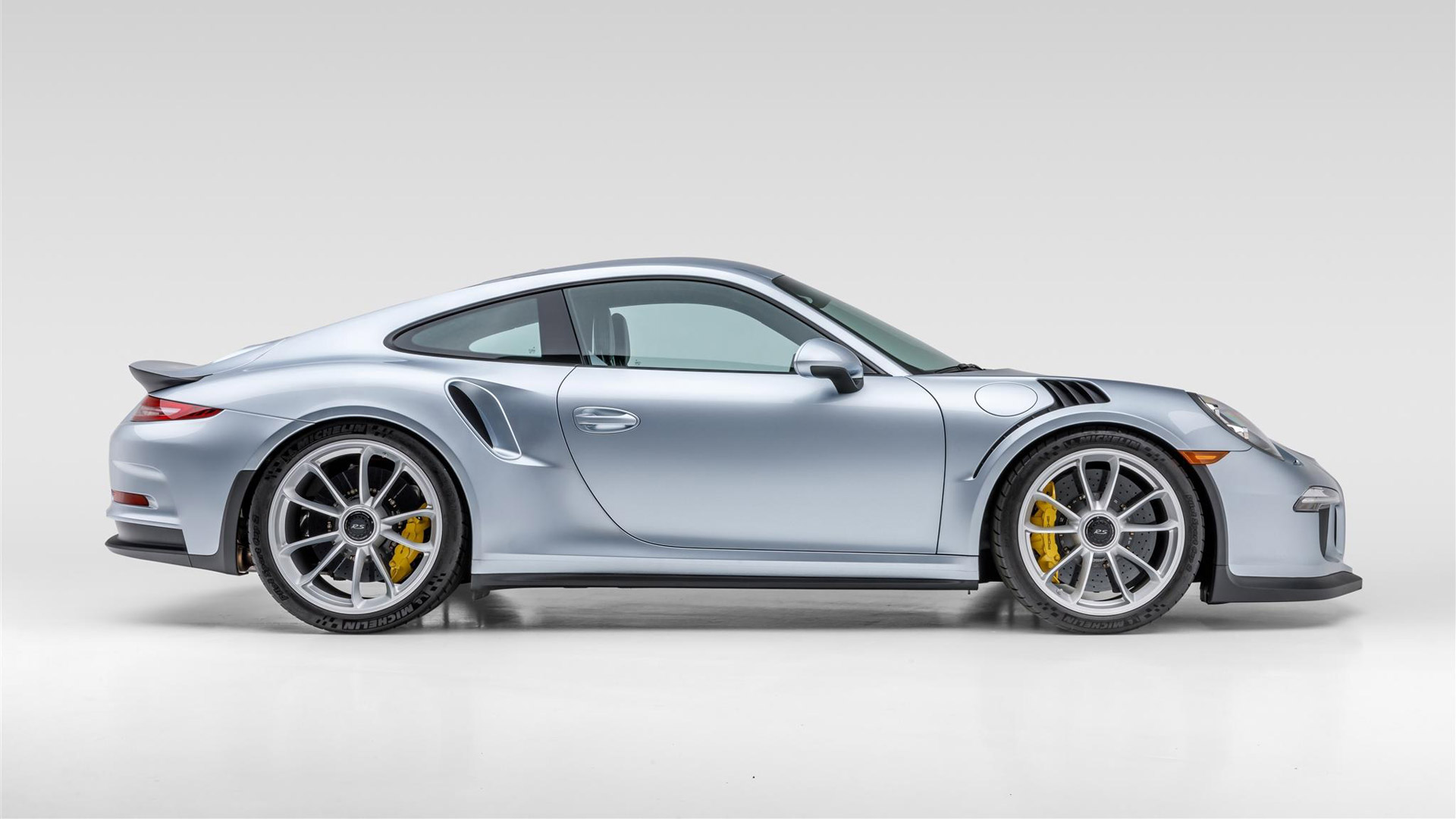
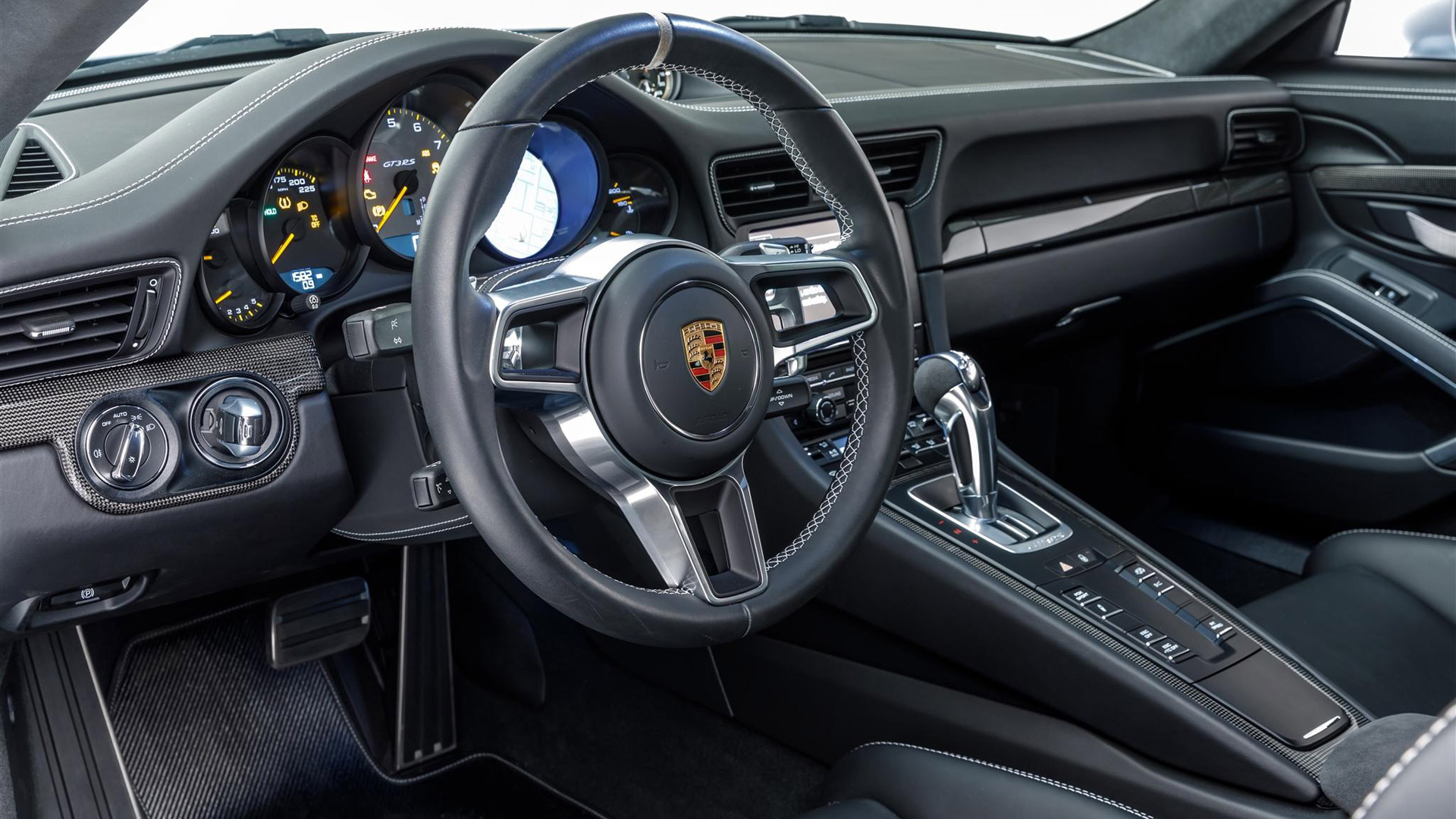
Known for his extensive collection of cars, including numerous Porsches, the 991-generation GT3 RS was a special order by him.
With more than $250,000 spent on additional extras and custom touches, the car heading to auction is truly unique.
A different kind of blue comedy
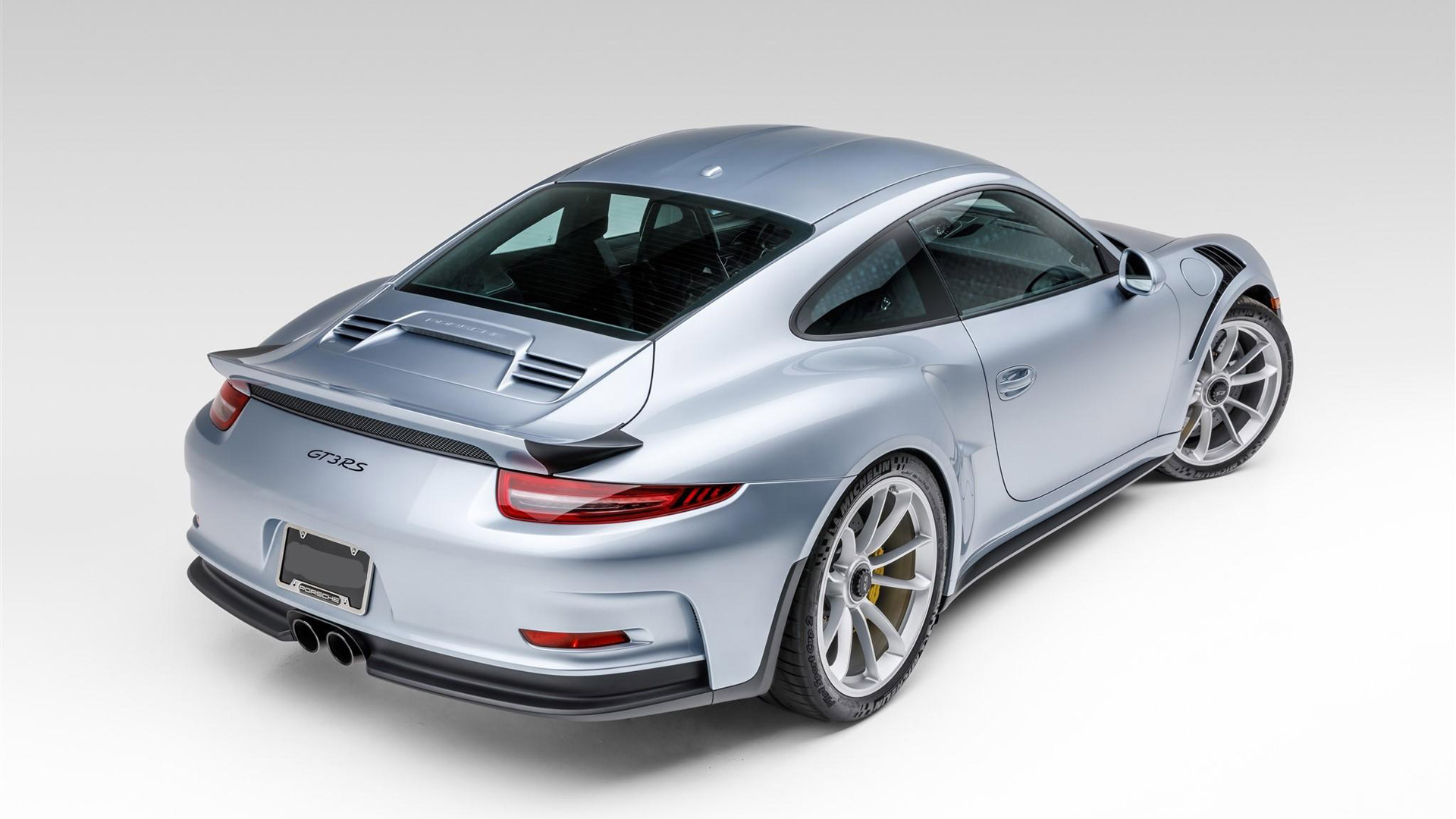
One of the most obvious bespoke choices made by Seinfeld was the Liquid Metal Chrome Blue exterior paint. Chosen through Porsche’s Exclusive Manufaktur process, the color was the same hue used on the 918 Spyder hypercar.
An intriguing mixture of blue and silver shades, it certainly makes for a subtler paint choice compared to the usual bright green or orange found on a 911 GT3 RS. Paint protection film has been added to keep the special color looking sharp.
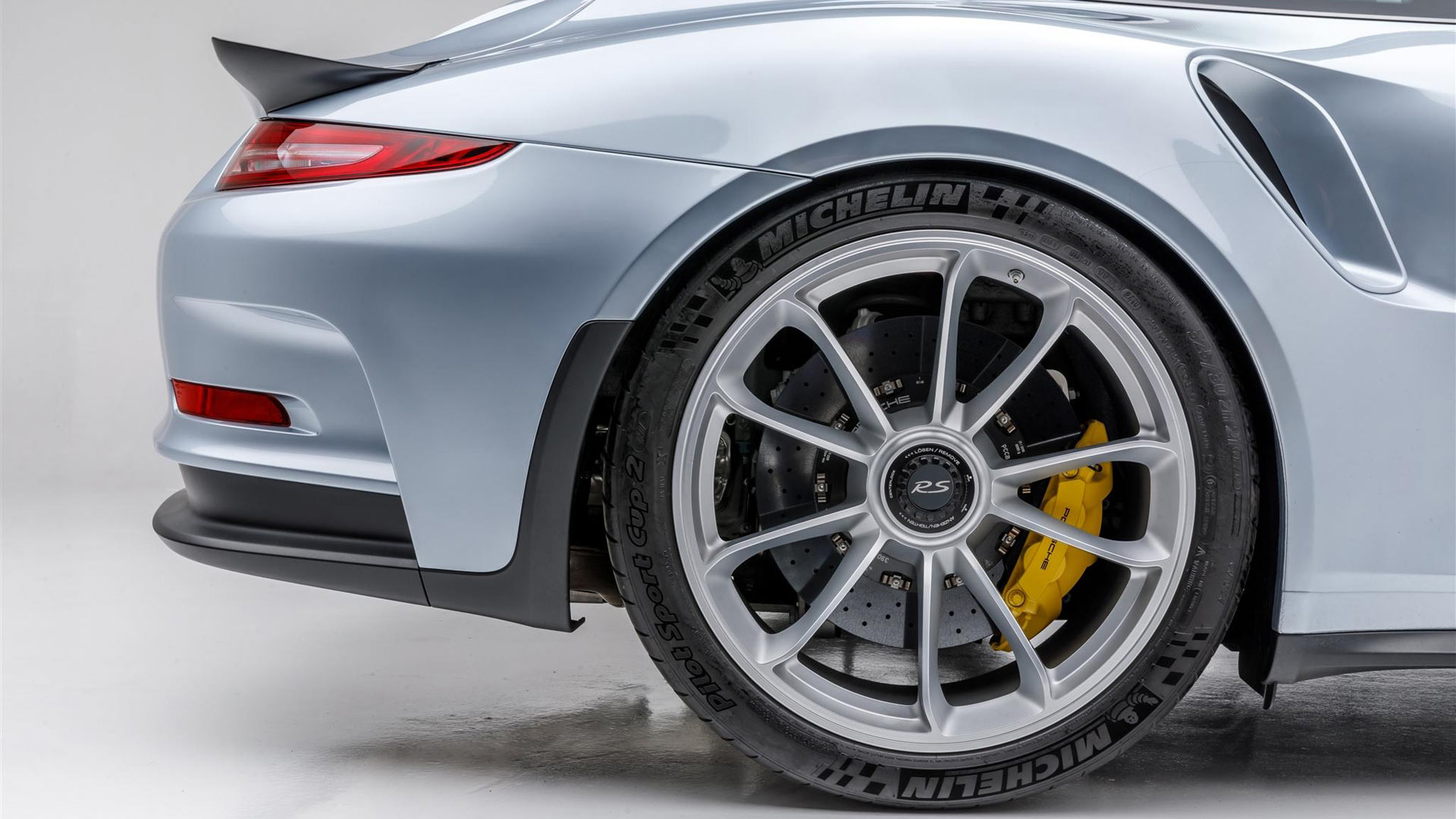
Keen Porsche fans will also notice the carbon ceramic brakes with yellow calipers, and the absence of the gigantic rear wing.
Not just winging it
In a bid to make the 911 GT3 RS appear more like a classic performance Porsche, the ironing board-esque aero device has been removed. The original item is included, for those who want to ensure maximum rear downforce.
The 4.0-liter naturally aspirated flat-six engine in the GT3 RS produces 500 horsepower, along with 346 lb-ft of torque. A seven-speed PDK dual-clutch transmission was standard on all 991.1-generation GT3 RS models.
Lightweight materials, such as magnesium for the roof, help the GT3 RS deliver extreme performance. 0-60 mph should take less than 3.4 seconds, with the potential for a top speed in excess of 190 mph.
Exclusive options and more
Mr. Seinfeld’s customization choices did not stop when it came to the interior of the 911 GT3 RS. There are acres of carbon fiber trim throughout the cabin, along with surfaces covered in grippy Alcantara material.
Other factory options specified included the Porsche navigation system, LED interior lighting, and the Sport Chrono pack. A larger 23-gallon fuel tank, and an axle lift to help the front splitter clear speed bumps were also picked.
This pushed the price of factory extras to in excess of $250,000, with the final sticker price coming close to $450,000.
Supercars in the sun
With a car collection said to feature more than 150 different vehicles, that Seinfeld drove the 911 GT3 RS at all is impressive. The car was used by him in both New York and California, and has racked up a total of 1,500 miles.
Offered for sale by the respected Canepa in 2019, the GT3 RS was also serviced by the California-based company.
The Supercars on Sunset auction is set for April 10, and will feature a host of other rare models up for sale. This includes a 2020 McLaren Elva, and a Saleen S7 LM.