Home Blog Page 196

GTO confirms Squalo name for new 1960s-inspired sports car

0
GTO Engineering Squalo

GTO Engineering has confirmed its all-new, sixties-inspired sports car is to called Squalo and has revealed the final exterior design.  

Squalo means ‘shark’ in Italian and the Twyford-based engineering company said the name reflects the car’s “shark-like look, instincts and speed”.

GTO Engineering Squalo

It is the firm’s first all-new model – up until now, it has serviced, repaired and restored classic Ferraris, including creating recreations of the legendary 250 GT SWB Berlinetta.

The Squalo is said to pair sixties style with 21st century engineering principles, including the use of 3D printing to aid production.

GTO Engineering Squalo

The Squalo weighs less than 1,000kg and is powered by the company’s bespoke quad-cam 4.0-litre V12, which will be mated to a manual gearbox. Exact specifications – including power and weight – are to be revealed in due course.

Motoring Research understands it takes between 300 and 350 man-hours to hand-build the unit (it isn’t clear at this stage how long it will take to build the car in full) and although it has been designed specifically for the Squalo, the company is planning to offer it as an off-the-shelf product in the future to fit into other vehicles.

GTO Engineering Squalo

The Squalo is to be priced between £1.28 and £1.5 million, plus relevant taxes, with the final price depending on the final specification of the vehicle. GTO Engineering has not decided the exact number of examples that will be built, but we understand the production run will be “in the tens, not the hundreds”.

The first customer cars are expected to roll off the production line – tooling for which is currently underway – in 2023, though if an order is placed now, you are looking at a 2024 delivery date.

ALSO READ:

Beautiful Ferraris on show at Maranello museum

Ferrari Dino ‘Evo’ review: a red rag to the purists

Ford v Ferrari: the real story of the GT40 at Le Mans
Advertisement

Almost 2 million cars may be driving WITHOUT a valid MOT

0
MOT test centre

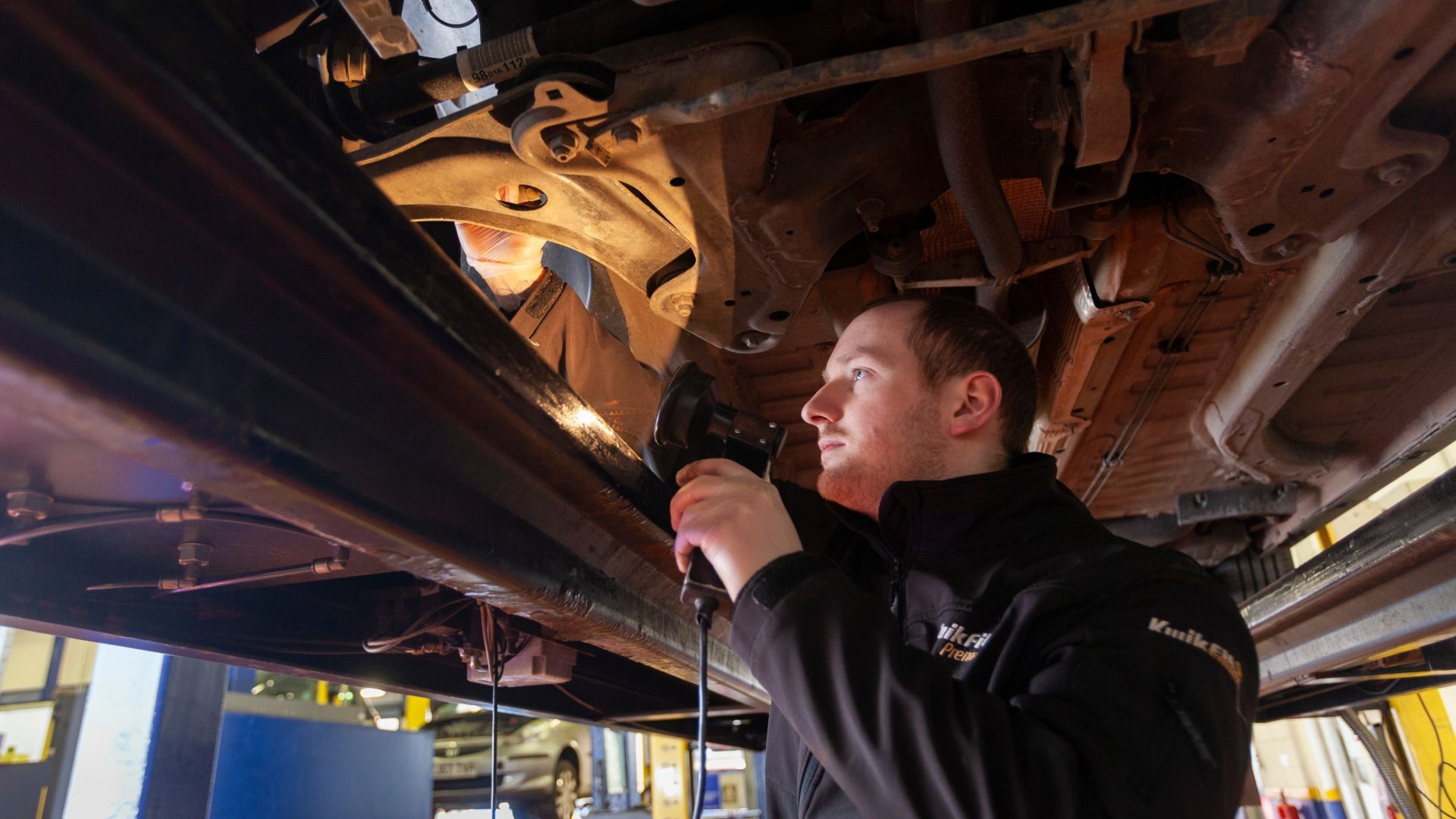
Almost two million vehicles could be driving illegally on UK roads without a valid MOT, new research from fast-fit chain Kwik Fit has revealed.

The company cited figures from the Driver and Vehicle Standards Agency, which estimated that one in five (19.5 percent) of the vehicles that were eligible for a six-month MOT extension during the first lockdown in 2020 are yet to be retested.

Even the final cars that received an extension have now passed their extended expiry date. Kwik Fit calculated 1.86 million vehicles still haven’t had a new MOT. It added vehicles have not had a valid certificate for an average of 3.4 months.

With cars covering fewer miles over the last year, Kwik Fit reported the vehicles that have been bought in for assessment were more likely to pass the test. The company estimated the failure rate is up to 10 percent lower than in a normal year.

As a result, it warned those cars that haven’t been tested in more than a year may not be in a roadworthy condition. An estimated 600,000 of the 1.86 million vehicles may fail the test.

In order to encourage drivers to get their cars tested, Kwik Fit – which celebrates its 50th anniversary this year – has cut the price of an MOT to £19.71 for the rest of the month.

Drivers urged to make sure cars are safe 

“It may be that shifting the expiry dates with the extension has caused the MOT to slip from drivers’ minds, or perhaps they have been using their car so little that they have forgotten about having it tested,” said Eric Smith, MOT scheme manager at Kwik Fit.

“Some owners may think that because they’ve not been using their car it will be just as they left it. However, parts will rust or wear with little use, bulbs may fail or windscreen wipers start to perish.

“We would urge drivers to make sure they are both safe and legal before heading out on to the road as restrictions ease.”

ALSO READ:

MOT checks: What is checked in a car MOT?

Can you drive an MOT fail car if the previous test hasn’t expired?

MOT enforcement officers to wear bodycams

Advertisement

Motorists could save 30% on car insurance with a dashcam

0
Motorist using a dashcam

Dashcam giant Nextbase has launched its own car insurance service – and claims it can offer motorists big discounts if they drive with a dashcam.

According to the firm, half of its customers will be able to save 30 percent or more for fully comprehensive cover.

The firm said cover will start at under £200, with a third of customers expected to pay less than £250 for fully comprehensive cover. Motorists will be required to install a Nextbase dashcam in order to take advantage of the savings compared with a traditional policy.

The company is able to pass on savings to customers as it believes motorists will drive better, while the amount of time it takes to administer pay-out claims in the event of an accident will be reduced.

Nextbase claimed that just under seven out of 10 drivers (68 percent) experienced an improvement in their driving score (calculated using telematics) when a dashcam was fitted to their vehicle.

Another study found 58 percent of motorists to less likely to tailgate and 54 percent were less likely to speed when their car was equipped with a device.

The company added having a dashcam installed will help speed up insurance claims, as the footage will enable police and insurers to determine who was at fault more easily.

Rewarding safe drivers

“Purchasing a dashcam can be extremely beneficial for drivers when it comes to incident cover, safety, and emergency help,” said Richard Browning, sales and marketing director at Nextbase

“But we want to go that step further and make sure customers are rewarded for being sensible, safe drivers.

“Nextbase Insurance is the next step in making sure every customer is a responsible driver and that we are doing everything we can to keep Britain’s roads safe.”

ALSO READ:

Covid sees car insurance prices plunge to seven-year low

Why you should NEVER allow your car insurance to auto-renew

9 surprising ways to cut the cost of car insurance

Advertisement

Facelifted 2021 Volkswagen Polo revealed

0
2021 Volkswagen Polo facelift

Volkswagen has unveiled a facelifted version of its Polo small hatchback ahead of its arrival in the UK in the third quarter of 2021. 

The enhanced version of the model incorporates styling changes that bring it in line with the rest of the Volkswagen range, including new front and rear bumpers, LED headlights, a redesigned tailgate and new LED tail light clusters.

2021 Volkswagen Polo facelift

According to Volkswagen’s head of exterior design, Marvo Pavone, the design tweaks “create a relationship with the Golf design language”. He said the new frontal design “makes the car clearly wider and more easily recognisable”.

Inside, the revised Polo adds the latest version of VW’s infotainment system with a 6.5-inch touchscreen offered as standard, while a larger, 9.2-inch unit, is available as an optional extra, while the model has adopted an 8.0-inch digital cockpit display from the larger Golf model.

2021 Volkswagen Polo facelift

Like the Golf, the facelifted Polo will adopt a three trim-level system, with Life, Style and R-Line grades being offered, replacing the existing Match, SEL and R-Line specifications.

Volkswagen’s Travel Assist is to be offered as an option on the Polo for the first time. First debuted on the Passat, the level-two autonomous driving feature offers semi-autonomous adaptive cruise control and lane-keeping assistance at speeds of up to 130mph, while a regular lane-keeping assistance feature is fitted as standard.

As before, one engine – a three-cylinder, 1.0-litre petrol engine – will be offered in 80hp, 95hp and 110hp guises, with manual and automatic transmission options offered.

2021 Volkswagen Polo facelift

Responding to a question posed by Motoring Research at a virtual press briefing, Hendrik Muth, head of product marketing at Volkswagen, said there are no plans to add a pure EV powertrain to the Polo “as we have our own electric platform and the ID family is hitting the market. We are planning a model below the ID3 to be launched”.

However, he didn’t rule out the addition of hybrid or plug-in hybrid options down the line: “Depending on the market situation, we can look at offering hybrids market-by-market, but we will start with the TSI [petrol] engine.”

UK prices are yet to be revealed.

ALSO READ:

2021 World Car Awards: Volkswagen ID.4 is World Car of the Year

Volkswagen Group cuts CO2 emissions 20% – but still misses target

Advertisement

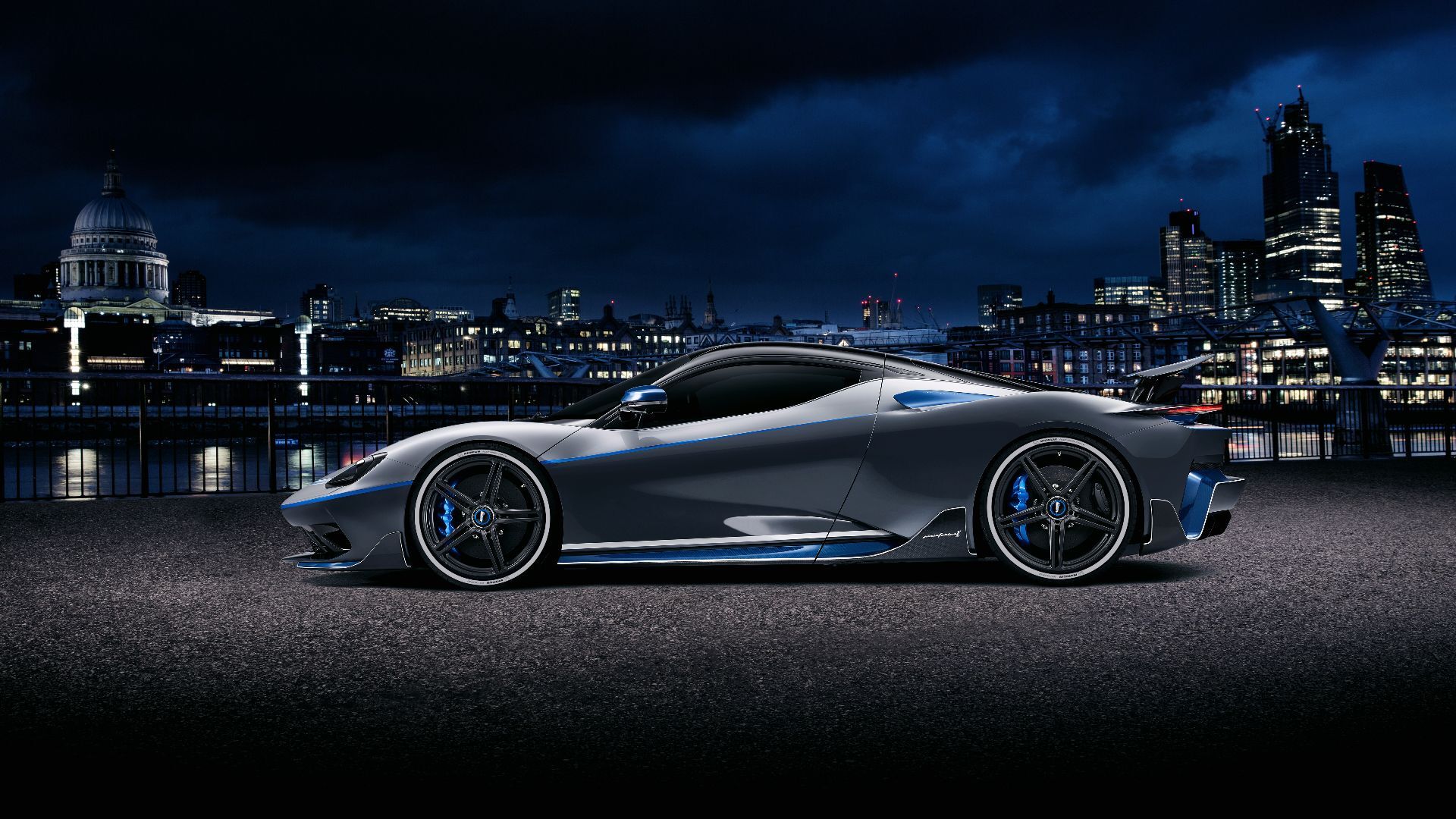
Pininfarina Battista: 1,900hp hyper-EV is coming to London

0
Pininfarina Battista

Pininfarina’s Battista hypercar will arrive in London later this month, as part of a world tour to drum up interest among potential buyers.

The Italian design house is known for penning countless supercars over the years, but the pure electric Battista is its first own-brand effort.

In the UK, the car will be sold by Jardine Motors Group under the Automobili Pininfarina London banner. Neil Williamson, CEO for Jardine, said he “anticipates significant demand as clients seek to get up close and personal with a unique and sustainable motoring innovation from a prestigious luxury car maker.” Quite.

Pininfarina says its hyper-EV blasts to 60mph quicker than a current Formula 1 car. Its four electric motors – one for each wheel – develop a combined 1,900hp. The Battista can also travel more than 310 miles between recharges. 

Just 150 examples will be made, all hand-built, with a price tag of around £2 million.

The Battista shares its powertrain with the Rimac C_Two hypercar, although Pininfarina has previously said that acceleration and drive mode characteristics differ from what the Croatian start-up offers.

Pininfarina Battista

Keeping the family name alive 

The Battista is named after Pininfarina’s founder, who set up his company more than 90 years ago. In 2019, Paolo Pininfarina, his grandson, said the car’s launch was “a dream come true… my grandfather always had the vision that one day there would be a standalone range of Pininfarina-branded cars”.

Indeed, this is the first of many Automobili Pininfarina cars, vows the firm – all of them ‘purely electric, zero-emissions, luxury cars solely branded Pininfarina’.

At the car’s launch in 2019, the-then Automobili Pininfarina CEO Michael Perschke claimed the firm “this is the most authentic and exciting automotive story imaginable” for those who like brands with heritage. “We aim for Battista to be a future classic and automotive icon, writing its own page in automotive history books,” he said.

ALSO READ:

Petersen Automotive Museum celebrates 90 years of Pininfarina

Pininfarina Battista Anniversario is the ‘new pinnacle for electric cars’

Pininfarina Battista: ‘Guilt-free’ 1,900hp EV hypercar revealed at Geneva 2019

Advertisement

Henry Ford’s one-off Capri to be auctioned this week

0
Ford Capri

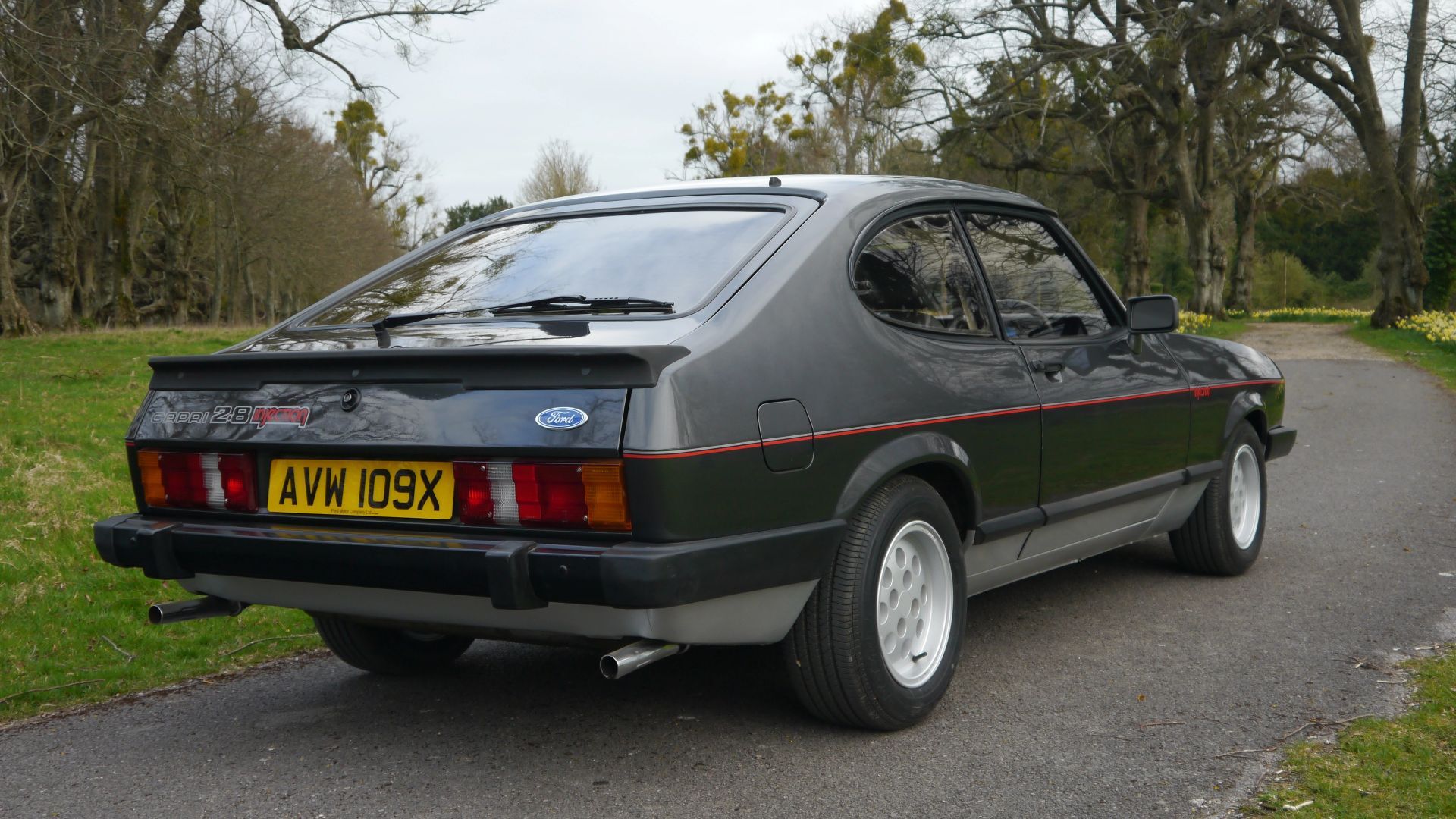
A 1981 Ford Capri built for Henry Ford II is to be auctioned later this week.

For sale with Car & Classic, the Capri 2.8 injection was kept for Ford’s use when he travelled to the UK, and is one of three vehicles that were modified especially for him.

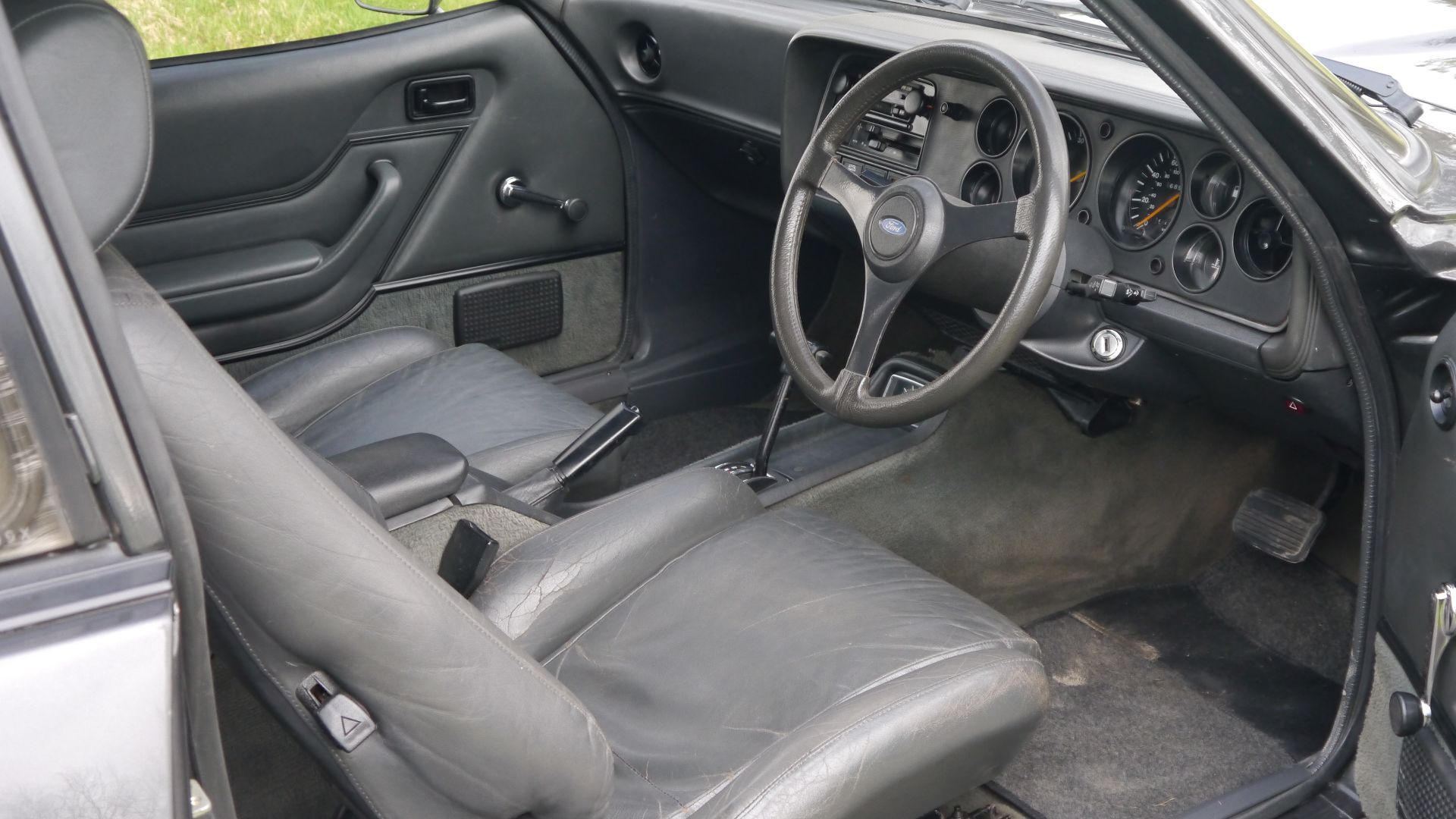
It started life being hand-picked off the Cologne production line, before undergoing a transformation that included additional layers of paint, stricter quality control and comfort features such as a C3 automatic transmission and wider, leather trimmed seats and door cards.

Henry Ford II was the grandson of company founder, Henry Ford. He was also president of the company from 1945 to 1960, chief executive officer from 1945 to 1979, and chairman of the board of directors from 1960 to 1980. Plus he was responsible for projects including the GT40 and Mustang.

Ford Capri

The bespoke car was used by the Ford family until 1983 before being sold to Ron Mellor, then head of Ford product development, who kept it for three years before selling it to Alan Jarman, a designer at Ford. Jarman used the car to commute from Torquay to Dunton, Essex.

The Capri’s odometer now shows 68,958 miles, only 6,800 of which were covered in the last 28 years. The vehicle is ‘fresh from a comprehensive refresh in February 2021, restoring it to its full glory,’ says Car & Classic.

Its value is estimated to be between £25,000 and £35,000 and it goes onto the virtual auction block with a vast array of history, including old invoices and MOTs.

A renowned part of the Ford story 

Ford Capri

“Fast Fords are always highly sought after, but this Capri is much more than that,” said Chris Pollitt, head of editorial at Car & Classic.

“Specifically prepared by the legendary SVE department for one of the most influential people in the history of Ford, then subsequently enjoyed by other key members of the company, it is a widely appreciated, documented and renowned part of the Ford story.” 

ALSO READ:

From Cambridge to Capri: cars named after places

‘The car you always promised yourself’ – 50 years of the Ford Capri

Ford Capri 280 ‘Brooklands’: Retro Road Test

Advertisement

No new smart motorways without extra safety tech, says government

0
Smart motorway

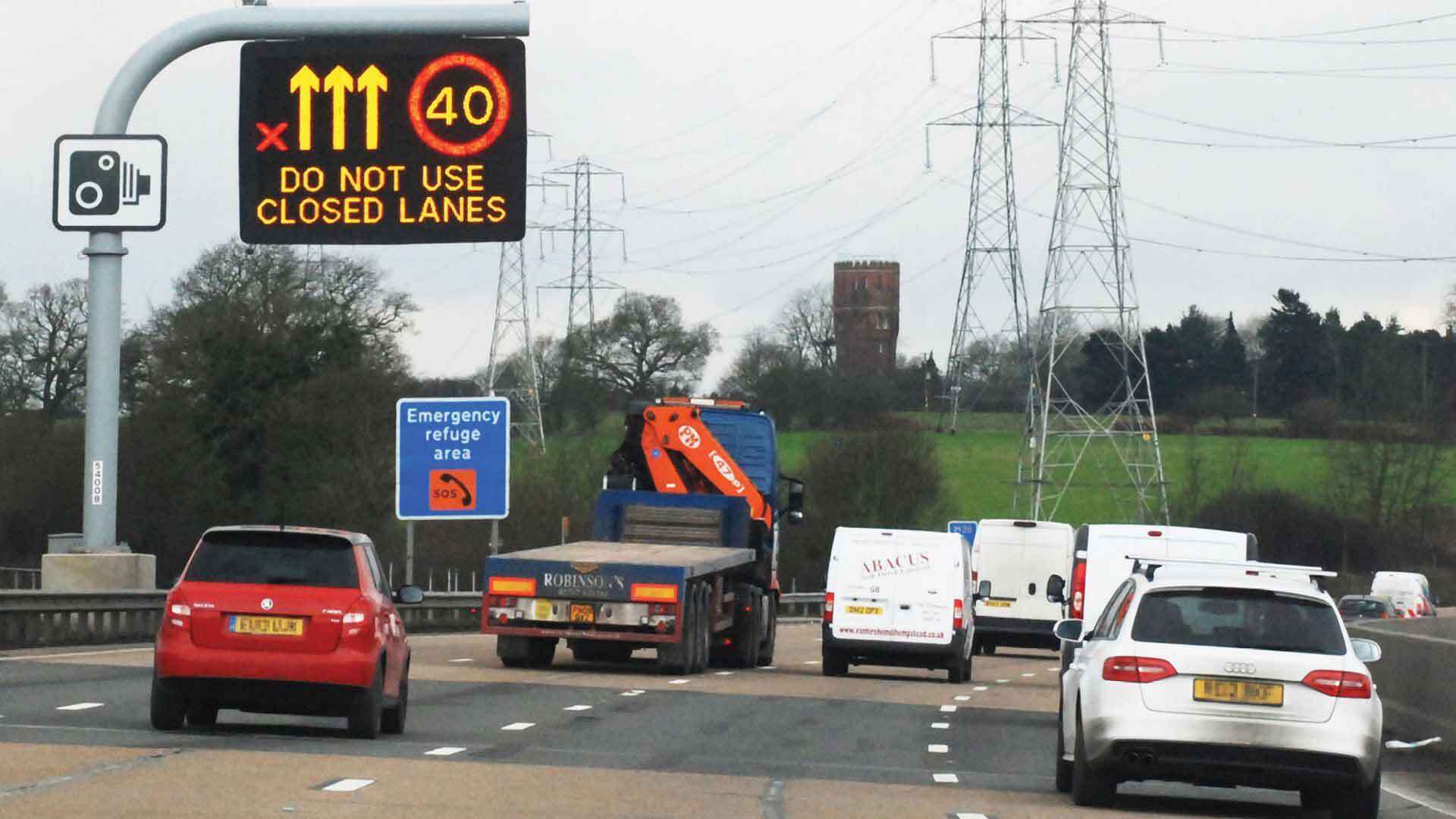
The government has halted the introduction of smart motorways that do not include measures to detect stopped vehicles. The decision is an attempt to improve road safety.

Transport secretary Grant Shapps said no further all-lane-running motorways will be allowed to open without radar technology to spot stopped vehicles. He added that Highways England will roll out the technology to existing smart motorways by September 2022, six months earlier than originally planned.

Shapps also announced that Highways England will upgrade smart motorway cameras so they can detect when vehicles are driving in closed lanes.

Smart motorways aim to improve journey times by increasing traffic capacity, with the hard shoulder used as a normal lane. However, the government has repeatedly come under fire for rolling out the controversial schemes, as many believe the removal of hard shoulders hinders road safety. 

Earlier this month, road safety charity IAM RoadSmart claimed the majority of motorists have ‘no trust’ in smart motorways.

Shapps said: “This government takes the safety of our roads very seriously. We are determined to do all we can to help drivers feel safer and be safer on our roads – all our roads.”

Responding to the ministerial statement, Huw Merriman MP, chair of the Transport Select Committee, said: “The Transport Committee is currently in the midst of an inquiry to determine if smart motorways are safe… We will look closely at today’s announcement from government that smart motorway construction will continue.”

AA and RAC respond

RAC head of roads policy Nicholas Lyes said: “While it appears good progress is being made on implementing some of the changes the government promised last year, we are concerned that drivers will still need to wait up to 18 months before all cameras are enforcing ‘red X’ lane closed signs.

“Enforcement is vital in getting all drivers to obey these signs, as anyone who disregards them is at a much greater risk of being in a collision with a stranded vehicle.”

Edmund King, president of the AA, said more needs to be done to improve safety: “The number one improvement advocated by the AA and our members is to increase the number of emergency refuge areas and retrofit them to older schemes to ensure they are placed at approximately 0.75 miles apart.

“More ERAs, together with improving the accuracy of stopped vehicle detection radar, should be the urgent priorities.”  

ALSO READ:

Smart motorway safety tech shortage revealed

What is the red ‘X’ on smart motorways – and how much is the fine for ignoring it?

Smart motorway pros and cons explained

Advertisement

Young drivers plan to use lockdown savings to buy a car

0
Young drivers

More than three-fifths of young people plan to use money stockpiled during the Covid-19 lockdowns to buy a new car.

That’s according to Auto Trader, which says 17–24-year-olds have saved an average £2,000 as a result of restrictions over the past year.

The new and used car marketplace said one of ‘Generation Z’s’ priorities is ensuring their chosen car brand plays its part in protecting against the climate crisis. Twenty-seven percent of the 500 people surveyed cited this as a top consideration.

A fifth revealed they would consider buying an electric vehicle or an alternatively powered car, while 23 percent said their car must have a good navigation system. Also, 22 percent said it must have an adequate sound system.

Reflecting their personality

A quarter of ‘Gen Zers’ said they wanted a car that will ‘reflect their personality’ and 11 percent said the potential for their car to be ‘Instagramable’ is important. 

Auto Trader also found that a third of 17-20-year-olds had missed out on their driving test due to the pandemic. And half of 17-24-year-olds admitted that the pandemic had impacted their car buying plans. This comes as learner drivers face an eight-month wait to take their test.

“Despite the challenges felt around lockdowns, it is great to see that Gen Z are overcoming financial concerns to reap the benefits they will get from owning a car,” said Erin Baker, editorial director at Auto Trader.

“It’s a marked change from their usual trend of waiting until older years to buy.” 

ALSO READ:

James May says young drivers are penalised by theory test rules

Number of young drivers falls to record low

Call for all learner drivers to undergo 12 months of training

Advertisement

Pothole-related breakdowns at record high, says RAC

0
Potholes

The number of motorists suffering from pothole-related breakdowns increased by a record number in the first quarter of 2021. That’s according to a new report by the RAC.

The breakdown giant said 4,694 drivers phoned for assistance after hitting a pothole in the first three months of 2021 – the equivalent of 52 drivers every day.

This figure represented a three-fold increase in the number of pothole-related breakdowns from the last quarter of 2020 to the first quarter of 2021 (up 3,233 from 1,461 in Q4 2020) and is the largest rise between quarters the RAC has ever seen, it said.

This is despite the UK spending much of the first quarter of this year in lockdown with lighter than normal traffic volumes. The RAC added that, had traffic been at pre-lockdown levels, the figures would have been even worse.

The RAC said its figures ‘highlight the parlous state of many roads which have been ravaged by the colder winter weather that affected much of the UK between January and March’ and claimed many councils are ‘unable to properly repair the hundreds, if not thousands, of miles of roads they are responsible for.’

Call for long-term road maintenance

Echoing comments made by the Asphalt Industry Alliance earlier this month, the RAC called on the government to provide long-term funding to help fix Britain’s roads.

“Pots of funding announced annually may help fill some potholes, but they don’t cure the problem over the long-term by dealing with underlying major surface defects. Nor do they allow local authorities to plan routine maintenance. Figures as bad as the ones we are publishing today should herald a watershed moment where authorities finally acknowledge the perilous state many roads are currently in and take decisive action to bring them up to a reasonable standard,” said Nicholas Lyes, RAC head of roads policy.

He continued: “We appeal to the Transport Secretary and the Treasury to take a fresh look at road funding, given the data we are publishing today. Potholes are a sign of broken roads, but they are also a sign of the broken nature of how the roads are looked after and paid for. 

“The UK Government and local authorities must break the cycle and commit to doing something differently – if they don’t, all road users will continue to suffer unnecessarily.”

ALSO READ:

Ever wondered how winter potholes are formed?

How to claim for pothole damage to your car

Pothole-related breakdowns up by nearly two-thirds

Advertisement

Hennessey Venom F5 hits over 200 mph in testing

0
Hennessey Venom F5 Testing

The Hennessey Venom F5 hypercar has passed its initial phase of real-world testing – and already set an impressive performance milestone.

Despite the Venom F5 operating with just 900 hp in testing, high-speed runs saw the car pass through the 200 mph barrier. 

It means there is still some way to go to achieve the planned 311 mph top speed. But, early success suggests the Texas company is on the right track.

Quick, even with half the power

Hennessey Venom F5 Testing

Initial testing of the Venom F5 has taken place at Hennessey’s own Lone Star Motorsports Park. However, high-speed aerodynamic evaluation saw a move to the 2.2-mile runway of a former U.S. Air Force base in Arkansas.

With Hennessey keen to focus on real-world aerodynamic validation, the dramatic ‘Fury’ 6.6-l twin-turbocharged V8 engine was operating at only half its potential output. This meant having 900 hp to work with, instead of the faintly ridiculous 1,817 hp available.

Driving the Venom F5 during testing is Hennessey’s chief engineer, John Heinricy. 

The former director of GM High Performance Vehicles, Heinricy holds multiple land speed records. It makes him well-suited to evaluating the Venom F5 as it evolves.

The ‘decathlete of the road’

Hennessey Venom F5 Testing

Despite the intense level of performance, Hennessey is keen for the Venom F5 to be more than just a straight-line dragster. 

The next phase of testing will see a focus on driving dynamics and handling. Plans include taking the F5 to famous race circuits such as Laguna Seca and the Circuit of The Americas. 

Speaking about the upcoming development work, John Heinriciy said: “Our next phase is the most intense, concentrating on the car’s driving characteristics. We’ll split our testing between racetracks and Texas roads as we harvest data, refine every element and perfect this monster of hypercars.”

Going fast, selling faster

Hennessey Venom F5 Testing

Getting the Venom F5 ready is made more important by the hypercar having its official launch next month. A grand unveiling will be part of the Amelia Island Concours d’Elegance event, set to be held on May 22-23.

Hennessey has sold almost all of the 24 planned production cars. This will include the Venom F5 being offered in both left- and right-hand drive

Prices for the Texas-built hypercar begin at $2.1 million (£1.54 million) before taxes are added. However, early testing shows that the F5 is on course to deliver serious performance for the money.

ALSO READ

Rare Subaru Impreza 22B sells for more than $310,000

Bentley reveals 208mph Continental GT Speed Convertible

Gas Monkey Garage Chevrolet sells for over £31,000

Advertisement