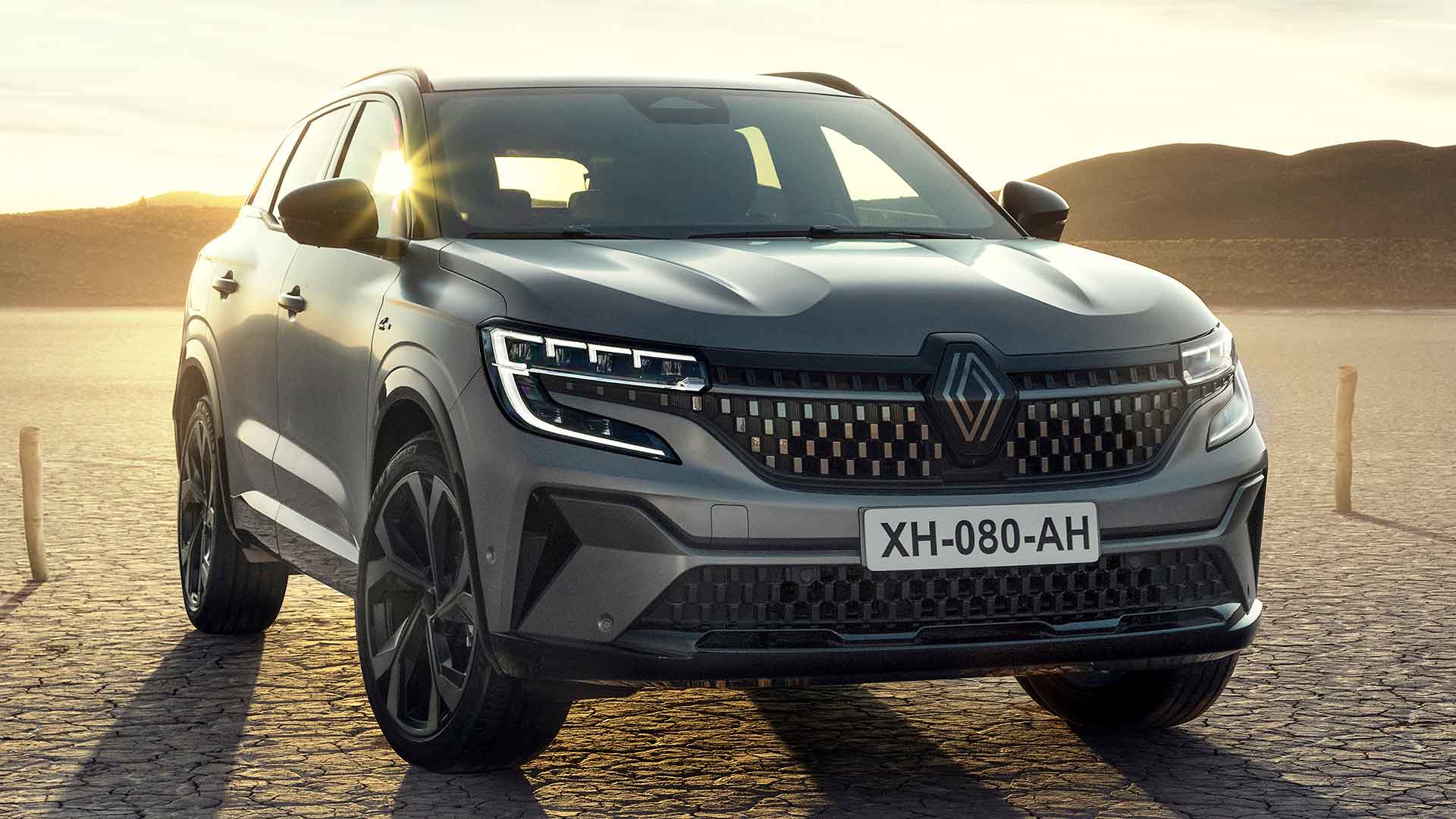
The new Renault Austral has been named AUTOBEST Best Buy Car of Europe 2023 after winning top marks from motoring journalists across Europe.
With a total of 14,937 points from the 31 AUTOBEST jurors, the Renault Austral scooped the Best Buy Car of Europe 2023 prize by a clear margin.
In second place was the new Vauxhall / Opel Astra, on 13,986 points. It was closely followed by the new Peugeot 308, just 53 points behind.
Each AUTOBEST juror has a total of 2,500 points to distribute across the finalists, which this year also include the Dacia Jogger, Honda Civic and Toyota Aygo X.
“Our winner represents the next level of the Renault brand,” said AUTOBEST founder and chairman Dan Vardie.
“It is the best product yet of the French maker, with high-end materials, high perceived quality, superb driving dynamics, an impressive design and probably the best-connected onboard technology of any new car today.
“Austral managed to impress jurors of the largest European motoring media jury, with many placing it as their top vote. With this victory, Renault is making a great comeback to the top of our competition.”
Renault COO Fabrice Cambolive said the award is “a great pride and recognition for all the Renault teams who worked on the project.”
Hyundai Ioniq 6 wins ECOBEST 2023 award
The electric Hyundai Ioniq 6 was also named winner of the ECOBEST 2023 award.
The sleek streamliner-look EV saloon arrives in early 2023 to take on rivals such as the Tesla Model 3 with a concept car look and impressive range of almost 340 miles.
“The ultra-aerodynamic philosophy takes low-drag ideals to a new level,” said the AUTOBEST jury, “a concept that only offer a generous electric range, but also delivers striking streamliner styling that is guaranteed to stand out.
“This bold, intelligent new Hyundai is an authentic piece of technology and a fully deserving ECOBEST 2023 winner.”
Award winners will be presented with their gongs at the 22nd AUTOBEST Awards Gala in Rotterdam, Netherlands on May 11 2023.
All-terrain sports cars are like buses; you wait ages for one, then two arrive at once. Yes, just weeks after the debut of the Porsche 911 Dakar, Lamborghini has revealed the production-spec Huracan Sterrato. The two coolest new cars of 2023? Bring on the twin-test…
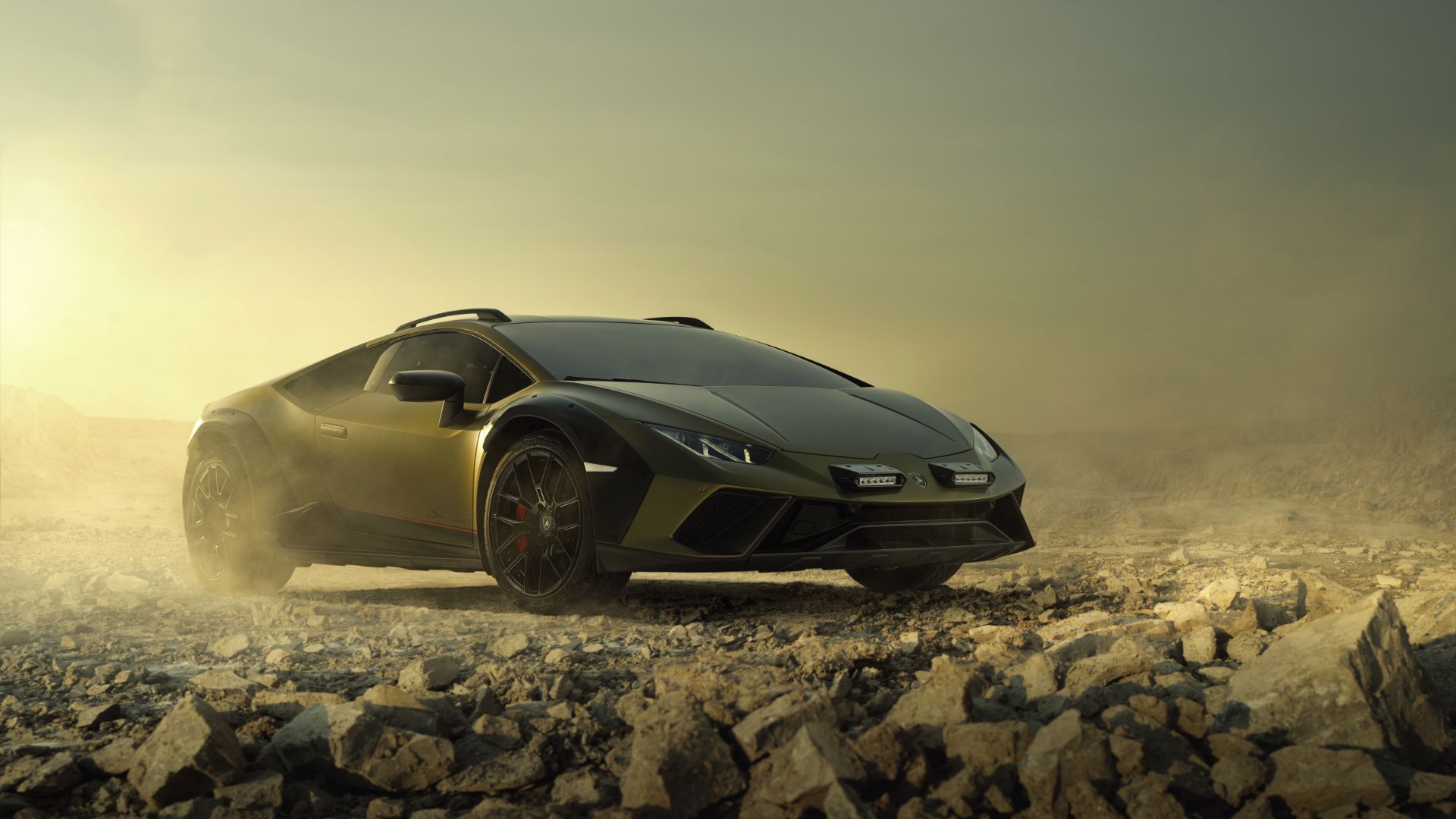
Unveiled at an exclusive event in Copenhagen, the Sterrato resembles the mutant offspring of the Huracan supercar and Urus SUV. Rugged styling and raised ground clearance mean it can venture off-piste into‘the world’s most exciting driving environments’.
This is the final derivative of the Huracan after eight years on sale – and also the last Lamborghini with a naturally aspirated engine. Only 1,499 examples will be made (there’s no forthcoming Spyder version, we’re assured), at a likely price of around £270,000.
Off the beaten track
The new Huracan’s pounding heart is the familiar – and utterly glorious – 5.2-litre V10, shared with the Audi R8. Here, it develops 610hp: good for 0-62mph in 3.4 seconds and a top speed of 162mph.
That’s slower than the 3.0sec and 190mph of the hardcore Huracan STO, of course, but the Sterrato can take a short-cut across the fields to catch up.
Along with 44mm of extra ground clearance, the car has a wider track and up to 35 percent more wheel travel. It also features an aluminium front skidplate, reinforced sills and a new rear diffuser, plus a roof scoop to feed that ravenous V10 with clean air when the Bridgestone all-terrain tyres are churning up dust.
External add-ons include fixed front driving lights and integrated roof rails (Lamborghini is working on a range of ‘lifestyle’ accessories, such as snowboards), while the digital dashboard now offers an inclinometer, compass and a readout of your geographic coordinates. You’ll never get lost in Knightsbridge again.
Engage Rally mode
While it won’t cause sleepless nights in Solihull, the Sterrato should be brilliant fun on gravel tracks, sand, snow and other loose ground. In addition to the usual Strada and Sport, a new Rally driving mode, selected via toggle on the steering wheel, is optimised for low-grip surfaces.
“It makes you feel like the best driver in the world,” says Luca Pacini, Lamborghini’s head of R&D. “You just want to keep having fun until the fuel tank is empty”
This last-hurrah Huracan rounds off a year of record sales and record profits for Lamborghini. The company is now looking ahead to 2023 and the replacement for the Aventador, due in March. You’ll read about it first here.
The Toyota BZ4X electric SUV has had a troubled start to life. It was launched to much fanfare in May 2022 – yet just a month later, production of Toyota’s first EV had halted, and a global recall was issued.
The problem? The wheels could come loose. Toyota also discovered a second issue, regarding the car’s airbags. Around 2,700 customer cars were taken off the road while a fix was developed – something that took four months to arrive.
When deliveries finally started again, press car loans could also recommence. As a juror for World Car Awards, the largest automotive awards initiative on the planet, I was eager to drive the new BZ4X, as it is one of the cars on the 2023 longlist.
The car duly arrived on 21 November. The driver kindly delivered it with around 80 percent charge showing – but I was puzzled to read this meant a range of only around 140 miles.
This, remember, is an EV with a large 71.4kWh battery. The usable capacity will be less, but surely it’s still carrying enough charge to serve up a better range than that?
Indeed, my test car, a Toyota BZ4X Vision AWD, should do 260 miles between charges, according to the official WLTP test cycle. Now, nobody gets close to the WLTP figures, as it’s still on the lenient side – particularly for those of us in chilly Britain (the test is conducted at 23 deg C) – but surely the total mileage must be better than this?
I didn’t think too much of it, as the car had just been delivered, and maybe the range was factoring in things I wasn’t aware of. I vowed to fully charge it and see if that helped.
Alas, a troublesome long-term Volvo XC40 Recharge test car – also an EV – was blocking my driveway. It had broken down for the third time over the weekend, and the recovery truck brought it back with zero percent charge. So, as that was trickling on the home charger to try and breathe some life back into it, I went to the local Morrisons instead.
Oddly, this public charger refused to work with the Toyota BZ4X, despite numerous attempts. This wasn’t going well. And I had a jaunt to Heathrow planned for early the next day. There was only one thing for it: use my own petrol-powered BMW 330i and review the Toyota situation on my return.
When I eventually got back home, it was Friday. I had an important event to attend, and the car was still showing a meagre charge, so I decided to leave early and charge it en route at Rugby motorway services. And try to work out what was going on.
After waiting 15 minutes for a Gridserve charger to become free, I zipped into a gap and prepared to plug in. “That one’s broken, mate,” said the person who’d been there previously, and was now plugging into the only other free charger. “It might work for you. It didn’t for us.”
It didn’t for me, either.
I was now at risk of being late, so had to depart with no charge. Of course, this wasn’t the car’s fault. I made it to the event, but couldn’t then continue to the other event I was due to attend, because of the risk of running out of charge.
There was only one thing for it: go back to Rugby services with crossed fingers. I got there in power-saving mode, with 15 miles of range remaining.
I charged up to 89 percent. Which gave me… 147 miles of range. That’s around 160-165 miles on a full charge. Somewhat below the claimed 260 miles the BZ4X is meant to do. Remember, this is a £52,000 EV.
I was then reminded of the funny little fan symbol next to the range indicator. ‘A ha!’, I thought and turned off the climate control. As if by magic, 40 miles of range was added. I flicked it back on, then it instantly dropped right back down.
So, you have to drive the Toyota BZ4X around with the air-con turned off in order to get anything like a usable range? Crazy.
It’s not just me
When I got back home, I did some reading around it. Turns out some testers in Norway have discovered the same thing. Their feature is headlined:‘Toyota BZ4X range disappoints’.
“I can reveal that this is the first time we’ve had to run our tests multiple times, as we were scarcely able to believe the first results we got,” the writer said.
Their front-wheel drive car was meant to return 292 miles, according to the WLTP test. They were promised just 184 miles, with the climate control turned on. They tested it from a full battery to, literally, zero percent charge. Total range: 190 miles.
Toyota makes brilliant hybrids. They have globally cut an incredible amount of CO2 emissions. But its move into the world of electric cars is proving decidedly lumpy so far.
The real-world range of my test Toyota BZ4X was little short of appalling, and way off the standards expected. My Volvo may have broken down multiple times, but it is still able to consistently serve up a real-world range of 230 miles from a 78kWh battery (and other cars do much better even than this).
I can also use the climate control when doing so.
I’ve asked Toyota to check if there’s a problem with my test BZ4X. I’ll report back when they respond, and let you know if the troubled story of the Toyota BZ4X continues.
Renault has become the world’s first car brand to offer built-in Waze sat nav directly through a car’s infotainment system.
Instead of using Waze directly on a smartphone, or either Apple CarPlay or Android Auto connection, Waze is now integrated into the OpenR Link multimedia system of the new Renault Megane E-Tech Electric and Renault Austral E-Tech hybrid SUVs.
It means drivers can, for the first time, use Waze through the large-format infotainment screen of the new Renaults, rather than their smartphones.
Owners therefore don’t have to worry about smartphone or USB cables in order to use Waze.
Waze is a popular sat nav app that is used by millions of motorists around the world. It provides real-time routes, advanced navigation and a unique array of Waze alerts, all sourced from the Waze community.
‘Wazers’ earn points for notifying others of traffic jams or other road hazards.
We have Waze
Integrating Waze into the large-format Renault infotainment systems means users will be able to contribute more easily – and, importantly, more safely.
Renault has been able to integrate Waze directly into its OpenR Link multimedia system thanks to it being based on the Google Android Automotive OS platform.
This futuristic system “redefines the in-car experience,” says the firm, as it is “intuitive, immersive and connected”.
Given the popularity of Waze, building it into its cars’ infotainment systems is a real coup for Renault.
The Waze app is rolling out now in the Google Play store for all new Renault Megane E-Tech Electric, along with the upcoming Renault Austral E-Tech hybrid family SUV which arrives in 2023.
A bespoke 1972 Porsche 911 Targa will be auctioned this month to celebrate the 50th anniversary of Porsche Design.
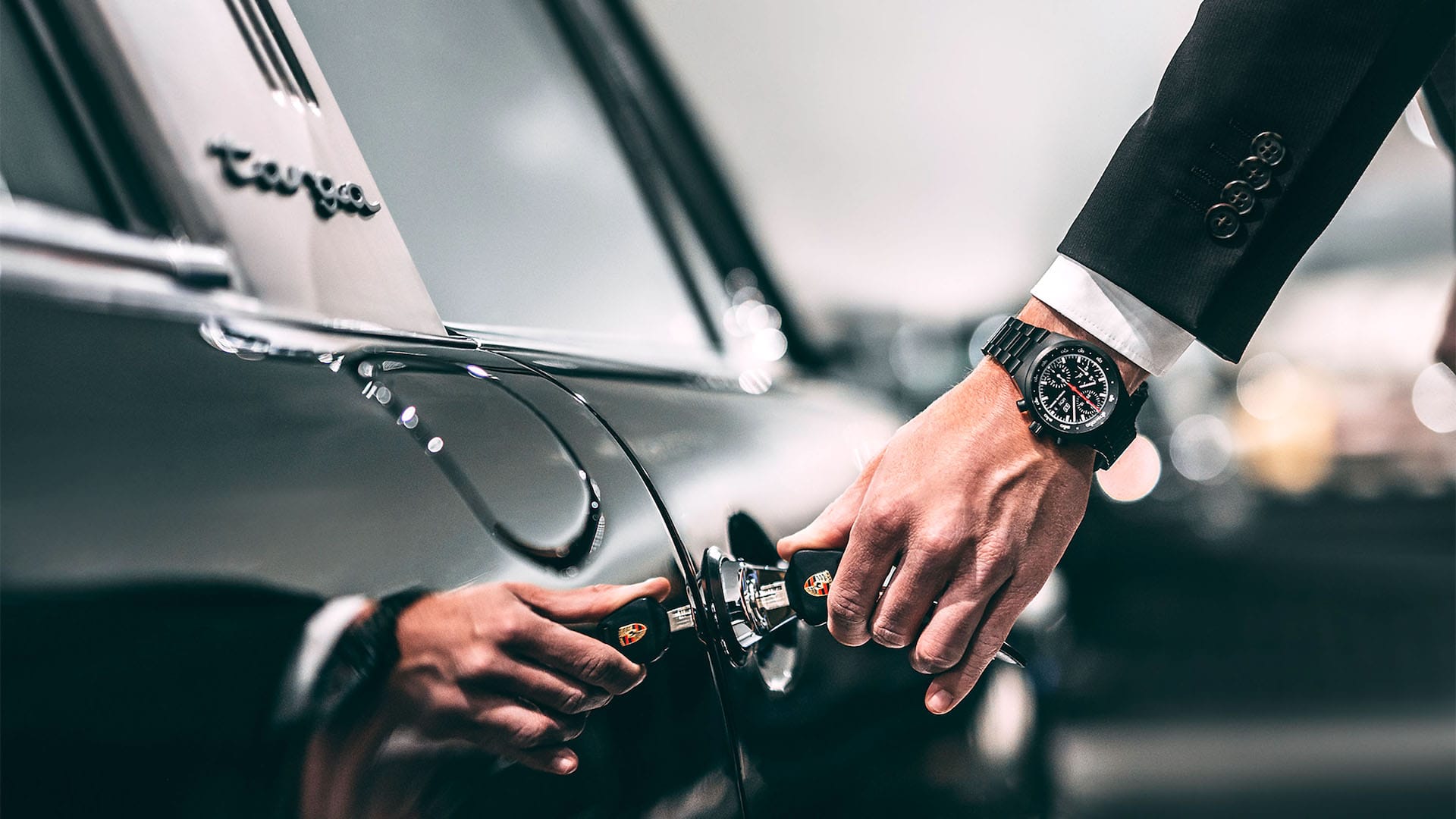
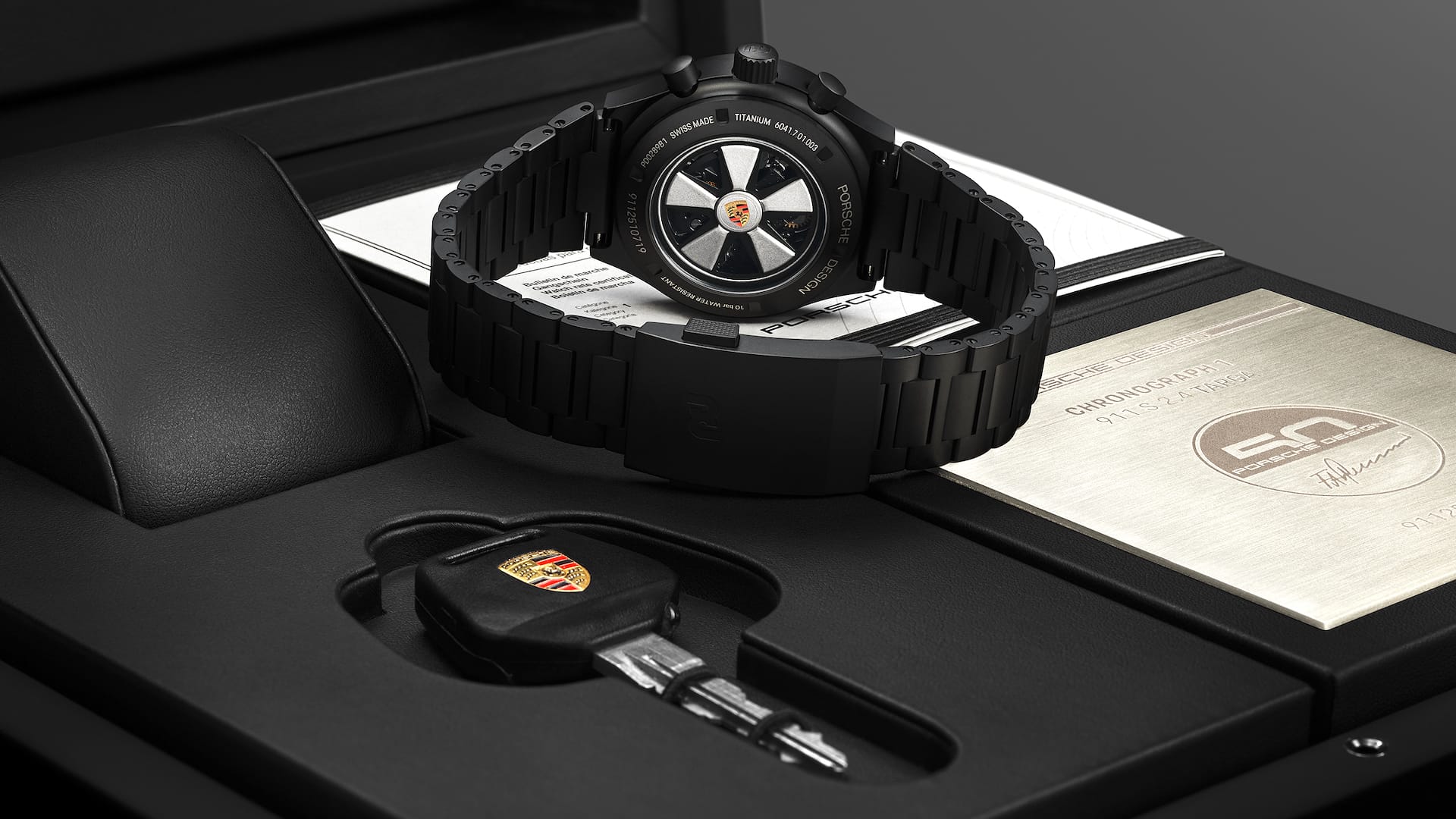
The 911 is being sold as part of Sotheby’s Luxury Week in New York. The winning bidder will also receive a one-of-a-kind wrist watch: the Chronograph I – 911S 2.4 Targa.
Both the car and watch pay tribute to the work of F.A. Porsche, who founded Porsche Design in 1972.
Five decades of design
While other members of the Porsche family had an engineering focus, Ferdinand Anton Porsche had a particular interest in product design and craftsmanship. His early work included styling the original Porsche 911, along with the 904 racing car.
A change in management policy led F.A. Porsche to create Porsche Design Studio in 1972. He was later joined by his brother, Hans-Peter Porsche.
Porsche Design’s first product was the Chronograph I wristwatch, featuring a radical matte black steel finish. The company has since designed everything from sunglasses to luggage, and kettles to toasters.
Back in black
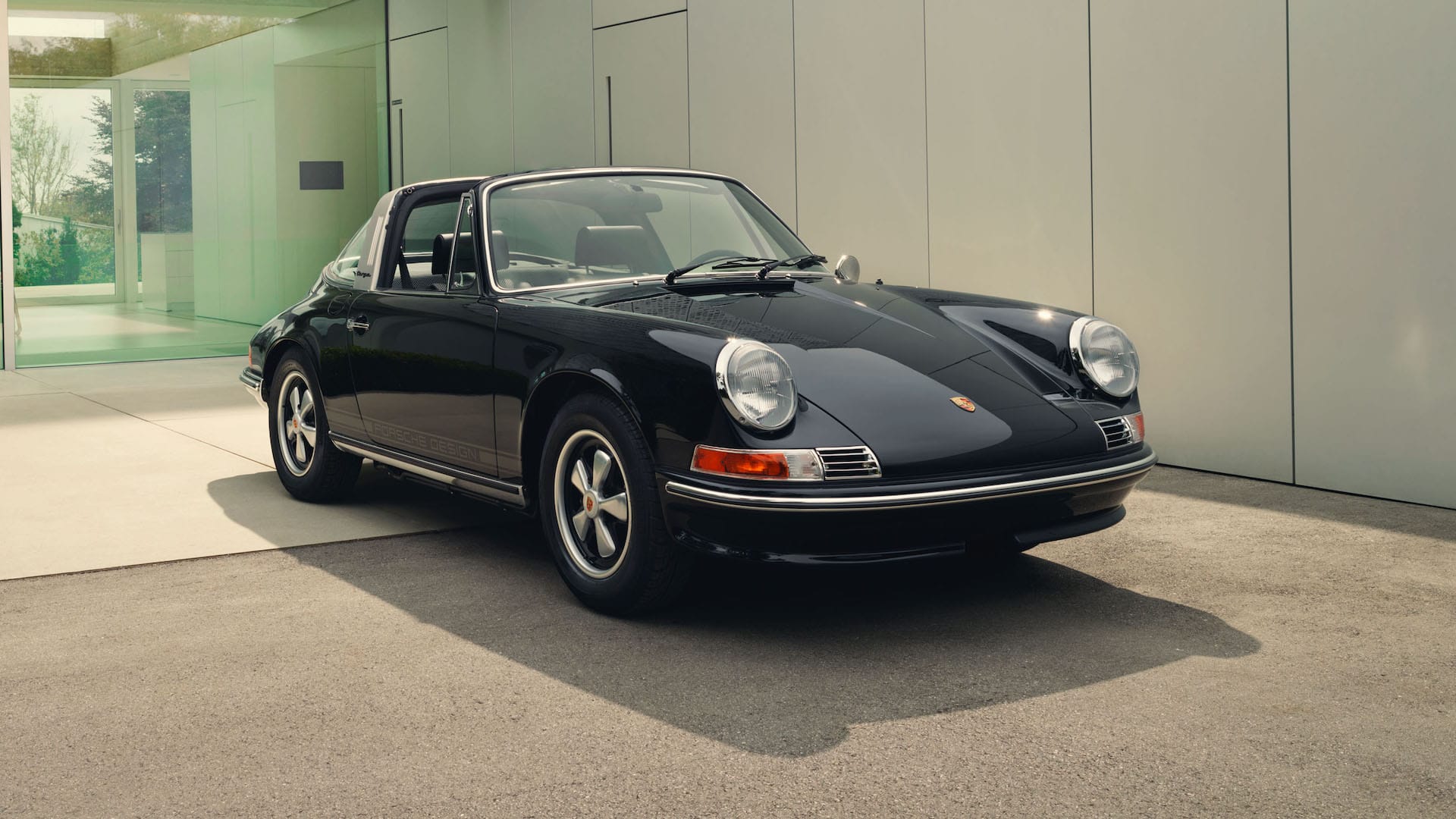
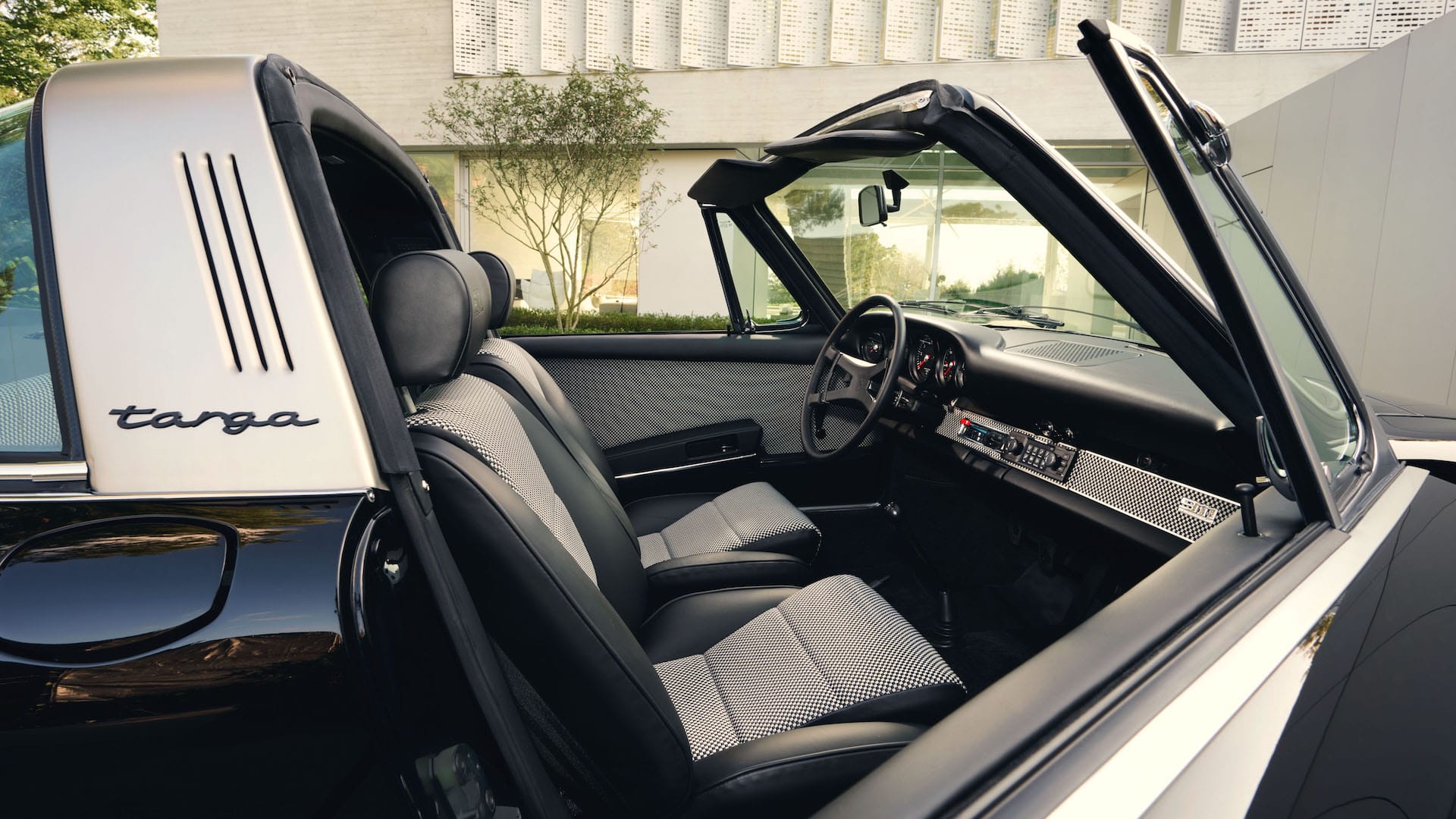
Star of the auction is the 1972 Porsche 911S 2.4 Targa, thoroughly restored and refurbished by experts at Porsche Classic over a period of two years. The Sonderwunsch (special request) scheme was used to access a wider range of custom finishes.
Components from the higher-specification ‘S’ version include a 190hp engine, replacing the Targa’s original 130hp flat-six. Chassis and brake upgrades were fitted, too.
Solid black paint, the preferred choice of F.A. Porsche, is used for the exterior. The classic Fuchs wheels have an anodised finish, with a platinum satin effect for the Targa roll bar and other exterior details. ‘Porsche Design’ lettering is on the sill stripes.
Inside, the Targa has black leather seats with retro-styled Sport-Tex fabric inserts. This trim can also be found on the dashboard and door cards.
Bid for Porsche Design history
The Chronograph I – 911S 2.4 Targa watch has a unique winding rotor on the back of its case. Echoing the shape of Fuchs wheels, it was developed by Porsche Design’s in-house watchmakers.
Both the 911 Targa and Chronograph I watch have spent much of 2022 on display, acting as central exhibits for the ‘50 Years of Porsche Design’ show at the Porsche Museum in Stuttgart.
As part of Sotheby’s Luxury Week 2022, both items will be auctioned online between 29 November and 14 December 2022.
A pre-sale estimate of £240,000 to £330,000 has been suggested for this desirable Porsche car and watch combo.
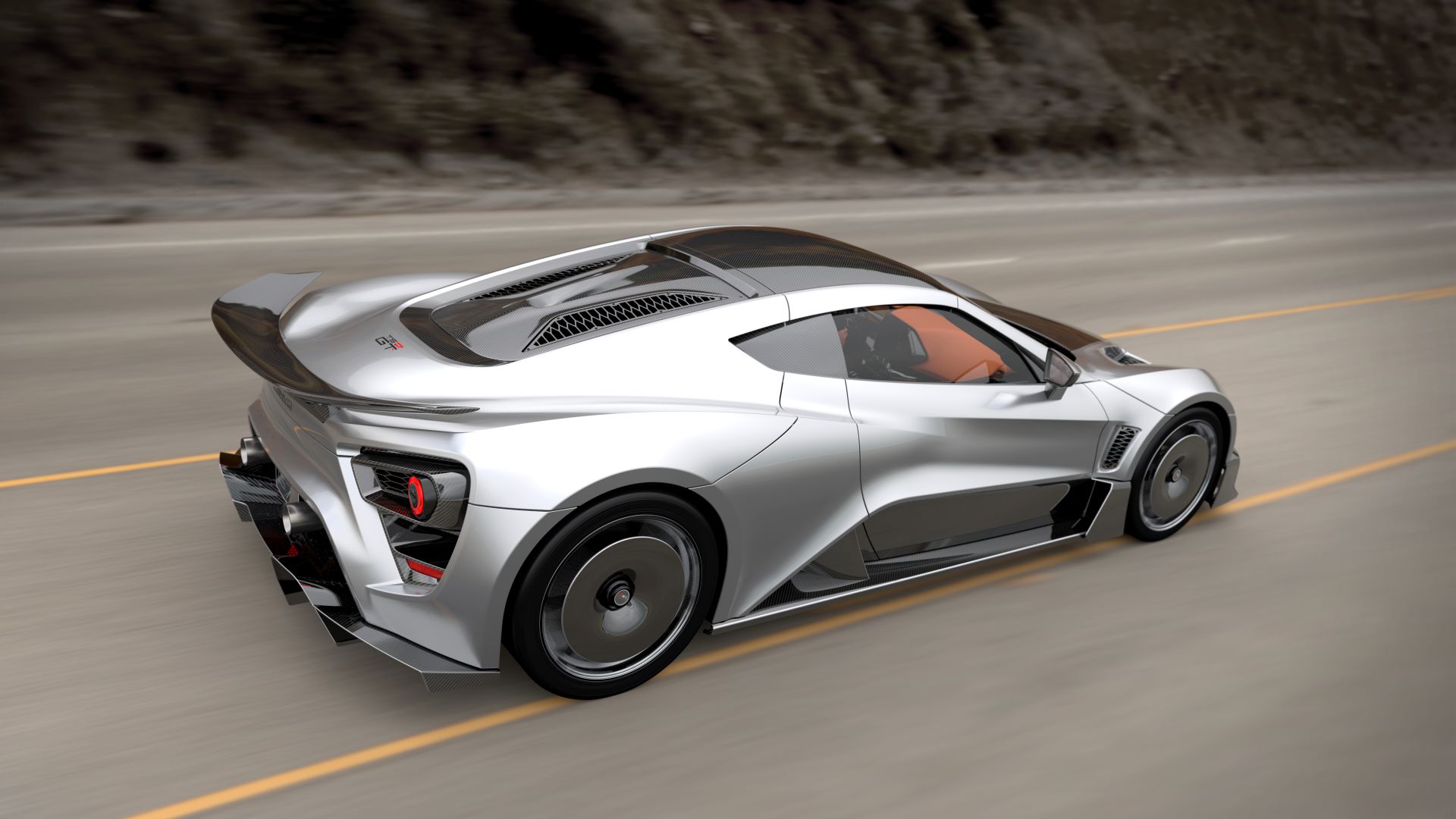
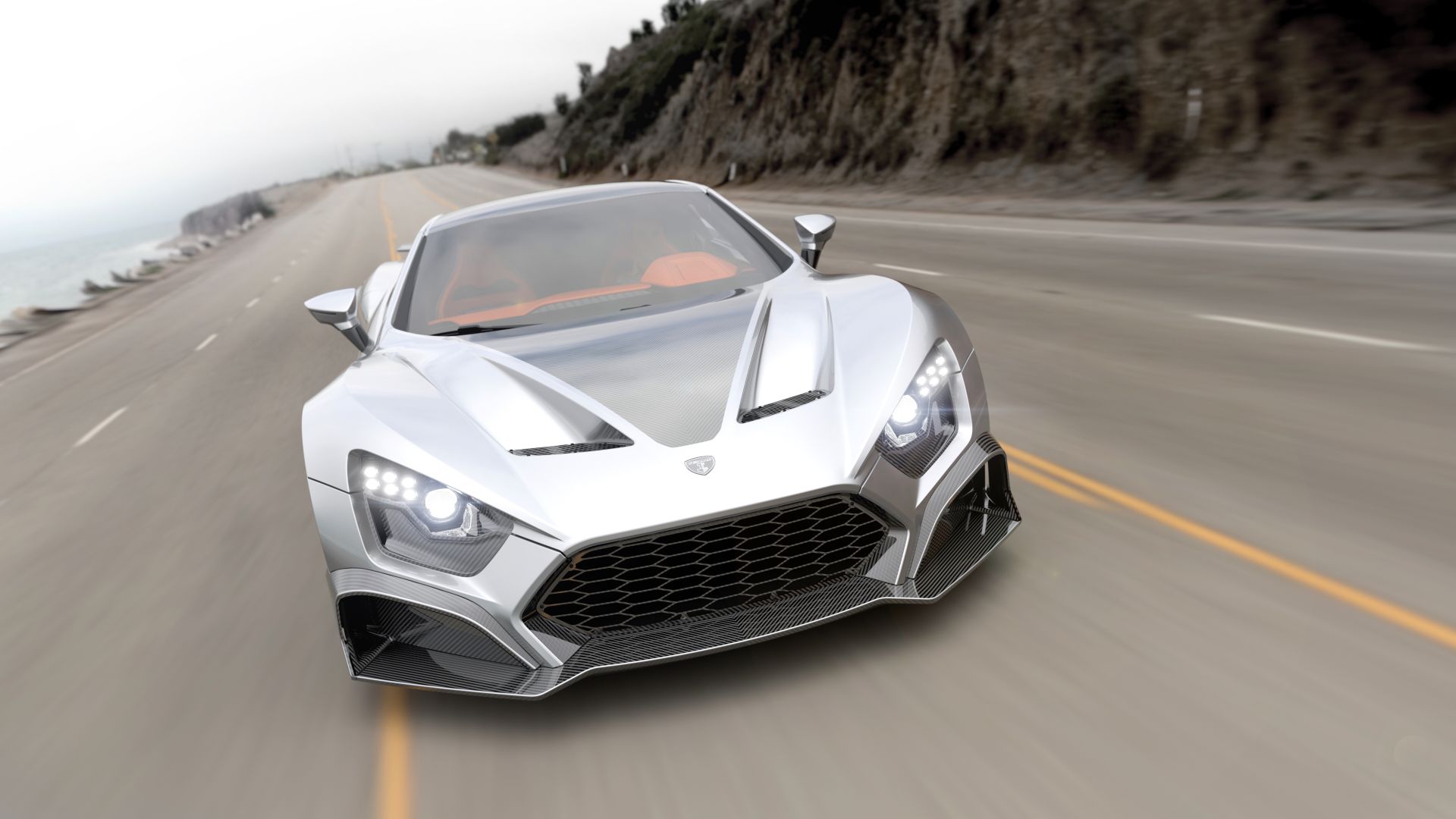
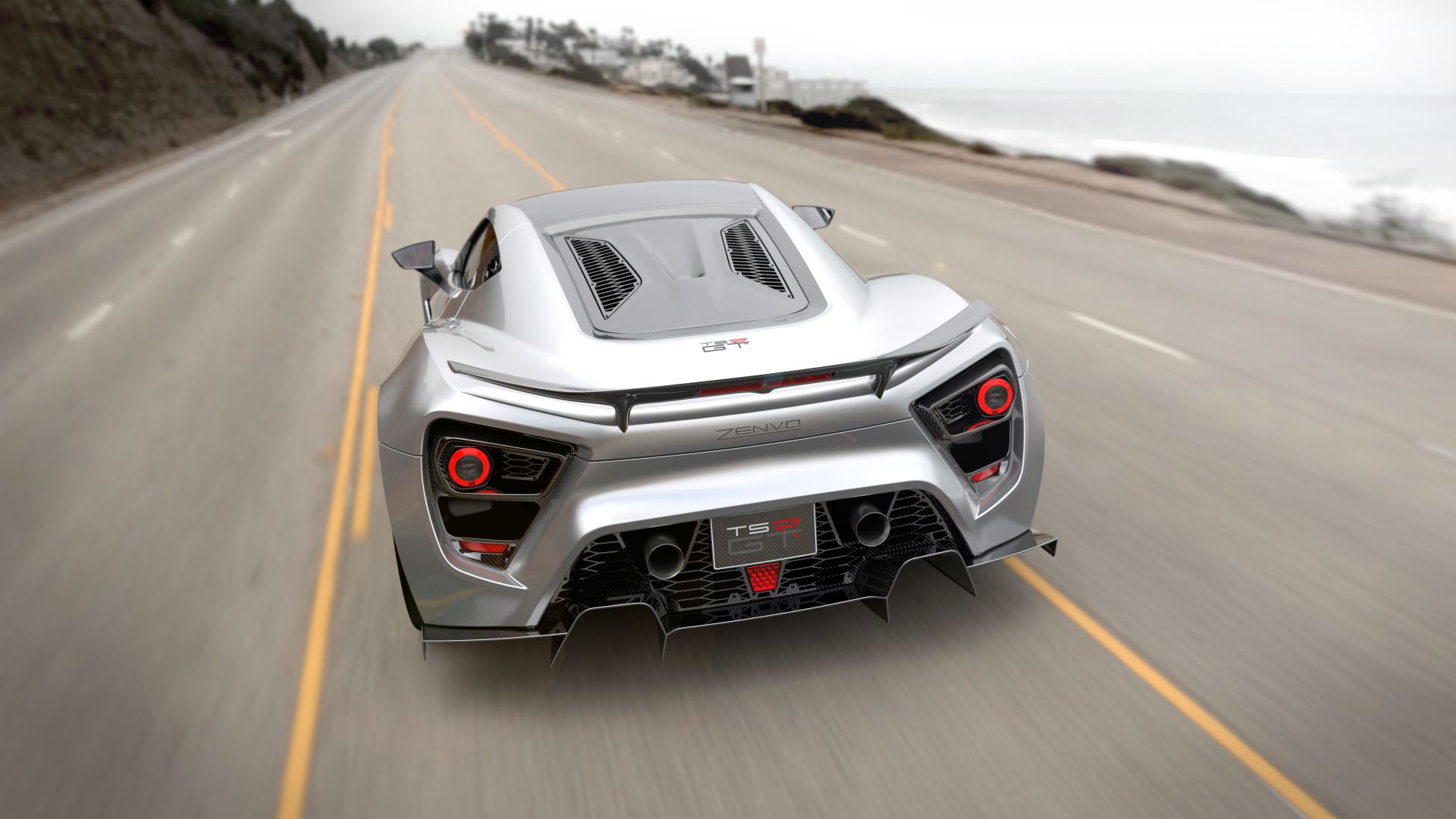
Zenvo has revealed a final, ‘low-drag’ version of its TS model: the TSR-GT. With aero wheel discs and an elogated rear spoiler, the Danish hypercar can reach a top speed of 263mph.
The luxurious, less track-focused TSR-GT is a last hurrah for the TS series after six years in production. Zenvo plans to launch a new hybrid hypercar in autumn 2023.
Only three examples of the TSR-GT will be made – and all have already been sold. The price hasn’t been published, but reckon on at least £1.5 million.
Spoiler alert
The mid-mounted, twin-supercharged V8 of the TSR-GT is fitted with the new TS Power Pack. This increases output from 1,193hp in a ‘standard’ TSR-S to 1,379hp here.
Driving the rear wheels via a brutally quick sequential gearbox with helical-cut dog gears, it blasts the Zenvo to 62mph in less than three seconds.
The new rear spoiler is hand-made from pre-preg carbon fibre, and replaces the unique ‘centripetal’ wing of the TSR-S. The latter item can tilt while cornering to boost downforce, and also flips up to function as an airbrake.
The GT’s wing is fixed and designed to reduce drag – helping towards that headline-grabbing 263mph top speed (up from 202mph in the TSR-S).
Young, wild and Schmee
Inside, the GT swaps the raw, racecar feel of its siblings for a more comfortable and refined environment. There’s leather instead of Alcantara on the seats, dashboard and steering wheel, along with ‘noise reducing’ mats to cover the carbon fibre floor.
Zenvo chairman Jens Sverdrup, who joined from American hypercar marque Czinger in 2021, said: “A new era for Zenvo beckons, but before then, we’ve created our interpretation of a GT variant of the TS platform. We’ll make just three models, all of which are allocated to global collectors, much like Tim Burton’s [AKA YouTuber Schmee150’s] TSR-S, which he took delivery of in August.
“The final edition of the TS Zenvo platform – the TSR-GT – warrants a drastic styling change, yet remains in keeping with the traditional Zenvo aesthetic. This is a fitting addition to the TS platform, which has spanned across four models. Originally established in 2016, it has created the race-only TSR, TS1 GT and famed TSR-S hypercars.”
Perfect power-to-weight
So what comes next? Speaking to us in an interview for Robb Report last year, Zenvo founder Troels Vollertsen confirmed the forthcoming new car is a hybrid, rather than fully electric.
“It will be an ultra-lightweight car for road or track use,” he explained. “It’s a clean-sheet design, albeit with recognisable Zenvo DNA. Hybrid tech opens up a lot of possibilities. The batteries will offer extra boost and energy recuperation, while the electric motor also acts as a starter generator and reverse gear.
“We are running a test mule with a hybrid gearbox at the moment, and working on rear- and four-wheel-drive versions of the platform. I don’t have any figures, but we’re aiming for a power-to-weight ratio of one horsepower per kilogram.”
We’ll be following the Zenvo story closely in 2023. One thing seems certain, however: this small company from Praesto, near Copenhagen, certainly isn’t slowing down.
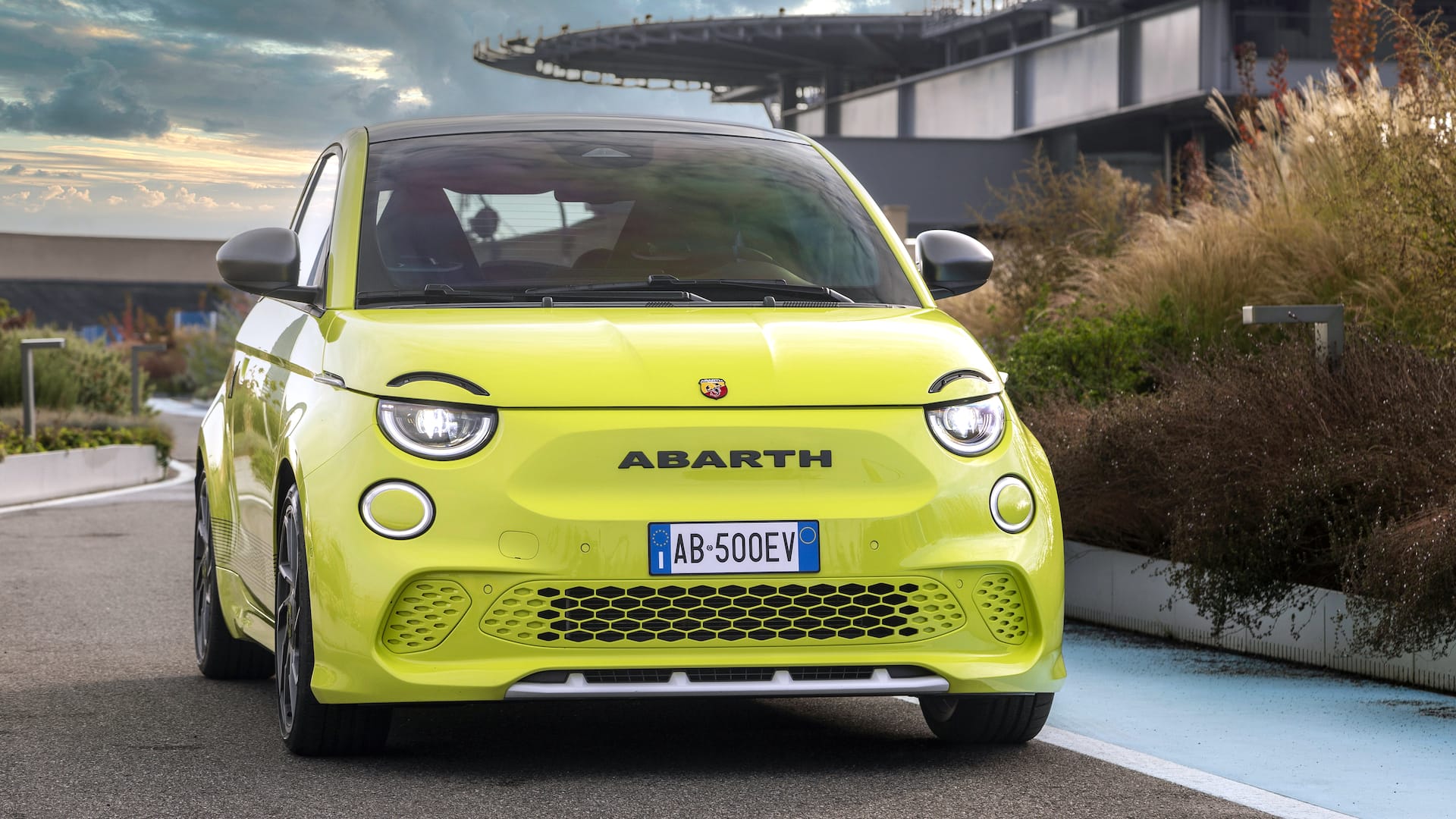
Sporting Italian marque Abarth has revealed its new 500e hot hatchback, with electric power for enhanced performance and lower emissions.
The Abarth is based on the battery-powered version of the Fiat 500 city car, but with a greater emphasis on speed and handling.
Abarth says the new electric 500 is one-second-a-lap faster around its Balocco test track than the outgoing, petrol-powered Abarth 695.
‘More Abarth than EVer‘
The Abarth 500e uses the same 42kWh battery as the higher-spec Fiat, but increases output from the electric motor to 155hp. A healthy 173lb ft of torque aids acceleration, powering this pint-sized EV from 25mph to 37mph (40km/h to 60km/h) in only 1.5 seconds.
When it comes to the benchmark 0-62mph sprint, the Abarth 500e takes exactly 7.0 seconds.
Turismo, Scorpion Street and Scorpion Track driving modes are available, adjusting performance and regenerative braking action. Both Turismo and Scorpion Street modes allow for one-pedal driving, helping to recharge the 500e’s batteries on the move.
The Abarth 500e offers 85kW fast-charging, allowing an 80 percent battery top-up in only 35 minutes.
Gasoline and guitars
Abarth says the 500e is the first city car to be offered with an optional sound generator. This replicates the noise of a petrol-powered Abarth for those not ready to fully let go of the past.
There is also a ‘strumming guitar’ sound, made whenever the Abarth exceeds 12mph.
Compared to the Fiat 500e, the Abarth has a longer wheelbase and a wider track. Helping it stand out are a new front bumper, LED lights, a white front splitter and titanium grey mirror caps.
Like the Fiat version, the Abarth 500e will be offered in both hatchback and roll-top cabriolet body styles.
Scorpionissimato start
A Scorpionissima special edition celebrates the Abarth 500e’s debut, with production limited to 1,949 units. Buyers can pick Poison Blue or searing Acid Green paintwork, with contrasting side graphics and a set of 18-inch diamond-cut alloy wheels.
Alcantara sports seats, a fixed glass roof on hatchback models, tinted windows and a 10.25-inch touchscreen are all standard-fit on these launch cars.
Prices for the Abarth 500e have yet to be confirmed, although members of the online Abarth community can place orders for the Scorpionissima version now.
“The World Car Awards are held in the highest regard by the industry and, as a recipient, I appreciate how much it means to a design team to have it proudly on display in the studio,” said Ian.
“Reimagining both the design and manufacture is a huge privilege, and just the opportunity the team at Callum relish.”
Innovatively, they are to be 3D printed, using Replique’s advanced additive manufacturing techniques. This is a process that is growing fast across the automotive industry, and is now being enthusiastically embraced by World Car Awards.
“We are proud to be chosen as the manufacturer of this year’s World Car Awards, and by that, take part in such an important event within the automotive industry,” said Replique co-founder Henrike Wonneberger.
“The award is an excellent example of how 3D printing can realise flexible designs in small quantities, quickly and in high quality.”
World Car Awards is the largest global automotive awards initiative of all – and has been for 10 consecutive years. The Road to World Car 2023 is already underway, with more than 100 global jurors now assessing the latest new cars.
Unlike the Porsche 911 GT3 RS we drove recently, we haven’t sampled the Tolman 205 GTI on the Top Gear test track. However, if you watched the BBC motoring show last night, you’ll know the TG team – Harris, Flintoff and McGuinness – did just that. So why is everyone getting excited about an old Peugeot?
Well, as any car bore will tell you, the 205 GTI is widely considered the greatest hot hatchback of all time.
Eager performance, agile handling and steering that fizzed with feedback all made it a standard-setting, life-affirming joy to drive. Factor in practicality and affordable prices and a giant-killer was born.
‘Jump in and drive’
Warwickshire-based Tolman Motorsport aims to enhance the GTI without diluting its classic character. Founder Chris Tolman said: “Back in the 80s and 90s, for me and I’m sure many others, 205 GTIs were a first taste in performance cars: something rewarding, responsive and engaging.
“We wanted to recreate that feeling of being at one with the road, a car you can just jump in and simply enjoy driving hard. Current hot hatches surpass these cars in so many areas, but despite having loads of power and incredible dynamics, they fail to rekindle that emotional involvement that made us feel special with the 205.”
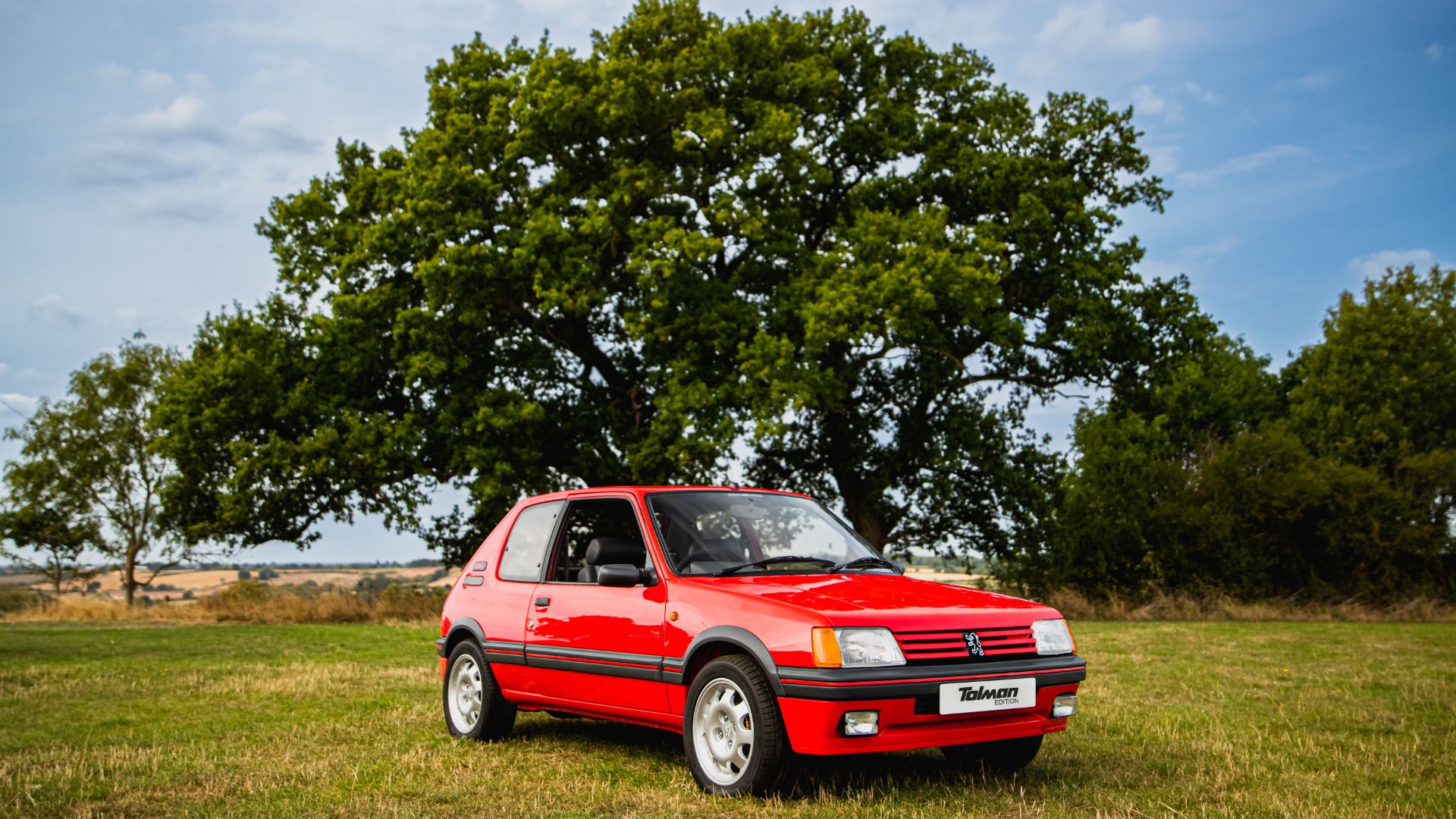
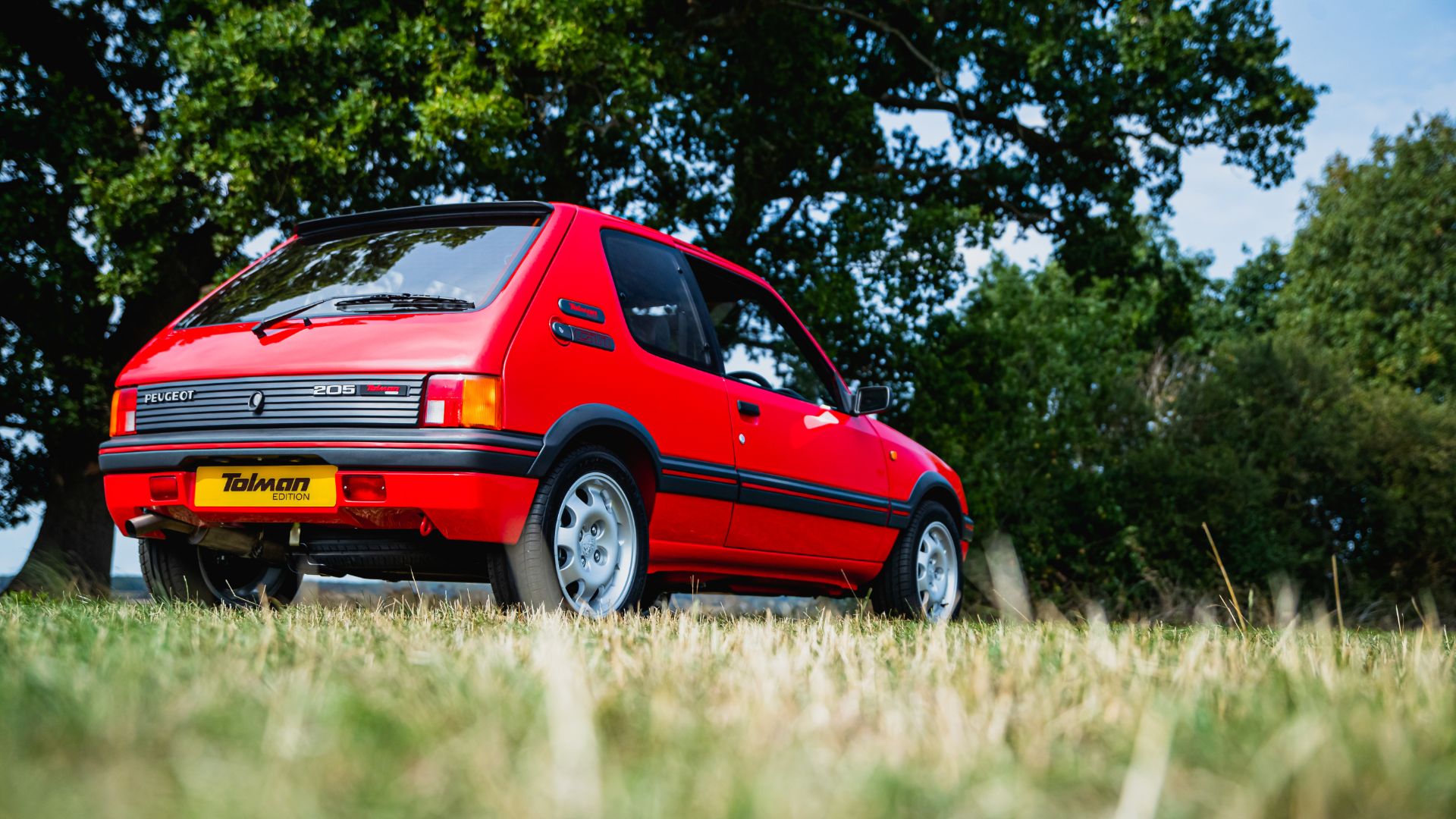
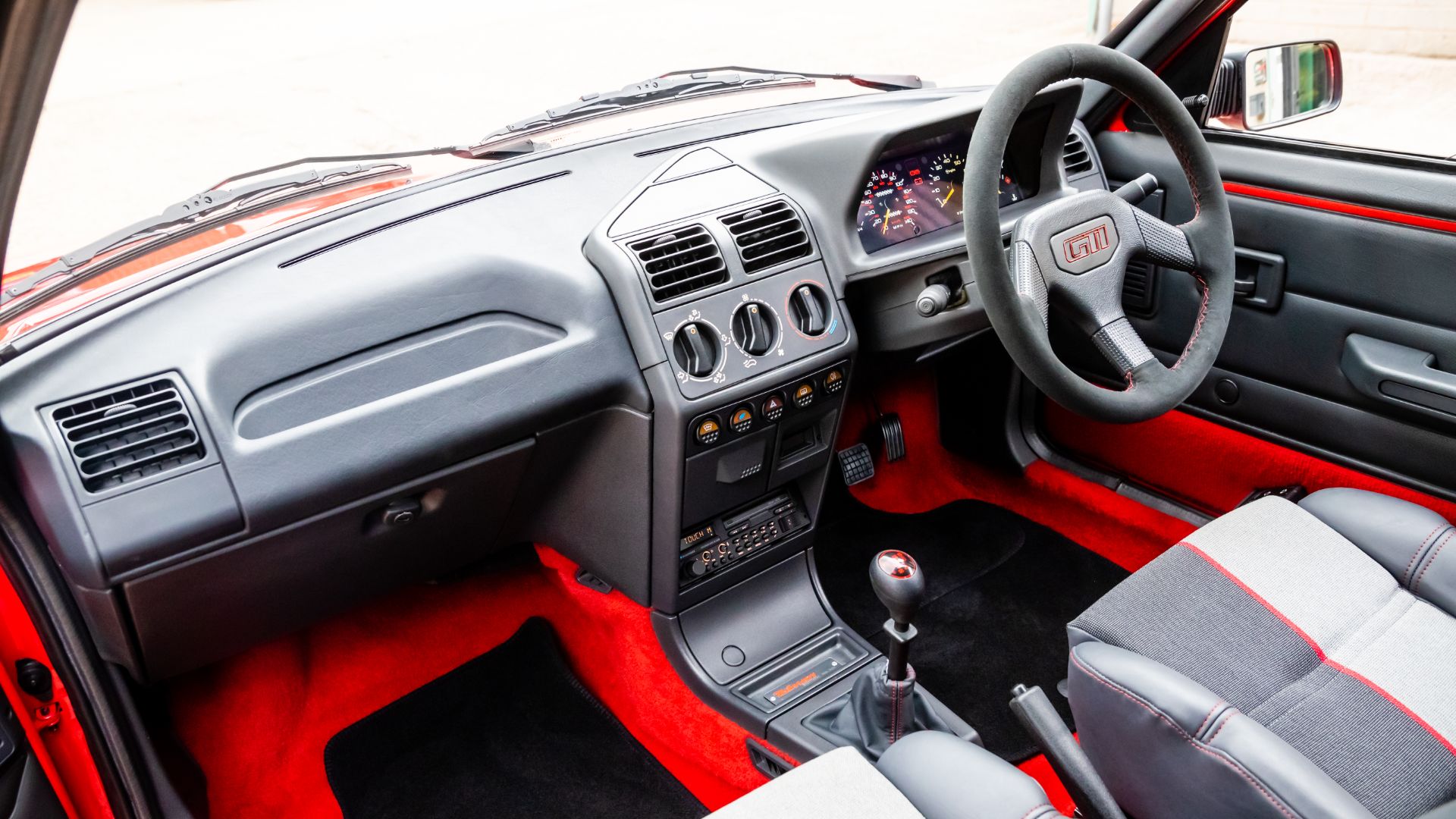
The Peugeot 205 GTI Tolman Edition (to use its full title) is an ‘OEM+’ restomod, rebuilt from a bare shell – a process that takes 700 hours – with more power, electronic engine management, uprated suspension, better brakes, corrosion protection and modern LED lighting.
Optional extras include a Quaife limited-slip differential, air conditioning, digital dials and a touchscreen with Apple Carplay and Android Auto connectivity.
The Tolman treatment
We drove the 130hp 1.6-litre development car, as featured on Top Gear, last summer. Our verdict? ‘It feels like a 205 GTI after a few months at the gym: fitter and more focused.’
Now the first customer Tolman Edition (pictured here) has been revealed, complete with some choice upgrades – notably a 1.9-litre 16-valve engine producing a zesty 200hp. In a car weighing around 900kg, that should be plenty…
Prices for the restomod 205 GTI start from £55,000, and we’re told other hot hatches of the 1980s and 1990s will get the Tolman treatment soon. It will be interesting to see what the company tackles next. A Renault Clio Williams, perhaps, or a Ford Escort Cosworth? Watch this space.
A new ‘Scrap Car Santa’ scheme aims to deliver Christmas cheer to vulnerable children and communities.
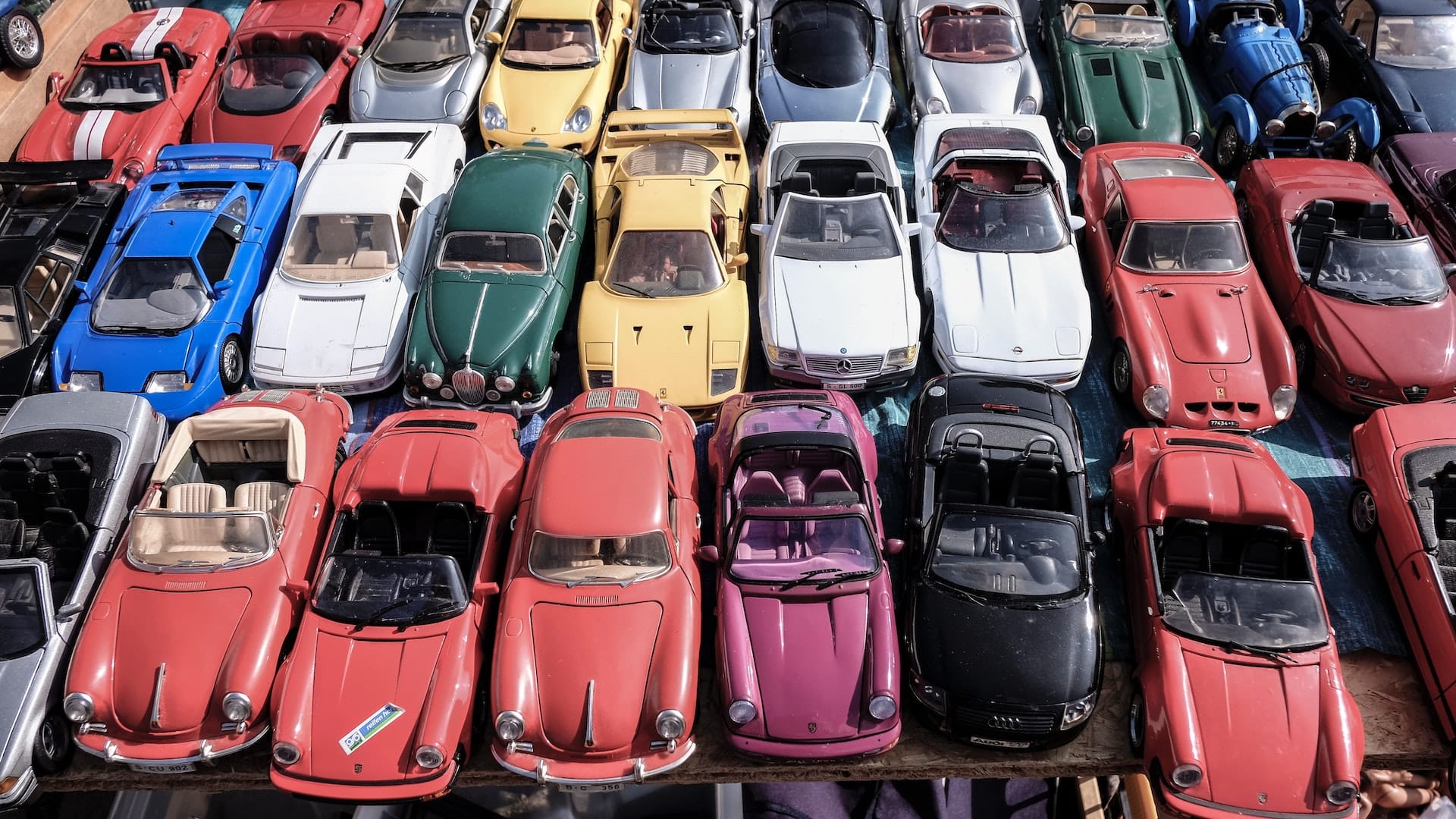
The partnership between car scrappage service Scrap Car Comparison and The TOY Project will see pre-loved toy cars gifted to new owners.
The hope is to see miniature vehicles donated to help families, schools, and nurseries – both in the UK and abroad.
The Scrap Car Santa project is now looking for donations of toy cars, in order for them to be recycled.
Donate unwanted toy cars
Unsplash / Mohit Suhair
Donations to the Scrap Car Santa scheme can be made until Sunday 4 December 2022. Those looking to help should post their old toy cars to: Scrap Car Comparison at The TOY Project, 81 Junction Road, Archway, London, N19 5QU.
Toys submitted need to be clean and complete, and also have a valid CE mark to be included. No soft toys will be accepted as part of the Scrap Car Santa campaign.
Jane Garfield, director at The TOY Project, commented: “We’re grateful to all the children and parents who have donated their much-loved toy cars for other children to enjoy. Toys are important to children for many reasons. The opportunities toys can create for development and enjoyment are unlimited. In recycling your unwanted cars, we will ensure that these opportunities are accessible for all children.”
Scrap a real car to help, too
Unsplash / Documerica
Scrap Car Comparison will also offer those scrapping a real car in December the chance to donate some, or all, of the profits to The Toy Project.
Dan Gick, managing director at Scrap Car Comparison, said: “We’re delighted to be partnering with The TOY Project this festive season to help give pre-loved toy cars a new lease of life. We’re well-versed in recycling grown-ups’ cars – but outgrown toy vehicles need recycling too. We’re over the moon to be working in partnership with The TOY Project, to help us find loving new homes for the nation’s unused toy cars.
“The work The TOY Project does is so important in supporting vulnerable children up and down the country. We hope that our Scrap Car Santa scheme will help to bring some joy to those in need this Christmas.”