Home Blog Page 133

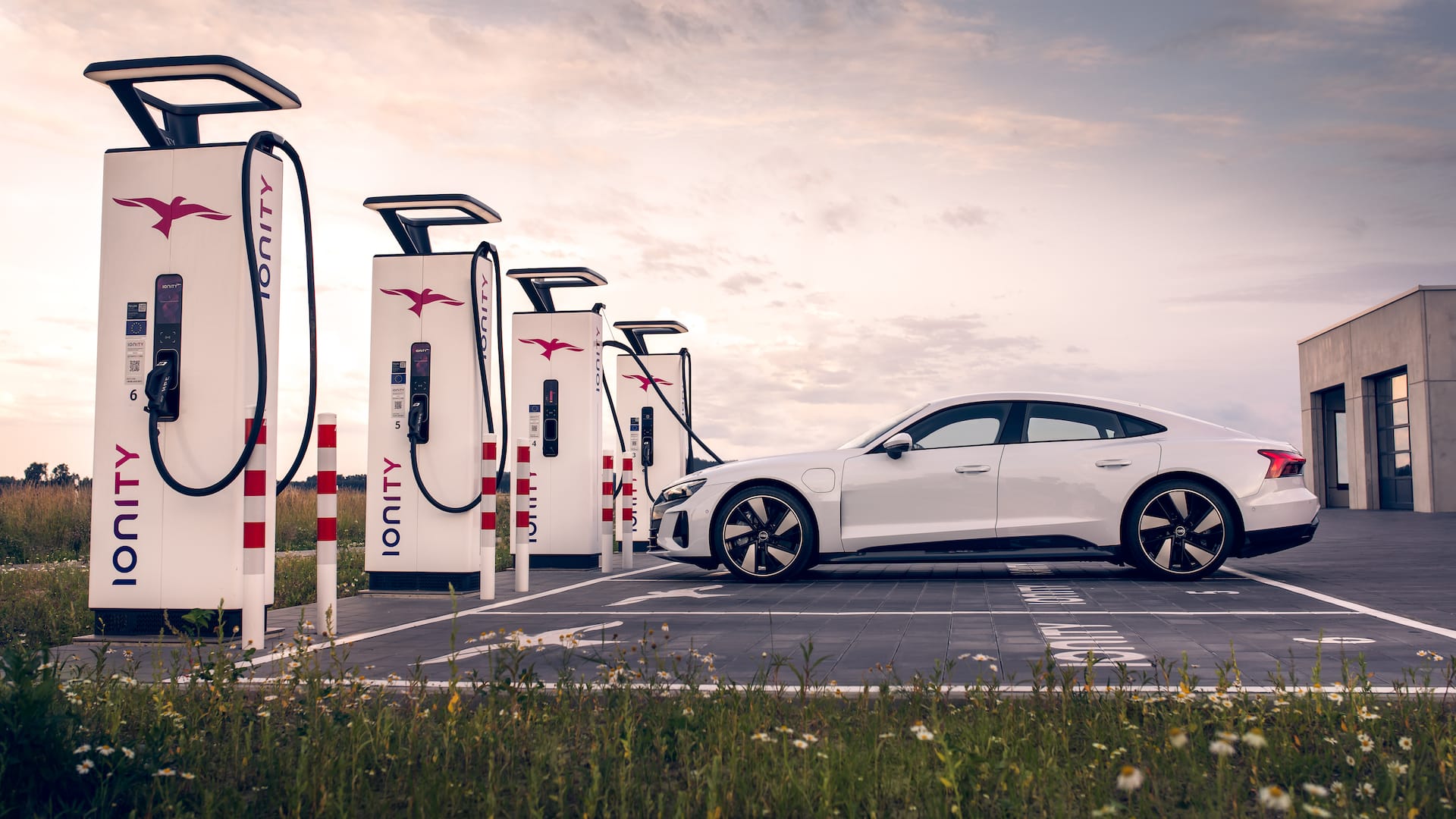
Cost of electric car rapid charging soars 50% in eight months

0
EV Charging Price Increases

A study by RAC Charge Watch finds the cost of the fastest electric charging points has increased dramatically since May 2022. 

During the past eight months, using rapid and ultra-rapid public charging devices has become 50 percent more expensive. 

The rise in prices, driven by the higher cost of electricity, means drivers now pay an average of £36 to rapid-charge a typical family EV.

Fast charging, fast price rises

EV Charging Price Increases

Prices for public rapid charging have increased from an average of 44.55p per kWh in May 2022 to 70.32p per kWh now. That’s a 58 percent increase, and more than double the cost of charging an electric car at home. 

The fastest ultra-rapid devices, with charging power in excess of 100kW, have jumped in price by 48 percent. Drivers using these now pay an average of 74.49p per kWh, compared to 50.97p per kWh eight months ago. 

Using a public ultra-rapid charging device means drivers typically pay £38.29 to charge their EV’s battery to 80 percent capacity.

This is £20.42 more than drivers would pay for charging at home. It also means using public charging can make running an EV more expensive than a petrol or diesel car.

Home charging is cheapest

EV Charging Price Increases

Drivers using public rapid devices will now typically pay 20p per mile, with ultra-rapid devices costing 21p per mile. By contrast, an average petrol car achieving 40mpg will cost 17p per mile, with diesel models at 20p per mile. 

The result is that EV drivers without access to charging at home face paying a major premium. 

Both the RAC and campaign group FairCharge have reiterated their call for the government to cut VAT charged on electricity bought at public EV chargers from 20 percent to five percent. This would mirror the rate paid on domestic energy for home charging. 

RAC EV spokesperson Simon Williams said: “For drivers to switch to electric cars en masse, it’s vital that the numbers stack up. In time, the list price of new electric models will come down, but charging quickly has also got to be as affordable as possible.

“It continues to be the case that those who can charge at home or at work and who don’t use the public rapid charging network very often get fantastic value – even given the relatively high domestic energy prices right now. Sadly, the same can’t be said for people who either can’t charge at home or at work, or who regularly make longer journeys beyond the range of their cars. There’s no question they have to pay far more, and in some cases more than petrol or diesel drivers do to fill up on a mile-for-mile basis.”

ALSO READ:

M&S to install EV chargers at 70 stores across the UK

Charging an electric car: the difference between kW and kWh

What is regenerative braking – and why do electric cars use it?
Advertisement

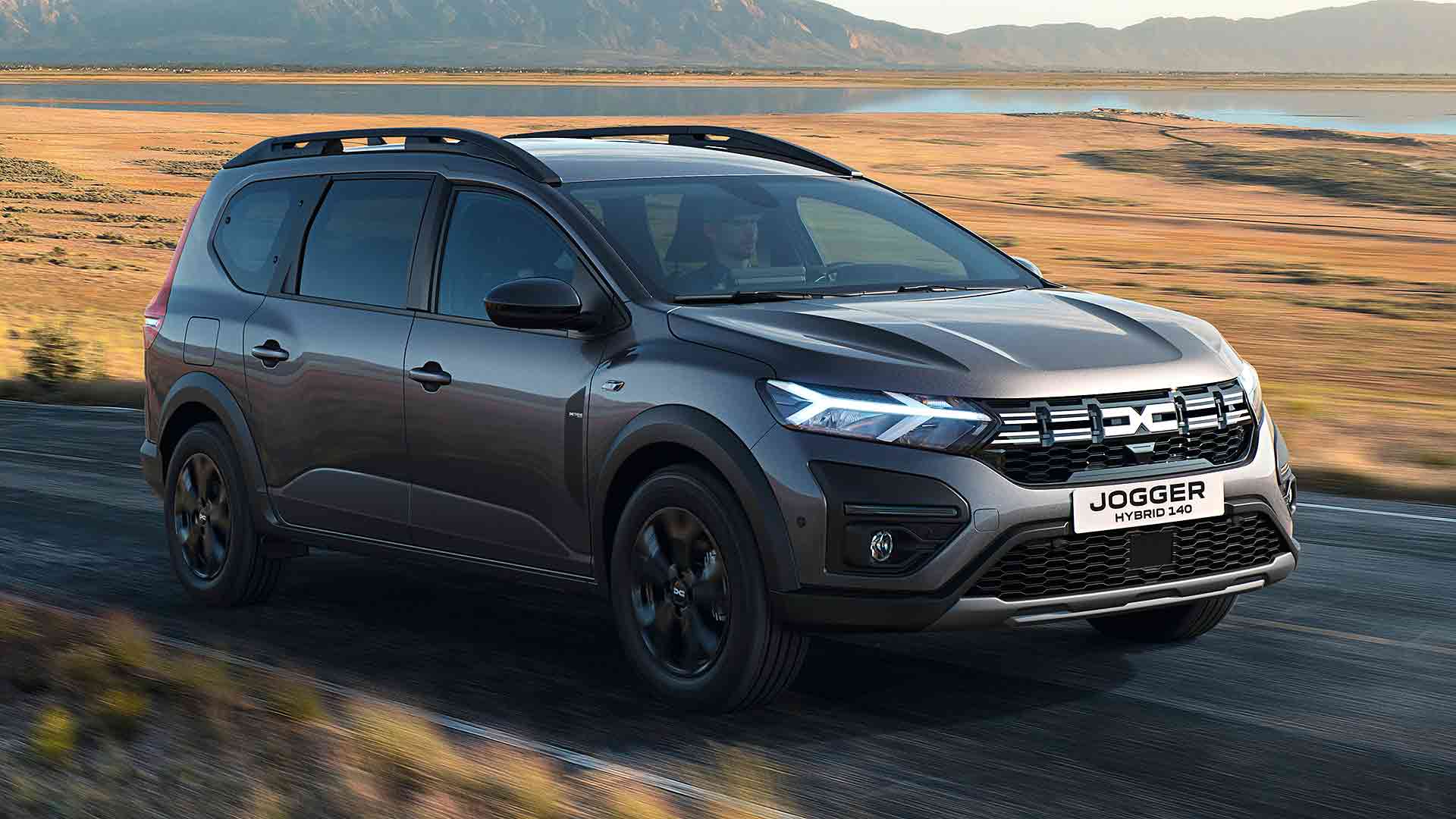
New Dacia Jogger Hybrid prices to start from £22,595

0
Dacia Jogger Hybrid 140

The new Dacia Jogger Hybrid will be the value brand’s first-ever hybrid and ordering is now open with prices starting from £22,595.

Called the Dacia Jogger Hybrid 140, the new seven-seat model combines a petrol engine with two electric motors and a compact battery.

The 1.6-litre engine produces 90hp, while the two electric motors – a 50hp drive motor and high-voltage starter/generator – take power up to 140hp.

This gives 0-62mph acceleration in 10.1 seconds, aided by a standard automatic gearbox.

The new Dacia Jogger Hybrid’s 1.2kWh battery is a ‘self-charging’ type, so doesn’t need to be plugged in.

Even so, Dacia reckons it will spend up to 80 percent of the time when driving in cities in pure electric mode.

It also improves fuel economy by 40 percent, with an official average of 56.5mpg and CO2 emissions from 112g/km.

First UK deliveries of the new Dacia Jogger Hybrid 140 will begin in Q2 2023.

Dacia’s first hybrid

Dacia Jogger Hybrid 140

The new Dacia Jogger Hybrid is the firm’s first electrified model. It shares the hybrid tech with parent brand Renault – it’s the same system as used in the Renault Clio E-Tech Hybrid.

Impressively, its compact nature means the Jogger retains its seven-seat capacity. There’s no reduction in load capacity or passenger space.

The only difference over regular Jogger is a 7.0-inch electronic instrument display – and, of course, the automatic gearbox.

Dacia Jogger Hybrid prices

Dacia Jogger Hybrid 140

The new Dacia Jogger Hybrid will be offered in two trims, Expression and SE.

The Dacia Jogger Hybrid 140 Expression costs £22,595, and includes climate control air con, front and rear parking sensors, reversing camera, keyless entry and an 8.0-inch touchscreen media display with Apple CarPlay and Android Auto.

The Dacia Jogger Hybrid 140 Extreme SE adds 16-inch black alloys, heated front seats, rear sliding tray tables and an 8.0-inch MediaNav infotainment system with built-in sat nav.

Metallic paint is optional and the Dacia Jogger Hybrid is available in an exclusive Shadow Grey metallic colour.

Dacia has also revealed PCP deals – with the Dacia Jogger Hybrid 140 Expression available for just £267 a month, with a deposit of £2,812.

It’s a four-year PCP deal, with an APR of 7.9 percent, and there’s an £11,985 final payment at the end.

ALSO READ

Rolls-Royce sets 118-year sales record in 2022

Dacia opens orders for ‘rebranded’ cars with new logo

New Dacia Jogger: budget seven-seater revealed in full

Advertisement

Rolls-Royce sets 118-year sales record in 2022

0
Rolls-Royce

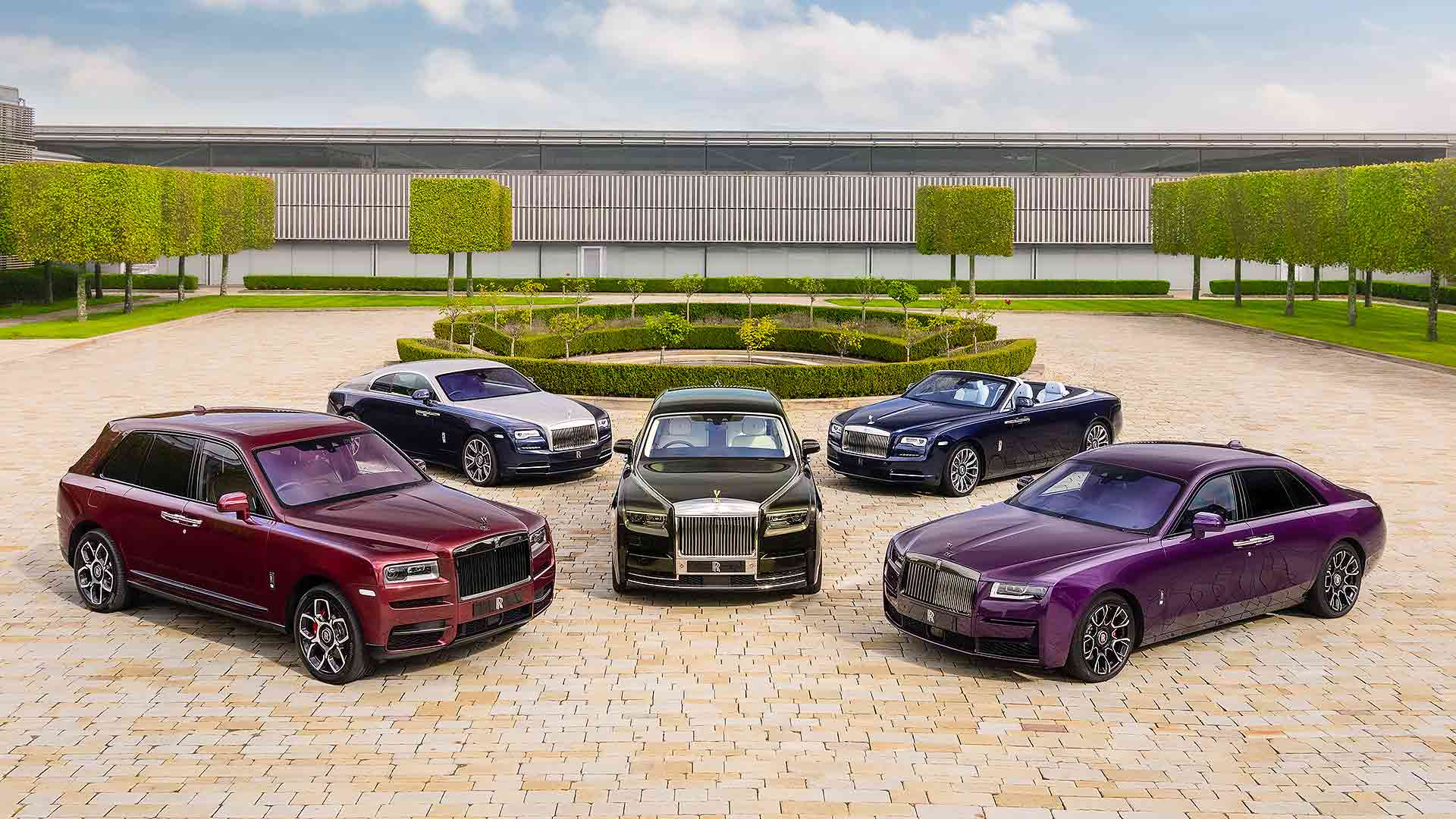
Rolls-Royce sold a record 6,021 cars in 2022 – the best performance in its 118-year history.

It is the first time Rolls-Royce has ever sold more than 6,000 cars in a single year. Sales grew 8 percent in 2022, from 2021’s record 5,586 cars.

But CEO Torsten Muller-Otvos insisted the company is “not and never will be a volume-driven manufacturer” – and revealed the average selling price of a bespoke new Rolls-Royce is now around £450,000.

Bespoke commissions also reached a record high in 2022 with customers “becoming ever more imaginative and technically demanding”.

Order books, he added, stretch well into 2023 – and Rolls-Royce is “cautiously optimistic” about 2023.

Goodwood

All Rolls-Royce are built at the firm’s Goodwood, UK HQ, which is called Home of Rolls-Royce.

Around 2,500 people are employed there, with 150 new jobs created last year alone.

In 2023, the factory is 20 years old; back then, it built just a single car, the Rolls-Royce Phantom, at a rate of one car a day.

Now, Rolls-Royce is expanding, and has acquired land to the east of the existing site to further grow the Bespoke division.  

Cullinan and Spectre

Torsten Muller-Otvos

The Rolls-Royce Cullinan SUV is the most popular new Rolls-Royce, revealed the firm.

Interestingly though, Ghost is its best-selling model in the Asia-Pacific region.

The USA is Rolls-Royce’s largest overall market – helped, it says, by a new generation of young entrepreneurs being drawn to the brand.

China is its second-largest market, while Rolls-Royce set sales records in Germany and the UK.

Attention now shifts to the Rolls-Royce Spectre, the firm’s first electric car.

Orders have exceeded expectations and first deliveries will begin in Q4 2023.

ALSO READ

2022 new car sales slump

Fuel still too expensive despite 9p December fall

Mercedes-Benz to build own EV charging network

Advertisement

How to protect your car from catalytic converter theft

0
Hybrid Catalytic Converter Thefts

Only one percent of catalytic converter thefts resulted in a suspect being charged, reveal new police statistics obtained by the Liberal Democrats. Data covering 20 police forces in England and Wales, shows 50,223 catalytic converters were reported stolen during the five-year period from 2017 to 2021 – yet only 548 cases ended up in court.

Lib Dem MP for Richmond Park, Sarah Olney, said: “There is a catalytic converter theft epidemic across many parts of the country, but far too often the gangs responsible are getting away with it.”

Catalytic converters are part of a modern car’s exhaust system, fitted to reduce harmful emissions. They are stolen because of the precious metals inside them: palladium, platinum and rhodium.

Hybrid cars such as the Toyota Prius, Honda Jazz Hybrid and Lexus RX are particularly affected. The ‘cats’ fitted to hybrids contain larger amounts of these metals – up to seven grams – making them worth hundreds of pounds on the black market.

Here’s what you need to know – including how to reduce the risk of catalytic converter theft from your car.

What does a catalytic converter do?

Hybrid Catalytic Converter TheftsA catalytic converter processes the emissions from a combustion engine into less harmful gases, before releasing them into the atmosphere. 

Catalytic converters were first used in the 1970s, with the United States making them mandatory from 1975 onwards. They became a common feature of cars in the UK from 1992. 

Why are they a target for theft?

The chemical reaction that takes place within the converter requires precious metals to act as the actual catalyst. These include palladium, platinum and rhodium. 

Market values for these rare materials have increased substantially in recent years.

Palladium can be sold for £1,500 per ounce, with rhodium worth around £10,200 per ounce. The value of palladium is similar to gold, with rhodium far higher.

How do thieves steal catalytic converters?

Police catalytic converter theft crackdown

As part of the exhaust system, catalytic converters are left exposed beneath most cars. This means thieves can simply slide under the car to remove them. High-riding SUVs are particularly vulnerable, as access beneath the car is easier.

Some are bolted onto the exhaust, with other types being welded into place. The latter can be removed by cutting through the pipework to free the cat. 

Many catalytic converters are unmarked, meaning they cannot be easily traced to an individual vehicle. Once taken, they can be sold to unlicensed scrap metal dealers. 

Why are hybrid cars being targeted?

Hybrid vehicles, such as the Toyota Prius, account for a large proportion of the catalytic converters being stolen. Admiral insurance data showed that the Prius, Honda Jazz, Toyota Auris and Lexus RX are among the cars most susceptible to theft.

Thieves target these vehicles as the catalytic converters are said to be less corroded. The hybrid drivetrain results in lower exhaust emissions, leaving the precious metals in better condition. In turn, this makes them more valuable to sell on.

What are car manufacturers doing?

The problem of catalytic converter theft is not new, with the AA noting that it has been an issue for more than a decade. This has given manufacturers time to develop ways of keeping cats safe.

Toyota offers a special ‘Catloc’ device, which can be retrofitted to a number of vehicles made by the manufacturer. Priced at around £190 including fitting, Toyota says it sells the Catloc without making a profit. 

The company also reduced the price of replacement catalytic converters, and increased production to help get drivers back on the road quicker. 

How can I protect my catalytic converter?

Hybrid Catalytic Converter Thefts

Not all cars are at risk, with some models having the catalytic converter mounted within the engine bay. This makes it much harder to steal. Drivers should check with their local dealership if they are unsure. 

The Metropolitan Police has a published advice on reducing the risk of your cat being stolen. The tips include:

  • Park your car in a locked garage overnight
  • Try to park in a location that is well-lit and overlooked
  • Avoid mounting your car on the kerb, as it gives thieves easier access
  • Install CCTV to cover where your car is parked
  • Mark your catalytic converter with a forensic marker (see below), which can make it harder to sell on
  • Speak to a car dealer about a tilt sensor that activates an alarm if a thief tries to jack up your vehicle

Security marking a catalytic converter

Catalytic Converter Security Marking

Security marking is a cost effective way to reduce the risk of catalytic converter theft. This uses metal etching to leave a permanent mark on the outside of the catalytic converter, intended to make it harder for thieves to sell on.

Kent-based Selectamark, for example, sells a kit specially designed for marking catalytic converters. Priced at less than £20, it includes warning stickers for the windows as a visual deterrent.

The kit also includes registration on a secure database, helping link the cat to the owner should it be sold to a scrap metal dealer.

The cost is a relatively small outlay, given that a replacement catalytic converters can stretch to more than £1,000.

ALSO READ:

Winter tyres: are they worth the expense for driving in the UK?

London ULEZ to expand in 2023: what you need to know

How to write the perfect used car advert

Advertisement

Fuel still too expensive despite 9p December fall

0
Fuel tank empty

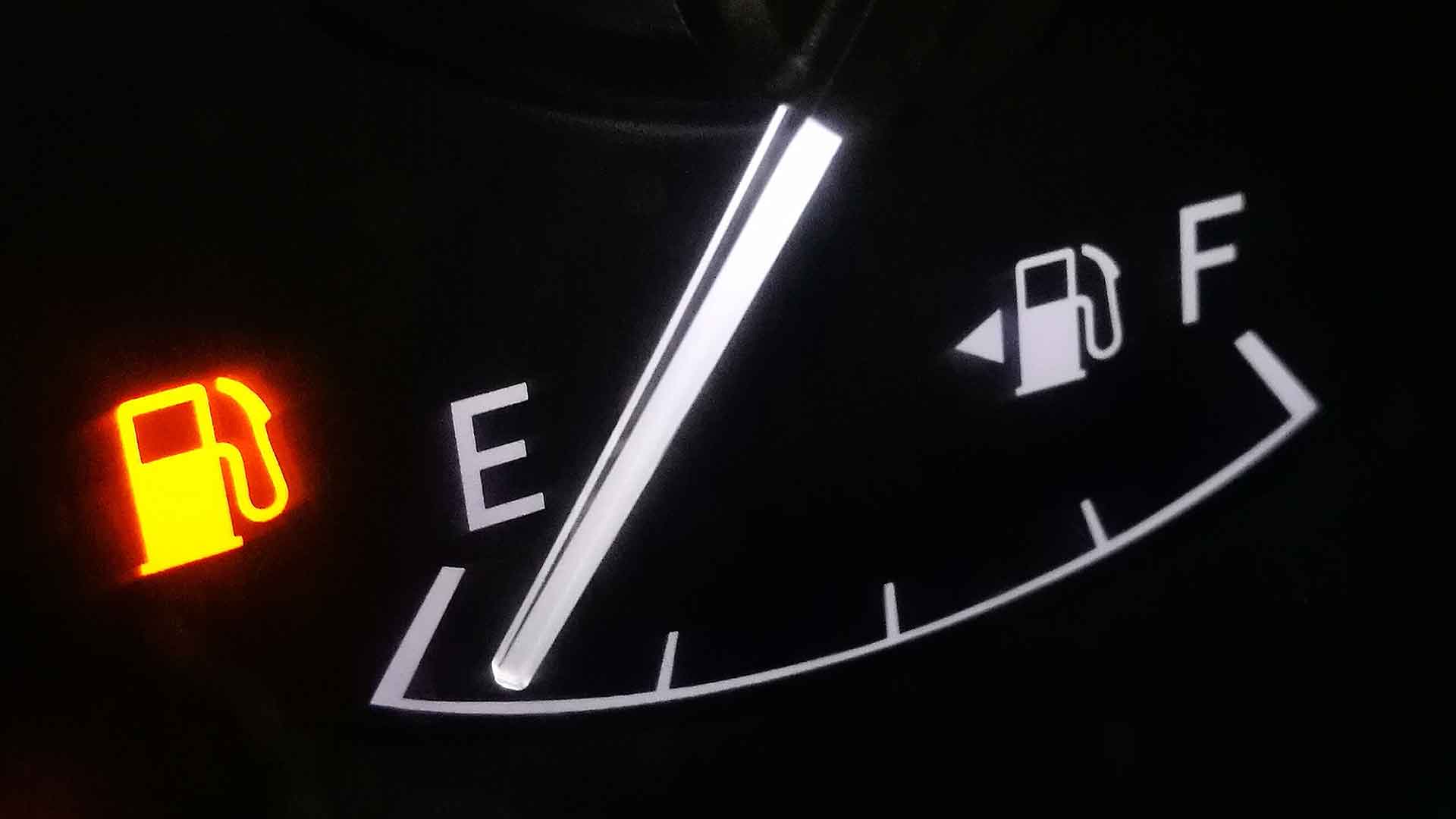
Fuel prices fell 9p a litre in December 2022, saving motorists £5 a tank – but the RAC says petrol and diesel is still too expensive due to lower wholesale costs.

Petrol prices fell by 8.4p to 151p a litre, while diesel fell 9.4p to 173.9p a litre.

One of the big four supermarkets went even further, cutting petrol prices by 10p to 147.7p a litre, and diesel by 11.4p to 170.2p a litre.

However, wholesale fuel prices have been falling considerably since October, according to RAC Fuel Watch data.

Even allowing for a generous 10p a litre retailer margin – that’s 3p more than average – petrol should now cost 140p a litre, while diesel should cost 160p a litre.

It means motorists are paying 11p more than they should for a litre of petrol, and 14p more for diesel.

Fairer deal

“For weeks, we’ve been calling on the big four supermarkets to cut their prices more substantially to give drivers a fairer deal when they fill up,” said RAC fuel spokesperson Simon Williams.

Fuel prices are “still nowhere near where they should be given the scale of the drop in wholesale prices”.

Notably, in December, business secretary Grant Shapps wrote to fuel retailers urging them to make sure savings are passed on to consumers.

“We hope the business secretary’s intervention just before Christmas puts more pressure on larger retailers to do the right thing,” said Williams.

He added that in Europe, fuel prices are considerably cheaper than in the UK – petrol costs an average of 144p a litre, and diesel is 152p a litre.

“When compared to the 27 EU countries we currently have the second most expensive diesel and the sixth most expensive petrol.”

ALSO READ

Kia celebrates 100,000 UK sales in 2022 – and record market share

When you SHOULDN’T let an emergency vehicle overtake

Ford Raptor R to reach 1,000hp with Hennessey upgrades

Advertisement

Mercedes-Benz to build its own global EV charging network

0
Mercedes-Benz Charging Network

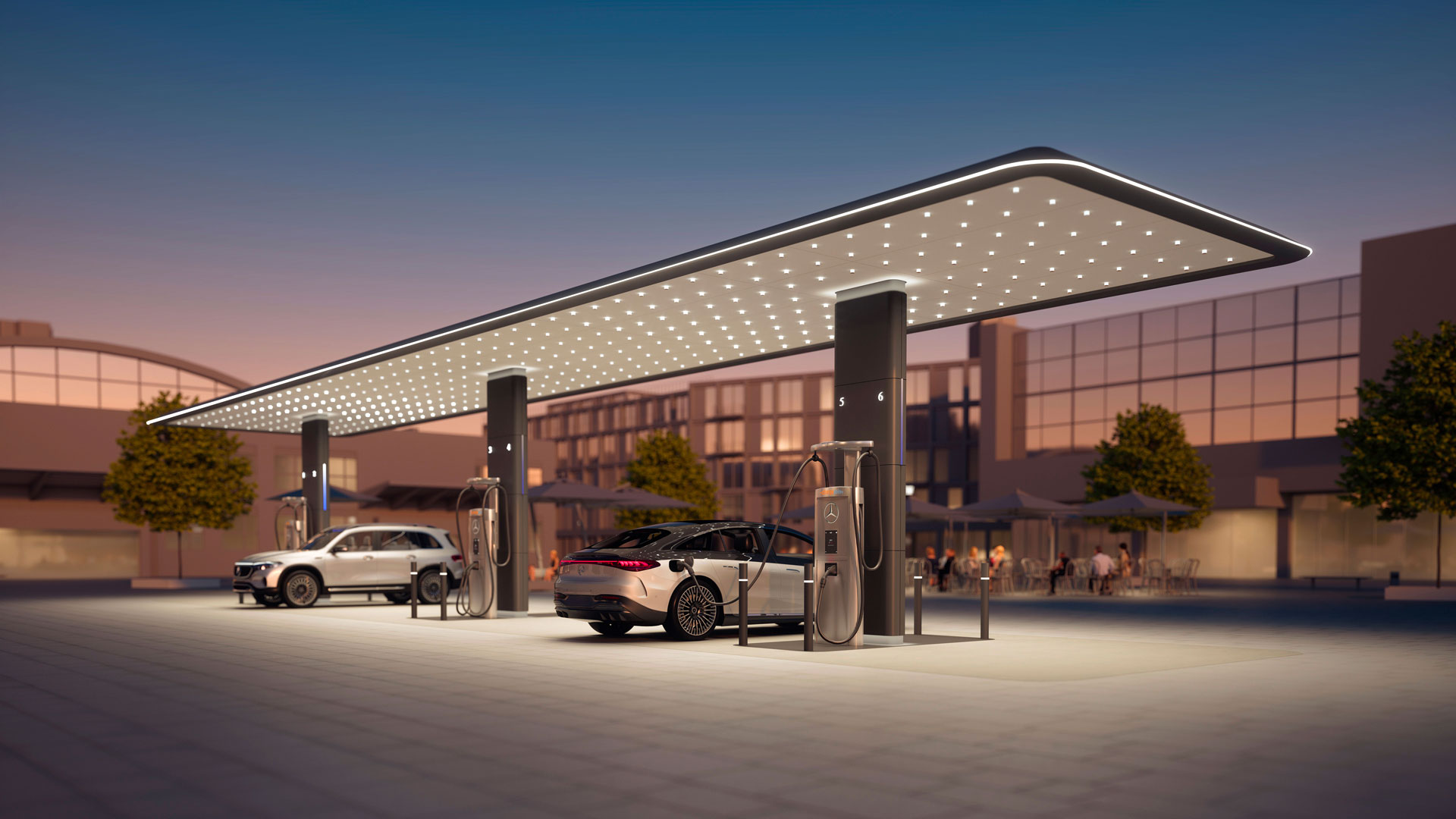
Mercedes-Benz has used the CES 2023 technology show in Las Vegas to announce plans for its own branded EV charging network. 

Set to span the globe, including North America, China and Europe, the company wants to have its bespoke electric vehicle infrastructure in place before the end of the decade. 

The venture will help Mercedes-Benz to go all-electric in as many markets as possible by 2030. 

Mercedes-Benz drivers already have access to selected charging networks via the Mercedes Me ownership app. However, a Mercedes-branded network should make life easier.

A global network by 2030

Mercedes-Benz Charging Network

Work on building the network begins later this year, with the United States and Canada the first region to be targeted. 

Mercedes-Benz will collaborate with MN8 Energy, one of the largest solar energy and battery storage companies in the United States. ChargePoint, a major EV charging tech supplier, will also contribute its own expertise. 

By 2027, Mercedes-Benz hopes to have a network of more than 400 charging hubs across the US and Canada. This will include 2,500 high-power devices with charging capability of up to 350kW. 

Hubs will be placed in key cities, and close to main arterial routes and destinations. Selected Mercedes-Benz dealerships will also have on-site chargers.

‘A compelling charging experience

Mercedes-Benz Charging Network

Mercedes-Benz EV owners will be able to reserve a charger directly from their car, with no need to queue. Devices will offer ‘plug and charge’ capability, with payment and authorisation handled simply by connecting to the charging cable.

Although aimed at Mercedes owners, the company’s EV network will be open to all electric cars. This is done with a view to increasing the overall level of EV ownership.

Ola Källenius, Mercedes-Benz chairman, said: “Mercedes-Benz already offers what we believe to be the finest EVs in the market. But to accelerate the electric transformation, we need to ensure that the charging experience keeps pace as well. 

“Our customers deserve a compelling charging experience that makes electric vehicle ownership and long-distance travel effortless. We won’t take a wait-and-see approach for this to be built. That’s why we are launching a global high-end charging network. It’s designed to become another differentiator of Mercedes-Benz ownership for our customers and an asset with value creation potential for our company.”

ALSO READ:

Mercedes-Benz EQS 2022 review

New Aehra electric luxury SUV debuts with future-shock styling

More electric car news and advice on Motoring Electric

Advertisement

Kia celebrates 100,000 UK sales in 2022 – and record market share

0
Kia EV6

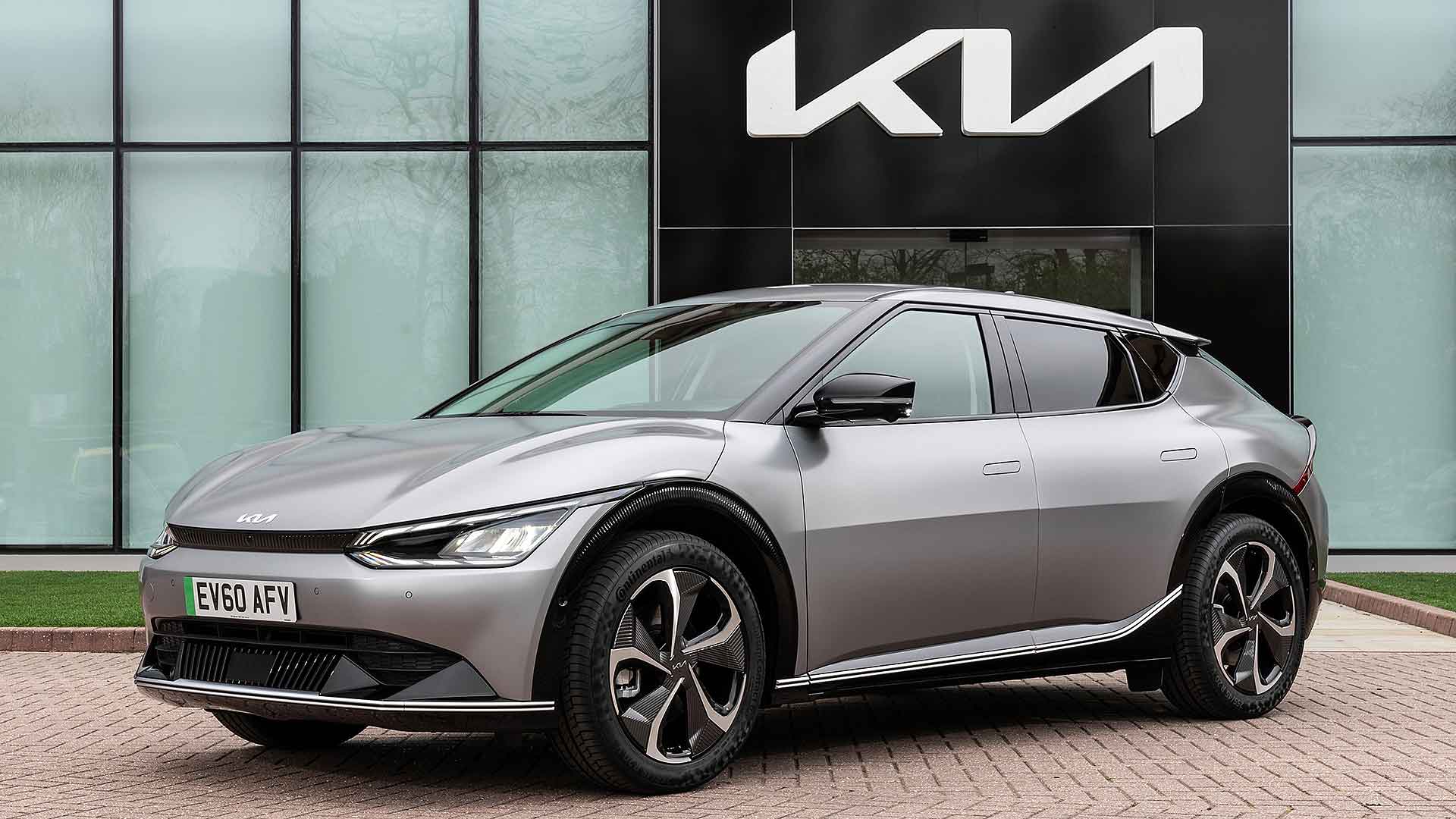
Kia sold more than 100,000 cars in the UK for the first time during 2022, achieving its best-ever market share in the process.

The success means the UK becomes Kia’s fifth global market to reach the 100,000 sales landmark – ahead of other European countries such as Germany and France.

The only other places Kia has sold more than 100,000 cars in a single year are the USA, China, South Korea and Russia.

Since it arrived in the UK back in 1991, Kia has sold almost 1.4 million cars here.

It now commands a 6.2 percent share of the UK marketplace, making it the sixth biggest car brand in terms of sales volume.

Kia electrified

New Kia Niro

Kia’s mix of car sales in the UK is increasingly electrified. In 2022, 42.9 percent of cars sold here were either fully electric, plug-in hybrid or hybrid.

Its pure EV mix was 16.3 percent – and could have been higher still had it been able to secure greater supplies of electric cars.

The waiting list for the range-topping Kia EV6 is currently around a year, revealed the company – and a fifth of its forward order bank is for electric cars.

Between now and 2027, as part of its Plan S strategy, Kia will launch nine new electric cars in the UK.

One of these will be the range-topping Kia EV9 SUV, which will be revealed in early 2023.

‘Feels momentous’

Paul Philpott

Kia UK president and CEO Paul Philpott told Motoring Research that achieving the firm’s long-term goal of 100,000 sales “feels momentous”.

He continued: “At the end of scrappage 15 years ago, we were on 30,000 sales a year, which quickly grew to 50,000.

“We set out the vision of 100,000 sales as a motivator – without putting a year on it.

“To have got here, after having got so close in 2019, is a huge achievement. Kia HQ in Korea is already sending us positive messages.”

Kia is not going to rest on its laurels either, said Philpott. The company is planning to grow sales by another five percent in 2023 – with “profitable and sustainable” volumes.

After launching new Sportage and Niro models in 2022, plus facelifting the XCeed (the three cars comprise 70 percent of Kia UK sales), the focus for 2023 will be on preparing for the launch of the EV9 later this year.

“It will be our biggest car ever, at our highest price point. But thanks to plenty of investment in training, knowledge and technical support, our retailers are ready for it.”  

ALSO READ:

2022 new car sales slump to 30-year low – but EVs overtake diesel

New heated seat belt can increase electric car range

Best new cars to buy in 2023

Advertisement

2022 new car sales slump to 30-year low – but EVs overtake diesel

0
Dacia new car showroom

New car registrations fell two percent to 1.61 million units in 2022, a level last seen back in 1992 – although electric cars were a rare bright spot in a year impacted by supply shortages.

EVs are now second only to petrol cars in terms of popularity, easing past diesel with a healthy 16.6 percent market share.

Diesel, by contrast, commanded less than 10 percent of new car sales.

Indeed, plug-in vehicles overall comprised almost one in five new car sales last year, while hybrid vehicles took a further 11.6 percent market share.

This helped average UK new car CO2 emissions fall by another 6.9 percent, to just 111.4g/km – the lowest level in history.

Britain is no. 2

Although overall new car sales in 2022 remain around 700,000 units below 2019 pre-Covid levels, Britain still emerged as the second-largest new car market in Europe.

The UK regained second place from France; Germany remains the largest new car market in Europe by a clear margin.

What’s more, Britain is also the second-largest market for plug-in cars, in terms of overall volume. This is important in helping secure future supplies of electric cars.

However, the SMMT did point out the UK is only 13th in terms of plug-in market share – our 22.8 percent is dwarfed by Norway on 78.3 percent, with the Netherlands on 28.7 percent and Germany on 23.5 percent.

2023 leap forecast

Although 2022 new car sales were subdued, the SMMT is much more positive for 2023.

“The automotive market remains adrift of its pre-pandemic performance but could well buck wider economic trends by delivering significant growth in 2023,” said SMMT chief executive Mike Hawes.

New car registrations are predicted to be up 15 percent this year, to around 1.8 million units, thanks to improved new car supply.

The SMMT admits this may appear countercyclical, as the UK enters a recession, but car manufacturers are sitting on huge order banks and better supplies will help address them.

The key, said Mike Hawes, will be ensuring future order banks are filled, so new car sales can continue to build in future years.

The usual run-rate of UK new car registrations, he added, is around 2.25 million units. Even at 1.8 million cars in 2023, sales will remain some way adrift of this.

Chargepoint crisis

Mike Hawes said growth in 2023 hinges on the shortage of electric car chargepoints. Last year, chargepoint locator app Zap-Map revealed that the number of new chargers is not keeping pace with the growing number of EVs on the road.

“To secure that growth – which is increasingly zero-emission growth – government must help all drivers go electric and compel others to invest more rapidly in nationwide charging infrastructure,” said Hawes.

The government has forecast that the UK needs between 300,000 and 720,000 chargepoints by 2030.

Meeting just the 300,000 target requires more than 100 new chargers to be installed each day. The current rate is 23 per day.

It is imperative the rollout of new public EV chargers is sped up, he said. Manufacturers have done their bit in rolling out new EVs and “that must be matched with policies and investment that remove consumer uncertainly over switching, not least over where drivers can charge their vehicles”.

Best-selling cars 2022

Nissan Qashqai UK best-selling car 2022

The Nissan Qashqai was Britain’s best-selling car in 2022, easing past the Vauxhall Corsa that took the 2021 honours.

It means the Nissan Qashqai is the first British-built car to top the UK sales charts since the Ford Escort back in the 1990s. The Qashqai is also designed and engineered here in the UK.

In surely a welcome piece of good news for Elon Musk, the Tesla Model Y was Britain’s third best-selling car in 2022, ahead of the Ford Puma and Mini.

Naturally, the Tesla Model Y led the EV charts too – with the Tesla Model 3 in second place. A huge leap in December deliveries helped Tesla rocket up the sales charts.

Back to the overall rankings and the Kia Sportage was sixth, crowning a super year for Kia, with its sister car the Hyundai Tucson in seventh place.

And what about the UK’s former best-selling car, the Ford Fiesta? It could only scrape into 10th place – and 2023 will be its final year, as Ford has announced that production will cease this summer.

Top 10 best-sellers 2022

  1. Nissan Qashqai
  2. Vauxhall Corsa
  3. Tesla Model Y
  4. Ford Puma
  5. Mini
  6. Kia Sportage
  7. Hyundai Tucson
  8. Volkswagen Golf
  9. Ford Kuga
  10. Ford Fiesta

ALSO READ:

How to get the best price for your PCP trade-in

London ULEZ charge: check if you need to pay

Renault Austral is AUTOBEST Best Buy Car of Europe 2023

Advertisement

Heat Belt: new heated seat belt can increase electric car range

0
ZF Heat Belt

Heated seat belts are the latest innovation designed to boost the driving range of electric cars.

Revealed at the Consumer Electronics Show (CES) in Las Vegas, the Heat Belt from ZF is claimed to increase EV range by up to 15 percent in cold weather. The idea is to use it in combination with a heated seat, rather than switching on the car’s (energy-sapping and relatively inefficient) heating and ventilation system.

For an electric car with a 300-mile range, doing so could mean additional 45 miles between recharging stops.

The heat is on

ZF Heat Belt

The Heat Belt uses heating conductors woven into the belt itself. The webbing is only fractionally thicker than a standard seat belt, so its operation is identical – and no changes are needed to the car’s interior.

Heated to between 36 and 40 degrees C, the belt warms up almost instantly, providing uniform warmth close to the body.

ZF says the heated belt is ‘in no way inferior to its conventional counterparts in terms of occupant protection’. Indeed, by reducing the need for bulky clothing, such as a winter coat, the belt can lie flatter and closer to the occupant’s chest, making it more effective in an impact.

Some like it hot

ZF Heat Belt

ZF is a global automotive technology company, best known for its automatic gearboxes and electronic safety systems. The Heat Belt will be offered to car manufacturers, particularly with EVs in mind, as a factory-fit replacement for standard seat belts.

It’s not clear yet whether Heat Belts will be available as an aftermarket accessory for older cars.

Looking for more electric car news and advice? Visit our dedicated Motoring Electric website.

ALSO READ:

10 tips for safer driving this winter

Citroen Ami review

Porsche Taycan Sport Turismo review

Advertisement

Ford Raptor R to reach 1,000hp with Hennessey upgrades

0
Hennessey VelociRaptoR 1000

Performance tuner Hennessey has revealed plans to make the new Ford F-150 Raptor R pickup truck even more powerful.

Following the mantra that everything is bigger in Texas, Hennessey will push the Raptor R to deliver almost 1,000hp. 

The VelociRaptoR 1000 represents a power increase of more than 40 percent for the flagship Ford F-150, creating ‘supertruck’ levels of performance. 

Ultimate pickup performance

Hennessey VelociRaptoR 1000

The F-150 Raptor R is already substantially quicker than the regular Raptor, by virtue of using a supercharged 5.2-litre Predator V8 engine, instead of a twin-turbocharged V6. The result is 700hp, instead of ‘just’ 450hp. 

Hennessey take the Raptor R to the next level with the VelociRaptoR 1000 package, however. Currently in development, an output of almost 1,000hp, along with 850lb ft of torque, is anticipated. 

A key change is swapping the standard 2.65-litre supercharger for a 3.8-litre device. Supporting the bigger blower will be a high-flow induction kit, larger fuel injectors and upgraded fuel lines. 

An unbeatable package

Hennessey VelociRaptoR 1000

Hennessey will equip each VelociRaptoR 1000 with bespoke front and rear bumpers, an LED front light bar and a set of 20-inch alloy wheels with 37-inch off-road tyres. The VelociRaptor R will come with a standard two-year or 24,000-mile warranty. 

Extensive on- and off-road testing will contribute to the development of the VelociRaptoR 1000, along with calibration on in-house dynamometers. Customers can place orders via authorised Ford dealerships, with production set to start in 2023.

John Hennessey, company founder and CEO, said: “The Hennessey VelociRaptor is the world’s best-selling modified performance truck, of which we’ve built thousands for customers all around the globe. The VelociRaptoR 1000 raises the performance bar significantly in terms of sheer power. Add in the characteristic supercharger whine and the distinctive exhaust note from the unique cross-plane V8, and the package is unbeatable.”

ALSO READ:

Six appeal: Hennessey builds the first Mammoth 1000 6×6 TRX

Hennessey Venom F5 deploys full 1,800 horsepower in latest test

Desert adventure: Ford Ranger Raptor off-road in Morocco

Advertisement