Personal Contract Purchase (PCP) and Personal Contract Hire (PCH) finance have enabled millions of motorists to drive a new car. PCP in particular has become hugely popular in recent years, with the vast majority of new private vehicles now bought this way.
There is a catch to PCP car finance, however. At no point, unless you pay the ‘balloon’ fee at the end of the agreement, do you actually own the vehicle on your driveway. You eventually have to give it back and that can mean unexpected costs. In this short guide, we look at the reasons for these – and how to avoid them.
This article was produced with help from DMN, a logistics company that completes thousands of car leasing inspections and collections every year.
Condition and equipment
Just as you wouldn’t buy a dirty car that was missing pieces of trim or equipment, nor does a dealer want to take one back. Make sure your car is clean and complete on hand-back day.
For starters, you could face a car cleaning bill of at least £50. Spare keys and tyre inflation kits commonly incur fines if they are missing, too. A lost key could set you back £250 or more, while a missing tyre inflation kit might see you fined £120.
Another common item that people remove from their cars, never to return, is the parcel shelf. Supply the car with this fitted or face a potential fine of around £100.
Stamp that service book
Most of us would avoid buying a car without a proper record of servicing. It will thus reduce the car’s value – and cost you money at handover – if maintenance hasn’t been kept to the manufacturer’s schedule.
Charges begin in the hundreds of pounds for returning a financed car that hasn’t been serviced as required.
Don’t pile on the miles
Most, if not all, PCP and PCH contracts come with a mileage limit. Whether your annual allowance is 5,000 or 15,000 miles, you will feel the pinch if you exceed it.
Charges per excess mile can range from 4p to 72p, depending on the car, according to Parkers. That means a 10,000-mile per-year contract that you’ve exceeded by 6,000 miles could cost between £240 (for a Ford) and £4,320 (for a Bentley).
Follow the above advice and you should be fine. Keep the car clean and serviced, give it back without anything missing and watch your mileage.
To be extra sure – and this should go without saying – read the terms of your finance agreement very carefully before you sign on the dotted line. Do so well in advance, so you have time to prepare your car for its return.
“Experience tells us people often neglect the same things when it comes to end of vehicle contracts, which can often end up costing them unnecessarily,” said Nick Chadaway of DMN.
“It’s these small details which, potentially, can add up to costly outlays. With a little bit of foresight and planning, these pitfalls can be easily avoided, saving drivers money, time and stress.”
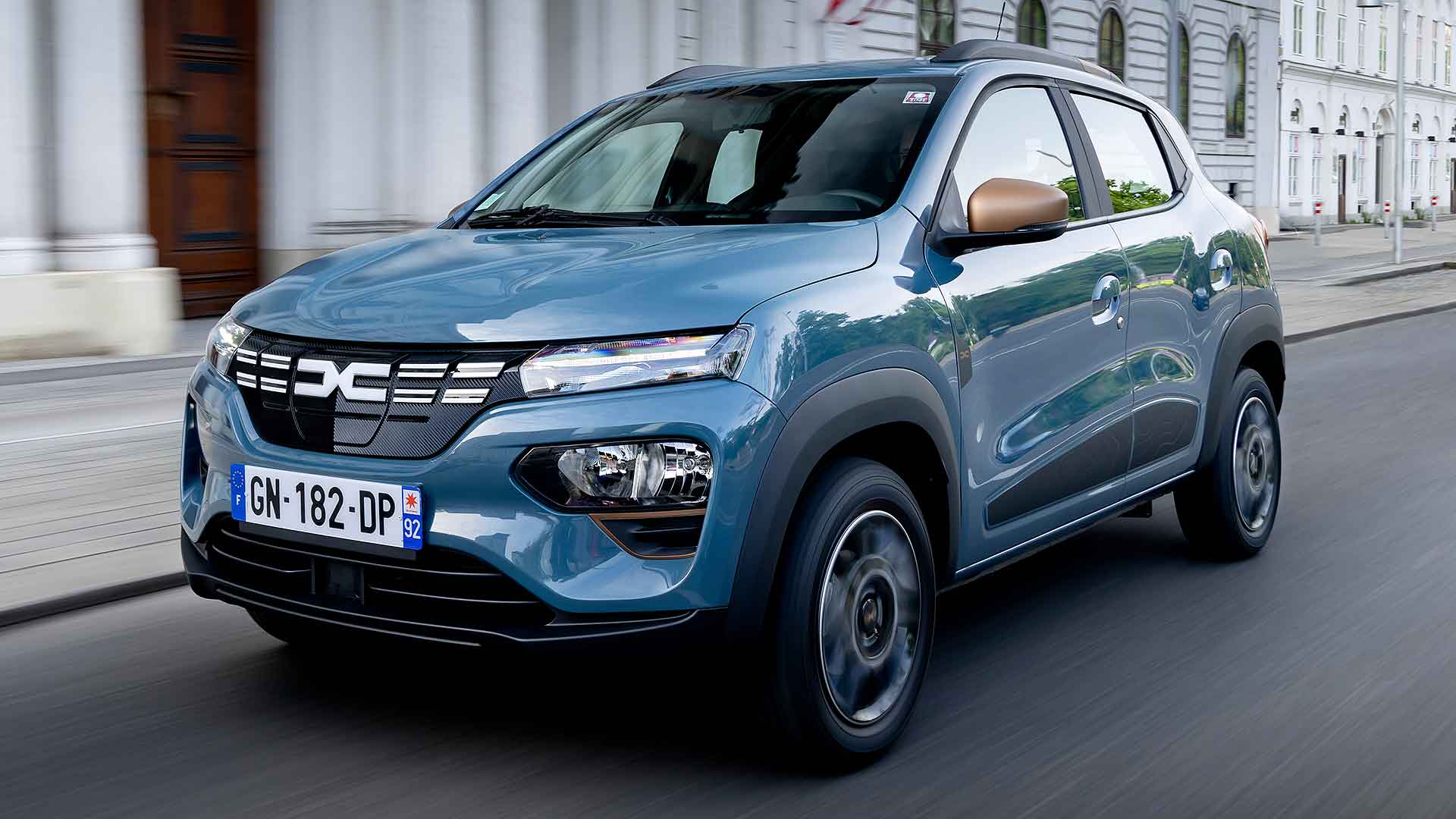
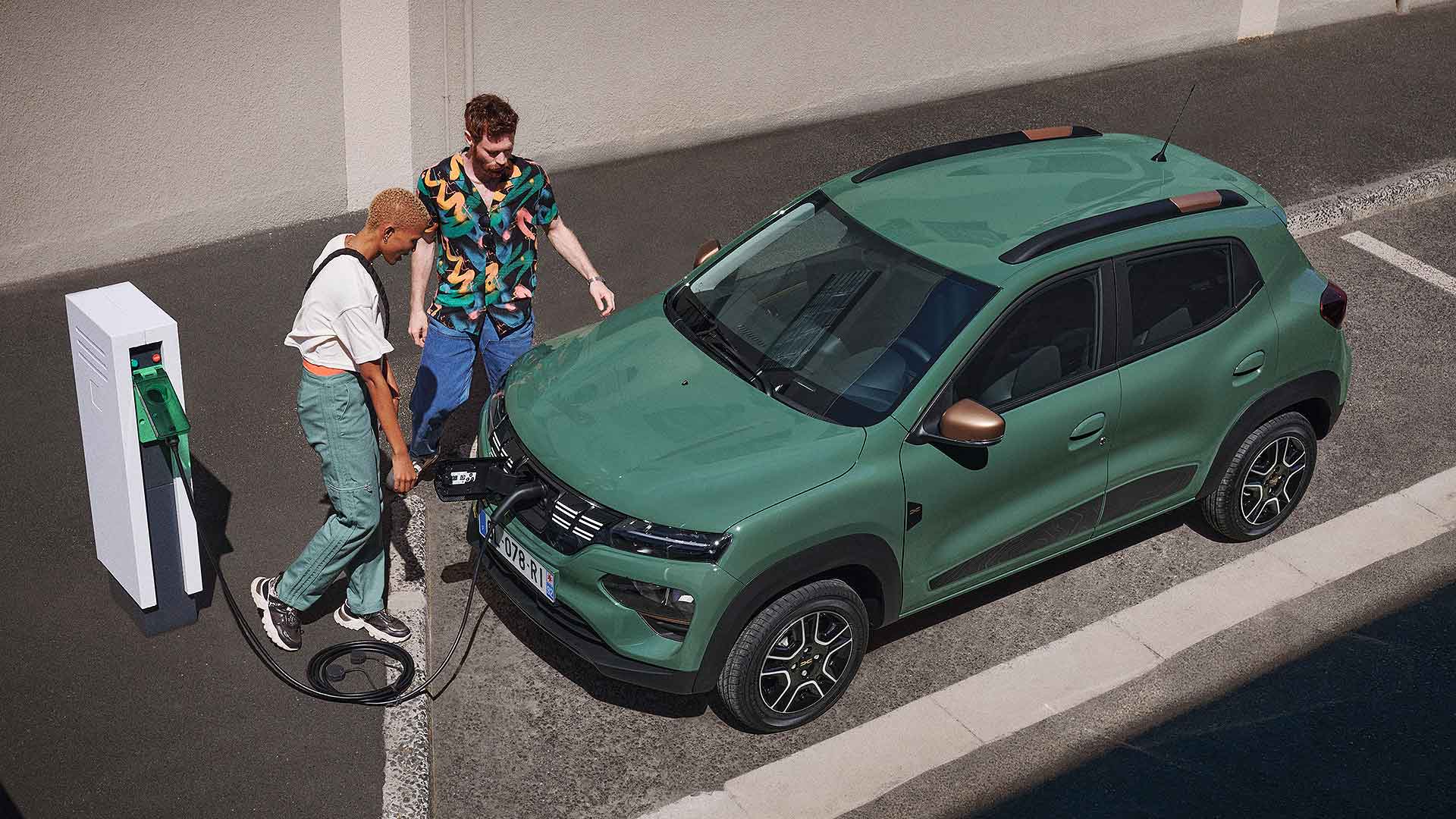
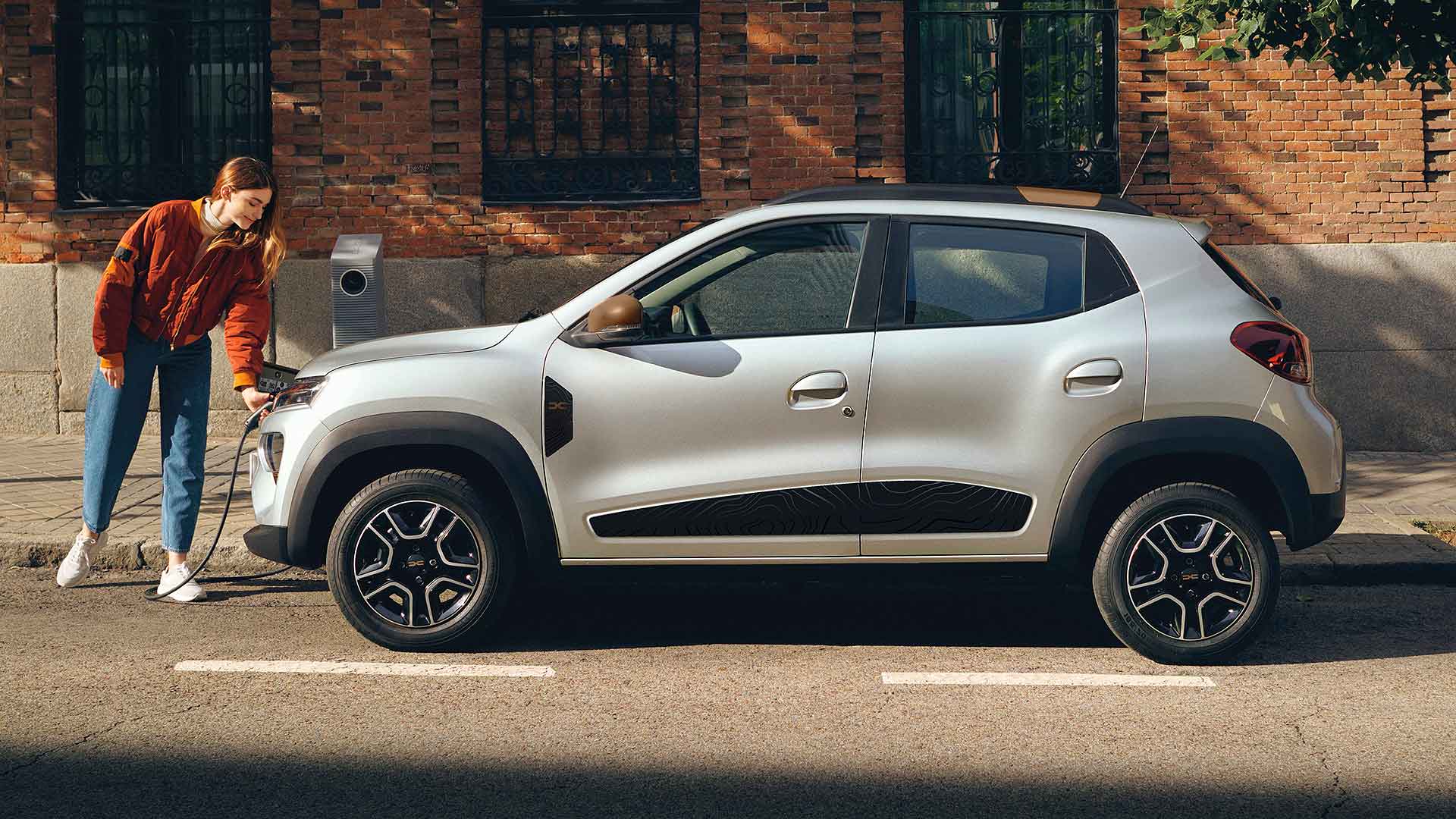
The Dacia Spring, Europe’s most affordable new electric car, will launch in the UK in 2024, bosses have confirmed.
Winner of the AUTOBEST Best Buy Car of Europe 2022, the Dacia Spring was introduced in left-hand drive markets in 2021.
UK interest has remained high ever since – there was even a #BringtheSpring campaign on social media.
Now, the Dacia Spring is finally set to go on sale in the UK, with Dacia targeting a mid-2024 market launch.
The UK Dacia Spring is being described as an “all-new version” with “several significant improvements in design and equipment”.
The five-door city-sized car – it measures around 3.7 metres long, similar in size to a Toyota Aygo X – is expected to have a more SUV-style appearance than today’s car, plus an upgraded interior.
Affordable electric car
The Dacia Spring is currently on sale in France for €15,800, the equivalent of just £13,500.
However, this price includes a generous €5,000 grant from the French government. Take this out, and the price is equal to around £18,000.
This would still easily make the Dacia Spring the UK’s cheapest new electric car; Fiat 500 Electric prices currently start from £28,195.
The Dacia Spring has a 26.8kWh battery, which gives a range of 143 miles – or 189 miles in the urban environment Dacia says most Spring owners mainly drive.
All Dacia Spring have air con as standard, and all but the base model have a 7.0-inch touchscreen that offers Apple CarPlay and Android Auto.
The five-door, four-seat Dacia Spring also has a decent 290-litre boot, similar in size to a Ford Fiesta.
Dacia is targeting private car buyers, rather than company car drivers, noting that 3 in 4 European Spring have been sold to retail buyers.
Plug a gap
The Dacia Spring will “literally plug a gap in the UK electric car market for a highly usable, quality EV that won’t break the bank and which makes electric vehicle ownership more realistic than ever,” said Dacia brand director Luke Broad.
He noted that 120,000 have already been sold in Europe.
“The UK is an important market for us,” said Xavier Martinet, Dacia SVP of sales, marketing and operations.
“With UK sales surging year-on-year and many British buyers having a recognised appetite for the brand, it is now the right time to introduce a pure electric vehicle.
“Spring has democratised electric vehicle ownership in Europe… I’m confident that Spring will be as popular in the UK.”
More details of the Dacia Spring launch, including timings, pricing and specification, will be announced in 2024.
In the meantime, the firm is encouraging early adopters to register their interest at a special Dacia Spring UK hub.
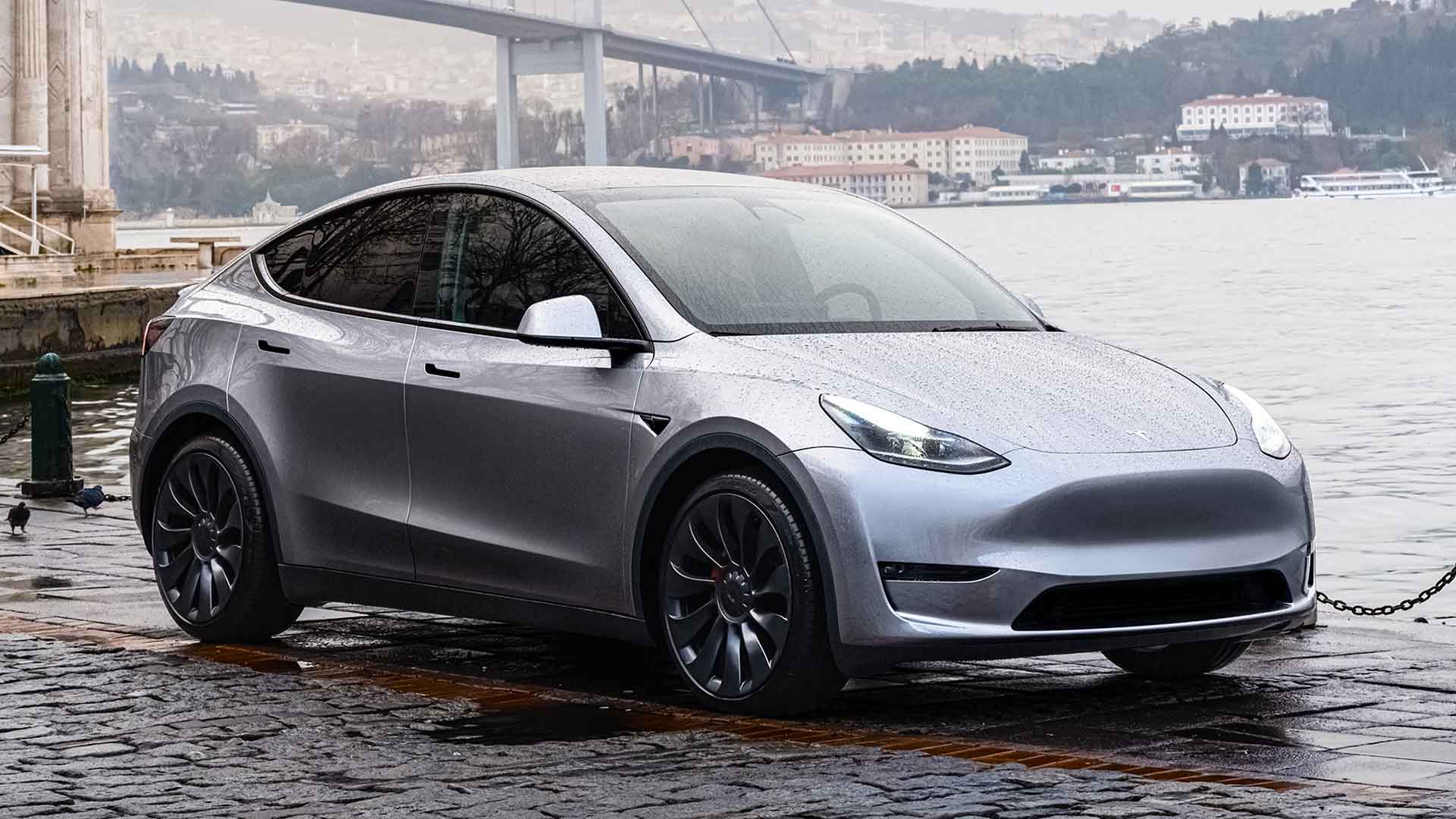
The Tesla Model Y electric car was the UK’s best selling car in June 2023 as overall registrations saw their 11th consecutive month of growth.
The family-friendly Tesla just pipped the Ford Puma, with the award-winning Vauxhall Corsa in third place.
The June 2023 performance means the Tesla Model Y is now the UK’s fourth best-selling car so far in 2023.
The Ford Puma leads the year-to-date performance by a clear margin over the Vauxhall Corsa, with the British-built Nissan Qashqai in third.
New car recovery
New car registrations grew an impressive 25.8 percent in June 2023 as supply chain shortages eased.
This, says industry body the Society of Motor Manufacturers and Traders (SMMT), means waiting times are easing and pent-up demand is being met.
The automotive sector is “a rare bright spot in a gloomy economic landscape”.
It did add, however, that the overall market volume still remains below pre-pandemic levels.
It is company car drivers that are driving new car demand, with fleet and business sales up 37.9 percent. Sales to private buyers, in contrast, grew by a below-average 14.8 percent.
Year to date, new car registrations in the UK are up 18.4 percent, with the first half of 2023 seeing just under 1 million new cars registered.
Electric up, diesel down
Demand for electric cars continued to surge, growing by nearly 40 percent in June 2023. This is despite recent negative press around EVs.
So far in 2023, electric car registrations are up 32.7 percent, meaning electric cars are the second-most popular type of car in the UK, with a 16.1 percent share.
Petrol car demand is still growing too though: so far in 2023, nearly 6 in 10 of all new cars sold had a petrol engine.
Hybrids boast a 12.6 percent share of the market and plug-in hybrids have a 6.5 percent share.
Diesel car demand, in contrast, was down 18.6 percent, with diesels boasting an overall market share of just 7.9 percent – more than half that of EVs.
EV public charging VAT cut
To further bolster EV demand, the SMMT is calling for a VAT cut on public charging to accelerate uptake.
Electricity at home is charged at 5 percent VAT; public charging, in contrast, is hit with the full 20 percent rate.
As charging at home is up to 70 percent cheaper than public charging, the SMMT wants VAT to be cut on public charging.
“Most electric vehicle owners enjoy the convenience and cost saving of charging at home but those that do not have a driveway or designated parking space must pay four times as much in tax for the same amount of energy,” said SMMT chief executive Mike Hawes.
“This is unfair and risks delaying greater uptake, so cutting VAT on public EV charging will help make owning an EV fairer and attractive to even more people.”
Automotive trade body the Society of Motor Manufactures and Traders (SMMT) has published a new manifesto for the industry based around five pledges for cross-party adoption.
It wants all political parties to adopt its five pledges, which it says would supercharge the competitiveness of UK automotive.
The carrot could be a £106bn boost in UK EV production between now and the end of the next parliament.
SMMT chief executive Mike Hawes says the five pledges are the basis of a simple deal between UK automotive and politicians.
“Back us with the right conditions, and we will turn our obligations into opportunities for our industry, for jobs, for the environment and for the UK.”
Transforming UK automotive
The manifesto is multi-faceted and aims to transform UK automotive production, give all motorists the confidence to go electric, upskill the workforce, ensure British-built EVs can be sold globally and drive down the cost of clean energy.
Achieving all this would “unleash the sector to lead the UK’s net zero revolution”.
The SMMT wants every political party to recognise the importance of UK automotive and help create the right conditions for a 10-fold increase in EV production, to 750k vehicles a year by 2030.
This would be worth £106bn.
“We are in the middle of the most fiercely competitive investment landscape of a generation and need a UK response, urgently, using every policy, every fiscal and regulatory lever, to make Britain the most attractive place to invest.”
Fundamentally strong
UK automotive has many fundamental strengths, says the SMMT – despite challenges including ongoing post-Brexit trade issues with the UK, inflationary pressures and energy costs twice as high as EU rivals.
The UK supply chain is diverse, the workforce is flexible and highly skilled, and Britain’s brands and R&D capabilities are world renowned.
This has helped UK automotive achieve annual turnover of £78bn, contributing £16bn to the UK economy. It also invest £3bn a year in R&D.
The sector supports 800k jobs and is primed to deliver a decade of benefits for wider society – with the right conditions and backing.
SMMT five pledges
1: A green automotive transformation strategy for a stronger economy
Mazda UK has announced it will run its 15-strong heritage fleet on sustainable petrol. The cars, which range from a 1969 Cosmo 110S to a 2008 RX-8, will use Sustain Classic Super 80 supplied by Coryton, and made from 80 percent agricultural waste.
The Coryton fuel has an octane rating of 98 RON (equivalent to super unleaded) and is said to reduce greenhouse gas emissions by at least 65 percent versus conventional petrol. Crucially, it also requires no modifications – even for the cars with rotary engines.
The downside to the Coryton fuel is cost: from £3.80 per litre. The Super 80 blend used by Mazda is even pricier, at £4.65 per litre. The bills for running an RX-7 don’t bear thinking about…
We were lucky enough to drive most of Mazda’s classic fleet a little while ago, albeit not using the new sustainable fuel. Read on for our impressions of these exciting and very eclectic sports cars.
Mazda Cosmo
The Cosmo owes its name to the space race, and its sleek lines are straight out of The Jetsons. Spot the capsule-style cockpit and tail lights like rocket afterburners. While rivals such as the Jaguar E-Type and Porsche 911 looked to the past, the Cosmo was inspired by a brave new world. More than five decades on, it still looks fabulous: impossibly tiny and achingly pretty.
As the first Mazda to employ a rotary engine, the Cosmo was futuristic under the skin, too. The twin-rotor unit displaces just 982cc, but with only 940kg to shift – 200kg less than a Ford Fiesta – it reaches 62mph in less than 10 seconds.
This 1969 Series II is the rightful flagship of Mazda’s heritage fleet. Clamber inside and its houndstooth trim, and wood-rimmed wheel ooze Sixties style. It’s not as cramped as you might think, but you sit very low: at eye-level with the oversized alloys of modern SUVs. The steering is lively and the gearshift pleasingly slick, while the 10A engine spins up keenly. It whirrs and hums with a palpable lack of inertia, sounding and feeling quite unlike anything else.
On more challenging roads, the Cosmo doesn’t feel as sporty as its styling suggests. Its chassis shudders and shakes over potholes, while its brakes are more iron age than space age. Nonetheless, it’s a bracingly analogue experience and there’s a rare joy in piloting something so traffic-stoppingly beautiful.
Mazda RX-3
The 1973 RX-3 could hardly be more different. Squat and square-jawed, it looks like a shrunken muscle car and sounds like a wasp trapped in a megaphone. “You can thank the straight-through exhaust for that,” jokes an engineer from Jota Sport, the Kent-based race team that maintains Mazda’s heritage cars.
Called the Mazda Savanna in Japan, the RX-3 was sold in saloon and estate body styles, alongside the four-seat coupe seen here. Its interior is wall-to-wall black vinyl, with deep-set dials and a push-button AM radio. The unassisted steering works your biceps, the gearshift is notchy and mechanical, and the brakes demand a hefty shove. You can’t drive on auto-pilot; this car demands your attention.
Unlike the other Mazdas here, the RX-3 isn’t showroom-spec; its 110hp 1.2-litre motor and five-speed gearbox have been transplanted from a Mk1 RX-7. Aided by a kerb weight of 884kg, it blares to 62mph in 10.8 seconds and 115mph flat-out. Trust me, it feels faster.
For all its pop-and-bang fireworks, though, the Mazda is also free-revving and turbine-smooth. That eccentric engine, with its triangular rotor instead of reciprocating pistons, endows the car with a unique, somewhat contrary character. Journalists can be a cynical bunch, but nobody stepped out of this one without a smile.
Mazda RX-7 Mk1
Plenty of old cars are described as ‘barn finds’ when they’re nothing of the sort. This 1984 RX-7 is the real deal. Placed into storage by a Scottish Mazda dealer after he lost the franchise, it surfaced 33 years later – still unregistered – with a mere 49 miles on the clock.
Thankfully, rather than preserve it as a museum piece, Mazda changed the oil and coolant, fitted new tyres and brake pads, then added the RX-7 to its classic fleet. By the time we drive it, the odometer had crept up to 856 miles. Even so, the carpets and plush velour seats still looked factory-fresh.
After the raucous RX-3, this Mazda seems surprisingly chilled out. Its steering is light and rather vague around the straight-ahead, while the 115hp 1.2-litre twin-rotor engine rarely raises its voice. Initial acquaintance suggests an easygoing GT, rather than a grab-it-by-the-scruff sports car. Zero to 62mph takes 8.4 seconds, with a top speed of 125mph.
Only when you push a bit harder does the RX-7 experience start to gel. Its pliant, unflustered ride is well suited to British B-roads and its manual ‘box is slick and tactile – a Mazda trait that endures to this day. It also has pop-headlights, which make any car at least 20 percent cooler. Fact.
Mazda RX-7 Mk3
Most beautiful Japanese car ever? For our yen, the third-generation RX-7 faces a straight fight with the Toyota 2000GT. However, while a perfect 2000GT could set you back £1 million, decent RX-7s hover at around £30,000. Tempted? You should be.
Before you click on the classifieds, though, it’s worth noting that the ‘FD’ RX-7 has a fiendishly complicated engine – rotary, of course – that requires plenty of TLC. It featured the world’s first sequential twin turbochargers, with the second blower only joining the party from 4,000rpm. Mazda quoted 237hp at 6,500rpm: good for 0-62mph in 5.1 seconds and 156mph.
This 1993 RX-7 is one of just 210 cars officially imported to the UK. Standard apart from a massive tailpipe, it had covered less than 25,000 miles from new. Its snug cabin is as curvy as its bodywork, although there’s an abundance of black plastic and an ugly airbagged wheel. The twin-rotor 13B engine churns and then barks into life. Yep, that exhaust is LOUD.
Spoiler alert: we still have one car to go, but this is the Mazda I’d gladly take home. Deft and beautifully balanced, it feels like a proper driver’s car. The steering jostles with feedback, the brakes are progressive and the Torsen differential offers slingshot traction. Here, the rotary engine is a supporting act, not the star of the show.
Mazda RX-8
We conclude with the RX-8. In this company, it looks a tad conventional, but let’s not forget this is a rotary-engined coupe with a manual gearbox and rear-hinged ‘freestyle’ doors. The RX had evolved into something softer and more family-friendly, but Mazda was hardly painting by numbers.
Like its predecessor, the RX-8 has a reputation for mechanical melodrama, although plenty of specialists claim they can make it reliable. Its non-turbocharged 1.3-litre ‘Renesis’ engine drives the rear wheels and produces 231hp at a heady 8,200rpm. Today, its performance is on par with a middling hot hatchback: 0-62mph in 6.4 seconds and 146mph.
The Crystal White RX-8 in Mazda’s heritage collection is a 40th Anniversary Limited Edition, one of 400 cars to mark 40 years since the Cosmo was launched. Special touches include 18-inch grey alloy wheels, black leather trim and an ‘aerodynamically proven’ rear wing. As with all cars from this era (2003-2012), the LCD displays and technology have dated, but the four-seat interior is stylish and very comfortable.
Assuming you could live with its 25.2mpg thirst, this is certainly a car you could daily-drive. It has a calm, long-legged feel not unlike the original RX-7, with a whirring, twin-rotor engine, well-weighted controls and a comfortable ride. This was the end of the line for the Mazda rotary engine, but it has now made a comeback in the MX-30 crossover. So the story isn’t over yet.
Britain’s company car fleet is greener than ever and increasingly going electric, new figures from HMRC show, as the number of diesel fleet cars plummets.
In the 2021-22 tax year, diesel cars comprised just over 1 in 3 company cars. This is a staggering drop from 80 percent of company cars in 2017.
The number of electric cars, however, is up 85 percent, from around 50k in 2020-21 to 125,000 in 2021-22.
Petrol company car numbers are growing fast too though, as fleet car motorists switch from diesel.
Numbers grew from 315,000 to 345,000 in a year.
Ultra-low emission plug-in hybrid company car numbers also shot up, from 137,000 to 243,000.
Company car CO2
Overall, company car CO2 emissions averaged just 86g/km. Even excluding EVs, the average was 103g/km – despite the decline of diesel.
Only 2 percent of company cars had CO2 emissions in excess of 165g/km in 2021-22.
In contrast, back in 2022-03, a whopping 58 percent of company cars had CO2 emissions in excess of 165g/km.
Overall, there were 720,000 company car drivers in 2021-22.
This figure, based on those receiving benefit in kind tax benefits, remained steady over the previous year, stemming a steady decline from 960,000 in 2015-16.
New research from the RAC has found that nearly 1 in 4 motorists are choosing to either delay car servicing or have a go at doing it themselves to save money.
The cost of living crisis is forcing 23 percent of car owners to try and cut costs on car servicing – but the RAC warns this is a false economy.
1 in 10 motorists say they have delayed their car servicing by up to a year. 1 in 20 have gone further still and are to delay car servicing by more than a year.
Such motorists say they will rely on the MOT to ensure their car is roadworthy, rather than getting it checked out separately.
A further 10 percent of motorists say they will take the DIY route and either service their car themselves, or with the help of friends or family.
Of those who are choosing to still get their car serviced by a professional, nine percent of motorists are swapping a major service for a minor one, and eight percent are switching from their normal garage to a cheaper alternative.
False economy
“Not keeping on top of servicing a vehicle is almost always a false economy, said RAC spokesman Rod Dennis.
“The probability of suffering a breakdown emergency and having to fork out even more for expensive repairs down the line go up massively.”
He said that while motorists may think they are budgeting wisely by delaying car servicing, “we strongly advise against it as repair costs are likely to snowball when things start to go wrong”.
The RAC is one organisation aiming to help out here, with service plans that allow motorists to spread the cost of routine servicing and MOTs over two years.
Such schemes help lock in prices and enable motorists to dodge the impact of inflation on car servicing costs.
The findings come as the Motor Ombudsman warns that rising costs are the biggest challenge faced by both independent garages and franchised auto retailers.
UK advertising watchdog the ASA has banned electric car adverts from Hyundai and Toyota over “exaggerated” charge speeds and for “misleading” consumers over UK rapid charger availability.
Adverts for the Hyundai Ioniq 5 included a digital billboard at London’s Piccadilly Circus. It featured the statement, ‘10% to 80% charge in 18 minutes using a 350kW charger’.
Complainants questioned whether the claim could be substantiated and said it was misleading.
Adverts for the Toyota BZ4X said rapid charging could recharge 80% of the battery in around 30 minutes.
The complainant also challenged this claim.
The ASA upheld both compaints – the first time it has banned ads against electric car advertising claims.
It also instructed Hyundai and Toyota not to mislead motorists about battery charging times in the future.
Real world factors
In its response to the Hyundai ad, the ASA said that various real-world factures, such as ambient temperatures and the age of the battery, would affect the time taken to charge to 80%.
It said it would “expect Hyundai to qualify the charging claim with an explanation of the conditions under which the figures were achieved and that they may not reflect actual consumer experience”.
The ASA also pointed to the limited availability of the 350kW ultra-rapid chargers that would deliver 18-minute charge times for the high-tech Hyundai Ioniq 5.
In April 2022, there were just 37 350kW chargers in Great Britain, six in the Republic of Ireland, “limited numbers in Wales and Scotland and none in Northern Ireland”.
In its response to Toyota, the ASA questioned whether the average consumer would have an awareness of the speed or availability of a 150kW charger compared to other EV chargers.
It said Toyota’s campaign would give the average consumer the impression it was relatively straightforward to access 150kW chargers throughout the UK in public places.
Toyota’s qualifier that ‘rapid charging power ratings can vary by location’ was insufficient, given the varying availability of 150kW chargers across the UK (of which there are none in Northern Ireland).
The ASA instructed both Hyundai and Toyota to not mislead about battery charging times in their ads.
Insurance is one of the major expenses associated with running a car. Fortunately, there are some straightforward ways to save money on car insurance.
No specific advice can guarantee cheap car insurance for all, but what follows is a general guide to cutting the cost of your cover. We also explain the things you definitely shouldn’t do…
Buy the right car
Choosing the best car seems like an obvious start. Generally speaking, though, the more powerful a car’s engine, the costlier its insurance.
Going for a more expensive car will also bump up the cost of insurance, as will any model considered a theft-magnet. Ask anyone who drives an in-demand hot hatchback, such as a Volkswagen Golf R or Audi RS3.
If your aim is to save money on car insurance, a humble supermini beats a racy sports car. But for many reading this, that won’t matter. You already have your car and simply want the lowest quote.
Shop around – and haggle
Many drivers get complacent about car insurance. Put in the legwork, shop around and switch providers if necessary. Never simply accept your renewal quote.
Try the price comparison sites, such as Money Supermarket and Confused.com, but also contact insurance companies directly. It’s mostly up to chance which provider gives you the best deal, so it’s worth talking to all of them.
Research by Consumer Intelligence shows haggling with your existing provider at renewal time could save you money, too. One in five drivers who haggle are offered lower premiums by their existing insurer, which will frequently match the best price quoted elsewhere.
Get your story straight
There are a number of things you must tell an insurance company about yourself and your driving career. These include: how old you are, how long you’ve been driving, if you’ve had any accidents and when, what you do for work, where you live, how much you drive, and so on.
While you must tell the truth, there is some leeway. Your career for instance, can be listed in a number of different ways. A photographer might be a videographer or a multimedia assistant. A bricklayer is a builder is a labourer. By all means play with the variables, but don’t stray from the truth.
It’s worthwhile working out how far you typically drive in a year, too. The number of miles you cover will affect your quote. Lower is better, in most cases, and will help you save money on car insurance.
Consider different types of policy
There are generally two types of policy: third-party fire and theft, and fully comprehensive. If your car is worth anything more than about £1,500, we’d recommend fully comprehensive.
Third-party policies do not cover the cost of repairing or replacing your vehicle in the event of an accident – only the car or object you crash into. Third-party is often a last resort taken by new drivers to get their premium down.
Multi-car policies are interesting, however. Whether you’re living with your parents or have flown the nest, they can offer significant savings. Likewise, if you live with a partner and you both drive, it’s definitely worth checking whether you can share a multi-car policy.
Young drivers can also be added to a parent’s policy – fully-comp, with the ability to earn a no-claims bonus – for potentially a lot less than insuring themselves.
Get a black box fitted
It’s not the most pleasing of solutions, but a black box telematics systen watching your every move behind the wheel can lead insurance companies to charge you less.
They have become a mainstay of the newly-passed young driver. Indeed, many companies insist on a black box for the youngest road users.
Move somewhere safer
Location is a big factor in the cost of car insurance, including whether you park on the road or keep your car garaged, along with where you live. Big cities such as London and Birmingham normally equate to costlier insurance.
Perhaps you should consider moving away from Carjack Alley and closer to Upstanding Avenue.
Don’t crash
Obviously, not crashing is a good thing in general. Never mind the immediate stresses of a prang, for the next three years (at least), your insurance will be more expensive.
That’s all thanks to the no-claims bonus you shattered – along with somebody else’s tail light.
Get older
With age and experience come a great many things, including cheaper car insurance. Both 21 and 25 are big milestones when it comes to lower quotes.
If you can afford to go without a car, sit on your licence until you’re a bit older. Pass your test as early as possible, though. Remember, insurance companies will ask how long you’ve held your licence when totting up a quote.
How NOT to save money on car insurance
Be honest about everything – simple as that. Don’t lie about modifications, the miles you’ll be driving, where you live, what you do, or where the car is parked.
Any untruths will invalidate your policy in the event of an accident. It’s just not worth the risk.
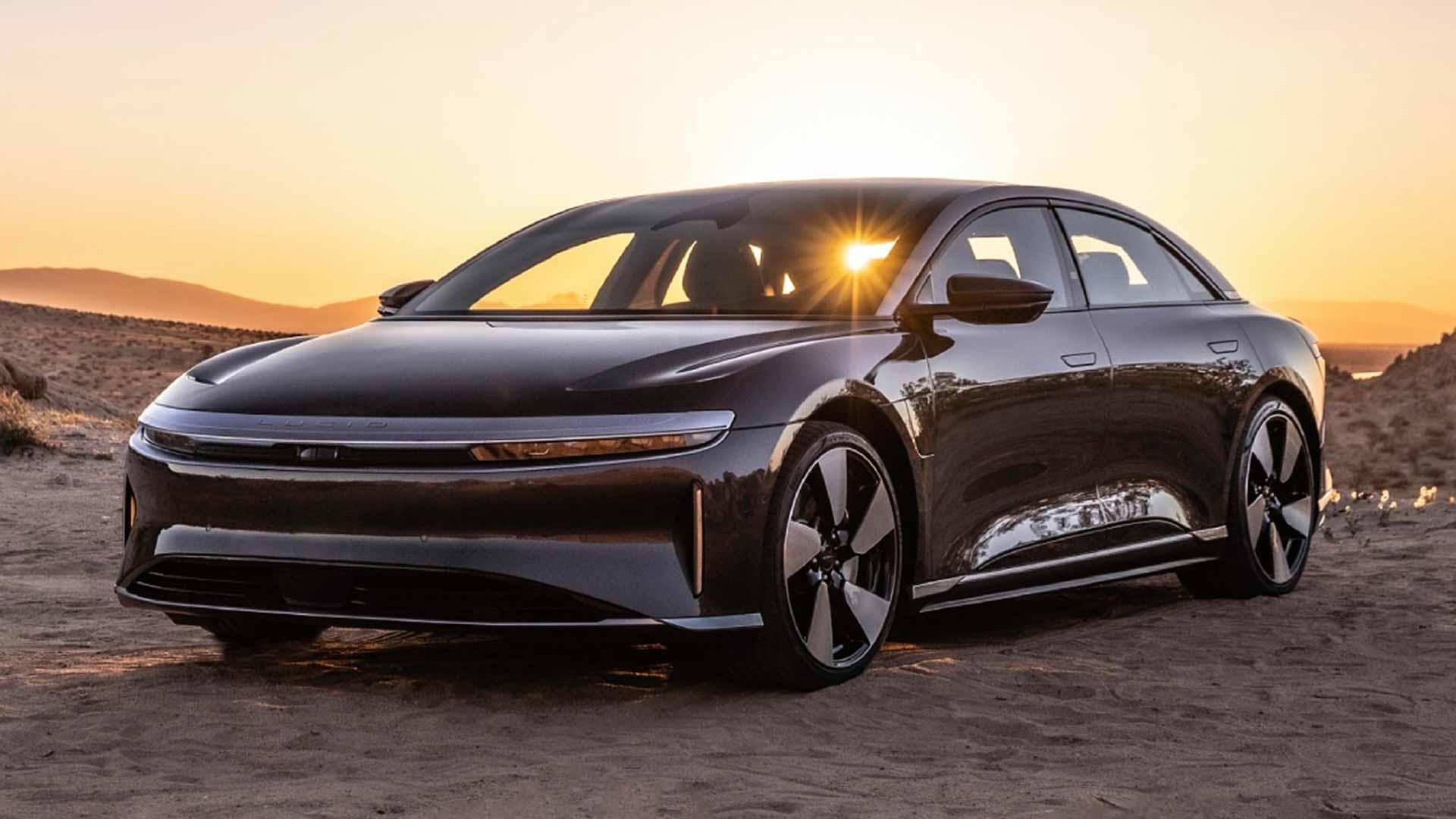
Aston Martin has struck a supply deal with American luxury EV firm Lucid to create its future range of electric cars.
The supply deal with Lucid gives Aston Martin access to “industry-leading” electric vehicle technologies.
Aston Martin will have access to both Lucid’s current and future powertrain and battery technology. The tech will be used to power Aston Martin’s all-new, in-house Battery Electric Vehicle (BEV) platform.
The deal, which was announced to the London Stock Exchange this morning, is described as a long-term relationship with Lucid.
Aston Martin’s existing tech partnership with Mercedes-Benz also continues – and a renewed deal was also confirmed today. This includes powertrain and electronic architectures, again for both current and future Aston Martin vehicles.
The British brand’s surprise decision to use Lucid EV powertrain technology, instead of Mercedes-Benz, is part of a £2bn investment which Aston Martin calls the Racing Green sustainability strategy.
Lawrence Stroll, executive chairman of Aston Martin, said: “The supply agreement with Lucid is a game changer for the future EV-led growth of Aston Martin.
“Based on our strategy and requirements, we selected Lucid, gaining access to the industry’s highest performance and most innovative technologies for our future BEV products.
“We will not only leverage the significant investments Lucid has made to develop its world-class technologies, but will also further enhance and differentiate the drive experience through the work Roberto Fedeli [Aston chief tech officer] and his teams are already developing, aligned with our ultra-luxury, high-performance strategy.
“Along with Mercedes-Benz, we now have two world-class suppliers to support the internal development and investments we are making to deliver our electrification strategy.”
Stroll added the recently-announced long-term partnership with Geely will open up access to its tech too, along with its expertise of China, a key strategic market.
As part of the EV tech deal, Lucid will receive phased cash payments of around £182m, and become a 3.7 percent shareholder in Aston Martin.
Aston Martin EV strategy
The new Aston Martin BEV platform will underpin all the firm’s future EVs, “from hypercars to sports cars, GTs and SUVs”. The first will launch in 2025.
The single BEV platform will be bespoke and combine Lucid’s powertrain technology with the Mercedes-Benz electric architecture.
Aston Martin says the next-generation technology will deliver class-leading performance and “brilliantly resolved vehicle dynamics”.
Enthusiasts are promised ultra-precise control of power delivery to each wheel, to create a “unique and distinct dynamic fingerprint for each Aston Martin BEV”.
The firm will also lean upon the expertise of Aston Martin Performance Technologies, the consulting arm of the Aston Martin Formula 1 team.