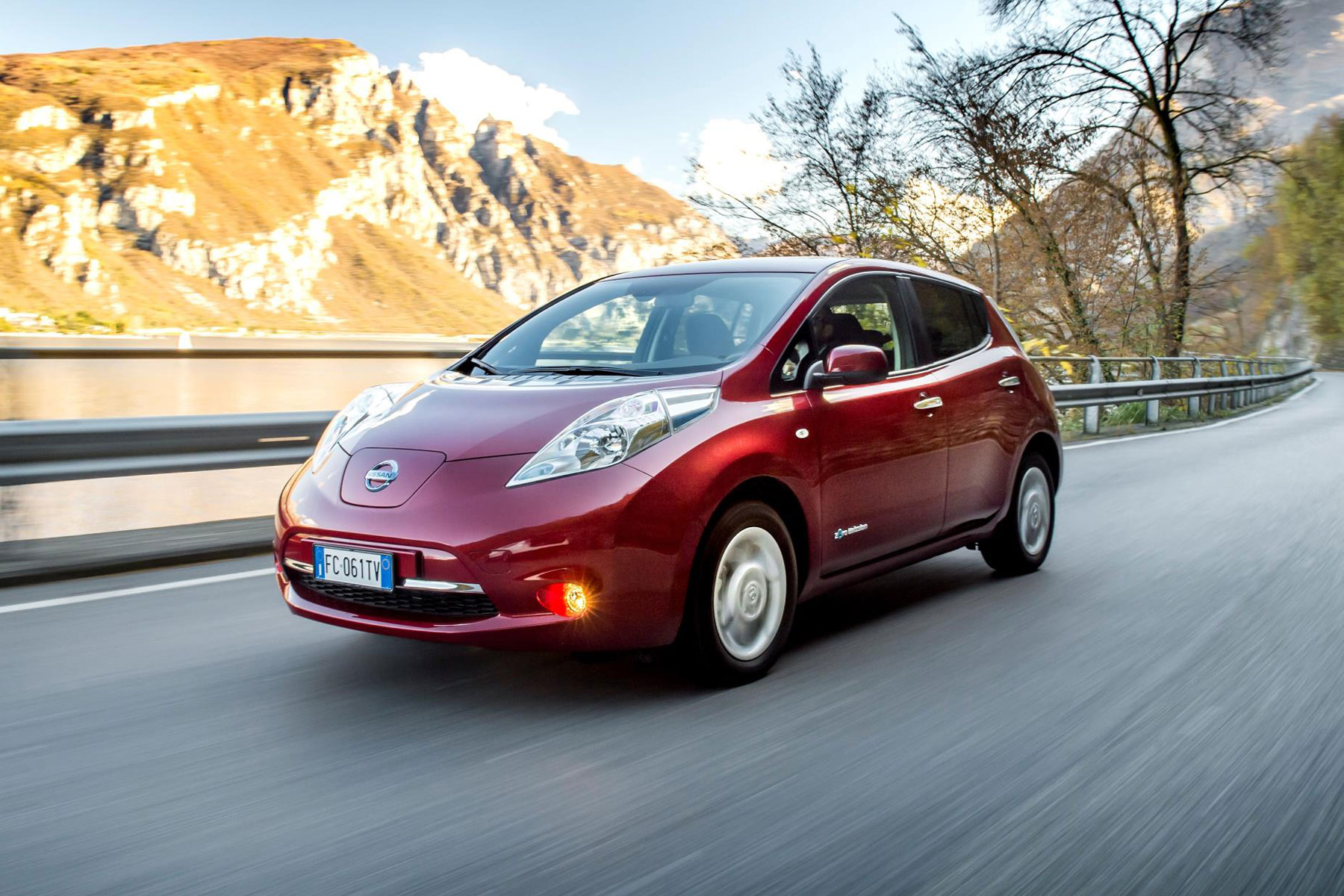
A quarter of secondhand car dealers are concerned that the number of cars with mileage discrepancies is on the rise – with many worried about the effect the issue will have on their business.
It follows news earlier in the year that as many as one in 16 cars on UK roads could be displaying the wrong mileage, with the rise of PCP deals fuelling the increase in clocked cars.
The company behind the survey, Cap HPI, says it’s becoming easier to alter digital odometers with technology to do so easily accessible via the internet. With PCP and PCH finance schemes offering tempting deals based on mileage limits, drivers might be more tempted than ever before to fraudulently reduce their mileage to avoid paying excess mileage penalties.
“There’s no doubt that the escalating problems associated with clocking and mileage tampering are now starting to become a cause for concern by dealerships across the UK,” said Cap HPI’s head of industry relations, Barry Shorto.
“The situation demands a tough stance from the industry and the government as not only is it costing honest motorists millions but it is tarnishing the good names of established and reputable car dealers across the UK who are on the receiving end of this deception.
More buying advice on Motoring Research:
Car clocking is on the rise – and PCP deals could be to blame
The four-step guide to avoid buying a cloned car
Is your green car hiding a dark secret?
“There’s also the vital issue of driver safety which unscrupulous clockers have no regard for whatsoever in their quest to make a quick buck.”
While it’s illegal to sell a car with the wrong mileage on the clock without declaring it, the law around whether it’s legal to actually adjust the mileage isn’t as clear. Companies offering this service say they’re acting within the law – with some making the car’s owner sign a declaration saying they won’t sell the vehicle on without informing the new owner that the mileage has been altered.
Top Gear presenter Chris Harris talked about the next series of the hit show in an exclusive interview with Motoring Research.
Harris was at the National Motor Museum, Beaulieu, for the relaunch of World of Top Gear. The exhibition includes many famous – and infamous – cars from the show, including the Ford Transit ‘Hovervan’, Reliant Robin space shuttle and electric ‘Hammerhead Eagle i-Thrust’.
“There’s a lot of history here,” he explained at the press conference. “We’re trying very hard to be silly”.
Asked about working on Top Gear so far, Harris said: “I’m still pinching myself. I don’t think it’ll ever sink in. I’ve basically been around Kazakhstan with Matt LeBlanc, messing about in cars – I think that’s most blokes’ dream isn’t it?”
Of the forthcoming series, due in 2018, he revealed: “I like to think the best thing I’ve done on Top Gear is yet to happen. I’ve been to France and shot an older car and I’ve been to Norway and shot a younger car”. This fuelled speculation that the ‘younger car’ could be either a Range Rover Velar or four-cylinder Jaguar F-Type, both of which debuted in Norway recently.
We also asked Harris – who owns an eclectic collection of cars – what’s next on his must-buy list. “It’s never-ending,” he said, “I wake up on a different day and need a different thing. I want a [Ferrari] F40, but I can’t afford an F40. And I’d like a [Porsche 911] GT3 because that new 4.0-litre engine is stunning.”
Harris also talked-up the Porsche Panamera Sport Turismo and Audi RS4 Avant as fast family wagons, but his most effusive praise was reserved for something rather more humble: “That new Suzuki Ignis: doesn’t that look good? I see them on the road and think ‘that’s a funky car'”.
Drifting with a ‘Driving God’
After posing with the Rodius-based ‘SsangYacht’, the 670,000-mile Volvo V70 he drove in Kazakhstan, and other “absurd motor-vehicle-based objects” inside the World of Top Gear, Harris made his way to Beaulieu’s display area. There, he entertained the crowds with smoky powerslides in a 510hp Mercedes-AMG C63 S Edition 1.
“Want to join him for a few passenger laps?” asked the BBC PR lady. It seemed rude not to, so we donned our crash helmets and clambered aboard. Chris disabled all the stability control systems then served up a masterclass on how to shred a set of tyres in two minutes. “I quite like my job,” he joked.
We clambered out, dizzy and thankful that we’d postponed lunch. Harris is clearly a hotshot driver and a genuine asset to the Top Gear team. We look forward to seeing what he does next.
It is hoped the high visibility orange surface will make the emergency area easier to spot by panicked motorists in a crisis, and also encourage drivers only to use it in an emergency. The new orange emergency refuge is also better signalled by improved signage.
Highways England chief executive Jim O’Sullivan said the objective was to give motorists more confidence when using them, and also make it clear exactly where they are able to safely stop on a smart motorway.
“The bright orange colouring will make them as easy as possible to spot and should also discourage drivers from using them in non-emergency situations. I hope it helps drivers feel more confident about using a smart motorway: we know that smart motorways are safe.”
Transport secretary Chris Grayling said the government was also running other initiatives into safe smart motorway use, such as national TV, radio and social media campaigns on issues such as not driving in lanes closed by ‘red X’ signs’. Highways England calls it a concerted drive to improve awareness of smart motorway driving.
The trial orange emergency area is on the M3 near Camberley. If the trial is a success, it will be rolled out to emergency areas on smart motorways across the country, as part of other upgrades for the network.
These will be influenced by the findings of a review into the design and spacing of emergency areas on smart motorways. It is due to report in the autumn.
More on Motoring Research:
More than 50,000 drivers a year hit with fines on smart motorways
Opinion: Motorways are smart. Pity drivers aren’t
Revealed: the smart motorways most likely to hit you with a ticket
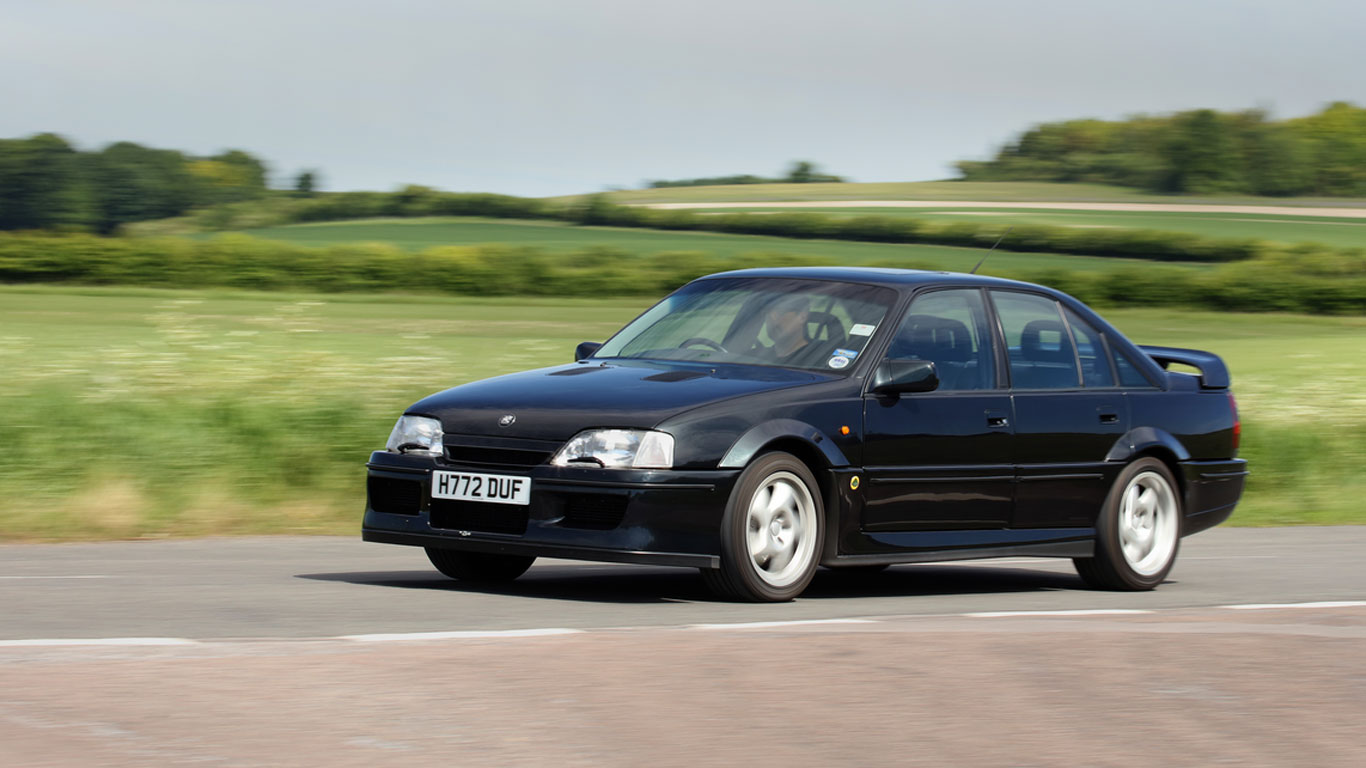
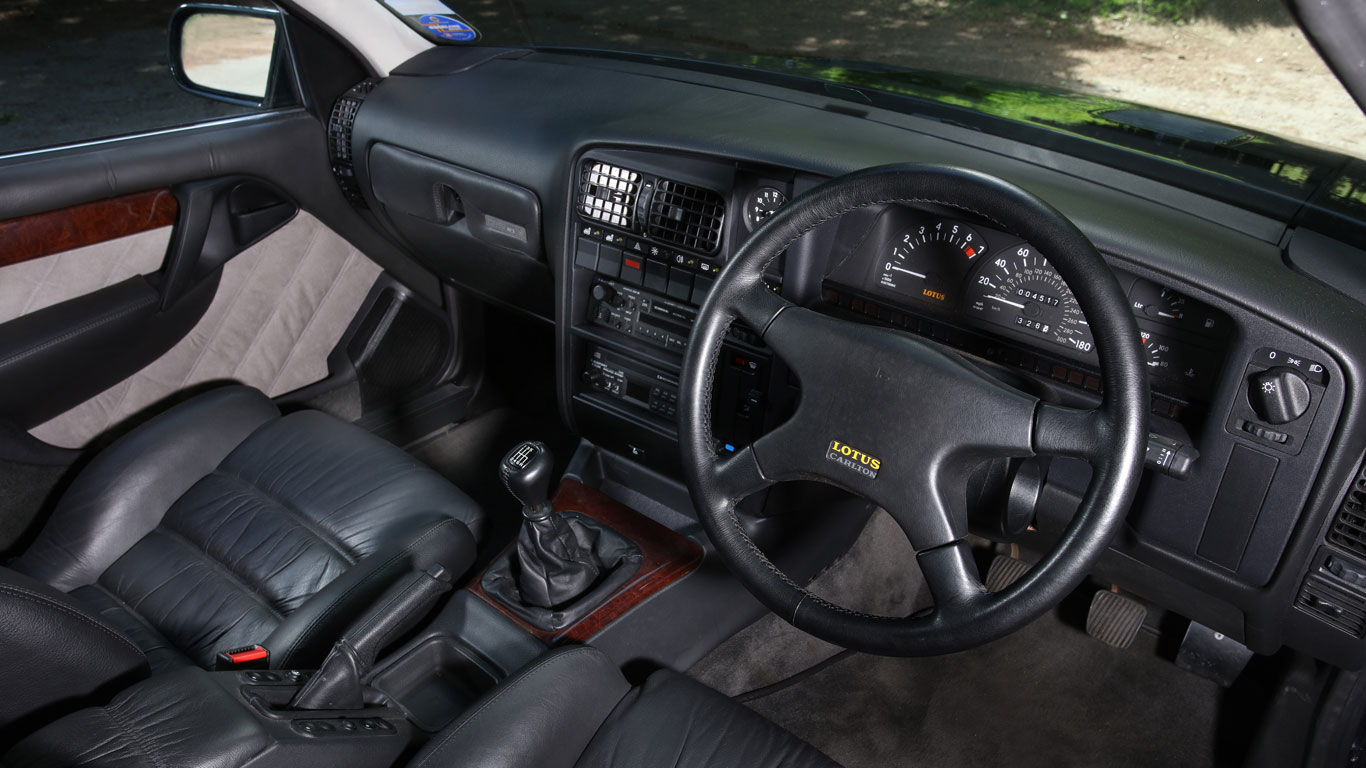
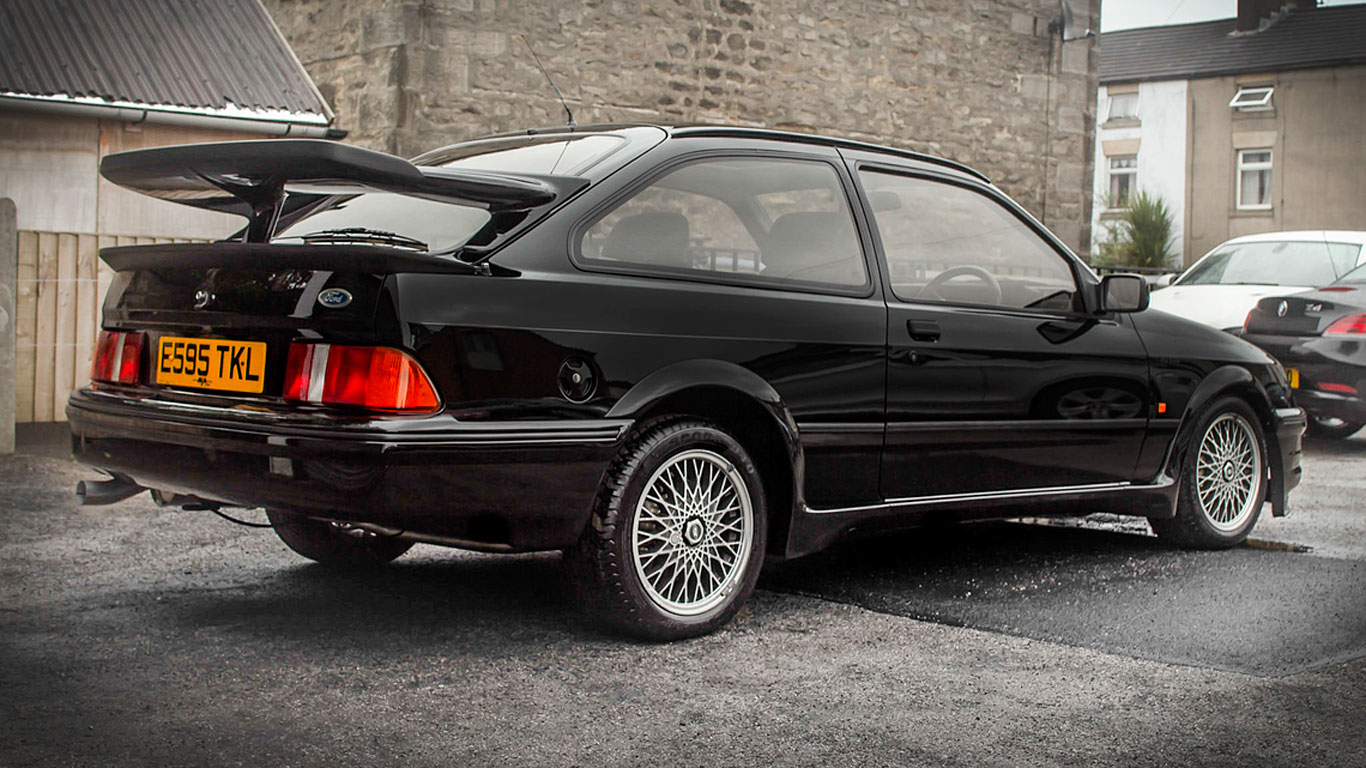
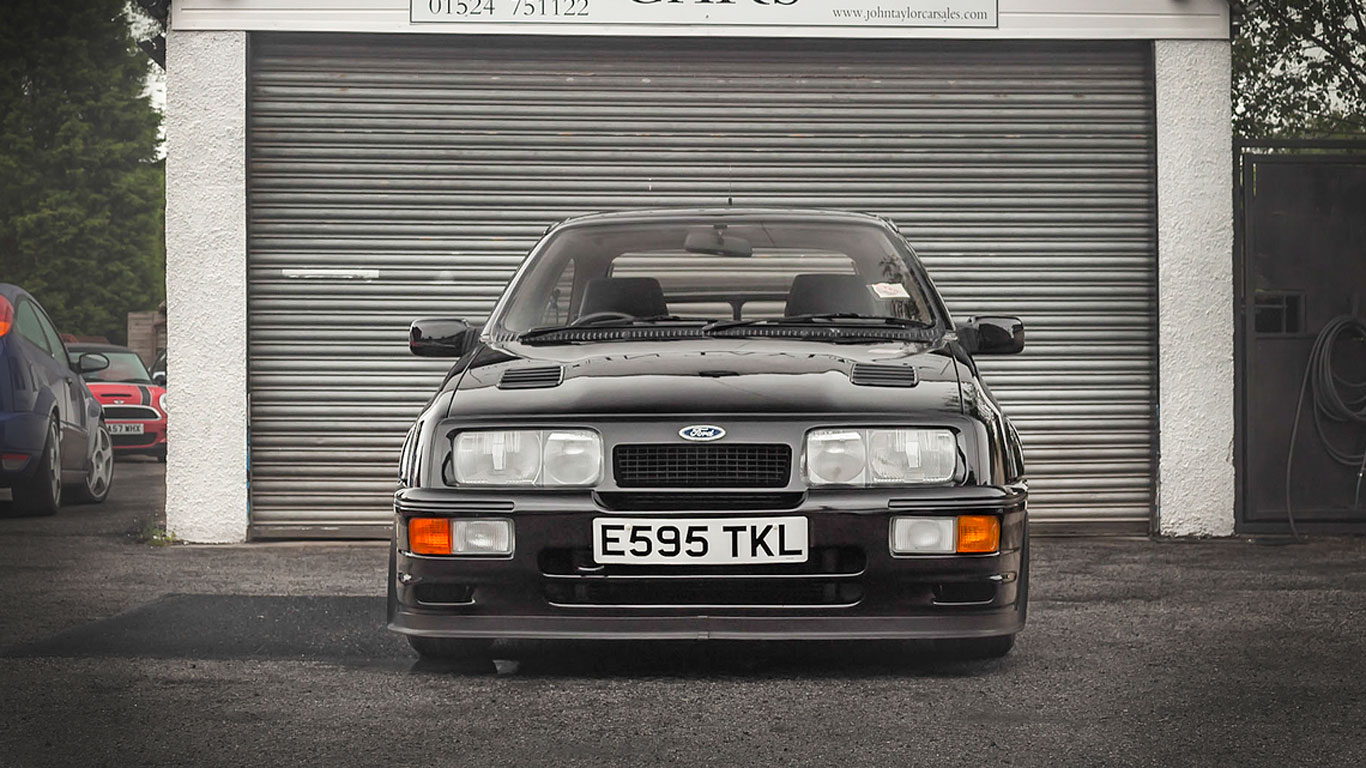
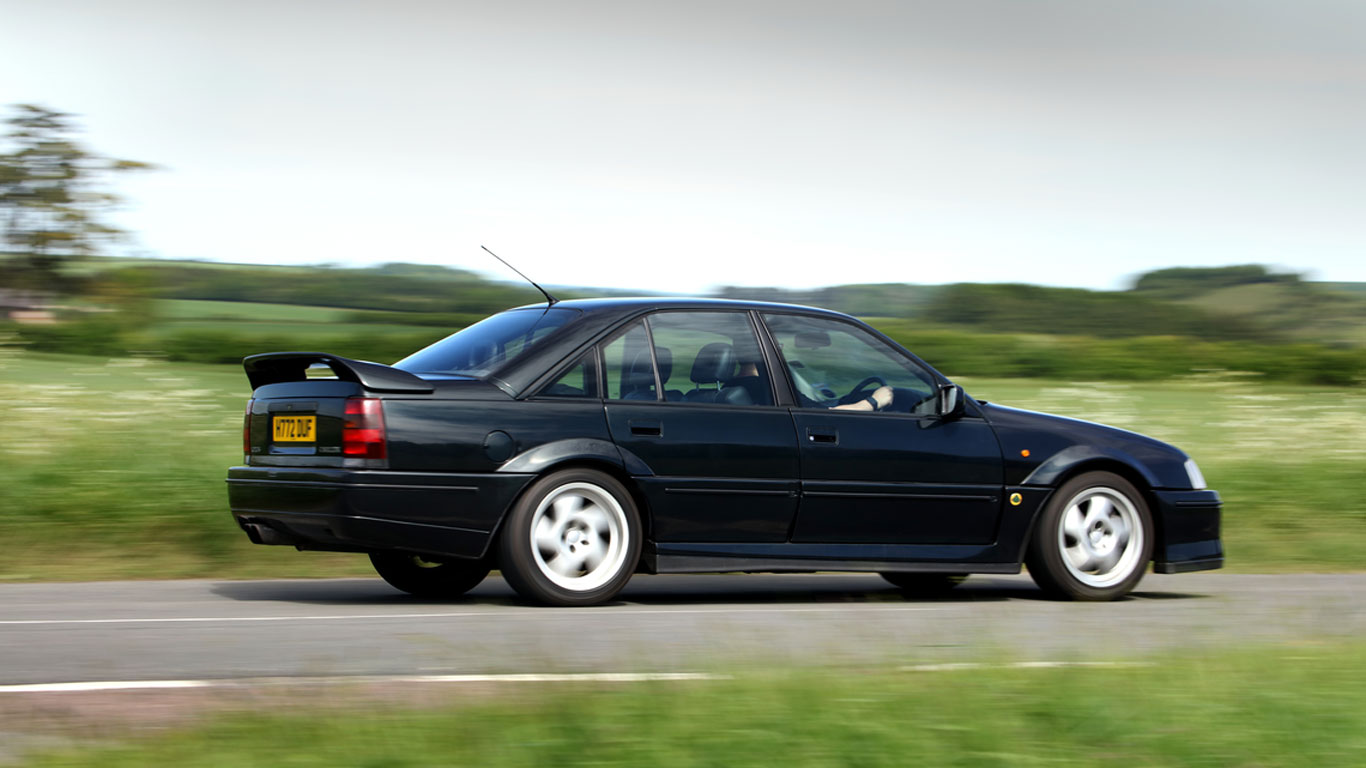
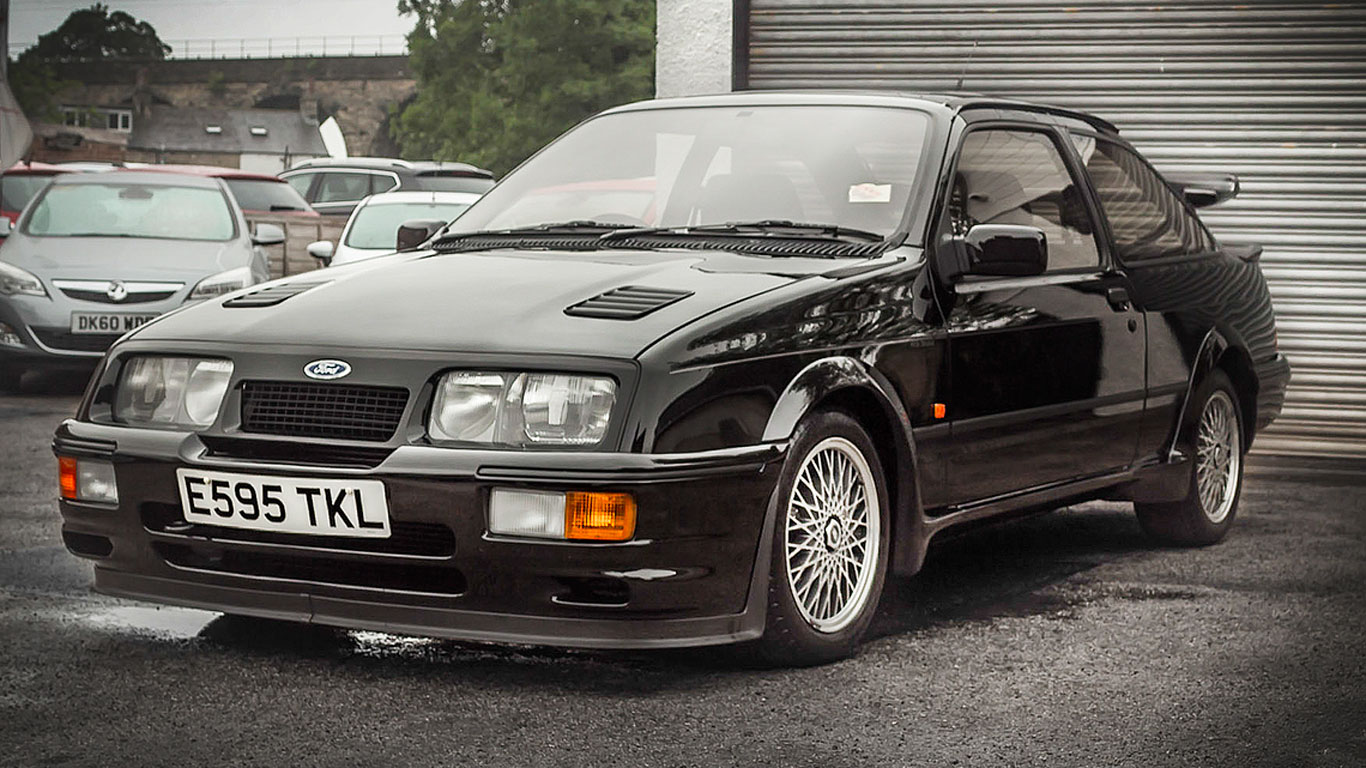
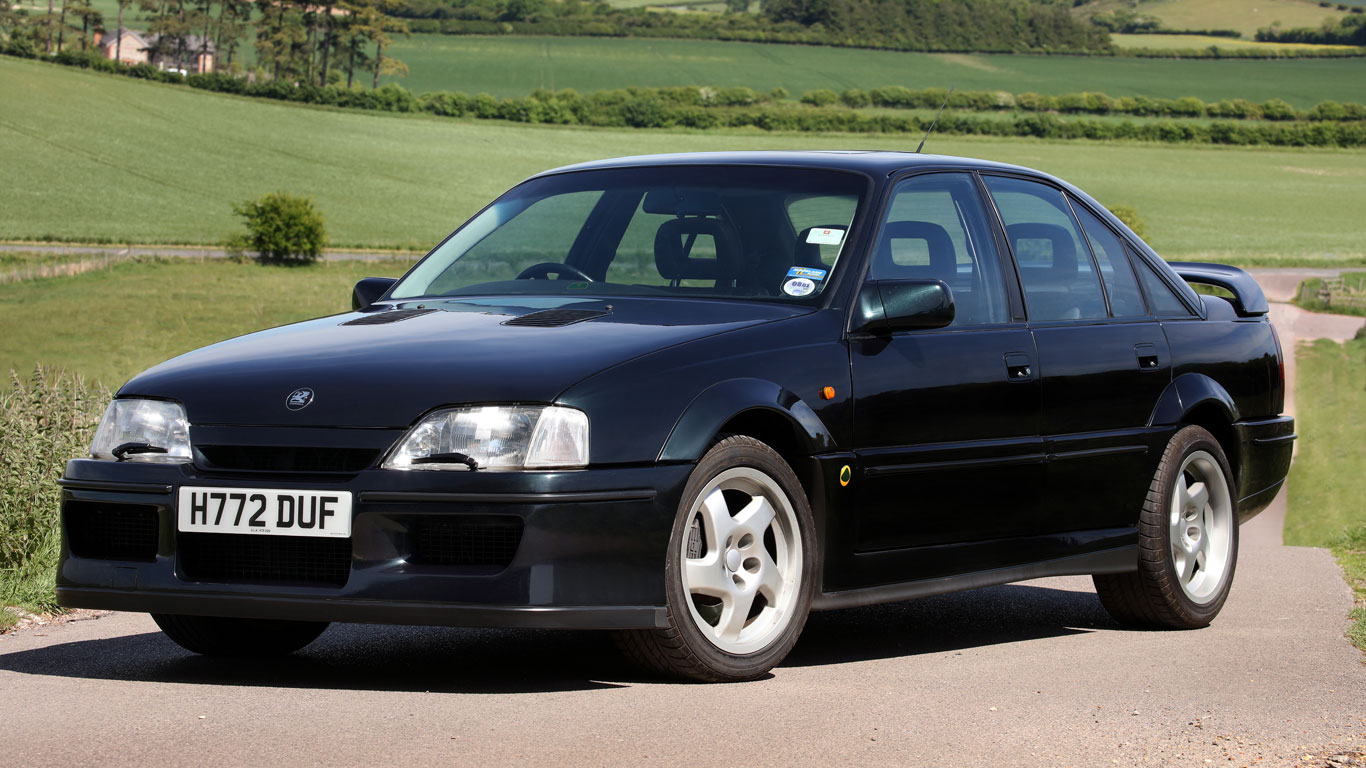
The Ford Sierra RS Cosworth and Vauxhall Lotus Carlton share a few things in common, most notably the fact that they’re both based on more humble vehicles. Right now, performance cars of the 80s and 90s are hot property, which is why we’ve selected two from the forthcoming Silverstone Auctions Classic Sale.
The auction takes place over the weekend of the 29th and 30th July, with this pair likely to be in demand. Which working class hero would you drive home from Silverstone?
More modern classics on Motoring Research:
Ford Sierra RS Cosworth: Retro Road Test
Vauxhall Chevette HS: Retro Road Test
Made in Dagenham: Ford’s secret classic car collection
Ford Sierra RS Cosworth
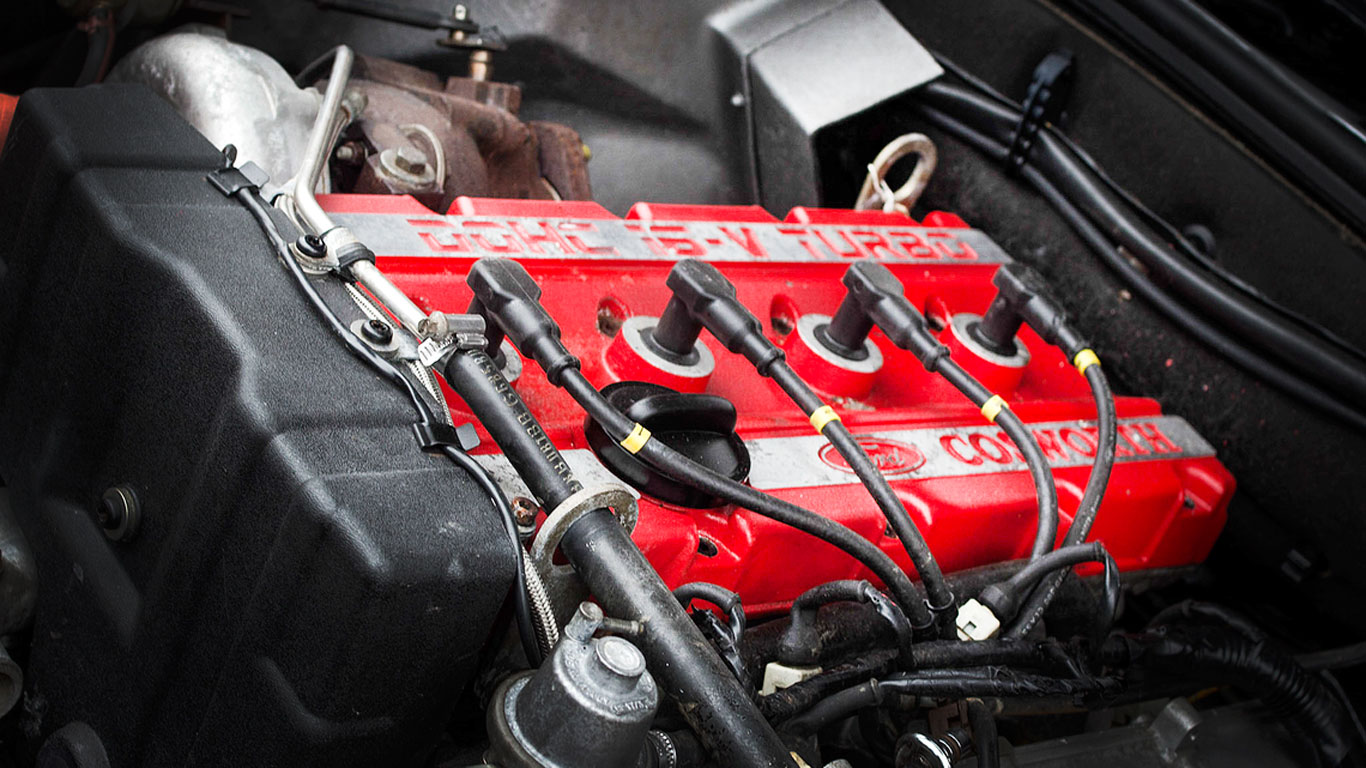
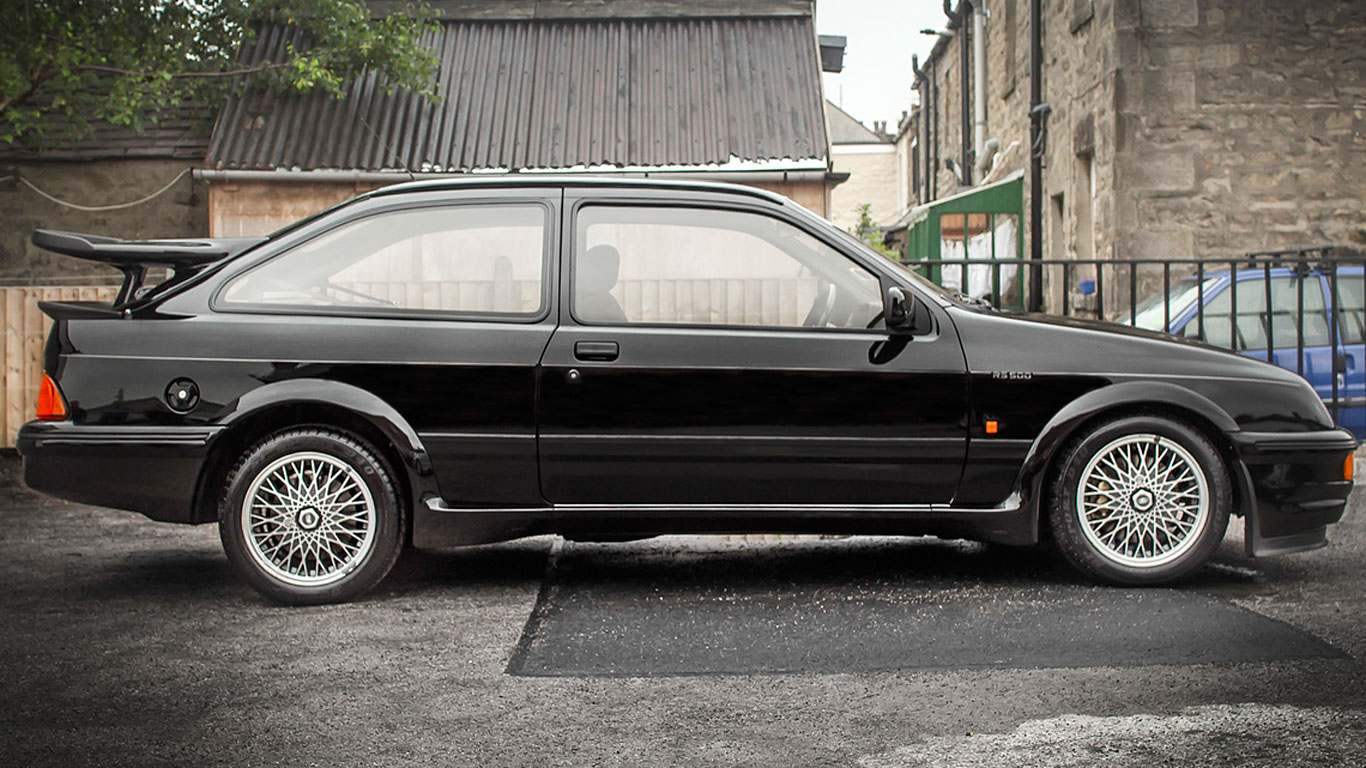
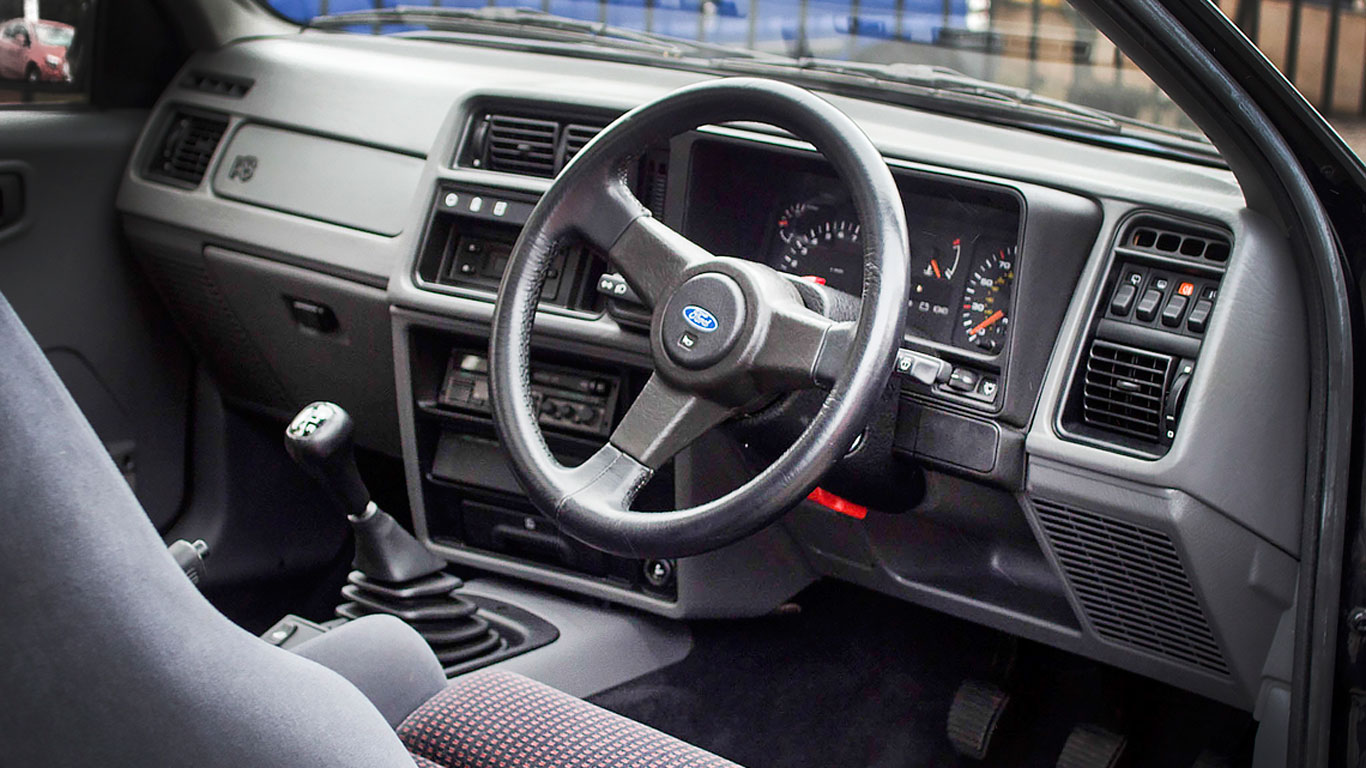
The Ford Sierra RS Cosworth represents the very essence of the performance car of the 1980s: turbocharged, extroverted and in-yer-face. It arrived in 1985, with a Garrett T3 turbocharger adding muscle to Ford’s 2.0-litre engine. In ‘standard’ guise it packed a 204hp punch, enough to haunt the dreams of Integrale and Quattro owners. The RS500 upped the ante even further, as we’re about to discover…
Vauxhall Lotus Carlton
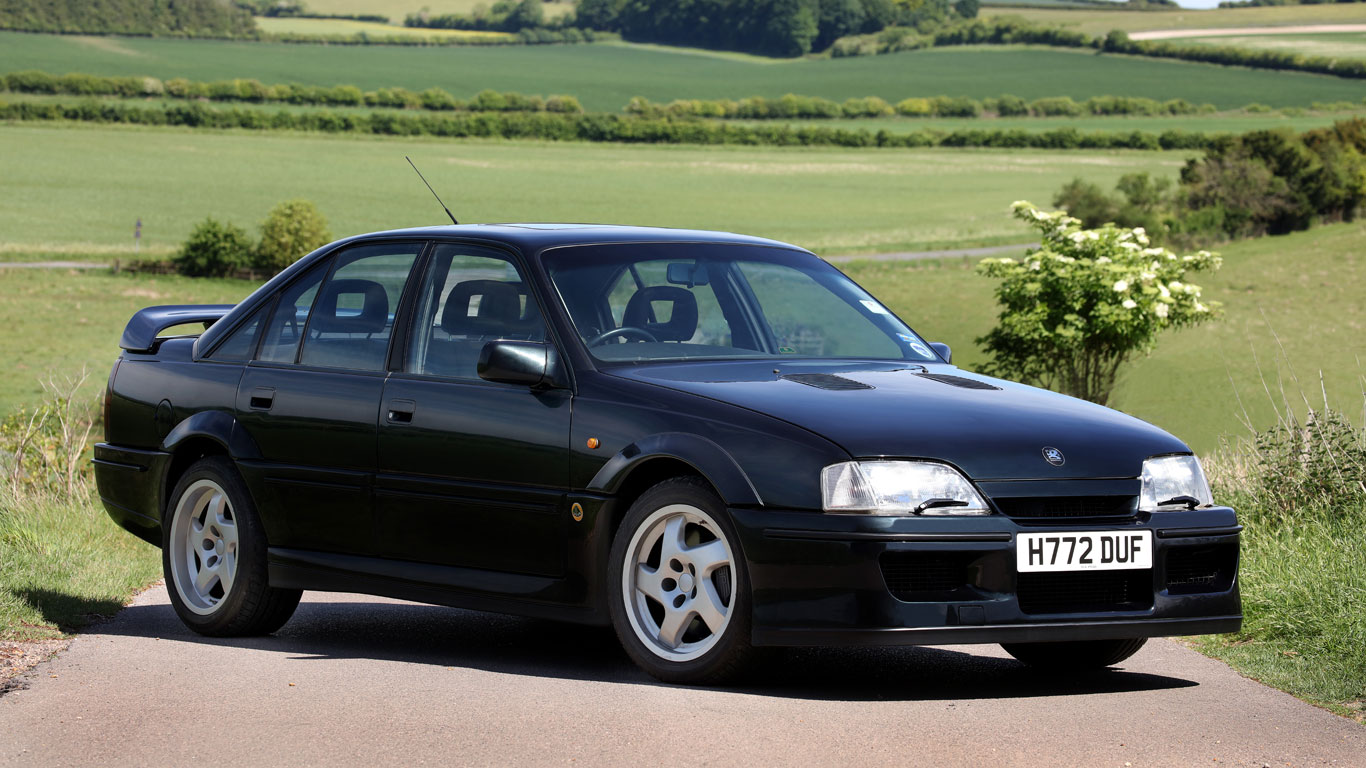
If the Sierra RS Cosworth was as loud and brash as a Game of Thrones battle scene, the Vauxhall Lotus Carlton was more Nordic Noir – introverted and sombre-suited. But beneath the stealth-like saloon lies a performance car of real pedigree. It’s arguably the greatest Q-car of all-time. Choosing between the Carlton and the Cossie will split opinion like a Brexit debate, but we’ll provide the facts for you to make an informed decision.
Ford Sierra RS500 Cosworth: performance
To create the limited edition RS500, Ford sent the RS Cosworth to Tickford. A Garrett T31 turbocharger, larger intercooler and induction system combined to increase the output to 224hp, although race versions could develop as much as 600hp.
Vauxhall Lotus Carlton: performance
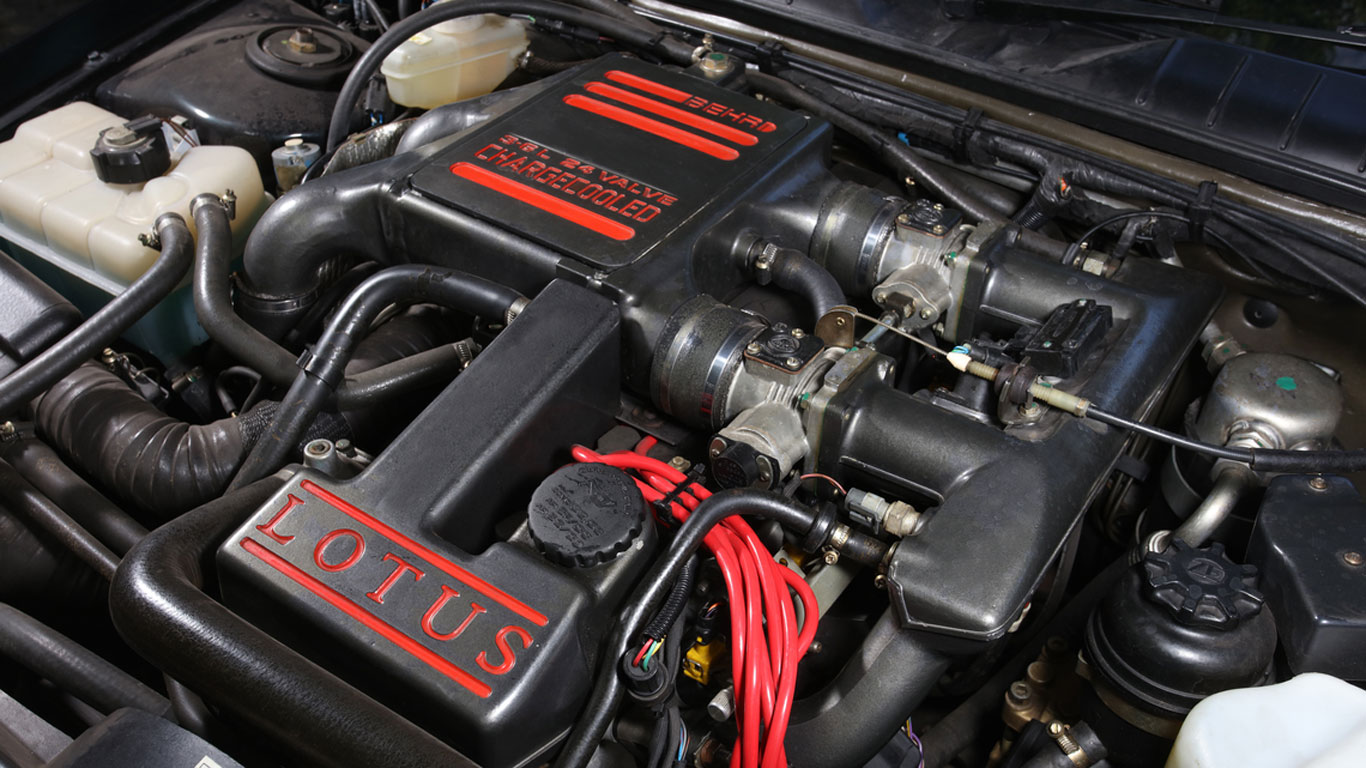
Why have a single turbocharger when you can have two? The Lotus Carlton was powered by a 3.6-litre engine paired with two Garrett T25 turbochargers to develop a mighty 377hp at 5,500rpm and 419lb ft torque at 4,200rpm.
Ford Sierra RS500 Cosworth: top speed
Thirty years on, the RS500’s performance figures remain hugely impressive. Top speed was 153mph, with the 0-62mph time blitzed in a mere 6.2 seconds. Ford and Tickford had the sense to fit uprated brakes.
Vauxhall Lotus Carlton: top speed
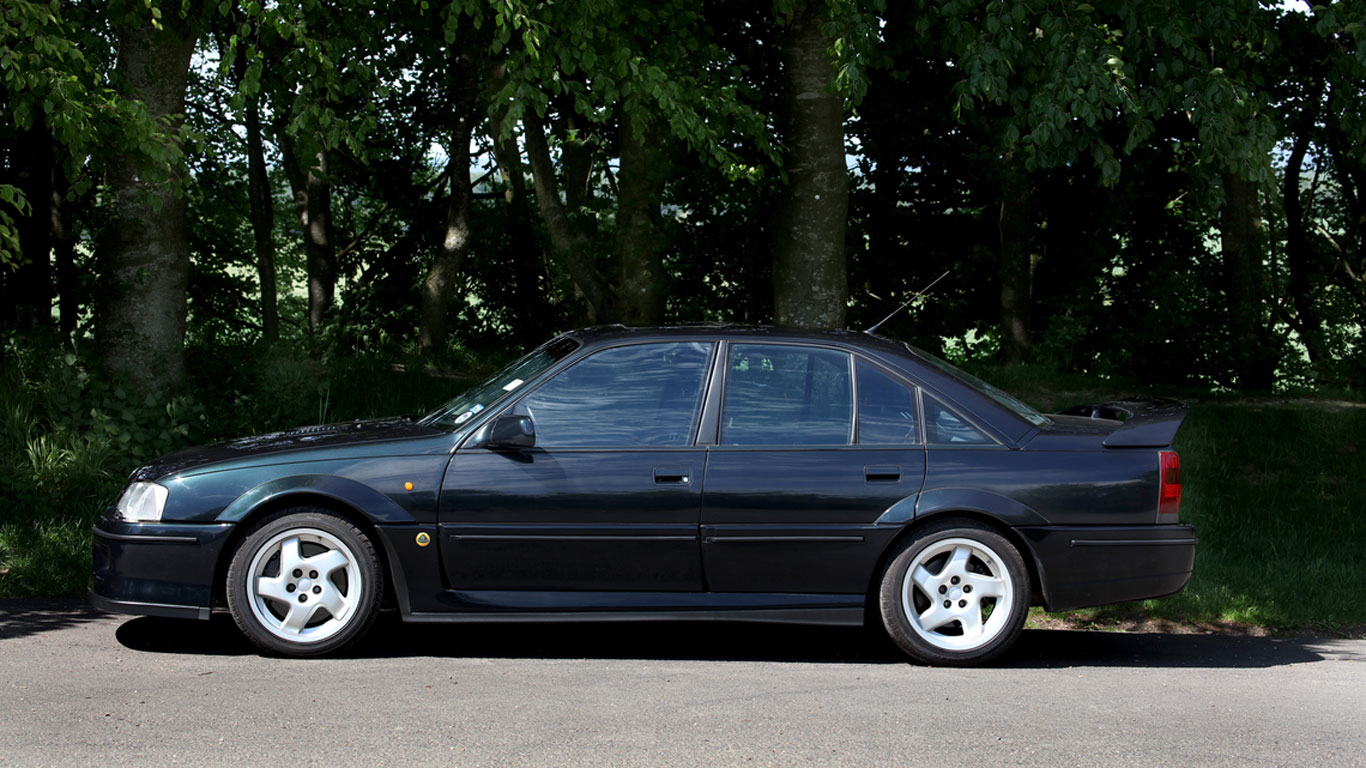
Given a long enough runway, the Lotus Carlton would still be hurtling towards the horizon when the Cossie had maxed out. In fact, the Carlton could hit a top speed of 176mph, making it faster than a Ferrari 348. It was, at the time, the fastest four-door saloon on the planet.
Ford Sierra RS500 Cosworth: auction car
This example left the Tickford factory in July 1987 and was delivered to a Mr Souter in Kent. He sold the car 13 months later to a wealthy individual who kept the Sierra for 29 years. It remained untouched in a garage for 26 years, before being ‘rescued’ by Cosworth specialist John Taylor. It has since been recommissioned and is presented in its original unrestored condition.
Vauxhall Lotus Carlton: auction car
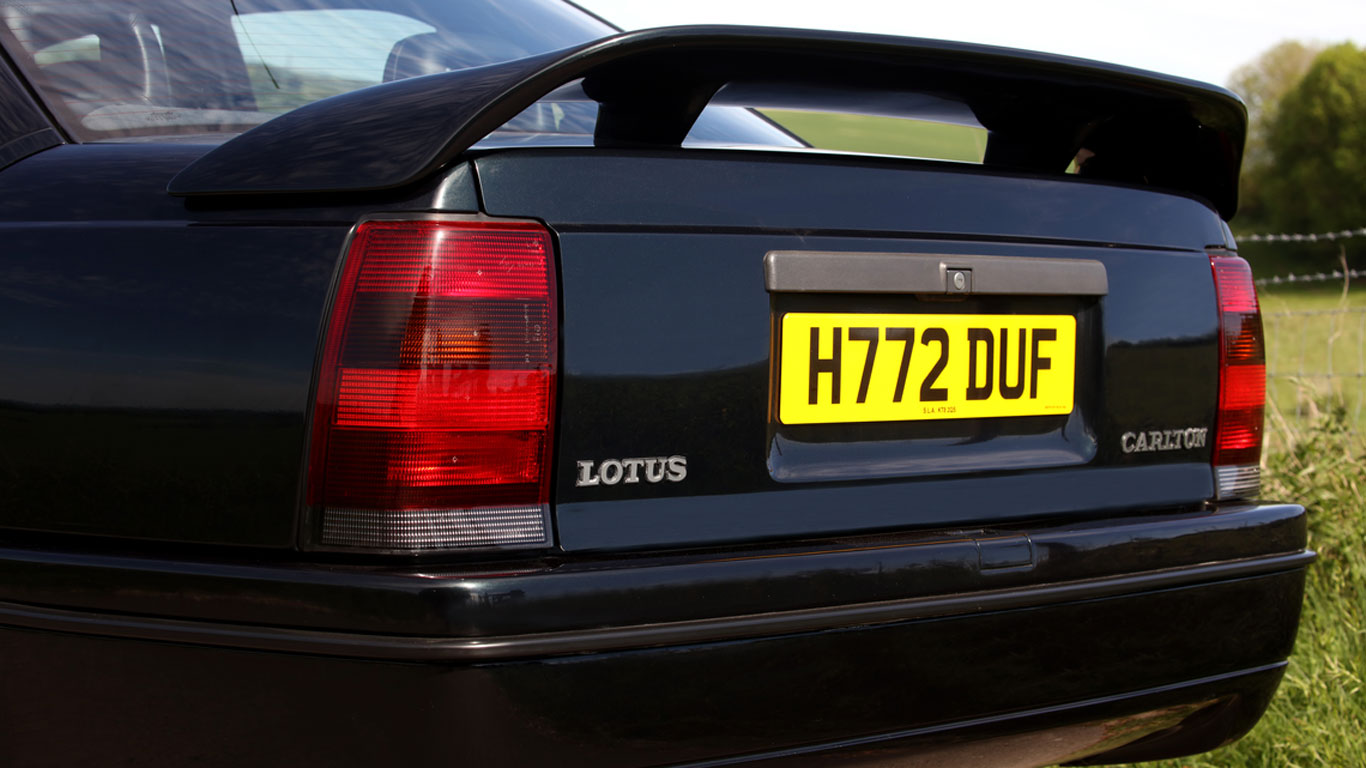
This 1991 example is car number 28 and was sold new in Blackpool. It spent a number of years in dry storage, which explains why there are just 4,500 miles on the clock.
Ford Sierra RS500 Cosworth: rear wing
To the untrained eye, there’s little to distinguish the RS500 from the ‘regular’ RS Cosworth, but the tailgate spoiler beneath the ‘whale tail’ rear wing is one giant clue. RS500 decals are another giveaway.
Vauxhall Lotus Carlton: rear spoiler
The more you look at the Lotus Carlton, the more you notice the visual differences to the standard saloon, but the overall effect is far more discreet. The rear spoiler is a neat addition, but the wide arches, bodykit and bonnet vents are harder to spot.
Ford Sierra RS500 Cosworth: Daily Mail
The Ford Sierra RS Cosworth was a joyriders’ dream in the 1980s, but we don’t believe the car ever upset the Daily Mail. Its drivers might have ruffled a few feathers, but you can hardly blame the car for the actions of the people, even if it was easier to break into than a Fisher Price money box.
Vauxhall Lotus Carlton: Daily Mail
The Lotus Carlton, on the other hand, was unable to escape the wrath of the Daily Mail. Too fast for the road, declared the newspaper, with the Association of Chief Police Officers labelling it ‘an outrageous invitation to speed’. Such notoriety only served to create a legend.
Ford Sierra RS500 Cosworth: estimate
When it was launched in 1987, the RS500 cost £19,950, compared to the £15,950 of the standard Cosworth. Today, this example, which has a mere 10,733 on the clock, is likely to fetch between £90,000 and £100,000.
Vauxhall Lotus Carlton: estimate
Which kind of makes the £60,000 to £70,000 estimate for the Lotus Carlton seem like a bargain, especially when it cost around £48,000 when new. If the price is too much for you, there’s another example in the auction, with a pre-auction estimate of £22,000 – £26,000.
If you fancy placing a bid on the Carlton or the Cossie, the Silverstone Classic Sale takes place on the 29th and 30th July 2017.
Would you get out of bed at silly o’clock in order to be one of the first to drive on a new stretch of road? Probably not, but we did, so you don’t have to. Or something.
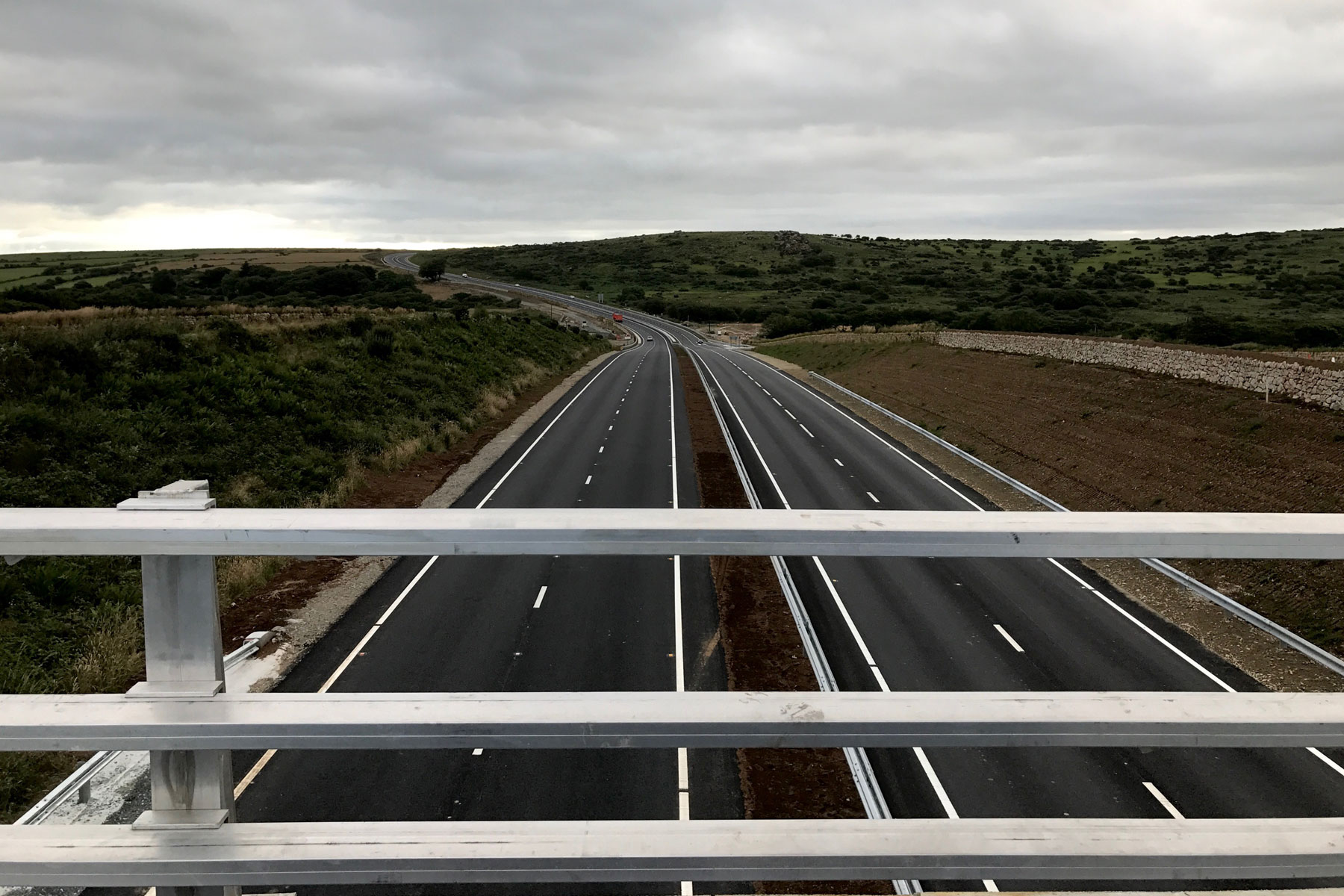
Finally, following two years of delays and a blanket 40mph speed limit, the dual carriageway across Bodmin Moor at Temple is open, bringing welcome relief to local residents, businesses and the millions of tourists who visit Cornwall every year.
It removes another section of single carriageway between Scotland and Cornwall, with Carland Cross – some 30 miles west on the A30 – the next bottleneck on the way to Land’s End.
Recently, Highways England announced plans to upgrade the road between Carland Cross and Chiverton Cross, with work expected to commence in 2019/2020 at a cost of between £100 million to £250 million.
A champagne moment for Cornwall?
In effect, then, the dual carriageway at Temple simply shifts the problem further into Cornwall, but let’s not allow that to get in the way of what is a momentous day for the county and the A30.
Or, at least, it should be. As we arrived at 6am, the night workers were removing the cones from the point of the overnight diversion at Launceston, but there was no fanfare. No ribbon across the road. No councillor armed with champagne, cheerily declaring the road open.
Instead, the dignitaries have chosen to gather on a bridge at a more respectable time of day, by which time thousands of motorists will have blessed the virgin tarmac, enjoying the disappearance of the average speed cameras that have welcomed people to Cornwall for the previous two years.
It’s a far cry from the days when booklets were produced to mark the opening of a new road. “The opening of the Preston By-pass marks the beginning of a new era of motoring in Britain,” said the official bumf for Britain’s first motorway in 1958.
As the excellent Chris’s British Road Directory rightly says, we’ve become a little blasé about new roads, cursing them during construction and not giving them a second thought once they have opened.
In fairness, Kier – the company entrusted to handle the construction work – has done an excellent job of keeping motorists updated with progress, even if the completion date is a year behind schedule.
This was the scene at 6.55am, less than an hour after the road officially opened:
I woke at the crack of dawn to be one of the first to drive on the new stretch of #A30 across Bodmin Moor. I don’t get out much. pic.twitter.com/VnBP3j3xIJ
It’s not quite finished. There’s still a fair bit of work to do either side of the dual carriageway and the bridge across the A30 at Temple Tor won’t be open until the end of July. But crucially, the holidaymakers who will converge on Cornwall over the coming weeks and months will discover that their west journey is just that little bit easier.
More time to spend on the beach, or at least queueing at the roundabout where the A30 meets the A39 at Carland Cross.
Here’s a video of our early morning drive on Cornwall’s newest dual carriageway. If nothing else, it shows just how changeable the weather can be on Bodmin Moor. Little wonder the project was delayed by heavy rainfall.
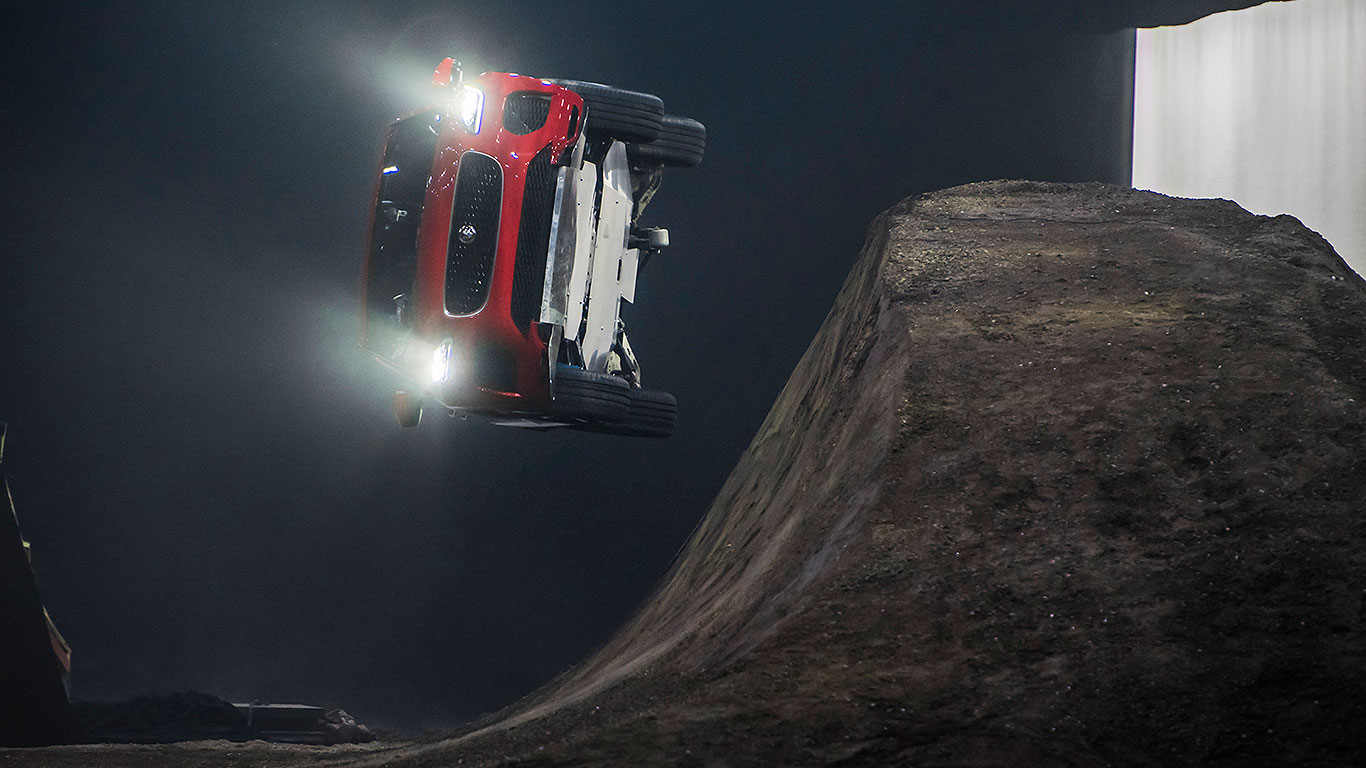
Jaguar has launched the new E-Pace SUV with a bang by recreating a famous James Bond stunt and performing the longest barrel roll ever. Guinness World Records adjudicators were on hand at the performance, held at London’s Excel, to officially hand over the certificate.
Part of the global reveal event for the new E-Pace small SUV, stunt driver Terry Grant was behind the wheel of the record-breaking car: he can now add Furthest Barrel Roll in a Production Vehicle to his other Guinness World Record, that of the Highest Loop-the-Loop – also performed in a Jaguar.
This was a formidable challenge: not many locations in the UK are big enough to house the record attempt. It required a 160-metre run-up and more than 15 metres between take-off and landing, during which Grant experienced forces of 5.5-g.
The E-Pace twisted through a 270-degree roll and landed on all four wheels still travelling rapidly: Jaguar spent months calculating the exact speed Grant had to be travelling at before take-off, using CAD modelling and production-spec E-Pace data.
“As far as I am aware no production car has ever cleanly completed a bona-fide barrel roll and therefore it has always been an ambition of mine to perform one ever since I was a boy,” said Grant.
“After driving the Jaguar F-Pace in the record-breaking loop-the-loop, it has been amazing to launch the next chapter of the Pace story in an even more dramatic dynamic feat.”
Grant’s first Jaguar World Record was set back in 2015, when he helped launch the F-Pace with that iconic loop-the-loop drive in Frankfurt. This E-Pace stunt surely topped that though, and Grant was clearly ecstatic by the end.
DJ Pete Tong later performed – and even he was impressed. “Jaguar breaking the Guinness World Record for the barrel roll… seeing this stunt recreated right in front of us… it was mind-blowing.”
The officials agreed. “This amazing feat really was a sight to behold,” said Guinness World Records adjudicator Pravin Patel. “While I’ve seen the barrel roll stunt in film, witnessing this incredible feat in real life was something pretty special.”
The barrel roll was first performed in the 1974 Bond film The Man With The Golden Gun. It was the world’s first computer-modelled car stunt, and an incredibly complicated routine to perform: there are umpteen parameters and the original routine all had to be performed in one take. Apparently, they nailed it on the first shot…
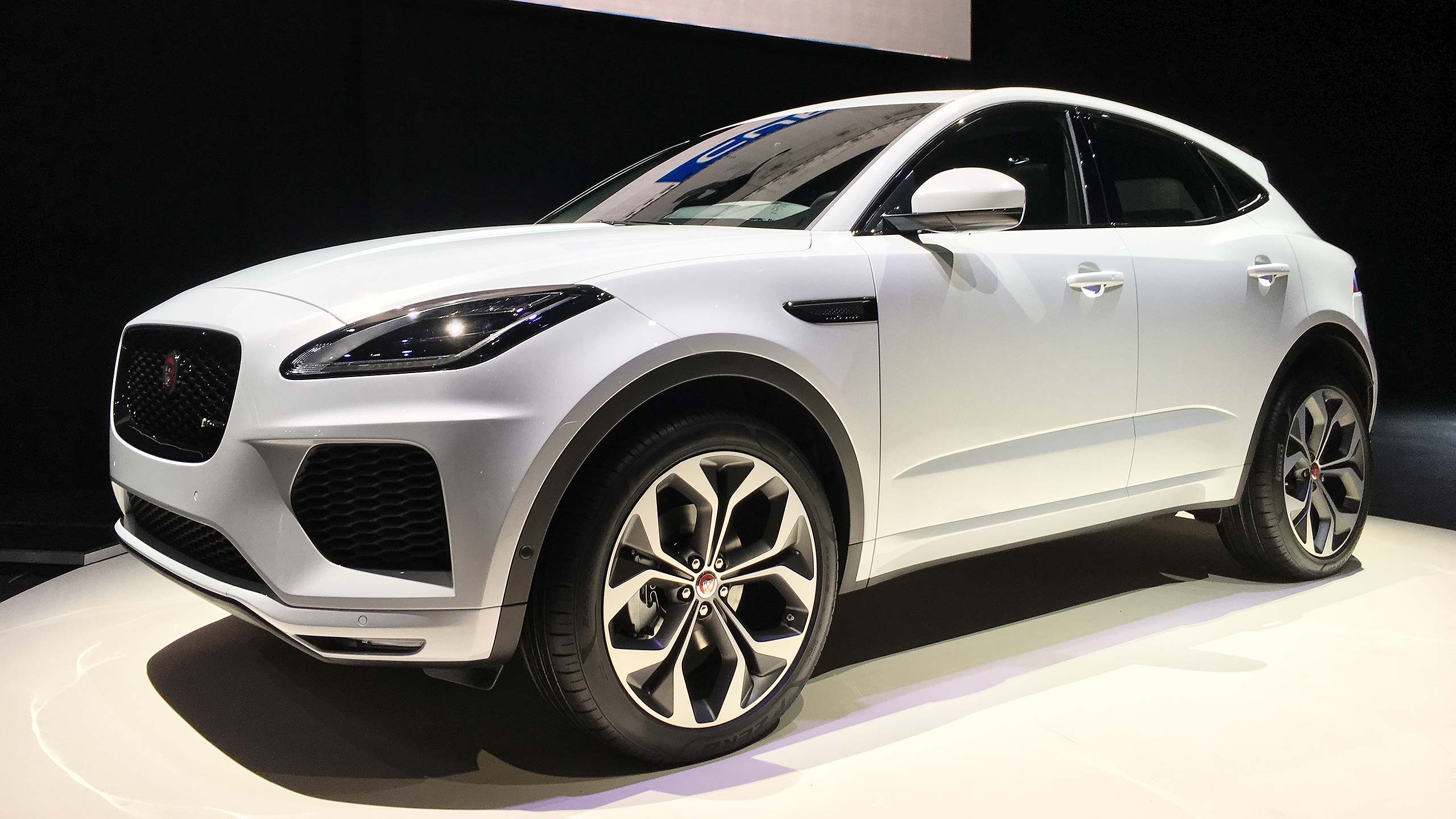
Jaguar is taking on the Audi Q3 and BMW X1 with its new baby SUV, the E-Pace. Jag’s second-ever production SUV, it aims to repeat the success of the F-Pace and give Jaguar sales yet another significant uplift. Priced from £28,500, configurators are live now and ordering opens later in 2017.
Aiming to bring some F-Type sports car style into the small SUV sector, the new E-Pace is derived from a platform also used by the Land Rover Discovery Sport and Range Rover Evoque. Jaguar has fully tuned it to, we’re told, give it handling more akin to a hot hatch, plus contemporary levels of emissions and fuel economy.
An all-Ingenium, all-four-cylinder engine line-up is based around a 2.0-litre turbodiesel and 2.0-litre turbo petrol. Pick either 150hp, 180hp or 240hp diesels, plus 250hp or 300hp petrols. Most will have a nine-speed automatic transmission with four-wheel drive. There’s also an entry-level front-wheel-drive manual, and range-topping models with active all-wheel drive.
It’s fast, if you want it to be: the 300hp petrol will do 0-62mph in 6.4 seconds and power on to a 151mph top speed – itself electronically limited. But it’s also economical, with Jaguar claiming 60mph and 124g/km CO2 for the 150hp front-wheel drive diesel model.
Active Driveline technology is a first for Jaguar. Using tech also seen on the Ford Focus RS, it’s an all-wheel drive machine that can deliver a rear-biased feel – allowing drivers, says Jaguar, “to initiate power-on oversteer and maintain a controlled drift”. How much fun does that sound! It’s fitted to 300hp petrol and 240hp diesel models: keen drivers, you know the models you need to go after.
The E-Pace is a roomy Jaguar, with full five-seat capabilities. At 4395mm long, it has almost 900mm of rear legroom and a 577-litre boot with the seats up. Each passenger has their own USB socket, while there are four 12-volt sockets and 4G wifi connectivity for up to eight devices.
Did you know?
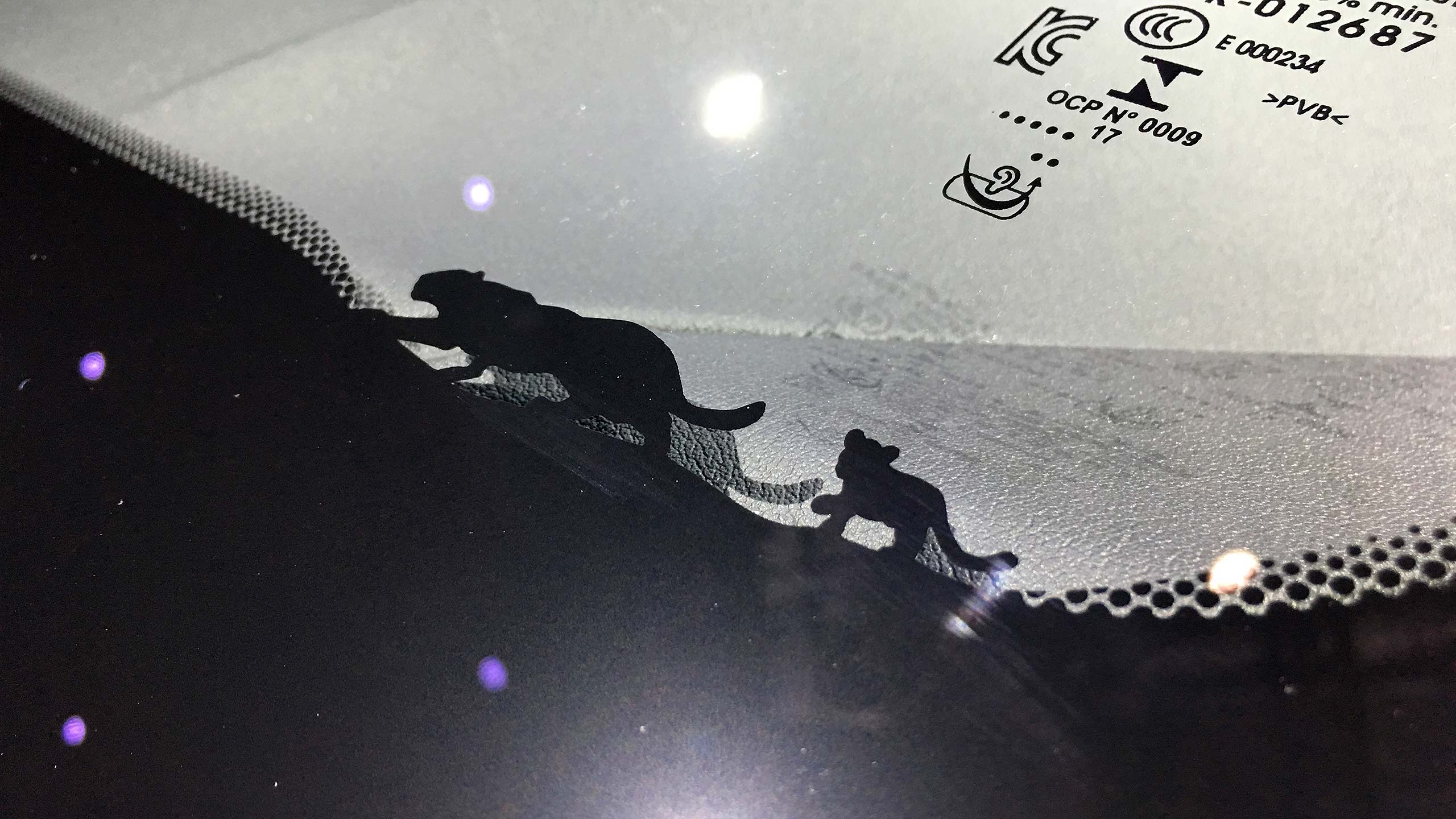
Jaguar’s internal name for the E-Pace was ‘cub’. It helped guide the firm when creating a smaller SUV more focused on cheeky character than graceful elegance. In honour of this, Jaguar cubs feature on the finished model: there’s a cub graphic in the windscreen surround, and also the puddle light that shines on the ground when you unlock the car. “People love it,’ says Jaguar design director Ian Callum.
The styling is the standout. In an exclusive briefing ahead of the E-Pace reveal, Jaguar design director Ian Callum said his objective was “not to create a mini-me of F-Pace: it needed its own character. The F-Type is the heartland of Jaguar design: we picked up cues from that instead, which helped make E-Pace sportier.”
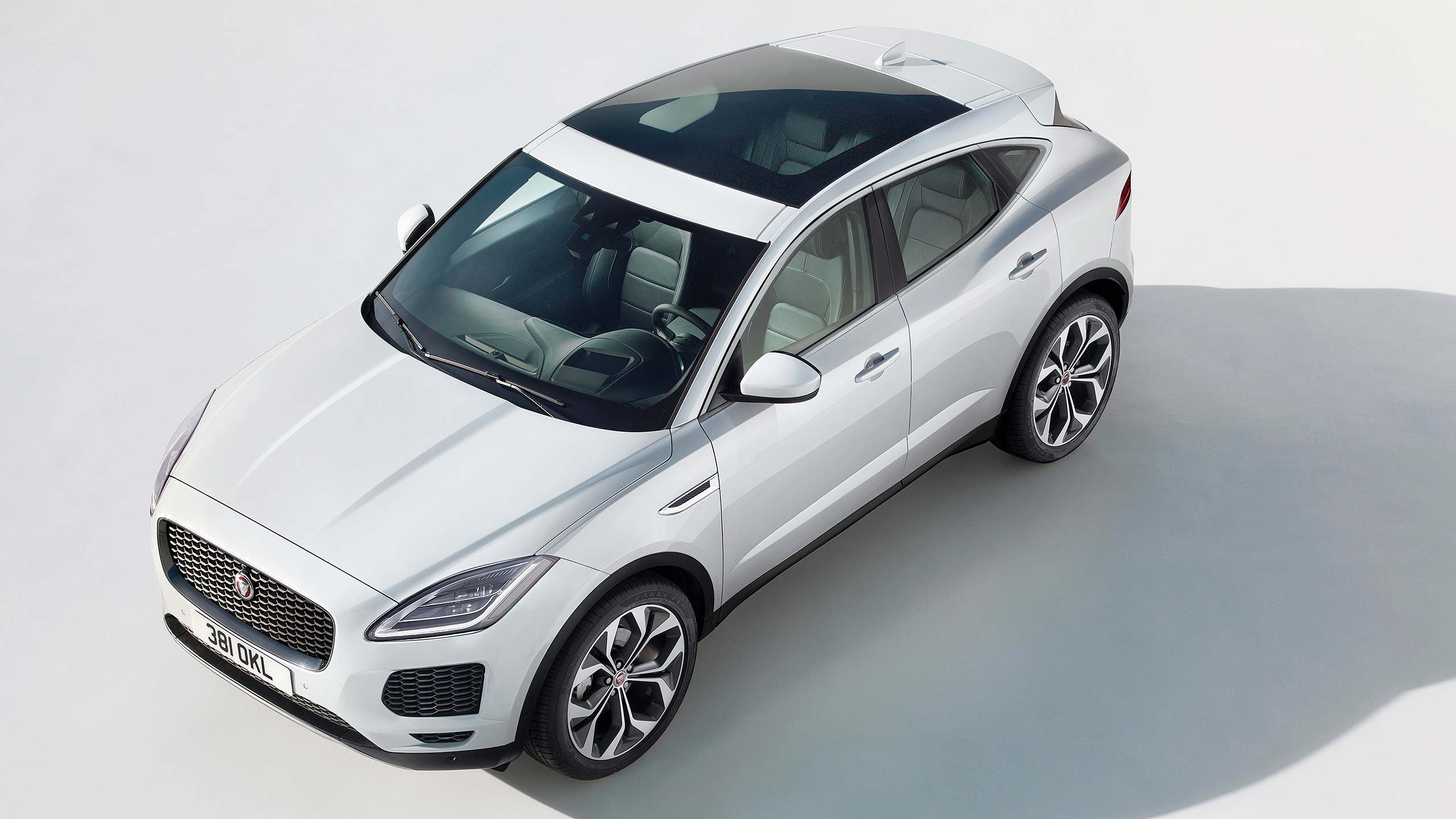
The E-Pace has short overhangs, a bold but carefully-sized Jaguar grille and headlights that mimic the F-Type. It has a long nose and, to balance it, a short rear. The side windowline is a similar shape to an F-Type, as is the kick in the rear, below which sits a muscular, prominent rear haunch. This area is beautifully shaped and gives the E-Pace a strong, bulging look, helped by taut, tight surfaces.
Body sides are simple with two strong feature lines. There’s no cladding on the bottom, but a shape pressed into the panels instead. “It’s confident, simple,” said Callum. “It’s one of the nicest features of the car for me.”
At the rear, the E-Pace is clearly influenced again by the F-Type coupe, to its benefit. “Note the ‘chicane’ light line in the tail light graphics,” says Callum. “This is a new Jaguar character feature, coming to future cars.” Meanwhile, massive 21-inch wheels are available. They look fantastic, although Callum does admit most cars will be sold with 19-inch or 20-inch wheels.
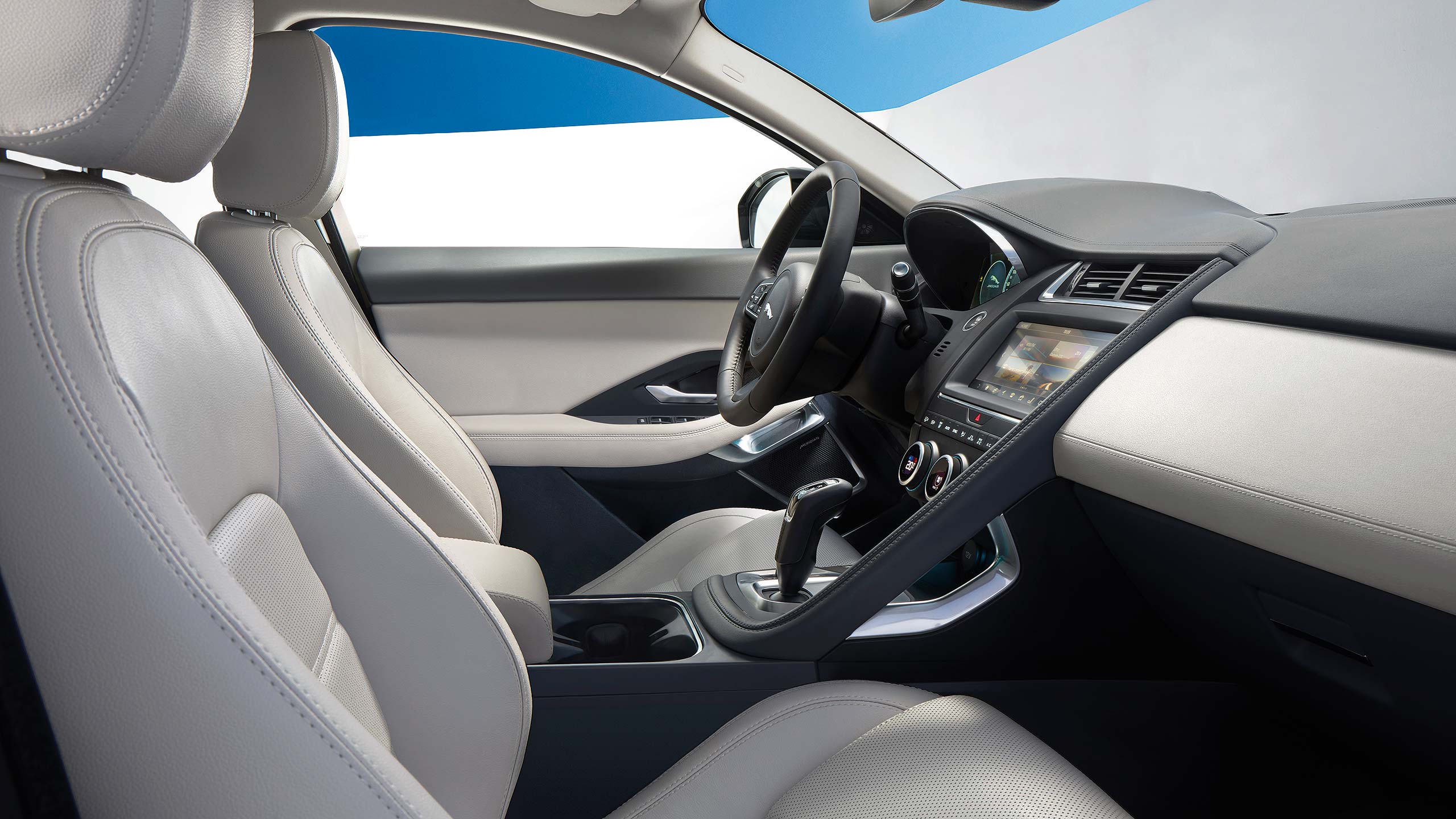
The interior represents another giant leap by Jaguar. It makes the XE look several generations old: the wraparound design is modelled on the F-Type but is much more contemporary, and nicely detailed. It’s more sophisticated than other Jaguars and shows real attention to detail. Jaguar needed to up its game with its interiors, and the E-Pace is proof it has.
Note the stick-shift automatic gearlever, like in an F-Type. Jaguar is not abandoning its rotary controller, but Callum felt a stick was more fitting here – not least because a six-speed manual version, using an ultra-short throw gearshift, is also available. The nine-speed automatic comes with gearshift paddles on R-Dynamic Pack models.
Jaguar claims the E-Pace is as roomy as larger competitors, both front and rear. Boasting a longer wheelbase than its Land Rover siblings helps here – and we know how roomy they are. There’s more rear legroom than some SUVs from the class above, insists Jaguar. And the boot is so wide, it can swallow a folded buggy, a full set of golf clubs or six flight suitcases: fold the 60:40 split seats and it expands to 1,234 litres.
The E-Pace has at least a 10-inch Touch Pro infotainment screen, with swipe, pinch and zoom functionality. With a quad core processor, the in-house system is the most sophisticated setup ever offered in a Jaguar. Customers can complement it with a 12.3-inch TFT instrument display, which is so configurable, it can even display 3D satellite mapping, like in an Audi.
Jaguar acknowledges it’s been off the pace in terms of interior practicality as well. The E-Pace shows Jaguar is listening. The box between the front seats can hold two 1-litre bottles laid flat, and more. It has a little strap to snugly hold the tablet devices it can swallow. There’s a net beneath the lid to hold small lose items. If this isn’t enough, the glovebox takes 10 litres and the door bins take another 10 litres each.
Safety is a big deal with the E-Pace. ‘The safest Jaguar ever,’ claims the firm. The only car in its class to have a pedestrian airbag. One equipped with a full suite of active safety tech including autonomous emergency braking with pedestrian detection and a Jaguar-patented deployable active bonnet.
The Jaguar E-Pace will be built in two locations – neither of which will be in the UK. European manufacturing is handled under contract by Magna Steyr in Graz, Austria, while Chinese models will be built at the new JLR plant in Changshu. Why isn’t it made in Britain? Simply because the three JLR plants in the UK are already operating at full capacity – and none of them has any capacity to expand further.
The base manual-gearbox front-wheel drive 150hp diesel starts from £28,500, and Jaguar will offer the E-Pace in two key model variants – standard and R-Design: you’ll spot the latter from their more aggressive front and rear designs. There are three trim packs to add on, plus the choice of five engines, and a plethora of options.
For the first year of production, Jaguar is also offering an ultra-rich First Edition variant, priced from £47,800. This has either 180hp diesel or 250hp petrol engines, both with nine-speed automatic. Choose from three colours, Yulong White, Santorini Black or exclusive Caldera Red. If previous Jaguar First Edition models are anything to go by, these are sure to be collectable…
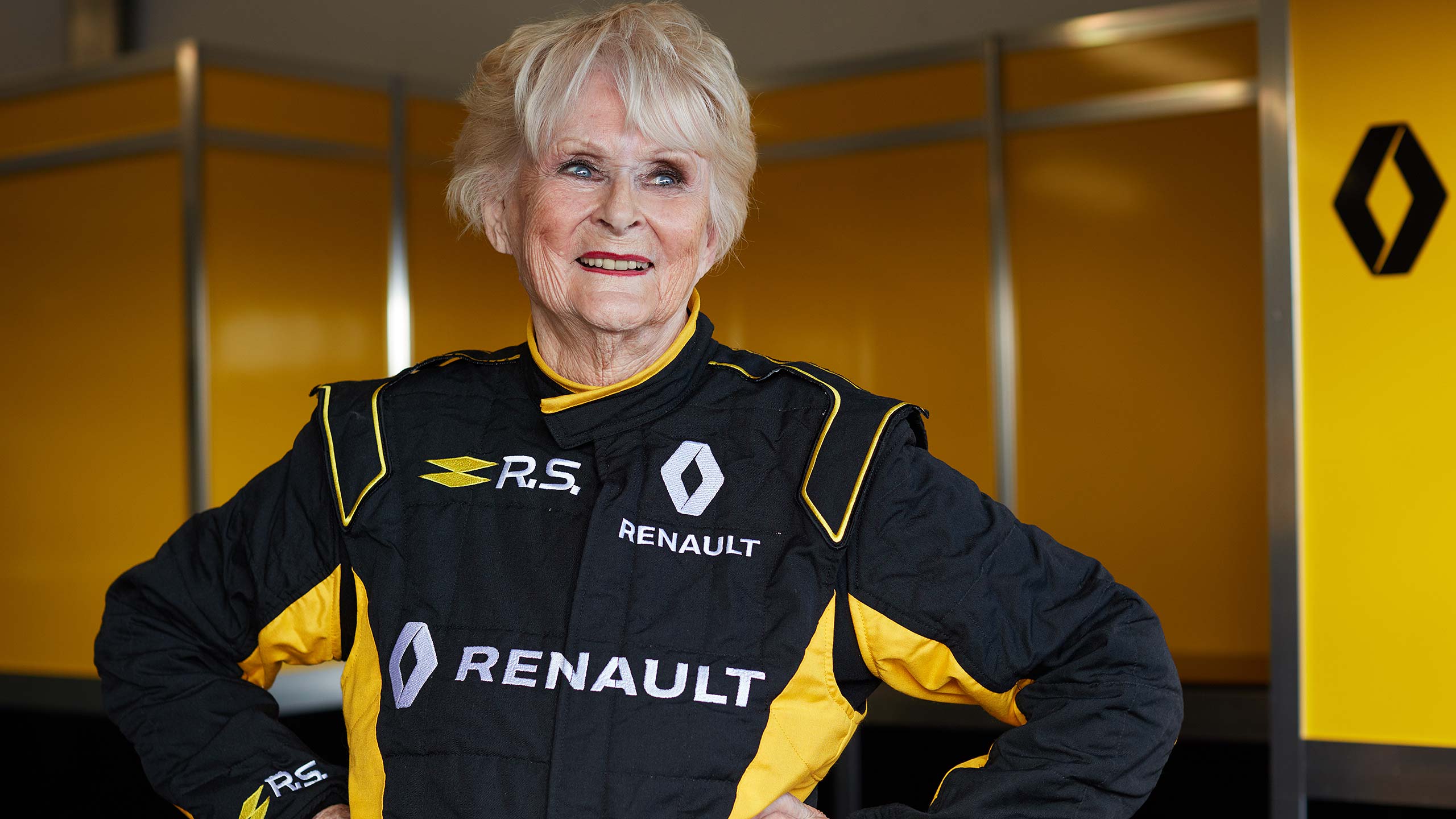
Rosemary Smith, a 79-year-old former seamstress, driving instructor and rally driver, has become the oldest person to drive a Renault Sport F1 car as the team marked its 40th anniversary by making a dream come true for someone almost twice its age.
It’s not just Rosemary who might get to drive an F1 car, either – anyone who test-drives a Renault at a dealer will be entered into a draw… and 10 of them will win the chance to do what she did and drive a Renaut Sport F1 racer.
“Driving an 800bhp car is something I, like many other racers, have always dreamt of but I didn’t think I’d ever have the opportunity to do it,” said Rosemary, “so when the team at Renault UK contacted me I jumped at the chance.”
Her background in international rallying stood her in good stead: despite it being a male-dominated sport, Rosemary drove in dozens of iconic rallies and even won the famous Tulip Rally in 1965 – for which Elizabeth Taylor and Richard Burton sent her a congratulatory bouquet.
“An amazing experience”
Renault Sport F1 driver Jolyon Palmer helped brief Rosemary ahead of hear drive at the Paul Ricard circuit in France’s Le Castellet.
“It was definitely very different to the rally cars I’m used to but was an amazing experience,” she said. “I could feel myself getting more and more comfortable with the single-seater and being able to speak to Jolyon, driver to driver, also helped when the nerves did kick in.
“After racing and facing the challenges of competing in a male-dominated sport together for many years I was so happy that my friend Pauline was able to share this latest milestone and give me that extra boost. It just goes to show that anyone can fulfil their dreams at any age if they put their mind to it and always follow their passions.”
Renault advertising agency Publicis London helped pull together the campaign. Executive creative director Dave Monk said: “It’s not very often you unearth a story like Rosemary’s, she’s a remarkable woman, a tremendous athlete, and embodies the kind of passion for life we can all learn a lesson or two from.
“I think this piece of work will resonate with hearts and petrolheads alike.”
In the case of The Manor of the Automobile – or Le Manoir de L’Automobile – looks can be deceptive. Arriving from the pretty Brittany village of Lohéac – and ignoring the obvious clue of the circuit on the right-hand side – you might think you’ve arrived at a farmhouse for Cidre Breton and crepes.
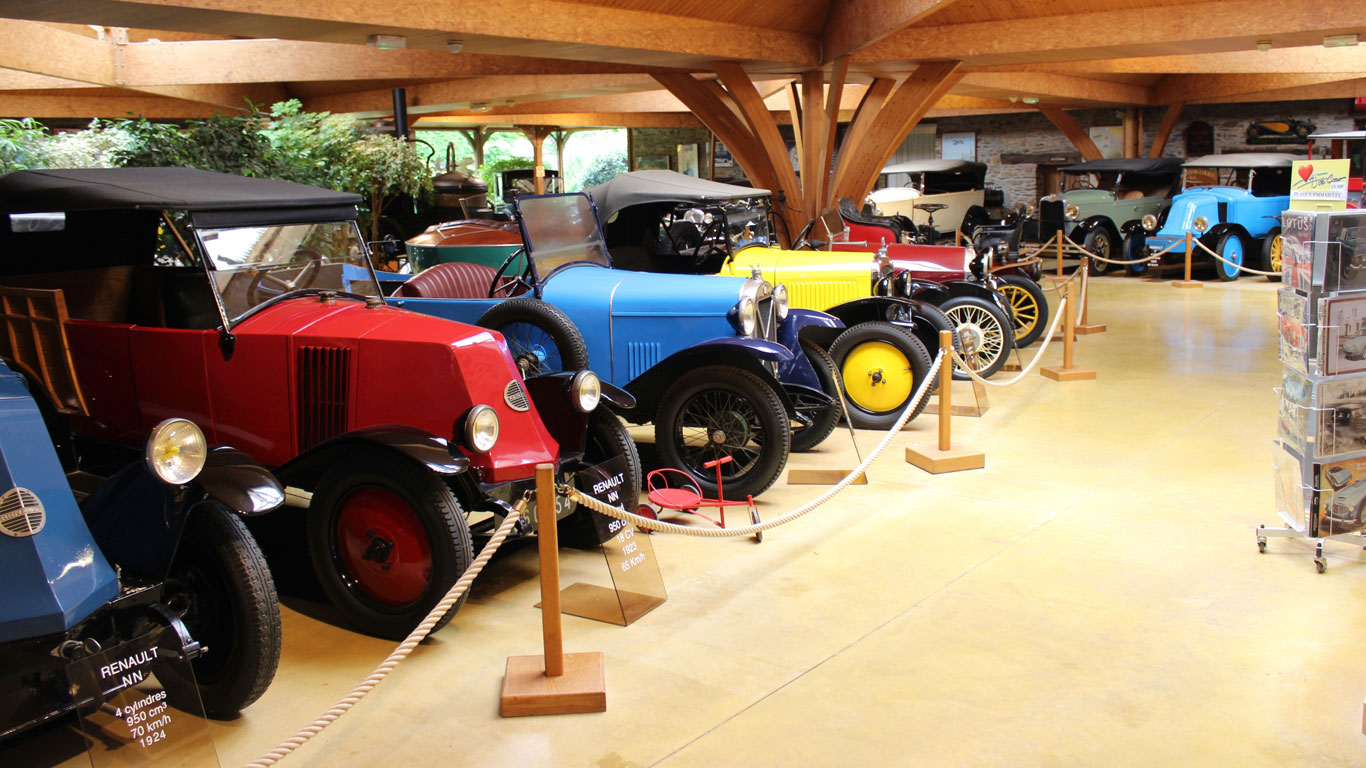
But behind the pretty facade is one of the most remarkable car museums in Europe, with more than 400 vehicles of all types, ages and nationalities on display. Our recent visit to the Conservatoire Citroen presented us with the perfect excuse to drop in on this magnificent museum.
The French connection
Through the dimly-lit reception area and past the obligatory shop, you’re presented with a hall of French veteran and vintage cars, appropriately named the Hall of Ancestors.
Around thirty years ago, The Manor of the Automobile was still a farm. Michel Hommell, who had been collecting cars since the age of 18, purchased the site with a view to housing his ever-growing collection in one place. It took 15 years to complete, with the vehicles displayed in 15,000m2 of exhibition space.
Peugeot 205 GTI 1.6 vs Peugeot 205 GTI Mi16: Retro Road Test
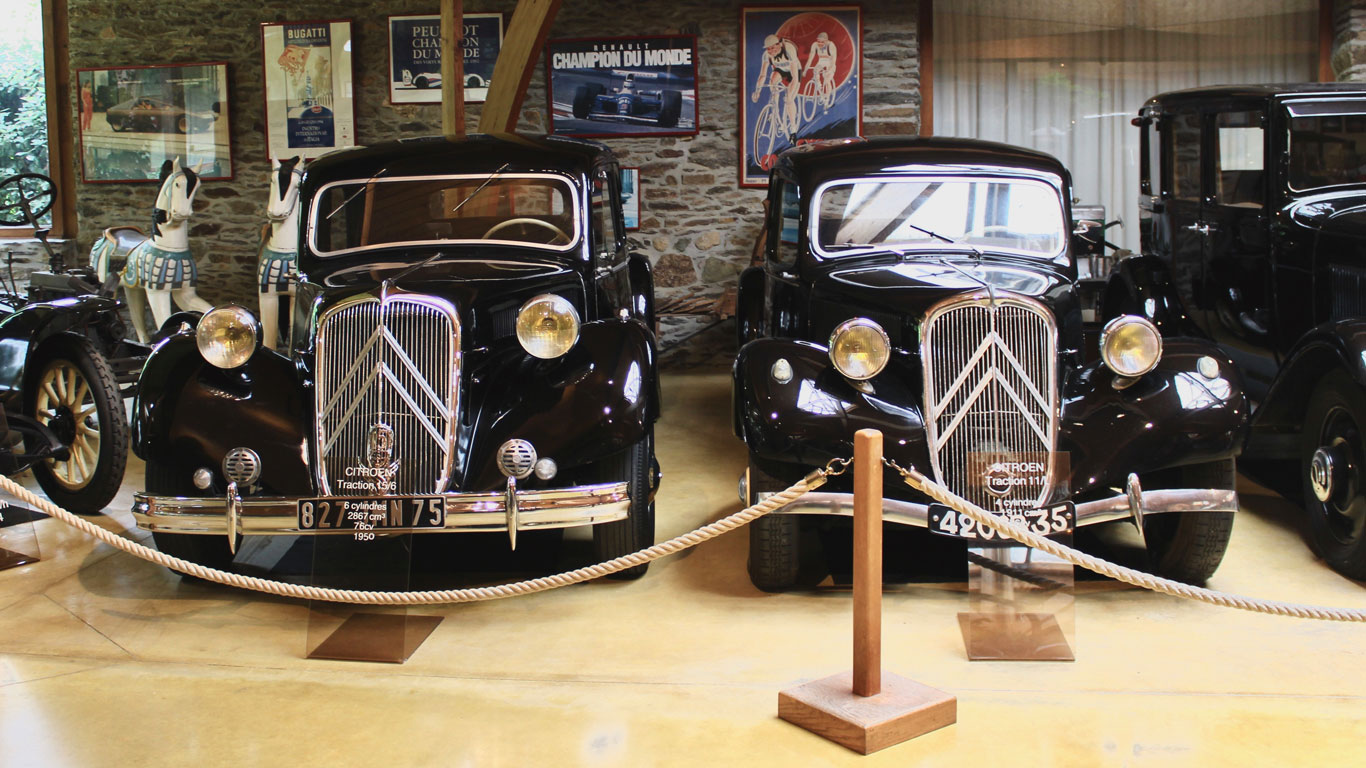
Citroen Traction Avant
Turn the first corner and you’re greeted with the sight of a pair of Citroen Traction Avants. It’s considered to be the godfather of the modern automobile and was the first mass-produced front-wheel drive car.
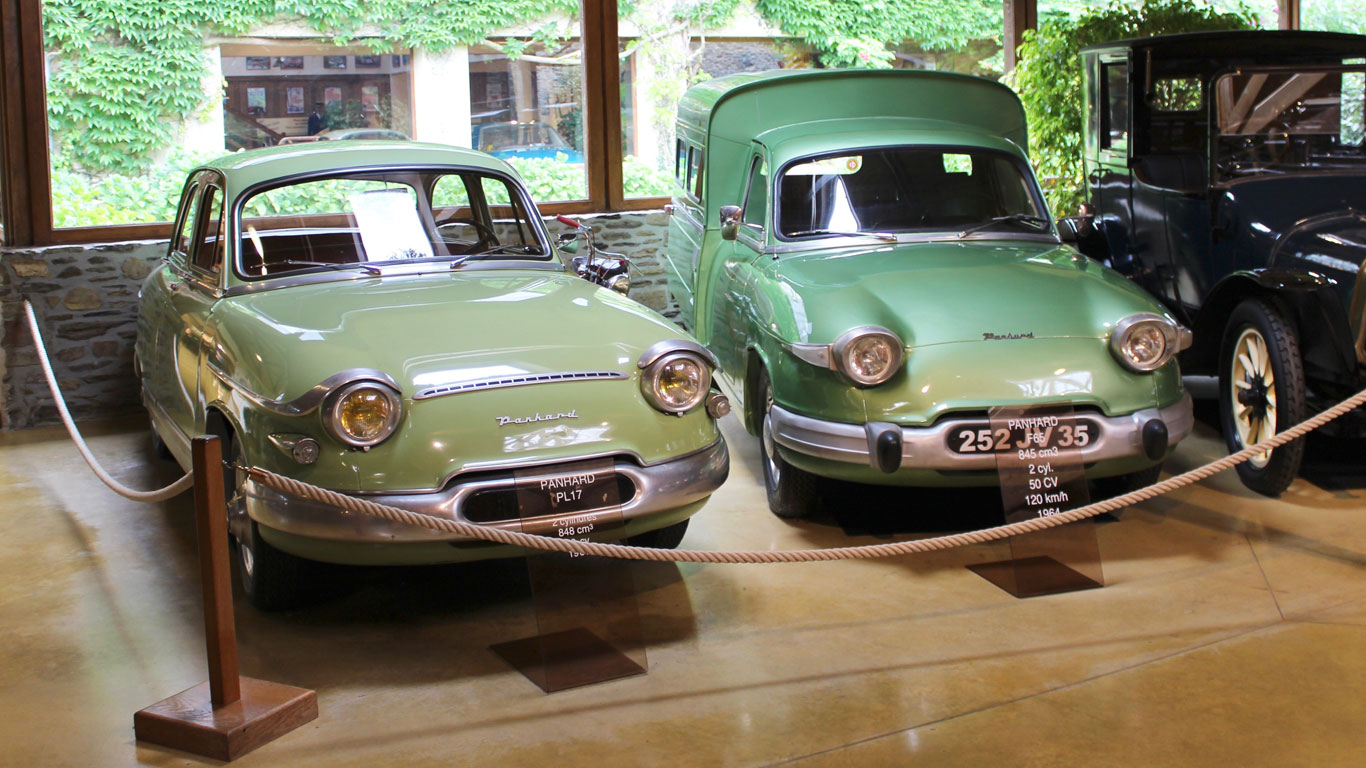
A pair of Panhards
Today, the Panhard name exists as a part of Renault Trucks Defense, but the French carmaker stopped building cars in the late 60s. Some 130,000 PL17s were sold, before production ceased in 1965.
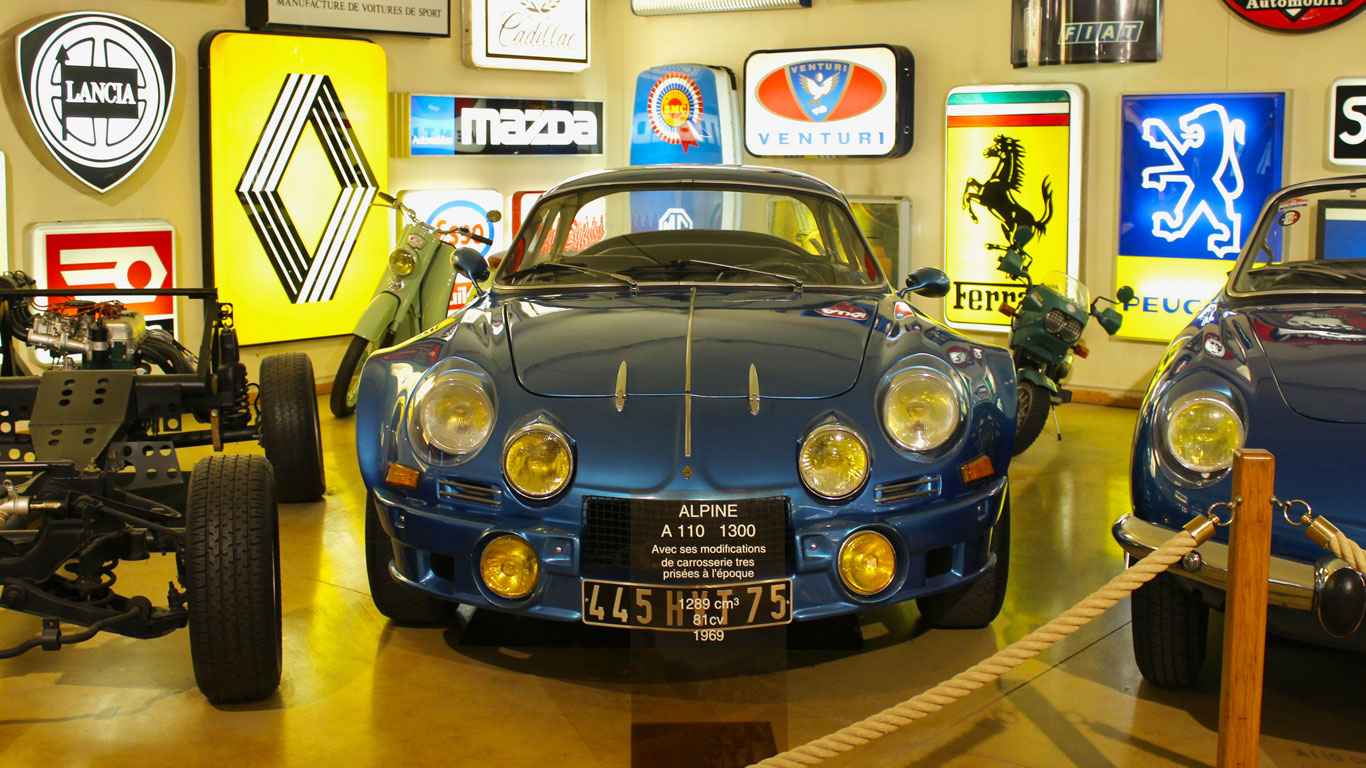
Alpine
The display of Alpine cars is the first hint that the museum might be about to send your jaw hurtling towards the polished floor. It’s a sea of Alpine Blue and yellow headlights, flanked by backlit dealership logos.
Alpine A110
The Alpine A110 was based on the Renault 8 Gordini and proved to be a formidable force on the world rally stage. A new version was unveiled at the 2017 Geneva Motor Show and will hit the roads before the end of the year.
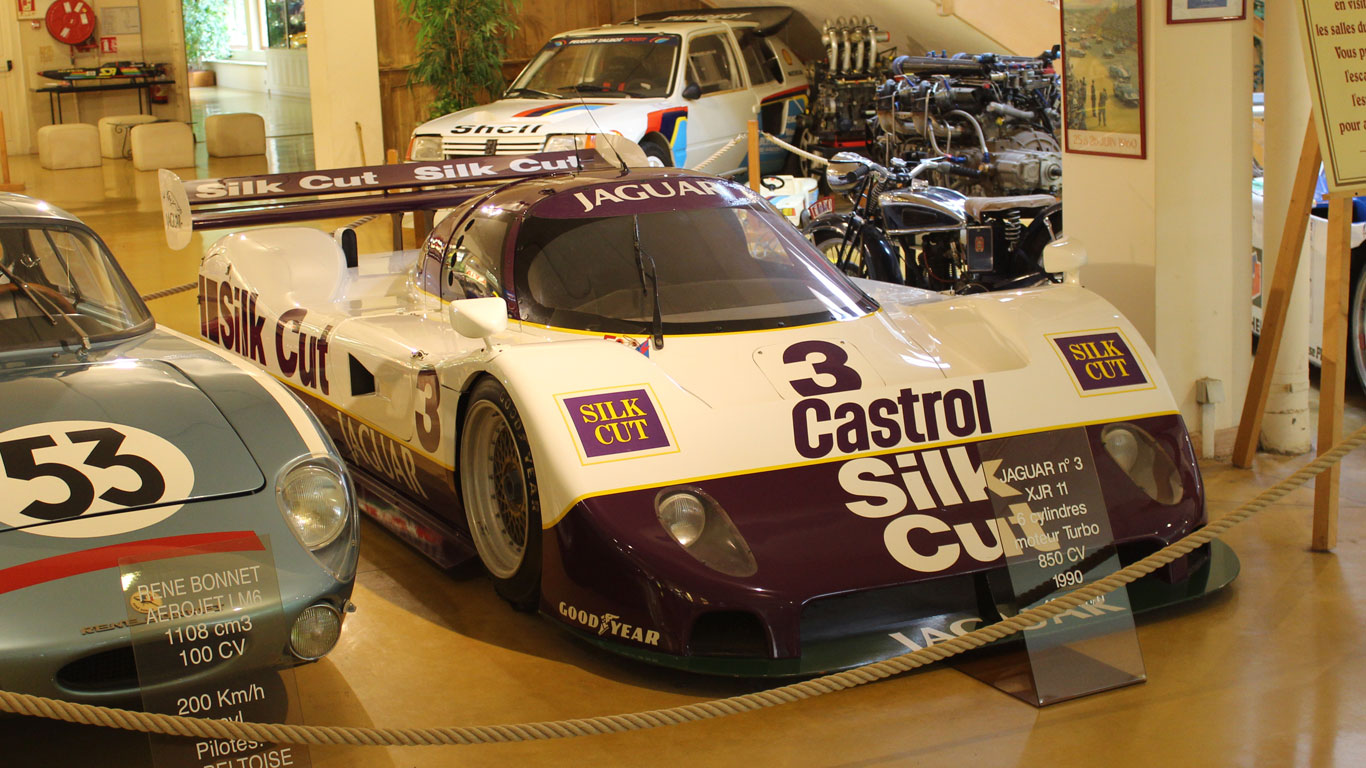
Jaguar XJR-11
From the days when tobacco sponsorship was still permitted and delivered a number of iconic deliveries. The Silk Cut Jaguar XJR-11 must be up there with the Marlboro McLaren and John Player Special Lotus.
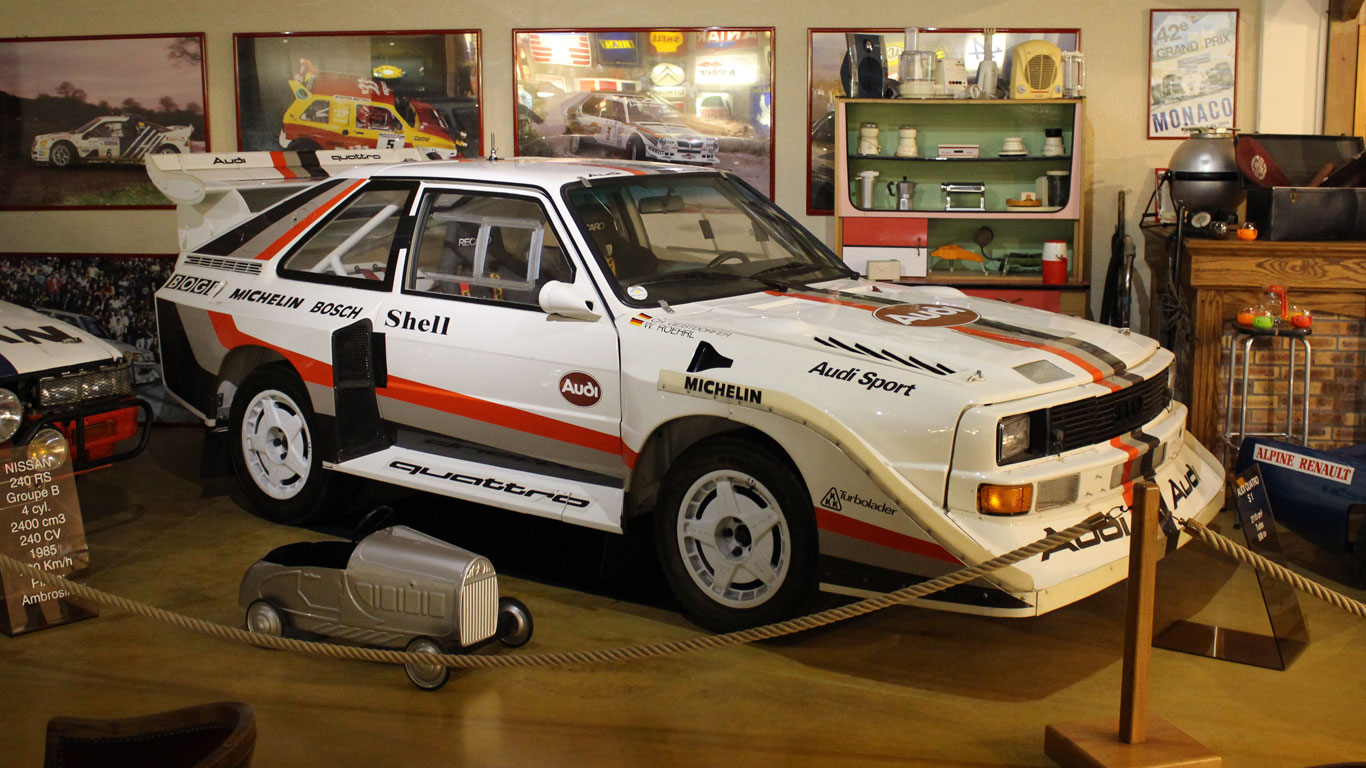
Audi Quattro S1
The Manor’s Group B display is worth the $12 entry fee alone. If the Audi Quattro S1 doesn’t grab you…
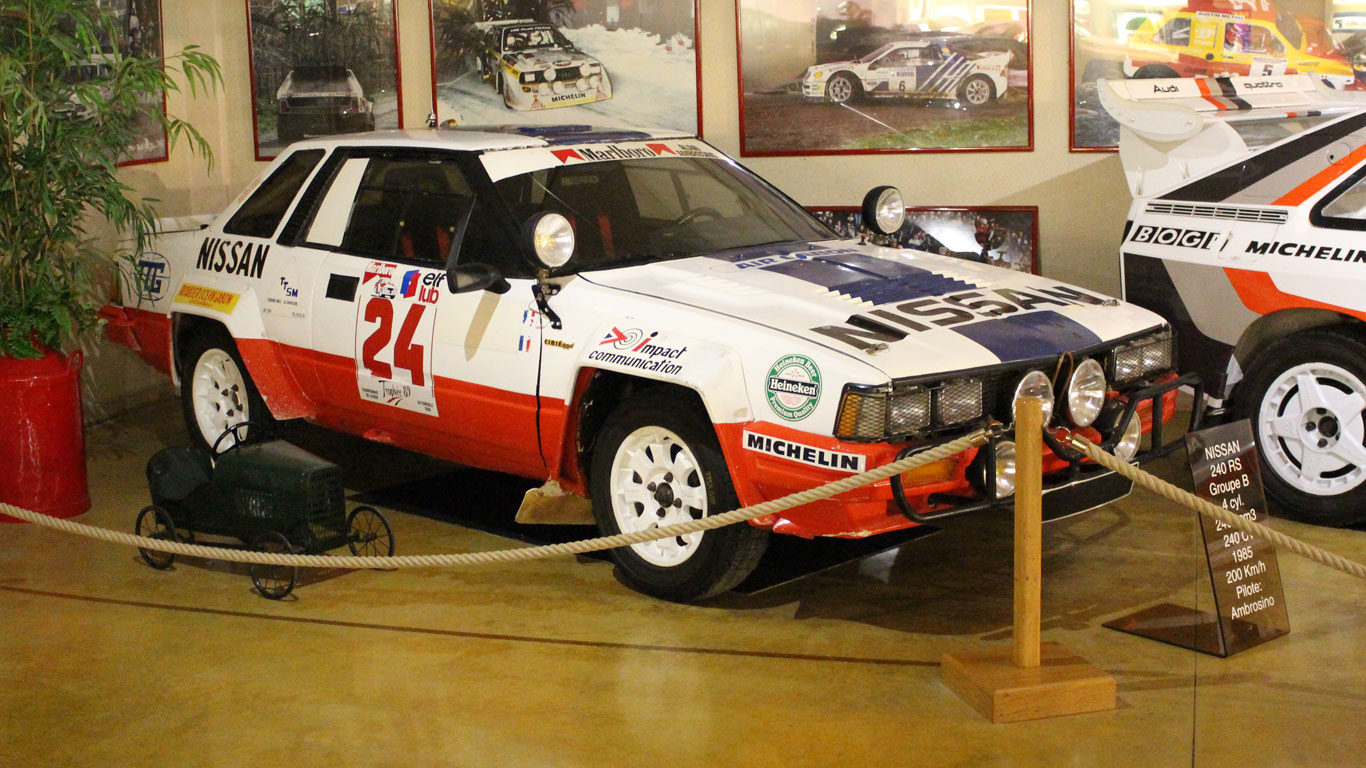
Nissan 240RS
How about this Nissan 240RS? The rear-wheel drive Group B rally car was powered by a 2.4-litre engine and was Nissan’s entry from 1983 to 1985.
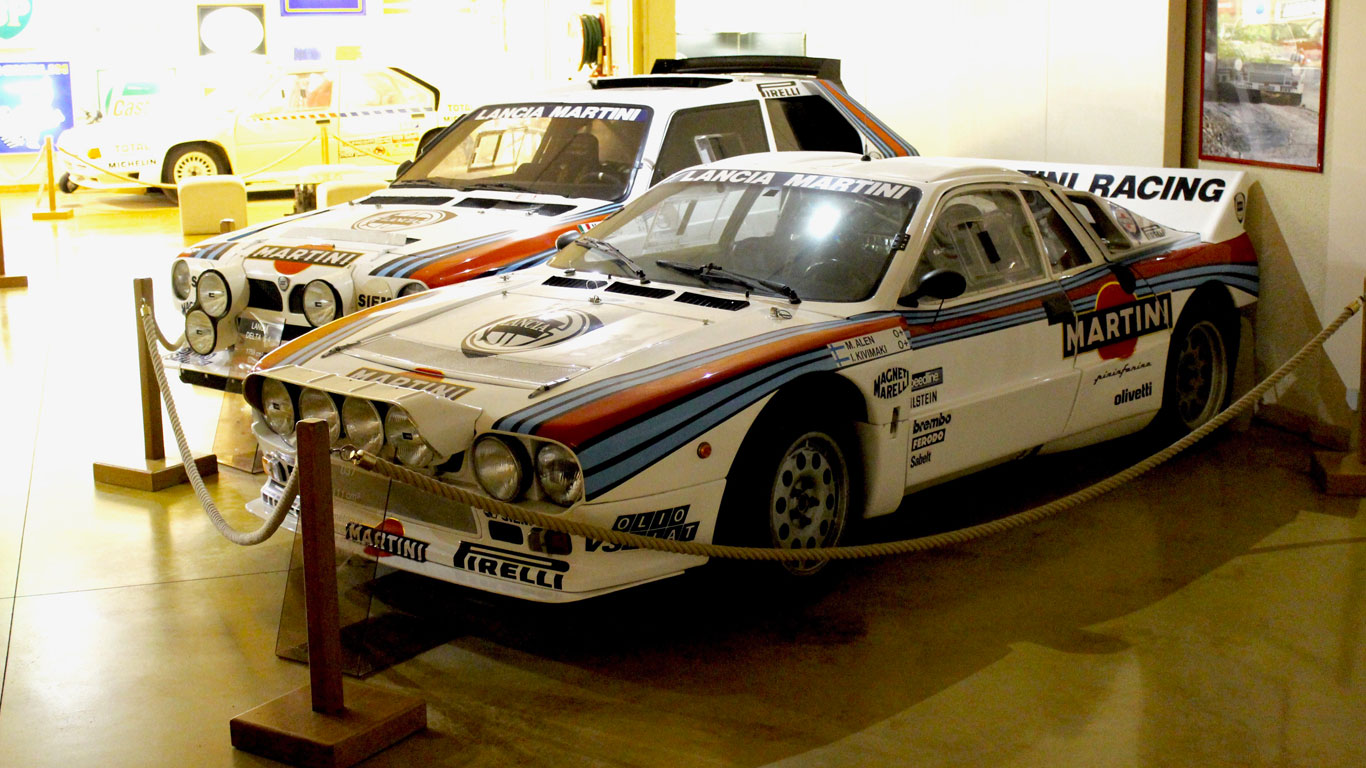
Lancia 037
It’s a Martini Racing overload, with Markku Alén’s Lancia 037 and a Lancia Delta S4. Alén and Lancia were joined at the hip throughout the 1980s.
Renault 5 Maxi Turbo
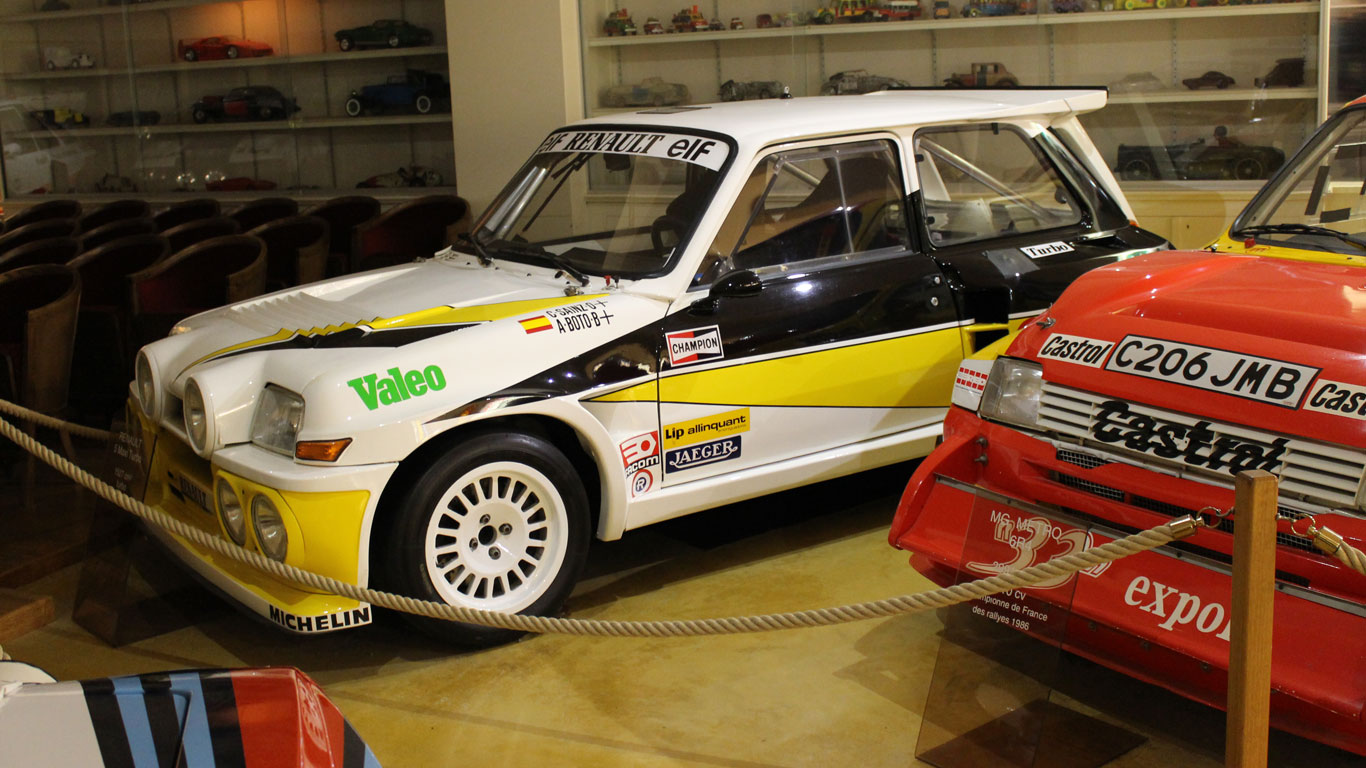
In 1986, Carlos Sainz and Antonio Boto finished second in the Spanish Rally Championship in this Renault 5 Maxi Turbo. Check out the videos on YouTube for the vehicle in action.
MG Metro 6R4
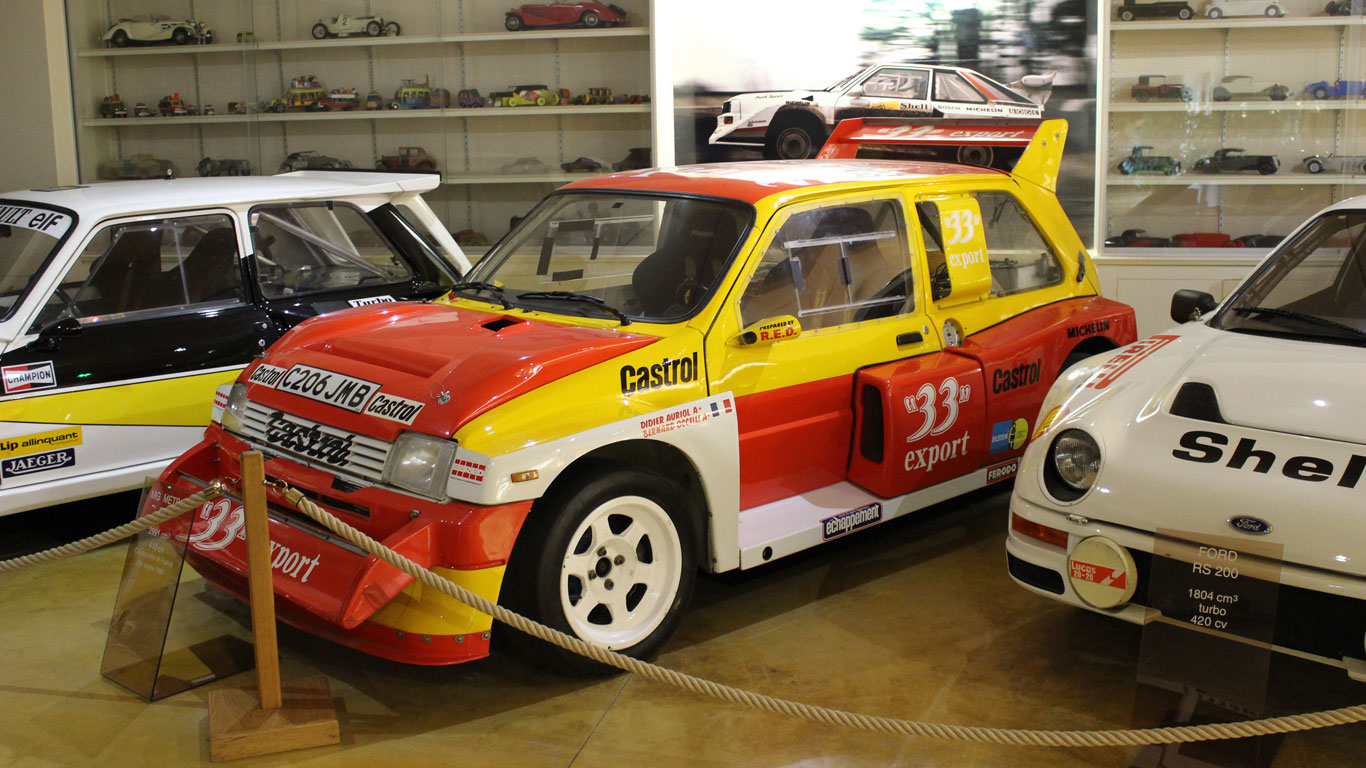
Also in 1986, Didier Auriol won the French National Championship in this MG Metro 6R4.
Ford RS200
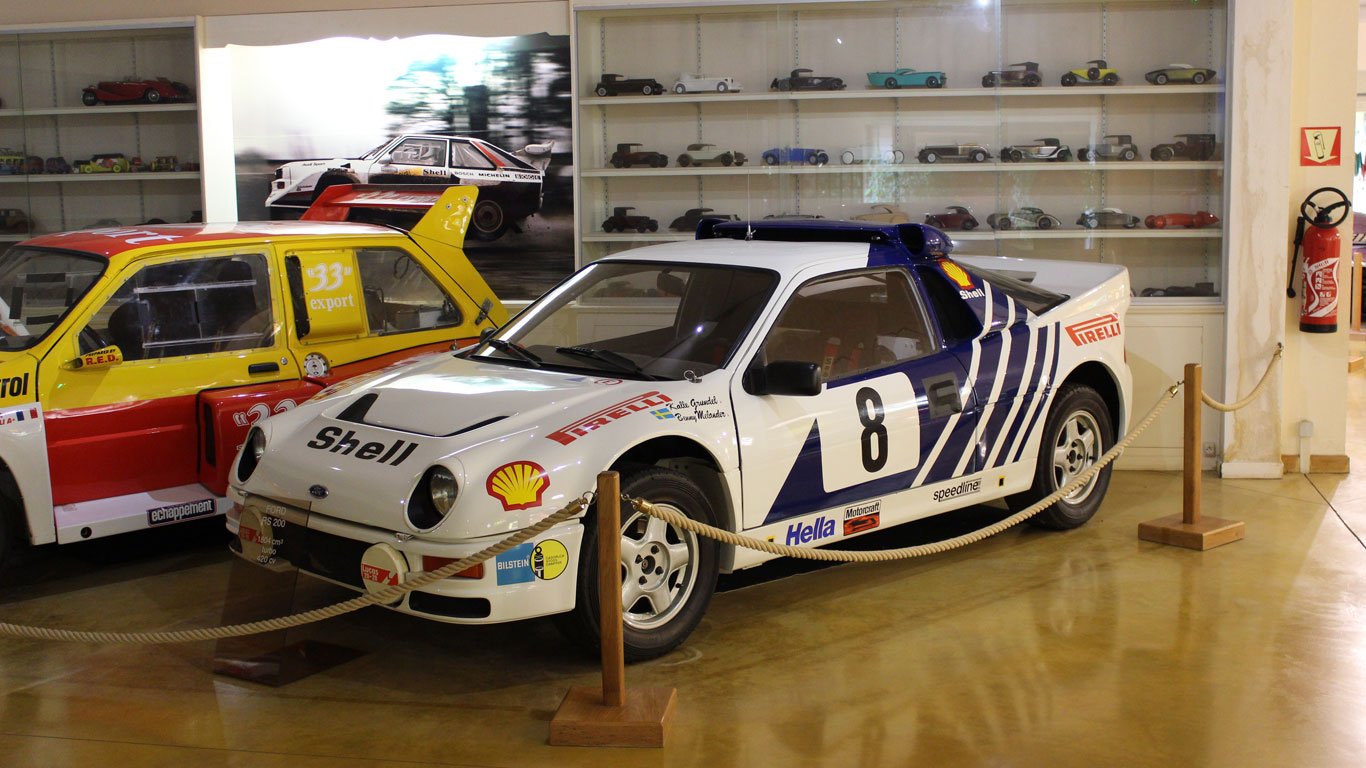
Kalle Grundel drove this Ford RS200 to third place in the 1986 Swedish Rally, his best ever Group B finish.
Peugeot 205 T16
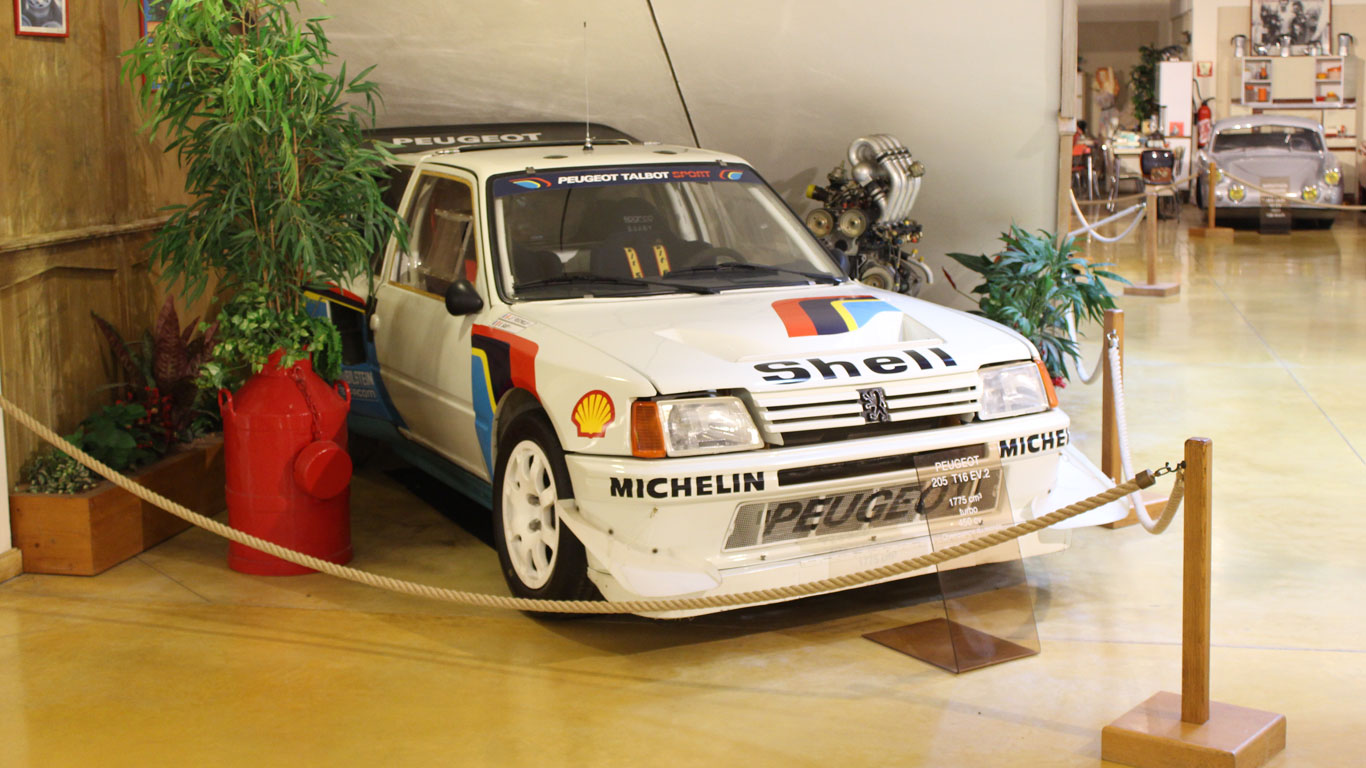
It needs no introduction, does it? The Peugeot 205 T16 won the World Rally Championship in 1985 and 1986.
Le Manoir de L’Automobile also includes halls dedicated to Ferrari, Lamborghini, French cars, Formula 1 and more. Look out for our full gallery on MSN Cars soon.
Consumer interest in electric vehicles has resulted in used car values increasing by 7% this year, according to Cap HPI. Alternatively fuelled vehicles (AFVs) took a record market share of 4.4% in June, with more than 10,700 of them hitting the roads.
That’s a rise of 29%, with the surge in interest having a knock-on effect on the secondhand market, as supply struggles to keep up with demand.
More electric car news on Motoring Research:
This is how the Government plans to make money if we all buy electric cars
Going the distance: electric car range from shortest to longest
Britain’s most wanted hybrid and electric cars
Chris Plumb of Cap HPI said: “Interestingly, it appears to be the range-extender models driving the recent strong performance, as values of pure electric have struggled of late. The BMW i3 is a popular choice and is a great secondhand buy. It brings a good level of specification and badge prestige.
“The optional range-extender can increase the range of the BMW i3 in Comfort mode from up to 125 miles to a total of 206 miles. The small, rear-mounted, quiet two-cylinder petrol engine powers a generator that maintains the charge of the battery at a constant level, so that the BMW i3 can continue to drive electrically.”
The BMW i3 and Nissan Leaf are named as Cap HPI’s used electric vehicle best buys, with a longer range the key to higher values.
Range
Model/trim
Cost new
15/15 20,000 miles
BMW i3
5-dr Auto (13-16) [170]
£30,925
£14,650
BMW i3
Range Extender 5-dr auto (13-16) [170]
£34,075
£18,400
Nissan Leaf
Tekna 5-dr Auto (15–) [109]
£30,535
£9,900
Nissan Leaf
Tekna 30kWh 5-dr auto (15–) [109]
£31,435
£12,200
A Nissan Leaf with the 30kWh battery pack offers a claimed range of 155 miles, which is 31 miles more than the smaller capacity – but cheaper – 24kWh version. But while there’s a saving of around £1,000 at the point of purchase, the 30kWh Leaf retains more value on the secondhand market.
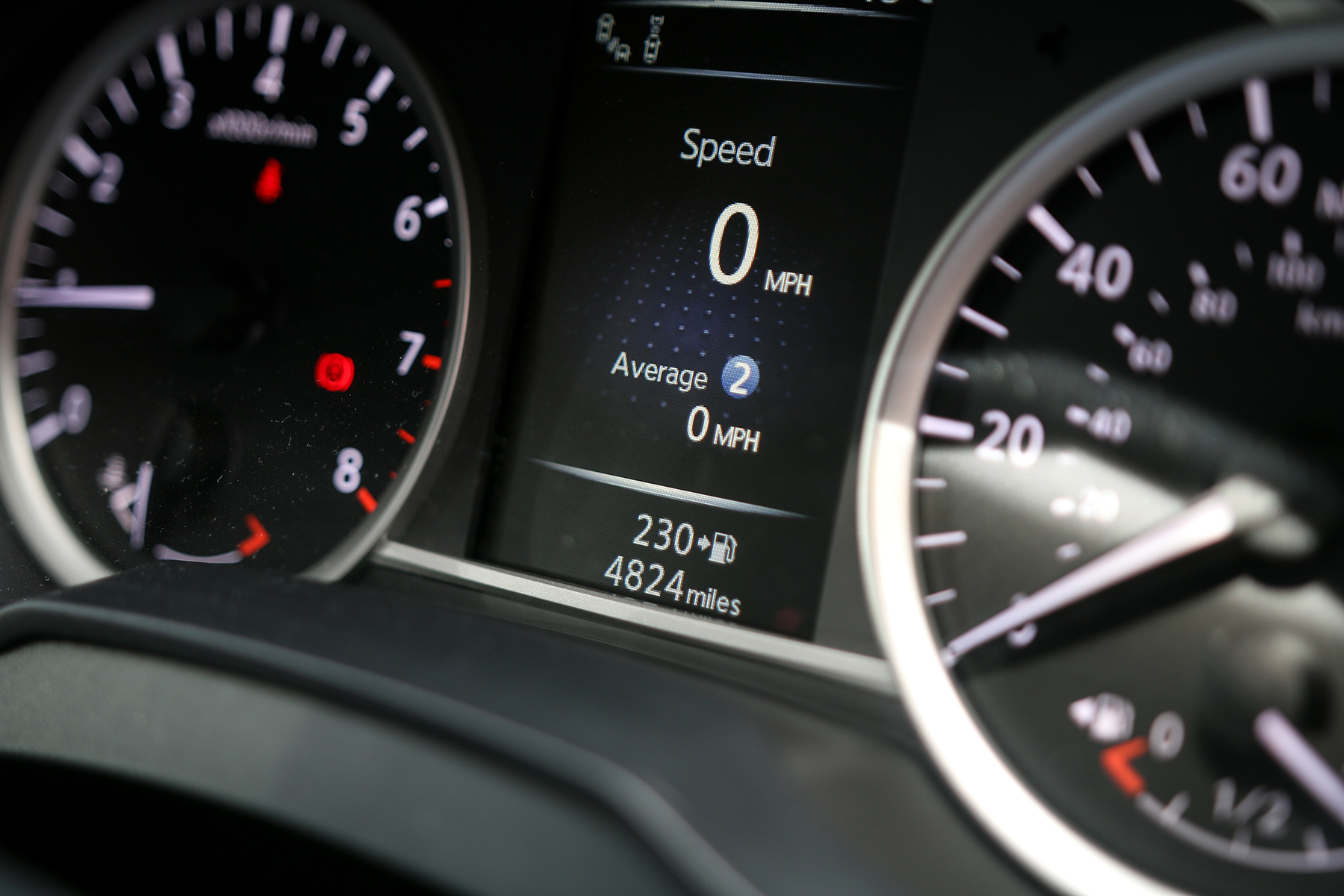
 Top Gear presenter Chris Harris talked about the next series of the hit show in an exclusive interview with Motoring Research.
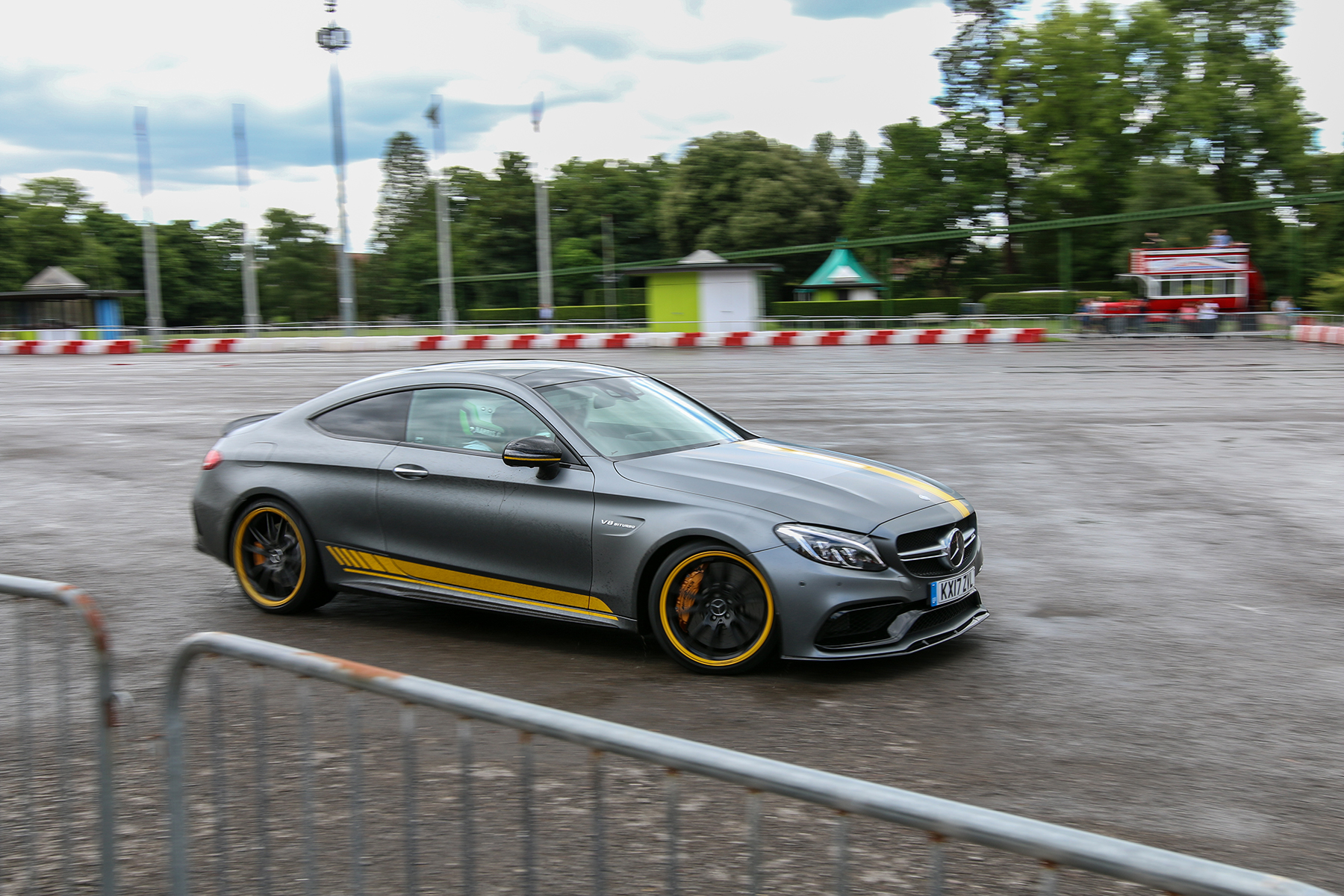 Drifting with a ‘Driving God’
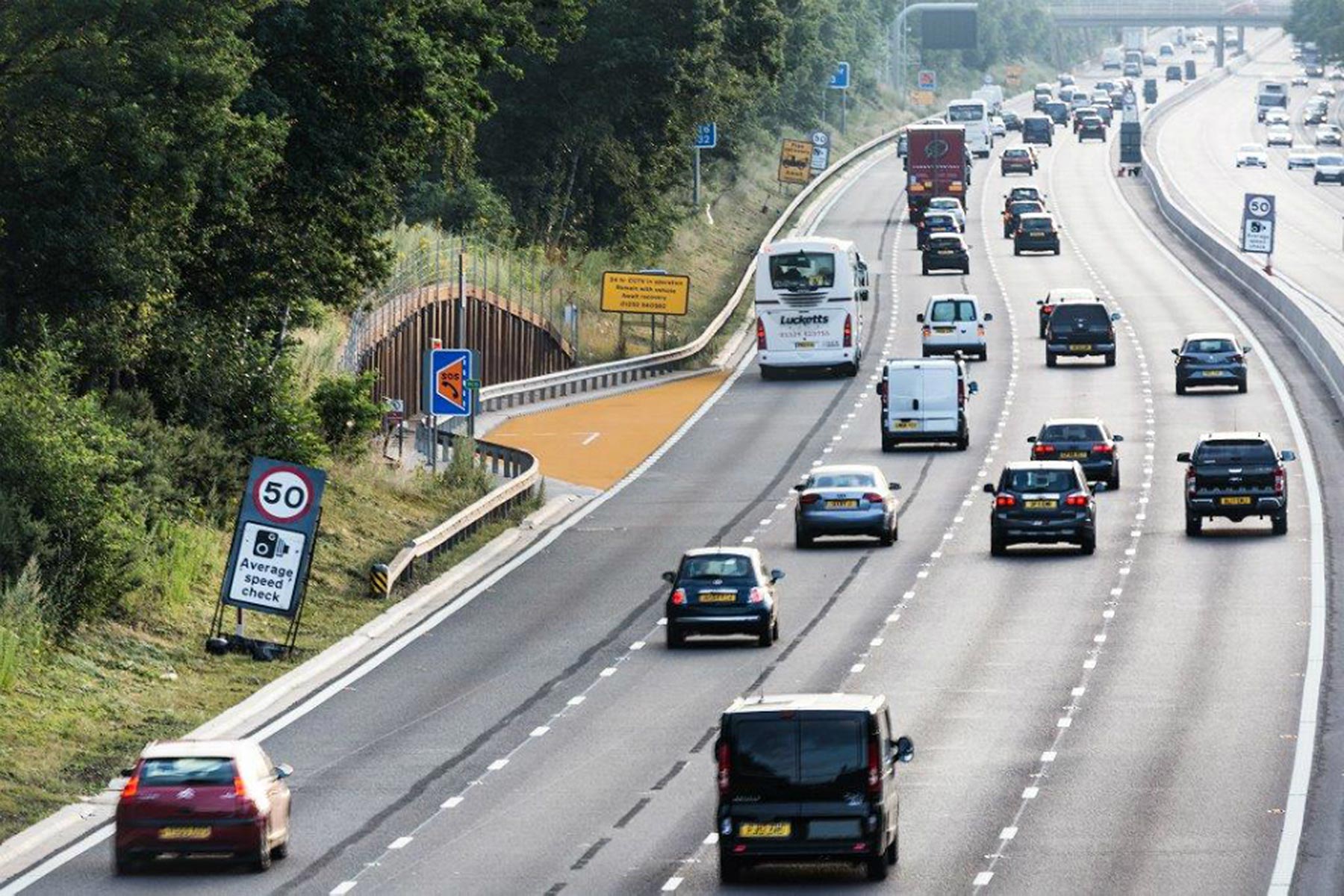 A smart motorway emergency refuge area on the M3 motorway in Surrey has turned orange as part of a Highways England trial to encourage their safe use.
 The Ford Sierra RS Cosworth and Vauxhall Lotus Carlton share a few things in common, most notably the fact that they’re both based on more humble vehicles. Right now, performance cars of the 80s and 90s are hot property, which is why we’ve selected two from the forthcoming Silverstone Auctions Classic Sale.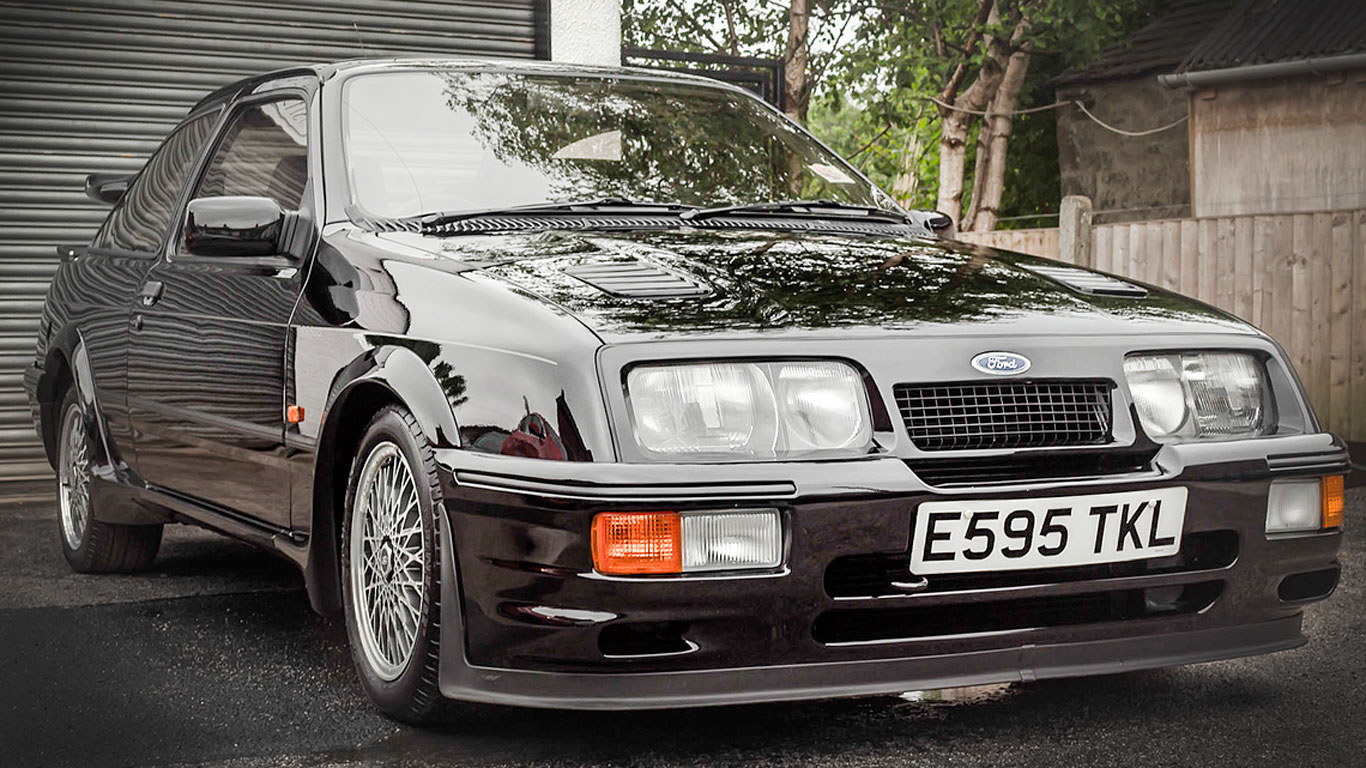
 Jaguar has launched the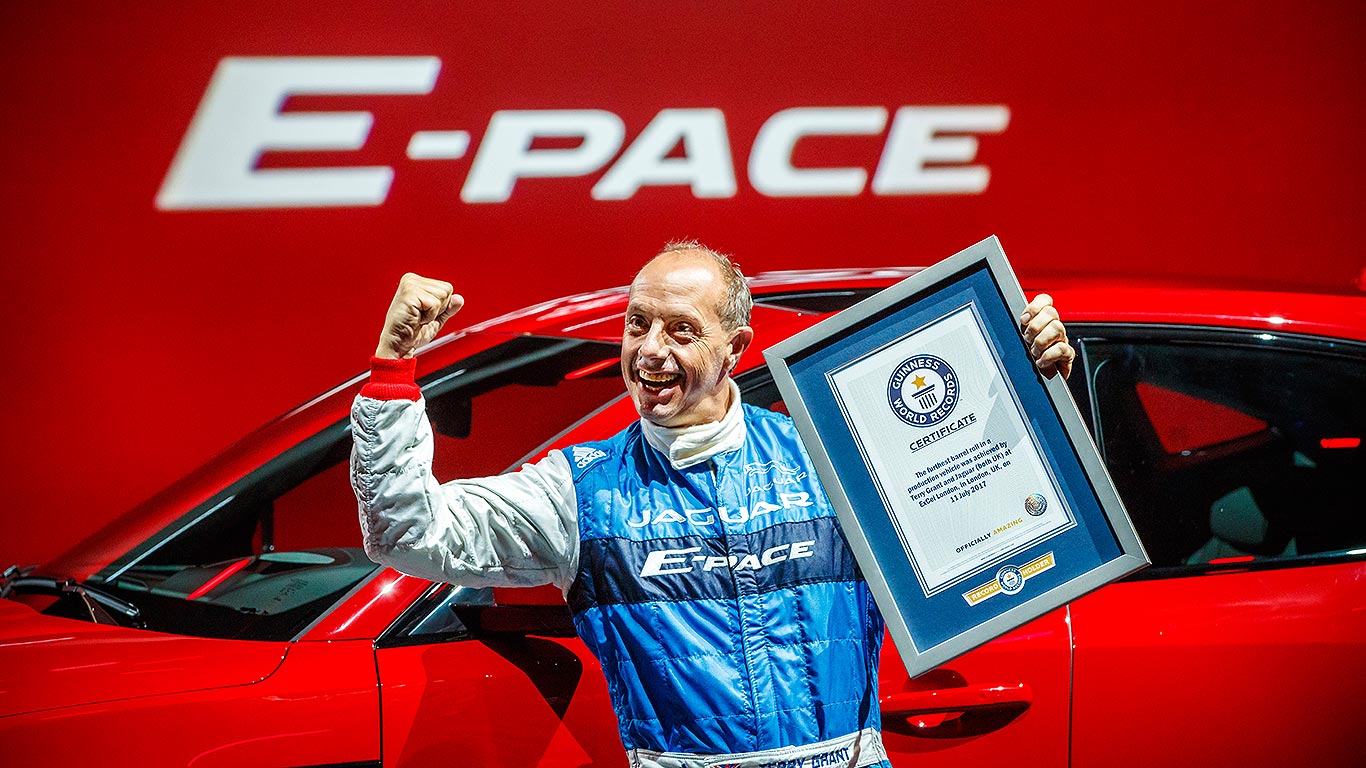
 Jaguar is taking on the Audi Q3 and BMW X1 with its new baby SUV, the E-Pace. Jag’s second-ever production SUV, it aims to repeat the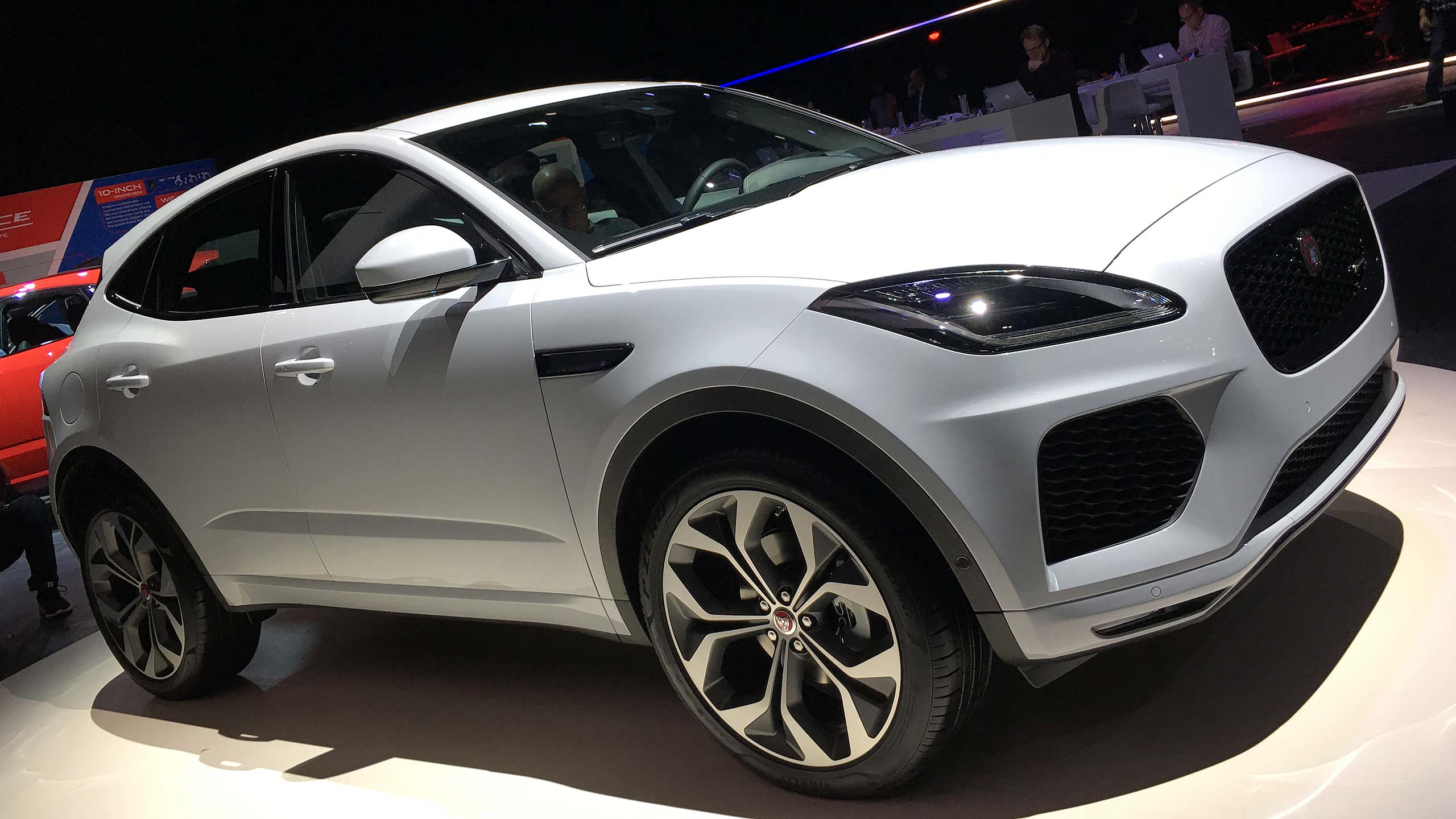
 Rosemary Smith, a 79-year-old former seamstress, driving instructor and rally driver, has become the oldest person to drive a Renault Sport F1 car as the team marked its 40th anniversary by making a dream come true for someone almost twice its age.
 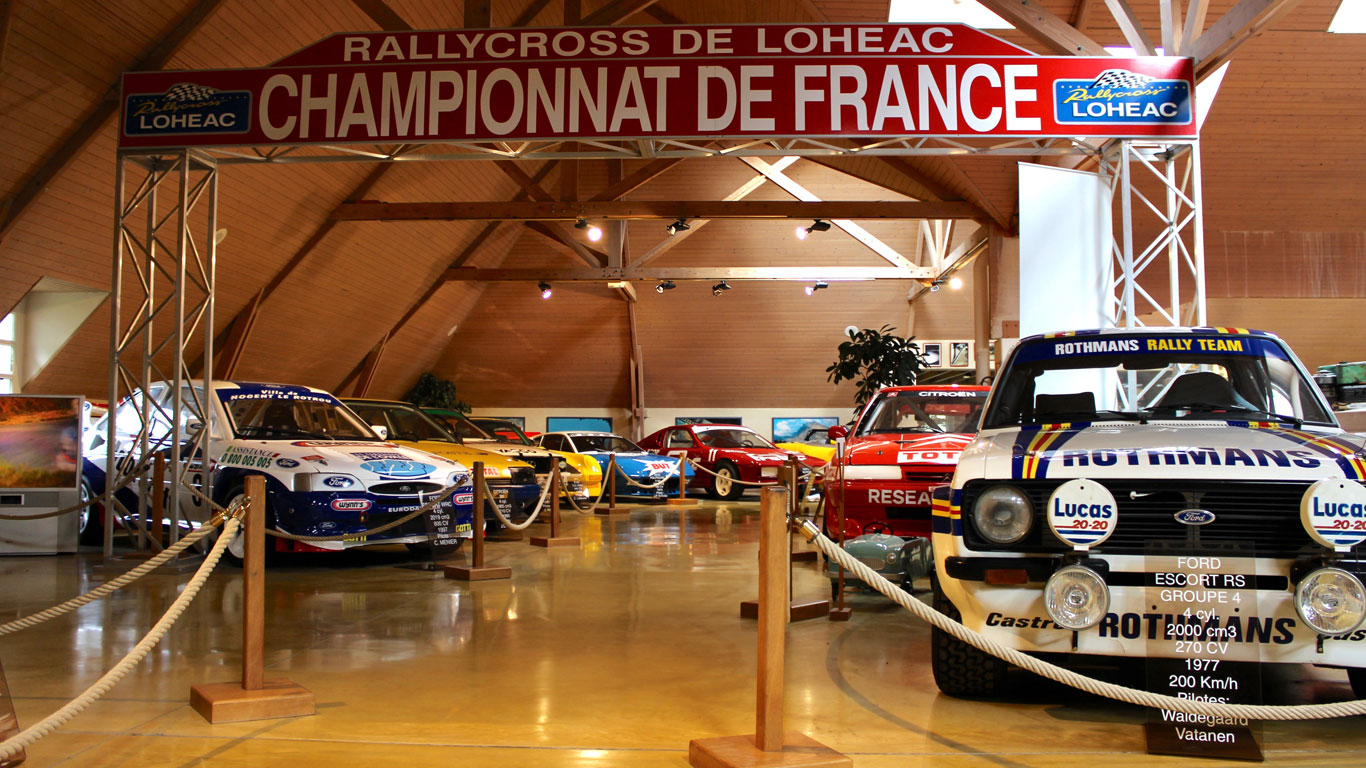 In the case of The Manor of the Automobile – or Le Manoir de L’Automobile – looks can be deceptive. Arriving from the pretty Brittany village of Lohéac – and ignoring the obvious clue of the circuit on the right-hand side – you might think you’ve arrived at a farmhouse for Cidre Breton and crepes.