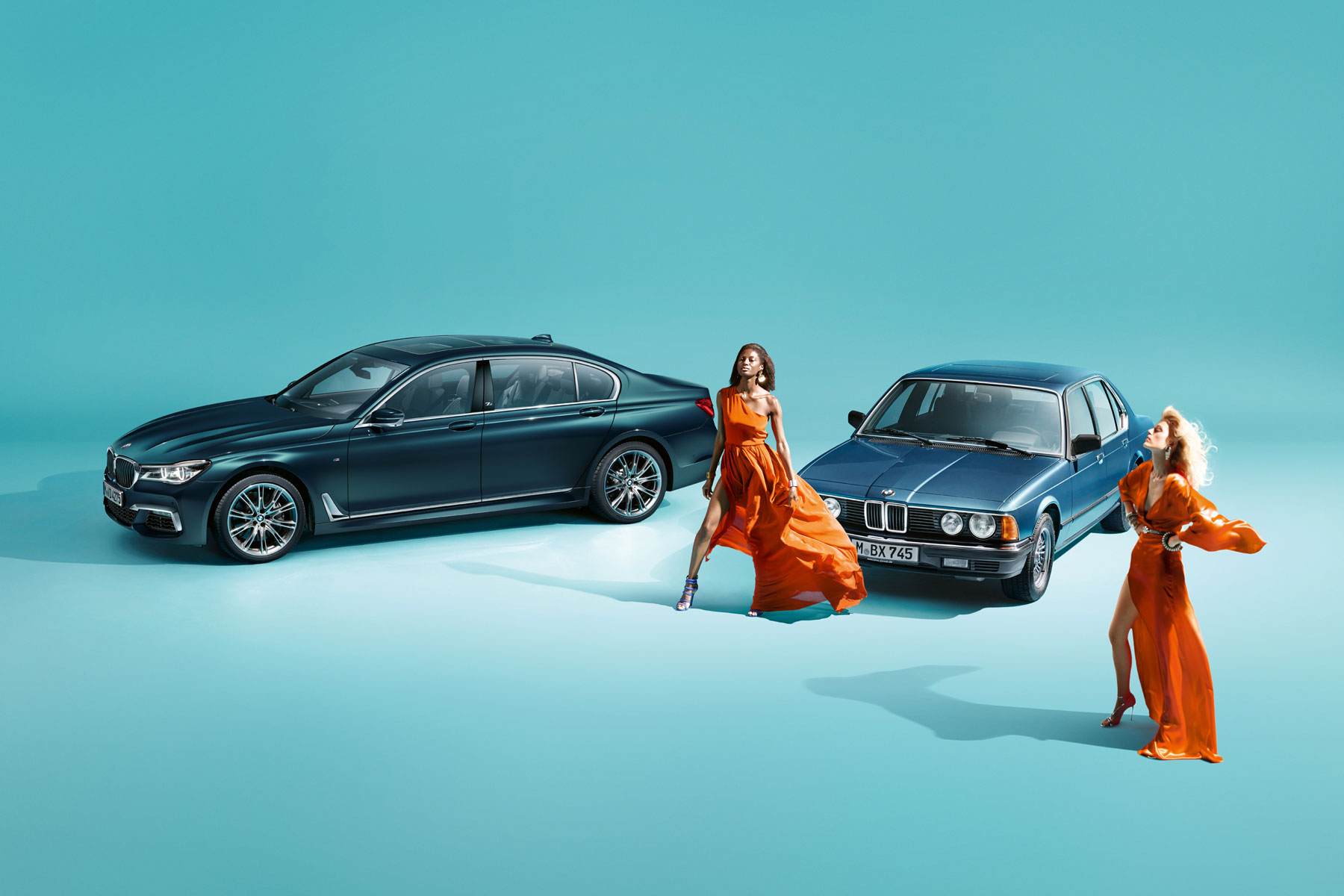
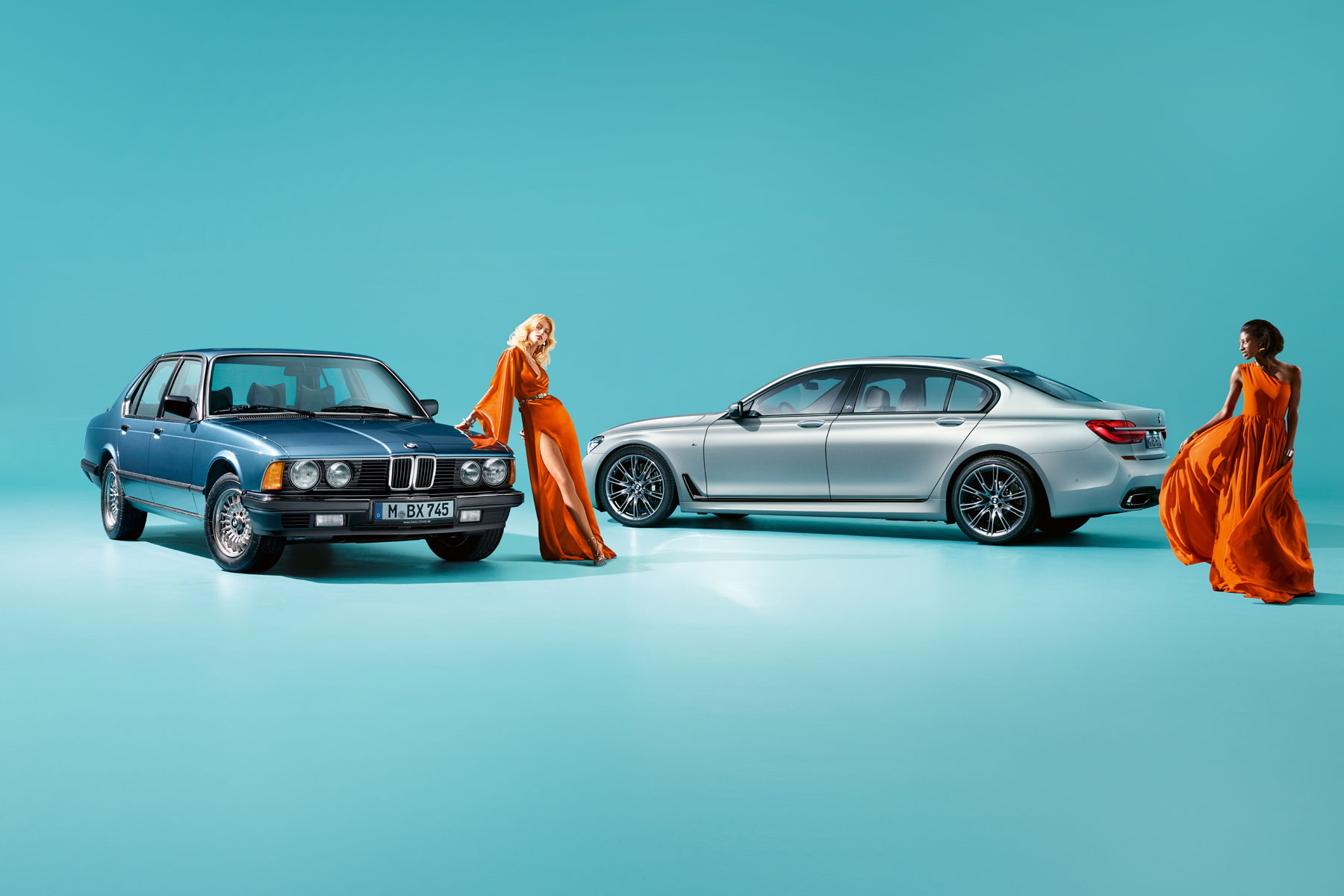
When will carmakers learn that putting high-definition new metal alongside the Kodachrome-richness of past heroes is never a good idea? Even after whipping off our rose-tinted spectacles and wiping the haze of nostalgia from our eyes, we can’t help but feel that the BMW 7 Series Edition 40 Jahre is a little overshadowed by its elegant and clean-cut forebear.
The current 7 Series might be the automotive equivalent of the Consumer Electronics Show, with a Las Vegas price tag to match, but it lacks the subtlety and shark-nosed presence of the original. It helps that the E23 was based on the timeless E24 6 Series, launched a year earlier.
To the 7 Series owner who dropped circa £10,000 on BMW’s flagship saloon back in 1977, Laserlight was something held by Luke Skywalker and Gesture Control was something he might have witnessed from the driver of a Cortina with an inferiority complex. Back then, central locking and electric door mirrors were enough to give you bragging rights over the other motorists crawling along the Hammersmith Flyover on a Monday morning.
The BMW 7 Series Edition 40 Jahre will make its debut at the 2017 Frankfurt Motor Show, with a mere 200 units being produced, each one tailored to individual customer desires. For a limited edition 7 Series, it’s a case of for the few, not the many. Standard or long-wheelbase versions will be available, with a complete suite of engines to choose from. However, it may not come to the UK.
Not that you can be too expressive with the colour: buyers can select from Frozen Silver or Petrol Mica, both of which are “applied in a particularly elaborate process”. No under-the-arches bodyshop for the Edition 40 Jahre, then?
The M aerodynamics package, high-gloss Shadow Line and 20-inch V-spoke alloy wheels complete the look, along with the obligatory special edition badges, located on the B-pillars and door sills.
Inside, the 7 Series is swathed in leather, with an Alcantara roof liner and a choice of trim, depending on the upholstery colour. A pair of smoke white ‘comfort cushions’ join the headrests and floor mats in bearing the Edition 40 Jahre logo. You and your fellow passengers – we doubt many owners will actually drive their 7 Series – should be left in no doubt that you’ve splashed the cash on a limited edition.
Back-seat drivers
In fairness, the BMW 7 Series has long been the flagship motor to be enjoyed from the front and the rear. The E23 wasn’t perfect – contemporary reviews criticised its lack of cabin space and build quality – but dynamically it had the edge over its German, British and French rivals. Today, while remaining a car for backseat drivers, the 7 Series is a car to be enjoyed from the front, if only to revel in the jaw-dropping arsenal of tech.
Remote parking, Gesture Control, remote 3D view, laser headlights, adaptive dynamics and lane guidance would seem otherworldly in a world staring slack-jawed at Star Wars and Close Encounters of the Third Kind. Frankly, not even Lucas and Spielberg could have foreseen just how far the 7 Series would travel in 40 years, both figuratively and literally.
So, yes, we should celebrate four decades of the 7er. Check Control system (1977), the first 12-cylinder engine in a German post-war car (1987) and the first integrated sat-nav in a European production model (1994) are just three of the milestones in an impressive journey. But while the 7 Series will continue to premiere the technology of tomorrow, it will forever be overshadowed by Paul Bracq’s elegant masterpiece of yesterday.
The cost of the BMW 7 Series Edition 40 Jahre is yet to be announced, but prices start from £65,300 for the standard saloon, rising to £135,340 for the M760iL xDrive. You can expect to pay a hefty premium when the anniversary edition goes on sale in October.
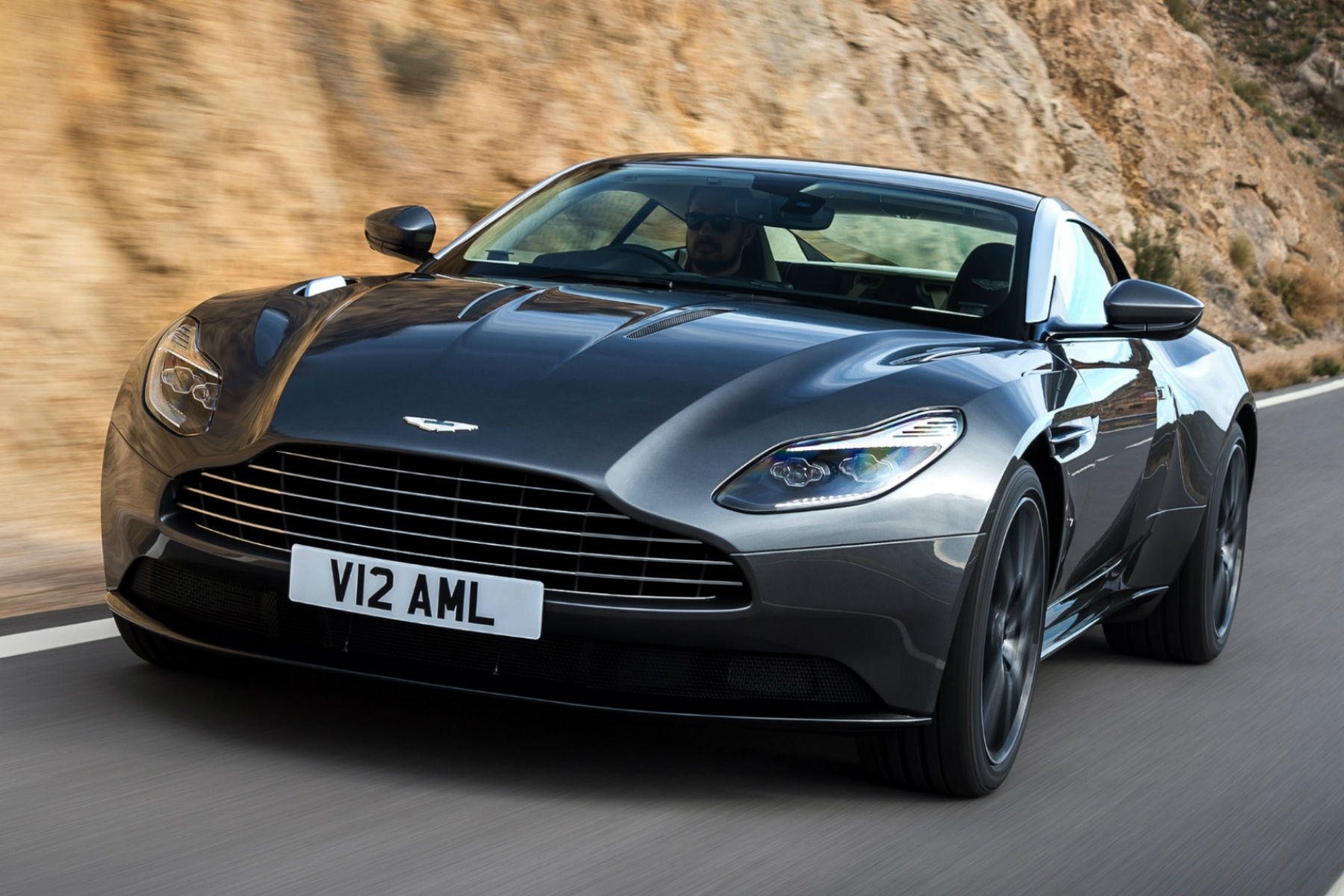
A man walking home from a night out with friends stumbled across Aston Martin’s headquarters in Gaydon, Warwickshire – and managed to walk straight into the factory without being stopped by security.
Forty-five-year-old Jason Boon says he found himself in ‘heaven’ when a fault with the factory security system meant he was free to walk around the firm’s futuristic HQ. He then took it a stage further, finding a stash of keys and an unattended DB11 – which he decided to borrow for the journey home.
“The facts of this case are highly unusual,” said record Alastair Smith during Boon’s sentencing at Warwick Crown Court on Friday.
“Having been left by some friends following an argument, you walked towards some buildings. These, it transpired, were the Aston Martin factory where, due to an error in their security system, the doors were opening independently. You were able to go inside to an area where cars were being given final adjustments before sale.
“There was no-one around, and the keys were readily accessible. You drove one of the vehicles around, and the doors of the warehouse opened, allowing you to drive out of the factory and out of the compound.”
Although Boon had previously lived in the United States and driving the left-hand-drive DB11 caused him little difficulty, the car was found to have to have minor damage to its bodywork and wheels when it was rescued from his home five miles away in Southam.
“Had I come to the view that this was a targeted operation to steal a valuable vehicle, you would have been facing a substantial custodial sentence,” added Smith.
Instead, Boon was given 10-month sentence suspended for two years after admitting burglary, aggravated vehicle taking and driving without insurance.
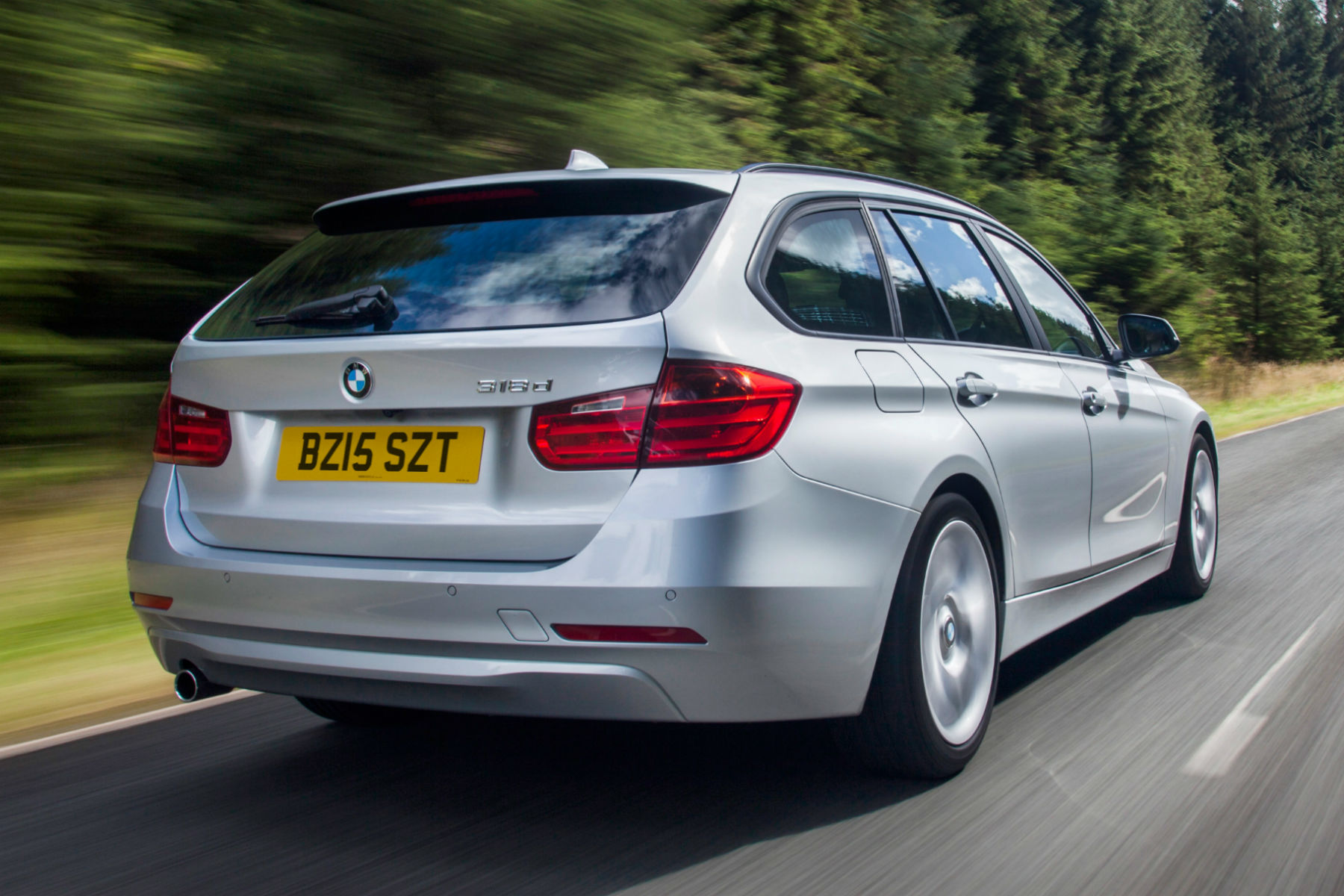
BMW has released a statement rejecting accusations that it colluded with Volkswagen Group and Daimler in a bid to cut costs at the expense of lowering harmful emissions from diesel vehicles.
A report by Germany’s Der Spiegel magazine suggested the three big German car firms have been meeting in private since the 1990s to discuss a range of subjects – from parts prices and suppliers to technology used.
One allegation in the article related to AdBlue, the solution used in modern diesel cars to neutralise emissions. The car manufacturers allegedly agreed to use small AdBlue tanks in their cars in a bid to save money. While larger ones would have done a better job, they would have been more expensive.
“Due to current media reports, the BMW Group considers it has become necessary to make its position regarding recent allegations clear,” said BMW in a statement released over the weekend.
“As a matter of principle: BMW Group vehicles are not manipulated and comply with respective legal requirements. Of course this also applies to diesel vehicles. Confirmation of this is provided by the results of relevant official investigations at the national and international level.
“The BMW Group categorically rejects accusations that Euro 6 diesel vehicles sold by the company do not provide adequate exhaust gas treatment due to AdBlue tanks that are too small.”
It adds that its technology is ‘clearly differentiated’ from that used by other manufacturers, and that there would be no need to recall its Euro 6 vehicles. BMW has said it will issue a voluntary software upgrade for Euro 5 models using “knowledge gained in the field over the last years to realise further improvements in emissions”.
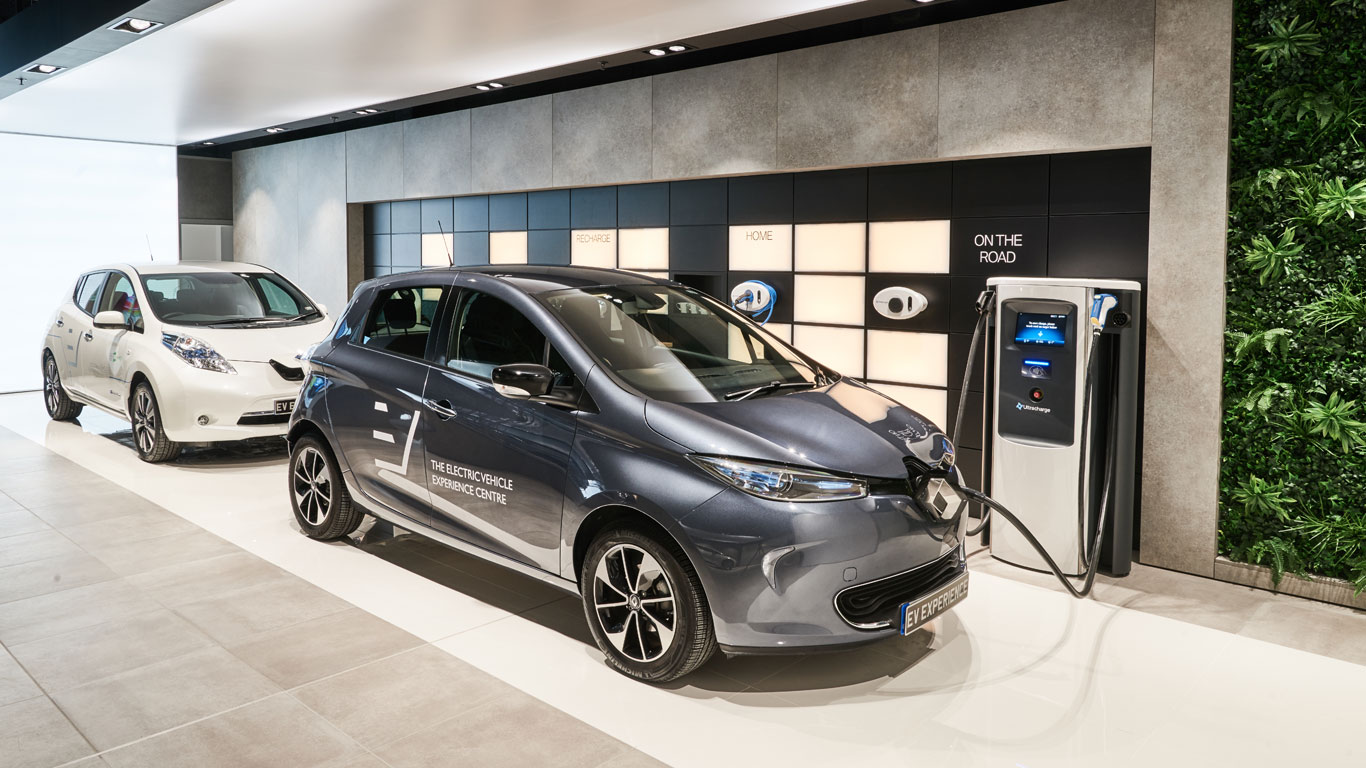
Yet to be convinced that electric cars are the future? EV stalwarts are hoping this unique ‘experience centre’ located in a shopping centre in Milton Keynes could be the encouragement you need to swap your diesel for a plug-in – and we’ve been for a behind-the-scenes look at the showroom which is being described as a “landmark moment”.
The EV experience centre is operated by Chargemaster using Government funds through Milton Keynes’ Go Ultra Low City status. It’s not a pop-up dealership – there’ll be no hard sell, just experts on hand to talk people through electric cars and advise about whether they’ll fit into their lifestyle.
“[There’s] a series of myths people have about electric cars,” transport minister Jesse Norman told Motoring Research during our preview of the EV experience centre.
“They think about whether they might be expensive or whether they’re hard to charge, and how long that takes. An experience centre that actually gives a person the experience of actually sitting behind the wheel or potentially driving it, that just knocks down a whole series of these myths and that makes it much easier to think about buying one.”
The showroom, located in Centre:MK, is multi-brand, displaying cars from partners including Renault, Mitsubishi, Volkswagen, Nissan, BMW and Kia. The experts on hand won’t be on commission and will be able to give independent advice on which – if any – electric car suits a particular person’s needs.
If an electric car won’t fit a person’s lifestyle, they’ll be honest that they’re better suited to a conventional petrol or diesel car – while, although Tesla isn’t a partner, a visitor with a big budget after a long range and high performance will be pointed in the direction of a Tesla dealership.
“With 17 million people a year coming into this particular shopping centre in Milton Keynes, that’s potentially an awful lot of people who are potentially going to be impressed by it,” added Norman.
A range of cars will be parked at nearby charge points, ready to be test driven by anyone considering an electric car. The centre will be happy to let visitors trial a variety of electric cars back to back – something which single-brand dealerships aren’t able to offer. If the customer is seriously interested, they’ll be offered a seven-day test drive for a fee – and if they remain keen after an extended test drive, their details will be passed onto the relevant dealer. If they buy a car, their test drive fee will be refunded.
The centre isn’t just a place for potential EV drivers to visit, either. Like Apple customers will visit an Apple Store for advice and help troubleshooting, experts will be on hand to give current electric car owners on guidance on how to use features of their car as well as how to access charge points around the country.
The AA Trust, a partner of the centre, will also be offering lessons with AA instructors. These will show motorists how to adapt their driving for electric cars, using features such as regenerative braking to reduce wear and get the most range from a charge.
One million electric cars on UK roads by 2022
Speaking ahead of the opening of the centre, Chargemaster chief executive David Martell announced predictions that the number of electric cars on UK roads could hit one million within five years. Allowing for a modest increase in adoption, this projection is based on a growth in electric vehicles of just over 7% of new car registrations.
Around 21,500 plug-in cars (including pure electrics and plug-in hybrids) have been registered so far in 2017 – a change of 14.8% compared to the same time last year.
“We have seen tremendous growth in the uptake of electric cars over the past five years, as they’ve become more competitive in terms of costs, and more practical in terms of range,” said Martell. “The number of EVs on UK roads has increased from fewer than 2,000 in July 2012 to more than 100,000 today. We expect the UK electric vehicle parc to rise to more than one million by the middle 2022, but it could grow to as much as 1.4 million.
“Over the next five years, a significant number of new models will have a range of more than 200 miles, with a lower purchase price than their earlier vehicles. Consumers will also be able to choose from larger range of electric vehicles, from manufacturers including Audi, BMW, Ford, Mercedes-Benz, Volkswagen and Volvo, as well as significant new models such as the Jaguar I-PACE and Tesla Model 3.”
In May, Chargemaster celebrated the 100,000th plug-in car being registered by driving a fleet of 25 electric vehicles from Greenwich to Milton Keynes.
The most expensive new cars on the market are the most likely to go wrong within three years, a survey by consumer group Which? has found.
As part of its annual Which? car survey, drivers revealed that more than a third (36%) of luxury cars require a trip to the garage within the first three years. That’s despite the average luxury car buyer spending more than £49,000 on their new motor.
The faults are likely to be caused by the complicated technology used in luxury cars – with complex infotainment and sophisticated safety systems likely to cause big bills when out of warranty.
City car drivers, meanwhile, spend the least on their car (£10,108 on average) – but only a quarter go wrong within three years, making them the most reliable cars available.
The survey revealed the most reliable luxury car you can buy is a Tesla Model S, although even this is plagued with faults, scoring only three stars out of five for reliability.
Nearly a third of Model S owners reported issues, most commonly to do with handles or locks for the boot or door. Which? also says it’s heard of issues with seat belts and rainwater seals on the Tesla.
Not that this seems to deter the cars’ owners. “It is quite simply the best car I have ever driven. It is economical, efficient, smooth and effortless to drive,” said one Tesla owner.
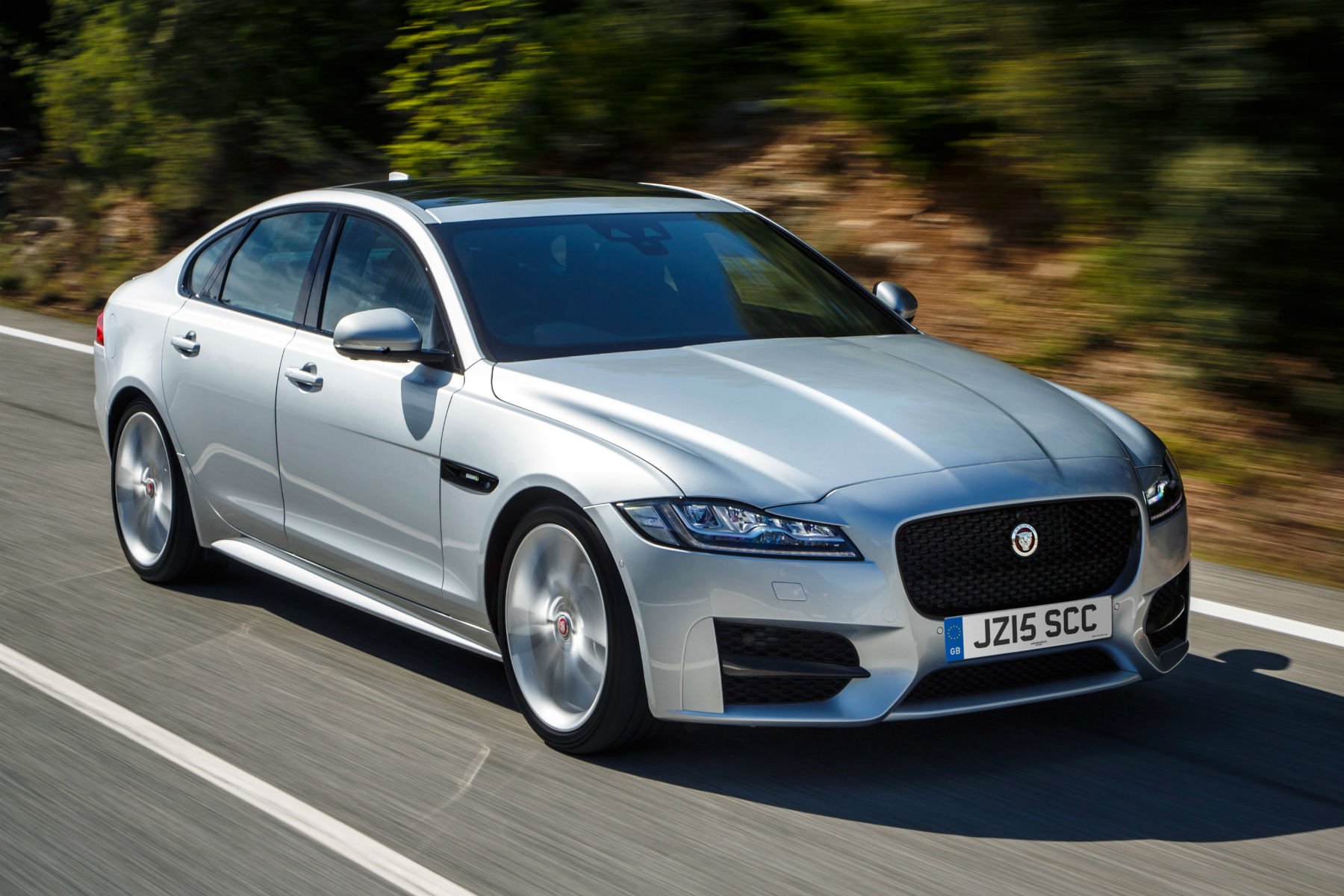
Although the latest Jaguar XF has only been out two years, Which? says 42% of owners that took part in its survey have had issues with their car, making it the least reliable luxury car available. One owner said: “A car of its price that leaks water into the door and one of the exterior door seals peels off. [It indicates a] poor quality build.”
As part of the survey, the organisation questioned 44,794 owners about 50,742 cars.
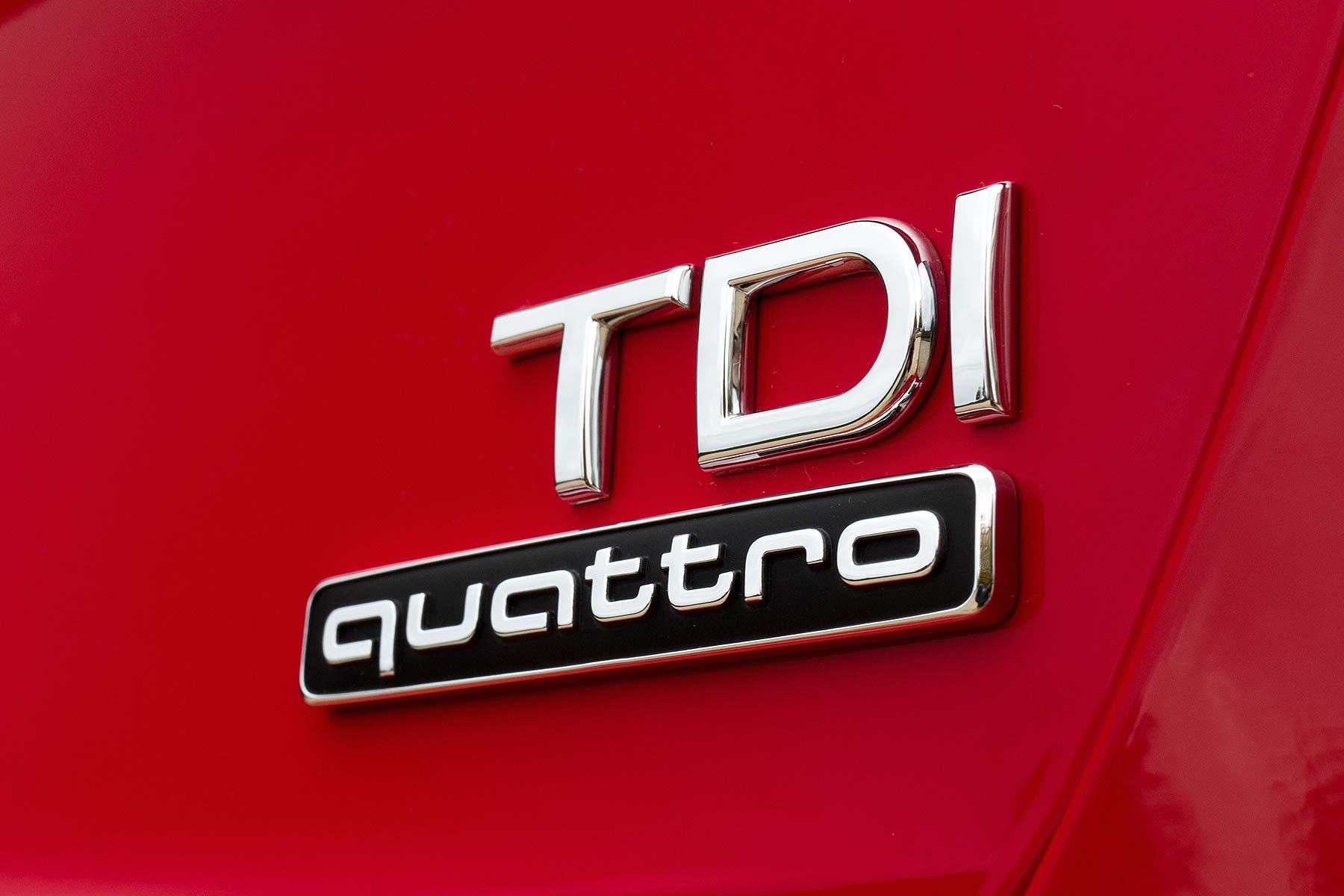
Audi is to retrofit clean diesel software to 850,000 V6 and V8 TDI turbodiesel engines in Europe as part of an initiative “for the future of the diesel engine”. The scheme will be voluntary, and free of charge to owners.
The firm says the new software for EU5 diesels (built from 2009) and EU6 diesels (built from 2014) will help improve real-world emissions, particularly in city centres, to “beyond the current legal requirements”.
Porsche and Volkswagen owners with related V6 and V8 TDI engines will also be offered the retrofit update program.
Audi’s initiative follows a similar scheme announced by Mercedes-Benz earlier this week: this will see three million diesel cars recalled to have a free clean-diesel upgrade.
‘Counteract bans’
Diesel still has a bright future, insists Audi: it thus wants to make sure the engines remain viable, while also improving air quality. But the firm goes further, acknowledging the current anti-diesel mood: “Audi is convinced that this program will counteract possible bans on vehicles with diesel engines.”
It is not yet clear how Audi would achieve this: the 2019 London Ultra-Low Emission Zone (ULEZ) scheme, for example, imposes charges on EU5 diesels. Might Audi be considering some form of retrospective emissions testing for older vehicles?
Audi also acknowledges it remains under investigation by the German transport ministry, and that these investigations have not yet been concluded. “If those investigations result in further consequences, Audi will of course quickly implement the required technical solutions in the interest of its customers as part of this EU5/EU6 retrofit program.”
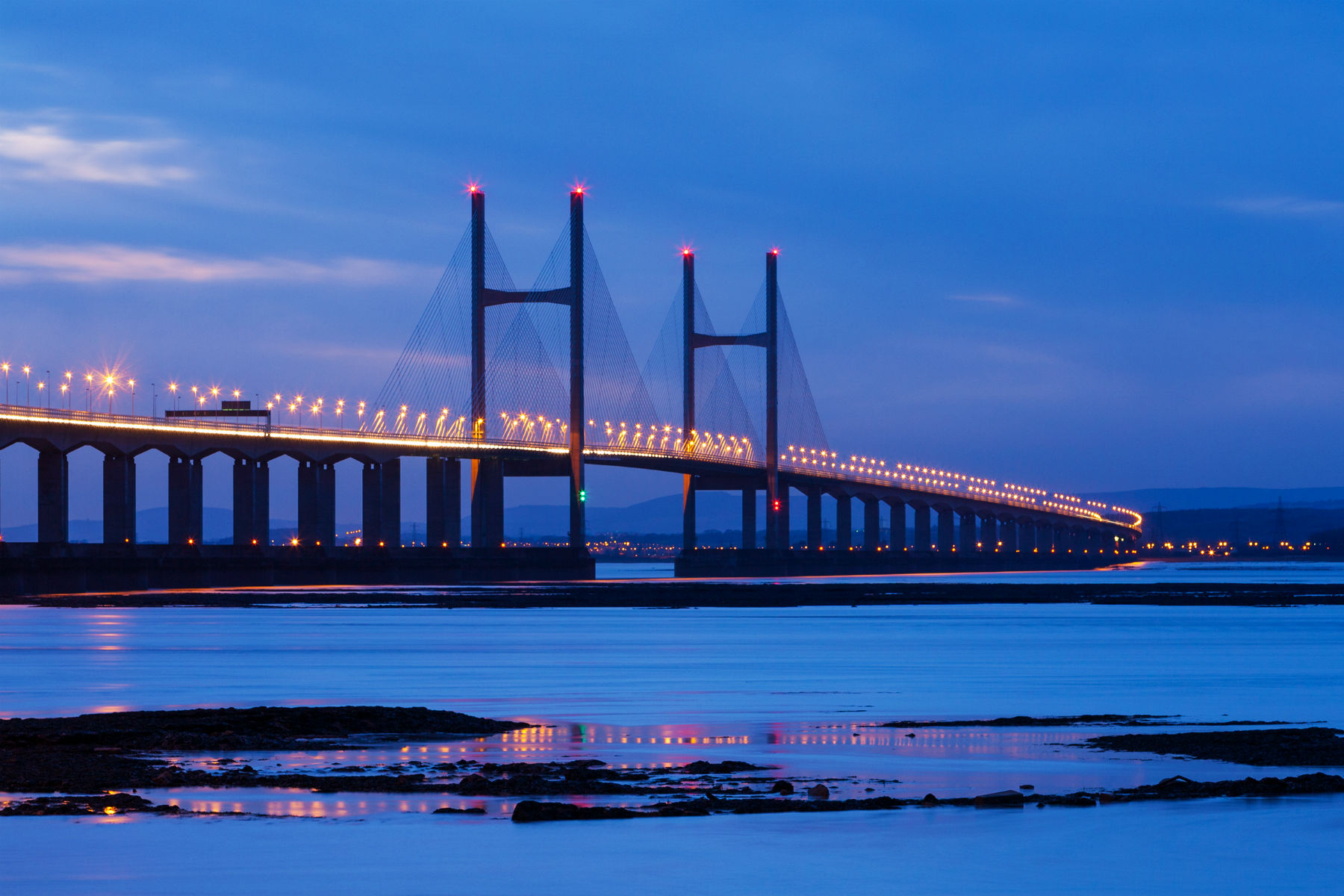
The UK Government has said the toll for crossing the Severn Bridge into Wales will be scrapped by the end of 2018.
Car drivers currently pay £6.70 to cross the bridge from England to Wales – while van drivers pay £13.40 and lorries £20. The Conservatives, Labour and the Lib Dems all pledged to axe the controversial tolls in their 2017 election manifestos, saying doing so would give the Welsh economy a much-needed boost.
Around 25 million journeys are made across the two Severn crossings every year, with a study commissioned by the Welsh Government suggesting scrapping the tolls would boost the Welsh economy by £100 million.
Making the announcement in Newport, Welsh secretary Alun Cairns said: “The decision to abolish the Severn tolls next year sends a powerful message to businesses, commuters and tourists alike that the UK government is committed to strengthening the Welsh economy.
“By ending tolls for the 25 million annual journeys between two nations, we will strengthen the links between communities and help to transform the joint economic prospects of south Wales and the south-west of England.
“I want to ensure that visitors and investors know what Wales has to offer socially, culturally and economically. Most importantly, I want the world to know how accessible we are to business.”
Some motorists have previously described the toll fees as a ‘tax on Wales’, with regular users paying as much as £1,400 a year.
Although a date hasn’t been set, the tolls will be axed once the cost of building the second crossing, opened in 1996, is repaid and ownership transfers from a private consortium to Highways England.
Transport secretary Chris Grayling said: “Tens of millions of motorists a year will benefit from the end of tolls on the Severn bridges, saving them money and cutting journey times. Abolishing the crossing fee will also drive economic growth for businesses in Wales and the south-west and further strengthen the bond between our two great countries.”
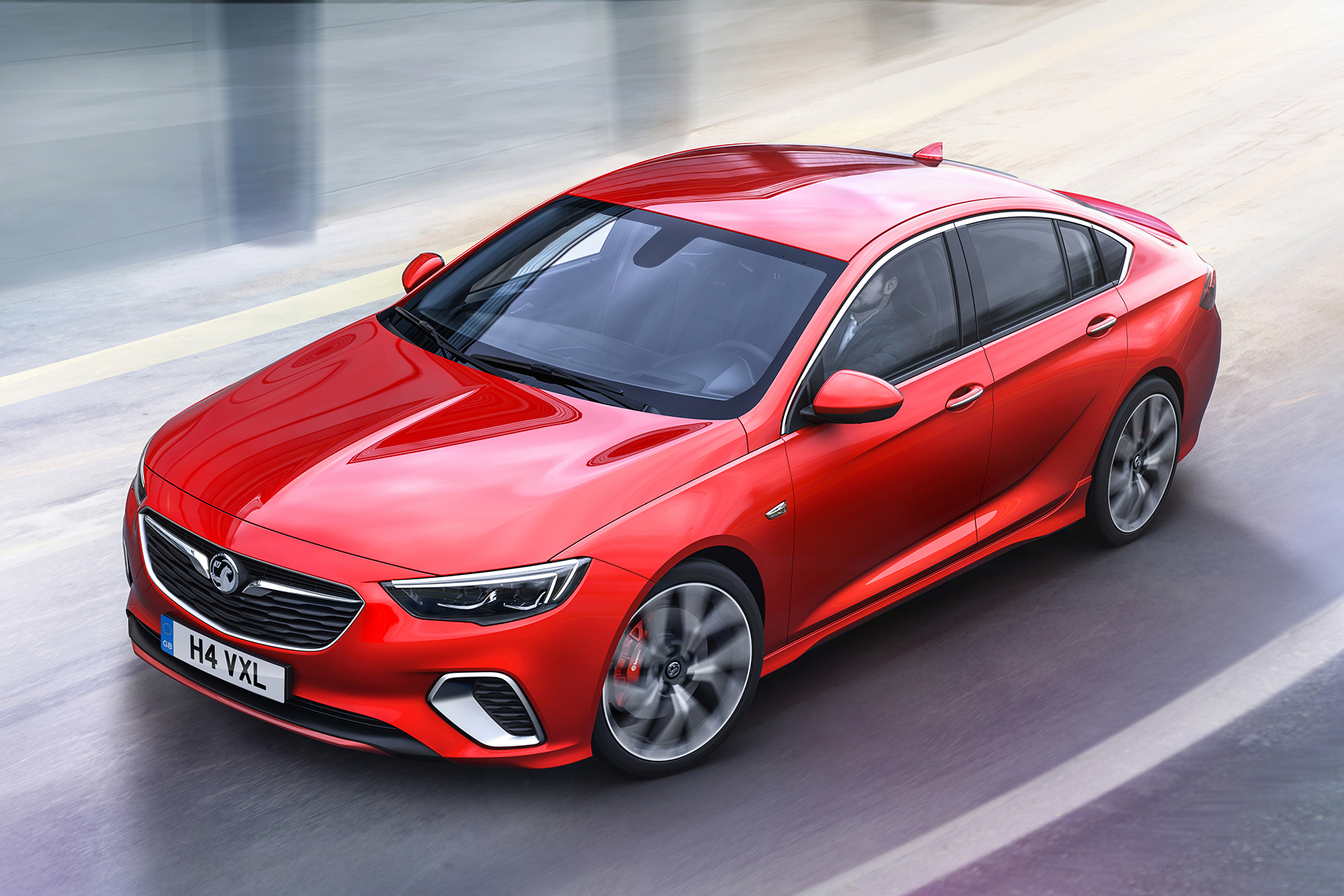
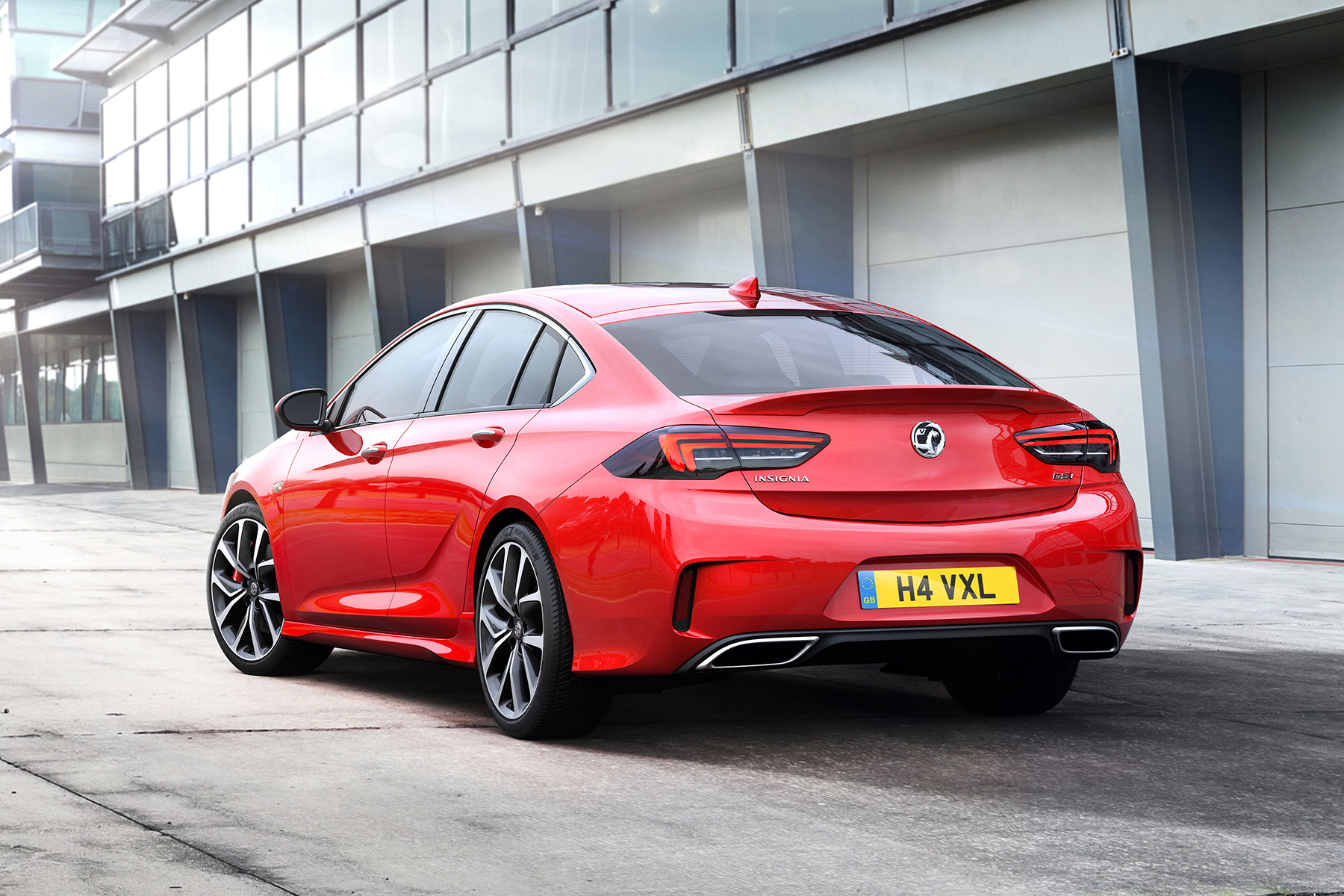
Good news fast Vauxhall fans: the firm has announced it’s bringing back its iconic GSi badge. But rather than appearing on a hot Astra (something the current range is lacking), it’s set to appear on a warmed-up Insignia at this year’s Frankfurt Motor Show.
It’s more than just a trim level, though. The new Vauxhall Insignia Grand Sport GSi, to give it its full name, sends power (all 260hp of it) from its 2.0-litre turbo engine to all four wheels. Upgraded brakes help stopping, while a 160kg weight saving and chassis tuning on the Nurburgring aid handling.
Sports suspension lowers the warm Insignia by 10mm, while specially developed shocks provide a firmer ride. It oughtn’t be too hard, though – the setup will work with Vauxhall’s FlexRide chassis to constantly adapt steering and suspension settings.
Drivers will have a choice of the usual three driving modes: standard, tour and sport – while a fourth ‘competition’ mode has been developed for the Insignia GSi. With a double press of the ESP button, this switches traction control off and allows a degree of oversteer.
Michelin Pilot Sport tyres on 18-inch alloys are fitted as standard (20-inch wheels will be available as an option), while torque vectoring shifts power between all four wheels to reduce understeer. Keen drivers might be disappointed to hear that an eight-speed automatic gearbox will be standard fit, although they can manually take over using steering wheel paddles if they wish.
We’ll have to wait for Frankfurt to see the inside, but Vauxhall says sports seats will be available in a choice of two leather combinations, each featuring a GSi logo.
Exterior highlights include a rear spoiler as well as two chrome exhaust pipes, while chrome air intakes near the front of the car add to the sporty look.
Vauxhall’s yet to confirm a price or on sale date – we’ll find out more when the Insignia GSi makes its official debut at the Frankfurt Motor Show in September. It’s worth noting, too, that it might not be the only hot Insignia on the horizon – a VXR model is mooted.
We all know that performance cars and hot hatches of the 80s and 90s are in demand, but what about the other cars that are seemingly appreciating in value? We spent some time on Auto Trader, identifying the everyday old cars that are worth more than you might think. Of course, the asking prices aren’t necessarily reflective of the market value.
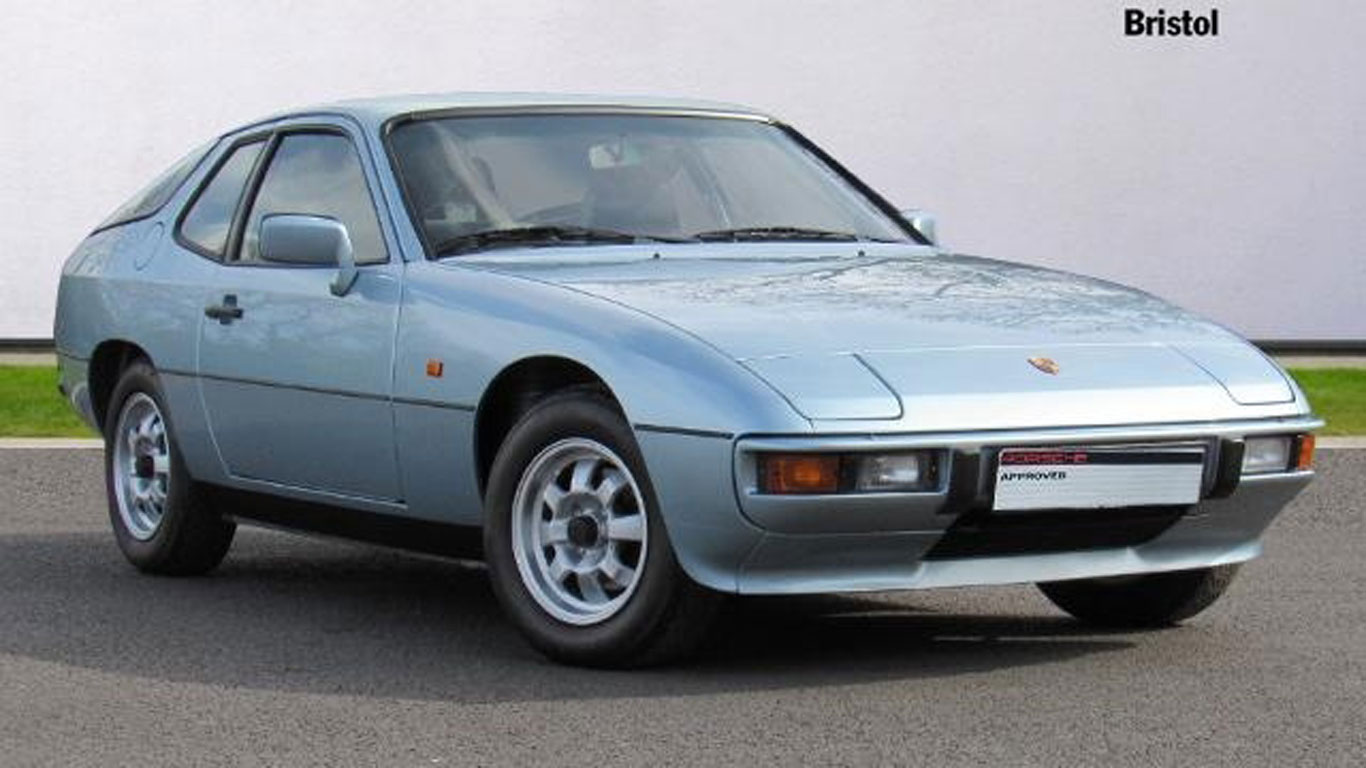
Porsche 924: £29,990
While we’d struggle to class a Porsche as an ‘everyday’ old car, the 924 is very much the entry-level to the brand. Besides, it was destined to wear a Volkswagen badge and was launched with a four-cylinder Audi engine. We like the 924, but £30k is a jaw-dropping price. You could buy a five-year-old Cayman for that money…
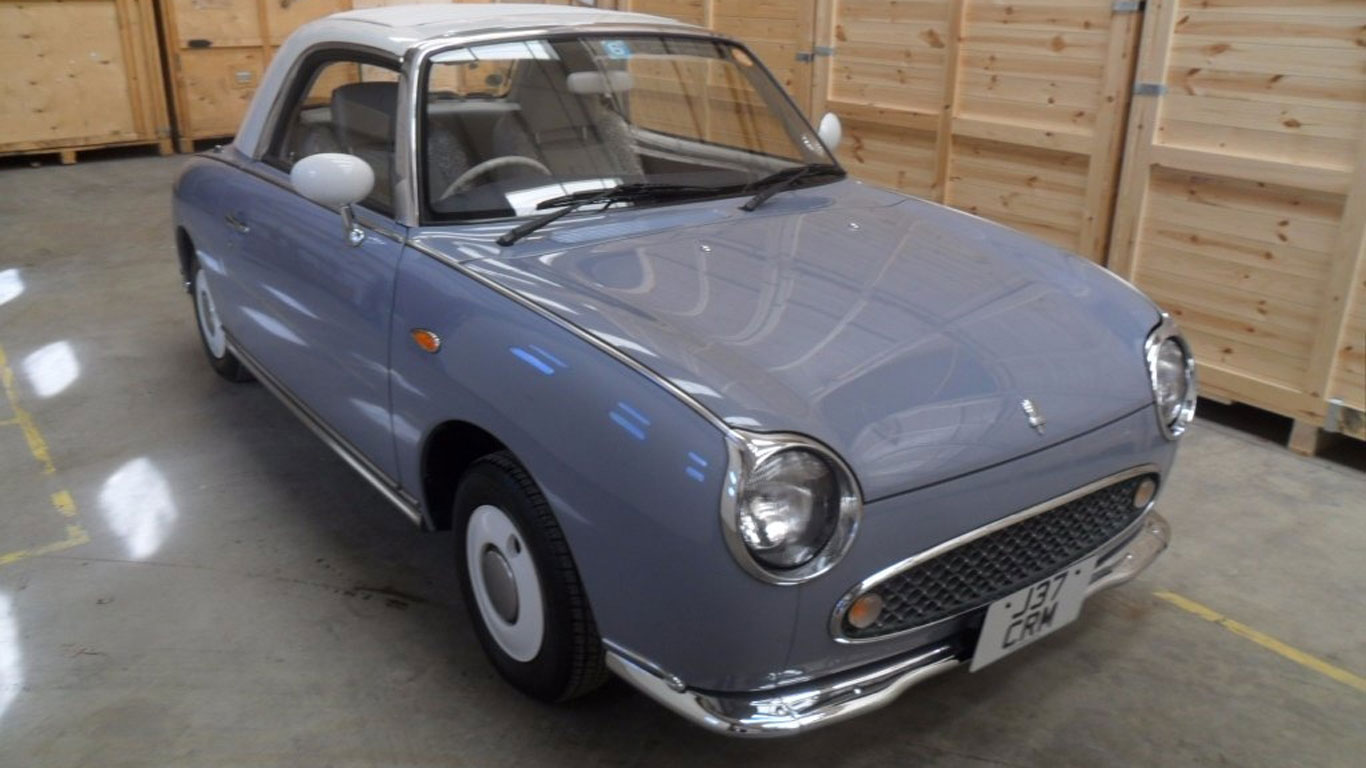
The Figaro was Nissan’s way of saying happy 50th birthday to itself: a retro-inspired cutesy based on the humble Micra. Figs4u, the self-proclaimed ‘home of the Nissan Figaro’, claims that “good examples appreciate by about £1,000 per annum”, which might explain why this Royston dealer is asking for £22,995 for this example. Wow.
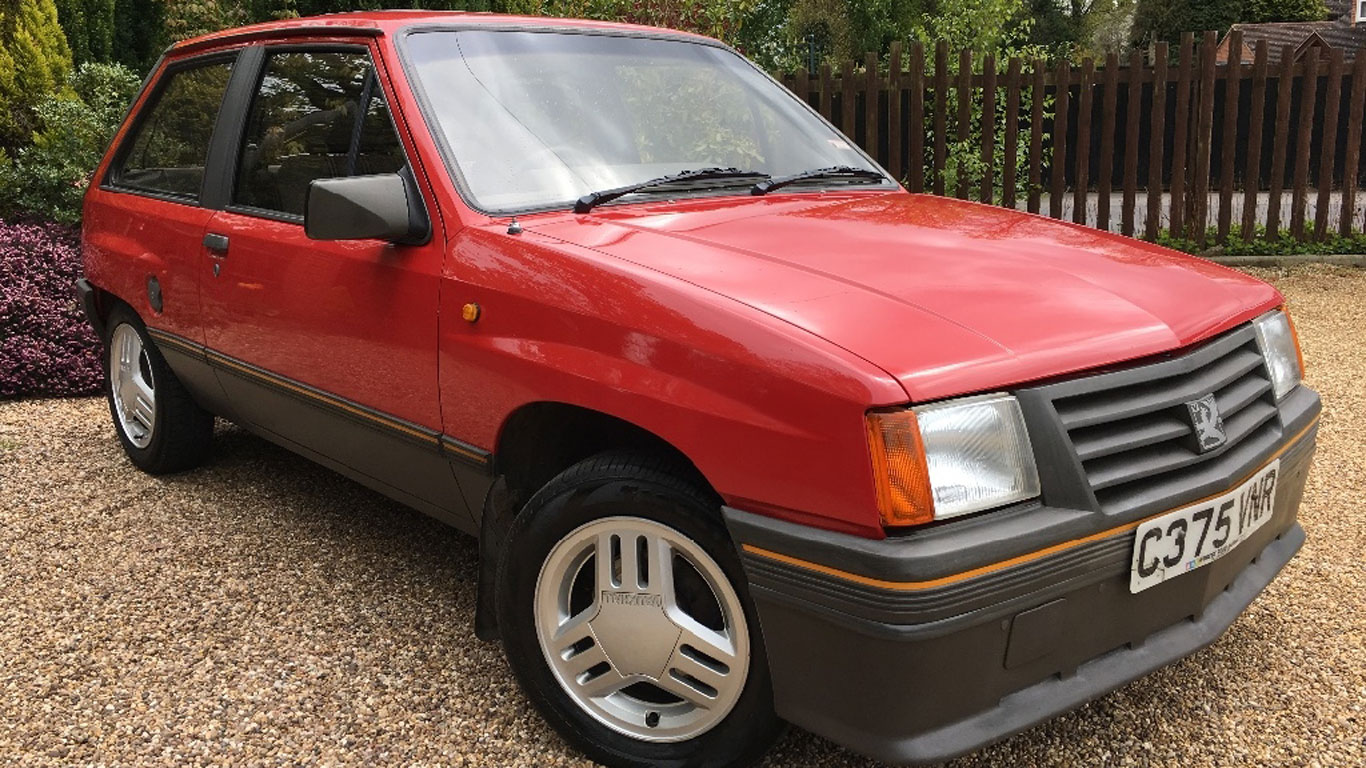
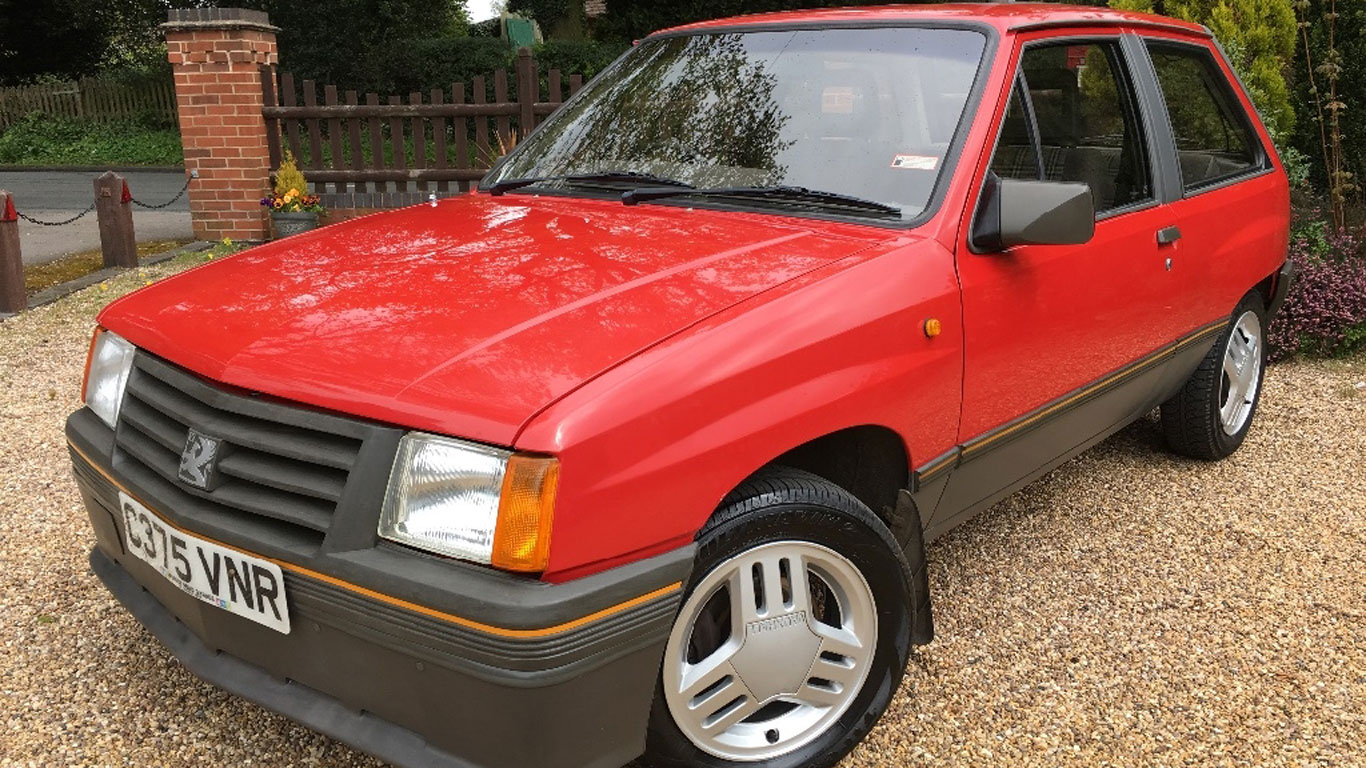
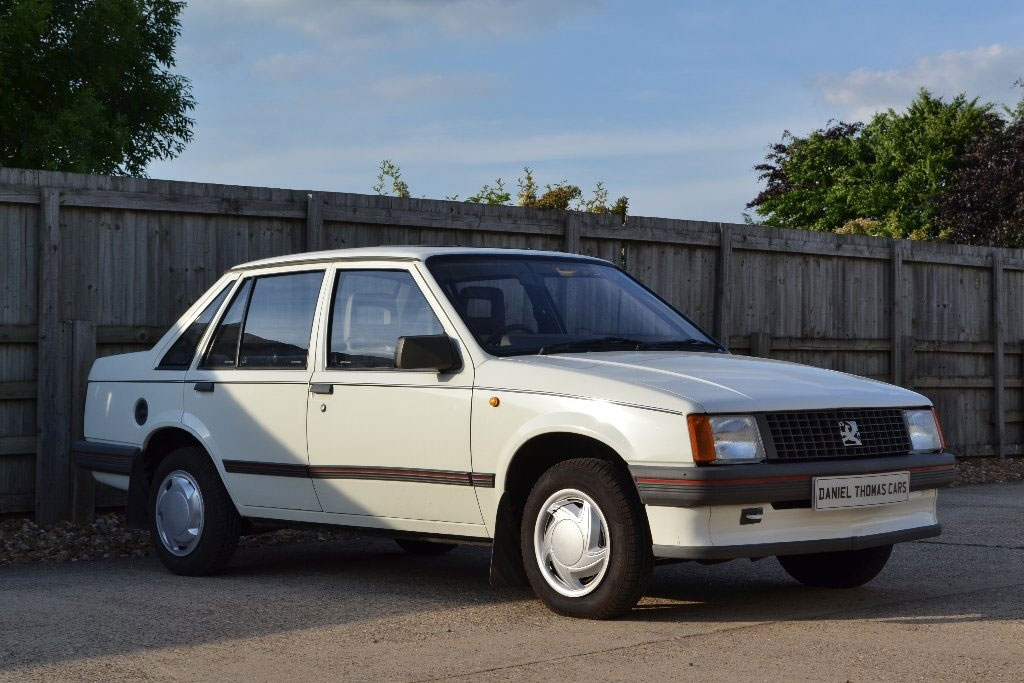
“Macho for not mucho,” proclaimed the 1985 press ad for the Vauxhall Nova SR. Back then, the 1.3-litre upstart would set you back a mere £5,766, which is about £17,043 in today’s money. This admittedly delightful low-mileage example is available for a smidgen less. Macho for a little too mucho? You decide.
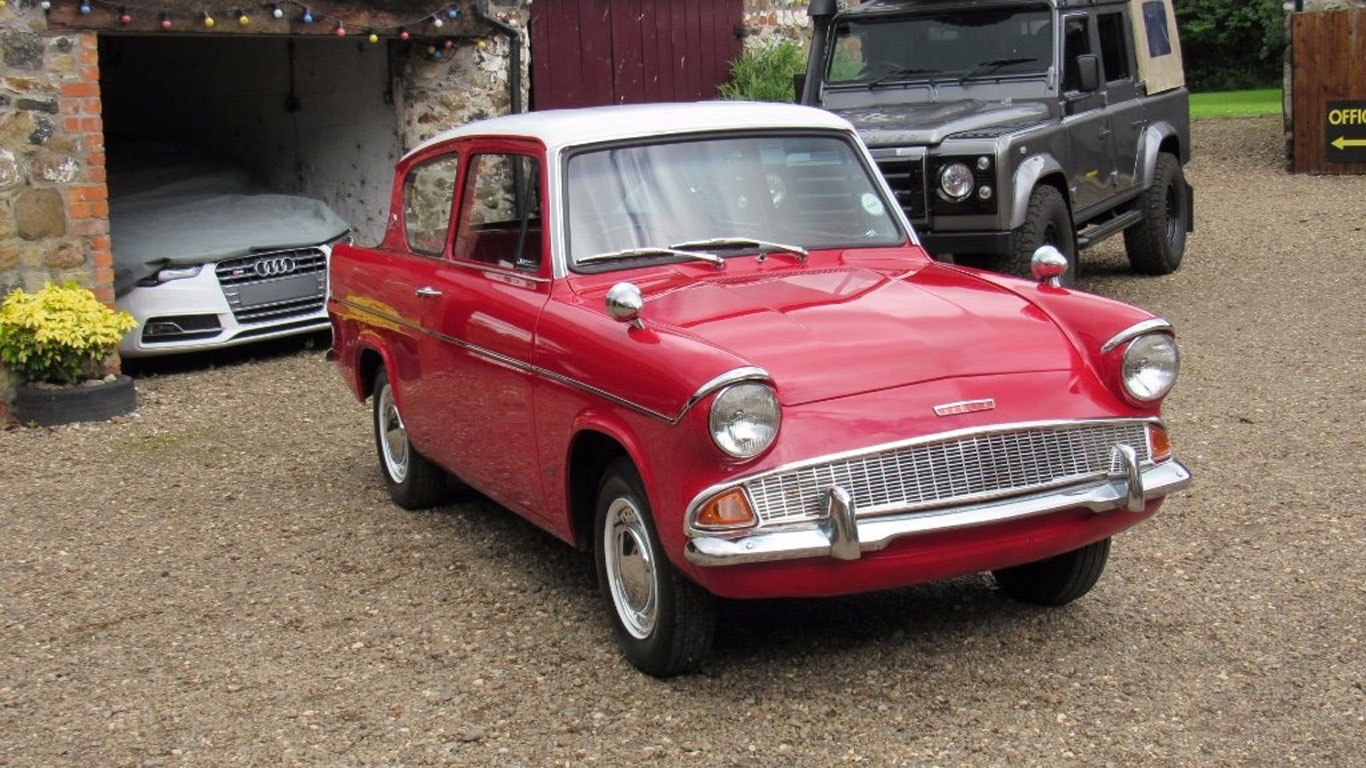
Today, the Anglia 105E is most famous for its Harry Potter connection, but this was a ground-breaking car for Ford. More than a million were built, with production commencing in 1959 and continuing until 1967. This late example was imported from South Africa, one of three countries to produce the forerunner to the Escort.
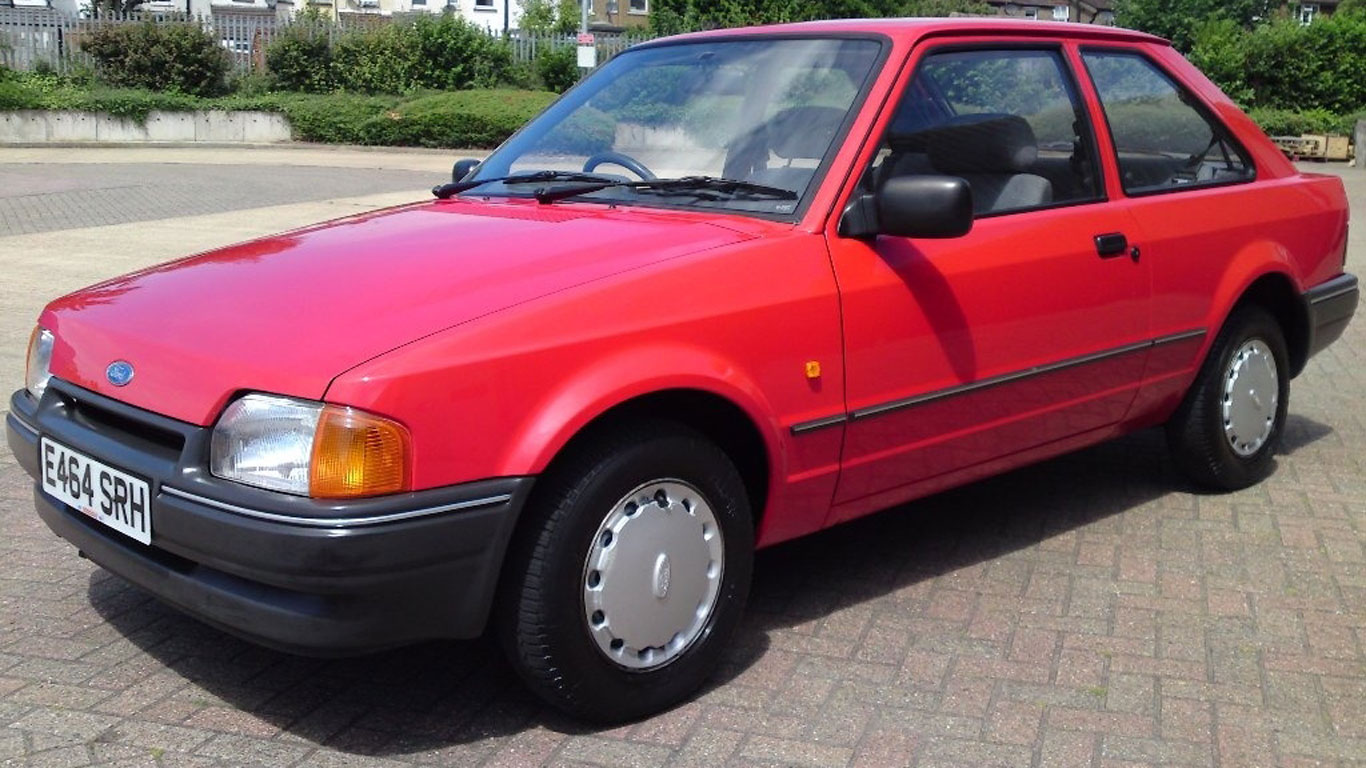
Speaking of the Escort, how’s this for an eye-watering price? We’ve grown accustomed to the rising prices of RS and XR models, but £11,500 for a common or garden 1.4L seems optimistic. The last MOT listed some advisories for rust, but we suspect these may have been sorted.
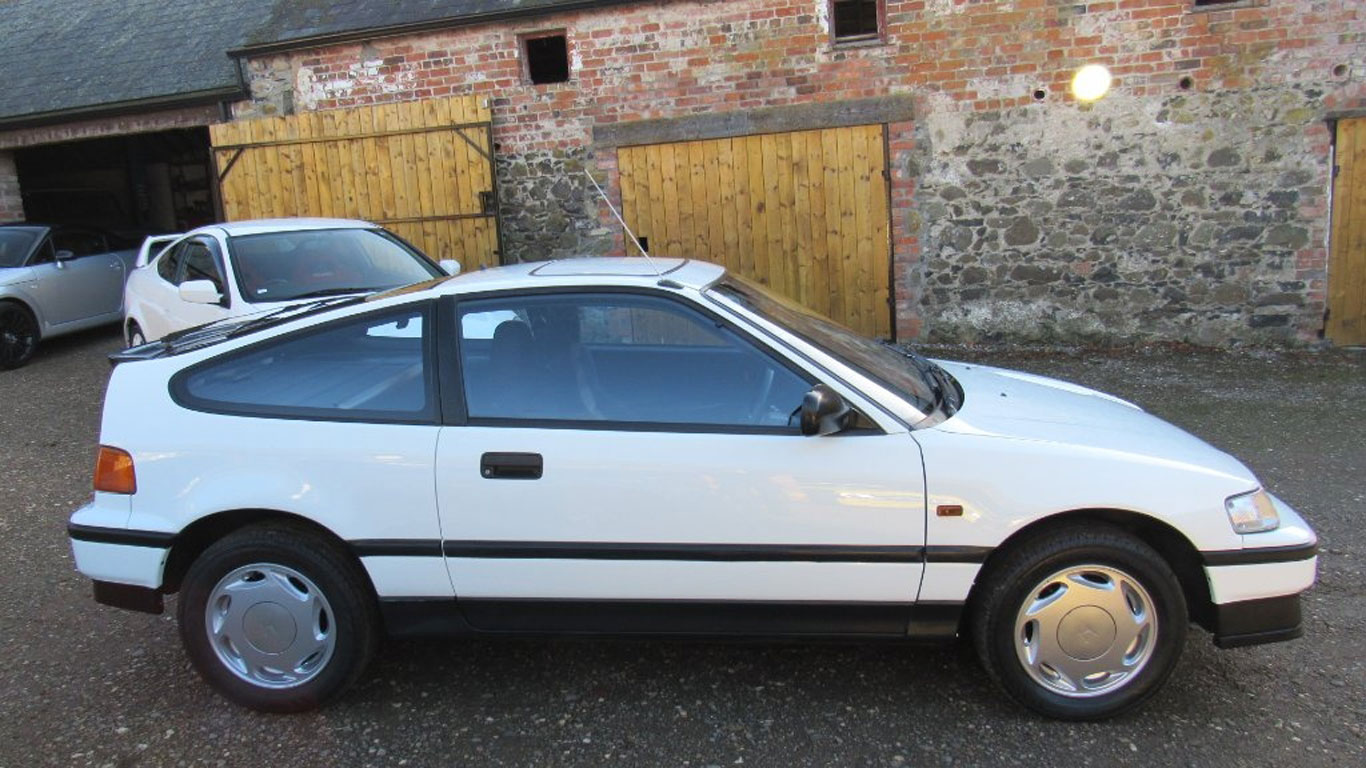
The second generation CR-X arrived in 1988: an altogether more grown-up successor to the mad-as-a-box-of-frogs original. It occupied its own niche, falling somewhere between a hot hatch and a genuine sports car. The 1.6-litre 16v engine was an obvious highlight, along with terrific handling. Good enough to warrant an £11k price tag?
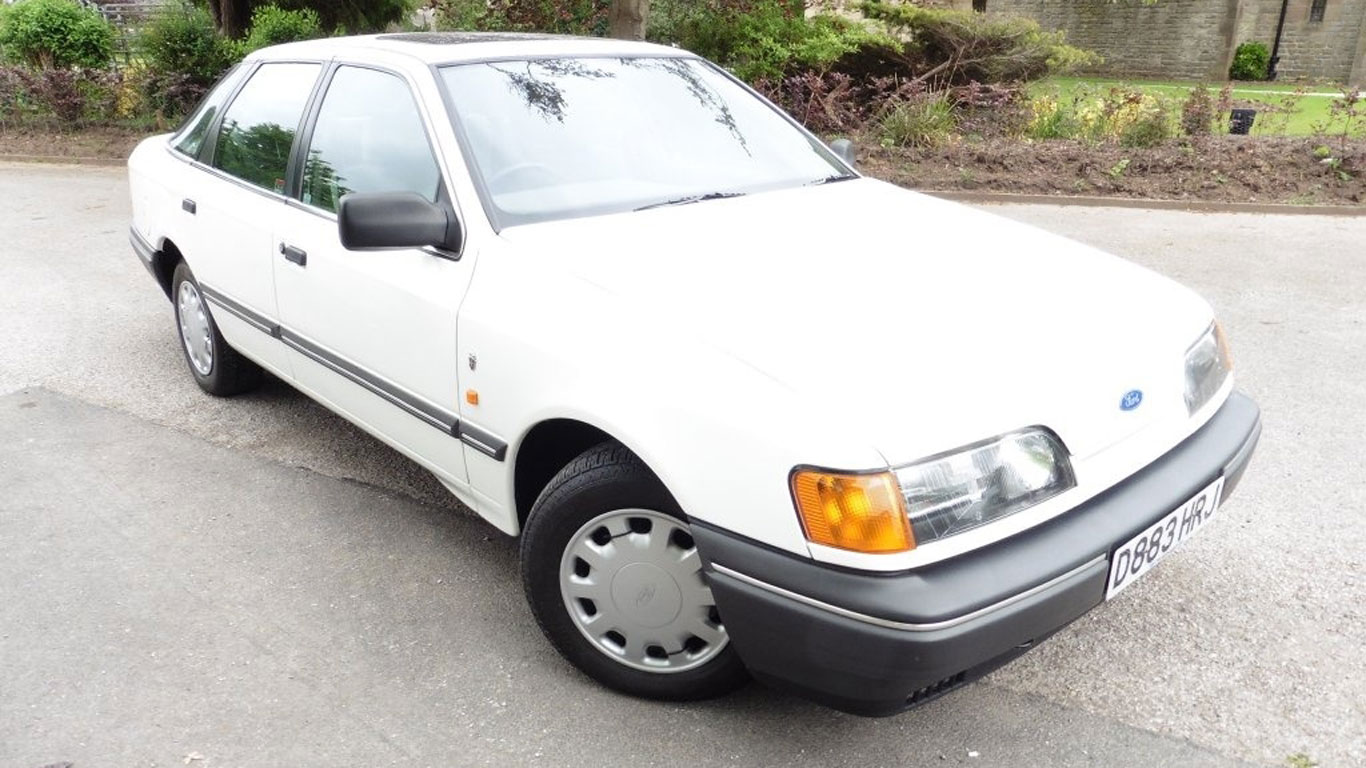
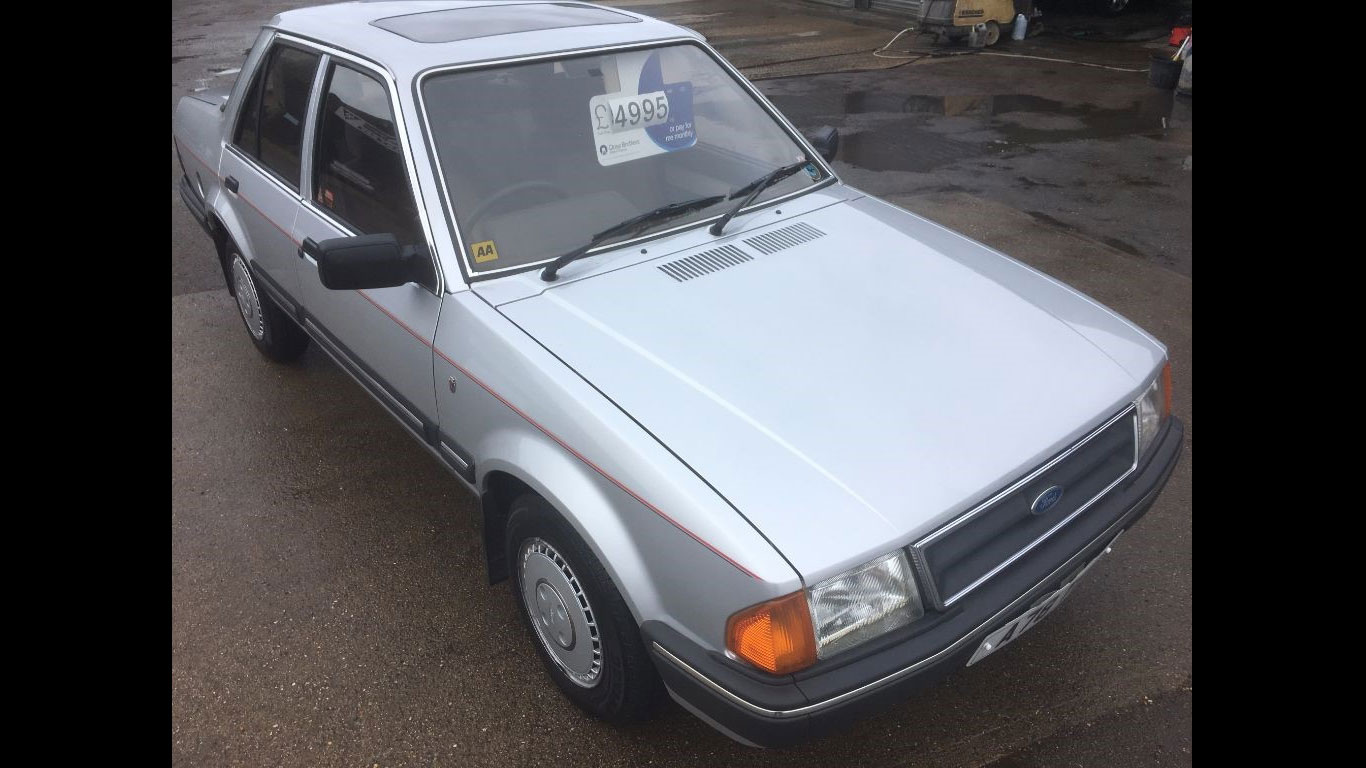
“Where would you find another like this?” asks the dealer selling this 1986 Ford Granada 2.8i Ghia. It’s a fair point, because we can’t remember the last time we saw a Mk3 ‘Granny’, let alone one as delightful as this. More tempting than a Ford Mondeo Vignale? We think so, even without the concierge service.
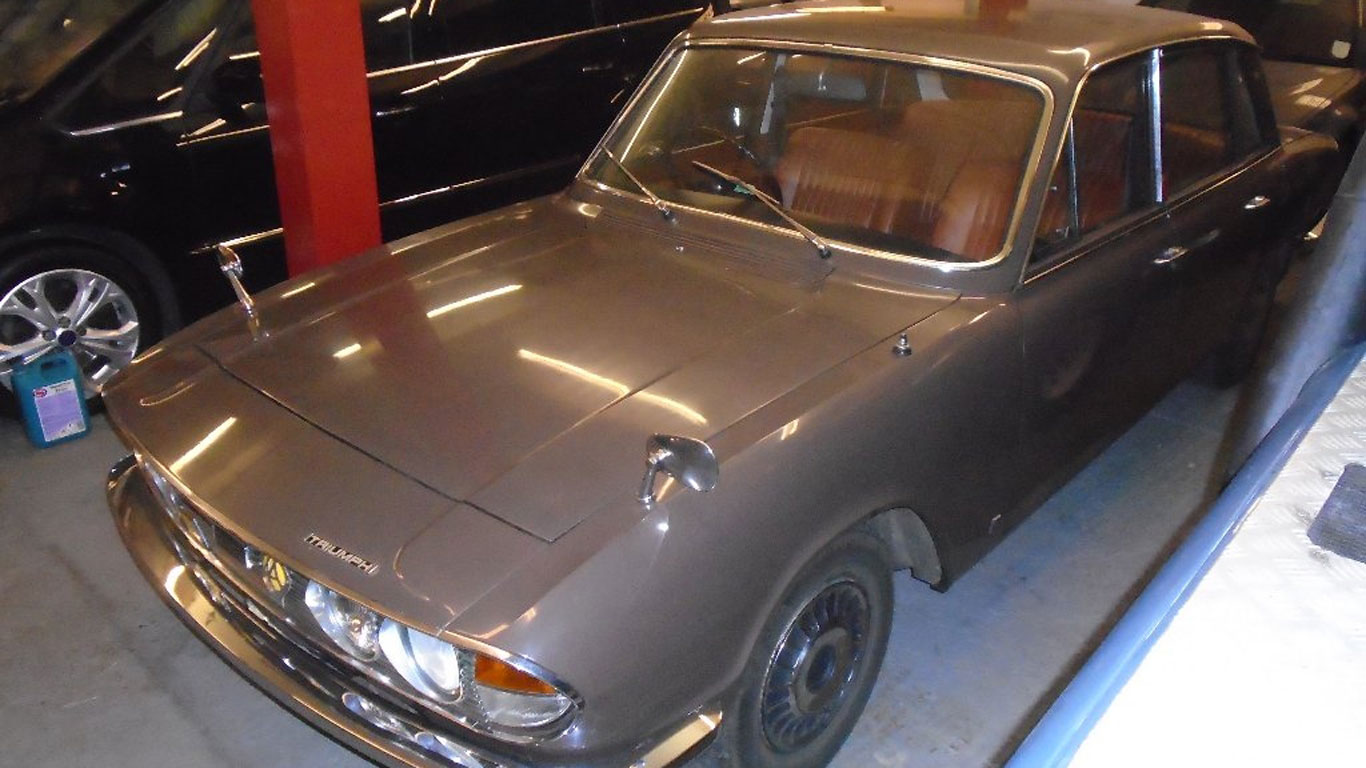
The Michelotti-styled Triumph 2000 was unveiled in 1963, with the Mk2 arriving in 1969. “Totally original the best,” says the dealer selling this 1971 example, which is said to be “rust free” with an interior that “still smells new”. It was effectively replaced by the Rover SD1, meaning the big Triumph had no direct successor.
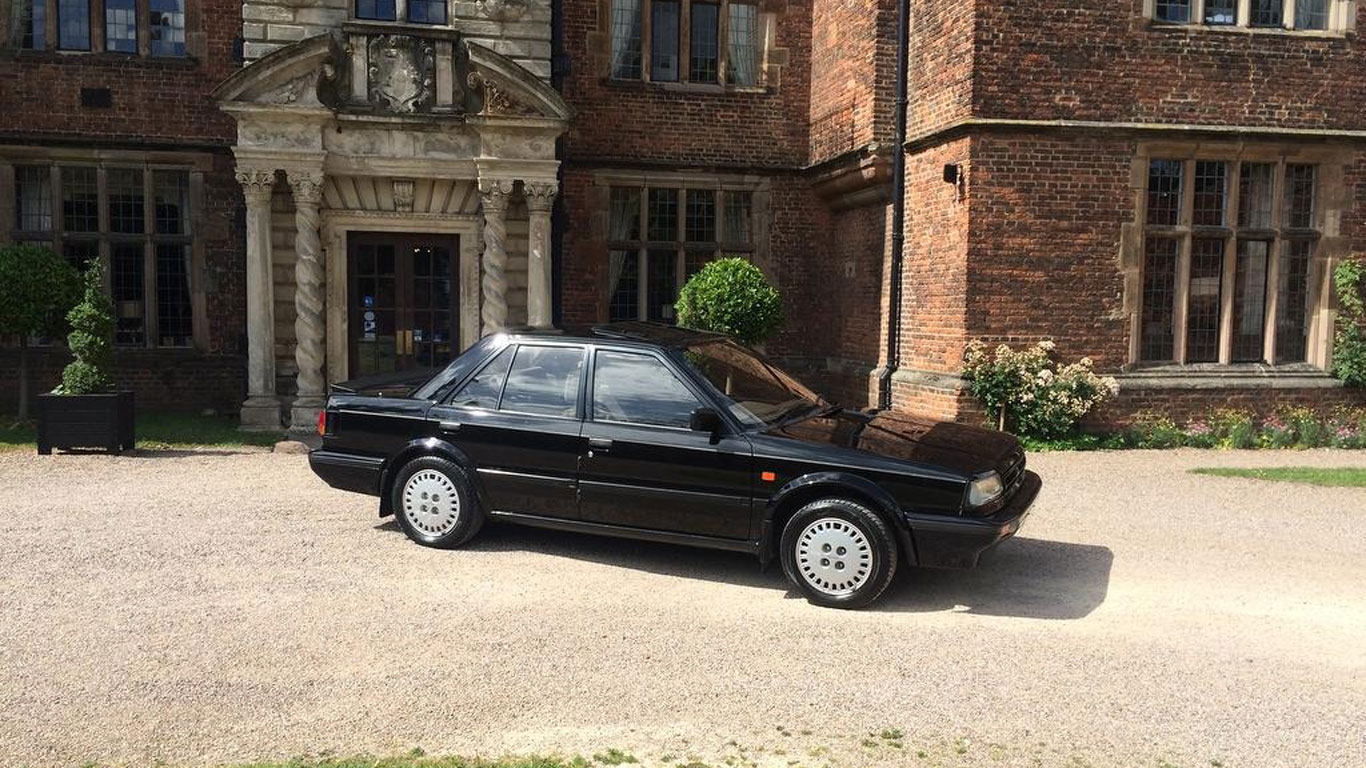
“The ZX Turbo is not what you might call an exciting car to drive, but it does everything a driver asks of it with extreme competence,” said Autocar in 1986, before admitting that “it’s probably the best saloon car the company [Nissan] has offered to British drivers.” We want this 1988 example more than is probably healthy,
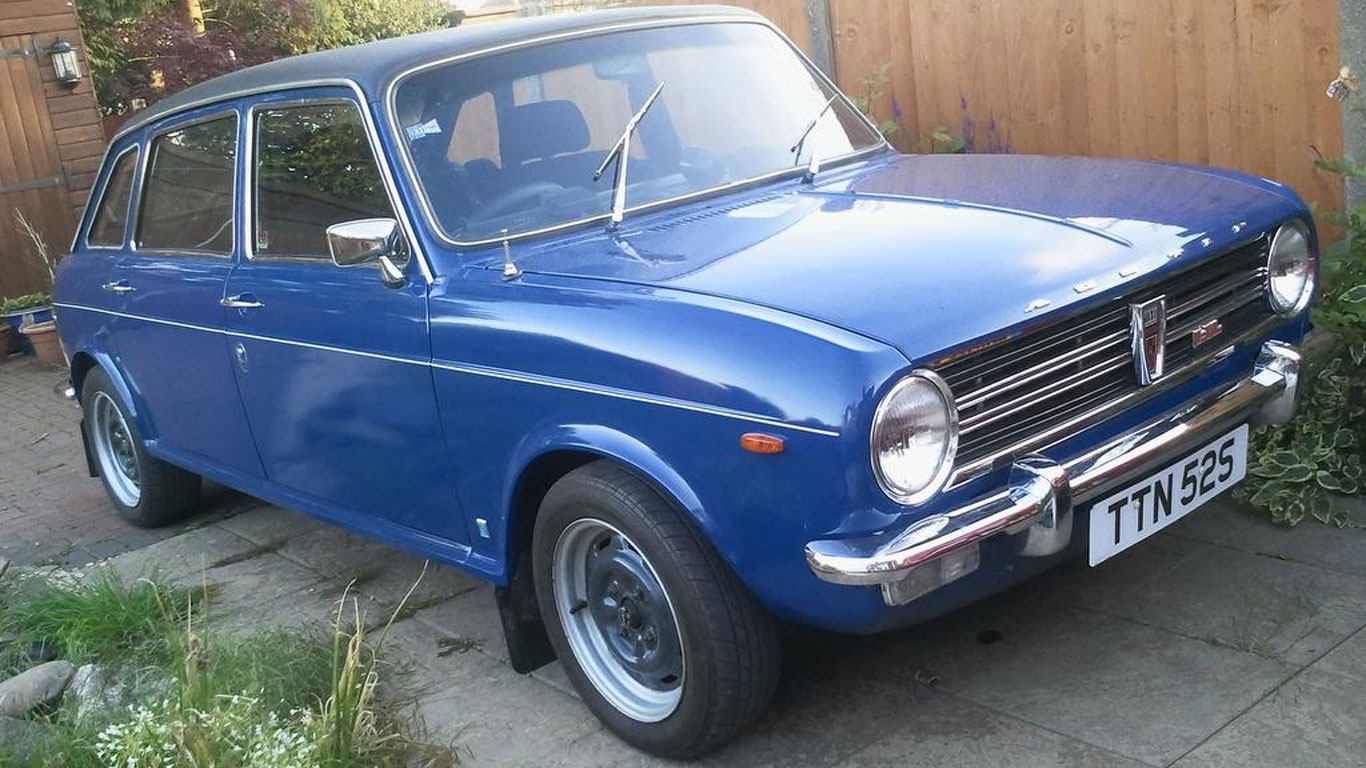
Often unfairly named as yet another British Leyland disaster, the Austin Maxi was a thoroughly decent car. Launched in 1969, it was highly versatile, offering hatchback practicality at time when four-door saloons were the norm. This 1978 example was formerly owned by the club secretary of the Austin Maxi Owners Club.
If we’re honest, we’d prefer an Orion 1.6i Ghia, which was very much the thinking man’s Escort XR3i of the time. This Orion 1.6 Ghia automatic offers a more sedate hint of motoring in the mid 80s, but the slush ‘box should ensure that it escapes the attention of retro-modifiers. That and the price tag…
This 1986 Vauxhall Nova 1.2 Merit ‘Shatchback’ was supplied new by Shaw & Kilburn of Luton and Berkhamsted and delivered to a Vauxhall Motors employee. In truth, this one ought to be part of Vauxhall’s amazing heritage collection.
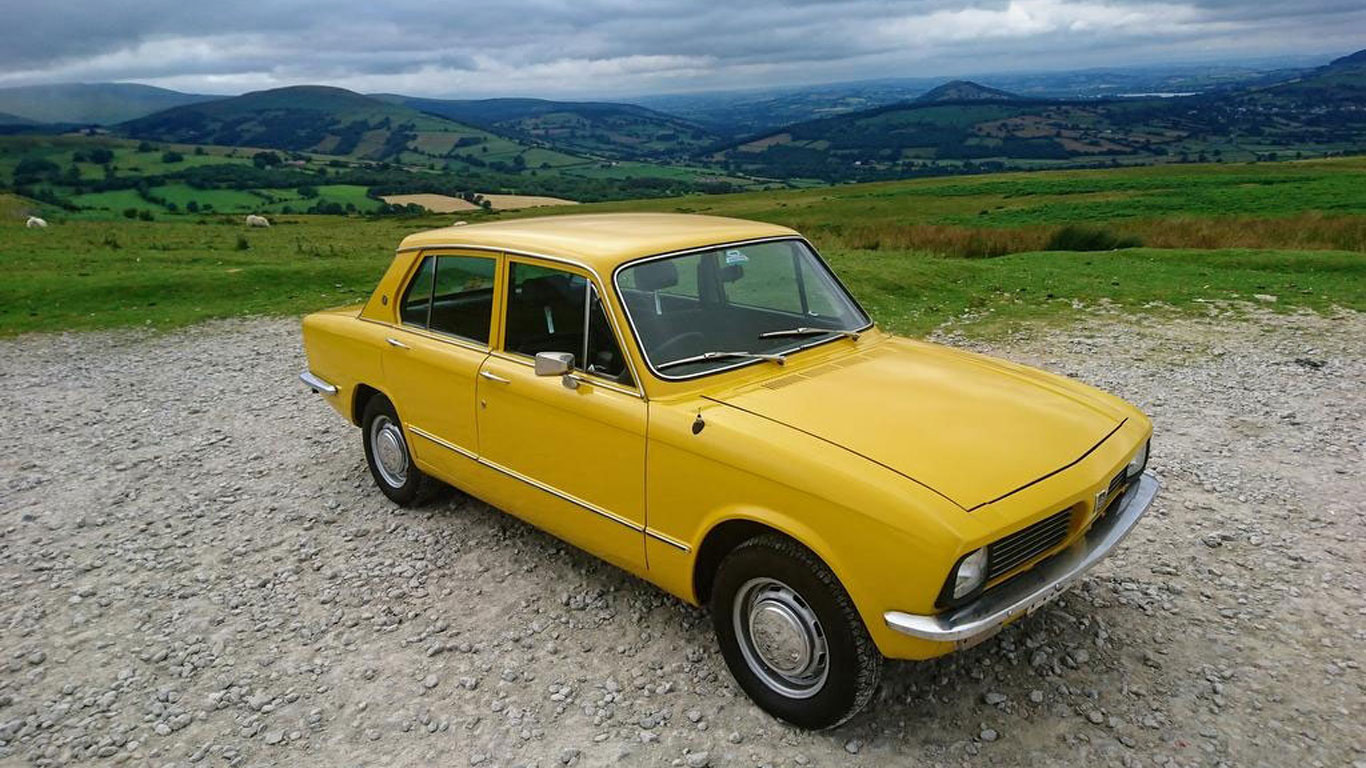
To be fair, we’re not sure this meets the ‘worth more than you think’ criteria, but we like the look of it so much, we’re giving it pride of place in our list. This Triumph Dolomite looks resplendent in Inca Yellow and, if the description is anything to go by, it’s ready for the summer season of classic car shows. Just add ‘Jerusalem’ to this photo for the quintessential English scene.
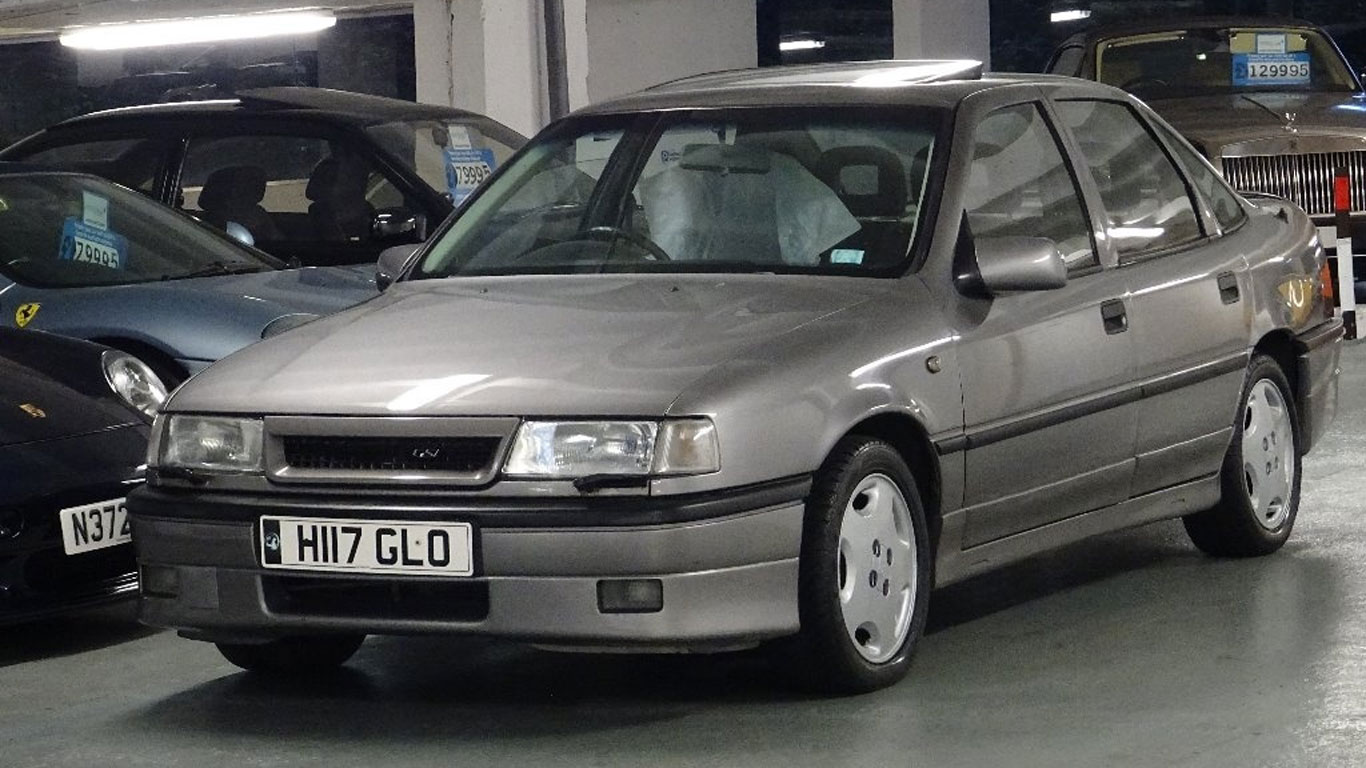
This Vauxhall Cavalier GSi has covered around 170,000 miles and appears to be on sale at a dealer offering more illustrious motors. In truth, the 2.0-litre 16v engine is a peach and there’s something rather appealing about this go-faster rep special. The towbar is a worry, mind.
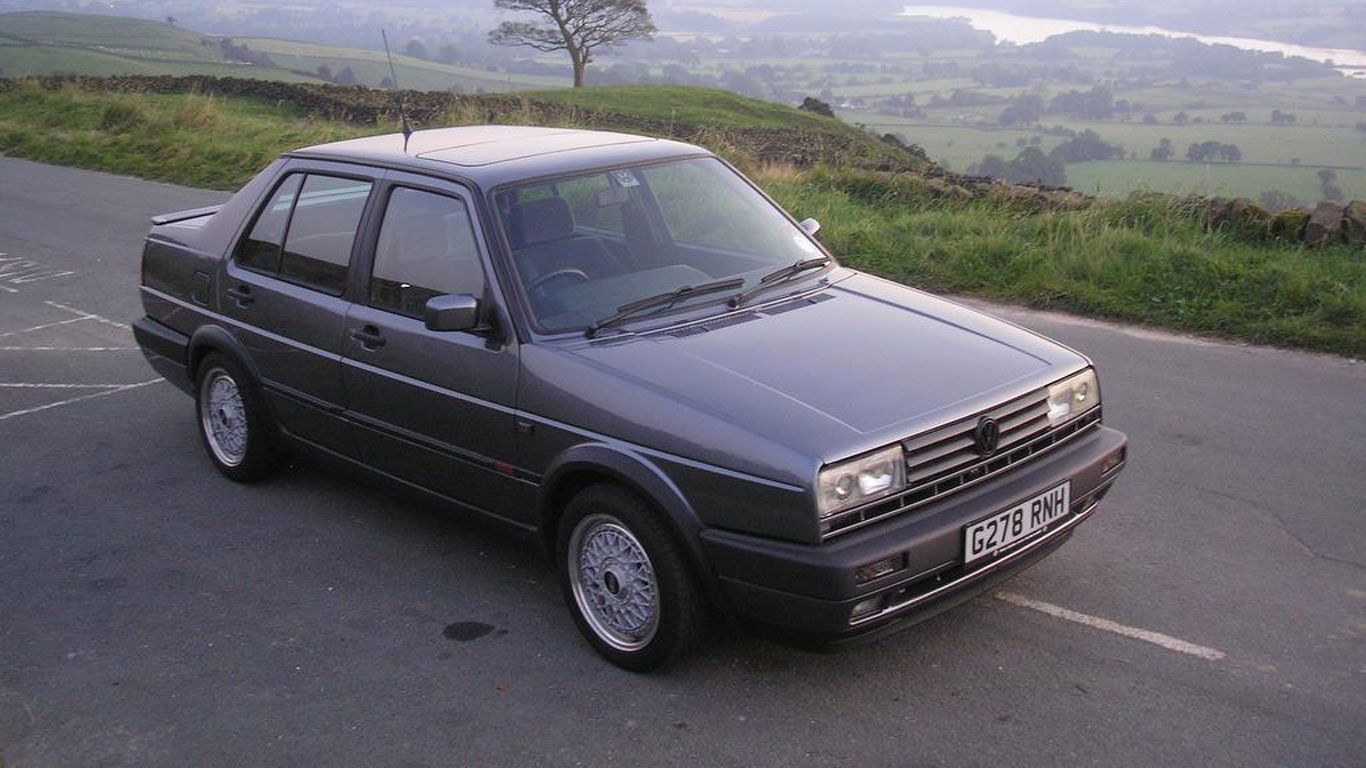
The ‘Dub’ scene will always inflate the prices of retro Volkswagens, which means that the £3,250 being asked for this Jetta is not entirely unrealistic. “You will struggle to find a car in better condition,” claims the seller.
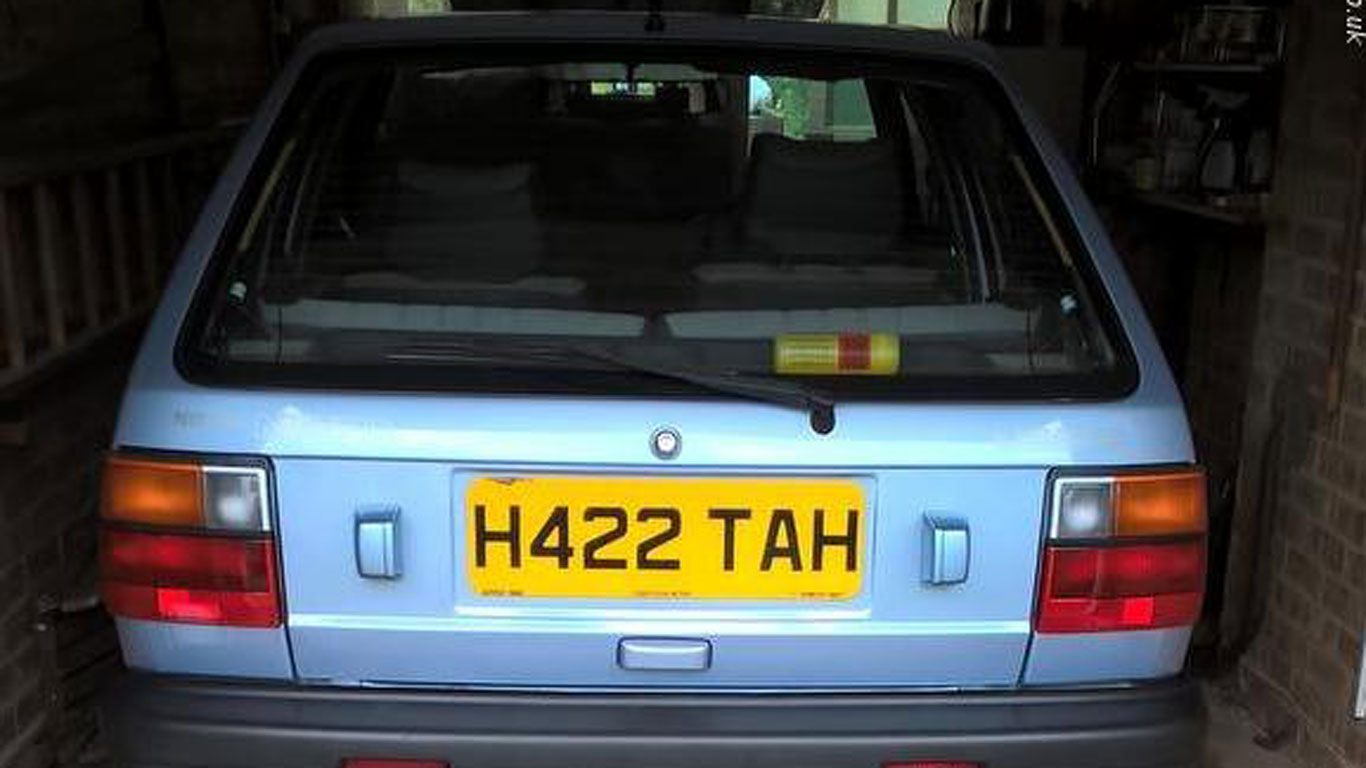
“This car is a vintage type. Since 1999, it had been sitting in a locked garage which is part of the house until 2016 when [it] had been pulled out for sale,” says the ad. The K10 Micra was a driving school favourite of the 80s and early 90s, but we’re not sure the nostalgia factor will be enough for this 1991 automatic to realise £3,000.
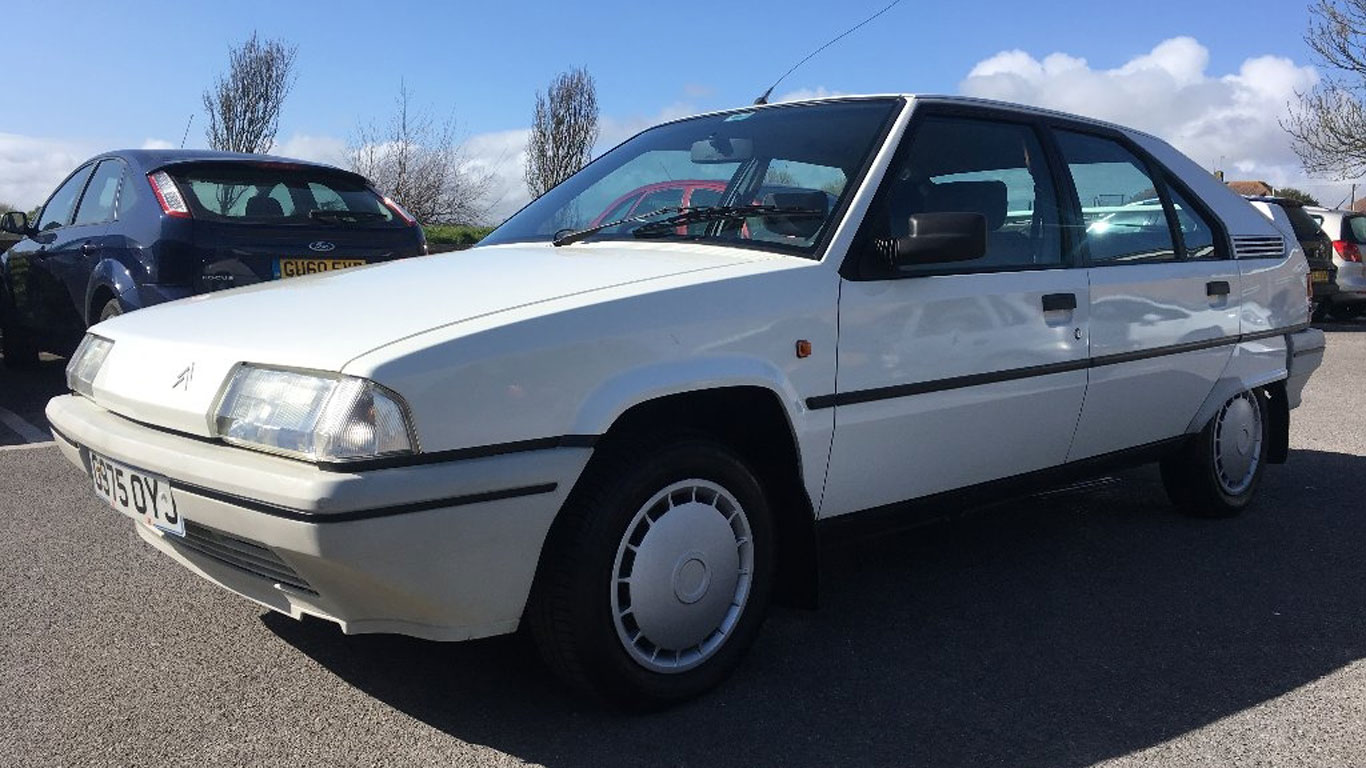
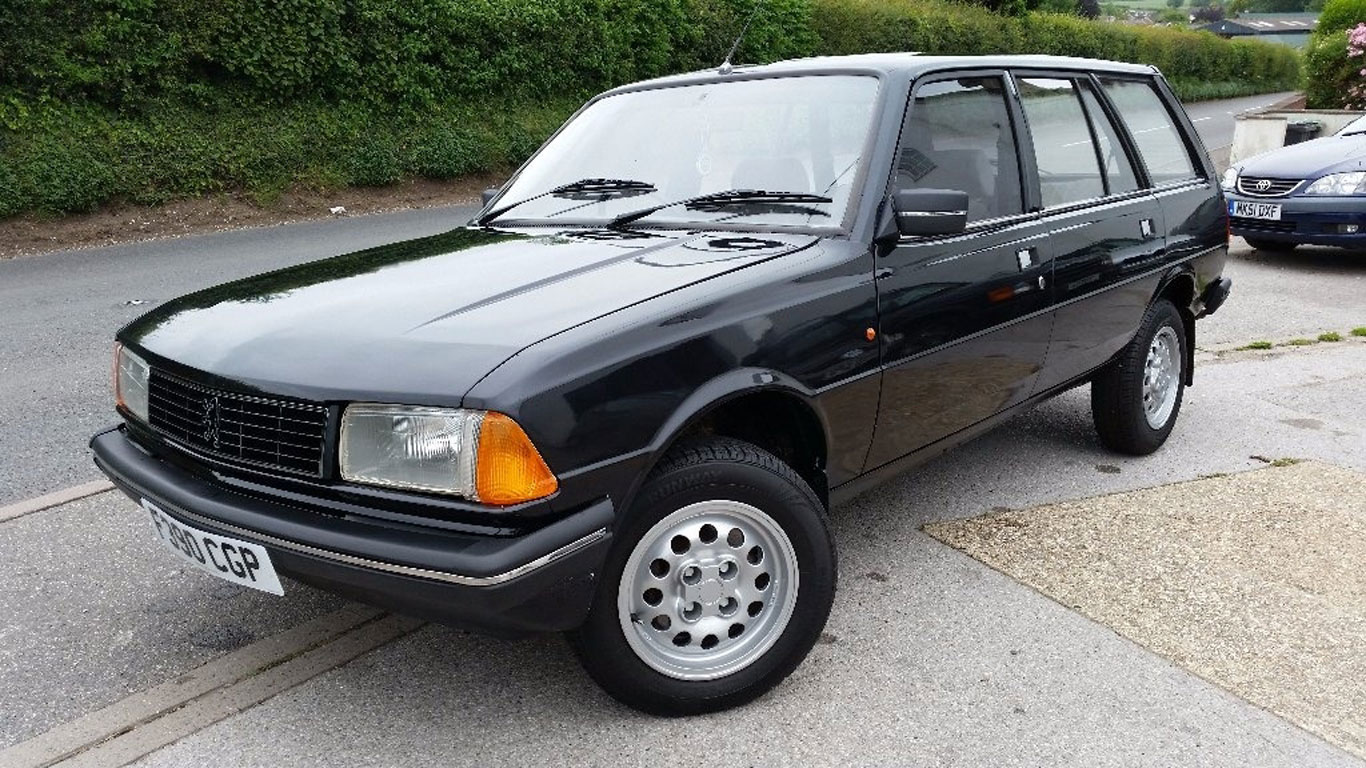
Once a familiar sight on Britain’s roads, the Citroen BX is fast becoming an endangered species. A future classic if ever there was one, grab a BX while they’re still relatively cheap.
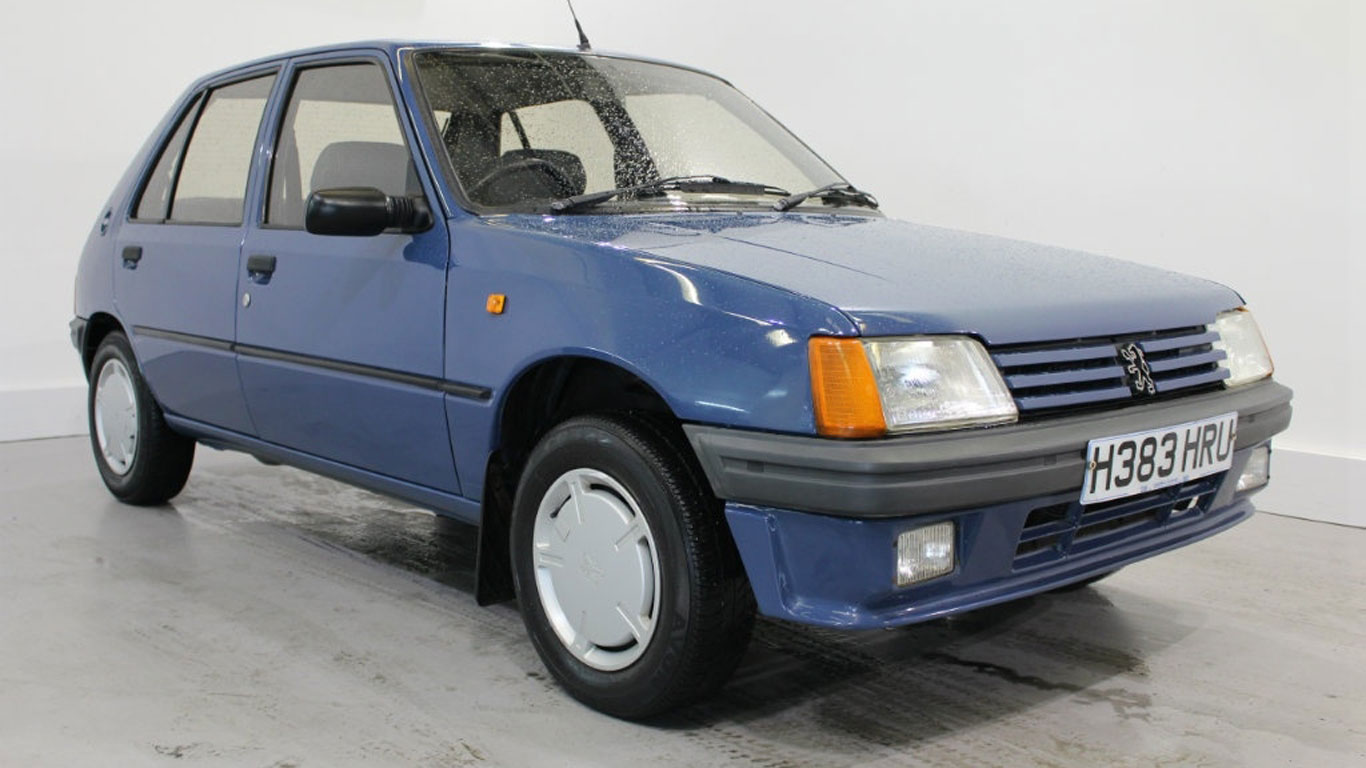
The GRD and GTi might sit at opposite ends of the Peugeot 205 range, but the diesel is not without appeal. Contemporary reviews praised the 1.8-litre diesel for its smoothness and “truck-like pulling power”, not to mention its dislike of filling stations. With 205 GTi prices fast approaching re-mortgage territory, gems such as this 1990 example become all the more appealing.
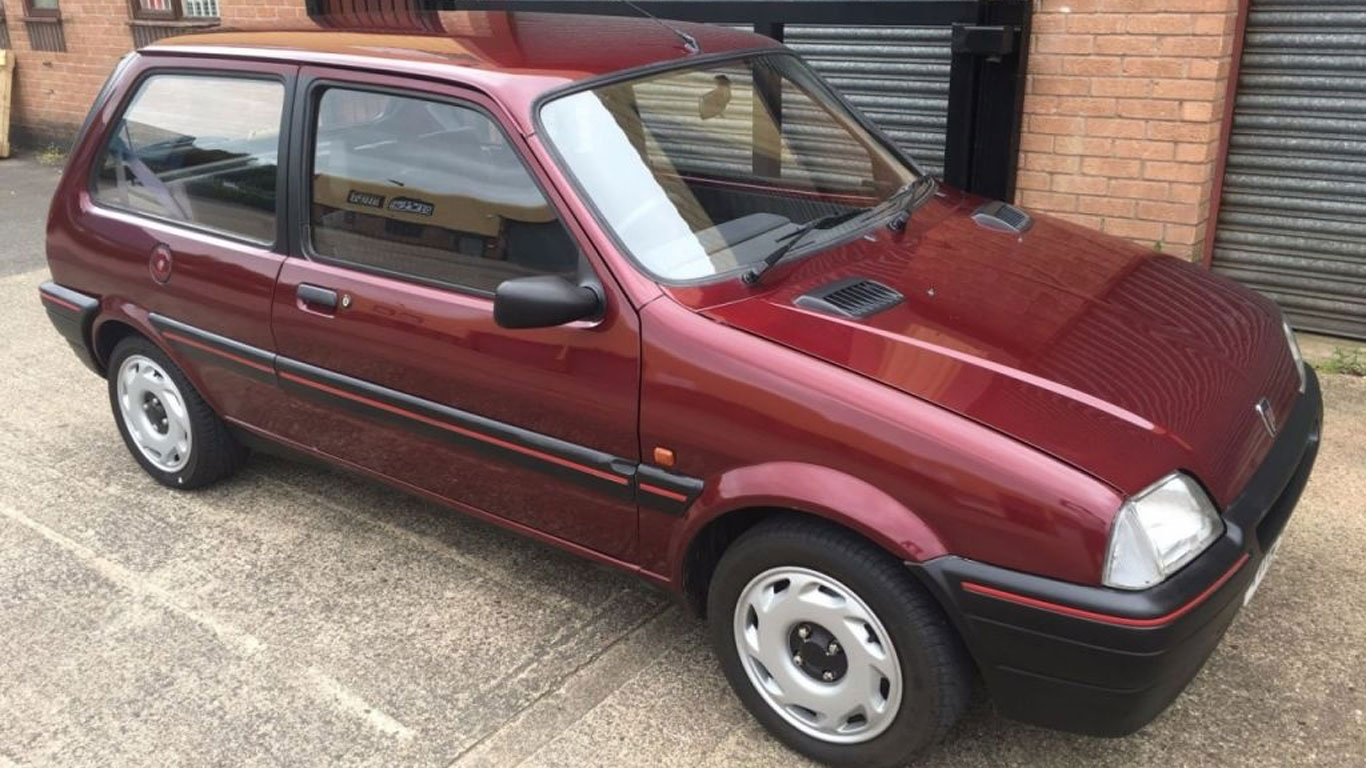
While you were sleeping, Austin and Rover Metros have become desirable, which is reflected in the asking prices. “NO RUST ANYWHERE WHATSOEVER,” screams the description, which is reassuring.
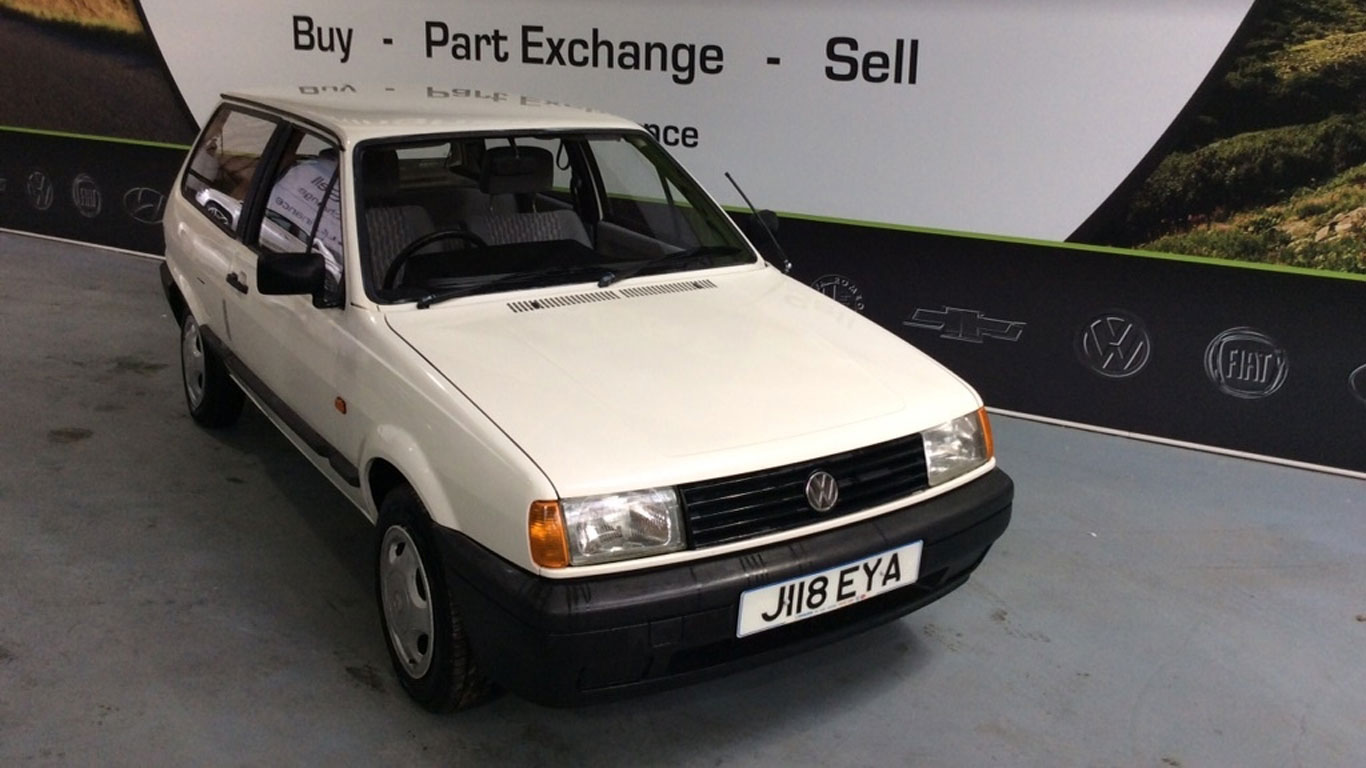
A Mk2 facelift Volkswagen Polo owned by one family since new and with 10 main dealer service stamps is sure to excite diehard Dub fans. It looks incredibly clean, while the original dealer number plates is a good sign of originality.
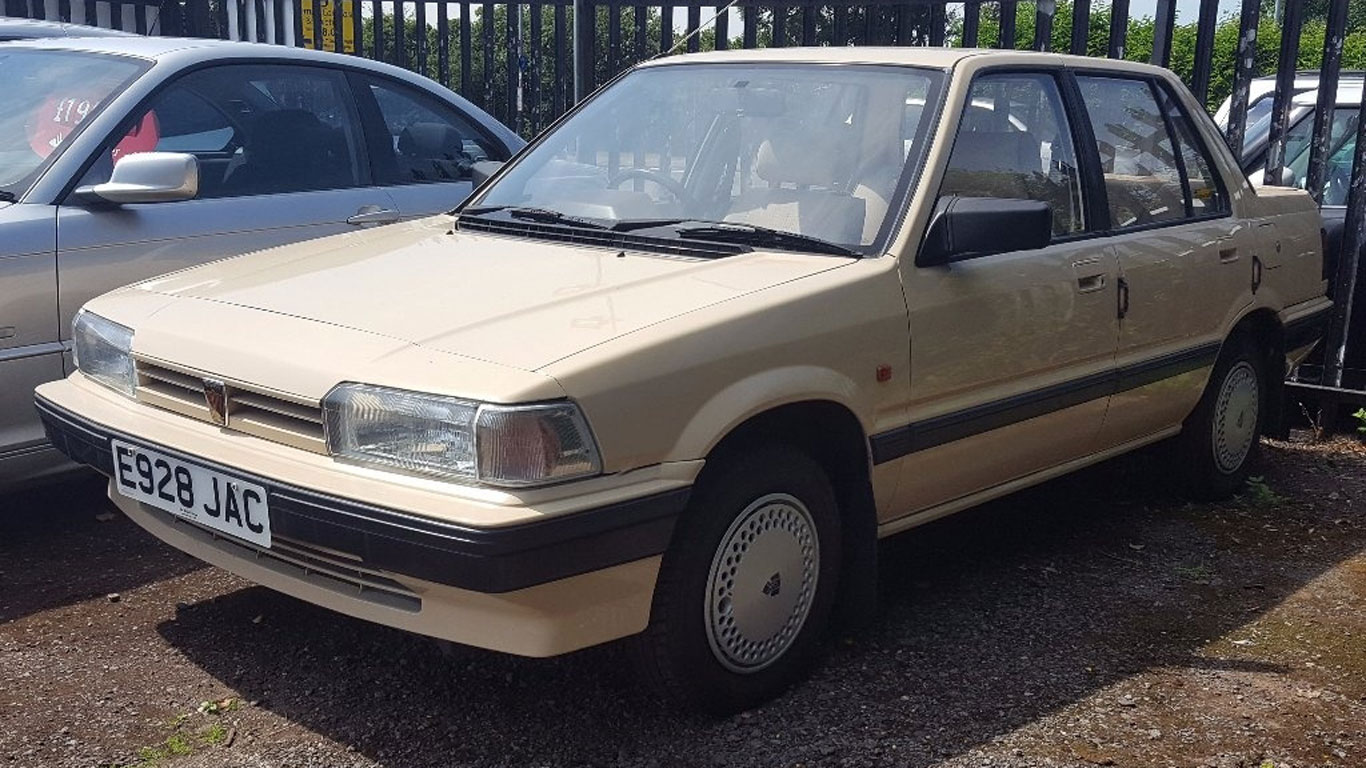
This ‘hearing aid beige’ Rover 213 is being offered by a Kia main dealer and has probably been ‘chopped in’ for a Picanto or Rio. The MOT history makes for encouraging reading, with the annual trips to the test station seemingly the only journeys made by this ‘classic’.
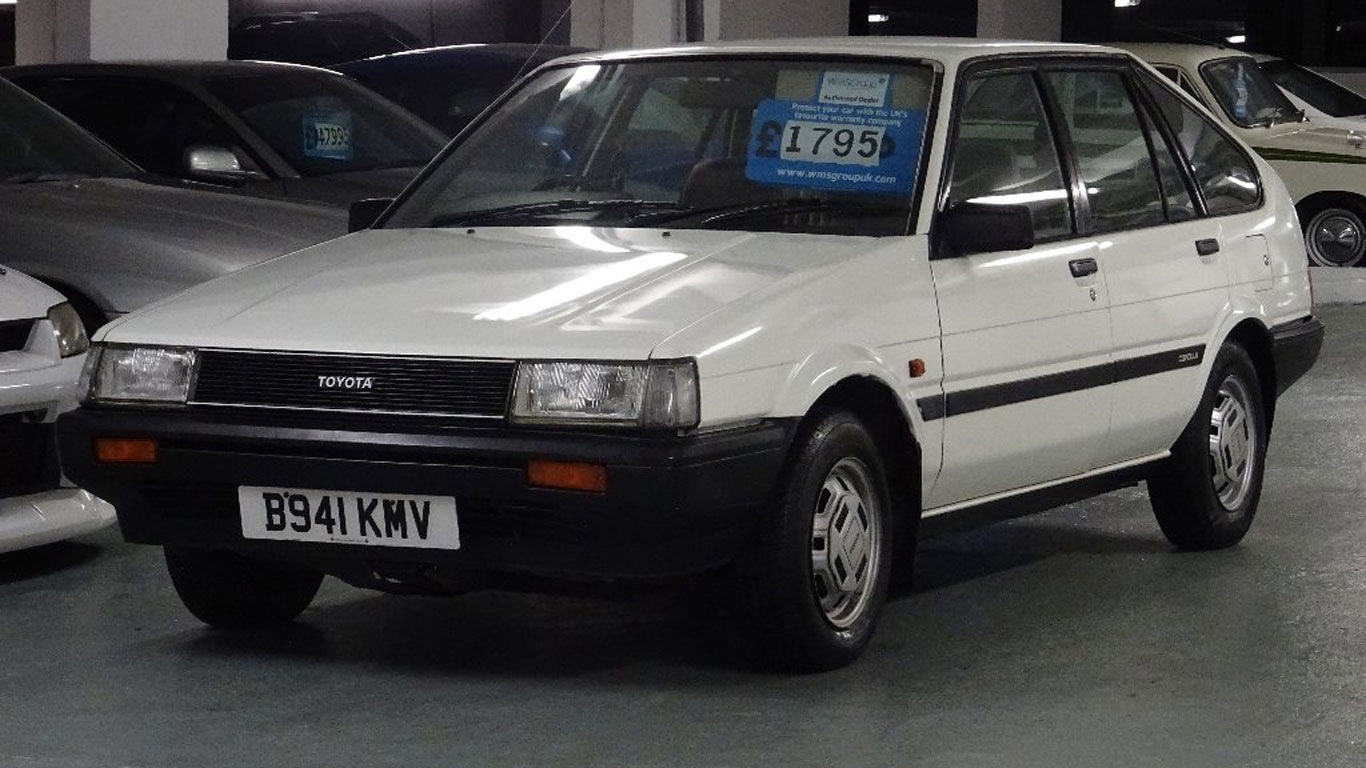
While you probably don’t lie awake at night dreaming of a white Toyota Corolla automatic, this 1984 example will earn you more kudos points than a Yaris Hybrid or Aygo. No, really, it will.
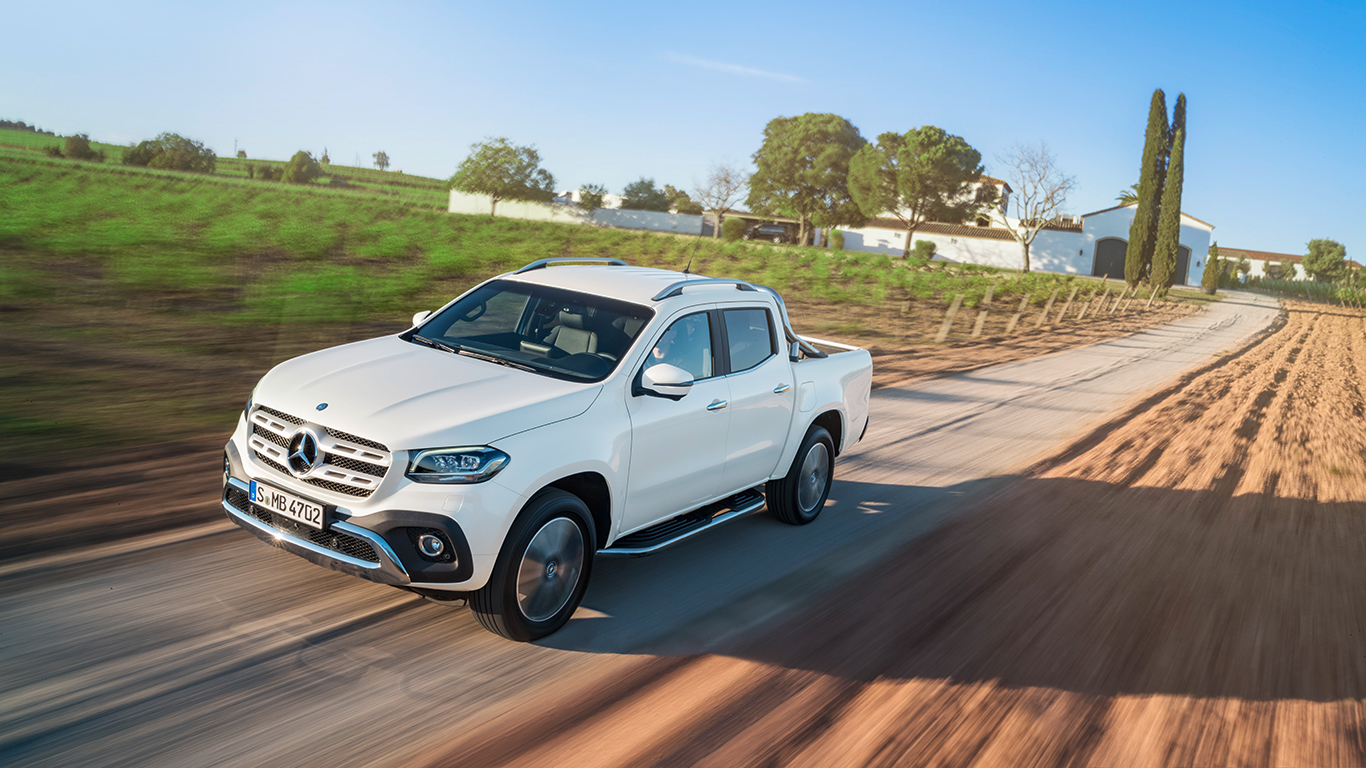
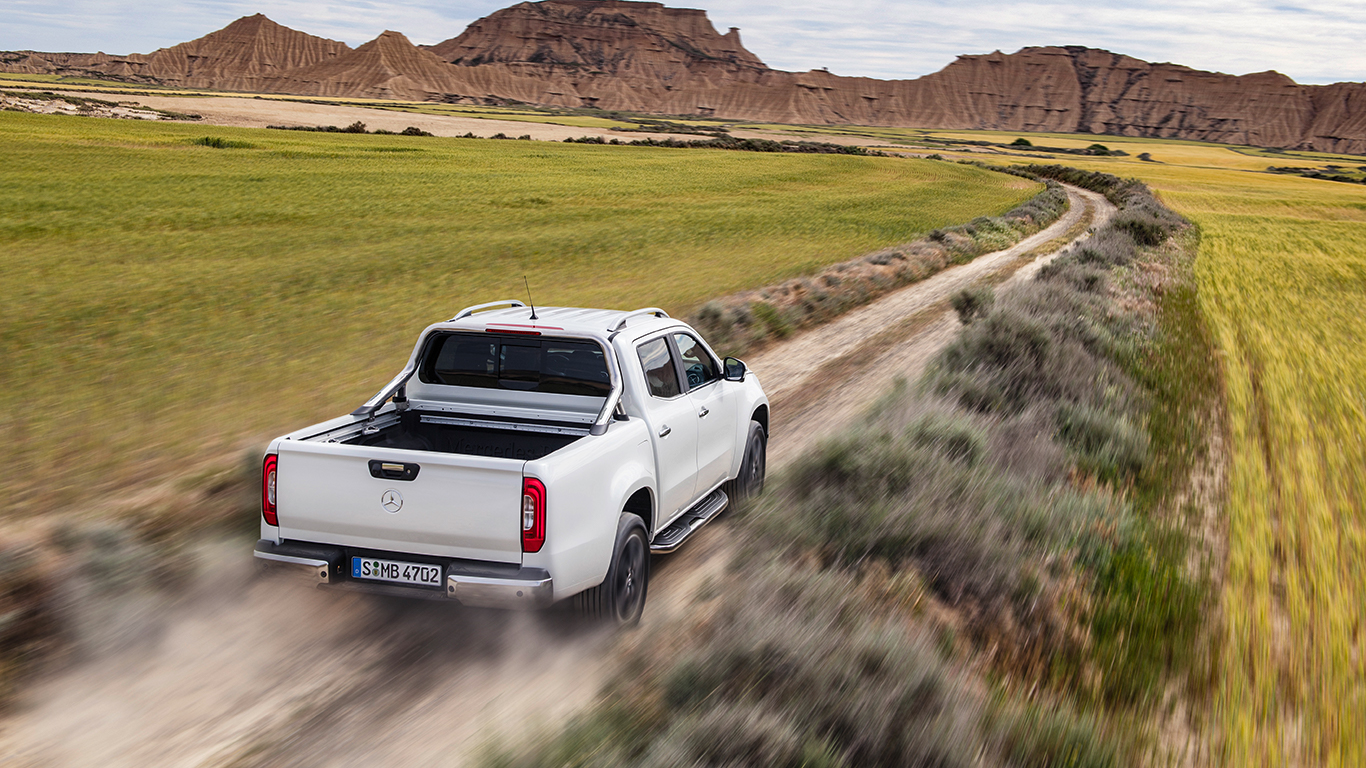
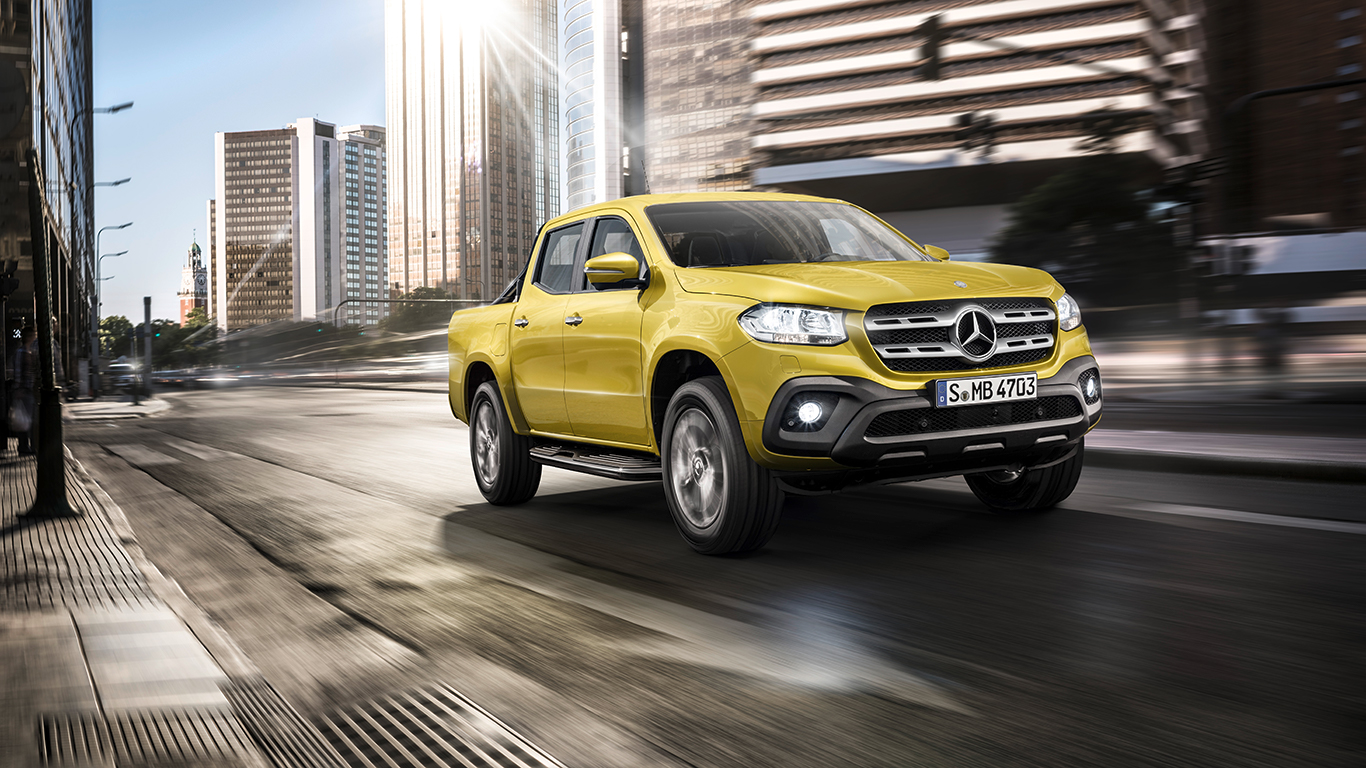
Finally, after teasing us with not one but two concepts, Mercedes-Benz has revealed exactly how its posh pick-up will look when it hits the UK at the end of 2017.
We got a pretty good idea of how the Nissan Navara-based Mercedes would appear when the firm revealed its second X-Class concept at the end of the last year. While the concept was shown in two versions – the bling Stylish Explorer with its 22-inch alloys and extra chrome, and the rough-and-tough Powerful Adventurer with chunky tyres and an electric winch – buyers of the production model will be able to choose three difference variants.
The basic X-Class Pure is intended as a rugged workhorse, while still being comfortable and stylish enough for visiting customers or taking the family out. The mid-level Progressive model is a little more stylish, while the top-spec Power is “a lifestyle vehicle beyond the mainstream,” says Mercedes, “suitable for urban environments as well as for sports and leisure activities off the beaten track.”
Why is Mercedes making a pick-up?
Simply, because there’s a demand for it. Just like Mercedes was an early entry into the SUV segment with its original M-Class, it’s hoping to trigger a premium pick-up niche. With pick-up trucks like the Mitsubishi L200 and Toyota Hilux increasingly being seen as company car tax-friendly lifestyle vehicles rather than all-out workhorses, Mercedes reckons there’s a market out there for something a little more upmarket.
By using its commercial vehicle knowledge (from the Unimog to the Vito), Mercedes says it’s in a good place to offer the first truly premium pick-up on the market (although Volkswagen’s Amorok could put up a fight for the title). It helps that, through Daimler AG’s relationship with the Renault-Nissan Alliance, Mercedes has a good base (and factory) ready to go. It just needs to make it a little chintzier.
Tell me about the technology
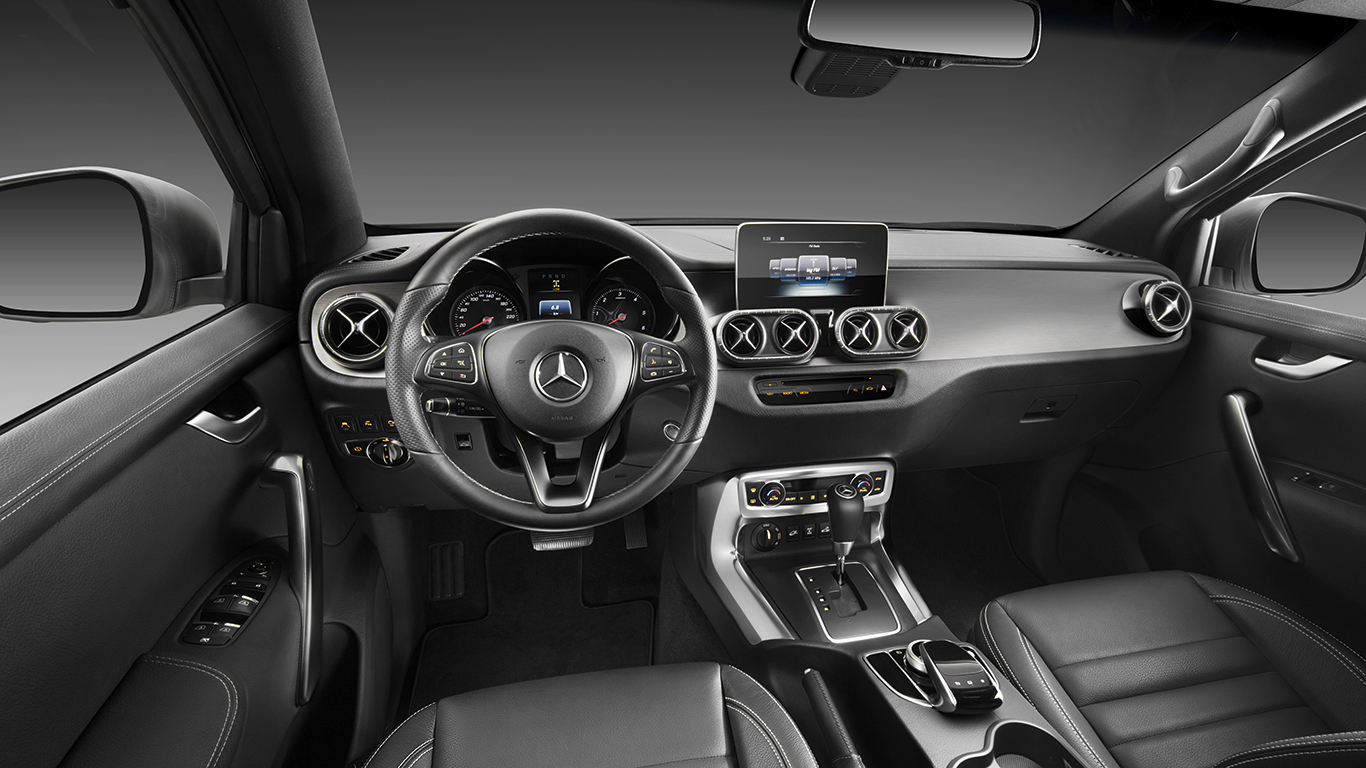
While pick-ups traditionally fall short when it comes to safety features, the X-Class features no fewer than seven airbags as standard as well as i-Size points for fitting child seats. Further passive safety features from elsewhere in the range are also available: including Active Brake Assist, Lane Keeping Assist and Traffic Sign Assist.
A 360-degree camera is also available to aid parking, while an infotainment system (up to 8.4-inches depending on spec) with an in-built SIM card allows you to access certain features remotely (great if you’ve forgotten where you’re parked or how much fuel the truck has).
What about the engines?
As well as a platform, the X-Class shares a diesel engine with the Navara. The 2.3-litre turbodiesel is available as the turbocharged X220d with 163hp, or twin-turbo X250d producing 190hp. Buyers get a choice of rear- or engageable four-wheel-drive with both power outputs, while a six-speed manual gearbox is standard across the range. A seven-speed auto can be chosen as an option for the X250d.
A V6 turbodiesel will arrive in summer 2018. Badged the X350d, the range-topping engine will provide 258hp and more than 400lb ft of torque. Four-wheel drive will be standard with the V6, as well as a seven-speed automatic transmission with steering-wheel paddles.
Mercedes-Benz X-Class: release date and price
UK prices are yet to be confirmed, but its €37,294 sticker price in Europe roughly translates to £33,000. If it makes it across the channel without adjustment (unlikely), that’ll make it marginally more expensive than the entry-level Volkswagen Amarok.
If you’re keen, Mercedes-Benz dealers are taking £1,000 deposits, with European deliveries beginning in November 2017.
 Audi is to retrofit clean diesel software to 850,000 V6 and V8 TDI turbodiesel engines in Europe as part of an initiative “for the future of the diesel engine”. The scheme will be voluntary, and free of charge to owners.