Home Blog Page 529

Ford vs. Vauxhall: retro hot hatch showdown

0

Ford vs. Vauxhall: retro hot hatch showdownEver since the dawn of the hot hatch, Ford and Vauxhall have been locked in a battle for hot hatch supremacy. Today, the Fiesta ST, Focus ST and Focus RS ensure that there’s no real contest, with Ford enjoying bragging rights and ultimate supremacy.

But as our retro hot hatch showdown reveals, Ford hasn’t always had things its own way. We’ve selected a dozen twin-tests – some direct, others indirect – to create a kind of automotive Game of Thrones. You might not agree with our choices, but this is just for fun. Don’t expect dragons or swords in this battle.

More hot hatches on MR:

Mk1 Vauxhall Astra GTEFord vs. Vauxhall: retro hot hatch showdown

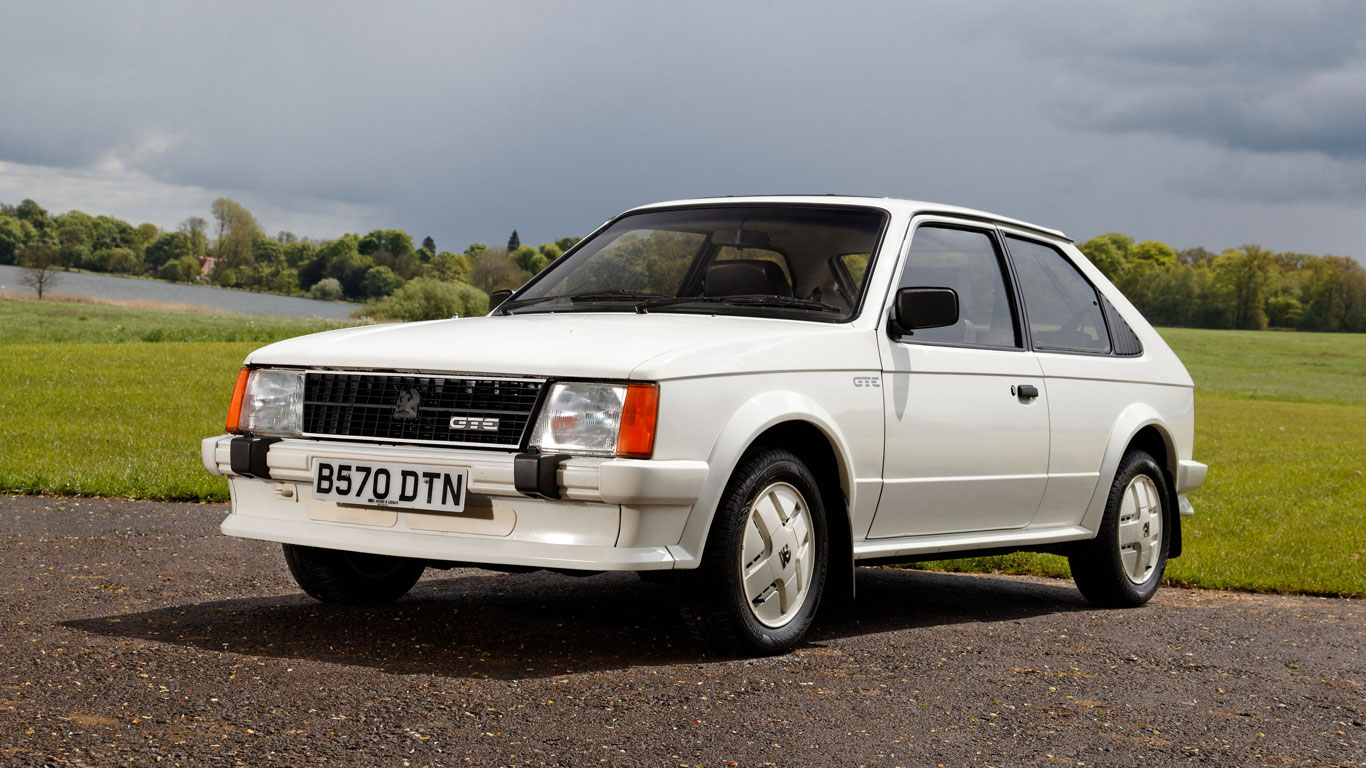
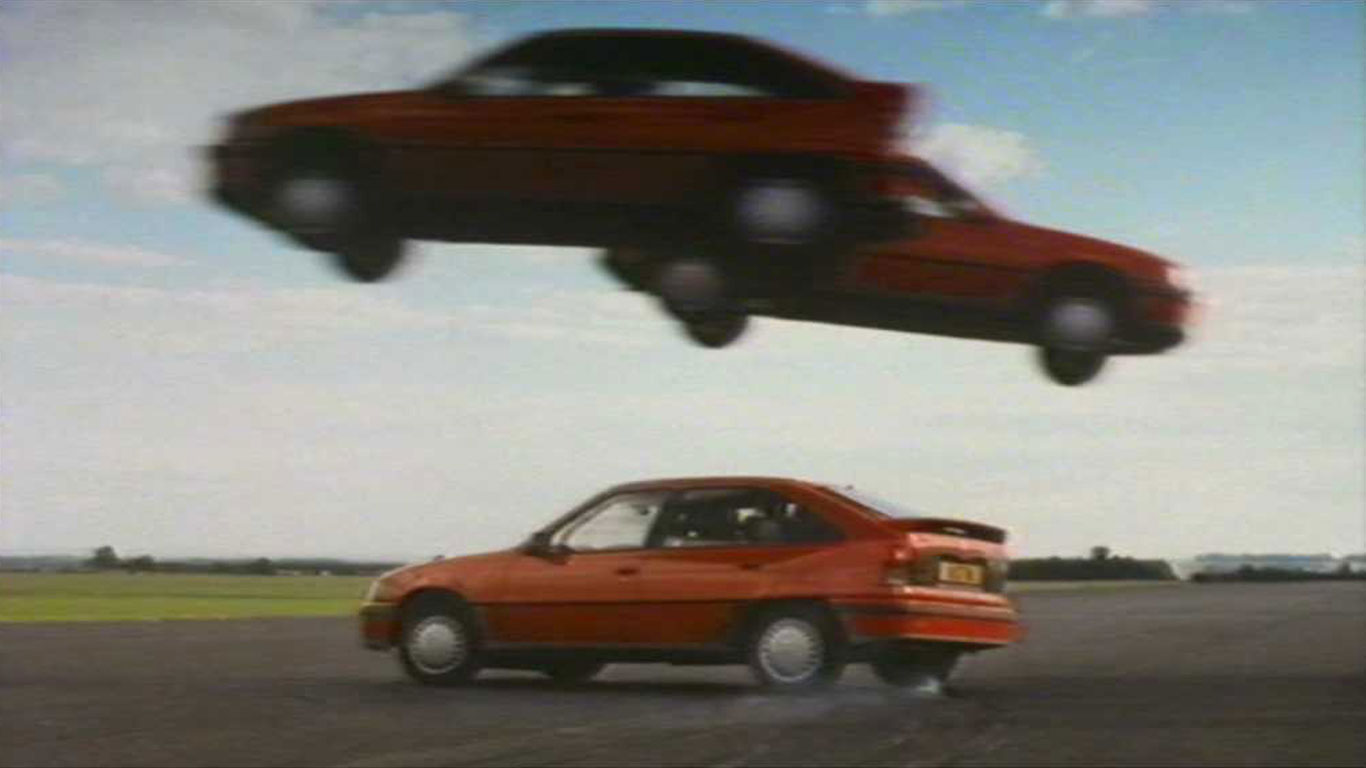
“Nought to naughty naughty in 8.5 secs,” screamed the double page press ad in big and bold type. The Vauxhall Astra GTE arrived extremely late to the hot hatch party, taking a bow just as the Mk1 Golf GTI was about to be replaced by the Mk2. But it was worth the wait, because the hot Astra was arguably the most convincing challenger to the Golf GTI.

Vauxhall had tested the water with the lukewarm Astra SR – powered by a 1.6-litre engine – but the GTE upped the ante with power sourced from the fuel-injected 1.8-litre unit found in the Cavalier SRi. Choosing between the Astra GTE and the Golf GTI was tough, which is probably the greatest compliment you can pay to Vauxhall’s upstart.

Ford Escort XR3iFord vs. Vauxhall: retro hot hatch showdown
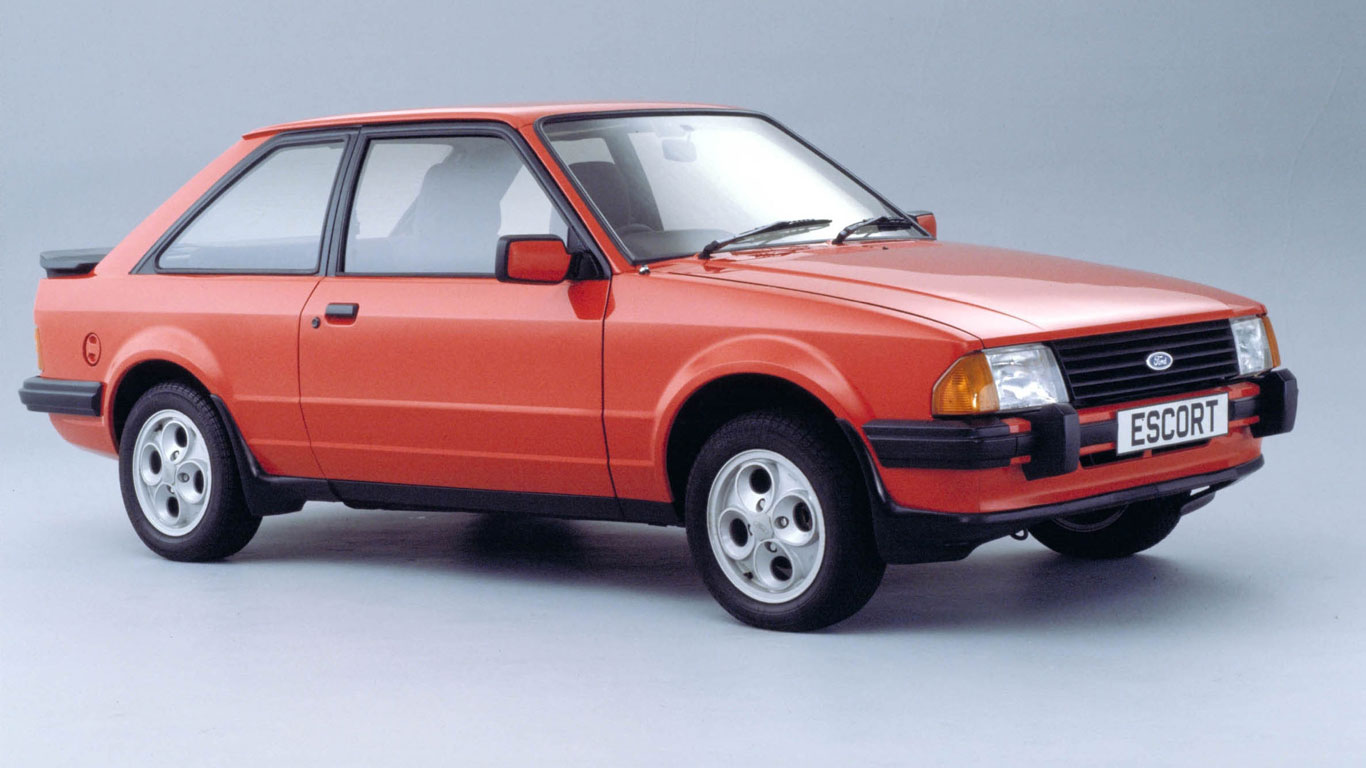
In 1983, an Astra GTE would have set you back £6,412, some £400 less than the Golf GTI. The new Escort XR3i, on the other hand, was cheaper still, at a bargain £6,156. If Vauxhall was the freshman at the school of hot hatches, the hot Escort was a firmly established cool kid, with the XR3 on sale since 1980.

But the XR3i was about far more than a simple ‘i’ on the back of a delightful body. Sure, fuel-injection added more power, but the new car featured a five-speed gearbox and improved handling, edging it closer to the class leaders. But while the XR3i was the populist choice, and arguably the best looking (discuss…), it wasn’t the best hot hatch.

Vauxhall Nova SportFord vs. Vauxhall: retro hot hatch showdown
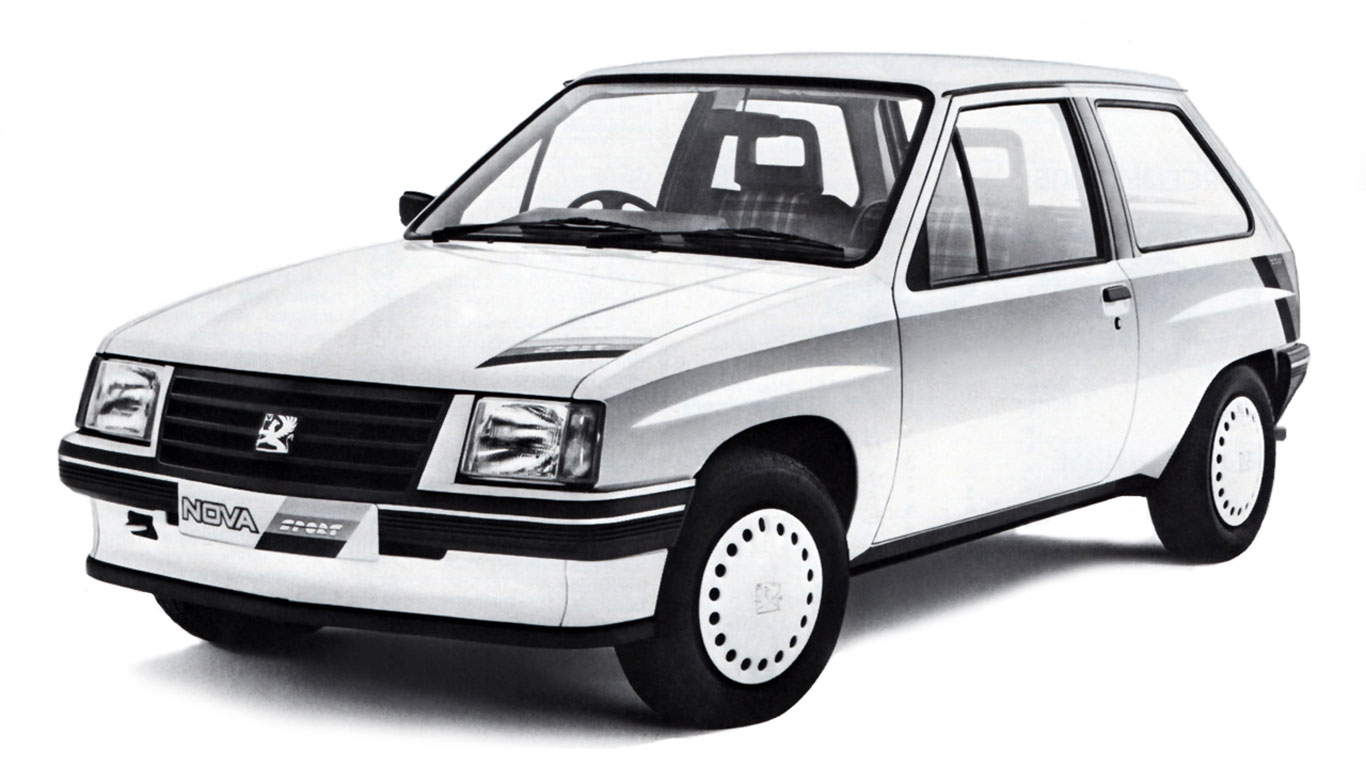
We make that one-nil to Vauxhall. In the Nova Sport, Luton has a chance to go two ahead in the battle against Dagenham, as this was a firecracker of a supermini. A total of 500 were built for homologation purposes, blending a base model shell with some SR parts and a 1.3-litre engine armed with a pair of Weber twin-choke carburettors.

Fatter wheels, stiffened suspension, Recaro seats and the instruments from the Nova SR completed the package, to create a rally car for the road. Aside from the discreet red, yellow and grey decals, it looked every inch the Nova driven by your English teacher. But in truth, this was a straight Group A student.

Mk1 Ford Fiesta XR2Ford vs. Vauxhall: retro hot hatch showdown
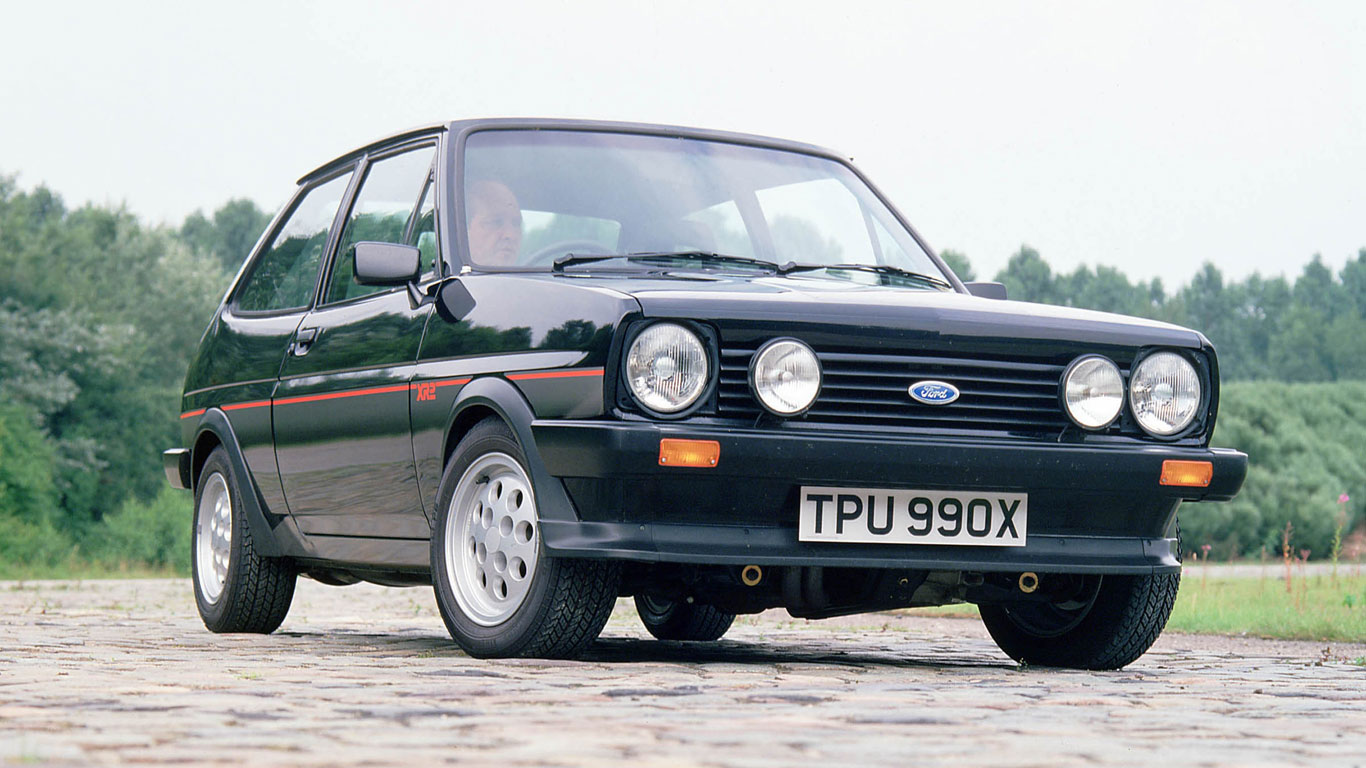
Pitching a rally-bred special against a mass-produced go-faster special is perhaps a little cruel, but the hot hatch battle is no place for shy and retiring types. And besides, there’s nothing lily-livered about the Ford Fiesta XR2, which arrived in 1981. This was the second car produced by Ford’s Special Vehicle Engineering Department (SVE), following the Capri 2.8i.

A top speed of 104mph and a 0-60mph time of 9.4 seconds might not seem like a big deal in the age of the Fiesta ST, but these were different times. Crowbarring a 1.6-litre engine into a humble supermini was more exciting than watching Bucks Fizz at the Eurovision Song Contest. But we’re giving this particular battle to Vauxhall. Two-nil to the Griffin, and Cheryl Baker has kept her skirt on.

Mk2 Vauxhall Astra GTEFord vs. Vauxhall: retro hot hatch showdown
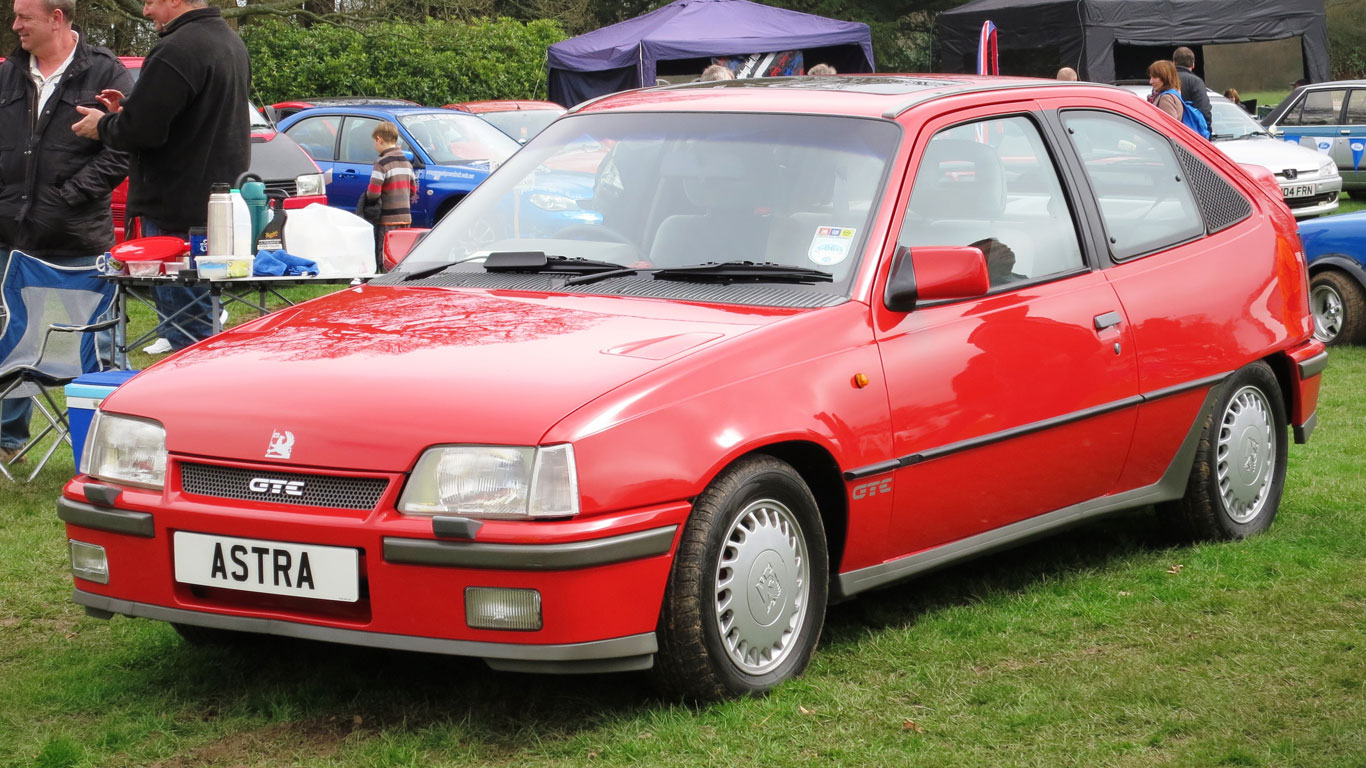
The Mk1 Astra GTE barely had enough time to settle in before it was replaced by the pear-drop-shaped Mk2. The hot hatch genre was still in its infancy, but a changing of the guard was in progress, with the Mk1 Golf replaced by the Mk2 and a new fourth-generation Escort waiting in the wings.

Aerodynamic it might have been, but the new Astra GTE didn’t get off to the best of starts, with the 1.8-litre engine – praised in the Mk1 – criticised for its lacklustre performance. The suspension was another complaint, while contemporary reviews pointed to a lack of sparkle. The 1.8 unit was soon replaced by a 2.0, but it wasn’t enough.

Ford Escort XR3iFord vs. Vauxhall: retro hot hatch showdown
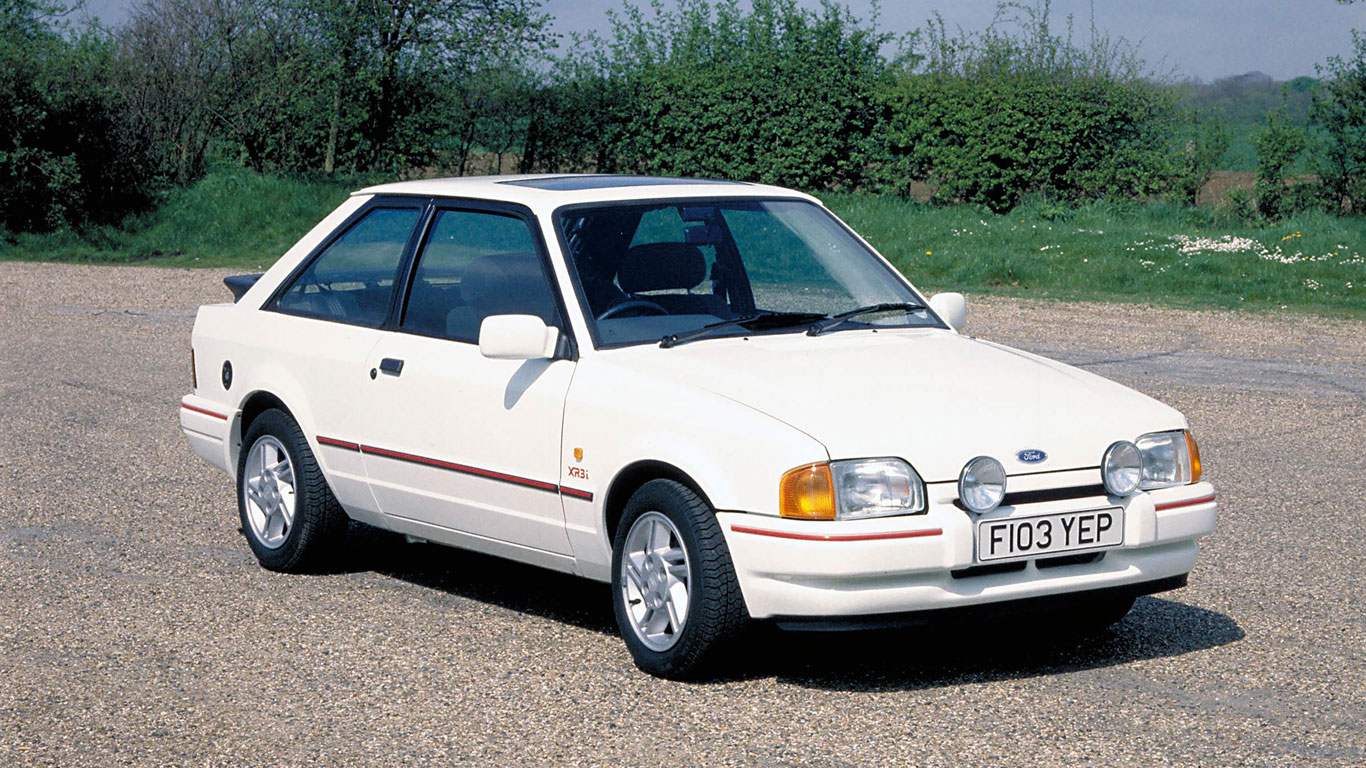
The Astra’s chief rivals were the Fiat Strada Abarth, Mk2 Golf GTI and Escort XR3i. The Vauxhall and the Ford were a little out of their depth, with the XR3i in desperate need of a more powerful engine. Such hopes were dashed when Ford introduced the new XR3i in 1986, which used the same 1.6-litre unit.

In fairness, Ford worked on the engine refinement, while a revised suspension set-up provided sharper handling. The new styling and host of updates were enough to keep the XR3i relevant in a cut-throat segment and, while lacking the precision of the Golf GTI and new 205 GTI, ahead of the Astra GTE. Two-one to Vauxhall.

Vauxhall Nova GTEFord vs. Vauxhall: retro hot hatch showdown
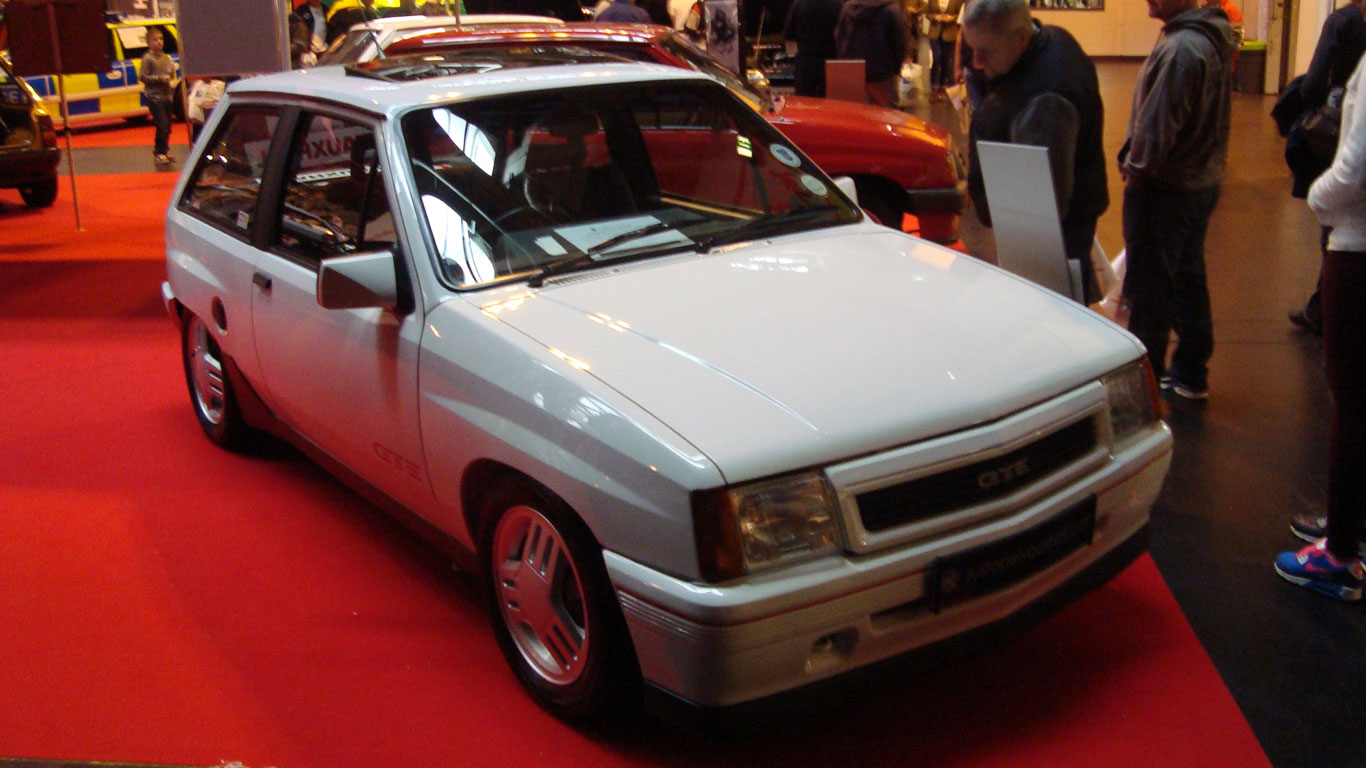
In 1988, your average 17-year-old was either dreaming of Cindy Crawford or the Vauxhall Nova GTE. Once again, Vauxhall was late to the party, with the Nova GTE arriving a year before the Mk2 Ford Fiesta XR2 was due for replacement. But in many ways, the 1.6-litre engine was the unit the Nova was always waiting for.

It was quicker than the XR2, with the Nova’s 0-60mph time of 9.1 seconds and a top speed of 117mph superior to the 9.3 seconds and 112mph of the Fiesta. Such details matter when you’re on the prowl for a Cindy Crawford of your own. And while it was more expensive than the XR2, it offered a superior overall package.

Ford Fiesta XR2Ford vs. Vauxhall: retro hot hatch showdown
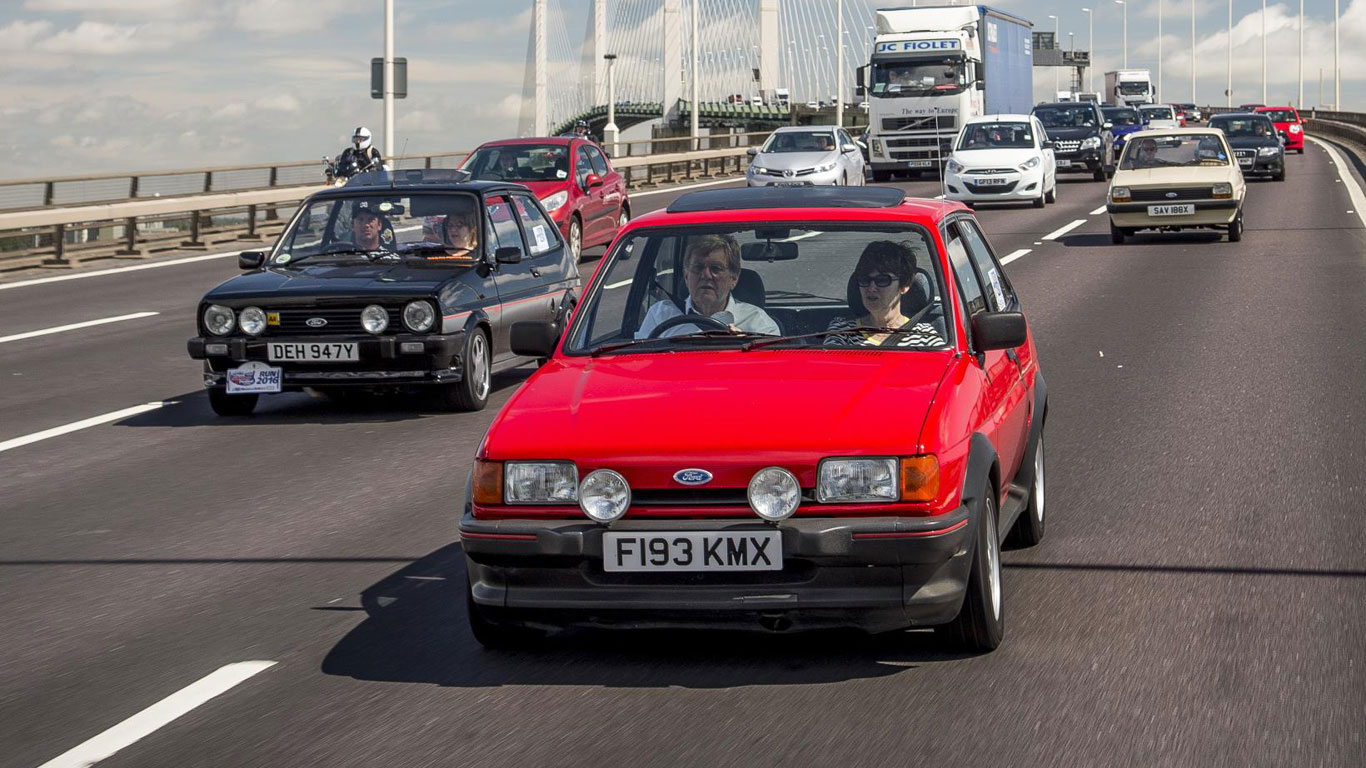
So it won’t take a genius to work out that Vauxhall has taken a 3-1 lead in our retro hot hatch showroom. Hey, you might disagree with us, but we’re sticking to our guns. Besides, there’s plenty of time for Ford to claw back some points.

The second coming of the Fiesta XR2 featured new aerodynamic styling, a 1.6-litre engine developed for the Escort and a five-speed gearbox as standard. And it looked the part, thanks to flared wheel arches, 13-inch alloy wheels and front and rear spoilers. It was, for many people, the first taste of the hot hatch recipe.

Mk2 Vauxhall Astra GTE 16vFord vs. Vauxhall: retro hot hatch showdown
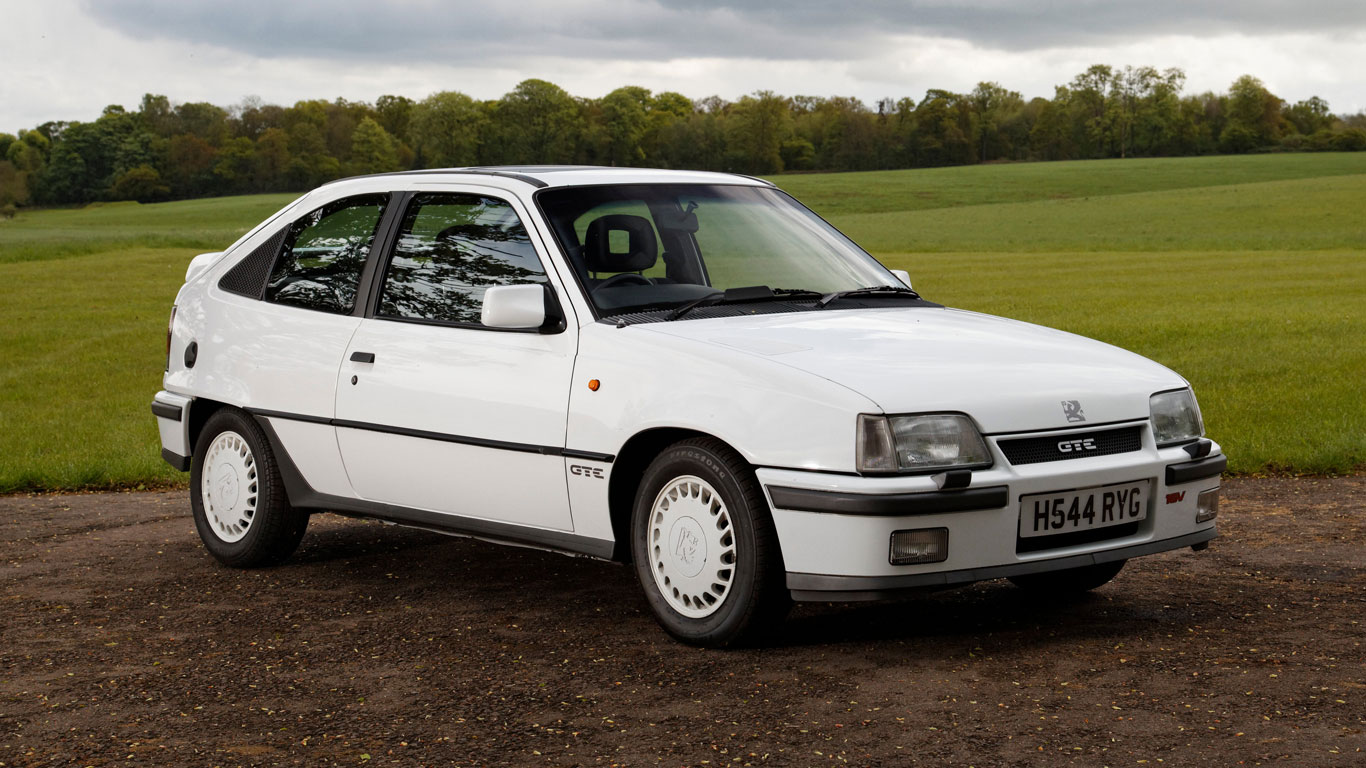
Prepare for a battle royale. The final year of the 80s was a big one for Vauxhall, with the launch of the Lotus Carlton, a preview of the Calibra and this: the Astra GTE 16v. Finally, Vauxhall’s hot hatch pretender became the real deal, powered by a terrific 16v twin-cam engine.

In an age when turbocharging was becoming the norm, the 16v engine simply encouraged maximum attack driving, while the digital instruments were so of the period. It wasn’t perfect – the steering and brakes lacked feedback – but in just about every other way it felt like the definitive hot hatch.

Ford Escort RS TurboFord vs. Vauxhall: retro hot hatch showdown
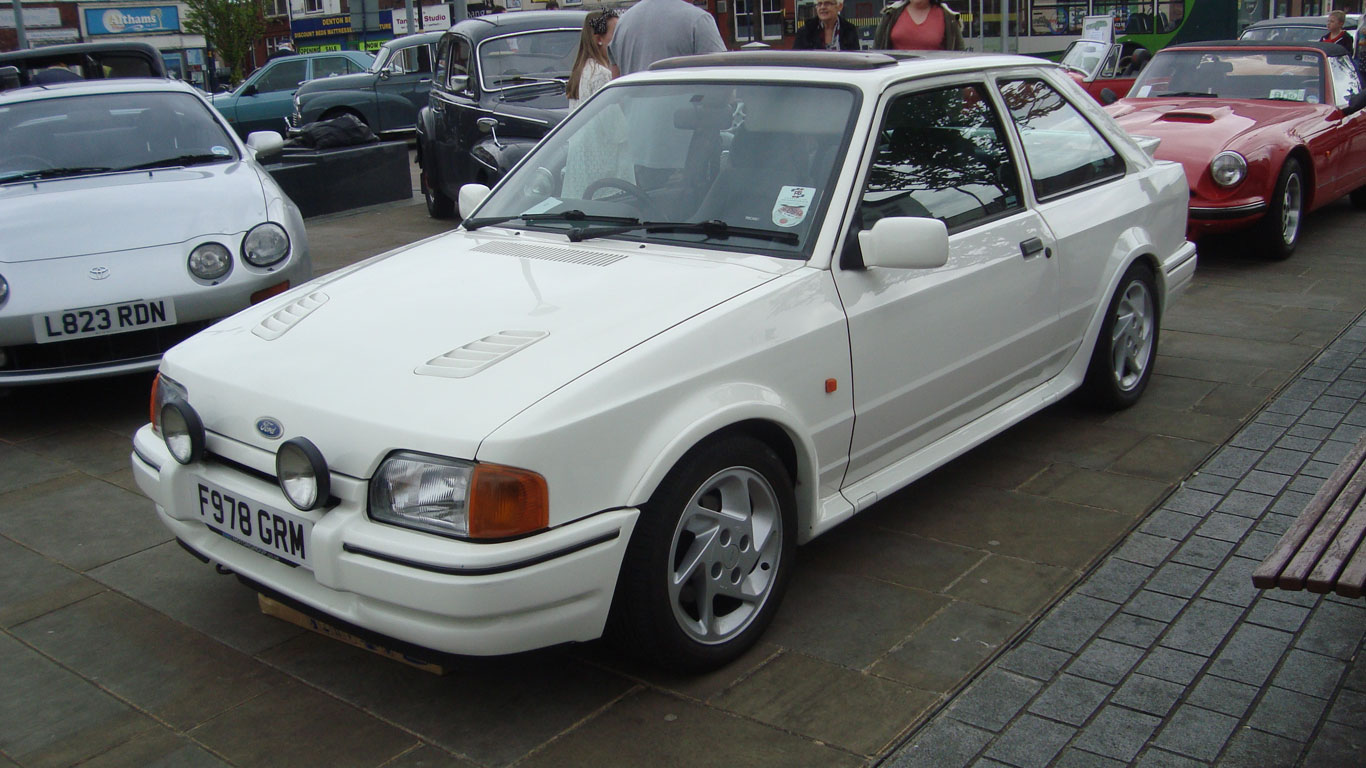
The original Ford Escort RS Turbo was a homologation special produced in limited numbers by Ford’s Special Vehicle Engineering Department, powered by Garrett T3 turbocharged 1.6-litre engine. Its replacement was a series production model and less exciting as a result.

But it’s a credit to Ford’s styling department that the ageing Escort still cut a mean figure, despite being based on a product dating back to 1980. It also offered tremendous steering and handling abilities, but we’re giving the nod to the newer and fresher Astra GTE. Sorry, Ford fans, that’s 4-1.

Mk3 Vauxhall Astra GSiFord vs. Vauxhall: retro hot hatch showdown
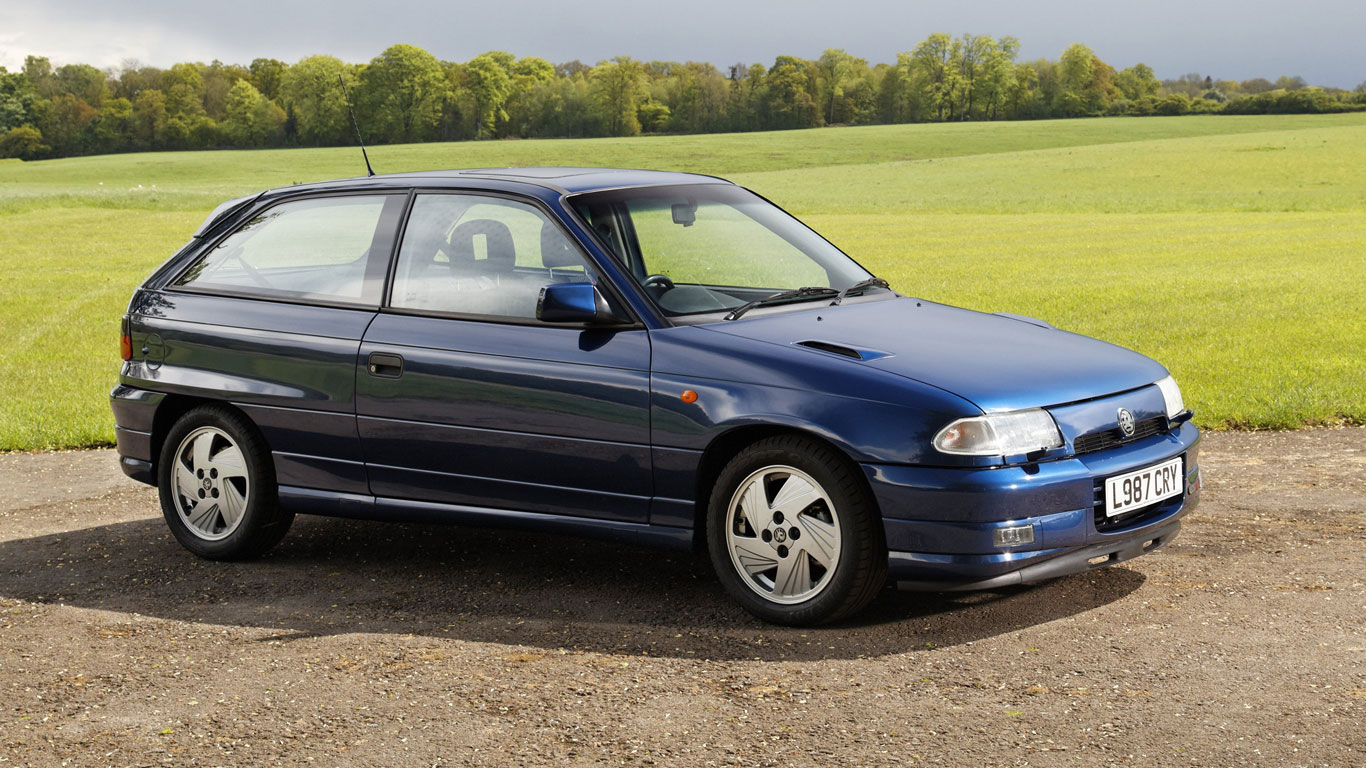
In the early 90s, the 16v badge was a mark of respect, not to mention an invitation for some lowlife to go joyriding around the Blackbird Leys estate. The Astra GSI was Vauxhall’s joyride, armed with a 2.0-litre 16v engine packed with enough firepower to deliver a top speed of 130mph and a 0-60mph time of 7.4 seconds.

So, it was quick and it certainly looked the part, but it wasn’t the follow-up to the Astra GTE 16v we had hoped. The chassis and steering were less hot hatch and more lukewarm, while the traction control was a constant menace. This round must be Ford’s for the taking, then?

Ford Escort RS2000Ford vs. Vauxhall: retro hot hatch showdown
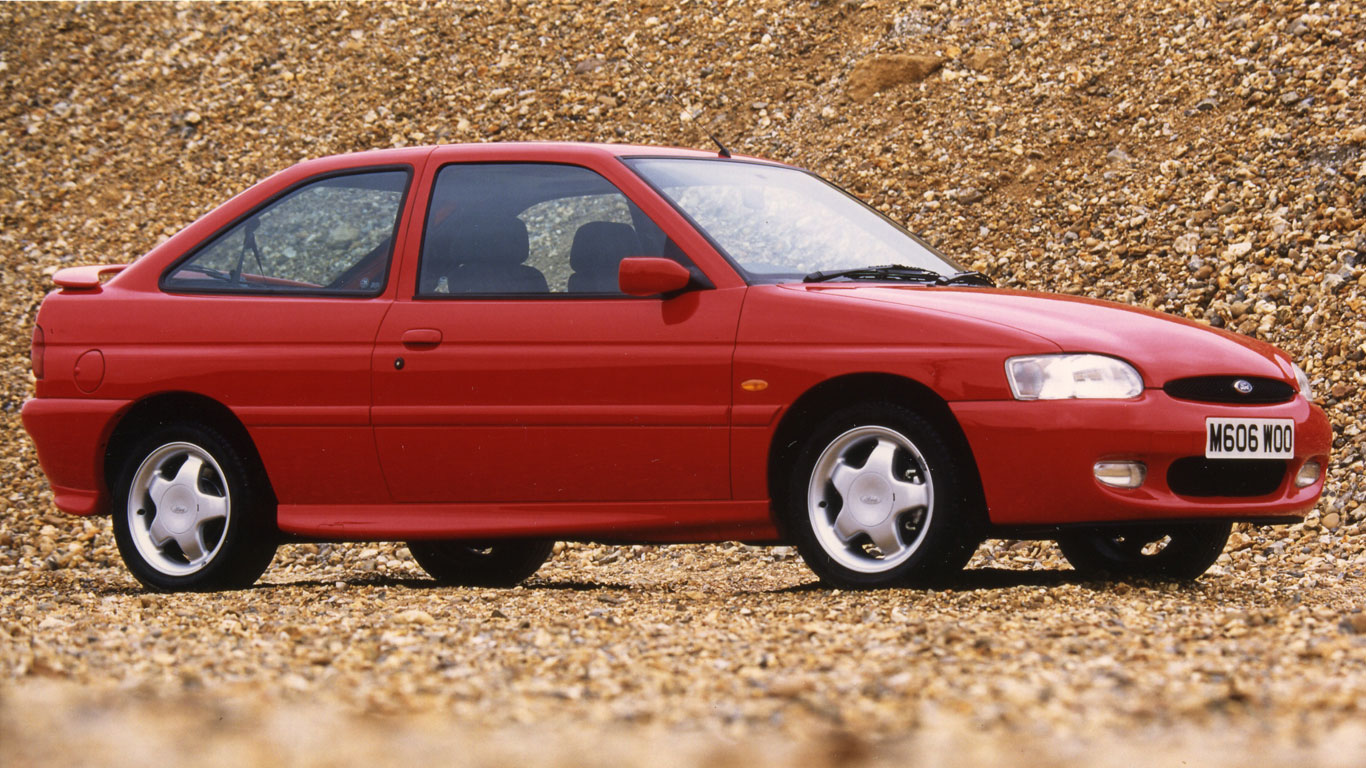
The fact that we’re dealing with the hugely disappointing and lacklustre fifth generation Ford Escort isn’t the greatest of starts. Which only serves to make the brilliance of the RS2000 all the more remarkable. It’s like Clark Kent emerging from a phone box as Superman, Spiderman, Iron Man and Batman, all rolled into one.

Power was sourced from the Sierra’s 2.0-litre engine, providing a top speed of 130mph and a 0-60mph time of 8.5 seconds. Slightly slower than the Astra, then. The major difference is that the RS2000 was a genuine delight to drive: you could throw one of these into a corner with confidence, grinning from ear to ear. No contest: 4-2 to Vauxhall.

Vauxhall Corsa GSiFord vs. Vauxhall: retro hot hatch showdown
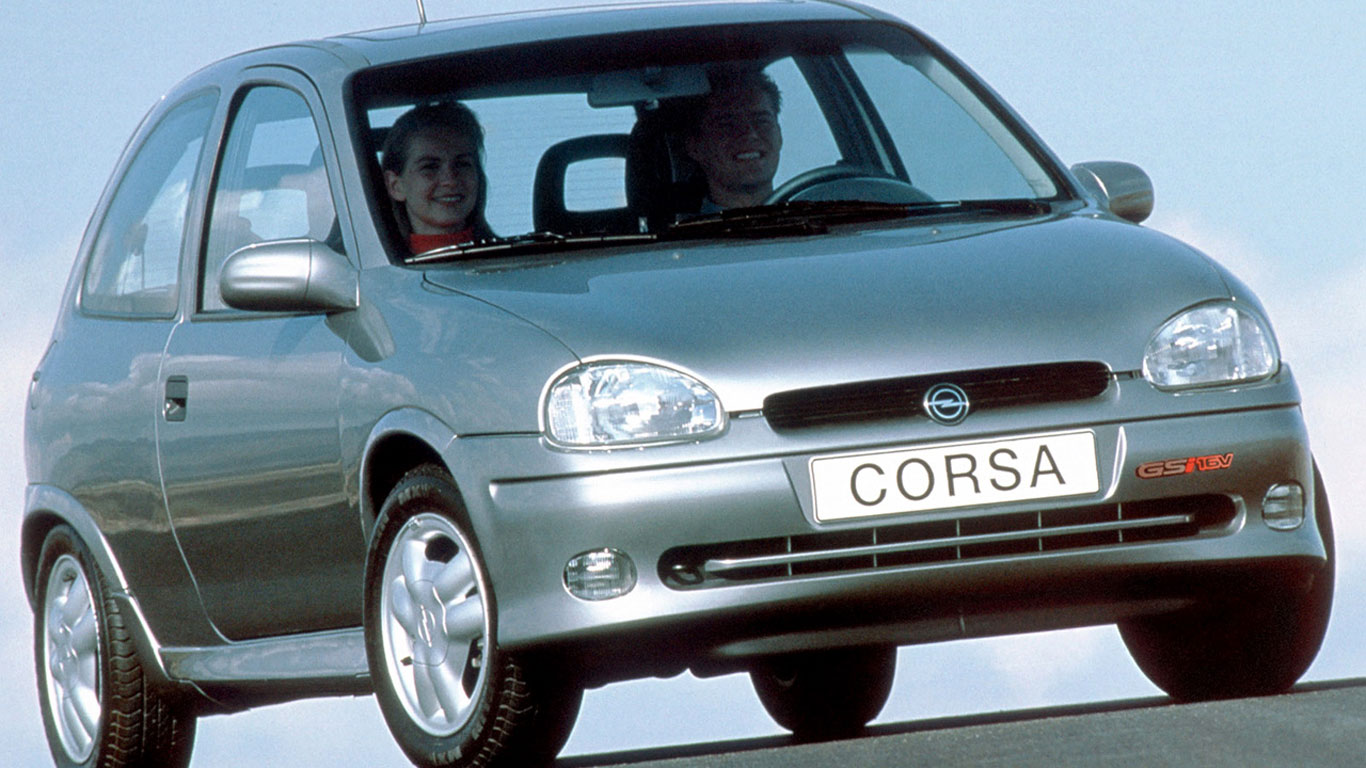
Pretty thing, isn’t it? Something that’s easy to forget when two decades have passed, but the original Vauxhall Corsa was genuinely good looking. But what about the Corsa GSI, with its 1.6-litre engine and pert styling?

It’s not hard to see why it was so popular, with an eager-to-please nature and arguably the best all-round capabilities of the group of junior hot hatches. Dynamically, it fell short of the benchmark set by the Peugeot 106 XSi, but could it beat the challenger from Ford?

Ford Fiesta RS1800Ford vs. Vauxhall: retro hot hatch showdown
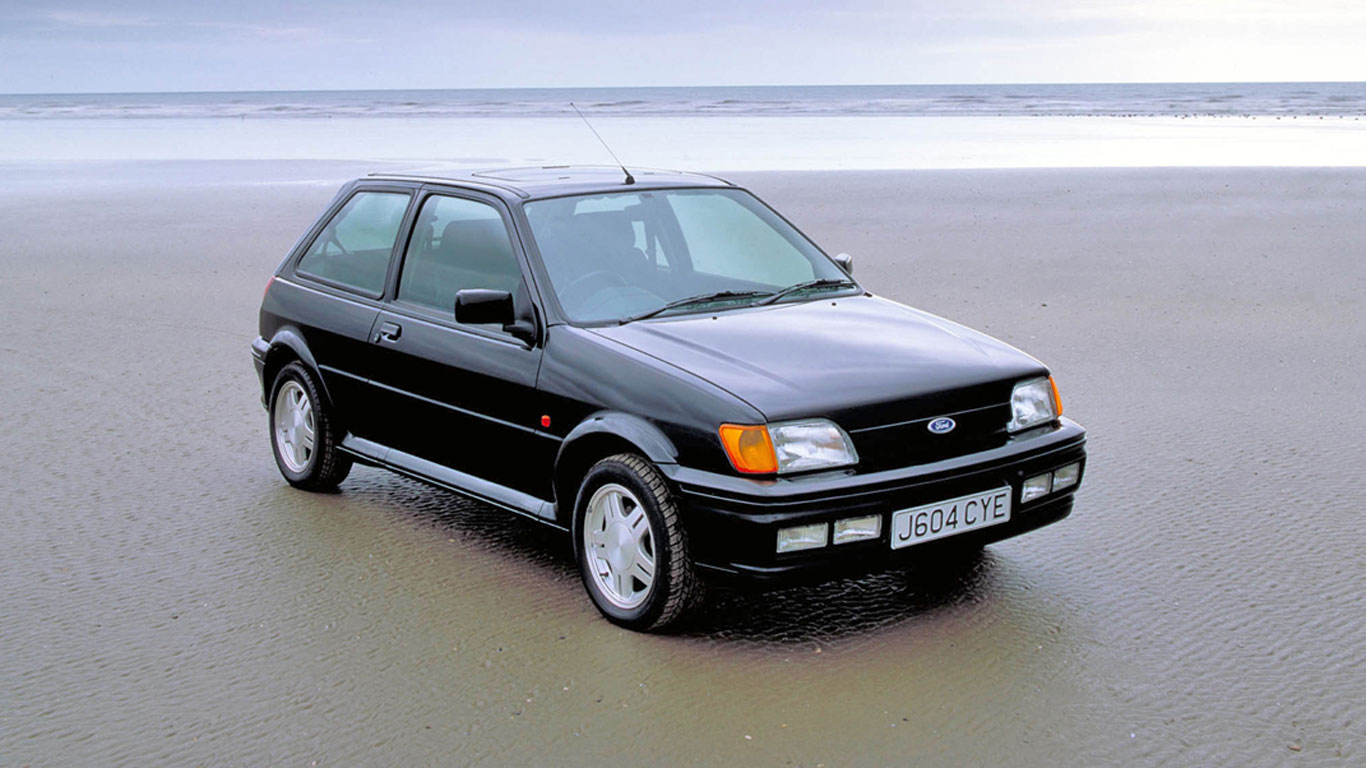
The Mk3 Fiesta, launched in 1989, was based on the Mk2, which itself was a facelift of the Mk1. Needless to say, the hot versions were overshadowed by the crop of newer, fresher rivals. The RS Turbo was quick but flawed, while the XR2i was fun and sold in big numbers.

Ford’s decision to put the RS Turbo out of its misery should be viewed as an act of kindness, not least because its replacement, the RS1800, was a little more polished. Power was sourced from a new 1.8-litre Zetec engine, while the suspension was thoroughly reworked to provide ride and handling prowess. Against the RS Turbo or XR2i, we’d have given this to Vauxhall, but based on the RS1800, we make that 4-3 to Vauxhall.

Vauxhall Astra SRi TurboFord vs. Vauxhall: retro hot hatch showdown
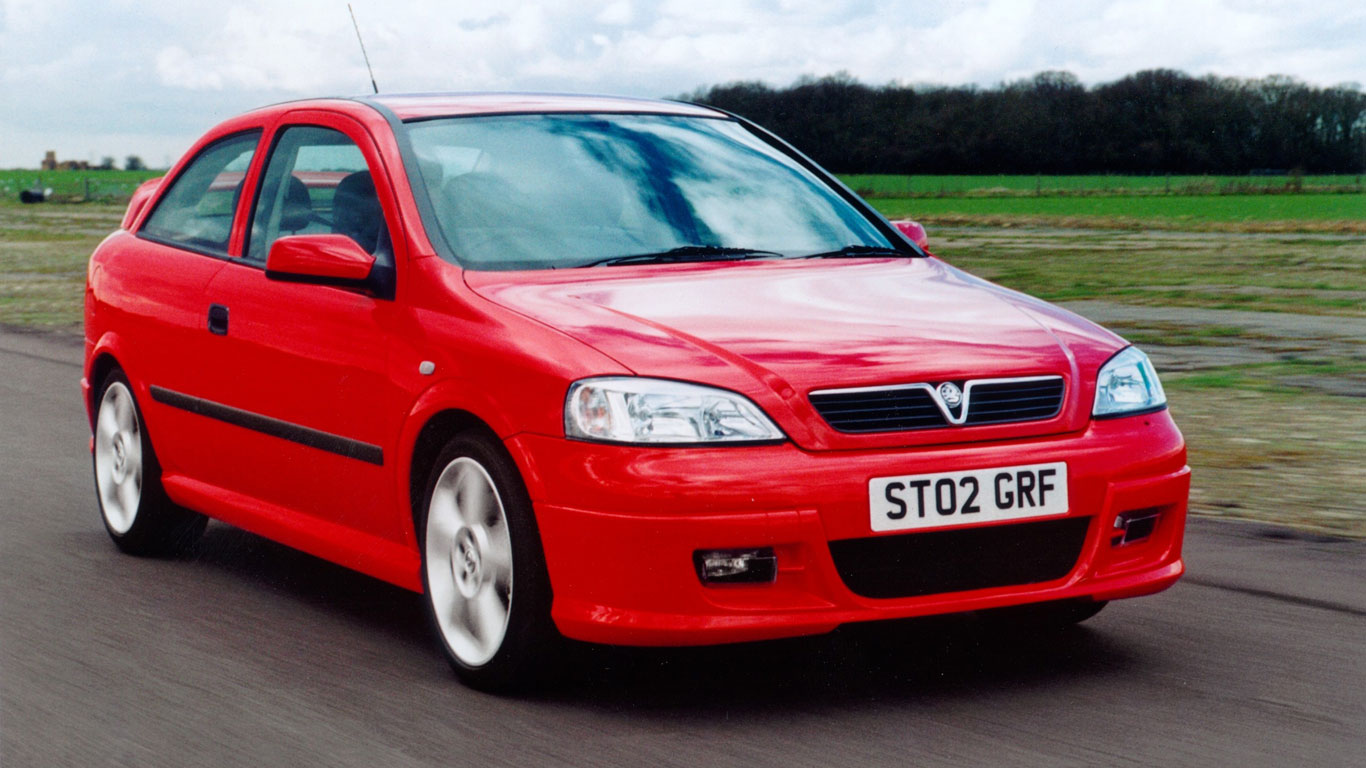
The all-new Mk4 Vauxhall Astra was far superior to the Mk3, but was a little overshadowed by the Ford Focus, which made the Escort look like something Fred Flintstone may have taken to the drive-in.

In 2002, Vauxhall launched the flagship Astra SRi Turbo, offering around 190hp, a top speed just shy of 150mph and a 0-60mph time of 6.7 seconds. It was short-lived and only sold in limited quantities. By our reckoning, there are only 150 on the road.

Ford Focus ST170Ford vs. Vauxhall: retro hot hatch showdown
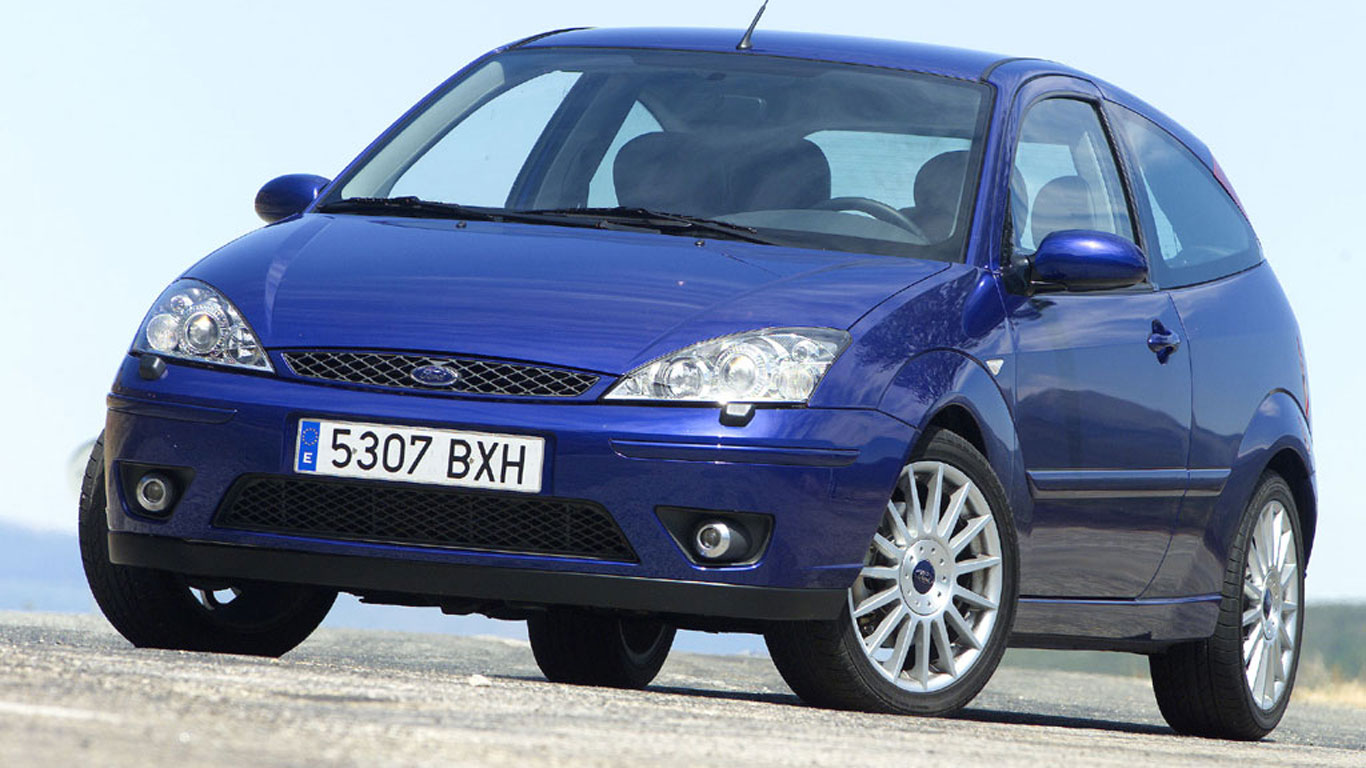
The Astra SRi Turbo wasn’t a bad car – far from it – but competition was strong. Pick and choose from the SEAT Leon Cupra, Honda Civic Type R and this: the Ford Focus ST170. This was the first taste of a fast Focus: the hors d’oeuvre while we waited for the RS main course.

But while the Focus RS was all arches and in-yer-face styling, the ST170 was a more low key affair. It was no surprise that the handling was little short of brilliant – the base car was equally great – but the 2.0-litre engine was lacking in outright pace. Not that this seemed to trouble the 13,000 or so UK buyers so who splashed the cash on the ST170. Vauxhall 4-4 Ford.

Vauxhall Astra GSi TurboFord vs. Vauxhall: retro hot hatch showdown
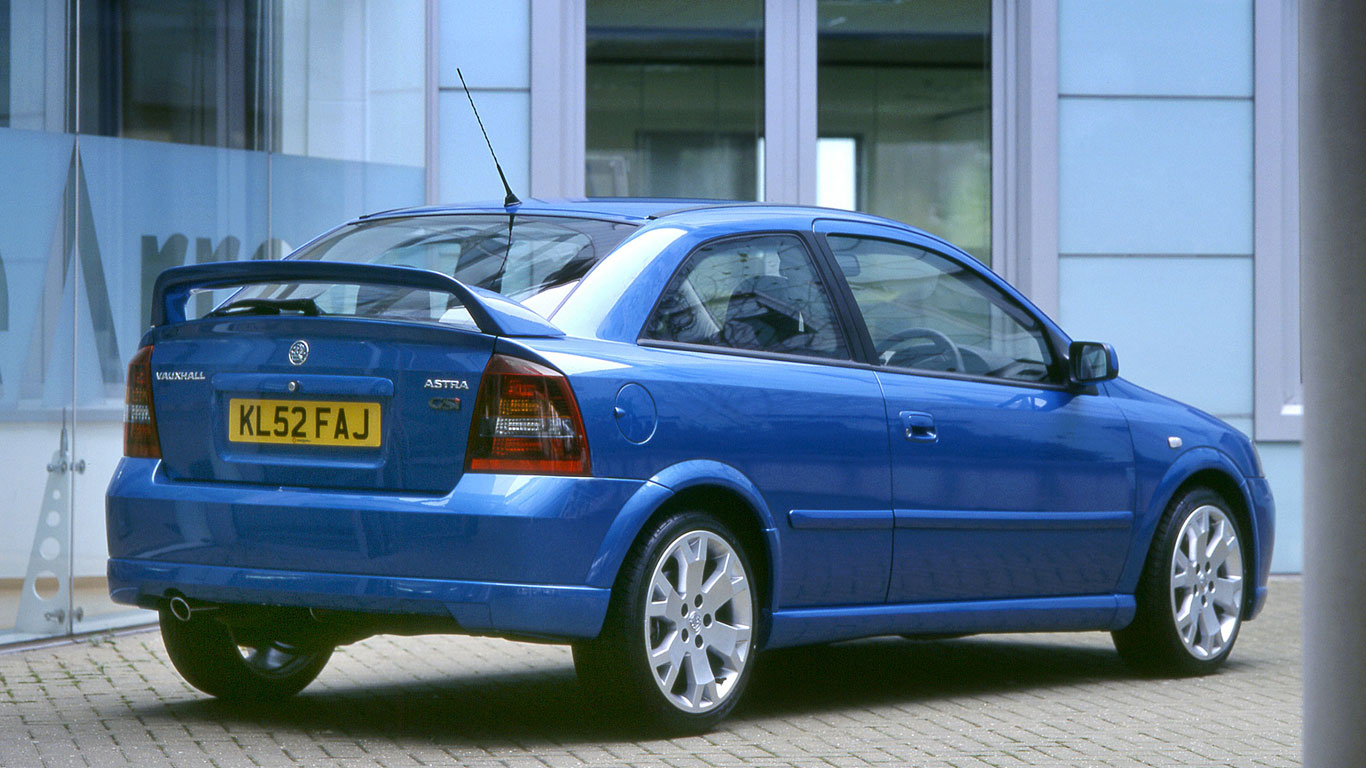
But if the Astra SRi was designed to steal sales from the ST170 (it didn’t, by the way), the GSi Turbo was positioned to raise the game. The styling was more aggressive, while more poke from the 2.0-litre Ecotec engine nudged the new flagship Astra to the magic 200hp mark.

Once again, the Vauxhall favoured straight-line speed over handling prowess, making this 150mph hot hatch a match for the Civic Type R and Leon Cupra R. But it fell short of greatness, especially when viewed alongside Ford’s latest weapon…

Ford Focus RSFord vs. Vauxhall: retro hot hatch showdown
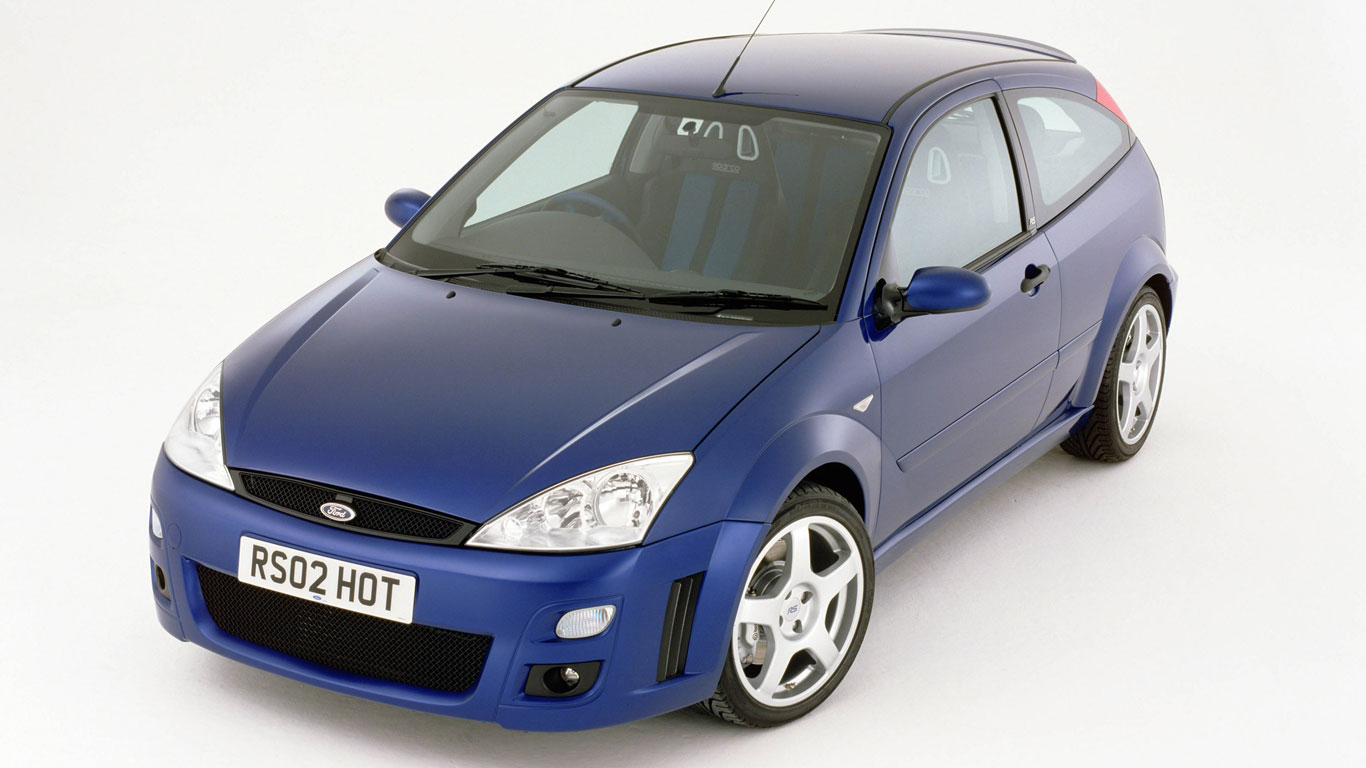
Yes, yes, yes, we readily admit that pitching the Astra GSI Turbo against the Focus Focus RS is a little unfair. And, yes, the Focus RS was around £3,500 more expensive than the hot Astra, which remained more of a rival to the ST170. But with a touch of naughtiness, Ford positioned the Focus RS press ads alongside road tests for the GSi.

The hot hatch war is a cut-throat business. This isn’t to say that the Focus RS was perfect: contemporary reviews were mixed to say the least. But it offered tremendous performance and more than lived up to its Rallye Sport monicker. And it helps Ford nudge ahead of Vauxhall for the first time: 4-5.

Vauxhall Astra VXRFord vs. Vauxhall: retro hot hatch showdown
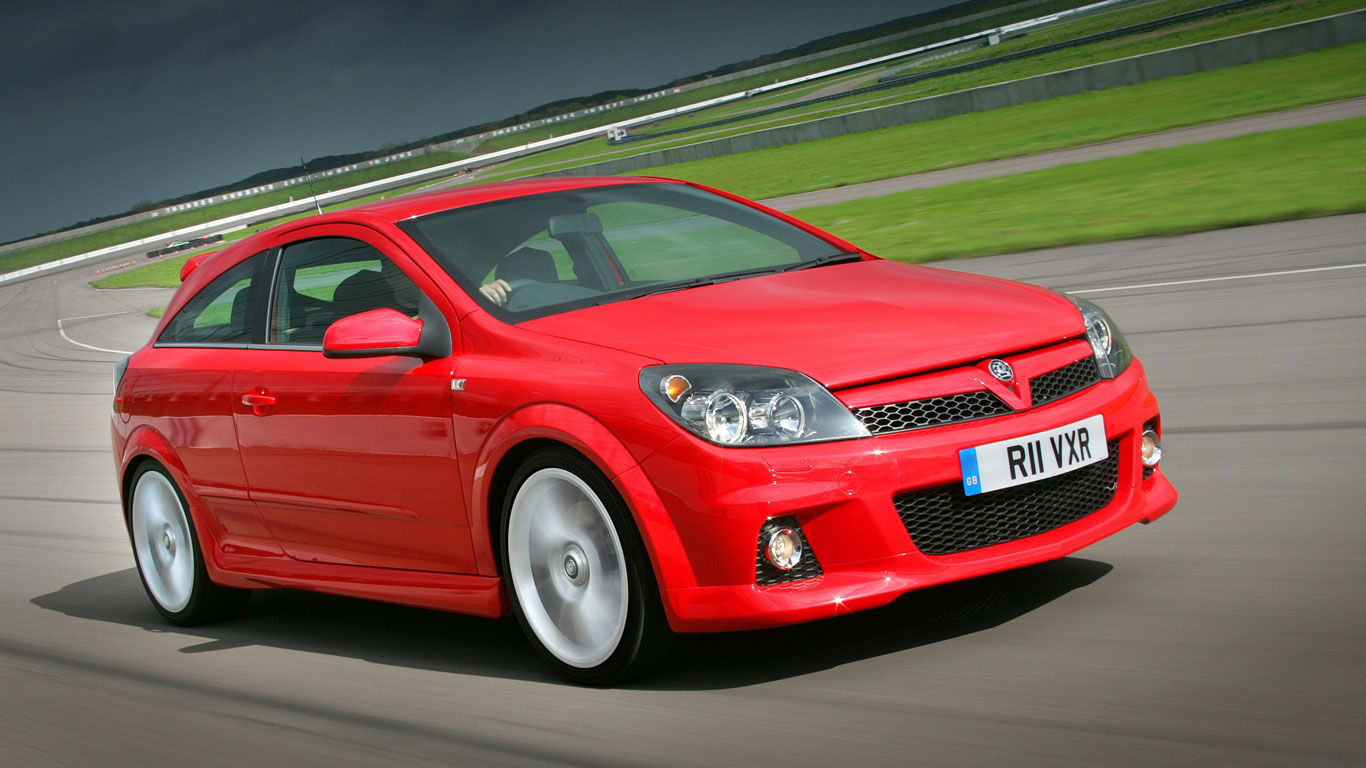
Vauxhall responded in the only way it knew how: more power. The VXR brand was launched in 2004, initially with the VXR220, followed by the Monaro VXR, and then this: the Astra VXR of 2005.

The signs were good: a chassis part-developed by Lotus, more power than a Renaultsport Megane 225 and Focus RS, and a 0-62mph time of 6.7 seconds. It also undercut the Focus RS by a grand. But once again, it felt like too little, too late.

Ford Focus STFord vs. Vauxhall: retro hot hatch showdown
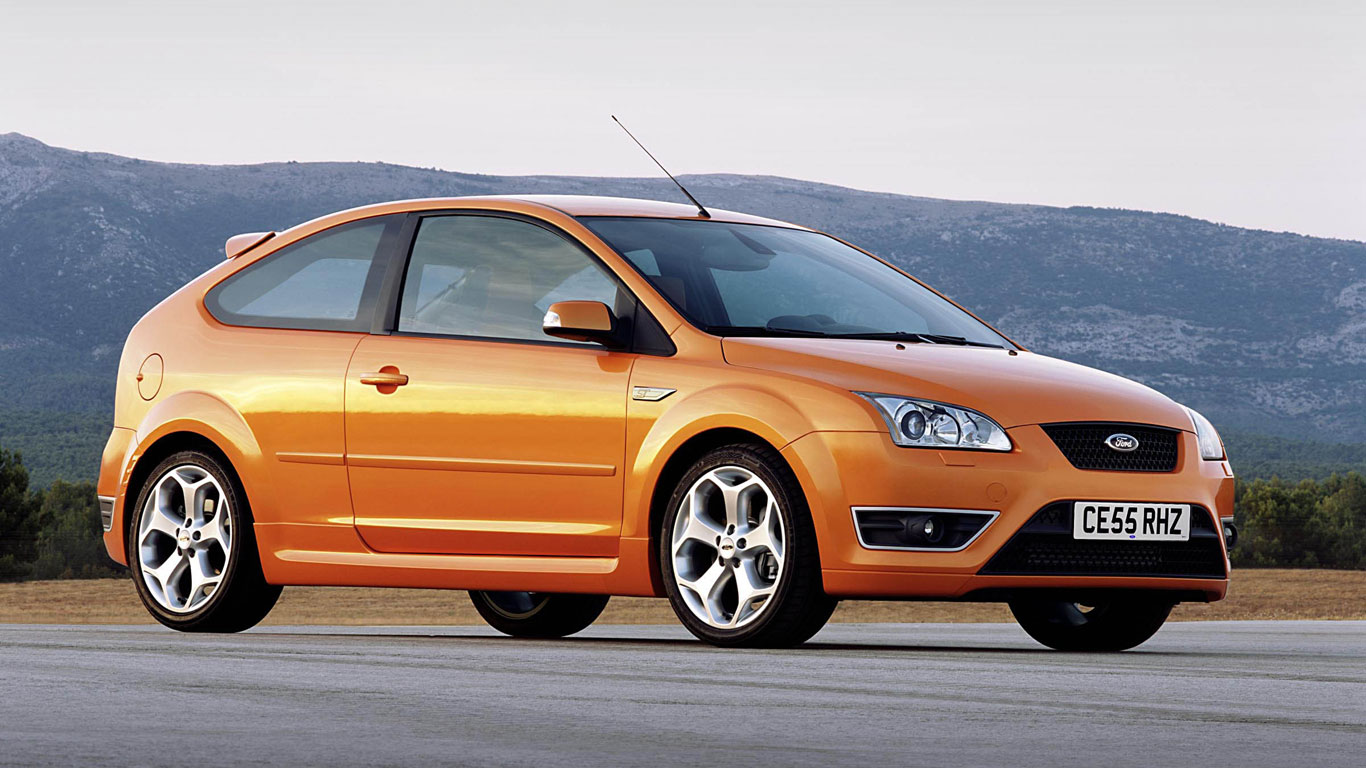
You see, Vauxhall was about to be ‘Tangoed’ by a bright orange Ford Focus. If the ST170 was disappointing, the ST was anything but. Forget the Astra VXR, the hot Focus was set to threaten the supremacy of the brilliant Mk5 Volkswagen Golf GTI.

It was cheaper, more powerful and blessed with the delightful symphony of a five-cylinder engine. Choosing between the Focus and the Golf was a real challenge, but the Astra VXR was left wanting. That’s a 4-6 win overall for Ford.
Advertisement

Citroen’s ConnectedCam ISN’T distracting for drivers, rules ASA

0

Citroen's ConnectedCam ISN'T distracting for drivers, rules ASA

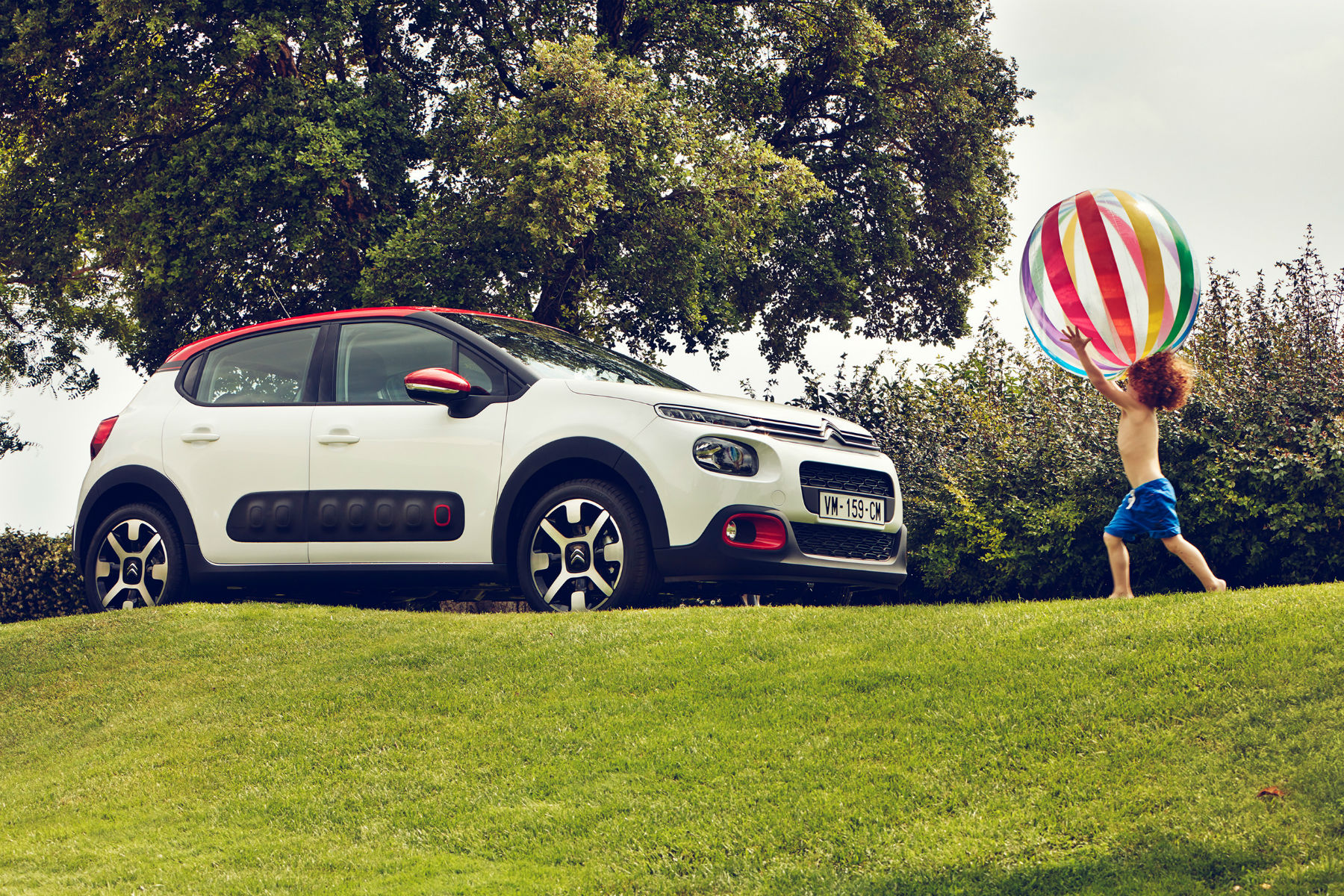
The Advertising Standards Authority has rejected complaints that an ad for the new Citroen C3 condones dangerous behaviour by showing a driver using its ConnectedCam at the wheel.

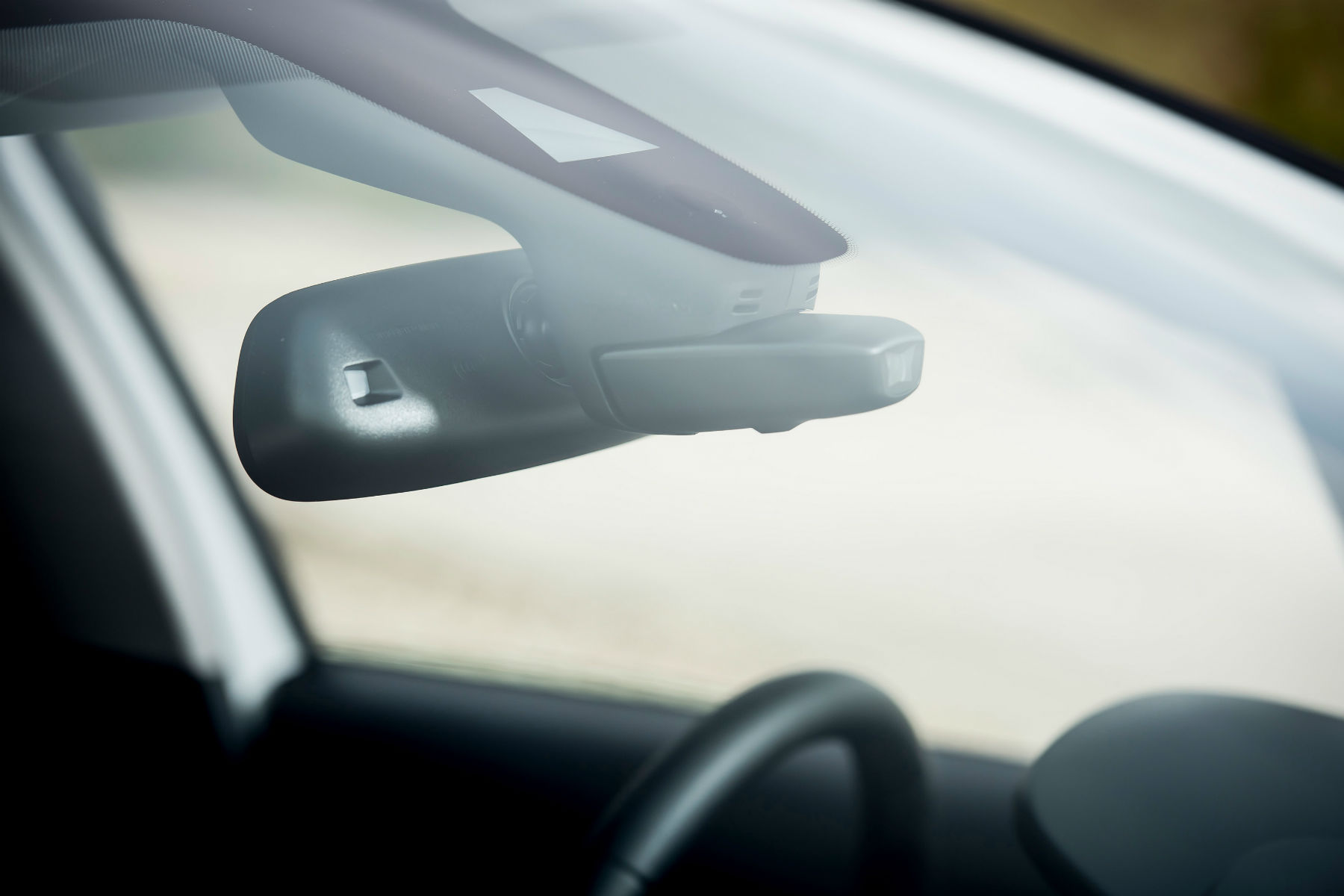
The built-in dashcam can be operated by pressing a button behind the rear-view mirror, yet 20 viewers felt a television advert demonstrating the system was irresponsible. A further two also complained about a radio advert.

Citroen UK responded to the complaints, saying “the one-click button on the camera situated just behind the vehicle’s interior rear-view mirror was no more distracting to press than turning on the radio and was designed to avoid driver distraction.”

Citroen's ConnectedCam ISN'T distracting for drivers, rules ASA

The firm added that the camera was designed to be used when the vehicle was stationary, and the advert didn’t show the driver using it while the vehicle was moving. It also didn’t show him using his phone to share the photos.

After considering Citroen’s response, as well as feedback from Clearcast, the organisation which approves adverts for TV, the ASA rejected the complaints:

The ASA considered viewers would interpret the ad as illustrating how drivers could use the Citroen C3’s in-car camera. We considered that in some of the shots (where the driver was photographing the letters A and R) it appeared that the car might be moving, suggesting that the driver was using the camera while he was driving. We noted that the Highway Code advised drivers to avoid distractions and gave “starting or adjusting any music or radio” as an example of a distraction (rule 148); that using hands-free equipment was “likely to distract your attention from the road” (rule 149); that there was “danger of driver distraction being caused by in-vehicle systems such as satellite navigation systems, congestion warning systems, PCs, multi-media, etc” and that drivers “MUST [their capitalization] exercise proper control of your vehicle at all times”.

We noted that there were few, if any, other vehicles using the road in any of the shots and that the action the driver needed to perform to use the camera appeared to be nothing more than would be involved in a driver adjusting music or the radio, which the Highway Code permitted as long as the driver was exercising proper control of the vehicle. While we appreciated that the examples of actions or possible distractions given in the Highway Code could be undertaken in ways that would mean a driver was not exercising proper control of the vehicle, we considered there was no suggestion in the shots in the ad that the driver was distracted or not exercising proper control. We therefore concluded that ad (a) did not condone or encourage dangerous or irresponsible behaviour prejudicial to safety and in breach of the legal requirements of the Highway Code, and that it therefore did not breach the BCAP Code.

Motoring Research is currently trialling a Citroen C3 with a ConnectedCam as part of a six-month test, plus we recently took another C3 to France where we used the dashcam to indulge in a bit of car spotting.

More Citroen C3 on MR:

Advertisement

Driving the brand new car that’s 80 years old

0

Atalanta roadster

Never heard of Atalanta? Neither had I. The company built just 22 cars between 1937 and 1939 before becoming an early casualty of World War II. Production switched to generators and pumps, where it remained until Atalanta’s eventual demise in the 1990s.

The story could have ended there: another British car company consigned to the history books along with Frazer Nash, Austin, Bantam, Jensen, Rover and countless others. But it didn’t, and – after an 80-year hiatus – Atalanta is back with a new British sports car.

More classic cars on MR:

A history of innovation

Atalanta roadster

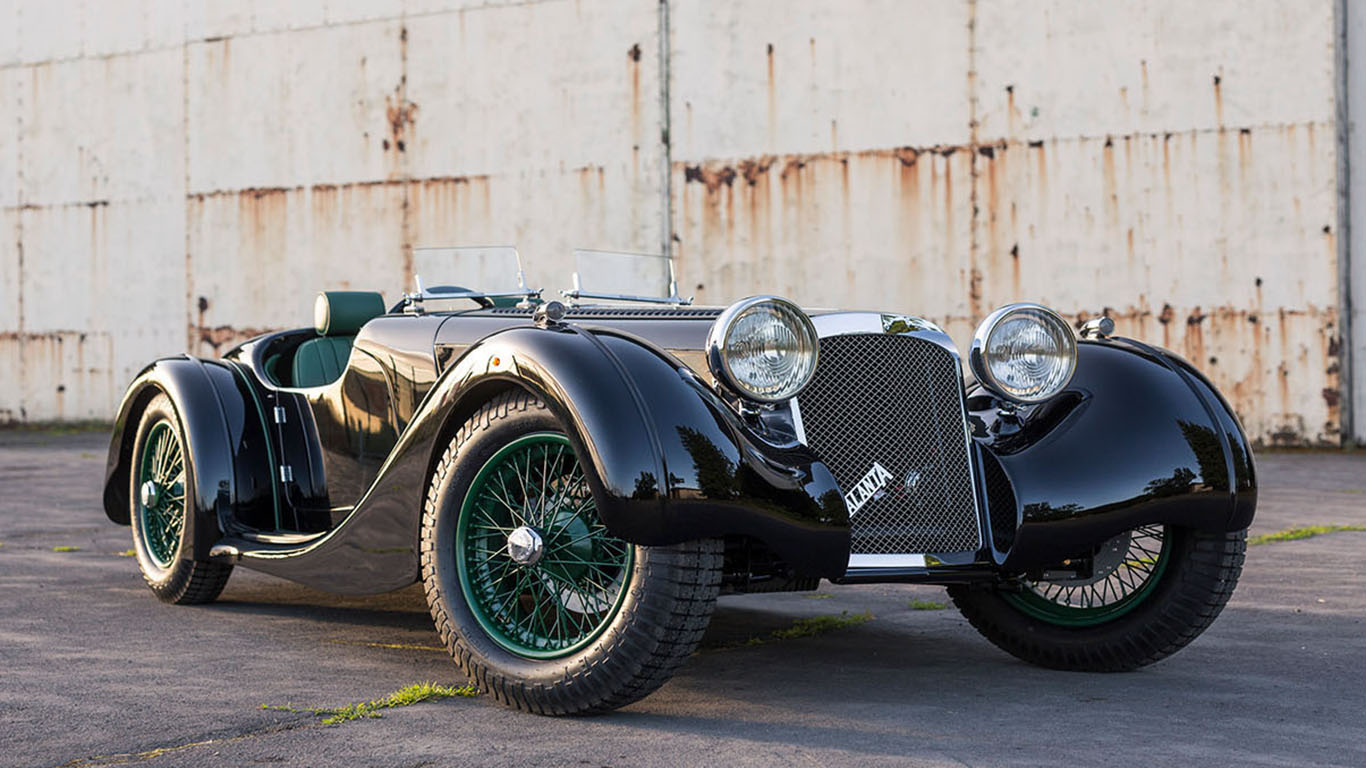
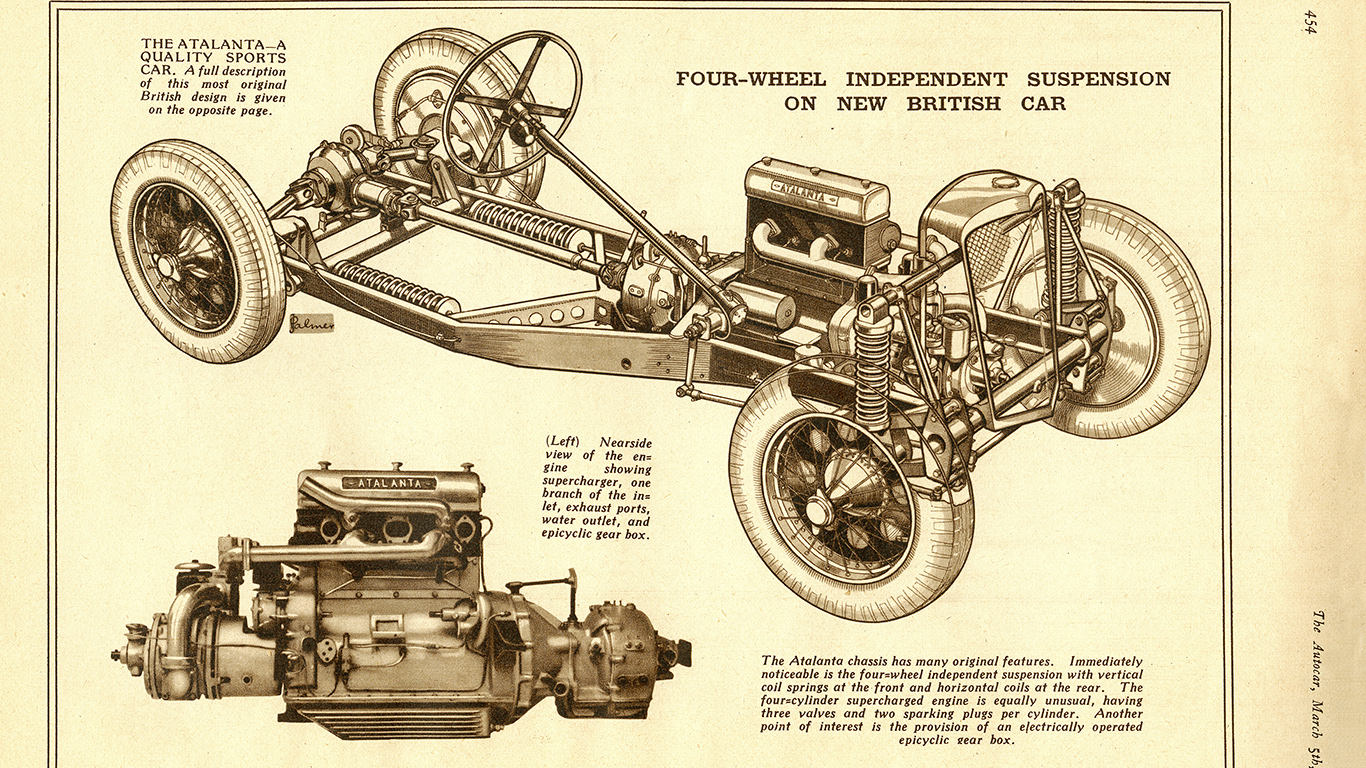
In truth, there was always something a bit special about Atalanta. Its 1937 roadster was hugely advanced for its day, with independent suspension, lightweight construction, a three-valve-per-cylinder twin-spark engine, hydraulic brakes and an electric pre-selector gearbox.

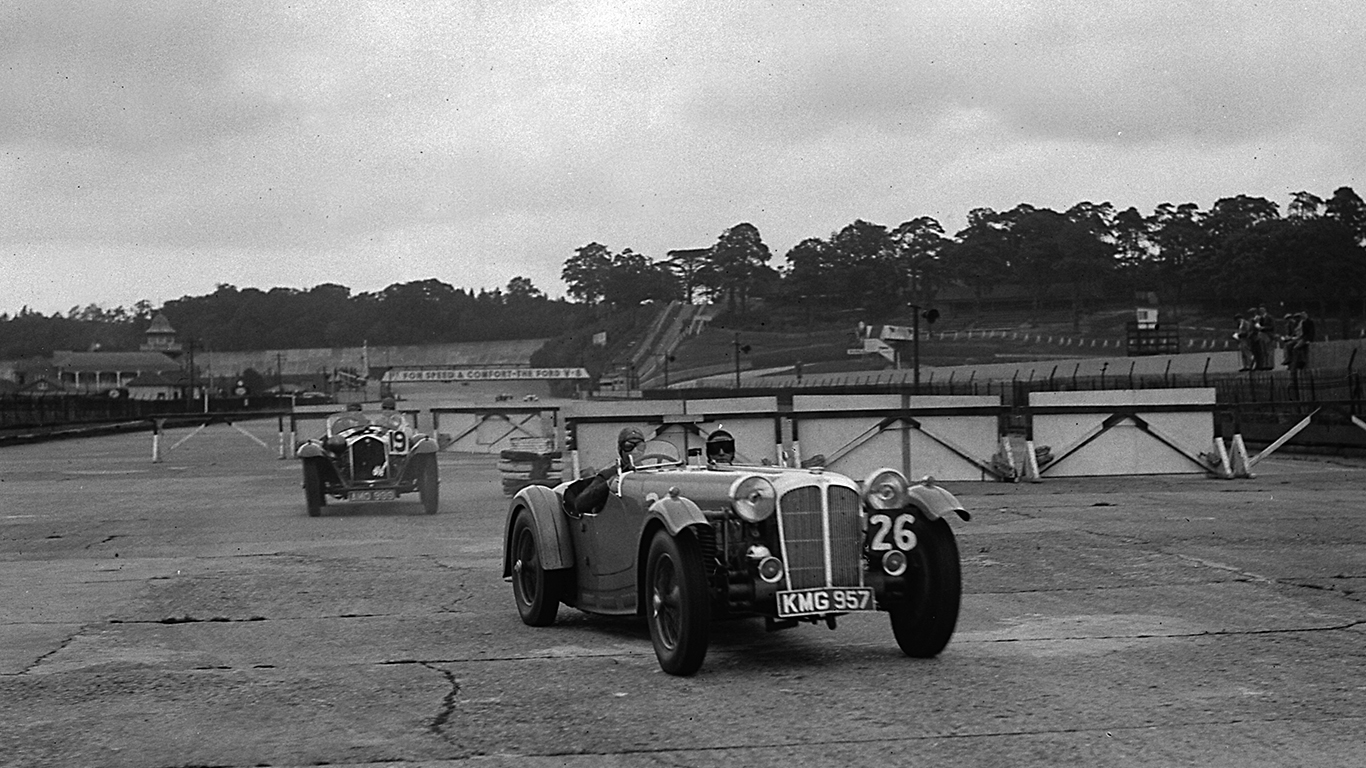
Seen here at Brooklands, the car was successful in motorsport, too. It raced at Le Mans in 1938 and won the Welsh RAC rally in 1939. Decades later, the Le Mans car was acquired by Martyn Corfield, a lifelong Atalanta enthusiast who owns three of the seven surviving originals. It was this car that would form the basis for his modern Atalanta roadster.

Living the dream

Atalanta roadster

Martyn readily acknowledges that building a low-volume sports car – production is expected to run at one a month – won’t make him millions. But his passion for the project overrides such concerns; this is the realisation of a dream that began when he first saw an Atalanta in his local garage as a child.

Work on the reborn roadster began in 2009, with a concept version presented in 2012. Now, exactly 80 years since the original Atalanta left the Staines factory, the production car is ready: on sale and priced at £150,000.

Destination: Bicester Heritage

Atalanta roadster

Atalanta is no longer based in Staines, but at Bicester Heritage – the former RAF base that houses much of Britain’s classic motor industry. As I drive through the site, I spot a wonderfully eclectic mix of cars: pre-war Bentley, Gordon Keeble, Jaguar E-Type, Peugeot 505 – even a rally-spec Fiat Panda. It’s a fitting location to see this evocative sports car for the first time.

I meet Martyn outside Atalanta’s office-cum-workshop. He’s warm and enthusiastic, reeling off facts about the company’s history faster than I can write them down. But this isn’t PR spin: he’s rightly proud of what his tiny, three-person team has achieved.

Raffish glamour

Atalanta roadster

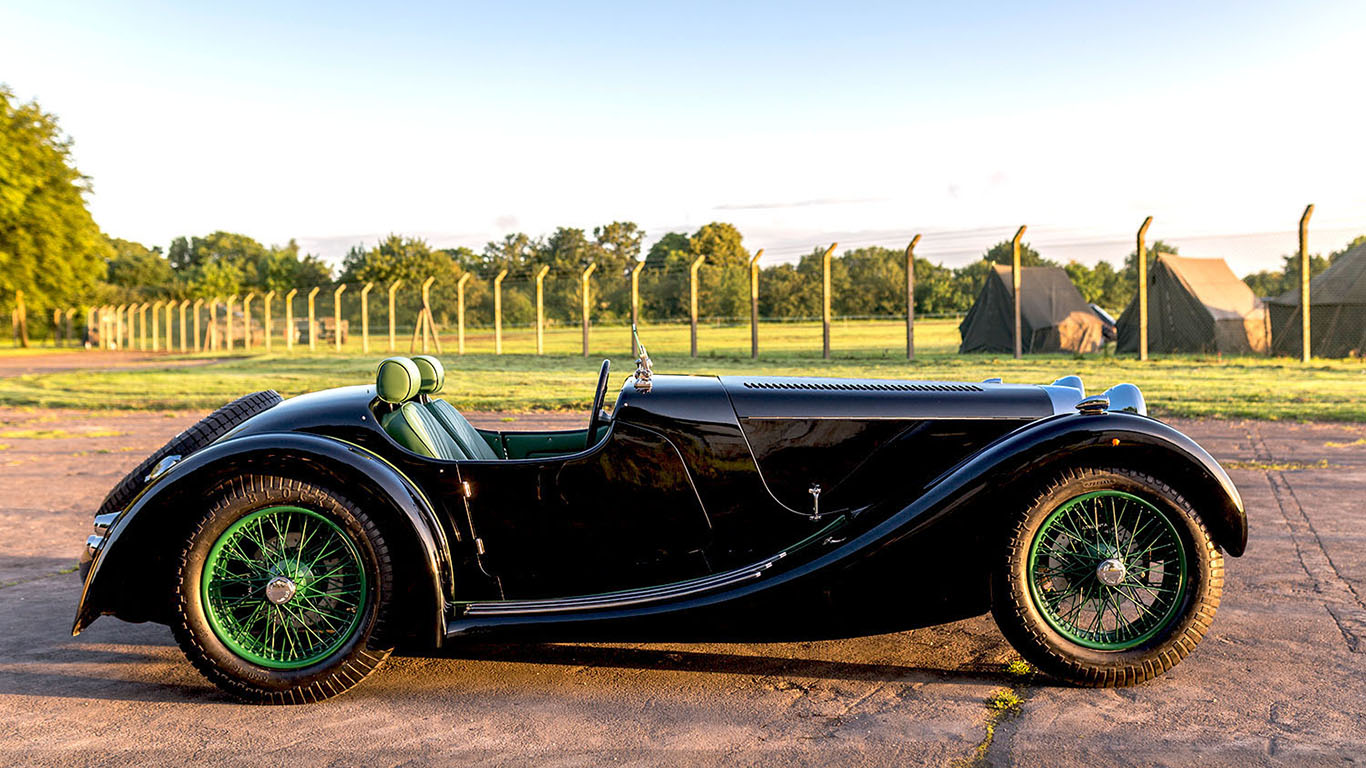
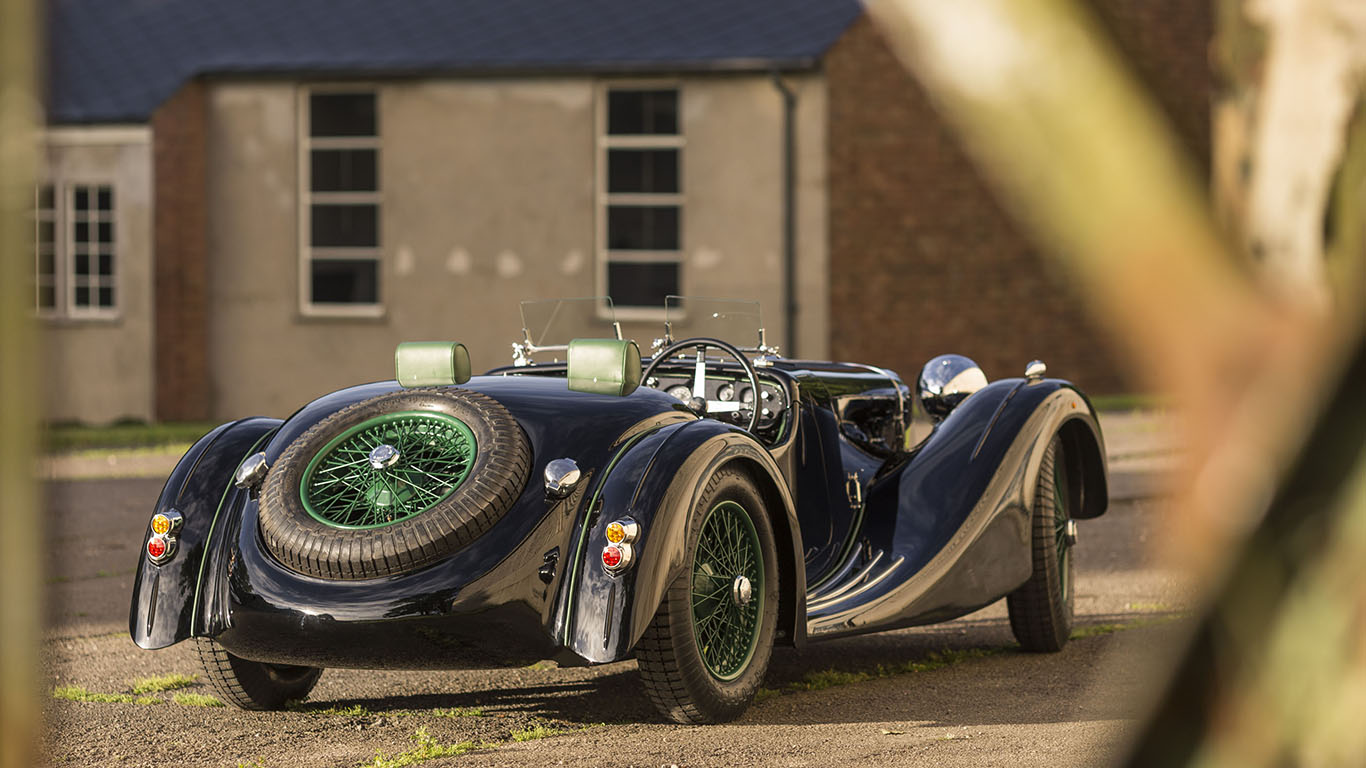
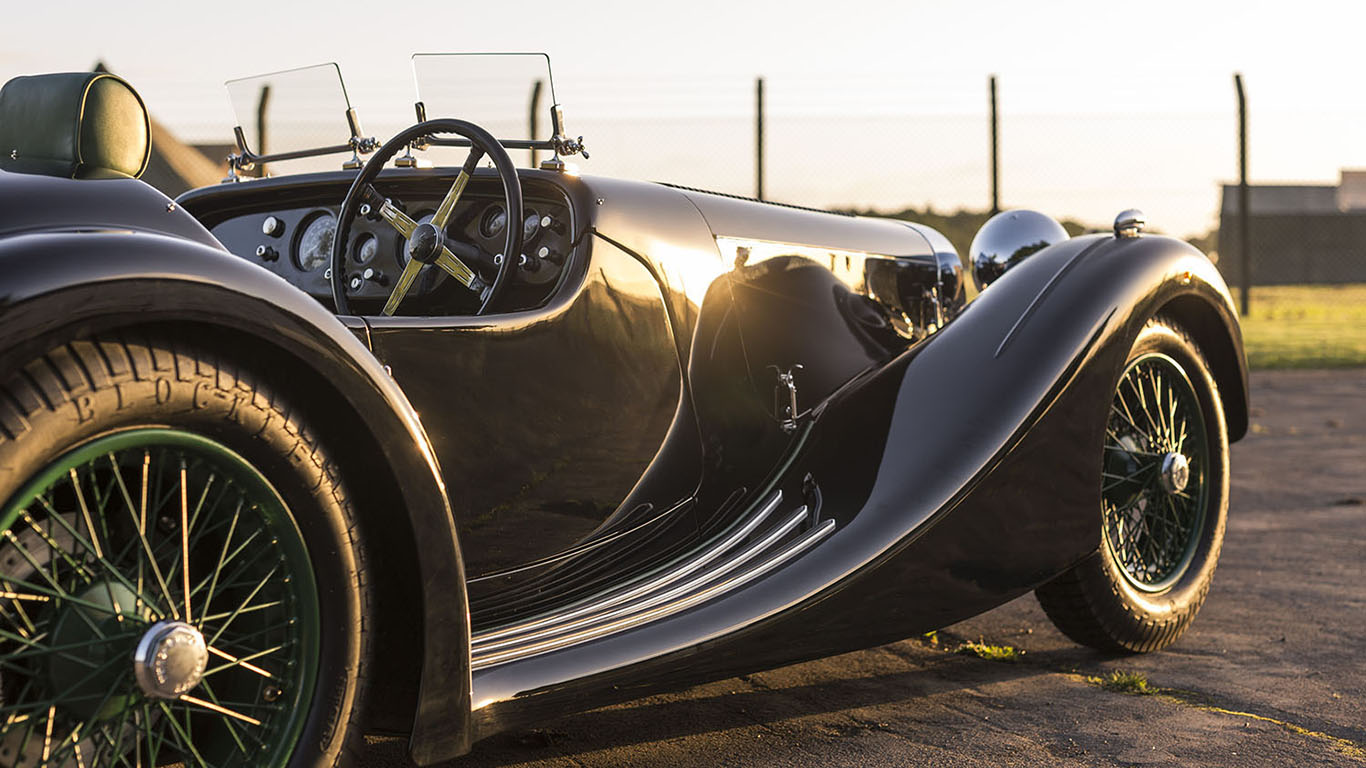
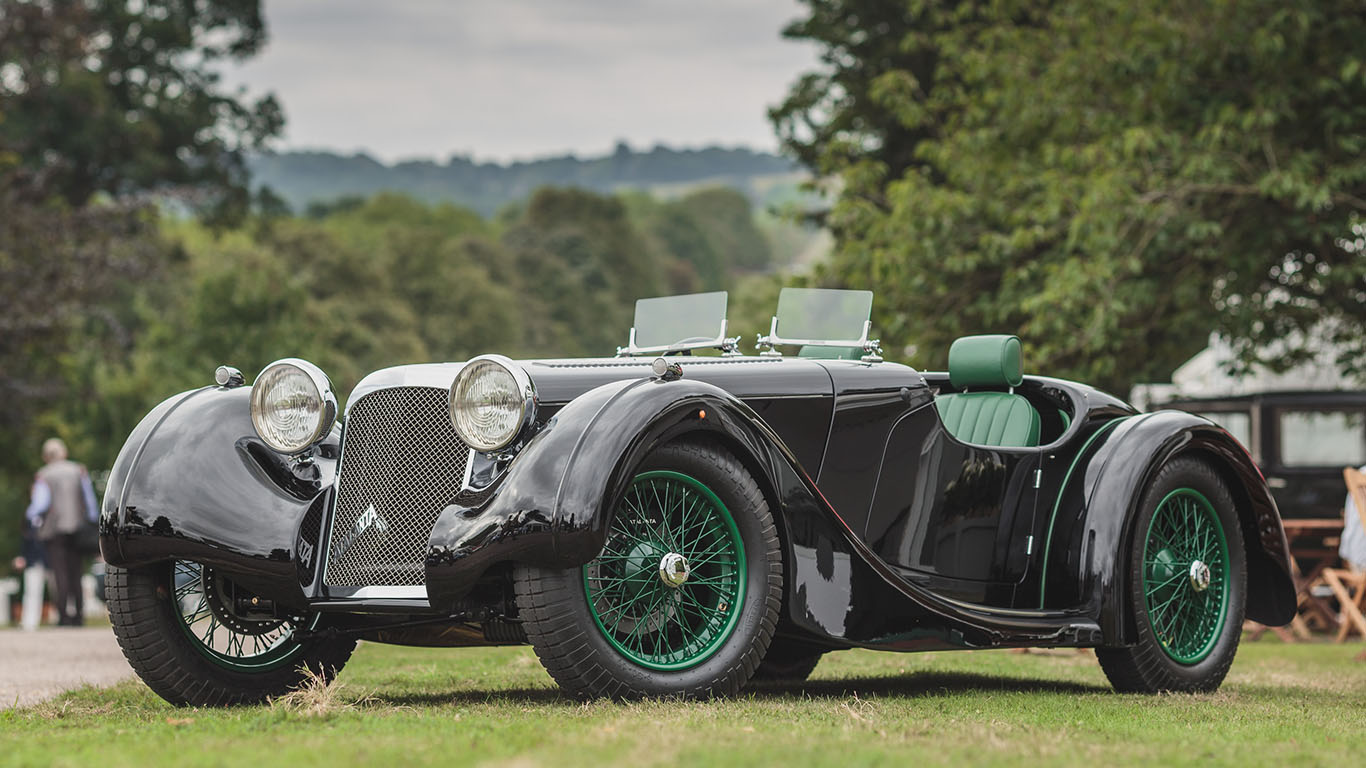
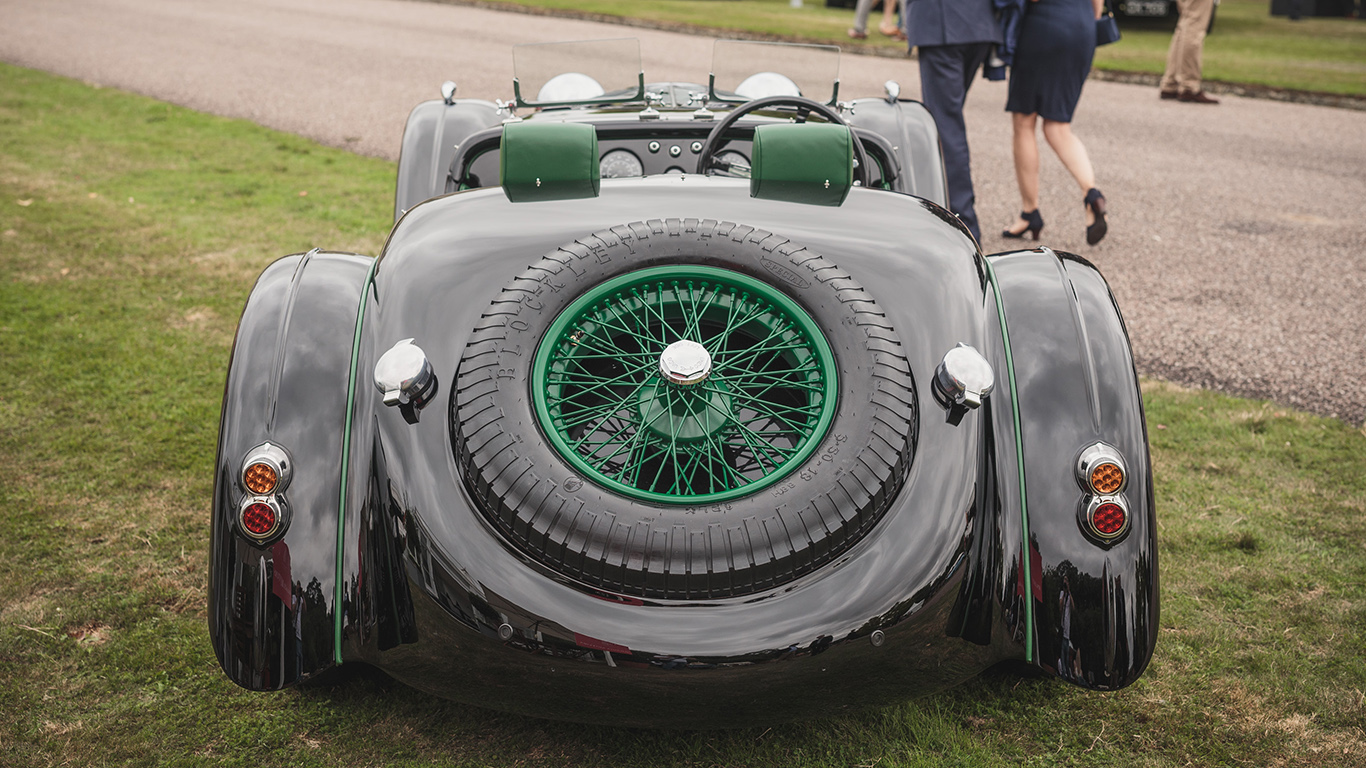
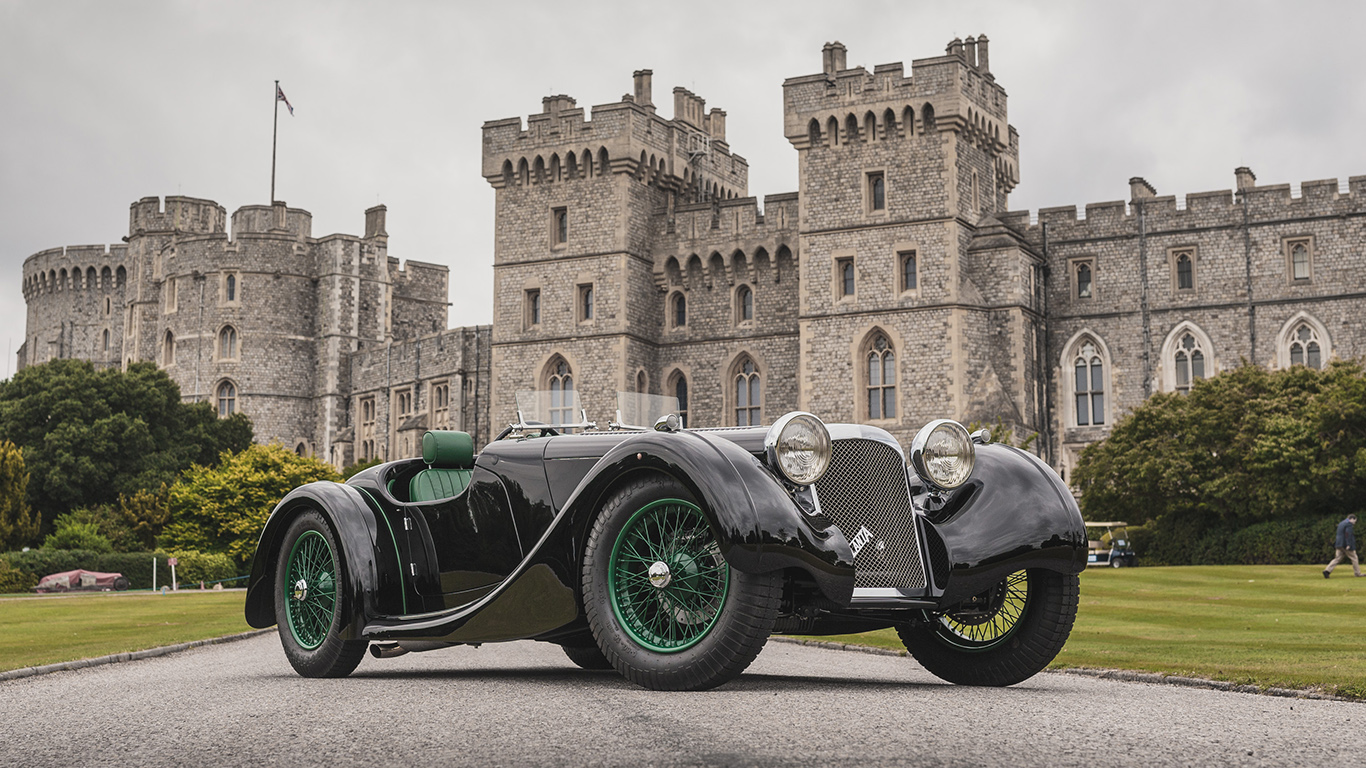
Elvis excepted, I’m not usually a fan of anything pre-1960. However, I’ll make an honourable exception here. Basking, roof-down in the midday sun, the Atalanta roadster looks fabulous. Sleek, low-slung and sporty, it’s the epitome of raffish 1930s glamour.

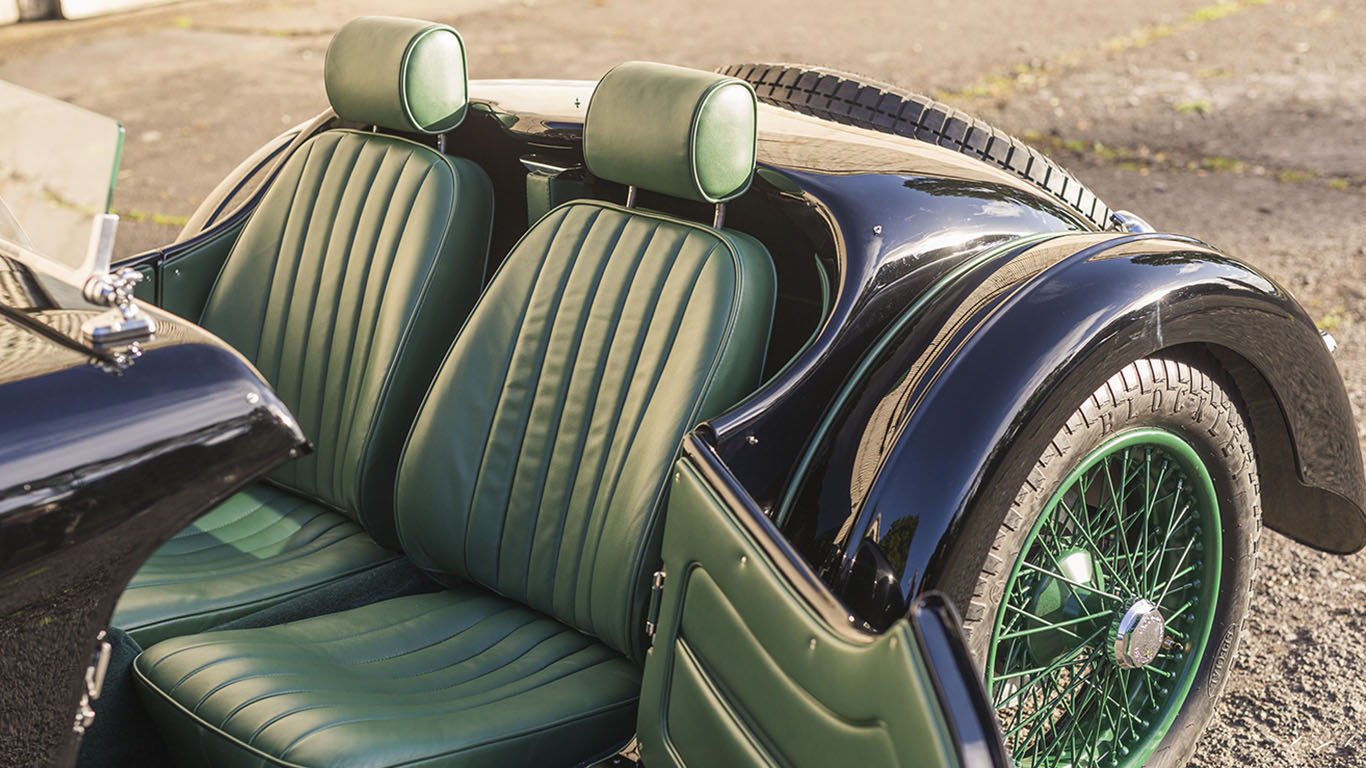
The finish is excellent, too. Paintwork looks deep and lustrous, while the interior is beautifully trimmed in soft leather. Look closer and you’ll spot neat details, such as the hidden door handles (tucked under the dashboard) and second filler cap (which houses a socket for a trickle charger). Side repeaters and seatbelts are the only obvious nods to modernity.

Praise the Ford

Atalanta roadster

Only if you lift the engine cover, and come face-to-face with 2017-spec black plastic, is the vintage illusion briefly shattered. But this is a pre-production and ongoing development car: Martyn ensures me customer engines will be much better presented.

The motor itself comes from Ford in the US: a 2.5-litre naturally-aspirated four-cylinder developing “around 200hp and 200lb ft of torque”. It’s mated to a five-speed manual gearbox (also from Ford) that drives the rear wheels. The side-exit exhaust is located somewhere just below the driver’s right elbow. And – oh yes! – it’s loud.

Track to the past

Atalanta roadster

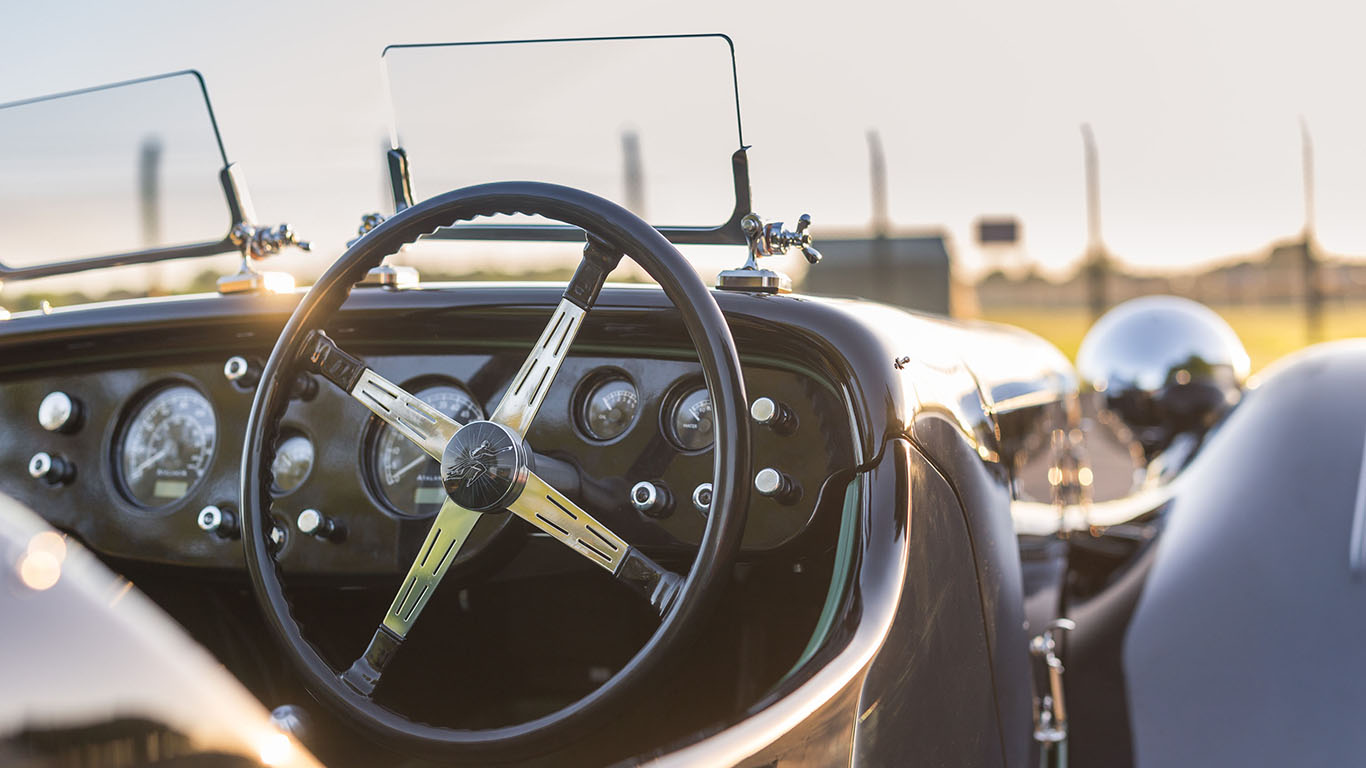
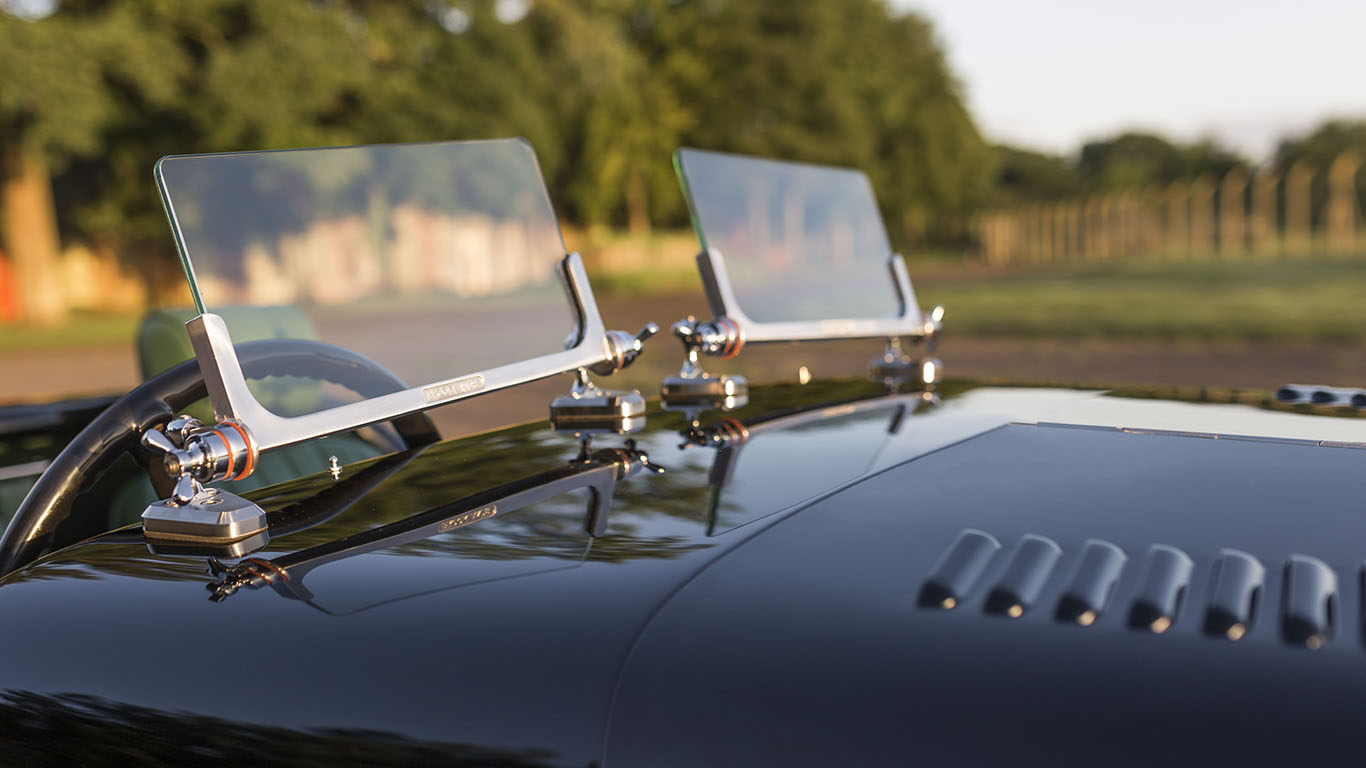
Twist the key and the engine barks brusquely into life. The pedals are offset and the footwell cramped, despite a lower floor than the original car – a necessary tweak for the taller drivers of today. I grasp the huge steering wheel, which has a beautifully engraved emblem of Atalanta – a huntress from Greek mythology – at its centre, and gaze along the long, louvred bonnet.

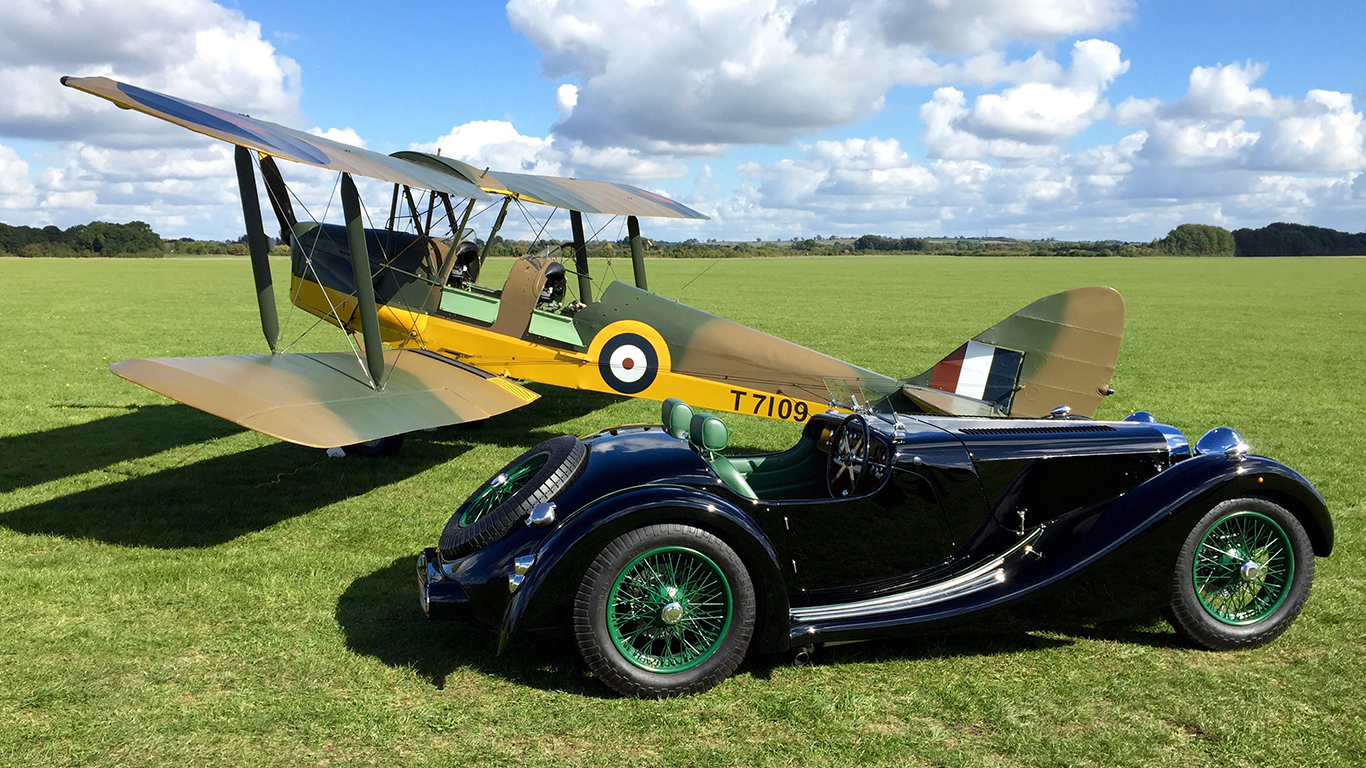
One great advantage of Bicester Heritage is the aircraft runway next door. And today, with help from a few strategically-placed cones, it will be our racetrack. Chocks away!

Getting physical

Atalanta roadster

You might expect a chassis designed in the 1930s to betray its limitations on-track. And you’d be right: the Atalanta is no Lotus Elise, especially on high-profile 550-18 tyres remanufactured for historic racing. Nonetheless, it feels benign and biddable through the tight turns of our improvised circuit.

The car’s natural tendency is to understeer; only if you deliberately provoke it will the tail break loose. I suspect it could be rather tricky in the wet, but you’re more likely be more concerned about the lack of weather protection than on-the-limit handling by then…

A car for driving

Atalanta roadster

Lap after lap, I begin to adapt my driving style. The Atalanta appreciates deliberate inputs and doesn’t flatter your mistakes. Yet that makes it all the more rewarding when you get it right.

This is a physical car, then, but in the best sense. The unassisted steering has a weighty directness, the five-speed manual gearbox needs a positive shove and, in case you were in any doubt, there’s no electronic safety net. And all the time, the wind gusts around the low-cut doors and the engine blares boisterously. It’s an intoxicating assault on the senses.

Figure this

Atalanta roadster

It’s fast enough to be fun, too. The 0-62mph dash takes seven seconds and top speed – if you find a long enough runway – is around 125mph.

That’s merely ‘warm hatch’ or Mazda MX-5 pace nowadays, of course. But as I’ll discover, this retro recreation works best when you take it steady.

Destination: Cotswolds

Atalanta roadster

With Martyn in the passenger seat, we leave Bicester and head west towards the Cotswolds. Our route takes us down winding, tree-lined lanes, past packed country pubs and through immaculate, chocolate-box villages. Prime British sports car territory, in other words.

Away from the smooth surface of the airfield, the Atalanta’s ride occasionally gets choppy, but progress generally feels relaxed. The big-hearted Ford four feels well-suited to touring, too. This isn’t an engine that begs to be revved: just shift up early and ride the wave of muscular torque.

The grand tour

Atalanta roadster

You never forget this is an ‘old’ new car, either. Martyn talks of “a 1930s experience with the rough edges removed” and, while I’ve never driven a real vintage machine, it’s very different to anything else. Better? No. Authentic and characterful? Absolutely, yes.

In many ways, the Atalanta is rather rudimentary. But that makes it the antithesis of the anaesthetised modern car – exactly as you’d hope. As the clouds clear and we blat between hedgerows, the sun glinting off its curvaceous front wings, it feels just about perfect.

Crowd pleaser

Atalanta roadster

There’s another reason to go slowly, of course: the admiration of onlookers. Pull up at The Fox and Hounds in a £150,000 Porsche and you’ll get grudging acknowledgement at best. Here, no such preconceptions apply – everyone is drawn to the glamorous lines and the raucous exhaust rumble.

The mystique of the Atalanta badge doubtless plays a part, too. Most car fans can recognise a Morgan, but this car – for now at least – remains something of an enigma. Precious few would suspect it was built in 2017.

Rose-tinted roadster

Atalanta roadster

What matters for Atalanta today isn’t winning Le Mans. Martyn’s goal is to find a niche and offer something genuinely different: new, but steeped in the spirit of the past. After all, most people who buy his roadster will already have a large collection of cars.

In that, he has succeeded. This is a car to be savoured on sunny Sunday mornings, when the roads are quiet and you can pretend it’s 1937 again (just without impending threat of fascism and war). Beautiful and beguiling, the Atalanta roadster will make you feel good about driving it. And what’s not to love about that?

Advertisement

New Citroen C3 Aircross to undercut Nissan Juke

0

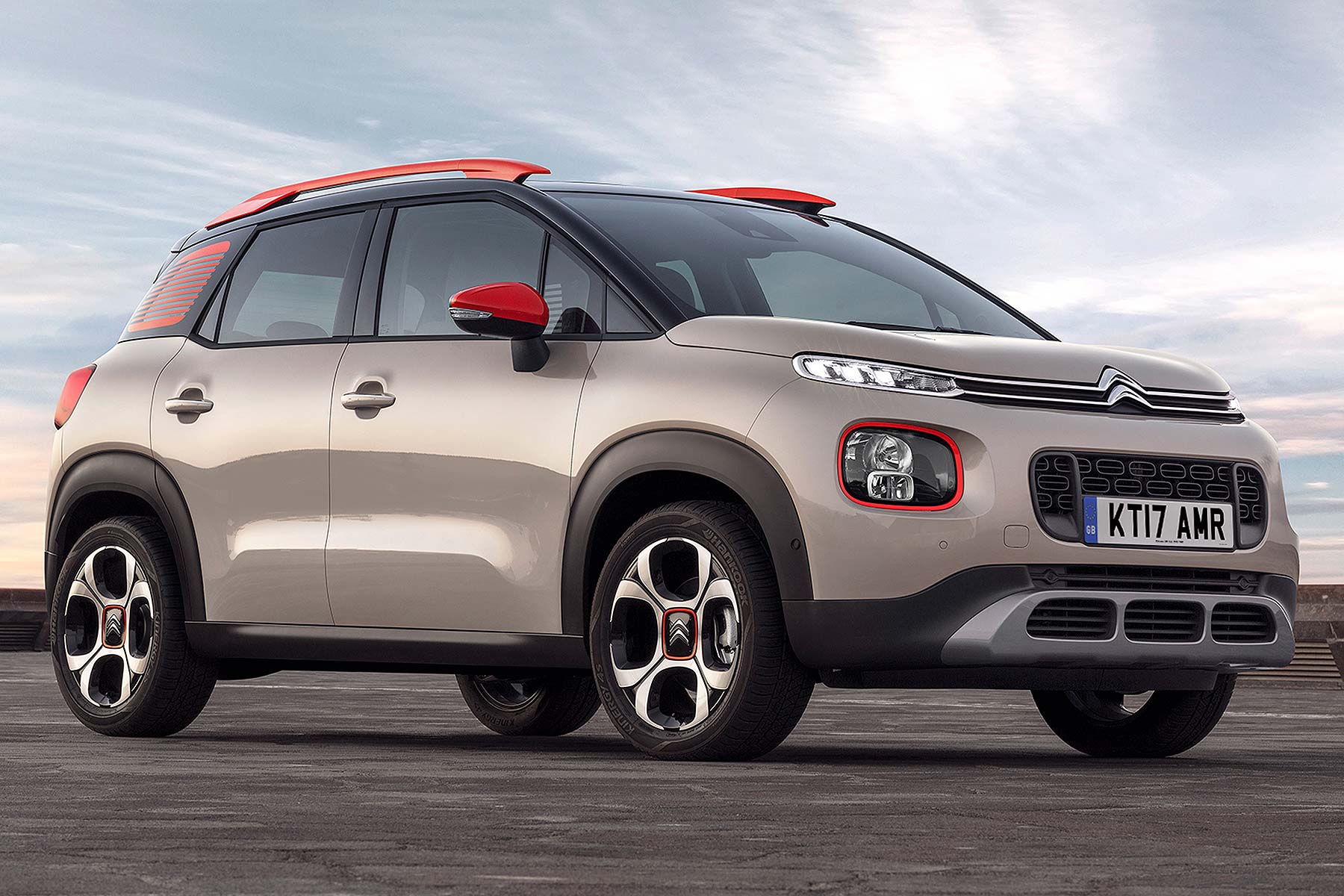
New Citroen C3 AircrossCitroen is taking on the top-selling Nissan Juke compact SUV with its all-new C3 Aircross, and the French brand has drawn first blood by undercutting the ageing Nissan’s prices. The new C3 Aircross, which goes on sale from 1 November, will cost from £13,995. The cheapest Juke is almost £900 more expensive.

Yet another entrant to the supermini-sized crossover SUV sector, the new C3 Aircross replaces the dull C3 Picasso supermini MPV; SUVs are very much where it’s at these days. It was revealed in Paris a few months ago and wears the same modern Citroen styling first seen on the C4 Cactus and, more recently, the vastly improved C3 supermini.

The C3 Aircross was first seen as a concept at this year’s Geneva Motor Show.

More SUVs on MR:

Citroen will sell the C3 Aircross in three trim lines: Touch, Feel and Flair. However, as with Nissan, the price-leading £13,995 car is likely to be a slow-seller. Touch trim is pretty sparse and many will prefer to upgrade the entry-level non-turbo 1.2-litre PureTech 82 engine to Feel trim: that costs £15,100, with a beefier turbocharged 1.2 PureTech 110 version costing £16,200. This is the real-world entry-level price for the C3 Aircross.

The comparable 1.2 DiG-T 115 Nissan Juke Acenta costs £16,785.

There’s a 130hp version of the PureTech motor for £16,600 and either 100hp or 120hp 1.6-litre BlueHDi turbodiesels that, in the current climate, likely won’t be as strong sellers as they may have been in the past. Citroen is also offering a city-friendly EAT6 auto gearbox alongside the regular manual.

Exact specifications will be confirmed nearer the time, but Citroen is already claiming best-in-class interior space, both front and rear, plus a modular boot that expands to as much as 520 litres, even with the sliding rear seat still in place.

The Citroen C3 Aircross joins an ever-growing compact SUV sector originally defined by the Nissan Juke. Competitors include the Renault Captur, Peugeot 2008, Vauxhall Crossland X and Fiat 500X, plus the upcoming Seat Arona, Hyundai Kona, Kia Stonic and Skoda Karoq. 

Advertisement

PSA’s purchase of Vauxhall/Opel from General Motors is complete

0

PSA's purchase of Vauxhall/Opel from General Motors is complete

The sale of Vauxhall/Opel from General Motors to PSA Group has been completed ahead of what Opel chief Michael Lohscheller is describing as a “historic day”.

The deal makes PSA the second biggest car manufacturer in Europe behind Volkswagen Group, accounting for a market share of 17 percent.

“We are proud to join Groupe PSA and are now opening a new chapter in our history after 88 years with General Motors,” said Lohscheller. “We will continue our path of making technology `made in Germany´ available to everyone. The combination of our strengths will enable us to turn Opel and Vauxhall into a profitable and self-funded business. We have set ourselves the clear target of returning to profitability by 2020.”

PSA announced plans to buy Vauxhall and sister company Opel in March as part of a £1.9 billion deal. Since then, speculation about the future of Vauxhall’s UK plants in Luton and Ellesmere Port has been rife – with the company refusing to comment about potential job losses.

Cost cutting and streamlining is a priority for the firm’s new owners, though, with a goal of two percent profit by 2020 and six percent by 2026.

More Vauxhall news on MR:

PSA chairman Carlos Tavares said: “We are witnessing the birth of a true European champion today. We will assist Opel and Vauxhall’s return to profitability and aim to set new industry benchmarks together. We will unleash the power of these iconic brands and the huge potential of its existing talents. Opel will remain German, Vauxhall will remain British. They are the perfect fit to our existing portfolio of French brands Peugeot, Citroën and DS Automobiles.”

As the deal comes to a close, PSA has announced a number of new appointments for its management team.

  • Christian Müller, previously vice president global propulsion systems – Europe and with Opel since 1996, succeeds William F. Bertagni as vice president engineering.
  • Rémi Girardon, previously senior vice president group industrial strategy at PSA, will succeed Philip R. Kienle as vice president of manufacturing.
  • Philippe de Rovira, previously group controller at PSA, replaces Michael Lohscheller as chief financial officer.
  • Michelle Wen, group supply chain management network director at Vodafone procurement, will be joining the Opel leadership team, replacing Katherine Worthen as vice president of purchasing and supply chain.

PSA has been working with Opel/Vauxhall since 2012. The first collaboration, the Vauxhall Crossland X, is now on sale, with the Grandland X SUV set to follow later in the year.

Advertisement

Peugeot 205 GTI raises eyebrows at Silverstone Classic sale

0

Silverstone_Classic auction

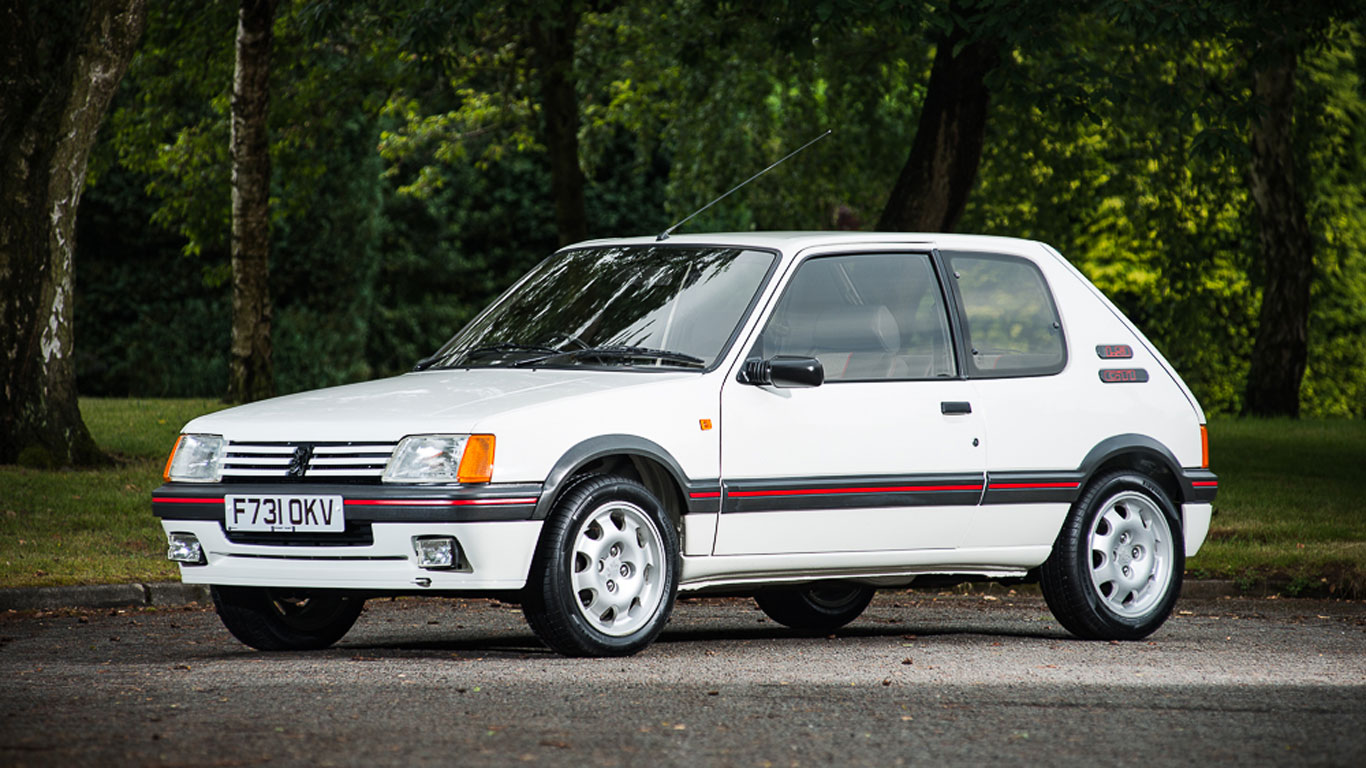
We only have ourselves to blame. Ever since the last Peugeot 205 GTI rolled off the production line in 1994, we’ve been lauding it as the greatest hot hatch of all time: a never-to-be repeated special from the glory days of the manic hatchback.

Peugeot created some terrific follow-up acts – the GTI and Rallye versions of the 106 and 306 were absolute gems – but these were largely forgotten beyond enthusiast circles, leaving the 205 GTI to be proclaimed as some kind of automotive demigod.

This reputation has been cemented by a succession of gushing articles, to the point at which a low-mileage 205 GTI can sell at auction for £38,480, and nobody is really surprised. That’s knocking on the door of £40k for a car that is hardly on the endangered list.

To the 4,800 or so people who have a 205 GTI sat in their garage, it might be time to fix those jobs you’ve been planning for a few years. To the 1,300 people enjoying life with a taxed and tested example, you might want to adjust the agreed value on your insurance policy.

More retro cars on MR:

  • BMW M3 CSL review: Retro Road Test
  • Honda Insight review: Retro Road Test
  • Peugeot 205 Rallye review: Retro Road Test

Silverstone_Classic auction

The lion’s king?

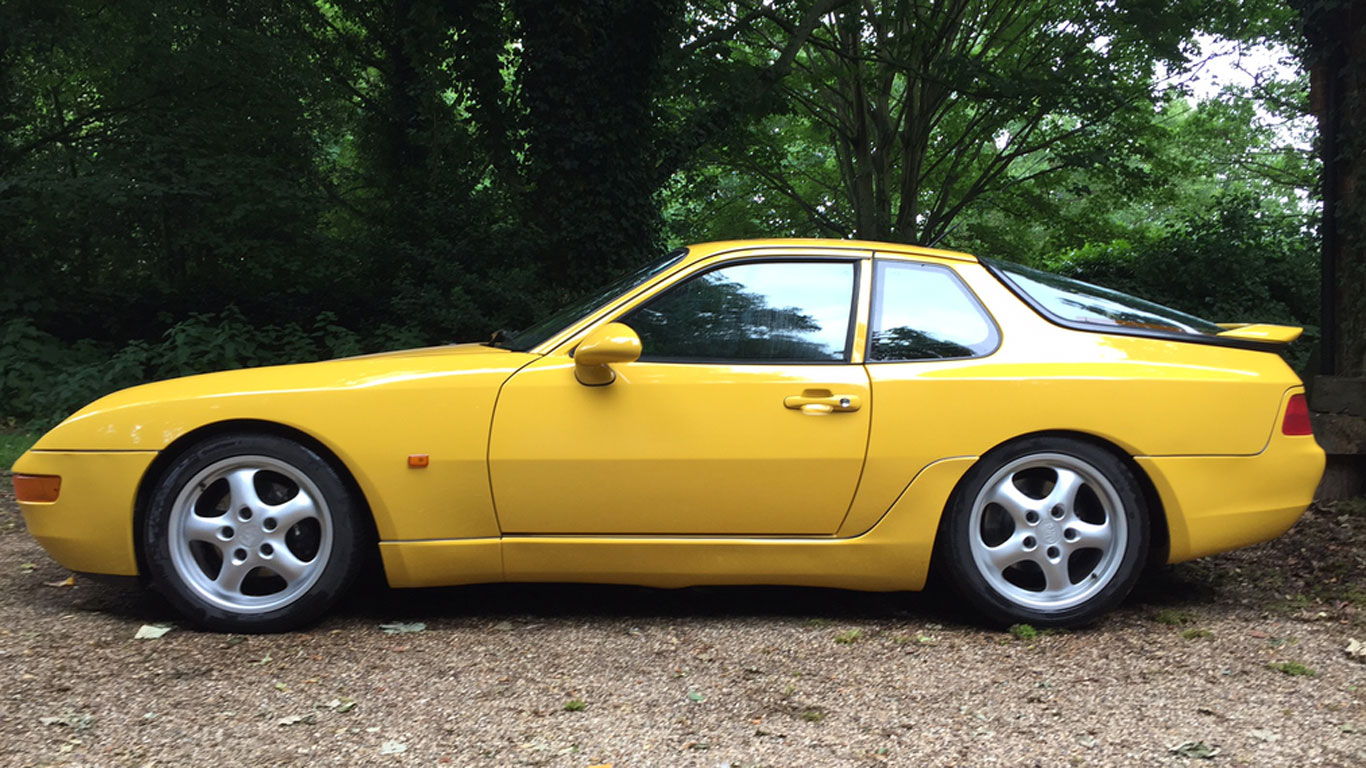
Some context: at the same Silverstone Auctions sale, a Porsche 968 Clubsport and a BMW M5 each sold for circa £30,000, while the hammer fell on a Lotus Elise S1 with 1,633 miles on the clock for £24,750. Each one guaranteed to be included in a barroom chat about the world’s best drivers’ cars.

That’s not to say the 205 GTI isn’t worthy of the plaudits and accolades bestowed upon it. You need only spend a few minutes behind the wheel to understand the hype. It is, undoubtedly, one of the best of its breed. Whether it’s the best is a matter of opinion. It’s not even clear if the 1.6 or 1.9 is the lion’s king.

As for the price, while a raised eyebrow is a justifiable response, who are we to say that what is essentially a showroom-fresh 205 GTI isn’t worth the equivalent of two Ford Fiesta STs? Nostalgia is a wonderful thing and, as we’re about to discover, it’s creating some remarkable auction results.

We’re in this situation thanks to a number of factors, most notably low interest rates and the fact that new cars are available for less than most people spend on their monthly groceries. With more disposable income, 30- and 40-somethings can purchase what they couldn’t afford to buy (or insure) when they were new. Hey, and best of all, you can look at it as an investment.

Only you shouldn’t. Cars, especially driver-focused examples, are there to be driven and enjoyed. And while the first £50,000 Peugeot 205 GTI looks worryingly likely, history shows that classic car booms have a tendency to go bust rather abruptly. That investment might disappear quicker than a lift-off-oversteering hot hatch into a hedge.

Here are four of the most eye-watering prices at the Silverstone Auctions sale. And there’s not a premium badge in sight.

Peugeot 205 GTI: £38,480

We’ve been here before. In August 2016, a 1989 205 GTI sold at the Silverstone Classic auction for a then-record £30,938. With just 7,986 miles on the clock, it demonstrated that low mileage is a factor when shifting modern classics for a hefty price.

Fast-forward 12 months and the 1988 205 GTI sold for £38,480. Again, mileage is a factor, as this example – originally registered to Peugeot Talbot Motor Company and used as a competition prize – has a mere 5,726 miles on the clock.

Ford Capri 280 ‘Brooklands’: £55,125

Silverstone_Classic auction

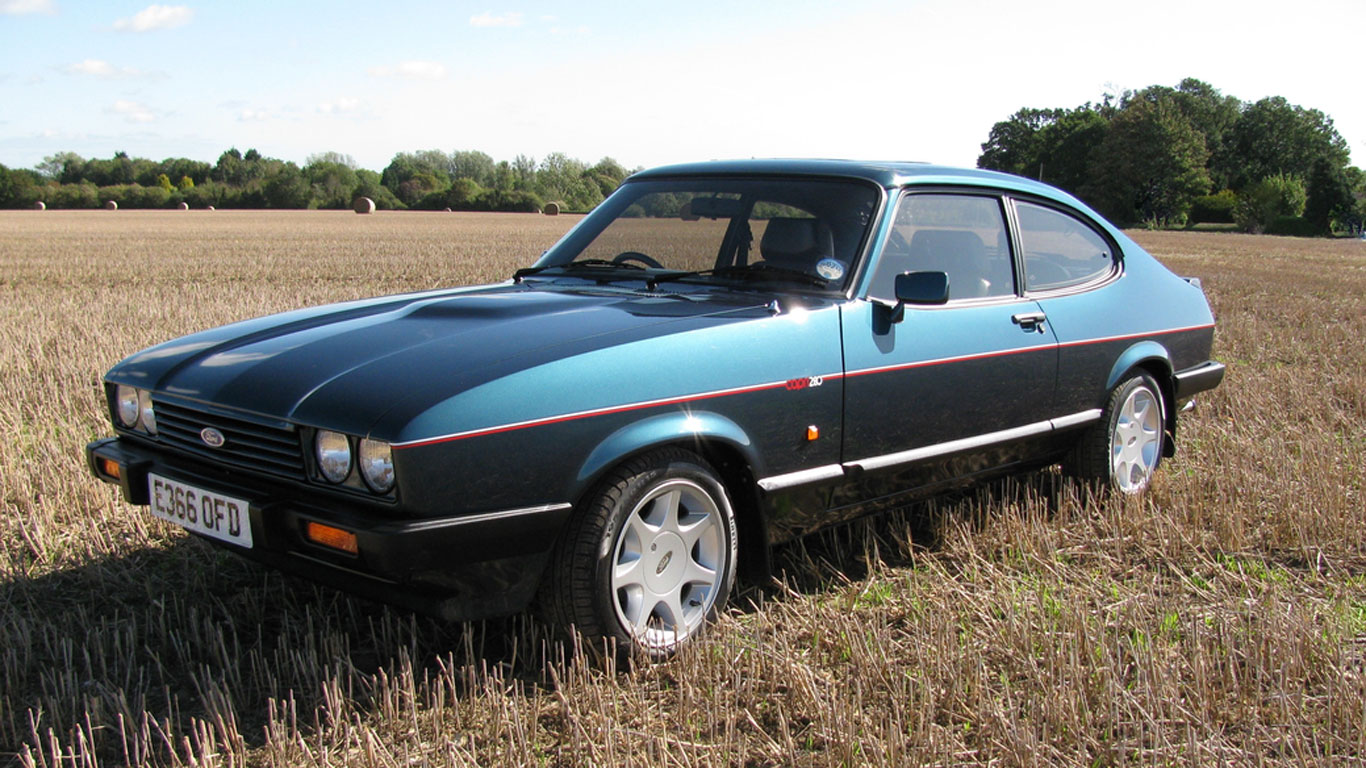
Fast Fords are riding the same wave as the Peugeot 205 GTI, with the blue collar heroes achieving some truly remarkable figures. In March 2016, a Capri 280 ‘Brooklands’ with 936 miles on the clock sold for £54,000.

The restored example on offer at the Silverstone Classic sale sold for £55,125, despite having 14,680 miles under its wheels. There was a time, not too long ago, when five figures was a lot for a Capri. Today, you seemingly need to part with at least £50,000 for an excellent example of the last-of-the-line special.

Which is ironic, given the fact that Ford struggled to sell the Capri 280 for just under £12,000. Buyers were able to see through what was essentially a cosmetic upgrade based on the 2.8i Special, and many examples were left languishing in Ford showrooms.

I like the Capri 280, so much so that I bought one a dozen or so years ago. At the time they were relatively cheap – I paid £3,000 for my one-owner example – with the Capri still suffering the after-effects of a severe image crisis.

Watching values of even the lowly four-cylinder models climb ever higher is hard to take for someone who took a great deal of flak for driving Capris before they were cool. Or maybe it’s the fact that I sold my 280 for just £3,500. Ouch.

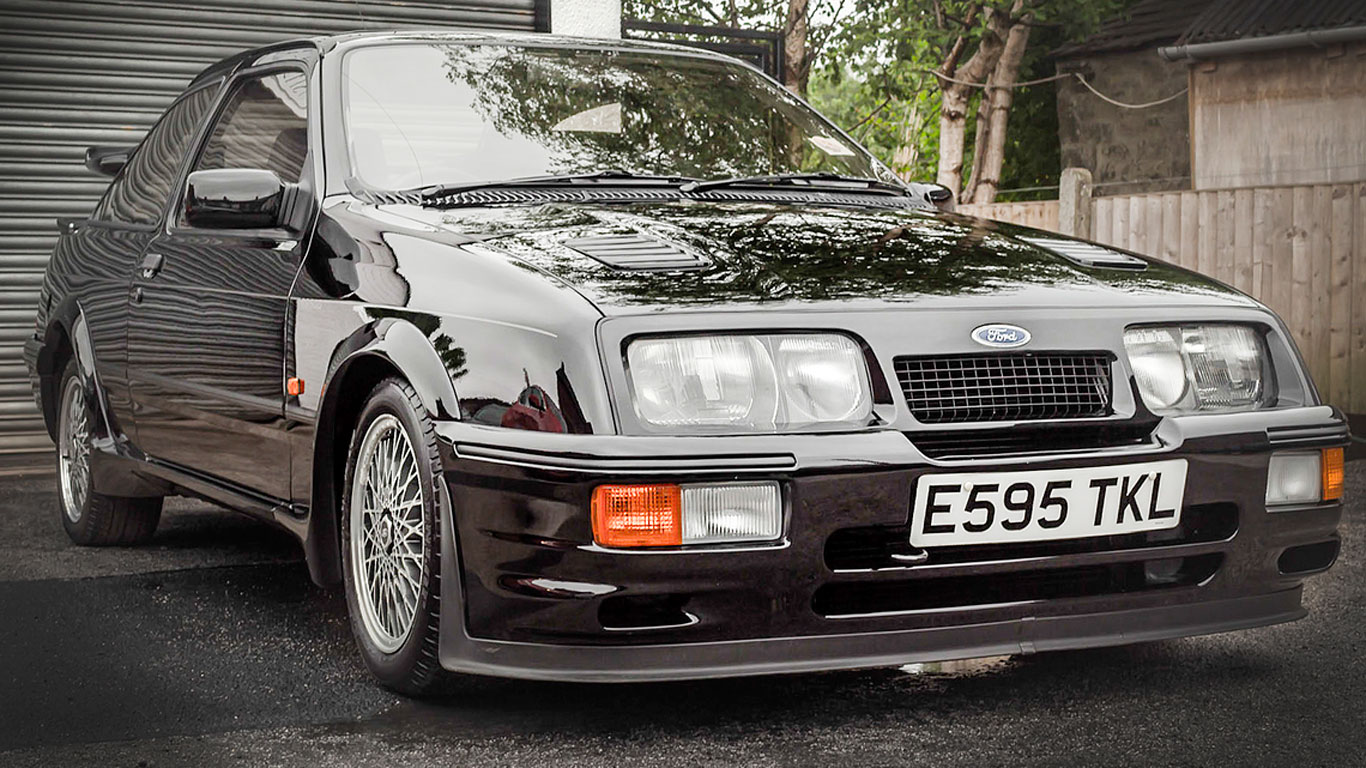
Ford Sierra RS500 Cosworth: £114,750

Silverstone_Classic auction

Regardless of how you feel about a Ford Sierra costing well in excess of £100k, it’s relatively easy to justify the seemingly inflated figure. The RS500 Cosworth is dripping in homologation provence and a mere 500 road cars were built.

Each one was built by Tickford, with car number 387, as sold in the Silverstone Auctions sale, leaving the factory on 28 July 1987. This is no mass-production hot hatch or last-of-the-line special: the RS500 is a motorsport thoroughbred with an enviable competition history.

But, yes, it’s still a Ford Sierra for £115k…

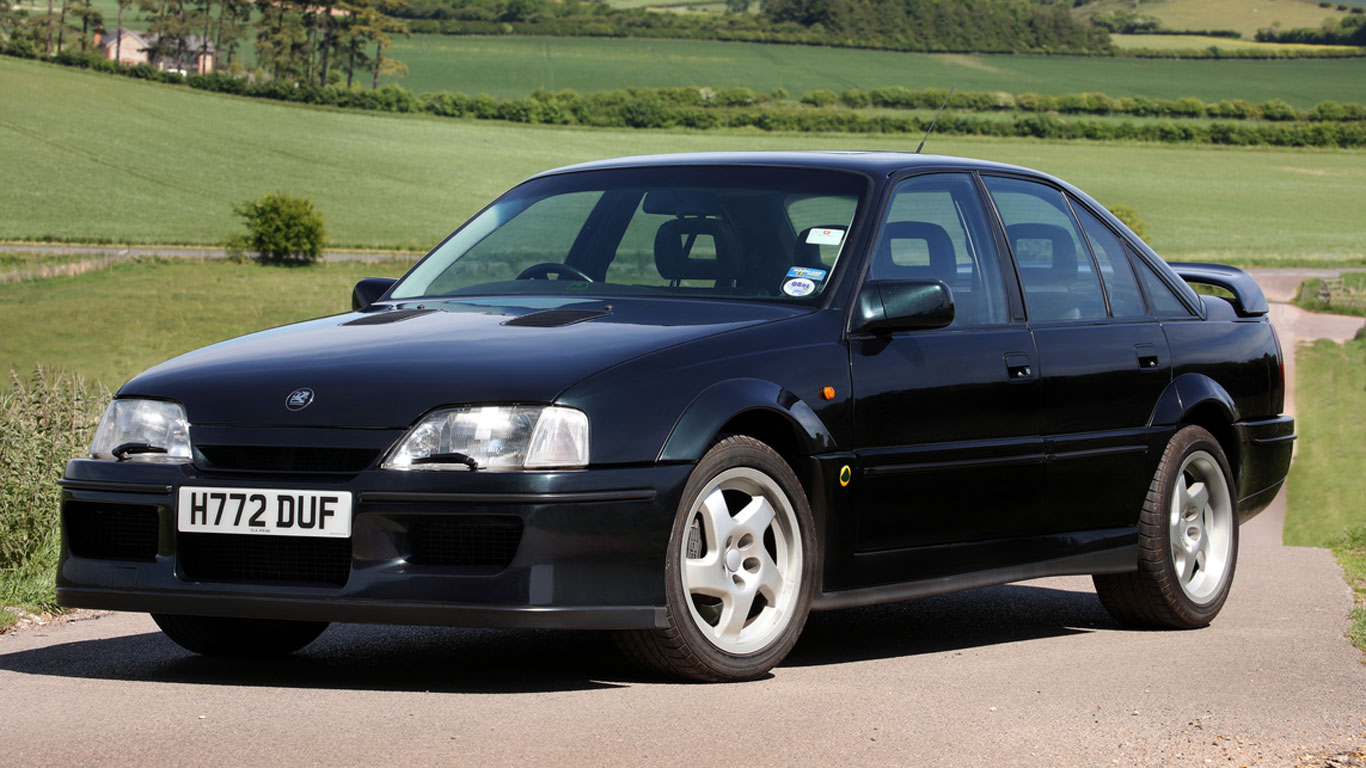
Vauxhall Lotus Carlton: £72,000

Silverstone_Classic auction

Lotus Carlton values are rising faster than you can say ‘an outrageous invitation to speed’. Again, mileage and condition has played a significant part in the auction price, with car number 28 having just 4,500 miles on the clock. Another example, with 73,000 miles on the clock, sold for £23,625 at the same auction.

Bargain Hunt

Silverstone_Classic auction

If the media and auction houses are to be believed, the chances of securing an affordable modern classic are slimmer than finding a genuine barn-find on eBay. But before you cry into your can of Tab Clear, the Silverstone Classic sale demonstrates that all isn’t lost.

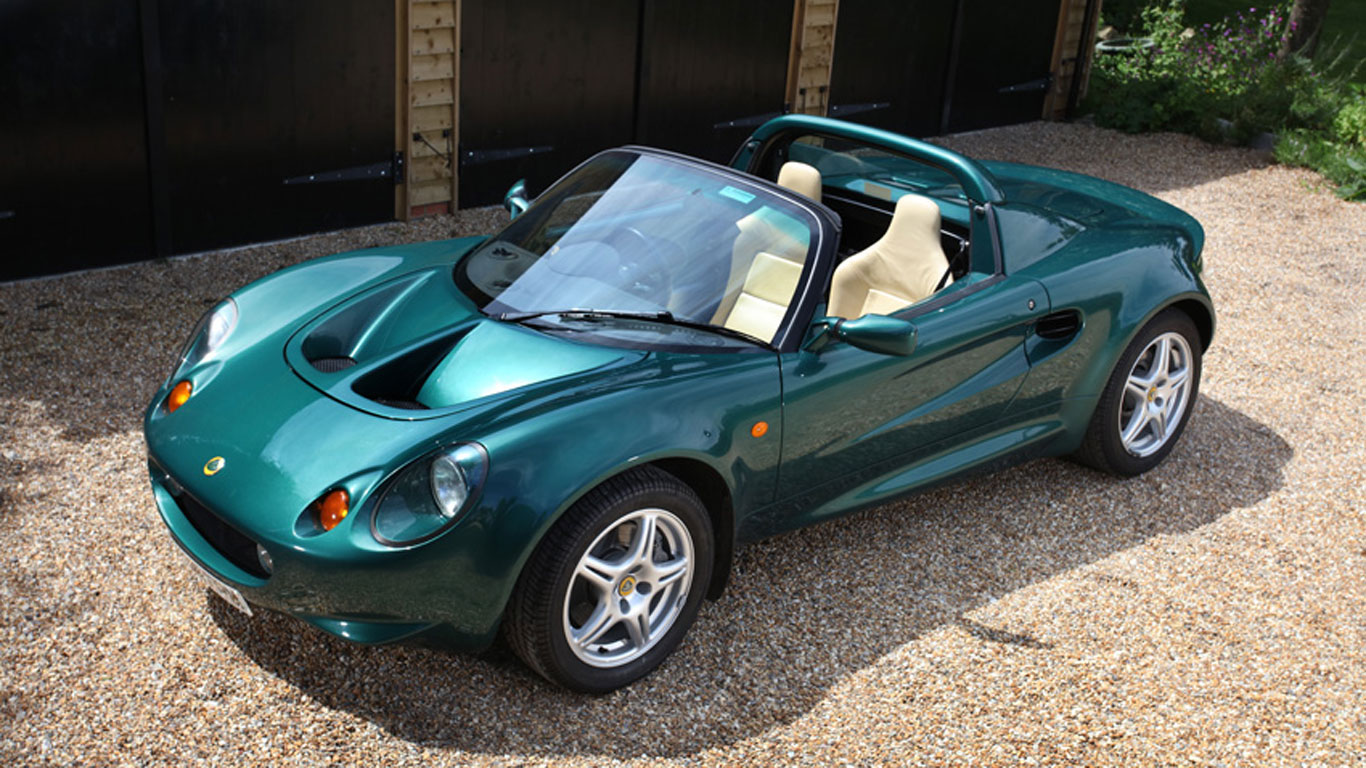
Take the Lotus Elise S1 with 1,633 miles on the clock. An auction price of £24,750 is seemingly a good deal for one of the first off the line, and is certainly cheaper than a brand new Elise. Good value? We think so.

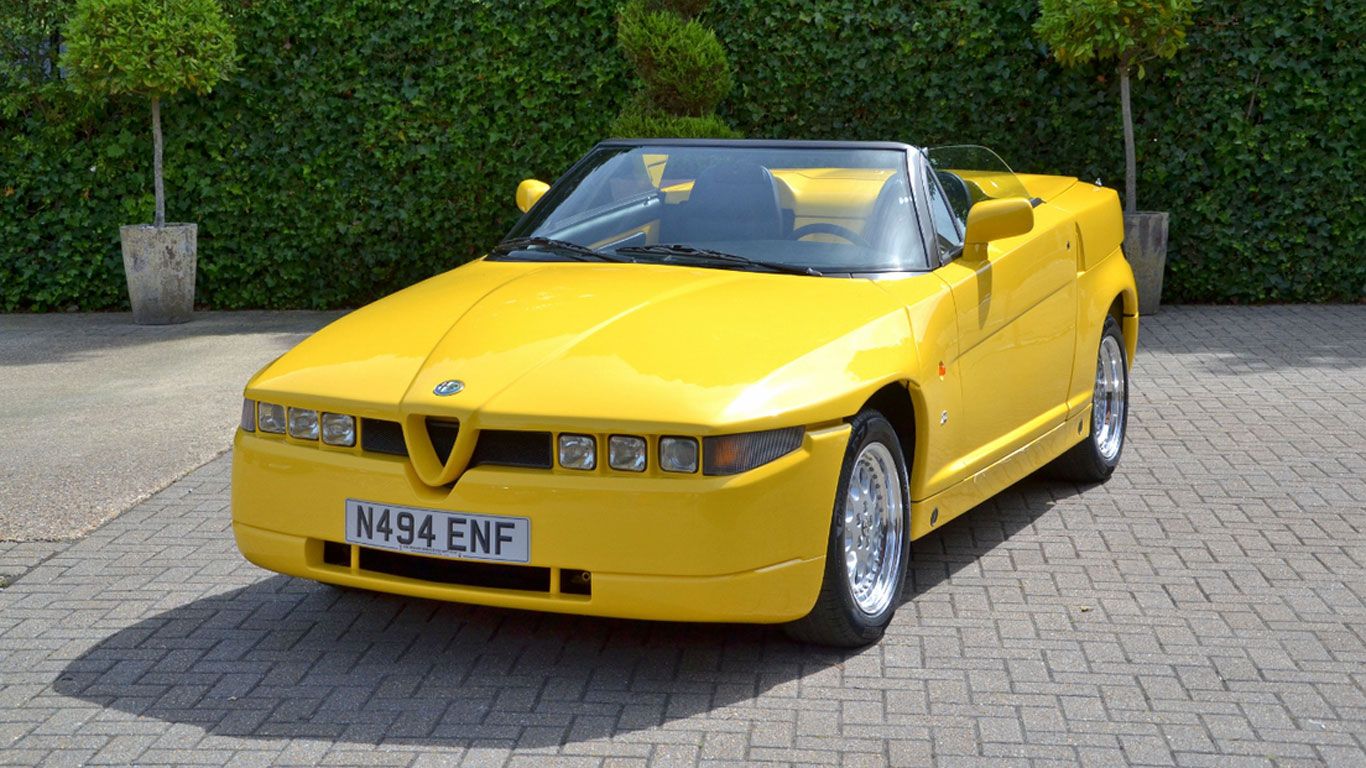
Other performance ‘bargains’ include a Bentley Turbo R with 27,189 miles on the clock (£8,437), Bentley Arnage Red Label (£16,310), BMW 3.0 CSI (£31,500), Alfa Romeo RZ (£42,750) and Fiat 1000 Abarth TC (£13,500). It’s all relative, of course, but a super-rare and super-exotic RZ looks like good value at £42k.

Silverstone_Classic auction

The question is, will the current boom continue for the foreseeable future? The evidence suggests that the most in-demand modern classics will continue to hold their value, most notably those with ultra-low mileages, competition history or performance pedigree. Fast Fords, Peugeot 205 GTIs, Saab 900 Turbos, Porsche 944s, German saloons and the like are examples of cars likely to ride out a future dip in the market.

For now, some thinking outside the box is required in order to secure a modern classic for a realistic price. Think Citroens of the 80s and 90s, performance Renaults, Type Rs, late MR2s, V6 and V8 barges: there are bargains to be found in the classifieds.

In the meantime, it’s time to grow accustomed to a world in which mass-produced hot hatches of the 80s sell for £40k and the hammer falls on Ford Capris for £50k. Toto, I have a feeling we’re not in Kansas anymore.

Advertisement

Fiesta ST: the best fast Ford ever – and set to become a secondhand bargain

0

Fiesta ST: the best fast Ford ever – and set to become a secondhand bargain

History is peppered with brilliant fast Fords: the Escort RS Cosworth, Sierra RS Cosworth, GT40, RS200… All are fully deserving of their huge following – and, most of the time, the crazy prices they tend to command.

If, like me, you’re a fan of the underdog, you’ll be pleased to read that two of the best fast Fords ever can be bought with a much more modest budget. The first is the Racing Puma – a frantic 155hp baby coupe that tussles with the Honda Integra Type R for the title of the best handling front-wheel-drive car of the 90s. But only 500 ever left the production line, and far fewer remain. Most of the tidy ones are being tightly held onto by owners hoping fast Ford mania soon extends to the FRP. And a cheap, rusty example is just asking for heartache.


More fast Fords on Motoring Research:


So that leaves just one affordable fast Ford that you should actually spend your money on: the seventh-generation Fiesta ST. Although production of this model has only just ended (its replacement is imminent), it’s already won a place in our hearts as one of the best fast Fords ever made.

And the good news is: prices are incredibly reasonable. Just £7,500 will buy you a mid-range 2013 ST-2 with high miles, while around £10,000 offers a range of tidy ST-2 and 3s (the latter comes with luxuries such as sat-nav and cruise control). Stretch to £15,000 and you can get a pre-registered factory-fresh example.

So why should I buy one?

Fiesta ST: the best fast Ford ever – and set to become a secondhand bargain

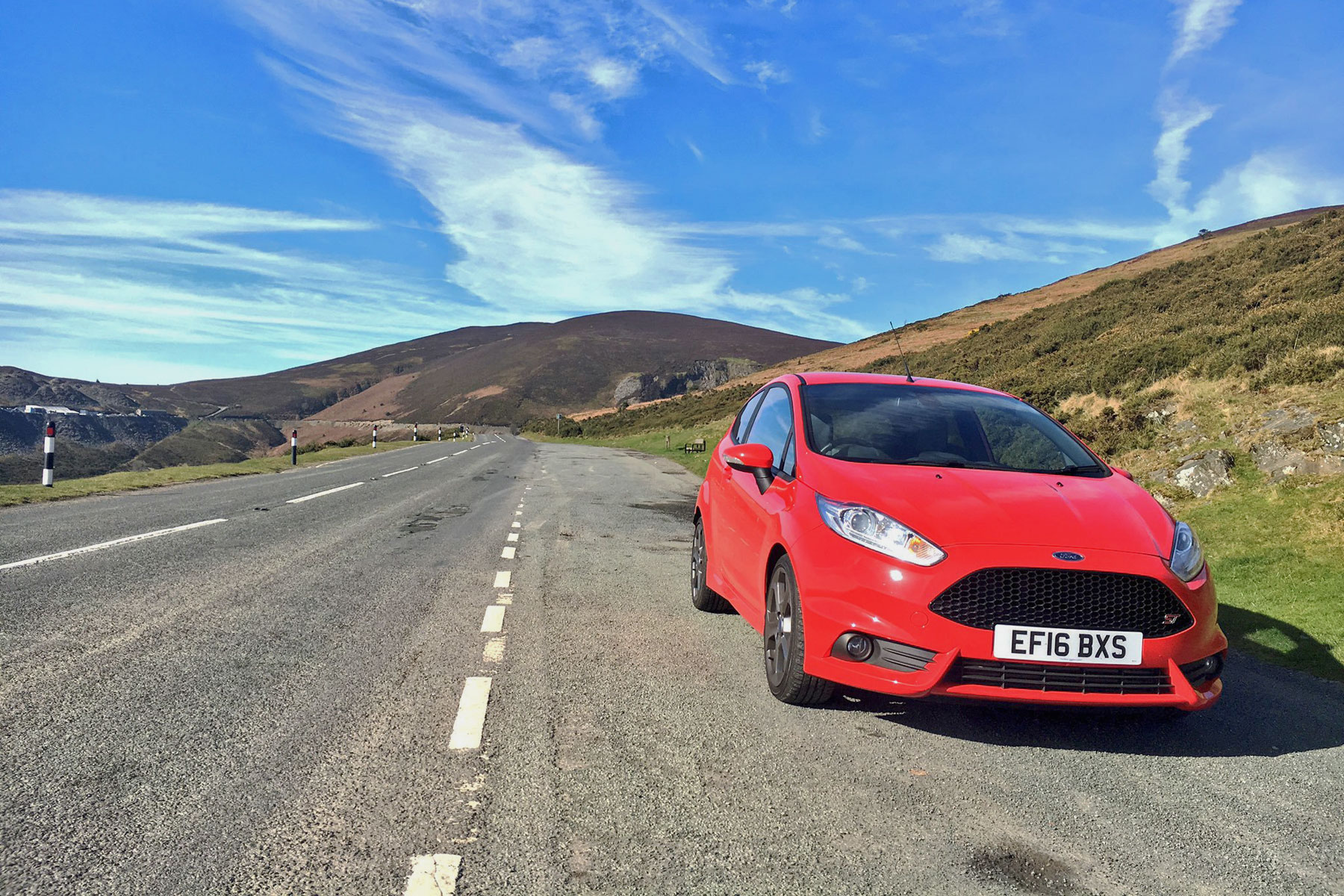
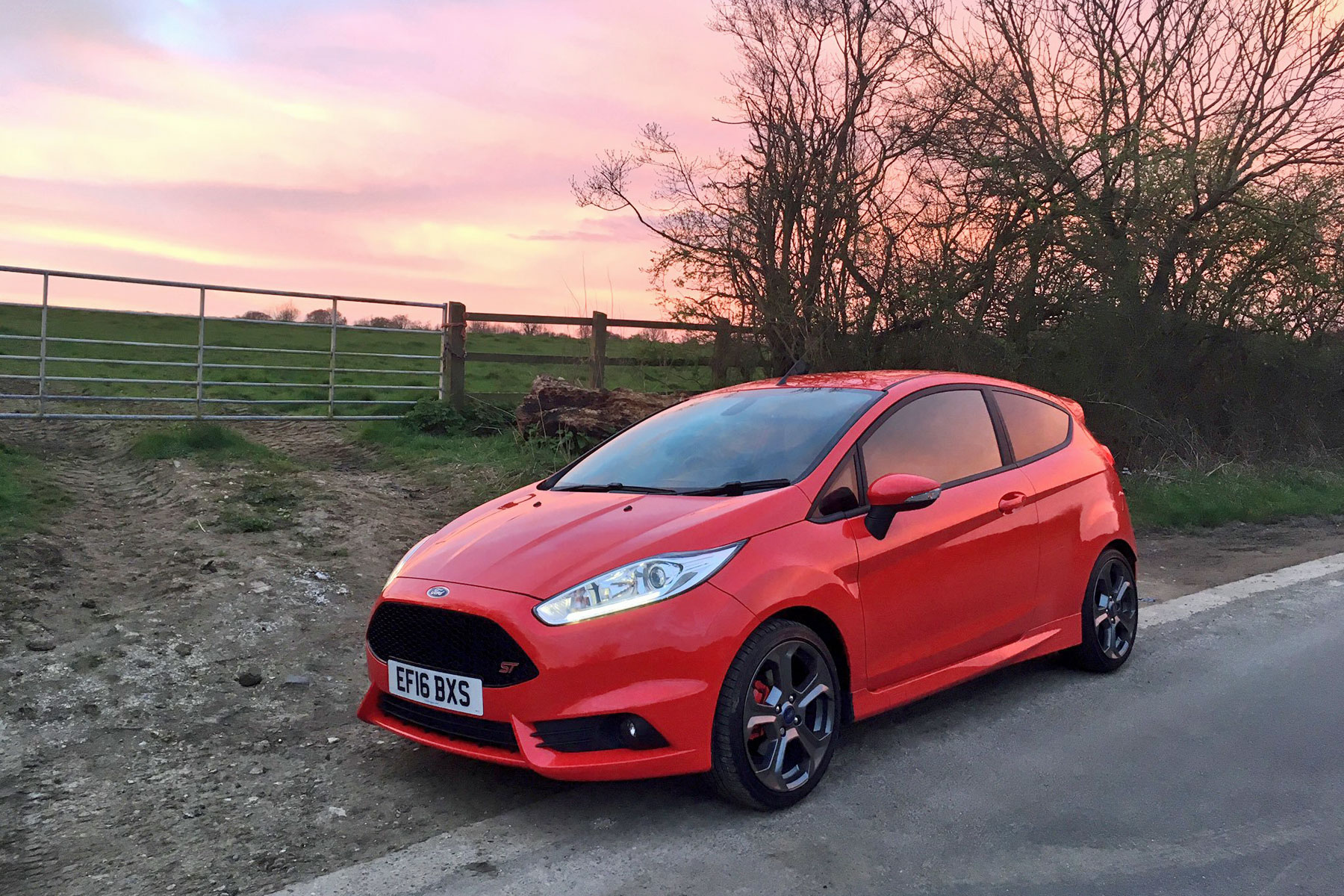
For one last hurrah, we took the outgoing Fiesta ST to North Wales to remind ourselves what’s so good about it. Honestly, first impressions? We struggled to remember what all the hype was about. You sit far too high in the Recaro seats, a hot hatch trademark, and the interior is downmarket at best. Although the majority of ST buyers opt for higher-spec versions, we reckon there’s a lot to be said for choosing the entry-level ST and doing without the next-to-useless sat-nav.

Now that the negatives are out of the way, we can get on with reporting how fantastically fun the ST is to drive. The eager 1.6-litre engine produces 200hp on overboost (that drops to 182hp should you keep full throttle for more than 15 seconds… good luck), and that’s pretty much exactly the right amount of power for a car of this size, without being overwhelming. If you do want a little more, tuning company Mountune will increase that to 215hp for around £650 – and the conversion is approved by Ford, so won’t void your warranty.

As standard, turbo lag is barely noticeable, with linear power delivery pretty much all the way up to the 6,500rpm redline. But it’s not the engine which makes this car one of the best fast Fords ever. Its eager handling is up there with the Racing Puma – so keen to turn in, with its electronically-assisted steering willing to keep the driver informed. Usually, the steering is begging for more – go on the power mid-bend, expecting it to the run wide, and power is shifted between the front wheels via Ford’s enhanced torque vectoring control and it tightens up in a way that defies physics. Its unflappable.


On the right roads, this is fantastic.

A post shared by Andrew Brady (@theandrewbrady) on

Combine that impressive engine with, frankly, amazing handling, and – to top it all off – a pleasingly-slick six-speed ’box and you’ve got one of the best hot hatches ever sold. Fortunately, plenty have been sold – unlike the Racing Puma – meaning they’ll be affordable for a while yet.

However, with its replacement going down the three-pot turbo route, we suspect the outgoing Fiesta ST is the one that will go down in history as one of the great fast Fords. Forget the Escort Cosworth, this is the car we’ll be reminiscing about in 2040.

What should I look out for?

  • Check the bodywork for signs of crash damage. Do all the panels line up with minimal gaps? Are they all the same shade? Fiesta STs often suffer from stone chips to the front – if they’ve been repaired, has the job been done well?
  • The standard 17-inch wheels are prone to damage from kerbing. While this can be repaired, be cautious of how a car’s been looked after if all four wheels are badly kerbed. It might also be a sign of more serious suspension issues – for example, the steering geometry might be out of alignment.
  • As standard, the Fiesta ST comes with Bridgestone tyres. This is a performance car and you want premium, matching tyres all round.
  • Inside, check everything works and look for wear – especially to the seat bolsters, which might suffer if the car’s been driven by a larger person.
Advertisement

New Rolls-Royce Phantom: meet the world’s most luxurious car

0

Rolls-Royce PhantomPotential plutocrat? Budding billionaire? We’ve found the car for you. The 2018 Rolls-Royce Phantom promises to be the most comfortable, opulent and downright indulgent way to waft from board meeting to private jet. So what’s new?
‘Phantom’ is the longest-running model name in motoring. The first Phantom was launched in 1925 as the successor to the Silver Ghost. This is the eighth-generation car (“motor car” in R-R speak) and its design draws heavily on the 2003 Phantom VII – the first Rolls developed under BMW.

Looking leaner

See the new Phantom in the metal though, as we did at the world debut in London, and it looks leaner and more muscular. It’s even – dare we say it? – subtly sporty. Rolls’ traditional ‘Pantheon’ grille is integrated into the bodywork for the first time, framed by more curvaceous headlights with frosted glass internals.

The Phantom is still huge, of course (even 22-inch alloys look slightly lost in those wheelarches), but its side-profile is more dynamic, with a sweeping roofline and tapering tail. Bountiful quantities of hand-polished stainless steel adorn the grille, door handles and window-surrounds, making the car sparkle under studio lights.

Ideal for state occasionsRolls-Royce Phantom

Underpinning the new Phantom is a new aluminium spaceframe. This, the company says, will be “scalable to the size and weight requirements of different future Rolls-Royce models, including those with different propulsion, traction and control systems.” Reading between the lines, that includes the forthcoming four-wheel-drive Cullinan SUV. It’s also 30 percent stiffer than the outgoing Phantom’s chassis.

The engine is new, too: a 6.75-litre twin-turbo V12 that develops 571 horsepower and a mighty 664 lb ft of torque at 1,700 rpm. With an eight-speed automatic gearbox linked to the sat nav for anticipatory shifts, Rolls promises “near-silence” in the cabin and the “calm low-speed progress associated with state occasions.” All you need are a set of flags for the front wings.

No performance figures have been quoted yet, but expect a marked improvement on the old car (sorry, “motor car”), which managed 0-62 mph in 5.9 seconds and a top speed of 149 mph. Adequate, then.

A mobile art galleryRolls-Royce Phantom

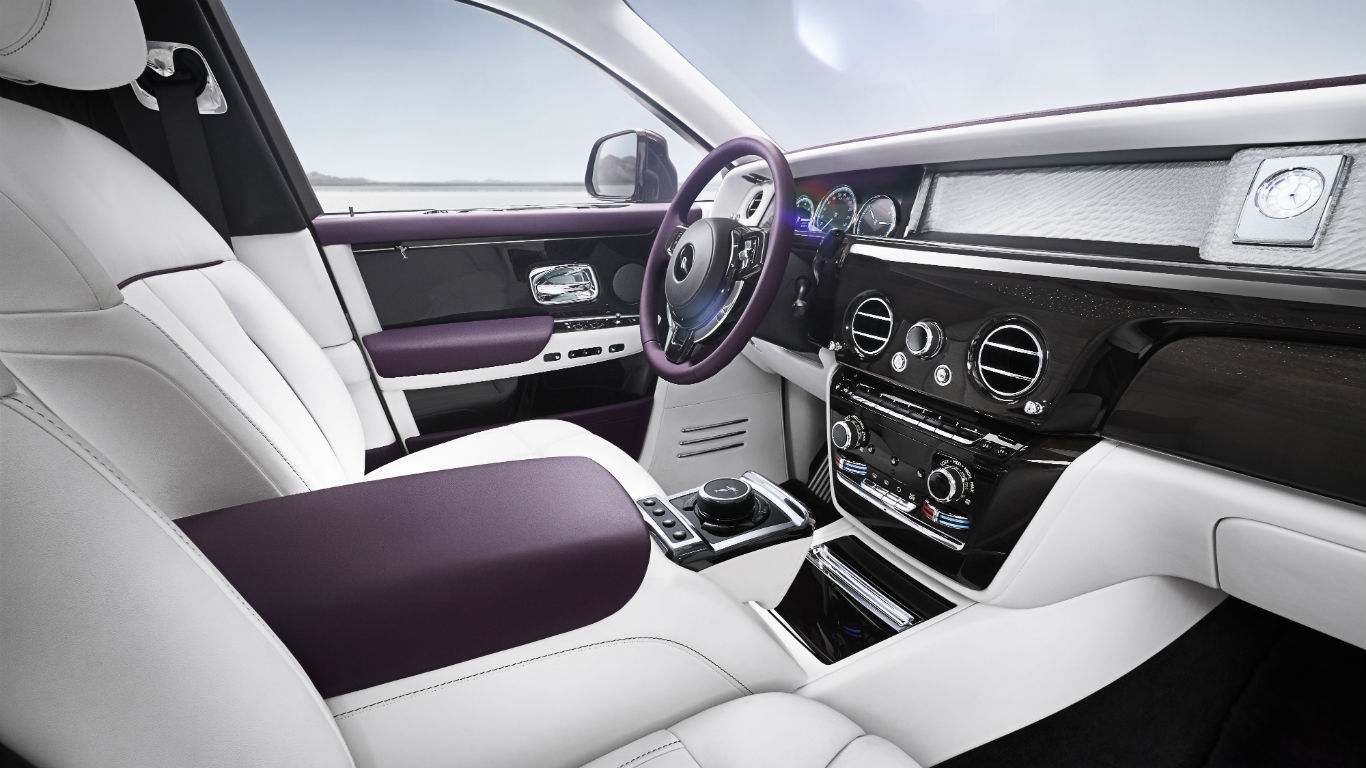
Open the Phantom’s huge, heavy doors – rear-hinged at the rear, as before – and you’re greeted with the pièce de résistance. “The Gallery” runs the full-width of the dashboard and is a glass-fronted, hermetically-sealed space where owners can “curate” their own bespoke artworks.

Two examples were displayed at the Phantom reveal. “Immortal Beauty” by Nymphenburg is an intricate display of porcelain flowers, while “Digital Soul” by Thorsten Franck is the map of an owner’s DNA recreated in 24-carat gold. We’d question the impact the latter would have on resale value, though…

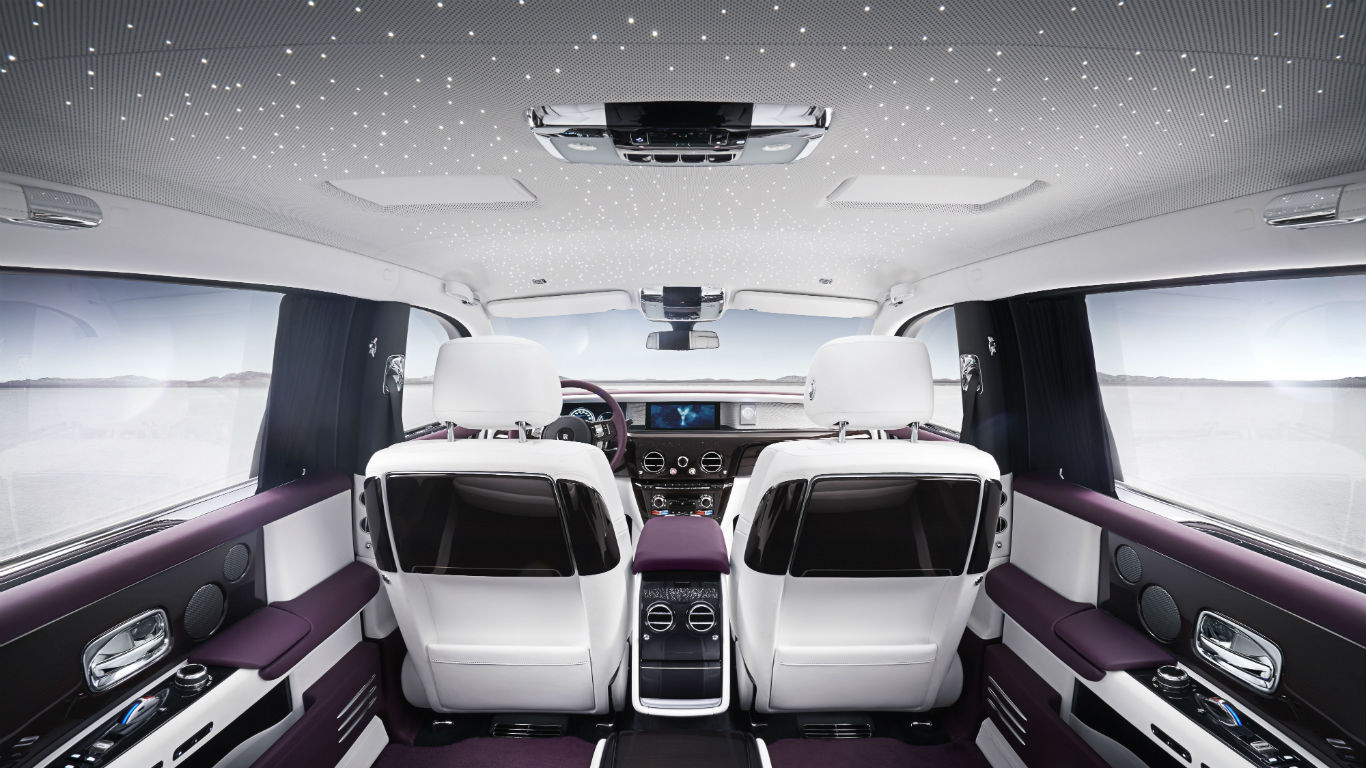
Naturally, most Phantom owners will be sat in the back, where they can enjoy the largest version yet of R-R’s twinkling Starlight Headliner, heated side and centre armrests, plus a drinks cabinet stocked with whisky glasses and champagne flutes.

If you have to ask…

Deliveries of the new Rolls-Royce Phantom start in 2018, so get saving now.

Predictably, there’s no word yet on prices, but around £350,000 ($460,000 in the United States) seems likely. Beyond that, with the number of bespoke options available, the only the limit is your bank balance. Time to dream big.


More Rolls-Royce on Motoring Research:

Advertisement

Range Rover Evoque is top of the footballers’ car league

0

It’s 25 years since the top flight of English football went all champagne and prawn sandwiches, with the birth of the Premier League. Since then, much has changed, and not just matters on the pitch.

Television revenue has transformed the game, with enough cash floating around to make Premier League players some of the richest sportsmen in the world. As a result, most top-flight footballers can afford to take their pick of the cars available in the lavish showrooms of West London and Cheshire.


Related news on Motoring Research:


Evoque finishes first

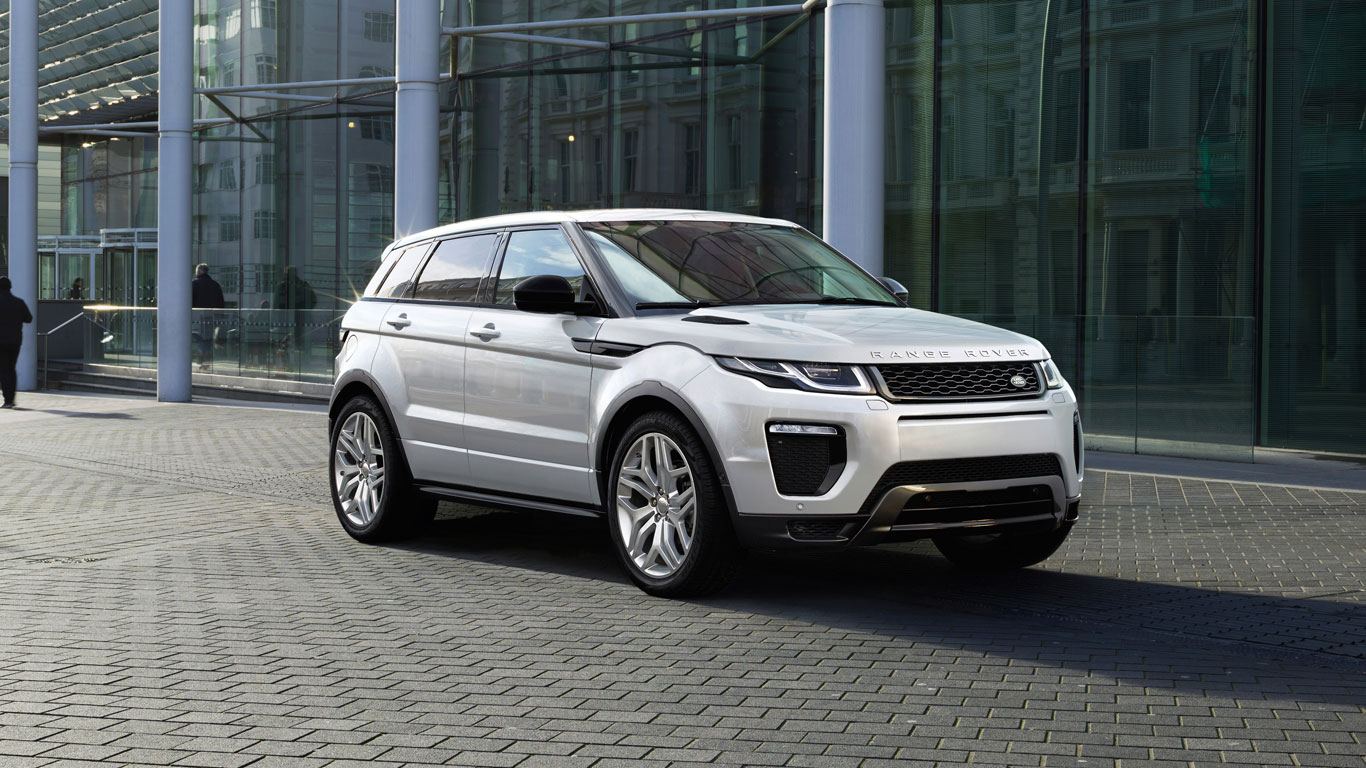
And yet, the most popular car purchased on finance by Premier League footballers has a relatively modest starting price of £30,760: the Range Rover Evoque. Quite a surprise, given the fact that the average Premier League salary is £2.4 million.

But is it such a big shock? May we suggest that the Evoque is just one of a stable of cars earned by each footballer: the ‘tender’ to a fleet of land-yachts and exotics. The ideal car for the school run or nipping into town for a packet of Match Attax.

The other cars on the list are more predictable: Lamborghini Aventador, Ferrari F12 Berlinetta, Bentley Bentayga and Jeep Wrangler Kahn Sahara, to pick just a few from the top 10.

It’s all a far cry from the days when Gary Lineker could be seen turning up for training at Leicester City’s Filbert Street ground in a dealer-supplied Fiat Uno or Fiat Strada. Or when Liverpool’s John Barnes became the first player in England to earn £10,000 a week, kickstarting the era of crazy football wages.

Fast forward to the 2016-2017 season and Liverpool’s highest earner was Philippe Coutinho on £150,000 a week, while former Manchester United forward Wayne Rooney topped the table on a staggering £300,000 a week.

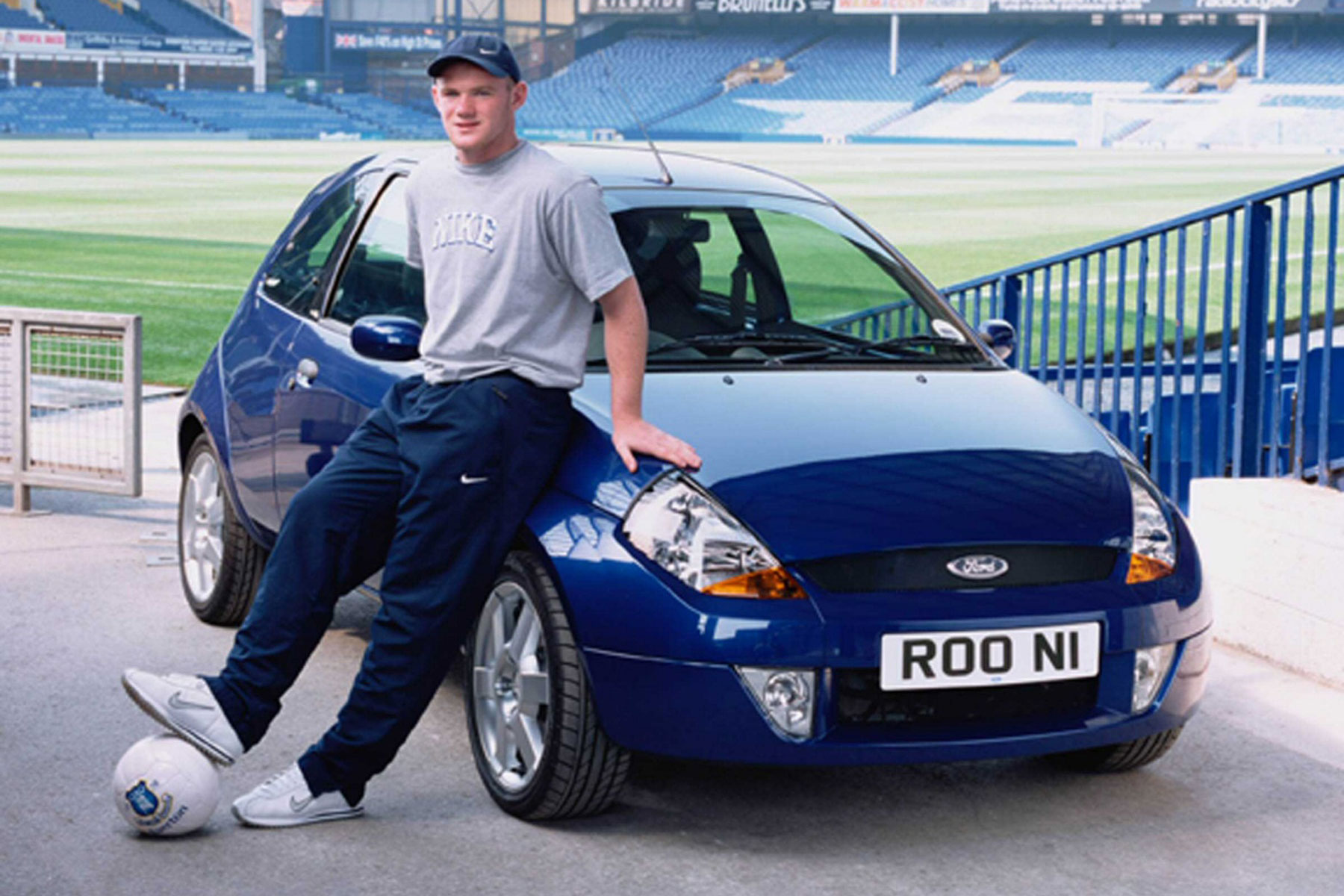
Forget a sponsored Ford SportKa, because today, Wayne Rooney could afford to buy every single SportKa in the country, sort out the inevitable rust around the filler cap and wheelarches, before handing them back to their previous owners. Now that he has returned to Goodison Park, we think he should recreate this photo, just for old times’ sake.

Wayne Rooney Ford SportKa

Footballers with finance

But with Premier League players earning so much, why are so many cars bought on finance? After all, Wayne Rooney could afford to buy an Evoque Convertible using the money he earns in one day.

Darren Selig, CEO and co-founder at JBR Capital, explained: “The highest-earning premiership players can bring in six-figure salaries each week and could buy many of the cars on this list easily without finance, but like regular motorists, it pays to be smart and they are increasingly savvy in their financial affairs.

“Footballers want the monthly cost of the loan to be as low as possible, so they can remain flexible. They would rather spend large sums on investments such as property, and do not want to overextend their budget with outright purchases. They also generally run finance deals from two to four years, as these allow them the most flexibility.”

The top 10 list of cars bought on finance, in full:

  1. Range Rover Evoque
  2. Lamborghini Aventador
  3. Mercedes-Benz Onyx G6 GLE Coupe
  4. Bentley Continental GT
  5. Ferrari F12 Berlinetta
  6. Lamborghini Huracan
  7. Jeep Wrangler Kahn Sahara
  8. Porsche 911 GTS
  9. Bentley Bentayga
  10. McLaren 675LT Spider
Advertisement

New petrol and diesel cars to be banned in 2040

0

UK road trafficSales of new petrol and diesel-engined cars will be banned in 2040, the UK government is expected to announce today. The measures are part of its new clean strategy that aims to bring UK air quality in line with EU targets.

Uncertainty remains, however, on whether the ban is for all new petrol and diesel cars, or only those lacking some form of electric assist, such as hybrids or plug-in hybrids.

Existing cars already on the road will not be banned from use.


More electric car news on Motoring Research:


The ban of new petrol and diesel cars will be part of a £3 billion air quality package, which will include a fund for local councils to tackle pollution hotspots. This will include rephasing traffic lights, altering ‘traffic calming’ measures such as mini roundabouts and speed humps, and cleaning up local bus fleets with retrofit emissions technology.

Environment secretary Michael Gove will announce the government’s air quality plan later today. It will follow a similar announcement by the French government two weeks ago. Swedish carmaker Volvo also hit the headlines recently, by announcing it would only sell electrified new cars from as soon as 2019.

Air pollution is estimated to cause 40,000 premature deaths in the UK: a government spokesman told the BBC it was “the biggest environmental risk” to public health. “This government is determined to take strong action in the shortest time possible.”

There is also speculation a scrappage scheme for older polluting models may be introduced later in the year, possibly in time for an expected autumn Budget.

Last week, Britain’s first all-electric new car showroom was opened in Milton Keynes. Motoring Research was there at the opening, that transport minister Jesse Norman said would help knock down a whole series of myths about buying an electric car. “That makes it much easier to think about buying one.”

Advertisement