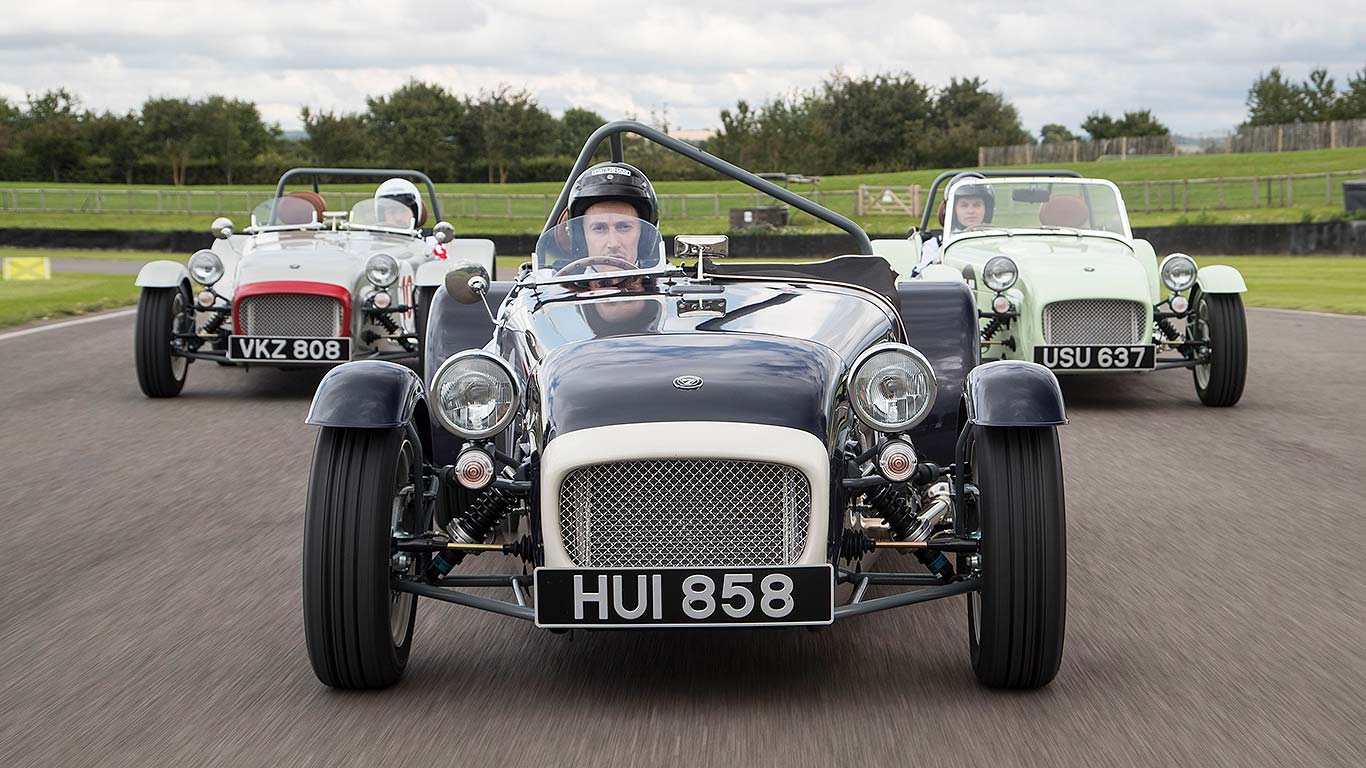
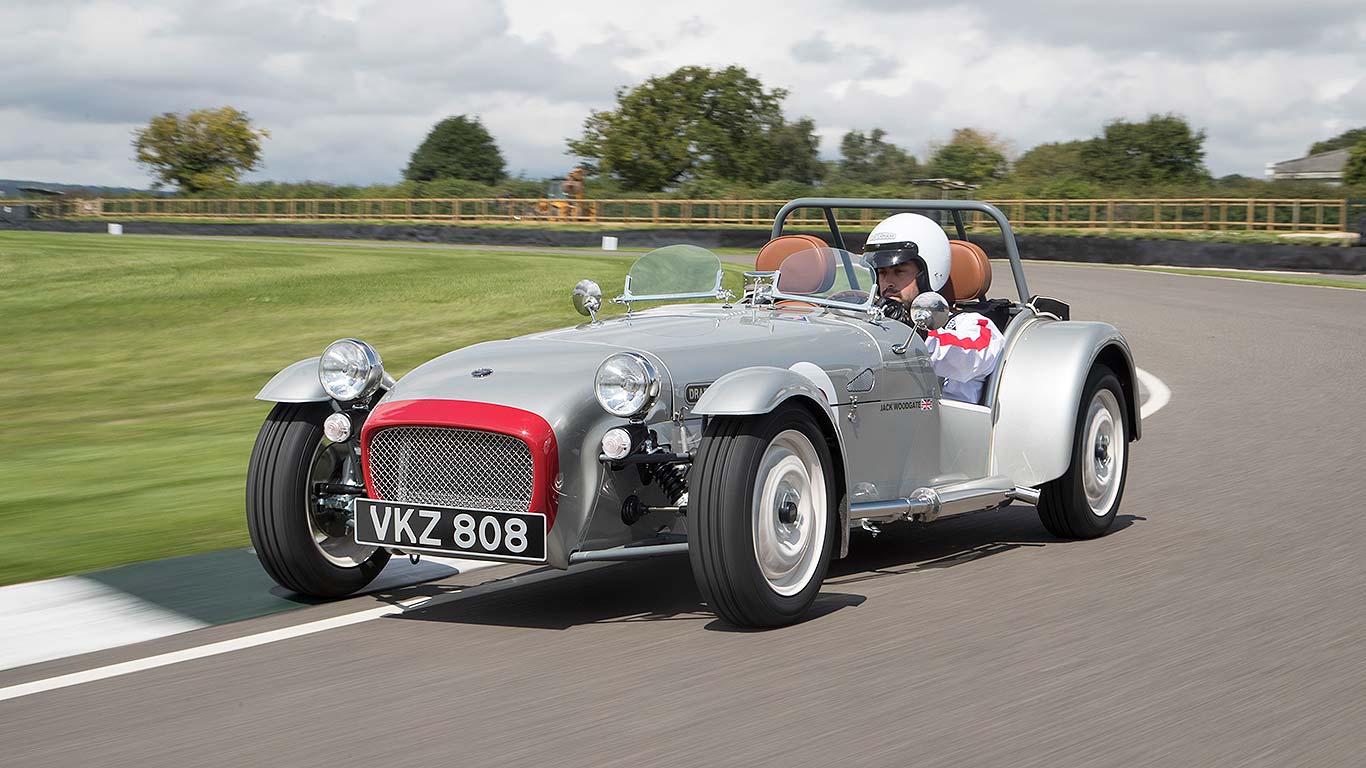
Caterham is continuing its 60th anniversary celebrations at the Goodwood Revival this weekend with the launch of a limited edition Seven SuperSprint special. Just 60 models will be built, priced from £29,995.
Fitted with a Caterham Works Racing-tuned 95hp version of the Seven 160’s 0.8-litre three-cylinder turbo Suzuki engine, the Seven SuperSprint is offered in six colourschemes – all continuing the retro theme first seen on the Seven Sprint.
That car was revealed a year ago at the 2016 Goodwood Revival, again limited to 60 cars: all of them were sold out within a week. Caterham’s expecting similar interest in the SuperSprint, which it says shows off “the ultimate in gentleman racer style”.
This time round, two versions are offered, a single-seater and twin-seater. They are as their name suggests: in the single-seater, you get just a single Brooklands aero screen and a sole four-point race harness and roll cage.
In the twin-seater, each is doubled (although many are expected to pick the £1,995 full polished windscreen instead…).
Other features include a gorgeous wooden rimmed 12-inch Mota-Lita steering wheel, period Smiths dials set within a unique Innes Tan dashboard, extended front cycle winds, polished exhaust, classic rear lights, silver Le Mans-style grille and cool racing liveries including sponsor decals.
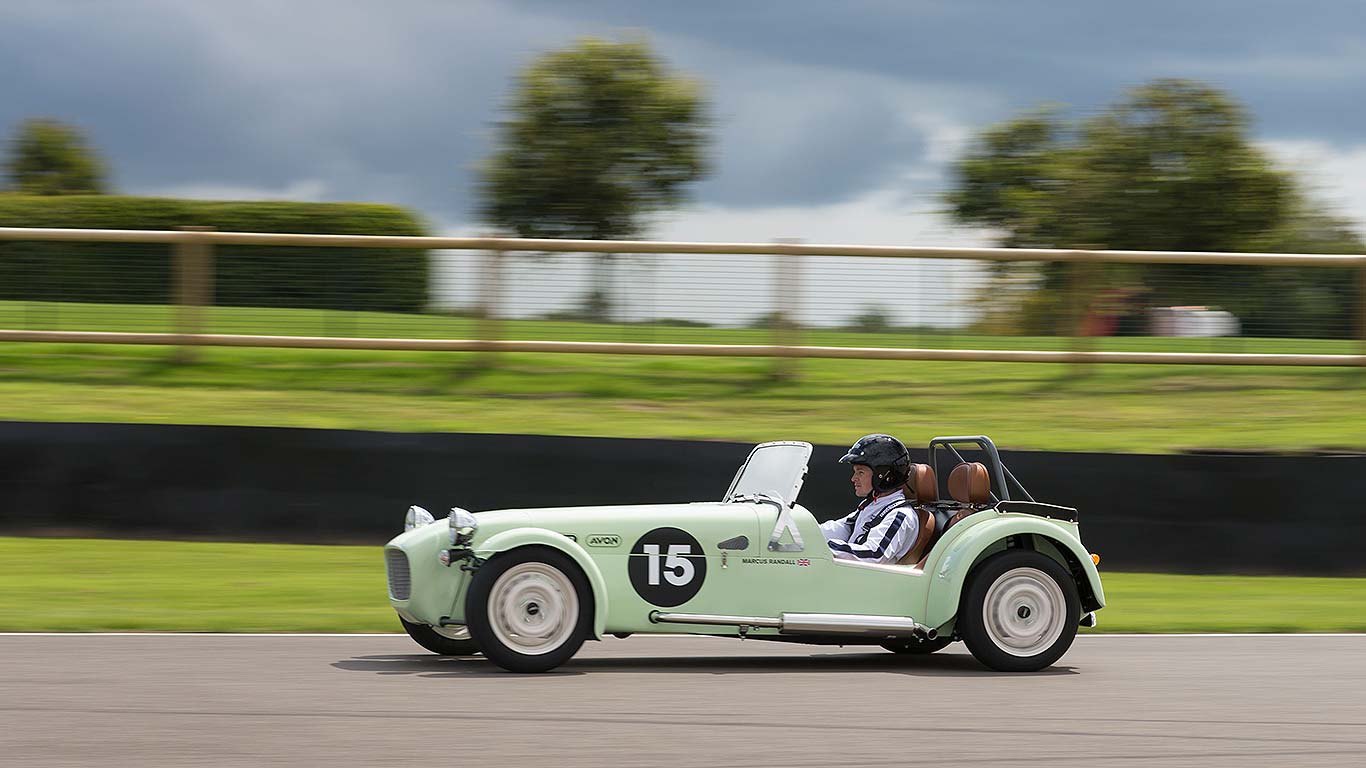
The six colour combinations of Seven SuperSprint, all wearing cream 14-inch wheels and skinny 155/65 Avon ZT5 tyres, are:
Aintree: dark green / orange noseband
Hockenheim: silver / red noseband
Imola: red / white noseband
Watkins Glen: white / Gulf racing stripes
Dijon: navy blue / white noseband
Zandvoort: light green / black roundels
Graham Macdonald, Caterham CEO, said: “Motorsport and the purist thrill of driving a lightweight race car is in the Caterham Seven’s DNA and are elements that run like a thread through every car we build today, 60 years after the first Seven was made.
“We started our 60th anniversary year with the glorious throwback Sprint – aimed at the more discerning chap or lady driver. As we approach the end of our year of celebration, it makes perfect sense that the car bookending the celebrations is a racer of a similar vein.”
Simon Lambert, chief motorsport and technical officer, added: “Like the Sprint, this is unquestionably the Seven Caterham would have developed if we had been here in the mid-sixties – and it benefits from being injected with the passion and power of the modern incarnation.”
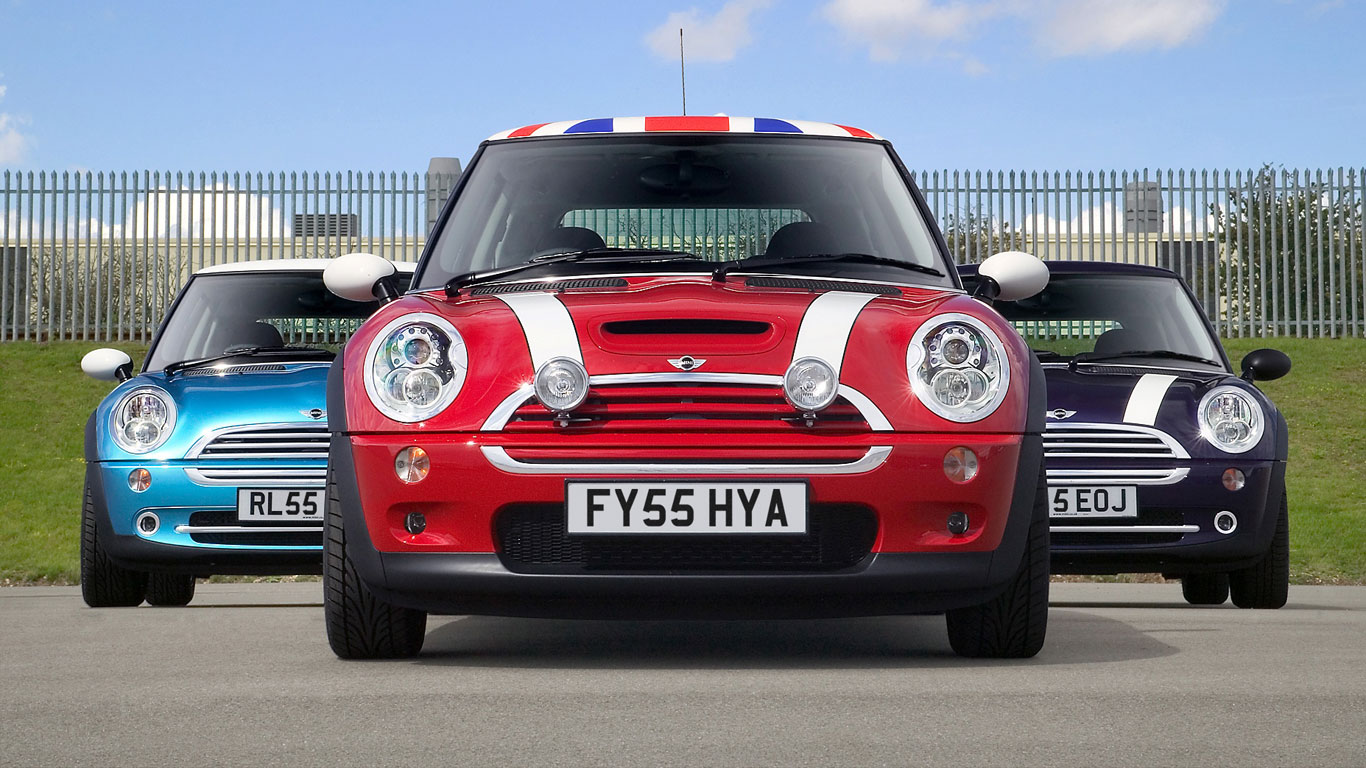
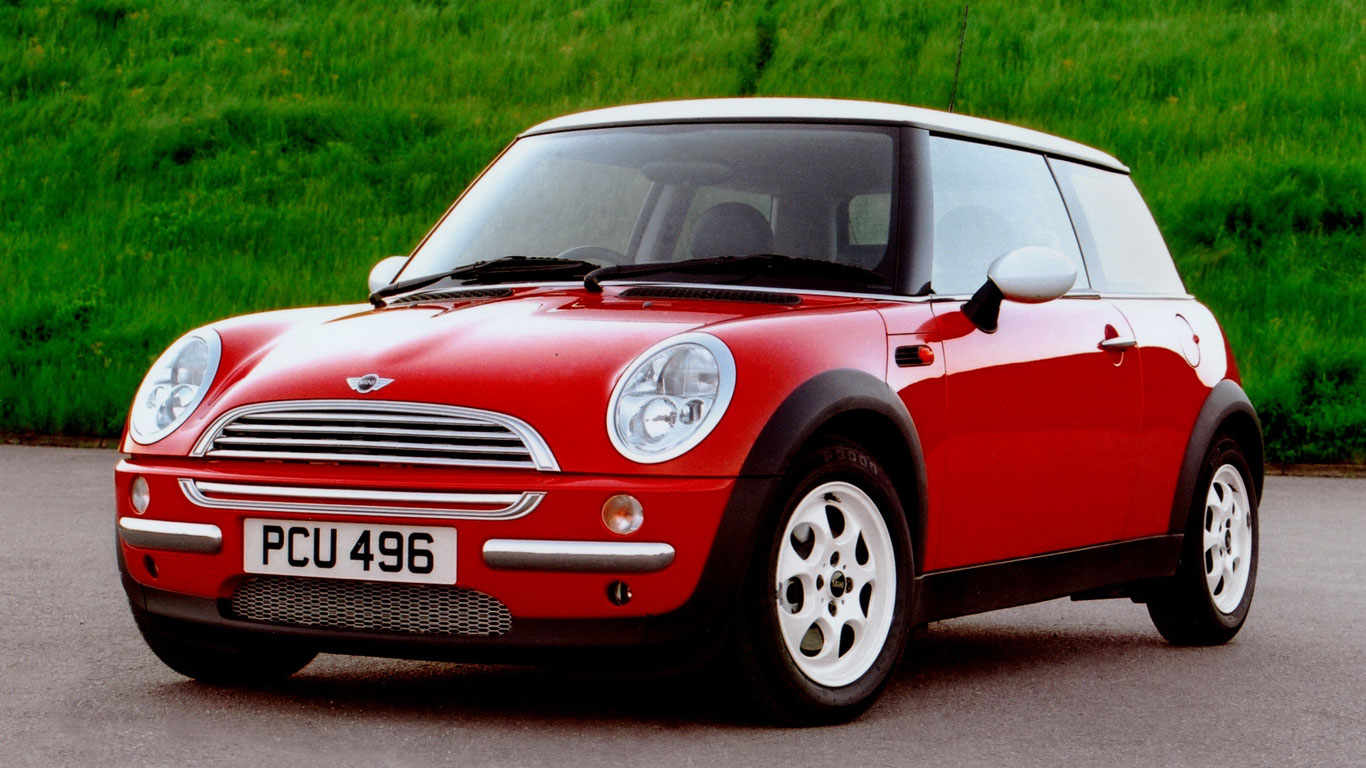
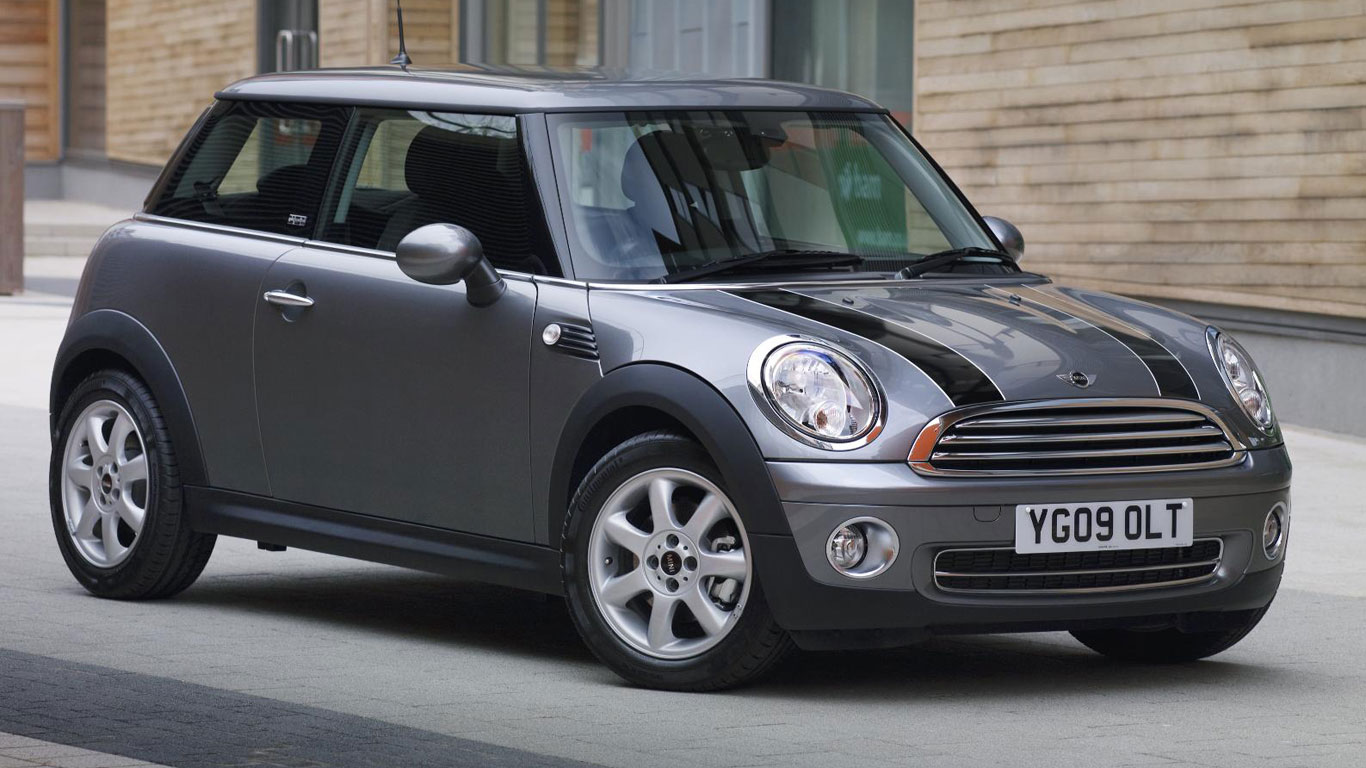
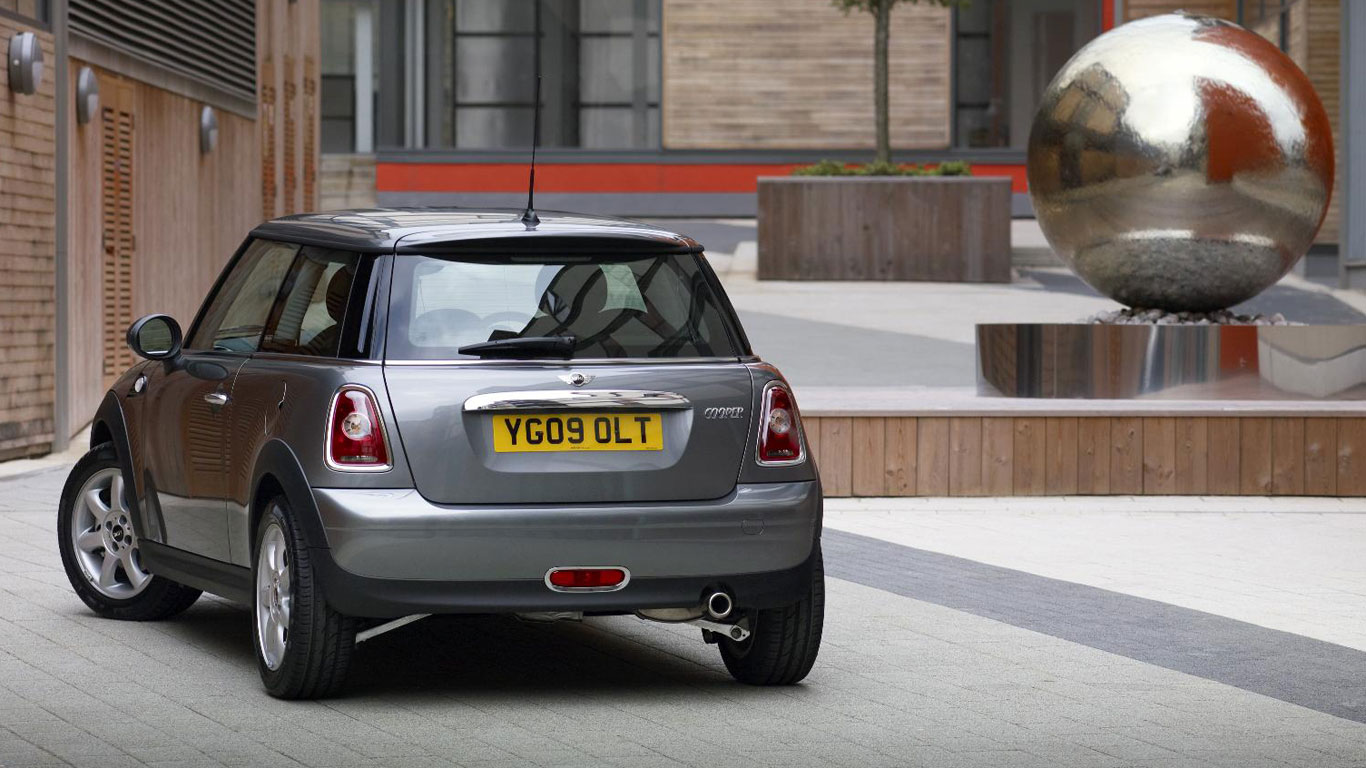
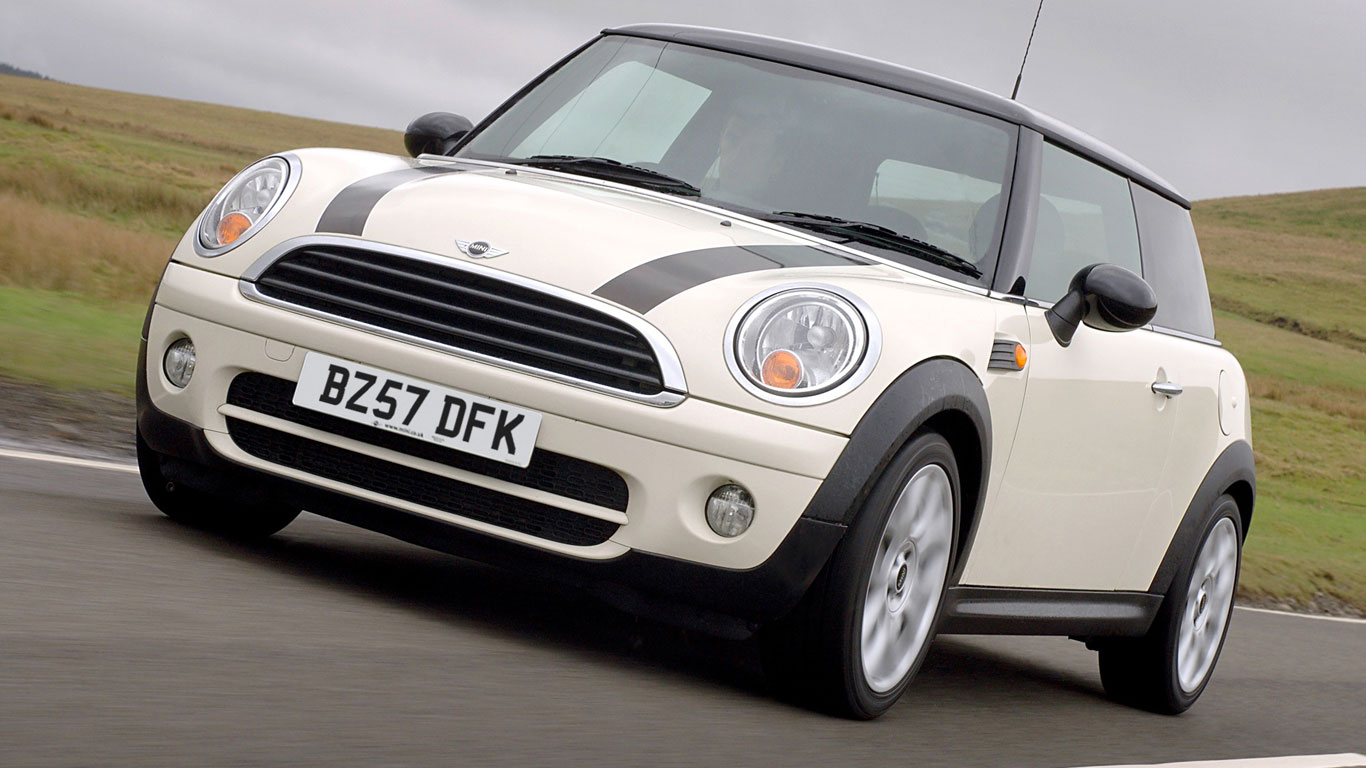
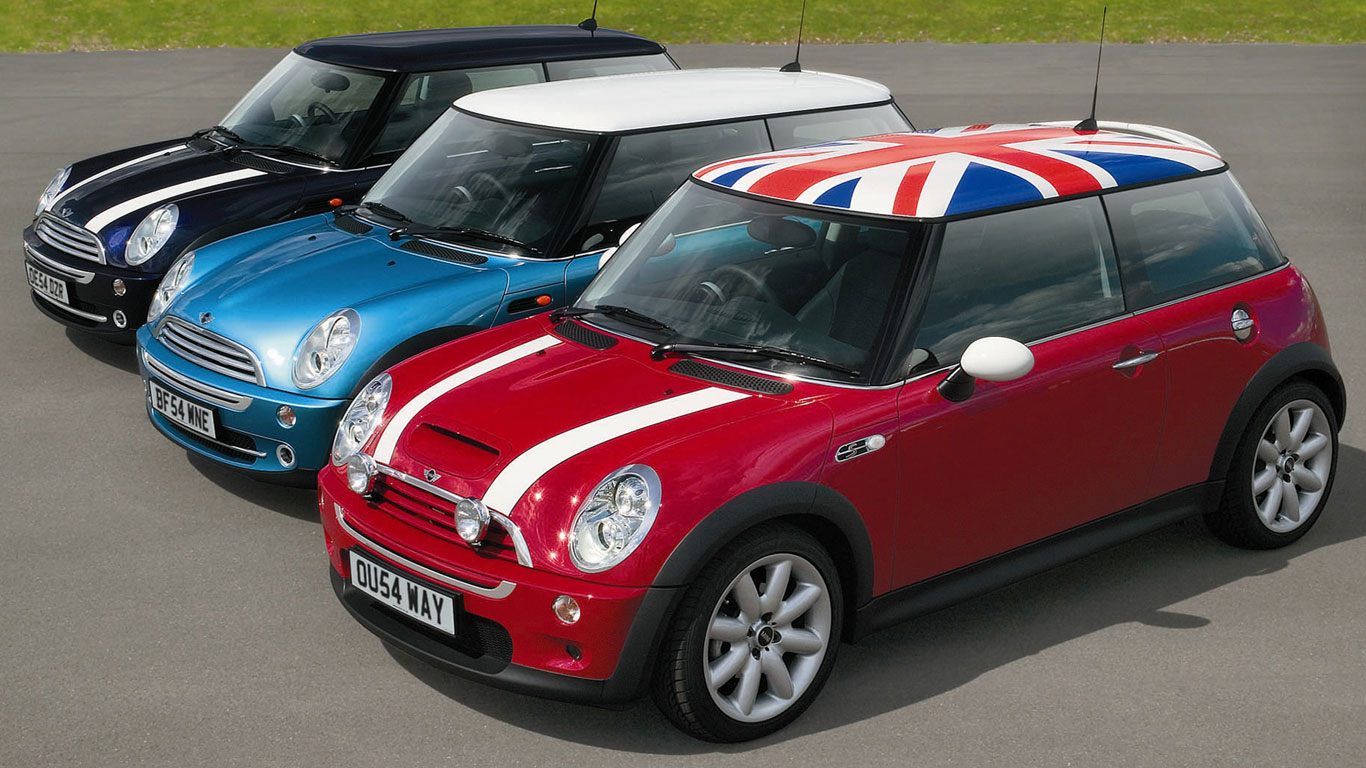
The story of the new Mini began, not in 2001, with the arrival of the R50, but in 1997 and the unveiling of the Rover Spiritual concept car. There had been many attempts to create the second coming of Britain’s best car (discuss), but for one reason or another, all had failed. The Austin Metro (née Mini-Metro) was the most famous attempt to build a Mk2, but as history will recall, the Mini lived on long after the Metro had bitten the dust.
Its development was a long and drawn out process, hindered by internal squabbles, disagreements and the not-so-small matter of BMW’s purchase of Rover from British Aerospace and the subsequent sale to Phoenix. Understandably, BMW kept Mini – Rover’s biggest asset – and decided to build the new car in Cowley, unceremoniously renaming the plant BMW Oxford.
Speaking of BMW and names, the sales and marketing team in Munich insisted on calling the new car MINI, to differentiate it from the classic Mini. Uppercase or lowercase, the new MINI always seemed destined for stardom, despite misgivings from Mini purists and traditionalists. Rover planned to build a Mini with Hydragas suspension and a K Series engine, but BMW had other ideas.
Instead, the new MINI would be powered by a 1,598cc 16v engine built in Brazil by Tritec Motors, a joint venture between BMW and DaimlerChrysler. At the front, you’d find conventional MacPherson struts, along with a development of BMW’s Z-arm axle at the rear. But to many prospective buyers, the MINI’s charm was purely cosmetic.
Bigger, Better, Faster, More!
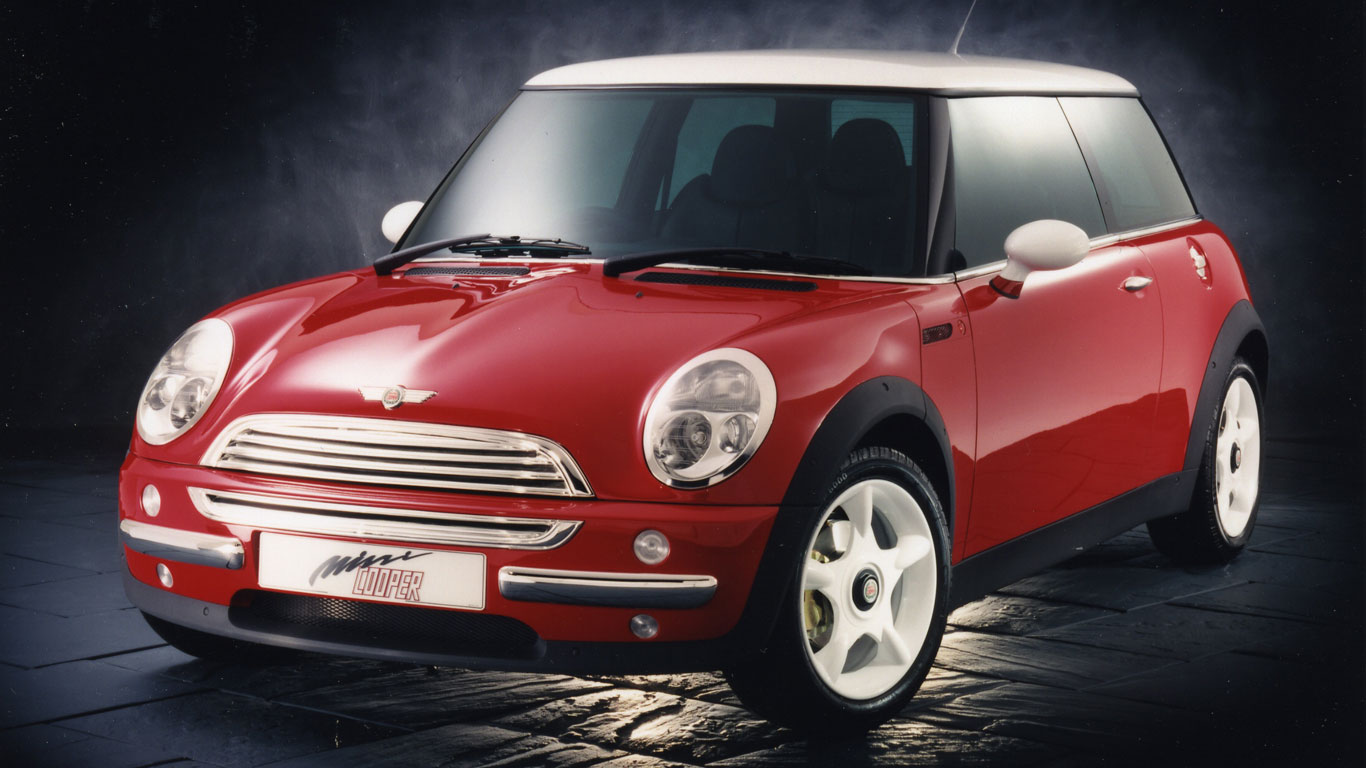
Frank Stephenson was the Moroccan-born American tasked with bringing the new MINI to life after his concept was chosen from a field of 15 finalists. It first appeared as a concept car in 1997 before making its production debut at the 2000 Paris Motor Show.
“The MINI Cooper is not a retro design car, but an evolution of the original,” said Stephenson. “It has the genes and many of the key characteristics of its predecessor, but it is larger, more powerful, more muscular, and more exciting than its predecessor ever was.”
That’s not the way to do it
Not everyone was captivated by the larger MINI, with Alex Moulton, the genius behind Hydragas, one of its chief critics. “It’s enormous – the original Mini was the best-packaged car of all time – this is an example of how not to do it… it’s huge on the outside and weighs the same as an Austin Maxi,” scathed the engineer and inventor.
There was worse to come: “It is an irrelevance in so far as it has no part in the Mini story,” continued Moulton. Ouch. Other people failed to get beyond the idea of the Mini name in German hands, while some refused point blank to accept it as a genuine Mini. Fit to wear the badge or not, BMW had an enormous hit on its hands.
A MINI adventure
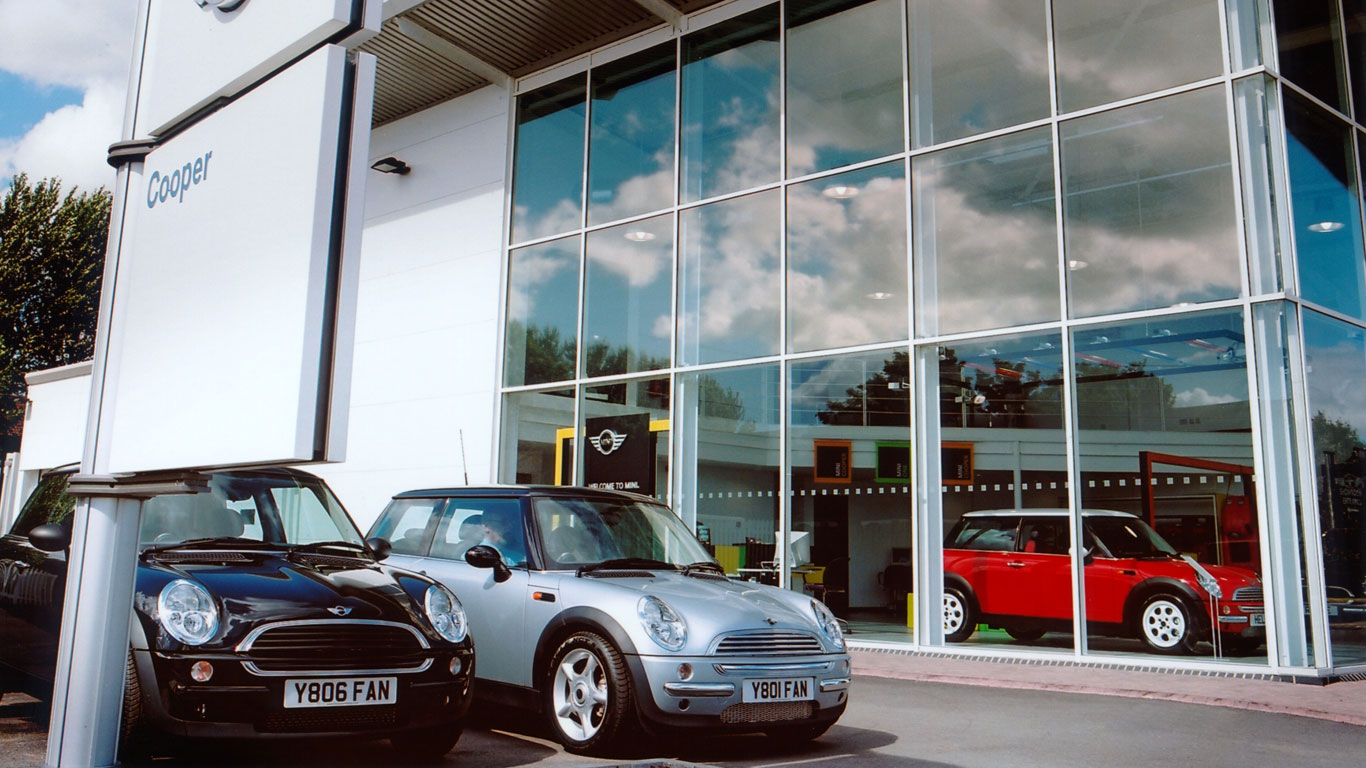
The new MINI finally went on sale in the UK in July 2001, with buyers queuing up for a slice of retro-evolutionary motoring. BMW threw its marketing might behind an advertising campaign focused on a ‘MINI adventure’, which soon became part of popular culture.
Road-testers criticised the new MINI for its small boot, cramped rear seats and large size, but were quick to praise the cabin, safety credentials, driving position, gearbox and ride quality. The jury was out when it came to the engine, with many arguing that the chassis could handle far more power.
This charming MINI
For now, buyers could choose between the entry-level MINI One (£10,300) and Cooper (£11,600). We’d have to wait a little longer for the much-anticipated Cooper S, but for fashion-conscious buyers, the lure of the cutesy styling and brilliant cabin was hard to resist.
“It would be easy to be seduced by the MINI’s many charms and award it five stars,” argued Autocar when reviewing the Cooper in 2001. “After all, it’s a great looker that also happens to have one of the best front-drive chassis we’ve come across. But a five-star verdict will have to go begging.”
International bright young thing
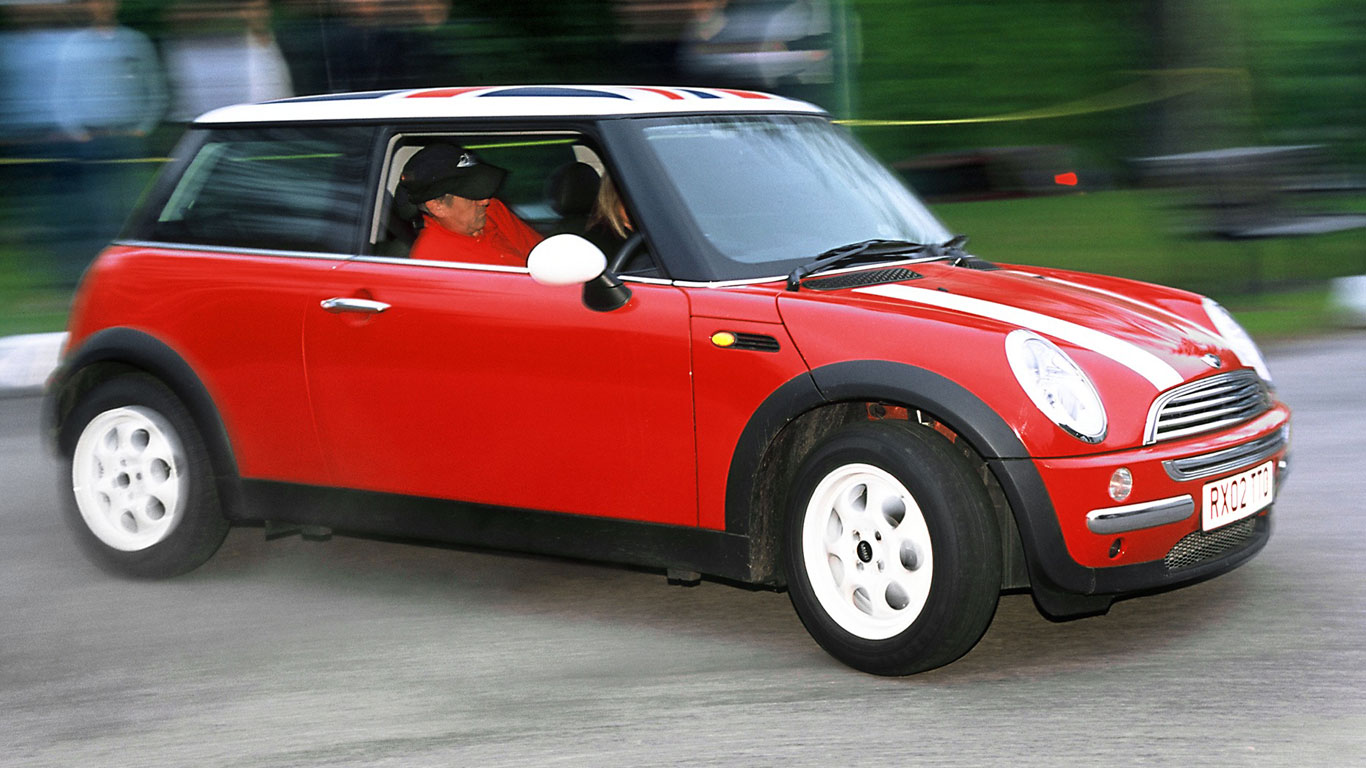
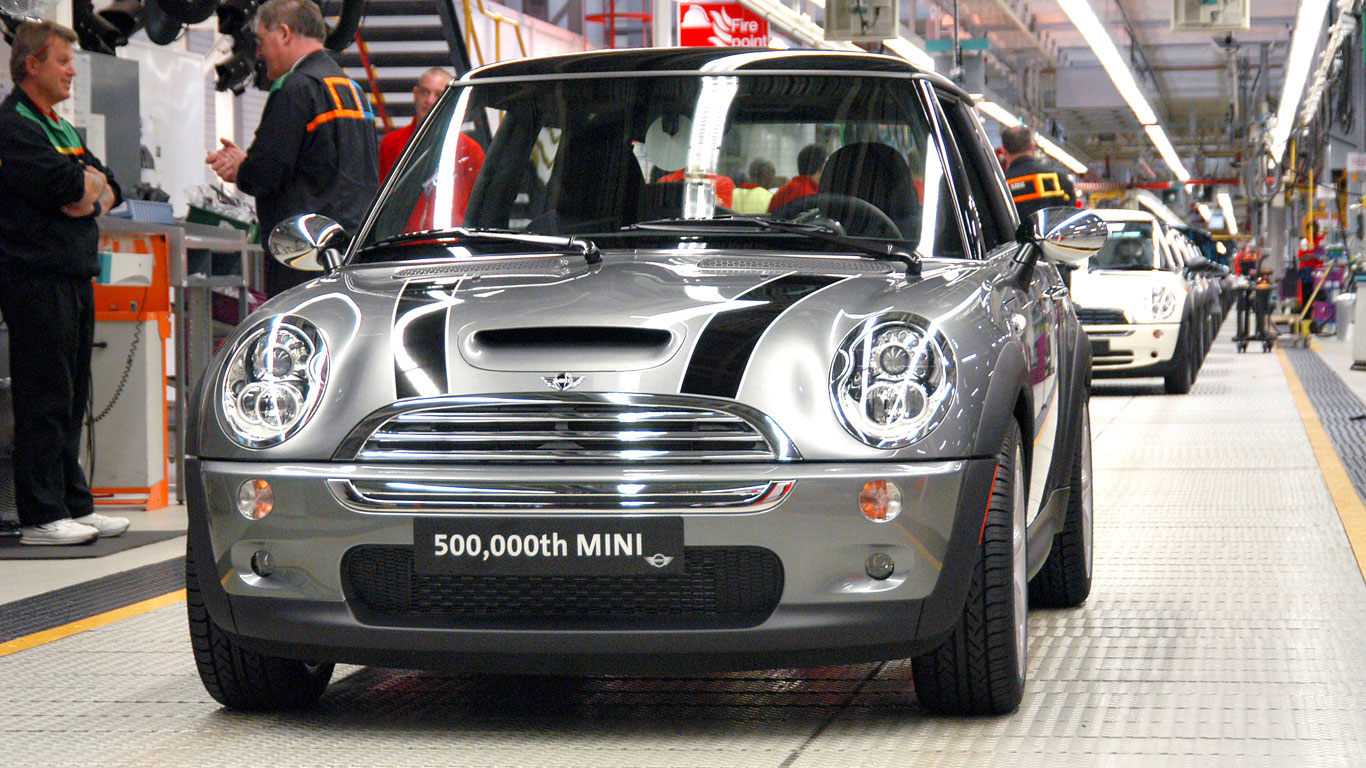
In the first full year of production, BMW Oxford built 140,000 cars, a figure that had risen to 200,000 a year in 2005. Buyers loved its sense of Britishness, with BMW masterfully disguising its German parentage. It helped that the new car was proving to be a hit Stateside, where it was marketed in the colours of the General Lee and the Ford Gran Torino in Starsky and Hutch.
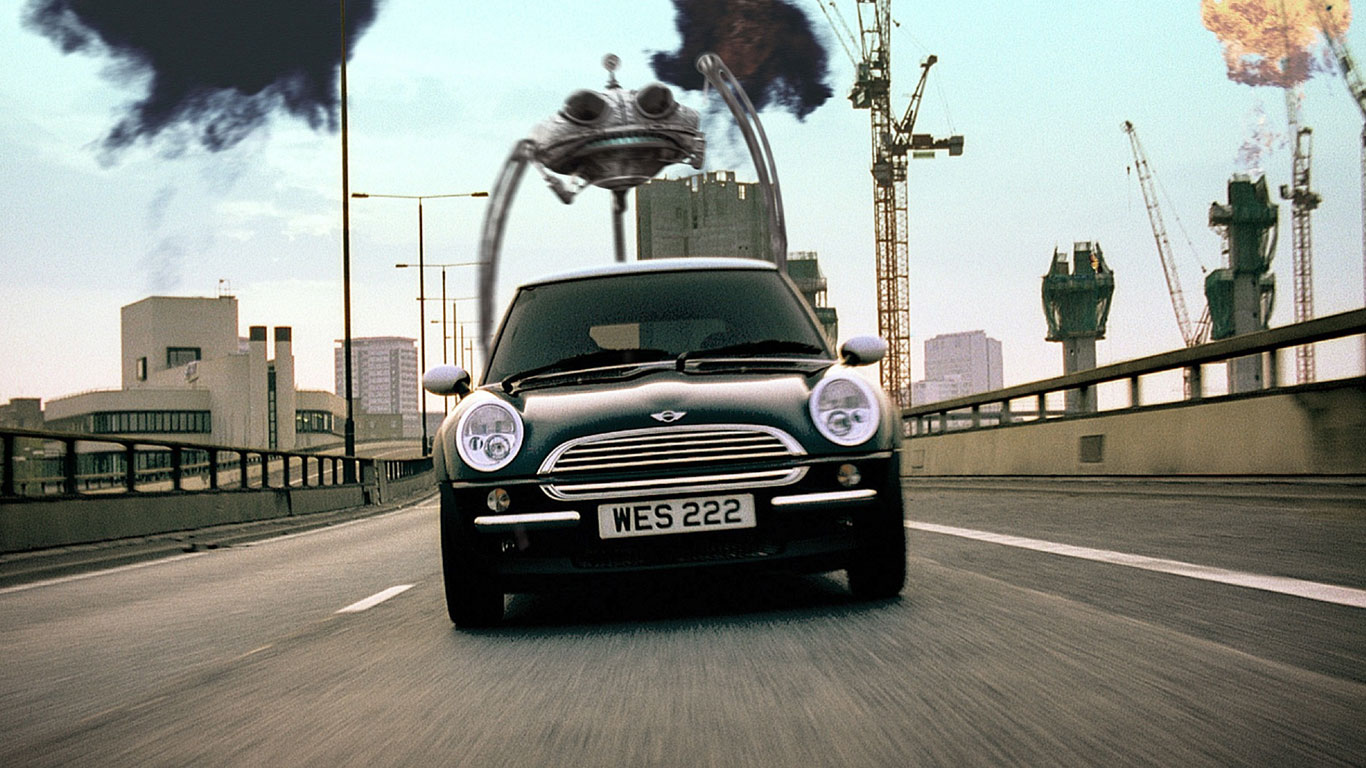
But for all the sales success and enjoyable television ads – remember the ‘Martians’ television advert? – the early days of the MINI were clouded by a sense that BMW could do better, at least from an engine perspective.
The Works
The Works MINI Cooper – fettled by John Cooper in Sussex – was the first sign of a hotter future for the MINI, before the arrival of the Cooper S in 2002. Finally, this felt like the real deal.
Bolting on a Roots supercharger upped the power of the standard Cooper engine from 130hp to 163hp, giving the S a terrific turn of pace. A 0-60mph time of 7.6 seconds and a top speed of 133mph enabled the Cooper S to stand shoulder-to-shoulder with the likes of the Renaultsport Clio 172, Honda Civic Type R and Ford Focus ST170.
Lowering the roof
Further upgrades followed, including the 200hp Cooper S Works, with the initial work carried out by the John Cooper garage, home of the original Mini Cooper. The kit could be retrofitted to a Cooper S and was available throughout the dealer network.
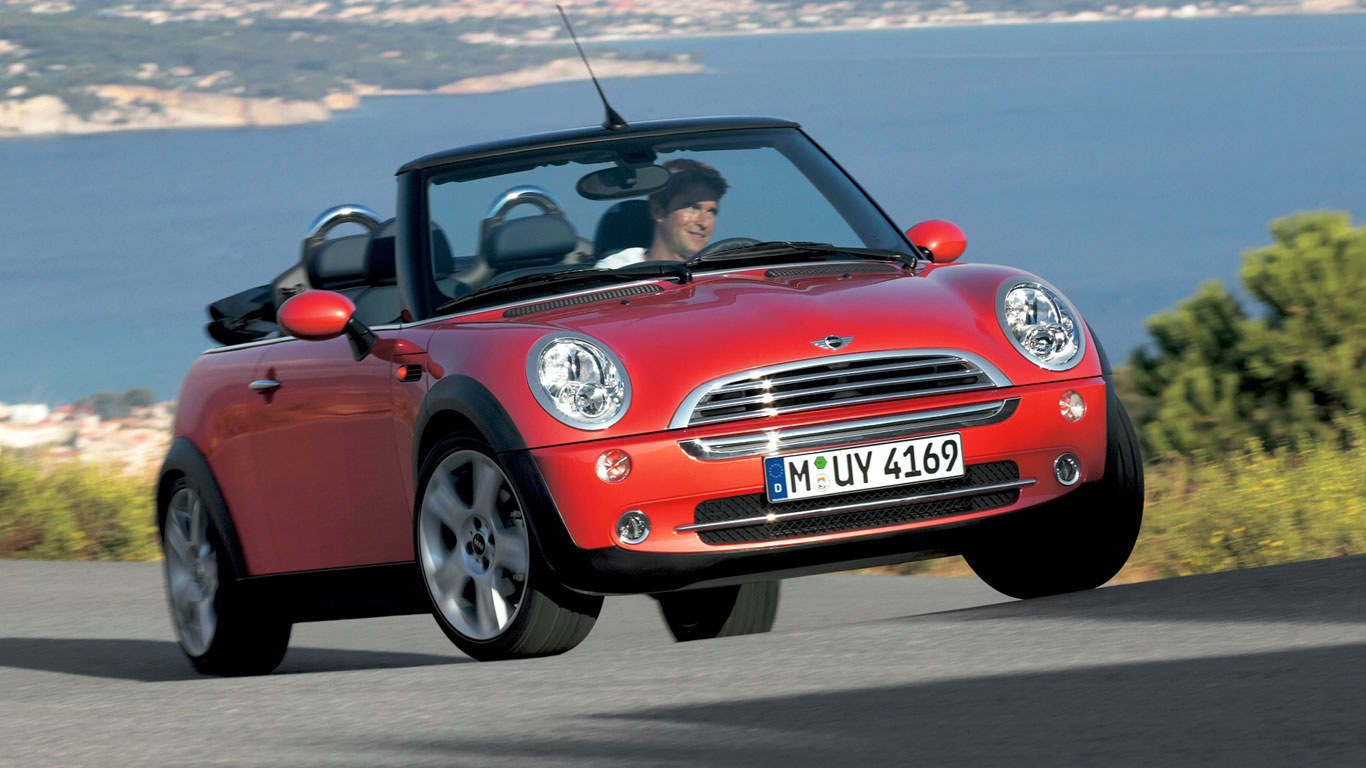
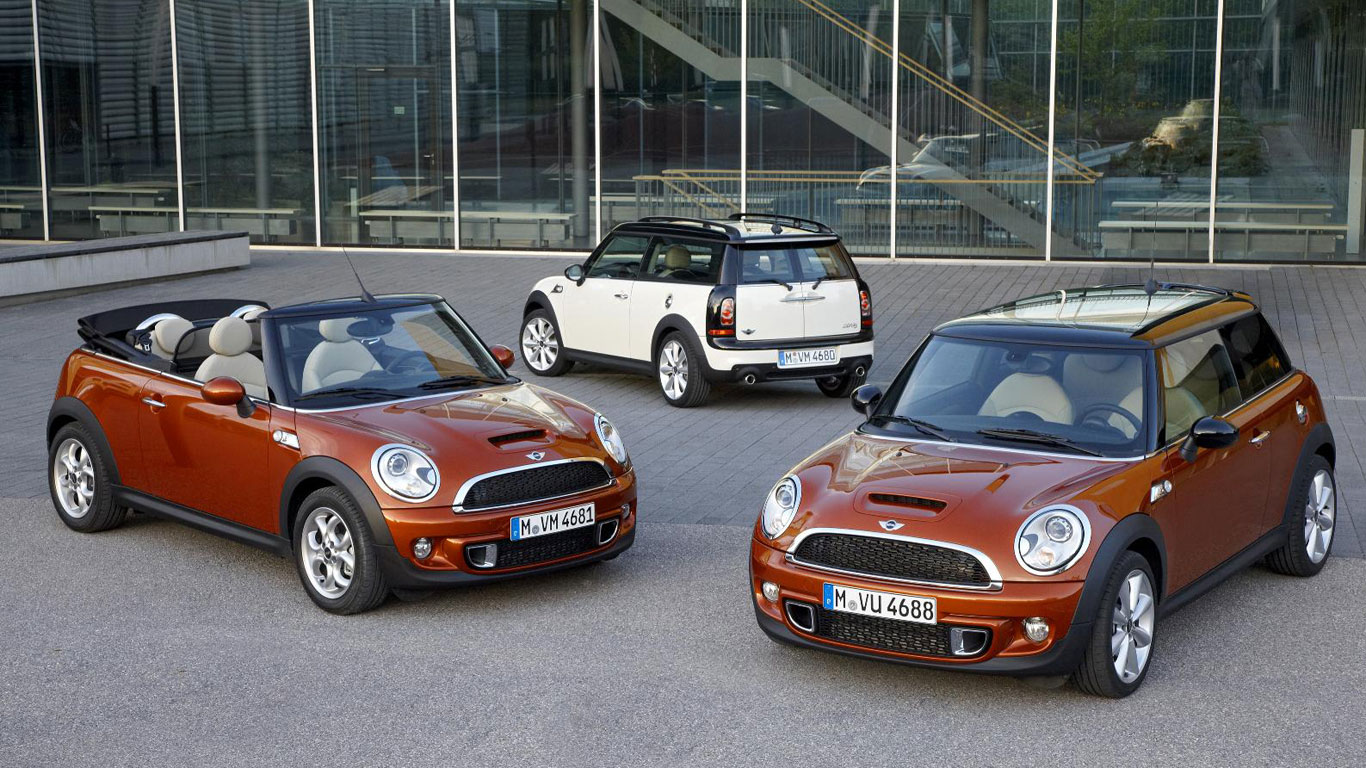
In 2004. MINI lowered the roof with the arrival of the Convertible. Unlike the classic Mini convertible, the new version looked good with the roof up or down – it folded away in 15 seconds – and was as good to drive as its tin-top counterpart.
Seeing the GP
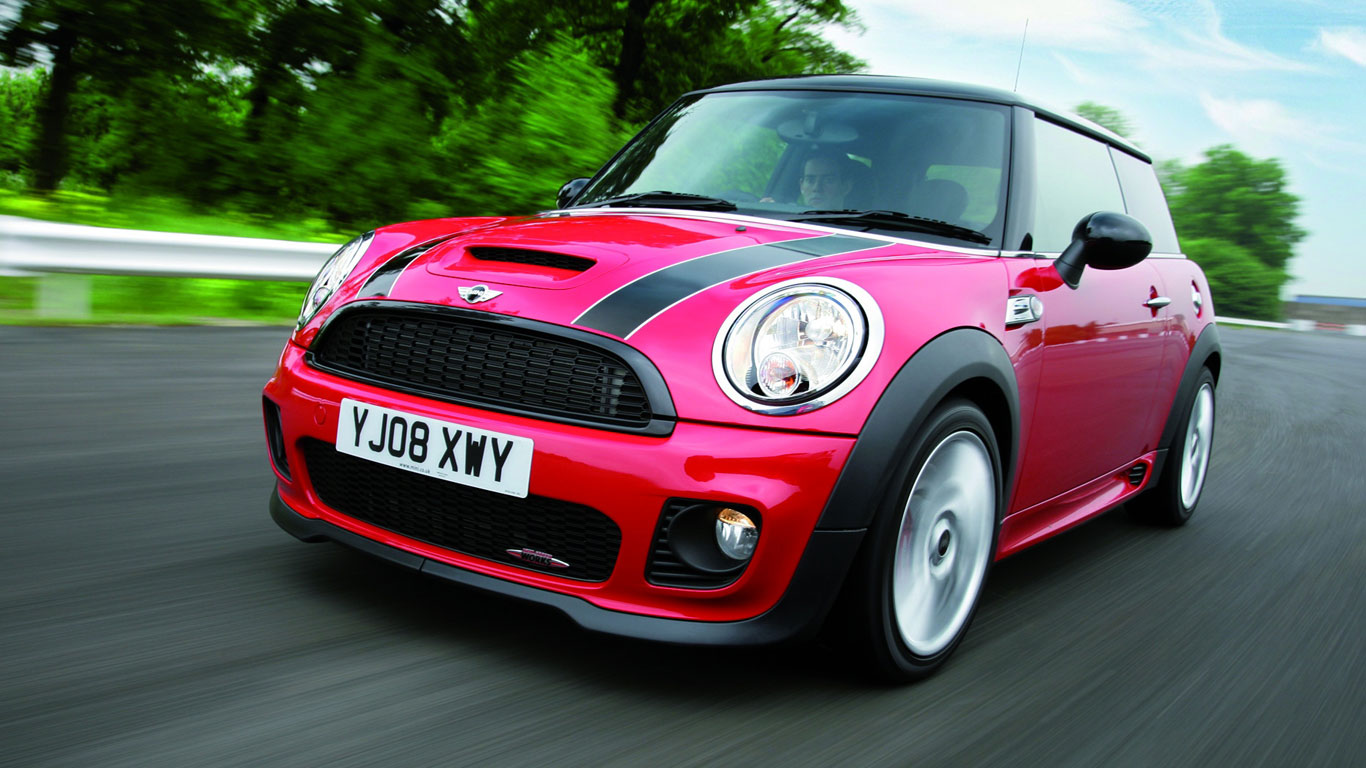
By the time the first generation of the MINI’s second coming was preparing to make way for the R56, there was a sense that BMW had mastered the art of building a small car – even a large, small car. Evidence of this came in the form of the blistering John Cooper Works GP.
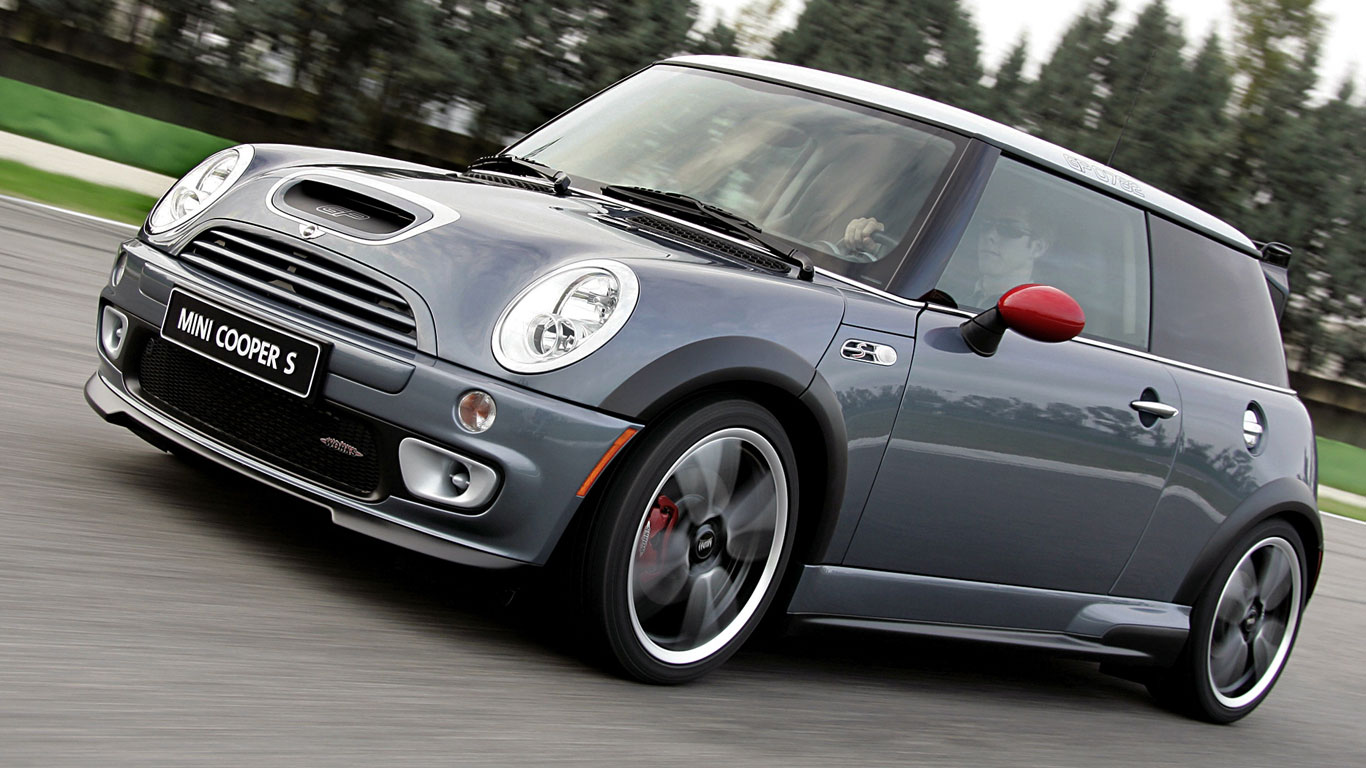
This was the real deal: with 218hp from its supercharged four-cylinder engine making it the most powerful production MINI to date. At £22,000, it wasn’t cheap, but with a 50kg weight reduction, a limited-slip differential and a 10mm reduction in ride height, it was the most sorted of the hot MINIs. A future classic when new, with serious investment potential in 2017.
Enter the R56
Nothing lasts forever, and BMW called time on the first generation MINI in 2006, replacing it with something even larger than the original. Fuel to the fire for Mini purists, but while haters gonna hate, Munich was hardly going to mess with a winning recipe.
In developing the new MINI, BMW claimed it wanted the new car to look and feel like it had continually evolved since 1959, in much the same way as, say, the Porsche 911. Which is why the R56 looked remarkably similar to the R50
A victim of its own success
It’s not that the R50 was by any means past its sell-by date. As Richard Bremner explained in 2006, the R50 was on a roll. “When it was planned in the late ’90s, BMW reckoned on selling 100,000 a year. In reality, there has been demand for double that and more,” explained Bremner in Autocar.
“Originally, BMW planned to replace the 2001 car after seven years, but having convinced itself that it should increase the capacity of its Oxford plant to 240,000 – prompting a major investment in new equipment – it figured that it may as well update the car, too.”
Wholesale changes
The R56, then, represented a wholesale overhaul of the R50. The front-end was redesigned to meet new pedestrian safety regulations, lengthening the car in the process, while the cabin felt classier and loaded with neat details.
Under the bonnet, the old Tritec engine was replaced by a new 1.6-litre motor developed in conjunction with Peugeot-Citroen. It meant that the new Cooper S would be turbocharged, consigning the Roots supercharger to the history book.
Don’t you open that Clubdoor
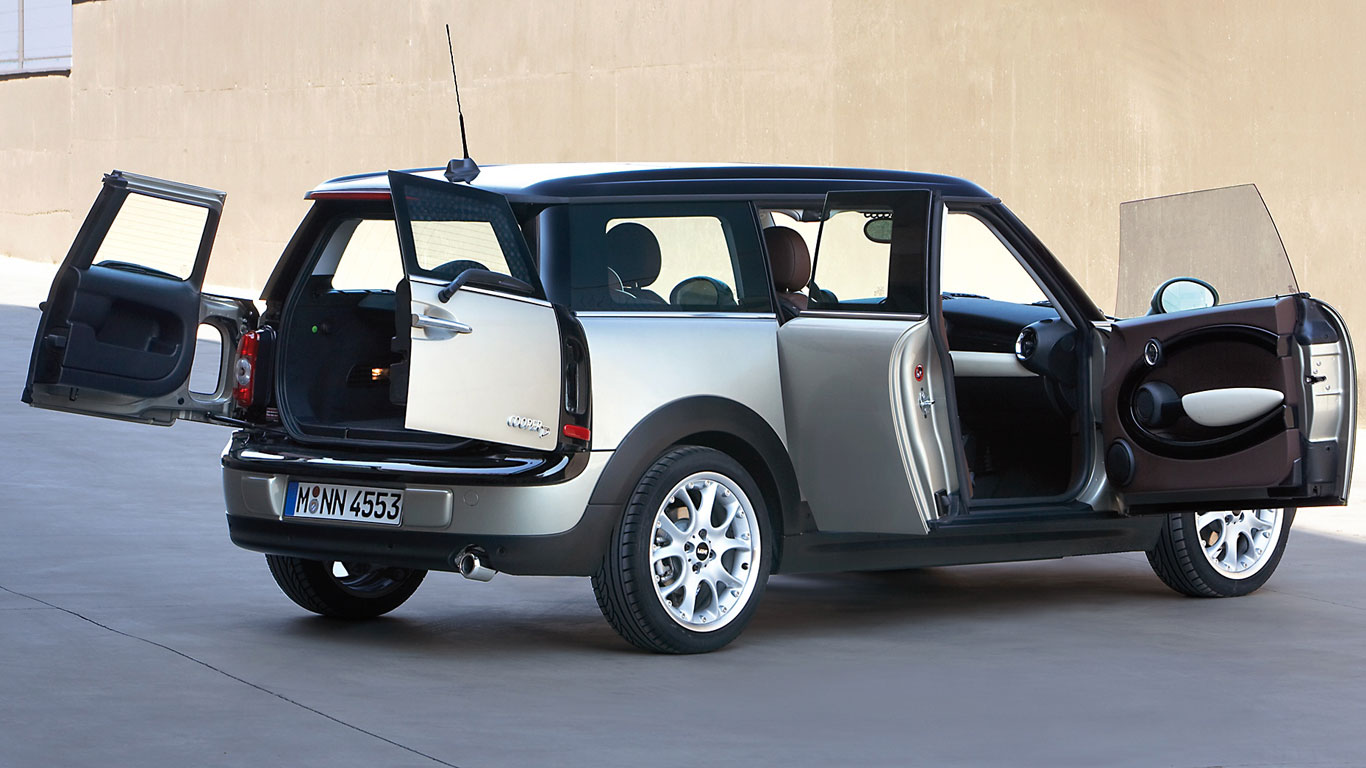
Another reason for BMW’s desire to get the R56 to market was the response to the ‘Traveller’ concept of 2005. The estate was to built on the new platform, hence the need to get tooled up and the R56 into showrooms.
Once again, the purists were upset, this time by the naming strategy, which chose to ignore the Mini’s history. It should have been called the Traveller, claimed Mini fans. Worse still, from a British perspective: the controversial ‘Clubdoor’ was on the wrong side for passengers in the UK.
Cooper Diesel
There’s no doubt that the R56, while a better all-rounder, lost some of the character and charm of the R50. The first BMW MINI retained a subtle hint of Rover and all that was good (and bad) about the old guard. Somehow, the R56 felt more clinical and a little colder as a result.
Not that buyers were any less seduced by the MINI, with customers steamrolled into submission by clever branding and marketing. The Cooper D of 2007 was the first diesel-powered Cooper, ditching the old Toyota-sourced 1.4-litre unit in favour of a 1.6-litre Peugeot motor.
Brought to you by the letters J, C and W
The MINI Clubman arrived in 2007, followed, in 2008, by the Cooper S John Cooper Works. It heralded the arrival of JCW as a fully-fledged MINI sub-brand, with the promise of more lunacy in the future. A Clubman JCW wasn’t too far behind.
From this point, no doubt fuelled by too many Frappuccinos and skinny lattes, the BMW marketing team went into overload, seemingly hell-bent on answering questions nobody was asking. All of a sudden, we felt a million years away from the days of Twiggy, the Swinging Sixties and Paddy Hopkirk.
Elastica
The MINI brand grew, quite literally. The Countryman, first seen in 2010, continues to divide opinion, while other models leave you scratching your head. MINI Coupe and Paceman smack of a brand extension that’s in danger of losing its elasticity.
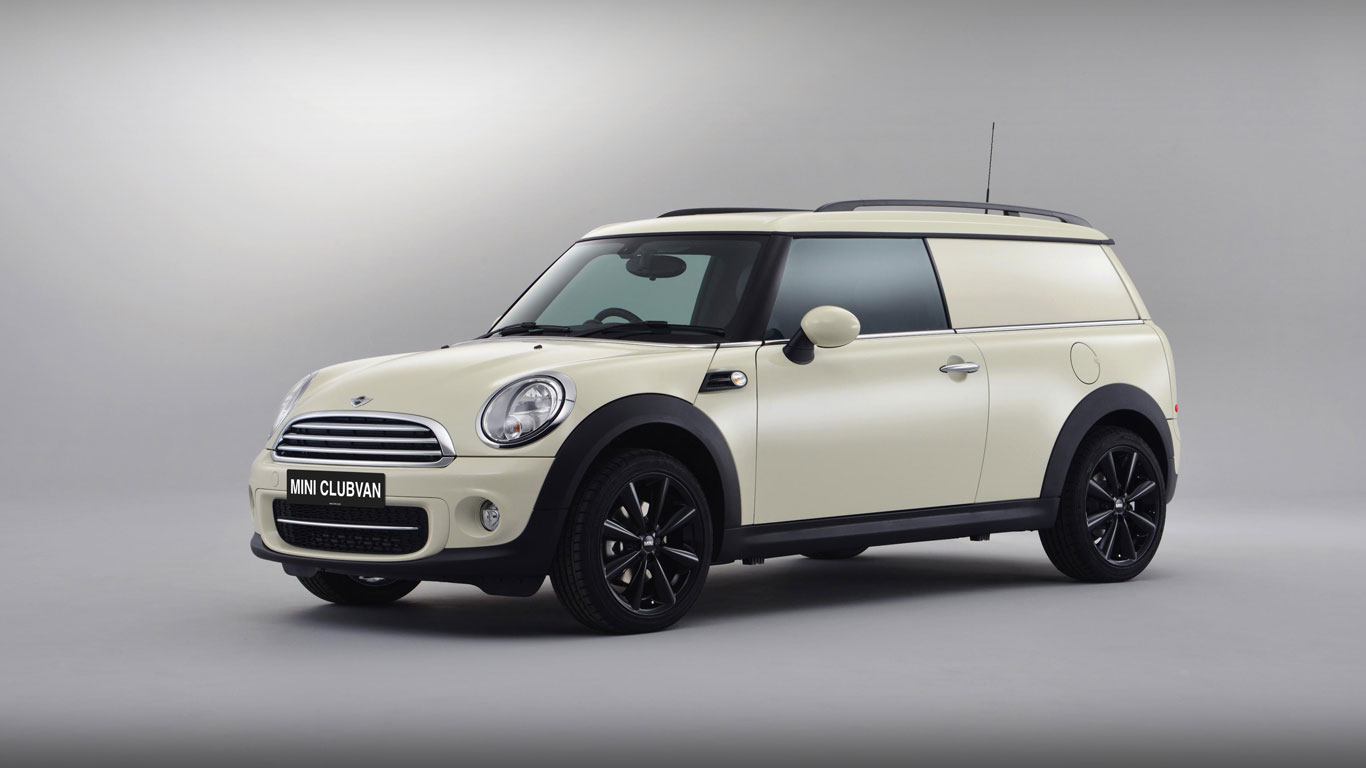
But others, such as the short-lived Clubvan and the ‘cheaper’ MINI First seemed more in-keeping with the spirit of the Mini.
The F55 is born
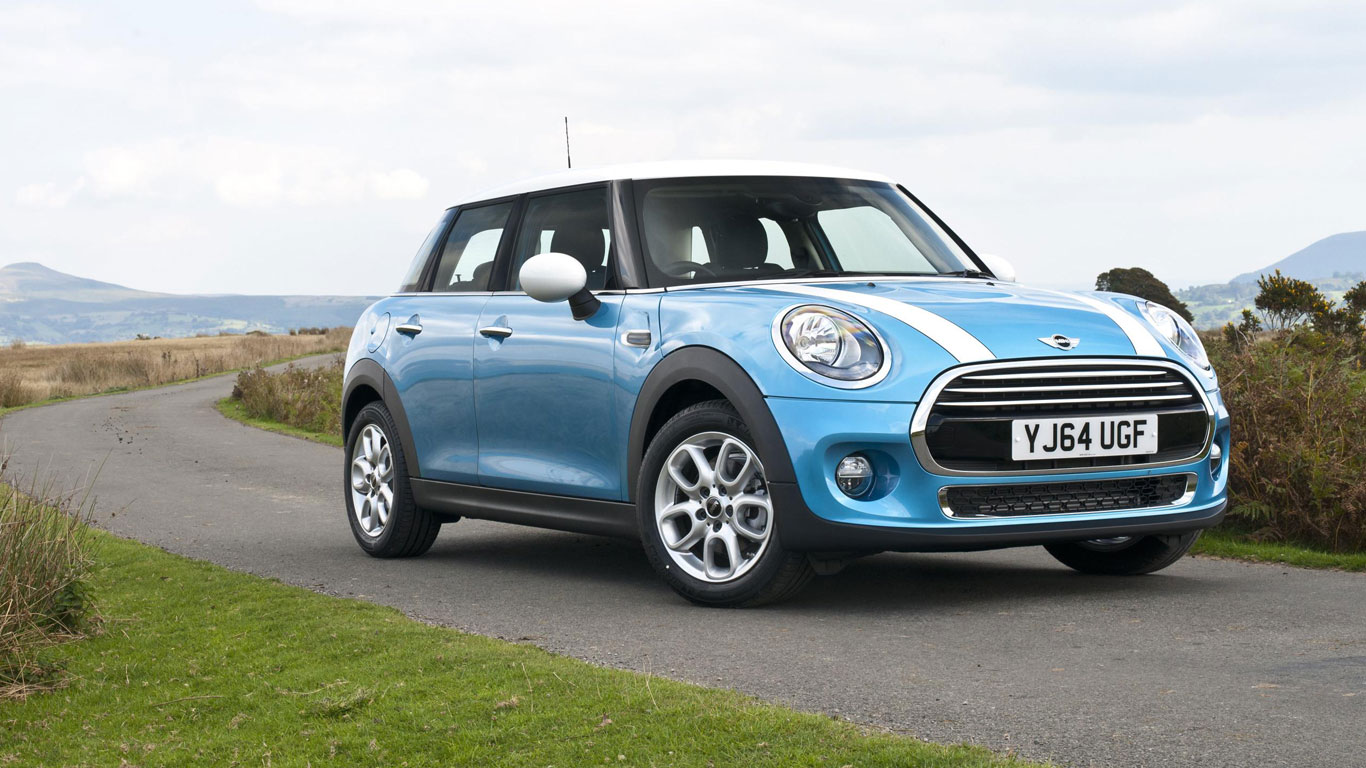
Special editions came and went, before the dawn of a new era for the MINI: the launch of the third generation F55. Predictably, the current MINI Hatch – which arrived in 2014 – is bigger than ever and now comes with the option of five doors.
But the range has shrunk and is now limited to the Hatch, 5-door Hatch, Convertible, Clubman and Countryman, along with a suite of JCW variants.
MINI Electric
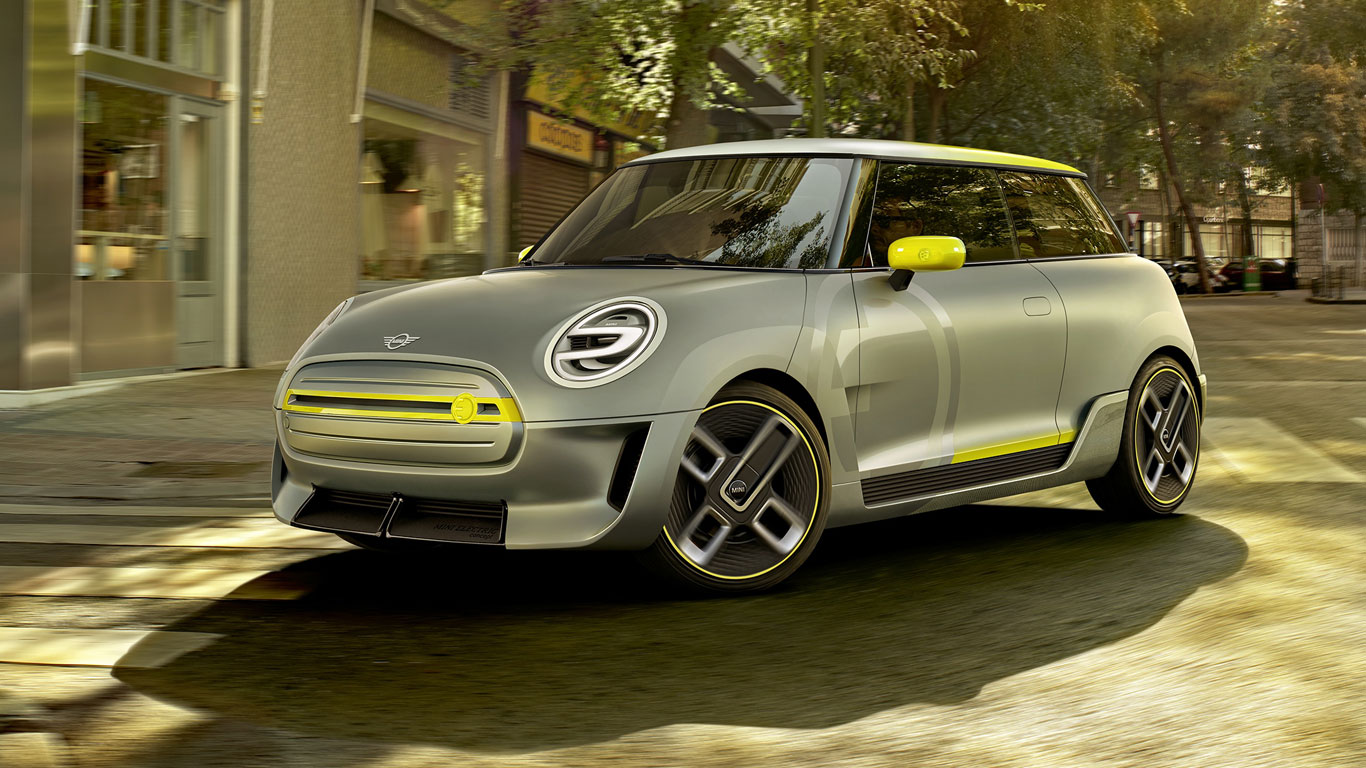
And so to the future and the imminent launch of the MINI Electric Concept car. Set to be unveiled at the 2017 Frankfurt Motor Show, it gives us our first taste of how the British-built 2019 MINI Electric will look.
It’s not the first time the MINI has been electrified – BMW built 600 electric MINI prototypes in 2010 – but this one is set for volume production. We also reckon it provides a taste of the future styling direction of the MINI Hatch.
Future classic?
Twenty years is a long time in the car industry. In the years following the new Mini concept of 1997, fans were felt angered and distraught at the death of a legend and the passing of the baton into German hands. But BMW must have got something right because the R50 MINI is ageing far better than many of its contemporaries.
In fact, each subsequent generation and brand extension only serve to make the first BMW MINI look all the more appealing. While it’s impossible to overlook the death of Rover when charting the development of the MINI, in isolation the R50 remains a class act and a nailed-on future classic.
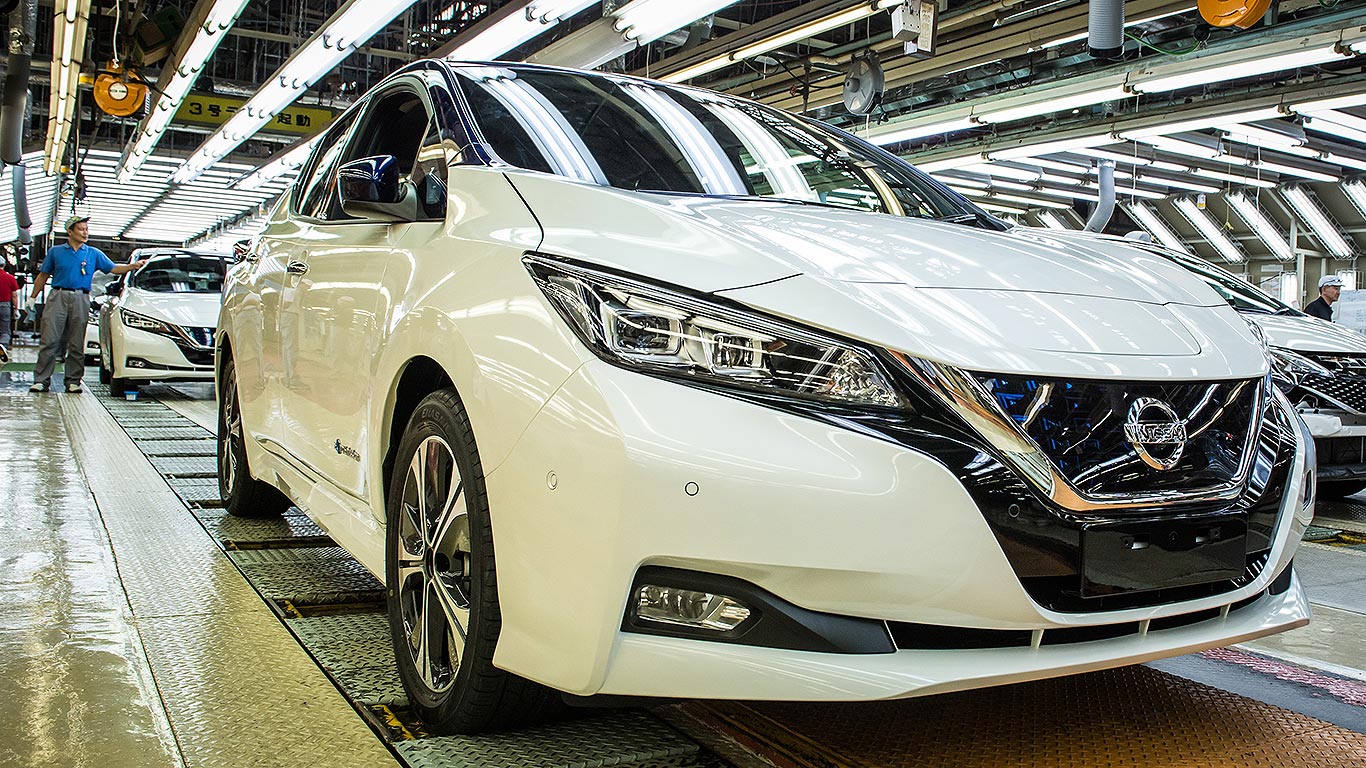
Nissan has confirmed its all-new second-generation Leaf electric car will be built in Britain, with production scheduled to begin by the end of the year.
The announcement is another fillip for the UK automotive industry, after the UK vote to leave the European Union raised concerns that brands may begin to relocate to mainland Europe following Brexit.
Nissan’s Leaf announcement follows the firm’s decision to build the next-generation Qashqai and X-Trail in Sunderland, as well as big-money commitments from other brands. Toyota, for example, revealed plans for more investment in its Burnaston, Derbyshire plant this year.
The new Leaf will also be built in Japan and the United States. Already the world’s best-selling electric car, the second-generation Leaf is another step-change that Nissan believes will see it become a genuine mainstream alternative for many. Production volumes are anticipated to rise accordingly.
“We’re proud to continue manufacturing the Nissan Leaf at three plants globally,” said Fumiaki Matsumoto, executive vice president of Nissan for manufacturing and supply chain management.
“The Nissan Leaf is the icon of Nissan Intelligent Mobility with its many advanced technologies. Nissan employees in Oppama, Smyrna and Sunderland are excited to continue producing the most popular electric vehicle in the world.”
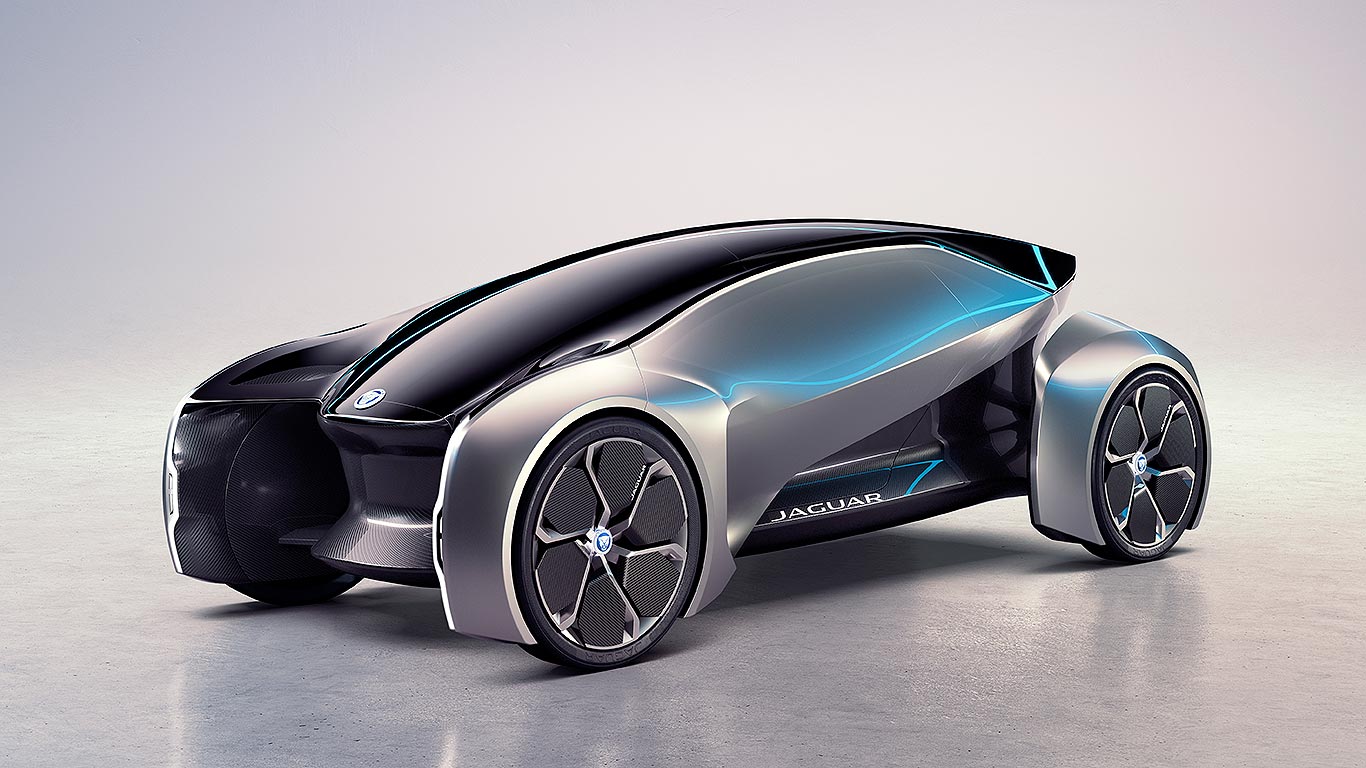
Jaguar has revealed a dramatic new narrow-bodied three-seat car called Future-Type in London as a showcase for the firm’s vision of cars and motoring in 2040. It is on display in London from 8-10 September in a free-to-enter Tech Fest exhibition.
The Jaguar Future-Type is a compact and ‘on-demand’ car with autonomous self-driving tech. Design director Ian Callum calls it “an insight into the potential for driving and car ownership in the future.
“It’s part of our vision for how a luxury car brand could continue to be desirable, in a more digital and autonomous age.”
Crucially, the firm insists that although the Future-Type will be an autonomous car, it will still allow motorists the chance to actually drive it as well.
“In a future age of on-demand services and car sharing, our research shows there will still be a place for luxury and premium experiences – and enjoying the drive,” said Callum. It’s a dual approach that doesn’t turn off the assist systems entirely, but keeps them working in the background so the car remains more alert than the driver.
The electric car includes the world’s first artificial intelligence steering wheel, which Jaguar has named Sayer, after the designer of the original E-Type. Jaguar envisages Future-Type owners carrying this around with them, using its virtual assistant capabilities – and one new type of ownership could see buyers purchase just a steering wheel rather than a car, using it to access multiple ‘car-pool’ Future-Types.
New Jaguar ownership options
The ‘Jaguar on-demand’ concept could see a fleet of electric Future-Types offered to customers, which they could summon to autonomously arrive at their door when they need it. Owners could also share their own cars when they don’t need it.
The Future-Type will also be fully connected, communicating with other cars to reduce accidents and improve traffic flow. It’s part of the Future-Type’s ‘ACES’ functionality – that’s autonomous, connected, electric and shared mobility.
Even here, though, Jaguar is keen to ensure its spirit remains intact. “Today, Jaguar offers customers a dynamic, emotional experience,” says Callum. “Customers tell us that their Jaguar makes them feel special.
“With the Future-Type, we’ve been investigating how we can keep this emotional connection in a future world where people may choose not to own a car, or when a Jaguar is an autonomous, on-demand vehicle.”
“People will still want to travel in style and comfort, while the growth of car sharing actually increases the opportunity for people to experience what a Jaguar has to offer, even if they chose not to own one.”
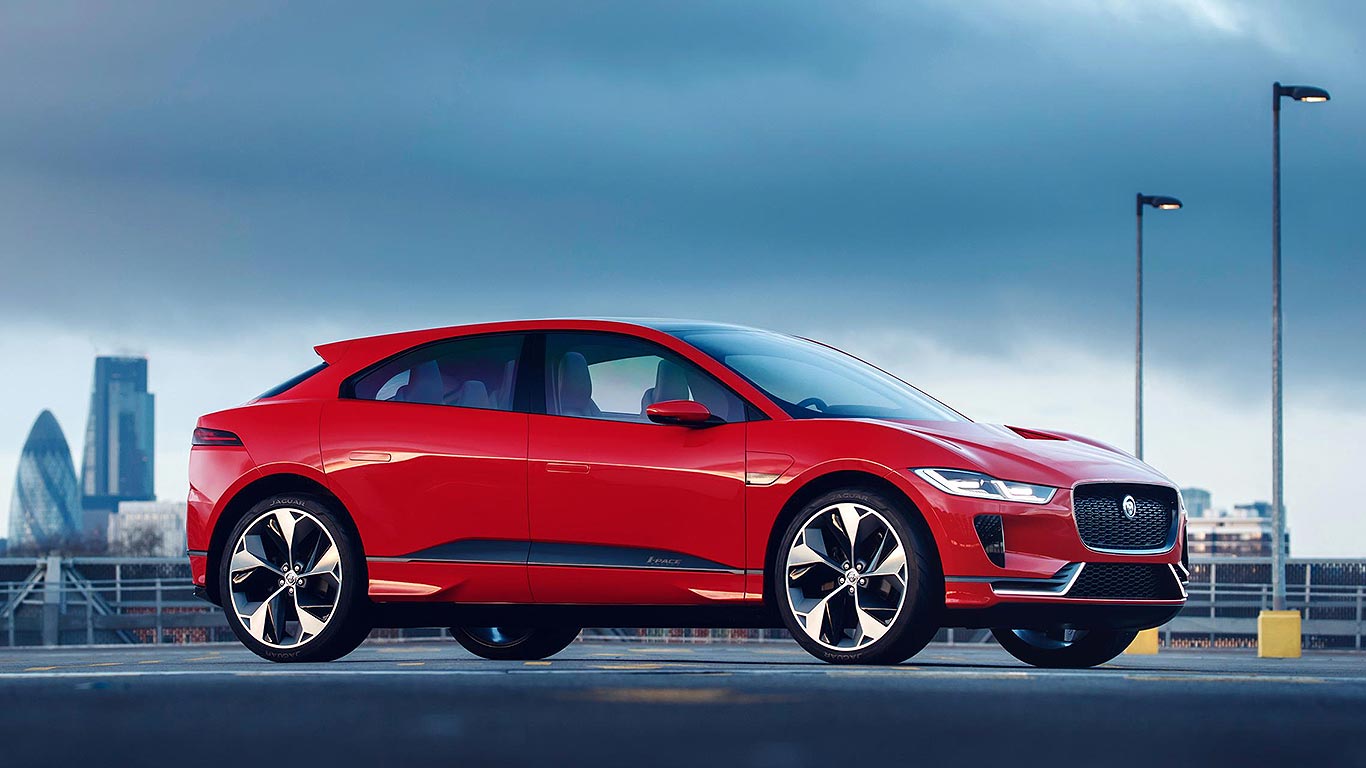
Every new Jaguar and Land Rover range launched from 2020 onwards will feature either an all-electric or an electrified hybrid or plug-in hybrid variant.
JLR CEO Dr Ralf Speth made the headline announcement at the firm’s first-ever Tech Fest at London’s Central Saint Martins, a free festival running this weekend showcasing some of JLR’s tech of the future.
“Every new Jaguar Land Rover model line will be electrified from 2020, giving our customers even more choice,” said Dr Speth.
“We will introduce a portfolio of electrified products across our model range, embracing fully electric, plug-in hybrid and mild hybrid vehicles. Our first fully electric performance SUV, the Jaguar I-Pace, goes on sale next year.”
The JLR 2020 commitment means every new car range bought to market from 2020 will include either an all-electric variant, a plug-in hybrid or a traditional hybrid. The move is similar to that made recently by Volvo in headline-grabbing fashion; rather than grab headlines, JLR has been a little more reserved in its announcement…
Also on show at the JLR London Tech Fest is an all-electric Jaguar E-Type Zero concept, the Jaguar I-Pace electric concept and an all-new vehicle called Jaguar Future-Type which shows the firm’s thinking for the cars of 2040.
The exhibition opens on Friday 9 September and runs until Sunday 10 September.
With the list of confirmed concepts and production cars growing all the time, the 2017 Frankfurt Motor Show looks set to be big. From hypercars to SUVs, these are just 25 of the key highlights set to garner attention next week.
Mercedes-AMG Project One
Set to be one of the biggest attractions at the Frankfurt show, this F1-inspired hypercar should pull in the crowds. With more than 1,000hp from a hybrid powertrain already confirmed, along with a top speed in excess of 218mph, the Project One could be the closest incarnation yet of a road-going F1 machine. The only thing more impressive than the performance should be the price tag – don’t expect change from £2 million.
Mercedes-AMG G65 AMG
All good things have to come to an end, and that even means calling time on the venerable G-Class. However, Mercedes-AMG isn’t going to let it slip quietly away, with two special limited-production models set to be unveiled in Frankfurt. The aptly-named Exclusive Edition versions of the G63 and G65 AMG get a unique grey paint finish, special 21-inch alloy wheels, dark aluminium trim, and multiple interior colour combinations. Performance remains ludicrous, with the G65 using a 621hp twin-turbocharged V12 engine.
Mercedes-Benz EQ A Concept
Offsetting some of the emissions from the G-Class will be the entry-level offering in the EQ electric brand from Mercedes-Benz. Details are currently closely guarded at present, but the EQ A will rival the BMW i3 and Volkswagen I.D. hatchback as the most affordable model in the Mercedes EQ range.
Smart Vision EQ ForTwo Concept
Joining the EQ A will be a futuristic concept of how the Smart brand might be used in the next decade, by playing a key role in the Car2go car-sharing scheme. Using swarm connectivity to find passengers needing to head to the same location, Smart claims that the autonomous EQ ForTwo would let people spend more time getting to know each other. The ForTwo would also have the ability to take itself off to a charging station when needed, avoiding the need for car-sharing users to need to return it to a depot.
Bentley Continental GT
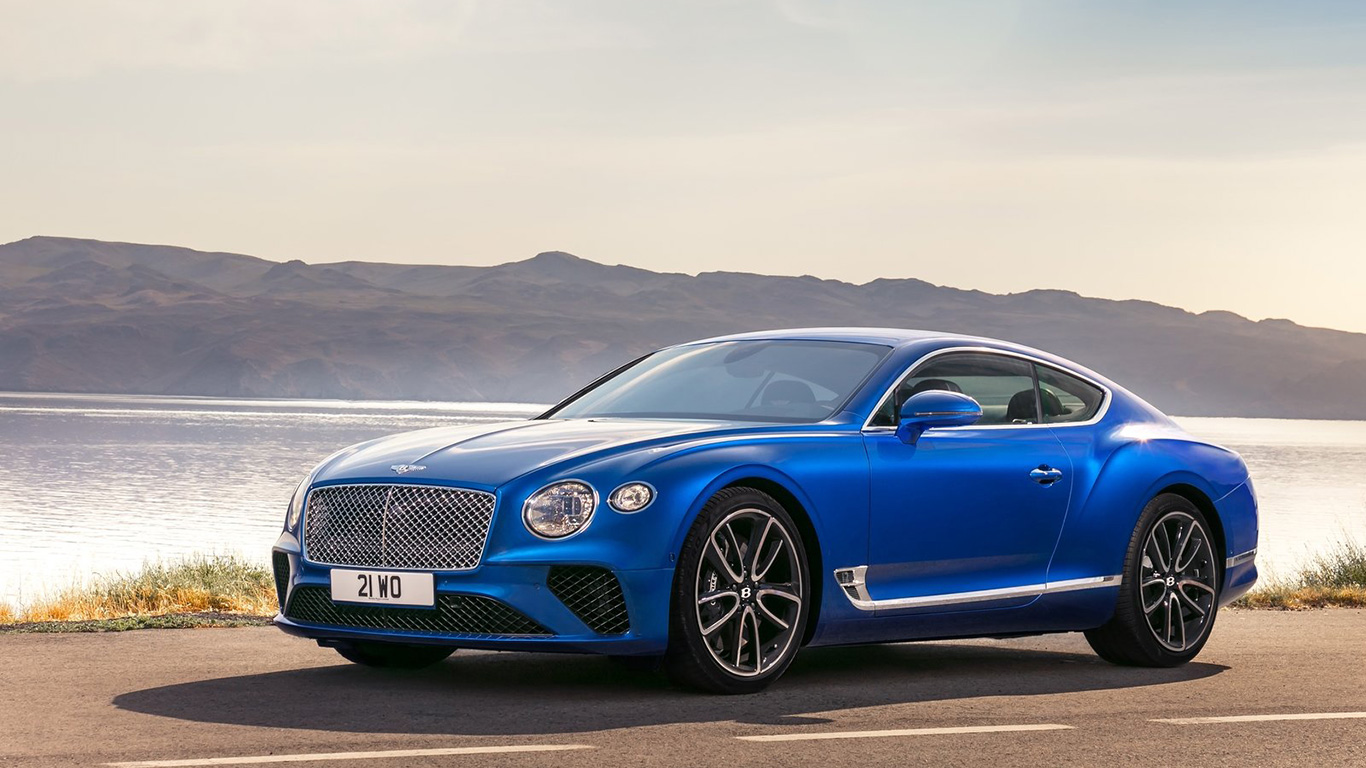
All-new for a third generation, the Continental GT has received a comprehensive overhaul from Bentley. The styling is noticeably sleeker, but the new Conti GT is also bigger to offer up more space for passengers and luggage. The 6.0-litre W12 turbocharged engine might have 635hp, but Bentley promises this unit is more environmentally friendly than ever. A 48-volt electrical system controls the air suspension system, whilst the interior features a trick hidden 12.3-inch multimedia touchscreen. To understand the luxury on offer, consider that the standard sound system is a 1,500-watt Bang & Olufsen, with a 2,200-watt Naim system available as an upgrade.
Ferrari Portofino
Named after one of the most beautiful Italian towns, according to Ferrari, the Portofino replaces the somewhat controversial California T. Fans never quite warmed to the styling of the California, but styling influenced by the GTC4Lusso helps make the Portofino appear far more coherent. The 3.9-litre twin-turbocharged V8 remains, but now features 600 hp – an increase of 40hp compared to the outgoing Cali T. Frankfurt will be the first chance to see if the new looks work in the metal.
BMW 8 Series
The Concept 8 Series shown at the Concorso d’Eleganza event in May this year looked rather close to being production ready. So close that BMW will display the finished article in Frankfurt, only four months after first teasing the idea. The flagship coupe picks up where the previous 8 Series left off back in 1997, but with considerably more technology and the the promise of a true M8 performance version.
BMW M5
Munich may have announced the new M5 last month, but the official public unveiling will happen at the Frankfurt show. A standard xDrive 4WD system is the biggest shock, and it’s needed to keep the 600hp 4.4-litre twin-turbo V8 engine under control. UK prices will start at £89,640, with the first deliveries in February 2018. If you can’t quite stretch to almost £90,000 fear not, as you’ll be able to experience the new M5 in the forthcoming Need for Speed Payback video game.
BMW 6 Series GT
The 5 Series GT is dead, long live the 6 Series GT. As BMW continues the realignment of all models to its naming system, the largest Progressive Activity Saloon gets a new badge. It’s not just about the name though; the 6 Series GT is bigger inside, and also features more luggage space beneath the liftback tailgate. Engine choices will include turbocharged 2.0-litre and 3.0-litre petrol units, with a 2.0-litre diesel also available from the outset. Expect a hot version to follow later next year.
BMW X2
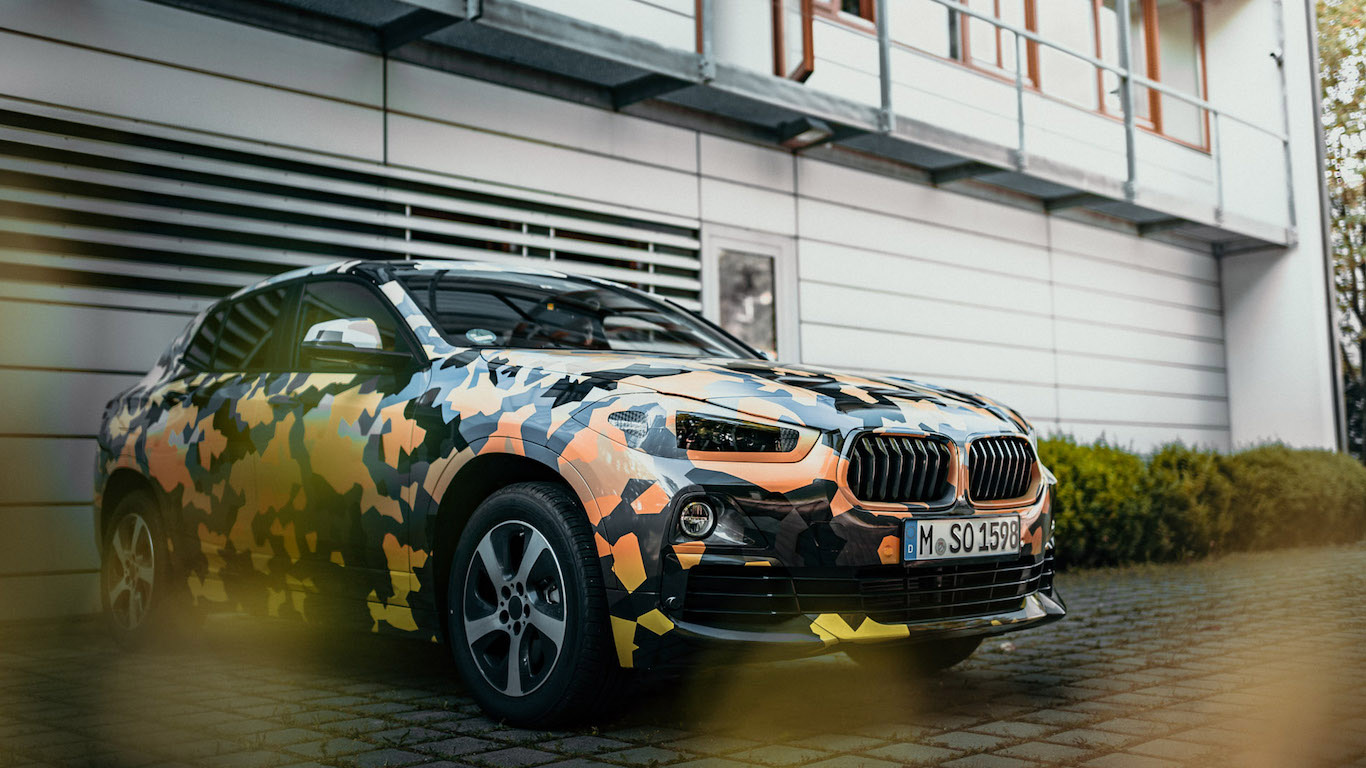
After the Concept X2 was displayed at the 2016 Paris Motor Show, BMW has been working hard to get this small X1-derived crossover to the market. BMW has even released official photos of the X2 testing, with cars wearing this funky orange and grey camouflage. Sadly we doubt it’ll be a colour option when the finished car is revealed in Frankfurt. A wealth of petrol and diesel engines from the X1 will be offered, whilst there are also rumours of a performance range-topping model waiting in the wings.
BMW i3S
Whilst the electric i3 might resemble the future of motoring, BMW is still treating it like any other car in the range. Which means a mild mid-life facelift, and the addition of a sporty ‘S’ model. Power is increased to 184hp, whilst the 0-62mph time drops to a junior hot hatch-rivalling 6.9 seconds. More impressive is the promise of a stability control system tuned to give ‘mild and safely controllable drifts’ and the option to engage Sport mode at will. UK prices for the i3S will start at £36,975 before the £4,500 government Plug-In Car Grant.
MINI Electric Concept
It might only be a concept at present but make no mistake, a genuine electric MINI is coming in 2019. Importantly, it’ll be built here in Britain alongside conventionally-powered versions. That should help keep costs low, and make this a genuine EV option for the masses. MINI has used 3D printing technology to design special parts for the Electric Concept, which in the future could offer the potential for bespoke customisation options. Aerodynamics are key to the Electric Concept, with even the alloy wheels created to help channel airflow efficiently.
MINI John Cooper Works GP Concept
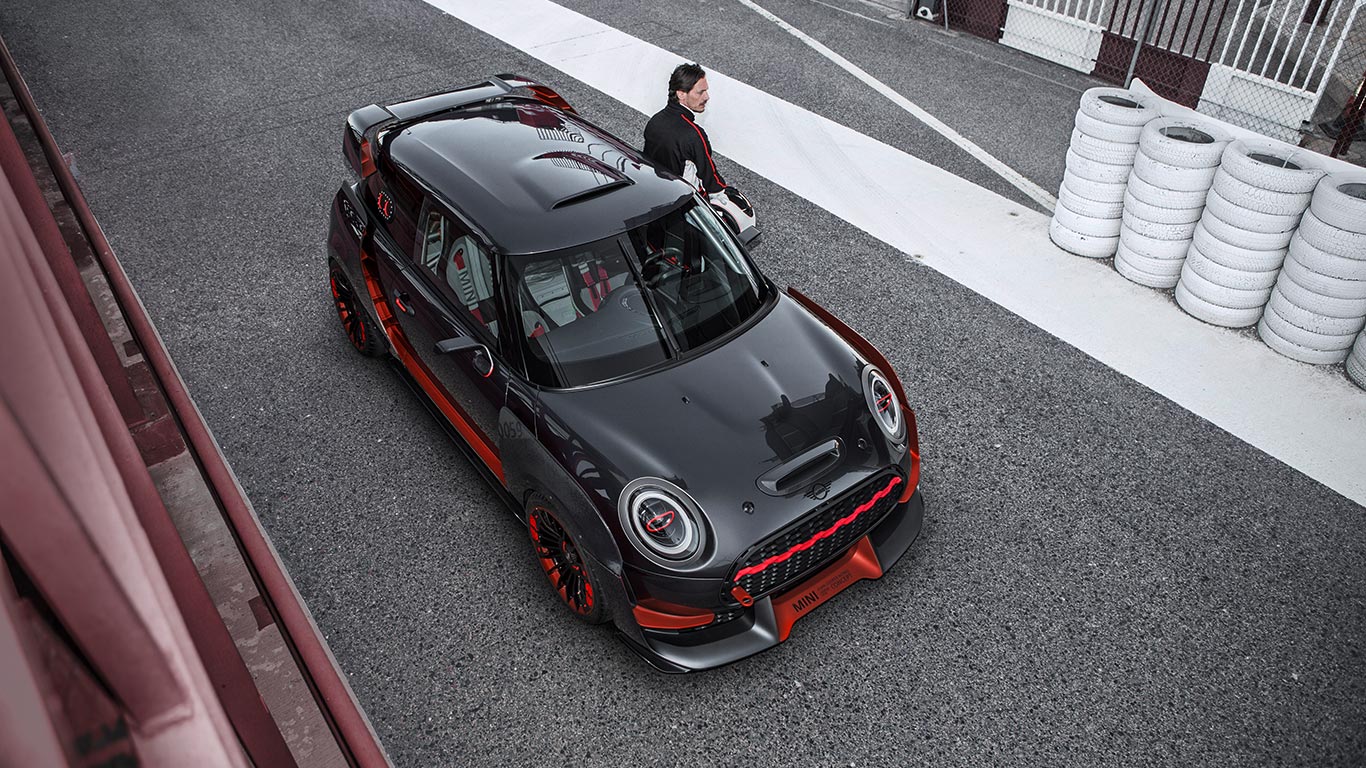
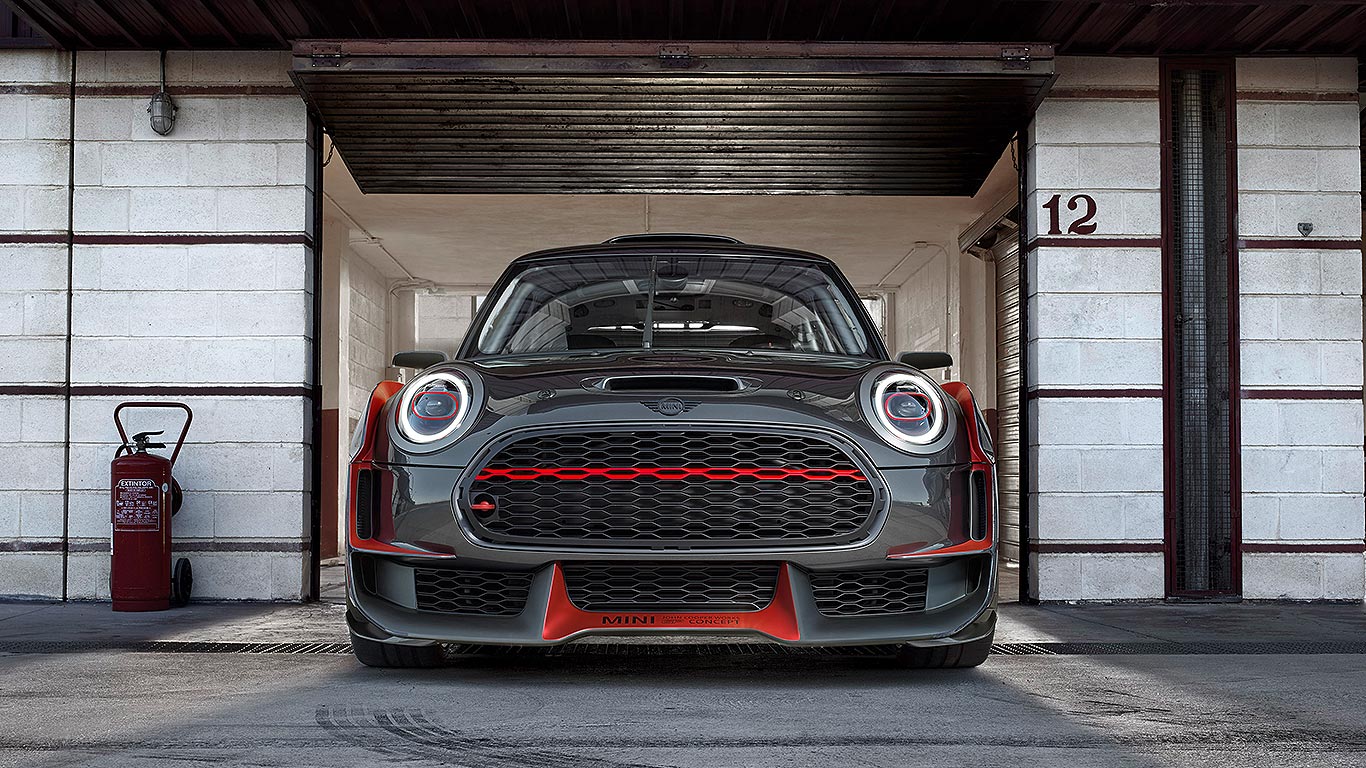
Said to be inspired by the triumphs of the original Mini at the Monte Carlo Rally some 50 years ago, this Works GP Concept could be the most extreme version of the hatchback built yet. With a wealth of carbon fibre for the aero kit, including a gigantic roof spoiler, the Works GP Concept also includes LED taillights that from a Union Jack flag. As with the previous two Works GP versions, this concept features a stripped-out interior and, like the Electric Concept, makes use of 3D printing for special parts. Don’t expect a production version before 2019.
Kia Concept Car
Intended to preview how the next-generation Cee’d might look, Kia will be showing off this rakish shooting brake design in Frankfurt. The current Cee’d hatchback and estate range is due for replacement soon, and Kia hints that a shooting brake may be a possible addition to the range. Styling elements seem to be influenced by the Stinger GT, but we’ll know much more when the show opens.
Renault Symbioz
Renault isn’t giving much away about this concept, except for the notion that it will preview a ‘vision of the future’ for autonomous driving. Intended to explain how Renault believes connected mobility will work in the year 2030, the name is derived from the Greek word for ‘living together’ with an additional ‘z’ to refer to Renault’s Z.E. electric range. You’ll have to wait until next week to see how your digital lifestyles will be transformed in synergy with the urban environment.
Seat Leon Cupra R
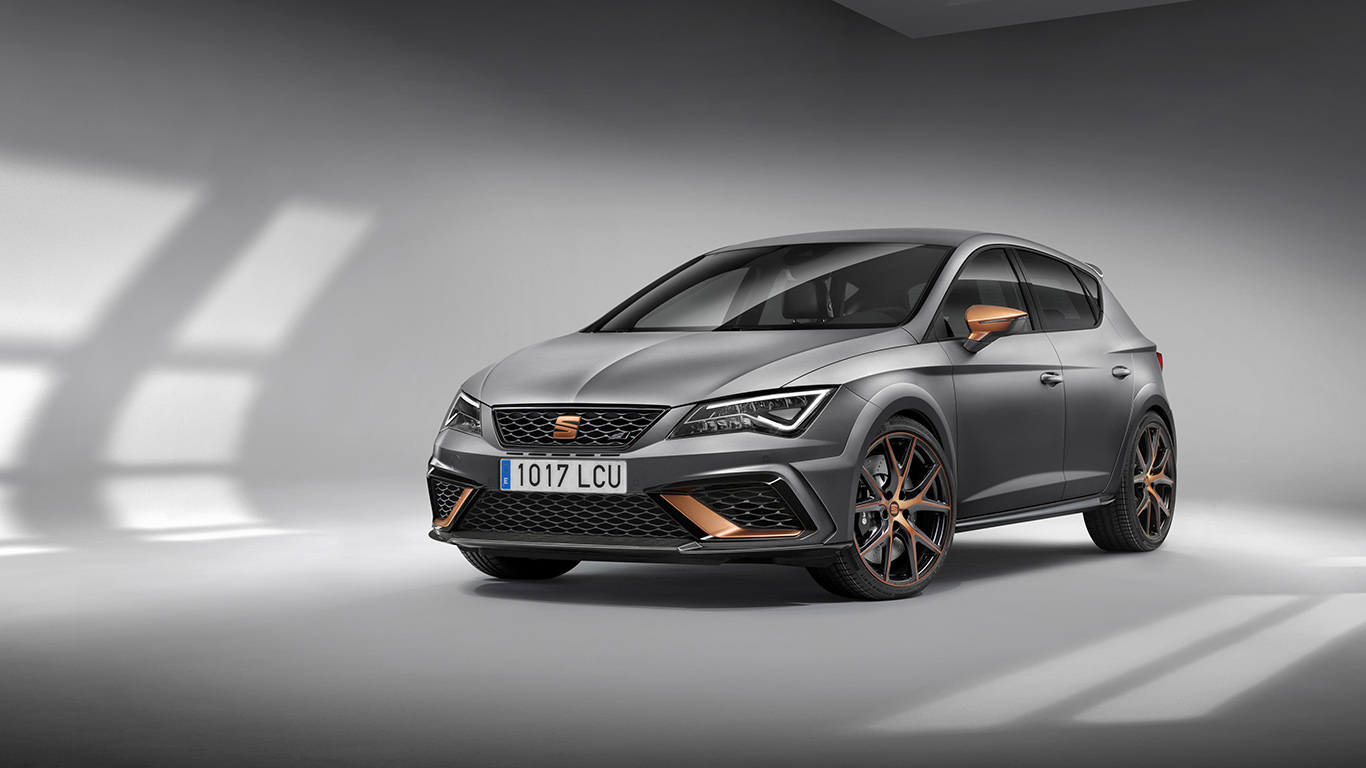
The Cupra R is back for the latest generation Leon but, disappointingly, in limited edition form only. Just 799 examples of the most powerful Seat road car will be built, powered by a 310hp version of the 2.0-litre turbocharged petrol engine. There’ll be no bright colours on offer, but the wing mirrors, wheels, and badging feature a bright copper finish. A sports exhaust system, Brembo brakes, and Alcantara interior trim will be the other trinkets bestowed upon the several hundred buyers.
Renault Megane Renault Sport
Finally, after months of teasers, camouflaged test cars, and even multiple leaked images, we’ll finally get to see the finished hot Megane at the Frankfurt show. We already know it will have four-wheel steering for enhanced agility, whilst power of over 300hp will allow it to compete with that limited edition Cupra R at least. Notably the new Megane Renault Sport will be, like the rest of the range, five-door only and with styling expected to be less dramatic than other hot hatch rivals.
Suzuki Swift Sport
Everyone’s favourite junior hot hatch returns for a brand-new third-generation offering. Sadly we’ll have to say goodbye to a high-revving naturally aspirated engine, as forced induction has finally caught up with the Swift Sport. Thankfully, it’ll still be lightweight, which should make the expected 140hp powerplant more than capable of entertaining drivers.
Vauxhall Insignia Grand Sport GSi
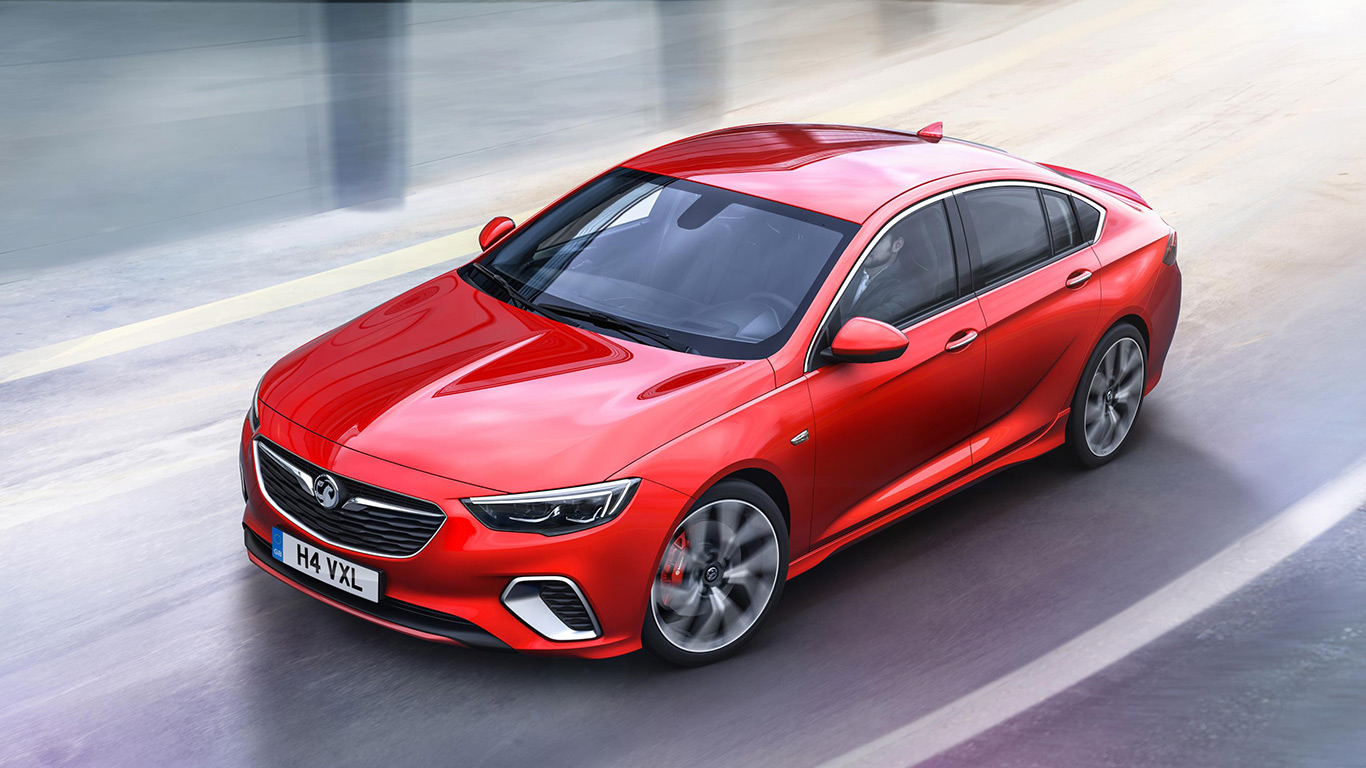
The GSi badge is back, but it won’t be stuck to the back of an Astra terrorising people at the local retail park. No, instead it’ll be attached to the rather more sensible Insignia Grand Sport. This isn’t just a badging exercise though, as the Insignia GSi will feature a 260hp 2.0-litre turbo engine, four-wheel drive system, and a chassis honed on the Nürburgring. Externally the new Insignia GSi will look quite respectable, with just 18-inch alloy wheels and subtle rear spoiler giving the game away. Perfect for reformed boy racers in need of practical family motoring.
Citroen C3 Aircross
Despite being announced all the way back in June, Frankfurt will be the first official public outing for Citroen’s new compact SUV. Billed as a rival to the ageing Nissan Juke, the C3 Aircross will undercut the Sunderland-built machine by at least £900, with prices starting at £13,995. Replacing the now uncool C3 Picasso MPV, the Aircross claims to have best-in-class interior space, and the ability to personalise both interior and exterior with 90 different colour combinations.
Porsche Cayenne
It’s new, honest. Announced just last week, the third-generation Cayenne will face the crowds at the IAA, many of whom will struggle to tell if it’s the latest version. Even Porsche admits the styling is evolutionary, noting that the looks are ‘familiar’ compared to the previous model, although the new car is longer and lower. LED lighting abounds outside, whilst inside the boot has grown to a substantial 770 litres of space. The biggest news is the adoption of the 12.3-inch touchscreen, along with smartphone-like buttons for other controls – much like the latest Panamera. Turbocharged petrol V6 engines will be the only choices at launch, with Porsche curiously silent on the subject of diesel…
Skoda Karoq
As part of the Skoda brand moving further upmarket, fun and frivolity with the Yeti is making way for sensible with the new Karoq SUV. Smaller than the all-conquering Kodiaq, the Karoq will still feature over 520 litres of boot space and the promise of ample legroom for rear passengers. Two petrol engines and three diesels will be on offer, with a wealth of optional technology like Park Assist and Blind Spot Detection available. It all sounds very mature.
Volkswagen T-Roc
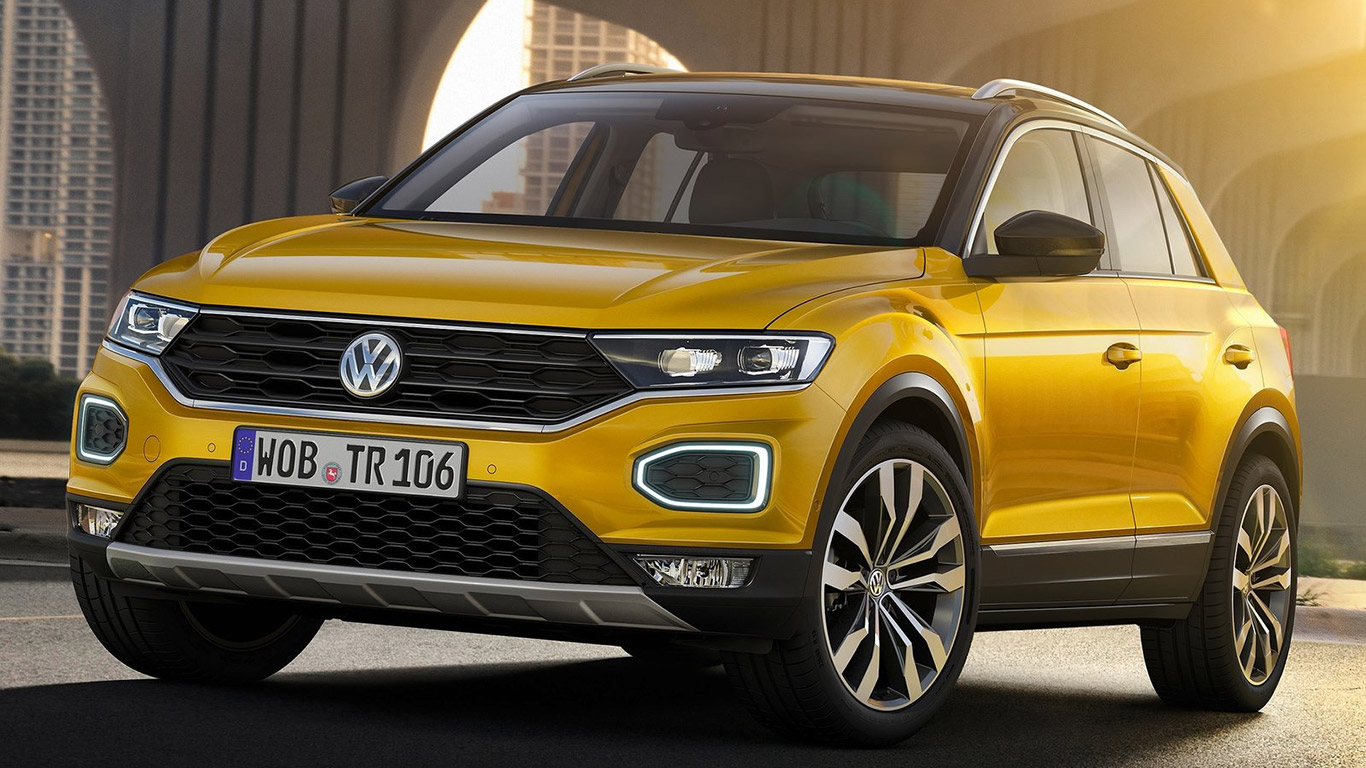
After several years of lying low, Volkswagen is now firmly upping things in the crossover stakes with a direct competitor to the Nissan Qashqai. Set to be keenly priced to rival the Japanese machine, the T-Roc has gone from concept machine to production whilst retaining most of the same styling cues. Petrol engine choices range from a 115hp 1.0-litre, through to a 2.0-litre with 190hp. Diesels will also be on offer, whilst higher-powered T-Rocs will gain the option of 4Motion 4WD.
Dacia Duster
Thought subtle styling makeovers were reserved for expensive SUVs like the Porsche Cayenne? Think again, as even the budget Dacia Duster has benefitted from mild tweaks for the second-generation car. The front grille and headlights are noticeably bigger, whilst the taillights are fancier in design. The same engine choices as before continue, which should help keep prices low. Apple CarPlay and Android Auto are expected to feature in a revised interior, but don’t expect to see a previously rumoured seven-seater version.
Chery SUV Concept
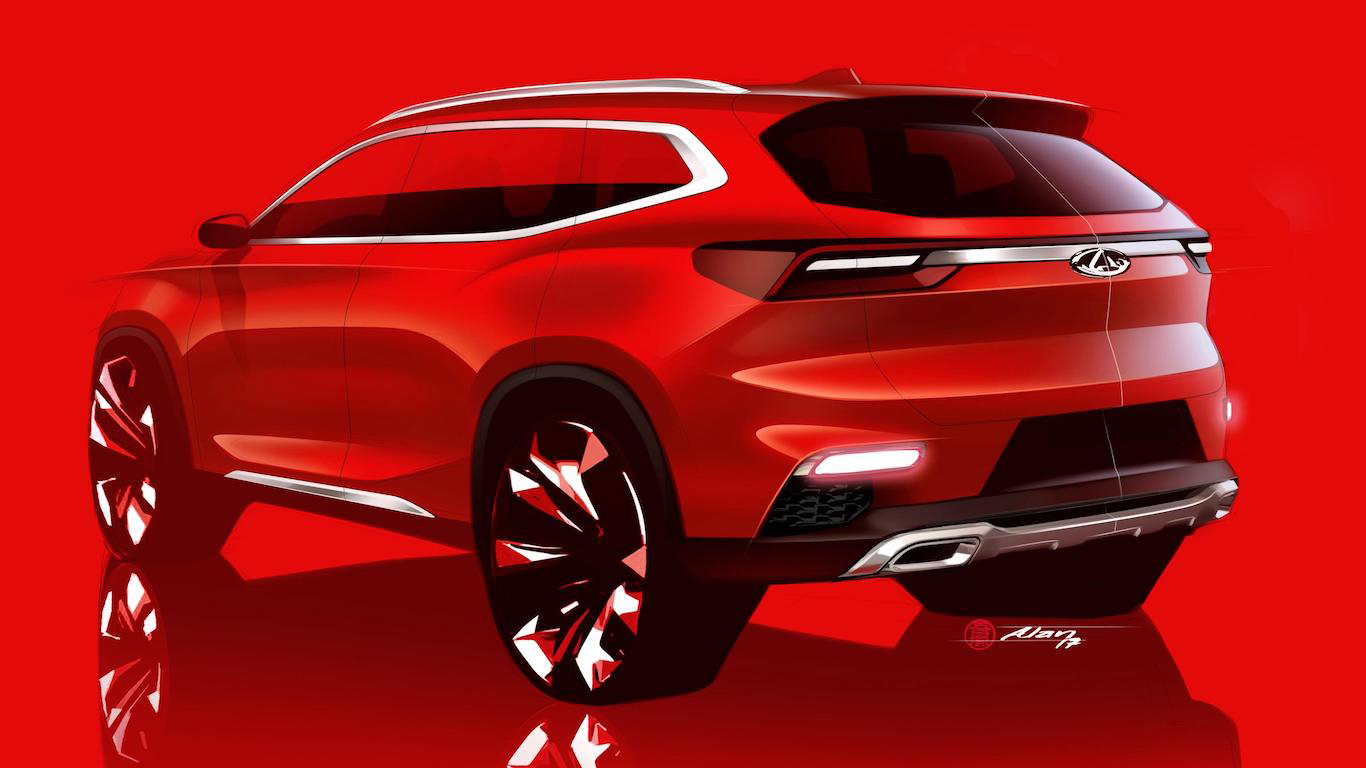
Chinese company Chery may be big at home, but is planning a major assault on the European market with a new compact SUV. Although exact details are yet to be confirmed, the new model to be unveiled in Frankfurt is said to appeal to young, urban, forward-thinking customers. Chery plans to sell only vehicles with some degree of electrification in Europe, meaning the brand could become a cut-price alternative to Chinese-owned Volvo offerings.
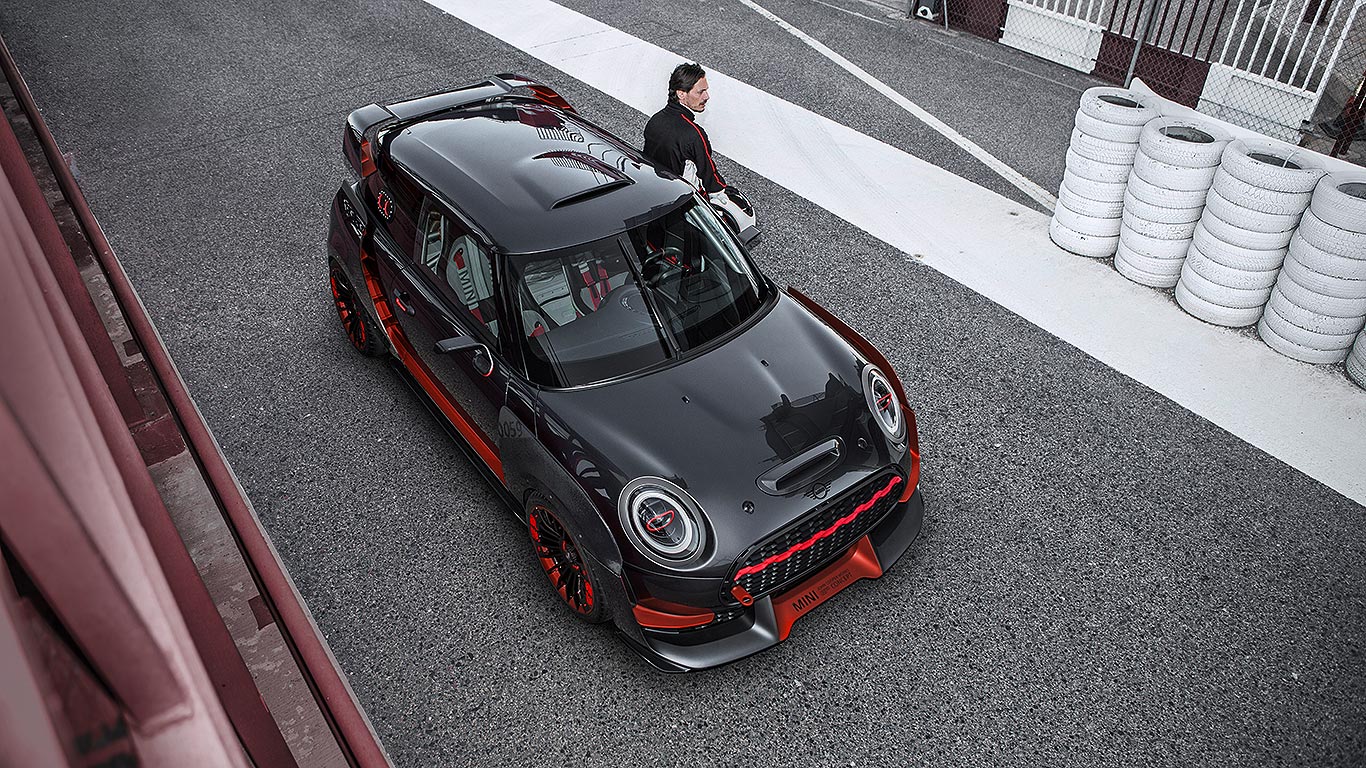
Mini is preparing to bring back the hardcore two-seat Works GP special edition – and will showcase a preview Mini John Cooper Works GP Concept at the 2017 Frankfurt Motor Show, giving us our first look at the extreme new Mini hyper-hatch.
Frankfurt Motor Show 2017
Officially there to mark 50 years since the classic Mini Cooper S won the Monte Carlo Rally, the model also wears ‘1959’ graphics that reference the launch of the original Mini. This suggests the firm may bring it out as a special edition to mark 60 years of the Mini in 2019 – and what a showcase the new Works GP could be.
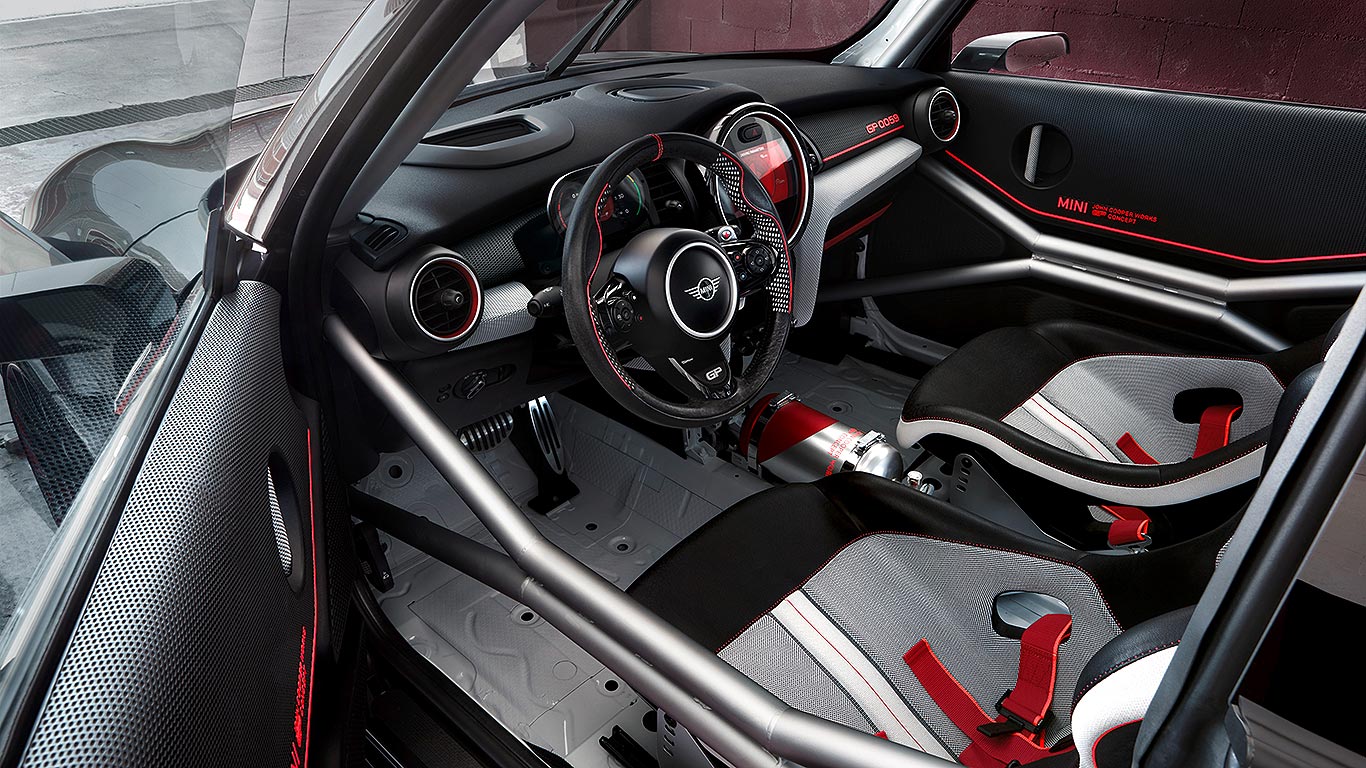
Only 2,000 examples of the original 2006 Mini Cooper S John Cooper Works GP and 2012 Mini John Cooper Works GP were built, and the new one would be built in similarly small numbers. And like those cars, it seems Mini is planning to make this one equally as extreme, even down to the two-seat interior with full roll cage installed behind the passengers. “This is driving fun in its purest form, says Mini boss Peter Schwarzenbauer, offering “levels of performance found in motor sport competition”.
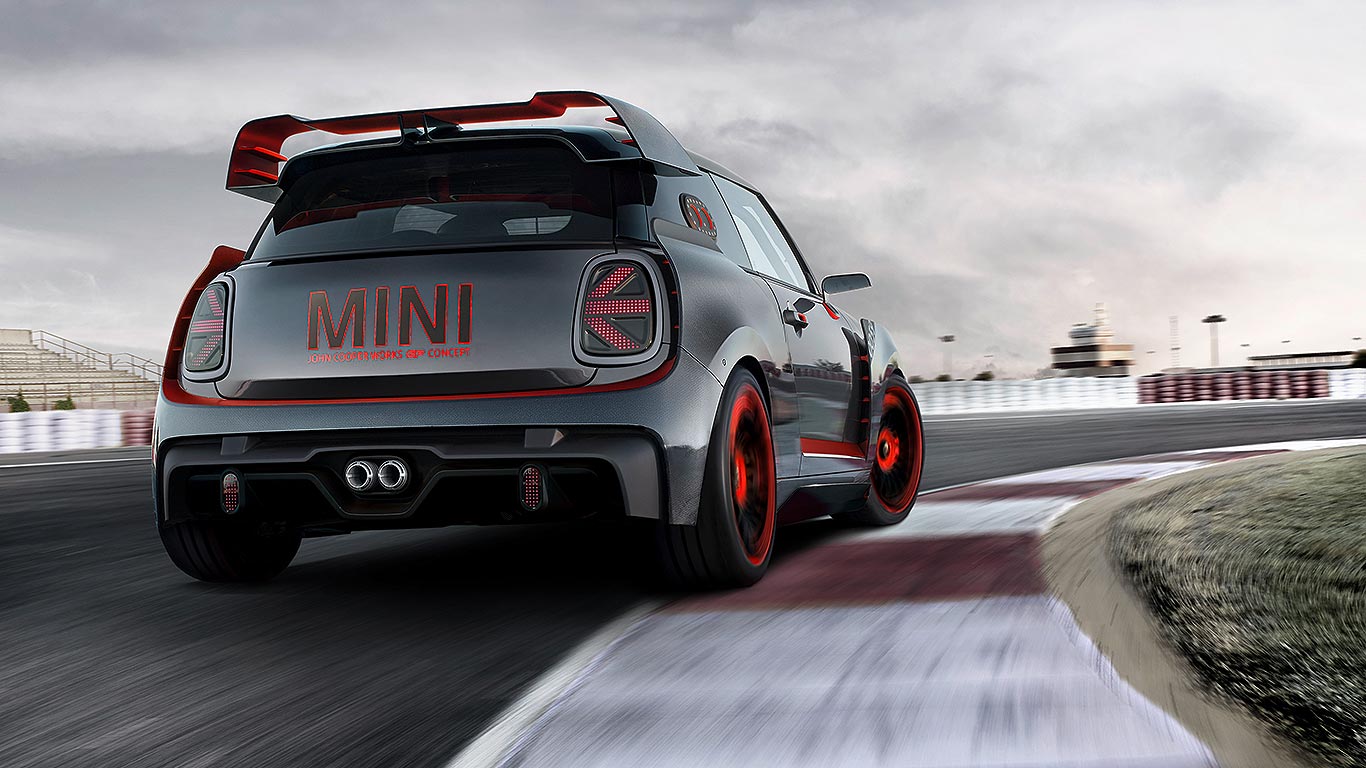
The images clearly show the new Works GP Concept is significantly wider than the regular Mini JCW, with large front and rear aprons, massive front and rear aero panels and the largest rear spoiler yet fitted to a Mini. Much of it is made from carbon fibre, and Mini says the weight distribution has been honed so that it’s evenly balanced. “What we’re looking at here is maximum performance, maximum Mini,” says BMW Group design boss Adrian van Hooydonk.
Design highlights include liberal use of Highspeed Orange and Curbside Red detail paint throughout the Black Jack Anthracite body colour, exposed carbon fibre for features such as the motorsport-grade front apron, amazing 19-inch lightweight alloys and a rear end “bombarded” by aero addenda and those half-Union Jack tail lamps that are fast becoming a Mini concept car trademark.
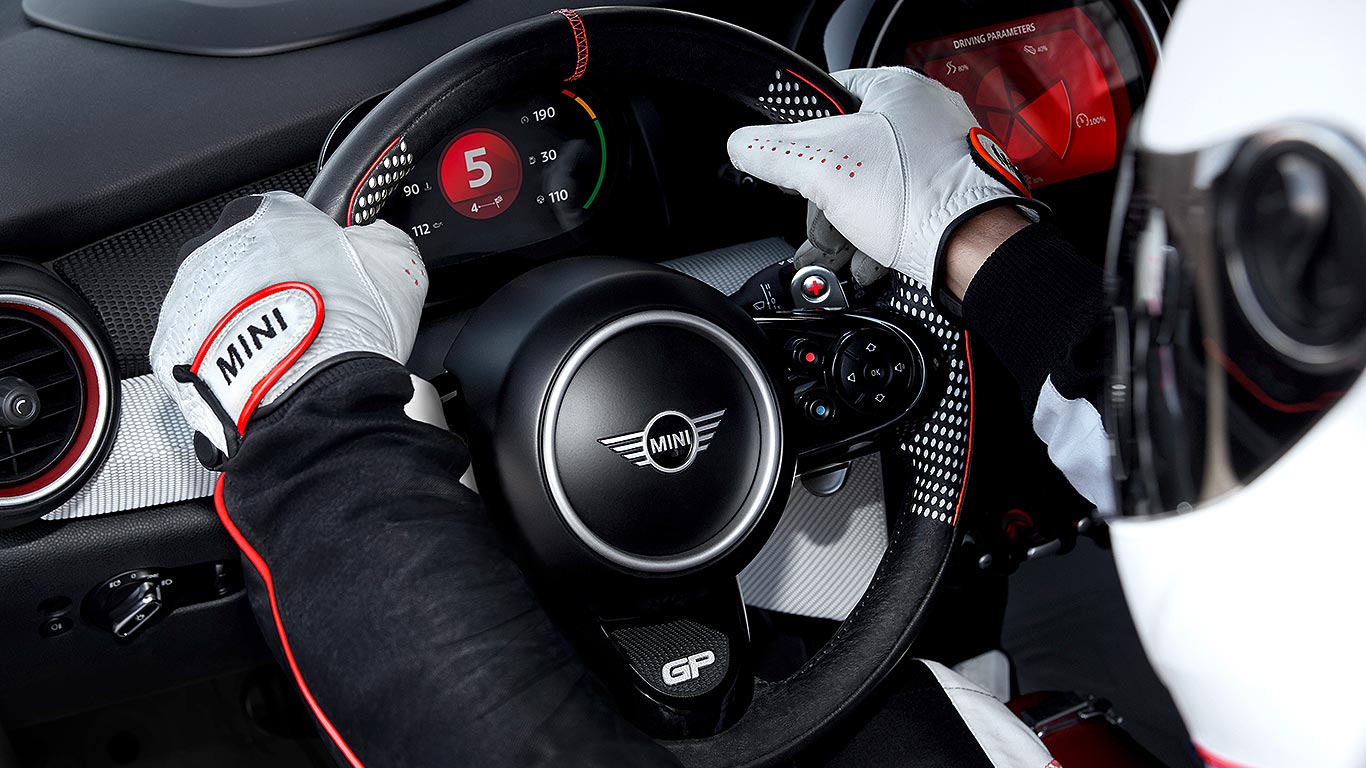
Inside, it’s been stripped out, with key elements being the roll cage, the ultra-low-set front buckets with five-point harnesses, and a race-style TFT instrument display ahead of the driver – just like the Mini Challenge racing cars. You don’t even get a roof liner or door panels, but you do get an emergency cut-off button within an otherwise-digital interior.
How do you open the doors? With fabric strips, before then clamouring through the opening in the roll cage, “in typical racing car style”. As with the Mini Electric Concept that’s also headed to the Frankfurt IAA, liberal use of 3D printing and 3D knitting tech is exhibited throughout the Mini John Cooper Works GP Concept.
What we don’t know much about is the engine or suspension, frustratingly. But we can bet it will be exciting, with a suitable lift from the current Mini JCW’s 231hp output. And, no doubt, a suitable lift from its £23,780 price tag too…
The new 2017 Ford Fiesta has earned a full five-star rating in the latest round of Euro NCAP safety crash tests – 20 years after the 1997 Fiesta proved to be “just not stable” in a crash test that today “does not make for comfortable viewing”.
However, because Ford does not fit autonomous emergency braking (AEB) as standard to the new Fiesta, it does not become Euro NCAP’s top supermini pick of 2017: the latest Seat Ibiza retains that title. The fact it is only an option “is a shame,” says Matthew Avery of British Euro NCAP partner Thatcham Research. “Fewer than 5 percent of car buyers take up additional safety packs.”
Other models tested in the latest round of 2017 Euro NCAP crash tests include the Jeep Compass, Mazda CX-5, Renault Koleos and Vauxhall Grandland X, all of which also scored five stars. But while the Kia Rio supermini scored five stars, it only did so if the optional safety pack was fitted: without it, the score drops to a meagre three stars.
The new Kia Picanto is rated at four stars with the optional safety pack, three stars without it. Meanwhile, the Opel Ampera-e electric car – which Vauxhall hopes to launch in the UK some time in the future, earned a four-star rating.
20 years of Euro NCAP
In comparing the 1997 Fiesta crash test with the latest 2017 test, Avery said that “you don’t have to be an expert to recognise a distinct progression in car safety over the past 20 years.
“The dummy in the 1997 model endures a heavy head-strike against the B-pillar and there is serious intrusion in the side impact test too. The structure was just not stable. Today, however, the 2017 Fiesta offers far , far greater levels of protection to its occupants.
“Euro NCAP exists to help consumers make informed choices around car safety. This is especially important for top sellers like the Ford Fiesta – a car which Euro NCAP has tested on six different occasions over the past 20 years.”
The safety organisation also announced it will reveal its 2025 road map as part of the ‘In Pursuit of Vision Zero’ conference on 12 September. In front of policymakers, automotive industry leaders, road safety experts and other high-level industry people, Euro NCAP will look back on 20 years of progress and reveal how it’s going to help shape the car safety of the future.
The all-new 2018 Nissan Leaf has been revealed in a big launch event in Tokyo. The new EV looks much more sophisticated and less oddball than the original, boasts a richer interior, headline-grabbing technology, an extended 235-mile electric range and the promise of a significantly improved drive. It launches in Europe in January 2018.
Replacing the original Leaf, which is the world’s best-selling electric car ever (over 280,000 have been bought by owners), the new Leaf is a crucial car for Nissan. It hopes this is the model that will cement the car’s position as an electric vehicle for the masses: crucially, it is launching just as Tesla rolls out its Model 3, for which the US firm has similar aims.
While other firms are still working on their first EV, Nissan has been using customer feedback of Leaf owners dating back to 2010 to perfect its second-generation one. This new car is thus, arguably, the world’s most well-developed electric car yet, and certainly the one designed around the most real world feedback.
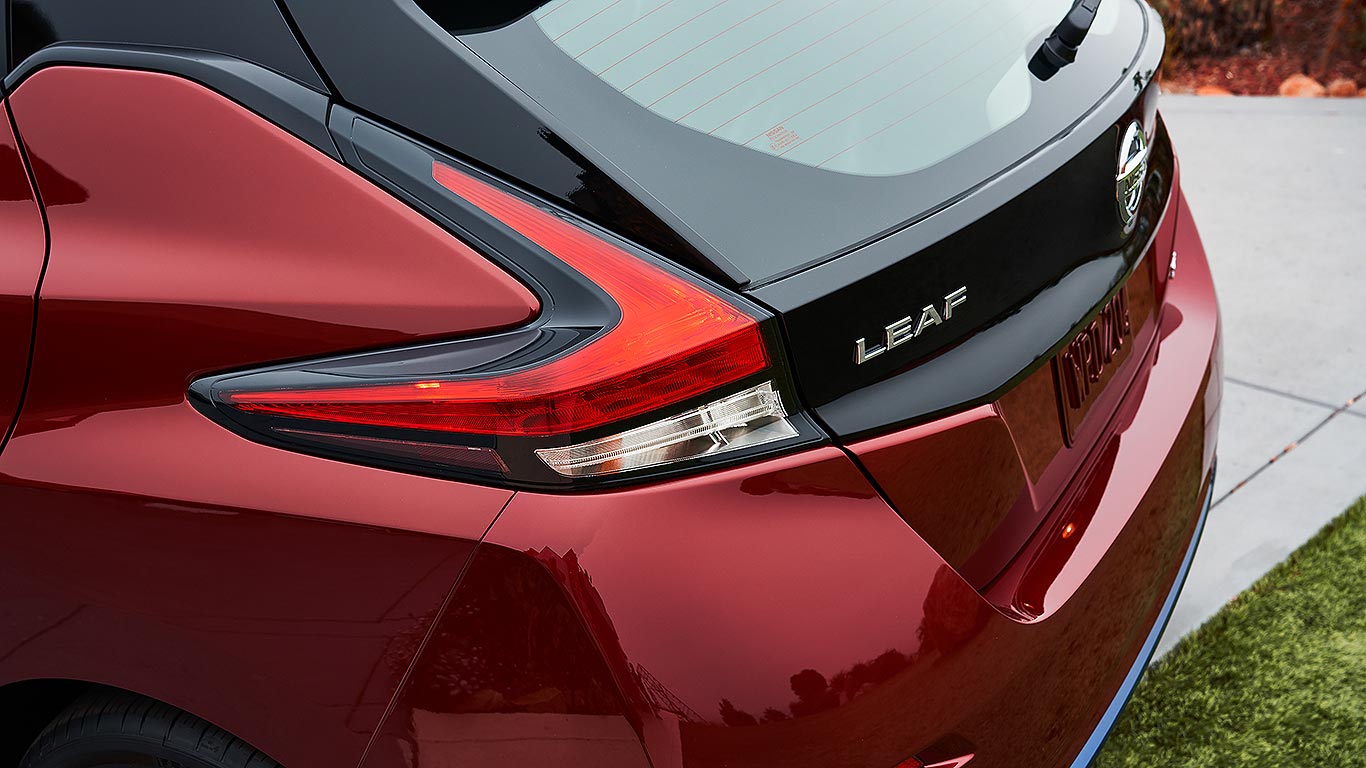
That’s why it looks so much smarter – and so much more like a conventional car rather than the blobby original. Using cues from the edgy 2015 Nissan IDS Concept, it has sharp creases, a distinctive front end boasting the current V-style Nissan face, a new black contrast ‘floating’ roof and a crisp, more hatchback-like rear end. It’s cleaner, simpler, sleeker, bolder and, says Nissan, feels more like “a high-tech device”.
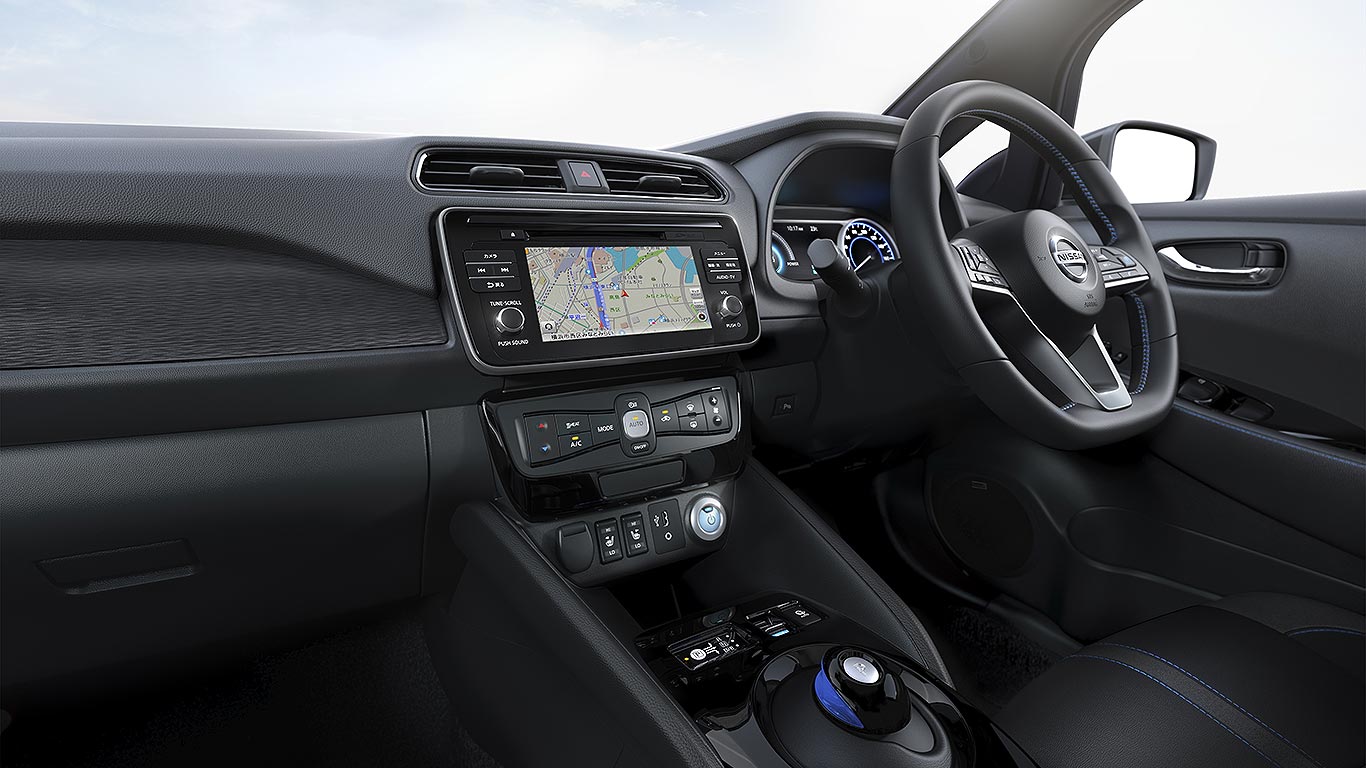
Inside, there’s been a similar jump, with a higher-quality interior that eschews the dated, ‘futuristic’ look of the current car for a more contemporary setup with large central touchscreen, electronic instrument pack, fewer buttons, more stowage and a sporty D-shaped steering wheel.
Nissan says it’s more spacious, more practical, and the greater use of matt plastics gives a much more premium feel – vital if the firm is to draw in the urbane people who may ordinarily be drawn to the new Tesla Model 3. It’s a full five-seater, adds the firm, with a voluminous 435-litre boot (larger than a Volkswagen Golf) that’s squarer and less riddled with intrusive bumps than today’s car.
New Nissan Leaf technology
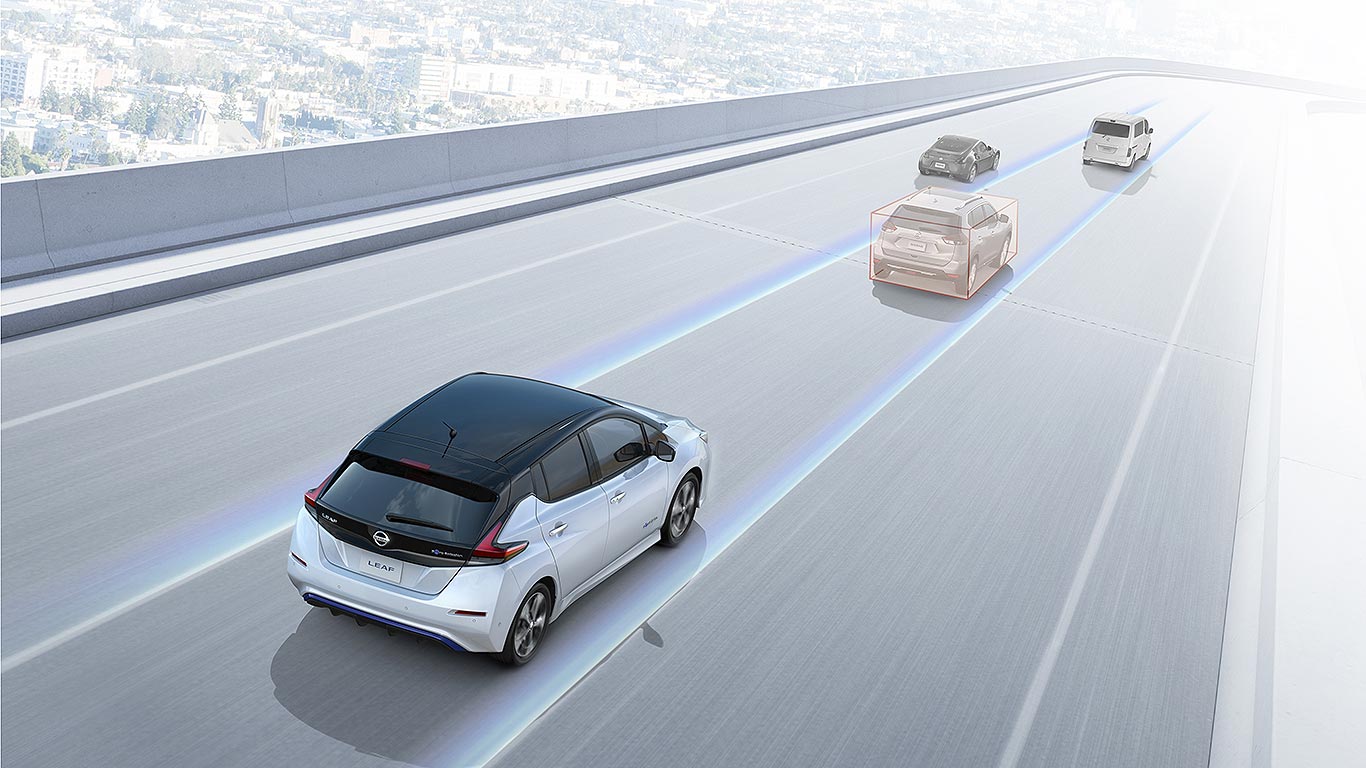
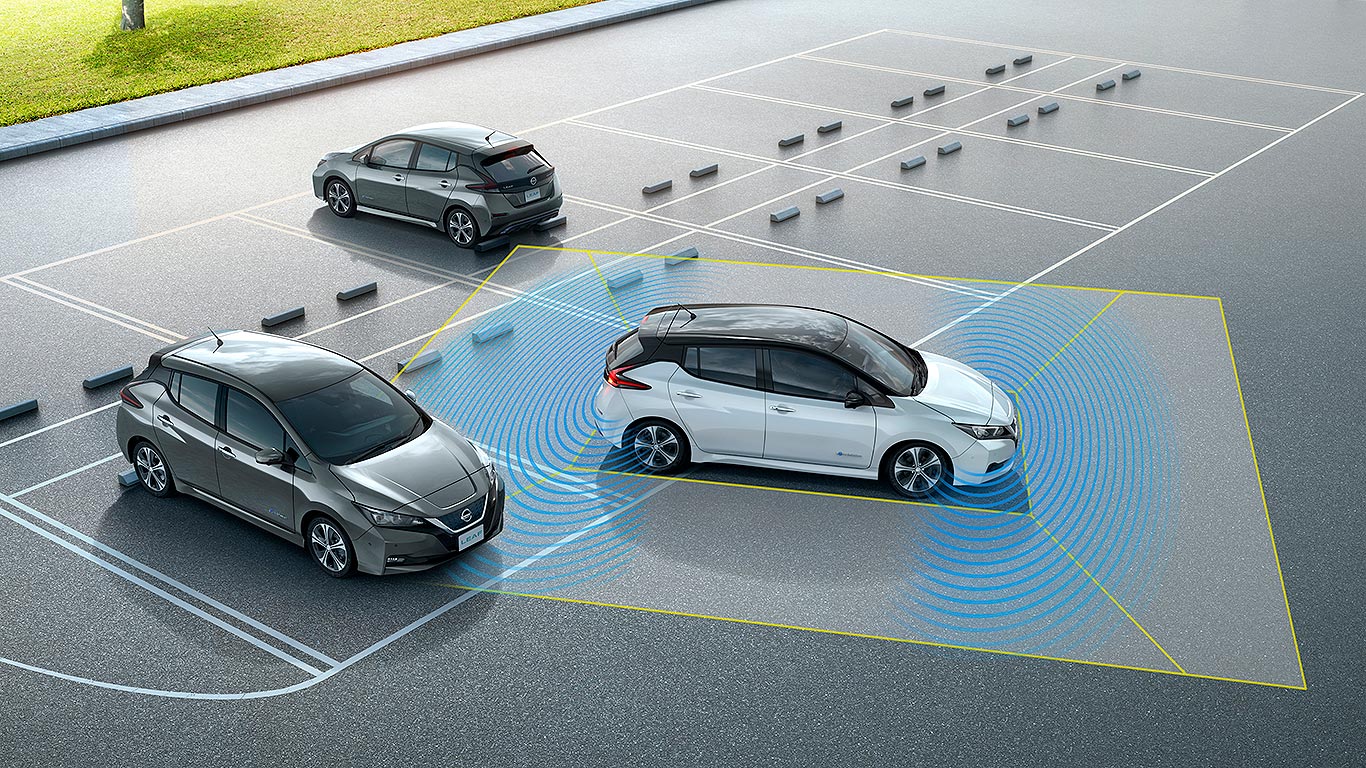
The new tech packed into the 2018 Leaf is headline-grabbing, feels Nissan. It has the first iteration of the firm’s ProPILOT autonomous drive technology, which can autonomously drive in single lanes between 19mph and 62mph, and ProPILOT Park which promises to park up at the press of a button.
Unlike current self-parking systems, there’s no need to carry out slow, complex pre-park drive procedures, promises Nissan: simply press a button and it will detect the space you can be docked into and carry out all steering, acceleration, braking and gear selection operations to squeeze you into it. It will “change the way people think about parking,” says Nissan, boldly.
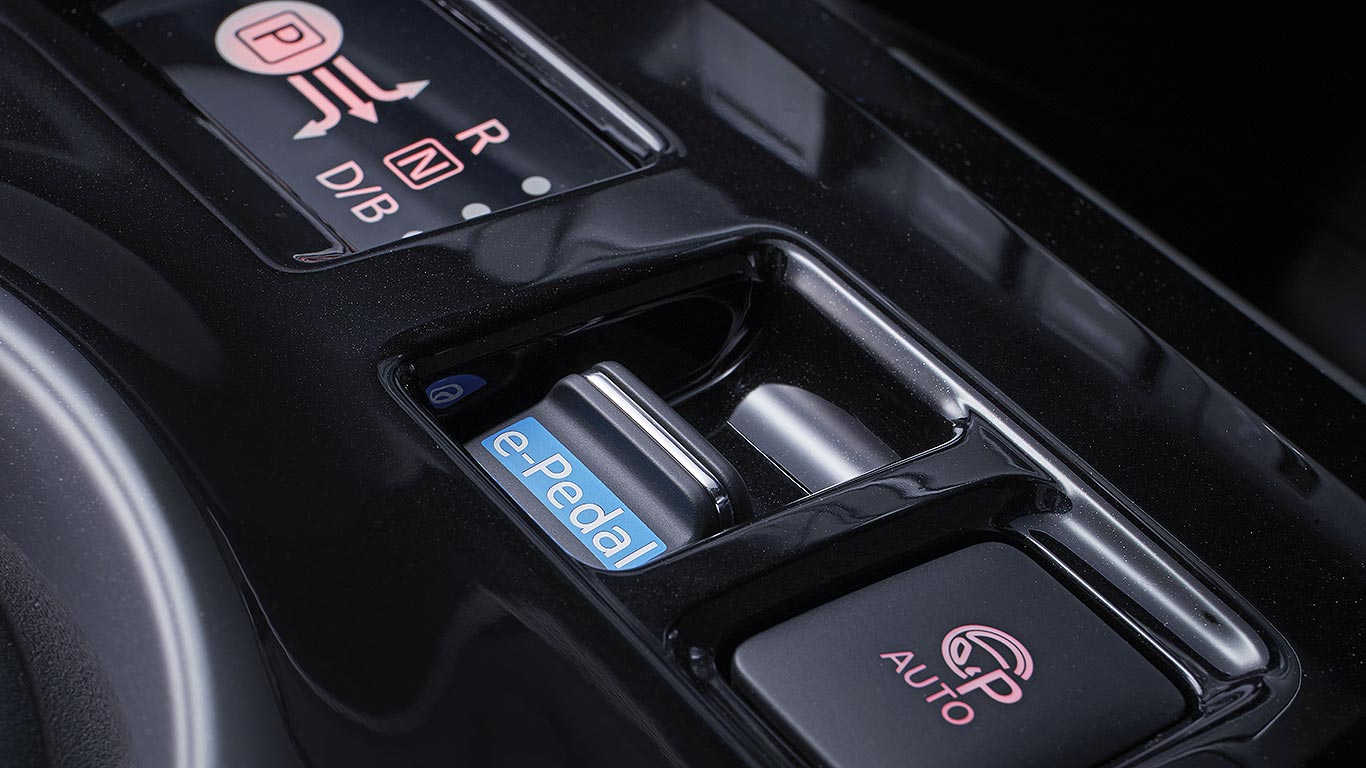
The new Leaf will also feature an innovative e-Pedal. It will have an accelerator and brake pedal like all automatic cars, but for 90 percent of the time, you won’t actually need to use the brake pedal: simply press and release the accelerator and the car will move and slow down fluidly – a bit like a dodgem car. Releasing it can bring you to a complete stop (and the car will hold itself there until you press it again); Nissan reckons you’ll only need to use the brake pedal in “aggressive braking situations”.
2018 Leaf: electric drive tech
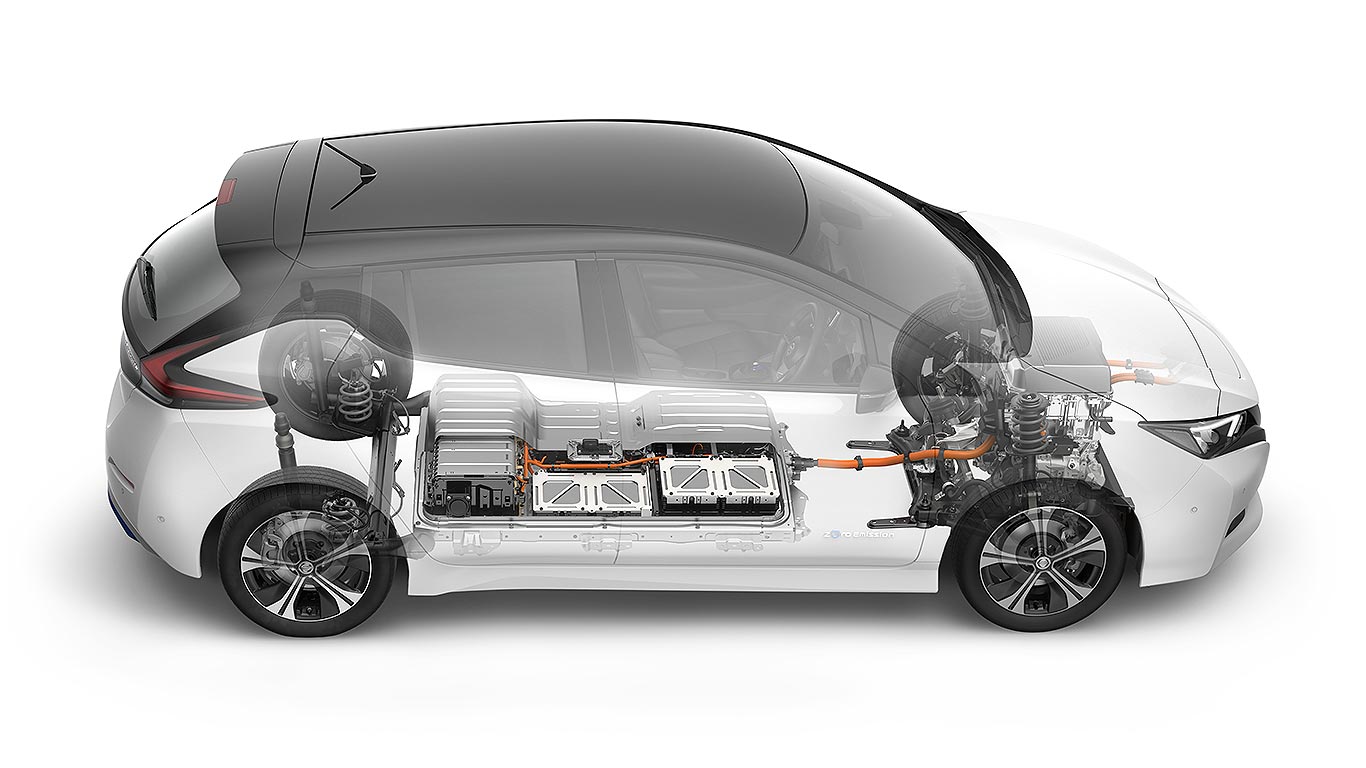
Nissan has fitted a more powerful 150hp motor to the new 2018 Leaf. That’s 38 percent more powerful than the current car and, with 236lb ft of torque, it has 26 percent more pulling power. It’s driven by a 40kWh lithium ion battery whose cell energy density is up 67 percent over the 2010 original.
We don’t yet have acceleration or top speed figures but it’s both faster and more enjoyable, the firm assures us, and an improved platform means it’s a more contemporary drive. It even now has Intelligent Ride Control, like the Nissan Qashqai; here, it uses the precision of the electric motor itself to smooth out vibrations, improve ride and make handling more controlled.
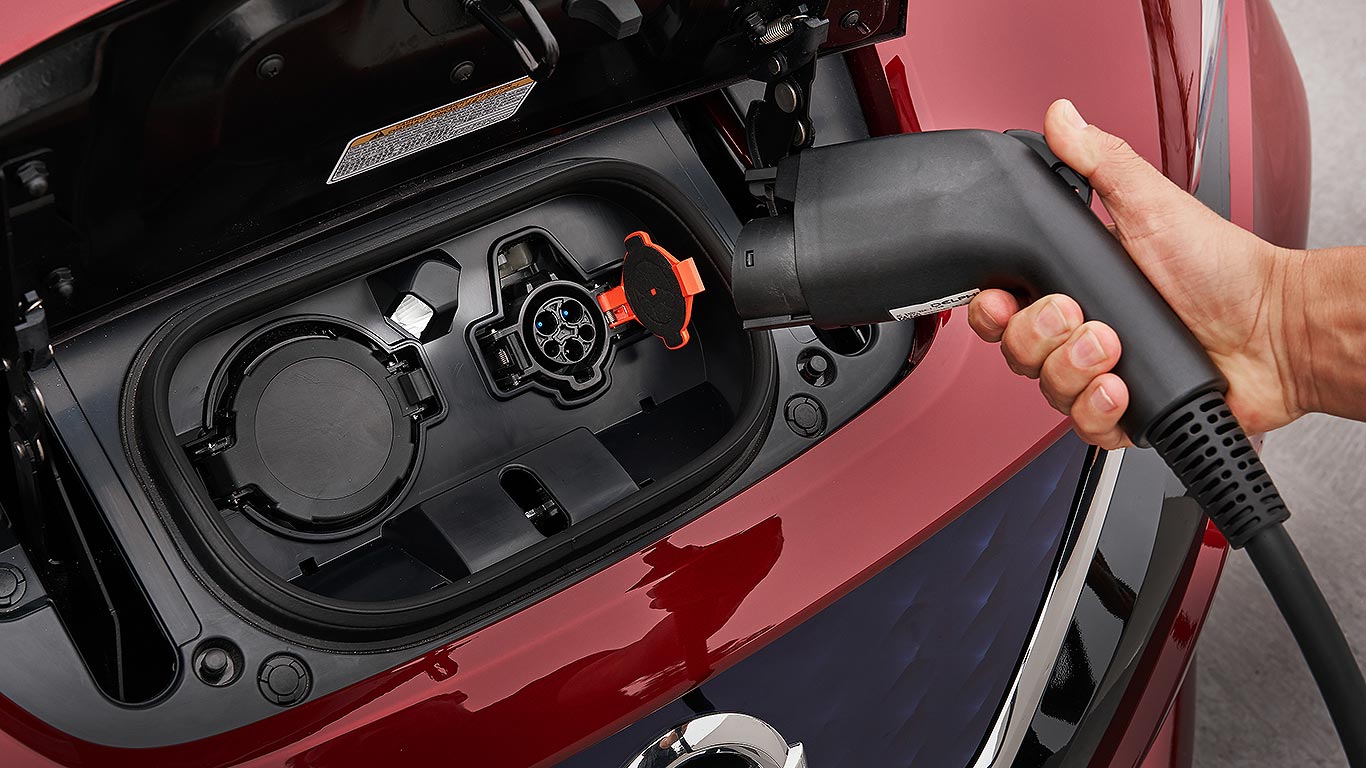
The EV range is up to 235 miles, according to the NEDC test cycle (better than both the latest BMW i3 and Volkswagen e-Golf). Later in 2018, Nissan will launch an additional leaf with a higher-capacity battery for a longer range. User feedback has helped the firm hone the design of the front charging socket; it’s now angled at 45 degrees so people can plug it in without stooping down.
“The new Nissan Leaf, with its improved autonomy range, combined with the evolution of autonomous drive technology, strengthens Nissan’s EV leadership, as well as the expansion of EVs globally,” said Nissan president and CEPO Hiroto Saikawa. “It also has the ore strengths that will be embodied by future Nissan models.”
Nissan hasn’t yet confirmed prices, but we’d hope to see it still come in at around £30,000, despite the extra features and larger 40kWh battery: todays’ model costs from £26,180 in base 24kWh Visia guise, or £30,290 in 30kWh Acenta form.
However, Nissan still has yet to confirm whether the new 2018 Leaf will be built at its Sunderland factory in the UK for European consumption. As sales are growing so quickly and it already has a battery plant located on site, fingers are tightly crossed…
Everybody knows that the purchase price is just one part of the cost of running a car. Other expenses, including depreciation, servicing, parts and fuel, need to be factored in when deciding if your budget will stretch to that shiny new car in the showroom.
That’s where Cap HPI’s ‘cost-per-mile’ study comes in. By considering the cost of fuel, depreciation, road tax and service and maintenance, we’re able to produce a list of the top 10 cheapest to run cars in the UK. In all cases, the image used isn’t necessarily reflective of the specification.
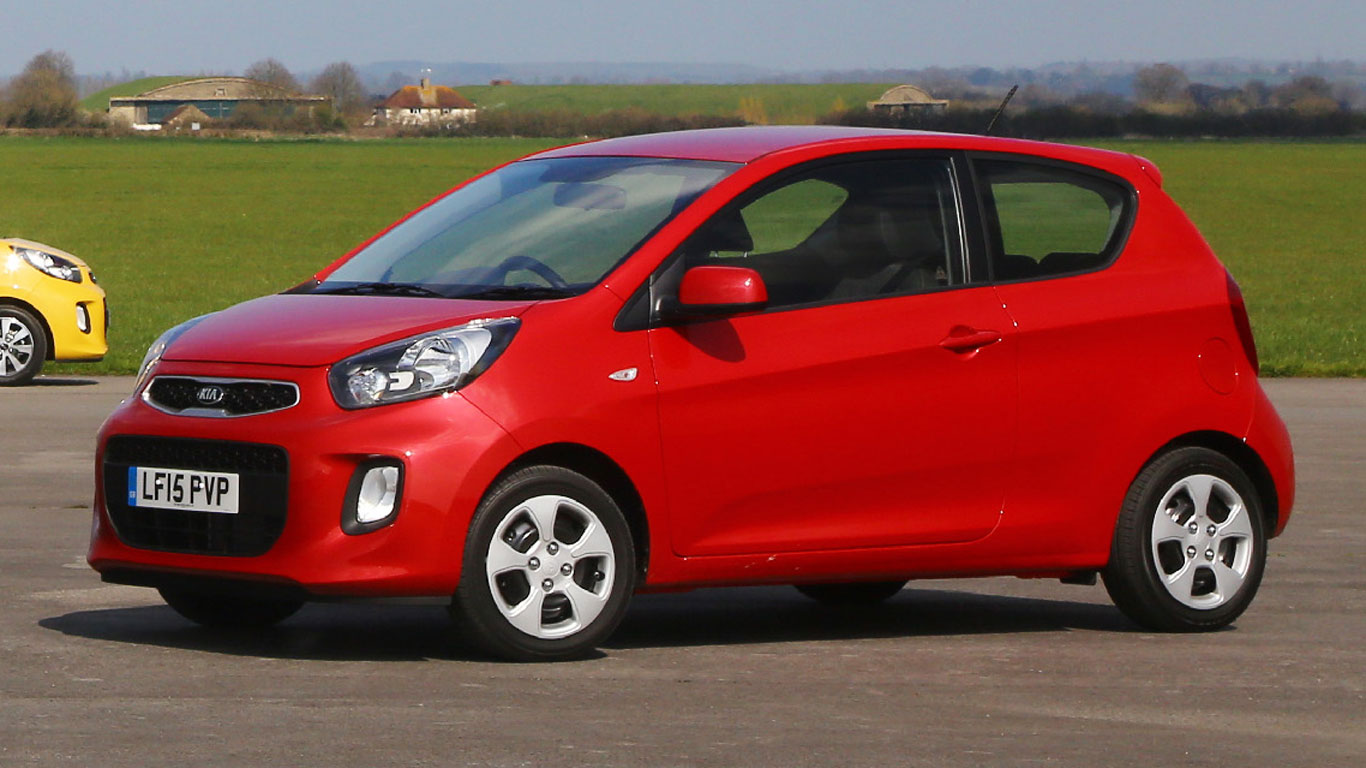
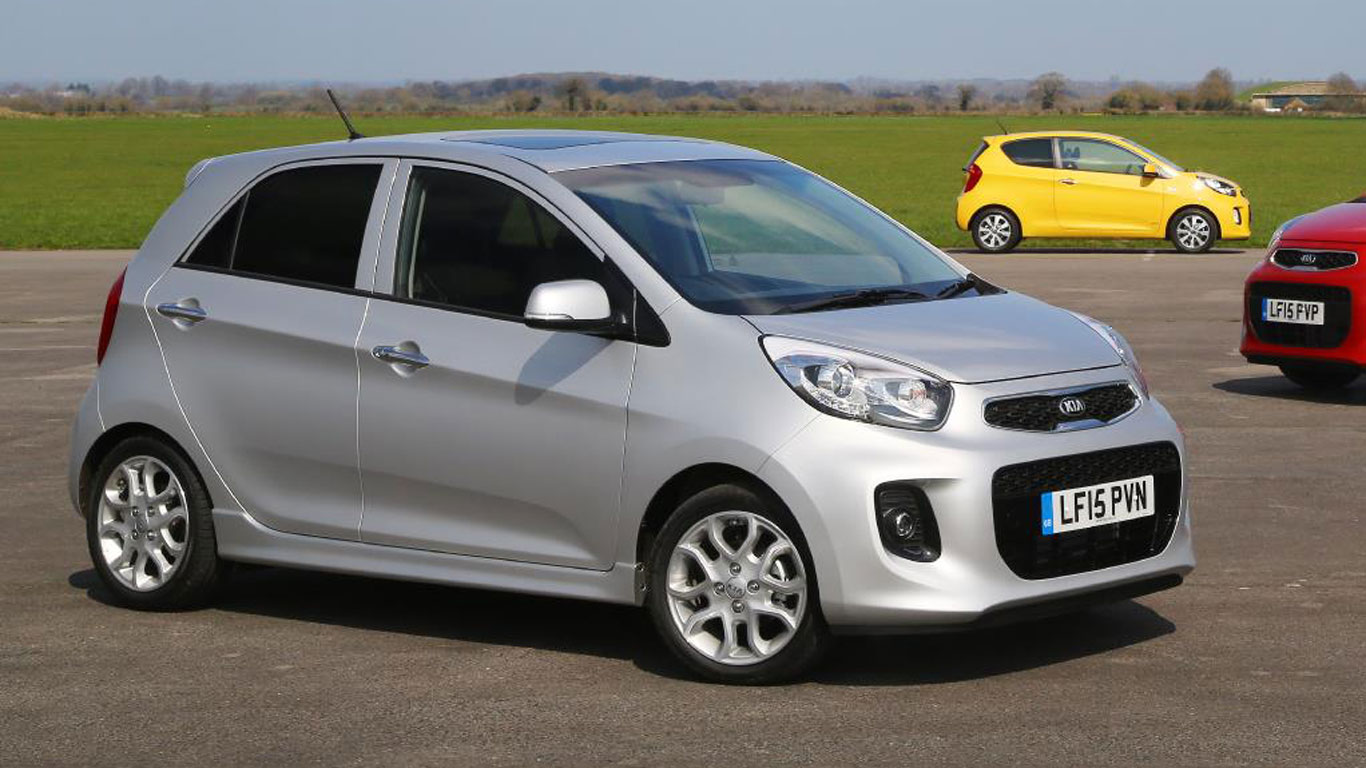
Kia no longer offers the Picanto in a three-door body, so this cost-per-mile is based on the previous generation model. As is the tradition, we feel obliged to add something about Kia’s seven-year warranty.
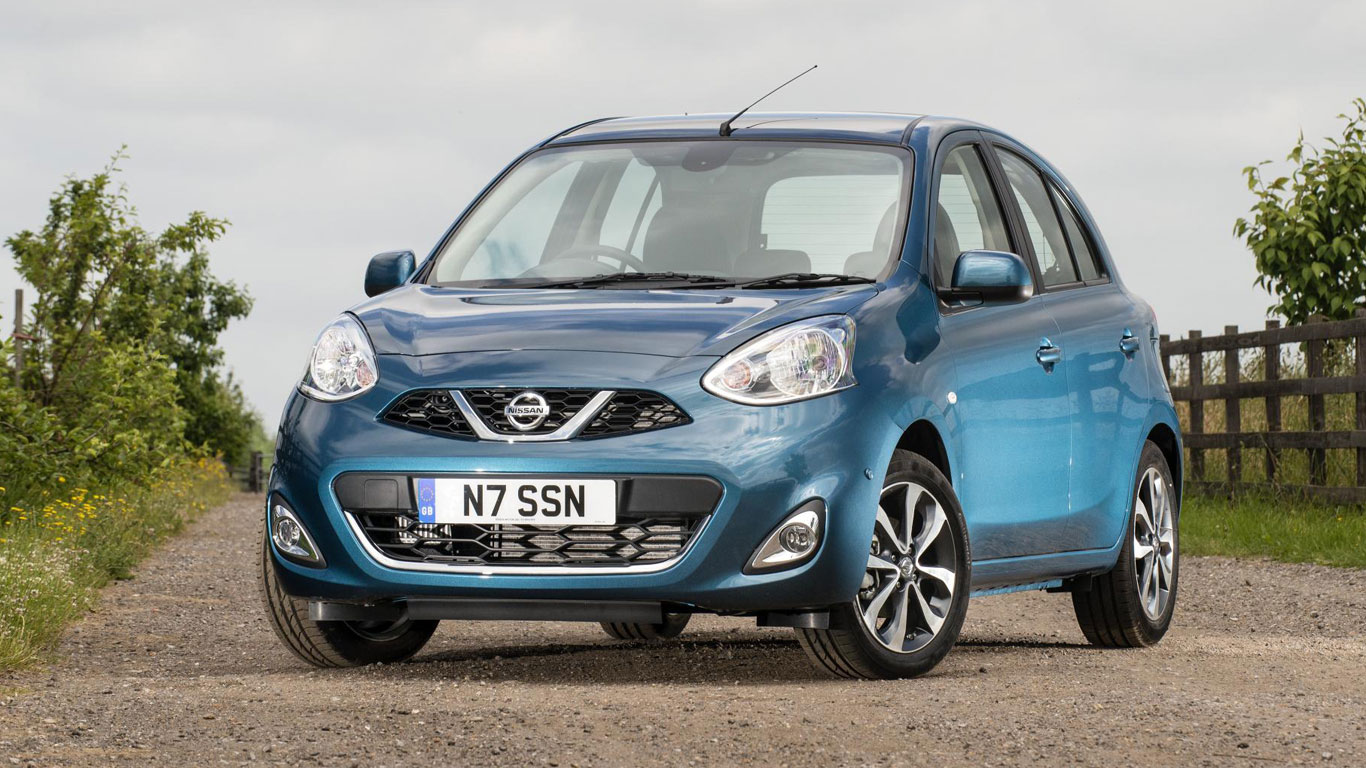
9. Nissan Micra 1.2 Visia Limited Edition: 30p
The Nissan Micra has gone all uptown funk, with a striking new look and a price tag to match. So don’t bank on a 30p cost-per-mile on the new version and instead hunt down the previous generation Micra (pictured).
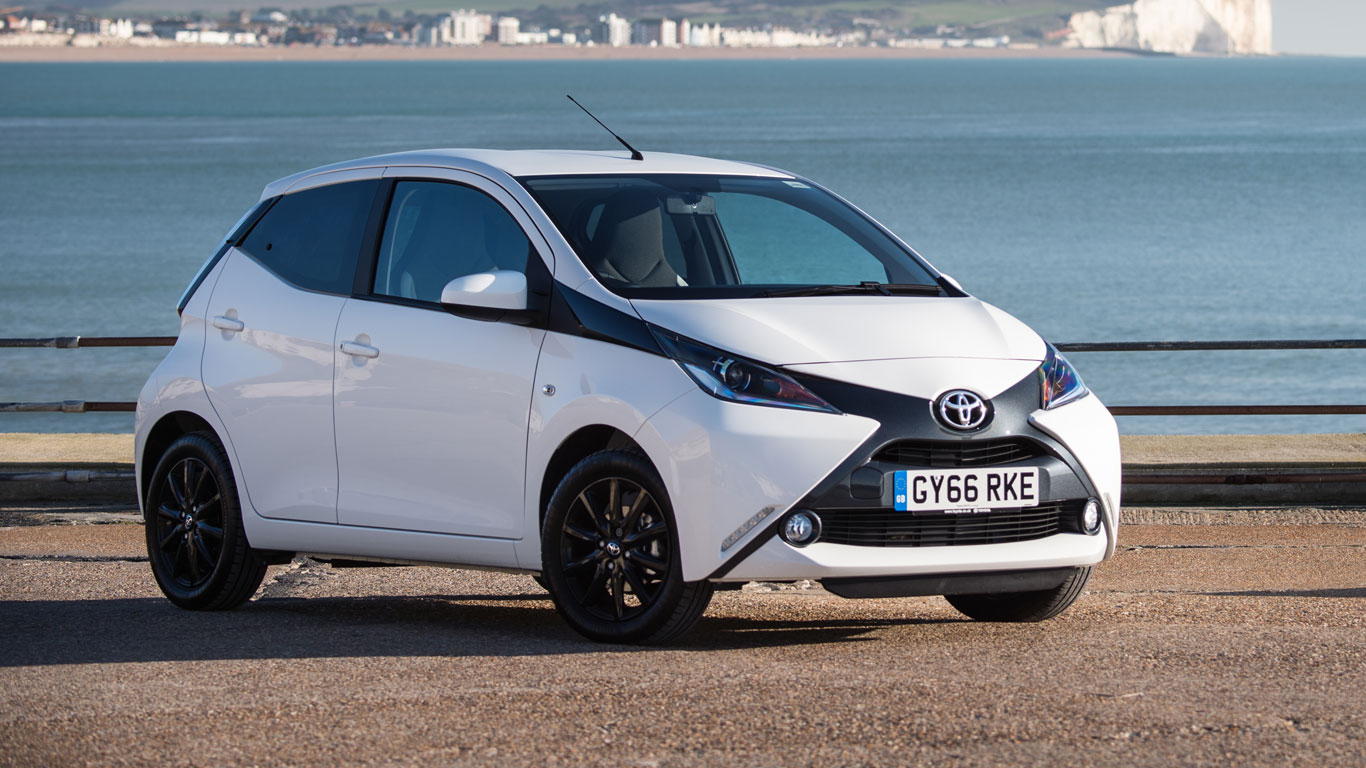
8. Toyota Aygo 1.0 X: 30p
The Toyota Aygo is available in no fewer than seven different trim levels, but if you’re looking to spend 30p per mile, you’ll need the basic ‘X’ model. Right now, the entry-level version is available for £8,995, a saving of £260.
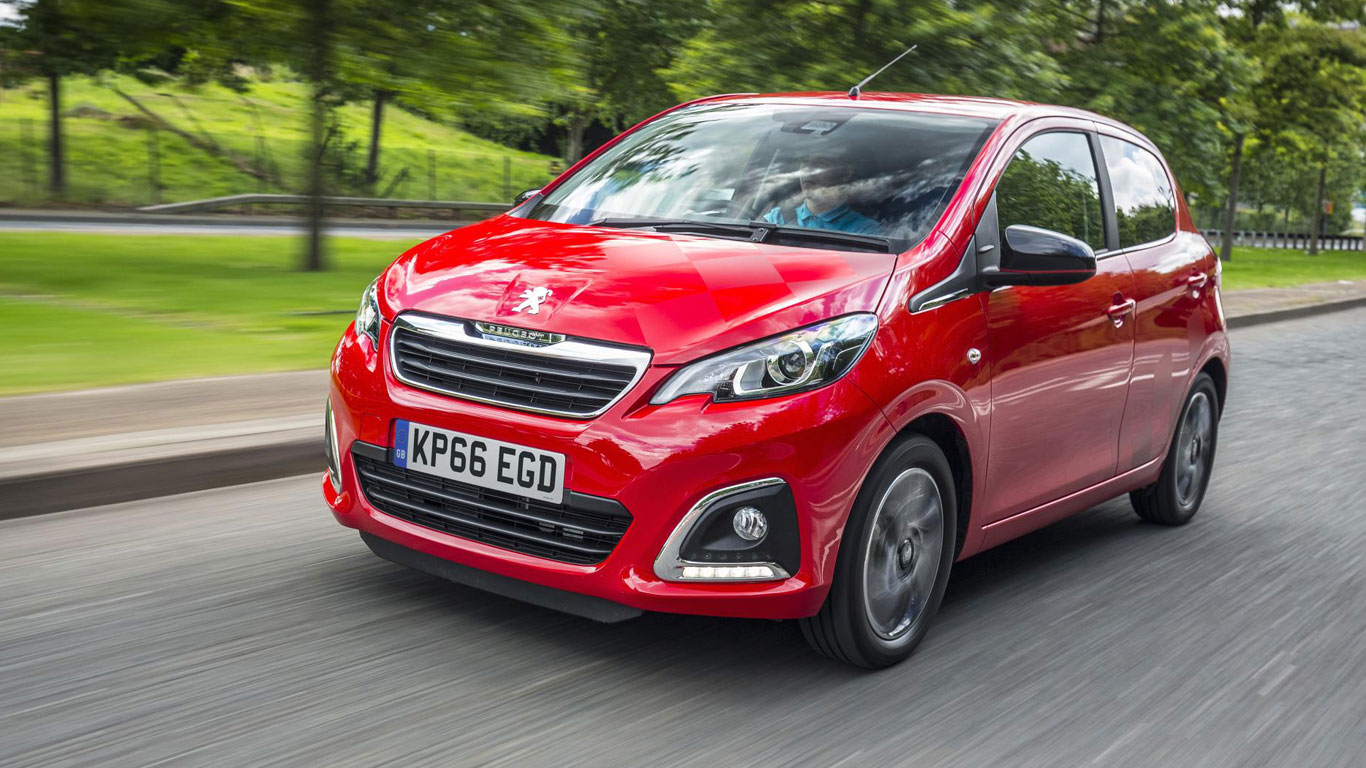
7. Peugeot 108 1.0 Access 3dr: 30p
Alternatively, you can opt for the Peugeot 108, which is powered by the same 1.0-litre engine and available for an identical £8,995 price tag. When calculating the running costs over three years, the Peugeot offers a saving of £46. Don’t spend it all at once.
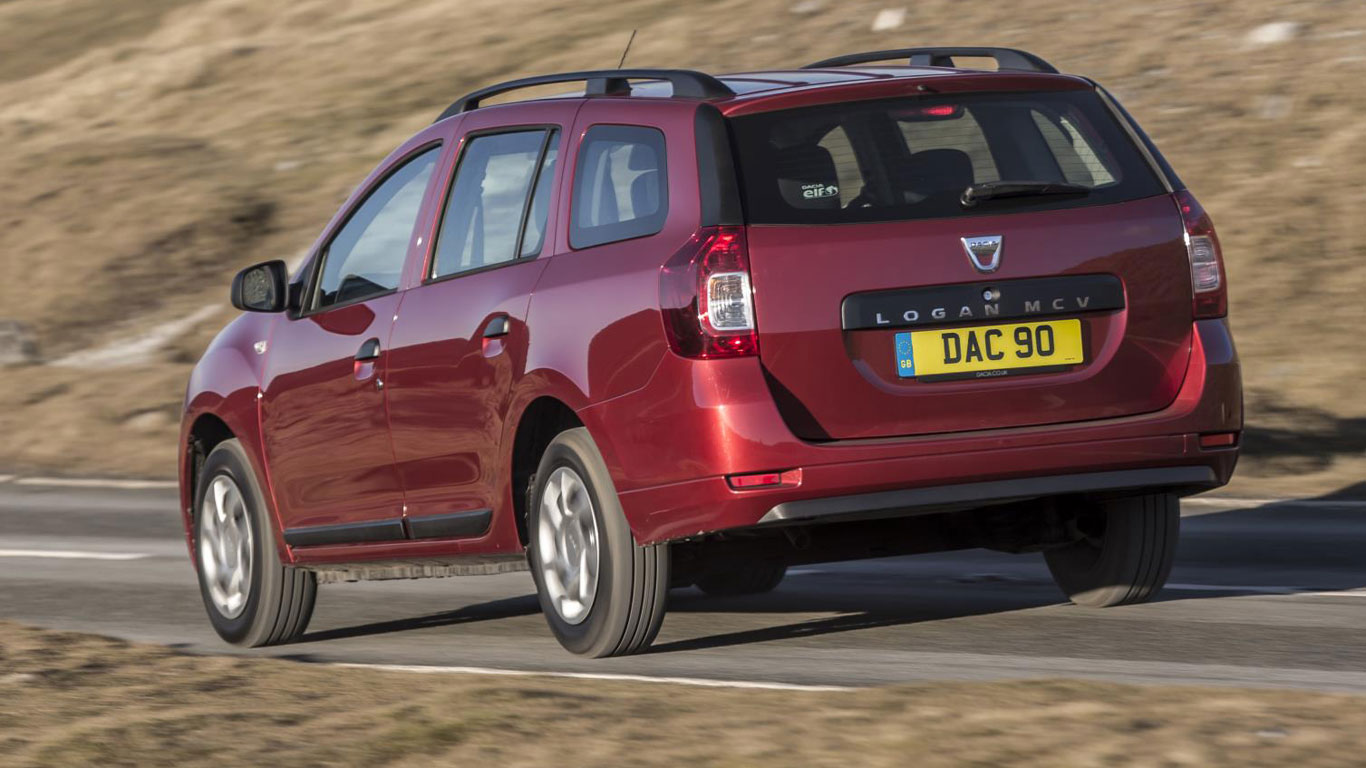
6. Dacia Logan MCV 1.5 Ambiance: 30p
It will come as no surprise to discover that Dacia dominates the upper echelons of the list, occupying 50% of the top six places. First up is the Logan MCV estate car, in Ambiance trim and powered by a 1.5-litre diesel engine.
5. Kia Picanto 1.0 1 5dr: 29p
Once again it’s the old Kia Picanto, but we doubt that the new version will be significantly more expensive to run. Besides, the new version is a much-improved city car and worth an extra penny or so per mile.
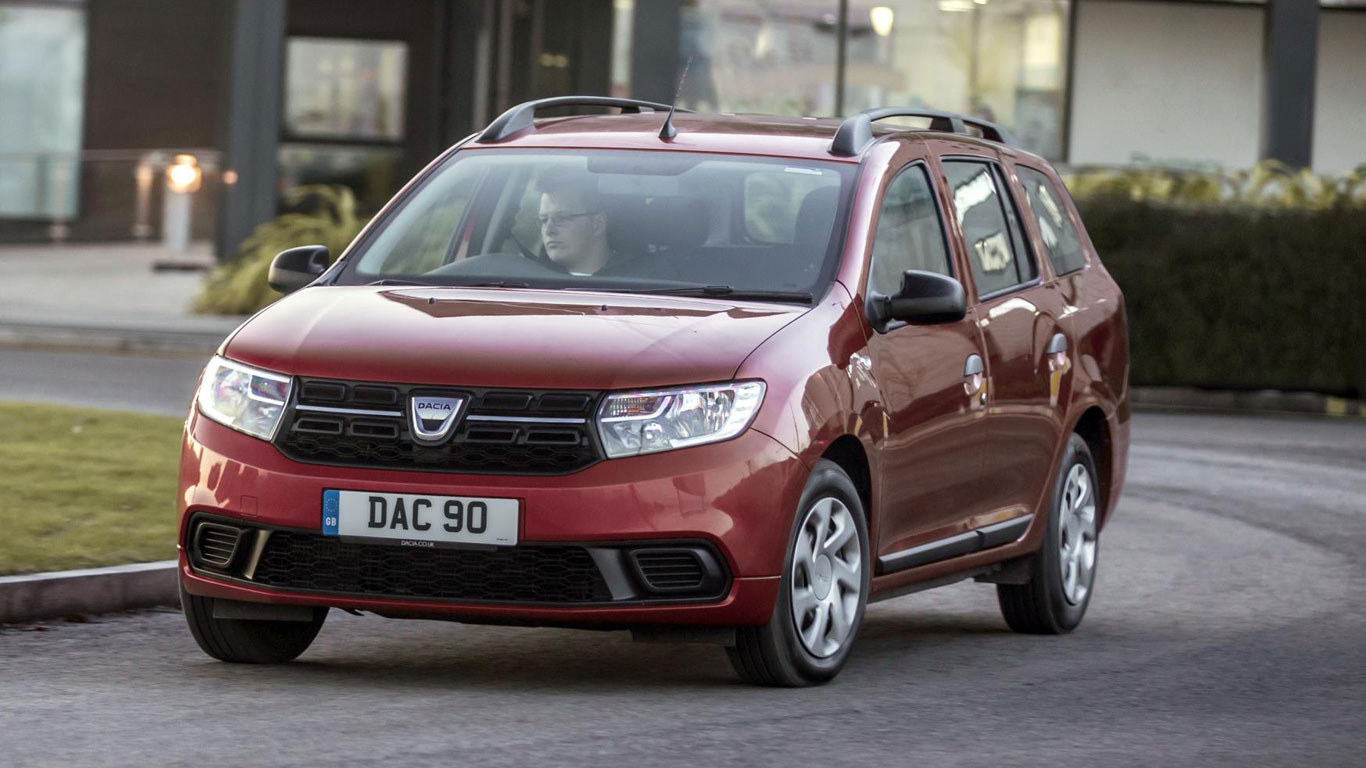
4. Dacia Logan MCV 1.2 Access: 28p
The Dacia Logan MCV makes a second appearance, this time with a 1.2-litre engine and in basic Access trim level. The budget wagon offers a massive 573 litres of luggage space with the rear seats folded up.
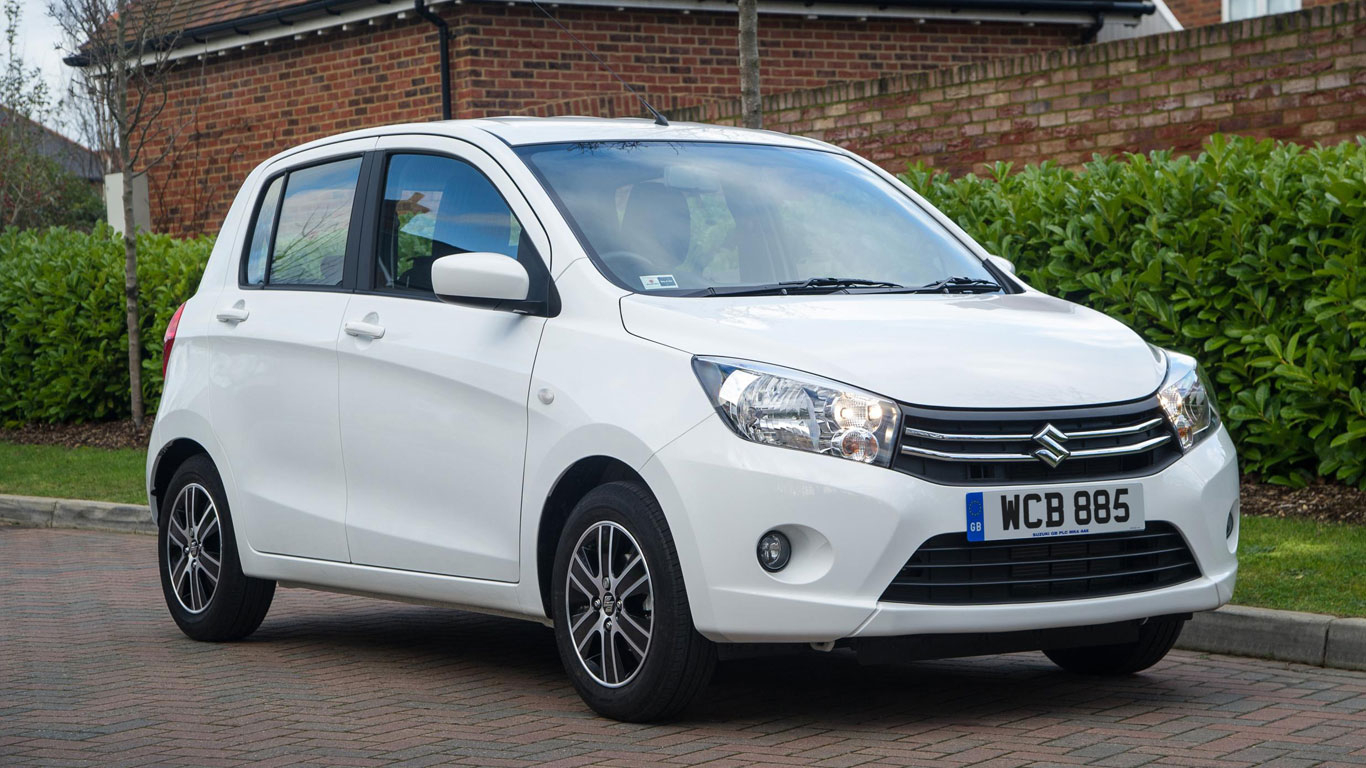
3. Suzuki Celerio 1.0 SZ2: 28p
Only one car manages to upset the Dacia party: the Suzuki Celerio. The city car is the very antithesis of the Ignis, majoring on rational appeal and practical common sense. Suzuki has recently launched the special edition Celerio City, limited to just 500 units.
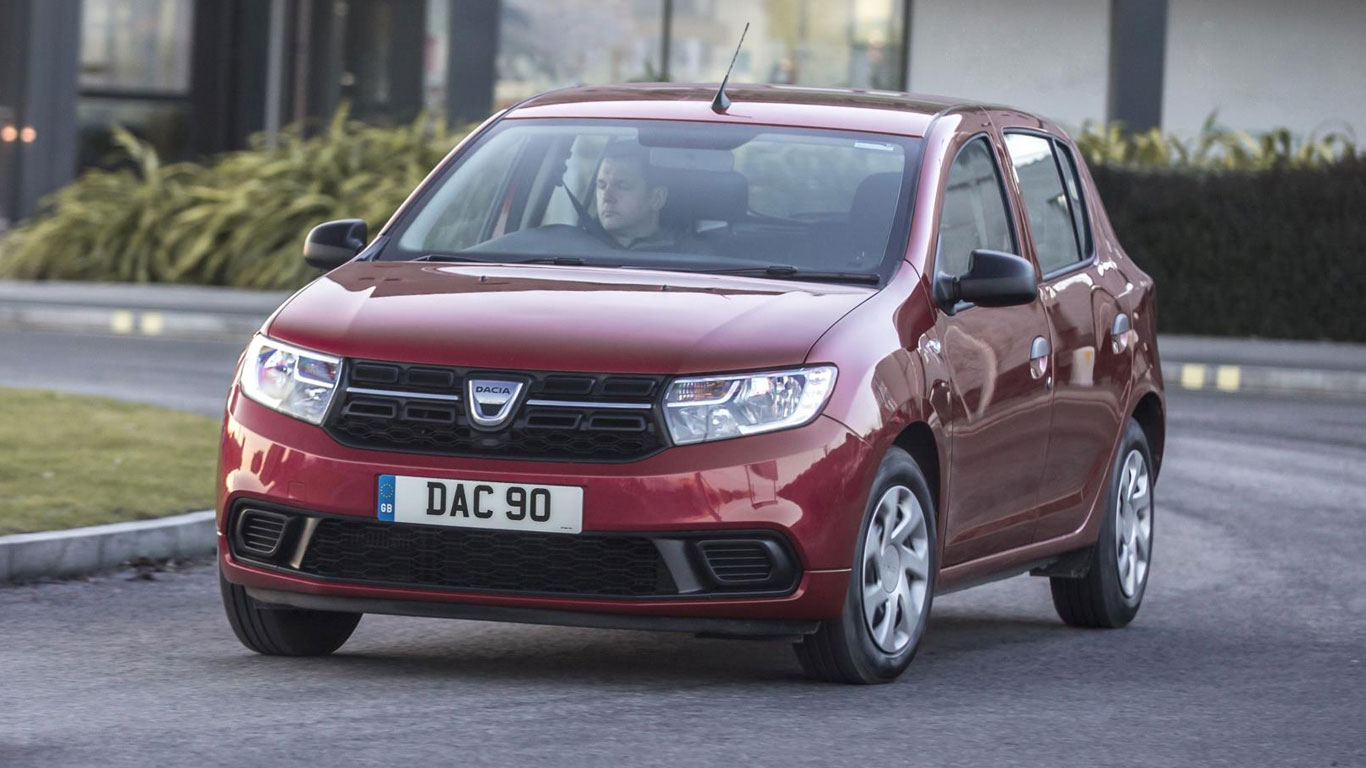
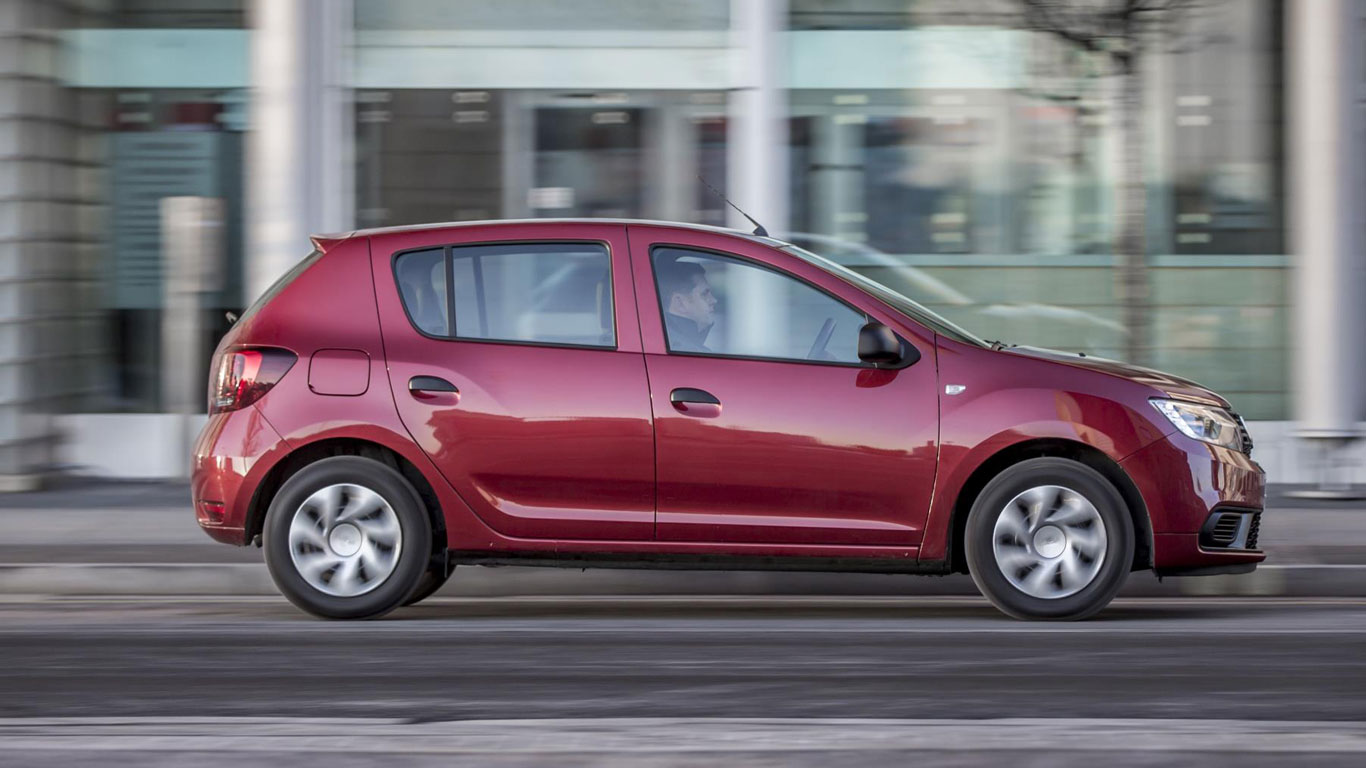
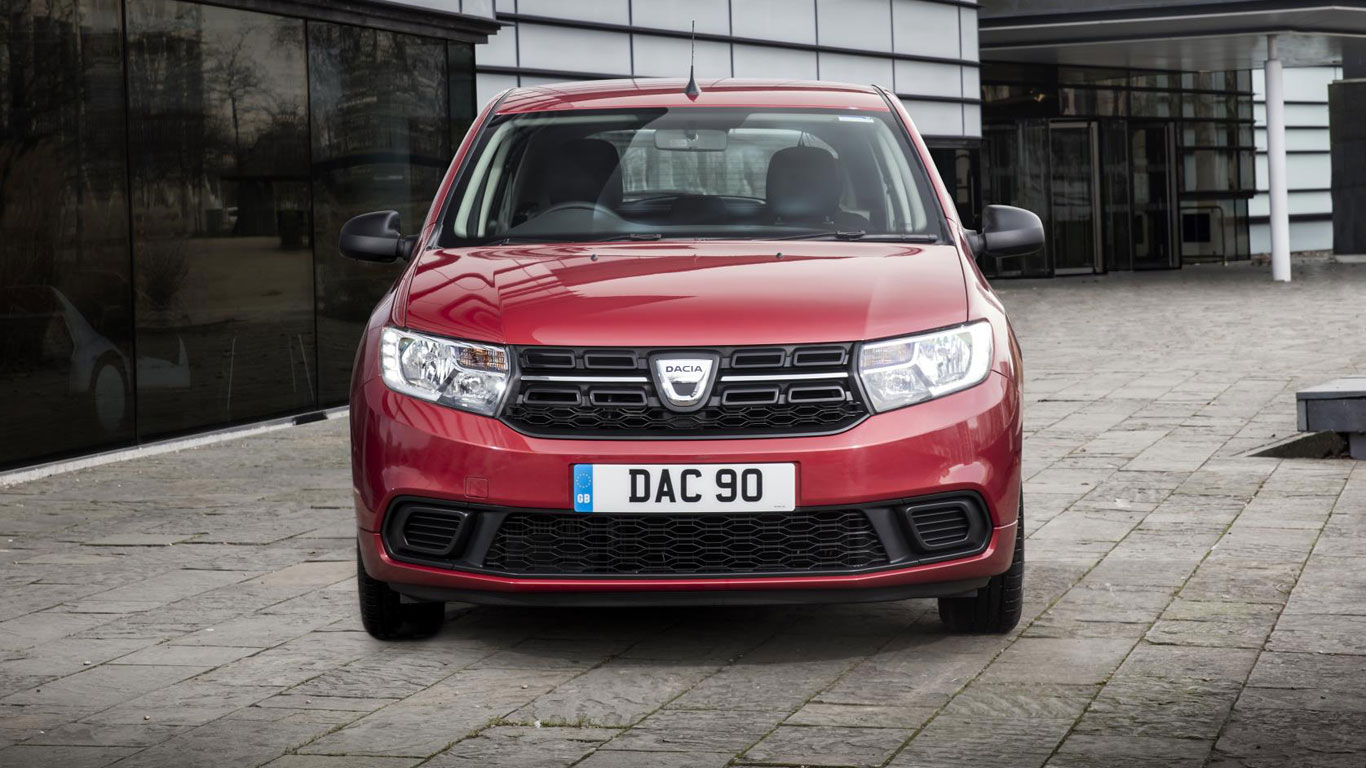
2. Dacia Sandero 1.5 dCi Ambiance: 27p
Cheap to buy and cheap to run: that’ll be the Dacia Sandero. When powered by the 1.5-litre dCi engine, the Sandero is one of only three cars to offer fuel costs below the £2,000 mark.
1. Dacia Sandero 1.0 SCe Access: 25p
But for the ultimate in frugality, you need the Sandero Access, which is now powered by a 1.0-litre petrol engine. Even taking into account depreciation, fuel and servicing, you’ll spend 25p per mile running Britain’s cheapest new car.
 Caterham is continuing its 60th anniversary celebrations at the Goodwood Revival this weekend with the launch of a limited edition Seven SuperSprint special. Just 60 models will be built, priced from £29,995.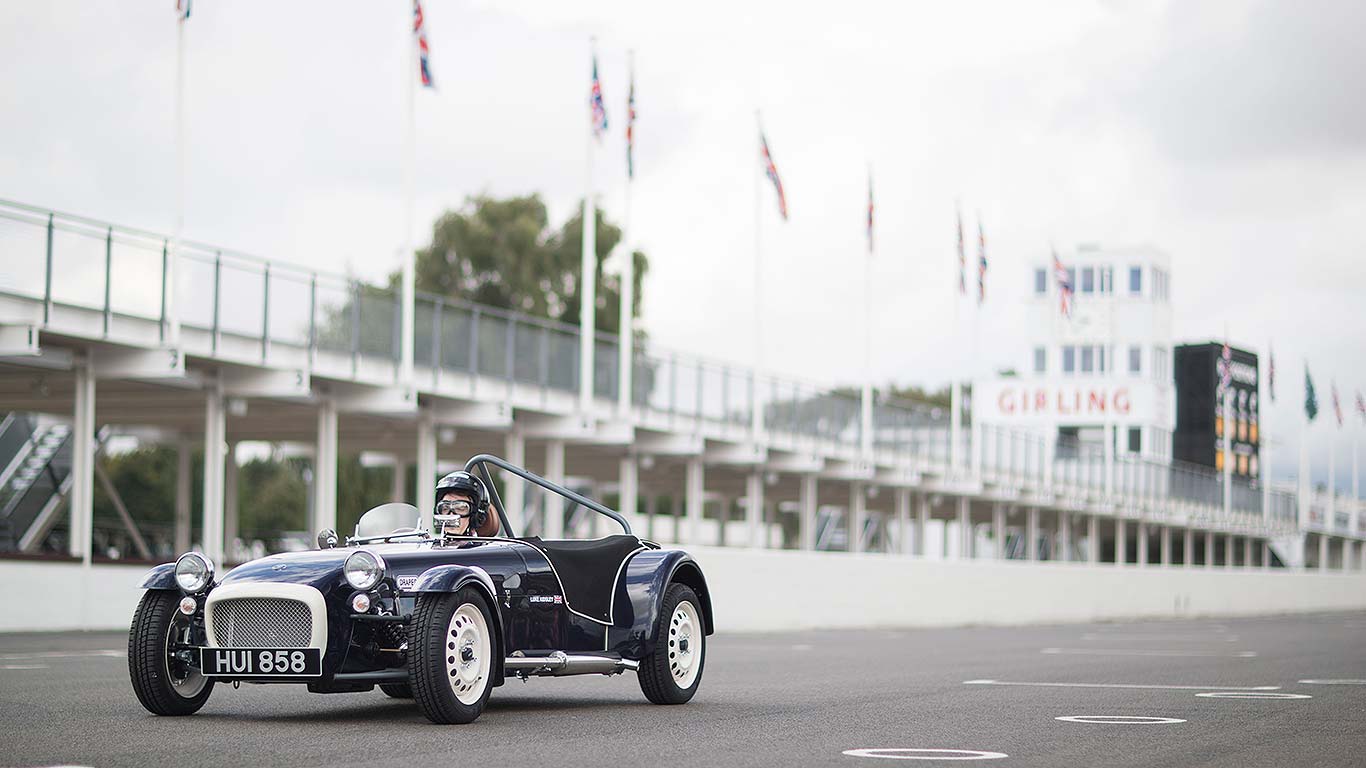
 The story of the new Mini began, not in 2001, with the arrival of the R50, but in 1997 and the unveiling of the Rover Spiritual concept car. There had been many attempts to create the second coming of Britain’s best car (discuss), but for one reason or another, all had failed. The Austin Metro (née Mini-Metro) was the most famous attempt to build a Mk2, but as history will recall, the Mini lived on long after the Metro had bitten the dust.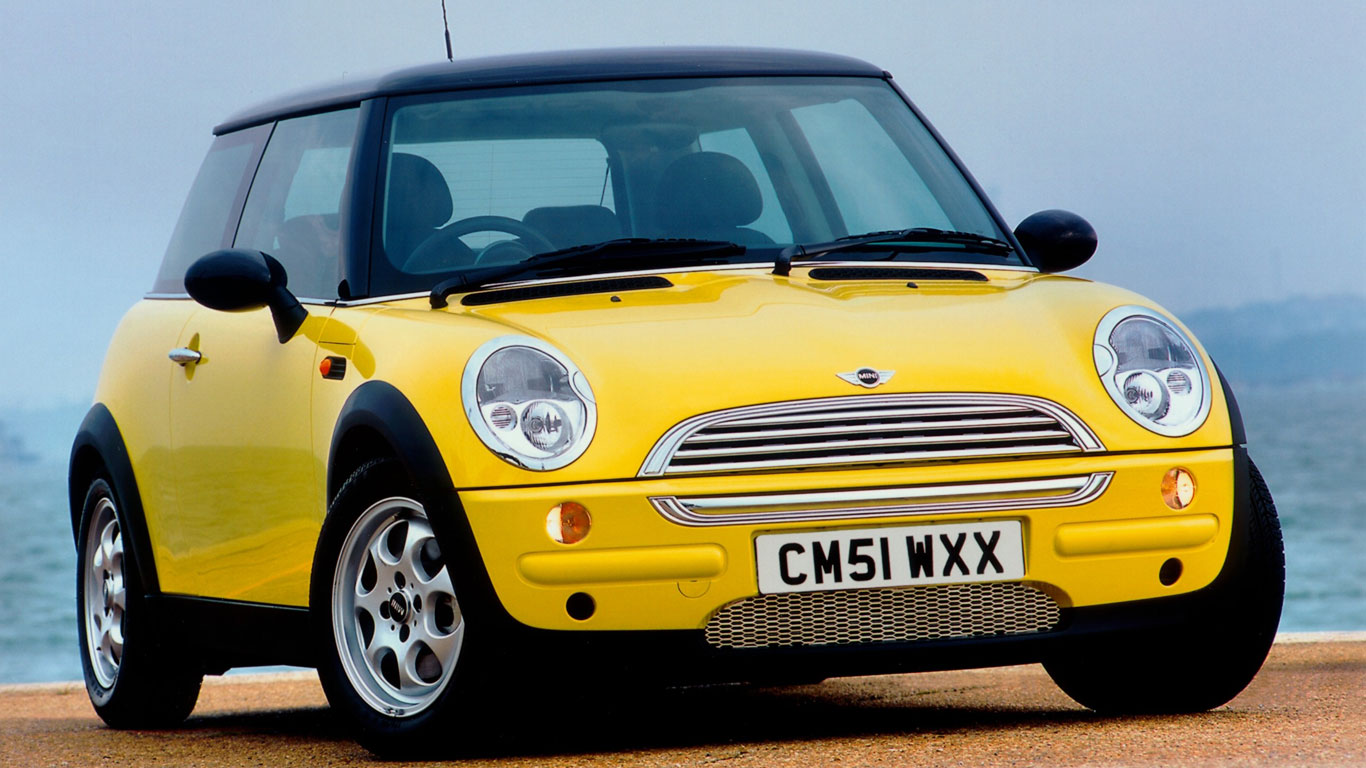
 Nissan has confirmed its all-new second-generation Leaf electric car will be built in Britain, with production scheduled to begin by the end of the year.


 Jaguar has revealed a dramatic new narrow-bodied three-seat car called Future-Type in London as a showcase for the firm’s vision of cars and motoring in 2040. It is on display in London from 8-10 September in a free-to-enter Tech Fest exhibition.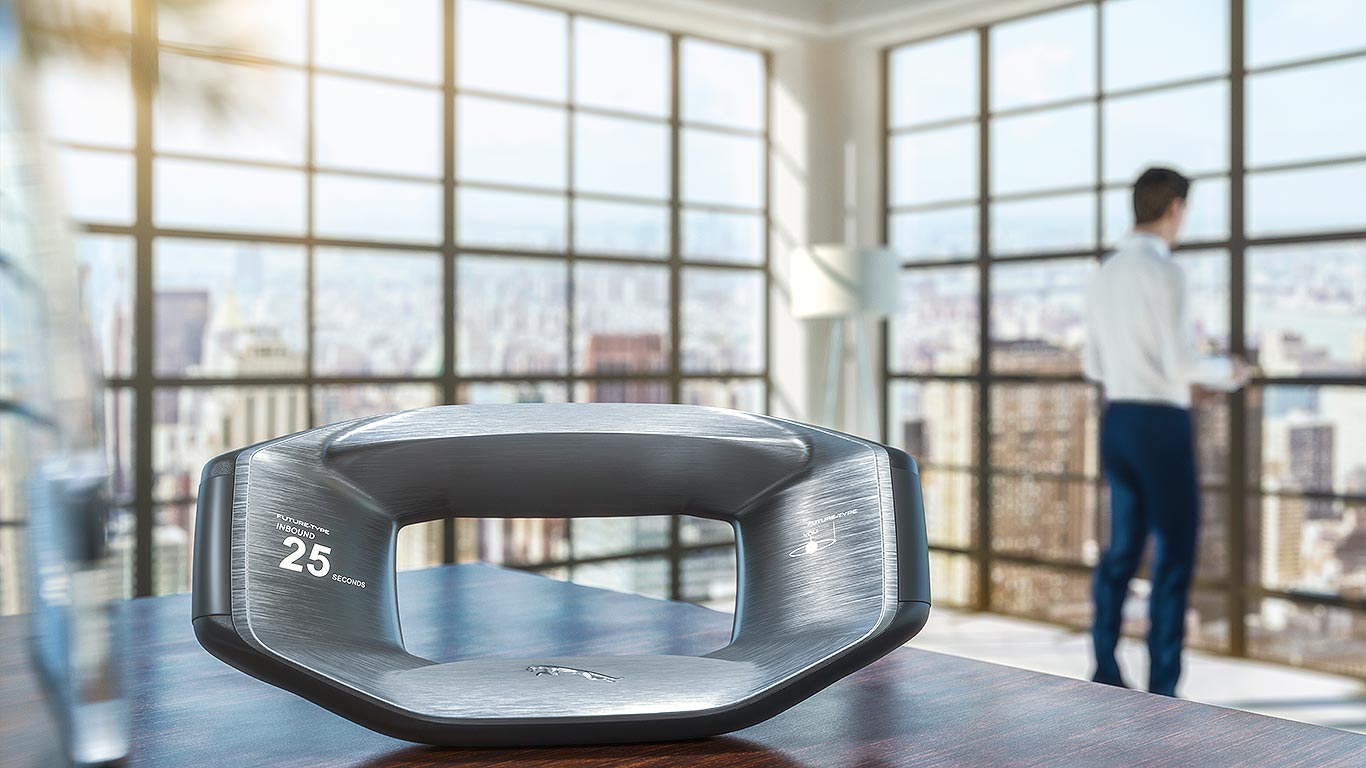
 Every new Jaguar and Land Rover range launched from 2020 onwards will feature either an all-electric or an electrified hybrid or plug-in hybrid variant.


 With the list of confirmed concepts and production cars growing all the time, the 2017 Frankfurt Motor Show looks set to be big. From hypercars to SUVs, these are just 25 of the key highlights set to garner attention next week.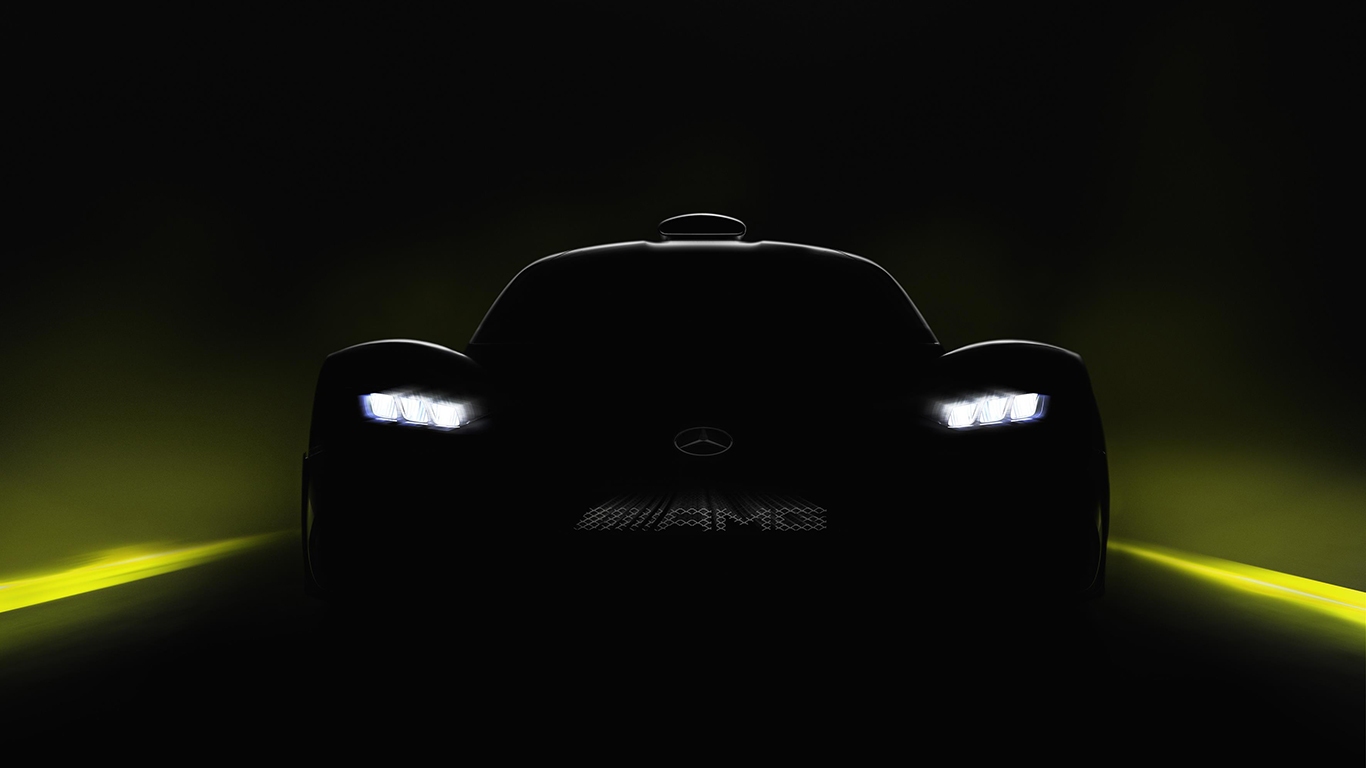
 Mini is preparing to bring back the hardcore two-seat Works GP special edition – and will showcase a preview Mini John Cooper Works GP Concept at the 2017 Frankfurt Motor Show, giving us our first look at the extreme new Mini hyper-hatch.


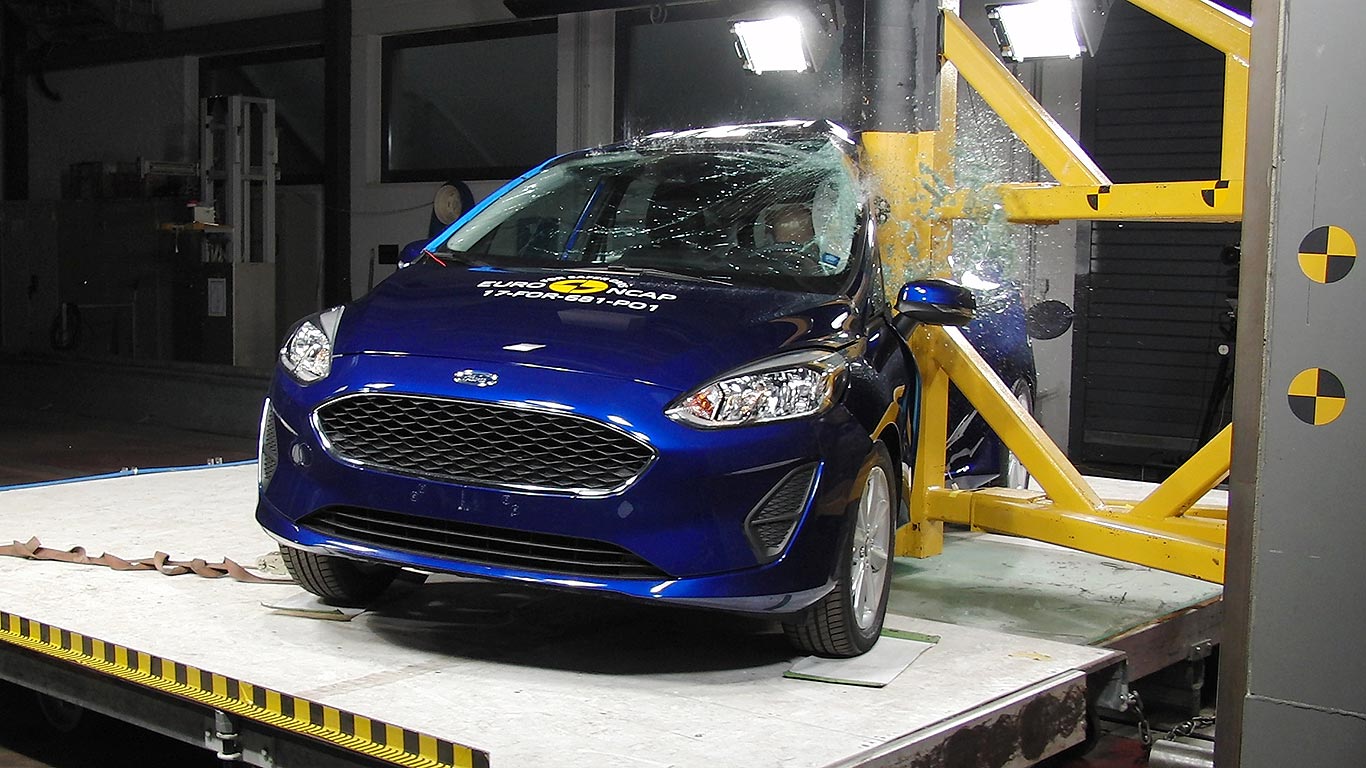 The new 2017 Ford Fiesta has earned a full five-star rating in the latest round of Euro NCAP safety crash tests – 20 years after the 1997 Fiesta proved to be “just not stable” in a crash test that today “does not make for comfortable viewing”.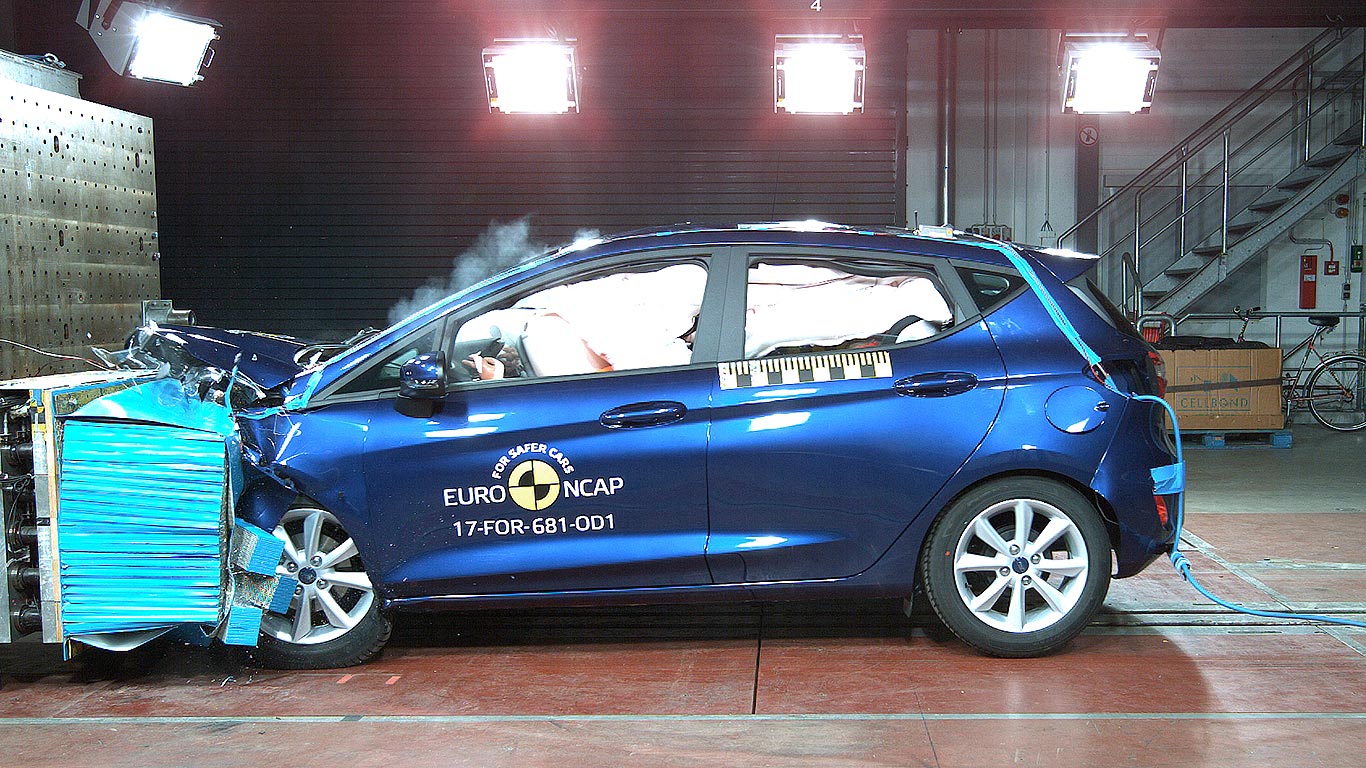
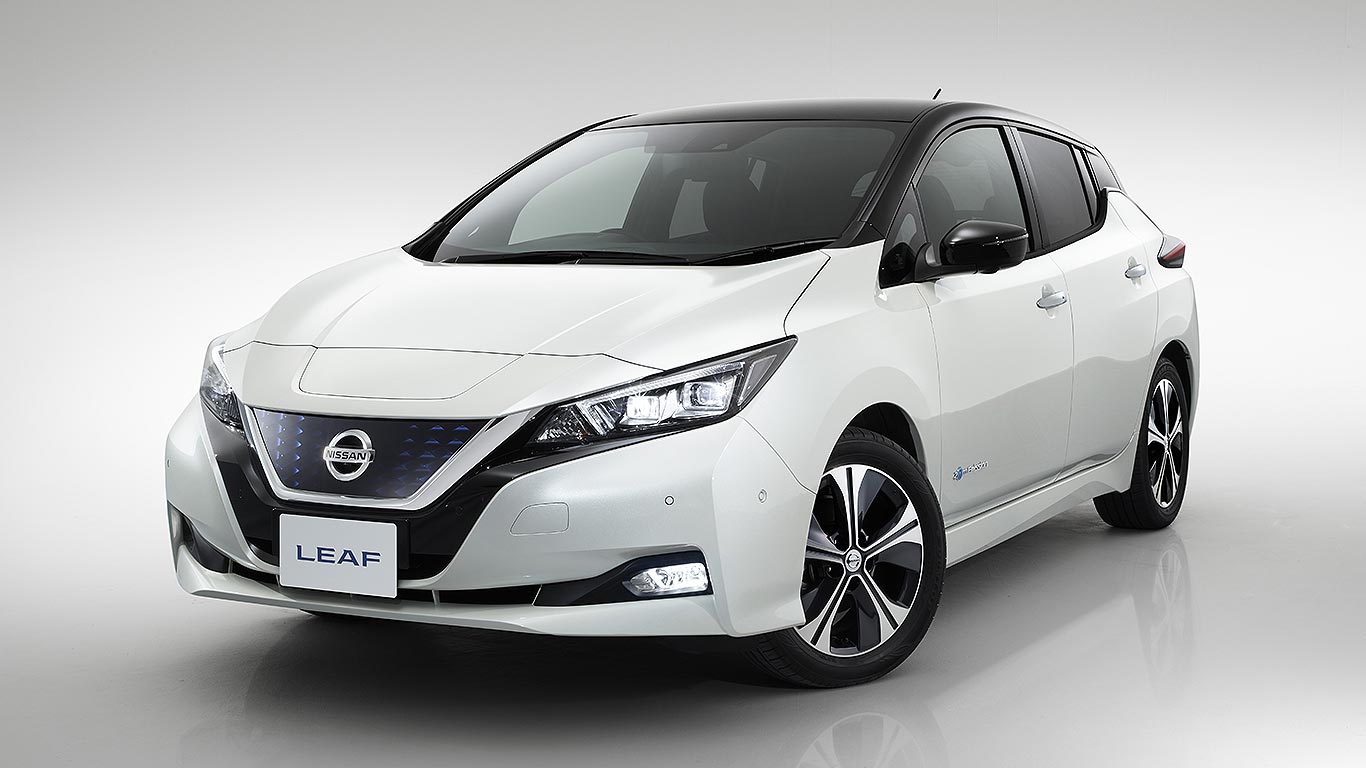 The all-new 2018 Nissan Leaf has been revealed in a big launch event in Tokyo. The new EV looks much more sophisticated and less oddball than the original, boasts a richer interior, headline-grabbing technology, an extended 235-mile electric range and the promise of a significantly improved drive. It launches in Europe in January 2018.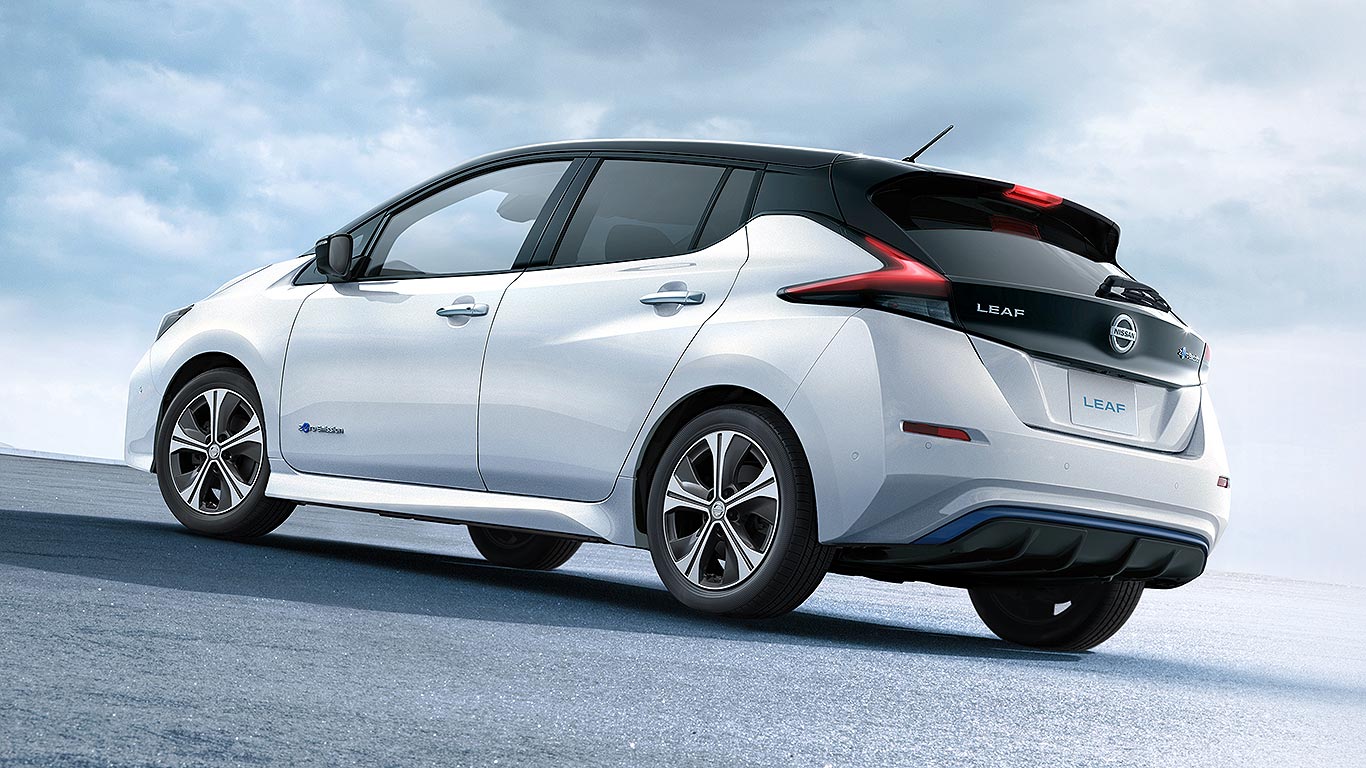
 Everybody knows that the purchase price is just one part of the cost of running a car. Other expenses, including depreciation, servicing, parts and fuel, need to be factored in when deciding if your budget will stretch to that shiny new car in the showroom.