Home Blog Page 521

New Volvo XC40 compact SUV revealed: prices from £27,905

0

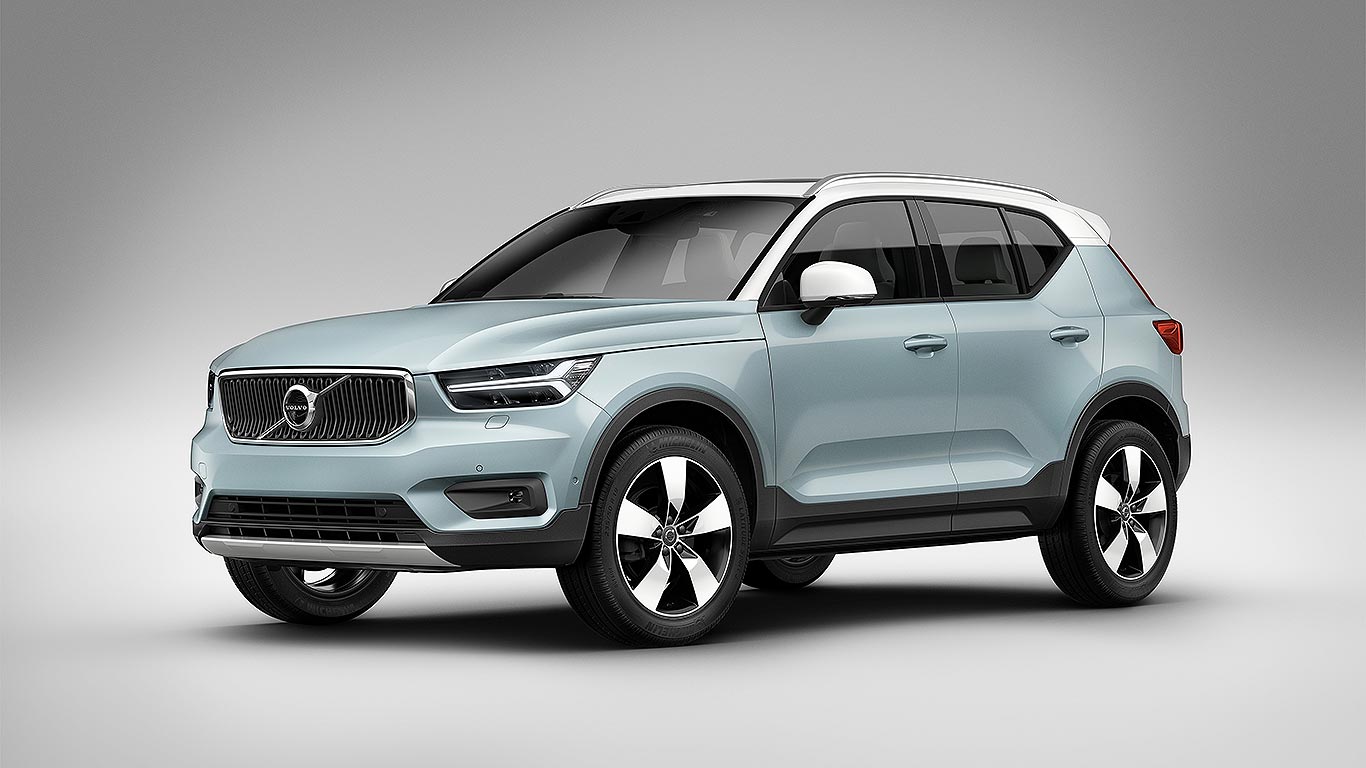
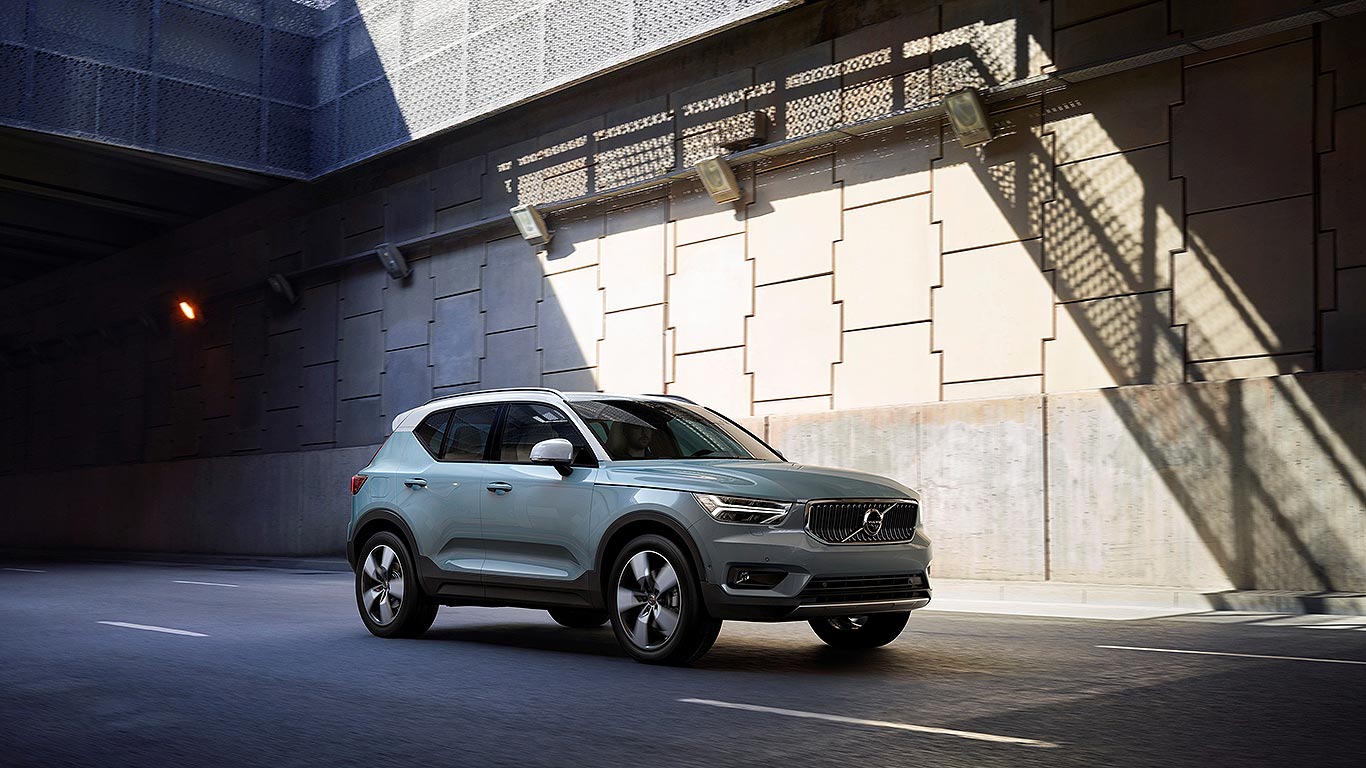
2018 Volvo XC40The new Volvo XC40 is the Swedish brand’s entry into the booming compact SUV sector, currently dominated by the Audi Q3 and Range Rover Evoque. Built on an all-new platform called CMA (Compact Modular Architecture), it’s a city-focused machine that joins the hit XC60 and XC90 to further expand Volvo’s appealing SUV line.

Prices start from £27,905 and ordering is already open, with first deliveries expected early in 2018. Volvo’s not stopping there, either – it’s introducing a new ‘car subscription service’ lease offer called Care By Volvo, that will let you own a car on a fixed contract for a set monthly fee, as ‘hassle free as having a phone’.

Volvo is so bullish about this new initiative, it believes it will ‘reinvent the traditional model of car ownership’.
2018 Volvo XC40

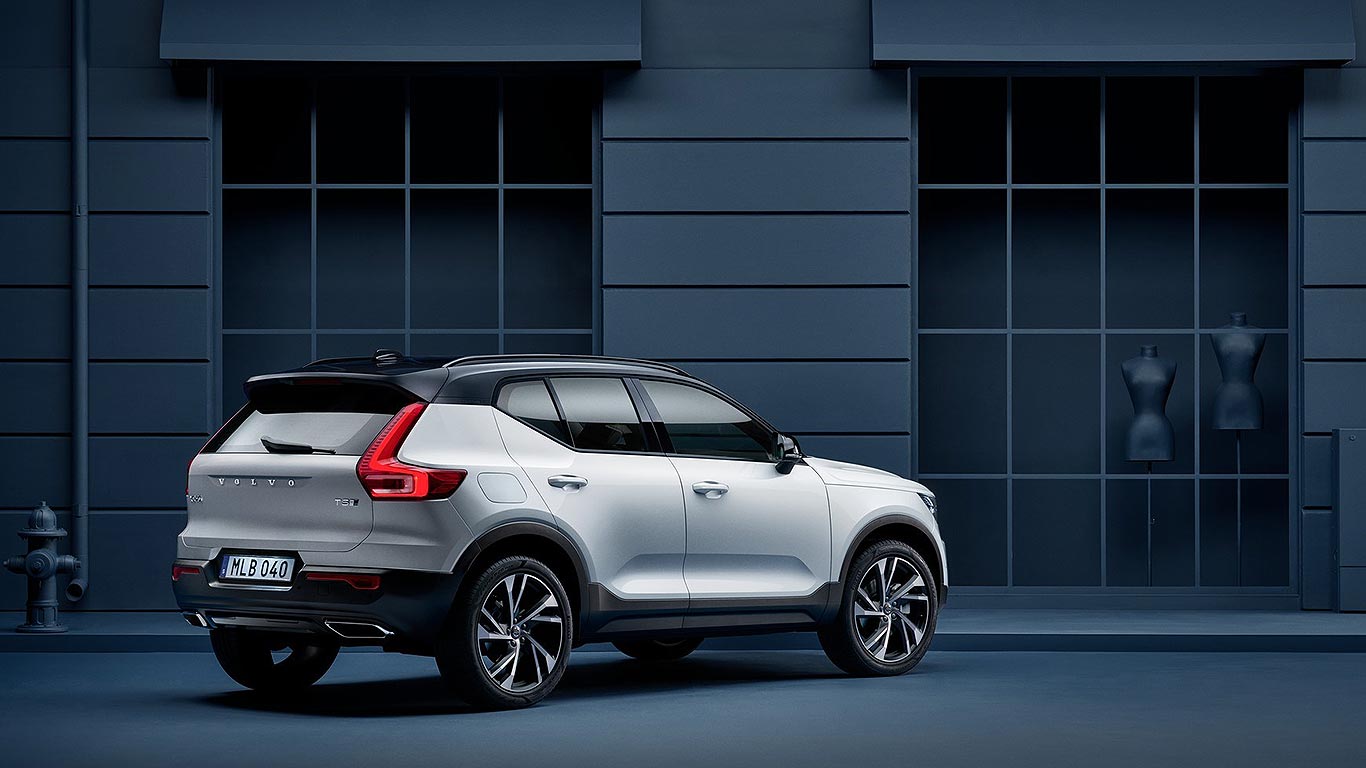
Distinctively styled, the XC40 successfully carries through the show car styling seen on the 2016 Volvo 40.1 concept. Its rear C-pillar is very striking, and bold body creases give it a characterful look. Volvo’s also offering it with colour schemes never before seen from the Swedish brand – anyone for China blue with a white roof?
2018 Volvo XC40

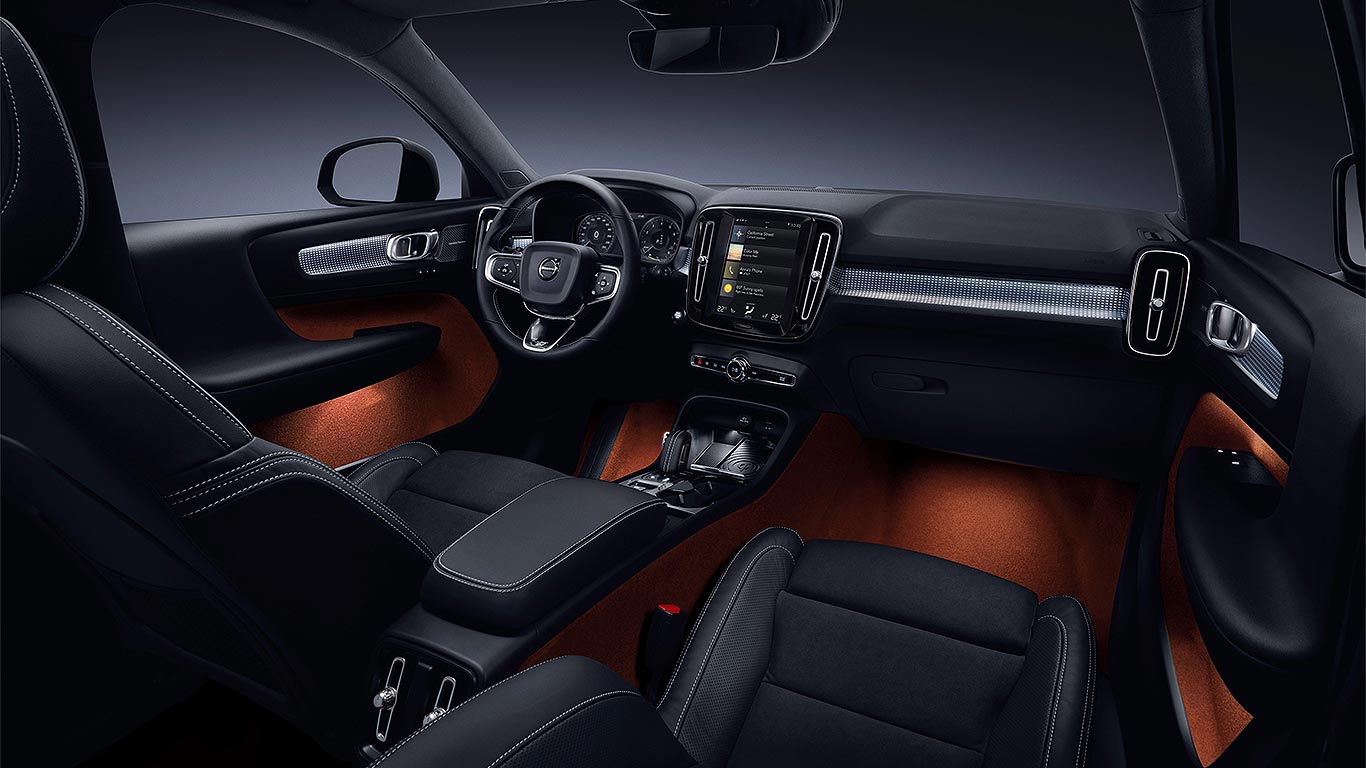
Inside, Volvo’s latest premium interior layout, with its distinctive portrait-style infotainment screen, is enhanced by “a radically new approach to storage”. The door bins are more practical, there’s stowage space beneath the seats, a waste bin in the centre console, and fold-out hooks for bags. Volvo’s even carved out a space just for smartphones, which can be enhanced with inductive charging.

“The XC40 is our first entry in the small SUV segment, broadening the appeal of the Volvo brand and moving it in a new direction, said Volvo Cars president and chief executive Hakan Samuelsson. “It represents a fresh, creative and distinctive new member of the Volvo line-up.”

Volvo XC40: engines
2018 Volvo XC40

Volvo will launch the XC40 with five different engines, but all will be 2.0-litre four-cylinder turbo motors. Three of then will be petrol – 156hp T3, 190hp T4 and 247hp T5 – and there’ll be two turbodiesels: 150hp D3 and 190hp D4.

The T3 comes with front-wheel drive only. The D3 has a choice of front- or all-wheel drive; T4, T5 and D4 are all-wheel-drive only. You can have either manual or automatic gearboxes on lower-powered engines, while the more potent ones are all automatic.

What about hybrids? Nothing at launch, but expect them to follow later. The XC40 will also be the first Volvo to come with the firm’s new fuel-saving three-cylinder engines.

Volvo XC40: specification
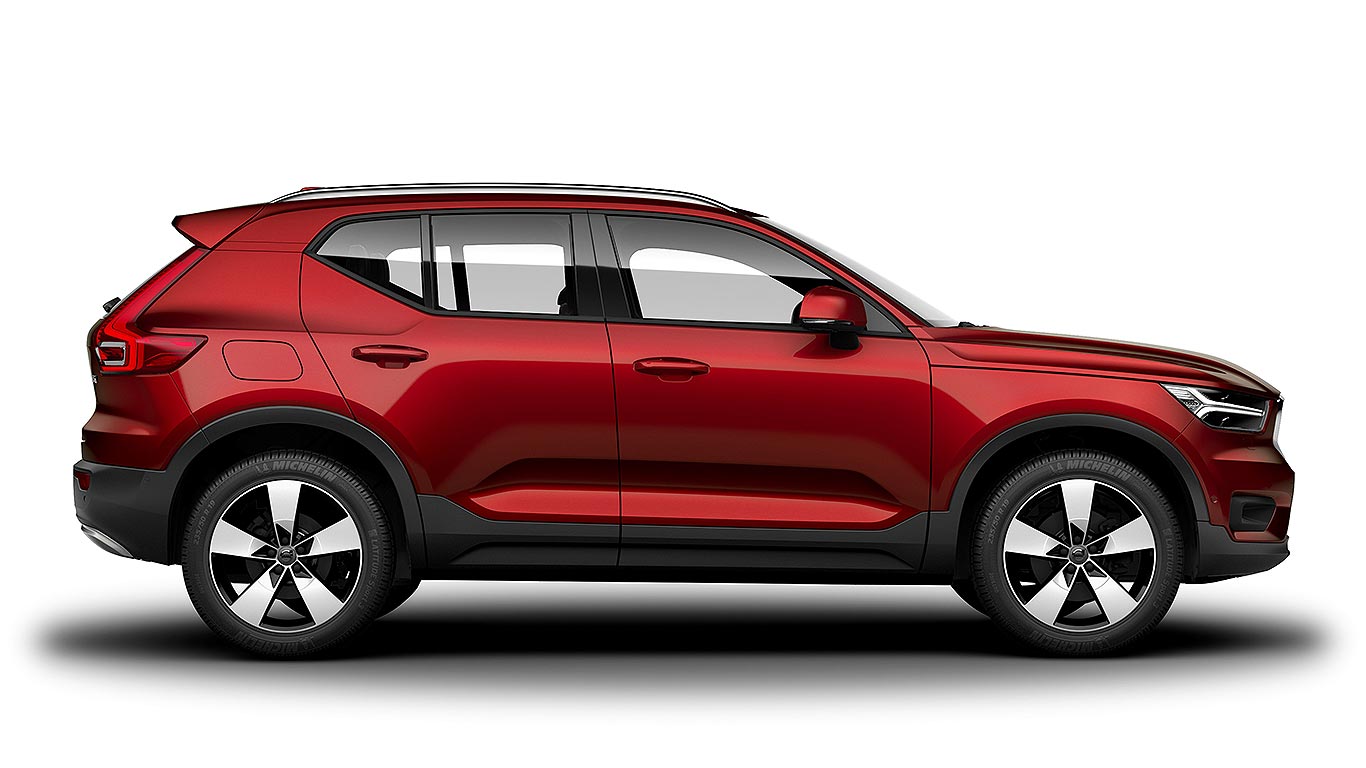
2018 Volvo XC40

The XC40 is offered in a core three-trim lines in the UK: Momentum (entry-level), R-Design (sporty) and Inscription (posh). All are well equipped, coming with nine-inch Sensus touchscreen infotainment, sat nav, LED headlights, 12.3-inch TFT instrument display, dual-zone climate control with an air-cleansing ‘CleanZone’ filtration system, plus rear parking sensors and 18-inch alloys.

Volvo also fits City Safety autonomous emergency braking to all XC40, and its potentially life-saving Oncoming Lane Mitigation tech. This senses if you steer out of your lane and into the path of an oncoming vehicle, giving steering assistance to help you move out of danger.

Momentum models are the most ‘expressive’, says Volvo: you can have black or white alloy wheels, contrasting white roofs, even eye-catching textile and vinyl interior upholstery. We can’t help but love the orange carpet seen in the images…

The R-Design is marked out by gloss black for the grille, door mirrors and front and rear bumper sections, plus a black roof. You get dual exhaust pipes at the rear, sports suspension and diamond-cut alloy wheels. A racy interior reflects this, with perforated leather steering wheel, aluminium dash inlays and leather/Nubuck seats boasting cushion extensions (like you used to get in 1980s Ford Escort RS Turbos).

The lavish Inscription is so upmarket, automatic versions even have a crystal gear lever from Swedish glassmaker Orrefors. Upholstery is full leather, the interior is decked out with chrome highlights instead of gloss black, and the dash carries smart driftwood inlays.

Go Pro
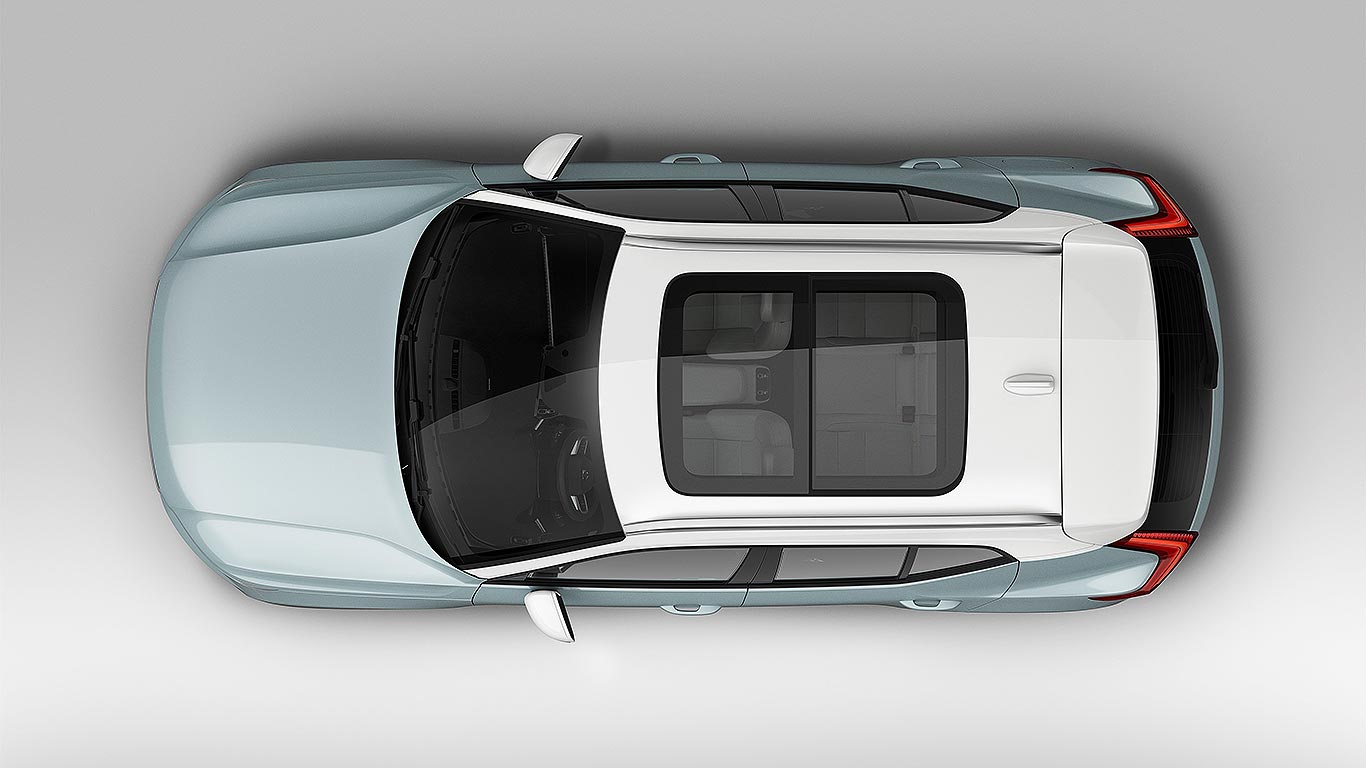
2018 Volvo XC40

Buyers can also pick Pro versions of each trim line. A Momentum Pro costs £1,550 more and adds heated front seats, a powered driver’s seat, heated windscreen and active bending headlights that avoid dazzling other drivers.

R-Design Pro costs £1,900 extra and includes all the above, plus 20-inch alloys. Inscription Pro costs £1,550 and adds 19-inch alloys and a powered passenger seat.

Every XC40 can also be equipped with Volvo Pilot Assist semi-autonomous tech: at speeds of up to 80mph, it can steer the car within a lane and maintain a set distance from a car in front.

Volvo XC40: prices
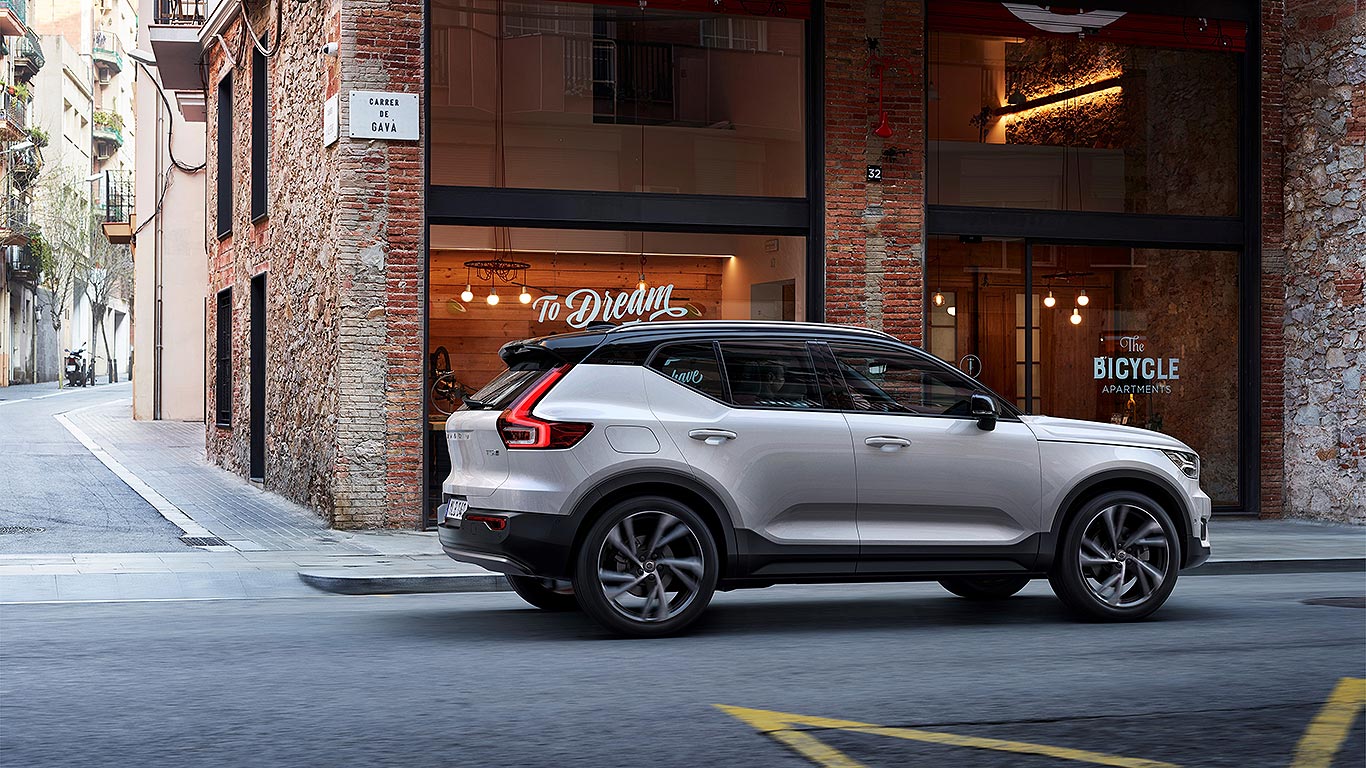
2018 Volvo XC40

A front-wheel-drive 2.0-litre turbo T3 Momentum XC40, with 156hp, costs £27,905. The entry-level 150hp D3 diesel is £28,965, or £30,405 if you want all-wheel drive. R-Design models are £1,850 more, with Inscription versions commanding a £2,500 premium over base Momentum.

The most expensive XC40s will be the launch-special First Edition variants, offered either as a 247hp T5 petrol or 190hp D4 diesel. Based on R-Design Pro models, they add a punchy 1,200W 12-speaker Harman Kardon sound system, power tailgate, heated rear seats, wireless smartphone charging, Pilot Assist and Volvo’s Xenium Pack which combines a panoramic glass sunroof with automatic parking and a 360-degree surround-view parking camera.

A T5 AWD First Edition is £40,355; the D4 AWD First Edition creeps under the £40k barrier, at £30,305.

XC40 hp On-the-road price
XC40 Momentum range    
T3 FWD Momentum 156 £27,905
T4 AWD Momentum automatic 190 £32,055
D3 FWD Momentum 150 £28,965
D3 FWD Momentum automatic 150 £30,555
D3 AWD Momentum 150 £30,405
D3 AWD Momentum automatic 150 £31,955
XC40 Momentum Pro range
T3 FWD Momentum Pro 156 £29,455
T4 AWD Momentum Pro automatic 190 £33,605
D3 FWD Momentum Pro 150 £30,515
D3 FWD Momentum Pro automatic 150 £32,105
D3 AWD Momentum Pro 150 £31,955
D3 AWD Momentum Pro automatic 150 £33,505
XC40 R-Design range
T3 FWD R-Design 156 £29,755
T4 AWD R-Design automatic 190 £33,905
T5 AWD R-Design automatic 247 £35,705
D3 FWD R-Design 150 £30,815
D3 FWD R-Design automatic 150 £32,405
D3 AWD R-Design 150 £32,255
D3 AWD R-Design automatic 150 £33,805
D4 AWD R-Design automatic 190 £34,655
XC40 R-Design Pro range
T3 FWD R-Design Pro 156 £31,655
T4 AWD R-Design Pro automatic 190 £35,805
T5 AWD R-Design Pro automatic 247 £37,605
D3 FWD R-Design Pro 150 £32,715
D3 FWD R-Design Pro automatic 150 £34,305
D3 AWD R-Design Pro 150 £34,155
D3 AWD R-Design Pro automatic 150 £35,705
D4 AWD R-Design Pro automatic 190 £36,555
XC40 Inscription range
T3 FWD Inscription 156 £30,405
T4 AWD Inscription automatic 190 £34,555
T5 AWD Inscription automatic 247 £36,355
D3 FWD Inscription 150 £31,465
D3 FWD Inscription automatic 150 £33,055
D3 AWD Inscription 150 £32,905
D3 AWD Inscription automatic 150 £34,455
D4 AWD Inscription automatic 190 £35,305
XC40 Inscription Pro range
T3 FWD Inscription Pro 156 £31,955
T4 AWD Inscription Pro automatic 190 £36,105
T5 AWD Inscription Pro automatic 247 £37,905
D3 FWD Inscription Pro 150 £33,015
D3 FWD Inscription Pro automatic 150 £34,605
D3 AWD Inscription Pro 150 £34,455
D3 AWD Inscription Pro automatic 150 £36,005
D4 AWD Inscription Pro automatic 190 £36,855
XC40 First Edition range
T5 AWD First Edition automatic 247 £40,355
D4 AWD First Edition automatic 190 £39,305

Advertisement

Should ‘death by dangerous cycling’ be an offence?

0

Should 'death by dangerous cycling' be an offence?

The Government has launched an urgent review into whether cyclists who put lives at risk should face similar penalties to dangerous drivers.

Transport minister Jesse Norman announced the review, which comes after the recent death of mother-of-two Kim Briggs who was killed after being knocked over by a cyclist, Charlie Alliston. The 20-year-old cyclist, whose bike had no front brakes, was found guilty of ‘wanton or furious driving’, an obscure 19th century offence.

The Government has trebled spending on cycling since 2010, bringing a huge increase in the number of cyclists on UK roads over the last seven years. Two pedestrians were killed and 96 seriously injured after being hit by a bicycle in 2015. More than 100 cyclists are killed and 3,000 are seriously injured on our roads every year.

While the review will looking into whether a new dangerous riding is offence is required as a priority, it will also consider wider improvements on road safety for cyclists and pedestrians.

“Although the UK has some of the safest roads in the world, we are always looking to make them safer,” said Norman, announcing the review.

“It’s great that cycling has become so popular in recent years but we need to make sure that our road safety rules keep pace with this change.

“We already have strict laws that ensure that drivers who put people’s lives at risk are punished but, given recent cases, it is only right for us to look at whether dangerous cyclists should face the same consequences.

“We’ve seen the devastation that reckless cycling and driving can cause, and this review will help safeguard both Britain’s cyclists and those who share the roads with them.”

The Government is expected to announce its conclusions early next year after consulting the public and independent legal advice.

Advertisement

Plug-in hybrids emit MORE CO2 than diesels, report finds

0

Plug-in hybrids emit more CO2 emissions than diesels, report finds

Plug-in hybrids return “worryingly-high fuel consumption and emissions” compared to diesel models, a company which monitors fuel usage for fleets and company car drivers claims.

The Miles Consultancy (TMC) analysed real-world fuel consumption data on 14 hybrid models and seven plug-in hybrids using its mileage capture and audit system, which holds detailed records of fuel transactions and total mileage for each vehicle.

On average, plug-in hybrid electric vehicles (PHEVs) in the sample returned less that 45.0mpg, compared to their average NEDC figure of 130mpg. The official NEDC test is known to be unsuitable for plug-in hybrids as a large part of the test can usually be carried out under electric-power alone, skewing the average fuel consumption results.

This average fuel use equates to actual CO2 emissions of 168g/km – higher than the real-world emissions of most diesel company cars, says TMC. The diesels’ emissions averaged 159g/km.

“There is a real risk that fleet managers are adopting a PHEV strategy for completely the right reasons but unknowingly actually increasing their fuel bills,” said TMC managing director, Paul Hollick.

“PHEVs can be a cost-effective choice where drivers cover only moderate mileages; but only if the cars’ batteries are recharged daily. On the evidence of our sample, one has to question whether some PHEVs ever see a charging cable. In a lot of cases, we see PHEVs never being charged, doing longer drives and this is not a good fit for a lot of business car users. A robust PHEV deployment policy is essential.”

The research also revealed that drivers of standard hybrid cars used around 10 percent less fuel on their day-to-day journeys than drivers of plug-in hybrids. In real-world use, drivers of plug-in hybrids consumed three more fuel than official figures would suggest.


Opinion: This proves that PHEVs aren’t right for everyone

Just like electric vehicles aren’t right for everyone, neither are plug-in hybrids. For company car drivers, or anyone who regularly covers long distances where stopping every 30 miles to charge isn’t practical, plug-in hybrids will prove to be thirstier than an equivalent diesel.

That’s not to say everyone should dismiss a plug-in hybrid as their next car. If you’re able to have a charge point fitted at home and most of your journeys are short (less than about 30 miles), you’ll be able to complete most of your journeys under electric power. Unlike electric-only vehicles, though, you’ll have the back up of a conventional engine for the occassional longer journey. We ran a Mitsubishi Outlander PHEV for six months and found that, under these circumstances, it worked well.

The company that has provided this research monitors fuel use for fleets, and it’s true that fleet managers should question the intended use of the car if a plug-in hybrid is being considered. While current company car tax rules favour plug-in hybrids due to their supposed low CO2 emissions, new regulations being introduced in 2020 will penalise plug-in hybrids with a short electric-only range. We suspect diesel cars aren’t going to waiver in popularity for high-mileage users any time soon.

Do you agree? Let us know in the comments below.


Advertisement

Track test: which is the best Mercedes-AMG GT?

0

Track test: which is the best Mercedes sports car?

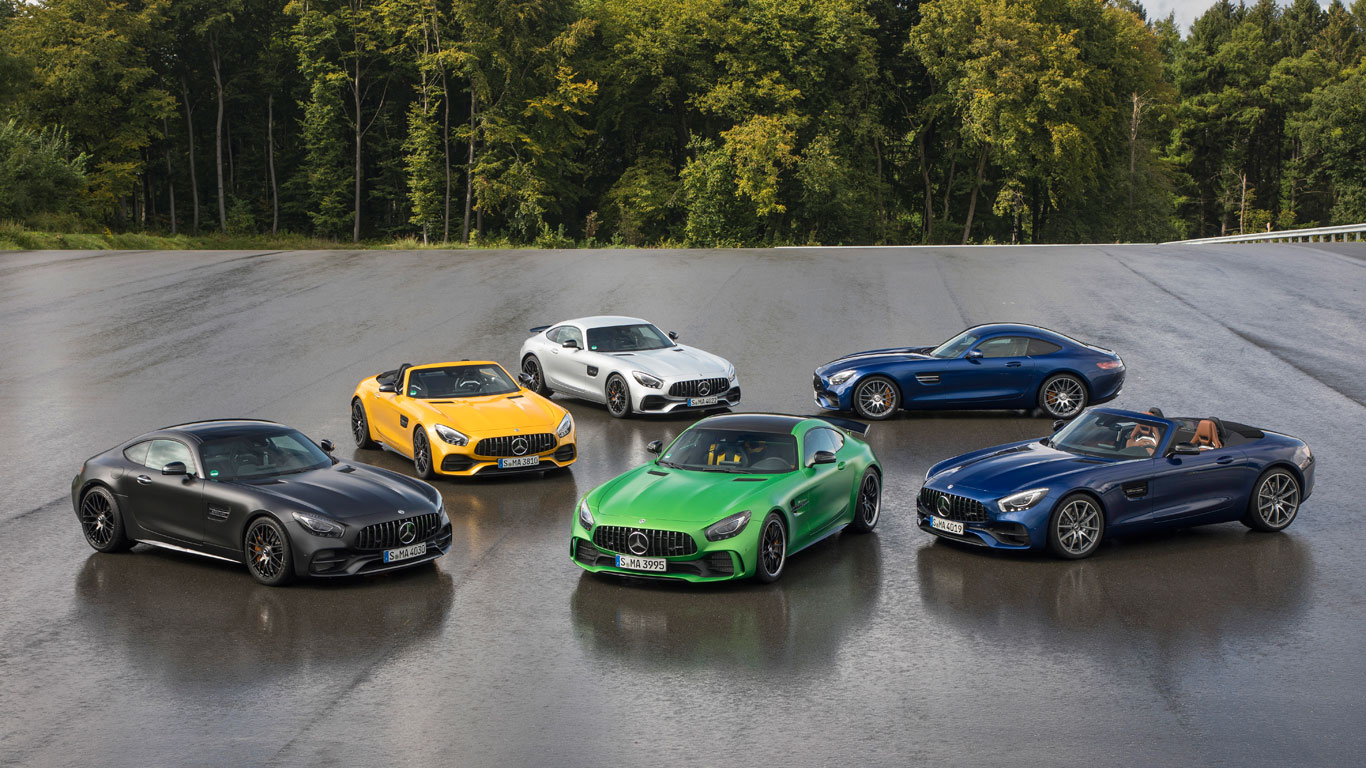
The ever-growing Mercedes-AMG GT range is a tricky one to get your head around. Just as Porsche doesn’t hold back on launching new variants of its 911, you’ll soon be able to visit your Mercedes dealer and buy an AMG GT with the exact power for your requirements. Kind of.

In the name of consumer research, I travelled to Germany to drive the entire AMG GT range and work out which you should spend your money on. Here’s how I got on.

Mercedes-AMG GT

Mercedes-AMG GT

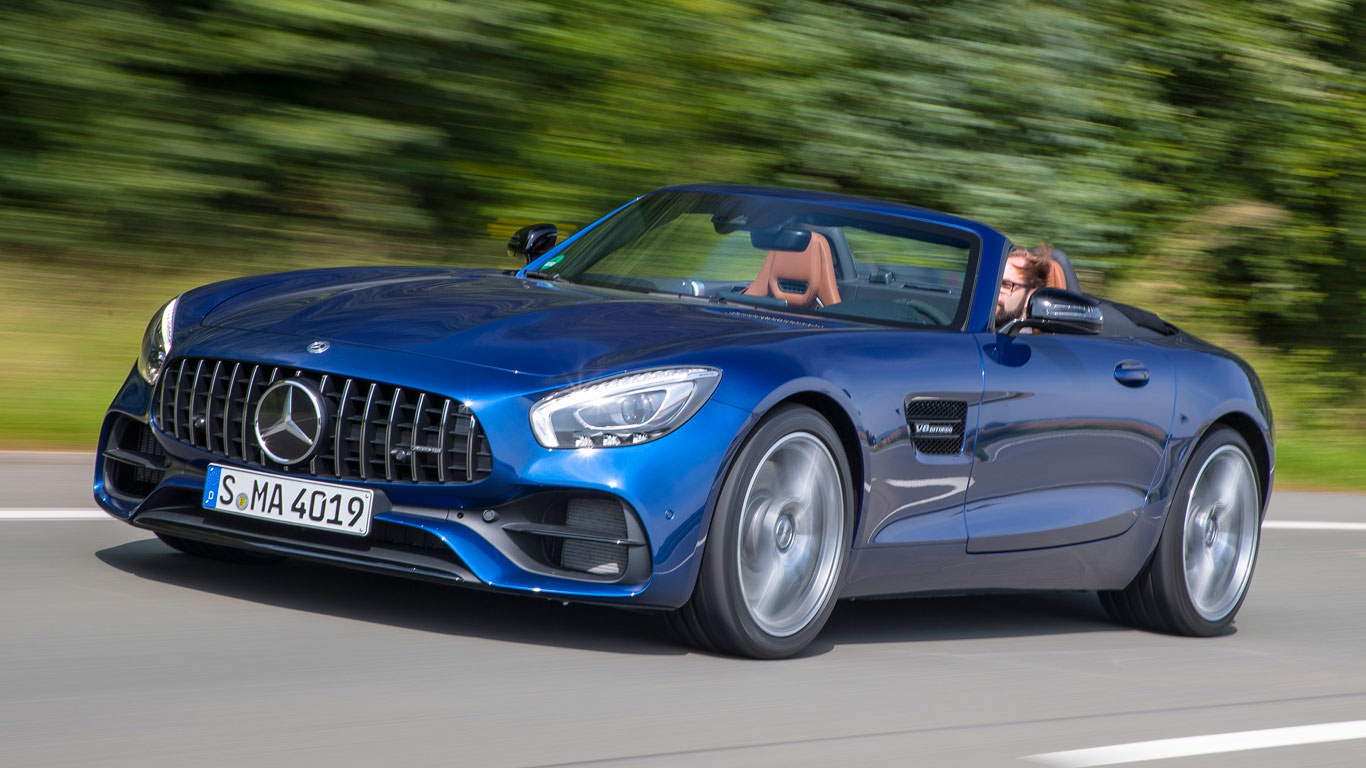
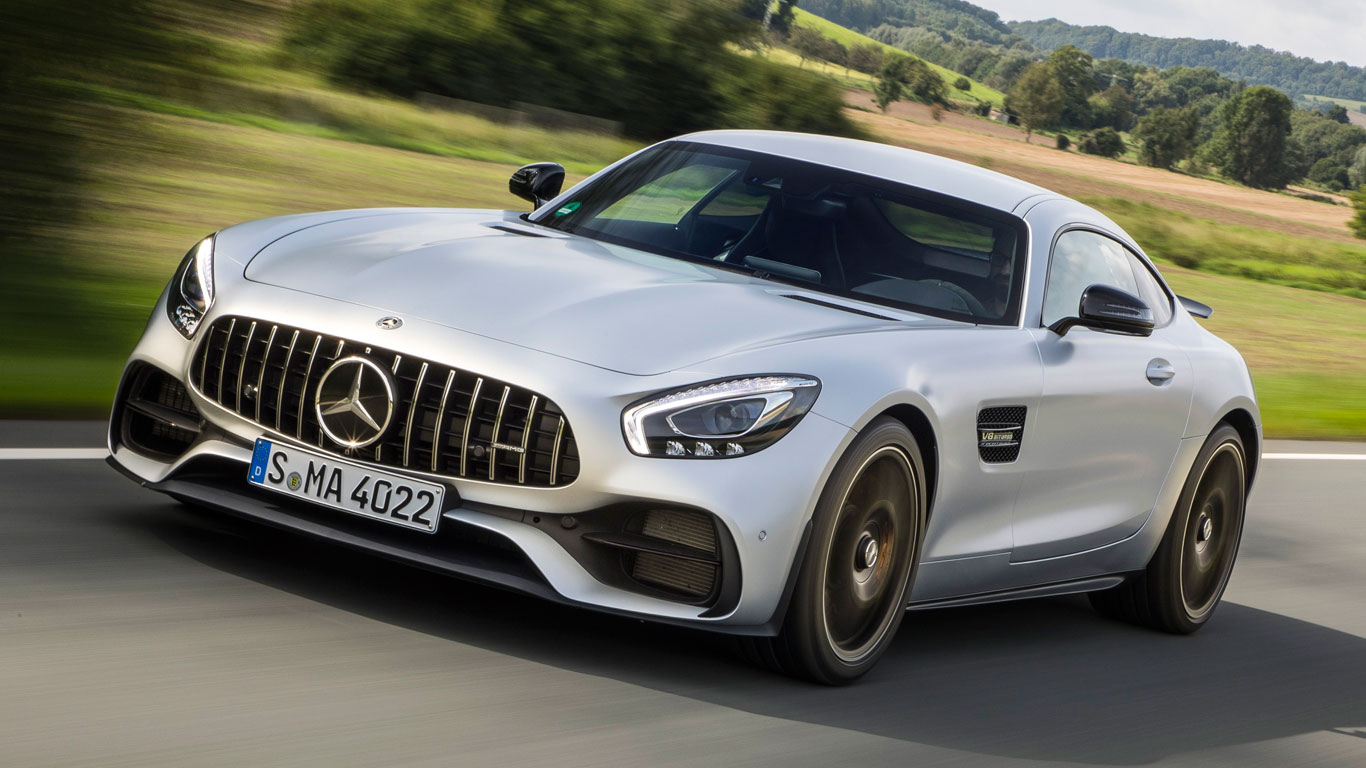
The entry-point to the range, the ‘humble’ GT is powered by the same 4.0-litre twin-turbocharged V8 as the more powerful models. Unlike its main rival, the Porsche 911, the GT’s engine is located in the front of the car, but positioned as far back as possible in what Mercedes describes as a ‘front-mid engine configuration’. Power goes to the rear wheels via a seven-speed dual-clutch automatic gearbox.

Mercedes offers the standard GT in Coupe or Roadster guises, the latter with an electrically-folding fabric roof. I opted for the latter: if only for maximum exposure to the standard AMG performance exhaust system.

How does it drive?

If, like me, your first AMG GT exposure is the entry-level model, you’ll find yourself wondering how anyone could want anything more. You sit directly over the rear wheels, with a huge bonnet stretching out in front of you. It feels special from the second you sit in it, helped by the trademark Mercedes-Benz quality interior.

Initial reports on the AMG GT, when it came out in 2014, complained the steering was nervous and slightly remote. Since the range was tweaked earlier this year, the steering is still on the light and uncommunicative side, but it feels less darty than it did. If the steering is the GT’s low point, the engine must be its high point. Not only does it sound the part (especially with the sports exhaust button pressed) – almost muscle car V8-esque – it’s also immensely tractable. There’s next to no turbo lag – thanks to the turbochargers’ location within the V of the cylinders – and it’ll just keep pulling throughout the rev range. As an entry to the line-up, the GT feels pretty much unbeatable.

The facts:

Power: 476hp
0-62mph: 4.0 seconds
Top speed: 189mph (Roadster 188mph)
Price: £98,760 (Roadster £110,160)

Mercedes-AMG GT S

Mercedes-AMG GT

So how has Mercedes gone about improving on the GT? While no one could accuse the GT of needing more power, it was an obvious upgrade for the S. The standard car’s mechanical limited-slip diff has been replaced by a trick electronic one (I’m sure it will save, oh, milliseconds of slip when getting the power down out of corners). Bigger brakes bring it to a stop quicker, while AMG Ride Control with three-stage adaptive dampers provides a more focussed feel.

How does it drive?

Suddenly, the standard AMG GT feels a bit soft. Even left in Comfort mode, the GT S’s dampers provide a harsher ride than the GT with little roll, while firming things up makes for near-flat cornering. The steering is improved, too, and you can opt for four-wheel steering on the S, should you want a smaller turning circle around town. The result is a car that’s more than the sum of its parts: while the GT has an element of (very fast) boulevard cruiser about it, the GT S feels like an out-and-out sports car.

In many ways, I reckon the GT S is the ultimate AMG GT. It’s the perfect compromise between hardcore sports car and useable road car, and cosmetic upgrades including 10-spoke alloy wheels mean it looks the part.

The facts:

Power: 522hp
0-62mph: 3.8 seconds
Top speed: 193mph
Price: £112,060

Mercedes-AMG GT C

Mercedes-AMG GT C

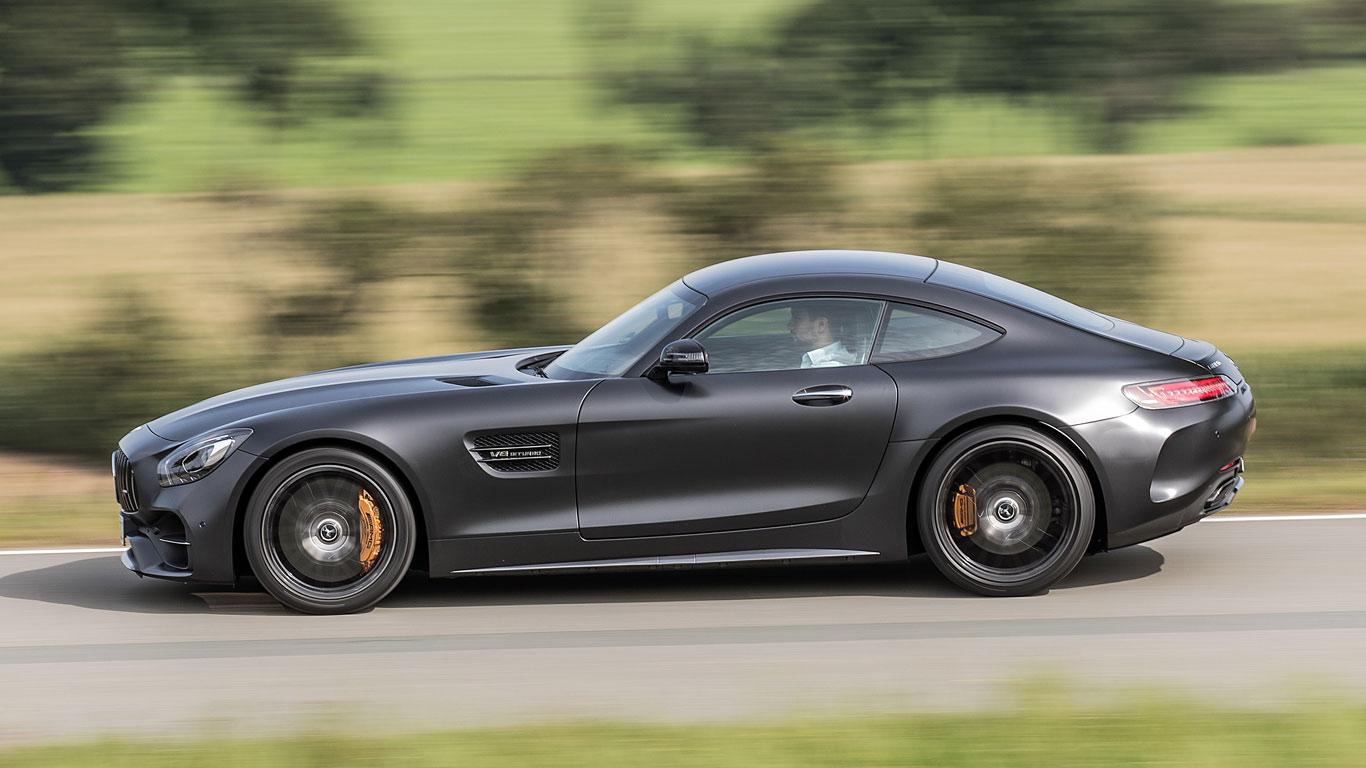
The Mercedes-AMG GT C is the latest addition to the range. Unlike the S, the C is available as a coupe or convertible, but currently only as the ‘Edition 50’ special edition, celebrating 50 years of AMG. It’s 57mm broader than lesser models, allowing room for a wider rear track and wider rear wheels. It also gets the active rear steering from the R (optional on the S, standard here), while cosmetic upgrades include matte grey paint, black chrome trim and bespoke alloy wheels.

It really looks the part: much meaner than the GT and GT S, thanks to its wider stance.

How does it drive?

I haven’t mentioned the extra power from the handbuilt 4.0-litre twin-turbo V8. The C boasts 557hp – up 35hp from the S and 81hp from the standard GT. As before, torque is available from low down, and there’s little in the way of turbo lag. The performance is incredible, obviously, while the quick-witted steering makes a bulky car feel agile. It’s more vocal than the S, too, thanks to the C’s unique performance exhaust system with adjustable flaps able to make the car noisier or quieter, depending on your mood.

While I reckon the GT S will be the perfect quick road car for most drivers, the C offers that little bit more bite for anyone brave enough to take a £140,000 car on a track day.

The facts:

Power: 557hp
0-62mph: 3.7 seconds
Top speed: 197mph (Roadster 196mph)
Price: £139,855 (Roadster £139,460)

Mercedes-AMG GT R

Mercedes-AMG GT R

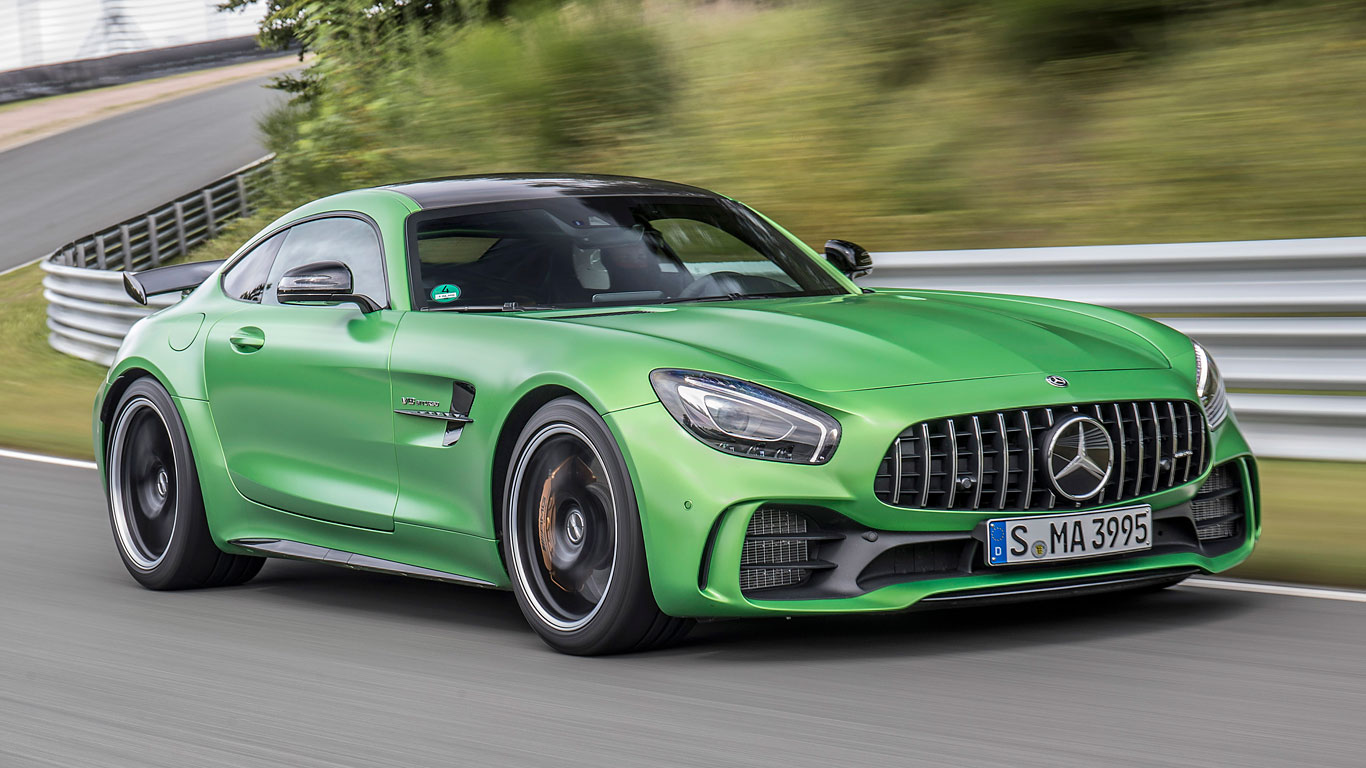
So we come to the daddy of the range: the hot-tempered AMG GT R. Mercedes describes it as a “racing car approved for use on public roads,” and I find it hard to disagree with that. It forms the basis of the AMG GT4 customer racing car, with carbon fibre body panels, four-wheel steering, and active underbody aero. You can even spec an optional AMG Track package, made up of a roll bar and four-point seat belts.

How does it drive?

My first drive of the GT R was on the Bilster Berg test track in Germany. As you’ll see in the pics used to illustrate this story (and the video below), it’s a complicated track: a mini Nurburgring, with terrifying crests, blind bends and little opportunity to take a second’s breather. A 585hp ‘racing car for the road’ was exactly what I need to familiarise myself with this complicated track, then.

That engine, in full psychopath guise, only requires the shortest of straights to propel the GT R well into three-figures, but fortunately the optional ceramic brakes scrub speed off quicker than you can utter a four-letter profanity. The corners are the fun bits, though, where the R’s quick steering makes it feel like a much smaller car, albeit one that’s almost too keen to let the rear end step out, especially in the more dynamic driving modes.

Of course, many GT R buyers won’t go near the track. I’ve also driven the GT R on UK roads where, frankly, it feels a little bit like overkill. In the wet, it struggles for grip, with the traction control light flickering at the slightest hint of enthusiastic throttle use. Standard Michelin Pilot Sport Cup 2 tyres will partly be responsible for that, not to mention 585hp through the rear wheels, but in the dry it’s a much more confidence-inspiring car. That’s until you get to city centres, where the GT R’s mass will put you on edge. It gets so much attention, too, so you’re always conscious that you don’t want to mess up in case someone is watching. That’ll appeal to some people… me, I’d prefer the comparatively subtle GT S.

The facts:

Power: 585hp
0-62mph: 3.6 seconds
Top speed: 198mph
Price: £143,260

Video: 2018 Mercedes-AMG GT range

Advertisement

iOS 11: How to use the ‘Do Not Disturb While Driving’ iPhone feature

0

iOS 11: How to use the 'Do Not Disturb While Driving' iPhone feature

Apple has released its latest iOS 11 operating system, bringing with it a useful tool for drivers: a ‘Do Not Disturb While Driving’ mode. This blocks phone notifications while you’re at the wheel, with the aim of reducing crashes caused by people using their phone while driving.

If you’ve just installed iOS 11, your phone will detect the first time it thinks you’re driving and, once you’ve arrived at your destination, show a description of the Do Not Disturb While Driving feature. If you tap a button to enable the feature, it’ll turn on automatically when connected to your car’s Bluetooth, or when it senses driving motion. Alternatively, you can select to turn on the feature manually.


What does Apple’s ‘Do Not Disturb While Driving’ feature do?

Apple’s ‘Do Not Disturb While Driving’ mode is an extension to its ‘Do Not Disturb’ feature, which can be enabled for certain times, turning off notifications when, for example, you’re asleep or at work. The driving mode can be turned on manually, or can be triggered by connecting to a car’s Bluetooth. There’s even an automatic setting, which disables notifications when it detects the movement of a vehicle. You can manually turn this off, though, for those occasions when you’re a passenger in a moving car.

While active, Do Not Disturb While Driving will disable any notifications: such as incoming calls and text messages. Your iPhone screen will stay dark, and there’s an option to turn an automatic response to texts – telling contacts that you’re currently driving. This can be customised for certain contacts.

It can also let through notifications from your favourite contacts, or if a caller dials twice within three minutes.


Driving organisations are campaigning for Android and Microsoft phones to introduce similar features. Statistics from 2015 reveal that 22 people were killed and 99 seriously injured when a driver was using their mobile phone at the wheel.

“Illegal handheld phone use is one of the biggest in-car problems of our time and it will take a concerted effort to get the message across to drivers that it’s simply not okay,” said RAC’s Be Phone Smart spokesman Pete Williams.

“We need organisations to work together and to come up with creative ways of helping drivers realise that no text or tweet while driving is worth the risk.

“Apple’s iOS update is a major step forward and will mean that handsets used by millions of people will, for the first time, include in-built software that can reduce the distraction risk posed by handheld phones. Now we need the other major operating systems – Google’s Android and Microsoft’s Windows Mobile – to follow suit.”

Harsher penalties for mobile phone use at the wheel were introduced earlier this year, with police handing out £200 fines and six penalty points for drivers caught using a handheld phone.

More on MR:

Advertisement

Renault ticked off by ASA for Alpine tweet

0

Renault ticked off by ASA for Alpine tweet

The Advertising Standards Authority (ASA) has upheld a complaint over a tweeted posted on the Alpine UK account.

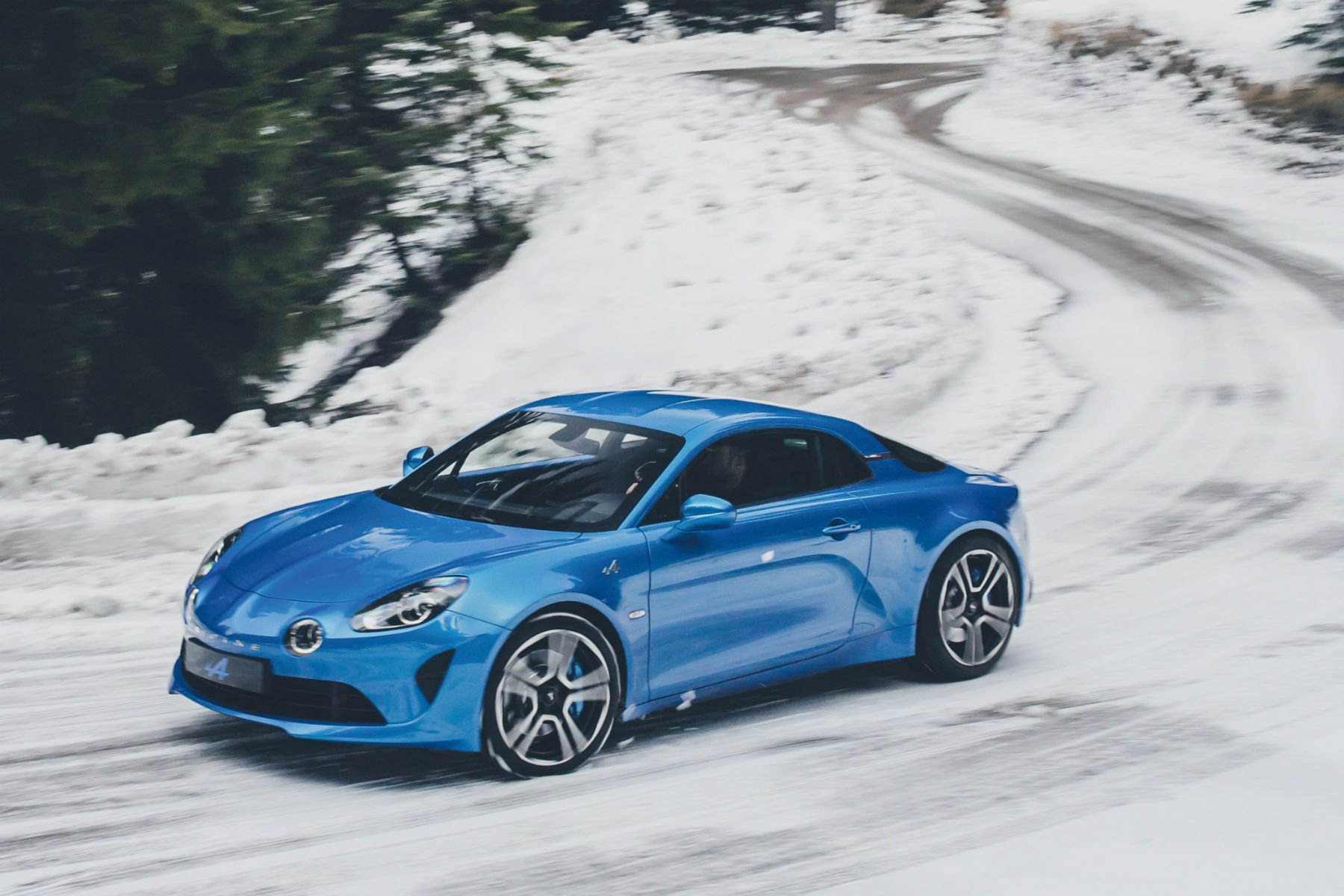
The tweet from the Alpine Cars UK Twitter account, posted on 8 March 2017, said: “Mountains and twisted roads: The #AlpineA110 in it’s [sic] favorite [sic] playground.” It showed a video of the Alpine A110 being driven along the closed Col de Turini mountain road by French racing driver Nicolas Lapierre.

A complainant was concerned that the video “glamourised and promoted dangerous driving,” as it showed the car being driven at speed on a twisty road, including one shot of the car skidding at a corner.

Renault said the focus of the video, which has now been deleted, was not on speed but about “demonstrating agility and handling”. As the car used was a prototype, its speed was limited to ensure it did not exceed 90km/h (around 56mph), and it was filmed on a closed road under the supervision of the Monaco Automobile Club.

Regardless, the ASA upheld the complaint, saying that it “considered that speed and acceleration were the main messages of the ad, that parts of the ad implied excessive speed, and that the ad encouraged and condoned irresponsible and potentially dangerous driving.”

Despite Renault offering to amend the ad with a warning stating that the professional driving should not be replicated on public roads, the ASA ruled that such a message would be insufficient and the ad should never appear again in its current form.

More Alpine on MR:

The tweet was posted a day after the Alpine A110’s official debut at this year’s Geneva Motor Show. The Porsche Cayman rival is powered by a four-cylinder turbocharged engine producing 250hp. It weighs just 1,080kg and marks a return for Renault’s Alpine sports car brand. The A110 will go on sale in spring 2018.

The ASA has also investigated a TV advert for the Jaguar F-Type which appeared in June 2017. Five viewers complained that the ad’s message, “DON’T JUST TAKE THE CORNER. OWN IT”, promoted dangerous driving. The complaint wasn’t upheld as the ASA considered that “viewers were likely to interpret it as relating to responsible cornering where the driver was very much in control.”

Advertisement

Land Rover Discovery pulls a 110-tonne road train

0

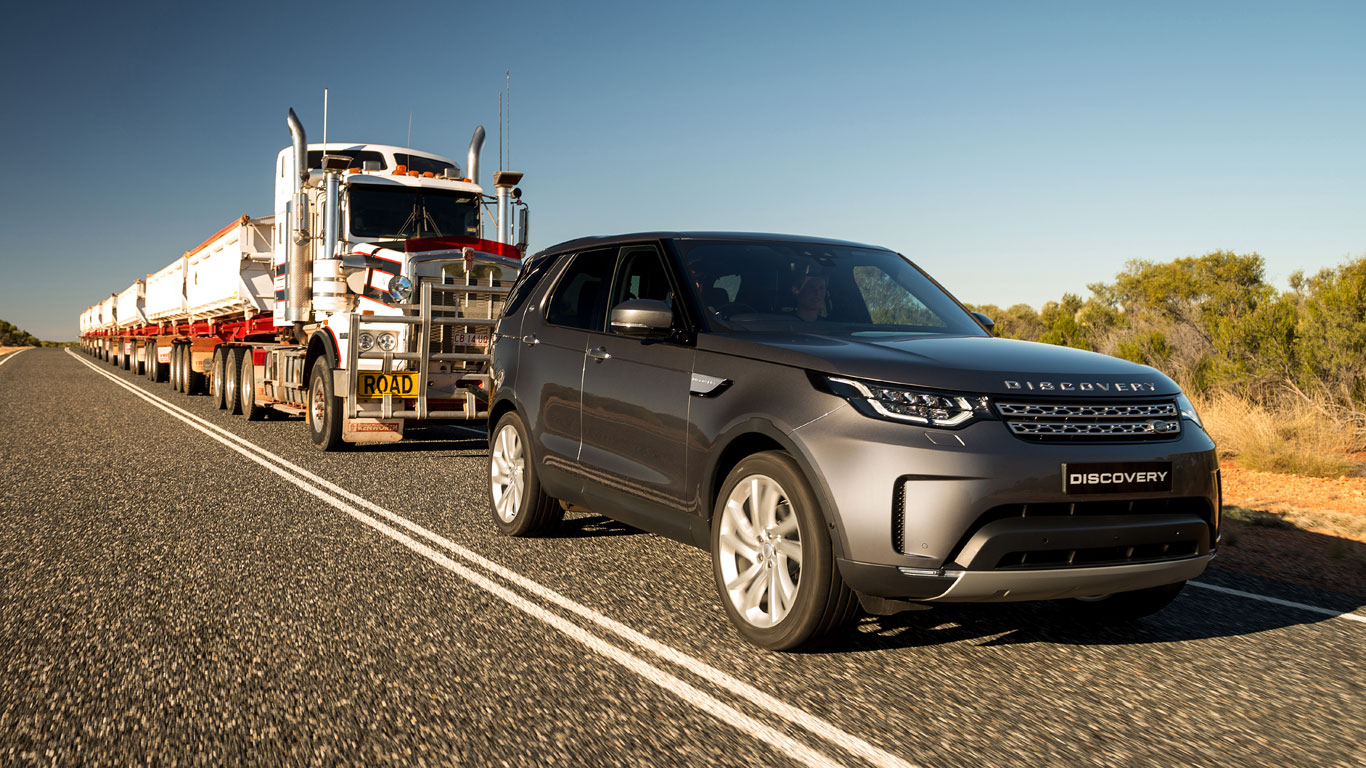
Land Rover Discovery pulls a 110-tonne road trainEver wondered if a Land Rover Discovery is a tad overkill for lugging a four-berth caravan to a home counties campsite? Well, a 2018 Disco 5 has successfully lugged a 110-tonne road train across the Australian Outback.

The PR stunt (a way of drawing attention away from its offset rear number plate, perhaps?) saw a 3.0-litre Discovery TD6 tow a truck with seven (count ’em, seven!) trailers for nearly 10 miles along a closed section of the Lasseter Highway.

Although road trains are normally limited to four trailers in the Australian Outback, Land Rover obtained special permission to tow seven trailers as well as the 12-tonne tractor unit. This was retained to operate the hydraulic brakes fitted to the trailers. The road train was also carrying 10-tonnes of ballast.

With 258hp and 443lb ft torque, the Discovery TD6 can legally tow up to 3,500kg on public roads. The car used in the stunt kept its standard eight-speed automatic transmission and four-wheel-drive system and was hooked up to the road train using a factory-fitted tow bar attachment.

“Towing capability has always been an important part of Discovery DNA and the raw weight of the road train tells only half the story here,” said Land Rover product engineer, Quentin Spottiswoode. “Pulling a rig and seven trailers, with the rolling resistance of so many axles to overcome, is a huge achievement. We expected the vehicle to do well but it passed this test with flying colours, hitting 44km/h [27mph] along its 16km [9.9 mile] route.”

The Discovery is available with Advanced Tow Assist technology, which uses the rear camera to take the stress out of reversing trailers. You can even steer the vehicle using the rotary Terrain Response 2 controller on the centre console, while the system provides assistance, calculating steering inputs required to achieve the desired outcome.

Improvements for the 2018 model year include the addition of a 300hp four-cylinder Ingenium petrol engine and a new TFT display cluster in place of conventional dials.

More Land Rover Discovery on MR:

ALSO READ

The cheapest new cars with five stars for safety

The decade that taste forgot: 70s stars at Frankfurt

Amazon Alexa comes to BMW and Mini

Advertisement

‘Show me, tell me’ questions form part of new UK driving test

0

'show me, tell me'

Changes to the UK driving test will prepare new motorists for ‘real life driving’, according to the Driver and Vehicle Standards Agency (DVSA).

From 4 December 2017, the so-called ‘show me, tell me’ part of the test will change, with new drivers expected to complete the ‘show me’ test while driving. One question will be asked, which could include how to operate the horn, open the side window or switch on the headlights.

More on Motoring Research:

In the new test, the examiner will ask the ‘tell me’ question at the start of the examination, before any driving takes place. Examples include how to check the brake lights, the oil level or tyre tread depth.

“DVSA’s priority is to help you through a lifetime of safe driving,” said chief driving examiner, Lesley Young. “It’s important that learner drivers work with their driving instructor to make sure they can operate the in-car controls safely whilst they’re driving.”

https://www.youtube.com/watch?v=lI08tzIfo4c

The DVSA has published two videos showing new drivers how to carry out these basic safety tasks. Simple they might be, but the DVSA has warned that if a candidate loses control of the car while answering the ‘show me’ question, it will result in a serious or dangerous fault. In other words: the candidate fails the test.

The changes to the ‘show me, tell me’ section of the exam are part of a series of updates to the UK driving test, including increasing the length of independent driving to 20 minutes, following directions from a sat-nav and changes to the reversing manoeuvre.

Carly Brookfield, chair of the steering group for national approved driving instructor associations (NASP), is behind the changes, saying: “Whilst in-car, on the road practice with a professional driver trainer is an important part of delivering safer drivers to our busy roads, we also recommend the use of supplementary learning resources such as ‘how-to’ videos from authoritative sources in driver education.”

Further details of the changes to the driving test can be found on the government website, but here are the ‘show me, tell me’ questions in full:

‘Show me’ (one question, during test)

  • When it’s safe, show me how you’d wash and clean the rear windscreen.
  • When it’s safe, show me how you’d wash and clean the front windscreen.
  • When it’s safe, show me how you’d switch on your dipped headlights.
  • When it’s safe, show me how you’d set the rear demister.
  • When it’s safe, show me how you’d operate the horn.
  • When it’s safe, show me how you’d demist the front windscreen.
  • When it’s safe, show me how you’d open and close the side window.

‘Tell me’ (one question, before test)

  • Tell me how you’d check the brakes are working before starting a journey.
  • Tell me where you’d find the car’s recommended tyre pressures and how you’d check each tyre.
  • Tell me how you’d make sure your head restraint is correctly adjusted so it provides the best protection.
  • Tell me how you’d check the tyre have sufficient tread depth and are in a safe condition.
  • Tell me how you’d check the headlights and tail lights are working.
  • Tell me how you’d know if there was a problem with your anti-lock braking system.
  • Tell me how you’d check the indicators are working.
  • Tell me how you’d check the brake lights are working.
  • Tell me how you’d check the power steering is working before starting a journey.
  • Tell me how you’d switch on the rear fog lights and explain when you’d use them.
  • Tell me how you switch your headlights from dipped to main beam and explain how you’d know the main beam is on.
  • Open the bonnet and tell me how you’d check the engine has sufficient oil.
  • Open the bonnet and tell me how you’d check the engine has sufficient coolant.
  • Open the bonnet and tell me how you’d check that you have a safe level of hydraulic brake fluid.
Advertisement

Cars over 40 years old exempt from annual MOT tests

0

It follows a consultation in which more than half of respondents objected to the proposals

All cars over 40 years old are soon be exempt from the annual MOT roadworthiness test – despite most classic car drivers thinking it’s a bad idea.

More than 2,000 members of the public took part in an official consultation, with more than half stating that they were against the proposals. A total of 1,130 respondents opposed plans to introduce a rolling exemption for vehicles over 40 years old, with many stating that all vehicles travelling on public roads should have an annual test for safety reasons. By comparison, 899 respondents said they thought the proposals were a good idea.

The Government has today announced that it will proceed with the exemption for all vehicles constructed or first registered more than 40 years ago, on a rolling basis. Currently, all cars registered before 1960 are exempt from the MOT test, meaning there are roughly 197,000 vehicles on the road that don’t need to be MOTed.

This change in the law will mean a further 293,000 vehicles (one percent of all cars on the road) won’t need an MOT.

Justifying the decision, the Department for Transport said most cars of this age are usually well maintained and only used occasionally, making it ‘unreasonable’ to require an MOT. It also said the modern MOT was ‘no longer relevant’ to older cars.

“We would like to thank all those who responded to the consultation for their valuable input, and have noted the views expressed,” said roads minister, Jesse Norman MP. “After considering the responses, we have decided to exempt most vehicles over 40 years old from the requirement for annual roadworthiness testing.

“Vehicles that have been substantially changed, regardless of their age, will not be exempt from annual roadworthiness testing.”

Owners of classic cars that fall into the exemption will be able to submit their cars for a voluntary MOT, despite it not being a legal requirement.

Advertisement

Mercedes-AMG Project One: an F1 racer for the road (WITH VIDEO)

0

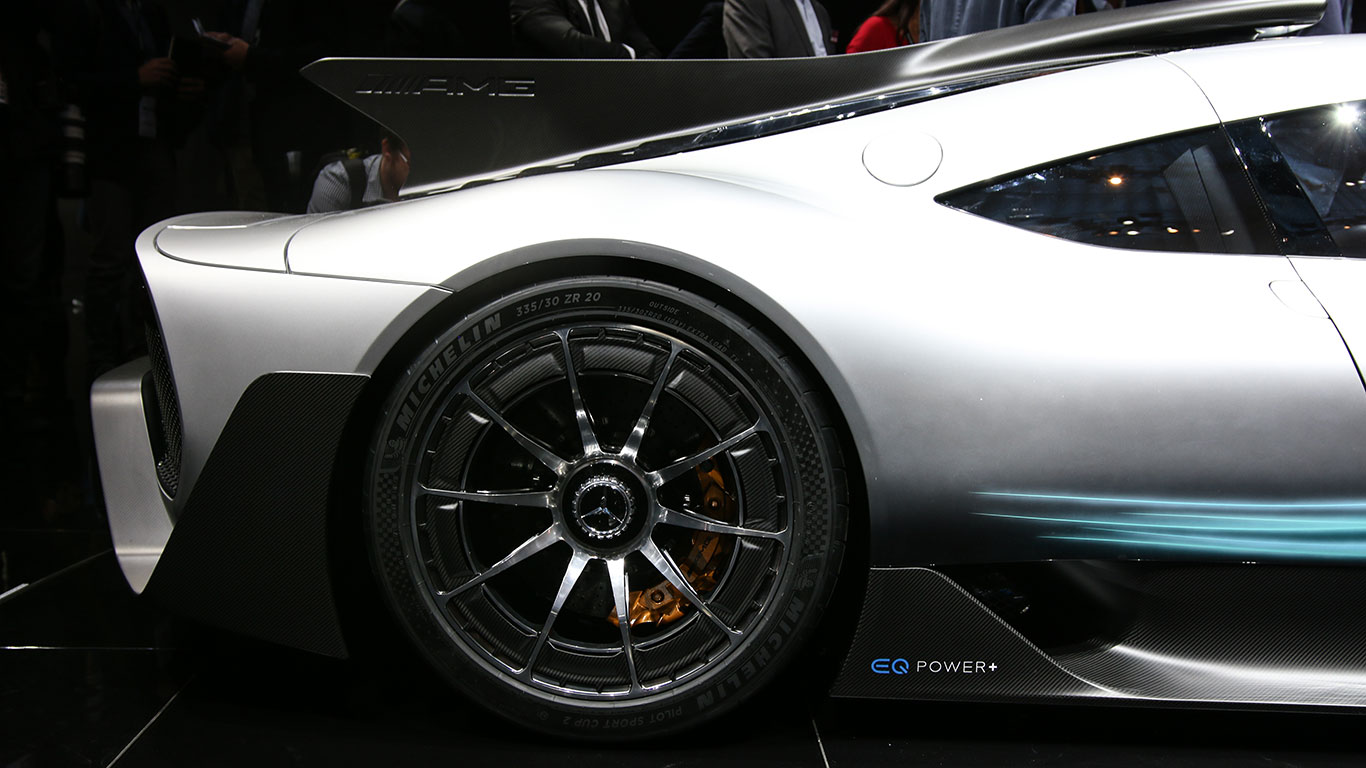
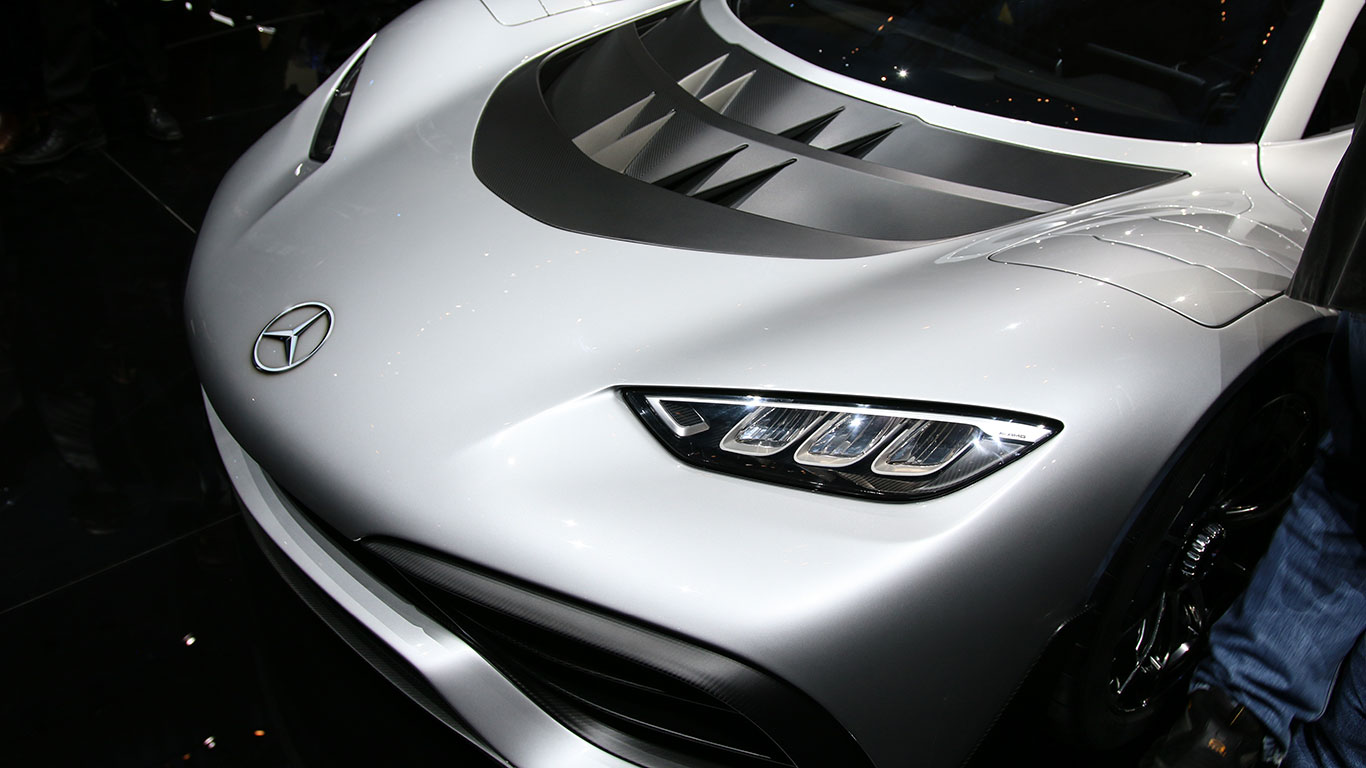
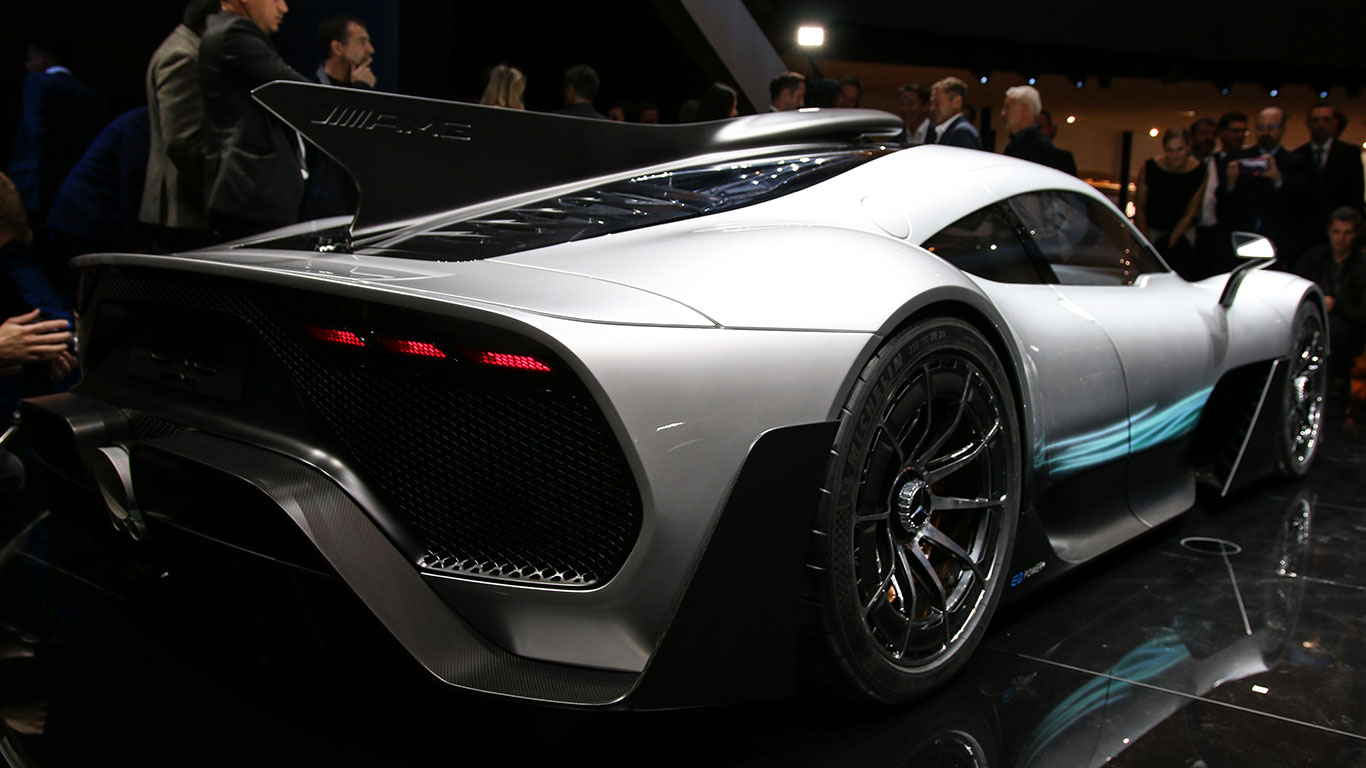
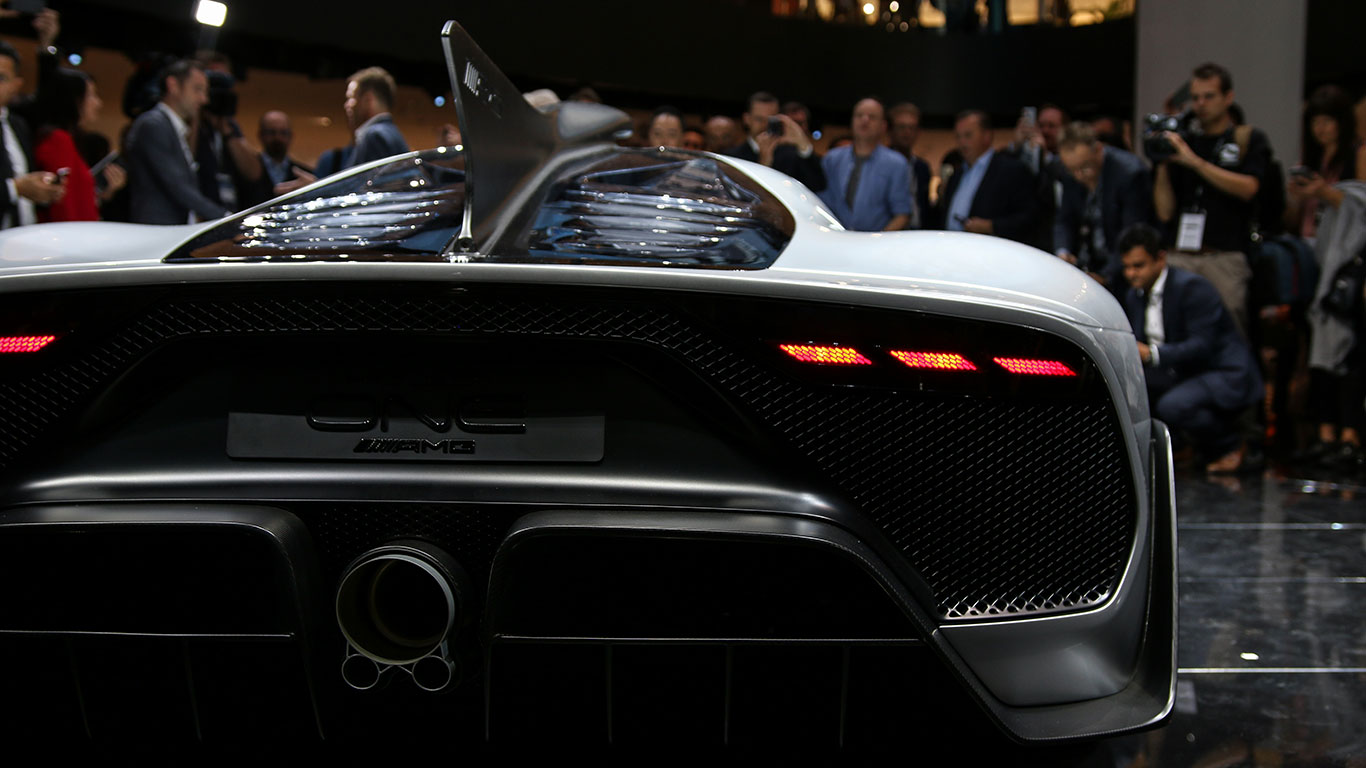
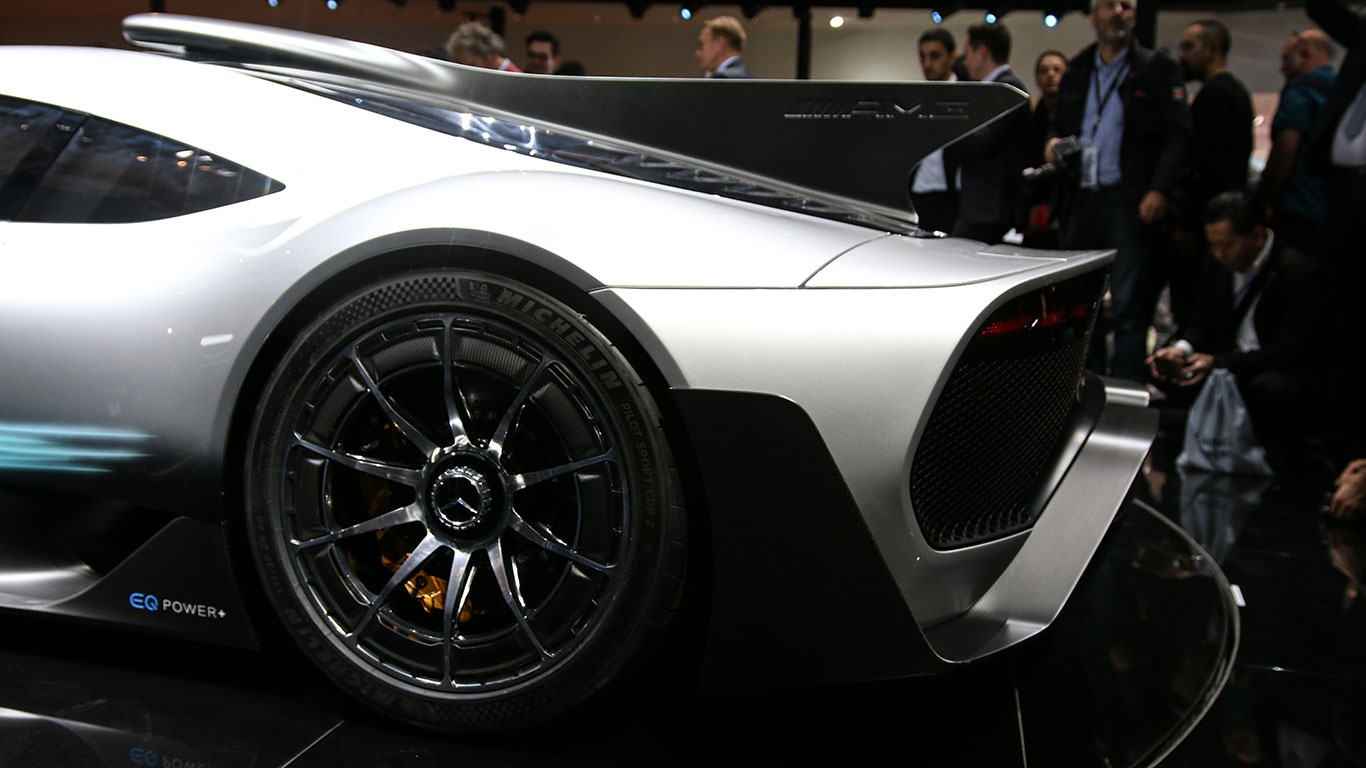
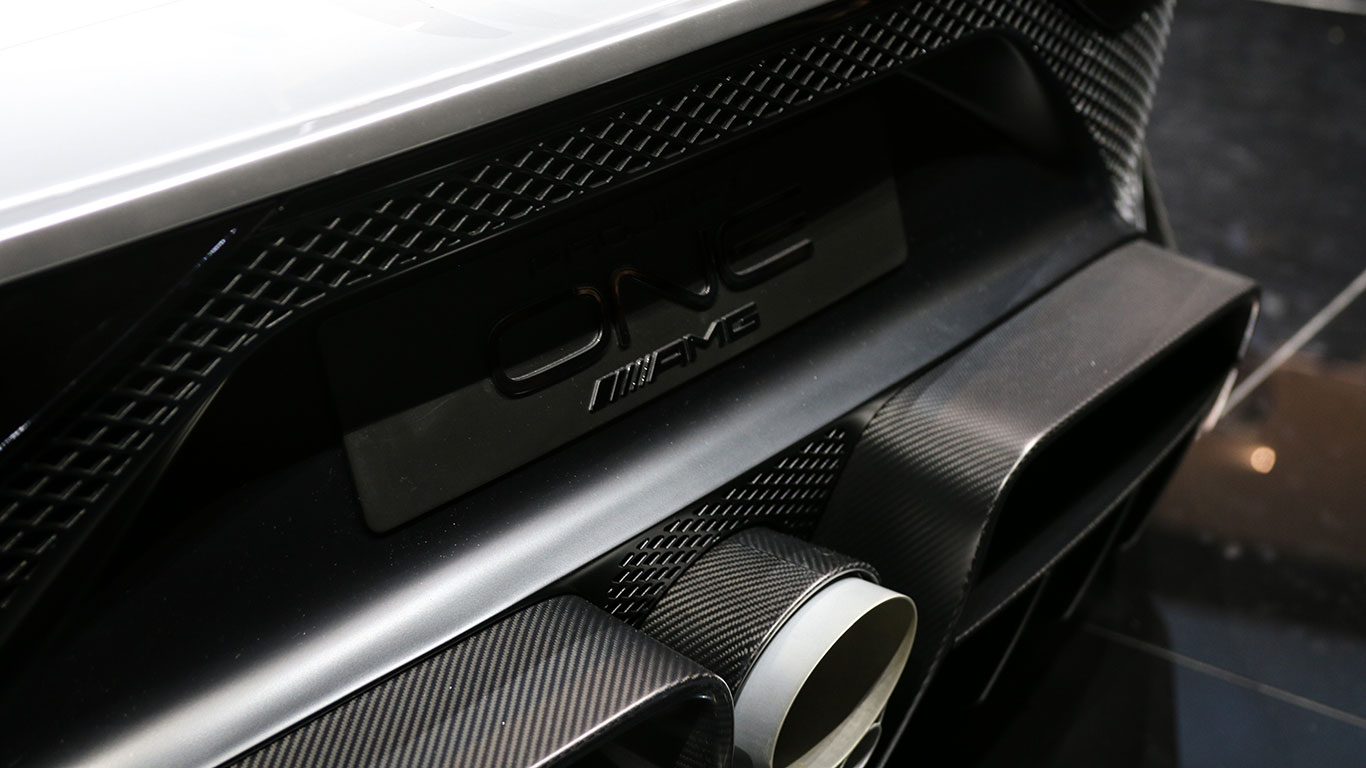
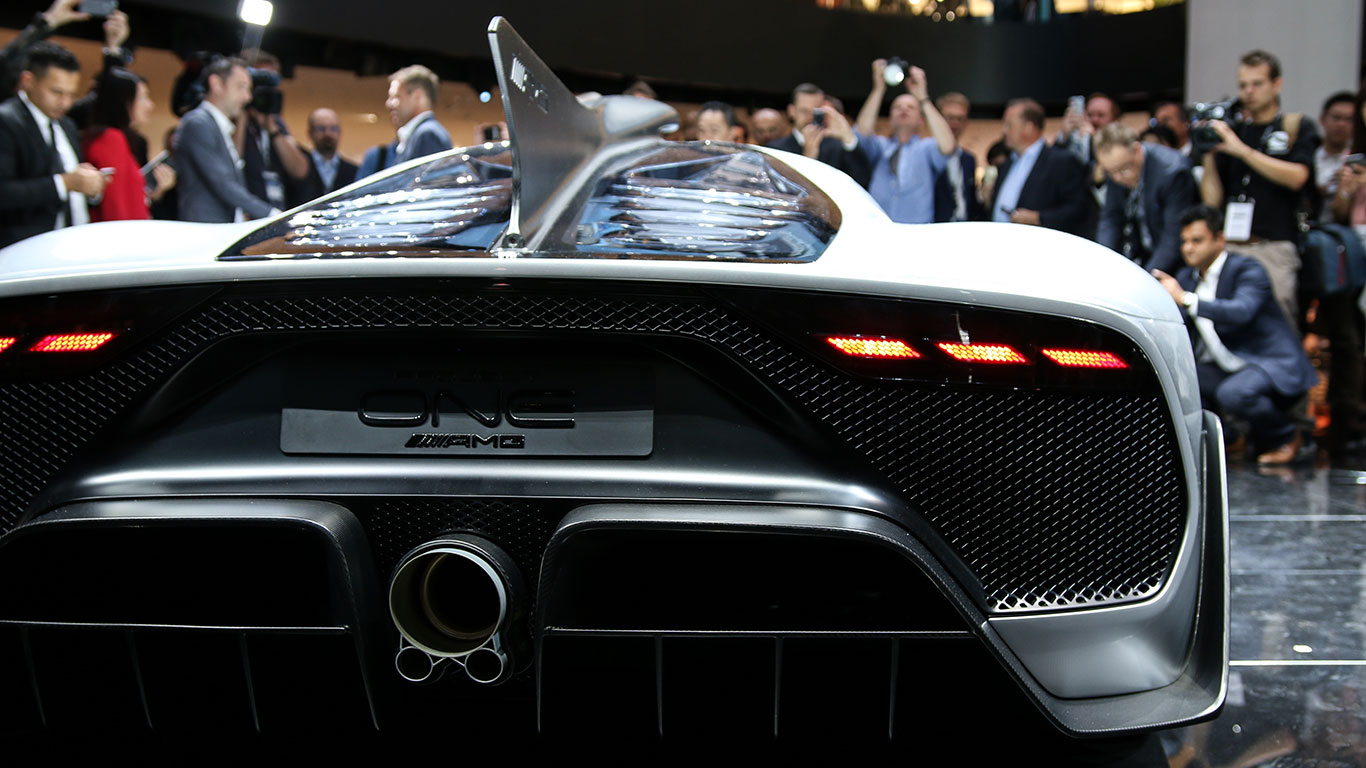
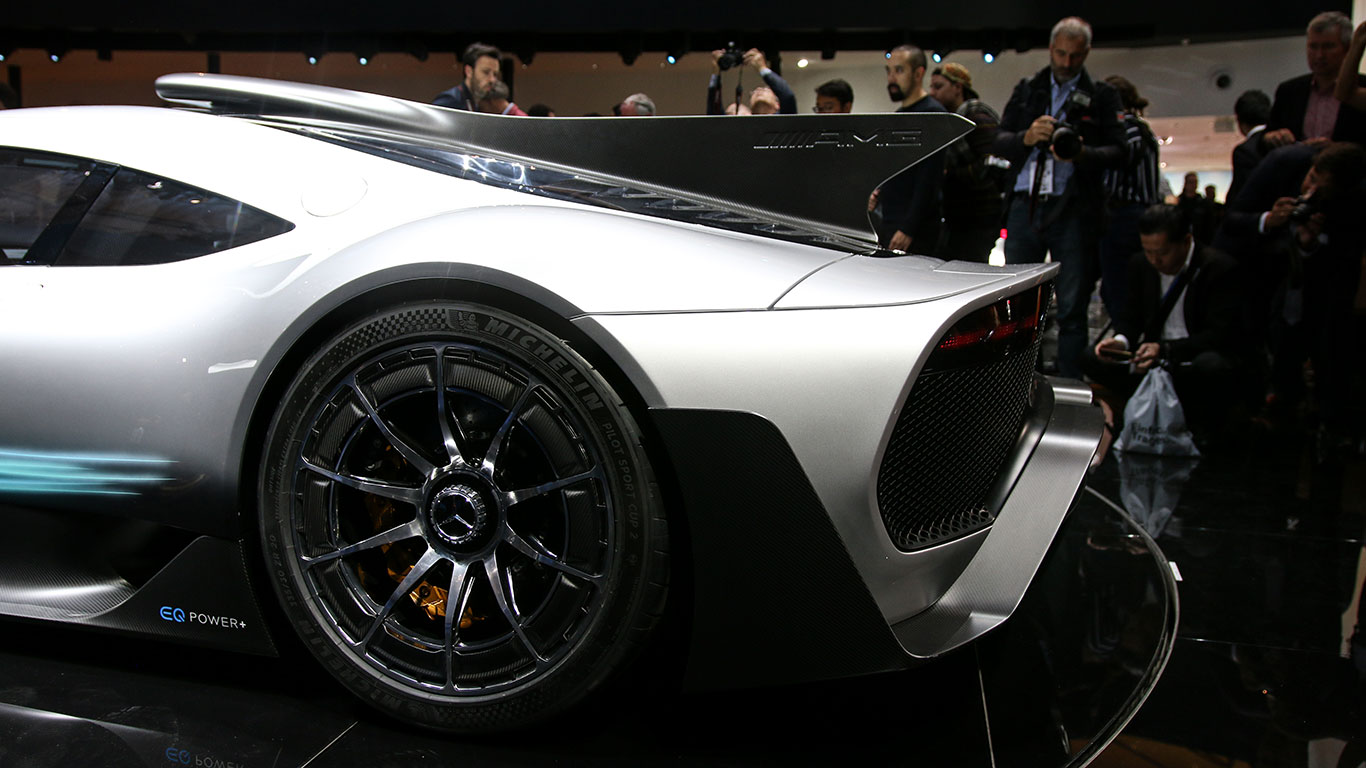
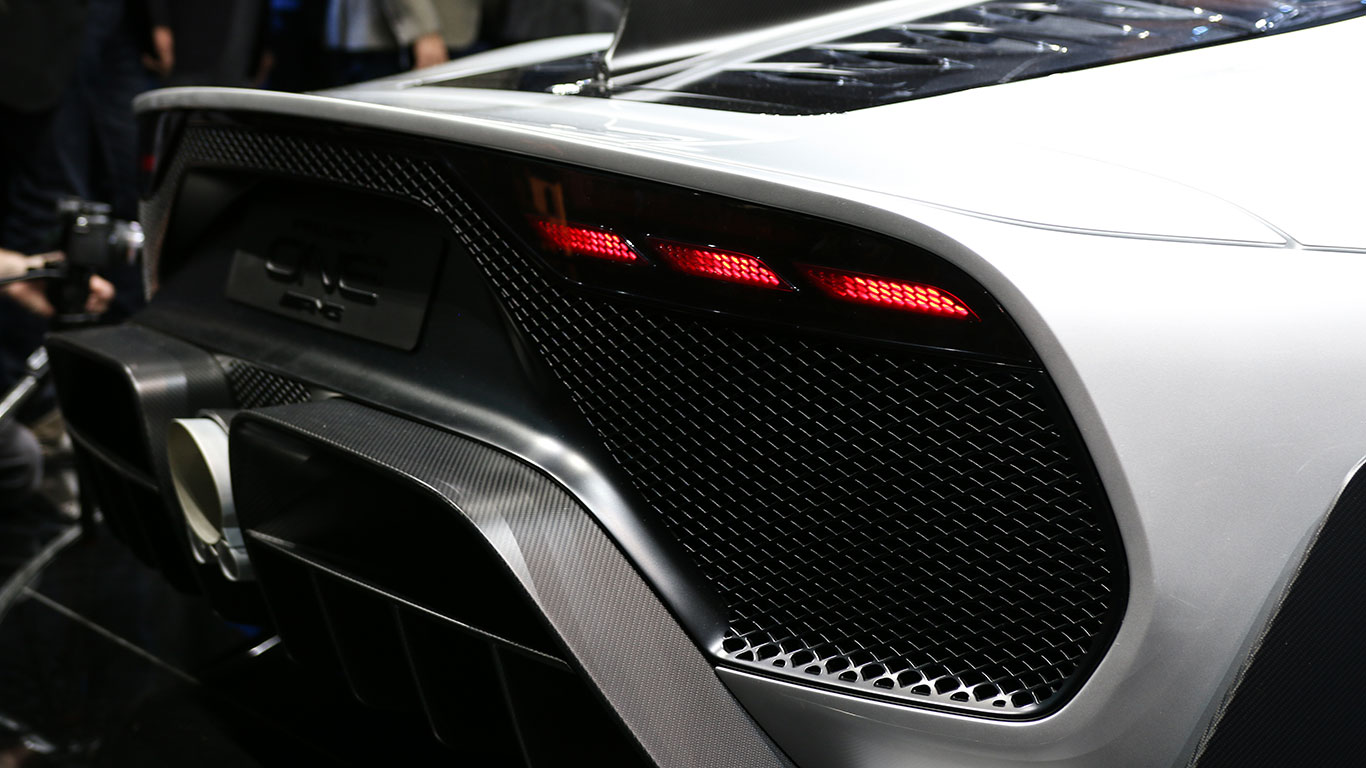
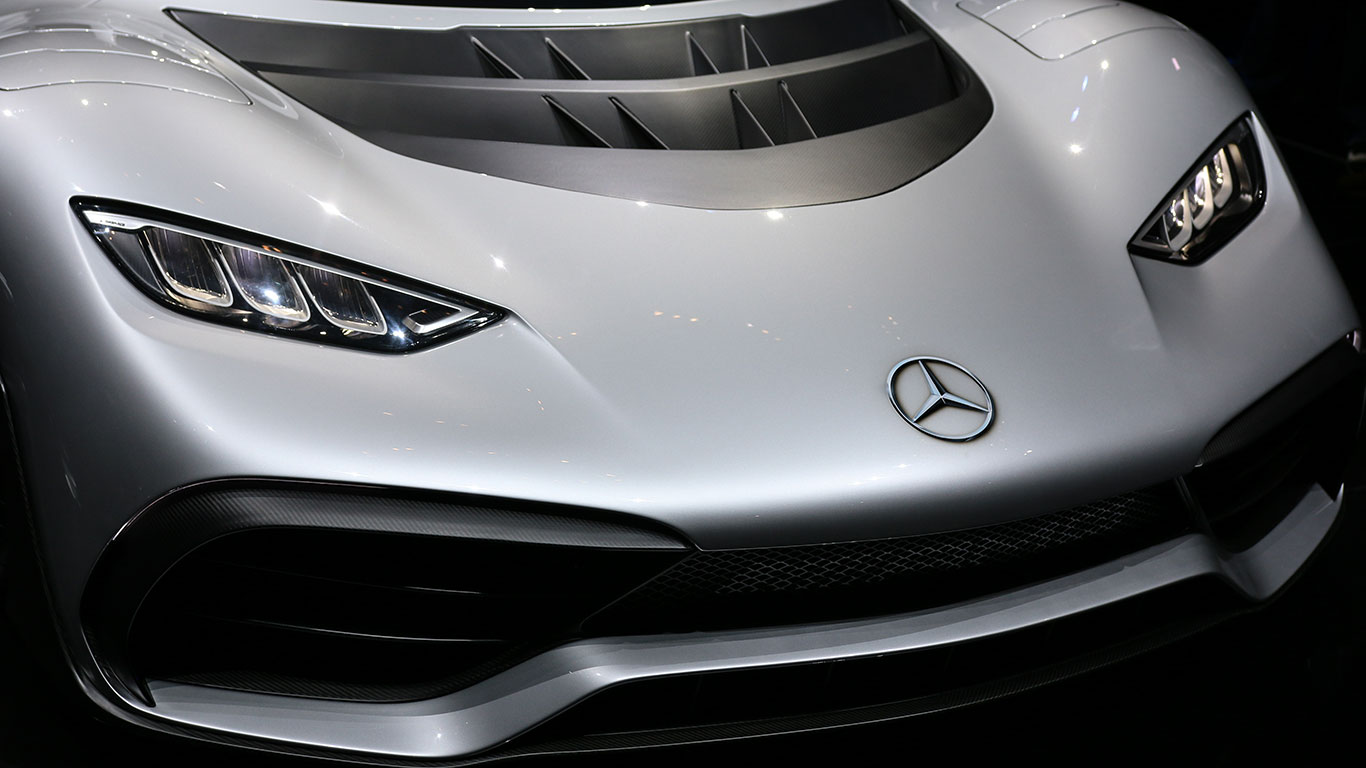
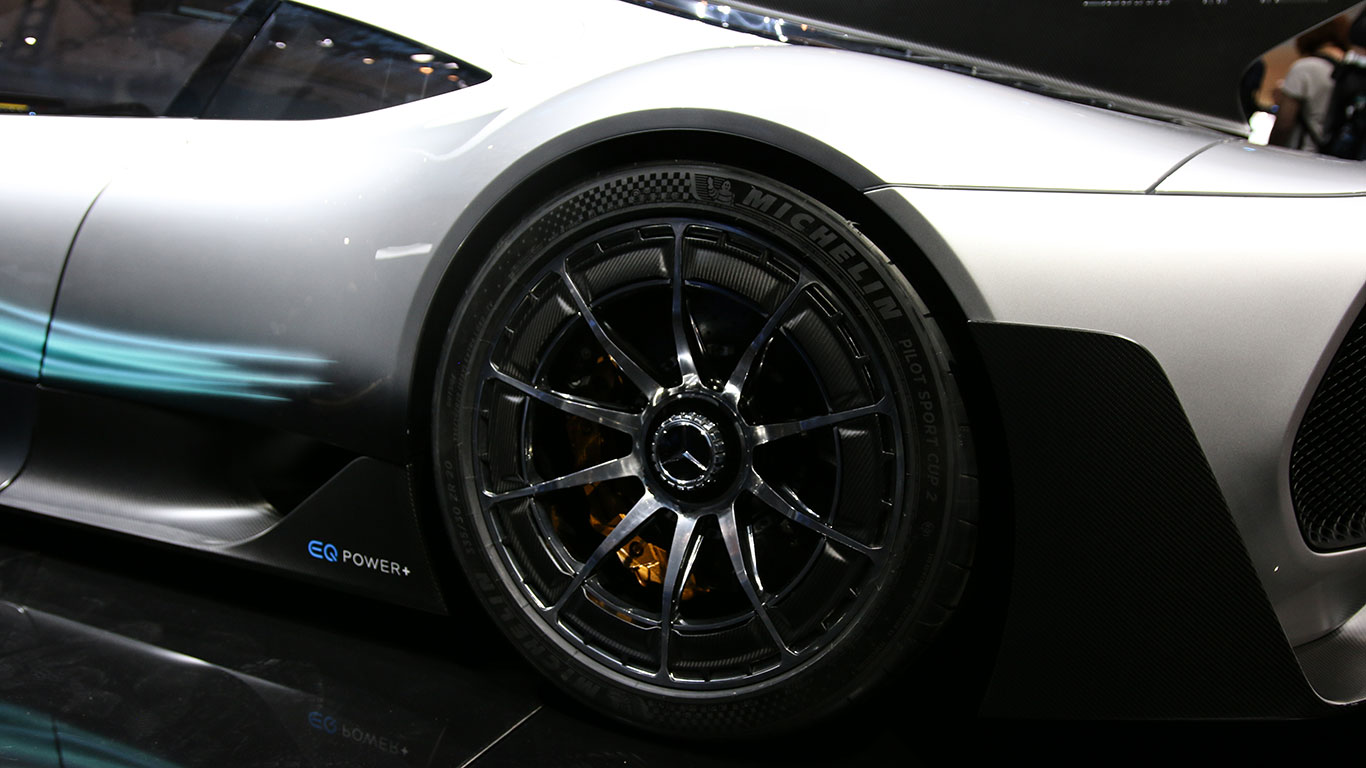
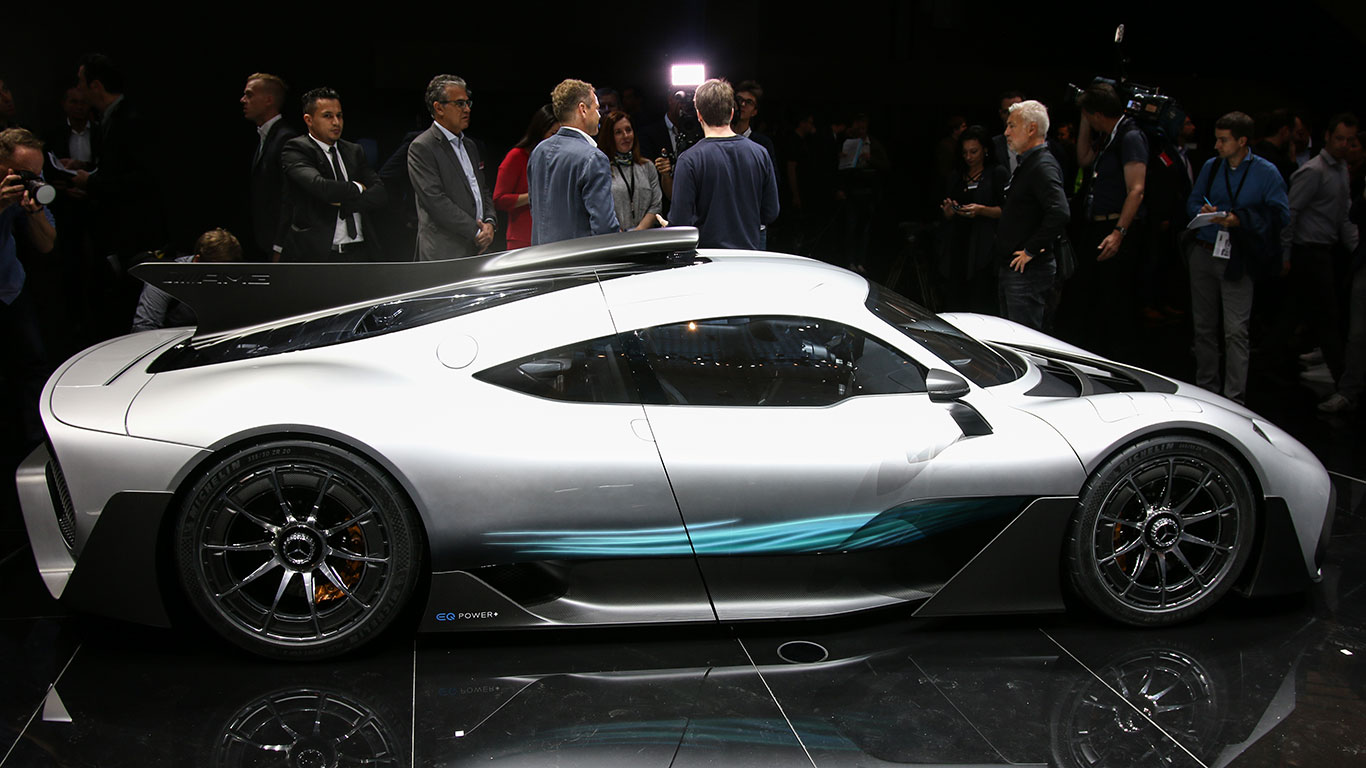
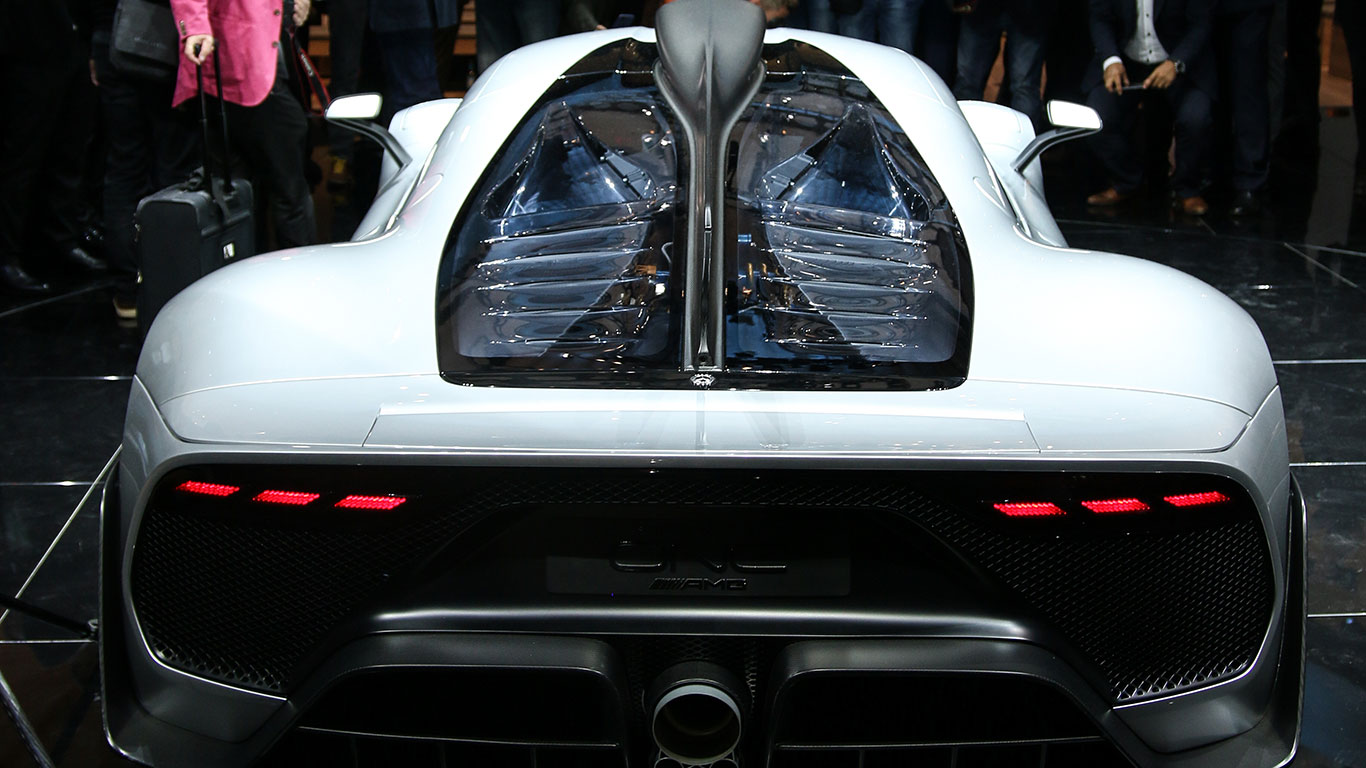
Mercedes-AMG Project OneMaking a road car inspired by an F1 racer is one thing. Building one that uses the same 1.6-litre turbocharged V6 as an actual grand prix car is another thing entirely. However, that’s exactly what powers the new Mercedes-AMG Project One.
More Frankfurt Motor Show on MR:

Weekend wheelsMercedes-AMG Project One

Strictly speaking, it’s not 100% identical to the engine found in the cars driven by Lewis Hamilton and Valtteri Bottas. For a start, the internal combustion engine is tuned to use super unleaded petrol, whilst the rev limit is turned down to just 11,000rpm to promote longevity.

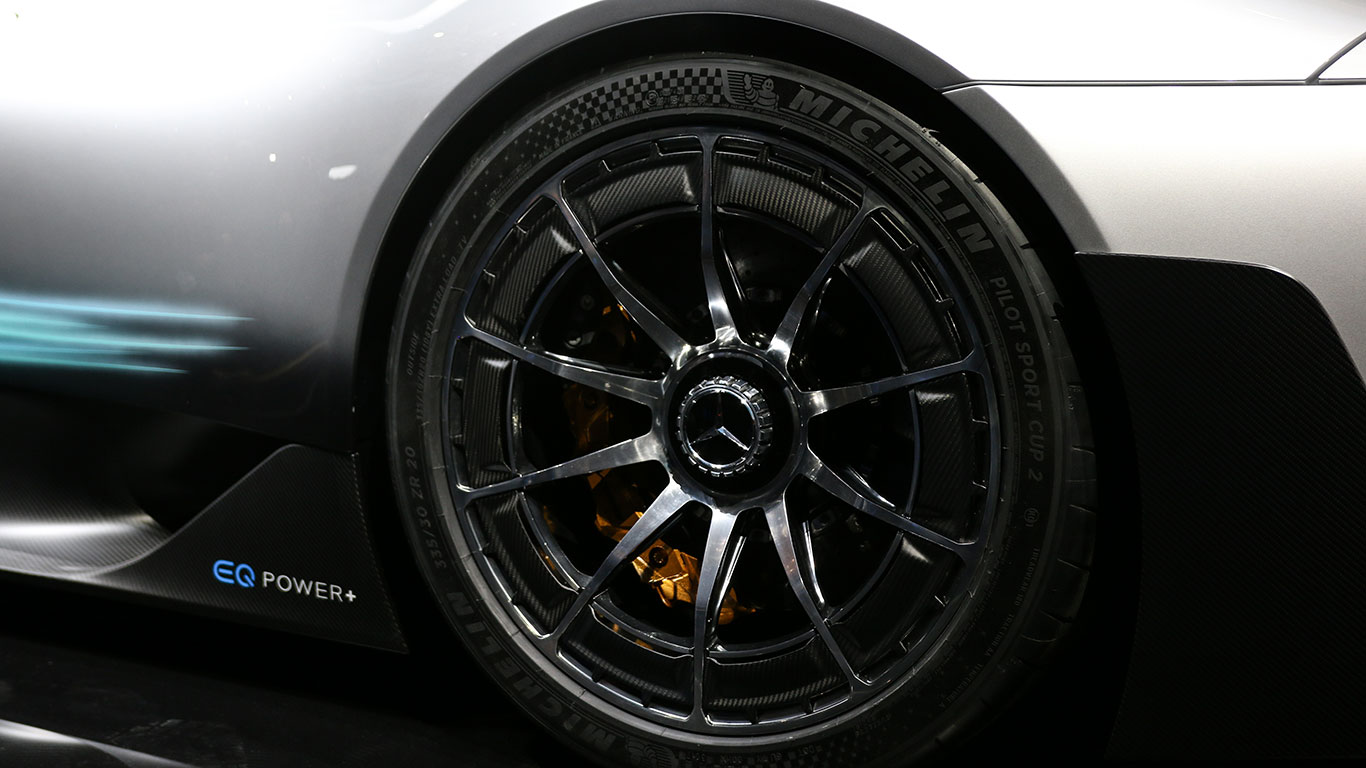
Like an F1 car there is hybrid power, with four electric motors featured on the Project One. Each front wheel is powered by an individual 120kW motor, whilst the single turbocharger is also boosted by an electric motor.. The fourth motor is attached directly to the engine, and operates like the MGU-K device in the F1 car, to aid acceleration.

One thousand horses

It sounds complicated, and clearly is, but the headline figure is a combined total power output in excess of 1,000hp. That might be less than a Bugatti Chiron, but the lightweight carbon fibre construction and eight-speed paddle-shift gearbox hardly make that a disadvantage.
Lapping up the power

The sprint from 0-124mph is claimed to take just six seconds, with a top speed in excess of 218mph. Rather impressive from a vehicle than can still cover 16 miles on electric power alone.

Controlling all this power is a three-stage ESP system, which includes the option to be completely turned off. There’s also ABS for the carbon ceramic brakes, and the ability for the for torque vectoring from the electric motors. Combine this with a two-stage deployable rear wing and the Project One should be driveable by mere mortals.

No team ordersMercedes-AMG Project One

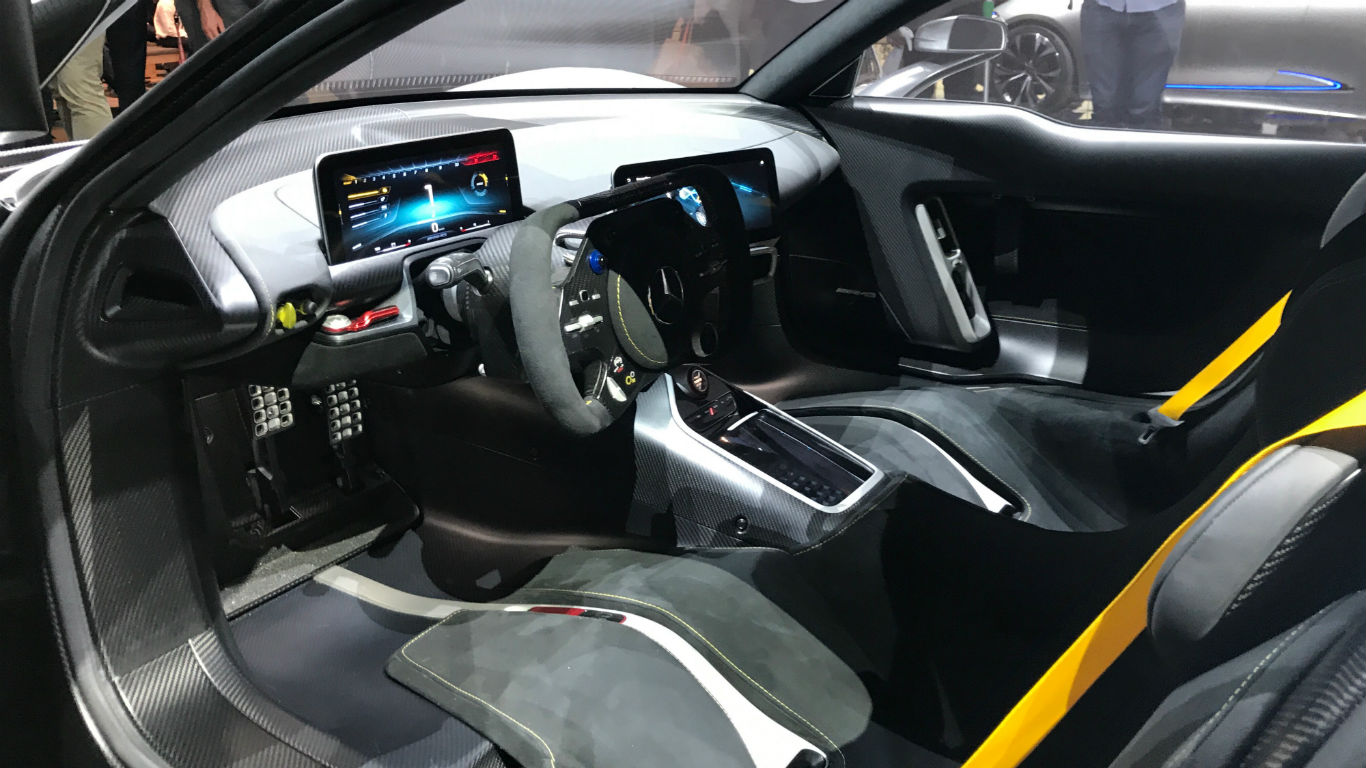
Despite the carbon-clad exterior, Mercedes-AMG has kept the Project One relatively civil inside with air conditioning and a 12-inch infotainment display. There’s even room for a brave, or foolish, passenger to join in the fun.

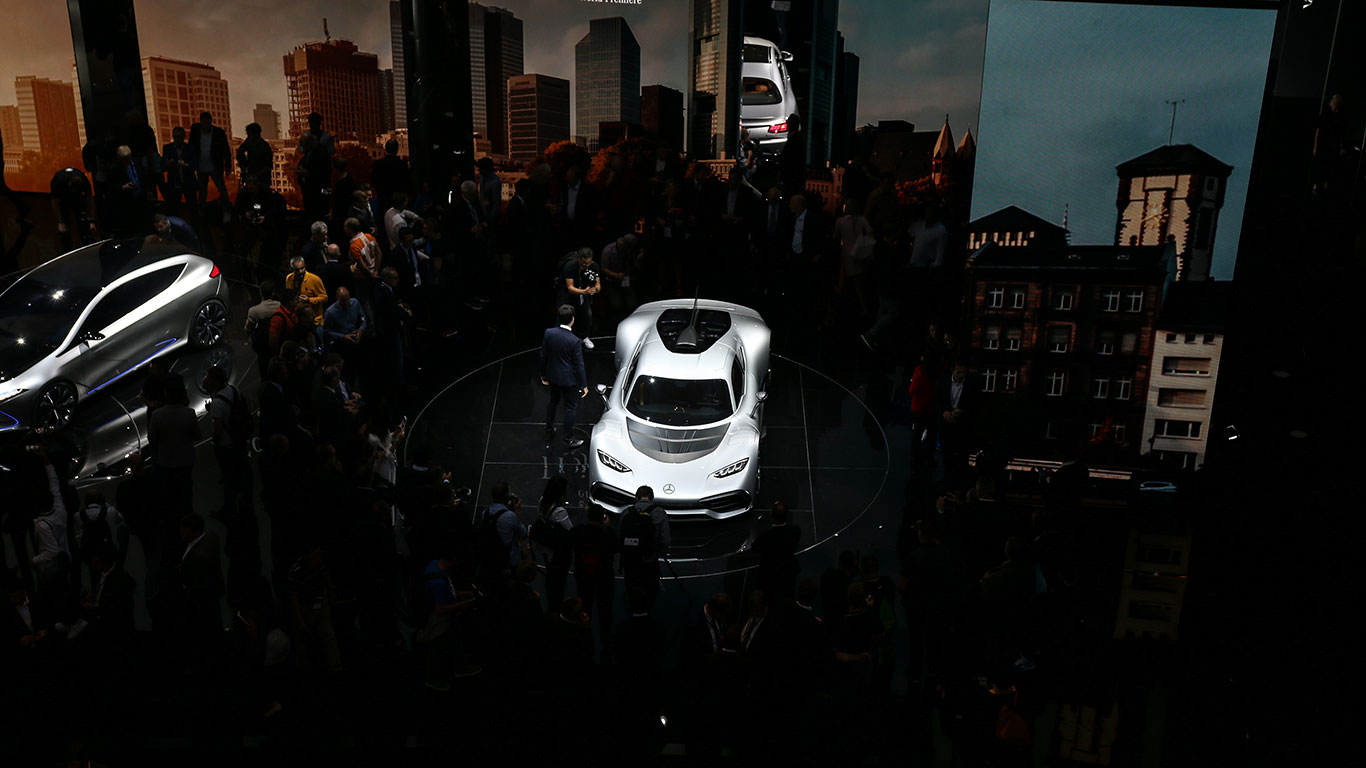
At present, Mercedes-AMG is calling the Project One a concept, and plans to take another 18 months to develop the finished road car. However, 275 lucky buyers will get to take home this show-stopper in 2019.

Advertisement