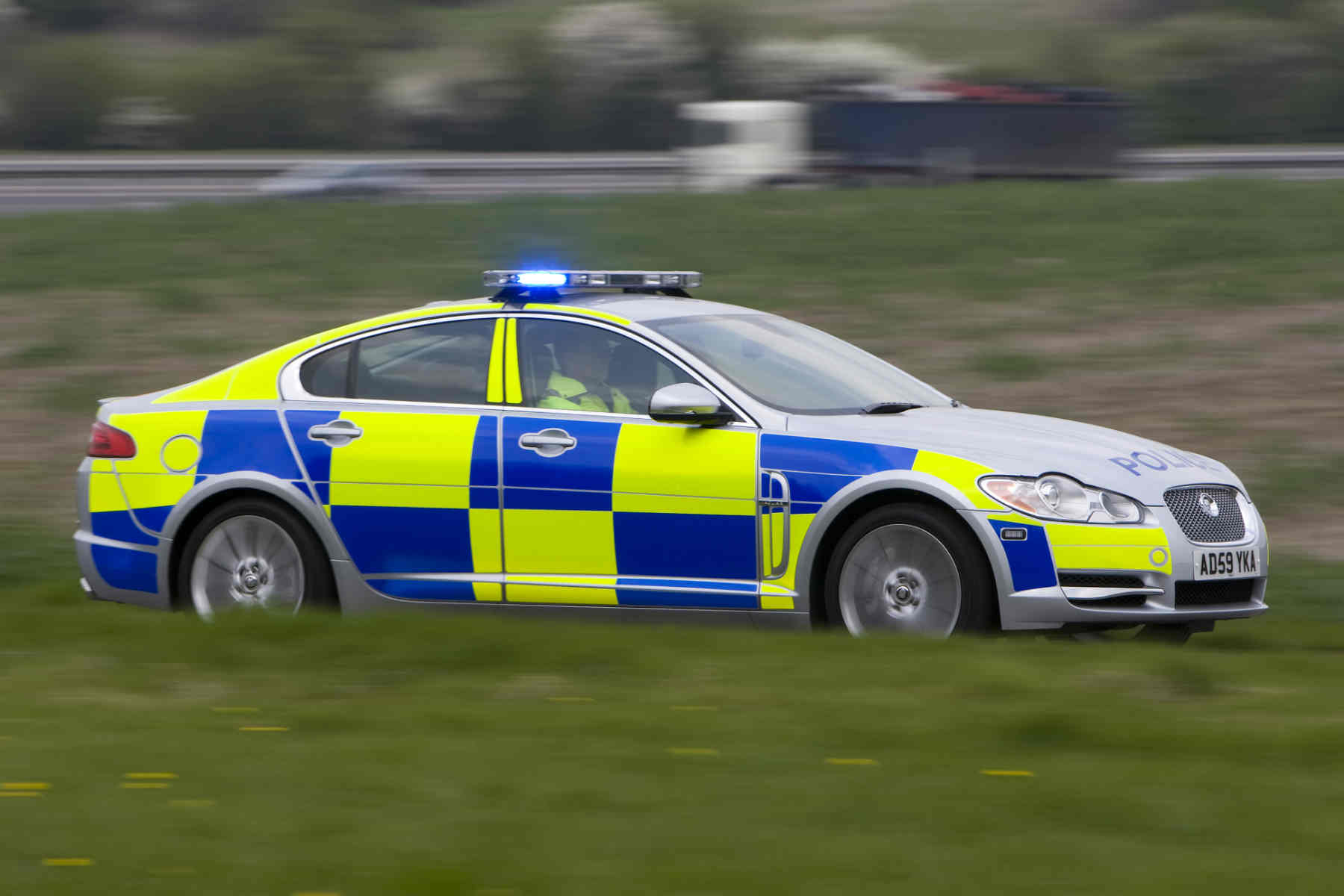
You’re a traffic officer dealing with the nasty job of sweeping up a crash when a member of the public approaches and asks – what you perceive to be – a stupid question. It takes a great deal of restraint not to tell said member of the public to, let’s be frank, do one.
But you’re a police officer. You smile, answer their query and get on with doing your job – no matter how challenging that job is.
Or that’s how it should be. But today, there’s the temptation of using social media to vent your frustrations. Doing so would be extremely unprofessional, right? Especially using an official police Twitter account do to so.
“can I just pop through, cos I work up there” No you can’t!? the road is closed for a reason! pic.twitter.com/404wUUbklB
Oh. You might think that @roadpoliceBCH (the account of the Bedfordshire, Cambridgeshire and Hertfordshire Road Policing Unit) makes a good point here. Call me old fashioned, though – I think it’s part of a police officer’s job to help the public when there’s a road closure. The circumstances around the tweet aren’t clear, and if the police officer was desperately trying to deal with life or death injuries, I fully understand their frustration. I would still politely suggest that it’s unprofessional to vent their annoyance on Twitter.
I raised my concerns and whoever is behind the Twitter account took the time to respond back.
The problem here Andrew is that there isn’t a police officer enforcing the closure, there is a clear sign and equipment doing that. The police officer is trying to deal with and manage the situation unfolding. Being distracted to answer unnecessary questions stops us. Simple.
Fine. That clarifies the situation. But… and feel free to call me a snowflake: am I right to expect conversations with my local traffic policing unit to be a little less, well, sarcastic?
This isn’t the only occasion when I’ve seen things posted by the police that I don’t think have a place on Twitter. I posted an opinion piece last year saying that I didn’t want to see pictures of car crashes on Twitter. Long story short: I know someone who was seriously injured in a crash. Before the police could notify the family, they’d seen pictures of the incident on Twitter. These weren’t posted by rubbernecking members of the public, either. They were posted on official police Twitter accounts and picked up by the local newspaper. They thought it’d be OK because the number plate of my mate’s distinctive yellow car had been blurred out.
And then there’s tweets like this, posted by Greater Manchester Police’s traffic division.
Would they have posted a similar picture had the incident involved a Fiat Punto? Probably not. Should they be encouraging ‘trial by Twitter’? I don’t think so. Should they be doing their best to reduce the congestion by stopping the rubbernecking that’s clearly happening in the background? Yes.
Incidentally, it later emerged that the Ferrari driver tested positive for cannabis – but not until after the sarcastic tweet suggesting the driver was speeding. I’d rather the police didn’t publicly jump to conclusions before being in possession of all the facts.
None of us get it right all of the time, and I can’t stress enough that I’m very appreciative of the job that the police do. But Twitter shows an ugly insight into a police service that should be setting an example – and that includes thinking twice before tweeting live from crash scenes.
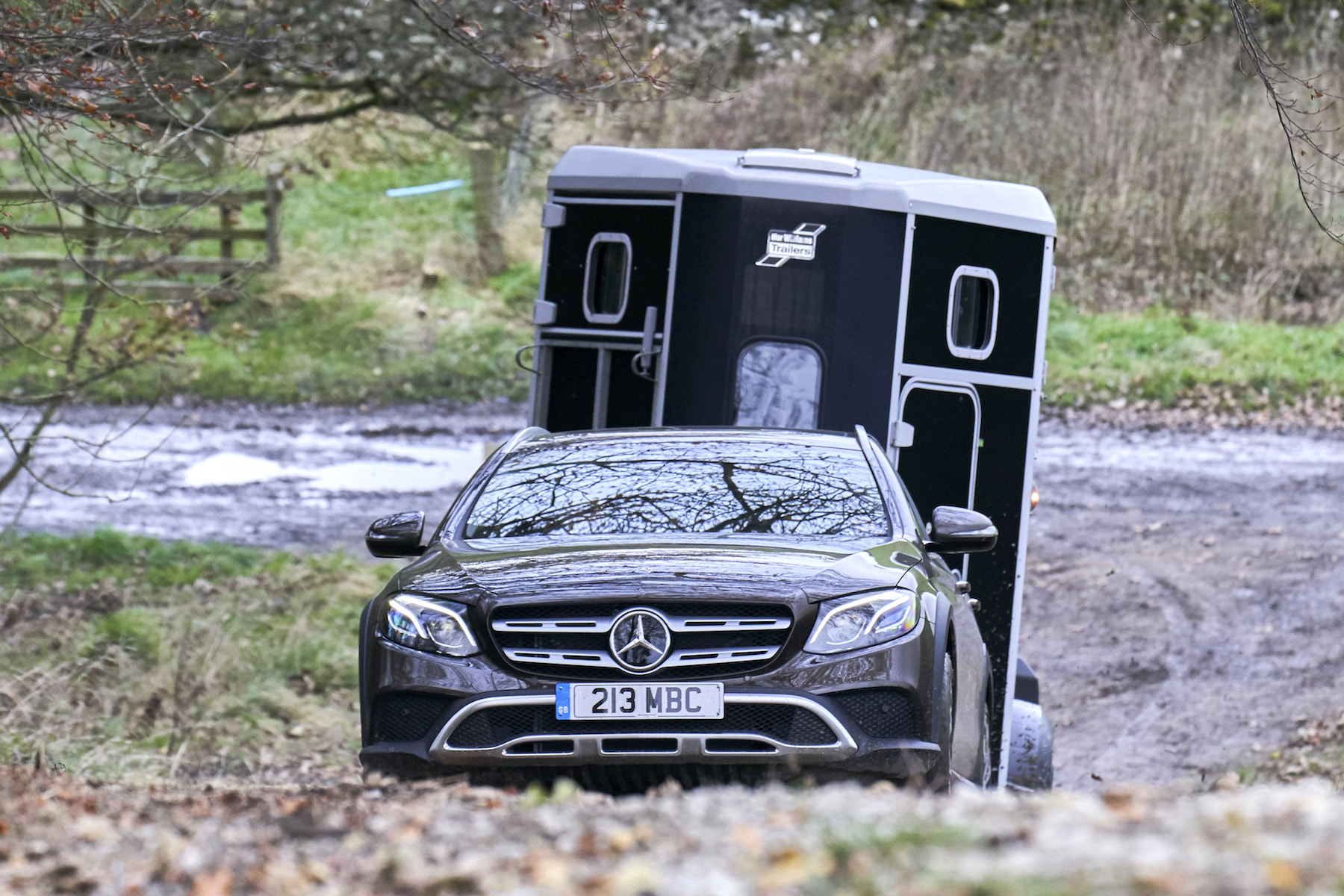
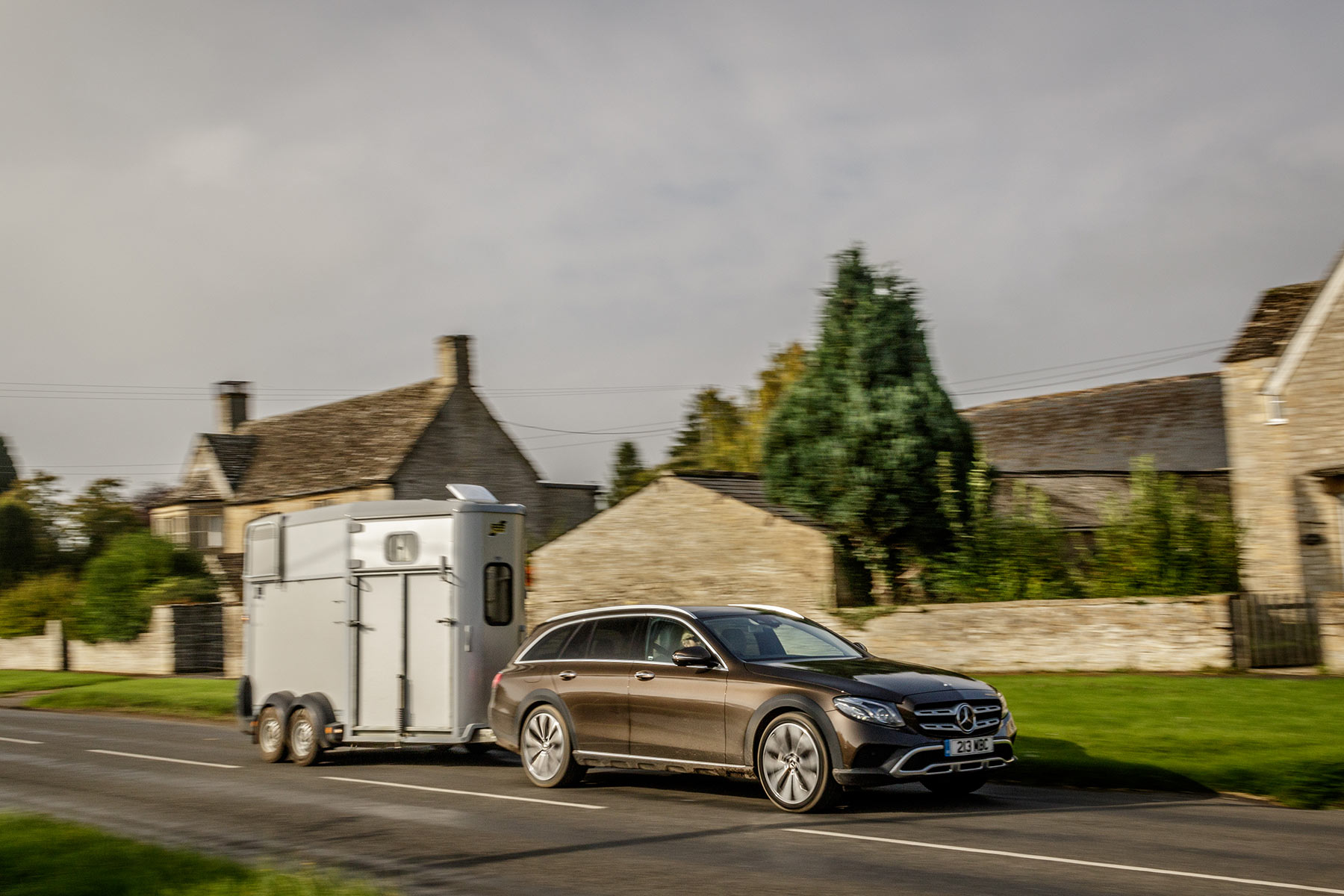
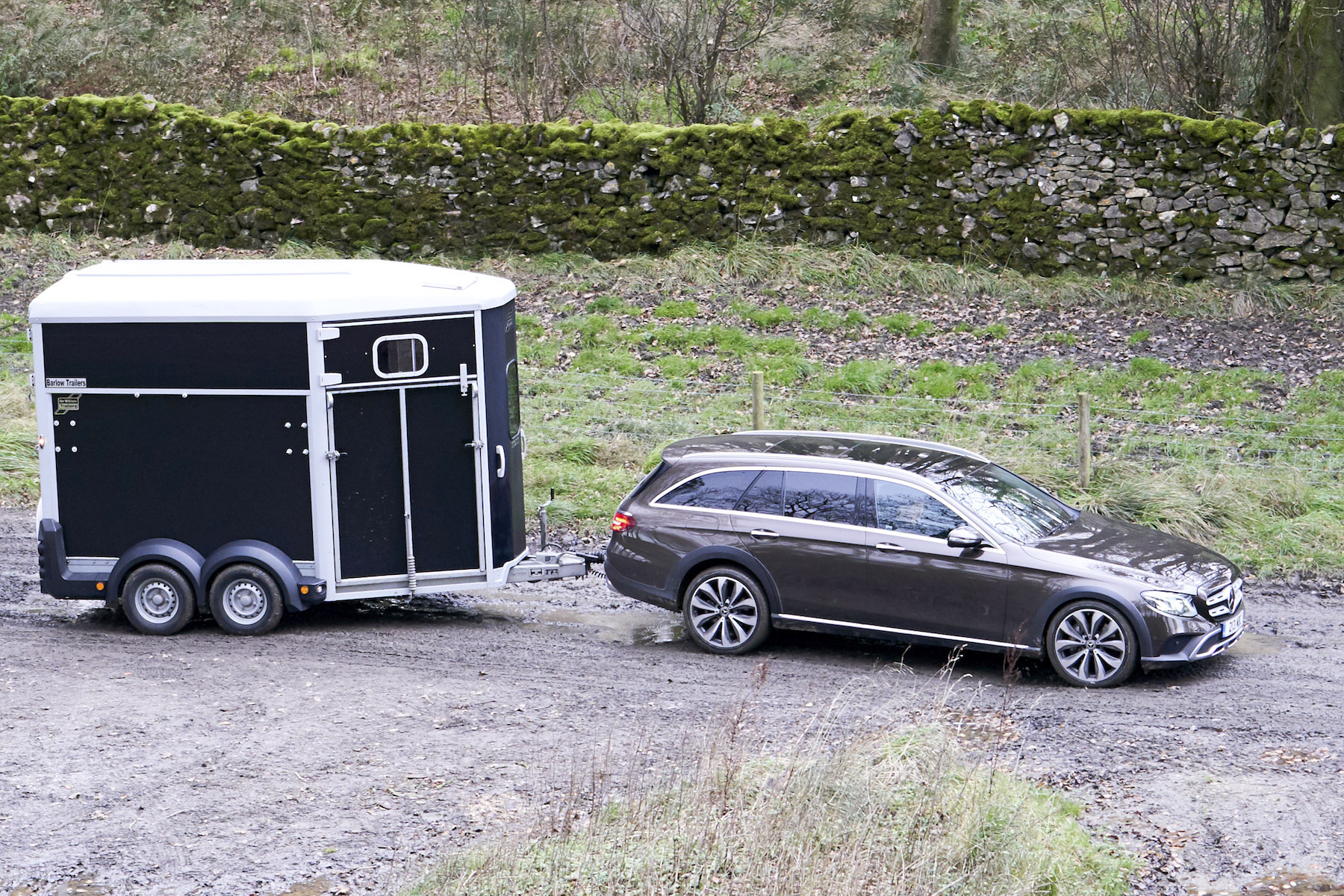
I’m sitting in a £60,000 Mercedes-Benz E-Class All-Terrain, with an imposing twin-axle horse trailer attached to the tow bar. Facing me, on a narrow muddy track, is an identical E-Class All-Terrain with a matching horse trailer. The only good news is that our trailers don’t contain real horses, just ballast to replicate their weight. One of us needs to move to sort the gridlock.
I try to reverse, and the horse box decides it doesn’t want to play ball. No amount of steering wheel-twirling, or the calm reassurance of Dave the instructor, is going to fix this.
Instead, Dave suggests we tackle the daunting track to our left, climbing up a hill and with trees lining the deeply-rutted route.
This turns out to be less intimidating than it might sound. The E-Class All-Terrain isn’t fazed by the slippery hill, despite the trailer and hefty imitation pony inside it, and hauls itself up with ease. It’s the same coming back down, with the E-Class surefooted despite the weight pushing behind it.
The Mercedes certainly helped flatter my abilities, with a host of cameras and sensors making towing far easier. Having a qualified instructor alongside was perhaps the biggest advantage, saving us and the hypothetical horse from any danger.
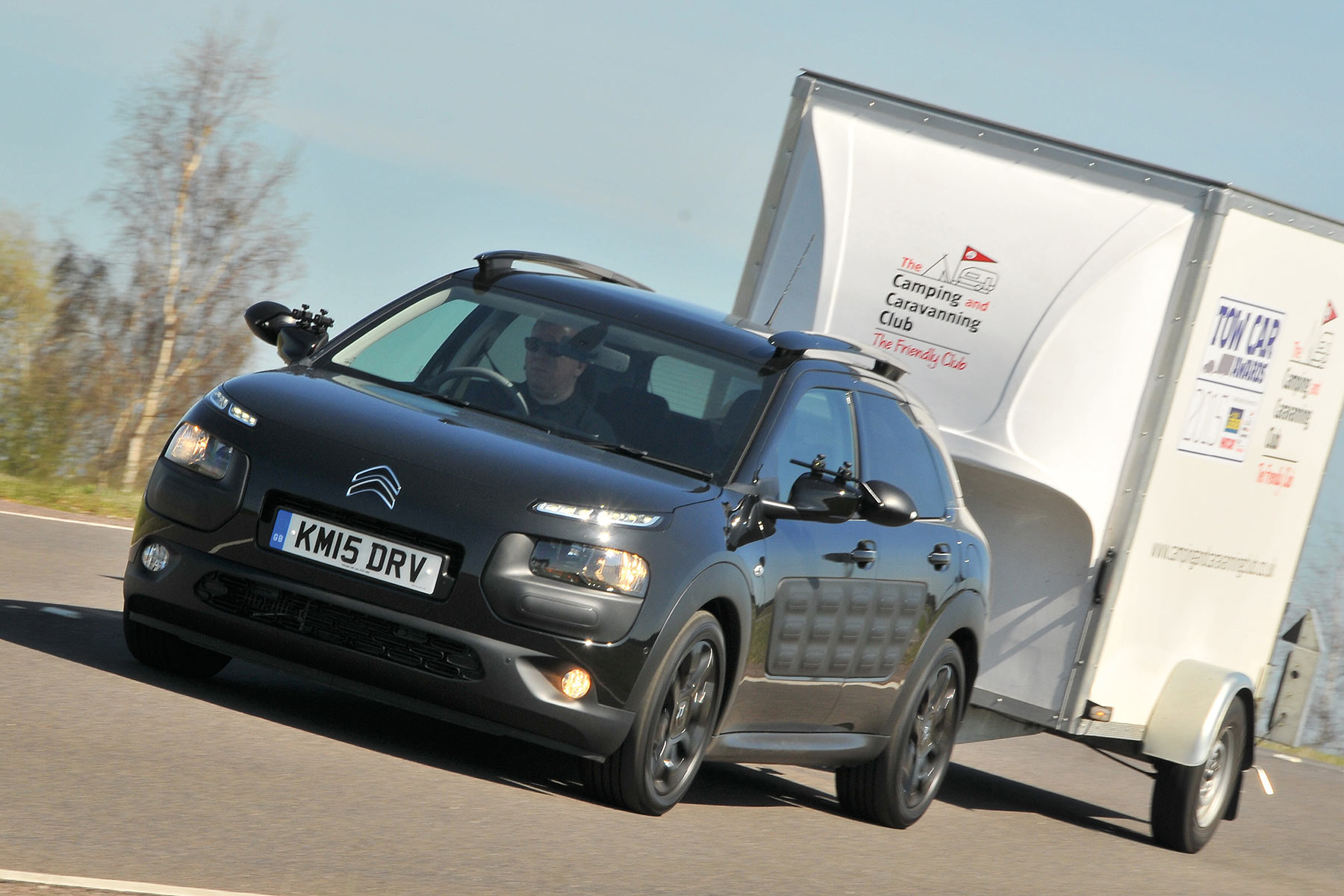
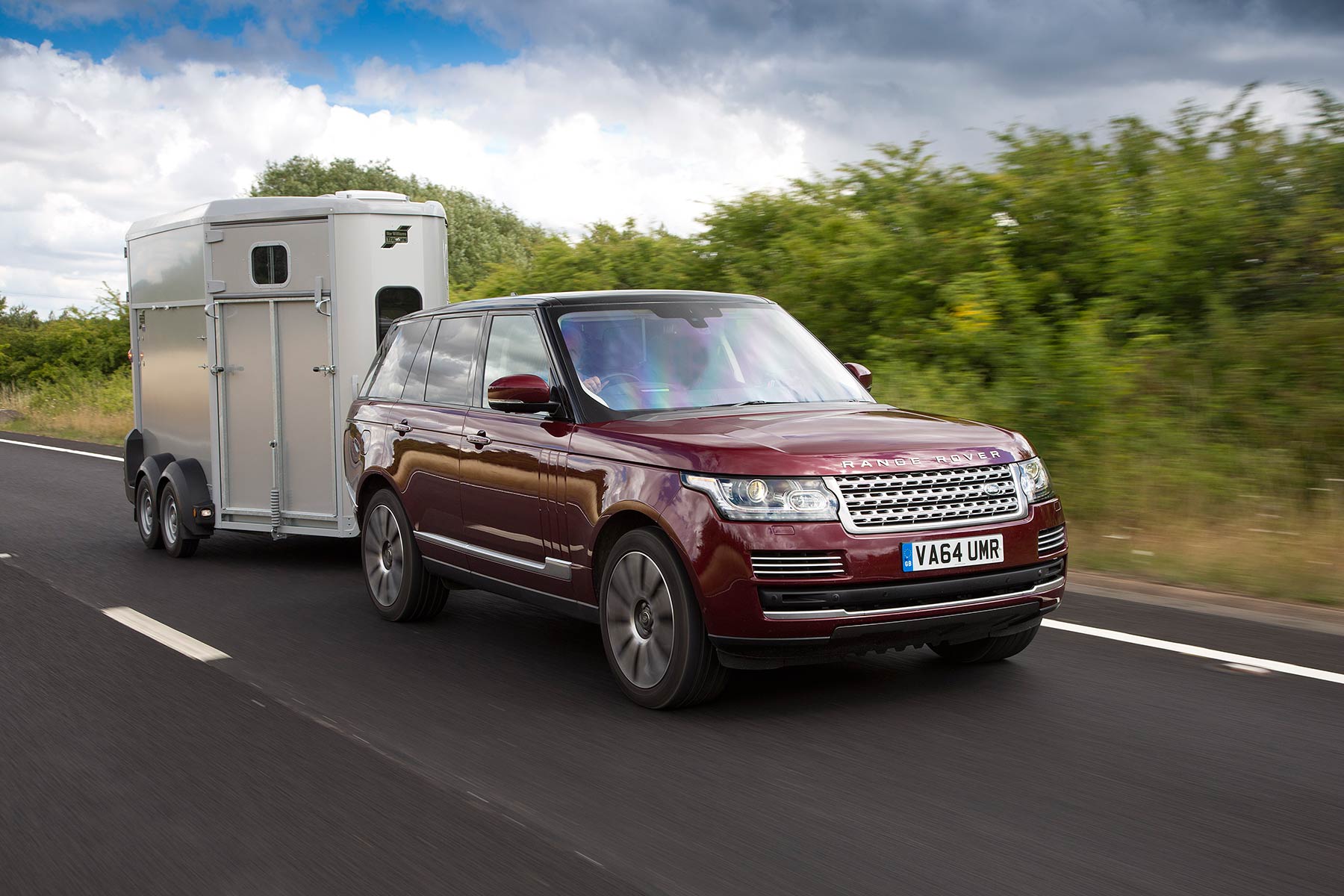
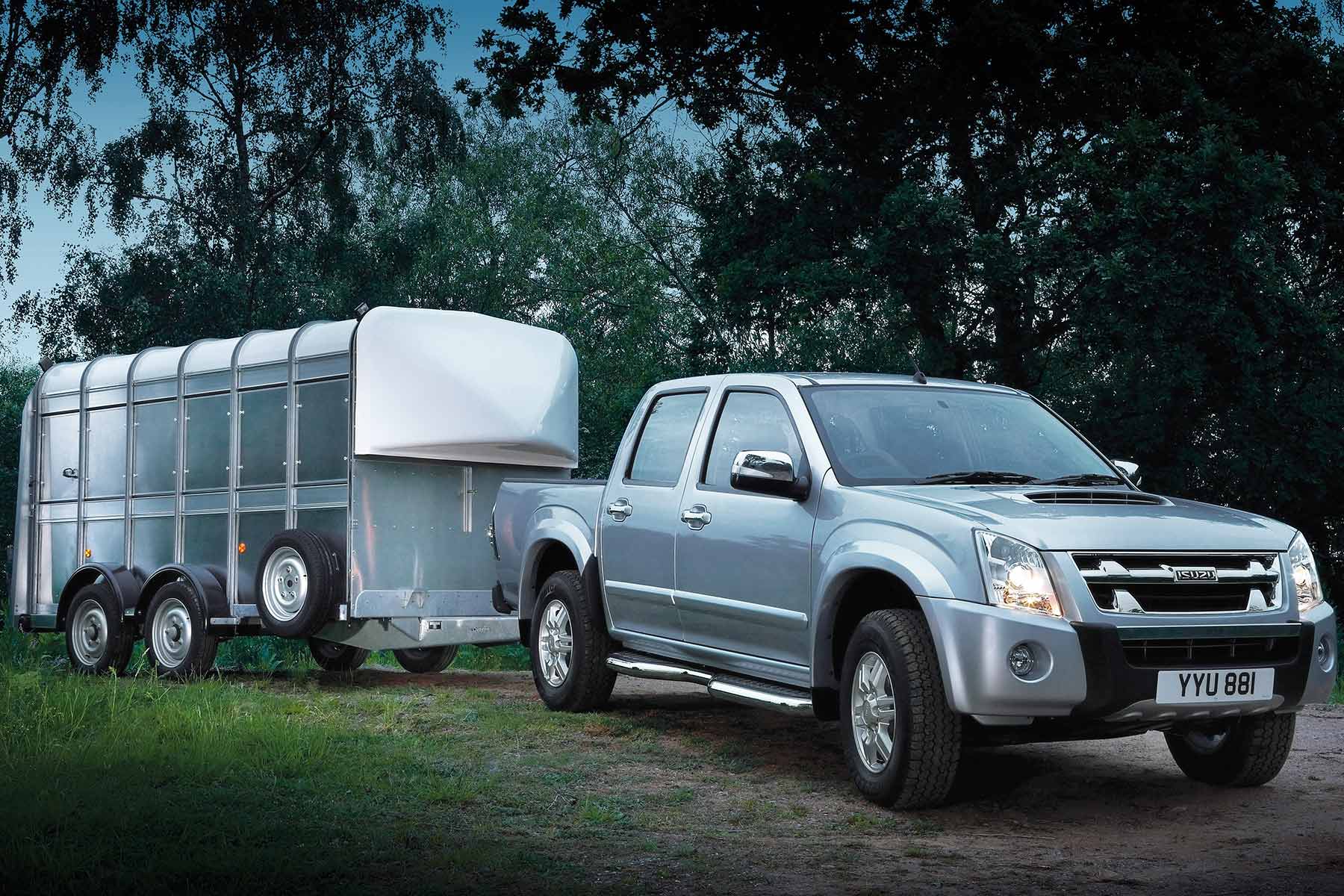
First-time dramatics aside, towing doesn’t need to be difficult or challenging, and offers up a range of options. Be it holidaying with a caravan, moving horses around, or even lugging a race car to the track, there are plenty of reasons to start to tow.
Before you think about hitching up something extra to the rear of your car, there are a few things to consider first. Nobody likes a baptism of fire, especially when it might actually involve your own expensive trailer or caravan.
Towing tips
Licenses
Possibly the most important thing to check before towing is your driving licence, with a range of restrictions based on when you passed your driving test.
For those who gained their licence before the 1st January 1997, a Category B licence will entitle you to tow any combination of car and trailer/caravan up to a maximum authorised mass (MAM) of 8,250kg.
Obtaining a licence after the 1st January 1997 restricts drivers to a vehicle with a MAM of 3,500kg, towing a trailer of up to 750kg. Drivers can also tow a trailer or caravan in excess of 750kg, providing the overall MAM of the combined outfit does not exceed 3,500kg, or have the trailer weigh more than the unladen weight of the towing vehicle.
To tow anything above these weights will require taking additional driving tests, with the GOV.UK website having more information, along with guidance on how to determine the relevant vehicle weights.
Lessons
Regardless of what it says on your driving licence, investing in a training course designed to teach the basics of towing is money well spent.
Both the Caravan and Motorhome Club and The Camping and Caravanning Club offer bespoke courses, tailored to varying levels of caravanning experience. These cover the basics of health and safety, along with lessons in the art of reversing with a caravan attached.
If you’re looking to tow a trailer, the National Trailer and Towing Association will be able to help you find local driving schools offering lessons and coaching.
Speed
Going fast with a hefty caravan attached to the back of your car might be the least of your concerns, but powerful modern machinery can making towing seem relatively effortless.
As such, it’s important to remember that when towing a maximum speed limit of 60mph applies on dual carriageways and motorways, with 50mph on single carriageway routes. Towing also prevents you from using the furthest right-hand lane of a three-lane motorway.
Try to be courteous to other road users if you develop a queue of traffic behind while towing. Finding a safe place to pull over and let others pass is good practice.
Car considerations
Distilling the best car to tow with requires considering a number of different factors. From matching the permitted towing weight with your intended caravan or trailer, to ensuring that it’ll have enough power and torque to enable the whole outfit to move at a reasonable pace.
Diesel-engined 4×4 SUVs have become the preferred choice for caravanning in recent years, matching sizeable towing capacity with the ability to escape from a muddy campsite. It might explain why SUVs took almost every prize in the latest Towcar of the Year Awards, with the Skoda Kodiaq taking the top prize.
If you’re concerned about buying a diesel, however, there are alternative options. Both the plug-in hybrid Mitsubishi Outlander PHEV and electric Tesla Model X are capable of towing a caravan.
Buying a car with a reversing camera, especially one with bespoke modes for helping hitch a trailer, may also influence your decision making. A number of manufacturers, such as Volkswagen and Land Rover, also offer ‘Trailer Assist’ features that use semi-autonomous tech to make reversing easier.
Adding a tow bar
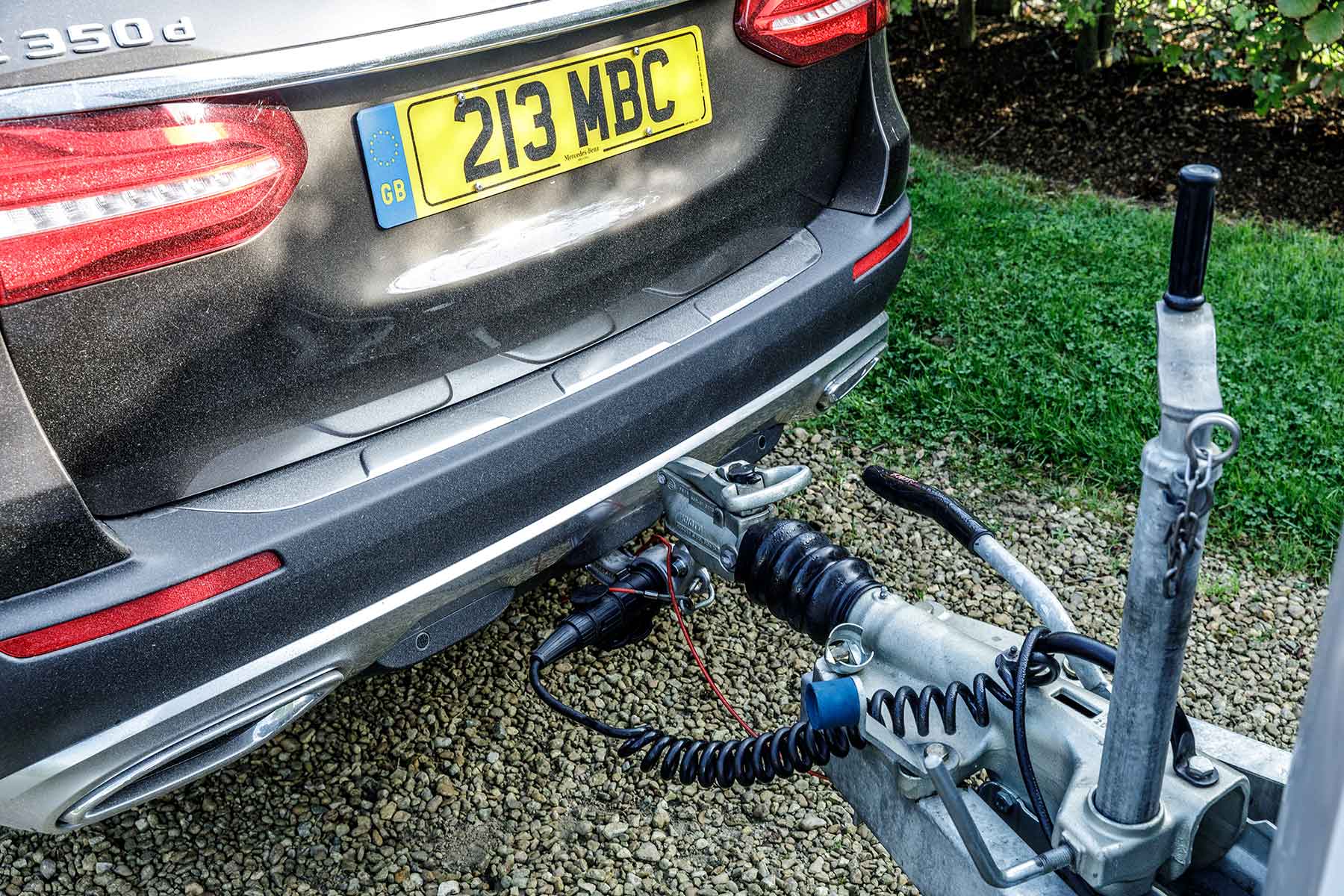
With so much technology loaded into modern cars, adding a tow bar is not a simple case of bolting on the first one you find. There is also legislation to take into account at present if you own a vehicle registered after the 1st August 1998, which must use an EC type-approved tow bar.
Most car manufacturers offer tow bars to fit their own specific models, and can even offer factory-fitted versions if ordering a car from new. Retractable or removable tow bars are popular, leaving a neater appearance to the rear of the car when not being used. A wealth of aftermarket suppliers also exist for those wanting to avoid dealership pricing.
Security and insurance
Thefts of trailers, particularly in rural areas, are endemic and often combined with the theft of plant and construction machinery. The fact they can be easily attached to the back of a car and driven away makes them an easy target. Caravans are also desirable, with estimates suggesting up to 3,000 are stolen every year in the UK.
All new caravans produced since 1992 have been registered with the CRiS database, making it easier to track and trace them if stolen. RFID tags are also used to allow easier identification by the police, even if criminals alter visible chassis numbers.
Heavy-duty wheel clamps, hitchlocks, and anchor posts can all be used to make it harder to steal your caravan or trailer. Just like with a car, alarms and tracking devices can also be fitted.
Most importantly, don’t forget to insure your trailer or caravan, even though it is not a legal requirement. Cover is recommended for protection should your latest purchase be stolen, or damaged whilst being towed. Most car policies do not automatically cover either trailers or caravans when being towed, or will have restrictions on cover. Check with your insurer, or speak to a specialist broker.
Just how quick is the new 600hp, £149,995 Jaguar XE SV Project 8 supersaloon, we’ve long been waiting to discover. Very quick, it seems: it’s officially been revealed as – literally – the fastest four-door production-spec saloon ever to lap the Nürburgring Nordschleife.
The time? Seven minutes 21.23 seconds, fully 11 seconds faster than the previous four-door saloon record holder. Jaguar points out with relish it’s also faster than many famed supercars and even the odd hypercar. Here are five cars the new XE SV Project 8 will beat around the Nürburgring:
Ferrari 488 GTB
Ferrari Enzo
Pagani Zonda F Clubsport
Porsche Carrera GT
Mercedes-Benz SLS AMG Black Series
The Alfa Romeo Giulia Quadrifoglio is the car Jaguar’s snared the record from, which set a 7min 32sec time in 2015. The Project 8 betters its top speed and acceleration times too, with a cool 3.3sec 0-60mph time, and a claimed 200mph top speed.
SVO director Mark Stanton has led the design and engineering of the mighty new XE Project 8. His team’s mission was “to create the most track-focused road-legal Jaguar in history – not only the fastest, but also the most agile.”
There’s thus not much left from a standard XE once the SVO team had finished with it: “only the roof and front door skins of Project 8’s body are carried-over unaltered from XE and 75 per cent of its mechanical hardware is new. This astonishing Nürburgring Nordschleife record validates the success of such extensive changes.”
SVO MD John Edwards added: The Nürburgring Nordschleife record underlines our commitment to deliver the most extreme Jaguar ever to Project 8 clients, who will soon experience this sensational sedan for themselves.”
Fancy one? Be quick, because Jaguar’s only making 300 – and all of them will be sold in left-hand-drive. If neither that, nor the £150k price, isn’t a barrier to UK buyers, register your interest at a special Project 8 hub, and cross your fingers you’re among the lucky few.
The original luxury 4×4 has become even more indulgent for 2018. On the eve of the 2017 LA Auto Show, Land Rover has revealed the new Range Rover SVAutobiography, an SUV so upscale, it even has its own Zenith timepiece for the two lucky people in the rear to enjoy. Oh, and a price tag from, wait for it, £167,850.
Joining the rest of the revised-for-2018 Range Rover line, the new SVAutobiography features a redesigned rear cabin that now has power-close rear doors – weary rear-seat passengers can shut them by pressing a button on the full-length console – and even more gorgeous airline-style reclining seats.
It’s also only offered in long-wheelbase guise, providing a full 1.2 metres of legroom, and enough space for the seats to recline down by 40 degrees. There’s a hot stone massage function built in, while both the footrests and calf rests are heated. We told you it was luxurious…
A posh car needs a posh watch: the Zenith clock in the rear is inspired by the Elite 6150 watch (yours for upwards of £4,500), with the driver up front simply getting starter button and gear selector that mimics its knurled bezel.
There’s lots of tech in the back of the hand-finished SVAutobiography, such as dual 10-inch touchscreen entertainment displays, 4G wifi… and a fridge between the rear seats, that can hold two wine bottles, for when work gets all a bit too much for you.
John Edwards, MD of JLR Special Operations, explained: “The SVAutobiography badge identifies our most luxurious vehicles in the same way the SVR and SVX monikers denote our most potent and capable derivatives.”
Gerry McGovern, Land Rover chief design officer, said: “The Range Rover SVAutobiography is the epitome of luxury, comfort and refinement. Our standard-bearer for quality and precision exemplifies the attention to detail and sophistication that has been a hallmark of our most luxurious SUV stretching back almost 50 years.”
Under the redesigned bonnet, and new for 2018, is the addition of a plug-in hybrid petrol-electric version, which can run for up to 31 miles under full electric power, and a power boost for the supercharged V8 up to 565hp. There’s a 4.4-litre SDV8 turbodiesel as well.
The £167,850 model is that aforementioned diesel; the petrol-electric PHEV is £168,015, with the range-topping supercharged V8 retailing for £177,030. Order books, says Land Rover, are open now.
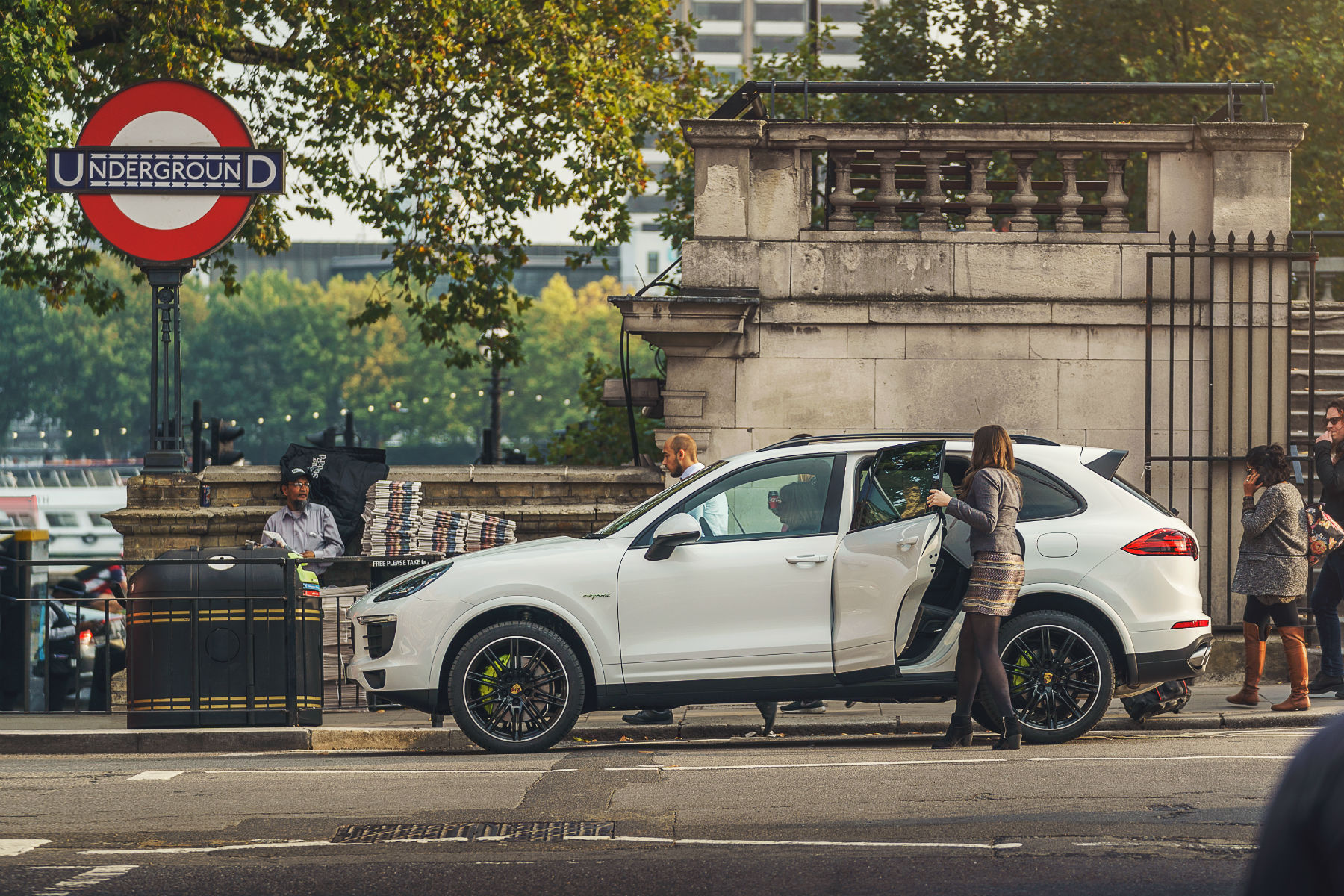
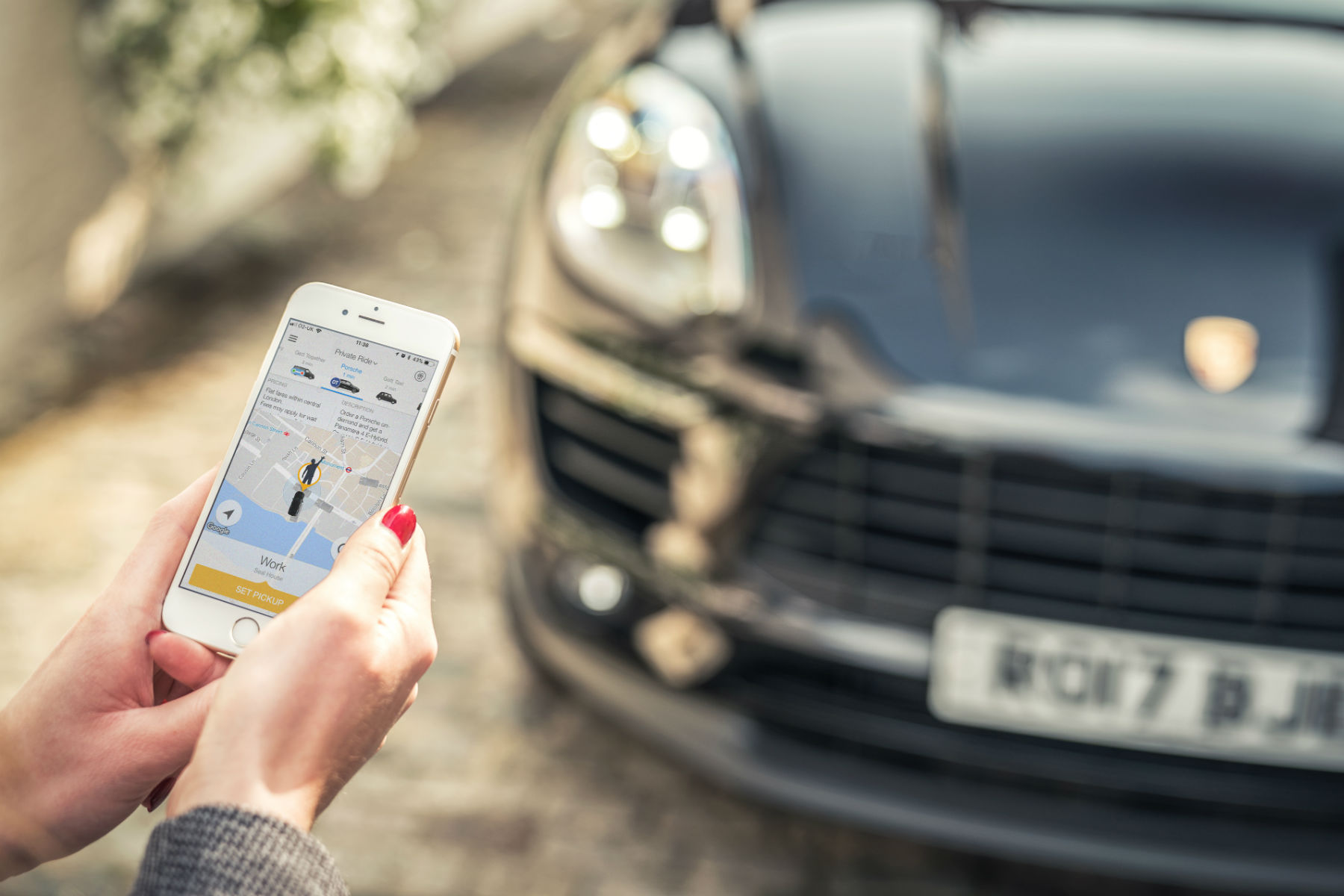
Imagine a world where taxi drivers liked Uber and Uber used Porsches instead of hybrid Toyotas. That’s not as fantastical as it sounds, as Uber-rival Gett has announced a partnership with Porsche that will see 100 of its cars available ‘on demand’ in London from tomorrow.
Don’t get too excited; you won’t be able to race across London in a GT3 RS. Porsche says its models being provided as part of the deal include the Panamera 4 E-Hybrid, the Cayenne S E-Hybrid and the not-yet-available-as-a-hybrid Macan. Unfortunately, they won’t be available via the Gett app to everyone – the deal’s limited to high-value customers who may consider buying a Porsche in the future.
If you are eligible for a taxi ride in a Porsche, Gett is offering a flat-rate fee of £20 for any rides within a certain area of central London. Rides ending outside of central London will be charged accordingly, says the firm.
All drivers will have been specially trained at Porsche’s experience centre at Silverstone, meaning you don’t have to worry about being made travel sick as you’re driven across London.
“We’re delighted that our customers will be able to travel in Porsche cars in central London with chauffeurs,” said Porsche GB general manager marketing, Ragnar Schulte. “This premium travel initiative will last six months with results being used to inform our future strategy for ‘on-demand’, premium transportation. We invite all users to give feedback on this new service.”
The offer will run until May 2018 and will be available for on-demand pick-up in an area of central London between 11am and 11pm on Tuesday, Wednesday and Thursday, and between 3pm and 3am on Friday and Saturday.
How is Gett different to Uber?
As Uber gradually takes over the world of personal mobility, it’s easy to understand why Gett perhaps has perhaps passed by your radar.
Gett follows the Uber business model closely, except in one key area. While Uber will accept almost anyone with a car to drive for them, Gett only uses actual taxi drivers. That brings all of the advantages you’ll get from hailing a black cab: namely being driven by a trained taxi driver who knows the area. But it also means taxi drivers aren’t protesting for Gett to be banned from their cities, and that shouldn’t be underestimated.
A downside of this is that, while Uber uses a clever surge-pricing system during times of high demand, Gett drivers can pick up anyone flagging them down on the street. There’s no incentive to drive out of their way to pick you up, so you may find it difficult to summon a ride during busy times.
The last big motor show of the year is always LA. Automotive chiefs are taking a break from the winter chill and enjoying a few days of sunshine at the annual feel-good event. It always has an end-of-term feel to it, but also serves as a great warm-up for the new cars that will start the year ahead with a bang. Read on to see what we already know will be there in 2018…
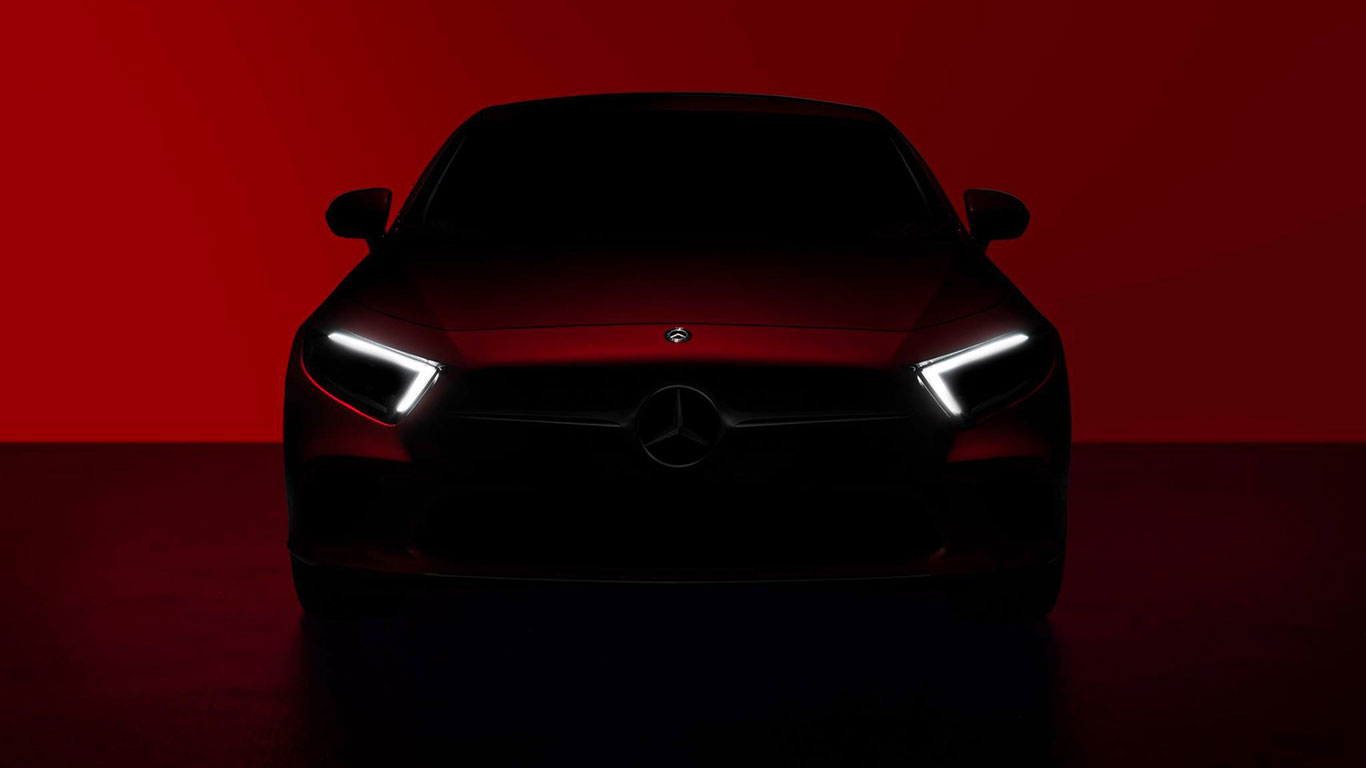
Mercedes-Benz invented the modern four-door coupe segment back in 2003 with the CLS. After the slightly humdrum current car sapped some of the excitement of the original, the firm is set to take LA by storm with an all-new third-generation CLS. Using plenty of tech from the E-Class again, we hope the styling has rediscovered the elegance of the original, although we’re happy to bet the drive is going to impress. With a welter of autonomous tech, it could be the CLS back to its best.
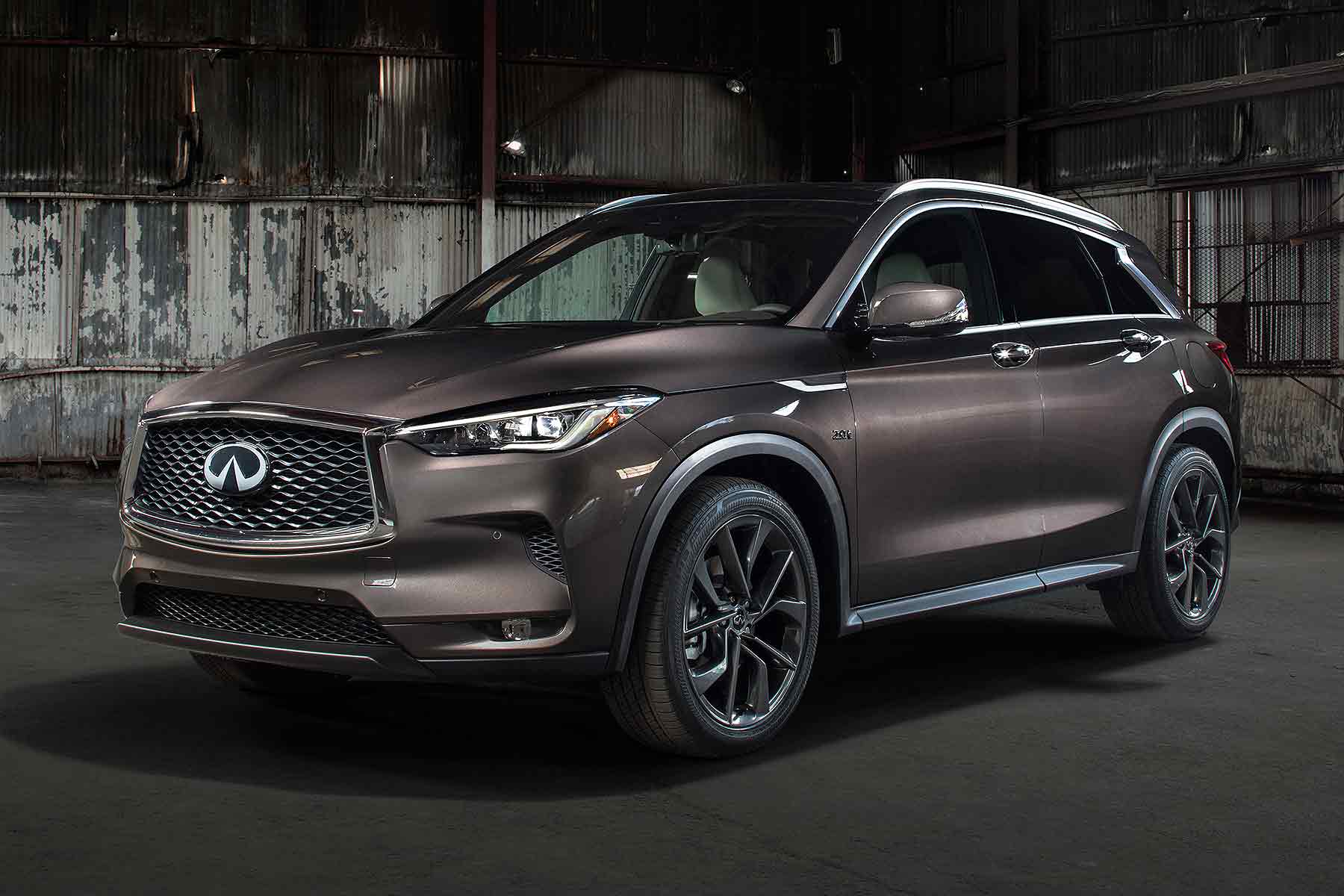
Infiniti QX50
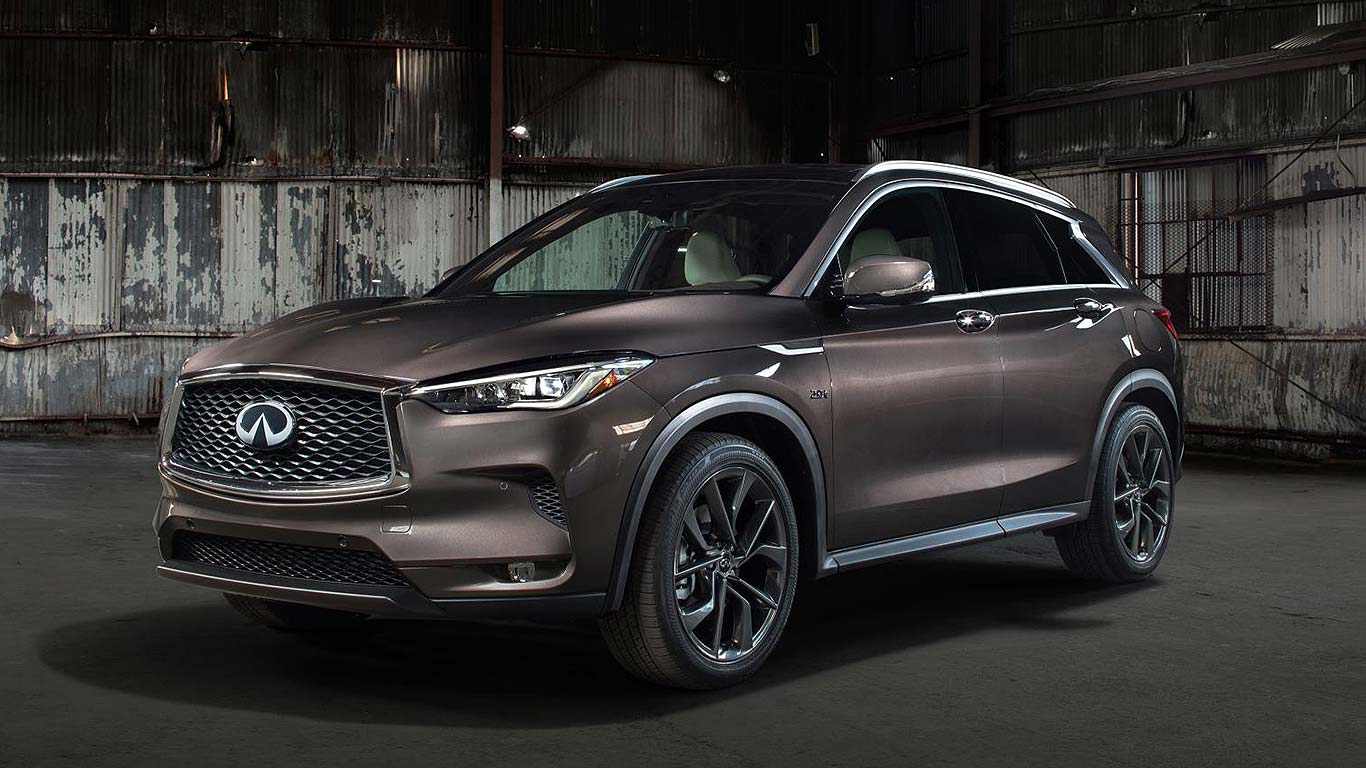
The Infiniti QX50 could not be more market-perfect. It’s as spot-on a replacement to its predecessor as the old one was wholly ignorable. Because not only does it look pretty, it also has a brilliant new engine, and we don’t use the adjective ‘brilliant’ lightly. Called VC-Turbo, this is a variable compression unit that can become bigger or smaller, as the needed arises. No engine on sale before has been able to do this. The QX50 looks smart but could also, quietly, be the single most significant new car revealed at LA 2017.
Aria FXE
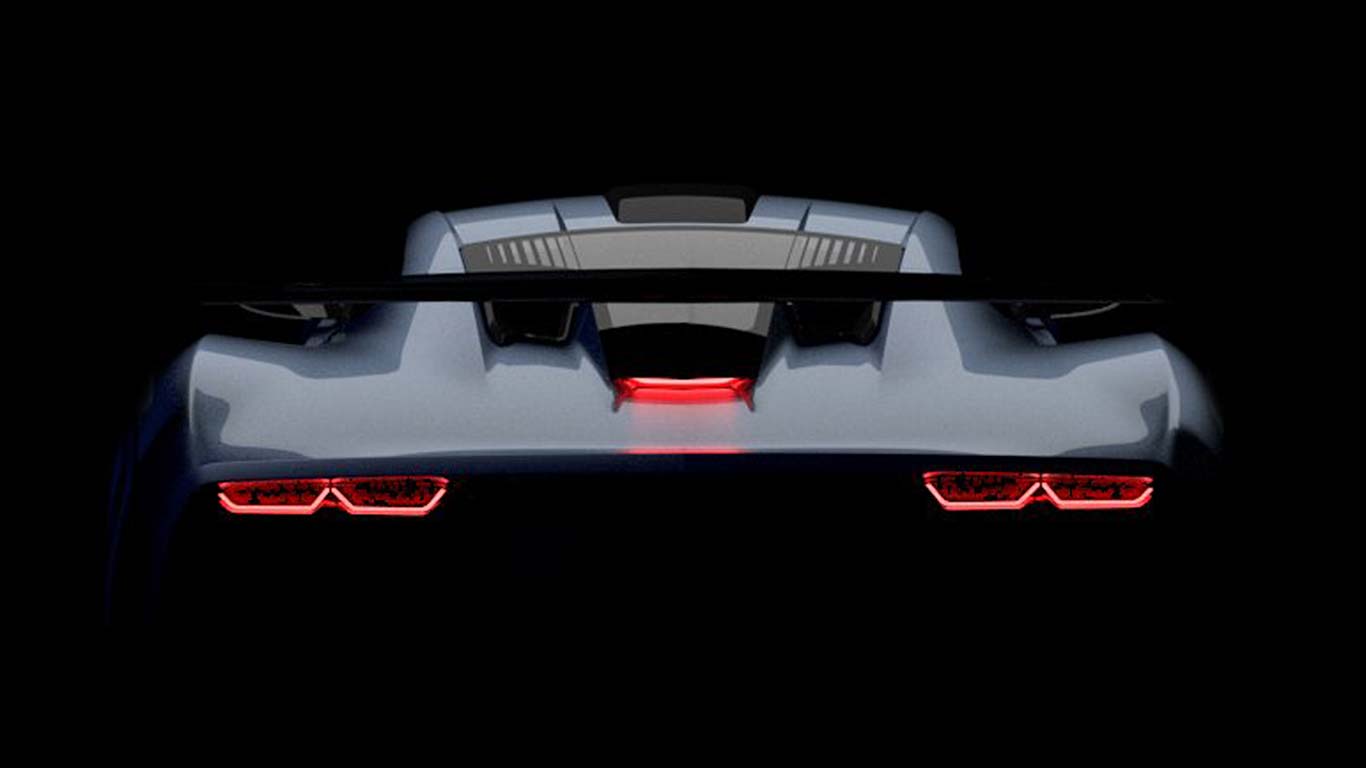
Not heard of Aria Group? Don’t worry – it’s an expert engineering firm that usually makes the concept cars for big-name manufacturers. Now it’s decided to make one of its own, and the FXE teased here is our first look at the start-up supercar. Yes, we’re excited to see more.
BMW M3 CS
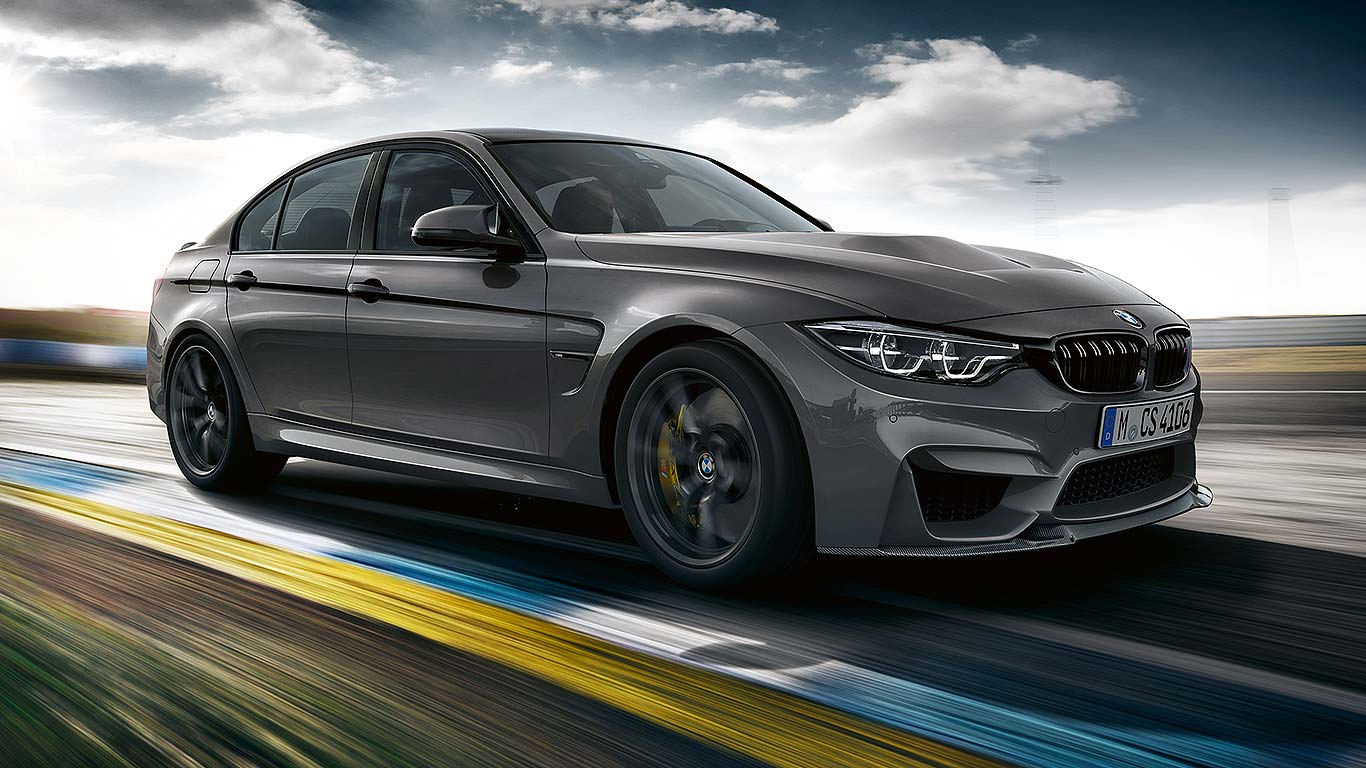
There’s a new BMW 3 Series next year, so this one is trying to go out on a high with a zippy new CS-tuned version of the M3 range-topper. Taking much of the carbon fibre styling addenda from the M4 CS, it also gets a power boost to 453hp and two criminally cool features – a ducktail-style rear spoiler and ultra-lightweight staggered wheels: 19 inches on the front and 20 inches at the rear. The current M3 has always slightly disappointed. Is BMW saving the best until last?
Saleen S1
Saleen is a US performance car firm that used to make its own supercar, but more recently has tuned up versions of other hot cars, such as the Ford Mustang. The S1 was originally revealed in China, as it’s a joint venture development with Jiangsu Saleen Automotive Technology Co, and will be built from 2018 for sales in both the US and China. Boasting up to 450hp, it’s an intriguing proposition that we’re keen to see more of.
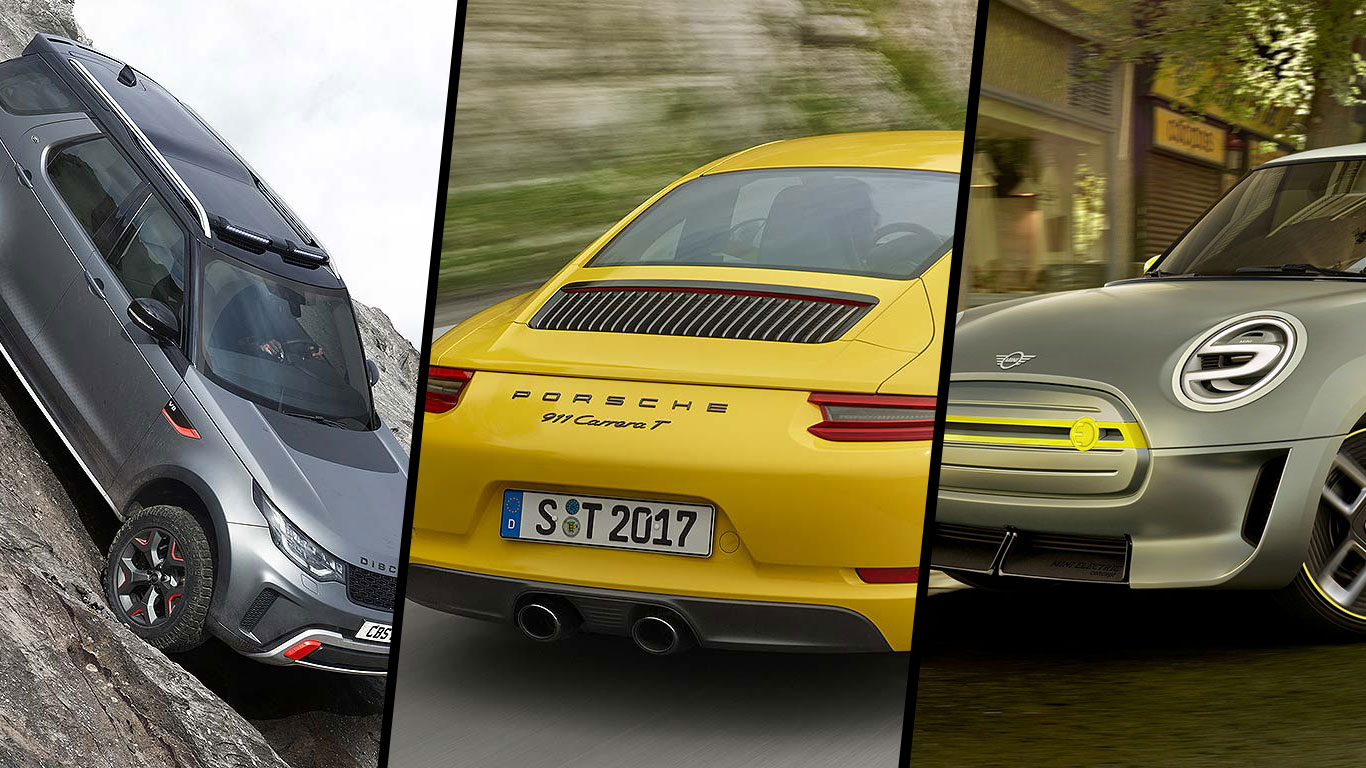
Land Rover Discovery SVX
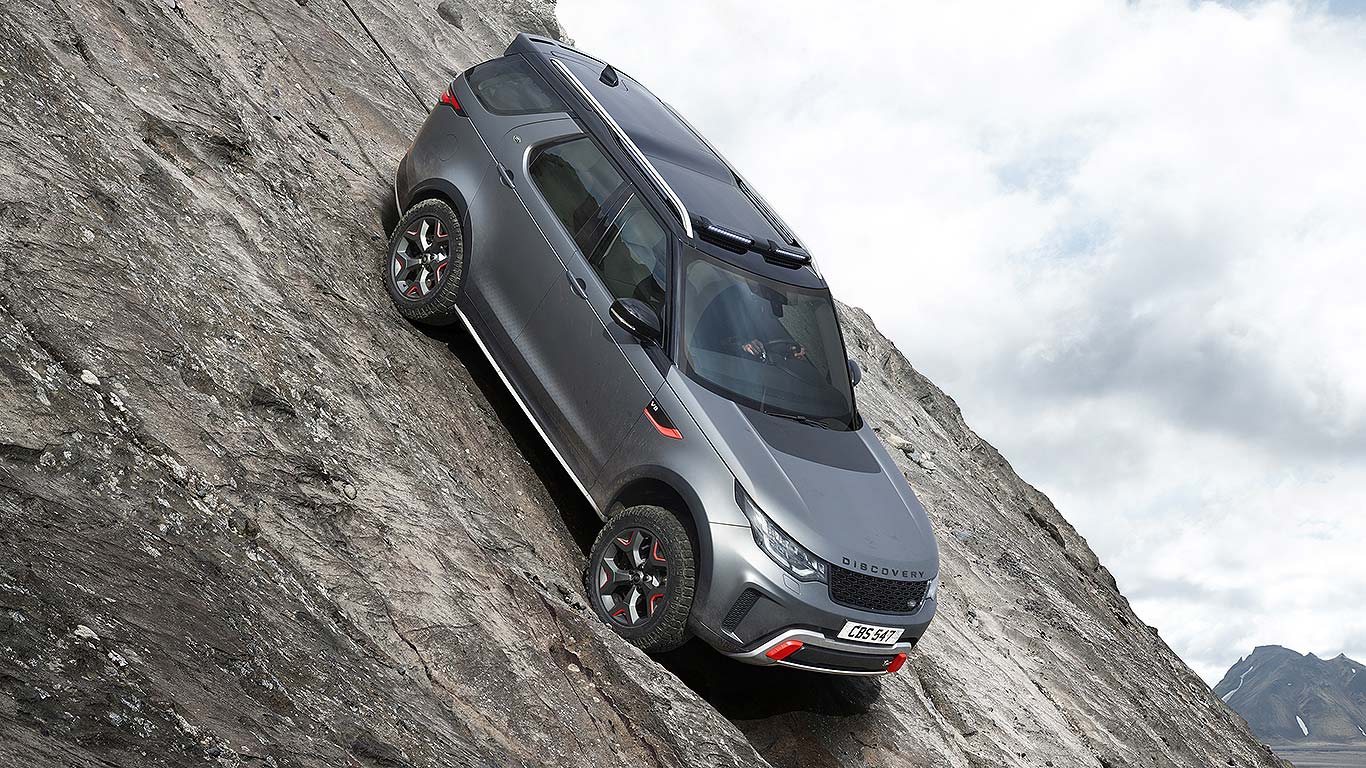
Even a standard Land Rover Discovery can pretty much go anywhere. We proved as much on the launch earlier this year. But the way it looks is, well, just a bit too posh and elegant for some to believe it can do all this. Enter the SVX, hand-built by the same Coventry, England division that makes ultra-posh Range Rover SVAs and ultra-fast Jaguar SVRs. Land Rover reckons it’s the most extreme car it’s ever made – yes, more off-road-ready than any Defender – and we’re going to pore over it in LA ahead of its launch in 2018.
Range Rover and Range Rover Sport facelift
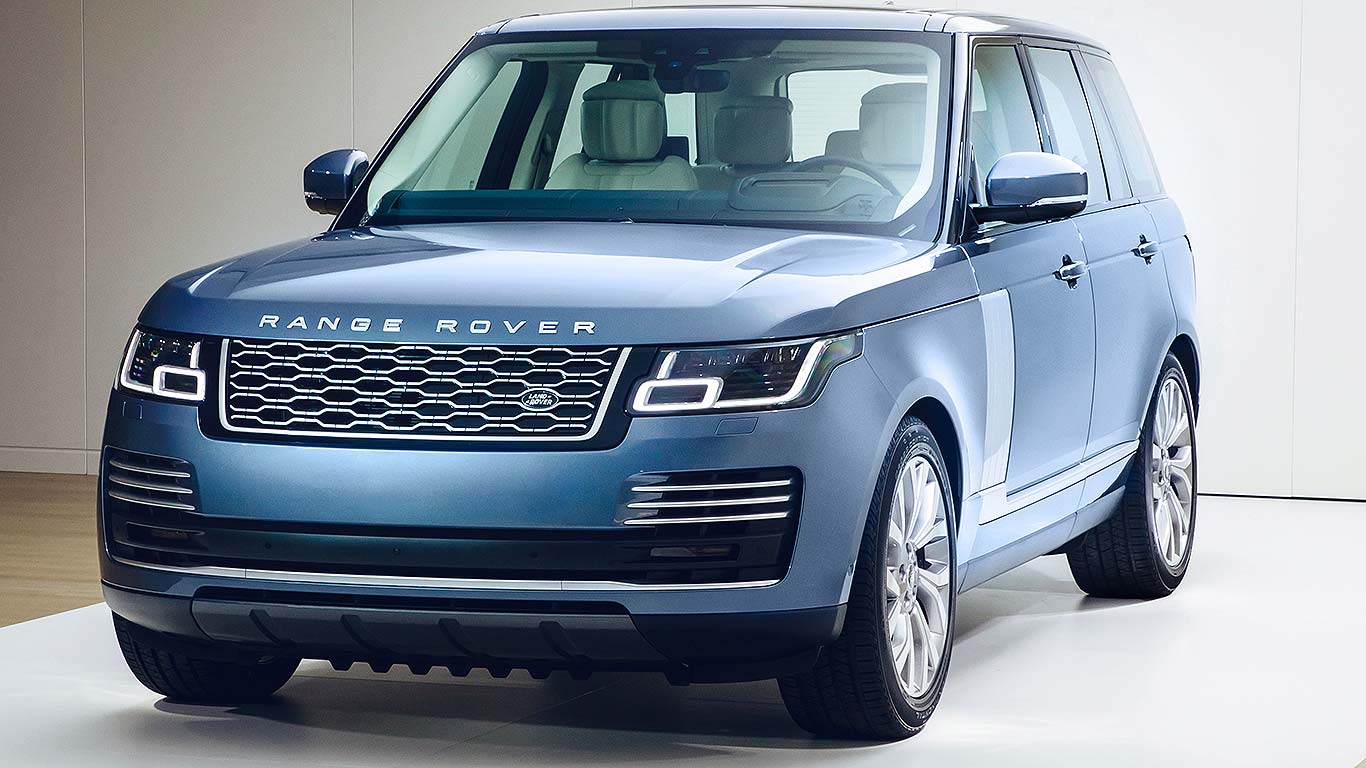
The Range Rover and Range Rover Sport have been facelifted and LA show-goers get to see them up-close for the first time. The big news is the introduction of a plug-in hybrid model that can do up to 31 miles in full EV mode, but we’re also looking forward to checking out the new front end in the metal, and the even posher interior in all its leather-laden glory. You don’t even have to stop with the regular Range Rover: Land Rover will also be showing the SVAutobiography range-topper, aiming to redefine – again – just how luxurious you can make a Range Rover.
Genesis G70
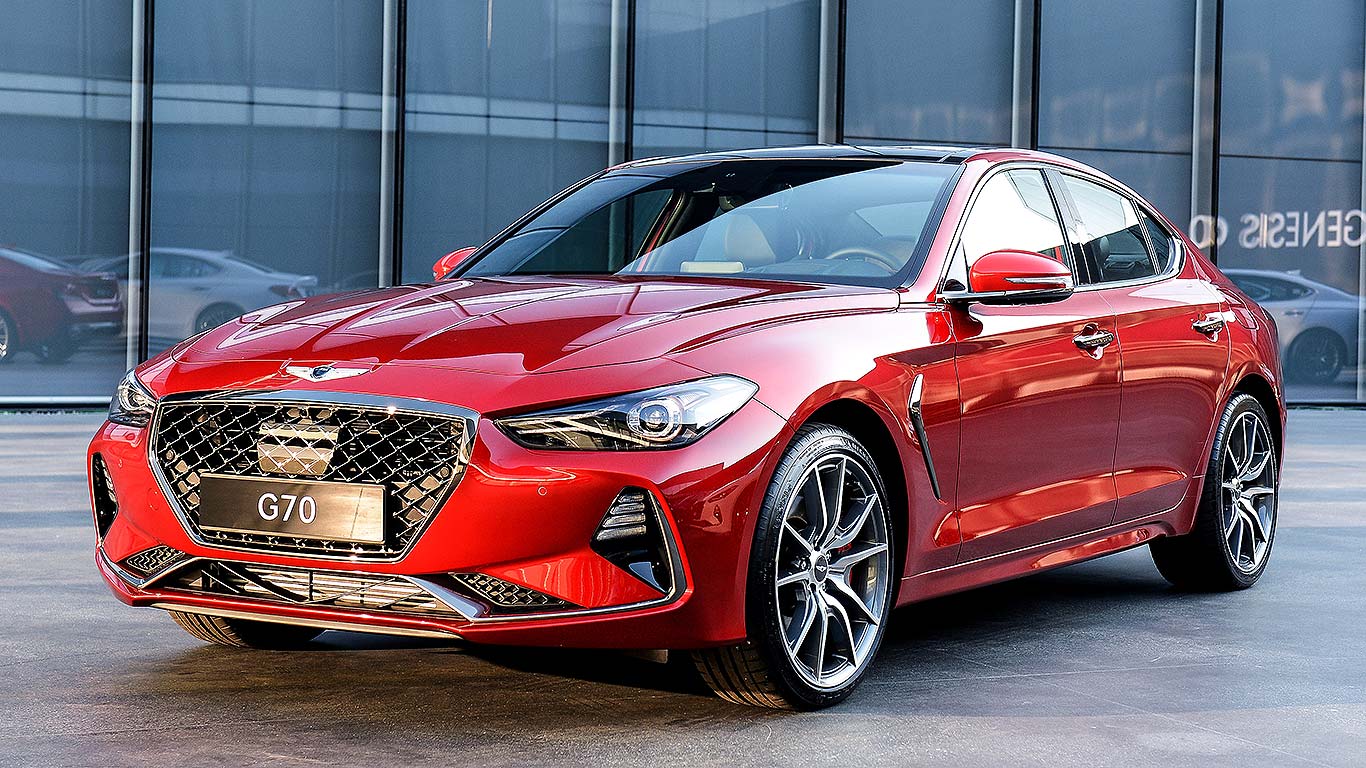
Hyundai’s premium division, Genesis, has already caused a stir with its excellent G90 luxury car, a cracking first attempt at taking on the Mercedes-Benz S-Class. Now it has the Mercedes-Benz C-Class, BMW 3 Series and Audi A4 in its sights. The G70 was only revealed a few months ago, so this is still a relatively fresh first-show. It’s aimed at sports saloon drivers in the U.S. but we’ll be checking it out to see if Hyundai UK should take an interest.
BMW i8 Roadster
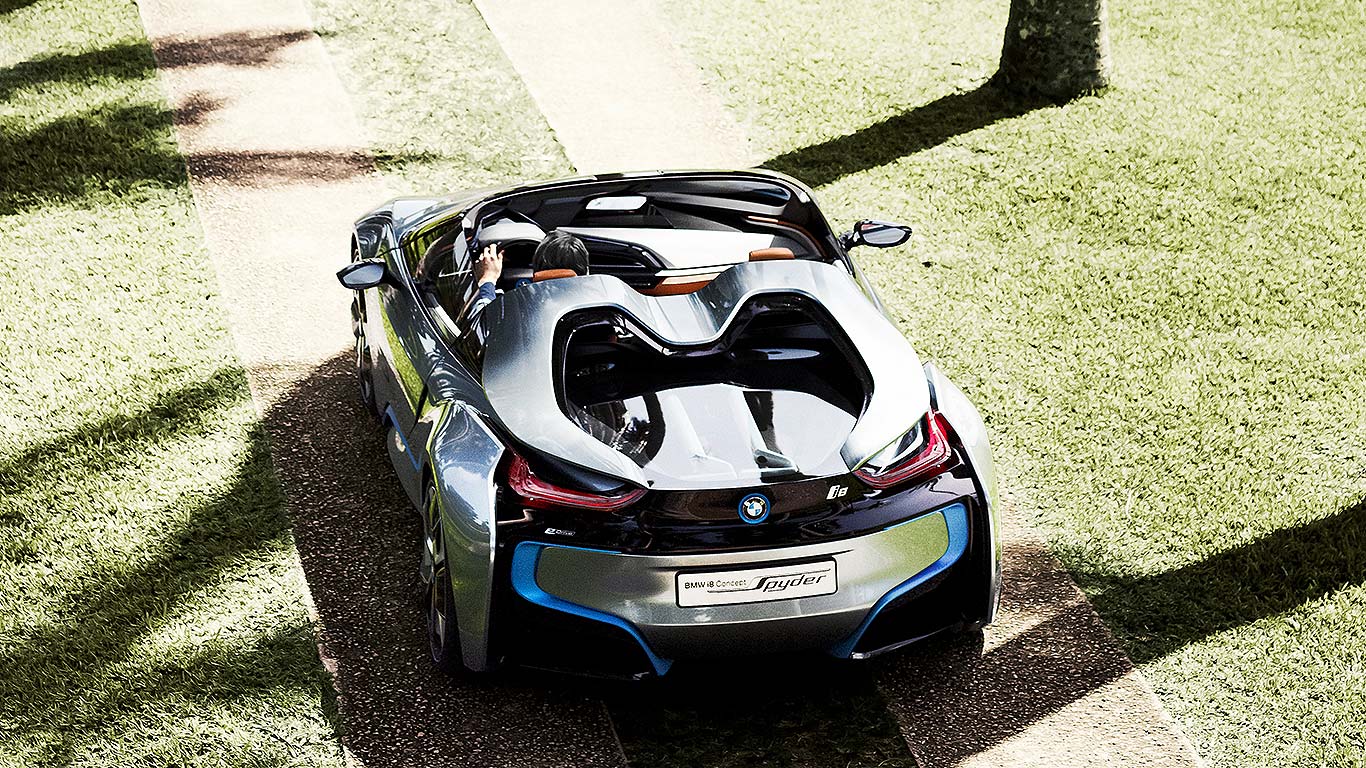
How long have we been expecting this? A roofless i8 has been years in the making, but might at last be arriving in LA, and we can’t wait to flip-up the doors and jump straight in on the show stand floor – before possibly being escorted away, depending on the humour of the security guards. Honestly, we’ll take our shoes off.
BMW X7 iPerformance Concept
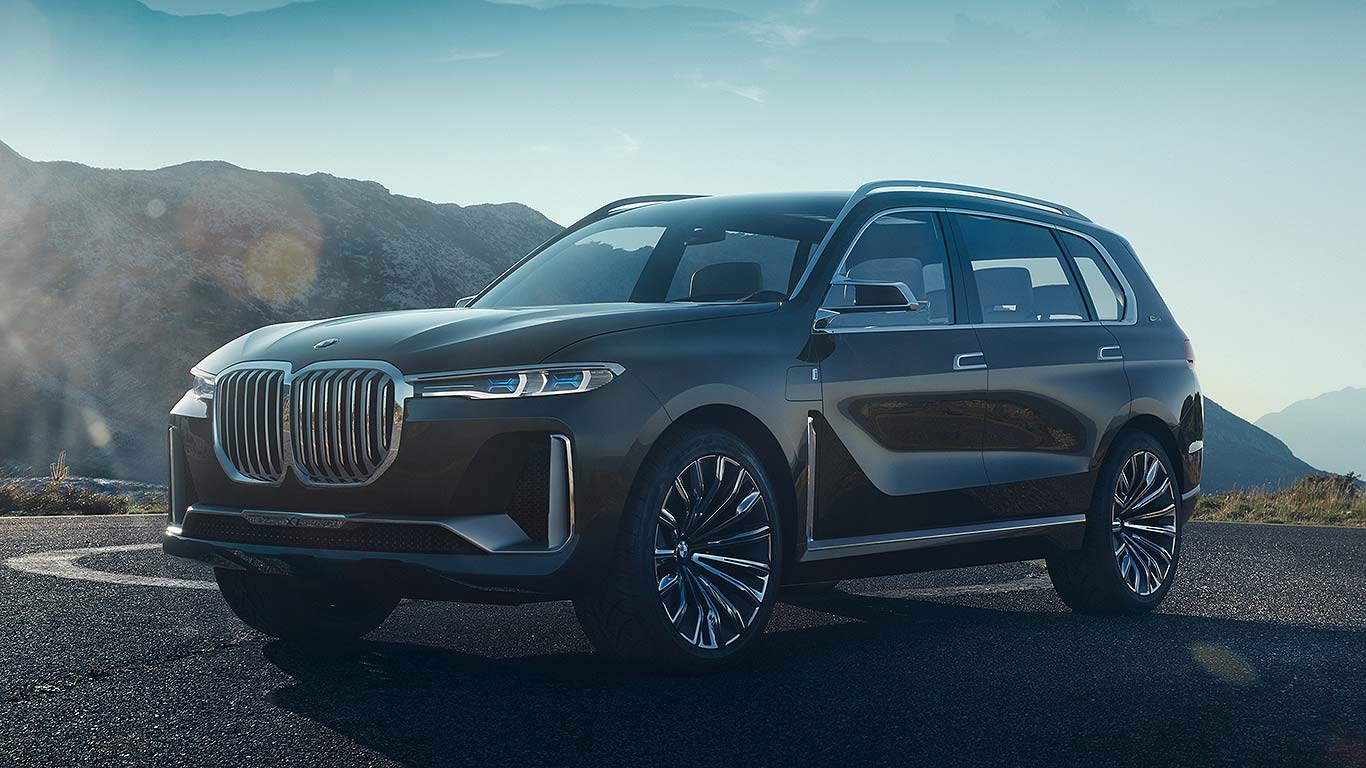
LA will be another opportunity for us to see the rather large BMW X7 luxury SUV concept. This is BMW’s Range Rover, focused on the Chinese market, and all kinds of massive. LA is so connected, we might take up residence in the back of it and order some takeout once we’ve charmed the security guards.
Jeep Wrangler
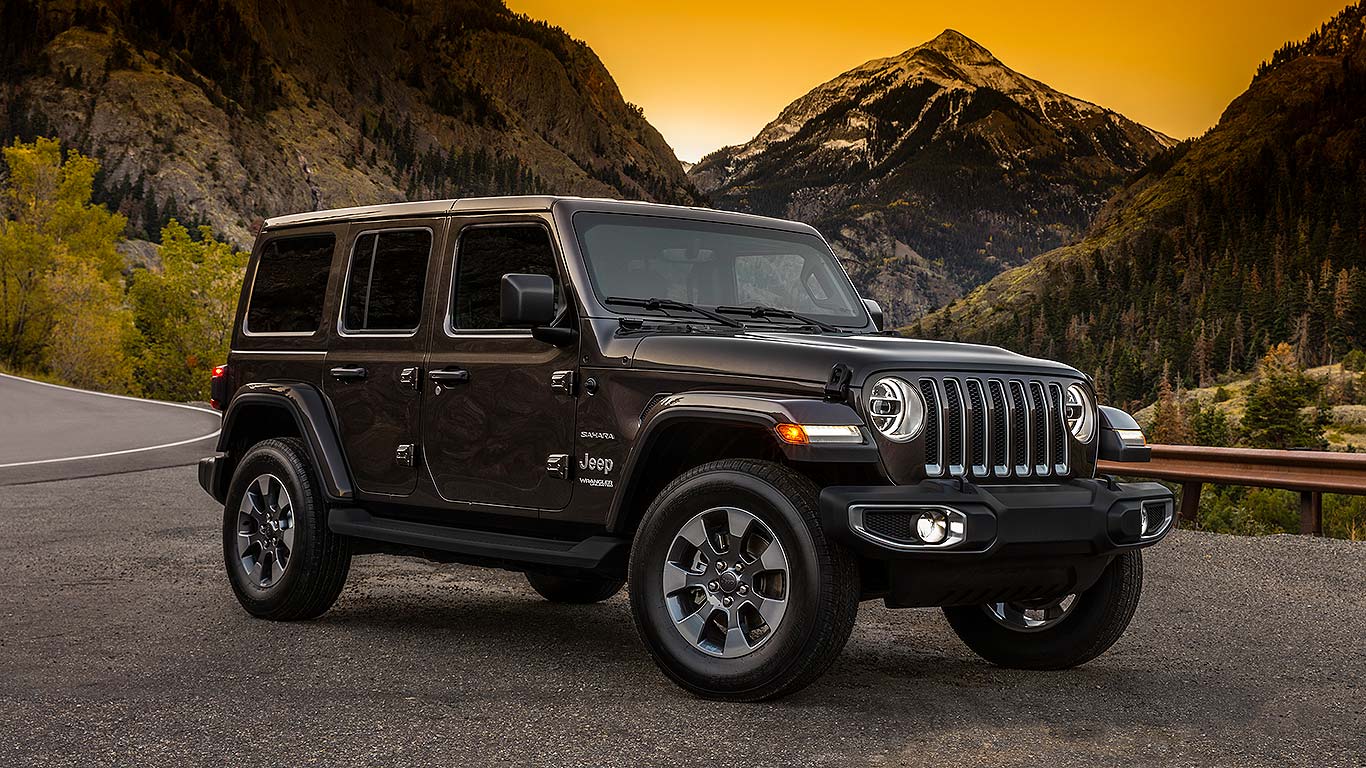
While Land Rover dillies and dallies over the new Defender, finding itself in the bizarre situation of phasing out a model without a replacement ready to jump into its shoes, Jeep shows the way to treat an icon with the all-new Wrangler. It’s familiar, of course, but jam-packed with new stuff, to both make it even better off-road and even more connected inside.
Lexus RXL
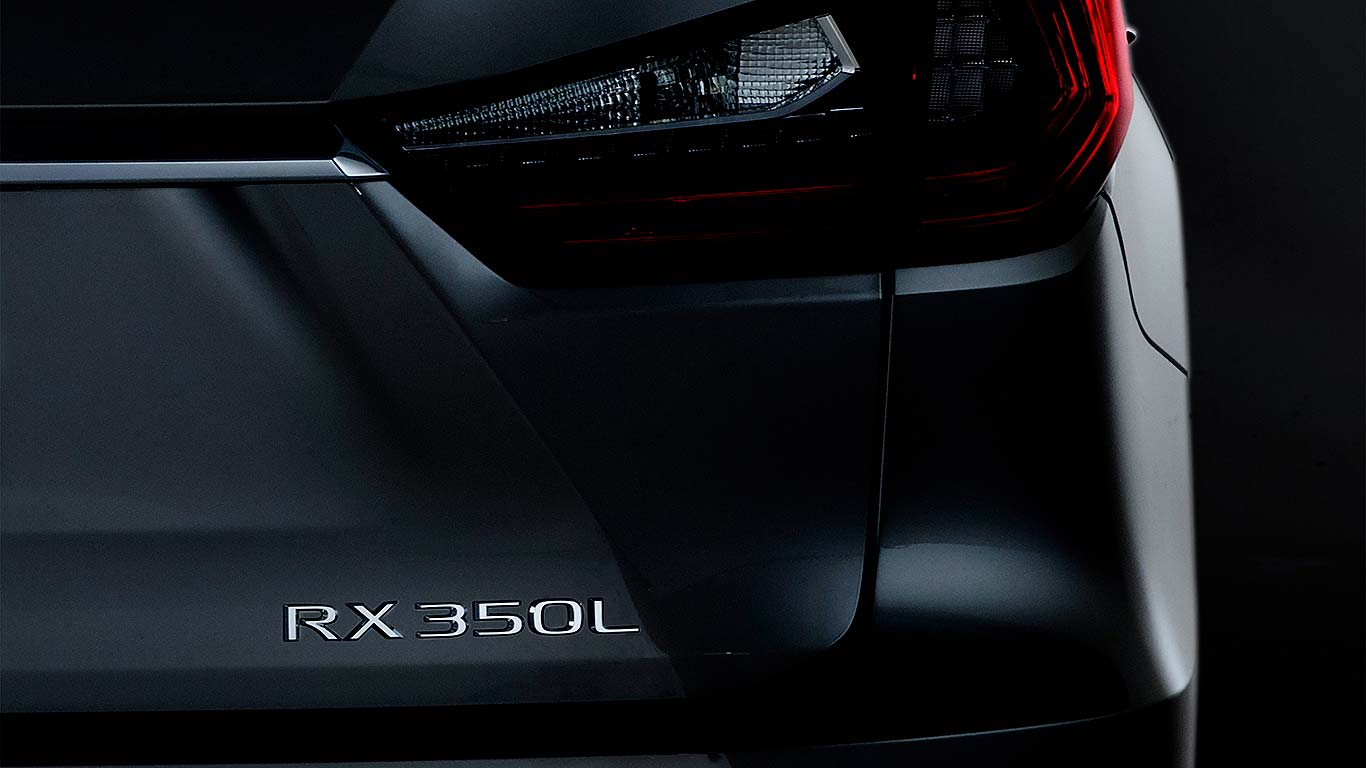
The sales figures prove how much people love the Lexus RX SUV. But in all this time, it’s remained a two-row five-seater. No more. LA 2017 marks the debut of the three-row seven-seat RX, ingeniously called RXL. If you’re eco-thinking and have three children, each with an inseparable best mate, bingo.
Mazda 6 facelift
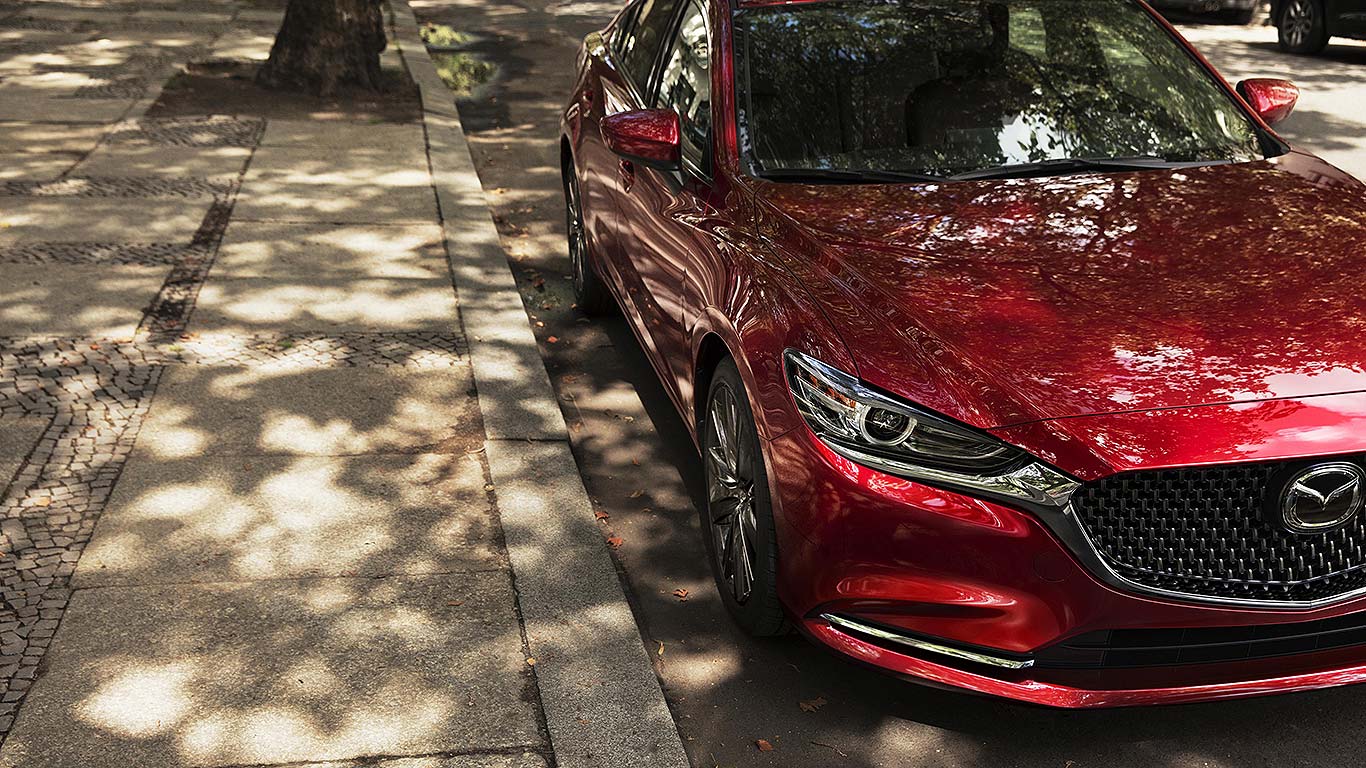
You tell us. The Mazda 6 is a marvellous car, a premium BMW rival sold at Ford Mondeo money, but if you can tell what’s different about this one, you have keener eyes than us. Still, we will nevertheless head over to check out and admire the people’s BMW 3 Series.
Porsche 911 T
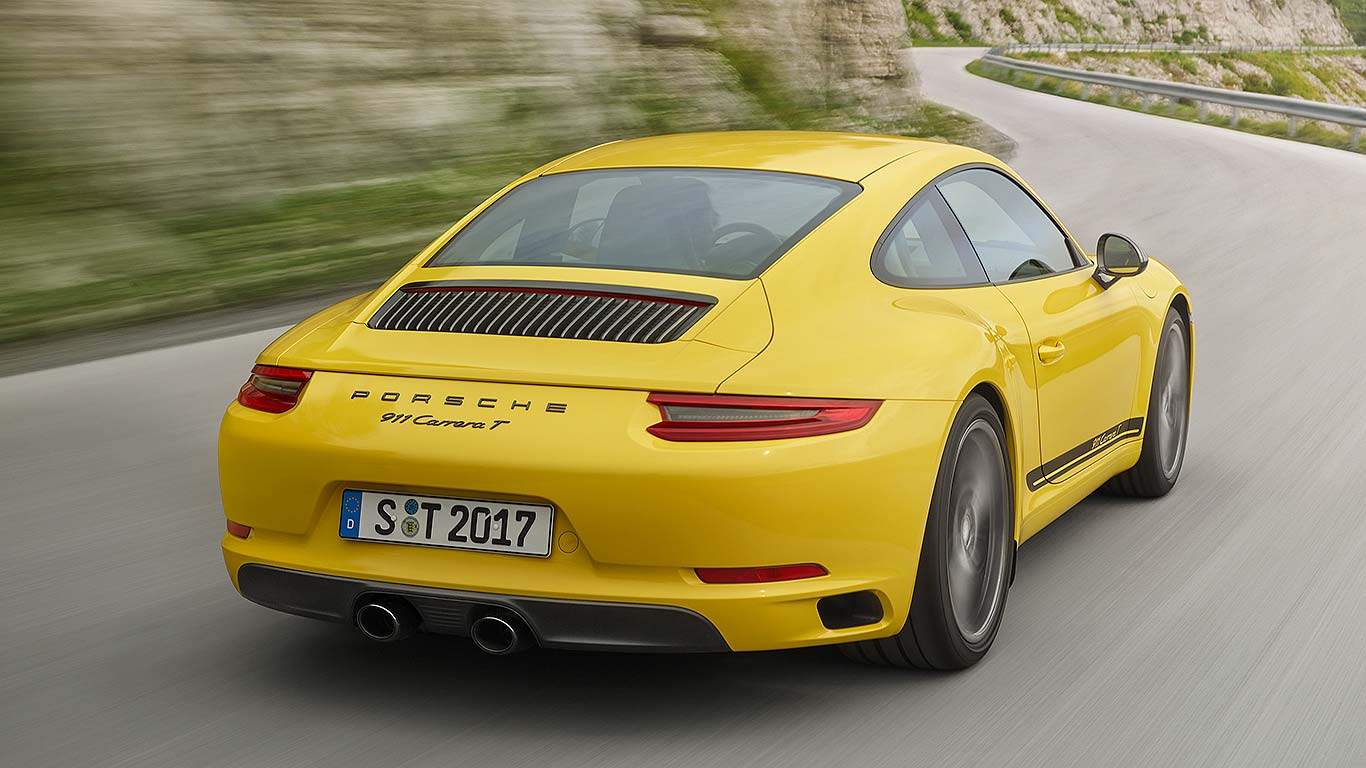
Yes. This is the one enthusiasts have been waiting for. T means turbo, of course, but T also harks back to the 911’s 1960s heritage, where things were oh-so simple. Here, T means Touring, and Porsche’s made sure it’s a driving holiday with rear-wheel drive, a limited-slip differential and a manual gearbox. It has 20mm lower suspension than a regular Carrera, standard adaptive dampers, and is 20kg lighter thanks to thinner glass, no rear seats and even straps for the doorhandles. Where do we sign?
Porsche 718 GTS
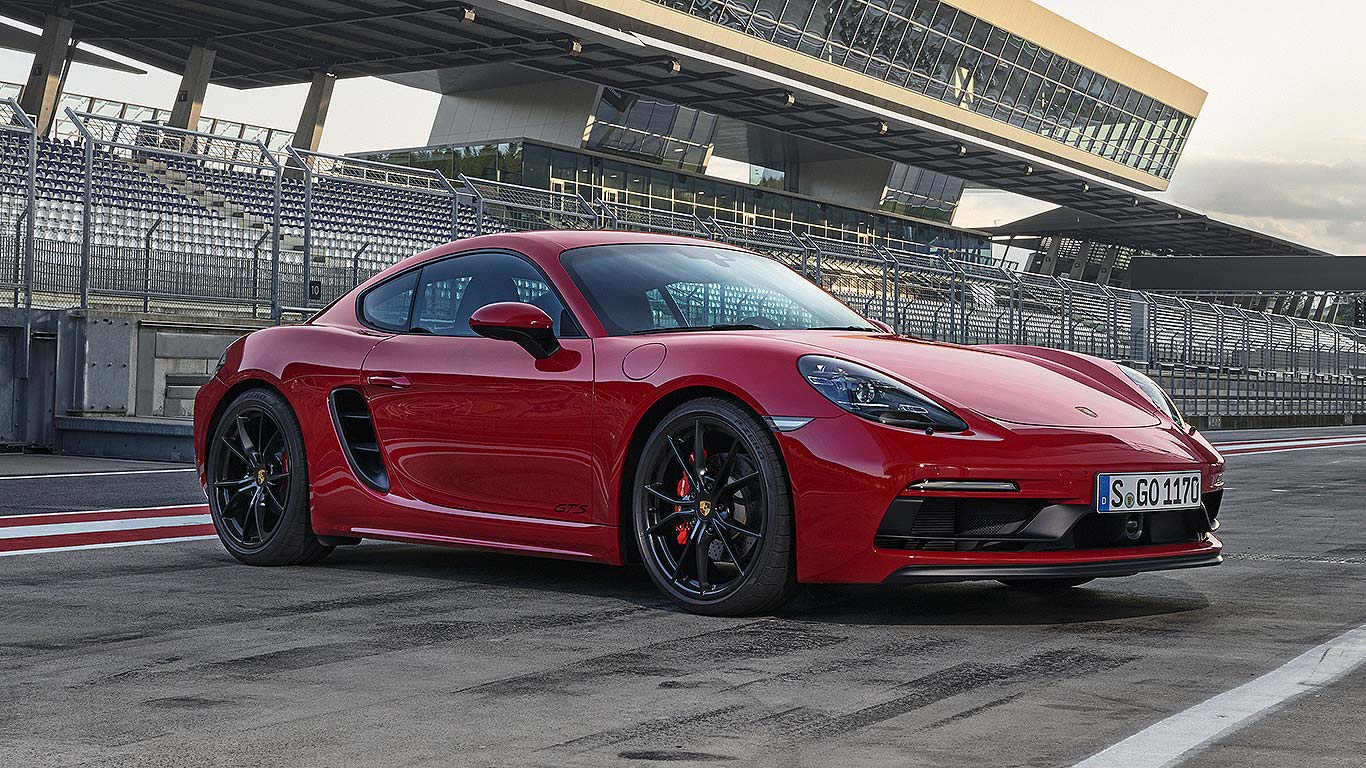
What enthusiasts really want is the return of the six-cylinder Porsche 718 Cayman and Boxster. With the GTS… they don’t get it. But they do get more power, 365hp, from the 2.5-litre turbo flat-four, which Porsche reckons will accelerate one from 0-62mph in just 3.9 seconds if you go for the fast-shifting PDK automatic. Quick enough to knobble a 911 or two, while GTS accoutrements give it a bit more focus in corners too.
Subaru Ascent
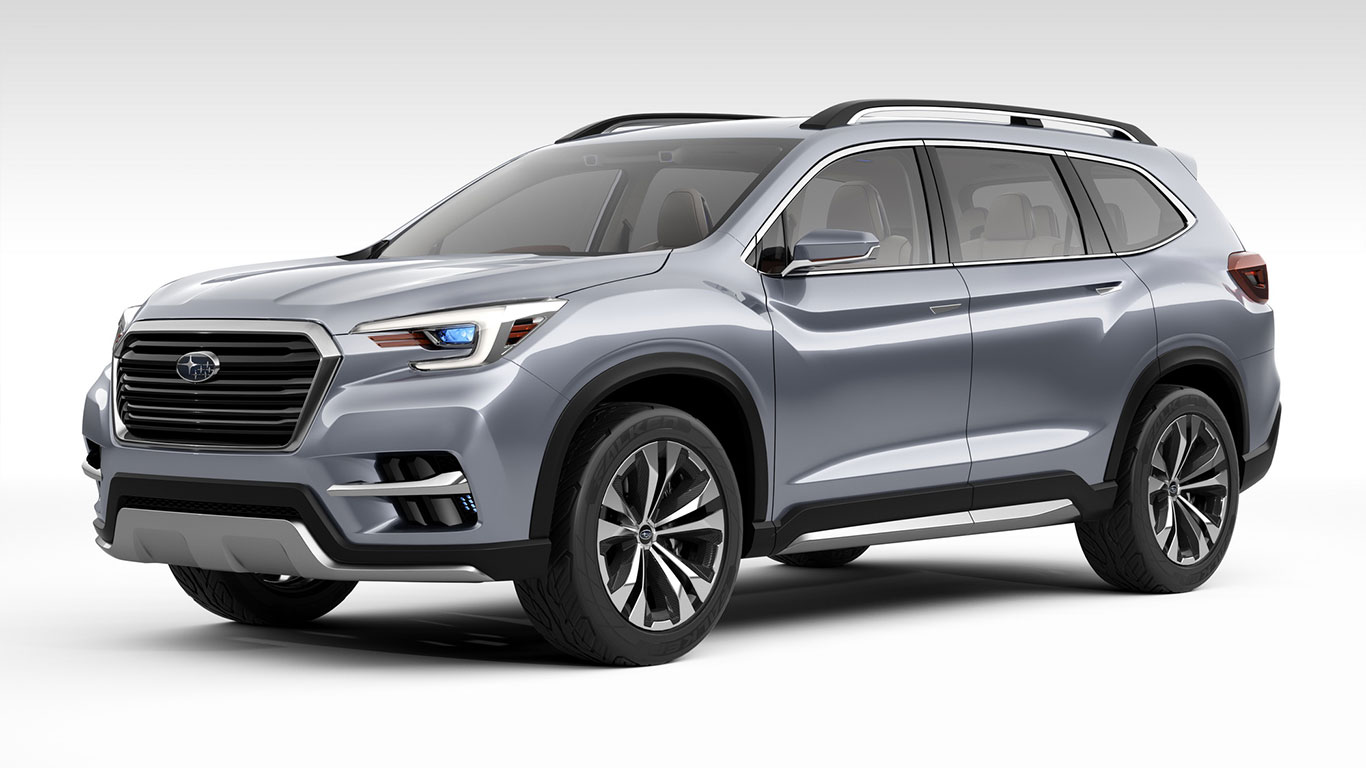
Subaru is such a well-loved brand by people who know their cars, so why shouldn’t it too get on the modern SUV bandwagon and try to attract more of those to whom it’s unknown? The good-looking Ascent, pictured here in concept form, is its first three-row seven-seat SUV, thoroughly on-form and set, more than likely, to sell like hot cakes in North America. Those who know their cars would love it in the UK, but would it sell?
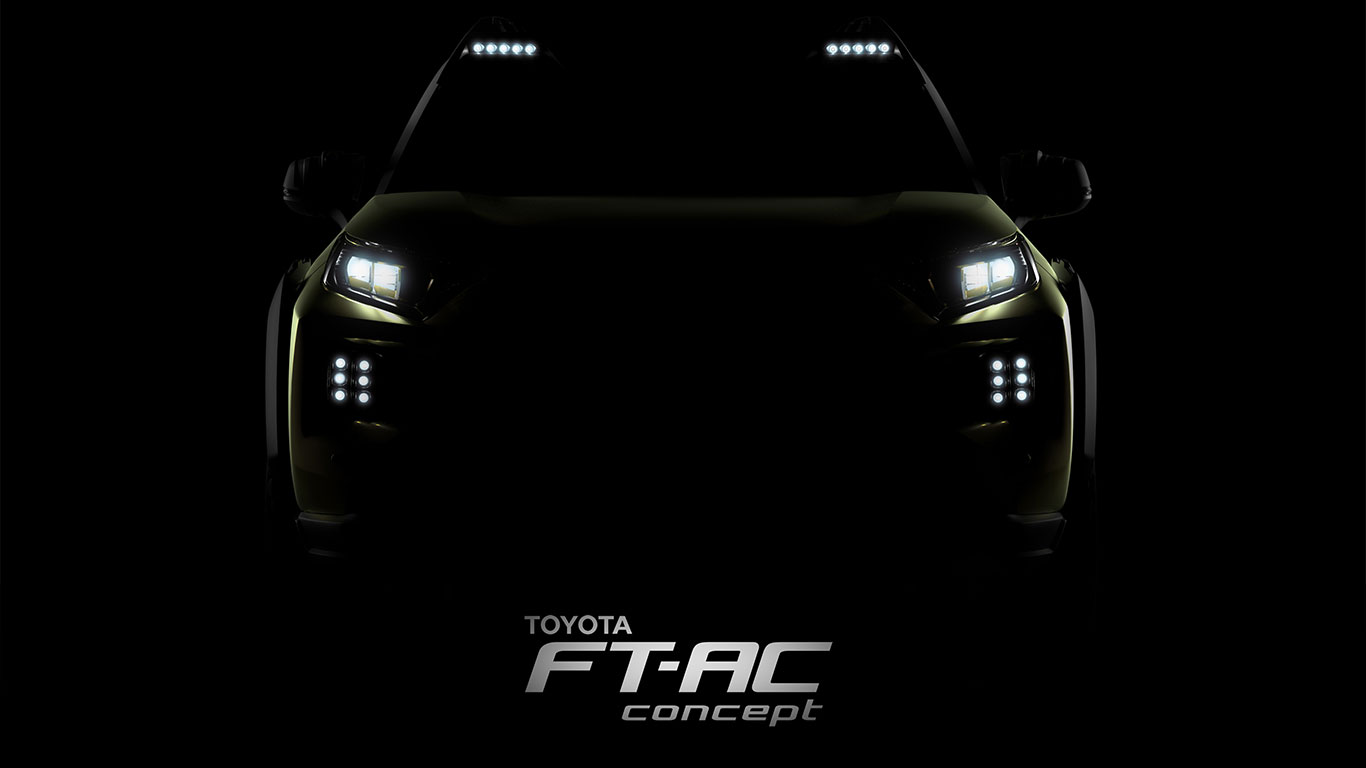
Toyota FT-AC
We’ve only seen a teaser of this, and it frankly looks fantastic already. Packed with LED lights and a bulging body, we don’t quite know if it’s an SUV, a pickup, a van or what, but we’re still hoping it’s the cool post-apocalyptic Toyota this image suggests it is. One to keep an eye on.
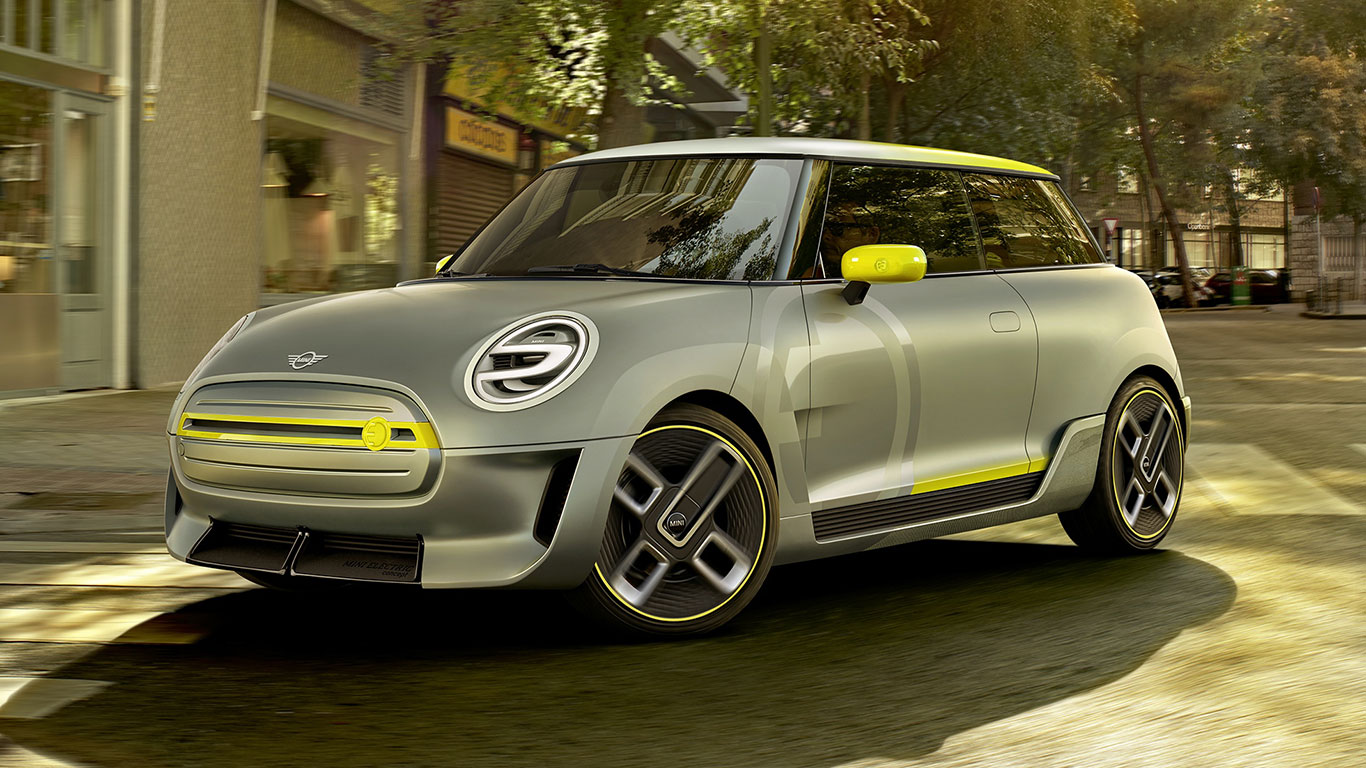
Mini Electric Concept
We saw this at the 2017 Frankfurt auto show, and now Mini’s showing off the battery electric concept in the market destined to take a substantial proportion of sales. Expected to use BMW i3 electric tech, it will be fast, have a decent range and generally thoroughly Mini-flavoured, just with zero emissions from the (non-existent) tailpipe.
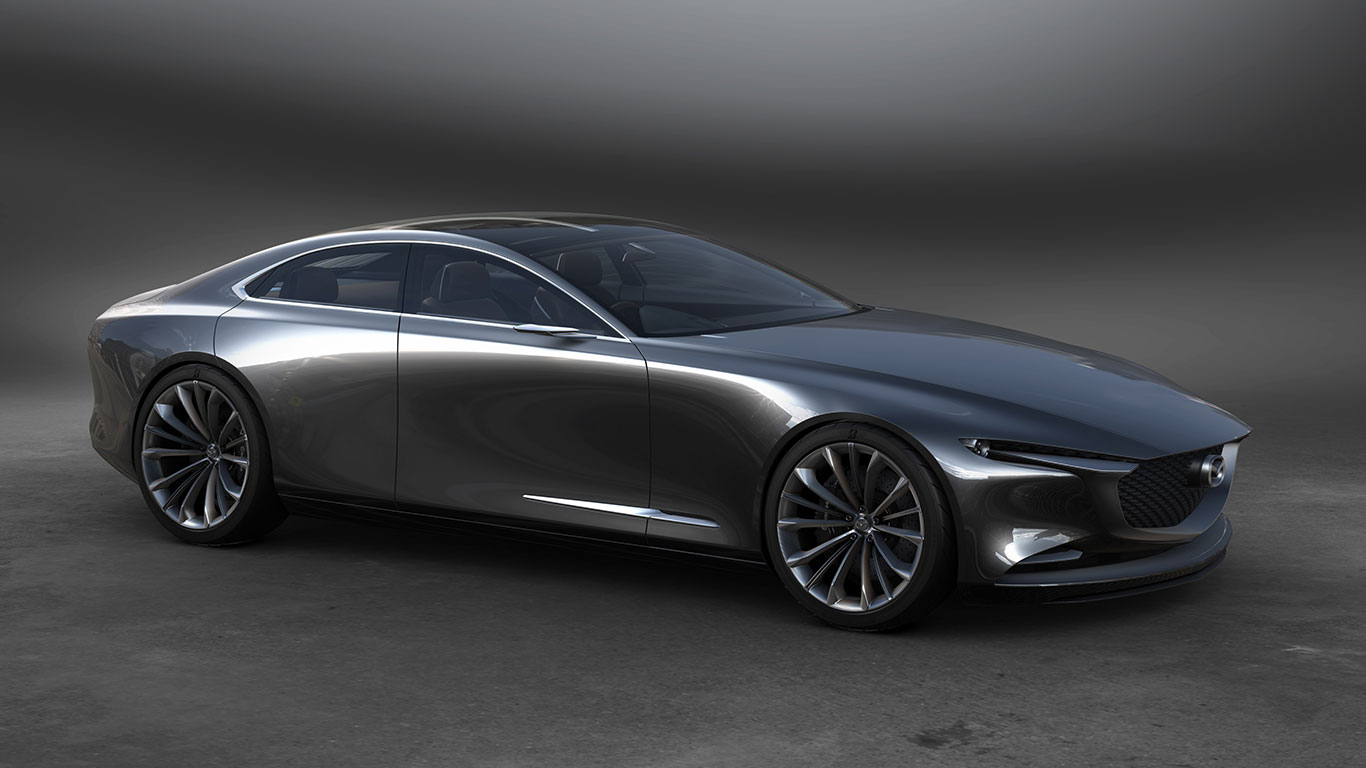
Mazda Vision Coupe Concept
Meet the future of Mazda styling. This is another car we’ve already seen, but it’s still worth a second look because of just how pretty and elegant it is. Who says they don’t make jaw-dropping and achingly beautiful cars anymore? Join us at LA to see yet more lovely pictures.
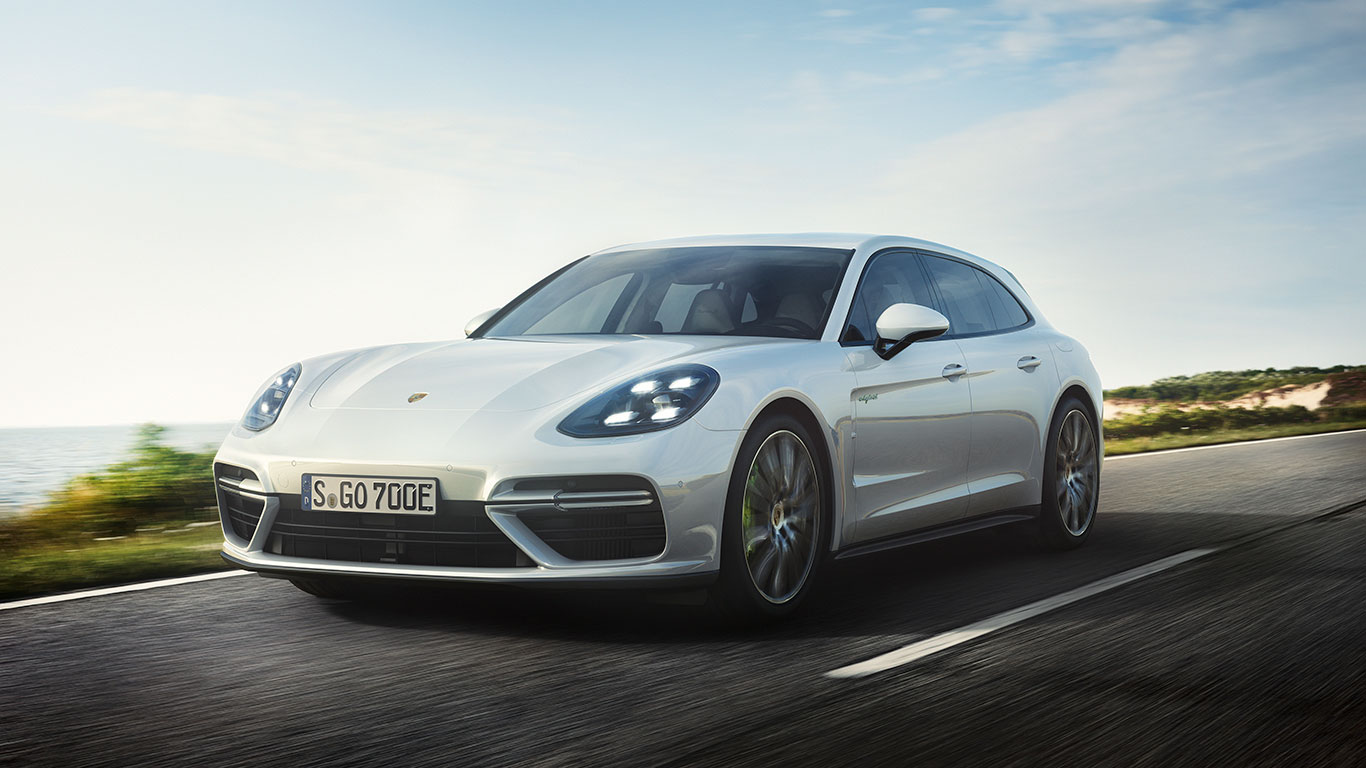
Porsche Panamera Turbo S E-Hybrid Sport Turismo
The car with the longest name at the show. To decipher it, this is a shooting brake Panamera with a 55 hp 4.0-litre twin-turbo V8, a 140hp electric motor and a 14.1 kWh lithium-ion battery good for 30 miles on full EV power. But, more importantly, a total system output of 680hp and 0-62mph in 3.4 seconds. Not bad for an estate, huh?
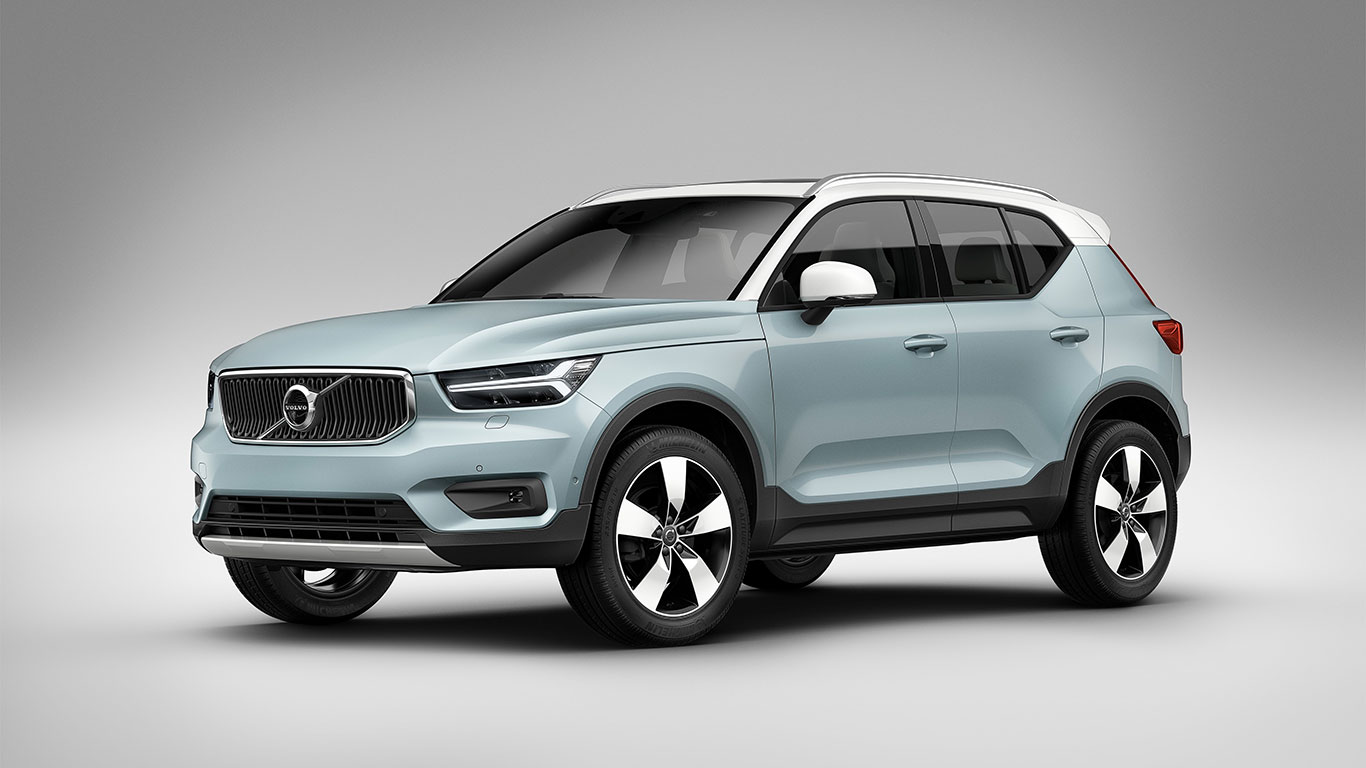
Volvo XC40
A Volvo at a motor show is a rarity – the firm has pared back the number of events it attends, preferring instead to do things its own way. Luckily, LA is one of the events it is attending, and lucky for Los Angeles, the XC40 is yet another marvellous modern Volvo. It rivals the Audi Q3 and BMW X1. It is also, according to early drive reports, better than the new Jaguar E-Pace, which isn’t quite what the British firm had planned.
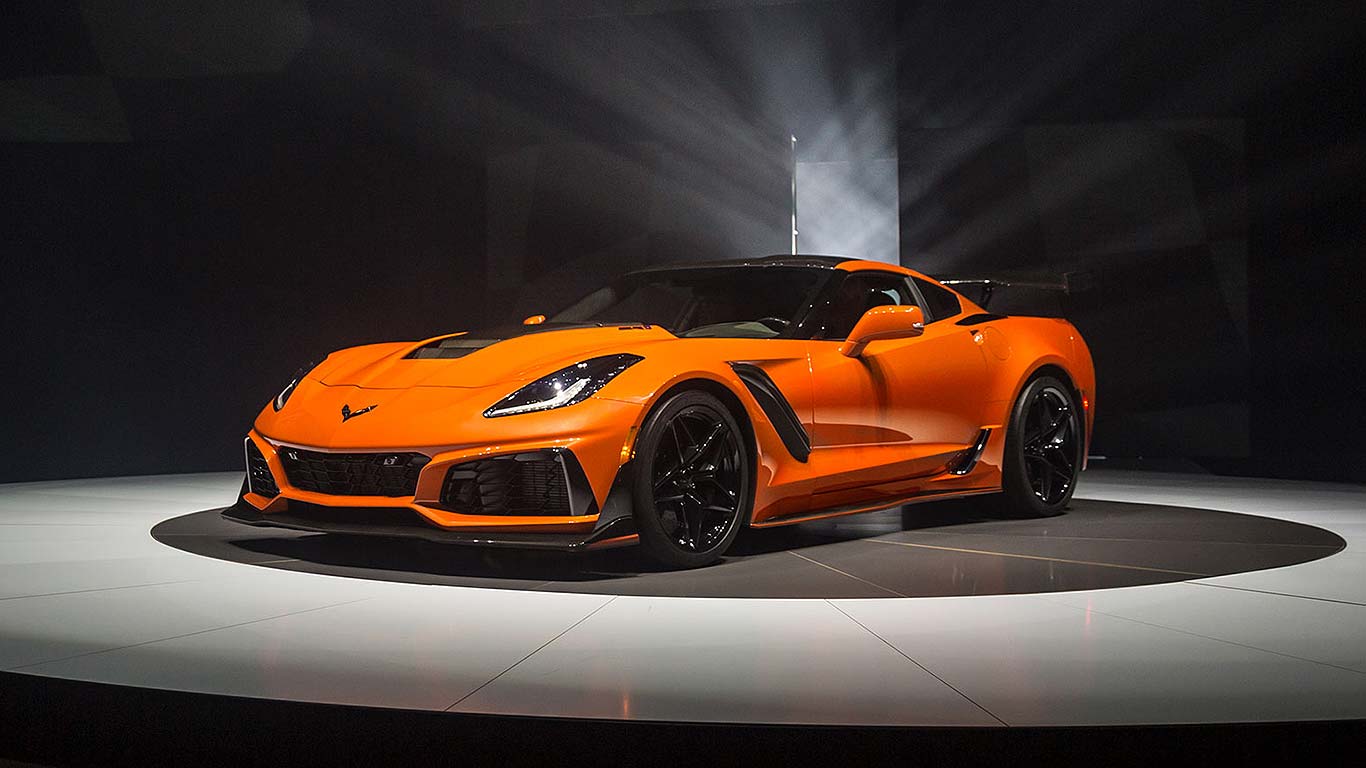
Corvette ZR1
First revealed in Dubai, the monster Corvette now gets its homeland reveal. A production Corvette has never been faster or more powerful car than this: 755hp may even see it dip beneath seven minutes for a Nürburgring hot lap, the firm hints. We’ll join the throng and lust over it in LA.
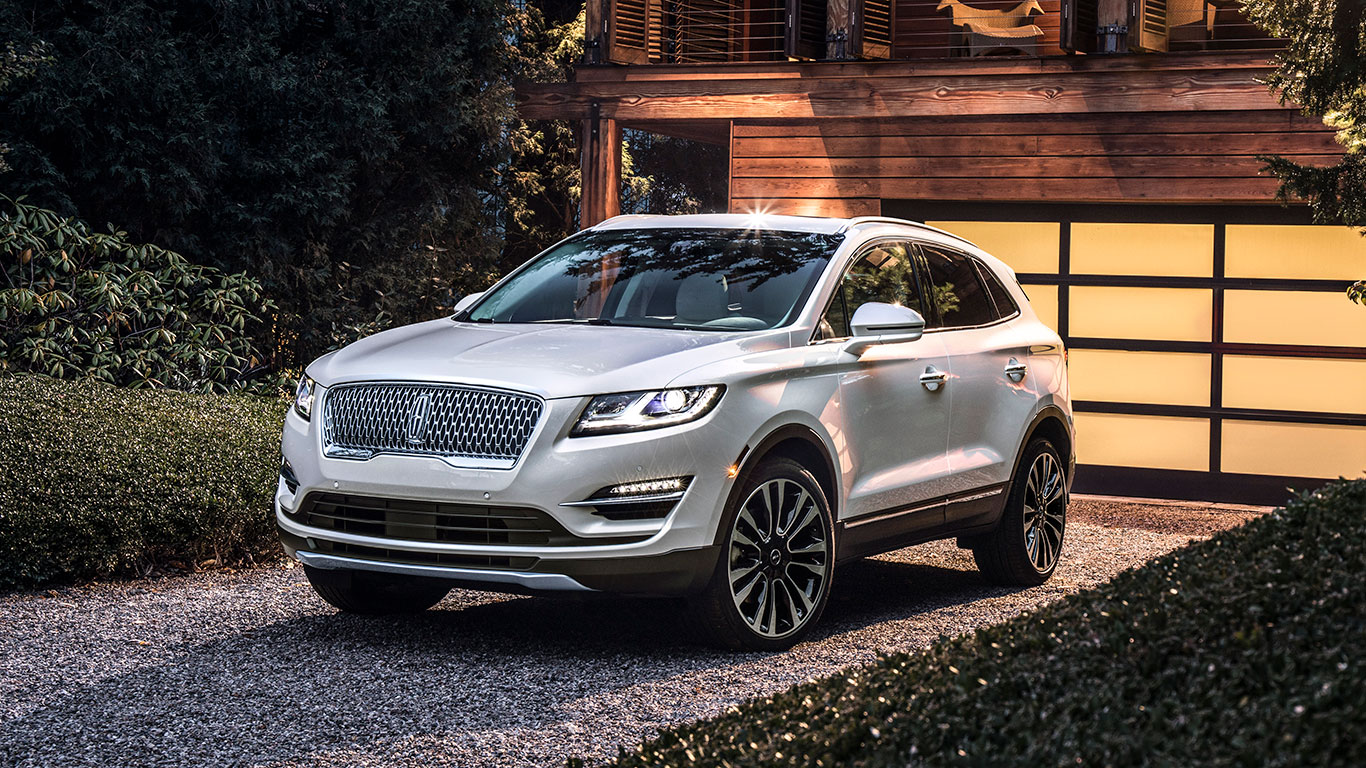
Lincoln MKC
The posh compact Lincoln SUV gets a new look for 2018, with the same cool front end we’ve seen on the Continental. It’s much nicer than the current setup and the interior is, to follow a bit of a trend of LA 2017, said to be even posher and more luxurious as well.
Learner drivers will have to navigate using a sat nav for 20 minutes as part of the driving test from next week – but a survey has revealed that the new rules are already outdated.
The study of 2,000 motorists by Continental Tyres found that half of young drivers use their mobile phone to navigate rather than a traditional sat nav.
Driving test examiners will provide a TomTom sat nav for the navigation test, which will form part of the independent driving section of the practical driving test. Drivers are banned from using their own sat nav in the driving test, although one in five candidates will be required to follow road signs instead.
The survey also found that 64 percent of people think there should be a greater emphasis on understanding the laws around mobile phones as part of the test, while 57 percent want to see drivers being tested on routine checks such as the minimum tyre tread depth.
“It is clear to see that people want the new test to support improved road safety and deliver good driving practice as well as test skills,” said Continental Tyres safety expert, Mark Griffiths. “It’s good to know people want a stronger focus on safety checks, like how to check tyres, as well as the safe and legal use of mobile phones while driving.”
Infiniti calls it the most important vehicle it has ever launched: certainly the new QX50 mid-size SUV, which debuts at the 2017 LA Auto Show next week, is the one most focused on European customers and competitors. It looks like Infiniti may at last have a match for the Audi Q5, BMW X3, Mercedes-Benz GLC and Jaguar F-Pace.
And Infiniti has an ace up its sleeve – the world’s first variable compression ratio engine. Called VC-Turbo, this 2.0-litre turbo petrol puts into production radical tech companies such as Lotus and Saab trialled years ago. The gains were obvious but nobody was quite able to make it a reality. Infiniti has.
The breakthrough engine can alter the compression ratio between 8:1 and 14:1, by means of a multi-link system that can alter the reach of the pistons. High compression ratios are efficient, low compression ratios give lots of power and torque. Infiniti thus says it has the punch of petrol and economy of diesel.
“It challenge the notion that only hybrid and diesel powertrains can deliver high torque and efficiency.”
The 268hp engine also does 0-60mph in as little as 6.3 seconds and 143mph flat-out, although Infiniti has yet to test just how economical it is under European drive cycle tests (but is targeting a 35 percent boost in efficiency over today’s car). Take this interesting detail fact in the meantime: capacity varies between 1,970cc when running on an 14:1 compression ratio, and 1,997cc when running on 8:1.
Replacing the forgettable current-generation QX50, Infiniti global vice president Christian Meunier says the new QX50 is “the right vehicle at the right time in one of the world’s fastest growing segments”.
Built on an all-new platform, it’s significantly roomier inside than the outgoing model – best-in-class, reckons Infiniti – and deploys world-first use of Super-High Formability (SHF) high-tensile steel that’s strong, light and gives best-in-class structural rigidity.
It also has autonomous tech called ProPilot Assist, but as “Infiniti’s customers have stated their desire to remain a key element in the driving equation… the brand’s vision for autonomous driving is a step removed from the notion of fully-autonomous driverless motoring embraced by some carmakers”. So there.
Make no mistake, the launch of the new Infiniti QX50 is a big deal. Its VC-Turbo engine is a genuine world-first highlight, and it now looks stylish enough, with the right sort of onboard tech, to finally challenge the European best-sellers.
We’ll be checking it out in detail at the LA Auto Show next week: has Infiniti finally delivered the car to put it on the shortlist of Britain’s premium car buyers?
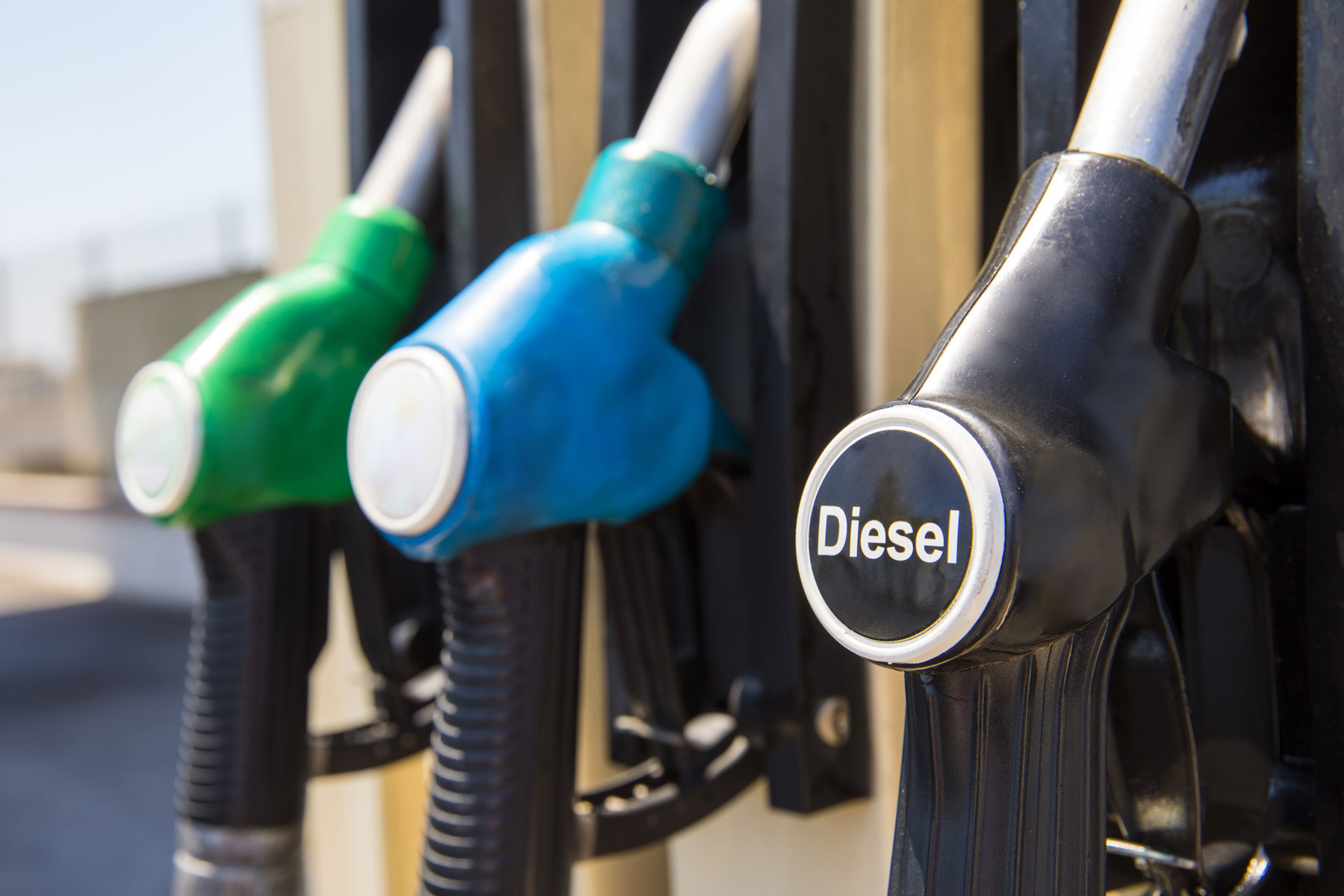
Chancellor Philip Hammond has announced a series of tax changes for new diesel cars, which will see drivers pay more for the first year’s VED (vehicle excise duty).
“From April 2018, the first year VED rate for diesel cars that don’t meet the latest standards will go up by one band and the existing diesel supplement in company car tax will increase by one percentage point,” said Hammond. “Drivers buying a new car will be able to avoid this charge as soon as manufacturers bring forward the next generation of cleaner diesels that we all want to see.”
The vehicle excise duty (VED) supplement will apply to new diesel cars first registered from 1 April 2018, meaning their first-year rate will be calculated as if they were in the VED band above. This will not apply to next-generation clean diesels – those which are certified as meeting new real driving emissions step 2 (RDE2) standards.
The RAC says that diesel car buyers are being hit “relatively light” with the new tax rules announced in today’s budget.
“The chancellor has chosen to be relatively light touch when it comes to taxing new diesel cars,” said the RAC’s head of external affairs, Peter Williams.
“Any new diesel car registered from 1st April 2018 will be hit with a higher first year tax rate unless they conform to the latest real world driving standards. So current beleaguered owners of diesel cars can breathe a sigh of relief that they will not be punished further by the treasury – but they will need to keep their eyes on local authorities who may be introducing clean air zones in the near future.”
Hammond also confirmed that the measures would only apply to cars – so van drivers will not be hit by the measures. He also said that the money raised by the tax increase will go towards a £220 million clean air fund for local areas most effected by pollution.
Company car drivers will also be hit by a tax increase. A diesel supplement for benefit-in-kind tax will be increased from three percent to four percent from 6 April 2018.
Ahead of the budget announcement, speculation suggested that Hammond could increase fuel duty on diesel in a bid to discourage people from driving diesel vehicles. The RAC warned, however, that an increase in fuel duty would not have the desired effect.
“Putting up duty on diesel is not going to stop the country’s 12 million diesel motorists driving any less and ease the air quality problem associated with nitrogen dioxide emissions from the fuel,” said RAC fuel spokesman Simon Williams.
“While the Government may think it will further deter people from choosing a diesel as their next vehicle, in the meantime it would unfairly punish existing diesel owners for responding to incentives introduced by a previous Government designed to limit carbon dioxide emissions.”
The chancellor confirmed that he would continue the fuel duty freeze for both petrol and diesel, costing the Government £46 billion since 2010. This makes it the longest fuel duty freeze in a generation.
Vehicle leasing firm Leaseplan UK has suggested that the freeze in fuel duty is not enough to help UK motorists.
“We’re glad that the Chancellor has listened to motorists and the fleet industry, and decided to extend the freeze on Fuel Duty for another year,” said Leaseplan managing director, Matt Dyer. “However, even with a freeze, fuel prices are still rising. If this continues, the Chancellor should consider cutting Duty rates for the first time since 2011.”
£540 million investment in electric cars
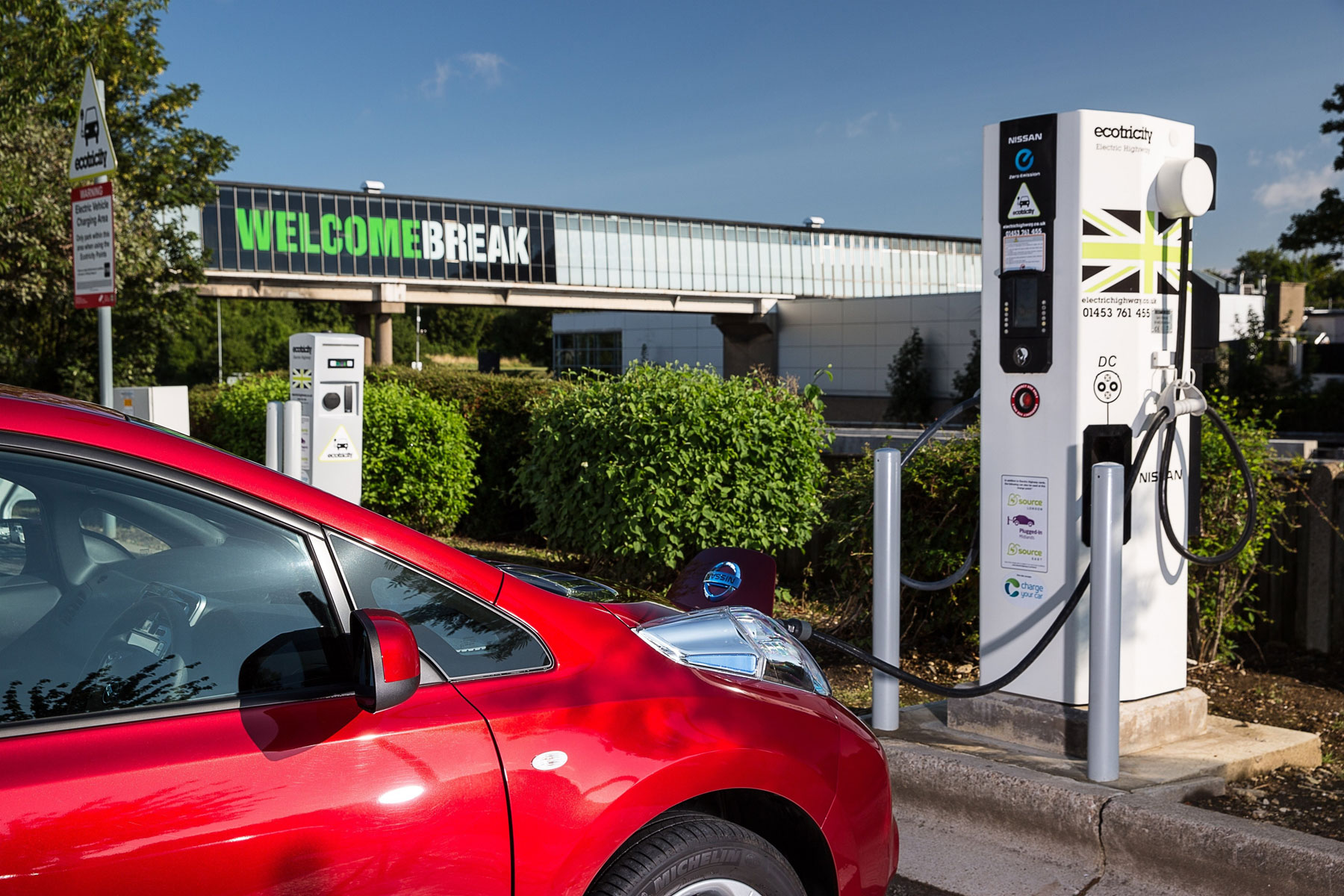
Hammond also announced a new £400 million charging infrastructure fund in a bid to improve the UK’s electric car charging network and encourage the uptake of electric vehicles.
It comes as part of his autumn budget, announced today, which also includes an extra £100 million to go towards the plug-in car grant and £40 million in research and development of electric cars.
“There’s perhaps no technology as symbolic of the revolution gathering pace around us as driverless vehicles,” said Hammond.
“I know that Jeremy Clarkson doesn’t like them, but there are many other good reasons to pursue this technology – so today, we step up our support for it. Sorry Jeremy, but definitely not the first time you’ve been snubbed by Hammond and May.
“Our future vehicles will be driverless, but they’ll be electric first. And that’s a change that needs to come as soon as possible for our planet. So we’ll establish a new £400 million charging infrastructure fund, invest an extra £100 million in plug-in car grant and £40 million in charging R&D. And I can confirm today that we will clarify the law so that people who charge their own electric vehicles at work will not face a benefit-in-kind charge from next year.”
Electric vehicle charging firm Chargemaster has described the budget as “good news for the EV sector”.
“We welcome the continued incentives for electric car purchases through the Plug-in Car Grant,” said Chargemaster’s CEO, David Martell. “Of course, these incentives will not be needed indefinitely, and manufacturers predict that the cost of building an electric car will drop below the cost of producing a petrol or diesel car within the next five years. It is also worth pointing out that consumers can buy an electric car for as little as £5,000 in the used market.
“The £400m announced to support EV charging infrastructure is good news for charge point suppliers and operators such as Chargemaster, and we hope that some of this funding will be directed towards preparing network connections and reinforcing the electricity grid where required.”
>NEXT: Diesel fuel duty could go up – but it won’t reduce pollution
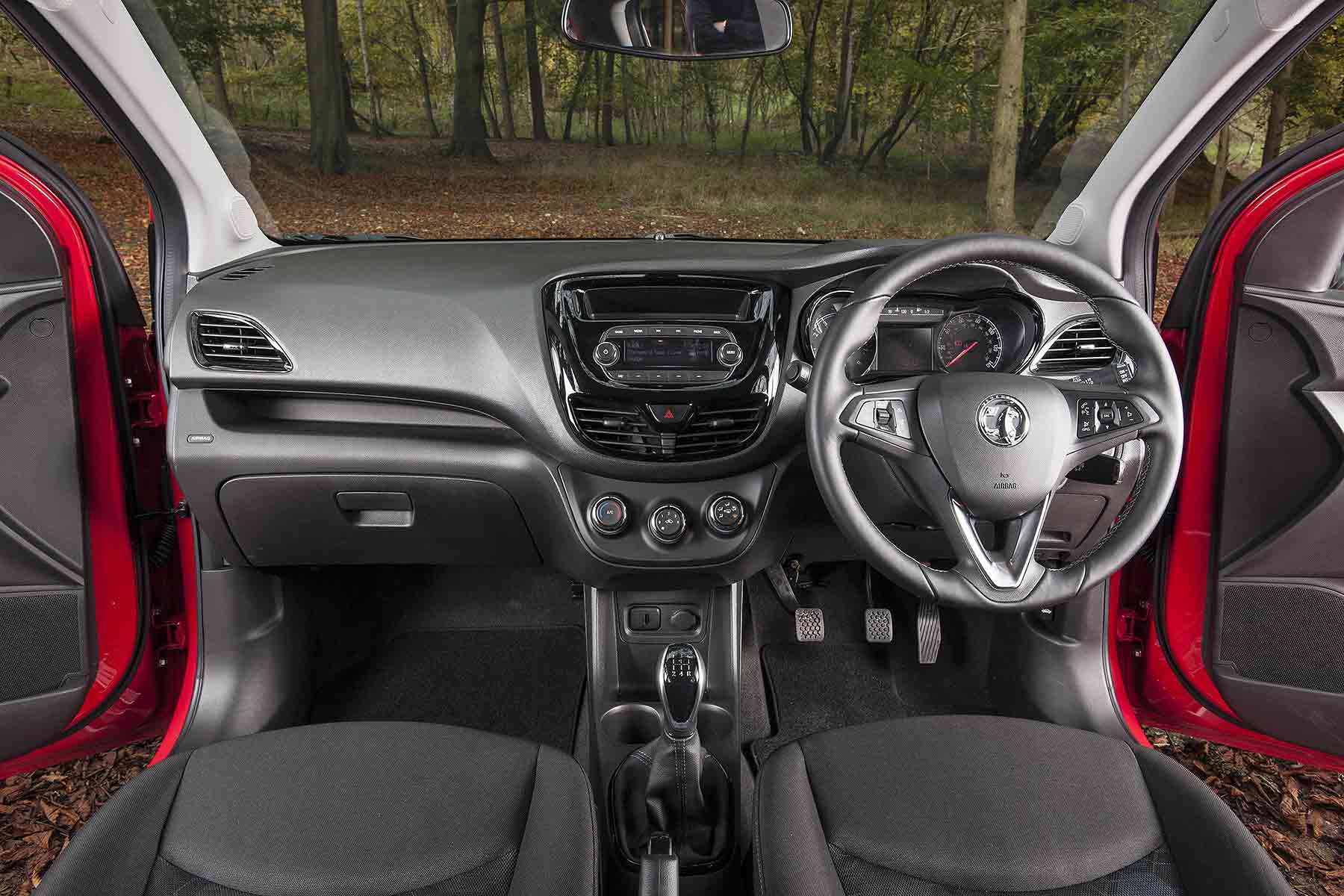
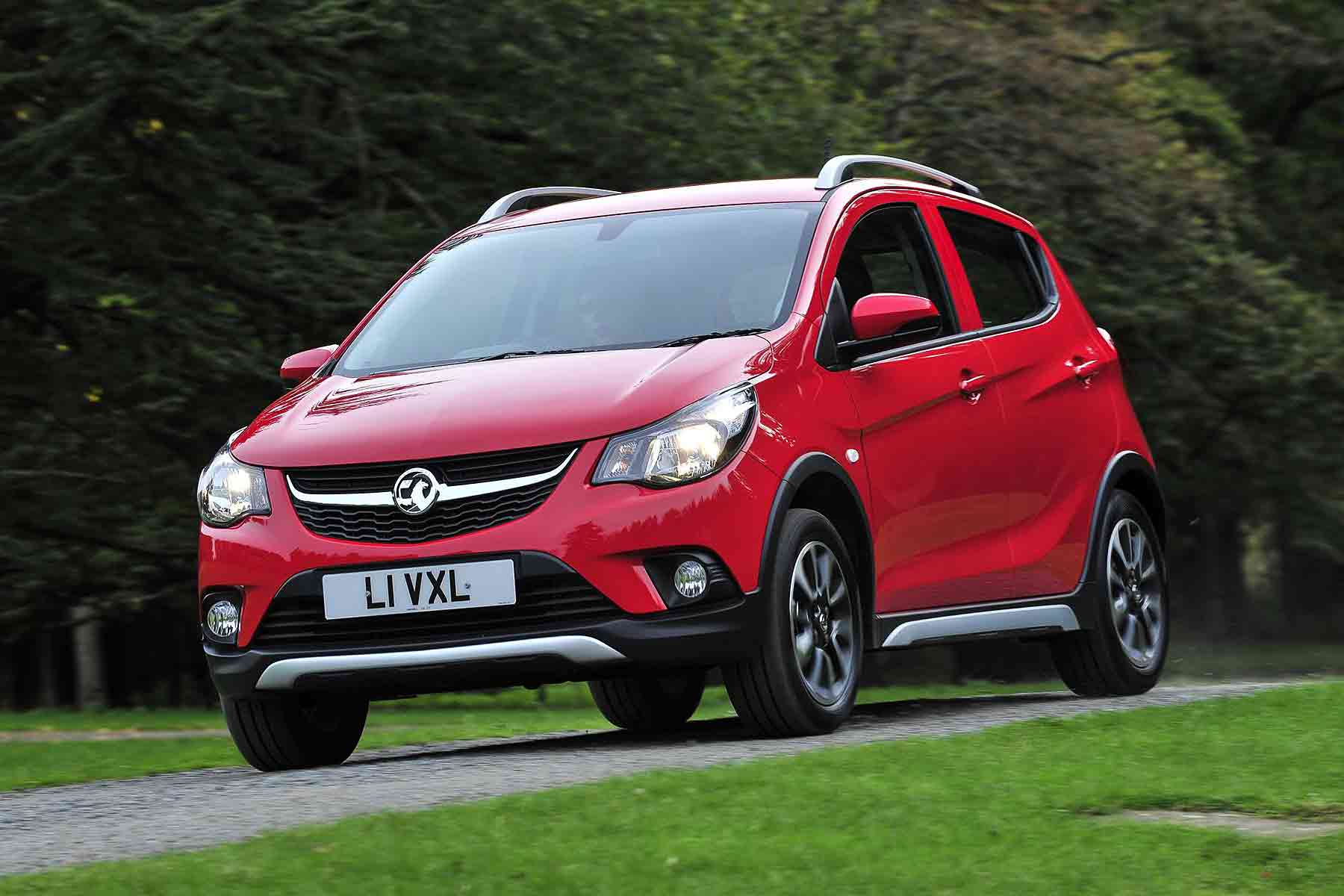
It seems no car sector is safe from getting an SUV makeover these days. Not many people demand a city car be tough enough to go deep off road, but the crossover look is still appealing – and Vauxhall’s responded by launching the Viva Rocks.
Based on the regular Viva city car, it gets a raised ride height and a tough set of body cladding, including black plastic bumpers instead of the regular body-colour ones. The wheels are a unique 15-inch design, they sit beneath beefier wheelarches, and it even gets a set of silver roof rails.
There’s just one model of Viva Rocks, costing £11,530. The price is more city car level than full-blown crossover SUV, which will appeal, and Vauxhall says ordering is open now ahead of deliveries beginning in early 2018.
It also gets OnStar and an optional R 4.0 IntelliLink infotainment system that links up to smartphones via Apple CarPlay or Android Auto. “Making it among the best connected A-segment cars on the market,” reckons Vauxhall.
What will it be used for? It’s perfect for country lanes and city potholes, believes the firm, and is thus even more ideally suited to the city than the regular Viva. It doesn’t even bother with hill descent control or other SUV driving aids, preferring instead to offer a ‘city’ button that makes the steering fingertip light.
Just don’t expect to win any traffic light grands prix: the 1.0-litre engine has, at 75hp, no more power, so still drifts from 0-62mph in 13.1 seconds. Tough luck for the tough-look Viva Rocks if you want to get ahead of the rest…
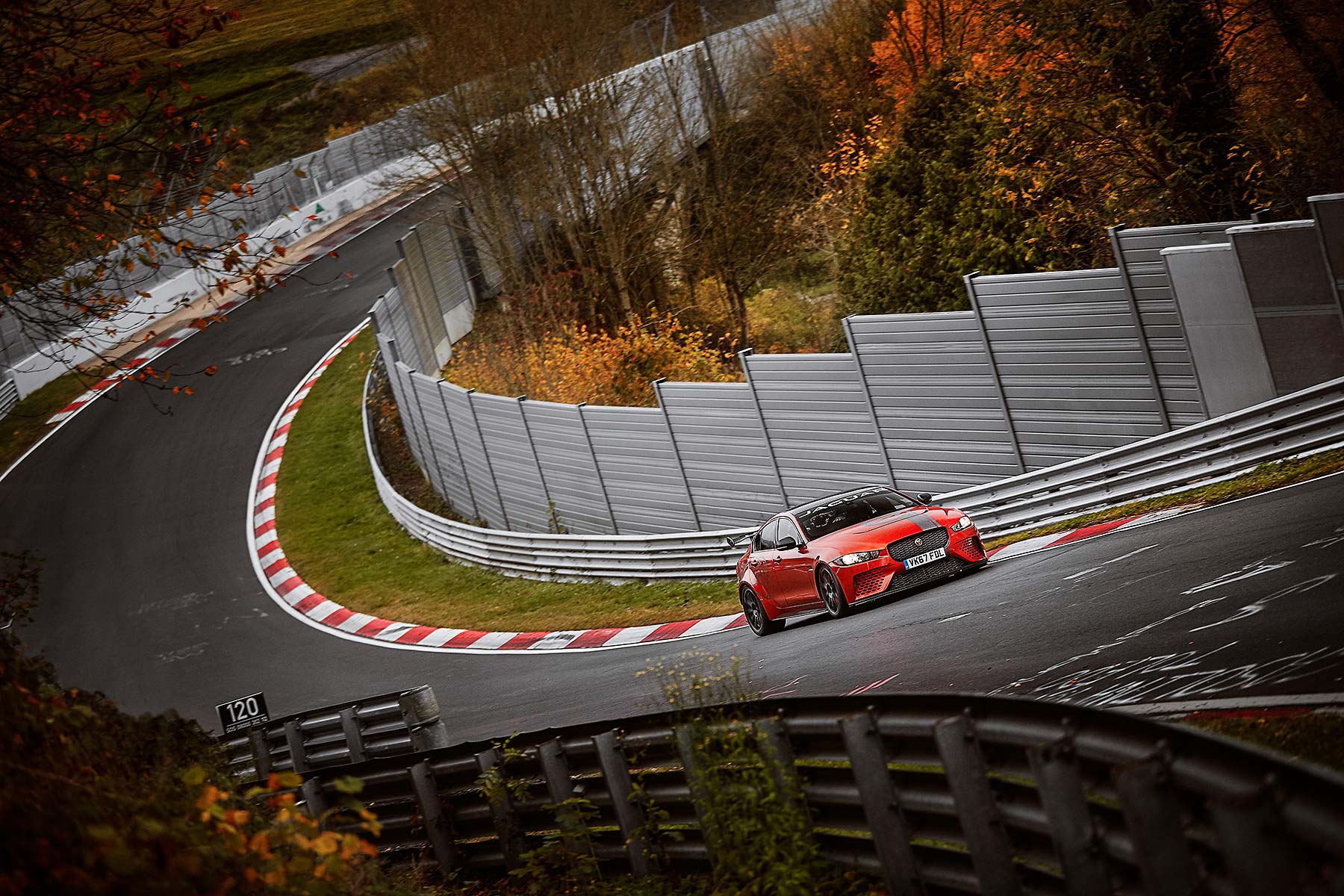 Just how quick is the new 600hp, £149,995 Jaguar XE SV Project 8 supersaloon, we’ve long been waiting to discover. Very quick, it seems: it’s officially been revealed as – literally – the fastest four-door production-spec saloon ever to lap the Nürburgring Nordschleife.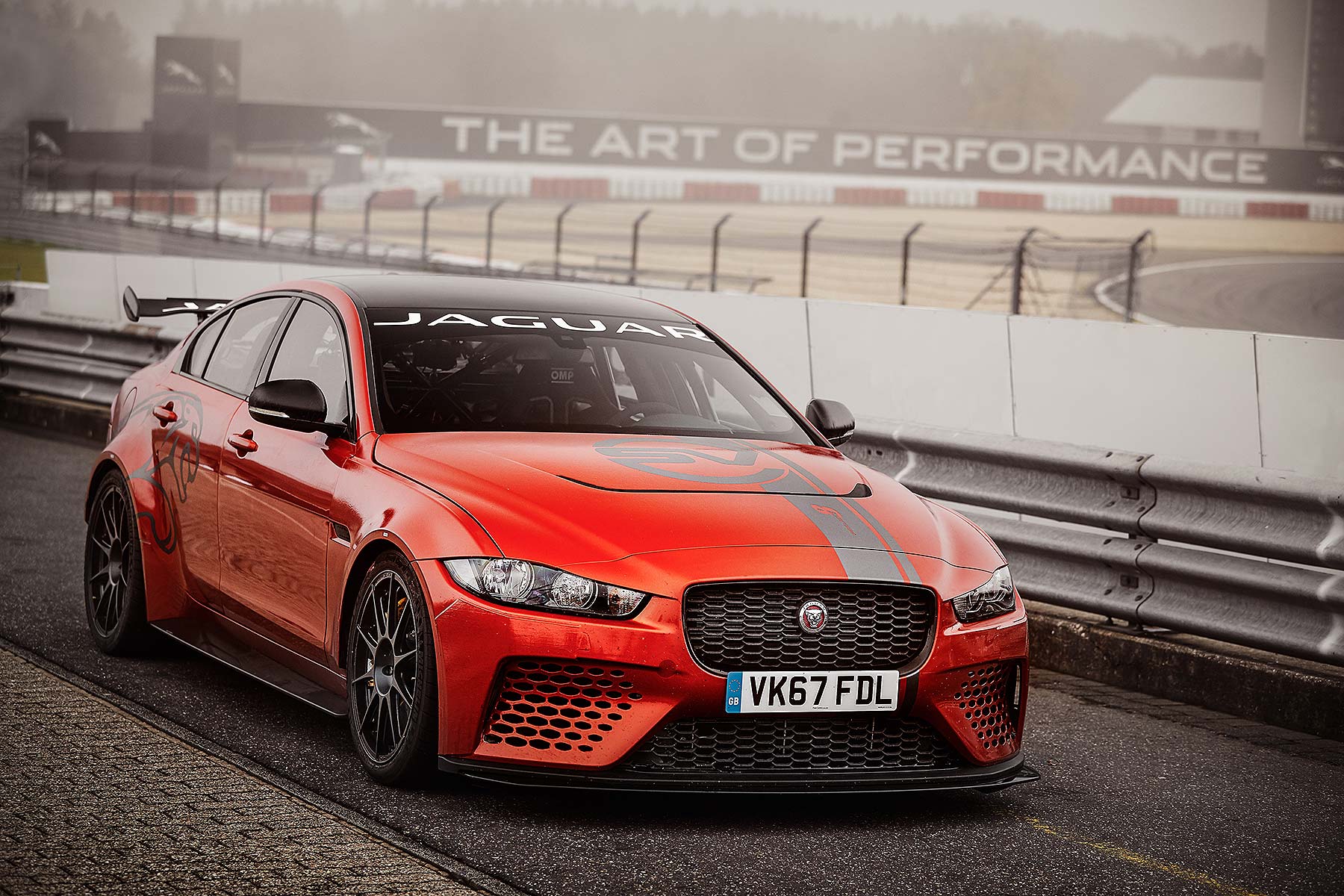
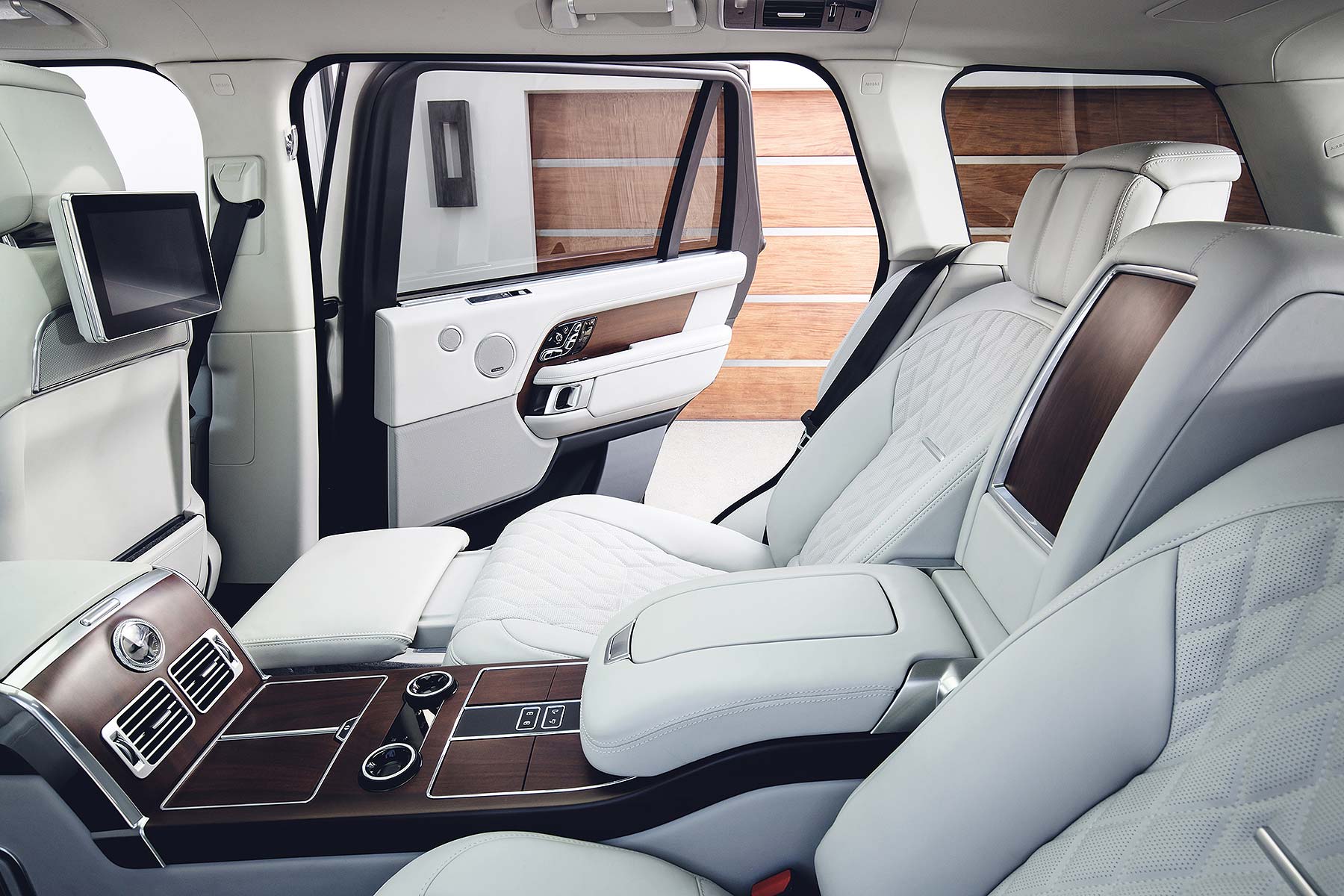 The original luxury 4×4 has become even more indulgent for 2018. On the eve of the 2017 LA Auto Show, Land Rover has revealed the new Range Rover SVAutobiography, an SUV so upscale, it even has its own Zenith timepiece for the two lucky people in the rear to enjoy. Oh, and a price tag from, wait for it, £167,850.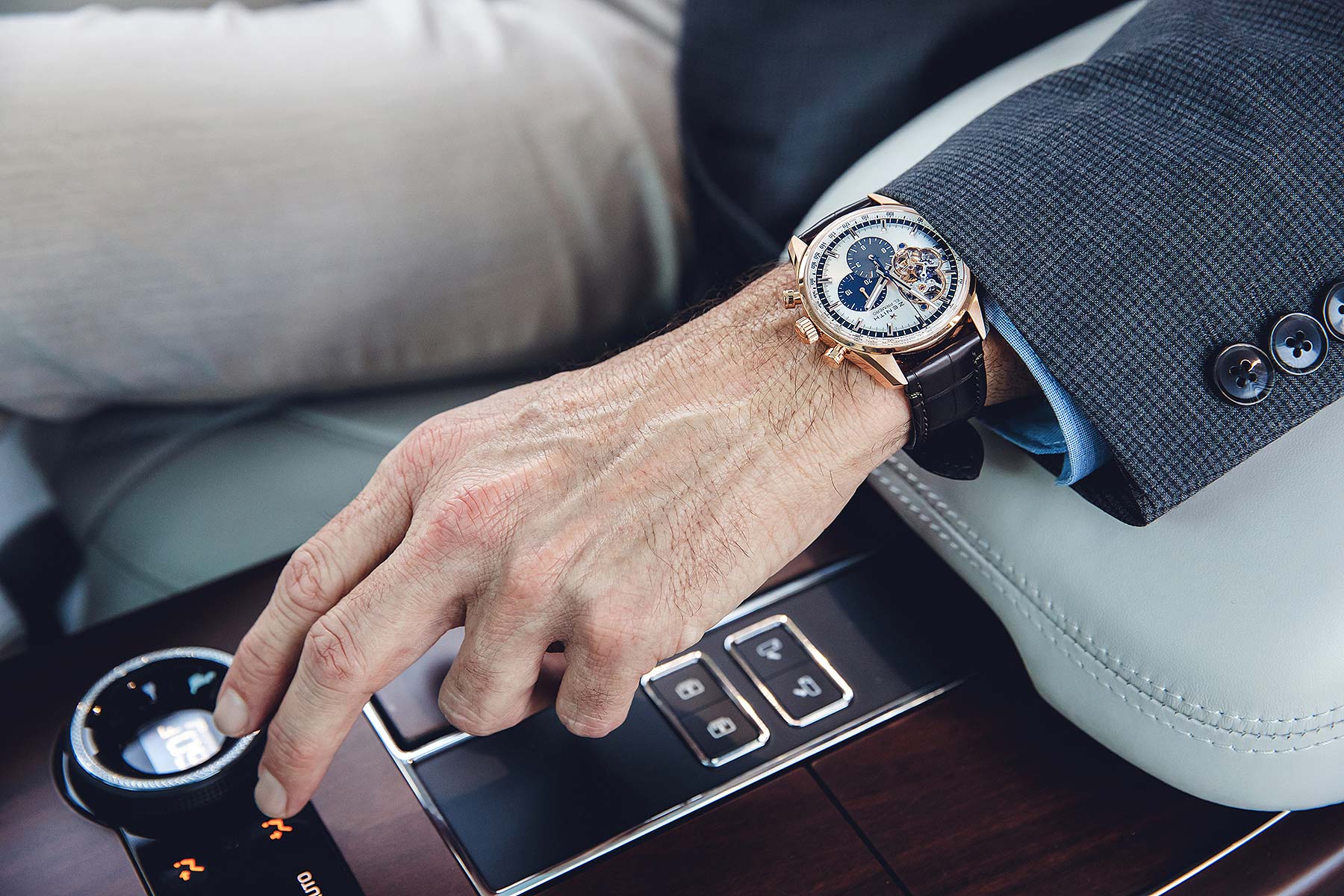

 Infiniti calls it the most important vehicle it has ever launched: certainly the new QX50 mid-size SUV, which debuts at the 2017 LA Auto Show next week, is the one most focused on European customers and competitors. It looks like Infiniti may at last have a match for the Audi Q5, BMW X3, Mercedes-Benz GLC and Jaguar F-Pace.
 It seems no car sector is safe from getting an SUV makeover these days. Not many people demand a city car be tough enough to go deep off road, but the crossover look is still appealing – and Vauxhall’s responded by launching the Viva Rocks.