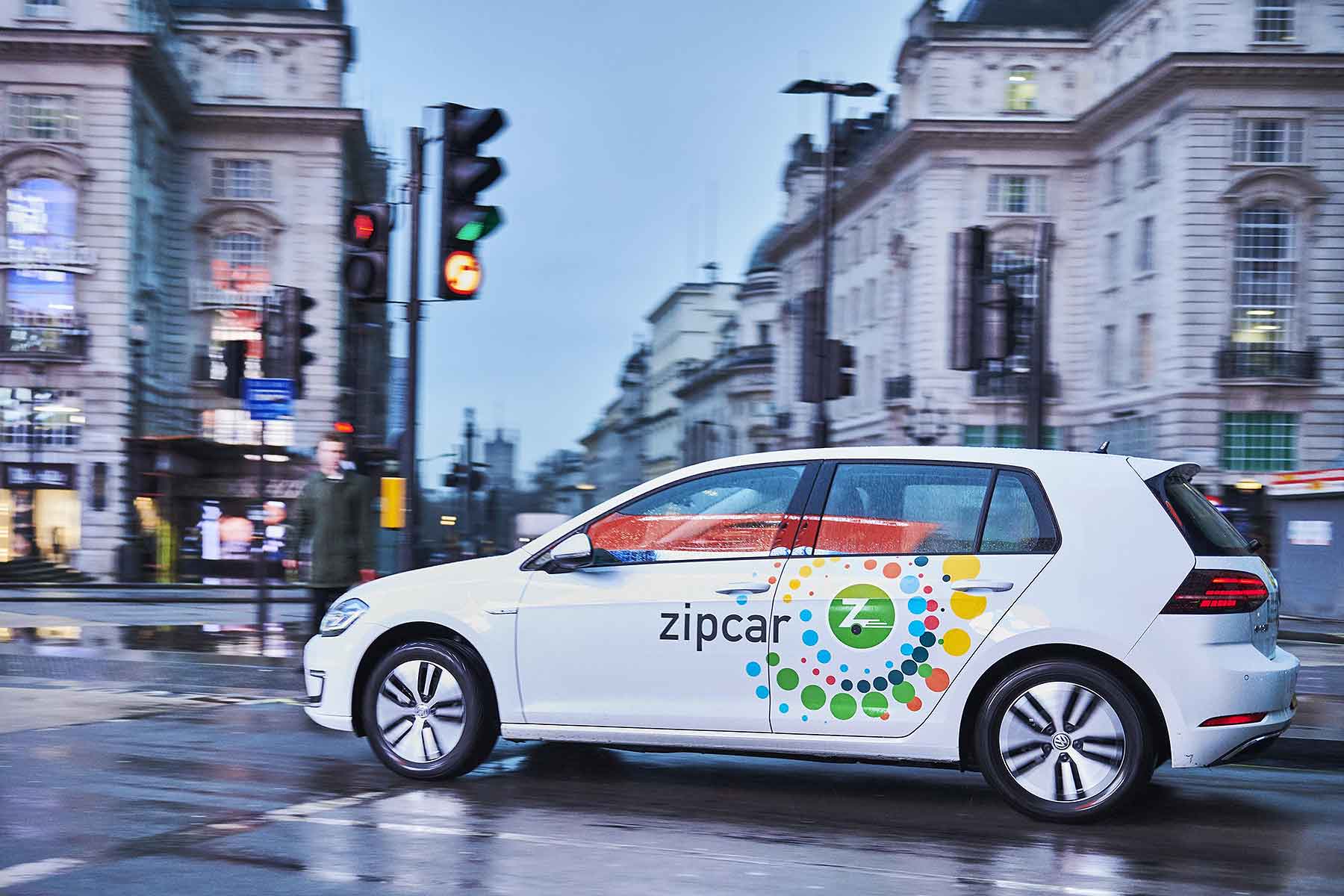
Car-sharing company Zipcar has ordered 325 all-electric Volkswagen e-Golfs for London members. The new cars will be available to hire through the new Zipcar Flex service, which allows ‘drive and drop’ one-way vehicle rentals.
The expansion into fully-electric e-Golfs is a development of Zipcar’s existing Volkswagen deal, which has seen the car-share firm run plug-in hybrid Golf GTEs for the past two years. “Thousands” of people have since got behind the wheel.
It’s Volkswagen’s 2017 revisions to the e-Golf that seem to have encouraged Zipcar to go EV. The car’s range was improved to 186 miles on the NEDC cycle, which VW says translates into a realistic real-world range of 124 miles – meaning the cars can viably be used as daily drivers without the need for frequent recharges.
A larger capacity lithium ion battery – up from 24.2 kWh to 35.8 kWh – also helps the latest e-Golf deliver 15 percent more power, and run from 0-62mph in 9.6 seconds.
Volkswagen UK director Alison Jones is excited by the deal. “Thousands of Zipcar members will experience electric driving, perhaps for the first time, and we know they will love the functionality and ease of use that the all-electric e-Golf provides.”
The UK importer’s head of marketing, Geraldine Ingham, said there was evidence inner-city residents are looking for new alternatives to car ownership – they like the flexibility of cars, but not the complications of actually owning one.
“This development of the relationship between Volkswagen and Zipcar offers the best of both worlds: the benefits of access to a car and zero emission motoring across the UK’s capital.”
Zipcar UK general manager Jonathan Hampson says the deal is another key milestone for Zipcar and “another step towards our vision for a greener London where car sharers outnumber car owners, making our amazing city an even better place to live for all”.
Londoners can now sign up for a Zipcar UK account online, and then rent one of the new e-Golfs either online or via the firm’s app.
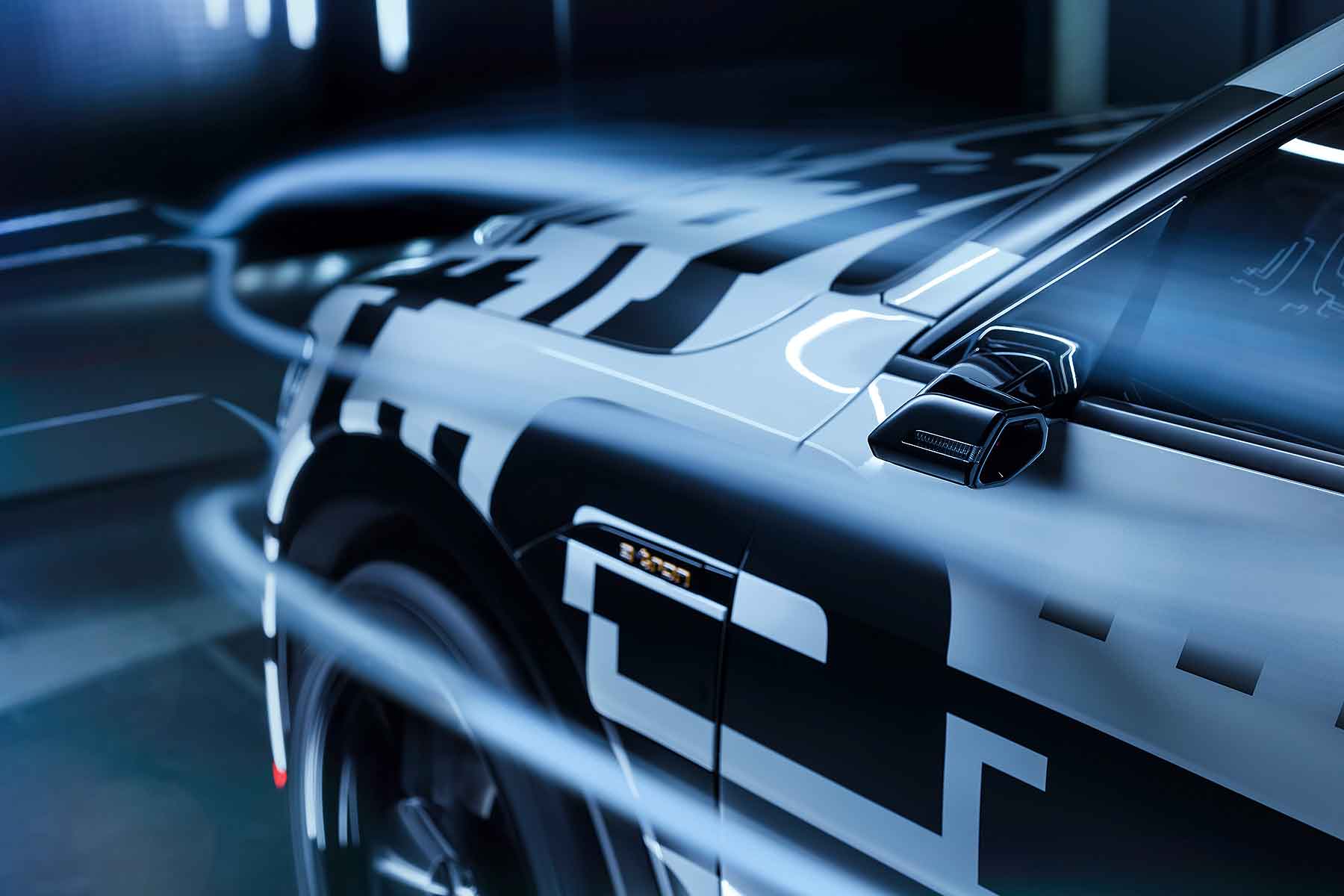
For what seems like decades, concept cars have been shown with fancy, tiny ‘virtual’ door mirrors. Only to then make production looking largely identical – save for the addition of massive ‘Dumbo ears’ on each door. But now, Audi is making every concept car designer’s dream a reality, with the world’s first production-ready virtual door mirrors.
They’re appearing on the new Audi e-tron, which will be revealed this summer ahead of production starting later this year. At this stage, they’ll be a (likely expensive) option, rather than standard fit, but it’s still proof that Vorsprung durch Technik is alive and well after all at Audi.
The firm says they’re much narrower than normal door mirrors – they reduce the overall width of the e-tron by a healthy 150mm. They also reduce drag and, most noticeably, significantly reduce wind noise.
So how do they work? Via built-in cameras, which feed to high-resolution OLED displays mounted between the dashboard and the door.
Audi says they adapt to different driving situations, displaying three different views through the MMI system – there are bespoke displays for motorway driving, turning and parking.
We’ll get more details of Audi’s virtual door mirrors in the build-up to the car’s official release in the coming months – including details of how Audi’s going to overcome European legislation that still mandates at least one physical exterior rear-view mirror (Japan has, however, already altered legislation to allow cameras instead of mirrors: others are expected to follow its lead).
For now, listen carefully and you’ll probably hear the cheers in advanced car design studios across the world…
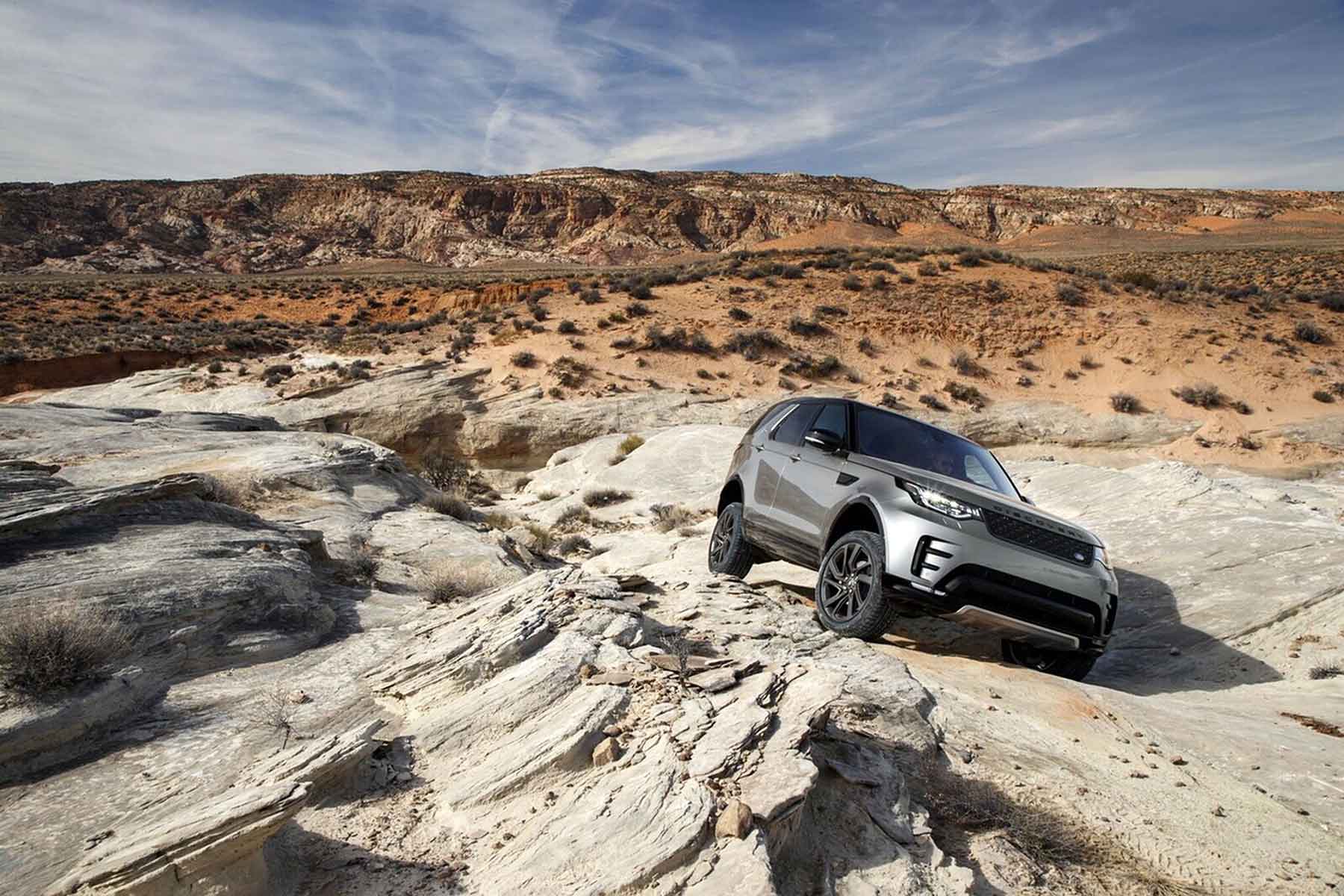
Land Rover used to say it is the best 4x4xfar. Now it aims to move this claim into the autonomous age by developing vehicles that drive themselves off-road, with the launch of a new all-terrain autonomous programme called CORTEX.
The ambitious project has been announced with £3.7 million of funding, to develop vehicles that can drive themselves no matter what the weather and terrain – this includes dirt, rain, ice, snow and fog. Today’s driver-assist technology is frequently disabled when it rains: Land Rover aims to overcome this.
But it’s even more complex than that. The autonomous systems need to be able to read all types of terrain, no matter how steep, uneven or extreme. This is why the core of the project is the development of the world’s first ‘5D’ technology: it is this that will enable highest-level Level 4 and Level 5 off-road autonomy.
Land Rover says 5D will combine acoustic, video, radar, light detection and distance sensing tech in real time, with the addition of machine learning to help the vehicle improve and get more sophisticated over time.
“It is important that we develop our self-driving vehicles with the same capability and performance customers expect from all Jaguars and Land Rovers,” said Jaguar Land Rover’s connected and autonomous vehicle research manager Chris Holmes.
“Self-driving is an inevitability for the automotive industry… CORTEX gives us the opportunity to work with some fantastic partners whose expertise will help us realise this vison in the near future.”
Land Rover will now work on the algorithm development, sensor optimisation and physical testing at off-road tracks throughout Britain – in association with the University of Birmingham and machine learning experts Myrtle AI.
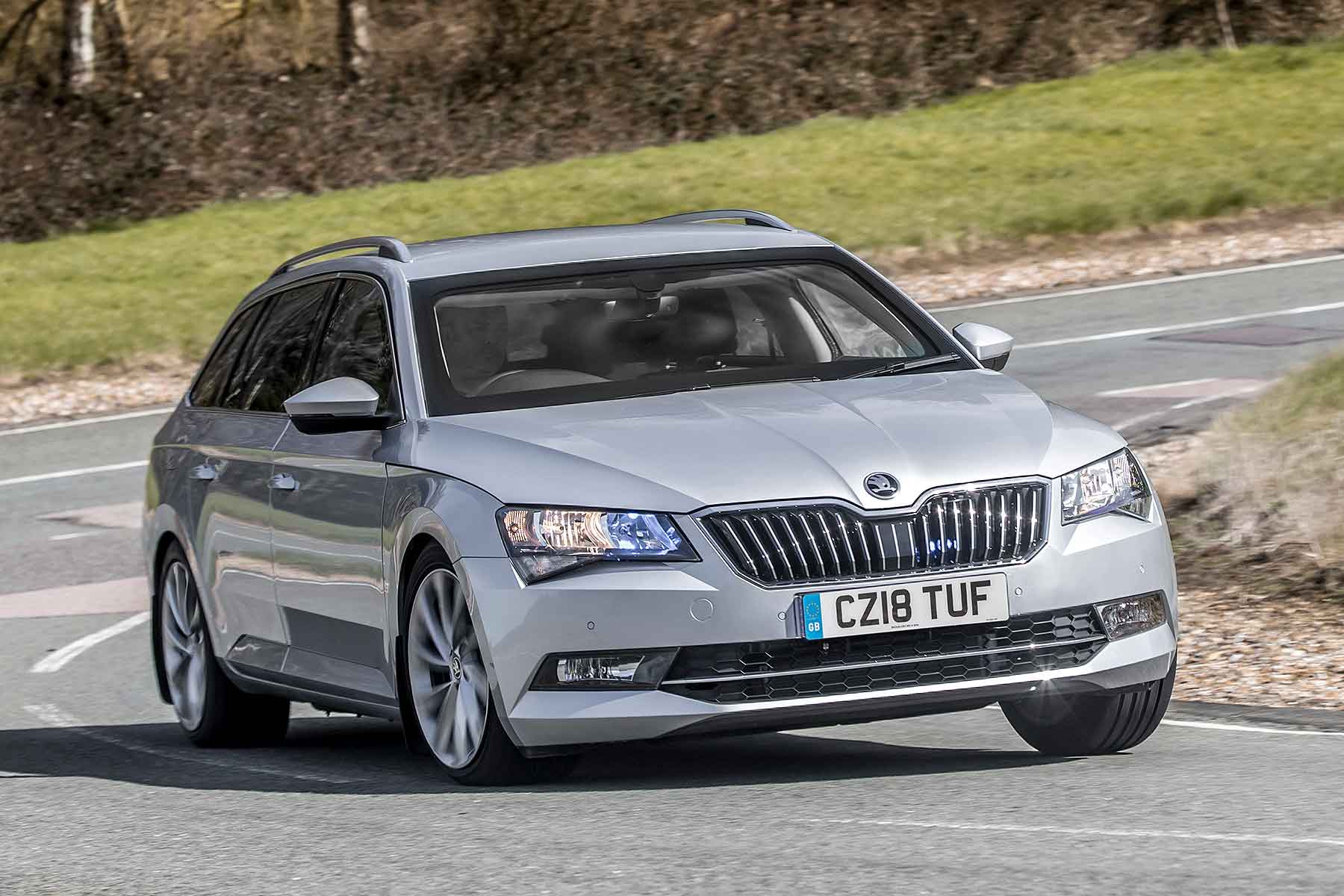
There is an official BSI certification standard for blastproof and bombproof civilian armoured vehicles, called PAS 300. Now, Skoda UK is offering a civilian armoured Superb Estate that’s been certified to this standard – it’s on sale now from £118,688.
Based on the regular Superb 2.0 TDI 190 estate, it’s the result of a three-year engineering project by the British team, and is expected to become a popular new option for police forces – particularly undercover cops.
That’s because it’s “virtually indistinguishable from the standard production car, yet offers bullet and blast protection to occupants”.
This has been achieved through fitting bulletproof glass, along with the use of high-strength steel and composites. Skoda intentionally isn’t revealing too many technical details about the conversion, arguing they “must remain secret”. It has, however, been proven by an independent test facility, which fired different types of ammunition at it, as well as exposing it to blast and fragmentation threats.
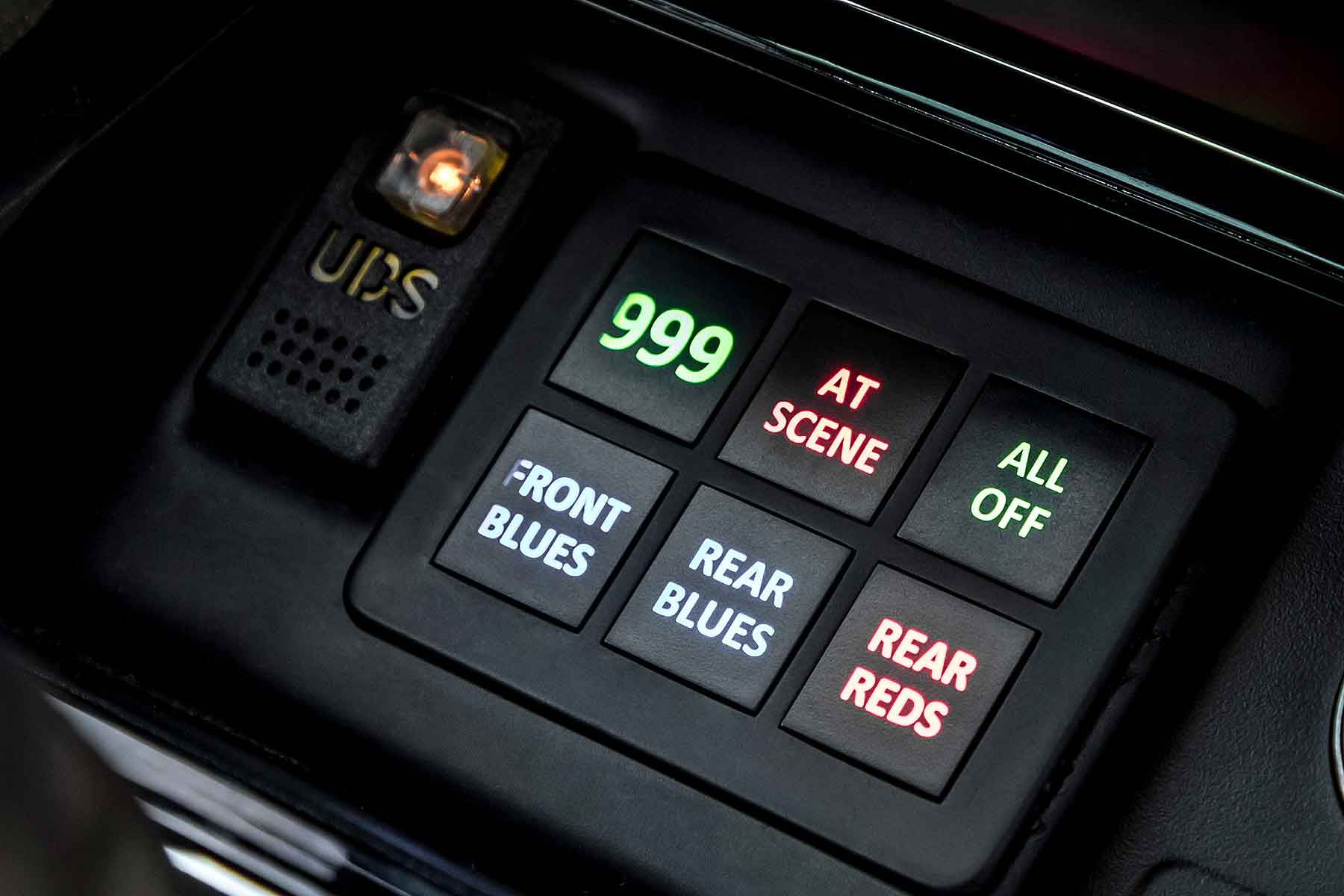
Run-flat tyres and wheels have been fitted, so the car can continue to drive after a blowout, and Skoda’s also packed in emergency lights and sirens – both well-hidden for suitably incognito duties. For off-duty entertainment, occupants have the 8.0in version of Skoda’s infotainment system, with Apple CarPlay, Android Auto and GPS.
Although the engine is standard, both suspension and brakes have been uprated to cope with the (unquoted) additional weight of the bulletproof, bombproof extras.
Want to see more of the most expensive Skoda ever sold in the UK? Check out the video below. Oh, and reassuringly, adds Skoda, no matter how many bullets and blasts it resists, the standard three-year warranty remains valid…
Films can be a tough watch for car fans. Whether it’s watching a vehicle being unceremoniously crushed in the name of entertainment, or spotting a 1980s hot hatch in a 1970s period drama, we often find it hard to keep track of the narrative. And let’s not forget the movie-based game with the clumsy and made-up title of ‘See how many times you spot the same car in the same scene’ – Volkswagen Beetle in the Bullitt chase scene, anyone?
The team at GoCompare must have a lot of time on their hands, because they have scoured the pages of the excellent Internet Movie Cars Database (IMCDb) website to create a list of the most popular cars used in films. Here are the results, starting with the most frequent models. We promise that the Welsh tenor from the TV ads won’t be making an appearance.
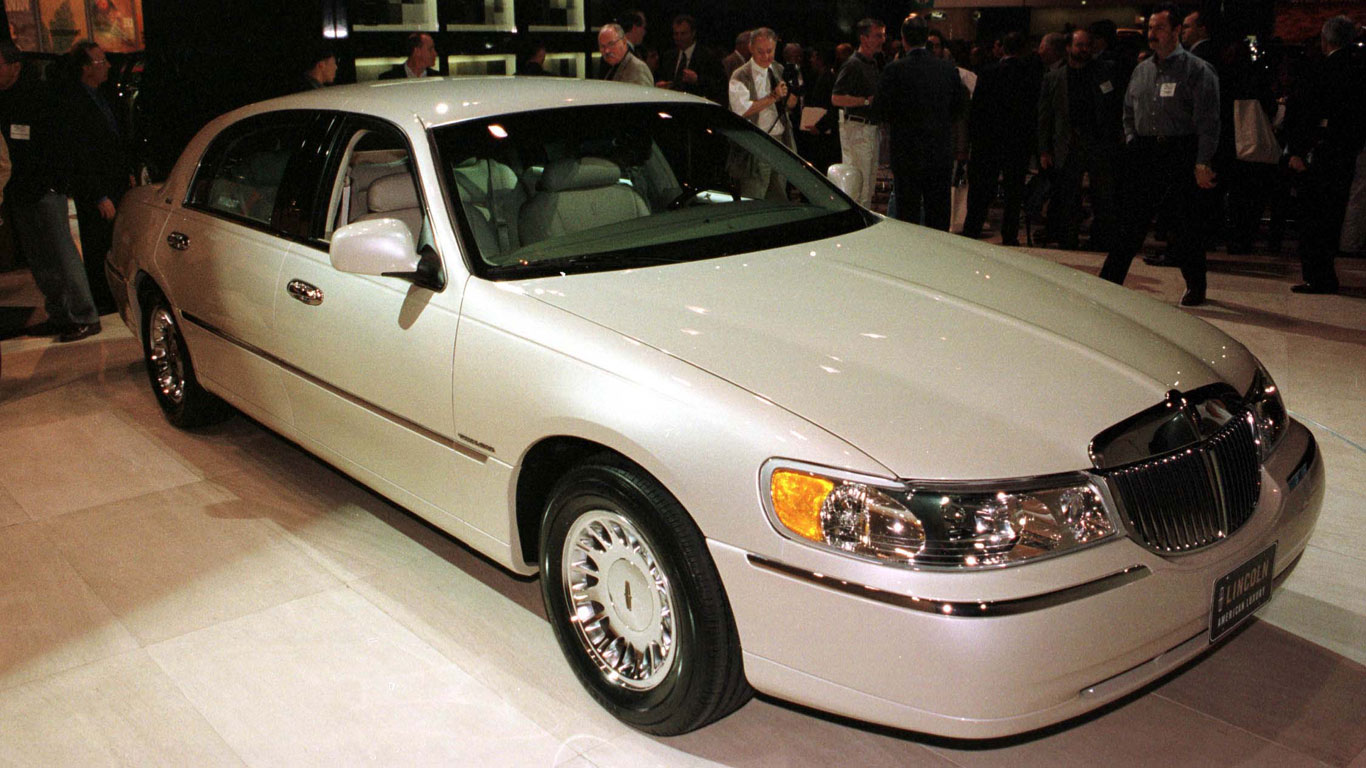
10. Lincoln Town Car
The Lincoln Town Car is in 10th place, making an appearance in 300 different movies. According to GoCompare, the luxury saloon has appeared in the likes of The Hangover Part III, Desperado and The Bodyguard. We should add that the Town Car also played a pivotal role in Fight Club, first as a burnt out wreck, and later when crashed by Tyler and The Narrator.
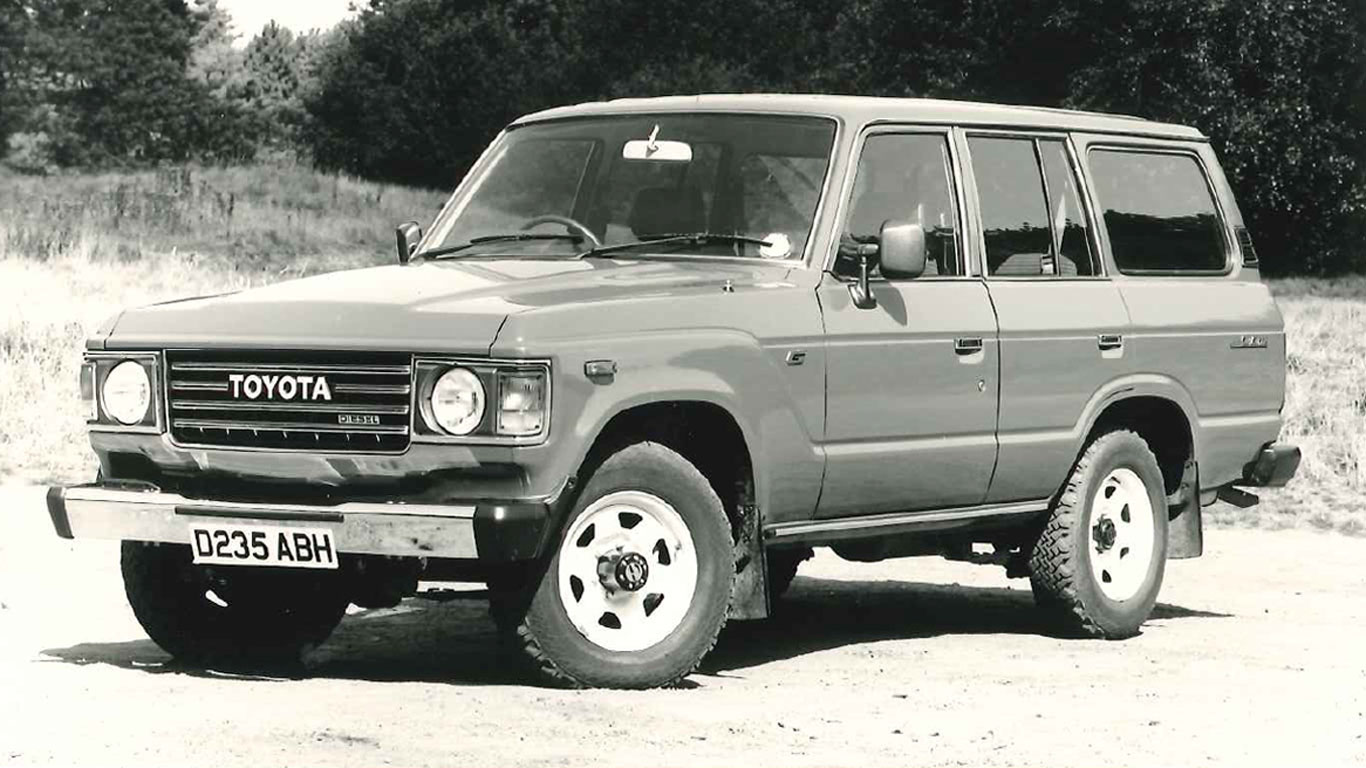
9. Toyota Land Cruiser
In the horror film The Mist, David Drayton drives a Toyota Land Cruiser, while the Emerson family also relies on Toyota’s tough-as-old-boots off-roader in The Lost Boys. According to GoCompare, the Land Cruiser has featured in 307 different movies.
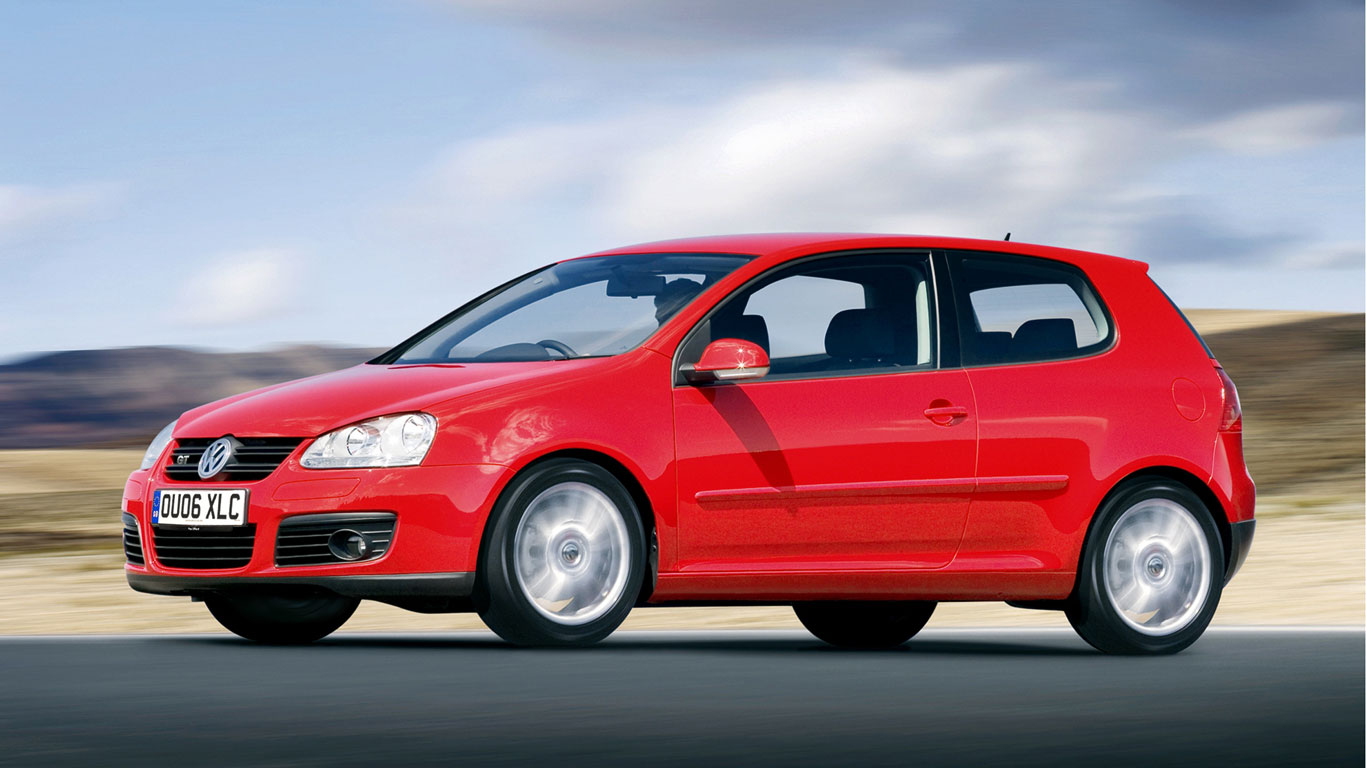
8. Volkswagen Golf
Volkswagen has built 150 million vehicles since series production began in 1945, and its current portfolio extends to more than 60 vehicles worldwide. The Golf is the model you’re most likely to see in a film, appearing in 312 different blockbusters.
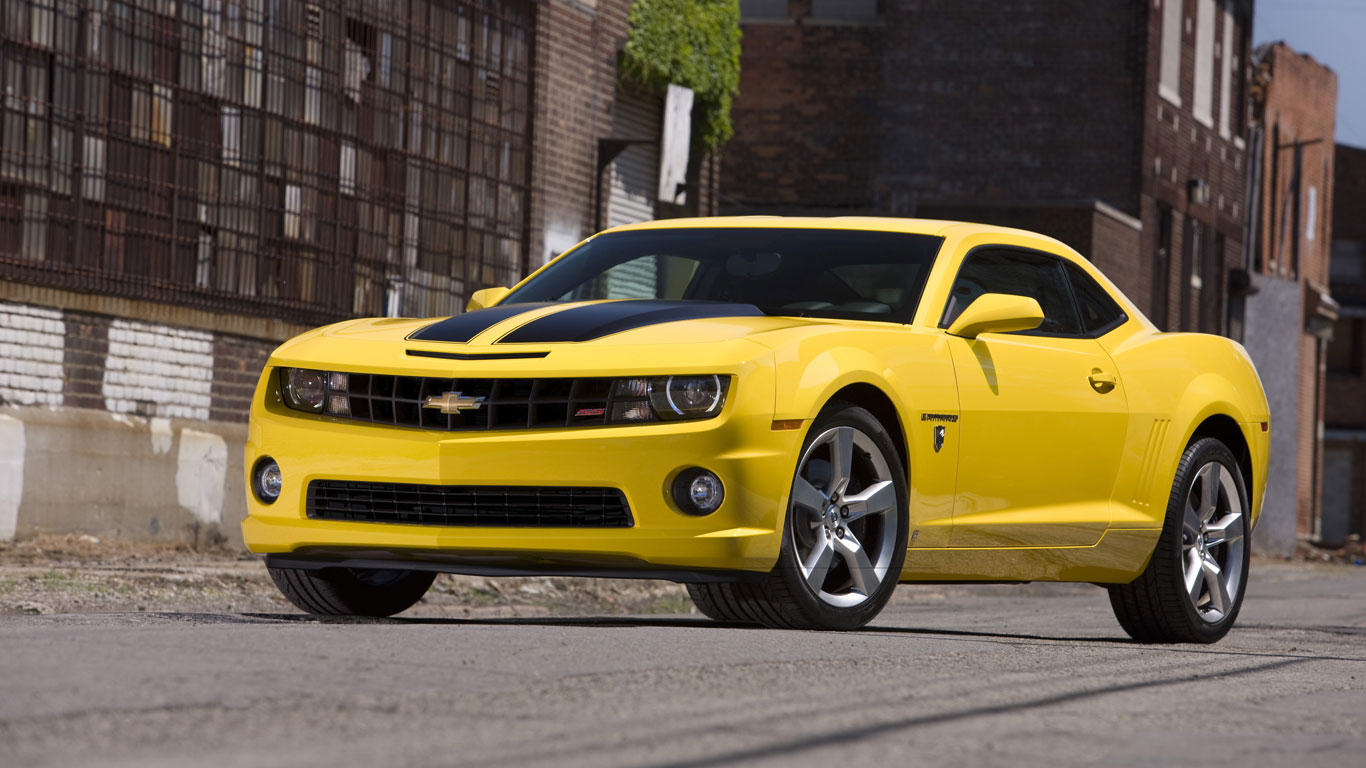
7. Chevrolet Camaro
From the trivia section of the IMDb website: “Bumblebee’s original alternate mode in The Transformers (1984) was a Volkswagen Beetle, but this was revised to a Chevrolet Camaro. This was because Michael Bay wanted to avoid comparisons with (Herbie) The Love Bug, and felt that the Camaro held a more tough-but-friendly quality than the Beetle.” So now you know.
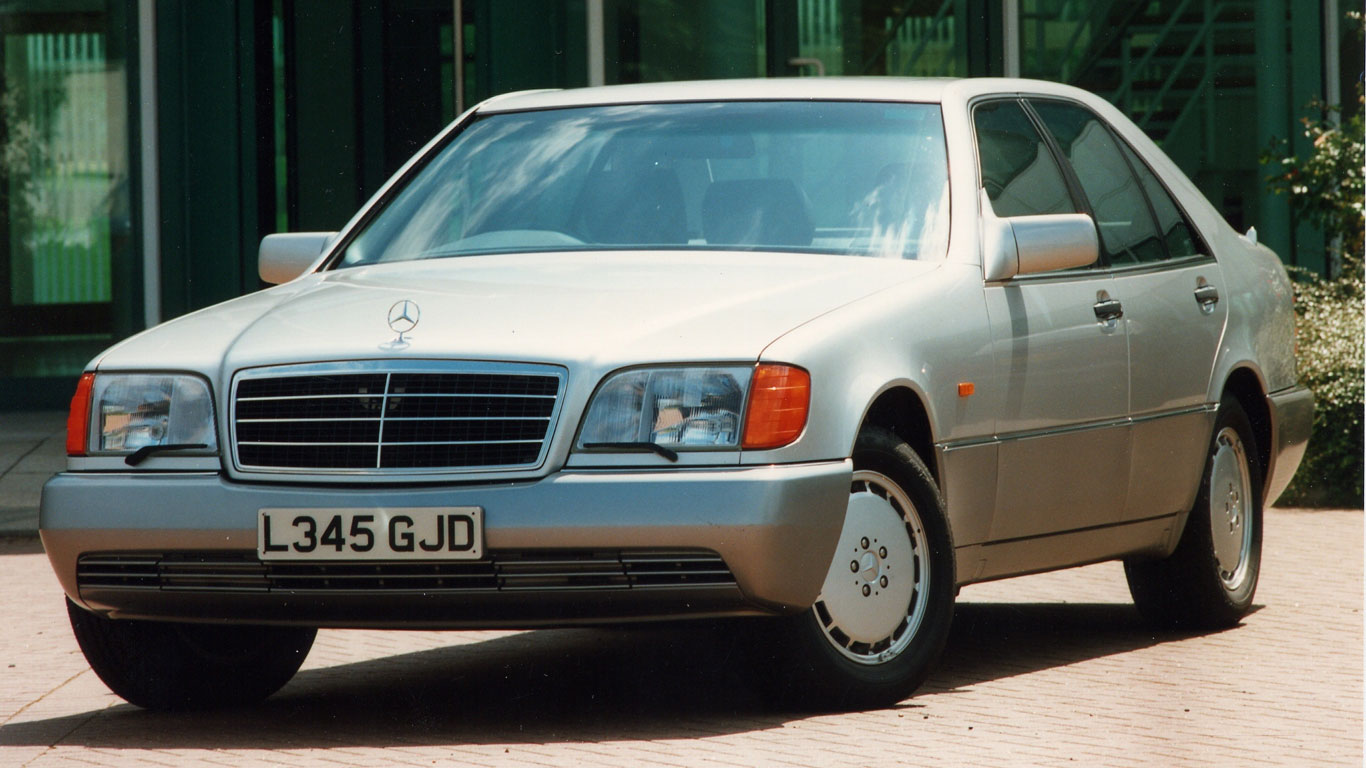
6. Mercedes-Benz S-Class
The Fast & Furious franchise might be famous for wild performance cars and drift kings, but the Mercedes-Benz S-Class has played a small but significant part in the popular movies. First, as the vehicle responsible for the death of Han (Sung Kang) in Tokyo Drift, and again later in the series when it was revealed that Deckard Shaw (Jason Statham) was at the wheel of the big Merc.
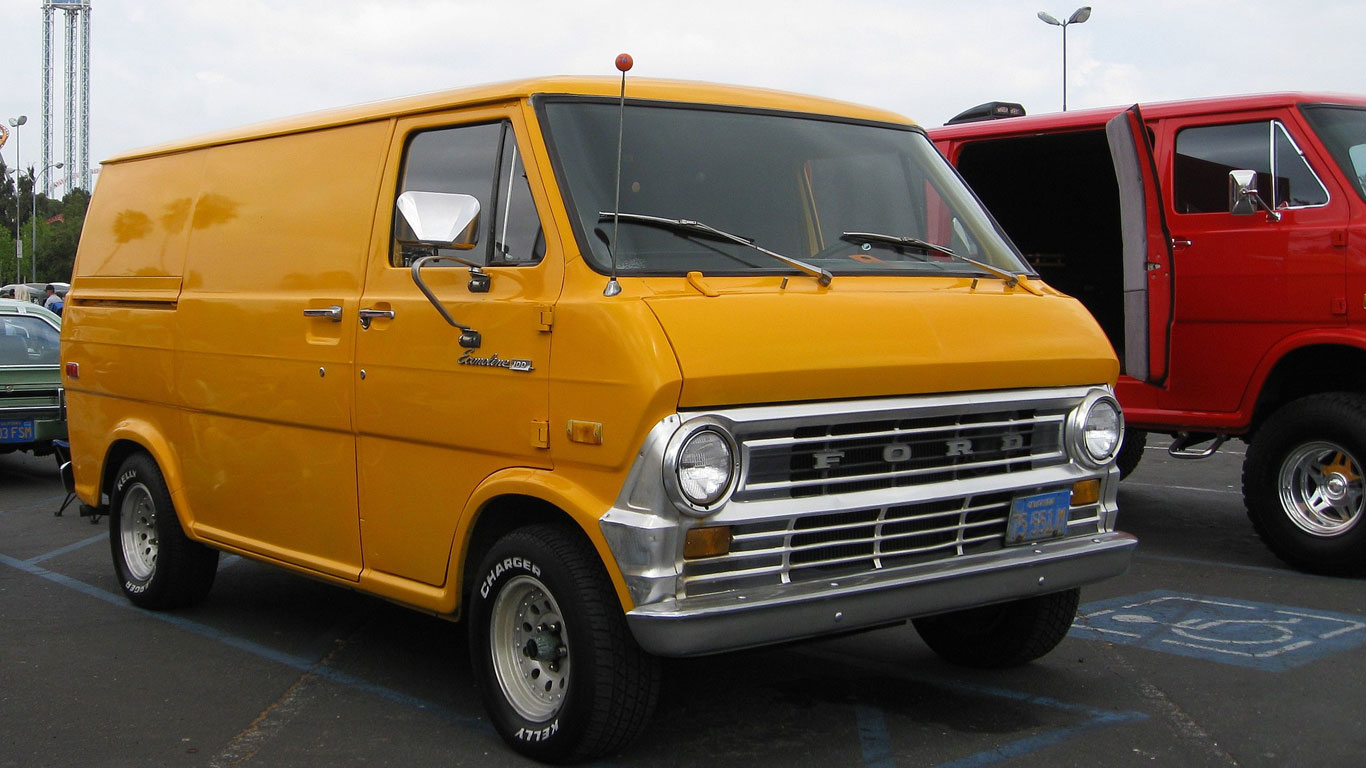
5. Ford Econoline
GoCompare lists Halloween: The Curse of Michael Myers, Dumb and Dumber and Enemy of the State as three notable movies to feature the Ford Econoline. In the latter, the van is used as a surveillance vehicle when Robert Clayton Dean (Will Smith) is being tracked by the National Security Agency (NSA). Also look out for a majestic Chevrolet El Camino driven by Edward Lyle (Gene Hackman).
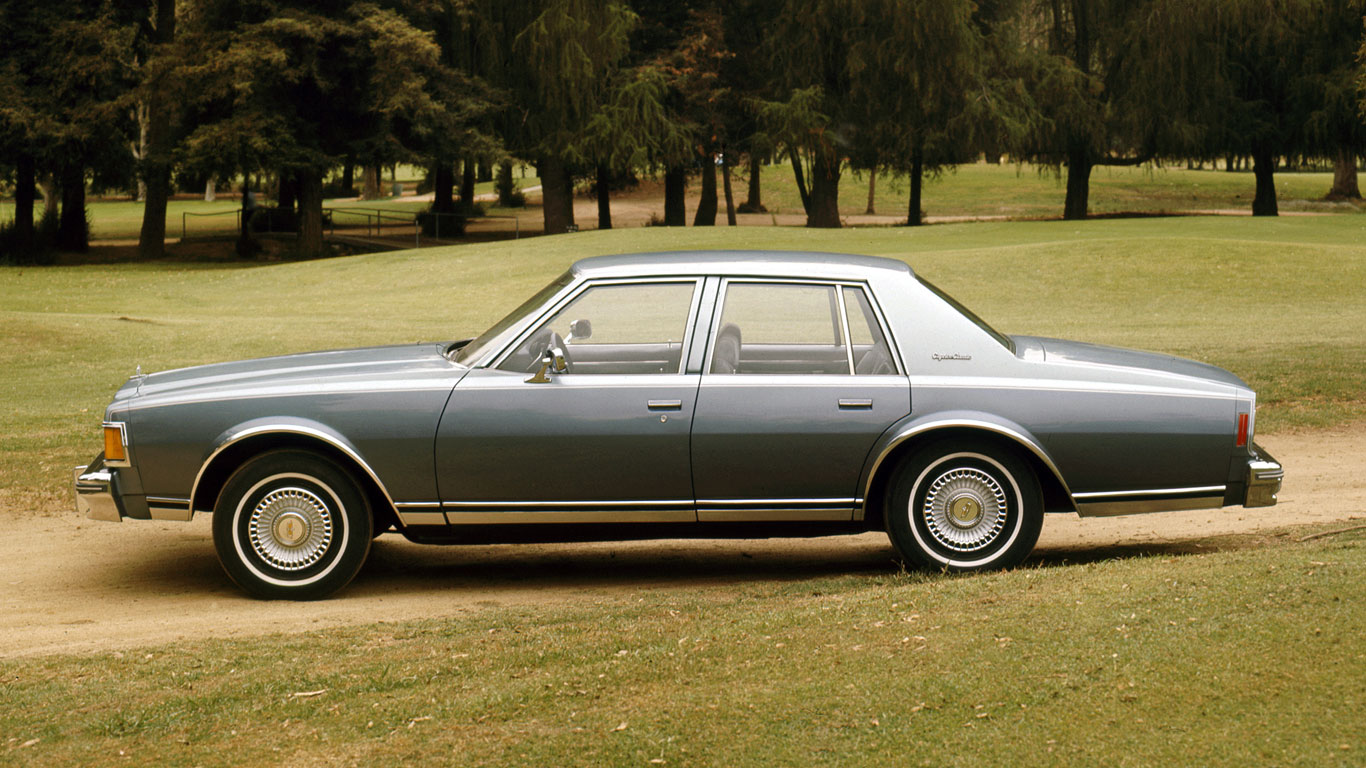
4. Chevrolet Caprice
The Chevrolet Caprice is a favourite amongst movie makers, appearing in the likes of The Dukes of Hazzard, Se7en, Point Break, Scream 2, Species and Days of Thunder. According to IMDb, the 1991 model year Caprice used in Days of Thunder was not actually on sale when the film was released in June 1990, but the Chevrolet dealer received the car ahead of its launch in October.
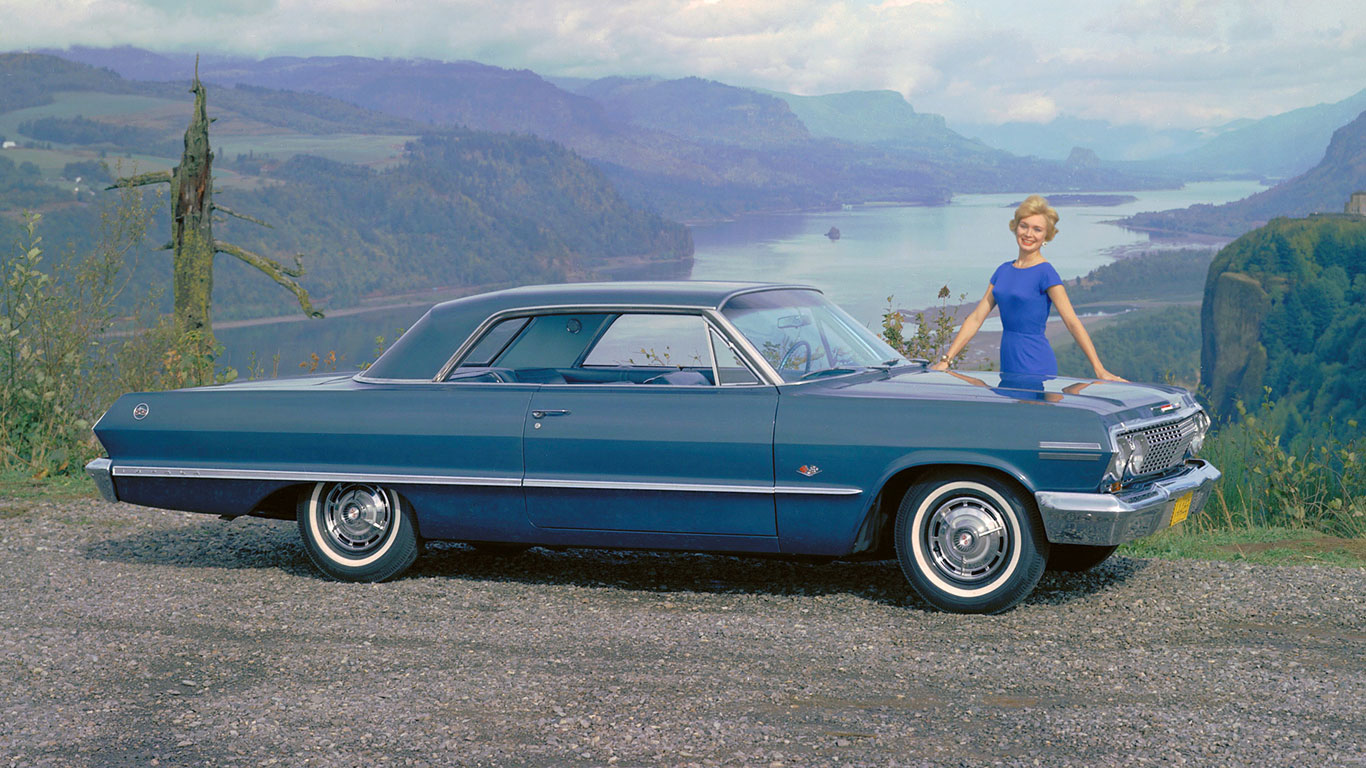
3. Chevrolet Impala
In at number three, with appearances in 501 different movies, is the Chevrolet Impala. Appearances include Jeepers Creepers, Raising Arizona, Saturday Night Fever, Mad Max, Boyz n the Hood and Supernatural. On the Complex list of the 50 coolest movie cars, the 1964 Chevrolet Impala driven by Doughboy in Boyz n the Hood was ranked number five.
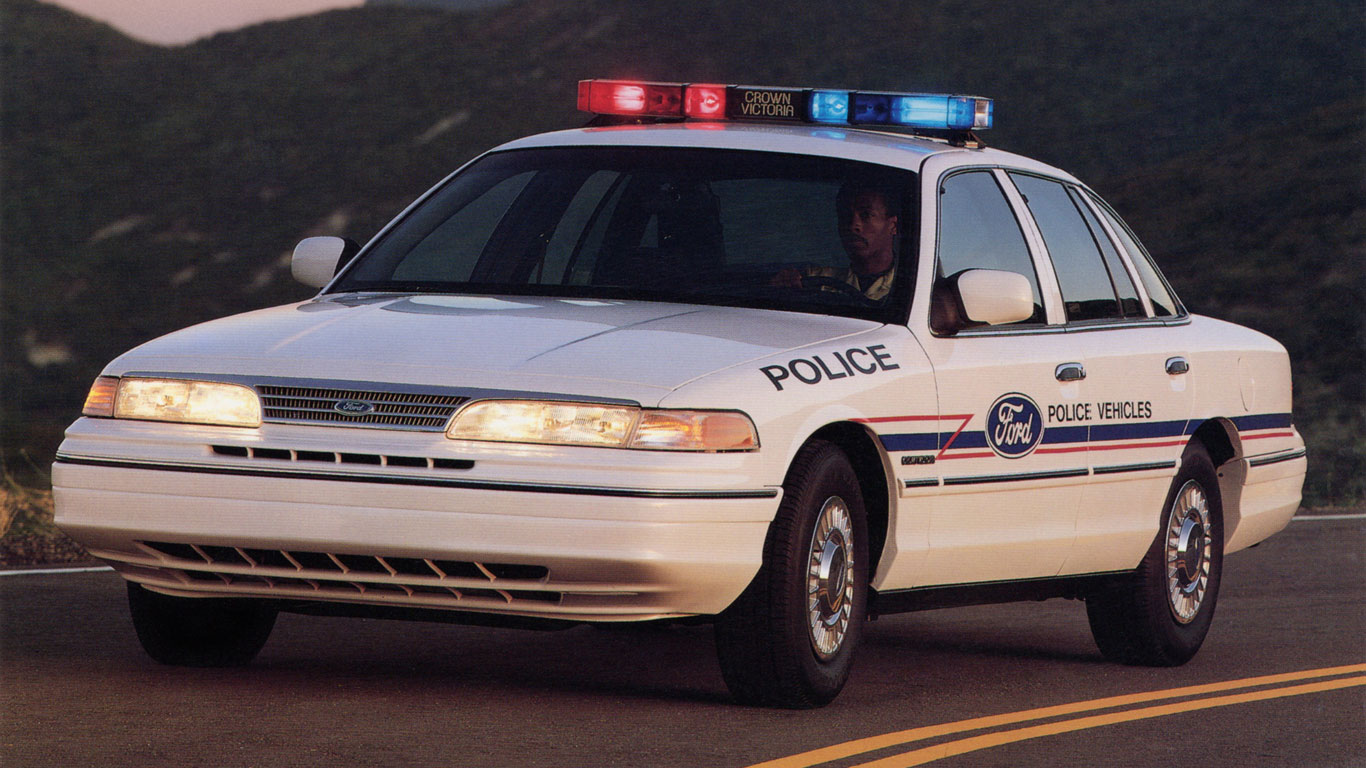
2. Ford Crown Victoria
From Blues Brothers 2000 to Men in Black, the Ford Crown Victoria has appeared in 755 movies. The question is – assuming you’re still with us – what’s the most popular movie car of all-time? We should probably leave you hanging, like a Harrington Legionnaire at the end of The Italian Job, but we’ll get straight to the point…
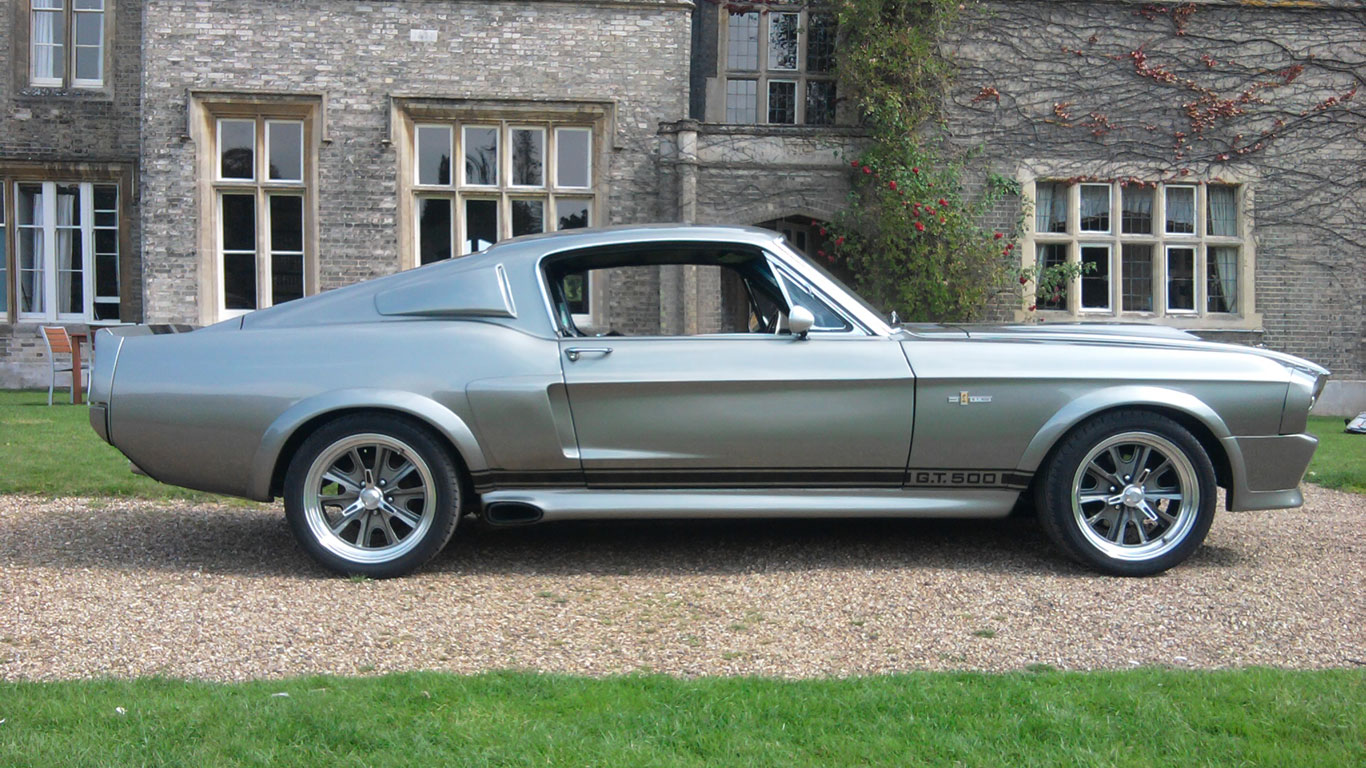
1. Ford Mustang
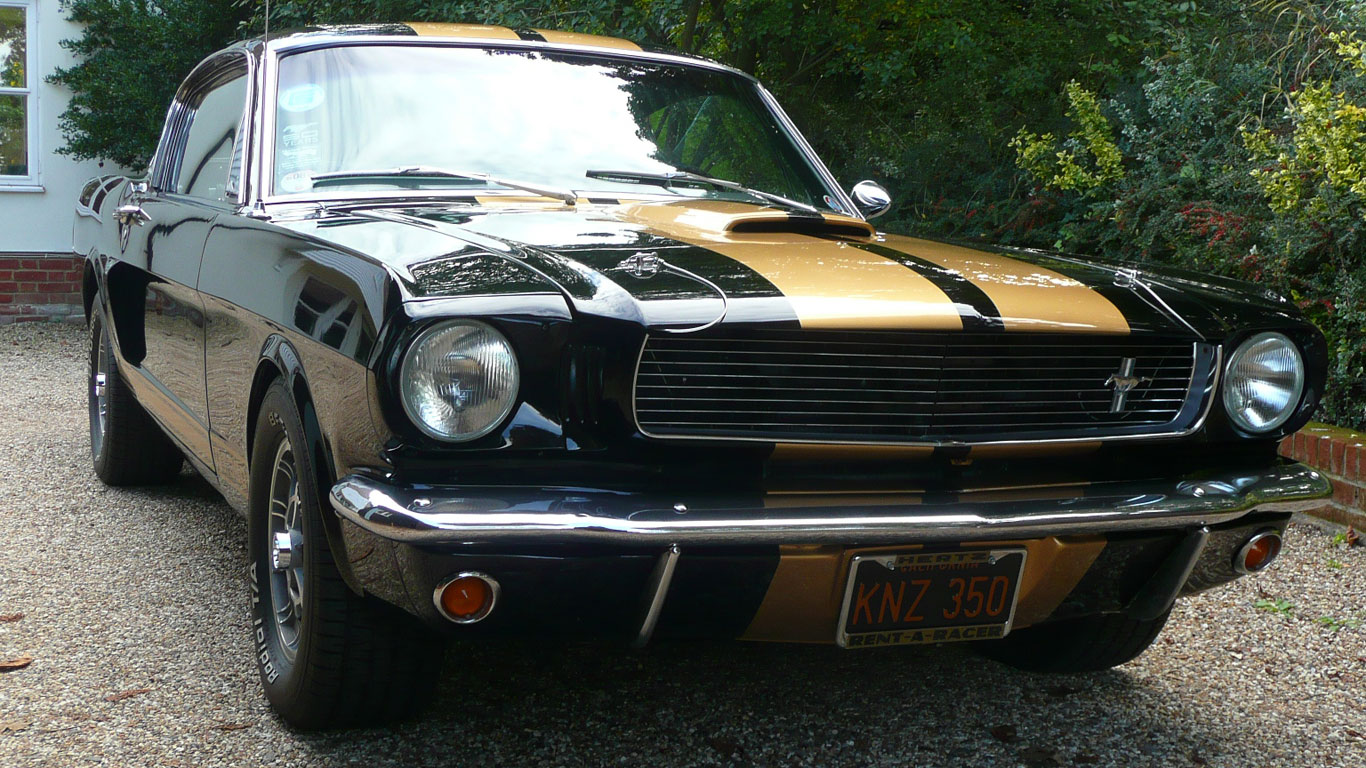
It’s the Ford Mustang, which has appeared in some of our favourite films, including Goldfinger, Bullitt, Gone in 60 Seconds, Death Race, I Am Legend and Talladega Nights: The Ballad of Ricky Bobby. According to GoCompare and IMCDb, the Mustang has appeared in 809 films.
10. Citroen
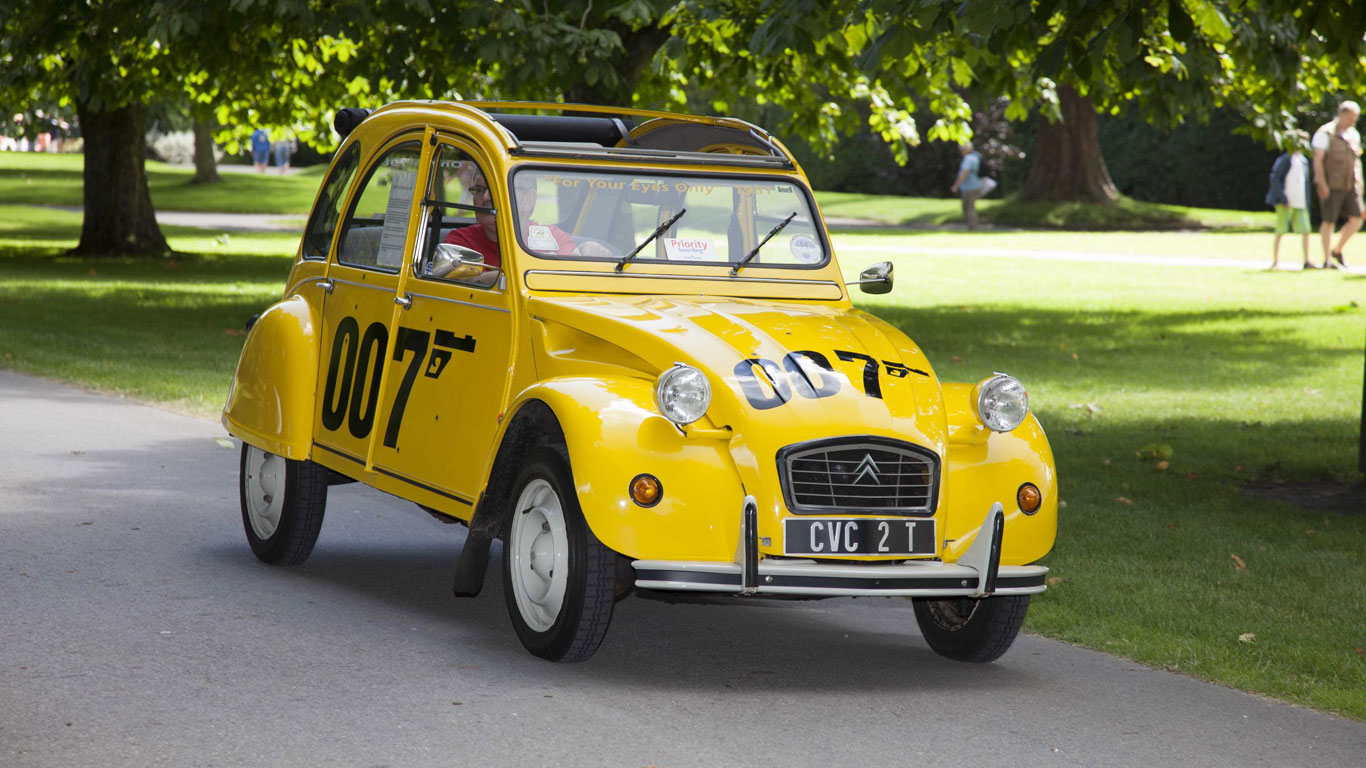
Next, we move on to the top 10 marques, rather than make and model. Citroen has appeared in 1,758 films, including a memorable scene in For Your Eyes Only. Four 2CVs were used in the 1981 film, all of which were powered by flat-four engines from the Citroen GS. The movie car even spawned a road-going special edition, featuring 007 logos and stick-on bullet holes.
9. Toyota
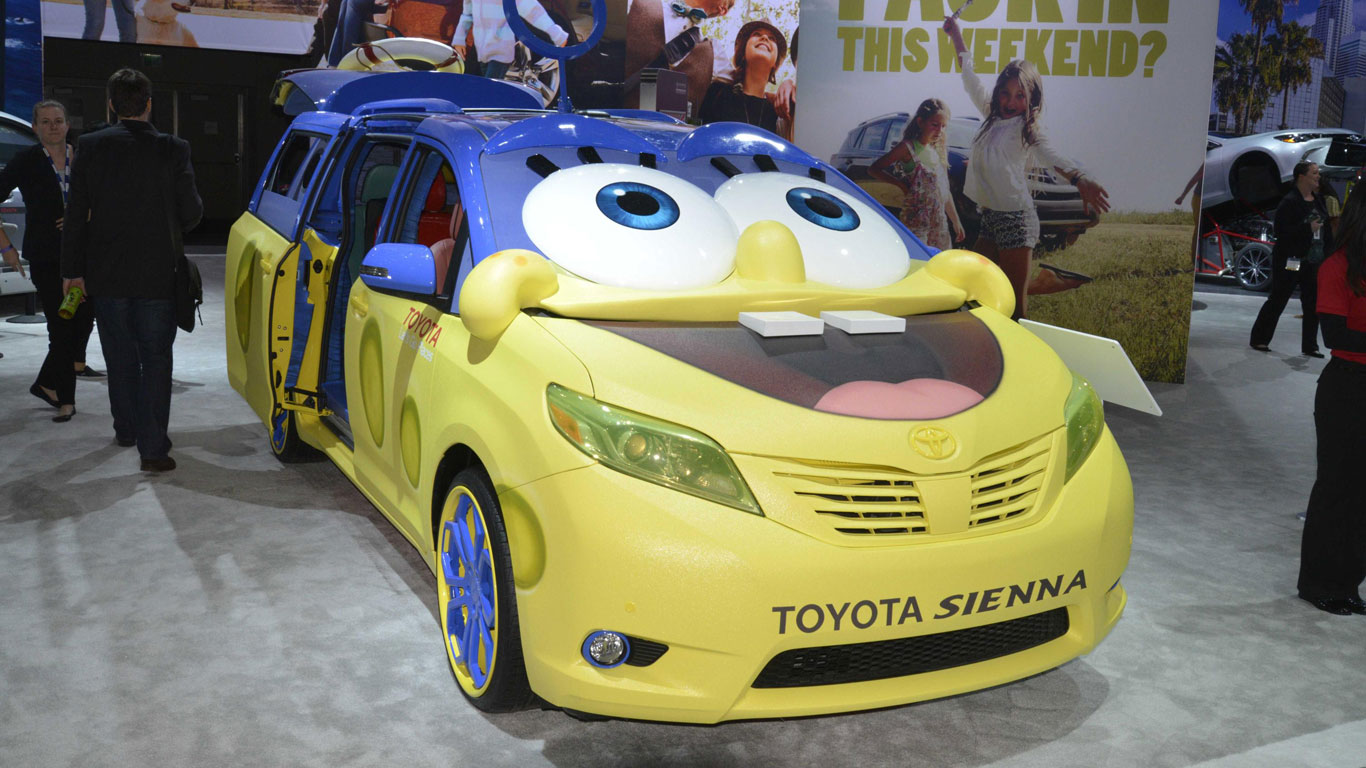
Sadly – or should that be, fortunately – Toyota never offered a production version of the Sienna inspired by The SpongeBob Movie: Sponge Out of Water, but you’d have had little problem finding it in a shopping mall car park. Toyota has appeared in 2,026 movies.
8. Cadillac
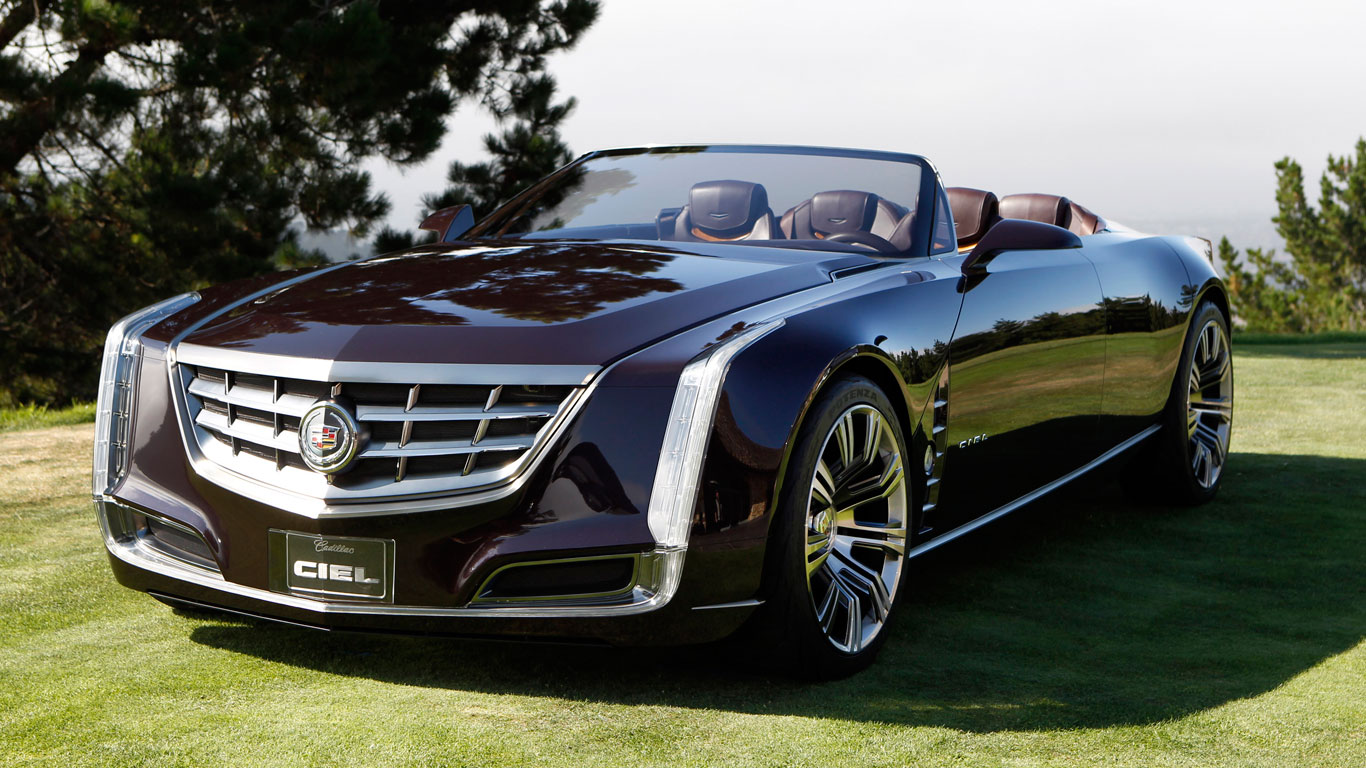
Cadillac Ranch is an art installation located on the famous Route 66 west of Amarillo. Texas. The mountain range behind Radiator Springs in Cars pays tribute to the row of nose-down Cadillacs. Meanwhile, the Ciel concept car featured in the 2015 film Entourage.
7. Fiat
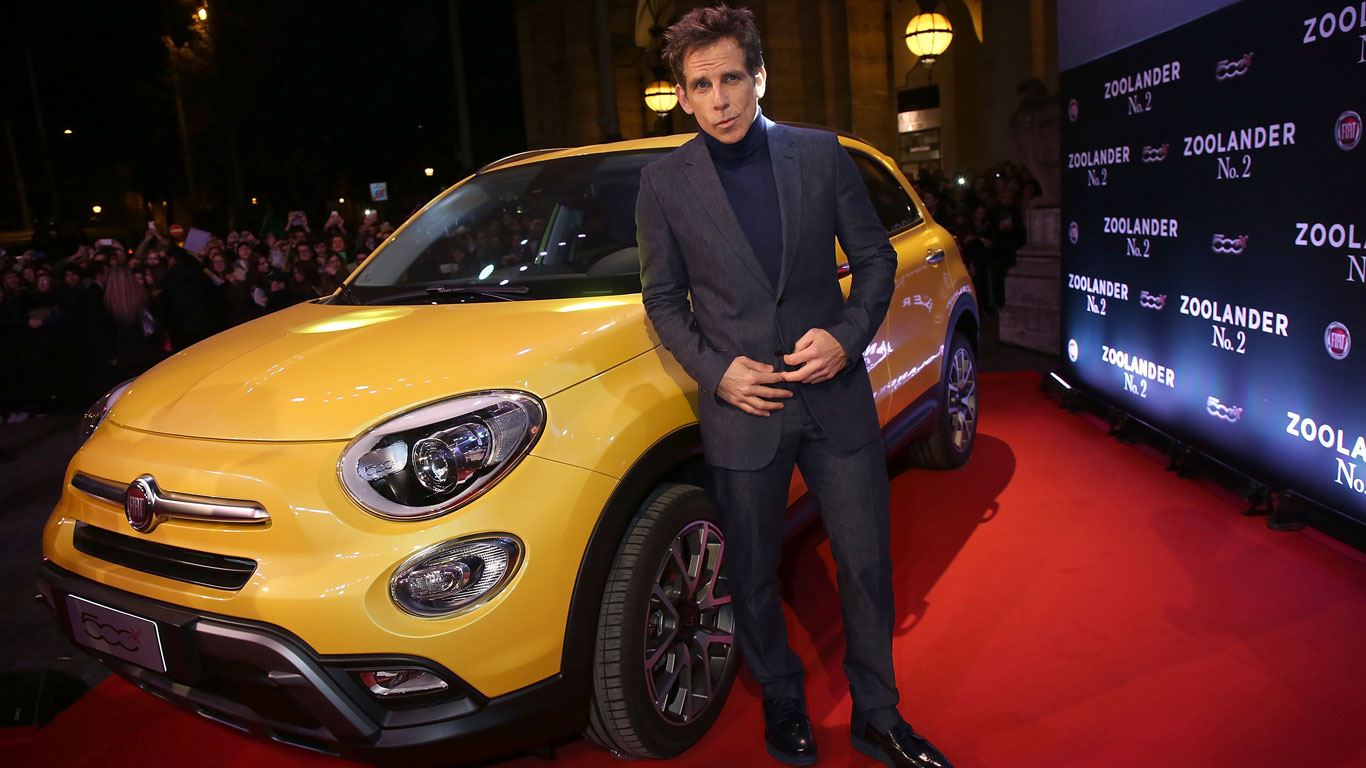
Here’s Derek Zoolander (Ben Stiller) at the premiere of Zoolander 2 in 2016. Shot predominantly in Rome, the film saw the fashion character team up with the Fiat 500X. Had things worked out differently, a trio of Fiat 500s might have been used in The Italian Job, as the British Motor Corporation (BMC) refused to donate any cars to the film. The director insisted on Minis, and the rest is history.
6. Dodge
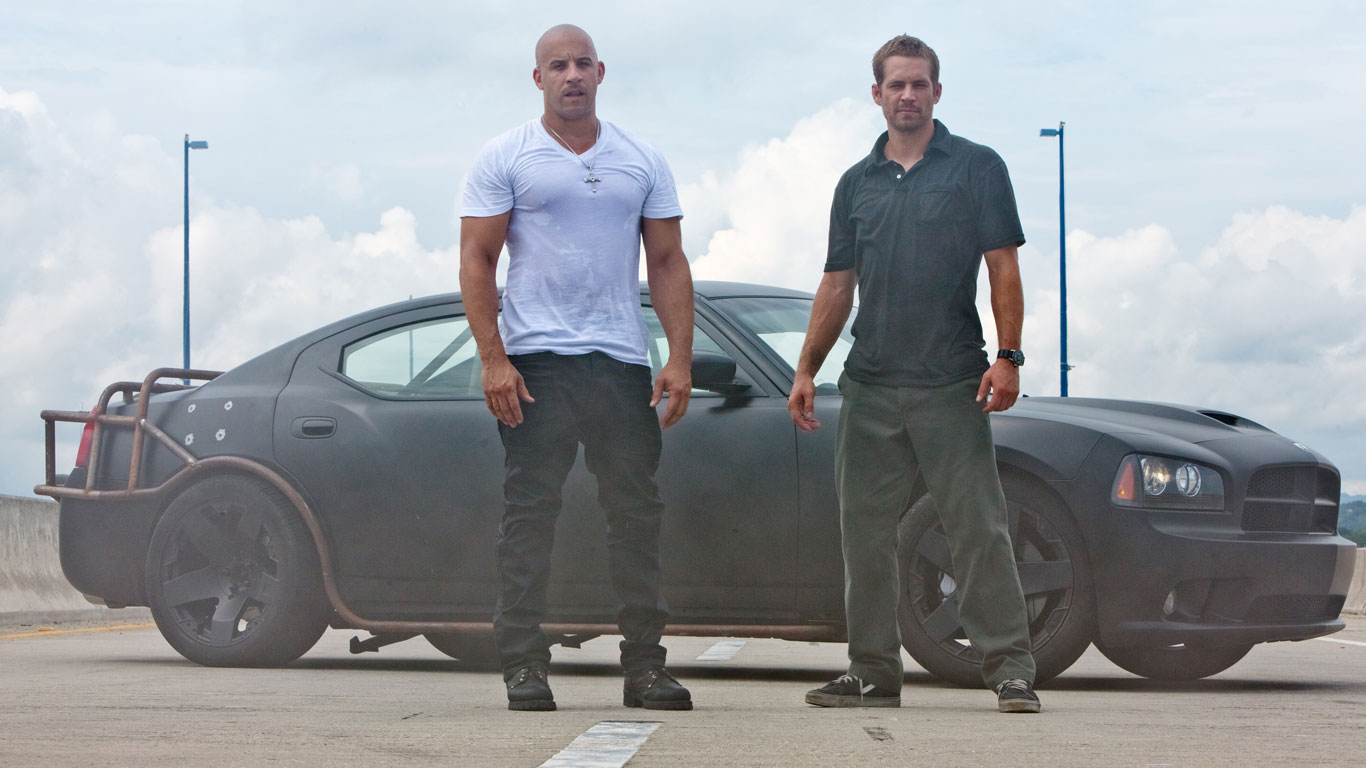
Dominic Toretto (Vin Diesel) and Brian O’Conner (Paul Walker) from the Fast & Furious movie franchise: the perfect photograph for Dodge. The American giant has appeared in 2,287 films. Meanwhile, the other American giant, Vin Diesel, has featured in 45 movies.
5. BMW
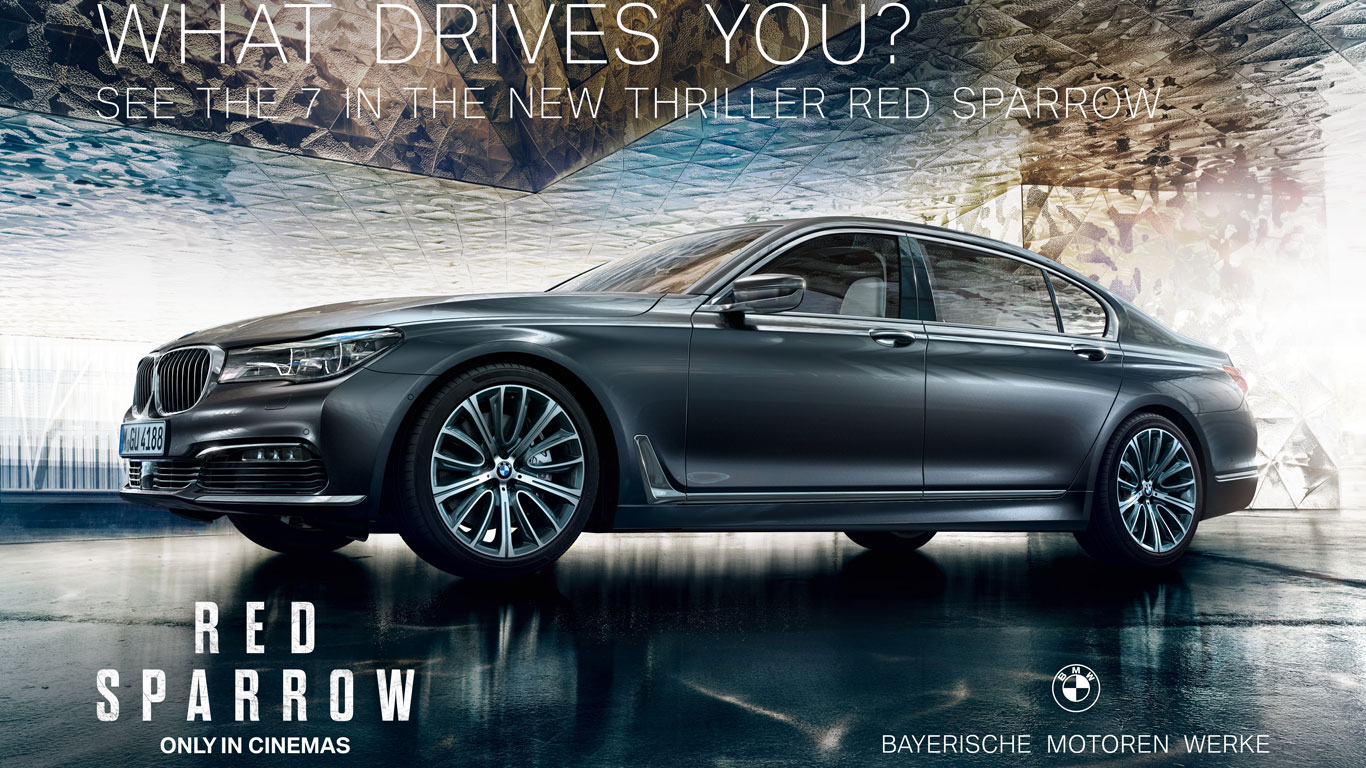
BMW has featured in 2,340 movies, including Red Sparrow, the spy thriller starring Jennifer Lawrence. The BMW 7 Series accompanies Dominika Egorova (played by Lawrence) on her journey from elegant and graceful prime ballerina to self-assured secret agent. The BMW 7 Series and its positioning suit her character perfectly,” said Uwe Dreher, BMW head of brand communications.
4. Volkswagen
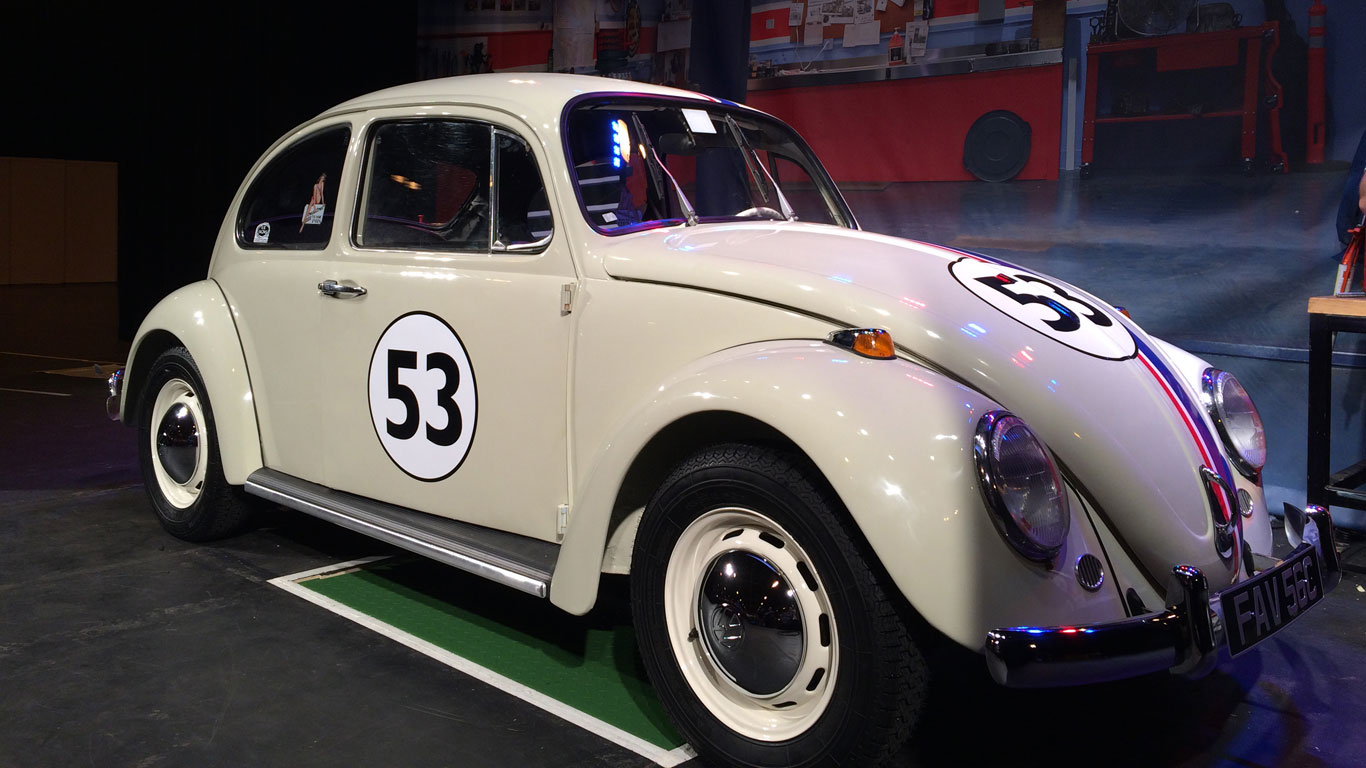
Herbie is undoubtedly the most famous Volkswagen to grace the big screen, but the German marque also played a key part in Little Miss Sunshine. Fans of Cars will also remember Vroomaroundus Bugus: the flying insects based on the VW Beetle. The producers used actual Beetle engine sounds to create the buzzing noise.
3. Mercedes-Benz
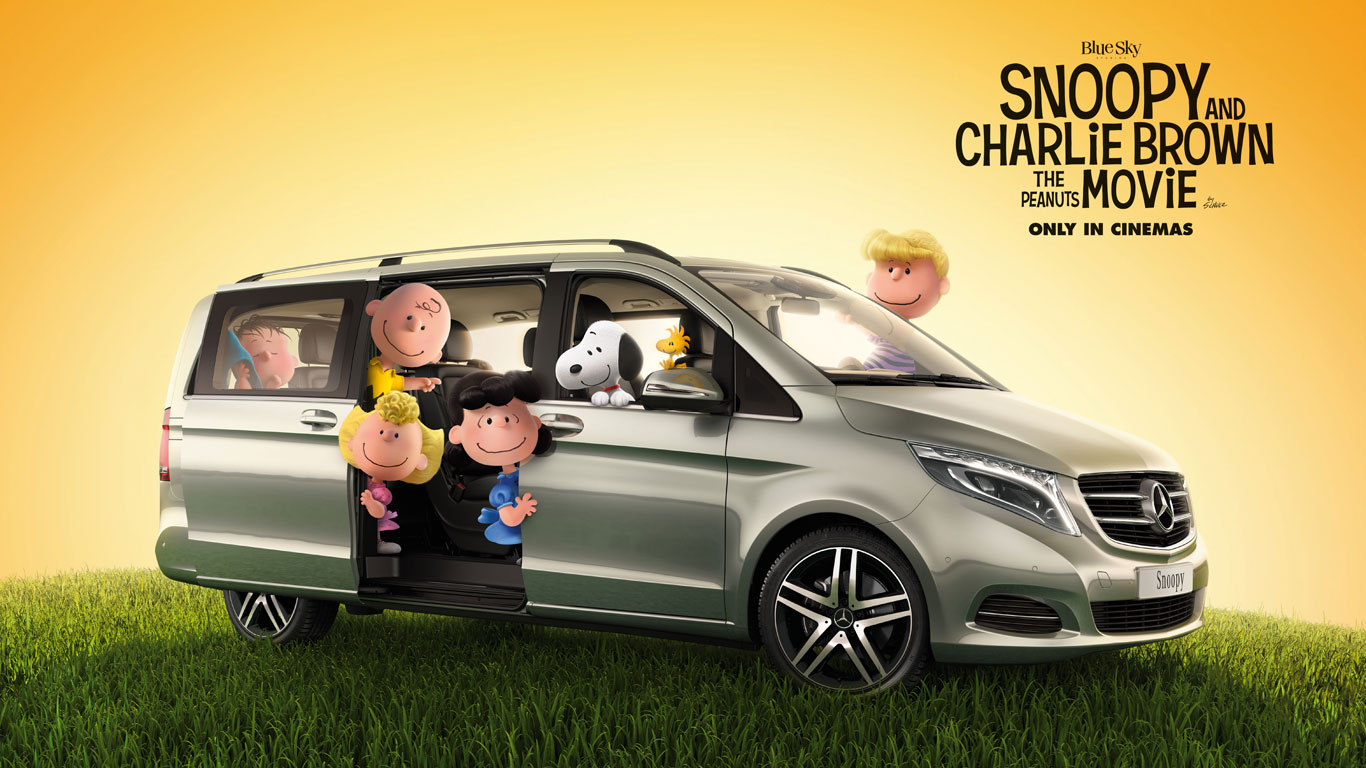
Mercedes-Benz has played a part in 4,176 films, with the S-Class, E-Class and SL the most popular models. Meanwhile, the GLE Coupe made its big screen debut in Jurassic World, while the V-Class was on hand to transport Snoopy and friends on a promotional tour of the world.
2. Chevrolet
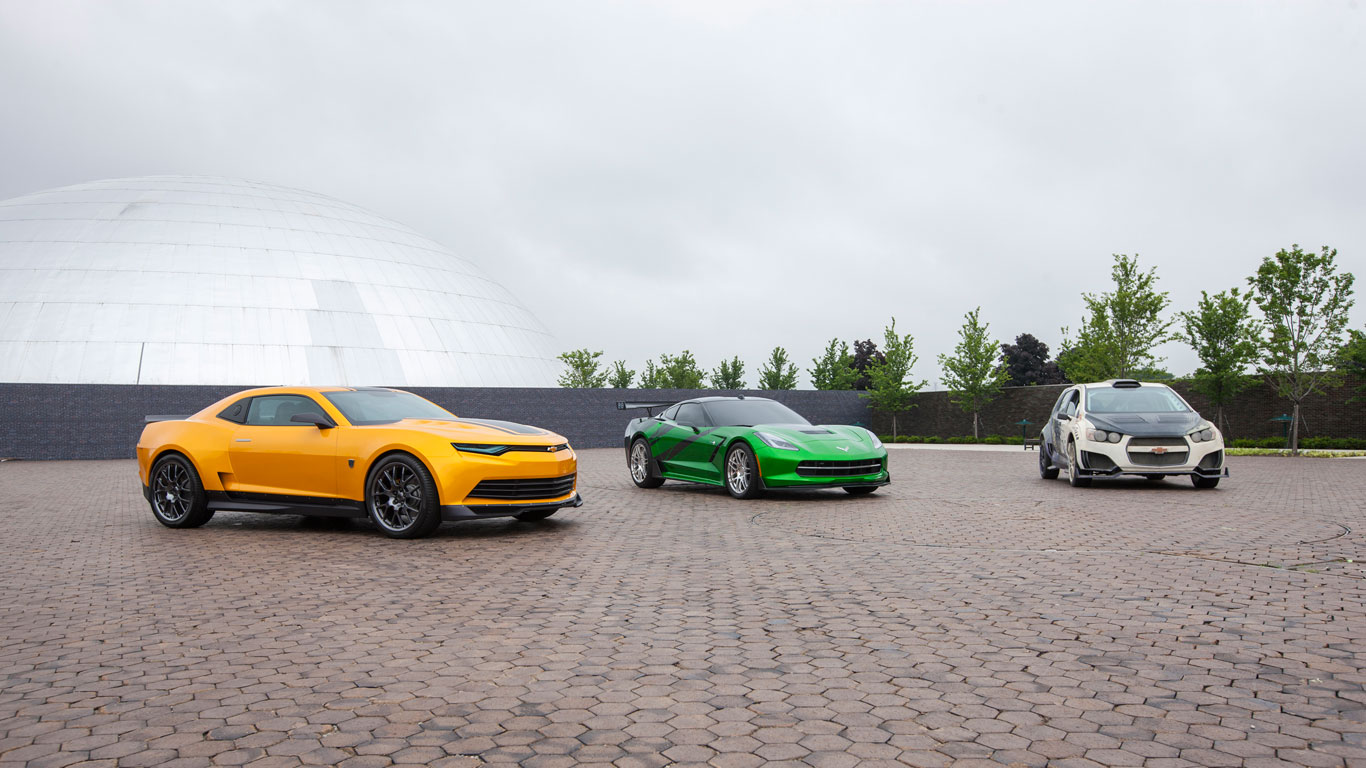
Here are three Autobots from Transformers, including the Camaro-based Bumblebee and the Corvette-based Sideswipe. In Beverly Hills Cop, Axel Foley (Eddie Murphy) drives a 1970 Chevy Nova.
1. Ford
American Gangster is just one of 8,988 movies to feature a Ford vehicle, making the Blue Oval the biggest star of the silver screen. Other famous Fords include the Gran Torino in the movie of the same name, the Falcon XB GT in Mad Max and the Ford Ka in Quantum of Solace. OK, perhaps the last one is stretching it, but the gleaming Ka enjoyed a fair amount of screen time. #productplacement
One of the biggest inconveniences for electric car owners is having to plug their car in at the end of a journey. If you have to do it every day, it becomes a bit of a drag, particularly if it’s raining, or your hands are full, or simply if your commute’s been bad and you can’t face getting the cables out the boot and going through the plug-in routine.
Now, help is at hand. BMW has become the first carmaker in the world to launch a fully-integrated wireless inductive charging system for its plug-in hybrid 530e iPerformance – and it works both in a garage or outdoors.
The BMW Wireless Charging system is initially available as a leasing option on the 530e iPerformance, with prices to be announced. The product consists of a GroundPad (the inductive charging unit) and a CarPad which is attached to the underside of the car.
Using the same inductive charging technology as wireless smartphone charging and electric toothbrushes, charging is literally cable-free: owners simply have to park the car over the GroundPad, and recharging will commence as soon as the stop/start button is pressed.
The system’s 3.2kW charging power will replenish a 530e iPerformance’s battery in around three and a half hours. BMW says charging efficiency is 85 percent, which is only around 7 percent worse than a wired system.
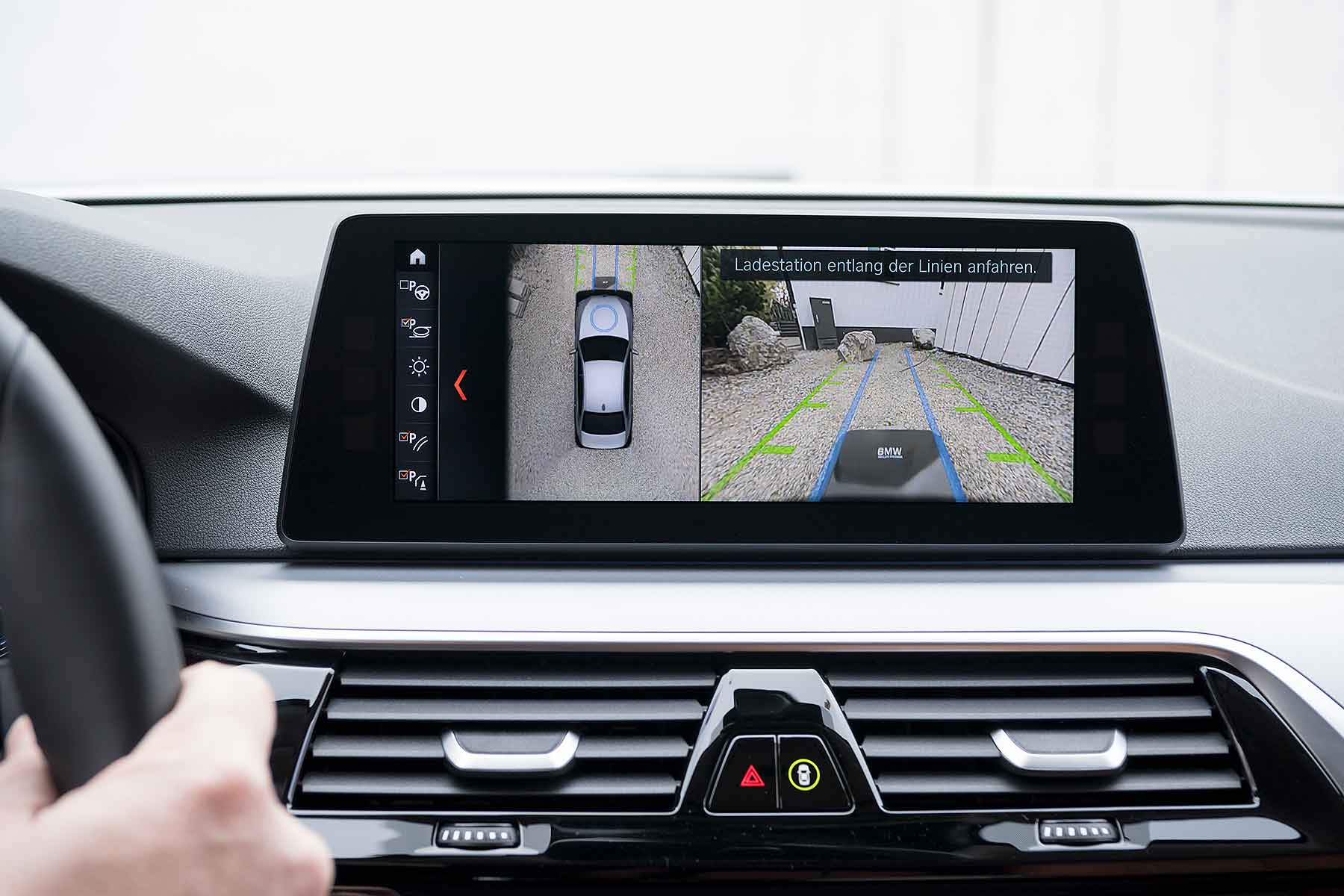
Of course, the car needs to be fairly accurately parked over the GroundPad itself – there’s around 140mm of tolerance, but positioning is still important. It’s thus created a ‘Wireless Charging parking aid’: a wifi connection to the charging pad helps provide precise location via the colour infotainment screen – drivers position the car with the aid of a graphic icon.
It is, however, immune from the effects of weather. Charging can be carried out regardless of the weather – even if it’s raining or snowing. The only time it will be automatically switched off is when a ‘foreign matter’ is detected. So the cat sleeping on the GroundPad will be protected, even if they may disturb your vehicle’s recharge routine…
Production starts in July for the German market, with its UK launch following soon after – ahead of the US, Japan and China. Prices for the UK will be confirmed nearer to its market launch: once it’s in full production for the 530e iPerformance, expect it to come to other plug-in and possibly even fully-electric BMWs, as part of the firm’s ambition to create “infrastructure that will make charging the battery of an electrified vehicle even simpler than refuelling a car with a conventional engine”.
A decade after it “revolutionised” the motorcycle security scene, AutoTrac is now taking on the classic car enthusiast market, with prices for the firm’s tracking device starting from £299.
Boasting high-level Thatcham Category 6 and Category 7 ratings, the device utilises GPS, GPRS and RF functions: this means both the Police and the AutoTrac monitoring team (which never sleeps or has a day off, says the firm) can very precisely locate a vehicle that’s been stolen.
This, it claims, can prove invaluable in issuing search warrants, due to the detailed location information.
The firm’s Bill Taylor said it was an “old hand at tracking stolen vehicles” and has currently recovered more than 800 stolen motorcycles through working with UK police forces.
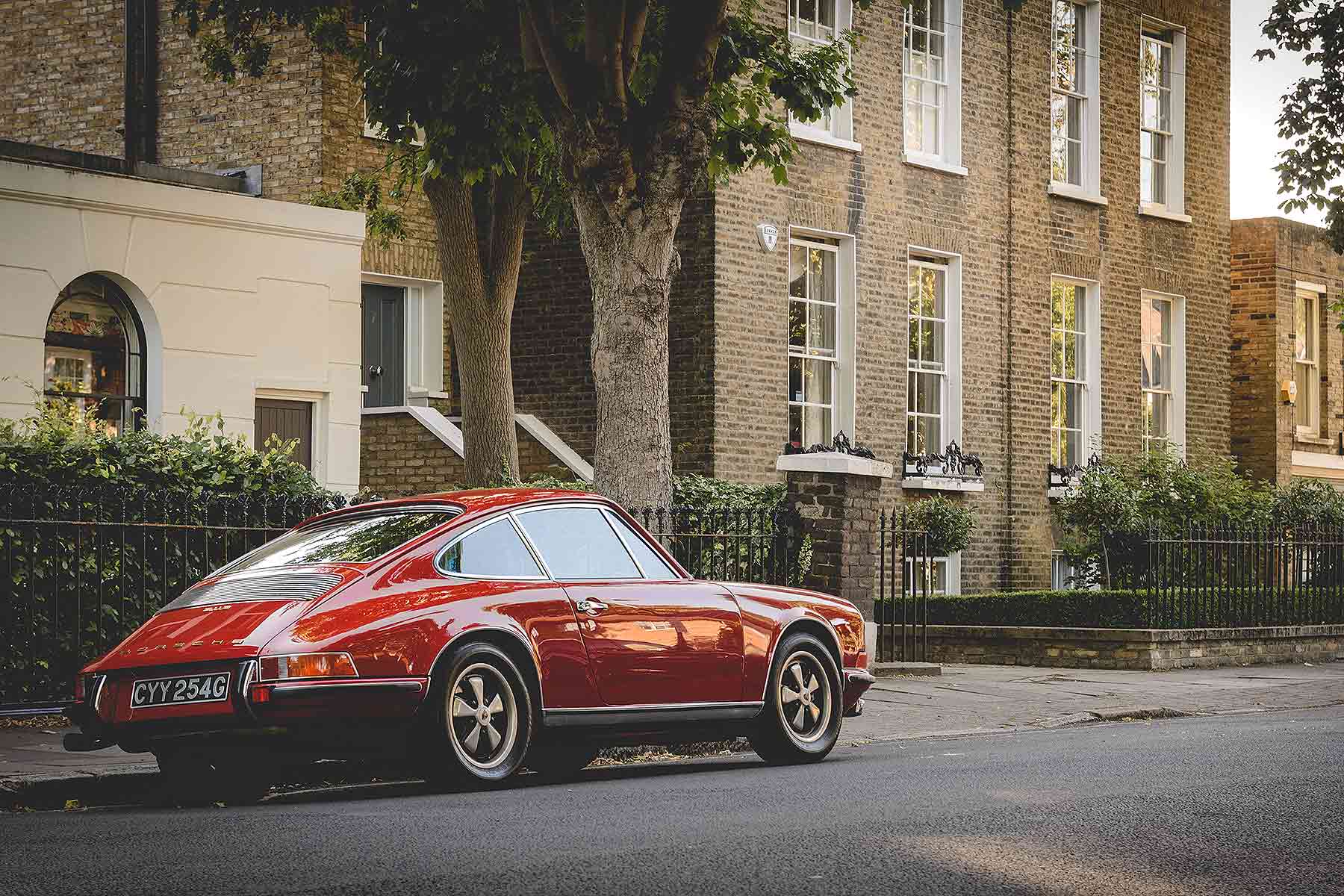
But AutoTrac offers more than just ‘fit and forget’ tracking security for owners. Taylor reckons it will “enhance their experience” and add connected car-like features to old motors.
“An owner can see their vehicle’s location real-time on desktop or app, monitor battery voltage, view recent journeys and even download and share routes. On top of this, AutoTrac can even notify a next of kin if the unit detects a severe impact.”
The live battery voltage function will be particularly interesting to classic car owners – as will functionality that can be set to text you when the voltage runs low. So, no more surprise flat batteries, the bane of retro car owners for years.
AutoTrac has its own battery, which lasts for 30 days at a time, so won’t be drawing power from the car itself.
The unit is the smallest currently on sale, adds Taylor: it’s priced from £299 and subscriptions start from £9.99 a month – “with unlimited calls, texts and emails”.
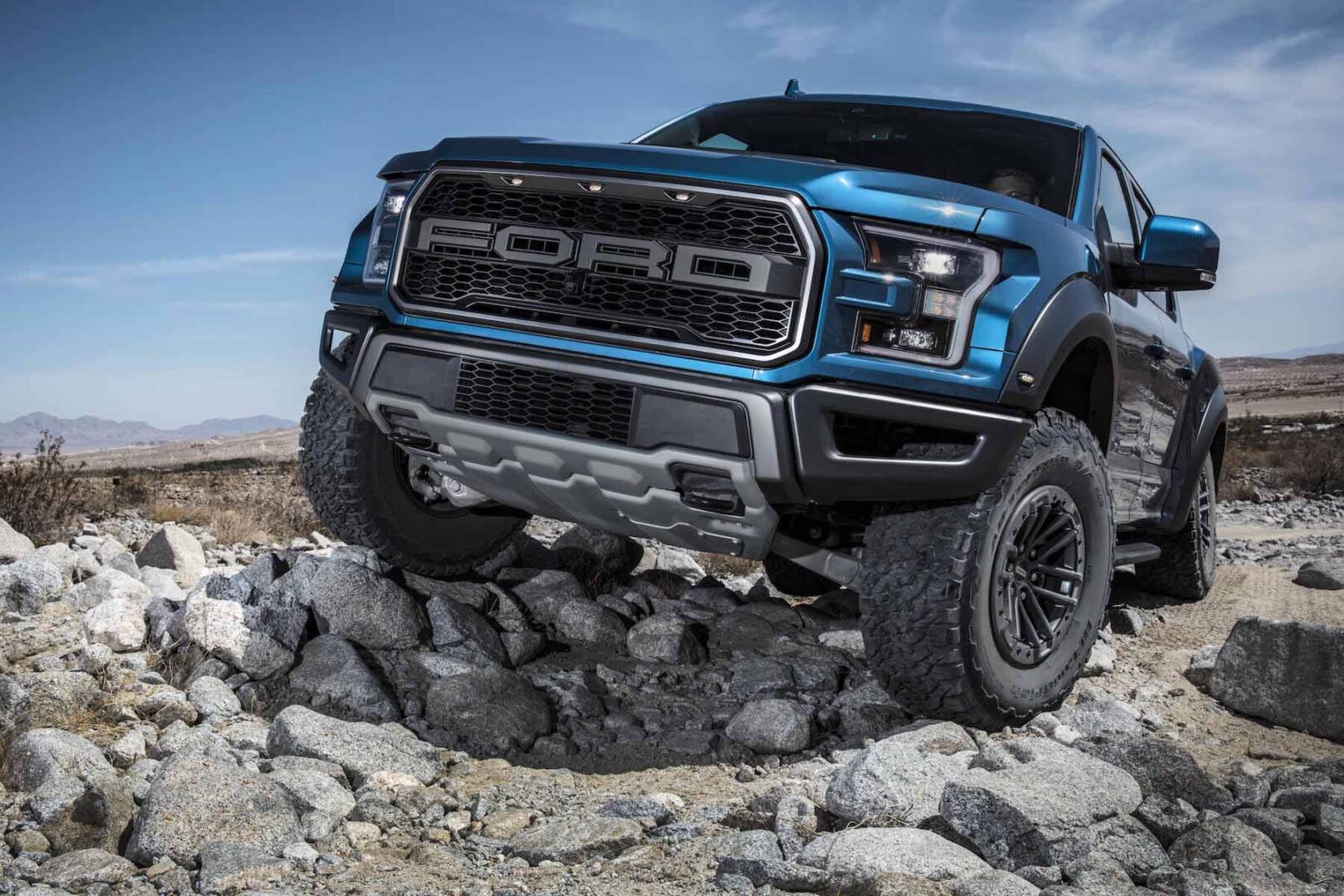
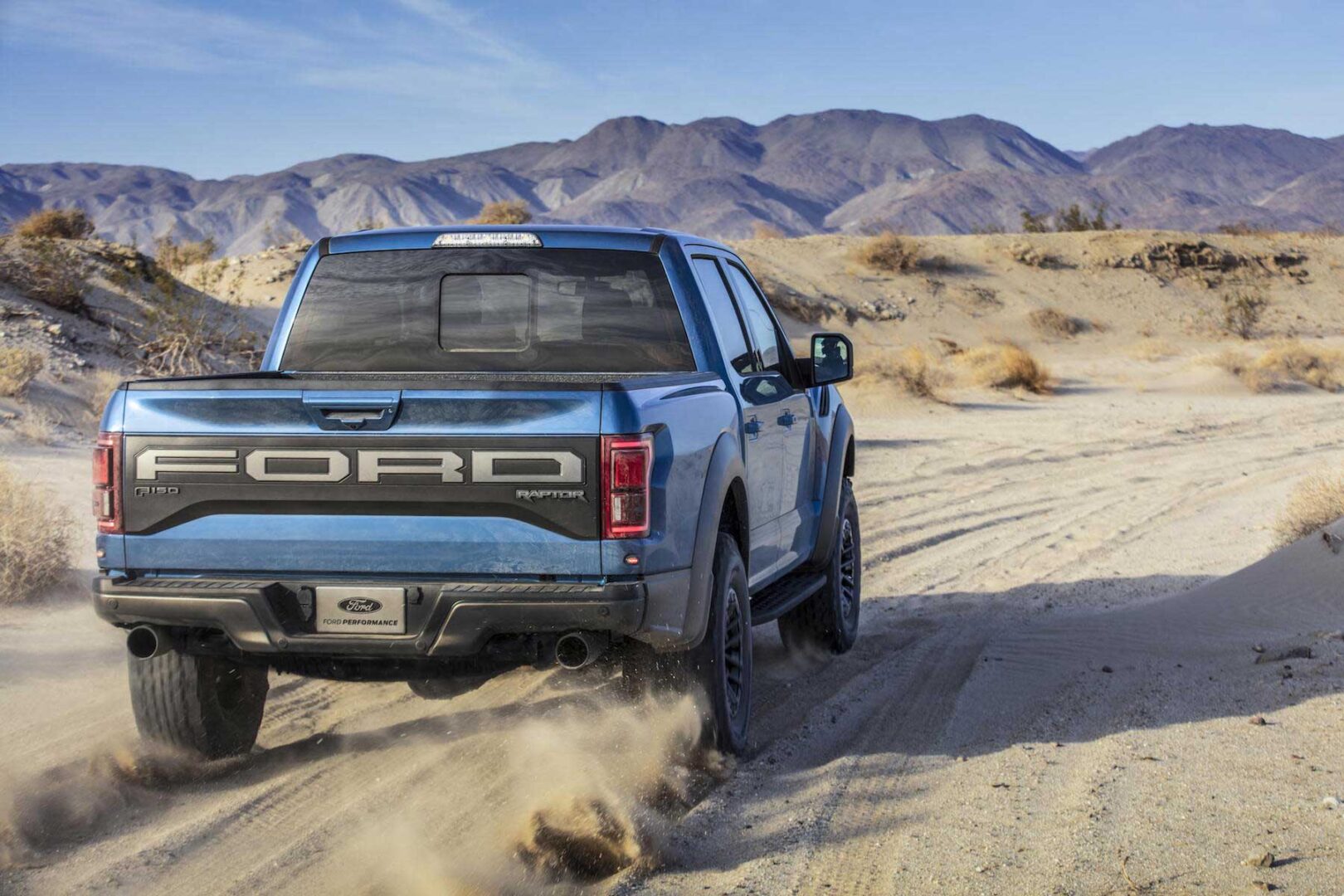
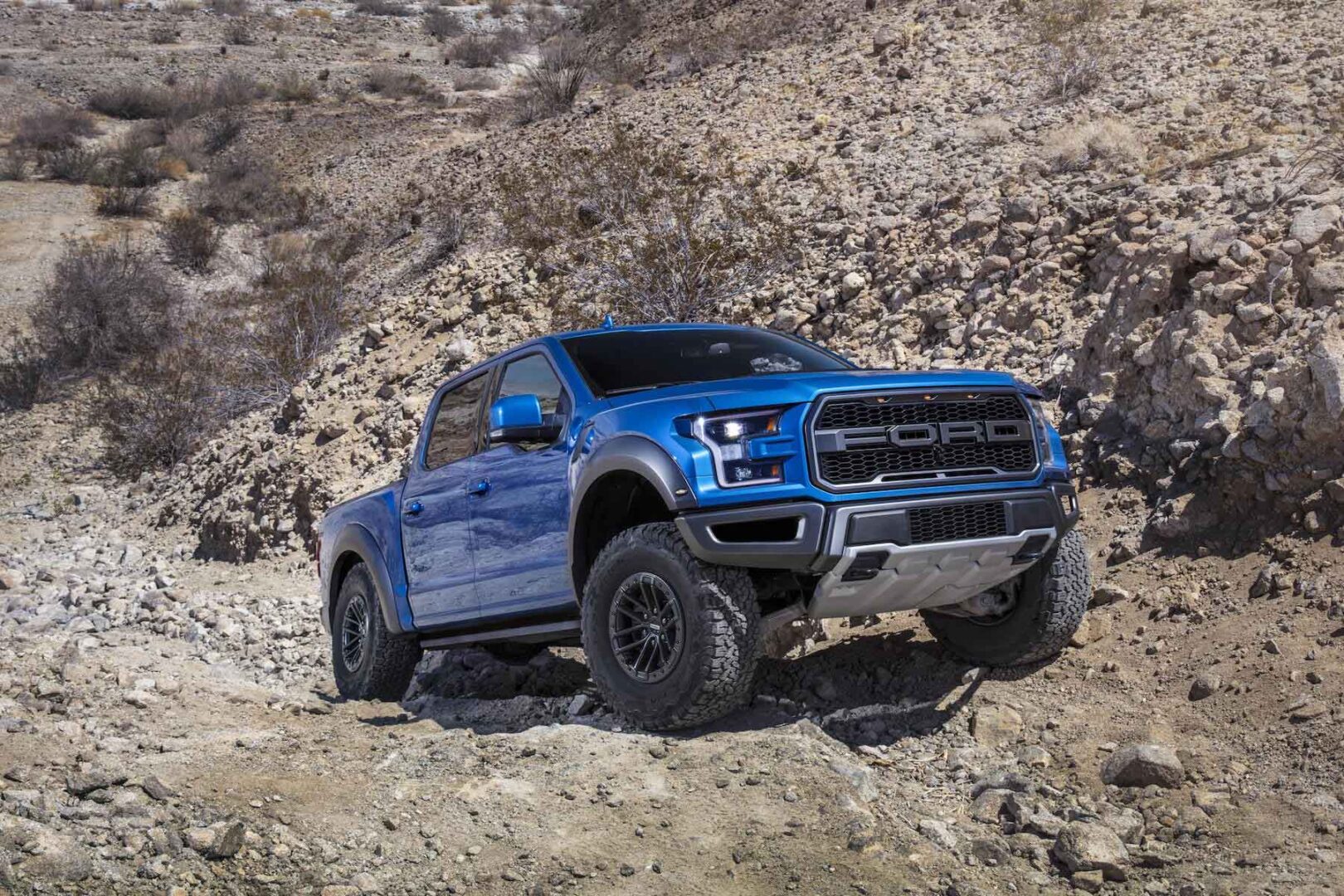
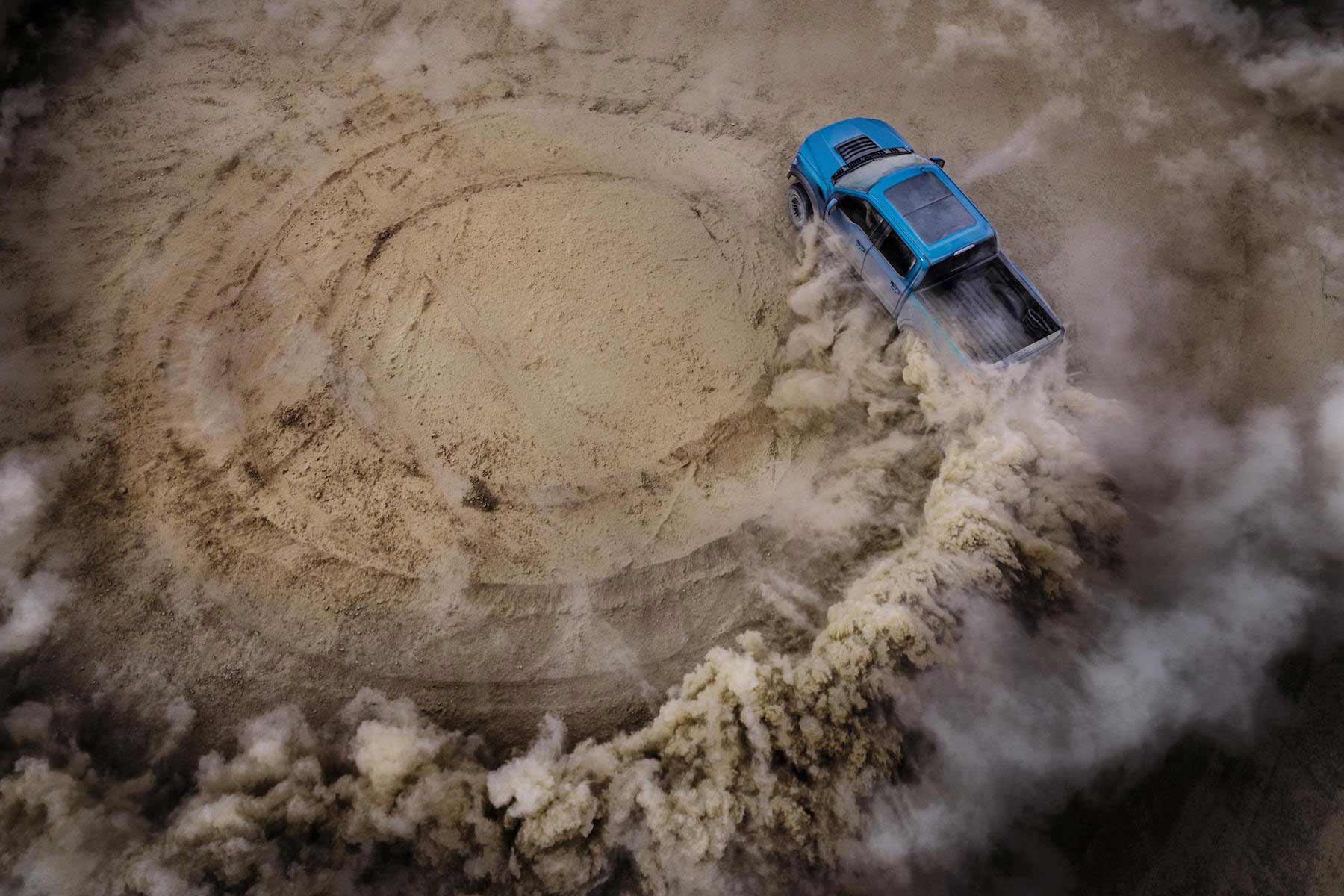
Whilst the Ford F-150 Raptor is already instantly recognisable for its impressive off-road performance ability, Ford is making it even better for the 2019 iteration.
Key to the changes are the addition of new electronically-controlled suspension shock absorbers supplied by Fox Racing. The all-new 3.0 dampers feature Live Valve technology, and an array of special sensors throughout the body and suspension.
It all sounds rather geeky for a performance pick-up, but the end result is shock absorbers able to react to the terrain conditions in real-time. This means it can perform better on the road, and also maximise ability off the beaten track. The sensors can even detect when the Raptor is in mid-air, and prime the shock absorbers for landing.
Also new is a Trail Control feature, which Ford describes as working like a low-speed version of cruise control. Operating from speeds of 1mph up to 20mph, the system juggles torque between individual wheels, and even applies the brakes. This keep the Raptor moving at the set speed, and lets the driver concentrate solely on steering through difficult terrain.
Unchanged is the 3.5-litre twin-turbocharged EcoBoost V6 engine, producing the same 450hp and 510lb-ft of torque. Also staying the same is the ten-speed automatic gearbox.
Ford has also introduced three new colours for the 2019 model year Raptor. Ford Performance Blue, Agate Black, and Velocity Blue are the new additions – perfect as a background for the inevitable mud and dirt spatters a Raptor deserves.
Upgraded Recaro sports seats are also new, claimed to feature ‘aggressive’ support with better bolstering. A design with blue Alcantara trim and stitching is said to have been inspired by the interior found in the GT supercar.
The revised Raptor is set to be built at Ford’s Dearborn plant in Michigan, with sales beginning later in 2018. Just not for the UK though…
With the pace of development of in-car technology accelerating exponentially, it is easy for drivers of older models to feel left out.
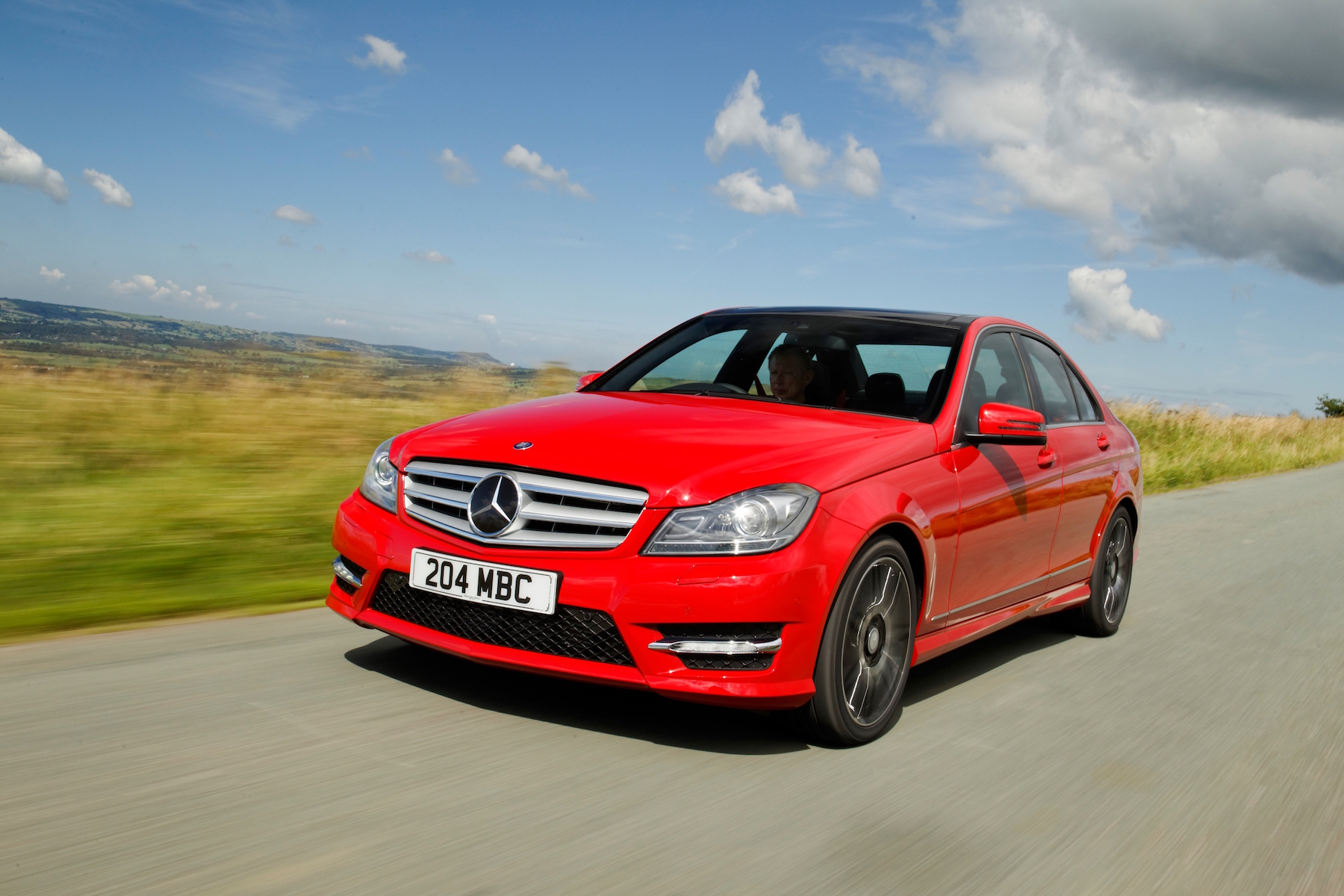
Even those with relatively new cars can still miss out on the latest upgrades, but Mercedes-Benz is helping out those with models stretching all the way back to 2002.
Once fitted, the Mercedes me Adapter allows a connection with a specific app on the drivers smartphone. New Mercedes-Benz cars come with this connectivity as standard, but adding the adapter allows access to a range of functions for older vehicles, too.
Although not quite the full suite of functions available to the newest Mercedes models, the adapter still allows drivers to a range of information. This includes details on recent journeys, checking fuel levels and range, finding out when a service is next due, and even locating where you parked your Benz.
The smartphone app also allows drivers to book in their next service, and access relevant phone numbers and contact details in the event of a breakdown or accident.
Owners can use the Mercedes-Benz website to check if their vehicle is compatible with the adapter, and book a fitting with their local dealership. At present the cost of the adapter, and fitting by a dealership, is free-of-charge.
Making older cars more connected is an emerging trend, with Volkswagen offering a free DataPlug to mimic the abilities of the expensive built-in Car-Net system.
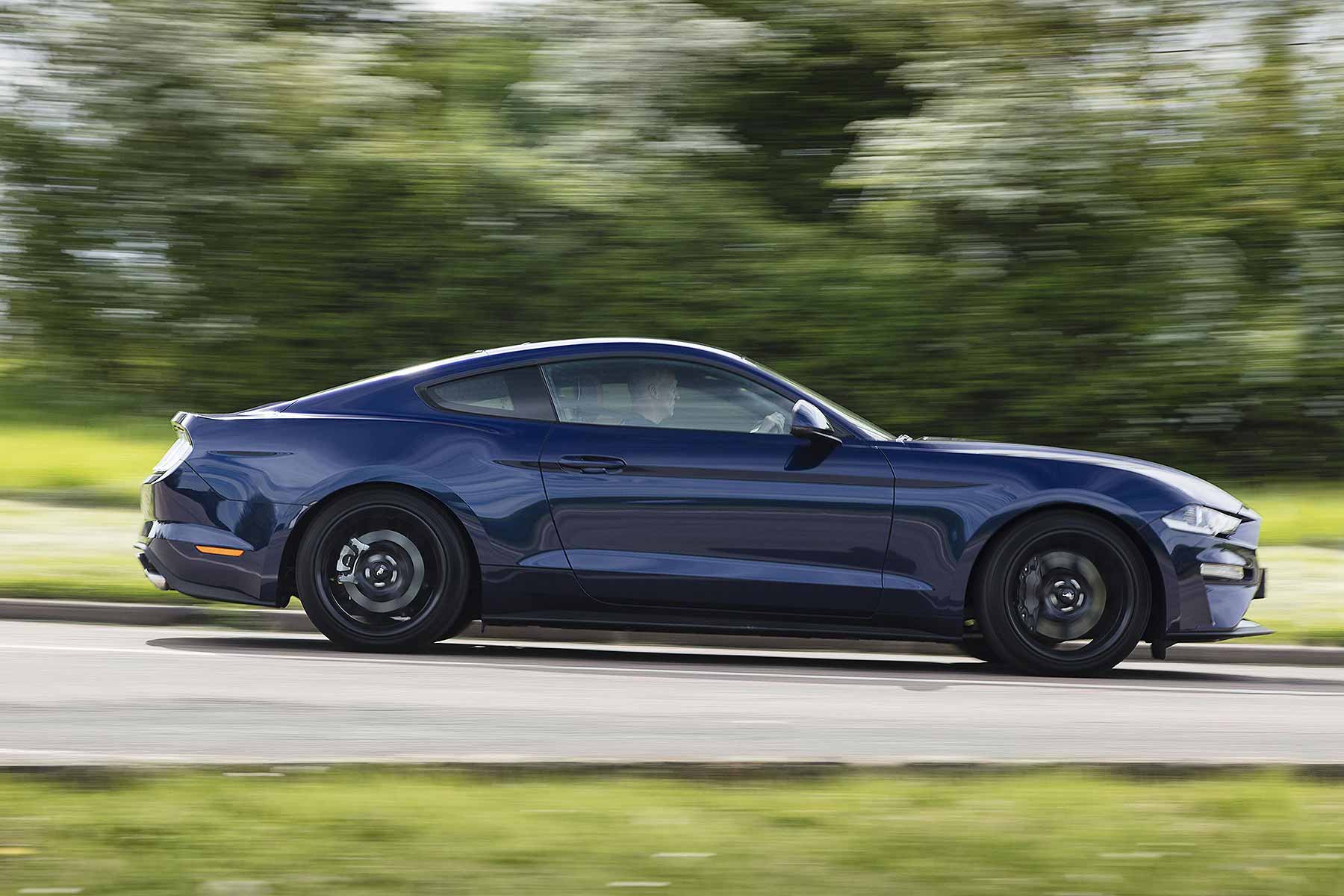
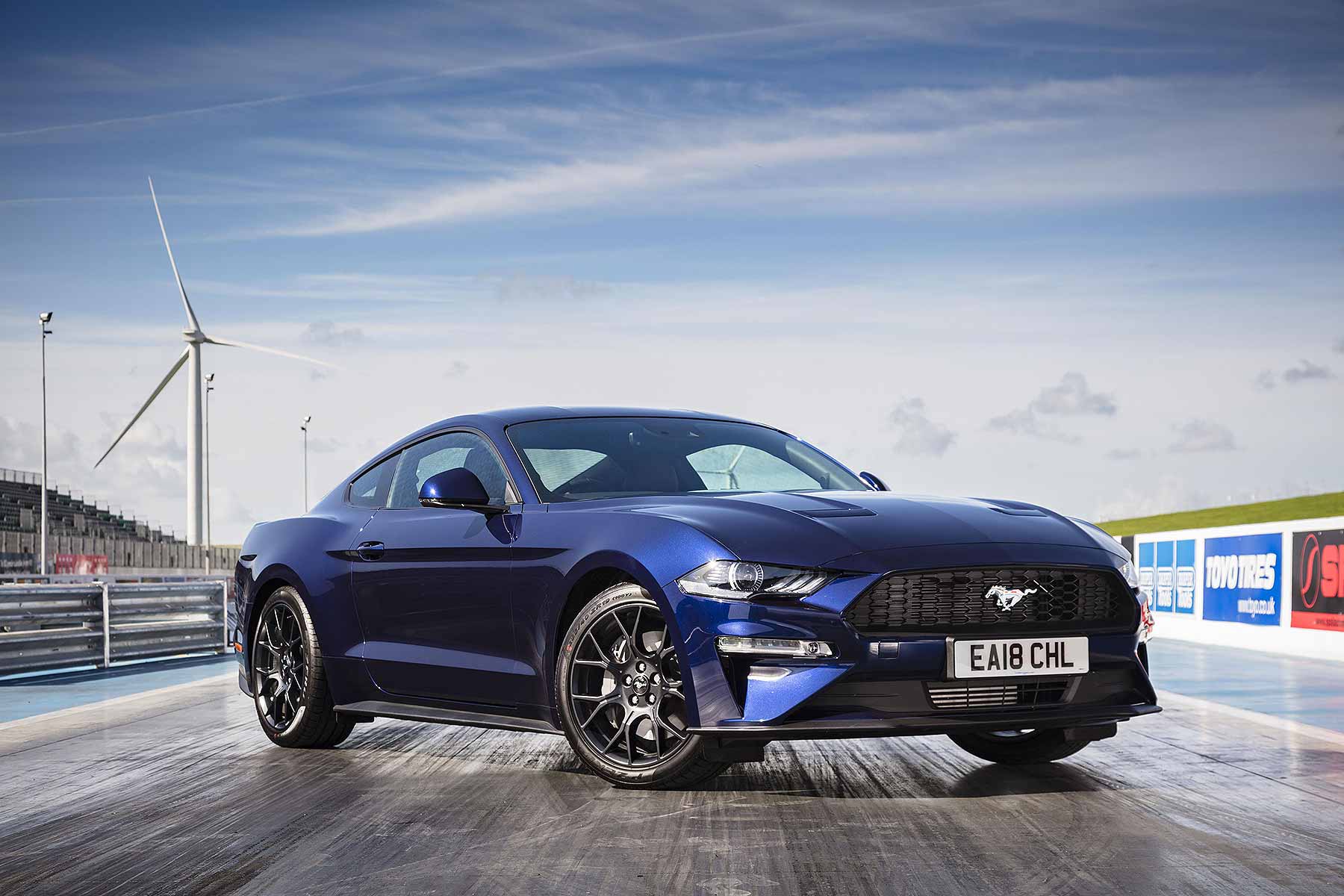
The 2018 Ford Mustang is now available to order in the UK from £36,645, with upgrades including the addition of an Active Exhaust for 2.3-litre Ecoboost models, and a powerful 1,000-Watt, 12-speaker B&O Play audio option for all models.
The model year updates for the world’s best-selling coupe also include homologating both 2.3-litre four-cylinder and 5.0-litre V8 engines to the latest WLTP fuel economy standards. This has resulted in a slight dip in power for the Ecoboost engine – it now produces 290hp – but it is more efficient as a result.
That’s despite the on-paper figures not reflecting this: 31.4mpg and 199g/km CO2 are little changed over before. Ford Mustang UK product manager Chris Rushton told Motoring Research the car is more fuel-efficient in real-world use, despite the stricter fuel economy tests not reflecting this.
Not that fuel economy will be foremost in the minds of Ecoboost buyers, who can now get the Active Exhaust already offered on the V8 GT. This is louder and rumblier, giving the smaller engine some of the aural impact it previously lacked.
The V8, meanwhile, gains quad exhaust tail pipes; all Mustangs feature revised daytime running light LEDs and two new colour choices, Velocity Blue and Need for Green. There are more ‘Custom Pack’ options as well, so Mustang buyers can better tailor their cars.
A sophisticated 10-speed automatic gearbox is offered, as is MagneRide adaptive suspension, and Ford’s added an extra setting to the adjustable Drive Modes button, called ‘Drag Mode’. This holds onto the brake pedal for optimised standing starts: a partnership between Ford and the UK’s Santa Pod Raceway helped showcase this…
Prices for the new Mustang start from £36,645 for the 2.3-litre Ecoboost, and £41,745 for the 5.0-litre V8 GT. And it’s not all about being loud and noisy, adds Ford: those worried about neighbourly relations can now make use of the ‘quiet mode’ for the Active Exhaust, which will keep noise levels down to a minimum for when you’re leaving early in the morning. The 2018 Mustang is thus greener and noisier, but quieter too.
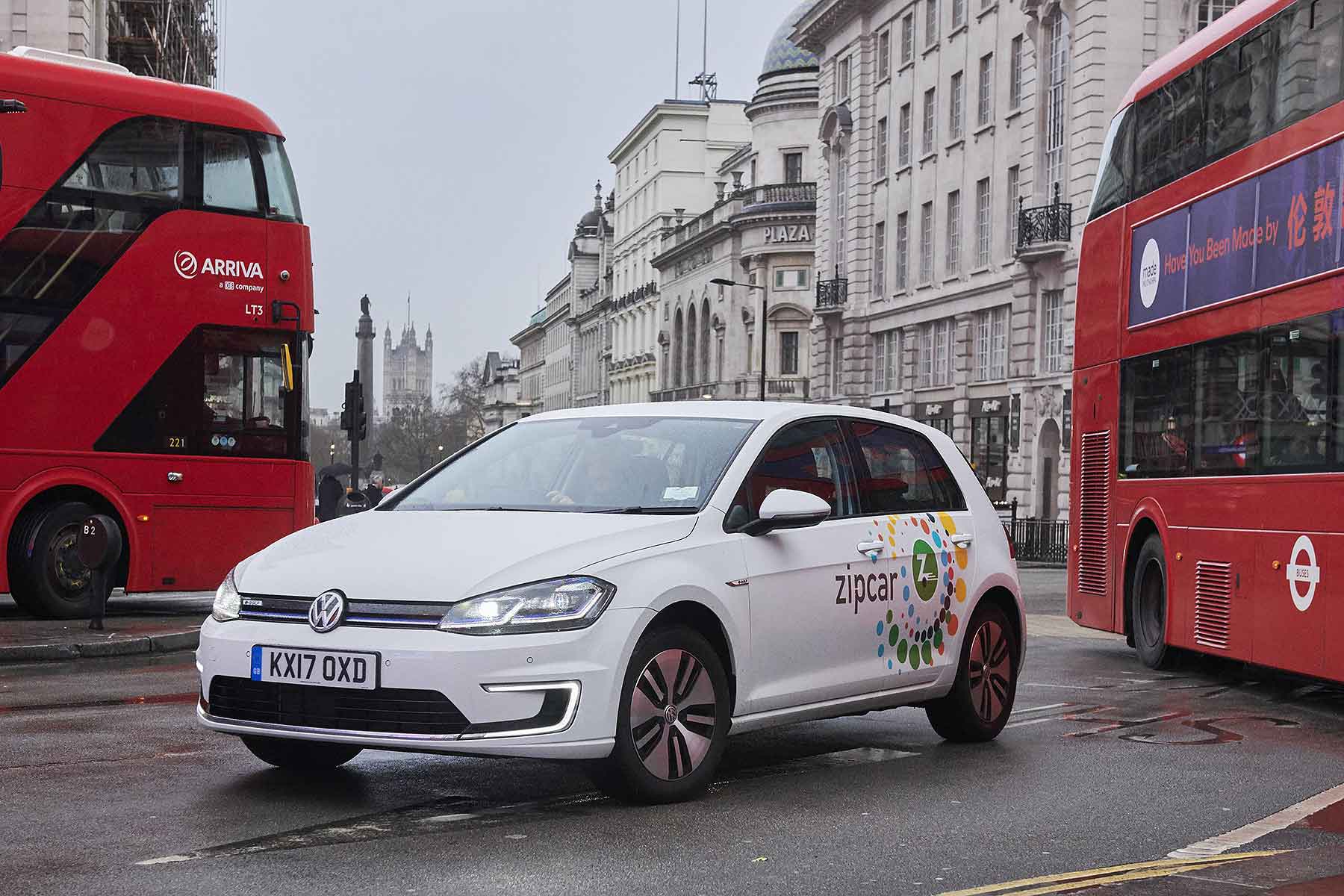 Car-sharing company Zipcar has ordered 325 all-electric Volkswagen e-Golfs for London members. The new cars will be available to hire through the new Zipcar Flex service, which allows ‘drive and drop’ one-way vehicle rentals.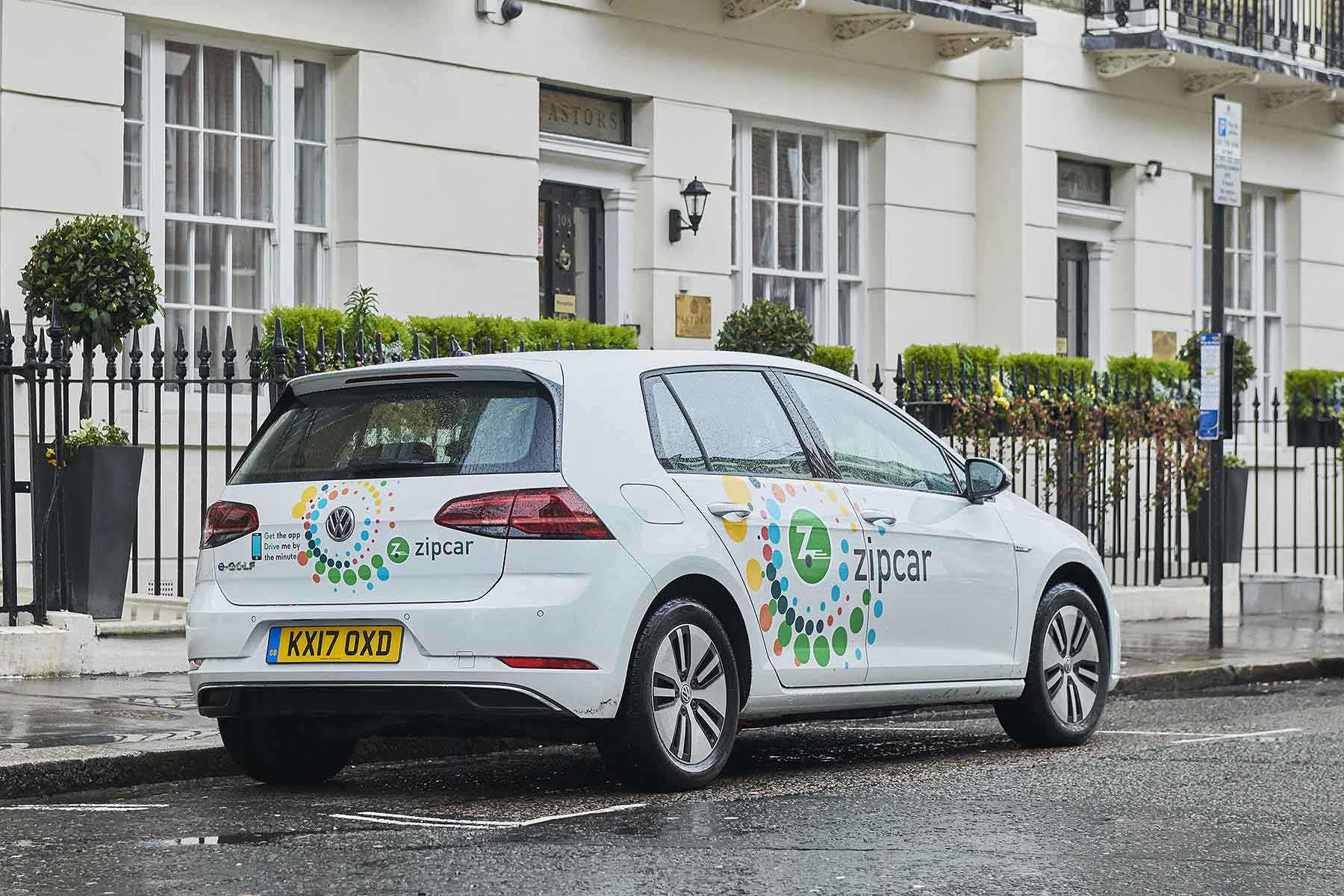
 For what seems like decades, concept cars have been shown with fancy, tiny ‘virtual’ door mirrors. Only to then make production looking largely identical – save for the addition of massive ‘Dumbo ears’ on each door. But now, Audi is making every concept car designer’s dream a reality, with the world’s first production-ready virtual door mirrors.


 Land Rover used to say it is the
  There is an official BSI certification standard for blastproof and bombproof civilian armoured vehicles, called PAS 300. Now, Skoda UK is offering a civilian armoured Superb Estate that’s been certified to this standard – it’s on sale now from £118,688.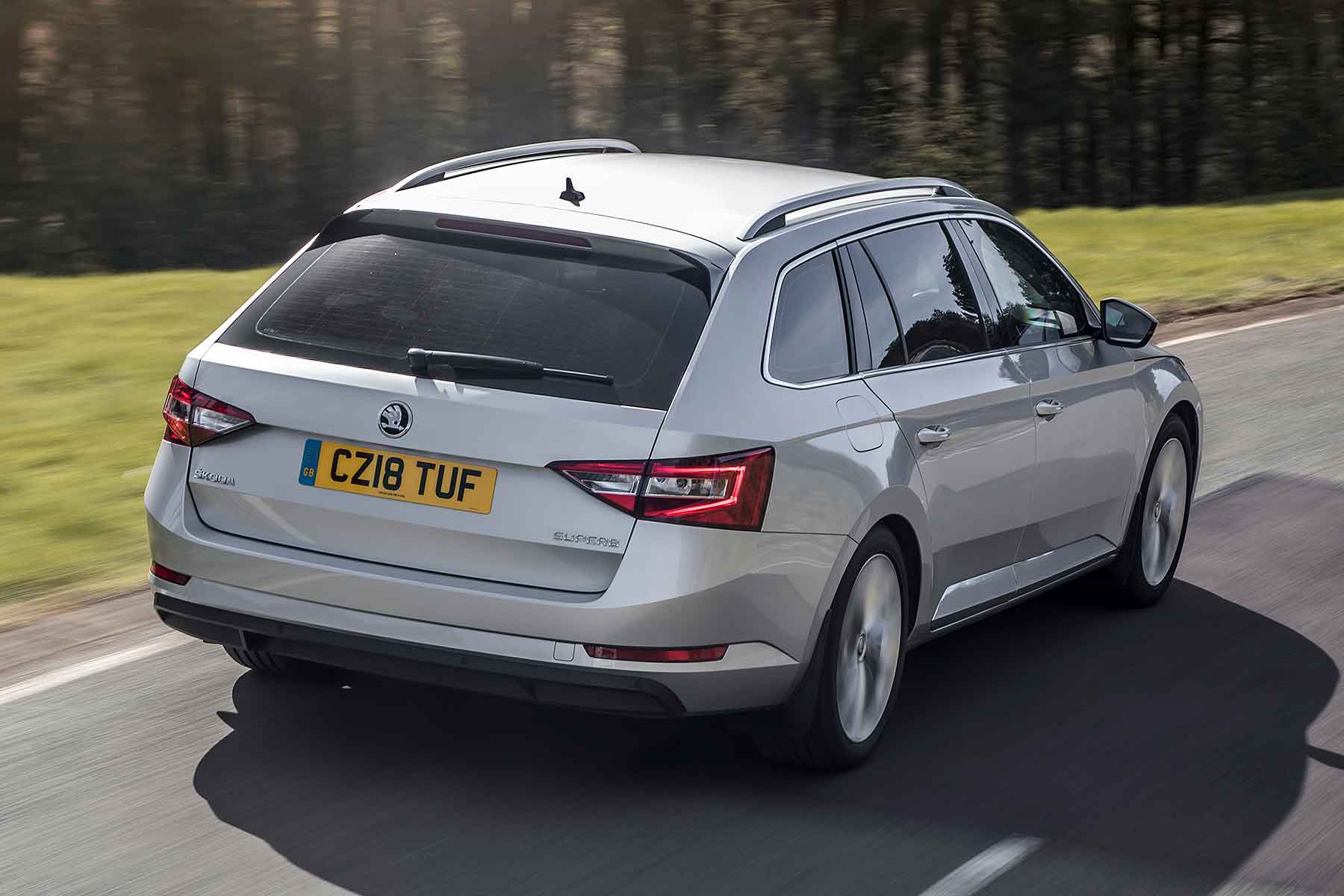
 One of the biggest inconveniences for electric car owners is having to plug their car in at the end of a journey. If you have to do it every day, it becomes a bit of a drag, particularly if it’s raining, or your hands are full, or simply if your commute’s been bad and you can’t face getting the cables out the boot and going through the plug-in routine.

 A decade after it “revolutionised” the motorcycle security scene, AutoTrac is now taking on the classic car enthusiast market, with prices for the firm’s tracking device starting from £299.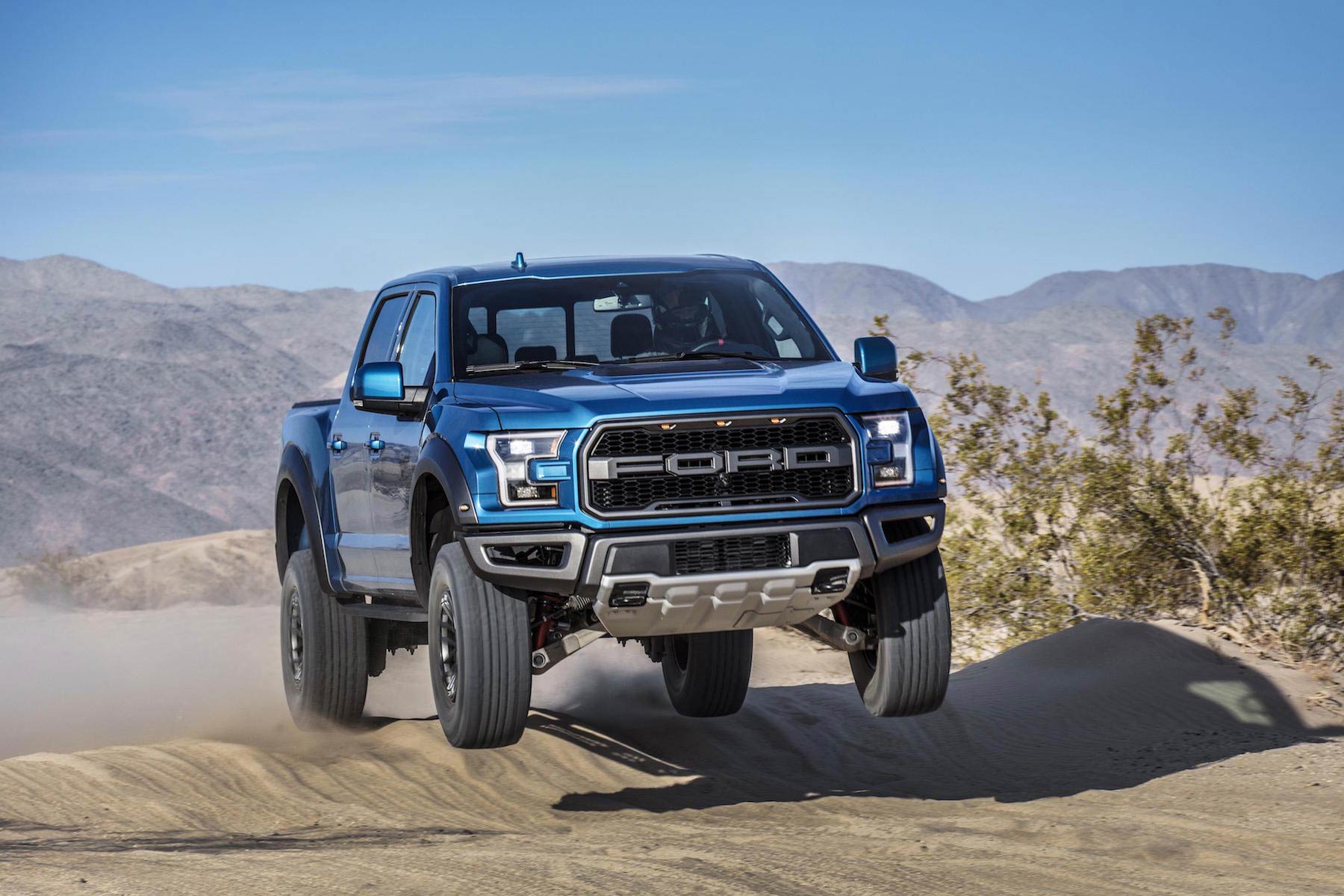
 With the pace of development of in-car technology accelerating exponentially, it is easy for drivers of older models to feel left out.
  The
The