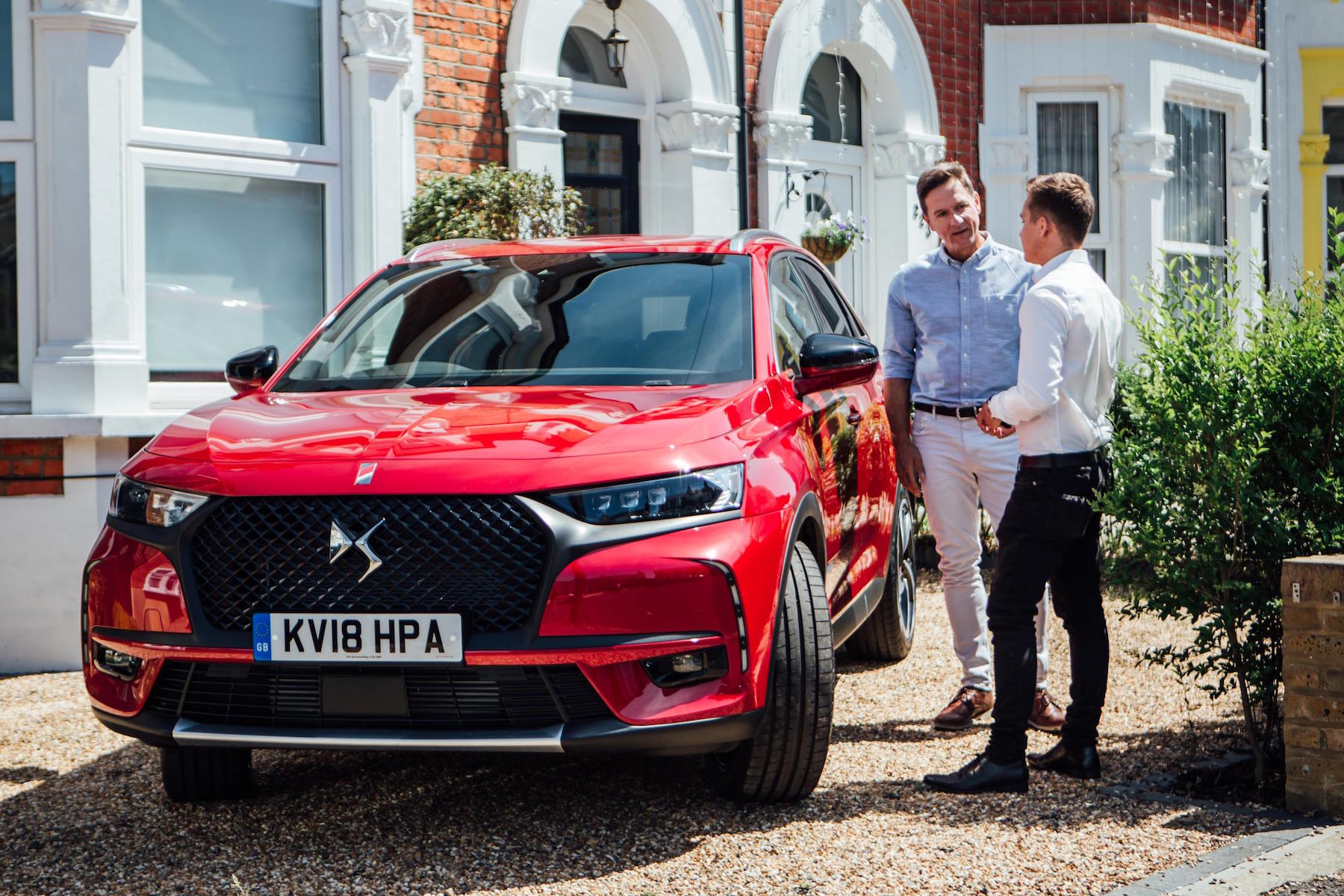
Following on from announcements that Volvo partnered with Amazon to deliver V40s directly to interested customers, Citroen’s premium DS brand now has a similar scheme.
Billed by DS as taking a ‘test drive from your drive’, those in the market for the DS 7 Crossback SUV can now have one delivered straight to their door to try out. No more traipsing down to the dealership to run the gauntlet of salespeople now.
The DS 7 Crossback will be delivered by an ‘ambassador’ who can explain more about what the car can offer. And also to make sure you don’t abuse the new SUV out on the road, we imagine. DS believes that letting customers drive the car on their local streets will help them spend less time worrying about where to go, and more time enjoying the Crossback.
At present, the scheme is limited to those based within the M25 only, meaning those outside of London and the surrounding areas will still have to do things the old-fashioned way. Those fortunate to be inside the area covered can sign up online and specify their location of choice.
The launch of this scheme by DS follows a string of schemes and ideas from companies keen to challenge the traditional method of buying a new car. From Volvo teaming up with Amazon, to Skoda offering bespoke virtual tours of their products, consumers now have more options than ever on researching their next purchase.
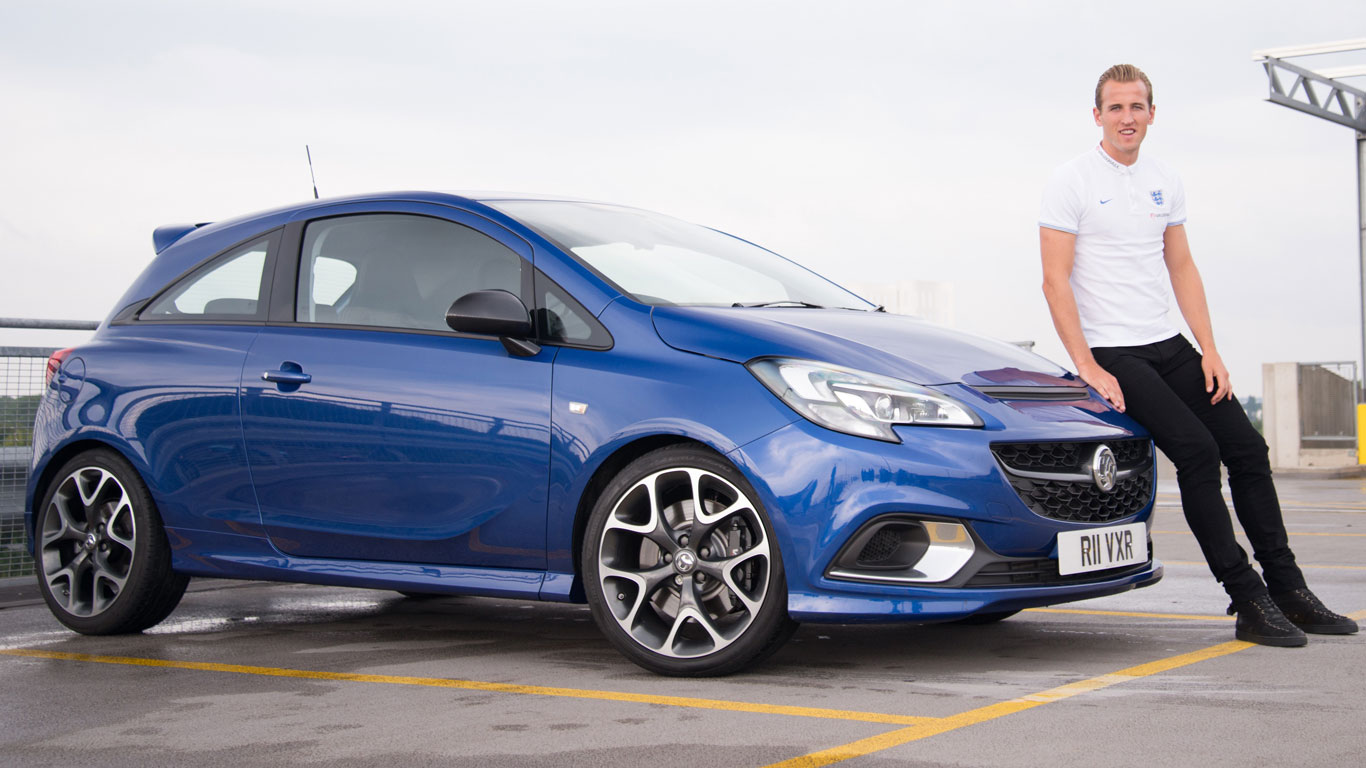
This summer, all football roads lead to Russia, as fans across the globe tune in to watch the 2018 World Cup. Can Gareth Southgate and captain Harry Kane lead England to victory? That remains to be seen, but in the meantime, we’ve taken a look at the cars driven by the England squad members. Contains Range Rover.
Jordan Pickford (Everton): Mercedes-Benz C220 AMG Sport
Jordan Pickford is expected to be England’s number one keeper in Russia, but we’ve been unable to identify his current choice of wheels. In December 2012, he posted four photos of a 2012 Mercedes-Benz C220 AMG Sport, with the caption: “Goodbye Audi, hello the Merc.”
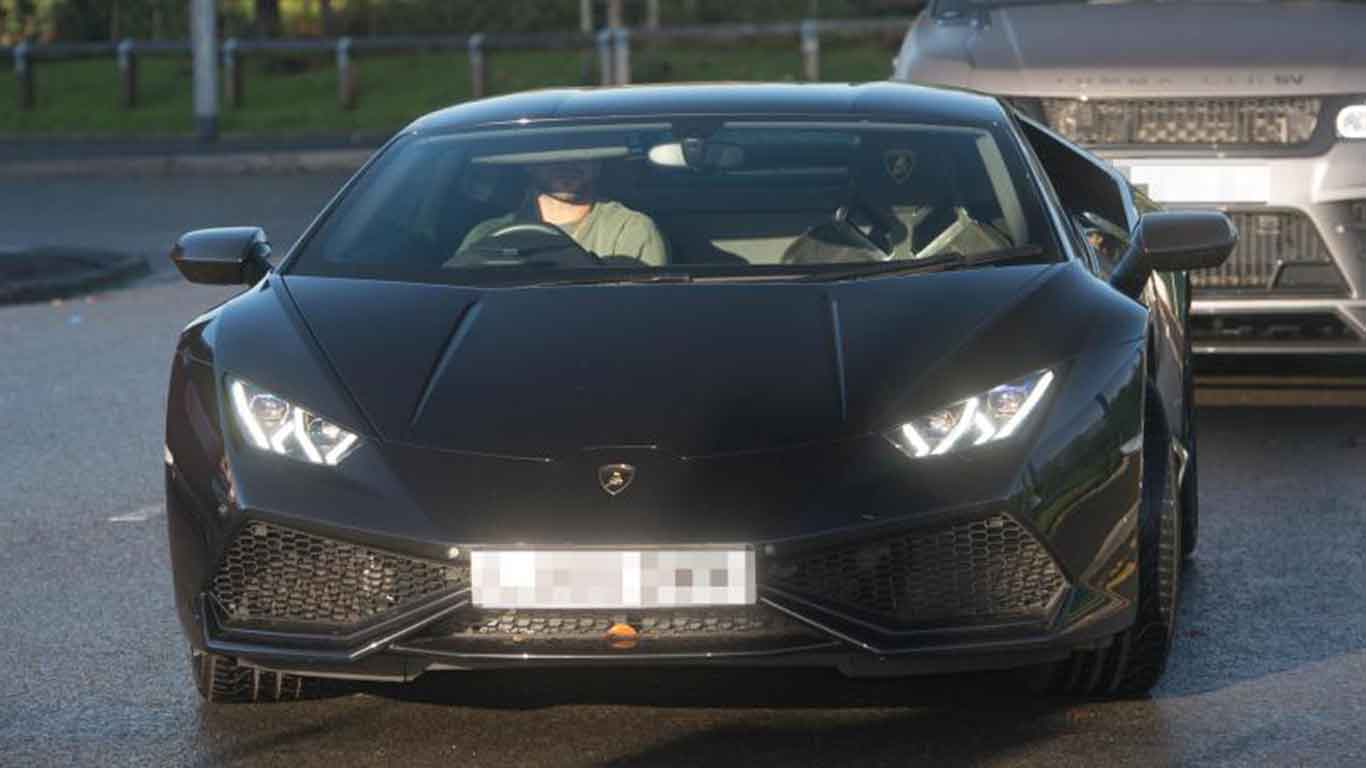
Kyle Walker (Man City): Lamborghini Huracan
Kyle Walker played a key role in Manchester City’s title-winning season and is expected to be a central figure in England’s World Cup bid. In September 2017, Walker was named as the fastest Premier League player, so it’s perhaps fitting that he drives a Lamborghini.
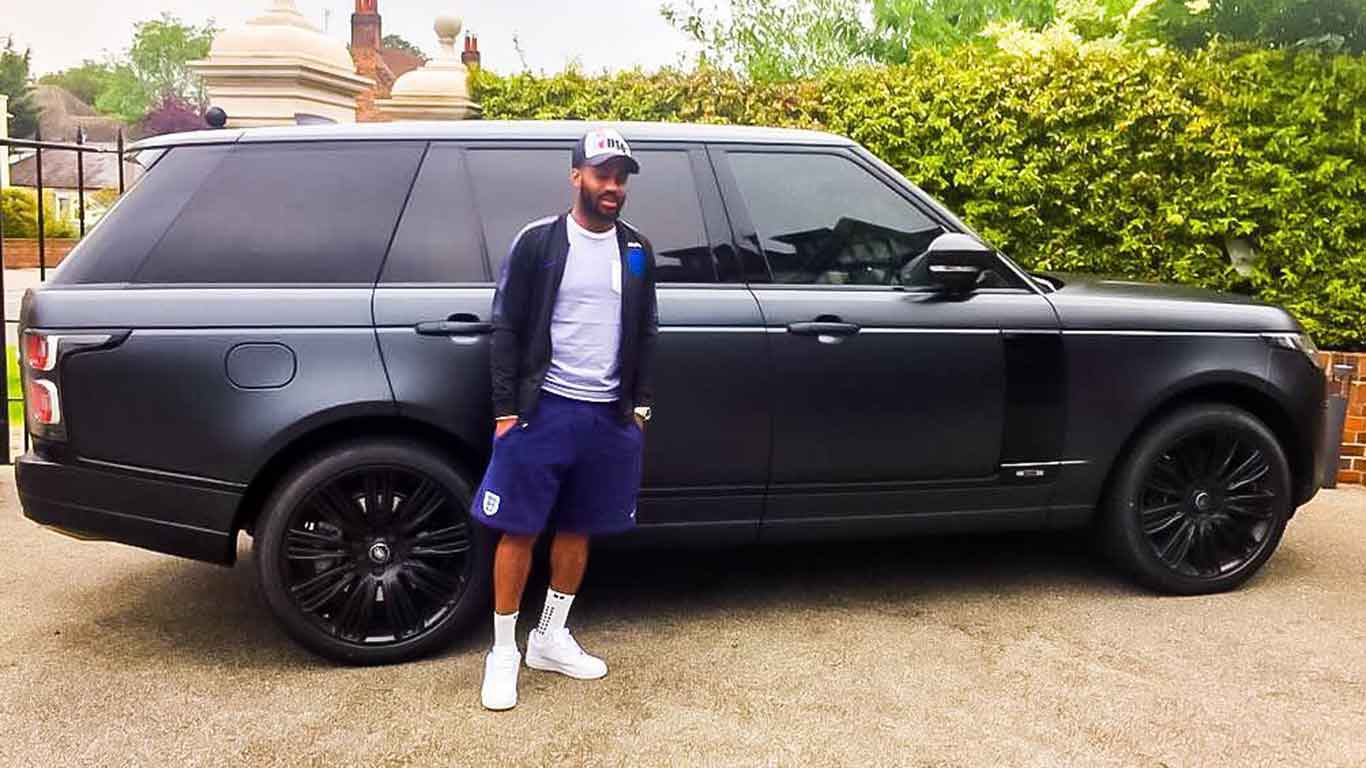
Danny Rose (Tottenham): Range Rover Autobiography
Danny Rose is said to be up against Kieran Trippier for a place in the starting 11. Meanwhile, the Spurs star, who has been linked with a move to Manchester United, drives a Range Rover Autobiography.
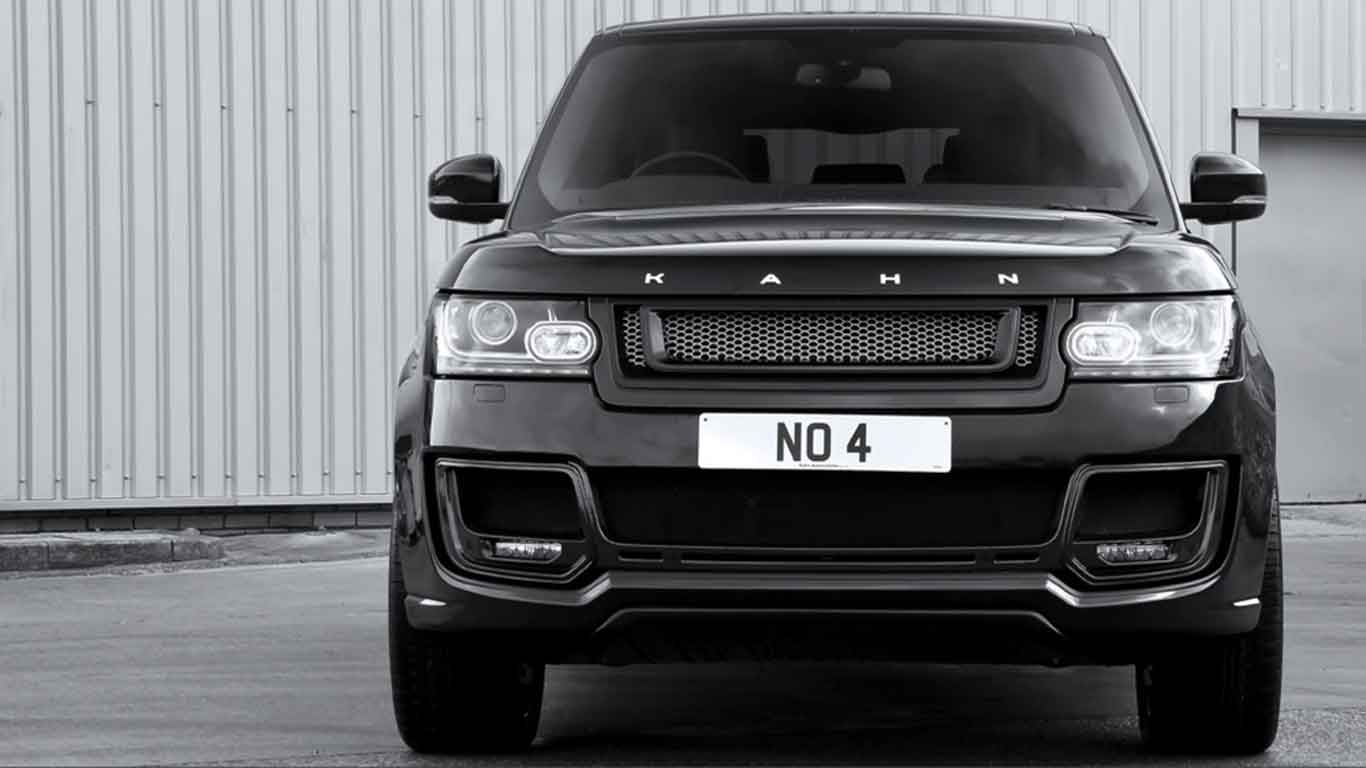
Eric Dier (Tottenham): Range Rover Sport
Should England lift the trophy, Kahn Design founder and CEO Afzal Kahn has promised to gift Eric Dier the number plate ‘NO 4’, said to be valued at £500,000. It’ll look good on his Range Rover Sport.
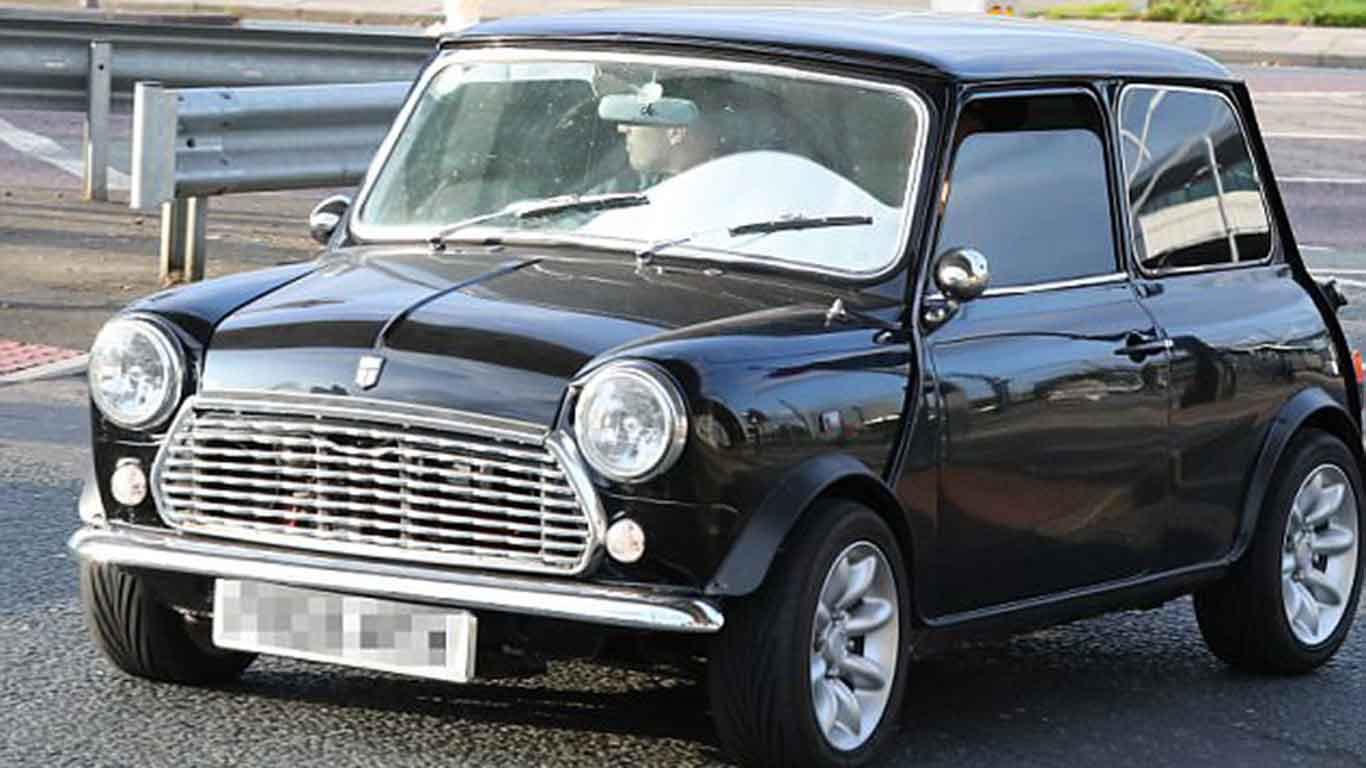
John Stones (Man City): Mini Cooper
Last summer, John Stones was pictured driving Kyle Walker to training in a Mini Cooper. The England and Man City defender posted a video of the drive on Instagram.
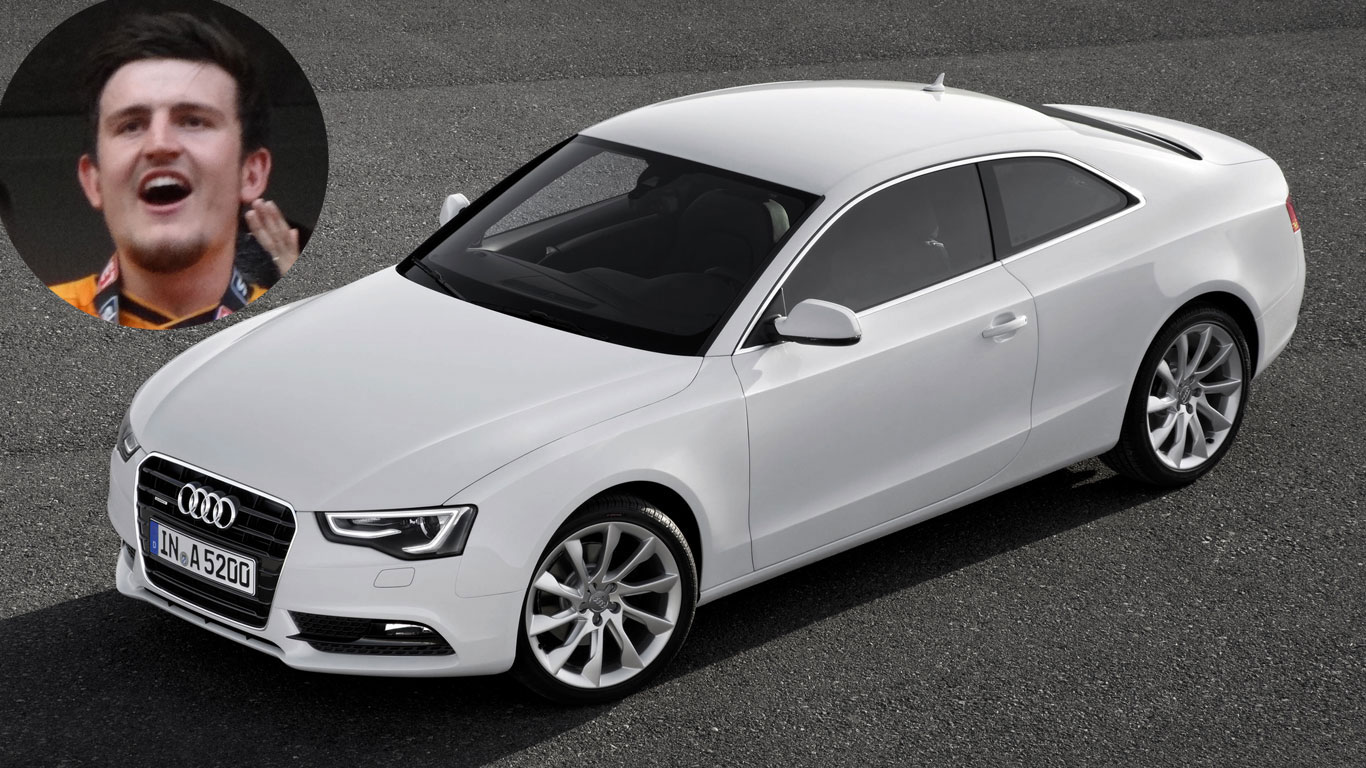
Harry Maguire (Leicester City): Audi A5 S Line
In June 2013, Harry Maguire took delivery of a new Audi A5 S Line. At the time he was playing for Sheffield United, so we suspect he has moved on to something with a little more bling since his move to Leicester City (via Hull City).
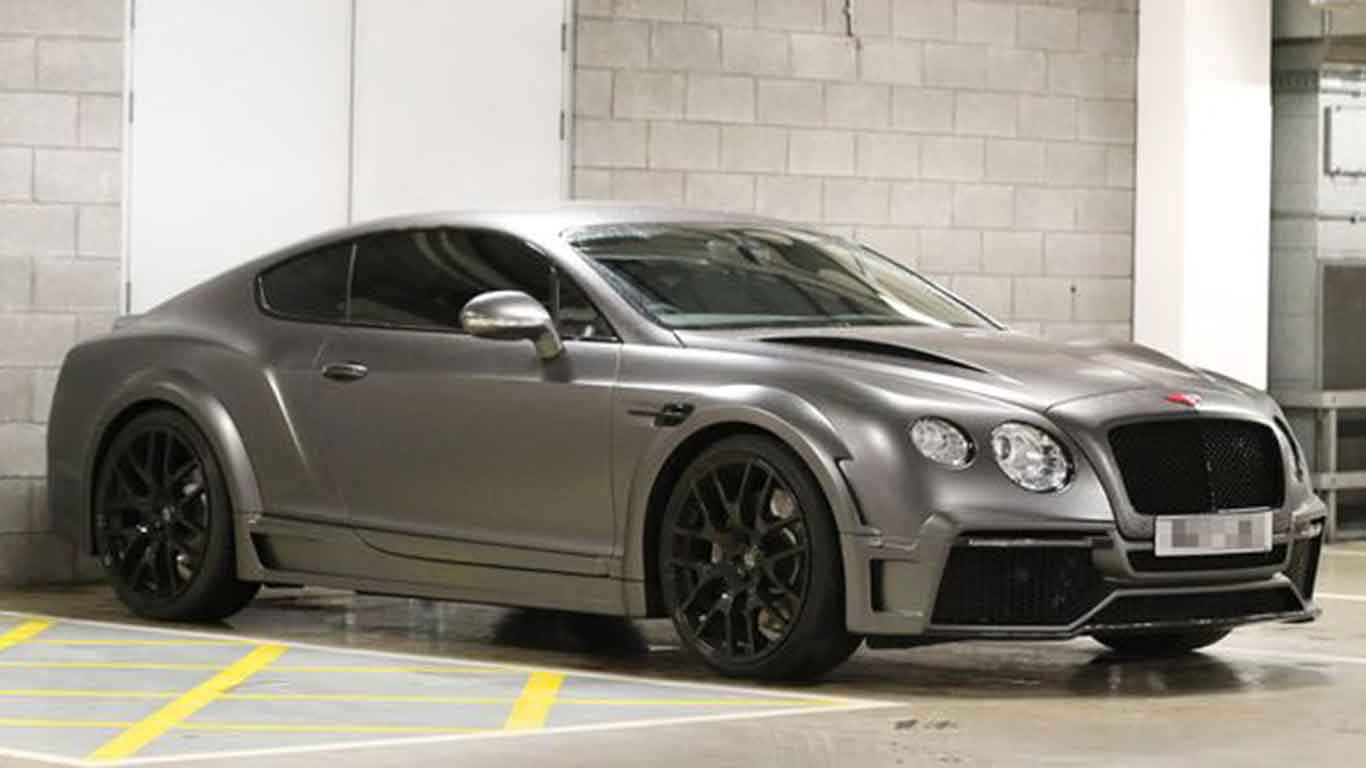
Jesse Lingard (Man Utd): Bentley Continental GT
Manchester United’s Jesse Lingard drives a Continental GT, complete with a red Bentley badge on the bonnet. There are more Bentleys in Cheshire than there are tanning shops. Probably.
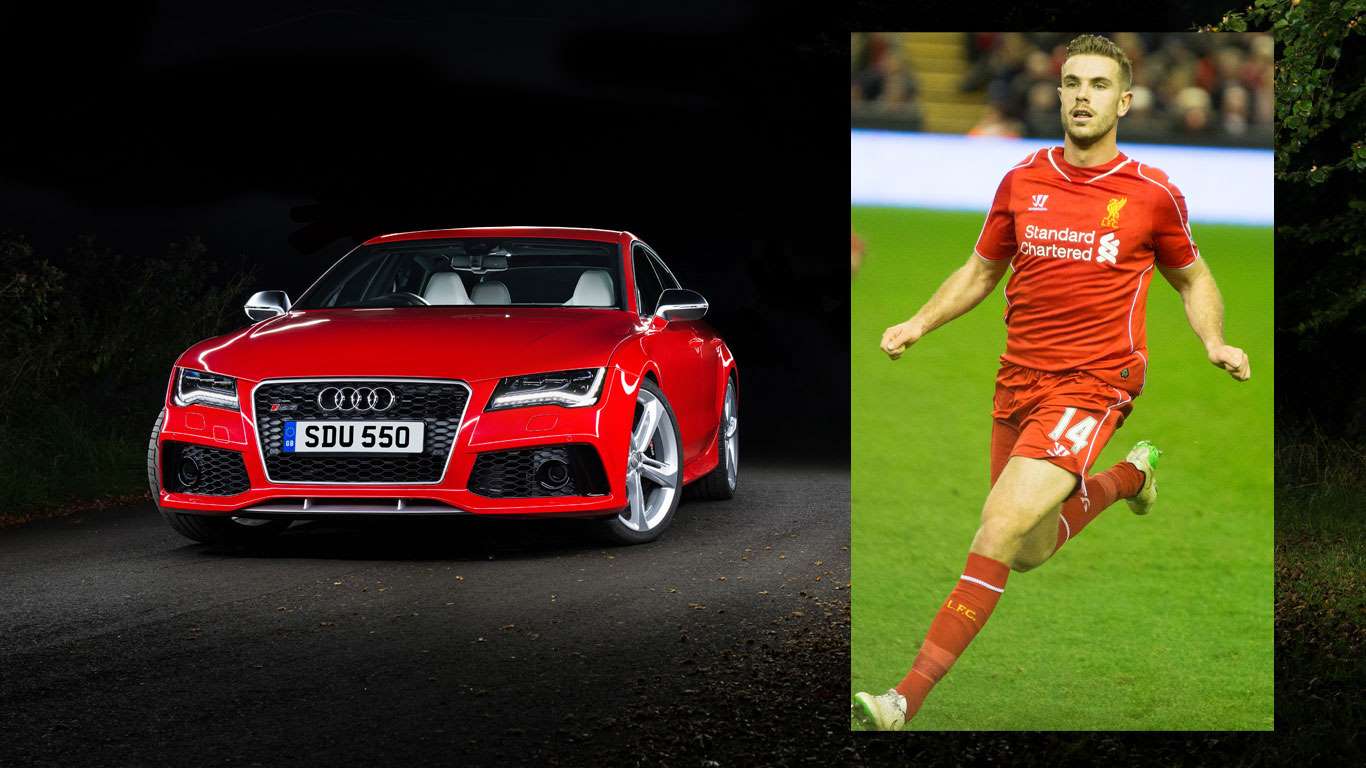
Jordan Henderson (Liverpool): Audi RS7
Jordan Henderson has been spotted driving many cars, including… yes, you’ve guessed it… a Range Rover, along with an Audi RS7.
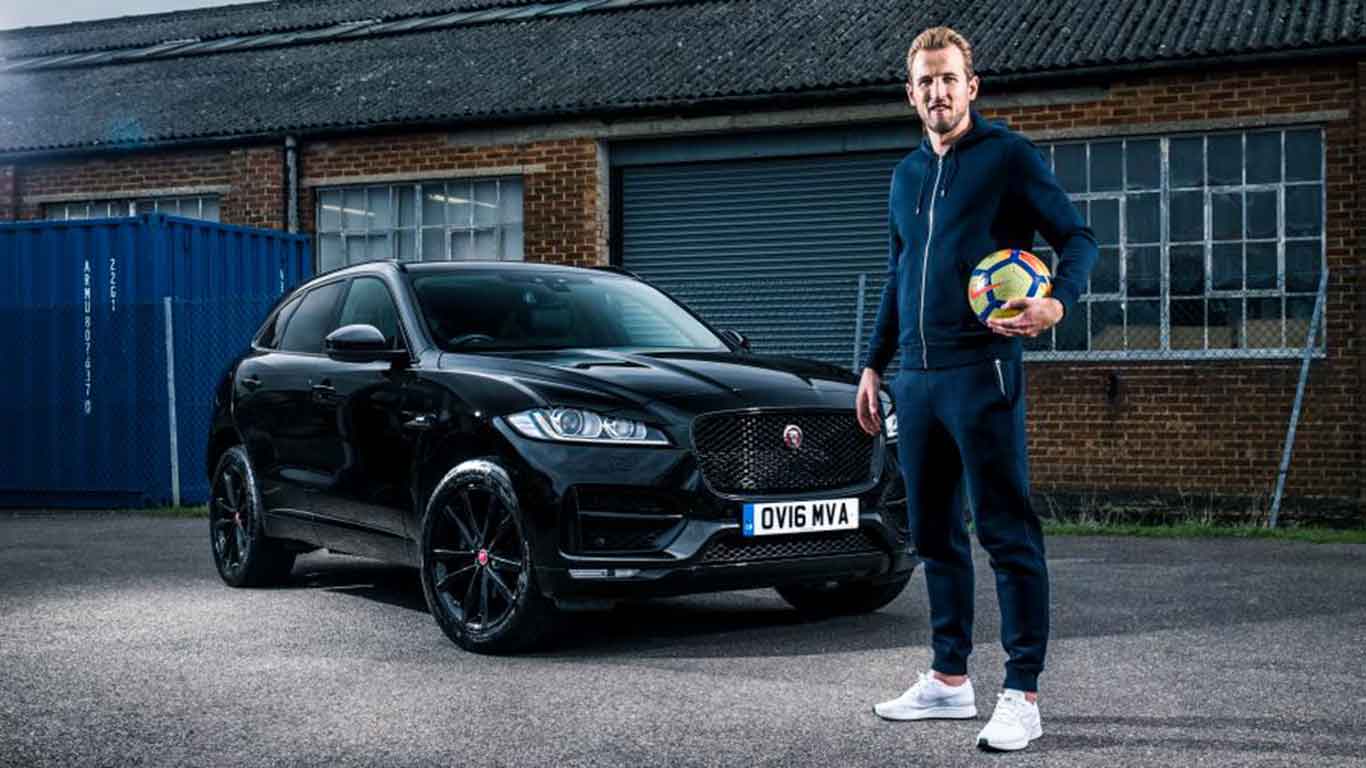
Harry Kane (Tottenham): Jaguar F-Pace
England expects Harry Kane to deliver the goods in Russia, but at least we know he’s patriotic about his home nation. He owns three cars, all of which are made in England – a Jaguar F-Pace, Range Rover Autobiography and Bentley Continental GT Supersports.
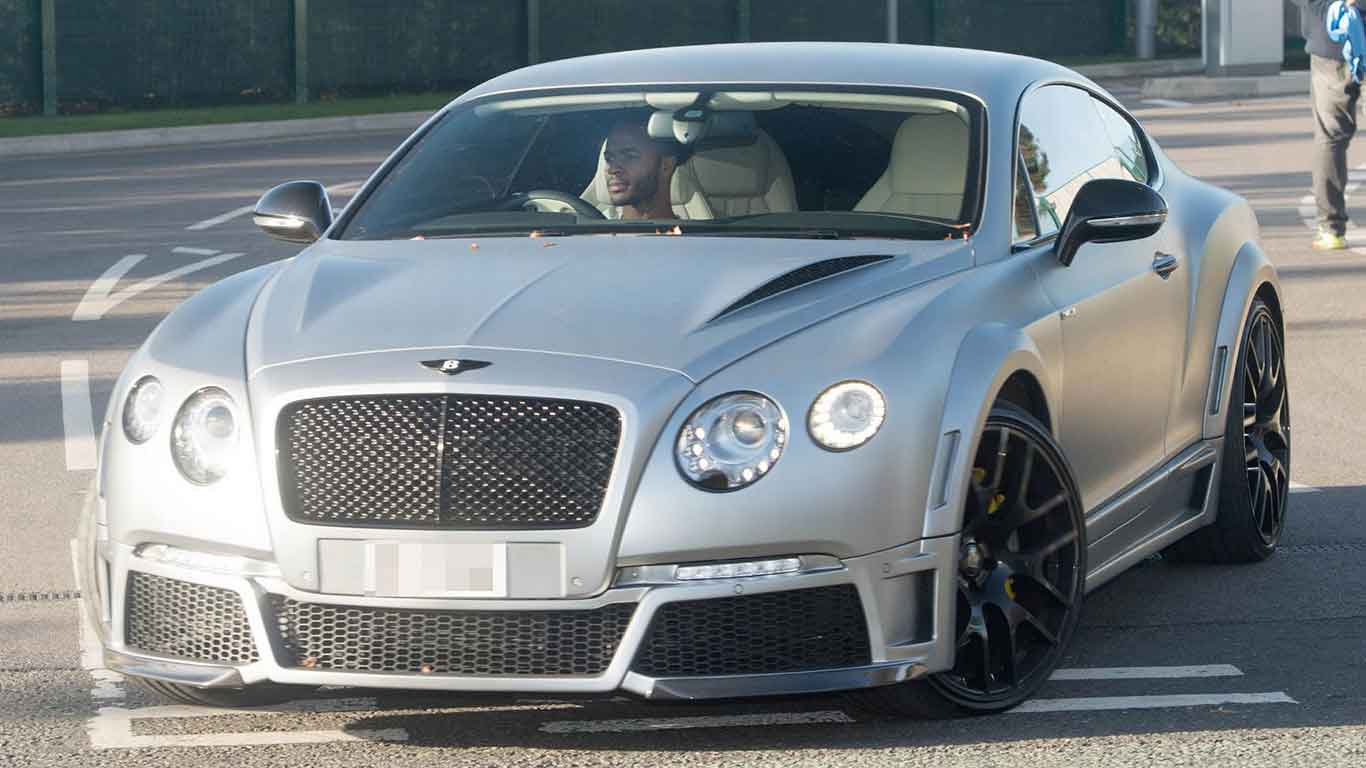
Raheem has been spied driving a number of cars over the years, including a Smart Fortwo, Mercedes-Benz G-Class, Audi S7 Sportback, Audi Q7, Range Rover Evoque, Porsche Cayenne and Bentley Bentayga. This is his Flying Spur-based Onyx Bentley GTX 700-4.
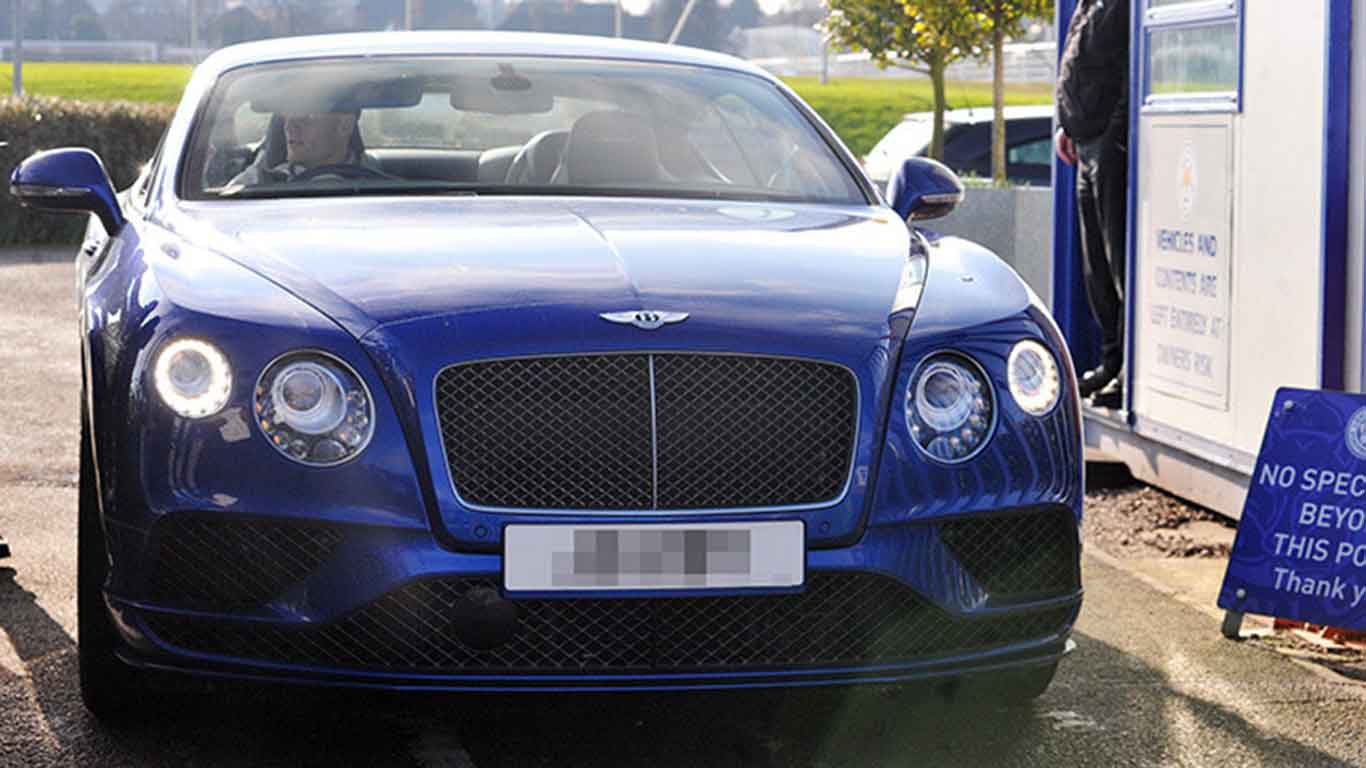
When Jamie Vardy signed a new £13m contract at Leicester City, he celebrated by splashing out on a Bentley Continental GT. Tipping his hat to his club, the Bentley is finished in blue, while the number plate is a highly personalised ‘J9 VDY’.
Kieran Trippier (Tottenham)
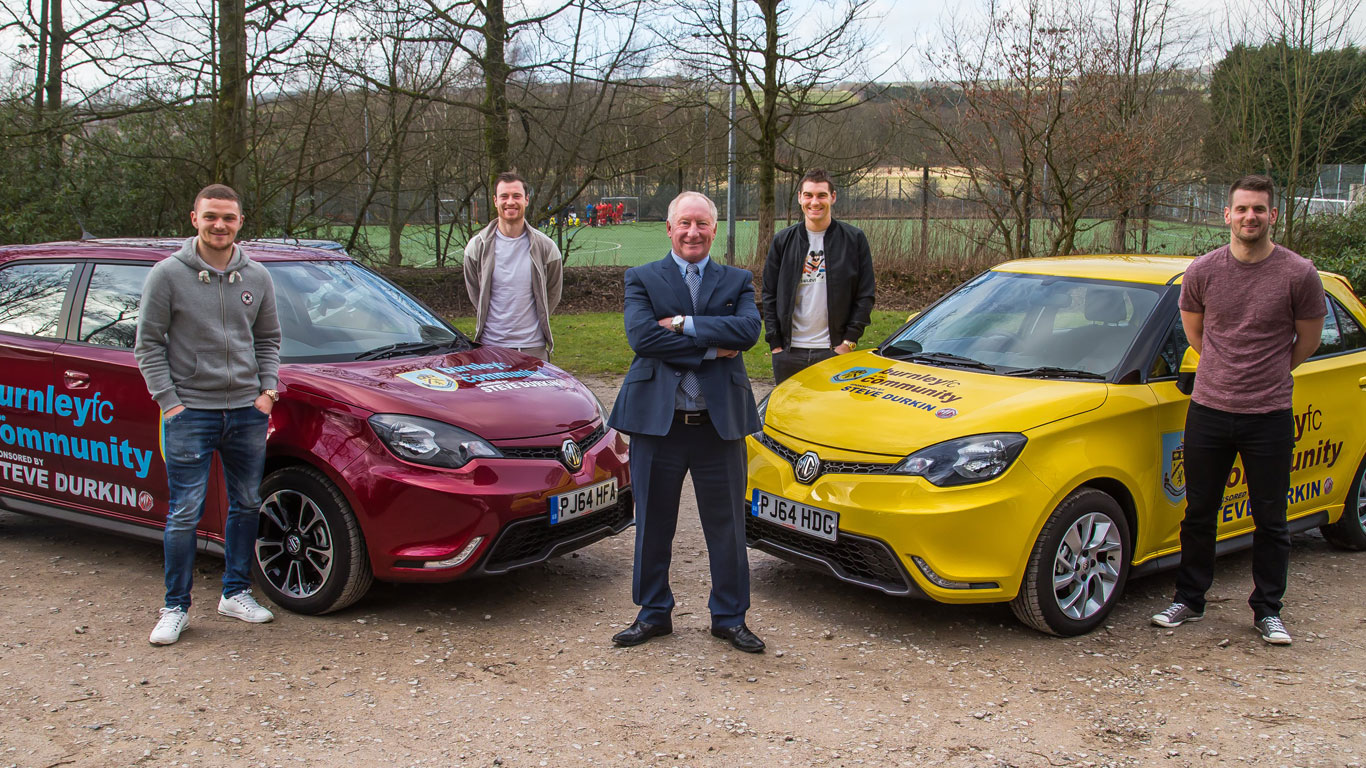
Here’s Kieran Trippier during his time at Burnley, when the club was presented with two new MG3s. The England wing-back is pictured on the left, alongside Steve Durkin (MG dealer), Sam Vokes and Tom Heaton.
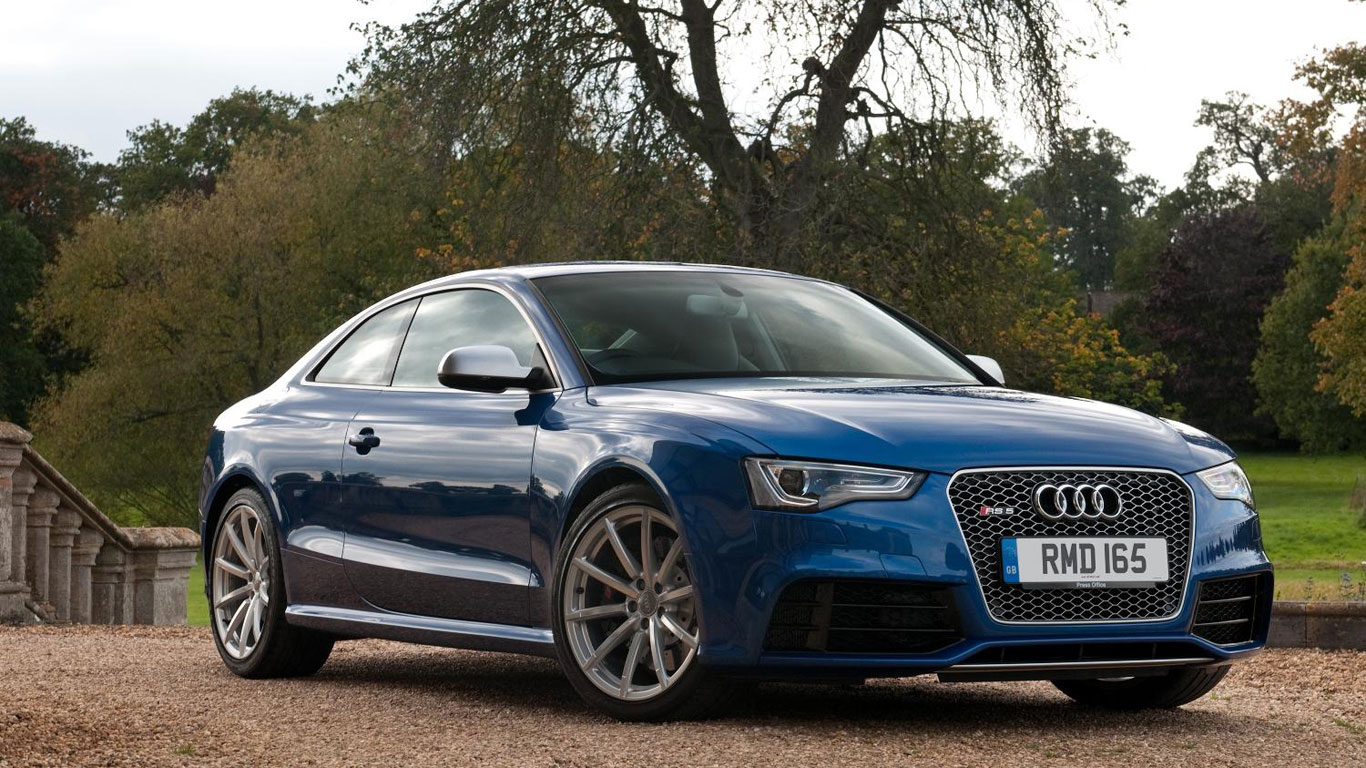
Jack Butland (Stoke City): Audi RS5
In 2014, Jack Butland took to Twitter to appeal for help in finding his Audi RS5. The car was stolen from his driveway just hours before his full Premier League debut against Liverpool.
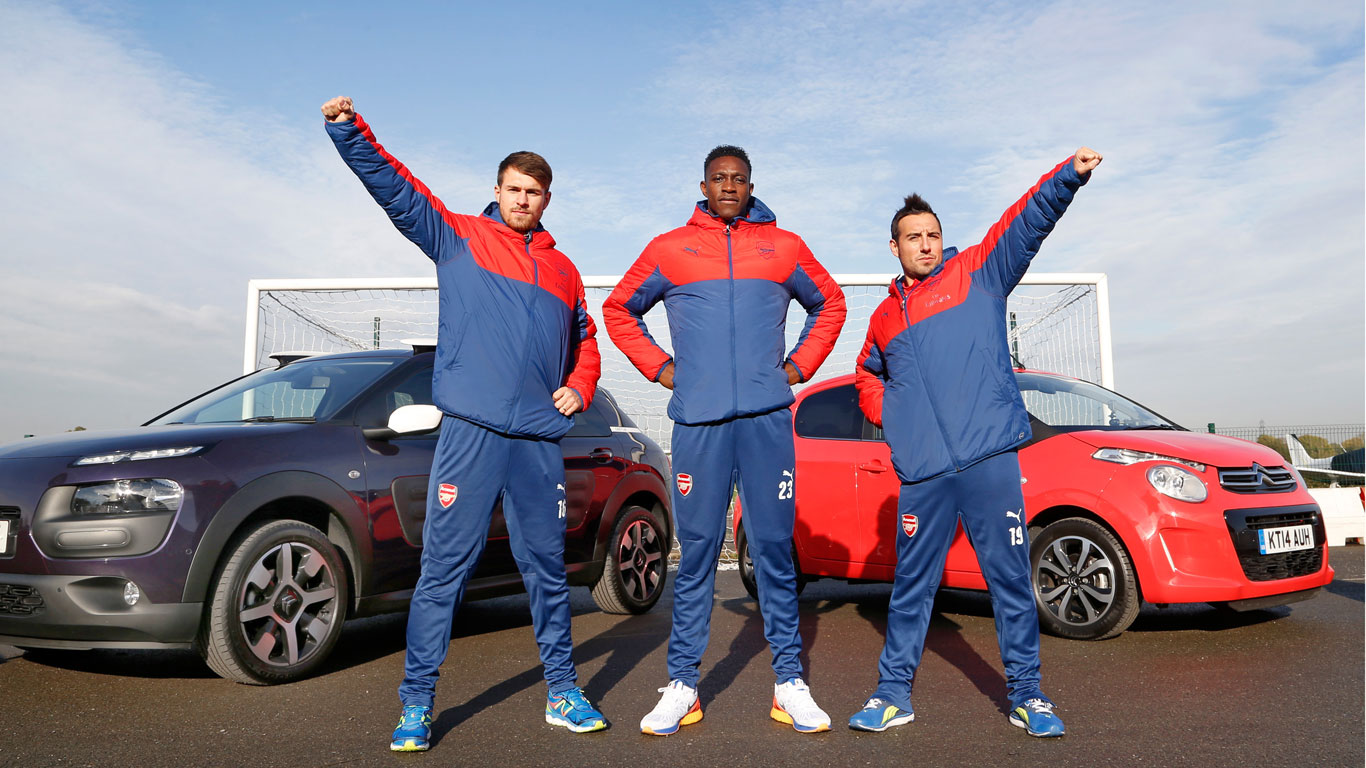
Danny Welbeck (Arsenal)
Danny Welbeck, pictured here on Citroen duties for Arsenal, has owned a number of cars, including an Audi S3 and a Corvette, with the Chevrolet presented to him as part of the American giant’s sponsorship of his former club, Manchester United.
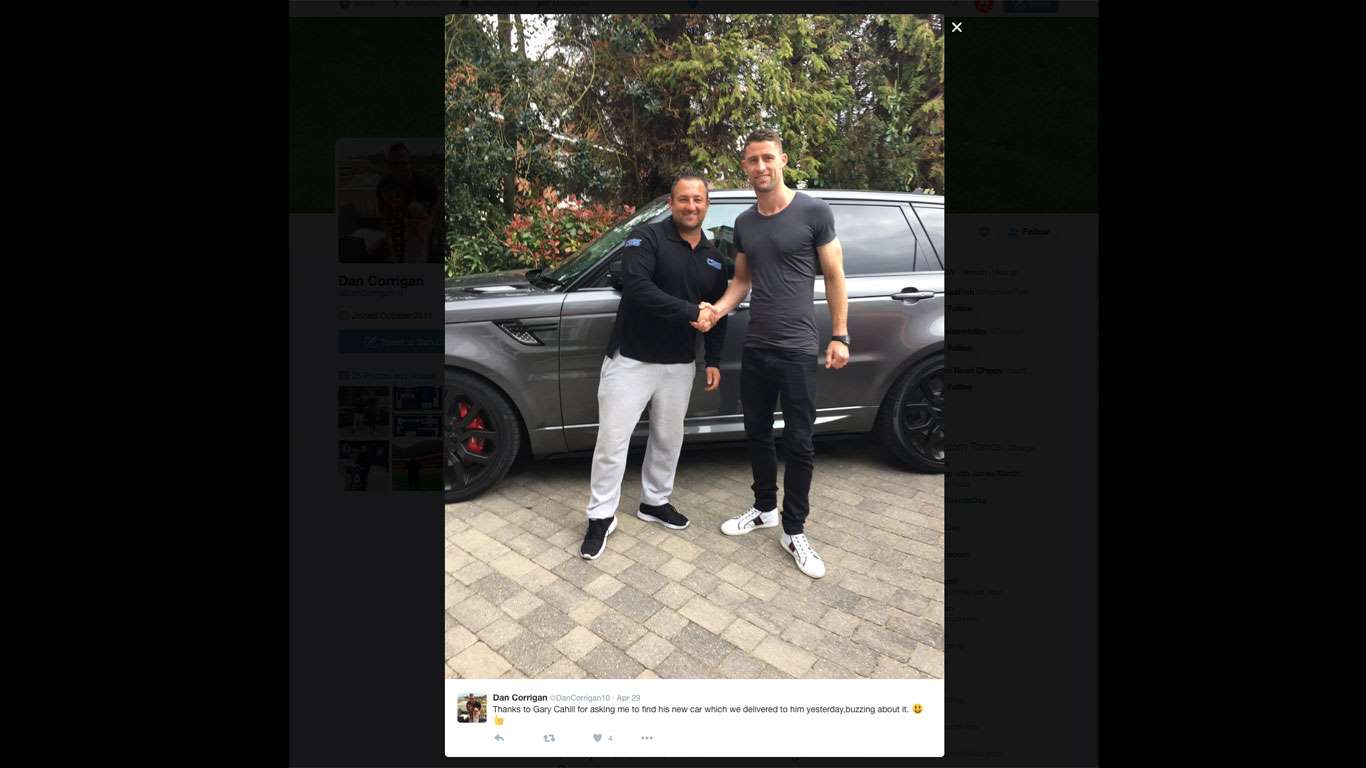
Gary Cahill (Chelsea): Range Rover Sport SVR
Gary Cahill has owned a number of Range Rovers and has often been papped around Stamford Bridge or the club’s Cobham Training Centre. This tweet from 2016 suggests he took delivery of a new Range Rover Sport. A 575hp SVR, perhaps?
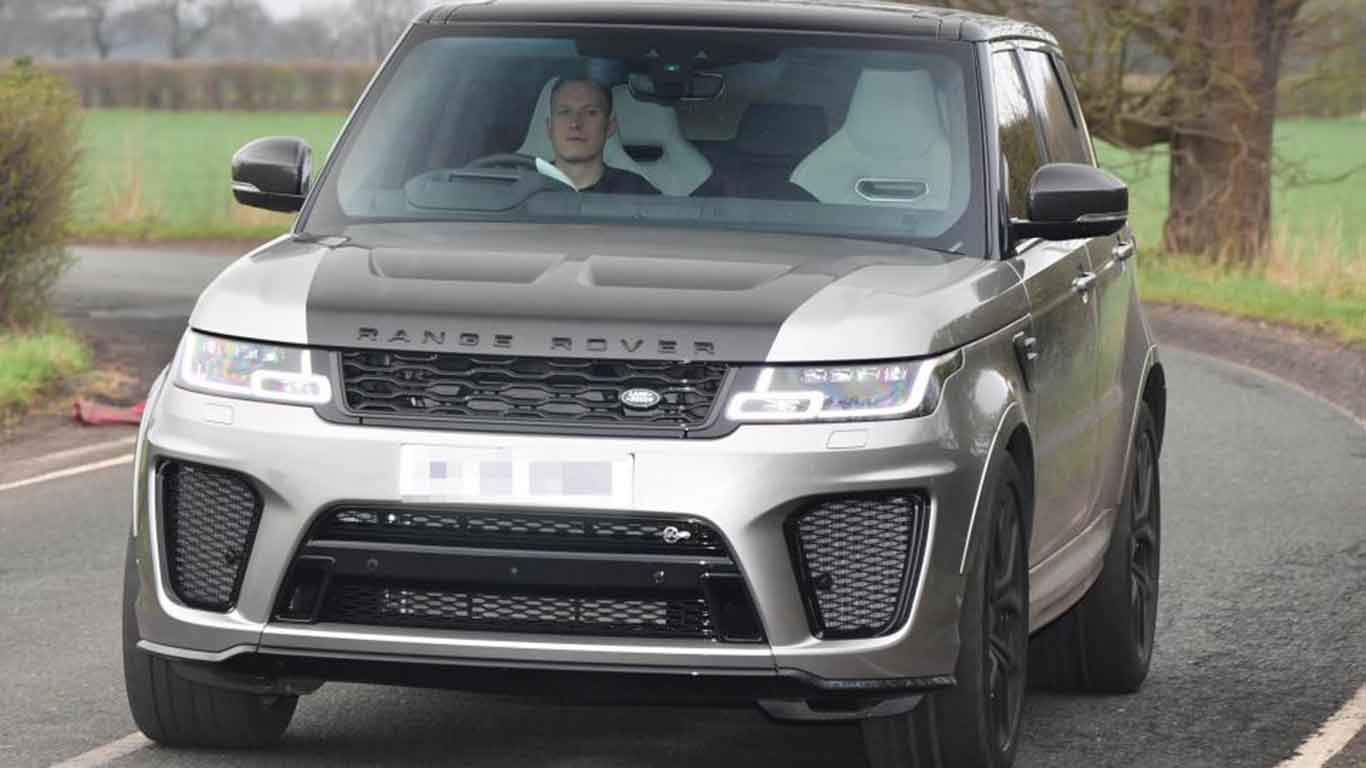
Phil Jones (Man Utd): Range Rover Sport SVR
Phil Jones is another England star with an Onyx Bentley on his drive, but earlier this year, the Manchester United defender picked up the keys to a new Range Rover Sport SVR. The fastest Land Rover ever costs from £101,145 and can top 162mph.
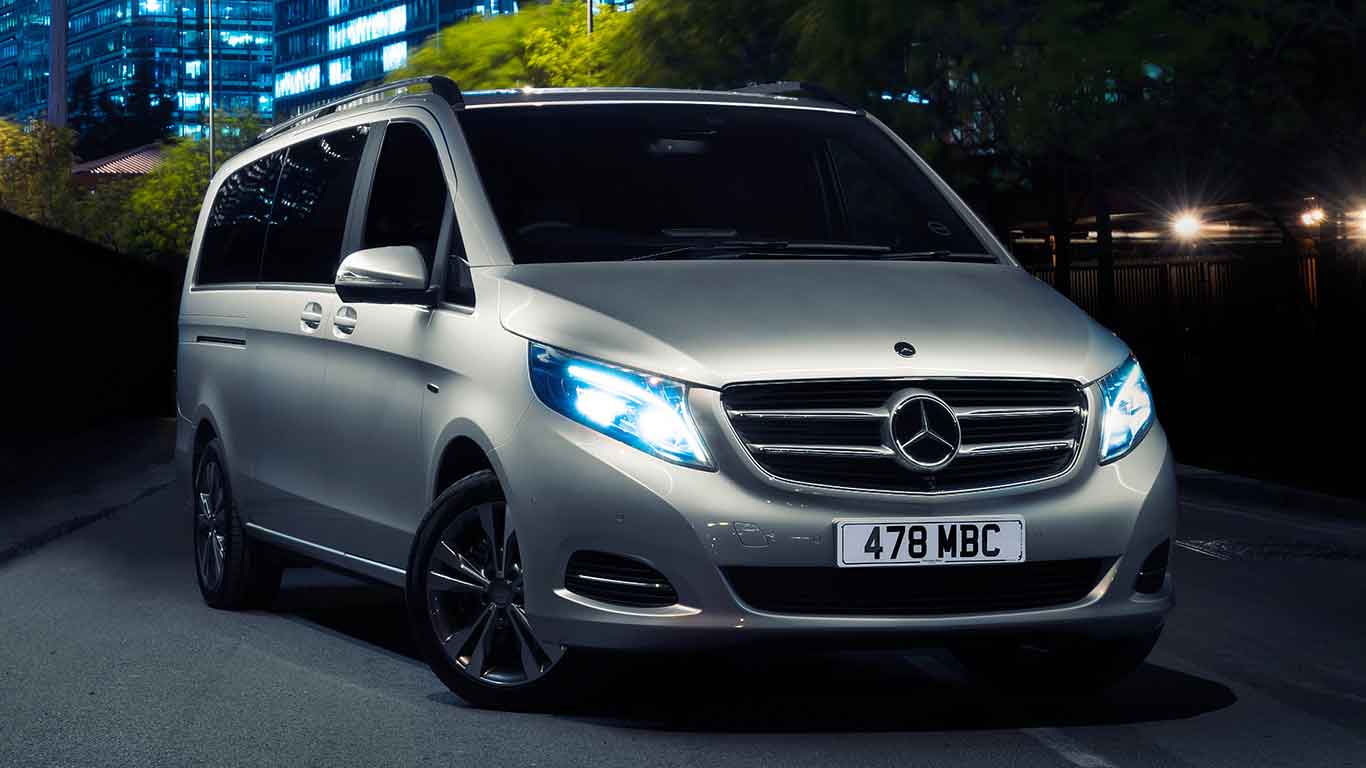
Nottingham-based AC13 create bespoke Mercedes-Benz V-Class special editions, “built for complete practicality as well as keeping that faultless luxurious feel throughout”. Perfect for Manchester City and England star, Fabian Delph.
Ashley Young (Man Utd): Bentley Continental GTC
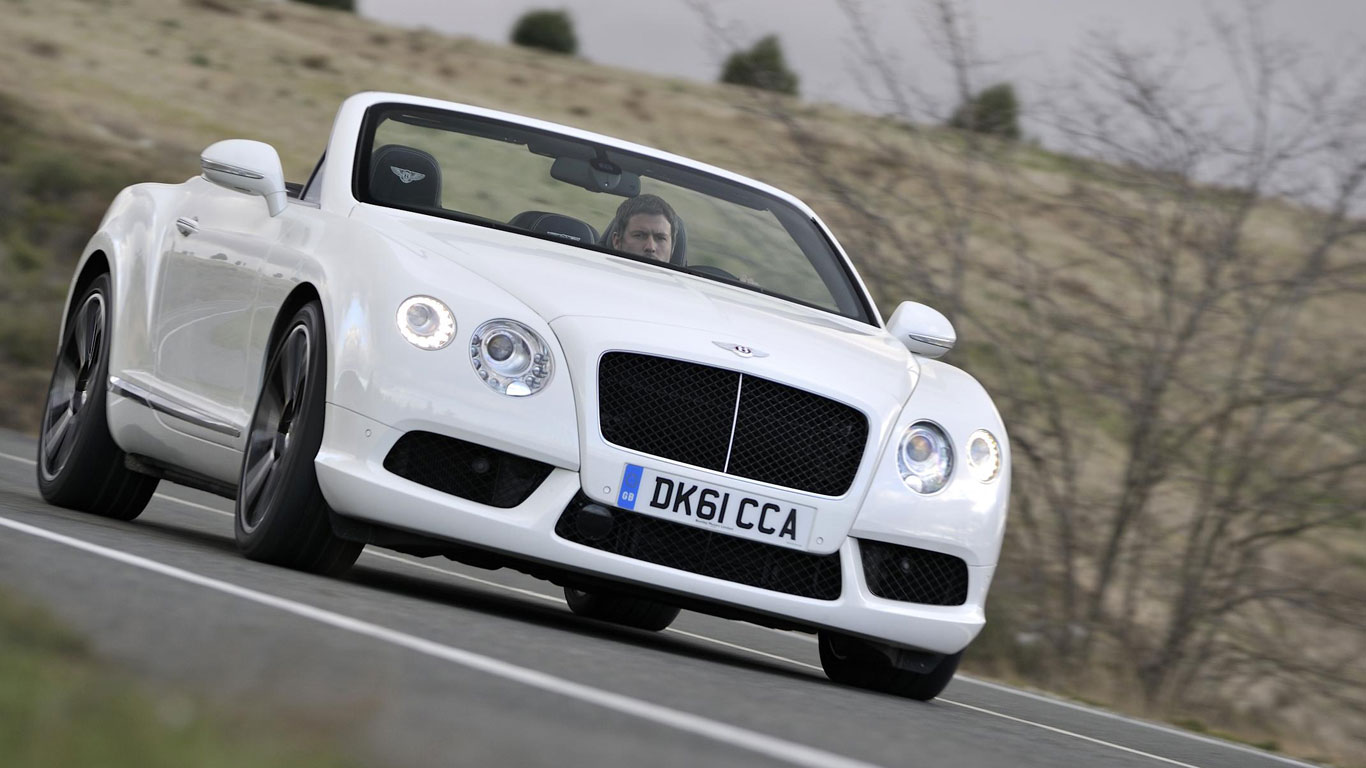
According to social media, Ashley Young has owned a number of flash motors, including a Bentley Continental GTC, Audi Q3 and a customised Range Rover Vogue.
Marcus Rashford (Man Utd): Urban Automotive Range Rover SVR
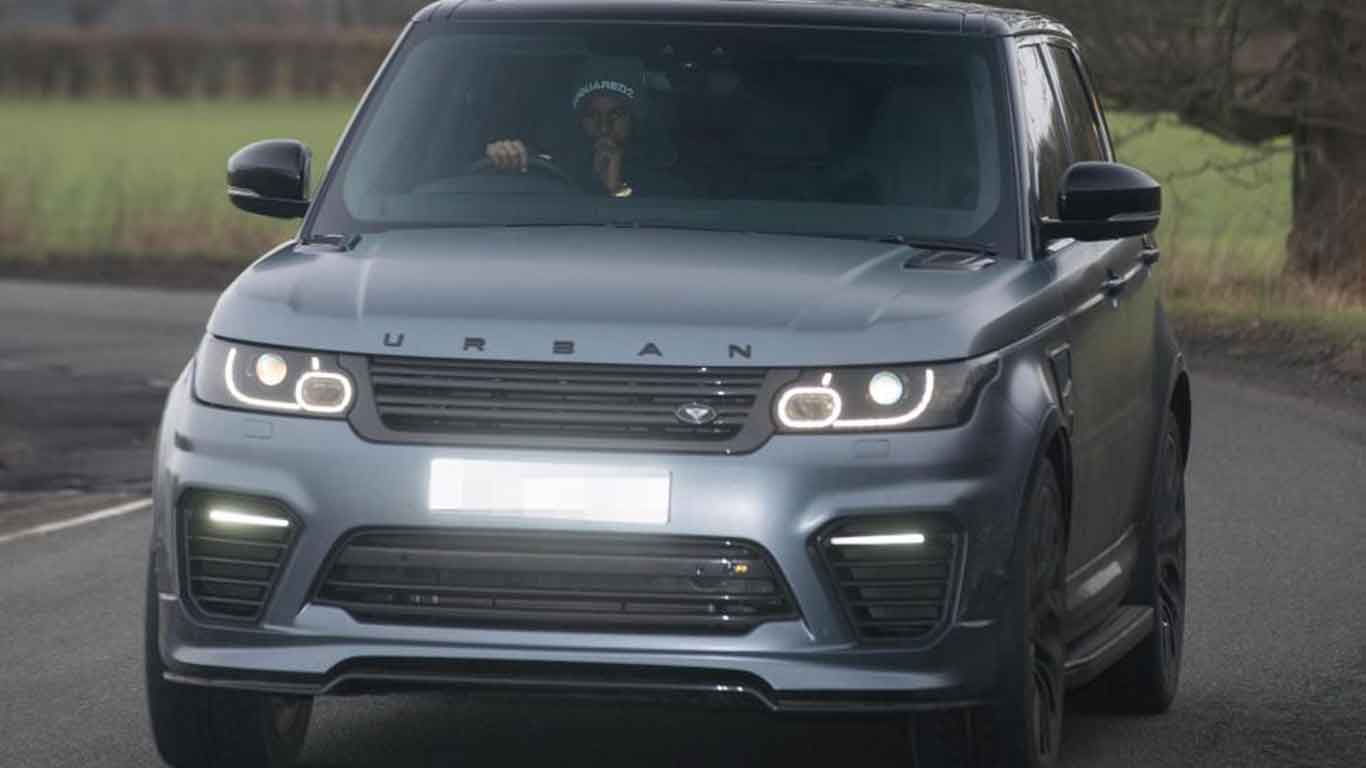
Urban Automotive specialise in body kits, styling and alloy wheels for Land Rover vehicles, and the Milton Keynes-based company can boast England starlet Marcus Rashford as one of its clients. The Manchester United forward has also been spotted at the wheel of various Mercedes-Benz cars.
Dele Alli (Tottenham): Bentley Continental GT Supersports
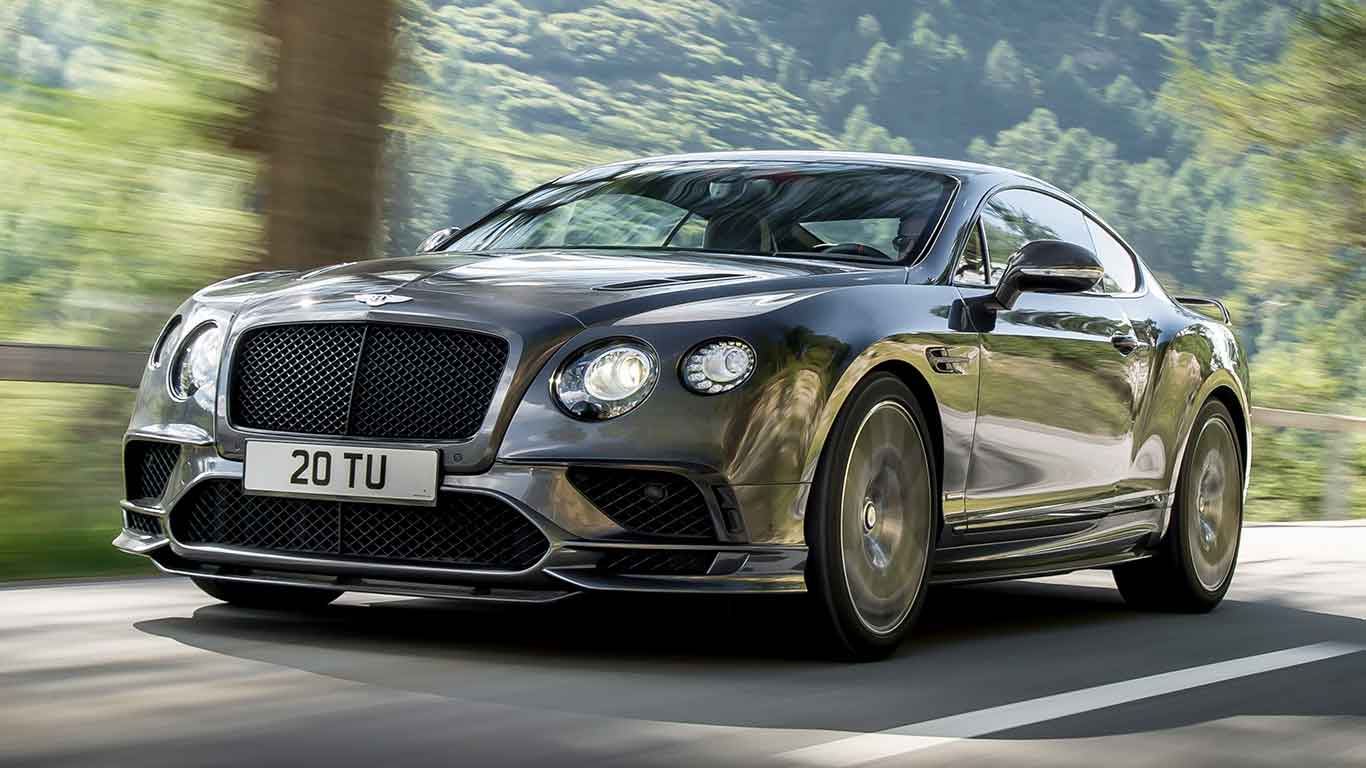
Much is expected of Dele Alli, with England fans hoping his successful partnership with Harry Kane will migrate from the Premier League to the World Cup. He drives a Bentley Continental GT Supersports.
Ruben Loftus-Cheek (Chelsea): Mercedes-Benz CLA
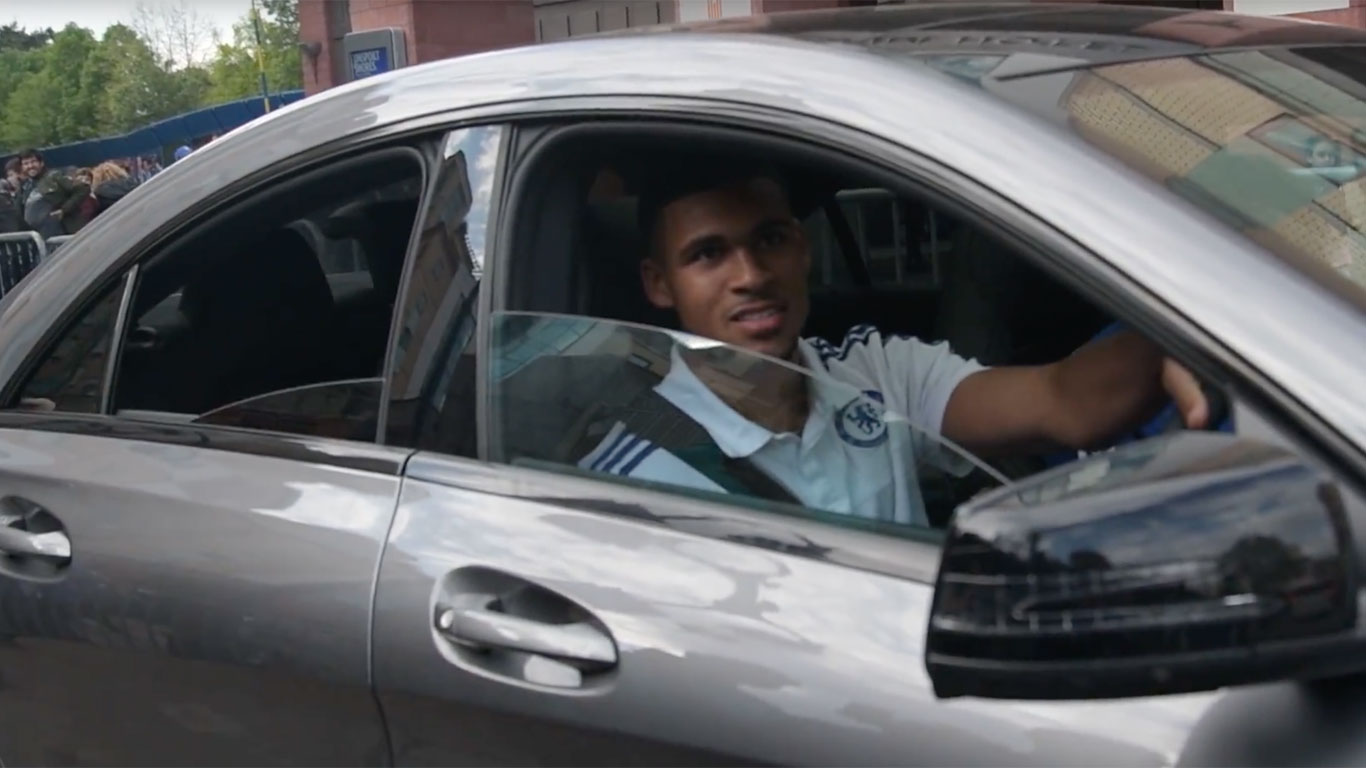
Ruben Loftus-Cheek spent the 2017-18 season on loan at Crystal Palace, but here he is leaving a Chelsea game in 2016 at the wheel of a Mercedes-Benz CLA.
Trent Alexander-Arnold (Liverpool): Audi A3
Trent Alexander-Arnold has enjoyed an amazing season, starring for Liverpool in their run to the Champions League final and making it to the World Cup as part of the England squad. As yet, the fame and fortune hasn’t gone to his head – he still drives a humble Audi A3.
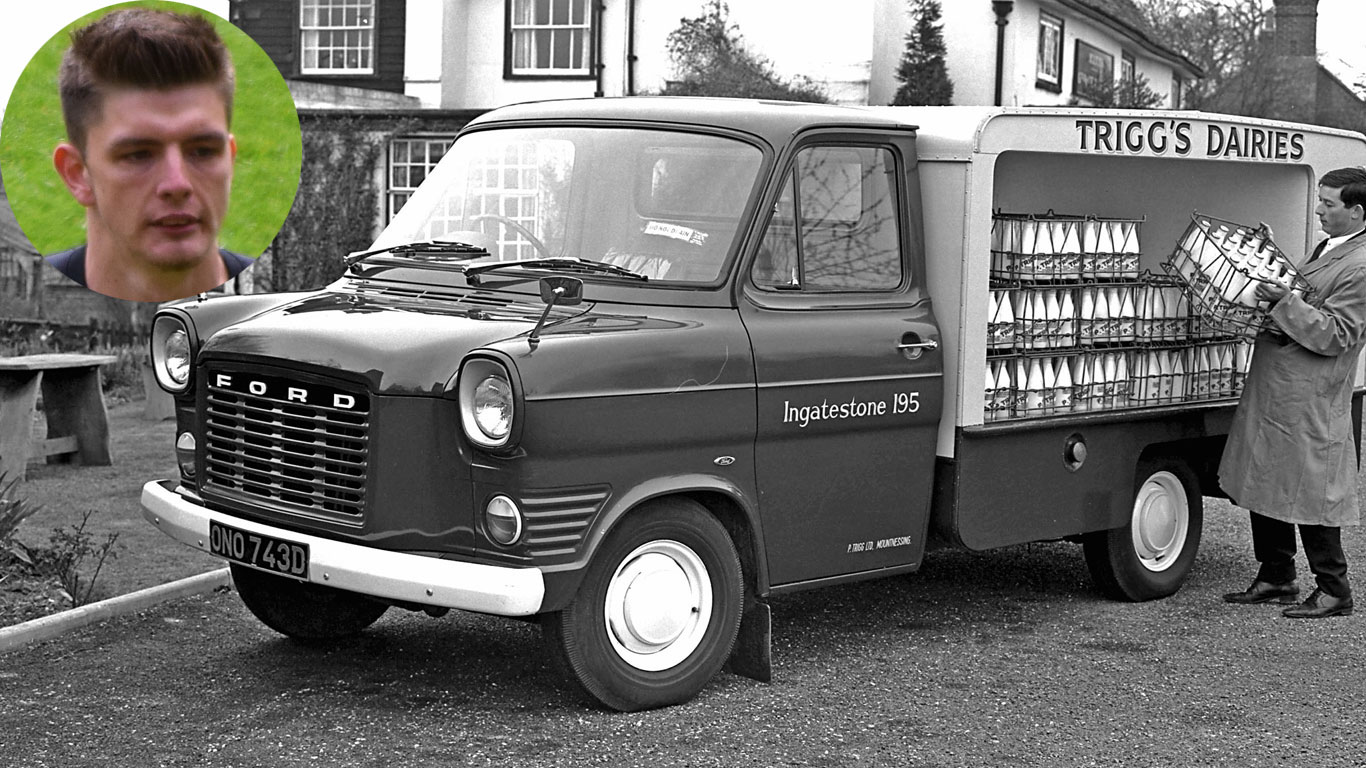
Nick Pope (Burnley): a milk float?
We’re not sure what car Nick Pope drives, but in a recent interview he revealed that he used to be a milkman. This will come in handy if he plays in goal at the World Cup, as you need a lot of bottle to face the world’s best strikers. Badum-tish.
If you’re out on the pull this summer, you’ll need a car that’s up for the challenge. Fortunately, the experts at Practical Caravan, What Car? and The Camping and Caravanning Club have put their heads together to bring us the Tow Car Awards 2018. Put simply, these are the best cars for pulling.
A total of 44 cars were entered this year, each one matched to a caravan from the UK’s biggest caravan manufacturer, the Swift Group, or a trailer ballasted to the recommended maximum of 85 percent of its kerbweight. Cars are also assessed for value for money, ride comfort, running costs, refinement, passenger space and practicality.
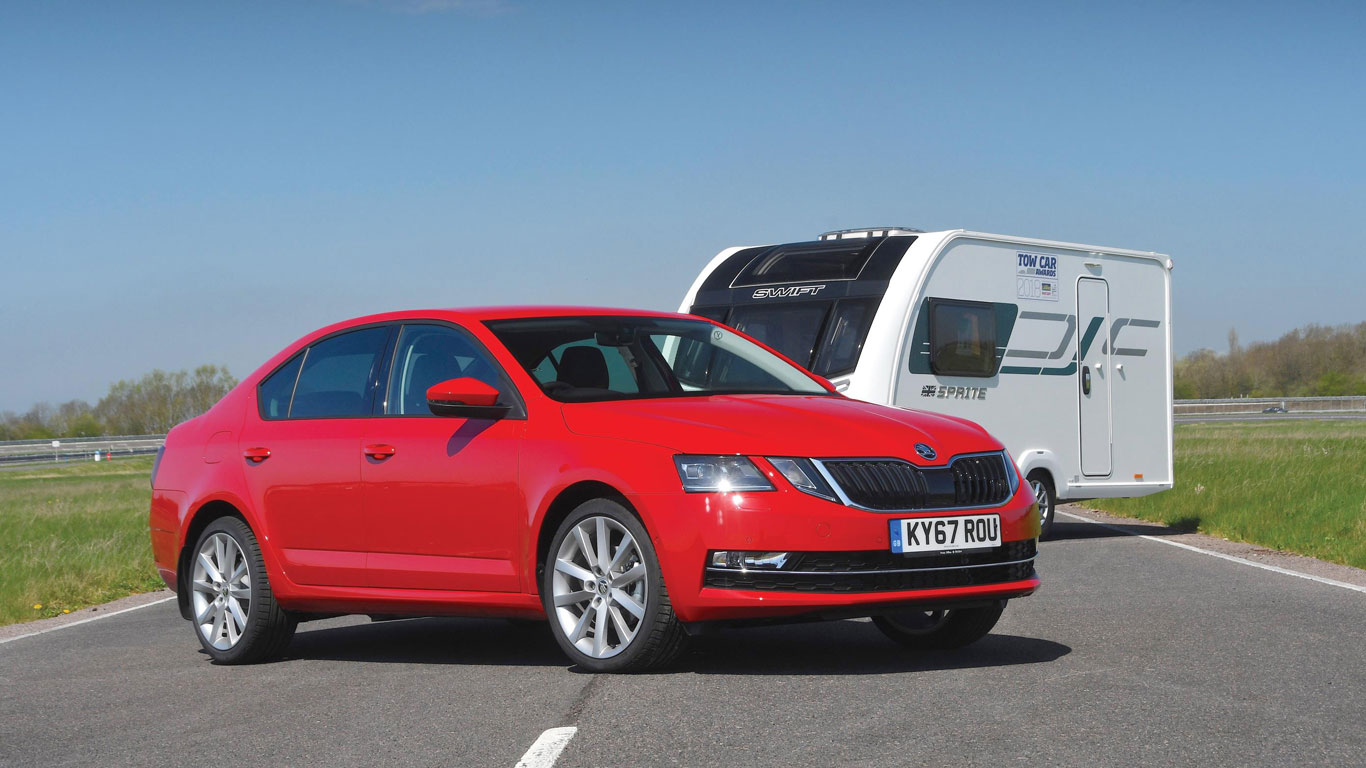
Up to 1,400kg: Skoda Octavia 2.0 TDI 150PS SE L DSG
The Skoda Octavia scoops the award for the best small tow car, with the judges saying: “This is getting to be something of a habit for the Skoda Octavia. Every year but one since 2013, the Octavia has been our favourite small tow car.” The judges loved the huge boot, space for passengers and high speed stability.
The Octavia handled the lane-change test reasonably well, although the caravan was swaying and starting pull hard at the back of the car. However, the judges praised the brakes, saying: “If you need to stop in a hurry rather than swerve you’ll find the Octavia’s brakes reassuringly powerful. The car took just 10.8 metres to stop from 30mph on a dry track.”
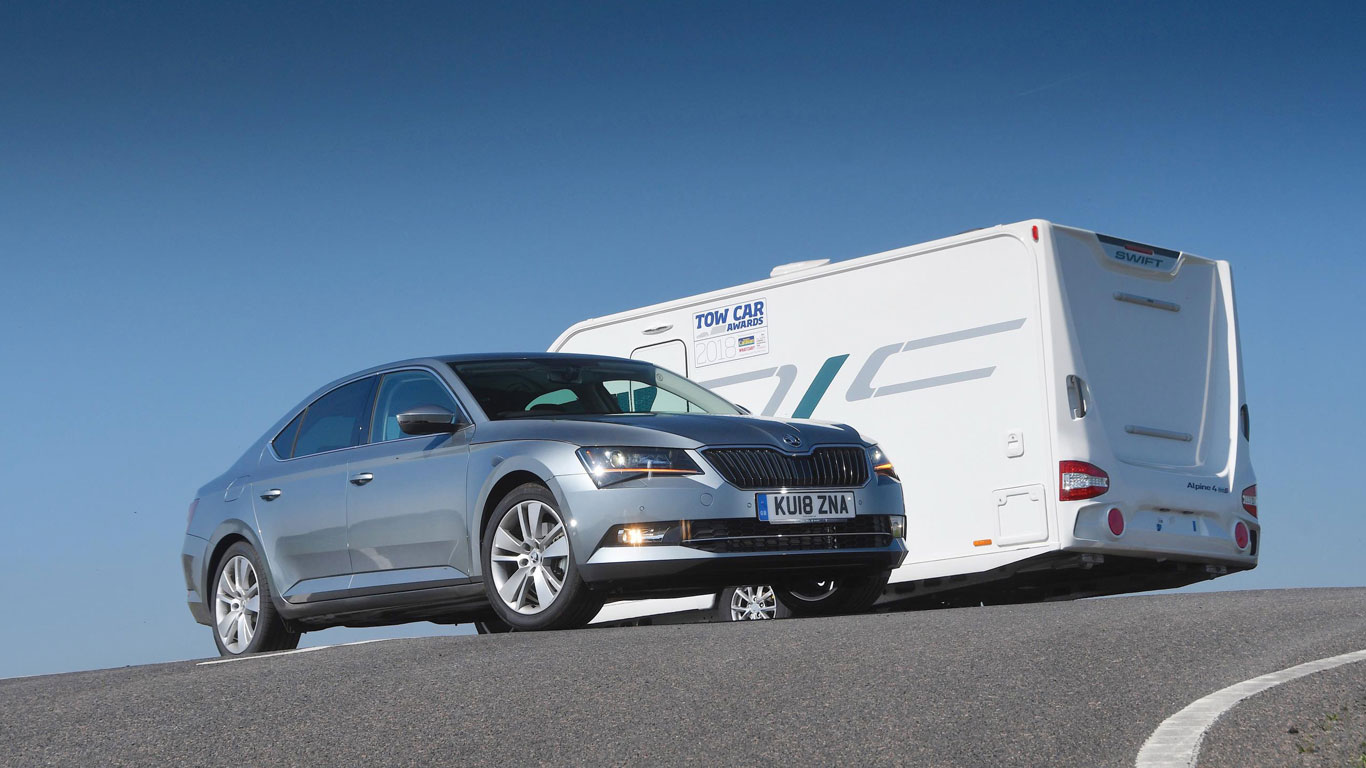
1,400-1,549kg: Skoda Superb 2.0 TDI 150PS SE L Executive
Moving on to the Skoda Superb, which is a winner in the 1,400-1,549kg category. Commenting on the Superb’s success, the judges said: “It’s hard to find any really serious faults with the Skoda Superb. It puts a big tick in just about every important box.” High praise from the experts.
The Superb took one of the sternest challenges in its stride, with the experts saying: “Arguably the toughest test we put cars through is the emergency lane-change. It’s far more violent than any swerve you would hope to make on the public road unless you had to change direction at the last minute to avoid an accident. The test was performed three times at steadily increasing speeds and only on the third and final run could the caravan be felt pulling at the back of the car.”
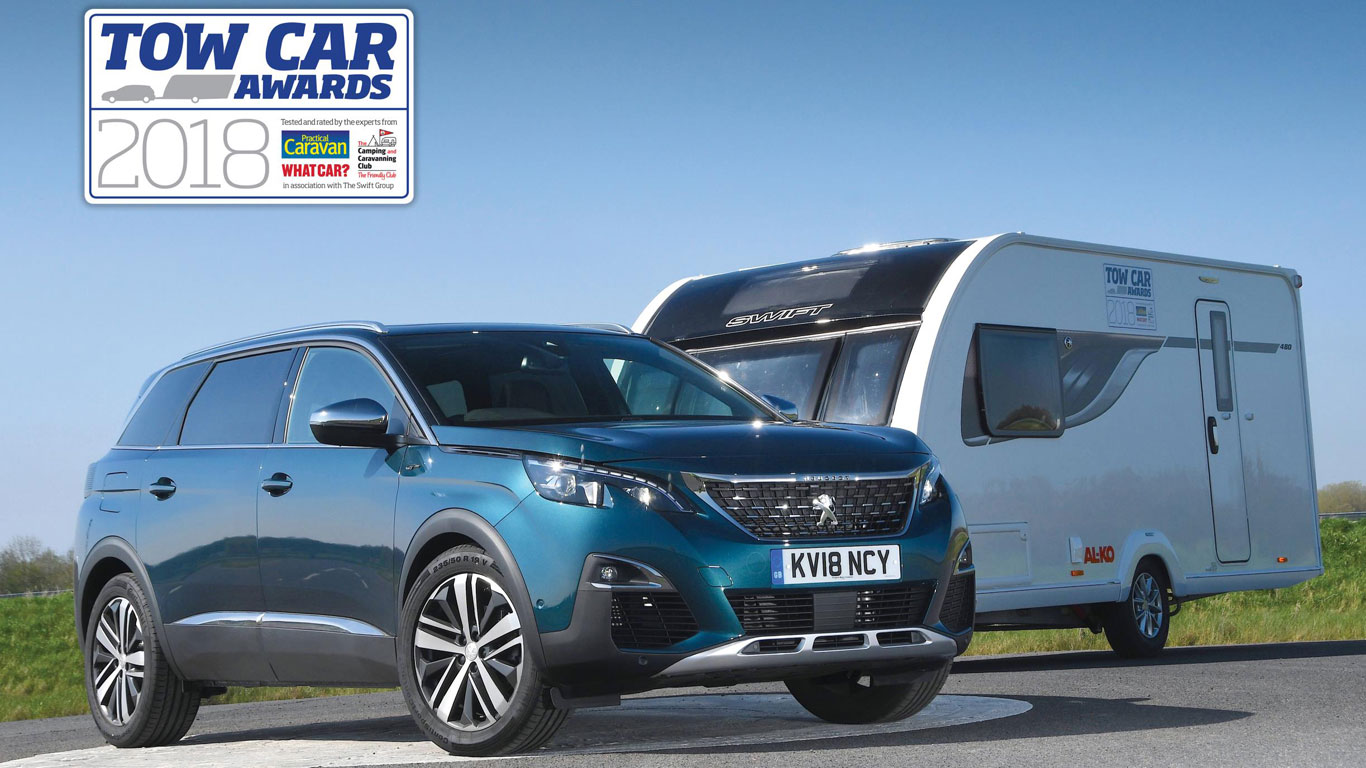
Moving up a level, the Peugeot takes the prize in the 1,550-1,699kg category. The judges were quick to praise the “exemplary” stability, the ride comfort and the “refined and smooth” engine.
“For a car of this size and price the Peugeot is rather light – a plus for most owners, but not necessarily for caravanners. However, provided the 5008 makes a suitable match for your tourer it’s an excellent tow car,” said the judges.
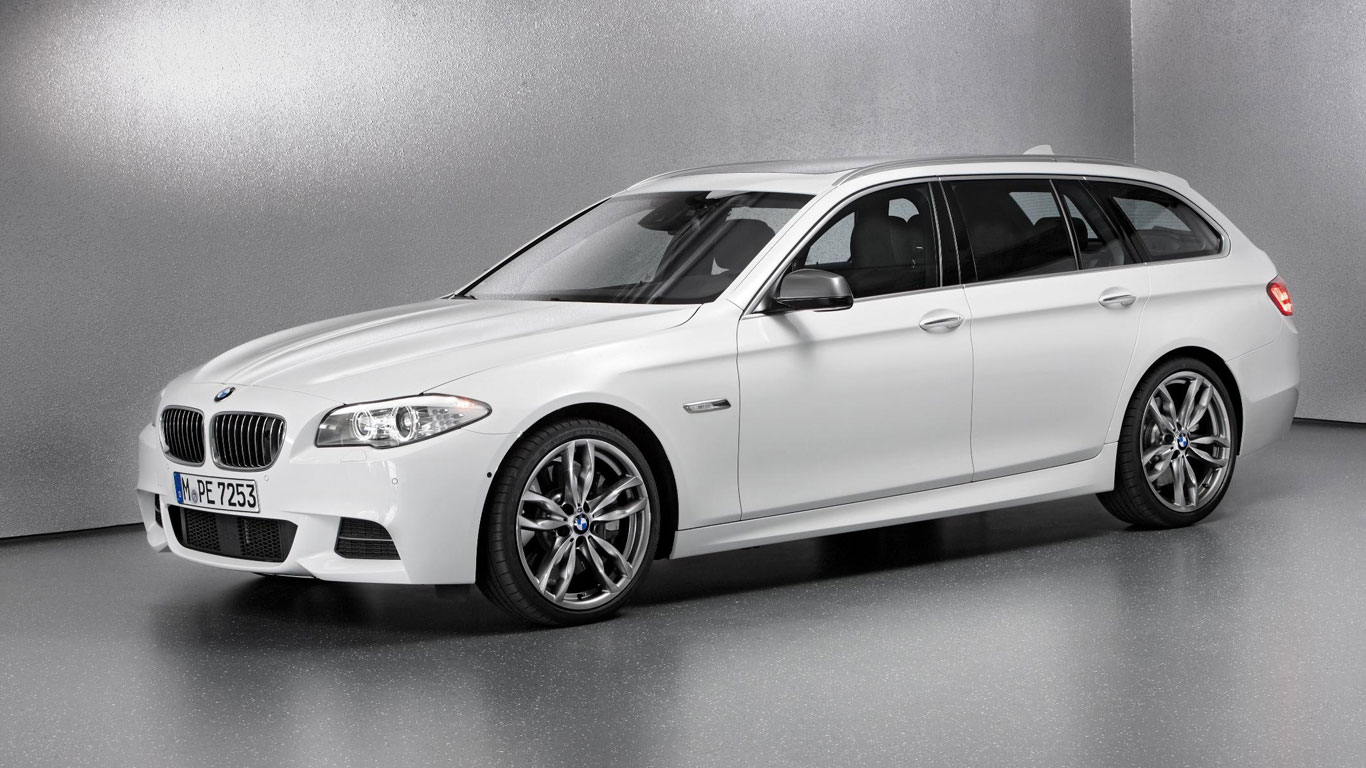
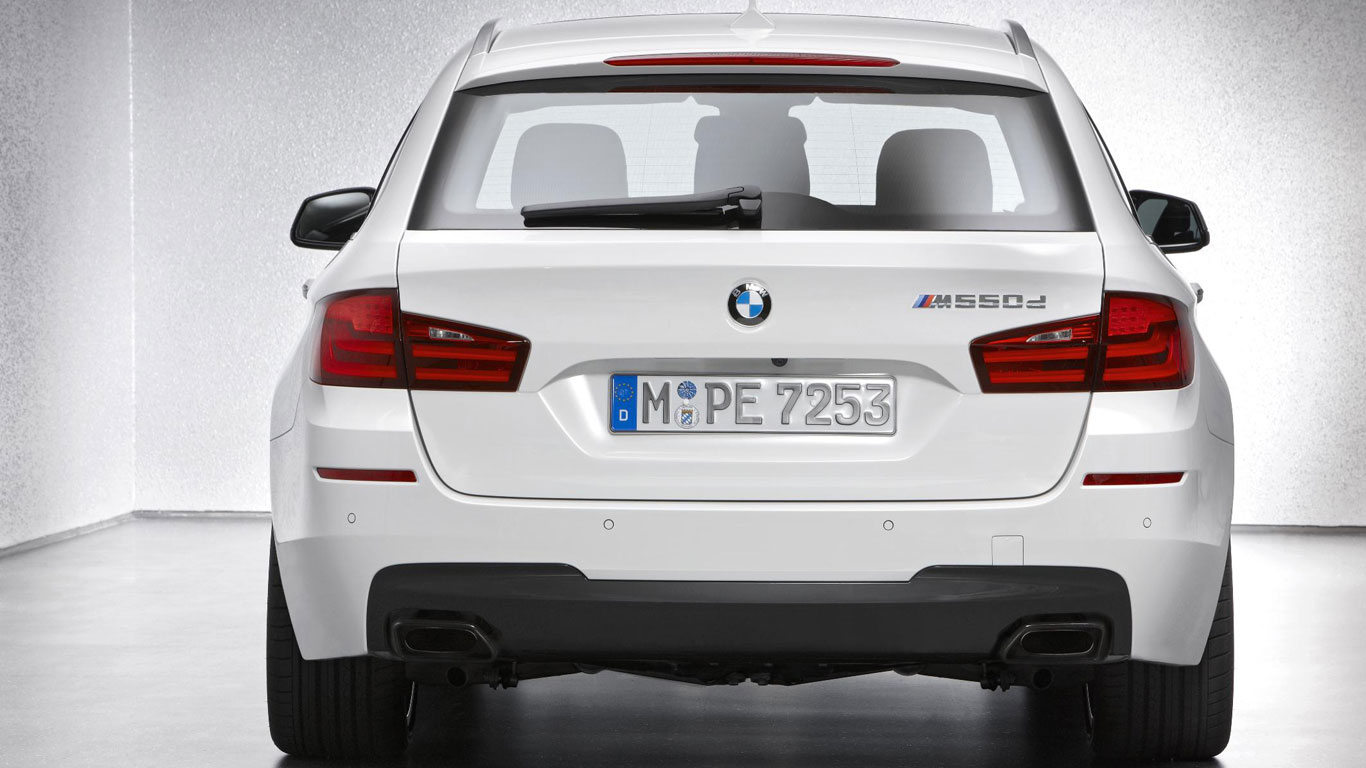
1,700kg-1,899kg: BMW 520d Touring xDrive M Sport
This is one of the toughest categories, with the judges commenting that half a dozen new models could have taken the honours. So, why did the BMW 520d Touring emerge victorious? “Because if you make a list of the attributes you’d want from a tow car, the 5 Series Touring has all of them.”
The judges said the BMW was “unshakeable at speed”, before describing the car as “unfazed” during the lane-change test. The 5 Series Touring was also praised for its interior space, boot size and ride comfort.
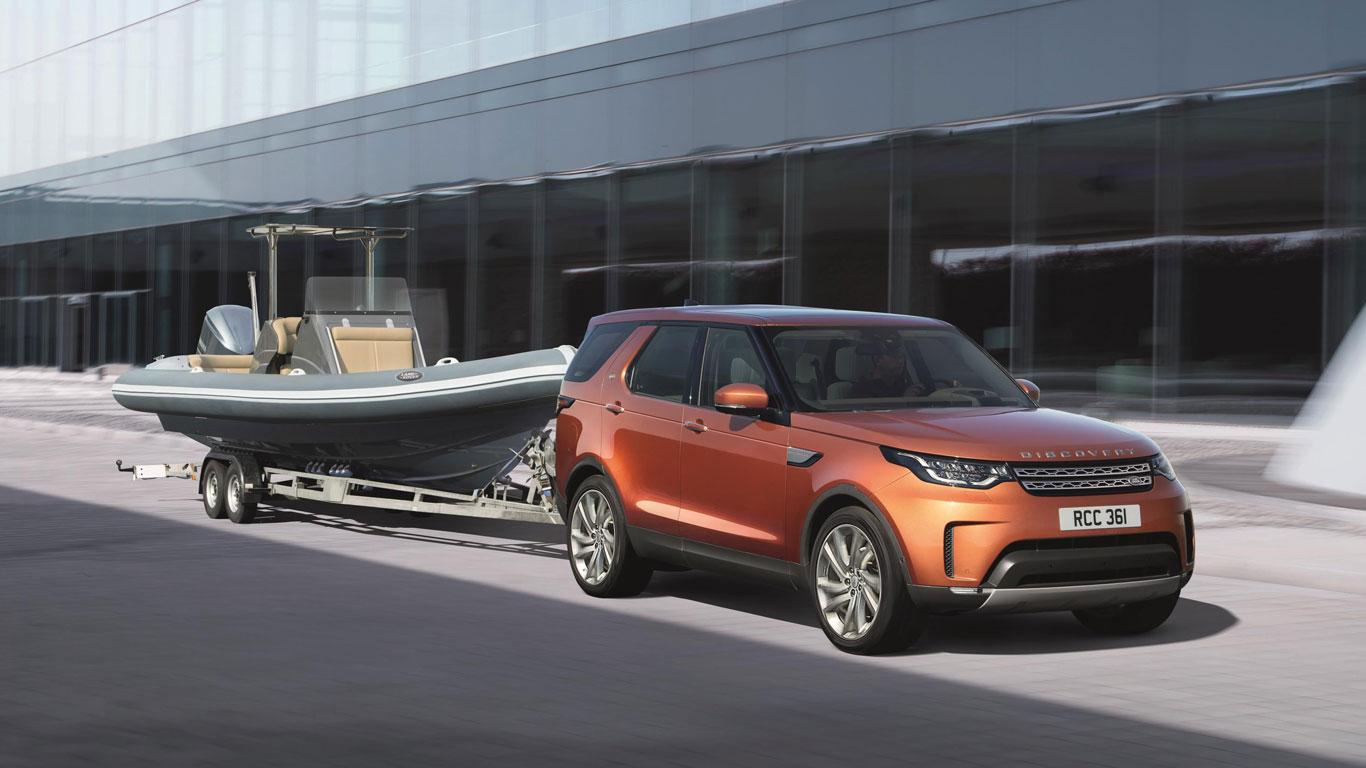
1,900kg+: Land Rover Discovery 3.0 TD6 HSE
According to the judges, victory for the Land Rover Discovery “never looked in serious doubt”, with the experts describing the off-roader as a “compelling all-round car”, with a “calm assurance to everything it does”.
The judges also described its performance in the lane-change test as “imperious”, before praising its performance on the 1-in-3 hill-start test – “something we wouldn’t even consider in the vast majority of cars”. The Discovery earned the second highest practicality score of any car tested this year.
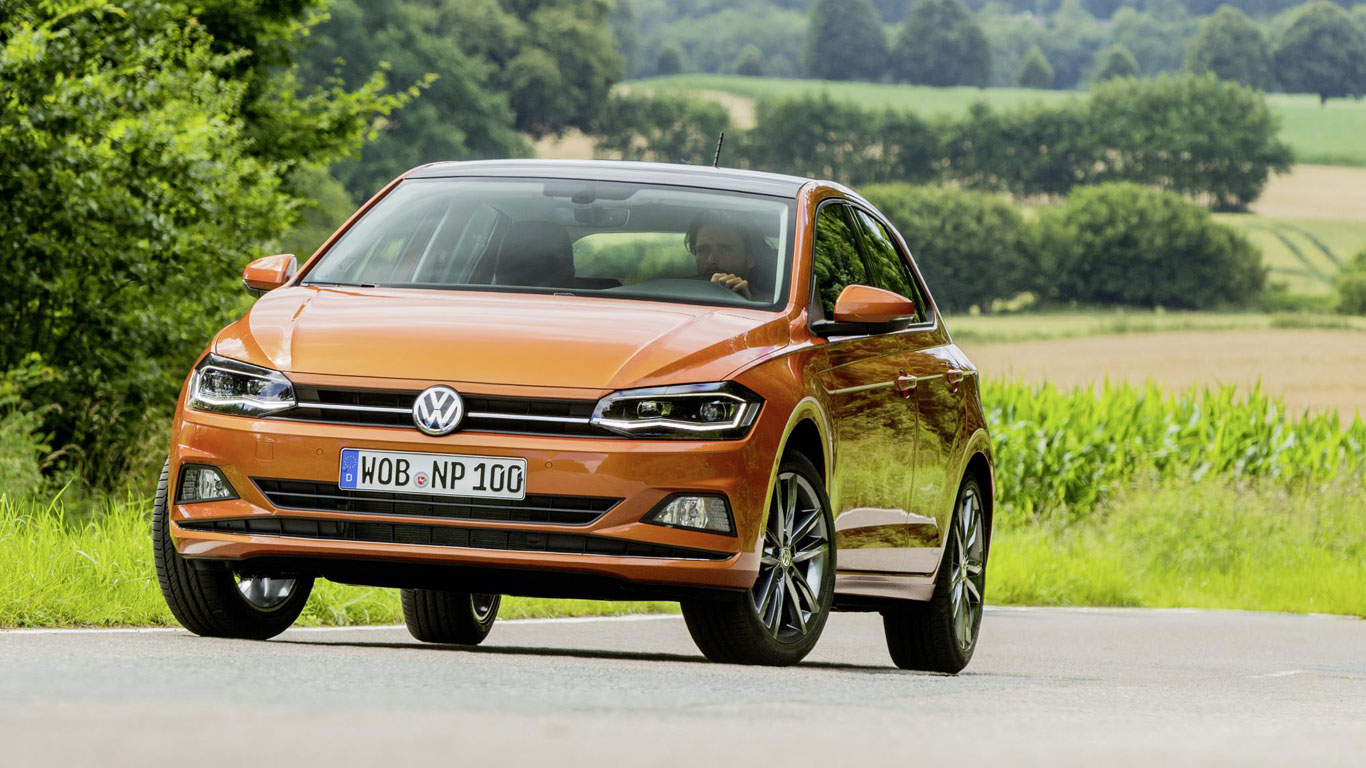
Best ultralight tow car: Volkswagen Polo 1.0 TSI 115PS SEL DSG
Provided you match the Volkswagen Polo to a lightweight caravan, it makes for a very fine ultralight tow car. That’s according the judges, who praised its “big-car feel in terms of ride comfort and refinement”.
The legal towing limit is just 1,100kg – or 1,070kg going by the VIN plate rather than Volkswagen’s brochure – while the Polo’s 355-litre boot is large enough for a short break on the continent.
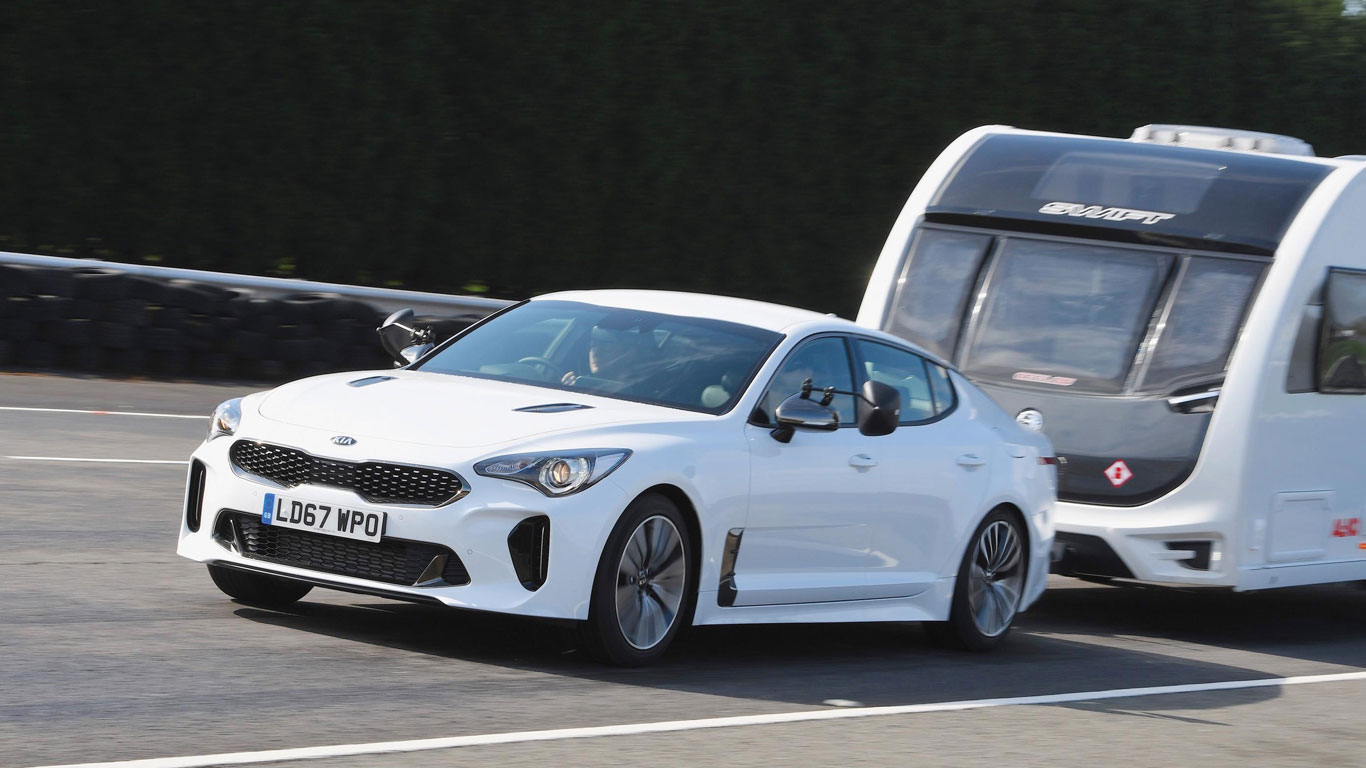
Best petrol tow car: Kia Stinger 2.0 T-GDI GT-Line
“We’ll admit the Stinger doesn’t look like a typical tow car. But the Kia proves that you don’t need a practical estate or a tough SUV to go caravanning,” said the judges. It also makes for a most agreeable photo!
The judges praised the “lively and willing” 2.0-litre turbocharged petrol engine and “secure and stable” motorway manners. The Stinger also scored highly for its boot, which offers “room to squeeze in more bags than we found in some SUVs”. Overall, the Kia Stinger 2.0 petrol is described as a “surprise package”.
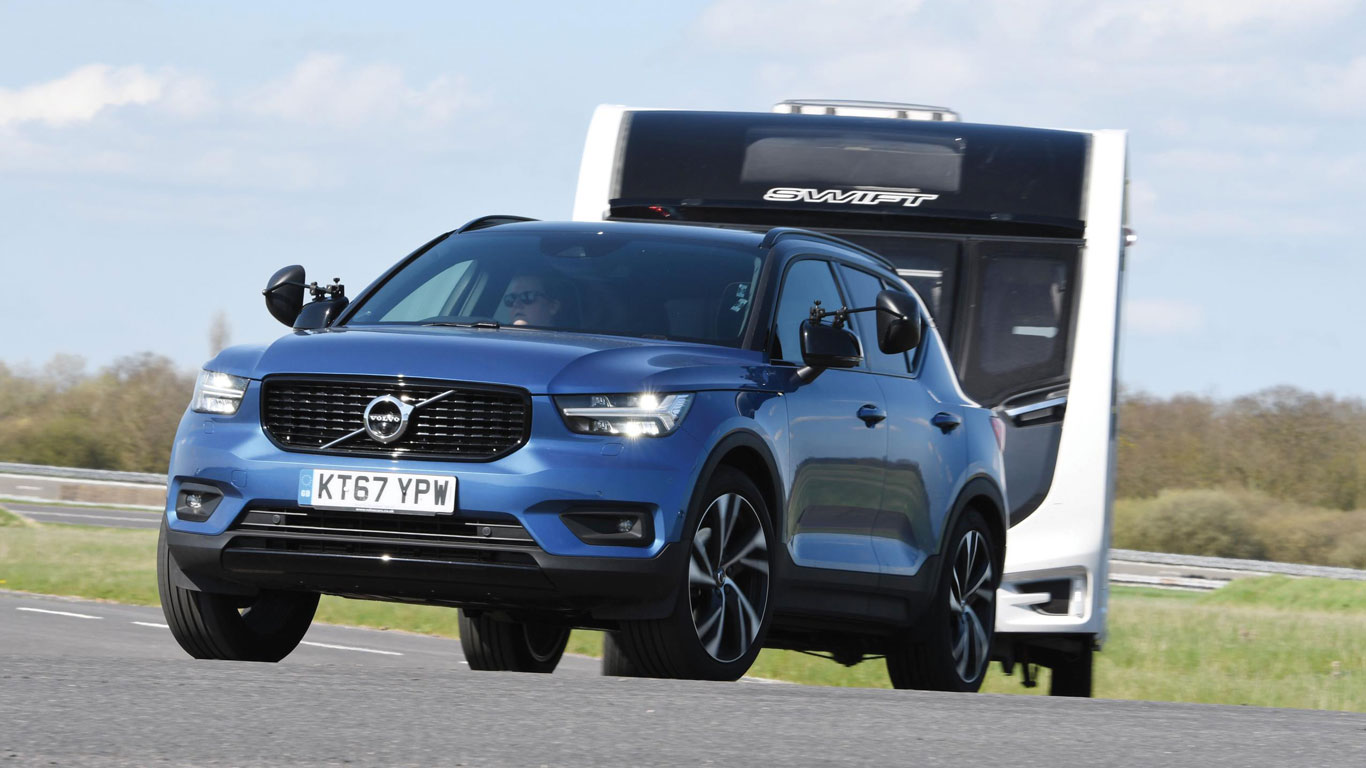
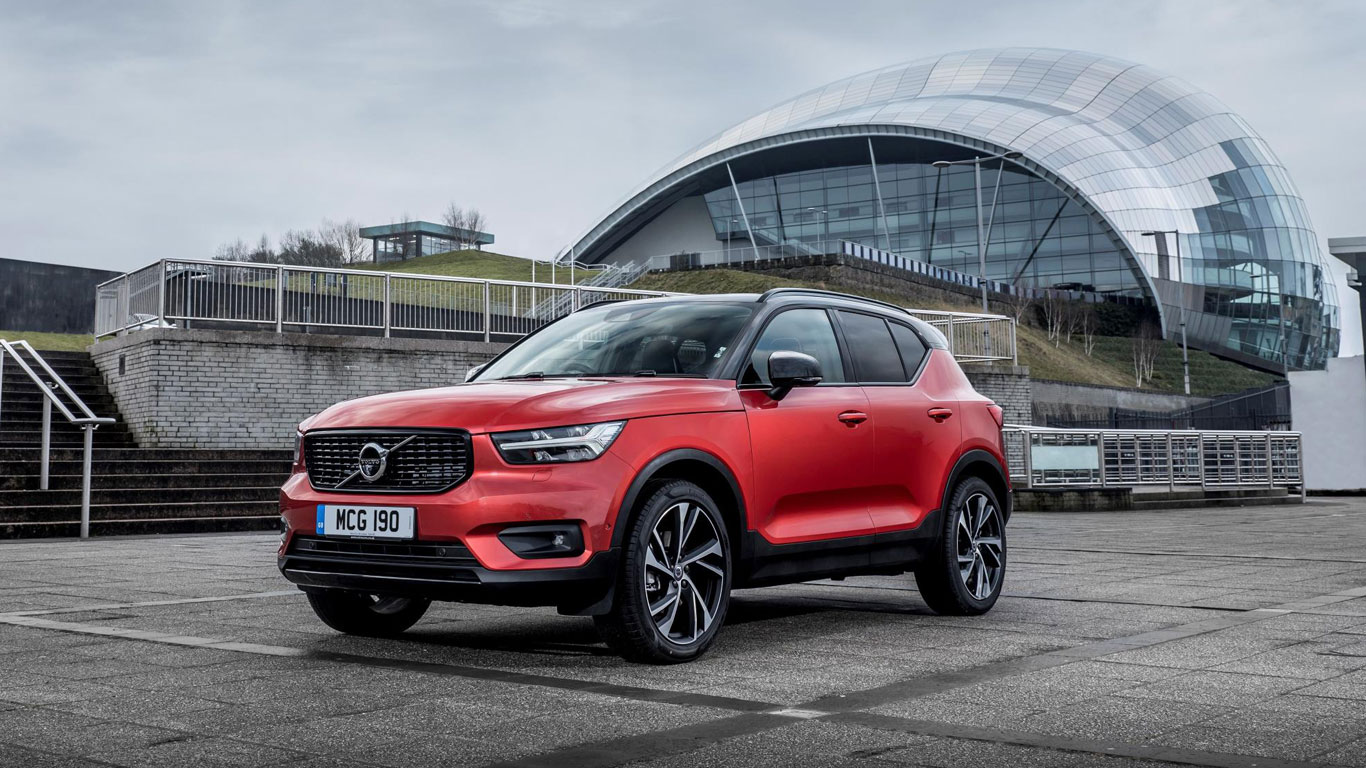
Best family SUV: Volvo XC40 D4 AWD R-Design Pro
A day doesn’t go by without Volvo winning an award, so the Swedes might need to order another trophy cabinet. At least Volvo won’t have any problems hauling the cabinet back from Ikea, with the XC40 scooping the award for best family SUV.
The XC40 was praised for its stability, acceleration, drama-free lane-changing capabilities and “beautifully put together” interior. Only the transmission tunnel and a relatively small boot managed to blot a near-perfect copybook.
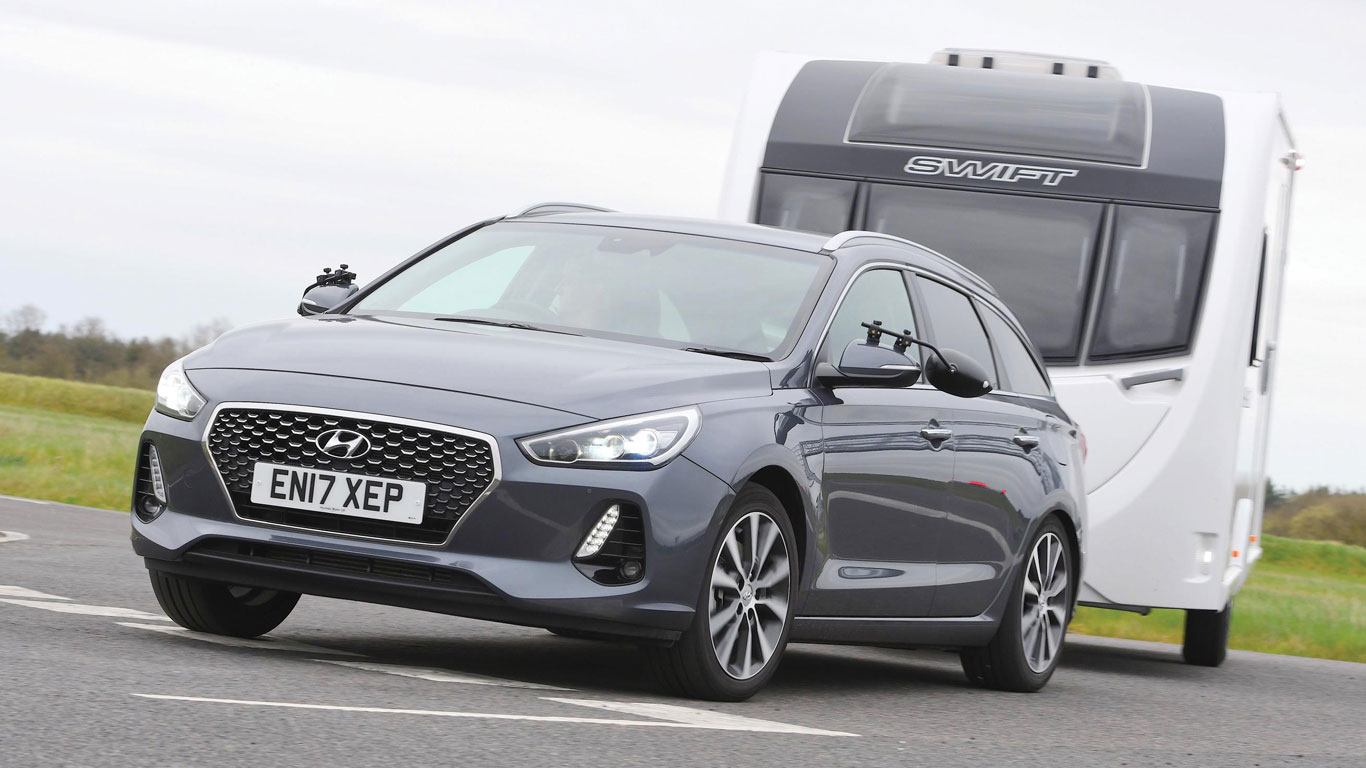
The i30 Tourer 1.6 CRDi wins the fuel economy award, with David Motton, Practical Caravan tow car editor, commenting: “Not only was the Hyundai’s 24mpg the best economy figure of the cars we tested, we were also impressed with the i30 Tourer’s stability at speed and composure in emergency manoeuvres. The Hyundai is a frugal and practical lightweight tow car.”
Tony Whitehorn, president and CEO, Hyundai Motor UK, added: “When choosing a car for towing purposes, good fuel economy and practicality will be important considerations for many customers. I’m therefore delighted that the i30 Tourer has been recognised for its efficiency at this year’s Tow Car Awards. The Tourer is a great choice for lightweight towing and proves itself as an extremely practical family car – especially for those long journeys. It also comes with the added peace of mind of Hyundai’s industry-leading five year unlimited mileage warranty,”
Overall winner: BMW 520d Touring xDrive M Sport
Which brings us to the overall winner. The judges claimed it was an easy decision, saying: “The 5 Series Touring is an excellent car, and in the specification we tested it’s close to perfect for towing. BMW’s xDrive 4×4 system means the car has good traction in all weathers, and the 520d’s 2.0-litre diesel strikes pretty much the ideal balance between price, performance and economy.”
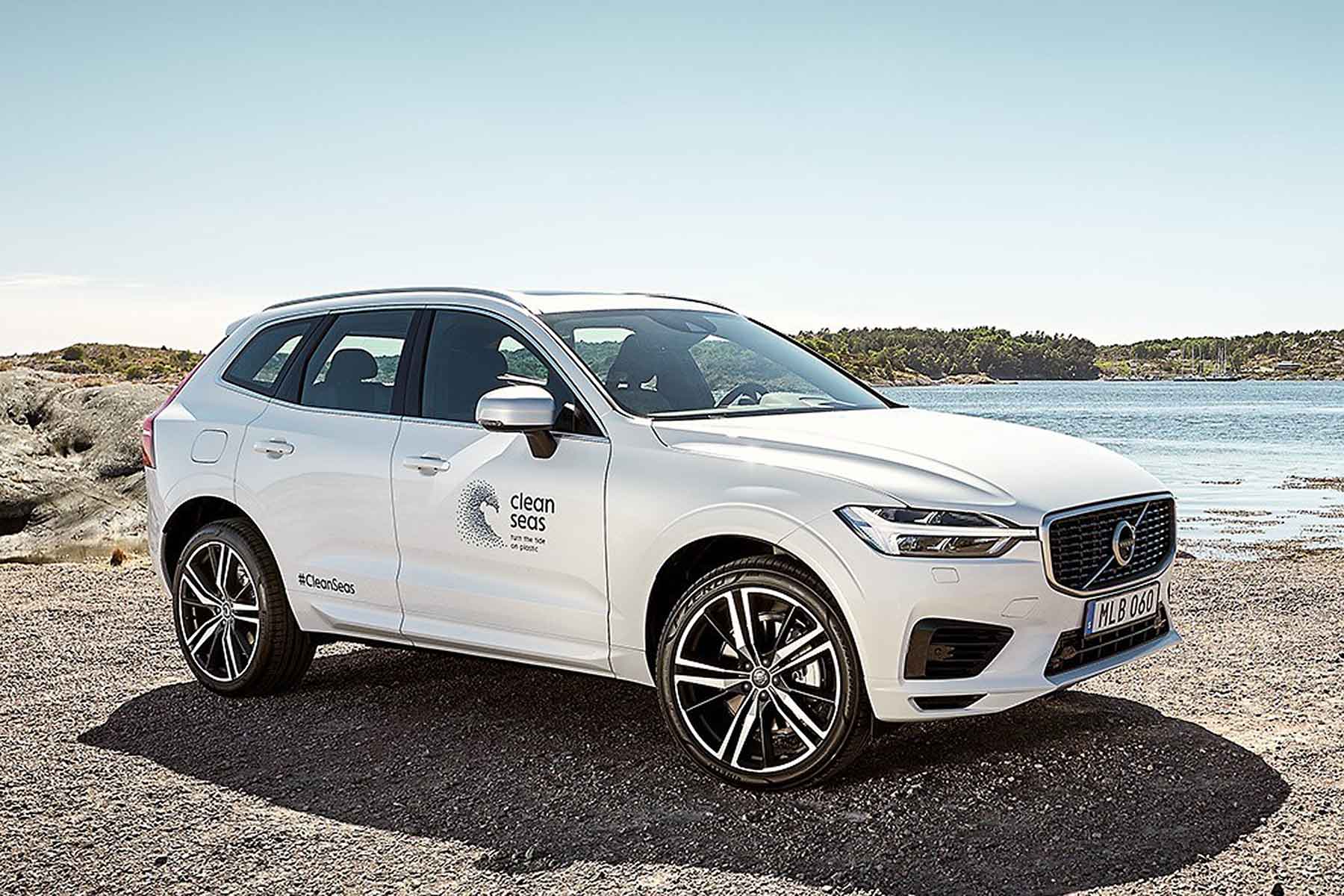
The world has woken up to the scandal of plastic waste, and Volvo is one of the first carmakers to respond with a headline commitment: all its new cars will, by 2025, contain 25 percent recycled plastics.
The firm’s even revealed an early special-build XC60 (the 2018 World Car of the Year) that features a large amount of recycled plastics – yet is visually identical to a conventional car off the production line.
“Volvo is committed to minimising its global environmental footprint,” said Hakan Samuelsson, president and CEO of Volvo Cars. “Environmental care is one of Volvo’s core values and we will continue to find new ways to bring this into our business.
“This car and our recycled plastics ambition are further examples of that commitment.”
The recycled XC60 contains the following innovations:
Tunnel console made from renewable fibres and plastics from discarded fishing nets and maritime ropes
Carpet made from PET plastics bottles and recycled cotton from clothing manufacturers’ offcuts
Seats containing PET fibres from plastic bottles
Underbonnet soundproofing made out of used car seats from old Volvos
Volvo revealed the recycled-plastics XC60 at the Ocean Summit during the Gothenburg Volvo Ocean Race stopover. The race is already working in partnership with the United Nations Environment Clean Seas campaign: hence the ‘Turn the Tide on Plastic’ branding.
“Extensive recycling and reuse of plastic is vital to our efforts to turn the tide on plastic pollution” said Erik Solheim, head of UN Environment.
“Volvo’s move to integrate plastic waste into the design of their next fleet of cars sets a new benchmark that we hope others in the car industry will follow.
“This is proof that this problem can be solved by design and innovation.”
Other environmental targets Volvo’s set itself include electrifying all its new cars by 2019, selling 50 percent fully electric cars by 2025, and making its manufacturing operations climate-neutral by 2025.
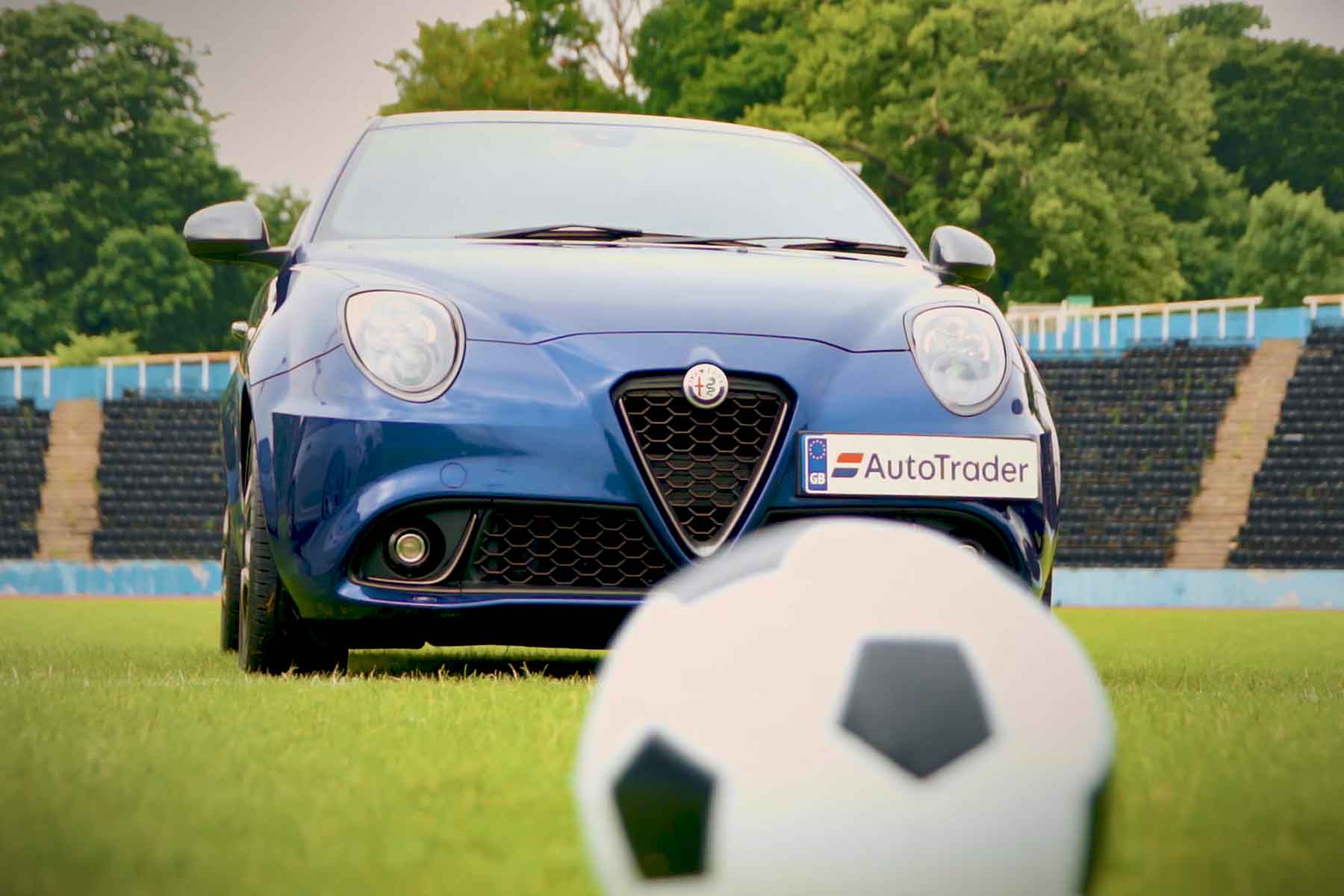
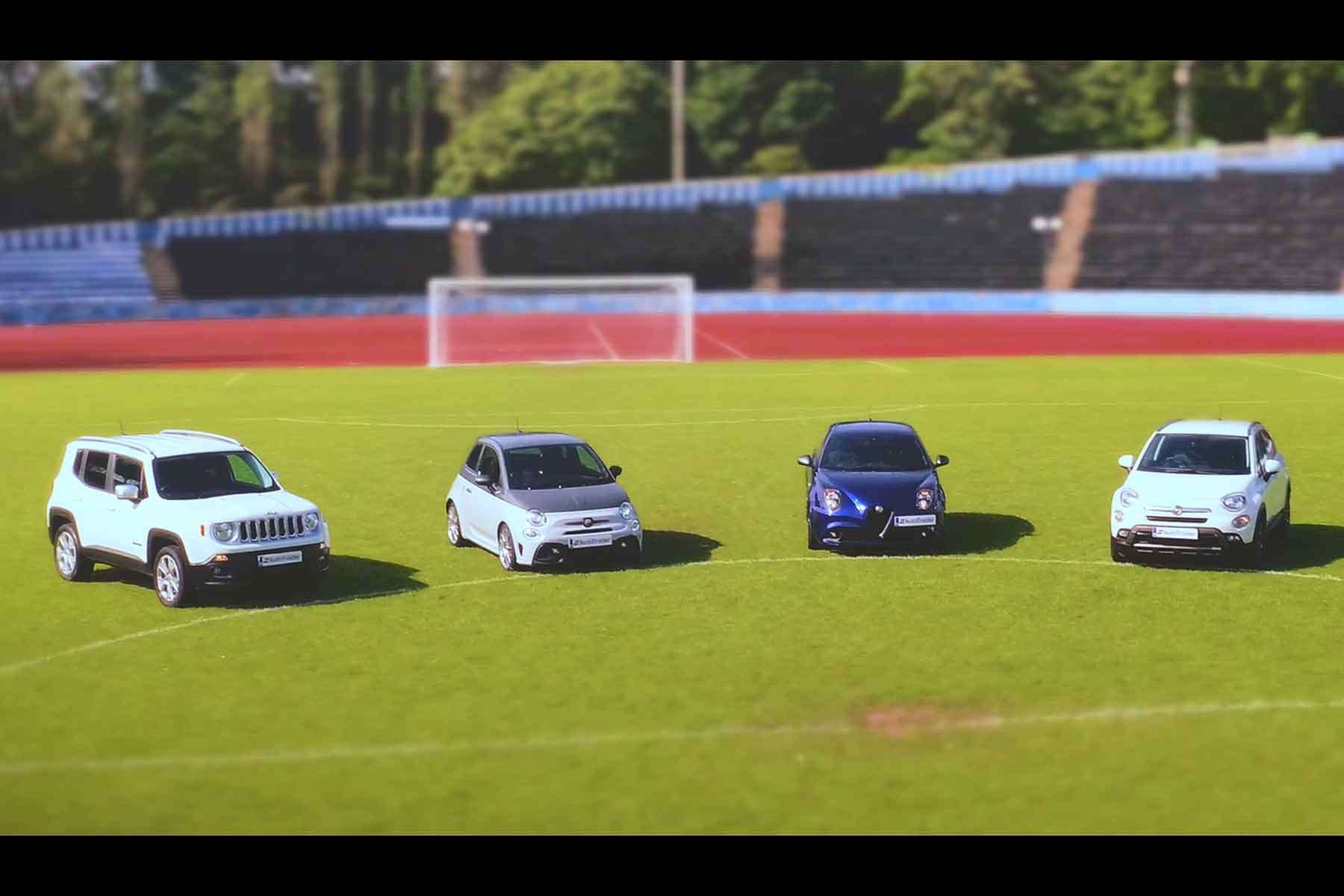
Auto Trader has vowed to give away a new car every time England score a goal in the 2018 FIFA World Cup in Russia. Up for grabs are an Abarth 595, Alfa Romeo Mito, Fiat 500X and a Jeep Renegade.
The new and used car marketplace has signed up England legend (and one-time rapper) John Barnes as ambassador for the campaign. “It’s impossible to describe the feeling of scoring a goal in the World Cup,” he said, “but I imagine winning a brand-new car is up there.”
The competition launches TONIGHT, Monday 18 June, with England’s opening game against Tunisia.
How do you enter the competition to win a new car when England score? Simply, use the hashtag #AutoTraderGoals. Do this as soon as the goal is scored, on the following social media channels:
The competition window opens as soon as the goal is scored, and one winner will be picked at random. Fans have until the next goal is scored to enter, or until the end of the match if no more goals are scored.
Entrants also have to be over 18, and hold a full UK driving licence.
But what if you’re not on social media? Don’t worry, Auto Trader’s thought of that, too. You can enter online, by adding your email address to the online form.
Barnes added the England squad is one of the youngest ever to play for the team in the World Cup. “I’m hopeful this tournament will show the fruits fo what this new generation is capable of, so I’m confident Auto Trader will be giving away plenty of new cars during what hopes to be a memorable World Cup.”
Recent history hasn’t been kind to Fernando Alonso. He spent years with Ferrari, almost winning the F1 World Championship, but nearly wasn’t good enough and he left in a huff to go and win with a McLaren team renewing its famed partnership with Honda instead.
Umm… that hasn’t quite gone to plan either. Three years of abject failure by Honda has seen virtually all McLaren’s big-name sponsors desert it, and Fernando almost run out of very slow things to publically compare the car to over the in-race radio. GP2 car? F3 car? Honda Jazz? Even his most ardent detractors couldn’t help but have sympathy.
Perhaps inevitably, McLaren itself almost lost arguably the most gifted F1 driver of his generation. As it earlier lost one of the other most gifted talents, Lewis Hamilton, it didn’t want a repeat. So it spent months and millions on lawyers to ditch Honda and nab a Renault engine. Not the fastest engine, no, but certainly one powerful enough to take Red Bull Racing to a couple of wins last year. You’d have to put money on it doing the same for Alonso this year.
But there’s more. Because the day job’s been so pitiful over the past few years, Alonso’s looked elsewhere. He started by driving a Honda-powered car in the 2017 Indy 500, a Blue Riband event that he was looking good for until, ahem, the engine went pop. Earlier this year, he drove in the Daytona 500 sports car race, another classic.
And now, he’s going one better, by entering as many World Endurance Championship races as he can, behind the wheel of the much-fancied Toyota LMP1 car. Including, you’ve got it the Le Mans 24 Hours. See what he’s doing here?
Alonso, for years, was seen as a quick driver but also a bit of a sulky bugger. A deserving two-time World Champion, but yet another destined to have things fizzled out by Ferrari (take note, Sebastien Vettel…) before making up the numbers and retiring.
He’s having none of that. If the way he’s battled chronically slow McLarens for the past three years isn’t proof of that, his newfound determination to drive in every classic motor race going, and try to win it, should be. Nando doesn’t just want to be an F1 winner, he wants to be a genuine motor racing legend, someone proving his speed in as many disciplines as possible, not just F1.
This is what our racing heroes of years gone by used to do. Sir Stirling Moss, Jim Clark, Sir Jackie Stewart, all barely had a weekend off when in their prime, so many different cars were they driving. That famous shot of Jim Clark in a Lotus Cortina? That was no mere demonstration – he was racing.
Alonso might well be doing the same. He might be the Mario Andretti of our generation, still driving well into his 60s. Let’s relish it, racing fans. One of the greatest stories in motor racing might be unfolding before our very eyes.
After years of trying, and the heartbreak of coming close so many times before, Toyota has finally clinched an outright win at the Le Mans 24 Hours.
The victory in the flagship LMP1 class came on the 20th time Toyota had entered the French classic event, and rewards the efforts of the prototype hybrid programme that first began in 2012.
With the two Toyota TS050 Hybrid racers having qualified first and second on the grid, expectations were high for the Japanese company to stand on the top of the podium. The absence of other major manufacturers also meant Toyota would ultimately be battling reliability and luck on route to glory.
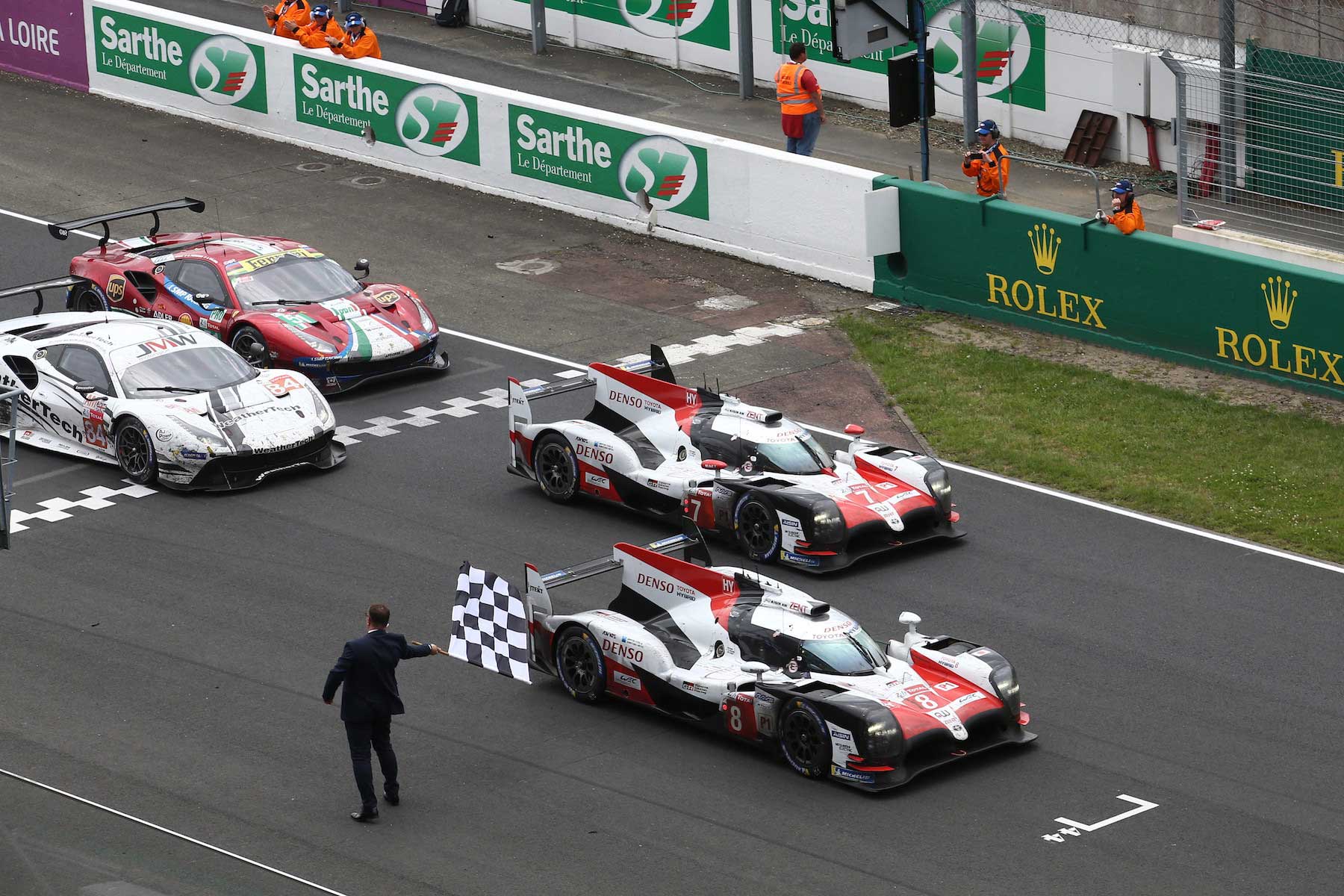
It would be the number 8 Toyota Gazoo Racing car, driven by Sébastien Buemi, Kazuki Nakajima, and Fernando Alonso that would take the victory. The lead swapped between the number 8, and sister number 7 car, throughout the 24 hours. Mike Conway, Kamui Kobayashi, and José María López would have to console themselves with second place.
Much of the pre-race attention was on McLaren Formula 1 driver Fernando Alonso taking part in his first Le Mans event. It was his impressive stint during the night which managed to pull the number 8 car back into contention, and cemented his ability as an all-round motorsport master.
A Le Mans 24 Hour win joins Alonso’s double Formula 1 World Championship victories in 2005 and 2006, along with his two Monaco Grand Prix wins. All that remains for the Spanish driver is victory at the Indianapolis 500 to become only the second driver to complete the ‘Triple Crown of Motorsport’.
After Alonso’s unsuccessful but impressive attempt at the Indianapolis 500 in 2017, speculation is rife as to whether 2019 will see him give it another go.
Although the racing at the front of the Le Mans field may have been limited to arguing over which Toyota would take victory, competition in the GTE-Pro category was hard-fought.
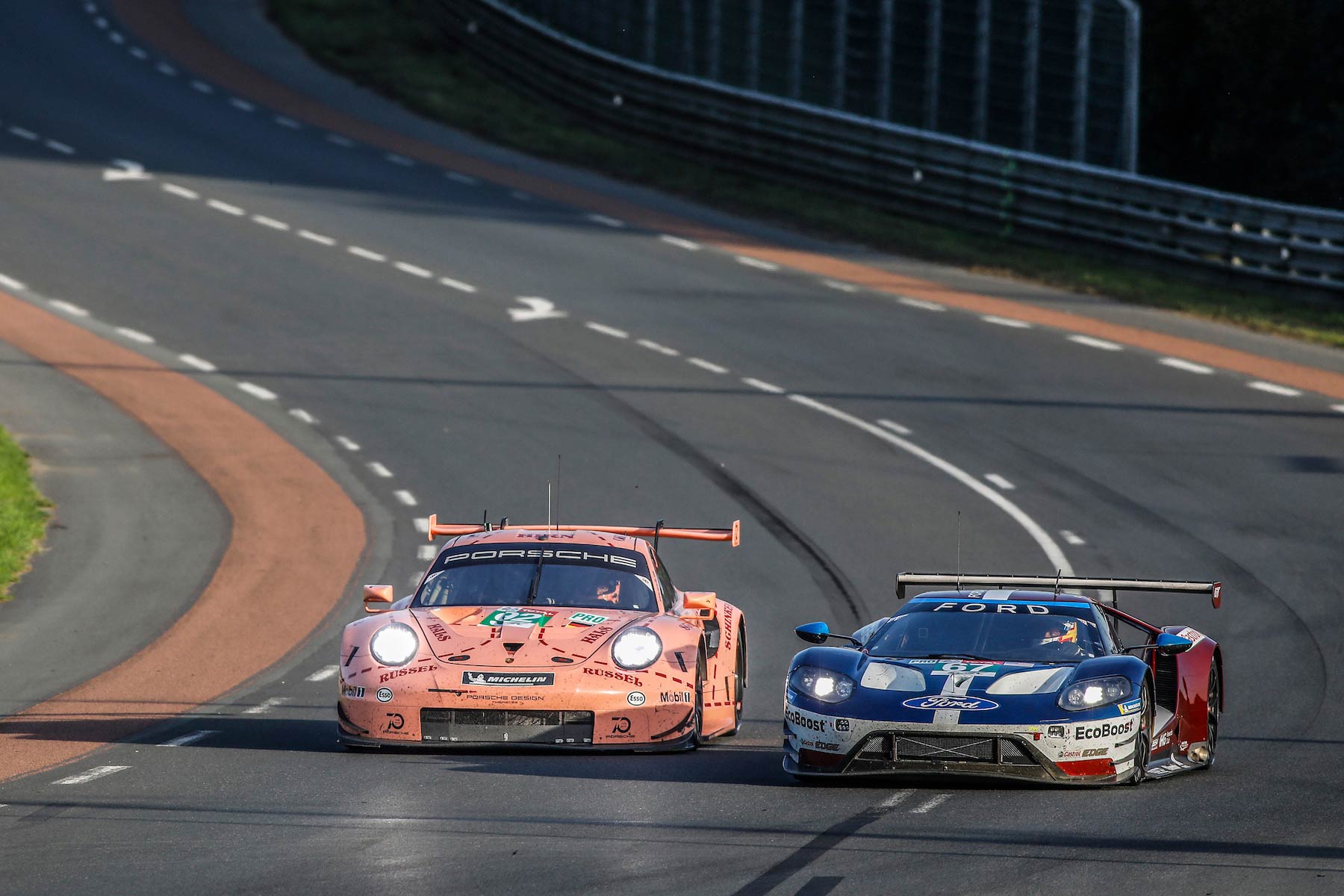
Battles between the retro-liveried Porsche 911 RSR racers and the Ford GT cars were fierce, and saw appeals to the stewards over how hard the German team was trying to defend track position.
Porsche would come out on top, taking a 1-2 GTE-Pro class victory to tie-in with the brand’s 70th anniversary celebrations. Extra success came for Porsche in the GTE-Am category, with the Proton-Dempsey Racing team successful with their 911 racer.
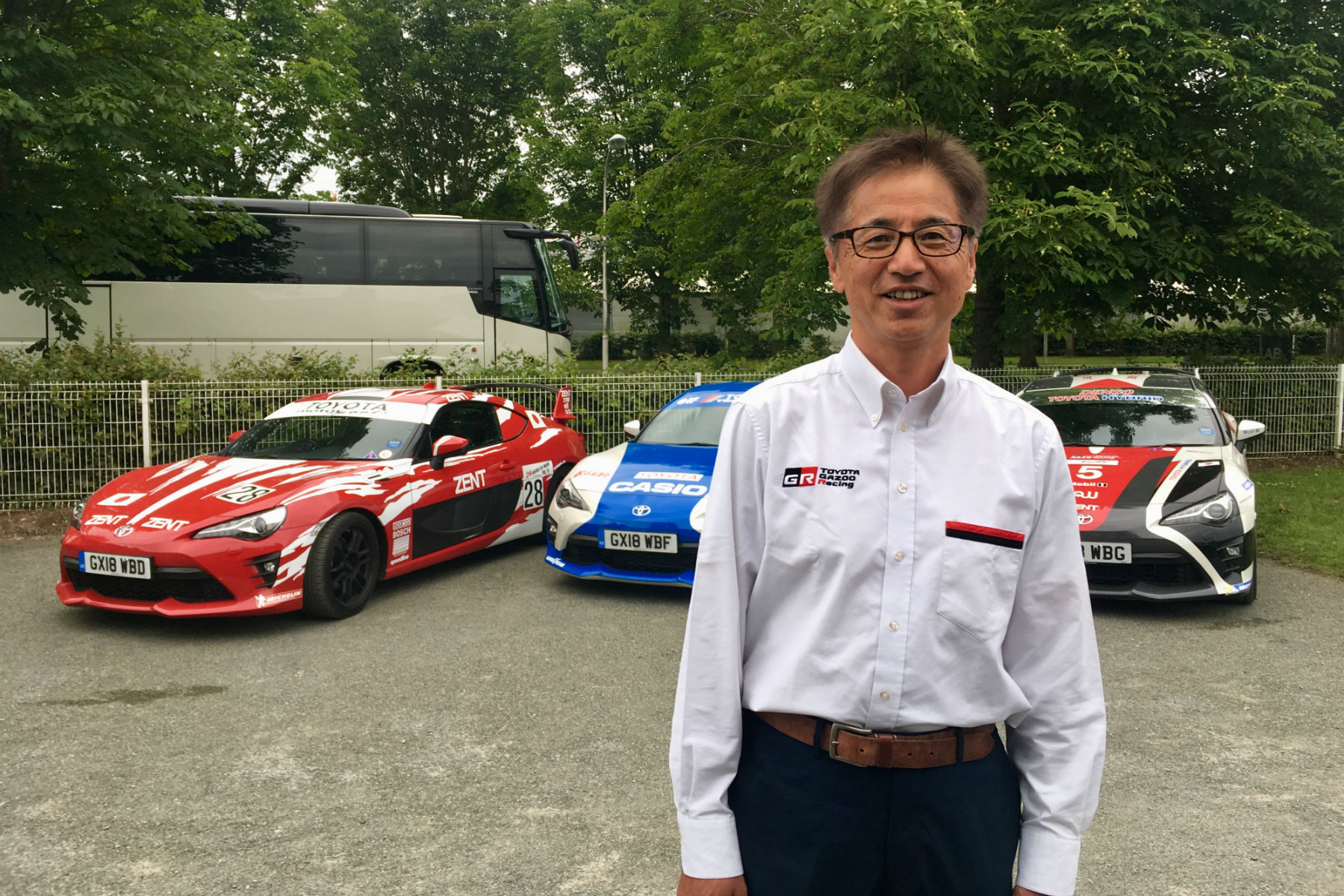
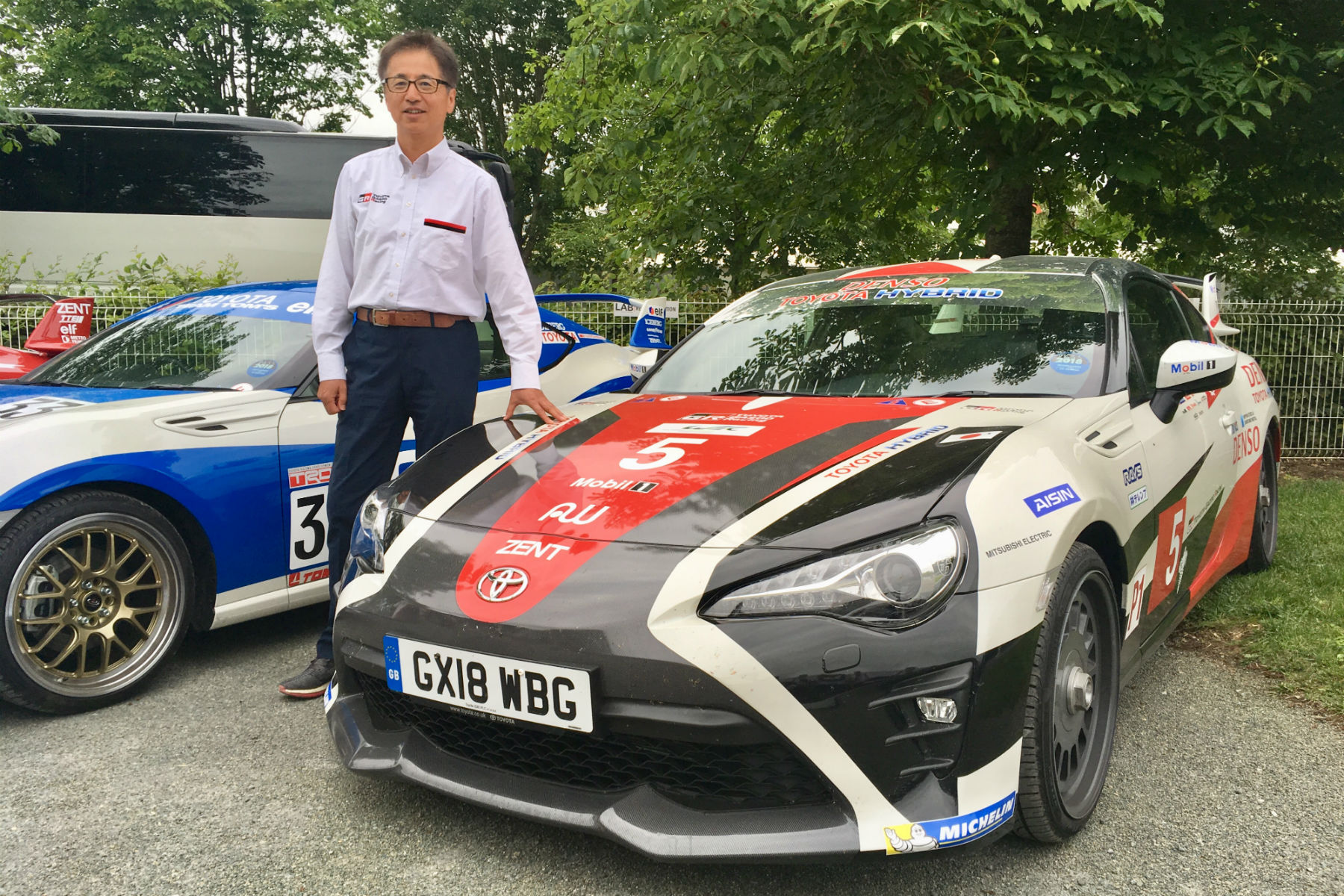
The future may be full of self-driving EVs and, inevitably, more SUVs, but the sports car is alive and kicking. That’s the message from Tetsuya Tada, chief engineer for the brilliant Toyota GT86 and forthcoming Supra – due in 2019.
We caught up with Tada-San at Le Mans, our conversation frequently punctuated by the wail of Toyota’s TS050 Hybrids blasting through Arnage. Here’s what he had to say about the new Supra, Gazoo Racing and why technology is the car enthusiast’s friend.
The new Supra will be a “pure sports car”
The Supra and new BMW Z4 will share a straight-six engine and gearbox, but they aren’t near-identical twins like the GT86 and Subaru BRZ. “Each company defined what we wanted and went from there,” explains Tada. “Both cars have completely different suspension and software calibration, for example.”
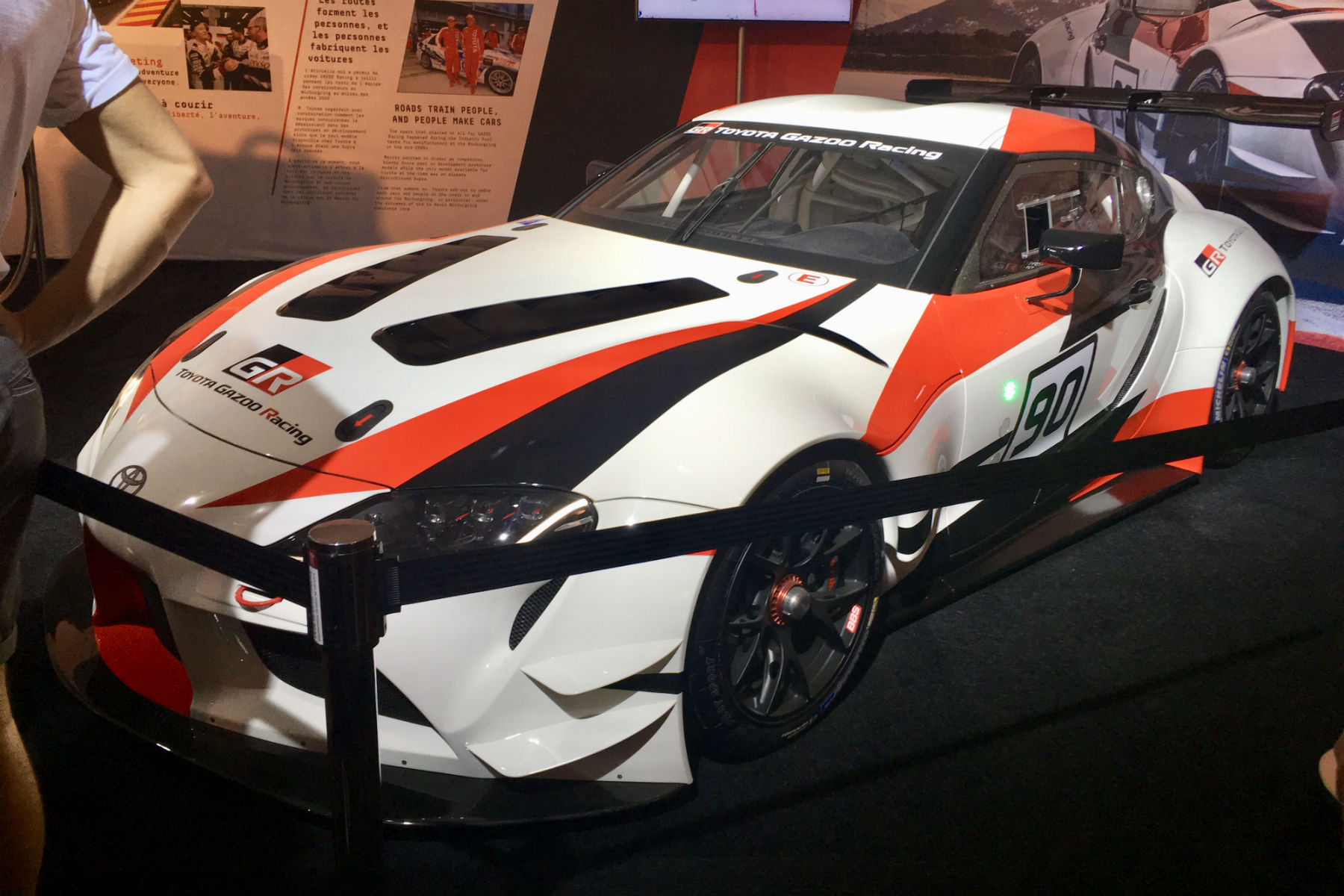
Tada insists the Supra “will be a pure sports car – practicality and comfort were almost not considered.” Its styling is partly shaped by the demands of GTE racing regulations, but it will still “look sexy”. The voluptuous rear wings of the GR Racing Supra Concept, revealed at Geneva 2018, are here to stay.
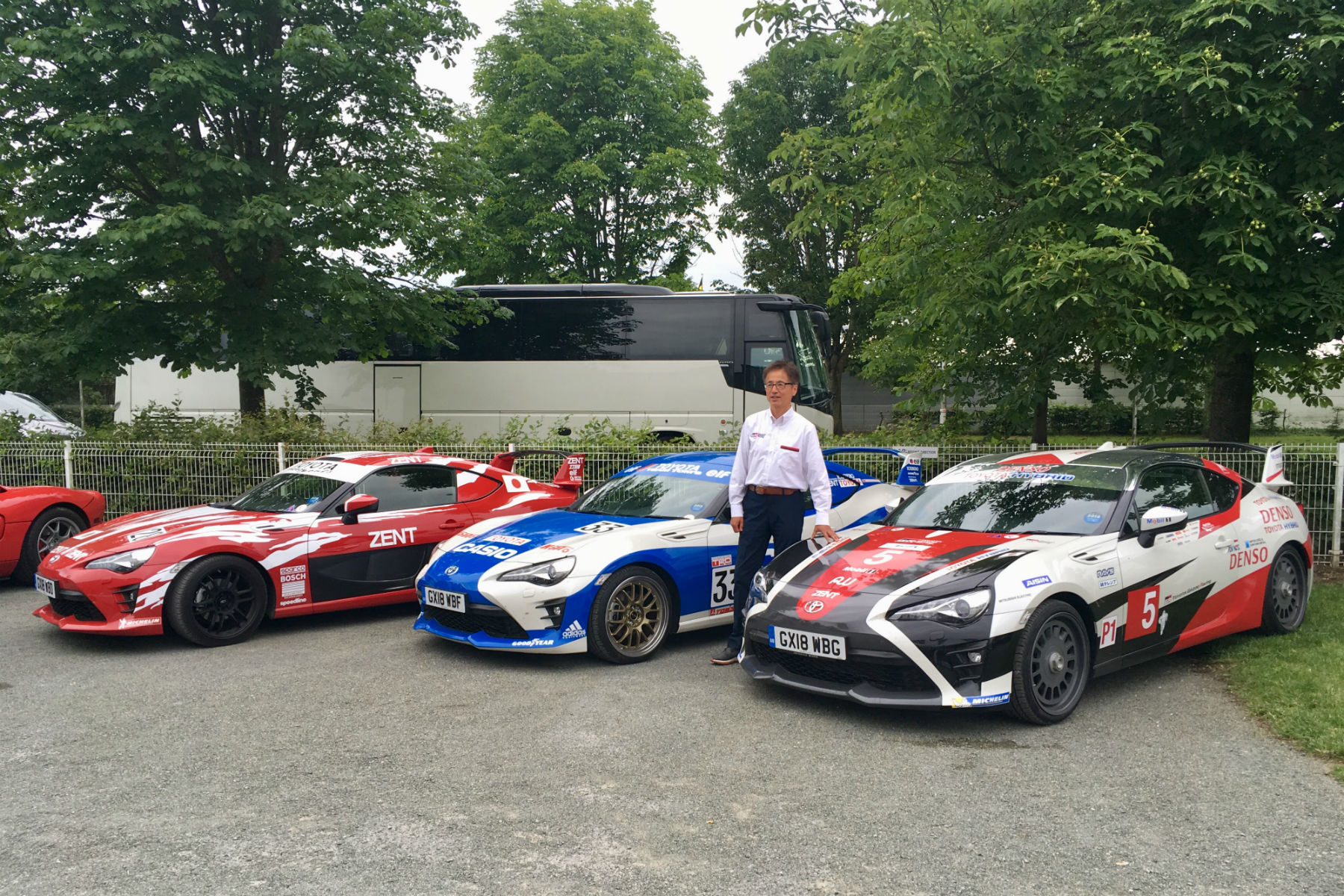
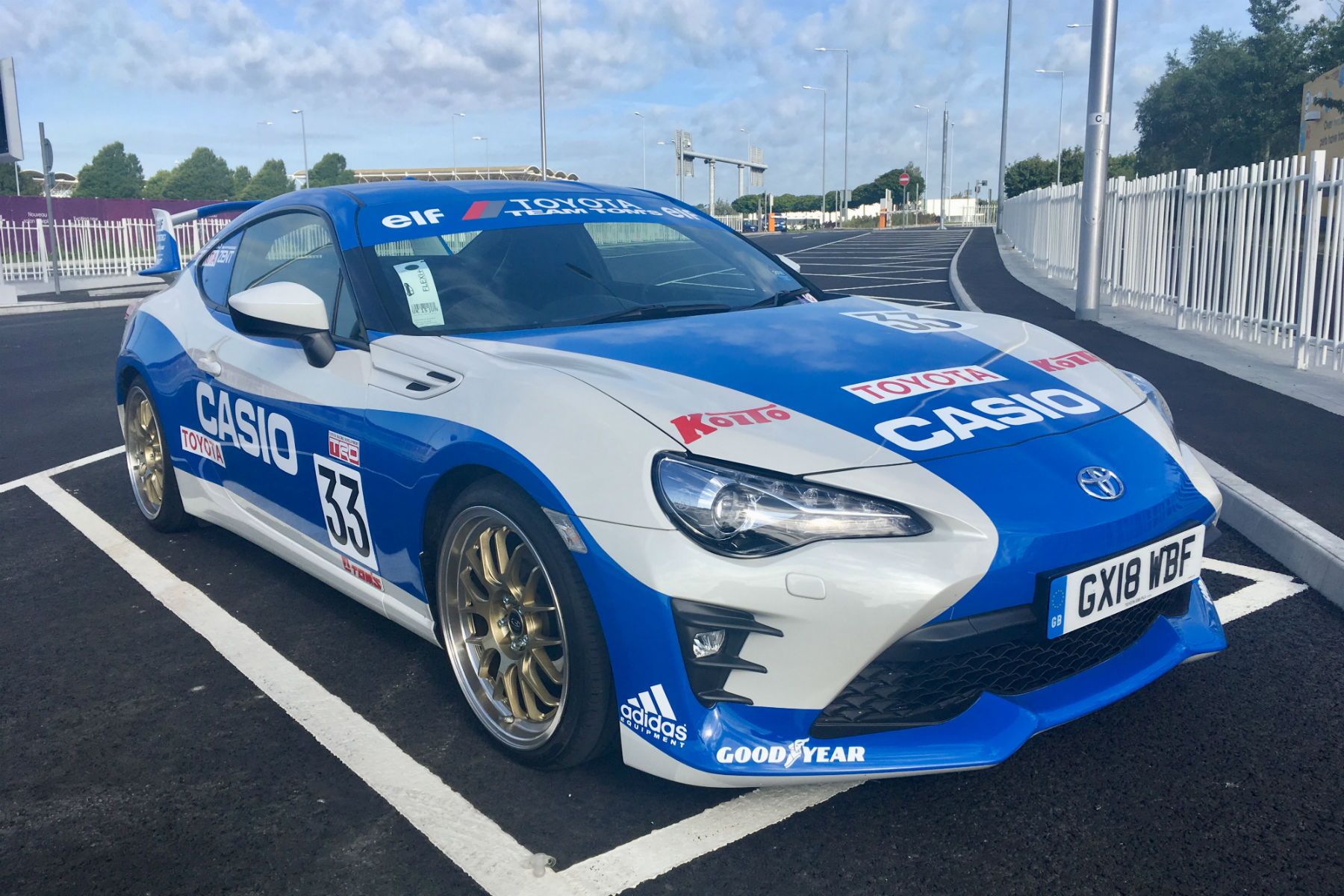
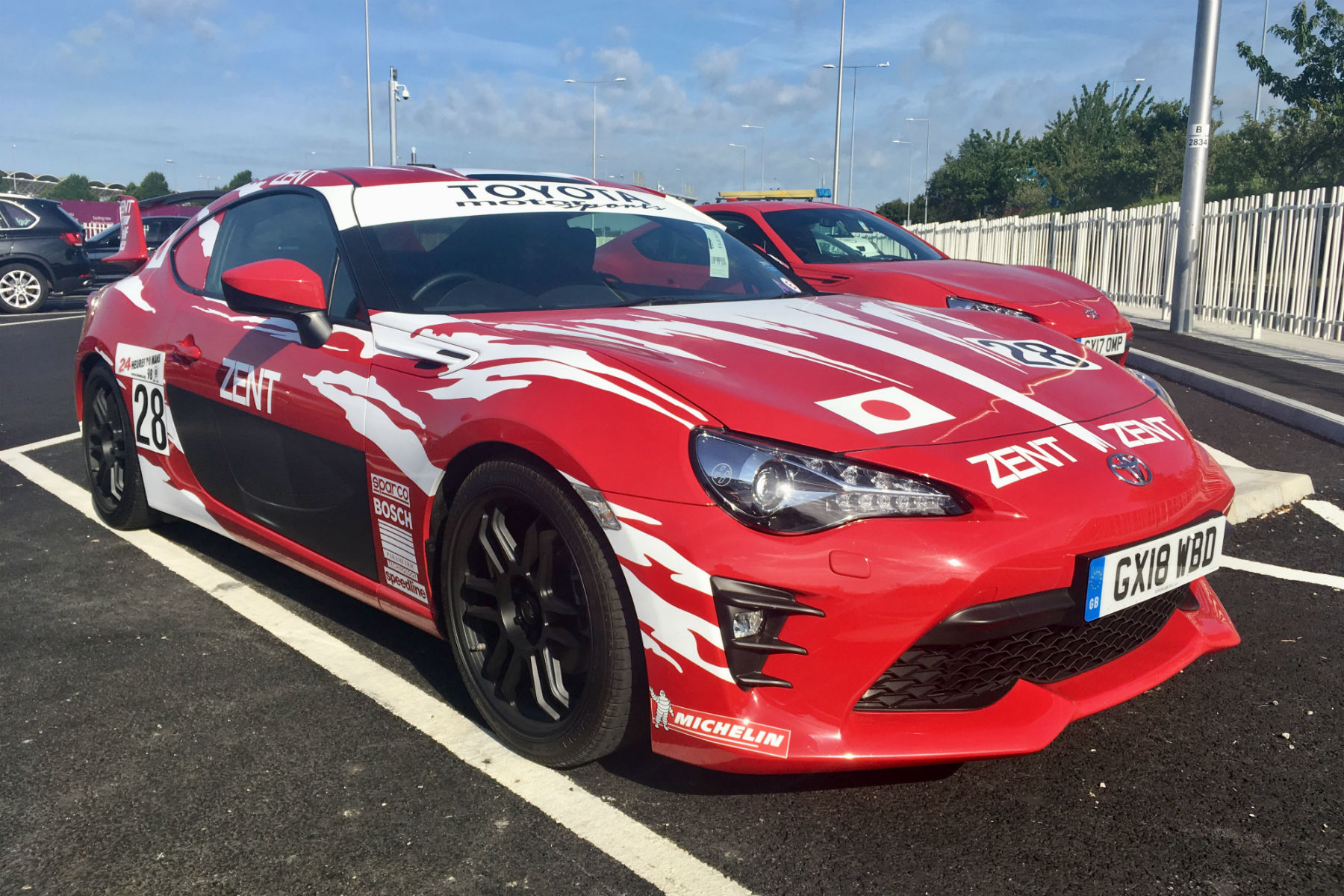
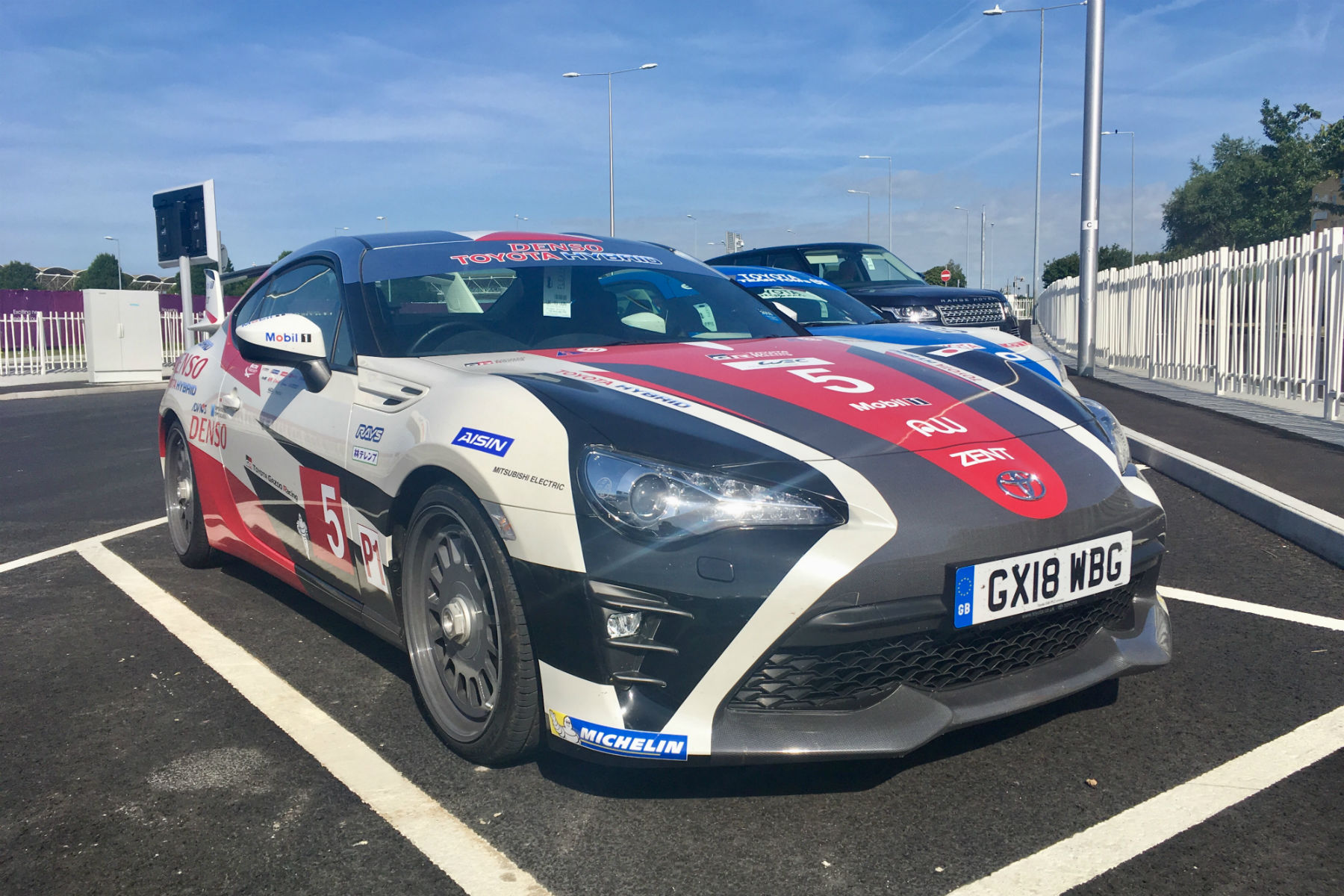
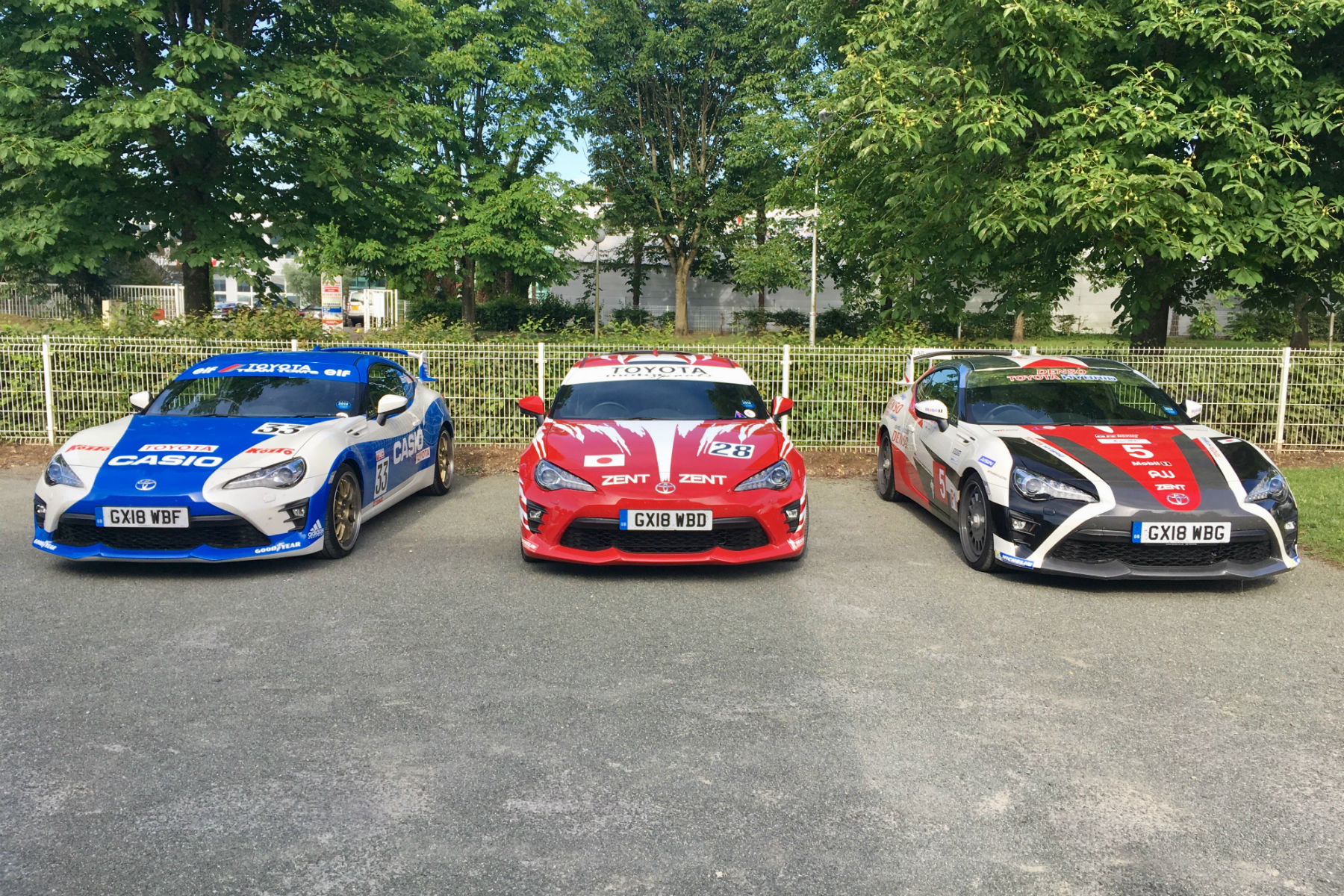
The Le Mans-liveried GT86s: TS010 (blue), TS050 (red) and TS050 Hybrid (red/white/grey). pic.twitter.com/7YCYCzo0we
Following the critically-acclaimed Yaris GRMN hot hatch, will we see a hotter, GRMN-badged version of the Supra? Certainly not at launch, it seems, but Tada doesn’t deny the car is in development.
“I would like to see something like that eventually,” he smiles. “We are preparing for it”.
Gazoo Racing has big plans
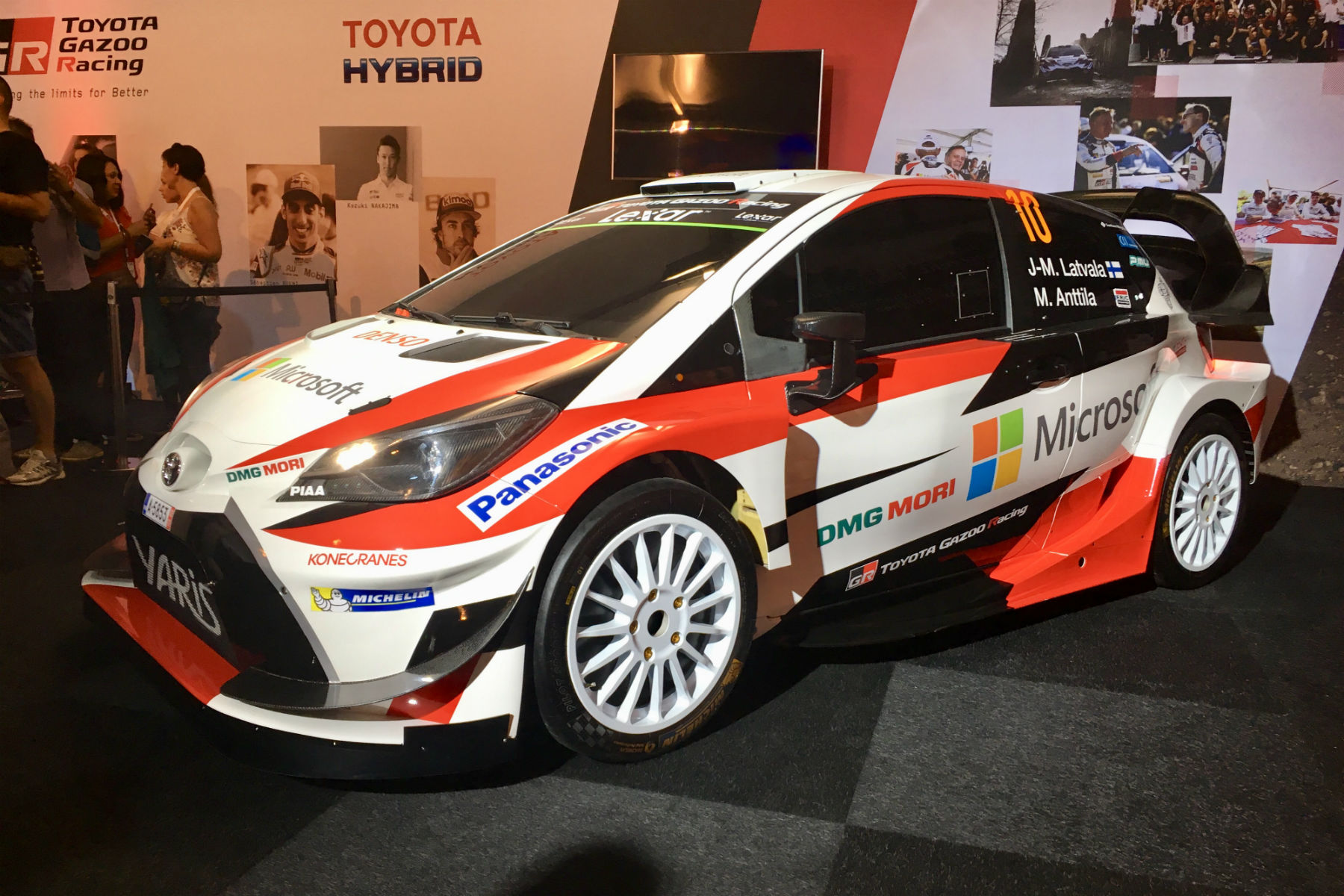
Toyota’s sporty Gazoo Racing sub-brand was everywhere at Le Mans, and will soon be far more familiar on the road. As well as full-fat GRMN models, we’ll see GR and GR Sport versions of existing cars. These will major on racy styling rather than outright performance, in the mould of BMW M Sport or Mercedes-Benz AMG Line.
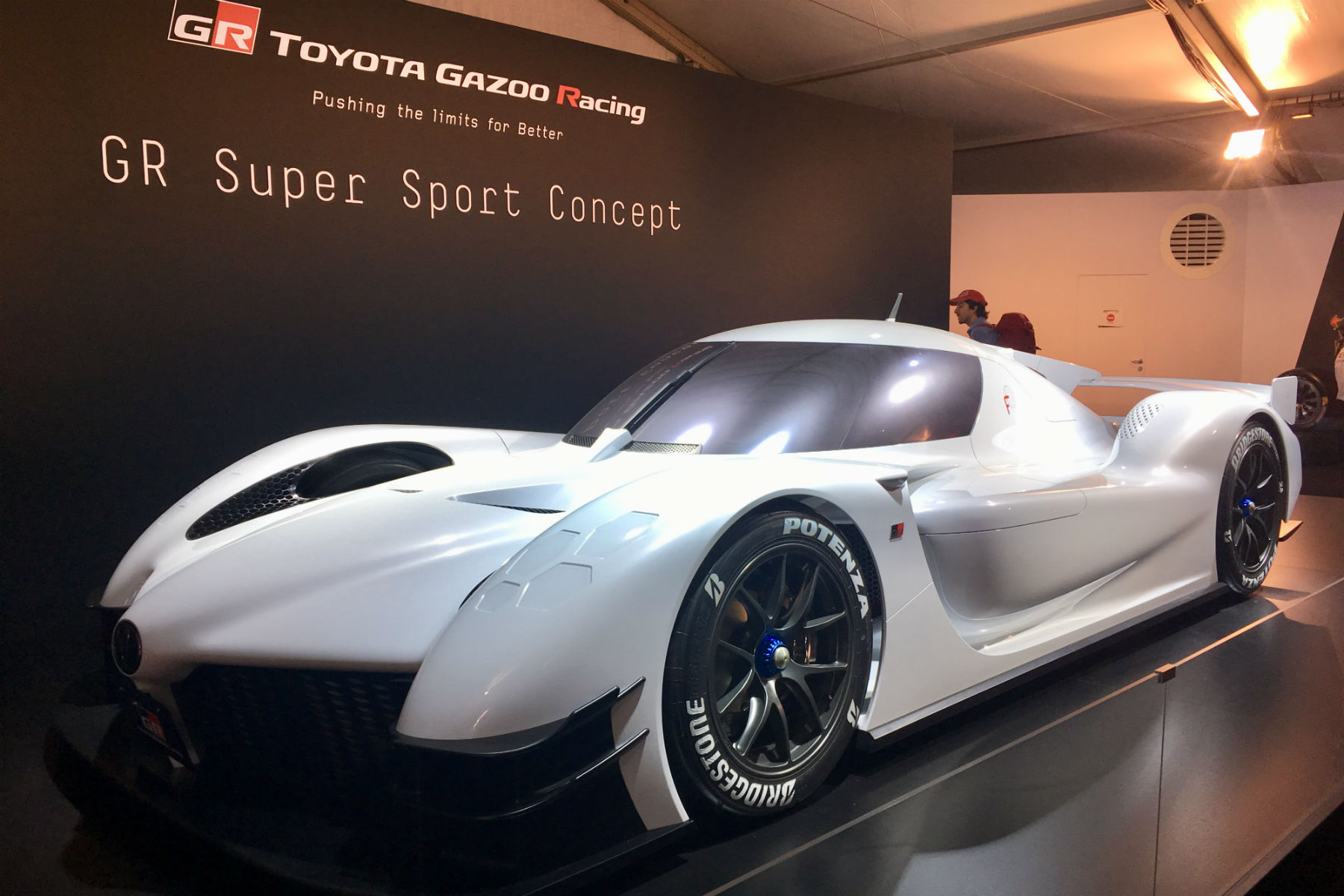
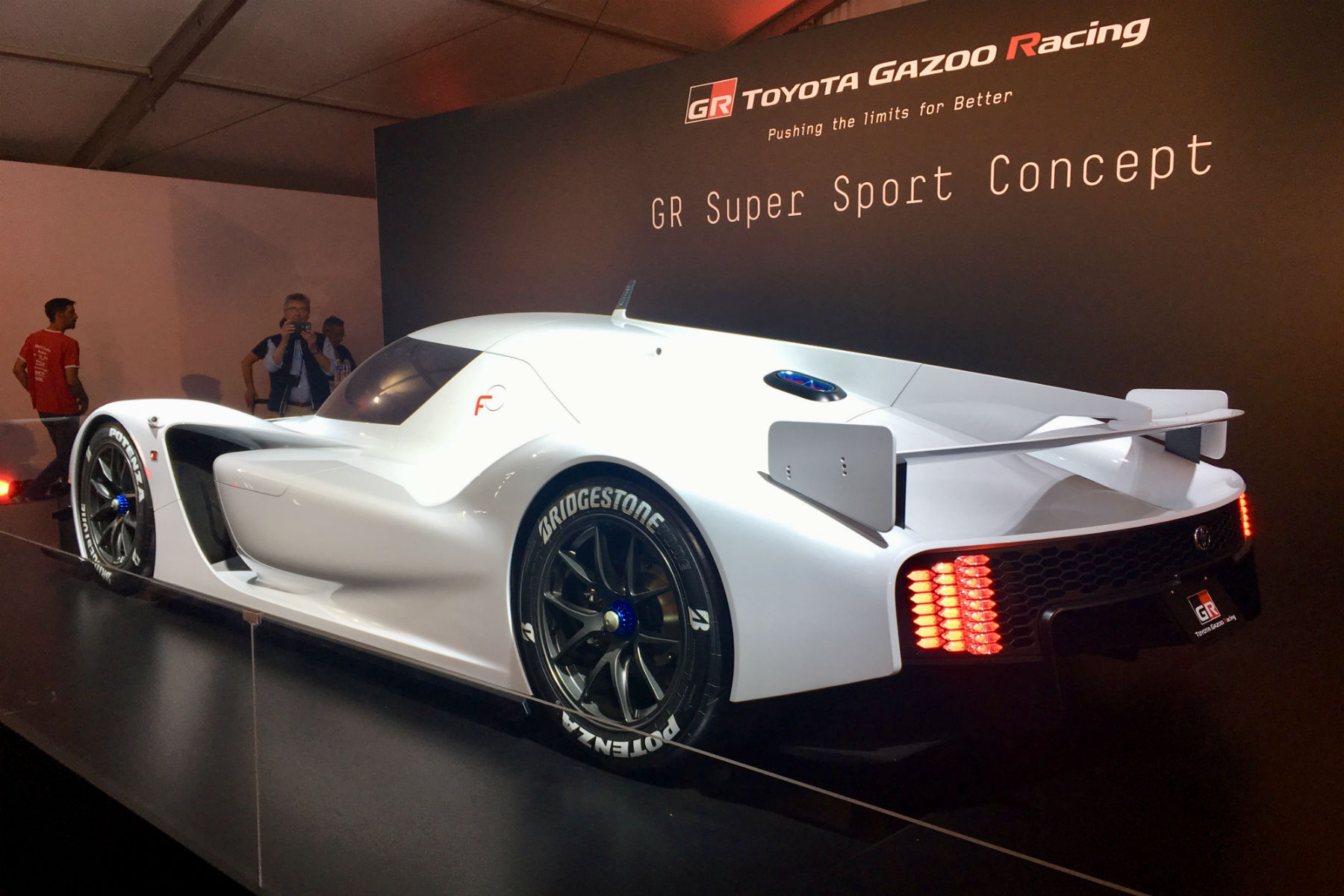
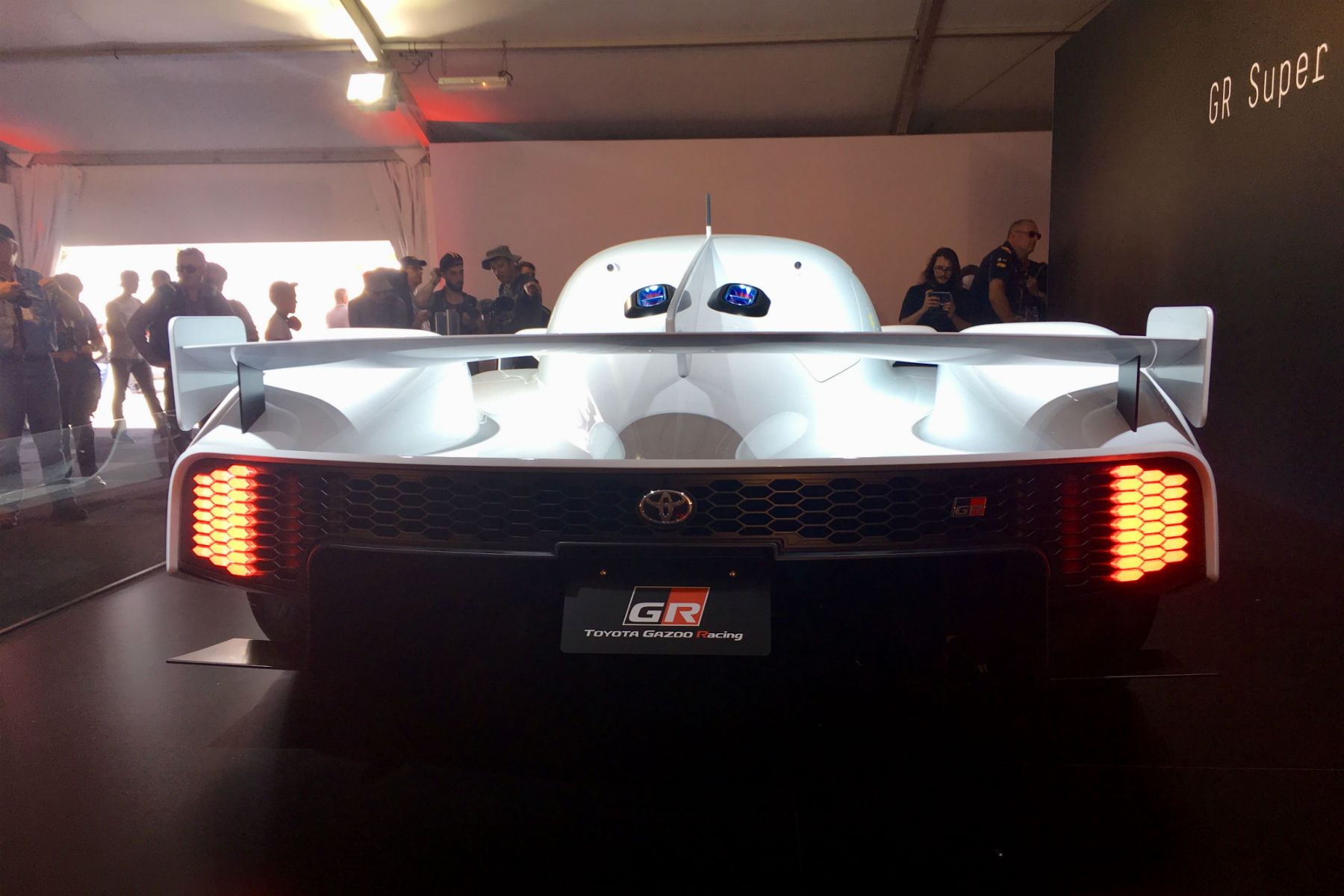
At the opposite end of the spectrum, a roadgoing version of the GR Super Sport hypercar concept is in the pipeline, too. “It’s very difficult to make a viable business case for sports cars,” says Tada, “but our young engineers are reaping the benefits of working in Gazoo Racing – and with BMW.”
Technology offers a different kind of driving fun
Many drivers see technology as the enemy when it comes to driving engagement and fun. However, Tada is remarkably upbeat about the role tech can play in future sports cars. “Spearheaded by the Supra, we’ve been working with app developers to use driving data and artificial intelligence in simulations,” he reveals. “It’s one way of getting more people interested in cars and motorsport.”
“You could be driving your Supra on-track, but racing against a virtual Fernando Alonso in real-time.” Sounds like an ego-bruising experience to us, albeit a very clever one…
The Celica and MR2 could make a comeback
The Supra isn’t the only famous Toyota nameplate that could make a comeback. Tada grins when quizzed about a possible return for the Celica and MR2: “I’m often asked that, and we get many requests.
“We’re committed to sports cars and Gazoo Racing means we have more resources for developing them. We’ll investigate what cars to introduce in-future, but this company set-up shows where we want to go.”
When Tada retires, he’ll drive off into the sunset in a Supra
You’d expect a man like Tetsuya Tada to have something special tucked in his garage. In reality, he says, “we only have my wife’s car at home. That’s because I’m always driving test cars, and simply don’t have time for more driving at weekends.”
When Tada retires, however, he’ll do so in his new Supra. “I’ll customise it to exactly how I like it and just enjoy driving it.”
The Le Mans 24 Hours is one of motorsport’s most exciting events and an annual pilgrimage for petrolheads. The main action takes place on the Circuit de la Sarthe, but there’s plenty to see in the surrounding towns and villages. We went car-spotting in nearby Arnage on the evening before the race, discovering a truly multinational mix of metal.
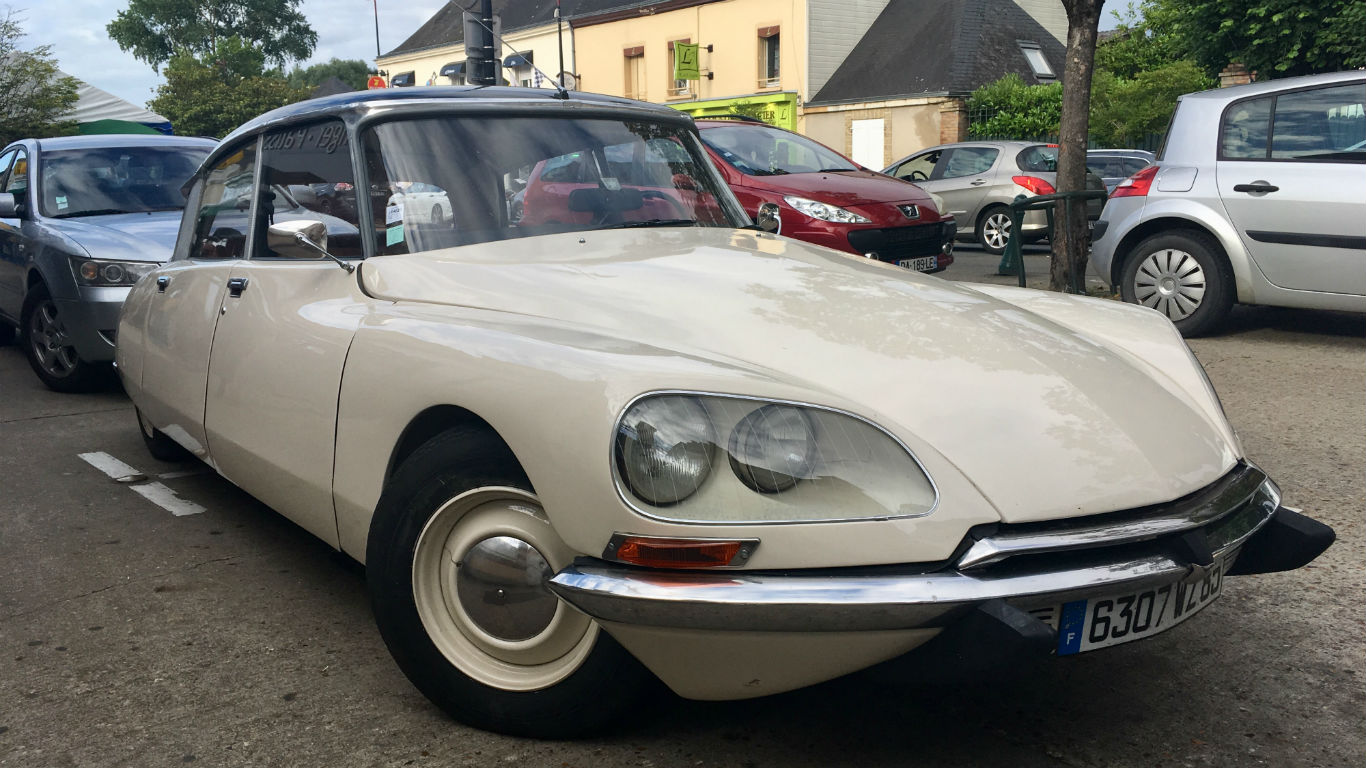
Citroen DS
We start with something quintessentially French: a Citroen DS. The ‘Goddess’ (Déesse in French) was decades ahead of its time when launched in 1955 and still looks futuristic today. Its chief innovation was hydropneumatic self-levelling suspension, which offered agile handling (famously helping Charles de Gaulle flee an assassination attempt) and a pillowy-soft ride. Hydraulics also control the gearbox, clutch, brakes and power steering.
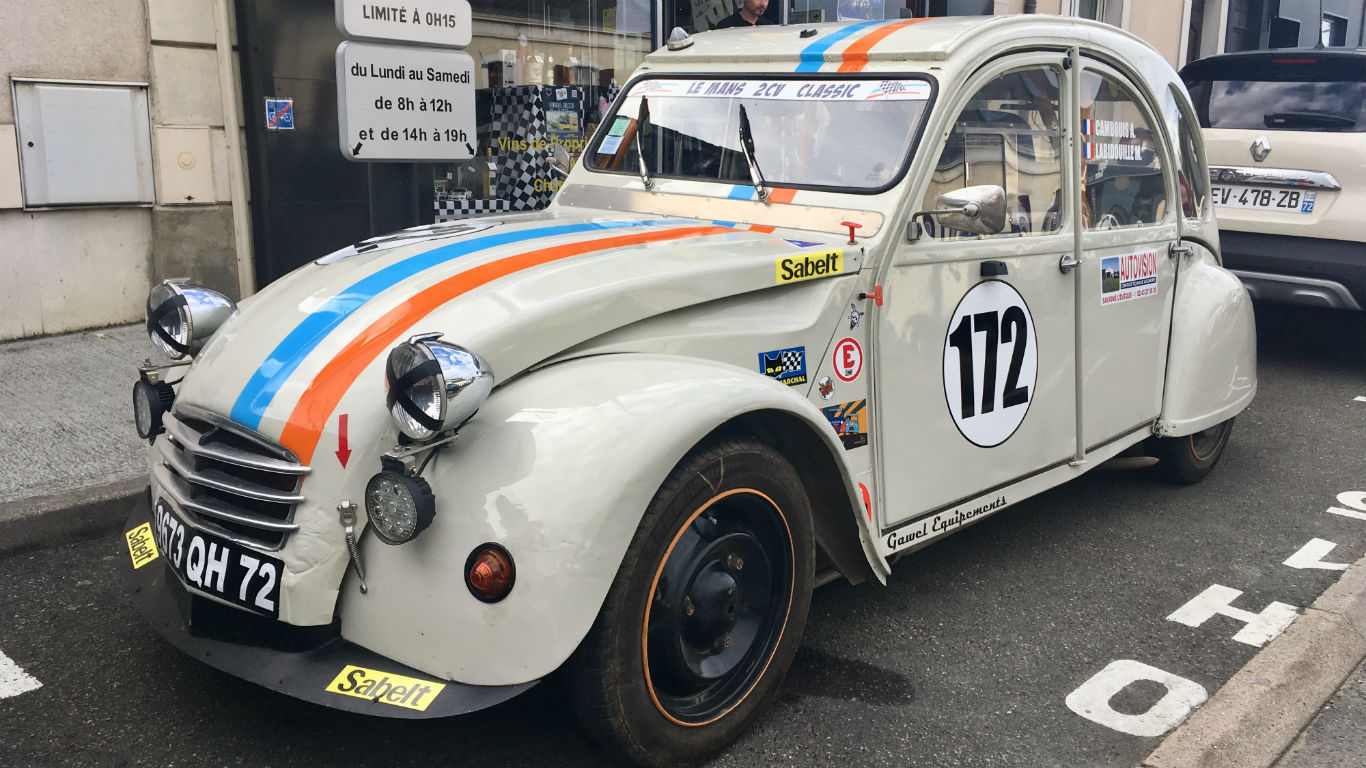
Citroen 2CV
Quintessentially French, you say? How about a Citroen 2CV in retro Le Mans livery? The Deux Chevaux was never much of a racer – early cars produced 9hp and topped out at 40mph –but it helped mobilise France after World War Two. By the time production ended in 1990, more than 3.8 million had been made.
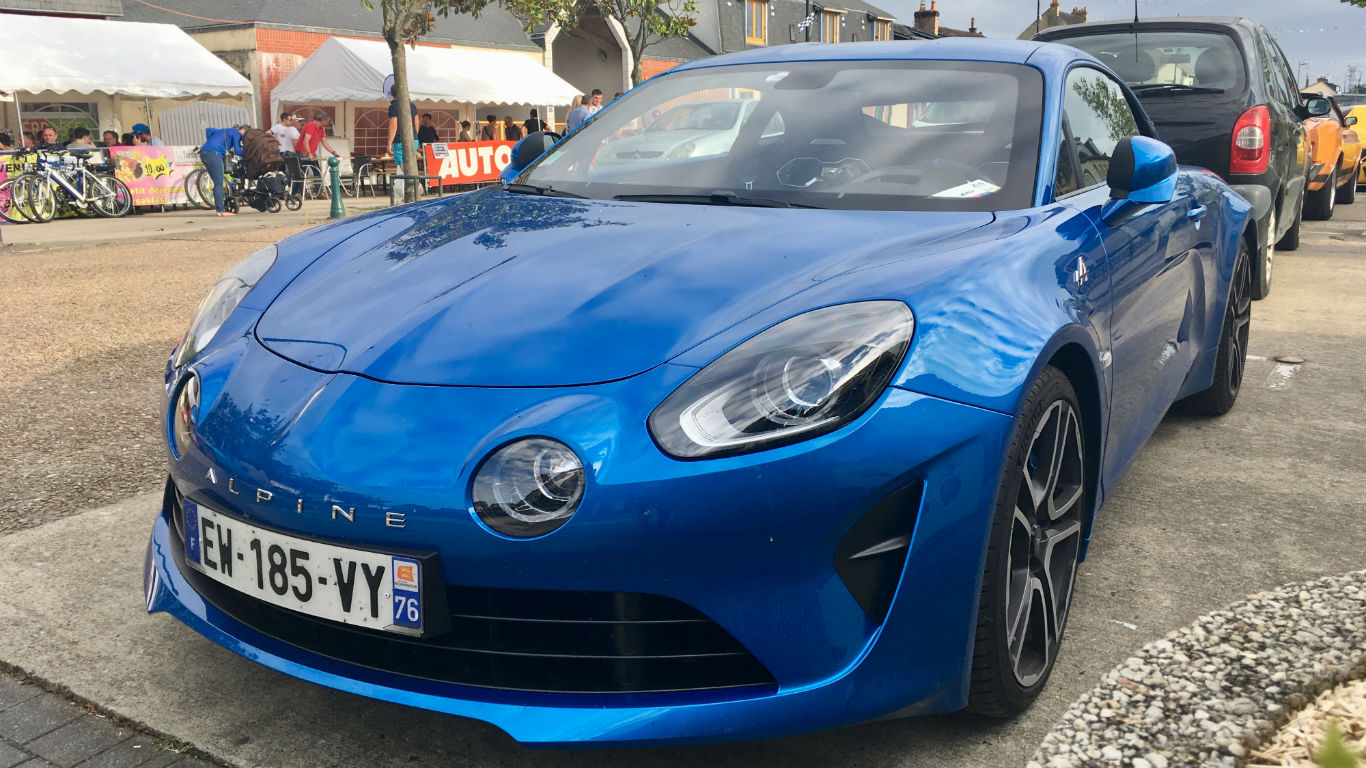
Alpine A110
Representing modern France is the achingly desirable Alpine A110. This critically-acclaimed compact coupe has a mid-mounted 252hp engine, driving the rear wheels through a seven-speed dual-clutch gearbox. Spotted here in traditional Alpine Blue, its styling is inspired by the original A110 of 1961. Still want that Porsche Cayman?
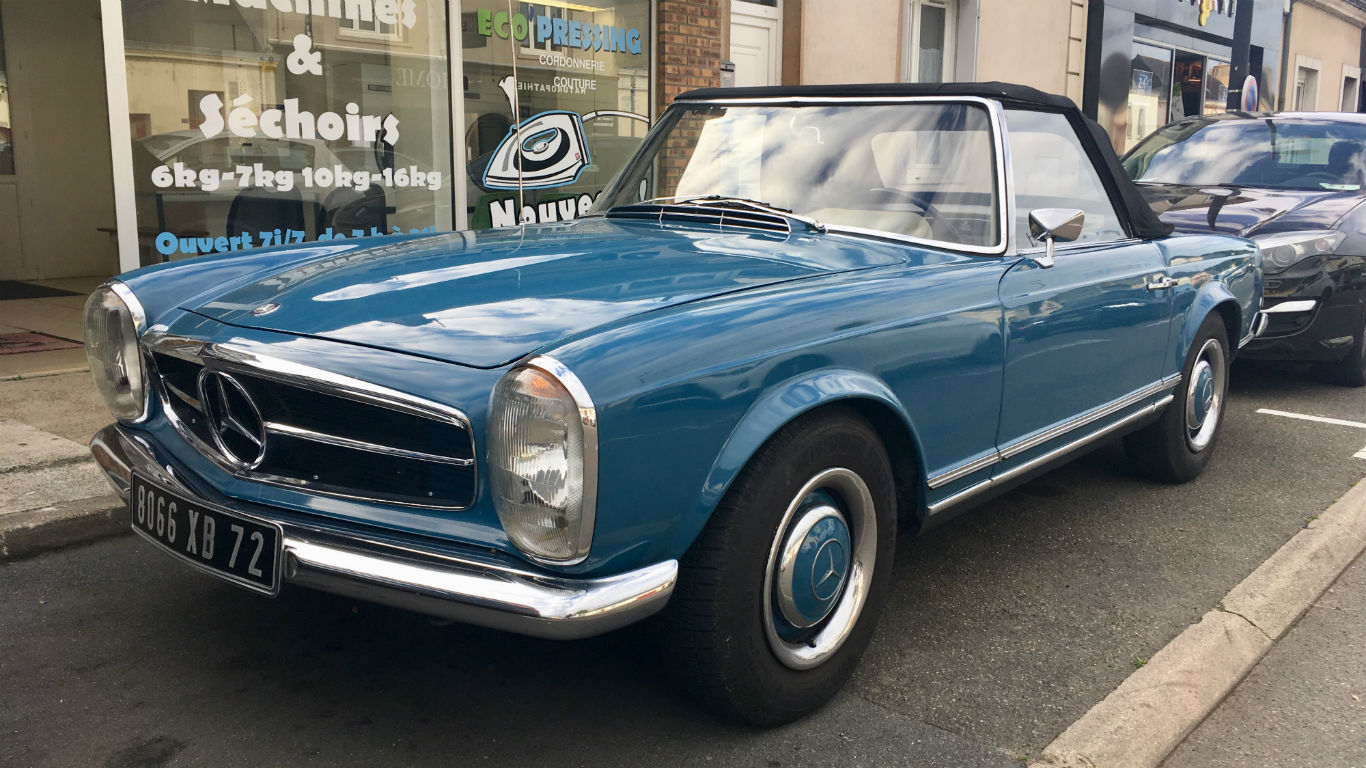
Mercedes-Benz SL
Representing Germany in Arnage is this fabulous Mercedes-Benz SL. The elegant lines of the ‘Pagoda’ (W113) SL – combined with its reputation for reliability and typically Teutonic build quality – make it a perennial favourite with the classic car cognoscenti. Famous owners have included John Lennon, Sofia Loren, Kate Moss and David Dimbleby.
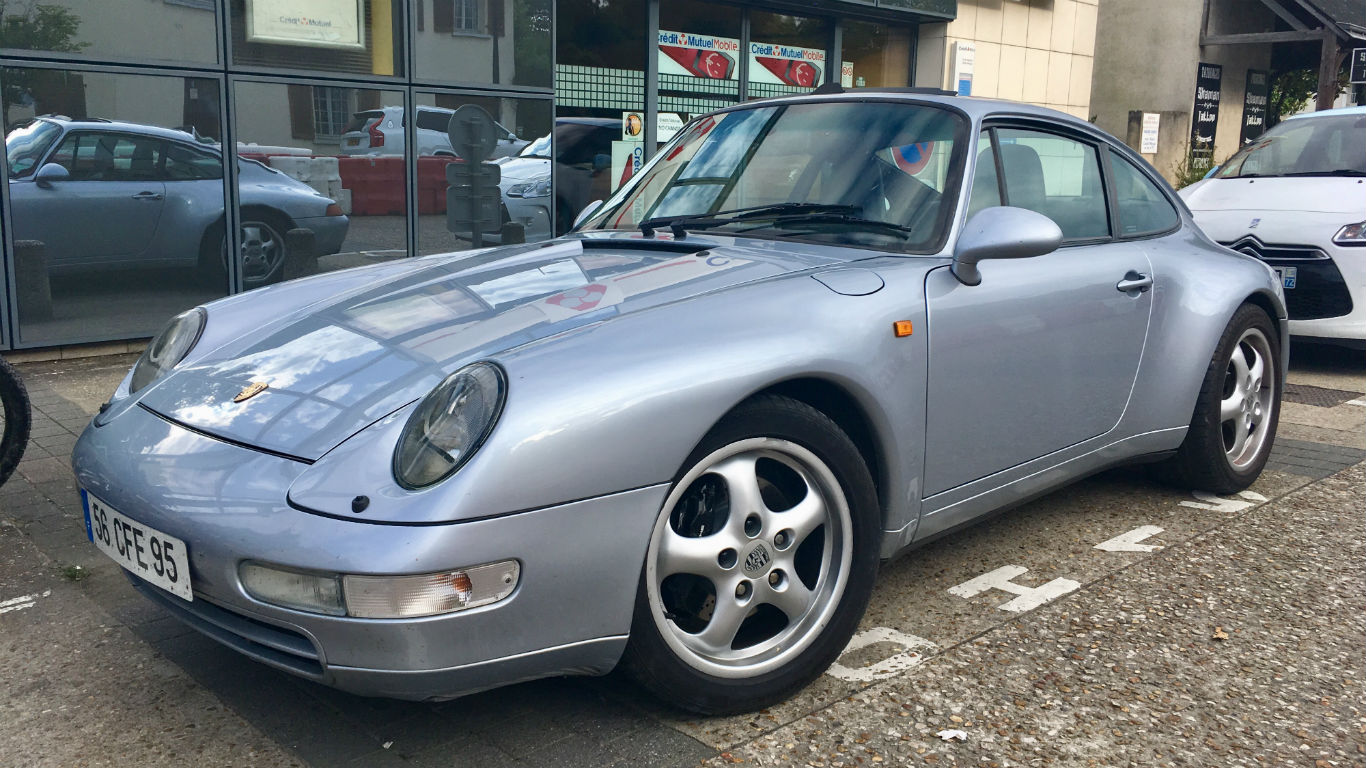
Porsche 911
Equally timeless, although rather more modern, here’s a ‘993’ Porsche 911 Carrera. This version of the Neunelfer was the last with an air-cooled engine and offers a wonderfully analogue driving experience. Produced from 1994-1998, it’s widely regarded as the best of the breed.
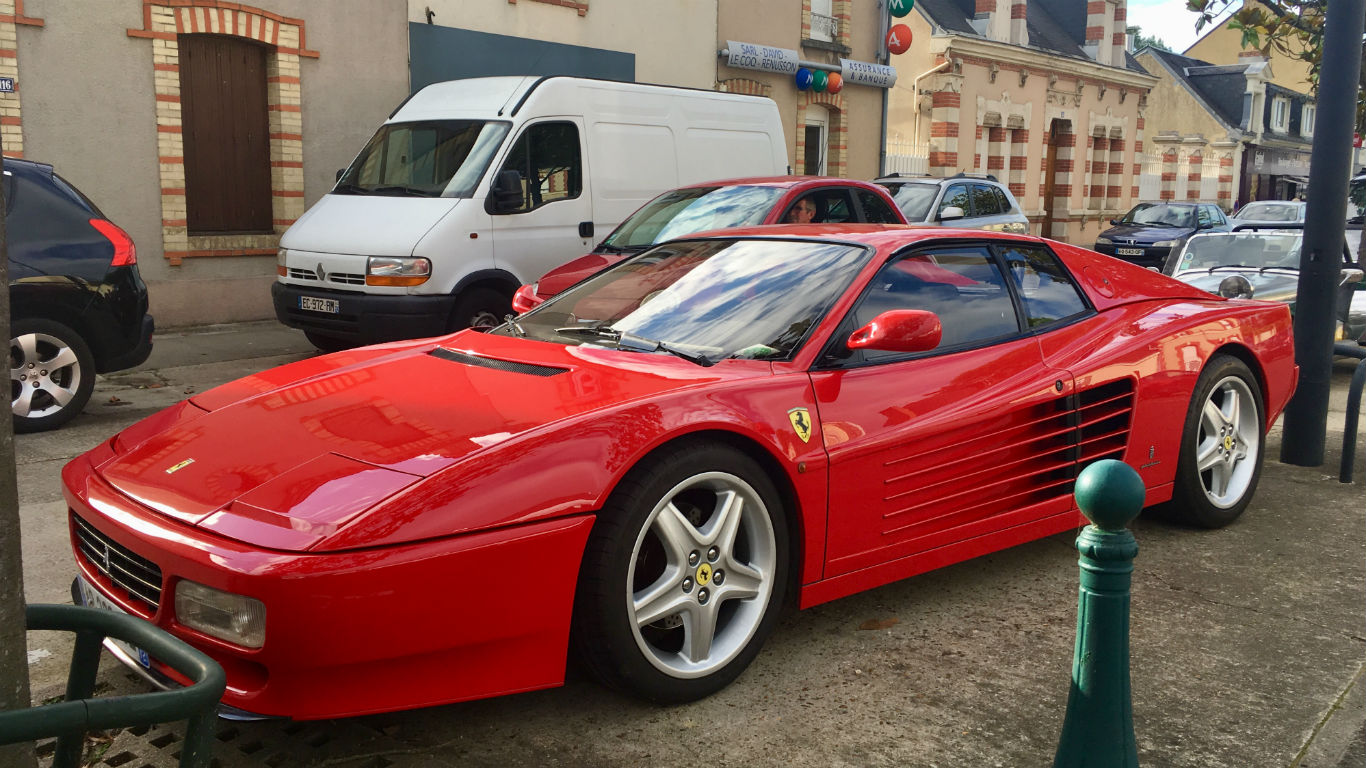
Ferrari 512 TR
Only at Le Mans would you spot a Ferrari 512 TR casually wedged between bollards. Representing Italy in this high-octane street scene, the 1991-1994 TR is effectively a facelifted Testarossa. Its 434hp flat-12 gulps air through those signature side strakes, propelling the Ferrari to 62mph in 4.8 seconds and 198mph.
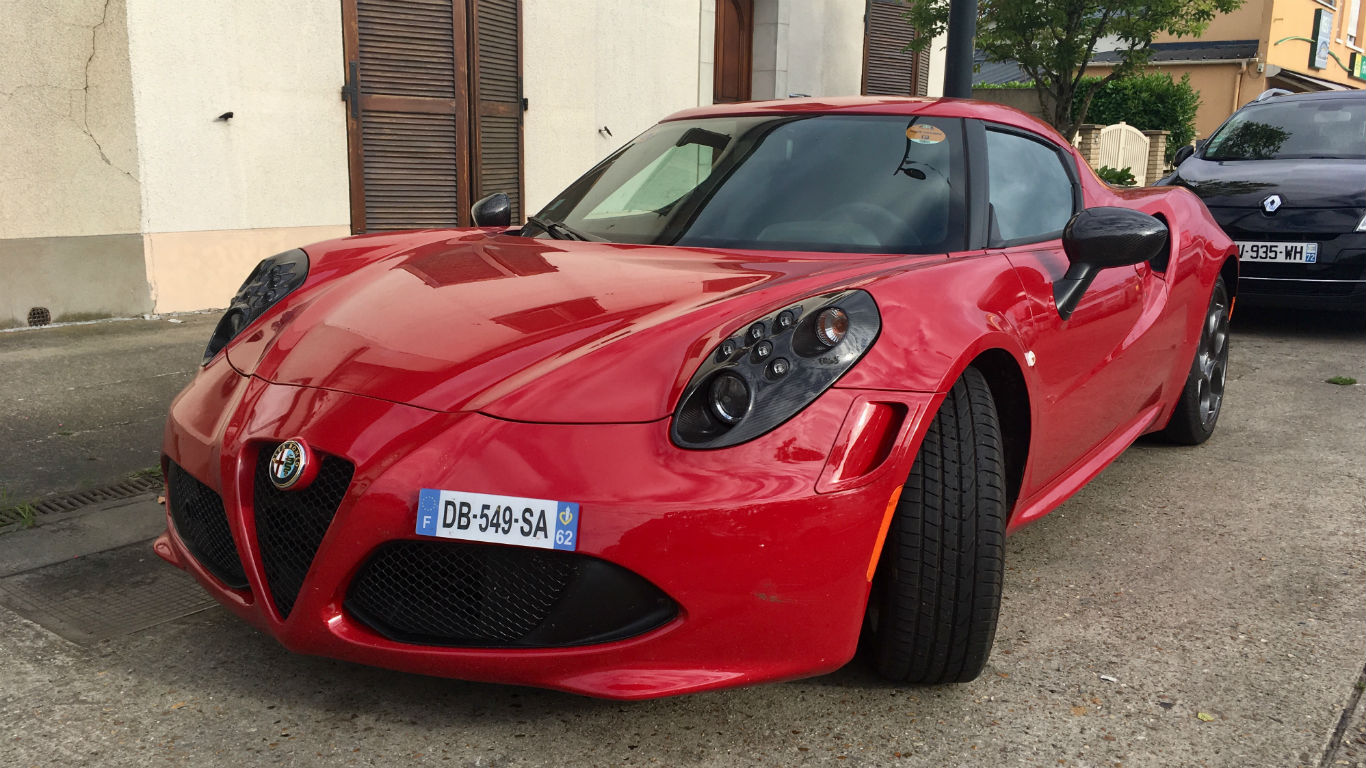
Alfa Romeo 4C
It might only have four cylinders and 240hp, but the Alfa Romeo 4C looks as exotic as any Ferrari. It also boasts a supercar-style carbon fibre chassis that weighs a mere 65kg. The two-seat 4C has been criticised for its twitchy, unpredicatable handling, although aftermarket modifications are available to mitigate this.
Ferrari F430
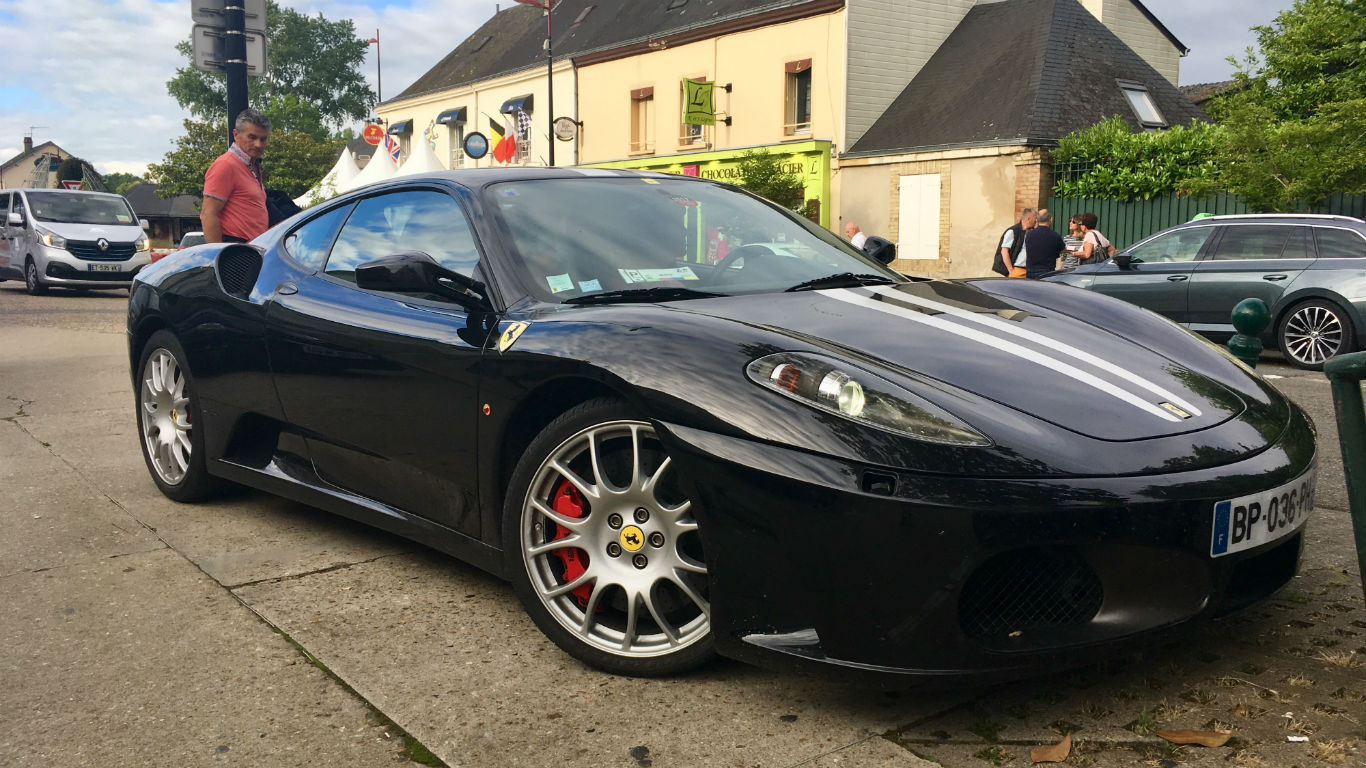
Prancing horses were everywhere in Arnage. This F430 wears the bonnet stripes of the hardcore 430 Scuderia, plus what appear to be 360 Challenge Stradale alloys. The 2004-2009 F430 was the first Ferrari with an F1-style ‘manettino’ controller on the steering wheel, which allows the driver to adjust drivetrain, chassis and stability control settings.
Jaguar Mk2
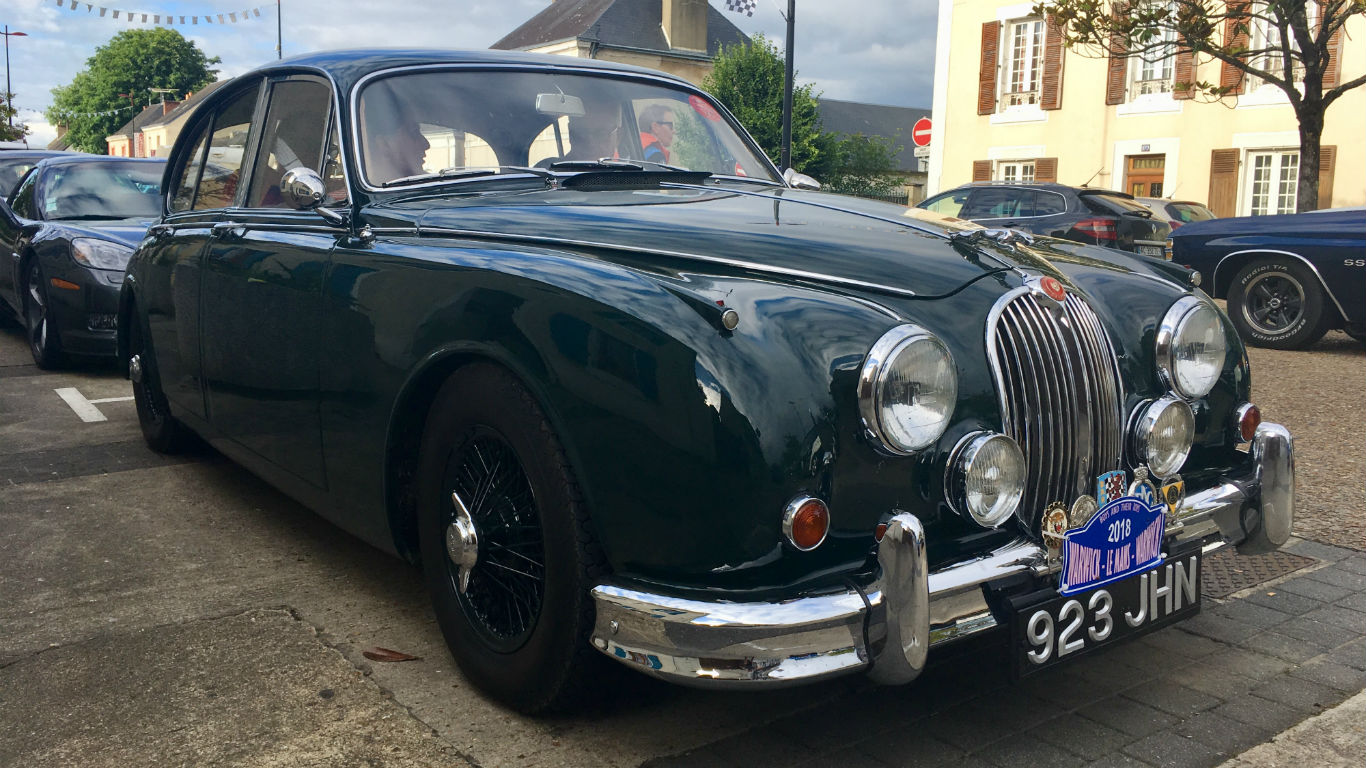
Time for the best of British, starting – appropriately enough – with a Mk2 Jag. This fast and capable saloon had a choice of straight-six engines, with the flagship 3.8 boasting a lusty 220hp. Launched in 1959, it was frequently spotted patrolling Britain’s first motorways. The Mk2 was replaced by the XJ6 in 1968.
Caterham 7
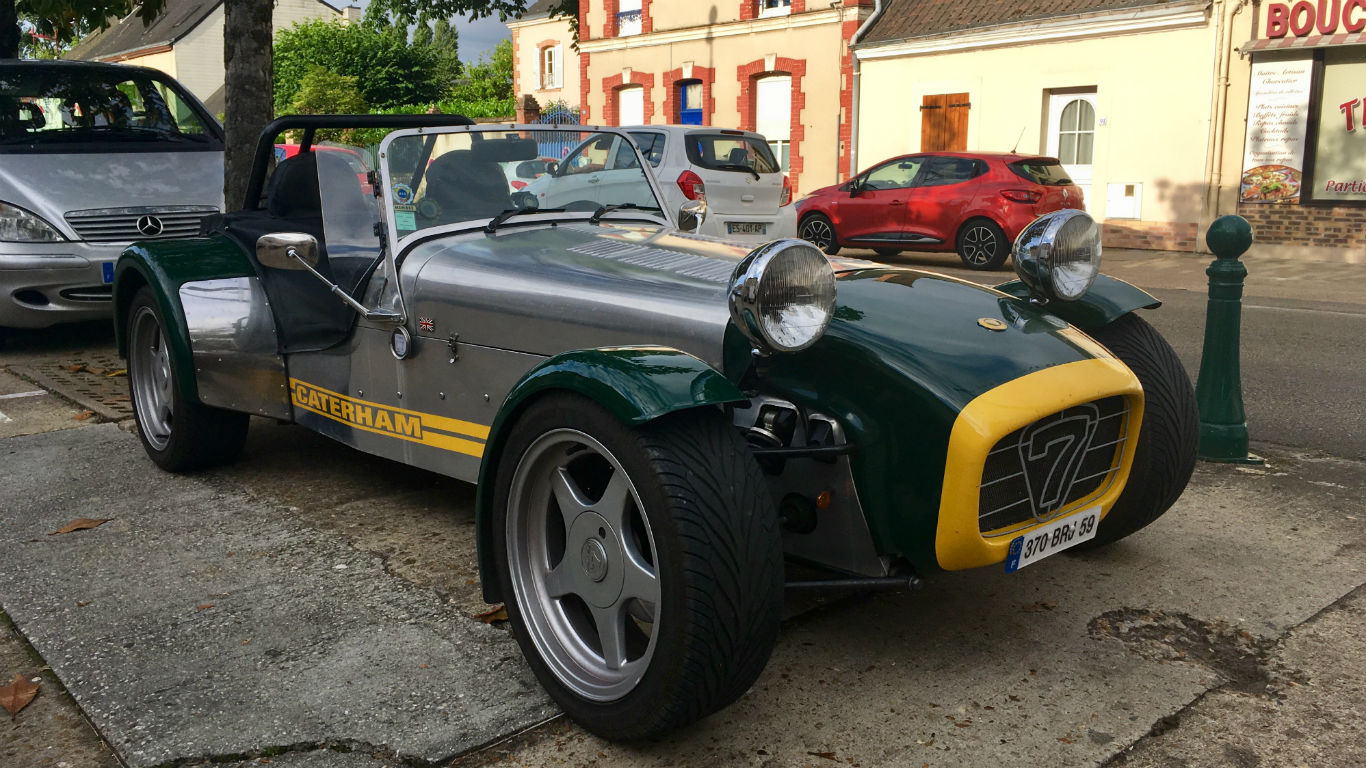
The Caterham 7 is a very different type of British classic. The back-to-basics roadster has evolved since 1973 and was originally based on the Lotus 7. This French-registered car wears green and yellow Lotus colours, although much of its aluminium bodywork is unpainted.
Ford Thunderbird
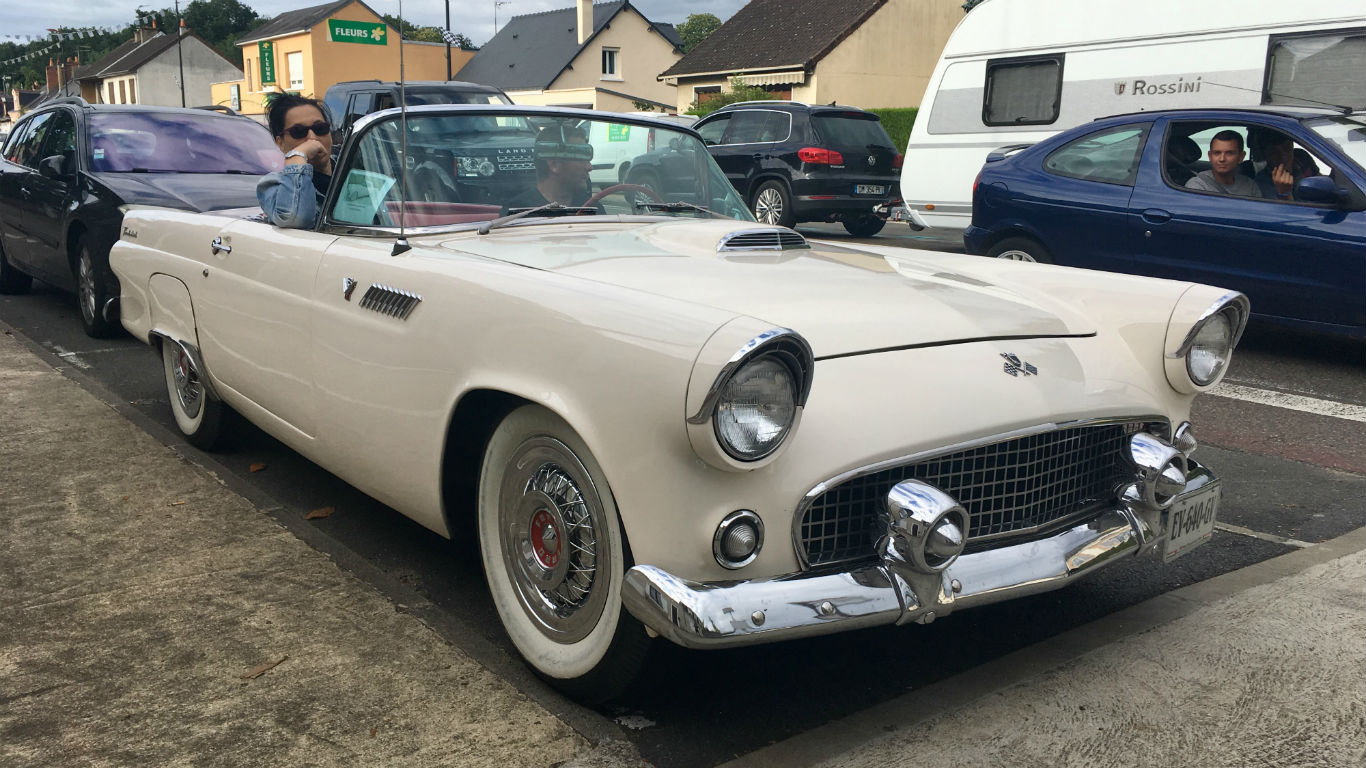
Lastly, there’s the American contingent. This Ford Thunderbird looked effortlessly cool stopped outside a cafe in Arnage, its plentiful chrome gleaming in the evening sun. A rare example of the first-generation T-Bird (built from 1955-1957), it packs a 5.1-litre V8 and two-speed automatic ‘box.
Chevrolet Corvette
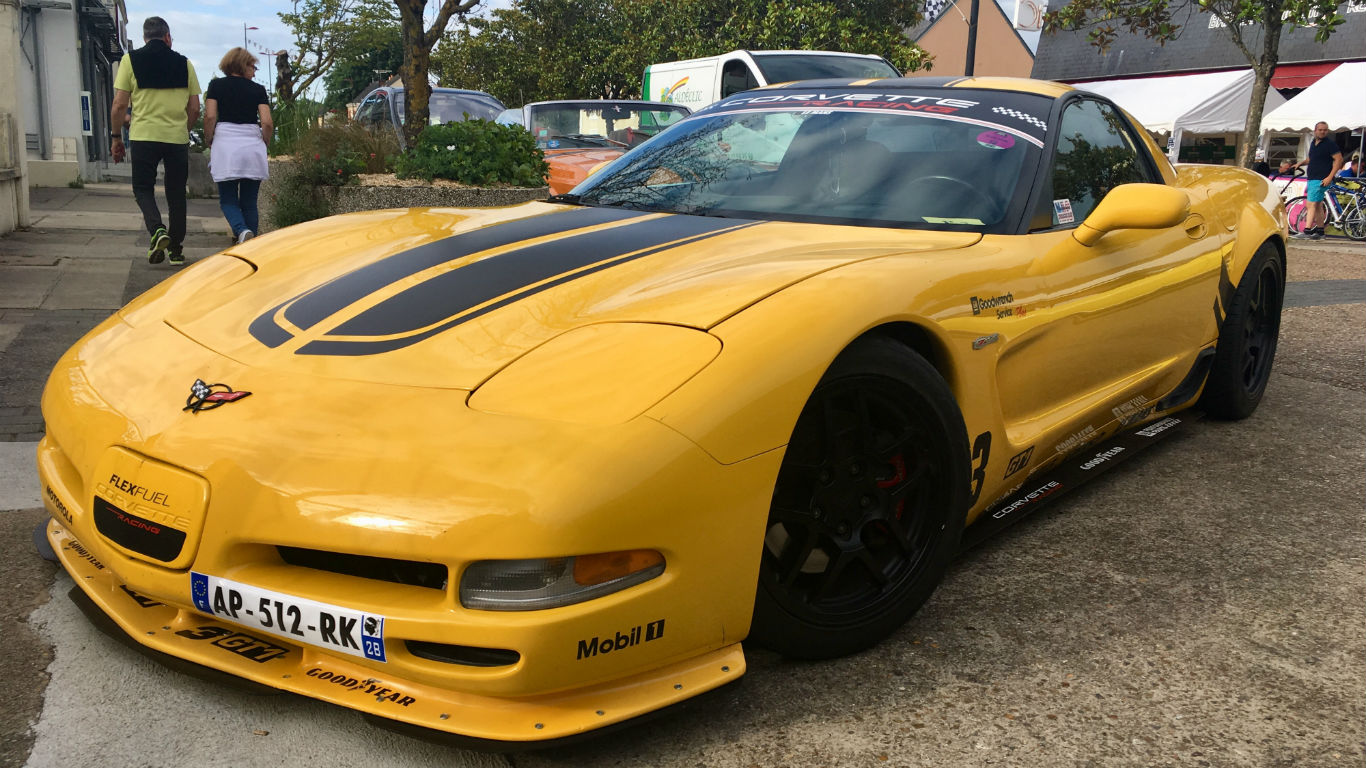
The loudest cars on-track at Le Mans in 2018 are the two Corvette C7.Rs, but we’ll wager this roadgoing C5 ‘Vette – fully accessorised in Corvette Racing livery – still sounds pretty savage. The C5’s ‘LS1’ 5.7-litre V8 packs a 350hp punch, meaning 0-60mph in 4.5 seconds and 175mph flat-out.
Ford Mustang
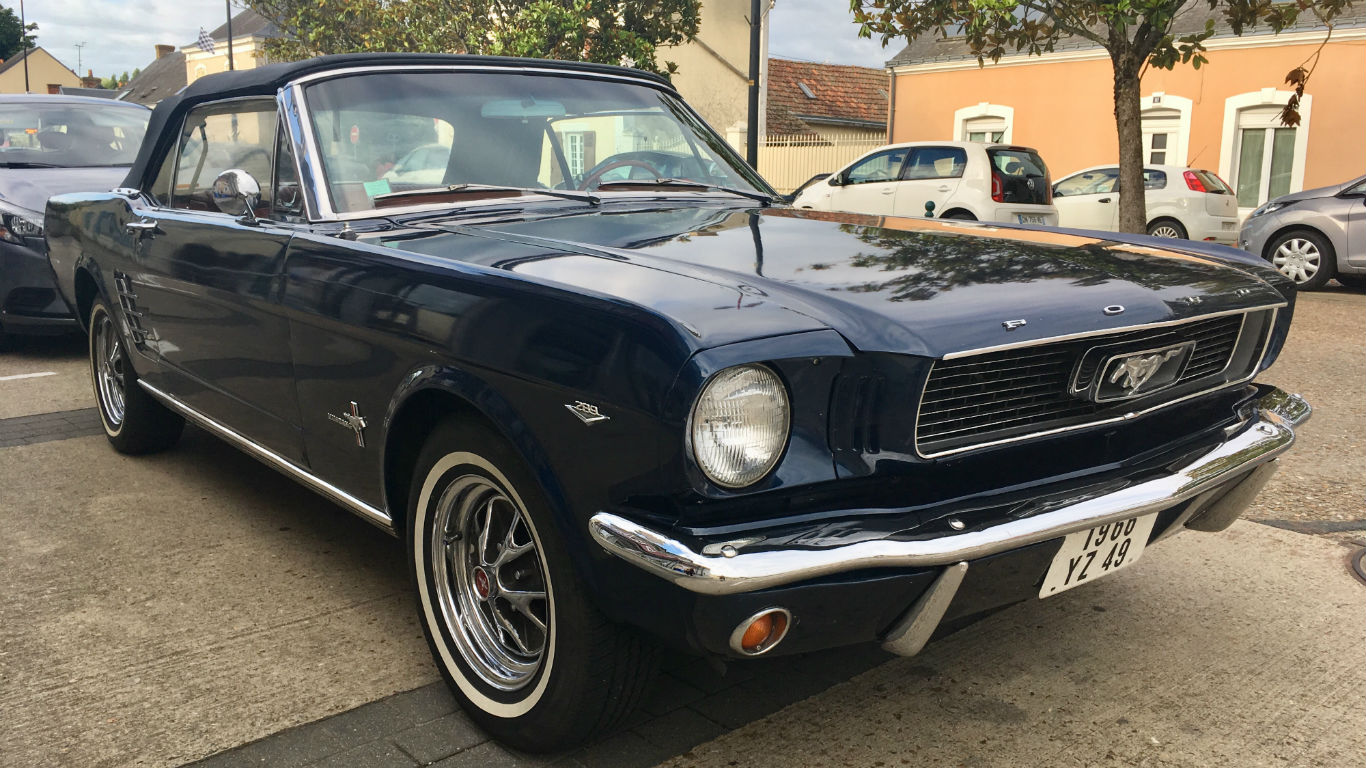
Well, motorsport fans certainly have great taste in cars. We finish with a classic Ford Mustang, a vehicle that epitomises the American dream. First launched in 1962, the iconic Mustang is now into its sixth generation. Like the Le Mans 24 Hours, it’s become part of popular culture, and a source of ongoing inspiration.
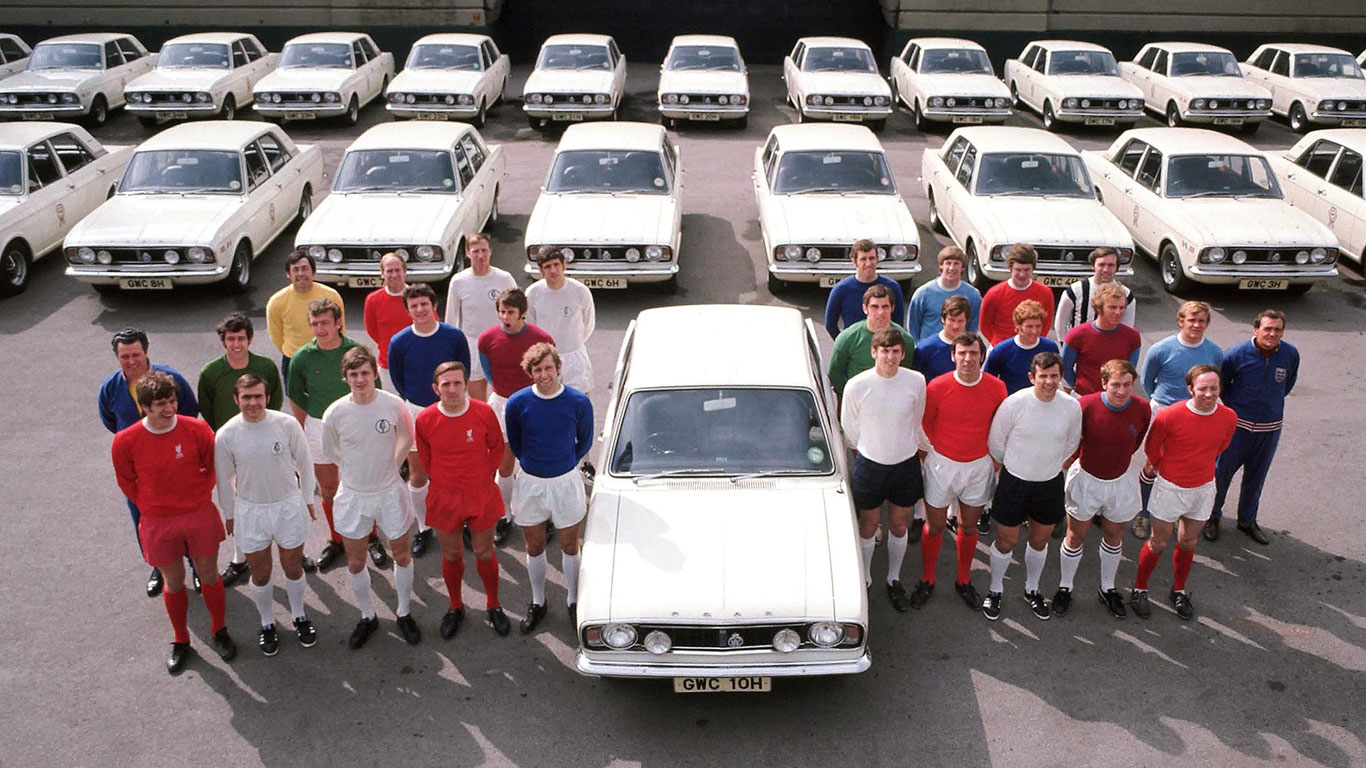
Do you hear that noise? That’s the sound of the World Cup bandwagon, and we’re just about to climb aboard for a ride. We’re comparing the ‘best’ English and German cars from each World Cup year since 1966 with the aim of selecting an overall champion.
FIFA World Cup 2018 will use 530 Hyundais
We can’t promise you will learn anything from it, but we can assure you of a nail-biting finish. And by the end of it, you probably won’t be feeling quite as bad as David Luiz at the end of the 2014 World Cup semi-final.
Rules of engagement
First, we need to establish some ground rules. This ‘World Cup’ will be split into 14 rounds – one for each World Cup year since 1966 – and we’ve selected important, successful or great cars from each country.
Remember, kids, it’s just for fun, so don’t write in. Oh, and our decision is final – we won’t be using VAR in the event of a questionable decision.
1966
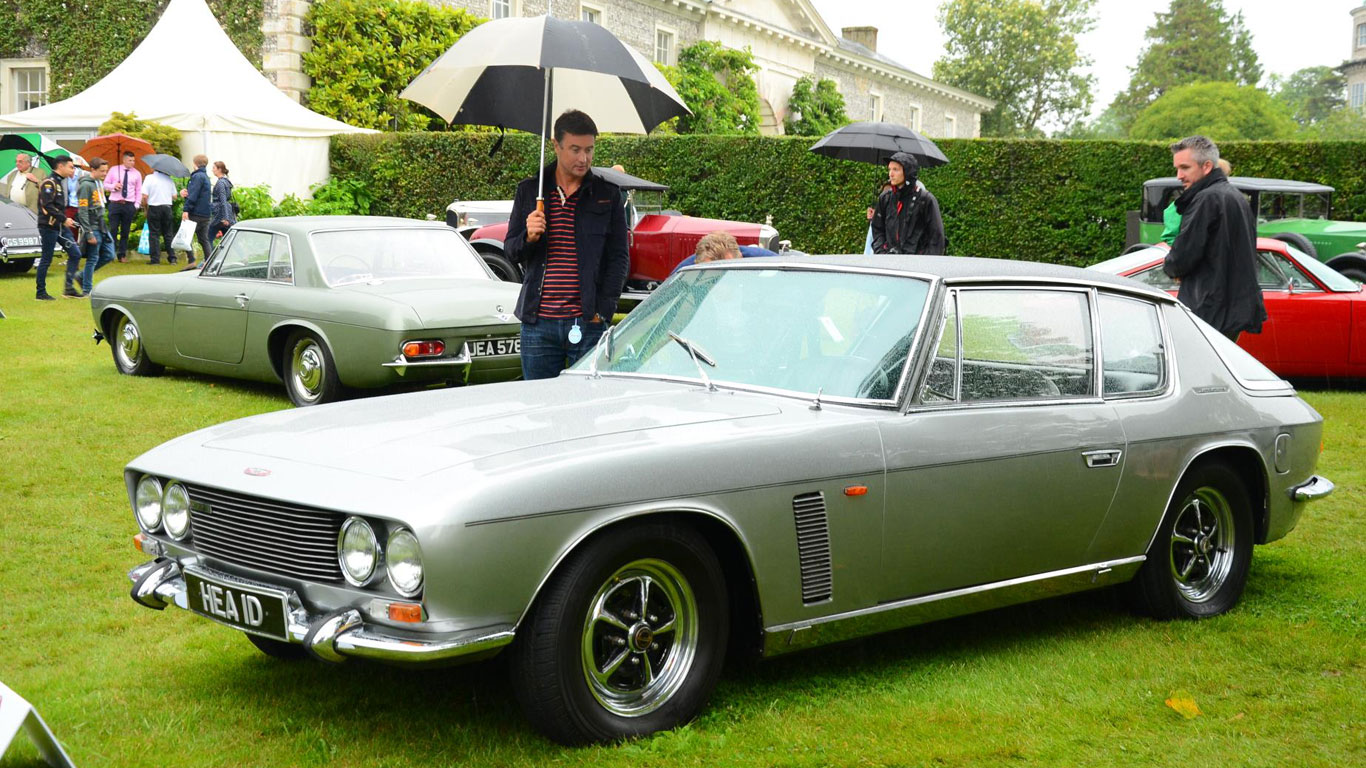
England – Jensen Interceptor
Ah, 1966 and all that. Memories, if you’re old enough to remember, of Bobby Moore lifting the Jules Rimet trophy, Nobby Stiles dancing and a ball that was certainly over the line. There can only be one winner in this round, especially with a name like Interceptor, which sounds like the nickname of a tough-tackling holding midfielder.
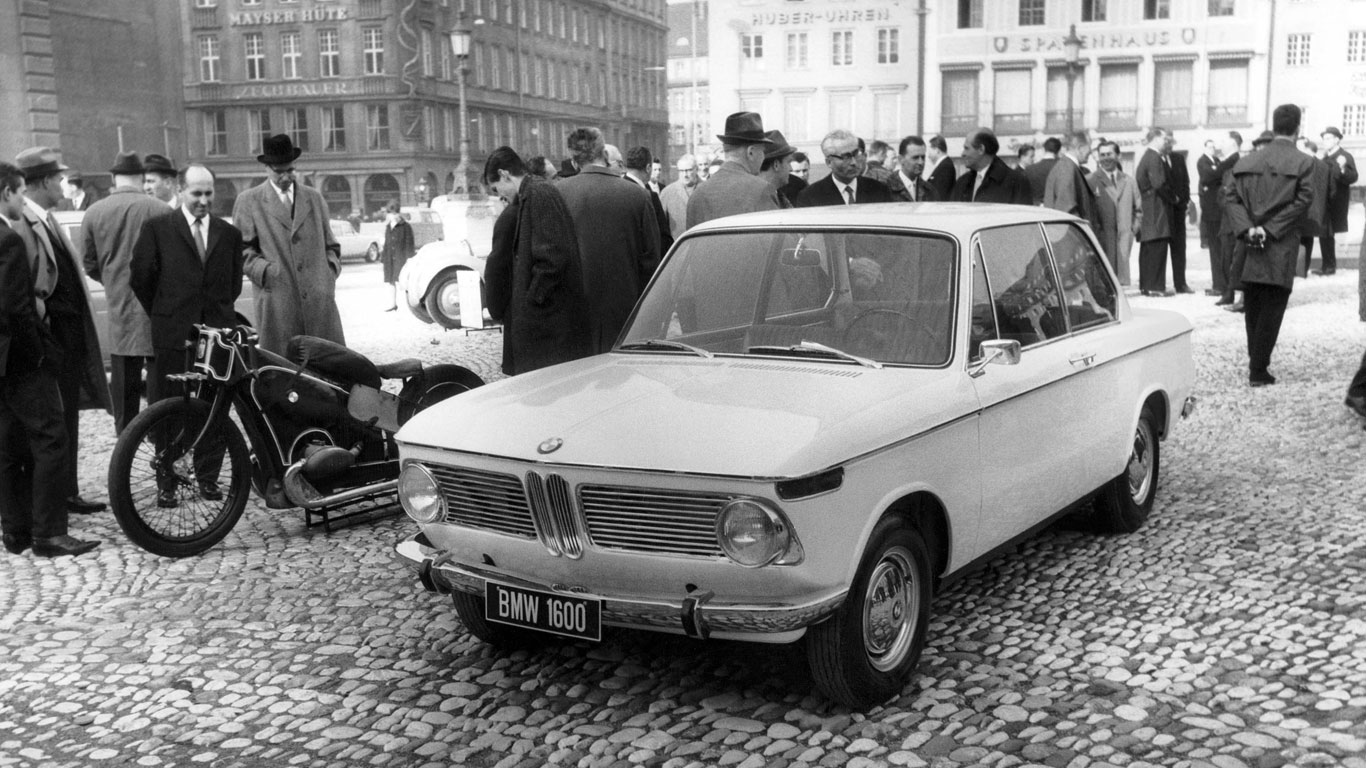
Germany – BMW 02 Series
Germany’s response to the Jensen Interceptor is the BMW 02 Series, the svelte, continental and nimble executive from Bavaria. It lacks the performance needed to topple the West Bromwich powerhouse in this instance, but as the forerunner to the 3 Series, we’re expecting great things in future tournaments, Clive.
1970
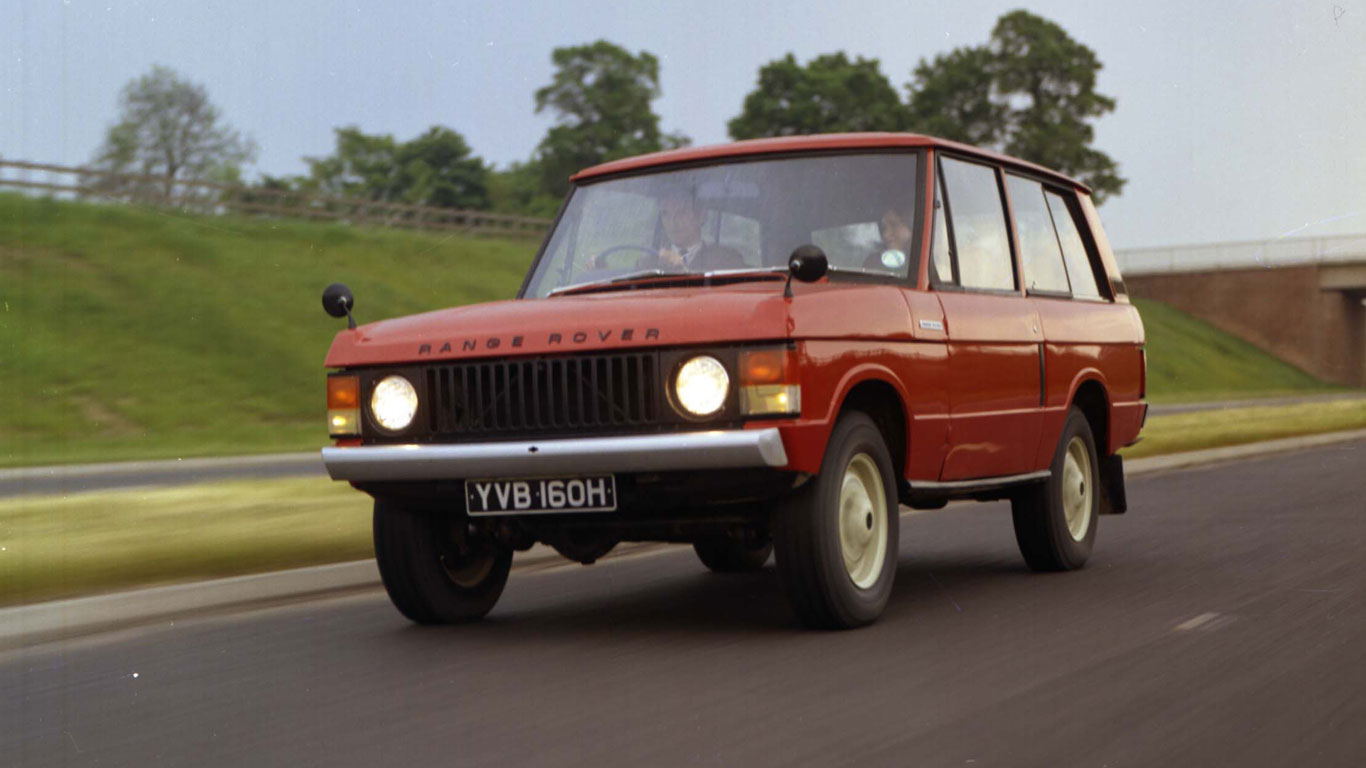
England – Range Rover
In 1970, the first Range Rover rolled off the production line in Solihull, making it the ideal car for England’s 1970 World Cup bid. In Mexico, the then-champions succumbed to the midday heat, going down 3-2 against semi-finalists West Germany. In our ‘World Cup’, it’s going to take something mighty to stop the Range Rover from making it 2-0 to England.
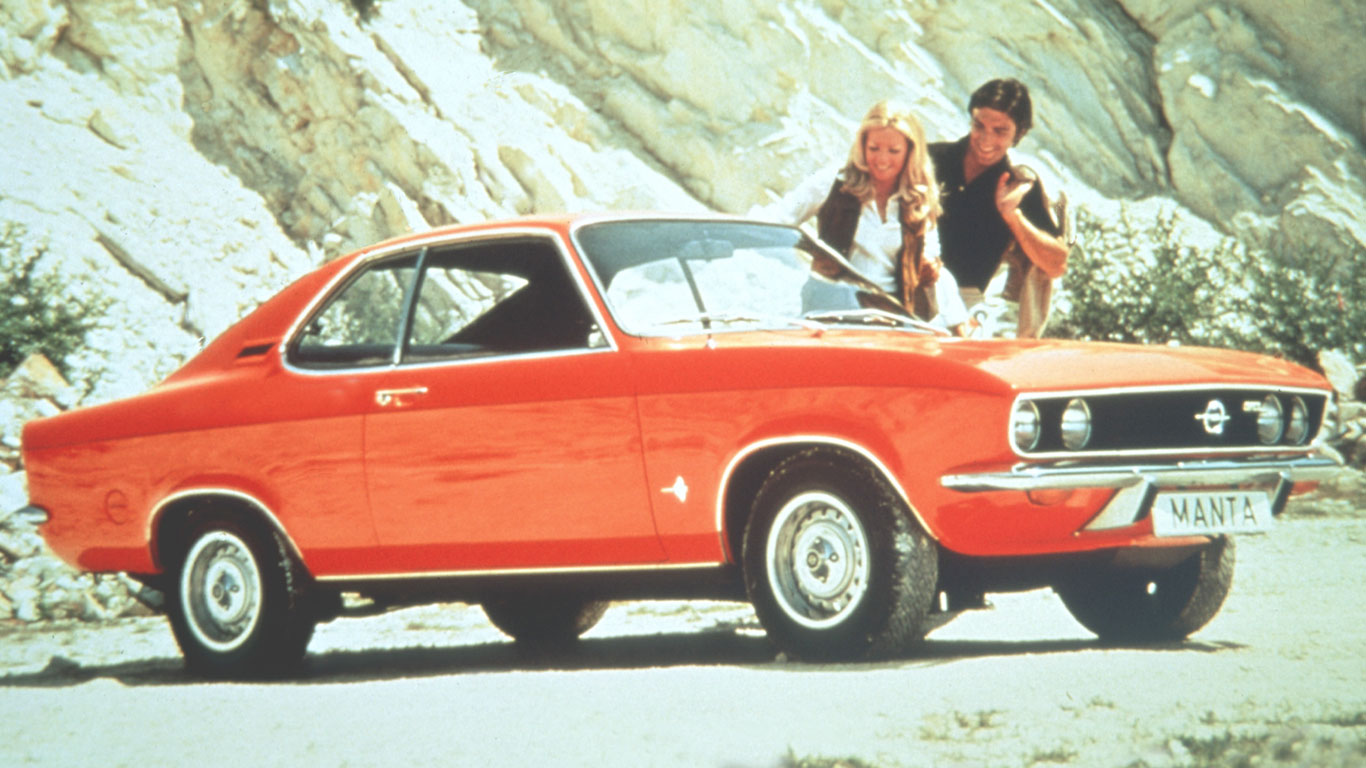
Germany – Opel Manta
If you’re still with us, thank you. We can’t promise things will improve by the time we reach 2018, which sounds a bit like the England World Cup team. For its 1970 entry, West Germany wades in with the handsome Opel Manta, which would be happier taking on a Ford Capri in a traffic Grand Prix than it would a Range Rover. Sorry, Opel, it’s 2-0 to England. But fear not, Germany, because England took a two goal lead in 1970, and we know what happened next.
1974
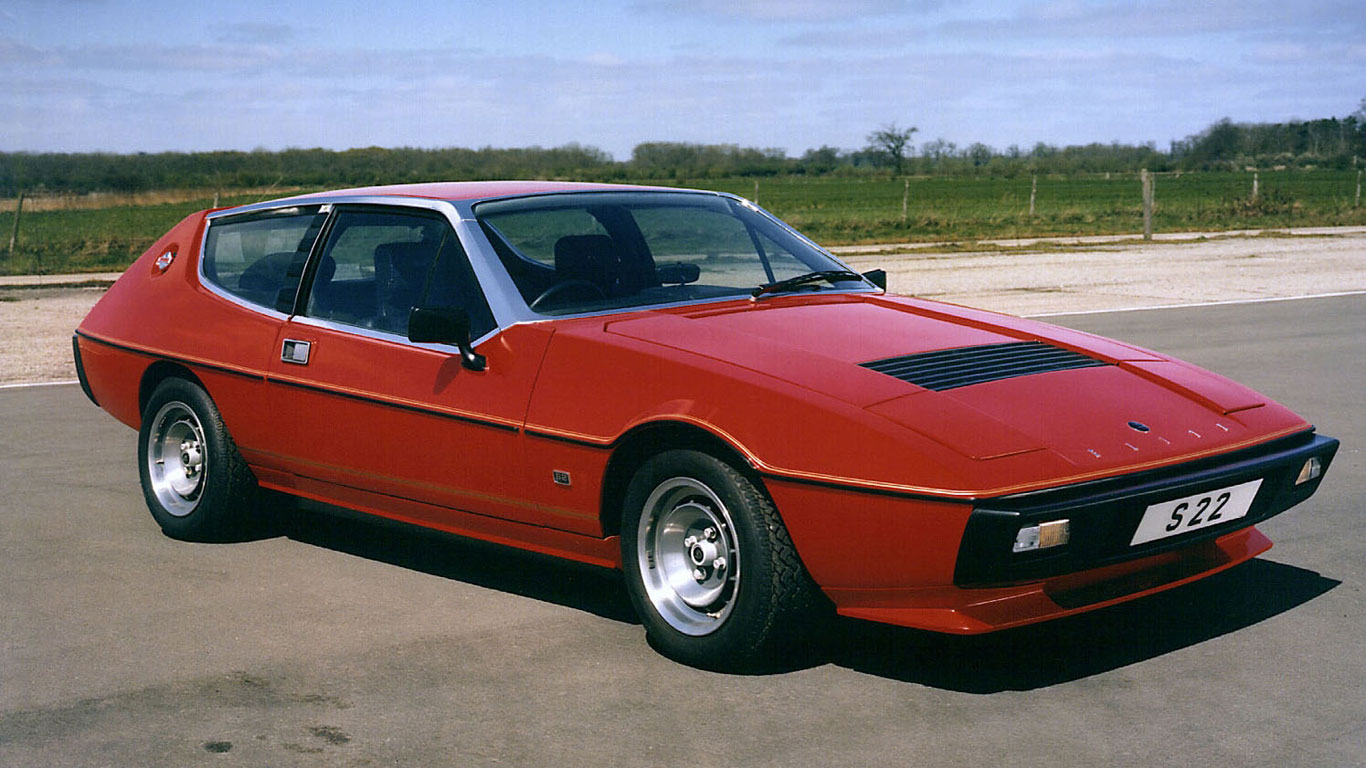
England – Lotus Elite
England isn’t exactly spoilt for choice when it comes to picking a squad for 1974, unless you fancy taking on the Germans in an Austin Allegro Vanden Plas. Instead, it’s left to Hethel’s elite – quite literally – in the form of the Lotus Elite. The 2+2 hatchback-cum-coupe represented a shift upmarket for Lotus, but we sense Germany might have this covered.
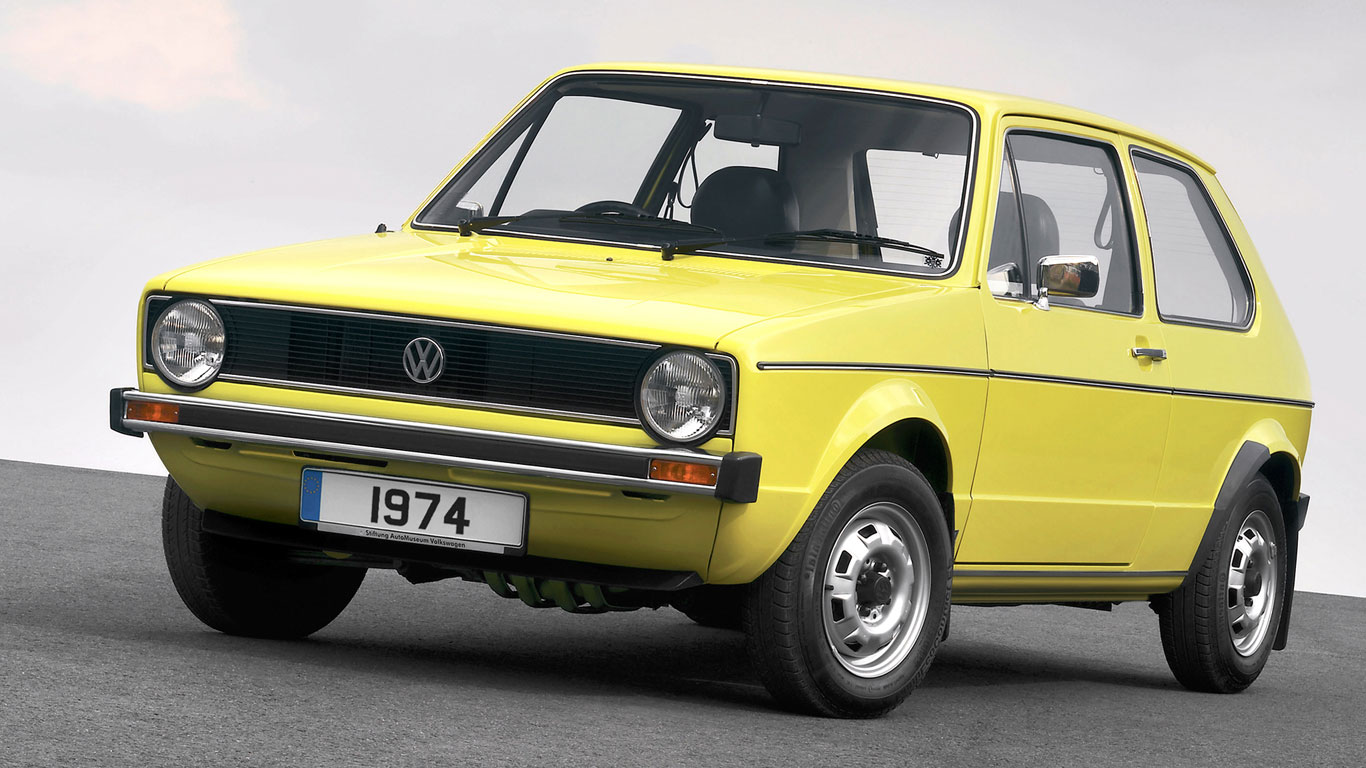
Germany – Volkswagen Golf
Indeed, West Germany is toying with England’s defense, demonstrating some fancy footwork with the Volkswagen Scirocco, before going in for the kill with the all-conquering Golf. England is powerless to prevent the Germans clawing a goal back, courtesy of elegant Italian styling and ruthless German efficiency. England 2-1 Germany.
1978
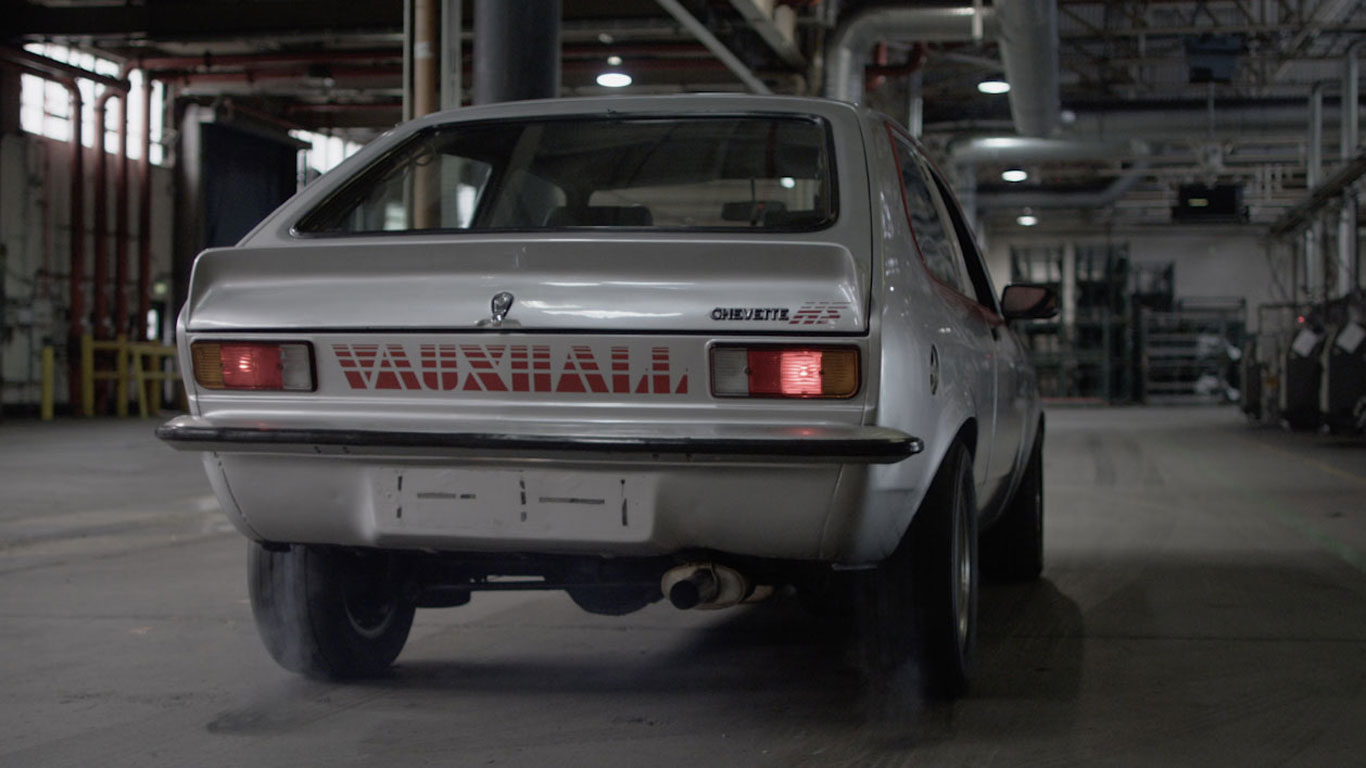
England – Vauxhall Chevette HS
Time for England to restore a little pride with some rallying of the troops. Vauxhall is channeling its inner ‘Flying Finn’ with the 2.3-litre Chevette HS, a highly capable homologation special, especially at the hands of Pentti Airikkala. But England is unable to call upon help from Finland in this instance…
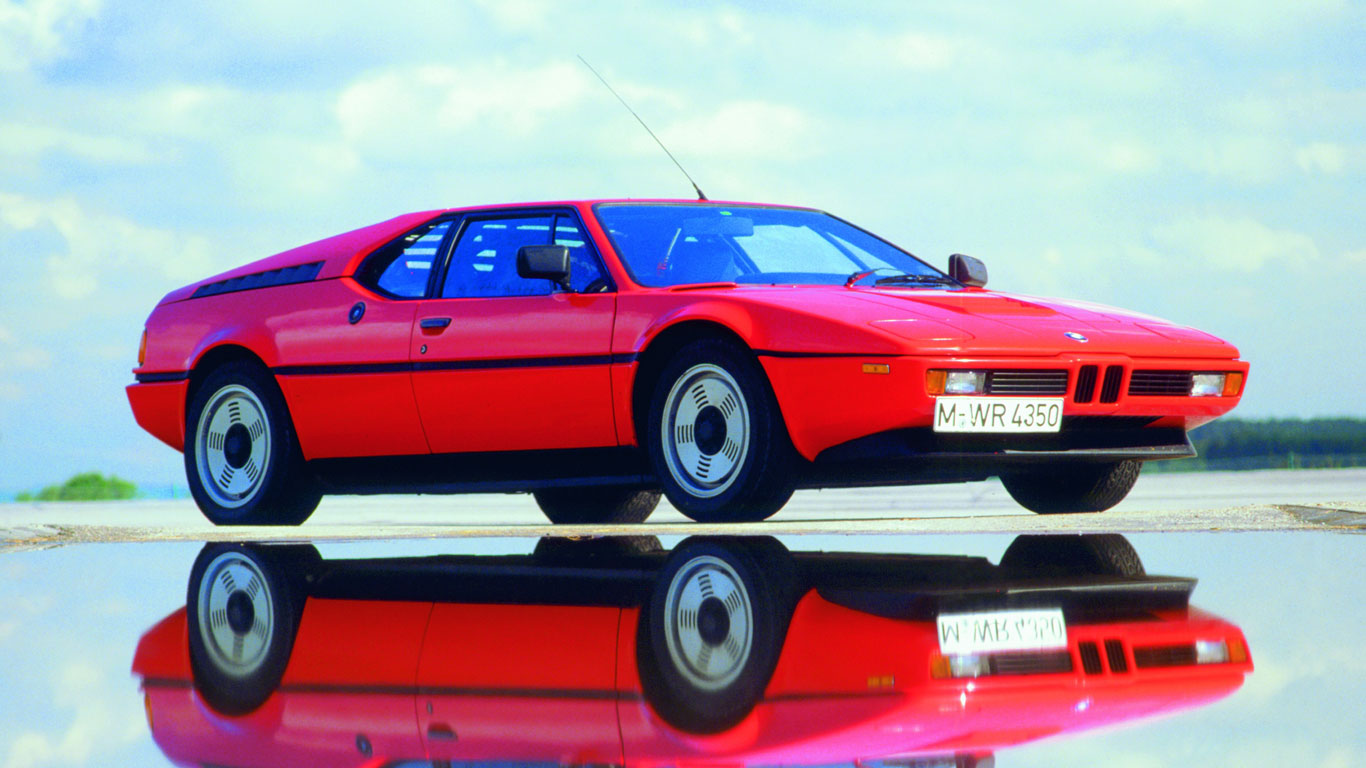
Germany – BMW M1
Boom: have some of that. The BMW M1 may have had its problems during development – a rare lack of commitment from the Italians didn’t help matters – but Vauxhall cannot stop the 3.5-litre mid-engined sports car from romping to victory in 1978. It’s an equaliser for West Germany, with the score tied at 2-2.
1982
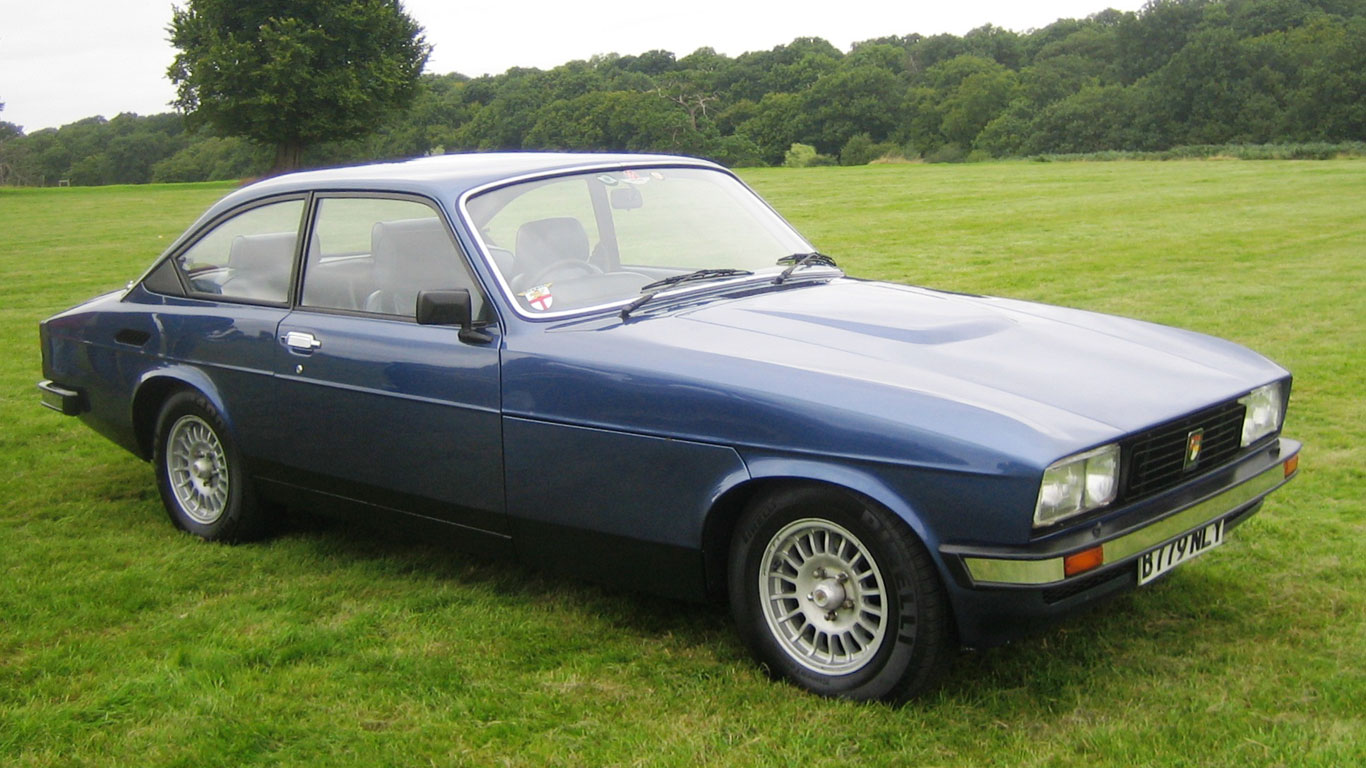
England – Bristol Brigand
England head to Spain for the 1982 World Cup in need of a strong performance. Time to restore some pride. A development of the earlier 603, the Bristol Brigand can call upon the might of a V8 engine to launch a string of attacks, with the large two-door coupe capable of speeds of up to 150mph. Enough for England to retake the lead?
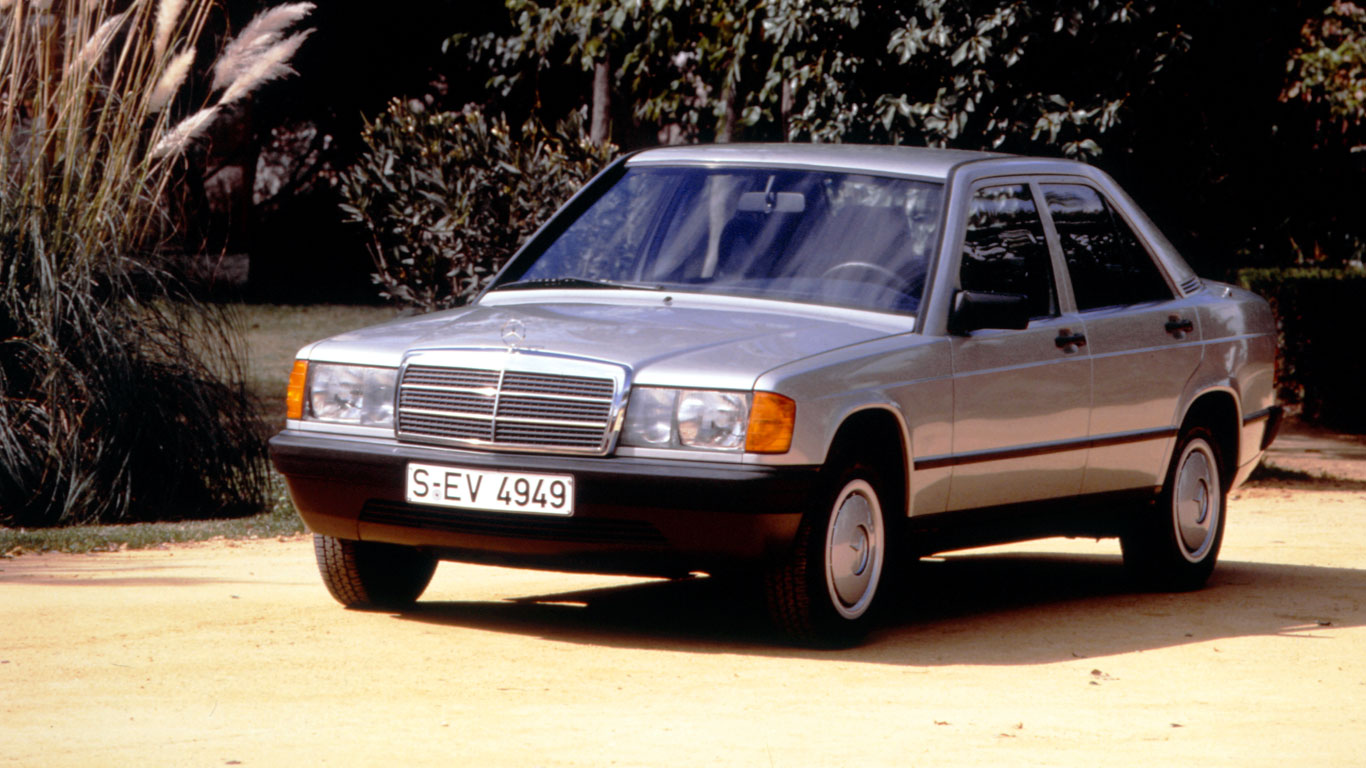
Germany – Mercedes-Benz 190
There are a few players jockeying for position in West Germany, with the new E30 BMW 3 Series and Audi 100 lining up to take on the Bristol. In the end it’s left to the Mercedes-Benz 190, the most important new car from Stuttgart in many years. But while the 190 was a quantum leap forward over the old 200, it cannot tackle the mighty Brigand in Spain, which puts England back in front.
1986
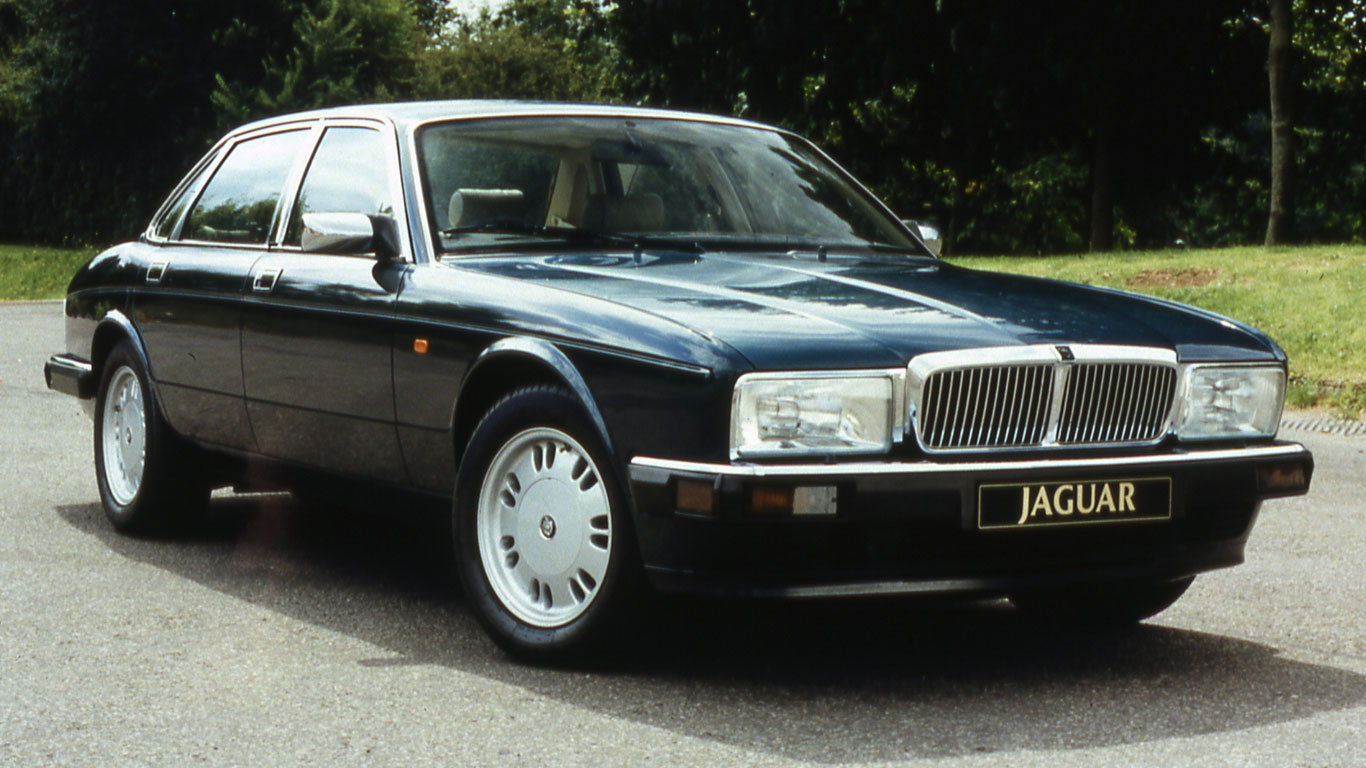
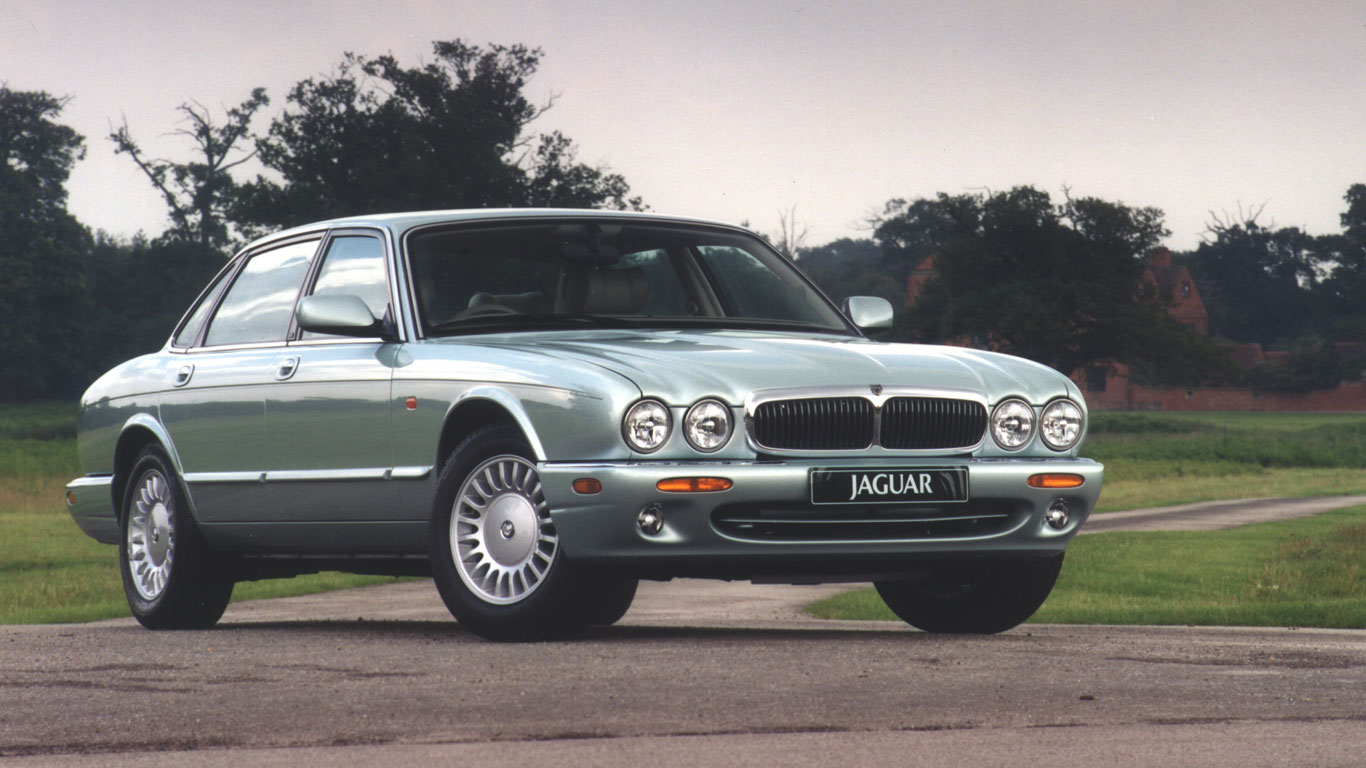
England – Jaguar XJ
None other than Gary Lineker finished as the top scorer at the 1986 tournament in Mexico, which will remembered for Diego Maradona’s brilliance (not to mention his handball). England take on West Germany with the Jaguar XJ40.
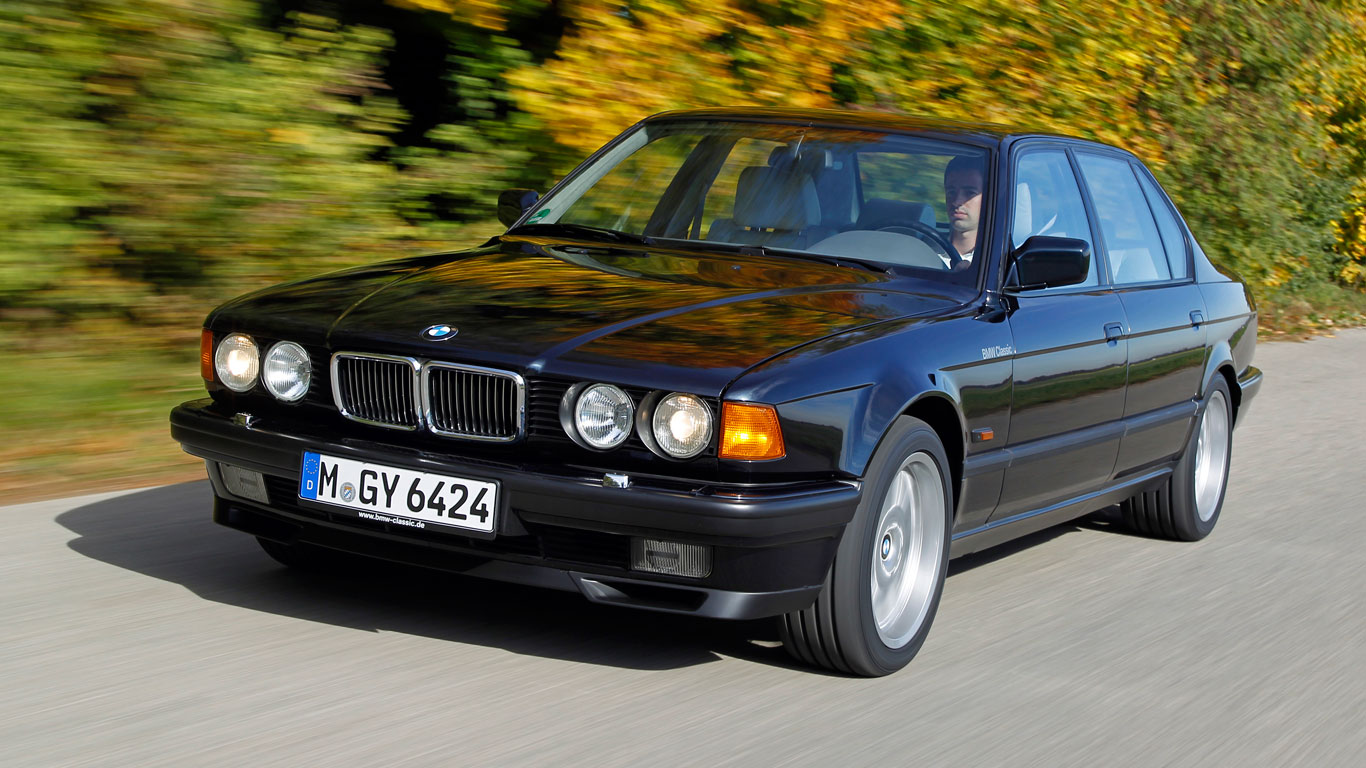
Germany – BMW 7 Series
But the XJ40 is powerless to see off the BMW 7 Series, which scythes down England like a Thomas Berthold tackle. This was a hugely important car for BMW, not least because it replaced an ageing product and was destined to spend its entire time running down the left-hand flank (of the German autobahn). That’s 3-3. Are we destined for a penalty shootout? Nobody tell Gareth Southgate.
1990
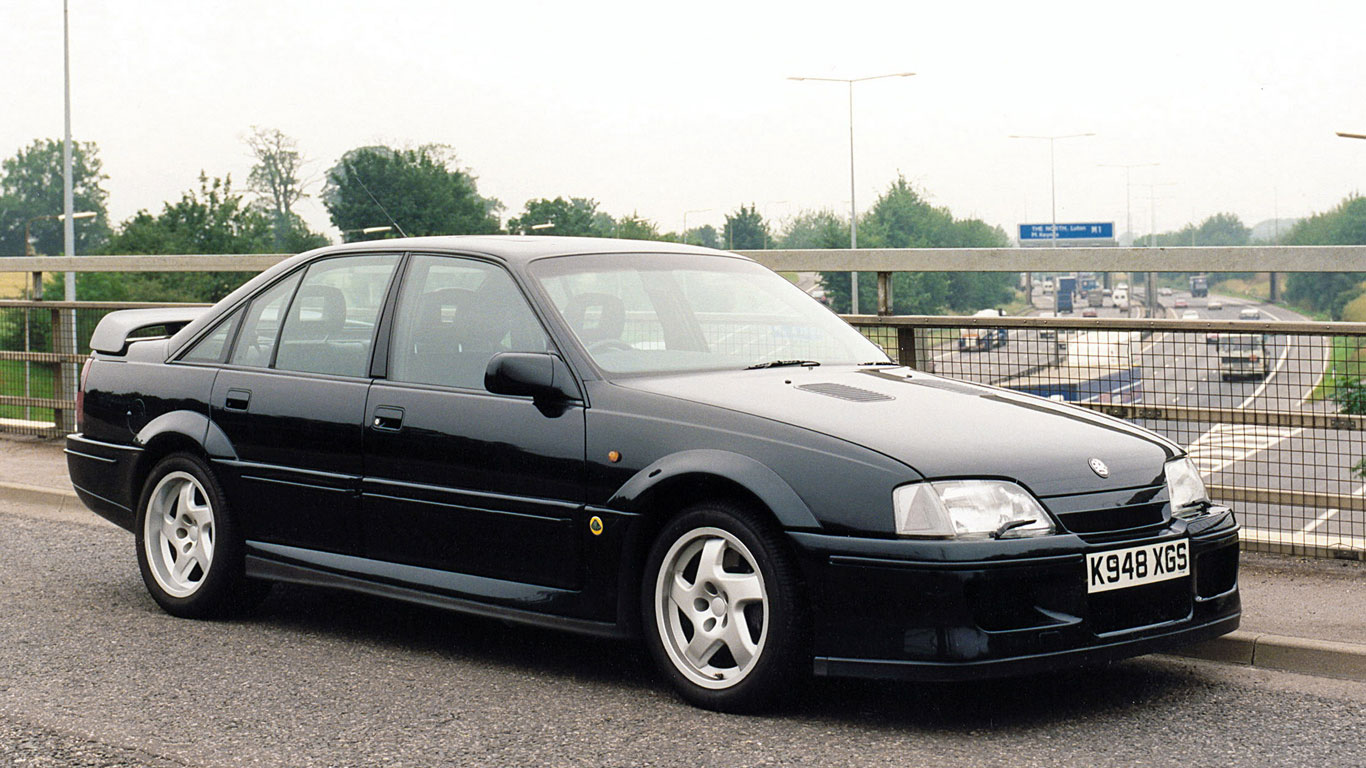
England – Lotus Carlton
This will hurt Germany, as the Lotus Carlton also wore an Opel badge. But, as a product of Hethel, it qualifies for the England team, and it’s hard to see how Germany could respond to the 176mph supercar-slayer. Ah, the sweet taste of revenge for the 1990 penalty shootout, although this tie isn’t over yet.
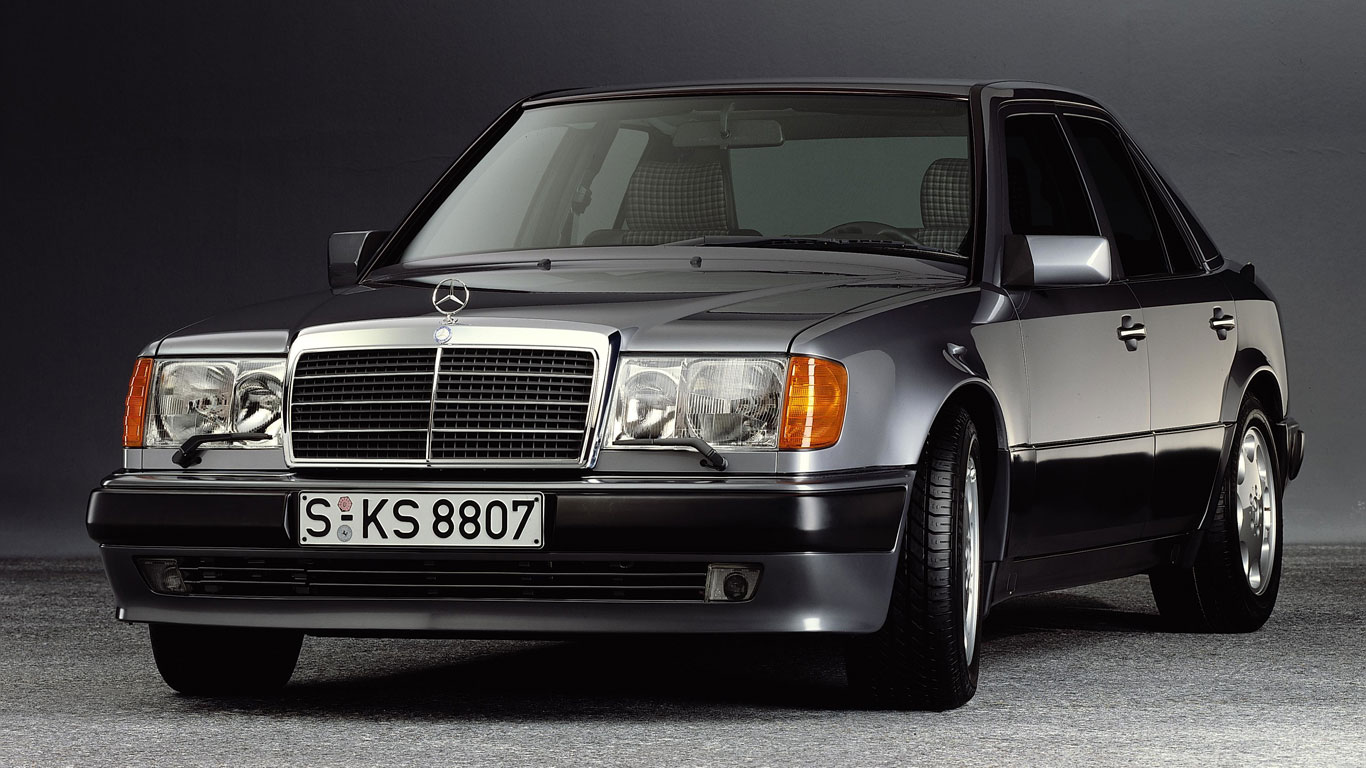
Germany – Mercedes-Benz 500E
Besides, Germany isn’t going down without a fight. Don’t let the subtle looks fool you, because the Mercedes-Benz 500E is as powerful as Lothar Matthäus and as ruthless as Jürgen Klinsmann at his peak. MB’s performance saloon was powered by a 5.0-litre V8 and assembled by Porsche in Stuttgart. It’s a bona fide legend, but the Carlton manages to hang on to put England in front.
1994
England – Jaguar XJ
Sorry, England, but you’re not winning this one. Failure to quality for USA ‘94 meant that England had to sit this one out, so there’s no way a Jaguar XJ (X300) is going to perform well here, even with a choice of six and 12-cylinder engines.
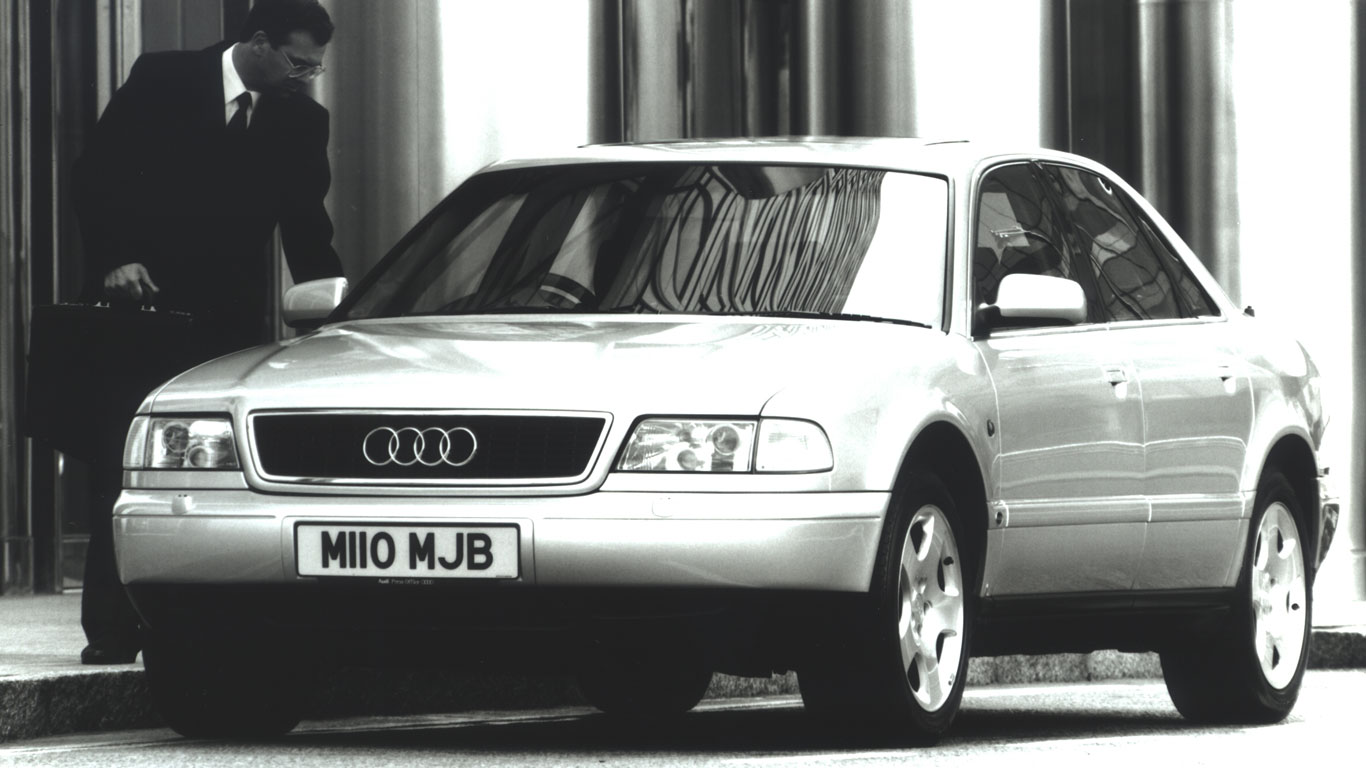
Germany – Audi A8
With its groundbreaking aluminium construction, lightweight body, huge array of engines and choice of interior comforts, the Audi A8 made the Jaguar XJ look rather outmoded. A unified Germany may have lost against Bulgaria in the US tournament, but the A8 cruises to an easy win against England. It’s 4-4, Jim.
1998
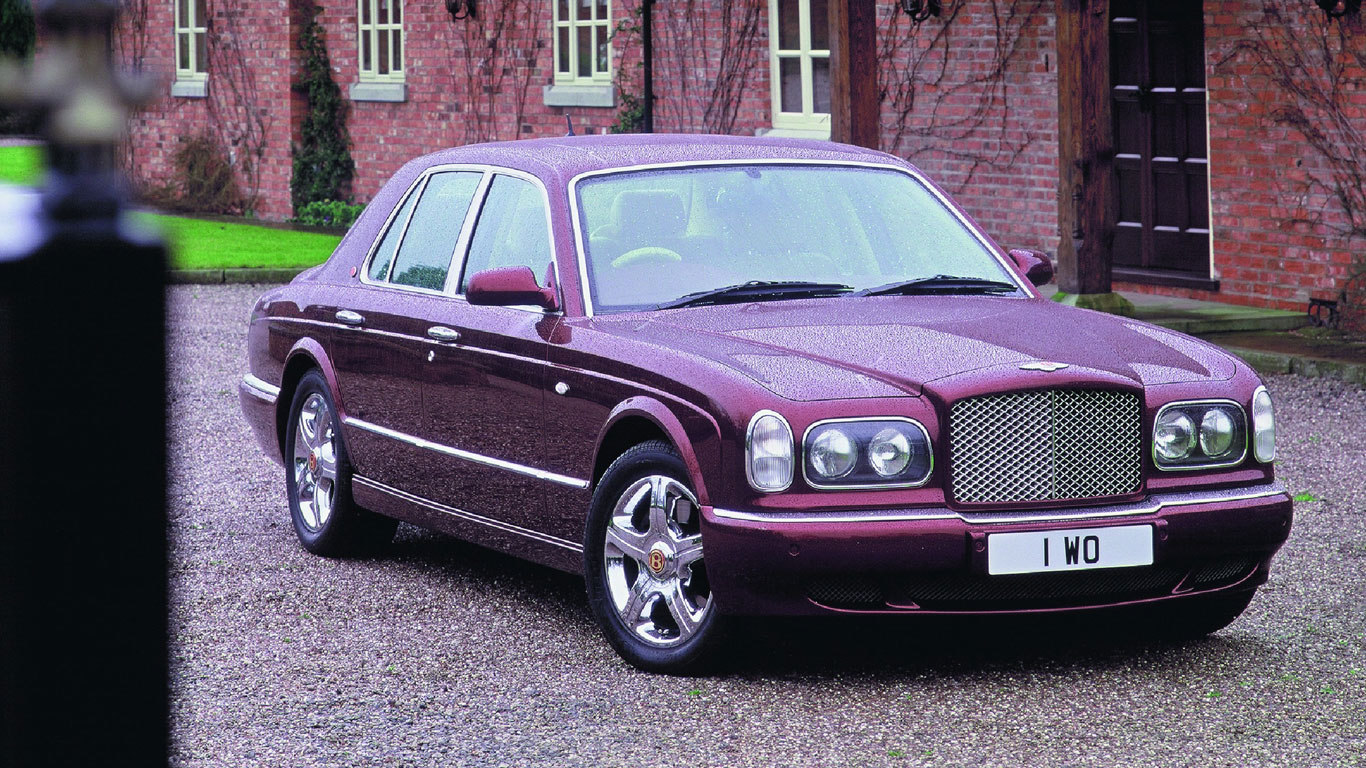
England – Bentley Arnage
It wouldn’t be a World Cup without a little controversy, which is why we’re not afraid to give the Bentley Arnage its England debut. Some fine players have emerged from Crewe’s academy, most notably Dean Ashton, Danny Murphy and David ‘in the last minute of extra-time’ Platt. So what’s controversial about another Crewe export? That’d be the 4.4-litre BMW engine, used to power the Arnage at its launch. Don’t mention the engine and we might just get away with it.
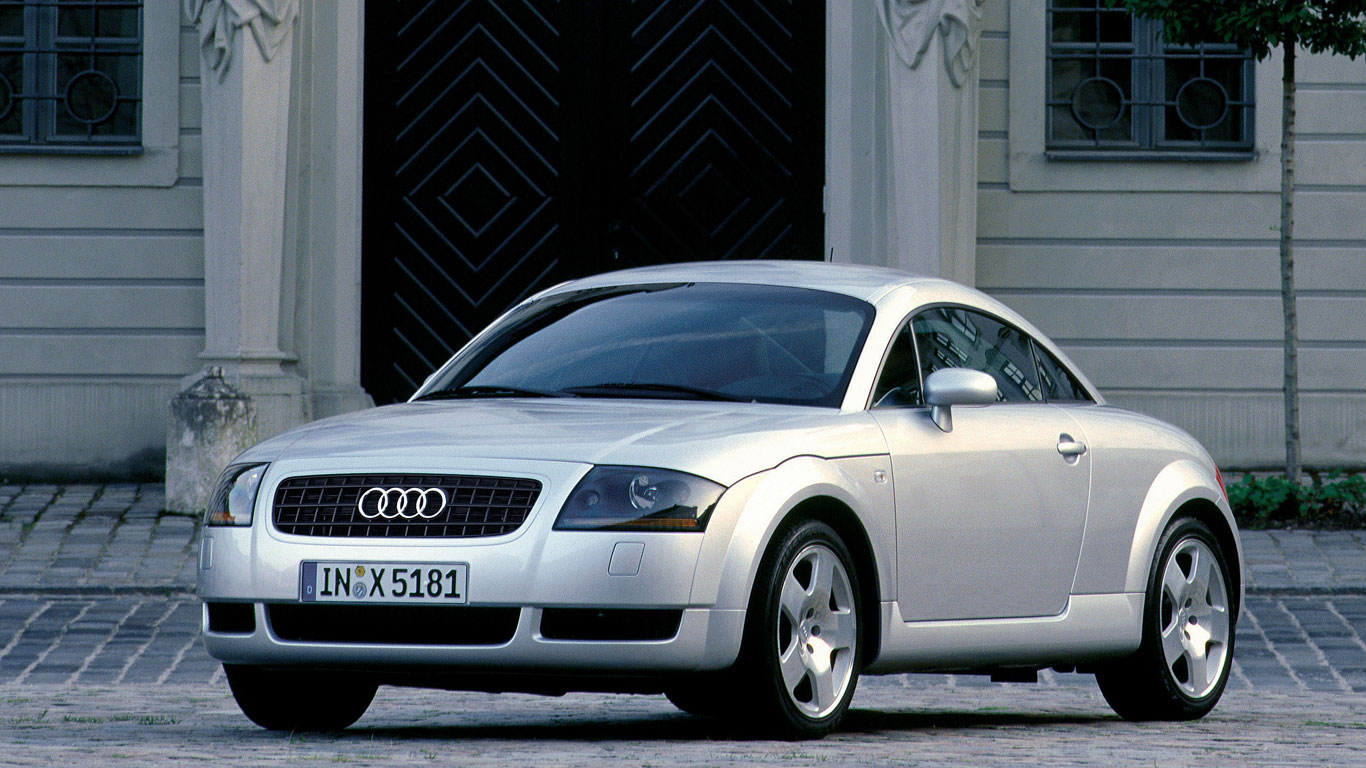
Germany – Audi TT
Actually, it would be controversial if England win the 1998 tie, but there’s no chance of that with the Audi TT looming into view. The oh-so-fashionable TT arrived in 1998, dressing to impress like a concept car for the road. With its trendy suit and bespoke interior, the TT knocks the Arnage into submission and gives Germany the lead. Five rounds to go, it’s up for grabs now, Ron.
2002
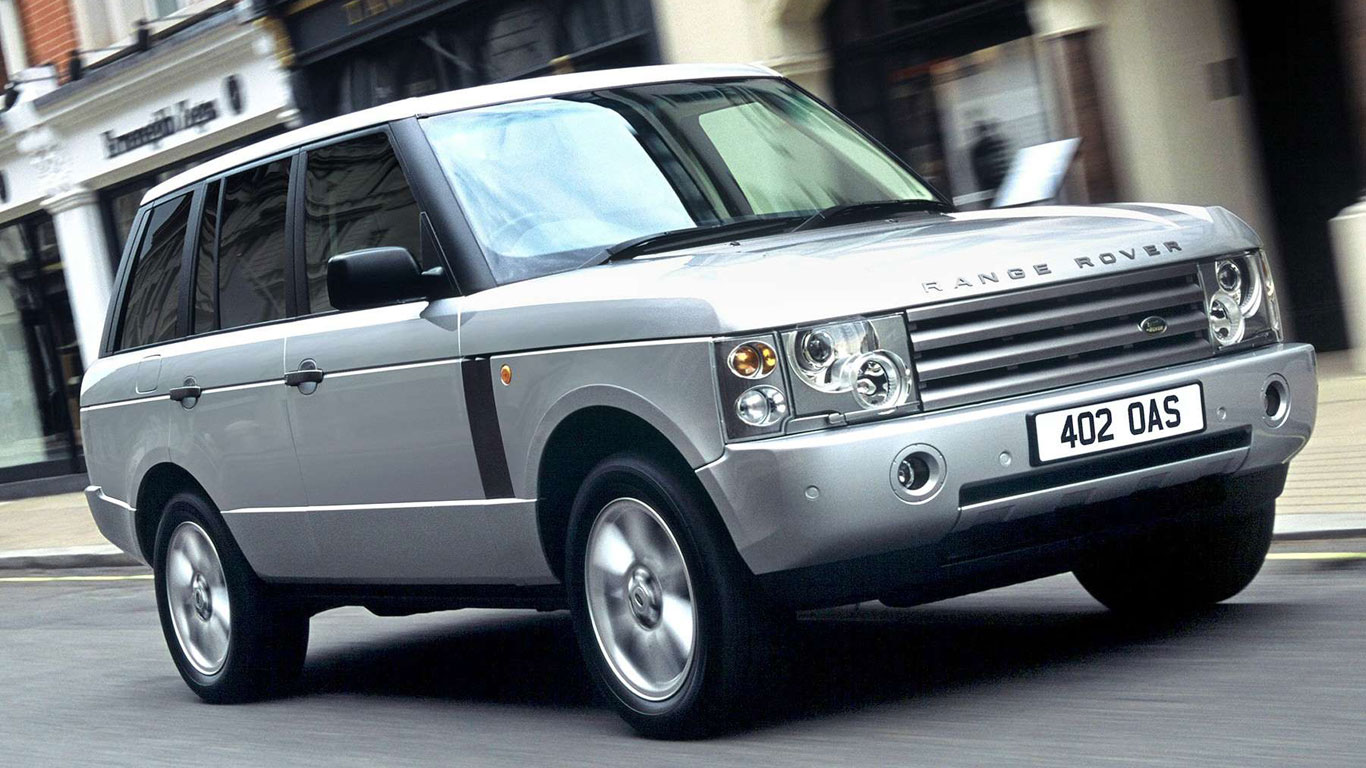
England – Range Rover L322
The design of the 2002 Range Rover was inspired by yachts, fine furniture and first-class seating, but today it must grab its shin pads for a battle royale. Sure, there’s the small issue of the launch-spec BMW powertrains to gloss over, but the L322 feels like it stems from the golden generation of luxury SUVs.
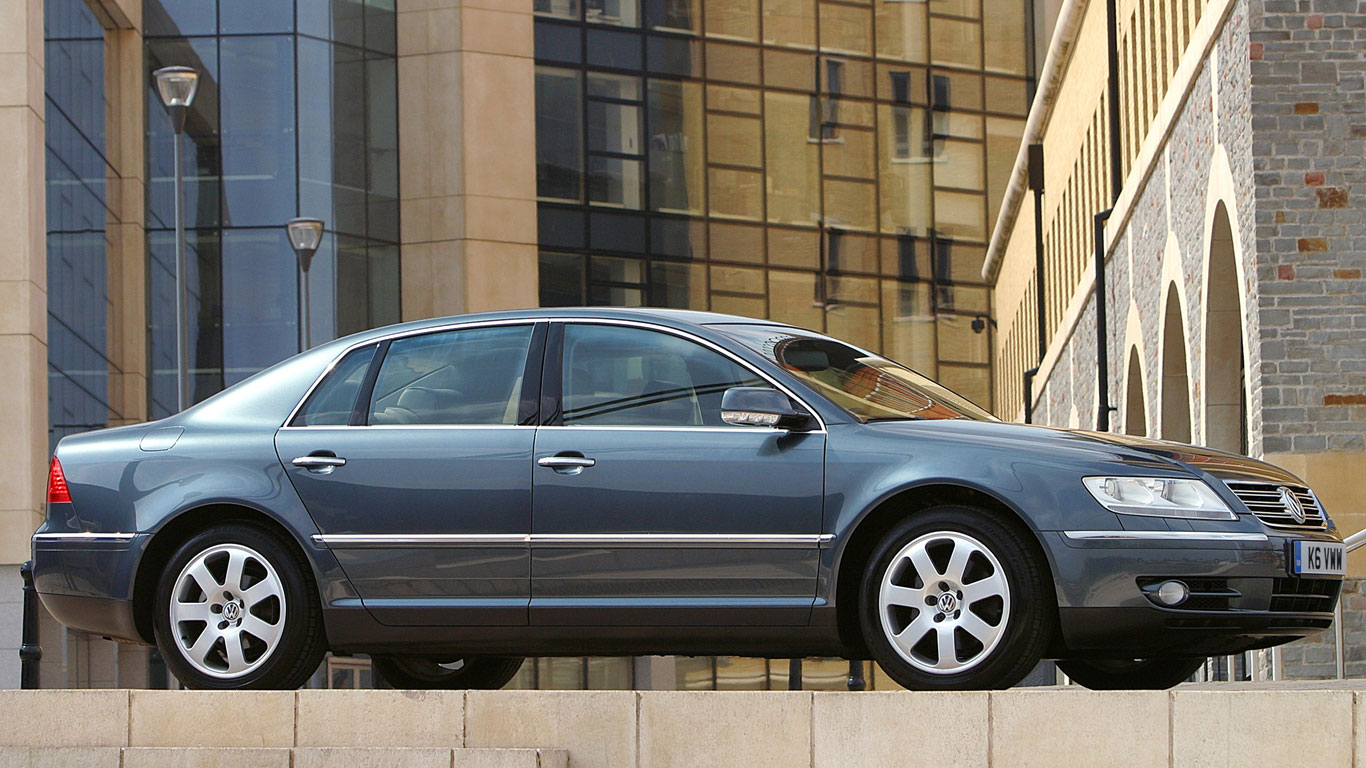
Germany – Volkswagen Phaeton
Ferdinand Piech’s flight of fantasy faces an uphill battle if it hopes to give Germany a two-goal advantage. Indeed, much like Germany in the 2002 tournament, the Germans must be content with a runners-up medal in our ‘World Cup’. Blimey, this really could go to penalties. That’s 5-5.
2006
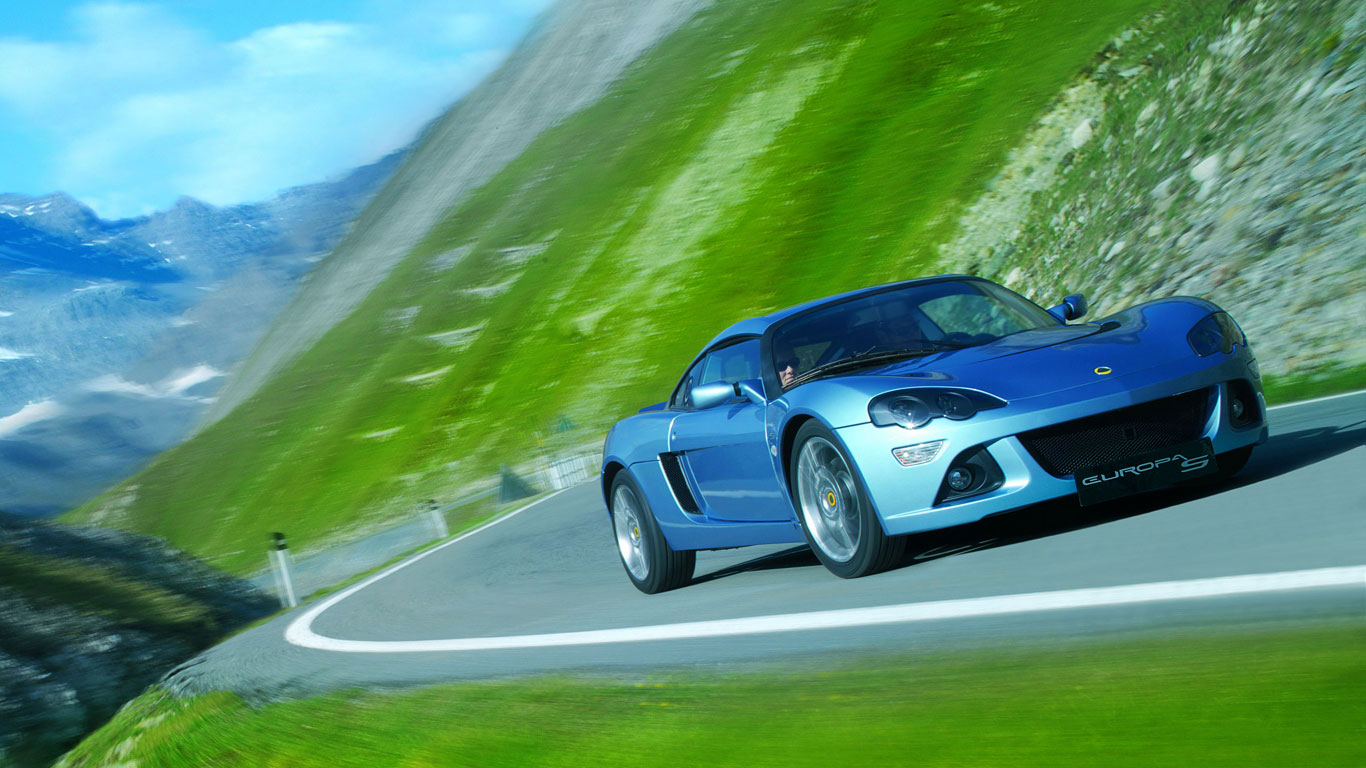
England – Lotus Europa S
We head to Germany for the 2006 World Cup, so this will be a tough challenge for England. We’re using a wildcard in the shape of the Lotus Europa S, hoping that, much like Michael Owen at the 1998 tournament, it can surprise a few people.
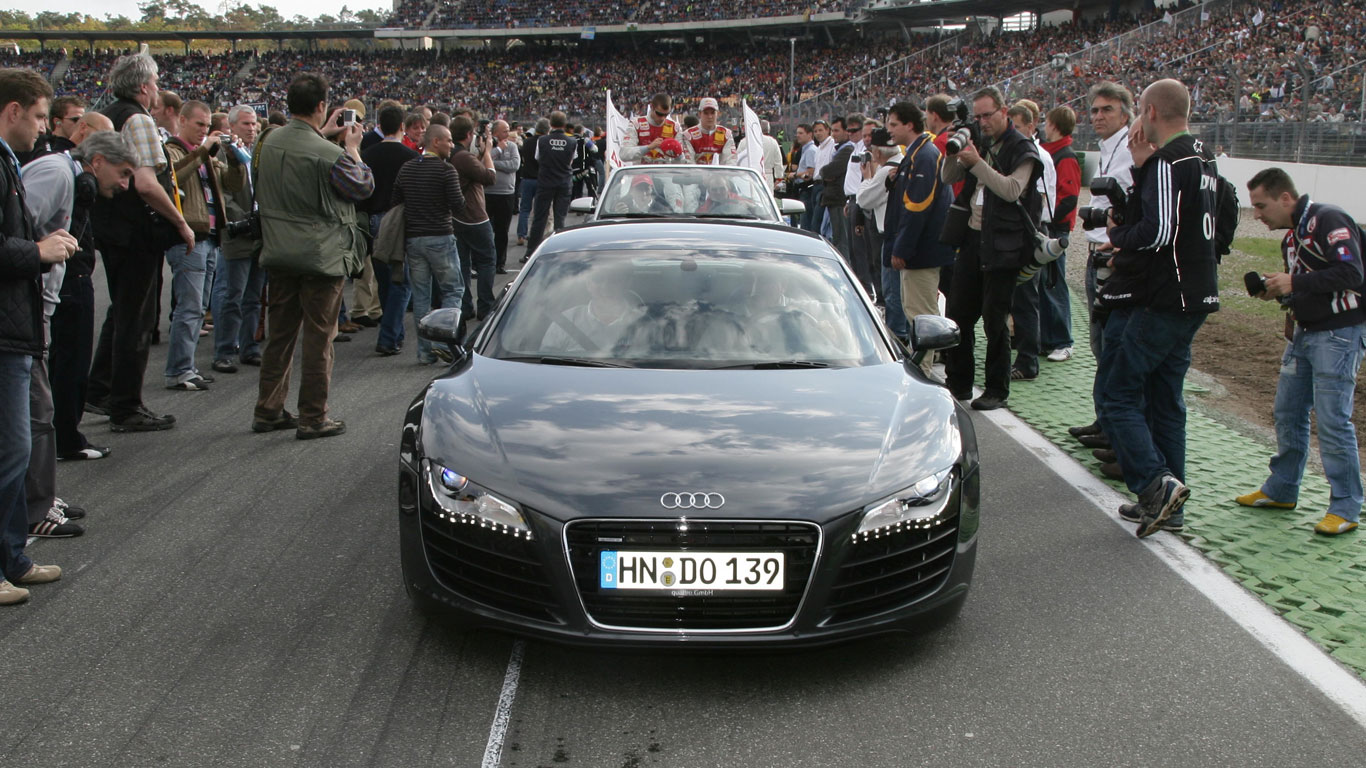
Germany – Audi R8
Sorry, but not a chance. Germany’s response to Hethel’s lightweight challenger is ruthless in its execution. How could it fail? Based on the Lamborghini Gallardo, the R8 could boast 5,000 unique parts and, at launch, a 4.2-litre V8 engine. With three rounds to go, Germany race into a 6-5 lead.
2010
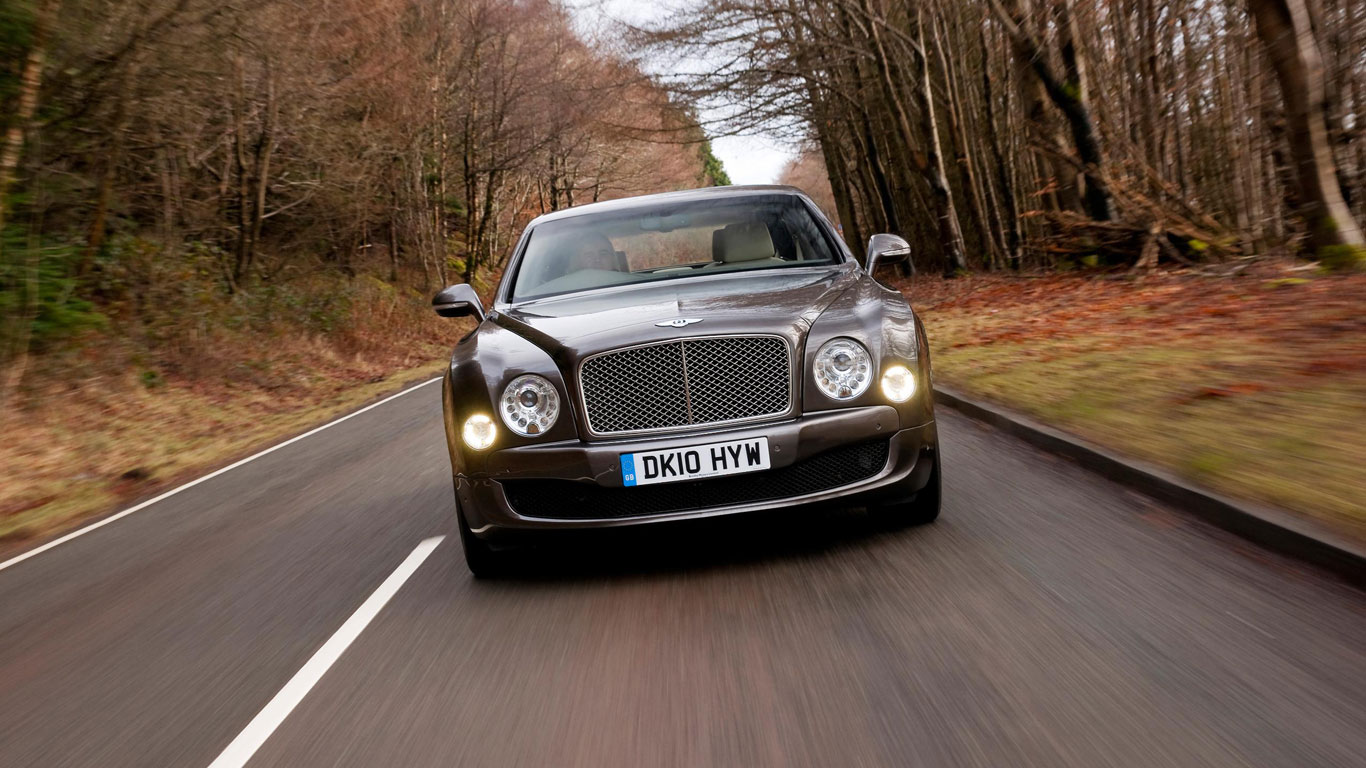
England – Bentley Mulsanne
It’s perhaps fitting that England’s entry for 2010 is a £220,000 luxury motor, as it seems to reflect the rise in footballers’ wages. The Mulsanne was the first entirely new Bentley in 80 years, with an opulent cabin and a 6.75-litre twin-turbocharged V8 engine. How will Germany respond?
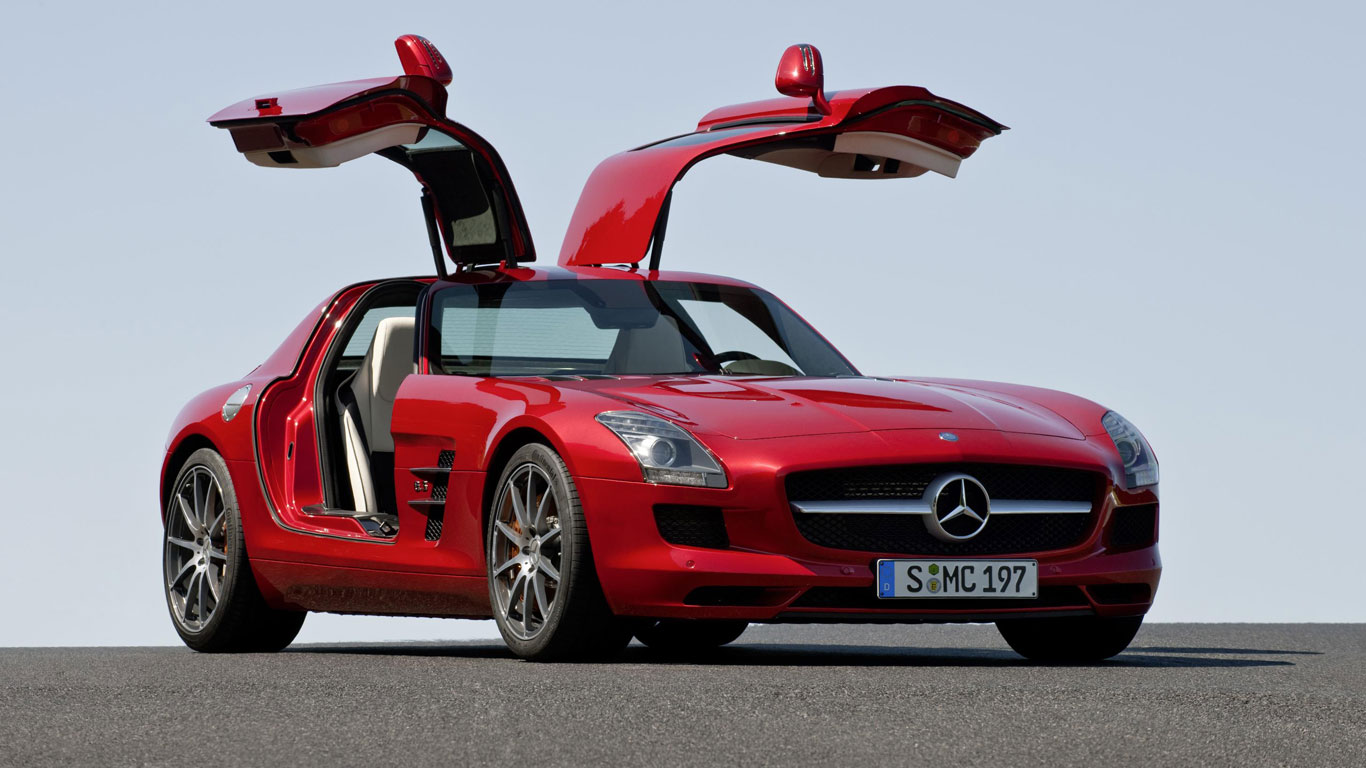
Germany – Mercedes-Benz SLS AMG
There’s a lot to love about the Mercedes-Benz SLS AMG. The gullwing doors provide crowd-pleasing theatrics, while the 6.2-litre V8 is a German masterpiece. This is a tough one. Keen not to show any bias, we’re giving this one to the Germans, but it’s by the narrowest of margins. That’s 7-5 to Germany with two rounds to go. It’s not looking good for England.
2014
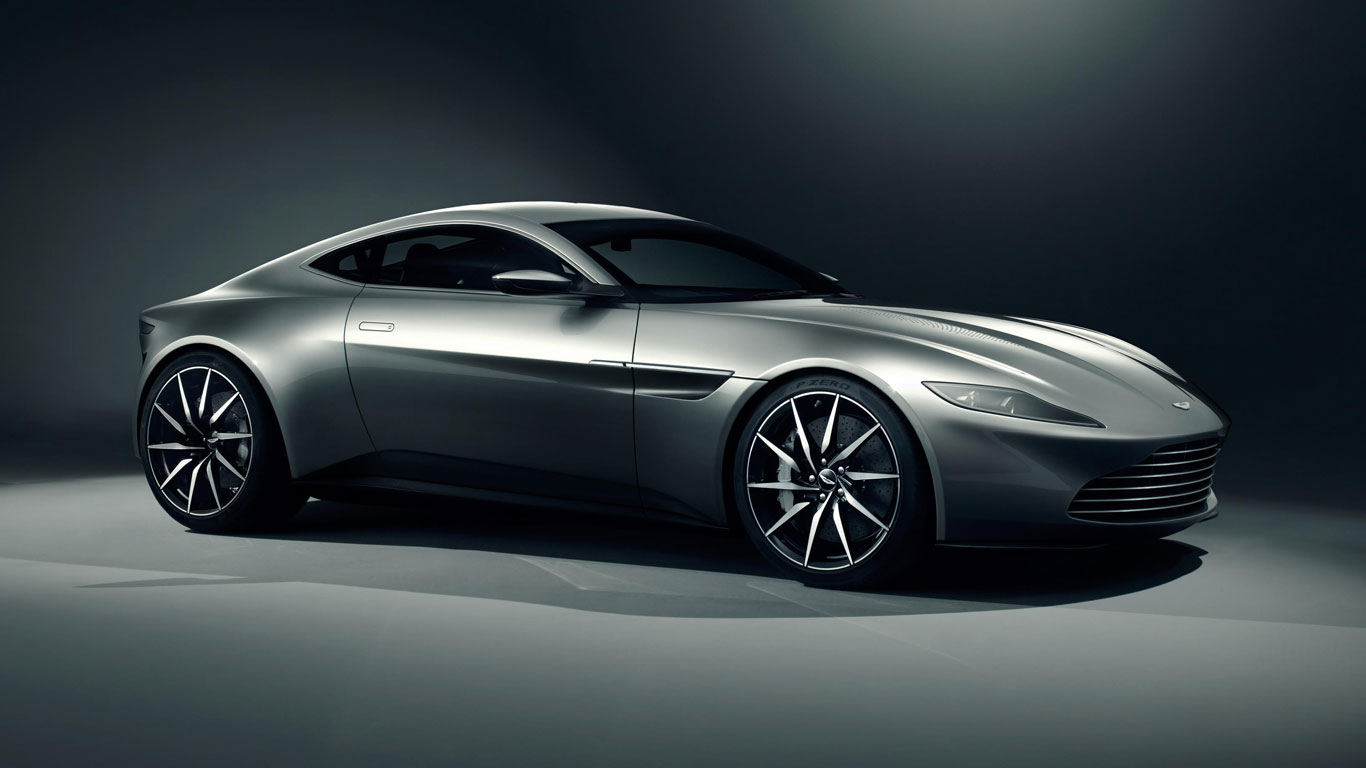
England – Aston Martin DB10
But we needn’t have worried, because you can always rely on James Bond to keep the English end up. The Aston Martin DB10 was created for Spectre, in which 007 takes on Mr Hinx in a Jaguar C-X75.
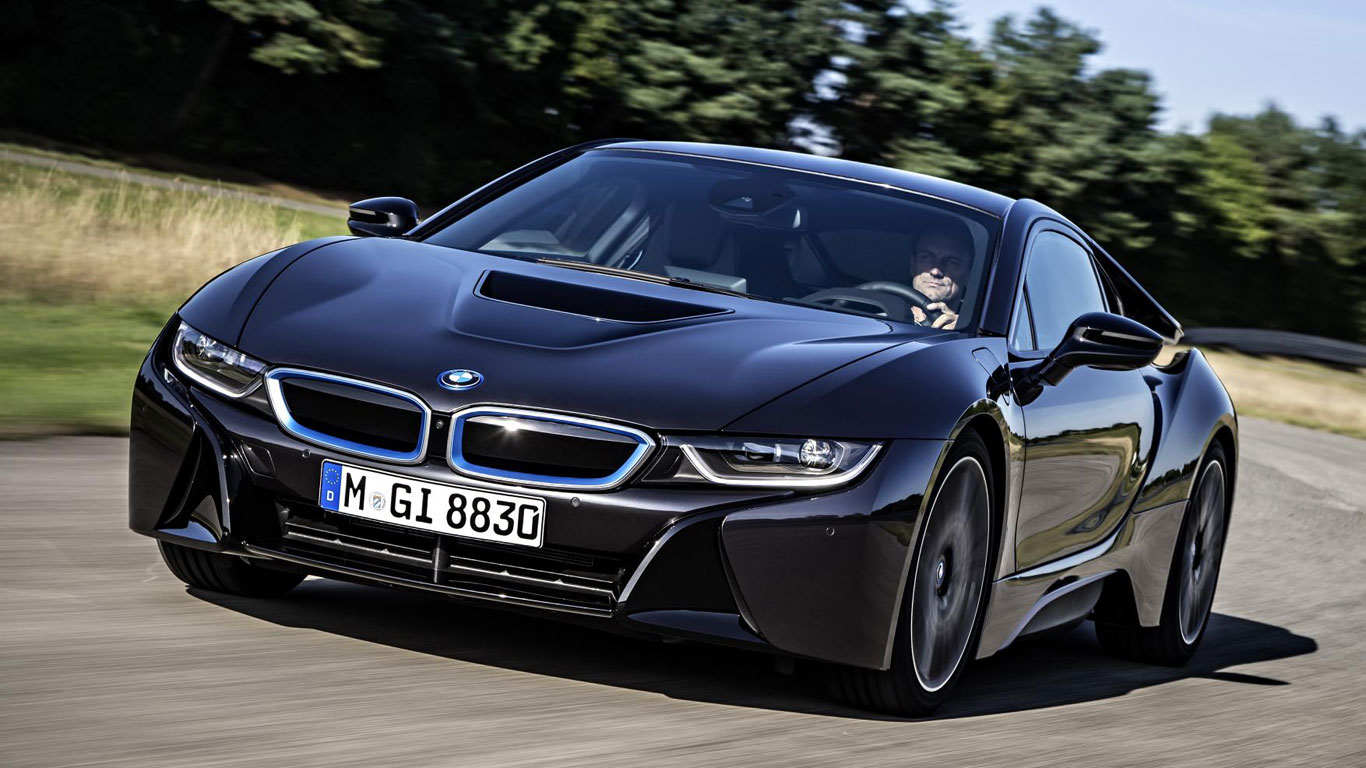
Germany – BMW i8
On another day, BMW’s futurist i8 might have won this, but not today. This round belongs to James Bond and to England. To paraphrase a Bond villian, do you expect us to justify our decision? That’s 7-6 to Germany.
2018
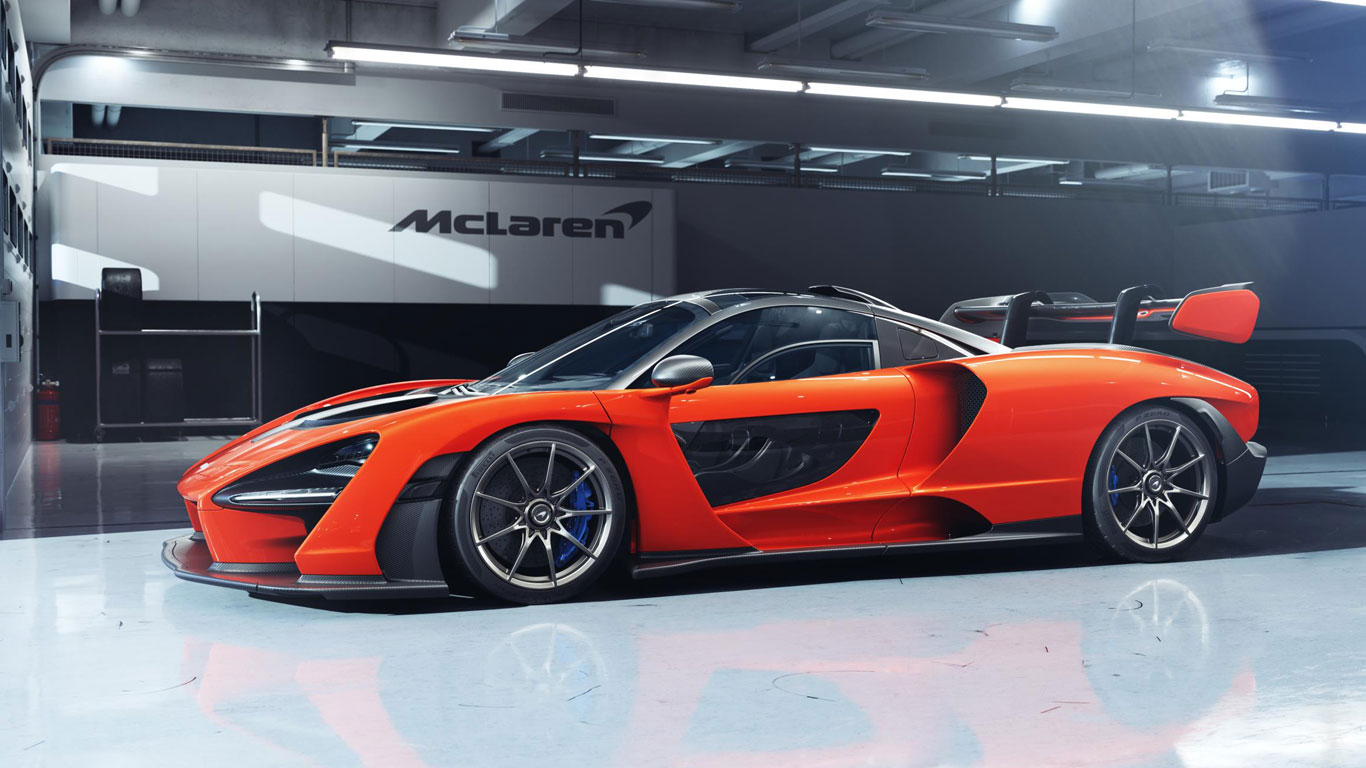
England – McLaren Senna
Chasing a goal to grab a late equaliser, England has a formidable bench to choose from. The Jaguar I-Pace, Aston Martin Vantage, the Rolls-Royce Cullinan and TVR Griffith fail to make the cut, leaving it to the McLaren Senna. We’re out testing it, so we’re unable to deliver our definitive verdict, but the signs are good. Besides, adding some Brazilian flair to the England attack is a compelling proposition.
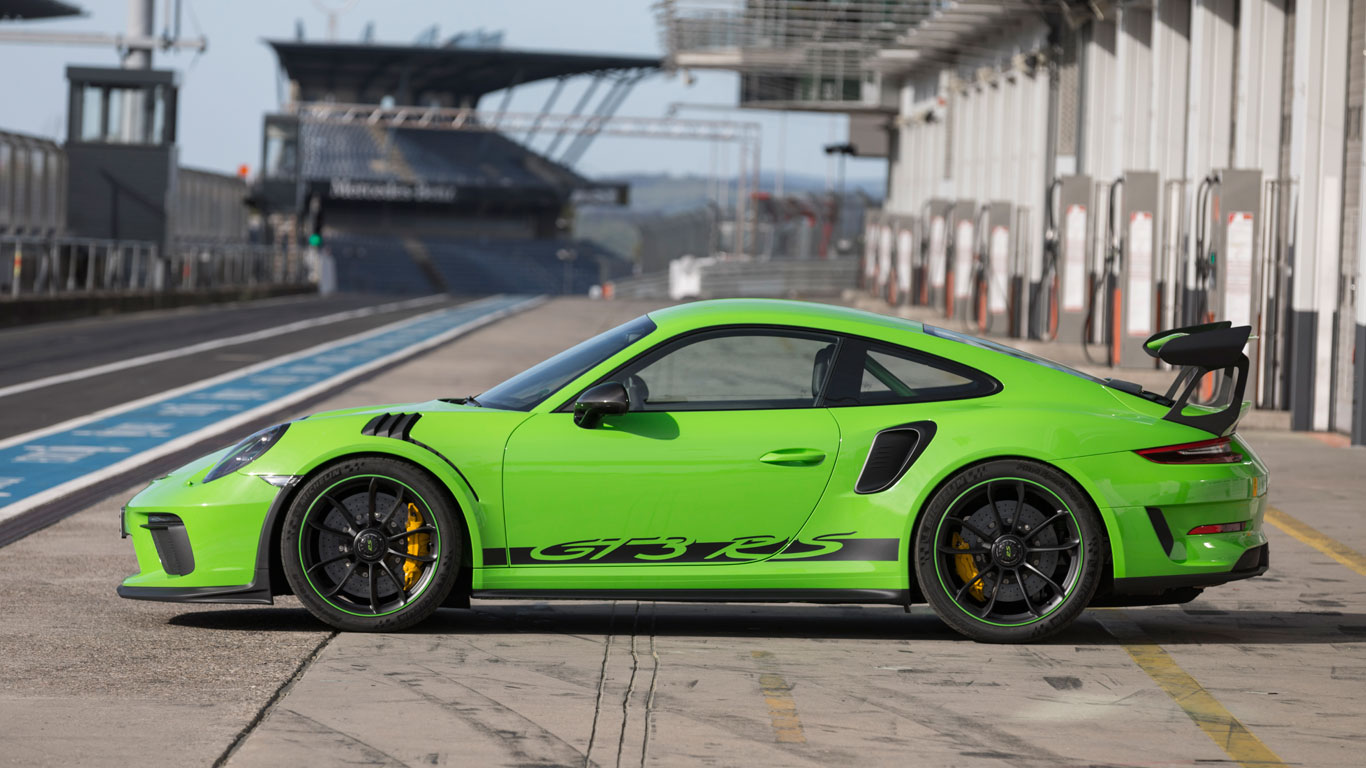
Germany – Porsche 911 GT3 RS
Germany isn’t short of new talent: the BMW 8 Series, Mercedes-AMG GT 4-Door, Ruf SCR and Audi Q8, to name a few. But even the Porsche 911 GT3 RS is unable to resist the full force of the McLaren Senna. The tournament has finished 7-7, so it’s time for penalties.
2018: Penalties
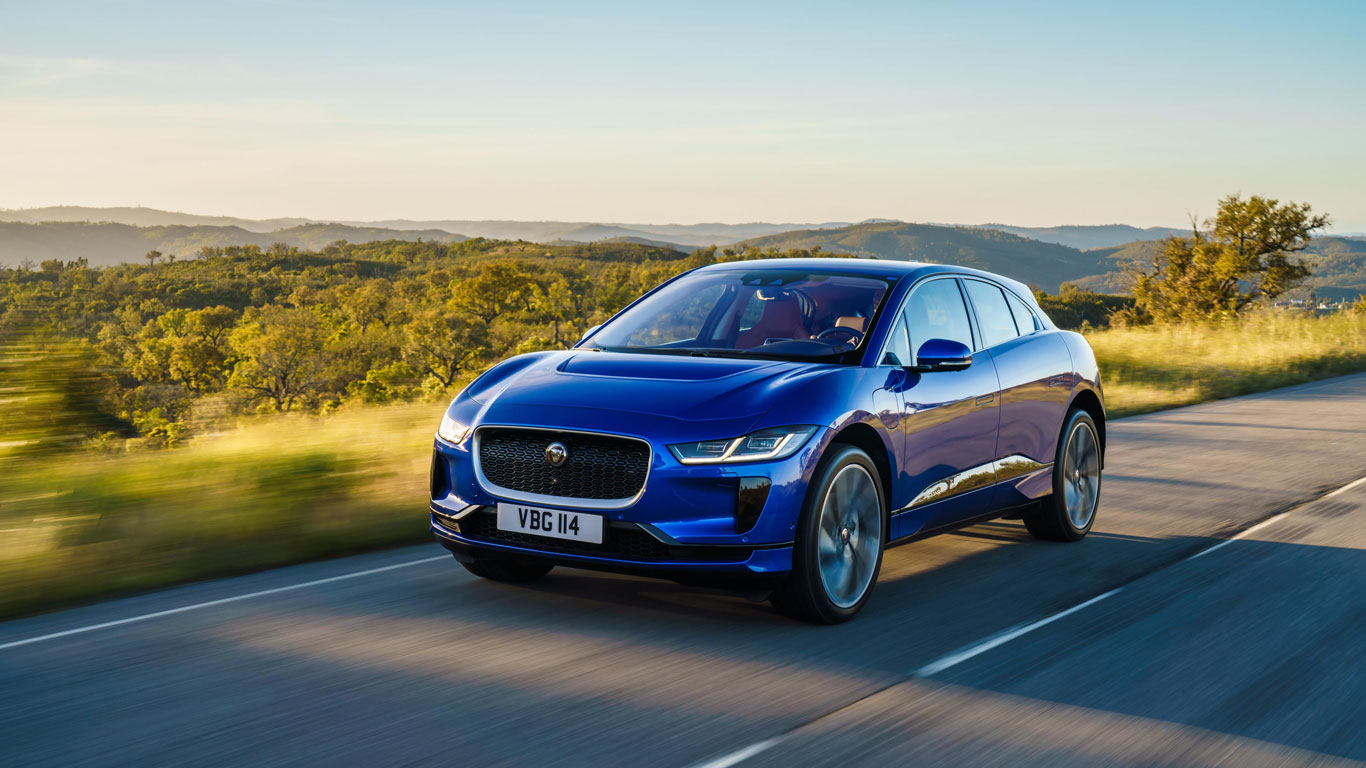
The Jaguar I-Pace steps up like a silent assassin to win it for England. Why? Because the electric car takes the fight to Tesla and sees Jaguar beating the Germans to the market. England winning against Germany on penalties – now there’s a thing. If you’re still here, thank you, we know you have better things to do.


 This summer, all football roads lead to Russia, as fans across the globe tune in to watch the 2018 World Cup. Can Gareth Southgate and captain Harry Kane lead England to victory? That remains to be seen, but in the meantime, we’ve taken a look at the cars driven by the England squad members. Contains Range Rover.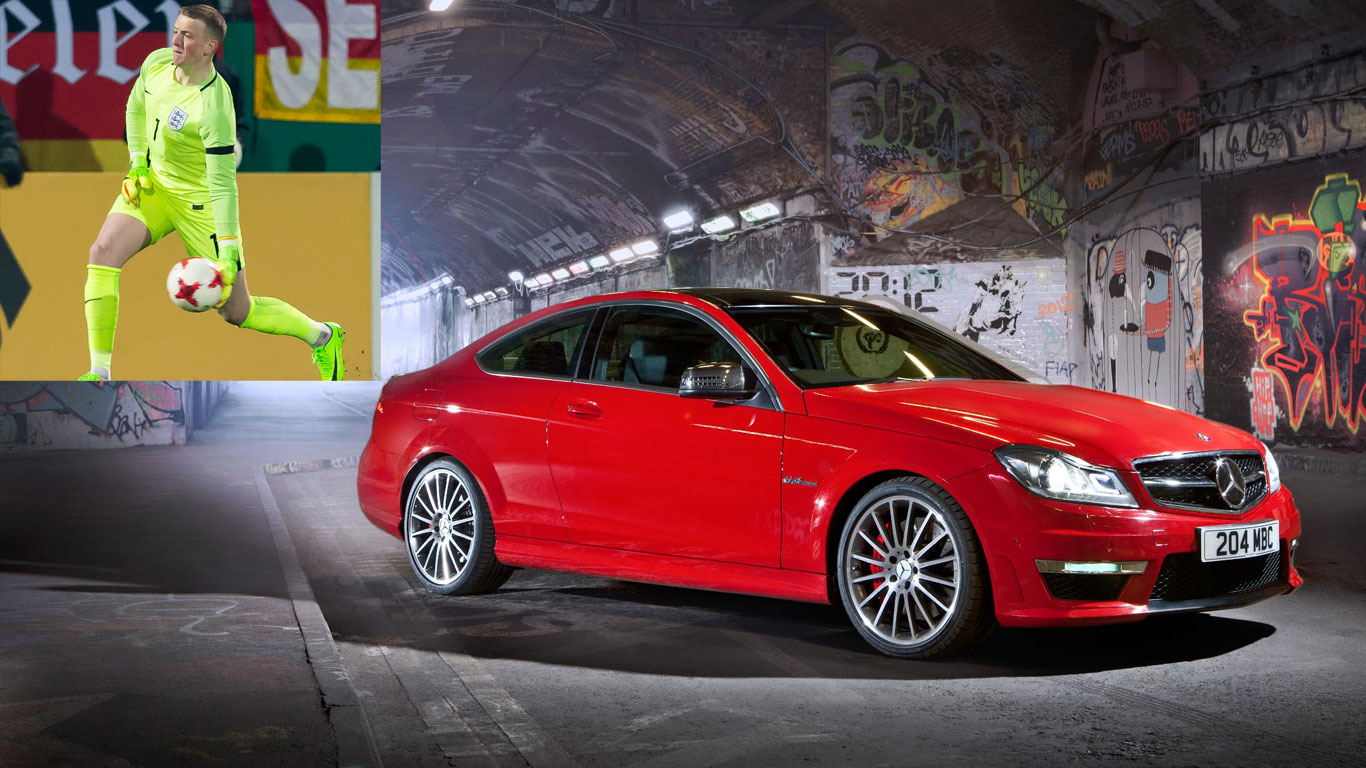

 The world has woken up to the scandal of plastic waste, and Volvo is one of the first carmakers to respond with a headline commitment: all its new cars will, by 2025, contain 25 percent recycled plastics.



 Auto Trader has vowed to give away a new car every time England score a goal in the 2018 FIFA World Cup in Russia. Up for grabs are an Abarth 595, Alfa Romeo Mito, Fiat 500X and a Jeep Renegade.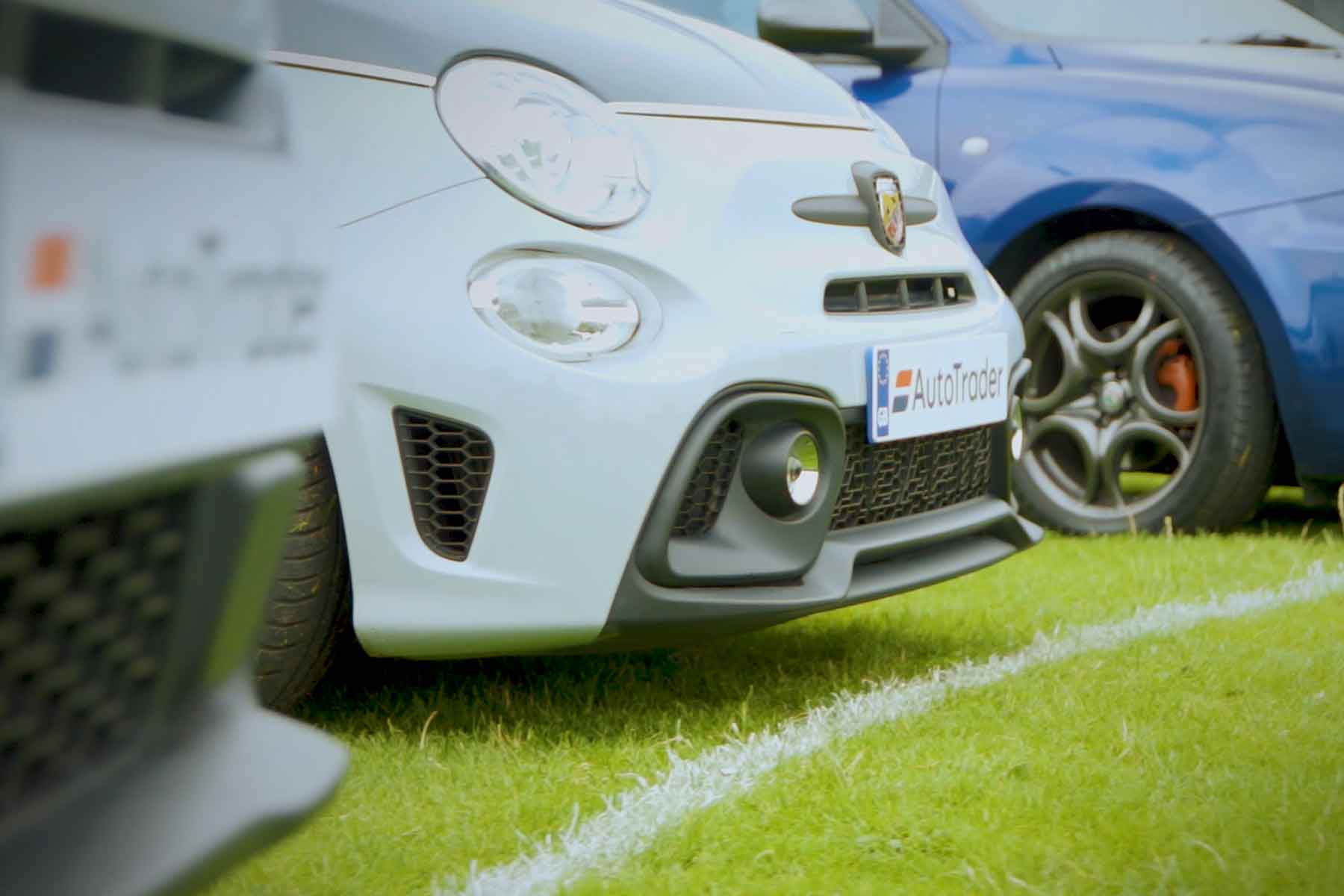
 Recent history hasn’t been kind to Fernando Alonso. He spent years with Ferrari, almost winning the F1 World Championship, but nearly wasn’t good enough and he left in a huff to go and win with a McLaren team renewing its famed partnership with Honda instead.






 Do you hear that noise? That’s the sound of the World Cup bandwagon, and we’re just about to climb aboard for a ride. We’re comparing the ‘best’ English and German cars from each World Cup year since 1966 with the aim of selecting an overall champion.