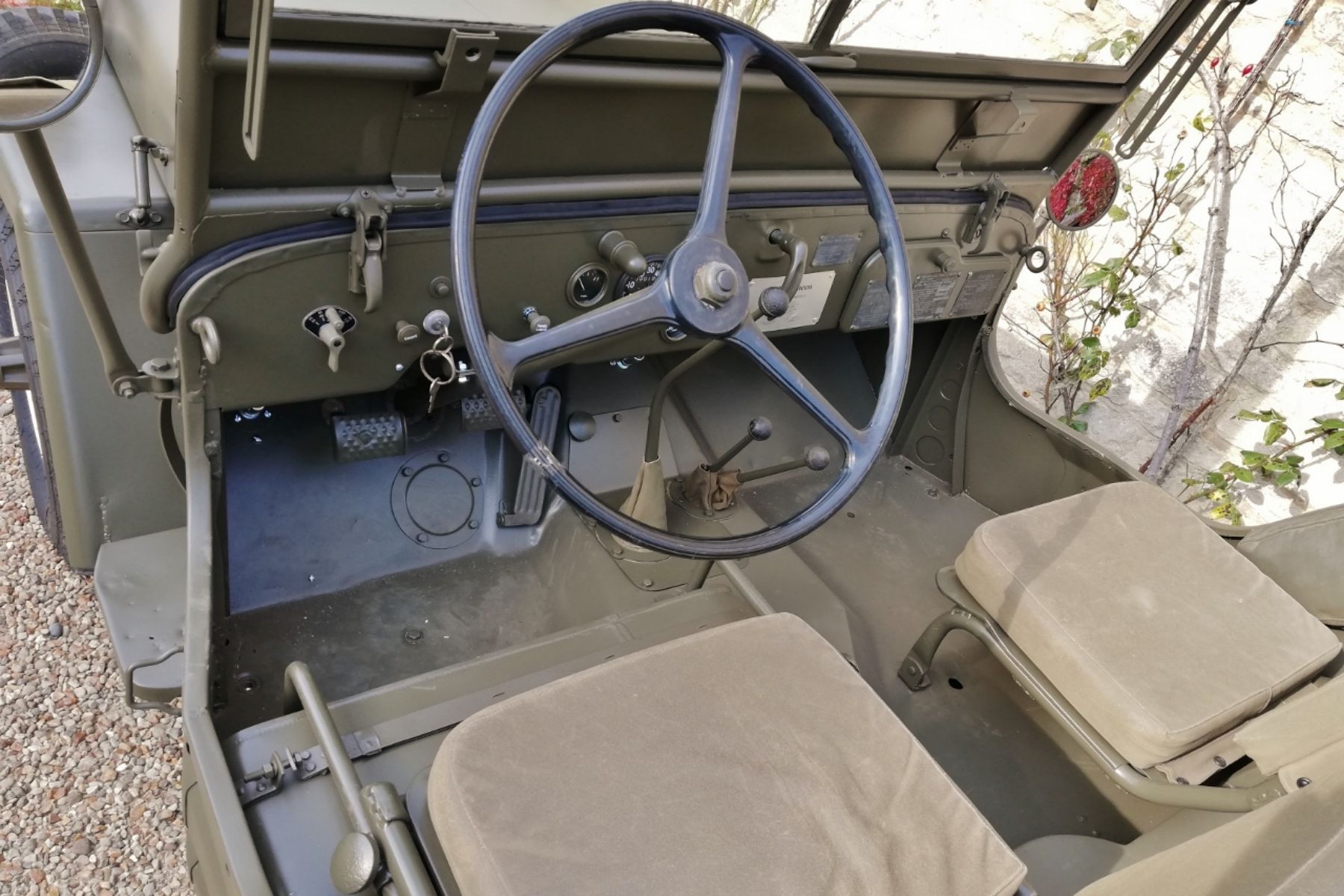
A Willys Jeep previously owned by movie legend and ‘king of cool’ Steve McQueen is up for grabs. Just get yourself to the Classic Motor Show at Birmingham, England’s NEC in November.
There are few more famous drivers on the big screen than McQueen. He drove some of the greatest cars in pop culture, from the Ford Mustang in Bullitt to the Porsche 917 in Le Mans.
McQueen was even seen behind the wheel of such a Jeep on the big screen, in the 1959 film Never So Few.
The sale of his very own Jeep is being held by Silverstone Auctions on 10 and 11 November at the Classic Motor Show.
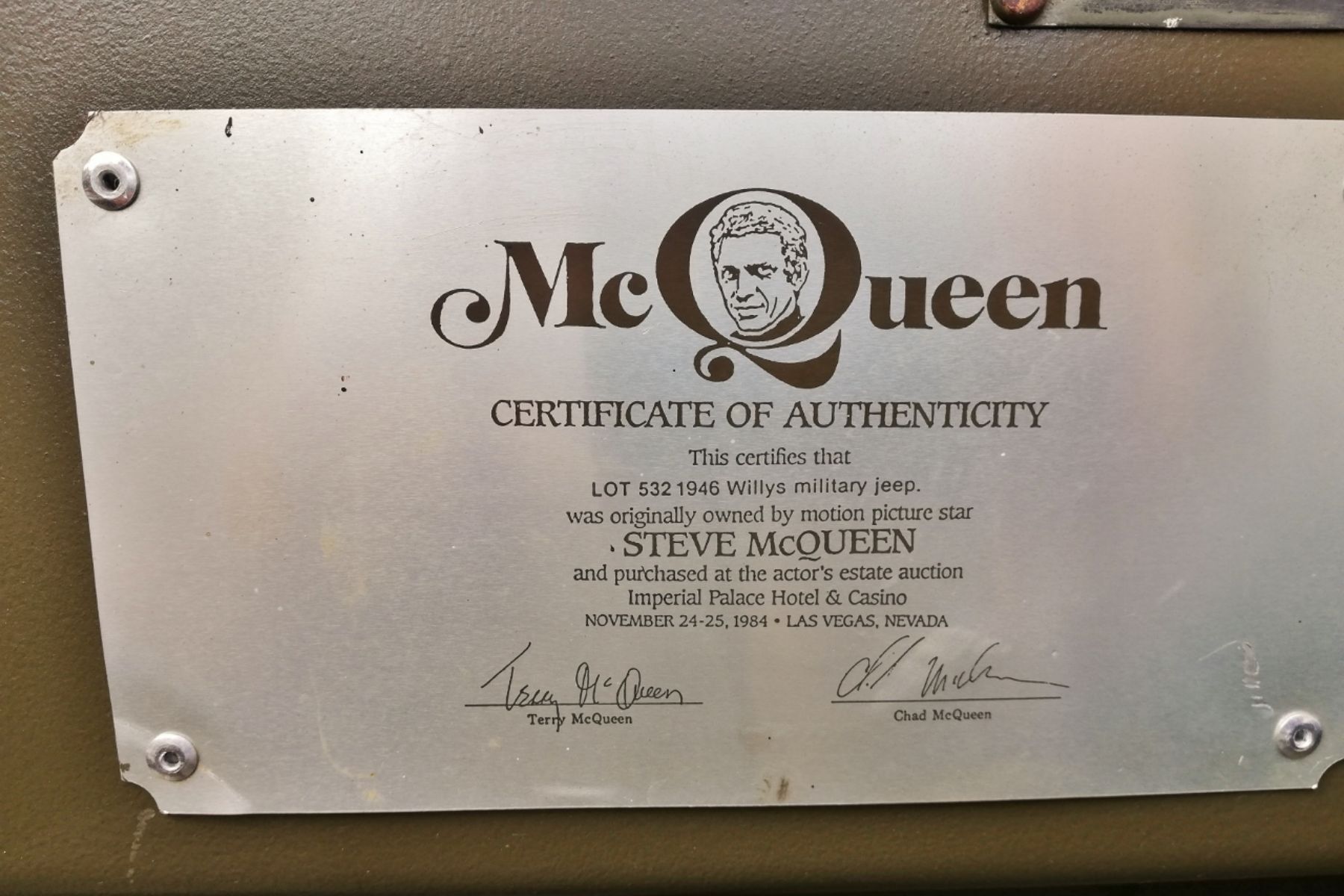
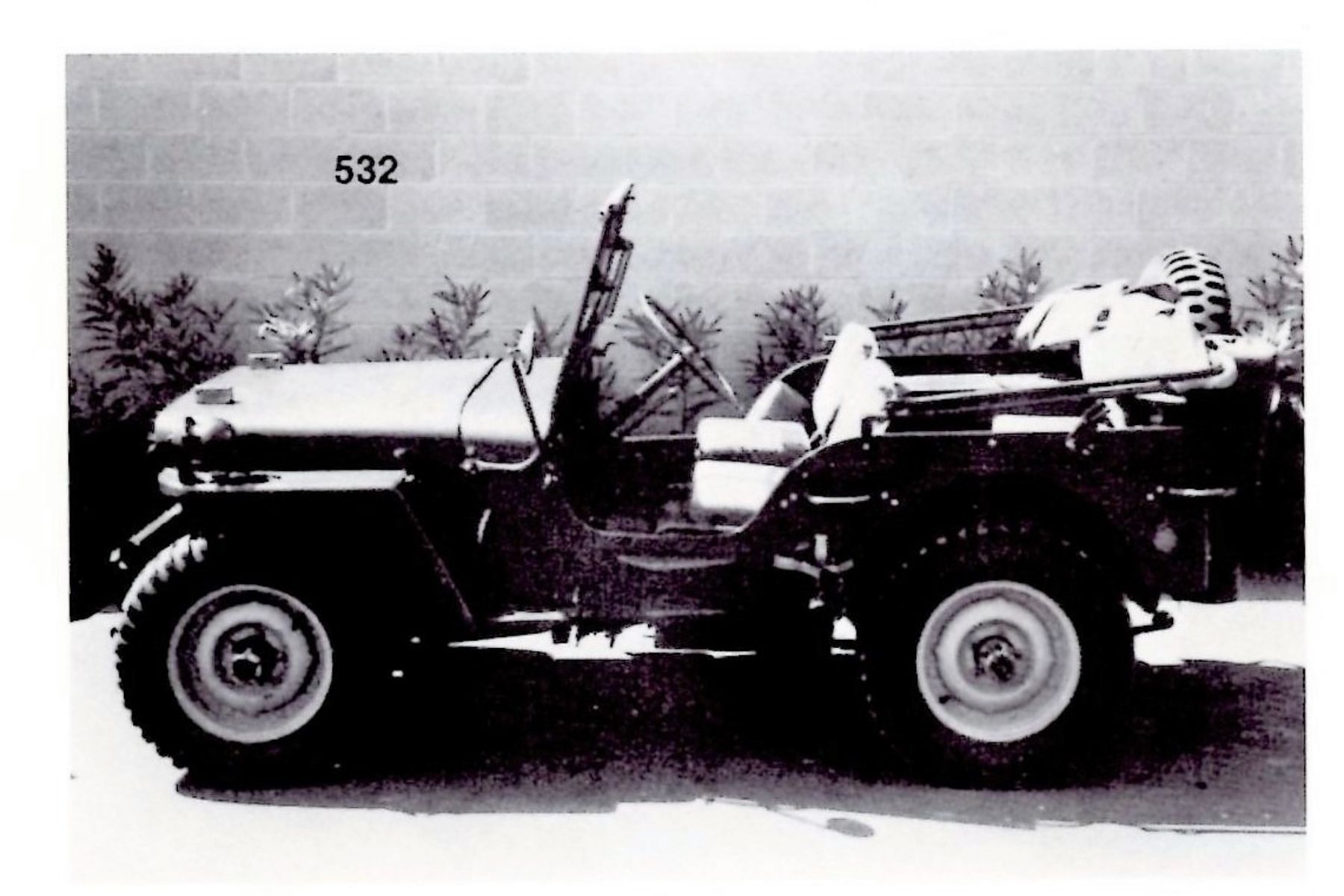
The car was delivered to the US Army in July 1945. First auctioned in Las Vegas in November 1984, the car comes fully decommissioned and restored, with McQueen estate certification and plaques denoting its history.
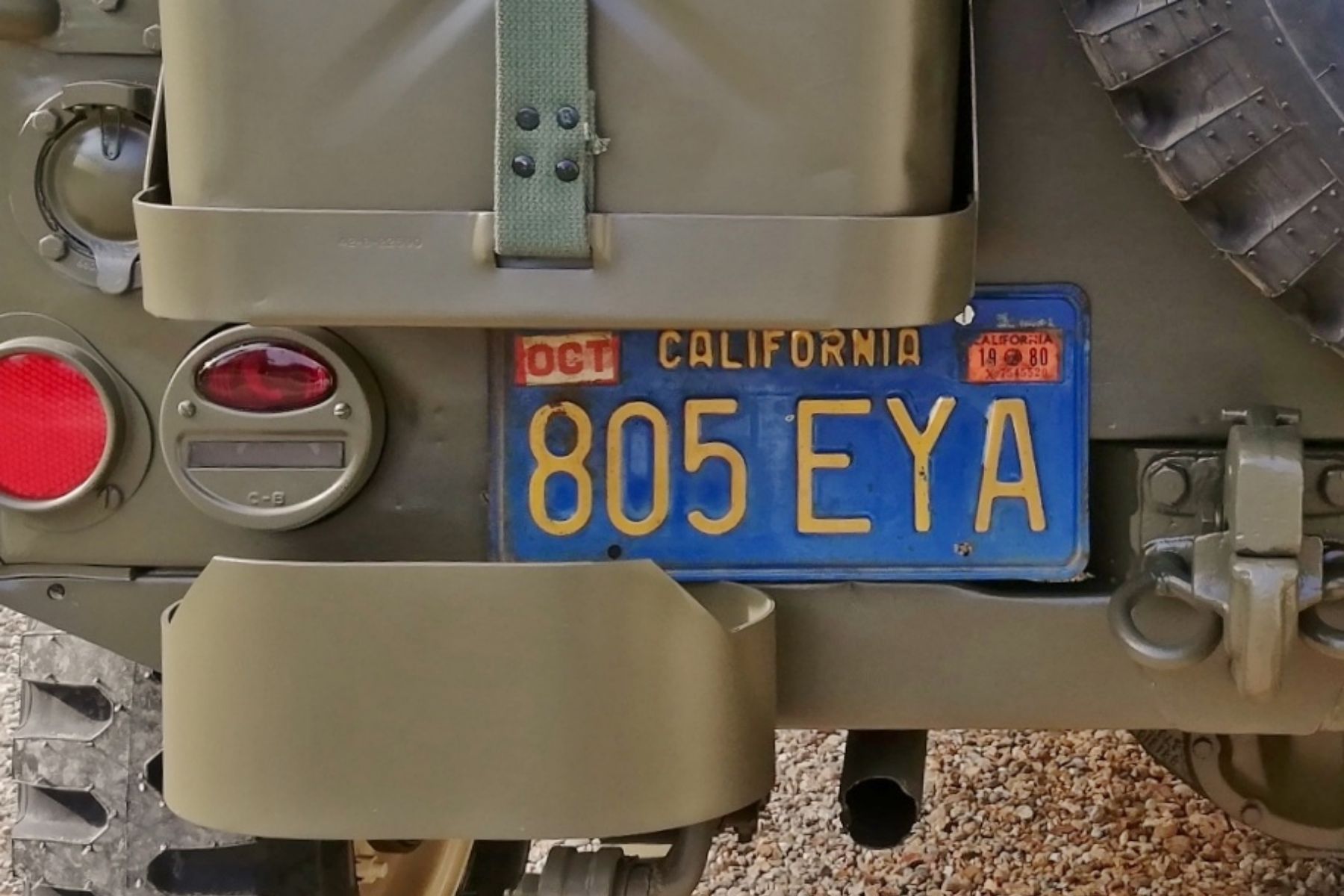
The Jeep is as it was when McQueen owned it. It even comes complete with original California number plates, dated for road use until the end of October 1980. That’s just a week before McQueen’s death in early November 1980.
Silverstone Auctions expects the car to make between £80,000 and £100,000 (that’s $105,000 and $132,000) when it hits the block at the NEC.
“Steve McQueen’s reputation both as an actor and as a racing driver is historic,” said Adam Rutter, classic car specialist at Silverstone Auctions.
“This car is a truly unrepeatable and unmissable opportunity for both car enthusiasts and movie fans alike and undoubtedly the star of the auction.”
A study has found that Scotland’s reduced drink-drive limit has made very little difference to the number of people injured in related accidents. A new strategy to discourage hardcore offenders is needed, says IAM Roadsmart.
The lower limit of 50mg of alcohol per 100ml of blood was introduced in December 2014, but to little effect. The University of Strathclyde’s Department of Economics looked at accident and injury rates between 2009 and 2016. The monthly accident rate in Scotland was 740.63, with a fatality rate of 14.96 in the two years preceding the limit reduction from 80mg.
The two years after the new limit saw an average of 704.13 accidents per month, with a fatality rate that was, in fact, higher – at 15.25. This was also consistent with England and Wales, where the original 80mg limit remains.
Nevertheless, there is consistent support for a UK-wide reduction in the alcohol limit, even if a number of hardcore offenders remain unfazed by Scotland’s more strict approach.
“We urge the Government to put resources into tackling the real problem areas when it comes to drink-driving – young drivers, those with alcohol problems and those who simply don’t believe they will ever get caught,” said Neil Greig, IAM Roadsmart’s director of policy and research.
“The best way to catch those who ignore the limit is through intelligence-led high-profile policing, so investment in roads policing must be protected. The reality of being caught must be matched in education campaign messaging.”
Audi has accepted responsibility for fitting V6 TDI and V8 TDI diesel engines with illegal emissions software and has been fined £700 million by a Munich public prosecutor.
Part of the fallout from the 2015 Volkswagen ‘dieselgate’ scandal, Audi’s acceptance of the fine brings to a close investigations by German prosecutors.
Only £4.3 million of the Audi fine is for regulatory offences: the maximum legally permitted. The other £696.7 million is a penalty for economic benefits it enjoyed through selling cars with ‘defeat devices’.
Affected cars were “advertised, sold to customers, and placed on the market with an impermissible software function in the period from 2004, and continuing to have an effect until 2018”.
Audi AG says it does not intend to appeal the fine, bringing an end to the legal case in its home market. It is not the end of the matter, though, as former CEO Rupert Stadler remains in jail over fraud and false advertising allegations.
The firm adds that because of the heavy fine, Audi Group “will significantly undercut major financial key performance indicators forecasted for the fiscal year 2018”.
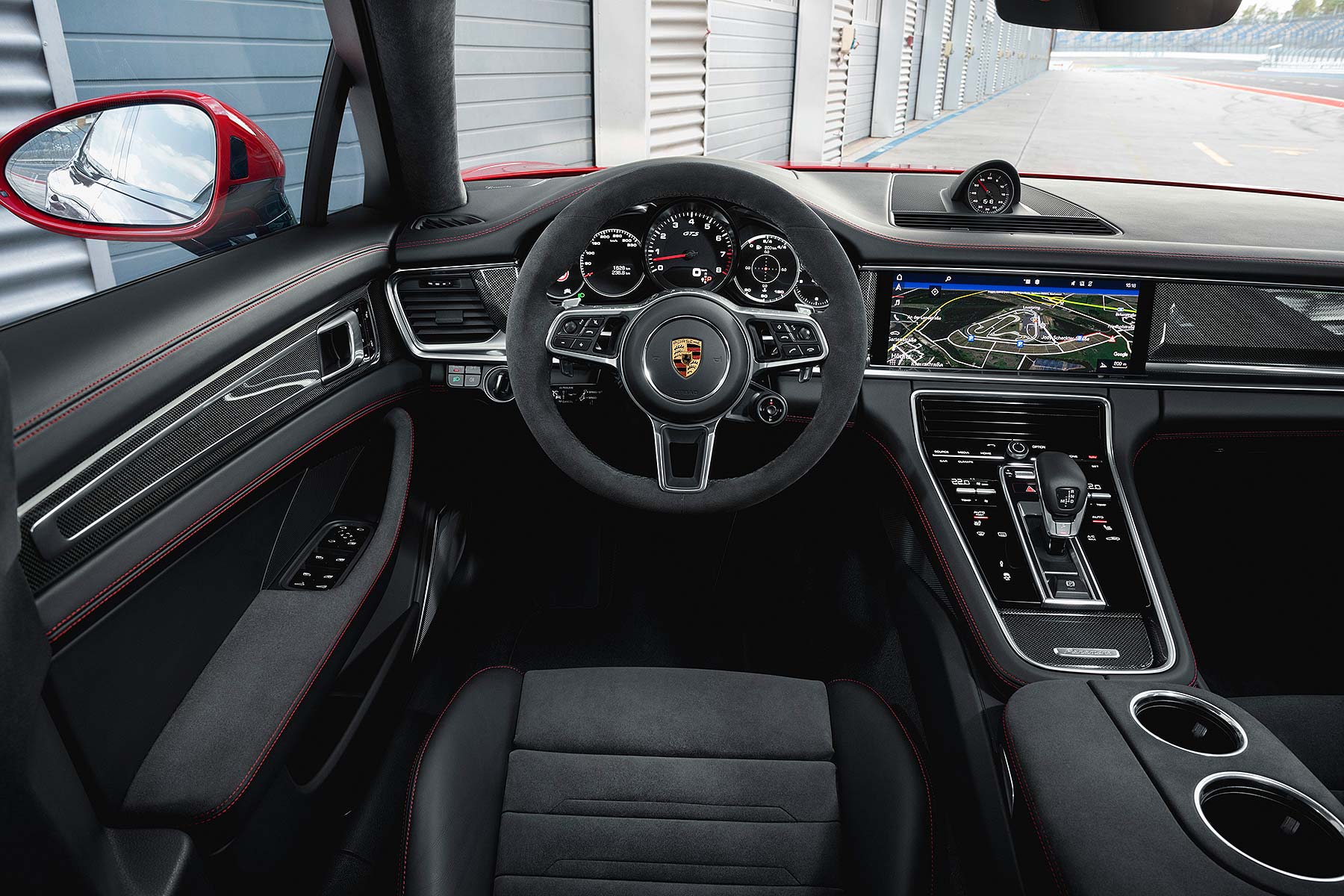
The second-generation Porsche Panamera GTS has been revealed – and somehow, despite ever-increasing emissions regulations, has retained its V8 engine.
However, Porsche has fitted a gasoline particulate filter, to to be doubly sure tailpipe output is compliant with the latest WLTP legislation (just in case ditching diesel in its entirety wasn’t enough).
Instead of a 4.8-litre V8, the new Panamera GTS uses a 4.0 twin-turbo motor. Power doesn’t suffer, though: it’s up 20hp to 460hp, giving a 0-62mph time of 4.1 seconds.
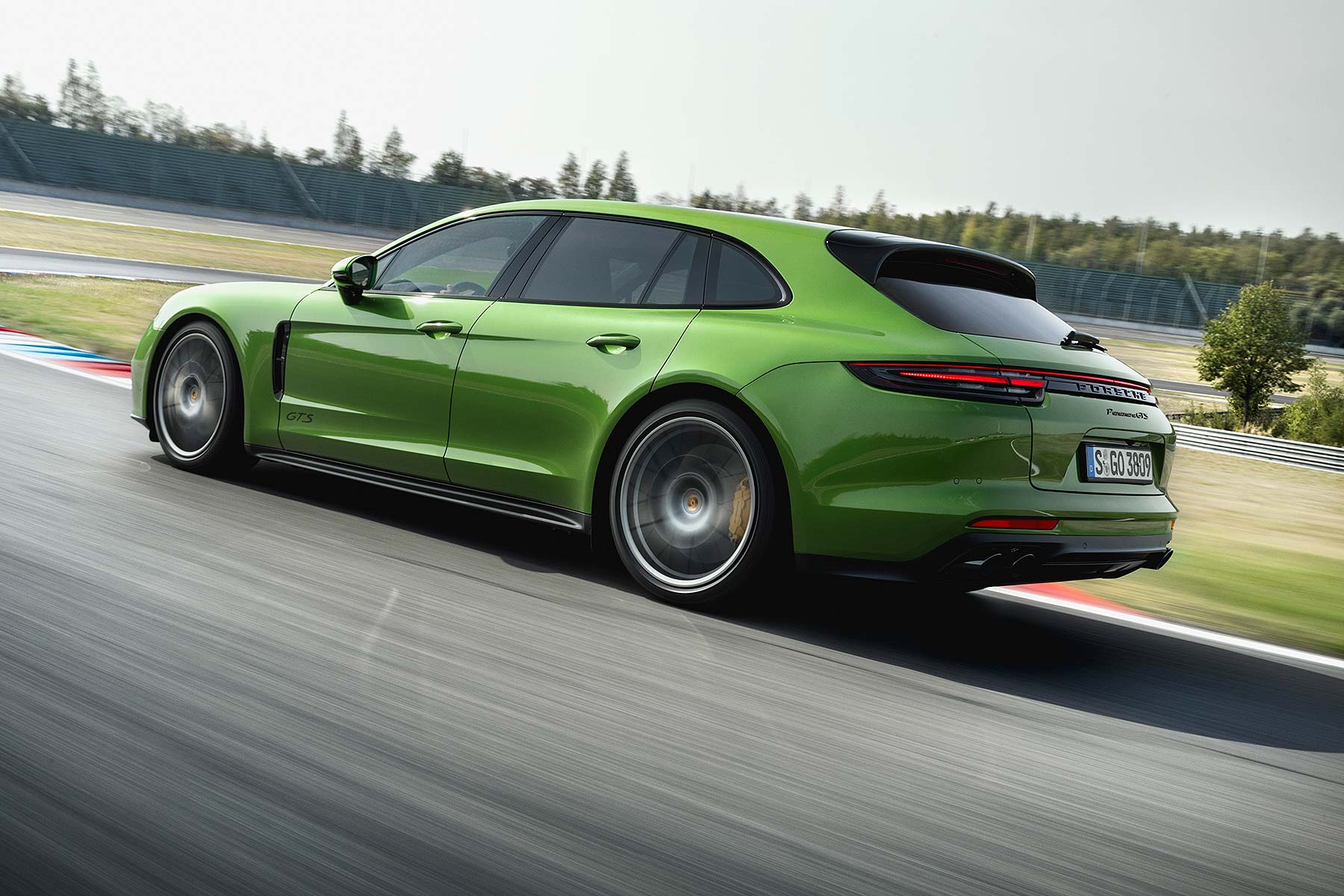
Two versions will be sold: the Panamera GTS and the first-ever load-lugging Panamera GTS Sport Turismo. The former will do 181mph in Germany; the latter’s slightly bluffer profile limits it to a mere 179mph.
The Sport Turismo also does 26.6mpg, compared with 27.4mpg for the regular Panamera GTS.
Both models have the same suspension makeover, which introduces three-chamber adaptive air suspension and a 10mm lower ride height. The Porsche Active Suspension Management (PASM) system has been tuned to be sharper, while massive 390mm front disc brakes help scrub off speed.
Buyers can pick from a suitably lively range of colours, including this vivid new green. A new Sport Design package includes black styling elements around the nose, rear lower trim and much of the interior’s Alcantara surfaces. Panamera Design 20-inch alloys are standard, too, as is an Alcantara steering wheel.
An optional Interior GTS package brings Carmine Red or Crayon colour-coding to the GTS logos, leather stitching and rev counter.
The Panamera GTS range also introduces the first head-up display option for Porsche’s luxury saloon and shooting brake models.
Ordering? It’s open now, with the Panamera GTS costing from £105,963 and the Panamera GTS Sport Turismo costing from £108,110.
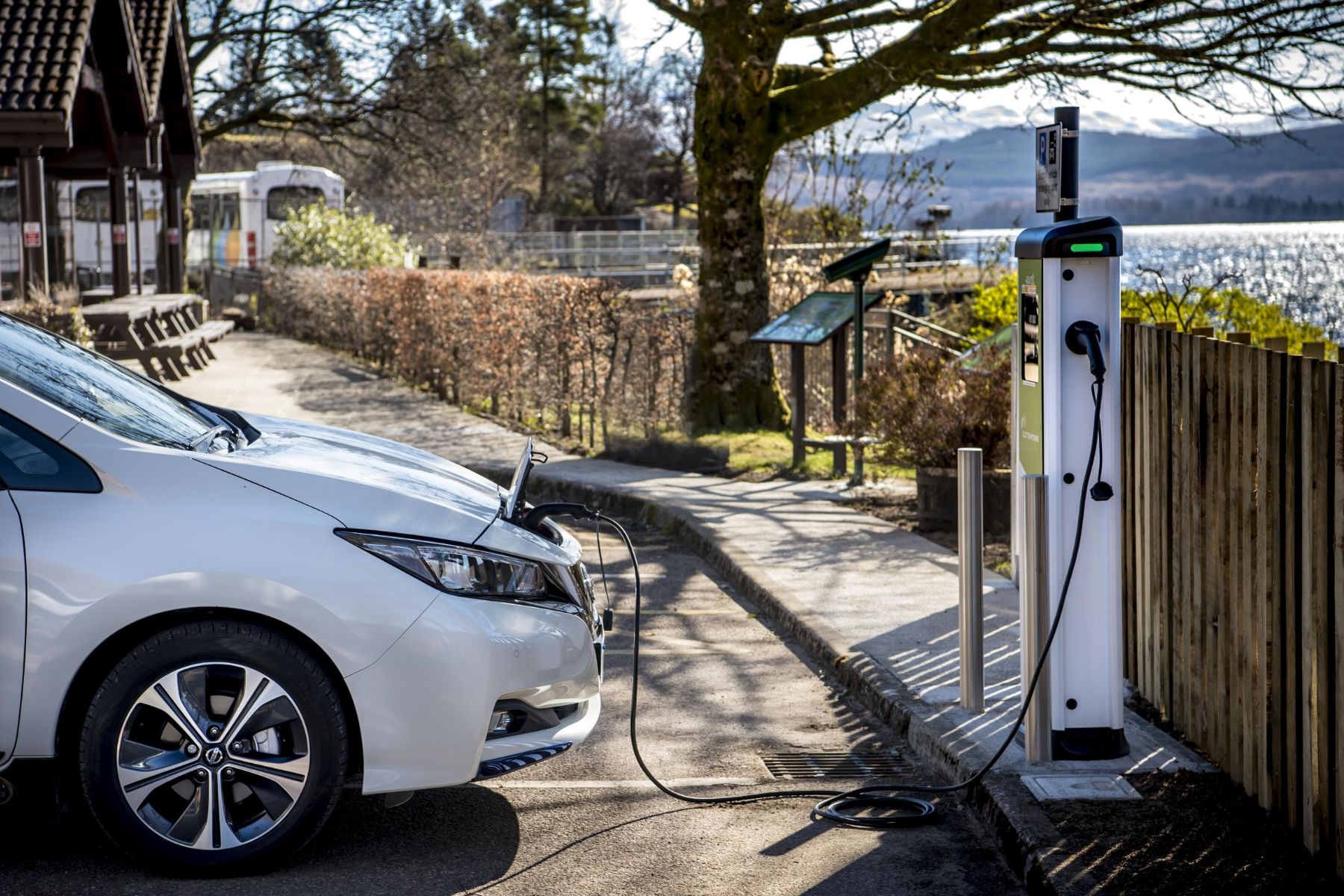
A new study by automotive data experts Cap HPI has revealed the average servicing and maintenance costs for electric cars. It shows that EVs cost, on average, 23 percent less to run than petrol vehicles over a three-year/60,000-mile period.
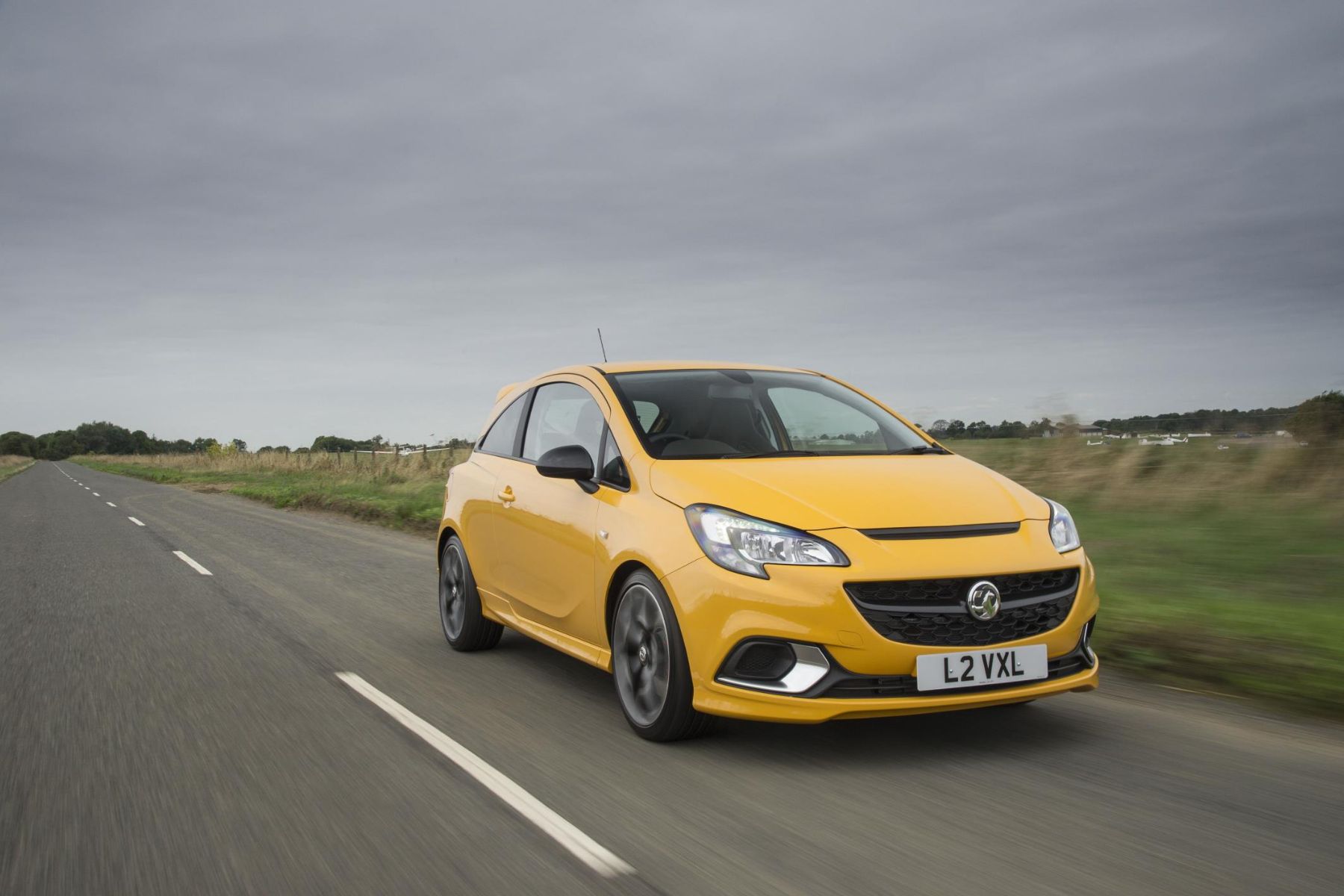
For smaller cars, the gap gets wider still. An electric Renault Zoe will set you back £1,100 in servicing and maintenance over three years, but a Vauxhall Corsa 1.0 90 Design costs nearly £1,500. That’s more than 35 percent extra.
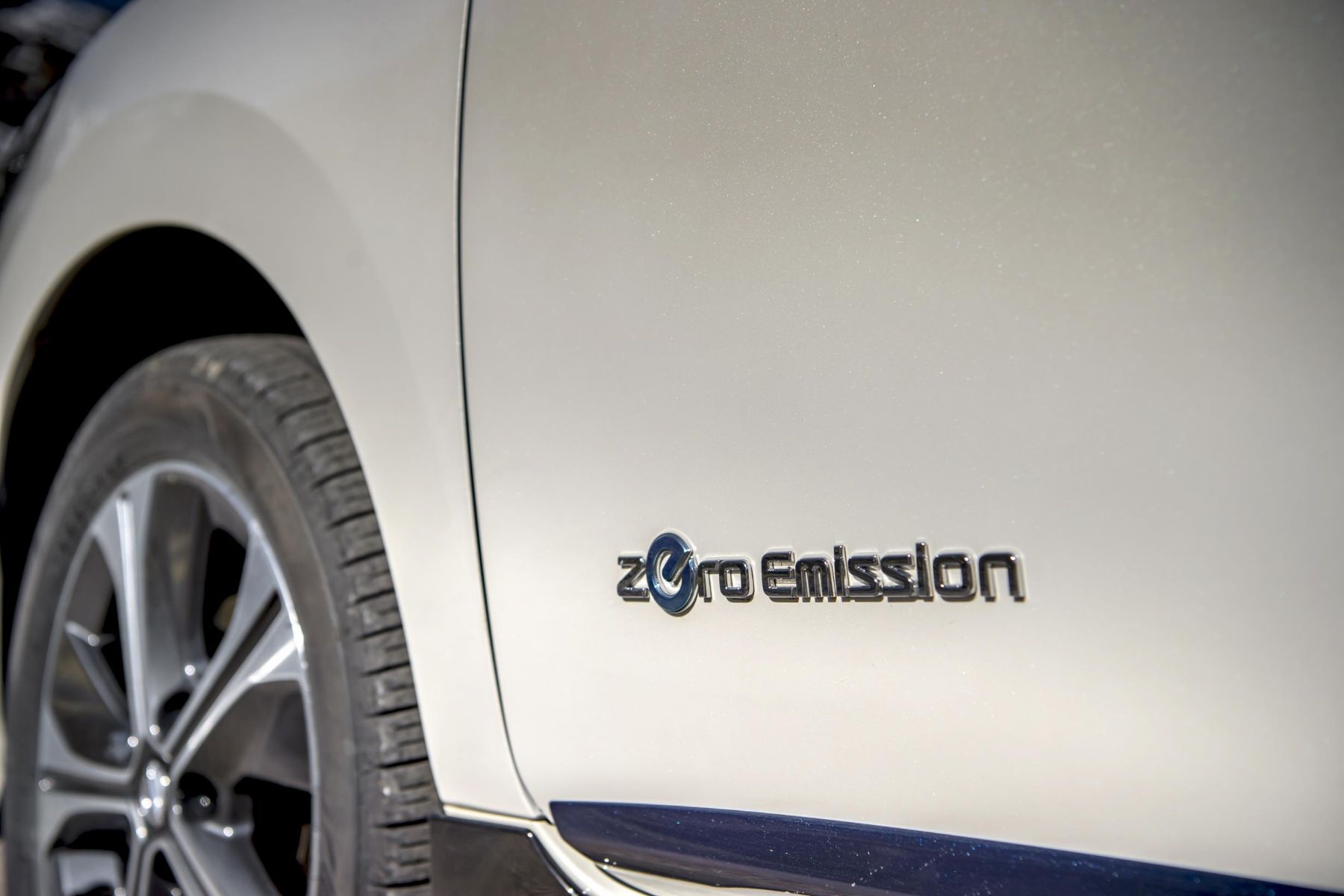
The Nissan Leaf, currently the best-selling EV in the UK, costs just under £1,200 over three years. Compare that to the VW Golf 1.0 TSI at £1,429 and you’re staring at a saving of nearly 20 percent.
The number of electric vehicles on the road has jumped by 128 percent over the past three years, with more than 21,000 drivers taking the leap between April 2015 and April 2018. Purchasing costs are still notably higher than a comparable petrol-powered car, but servicing is where you can potentially claw that back.
As for the most popular EVs, the Nissan Leaf leads the BMW i3, Volkswagen e-Golf and Renault Zoe in the sales charts.
“An electric car motor has far fewer moving parts than a petrol or diesel engine” said Chris Plumb, senior valuations editor at Cap HPI.
“While the purchase price is often higher at the moment, but coming down all the time, drivers will find an EV much cheaper to run, with significantly lower costs to charge rather than visiting the pumps – plus lower maintenance costs.”
A Red Dot award is one of the most sought-after seals of approval for good design, with a panel of design professionals meeting once a year to evaluate the latest products and concepts.
All of the cars in the automotive category are judged on their innovation, functionality, quality, ergonomics and durability.
Scoop a Red Dot Design Award and you know that your product not only looks good, but it works, too.
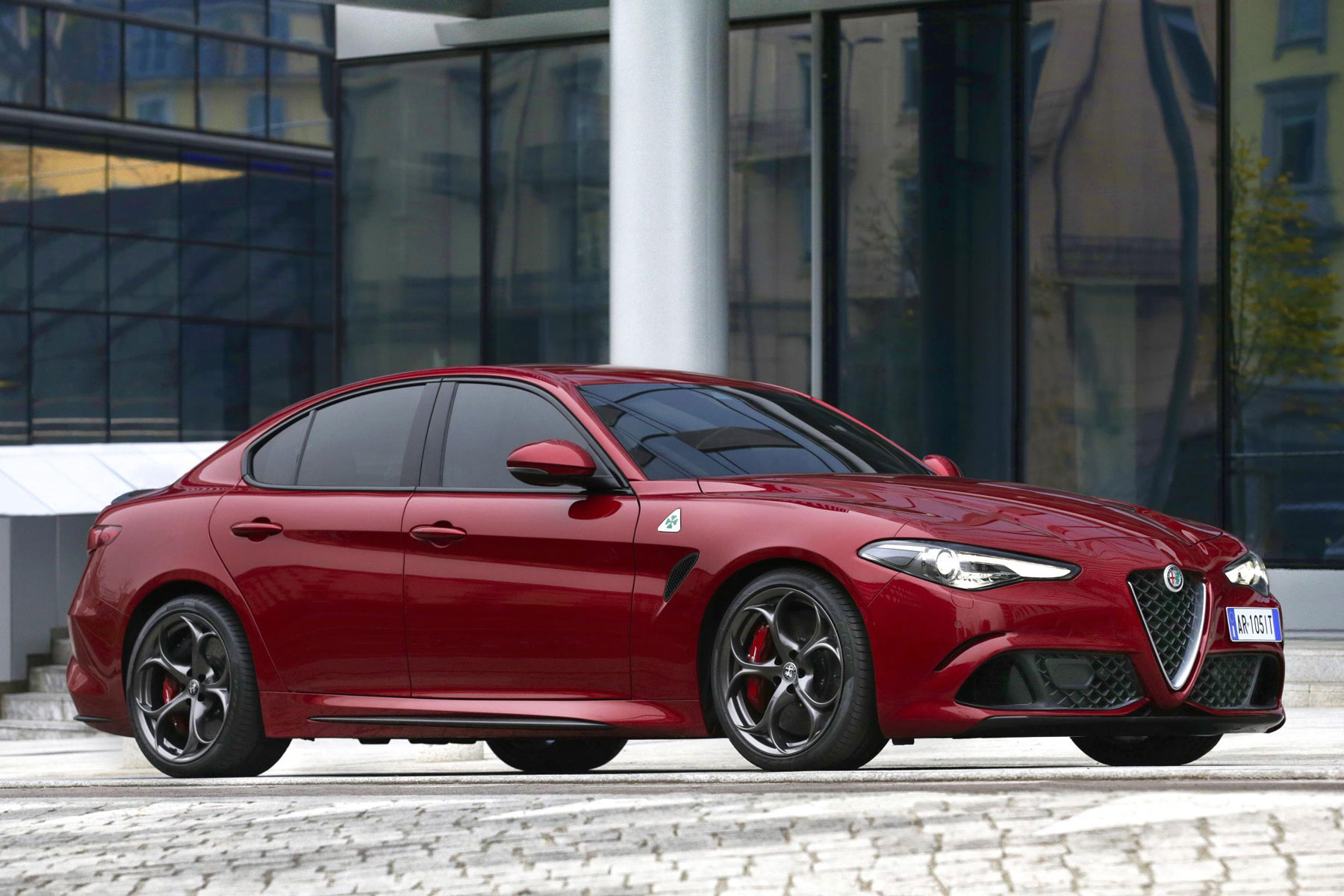
Alfa Romeo Giulia
The Alfa Romeo Giulia is the automotive equivalent of having your cake and eating it. It looks good, drives well (especially in Quadrifoglio guise) and ticks the ‘I’ve owned an Alfa Romeo’ box.
The jury said: “With its coupé-like silhouette, the Giulia makes an impression that is as dynamic as it is elegant. Furthermore, the improved weight distribution and the rear-wheel drive have a positive effect on its driving performance.”
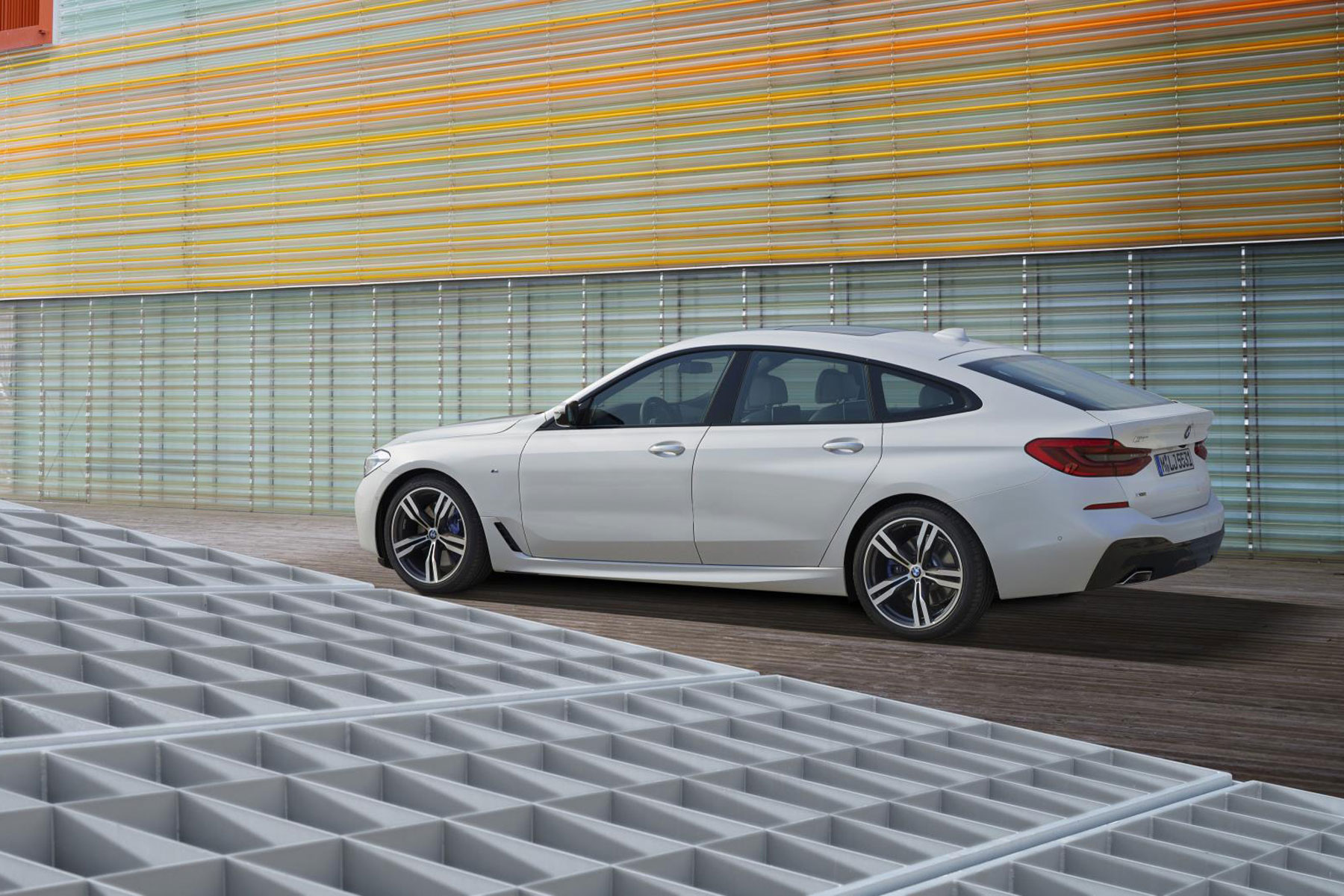
BMW 6 Series Gran Turismo
You might disagree with the Red Dot judges use of the word “elegance” when describing the BMW 6 Series Gran Turismo, but then you’re probably not the target audience. This thing will sell in huge numbers in China and South Korea.
The jury said: “A successful combination of elegance, comfort and sportiness in the design of both the interior and exterior characterise the BMW 6 Series Gran Turismo.”
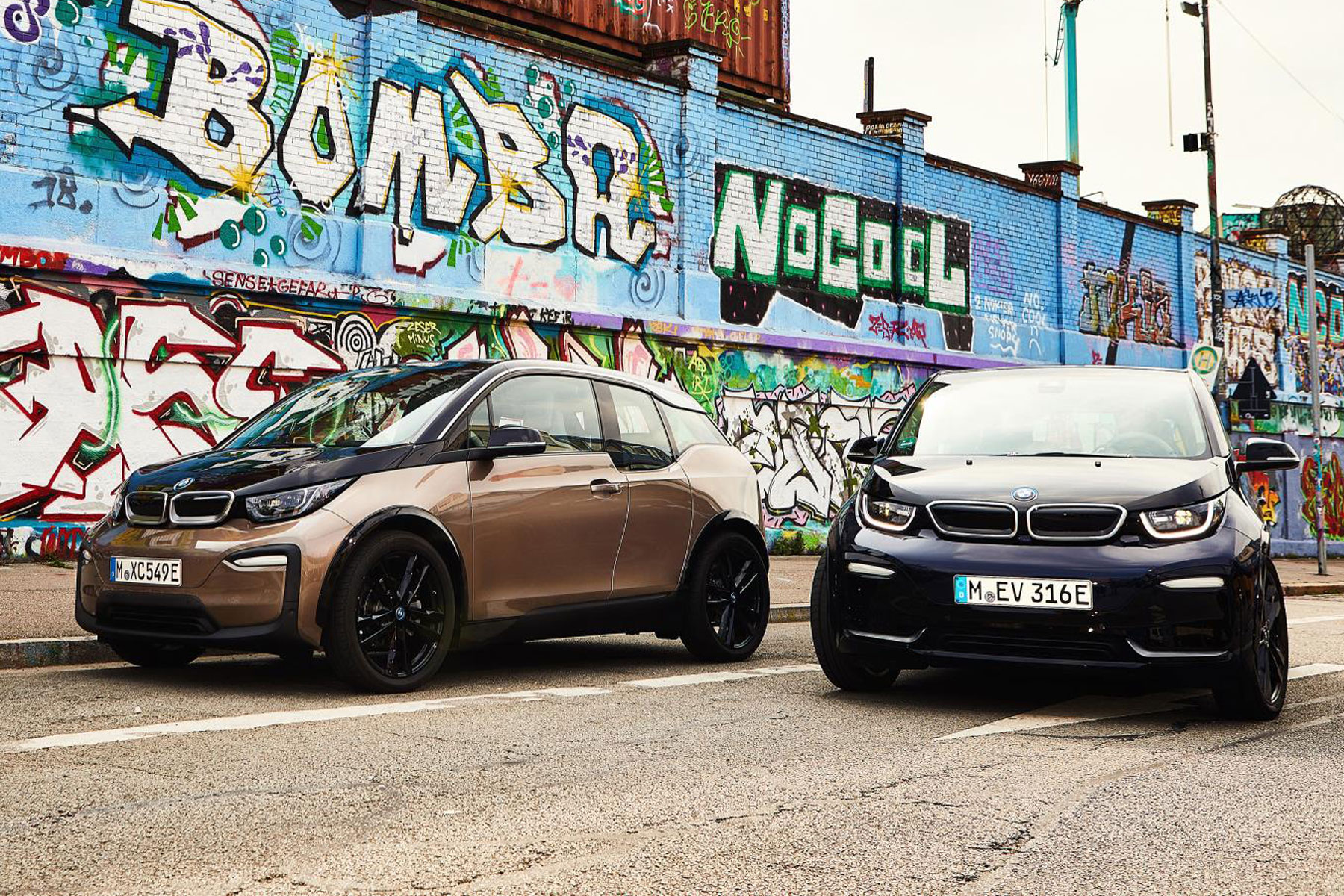
BMW i3
It’s rather sad to find the BMW i3 still flying the flag for design and innovation in the electric car segment – isn’t it time we found some new eco heroes? Five years on from the start of production, the i3 remains a key player in the premium EV segment.
The jury said: “The BMW i3S convinces with a lively, expressive appearance that brings sporty and emission-free driving into visual harmony.”
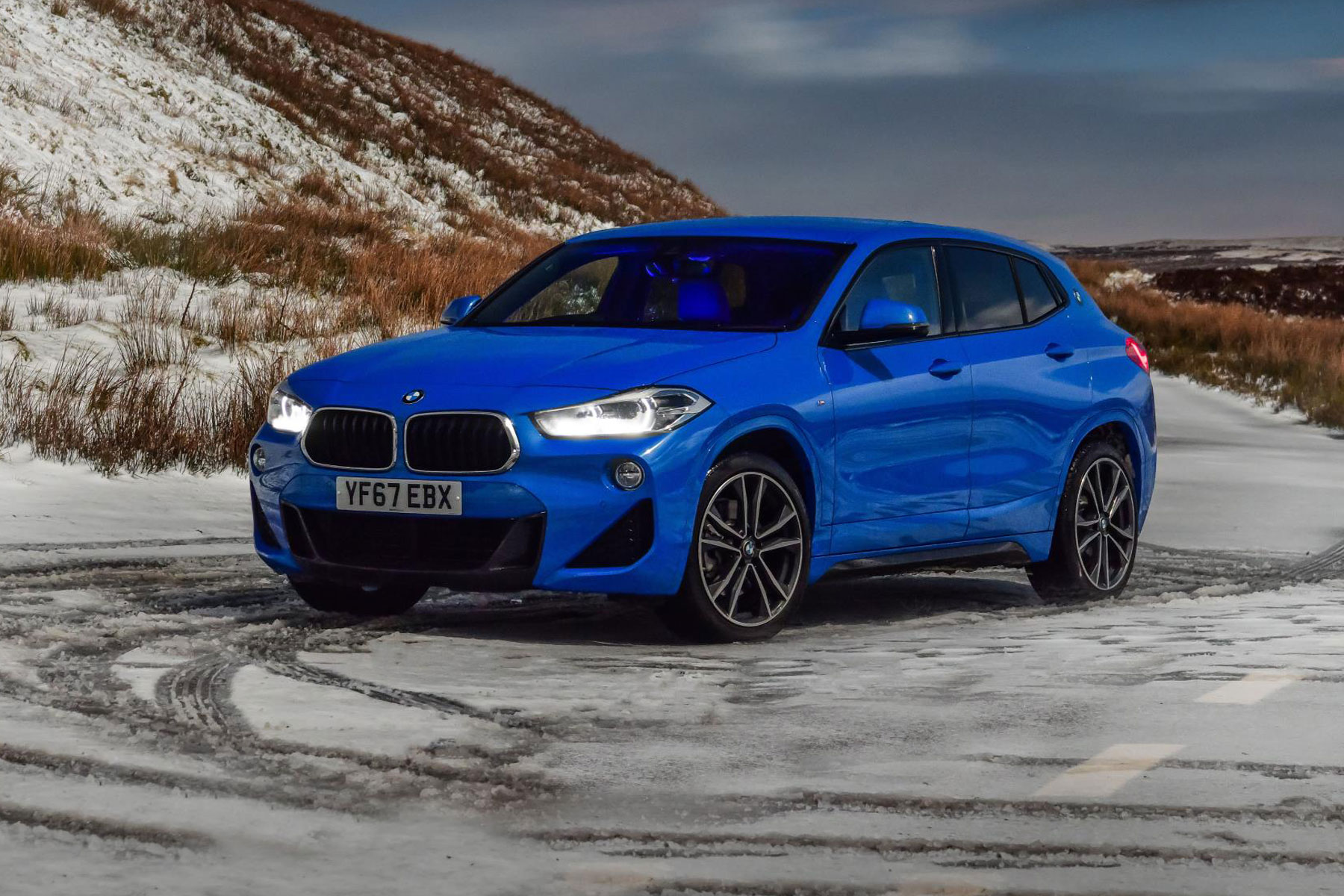
BMW X2
It’s a compact SUV with a BMW badge, so this thing ticks all the right boxes. See a BMW X2 on the road today and it really stands out. How long before it fades into the background when every Tom, Dick and Harriet has traded in their Evoque for the latest novelty act.
The jury said: “The BMW X2 derives its visual presence from its distinctive exterior design with dynamic, sportive proportions and lines.”
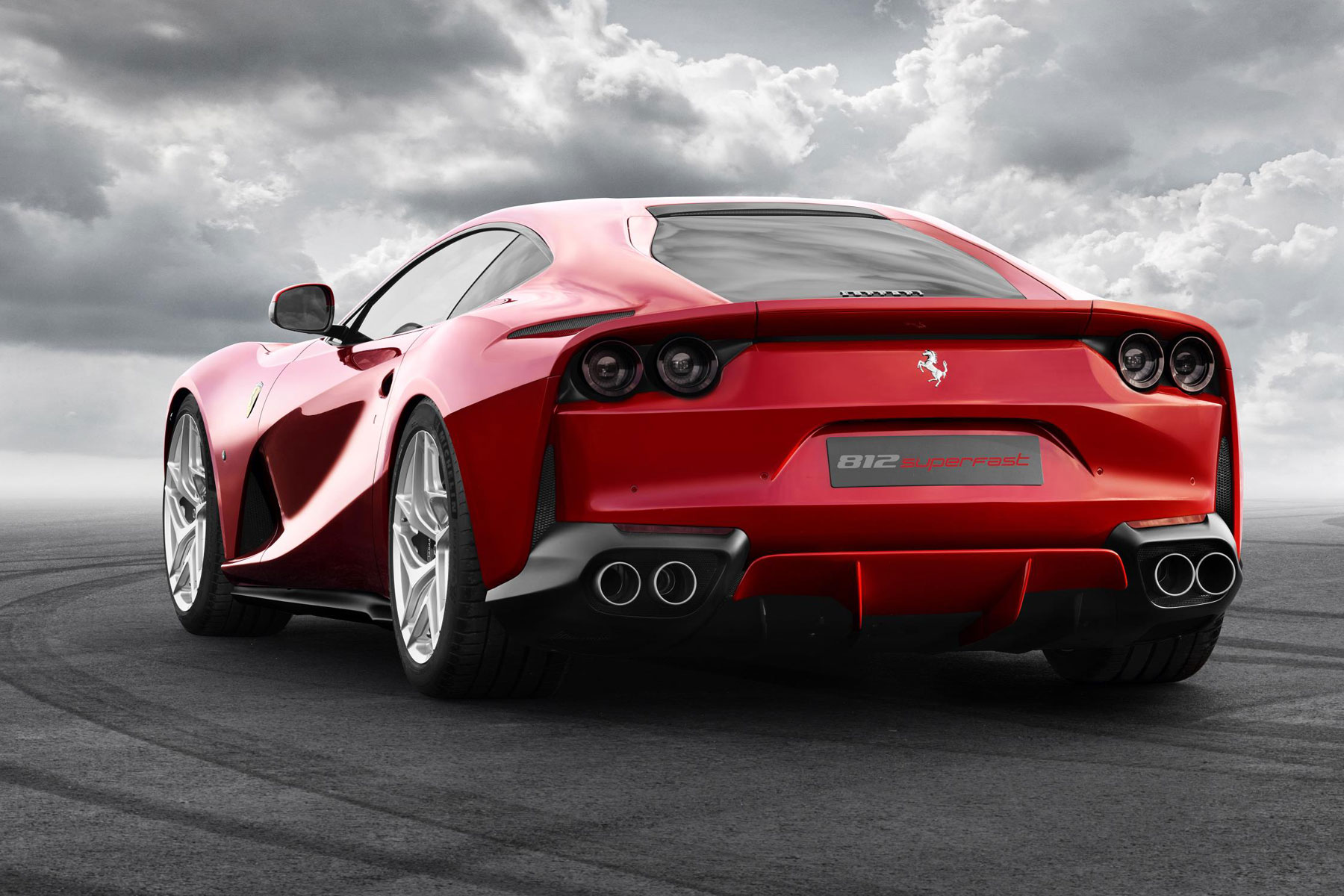
Ferrari 812 Superfast
The replacement for the Ferrari F12 is not only Superfast, it’s also superfly. That’s according to Red Dot, anyway.
The jury said: “The 812 Superfast already conveys its speed and power at first glance, owing to its radical, emotionally appealing sports car design.”
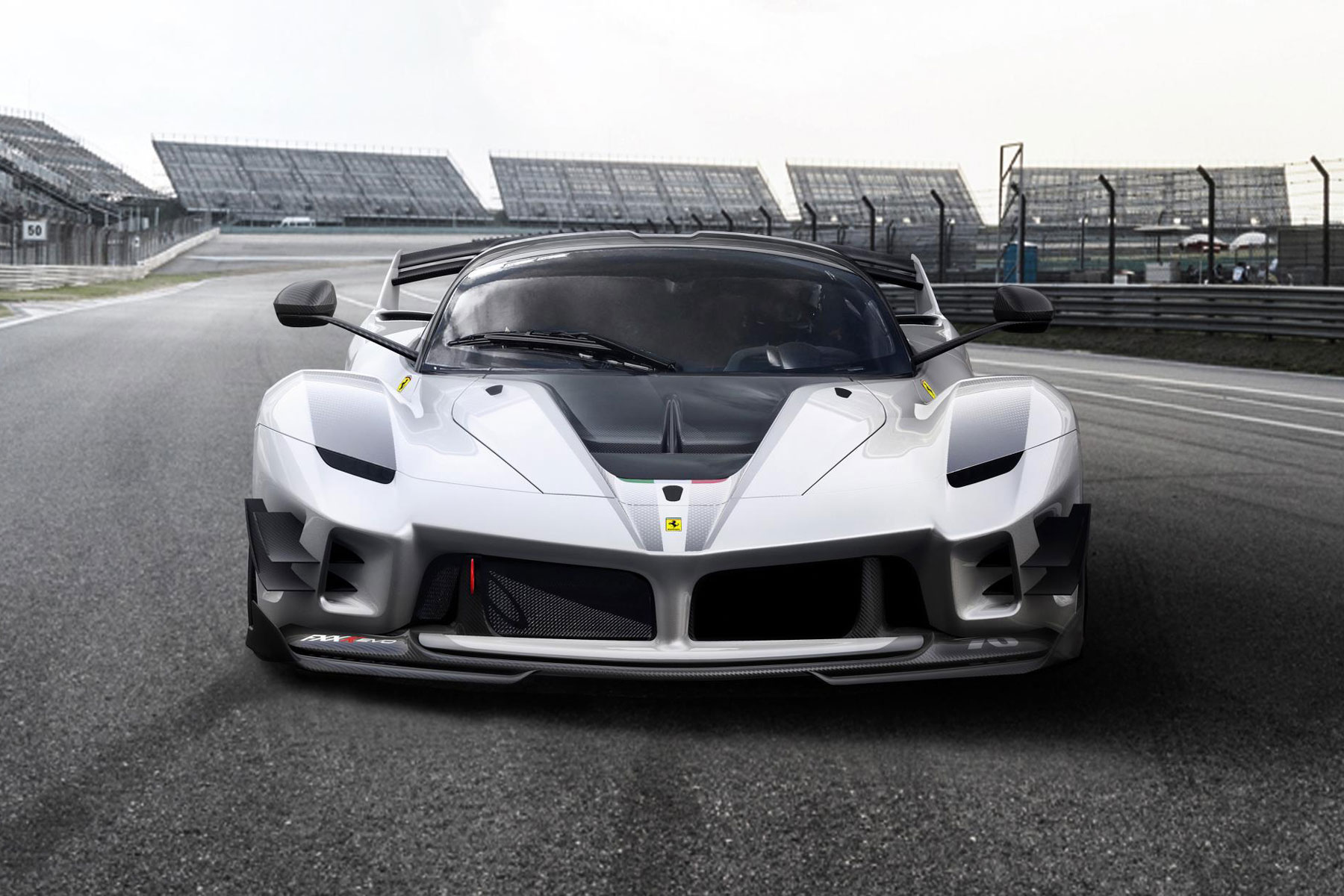
Ferrari FXX-K Evo
The FXX-K Evo is an evolution of the XX programme launched in 2005, with cars developed for research and innovation purposes. Like previous Ferrari XX cars, it’s not road-legal, but aimed at Ferrari’s select-group of drivers who are keen to be involved in the development of a ‘closed-wheel laboratory car’
The jury said: “The FXX-K Evo, with its aerodynamic, assertive design, visualises the extraordinary technical performance qualities of a supercar.”
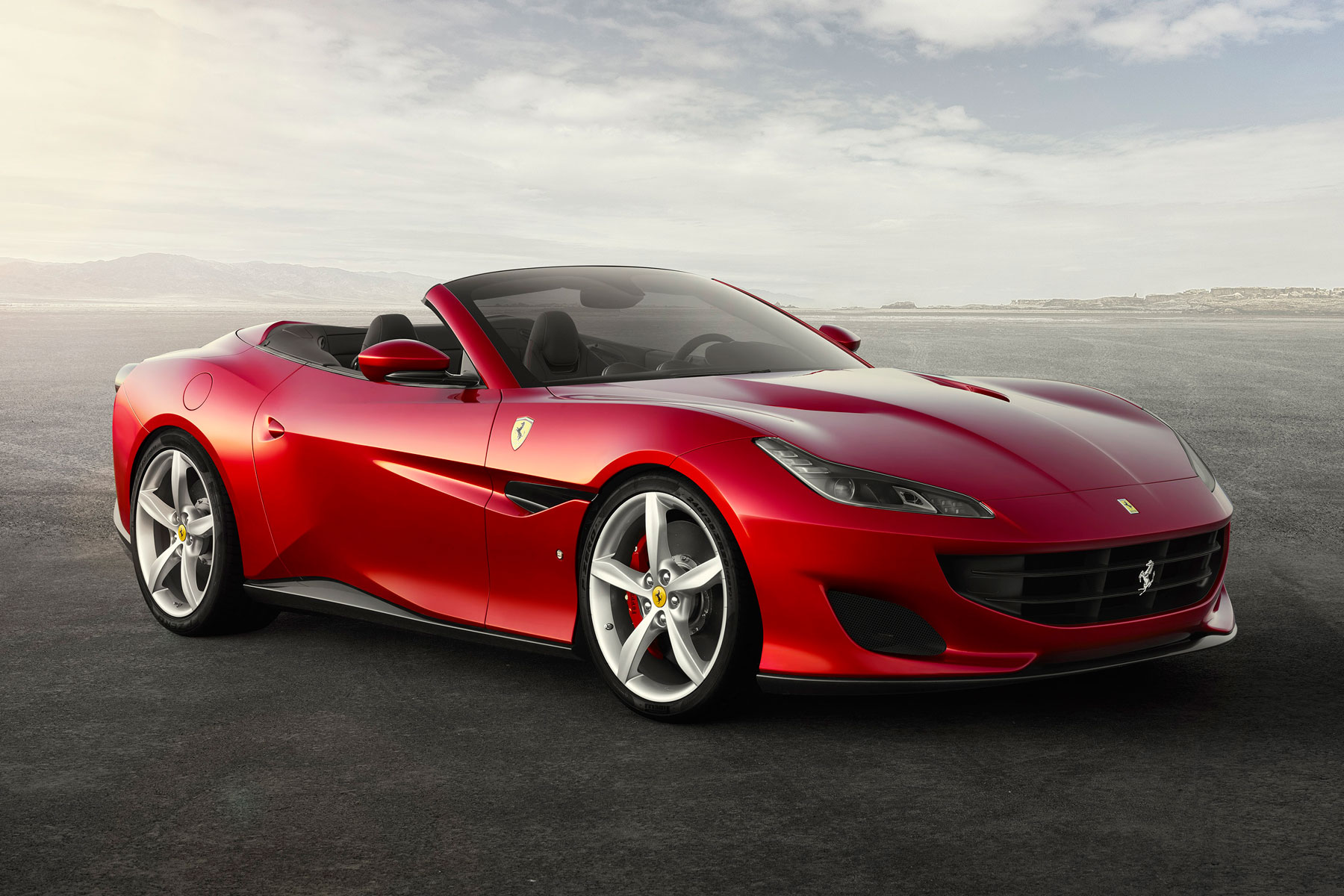
Ferrari Portofino
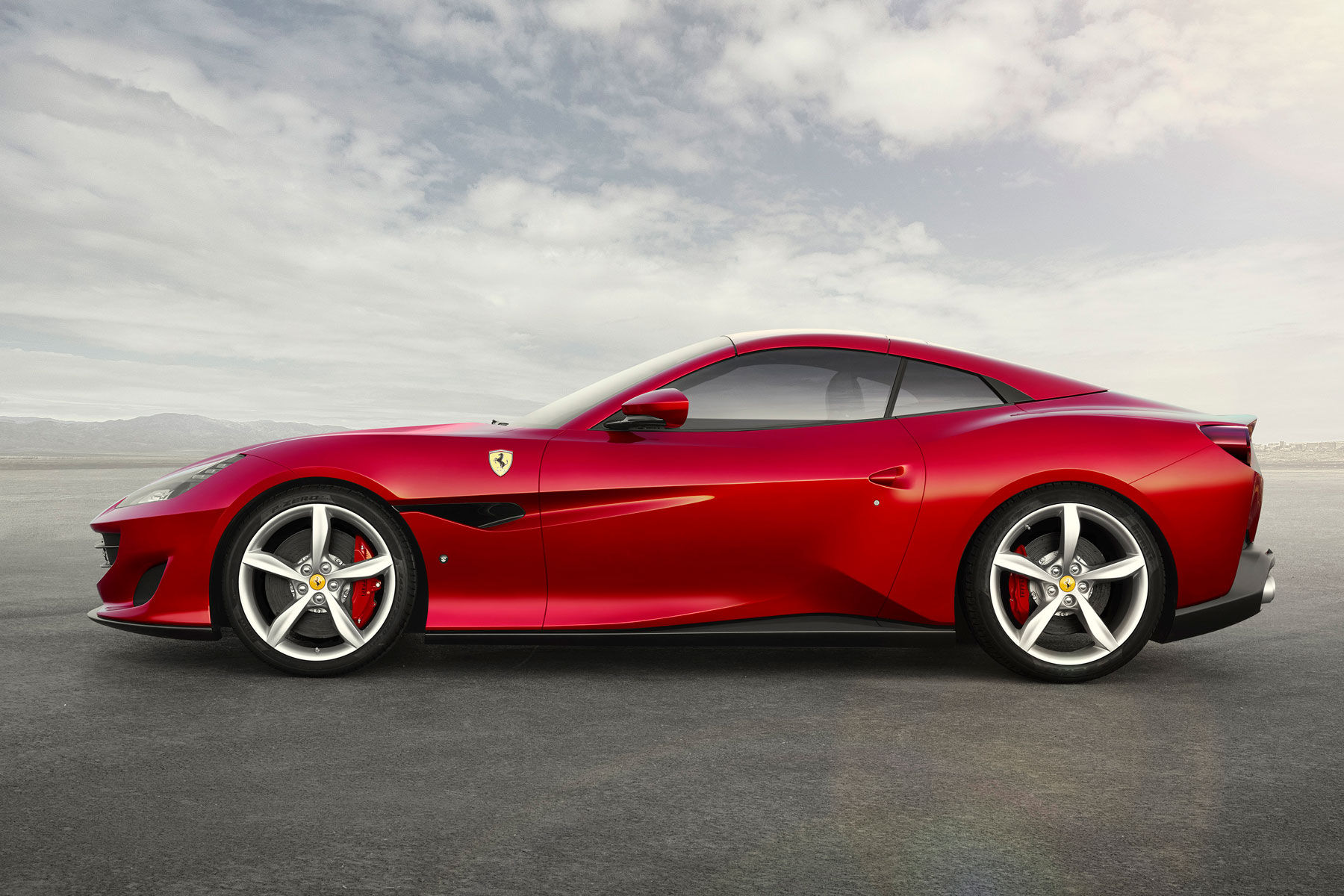
For the fourth consecutive year, Ferrari has received the Red Dot ‘Best of the Best’ award, this time for the Portofino. The 3.9-litre V8 twin-turbocharged Portofino is Ferrari’s entry-level model and it’ll hit a top speed just shy of 200mph.
The jury said: “Embodying an impressive evolutionary advancement, the Ferrari Portofino fascinates with an exciting design language. It comes across as a fascinating sculptural statement. The integration of the retractable hardtop presents an optimal solution. The haunting elegance is further underscored by the uncompromising quality in material and workmanship. The Ferrari Portofino is the perfect embodiment of novel approaches that point into the future.”
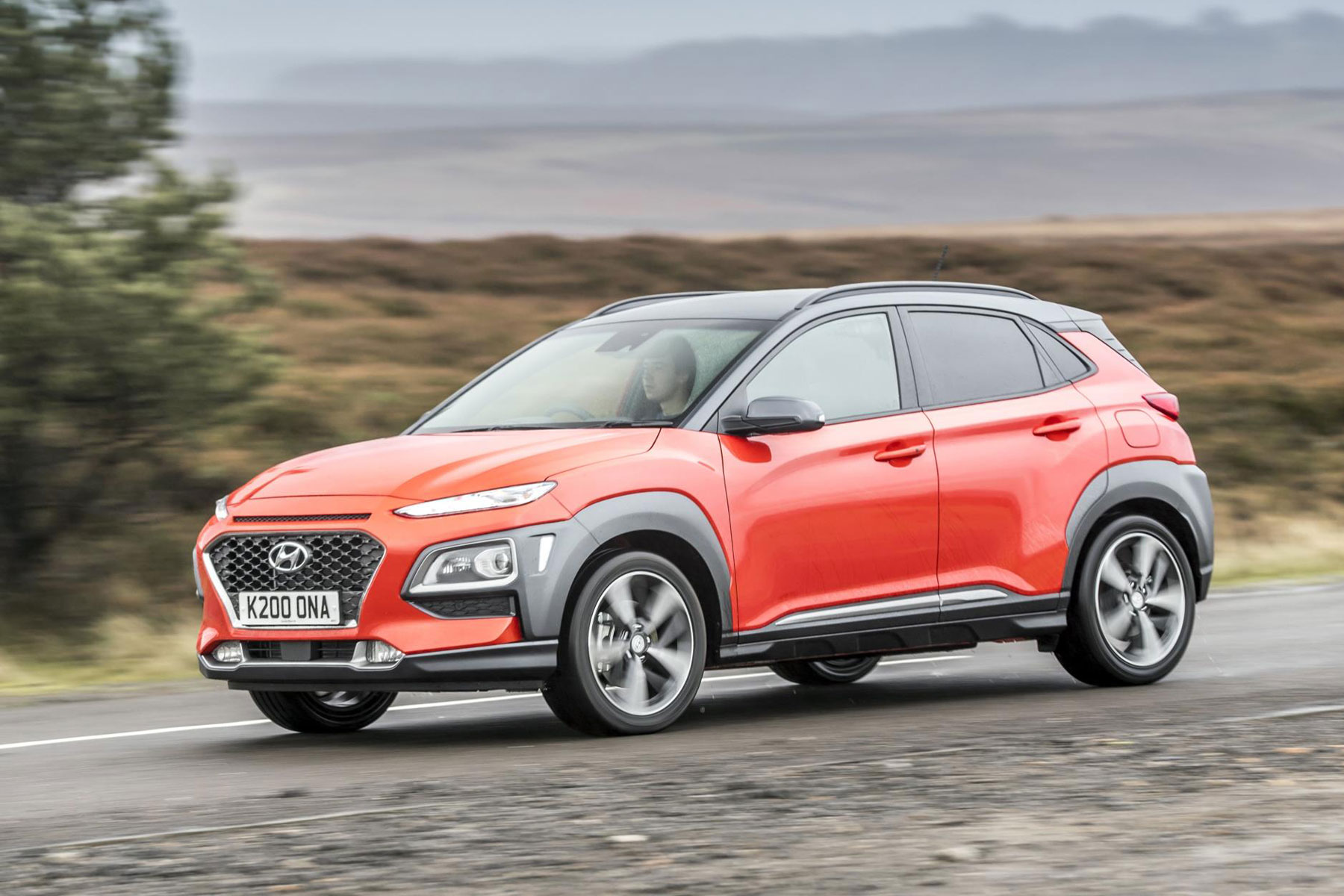
Hyundai Kona
Unlike many compact crossovers, the Hyundai Kona is based on its own platform rather than something borrowed from a supermini. As a result, it rides and drives better than many of its rivals. Some will love the styling, while others won’t.
The jury said: “This compact SUV, with its powerful, modern appearance is convincing. The arrangement of lights on three levels characterises the distinctive front.”
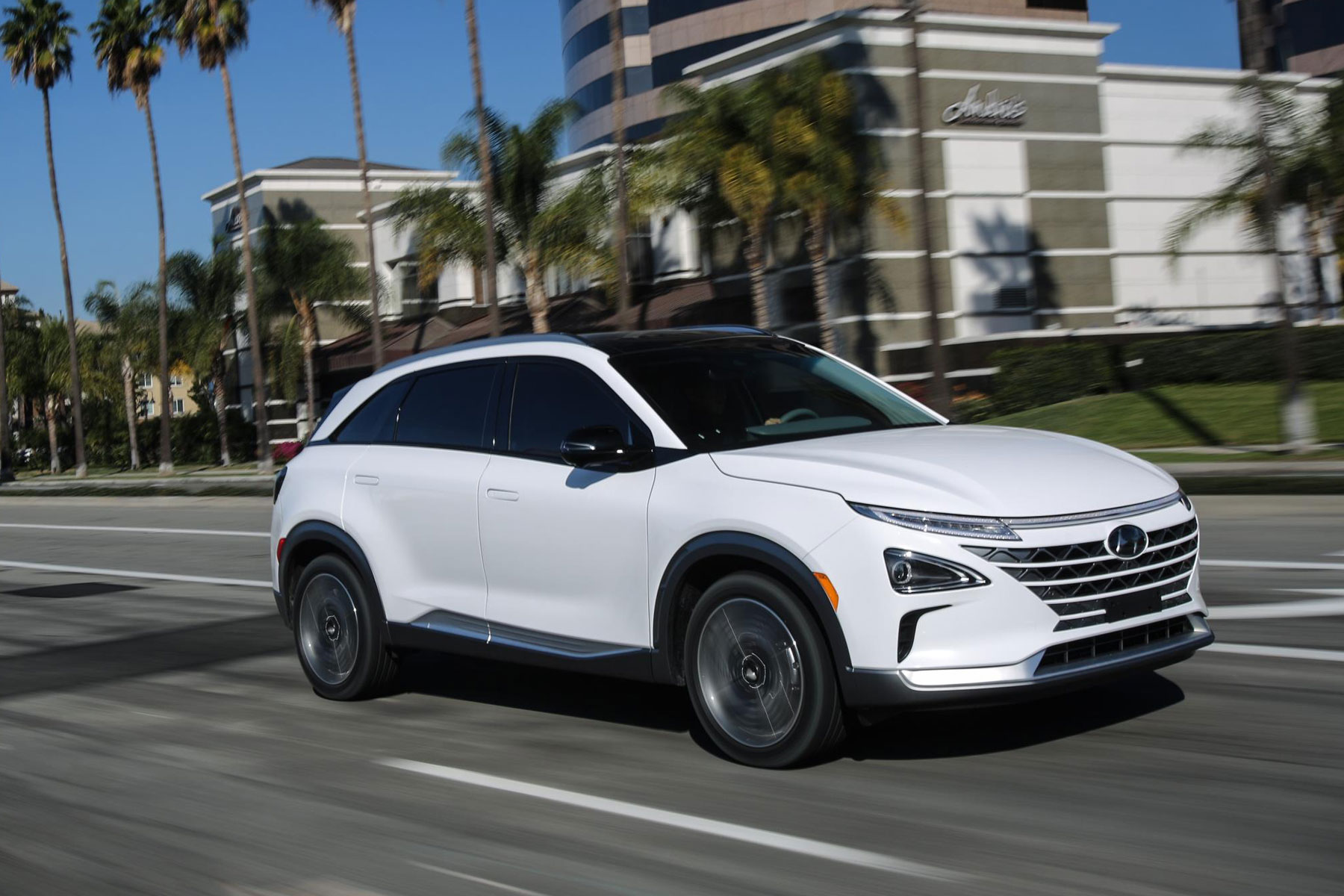
Hyundai Nexo FCEV
Another interesting Hyundai, this time in the form of the Nexo hydrogen fuel-cell vehicle. This former concept car is entering production and is up for the prestigious World Car of the Year award.
The jury said: “The Nexo is in tune with the spirit of the times with the combination of fuel-cell drive and SUV vehicle. An aerodynamic design imparts a calm, powerful and simultaneously elegant impression. A concise detail is the continuous LED strip on the grille.”
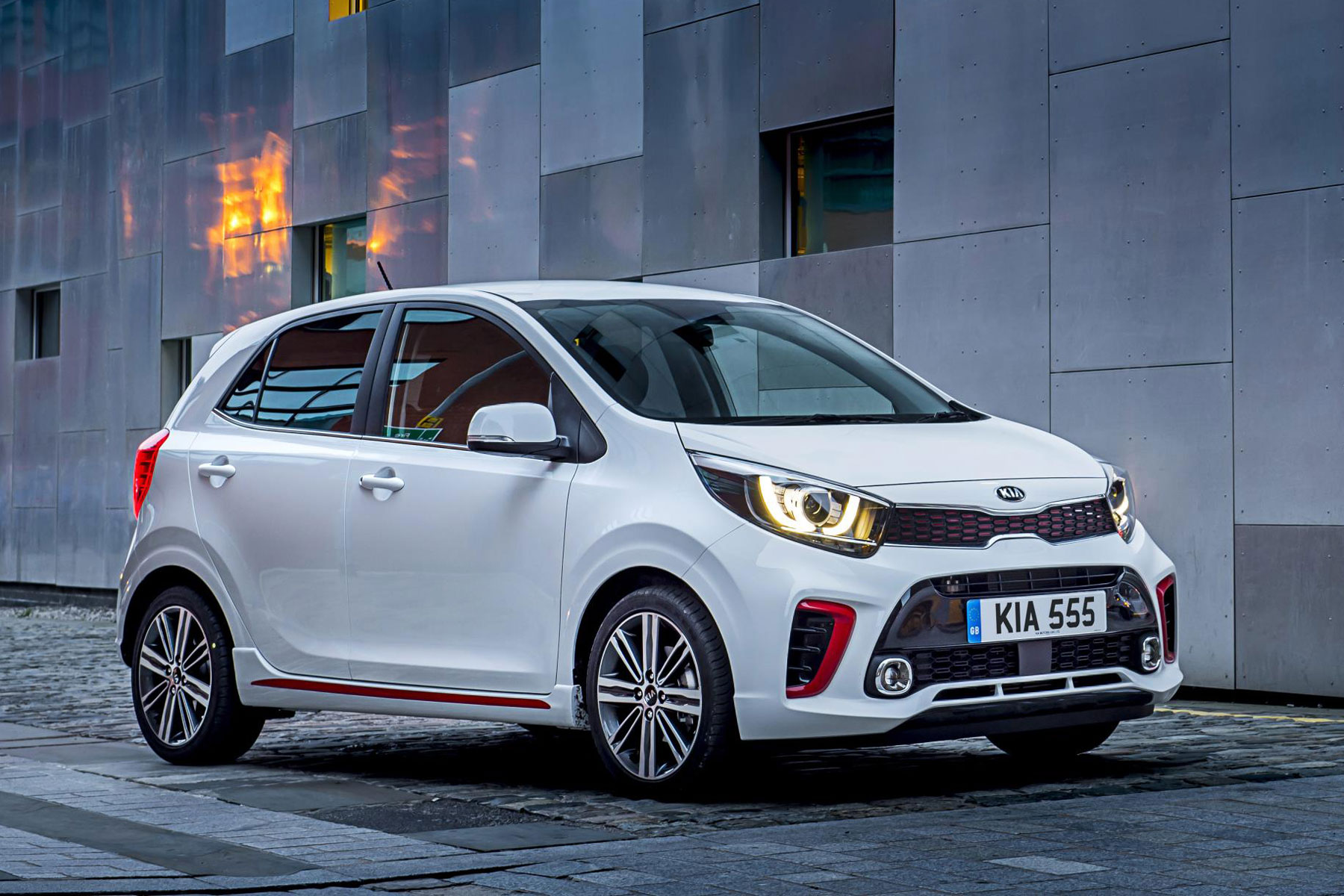
Kia Picanto
As if to prove that Red Dot isn’t totally focused on high-end vehicles and exotic supercars, here’s a dose of reality courtesy of the Kia Picanto. Prices range from £9,720 to £14,720.
The jury said: “With the appearance of an agile small car, the Kia Picanto offers a cabin with ergonomic comfort and a great deal of space for passengers and luggage.”
Kia Stinger
Sadly, you can’t buy a Kia Stinger for less than £10,000, but it does come with the same seven-year warranty. You may have heard us mention Kia’s warranty before. But, like every episode of Fawlty Towers, it’s worth repeating.
The jury said: “The design of the Kia Stinger brings the classic features of a Gran Turismo car to perfection. It succeeds in balancing the outstanding performance and an appearance that is both elegant and dynamic. Impressive visual features merge with sophisticated, premium-level inner values, elevating this vehicle class onto a new level. The luxuriously equipped Kia Stinger offers relaxed driving even on long journeys.”
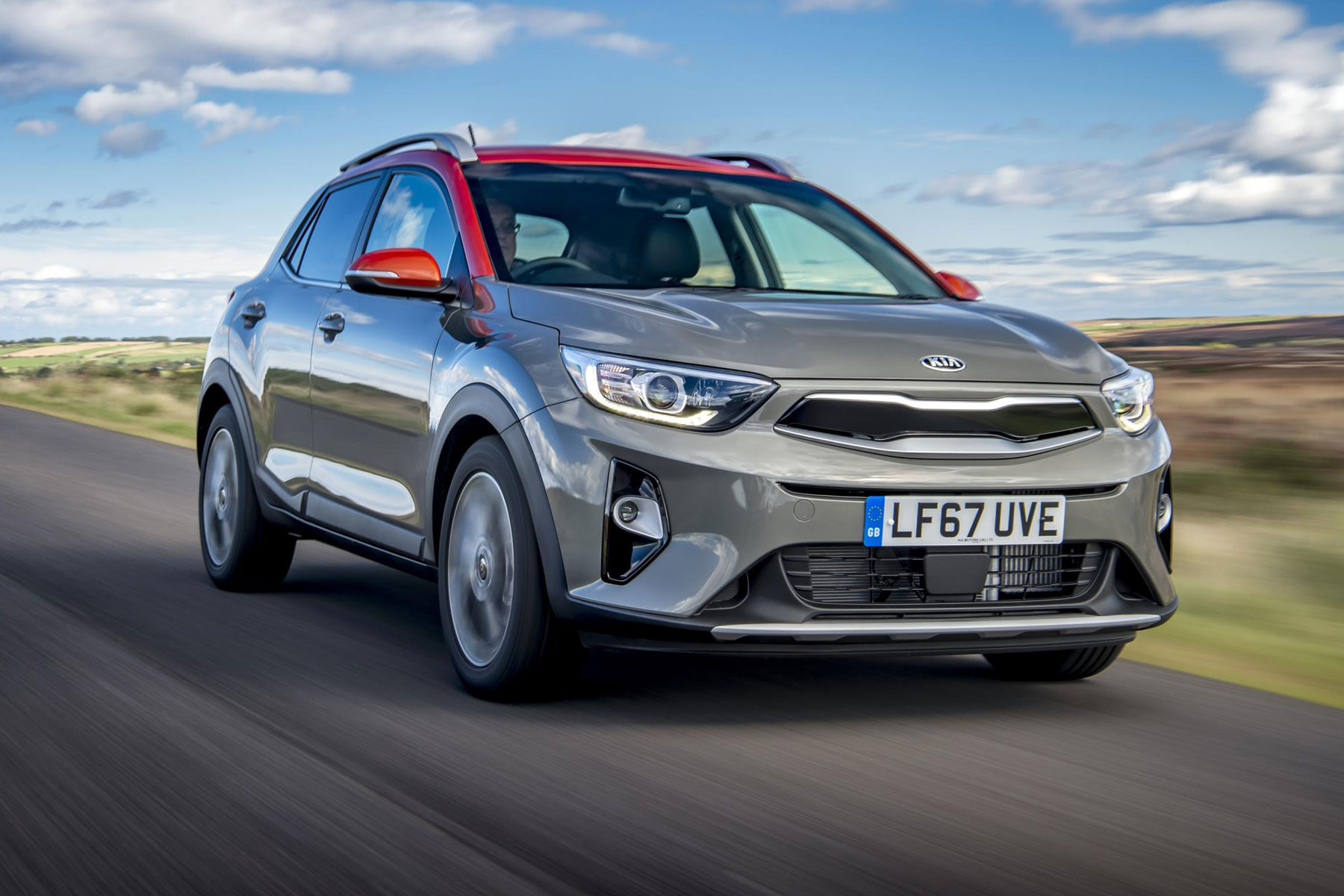
Kia Stonic
We’re feeling supersonic, give us Kia Stonic. Said Liam Gallagher, probably. The Rio-based compact crossover is a cool thing. Said Noel Gallagher, never.
The jury said: “The Kia Stonic makes a self-confident and sturdy impression with its distinctive exterior design. The design of the interior focuses on the driver and offers a good visual overview.”
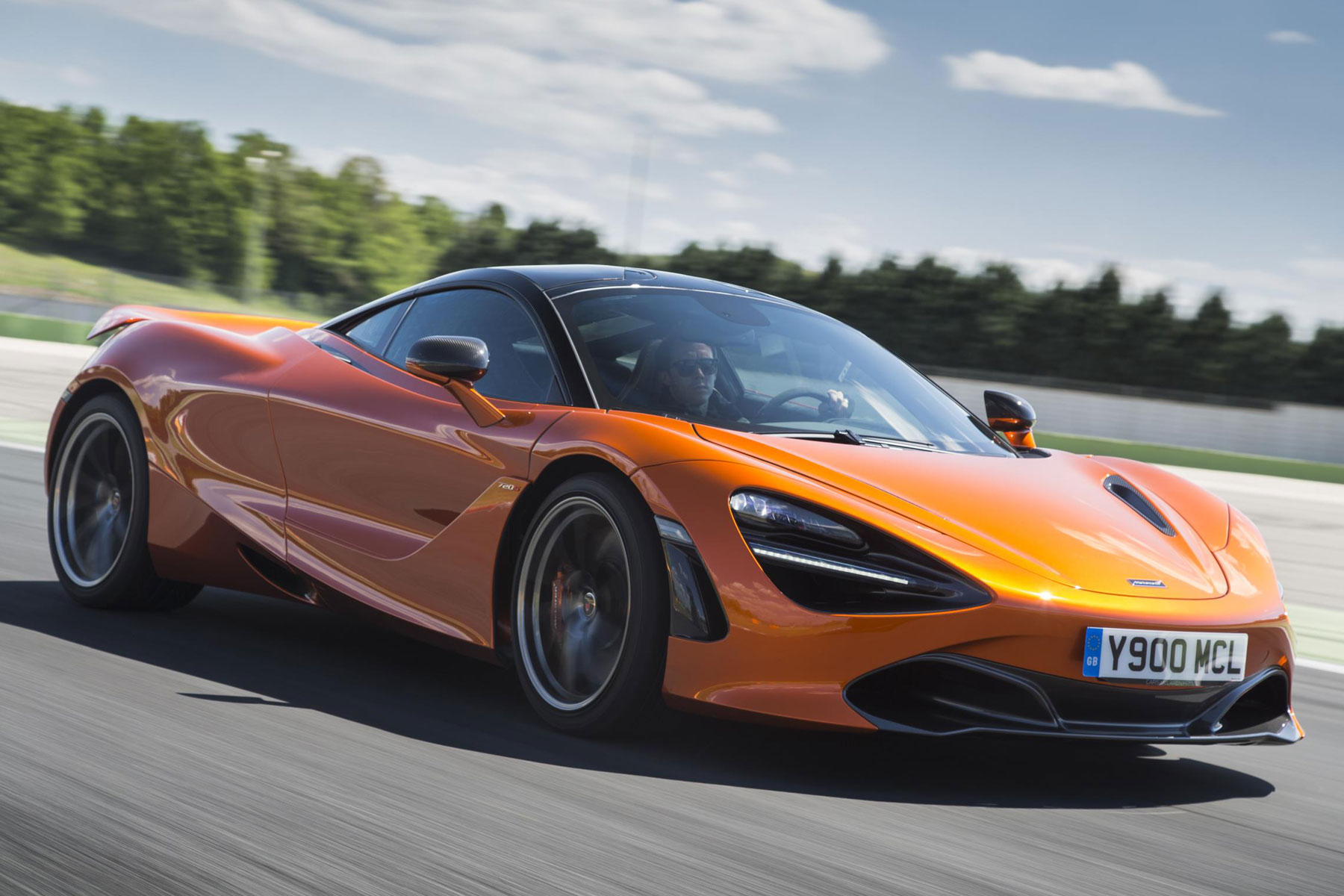
McLaren 720S
For us, the McLaren 720S is the current benchmark supercar. This conclusion follows track time and a week living with a 720S as a daily-driver. It’s so good, the £208,000 price tag seems like a bargain.
The jury said: “The McLaren 720S fascinates with its outstanding design language and the manner it responds to the road. Its design is marked by several innovative solutions that perfectly incorporate the brand philosophy. This sports car is the expression of a design that skilfully breaks with our perception to create something new. Each individual element has its specific significance, creating a spectacular overall impression.”
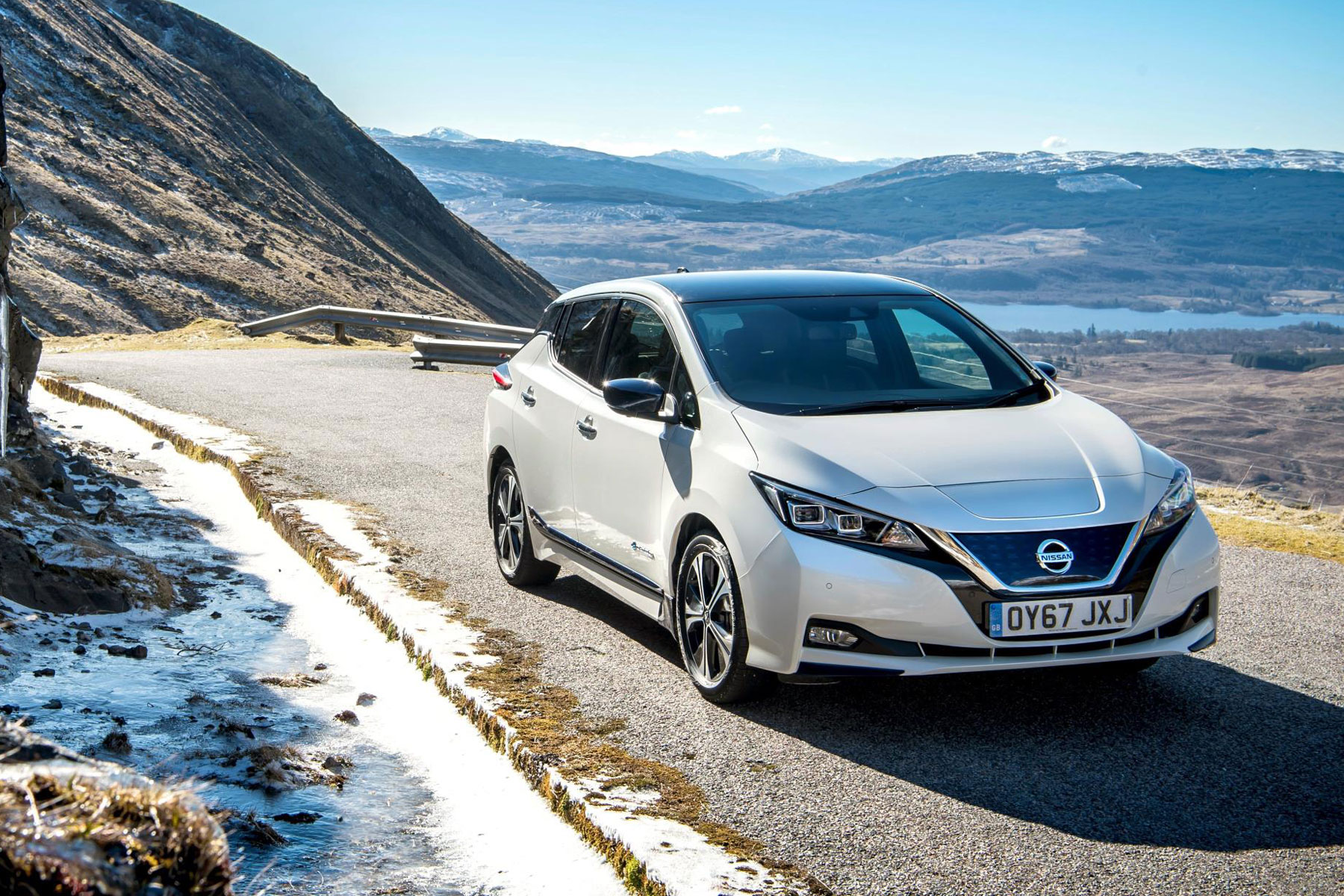
Nissan Leaf
The Nissan Leaf is the world’s best-selling electric car, and by our reckoning it’ll top the EV tree for a little while yet. The Leaf offers a range of 168 miles on the real-world WLTP test or an impressive 258 miles on the WLTP City test.
The jury said: “The new Nissan Leaf is attractive with its clearly defined exterior, which imparts an objective impression.”
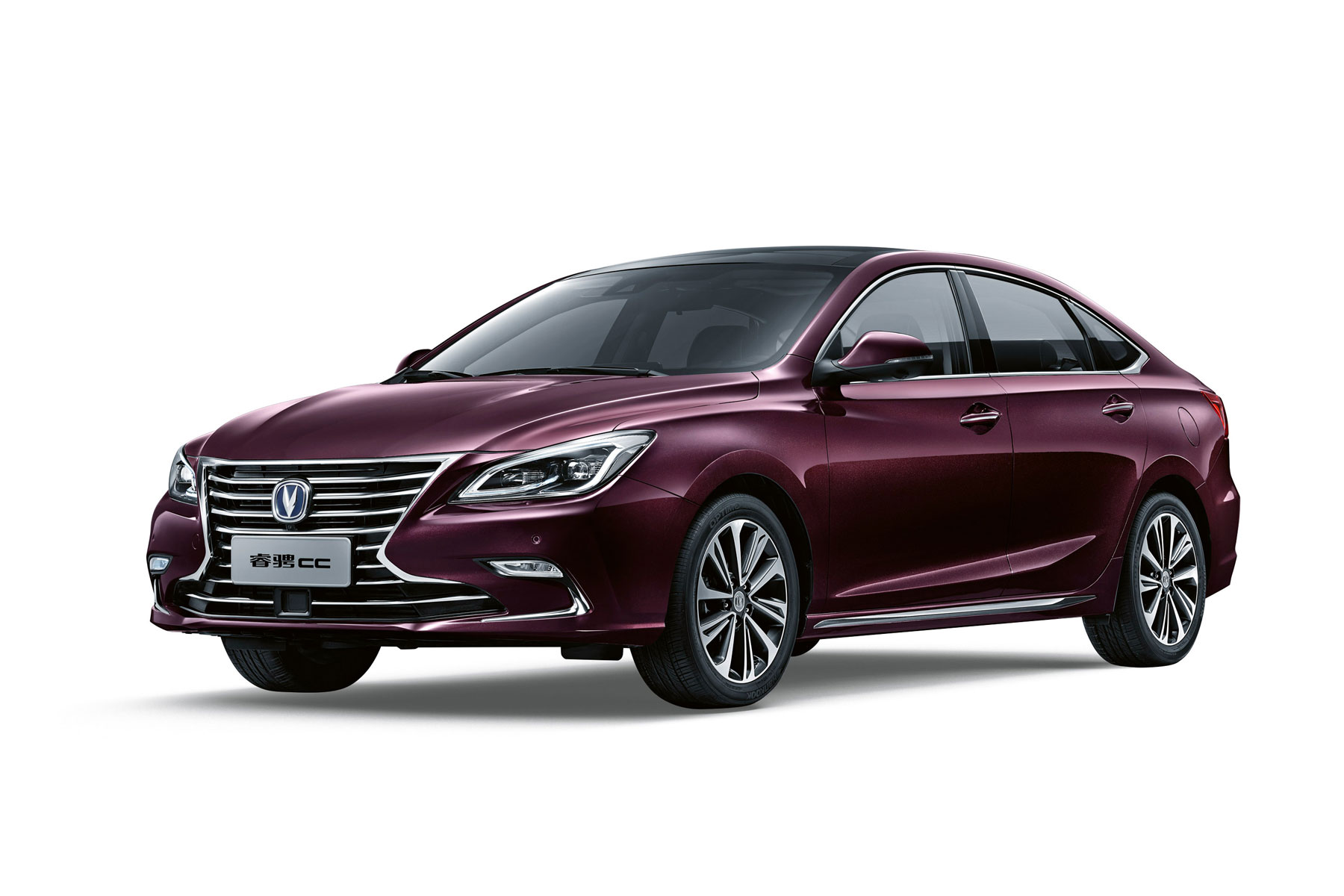
Raeton CC
The Raeton CC is a medium-size four-door family saloon built in China for the Chinese market. Power is sourced from a 1.5-litre turbocharged petrol engine mated to a six-speed automatic transmission.
The jury said: “The basic design concept of the Raeton CC is convincing. Furthermore, it displays pleasant detail solutions in both the exterior and the interior design.”
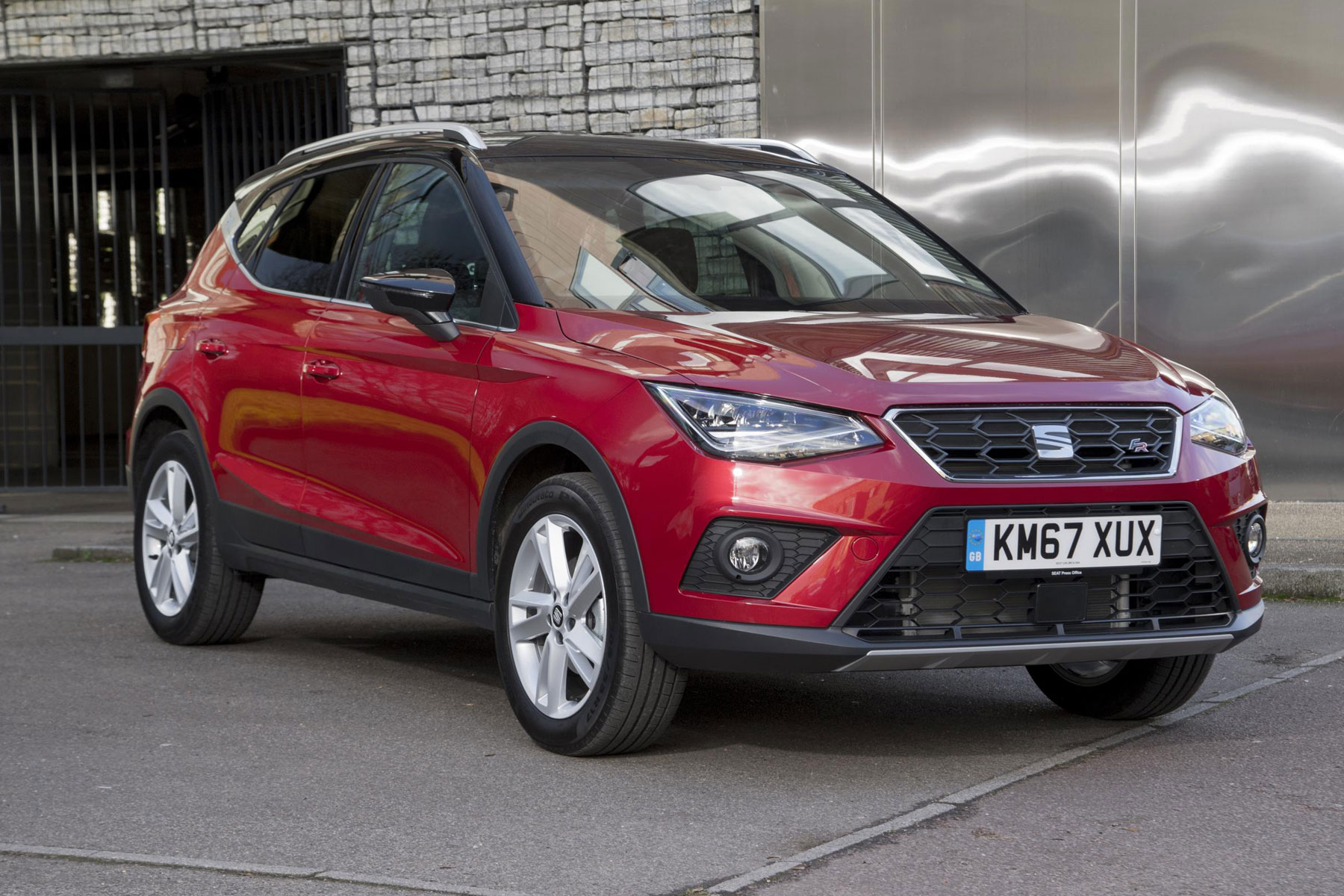
Seat Arona
Seat’s first compact crossover is a good one, with the Arona offering a compelling blend of practicality, good driving manners and, if you opt for one of the higher trim levels, a certain amount of style.
The jury said: “The Seat Arona convinces with its autonomous appearance, which enables impressive personalisation options due to the many colour combinations offered.”
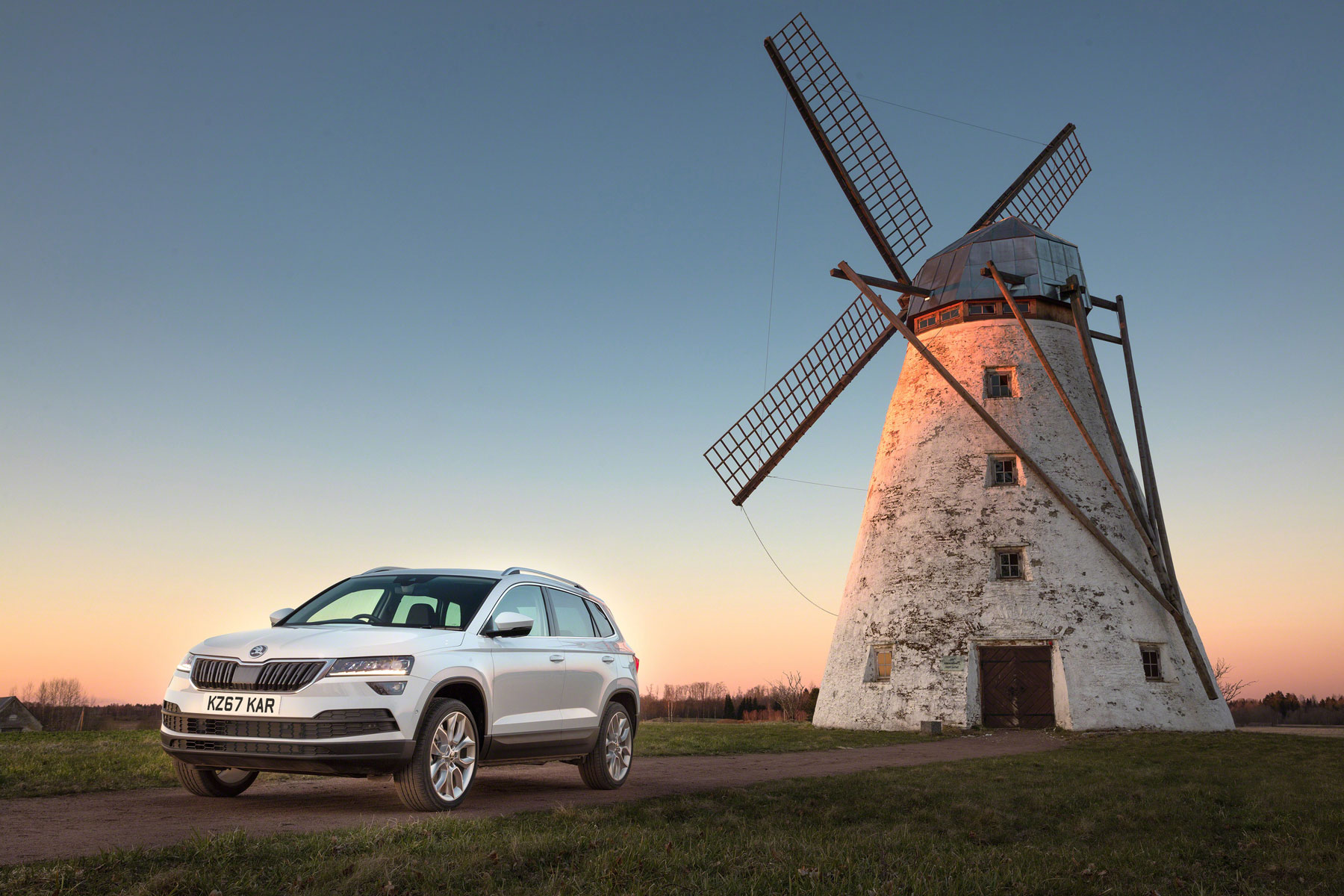
Skoda Karoq
Alternatively, if you don’t fancy an Arona, the Volkswagen Group also offers the Skoda Karoq. Red Dot or not, the decision to drop the Skoda Yeti is still creating red mist in some quarters.
The jury said: “The Karoq gains merit with a spacious interior and an elegantly appealing exterior, achieved by use of crystalline details.”
Volkswagen Polo
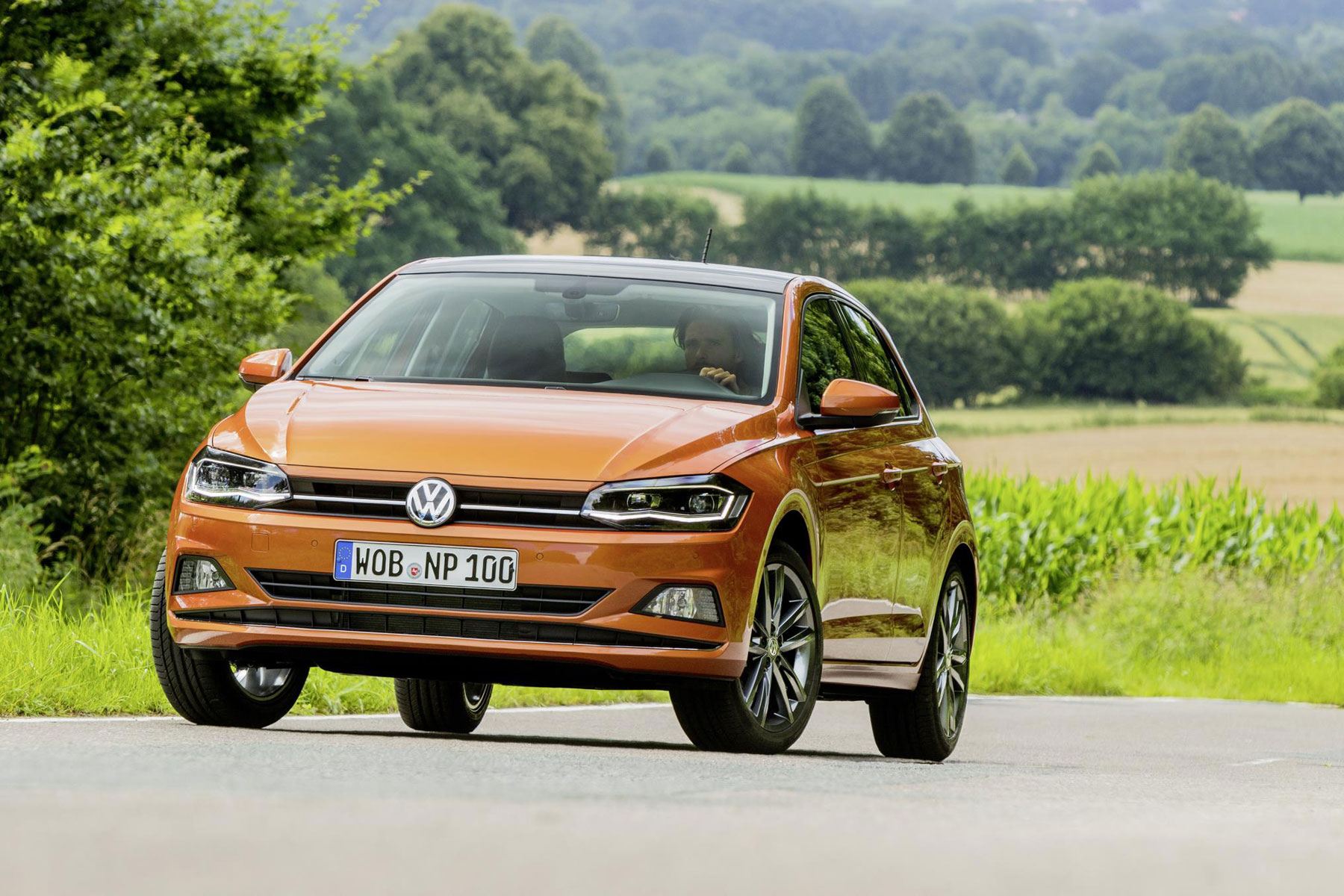
Staying within the Volkswagen Group for a moment, here’s the VW Polo. This is a terrific supermini, feeling more like a ‘mini Golf’ than a Ford Fiesta rival. The Seat Ibiza is just as good, but it hasn’t received a Red Dot award.
The jury said: “With its highly successful new concept, the Polo makes a self-confident impression with its clear design and newly constructed proportions. It gains additional merit with a high degree of networking in the cockpit.”
Volkswagen T-Roc
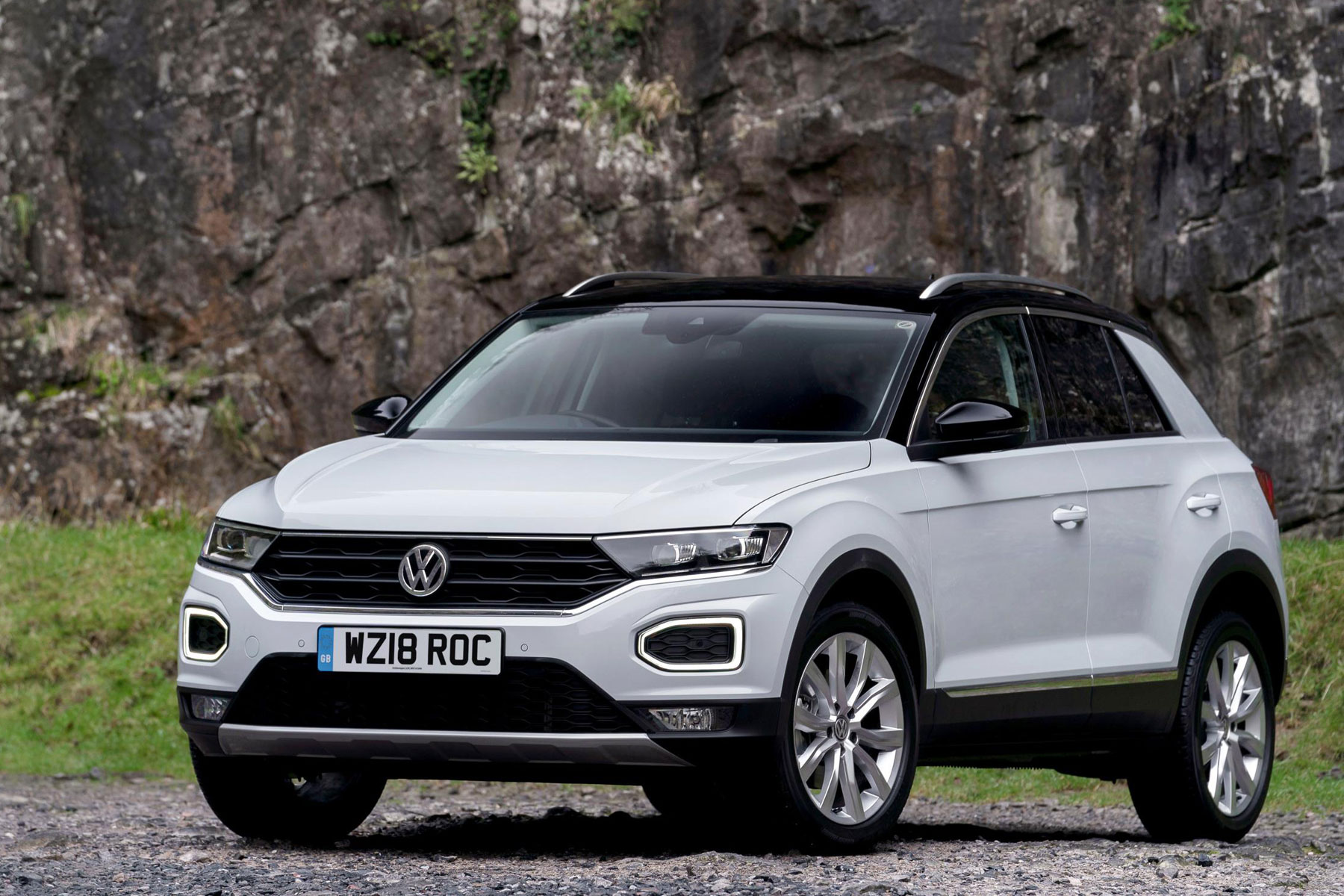
It’s hard to believe that the T-Roc is essentially a replacement for the Volkswagen Scirocco – that probably tells you all you need to know about the car industry. Crossovers and SUVs rule the world.
The jury said: “With its expressive exterior design, the T-Roc makes a self-confident and pleasing impression. The interior is convincing with lots of space and a digitalised cockpit, offering considerable comfort.”
Volvo XC40
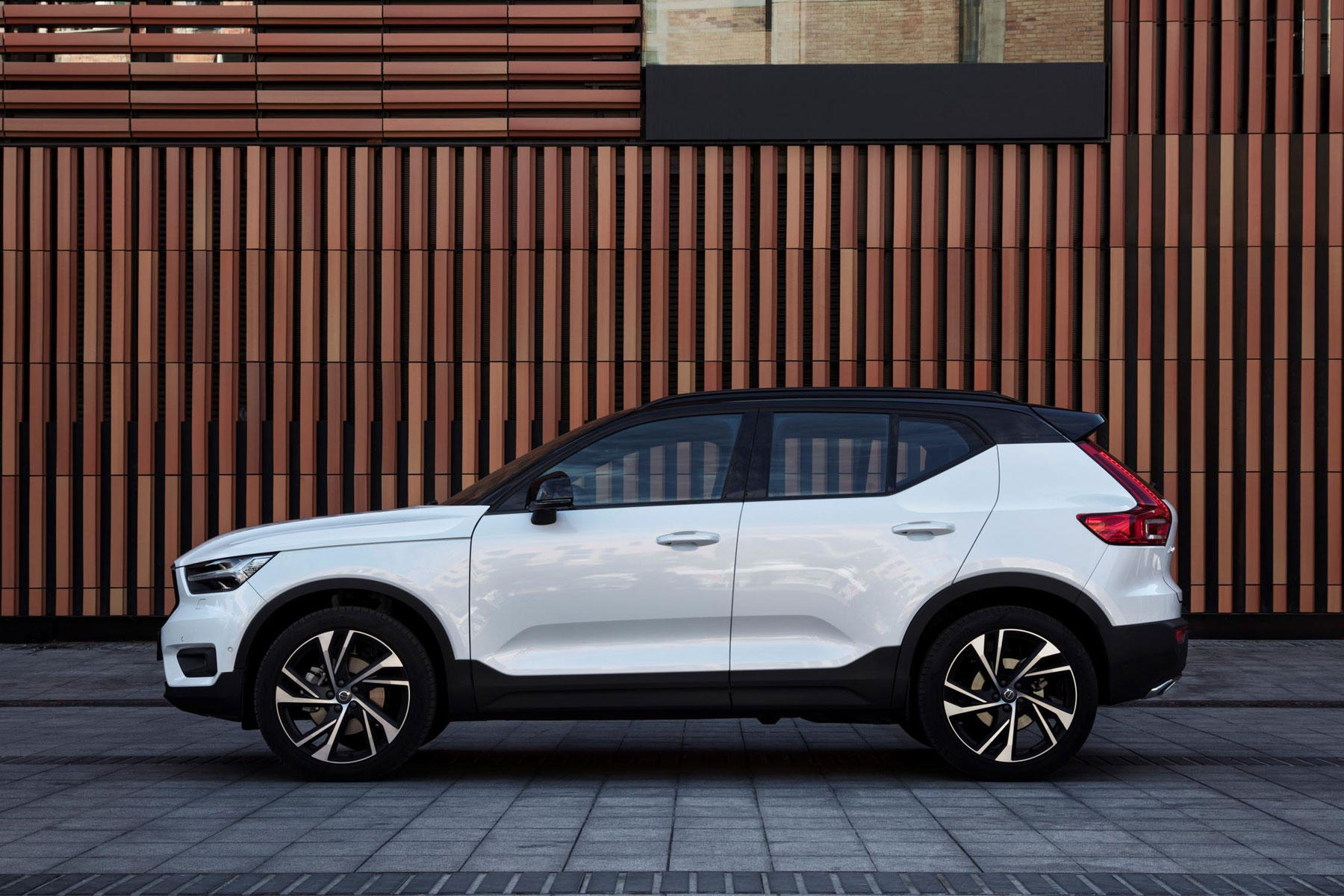
The Volvo XC40 is a rare example of a compact SUV you can love, feeling every inch the baby XC90 it looks like from the outside. It’s safe, good to drive and blessed with a sumptuous and smart interior. Believe the hype – the XC40 is very good.
The jury said: “From a design perspective, this compact SUV blends in harmoniously with the product family. In terms of technology, the Volvo XC40 convinces with a comprehensive range of equipment.”
Vauxhall has announced plans to boost profitability, as part of its new PACE! strategy. The plan extends to the end of 2020 and details the introduction of eight new or updated models.
Not included in that roster are replacements for either the Viva or the Adam hatches. Both will be phased out at the end of their final year of sale in 2019.
The new Corsa will be one of the first to come, to be launched in 2019. There is also an all-electric Corsa on the way, as well as a Grandland X PHEV plug-in hybrid. Order books for both will be open in mid-2019.
On a grander scale, Vauxhall aims to have four electrified vehicles on the road by the end of 2020. By 2024, Vauxhall wants to have an electric version of every single car in its portfolio on the market.
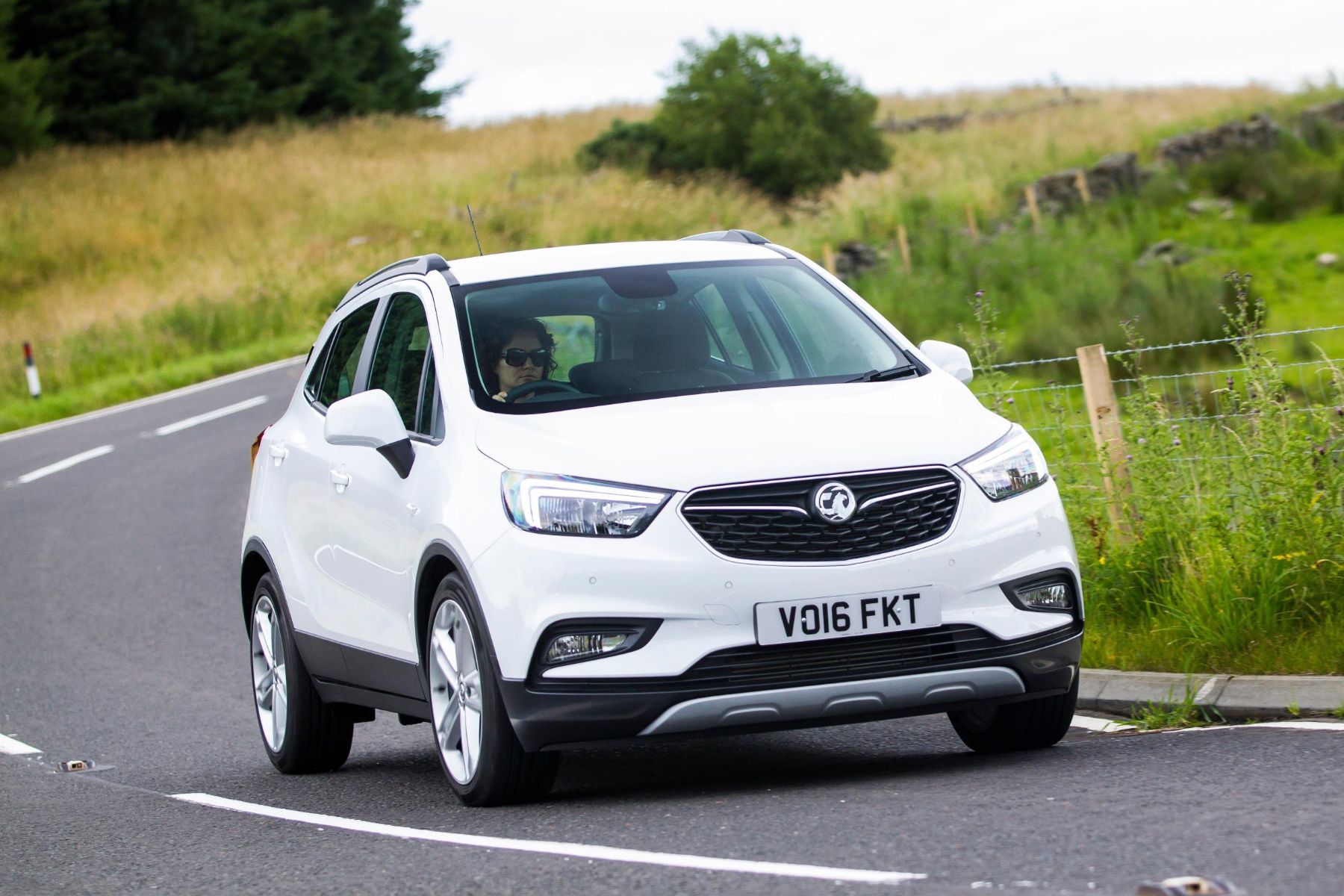
Due also is a replacement for the Mokka X which combined with the Hybrid Grandland X, is to highlight a renewed focus on SUVs for Vauxhall going forward. It hopes to increase its proportion of SUV sales from 25 to 40 percent by 2021.
The overall plan is to occupy 80 percent of volume segments, with a primary focus on up-to-date product in the relevant segments. Hence, the small-selling, unpopular Adam and Viva are being bumped off.
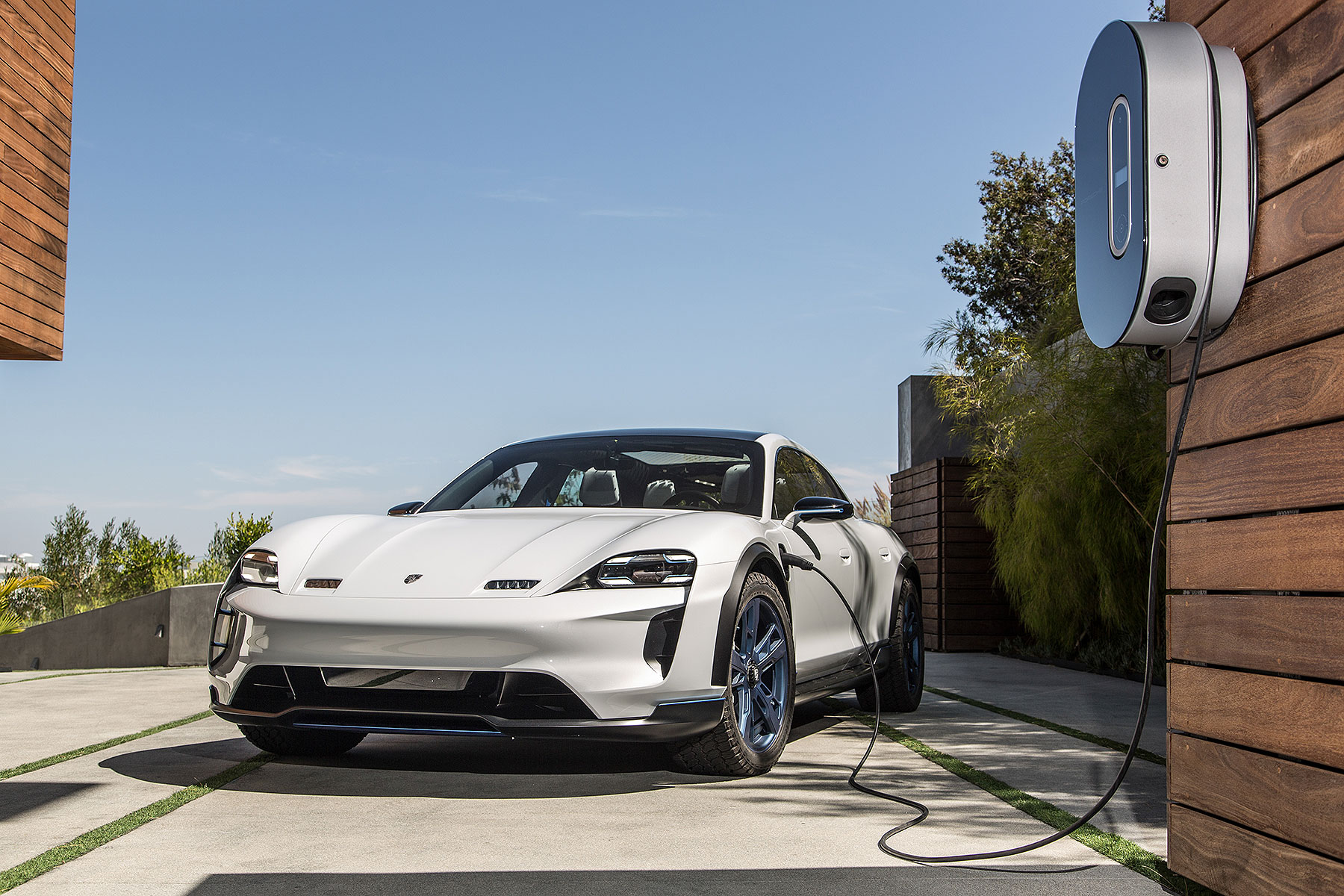
The Porsche Taycan will be the first pure electric car from the Stuttgart sports car brand – and it will reward patient buyers with battery tech that it promises will set new standards for production cars.
The four-door, four-seat Taycan EV sports car will use an 800-volt architecture, which is around double the capacity of today’s electric cars.
The Taycan’s 800-volt system will give it the potential to fully utilise 350kW superfast chargers, which are beginning to be installed in Europe as part of the IONTY project. Porsche says this will give 62 miles’ range from just a four-minute charge, or 250 miles in 15 minutes.
Porsche’s system “has now achieved a power density the likes of which have never been seen before”. It’s technology taken directly from the Le Mans-winning 919 Hybrid, say bosses.
By way of comparison, today’s rapid charger network generally run at 50kW, with so-called ‘fast’ chargers operating at either 22kW or 7kW. The Tesla Supercharger network is the current fast-charge leader, operating at 120kW, although a network of 150kW chargers for Britain is being planned.
Once a high-power charging network is established, the limiting factor will be the car’s ability to take on charge so quickly, which is why 800-volt systems are so important to future EVs.
The firm expects to be first to market with the production-ready 800-volt system, although Aston Martin CEO Dr Andy Palmer earlier hinted that the British luxury car firm could (just) beat Porsche to market.
The @astonmartin RapidE EV will use 800v battery technology when launched end 2019. The higher voltage facilitates fast charging times as energy E=VxIxt (V is voltage, I is Current & t is time). Faster charge time t=E/(VxI) achieved by increasing Voltage. Nerdy but bloody good! pic.twitter.com/bHQPTiwaQg
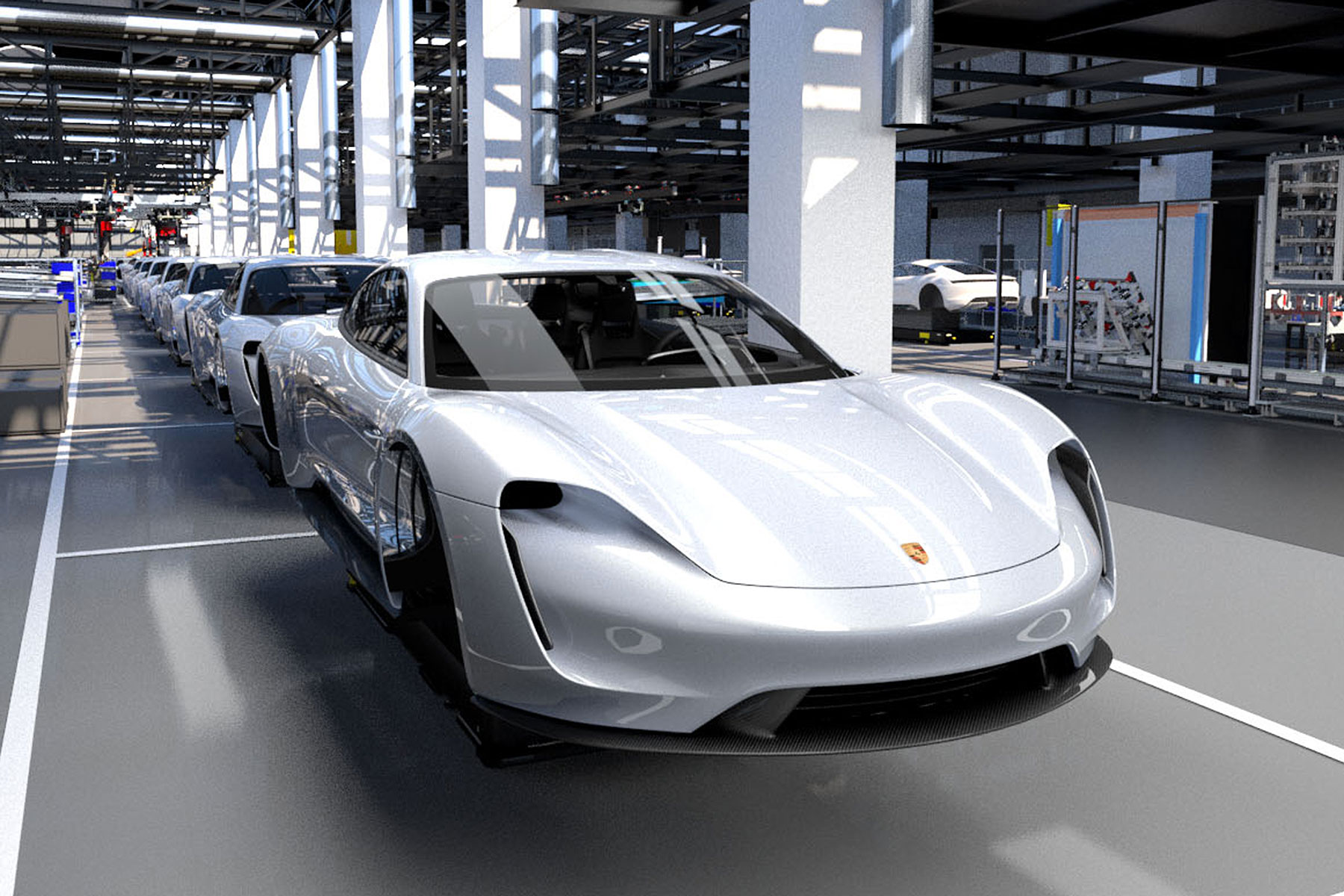
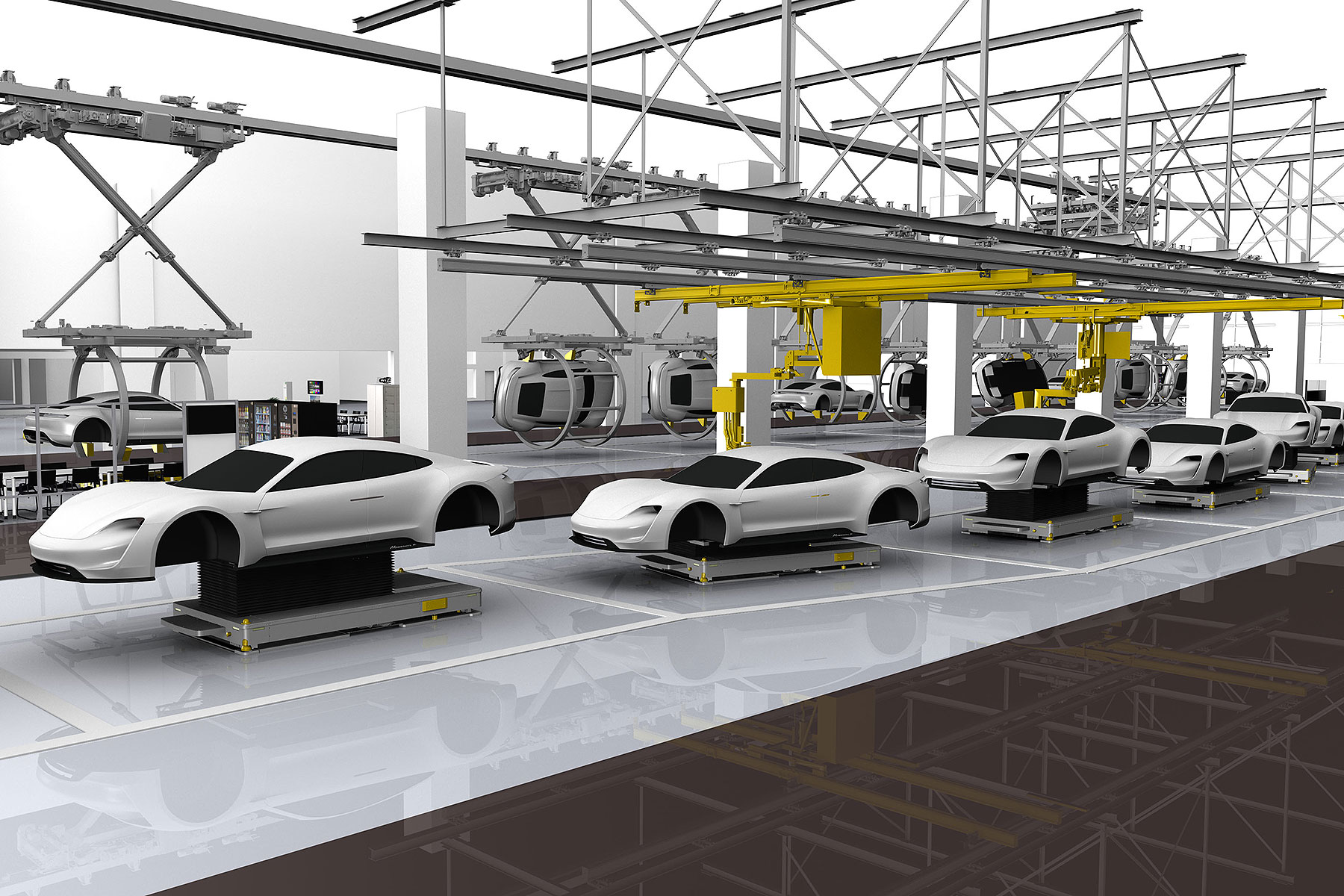
In detailing the new Taycan’s electrical innovations, Porsche has previewed the new four-seater in some digital images of the new plant it’s built to make the new car.
These show a car that closely follows the prototype Mission E, including the retention of its rear-opening back doors.
Porsche will use the launch of the Taycan to accelerate its roll-out of electric and electrified cars. More than half its new car sales will be electrified by 2025, predicts Lutz Meschke, Porsche finance and IT board member.
And although they’re expensive to develop, the firm should still make at least a 15 percent margin on them, as “the revenue from digital products and services should… increasingly contribute to our economic success”.
Porsche is recruiting 1,200 new workers to build the Taycan at Zuffenhausen, Germany. It’s created more jobs than almost any other Porsche before it. And, indicating that it won’t belong before its performance range is electrified too, the firm added the new employees will build two-door sports cars as well as the Taycan.
The new ‘factory within a factory’ making the Taycan will be carbon neutral, designed to help Porsche create a complete zero-impact factory in the future – and be served, for the first time, by driverless transport systems to help scale up the speed and efficiency of production.
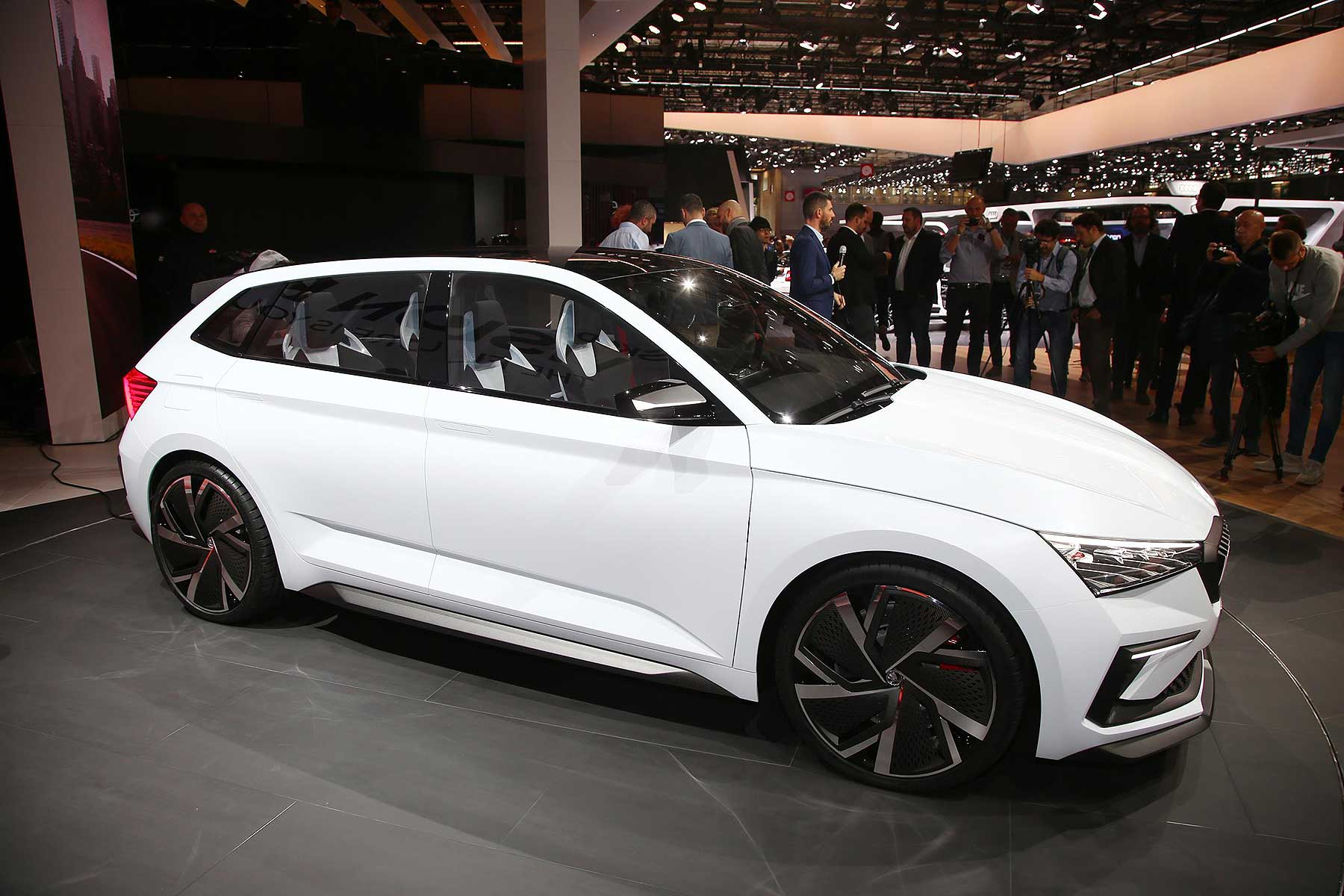
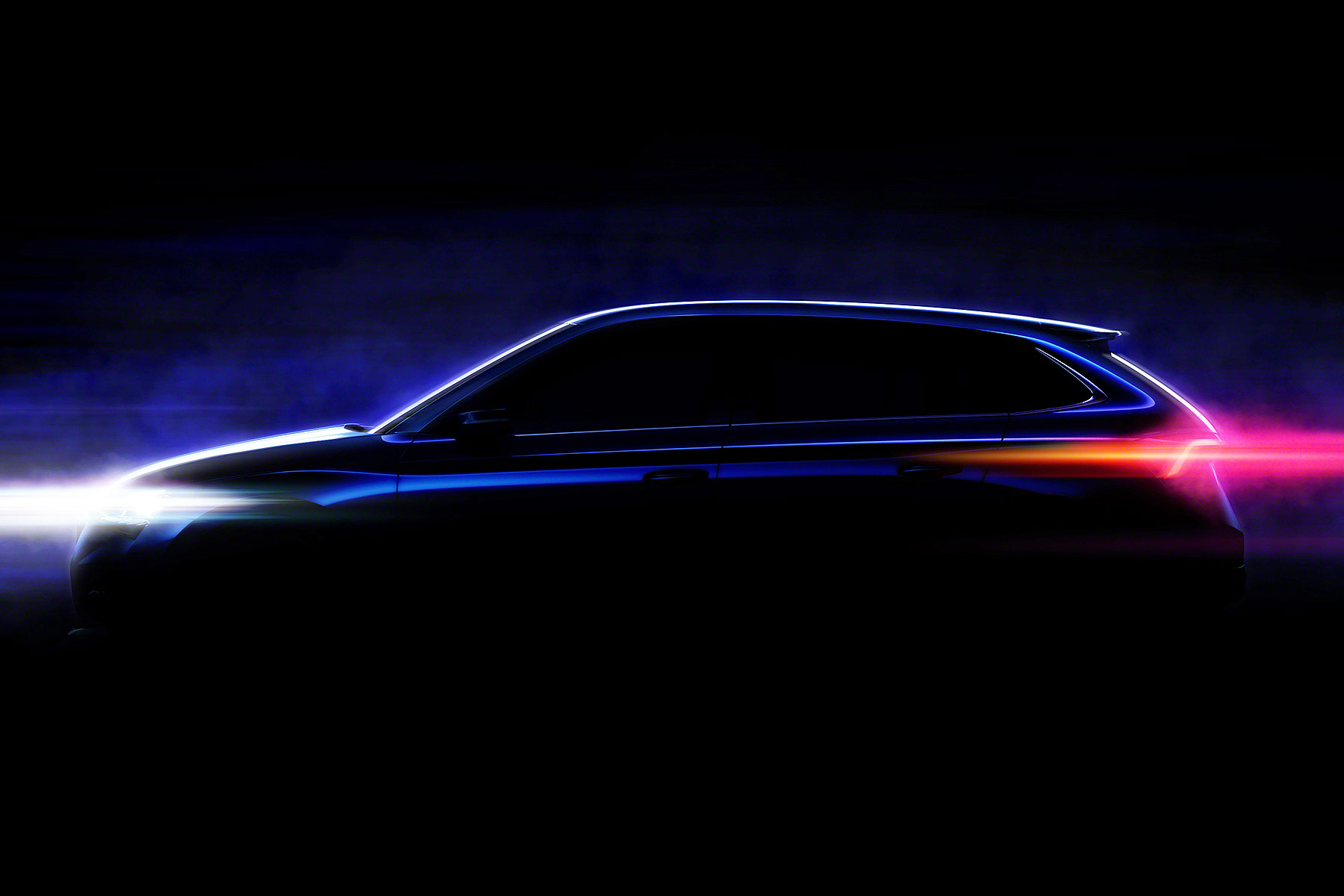
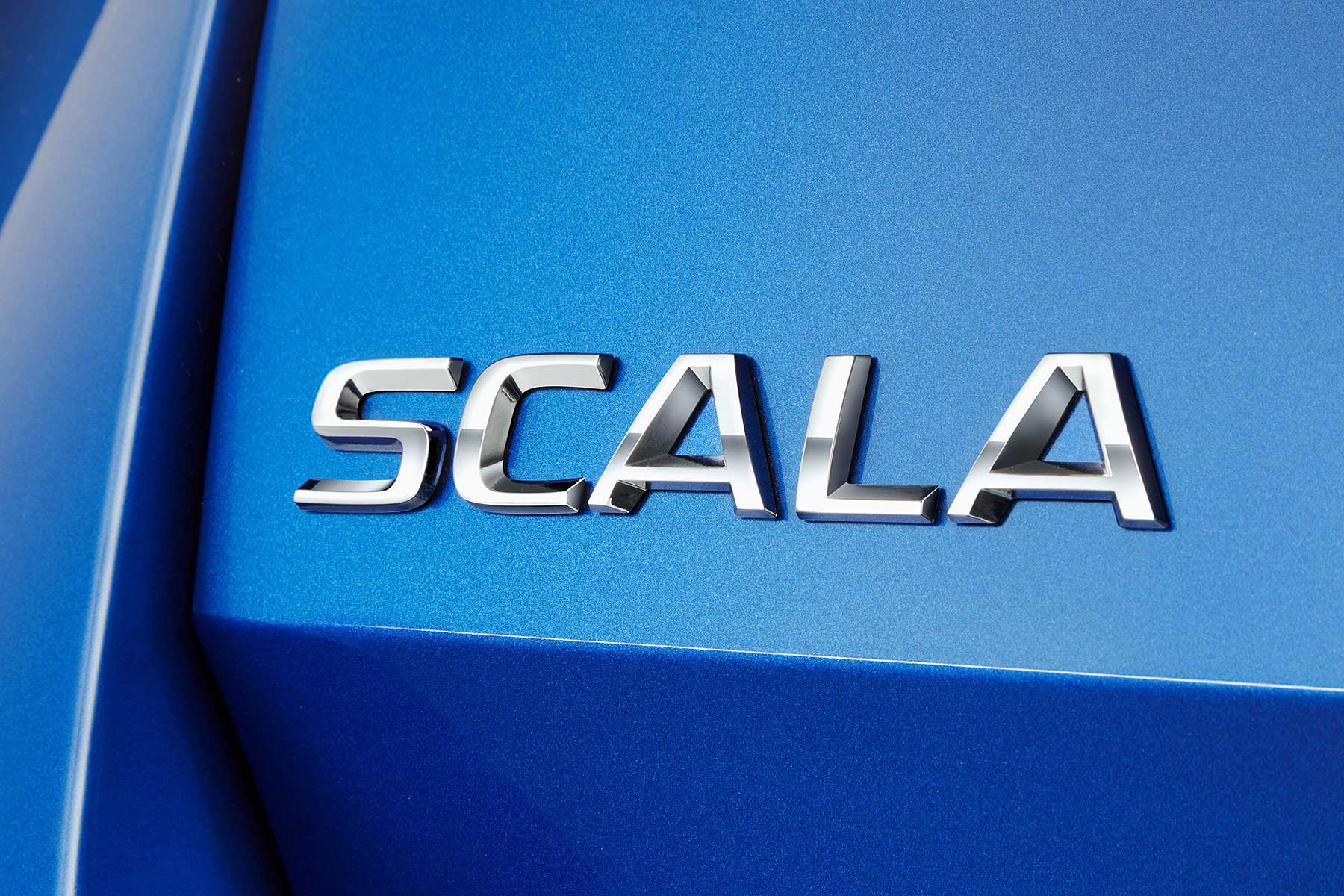
The upcoming Skoda five-door family hatch will be called Scala, and the firm has confirmed it will be revealed in full before 2018 is out.
Previewed by the Vision RS concept at the recent Paris Motor Show, the new Skoda Scala will replace the disappointing Skoda Rapid – and, hopes the Volkswagen Group company, will be a much more convincing value-priced compact family hatch alternative.
In growing up compared to the Rapid, the new Skoda Scala will be the Czech firm’s first genuine alternative to the sector-leading Volkswagen Golf from its parent firm. Other target cars in its sights include the Ford Focus, Kia Ceed and the Leon from, yes, sister company Seat.
Skoda is very excited by the launch of the new Scala. “We are proposing a new chapter in the compact class of Skoda,” said chairman Bernhard Maier.
“It is a completely new development that sets standards in terms of technology, safety and design in this class… we are confident that Scala has the best chance to redefine the segment for Skoda.”
For now, despite an earlier teaser sketch, only the name is being revealed, although Skoda says the “emotional exterior and interior design language” were closely hinted at by the Vision RS.
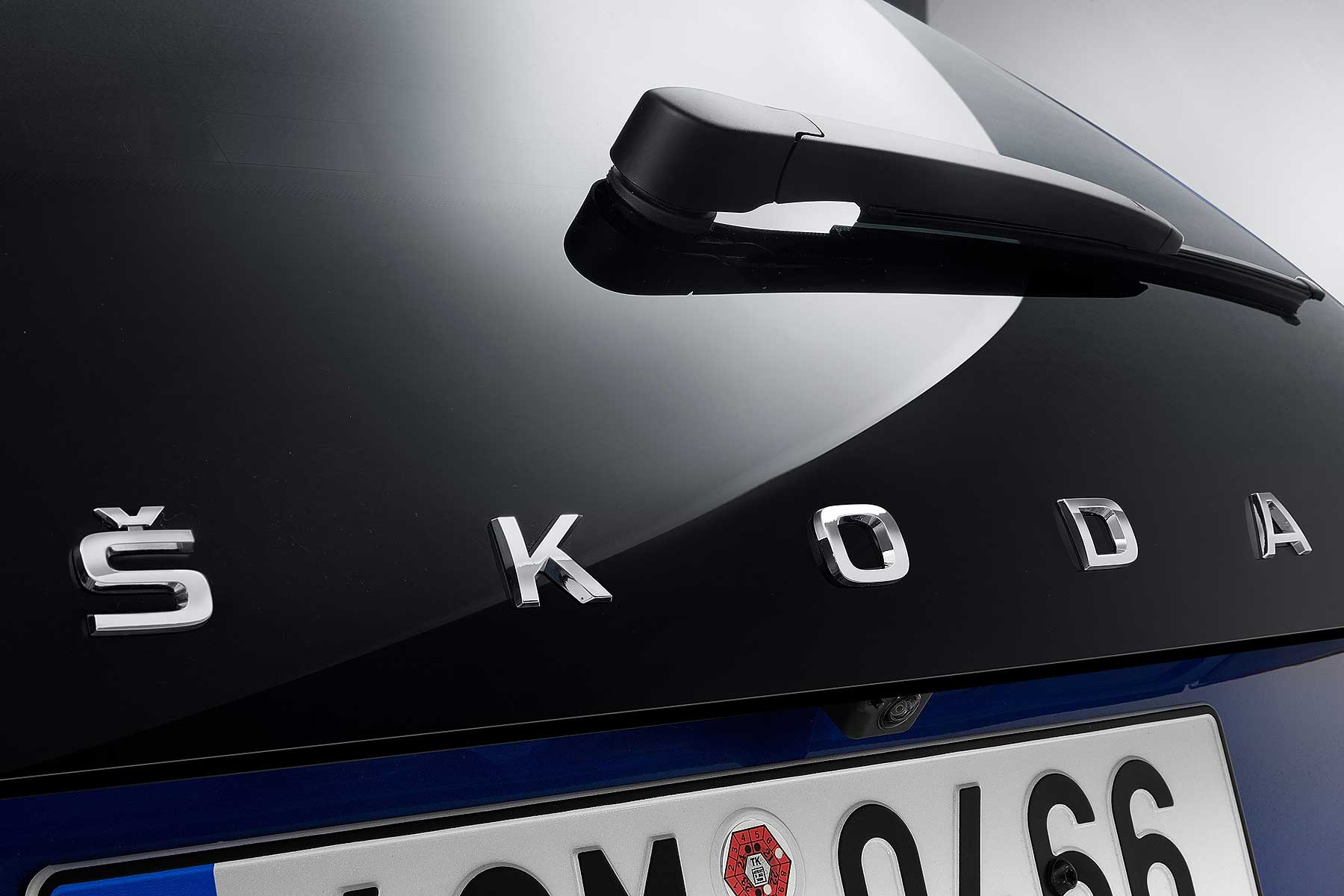
It is, however, showing us the rear tailgate, which looks like it will continue the smoked glass effect of the Rapid and Vision RS. It also features ‘SKODA’ lettering, instead of the Skoda roundel – apparently to help familiarity in new markets where car brand logos are unfamiliar.
But if you think the Scala name itself is familiar, you’d be right – but from Volkswagen history, not Skoda. In the late 80s, the Mk2 Scirocco was given a facelift, and a high-spec Scala model introduced.
Volkswagen will be hoping it’s only old names its handing over to Skoda, rather than sales of its EU-leading Golf hatch…
Breakdown data from the RAC has revealed that potholes present twice as great a threat to car reliability as 12 years ago.
The RAC says it attended 14,220 pothole-related breakdowns during the past 12 months. Broken springs, popped shock absorbers, busted tyres and buckled wheels top the list of problems. Such callouts represented 1.5 percent of the organisation’s total workload for the period.
That’s the second-highest slice of the breakdown pie since the RAC started analysing the data in 2006. The highest figure was 1.6 percent, recorded in both in 2015 and 2017.
The Pothole Index is the RAC’s long-term indicator of the health of the UK’s roads. It’s considerably higher than it was this time last year. A current standing of 2.63 plays 2.38 at the end of 2017. It concludes that motorists are more than 2.5 times as likely to break down because of pothole as 12 years ago.
The findings are consistent with public discontent about the condition of the road network. The 2018 RAC Report on Motoring names potholes as the number-one concern for drivers. Two-thirds said the condition of local roads had deteriorated over the last 12 months.
A £9.3 billion road maintenance backlog
“There is little doubt local road conditions in many parts of the country are sub-standard and have been so for quite some time” said RAC chief engineer David Bizley.
“Data from this quarter’s RAC Pothole Index supports this, showing there has been a steady deterioration in road conditions over the last 18 months, with the latest quarter not showing a significant improvement. We cannot simply blame Storm Emma and the Beast from the East, even though they certainly made matters worse.
“In March 2018, a further £100m was made available to help local authorities repair potholes and storm damage that had resulted from the harsh winter weather.
“However, this needs to be seen in the context of the maintenance backlog of over £9.3 billion reported by the Asphalt Industry Alliance, which is their estimate of the one-off investment required to return local roads to a state that is fit for purpose.”






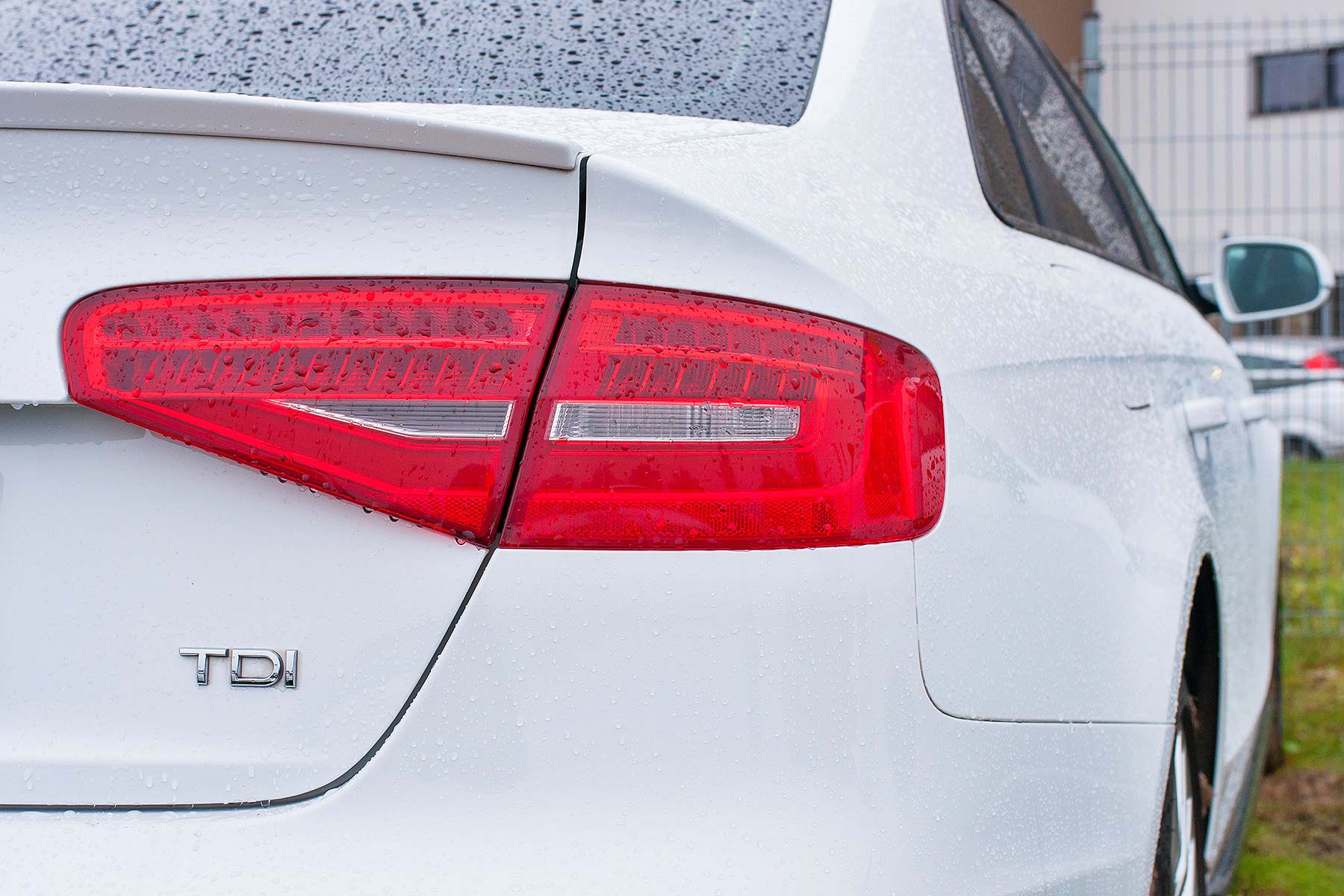 Audi has accepted responsibility for fitting V6 TDI and V8 TDI diesel engines with illegal emissions software and has been fined £700 million by a Munich public prosecutor.
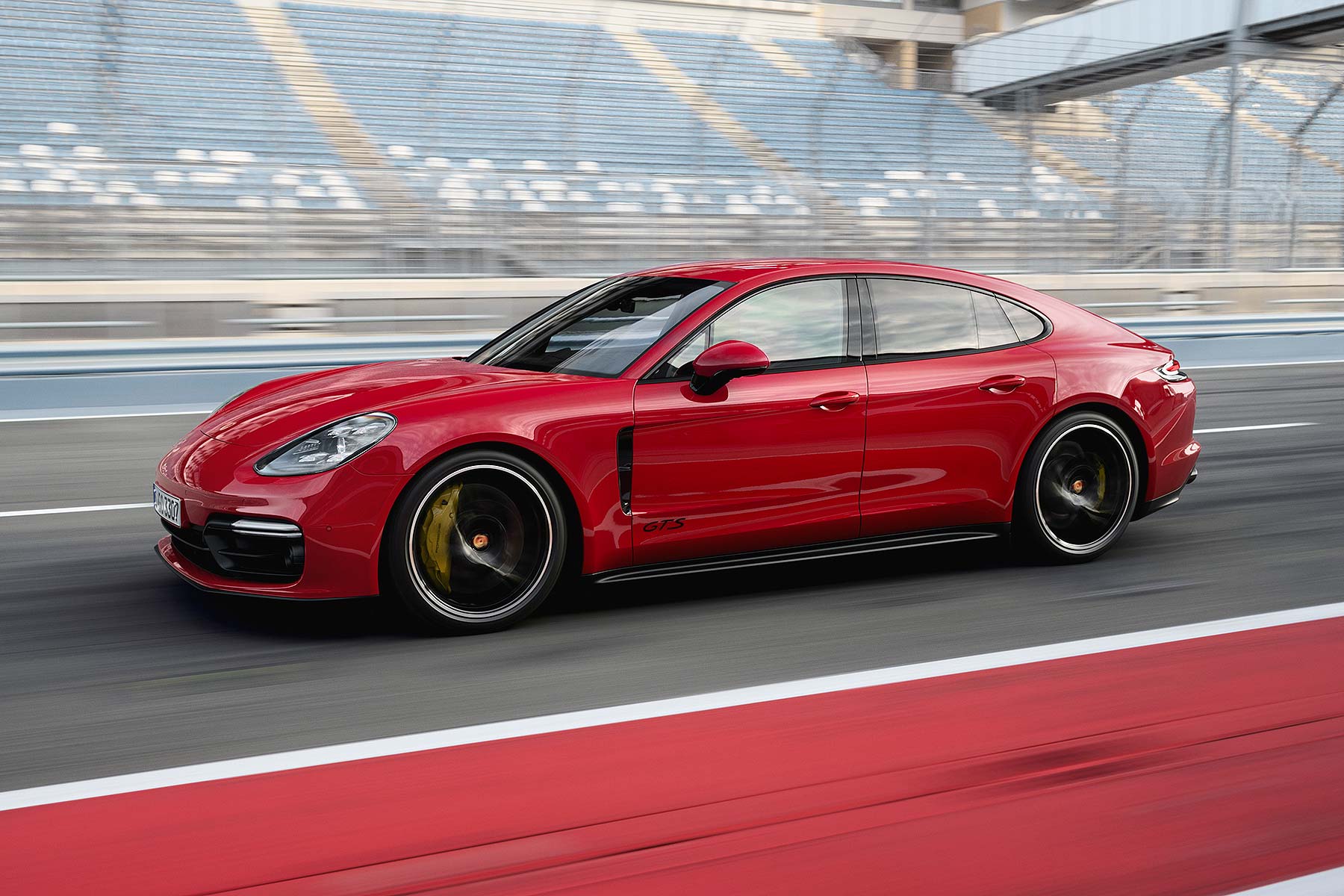 The second-generation Porsche Panamera GTS has been revealed

 The
The 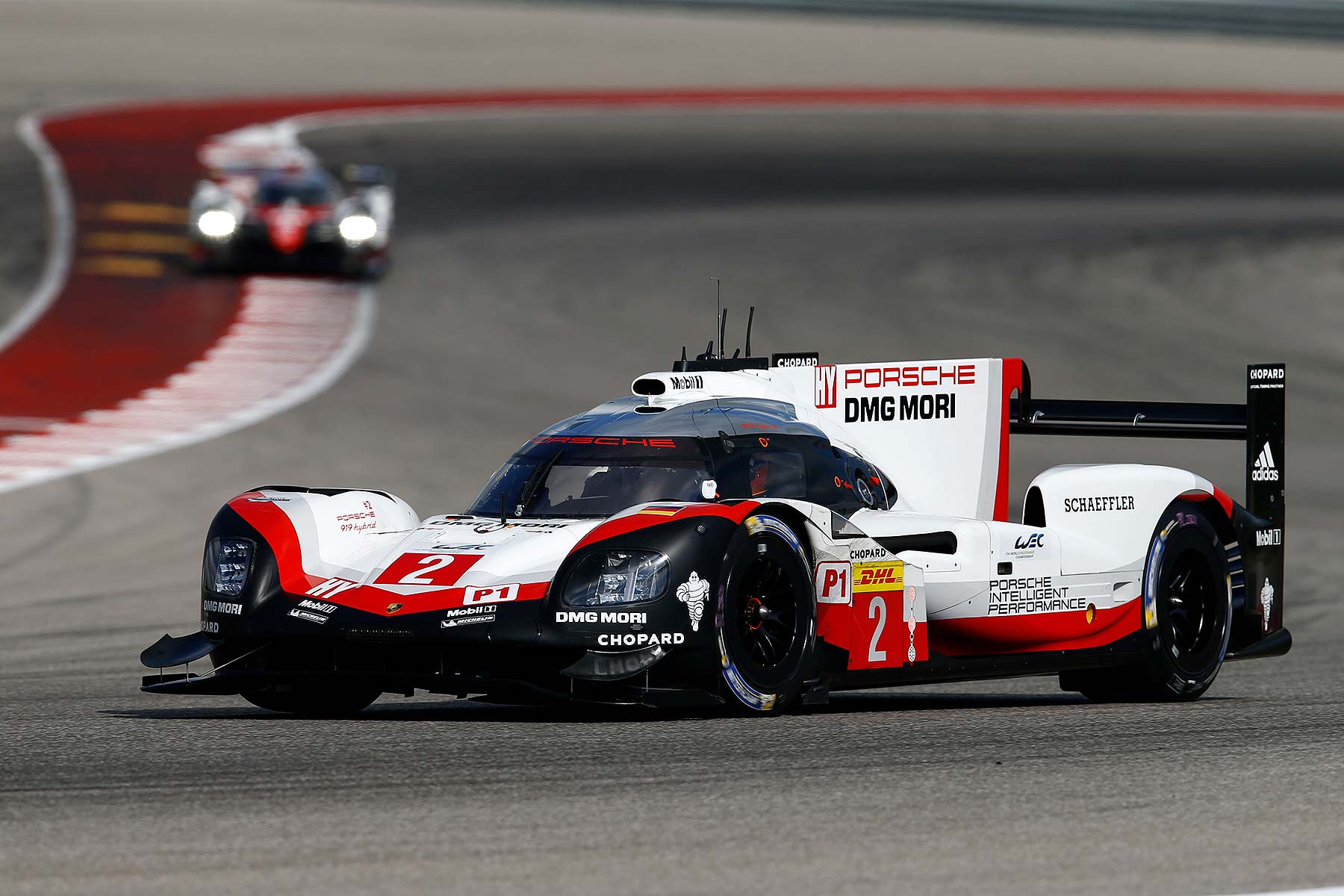
 The upcoming Skoda five-door family hatch will be called Scala, and the firm has confirmed it will be revealed in full before 2018 is out.