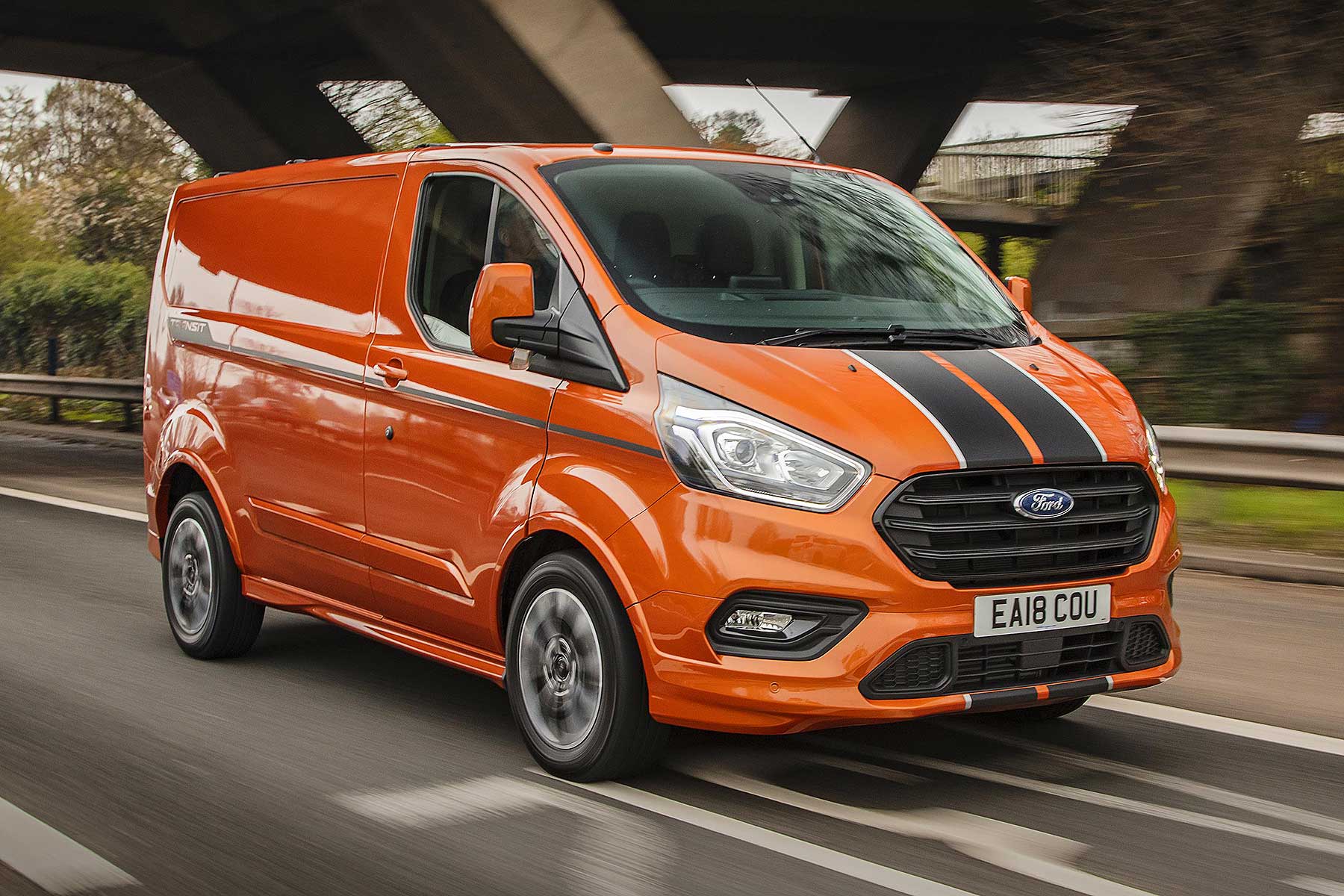
The impressive Ford car-van one-two is thanks to the blue oval’s increasing domination of the UK commercial vehicle market. Sales were up 2 percent in October, giving Ford a 33.2 percent share of the market.
That’s double the market share of the nearest rival, says the firm.
It’s not just a freak result for October, either. 52,000 Transit Custom have been sold so far in 2018, making it the third best-selling vehicle in Britain this year – behind only the Ford Fiesta and Volkswagen Golf.
And don’t think they’re all white van men (or women), either. Sales of white Transit Custom have declined to less than 45 percent of sales. Ford says more people are buying silver and grey Transits, and the new-for-2018 Orange Glow is also proving popular.
Ford also reminded us that it’s not just number 1 in terms of overall vehicle sales, thanks to leadership in the passenger and commercial vehicle sectors: the C-Max, Galaxy, Transit Courier, Transit Connect, Transit Custom, Tourneo Custom and Ranger pickup also lead their individual markets, too…
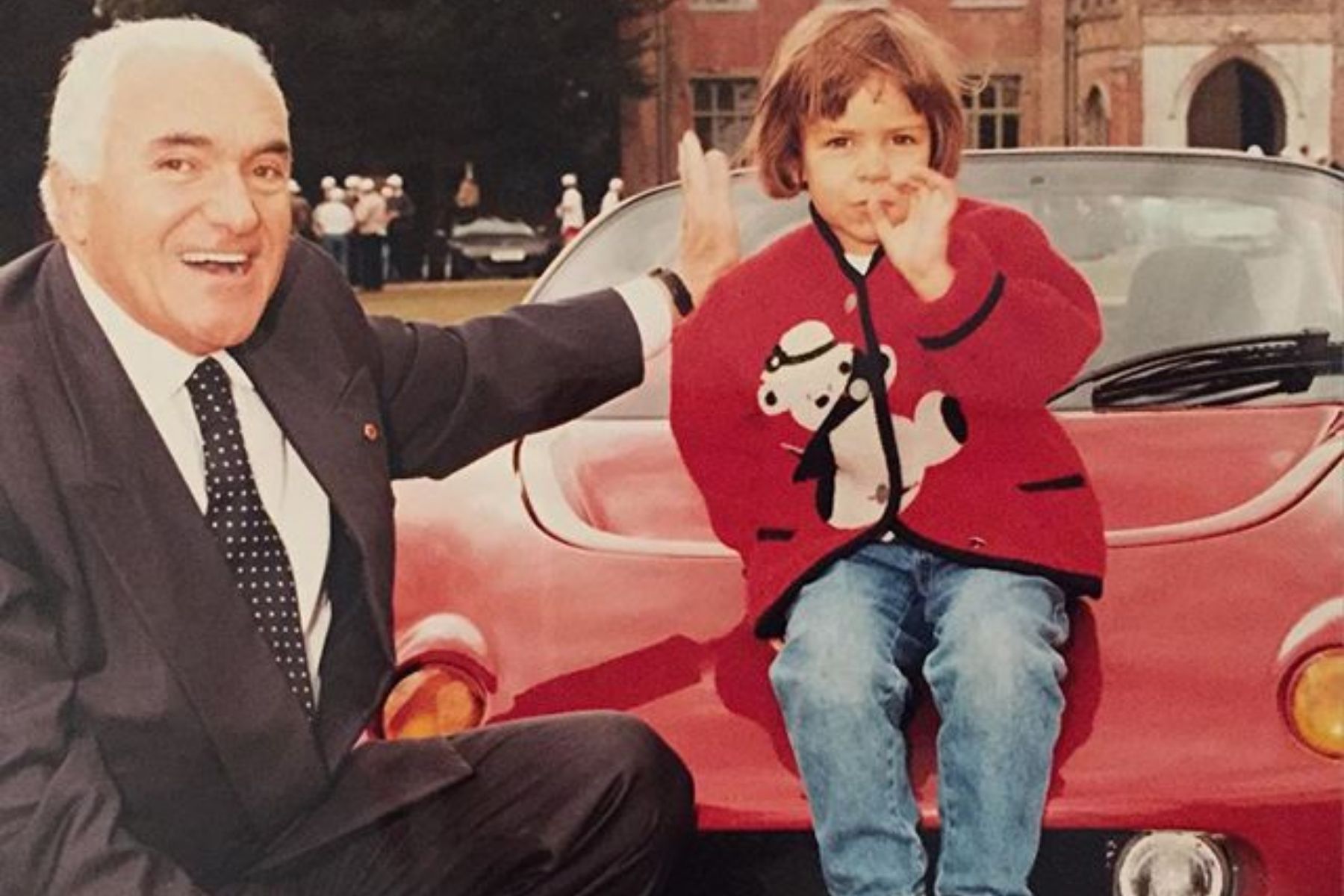
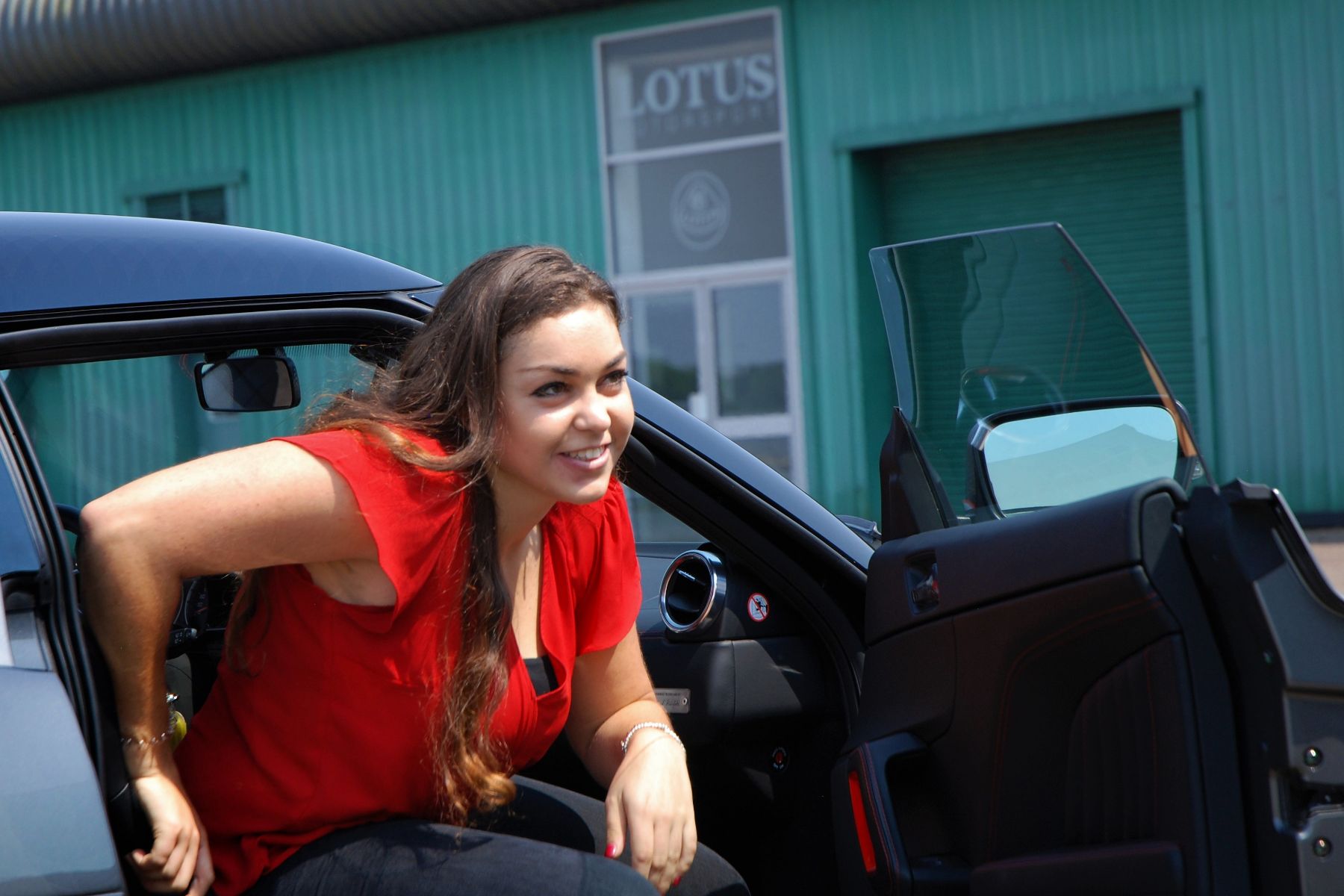
More than 22 years after the launch of Lotus’ iconic back-to-basics sports car, the woman after whom it was named has returned to Norfolk to meet the Elise.
Elisa Artioli was the granddaughter of Romano Artioli, chairman of Lotus in 1995. Back then she was a little girl and can be seen posing with her granddad on the first production Elise.
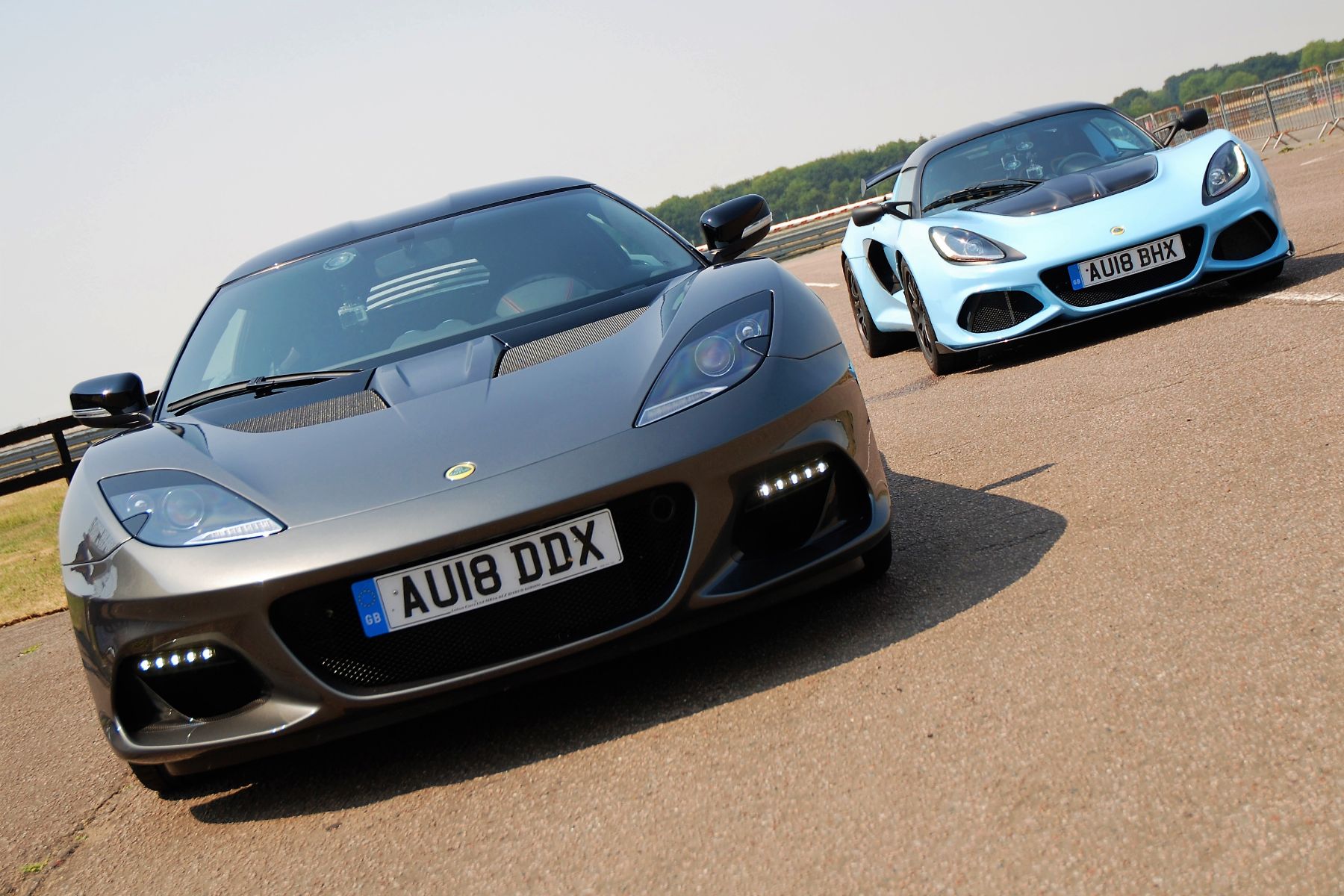
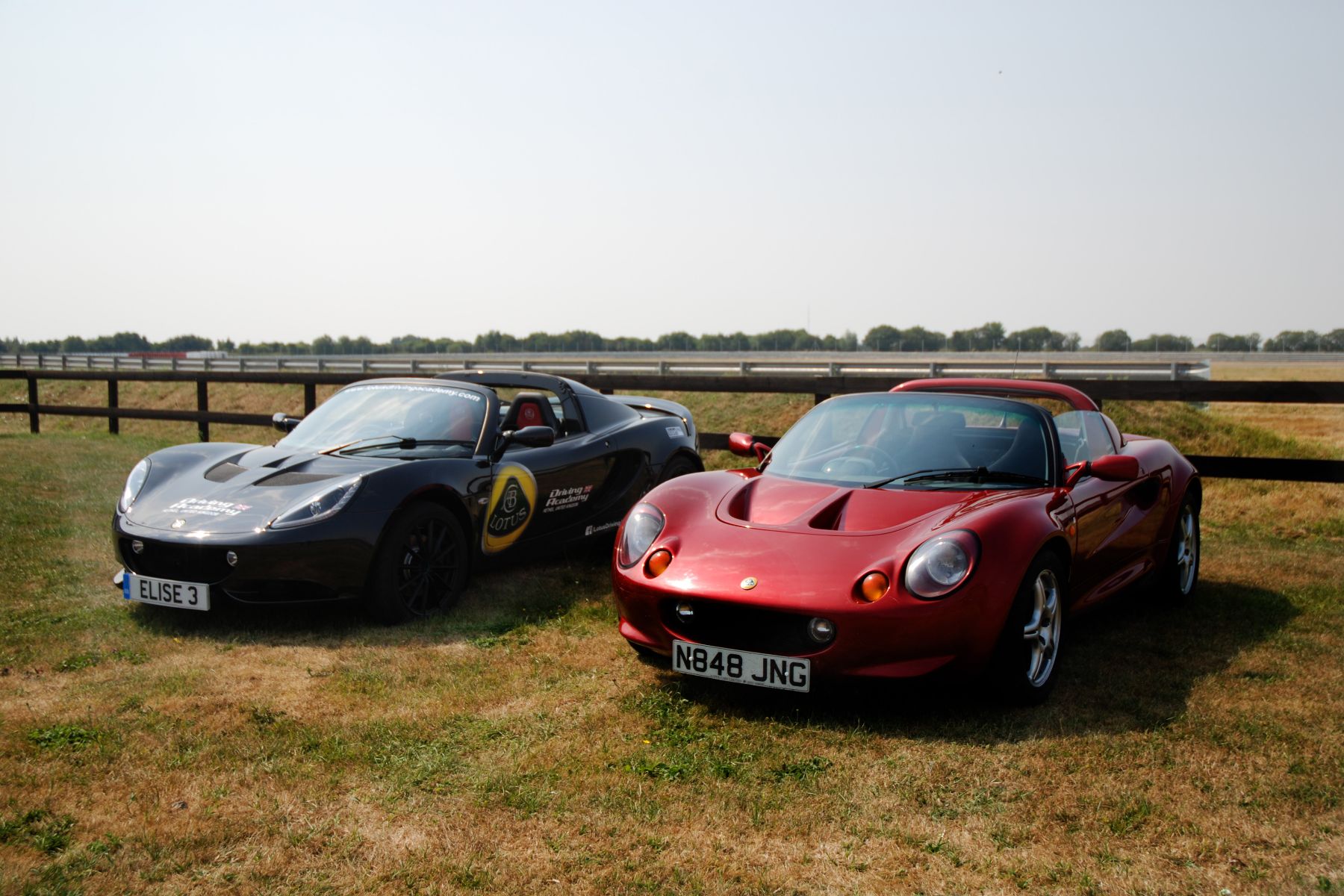
As well as taking the Exige Sport 410 and Evora GT410 Sport for her first drive around Hethel, she was also reunited with that original Elise.
There’s no word yet on whether Elisa’s more hardcore brother, Exige, is planning a trip any time soon…
As many as 25,000 people every year fill up with fuel and don’t pay. A spokesperson from the National Police Chiefs’ Council says this can be avoided by converting to pay-at-pump across the the board.
Chief Constable Simon Cole claims that 12 percent of crimes in his Leicestershire constituency are retail-related, including ‘dine and dash’ fill-ups.
Could this be solved by implementing an industry-wide pay-at-pump system? In a word, yes, but at what cost? The Petrol Retailers’ Association is at pains to highlight how important walk-in business is to profits at petrol stores.
Gordon Balmer, commercial manager of the PRA, says that 50 percent of petrol station profits aren’t actually on fuel. That’s a whole chunk of takings lost in the event of a full switch, on top of the £20,000+ per station he claims it would cost to implement. That cost could be far higher for individual cases with less infrastructure to build on.
Of course, pay at pump-only could negate the need for a checkout attendant or indeed a station to go with the pumps at all, saving on salaries and other running costs. But then you have to consider the potential job losses…
Mr Balmer also highlights that petrol stations are an important part of rural infrastructure. With recent closures, the local shop, post office and cash machine may all be located there.
While Mr Balmer’s point is valid, you could say that’s good reason for those living rurally to walk in, regardless of whether they pay at the pump for fuel or not.
Indeed, a solution to “design out bilking in 30 seconds”, as Mr Cole said in an interview with the Telegraph, does sound appealing. Pre-paying for fuel is certainly something that’s commonplace overseas.
Should the police make it incumbent on certain industries to pay out for new systems to reduce crime? Even though pay-at-pump would save petrol stations on losses from theft, we’re not so sure.
Read more:
‘Taken for a ride’: RAC demands 3p a litre cut in the price of petrol
How to find the cheapest petrol and diesel near you
New car registrations may have fallen year-on-year in October 2018, but things are more positive for the British van sector, which experienced a 14.1 percent sales boost last month.
It was sales of larger, pricier vans in the 2.5-3.5-tonne category that drove the improvement, with growth of 27.6 percent. More than 7 in 10 new vans in Britain are from this large van sector.
In contrast, says the Society of Motor Manufactures and Traders (SMMT), small and medium-sized vans both declined, by 24.9 percent and 14.8 percent respectively.
Sales of pickups grew by a modest 3.2 percent, but new launches in the commercial 4×4 van sector caused registrations to skyrocket, from 20 last year to 137 this year – that’s 585 percent growth.
Overall, more than 28,000 new vans were registered last month, adding to a year-to-date total of 302.741. This is down slightly on 2017, with a drop of 1.6 percent, but it’s in line with SMMT predictions.
Mike Hawes, SMMT chief executive, said: “While it is positive to see a boost for new vans in October, the growth comes on the back of a turbulent 10 months, with ongoing fluctuations in demand.
“Although the sector remains strong, we expect this trend to play out over the remainder of the year, as ongoing political uncertainty affects business confidence and hence operator investment.”
UK new car registrations were down 2.9 percent in October as the car industry starts to overcome the significant supply issues caused by the new WLTP fuel economy test regulations.
153,599 new cars were delivered last month, although the SMMT says the flight away from diesel into petrol continues. Petrol registrations grew 7.1 percent – but diesel sales fell once again by 21.3 percent. At least alternative fuel vehicle (AFV) registrations (electric cars, hybrids and plug-ins) increased: they were up 30.7 percent.
Electric car deliveries rose by a hefty 86.9 percent compared to October 2017: that’s 584 extra EVs registered last month. Hybrids were up 31 percent and plug-in hybrids 19.1 percent.
61.2 percent of new cars sold last month had a petrol engine; less than 1 in 3 were diesel. AFVs took a strong 6.9 percent market share.
Mike Hawes, SMMT chief executive, said: “VED upheaval, regulatory changes and confusion over diesel have all made their mark on the market this year so it’s good to see plug-in registrations buck the trend.
“Demand is still far from the levels needed to offset losses elsewhere, however, and is making government’s decision to remove purchase incentives even more baffling.”
Hawes was pointing here to the government’s decision to remove the Plug-in Car Grant completely for plug-in hybrids and reduce the value of the grant for fully electric cars.
“We’ve always said that world-class ambitions require world-class incentives and, even before the cuts to the grant, those ambitions were challenging. We need policies that encourage rather than confuse.”
In the 2018 Budget last week, the chancellor indicated the government may review the impact of motoring taxes next year, something Hawes welcomed. It “must ensure that buyers of the latest, cleanest cars are not unfairly penalised else we will see older, more polluting cars remain on the road for longer.”
Top 10 best-selling cars – October 2018
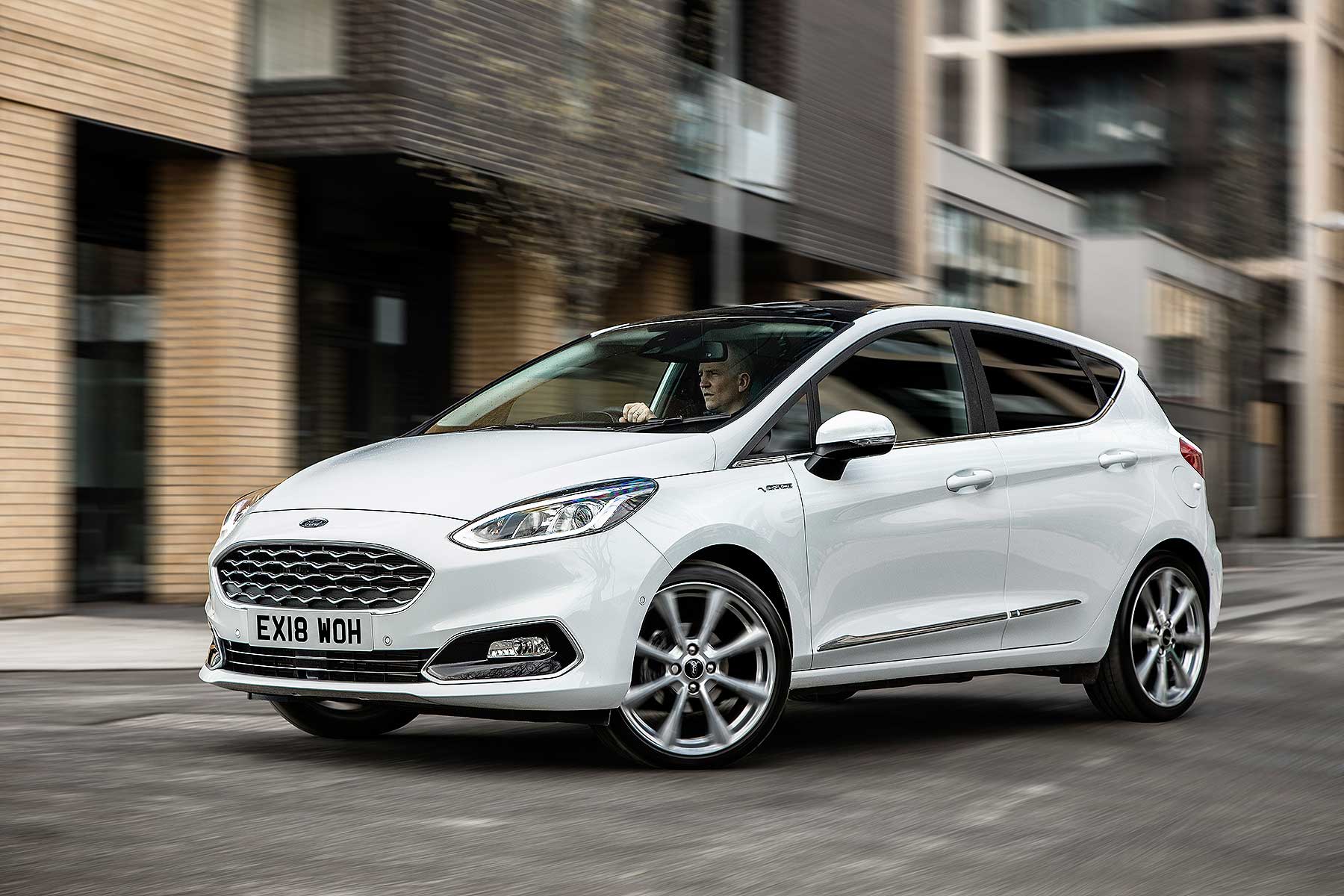
The Ford Fiesta, as always, was Britain’s favourite car in October, but Volkswagen staged an impressive recovery with the Golf, Tiguan and Polo all appearing in the top 10 registrations list.
Deliveries of the new Ford Focus see it edging up the charts, while ninth place for the BMW 3 Series proves there’s life in in the old machine yet (same too for the Ford Kuga).
There was, however, not a single Vauxhall in the top 10 registrations – and there wasn’t an Audi there either, indicating Volkswagen Group hasn’t fully resolved its WLTP-related delivery issues.
The main confusion appears to be concerning the maximum age a child needs to be before they don’t need a seat – children must use a car seat until they aged 12, or 135cm tall, whichever comes first.
Until then, the law states that parents must choose a car seat based on the child’s height or weight.
Nick Ansley, head of motor insurance at Co-op, said: “When it comes to car seats, parents of children all ages are clearly confused by how to best keep their children safe in the car.
“We not only want to bring attention to this, but want to help parents become better informed and equipped to be the safest they can be on the road, especially when they have precious cargo in tow.”
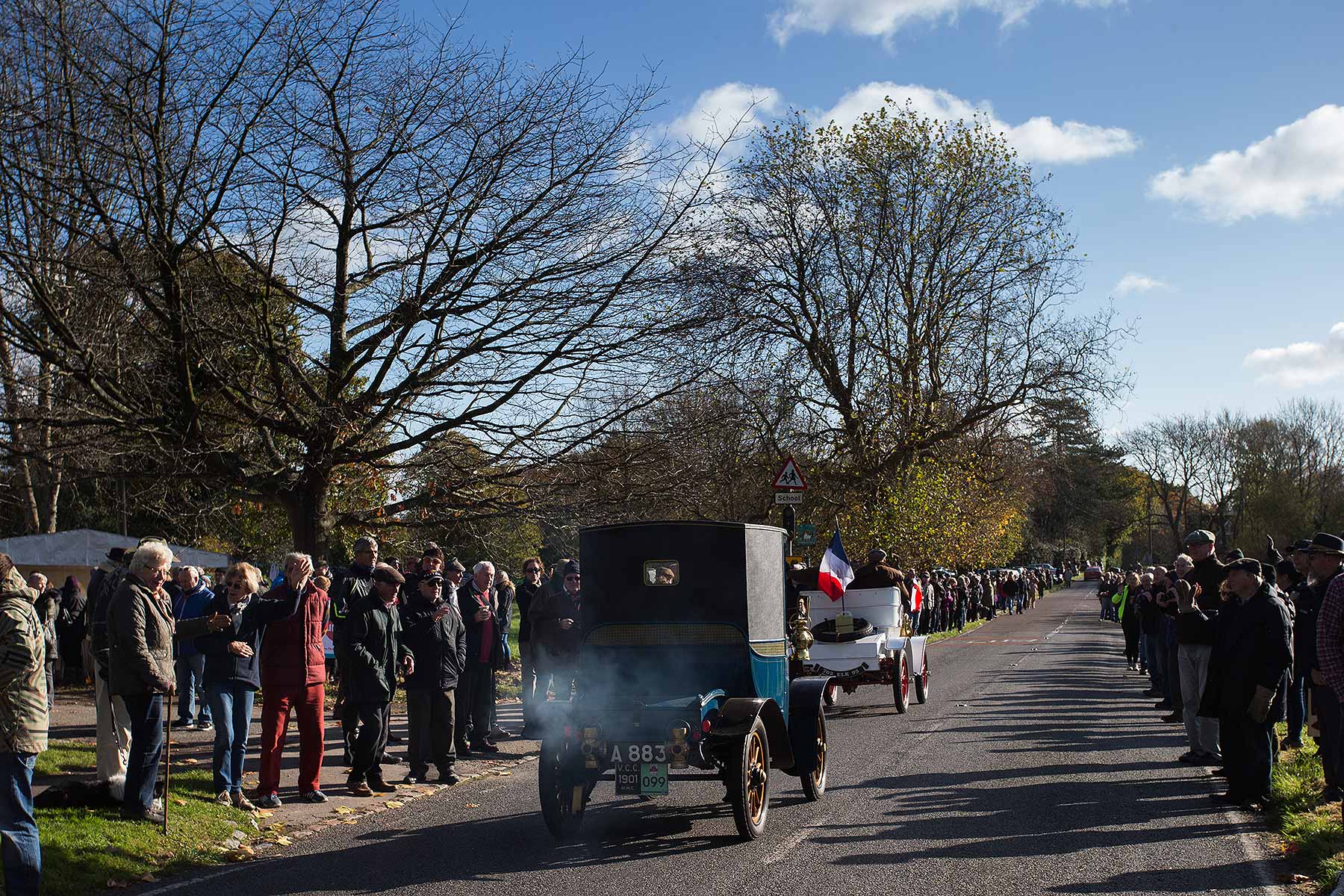
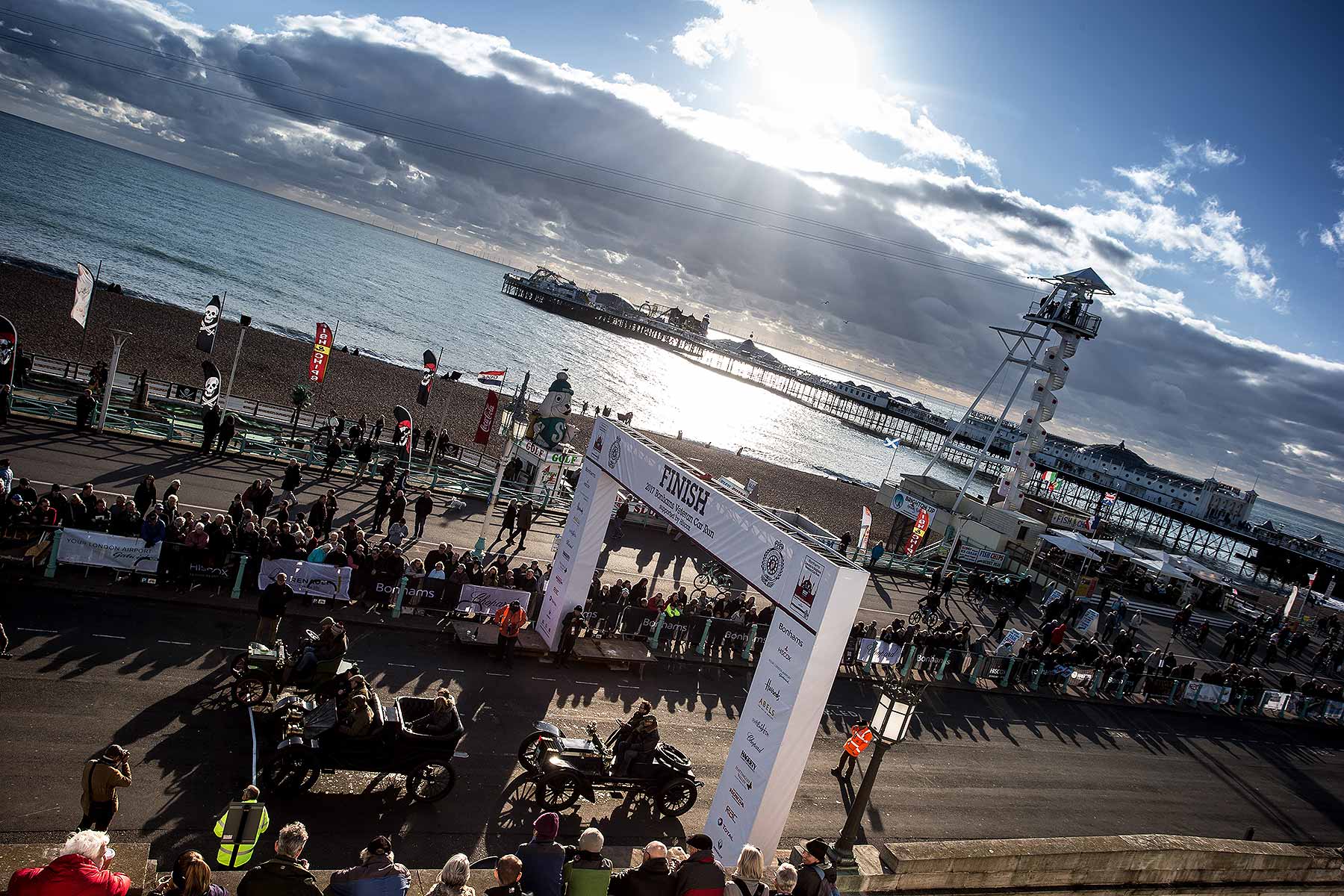
The London to Brighton run is back this Sunday (4 November), with veteran cars arriving at London’s Hyde Park before sunrise ready to set off. But how do vehicles gain entry to the longest-running motoring event in the world?
The London to Brighton has been going – on and off – since 1896. Wartime, periods of fuel rationing and other such historical blips have got in the way at points. It began as a celebration of the Locomotives on Highways Act of 1896, which increased the road speed limit to 14mph (from just 4mph). It was known at the time as ‘The Emancipation Run’.
The event has garnered worldwide acclaim ever since. There were just 37 starters in the 1927 run, compared with 605 this year.
But which cars are eligible for the 60-mile London to Brighton run? Simply, any car registered before January 1st, 1905, is eligible to do the run. And those registered after, generally, are not.
There are, however, two circumstances under which some vehicles made later than this date can take part. The first is for cars with ‘Grandfather Rights’. These will have a history of running in the event, but have latterly been found to have been registered later than 01/01/1905.
The second is invited entries. Cars of outstanding interest can get entries by invite, even if they’re too young. Extra points for those of you who spot them on the London to Brighton run this weekend.
The 2018 London to Brighton Veteran Car Run is the 122nd running of the event. It is, easily, the world’s longest-running motoring event. Only war and petrol rationing (in 1947) has stopped it running. It takes place every November and, since 1930, has been supported by the Veteran Car Club of Great Britain.
Now read:
The stars of the National Historic Vehicle Register
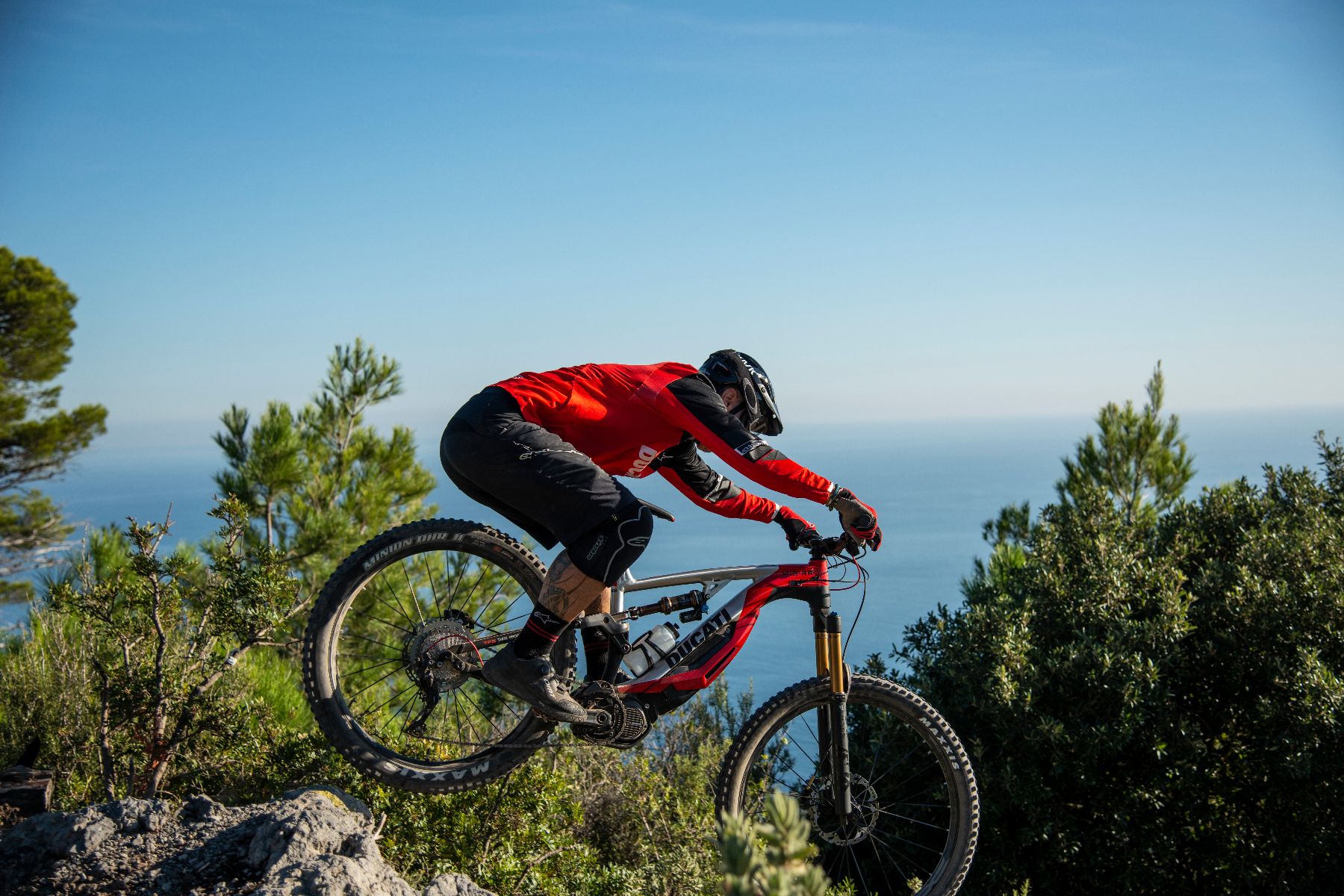
Meet the new Ducati MIG-RR, the marque’s first e-mtb or e-bike. Yes, a Ducati that swaps internal combustion punch for mountain bike pedals and electric power.
Ducati has partnered up with Thok Ebikes to create this boosted electric mountain bike. It promises to help you take on hills that you’d otherwise have to avoid on a pedal-only machine. They’re no cop-outs: some hardcore mountain bikers swear by e-mtbs, as it means they can run more downhills without getting exhausted climbing back up them…
When car brands build bicycles
The Ducati electric bicycle is a derivation of the Thok MIG series, but features a selection of unique features. Different diameter wheels and different degrees of suspension travel (29″ and 170 mm at the front, 27.5″ and 160 mm at the rear) make it a more versatile proposition.
Fox Factory Kashima suspension, carbon fibre handlebars, 4-caliper S brakes, an 11-speed gear set and Mavic wheels make for superb spec reading. The electric motor is the E8000 from Shimano, putting out 250 watts powered by a 504 Wh battery.
It’s to make its public debut on the Ducati stand at the EICMA (Milan Motorcycle Shows) from the 8th to the 11th of November. There’s no word on price yet but the MIG-RR should be available from Ducati dealerships throughout Europe from spring 2019.
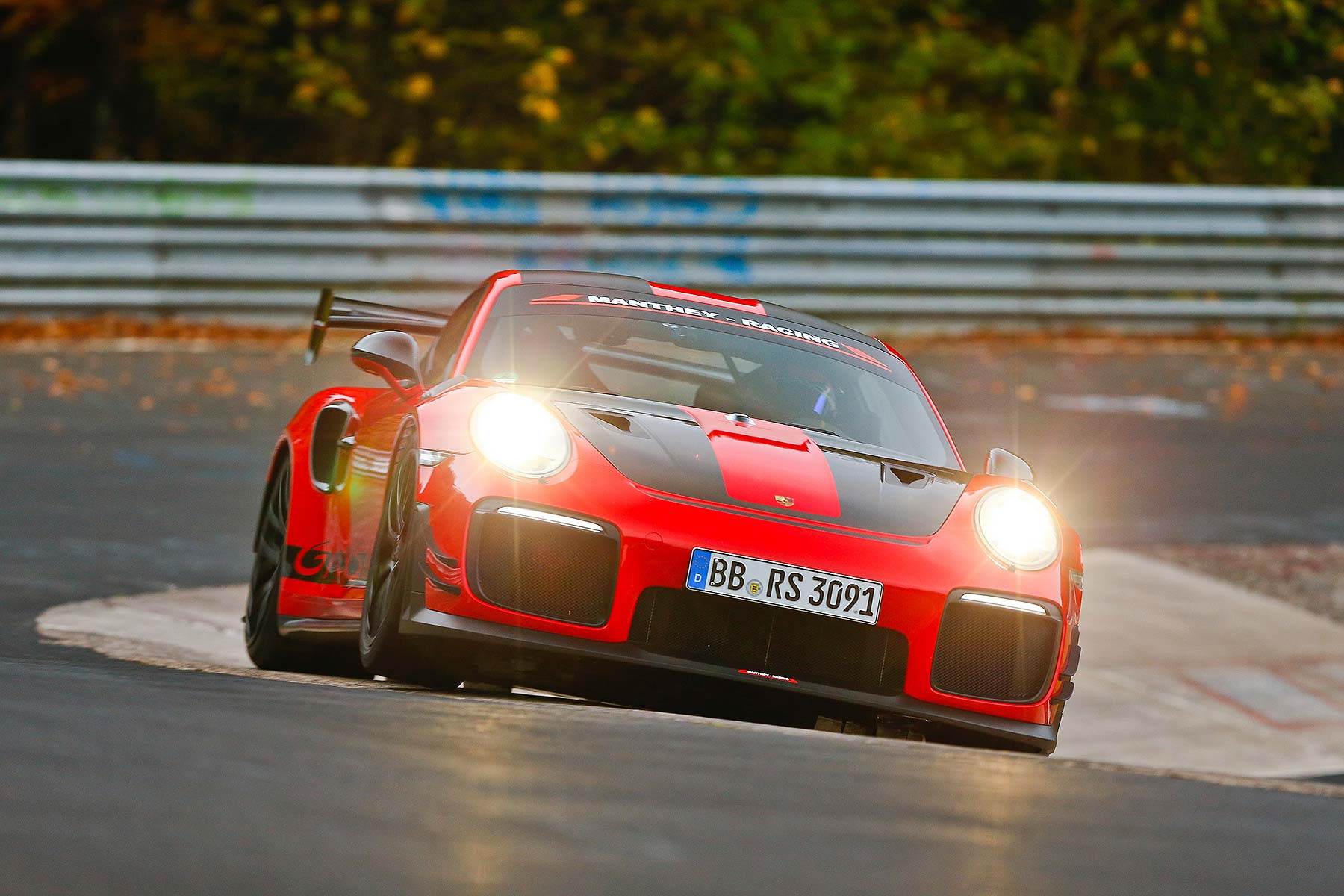
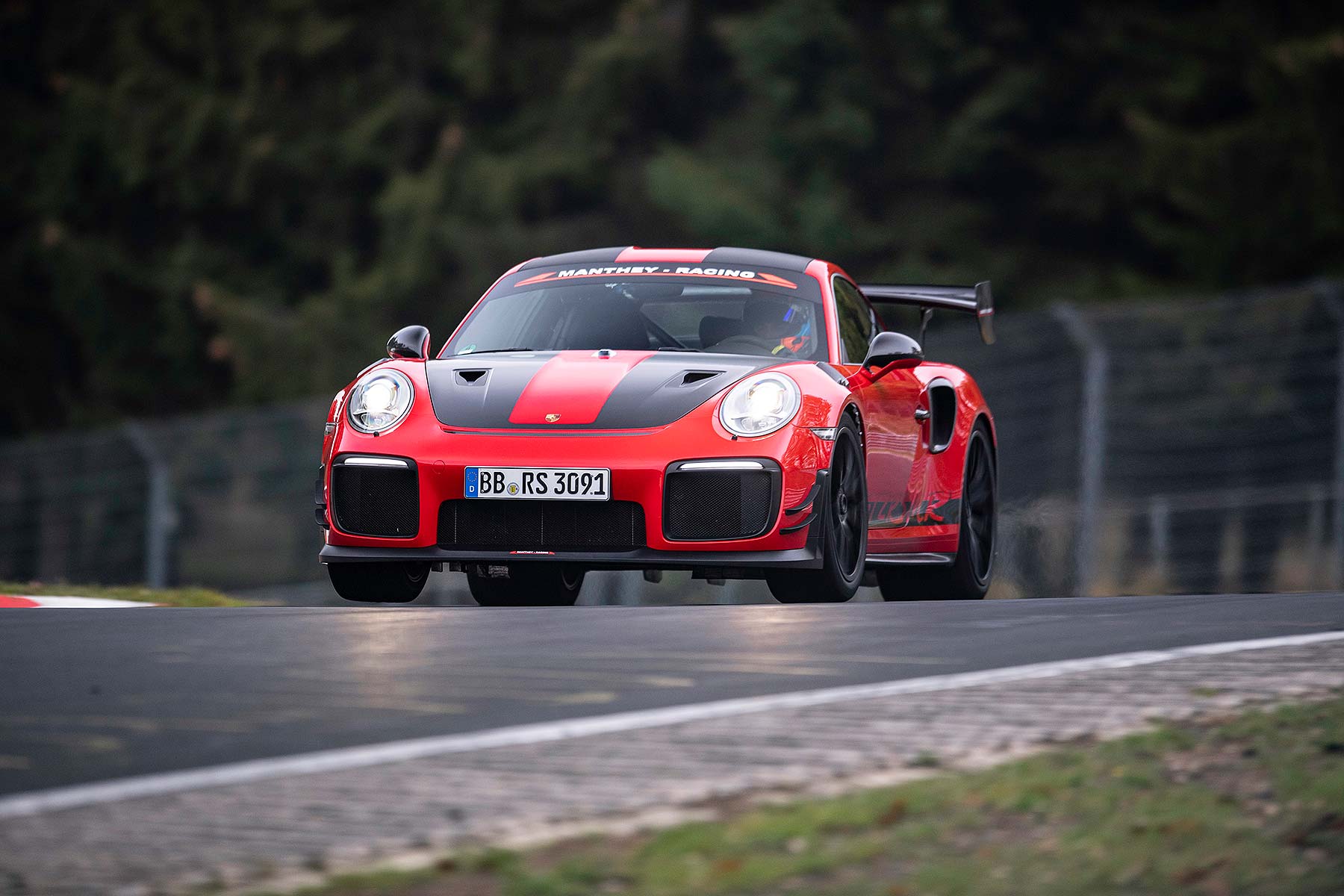
The Manthey-Racing-tuned 911 GT2 RS MR achieved the lap time, with driver Lars Kern behind the wheel. Although the 700hp machine has been set up especially for the Nürburgring by Manthey-Racing, it’s still road legal, so it still counts.
So, sorry, Lamborghini, your Aventador LP 770-4 SuperVeloce Jota (6:44.97) is no longer the ‘Ring record holder. But then, you did steal the time from the factory-standard Porsche 911 GT2 RS (6:47.25), so fair game…
Porsche owns a 51 percent share in Nürburgring-based Manthey-Racing, which now offers the GT2 RS performance kit for sale (there are modifications to both chassis and aerodynamics, but the firm insists its engineers still focused on road driving, not just in mastering the Nürburgring).
“In this test drive,” said Porsche head of motorsport and GT cars Dr. Frank-Steffen Walliser, “we simply wanted to assess the potential of the vehicle once more.”
It seems accidentally to have ended up with a new Nürburgring record. “The result is quite impressive,” said the understated Dr. Walliser. “It really is a fabulous time.”
Kern is a development engineer and VLN racing driver, and knows the Nürburgring well. “The drive was great fun. The balance of the car is very good with the new package. I did not have to take any great risks to be fast.”
Impressively, he had just one lap to set the time – this truly was a one-shot run. “It was already getting dark,” he said. “It worked out first time, though.” Manthey-Racing CEO Nicolas Raeder said the company is very proud. “It was a great challenge to make the already tremendously fast Porsche 911 GT2 RS even faster.”
Porsche adds the record car is exactly the same as the one customers can now order in 911 GT2 RS MR guise, apart from one modification: a racing bucket seat, installed for safety. “The modification did not provide any weight benefits,” adds the firm, as if to stem the internet haters before they start quibbling…
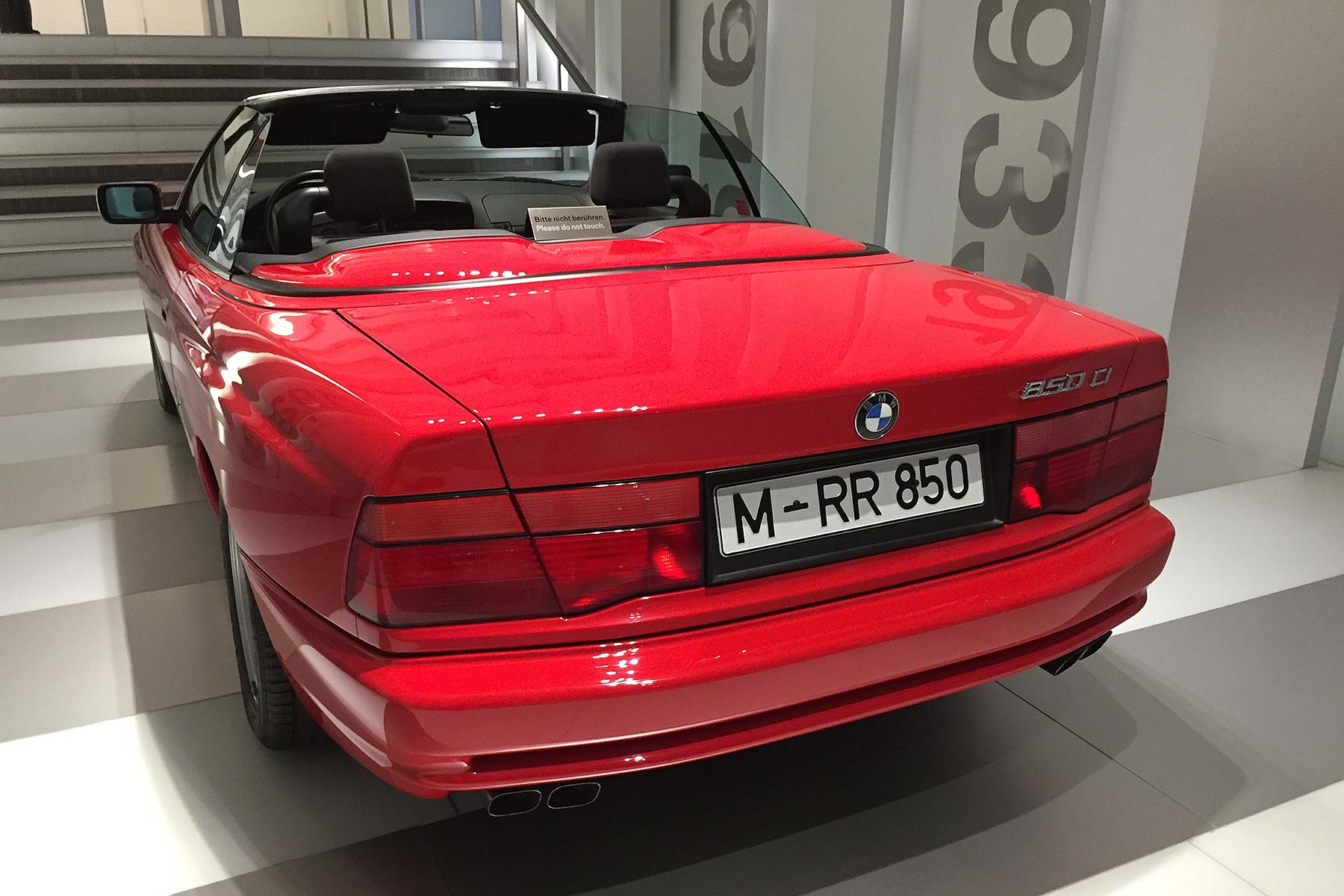
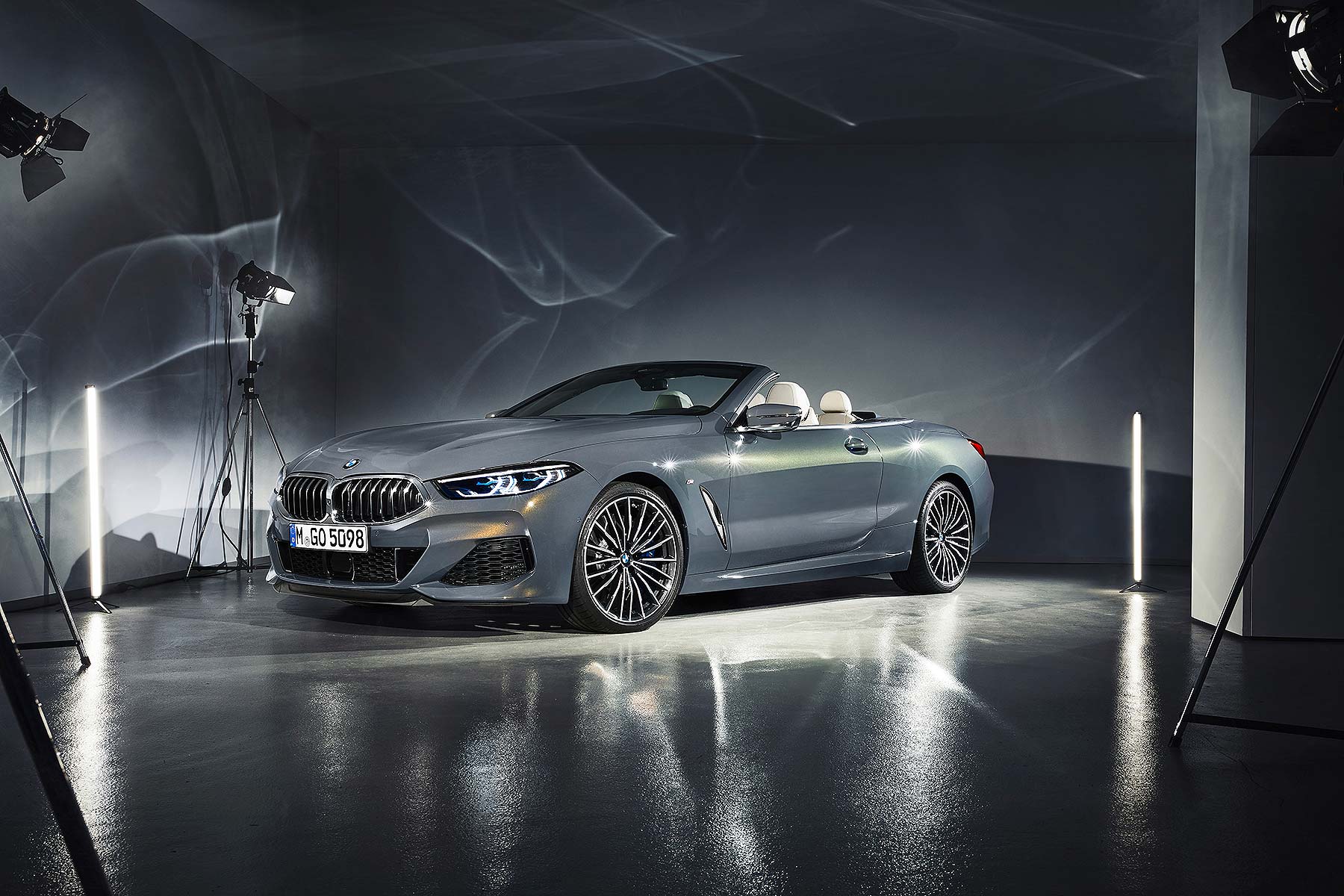
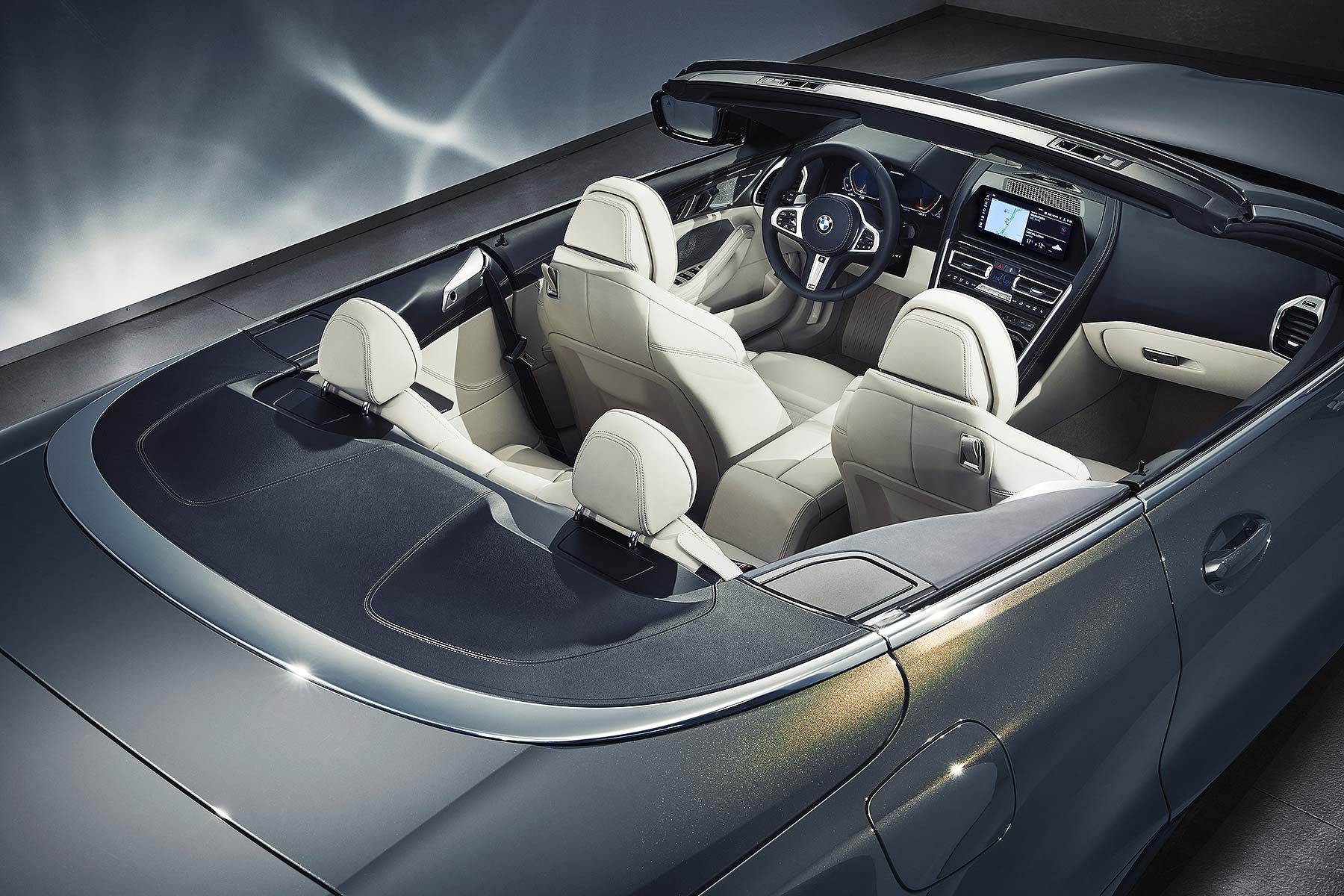
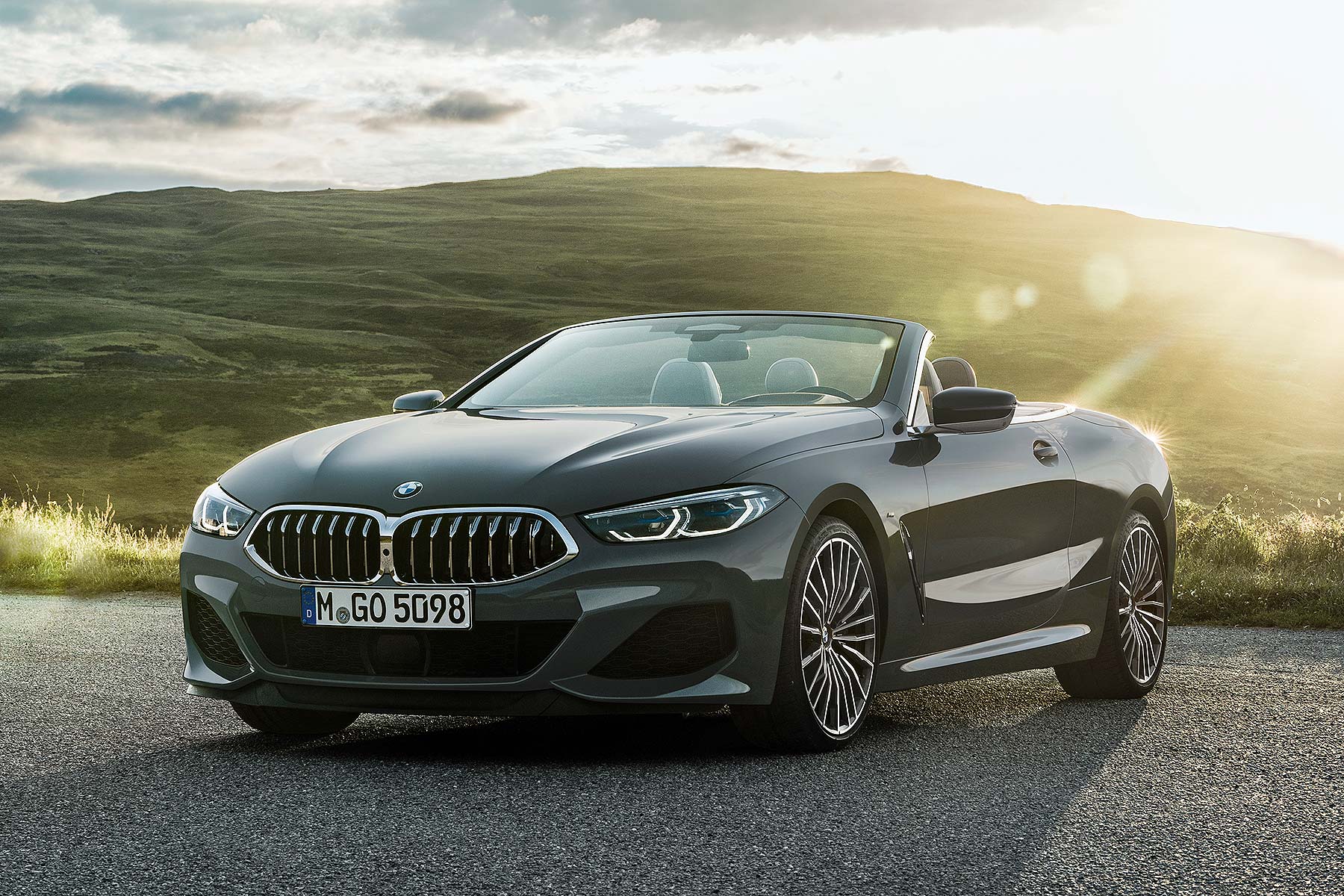
BMW has dabbled with the idea of building an 8 Series Convertible before. In the early 1990s, it even built prototypes, one of which (pictured below) is now housed in its secret collection of what if’s. Now, after reviving the 8 Series Coupe, it’s going one better, and launching a BMW 8 Series Convertible at last.
It goes on sale in April 2019 with prices starting from £83,270. That buys you a 320hp 840d xDrive Convertible, which will do 45.6mpg and 0-62mph in 5.2 seconds. BMW also offers it in M850i xDrive Convertible guise, with a 530hp V8 that will do 0-62mph in 3.9 seconds – but that costs £107,045. This is an expensive car, then.
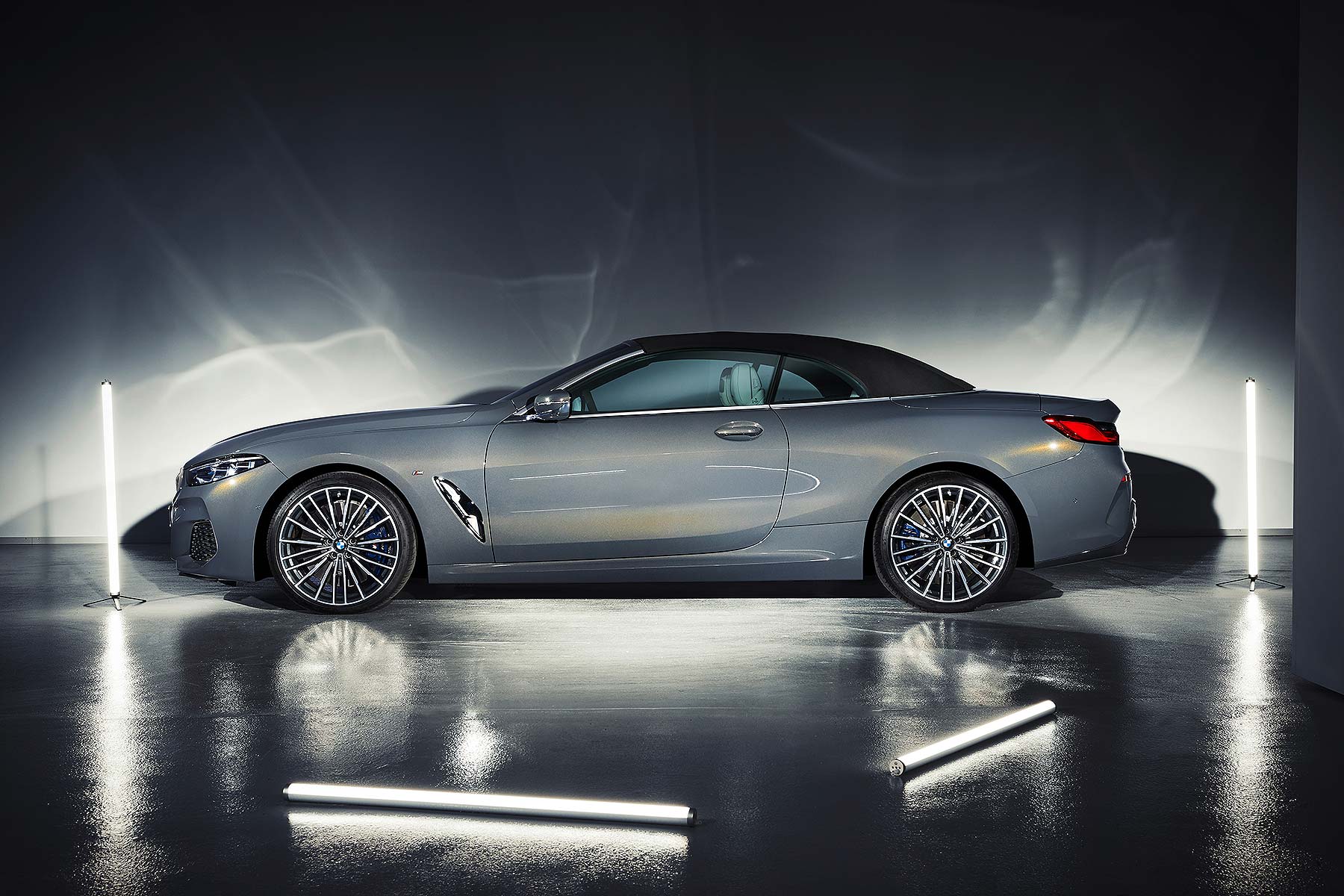
It’s a big one too, 4.843mm long and over 1.9 metres wide. The dimensions are almost identical to the 8 Series Coupe, says BMW, and because it’s been designed from scratch with convertible conversion in mind, “only a small number of additional convertible-specific weight-increasing measures were required”. We wonder what was involved in turning the original from coupe to convertible…
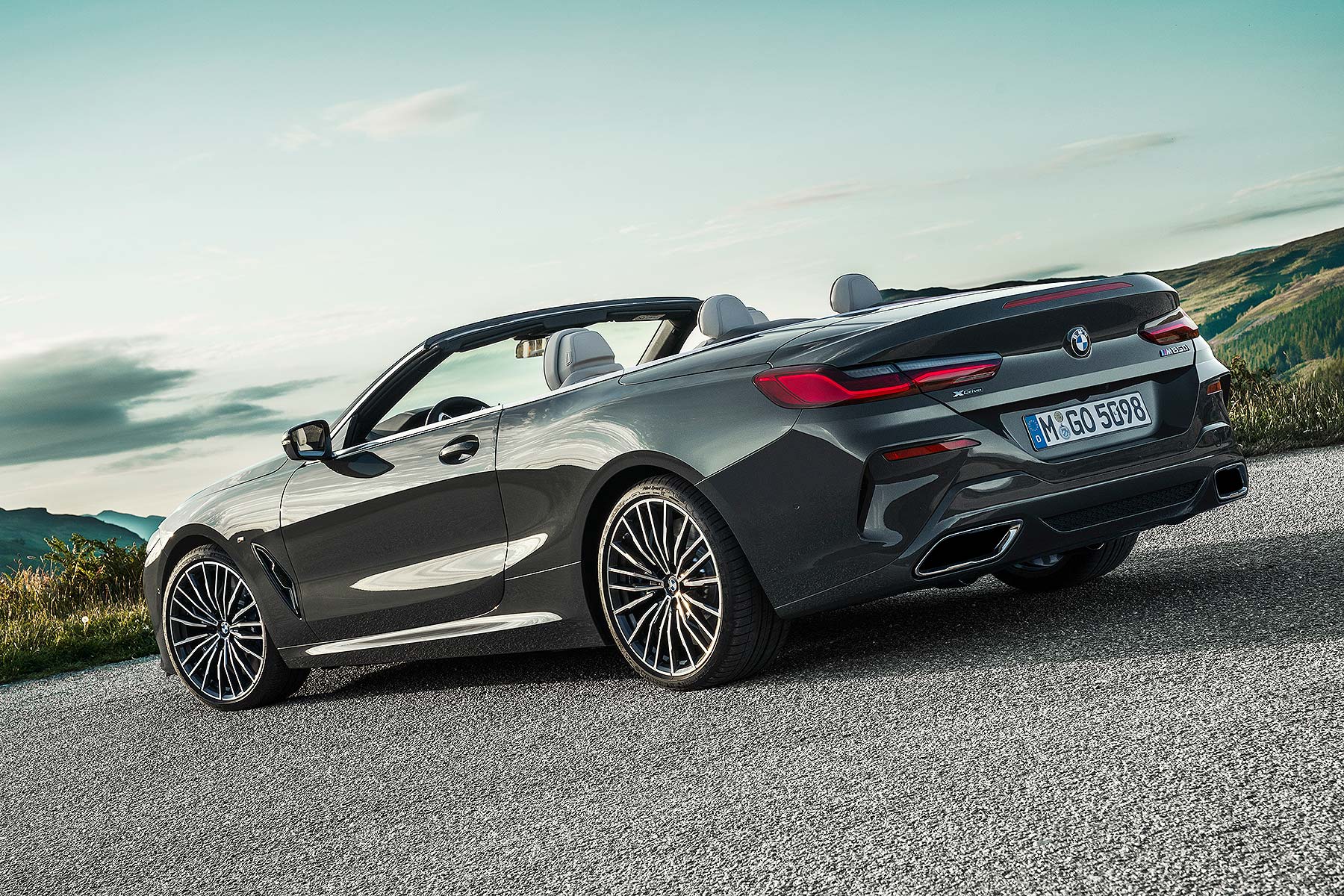
It has a soft-top roof, because these are upmarket and lead to uncompromised shapes. It also folds almost flat into the car when it’s down – BMW’s proud of how, roof down, “the rear end appears extremely flat and low to the road”. The roof lowers and raises in 15 seconds, at speeds of up to 31mph.
M Sport trim is standard, so the aero-aiding Air Breathes are finished in pearl-effect chrome, and the rear diffuser in Dark Shadow. Eight colours are offered, and an extended range of BMW Individual hues, including matt finish ones. The roof? Black as standard, Anthracite Silver as an option. Both models get 20-inch wheels as standard.
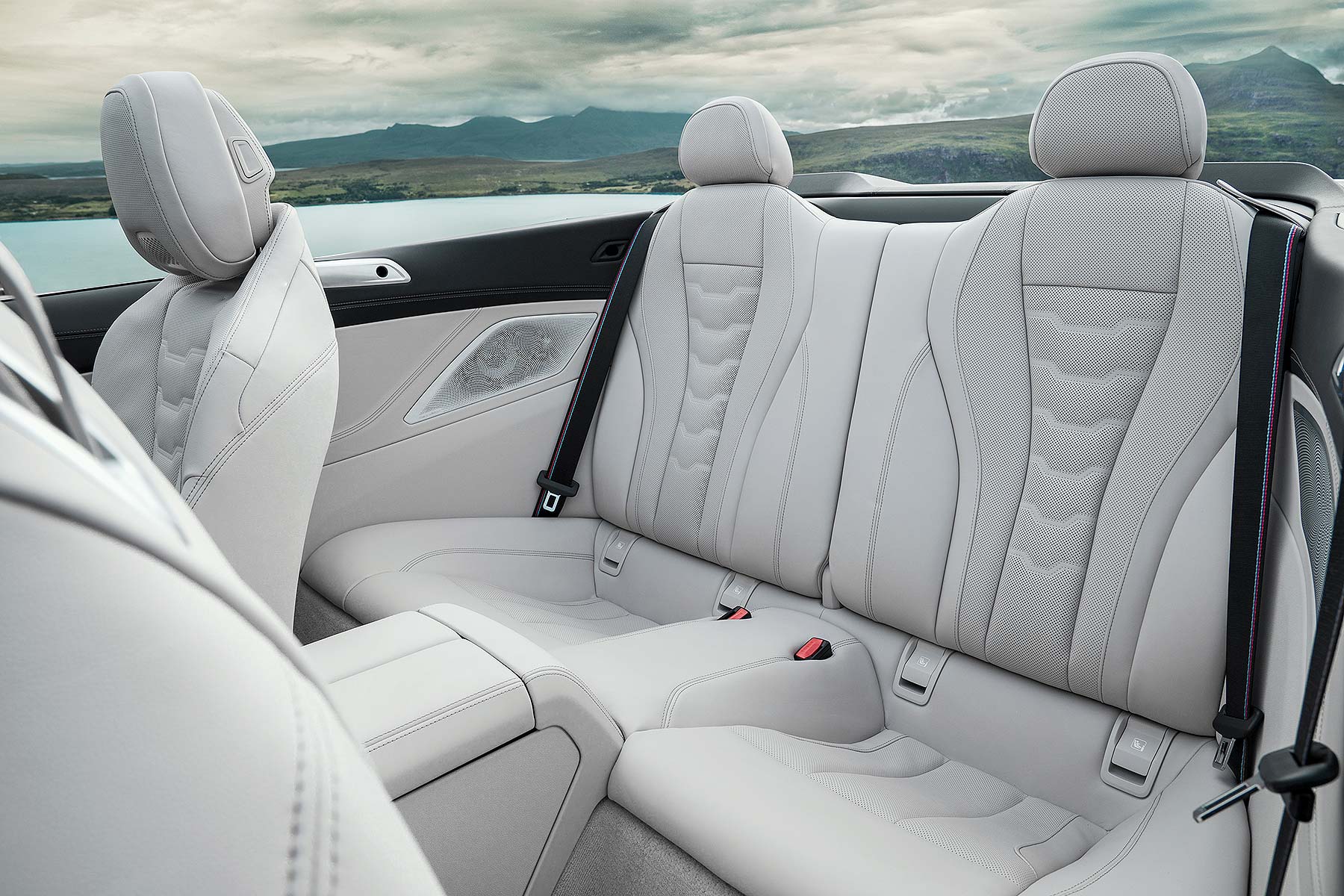
Inside, BMW says it’s a full four-seater, and the rear seats split 50:50 to open up the load bay. Roof up, it offers 350 litres’ space, although it does shrink with the roof down – but the through-load facility can still be used roof-down. If you’re travelling two-up, a standard wind deflector reduces turbulence; it folds up and can be stored in the boot. Neck warmers are standard too (but only for those in the front).
BMW has fitted Adaptative M suspension with electronic dampers as standard, along with BMW Integral Active Steering ‘rear-wheel steer’. For the ultimate in luxury four-seater open-top motoring, active anti-roll is offered on the BMW M850i xDrive Convertible, as part of the Adaptive M Professional suspension package.
Jenson Button’s old BMW M5 V10 could be yours
It will sound good too. A Harman Kardon surround sound audio system with 12 speakers is standard, with a Bowers & Wilkins Diamond Surround Sound setup optional. Apple CarPlay is standard, but only for a year: you have to subscribe to it after that. When a car is this expensive, you’d think they’d include it for life, wouldn’t you?
But we shouldn’t grumble. At last, we’re getting a BMW 8 Series Convertible, after enthusiasts yearned for years at the thought of what could’ve been. From April 2019, for upwards of £83,270, we’ll be able to see exactly that.
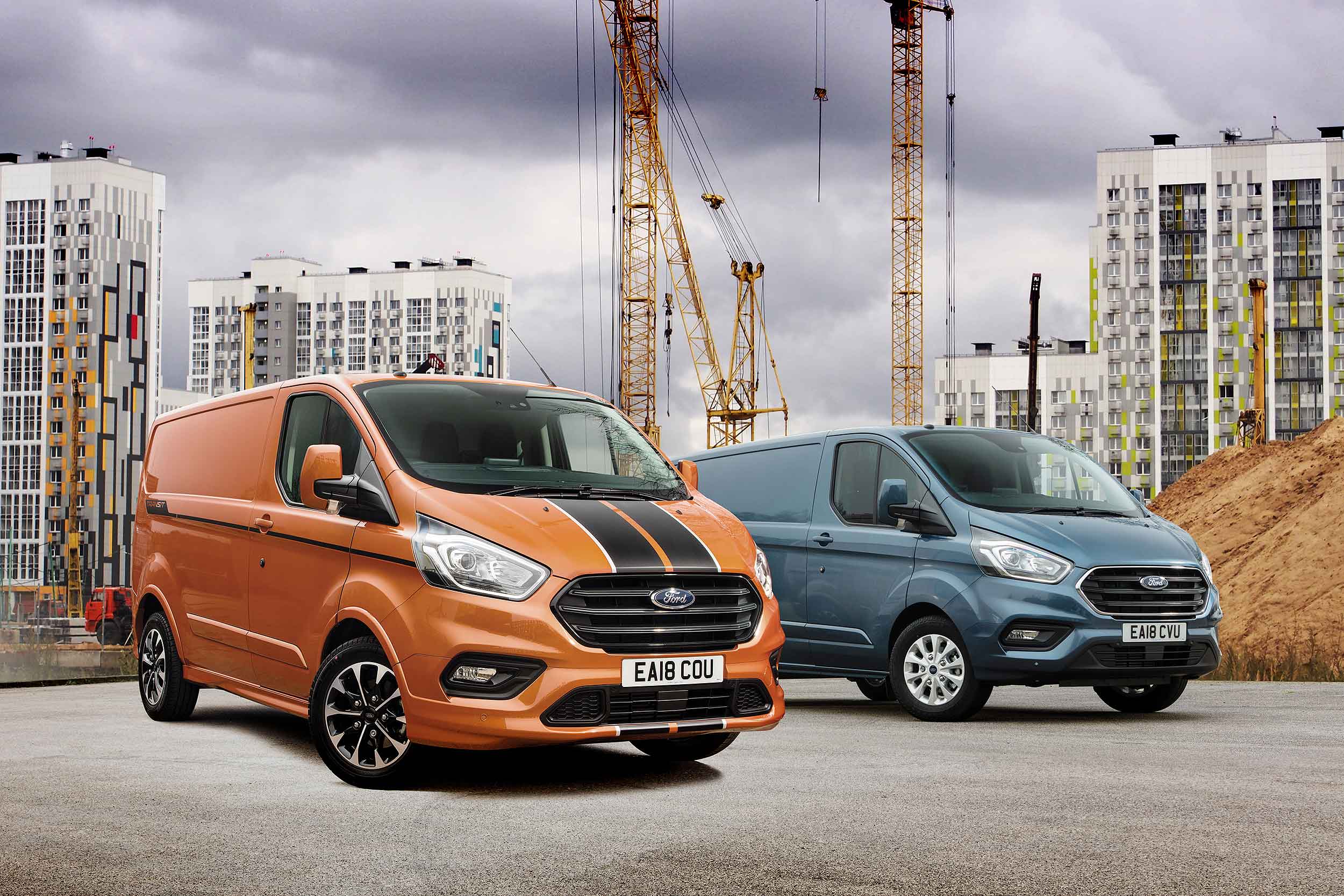 The Ford Transit Custom van wasn’t just Britain’s best-selling van in October 2018, but it also outsold almost every car in the country – apart from the Ford Fiesta.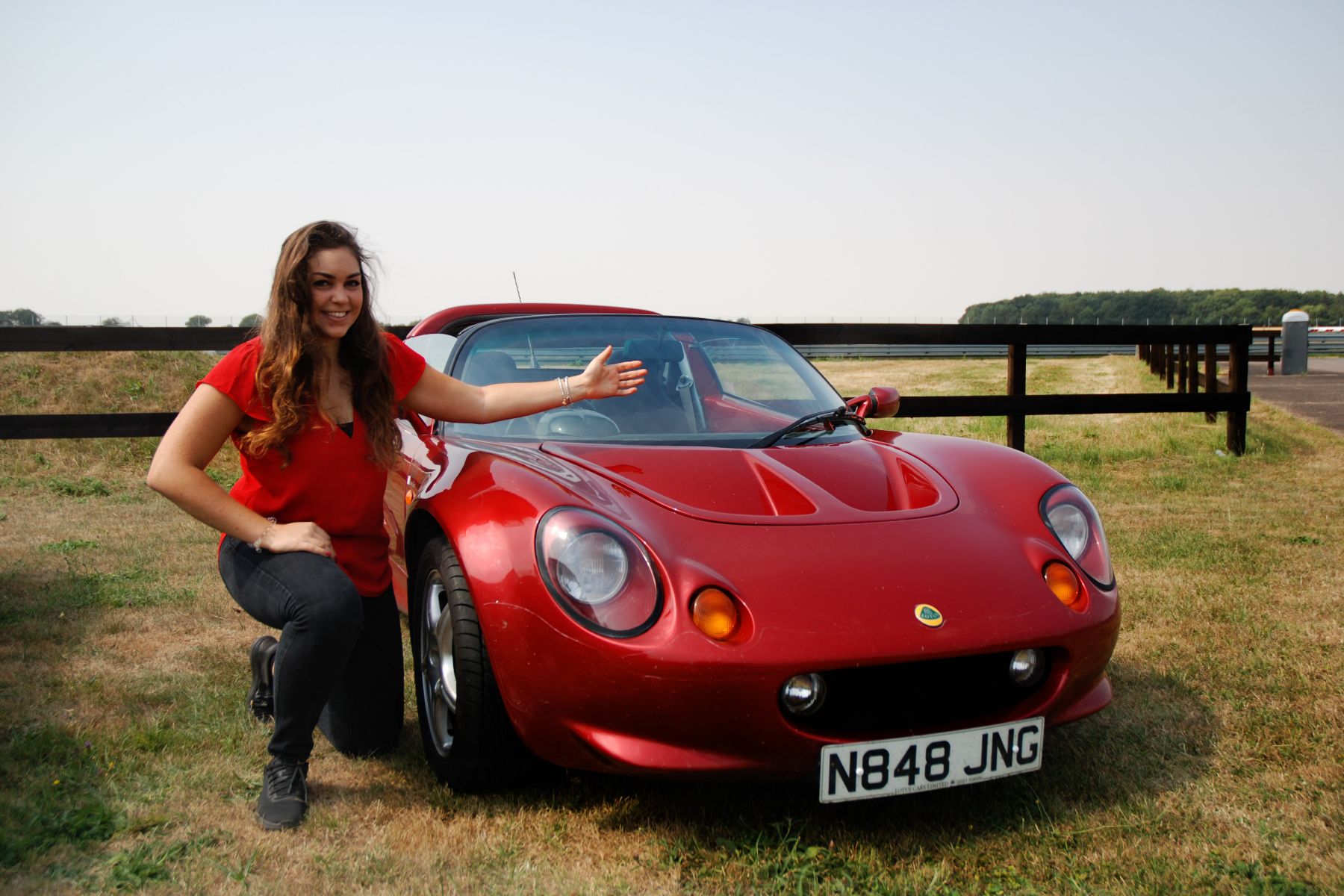

 As many as 25,000 people every year fill up with fuel and don’t pay. A spokesperson from the National Police Chiefs’ Council says this can be avoided by converting to pay-at-pump across the the board.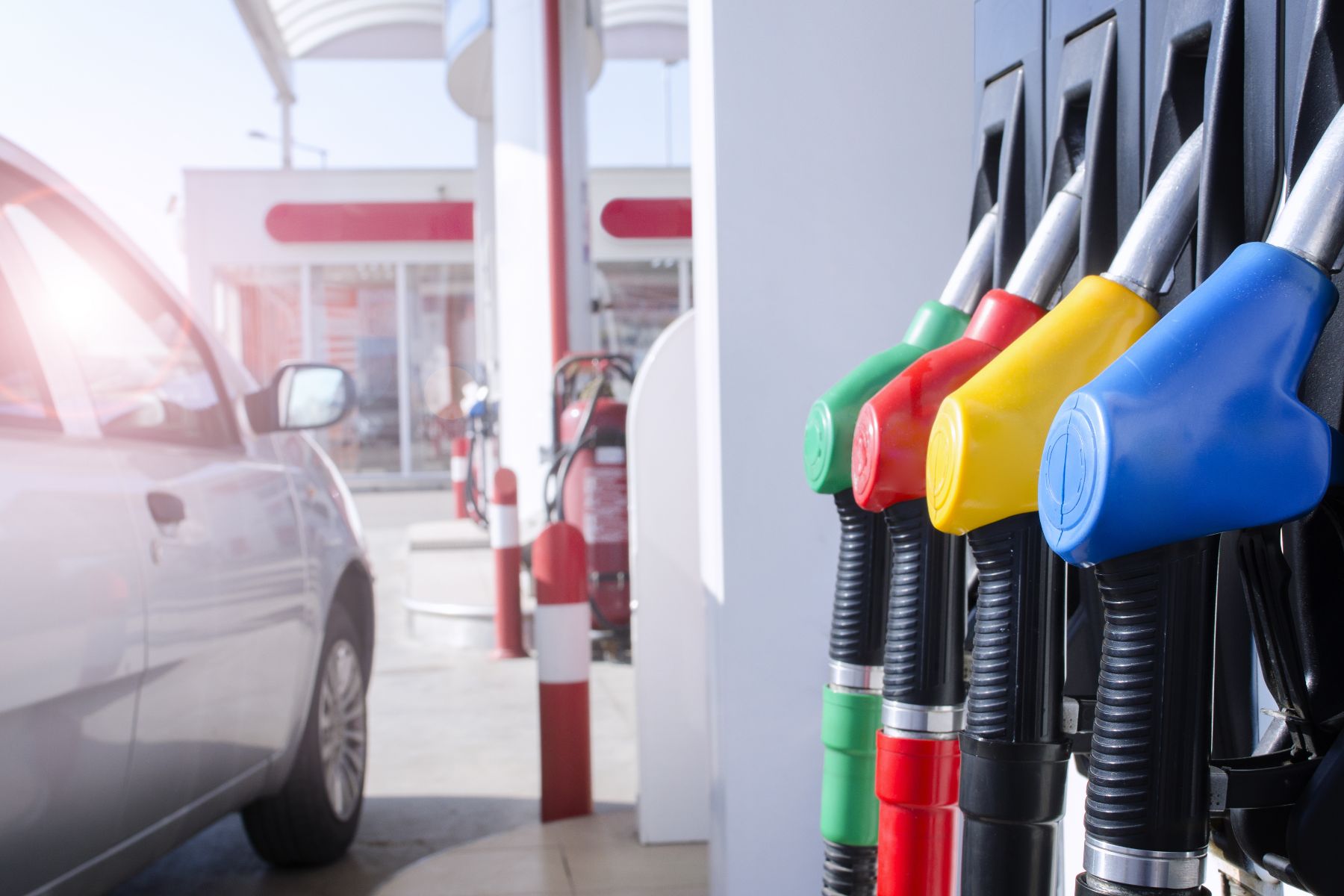
 New car registrations may have
  UK new car registrations were down 2.9 percent in October as the car industry starts to overcome the significant supply issues caused by the
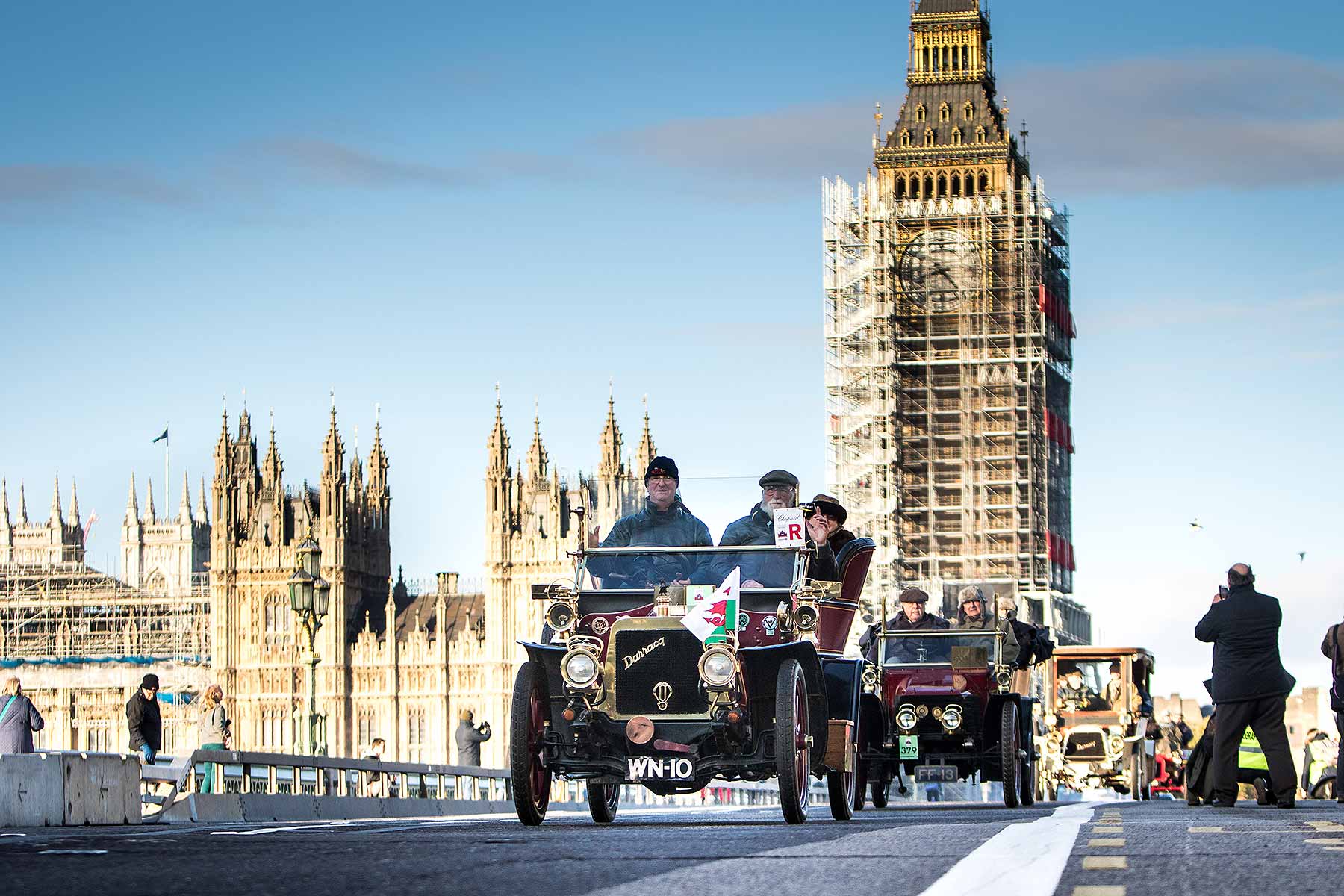 The London to Brighton run is back this Sunday (4 November), with veteran cars arriving at London’s Hyde Park before sunrise ready to set off. But how do vehicles gain entry to the longest-running motoring event in the world?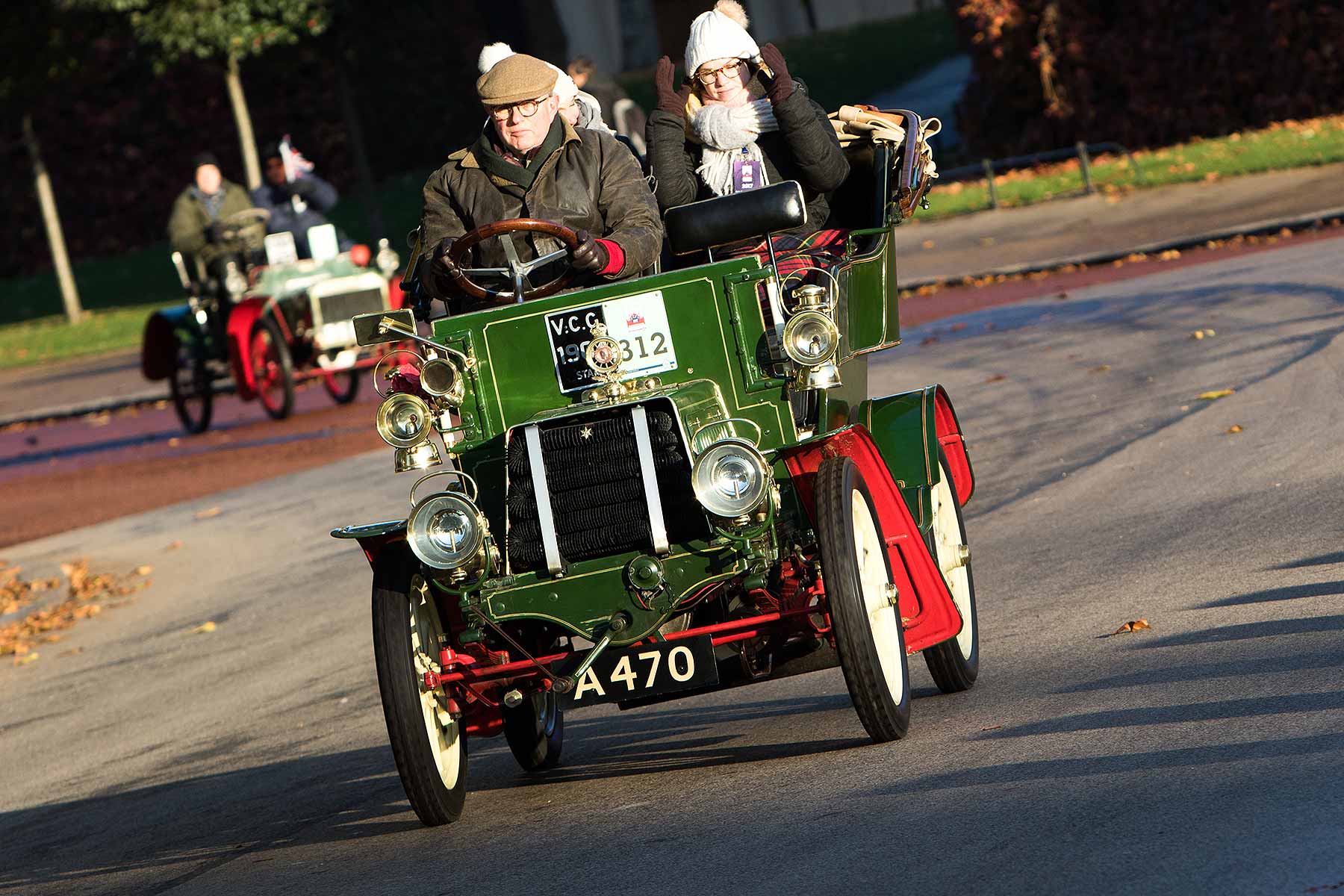

 Porsche has reclaimed the title of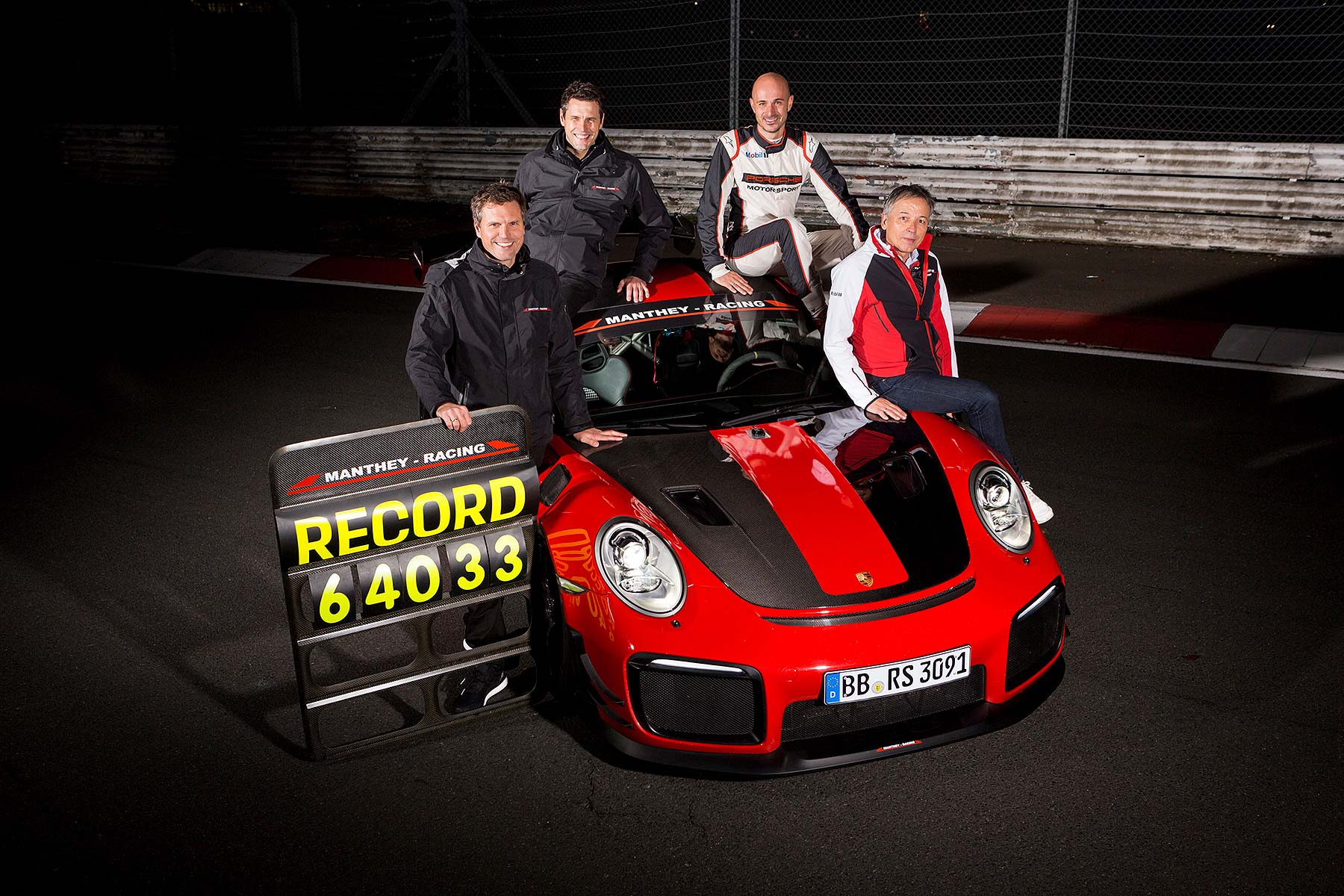
 BMW has dabbled with the idea of building an 8 Series Convertible before. In the early 1990s, it even built prototypes, one of which (pictured below) is now housed in its secret collection of what if’s. Now, after reviving the 8 Series Coupe, it’s going one better, and launching a BMW 8 Series Convertible at last.