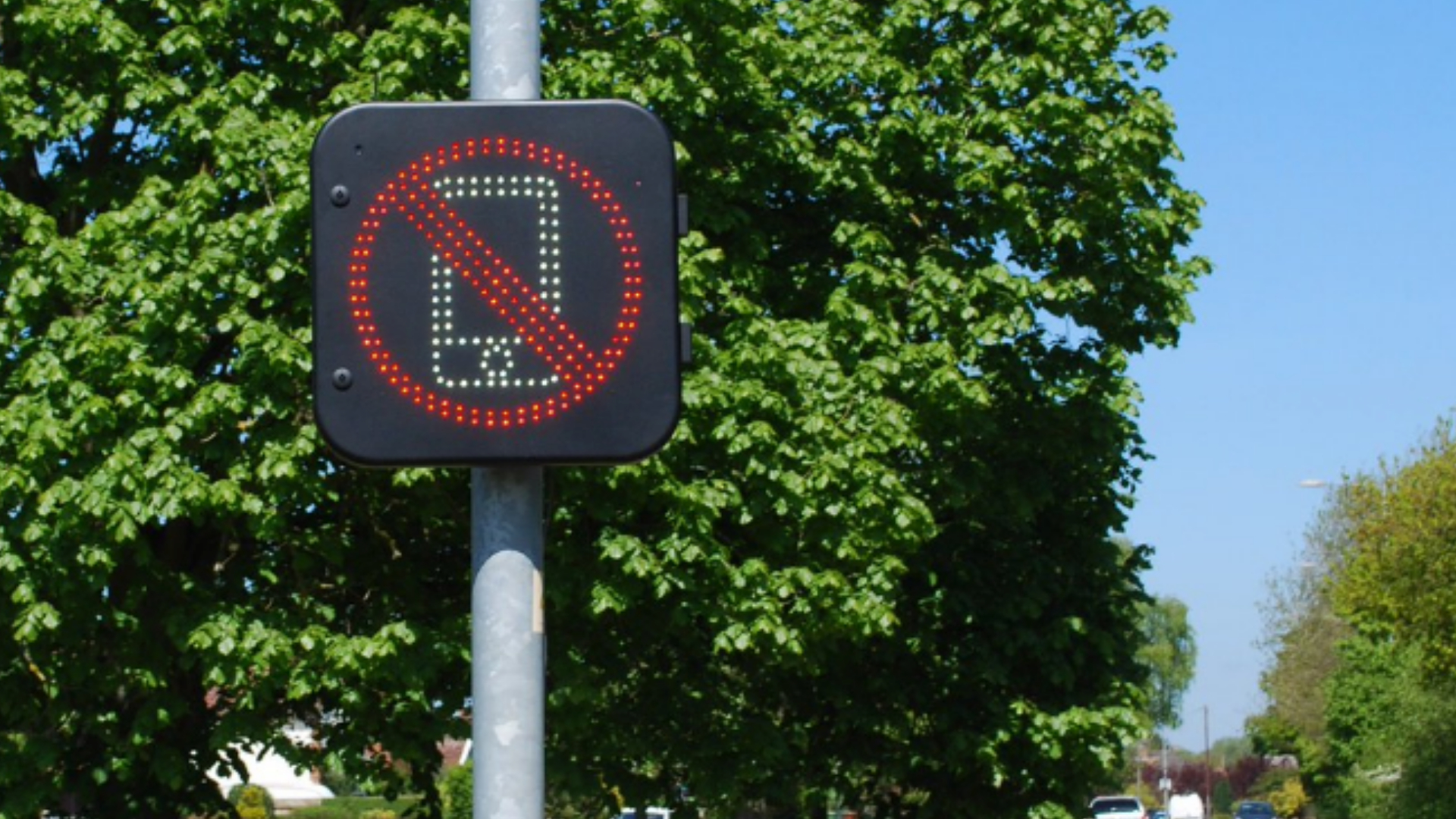
Select police forces will deploy a system that can detect if drivers are using their phone while driving. A sign will flash, telling drivers they have been seen and to stop using their mobile phone.
How does it work and what can it do?
Signs will light up with the shape of a phone and a red strike through it when the system detects someone using their phone in the car. To clarify, it will not be able to differentiate whether it’s the passenger or the driver on their phone. It’s also unable to record footage.
The system, developed by Westcotec, is able to detect when 2G, 3G or 4G signals are being sent out, specifically when a phone is being used, using a directional antenna. Bluetooth hands-free devices will trigger the system, but the sign won’t flash.
The detectors cost £6,000 each and will be deployed and trialled at various points around the constituencies.
“Not an enforcement tool”
The Thames Valley and Hampshire forces, which will be the first to roll out the technology, have stated that it will not be used to enforce phone driving laws. The goal is to ‘educate motorists’ and to find areas where drivers using their phone behind the wheel is a problem. The systems being moved around constituencies should allow the forces to build a map of where people using their phone at the wheel is an issue.
Generally speaking, it should act as a deterrent. A statement by local authorities that says: ‘we can see you’, to drivers using their phone behind the wheel. Whether or not the system will be used to ‘catch’ drivers in the same way cameras catch you speeding, remains to be seen.
We wouldn’t be surprised, given the goal is to make using your phone while driving ‘as socially unacceptable as drink-driving’. For now, as above, the systems serve as a benign warning.
Every year, J.D. Power publishes its Customer Service Index Study, which measures customer satisfaction with their service experience at franchised dealers during the first three years of a car’s life.
Each brand is given a rating out of 1,000 for overall satisfaction. Here, we run through the 23 manufacturers listed in the survey, with the results presented in reverse order. Be prepared for a few surprises along the way…
23: Fiat – 759 out of 1,000
From a credible 13th out of 24 manufacturers in 2018, Fiat has slumped to 23rd out of 23 in 2019. The study measures customer satisfaction when they visit a franchised dealer for maintenance and repair work. Five measures are examined: service quality, service initiation, service advisor, vehicle pick-up and service facility.
22: Kia – 775 out of 1,000
Last year, Kia finished fourth with a score of 808, so to find the South Korean company finishing second from bottom in 2019 is a big surprise. The average score across all of the volume brands is 786, which suggests Kia has some catching up to do. Having a seven-year warranty might be a great sales tool, but it’s up to the dealers to deliver a good aftersales experience.
21: Volvo – 776 out of 1,000
Is this result even worse than Kia’s? Volvo might have scored one more point than Kia, but in 2018 it finished joint fourth with the Korean company. A score of 776 places the Swedish company bottom of the five premium brands featured in the J.D. Power study. Volvo’s products might be worthy of awards, but on this showing, its dealers are a long way from scooping honours.
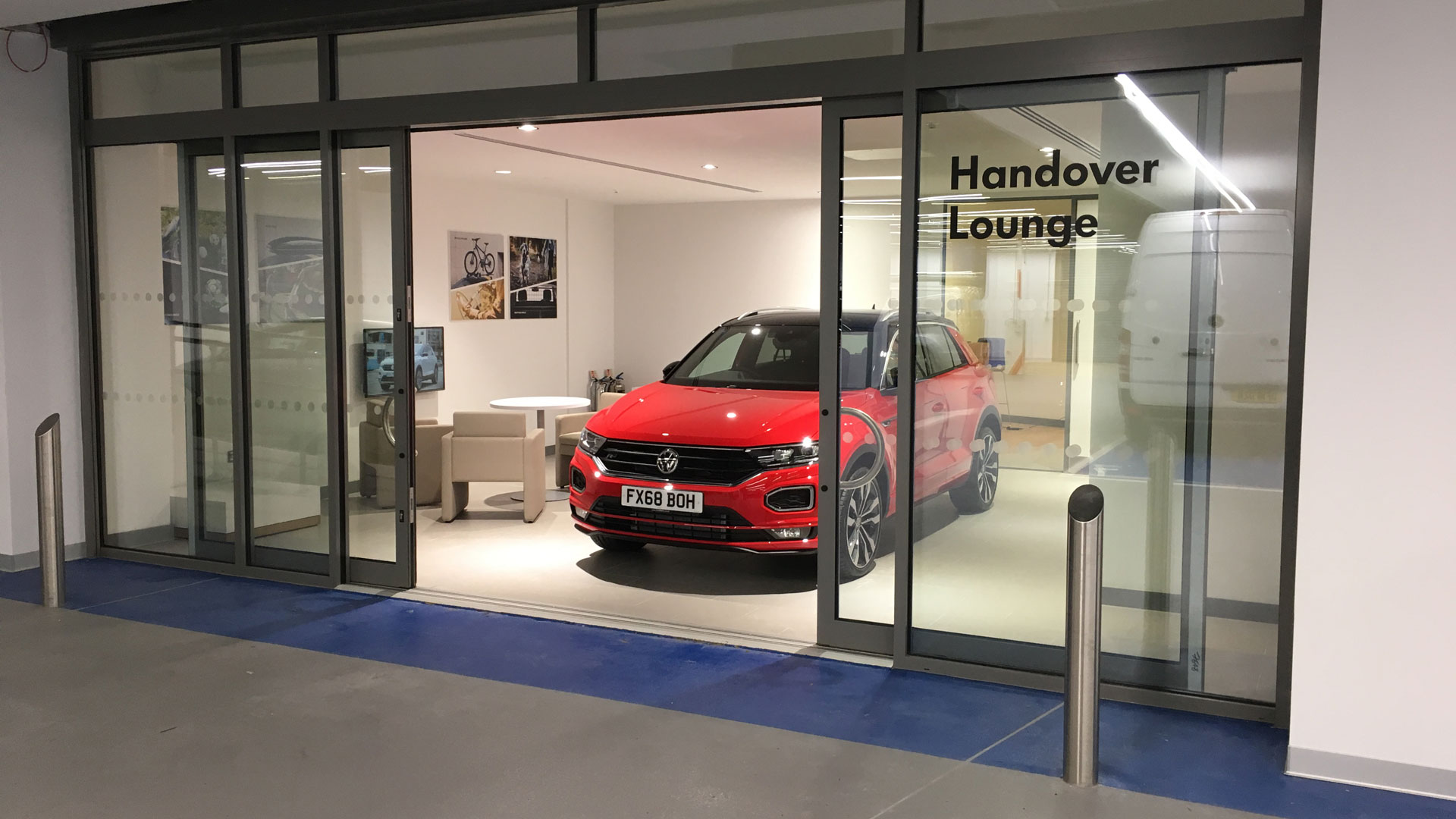
20: Volkswagen – 778 out of 1,000
According to J.D. Power, sizeable gaps exist between how customers prefer to schedule vehicle service appointments and receive service updates, and how dealers are actually scheduling and communicating with their customers. Dealers will need to close these technology gaps to increase revenue and improve customer satisfaction. Interestingly, satisfaction increases when dealer staff use a tablet, particularly during a service. Volkswagen finishes 20th with a score of 778.
=18: Skoda – 781 out of 1,000
We were surprised to find Skoda languishing in 20th place in 2018, but 10 extra points and a jump to 18th would suggest Skoda is heading in the right direction. “Customers in younger generations are certainly affecting industry-wide behaviours when it comes to service experience expectations, and this will become more notable as they begin to represent a larger portion of the service business,” said Josh Halliburton, vice president and head of European operations at J.D. Power.
=18: Renault – 781 out of 1,000
“However, there is an increase in preference among those in all generations for text message updates. For example, in the five years this study has been conducted, there’s been an 8 percent increase in preference for this type of communication among Boomers, or customers born between 1946 and 1964. We expect text message updates will become the most preferred means of interaction among all generations within the next few years.” he continued.
=15: Vauxhall – 784 out of 1,000
There are three brands tied in 15th place, including Vauxhall. French ownership hasn’t had a positive impact on its dealers, with Vauxhall dropping four places in 2019 and scoring two points fewer than last year. This is also lower than the volume brand average of 786.
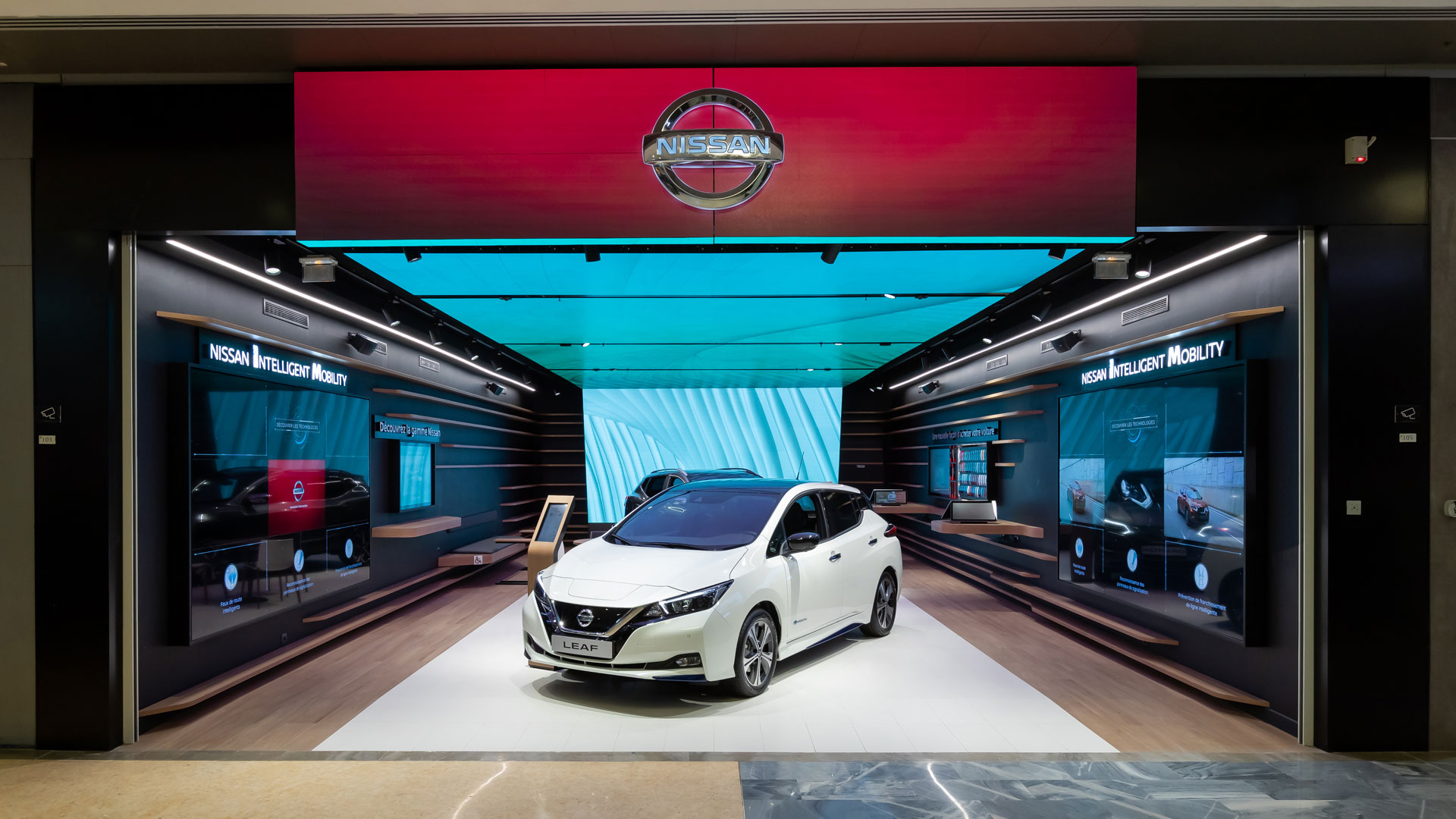
=15: Nissan – 784 out of 1,000
Fifteenth might not be a reason to issue a press release or throw a party, but Nissan has scored 18 more points than it did in 2018, climbing seven places in the process. Of dealers in general, Josh Halliburton said: “There are still areas where UK dealers can differentiate themselves by providing an exceptional service. Top performers one year can end up below the industry average the next.”
=15: Mazda – 784 out of 1,000
Mazda remains locked in 15th place, so there’s still work to be done. According to a recent post on Jalopnik, the problem appears to be mirrored on the other side of the Atlantic. “Mazda seems to have a dealer network with an approach that seems allergic to actually landing customers,” it says. Ouch.
14: MINI – 785 out of 1,000
This is far from a good result for MINI, not least because the company finished second overall in 2018. The 2019 UK Customer Service Index Study is based on data collected from 6,759 respondents who registered their new vehicle between November 2015 and January 2018. The study was fielded from November 2018 through to January 2019.
=13: Citroen – 787 out of 1,000
Citroen has shot up the table in 2019, scoring 13 more points and moving from last place to 13th overall. Recent analysis by What Car? found that Citroen offered the biggest percentage discounts – with buyers saving an average 11.41 percent off the list price. Citroen dealers should expect increased footfall in 2019 as the brand celebrates its centenary year.
=12: Dacia – 788 out of 1,000
A place just outside the top ten is a little disappointing for a company that finished seventh in 2018, especially when the brand is heavily reliant on retail sales. On the plus side, a score of 788 is more than the volume brand average and better than the likes of Volvo, MINI and Skoda.
J.D. Power top 10 most satisfying car brands 2019
=10: Seat – 790 out of 1,000
Seat is a company on a roll, with a range of excellent SUVs and a new performance sub-brand in the form of Cupra. Its dealers are moving up a gear, with the company rising from 18th to tenth, scoring an extra 13 points in the process. Nice work.
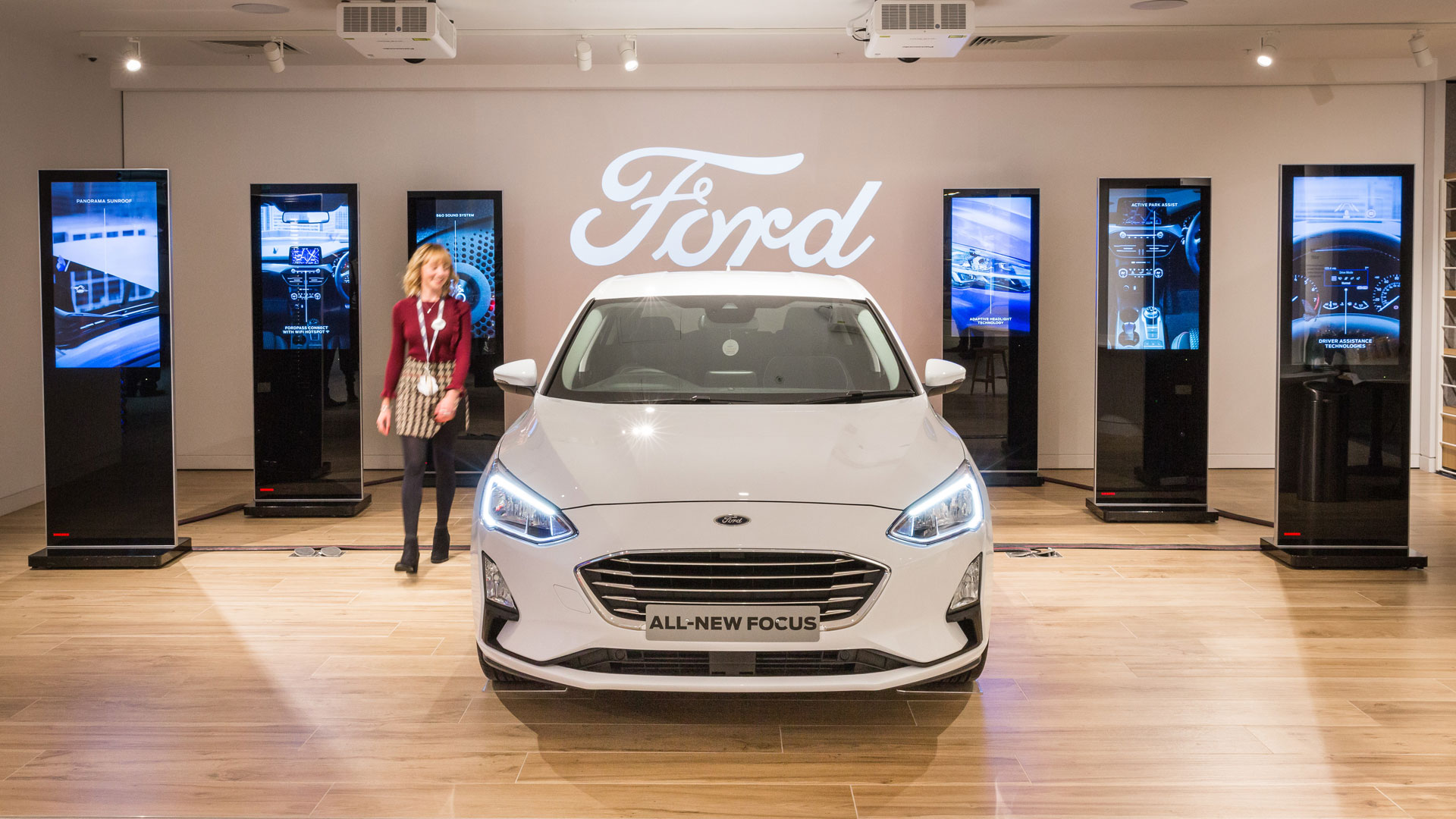
=10: Ford – 790 out of 1,000
Ford is also on the up, jumping from 21st in 2018 and scoring 23 additional points. According to J.D. Power, factors that increase customer trust include: the vehicle was ready when promised, work was completed correctly the first time, the service advisor knew the vehicle’s history, and an explanation of the charges was provided.
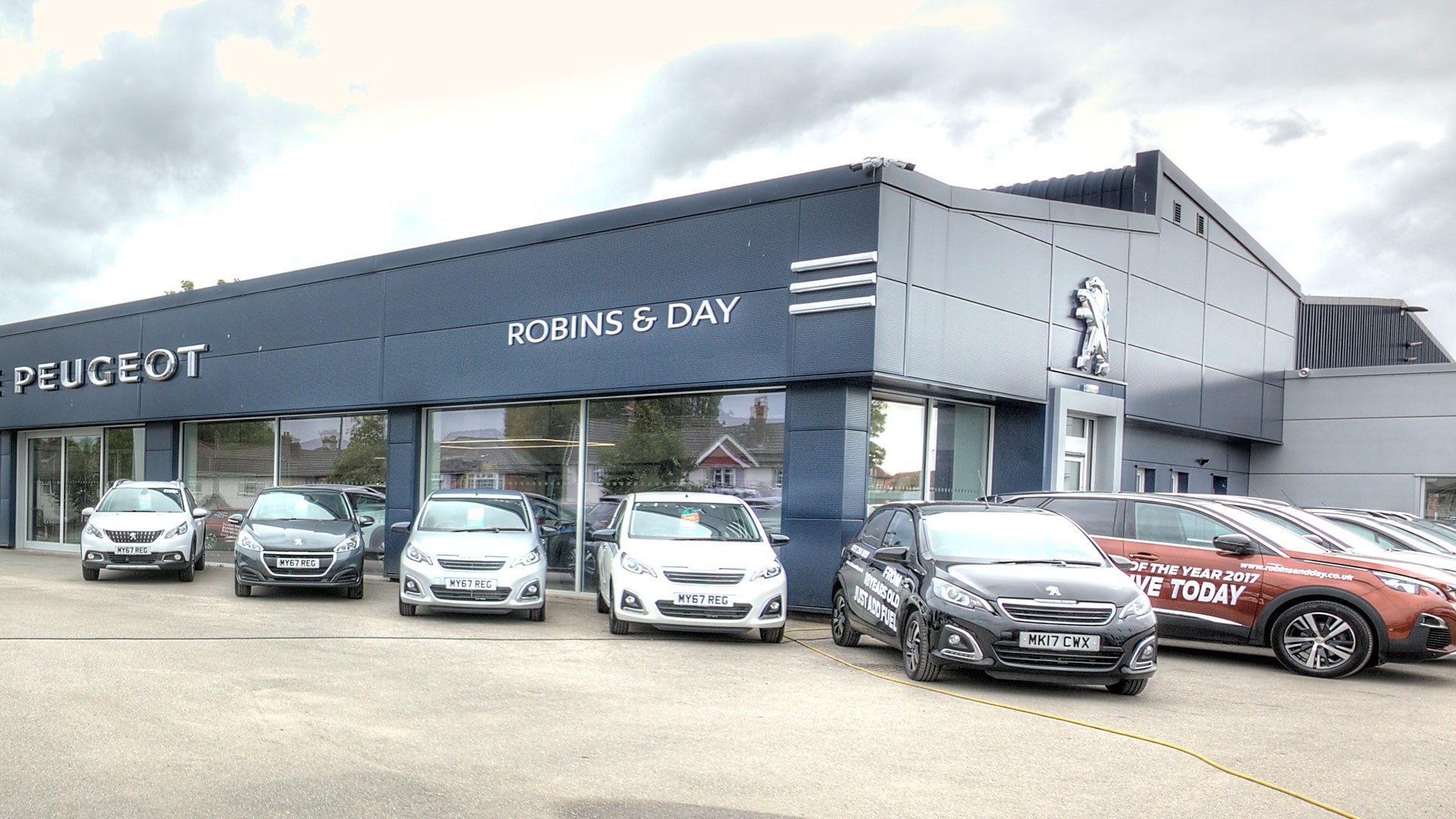
9: Peugeot – 791 out of 1,000
Peugeot is the top ranked French company, up from 19th in 2018 to ninth in 2019. The company registered a 3.75 percent growth in March, in a UK new car market down 1.85 percent for the year. David Peel, Peugeot UK managing director, said: “Three years ago we began restructuring and resizing our dealer network to ensure that all of our network providers are profitable and motivated.” The strategy appears to be paying off.
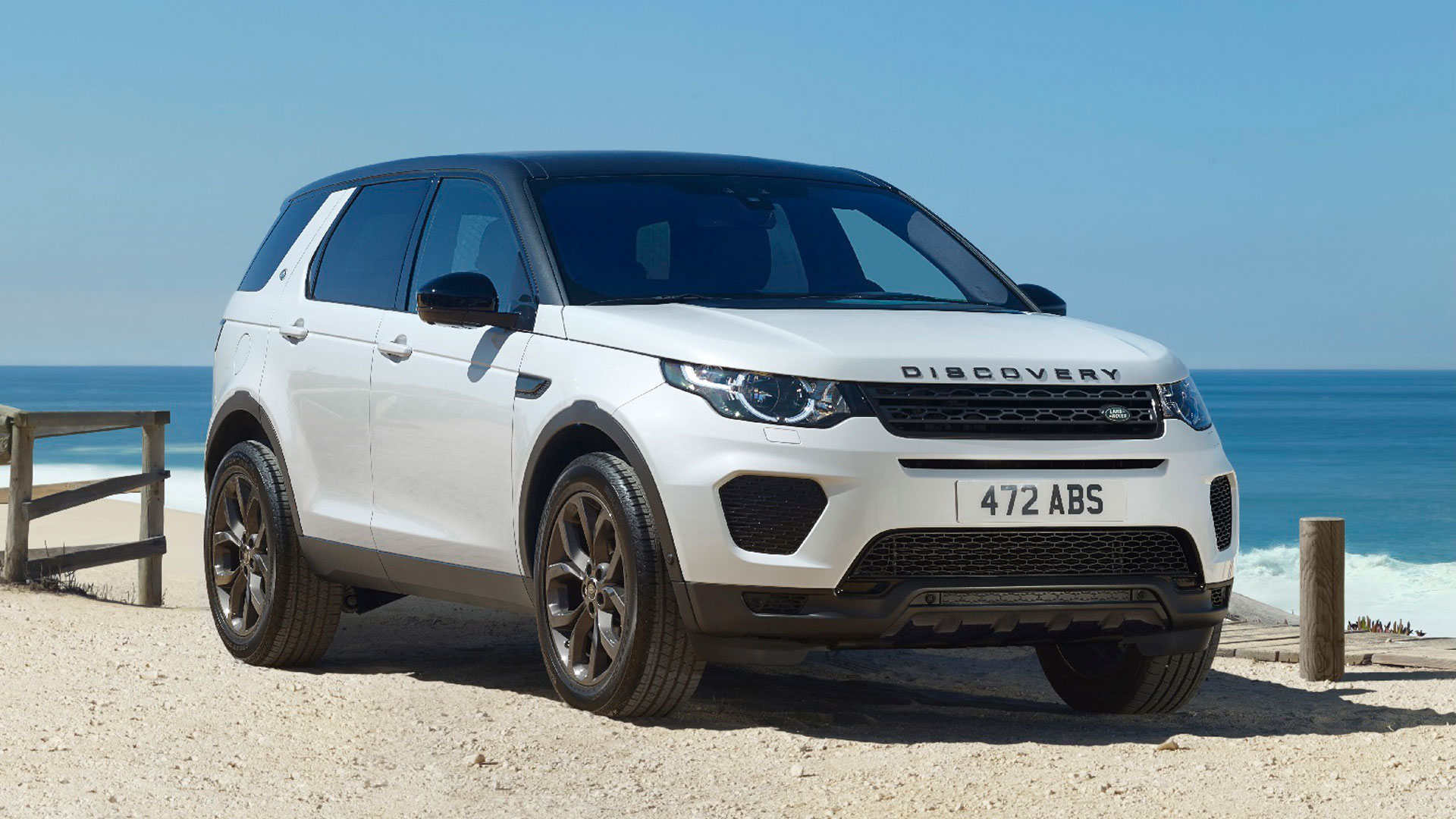
8: Land Rover – 793 out of 1,000
Land Rover topped the table in 2018, so this has to go down as a bad result for the premium off-road brand. Worse still, the premium brand average is 800 out of 1,000, which means Land Rover is a little way off the pace.
=5: Hyundai – 798 out of 1,000
From 15th in 2018 to joint fifth in 2019 – this is an excellent result for Hyundai, especially when you take into account Kia’s lowly finish. This ranks Hyundai joint third on the list of volume manufacturers.
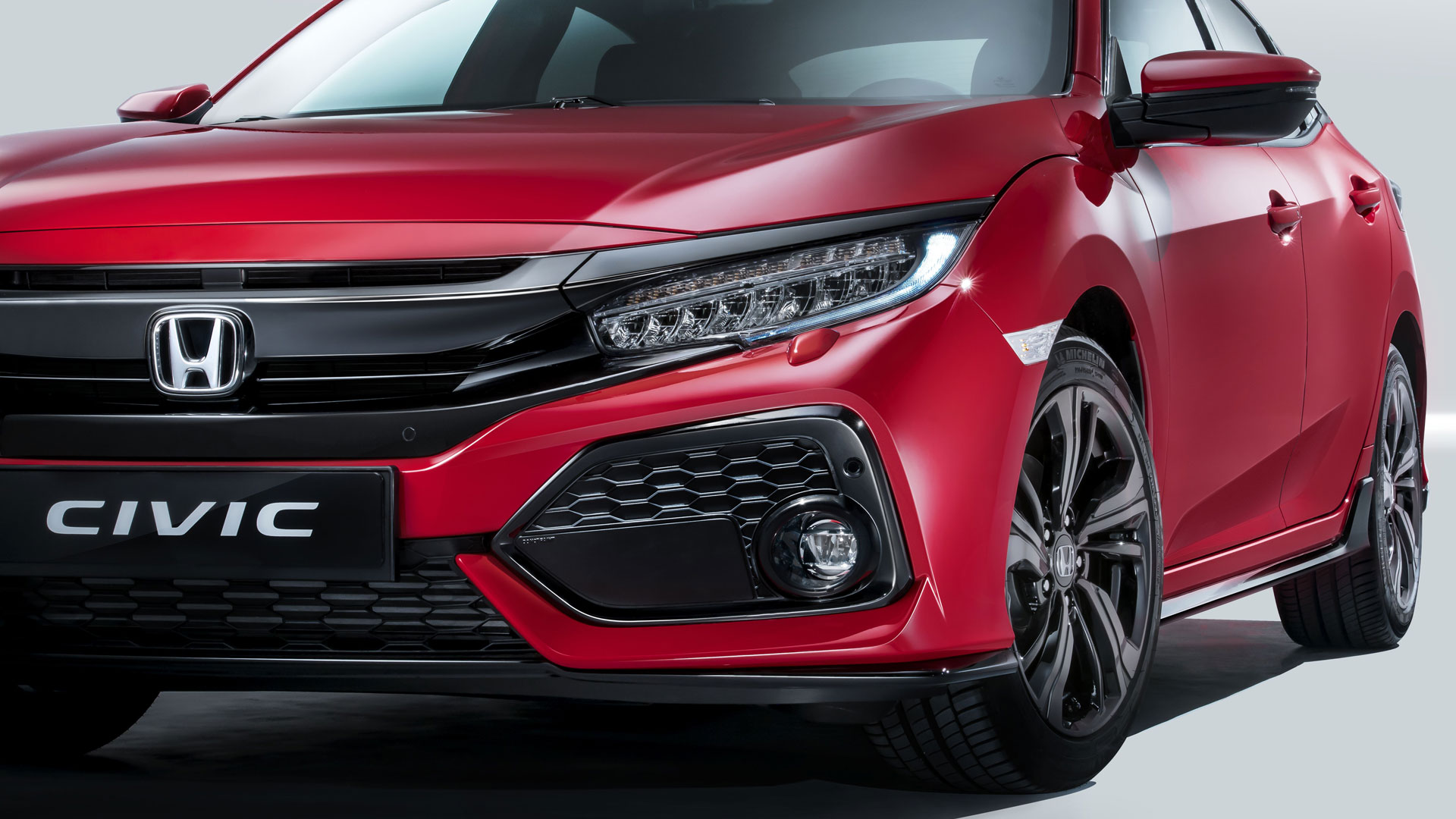
=5: Honda – 798 out of 1,000
It’s another strong finish for Honda, although a score of 798 is a significant drop from the excellent haul of 815 points in 2018. If one vehicle could sum up ‘car reliability’, it would be the Honda Jazz.
=5: BMW – 798 out of 1,000
BMW finishes fifth overall, but a score of 798 puts it just shy of the premium brand average of 800. Companies missing from the J.D. Power survey include Lexus, Alfa Romeo and Jeep. Curiously, Jaguar is another absentee, which is a surprise given its strong performance in 2018.
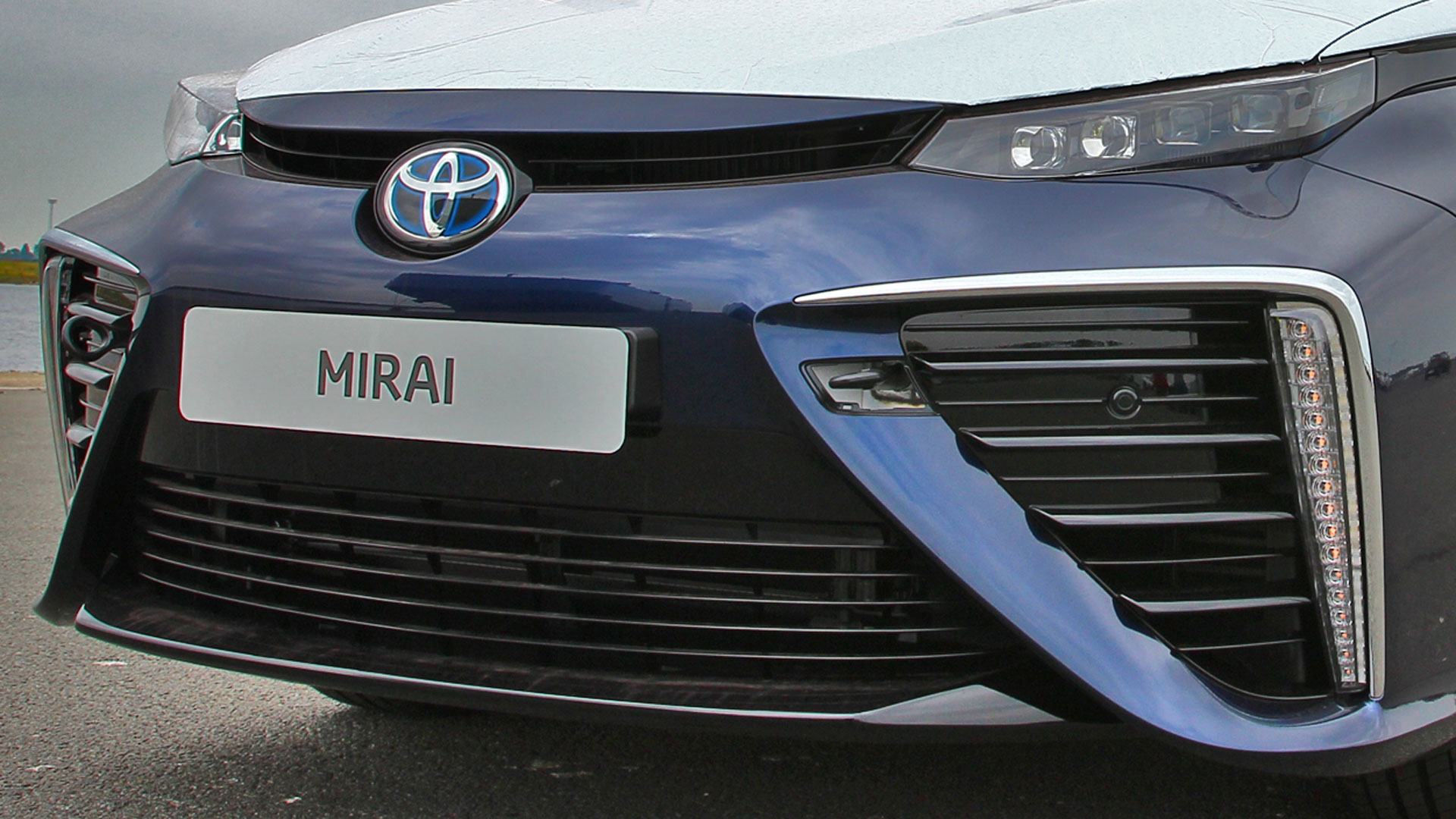
4: Toyota – 800 out of 1,000
Toyota finishes second on the list of volume manufacturers and fourth overall. We were surprised to find Toyota down in 14th place in 2018, but this year’s finish is more representative of what we’d expect from the Japanese company.
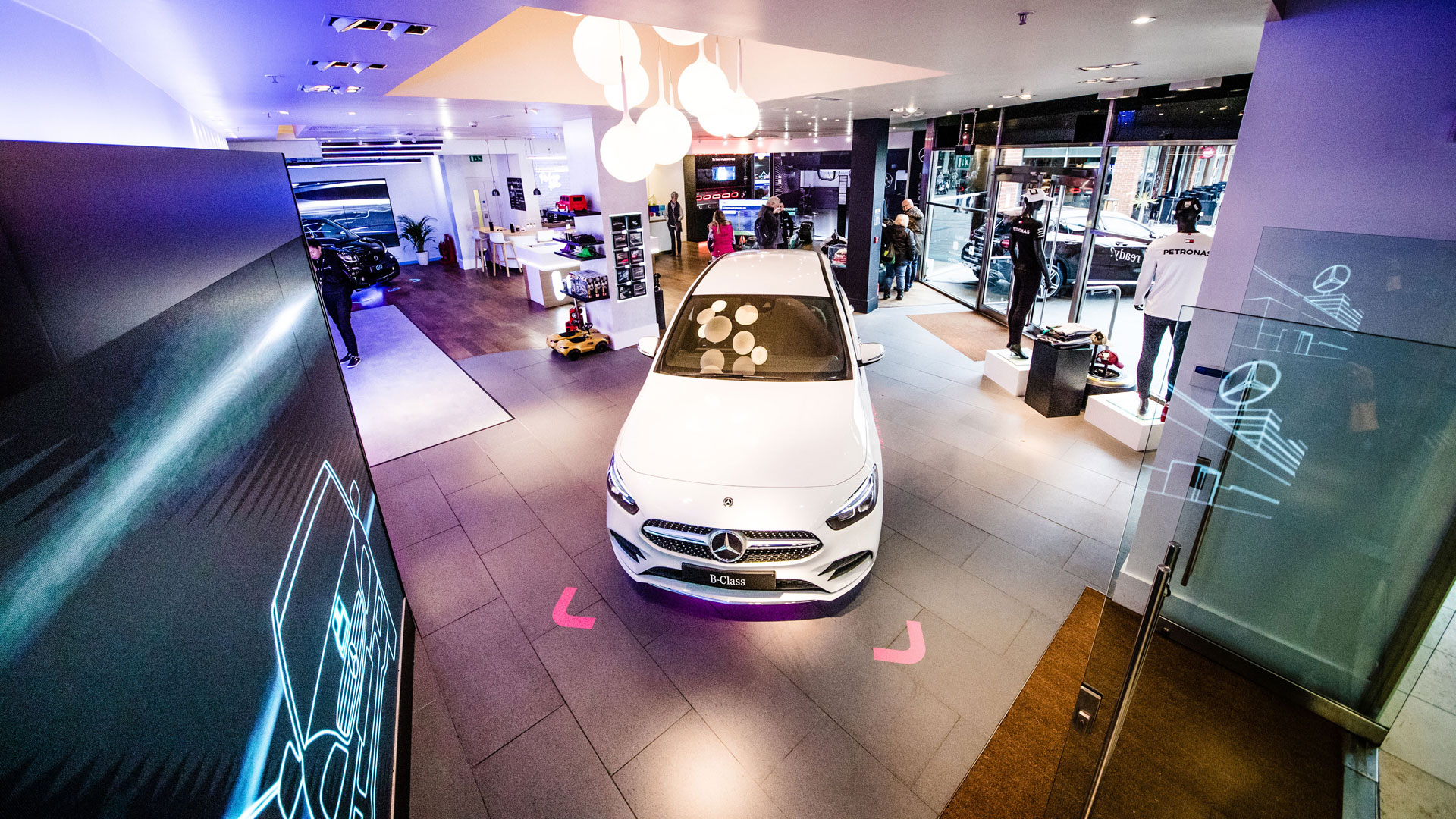
3: Mercedes-Benz – 802 out of 1,000
Hats off to Mercedes-Benz, which manages to beat its rival from Bavaria. No company offers more SUVs than Mercedes, and the company will unveil new versions of the GLC Coupe and GLS at the 2019 New York Auto Show.
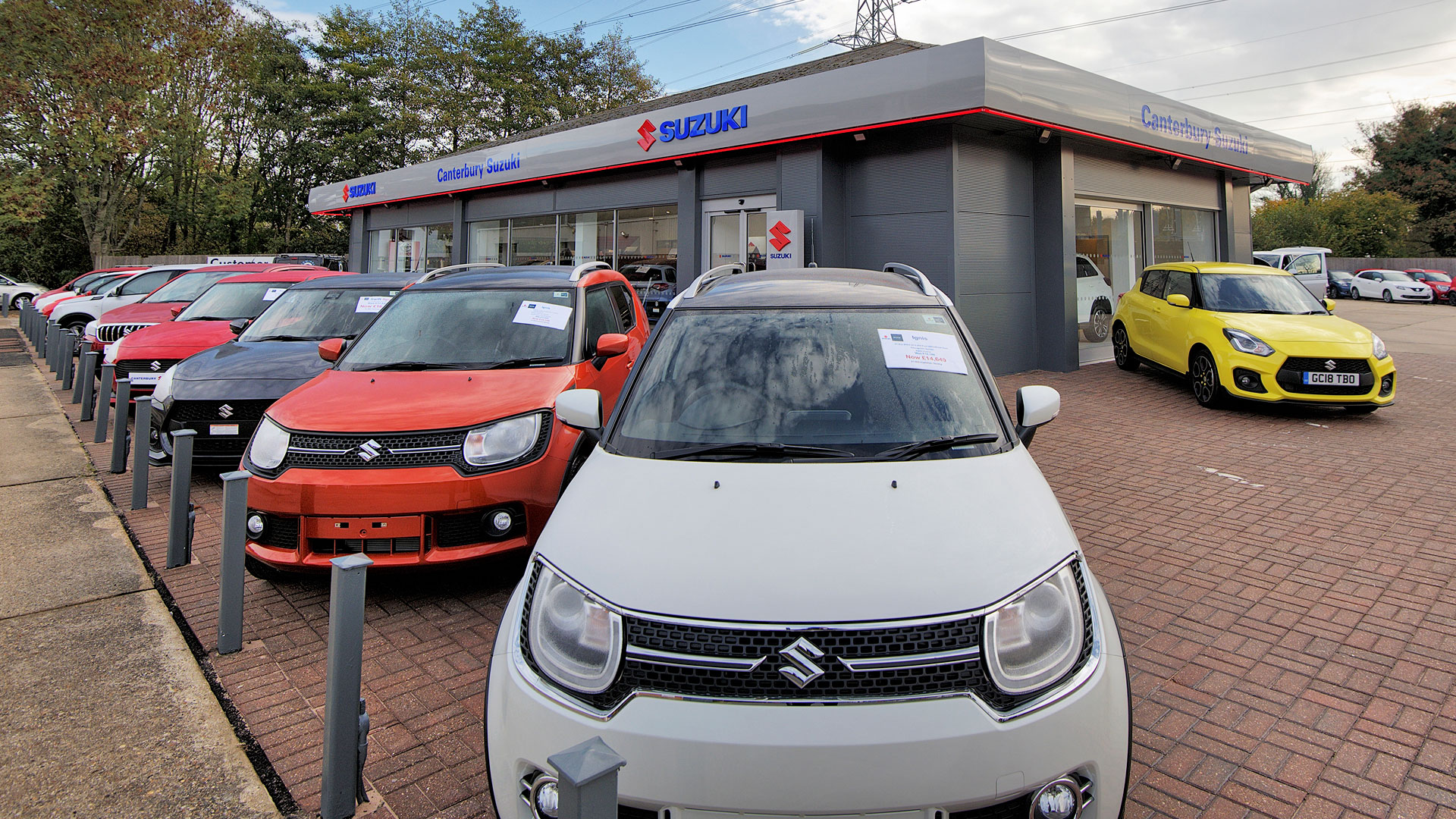
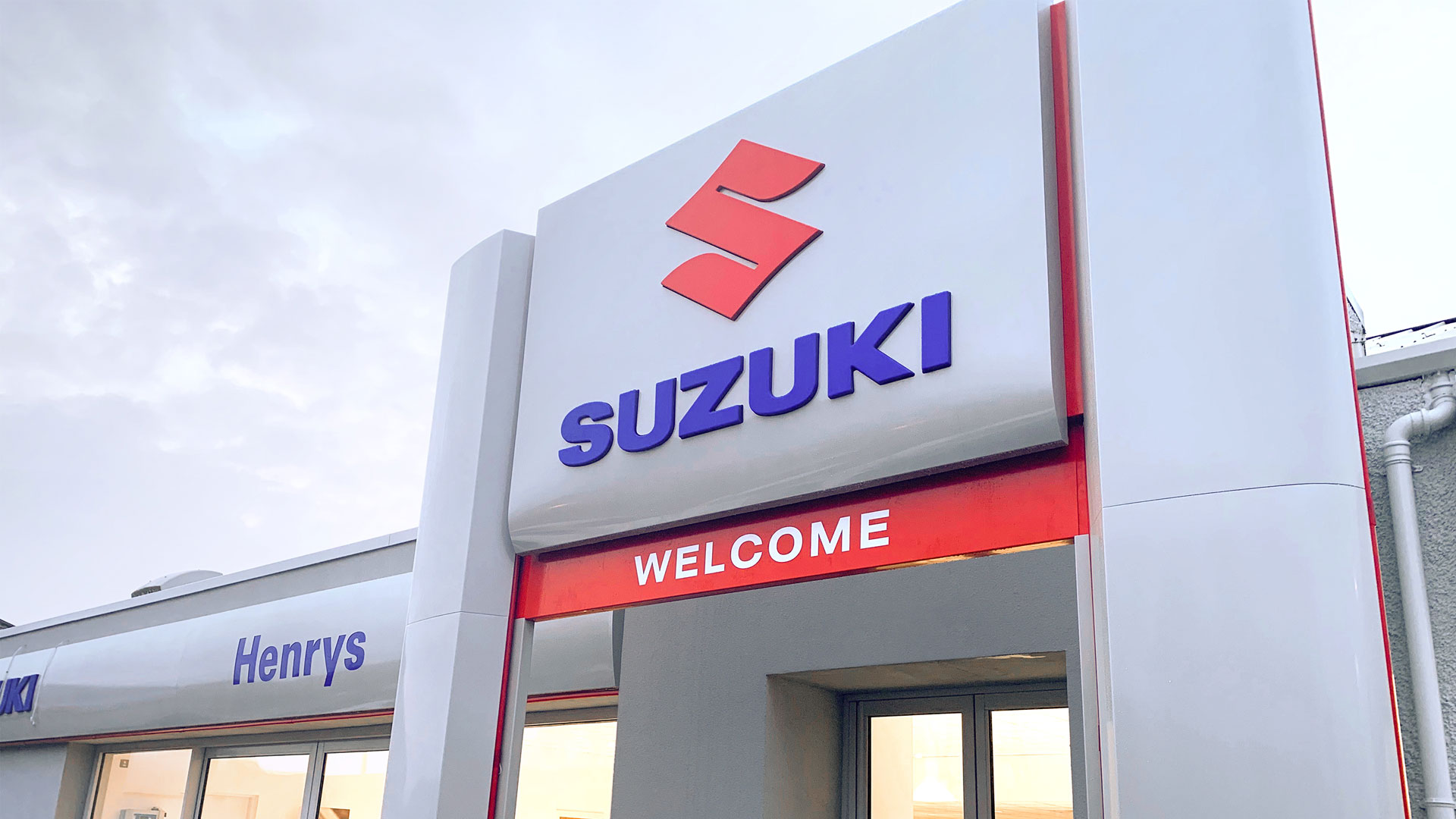
2: Suzuki – 813 out of 1,000
Suzuki ranks highest among the volume brands, with a score of 813 – a 22-point improvement from 2018. This is a tremendous result for Suzuki, which offers a range of likeable and, at times, quirky new cars, including the Jimny and Ignis.
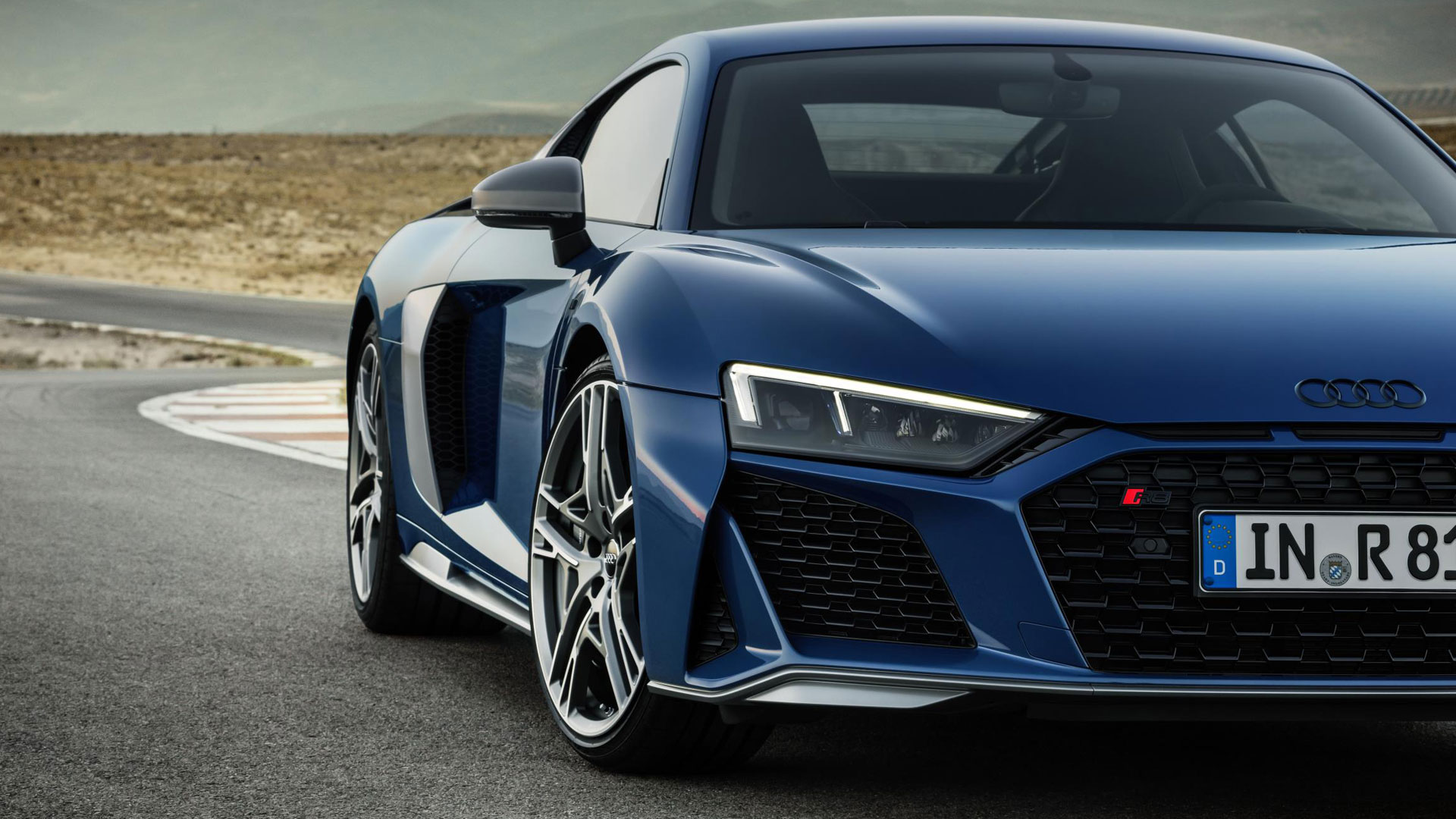
1: Audi – 815 out of 1,000
Audi finished seventh in 2018. This year, a 23-point improvement sees it top the table, as its dealers pull out all the stops to put on a good show. At the end of last year, Audi UK announced that it was implementing a new leadership and change management programme across its dealer network, designed by Alliance Manchester Business School.
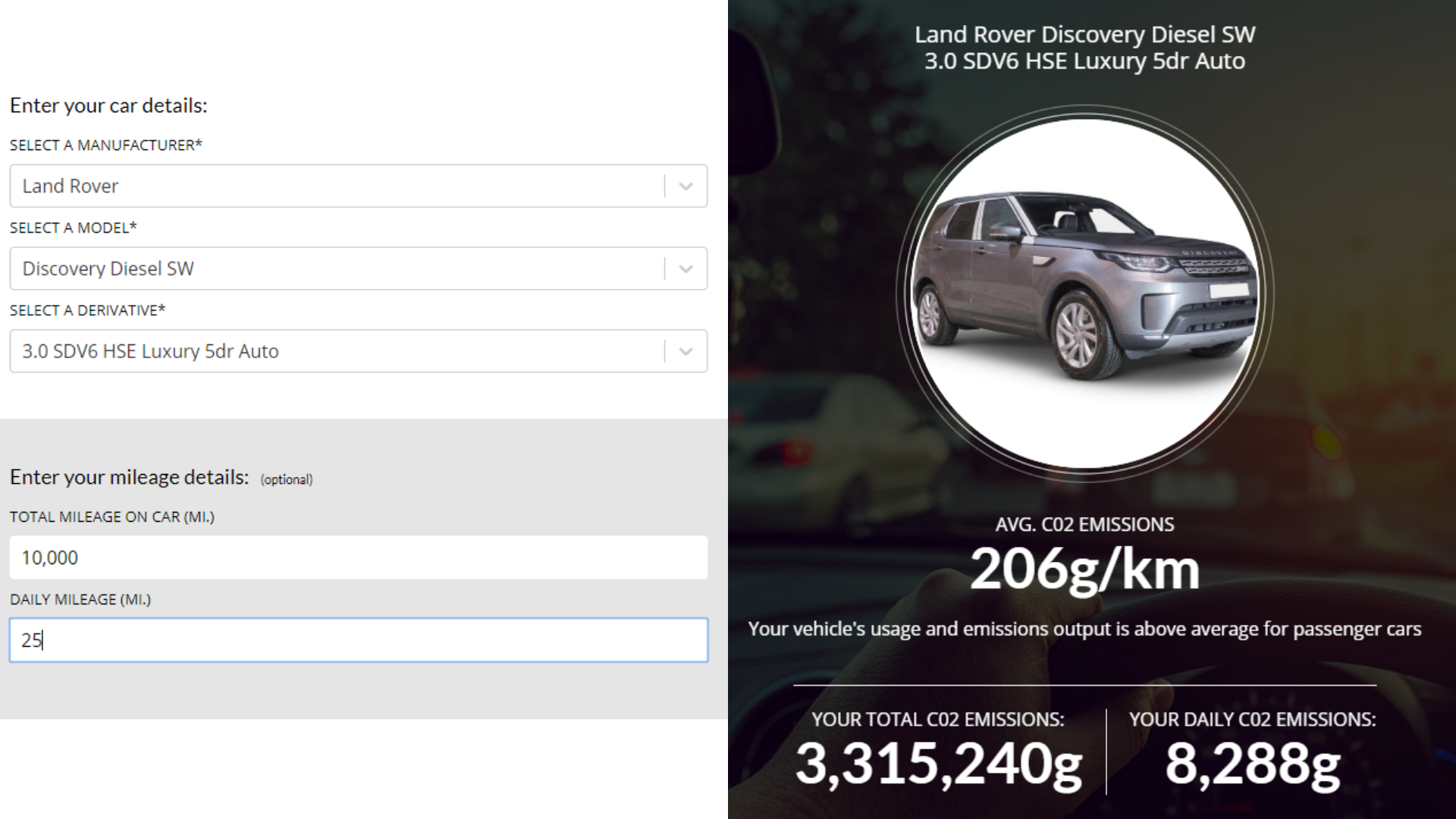
Car leasing specialist AMT has created a new calculator that lets motorists work out how much CO2 emissions their cars are pumping out over the course of their usage.
The calculator uses AMT’s in-house data on 15,000 different cars to provide an estimate on daily driving emissions, as well as for longer periods. Put your miles in, both per day and over the course of its life, and you’ll get daily and lifetime emissions calculations.
A diesel Renault Megane, for example, will emit 3,443,988 grams (yes, that’s over 3.4 million grams) of CO2 over the course of 20,000 miles. Over a day of doing 100 miles, it’ll emit 17,220 grams.
There’s also a league table of 51 different manufacturers in order of which is most and least polluting based on cumulative emissions from across the range.
Predictably, Tesla tops the table for the least-polluting. You don’t need a calculator to work out an electric car produces no emissions, both on paper and in the real world. City car manufacturer Smart and DS Automobiles follow it.
Powered by AMT Leasing
At the bottom of the table, no surprises here, none other than the Raging Bull Lamborghini, which on average produces 347g/km, followed closely by Bentley and Rolls-Royce. McLaren in 46th and Aston Martin in 47th lead Ferrari, Bentley, Rolls and Lambo, impressively, with 252g/km and 272g/km respectively.
Of the main trio of German executive manufacturers, BMW and Audi jointly lead in 16th and 17th with 133g/km. Mercedes is all the way down in 36th, with 174g/km.
A new app called Safe Car Wash has yielded more than 2,000 reports of potential human trafficking and slavery. Of these, 41 percent were considered to be highly likely cases whereby the reporter was prompted to contact the Modern Slavery Helpline.
The app allows you to report on various observable factors – such as the workers’ clothing, if there is on-site living, and the mood and demeanour of the workers – then log the location of wash sites. Any and all of this information can then be passed on to police.
Of the 2,271 completed entries made between the app’s launch in June and December, 17 percent said workers were tearful, 48 percent reported a lack of appropriate clothing and, shockingly, eight percent reported under-age workers. A whopping 80 percent reported that facilities operated a cash-only policy.
However, in spite of 41 percent of reports getting the response to call the Modern Slavery Helpline, just 18 percent (under 180) went ahead with it. As familiarity with the problem and the nature of the crime grows, that’s expected to rise.
As many as 10,000 people are thought to be working and suffering under conditions of slavery in the UK, per Home Office estimates. The hand car wash industry is considered to be a slavery hotbed, with as many as 24,000 feared to be working in or near to slavery conditions.
Signs of potential slavery and trafficking and who is at risk
As above, there will be signs that individuals could be suffering in slavery conditions. Caravans nearby, as well as bedding, are a sign that workers are living on sight. Note any injuries as potential signs of abuse or the lack of the correct clothing.
Note people’s demeanour, too – whether they seem fearful or reluctant. Cash-only policies indicate an establishment that wants to keep off the books, too.
Anyone from the average citizen in a low point in their life, to immigrants, to the mentally disabled, can be at risk of being taken advantage of.
A useful tool
Being able to raise the alarm about such institutions via the focused structure of this dedicated app is an invaluable modern amenity. Citizens can be the instant eyes and ears for the authorities, without putting themselves at risk.
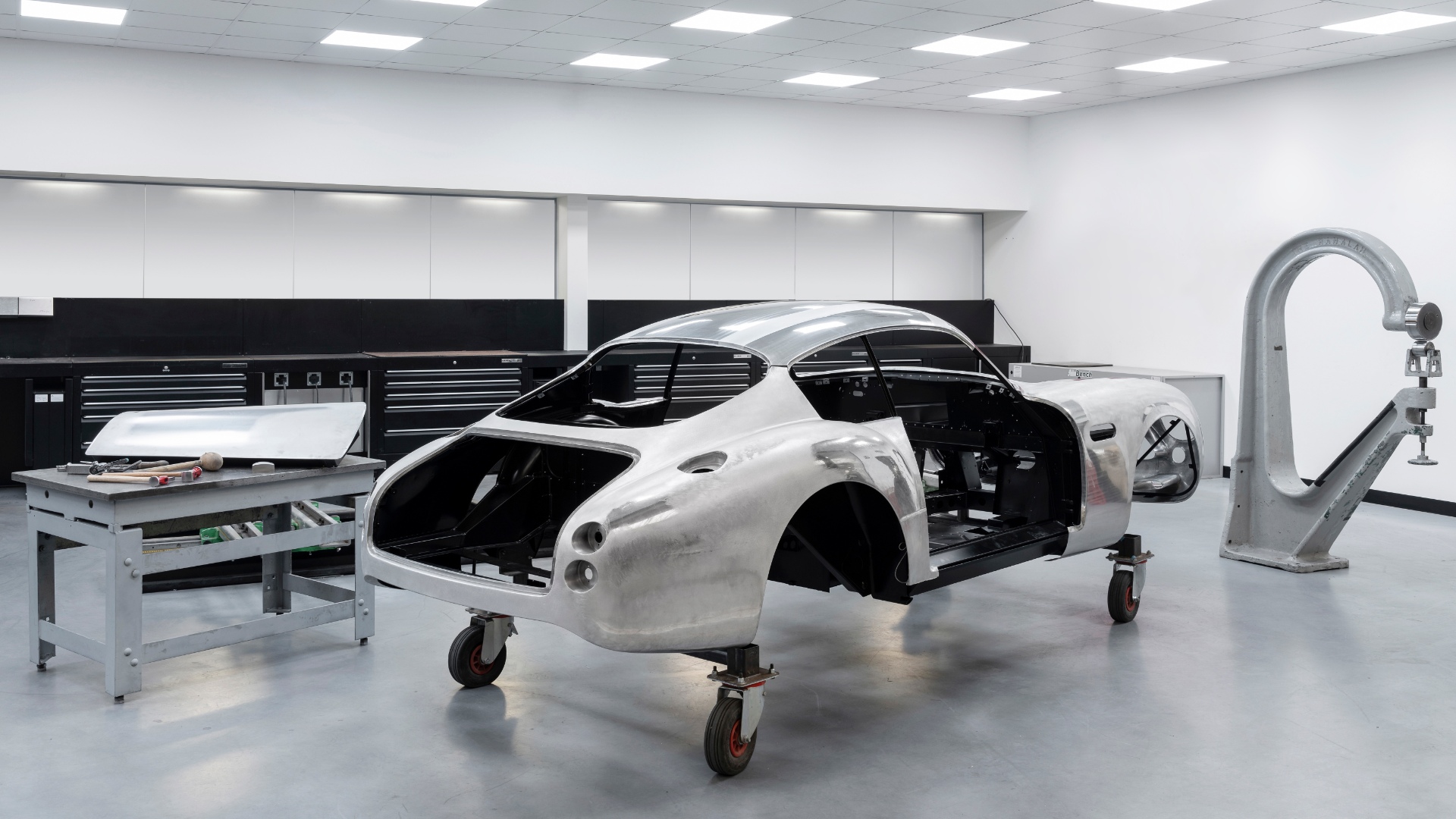
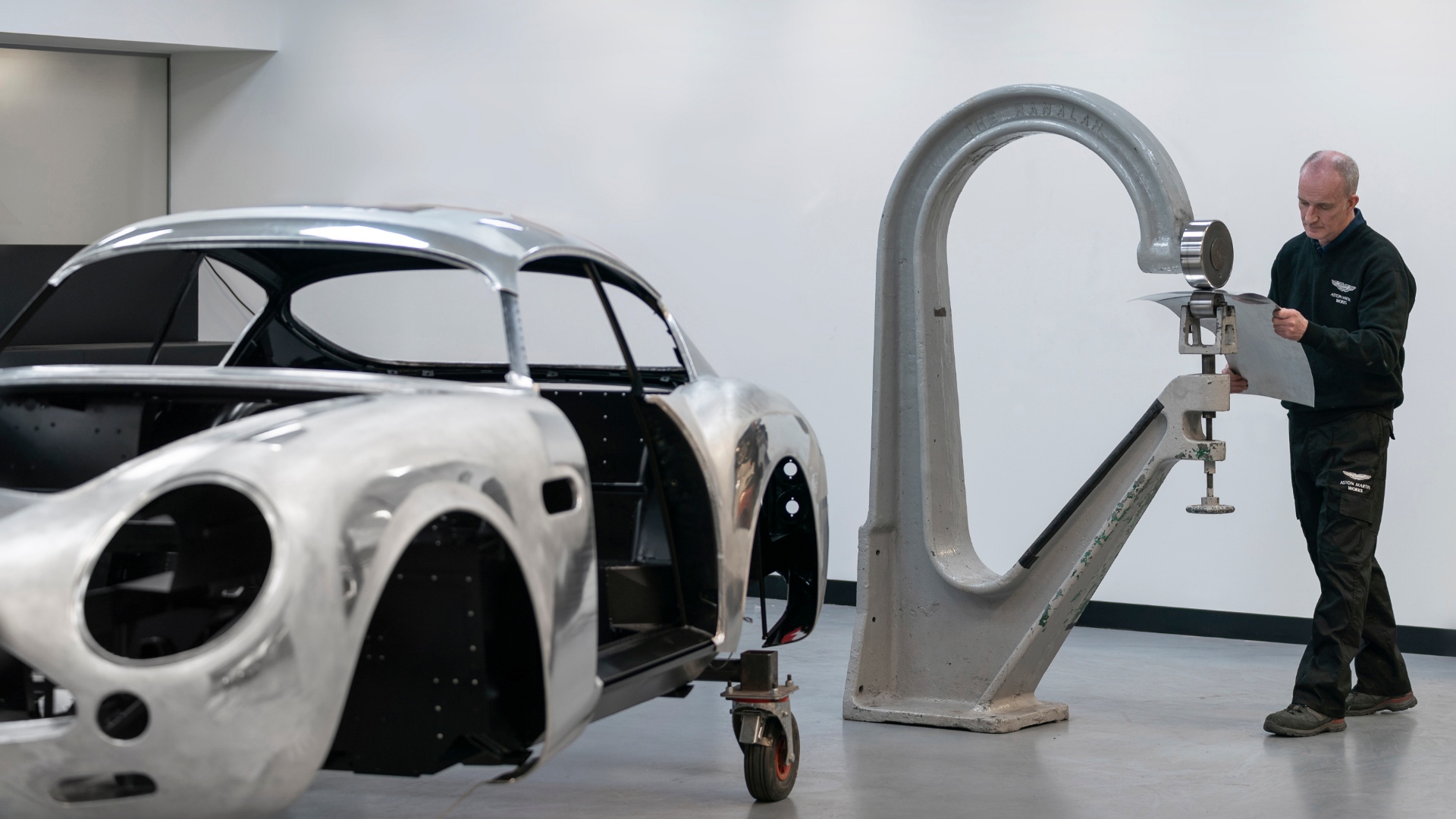
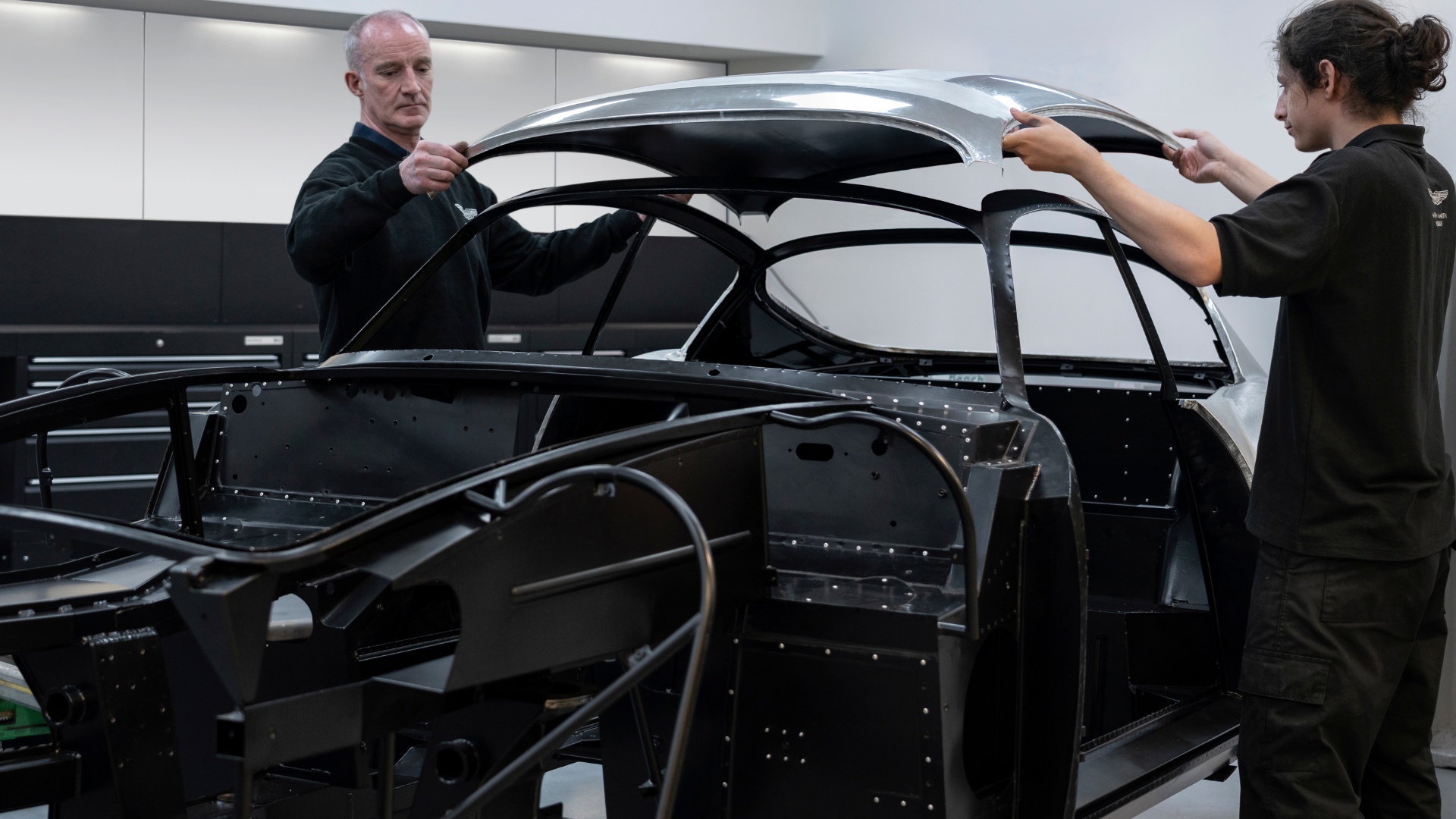
One half of the Aston Martin DBZ collection has begun production and no, it’s not the brand new DBS GT Zagato. It’s the 1960s classic from which it draws inspiration, reborn for 2019. DB4 GT Zagato construction is officially underway.
Construction is perhaps a better word to describe the process of a DB4 GT Zagato coming together, rather than production. Production has connotations of automation about it. To construct something is a very human thing, and the DB4 GT Zagato Continuation is a human-built car.
The cars are to be hand-finished at Aston Martin’s Heritage Division headquarters in Newport Pagnell. They should be finished to a standard much higher than would have been possible in period, too. That’s panelling, engines and all…
The cars are to be neither road nor race legal, but rather serve as both one half of the DBZ Collection, and as a demonstration of what Aston’s Heritage Division can achieve in terms of restoration, renovation, recreation and indeed, ground-up build.
There’s no other more important Aston to do it with than the DB4 GT Zagato, either. Originals are thought to be the most valuable Aston Martins in the world. It’s rare that one comes up for sale. Some of that value will come from the fact that they were handcrafted in Italy at Zagato.
“We are bringing all of our hand-craftsmanship and expertise to bear in building these nineteen Continuation cars, sympathetically incorporating the very latest engineering advancements and performance enhancements, but remaining true to the purity and authenticity of the original design,” said Paul Spires, president of Aston Martin Works.
“After the unprecedented success of the DB4 GT Continuation cars, we are once again bringing to life in the 21st Century the stuff of Aston Martin folklore.”
The price for one of these continuation Zagatos? Well, they come as a pair, each with a sister DBS. The collection would set you back £6million, plus local taxes, if any build slots were left…
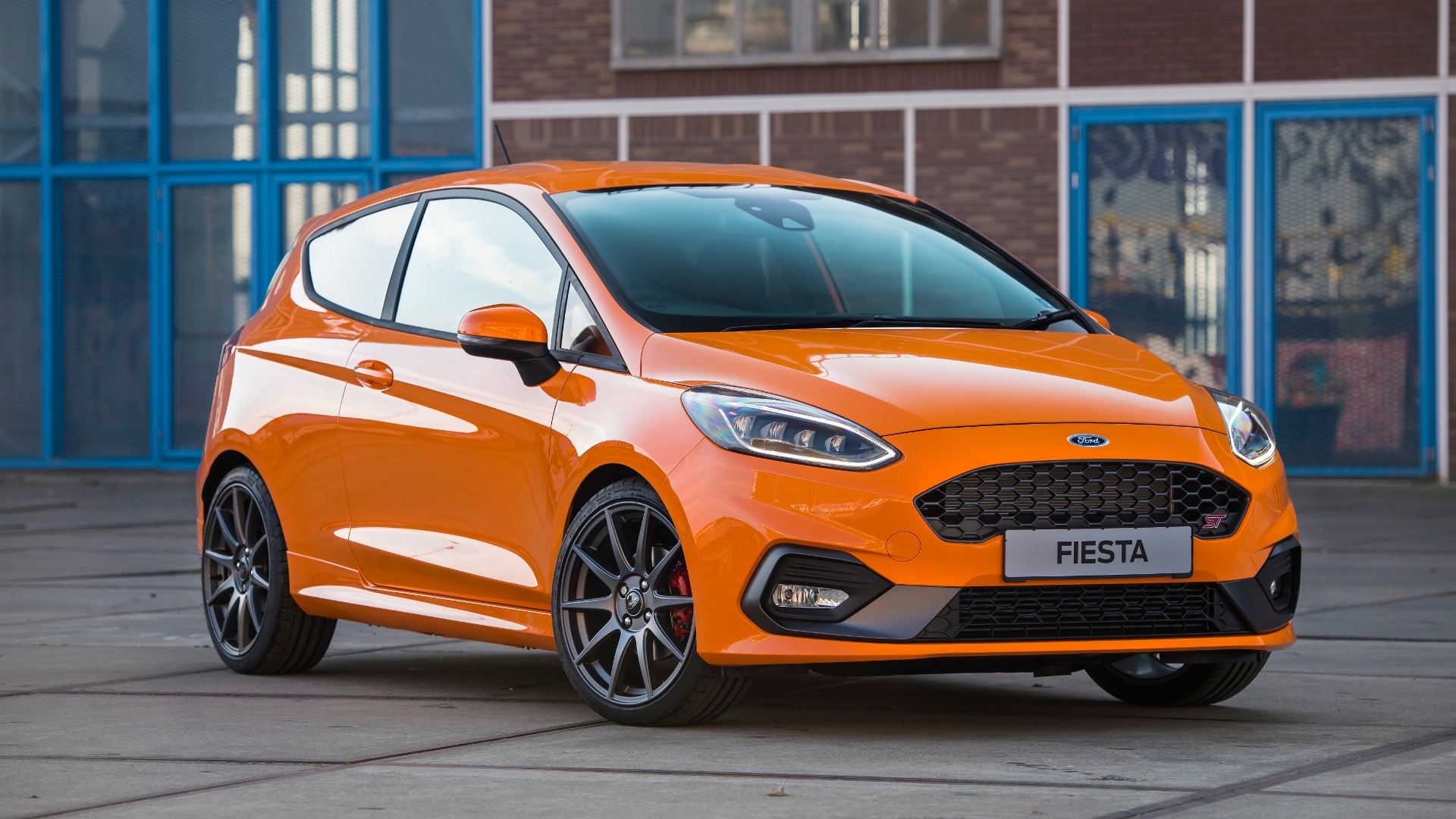
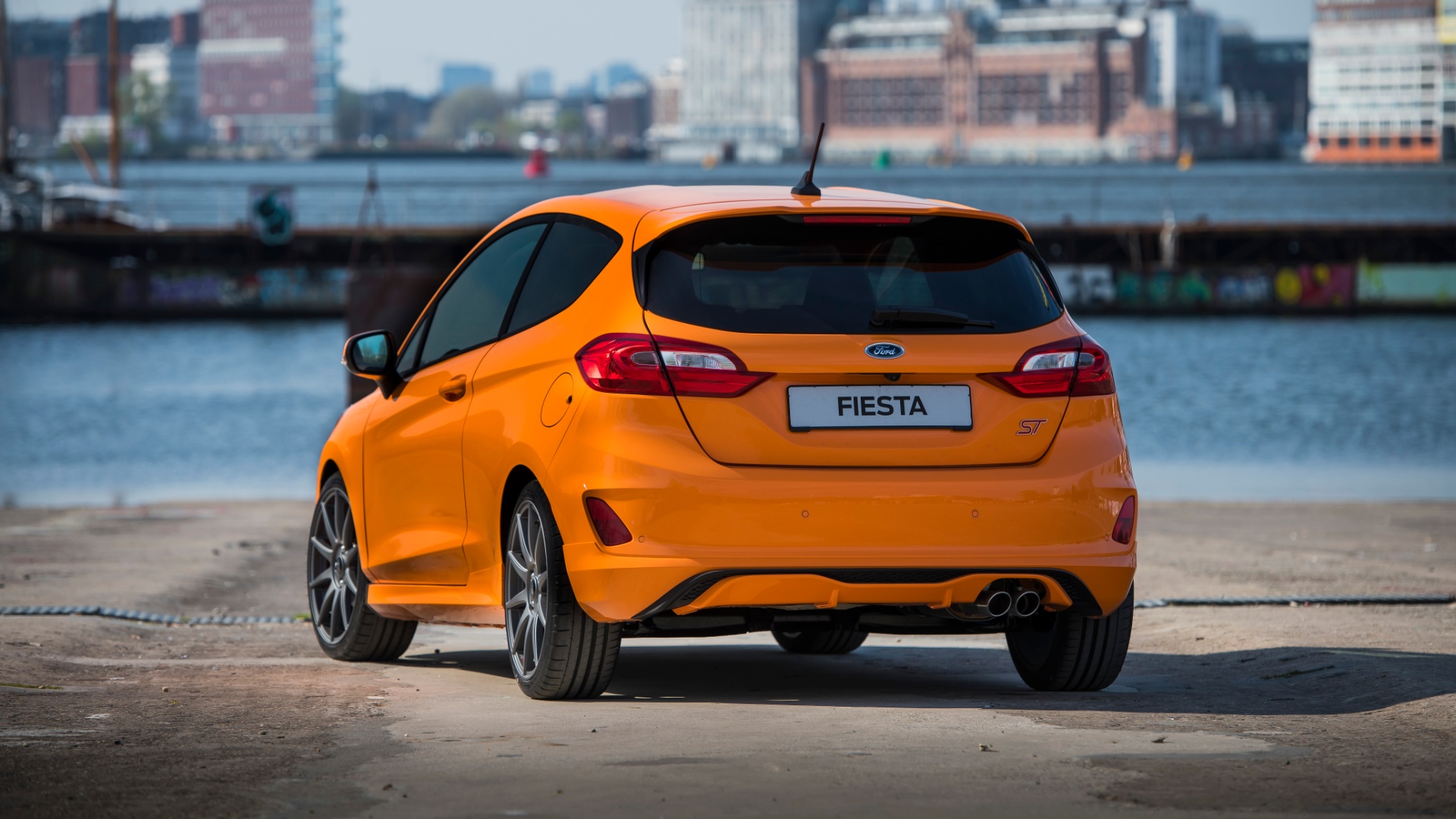
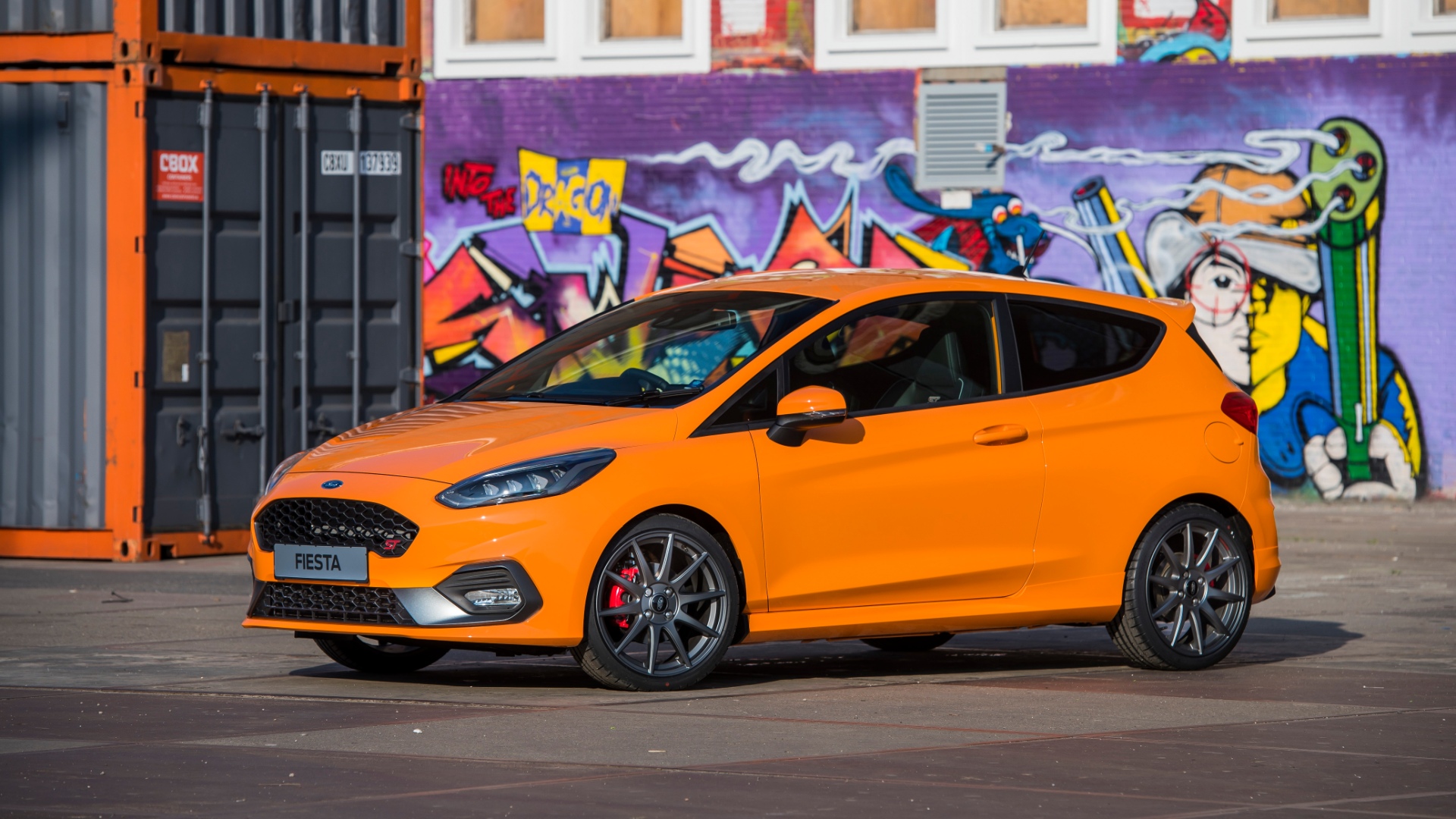
Bringing back vivid memories of the bright orange second-generation Ford Focus ST is the new Ford Performance Edition of the latest Fiesta ST. Resplendent, as you can tell, in Deep Orange.
Limited edition, unlimited appeal?
How do you increase the appeal of what has to be one of the best-loved and most accomplished hot hatches on sale? Well, it’s a limited edition. Just 600 of these Ford Performance Editions are to be made, exclusive to the home of the hot hatch – the UK, of course.
Under the skin
The standard Fiesta ST might be excellent, but it’d be nice if the Ford Performance Edition was a bit more than a lick of paint. Happily, it is, with a Nurburgring-tuned coilover suspension package. Manual adjustment features, with 12 bump and 16 rebound settings you can tune your setup with. It wouldn’t be a Ford without some lurid colour contrast, so yes, the springs are bright blue.
You also get a set of exclusive 18-inch flow formed alloy wheel design on your Ford Performance Edition Fiesta ST, and you know something, it looks properly cool.
Standard features that would otherwise be optional on a normal ST include the Performance Pack (complete with Quaife LSD), launch control, shift lights, the lovely B&O sound system and distinctive LED headlamps.
What price for Ford Performance?
Final pricing is yet to be decided for the Ford Performance Edition, which will go on sale from June 2019. Ford says the standard fitment on this car adds up to around £3,000 of options over the standard ST-3. This could turn out to be a Porsche 911 GTS-style bang-for-your-buck scenario, by the time cars are delivered in September 2019.
For now, we can’t see a thing wrong with a well-specced, upgraded, brightly coloured version of one of the best hot hatches of the moment. Doesn’t sound entirely unlike the original Clio Trophy…
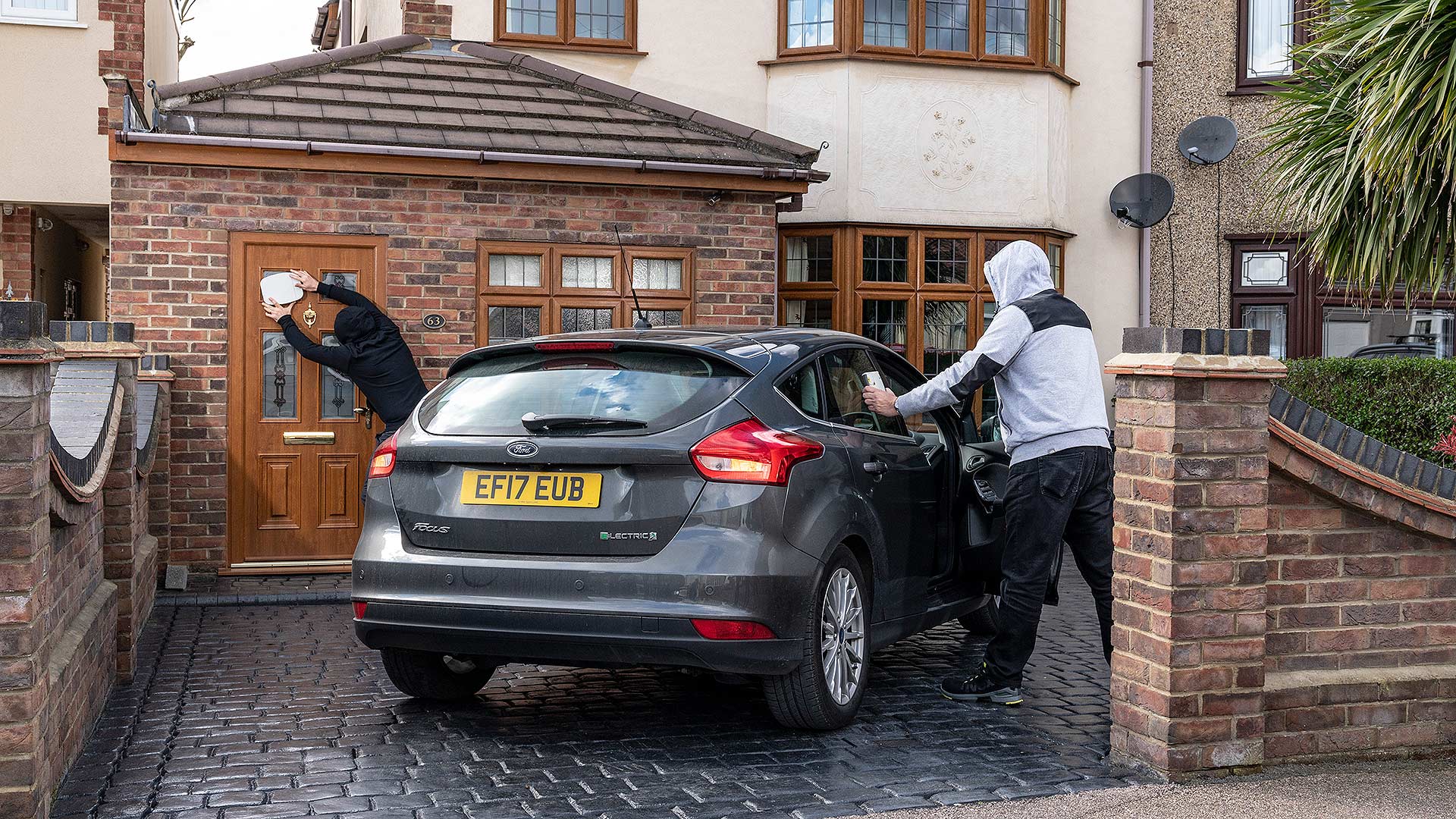
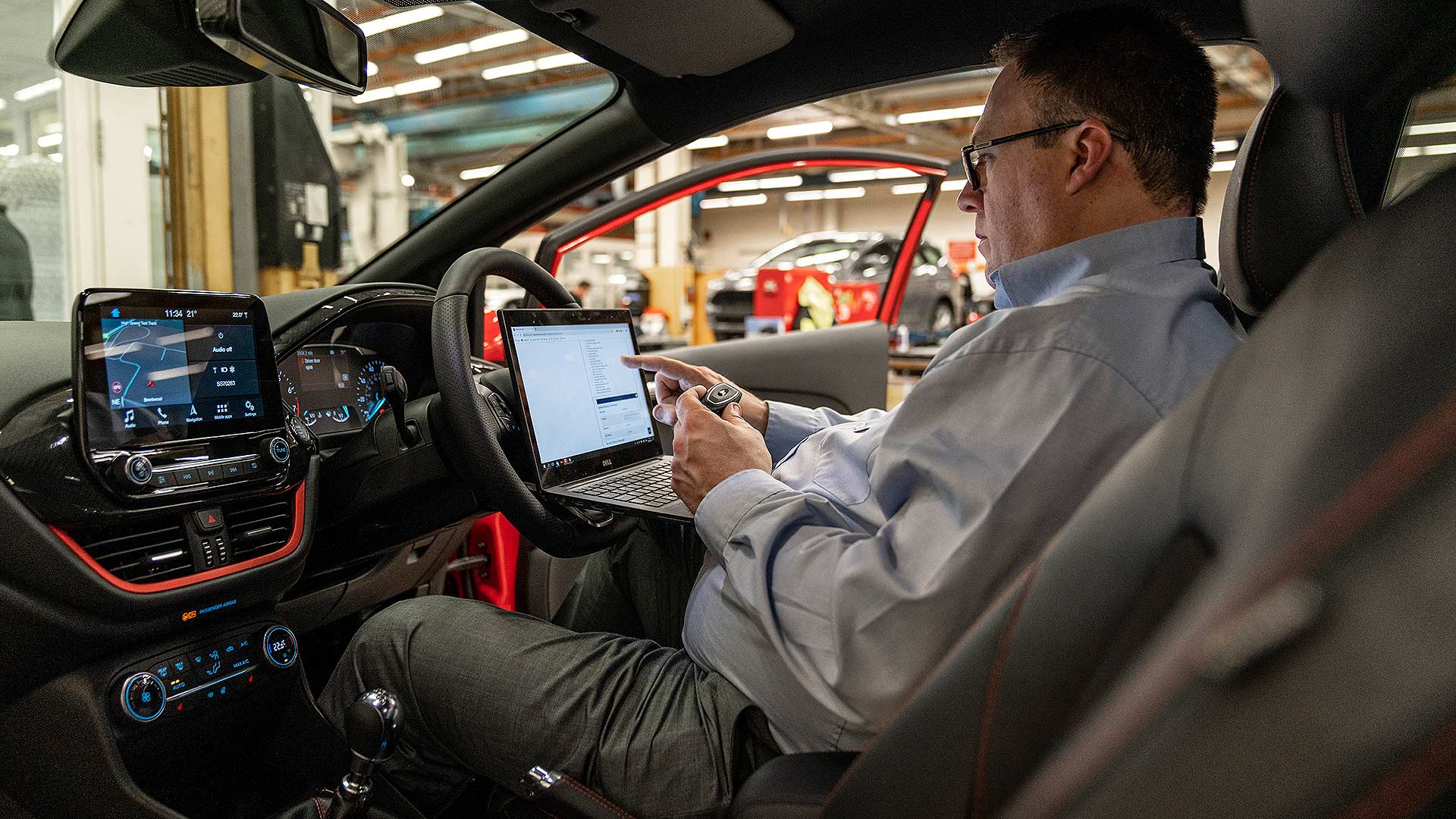
The new tech for Fords fitted with keyless entry uses a motion sensor within the key fob. The sleep mode is triggered if it hasn’t been moved for 40 seconds – so won’t respond to signals from hackers equipped with ‘relay boxes’ which can now easily be bought online.
Criminals illegally use the relay boxes to extend the signal from key fobs in homes, unlocking and starting vehicles parked outside.
Ford’s move is in response to owners of cars with keyless entry being targeted by thieves. The crime wave was highlighted last night on the BBC One Show, where Ford announced its keyless theft upgrade.
The growing issue of keyless car theft was underlined recently by a new keyless entry theft test introduced by Thatcham Research. This caused a stir by slamming many best-selling cars with a ‘poor’ rating.
The Porsche Macan has already been upgraded with a ‘superior’ score.
‘Swift protection’
Simon Hurr, Ford security specialist, said: “The online availability of devices which have no place in public hands has long been a problem for Ford, our industry and crime fighters.
“We are pleased to respond with a simple but effective solution – swiftly implemented to help protect owners of our top-selling cars.”
New Fiesta and Fiesta Van are already being delivered with the new tech, says Ford. The Focus will follow from May 2019.
Ford will introduce the keyless theft-proof fobs across its range within the next two years.
Owners of nearly new latest-model Fiesta and Focus can also buy replacement key fobs equipped with the new sleep mode. They cost £65 on the Fiesta and £72 on the Focus, plus just under an hour’s labour at a main dealer to programme and test.
The UK’s pothole epidemic is so severe, around 40 percent of drivers said they would be willing to pay more tax to fix the problem. That’s according to a study conducted by Green Flag, with researchers speaking to 2,000 British drivers.
As Benjamin Franklin famously said, “nothing can be said to be certain, except death and taxes”, but we can add potholes to that list, with UK drivers encountering, on average, seven potholes per trip.
Even more shocking is the fact that 56 percent of motorists said their cars have been damaged by potholes, costing the country around £4.9 billion in repair costs.
Green Flag’s research would suggest that motorists have had enough. While two in five said they’d be prepared to pay a higher rate of VED if the revenue was spent on repairing potholes, around a quarter said they’d be willing to add up to five miles to their journey to avoid driving on a pock-marked road.
Simon Henrick at Green Flag said: “The problem of potholes on UK roads means there is an increased risk of car damage. With this in mind, it is important to stay safe when driving and to regularly check your vehicle and tyres for damage.
“Our research found that only a third of drivers know how to check their tyres for damage, and only 49 per cent know how to change a tyre, so Green Flag is doing all we can to ensure drivers know how to carry out basic safety checks before a journey and carry out simple maintenance to their vehicles.”
It’s rather worrying that just half of the motorists surveyed said they know how to change a tyre – although with so many cars leaving the showroom without a spare wheel, perhaps we shouldn’t be surprised. Just one in three motorists said they’d feel comfortable checking tyres for signs of damage.
How to change a car tyre
To help the 49 percent of drivers who can’t change a wheel, Green Flag has put together the following guide.
Find a safe place to stop: as soon as you notice you have a flat tyre, find a safe place to stop off the road on a stable, flat surface. If you’re on a motorway, move to the hard shoulder and wait for assistance as it’s too dangerous to change a tyre there.
Safety first: put on a high visibility vest and place a reflective hazard warning triangle plenty of distance behind your car to alert oncoming traffic.
Prepare for the job: locate the spare wheel, the jack, wheel brace and locking wheel nut key. All should be either under the boot floor, under the car or in some SUVs on the back door.
No spare? If you can’t find a spare wheel, your car may instead be equipped with mousse that can be squirted into the tyre through the valve. This is only a temporary solution to get you home and you should get the tyre changed as soon as possible.
Prepare the wheel: to remove the punctured wheel and tyre, loosen the wheel nuts with the wheel wrench, but don’t remove them yet. If you can’t see the wheel nuts, you may have to prise off a cover first. If your car has alloy wheels, one of the nuts is likely to be locking and there will be a key that fits the wheel brace to undo this.
Position the car: check the handbrake is firmly on and put the car into first gear. Find the jacking point by looking in your car’s manual, and use the jack to raise the car so that the wheel with the punctured tyre is off the ground.
Remove the wheel: now fully remove the wheel nuts and take off the wheel. If the wheel won’t budge, call your breakdown provider: pushing and pulling it could bring the car off the jack.
Add the spare wheel: lift the spare wheel onto the hub, line up the holes and screw in the nuts until they’re finger tight. Once it’s secure, lower the jack and use the wrench to tighten the wheel nuts fully.
To remember: check them all twice to be sure none is loose. Remember if your car has a space saver spare wheel, your top speed and the number of miles you cover is limited.
Buying a new car or van that meets the emissions standards is one way to avoid the daily charge. However, this will either involve spending more money up front or signing up for a lengthy finance deal.
Either way, the ULEZ is going to cost you money if your existing vehicle is deemed to be too dirty for London.
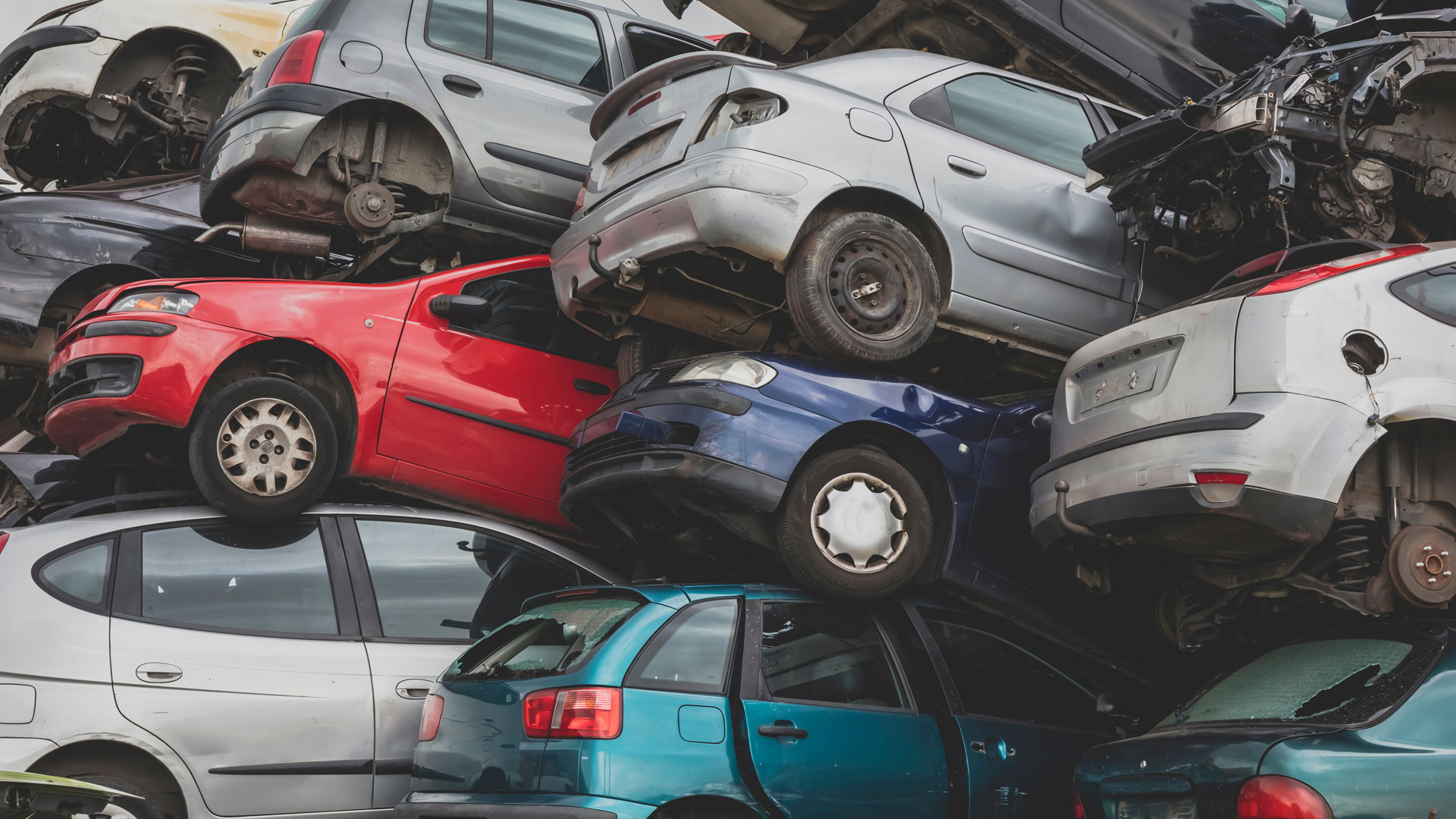
ULEZ van scrappage scheme
If you’re the owner of a micro business or a charity, you can apply for the Mayor of London’s scrappage discount, with up to £6,000 available for eligible organisations. The scheme was announced at the end of 2018, with Sadiq Khan allocating £23 million to the van scrappage scheme.
To qualify, a micro business must meet the following criteria:
Have ten or fewer employees
Have a turnover up to £632,000, OR up to £316,000 balance sheet total in the preceding and current financial year AND
Have an active Companies House registration in the UK OR be VAT registered in the UK
Charities must be registered with the Charity Commission as an active charity.
Eligible organisations can scrap up to three older, more polluting vans and charity minibuses, but the vehicle(s) must meet certain criteria, in addition to failing to meet the ULEZ standards. The requirements are:
The vehicle must have been owned by the business or charity for more than 12 calendar months before 22 February 2019
Insured for business use
Have a valid MOT and current VED
The vehicle must be scrapped at an approved Authorised Treatment Facility (ATF)
There are three different scrappage funds available, and these are summarised by Transport for London (TfL) as follows:
Option 1: Scrappage for frequent users of the Congestion Charging Zone (CCZ) (£3,500)
The vehicle being scrapped must:
Have been driven within the CCZ at least 52 times during the six months before 22 February 2019 – this will be checked against existing transactions in your London Road User Charging account
Be a pre-Euro 6 model light van (or charity-owned minibus) that does not meet the ULEZ standards
Option 2: Scrappage and purchase/lease of Euro 6 replacement (£3,500)
The vehicle being scrapped must be:
A pre-Euro 6 model light van (or charity-owned minibus) that does not meet the ULEZ standards
Replaced (by purchase or lease) with a Euro 6 light van or Euro 6 minibus (for charities only)
The micro business or charity must be registered at a Greater London address.
Option 3: Scrappage and contribution towards running costs (including insurance) of an electric vehicle (£6,000)
The grant payment is made up of £3,500 for scrapping eligible vehicles plus a £2,500 contribution towards running costs (including insurance) of a replacement electric vehicle(s).
The vehicle being scrapped must be:
A pre-Euro 6 model light van (or charity-owned minibus) that does not meet the ULEZ standards
Replaced (by purchase or lease) with an electric light van or electric minibus (for charities only)
ULEZ scrappage for lower incomes
In February, the Mayor of London announced a new ‘scrap for cash’ fund to help low-income Londoners get behind the wheel of a ULEZ-compliant vehicle. Although Sadiq Khan hasn’t released details of the scrappage discount, £25 million will be available and the scheme will be launched later this year.
At the time, Khan said: “Our country’s filthy air is a national disgrace that shortens lives, damages our lungs, and severely impacts our NHS. City leaders across the country are united in raising the alarm about the dangers posed by poor air quality.
“I’m announcing plans to help motorists on low incomes, as well as micro businesses, to scrap their older, more polluting vehicles.
“However, Ministers must now show they can match my commitment. If we’re going to tackle the health crisis and social injustice caused by air pollution it is vital and only fair that a national vehicle scrappage scheme is funded and supported by the government.”
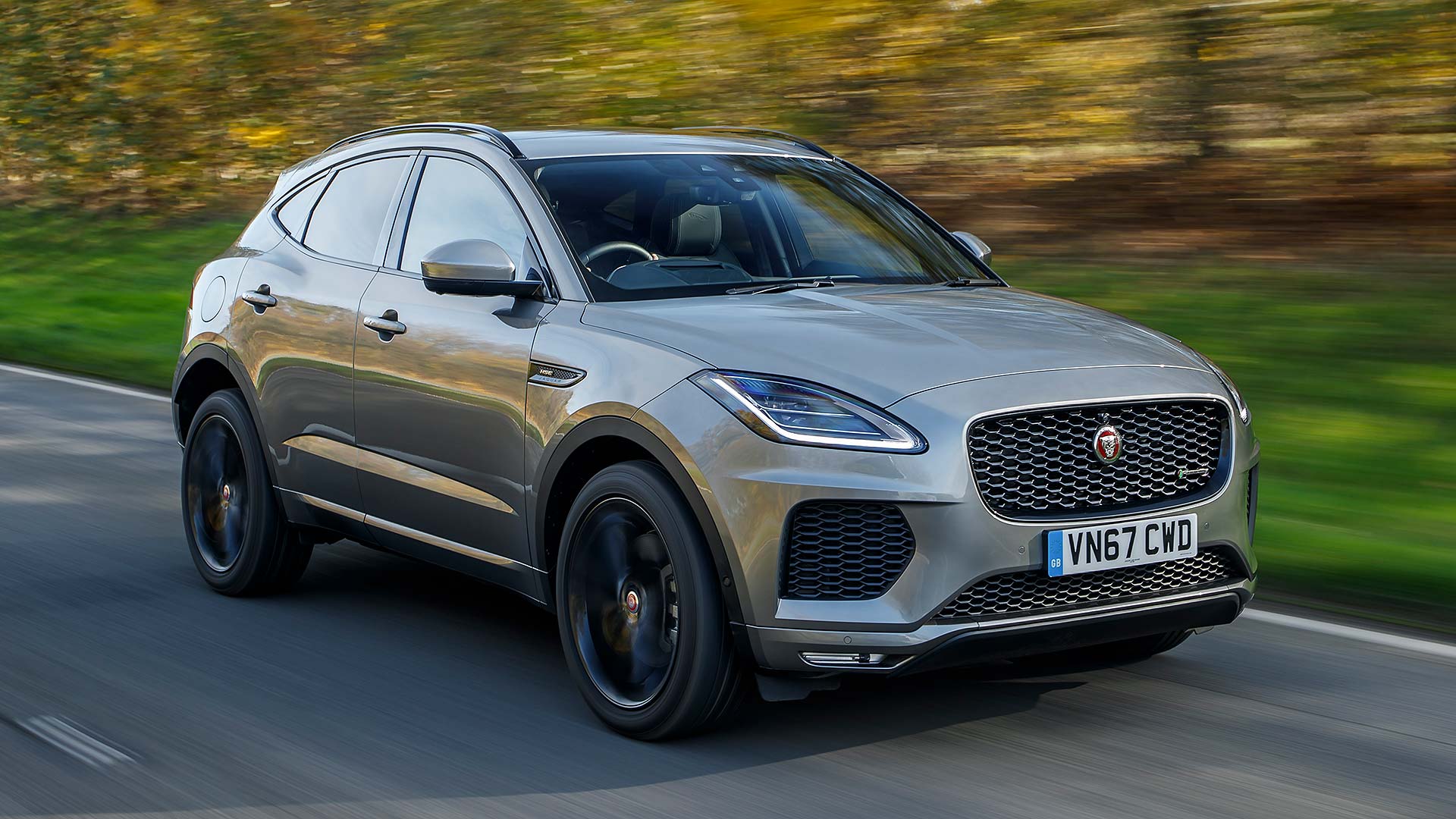
The Jaguar E-Pace is now the firm’s best-selling car in the UK, helping it record full-year sales growth of more than 20 percent.
The positive performance of Jaguar was backed up by the 3.5 percent growth of its bigger sibling Land Rover. This helped overall Jaguar Land Rover (JLR) sales rise by 8.4 percent in the full year from April 2018 to March 2019.
A total of 118,108 new Jaguars and Land Rovers took to British roads last year.
Growth of more than 8 percent contrasts with a 3.7 percent decline in overall UK new car sales during the same period, says the firm. And focus on the premium makers’ competitive set of rivals, and its market share has grown from less than 30 percent to more than a third of the total segment.
“Despite the headwinds facing the automotive industry, I’m glad to see Jaguar Land Rover’s UK strategy is having the desired effect,” said UK MD Rawdon Glover.
“Investment into the right products at the right time has seen us steadily grow our market share and our sales in what has been a declining market.”
Jaguar: on pace
Jaguar sold 11,142 E-Pace compact SUVs last year, taking over from the F-Pace large SUV as the firm’s most popular car. The all-electric (and European Car of the Year-winning) I-Pace also did reasonably well, selling 1,760 units in just over half a year.
A total of 38,604 new Jaguars were sold last year, and Glover is hopeful of more success this year, with the launch of the much-imported Jaguar XE looking to snare more sales from tax-conscious company car drivers.
Both the Jaguar XE and Jaguar XF executive car have achieved RDE2 emissions compliance, meaning they are exempt from the punitive 4 percent company car Benefit-in-Kind penalty placed on non-compliant cars.
Land Rover: on track
Land Rover sales grew to more than 79,500 new cars, making it twice the size of Jaguar in the UK.
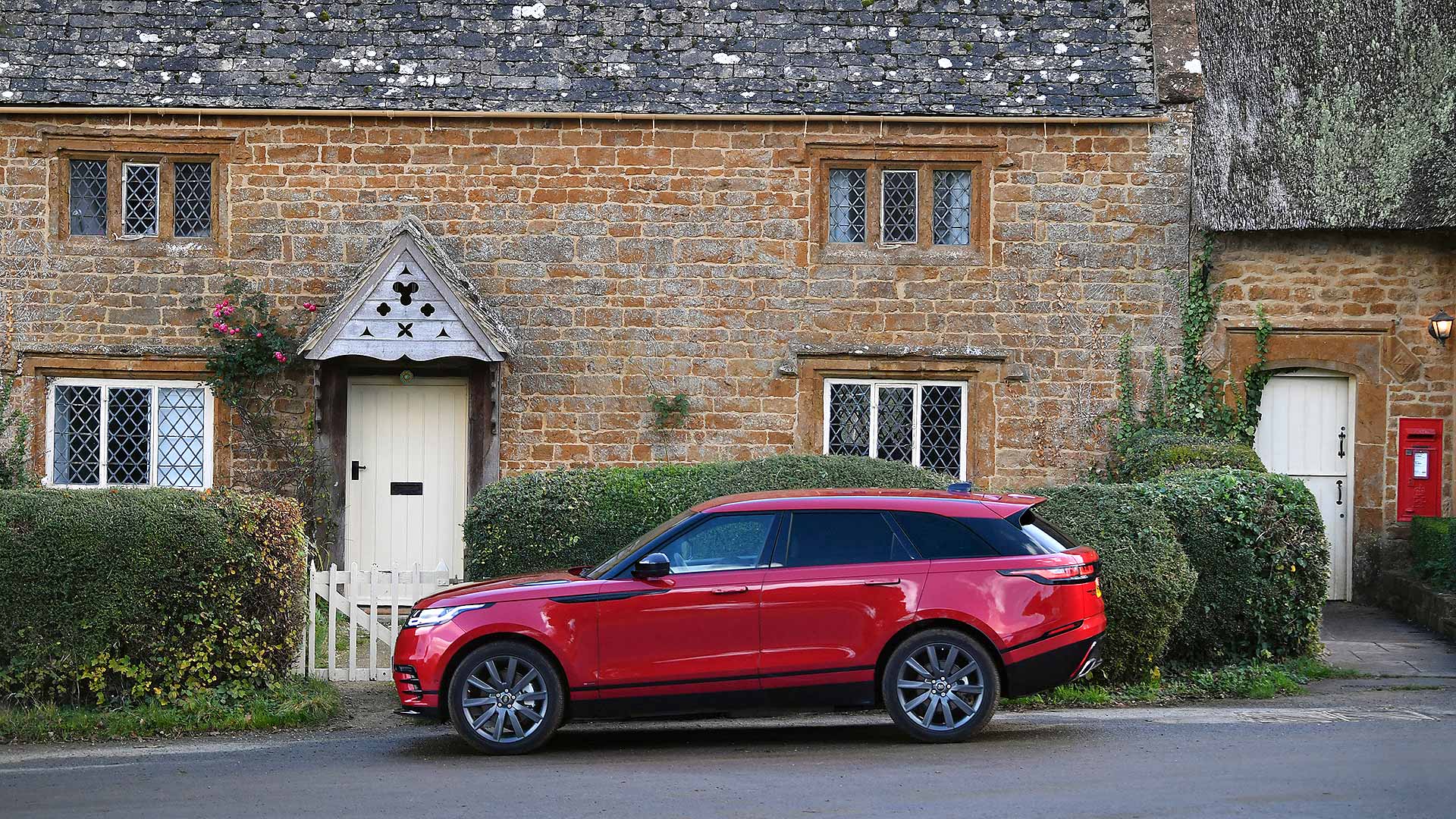
The 4×4 brand sells lots of profitable cars too: the Land Rover Discovery Sport was its best-selling car, followed by the Evoque, with the Range Rover Velar taking over from the Range Rover Sport as its third best-selling model.
13,226 new Velar were sold last year, compared to 13,150 Range Rover Sport. Meanwhile, Land Rover sold more than 7,000 new luxury Range Rovers – and added that, for those living within the M25, 1 in 2 of them were plug-in hybrid P400e versions.
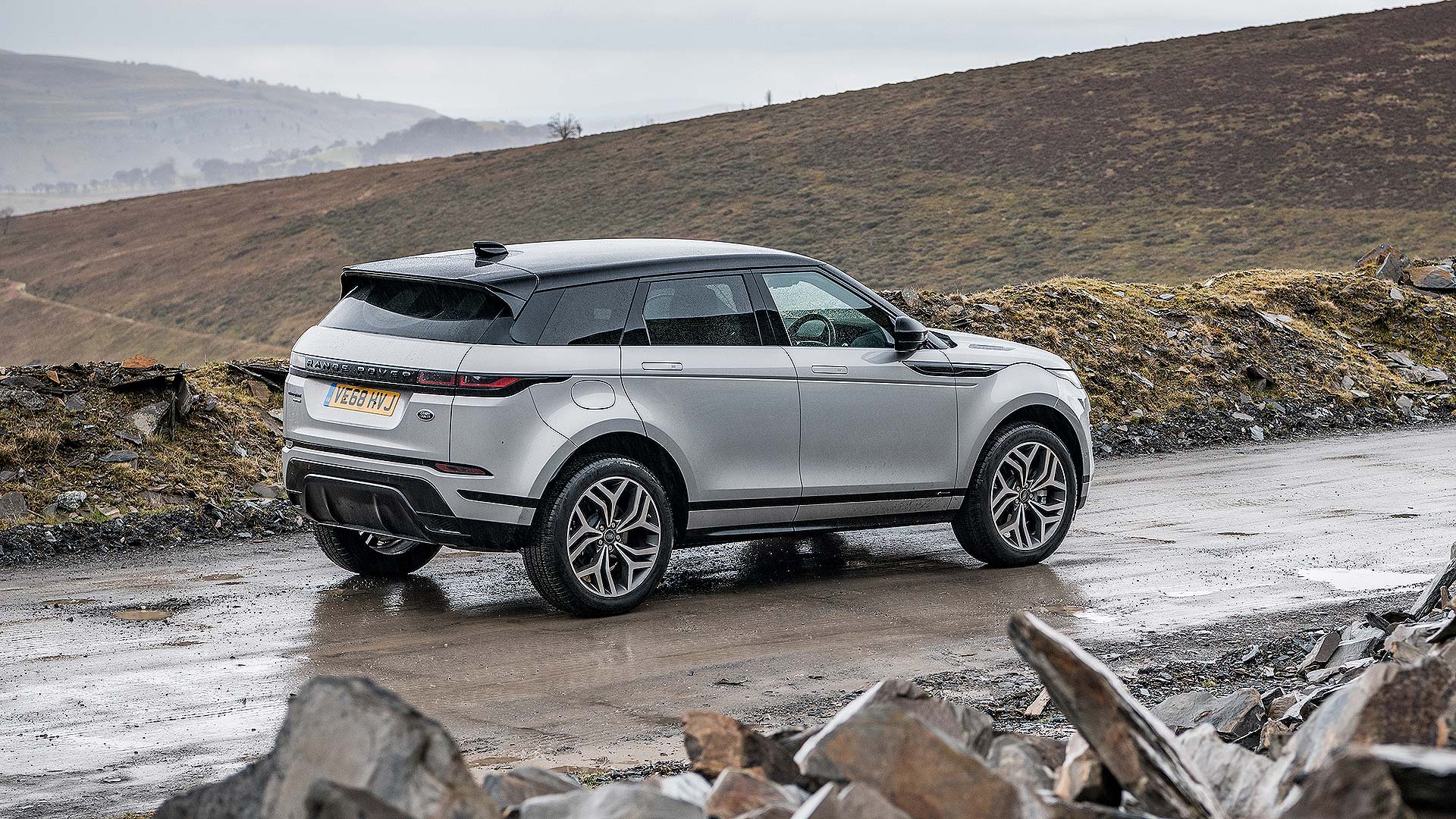
Land Rover even sold 2,158 all-new Range Rover Evoque, despite the new model only being on sale for a month.
“The all-new car looks set to reprise its status as one of Land Rover’s most popular models,” said the firm.

 Every year, J.D. Power publishes its

 Ford has introduced a sleep mode on new Fiesta and Focus key fobs to protect against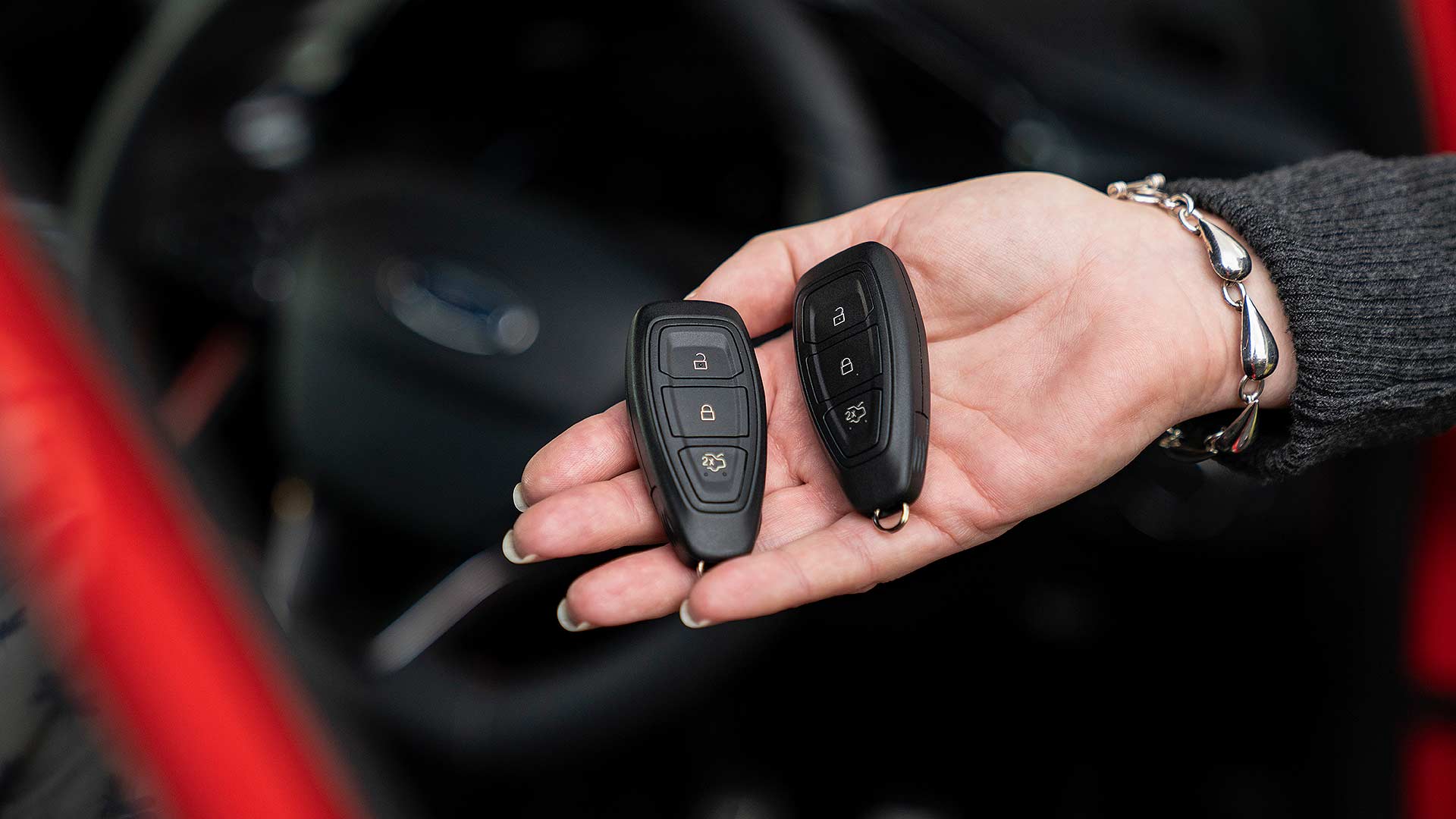




 The
The