Home Blog Page 392

Audi, Jaguar and Volvo revealed as World Car Awards 2019 finalists

0

World Car Awards Finals Two all-electric SUVs have emerged as frontrunners to win the 2019 World Car of the Year Award, and will face a conventional mid-size saloon and estate at the World Car Awards finals in New York next week.

The Audi e-tron and Jaguar I-Pace EV SUVs were revealed as top three finalists at the Geneva Motor Show, alongside the Volvo S60 and V60 range.

Being ranked as a finalist continued a dream 24 hours for Jaguar: also at Geneva, the I-Pace was awarded the European Car of the Year prize, just weeks after winning the UK Car of the Year gong.

Now, attention turns to the 2019 New York International Auto Show (NYIAS), and the World Car Awards ceremony.

More than 80 World Car Awards jurors have voted for the 2019 gongs, and it’s not just the overall World Car of the Year prize that’s up for grabs. There are five other categories, with a diverse mix of contenders.

World Car Awards jurors in Geneva 2019

The World Performance Car of the Year, for example, is a clash of the titans – the Aston Martin Vanquish vs the McLaren 720S, with the Mercedes-AMG GT 4-door offering a more practical alternative.

Contrasting with those beasts are the World Green Car finalists: that electric Audi e-tron, Hyundai Nexo fuel cell and, yes, the electric Jaguar I-Pace.

Audi stars again in the World Luxury Car award – twice. The Audi A7 Sportback and Audi Q8 now battle it out with the BMW 8 Series Coupe. Surprisingly, the 8 Series is the only BMW finalist in the 2019 awards.

A diverse trio make up World Urban Car 2019: the Hyundai AH2 and Sentro take on the Kia Soul and Suzuki Jimny: the diminutive Suzuki is placed thanks to its availability in Japan as a small, economical ‘kei car’: European models boast larger engines and wheelarch extensions.

The final prize is the World Car Design of the Year. Judged by an expert panel of car designers and critics, the Jaguar I-Pace once again makes the shortlist… along with the Suzuki Jimny and Volvo XC40.

Attention now shifts to the New York International Auto Show on April 17, when the winners in each category and the overall World Car of the Year 2019 will be announced. For manufacturers, scooping a World Car Award is a big prize: the awards is, for the sixth year running, the world’s biggest automotive awards initiative in terms of media reach.

Audi, Jaguar and Volvo are all recent winners of the overall World Car Awards trophy. Who will scoop it in 2019 is anyone’s guess – but of all the brands, you just know fingers will be crossed the tightest at Jaguar  HQ in Coventry…
Advertisement

Congestion-busting Government scheme has made traffic WORSE

0

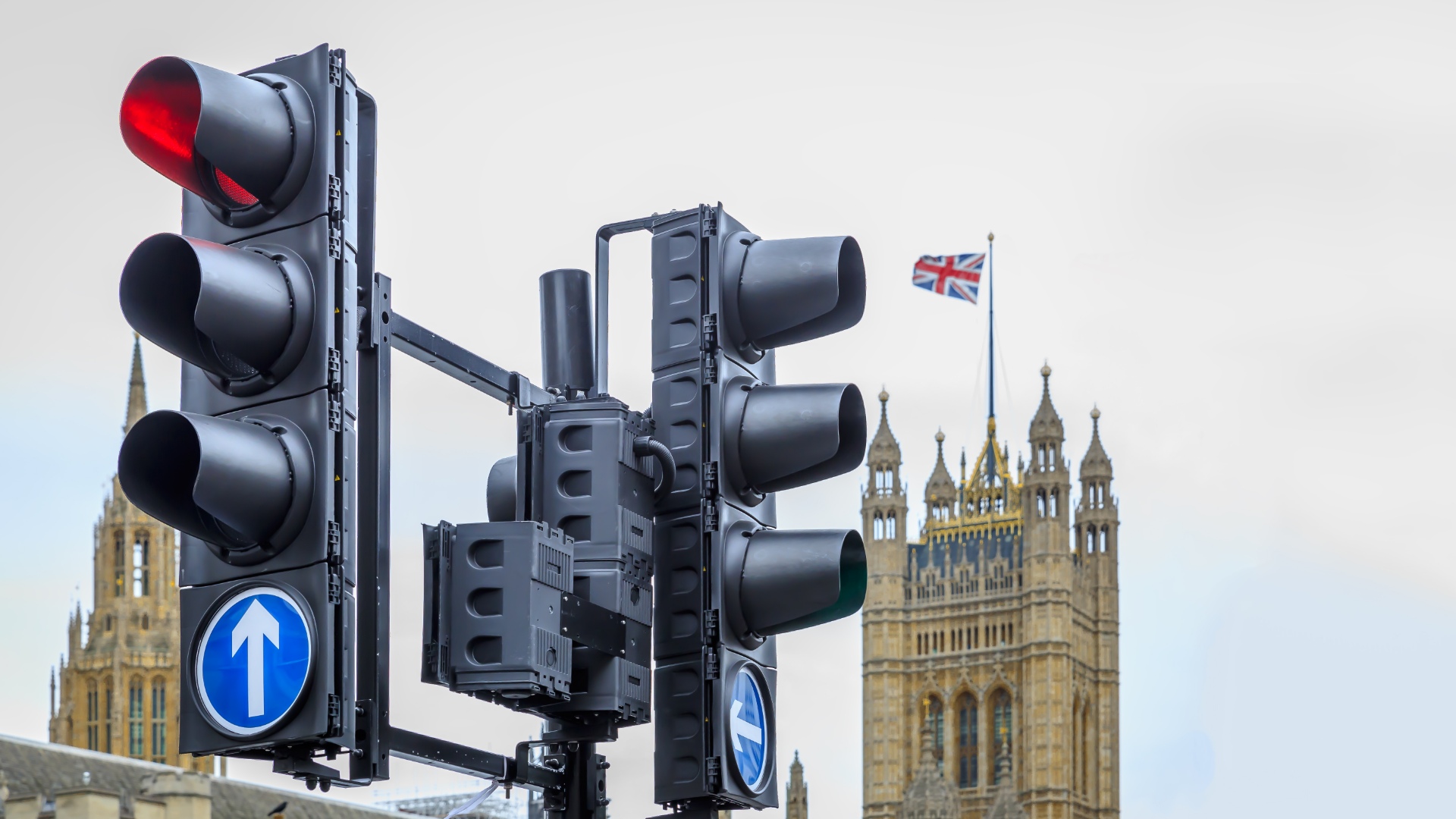
Congestion pinch point programme

A flagship government scheme aimed at easing congestion on major roads has actually resulted in journey times getting longer. 

The £317 million ‘pinch point programme’ was aimed to increase traffic flow at busy junctions, and cut delays caused by queuing traffic. A new report from Highways England suggests the scheme has in fact achieved the opposite. 

What was the pinch point programme?

The initiative launched in 2011 to relieve congestion and improve safety. Junctions were altered, slip roads were widened, traffic lights were added to better control congestion flow and new signage focused the road architecture.

The target was to yield greater control over our road network’s points. Full roll-out was completed in March 2016 and the latest report is based on analysis of the first year’s findings.

What went wrong?

The report has examined what the first-year results were for just under half of the 119 schemes covering motorways and A-roads. Half of those that targeted a reduction in journey times, achieved the opposite. 

Worst affected was the A5/A49 junction in Shropshire, resulting in a £2.5 million economic cost. The M6 in Merseyside and M40 in Oxfordshire were also badly affected. 

Why was this? Because of the introduction of traffic lights, says the report. Although results for peak travel periods shows an improvement in journey times, people travelling the rest of the time suffer longer journeys.

“While congestion has been reduced at peak times of the day, unfortunately, many schemes have seen increased traffic at off-peak periods, mostly due to traffic lights being introduced,” said RAC head of roads policy Nicholas Lyes.

If you’ve ever been on a quiet congestion-free journey over the past couple of years that’s been interrupted by a seemingly pointless red light, hear hear…

The conclusion was that while the peak rush-hour results were good, that’s only a few hours out of every day. There needs to be an overall benefit, which isn’t being felt.

However, adds Highways England, have been successful in improving safety, regardless of the delays.

What can be done?

Congestion pinch point programme

In terms of freeing things up, small measures could make a big difference, as Lyes explained:

There are some simple steps that can be taken to improve the worst of these new off-peak traffic flow issues, such as changing signals to work part-time instead of full-time.”

Indeed, “traffic signals which respond to traffic flows” is a measure that’s being considered, according to a spokesman for Highways England.

Lights that function during more congested periods, with simple give way rules applying the rest of the time, could ease a great many needless slow-downs.

Anyway, for £317million, we’re hoping it’s not all been a bit pointless. “Very disappointing”, in the words of the RAC, feels like a bit of an understatement.

Advertisement

CO2 emissions ‘pooling’ could make Tesla millions

0

Emissions pooling

Car manufacturers such as Tesla and Fiat are said to be considering ‘pooling’ their fleet emissions, in an effort to meet upcoming stringent European average CO2 targets.

The practice is legal under EU rules, and could help car companies avoid punitive fines from 2021.

What is emissions pooling?

Pooling is when two manufacturers combine their sales fleets in order to dip below the required emissions target. In this case, the target is 95 g/km of CO2 in 2021.

The fine for not doing so is £82 (€95) for every gram per kilometre of CO2 over the target, for every one of those cars sold. The costs to volume manufacturers who do not get their average emissions down to the target figure is therefore potentially enormous.

This is where ‘pooling’ comes in, something that under current EU rules, is perfectly legal. At present, it is understood Tesla will be partnering with Fiat Chrysler Automobiles (FCA) in order to gain credits.

Obviously, Teslas are all-electric vehicles and, as such, are zero-emissions. Paying Tesla a handsome fee to help out would be expensive, but could cost FCA a great deal less than the fines it may have to pay come 2021.

According to the Financial Times, that fee could be in the “hundreds of millions”. That might just be the easiest chunk of money ever made in the automotive industry.

What exactly are carmakers up against?

diesel filler cap

At present, manufacturers are fighting a losing battle to lower CO2 emissions. Everything was going smoothly before diesel took a dive post-2015. Diesel was the backbone of the CO2-lowering cause for the better part of 15 years before NOx emissions scandals knocked the wind out of sales.

The diesel market share has fallen to just 1 in 4 new car sales, compared to more than 1 in 2 in 2015.

Higher-CO2 petrol sales have filled the gap, despite commendable advances in technology, thus increasing fleet CO2 averages.

What’s more, the unstoppable popularity of heavy, un-aerodynamic and inefficient (by comparison to conventional cars) SUVs is another factor that’s fanned the flames.

The net result is that figures actually increased from 2017’s 118 g/km average, to 120 g/km in 2018. As they are now moving in the wrong direction, cue investigations into alternative plans – such as emissions pooling…

Advertisement

Taxi! Dacia launches special Logan MCV deal for canny cabbies

0

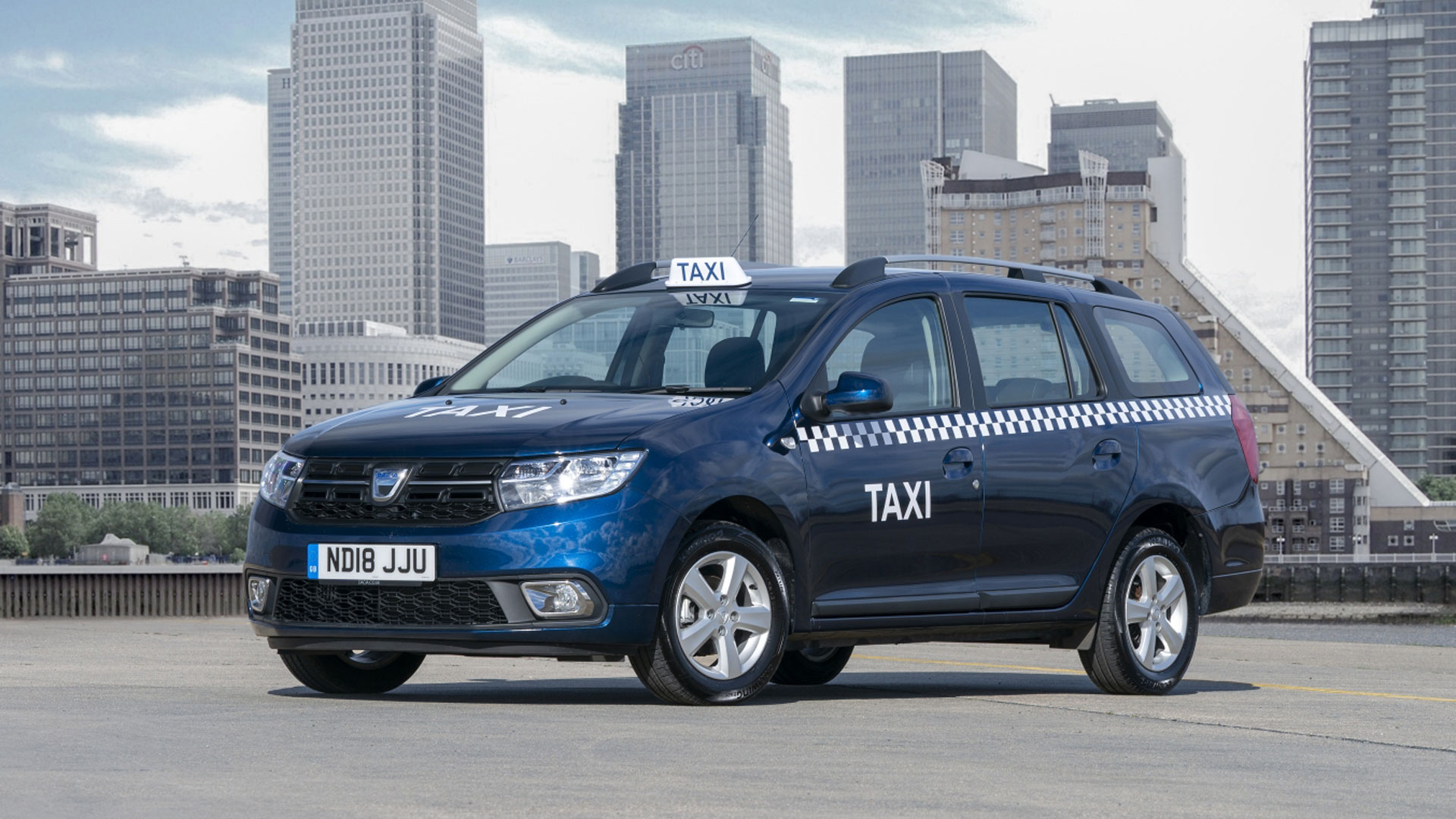
Dacia Logan MCV taxi

With its huge boot and low price, the Dacia Logan MCV has always been a great value estate car. But now, Dacia is hoping to appeal to the nation’s cabbies with a hire purchase deal designed exclusively for taxi operators.

All hail the Dacia Logan MCV Comfort Blue dCi 95, which is available to cabbies for £246 a month over 48 months after a £2,580 deposit. With 95hp on tap, it won’t be the fastest taxi off the rank, but the diesel engine emits just 97-103g/km CO2 and can return between 60.1mpg and 62.7mpg on a combined cycle (north or south of the river).

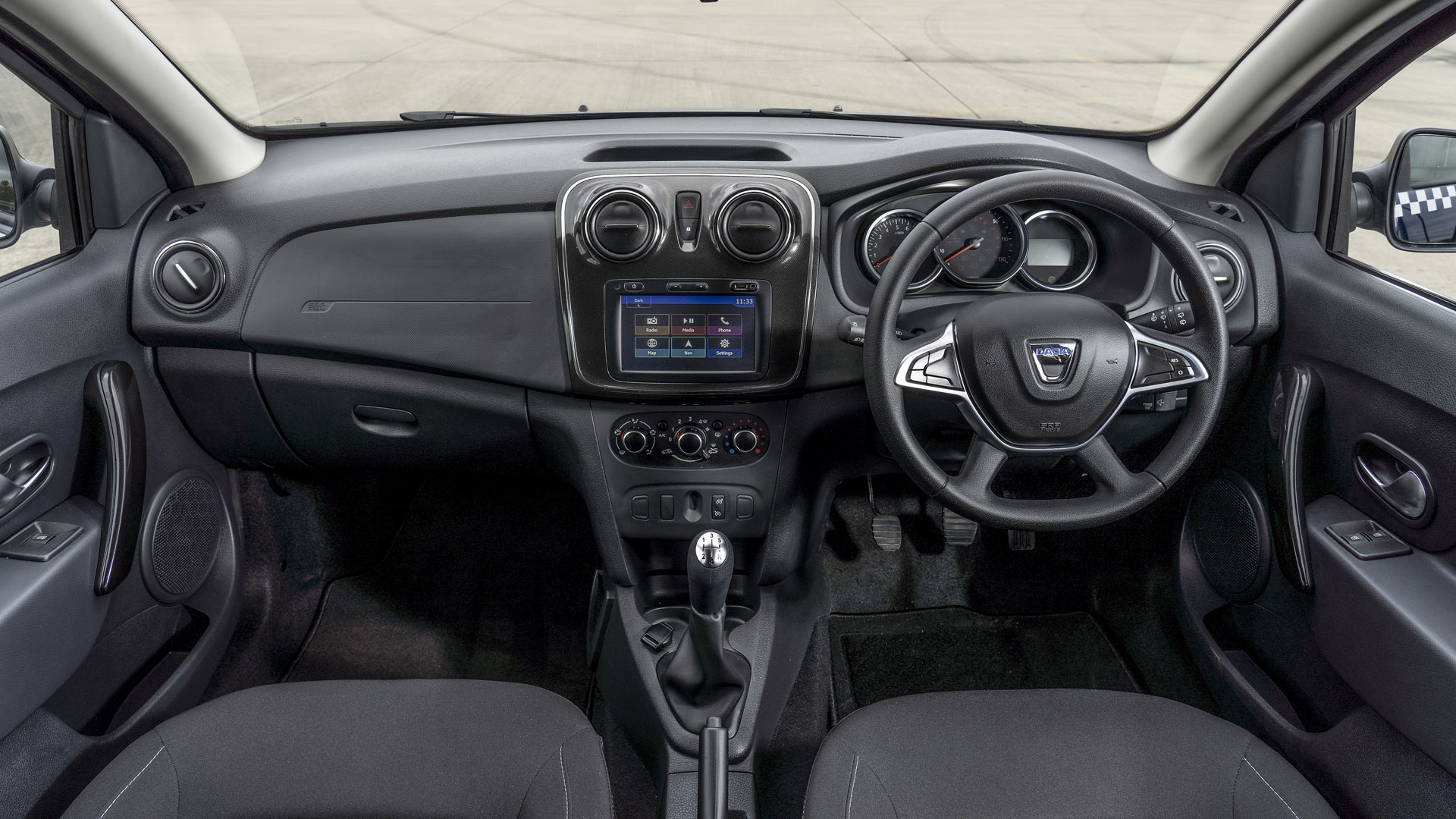
Comfort spec offers a seven-inch touchscreen with sat-nav (useful for when your passenger isn’t a fit state to tell you the way home), along with air conditioning, Bluetooth, Apple CarPlay, Android Auto, cruise control, rear parking sensors and heated door mirrors.

Dacia Logan MCV taxi cabin

Alternatively, the Logan MCV Essential Blue dCi 95 is also eligible for the offer, priced at £227 a month after a £2,380 deposit. The spec isn’t quite as generous, but you do get air conditioning and a USB connection for MP3 players.

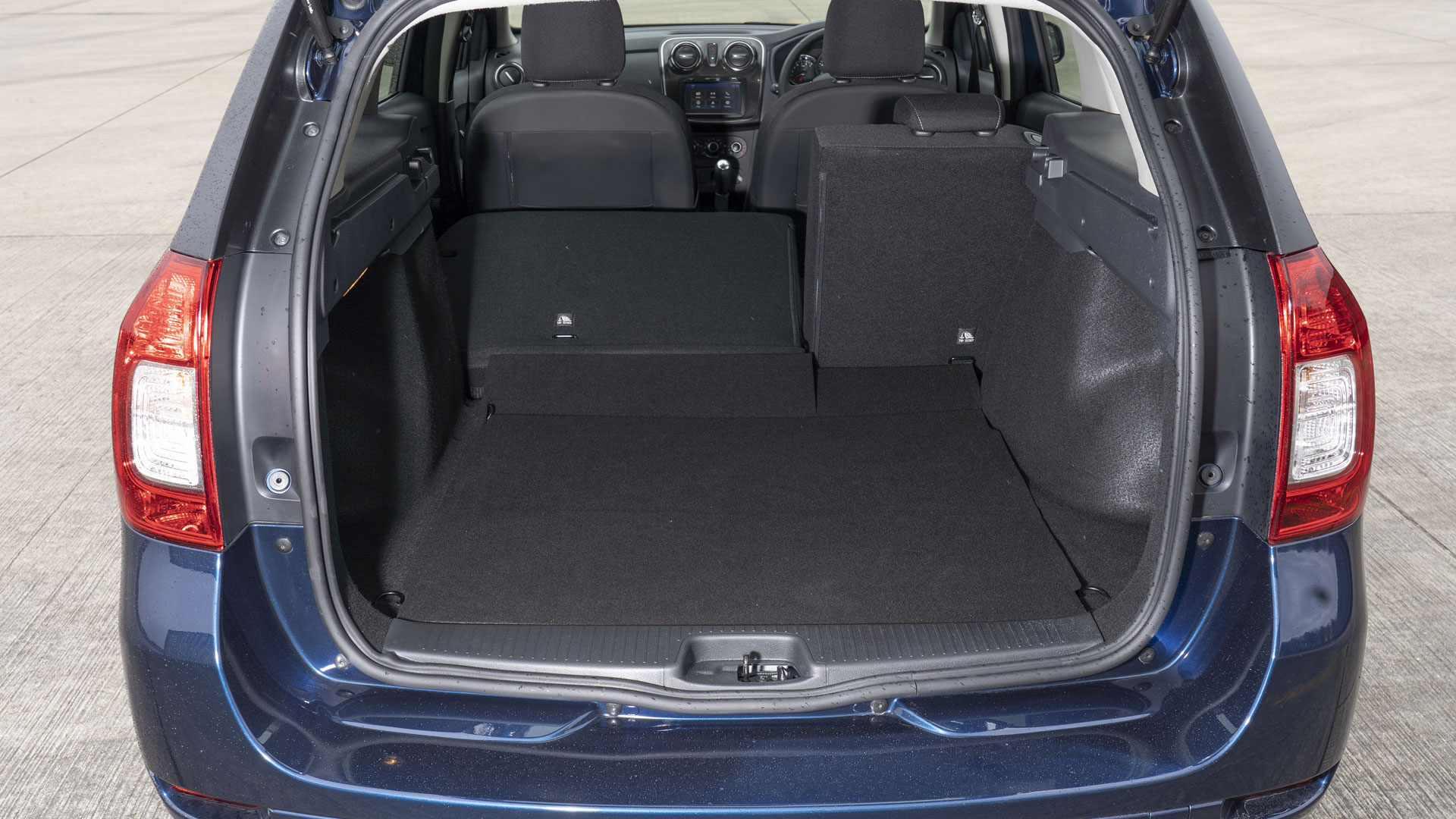
Both models get the same 573 litres of boot space, a 60/40 split folding rear seat and space for five adults.

Ben Fletcher, head of Dacia UK, said: “There’s no other car on sale in Britain that can match the Logan MCV for value, equipment or space, while the added attraction of low running costs make it the perfect choice for taxi operators.

“With these latest competitive hire purchase rates, taxi drivers can take advantage of the reassurance of running a brand-new car, backed up by a manufacturer warranty, at a monthly cost that’s impossible to ignore.”

Dacia Logan MCV taxi boot

Earlier this month, Dacia revealed the specs for its new range-topping Techroad trim level, which is available on the Sandero Stepway, Logan MCV Stepway and Duster. Prices start from £11,660 and deliveries will start this month.

Advertisement

Toyota has extended its scrappage scheme AGAIN

0

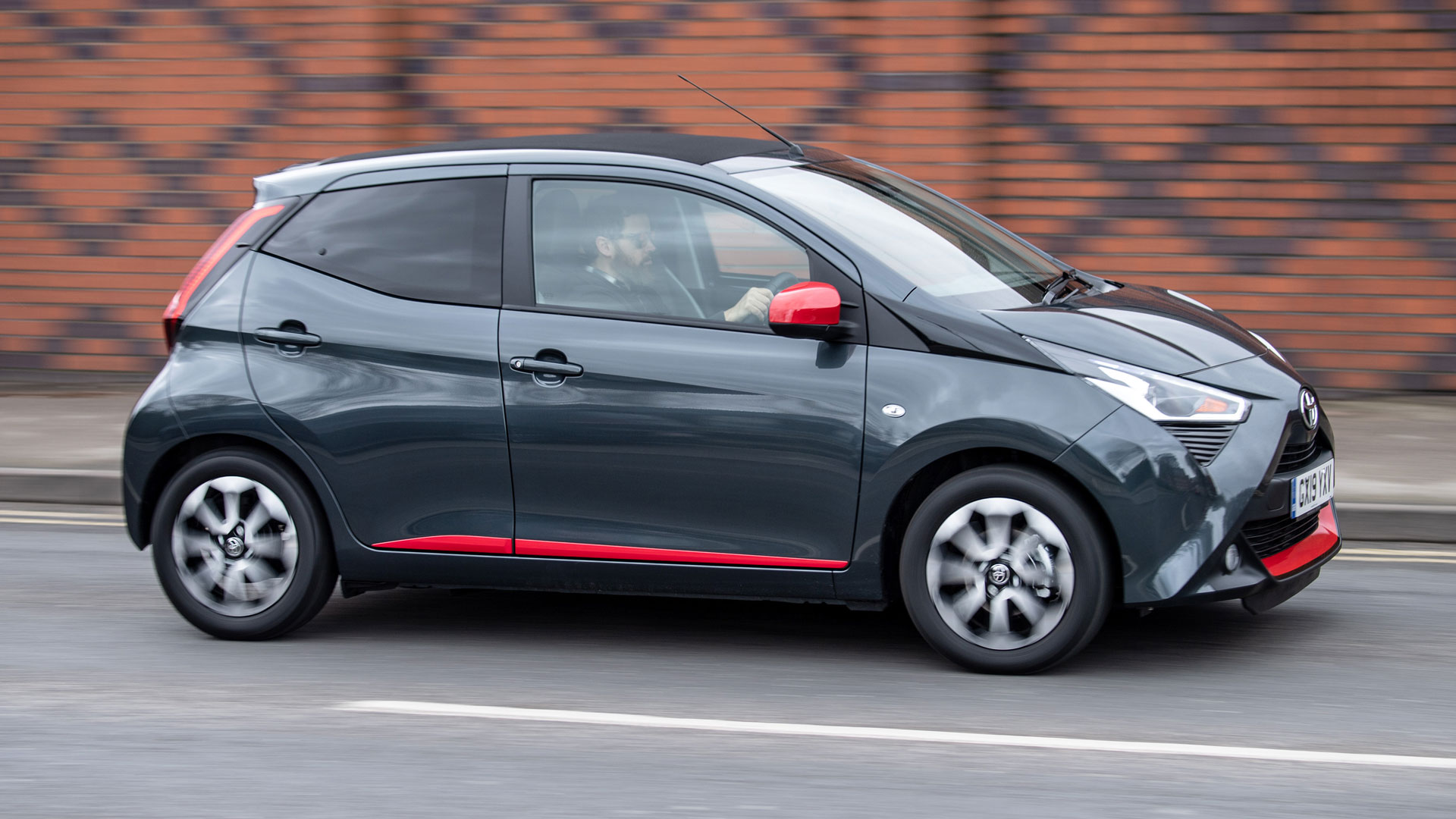
Toyota Aygo x-trend

Toyota has extended its scrappage scheme – again – meaning you have until the end of June to save up to £2,500 off the price of a new car.

Scrappage is designed to encourage owners of older cars to trade them in for cleaner models by offering chunky discounts off the list price. In this case, Toyota is offered £2,000 off the cost of an Aygo and £2,500 off a Yaris.

Curiously, the offer isn’t available on the Yaris Hybrid, the cleanest model in the Yaris range…

The offer applies to owners of a car registered up to and including 30 June 2011, but they must have owned the car for at least six months.

As an example, the Aygo X-trend costs £10,965 after the scrappage discount and is available on 0 percent finance for £151.10 a month over 42 months after no deposit. The X-trend features 15-inch alloy wheels, smartphone integration, a seven-inch touchscreen, DAB, reversing camera, automatic air conditioning and automatic headlights.

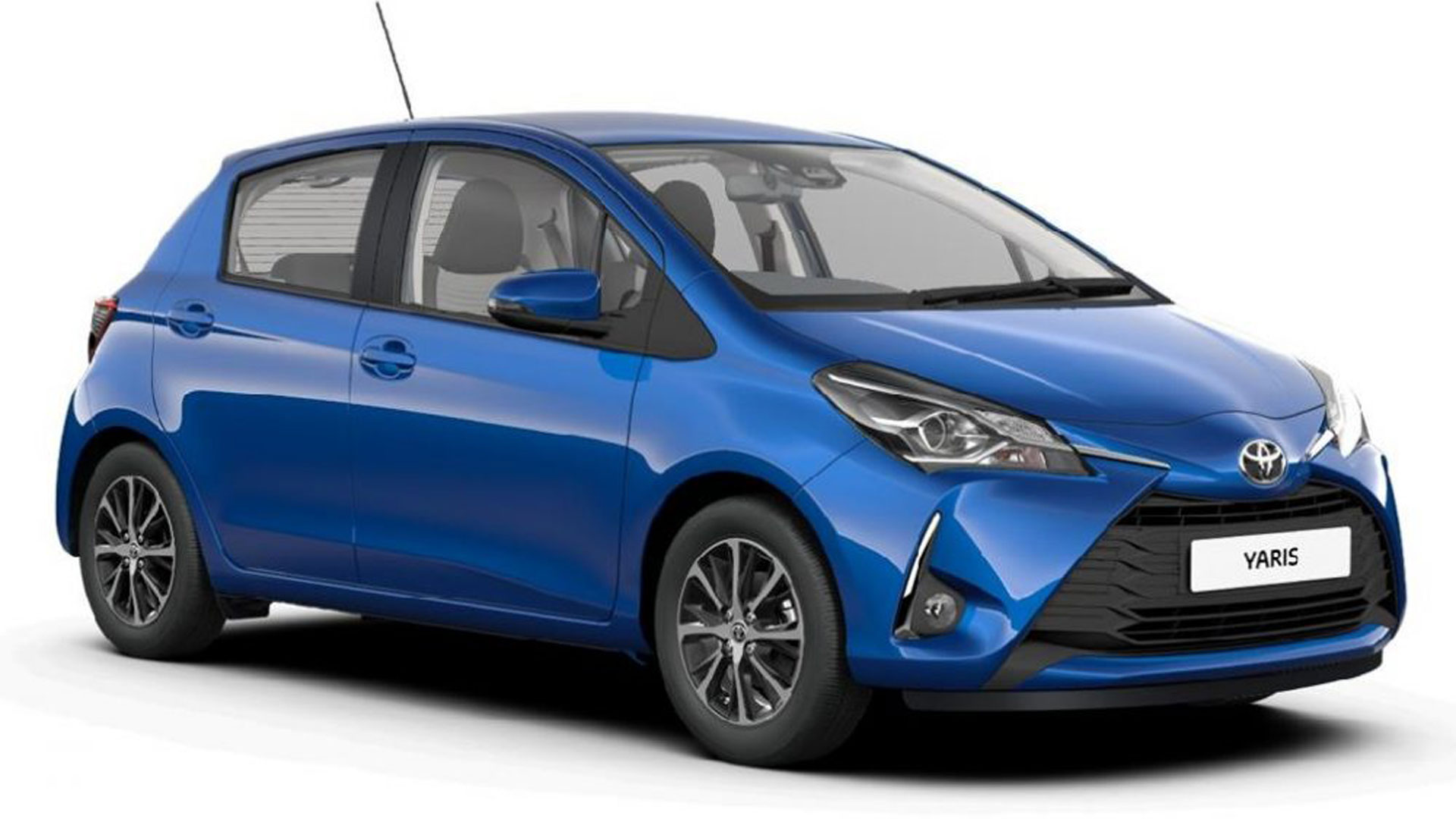
Toyota Yaris Icon Trend

Meanwhile, the mid-range Yaris Icon Trend costs £14,120 after the discount, or £211.59 spread over 42 months after no deposit. This model features 15-inch alloys, Toyota Safety Sense, a seven-inch infotainment system, reversing camera, 4.2-inch multi-information display and rear parking sensors.

You have until 30 June 2019 to take advantage of the Toyota scrappage scheme, by which time the firm may have decided to extend it… again.

Advertisement

German car firms ‘colluded to delay emissions tech’

0

Smoking car exhaustsThe European Commission has told BMW, Daimler and VW (including Audi and Porsche) it believes they colluded to delay the launch of emissions-reducing technology on new petrol and diesel cars. 
In its preliminary report, the commission says the actions of the three carmakers “denied consumers the opportunity to buy less polluting cars, despite the technology being available to the manufacturers”.

The brands now have the opportunity to respond to the commission’s findings: BMW has already issued a lengthy statement, in which it said: “Lawful coordination of industry positions on regulatory framework should not be equated with unlawful cartel agreements”.

European Commission rules “allow companies to work together to improve the quality of their products,” said competition policy commissioner Margrethe Vestager. “However, EU competition rules do not allow them to collude on exactly the opposite.

“European consumers may have been denied the opportunity to buy cars with the best available technology.”

EU rules breach

BMW, Daimler and VW breached EU competition rules by colluding to “limit the development and roll-out of emission cleaning technology for new diesel and petrol passenger cars”, states the commission. They did this in two ways: 

Selective catalytic reduction (SCR) systems

Reduce diesel car NOx emissions by injecting AdBlue into the exhaust. Between 2006-2014, the three makers coordinated the size of the AdBlue tanks and refill ranges – which limited AdBlue consumption and, as a result, the effectiveness of exhaust gas cleaning.

‘Otto’ particulate filters

Also called gasoline particulate filters, or GPFs, these were coordinated to avoid or delay their rollout between 2009-2014.

The commission has sent its ‘statement of objections’ to the three car groups, and will make a final judgement once all have responded. 

The cartel investigation, it added, is separate to other ongoing investigations into car firms, including those focused on defeat devices to cheat test regulations.

Big fines

If found guilty, BMW, Daimler and VW could face huge fines. If the commission’s judgement is that an infringement has taken place, it can impose a fine of up to 10 percent of a company’s annual worldwide turnover. 

In 2018, BMW’s turnover was 97 billion Euros; Daimler’s was 167 billion Euros, and Volkswagen Group (to which VW, Porsche and Audi belong) turned over 235 billion Euros.

The companies now have the right to examine the documents reviewed by the commission, reply in writing and request an oral hearing.

There is, adds the commission in its preliminary antitrust statement, no deadline for it to complete its investigations. 

Advertisement

Revealed: the most reliable cars for student drivers

0

Reliable cars for student drivers

Students have enough to worry about, so buying an unreliable car shouldn’t be an option. Thankfully, Warranty Direct has analysed around 50,000 policies to rate vehicles in order of reliability. By overlaying the results with factors relevant to college and university goers, the warranty company has created a list of the most reliable cars for students. Here, we present the top 10, with the results presented in reverse order.

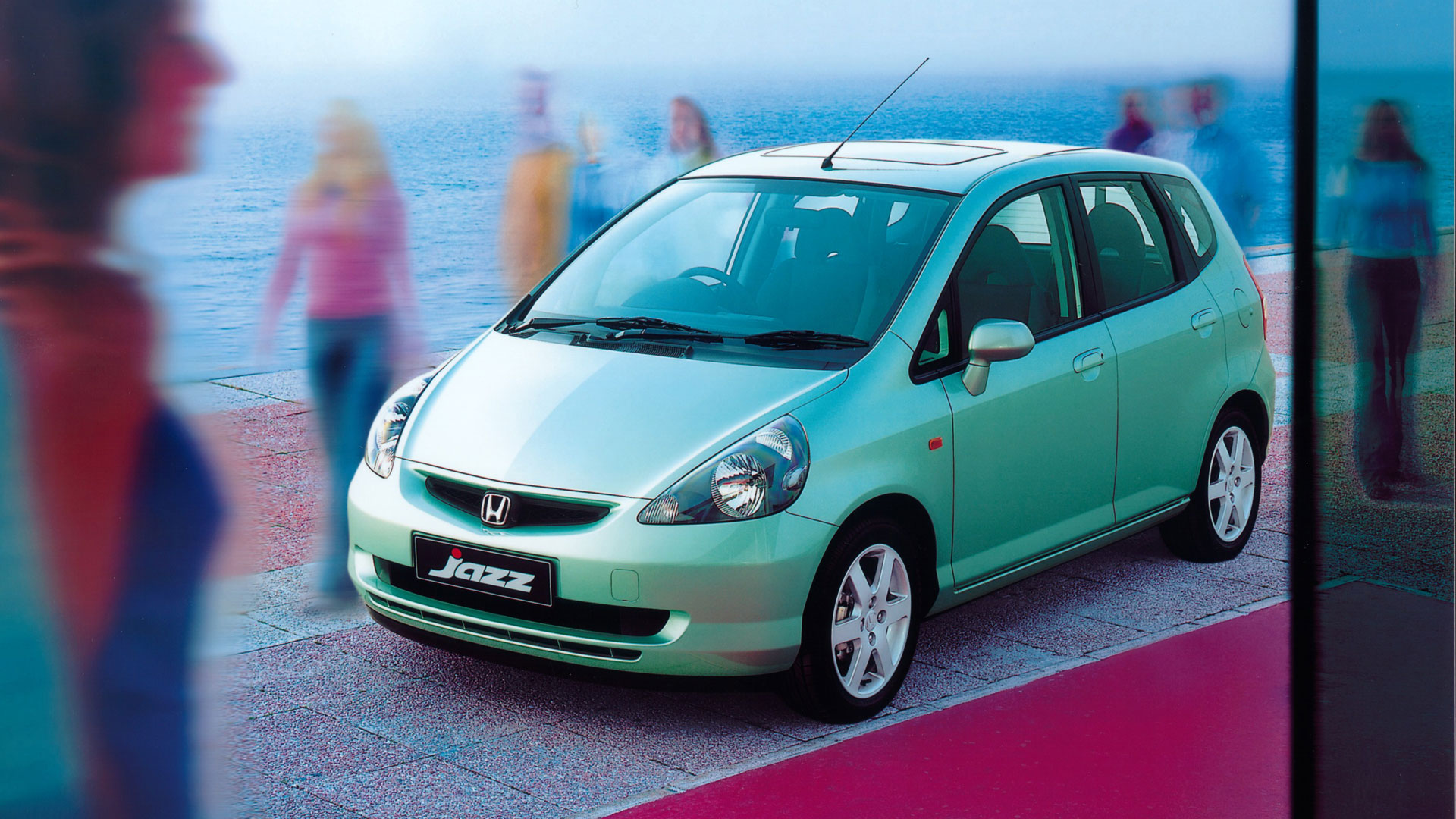
10. Honda Jazz

Reliable cars for student drivers

Warranty Direct looked at three key factors when compiling the list, namely: a keen list price with low running costs, ease of use and an ability to tackle to the long trip back home to the parents. Well, somebody has got to clean the dirty washing. Japanese and Hyundai cars dominate the top 10, occupying 70 percent of the dorms. Most of the cars slot into low insurance groups, with the Honda Jazz the only exception.

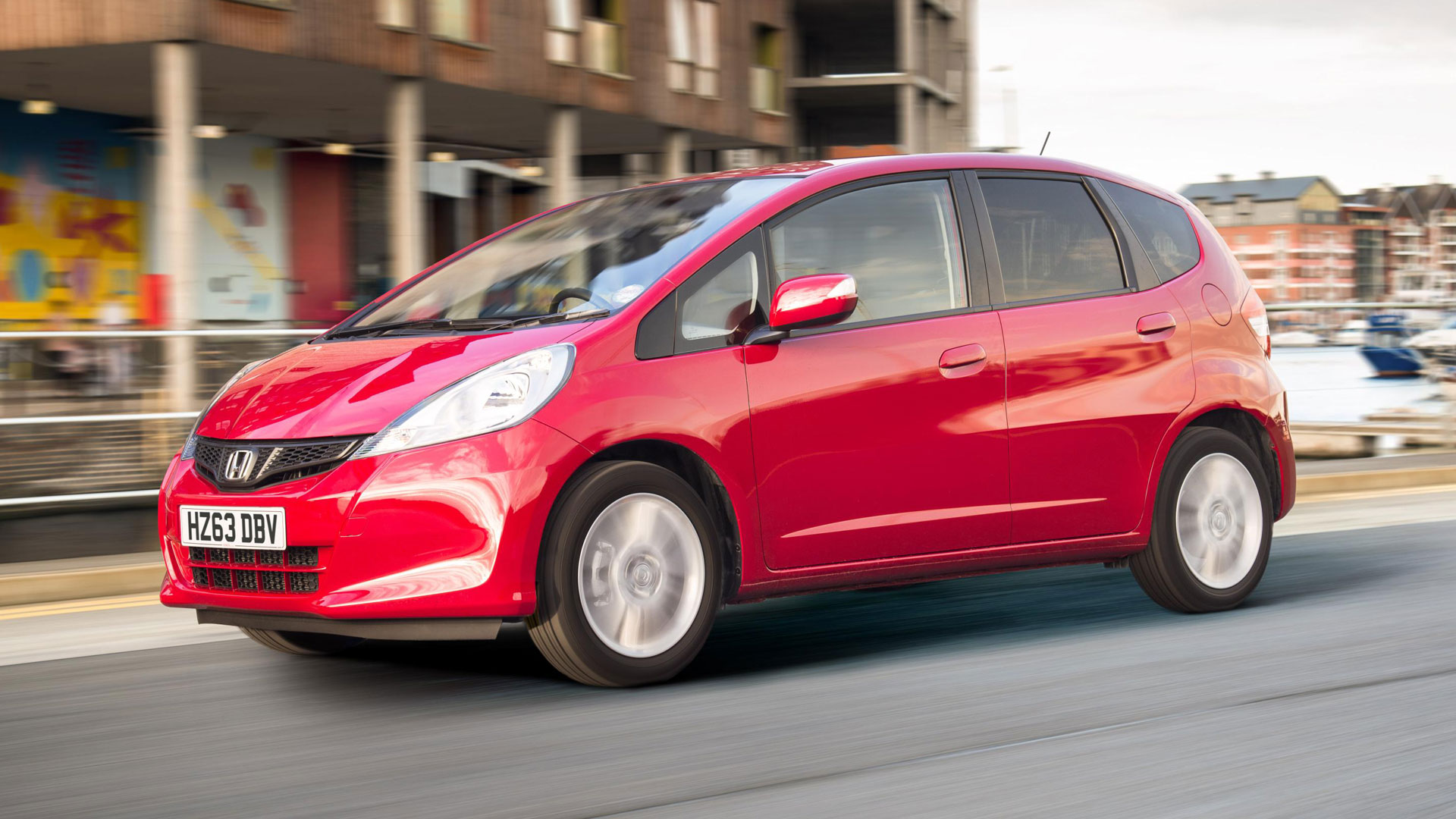
The Honda Jazz (2001 – 2008) is more commonly associated with more mature drivers, but it makes the Warranty Direct list by virtue of its legendary reputation for reliability. Prices start from £500, but we’d suggest spending at least £1,000 on a Jazz with service history. They might not be the most exciting cars to drive, but you’ll grow to appreciate the spacious cabin, and because it will break down less frequently than many of its rivals, you’ll have more cash to spend on ‘pound-a-pint’ evenings in the student bar.

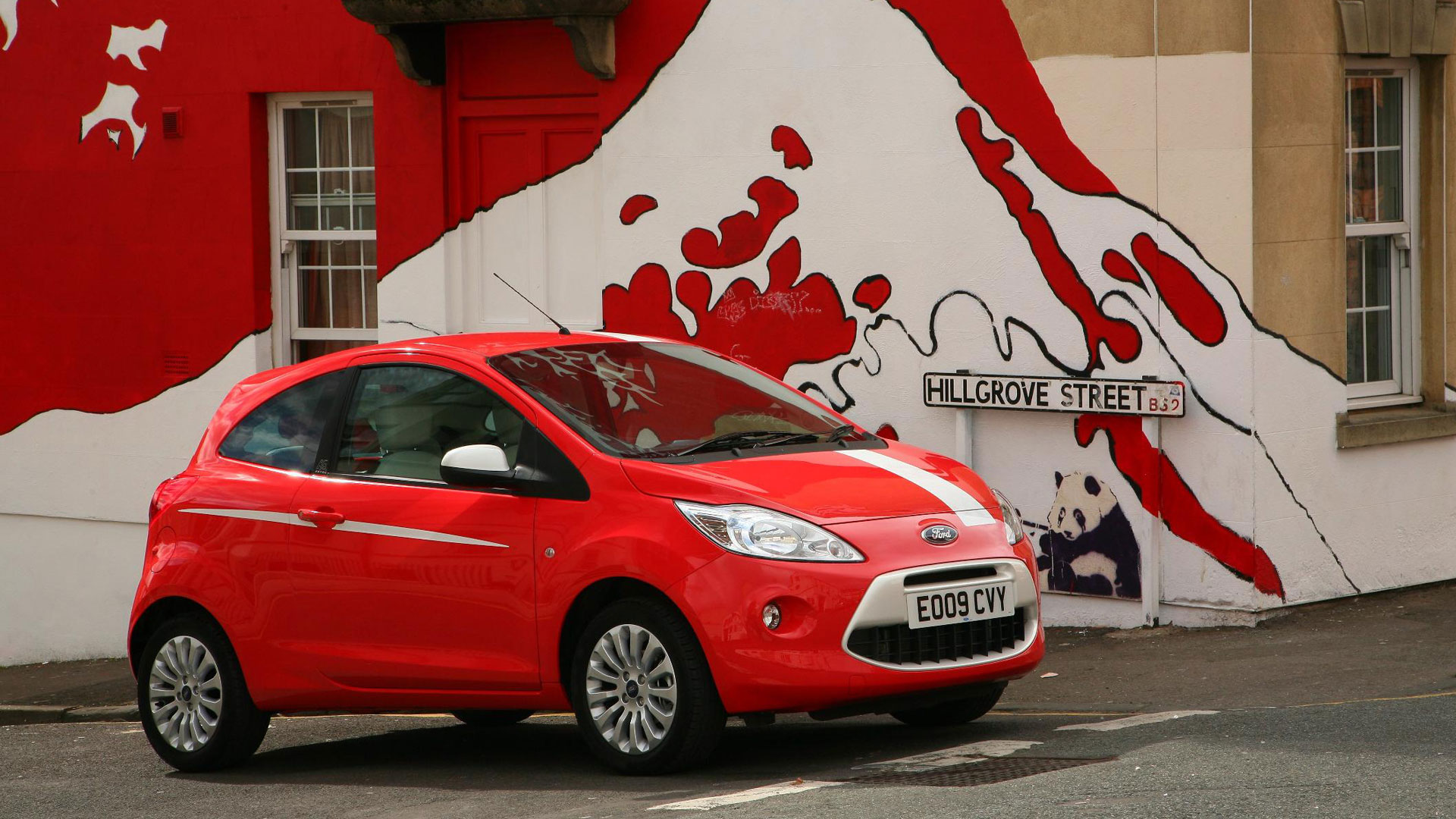
9. Ford Ka

Reliable cars for student drivers

Simon Ackers, CEO of Warranty Direct, said: “When new or young drivers are looking to purchase their first vehicle, it’s important they are not swayed only by the latest trends or cheap deals. They should prioritise vehicles based on their overall reliability, to get the best value for money.”

“We hope resources such as the Reliability Index help student motorists get a better indication of the models best suited to their individual needs. However, all drivers should remember any vehicle can land you with a large bill if they are not regularly checked and professionally serviced,” he continued. The second-generation Ford Ka is ninth on the list of best cars for students.

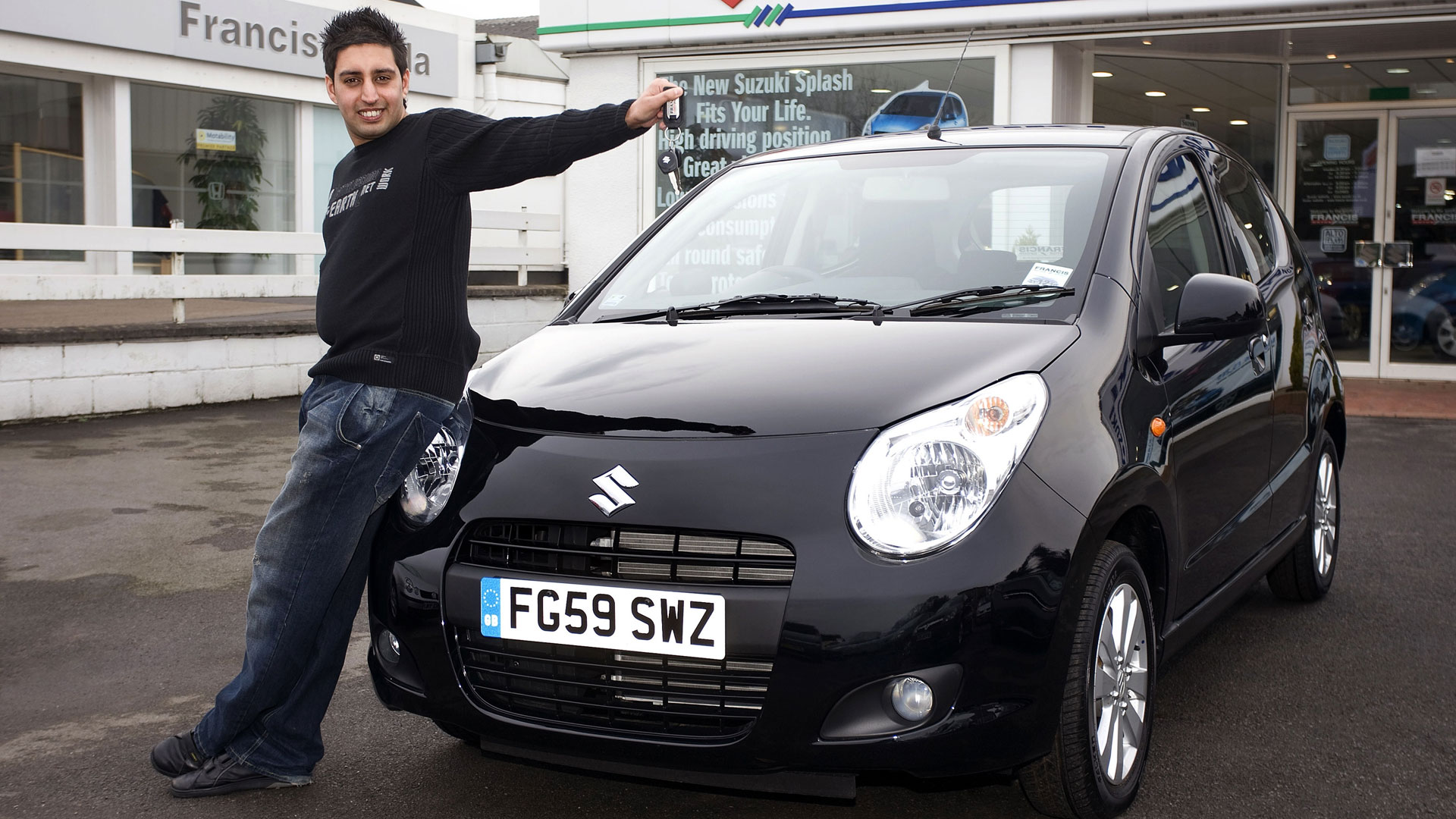
8. Suzuki Alto

Reliable cars for student drivers

Thanks to the cheapest average repair cost in the top 10, the Suzuki Alto was in with a chance of finishing top of the table. But a high proportion of claims for axle and suspension issues (78 percent) saw the Alto fall down faster than a new student on freshers’ week.

The seventh-generation Suzuki Alto arrived in 2009 and was closely related to the Nissan Pixo, albeit with a prettier face. Prices start from around £1,500 for a high-mileage early example, rising to about £6,500 for a late car.

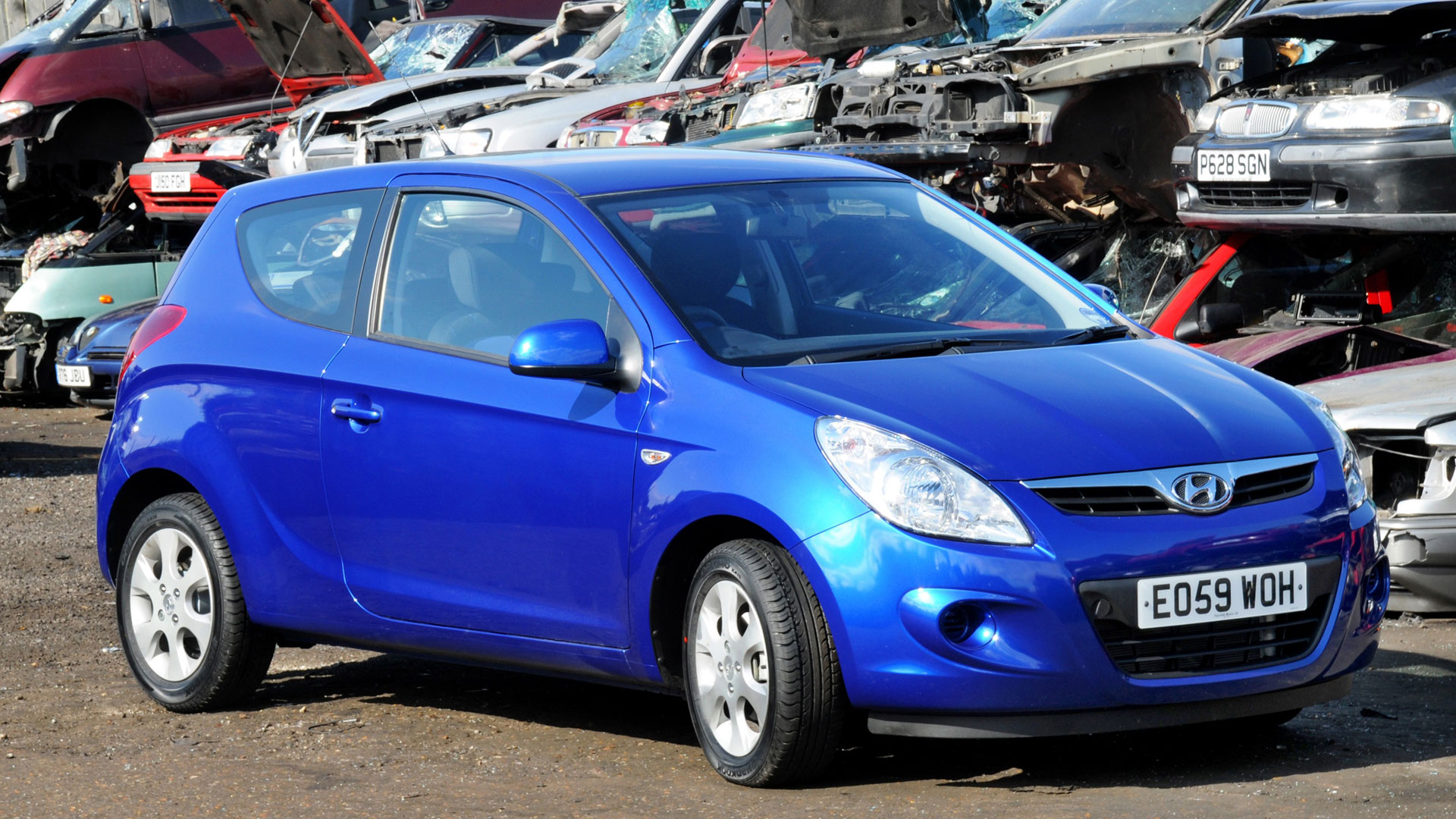
7. Hyundai i20

Reliable cars for student drivers

The majority of the vehicles listed here are city cars, but if you’re after something a little bigger, the Hyundai i20 is worth a look. What it lacks in charm, personality and desirability, it makes up for in refinement, quality and space.

We were surprised to find early examples for as little as £1,000, with initial sales boosted by Hyundai’s active involvement in the scrappage scheme. A couple of grand is a more realistic outlay, but it’s worth noting that the very latest examples will still be covered by Hyundai’s excellent five-year warranty.

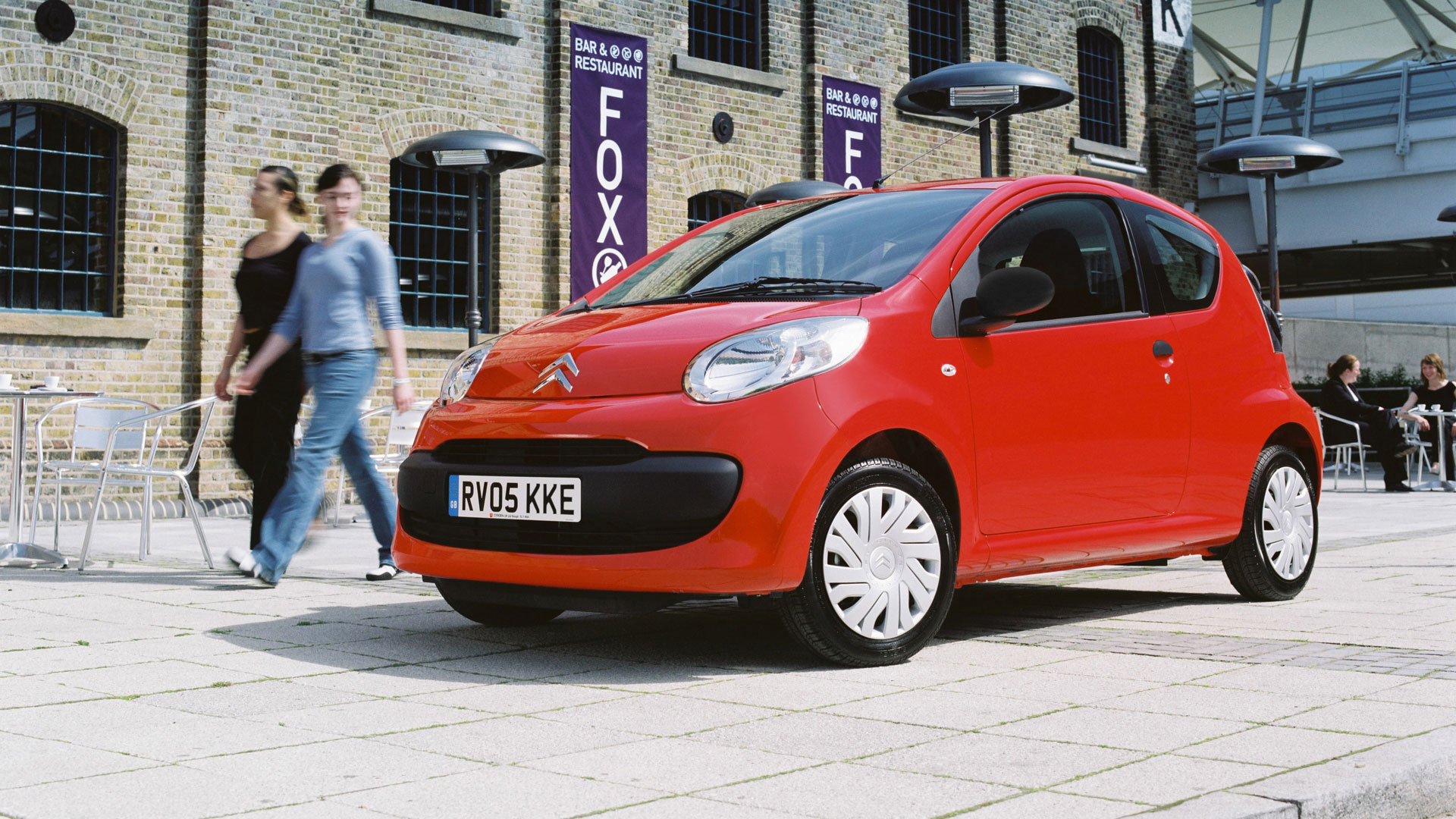
6. Citroen C1

Reliable cars for student drivers

While the platform-sharing Peugeot 107 and Toyota Aygo fail to make the grade, the Citroen C1 secures a place in the top 10. Some models slot into the lowest insurance group, which will help with the annual running costs.

Research conducted by GoCompare found that new drivers are spending around £7,000 just to get on the road, with insurance the second highest expense after the cost of the car itself. Finding a vehicle with a group one insurance rating would reduce the initial cost.

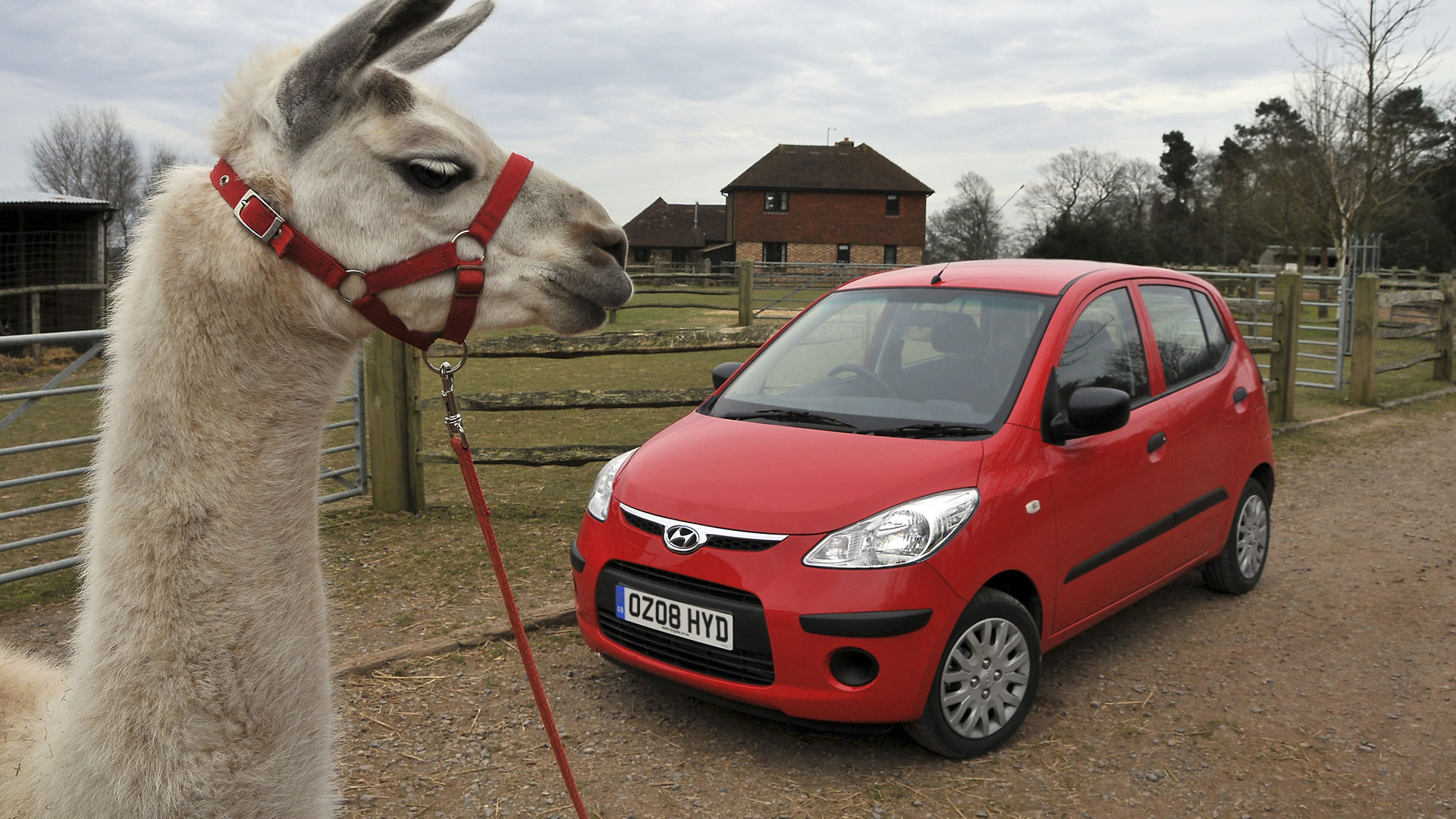
5. Hyundai i10

Reliable cars for student drivers

The Hyundai i10 is another car that capitalised on the scrappage scheme, with demand reportedly exceeding supply by as much as 50 percent. Sales were also helped by the low cost of the base models and a comprehensive warranty package.

It means that there’s a healthy supply of used i10s for sale on Auto Trader, although some of the earliest examples are looking a little like a student after an all-night bender. It will also take more than an Alka-Seltzer and a long lie-in to improve matters. Used Hyundai i10 prices start from £1,000.

4. Honda Jazz

Reliable cars for student drivers

As any student who has spent their study time watching re-runs of Bullseye on Challenge TV will know, you don’t get anything for two in a bed. But the Honda Jazz does appear twice in this gallery. This time it’s the turn of the version built from 2008 to 2015.

It’s worth noting the average repair cost for a Jazz from 2008 onwards is £371.08, with a quarter of claims linked to expensive electrical issues. In truth, this Jazz is more reliable than its predecessor, so the chances of something going wrong are reduced. Prices start from around £2,500.

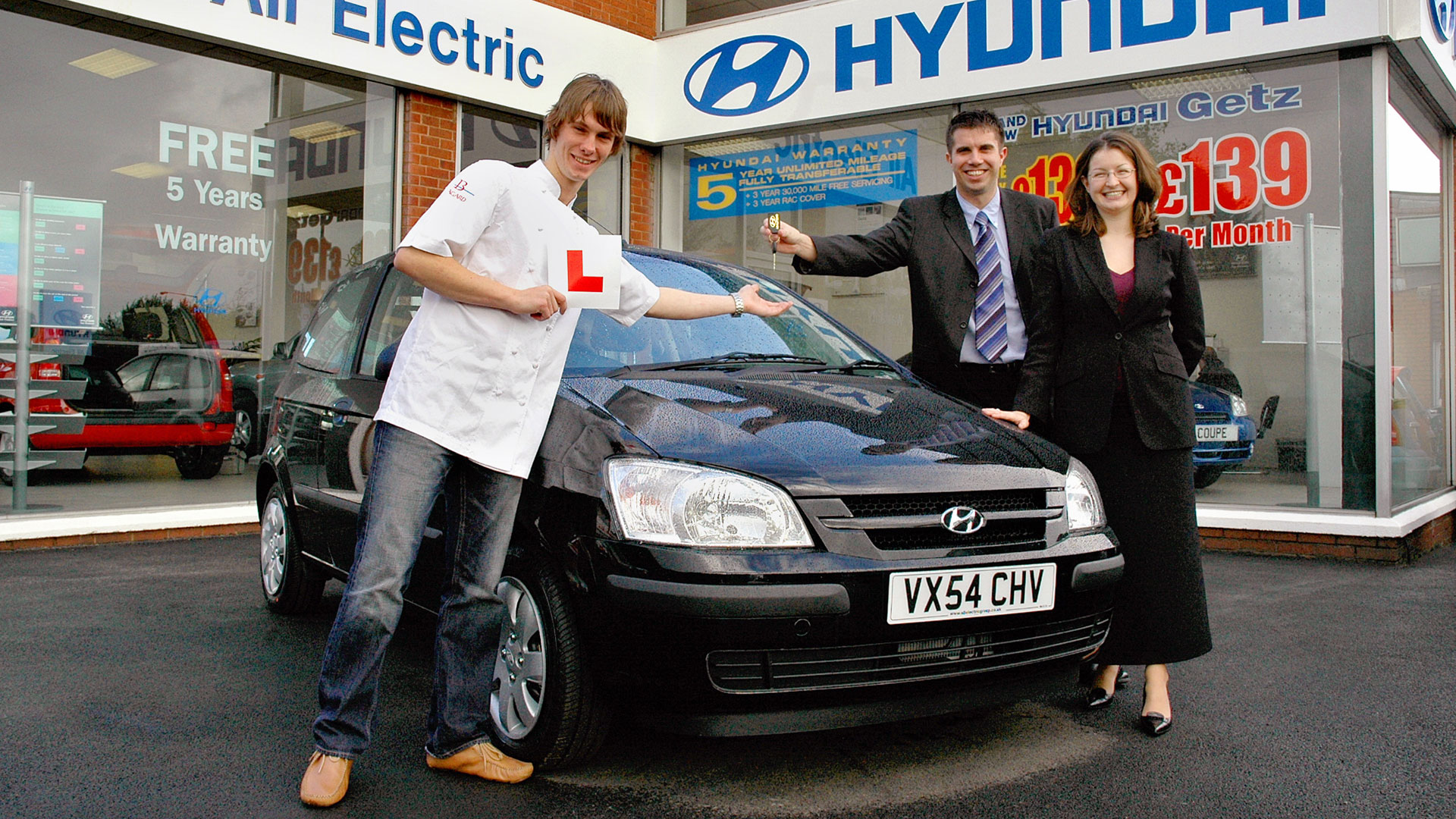
3. Hyundai Getz

Reliable cars for student drivers

Before Hyundai got all down with the kids with its iThis an iThat naming policy, the Getz was as good as thingz gotz. The i20’s predecessor was lacking in sparkle, but it represented a monumental leap forward from the Pony.

Although the Hyundai Getz sits in third place for reliability, a series of complex issues with its engine and gearboxes results in an average repair of time of over four hours. You had better Getz yourself a decent warranty if you’re splashing out on this tasty South Korean delicacy.

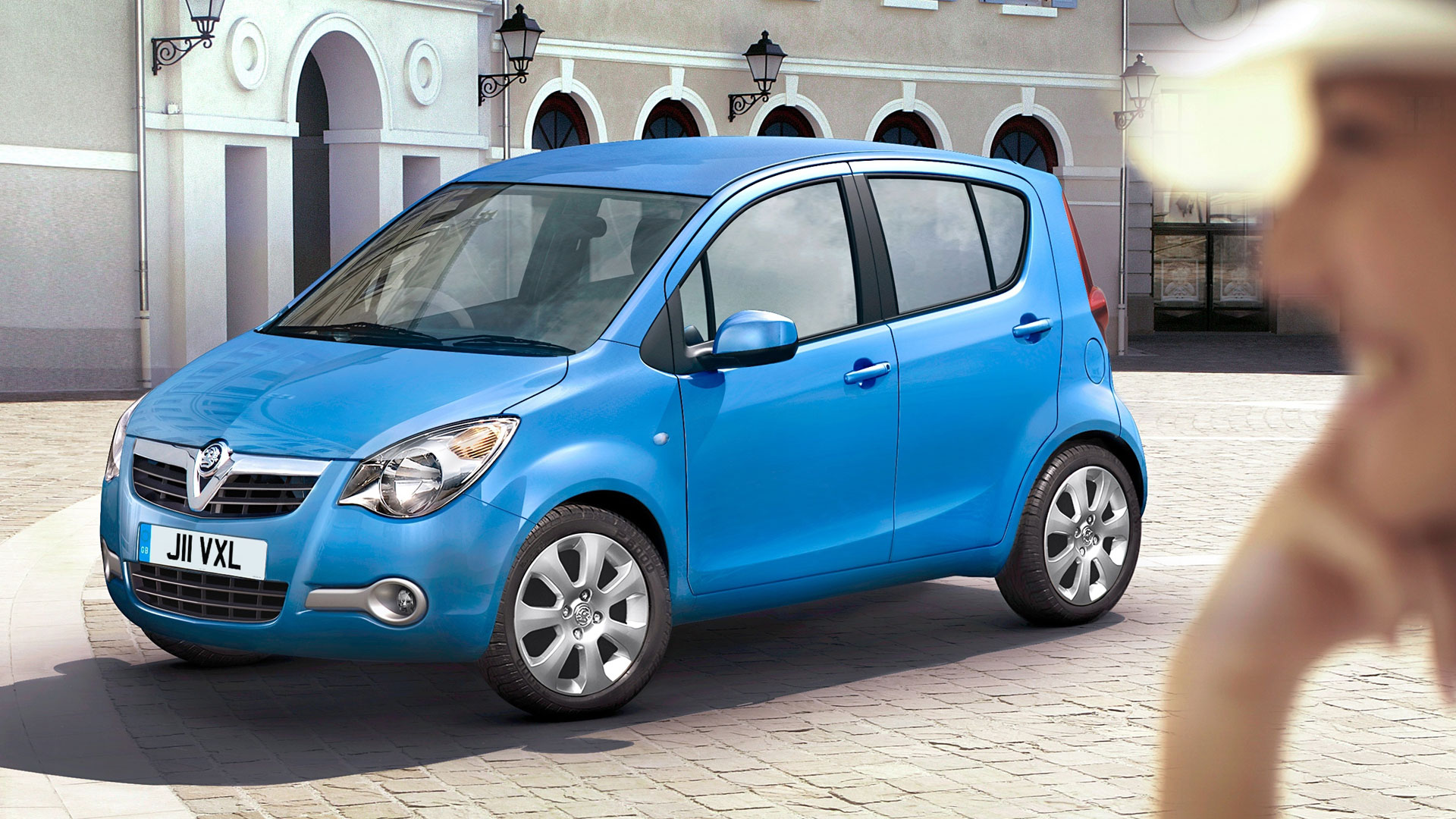
2. Vauxhall Agila

Reliable cars for student drivers

Ask yourself this question: in later years, when you’re talking to your children about your wild and reckless student days, do you seriously want to tell them that you drove a Vauxhall Agila? Well, do you?

In fairness to the dull-as-ditchwater Vauxhall, it has an lower average repair cost than the car at the top of the table and its closely related to the Suzuki Splash. But it’s nowhere near as cool as the car at the top of the class…

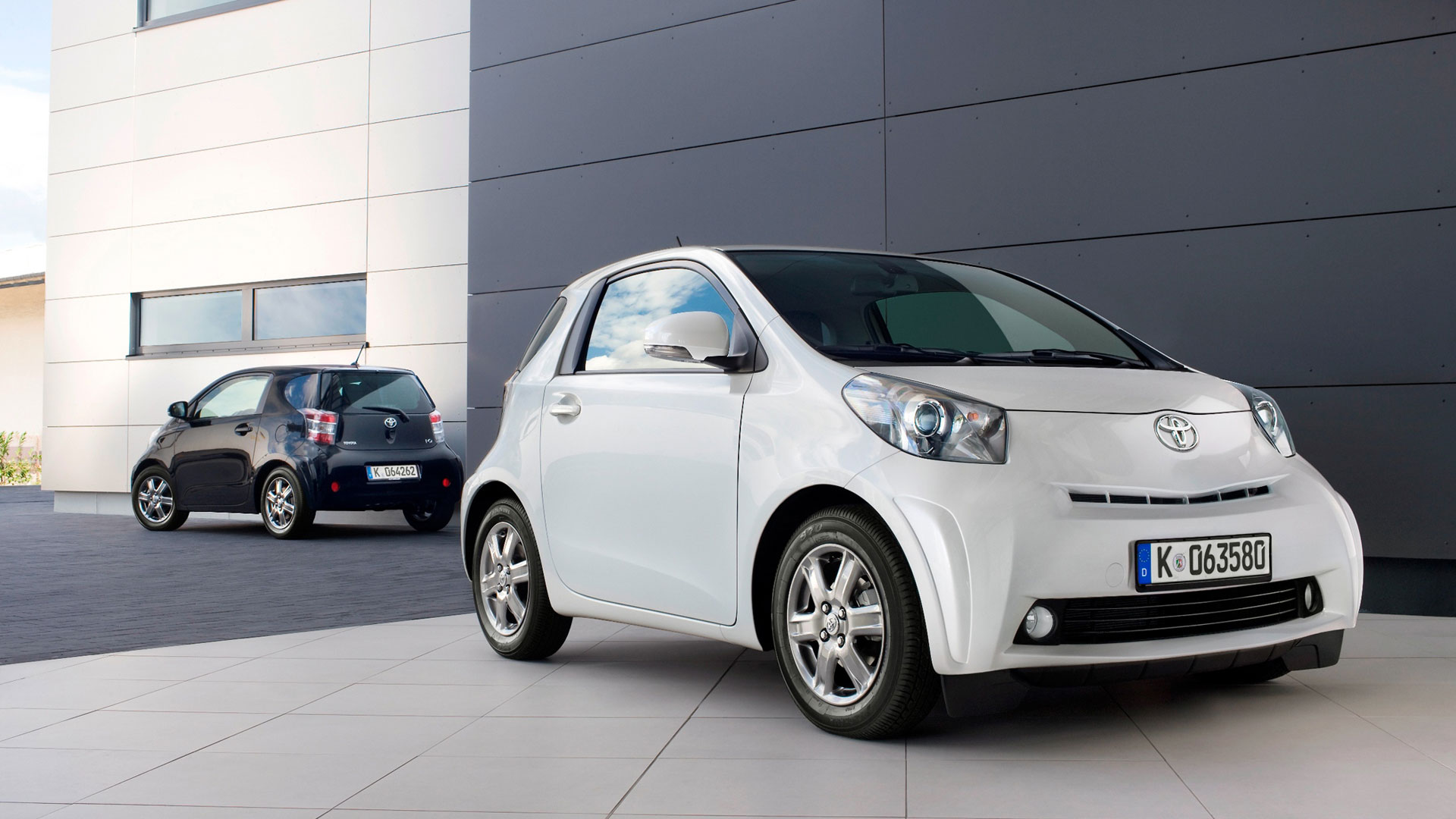
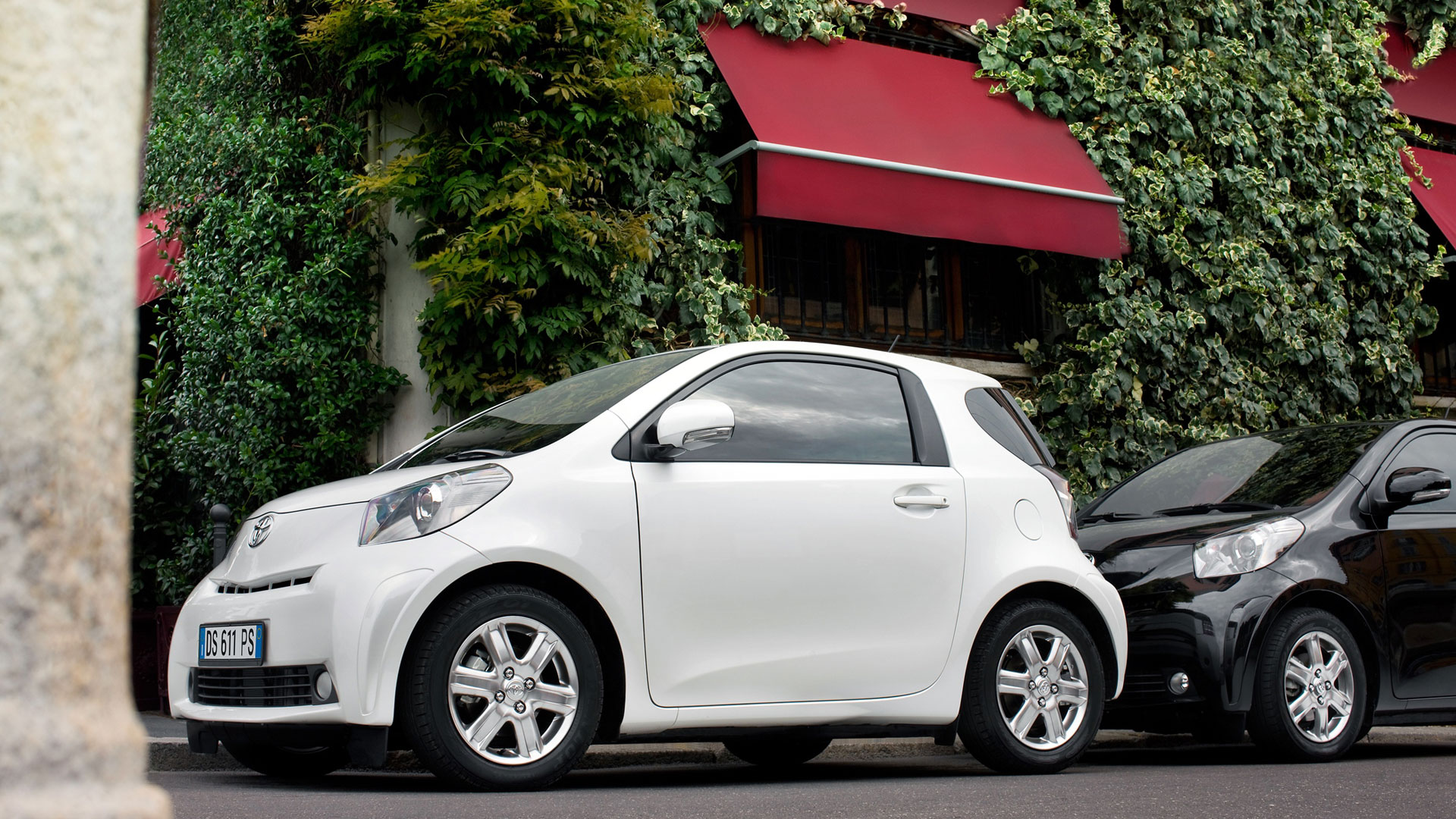
1. Toyota iQ

Reliable cars for student drivers

For just £2,500, you could own one of the cleverest small cars of the past decade. This diminutive city car was smarter than a ForTwo and cooler than a Fiat 500, but arguably a little expensive when new. As the smallest four-seater in the UK, it has a genuinely compelling USP.

Warranty Direct said: “The Toyota iQ took the number one spot to be named the most reliable student car with its average time off the road for repairs at only an hour. Repair costs averaged at around £223.94, with the low number of claims concerning mainly issues with engines.”

ALSO READ

Carlos Ghosn rearrested in new twist

Used electric car price soars 50%

Skoda launches new Octavia SportLine crammed with extra kit

Advertisement

Fun-to-drive cars that dodge the London ULEZ charge

0

Fun to drive cars ULEZ

The Ultra Low Emission Zone comes into force in central London on April 8 2019. The pollution-based fee has struck fear into the hearts of enthusiasts, but it needn’t do. Petrol-powered cars need only comply with Euro 4 emissions standards, introduced in January 2005. In the spirit of saving money, our post-2005 choices won’t break the bank when it comes to buying, either. You can buy any of the following cars and drive in the capital (outside Congestion Charge hours) for free.

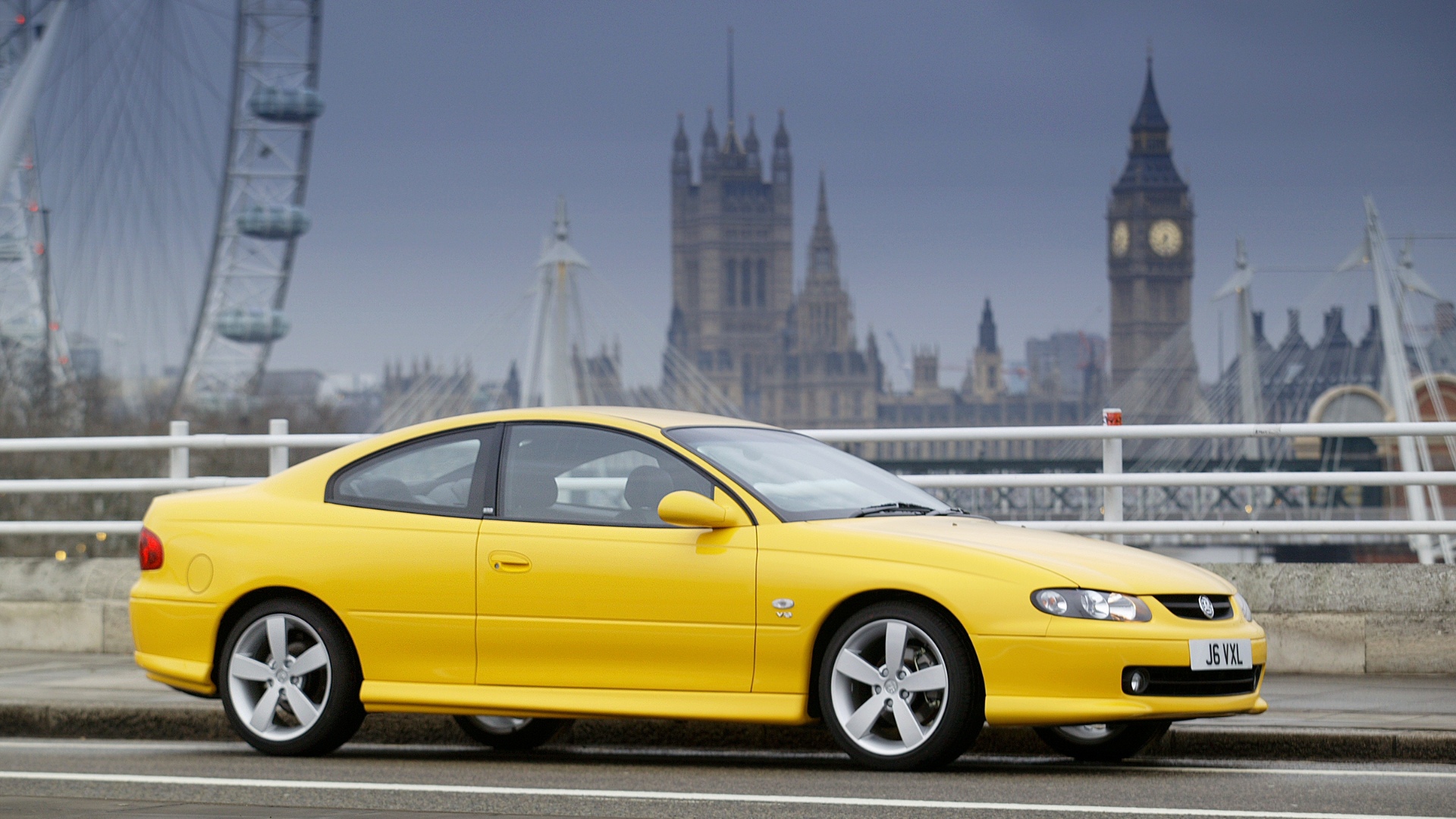
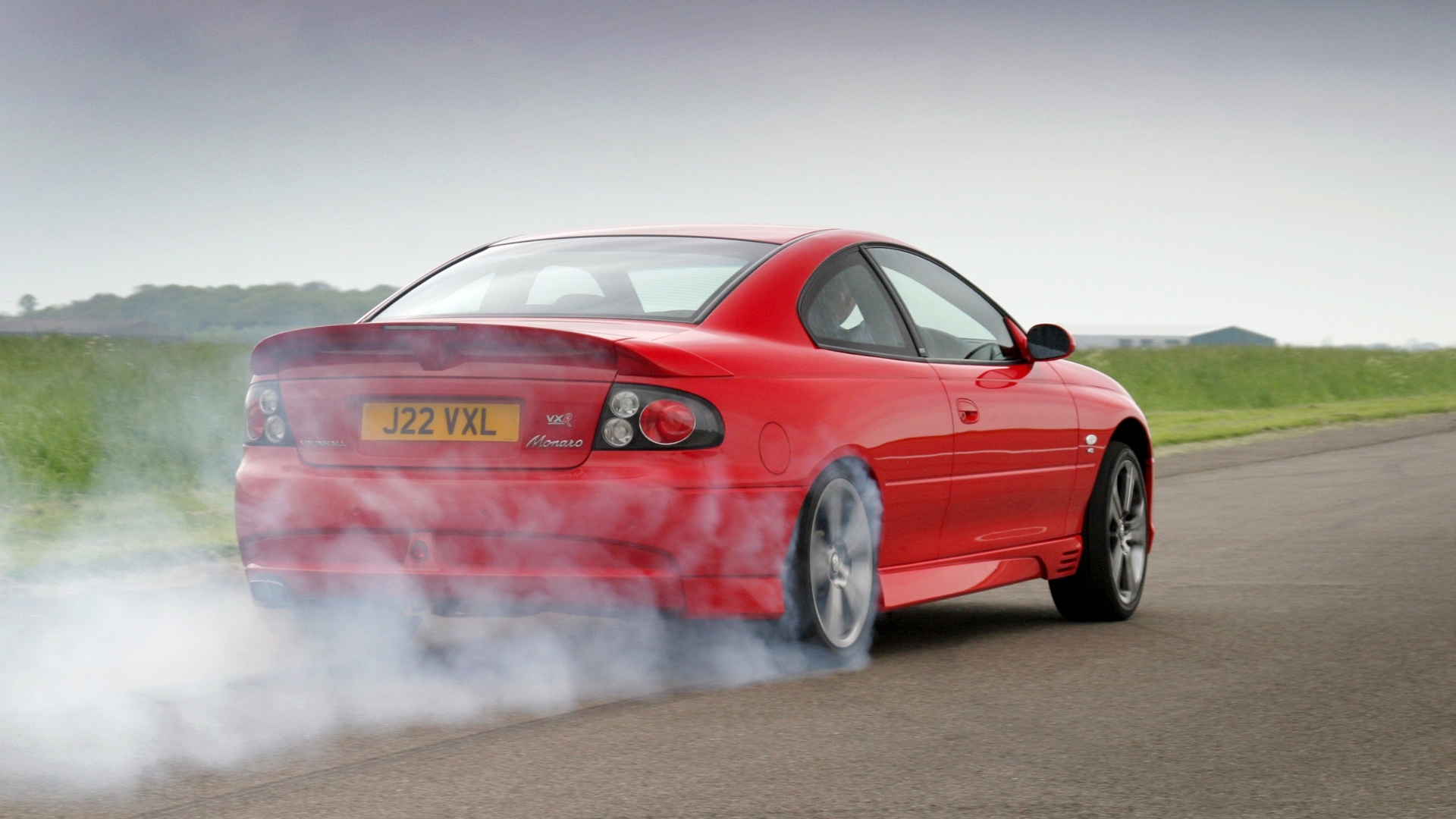
Vauxhall Monaro

Fun to drive cars ULEZ

We start with the car that sparked the idea. With team MR having a Monaro of its own, we checked whether we could enter London without a fee (what with a tunnel-run event coming up at the end of April). As luck would have it, we can, given ours was registered after January 2005. Against all odds, this pushrod V8 Aussie muscle car fits the bill.

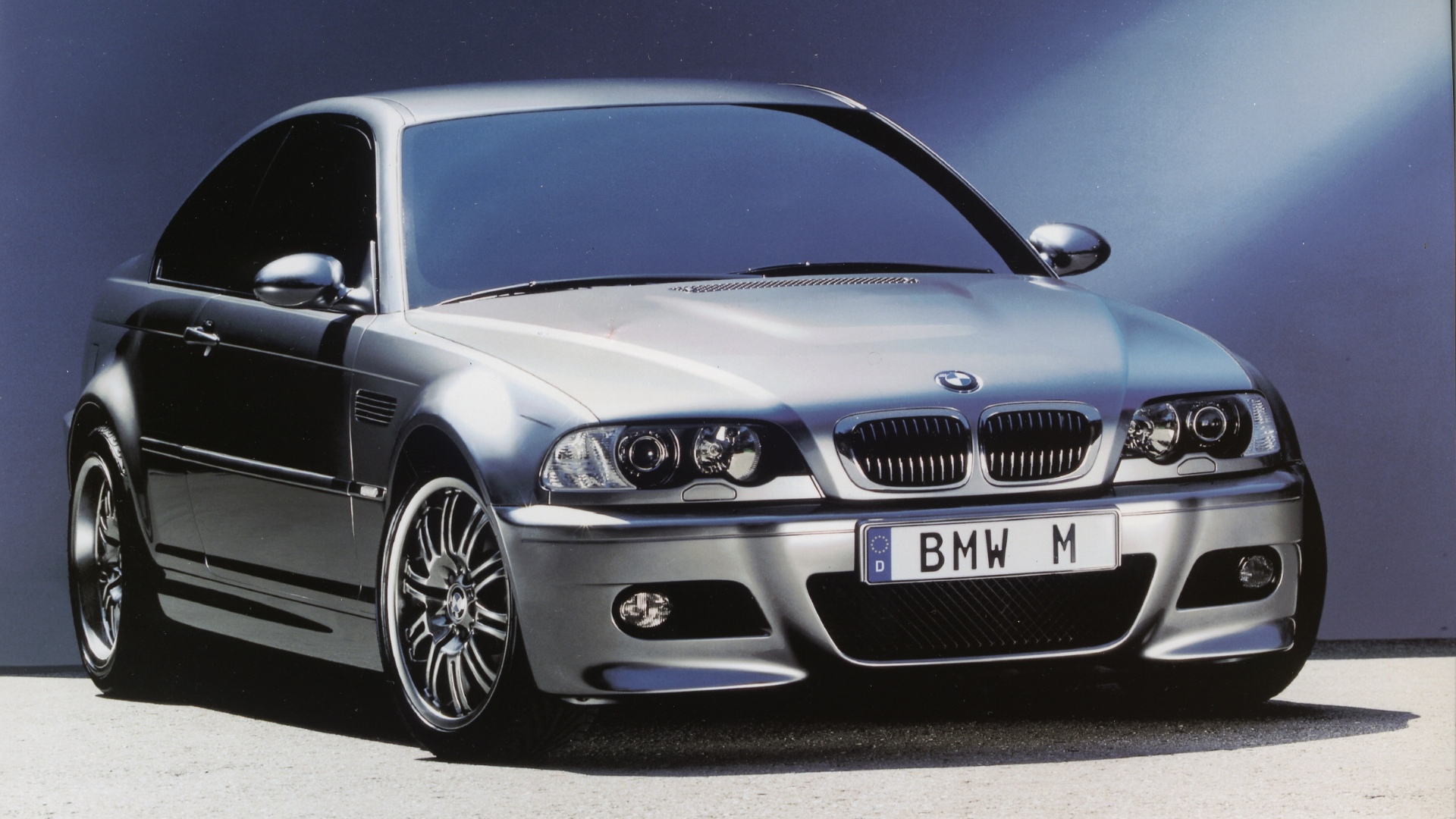
BMW M3

Fun to drive cars ULEZ

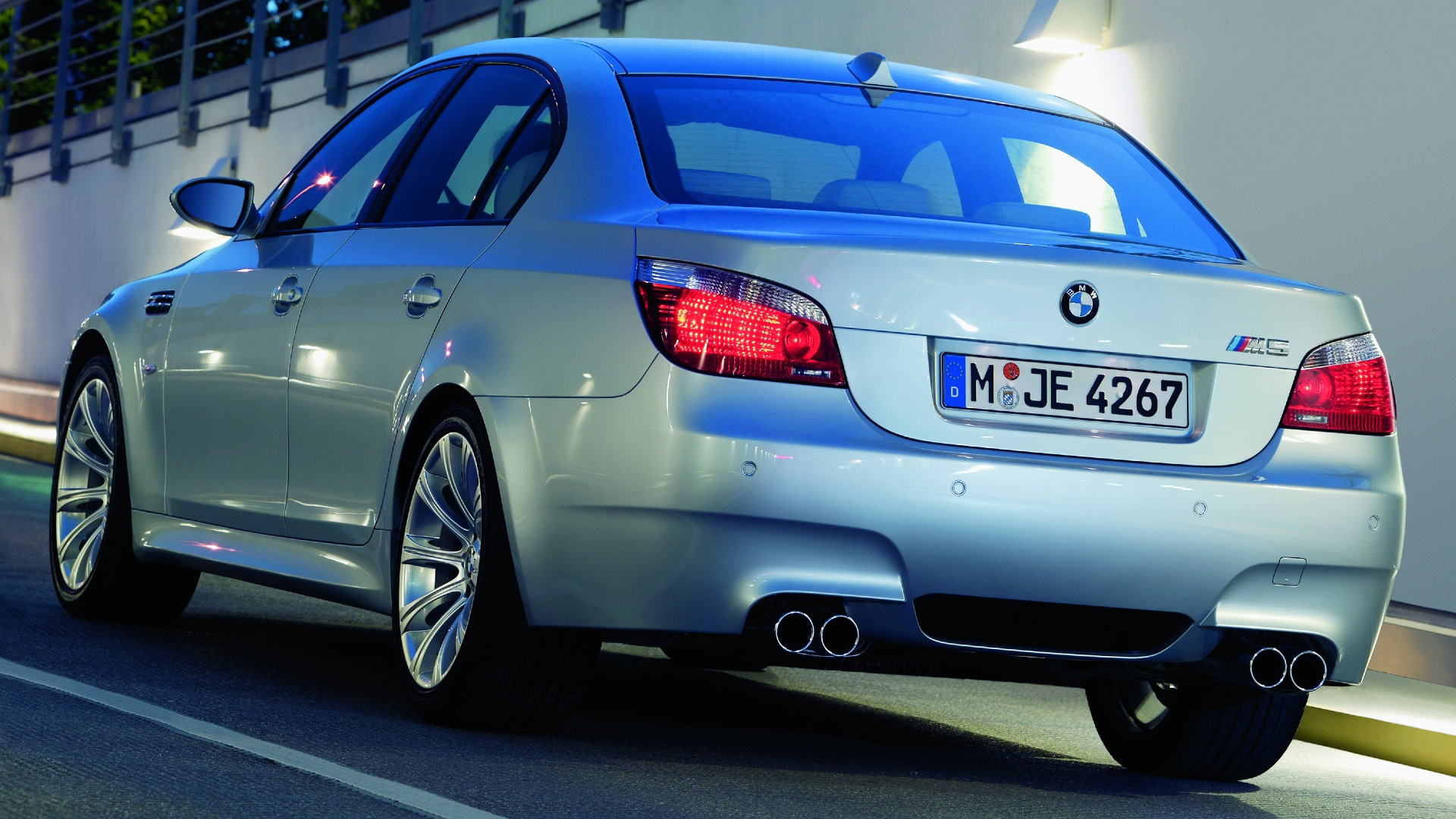
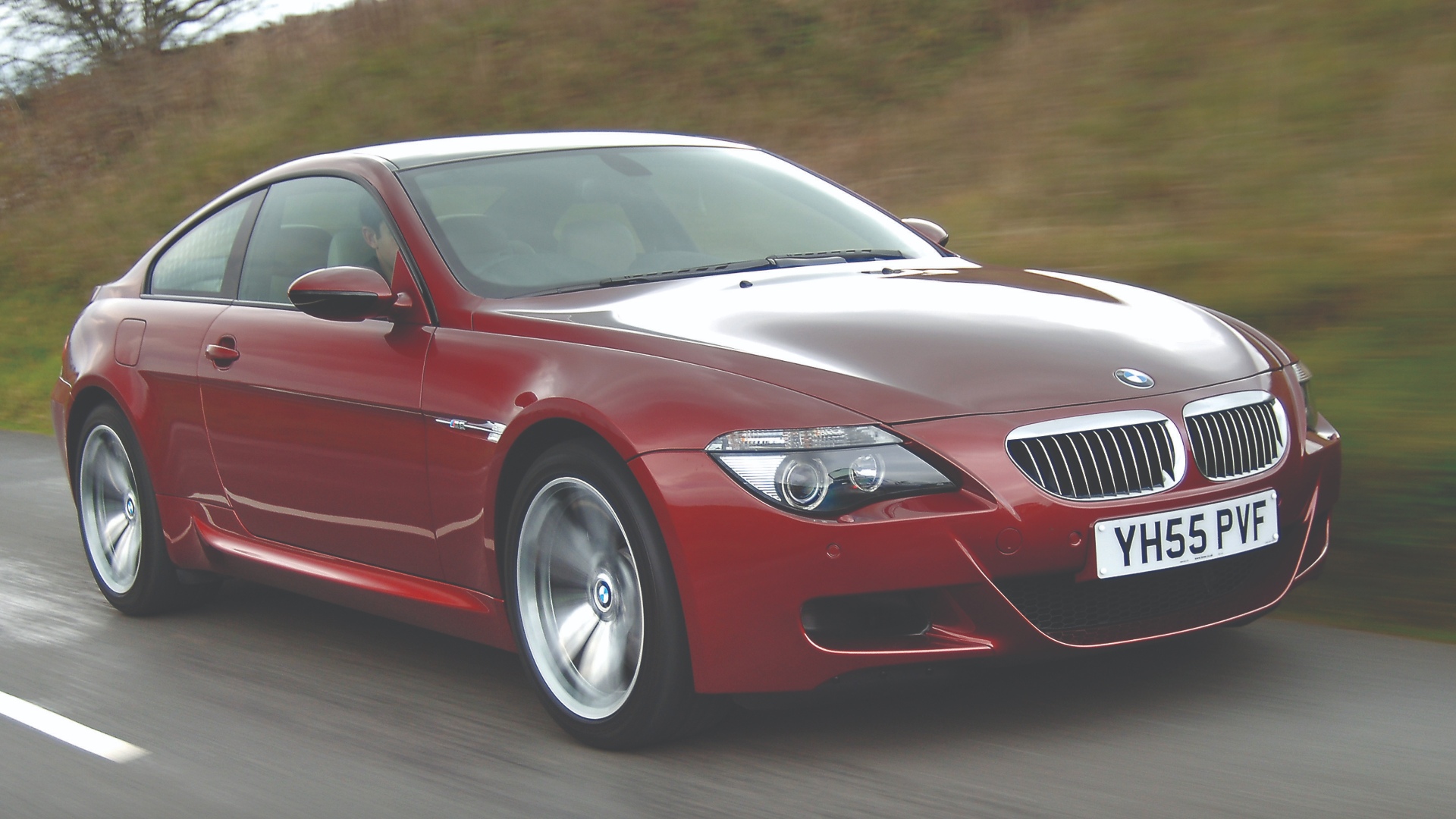
The ULEZ doesn’t work on a case-by-case basis. All Euro 4 emissions-compliant petrol cars (registered from 2005) are allowed in. That includes the BMW M3 (E46) M5 (E60) and M6. If you’re an M driver of six-cylinder, V8 or V10 flavour, you’re in luck

BMW M5

Fun to drive cars ULEZ

Here’s a gratuitous shot of Chris Bangle’s 500hp V10-powered 5 Series. Because more cars should come with Formula 1-inspired engines. If you’re lucky, you’ll find one of the Touring estates, which are 10 times rarer than the saloon and, consequently, a lot pricier…  

BMW M6

Fun to drive cars ULEZ

The M6 arrived in 2005, just after the M5, with V10 thrills, two fewer doors and sleek looks. A classier slice of 500hp BMW life and available with a soft-top if you’re so inclined.

Honda S2000

Fun to drive cars ULEZ

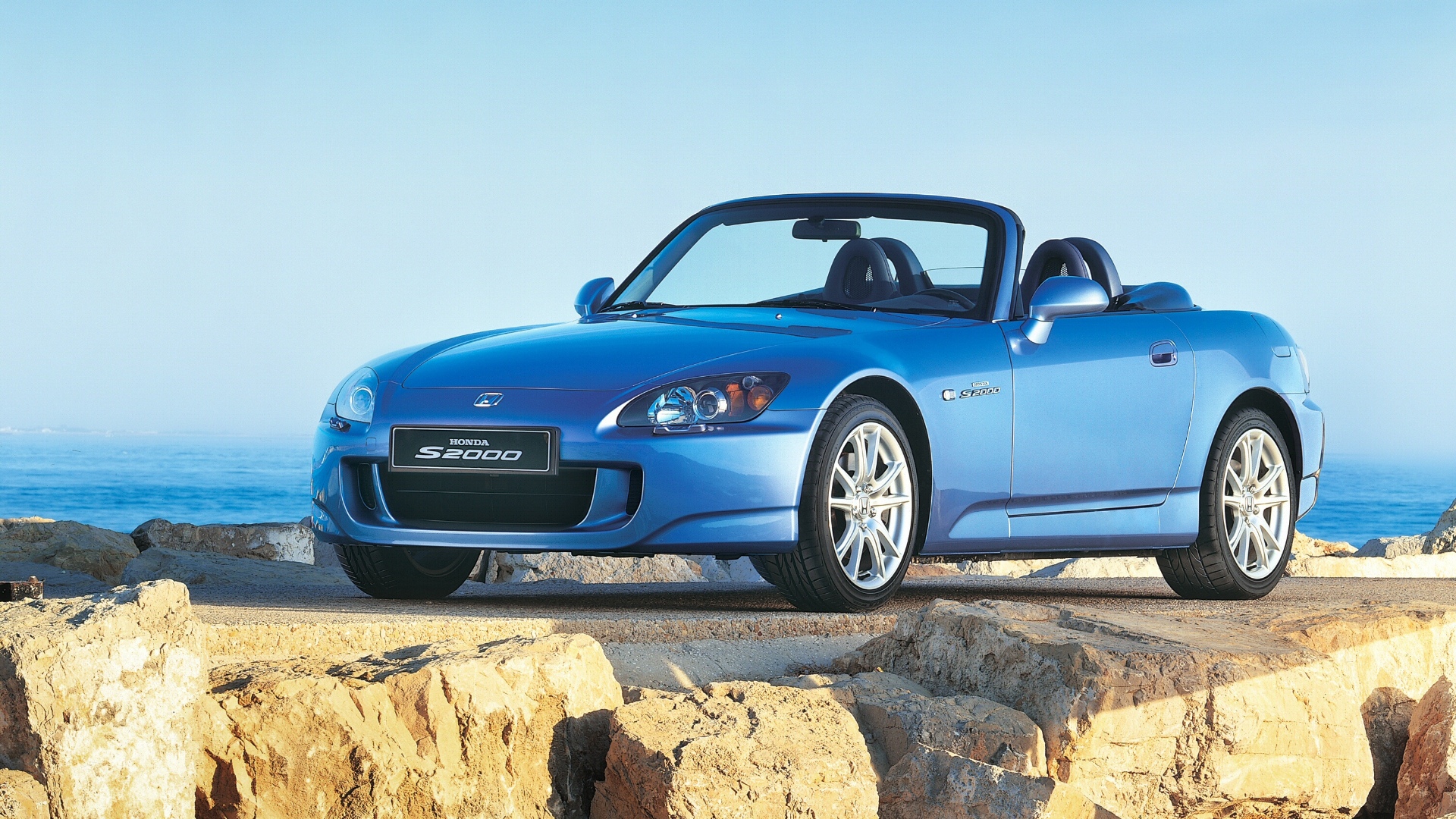
This high-revving hero from the Land of the Rising Sun avoids the charge, too. Thanks to Euro 4 compliance , the S2K is free to fill the streets of London with the dulcet tones its VTEC four. Long may it sing all the way to 9,000rpm along Park Lane.

Honda Civic Type-R

Fun to drive cars ULEZ

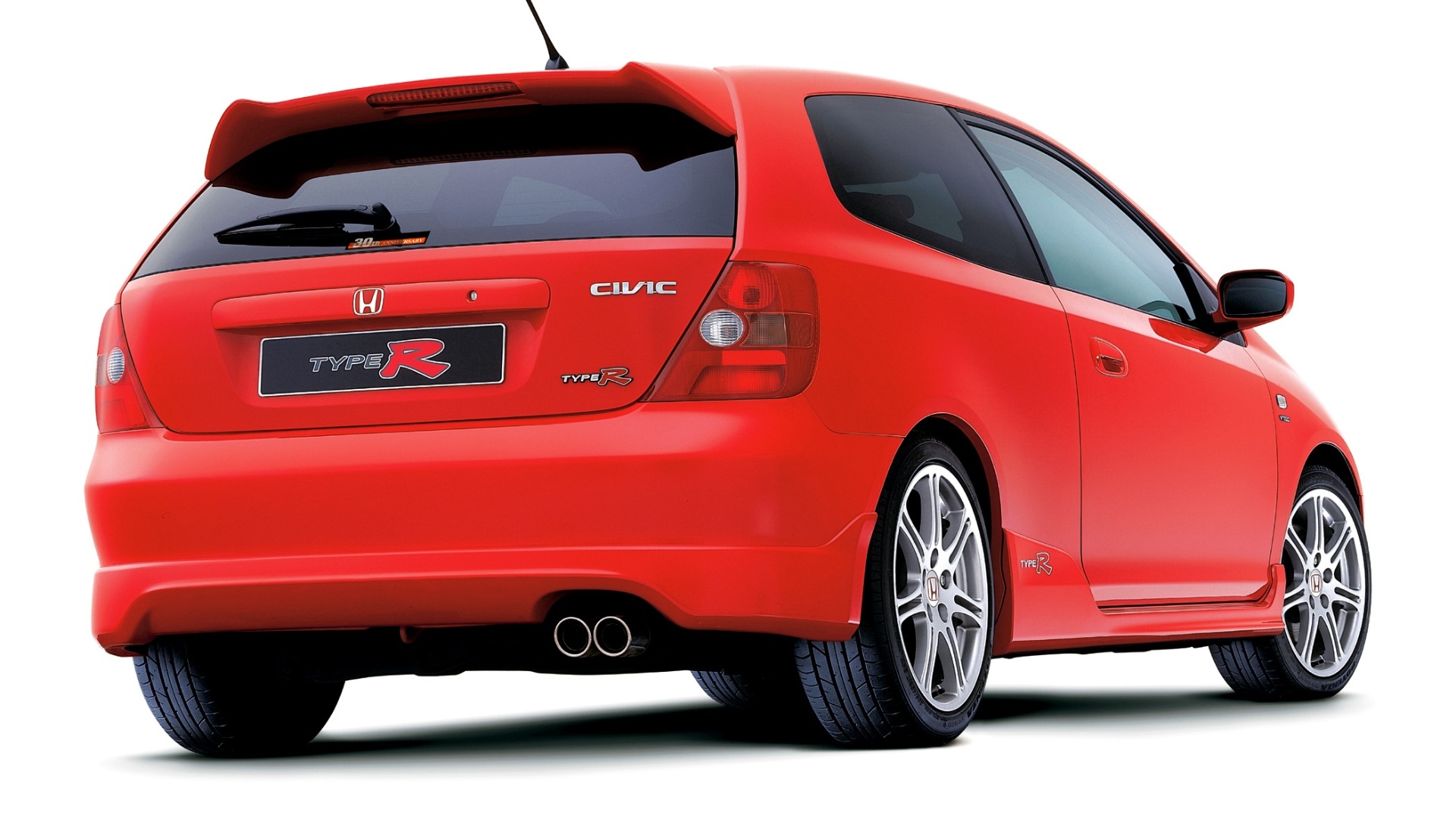
The Civic Type R was in its prime around 2005. The fantastic EP3 generation was aging nicely, still teaching hot hatch newcomers a thing or two about exciting engines and chassis set-up. We were anticipating the arrival of the next generation FN2 model with bated breath, too. The Type R is one of those rare cars that has a ‘skunkworks’ feel to it. How does this well-priced practical hatch have a race-proven 8,800rpm engine? Those registered after January 2005 will be free to rip revs in the Ultra Low Emission Zone.

Mini Cooper S

Fun to drive cars ULEZ

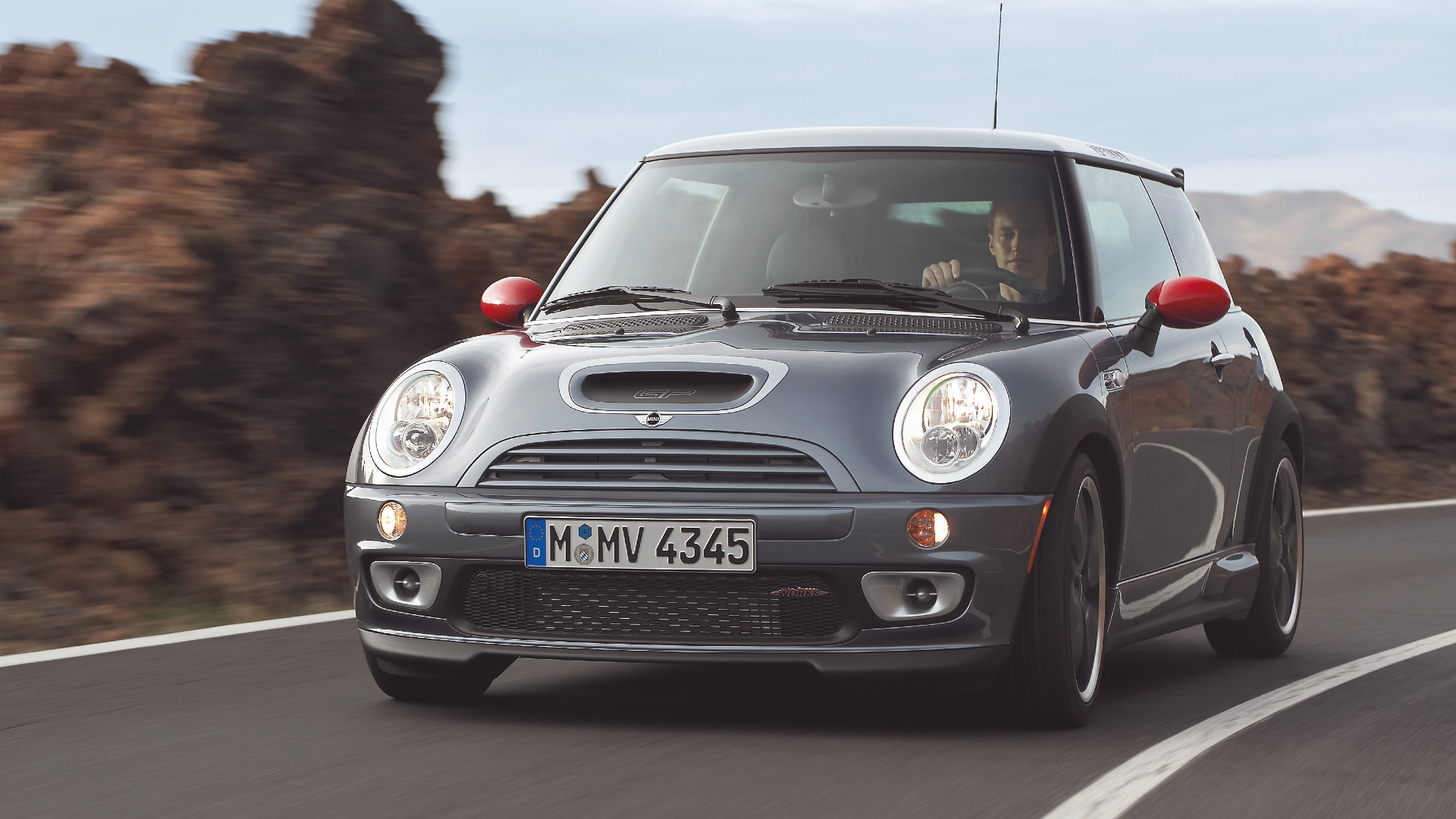
The supercharged version of the BMW Mini was in production until 2006. Therefore a select few late-registration cars will be allowed into the ULEZ free of charge. All owners of R56 generation cars (07-onwards) need not worry.

Renault Sport Clio

Fun to drive cars ULEZ

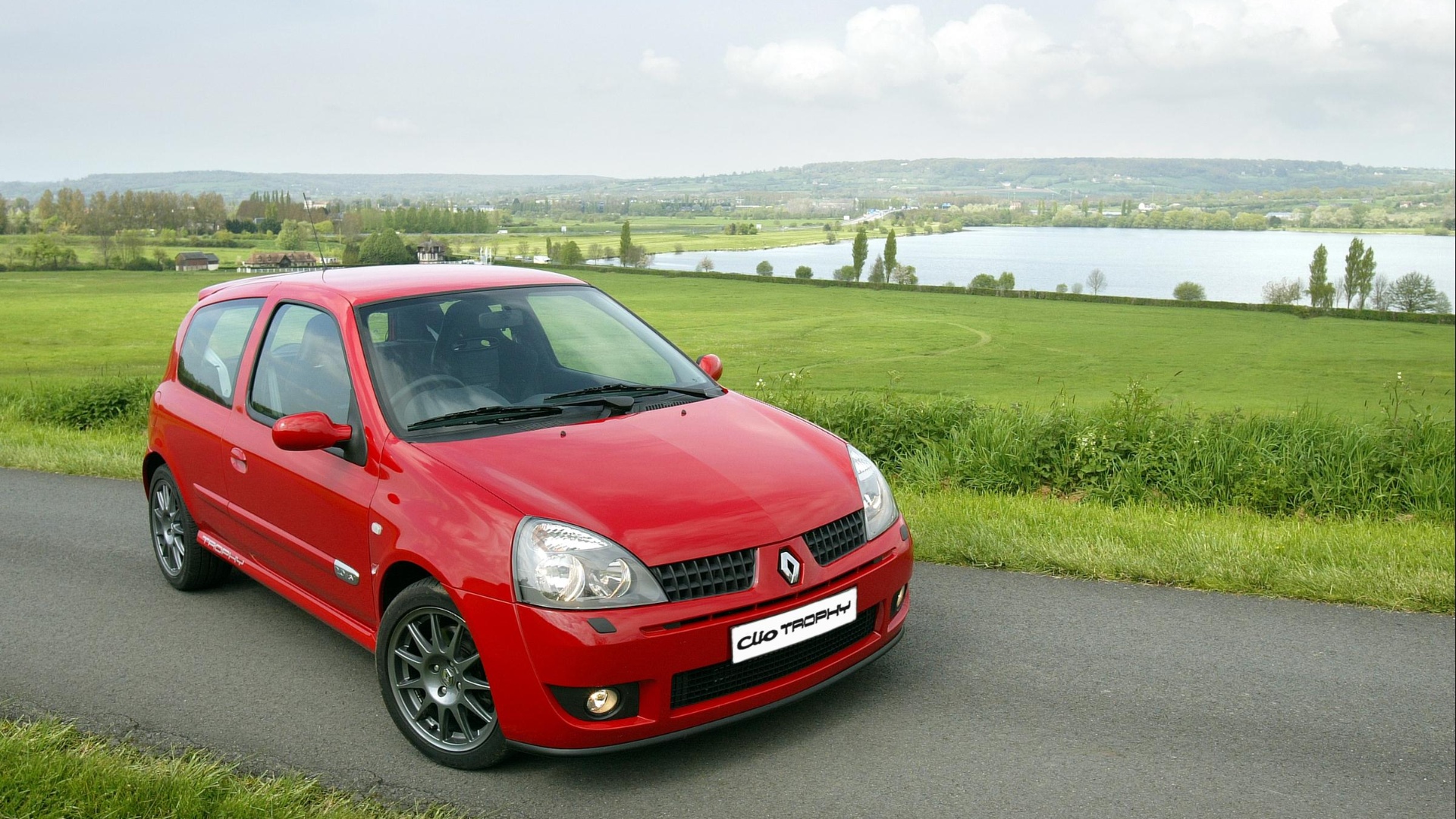
Now, this could be tight. The 182 variant of the Renault Sport Clio ran into 2006 (just about). If you own one of these hot hatch heroes, make sure you check your plate. If it’s an 05 or 55, you’re probably OK. Owners of 197 third-gen cars, drive on worry-free…

Renault Sport Megane

Fun to drive cars ULEZ

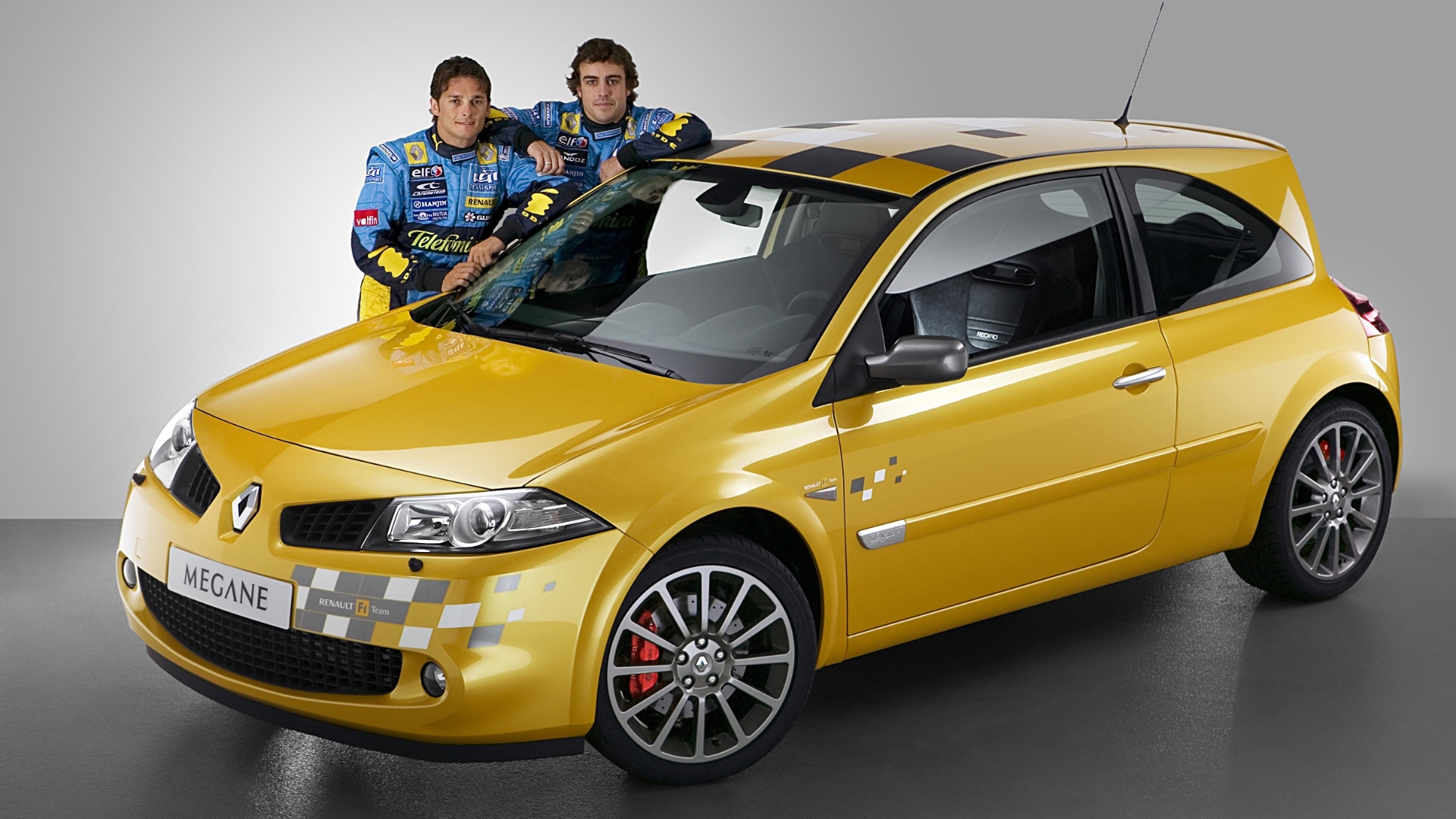
Like little sibling Clio, the ULEZ cut-off slices right through the end of the second-generation Megane’s life. Shortly to evolve into the hardcore lightweight R26 R, in 2005 the R26 was right at the top of the hot hatch pile, with sporty Recaro seats and a limited-slip differential. With 230hp from its turbocharged engine, it doesn’t hang about.

Vauxhall Astra VXR

Fun to drive cars ULEZ

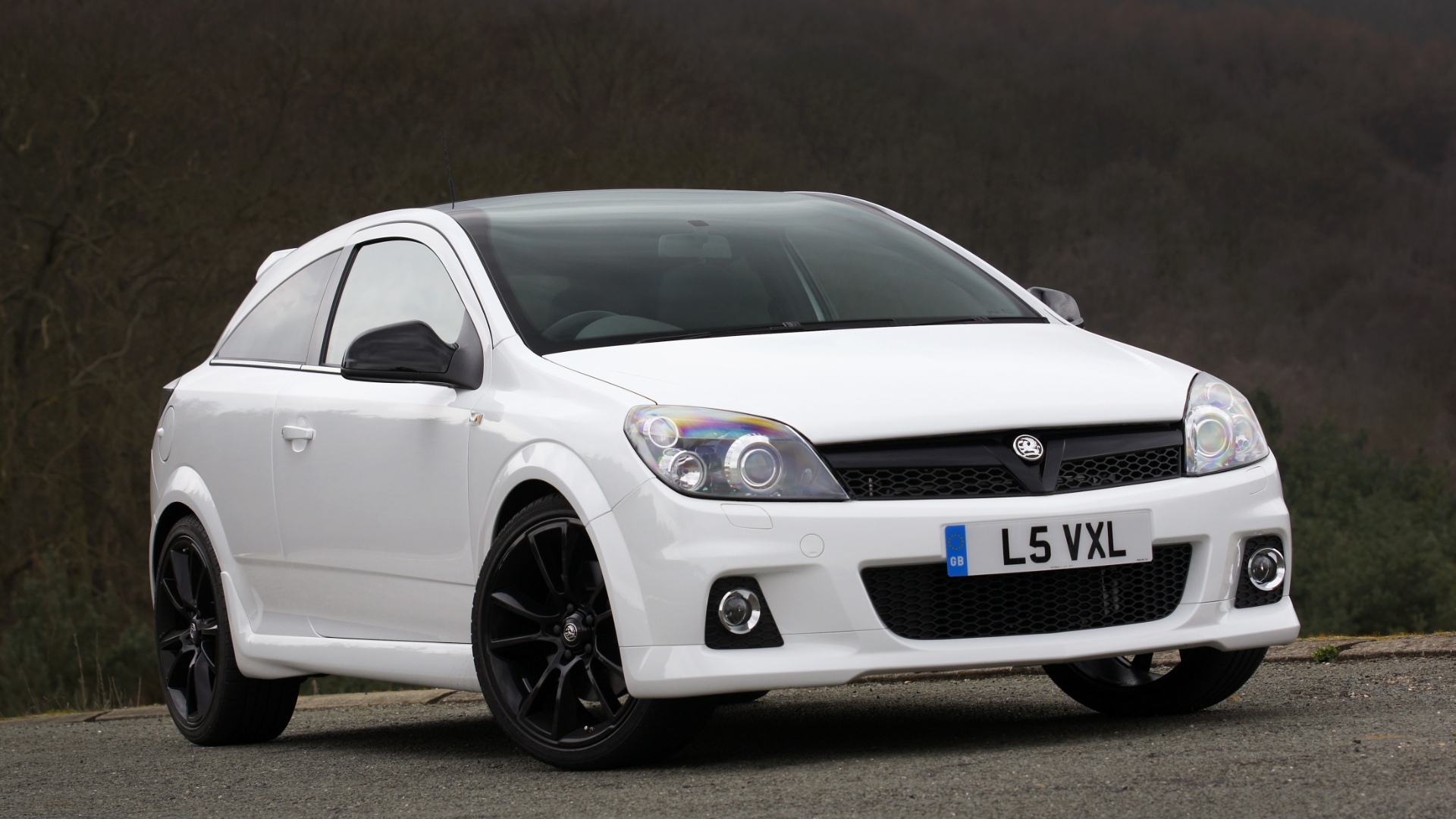
Neither does the VXR. Unless, of course, you want to accelerate in a straight line. The torque-steering VXR produced a whopping 240hp from its turbocharged 2.0-litre four-cylinder engine and made an almighty roar. That’ll sound good in the Knightsbridge to Piccadilly A4 tunnel.

Vauxhall VX220

Fun to drive cars ULEZ

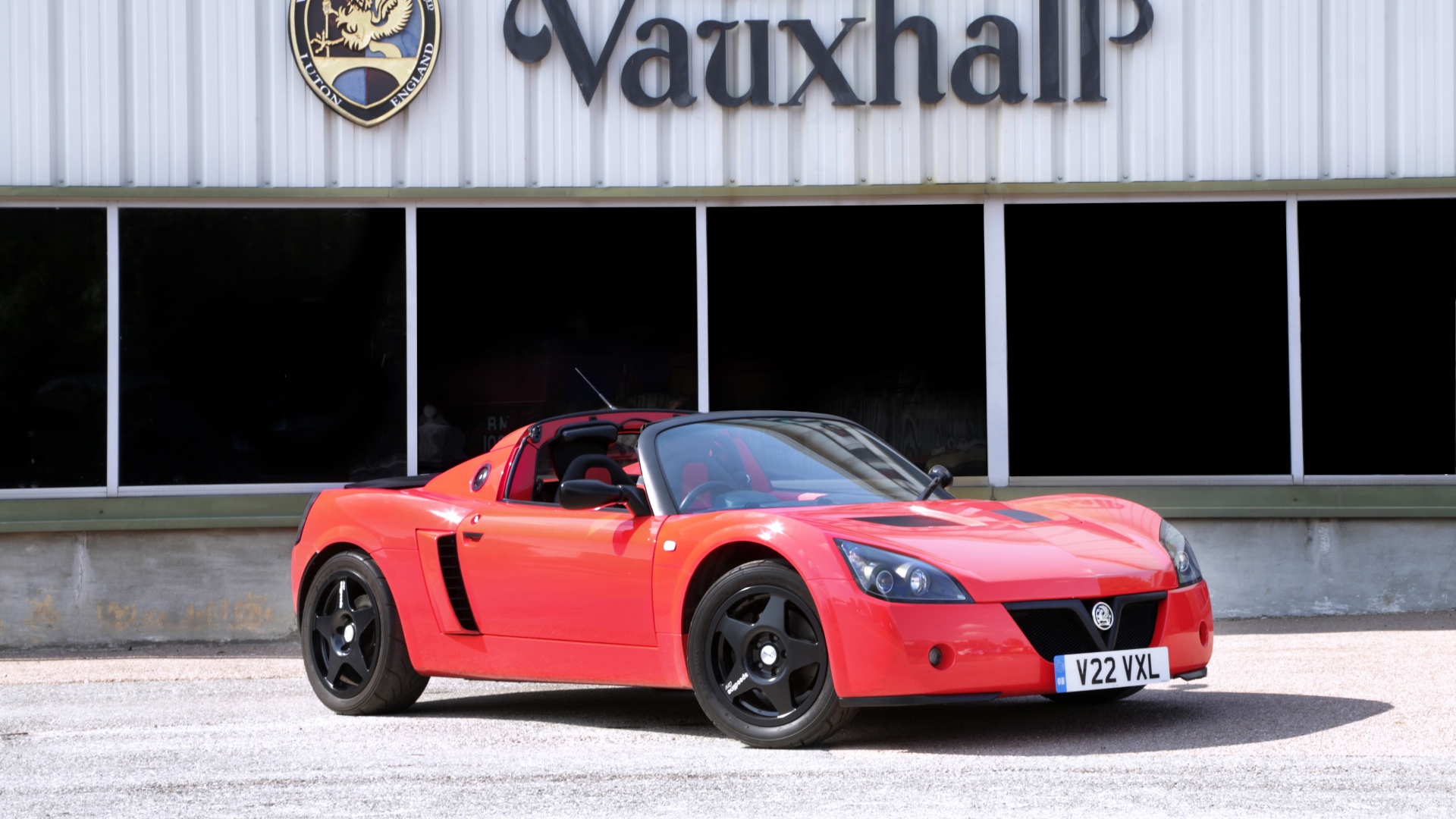
Like the Monaro, the VX220 was the result of Vauxhall’s mad rebadging spree, and was related to the Lotus Elise. The sad news is that 2005 was the 220’s last year of production. Get checking those 54-plate cars in the classifieds for their compliance.

Mercedes-Benz CLS 55 AMG

Fun to drive cars

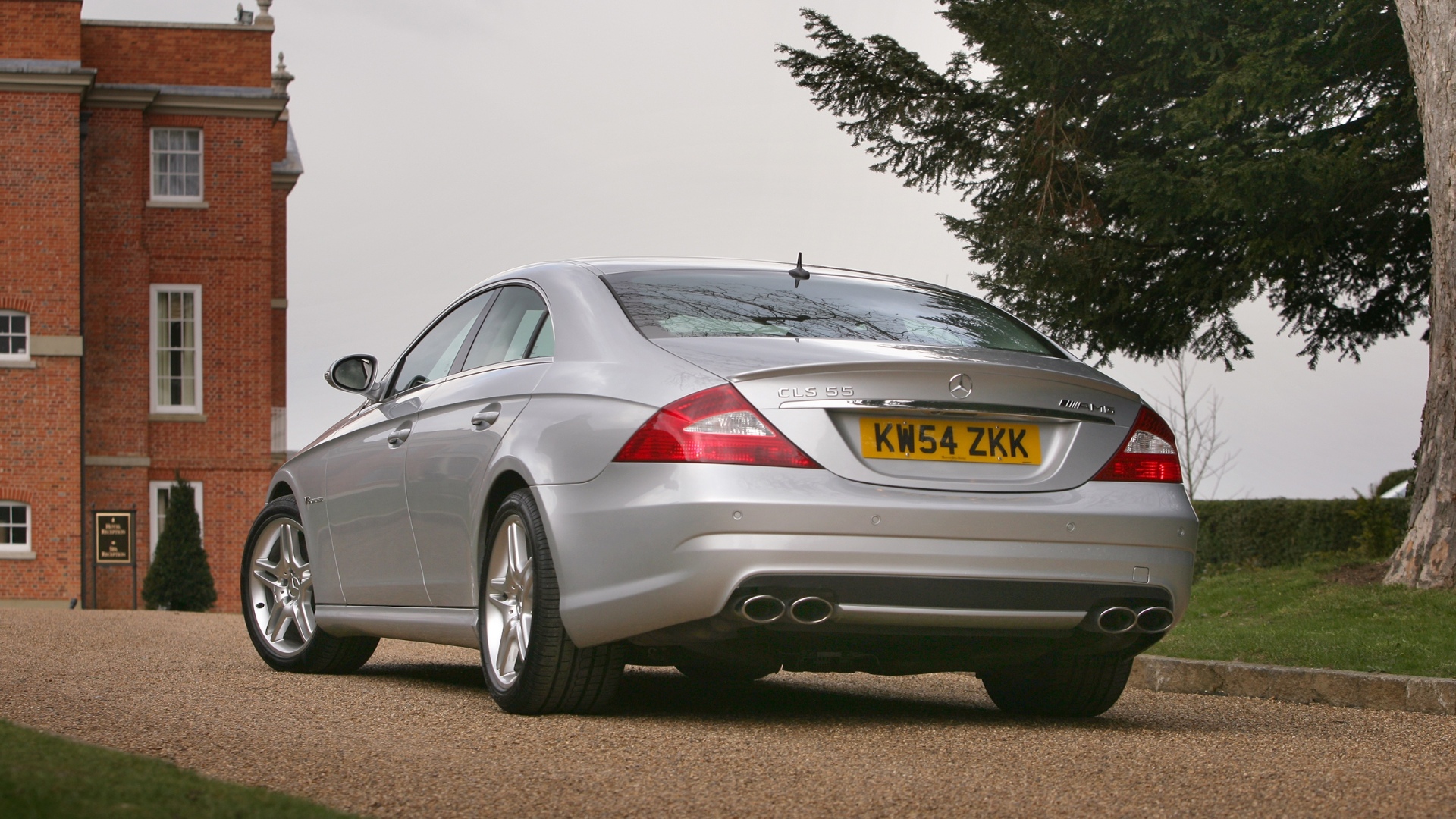
Adding to the notion that this is a gratuitous list of mid-2000s performance cars, here’s the CLS 55 AMG. The original four-door coupe somehow managed to look incredible while having the silhouette of a banana. Less shapely E 55 AMG saloon and wagon variants were also available. Packing that massive raspy V8, it’s perfect for London posing.

Mercedes-Benz SLK 55 AMG

Fun to drive cars

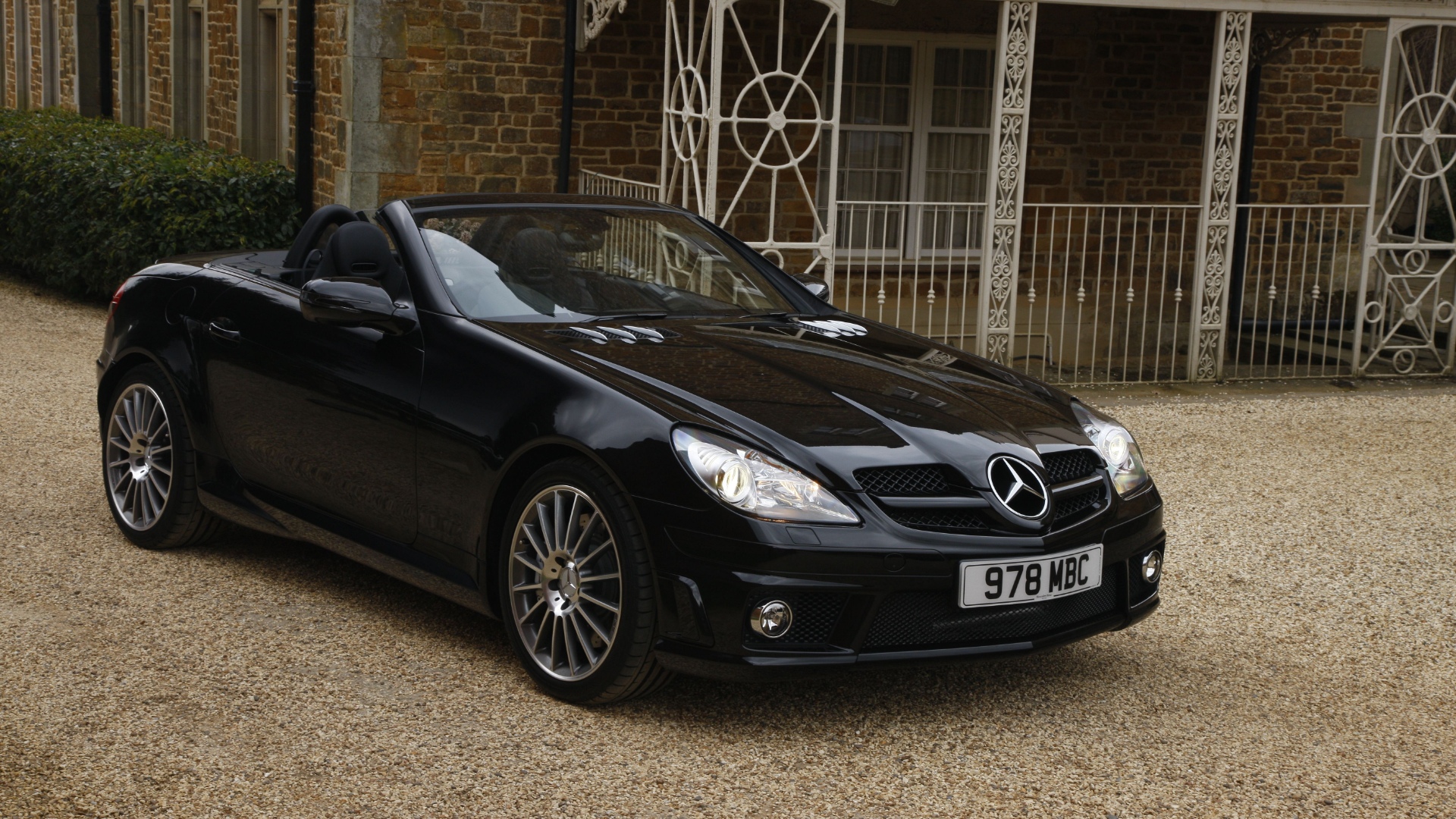
Another example of rumbly AMG goodness available in 2005. If the SLK is a bit small, the supercharged big brother SL 55 AMG was also in showrooms that year.

Mercedes CL 65 AMG

Fun to drive cars

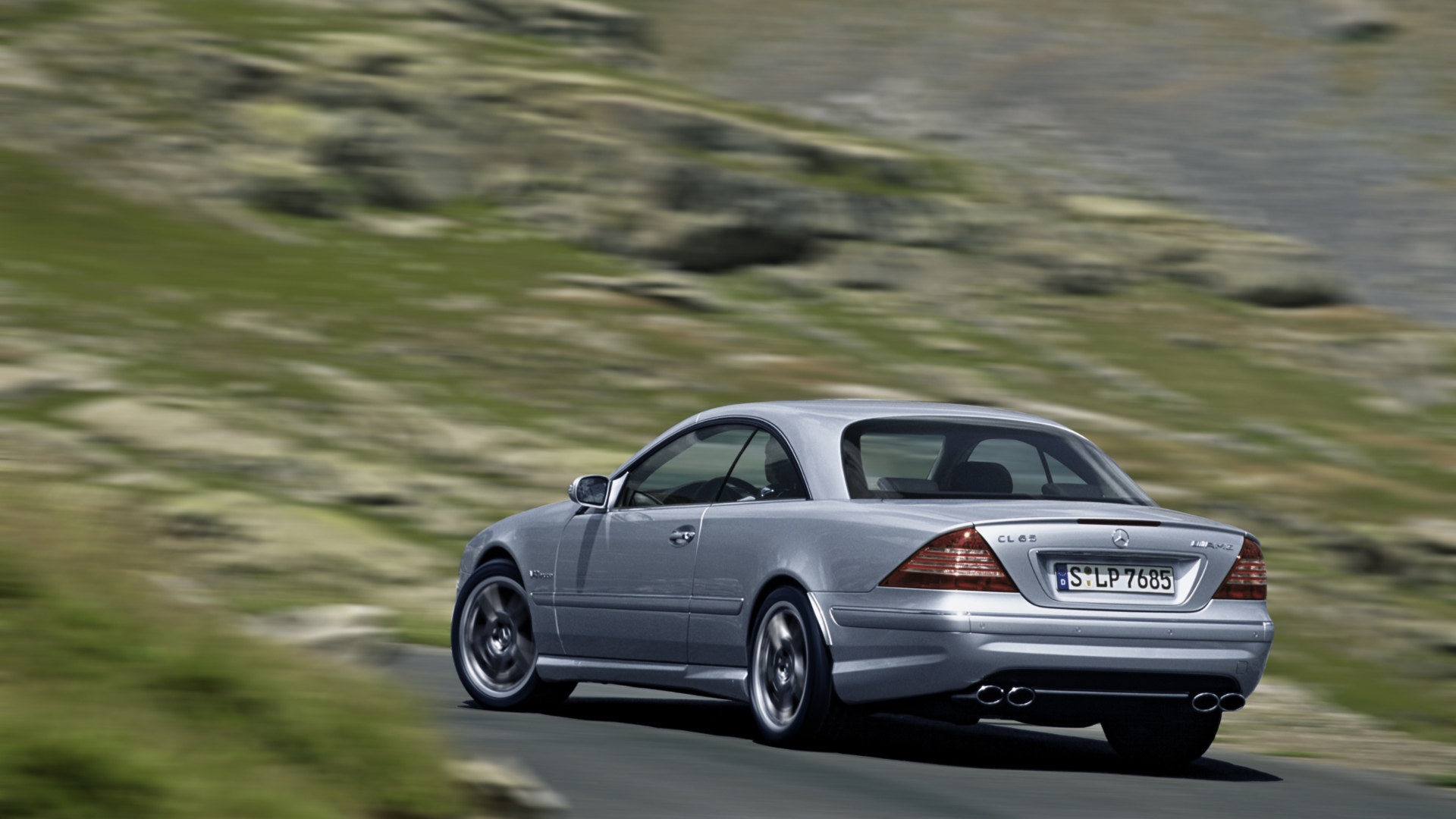
Alternatively, try 2005’s most powerful series production car. The twin-turbo V12 600hp+ CL 65 AMG. If you want absolute power with wind in your hair, the SL came in 65 AMG flavour too. And, if you need two extra doors, the S 65 AMG saloon is the car for you. Whatever happens, as long as it’s got a 65 badge, you’ll be going very quickly indeed.

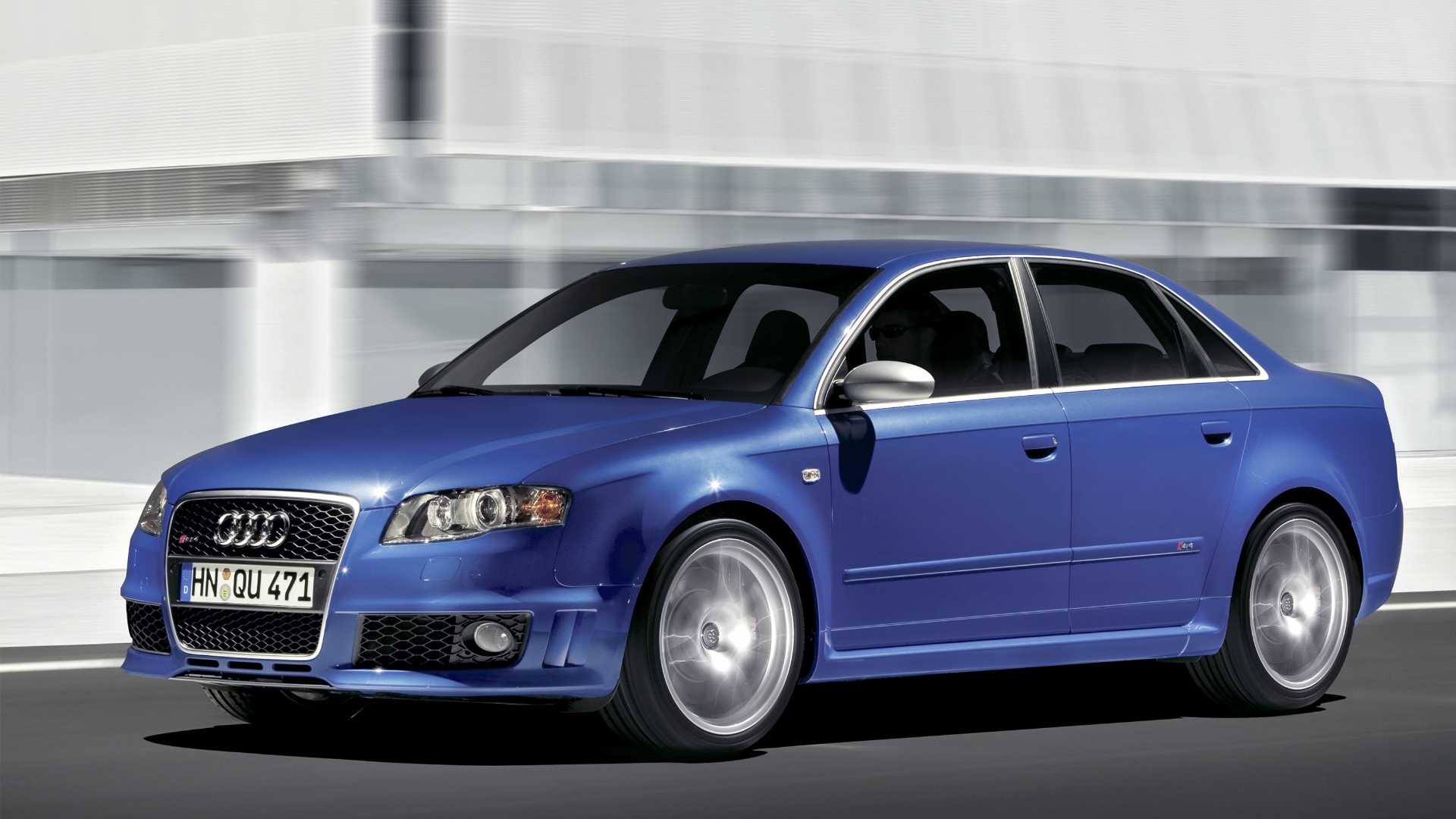
Audi RS4

Fun to drive cars

The B7 Audi RS4, the car that redefined Quattro (now Audi Sport) for the modern age, was just hitting the market around the cut-off period for ULEZ compliance. The 420hp 4.2-litre V8 was the star of the show, and would eventually find its way into the R8 supercar. It was a real peach to drive with an eager front end and prodigious balance. Also available in estate and cabriolet forms, it was a fly in the E46 BMW M3’s ointment.

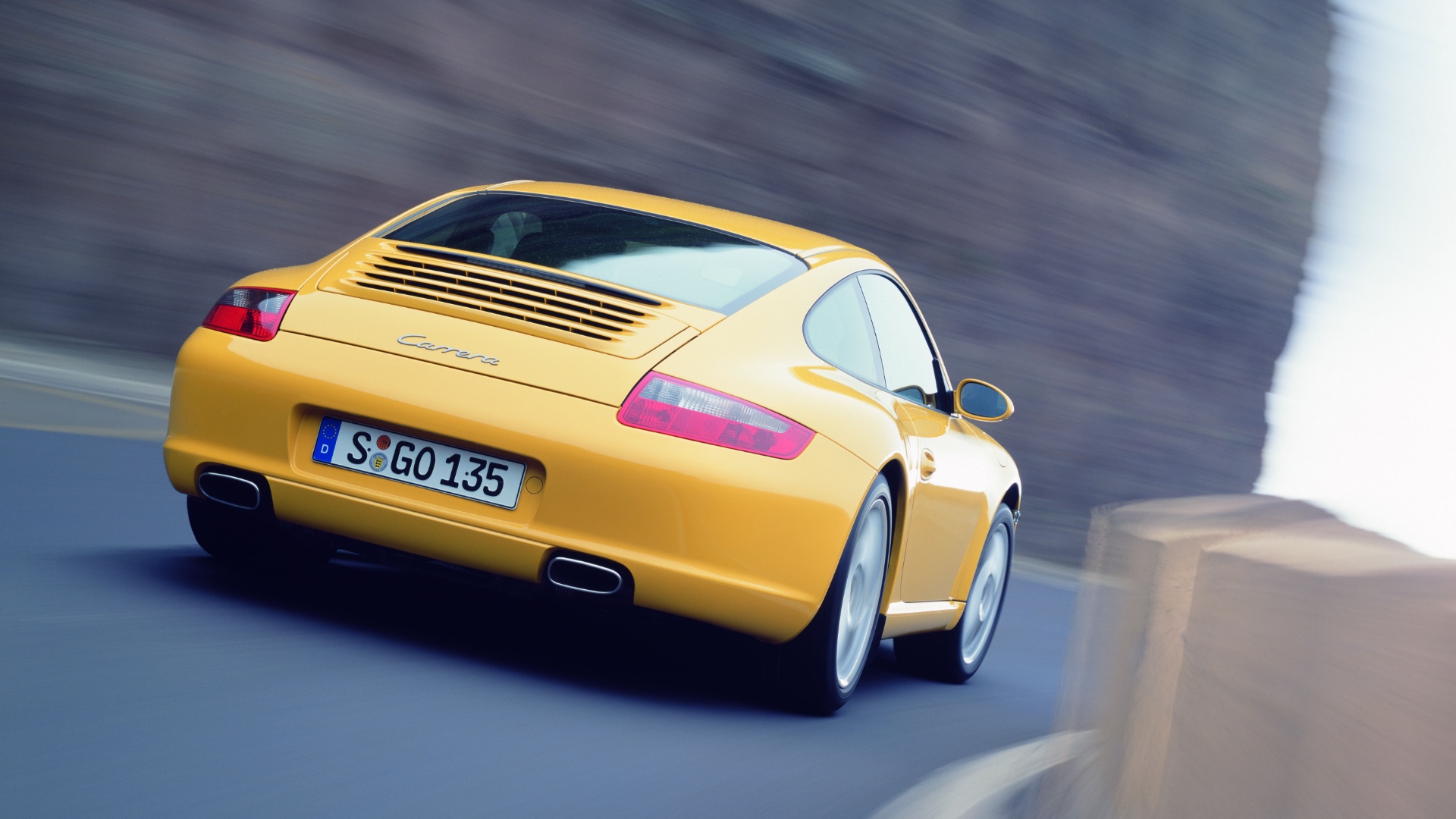
Porsche 911 (997)

Fun to drive cars

Of course, Porsche’s sports car sweetheart has to be included, doesn’t it? Happily, the 997 is, for many, the greatest 911 ever made. With a 3.8-litre flat-six and rear-engined balance, the 997 is already a celebrated modern classic. Open-top and four-wheel-drive models were also available. Certain 05-onwards registered cars will be free to drive in the ULEZ. The second-generation Boxster arrived in 2005, too, so if a 997 is out of reach, you needn’t go without flat-six fun.

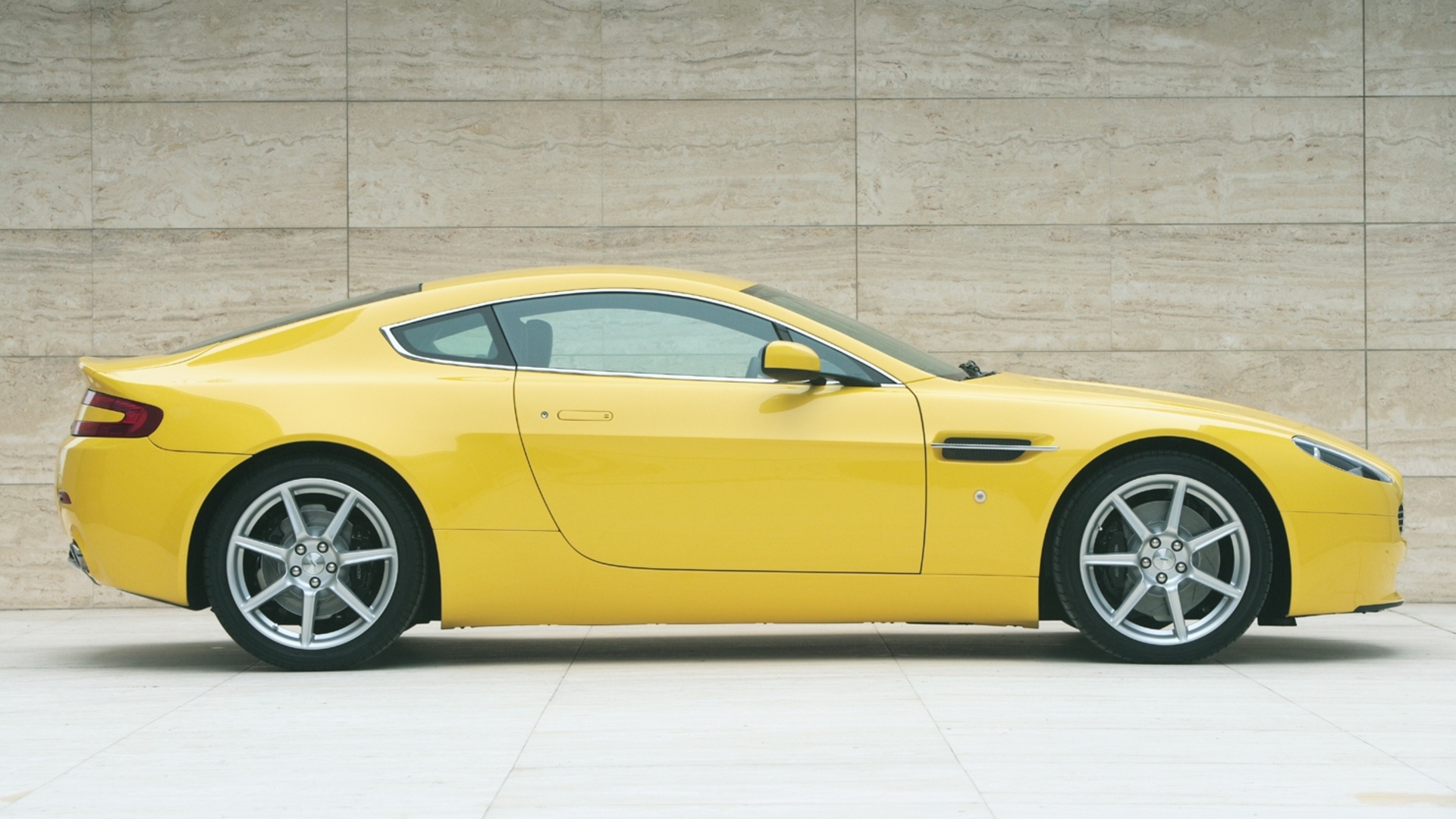
Aston Martin V8 Vantage

Fun to drive cars

Yes, the Vantage might seem a bit pricey, but it’s one of the most beautiful cars ever made and can be had for less than £30,000. It hit showrooms in 2005, so you’re all but guaranteed to be ULEZ-compliant. It was also available as a soft-top.

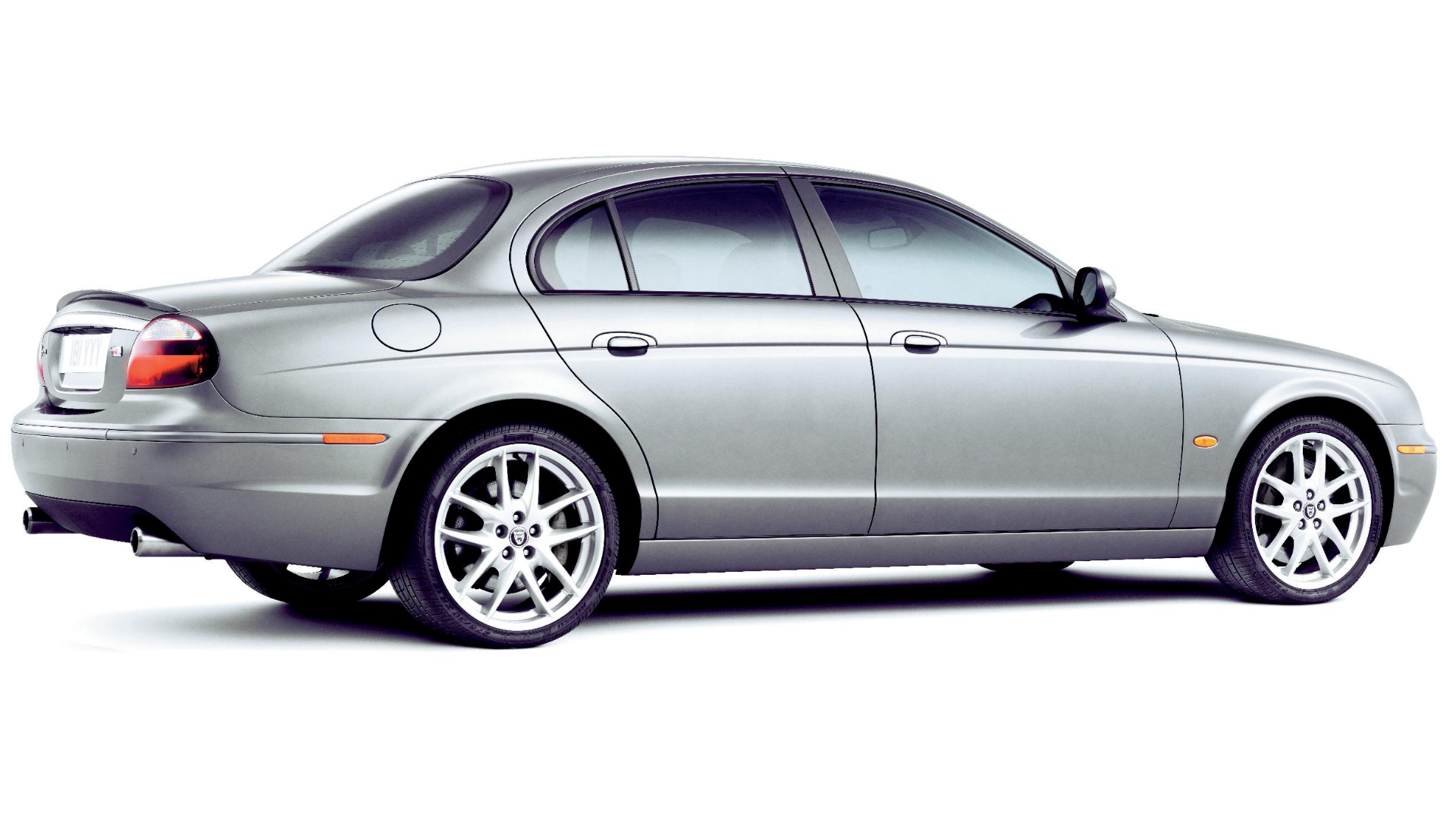
Jaguar S-Type R

Fun to drive cars

The year 2005 comes just on the eve of Jaguar’s renaissance. As such, it’s still an S-Type rather than an XF. No matter, the S-Type in R specification came with 400hp and looks that were, let’s say, softened by performance additions. You could fill central London’s streets with the whine of a supercharged V8 for less than £10,000. Also available with this engine was the more luxurious and arguably prettier XJR

Jaguar XKR

Fun to drive cars

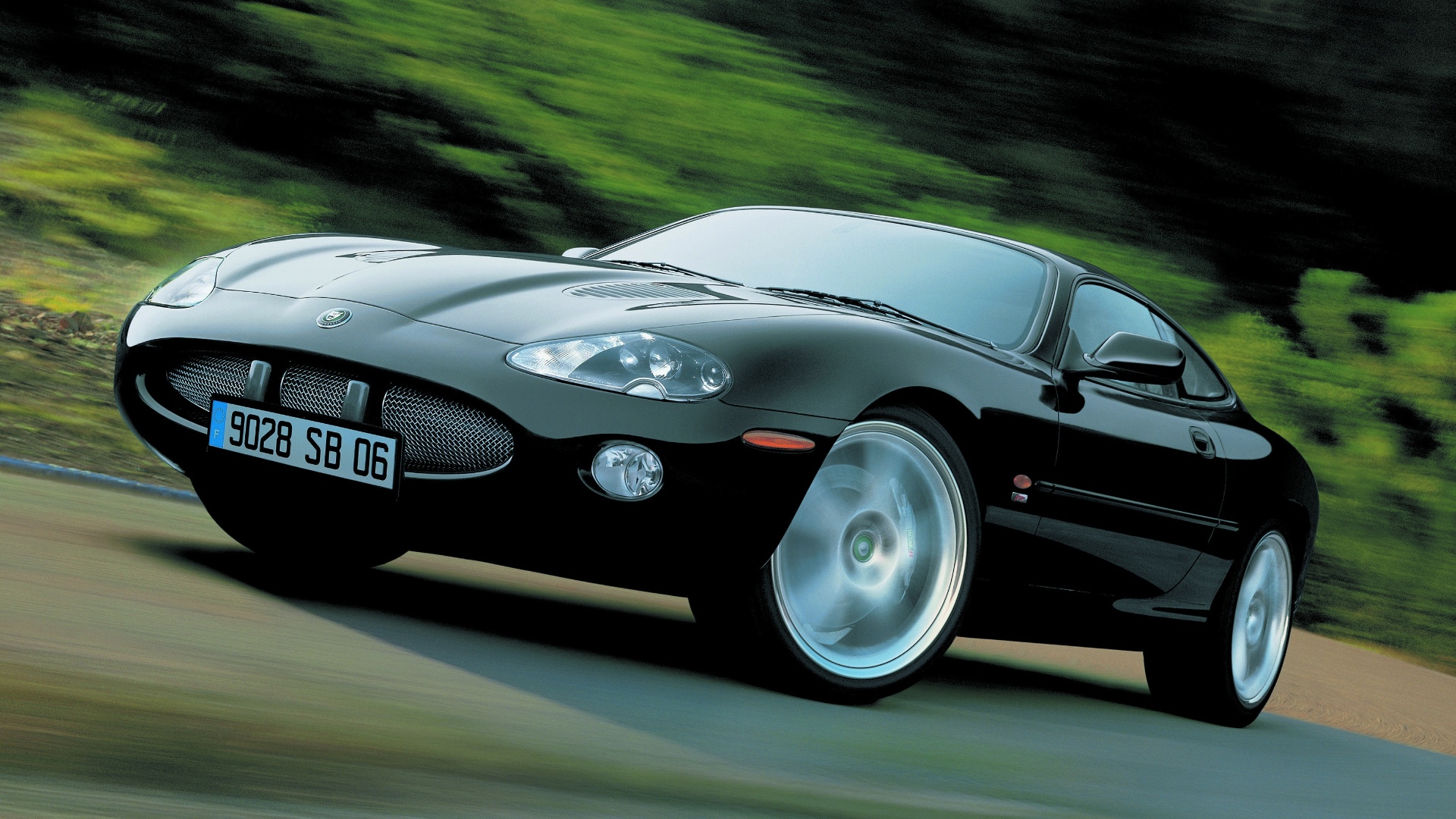
Sat alongside the S-Type in Jaguar dealers was the XK. Yes, it’s vaguely related to the ancient XJS that it replaced. And yes, it’s a bit awkward-looking by comparison with the newer XK and the eventual F-Type show-stoppers that replaced it. Nevertheless, 4.2 litres of supercharged V8 power ought to be tempting and, of course, there’s a convertible version.

Advertisement

Young drivers spend £7,000 to get on the road

0

Young driver costs

Young drivers, would you like the good news or the bad news? Well, the good news is that the cost of car insurance has gone down. But before you rush out and treat yourself to a cheeky Nando’s, you’re now spending 20 percent more on your first car.

Research from GoCompare shows that the cost of getting a young driver has climbed to £6,959 – up from £5,731 in 2009. This is despite the average cost of car insurance falling to a new low of £1,964 in the first year. Predictably, insurance remains the most expensive outlay, aside from the cost of the car itself.

Young drivers are spending an average of £4,276 on their first car, with 28 percent of parents chipping in to help their sons or daughters. Meanwhile, 54 percent said they had helped with the cost of driving lessons, with a quarter saying they have helped or intend to help with car insurance.

The cost of getting on the road (according to GoCompare)

  • Average spent buying first car: £4,276
  • Insurance premium: £1,964
  • Driving lessons: £480
  • Vehicle Excise Duty (VED): £120
  • Driving tests: £85
  • Provisional driving licence: £34
  • Total cost: £6,959

Matt Oliver, a spokesperson for GoCompare, said: “The cost of getting a young driver on the road has increased again but this is down to the new motorists splashing out more on their first car. The cost of the insurance has actually fallen substantially in the last few years whilst the price of tests and lessons has been static.

“Car insurance for younger drivers is still pricey compared to those who’ve got a few thousand safe miles under their belts. Unfortunately, statistics show that newly qualified drivers are more likely to have accidents, and when they do, they tend to be more serious and the claims are bigger, hence the higher premiums.

“However, there are steps young drivers can take to try to keep their premiums as low as possible and some insurers will offer more competitive premiums than others when quoting for young drivers, so they should always compare quotes from a number of different insurers to ensure they get the right cover for them at the best price.

How young drivers can reduce the cost of car insurance

young drivers

Here are some ways young drivers can reduce their first-year car insurance premium.

  • Choose a ‘sensible’ car, i.e. something with a small engine (less than 1.0-litre) and in a low insurance group
  • Opt for a higher excess to reduce the upfront premium
  • Select a ‘telematics’ policy to prove that you’re a safe driver
  • Remove some of the added extras, such as breakdown cover, key cover and legal assistance
  • Add a safe driver to the policy; a driver with a clean licence and claim-free policy could reduce the premium

Drive safely! While a squeaky clean first 12 months won’t reduce the first-year premium, the renewal quote might be a lot easier to stomach than a second helping of a cheeky Nando’s.

Advertisement

Hollywood dream machines exhibition: the amazing cars of sci-fi

0

Amazing cars of sci-fi

The Petersen Automotive Museum is assembling a collection of 40 Hollywood vehicles from cult classic films and video games. “Hollywood Dream Machines will be the biggest exhibit of our 25th anniversary,” said executive director Terry L. Karges.

Opening on 4 May 2019 and in residence until 15 March 2020, Hollywood Dream Machines: Vehicles of Science Fiction and Fantasy – to give the exhibition its full name – will focus on dystopian future films and is produced in collaboration with the Comic-Con Museum. Here are some of the headline acts.

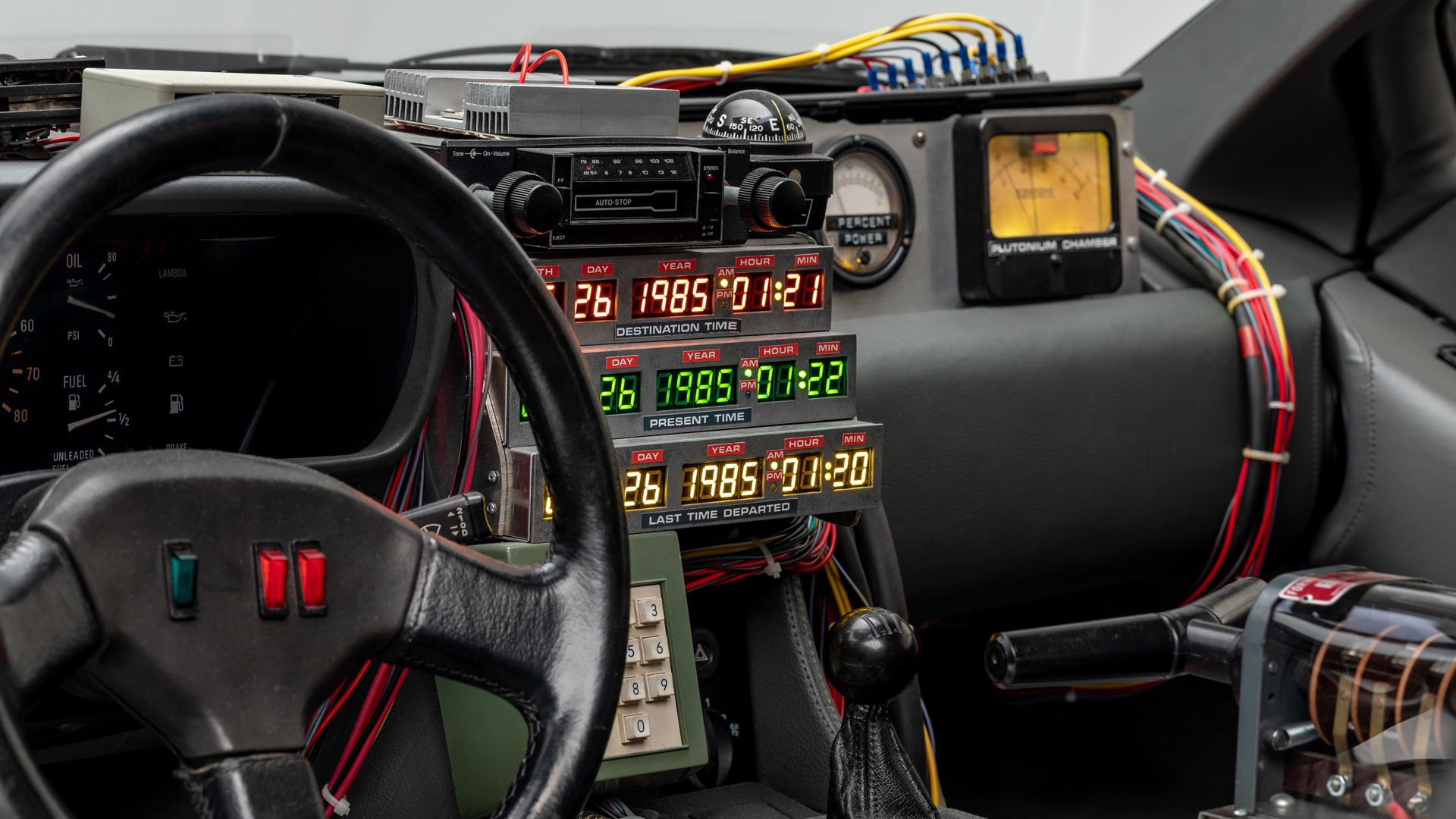
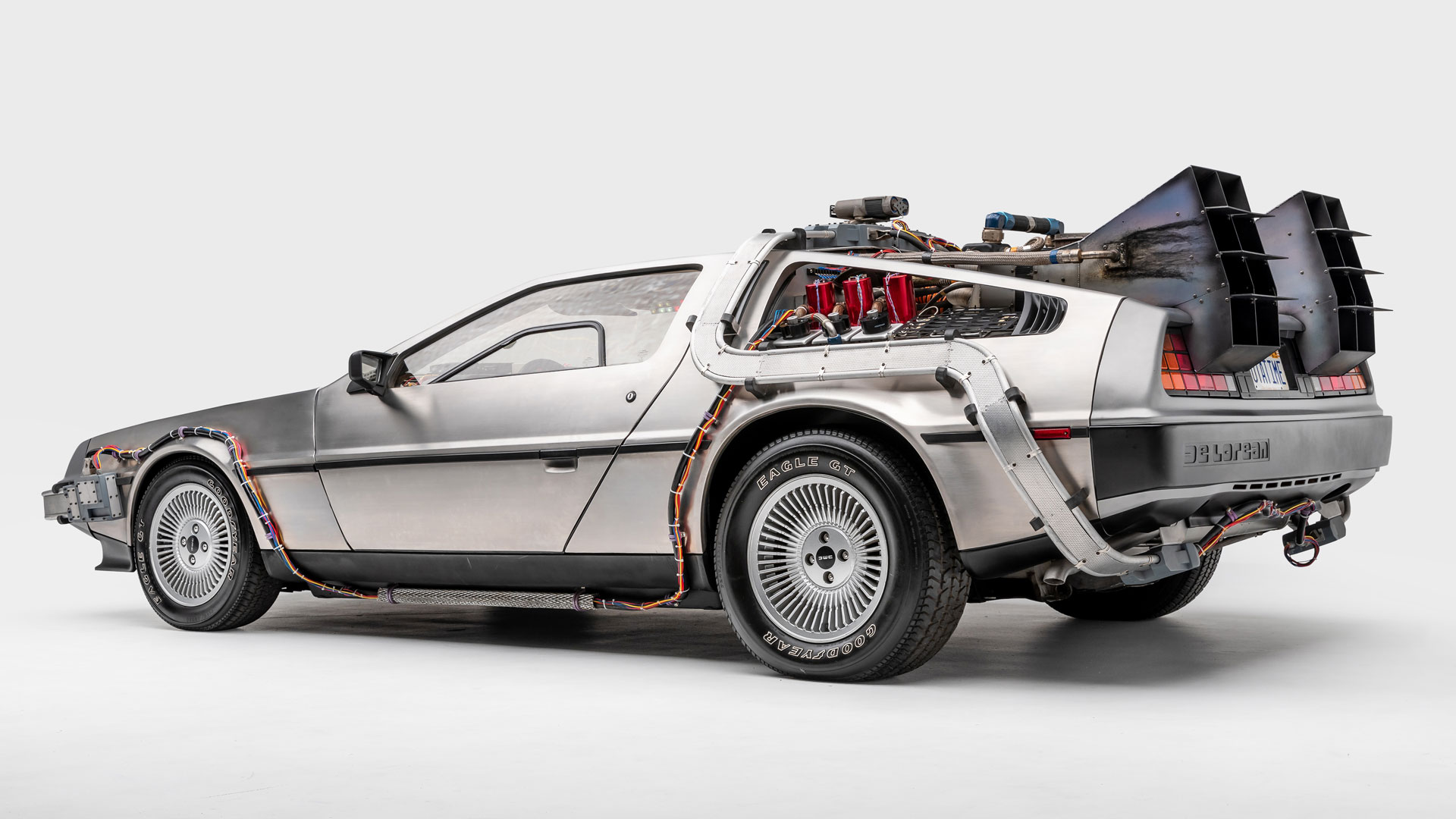
DeLorean DMC-12

Amazing cars of sci-fi

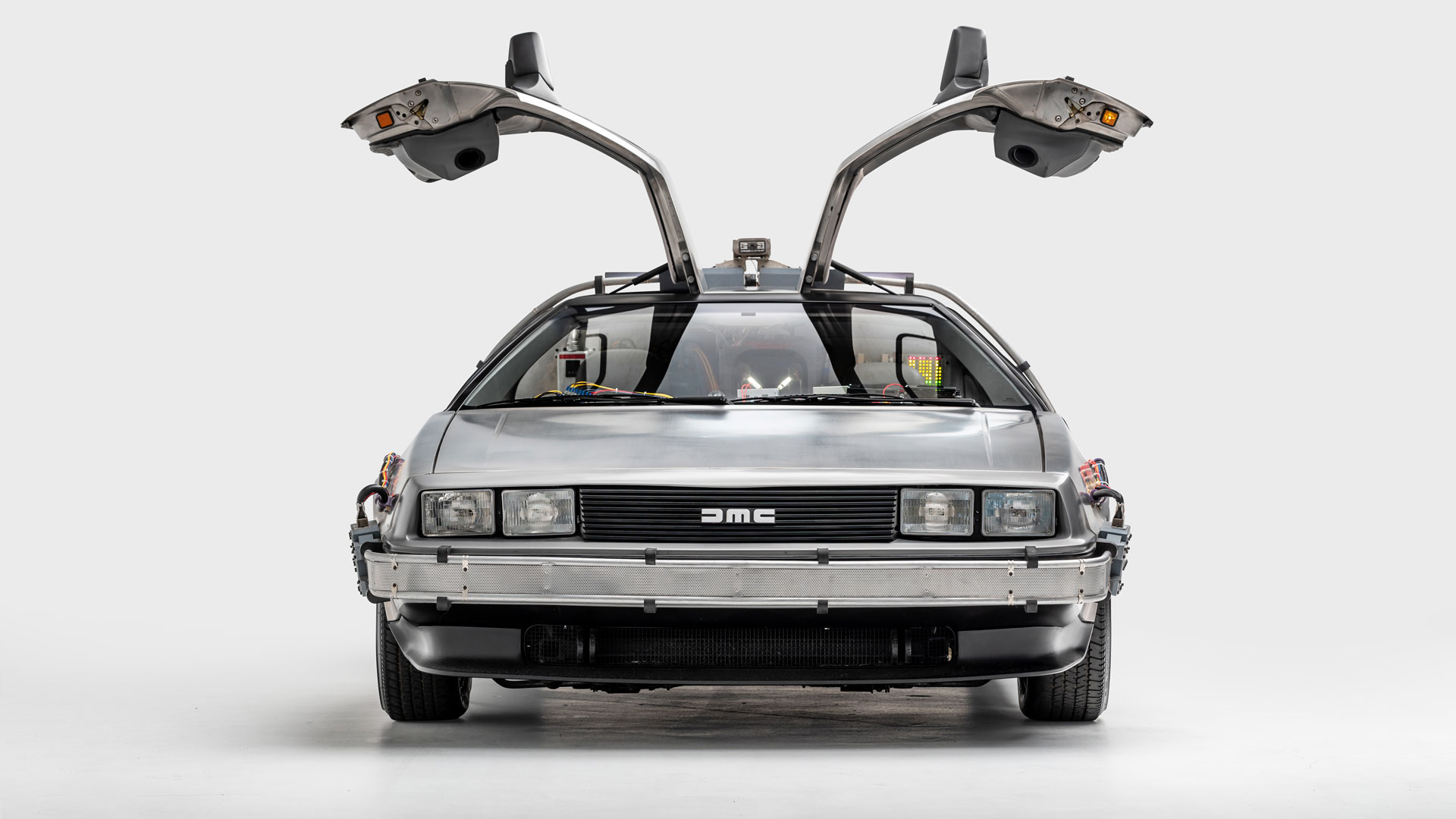
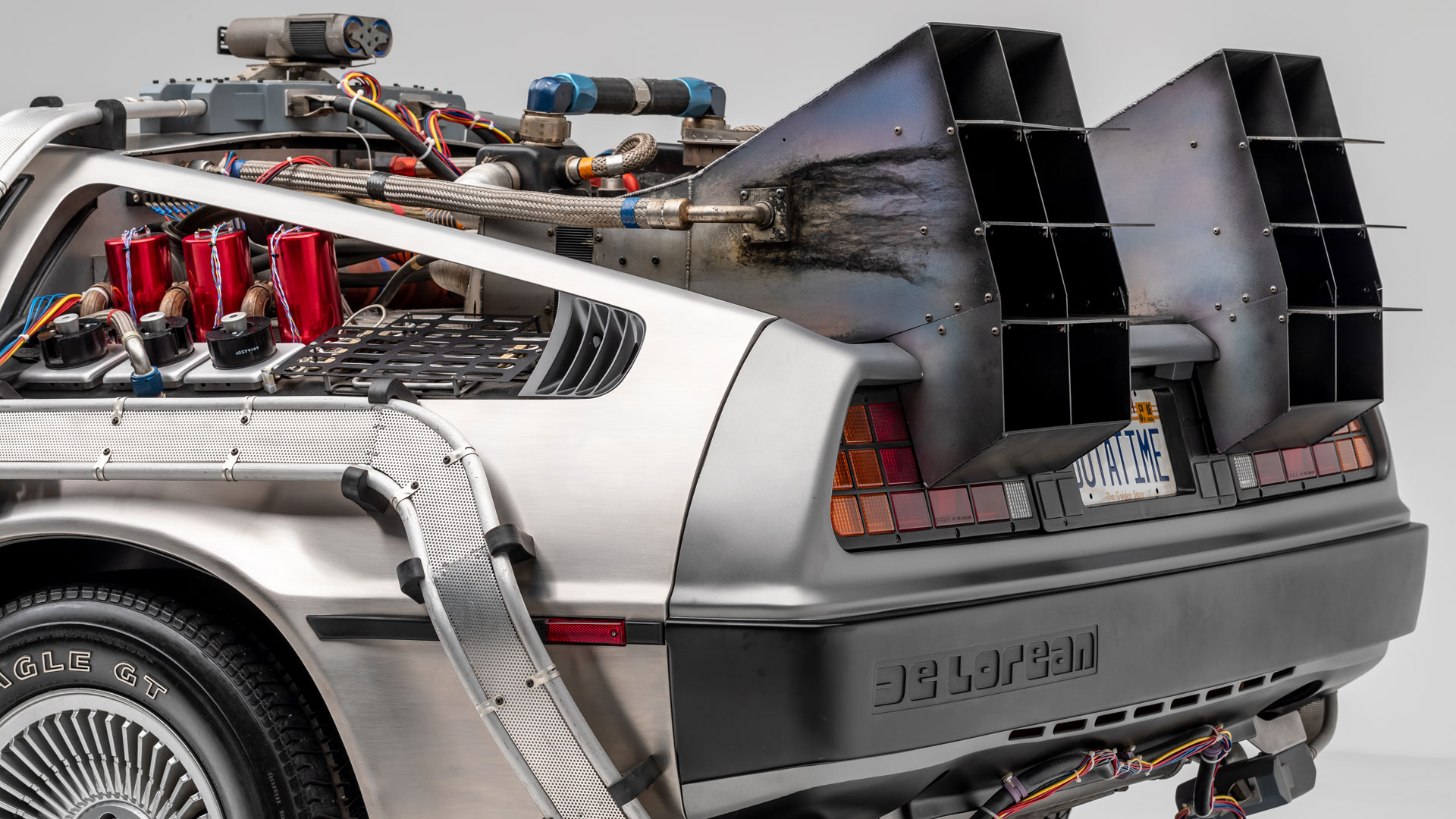
As our lead image suggests, the DeLorean DMC-12 made famous by the 1985 blockbuster Back to the Future will be on display, along with vehicles from, amongst others, Blade Runner, Ghost in the Shell, Transformers and I, Robot.

Back to the Future

Amazing cars of sci-fi

“The Back to the Future films are part of Universal Studios’ legacy, and we take enormous pride in preserving its history,” said Larry Kurzweil, president of Universal Studios Hollywood.

“From the original movie sets on the Universal backlot to the DeLorean that has been on display for guests from around the world to enjoy, the films continue to resonate and we are incredibly pleased to share this iconic hero car with the Petersen Automotive Museum to enable future generations to go back to the future.”

Great Scott!

Amazing cars of sci-fi

The iconic time machine will be revealed at an exclusive unveiling event on 20 April 2019, where Back to the Future co-writer and co-creator Bob Gale and Universal Studios Hollywood creative director John Murdy will take part in a panel discussion.

Following the pre-launch event, the DMC-12 will live on the first floor of the museum before moving to the Cars of Film and Television exhibit in the Hollywood Gallery.

One of the preeminent car museums

Amazing cars of sci-fi

“The fact that Universal Studios Hollywood would permanently loan the one and only Back to the Future DeLorean to the Petersen only cements our position in automotive and museum cultures,” said Petersen chief marketing officer Adam Langsbard.

“As evidenced by these types of commitments that major partners have placed with us, our rebirth has established us as a world-class museum experience and one of the preeminent automotive museums on the planet.”

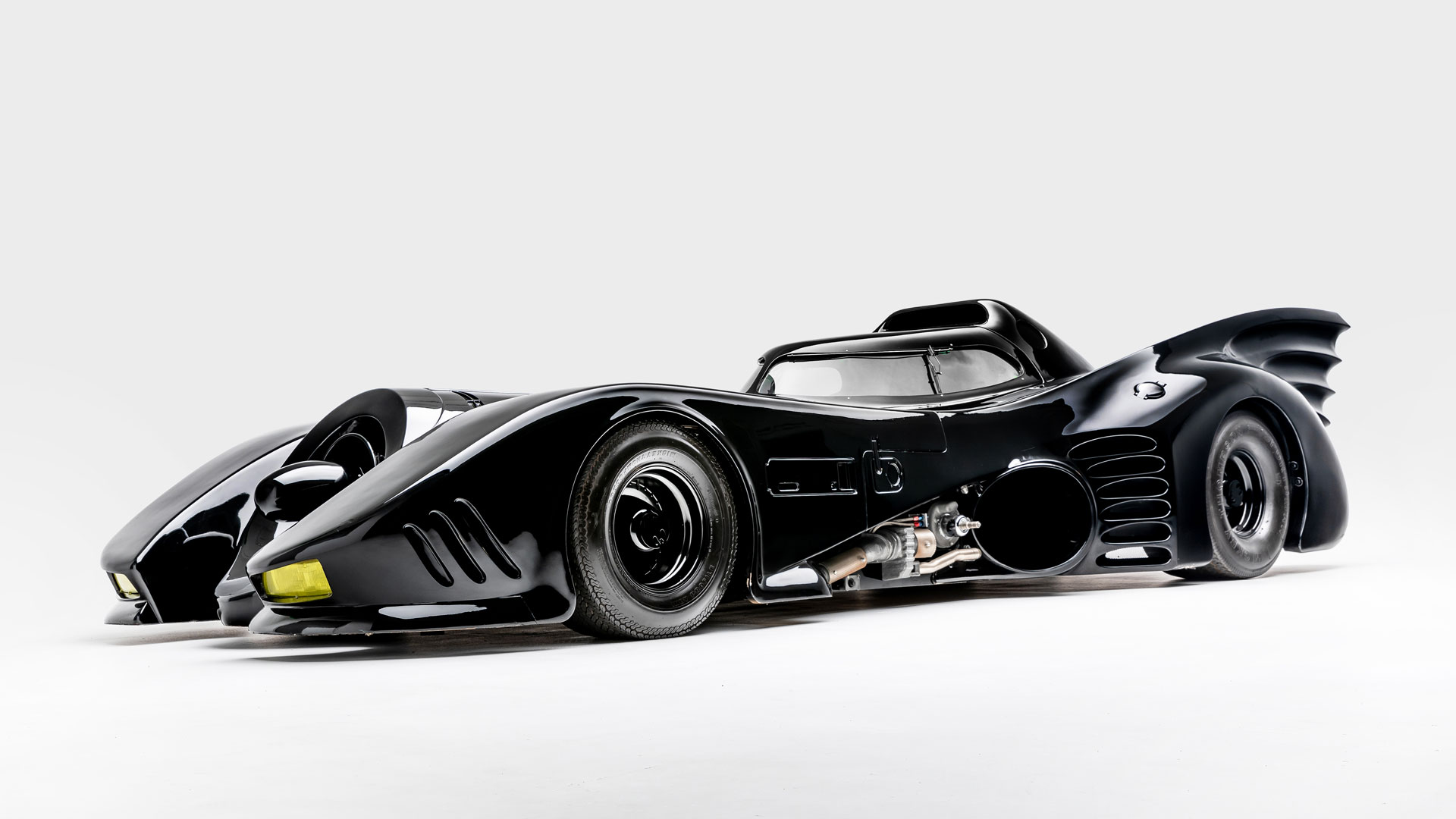
The Batmobile

Amazing cars of sci-fi

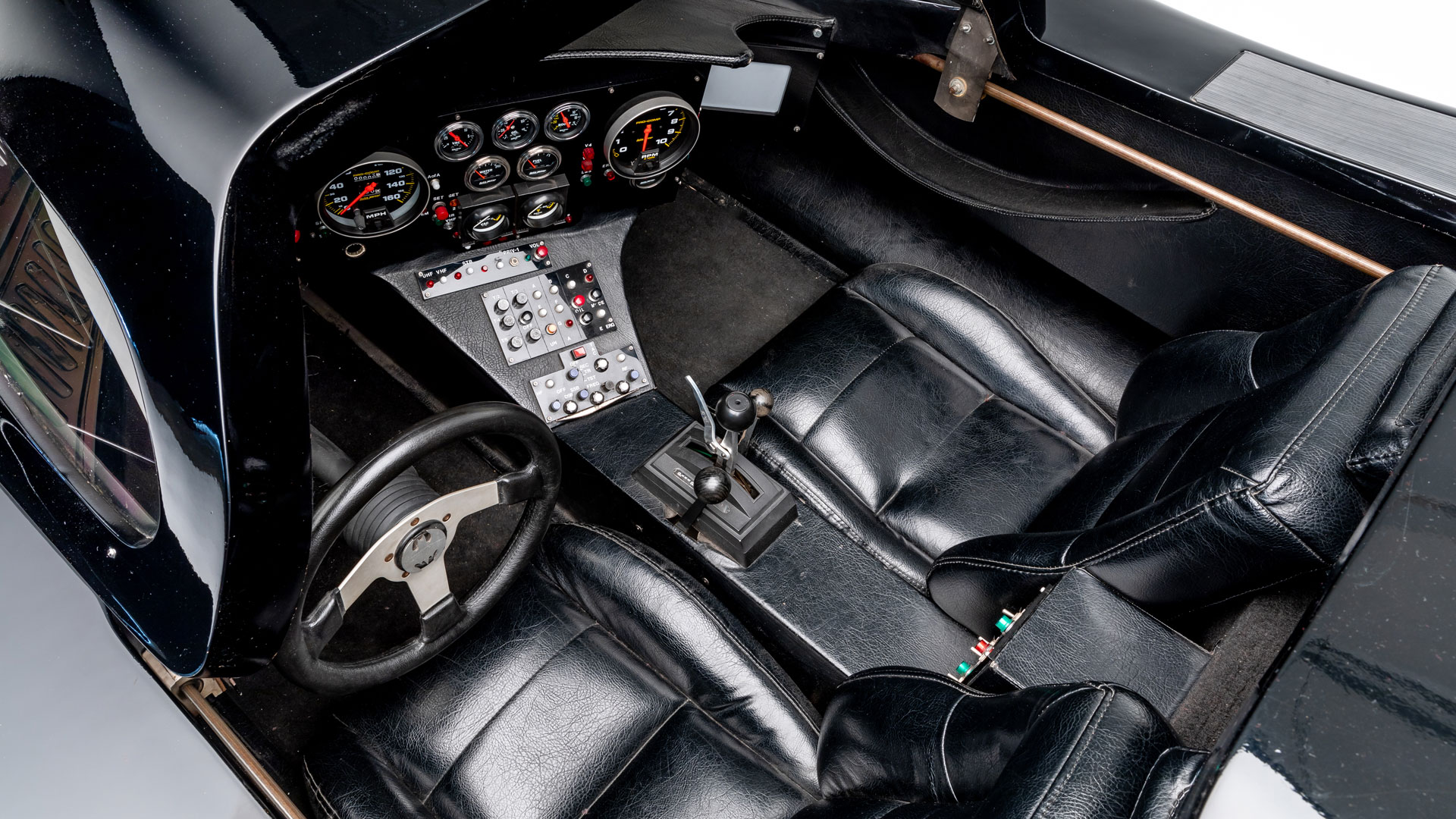
If the DeLorean isn’t your thing, maybe the Batmobile from Batman (1989) will float your bat. Unless you grew up with the original car driven by Adam West, this is probably the car that pops into your head when you think of the Batmobile.

Also known as the ‘Keaton Mobile’ – after the actor who played Batman/Bruce Wayne at the time – the Batmobile was styled to reflect Tim Burton’s art deco vision of Gotham City.

Holy Impala, Batman

Amazing cars of sci-fi

It was based on a Chevrolet Impala and powered by a Chevy V8 engine housed in a modified Corvette body. All of the gadgets were entirely functional, although the exhaust afterburner could only run for 15 seconds at a time due to the amount of fuel it consumed.

As for speed, the Batmobile could propel Batman to 60mph in 3.7 seconds before hitting a top speed of 330mph. “Even after the drawing was done… we still were not sure how it would go over in the film. It wasn’t until we saw it in rushes that we knew it was right,” said Tim Burton.

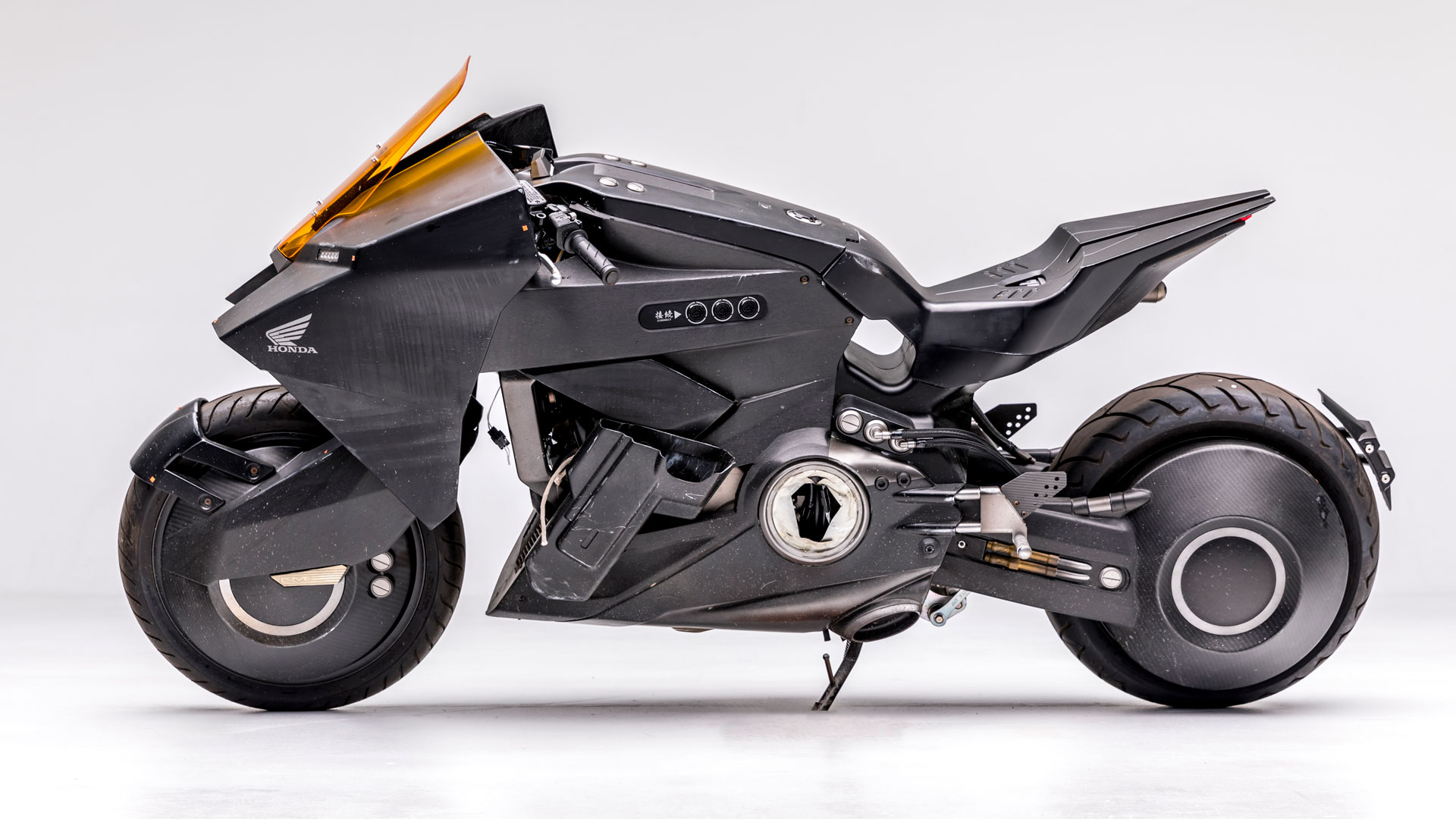
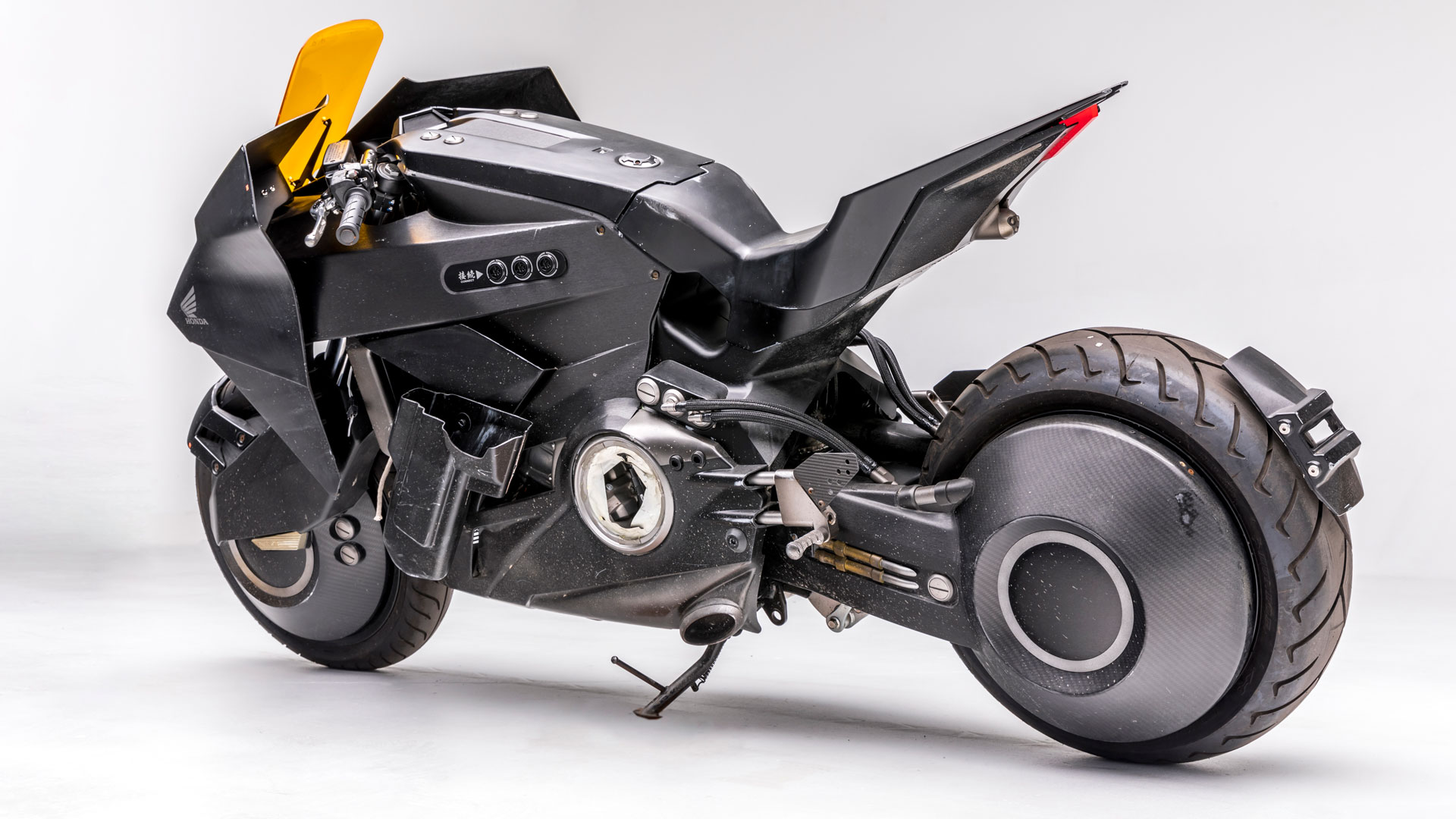
Honda NM4 Custom

Amazing cars of sci-fi

Moviegoers will remember this as the bike ridden by Scarlett Johansson in Ghost in the Shell. It’s based on the Honda NM4, but its design is inspired by Japanese animation.

Major, the cyborg character played by Johansson, rode the bike to the final conflict in the 2017 film.

Pushing design to the limit

Amazing cars of sci-fi

Honda supplied the film with some concept artwork of what the motorcycle should look like. The result is a design that has a futuristic look and feel, although Honda also wanted to create a racing bike aesthetic.

For Honda, the movie was a chance to see how far it could push motorcycle design while retaining the core functionality. In total, five bikes were built for the film.

The Batpod

Amazing cars of sci-fi

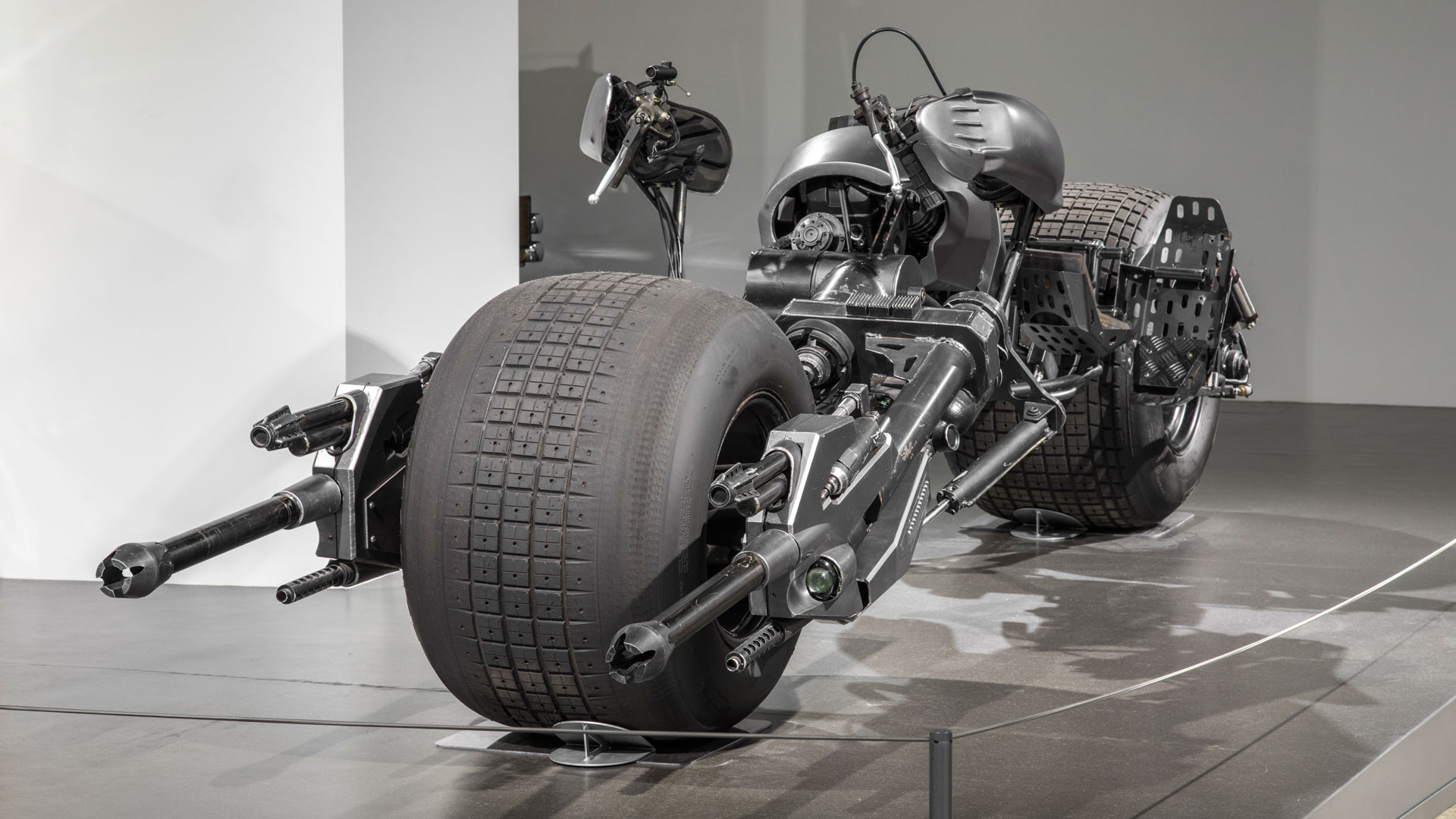
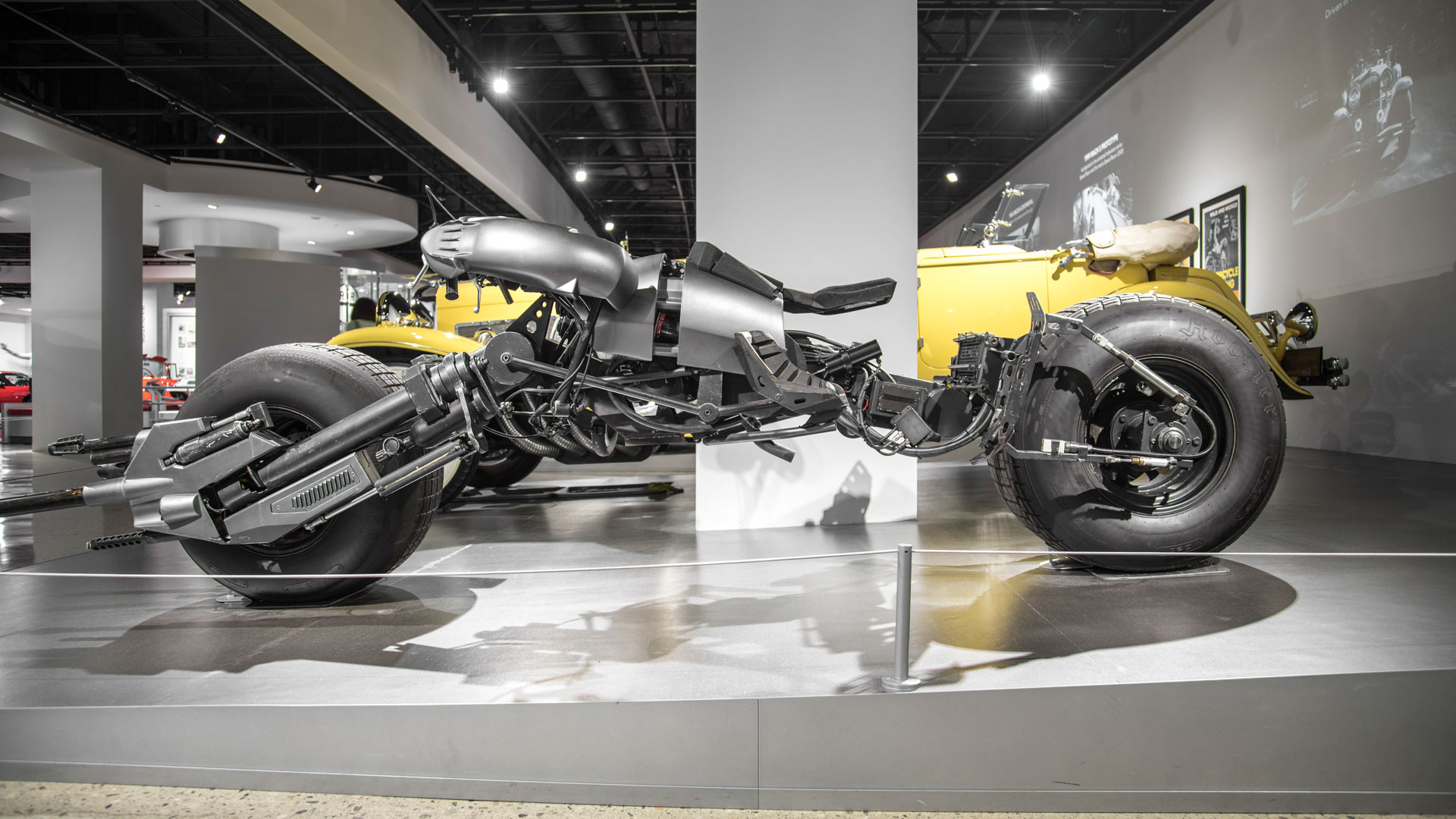
Staying on two wheels for a moment, this is the Batpod from The Dark Knight and The Dark Knight Rises. It served as an escape pod from the Tumbler – hence the name – but it also served as an auxiliary vehicle.

The Batpod set for a starring role at the Petersen is one of six built for the film.

Big Hoosiers

Amazing cars of sci-fi

The machine was devised by director Christopher Nolan and production designer Nathan Cowley, before being made real by special-effects supervisor Chris Corbould.

Highlights include a pair of 31-inch Hoosier racing tyres, a 750cc Honda engine and fibreglass body panels The cannon barrels and laser targeting unit aren’t options you’ll find in a standard Honda brochure.

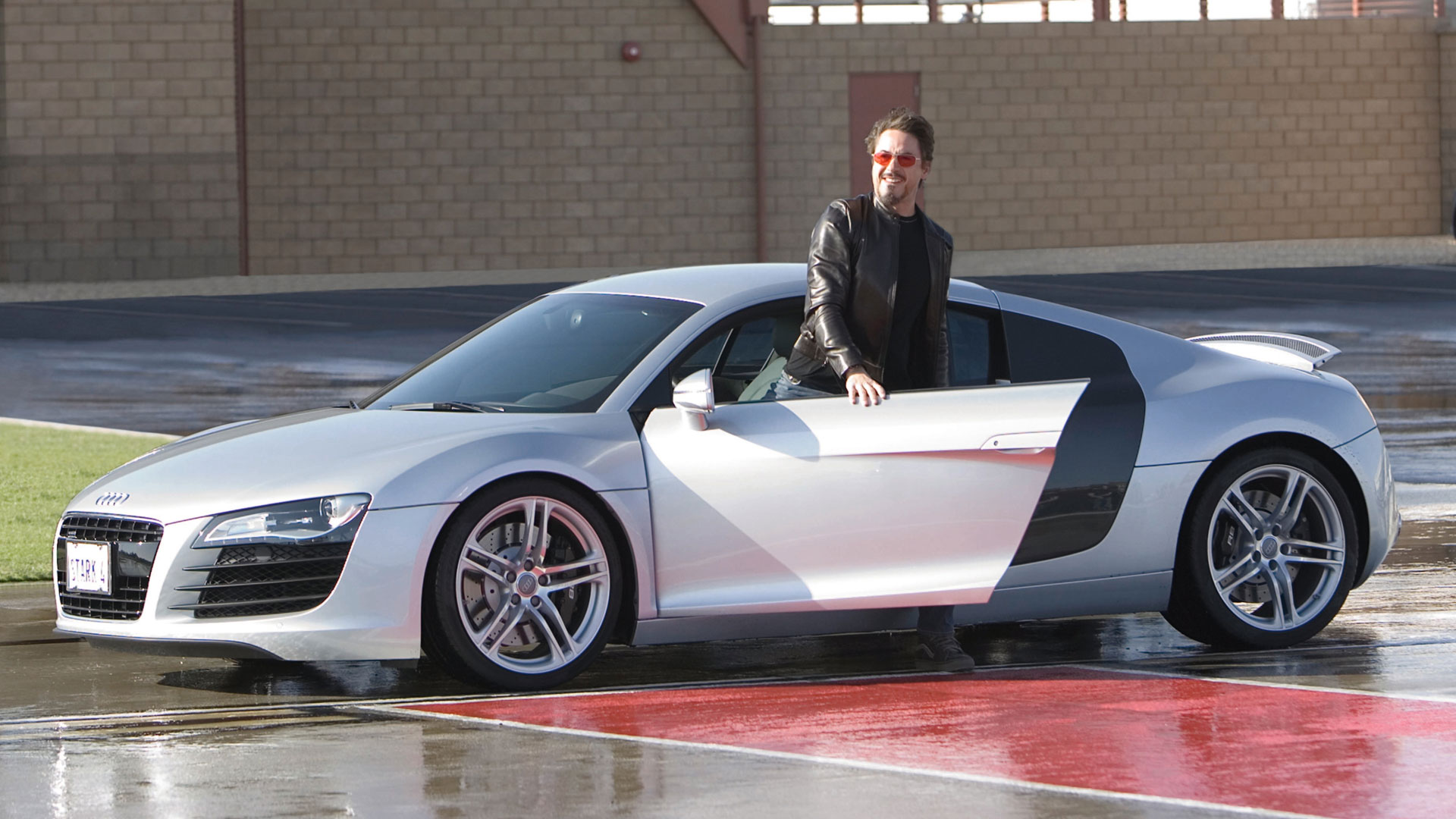
Audi R8 from Iron Man

Amazing cars of sci-fi

“The Audi R8 is the perfect car for Tony Stark,” said Iron Man’s director Jon Favreau. “It’s a technical masterpiece, it’s fast and safe – and it’s the ultimate eye-catcher.”

“The character and lifestyle of Tony Stark tie in very well with the attributes of the Audi R8. And in any case, Iron Man is one of the world’s best-known, never-ageing superheroes – an opportunity we were determined not to miss,” added Michael Renz, head of central marketing at Audi. Well, quite.

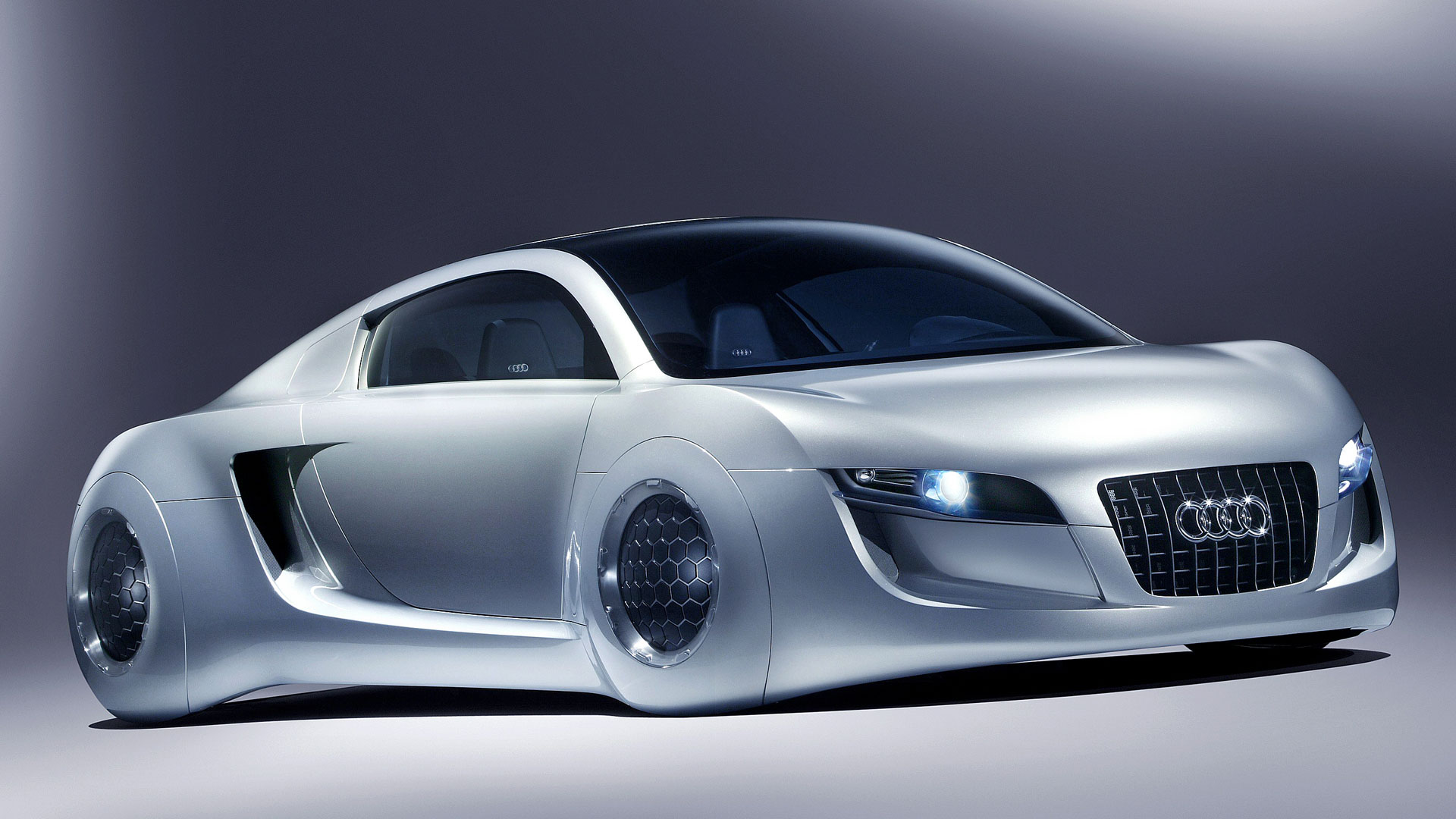
Audi RSQ from I, Robot

Amazing cars of sci-fi

For the science fiction film I, Robot, Audi designed and built a car especially for the film. Up until that point, Audi had supplied volume-production models, so this was a break from tradition.

“Audiences generally do not consider a successful product placement as sales promotion. People enjoy the movie world; with it, we can approach customers in a special way and charge the Audi brand emotionally”, said Tim Miksche, the chap in charge of product placement at Audi.

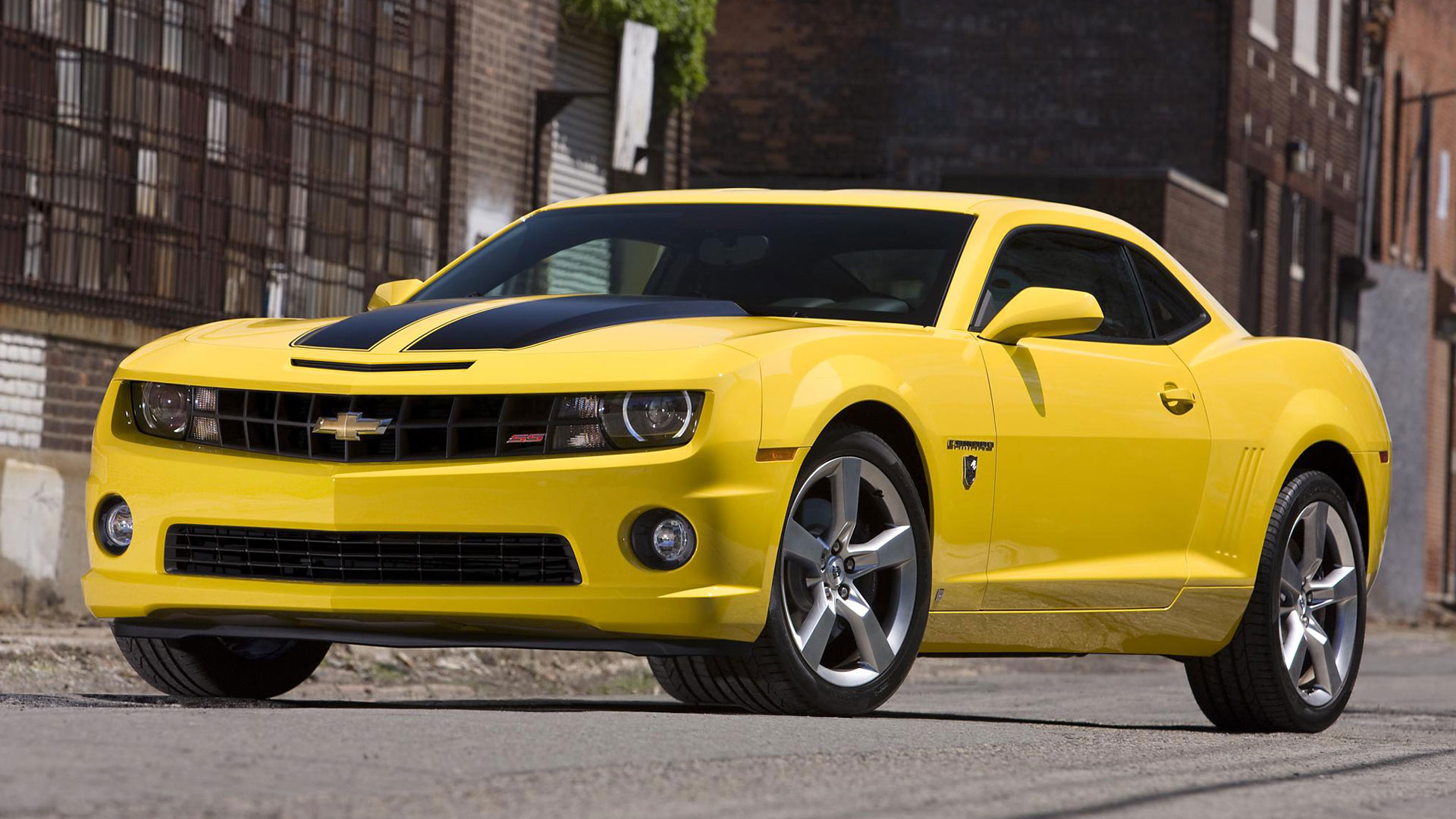
Bumblebee

Amazing cars of sci-fi

We’re not entirely sure which Bumblebee will be on display at the Petersen Automotive Museum, but the character will always be associated with the yellow and black Camaro, even if the current Bumblebee film has returned to the use of the classic Volkswagen Beetle.

Earlier this year, four Bumblebee Transformer Camaros were sold at the Barrett-Jackson auction in Scottsdale, with all proceeds going to charity.
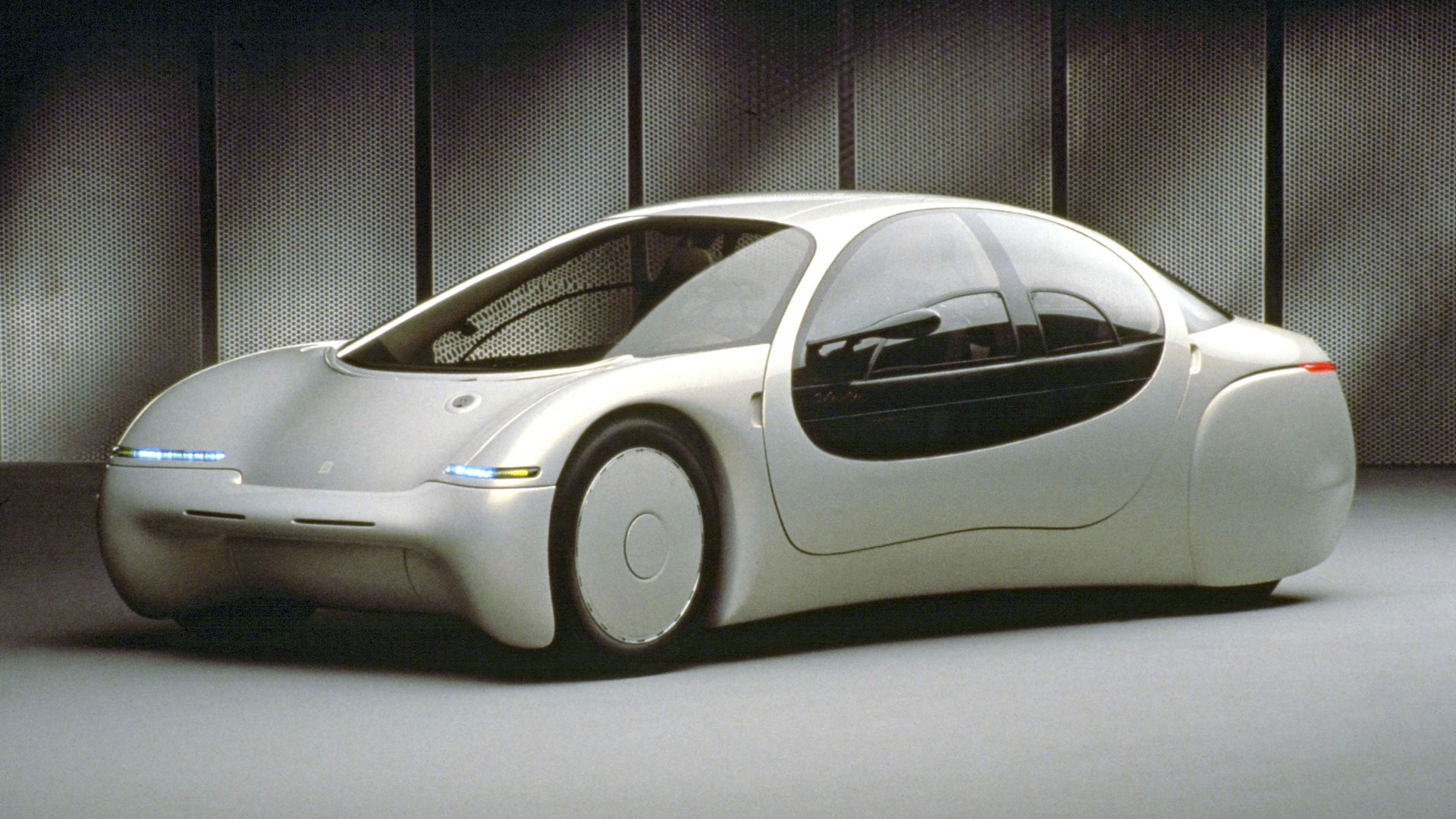
GM Ultralite

Amazing cars of sci-fi

We conclude our Hollywood Dream Machines preview with the GM Ultralite featured in the 1993 film Demolition Man. The carbon-fibre concept featured a three-cylinder engine and could return as much as 100mpg, although the movie car was powered by electricity and badged as a Chevrolet.
Remember, the exhibition opens in May at the Petersen Automotive Museum in California. We’ll return with a gallery of all the exhibits when the display is open to the public.

Advertisement