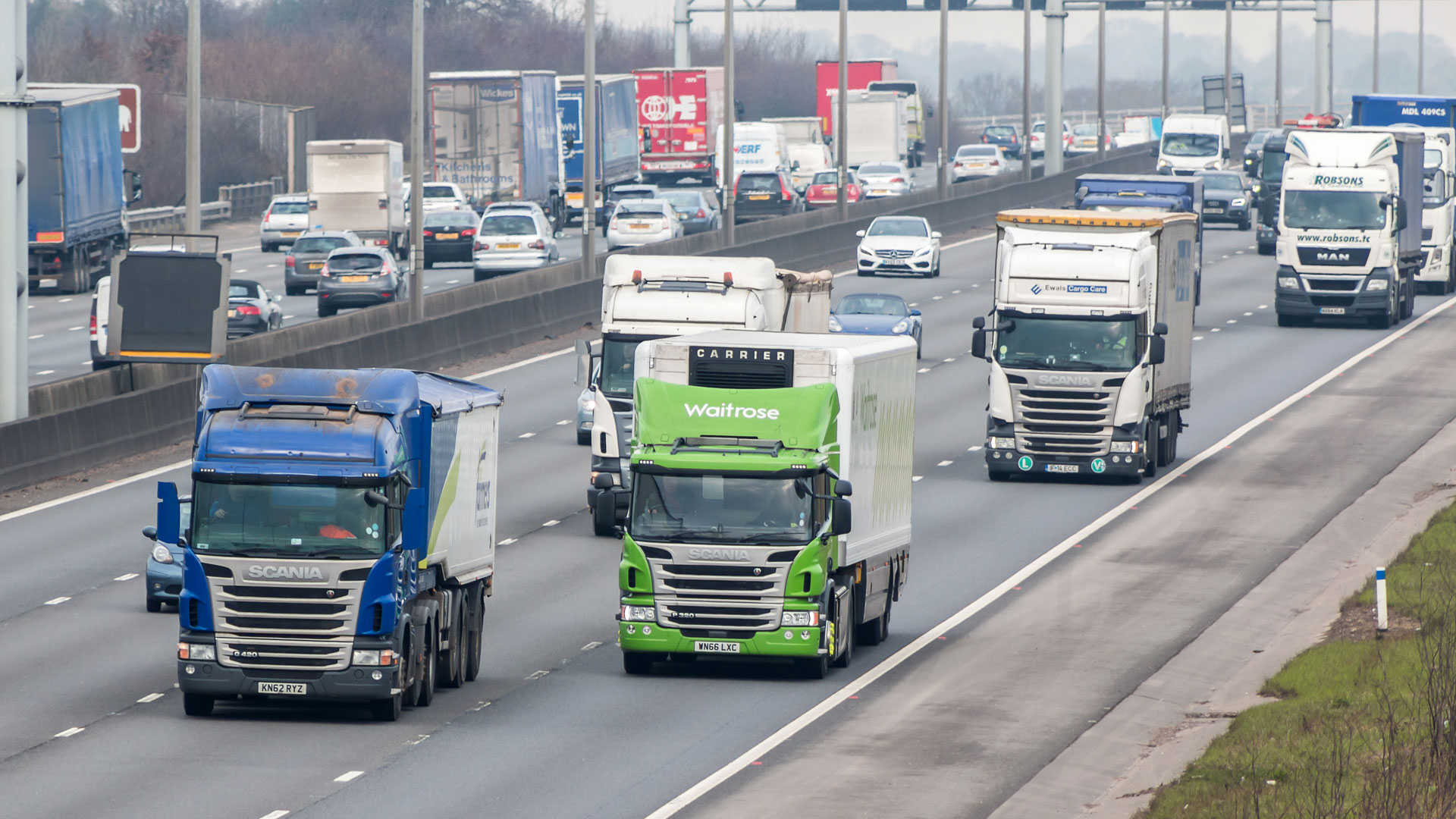
Road safety charity IAM RoadSmart is urging motorists not to panic if they’re driving in front of, or even behind, a large lorry.
Richard Gladman, head of riding and driving standards at IAM RoadSmart, has come up with seven tips designed to make it easier for drivers who are daunted by the sight of an HGV on the road.
“As any HGV driver will tell you, they sometimes need a bit of extra space to move down the road. Visibility can be restricted, and no amount of mirrors will allow all of the blind spots to be monitored all of the time,” he said.
“By applying some simple rules and sharing the road space, we can make life easier for all of us. On a roundabout they will need more than one lane so let them have it; a few seconds delay will be worth it if you prevent a crash. Walk that mile in the other man’s shoes and understand what we may need.”
His seven top tips are as follows:
If you see a lorry wearing foreign number plates, remember that the driver is probably sitting on the left of the vehicle. With this in mind, take care when passing and allow more space if you can.
An HGV driver could have up to five mirrors at their disposal, but they can only look at one at a time. Hold back until you are visible in their mirrors.
Identify when there is a likelihood of the HGV changing lanes, for example at a slip road or when they are approaching another slow-moving HGV. Hang back and allow them to pull into their desired lane.
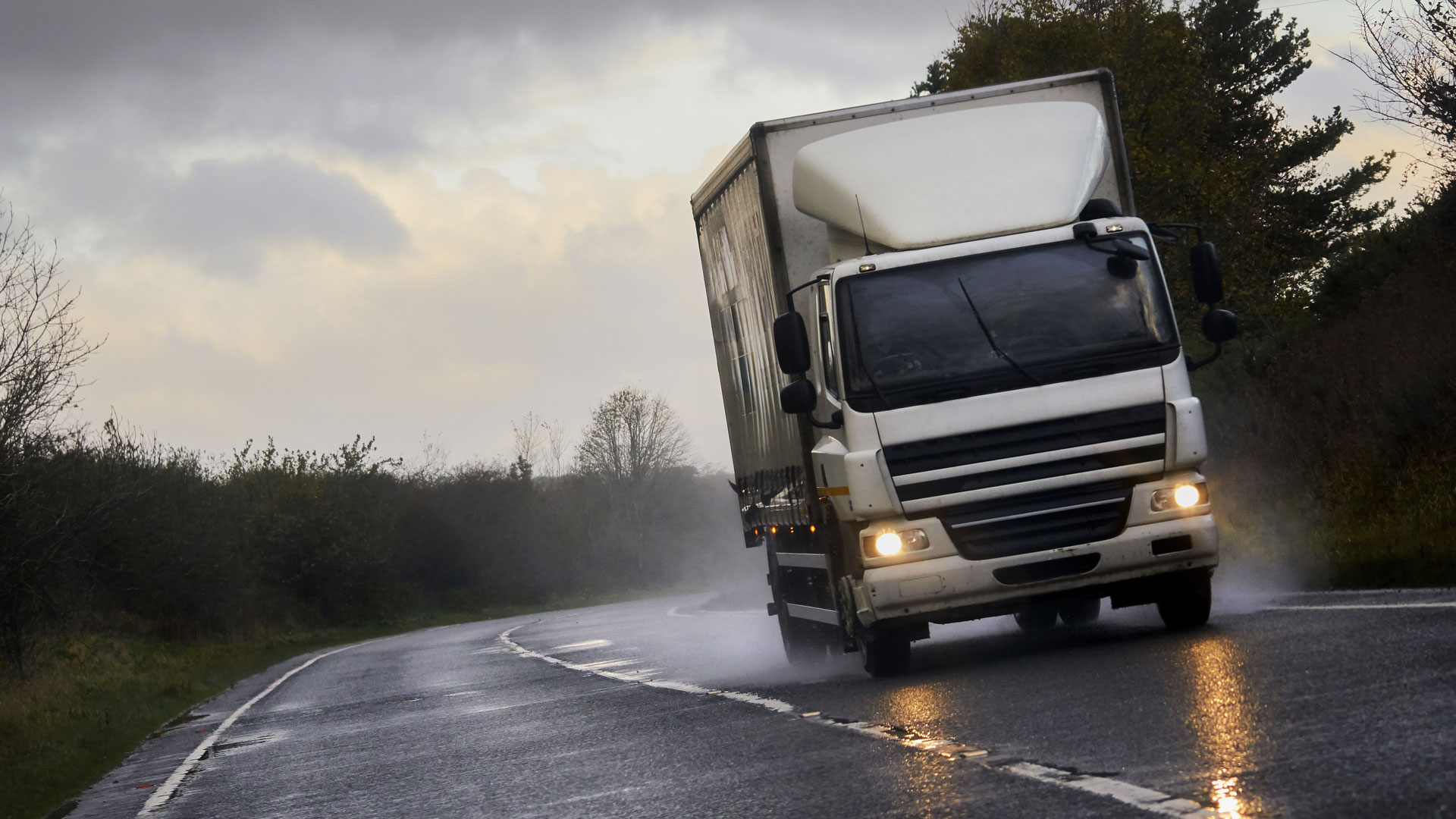
To minimise the effects of heavy spray, maintain a safe distance between you and the lorry. The Highway Code suggests leaving a gap of at least four seconds in the rain.
An articulated lorry will track sideways on a right-hand bend on the motorway and on a roundabout, so avoid being beside it.
If you encounter queuing traffic and there’s a lorry behind you, tap your brake lights early to warn the driver that you’re about to slow down.
If an HGV wishes to return to the inside lane, give them a hand by slowing down and letting them in. A courtesy flash of the headlights could be used to indicate that they’re clear of your vehicle.
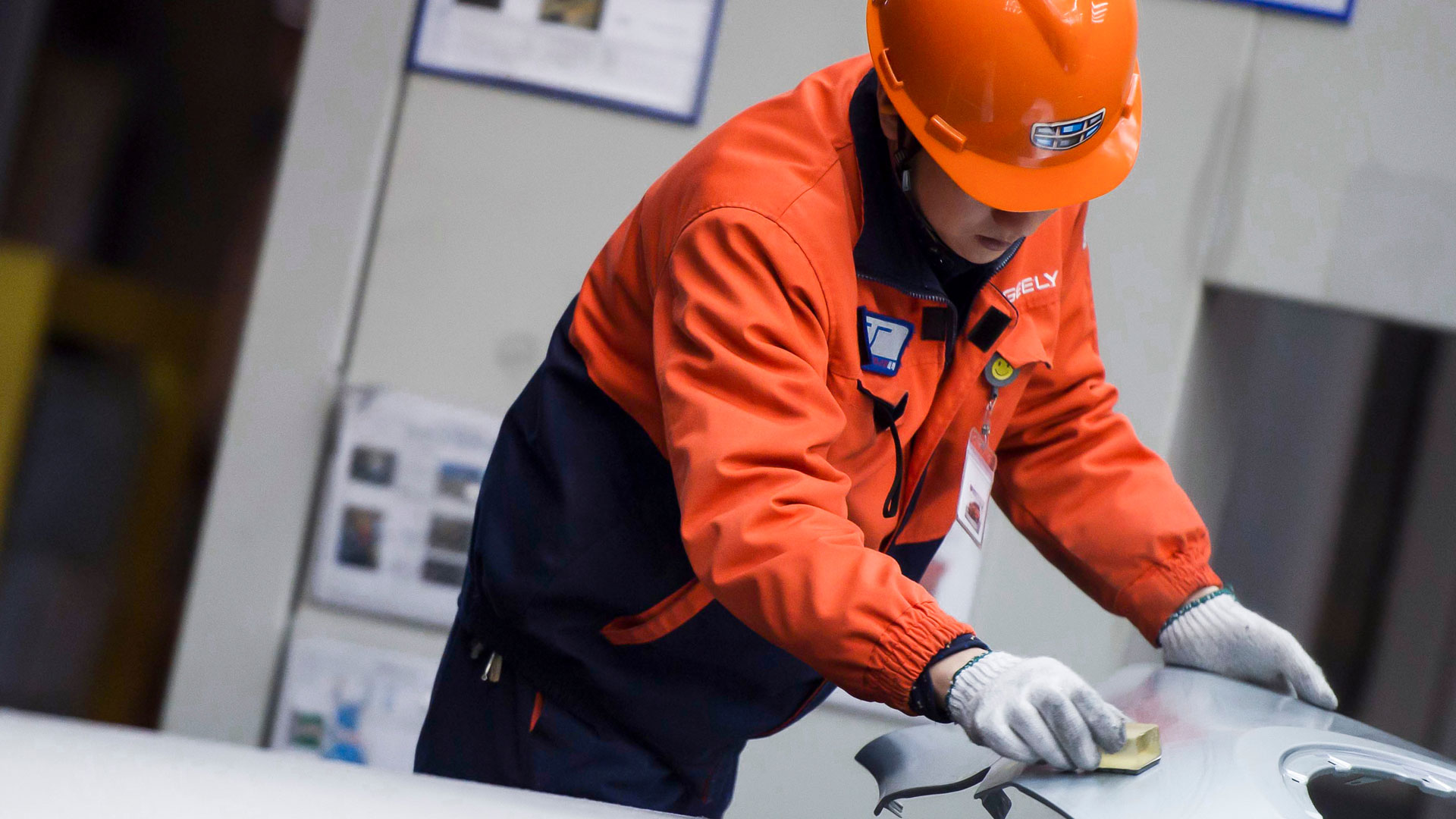
In automotive industry terms, Geely is a relative newcomer. Founded in 1986, the company didn’t start producing cars until 1998, which means it has just two decades of automotive manufacturing to its name. But that doesn’t mean Geely is a mere minnow in a pond of big fish. On the contrary, the Chinese company is a huge force in its domestic market and is becoming increasingly influential across the world. It has over 80,000 employees and made a record profit of 12.55 billion yuan (£1.4 billion). Here’s a brief snapshot of the biggest car brand you might not have heard of.
Daimler
If you’re after evidence of Geely’s might, look no further than the fact that, in February 2018, Geely Group announced it had acquired a 9.7 percent stake in Daimler AG, making chairman Li Shufu the largest shareholder of the German company. A year later, the two companies published details of a new 50:50 joint venture to develop a new generation of Smart electric cars at a new purpose-built electric car factory in China. Mercedes-Benz will take care of the styling with Geely handling the engineering; global sales of the new EVs will begin in 2022.
Zhejiang Geely Holding Group
Zhejiang Geely Holding Group – to give the company its full name – was founded by Li Shufu in 1986. Back then, the Chinese company built refrigerators, but it wasn’t long before it started to explore new opportunities. In 1994, Geely began building motorcycles, including China’s first ever electric scooter. Three years later, the Group had entered the higher education industry, establishing three colleges and universities. But of interest here is Geely’s entrance into the automotive realm.
Geely Auto Group
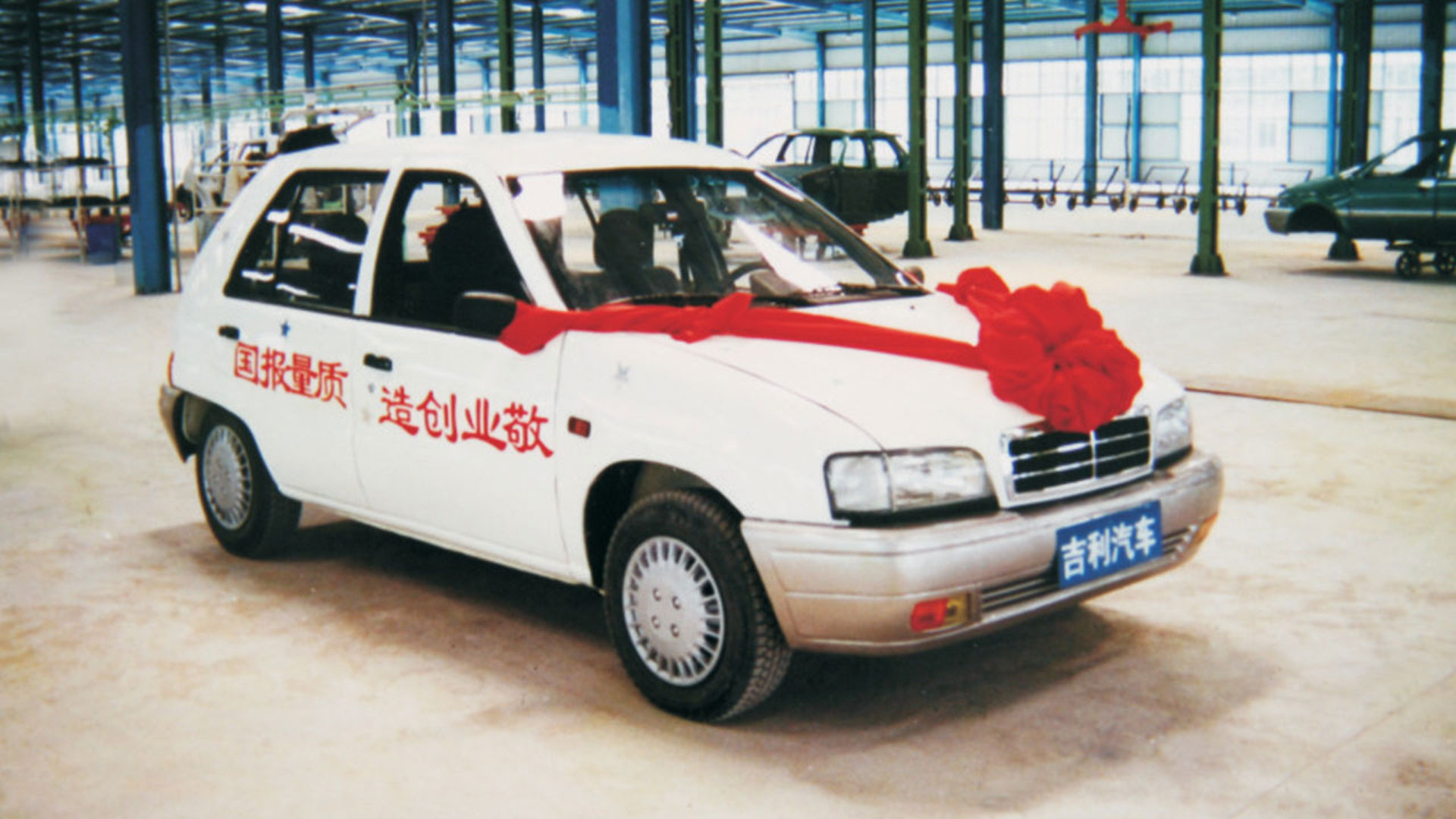
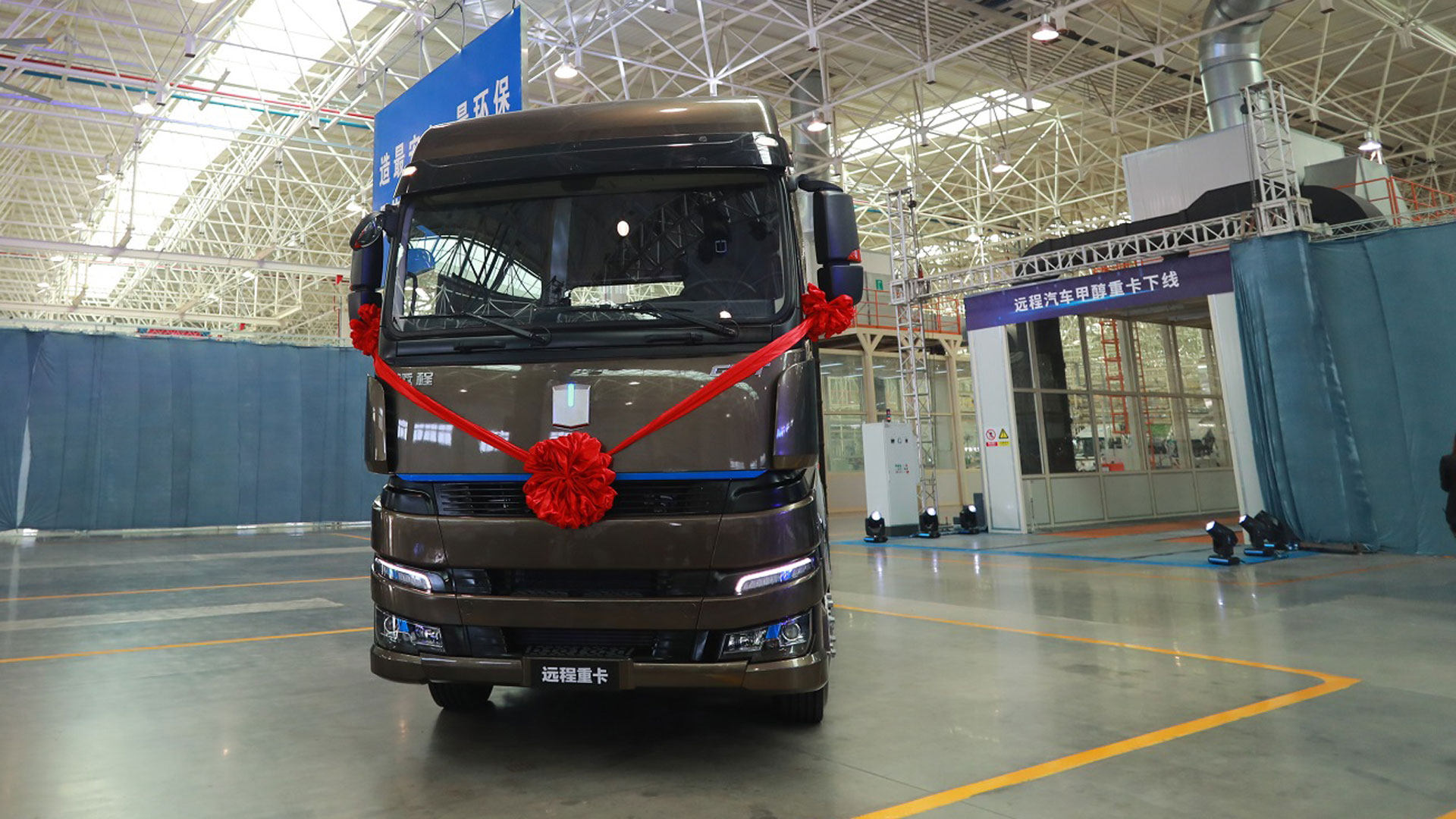
That came in 1997, when Geely Auto was founded in Taizhou City, Zhejiang Province, China, becoming the country’s first privately-owned car manufacturer. Its vision: to produce cars that ordinary people could afford. The first Geely car – the Haoqing – rolled off the production line in August 1998, complete with a red ribbon and bow on the bonnet. Today, Zhejiang Geely Holding Group is the umbrella organisation for five companies: Geely Auto Group, Volvo Car Group, Geely Technology Group, Geely New Energy Commercial Vehicle Group and Mitime Group. We’ll deal with each one in turn.
Geely Auto
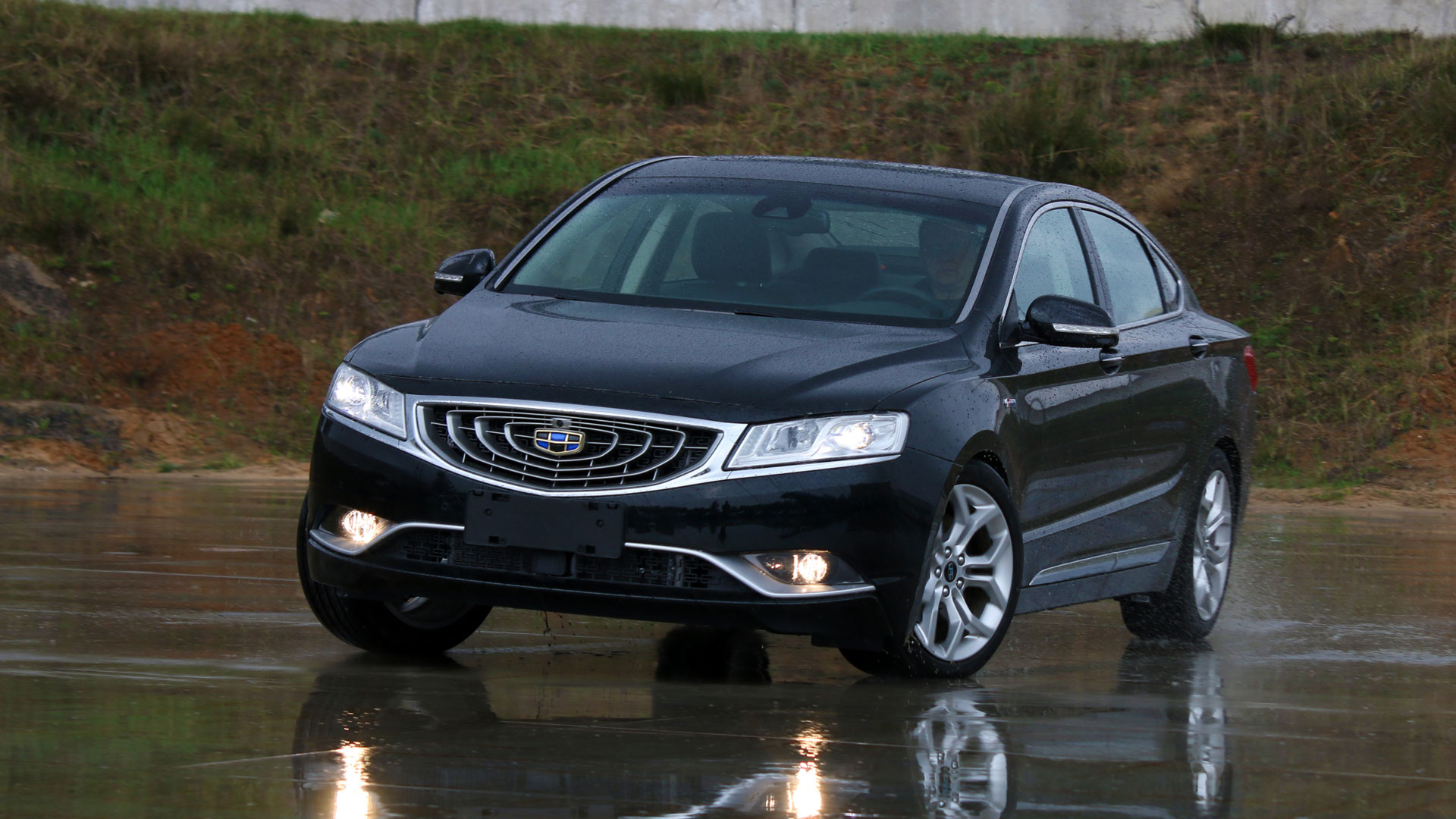
There are five automotive manufacturers within the Geely Auto Group, including the aptly-named Geely Auto. This is Geely’s original automotive brand, with its history essentially split into three generations of models. The first of the current third-generation cars was the Peter Horbury-designed Emgrand GT, designed to be a line in the sand for the fledgling automotive brand. “We aimed to place subtle Chinese features into the Emgrand GT, to give the vehicle a hint of where it came from,” said Horbury, vice president of Design Geely Auto. Today, there are three product lines: saloon, SUVs/crossovers and ‘new energy’.
Geometry
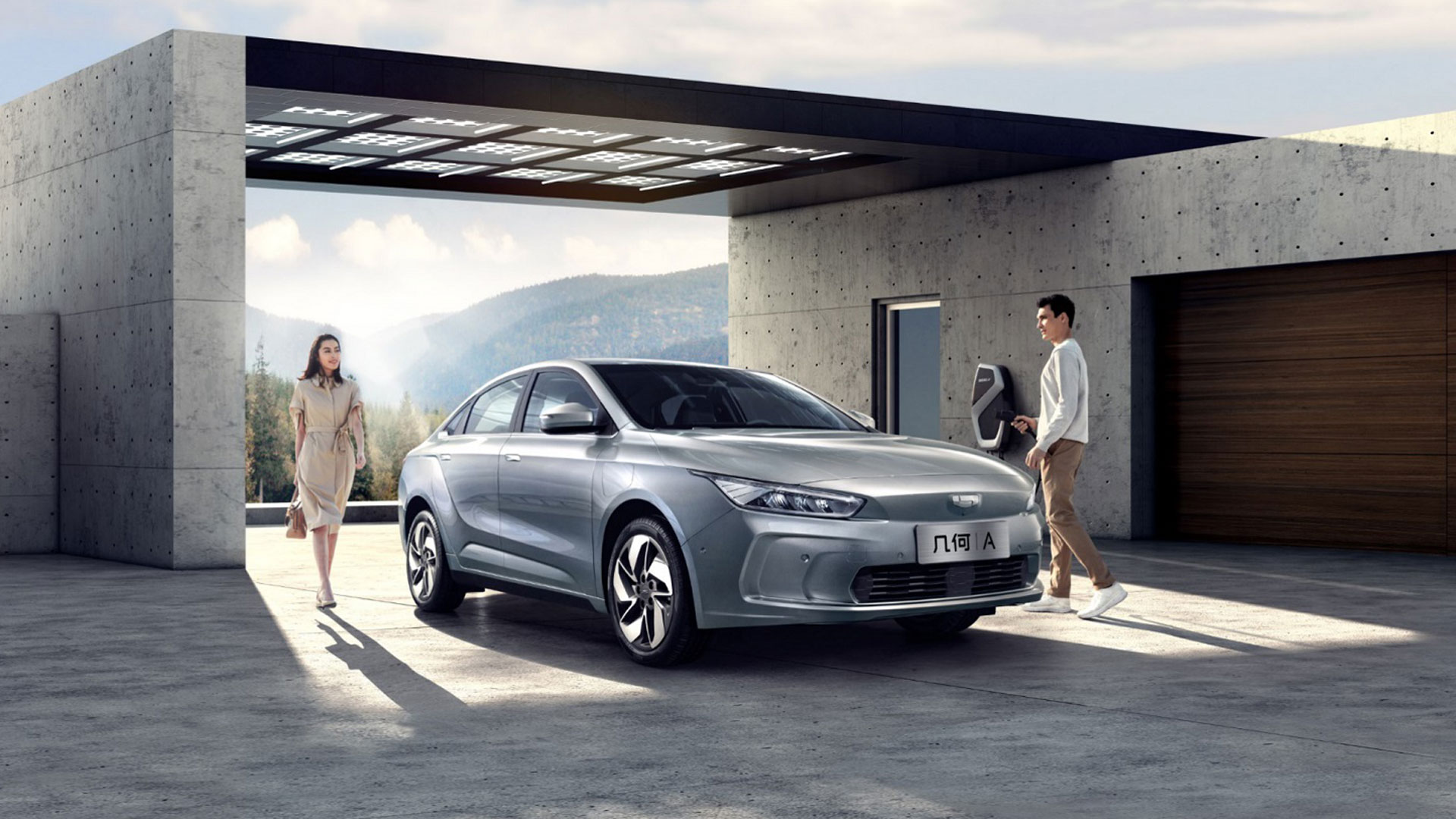
Geometry is a new premium all-electric sub-brand launched by Geely in 2019. With one eye on Tesla, Geometry will focus on the domestic market but will take orders from overseas. At a launch event in Singapore, the company announced that it had received more than 26,000 orders globally. A long-range version of Its first model, the Geometry A, has the ability to travel up to 500km (310.69 miles) on a single charge. “The launch of Geometry and its first product advances Geely’s strategic goal of becoming one of the world top 10 automotive groups,” said An Conghui, president of Zhejiang Geely Holding Group. By 2023, Geometry will launch 10 pure EVs in multiple segments, including saloons, SUVs, crossovers and MPVs.
Lynk & Co
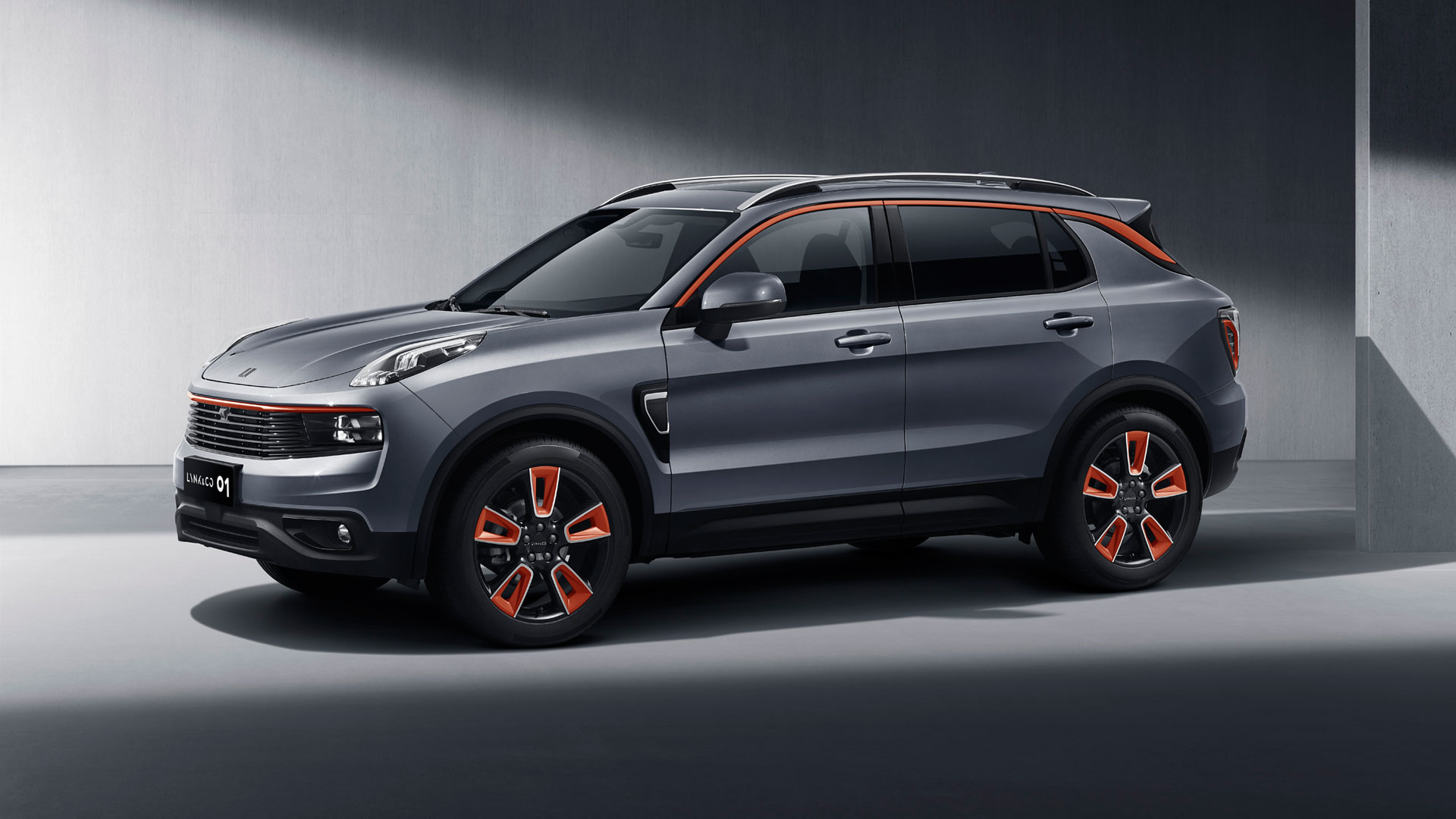
Lynk & Co is a Chinese-Swedish automotive brand formed as a joint venture between Geely and Volvo. The first Lynk & Co Model 1 was launched in China in 2017, followed by the 02 crossover and 03 saloon. The brand is expected to launch in Europe and North America in the near future and will introduce a ‘Netflix for cars’ subscription service for cars in Europe. In 2018, Lynk & Co sold around 120,000 vehicles, making it the world’s fastest growing car brand.
Proton
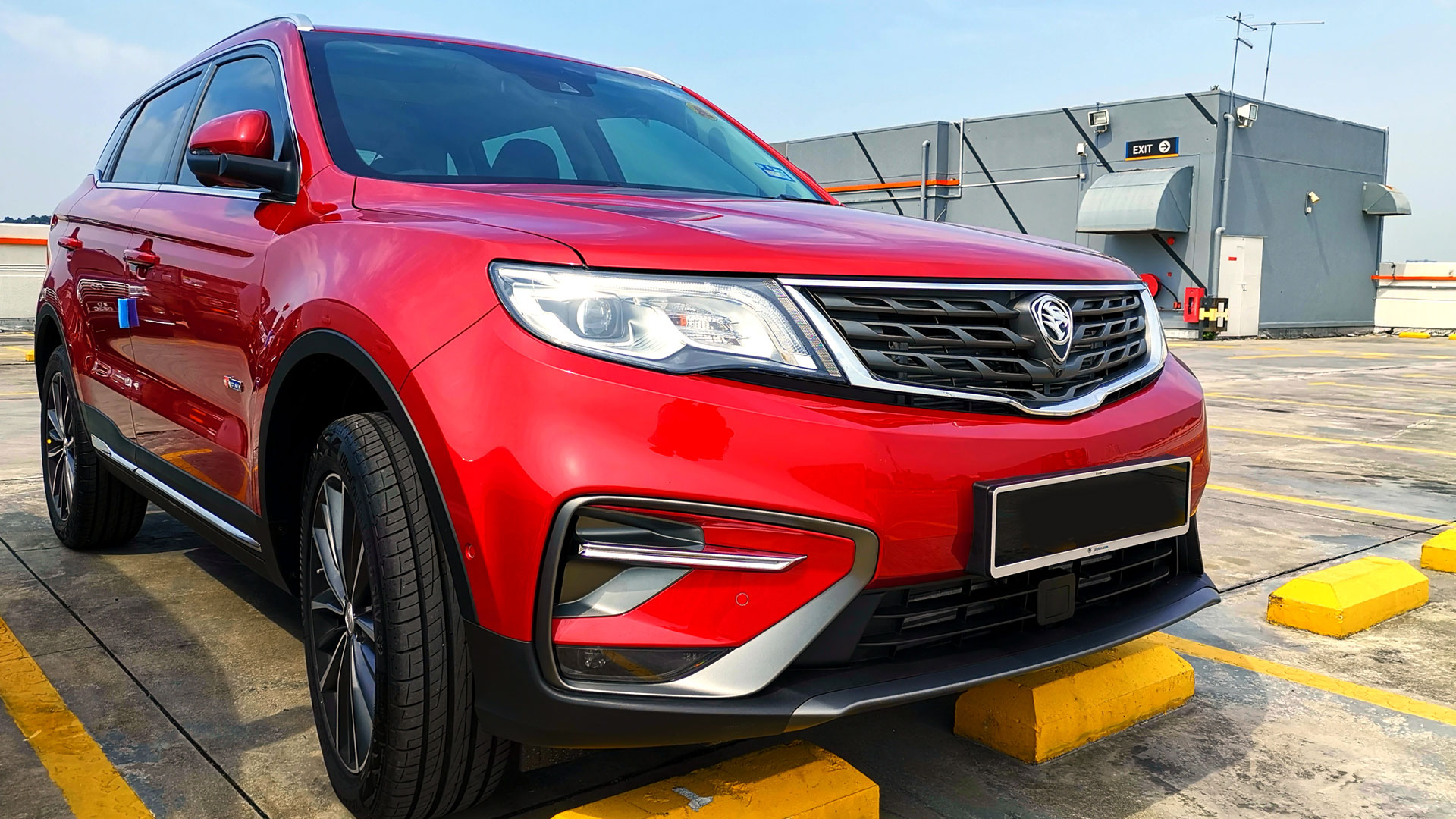
Talking of rapidly growing car companies, within two years of entering the UK market, Proton had racked up 22,000 sales, making it the country’s fastest-growing new car company to enter the UK. Sadly, Proton is no longer present in the UK market, but it remains a formidable force in Malaysia. In May 2017, Geely bought a 49.9 percent stake in Malaysia’s national car brand, with the Chinese firm saying it is committed to “seeing a full revival of Proton Cars to being the number one Malaysian domestic brand and the leading brand in South East Asia”.
Lotus
Proton’s ownership of Lotus presented Geely with an opportunity to enter the sports car industry, and in September 2017, the company announced that it had completed the transaction to purchase a majority stake in the Norfolk company. Lotus chose the 2019 Auto Shanghai show in China to announce that it is preparing an all-new car. It will be Britain’s first all-electric hypercar and the company’s first model since 2008. Geely has also started work on a new Lotus factory in China – the company’s first production facility outside of the UK.
Volvo Car Group
In March 2010, Geely reached an agreement with Ford to purchase Volvo Cars, becoming the first Chinese multinational automotive group in the process. Three years later, Geely Auto and Volvo Cars announced the opening of the China Euro Vehicle Technology R&D Centre in Gothenburg. Today, there are two high profile brands within the Volvo Car Group.
Volvo
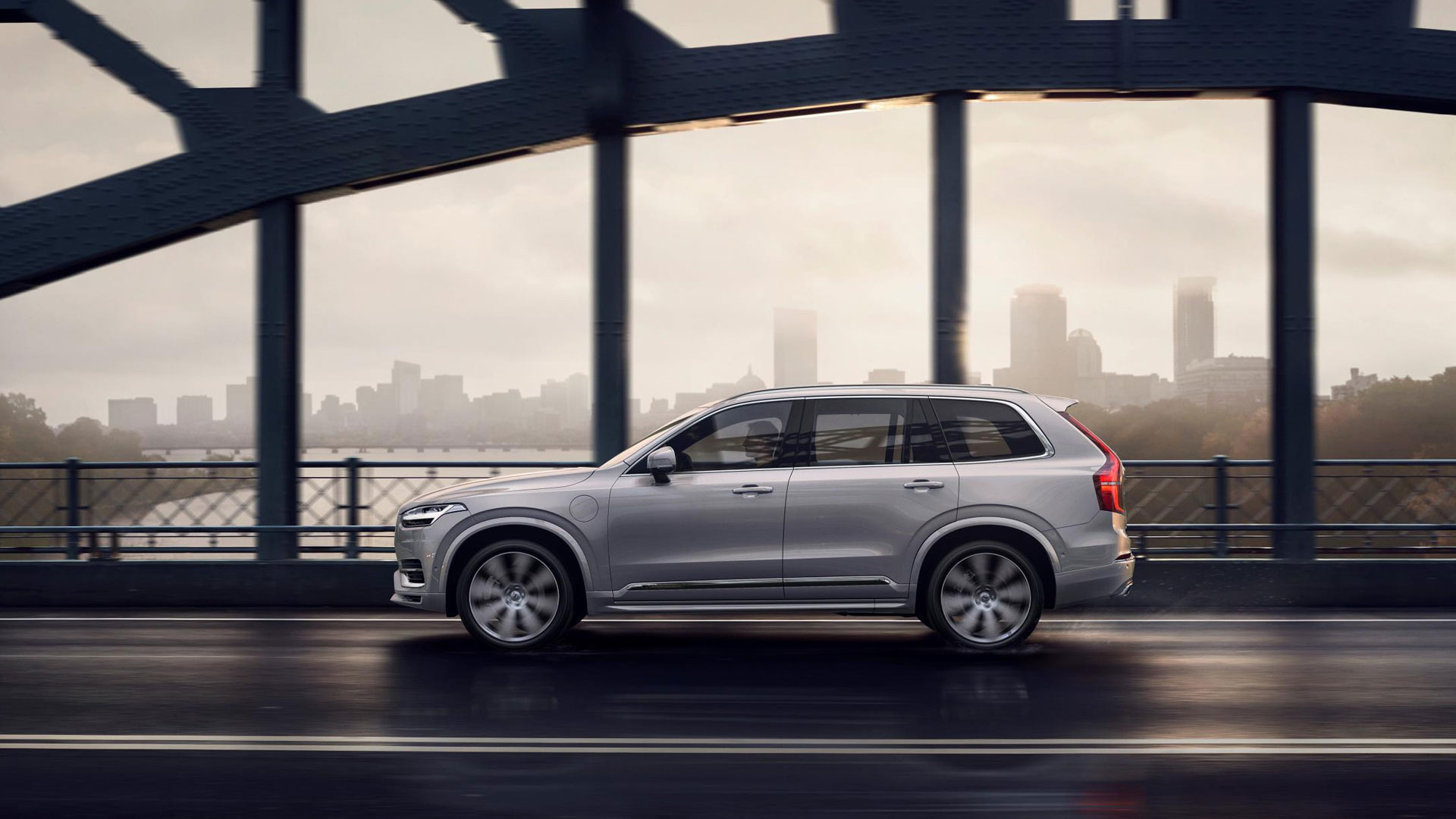
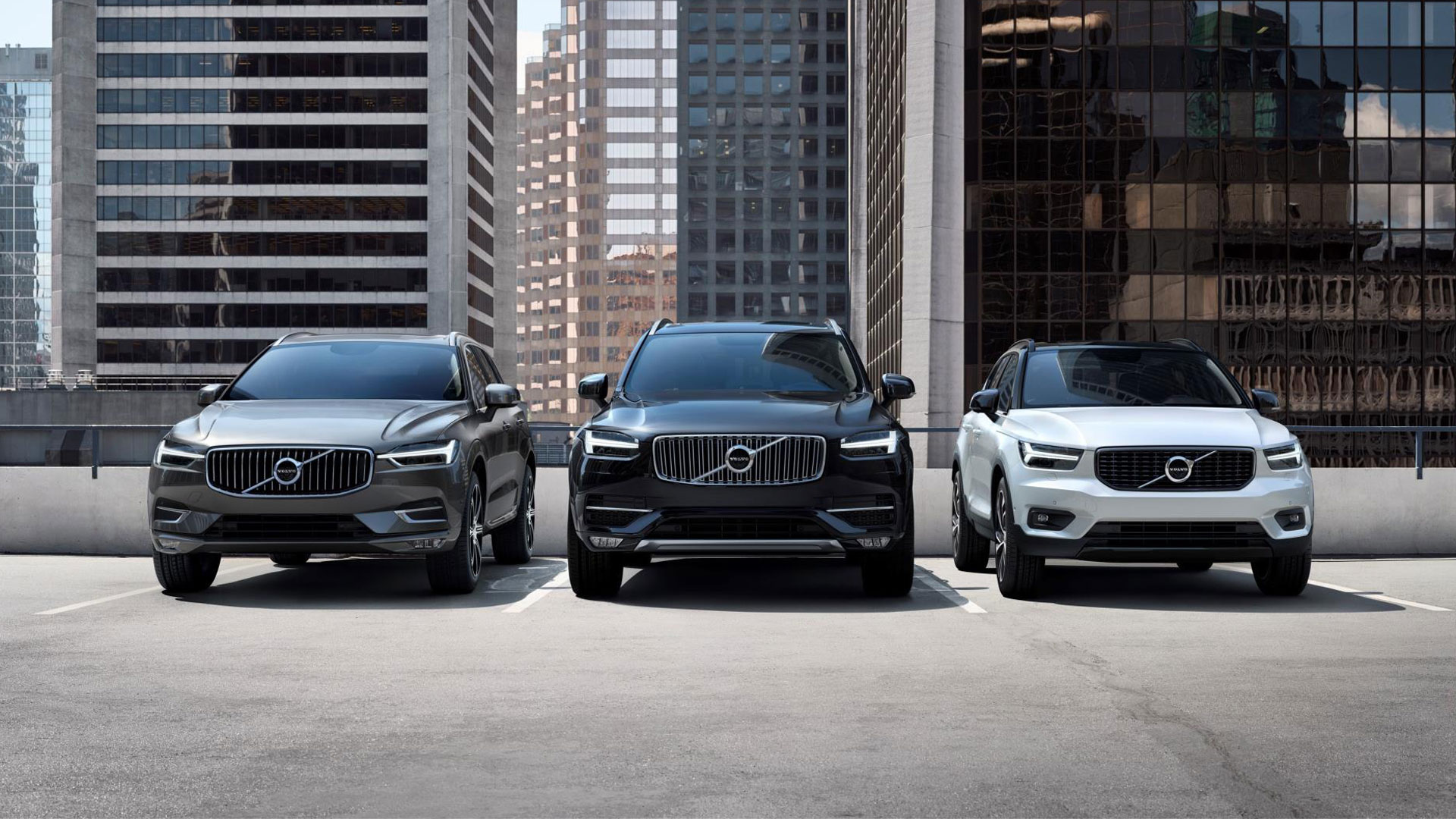
The most famous of which is Volvo itself. While some eyebrows would have been raised when Volvo fell into Chinese ownership, the way in which Geely has transformed the company while protecting its Swedish heritage and ethos has to be applauded. Today, it builds three of the best SUVs in the world and, with the exception of the V40, the product range has been entirely refreshed. Global sales hit 600,000 in 2018: a record for the fifth consecutive year.
Polestar
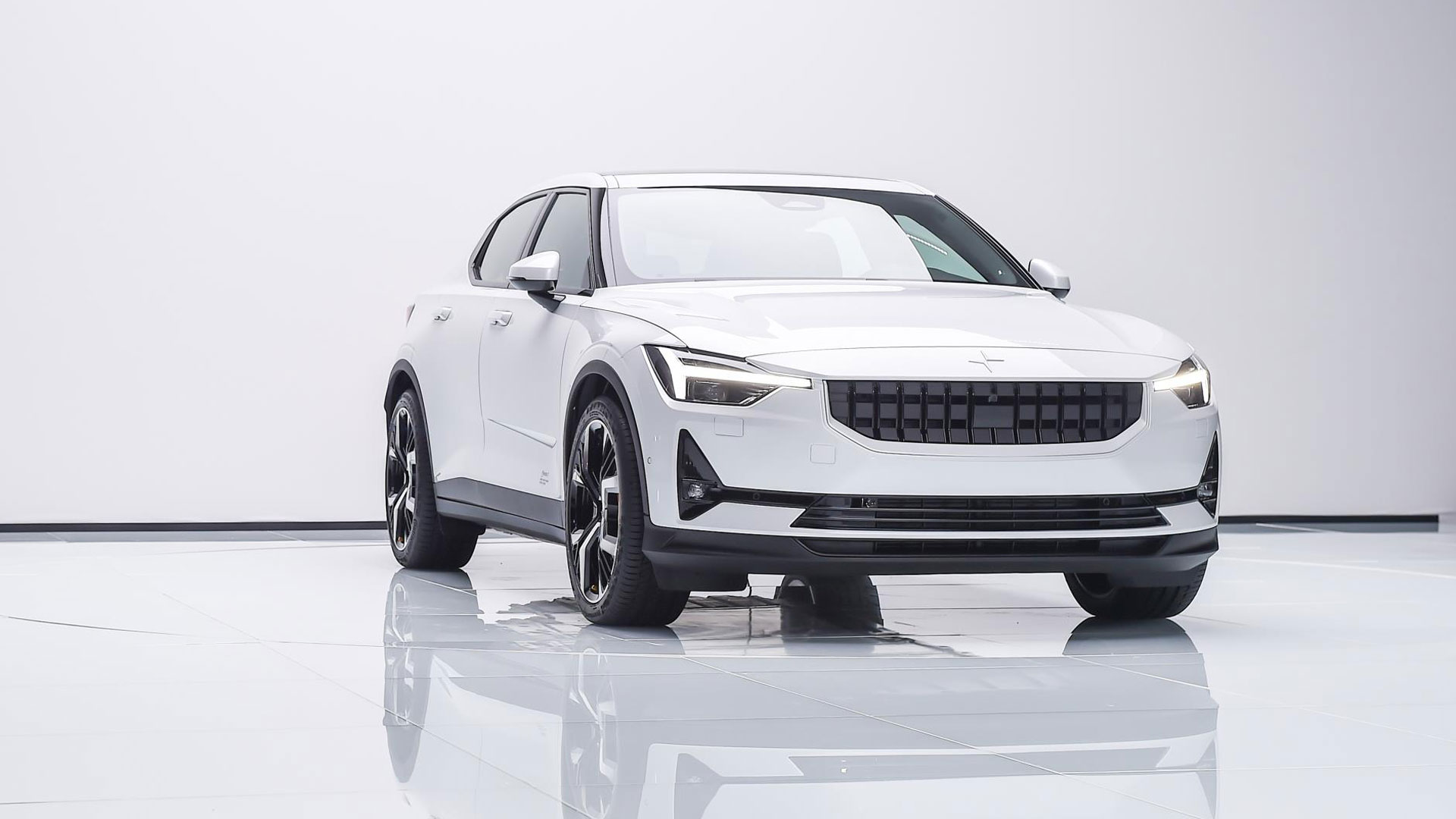
Until 2017, Volvo also operated a performance car sub-brand called Polestar. Today, Polestar is an independent brand under Volvo Car Group focused on high-performance electrified cars. The Polestar 1 hybrid was revealed in October 2017, followed by the all-electric Polestar 2 in 2019. The second Polestar is aimed squarely at the Tesla Model 3 and will offer a targeted range of 500km (310.69 miles). It’ll be built in China for global markets in both left- and right-hand drive.
Geely Technology Group
The third Group within the Geely empire is the Geely Technology Group. This is very much an ‘incubator’ for young brands, giving them access to the Group’s global resources and international influence. One such company is Qianjiang Motorcycles, one of the largest motorcycle companies in China and owner of several brands, including Italy’s Benelli. We will explore two companies within the Geely Technology Group.
CaoCao
The CaoCao ride-hailing service was developed by Hangzhou YouXing Technology Company and is the first Chinese domestic company focused on new energy. It has more than 17 million registered users, operates in a dozen cities across China and uses Geely Auto’s new energy vehicles, including the Emgrand EV. The company claims that more than 150,000 rides are ordered every day, reducing carbon emissions by over 300,000 tons and saving more than 150 million litres of fuel compared with the use of traditional taxi services.
Terrafugia
Terrafugia was founded by five award-winning Massachusetts Institute of Technology (MIT) graduates and is famous for one thing: the flying car. Geely completed the acquisition of the US company in November 2017, pledging to keep it in North America and continue its focus on the development of flying cars. Terrafugia aims to deliver its first flying car to market in 2019, with the world’s first VTOL (vertical take-off and landing) flying car available by 2023.
Geely New Energy Commercial Vehicle Group
The Commercial Vehicle Group was established in 2016 and is the fourth Group within the behemoth that is Geely. It acts as a holding company for two core brands, both of which have a focus on new energy within the commercial vehicle sector. One of the brands will be familiar to UK readers…
LEVC
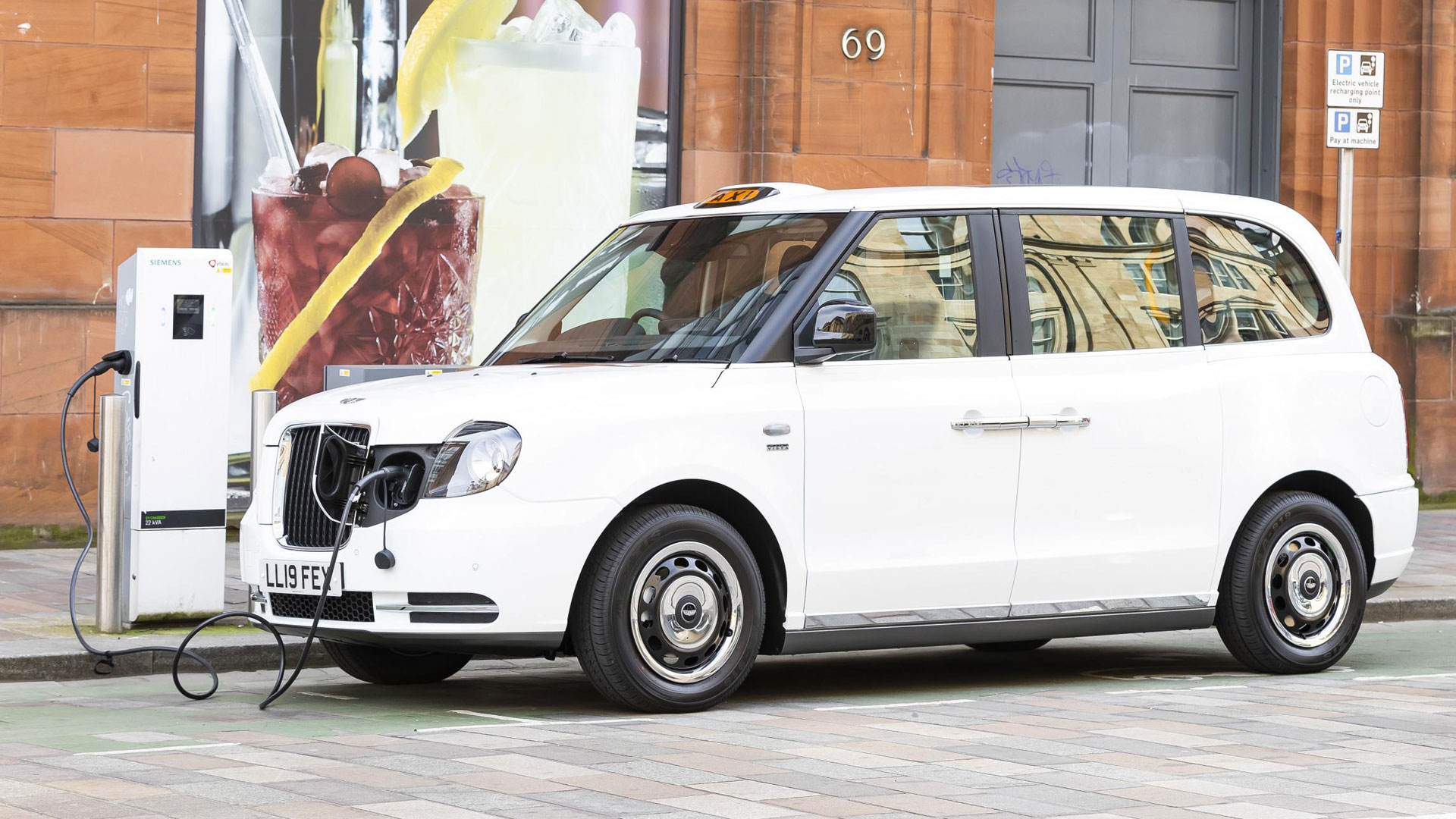
The London Taxi Company (LTC) became the London Electric Vehicle Company (LEVC) in July 2017, the new name chosen to represent the focus on new energy solutions. LTC faced administration before Geely stepped in and a new £300m plant near Coventry opened in 2017, creating 1,000 jobs. In January, 70 employees were laid off “to prepare the business [for] a challenging year for UK automotive”.
Yuan Cheng Auto
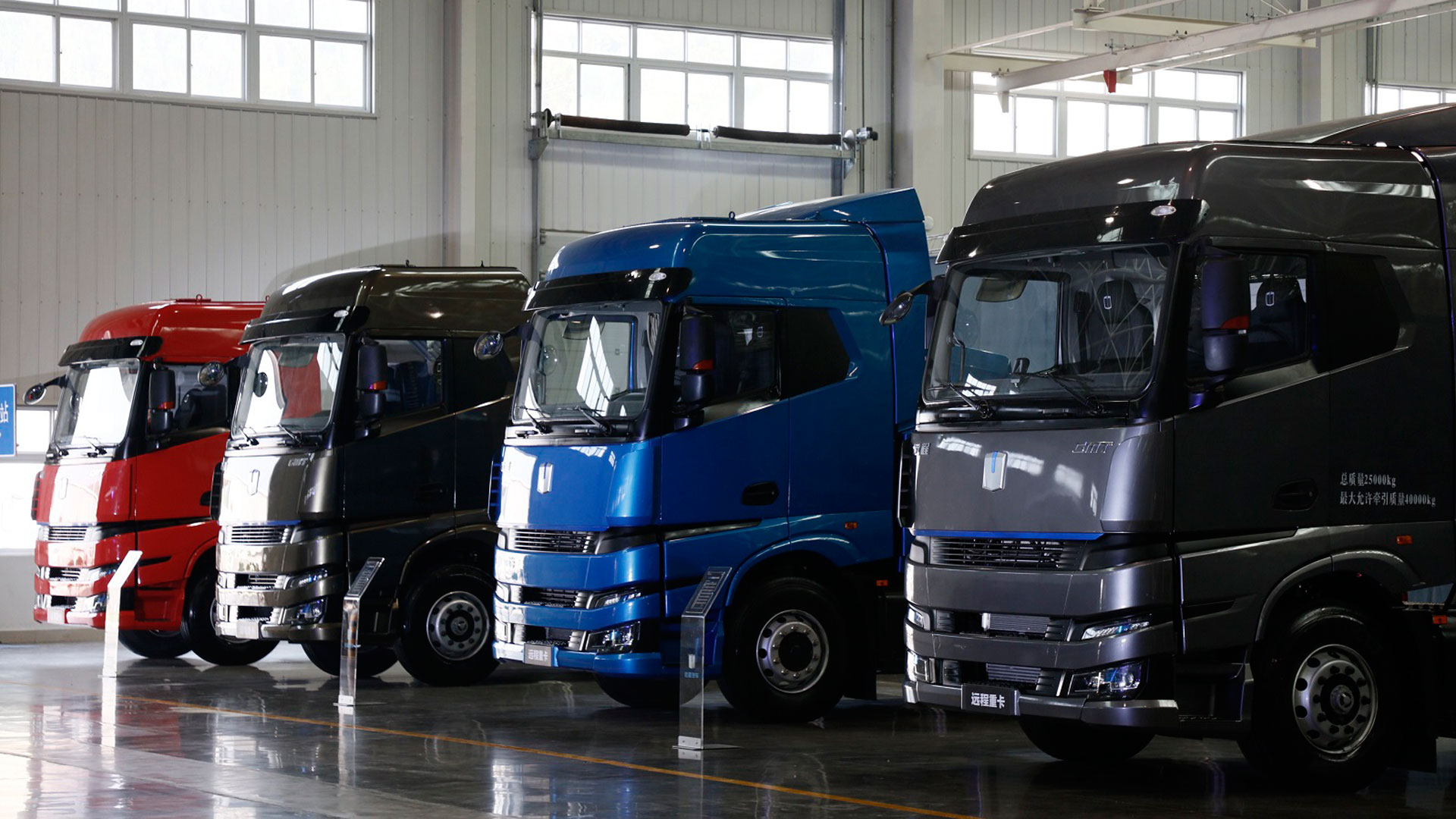
Yuan Cheng Auto was launched in 2016 and is the second subsidiary of Geely Commercial Vehicle Company. Its first products were a pure electric light commercial vehicle and an urban city bus, while in April 2019, the company announced the launch and sale of the world’s first M100 methanol fuel heavy truck. Methanol is more environmentally friendly than diesel, while the sources of methanol are also more diverse, with it being derived cleanly from coal, natural gas or by recycling carbon dioxide. The truck will be offered in three variants: standard, mountain and regional logistics. This could be a turning point for the Chinese commercial vehicle industry, with 75 percent of road transport in China currently by diesel vehicles.
Mitime Group
The fifth and final Group might not appear relevant to a gallery focused on the automotive industry, but the Mitime Group has an indirect and longer-term role to play. This division supports the Group’s educational, cultural and tourism initiatives, with hundreds of millions of RMB invested in universities and colleges across China. Crucially, around 40,000 students are enrolled at the Group-funded schools annually, with the goal of developing Chinese automotive industry talents.
The future
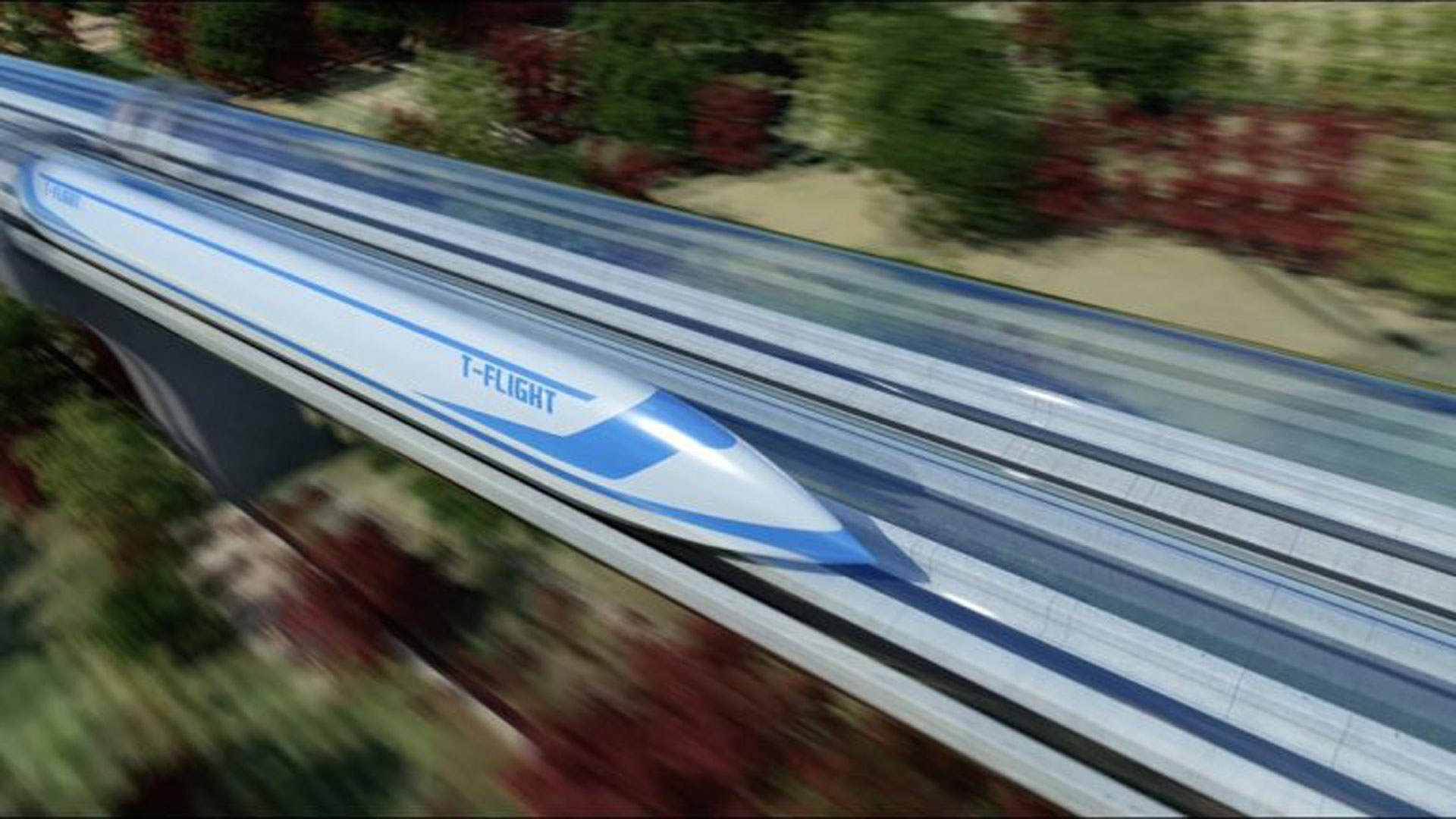
Geely’s influence on the automotive industry is likely to grow stronger every year, albeit via one of its many sub-brands. This gallery merely scratches the surface: it hasn’t explored the fascinating world of smart and connected vehicles, handled by ECARX. Meanwhile, in November 2018, Geely signed a strategic framework agreement with China Aerospace Science and Industry Corporation (CASIC) to cooperate on the development of supersonic trains and industrial internet. It is hoped that the partnership with advance the fields of new energy vehicles, automotive safety and new material science.
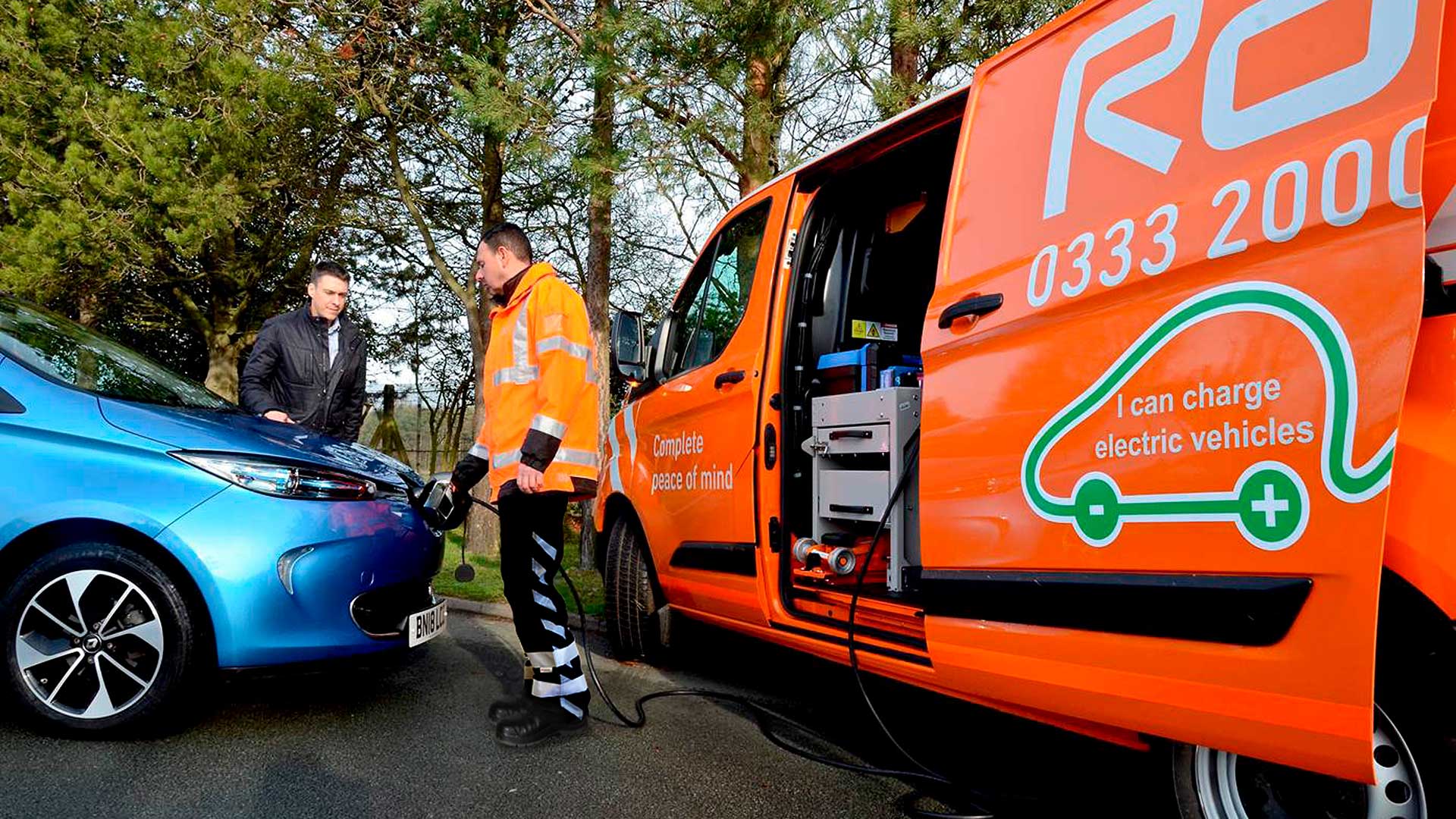
Hundreds of RAC breakdown recovery patrol vans are to be fitted with a new lightweight electric car charger to help stranded EV drivers reach the next charge point.
The new tech, called EV Boost, has been developed in-house by the RAC. The custom-built system is the first lightweight mobile EV charger capable of giving out-of-charge electric cars a battery boost.
All orange RAC vans carrying the EV Boost system will be branded with a bright green logo – which the firm hopes will help overcome electric car range anxiety.
Recently, 8 in 10 motorists admitted one of the biggest barriers to electric car ownership was running out of charge.
The system works will all Type 1 and Type 2 connections, so will be able to assist nearly every electric vehicle currently in use in Britain. The charger is a 3.5 kW device, but there are already plans to double this, to a 7 kW fast-charger.
It is a small and lightweight device that works from a second alternator fitted to the RAC patrol vans. The modular tech can be quickly fitted to any regular RAC patrol van – which is why the breakdown firm hopes to quickly expand it to the majority of its recovery fleet.
Crucially, it doesn’t rely on lugging heavy and bulky portable chargers around, taking up space and hurting fuel economy. Power is generated from running the van’s engine long enough for the motorist to reach the next available EV charger.
It will only be fitted to new Euro 6-compliant diesel vans, to minimise emissions.
RAC head of roadside rescue innovation Chris Millward said: “Our solution enables our patrols to help stranded EV drivers at the roadside with a power boost, equivalent to a top-up from a fuel can for a petrol or diesel car, to get them on their way again.”
Melanie Shufflebotham, co-founder of EV charging map Zap-Map, said: “It’s great to see the RAC leading the way and introducing this new mobile EV charging system to its fleet of vans.
“Whilst the UK public charging network already has over 14,000 public charge points and is growing at a rapid rate, this service will give electric car drivers additional confidence as they plan longer electric journeys.”
The new RAC EV Boost tech goes live in June, initially in London, Birmingham and Manchester. It will then be expanded to areas where there are high call-outs from EV drivers.
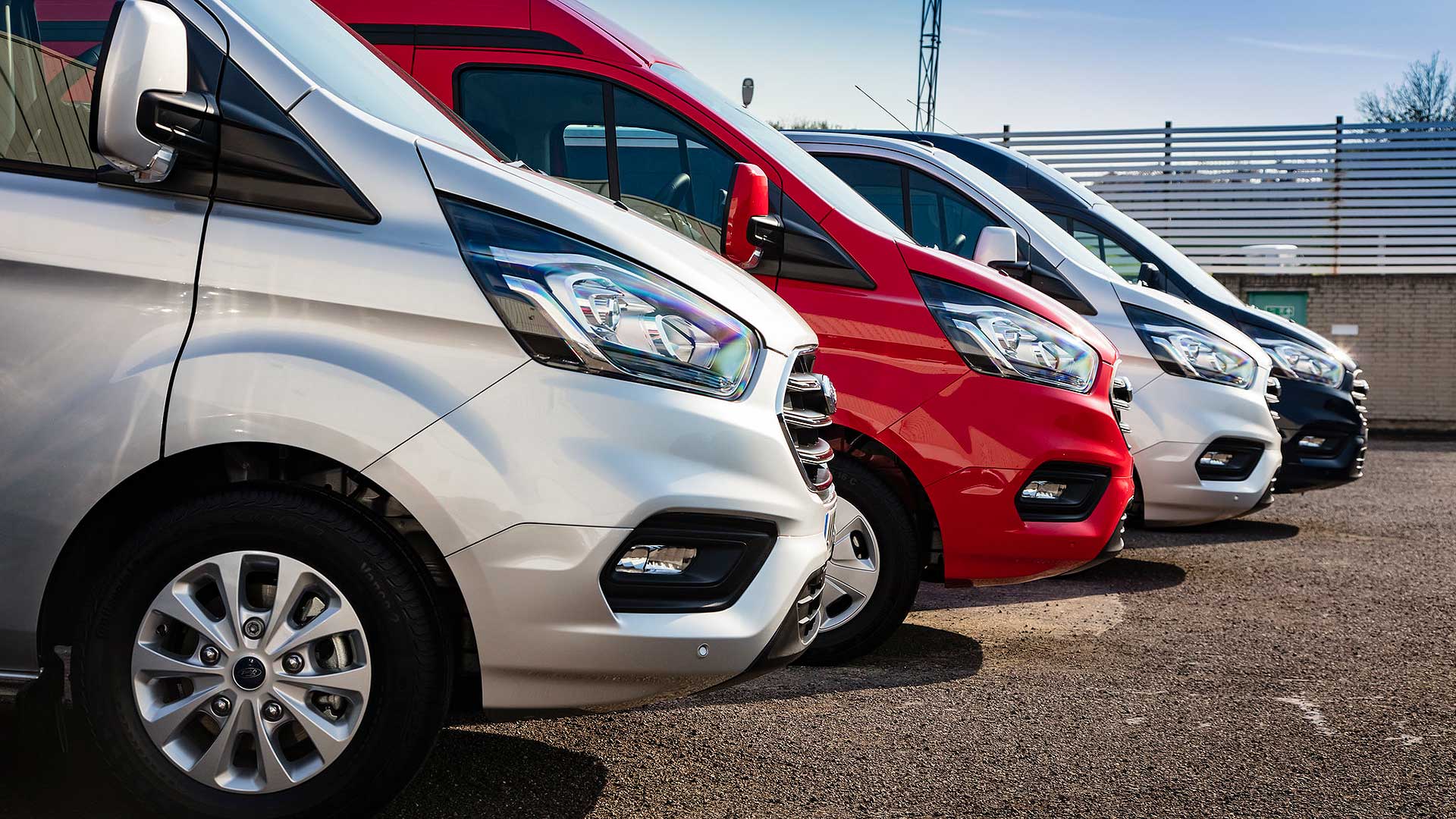
A total of 3.4 million British workers could not do their jobs without a van, reveals a new study led by the Society of Motor Manufactures and Traders (SMMT).
This includes 500,000 people who drive one as their main job – contributing a £56 billion boost to the UK economy from wages alone.
In other words, 11 percent of UK GDP comes from workers who rely on a van.
The new research, carried out with management consultancy BearingPoint, shows there are currently 4.6 million vans in use in the UK. The fleet has grown 50 percent since 2009 – that’s twice the growth-rate of the car market.
The new light commercial vehicle sector is now worth £10 billion a year in the UK, with 900,000 used vans also sold annually.
Online delivery boost
“The UK’s van fleet is the backbone of our society, driving our economy and allowing millions of workers to carry out jobs that our country relies on,” said SMMT chief executive Mike Hawes.
The British van sector has been boosted by Brits’ love of online shopping. A hefty 83 percent of us have bought something online, way above the EU average of 60 percent.
This is a factor behind the number of self-employed British workers growing from 3.3 million in 2001 to 4.8 million in 2017.
James Rodger, partner and UK&I lead at report authors BearingPoint, said: “The data analysis and interviews that we have conducted highlight the key role that the LCV sector plays in the UK economy.” It is the first time the economic role played by Britain’s 3.4 million van users has been quantified.
“The report brings the data and the qualitative insights together to paint a picture of a diverse and vibrant sector which touches all our lives on a daily basis.”
Diesel dominance
The report also shows how diesel dominates the UK van sector. Fully 96 percent of British vans run on diesel – and this, says the SMMT, has helped CO2 emissions fall 10.4 percent since 2013, to an average of 166.9g/km.
New Euro 6 vans are “the cleanest in history” and have “virtually eliminated particulates and have vastly reduced NOx”.
Ultra-low and zero emissions vans have still to take off, though. New models are available, but they account for just 0.3 percent of the market.
“To continue to thrive,” said Hawes, “this vital sector needs policies and incentives that encourage businesses to invest in the latest technology that best suit their needs to help them deliver for Britain.”
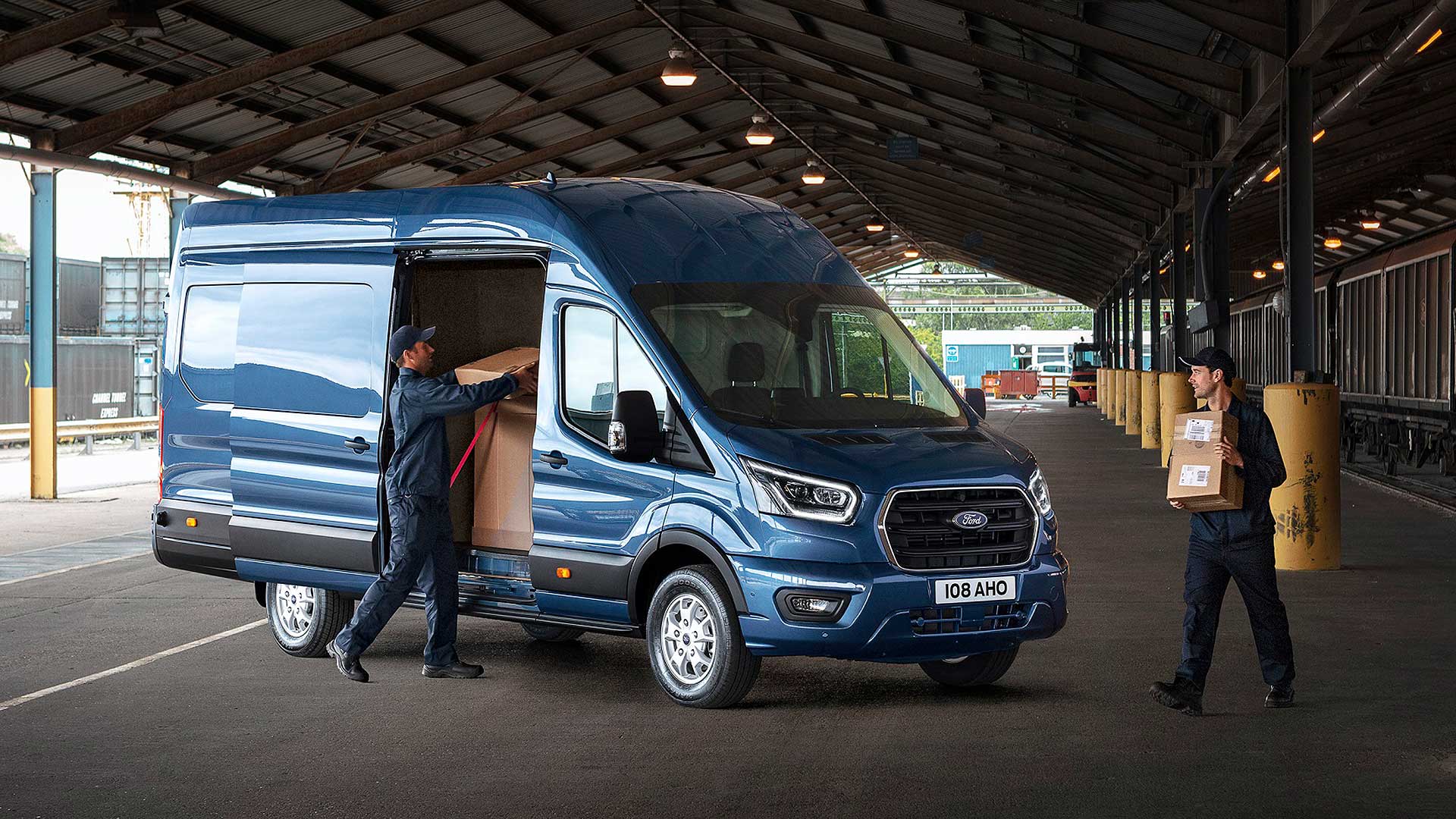
Ford: leading UK vans for 54 years
Britain’s biggest van brand for the past 54 years is Ford. It has released its own research that shows online shopping and van-driving businesses contributed over £125 billion to the UK economy.
Amazingly, companies that rely heavily on vans earned more for Britain than the value of the GLOBAL film industry – and six times more than European football.
“Online shopping and an increase in those that are semployed are among the factors driving huge growth in the use of vans,” it said – confirming the findings by the SMMT.
The firm has now released a new TV ad celebrating its market leadership… and underline its own status as the CV ‘backbone of Britain’.
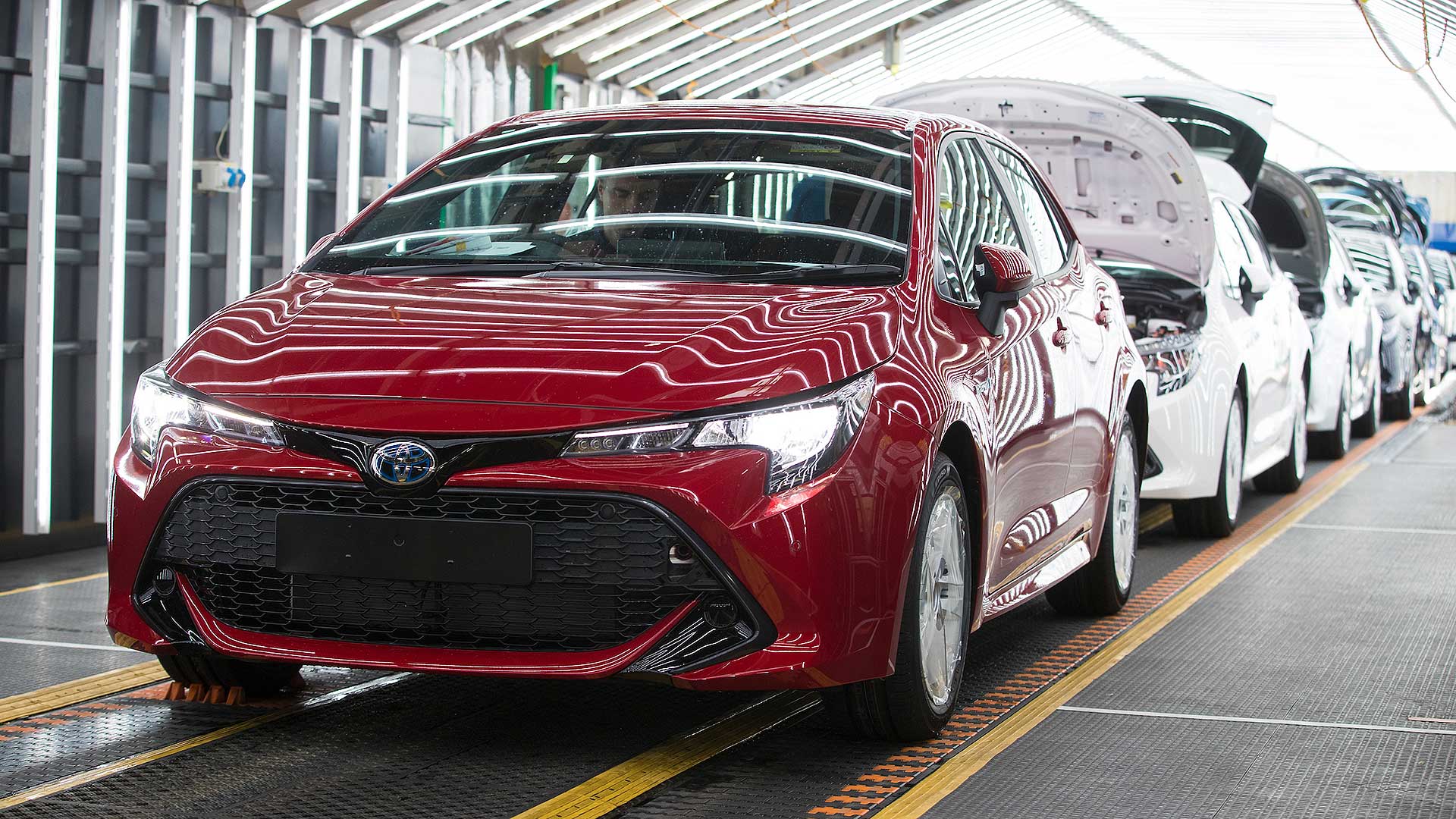
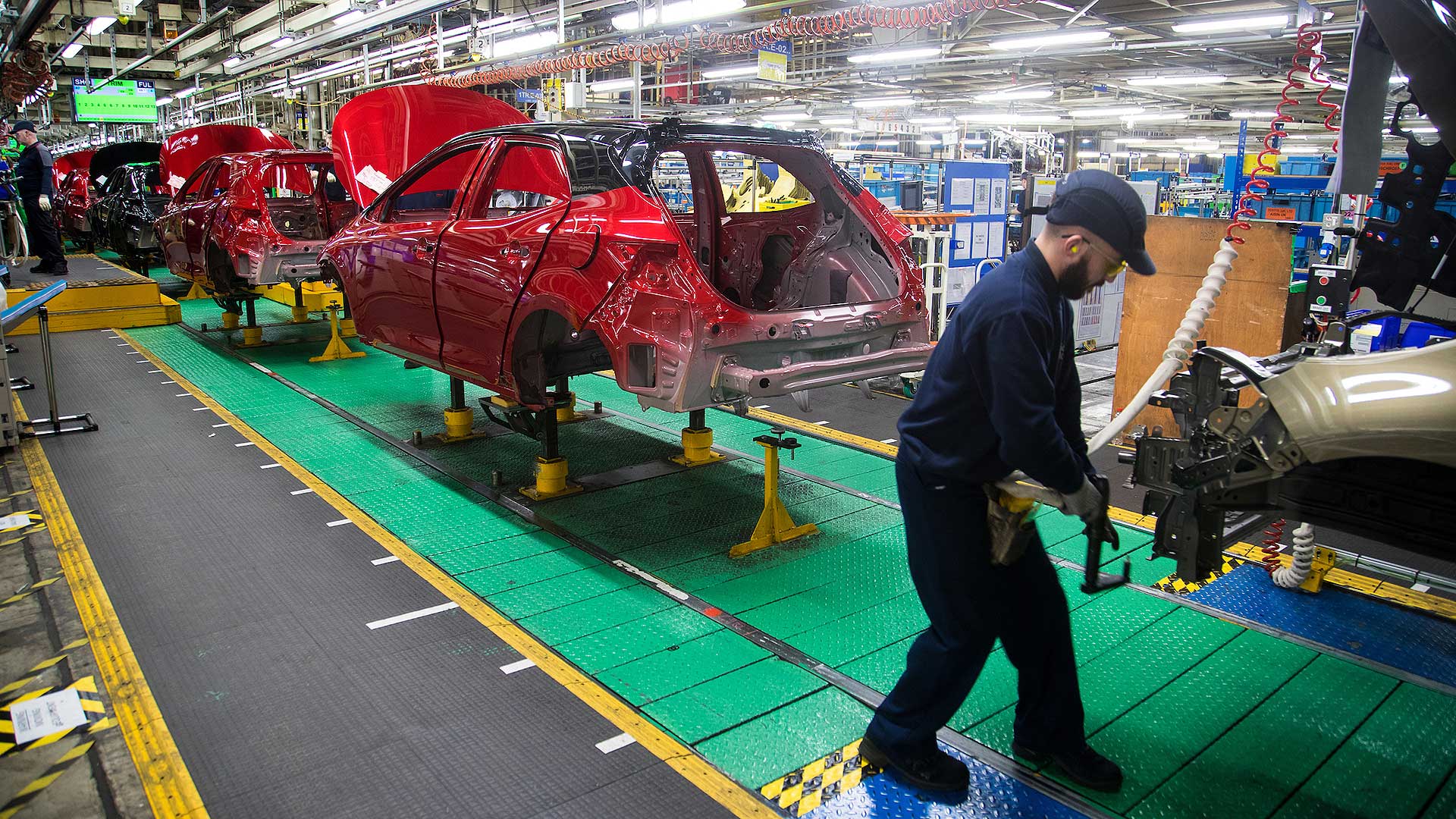
British car production fell in March 2019 for the 10th month running as continued Brexit havoc stalls investment and forces expensive factory shutdowns.
Total UK car production was down 14.4 percent in March, to 126,195 vehicles. Home demand fell 18.1 percent and exports were down 13.4 percent, according to new figures from the Society of Motor Manufactures and Traders (SMMT).
British car buyers purchased so few UK-built models in the first three months of the year, demand fell back to levels last seen in 2011.
Export demand is down, but such weak British sales mean the overseas share has actually risen, to 78.7 percent of UK production. This, says the SMMT, demonstrates how crucial free and frictionless change is to the British automotive industry.
Although new model switchovers and changing car preferences were a key factor in the production slump, SMMT chief executive Mike Hawes also blames Brexit. He is worried that “a devastating ‘no deal’ remains a threat.
“This new period of limbo does not end the havoc for industry, with investment stopped and expensive factory shutdowns moved to avoid a Brexit deadline that has itself now moved.”
Back to the 1980s?
Brexit has already hurt the UK automotive industry, said Hawes. “Just a few years ago, industry was on track to produce two million cars by 2020 – a target now impossible, with Britain’s reputation as a stable and attractive business environment undermined.”
His strong words come as the latest research from independent forecaster AutoAnalysis shows how Brexit could affect the UK car industry.
Even if a favourable deal can be achieved, 2019 production will fall from 1.52 million cars in 2018, to 1.36 million in 2019. It will, however, rise again to 1.42 million by 2021.
However, in the event of a no deal crash out of the EU, output is expected to plunge, to just 1.07 million units in 2021. This is a level “consistent with the dark days of the mid-1980s.
“All parties must find a compromise urgently so we can set about repairing the damage and diverting energy and investment to the technological challenges that will define the future of the global industry.”
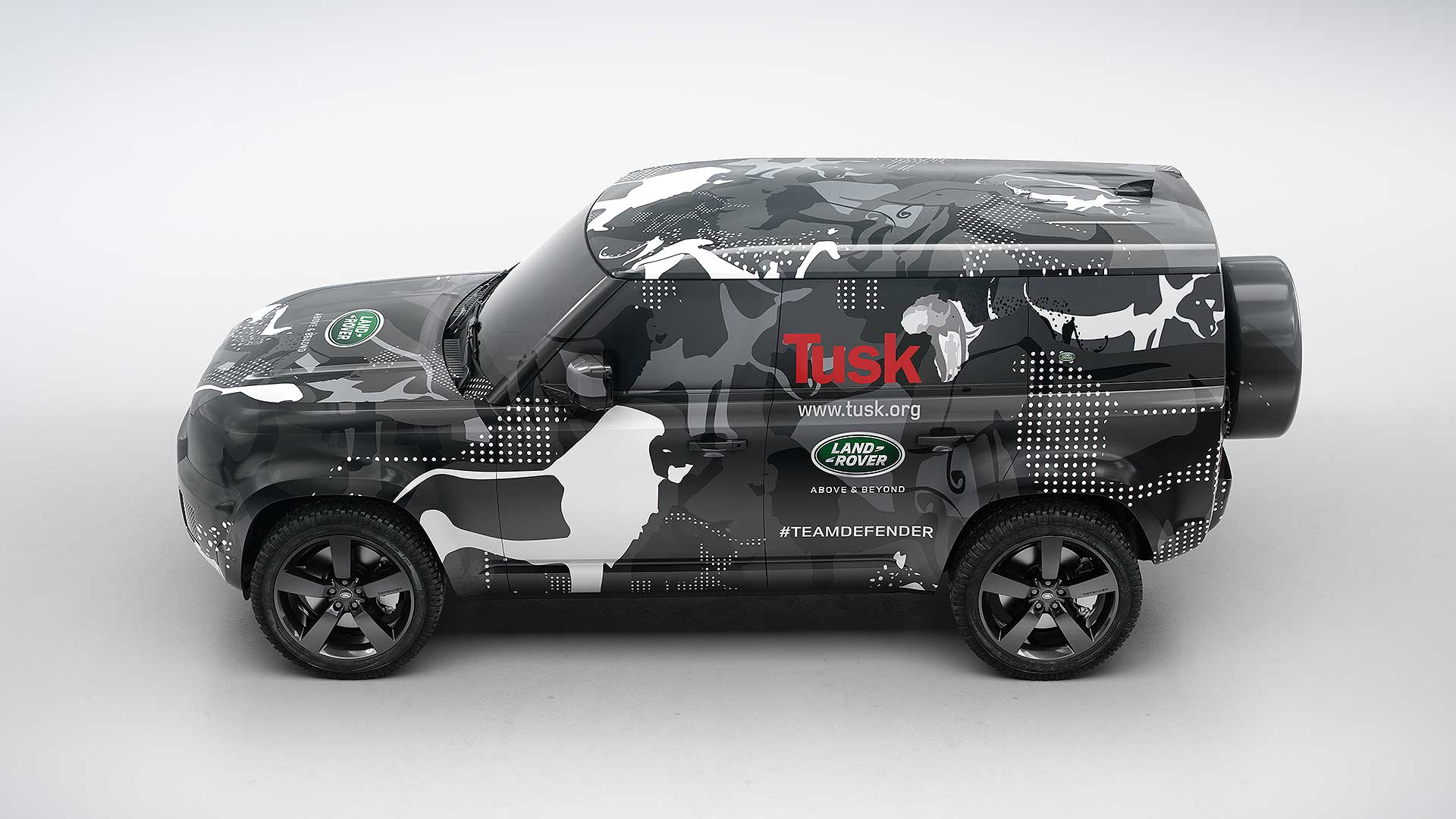
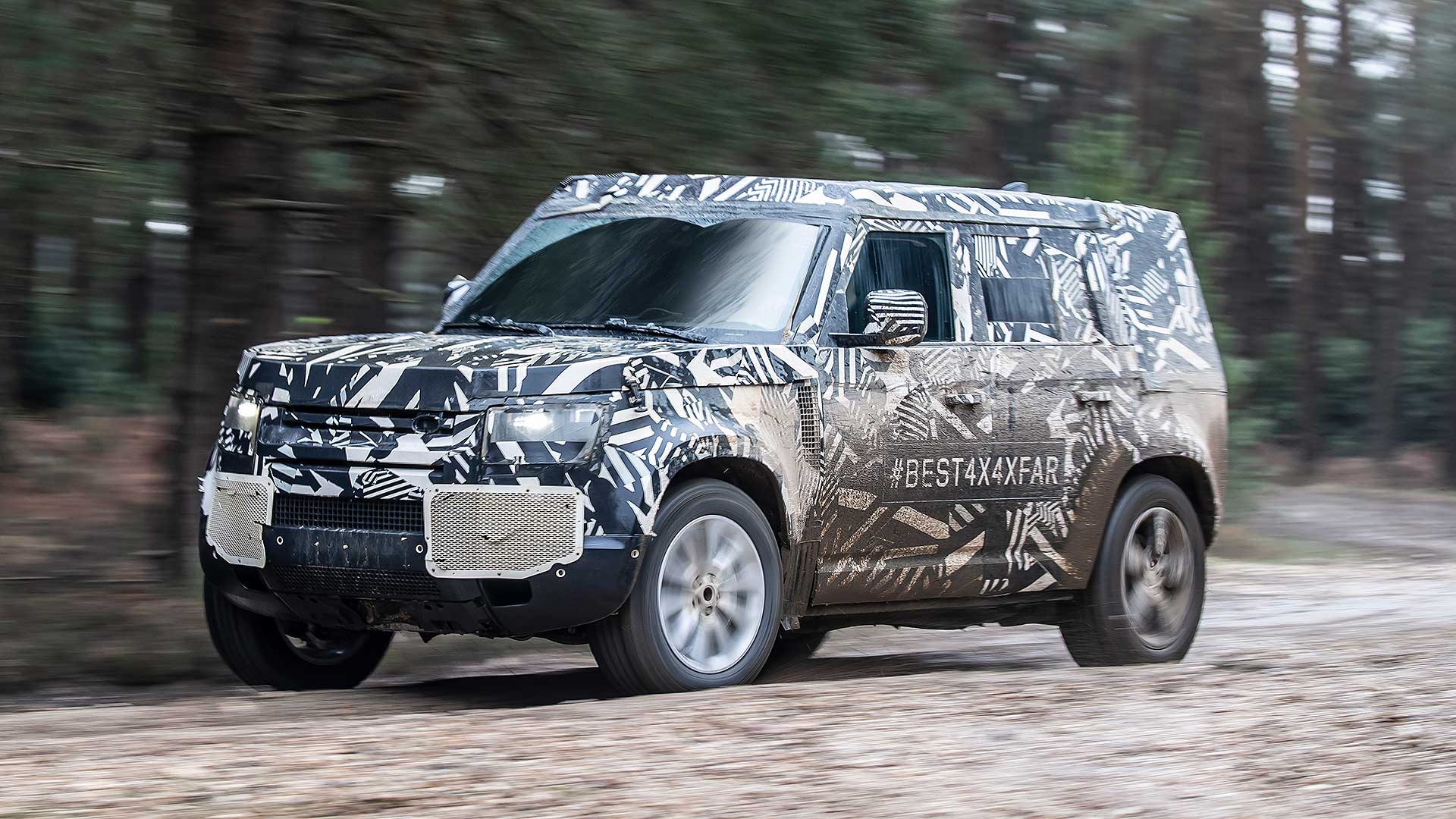
Land Rover has given us our clearest look yet of the all-new 2020 Defender by releasing an image of a prototype wearing a ‘Tusk Trust’ conservation charity camouflage.
The teaser clearly shows the new Defender’s clean, utilitarian lines and upright stance – including near-flat sides, a flat roof and a spare wheel carrier hung out back.
Even under wraps, it still carries traditional Defender styling cues. It even retains traditional doorhandles, rather than Jaguar Land Rover’s fancier retractable handles.
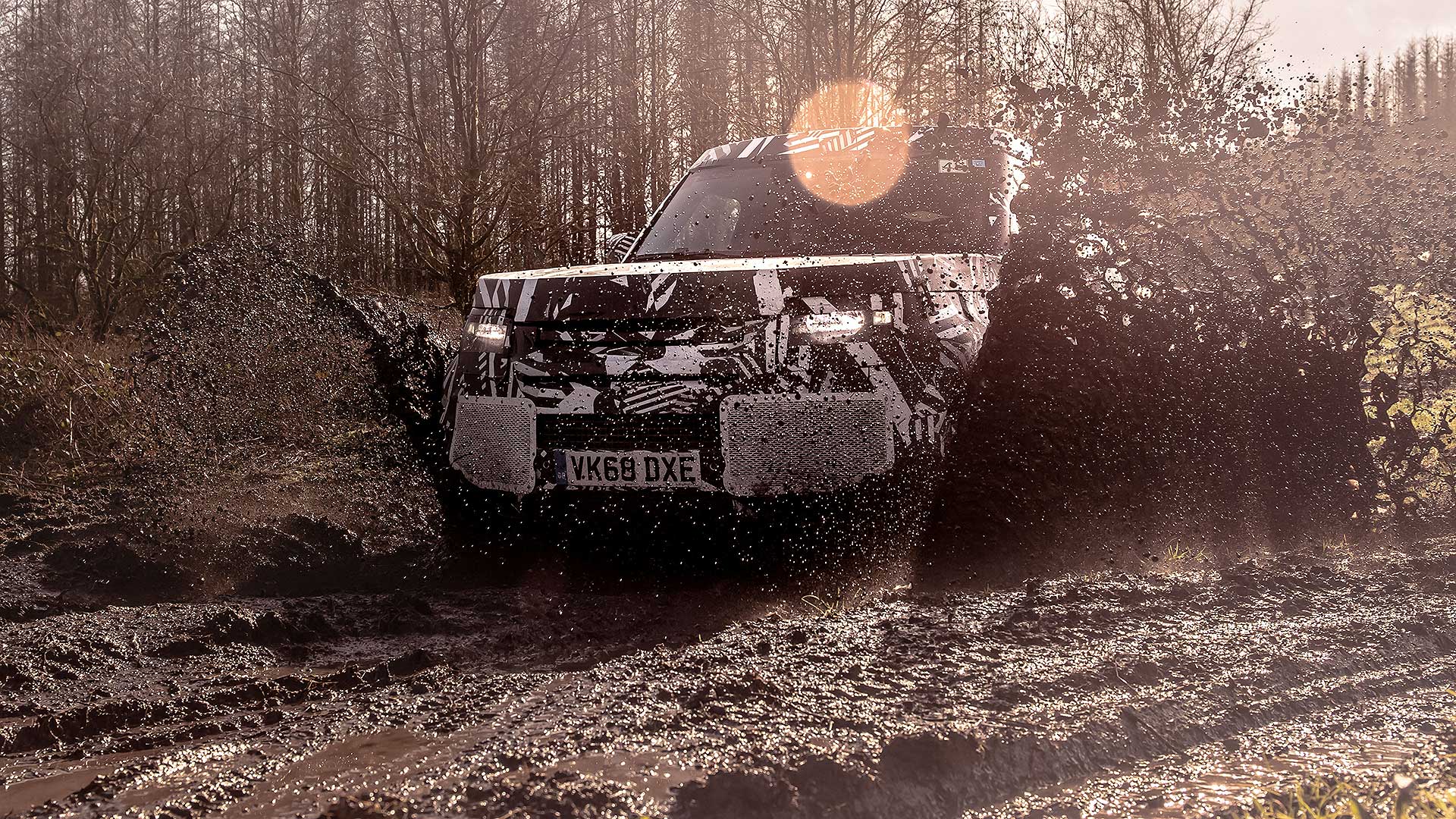
The ‘wrapped’ teaser shot is part of a new set Land Rover has released to mark World Land Rover Day on 30 April. These show both short-wheelbase and long-wheelbase Defenders experiencing a variety of test action, both on-road, but mainly off-road.
Total testing miles for the prototype fleet has now reached almost 750,000 miles (1.2 million kilometres). Land Rover has carried out over 45,000 individual tests including:
50-degree heat of the desert
Minus 40-degree cold of the Arctic
10,000 ft altitude of the Rocky Mountains in Colorado
On-road dynamics have been tested at the Nurburgring in Germany while all-terrain prowess has been honed at Land Rover’s traditional test base at Eastnor, UK.
Sand dune testing has been proven in Dubai and rocky trail ability has been tested in Moab in Utah. It’s all part of Land Rover’s promise the new Defender will offer “unparalleled breadth of capability and new levels of comfort and drivability”.
The final stage of field testing will be conducted at the 14,000-hectare Borana Conservancy with the Tusk Trust in Kenya. A prototype vehicle “will tow heavy loads, wade through rivers and carry supplies across unforgiving terrain in a series of real-world trials”, says Land Rover.
Engineering director Nick Rogers said: “In addition to the extensive simulation and rig testing, we’ve driven new Defender 1.2 million kilometres across all terrains and in extreme climates, to ensure that it is the toughest and most capable Land Rover ever made.”
Supporting operations at the Borana Conservancy in Kenya with Tusk “will allow our engineers to verify that we are meeting this target as we enter the final phase of our development programme”.
The new Defender has been designed and developed in Britain, although it will not be built there. Instead, the global Defender production base is at Land Rover’s new factory in Nitra, Slovakia.
The full debut is scheduled for later in 2019 but Land Rover is happy to take registrations of interest now, via its website.
Adaptive speed limiters could become mandatory on cars sold in the United Kingdom after 2022, following new provisional regulations approved by MEPs.
The news follows similar proposals by the European Transport Safety Council. It’s expected the regulations will have no trouble getting full approval.
How will the Intelligent Speed Assistance work?
The systems will work using speed sign recognition, as well as GPS data, but this won’t be via automatic application of the brakes. Rather, power or rev limiters will be used, such as those restricting certain German cars to 155mph.
Retroactive fitment of the system isn’t likely, but wouldn’t be impossible, given that a lot of the technology is already in use.
Note the little speed limit sign that appears on most new cars sat-nav screens. It’s also how a lot of adaptive cruise control systems adjust speed, too.
Hard or soft speed limiters?
For now, the speed limiters, otherwise known as Intelligent Speed Assistance (ISA), won’t be concrete. You’ll be able to push through by pressing hard on the accelerator.
It is suggested by the ETSC, however, that warnings should flash and sound, should you spend an extended amount of time at speeds above the ISA limit. Think of the bonging sound you get when you leave your lights on after you open your door, or if you forget to buckle your seatbelt.
Whether soft limiters could turn hard in the future remains to be seen. It’s certainly a possibility.
It’s predicted by the ETSC that as many as 25,000 lives could be saved in the 15 years following the introduction of ISA systems after 2022. That’s as a result of a predicted 30 percent drop in traffic collisions.
While the legislation is primarily a European-led project, the UK’s Vehicle Certification Agency (VCA) has said that it plans to go through with limiters, as well as other mandatory safety systems, in the style of the European legislation. There’s no debate ammunition in this for staunch Brexit ‘leavers’, therefore.
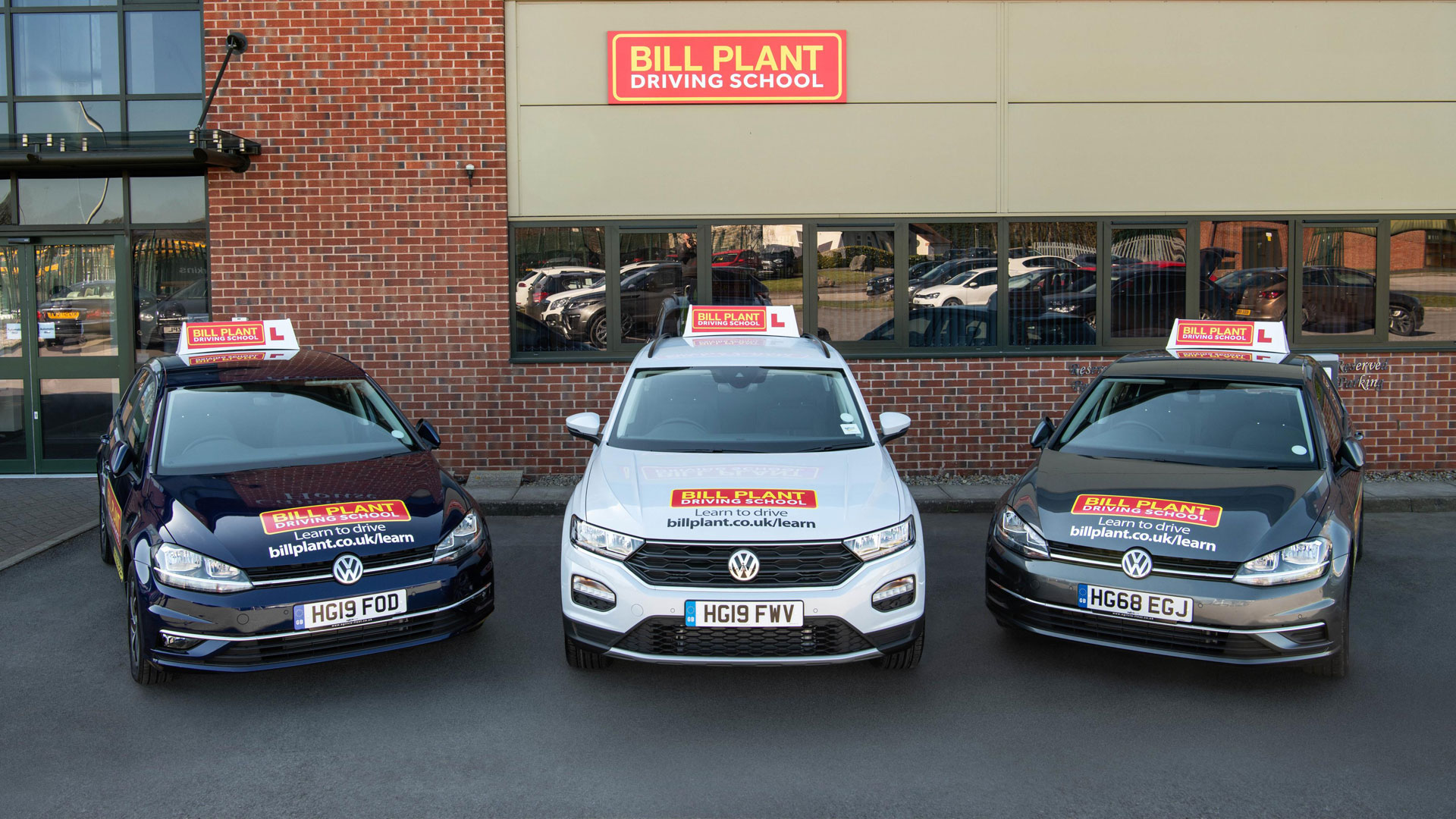
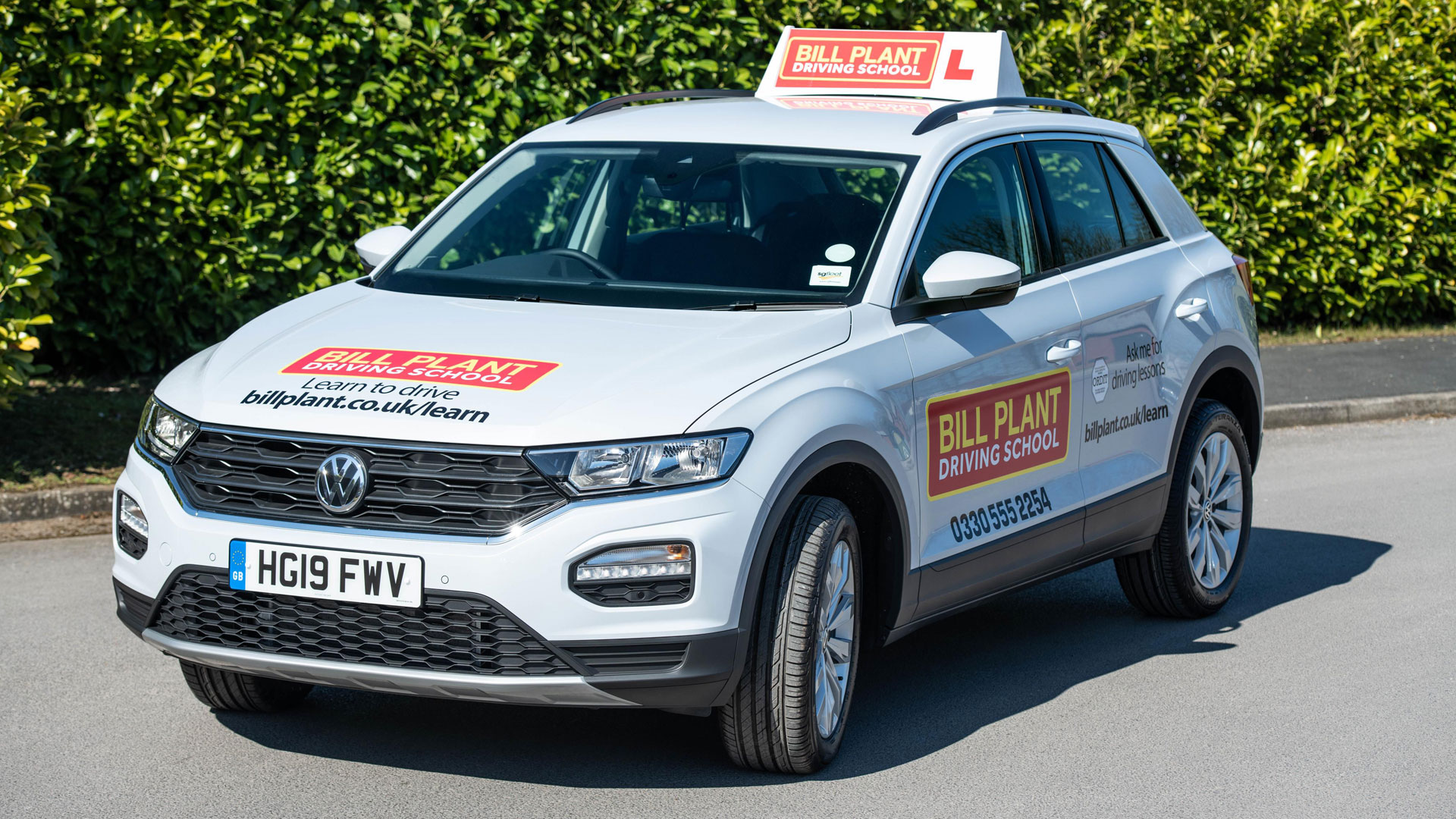
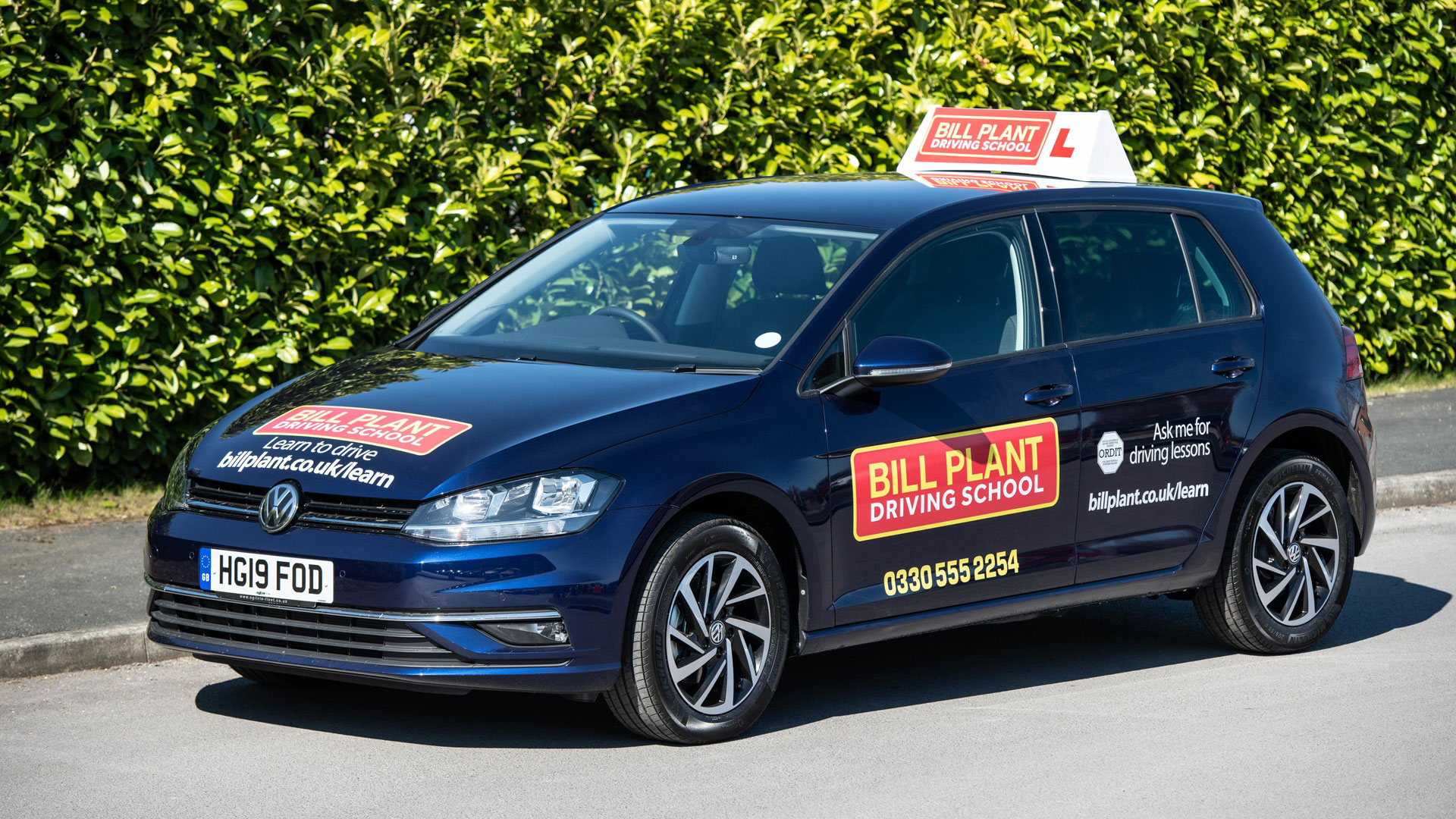
Volkswagen has become the sole vehicle supplier for Bill Plant Driving School, with the national driver training firm using T-Roc and Golf models.
Bill Plant Driving School started using Golfs in early 2018, but the company’s fleet will be Volkswagen-only by the end of the year. The Bill Plant website states that its fleet currently includes the 1 Series, but the BMW’s days are numbered.
Deliveries of the T-Roc to the Bill Plant Driving School fleet began in March, and so far, hundreds of new cars have been delivered to instructors across the UK. Volkswagen expects to deliver more cars as the business opens more franchises using Golf or T-Roc models.
The T-Rocs will be delivered in 1.6 TDI SE specification and will feature a touchscreen sat-nav system, remote electrically foldable door mirrors with kerb view, front and rear parking sensors and adaptive cruise control. Learner drivers can expect to pay £29.50 to receive tuition in Volkswagen’s small SUV.
The Golfs are also powered by a 1.6-litre turbodiesel engine but are delivered in SE Match trim. The spec is largely the same, but learners pay £27.50 for manual gearbox tuition or £29.50 to learn to drive in an automatic. Obviously, both cars are dual-controlled.
‘A smash hit’
Michael O’Shea, Volkswagen UK’s head of fleet, said: “The Golf is Volkswagen’s most popular model and is a smash hit with UK customers, being the second best-selling car in the country, so it’s easy to see why learners can benefit from a Golf being their introduction to driving life.
“The T-Roc SUV, with its numerous safety features, elevated seating position and compact size, has the ideal combination of qualities to make learners feel at ease when venturing out on the road. Volkswagen prides itself on the safety of its cars, so it’s little wonder Bill Plant Driving School chose the Golf and T-Roc to create a whole new generation of Volkswagen fans.”
Tom Hixon, head of instructor support at Bill Plant Driving School commented: “We’ve received tremendously positive feedback from our driving instructors and pupils about the new Volkswagen Golf, and we also welcome the T-Roc to the Bill Plant Driving School fleet.
“Every week hundreds of pupils will have their first experience of driving with Bill Plant Driving School inside either a Volkswagen Golf or T-Roc. This is a tremendous partnership for Bill Plant Driving School as we continue to grow our business in 2019.”
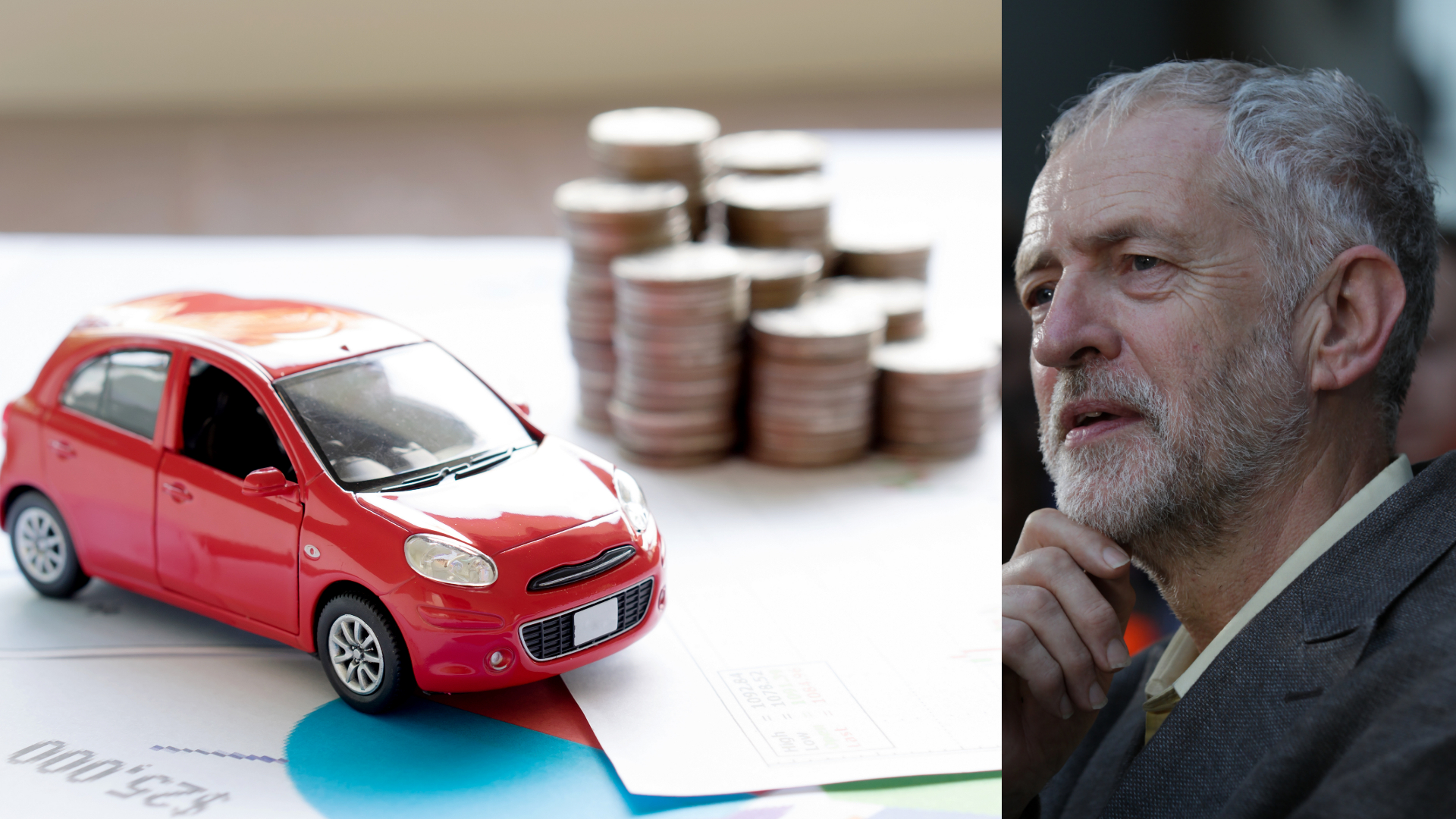
Jeremy Corbyn has unveiled Labour plans to divert car tax revenue to public transport. At present, money earned by the government from car tax is exclusively used to maintain Britain’s roads.
The ‘Campaign for Better Transport’, in which as much as £1.3 billion per year could be diverted to public transport, was announced during the local election campaign in Nottingham. The plan is a response to the ‘devastation’ of bus services under the Tory government.
As yet, the plan does not involve any unscheduled increases to car tax. It’s merely a change to plans for pre-allocated funds from vehicle excise duty (VED).
Where will the tax money go?
Among other things, the money would go towards reversing cuts to 3,000 bus routes and funding further expansion of the bus services throughout the UK – including in more rural areas. In addition, a free-to-ride policy is planned for under-25s.
According to Department for Transport figures, local bus passenger journeys dropped by 85 million to 4.36 billion between March 2017 and March 2018. That’s a 1.9 percent drop in the space of 12 months.
The bus services are described as a “lifeline” by Corbyn, saying “bus networks are essential for towns and cities and for tackling rural poverty and isolation”.
It’s claimed that budgets for local authority bus services have been cut by as much as 45 percent since 2010.
Conservatives: “Motorists will be clobbered”
Conversely, the Conservatives reckon the plan would have to result in rises in taxation paid by motorists, saying we’ll be ‘clobbered’. And they say budgets for road maintenance, which are already tight, will be slashed.
“Along with their plans to put politicians in Westminster in charge of running local bus services, their pledge to slash funding for roads and their calls to increase fuel duty, this just proves they are not on the side of hardworking families who rely on their vehicles,” said Marcus Jones, Conservative vice chairman for local government.
You never know how good a car insurance company is until you make a claim. Which is why new research into the best and worst insurers for claims handling could prove to be invaluable.
Consumer group Which? surveyed 2,111 car insurance customers who had made a claim in the past two years. They were asked about their experience during the claims process and how likely they would be to recommend their provider.
This kind of study is worth considering when you’re faced with a stream of quotes on a price comparison website. Often, it pays to look beyond the price.
The AA finished bottom of the table for car insurance, with a customer score of 55 percent. A third of respondents felt their claims were handled more slowly than anticipated. The result: a disappointing two-star rating from Which?.
Axa was voted the second worst car insurer for claims handling, followed by Hastings Direct and Allianz. All three were awarded a damning one-star rating for communication.
At the opposite end of the table, NFU Mutual was rated the best insurer for claims handling, with Which? awarding a maximum five-star rating for speed of handling claims and a four-star rating for communication.
Interestingly, NFU Mutual also topped the table for home insurance (Which? surveyed 1,456 home insurance customers).
Gareth Shaw, head of money at Which?, said: “When things go wrong motorists and homeowners should be able to count on their insurer, but it is concerning that some providers make the claims process difficult – with muddled or slow communication and poor customer service.
“Anyone unhappy with how their insurer handled their claim should shop around when it is time to renew – do your research and find an insurer that will make the claims process as stress-free as possible.”
The best car insurance companies for claims handling (best first):
NFU Mutual
RSA
LV=
Direct Line
Co-op
The worst car insurance companies for claims handling (worst first):
AA
Axa
Hastings Direct
Allianz
Ageas
The AA told Which? it did not feel the research reflected the feedback it received from customers, while Axa said it would be making changes to improve its customer service.





 Hundreds of RAC breakdown recovery patrol vans are to be fitted with a new lightweight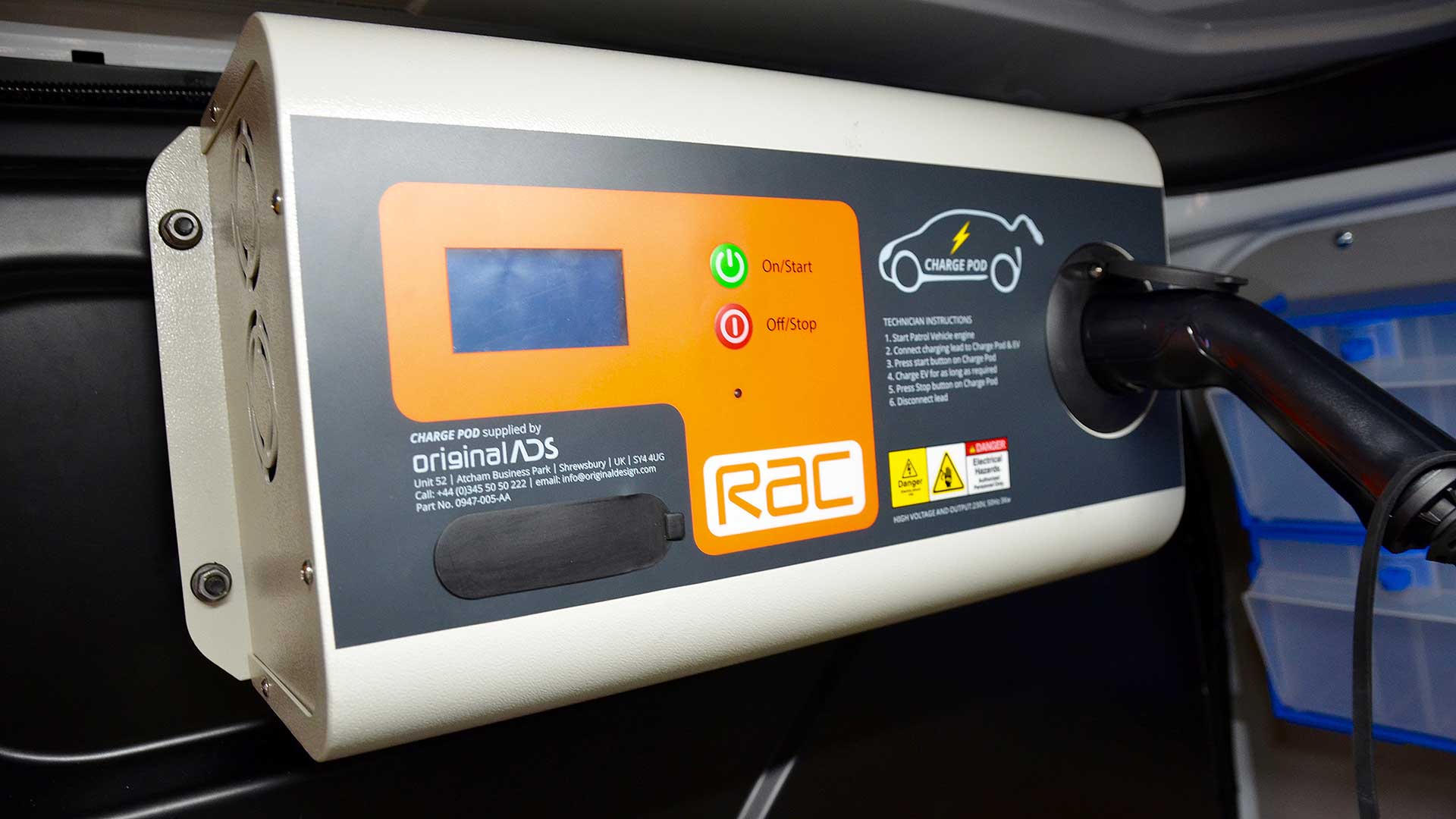
 A total of 3.4 million British workers could not do their jobs without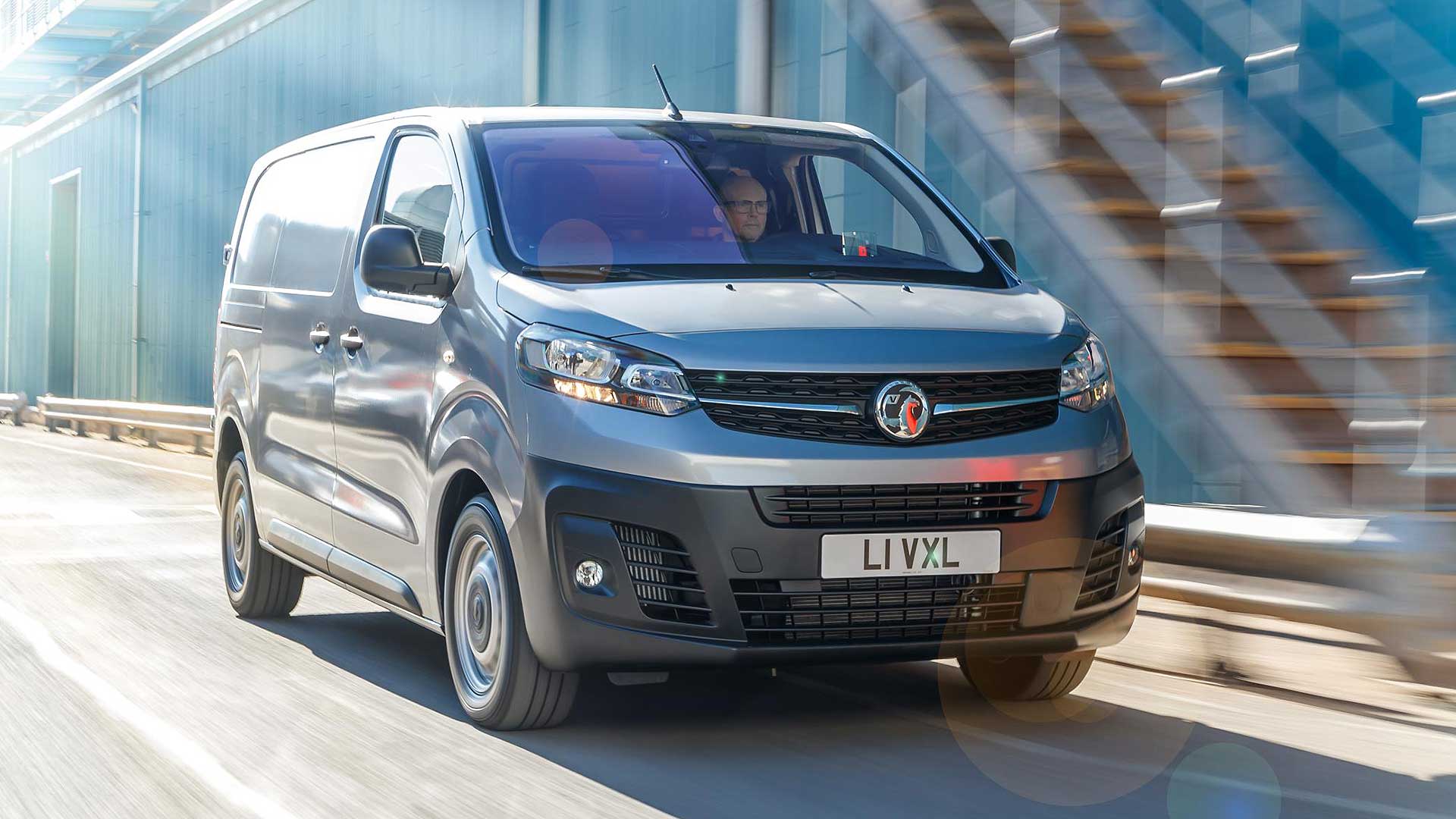

 Land Rover has given us our clearest look yet of the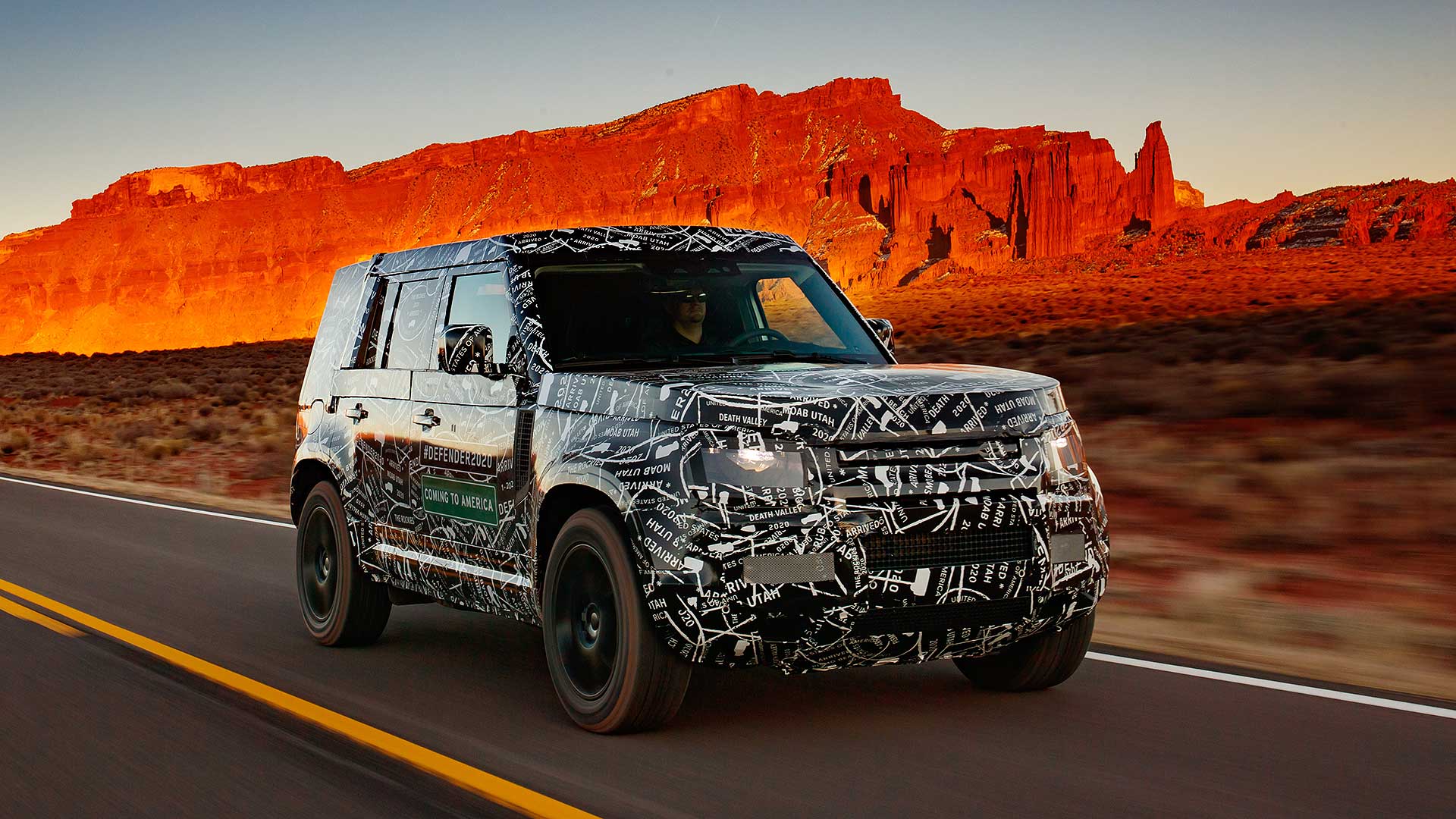



 Adaptive speed limiters could become mandatory on cars sold in the United Kingdom after 2022, following new provisional regulations approved by MEPs.