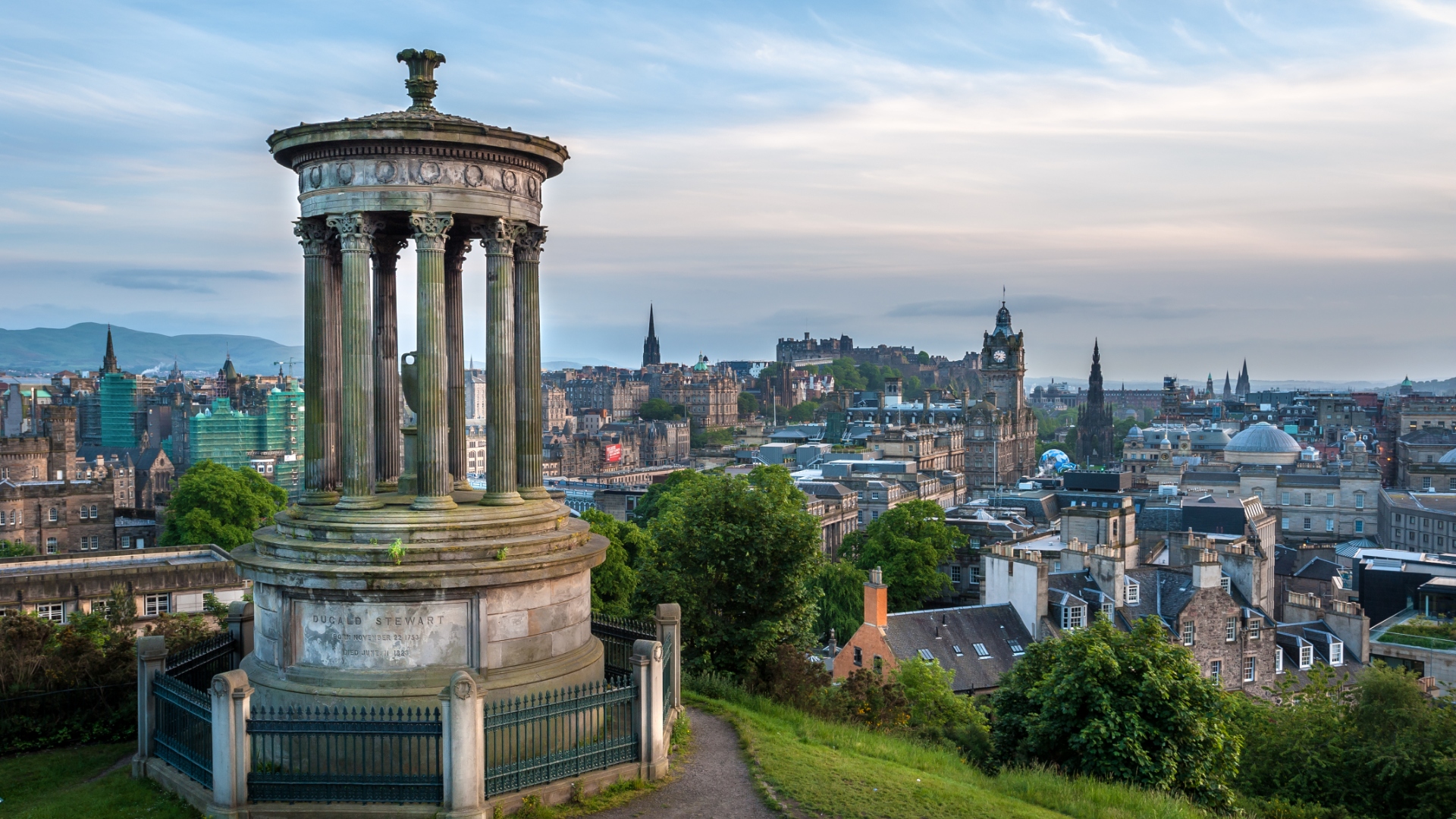
Edinburgh is the first city in the UK to join the Open Streets movement, closing city centre streets at certain times to help clean up air quality.
Victoria Street, Cockburn Street and Canongate will be closed to motorised traffic between the hours of 12:00 and 17:00 on the first Sunday of every month. It will continue for 18 months as a trial.
To encourage drivers to leave their cars at home, the city’s cycle hire scheme has been free all week (May 6 – May 12).
“We’ve seen how successful similar schemes internationally have proved by encouraging active travel, improving air quality and creating a safer, more relaxed atmosphere so I can’t wait to see this take shape in the capital,” said Lesley Macinnes, City of Edinburgh Council’s transport and environment convener.
“Climate change is a real threat to society, it’s clear that we have to act, and Open Streets is undoubtedly a step in the right direction.”
The Edinburgh event was celebrated on Sunday with a badminton net going up across Canongate, while Tai Chi was practised on the High Street.
What is the Open Streets movement?
The Open Streets movement is a push to close off certain areas of urban environments to motorised traffic, in order to clean up the air and encourage a healthier lifestyle. ‘People traffic replaces car traffic’ as all polluting machines are banned for a certain time.
The idea has been utilised across the world. During ‘Open Streets’ periods, events and gatherings are held. Either to promote healthy living, or to simply make use of the space that would otherwise be packed with machinery.
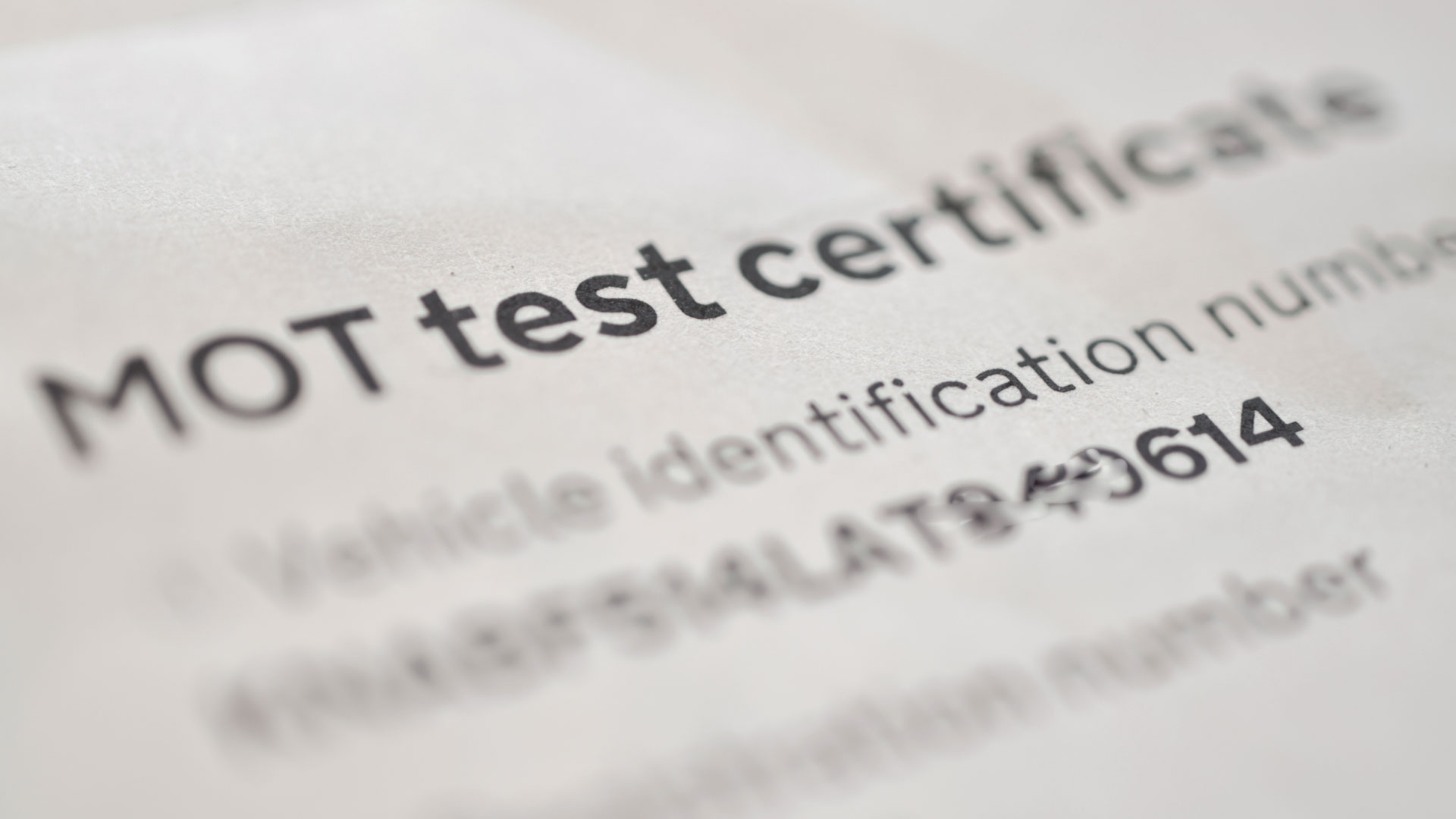
It’s now easier to replace a lost MOT certificate thanks to a new online service launched by the Driver and Vehicle Standards Agency (DVSA).
Last year, more than 636,000 duplicate MOT certificates were issued in Great Britain after vehicle owners lost or damaged the original. That’s around two percent of all MOT certificates issued in 2018.
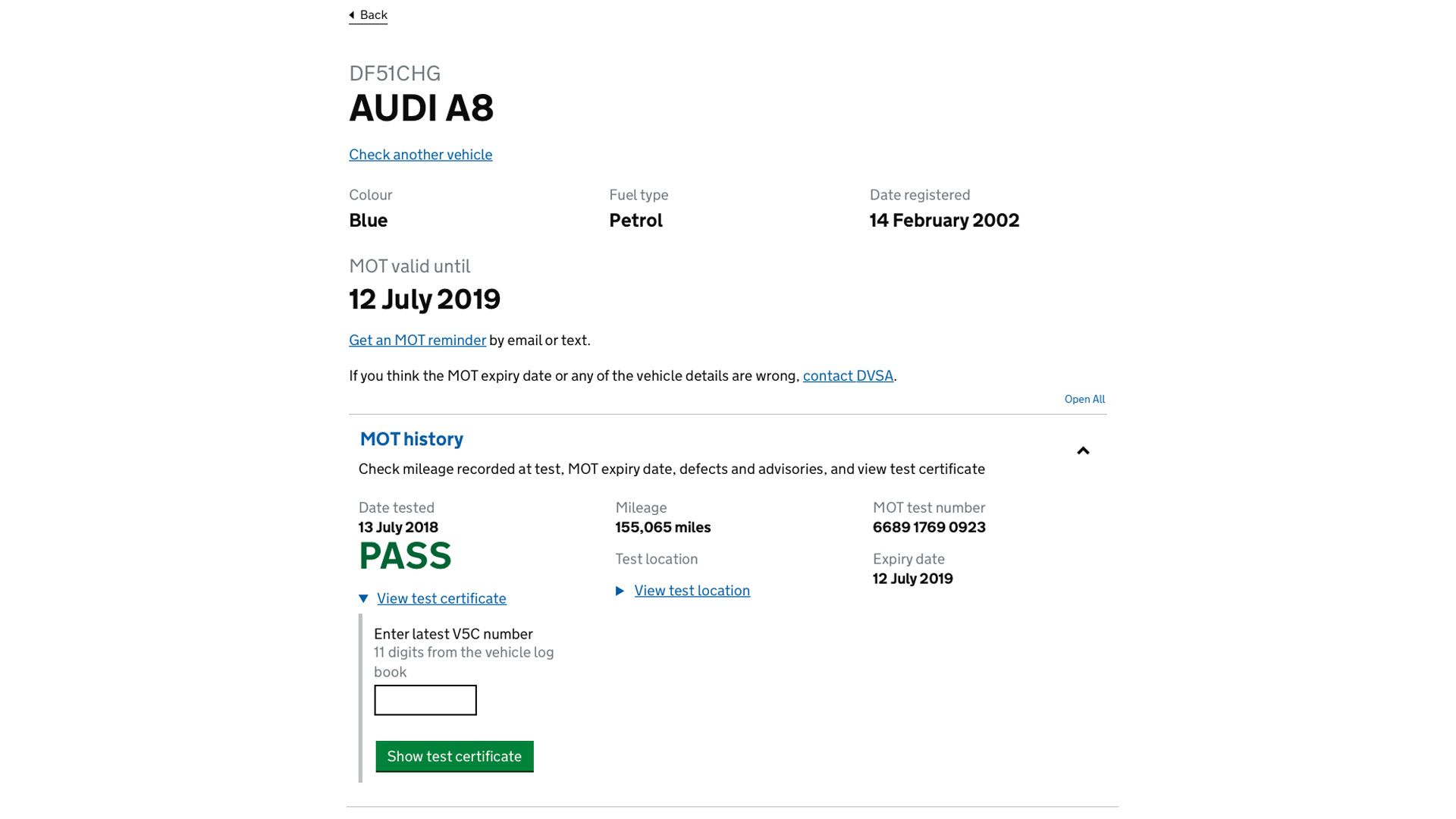
The new service will allow vehicle owners to view and save their MOT certificate as a PDF and print it if required. The free service is available 24 hours a day, seven days a week.
All MOT certificates issued since 20 May 2018 are available – including passes and fails – but for now, only owners of cars and motorcycles can use the lost MOT certificate service. Lorries, buses and trailers are expected to be added later this year.
How to use the lost MOT certificate service
The new service is part of the existing MOT history service, and the option to replace a lost certificate appears alongside the test record. To view the certificate, the user simply types in the 11-digit reference number from the vehicle log book (V5C).
Duplicate certificates will still be available from MOT centres, but owners could be charged up to £10 for the service.
The DVSA is warning motorists not to use one of the unofficial websites that charge people for unofficial MOT certificates. These companies do not have a licence or permission from the DVSA to produce lookalike certificates.
This new service means that there’s no reason to visit a third party website, as replacement MOT certificates are available for free from the official government website.
J.D. Power has released the results of its 2019 UK Vehicle Dependability Study, which measures the number of problems experienced per 100 vehicles (PP100) to find the country’s most dependable brands.
While it’s bad news for a certain German manufacturer, there’s a French brand sitting at the top of the tree. Here, we present the results, in reverse order.
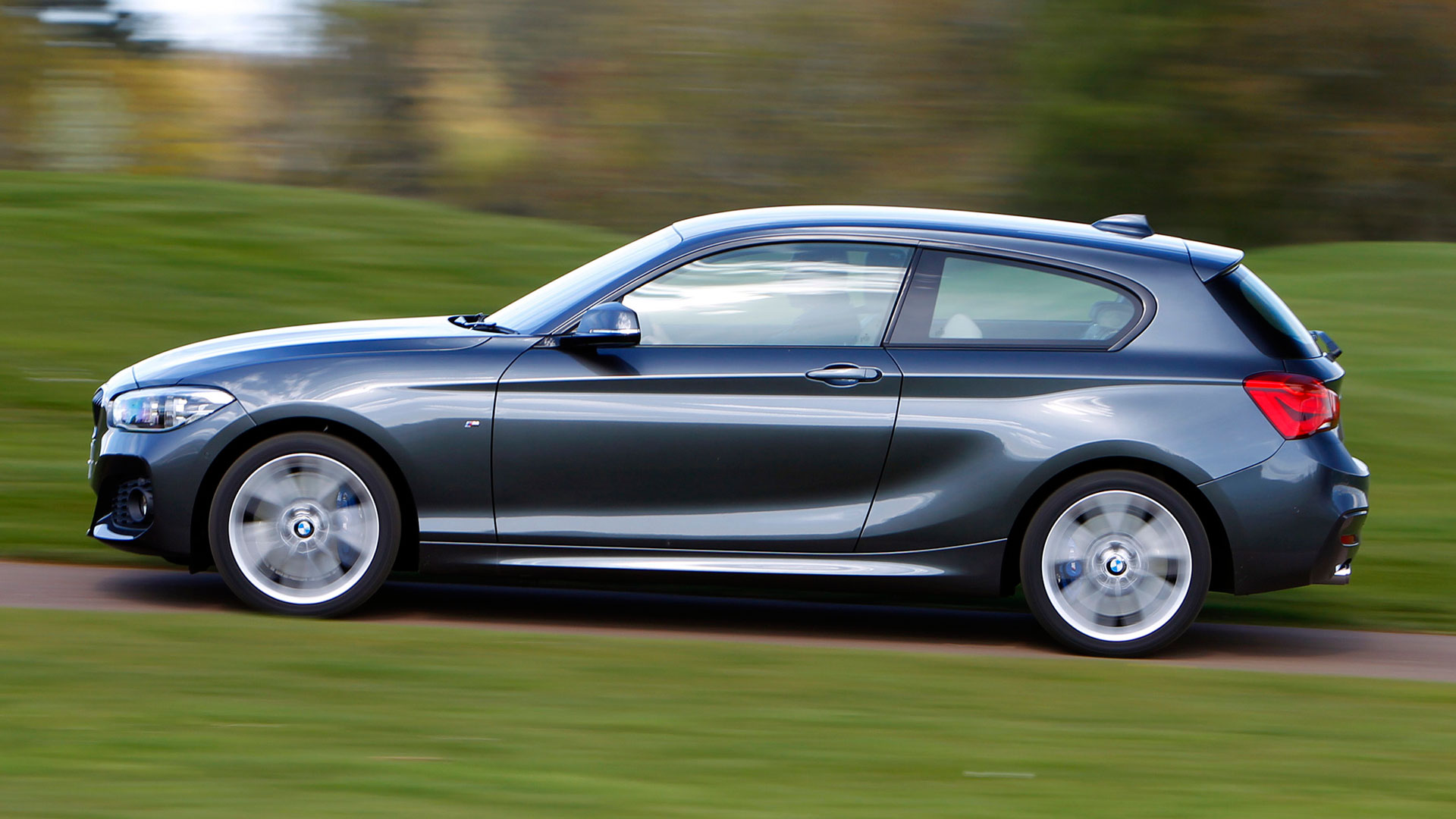
BMW – 181 problems per 100 vehicles
Now in its fifth year, the study measures 177 problem symptoms in eight categories: vehicle exterior; driving experience; features, control and displays; audio, communication, entertainment and navigation (ACEN); seats; heating, ventilation and air conditioning; vehicle interior; and engine and transmission. BMW is ranked bottom, with 181 problems per 100 vehicles (PP100).
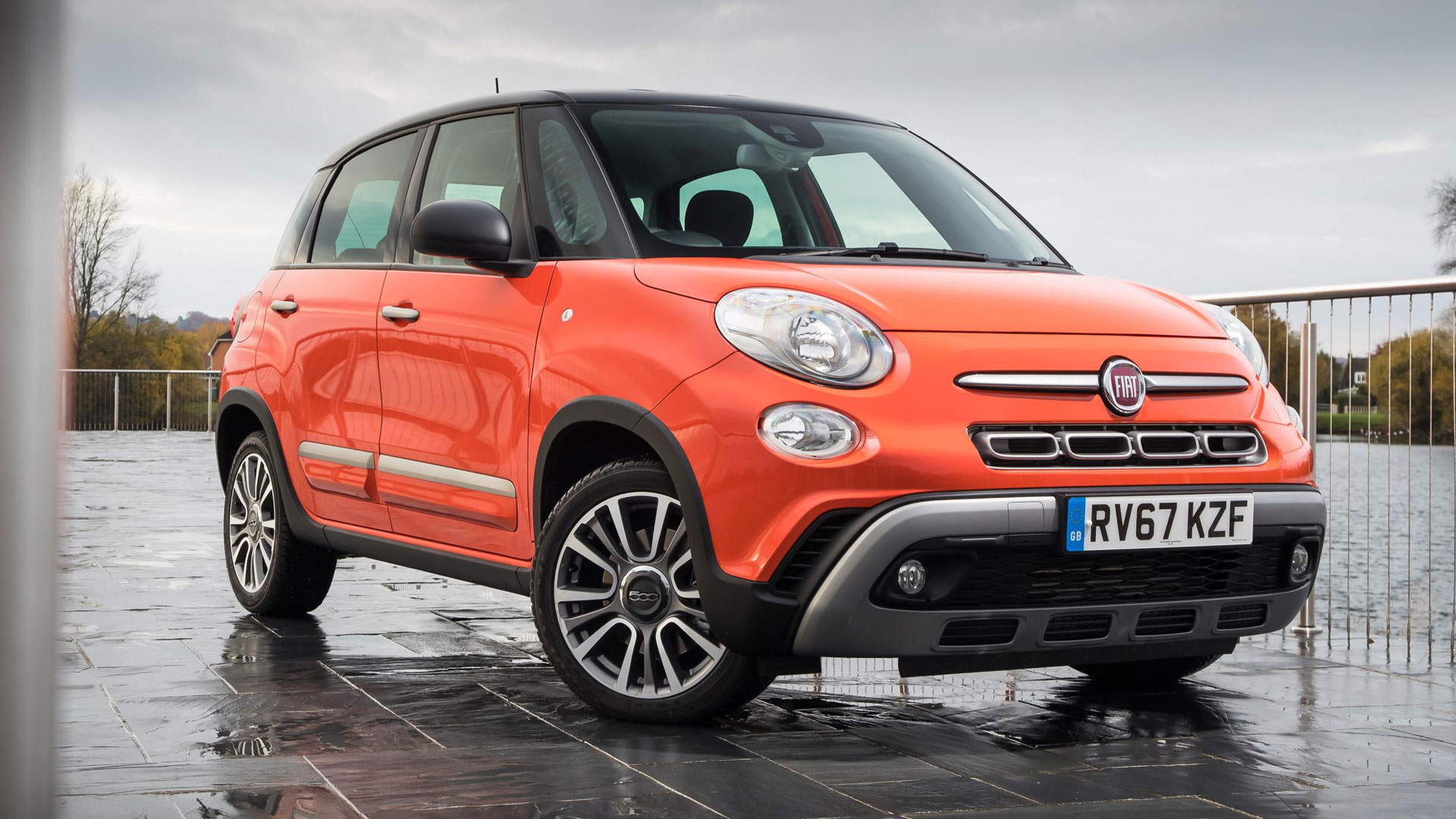
Fiat – 173 problems per 100 vehicles
J.D. Power says ACEN remains one of the most problematic categories, with navigation systems proving to be an issue for manufacturers. Owners of premium vehicles have raised the biggest number of concerns, mostly because a higher percentage of premium vehicles have built-in navigation systems fitted as standard. Fiat finishes second from bottom but is flanked by a pair of premium brands from Germany.
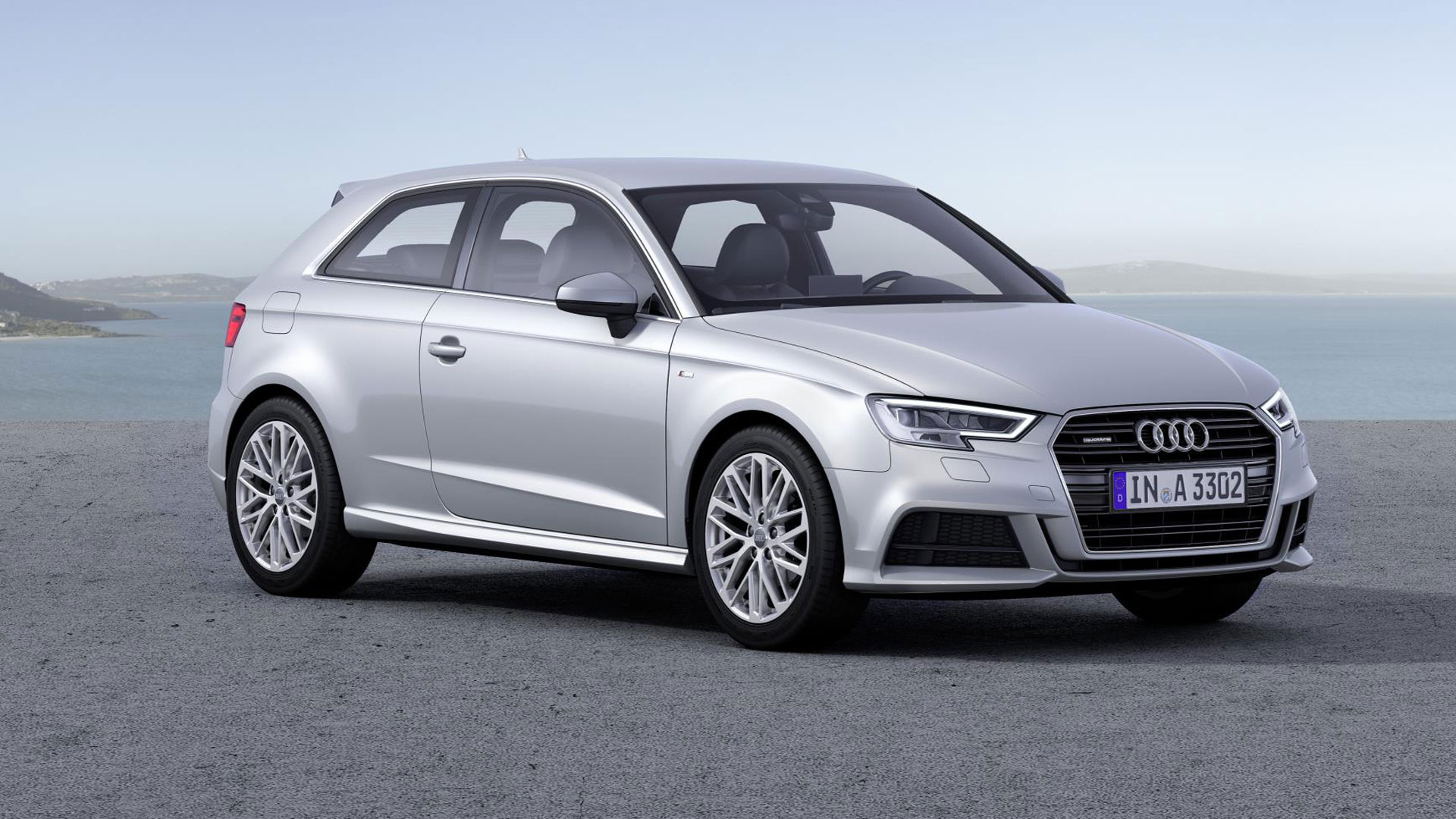
Audi – 167 problems per 100 vehicles
The J.D. Power study doesn’t make good reading for the premium brands, with Audi languishing in the bottom three. Overall, engine problems have the greatest negative effect on quality and reliability scores across the industry. Owners of a premium vehicle are 12 percentage points less likely to repurchase from the same brand when an engine problem occurs.
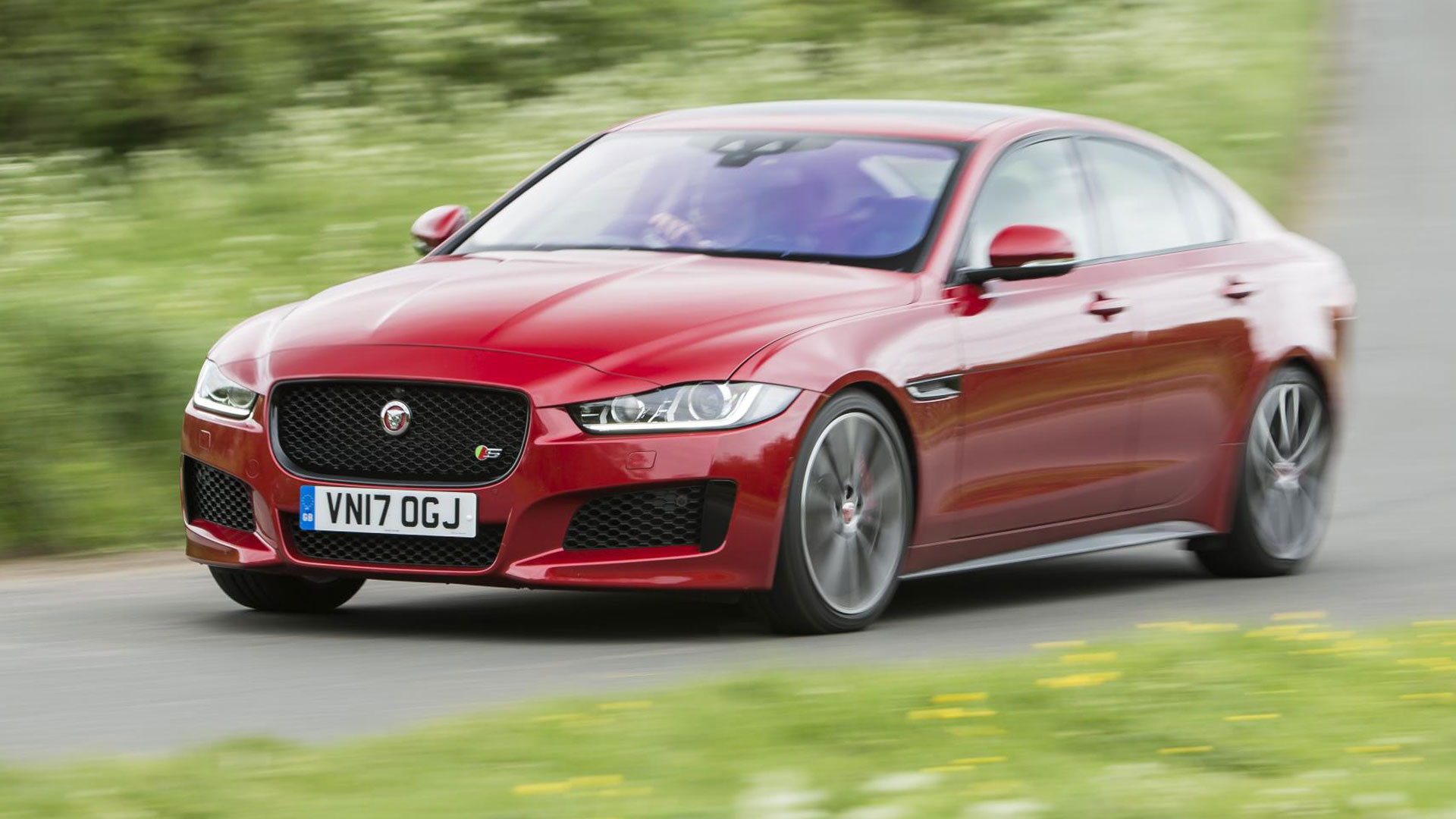
Jaguar – 159 problems per 100 vehicles
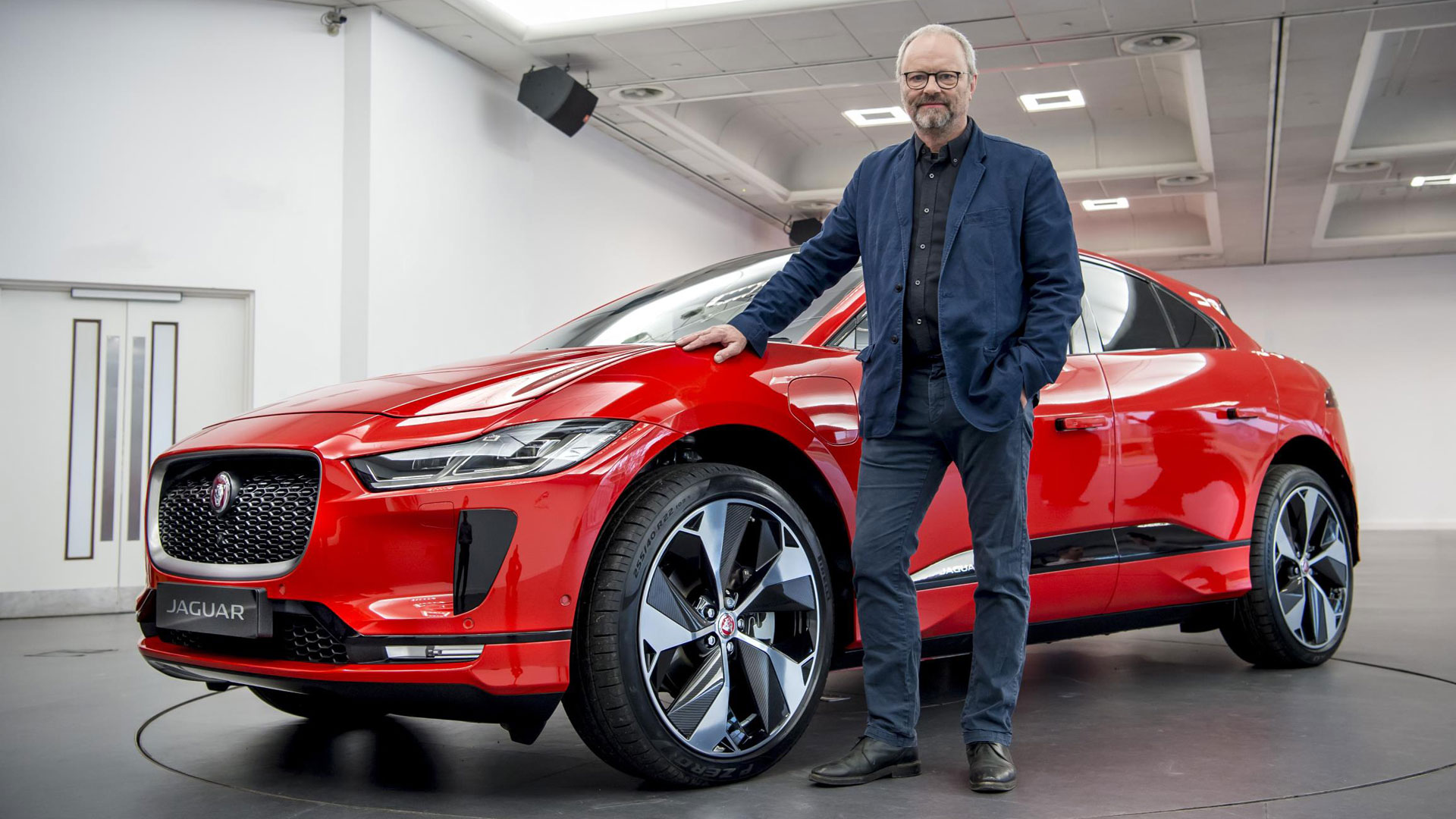
Interestingly, although problems with electric and hybrid vehicles are higher in total than cars with internal combustion engines, the owners are more likely to repurchase or lease from the same brand in the future. This is potentially good news for the Jaguar and its I-Pace electric car, although a 21st place finish in the J.D. Power study is far from ideal.
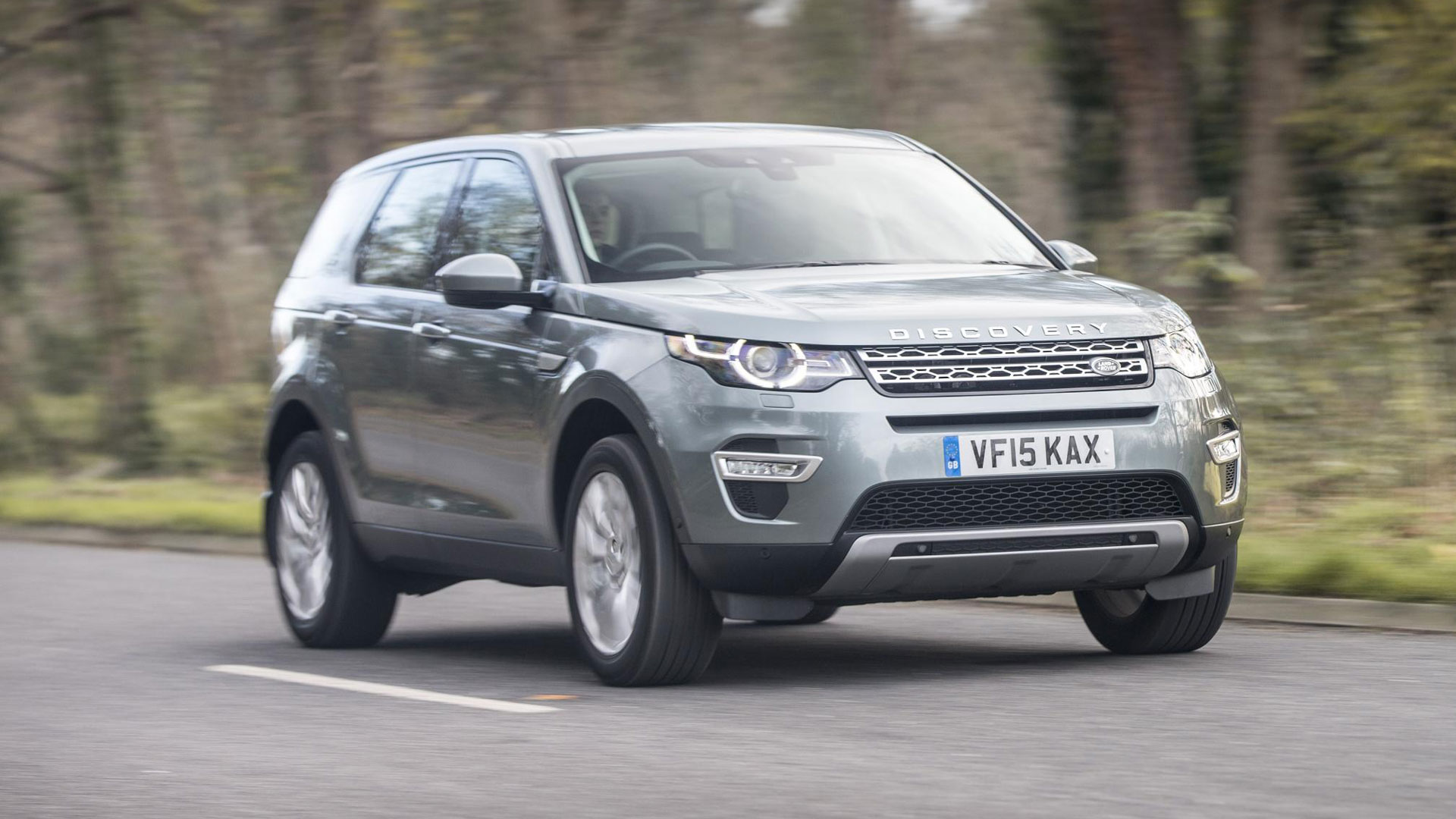
Land Rover – 142 problems per 100 vehicles
According to J.D. Power, new safety technology is creating potential problem areas for car manufacturers. For example, the average score for safety tech, such as blind-spot monitoring, collision avoidance and lane-departure warning systems, is noticeably higher than for the likes of alarms, keyless entry and cruise control. Land Rover finishes with 142 problems per 100 vehicles.
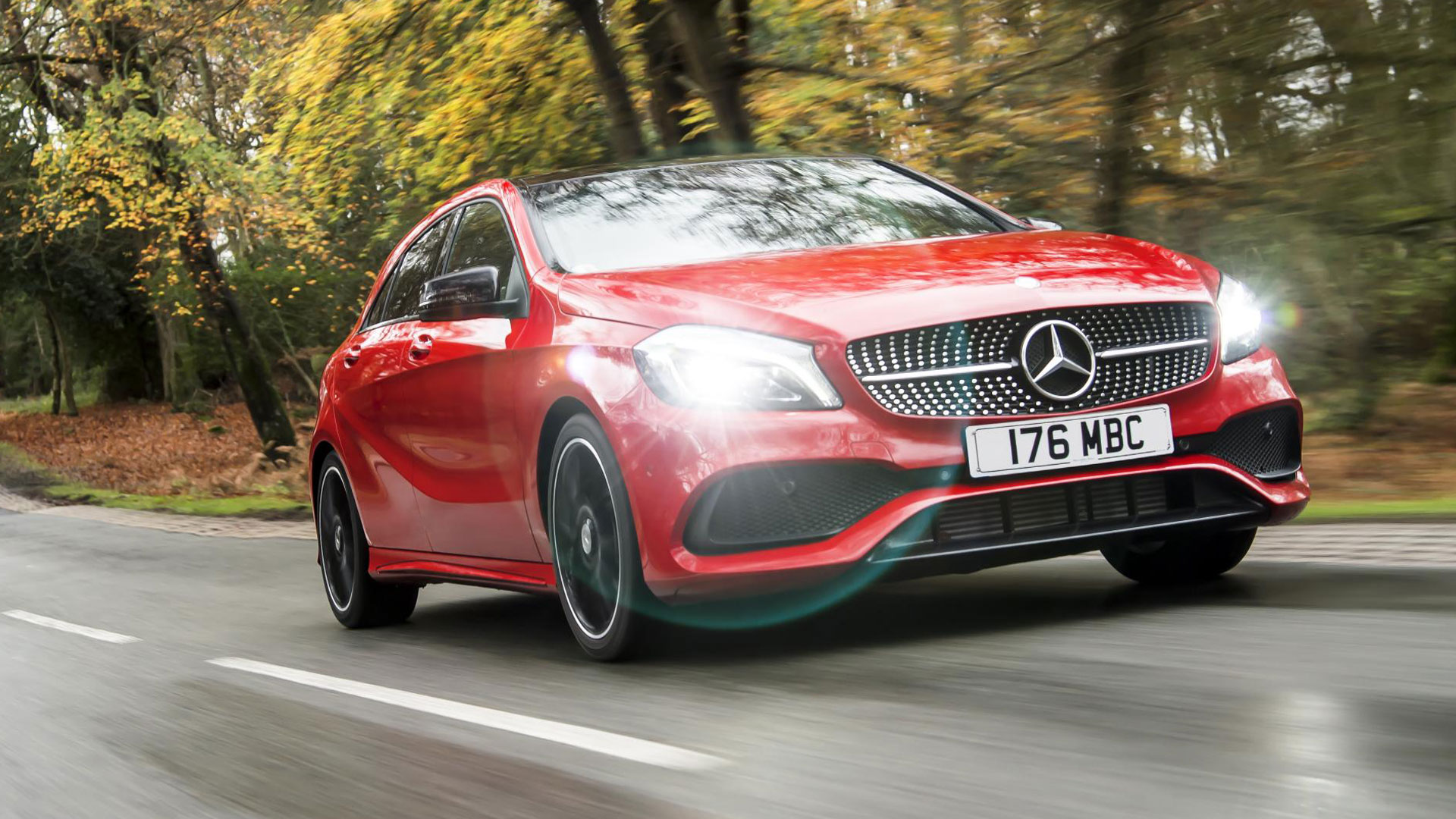
Mercedes-Benz – 136 problems per 100 vehicles
Josh Halliburton, head of European operations at J.D. Power, said: “When we look at the PP100 scores of relatively new safety technologies, it’s clear that manufacturers still have work to do to perfect those systems – particularly premium brands that use them as a major selling point.”
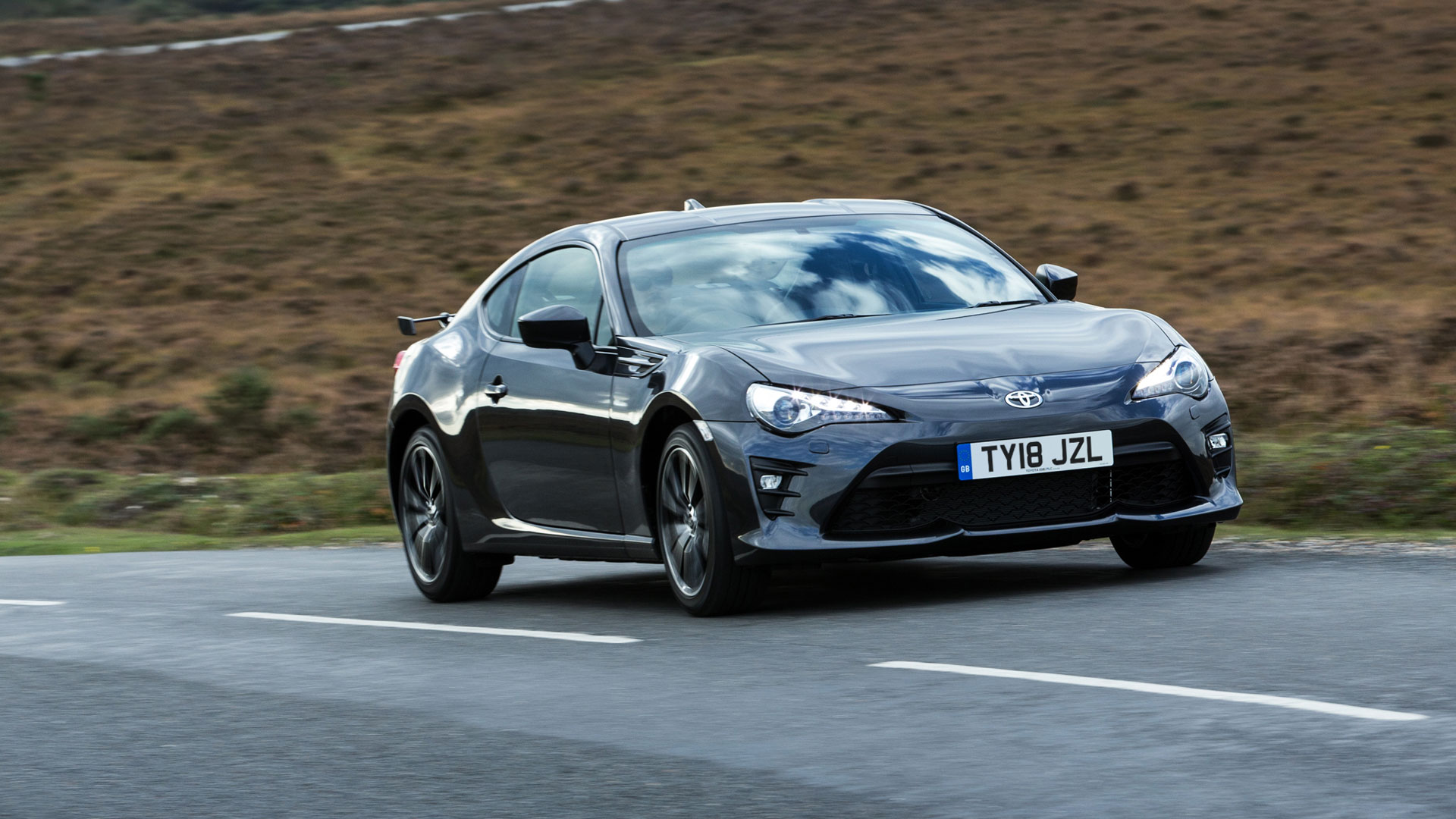
Toyota – 134 problems per 100 vehicles
“It’s also going to be vital for vehicle makers to win customer trust in this technology if they are to convince potential buyers that fully automated vehicles in the future will be reliable. For example, such buyers are quite likely to question the safety of self-driving cars if brands still struggle with the accuracy of their navigation systems,” he continued.
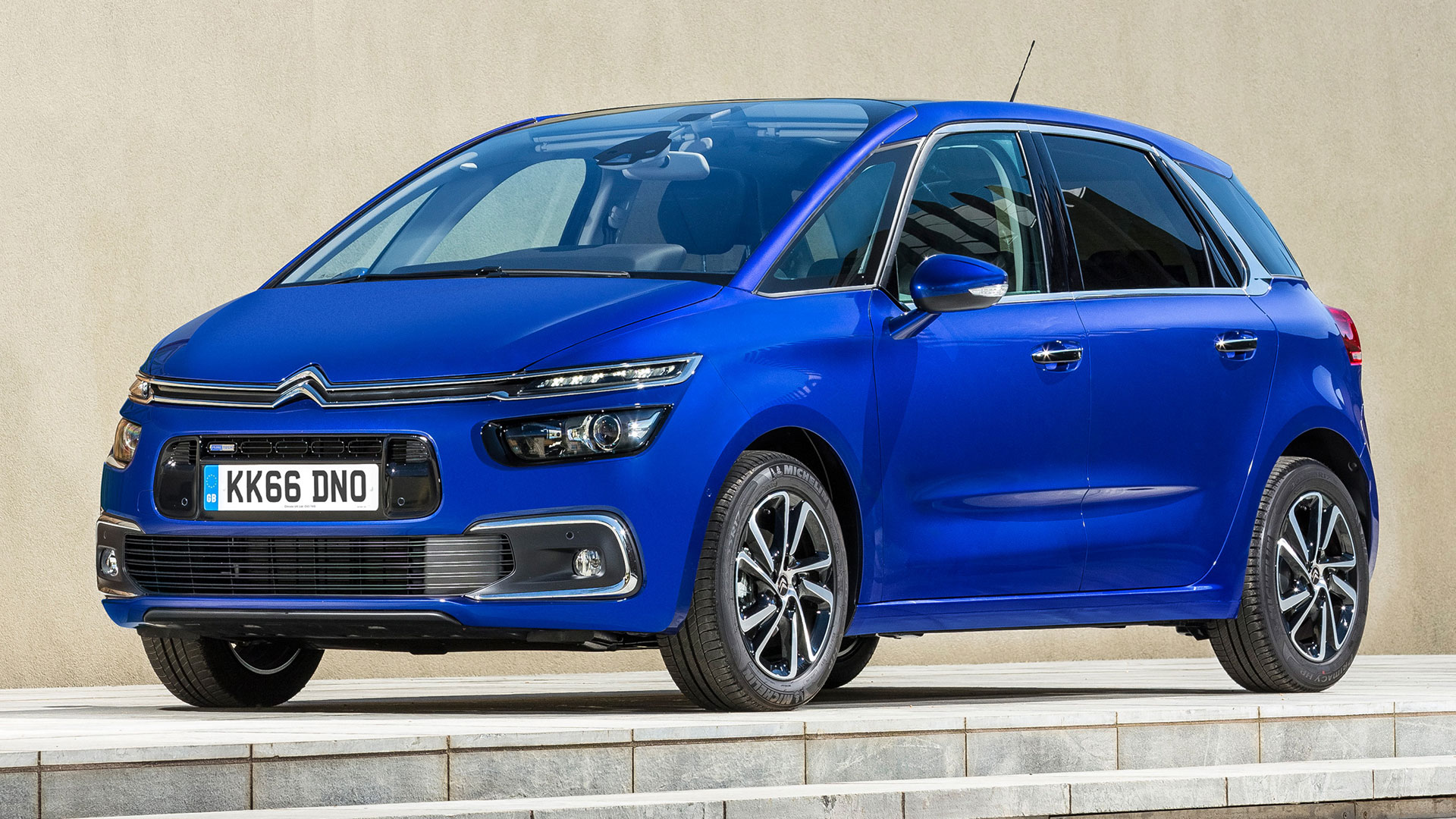
Citroen – 126 problems per 100 vehicles
The industry average for the volume brands is 119 problems per 100 vehicles, which means Citroen is performing below par. It’s also the lowest ranked French manufacturer, but only just…
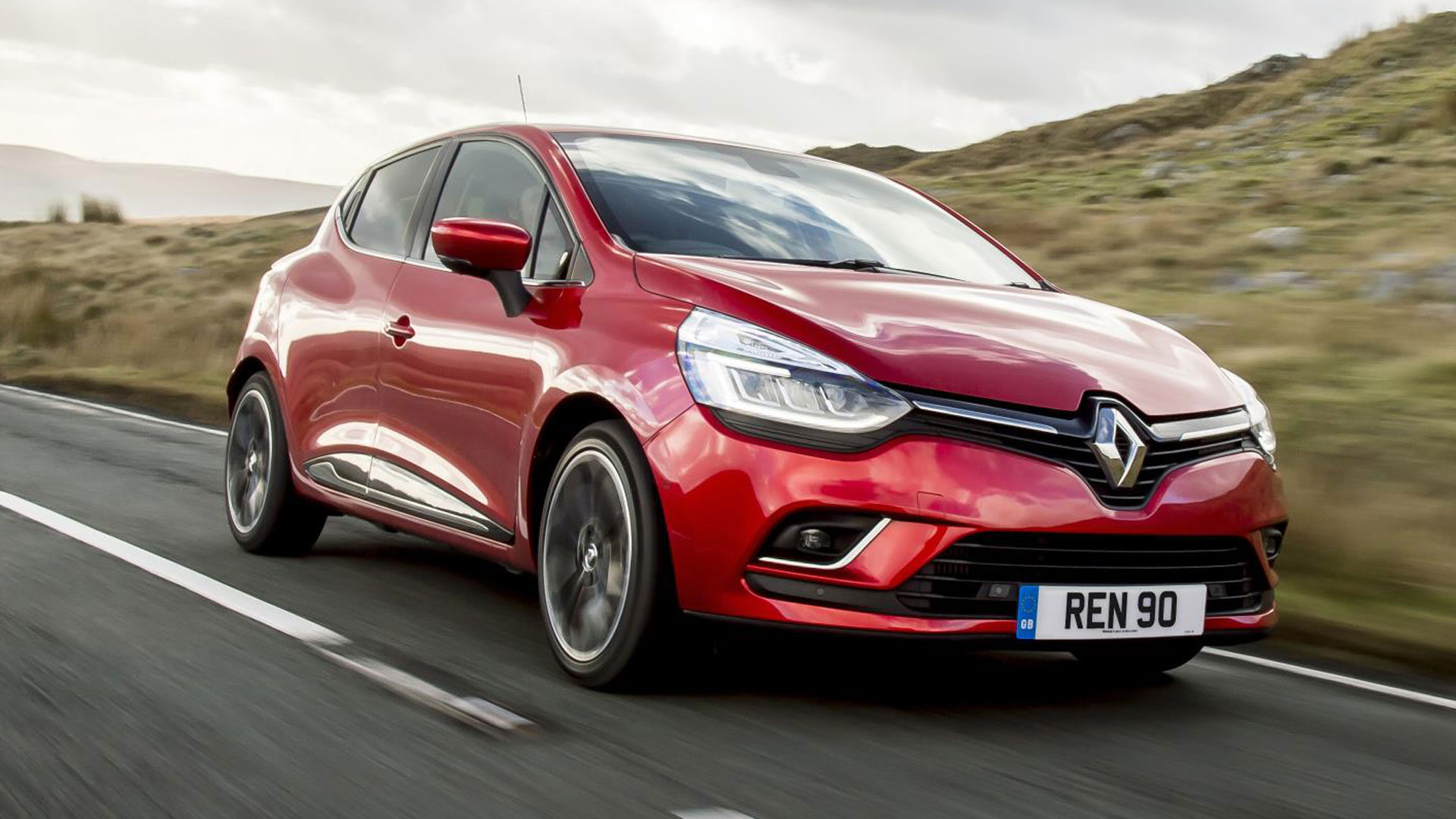
Renault – 122 problems per 100 vehicles
That’s because Renault is next up with 122 problems per 100 vehicles. The J.D. Power 2019 UK Vehicle Dependability Study is based on responses from 11,530 owners of new vehicles registered between November 2015 and January 2018.
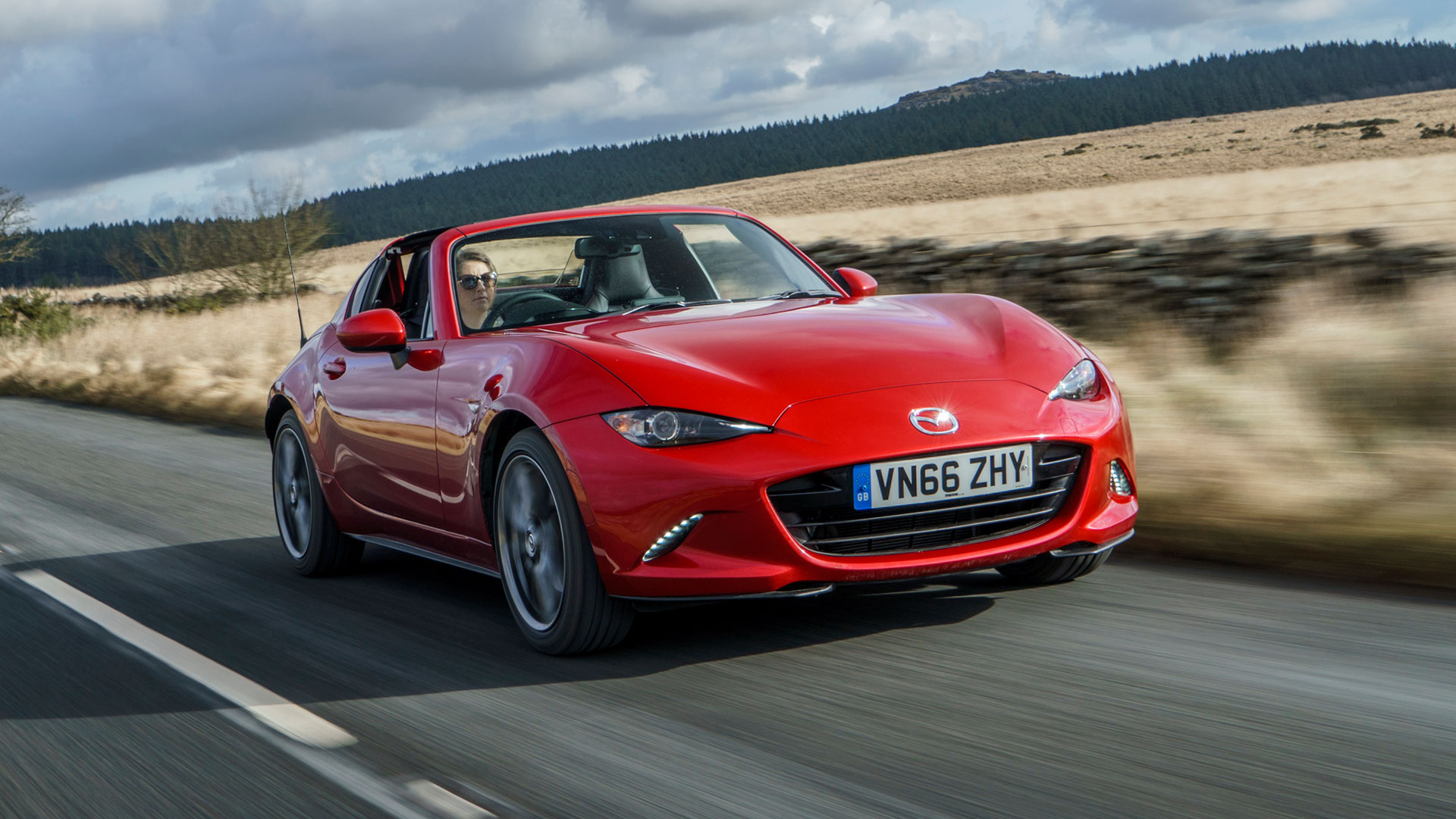
Mazda – 122 problems per 100 vehicles
Mazda is the final brand to finish below the industry average of 119 problems per 100 vehicles…
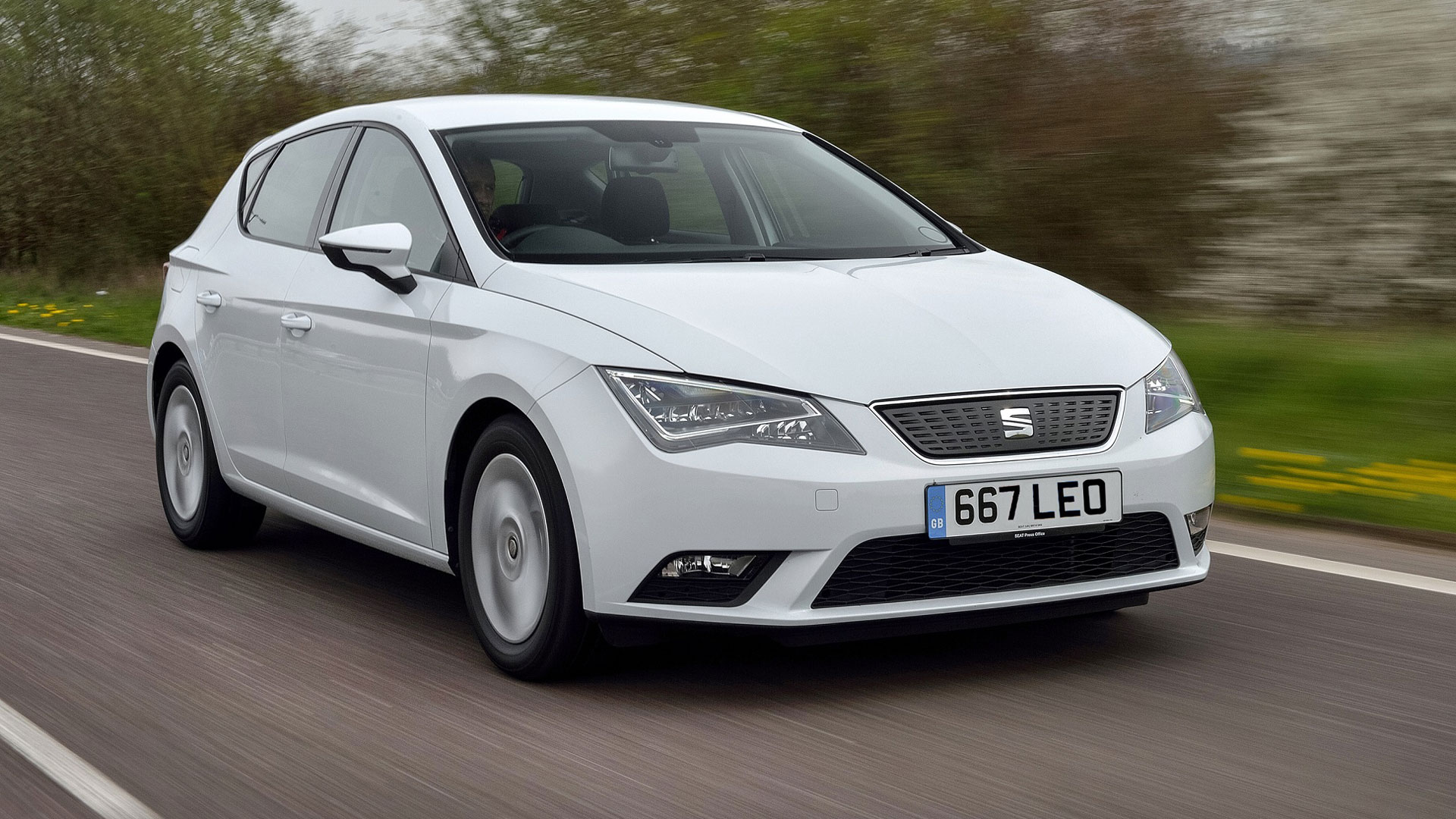
Seat – 117 problems per 100 vehicles
Which makes Seat the first brand to finish above the industry average. The company now has a trio of SUVs in its product range: the Arona, Ateca and Tarraco. It has also launched a standalone Cupra performance sub-brand.
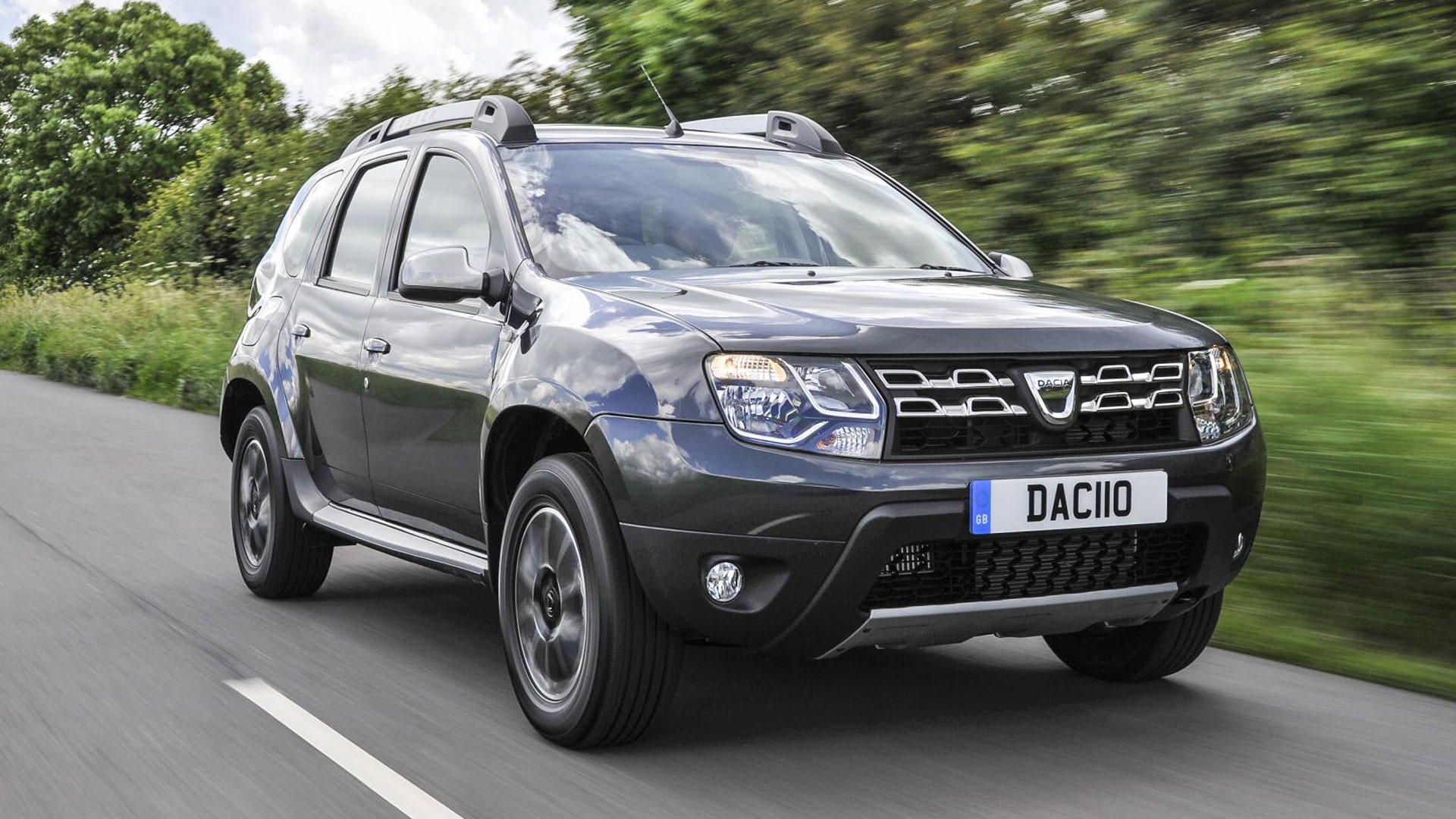
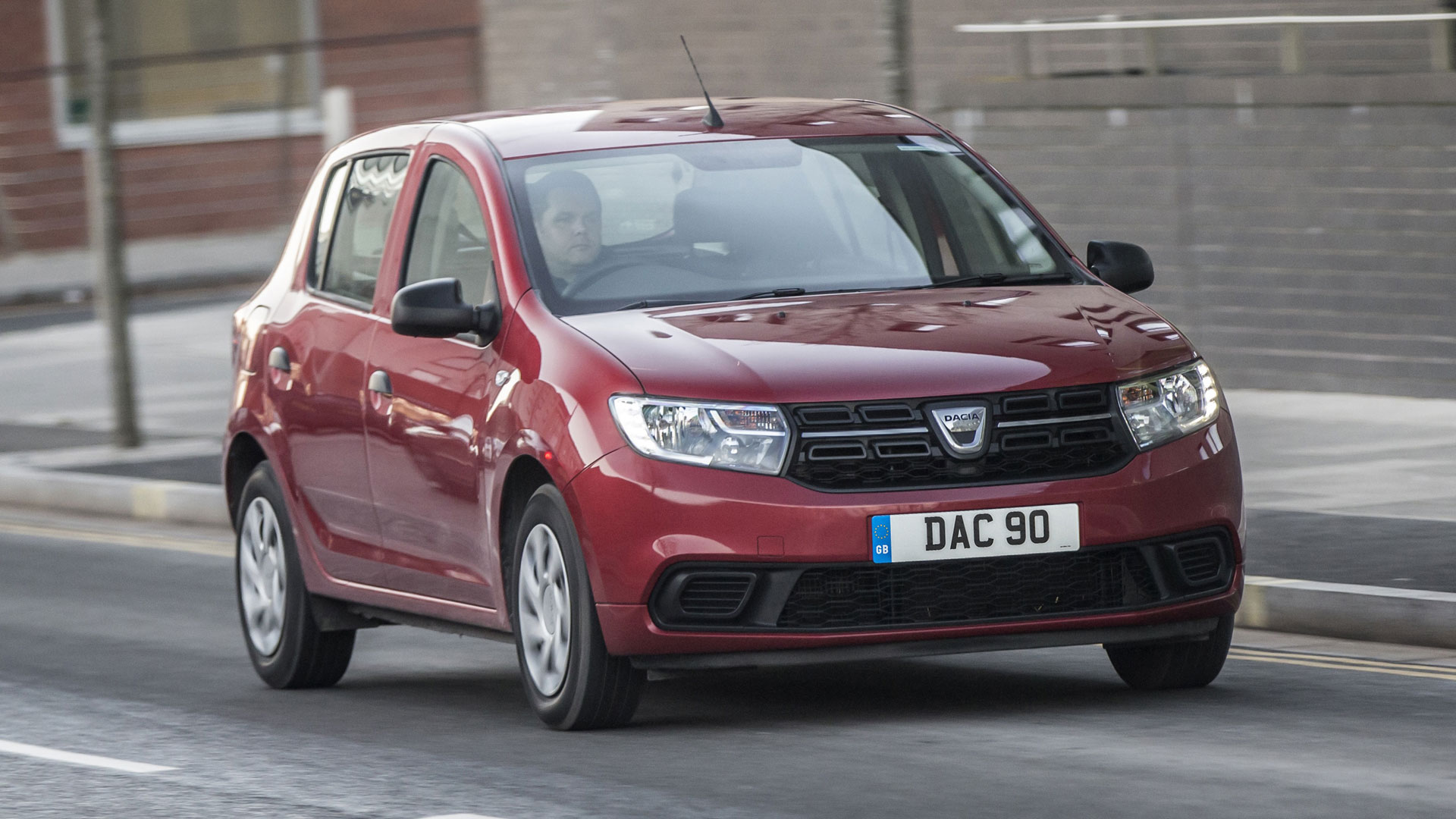
Dacia – 114 problems per 100 vehicles
While 114 problems per 100 vehicles is hardly a great result, the fact that Dacia finishes higher than the likes of BMW, Audi, Jaguar and Land Rover proves that spending more on a new car doesn’t necessarily result in fewer problems.
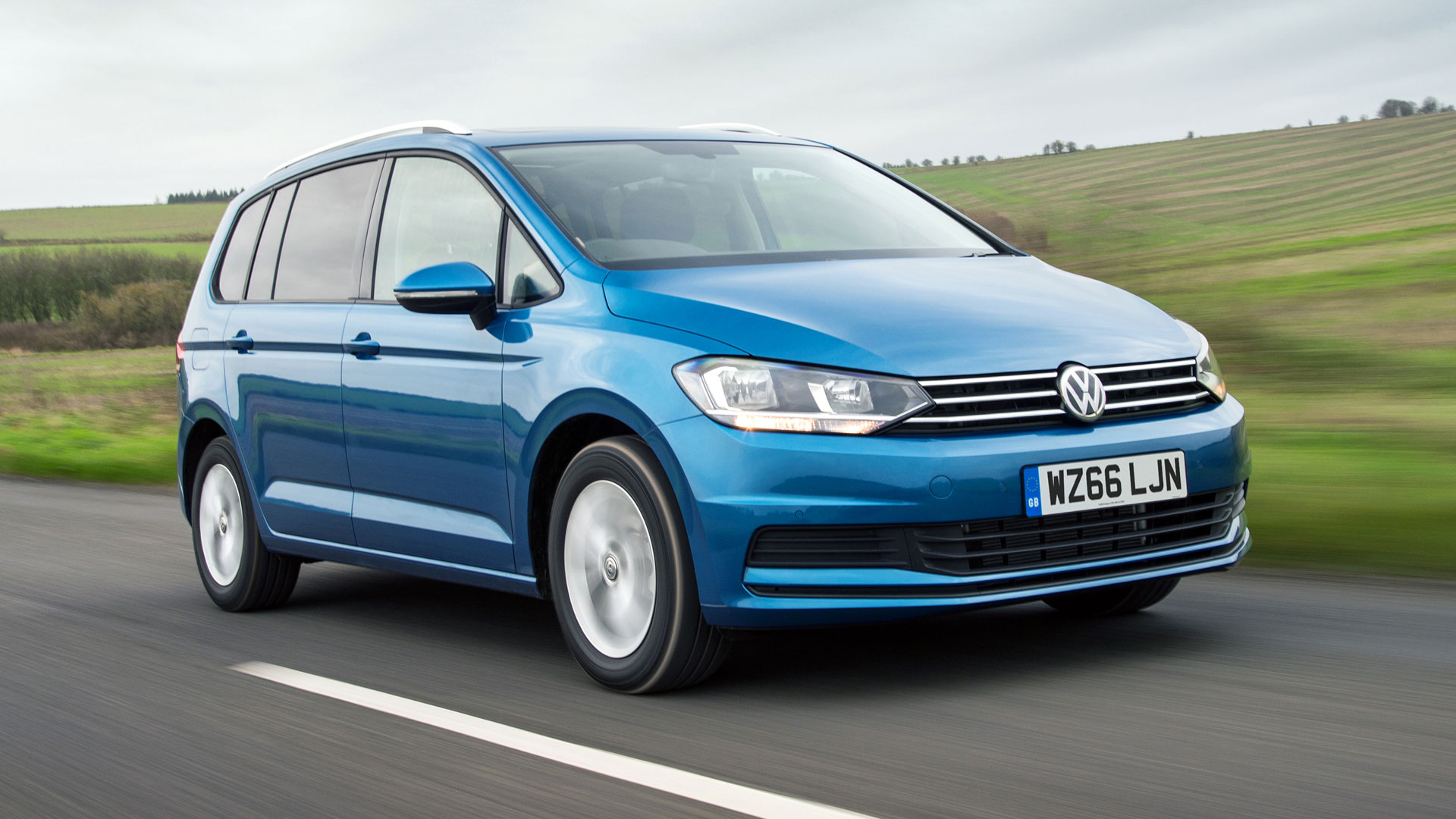
Volkswagen – 113 problems per 100 vehicles
The middle of the table is filled with some familiar volume manufacturers, such as Volkswagen…
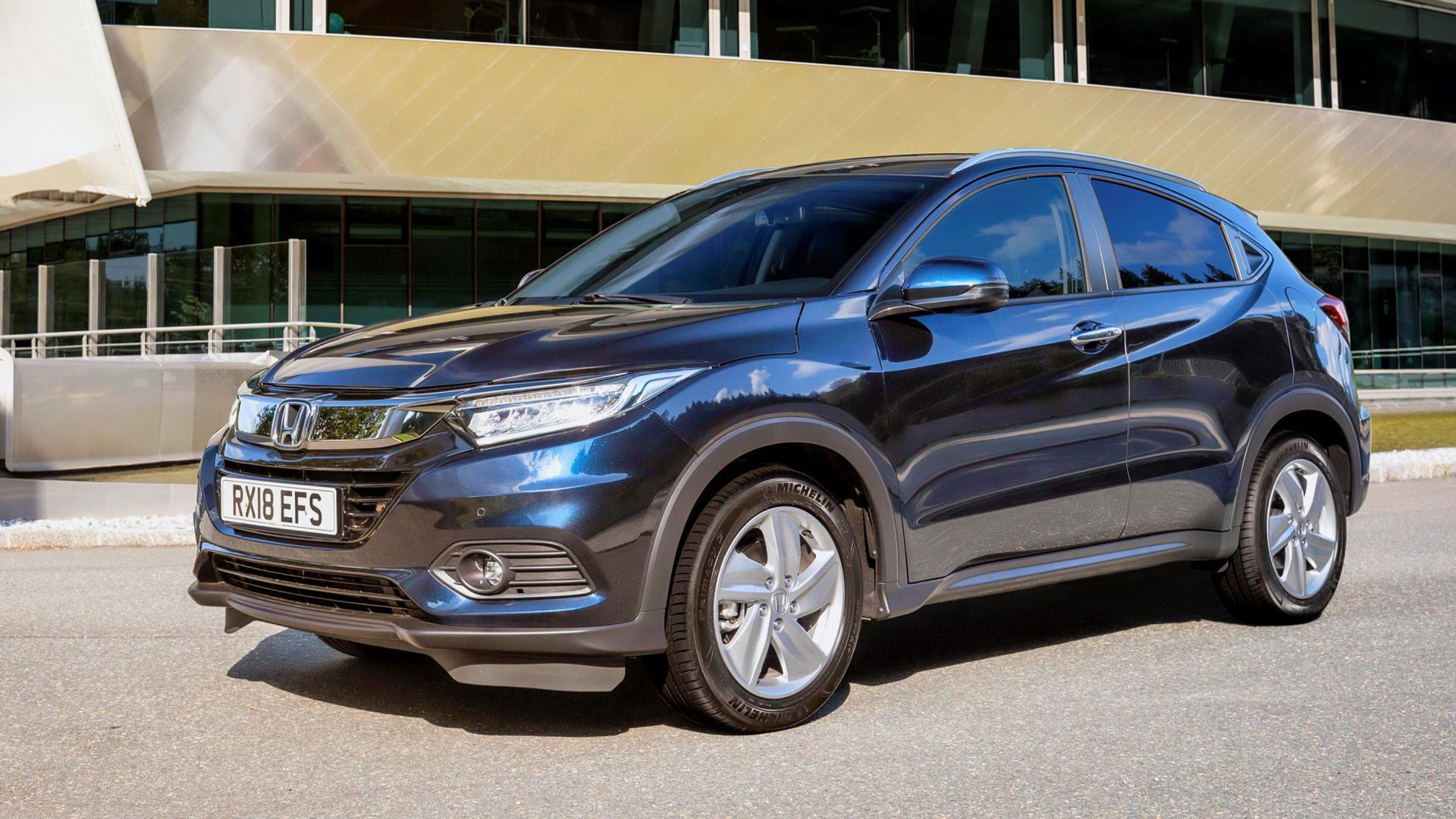
Honda – 109 problems per 100 vehicles
And Honda. The Japanese company has developed a reputation for reliability and dependability, so we might have expected a stronger performance here.
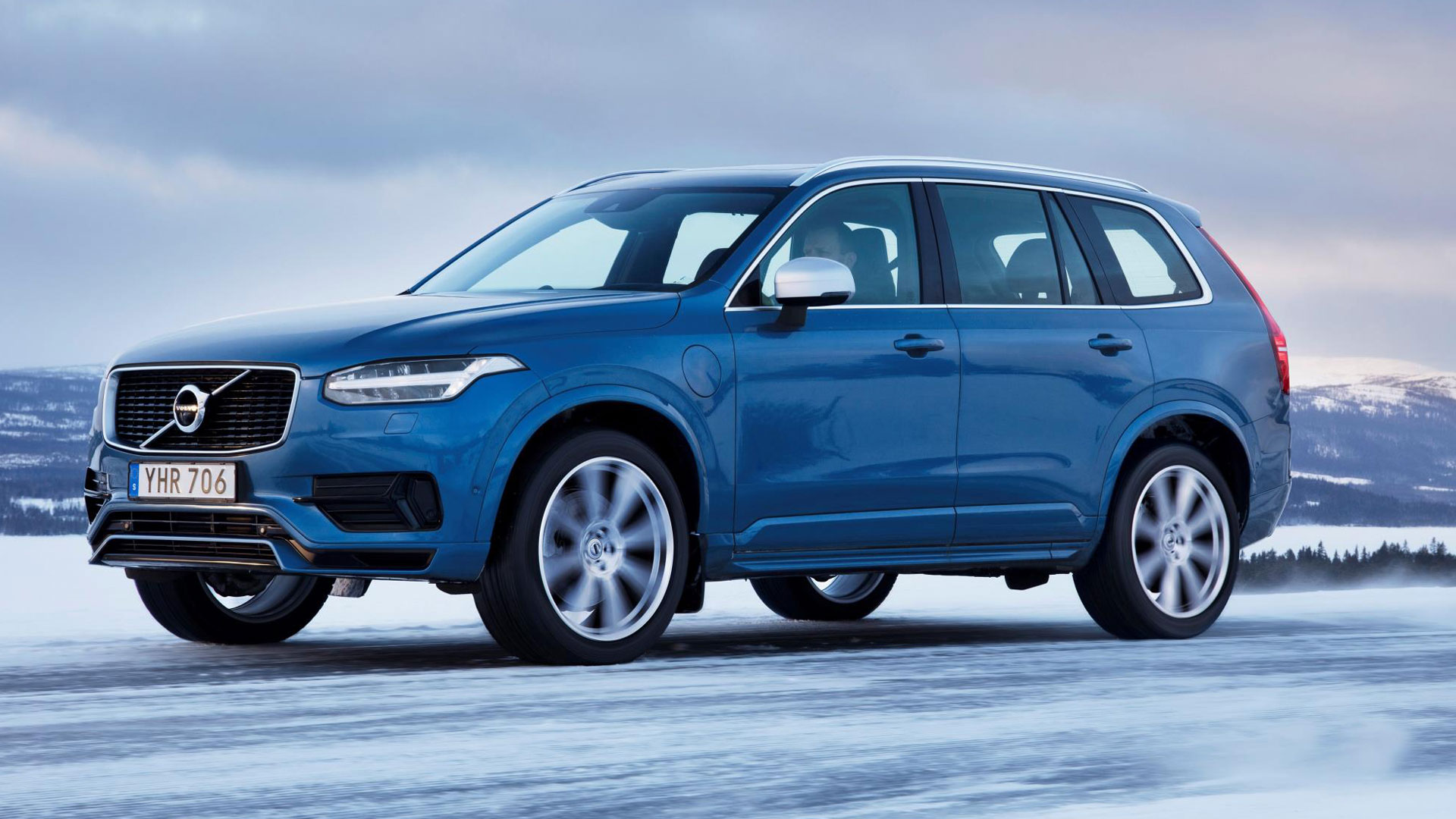
Volvo – 106 problems per 100 vehicles
With 106 problems per 100 vehicles, Volvo is the highest ranked premium manufacturer in the J.D. Power study. On the one hand, this is good news for Volvo. But you have to ask how nine volume brands managed to beat the premium manufacturers.
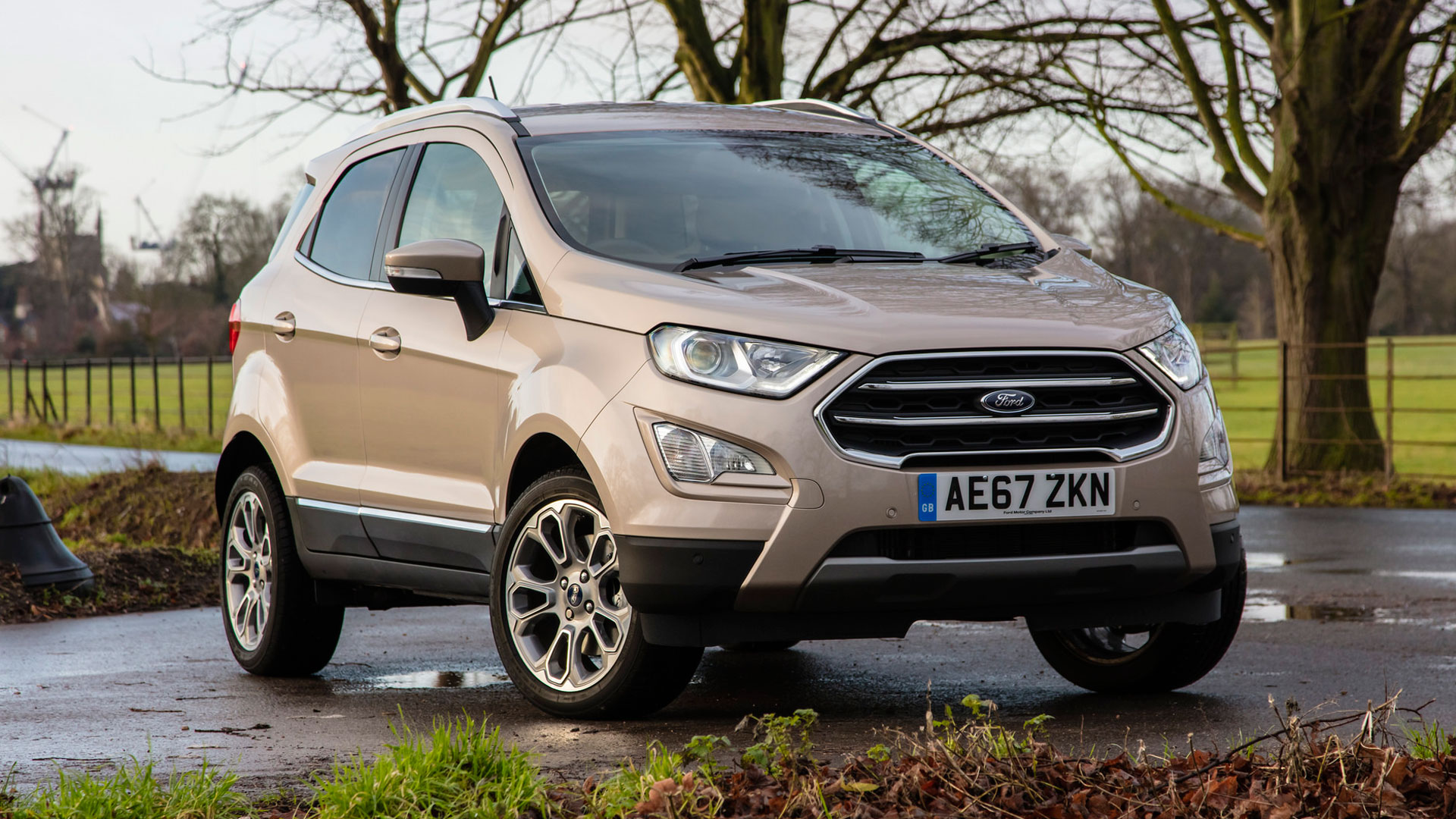
Ford – 104 problems per 100 vehicles
Next up is Ford with 104 problems per 100 vehicles.
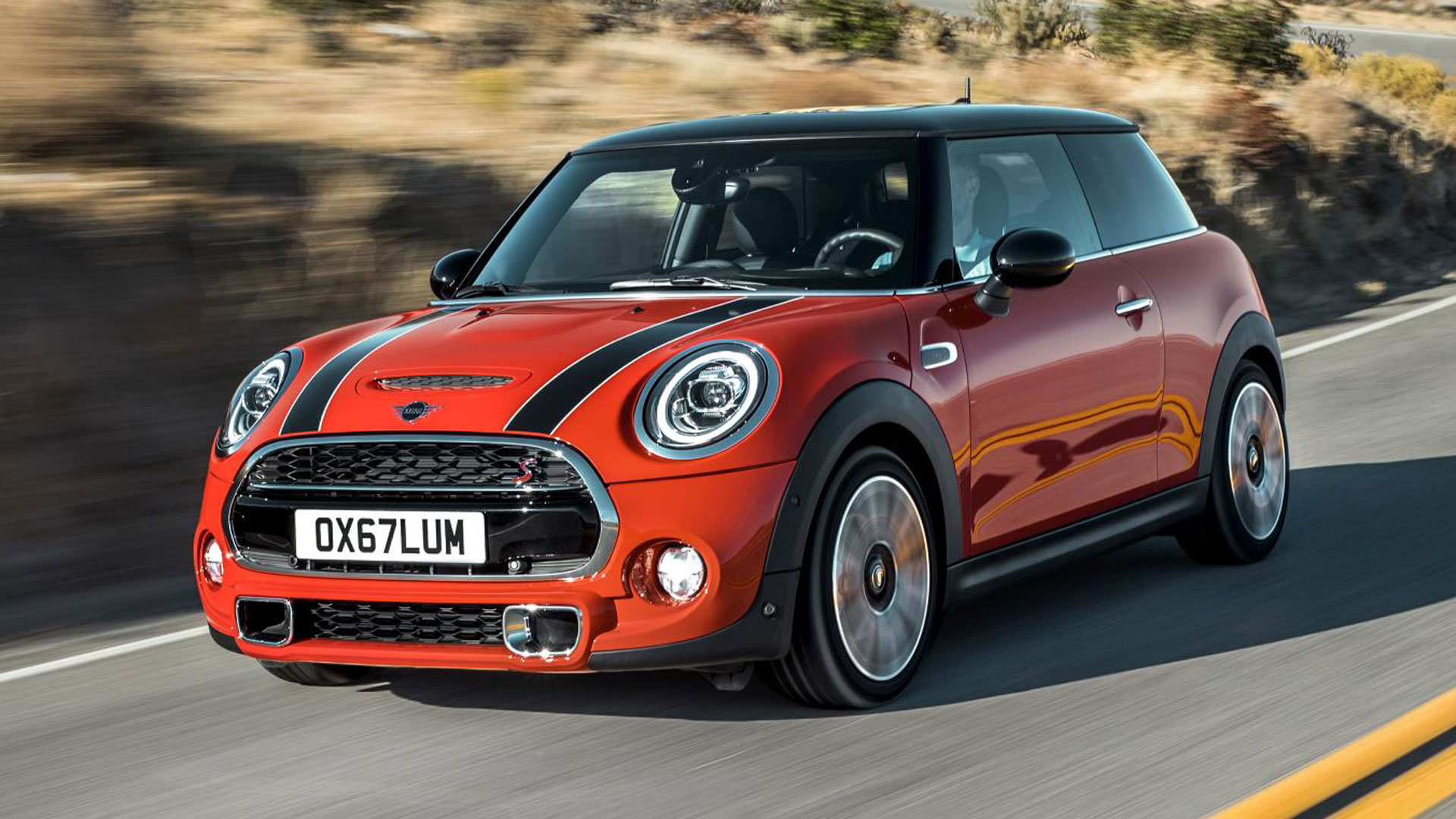
Mini – 103 problems per 100 vehicles
While Mini went one better with 103 problems per 100 vehicles. The BMW-owned company might take issue with J.D. Power’s ‘volume’ classification, seeing itself more as a premium manufacturer.
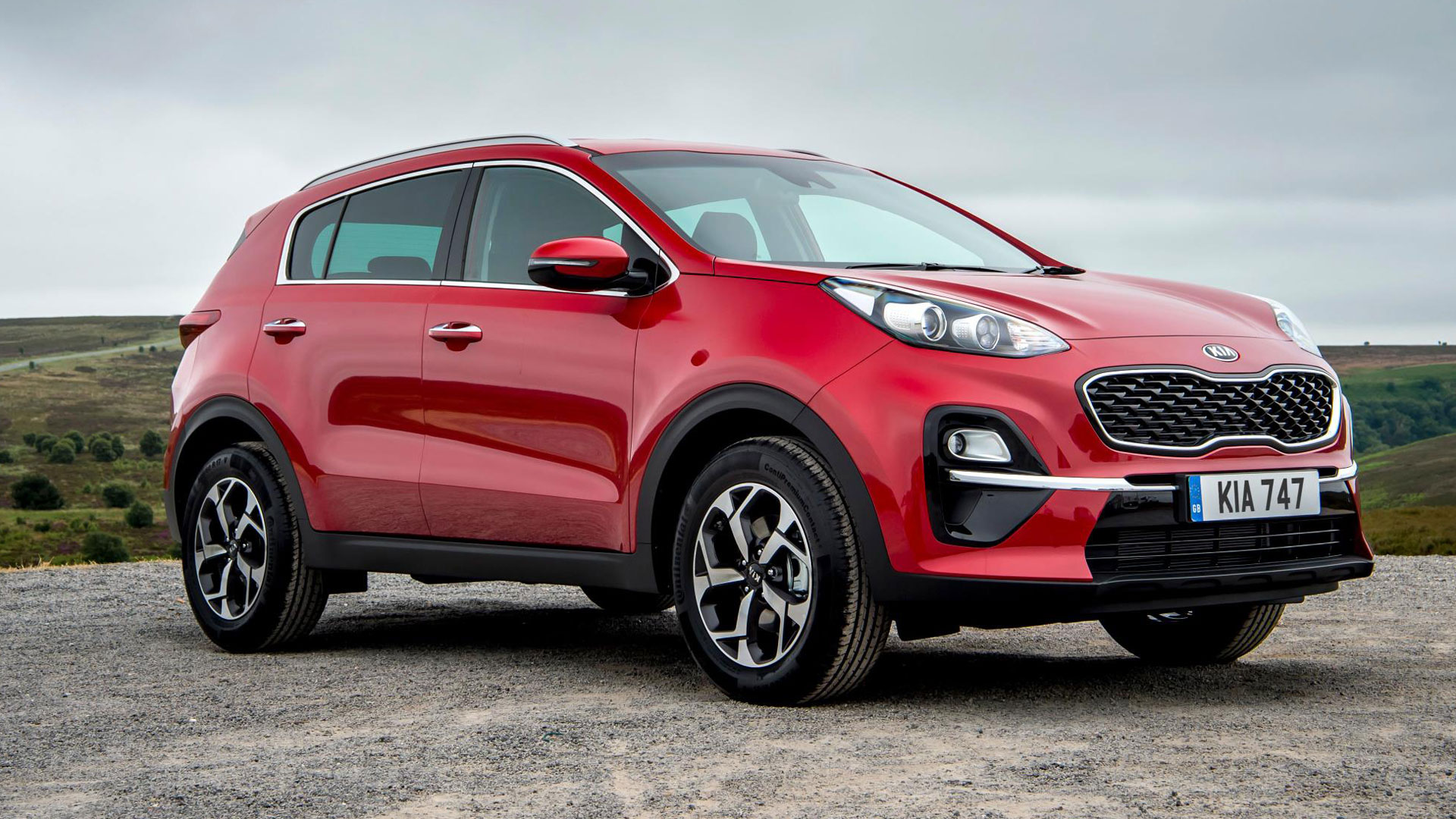
Kia – 101 problems per 100 vehicles
There are some surprising companies in the top seven, but Kia isn’t one of them. Thanks to its seven-year warranty, the South Korean company has forged a reputation for delivering peace of mind.
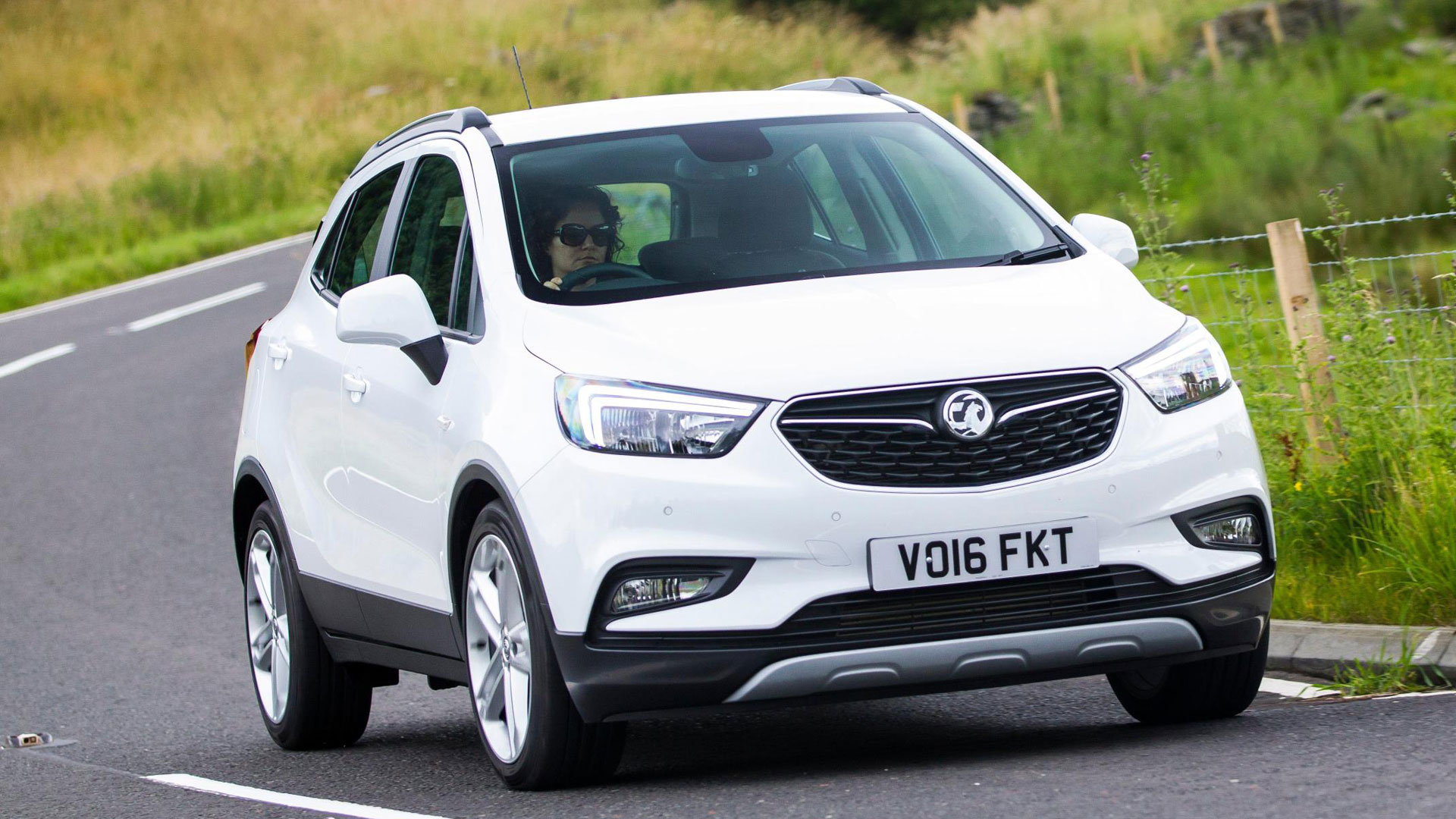
Vauxhall – 95 problems per 100 vehicles
Is it a surprise to find Vauxhall in such a lofty position? We think it is, and we’re putting it down to the company’s French ownership. This might sound strange but read on to discover why we’re thinking this way.
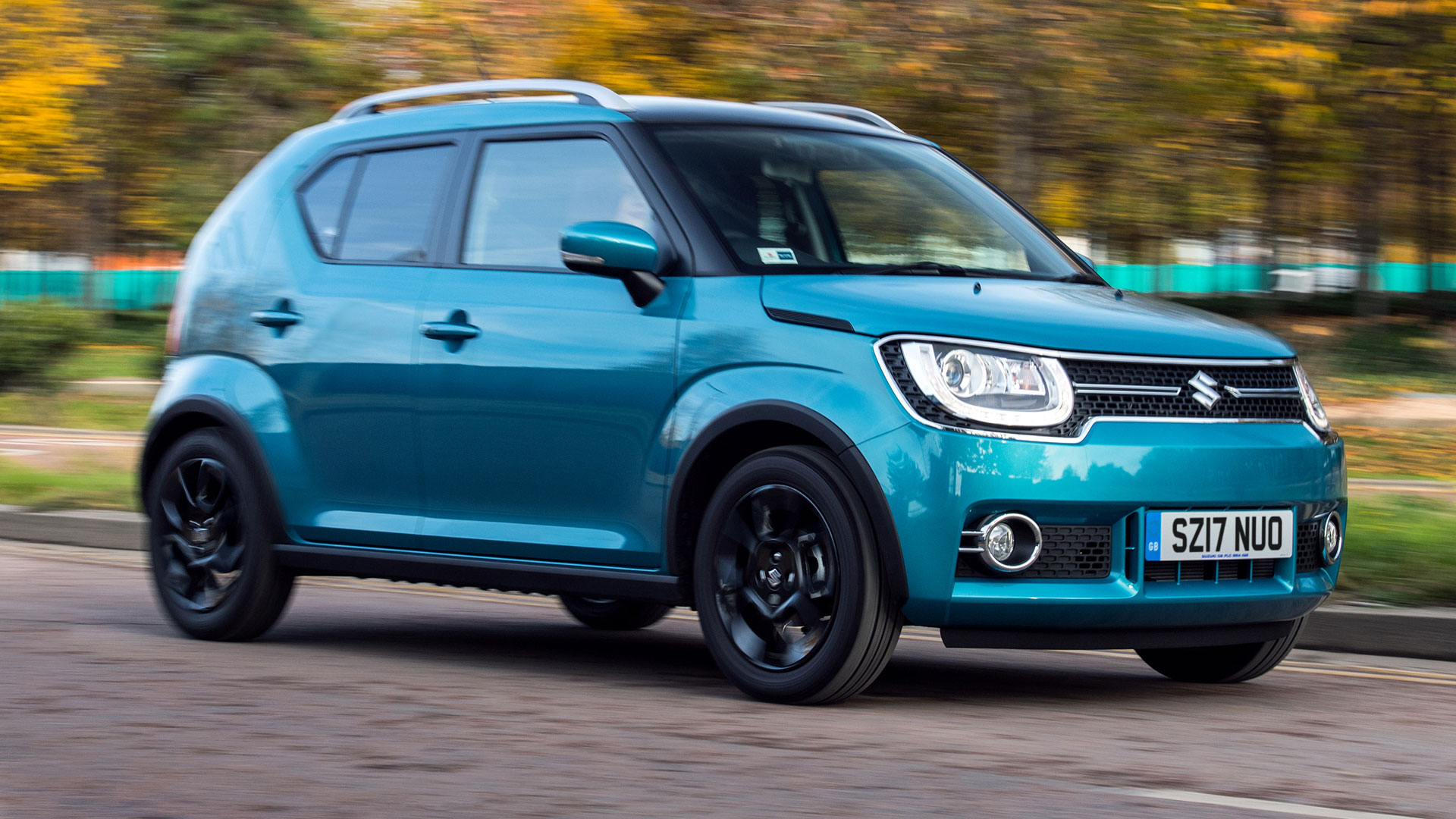
Suzuki – 94 problems per 100 vehicles
In the meantime, Suzuki secures a top-five finish with 94 problems per 100 vehicles. This is a terrific result for a value-driven brand with a range of quirky and individual cars.
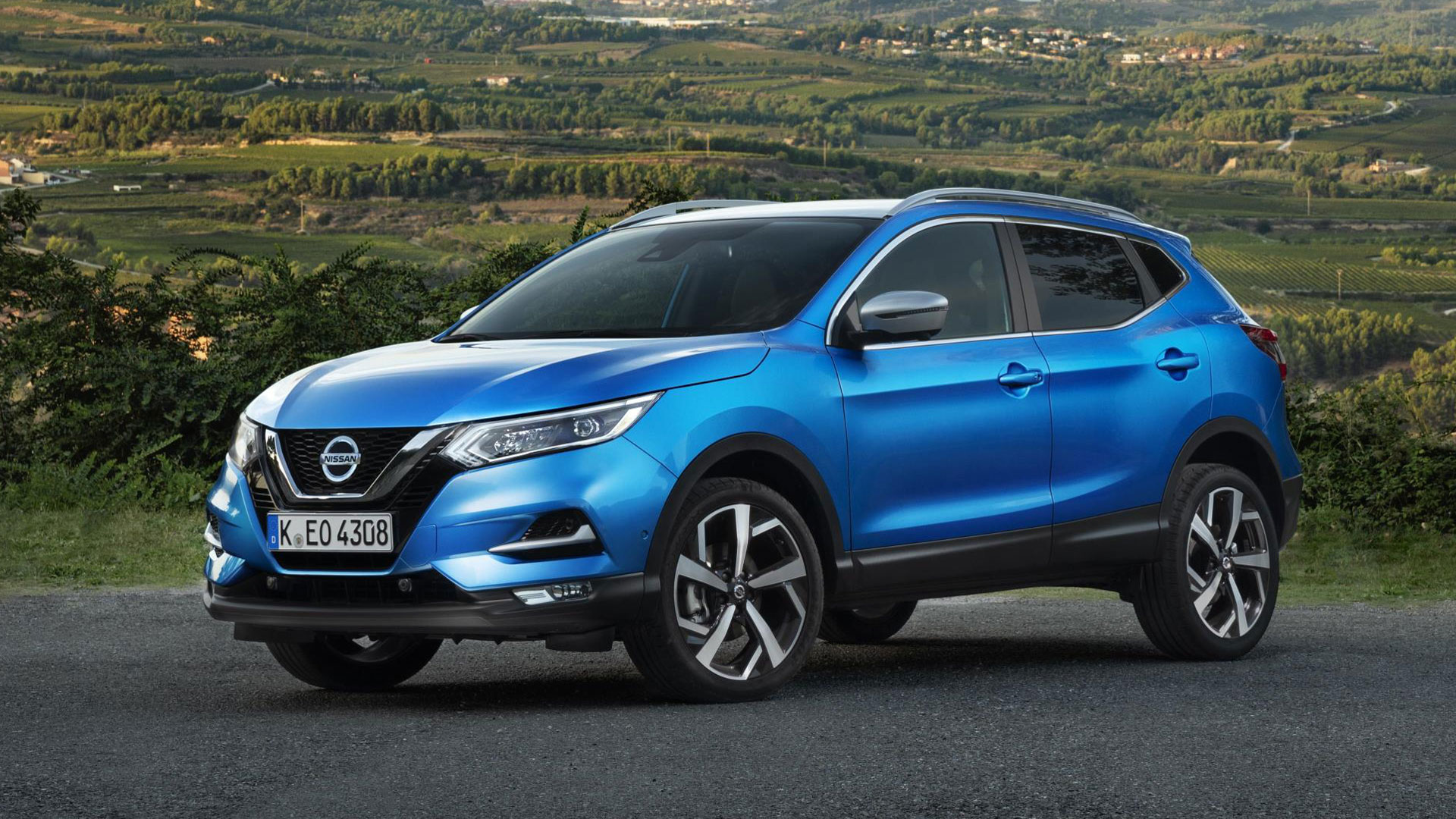
Nissan – 94 problems per 100 vehicles
We’re reaching the business end of the table now, with Nissan finishing in a Champions League position. Maybe you can justify that GT-R purchase after all.
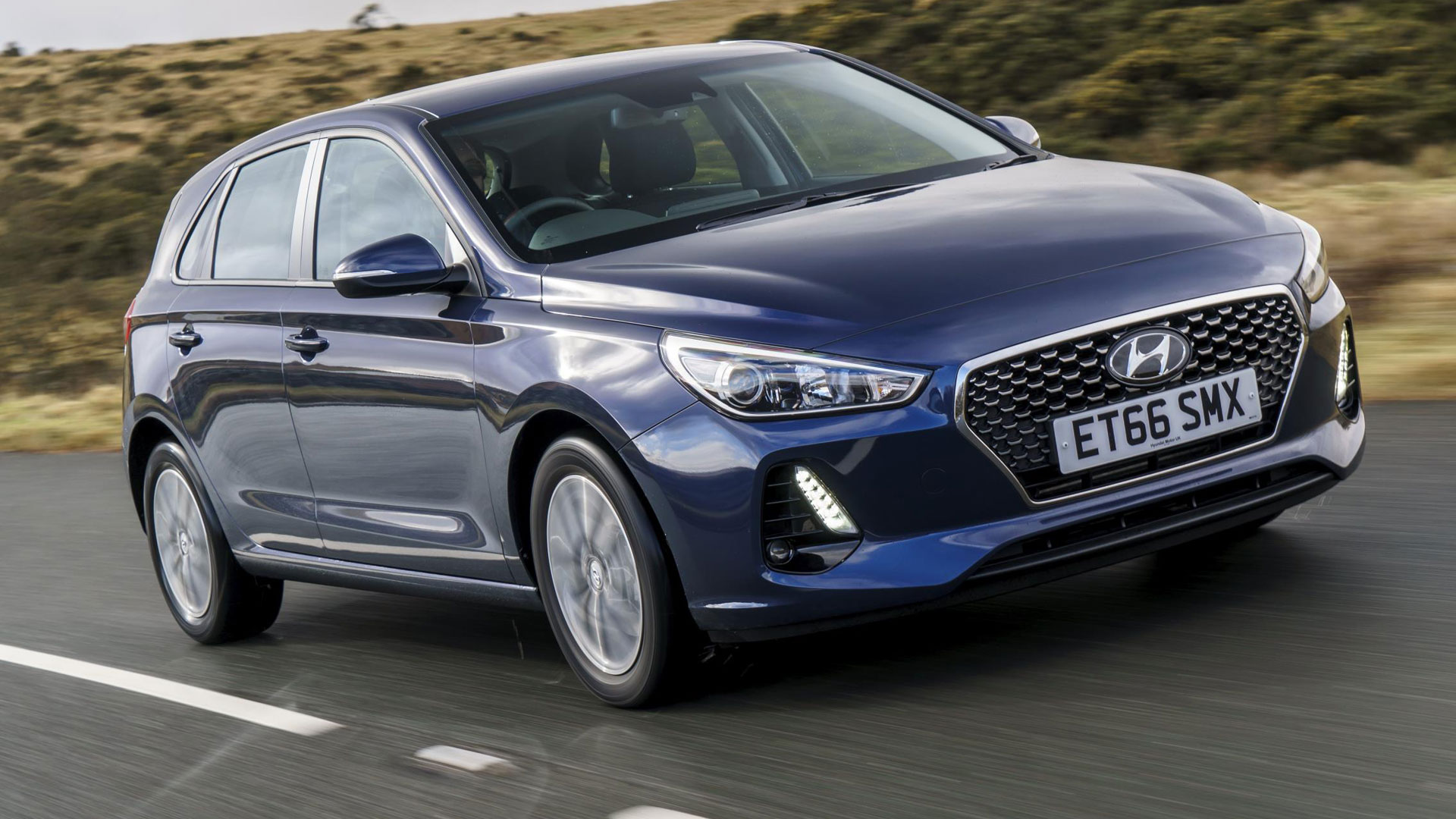
Hyundai – 90 problems per 100 vehicles
Hyundai is the highest ranked Korean company with 90 problems per 100 vehicles. It’s also worth noting that Jeep, Mitsubishi and Smart were included in the study but are not ranked due to the small sample size.
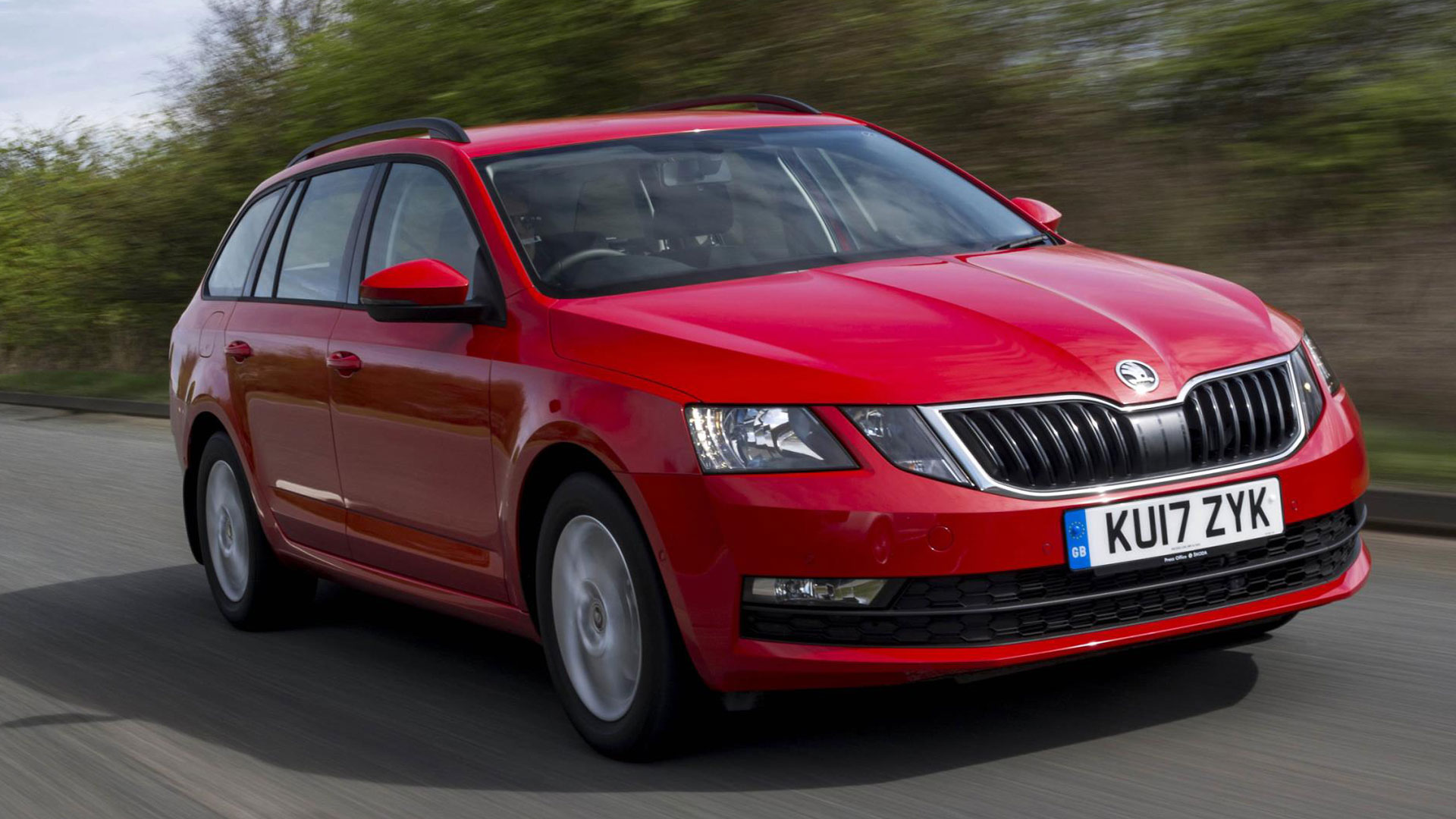
Skoda – 88 problems per 100 vehicles
Skoda finishes second with 88 problems per 100 vehicles, which leaves us to reveal a surprise winner of the J.D. Power 2019 UK Vehicle Dependability Study…
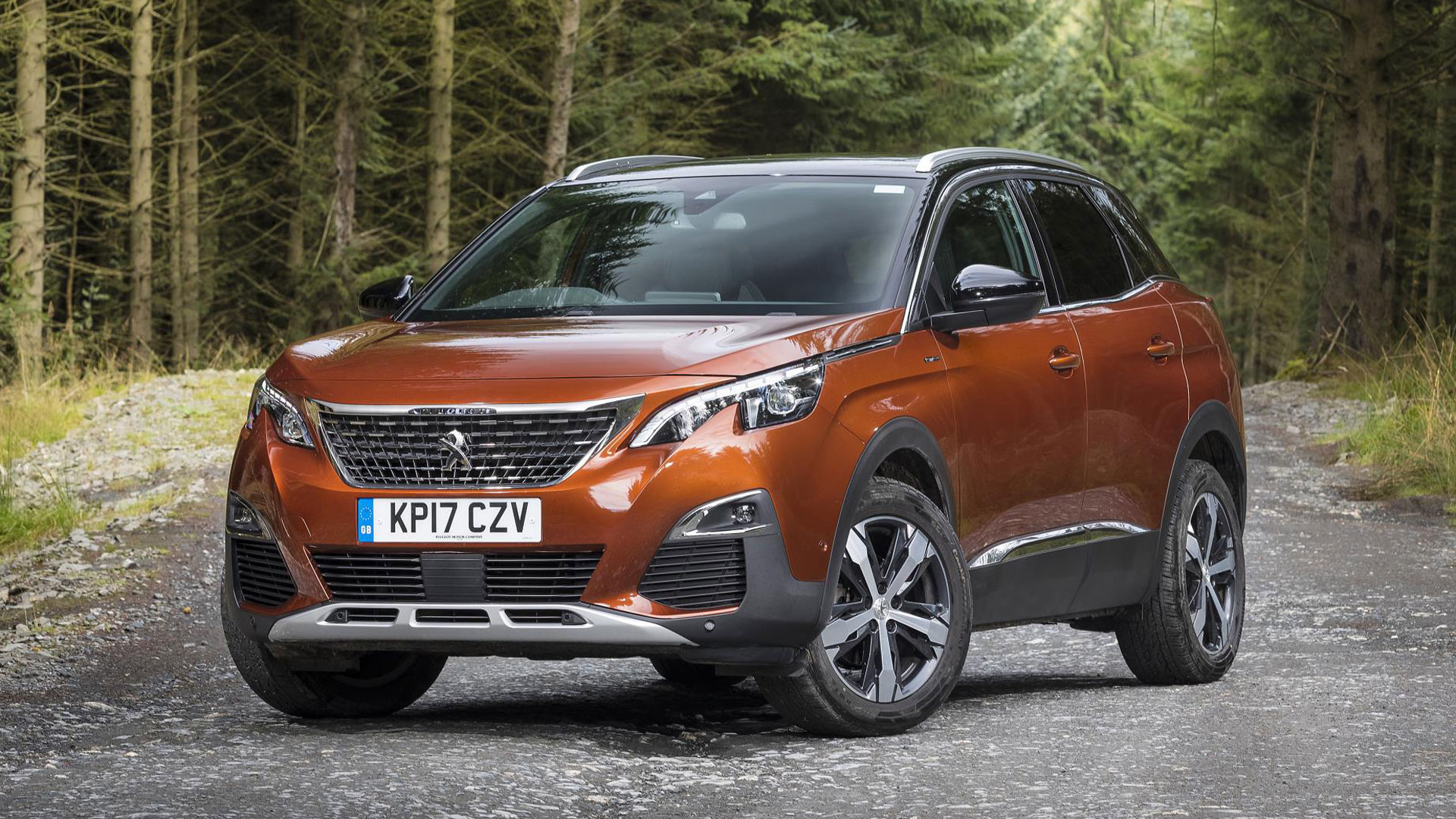
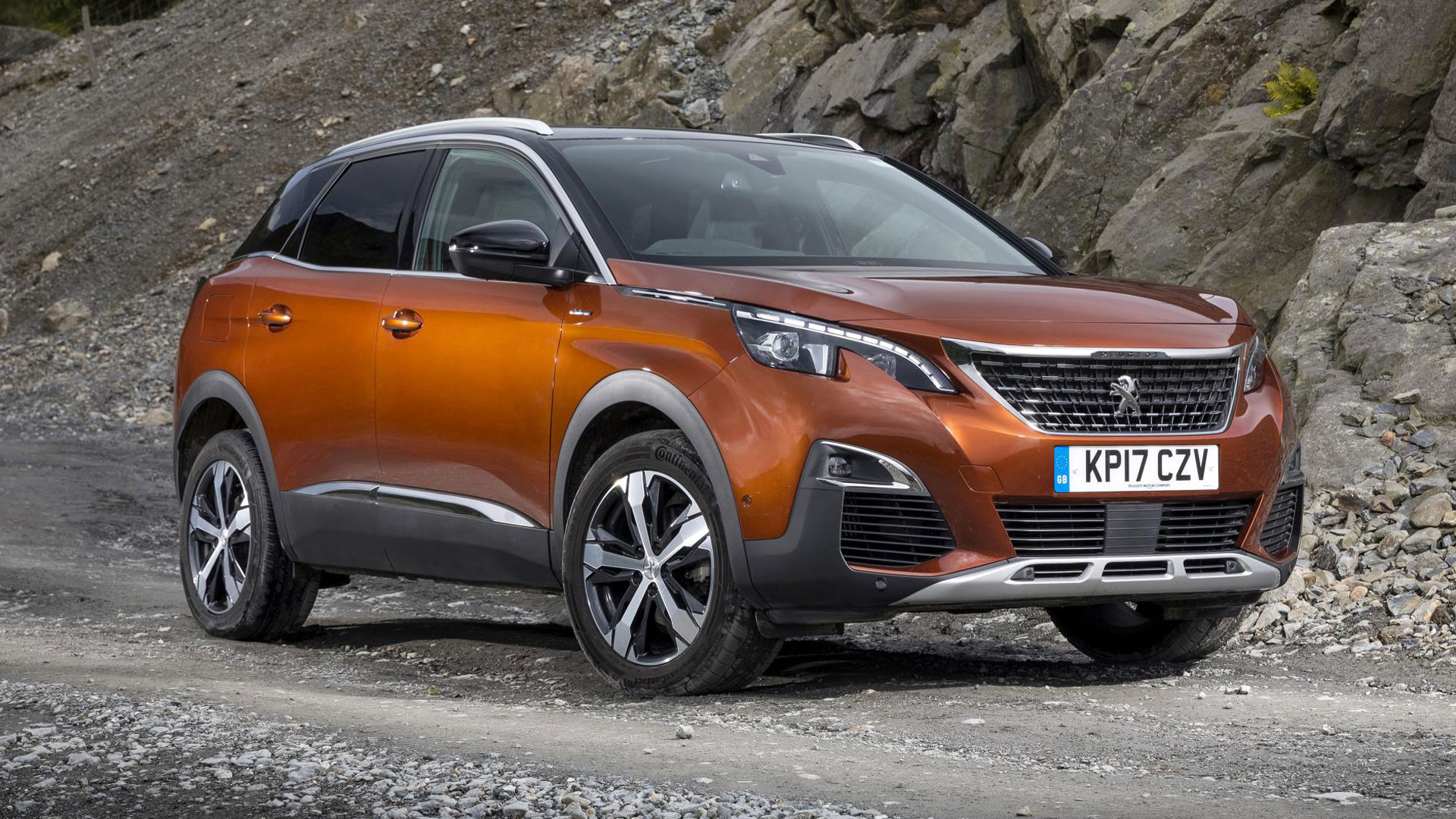
Peugeot – 77 problems per 100 vehicles
It’s Peugeot, which flies in the face of those doom-mongers who warn against buying a new car from a French manufacturer. Could this be linked to Vauxhall’s similarly strong performance? Check back in 2020 to see if the two brands are able to repeat this year’s excellent results.
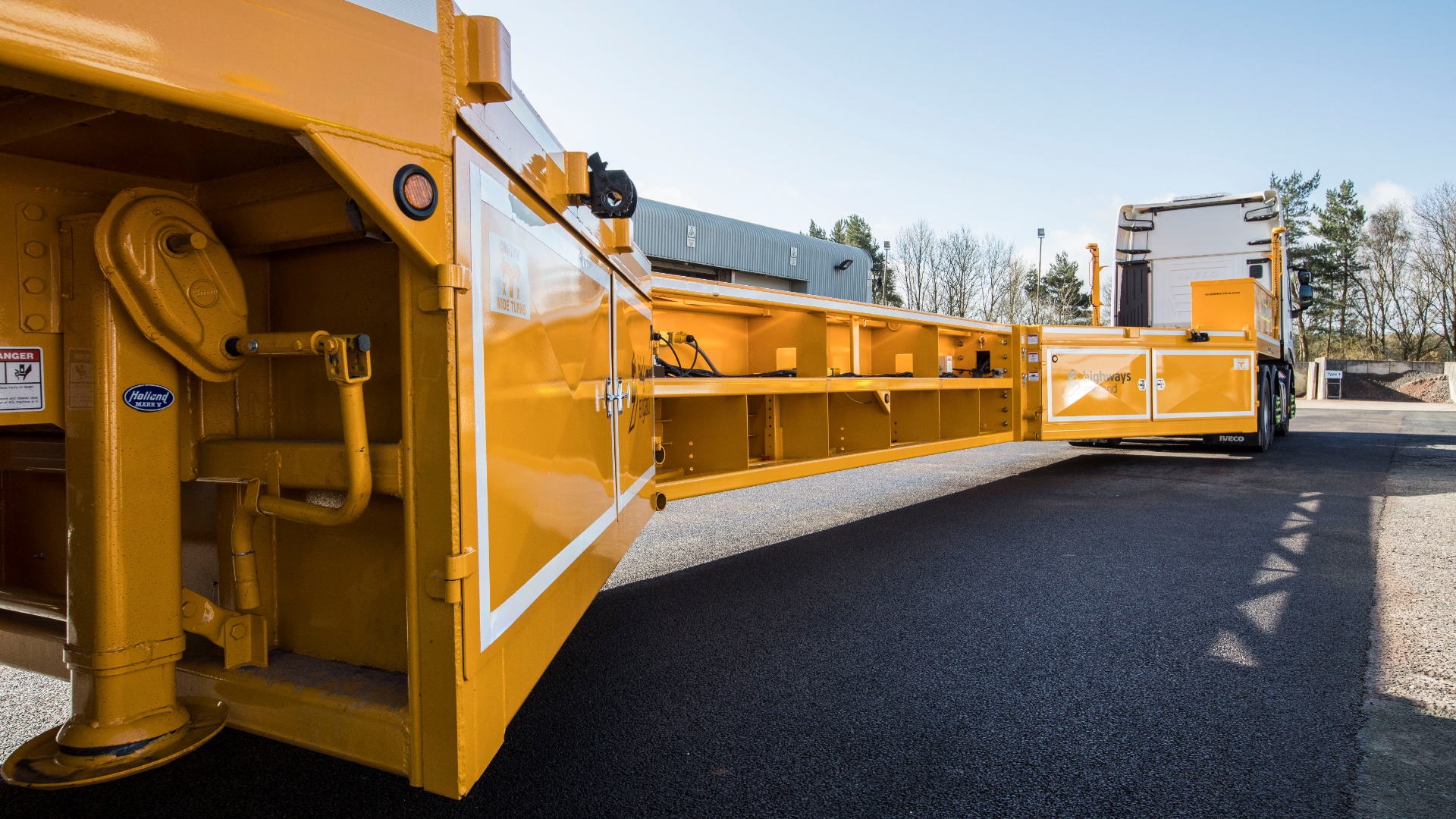
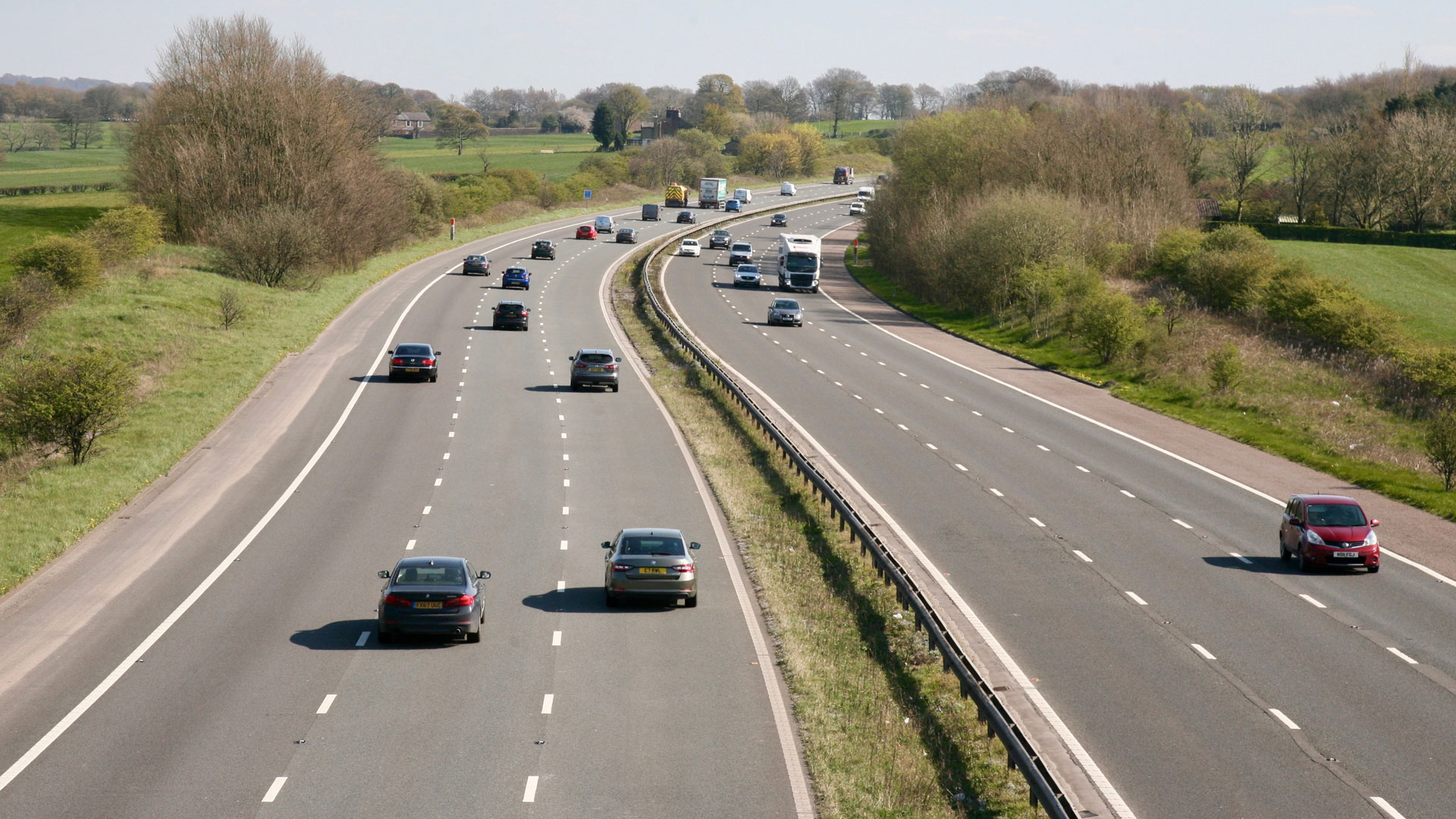
Highways England is rolling out massive crash-barrier lorries to protect road workers. The 16-tonne trucks are among a range of innovations being trialled, including solar-powered CCTV cameras and self-driving dump trucks.
The barriers were originally used by the army to shield against roadside bombs. The enormous metal framework absorbs side impacts, while cushions at the rear protect approaching cars.
The barriers have been brought over from the United States and put to use in the West Midlands.
Call the Cones Hotline!
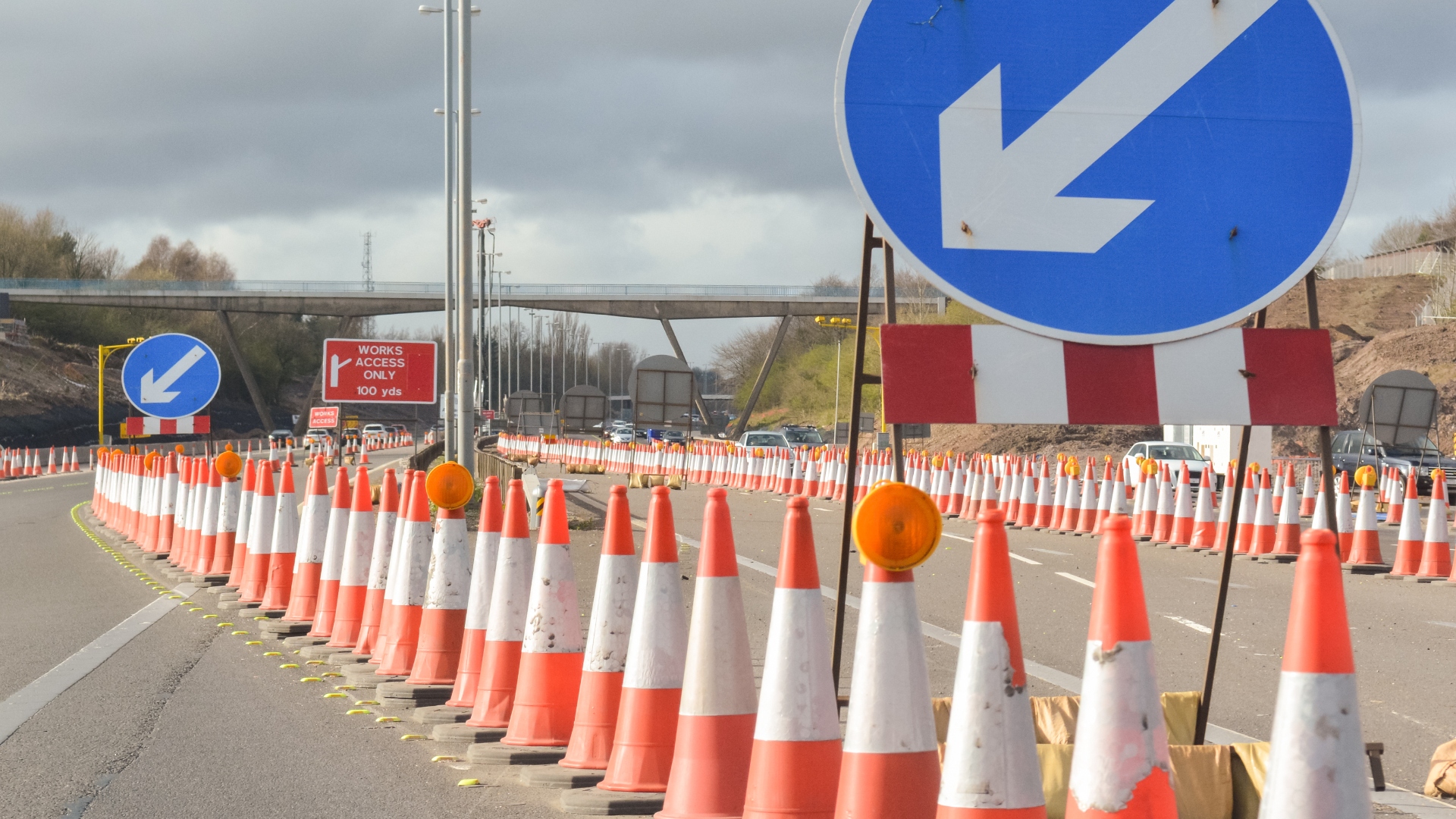
The protection the lorries provide is only one side of the coin. In most roadworks, large areas are coned off around where work is being carried out. The 70-ft-long barriers mean less of the road has to be disrupted to keep workers safe.
In addition, they take fewer man-hours to deploy than cones, signs and lighting: a win-win.
“The mobile barriers, which are being used for the first time in Europe, are an innovative way of looking at how we can increase protection for road workers,” said Martin Bolt, head of innovation projects for Highways England.
“And they’re helping customers, because the faster we can get the work safely done, the better people’s journeys will be.”
Solar-powered CCTV and self-driving trucks
The big barriers aren’t the only upgrades happening. Four new mobile solar CCTV cameras have also been introduced.
They will be used in multiple locations throughout the West Midlands, including temporary spots like roadworks.
A fleet of autonomous dump trucks is also being trialled on the A14 between Cambridge and Huntingdon. These earth-movers will be able to operate 24/7, increasing the speed at which work can be completed.
Fewer humans on site means less risk, too. Well worth the £150,000 investment, hopes Highways England.
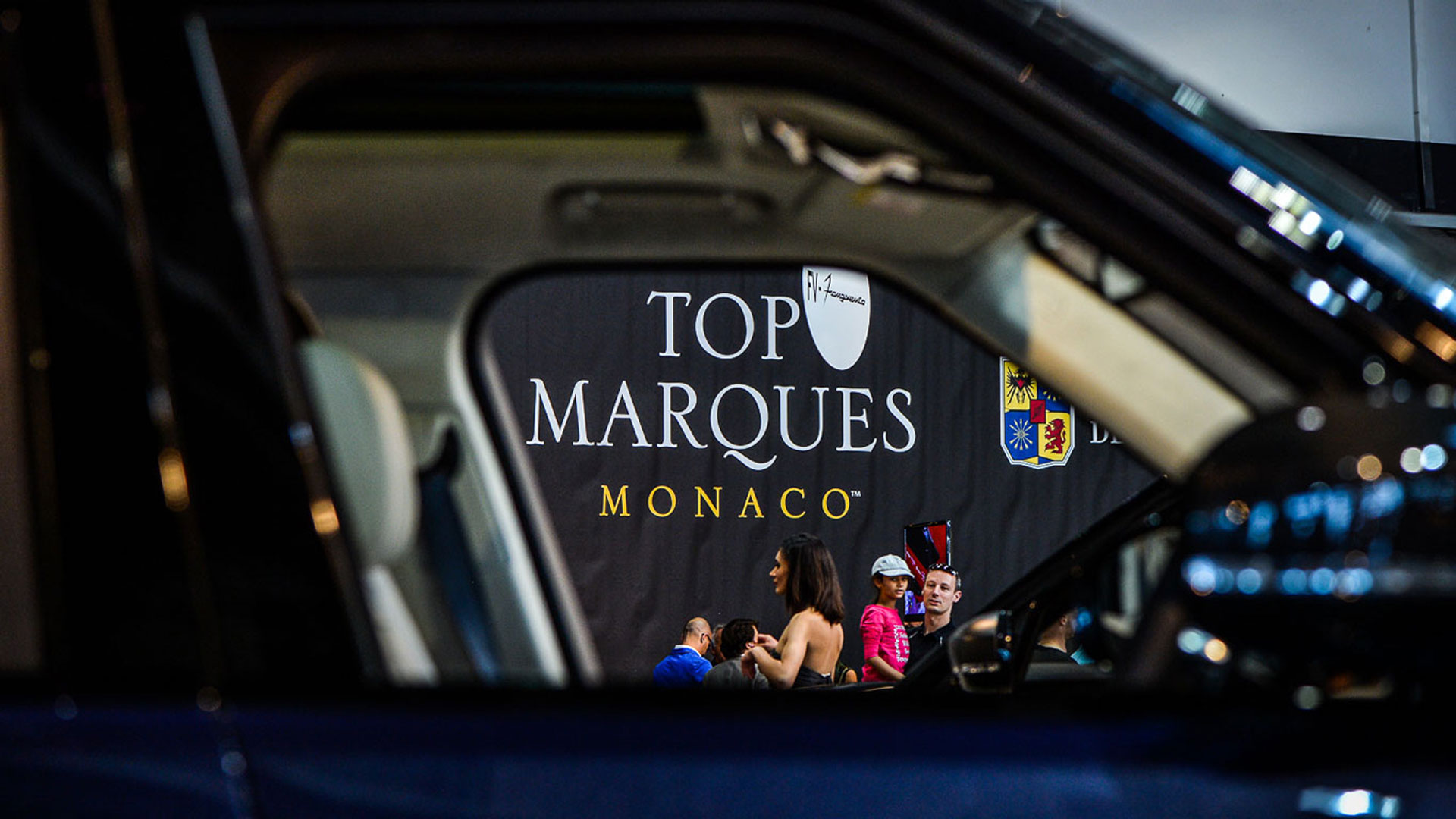
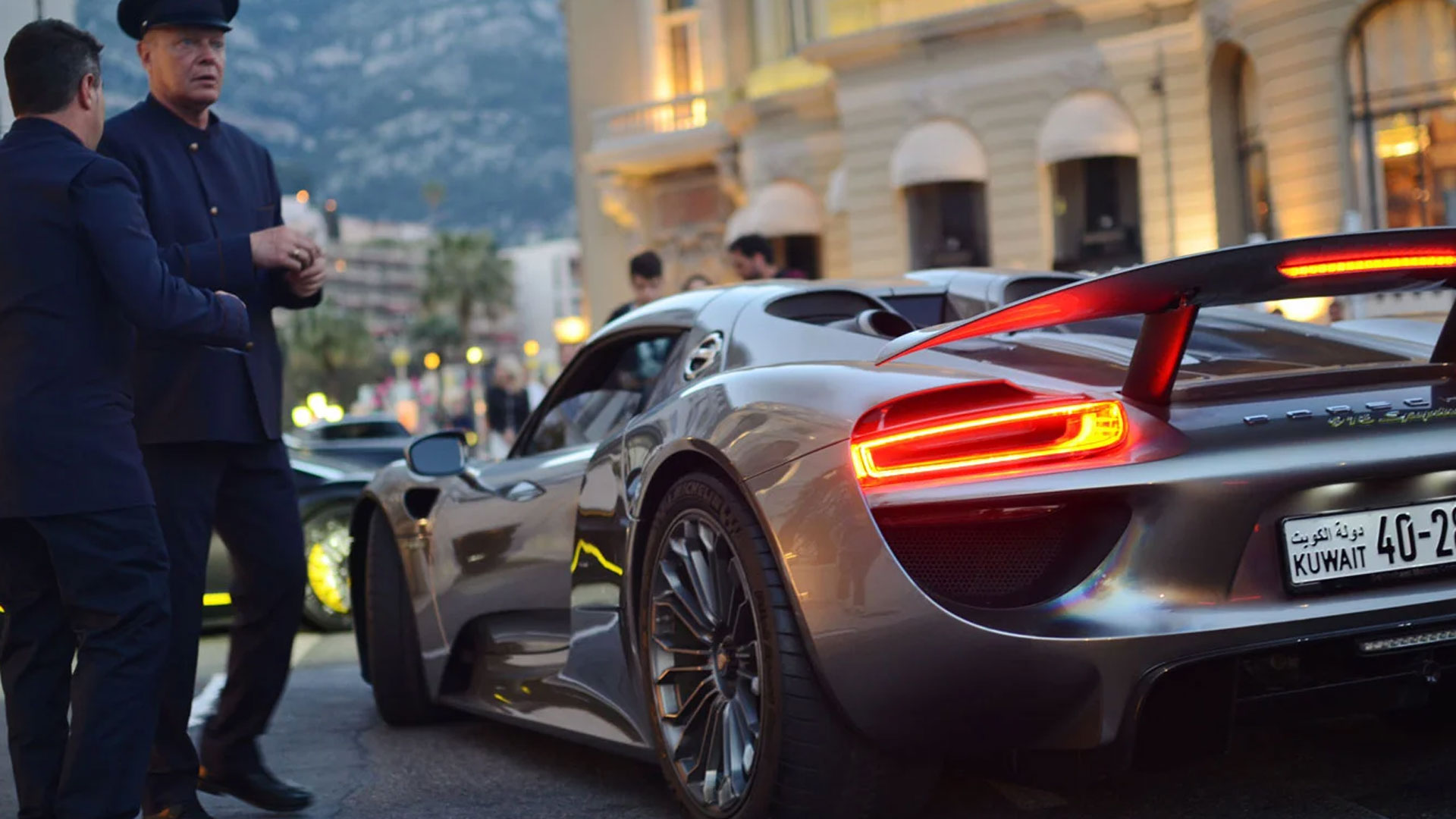
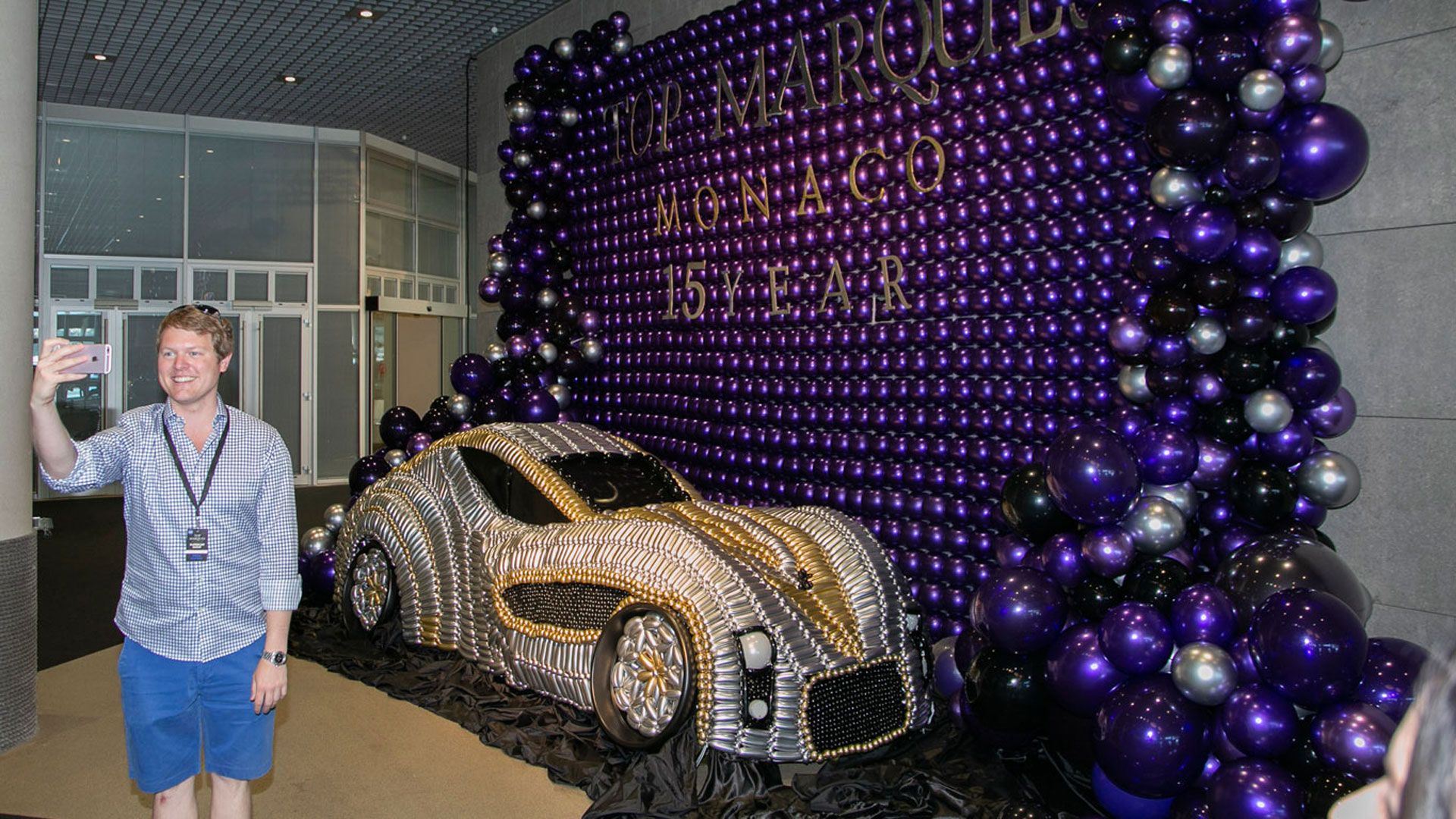
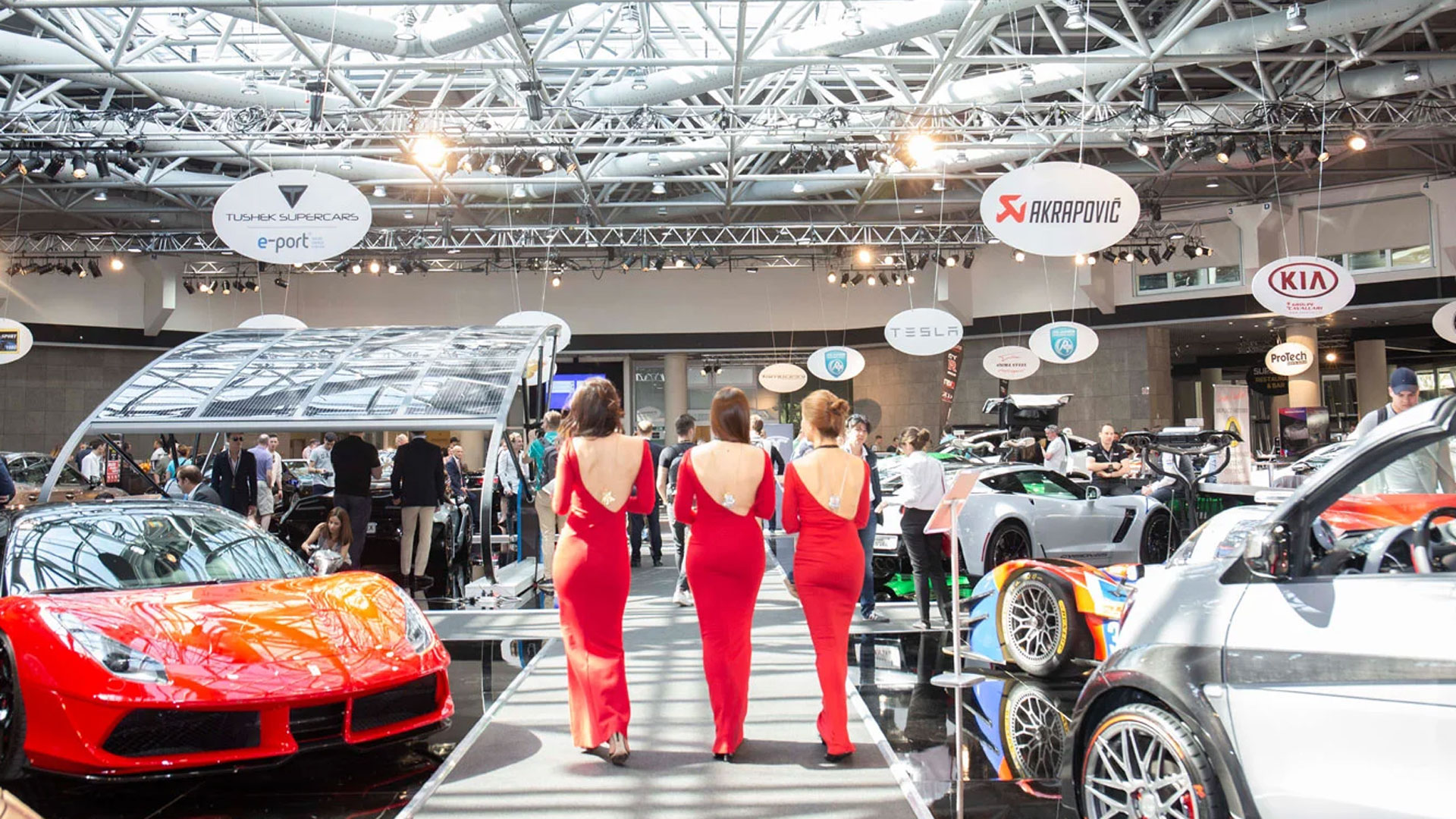
Billed as Monaco’s ‘fourth largest event’, Top Marques Monaco is where the rich, famous and those with a few million Instagram followers gather to check out the latest supercars, yachts, watches and jewellery. This year, the event takes place just after the Monaco Grand Prix, so you can spend even longer in the Principality. Here are some of the things you can look forward to in 2019.
A new date for Top Marques Monaco
The event has moved from its original date in April to between 30 May and 3 June, as a growing number of manufacturers expressed a desire to attend both Top Marques Monaco and the F1 Grand Prix. Salim Zeghdar, deputy chairman of Top Marques Monaco, said: “For many, it was a feat too great to get their revolutionary electric vehicles ready for the beginning of April. It made perfect sense for us to move the dates so that we can accommodate these exhibitors.”
World premiere number one: McLaren GT
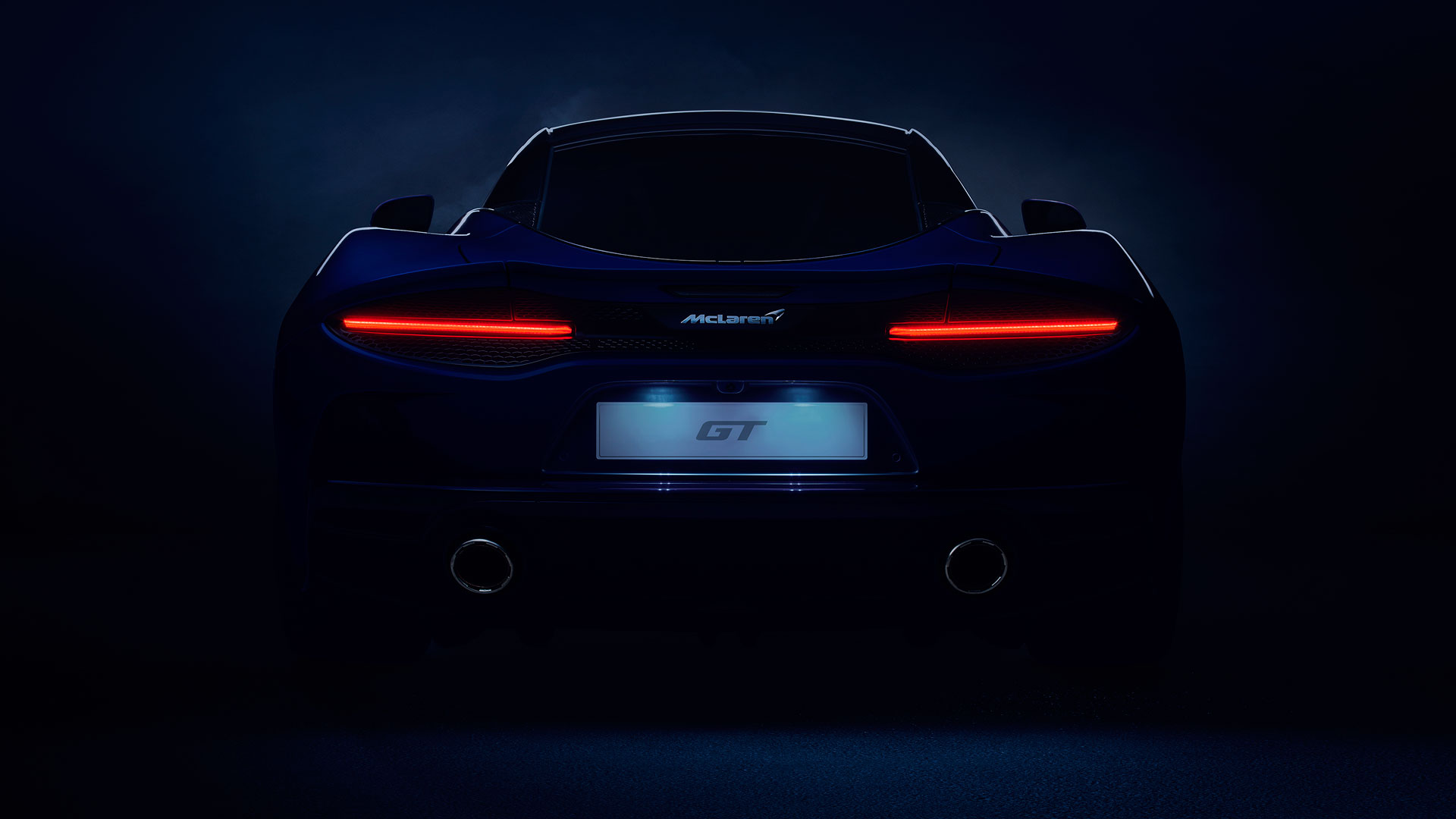
As if to underline the importance of the event, Top Marques Monaco will host no fewer than three world premieres. Although the McLaren GT will be unveiled on 15 May 2019, the Monaco event will be the first time McLaren’s new Grand Tourer is seen in public. The company hasn’t confirmed any details yet, but has said it will share DNA with the Speedtail hyper-GT.
World premiere number two: Zacaria
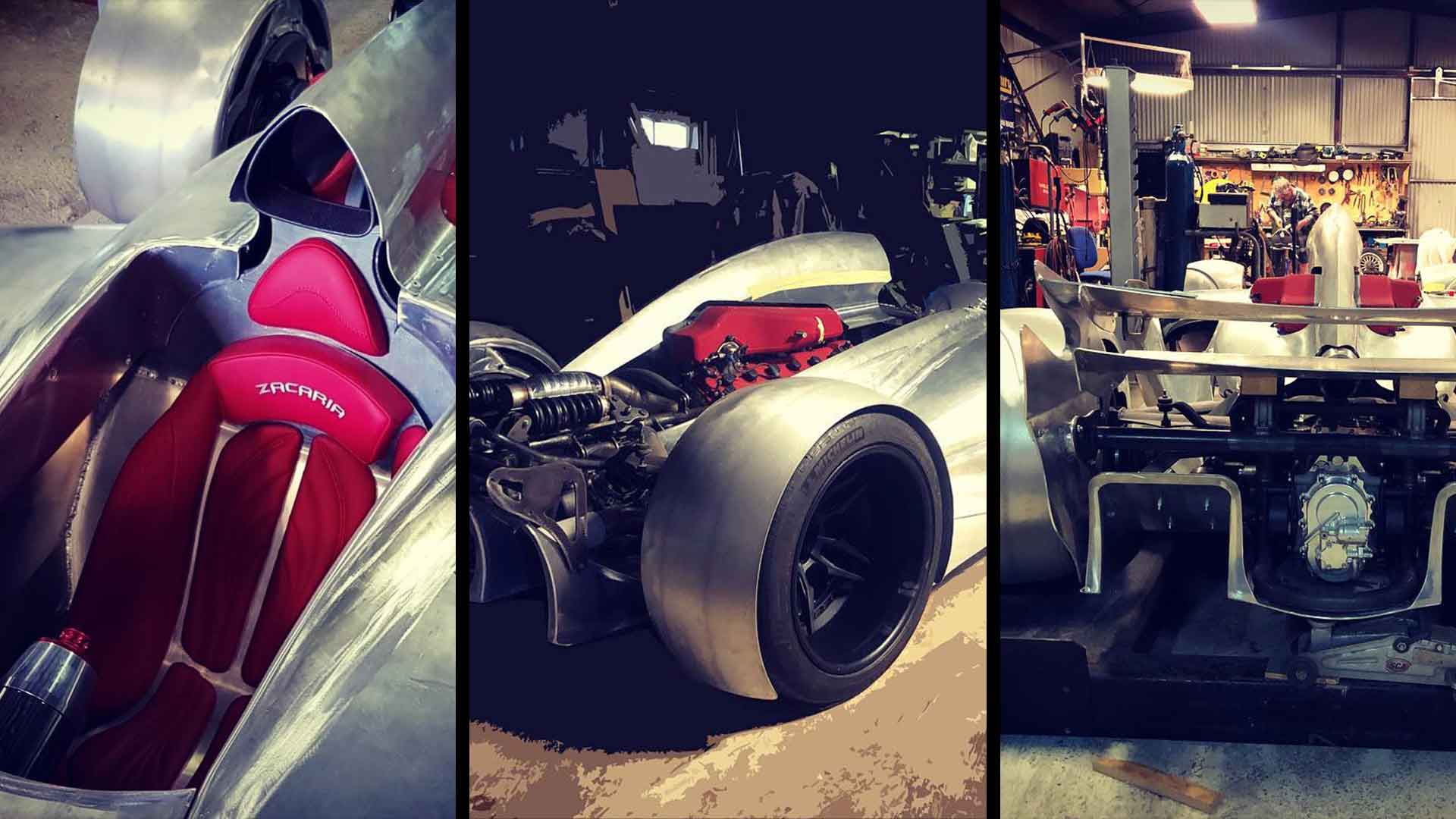
After five years in the making, the Zacaria SC will make its debut in Monaco. The road-legal F1 replica weighs just 850kg and is powered by a 6.3-litre engine from a Ferrari F12 Berlinetta. With 700hp on tap, it’s likely to be extremely quick, not to mention highly sought-after. The price? A Monaco-friendly $1 million (£776,000).
World premiere number three: Ferox Azaris
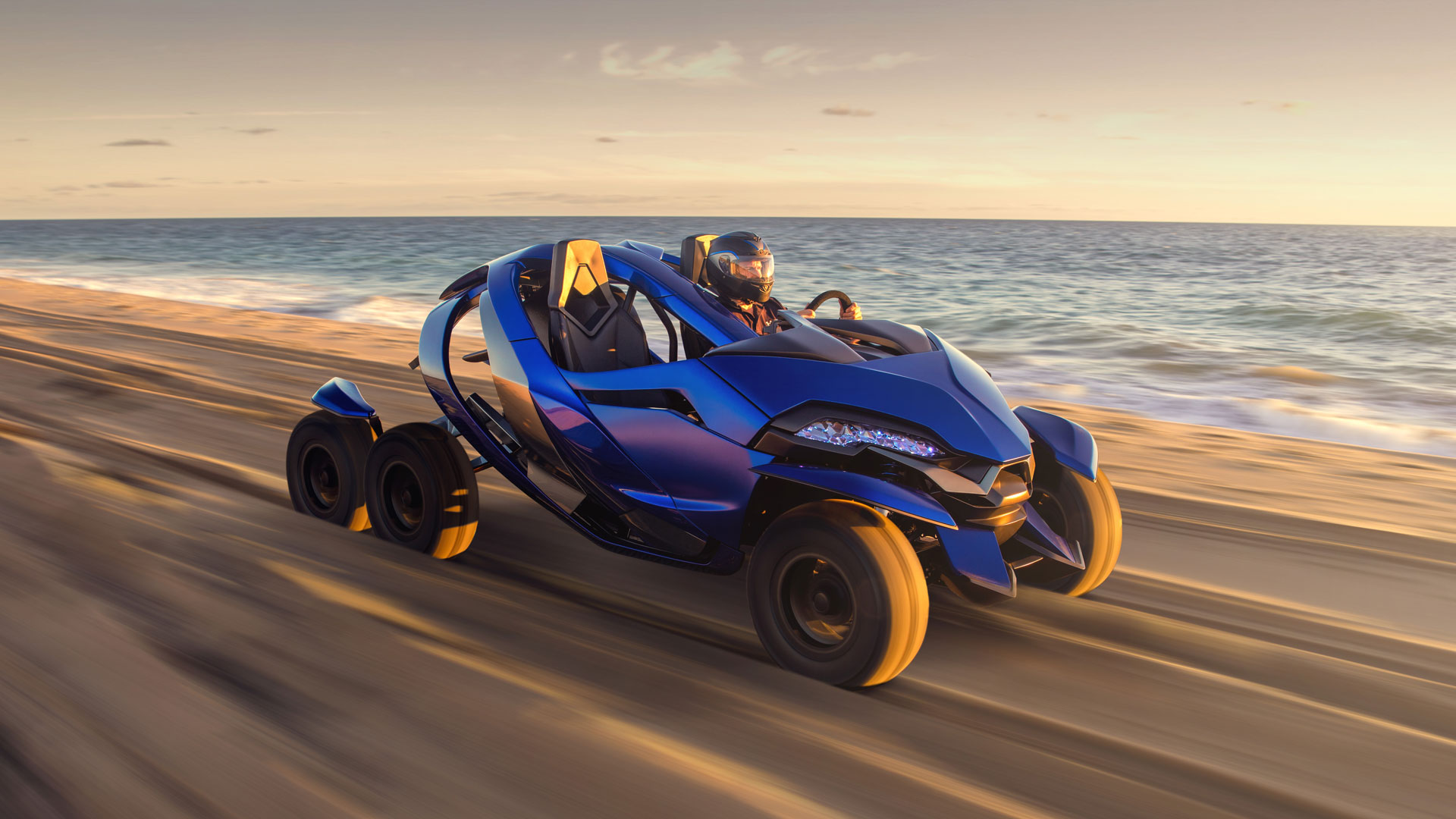
The second wonder from Down Under is the Ferox Azaris. “There’s nothing else like the Azaris in the world,” proclaims the Australian company, which is rather apt given that this six-wheeled off-roader boasts a rocker-style suspension similar to the one used on the Mars Rover. The coolest vehicle at Top Marques Monaco? It’s in with a shout.
Bilenkin Vintage
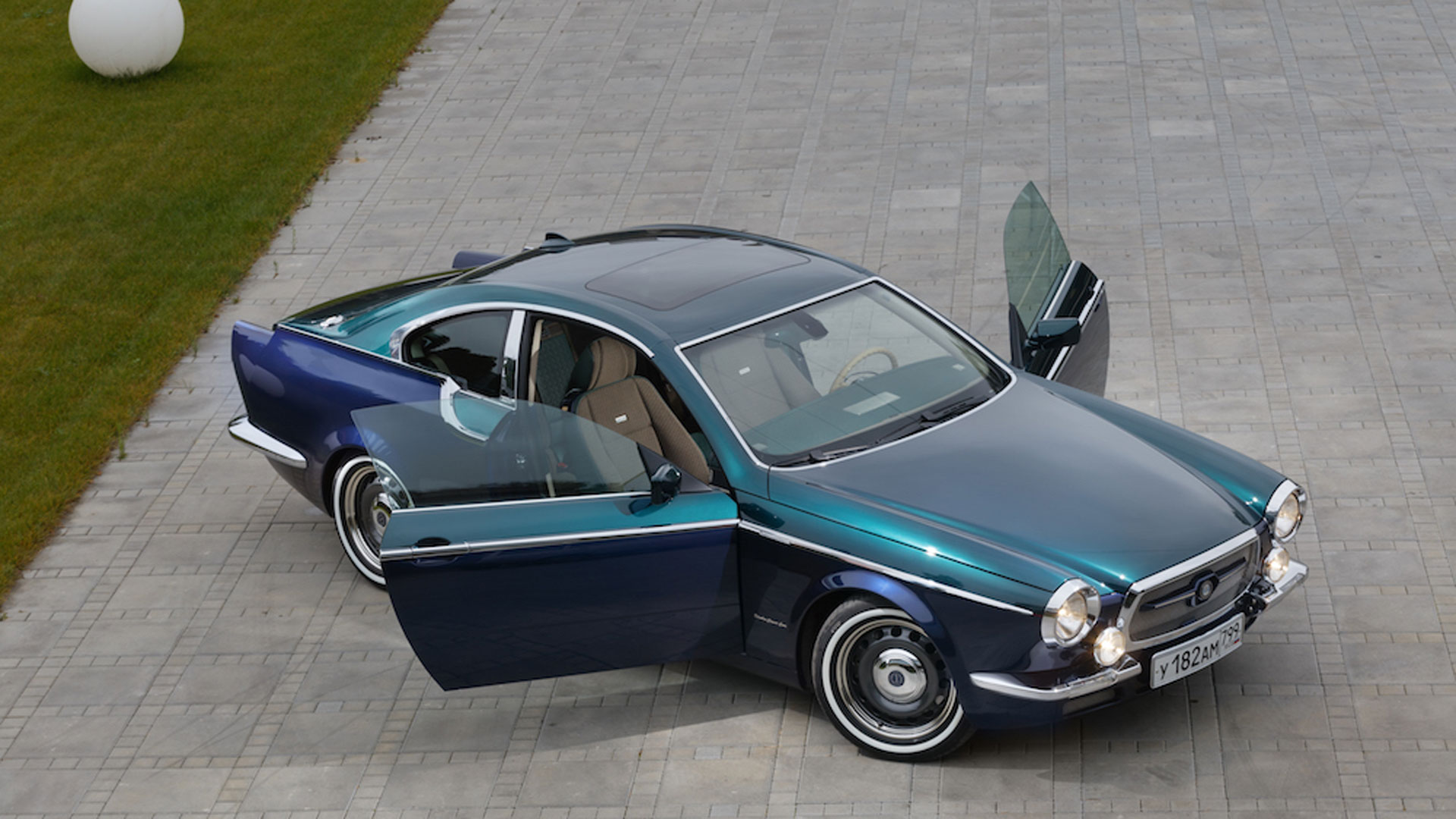
Believe it or not, the Bilenkin Vintage is based on an E92 BMW 3 Series Coupe. “One would never encounter two identical Vintage model cars,” claims the Russian company as it seeks to emphasise the coach-built nature of these retro-modern gems. The engine, safety systems and iDrive remain, but everything else looks straight outta 1950s Russia.
Devinci DB 718
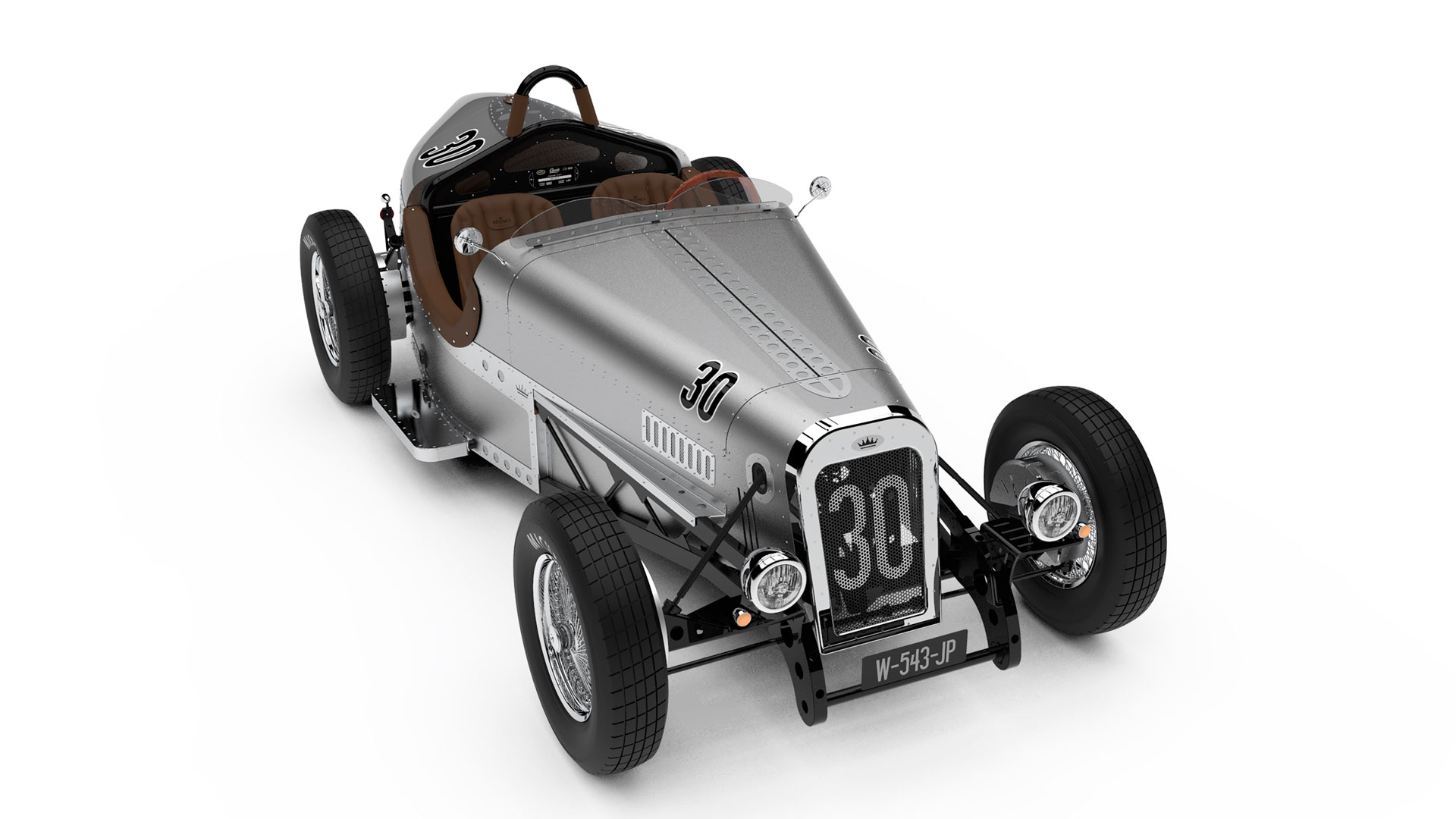
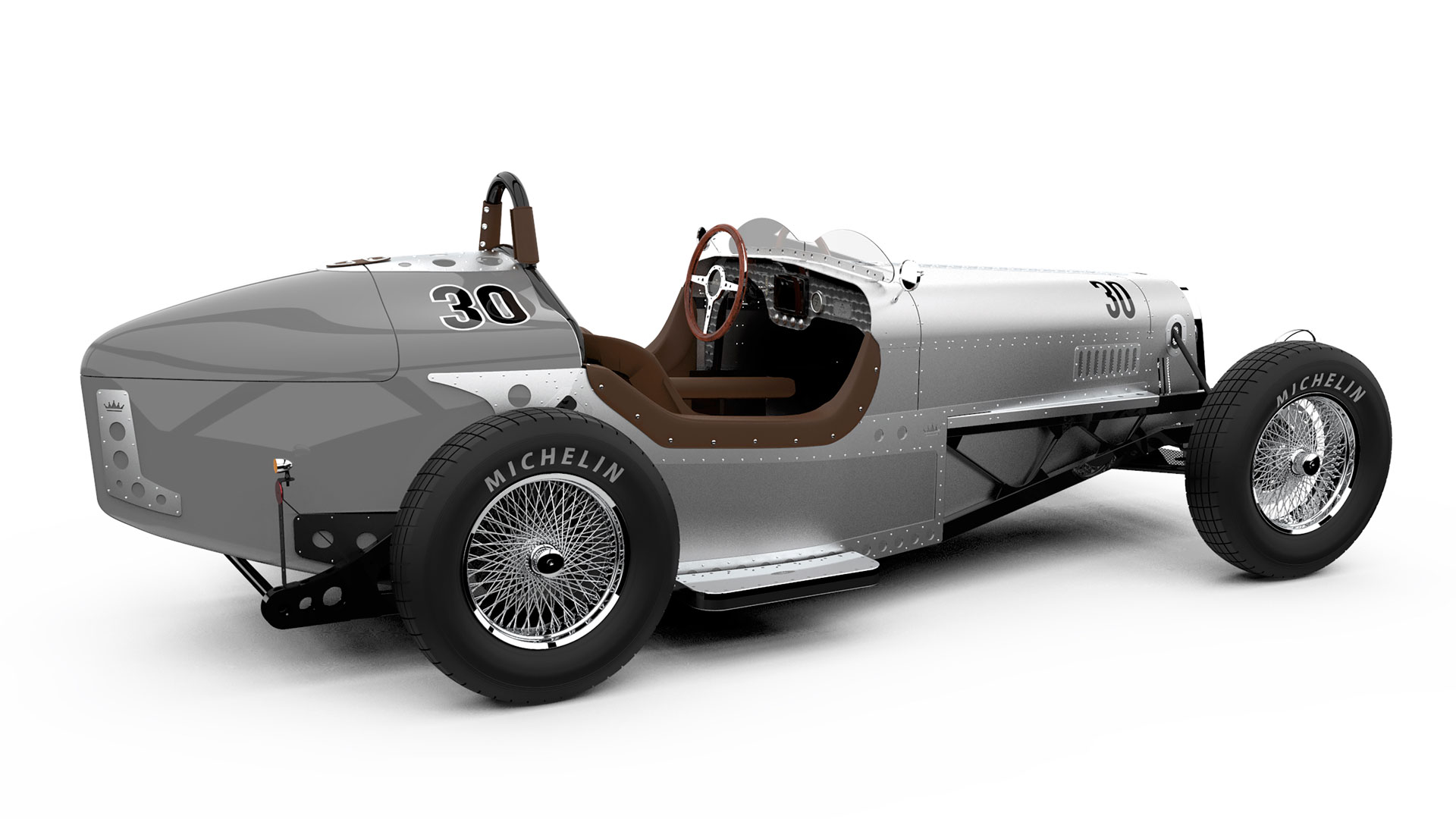
Devinci is a French car manufacturer established in 2018 to “create a brand of electric vehicles with a retro look”. The company expects to shift 300 Classic DB 718 EVs in 2019, each one with a chassis number chosen by its owner and engraved on the vehicle.
Devinci DB 718
Customisation options include colours, number stickers, two different wheel rims, leather upholstery, two different steering wheels and various other options and accessories. Up to 220km (136 miles) is available from a single charge, and prices start from €49,000 (£42,000).
Puritalia Berlinetta
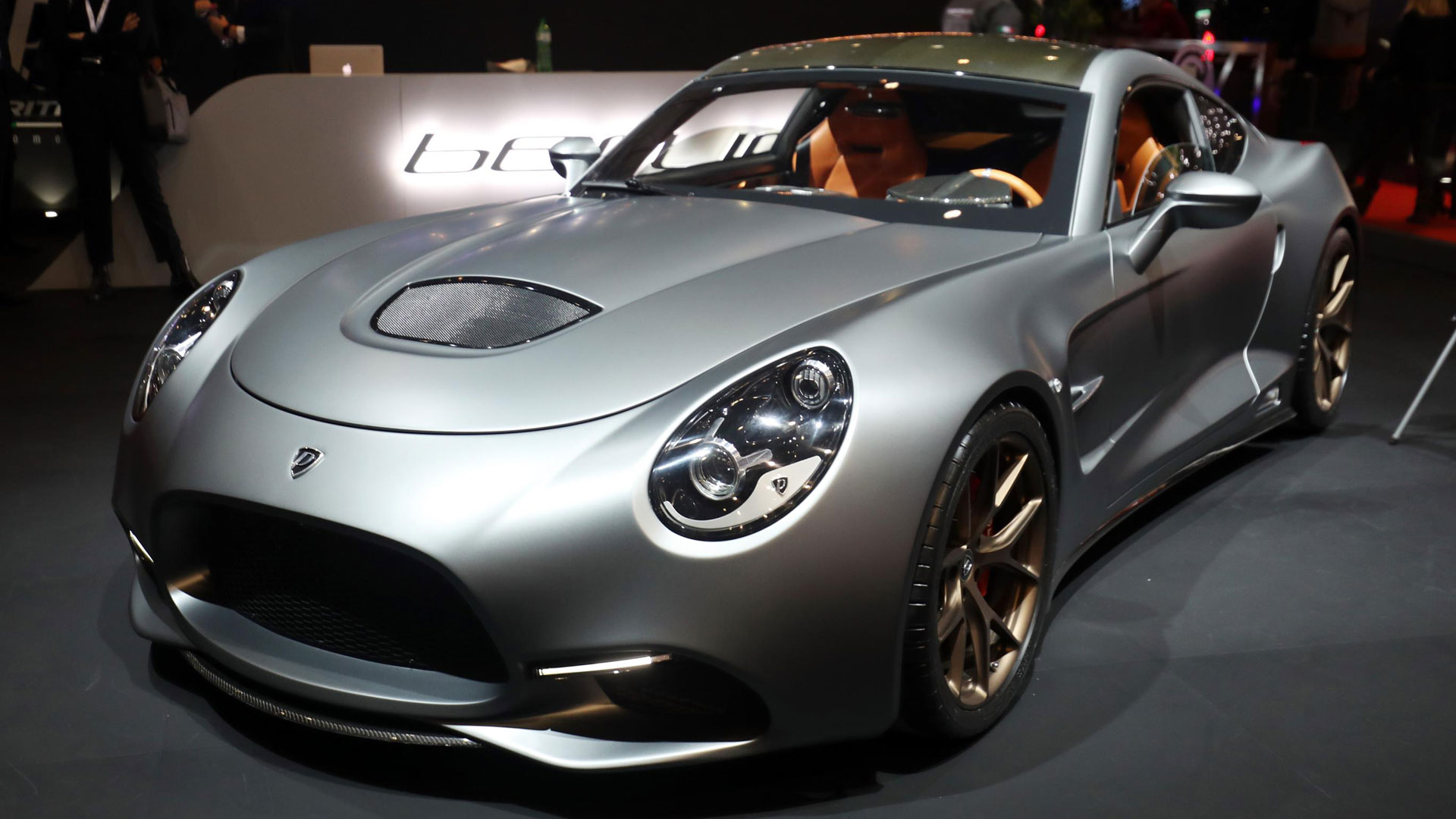
Fresh from its debut at the 2019 Geneva Motor Show, the Puritalia Berlinetta is a plug-in hybrid producing around 950hp. At its heart is a 5.0-litre V8 producing 750hp, which is paired with an electric motor on the rear axle to deliver a combined 920lb ft of torque. It’ll sprint to 62mph in just 2.7 seconds before hitting a top speed of 208mph. You can bank on spending just shy of half a million pounds on this handbuilt plug-in supercar, although only if Puritalia deems you worthy of the brand.
Brabus 700 Widestar
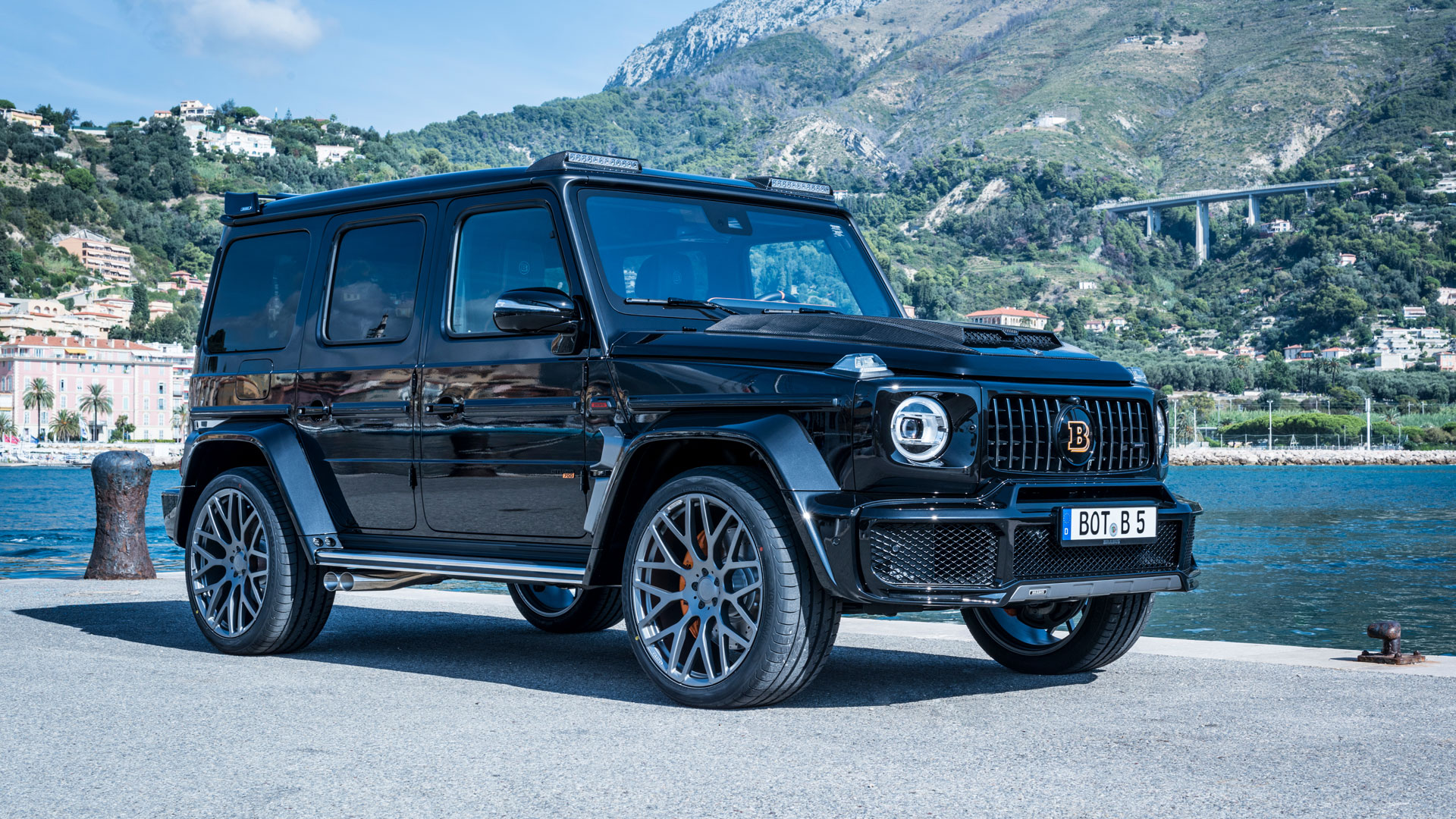
The Brabus 700 Widestar is no stranger to Monaco, as the German tuning company unveiled the hotter G63 at last year’s Monaco Yacht Show. It produces a not-too-shabby 691hp and 701lb ft of torque to deliver a 0-62mph time of 4.3 seconds and a top speed of 149mph. The Widestar lives up to its name courtesy of some wider arches and new front and rear bumpers.
Anibal Icon
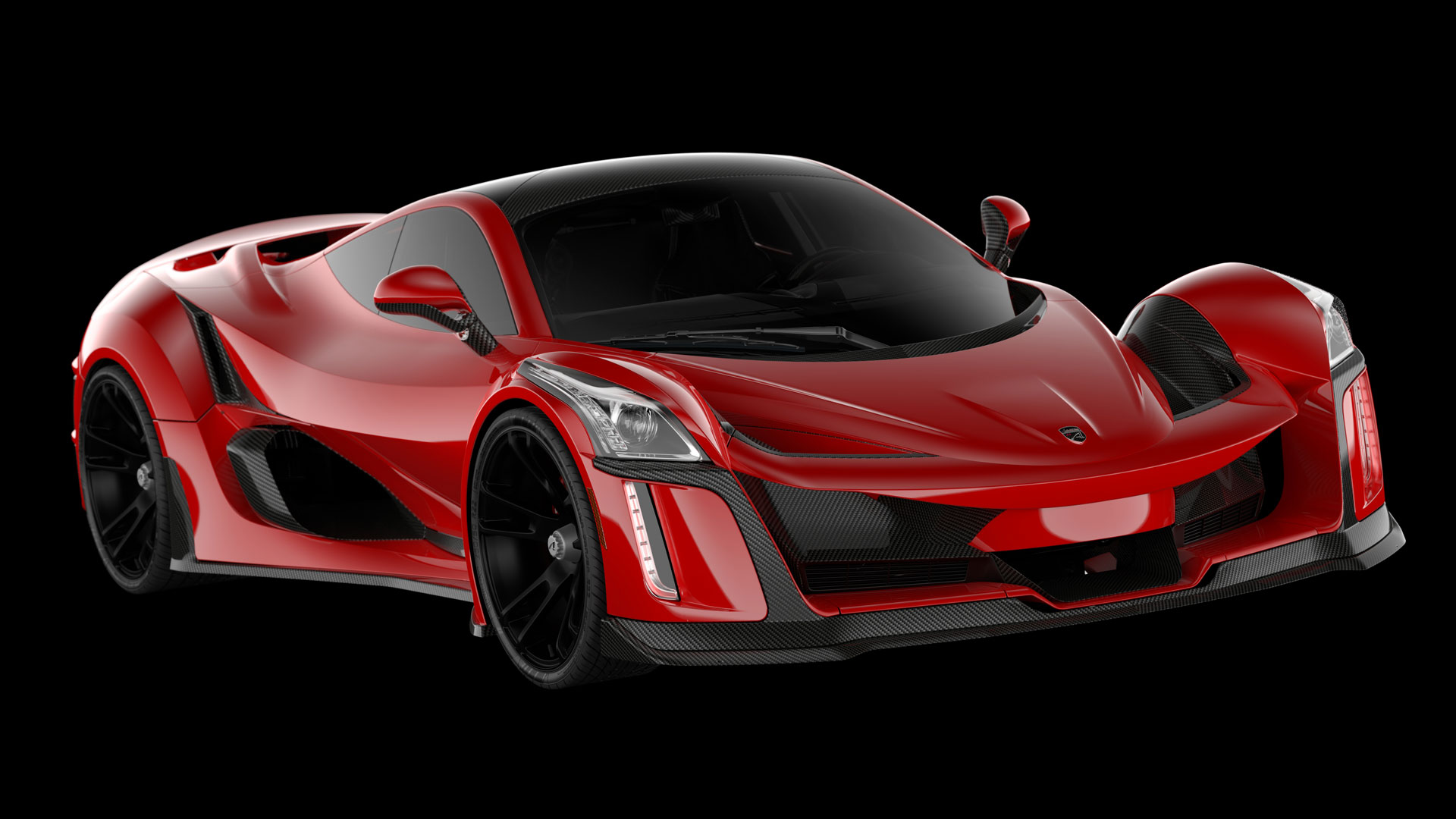
Get ready for an Anibal lecture. Anibal Automotive is based in Montreal, which makes the Icon one of the wildest things ever to emerge from Canada. The 100 percent carbon fibre all-wheel-drive supercar is powered by a 3.8-litre twin-turbocharged engine from the Porsche 911 Turbo S, but Anibal has increased the output to a savage 920hp. Only 50 will be made, with each one hitting 60mph in 2.4 seconds.
Aston Martin AM-RB 003
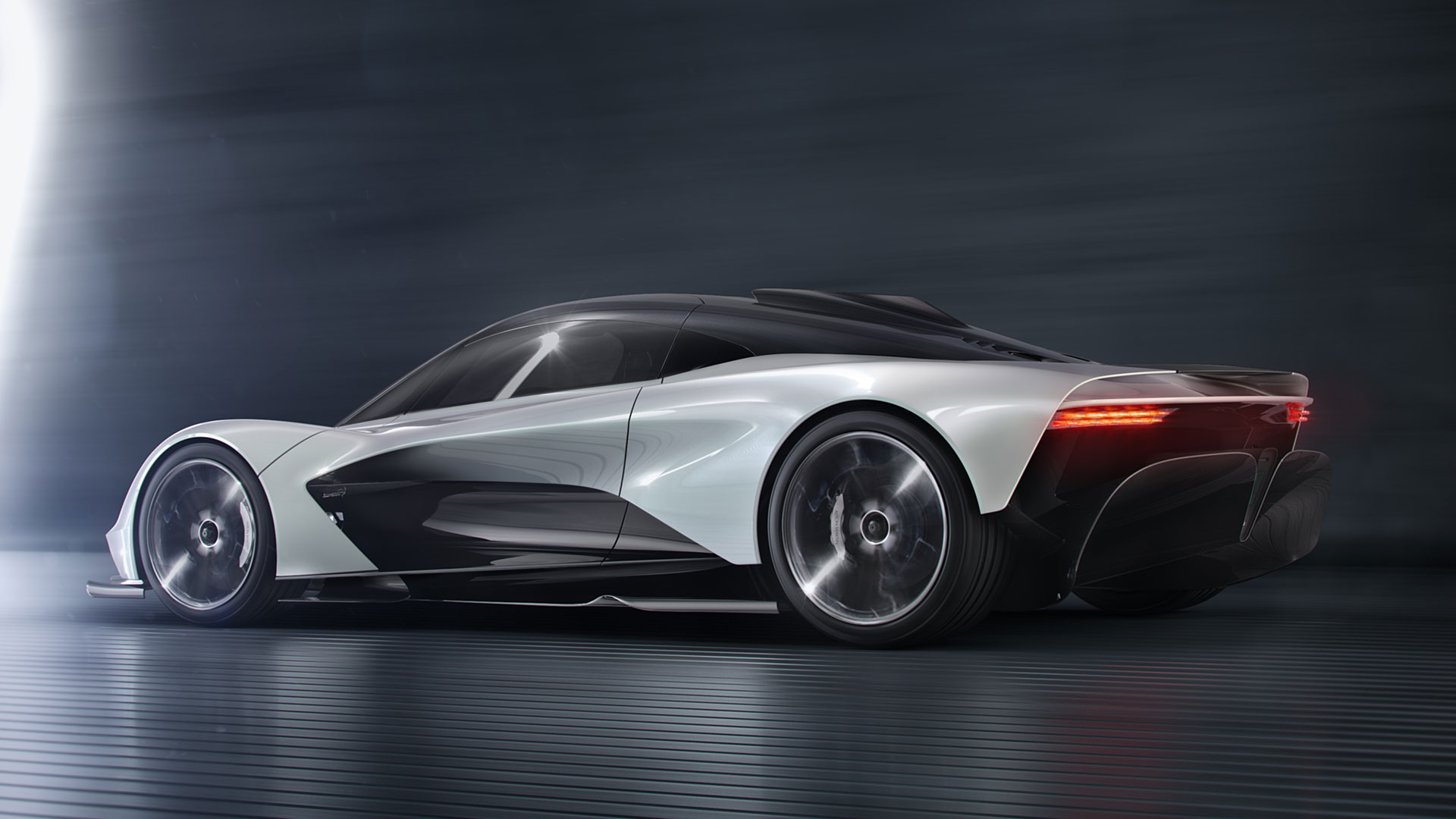
The AM-RB 003 wowed the crowds at the 2019 Geneva Motor Show, but now it’s time for Aston Martin’s mid-engined hypercar to put on a display in Monaco. Previously known as the Project 003, the third mid-engined Aston is powered by a new hybrid turbo V6 and only 500 will be sold. Testing is taking place in Red Bull’s ultra-advanced simulator – it will be a while before the first prototypes hit the road, by which time we suspect all 500 units will be sold.
Rolls-Royce Wraith Luminary
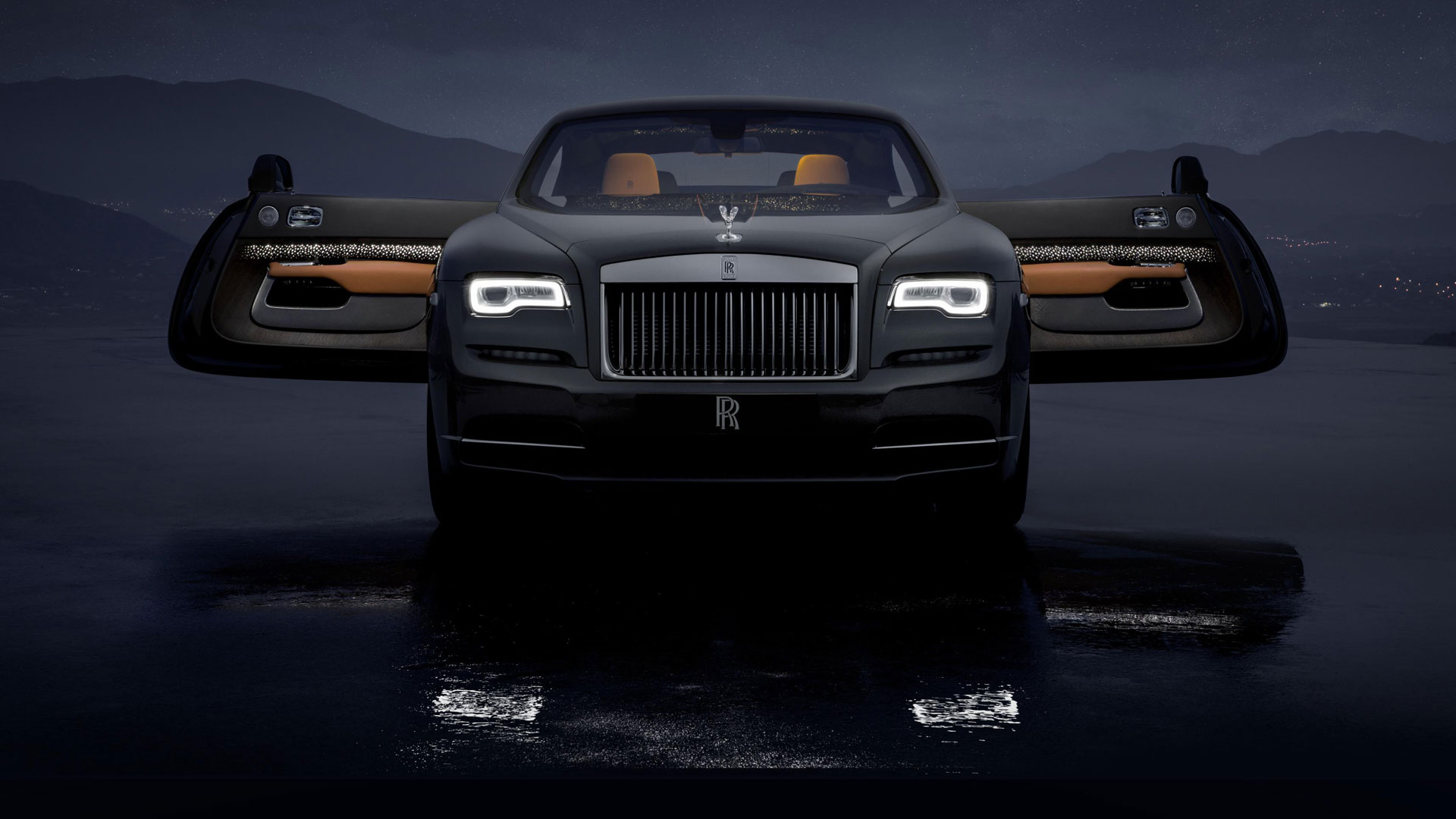
There’s something very Monaco about the Luminary Collection. “Inspired by those who lead where others follow, the Wraith Luminary Collection will light the way for the luxury trailblazer,” says Rolls-Royce. If you see yourself as a luxury trailblazer, Rolls-Royce is producing 55 units, with each Wraith graced with a shooting star headliner, illuminated wood panelling and stainless steel hand-woven fabric incorporated into the cabin.
Bentley Continental GT No. 9 Edition
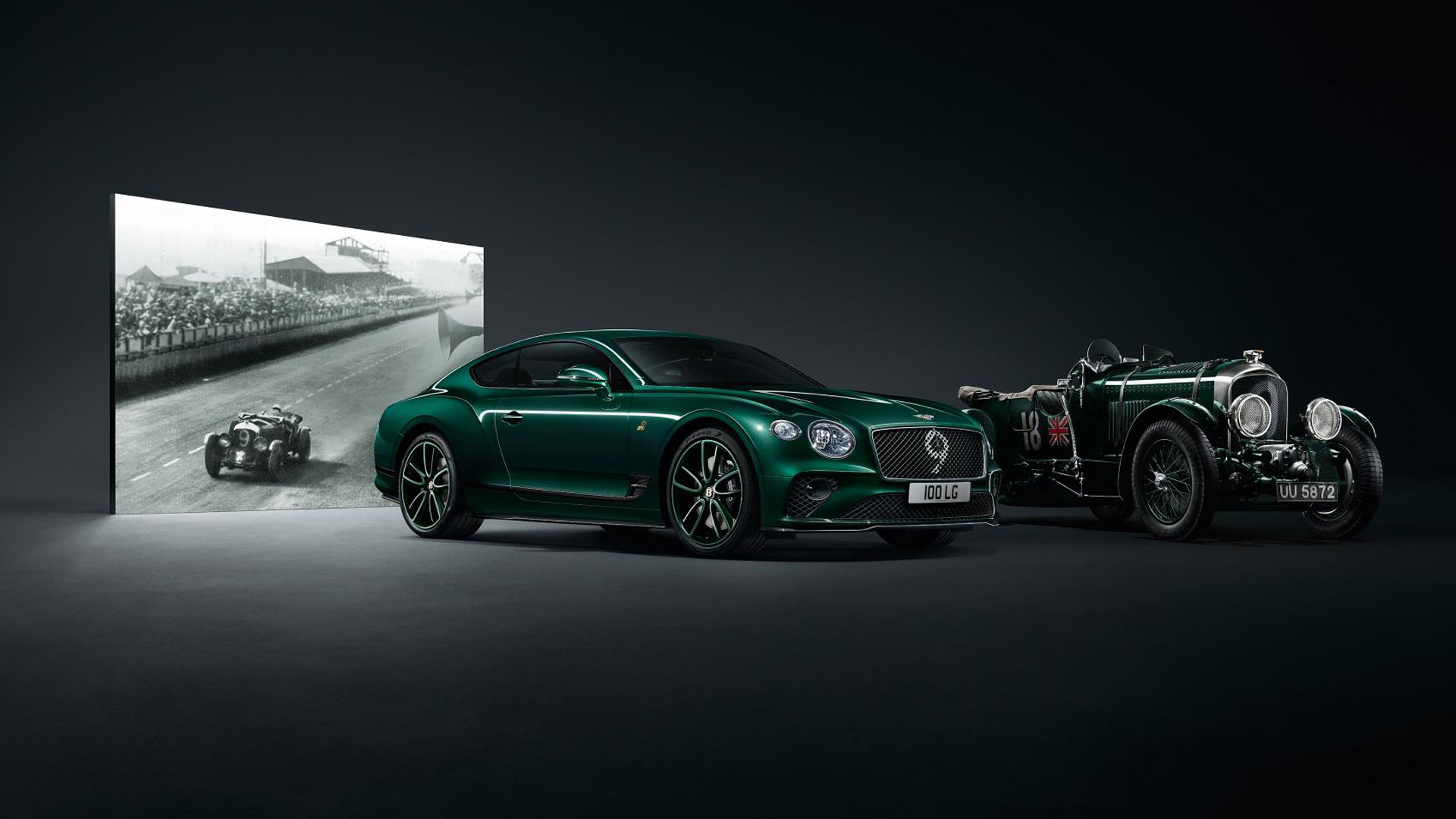
The Continental GT No. 9 Edition is Bentley’s way of saying “Happy Birthday” to itself. It pays tribute to the iconic No. 9 Blower and just 100 will be produced. Each car contains a piece of the racing seat from Sir Tim Birkin’s 1930 No. 9 Le Mans race car, with a fragment of wood from the seat displayed on the dashboard. There’s even an 18-carat gold-plated No. 9 exterior badge. It’s tasteful and elegant, which aren’t words you can use to describe everything on show at Top Marques Monaco.
Bugatti Chiron Sport
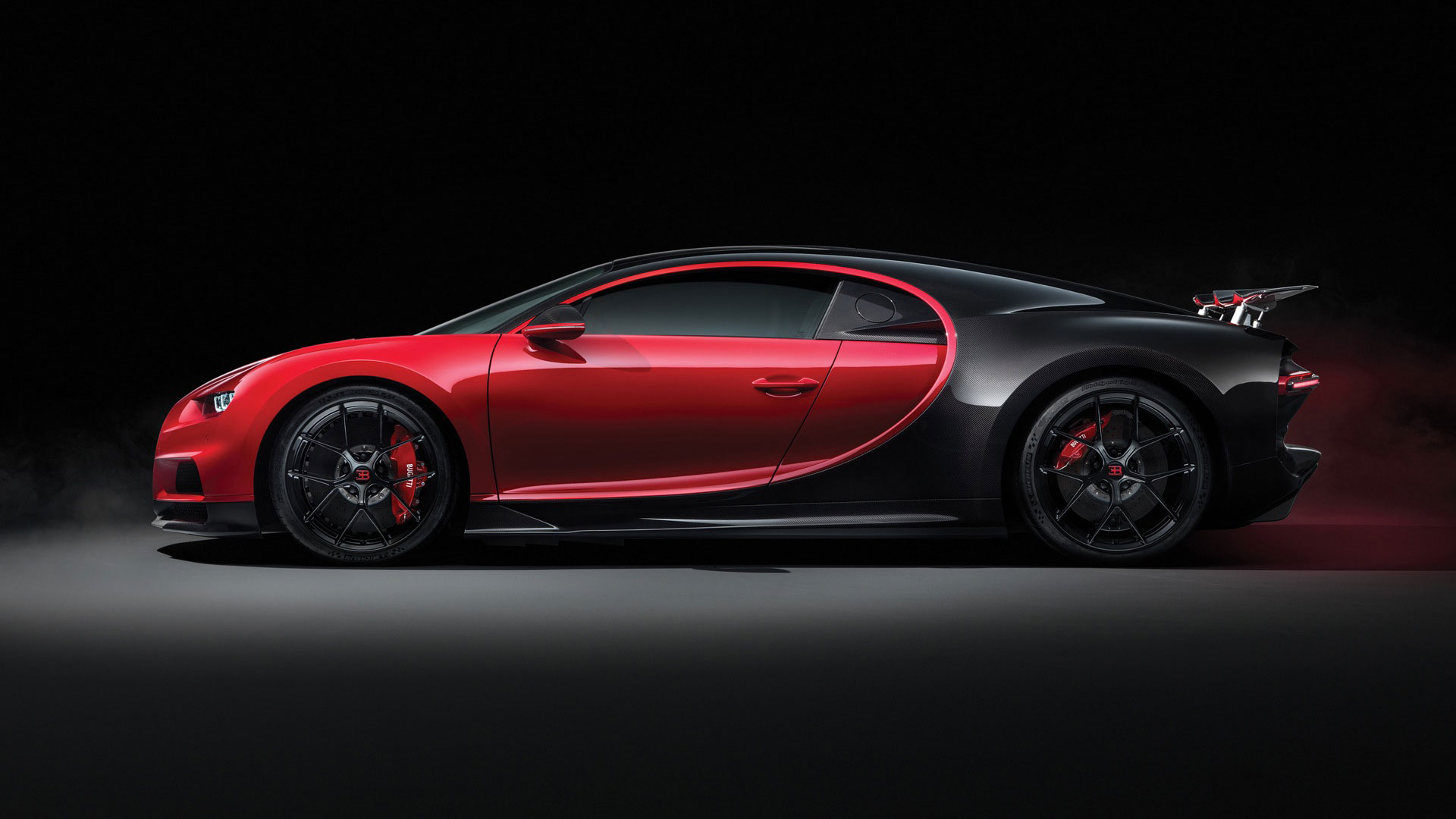
Two years after the launch of the original Chiron, Bugatti followed it up with the Chiron Sport. The 1,500hp powertrain is unchanged, but it gains a dynamic handling package and an 18kg weight saving over the ‘standard’ car. It’s also the first car to boast carbon fibre windscreen wipers, which is sure to impress the people of Monaco. As will the next car to feature in our Top Marques preview…
Dacia Sandero
Nah, only kidding.
Pininfarina Battista
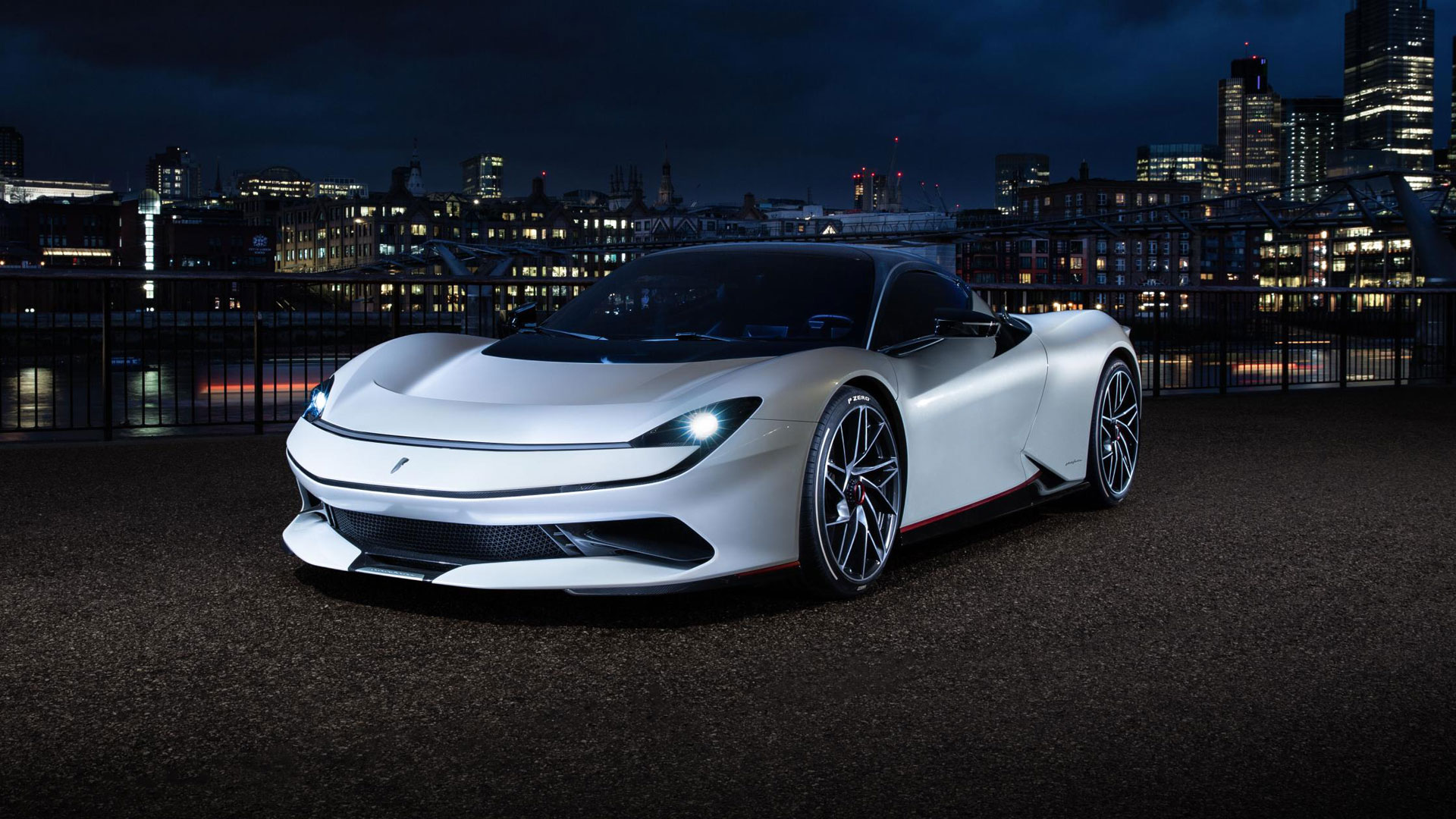
The Pininfarina Battista will be in Monaco ahead of its launch in 2020 with a promise to bring green performance better than a Formula 1 car to the world’s streets. The 1,900hp luxury electric hypercar will accelerate to 62mph in under 2.0 seconds and have a top speed in excess of 250mph, and yet it will also have an electric range of over 300 miles. You can bank on spending almost £2.5 million to secure one of the 150 units.
Quantino 48Volt
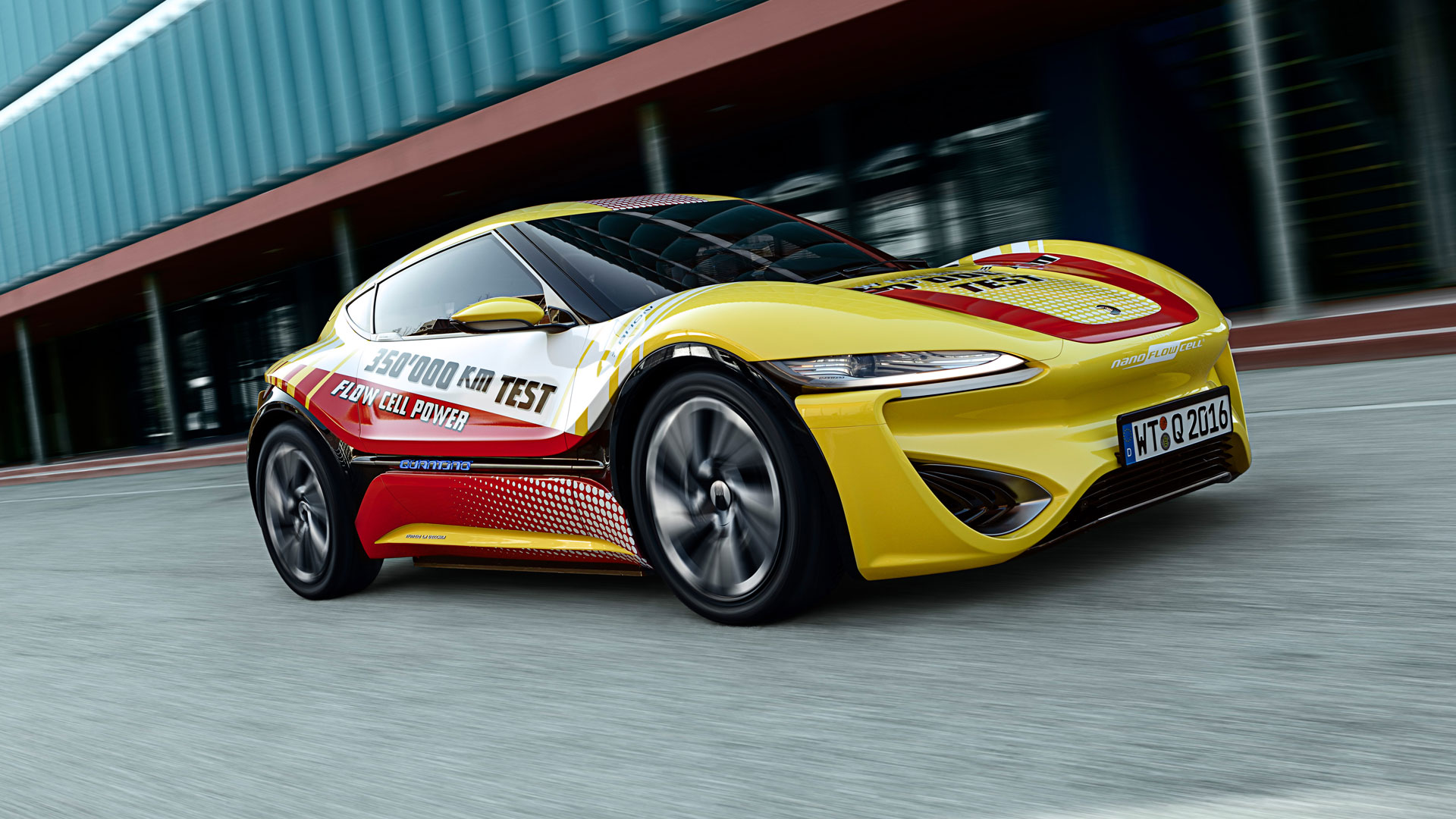
NanoFlowcell has completed 350,000km (217,000 miles) of testing in the Quantino 48Volt ‘flowcell’ car, with the company experiencing “absolutely no problems” in the process. The flowcell tech uses two tanks of external electrolytes pumped over stationary electrodes, with the range dependent on the size of the tanks, rather than the size of the device under the bonnet.
Selfie corner
“Hi guys!” Top Marques Monaco has teamed up with Shmee150 and POG to do some digital influencing. There’s also a ‘selfie corner’, “for fans to take photos with their favourite YouTubers”. Nice.
Top Marques Monaco
Top Marques Monaco opens its doors at the Grimaldi Forum on 30 May and continues until 3 June 2019. Standard tickets cost €70 on the 30 and 31 May, and €40 on the 1 and 2 June. Entry to the show on 3 June is by invitation only.
New research suggests having nine points on your licence can result in cheaper car insurance premiums than starting from scratch with your no-claims bonus.
Quote results comparing the variables demonstrated that on average, having nine points instead of zero no-claims bonus resulted in quotes that were 10 percent cheaper.
Both men and women also got cheaper quotes with six points than they did with three years no-claims bonus or fewer.
“The research is eye-opening, dispelling common myths including that penalty points could spell disaster when it comes to insurance costs,” said Rob Walker, managing director of Vantage Leasing.
There is a proviso, though. Younger drivers will find their quotes are more adversely affected by having points than older drivers. That being said, it’s rare that someone under the age of 21 will have more than three years no-claims bonus. Either way, car insurance isn’t a young person’s game…
Garage parking costs more than the road
Another interesting out-take was that parking your car on the road is often cheaper than parking in a locked garage.
The research showed road parking was cheapest on average, with quotes coming out 10 percent cheaper than for a garage. As ever with car insurance, though, it’s down to the individual scenario. There’s nothing for it but to bite the bullet and compare prices for yourself.
“While the research shows what a typical male or female driver can expect, it doesn’t cover every eventuality, and some may find their circumstances produce different results,” explained Walker.
“It does, however, provide some intriguing insights into the ever-evolving nature of vehicle insurance.”
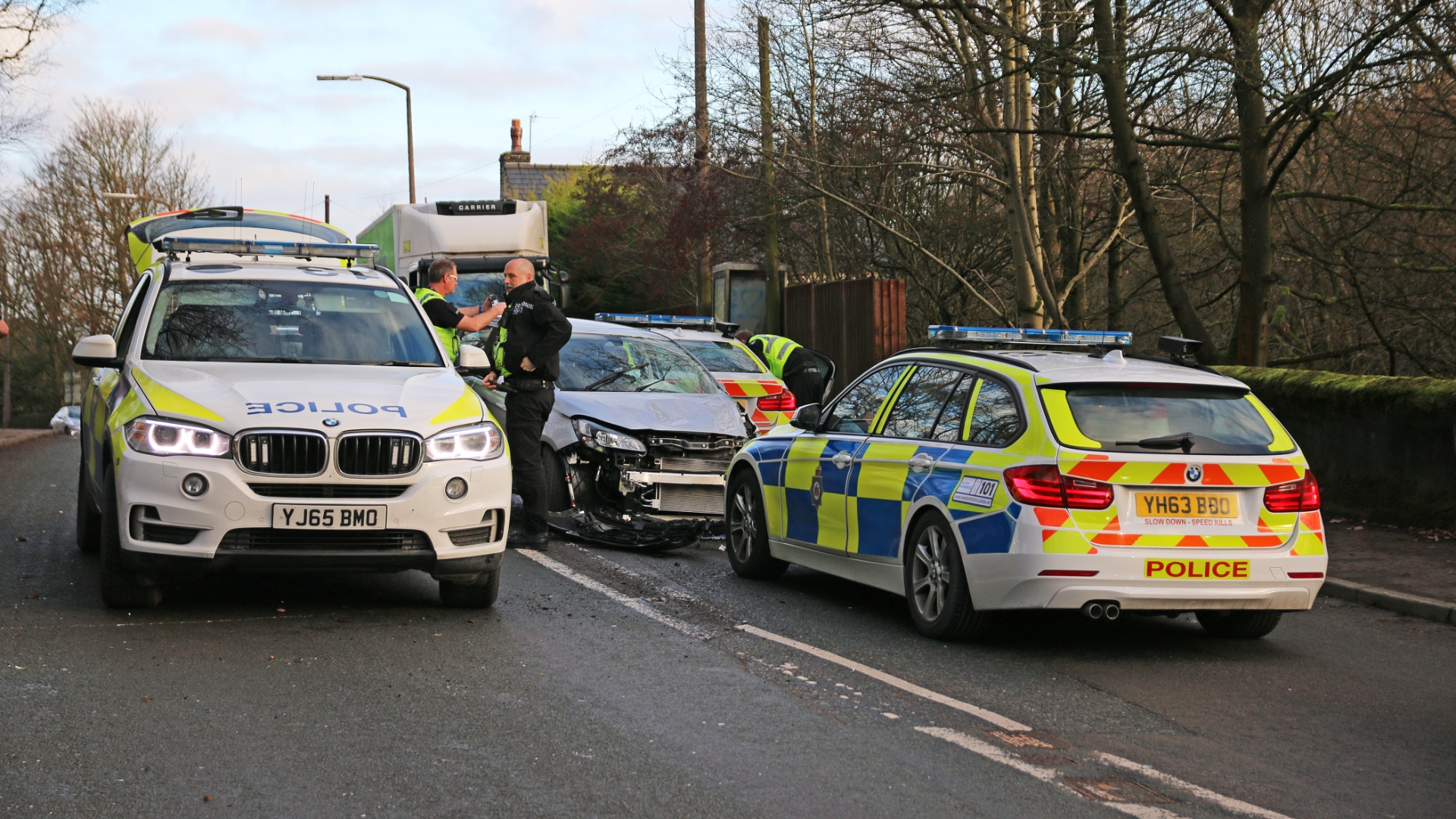
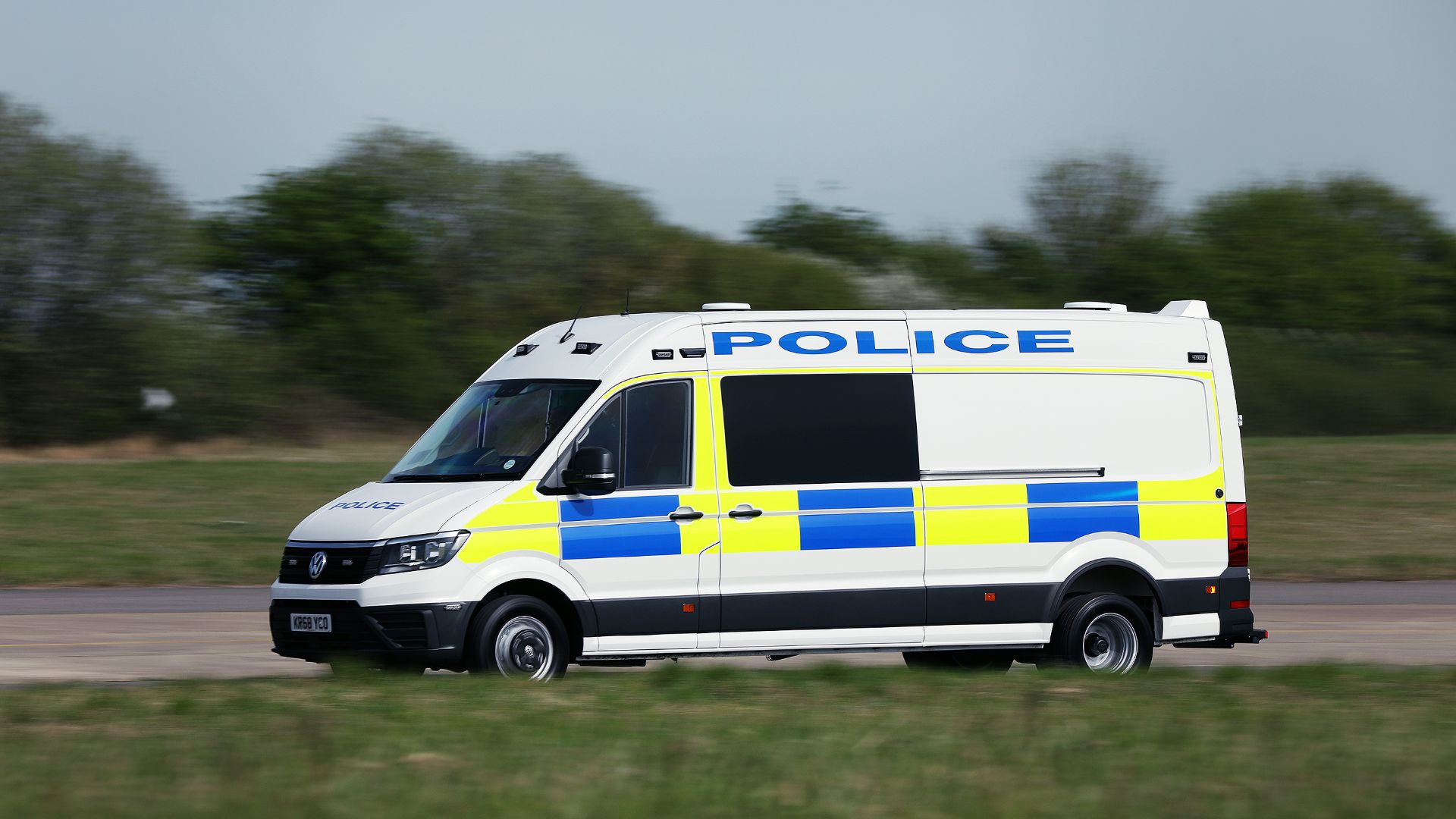
The Home Office will introduce changes to the law to recognise the high standard of training for police pursuit drivers. Such changes will make clear that officers should not be held accountable for the driving of suspects they’re chasing – as long as a pursuit is justified.
The legislation comes in response to recent controversy around police pursuits involving physically vulnerable suspects, such as those on mopeds. The distinction between criminals endangering themselves, and being put in danger by a pursuing officer, is to be more clearly defined.
In addition, there will be a review of emergency service exemptions when it comes to traffic law.
“It’s vital police officers feel confident and protected when pursuing suspects on the roads or responding to an emergency,” said Home Secretary Sajid Javid.
“It’s also crucial that we send a clear message that criminals – whether in cars or on mopeds – cannot escape arrest simply by driving recklessly.
“These proposed changes will strike the right balance, giving trained officers the confidence they need to fight crime effectively and ensure our roads are safe.”
At present, police are judged by the same standards as members of the public, despite their advanced training. Criminals have been able to take advantage by driving recklessly in pursuits, knowing that the police need to proceed with caution.
This leaves them open to misconduct investigations, lawsuits and prosecution, should ‘necessary force’ be regarded as ‘wilful harm’. Cases are currently left to the discretion of the Independent Office for Police Conduct and the Crown Prosecution Service, in order to keep them safe from unfair assessment.
“We are pleased and reassured by this announcement,” said John Apter, national chair of the Police Federation of England and Wales.
“It means police officers will be able to spend more time serving their communities, rather than facing lengthy court proceedings simply for doing their job.”
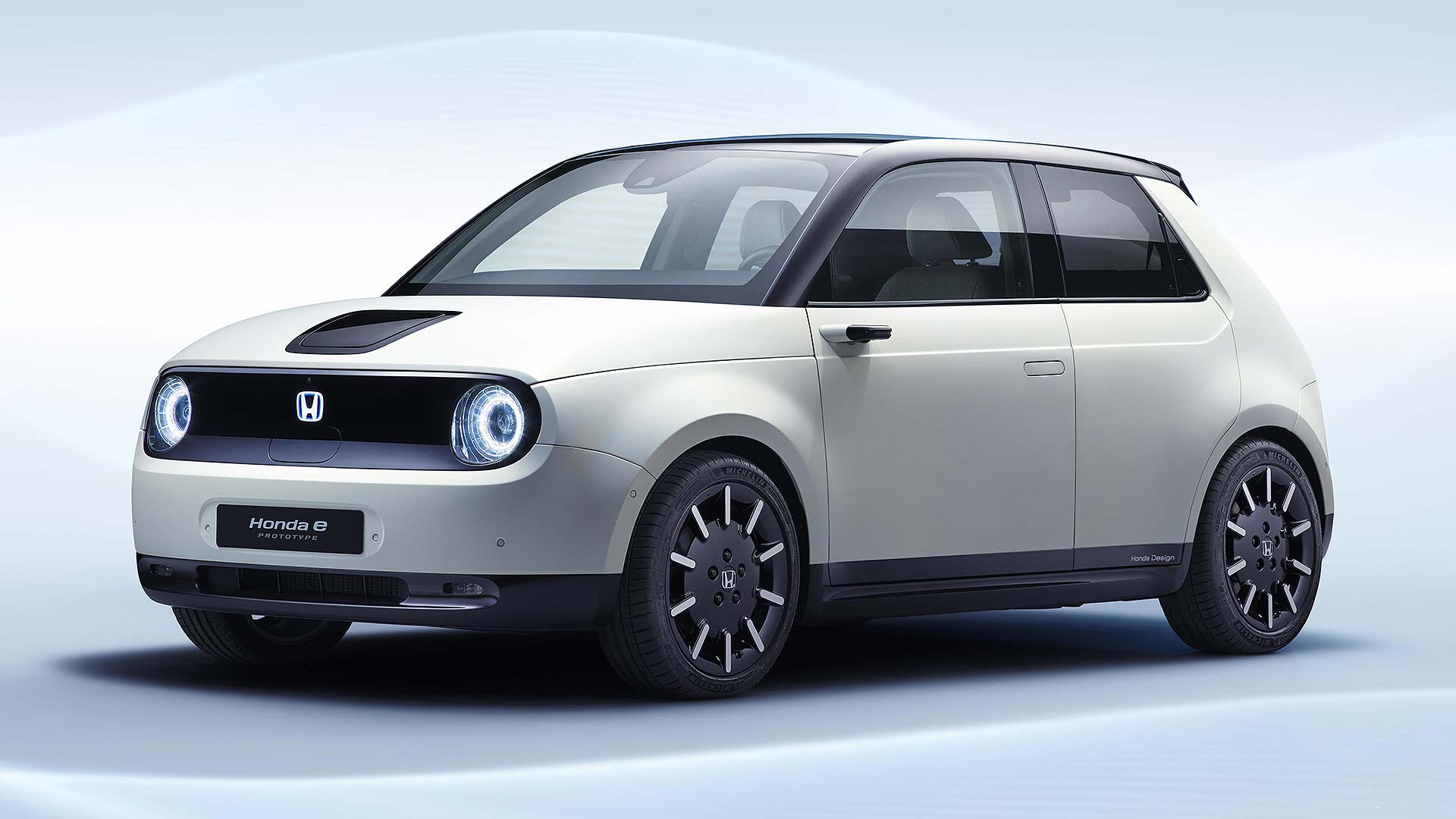
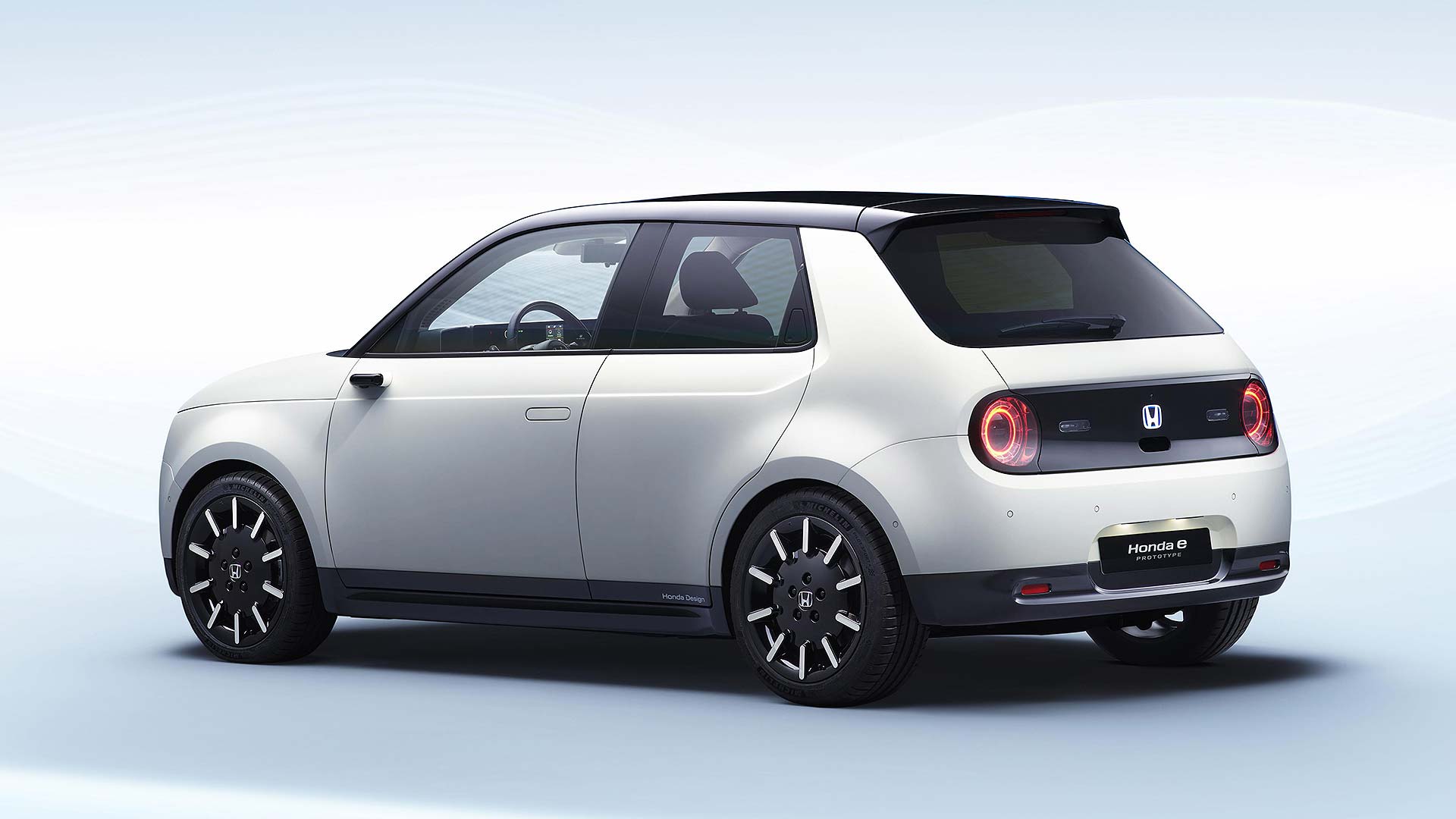
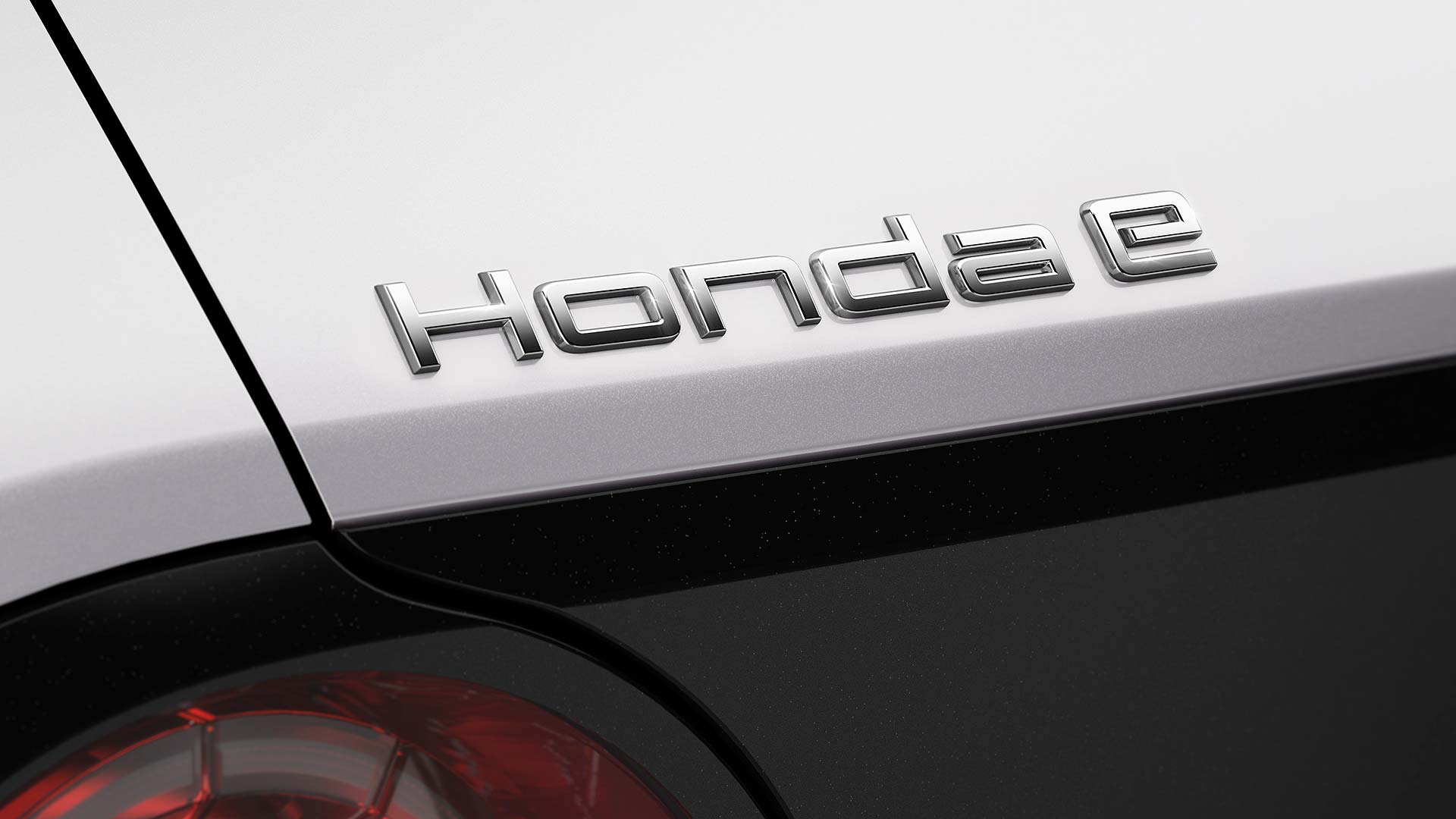
Ordering for the new Honda e is set to open in summer 2019, and deliveries to dealers are expected by early 2020.
The firm will also reveal the new Honda e in full this summer, although it is not expected to differ greatly from the Honda e-Prototype shown at the 2019 Geneva Motor Show: bosses admit that model is already 98 percent showroom-ready.
With a 120-mile range, the Honda e is intentionally being pitched as an urban EV, rather than a long-distance electric car. This helps keep its dimensions compact, and also aids packaging: despite being small, the five-door car still seats four.
Honda hasn’t yet revealed details of the e’s battery capacity, but is expected to be around 30 kWh. This will help keep costs in check, although the Honda e will not be a budget-priced model.
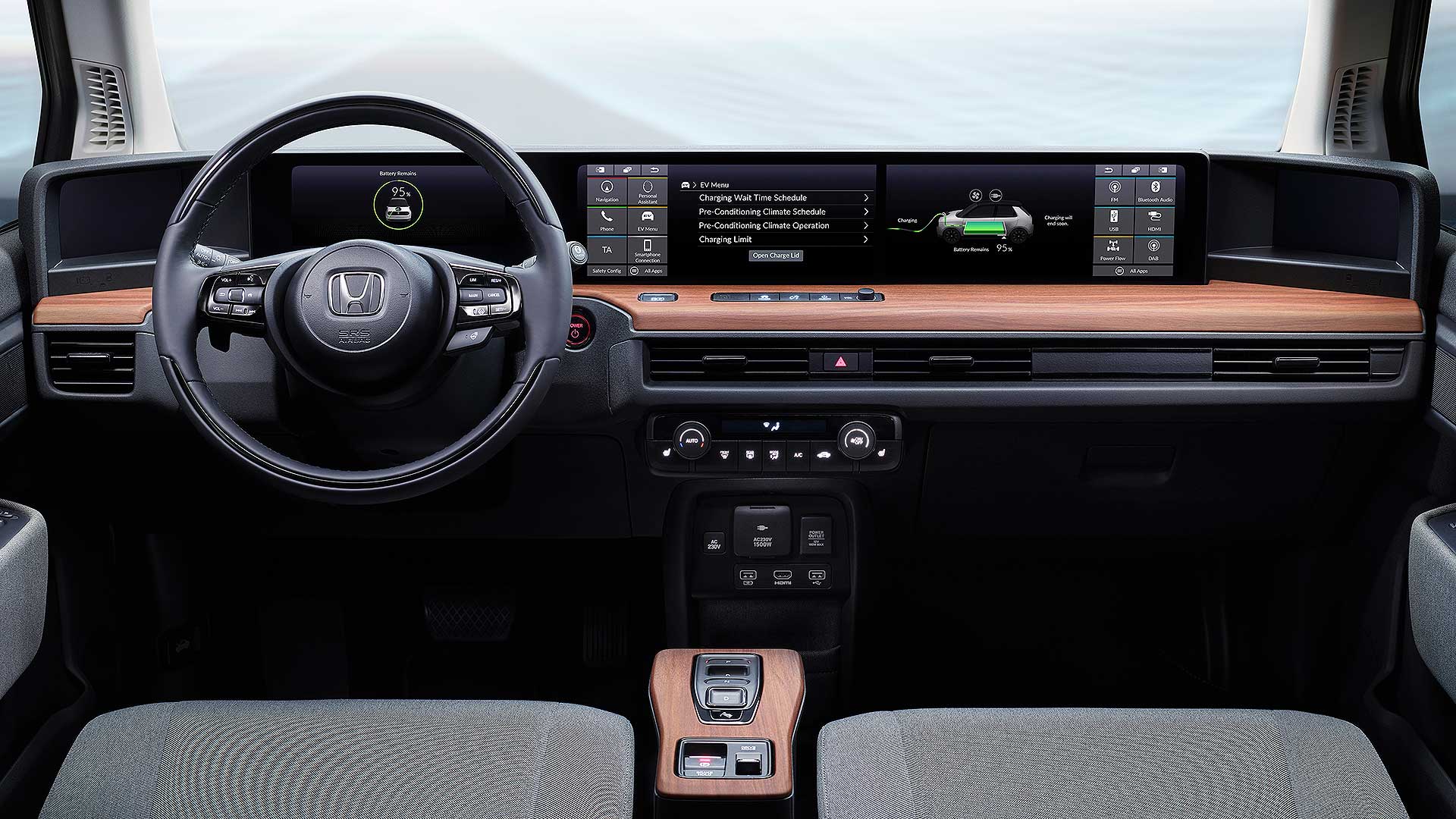
The firm is instead positioning it as a modern luxury EV, with lots of interior gadgets and luxury features. It is expected to be priced from over £30,000.
“That is not a cheap product, but everyone still wants to have one.”
Not that this is stopping ‘hand-raisers’ from contacting Honda: already, more than 6,500 expressions of interest have been placed in the UK alone, via the firm’s website.
Honda has also confirmed the next-generation Jazz will make its world debut at the Tokyo Motor Show later in 2019 – and the range will include an electrified hybrid version, using a version of the clever system already seen on the Honda CR-V Hybrid.
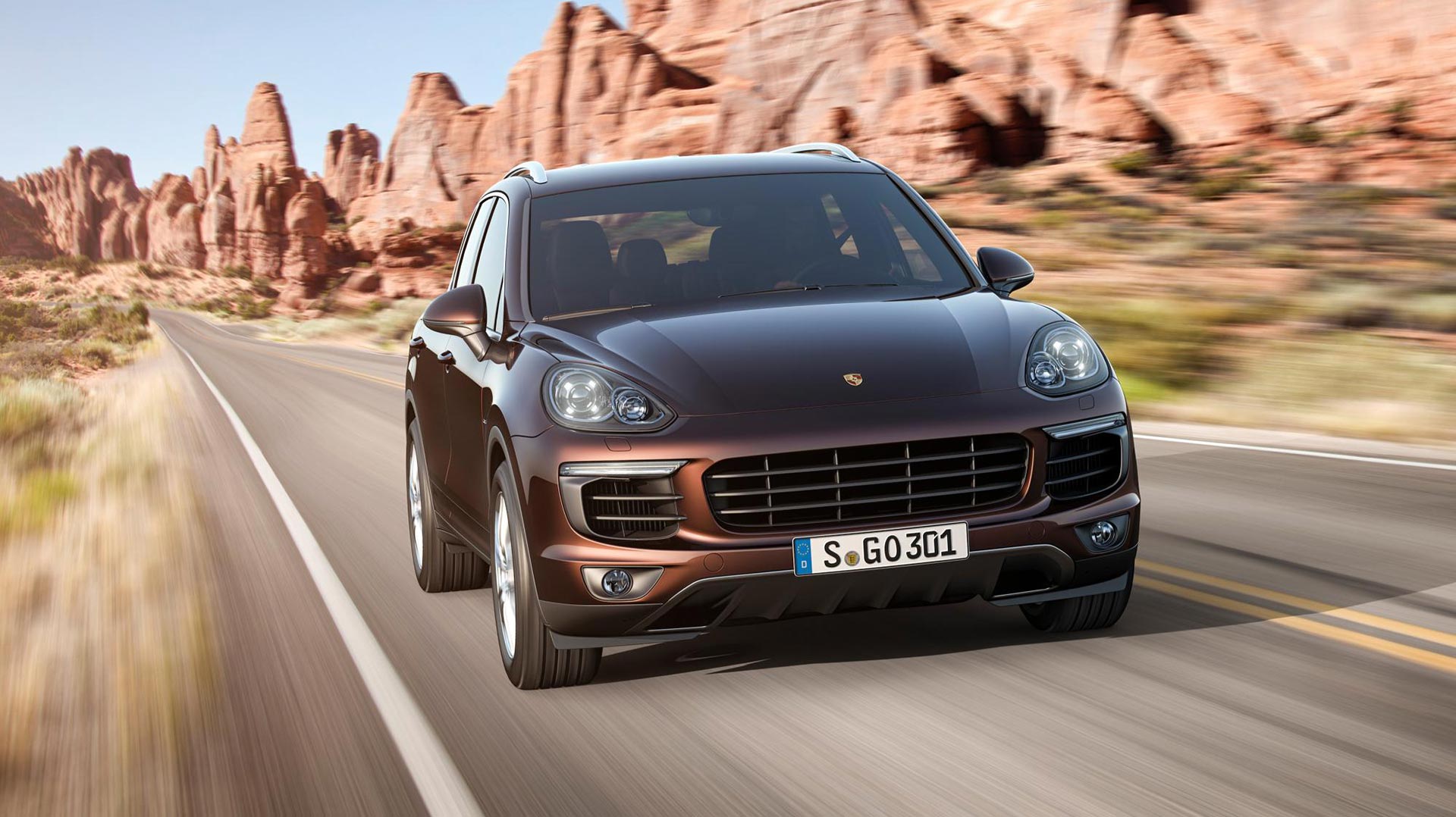
The effects of the dieselgate emissions scandal continue to be felt across the wider Volkswagen Group, with Porsche issued with fines by the Stuttgart Public Prosecutor’s Office.
Totalling a substantial €535 million (£450 million / $589 million), the fines include €4 million for ‘negligent breach of duty’ by Porsche, with the remaining €531 million levied against the profits of the company.
The penalties were due to Porsche selling diesel-engined vehicles fitted with ‘defeat devices’, designed to circumvent emissions testing regulations.
Thousands of Porsche Macan and Cayenne SUVs were ordered to be recalled by German authorities, when it became apparent they had the illegal defeat devices fitted to them.
In recent year,s Porsche has witnessed considerable financial success. In 2018 the company recorded net profits of €4.3 billion (£3.62 billion / $4.73 billion), and was able to award each employee a bonus of almost €10,000.
However, that profitability means a heftier fine for Porsche, with the Stuttgart Public Prosecutor linking the fine to the financial performance of the company.
The Volkswagen Group had already accounted for the potential fines in financial forecasting for this year, meaning the hefty penalty did not come as a shock.
Although Porsche chose not to fight the legal proceedings, the company did note that it had “never developed and produced diesel engines” in a published statement.
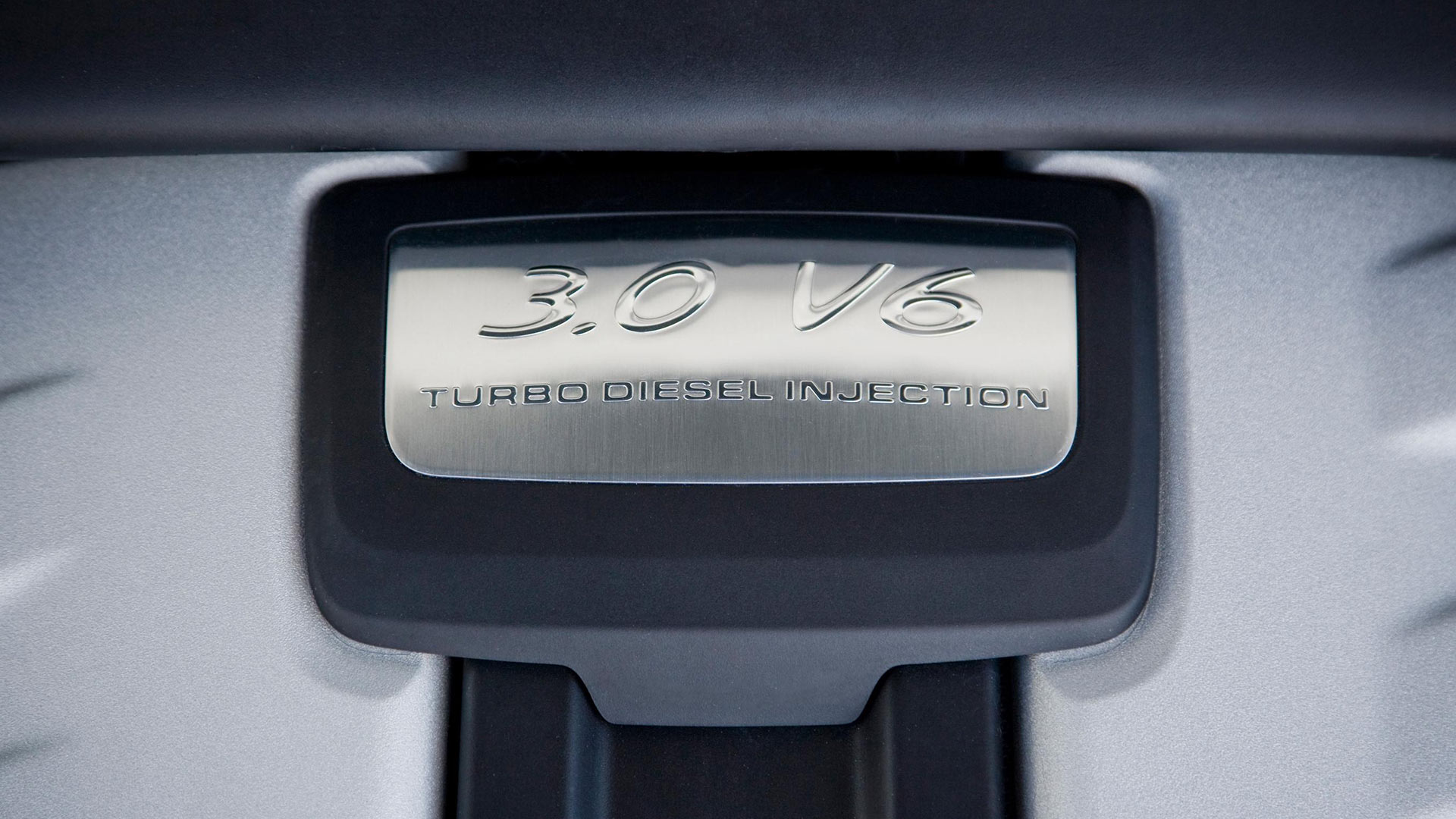
The Porsche models implicated in the dieselgate scandal used Audi-sourced V6 turbocharged diesel engine, shared with other Volkswagen Group vehicles.
Last year, Porsche confirmed that it had ditched the idea of diesel-powered cars and SUVs for good. CEO Oliver Blume noted that the company now wanted its “future to be diesel-free.”
Instead, Porsche will focus on battery power for future plans, with the forthcoming all-electric Taycan having already notched up 20,000 potential customers.
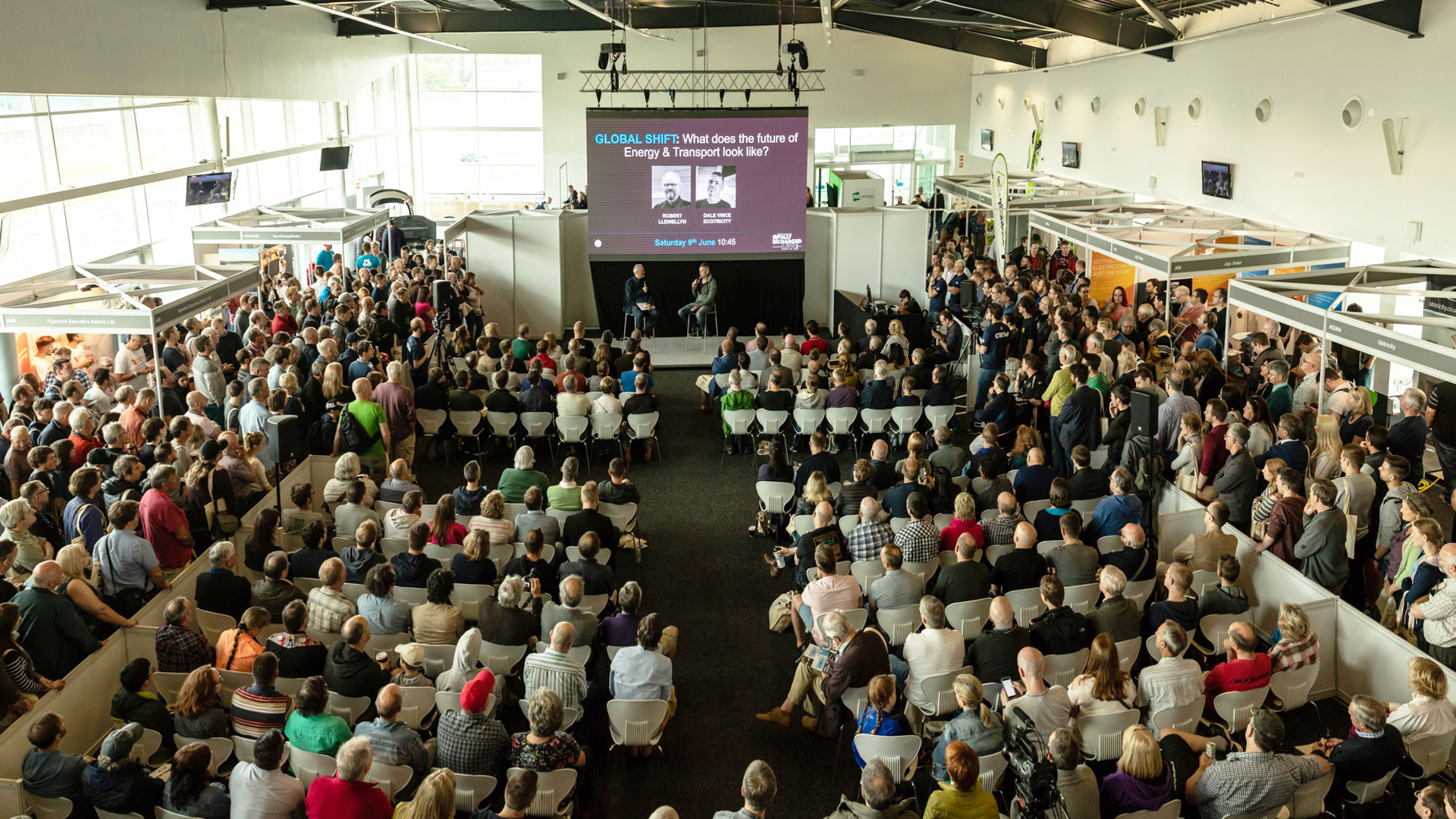
Fully Charged Live – ‘the exhilarating festival of clean energy tech and electric vehicles’ – is back for another year. Robert Llewellyn and co. will be electrifying audiences at Silverstone on the weekend of 7-9 June.
With an average of three million episode views per month on YouTube, Fully Charged is riding on the crest of the wave created by the increasing interest in electric vehicles, and at the time of writing its channel has more than 465,000 subscribers.
Not all of the subscribers will descend on Silverstone for Fully Charged Live – 6,000 people visited the show in 2018 – but the organisers are expecting the event to double in size this year.
‘Last year we were terrified’
Robert Llewellyn, the man behind Fully Charged, said: “This time last year we were terrified and then more than 6,000 people descended on the show to hear all about the future of energy and transport.
“So, this year we’re really thrilled to be back, taking Fully Charged Live to another level. The Fully Charged Live team are working tirelessly to include the ingredients that our audience love in a live format.”
There will be 30 live sessions hosted by Llewellyn, Jonny Smith, Helen Czerski and Maddie Moate, with each one focused on a different area of green energy. Subjects range from ‘electric vehicle myths busted’ to ‘what you need to know about particulate and tyre pollution’.
Other highlights include:
Electric transfers: get transferred from the car parks in an EV
Every electric vehicle available in the UK
A live music stage (including the Craig Charles Funk and Soul Show on Saturday night)
Exhibition of clean energy suppliers and renewable technologies
Opportunity to test drive vehicles on the Stowe Circuit
Tickets and more information can be found on the Fully Charged website.

 The new all-electric