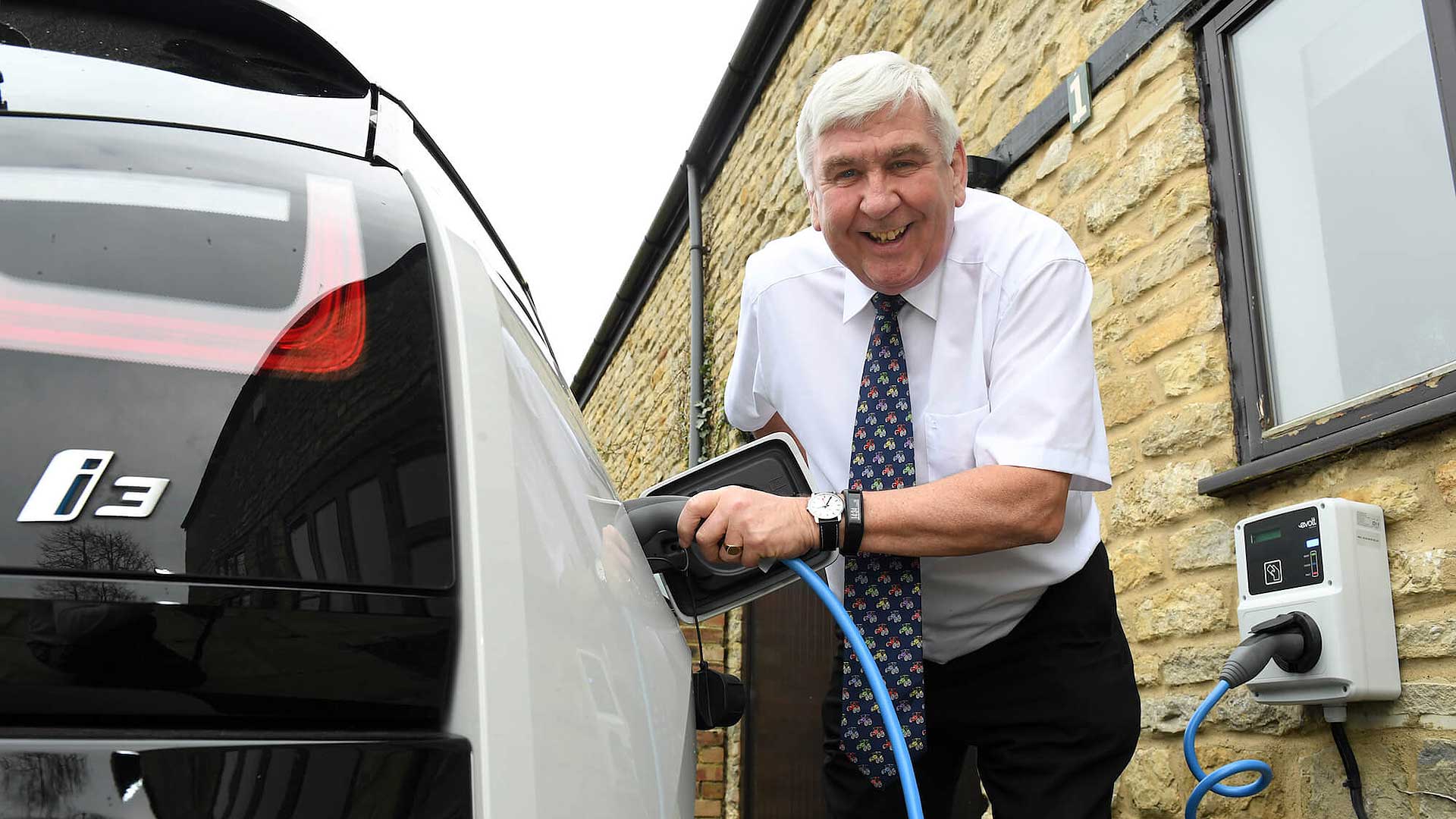
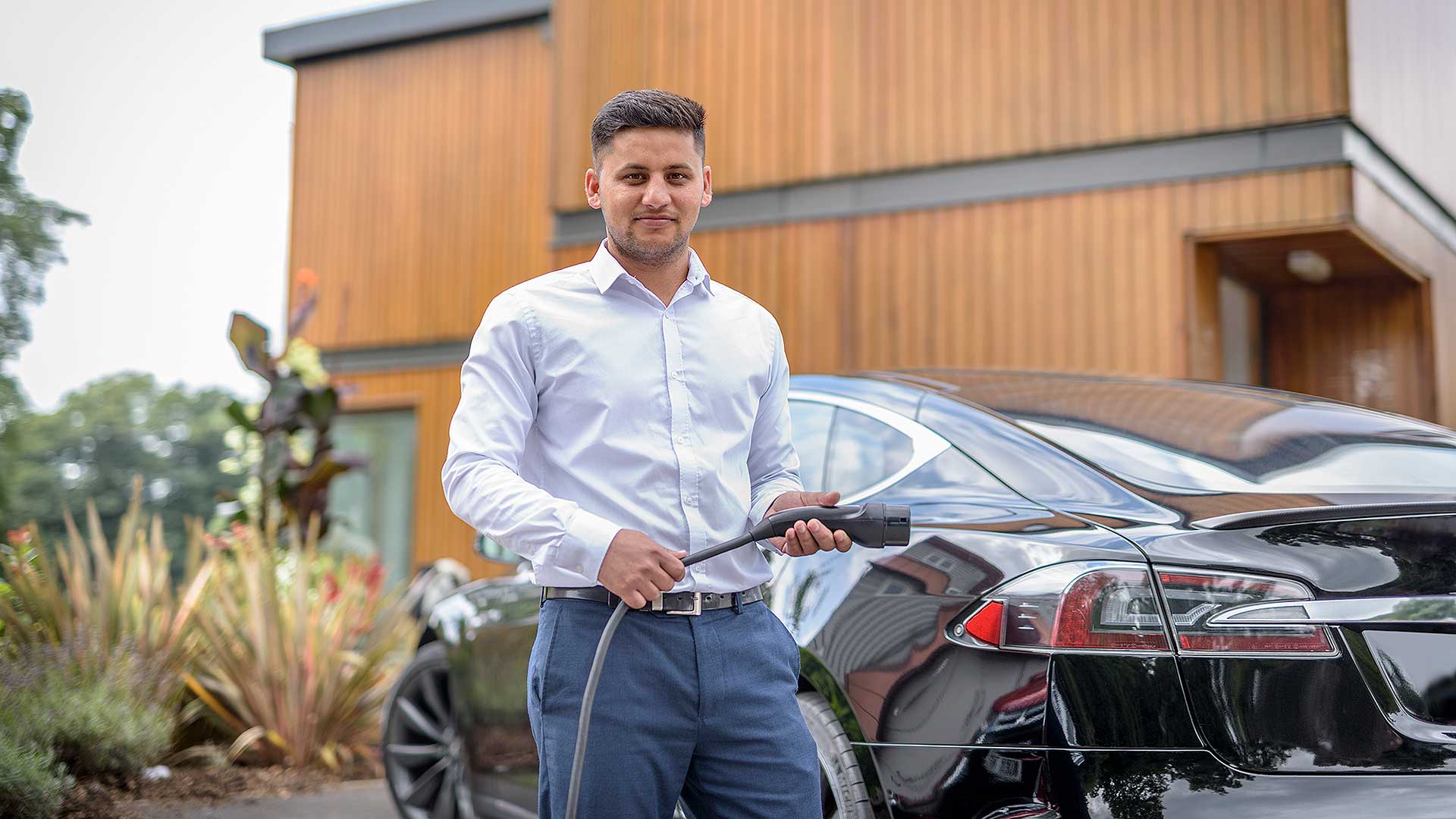
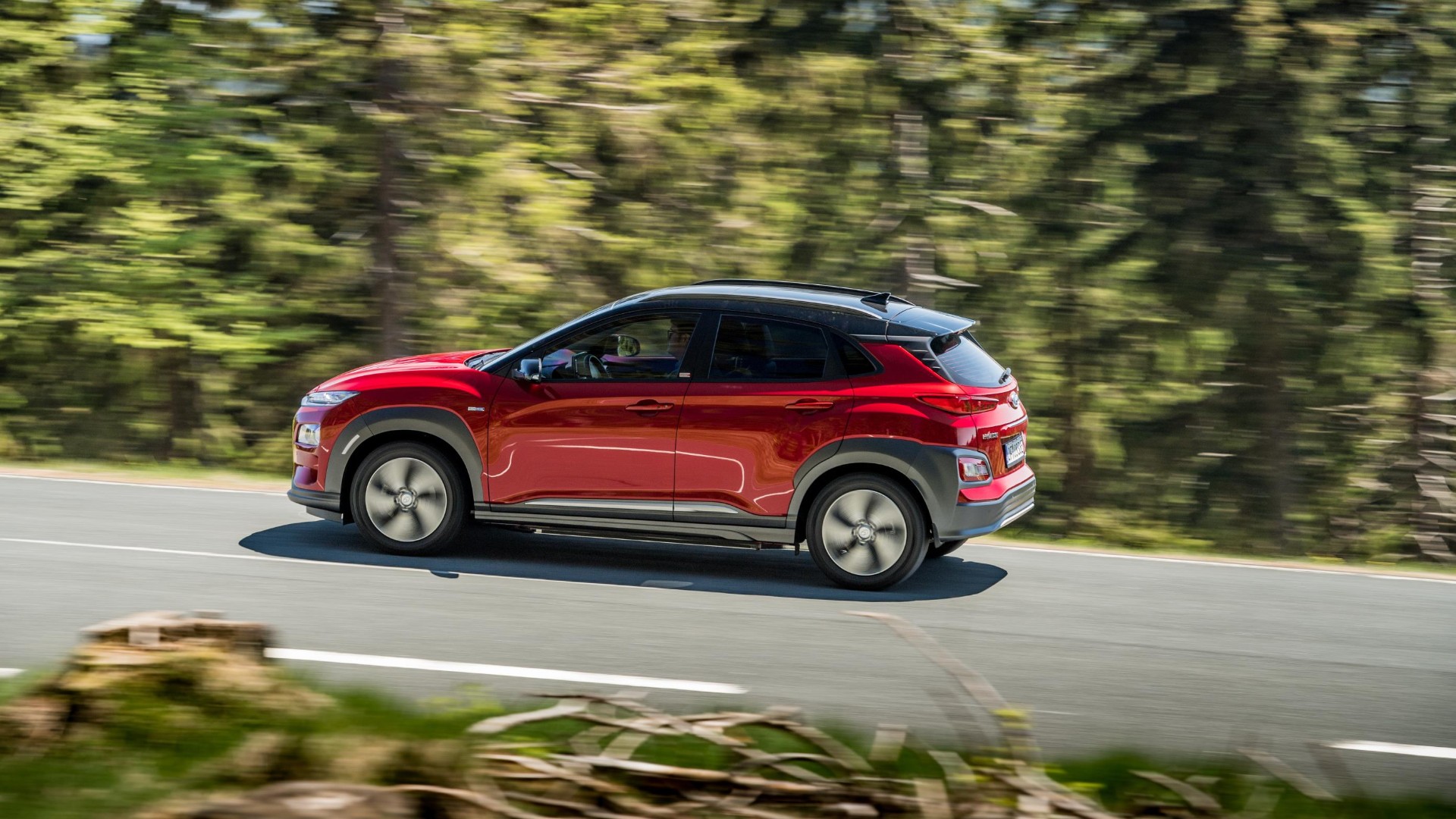
Company car drivers choosing an emissions-free electric fleet car will pay ZERO benefit-in-kind (BIK) company car tax for a full year from April 2020, the government has announced.
What’s more, the BIK tax will increase to just one percent the following year, and two percent from April 2022.
The surprise announcement is intended to significantly bolster uptake of fully electric vehicles among fleets; companies still buy more new cars annually than private individuals.
Drivers of cars emitting zero CO2 were already set to enjoy a beneficial two percent BIK tax rate from next year.
The unexpected exemption from paying company car tax for a year makes electric cars even more appealing to fleet drivers.
Tax-free plug-in hybrids, too
Plug-in hybrid cars are also included in the zero BIK company car tax rate.
Models that emit between 1-50 g/km CO2, and can travel for at least 130 miles as a pure electric vehicle, benefit from zero BIK tax from April 6 2020, rising to one percent and two percent in subsequent years.
However, there are currently no models that can travel so far without the engine starting up.
Ultra-low CO2 hybrids with lesser ranges still get tax breaks, but they aren’t as generous: a model that can travel less than 30 miles as a pure EV will be subject to 12 percent BIK tax from April 2020, for example.
Matthew Walters from company car provider LeasePlan UK said the zero electric company car tax announcement was a milestone moment for the industry, as it is the first time company cars will pay no tax at all”.
It is a move that “demonstrates ministers’ commitment to lower taxes for low emission vehicles”.
Comparing 2020-21 electric company car tax rates to a commomplace diesel fleet car, the new BMW 318d SE (which emits 113g/km CO2 and will be subject to 31 percent benefit-in-kind tax from April 2020), puts the scale of the government’s move into context.
A 20 percent taxpayer will fork out £2,000 – nearly £170 a month – in BIK tax to use the BMW. If they’re a 40 percent taxpayer, it rockets to £4,000 a year, or over £330 a month.
Given such exceptional savings, interest in using a company EV is certain to increase enormously.
The government adds that it will review company car BIK tax rates again for 2023-24 onwards, meaning the beneficial market-boosting electric company car advantages will not remain indefinitely.
But as a way of boosting the new electric car market – and subsequently putting more EVs into the hands of used car buyers after three years – the move is being applauded by the fleet car industry.
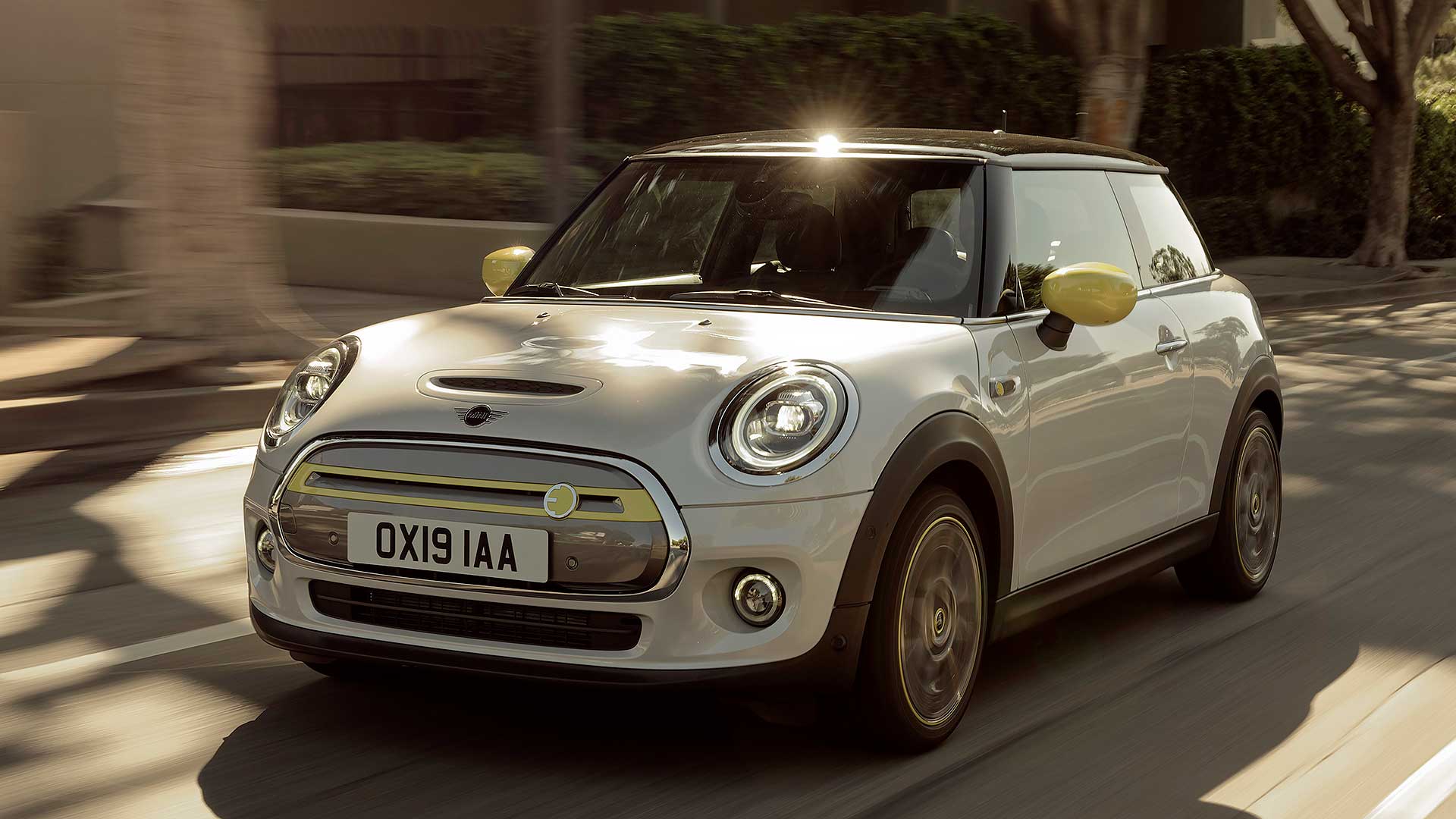
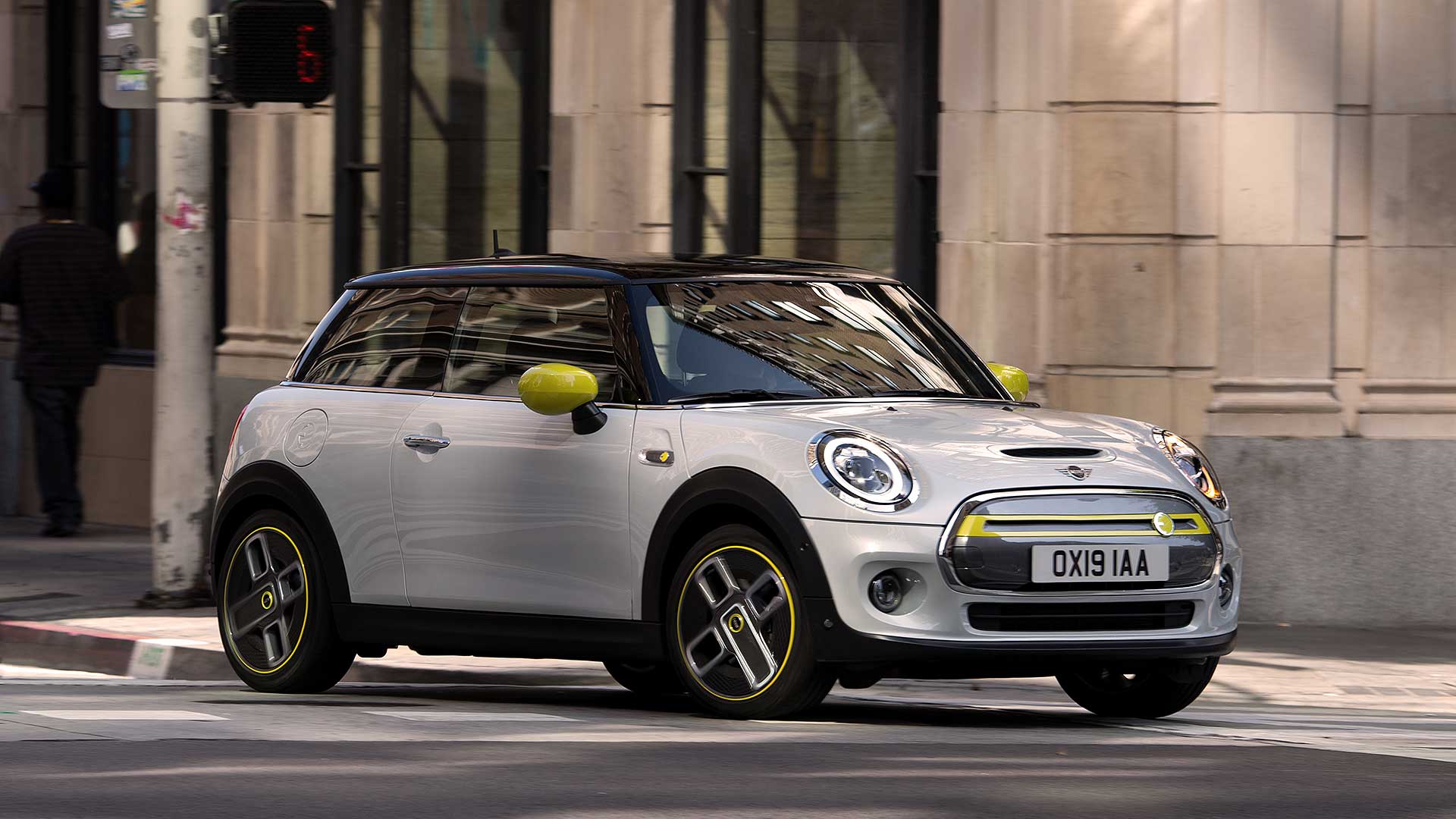
Like the Honda, Mini is quoting a 124-mile minimum range for the new electric three-door. Some may see up to 144 miles, according to the new WLTP electric car range test.
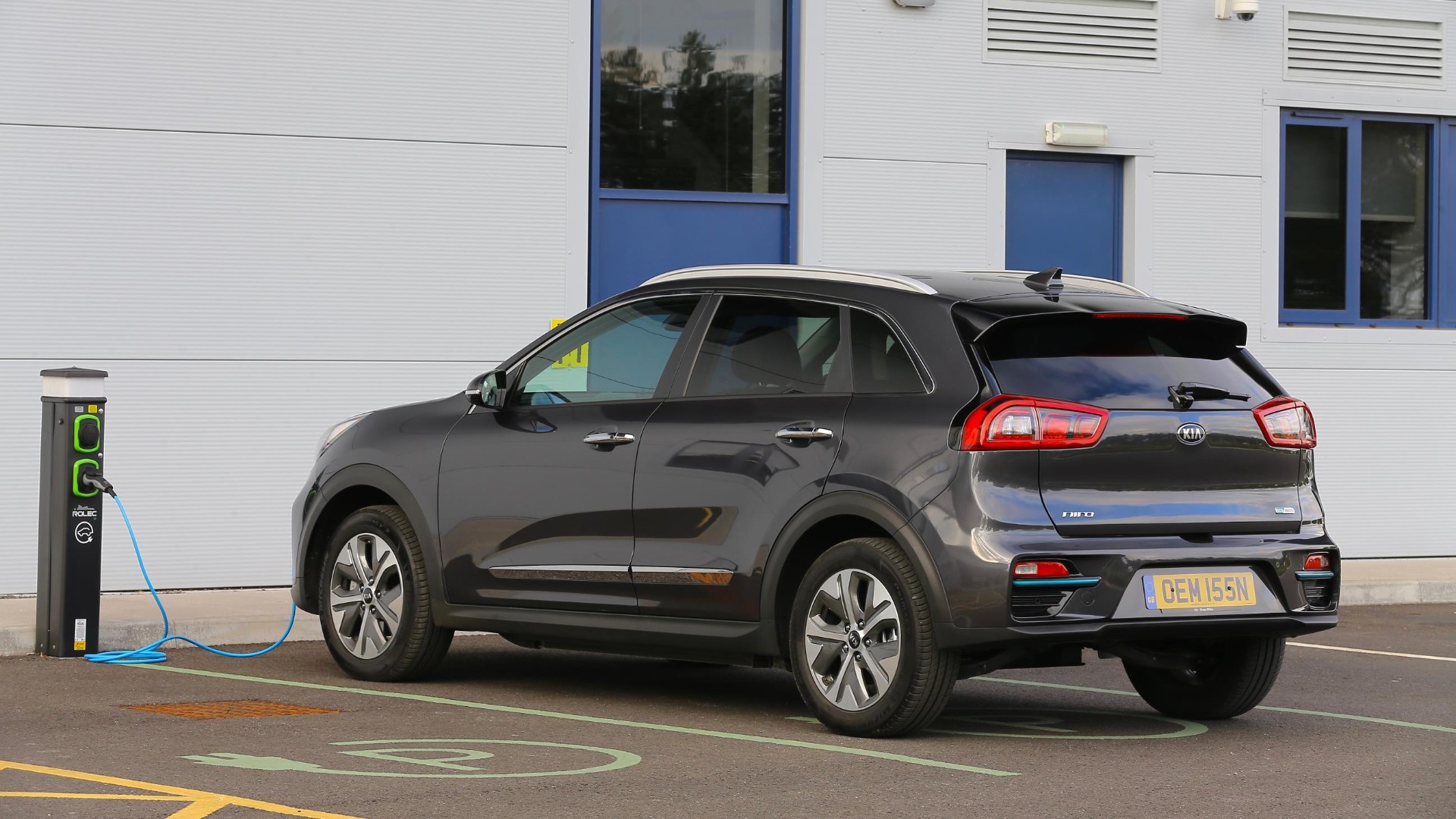
Of course, the range is significantly less than other electric cars such as the Kia e-Niro and Hyundai Niro EV.
But unlike the Honda, Mini has price on its side – warranting its argument that it balanced range with price to come out with the best-possible blend of driving distance and affordability.
Lease a Mini Electric
The lease deal aims to make the Mini Electric even more accessible to urban dwellers.
It’s a Personal Contract Hire package, spread over 48 months (or four years).
For those with the necessary £4,000 deposit, monthly rentals from as little as £299 are on offer.
Keen to take it up? Head to your local Mini dealer now, or mini.co.uk – because the firm is already taking £500 deposits to secure a place in the queue when deliveries begin in March 2020.
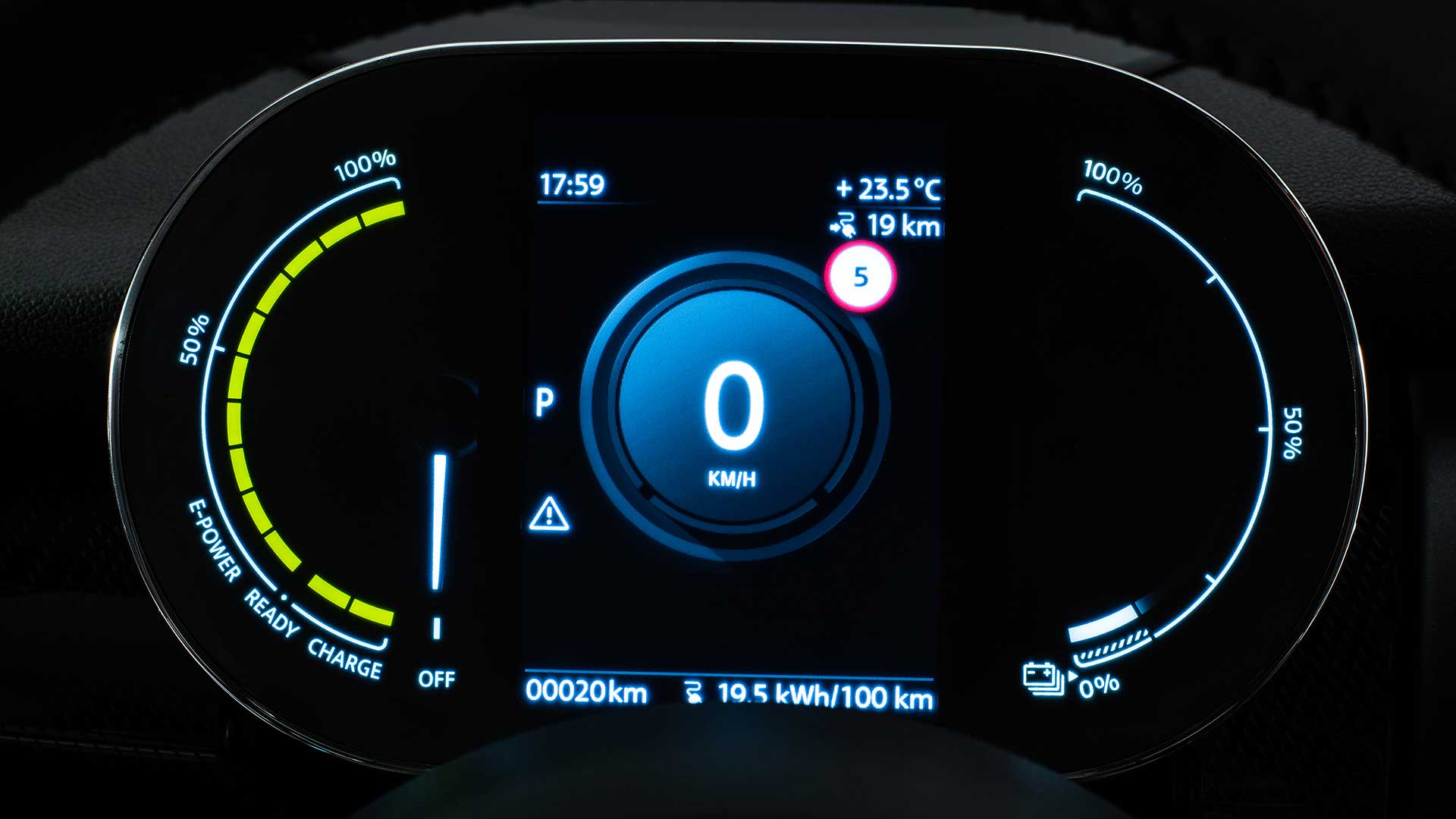
Other hot facts about the new Mini Electric include its 7.3-seconds 0-62mph time (almost as fast as the Mini Cooper S petrol) and the ability to fast-charge from flat to 80 percent full in 35 minutes.
All you need is access to a 50kW fast charger.
Alongside the base £24,400 Mini Electric will be a mid-style model from £26,400, and a top-style version from £30,400.
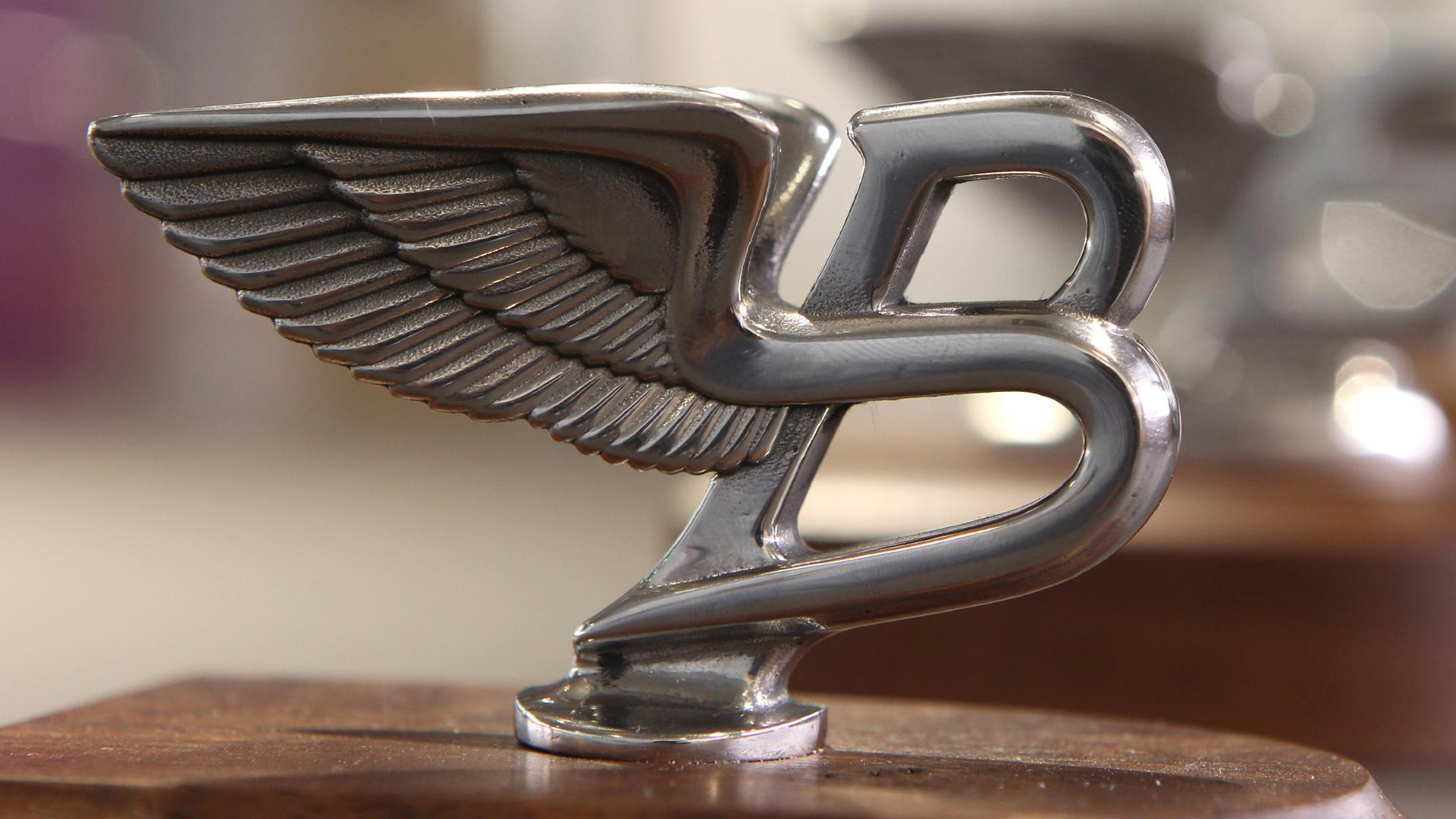
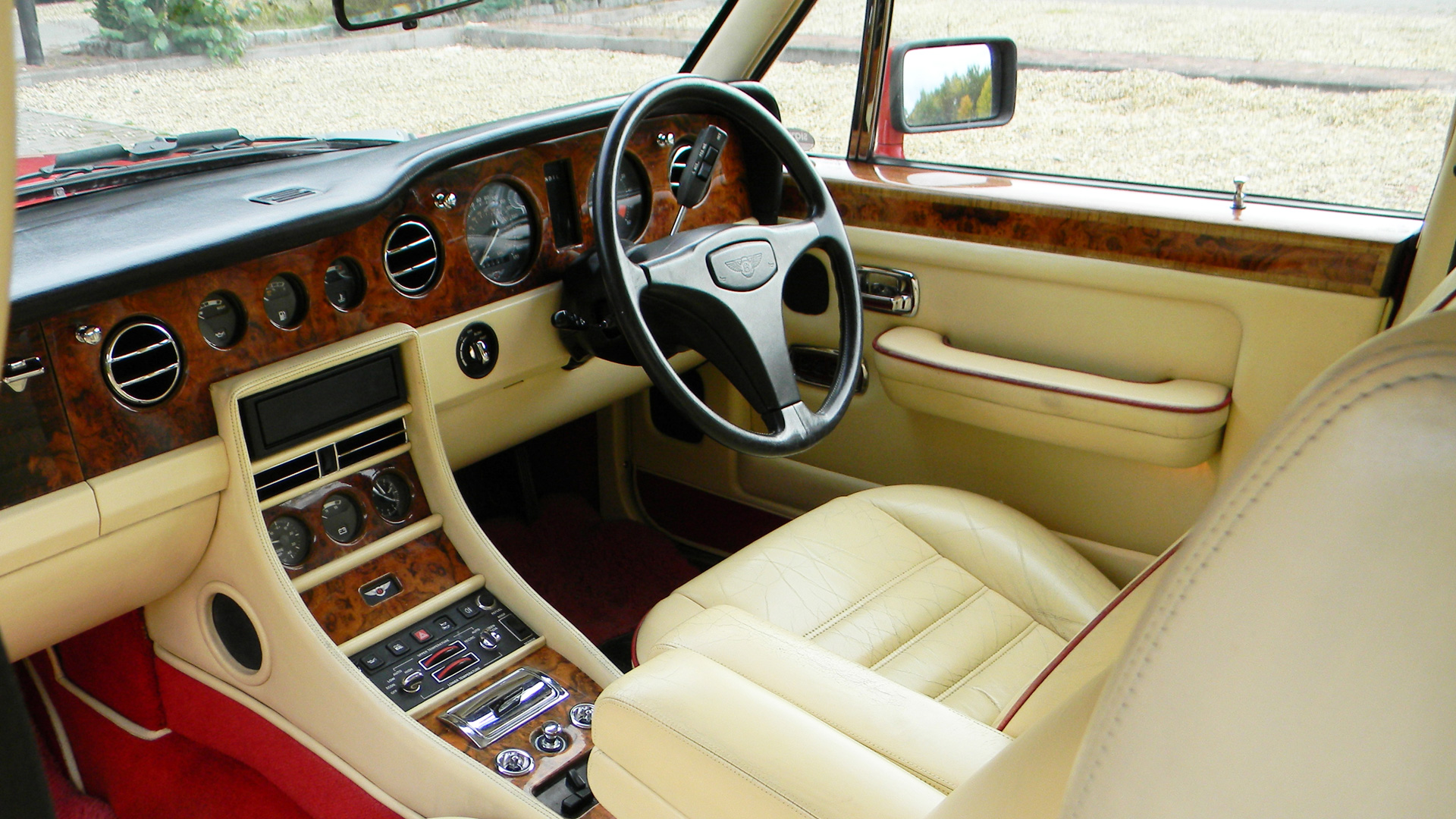
The Bentley story is a tale of innovation, success, failure, a loss of identity and a phoenix-like rise from the brink of oblivion. There are enough twists and turns to challenge even the best screenwriter, along with a cast of characters worthy of any Hollywood blockbuster. Here, we attempt to distill the history of Bentley into bite-sized chapters, piecing together the first 101 years of this famous brand, including the new Bentley Bacalar.
Bentley Bacalar
We start, perhaps surprisingly, with Bentley’s newest car. The two-seat Bacalar marks a return to bespoke coachbuilding for Bentley Mulliner, with just a dozen examples being made. The design is inspired by the EXP 100 GT concept (a car you’ll see later in this gallery), with power sourced from a 6.0-litre W12 engine developing 659hp and 667lb ft of torque. Highlights include paint containing rice husks, natural British wool and 5,000-year-old riverwood sourced from the ancient fenlands of East Anglia.
Read on to discover more about the history of Bentley.
W.O. Bentley
The story begins with Walter Owen (W.O.) Bentley, the son of a wealthy family living in London. Born in 1888, W.O. Bentley developed a fascination for steam engines and spent five years learning about locomotive engineering at the Great Northern Railway in Doncaster. While working for the railway, W.O. bought a 3hp Quadrant motorcycle and entered the 400-mile London to Edinburgh Trial, finishing with a gold medal. Further trials were entered, and it’s through these competitions that W.O. Bentley developed a love of speed.
Bentley and Bentley
In 1912, W.O. Bentley raised £2,000 and went into partnership with one of his brothers to form Bentley & Bentley: the British Empire concessionaires for Doriot, Flandrin & Parant (DFP). Bentley imported cars from this long forgotten French marque to race at Brooklands, with W.O. Bentley using his experience to extract more power from them.
Inspired by a paperweight
On a trip to the DFP offices in 1913, W.O. Bentley chanced upon an aluminium paperweight and wondered if this material could be used to create lightweight pistons. After some experimentation, he settled on a formula of 88 percent aluminium and 12 percent copper, with the new pistons helping him to set a new 89.7mph flying lap record for a flying mile at Brooklands. W.O. Bentley knew that racing was the best form of publicity for a car company, but his dreams of growth were put on hold by the outbreak of war.
W.O. Bentley’s career takes off
W.O. Bentley was pressed into military service as a captain in the Royal Naval Air Service. His aluminium pistons were used to great effect to create a fighter aircraft engine more reliable and powerful than previous versions, with the Bentley Rotary (BR.1) engine helping to make the Sopwith Camel the most successful British fighter aircraft of the war. A second BR.2 unit was developed, with W.O. Bentley’s efforts rewarded with a £1,000 gratuity and a royalty cheque of £8,000. With this working capital, W.O. Bentley was able to form Bentley Motors in 1919.
Bentley Motors
Bentley Motors was founded on 10 July 1919, underpinned by W.O. Bentley’s philosophy that “we were going to make a fast car, a good car, the best in its class”. His brother looked after the financial side of the business, delivering the regular cash injections required by W.O. during the development of the first Bentley cars. EXP 1 (Experimental No.1) was the first car to bear the Bentley name, with a 3.0-litre four-cylinder engine that put it years ahead of rival vehicles.
Bentley EXP 2
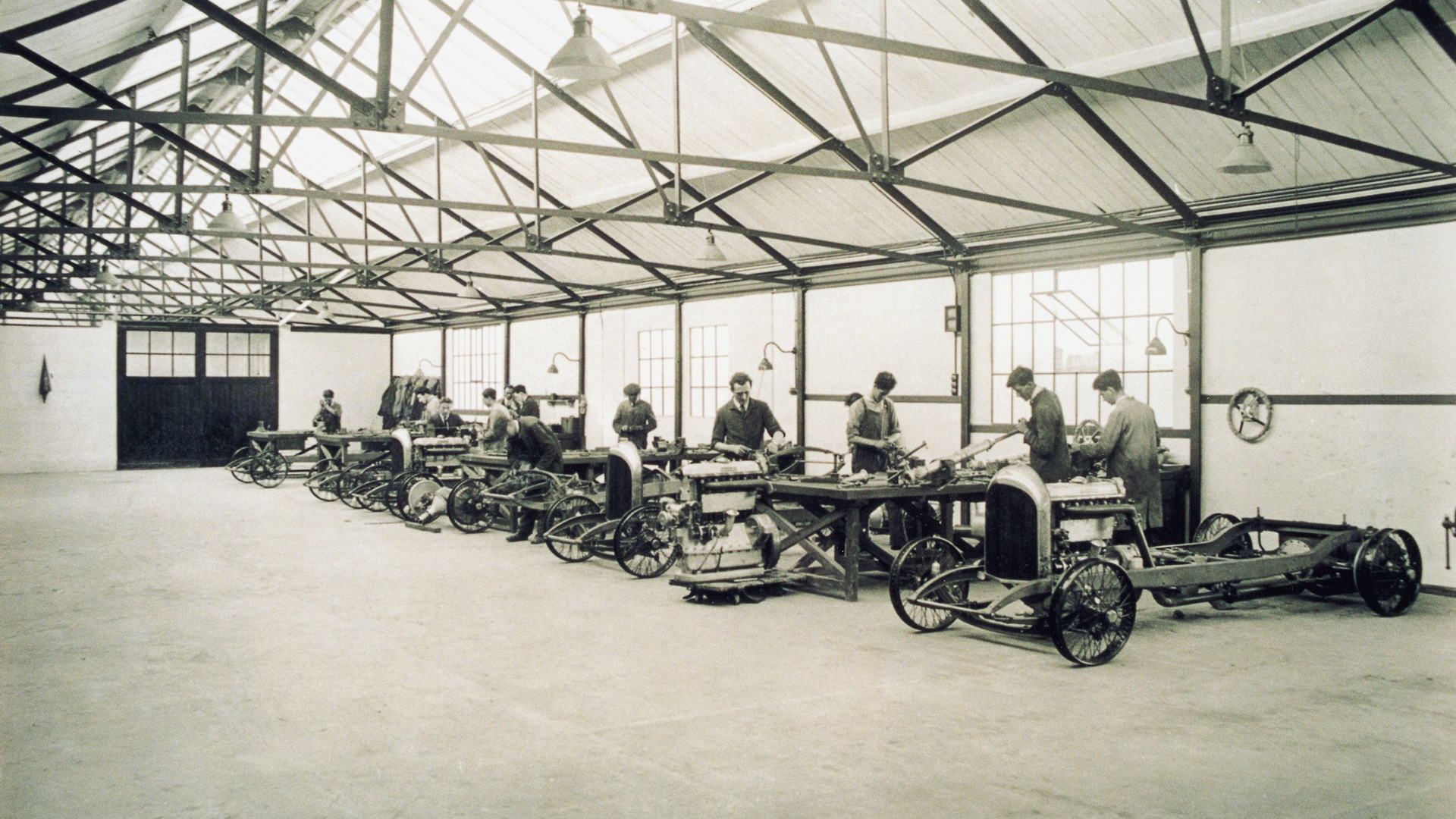
It took Bentley a year to build a chassis light and strong enough for the engine, with work carried out at a factory in Oxgate Lane, Cricklewood. Autocar said: “For the man who wants a true sporting type of light-bodied car for use on a Continental tour, the three-litre Bentley is undoubtedly the car par excellence.” EXP 2 was built in time for the Olympia Motor Show in November 1919, with a long list of clients eager to place hefty deposits. Deep pockets were required: a Bentley chassis cost the equivalent of three houses.
Bentley 3 Litre
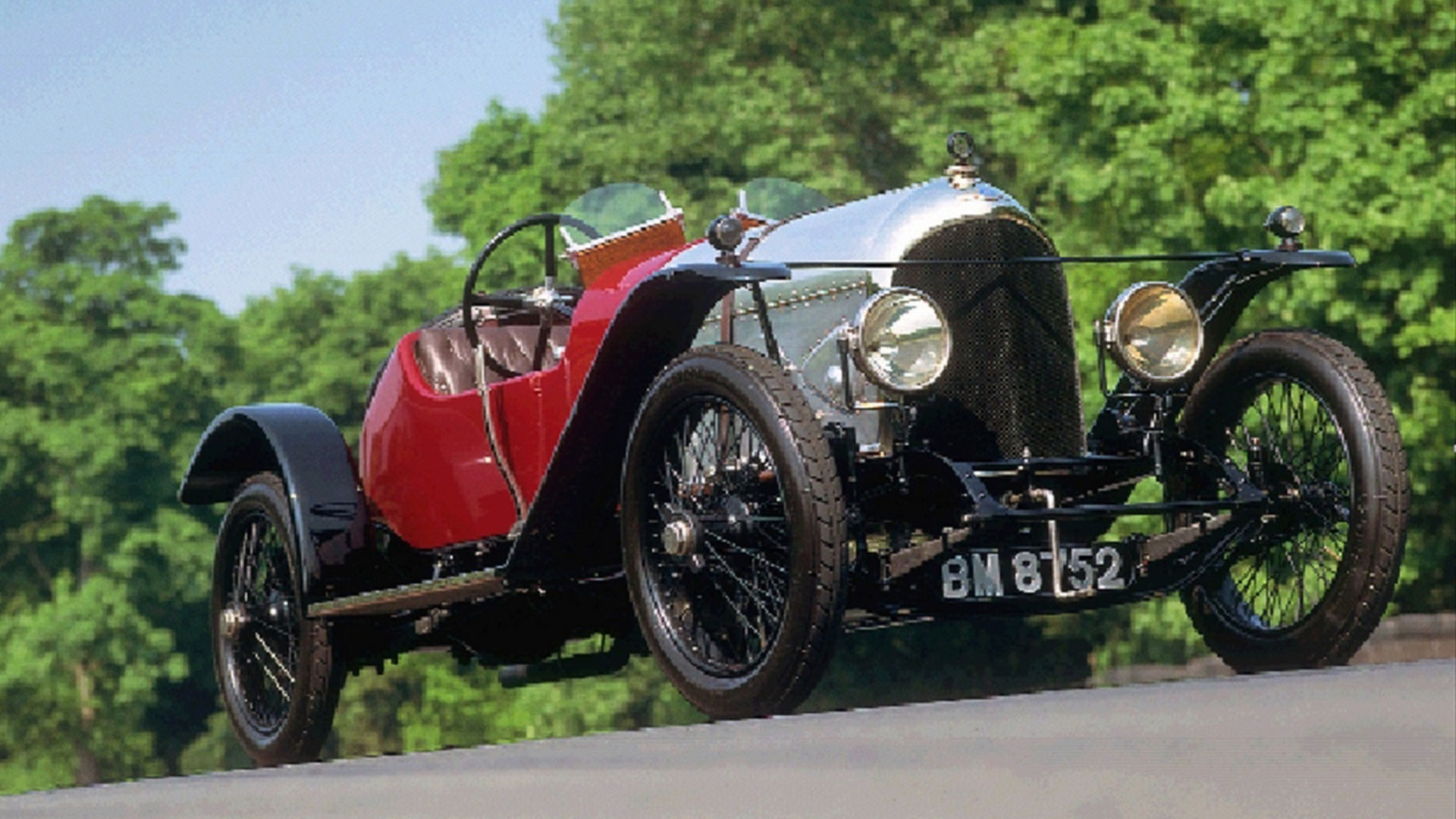
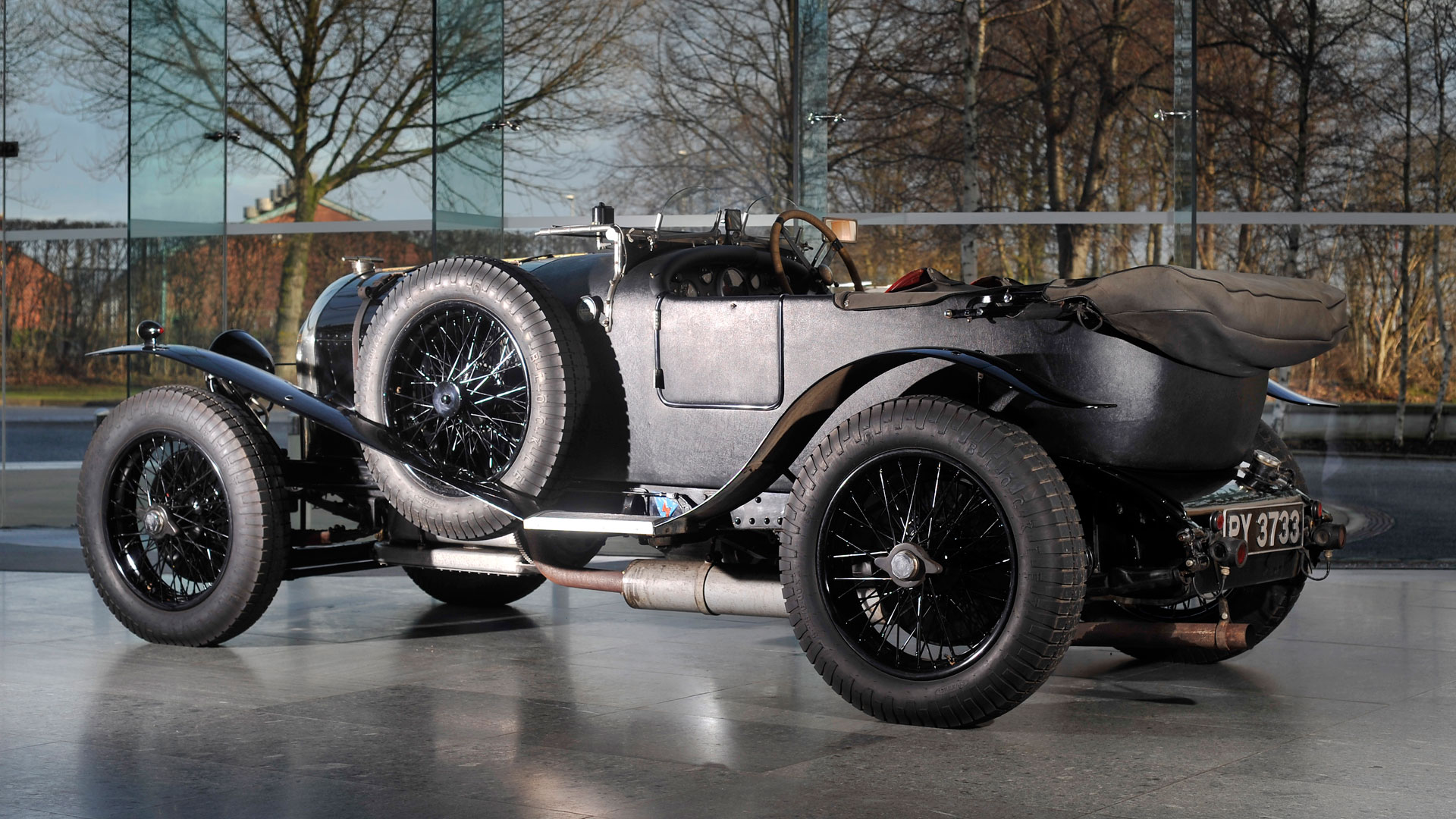
The EXP 2 development mule became the Bentley 3 Litre, but not before a huge amount of development work was carried out to improve refinement. The first 3 Litre was handed over to its buyer in 1921, by which time the price had jumped from £750 to £1,100. Meanwhile, EXP 2 won its debut race at Brooklands in 1921, with the production 3 Litre models adding a string of victories to Bentley’s name. The model pictured is a 3 Litre Supersports.
Le Mans 24 Hours
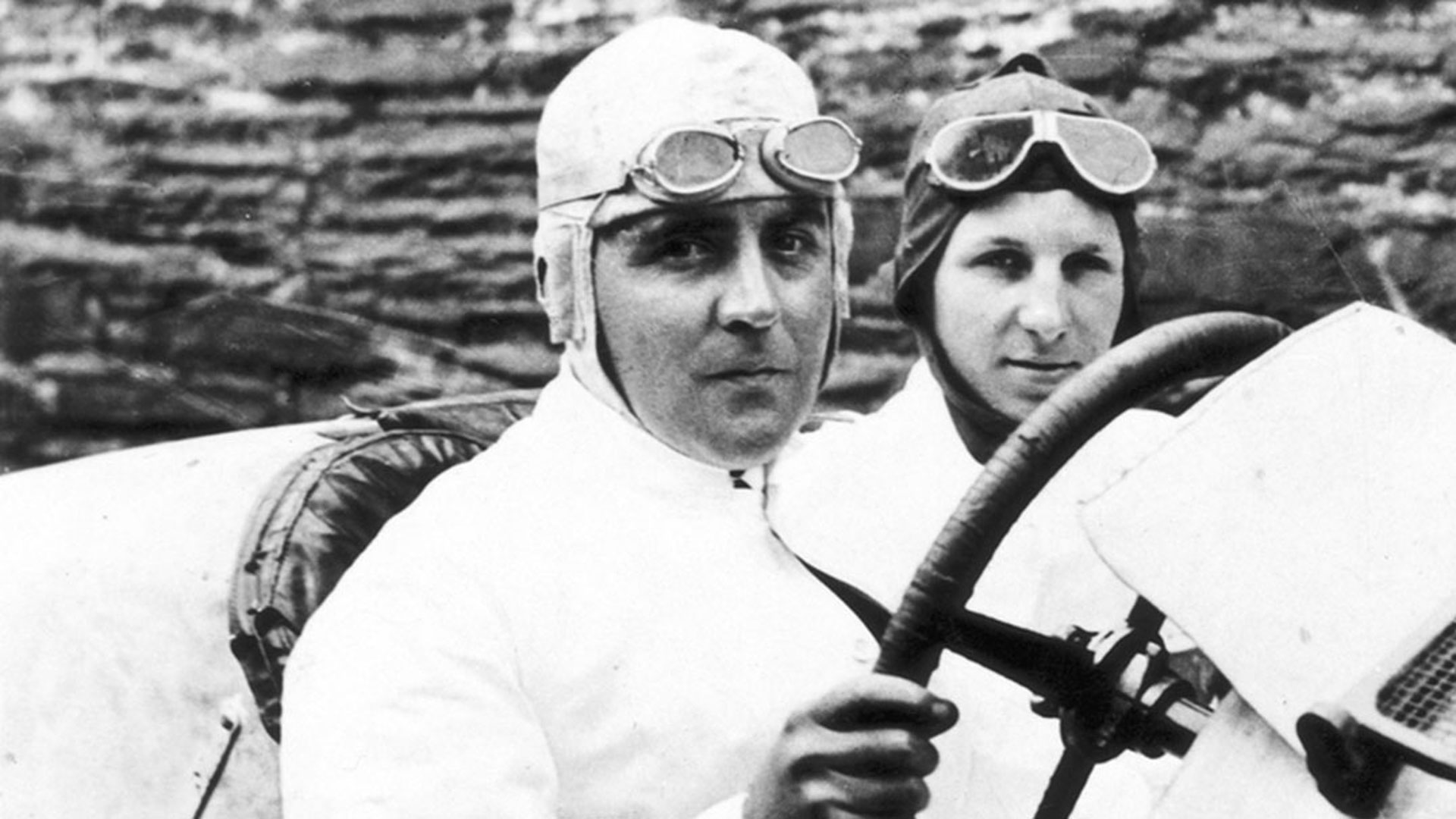
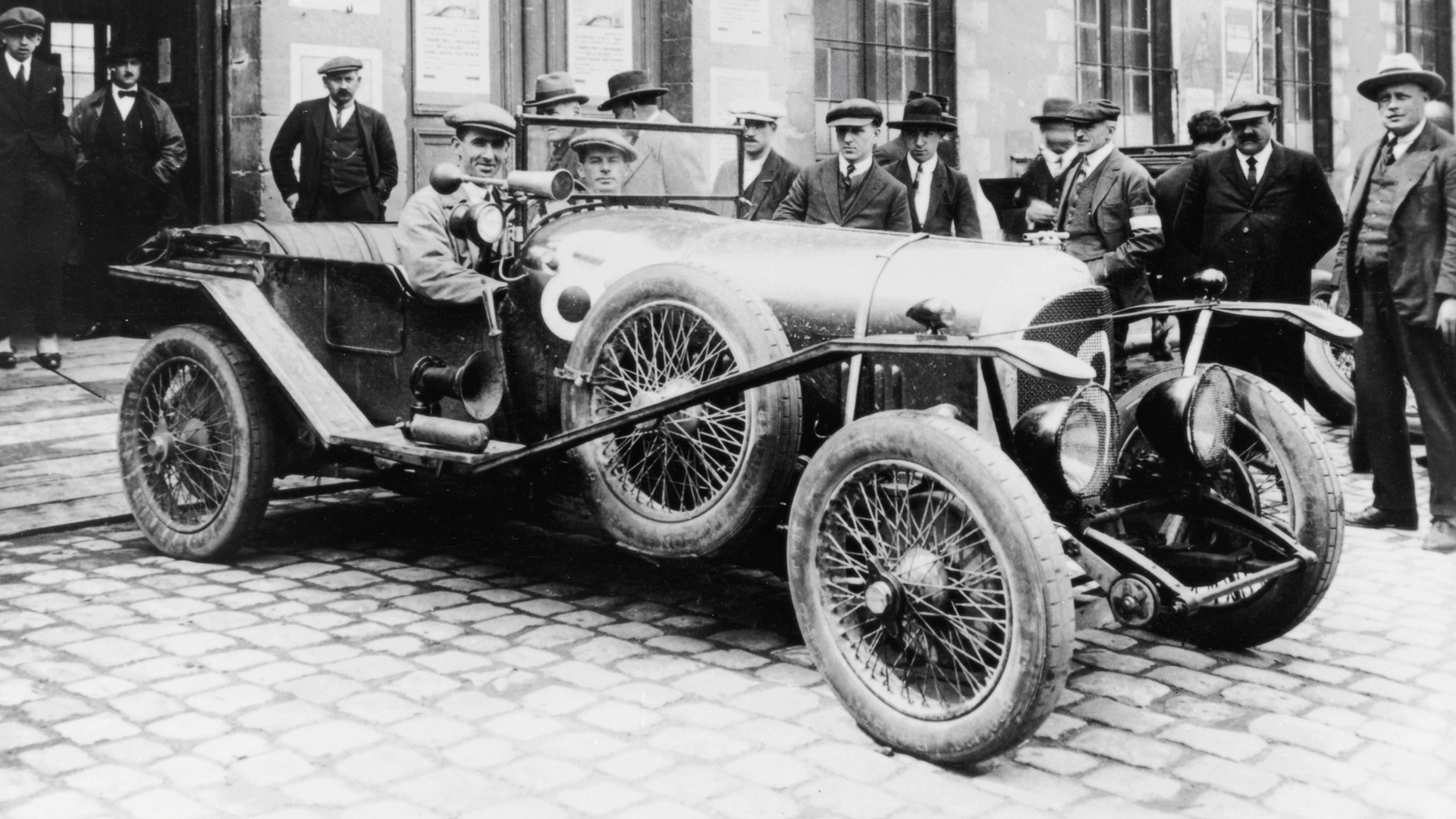
In 1923, John Duff (pictured here at the wheel) asked W.O. Bentley if he could enter a car in the newly formed Le Mans 24 Hours race. W.O. was against the idea, saying: “I think the whole thing is crazy. Cars aren’t designed to stand that sort of strain for 24 hours.” But Duff got his way, with W.O. supplying a car, a driver and a couple of mechanics, and even making a surprise visit to France to watch the race. It was worth it, with works driver Frank Clement finishing fourth and securing a fastest lap.
Success at Le Mans
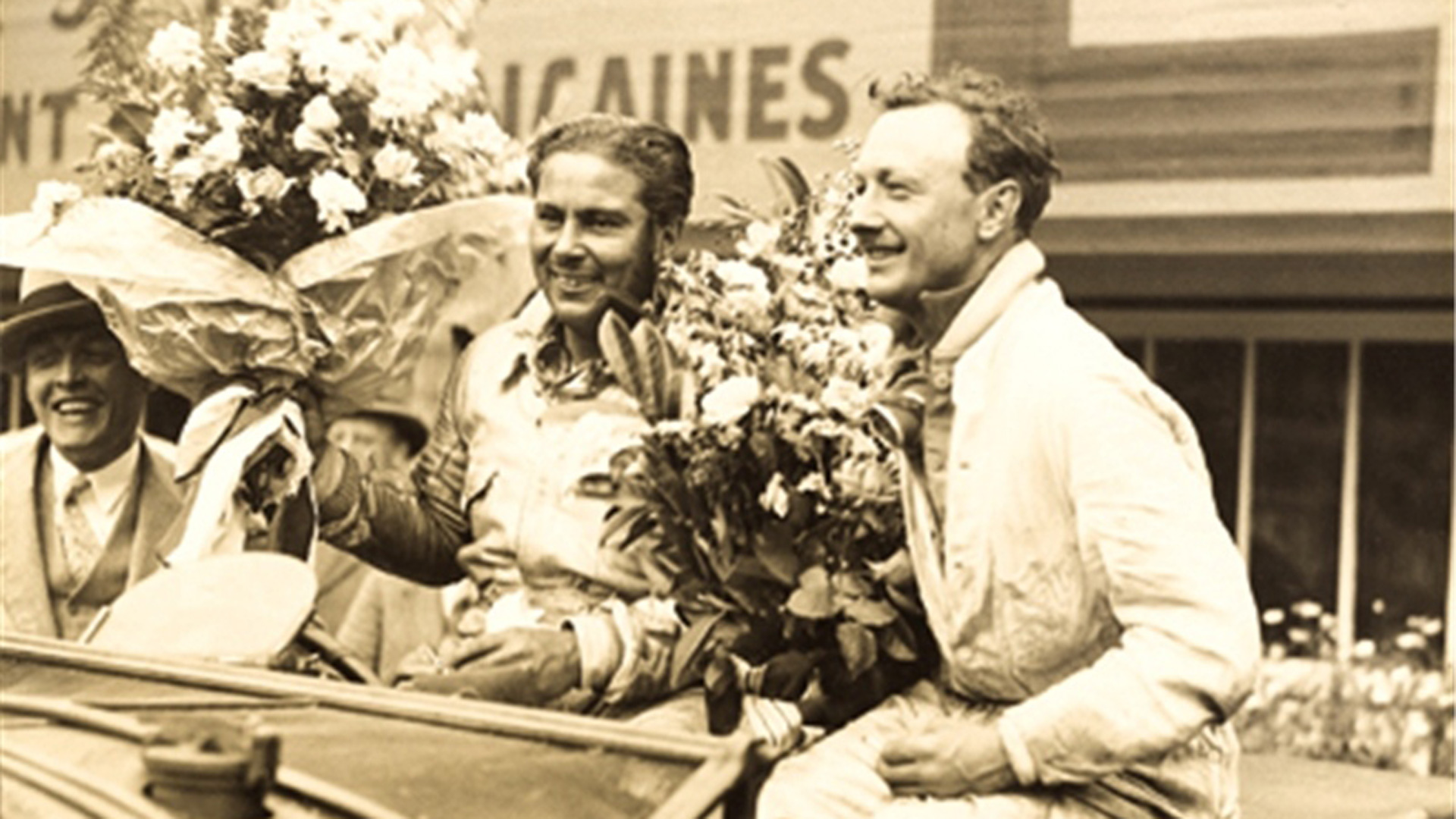
A year later, Bentley returned to Le Mans with the full backing of the factory, with Captain John Duff and Frank Clement romping home to victory in a Bentley 3 Litre. This was the first of six Le Mans wins, including four consecutive victories from 1927 to 1930. Le Mans was instrumental in the early success of Bentley, with the victories generating a huge amount of exposure for the brand.
Bentley 6.5 Litre and Speed Six
From 1919 to 1940, all Bentleys left the factory as rolling chassis, with the bodies created by coachbuilders such as Mulliner, Park Ward, Vanden Plas and Gurney Nutting. Away from the track, Bentley launched the 6.5-litre as a rival to the Rolls-Royce Phantom, which in turn developed into the Speed Six – the most successful racing Bentley. Meanwhile, the company’s image was enhanced and its profile raised by the so-called Bentley Boys.
Bentley Boys
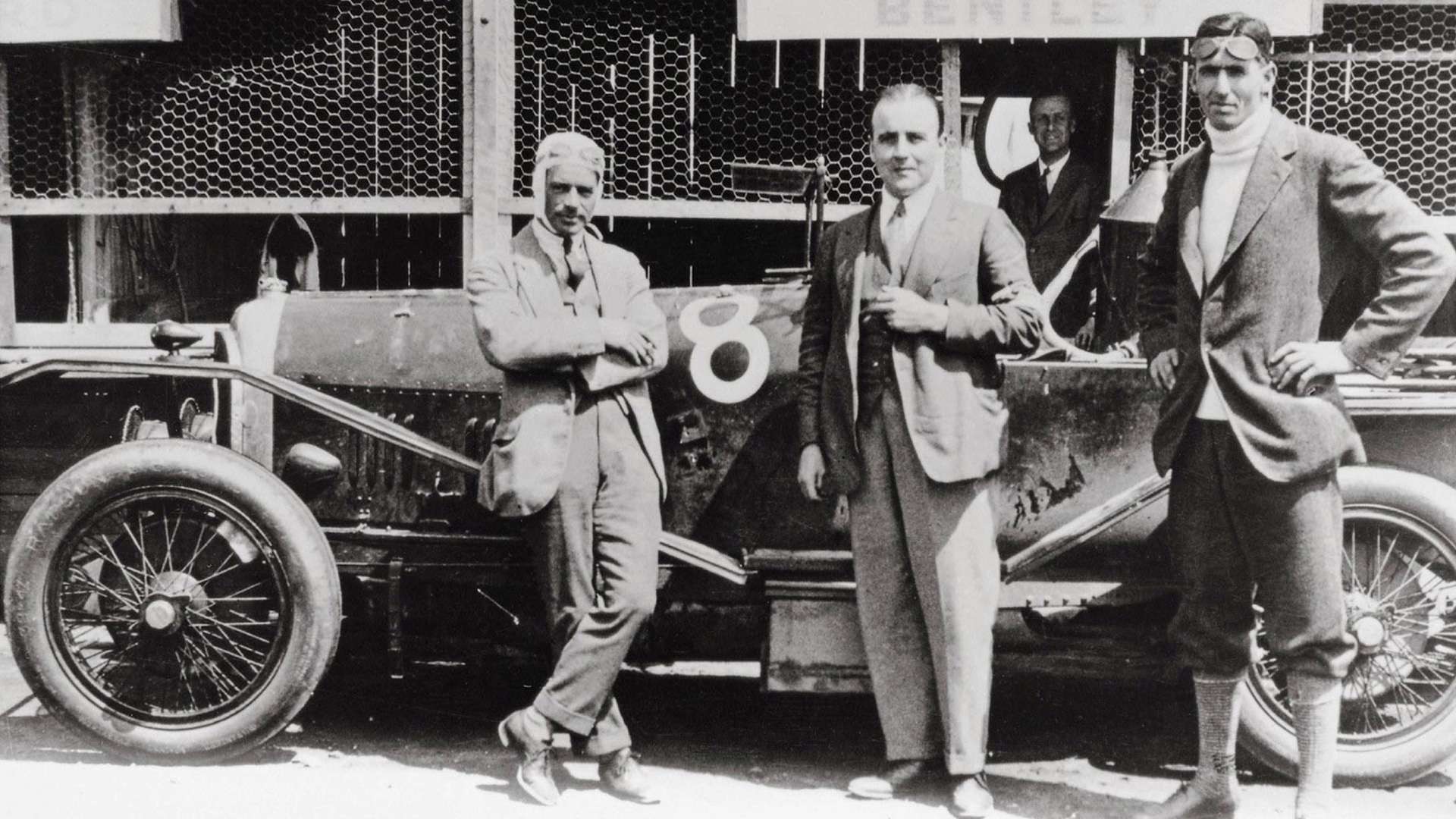
Having survived the Great War, these rich men were determined to live life to the full and had the feeling of invincibility. Notable Bentley Boys included Sir Henry ‘Tim’ Birkin and Woolf Barnato, the heir to the Kimberley diamond mine fortune who spent the equivalent of a house on parties every week. Both Birkin and Barnato were instrumental in shaping the direction of the company.
Woolf Barnato
The development of the 6.5 Litre in 1926 pushed Bentley to breaking point, to the extent that Woolf Barnato effectively bought the company by injecting £100,000 into the business just to keep it afloat. The cash saved Bentley from bankruptcy and ensured that Barnato could continue to race the cars he knew and loved.
The Blue Train
In March 1930, Barnato was at a dinner party on a yacht near Cannes when he bet £200 that his Bentley Speed Six could beat the Blue Train from Cannes to Calais. Nobody took the bet, but Baranto was determined to do the run anyway, so at 5.45pm the next day he left the Carlton Bar and set off for Calais. Not only did Barnato beat the Blue Train to Calais, he even managed to reach the Conservative Club in London before the train arrived in the French port.
Bentley Blower
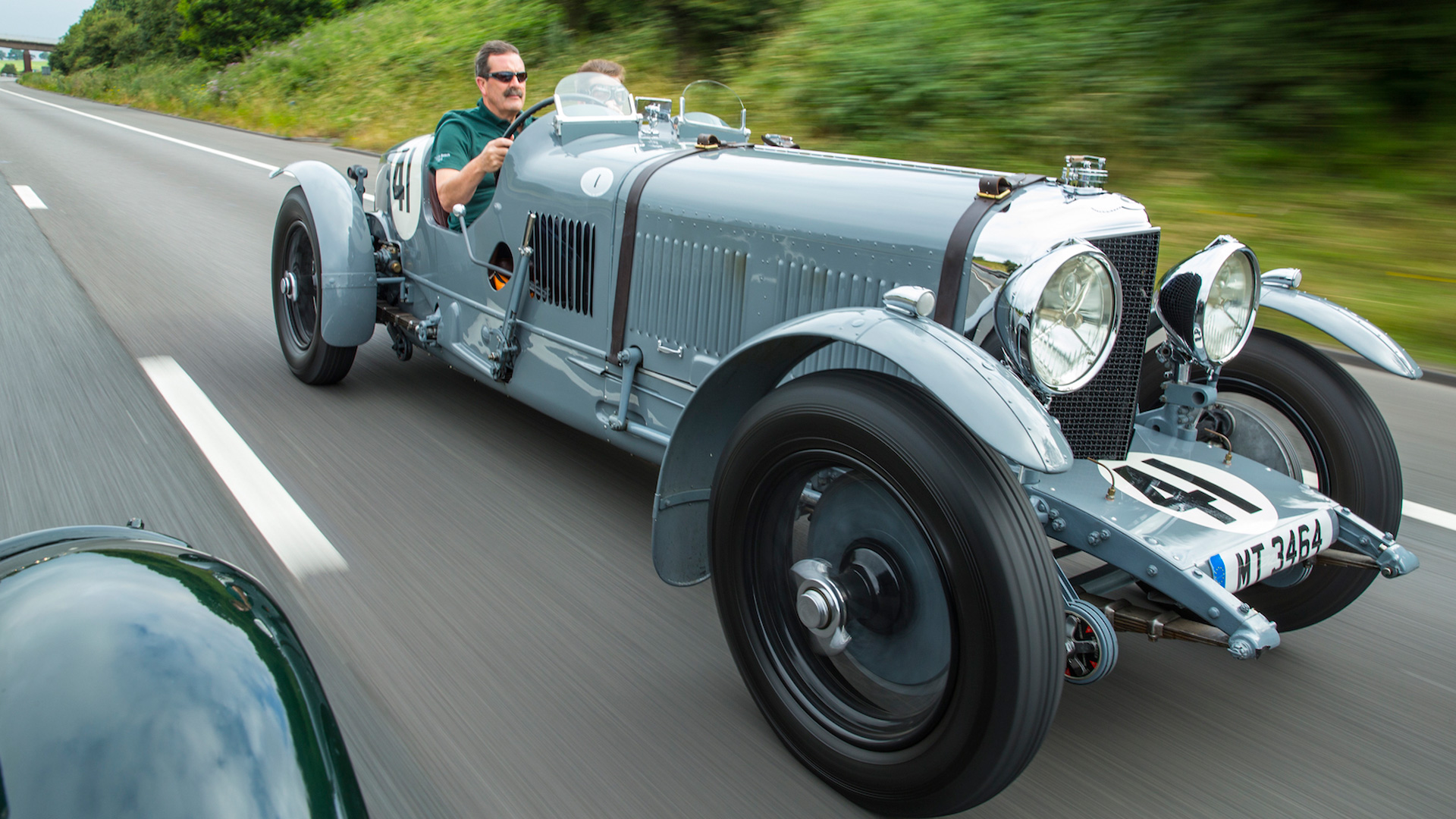
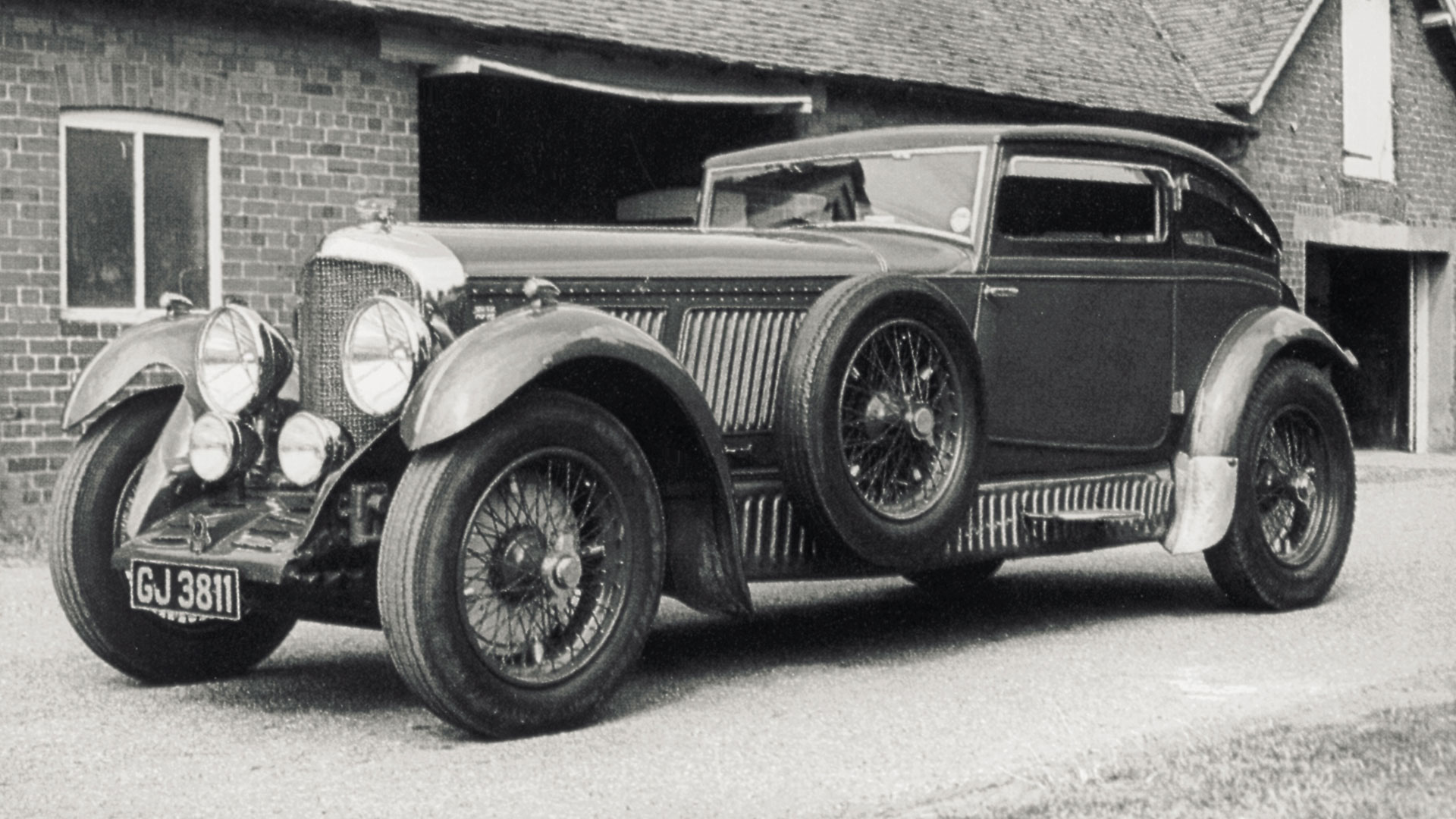
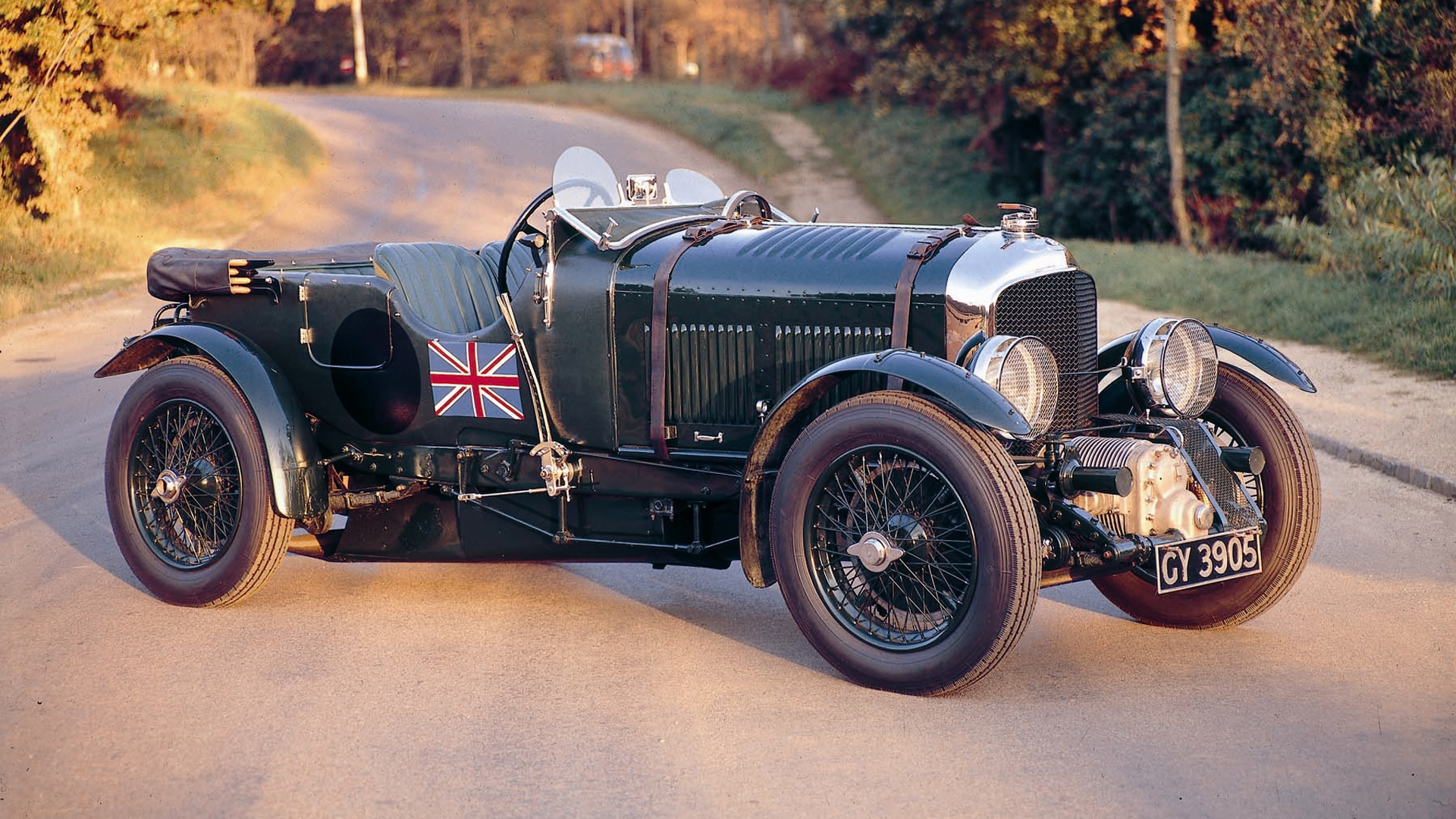
Arguably the most famous Bentley of all time, it’s a little ironic that the ‘Blower’ was the least successful Cricklewood car in competition. Although W.O. Bentley was against supercharging, Tim Birkin convinced chairman Woolf Barnato to approve the project, with W.O. reluctantly agreeing to the formation of a separate company in Welwyn Garden City. The Blower was quick, but it was also horrendously thirsty and unreliable, serving to hasten the decline of the company. That said, it helped to put Bentley on the map, despite never winning a serious race.
Bentley 8 Litre
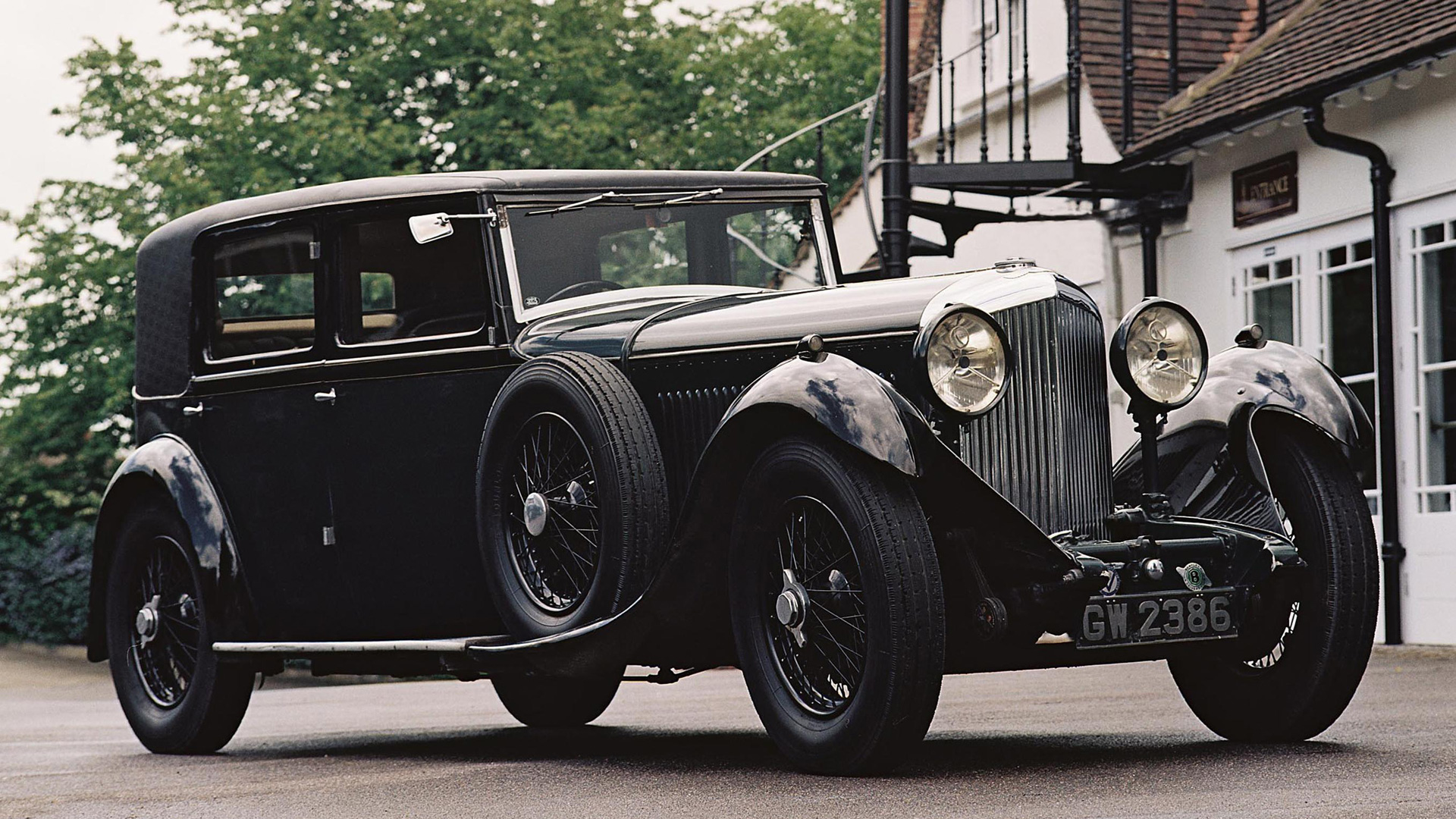
Bentley had its best year in 1929, with the company seeing a profit, but it chose the wrong time to develop the largest capacity car in the UK. The 8 Litre was a phenomenal car – it could top 100mph whatever the coachwork – and Rolls-Royce was seriously worried about the competition. But the Wall Street crash of 1929 sent the global economy into meltdown, with the market for the 8 Litre all but disappearing. W.O. said: “I have always wanted to produce a dead silent 100mph car, and now I think that we have done it.” Rather fittingly, just 100 were built.
The end of the W.O. era
This was to be a dark era in the history of Bentley, with the company teetering on the brink of insolvency in 1930 and W.O. nearly sacked in September of that year. The company was kept afloat by Woolf Barnato, until his advisors told him to stop. Everything pointed to a takeover by Napier, but the bosses at Rolls-Royce knew that this would represent a serious threat to their business.
Rolls-Royce takeover
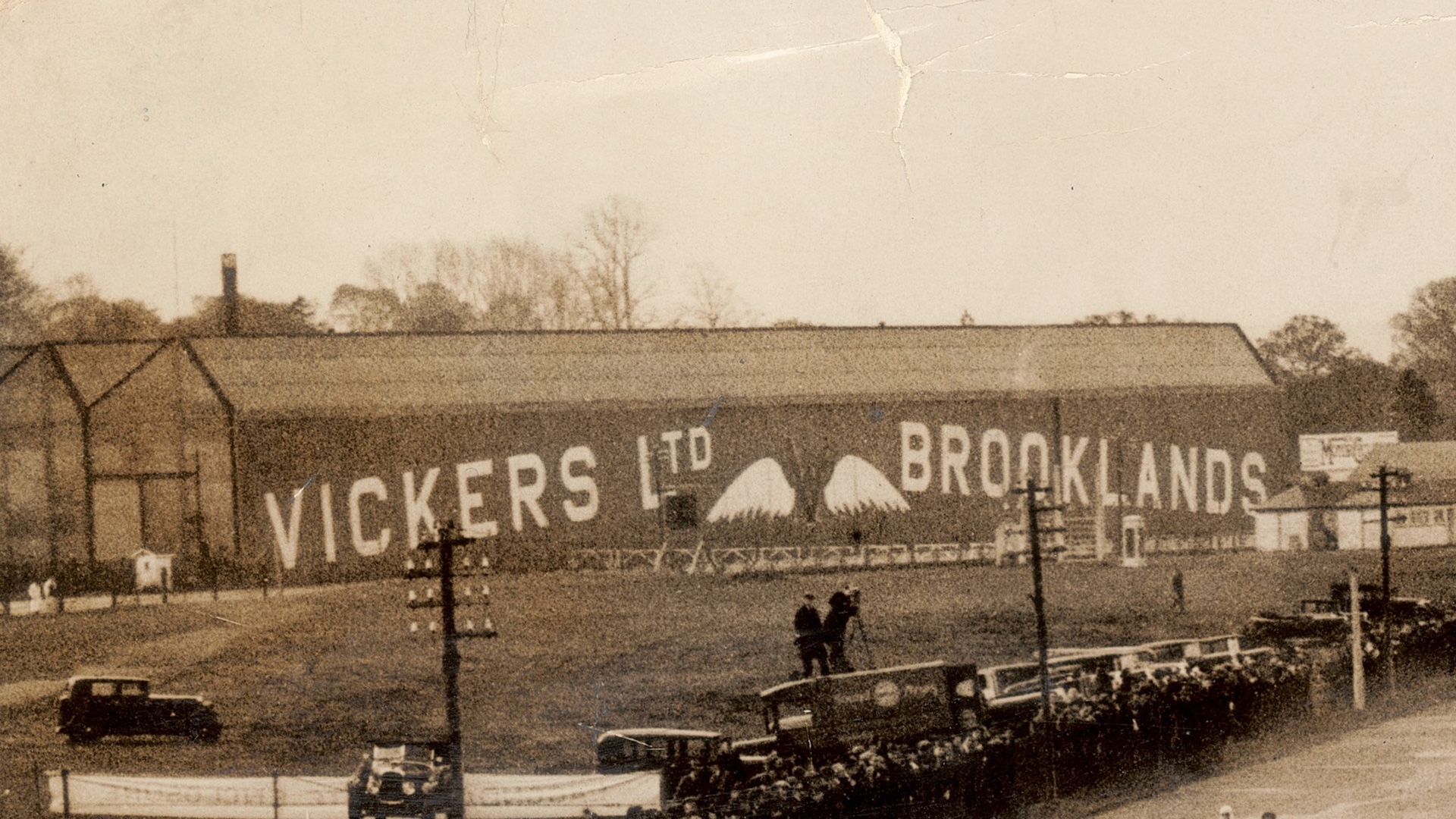
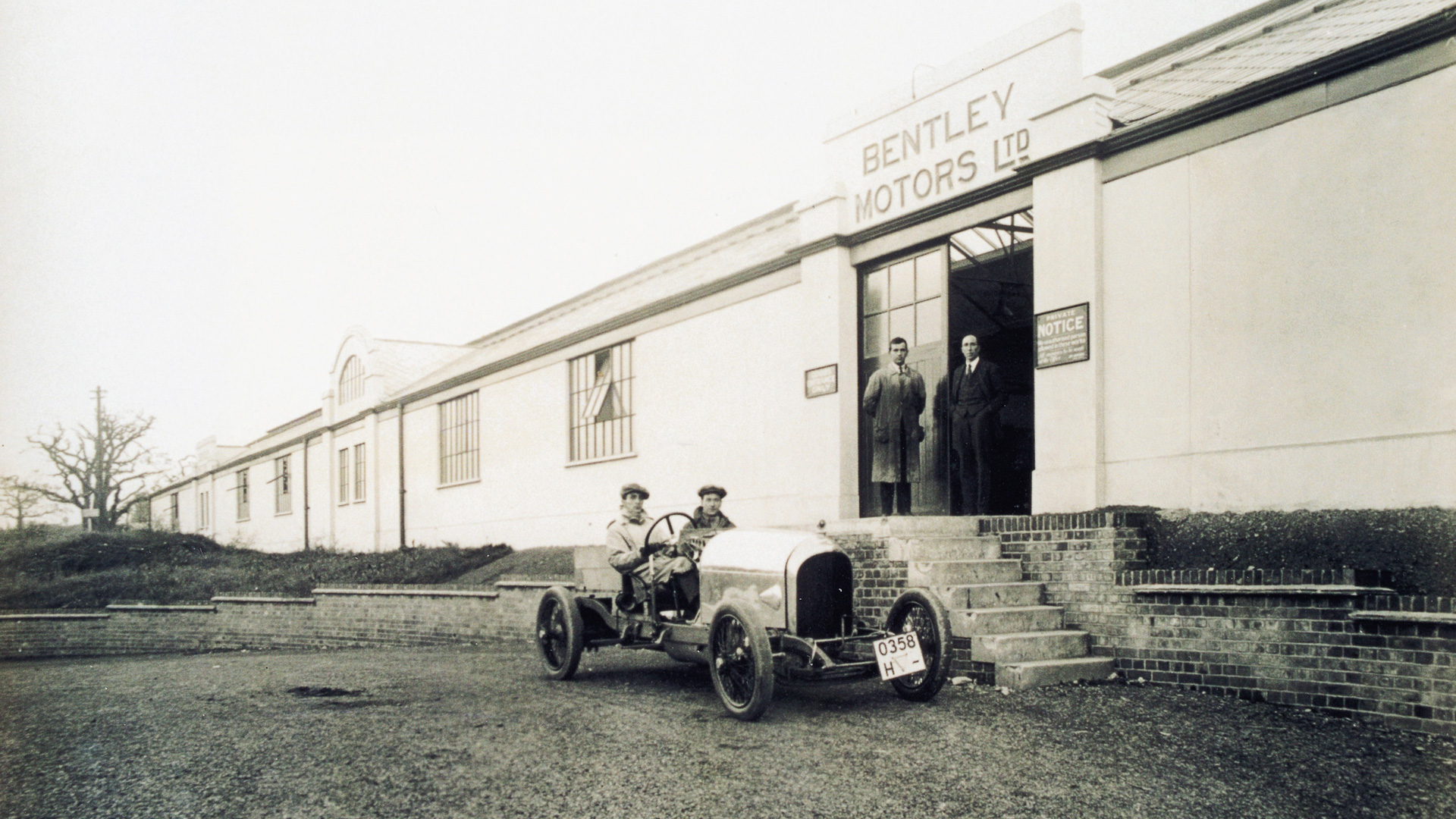
Bentley received a bid of £125,275 from the British Central Equitable Trust on behalf of Rolls-Royce, leaving W.O. shocked and the company’s future hanging in the balance. The Cricklewood factory (pictured) was closed, production ceased and the Bentley brand effectively disappeared for two years. Worse still, Rolls-Royce failed to make use of W.O. Bentley’s considerable talent and he was given a job test driving cars across the continent. Later, he left and moved to Lagonda, dying in 1971 at the age of 82.
The Silent Sports Car
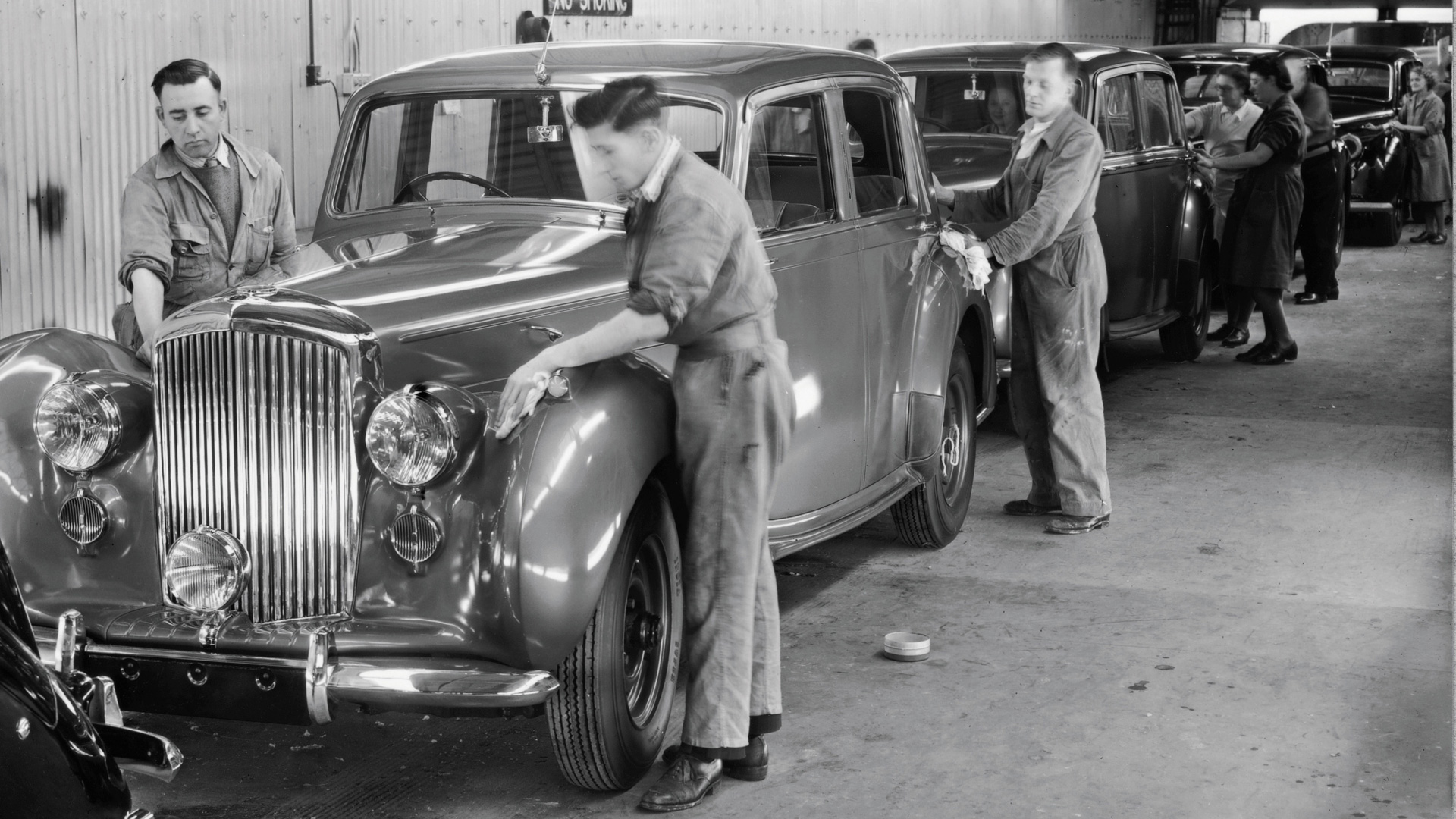
In stark contrast to the stern and formal feel of Rolls-Royce, Bentley had a colourful and sporty image. But the 1930s and 1940s were dark years for Bentley. In 1938, the Glass’s guide failed to list prices for Bentleys because the cost of repairs far outweighed the value of its cars. After the Second World War, the Rolls-Royce and Bentley cars rolling off the production line were virtually identical.
Bentley R-Type Continental
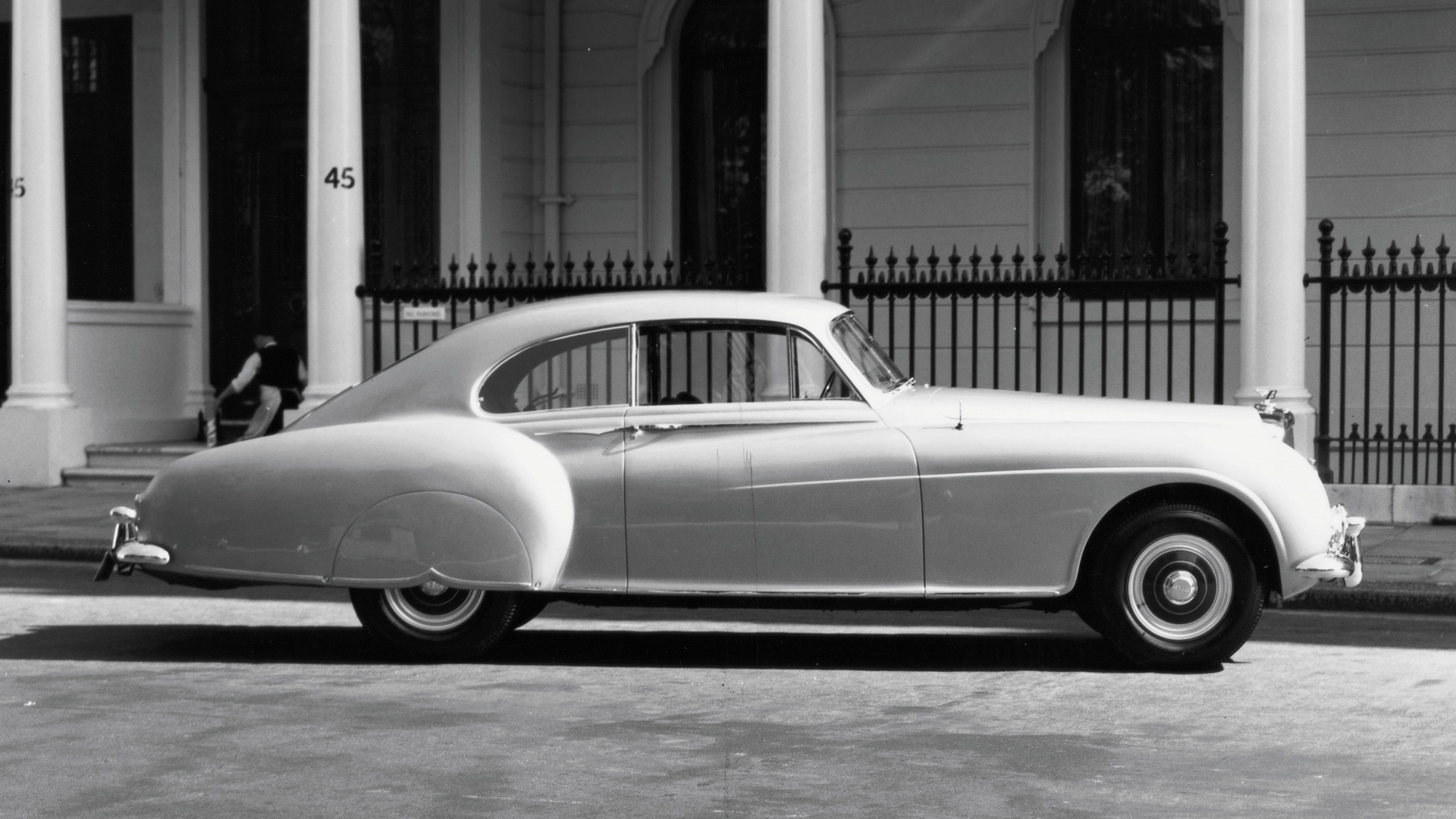
The Mark VI was the first Crewe Bentley and the first to be delivered with a body, but the R-Type Continental was one of the most desirable cars of the 1950s. It resembled the Mark VI, but could hit 100mph in third gear before reaching a top speed of 120mph. At the time, it was the fastest four-seater car in the world. In 1955, Bentley launched the S1, which was essentially a Rolls-Royce Silver Cloud with a different grille and badging.
Silver Shadows and minor miracles
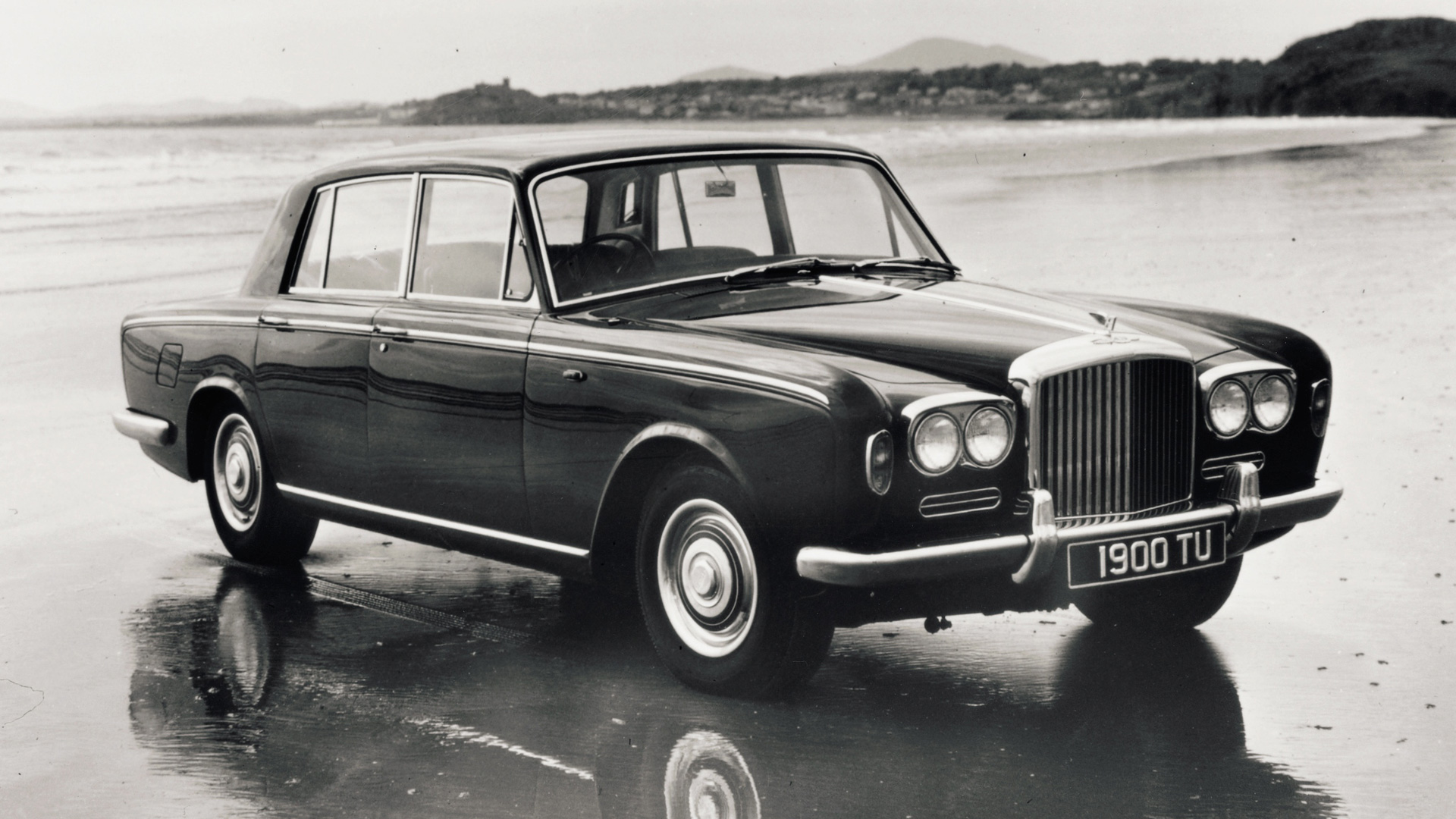
The trend continued throughout the 1960s and 1970s, with the T Series little more than a Rolls-Royce Silver Shadow with a different grille and badge, not to mention the first Bentley with a monocoque chassis and body. The image so carefully cultivated by W.O., Barnato and Birkin appeared to be lost, although the Bentley Drivers Club did its best to keep the legend alive. By the 1970s, Bentley accounted for just five percent of production at Crewe – it’s a minor miracle that the brand survived.
Vickers and a new era
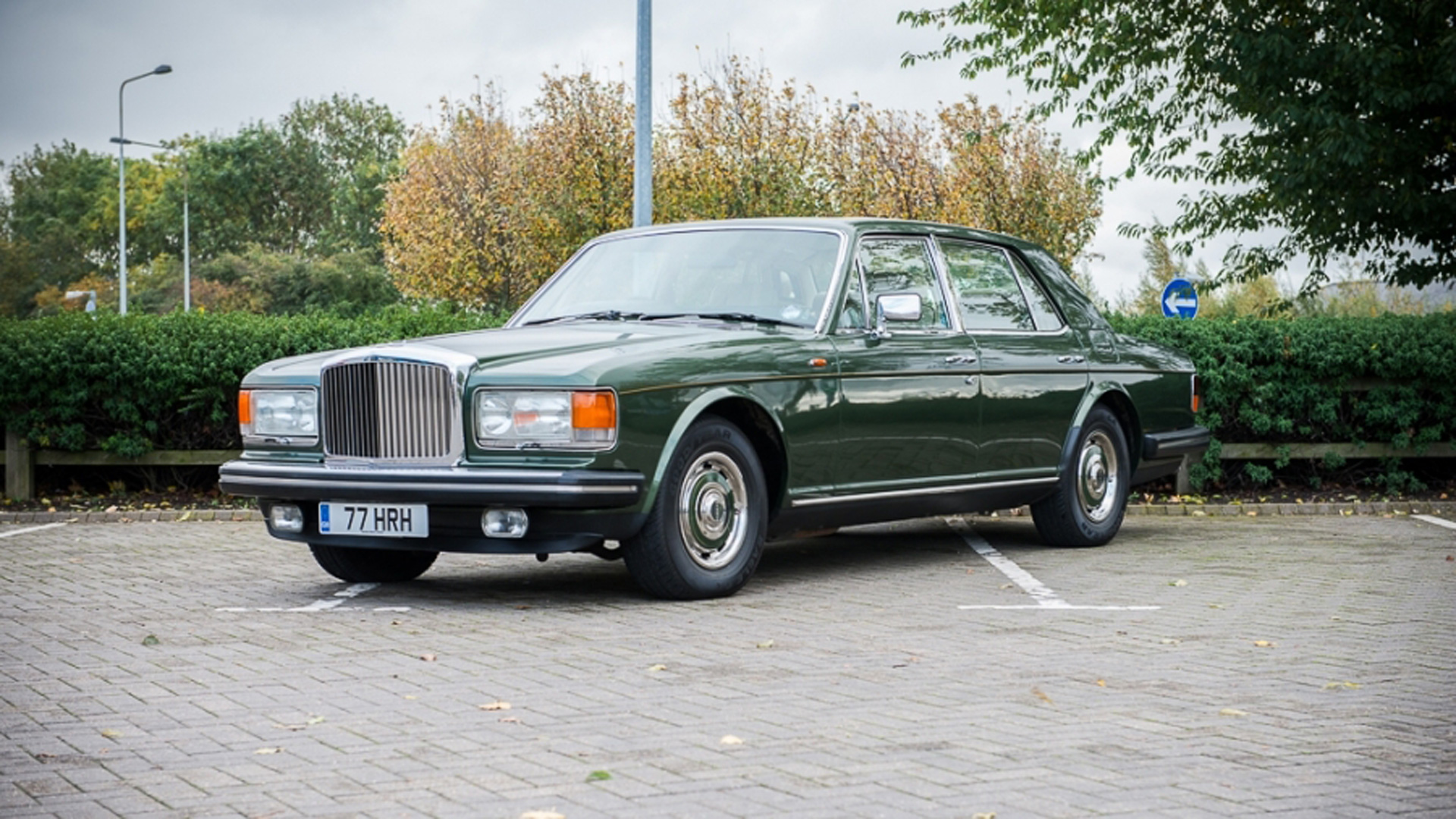
In 1980, British defence company Vickers bought Rolls-Royce, signalling the start of a new chapter for Bentley. Against all the odds, Bentley rose again, with Rolls-Royce realising that the brand’s sporting heritage could be used to great effect. The turbocharged Mulsanne was the last roll of the dice and became a surprise hit of the 1982 Geneva Motor Show. Here was a car weighing 2,200kg that could hit 60mph in just seven seconds. With a top speed of 135mph, it was the fastest production Bentley in history.
Restoring the balance
The Bentley renaissance continued with the Eight of 1984, which featured a chrome wire-mesh grille to recall racing Bentleys of the past. This, along with the Turbo R, helped Bentley to achieve a 50/50 production share with Rolls-Royce, with Bentley going on to outsell its owner by two-to-one. The 1980s was a good decade for Bentley.
A new identity
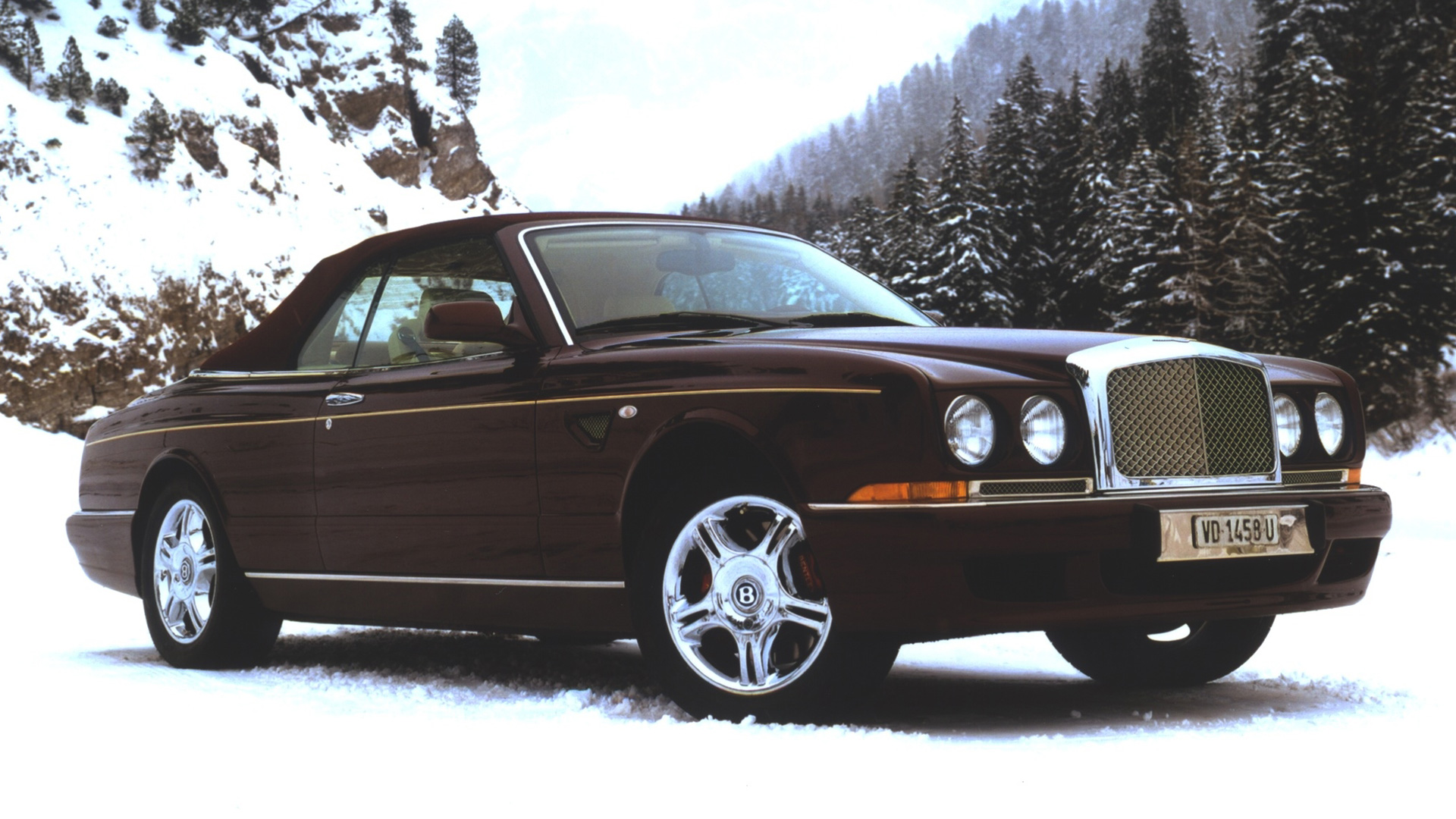
The positive vibes continued into the 1990s, with the Continental R of 1991 the first Bentley since 1965 that didn’t look like a Rolls-Royce. The rebodied Turbo R was powered by a 6.75-litre V8 good for 150mph and commanded a two-year waiting list. In 1993, the four-door Brooklands replaced the Eight and Mulsanne, with a host of new products arriving in the second half of the decade. The Pininfarina-designed Azure of 1995 was the most powerful four-seat convertible in the world.
Volkswagen and another new era
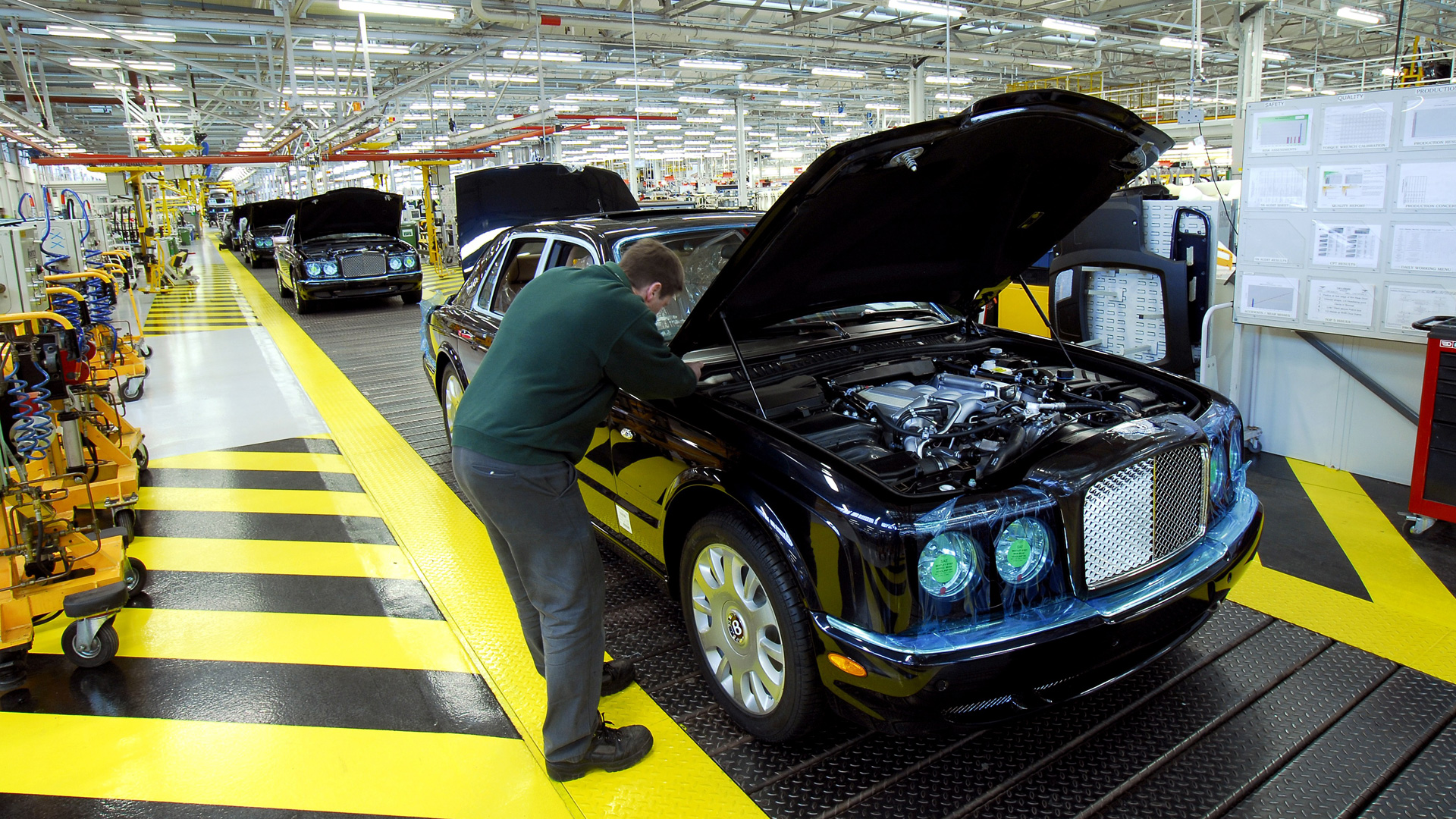
In 1998, Volkswagen believed it had purchased Rolls-Royce and Bentley from Vickers. But it transpired that Vickers did not own the rights to the Rolls-Royce name, which was subsequently bought by BMW. It meant that BMW acquired Rolls-Royce and moved production to Goodwood, with Bentley left as a consolation prize for Volkswagen. Not that VW was prepared to sulk, with the German giant immediately investing £1 billion to upgrade the Crewe factory.
Bentley State Limousine
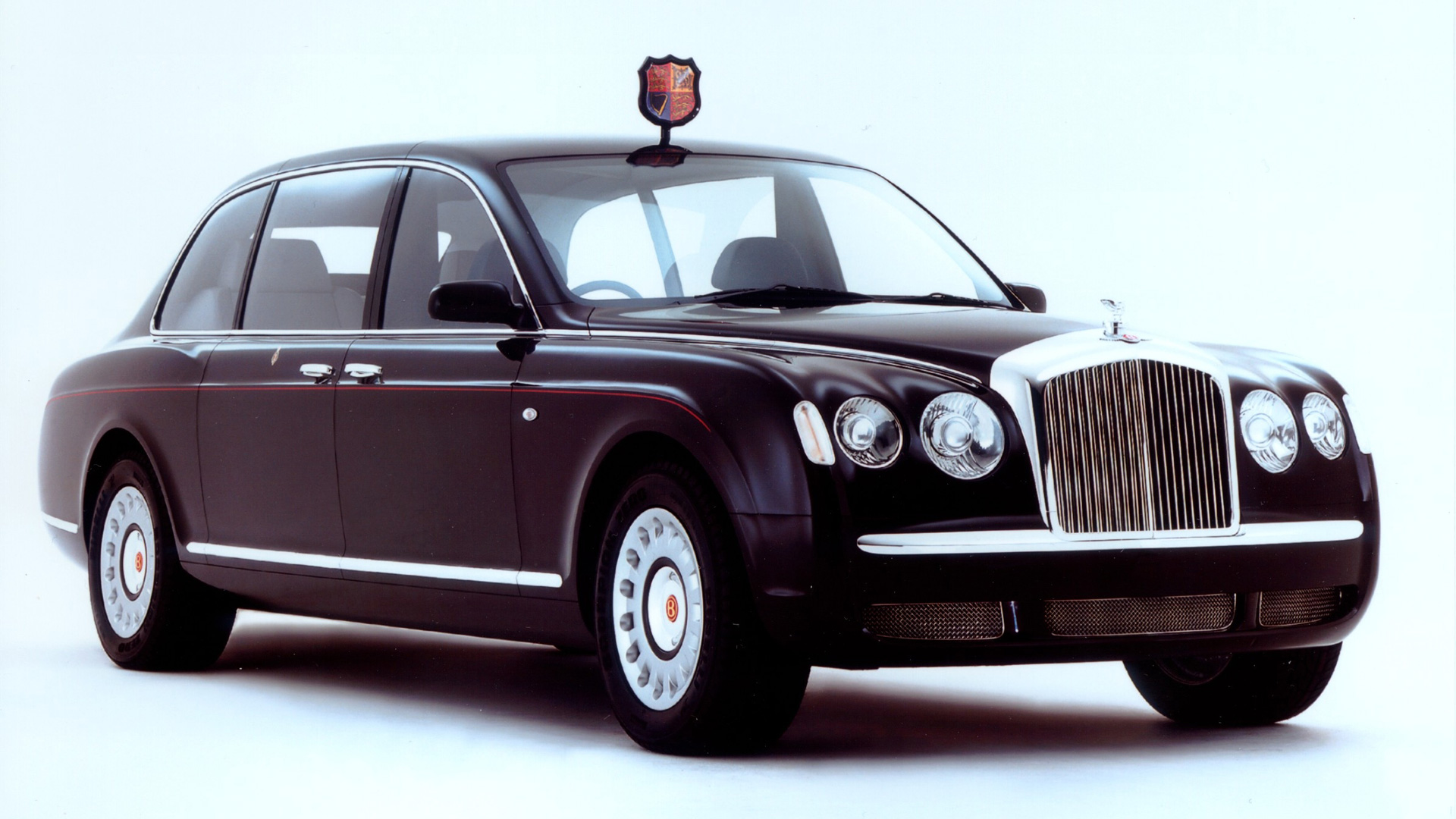
The Bentley Arnage of 1998 was the first new car since 1980 but it shared much in common with the Rolls-Royce Silver Seraph. The Arnage was used as the basis for the Bentley State Limousine, commissioned through Mulliner to mark the Queen’s Golden Jubilee in 2002. The rear seat position was determined using a model of the same height as the Queen, while a panoramic glasshouse was created to provide greater visibility from the outside.
Bentley Continental GT
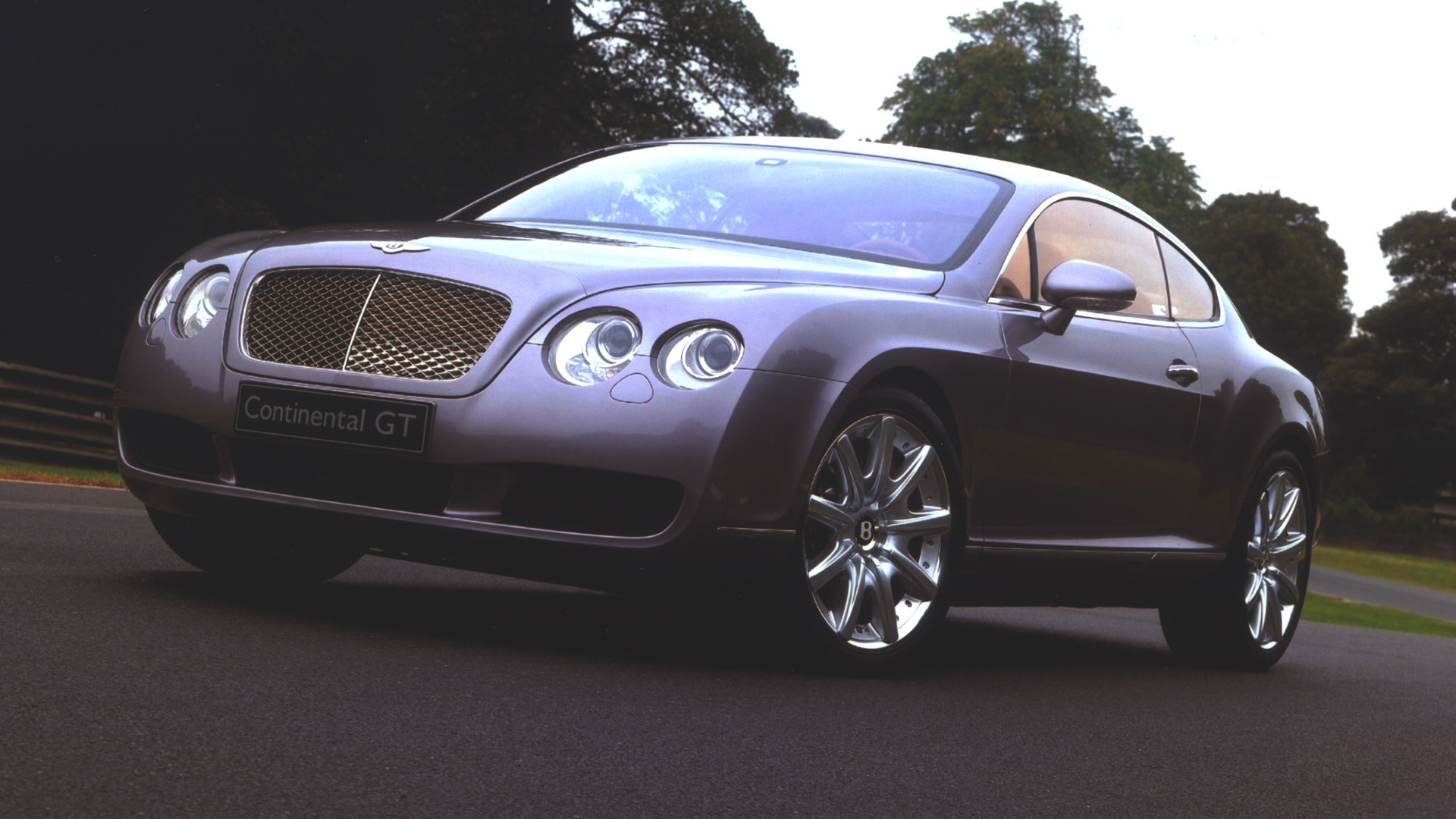
The Continental GT of 2003 was the first all-new Bentley since the Volkswagen takeover in 1998. It caused a huge stir when it was unveiled at the Paris Motor Show 2002, so much so that Bentley was inundated with orders ahead of its launch in March 2003. At its core was a 6.0-litre twin-turbocharged W12 engine, with enough power to propel a Premier League footballer to a top speed approaching 200mph.
Return to Le Mans
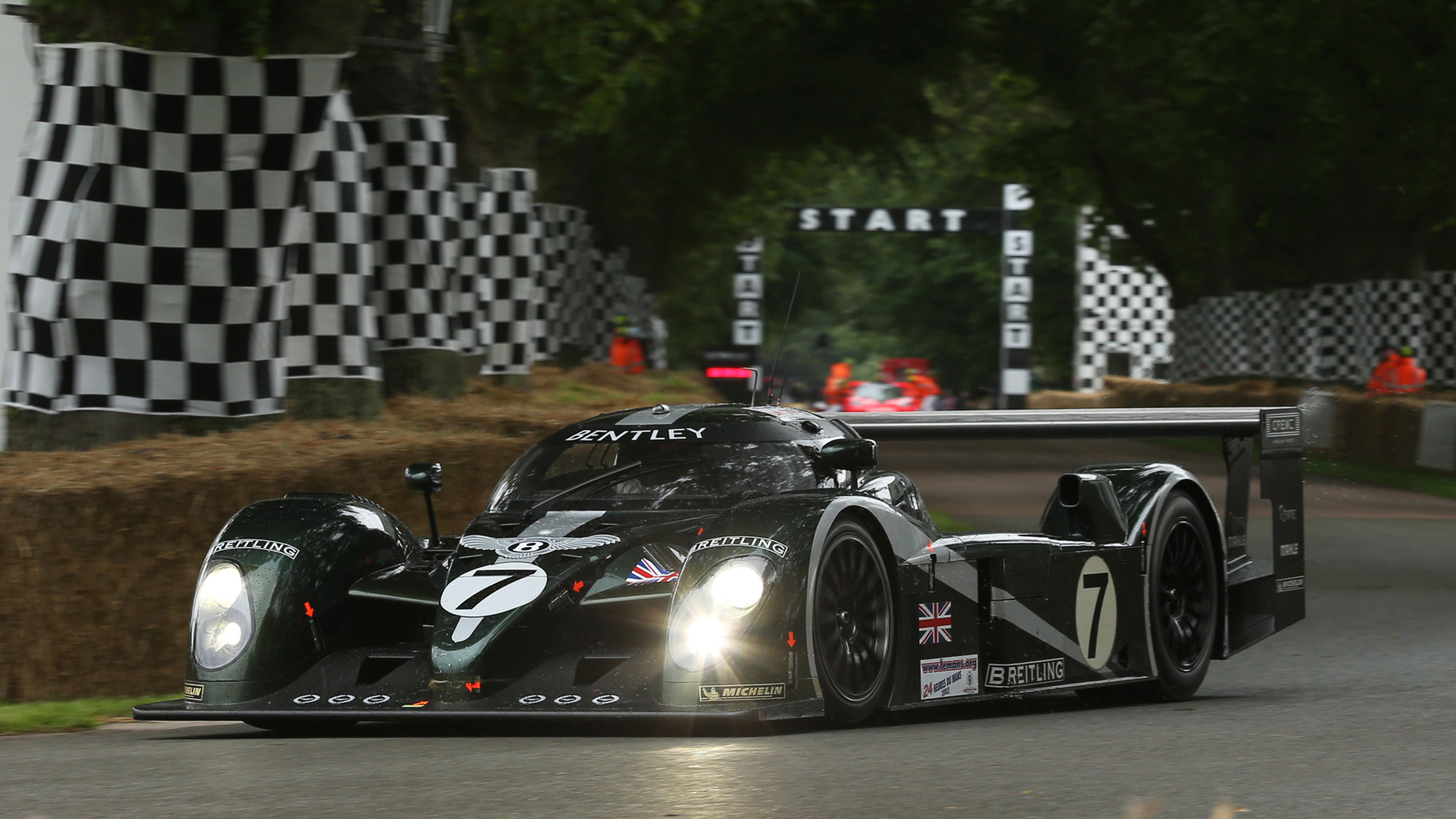
In 2003, Bentley made a successful return to Le Mans when Tom Kristensen, Guy Smith and Rinaldo Capello drove the EXP Speed 8 to victory in the famous race. Two laps behind was the sister car driven by Mark Blundell, David Brabham and Johnny Herbert. This one-two followed a third place in 2001 and fourth in 2002.
Bentley Brooklands inspired by Bentley Boys
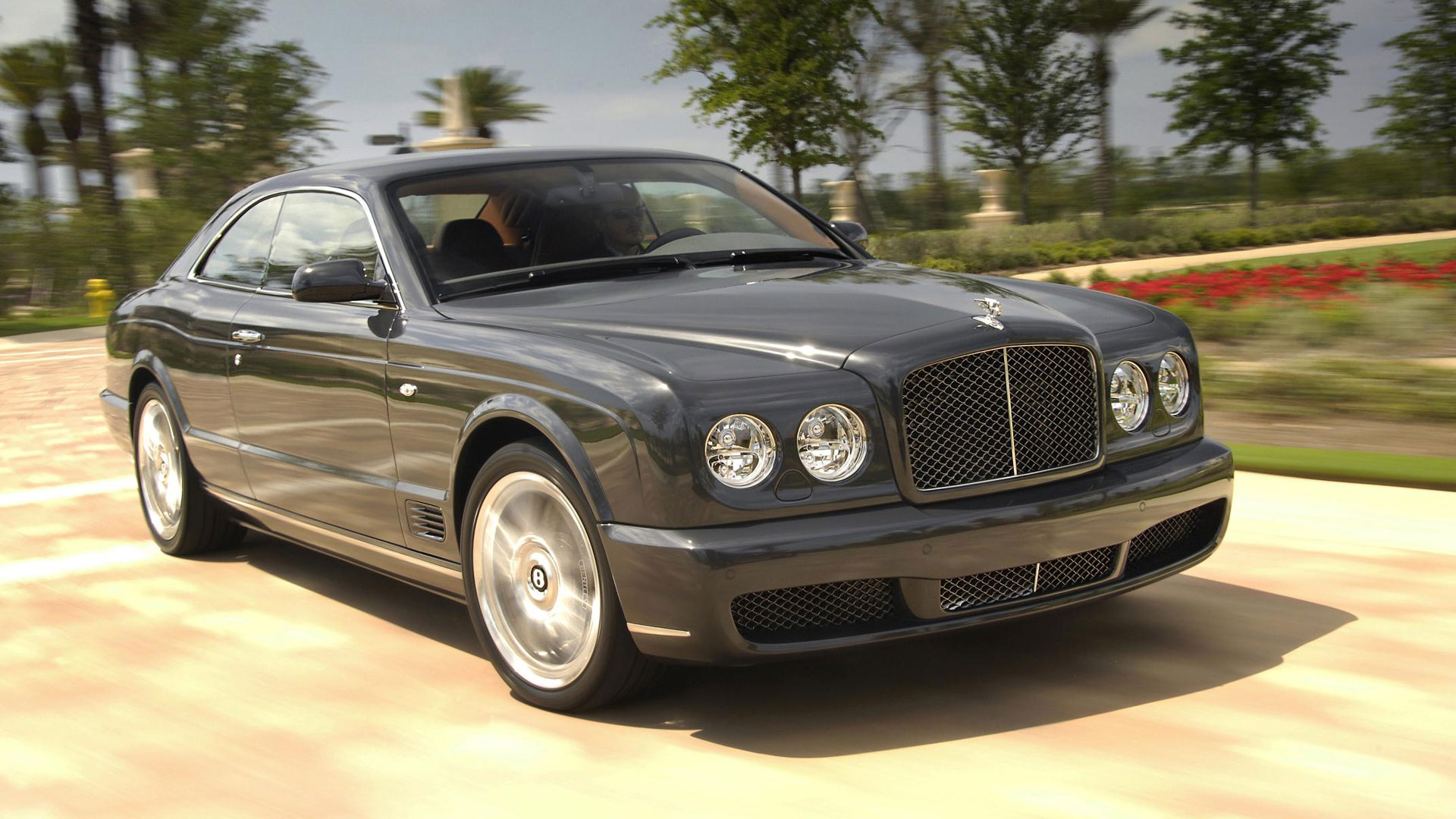
New production models followed, with Bentley increasing the level of luxury while leveraging as much heritage as possible. The brand returned to the luxury coupe model with the Bentley Brooklands inspired by the Bentley Boys. Limited to just 550 cars, the Bentley Brooklands was powered by the most powerful V8 the company had ever produced – a twin-turbocharged 6.75-litre unit producing 530hp.
Bentley Continental Supersports
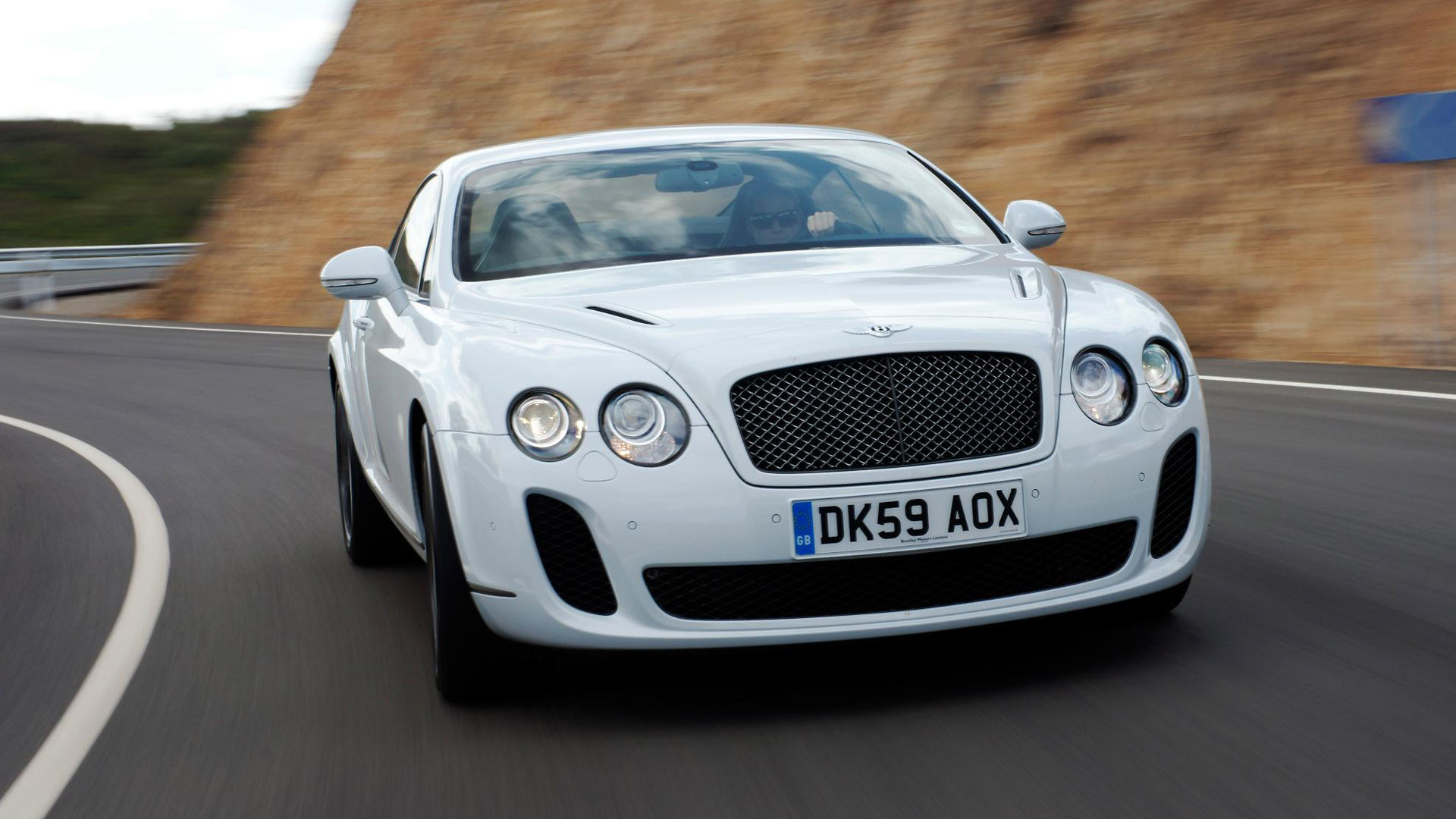
Launched in 2009, the Bentley Continental Supersports was a lightened, two-seater version of the standard Continental with a 6.0-litre twin-turbocharged W12 engine producing 621hp. As a result, it could hit a top speed of 204mph and reach 60mph in just 3.7 seconds. It’s one of a number of performance-led or limited edition Bentleys to arrive over the past decade.
Bentley Mulsanne
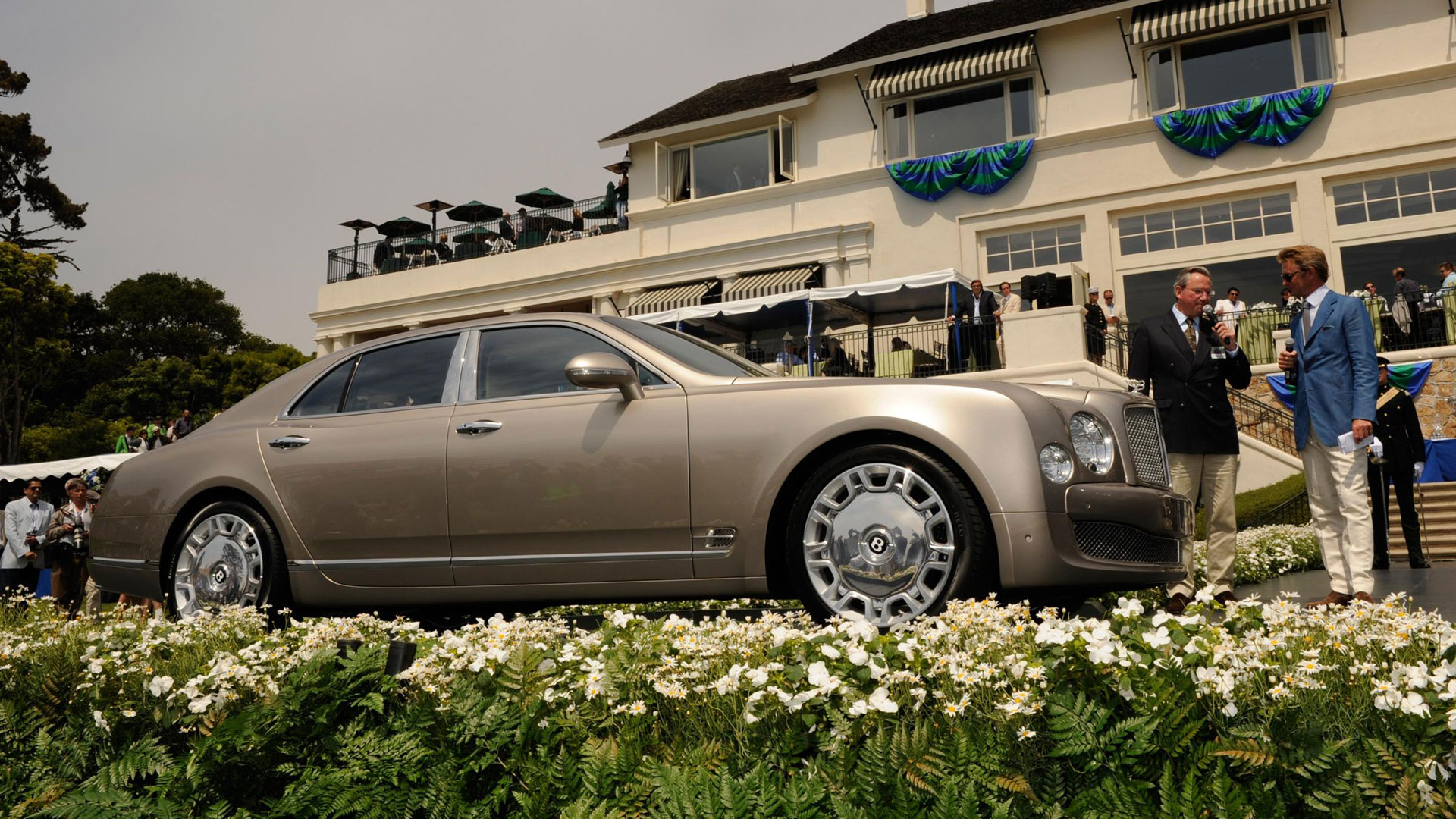
Bentley resurrected the Mulsanne for the replacement of the Arnage, unveiling its new luxury flagship at the 2009 Pebble Beach Concours d’Elegance. Powered by the familiar 6.75-litre V8 engine, the Mulsanne felt less like a car and more like a gentlemen’s club on wheels. As the first bespoke big Bentley since the 8 Litre of 1930, it was a landmark car for the brand.
Bentley Bentayga
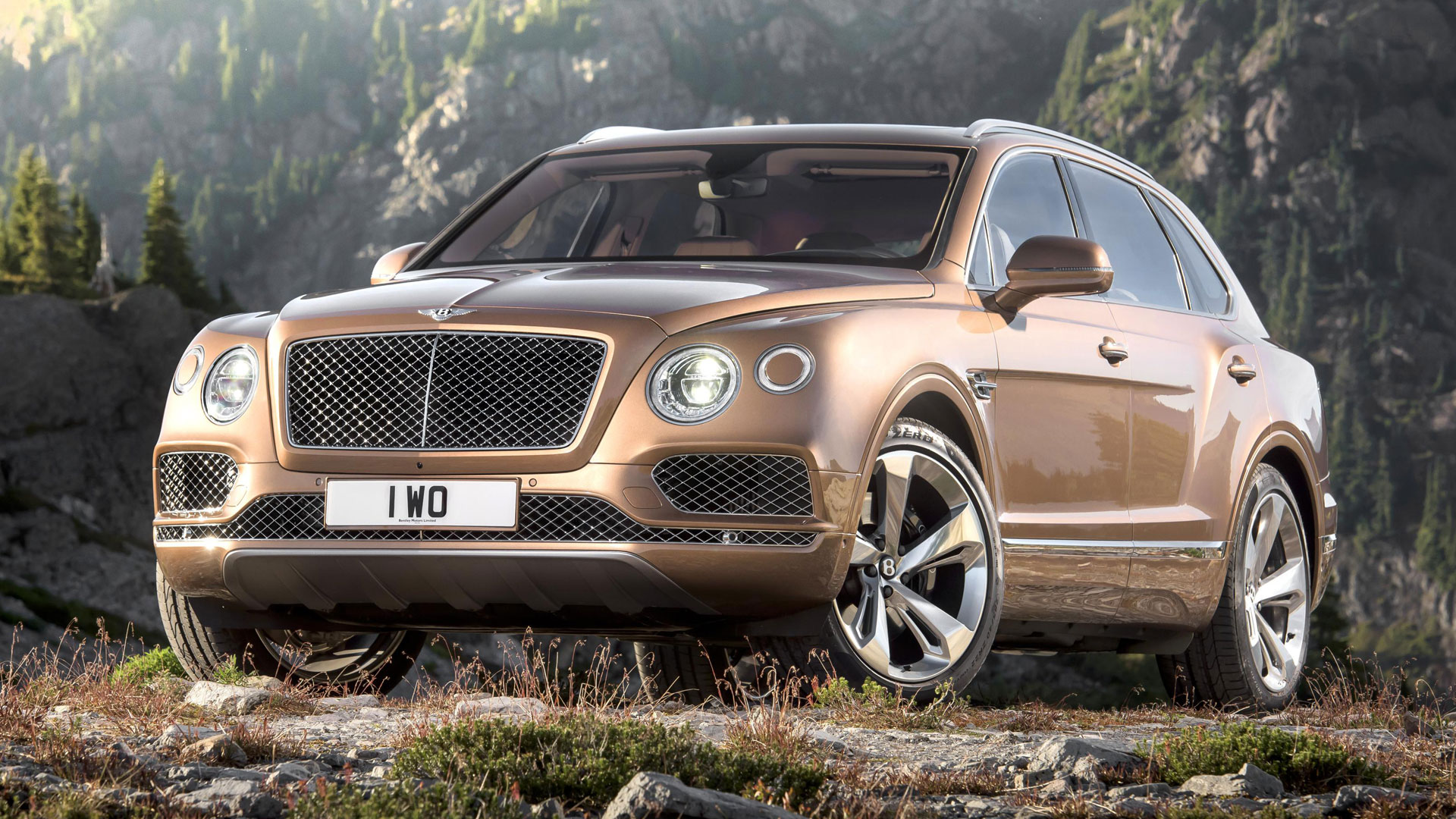
If the Mulsanne felt like a suitable nod to the brand’s history, the Bentayga felt more like a break from tradition. Based on the same platform as the Audi Q7 and Porsche Cayenne, the Bentayga is Bentley’s first SUV and was a development of the aesthetically challenged EXP 9 F concept of 2012. A Bentayga Hybrid has joined the range, with Bentley aiming to offer an electrified version of every car in its range by 2023.
Bentley Continental GT3-R
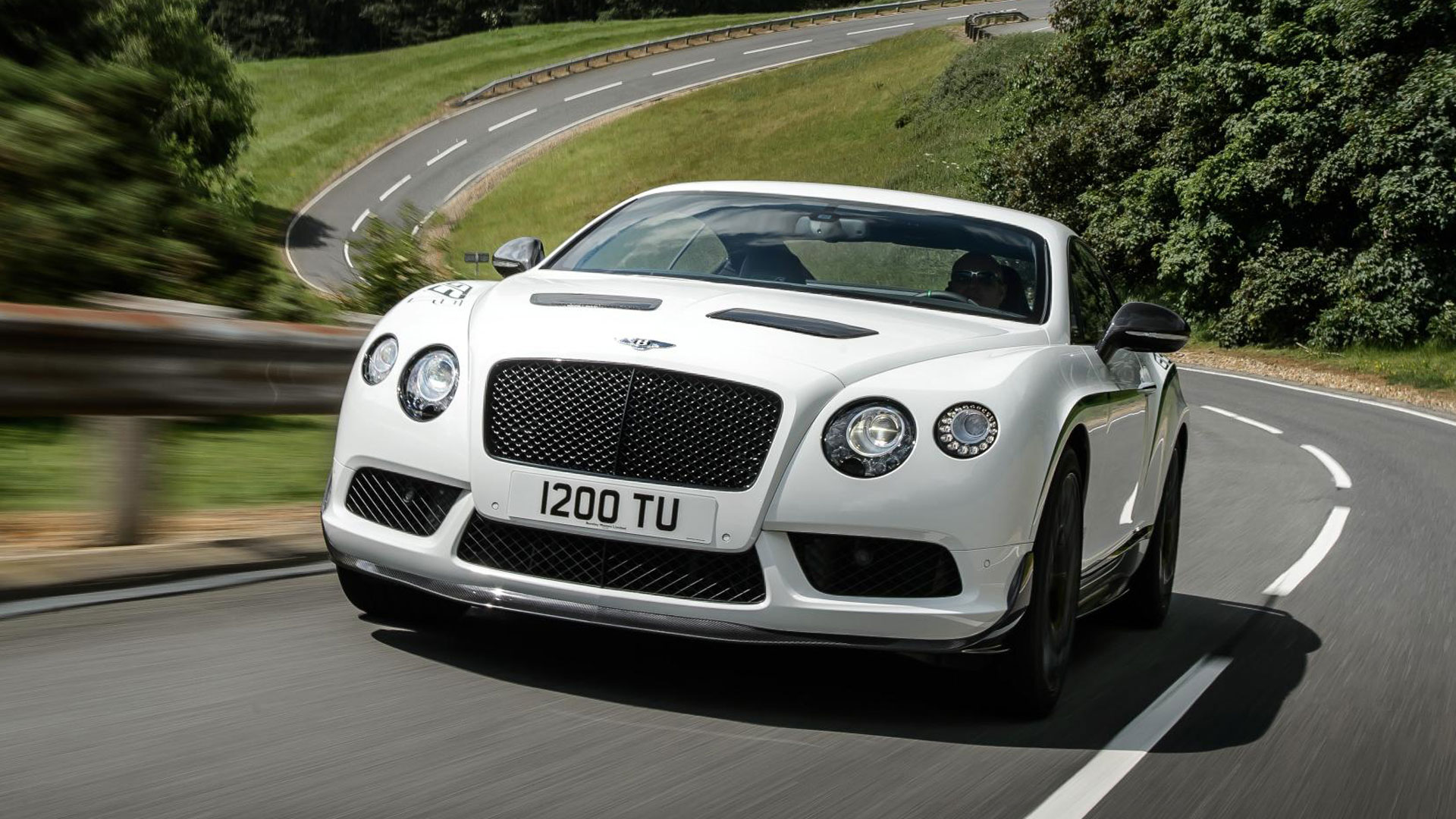
We’re not going to run through every new Bentley model of the past decade or the company’s recent involvement in motorsport, but we must mention the Continental GT3-R. Launched in 2014 at Pebble Beach, this was the company’s most extreme model, with everything tuned for hardcore driving. Just 300 were built, with each one finished in Glacier White.
Bentley EXP 10 Speed 6 concept
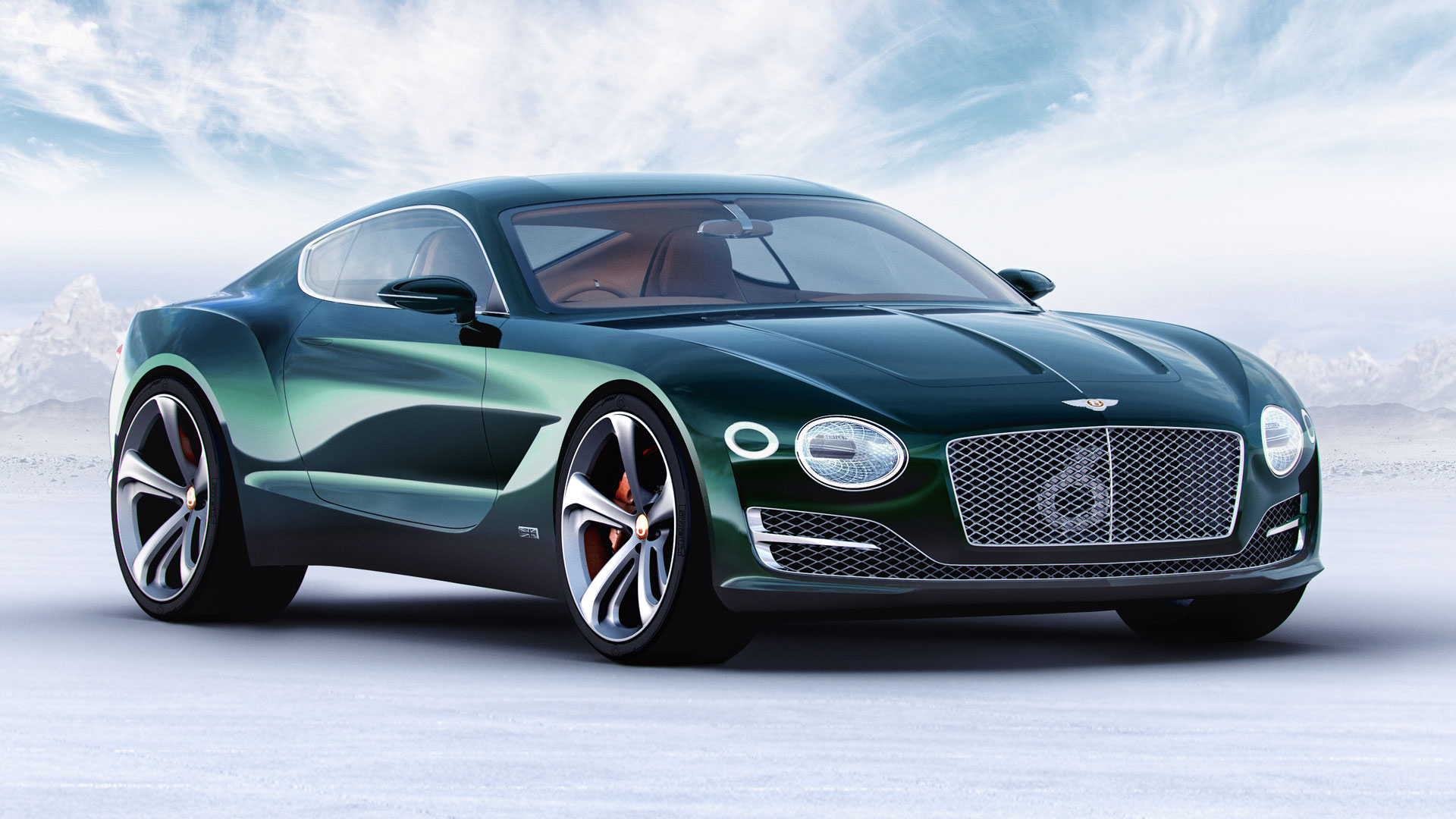
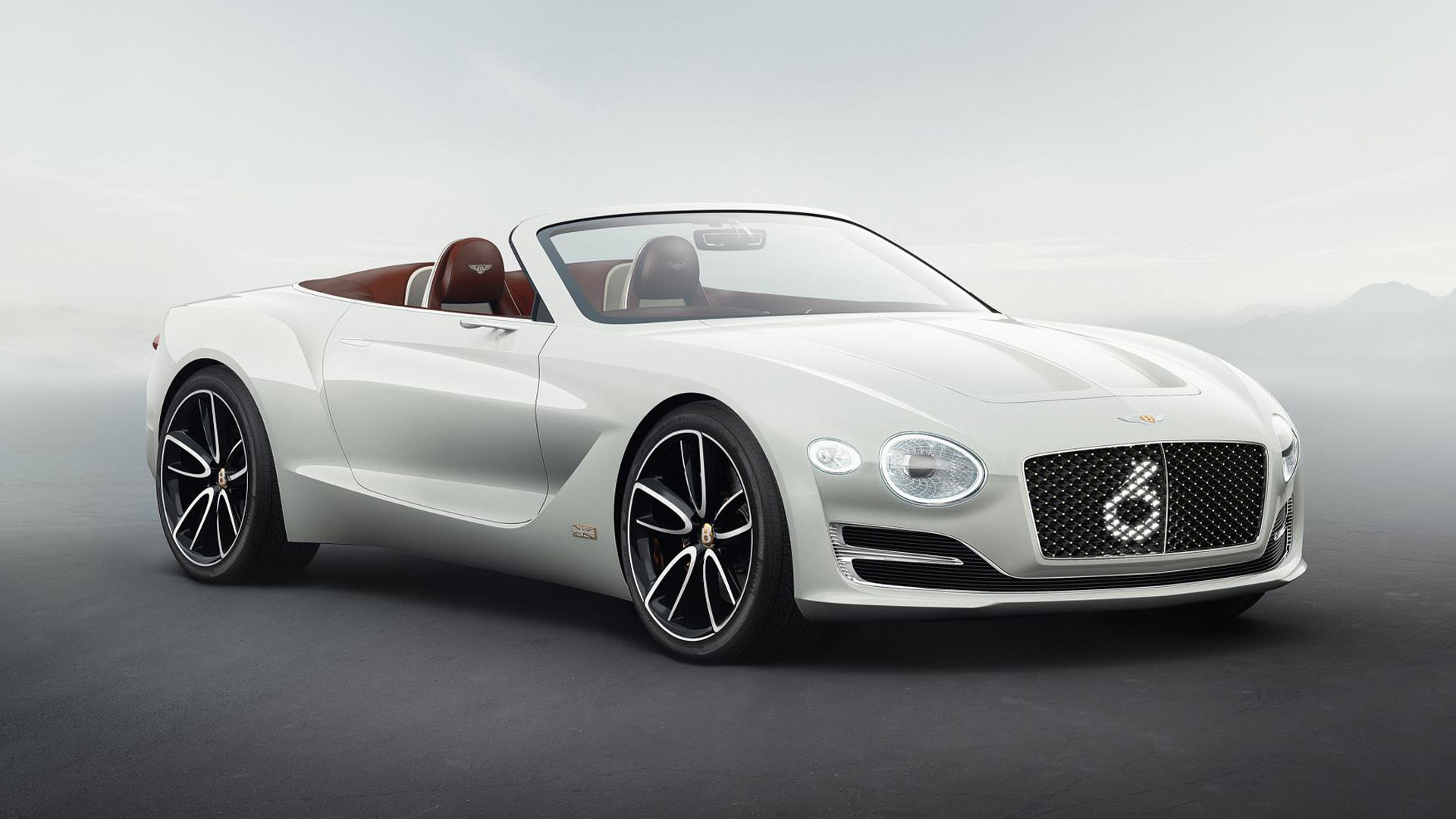
We’ll finish with a few concepts, starting with the sublime EXP 10 Speed 6. Unveiled at the 2015 Geneva Motor Show, the name was a nod to Bentley’s heritage, but the design language was a nod to the future. It was “a bold vision for a brand with a bold future”, said Bentley CEO Wolfgang Durheimer.
Bentley EXP 12 Speed 6e concept
The EXP 10 Speed 6 led to the creation of the EXP 12 Speed 6e – the clearest indication yet that the company is destined for an electrified future. Launched at the 2017 Geneva Motor Show, Bentley said it “would be built with the capacity to drive from London to Paris or Milan on a single charge”, which brings to mind images of Woolf Barnato and the Bentley Boys. A fitting conclusion to this brief history of the Bentley brand.
Bentley EXP 100 GT
Here’s the car that inspired the new Bentley Bacalar: the EXP 100 GT. Unveiled in 2019 to mark 100 years of Bentley, the all-electric concept is a vision of a fully autonomous future for the company. It’s also an environmental showcase, featuring sustainable wool, paint using a byproduct from the rice industry, plus another material that is a byproduct of the wine-making process. Cheers.
New research has revealed that registrations of electric and hybrid cars increased by 95 percent between 2016 and 2018. There is, however, an evident North/South divide.
The research conducted by Admiral analysed 8,500 customer registrations of EVs in over 50 UK cities over the two-year period.
Electric car spread across the UK
Although the overall numbers are encouraging, the regional splits are worrying. Overall the North of England has 35 percent fewer electric vehicle registrations.
Overall, the South saw a 113 percent increase in EV registrations, while the Midlands and the North trailed with a respective 87 and 78 percent increase.
Cardiff, Oxford and Bristol lead the top 10, with increases of 156, 155 and 154 percent respectively.
The bottom three? Warrington, Blackburn and Bradford, with a 46, 41 and a pitiful 11 percent increase in EV registrations respectively.
Infrastructure spread thin
You could probably work out for yourself why there is such a regional divide. Southern locations have a more mature electric car charging infrastructure, while the average journey in the South tends to be shorter than in the North. Everything spreads out, the further north you go.
Illustrating the correlation and the extent of the issue, is the number of chargers in areas where EVs are less popular. Places like Wigan can be found in the middle of the bottom 10 cities for EV registrations. Compared to somewhere like Milton Keynes, which isn’t even in the top 10 for EV adoption, Wigan has a pitiful 19 EV charging points within a five-mile radius. Milton Keynes has over 100 on average.
Both points are illustrated by the fact that a fifth of electric-powered vehicles registered are fully electric in many northern areas. This, compared with southern regions, where over a third of electric-powered registrations are fully electric.
“The UK government has set an ambitious target to ban the sale of petrol and diesel cars by 2040, so the uptake of electric cars will have to increase,” said Admiral’s head of motor, Sabine Williams.
“We’ve seen from our data that the interest in electric cars is definitely rising, with the number of them on our roads increasing by 95 percent on average in the last three years.”
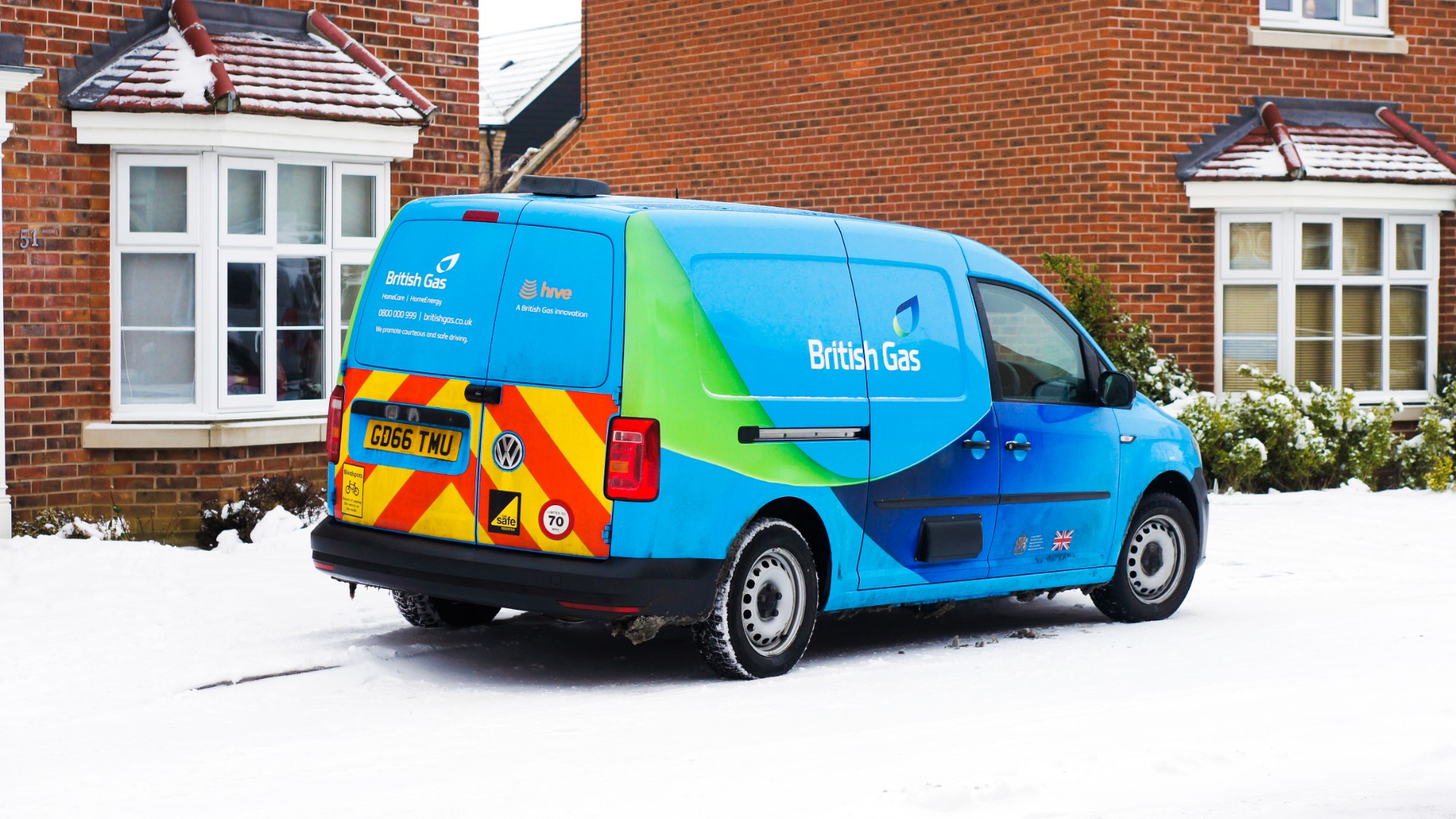
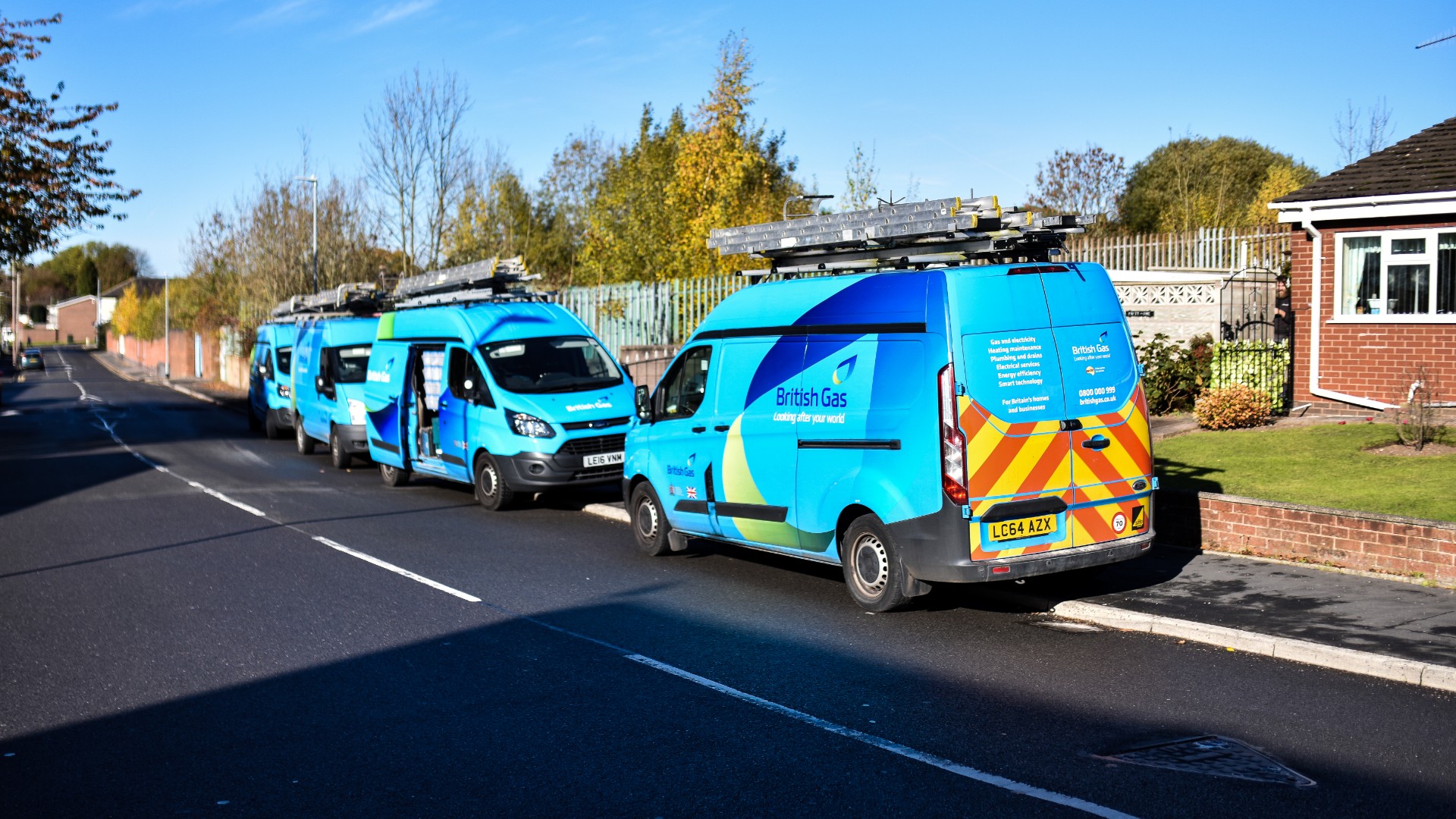
Energy supplier British Gas has pledged to replace its existing fleet of 12,500 vans with all-electric versions by the end of the next decade
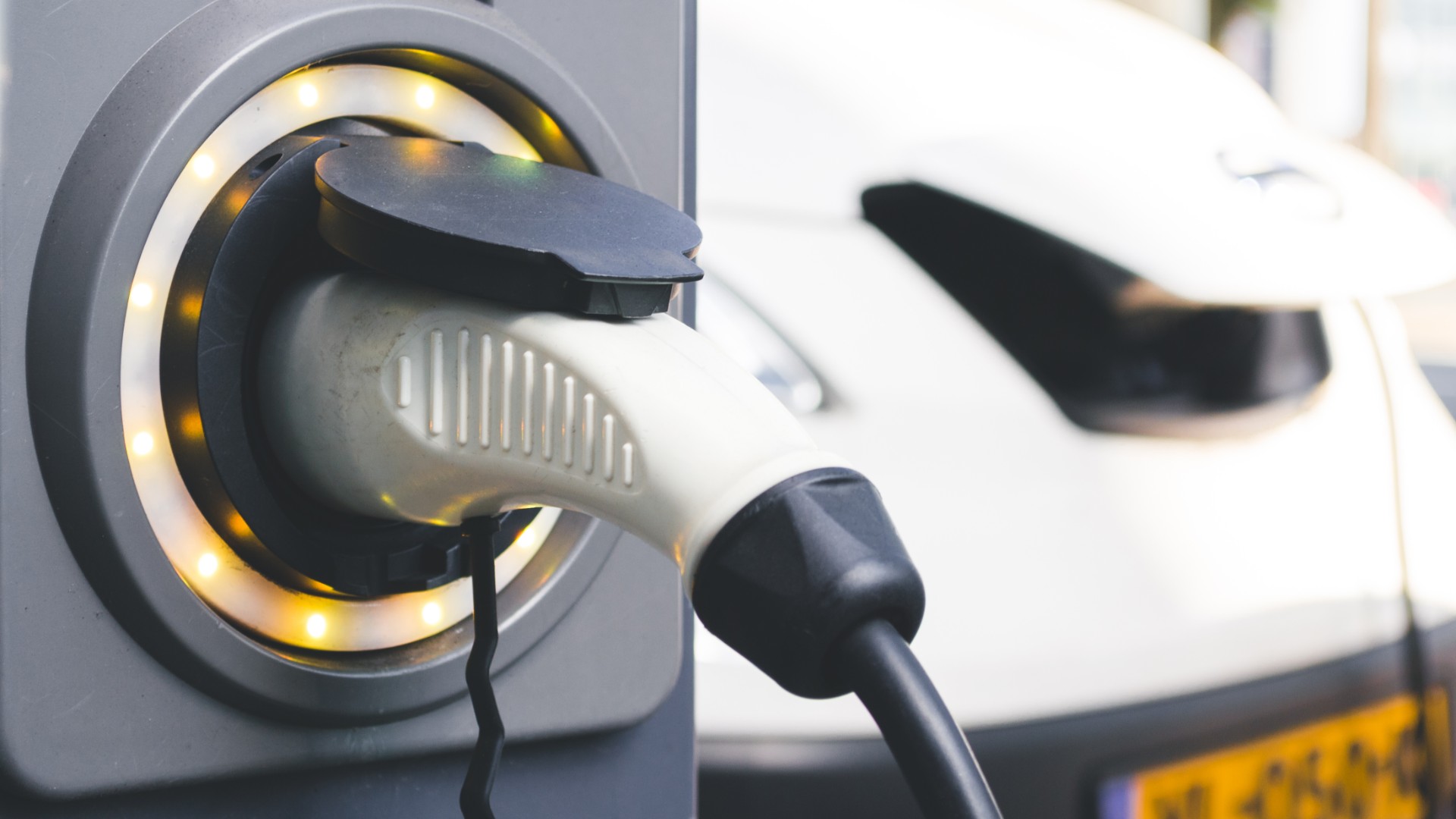
The fleet is the third largest in the UK, used to transport 15,000 engineers. British gas owner SSE has also pledged its 3,500-vehicle fleet will transition to electric and that it will build new charging points to support this.
“Decarbonisation is at the heart of what we do, and low-carbon emissions from transport is critical if the UK is to meet its net zero targets,” said Brian McLaren, director at SSE.
SSE has also signed up to an efficiency pledge to double energy productivity by 2030. This includes both improvements in energy efficiency and a reduction in energy waste.
The pledge is the brainchild of The Climate Group, which has also secured support from facilities management firm, Mitie. The latter company has committed to switch 20 percent of its 3,500 vehicle fleet to electric power by 2020.
“These companies are sending a clear message that the direction of travel for transport is electric, inspiring their staff and customers to follow,” said The Climate Group’s chief executive, Helen Clarkson. “Every major business must do the same.”
In total, The Climate Group has pledges from 49 companies, adding up to two million internal combustion vehicles off the road by 2020.
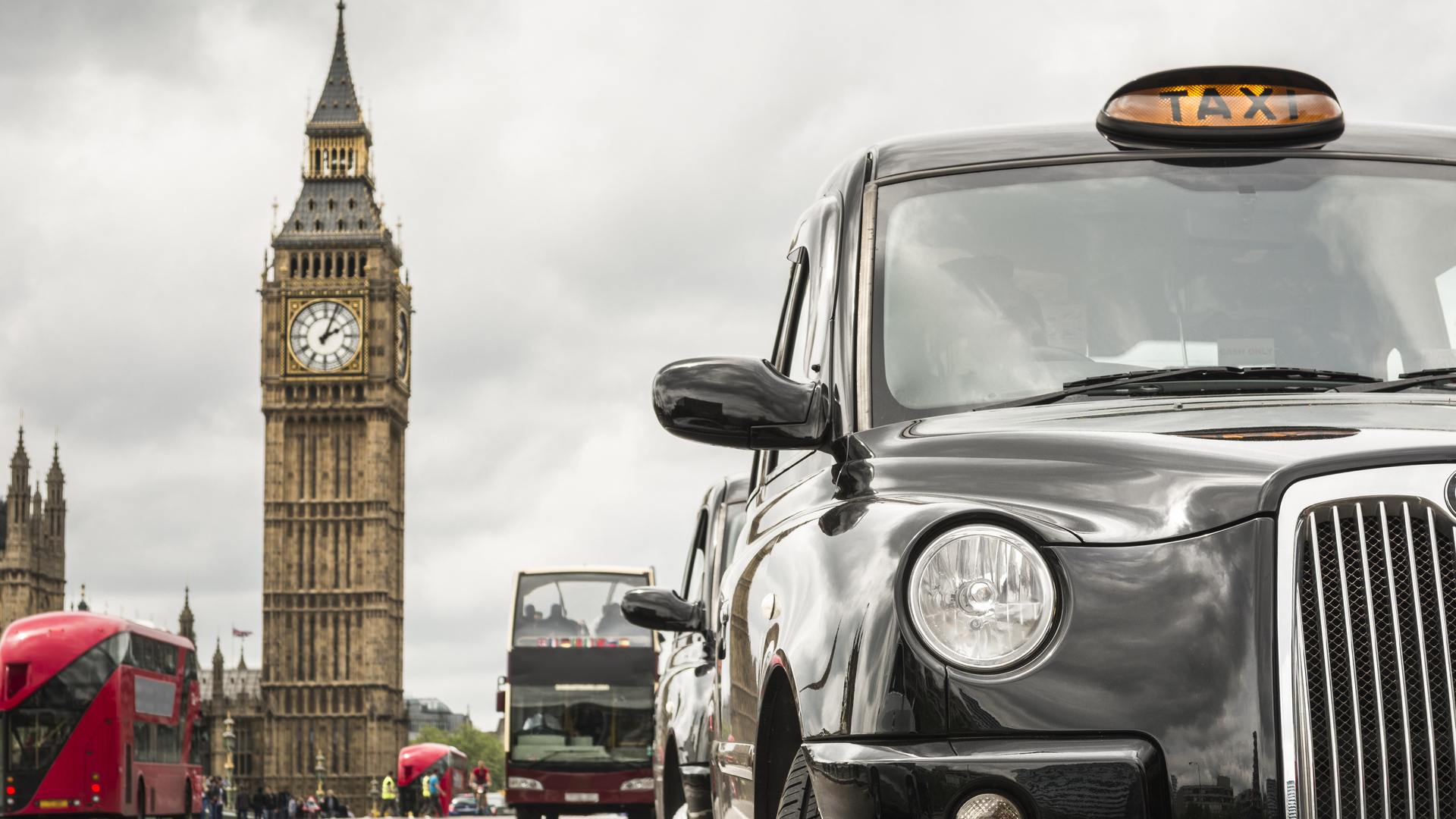
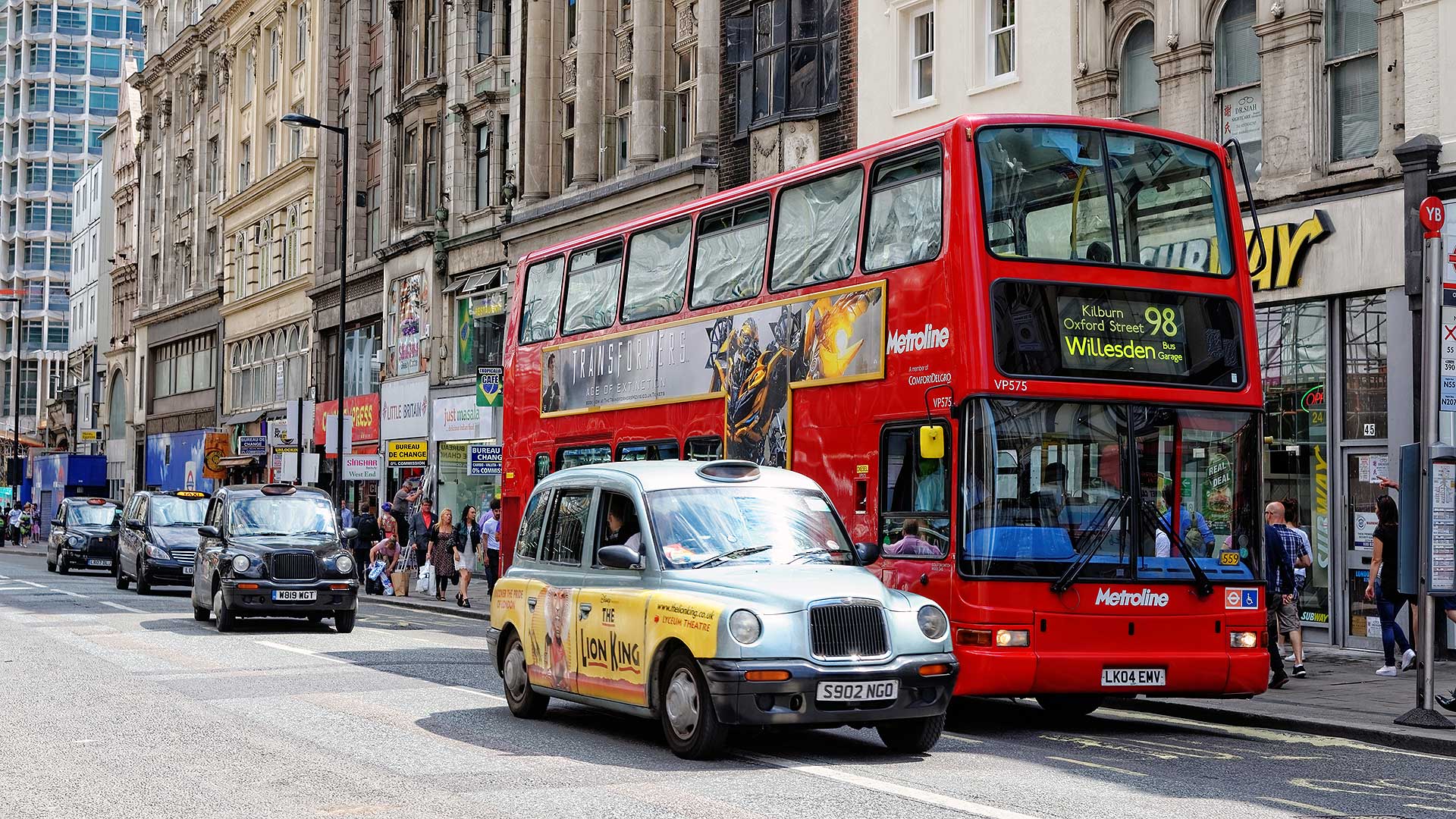
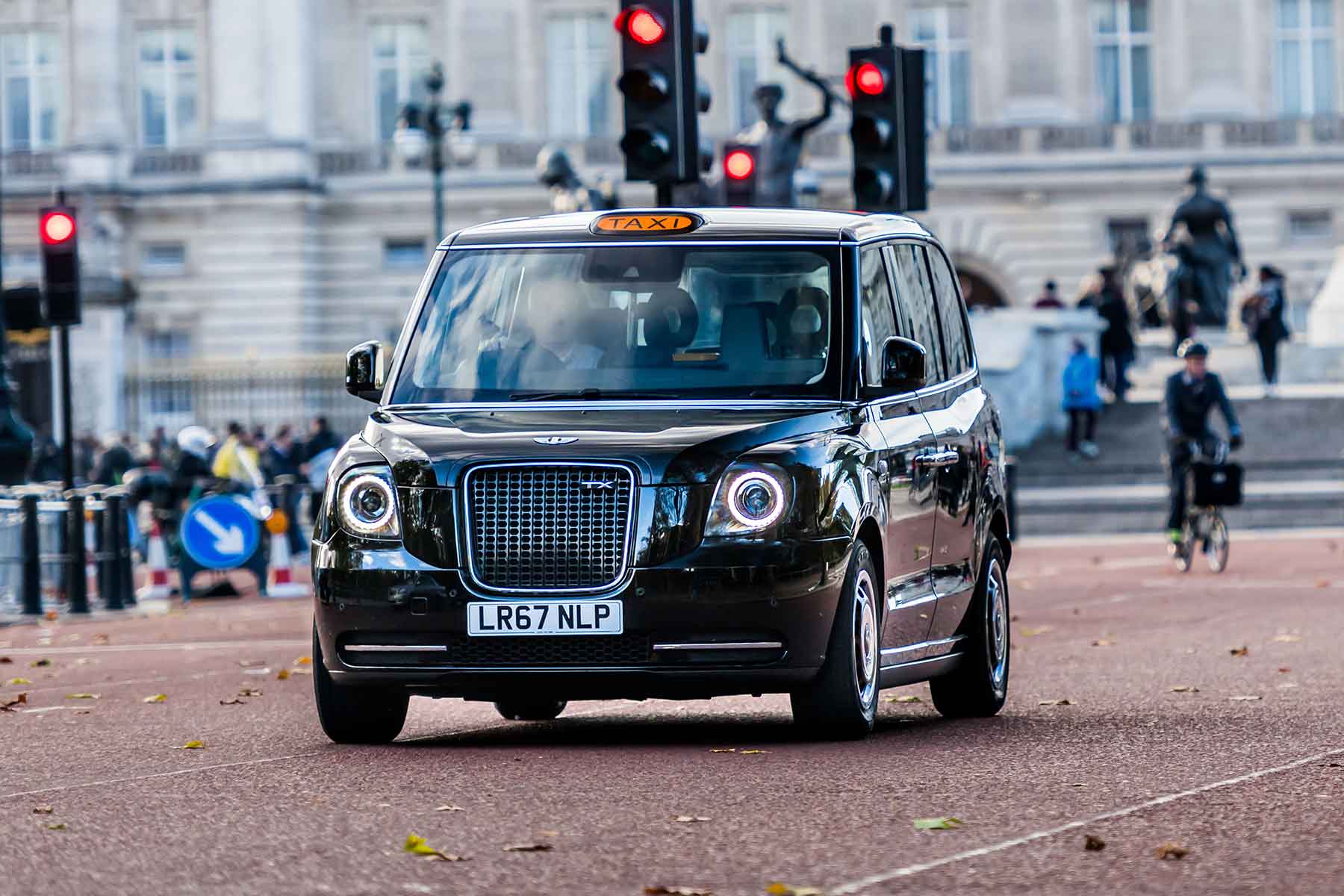
The maximum age limit for Euro 3, 4 and 5 black cabs will be reduced to 12 years by 2022, Transport for London (TfL) has confirmed.
From November 2019, the current 15-year age limit will apply to the anniversary of the date when the vehicle was licensed, with a proposed one-year reduction each year until the 12-year limit is reached.
Euro 6 taxis, those converted to LPG and zero emission capable (ZEC) London taxis will retain the 15-year age limit.
‘Deeply disappointed’
The move has angered the Licensed Taxi Drivers’ Association (LTDA), with the industry body arguing that retrofitting older vehicle would produce better results.
Steve McNamara, general secretary of the LTDA, said: “We’re deeply disappointed by the Mayor’s decision to reduce the age limit for taxis to twelve years, which will put hardworking London cabbies out of work.
“Our alternative proposal to retrofit older vehicles to reduce emissions would have delivered better emissions savings and avoided penalising drivers.
“We’re committed to doing our bit to tackle London’s air pollution, but the Mayor has gone for the simple, headline-grabbing proposal rather than one that would give better results for Londoners and the taxi trade.
“We’re pleased that at least the Mayor has listened to us on exempting retrofitted older vehicles that meet stringent emissions standards.”
There’s also a warning that the age-limit reduction could have a “devastating effect” on the industry, with Taxi Point reporting that residual values of the fleet are estimated to drop by around £50 million.
Earlier this year, TfL doubled the top grant to £10,000 for those wanting to exchanging their diesel car for a cleaner zero-emission vehicle. London cabbies were quick to grab to the initial 1,250 top grants, but payments are still available at the £8,000 threshold.
‘Imperative to reduce the maximum age limit’
Alex Williams, TfL’s director of city planning, said: “Fossil fuels are a major contributor to the public health emergency we face in London, with our toxic air having a damaging effect on people’s health.
“It is great to see how keen London’s black cab drivers have been to make the switch from their diesel vehicles to electric.
“The air quality crisis means it is an imperative to reduce the maximum age limit for taxis. We will continue to support taxi drivers in making the transition to zero emission with a range of grants and an ever expanding rapid charge point network.”
London’s rapid charge network extends to 188 in the ground, 73 dedicated solely to electric taxis, along with 1,100 residential lamppost charging points.
The plan is to have at least 300 rapid charging points by the end of 2020, along with the installation of ultra-rapid charging points at London petrol stations and the creation of ‘flagship charging hubs’ to allow multiple cars to be charged in one place.
Taxis are responsible for 25 percent of harmful NOx emissions, and next year they will be the biggest source of transport pollution in central London, warns TfL.
The capital’s toxic air health crisis leads to thousands of premature deaths annually, and increases the risk of asthma, cancer and dementia.
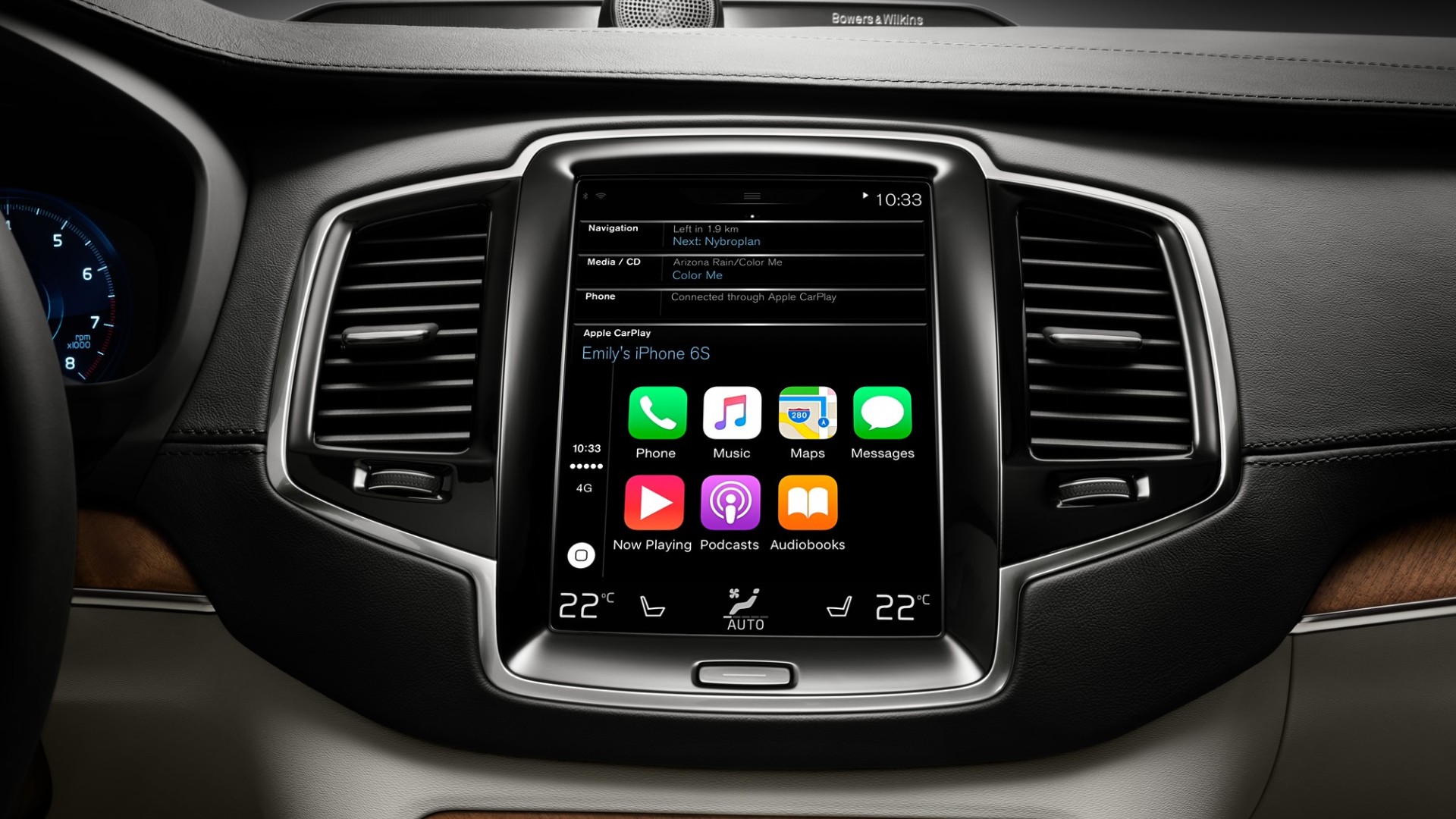
This means that BBC Sounds can safely integrate into a car’s infotainment system, for both iPhone and Android smartphone users.
The older iPlayer app has had this compatibility for some time. In joining it, BBC Sounds comes with extra ‘My Sounds’, ‘Downloads’ and ‘Browse’ features, along with ‘Stations’ for ongoing live broadcasts.
This follows other ongoing additions to CarPlay and Android Auto compatibility lists. These include the music app Spotify and the popular navigation apps Waze and Google Maps.
As for new additions to the BBC Sounds app itself? The update now allows the app to show track information for anything playing on one of the live radio shows.
BBC Sounds was launched last year to appeal to younger users, with a more personalised listening facility, as well as a more on-demand experience.
The app ‘learns’ the user’s preferences and listening habits over time, and introduces them to content that ought to appeal to them, which they might not have found before.
Integration with Apple CarPlay and Android Auto should open up a new commuter audience to the BBC’s content.
The BBC wants to recapture the attention of an audience that is increasingly overlooking conventional radio listening in favour of apps like Spotify.
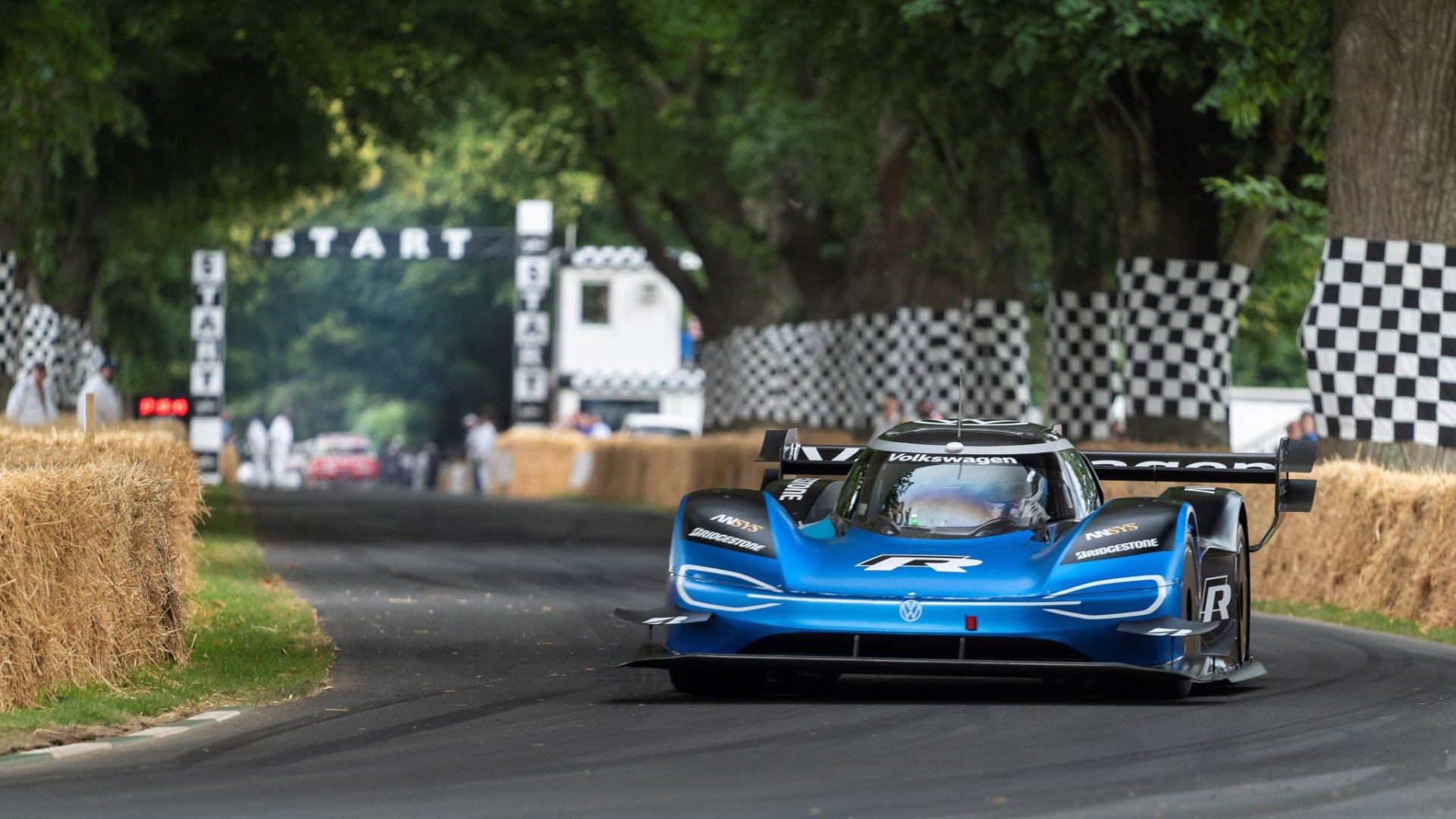
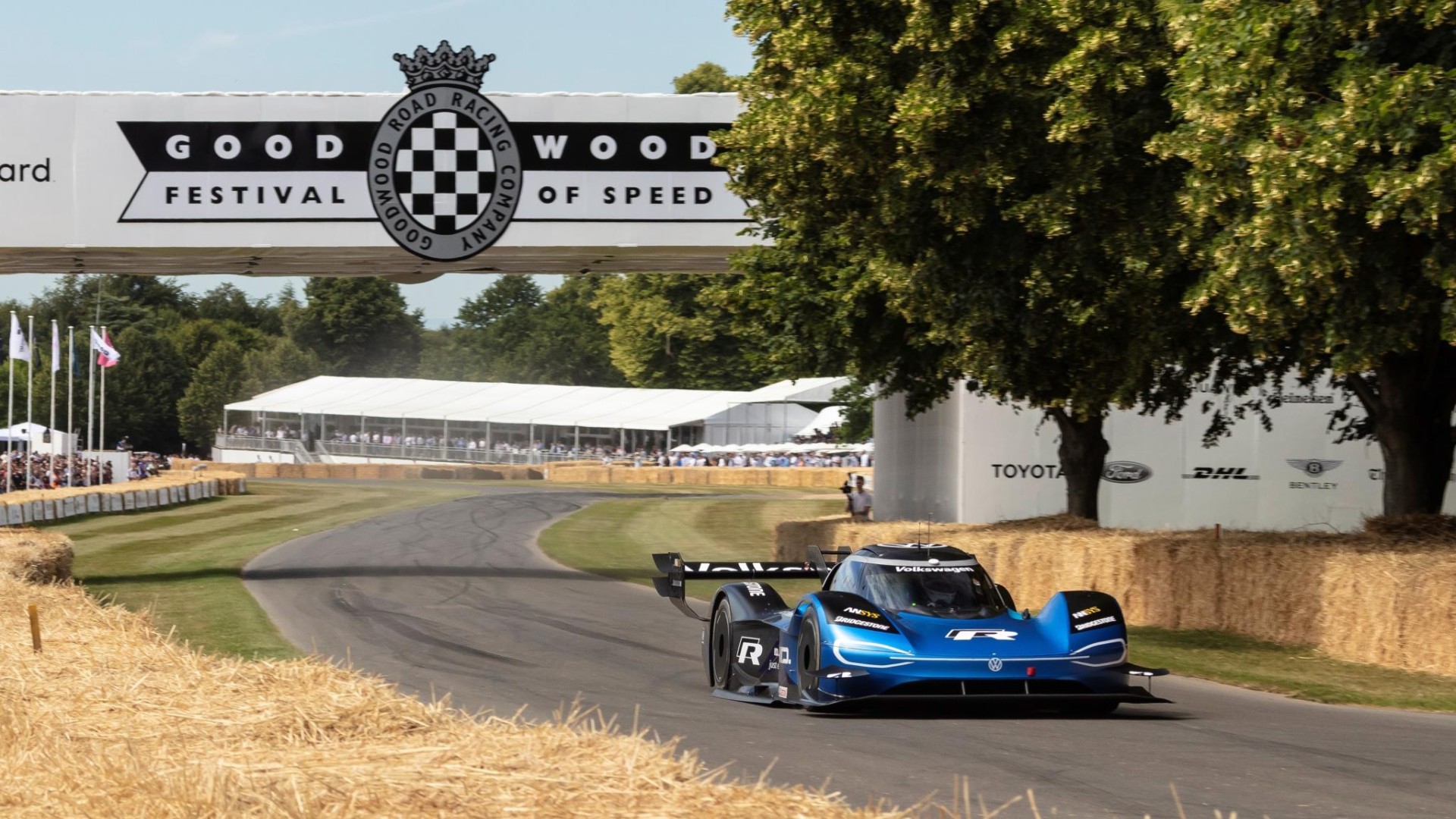
This weekend at Goodwood Festival of Speed, the electric Volkswagen ID.R smashed a McLaren Formula 1 car’s 20-year-old hillclimb record, twice. All after less than two years of development.
For engineers like VW Motorsport director Sven Smeets, EVs are a new and near-unexplored frontier.
We caught up with him at Goodwood to talk ID.R, developing electric power and how this radical racer relates to what we’ll be driving in years to come.
The Goodwood hillclimb record
Just so we’re clear on the ID.R’s performance, that previous record was 41.6 seconds, set in 1999 by Nick Heidfeld driving a McLaren MP4/13. The McLaren was fully prepared for the run, with custom gearing and tyre warmers keeping its rubber toasty for the start.
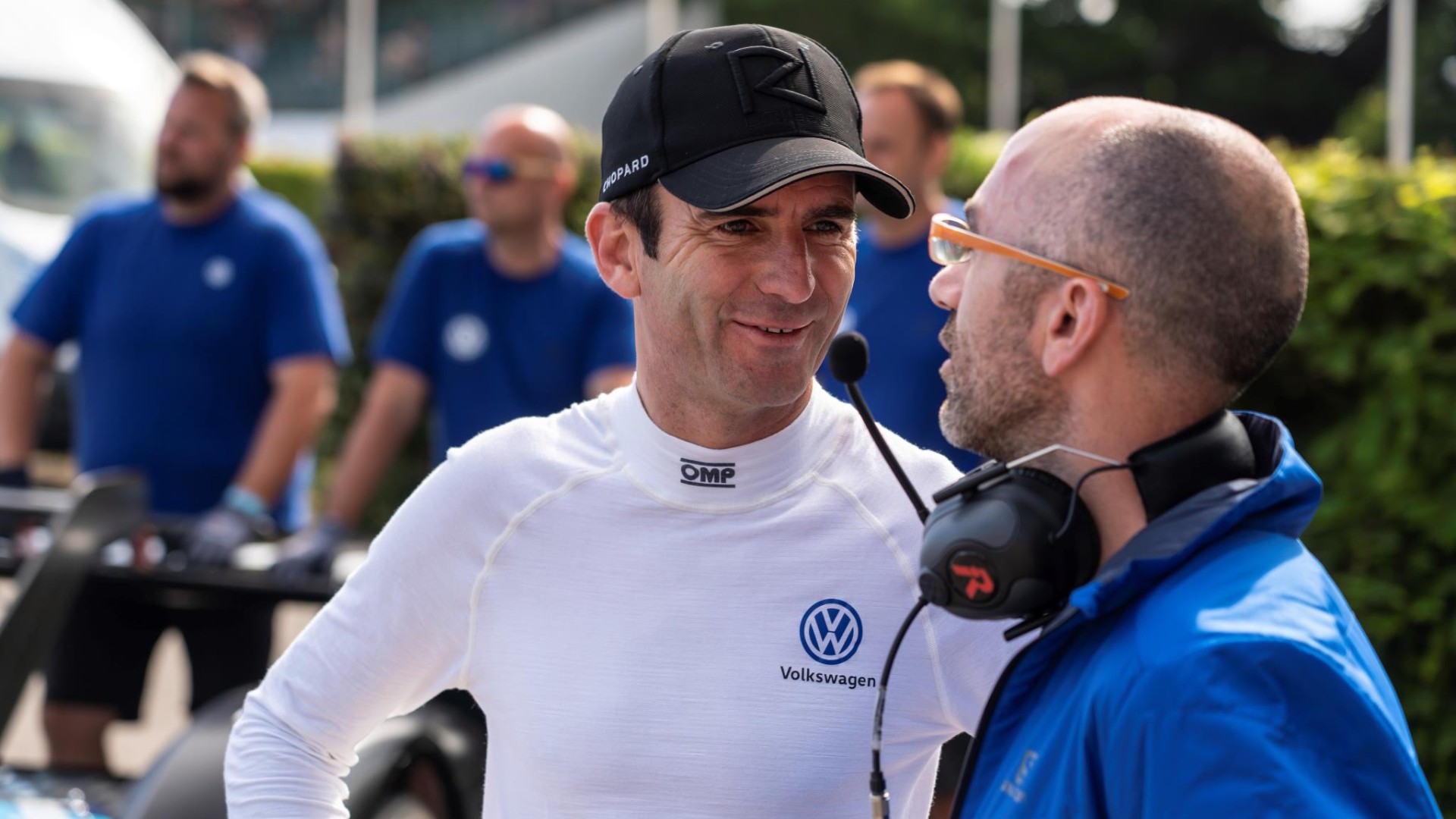
The ID.R, driven by Romain Dumas, posted a 41.1sec on Friday, a 39.9sec on Saturday and then a 42.3 during Sunday’s official shootout… in the wet.
Last year, the first variant of the ID.R took the Pikes Peak hillclimb record, and it’s since become the second fastest car around the Nurburgring. Let’s learn more from Sven Smeets…
What were the biggest leaps forward with ID.R?
“If we went back to Pikes Peak, the car would be completely different. The battery could have serious weight reduction – and I’m not talking about 5kg – versus what we have now. Of course, the less weight we have, the less drag on the battery. Everything else follows.
“We already have some idea of how we would get more power. There are plenty of ‘next time’ ideas. If we went back now to the beginning, the car would look completely different.”
What have you learned from running at Goodwood?
“We have much fewer cells here, but we’re still asking for serious performance. We’ve learned about the balance between performance extraction and heat management. It’s interesting, how you regulate to optimise. You look after the battery like it’s your baby.”
Your thoughts on the ID.R’s record run?
“We were a little bit taken by surprise, to be honest. I spoke to Romain when we were testing and he was not super-optimistic. Because rain was forecast for Sunday, we had Friday and Saturday to give it a go.
“Of course, the record was our target, but we wanted to build up to it. Romain had a bad start, and a bad first corner because he was distracted by the start. Yet he still got 41 seconds.
Will there be another ID.R?
“We have some ideas for the future, which we will be discussing with marketing and the board from August through September. Hopefully some of them will be taken up, including some that go in different directions from records and hillclimbs like this.
“Things that were not possible in 2017, we can do now. In 2016, the Nurburgring lap wouldn’t have been achieved.”
How does the ID.R relate to road cars?
“On a certain level, we are interacting with the team behind the ID road cars. There is big work behind the scenes so that by 2022 there will be something properly presented. Many things are asked of us.
“We have a one-to-one connection with the performance people who build Volkswagen ‘R’ cars today. They will get our first electric test car. In terms of what we do, it’s very interesting for them to see what happens.”
The BMW 5 Series has been named Britain’s most expensive car to maintain in a study of the country’s 50 most popular vehicles.
Local garage and mechanic comparison service, Whocanfixmycar.com, calculated the average annual maintenance cost for the top 50 vehicles, with each figure including servicing, MOTs and any unexpected repairs that may arise.
At a cost of £585 per annum, the BMW 5 Series is the most costly, followed by the Mercedes-Benz C-Class (£557) and Volkswagen Passat (£543). In fact, German cars make up 50 percent of the top 10 most expensive motors.
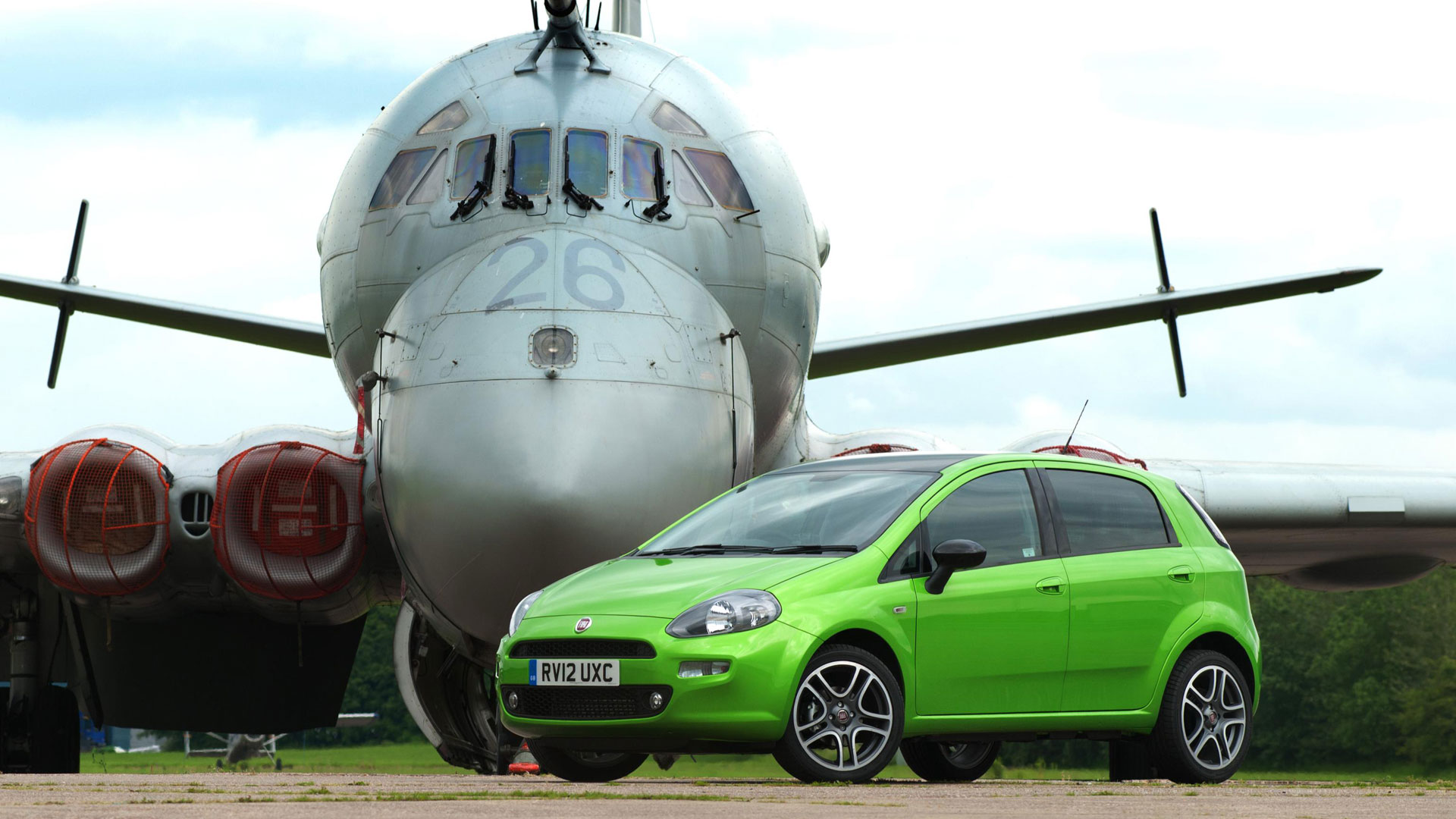
Looking at the other end of the table, the Fiat Punto is the cheapest car to maintain, with an average maintenance cost of just £255. The Peugeot 206 (£283) and Mercedes-Benz A-Class (£289) complete the top three least expensive cars to keep on the road.
Whocanfixmycar.com calculated how much each car costs to maintain at different ages, from brand new to 15 years old, and created an average cost for each car per year. All figures were collated between September 2017 and September 2018.
The comparison website also analysed how many repairs are carried out through its website and used official registration statistics to compile a list of the most reliable cars on the road.
It found that the Audi A1 is the most reliable, with a one in 1,610 chance of the car requiring a repair. Next up is the Renault Clio (one in 1,249), the Nissan Note (one in 1,055), the Seat Leon (one in 864) and the Hyundai i10 (one in 292).
It’s worth noting that these figures are based on repairs carried out via the Whocanfixmycar.com website.
10 most expensive cars to maintain
BMW 5 Series: £585
Mercedes-Benz C-Class: £557
Volkswagen Passat: £543
BMW 1 Series: £518
BMW 3 Series: £486
Hyundai i10: £470
Toyota Yaris: £459
Audi A4: £454
Kia Sportage: £447
Honda CR-V: £447
10 least expensive cars to maintain
Fiat Punto: £295
Peugeot 206: £283
Mercedes-Benz A-Class: £289
Citroen C4: £293
Renault Megane: £310
Nissan Note: £312
Nissan Micra: £312
Vauxhall Zafira: £317
Peugeot 207: £320
Honda Civic: £321
ALSO READ
Idling drivers to face bigger fines under government crackdown
If you’re expecting nothing but muscle cars here, you’re in for a shock. When it comes to performance and racing cars, powerful V8s from the Land of the Free make for a popular choice, used in cars of all shapes and sizes at Goodwood Festival of Speed 2019. Here are some highlights.
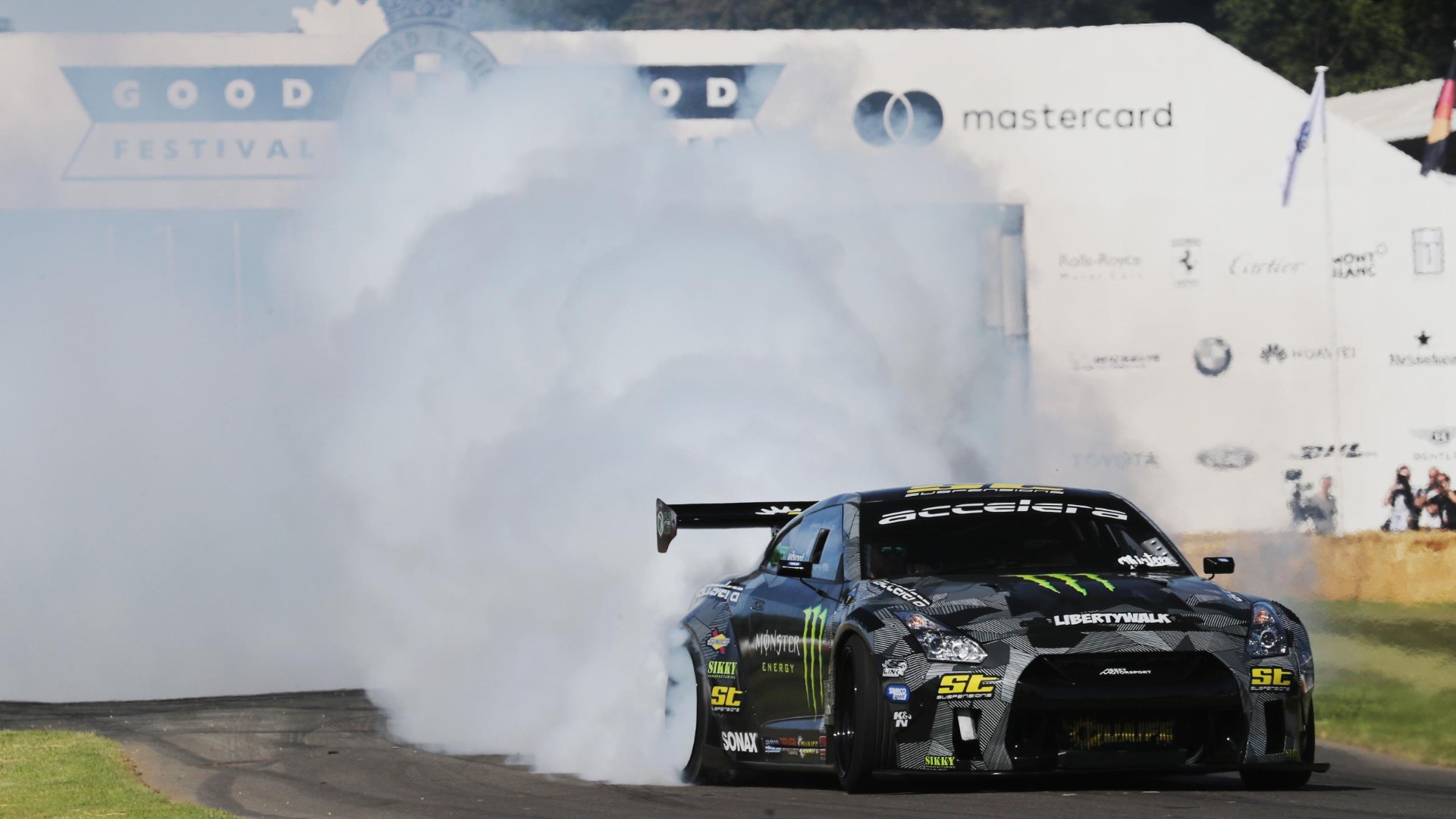
Nissan GT-R
We begin with the beguiling Irish drifter who goes by the name of ‘Baggsy’. While his wheels of choice resemble the very-Japanese Nissan GT-R, he only needs to fire it up for us to realise it’s had a heart transplant. How does 1,200hp of twin-turbo GM LSX V8 sound to you?
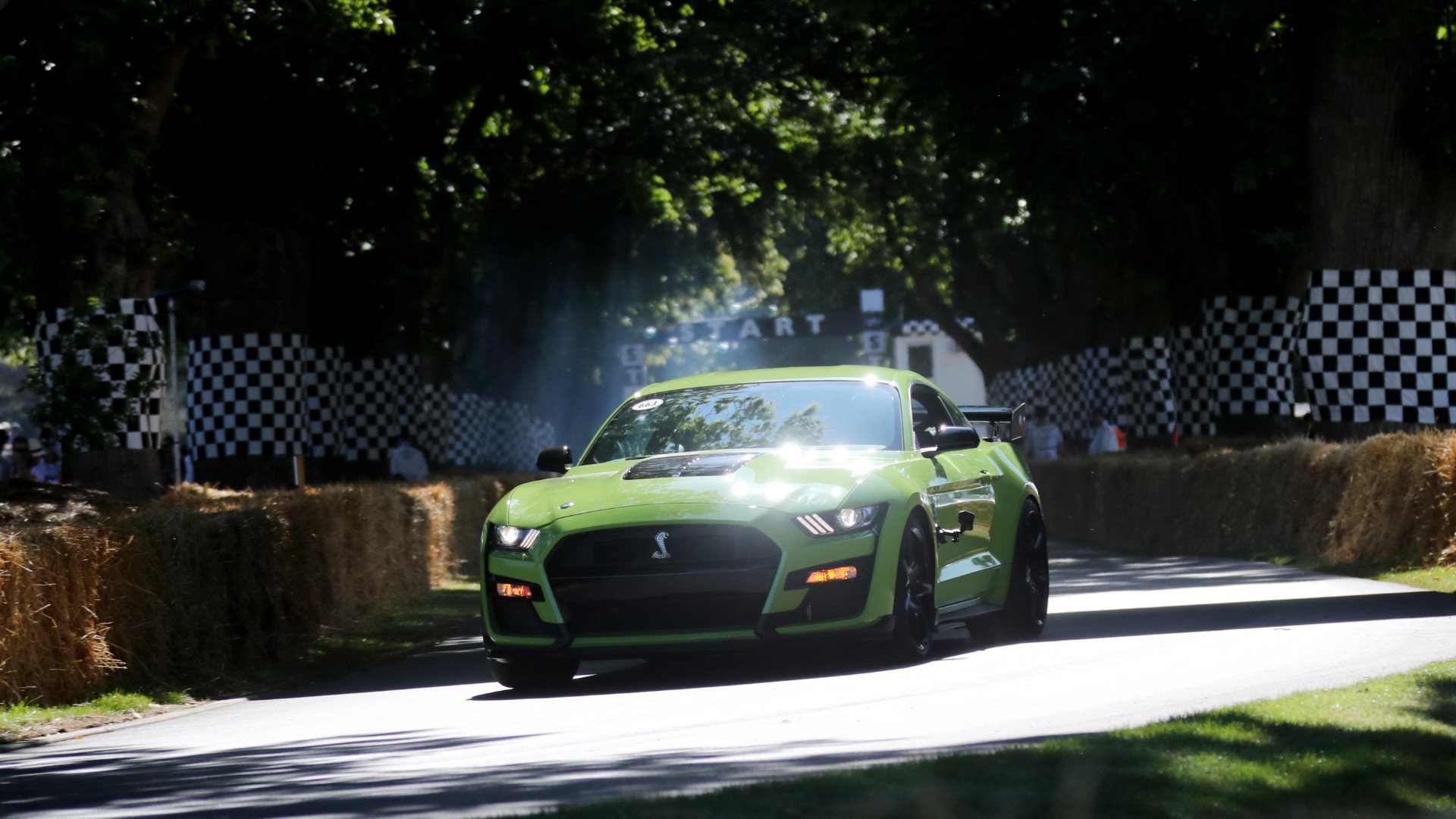
Ford Mustang GT500
Now here is some authentic American muscle, albeit with a splash of sophistication. Yes, it has over 750hp from a supercharged V8, but the Mustang GT500 also has a twin-clutch gearbox and clever aerodynamics. It’ll still rip fat elevens, though…
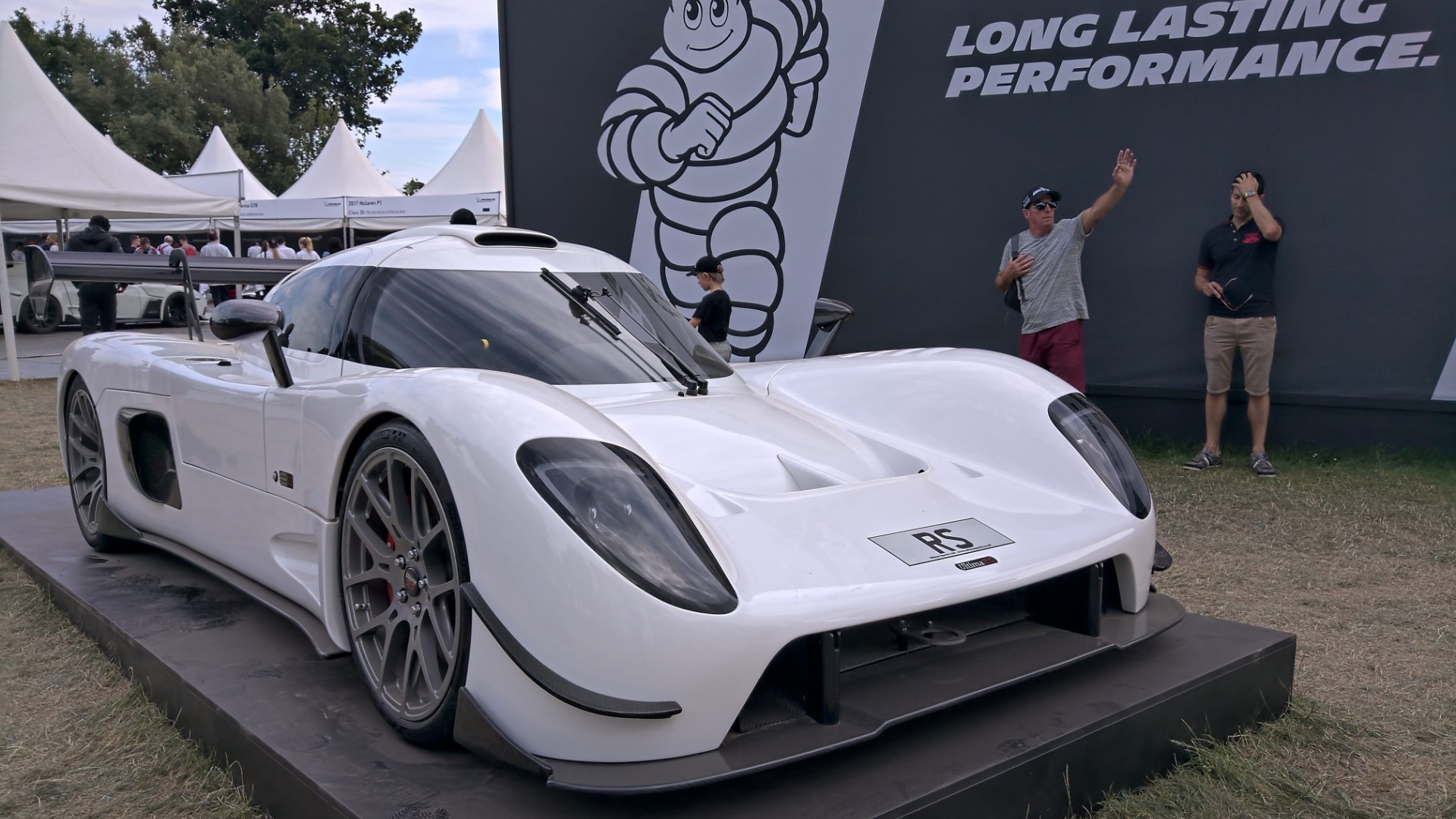
Ultima RS
Ultima’s new model is a sharp-looking update for 2019. The famous track supercar manufacturer has always been a fan of GM’s LS V8. This new car gets the latest supercharged LT4 lump from the Chevy Corvette Z06.
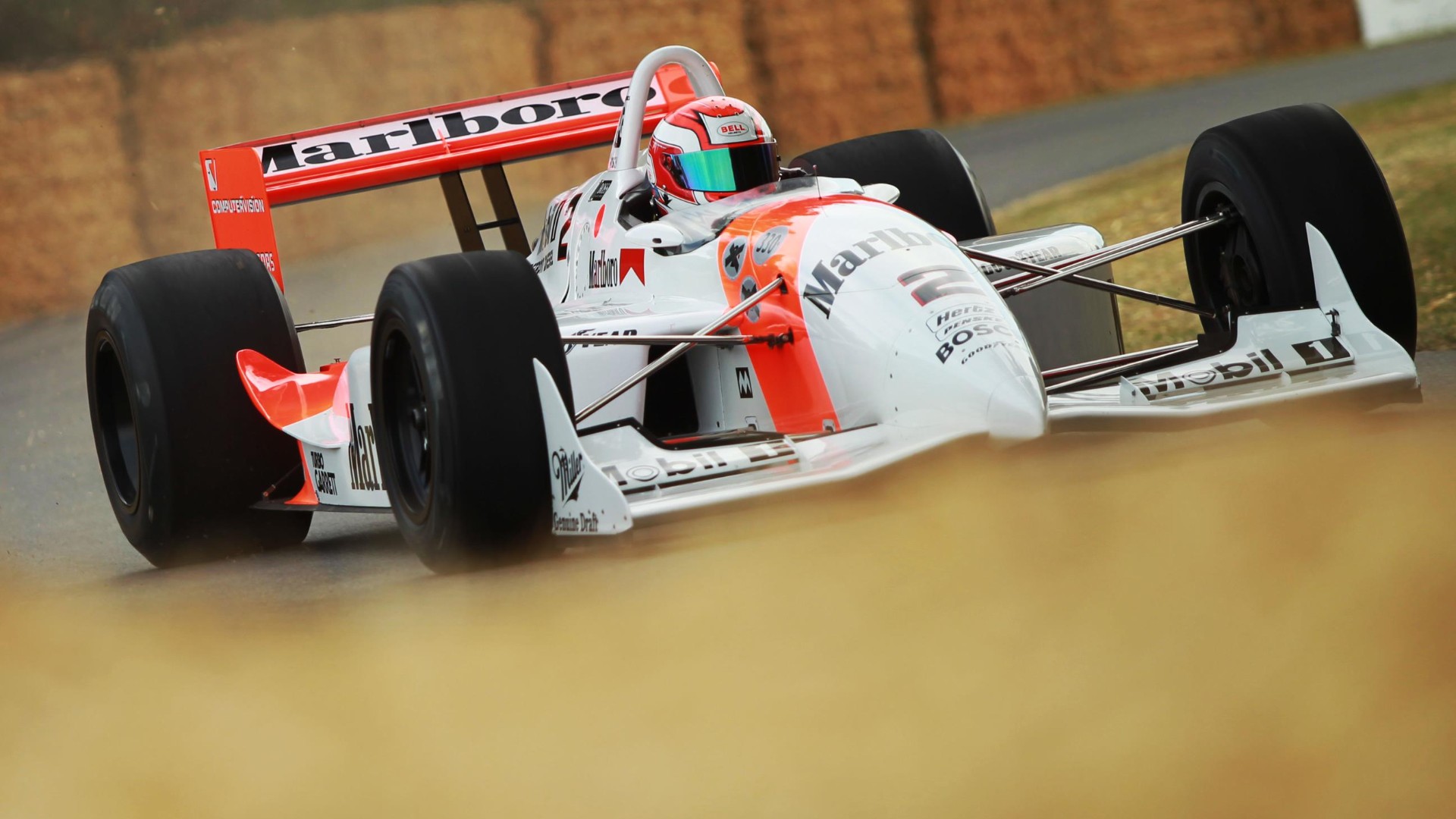
Penske PC22
What powers this Penske CART couldn’t be further from the LT4, but it’s still a Chevy V8. This turbocharged 2.6-litre unit screams to 14,000rpm. Famous drivers include Emerson Fittipaldi and Nigel Mansell. Even Ayrton Senna tested one.
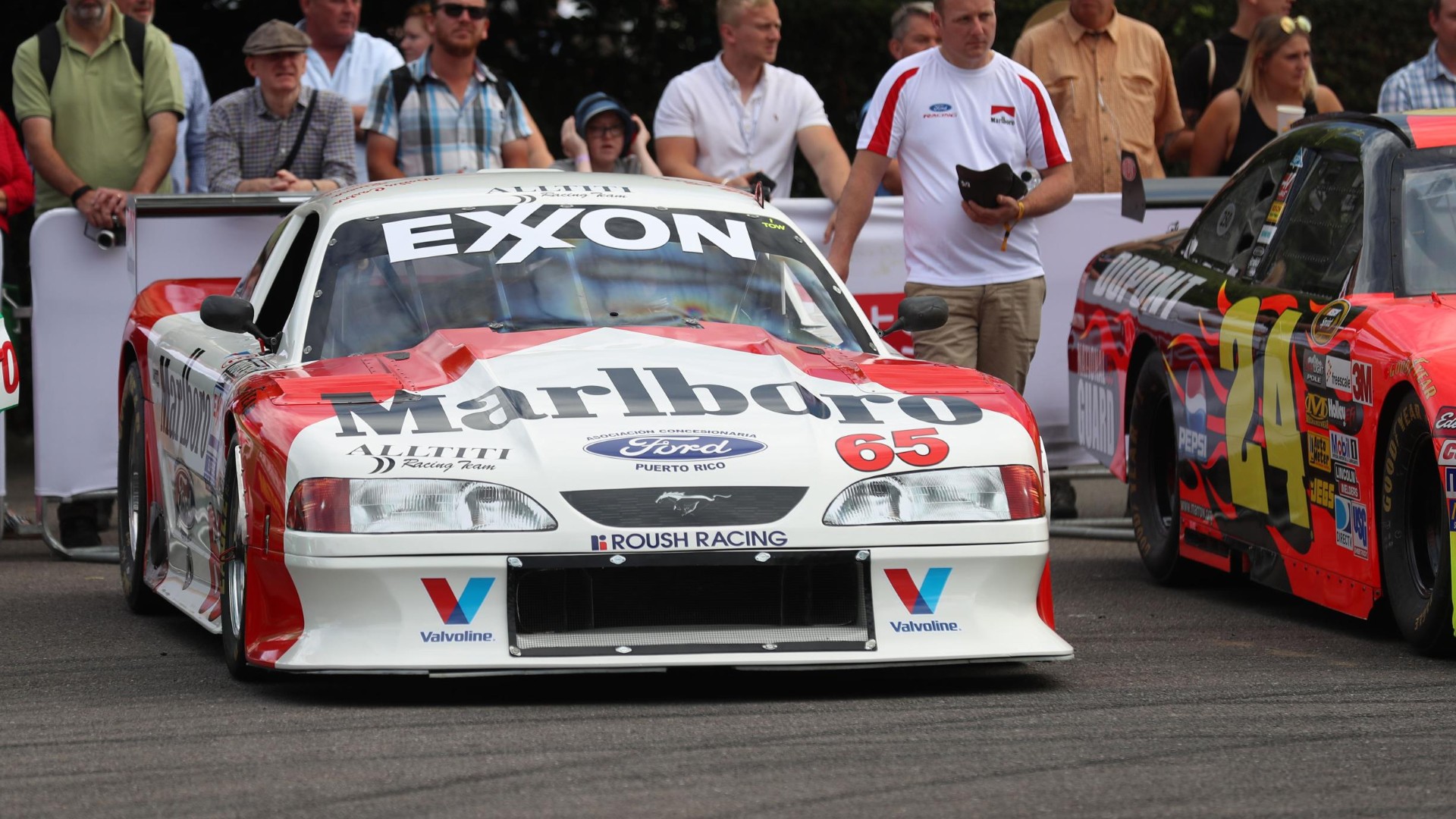
Ford Mustang GTS 1
Mustangs are a common sight at the Festival of Speed, but no two are the same. This GTS 1 is a case in point. No, it’s not a NASCAR. It’s an IMSA racer in GTS 1, the successor to the famous GTO class. The road-going variants of the fourth-generation Mustang aren’t best-loved, but this is an absolute weapon.
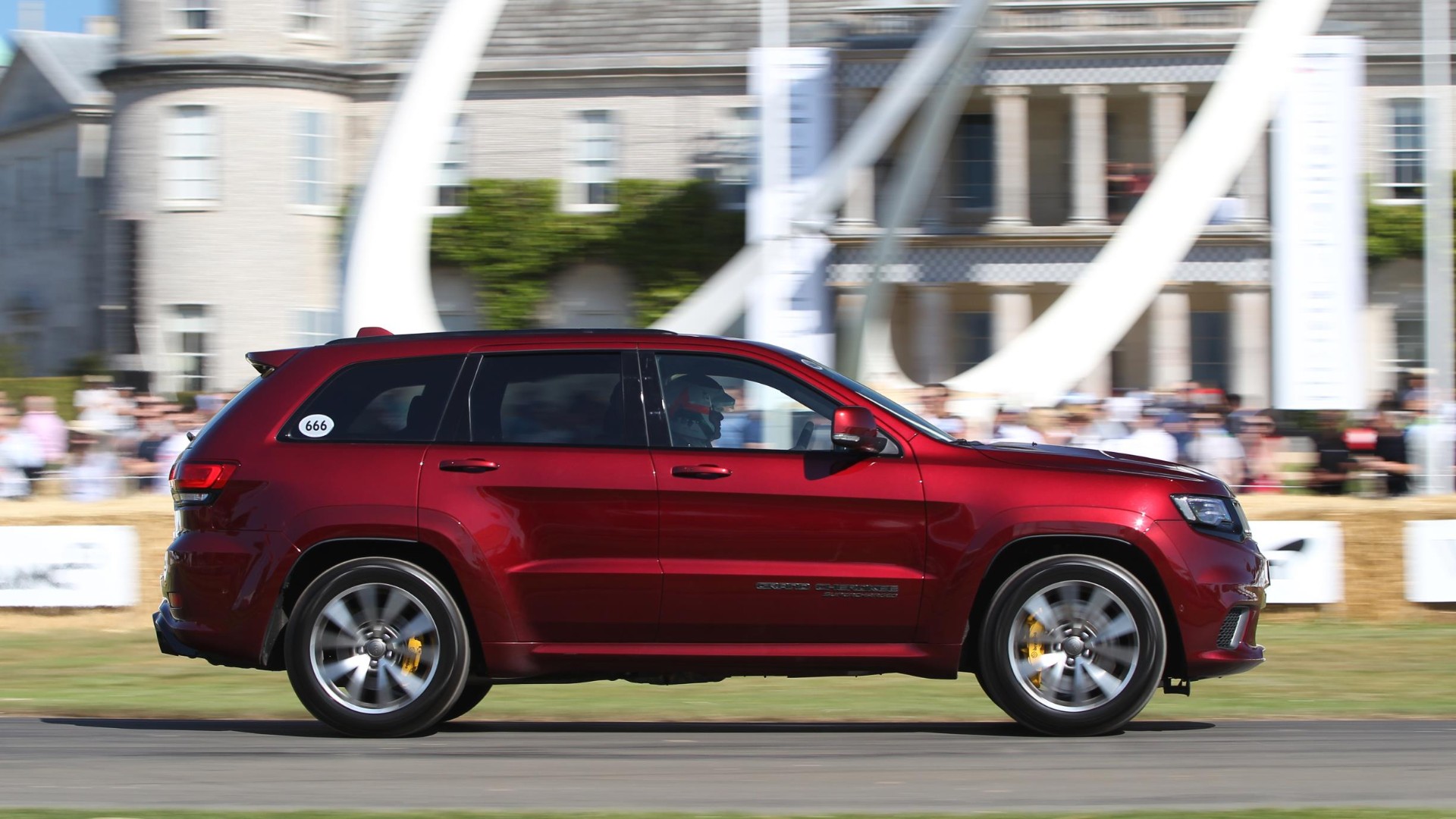
Jeep Cherokee Trackhawk
The Jeep Trackhawk is one of the most powerful SUVs you can buy. This Cherokee truck features the supercharged 710hp V8 from the Challenger Hellcat. Because that’s exactly what a family 4×4 needed.
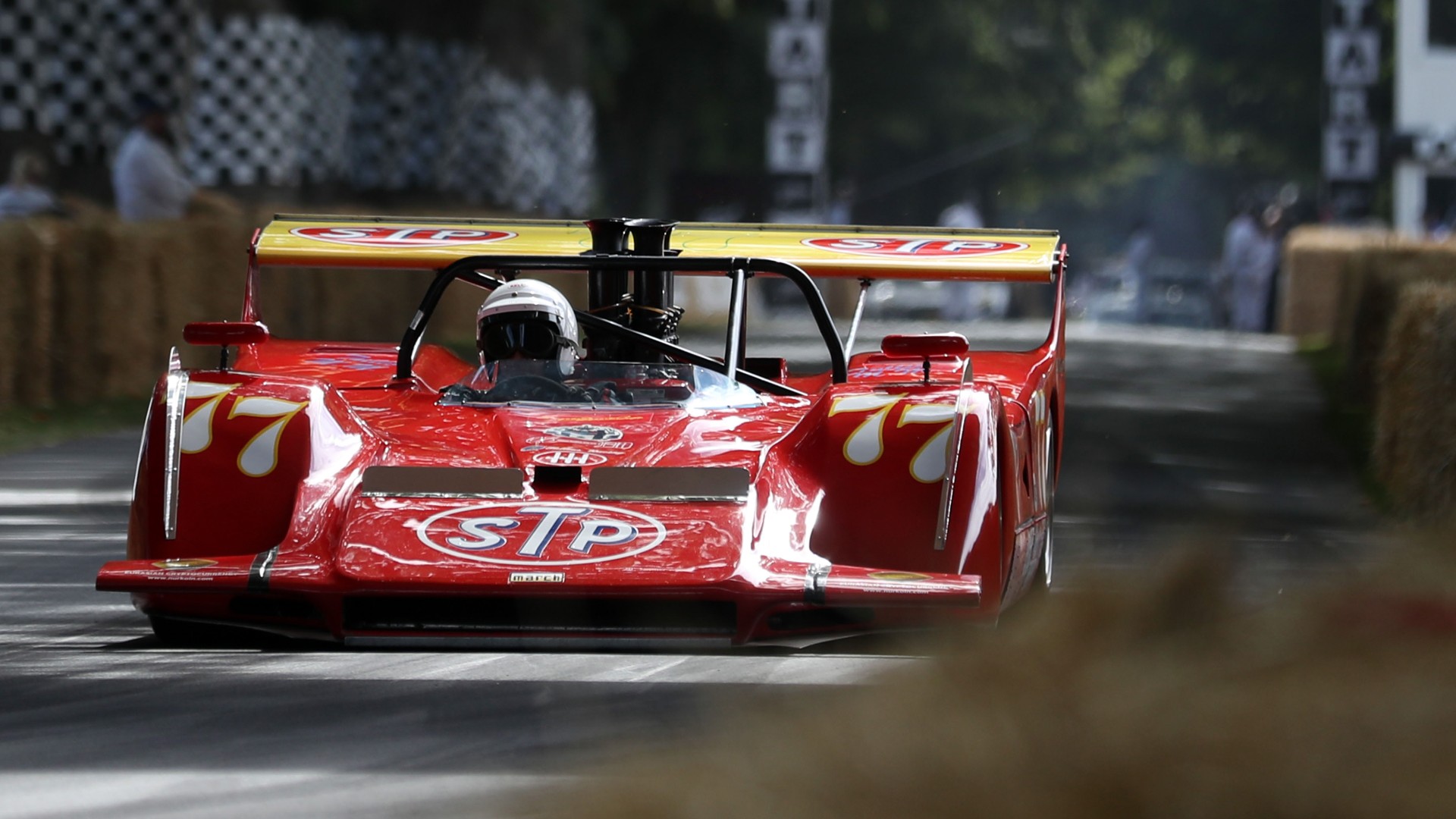
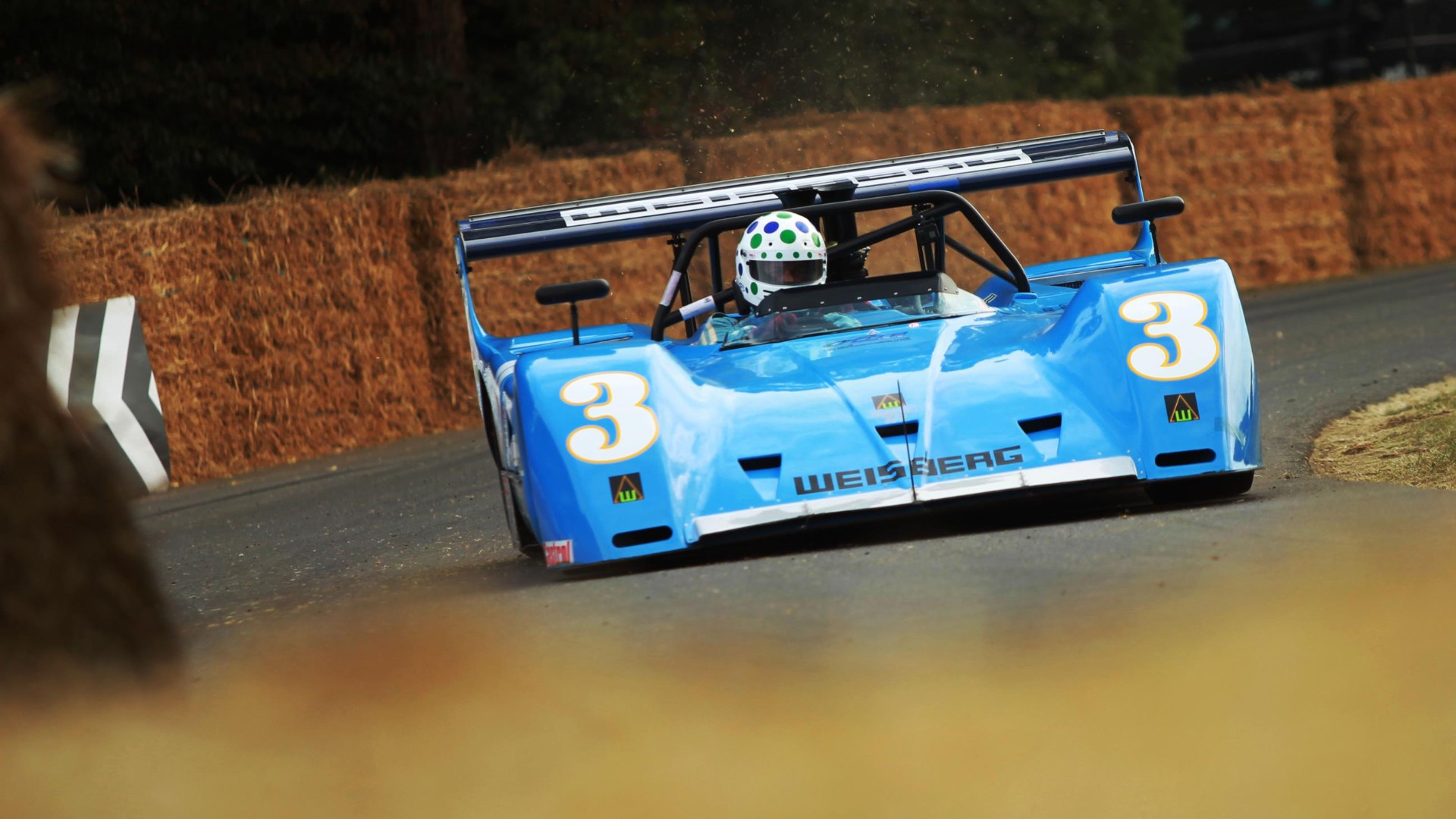
March-Chevrolet 707
Can-Am racing no longer exists. The cars were too powerful (a Porsche reached 1,500hp), too fast and it was cancelled over safety fears. This is a March-Chevrolet 707 Can-Am car uses a big-block Chevy V8.
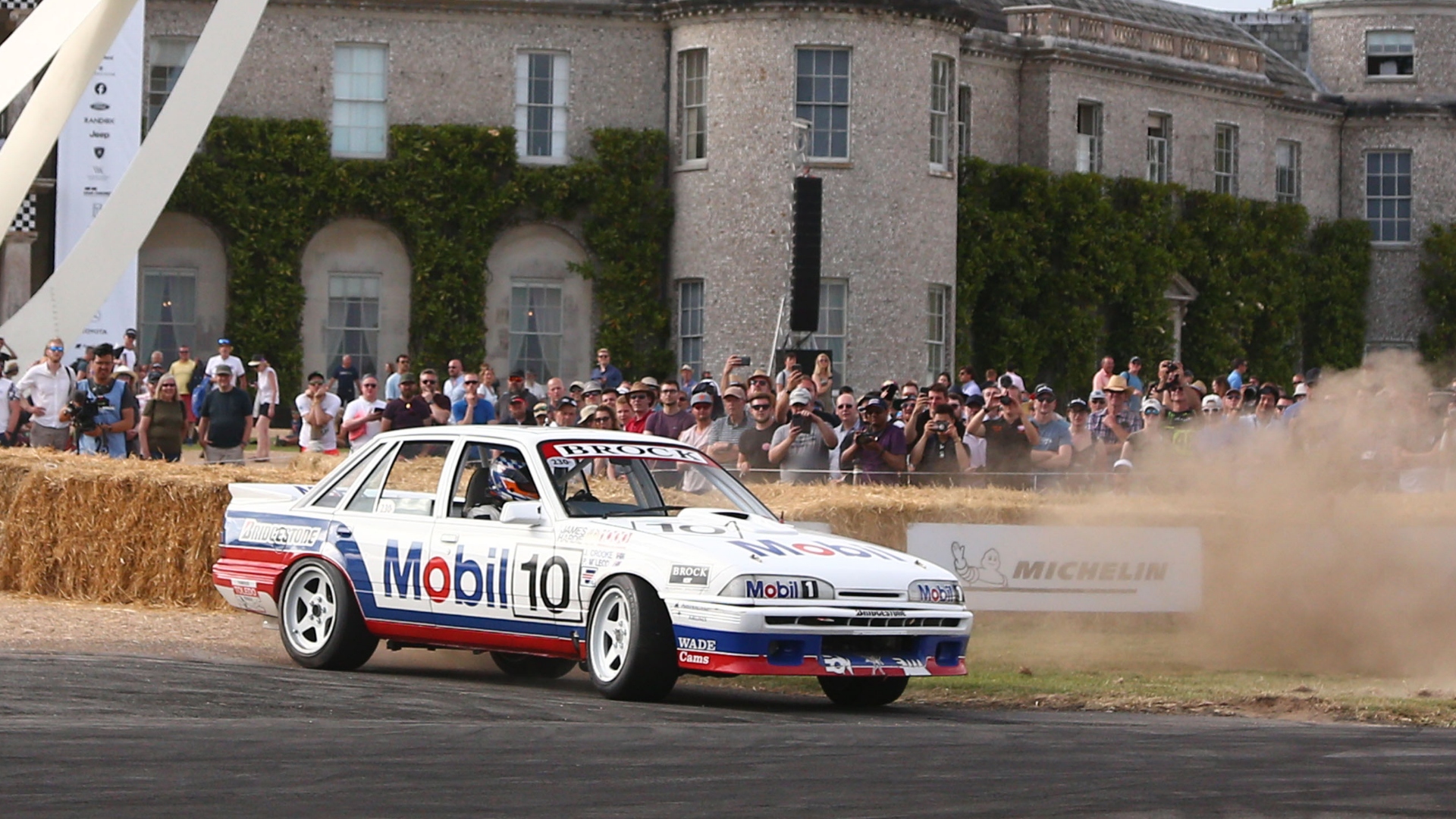
Holden Commodore VL SS
The Aussies are well-known V8 lovers and Holdens have been putting Chevy V8s to good work for years. This one is a 1980s Commodore racer and doesn’t it just look the business?
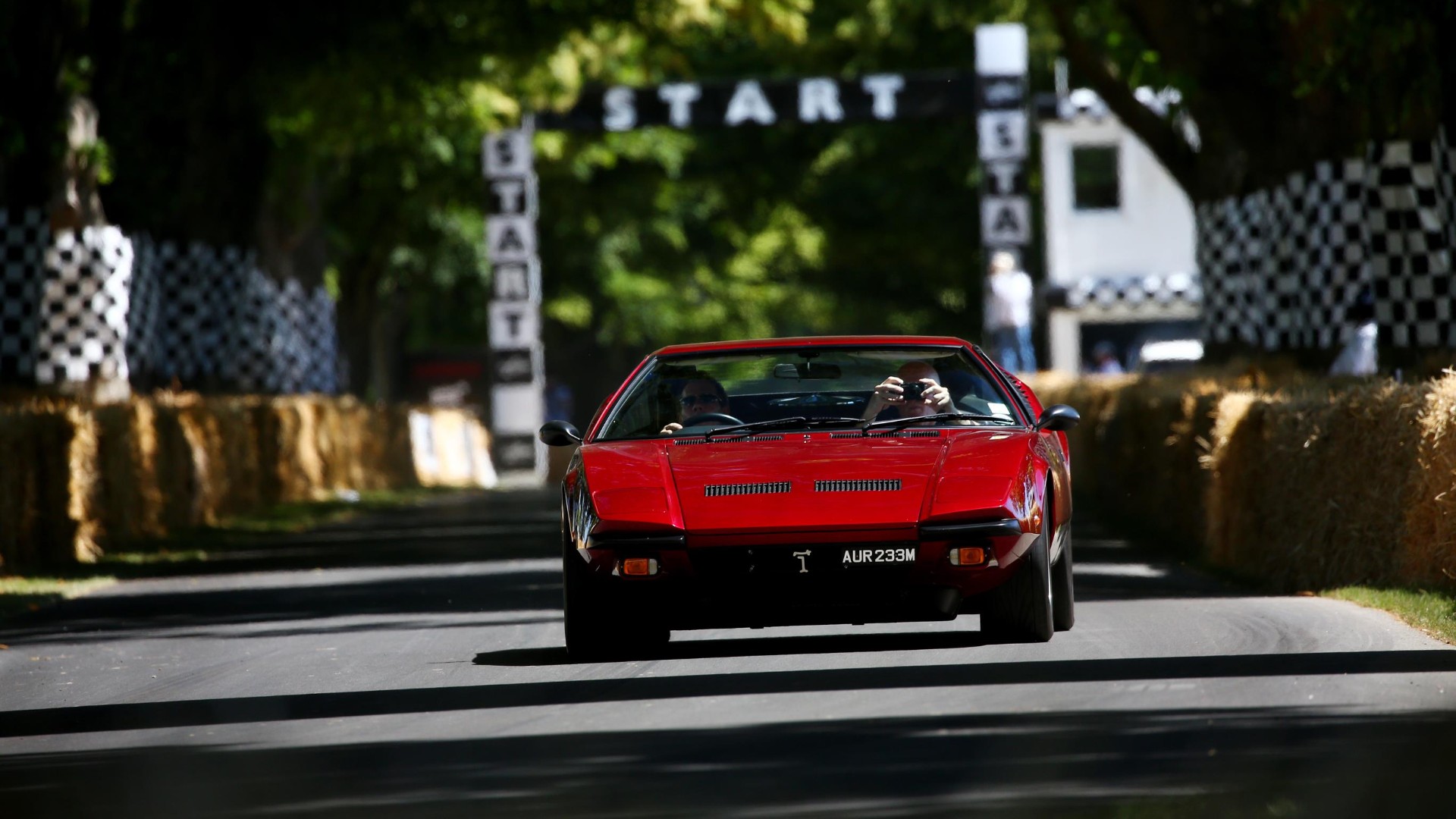
De Tomaso Pantera
Back in the supercar-sphere, a timeless model from a name that’s only now coming back from the dead. The De Tomaso Pantera pairs a meaty American V8 with Italian supercar wedge design. It’s still the pinnacle pin-up for some.
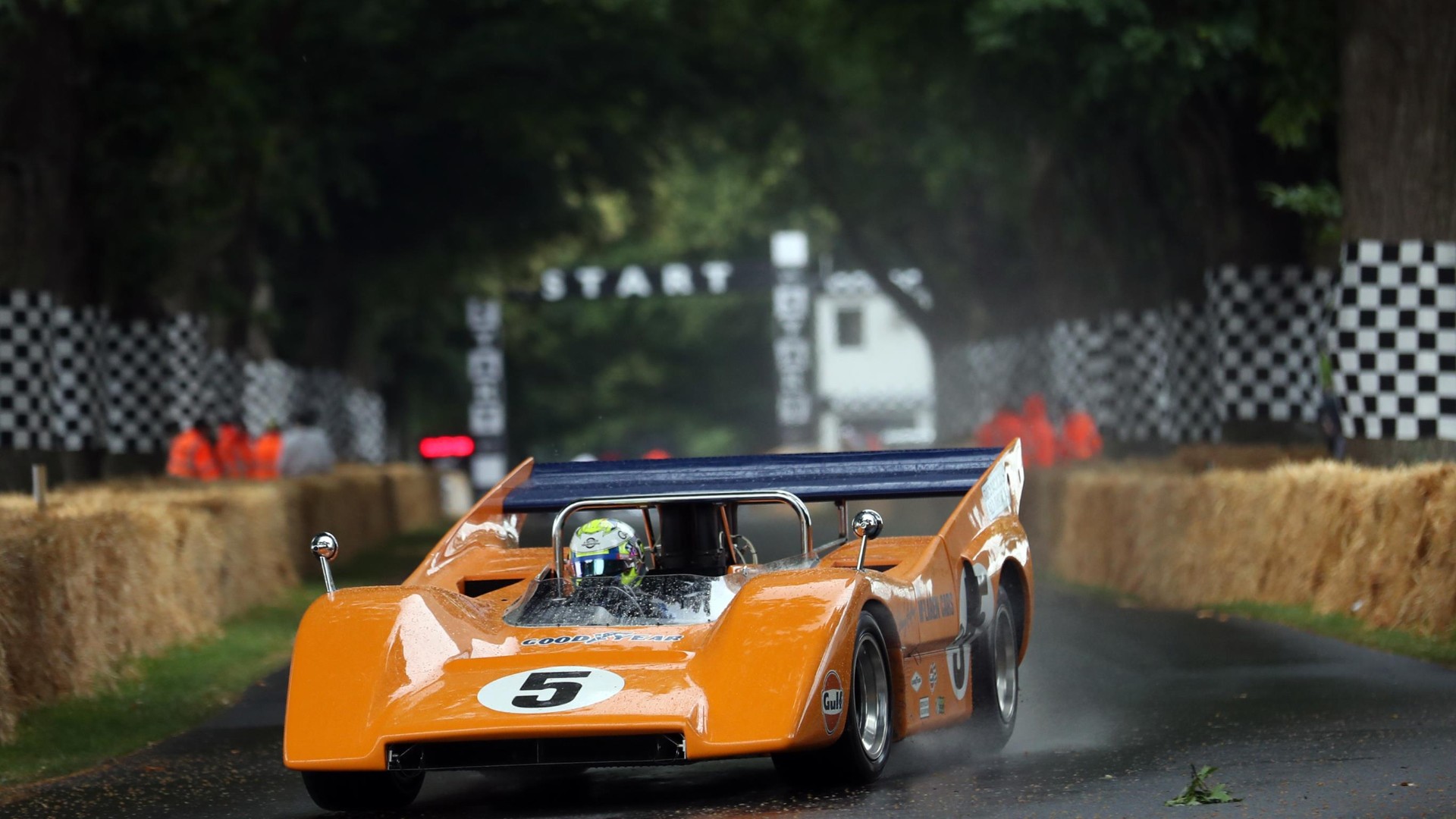
McLaren M8D
The McLaren M8D is perhaps the most famous of the Chevy V8-powered Can-Am cars, not least because Bruce McLaren sadly died in an M8D just a few miles up the road at the Goodwood motor circuit in 1970.
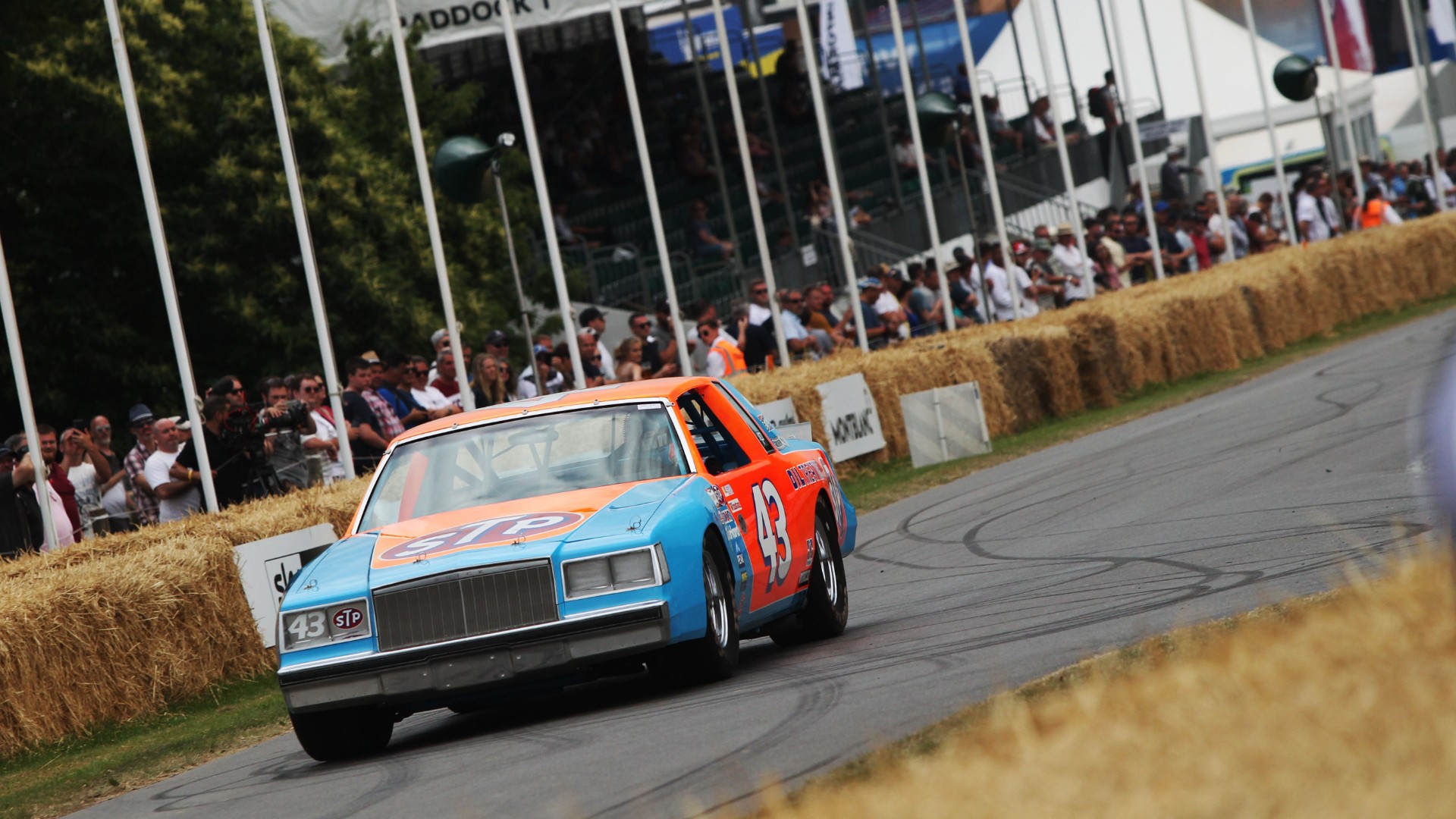
Buick Regal NASCAR
It wouldn’t be an American V8 list if there wasn’t some NASCAR goodness, would it? And they don’t get much cooler than an ex-Richard Petty Buick Regal, driven by Petty himself at the Festival of Speed.
Twisted Land Rover Defender
Another V8 hiding in plain sight is this Defender, modified by Twisted. Under the bonnet, in place of an old Ford Transit diesel engine, is a Chevrolet LS V8.
March-Chevrolet 717
Because Can-Am. Here’s another big block monster and the successor to the 707. These things never fail to drop jaws when roaring up the hill at Goodwood.
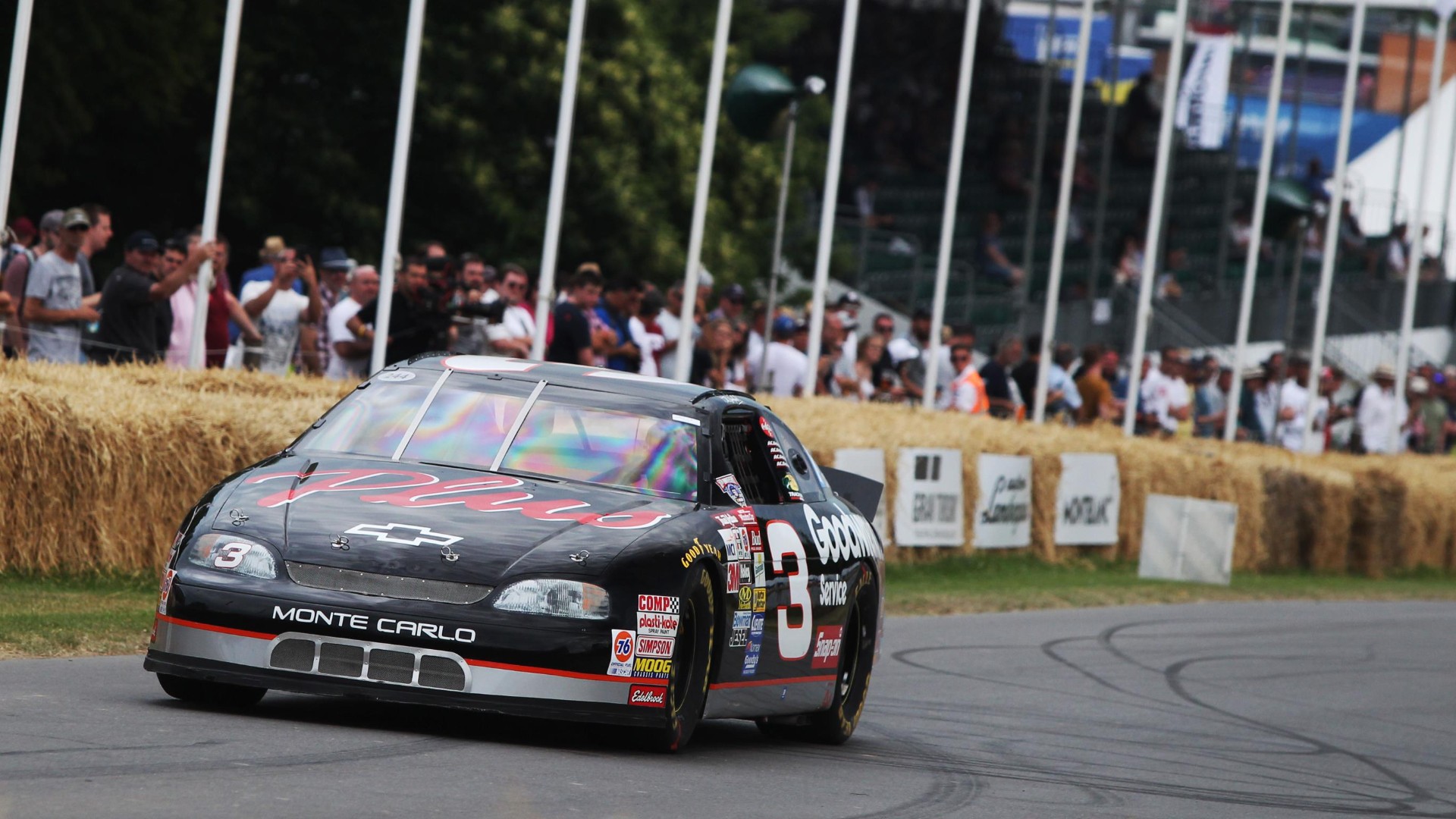
Chevrolet Monte Carlo NASCAR
In the NASCAR class, the Monte Carlo comes second only to Petty’s Regal for coolness. It’s an awesome throwback to the 1990s – this car is now 20 years old.
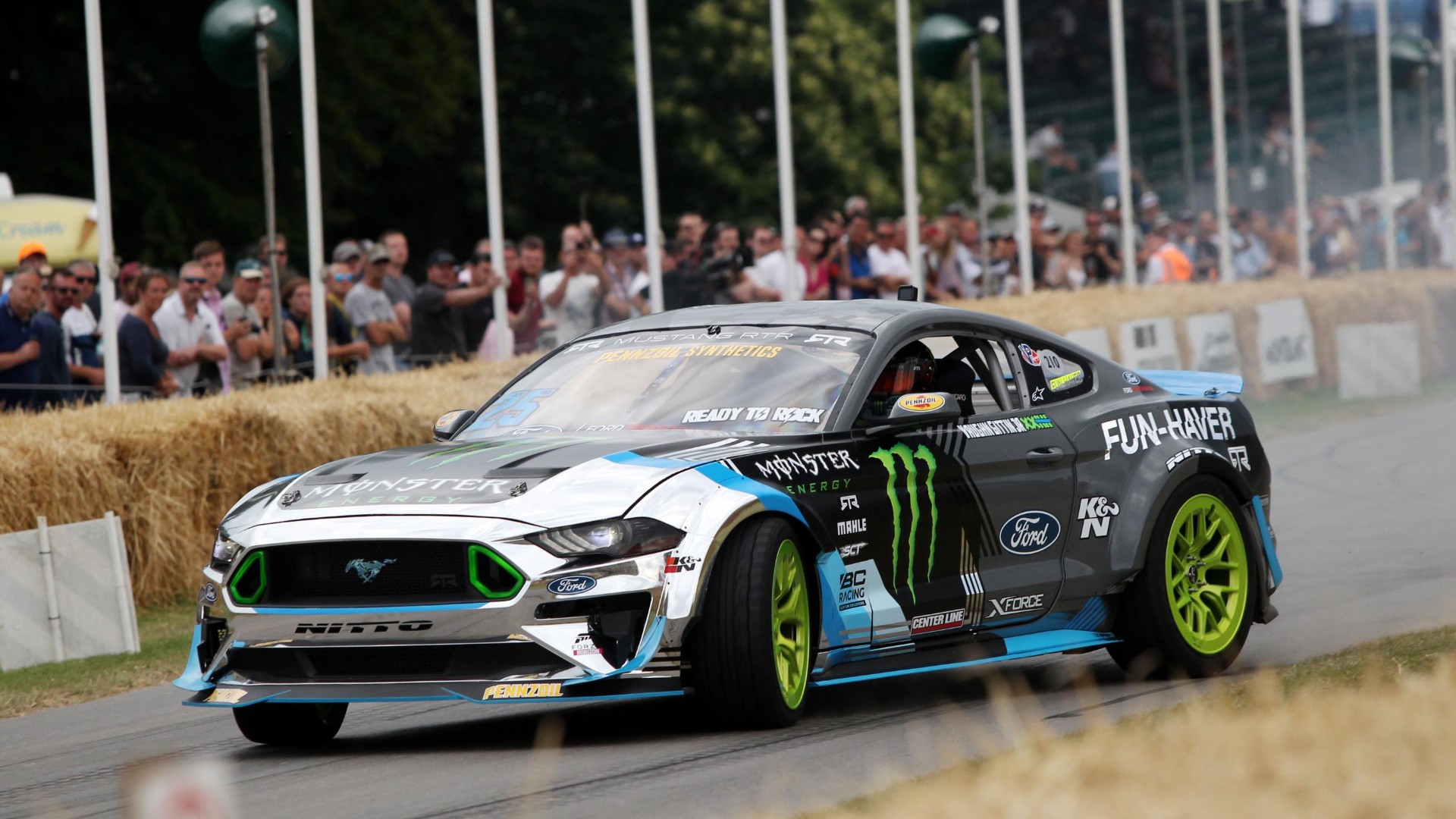
Ford Mustang RTR
We end as we began, with a rip-snorting drift car. The Mustang RTR takes the pony’s V8 to roaring new levels. Vaughn Gittin Jr, your car is absolutely terrifying, but we love it.
 Company car drivers choosing an emissions-free electric fleet car will pay ZERO benefit-in-kind (BIK) company car tax for a full year from April 2020, the government has announced.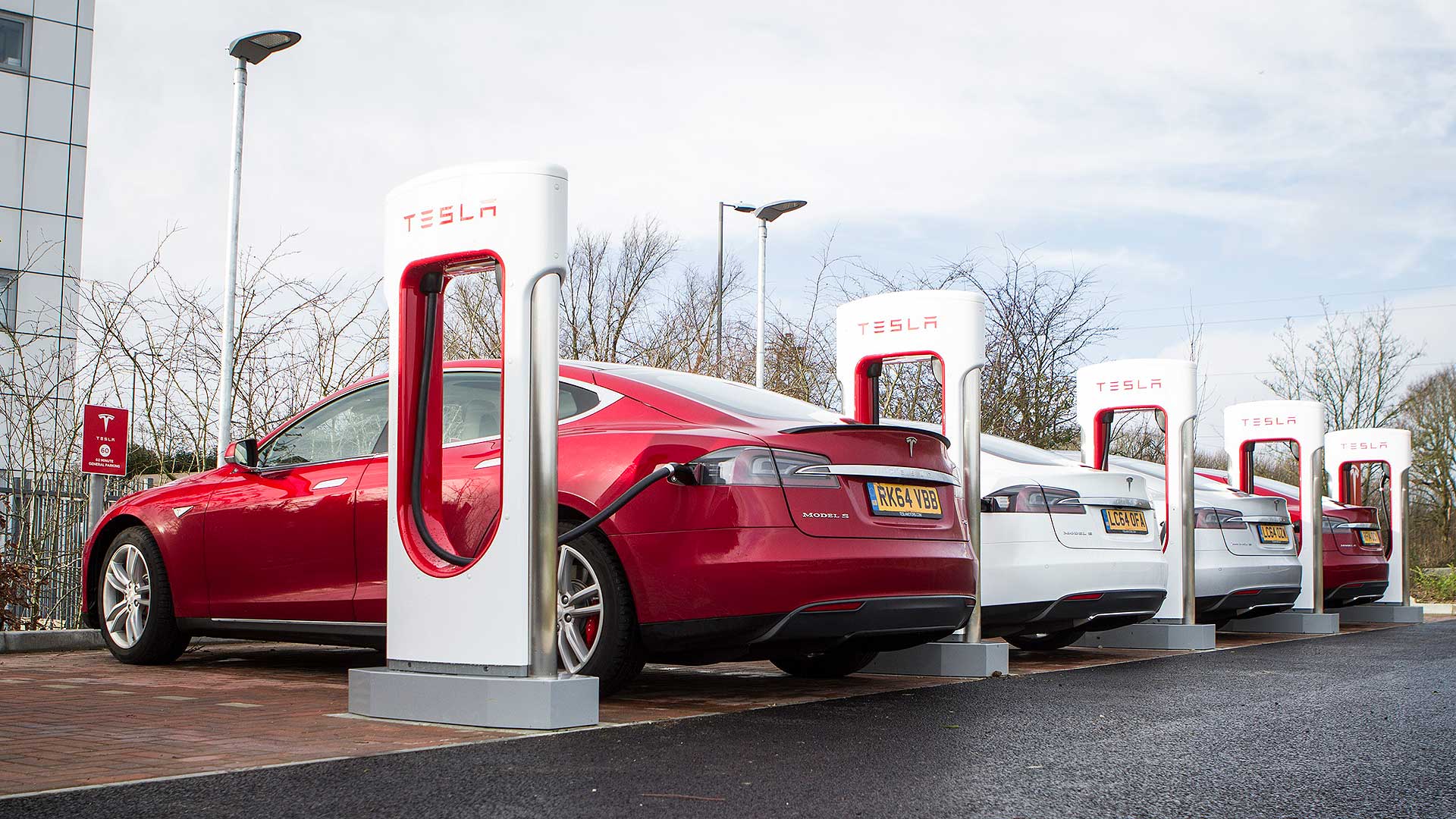
 The
The 






 The BBC has announced that its




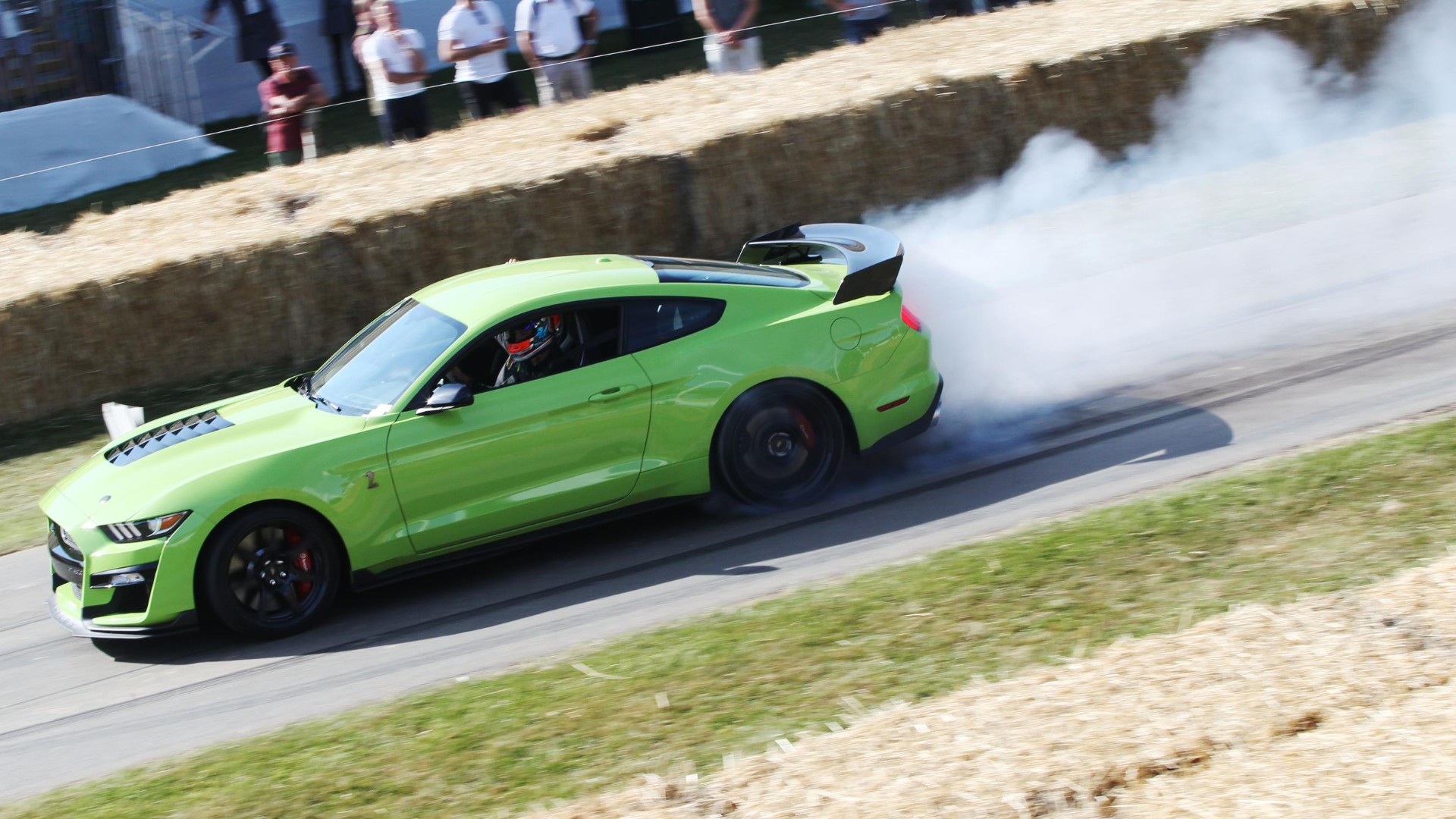 If you’re expecting nothing but muscle cars here, you’re in for a shock. When it comes to performance and racing cars, powerful V8s from the Land of the Free make for a popular choice, used in cars of all shapes and sizes at Goodwood Festival of Speed 2019. Here are some highlights.