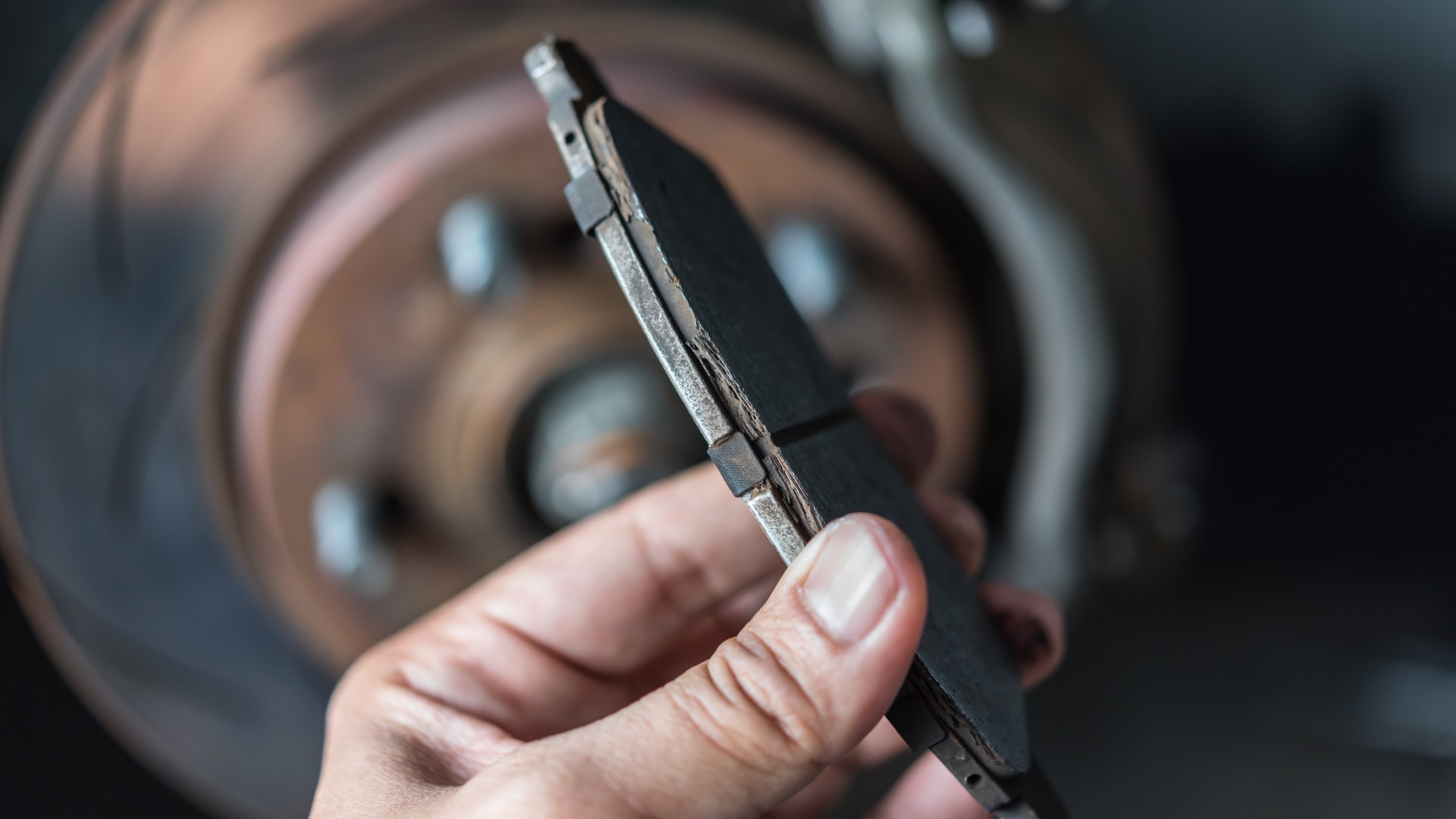
Halfords is looking to ‘put the brakes on motoring costs’ by offering a one-off payment for braking consumables such as pads and shoes. Yes, one-off, forever – even if you get a new car.
No, this offer doesn’t include discs, callipers or any of the other more expensive bits, but it’s an intriguing deal nonetheless. Buy one set of pads or shoes, and the rest are free, forever…
It’s part of an initiative called Brakes4Life which seeks to incentivise good braking system maintenance habits by reducing costs for motorists. Halfords claims it could save the average car owner around £1,600 in their lifetime.
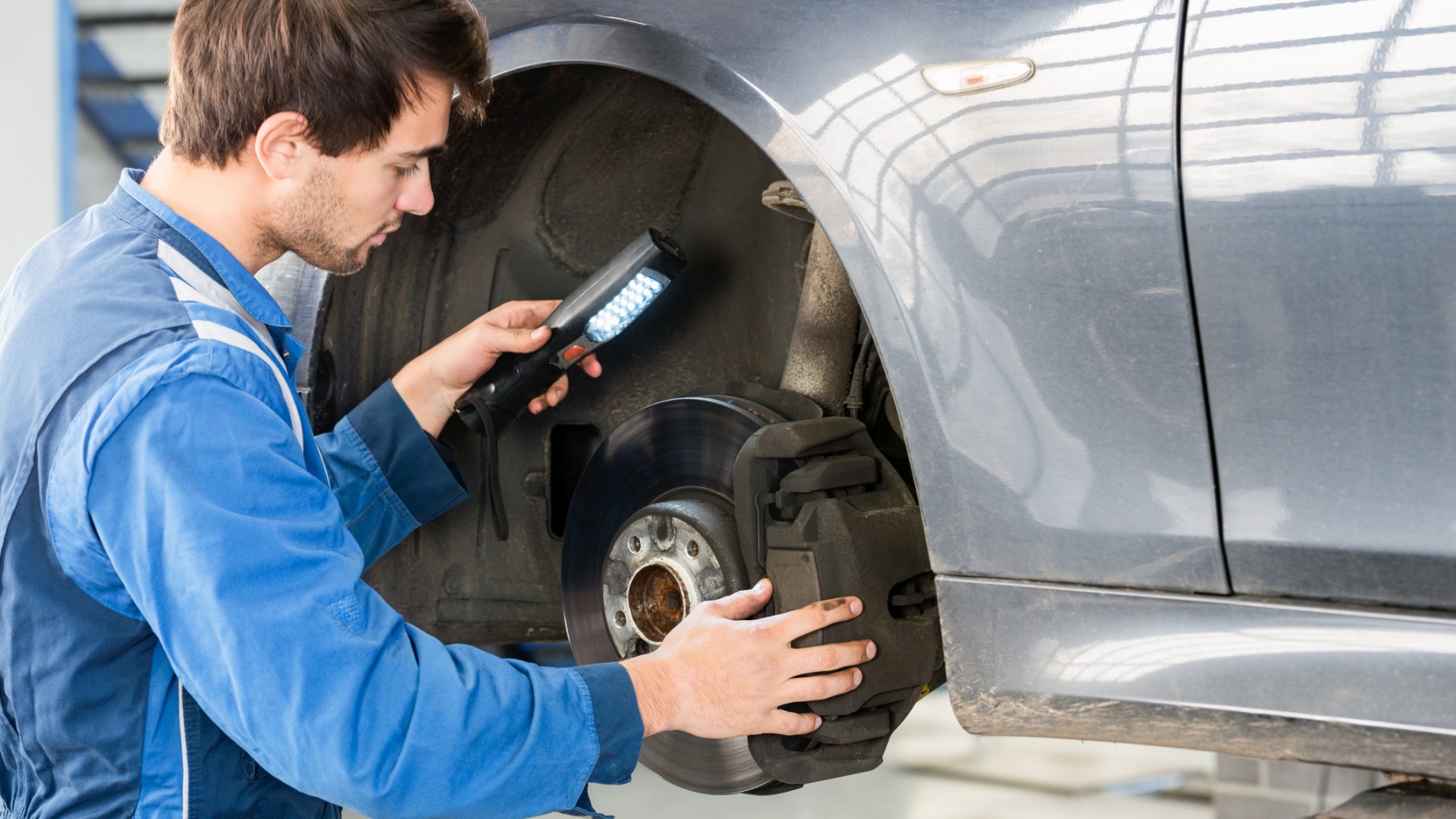
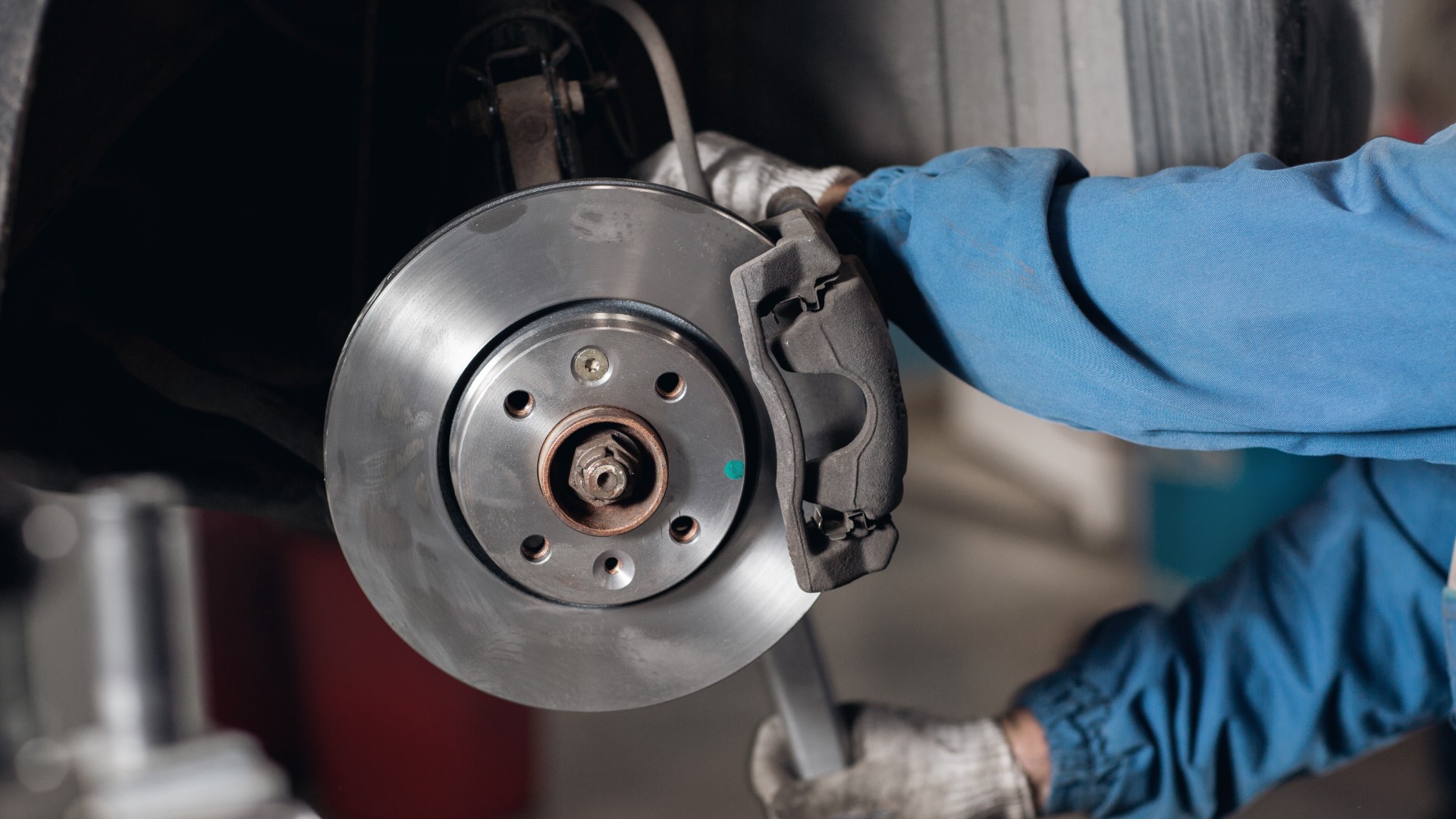
Halfords also offers free brake checks, with an inspection of the entire braking system. That’s everything from the pedals and the linkages, to the lines and fluids, through to the callipers, discs and pads.
“With fuel prices and insurance costs driving up the cost of motoring, our Brakes4Life initiative offers motorists unprecedented value for money and peace of mind,” said Bob Masters from Halfords.
“A one-off payment guards against future unexpected brake-related costs. Driving with worn brakes can increase your stopping distance, while letting the brake pads wear all the way to the wear indicator may mean your brake discs need to be replaced too.
“This can leave motorists facing additional unexpected costs when they take their car in for a service or MOT. However, Brakes4Life removes that risk and we find that when we explain that it really does cover them and their current as well as future car they own it results in some surprised and very satisfied customers.”
Put simply, depreciation is the difference between the price you paid for a new car and the amount you get when you sell it. According to What Car?, most cars lose between 50 and 60 percent of their value in the first three years, with vehicles taking the biggest hit in year one. Because SUVs are in demand, they tend to depreciate slower than many other vehicles. Here, using data from CAP, we can reveal the 20 slowest depreciating SUVs in the UK.
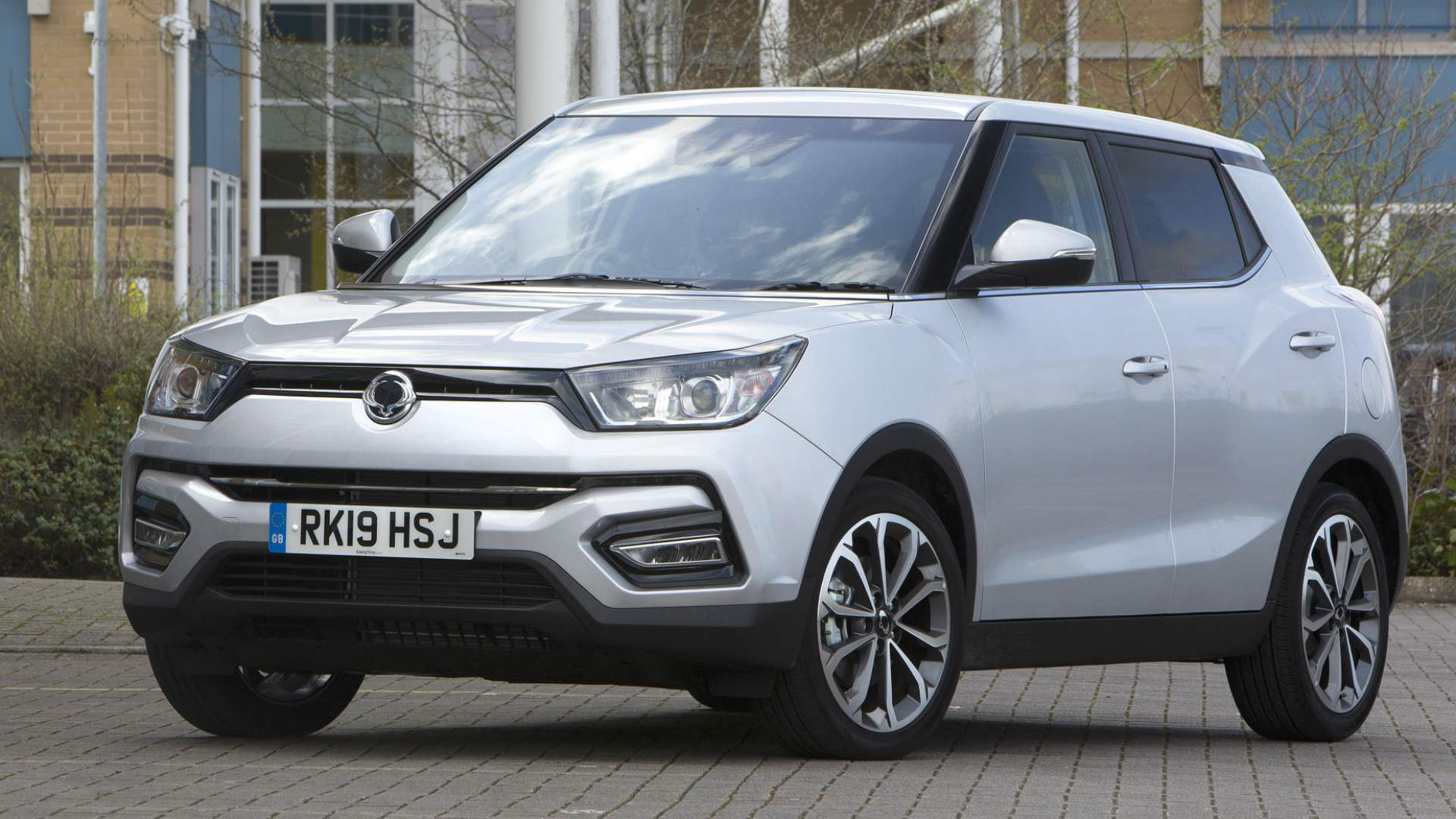
20. SsangYong Tivoli – 40.1 percent
The data provided by CAP is based on SUV values after three years and 60,000 miles. Thanks to its comprehensive seven-year warranty, the SsangYong Tivoli creeps into the top 20 ahead of some of the more well-known names in the segment. The Tivoli compact SUV provides excellent value for money and will retain 40.1 percent of its value after three years.
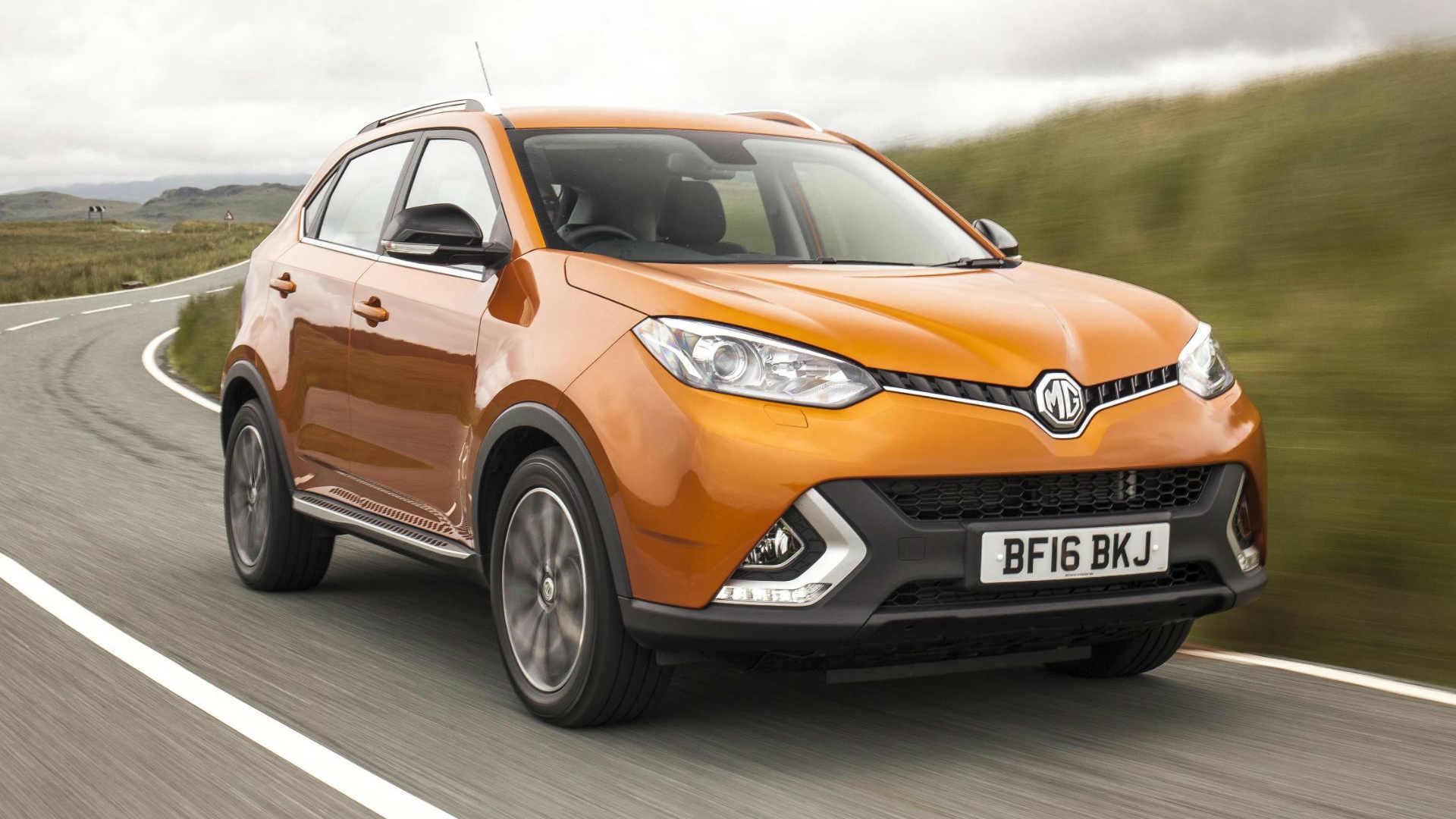
19. MG GS – 40.2 percent
It’s worth remembering that although the depreciation percentage difference between some SUVs might be small, the cash hit will be more severe on an expensive model. So while a SsangYong or MG could lose between £10,000 and £12,000 after three years, a premium SUV might lose £30,000, £40,000 or even £50,000. Buy a new MG GS and you’ll lose just under £11,000, with the SUV retaining 40.2 percent of its value.
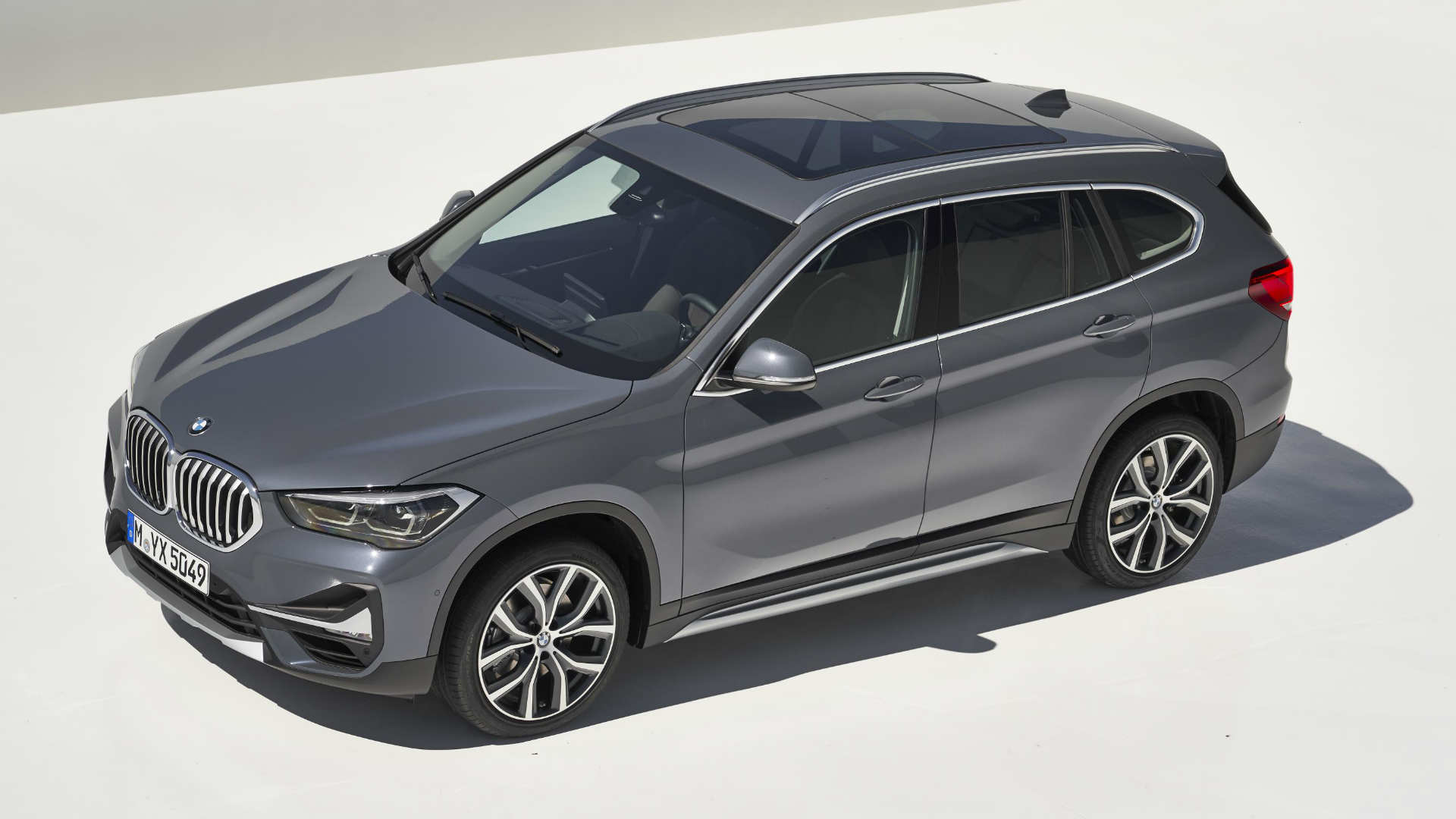
18. BMW X1 – 40.9 percent
The BMW X1 retains 0.7 percent more value than the MG GS after three years, but while this equates to around £11,000 in the MG, the BMW owner would see around £19,500 wiped off the value of their vehicle. Although motorists who buy a car on a PCP deal might feel that depreciation isn’t an issue for them, it’s worth nothing that PCP contracts are based on a car’s ability to hold its value. PCP customers are effectively paying for the depreciation.
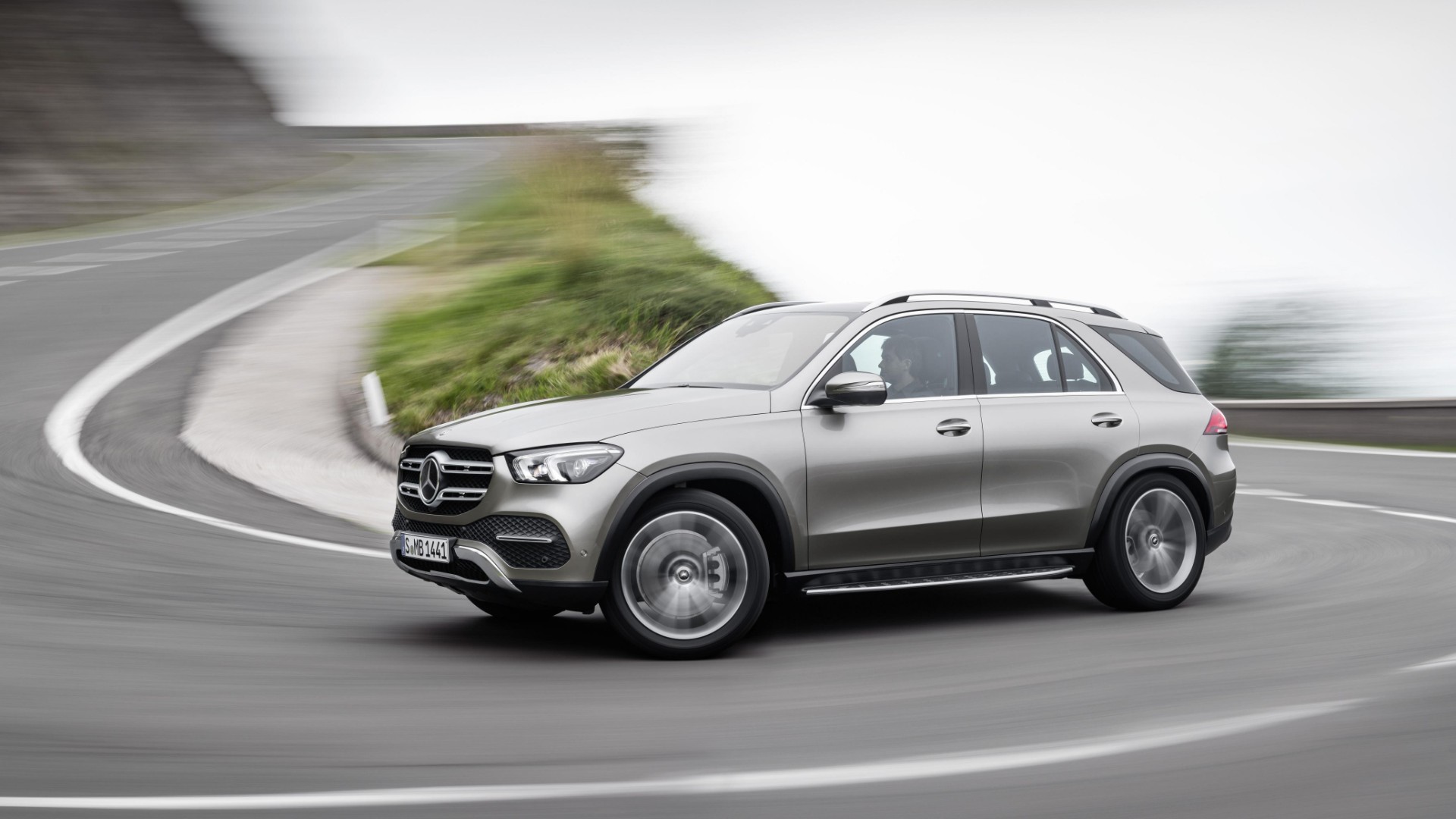
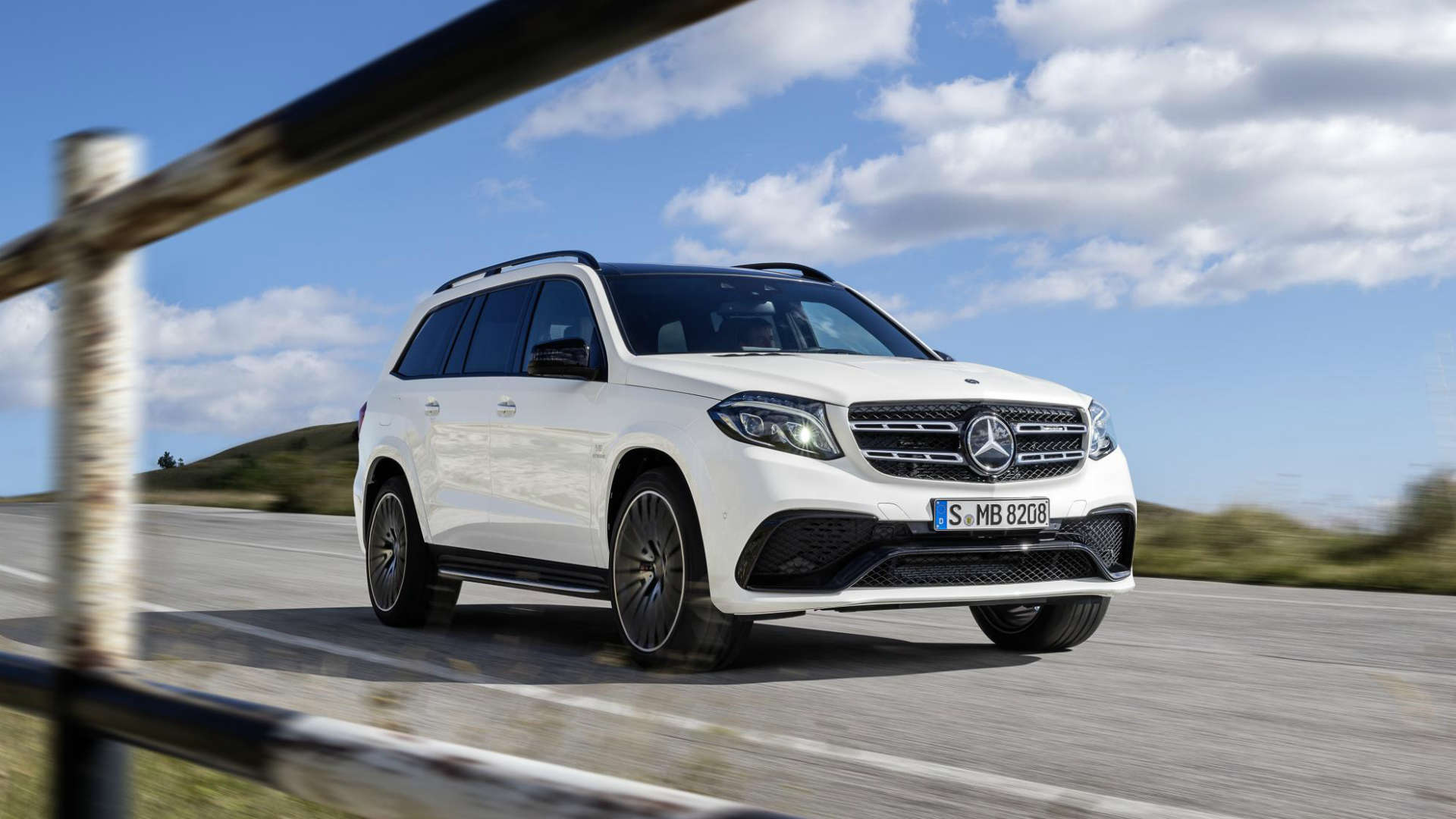
17. Mercedes-Benz GLS – 43.2 percent
Talk about taking a big hit. If you pay cash for a new Mercedes-Benz GLS, you’d lose just under £50,000 in depreciation after three years. Something to think about before you spend upwards of £73,500 on a 2020 model. You could treat yourself to a Porsche 718 Cayman for the price of that deprecation.
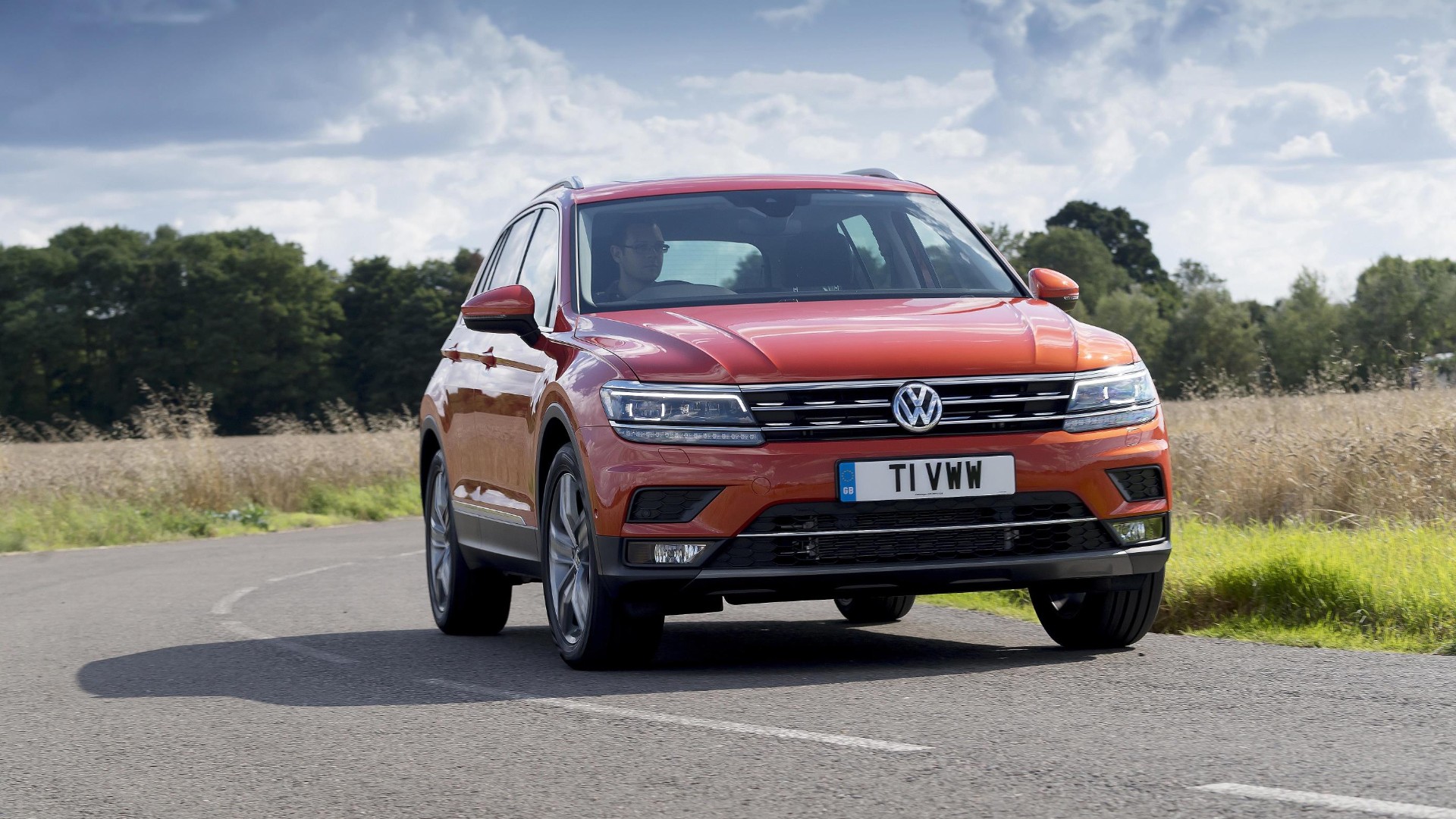
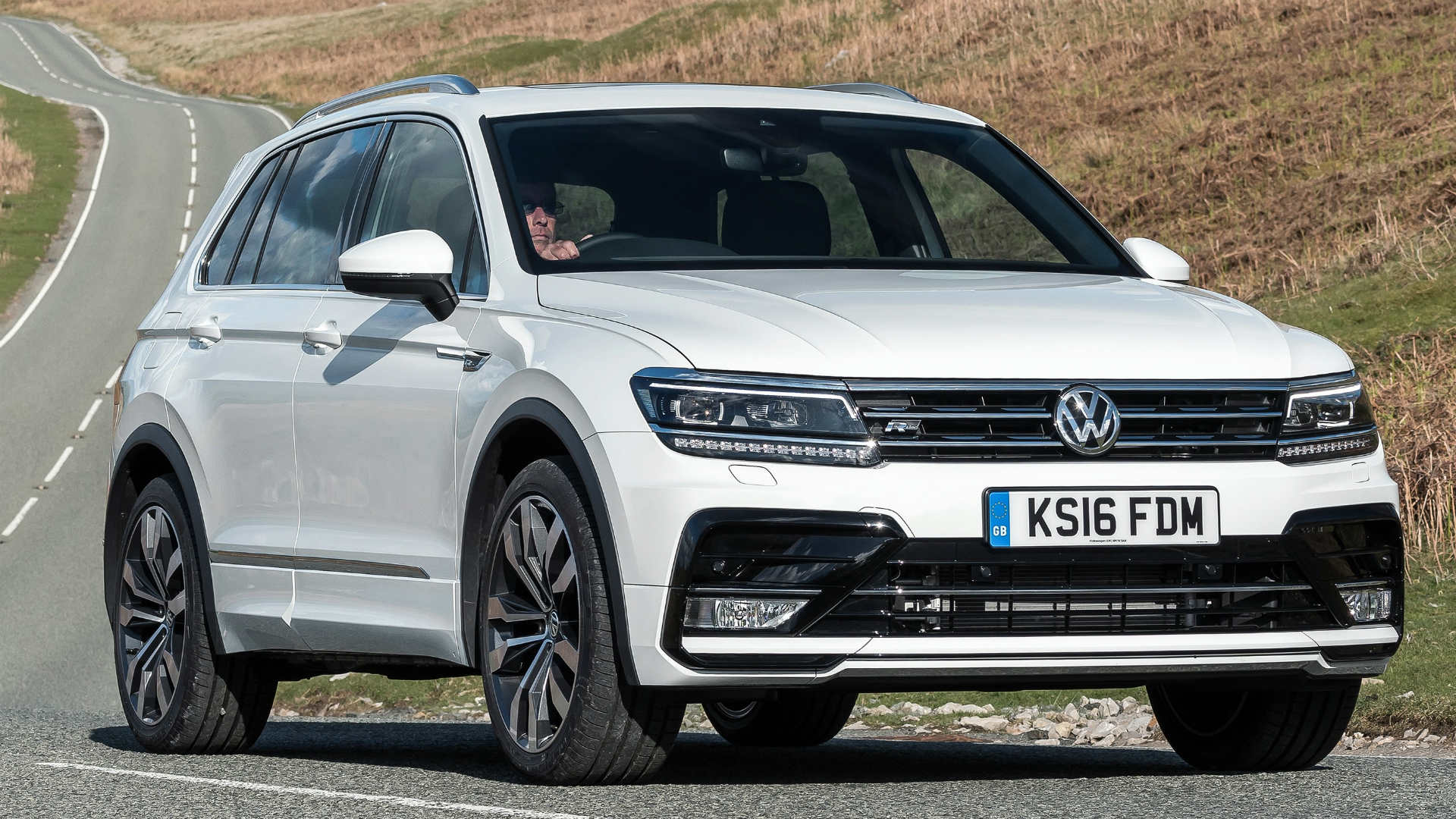
16. Volkswagen Tiguan – 45.1 percent
New figures from JATO Dynamics suggest that, after years of rapid growth, demand for SUVs is slowing down. European sales grew by just 0.7 percent in June, but the market saw a five percent drop in the popularity of large premium SUVs. Meanwhile, Volkswagen Tiguan sales were down 18 percent in the month. On the plus side, the Tiguan is very good at holding its value.
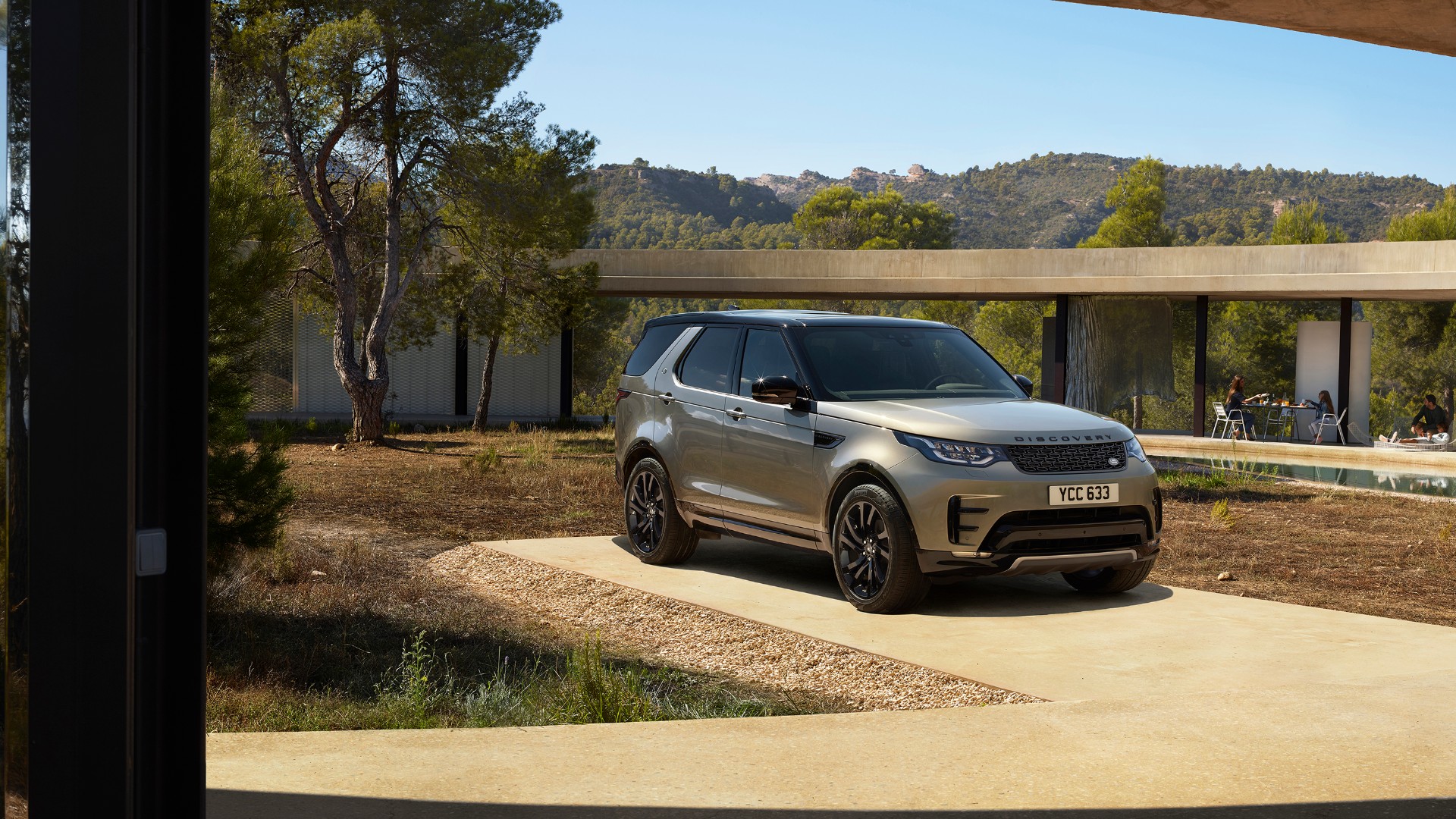
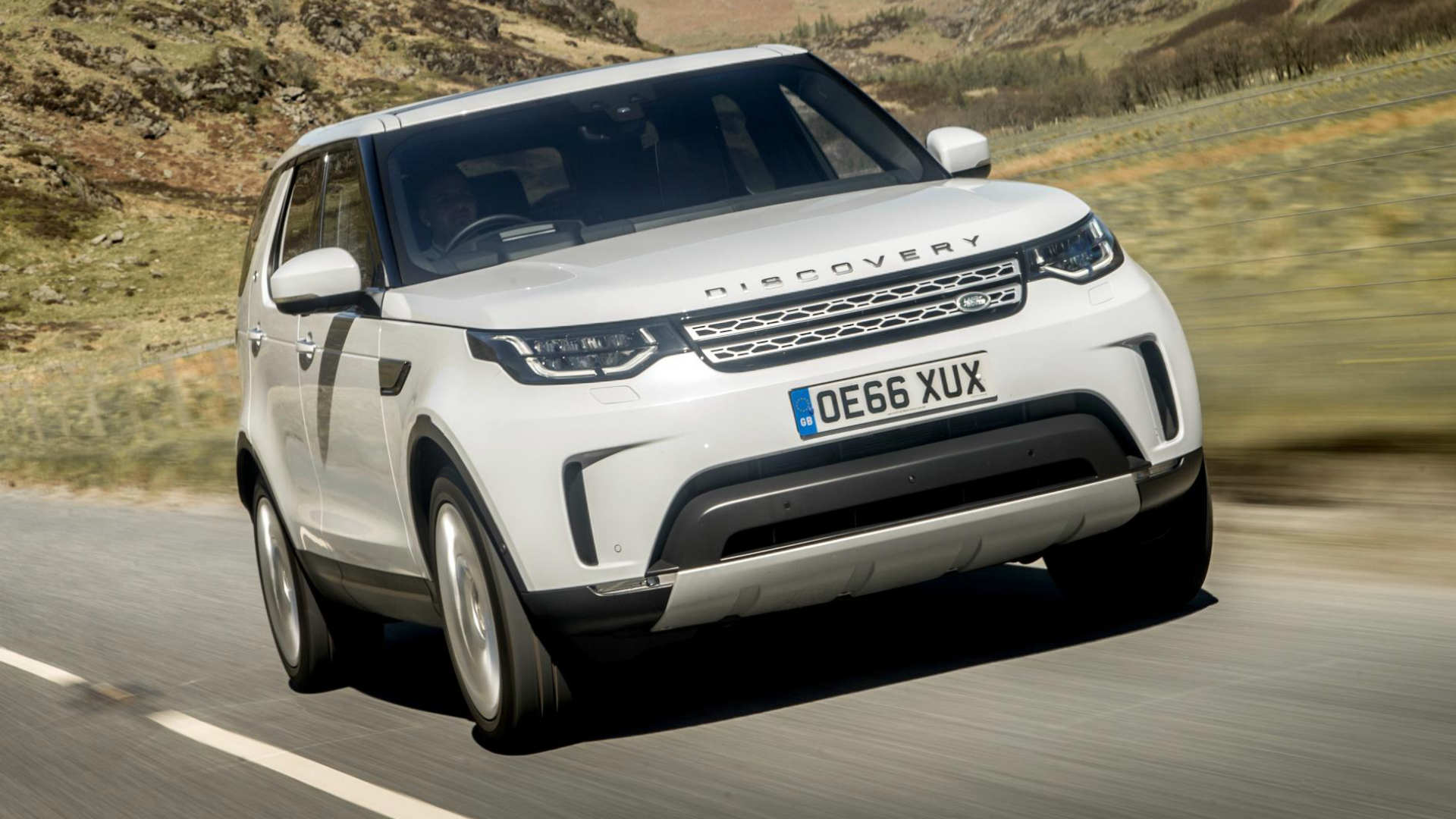
15. Land Rover Discovery – 45.4 percent
Next we find a couple of Land Rovers, starting with the regular Discovery. According to CAP, a ‘Disco’ will lose 45.4 percent of its value after three years and 60,000 miles, which equates to around £30,000. Land Rover Discovery prices start from just under £48,000.
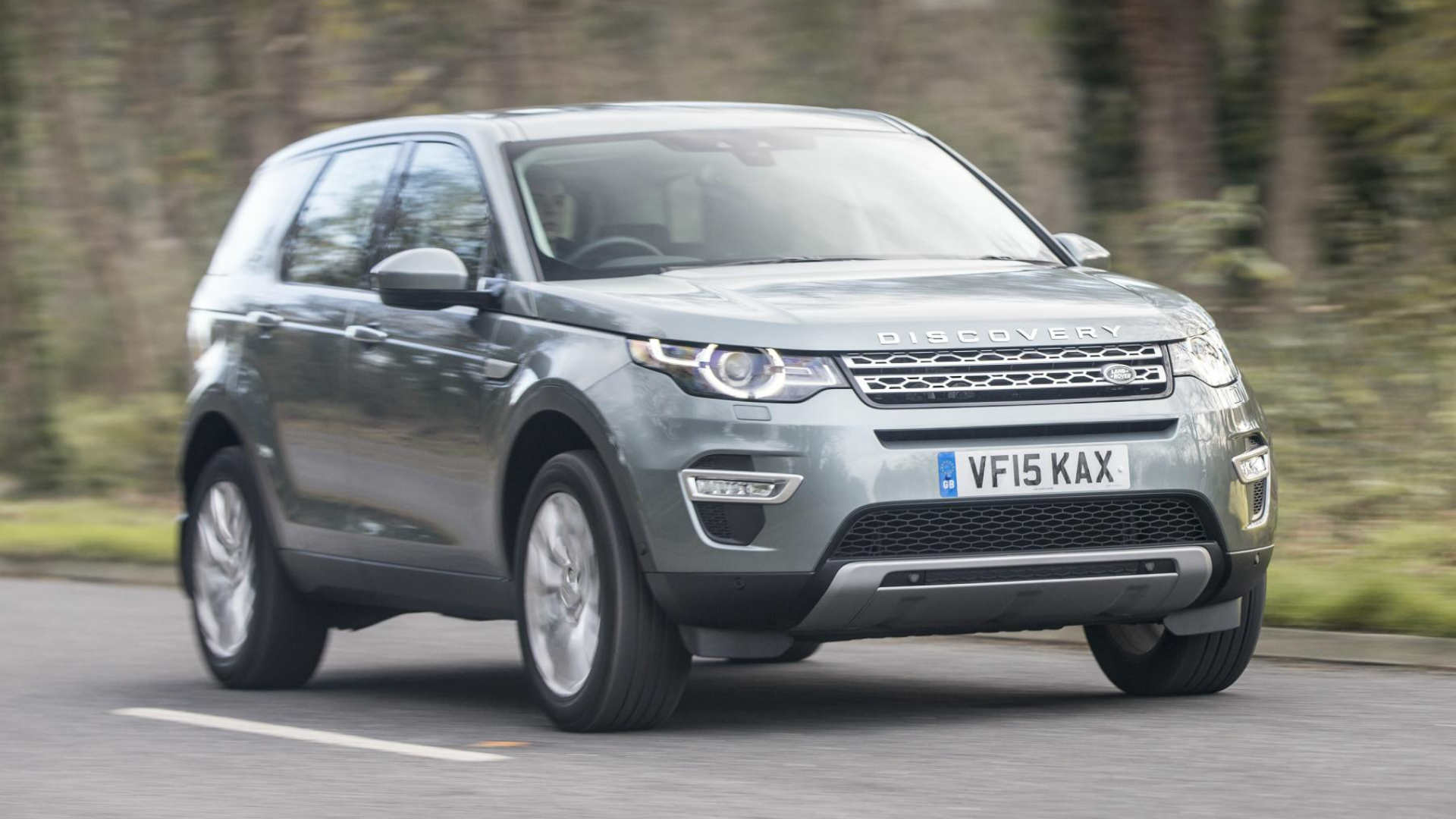
14. Land Rover Discovery Sport – 45.6 percent
There are three reasons to choose a Discovery Sport over a Discovery. Firstly, it has a nice bottom. Secondly, it retains more value after three years. Thirdly, because it’s cheaper to buy new, you’ll lose less money. Win, win, win.
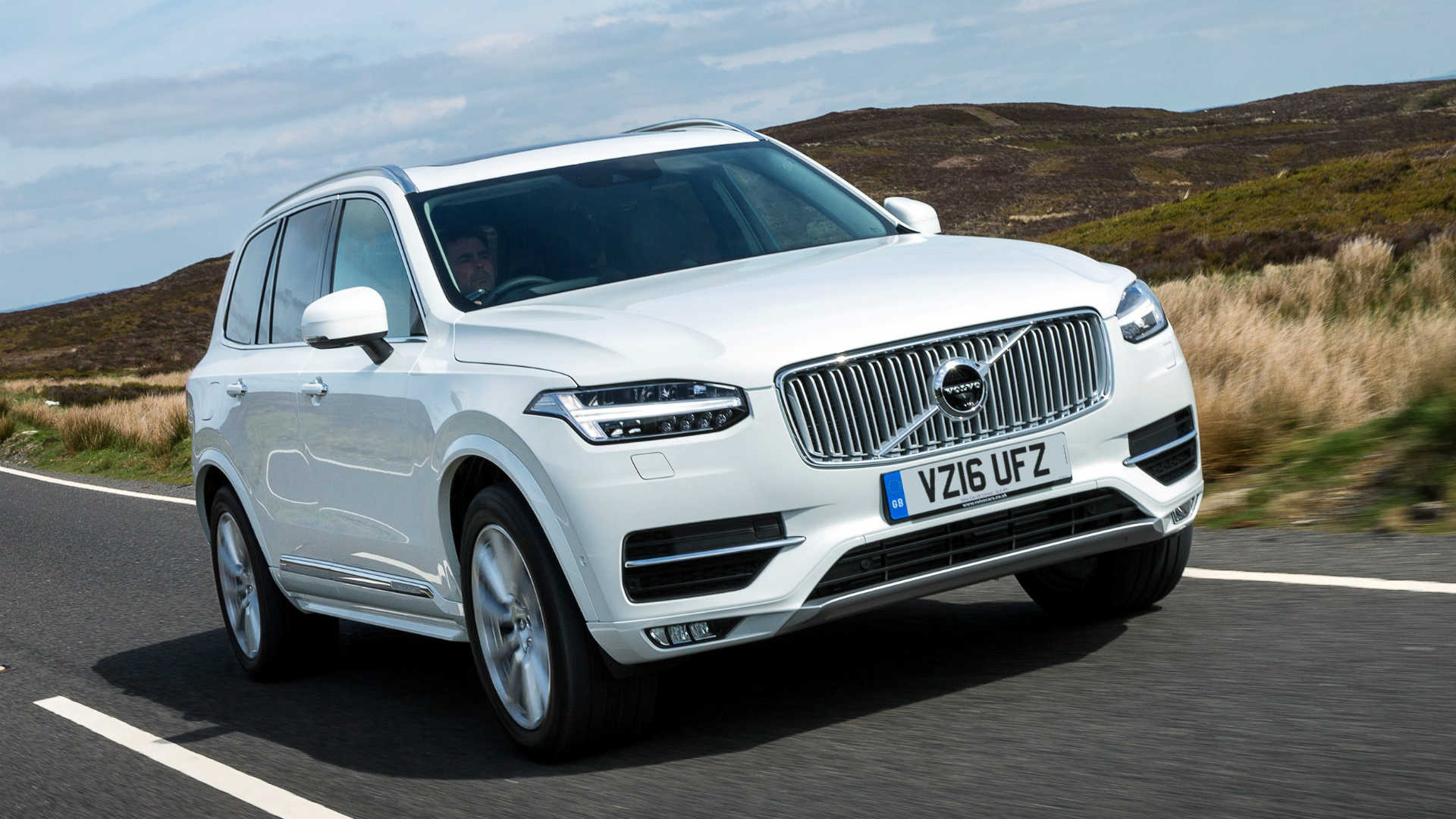
13. Volvo XC90 – 46.1 percent
Four years on from its launch, the Volvo XC900 remains in high demand, which is why it retains 46.1 percent of its value after three years. The XC90 is the largest of three SUVs built by Volvo, with prices starting from £52,000.
12. Mercedes-Benz GLC – 47.1 percent
The new prices and values retained after three years are based on averages, so should be used solely for guidance purposes. The true depreciation will be influenced by a number of factors, such as engine, specification, trim level, colour and the popularity of the particular car. Paint your 2015 Mercedes-Benz GLC ‘Katie Price pink’ and you can kiss goodbye to your 47.1 percent retained value.
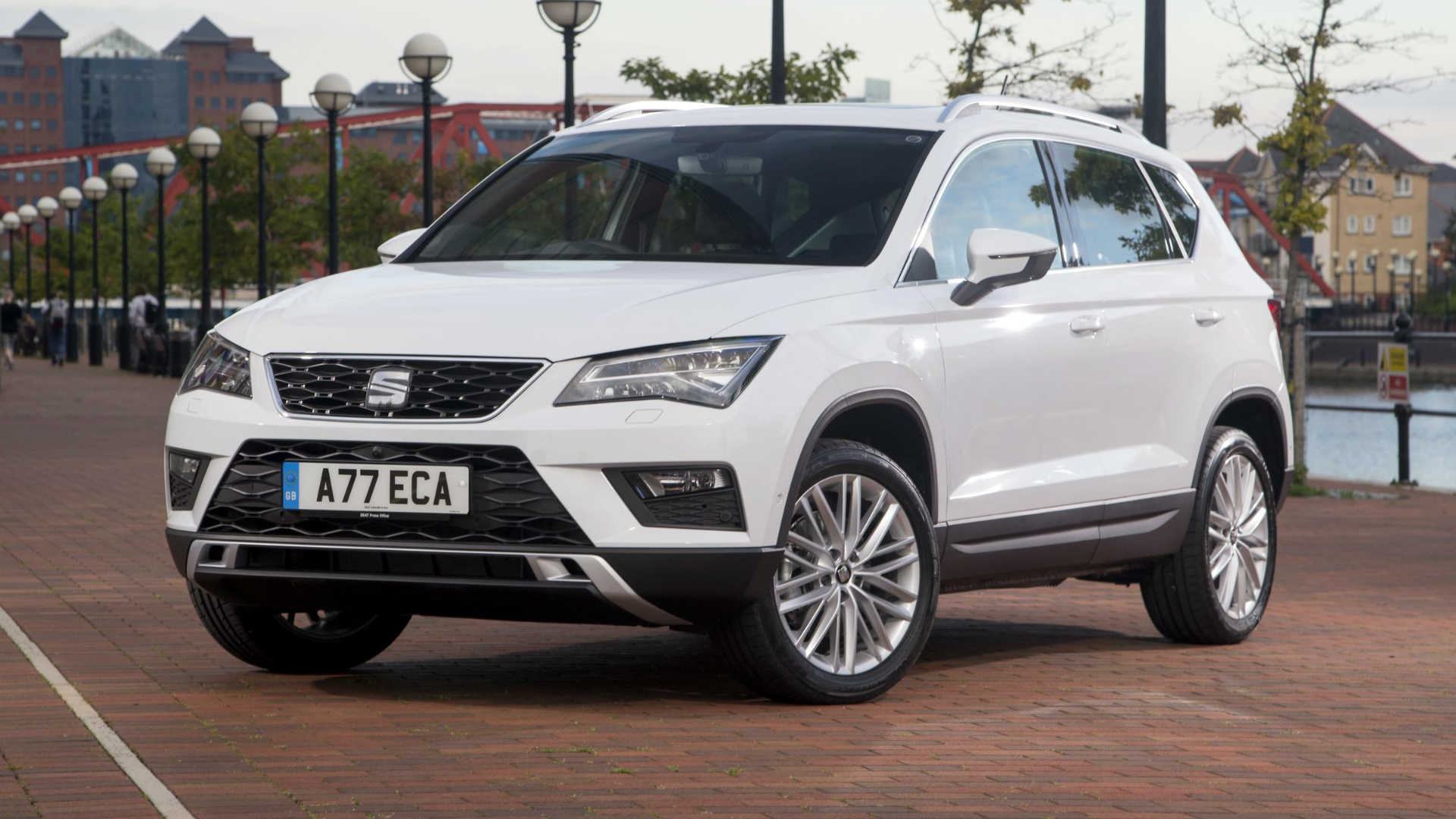
11. Seat Ateca – 47.6 percent
Seat is a relative latecomer to the SUV party, but it has hit the ground running with a trio of accomplished vehicles. The Arona is one the best compact SUVs, the Tarraco is a credible alternative to the Skoda Kodiaq and Volkswagen Tiguan Allspace, while the Ateca offers the best of both worlds. Little wonder it’s one of the slowest depreciating SUVs you can buy.
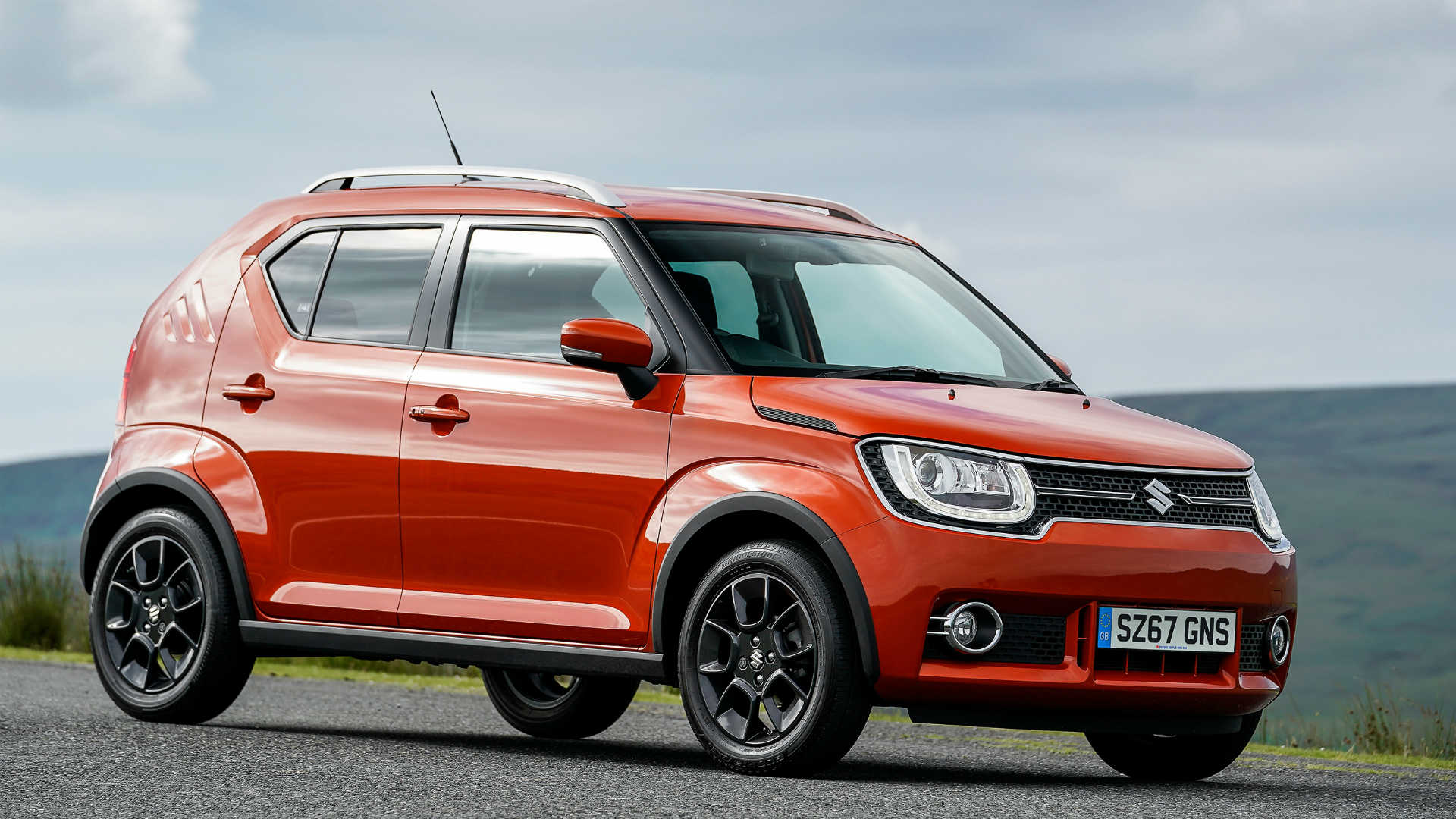
10. Suzuki Ignis – 47.9 percent
In cash terms, the Suzuki Ignis is the best car on the list. Buy one new and you’ll lose just £7,000 after three years, giving it a retained value of 47.9 percent. Proof that you don’t need a premium badge to find a car that holds its value. We wonder if the Jimny will deliver similarly rock-solid residuals.
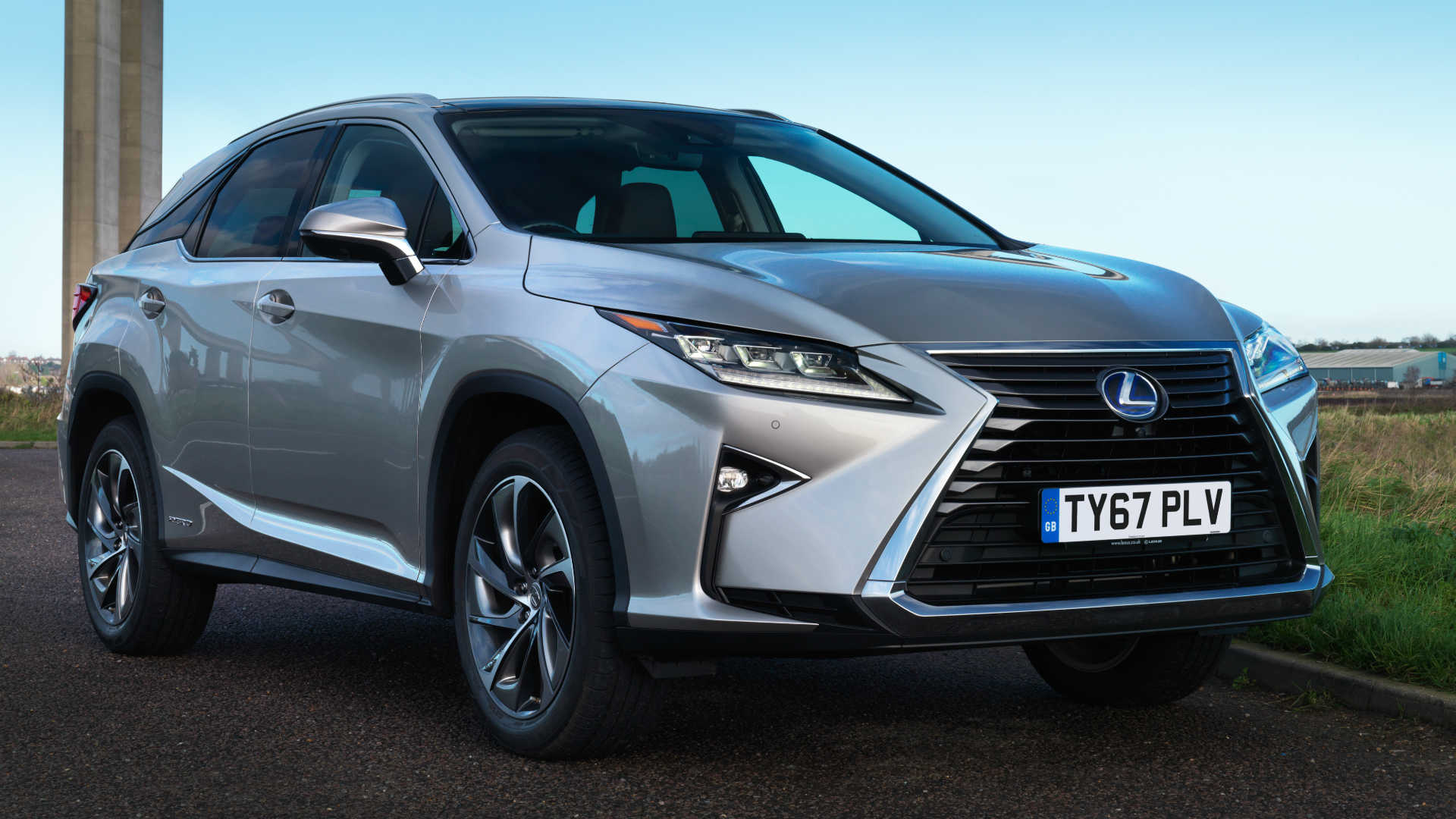
9. Lexus RX – 48.4 percent
The Lexus RX premium SUV is available in two flavours: standard five-seat and seven-seat RX L. You’ll pay a little over £2,000 more for the additional seats, but you might find that the RX L is in greater demand on the used car market. Overall, the Lexus RX retains 48.4 percent of its value.
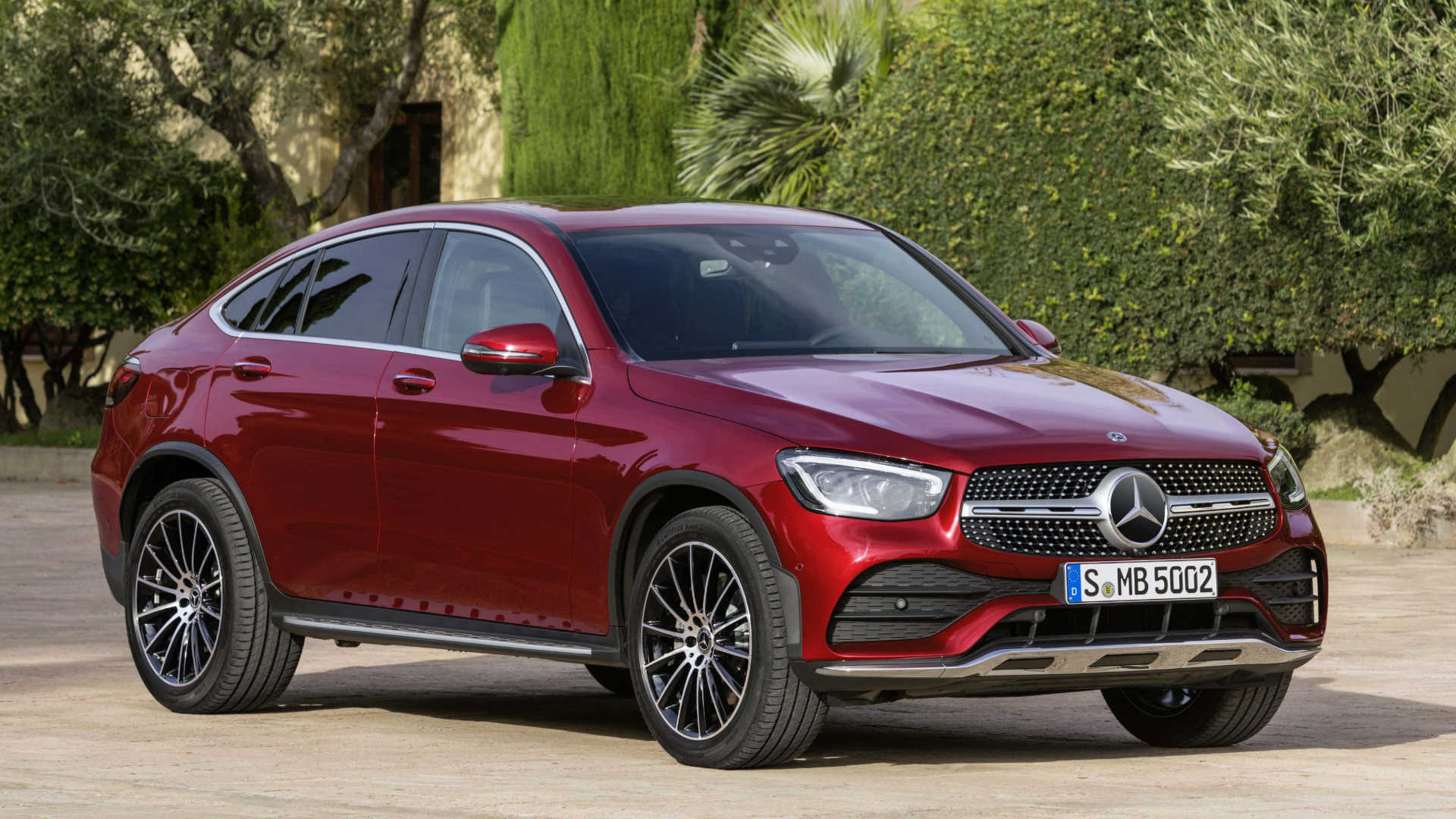
8. Mercedes-Benz GLC Coupe – 48.8 percent
Interestingly, the Mercedes-Benz GLC Coupe is less practical than the regular GLC, but it retains 1.7 percent more value after three years. This suggests that buyers put ‘style’ ahead of practicality…
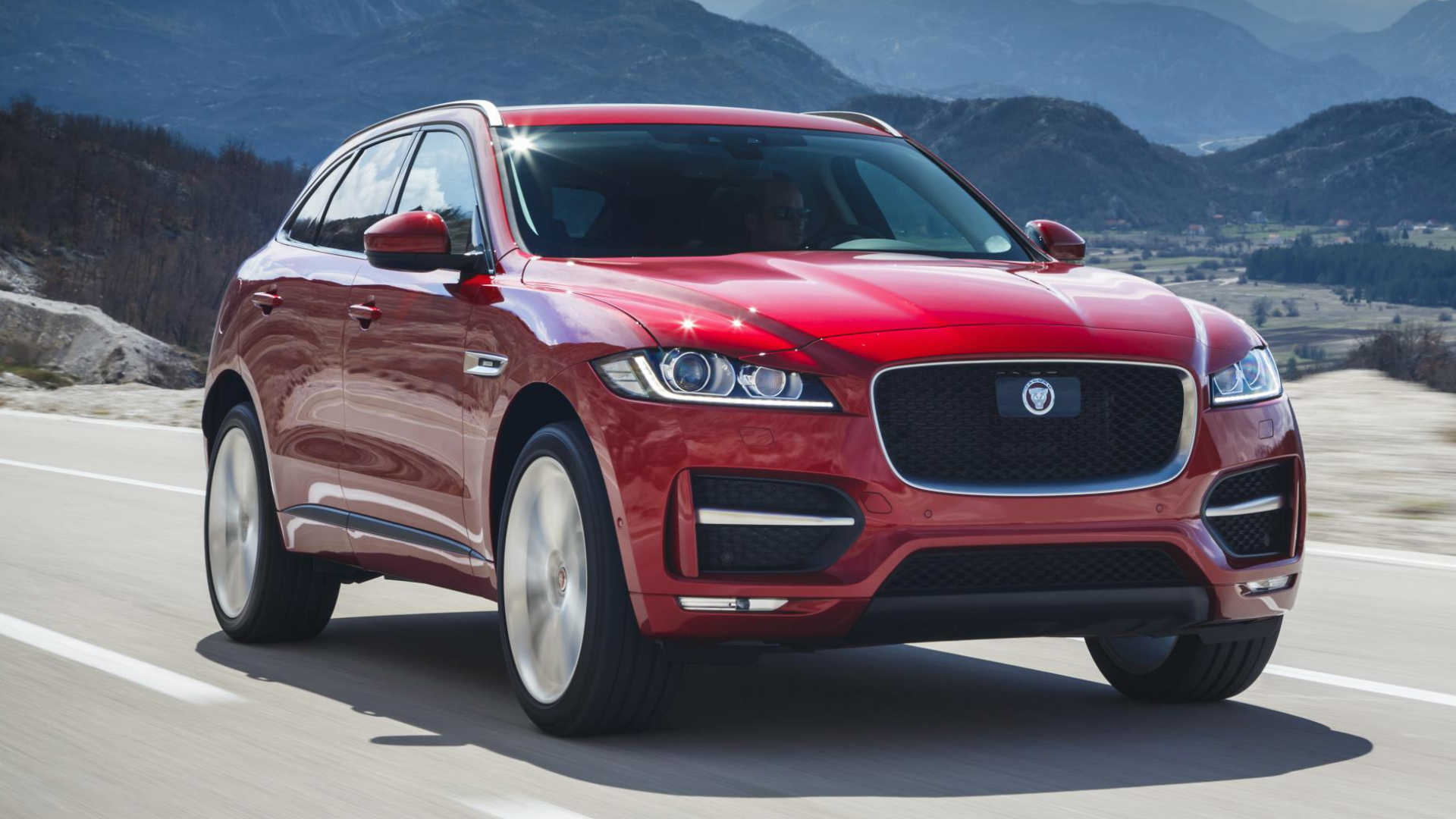
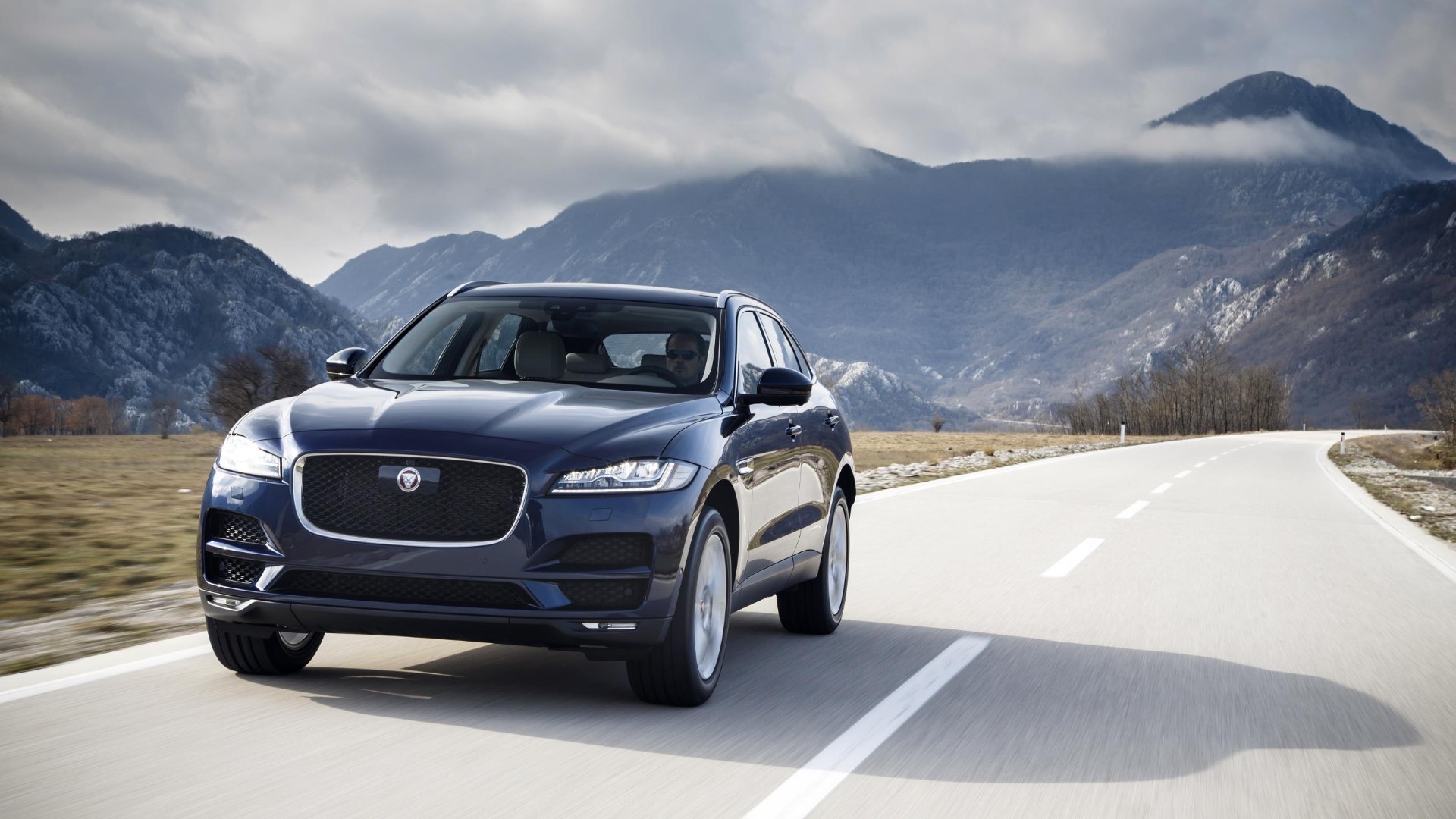
7. Jaguar F-Pace – 49.2 percent
Jaguar F-Pace prices start from £38,820, but CAP’s data lists an average new price of £45,020. After three years, an F-Pace will retain 49.2 percent of its value, which is average depreciation of £22,920.
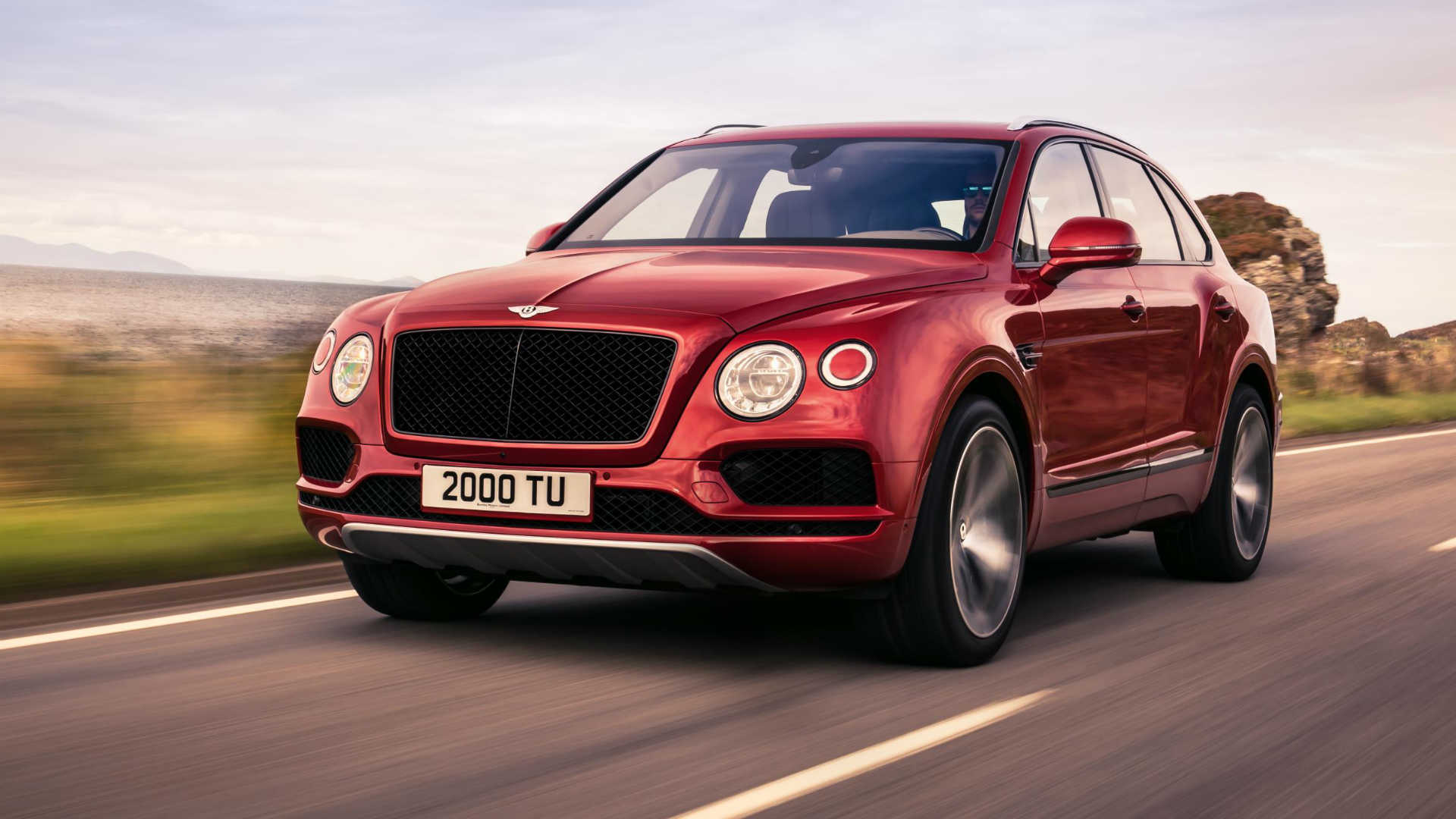
6. Bentley Bentayga – 50.0 percent
The Bentley Bentayga is the most expensive SUV in the top 20 by a considerable margin, but it’s rather good at holding its value. Which is just as well, because a straight 50 percent delivers a loss of £81,400 after three years. You could buy a new Mercedes-Benz GLS for that.
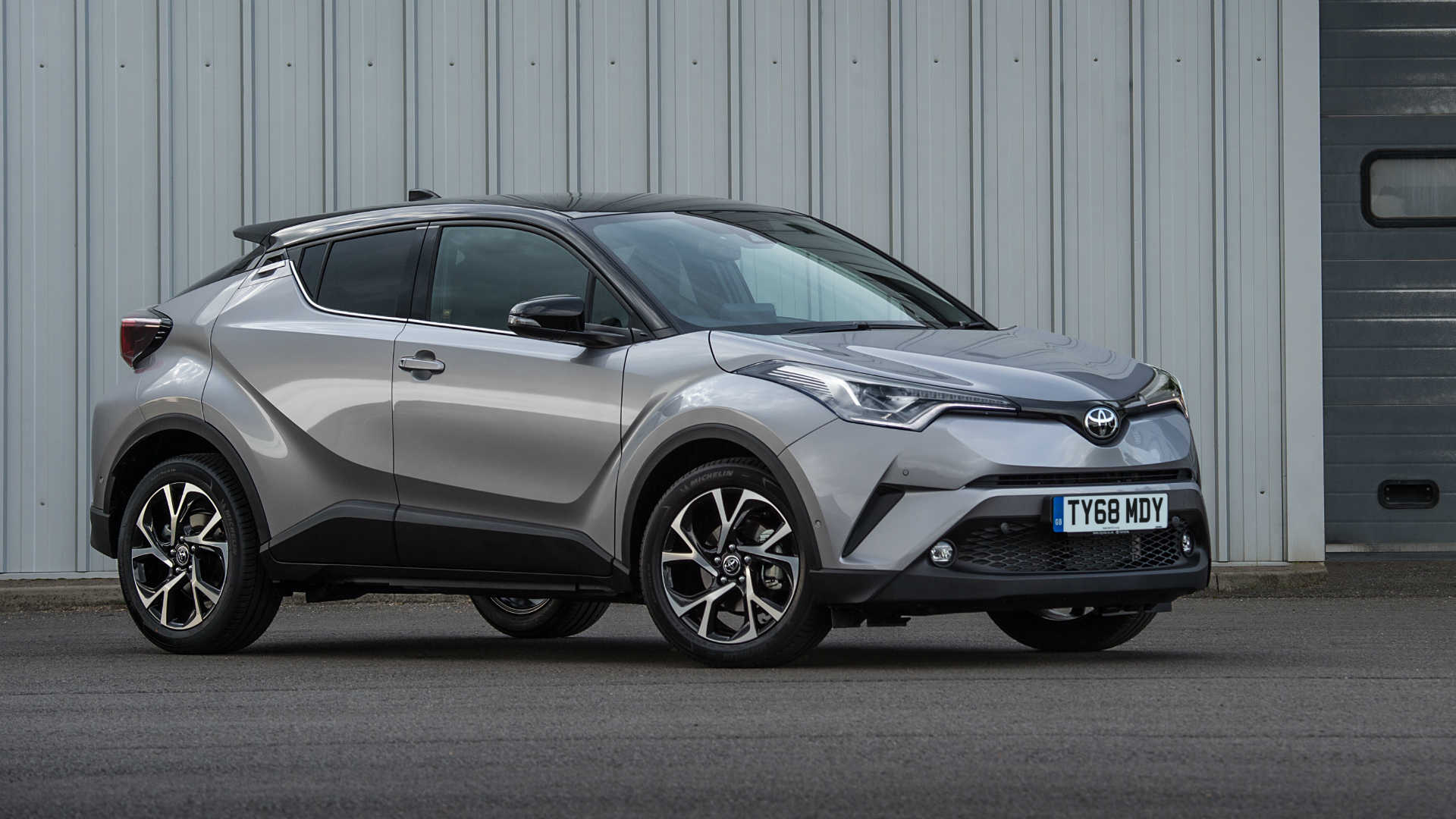
5. Toyota C-HR – 50.2 percent
If you were expecting five premium SUVs at the top of the list, prepare to be shocked. The Toyota C-HR beats the Bentley Bentayga by 0.2 percent, which is sure to impress your chums at the golf club this weekend.
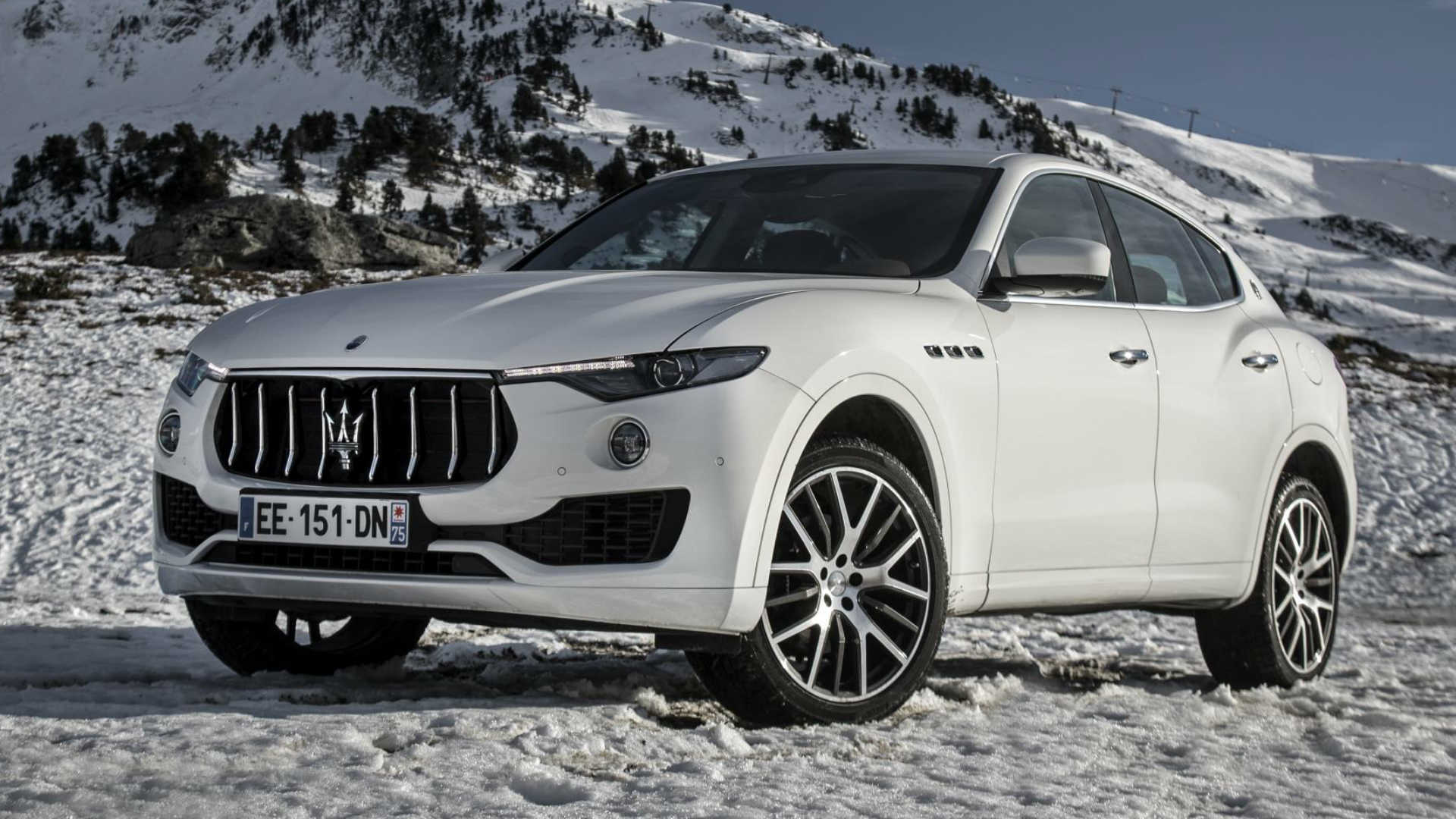
4. Maserati Levante – 51.3 percent
You’ll spend upwards of £58,000 on a new Maserati Levante, so it’s good to know that it’s pretty good at holding its value.
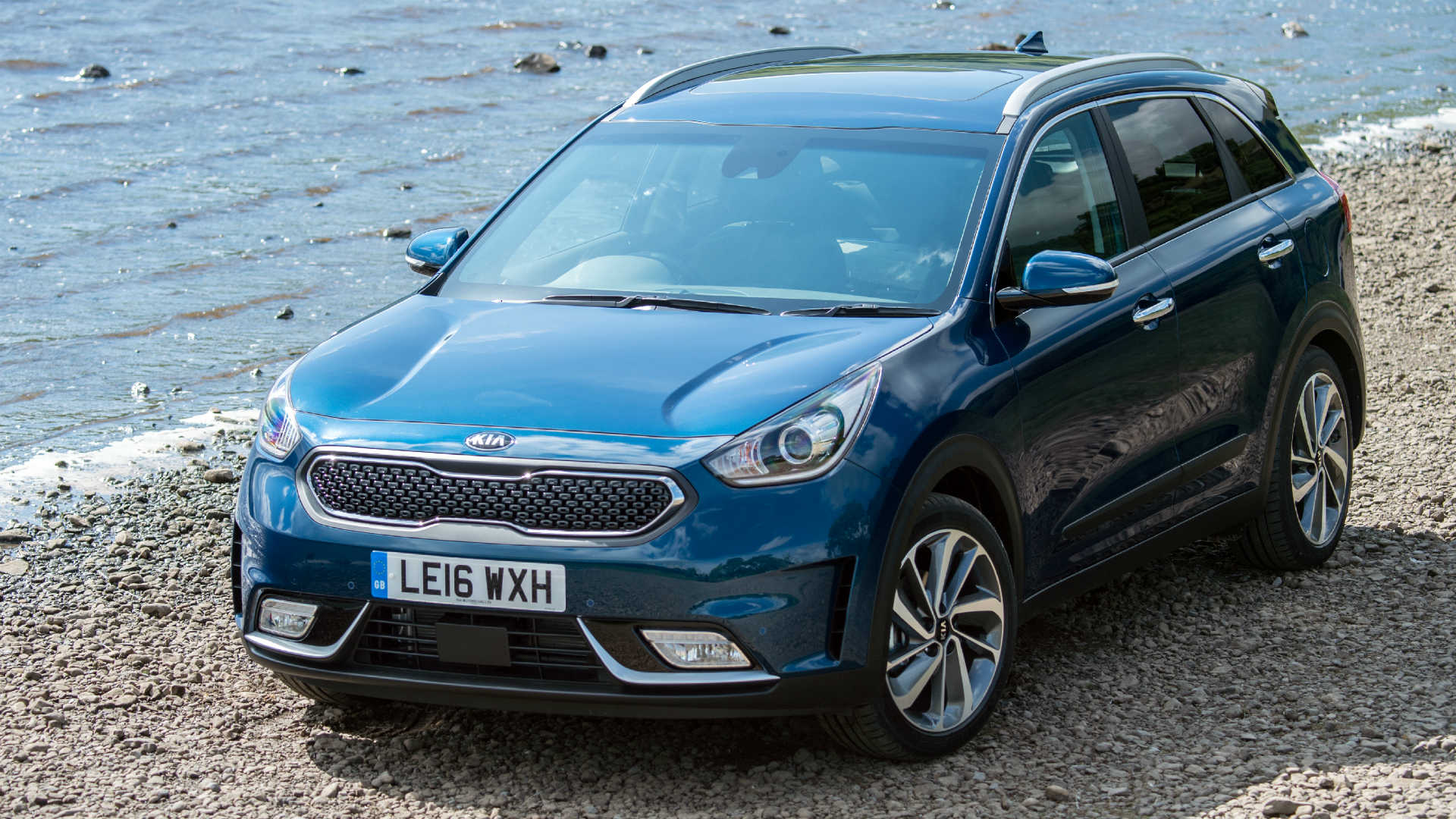
3. Kia Niro – 51.4 percent
We suspect the seven-year warranty is a factor in this result, but we’re surprised the Kia Sportage didn’t make the cut. There’s also no room for the Hyundai Santa Fe, which, like the Sportage, has historically performed well in depreciation studies.
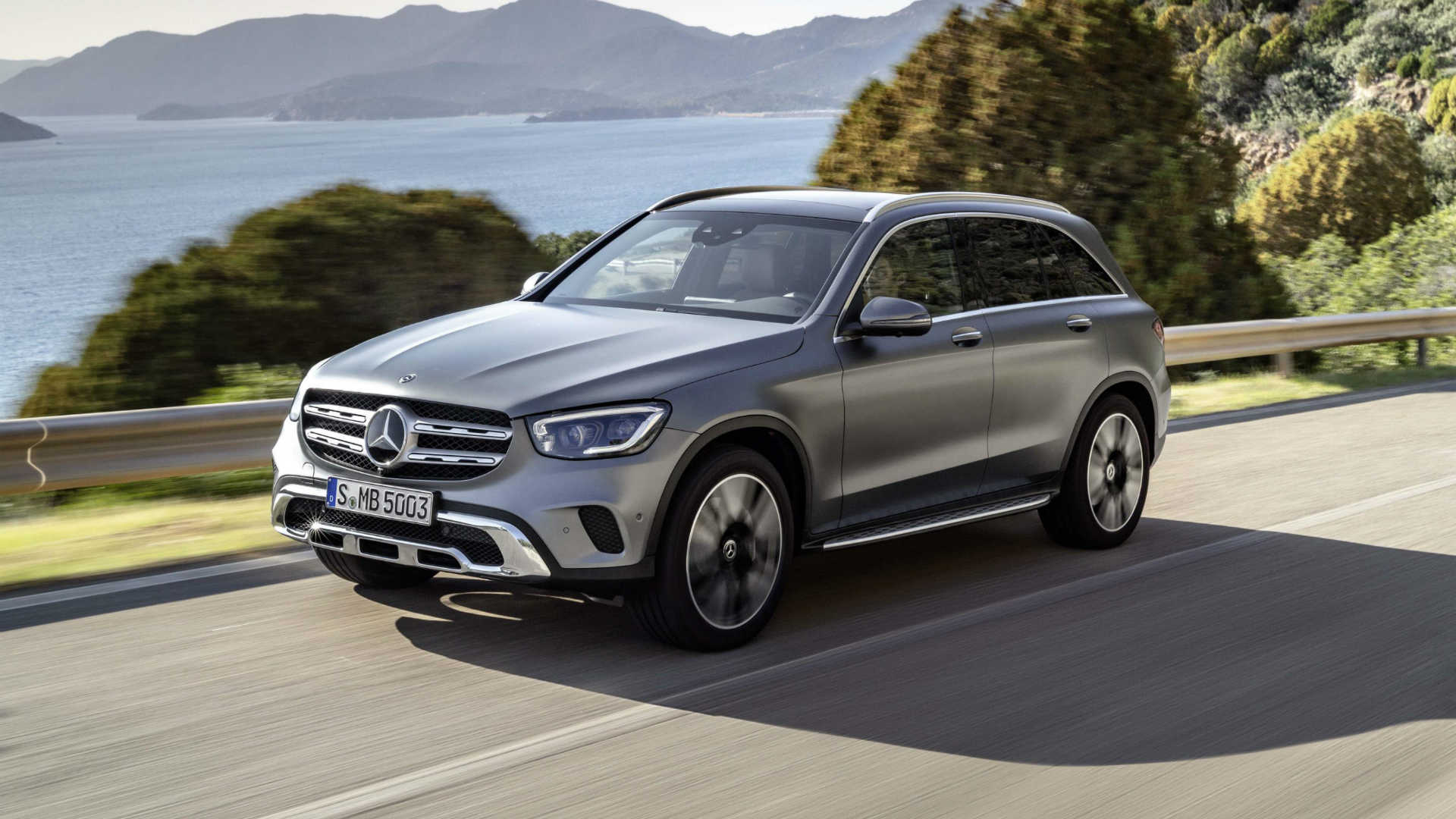
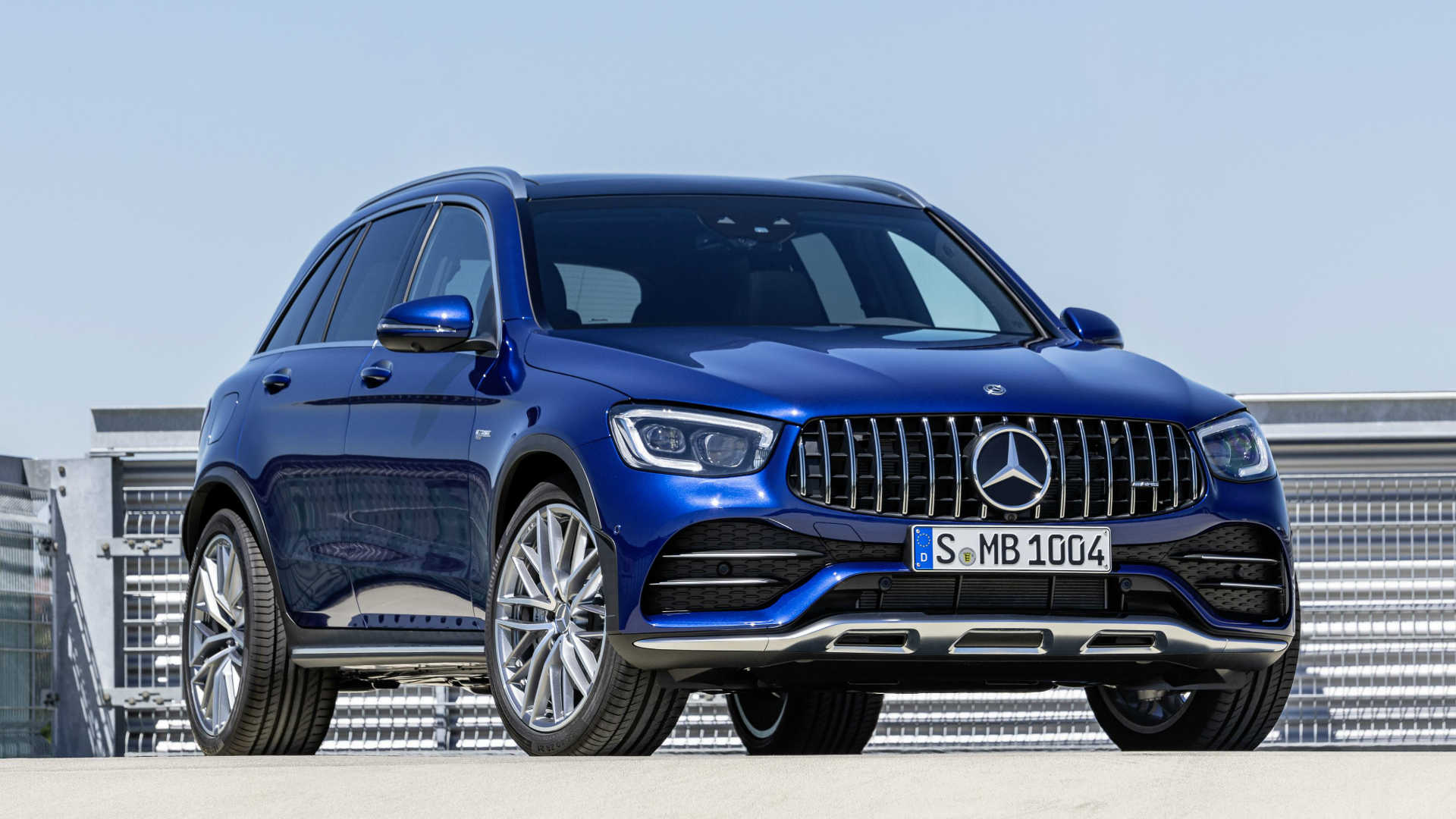
2. Mercedes-Benz GLC – 53.4 percent
Which leaves the 2016 Mercedes-Benz GLC to take the silver model. Those who have been paying attention will notice that this is the second appearance for the regular GLC (the third if you include the GLC Coupe). A 2016 model holds more value than a 2015 GLC. A facelifted version (pictured) is now available.
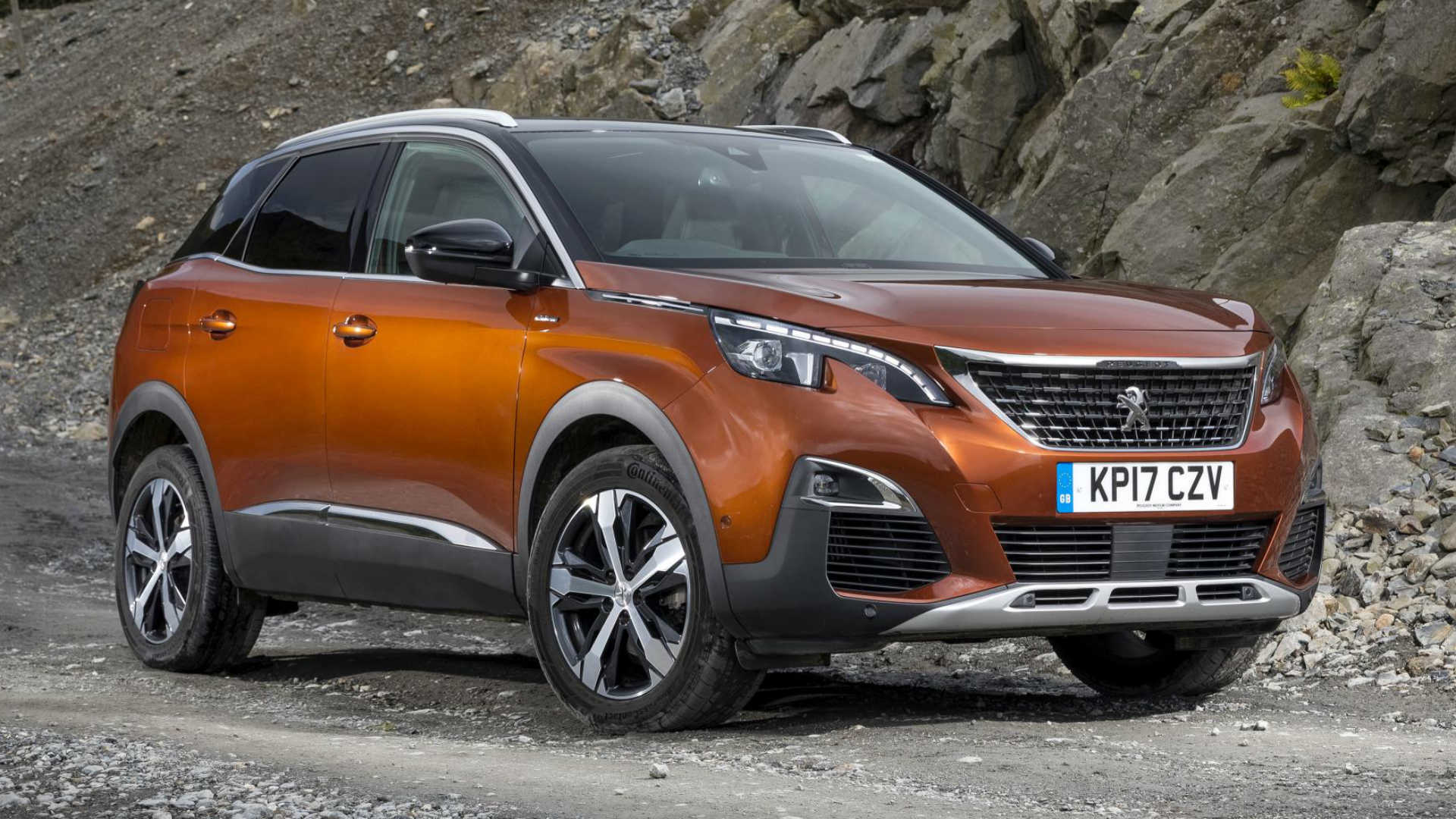
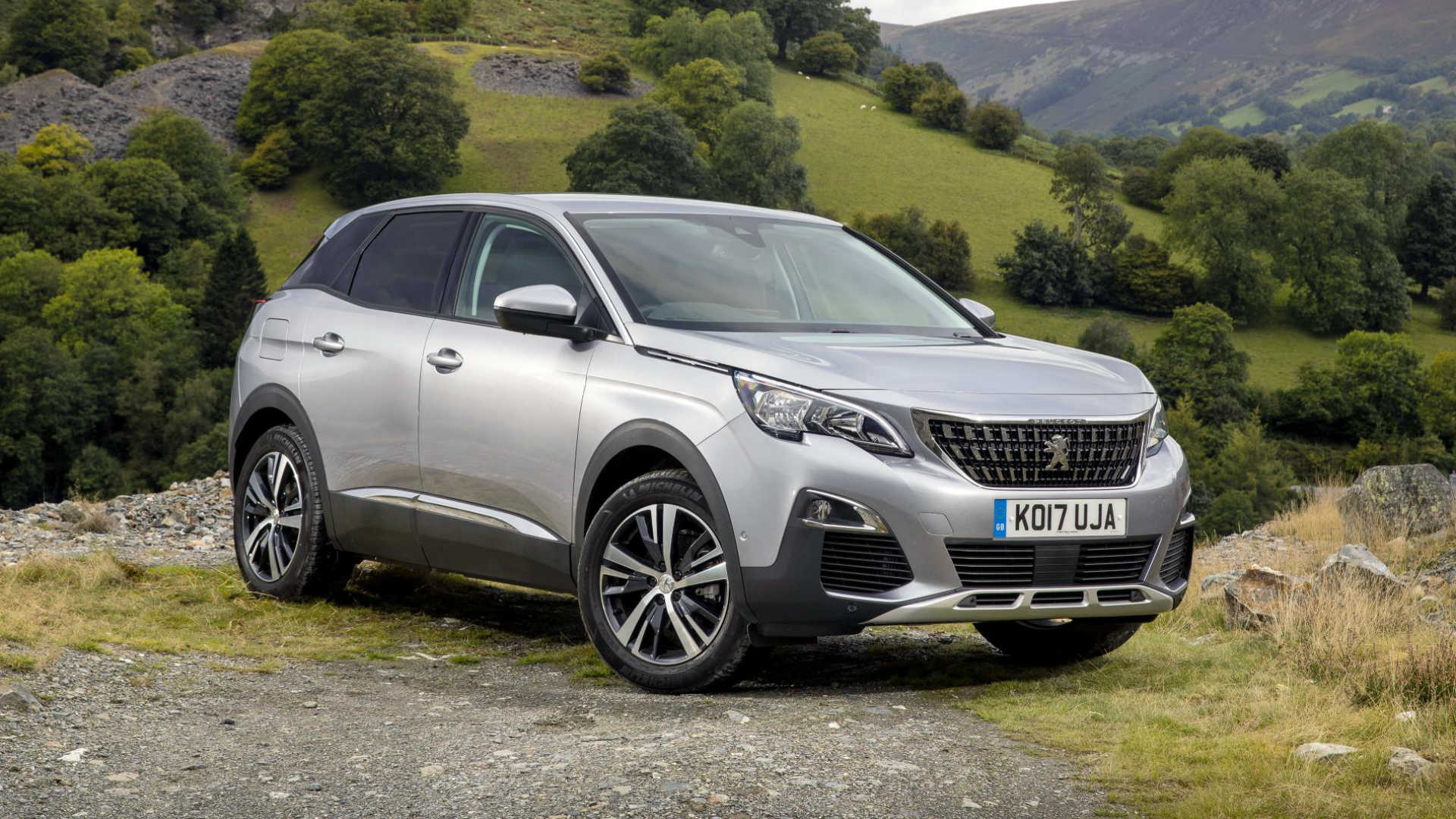
1. Peugeot 3008 – 54.2 percent
Many motoring journalists are quick to proclaim the Peugeot 3008 as one of the best SUVs you can buy, so it’s no surprise to find it topping the depreciation table. A smart exterior design, stylish interior and a range of economical engines combine to create a modern SUV that’s almost without vices. Little wonder it will retain 54.2 percent of its value after three years.
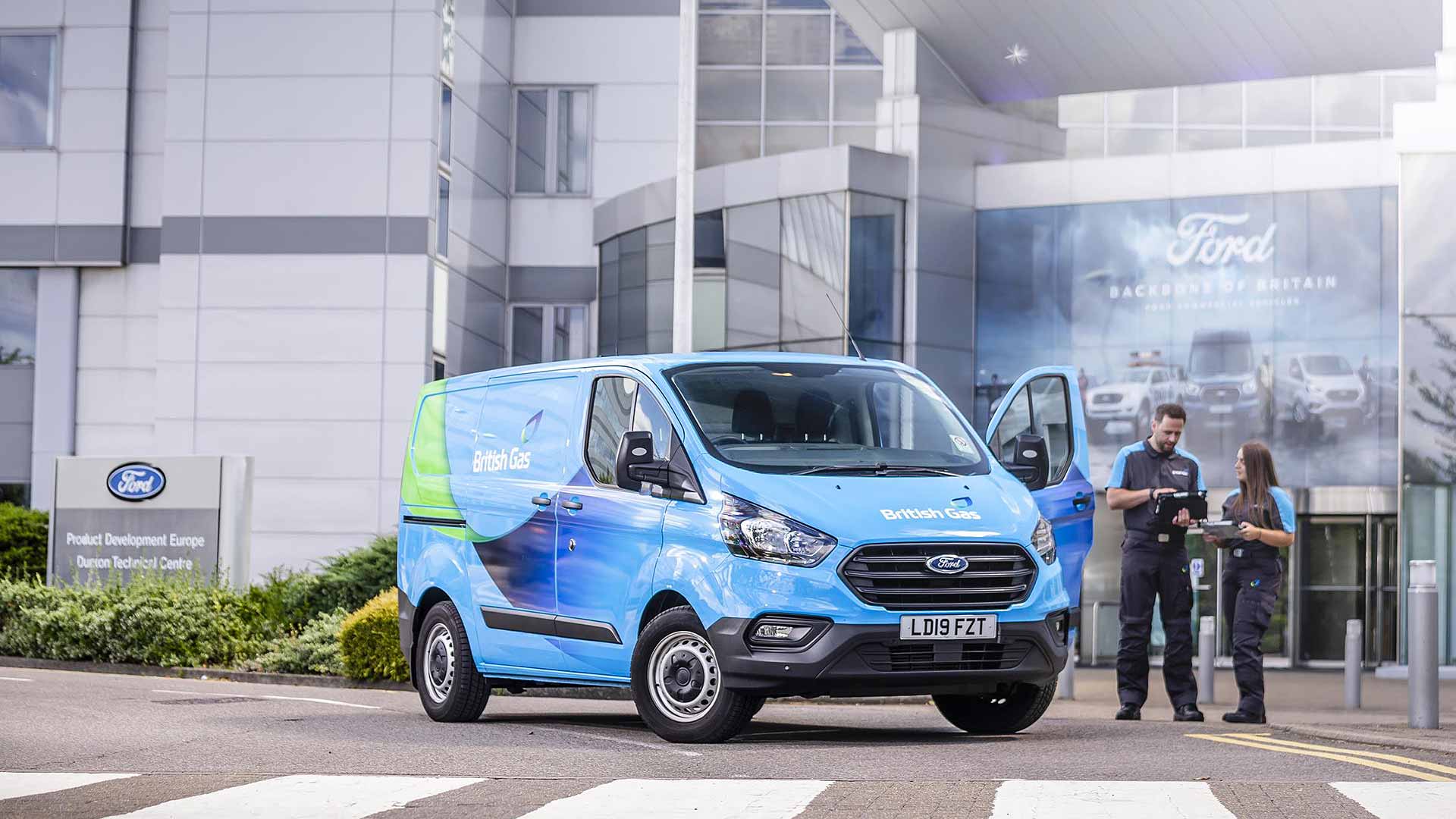
British Gas owner Centrica is to provide home chargers and electrified vehicle tariffs to Ford electric vehicle owners in a new partnership.
Ford has teamed up with British Gas (and Bord Gais Energy in the Republic of Ireland) so dealers can offer car buyers a fuss-free, fully-approved installation service.
Owners will get a Ford home charger wall box and special energy tariffs that allow motorists to benefit from cheaper overnight prices.
Centrica will also install charging points at Ford dealerships across the UK and Ireland.
The partnership is announced as Ford accelerates its ambitious plans to offer an electrified version of every car it sells in Europe. These will include mild hybrid, full hybrid, plug-in hybrid and fully battery electric models.
“Ford is committed to delivering one of the most comprehensive line-ups of electrified vehicles for our customers, powered through the Ford home charger Wall Boxes, said Andy Barratt, managing director, Ford of Britain.
“With their scale, experience and access to the electric grid, our partnership with Centrica will enable us to offer a one-stop shop for our customers as they transition to an electrified vehicle, including exciting new vehicle options, wall box, installation service and electricity tariff.”
More details of the Ford partnership with Centrica will be revealed closer to its market launch.
A Driver and Vehicle Standards Agency (DVSA) report suggests a high risk of modern cars failing emissions tests at the side of the road in ultra-low emissions zones (ULEZ), potentially meaning that they shouldn’t be granted ‘free’ access.
The issue has been highlighted by Allow Independent Road-testing (AIR), an organisation whose AIR index ratings corroborate real-world DVSA test results.
AIR says some fully-homologated 2017 ‘Euro 6’ vehicles are emitting up to 20 TIMES the nitrogen oxide (NOx limit) observed in official tests.
Given that Euro 6 is generally the diesel car standard for permissible emissions in ULEZ, this presents a problem for regulators.
Cars that are emitting too much
Cars that score an ‘E’ in AIR’s A-to-E scale, which indicates high levels of NOx, include the Nissan Qashqai, which emits 17 times the legislative limit.
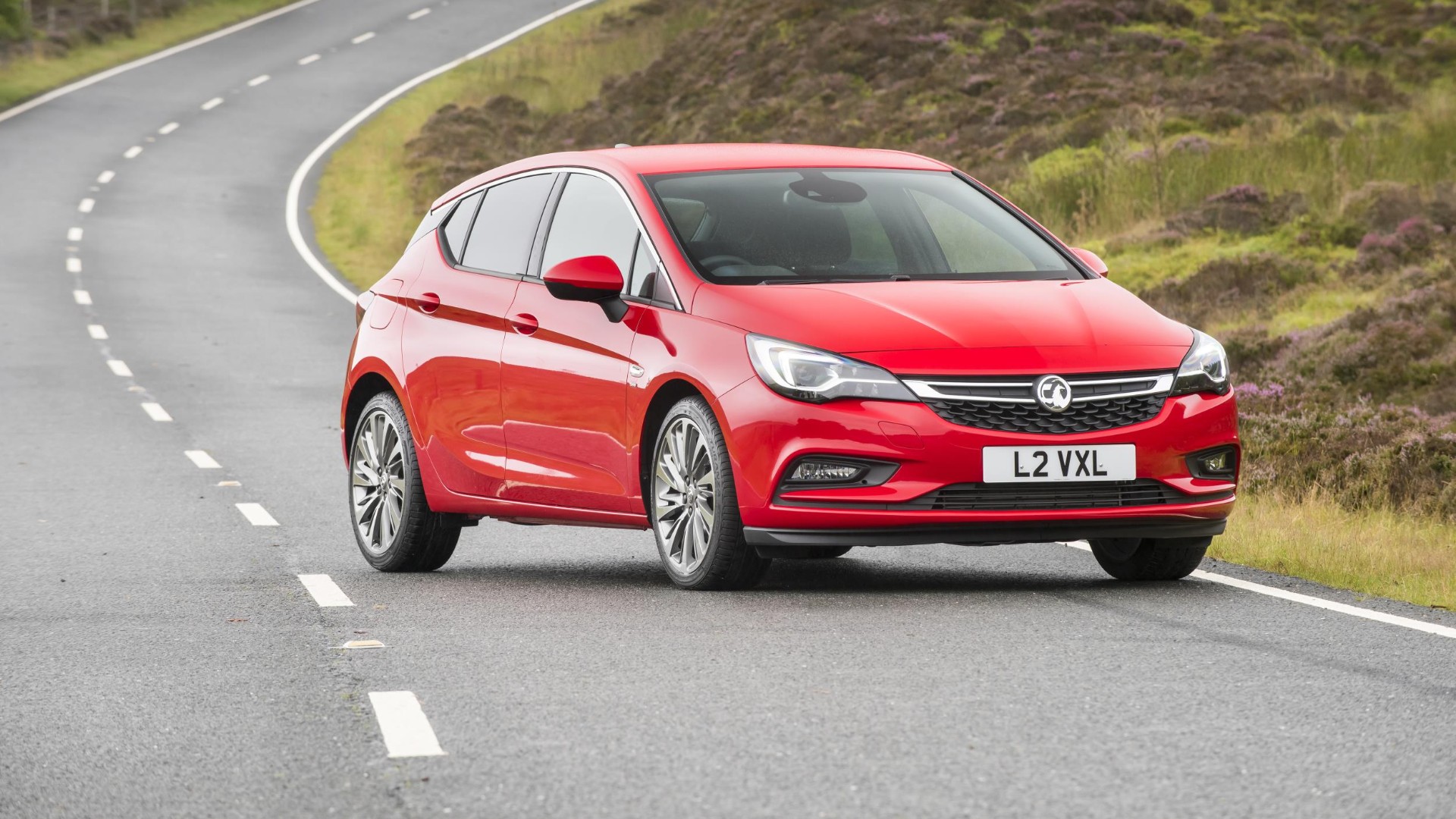
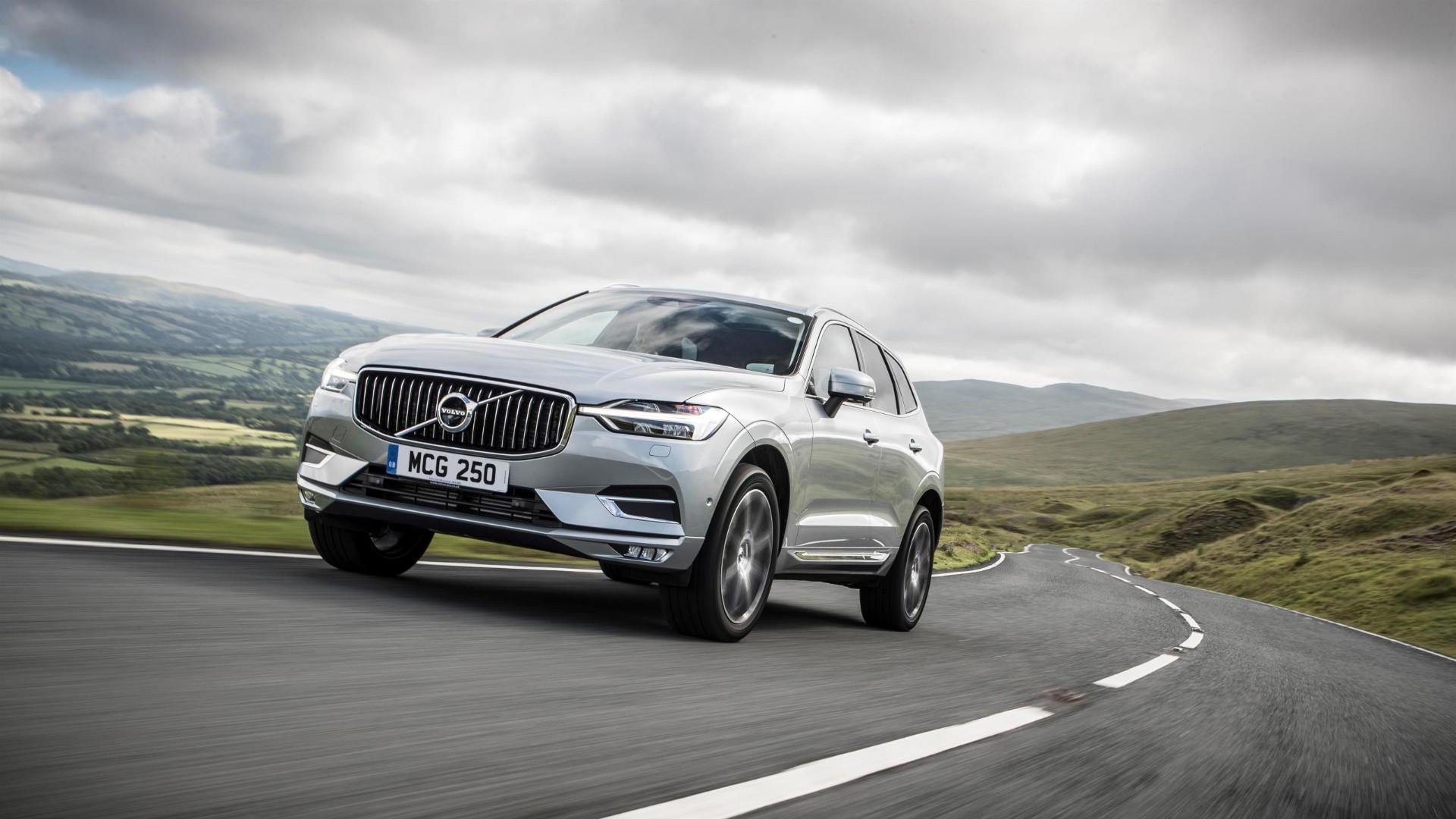
The Renault Kadjar isn’t far behind, emitting 13 times the limit. Cars like the Vauxhall Astra get a ‘C’ rating. Similarly sooty are diesel versions of the BMW 1 Series, Hyundai Tucson, Jaguar F-Pace and Volvo XC60.
Contrast that with the Mercedes-Benz E 220d, which achieves less than half the 80mg/km NOx output for an A-rating.
Some of these manufacturers are working on fixes but, as we reported recently, Nissan is reluctant to act, even with capacity to do so.
“Cities who, in good faith, are using or plan to use Euro 6 as the threshold for access policies will not deliver the air quality improvements expected and will not solve their breach of urban air quality in the time required,” said Nick Molden, co-founder of the AIR Index.
“The DVSA’s latest test results confirm the importance of independent testing to provide confidence and transparency about actual emissions during on-road driving.
“We welcome the government’s publication of this report, which aligns with the results of vehicles rated for the AIR Index, and it highlights again that not all Euro 6 cars control NOx emissions to the same degree.”
Massimo Fedeli, Operations Director and Co-Founder of the AIR Index followed: “Car owners, policy makers and citizens in towns and cities where air quality is breaching European limits will be disappointed by both the poor results of these tests and the reaction of those car makers who refuse to take action to remedy the over-emission of NOx from these vehicles.”
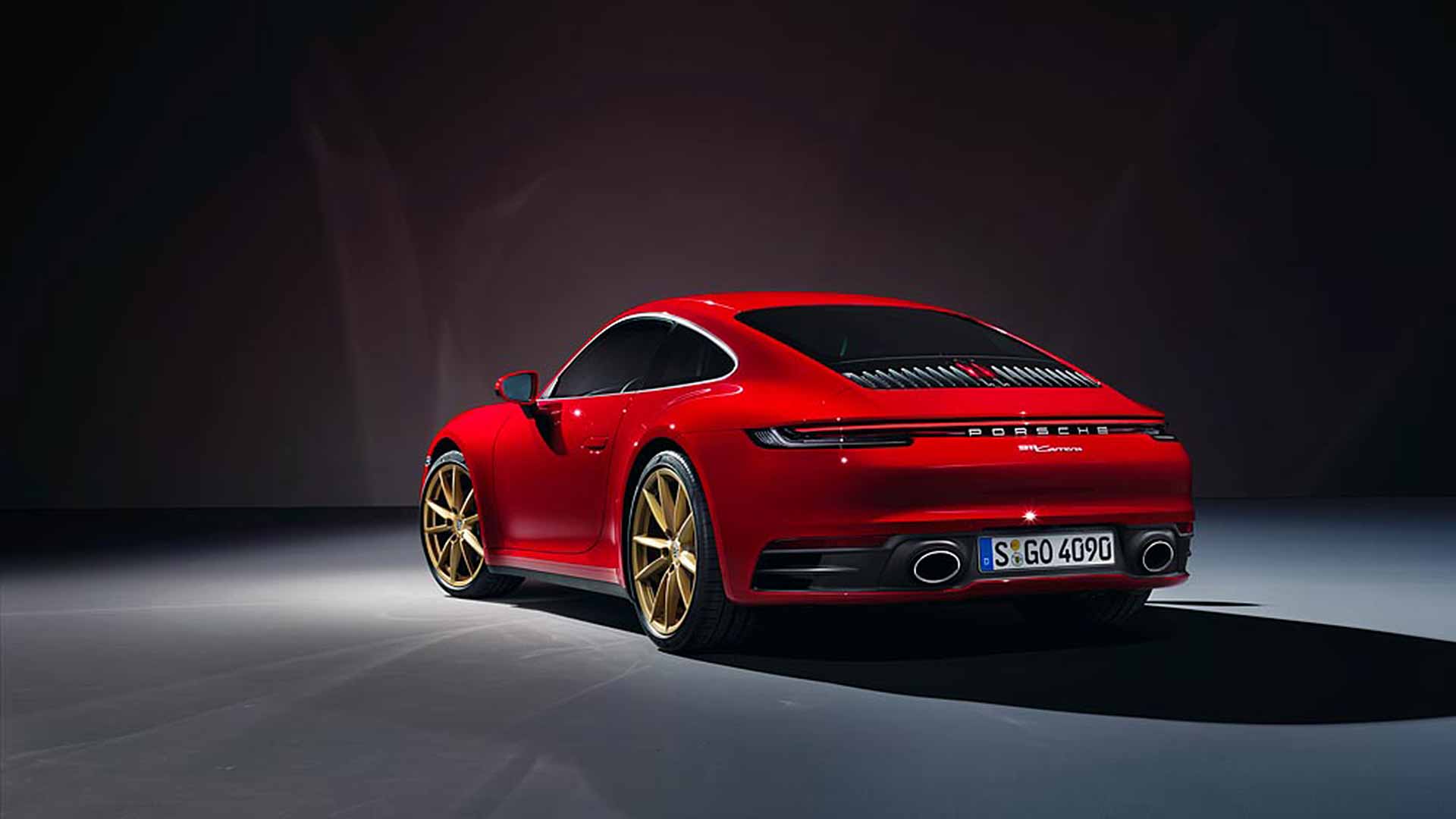
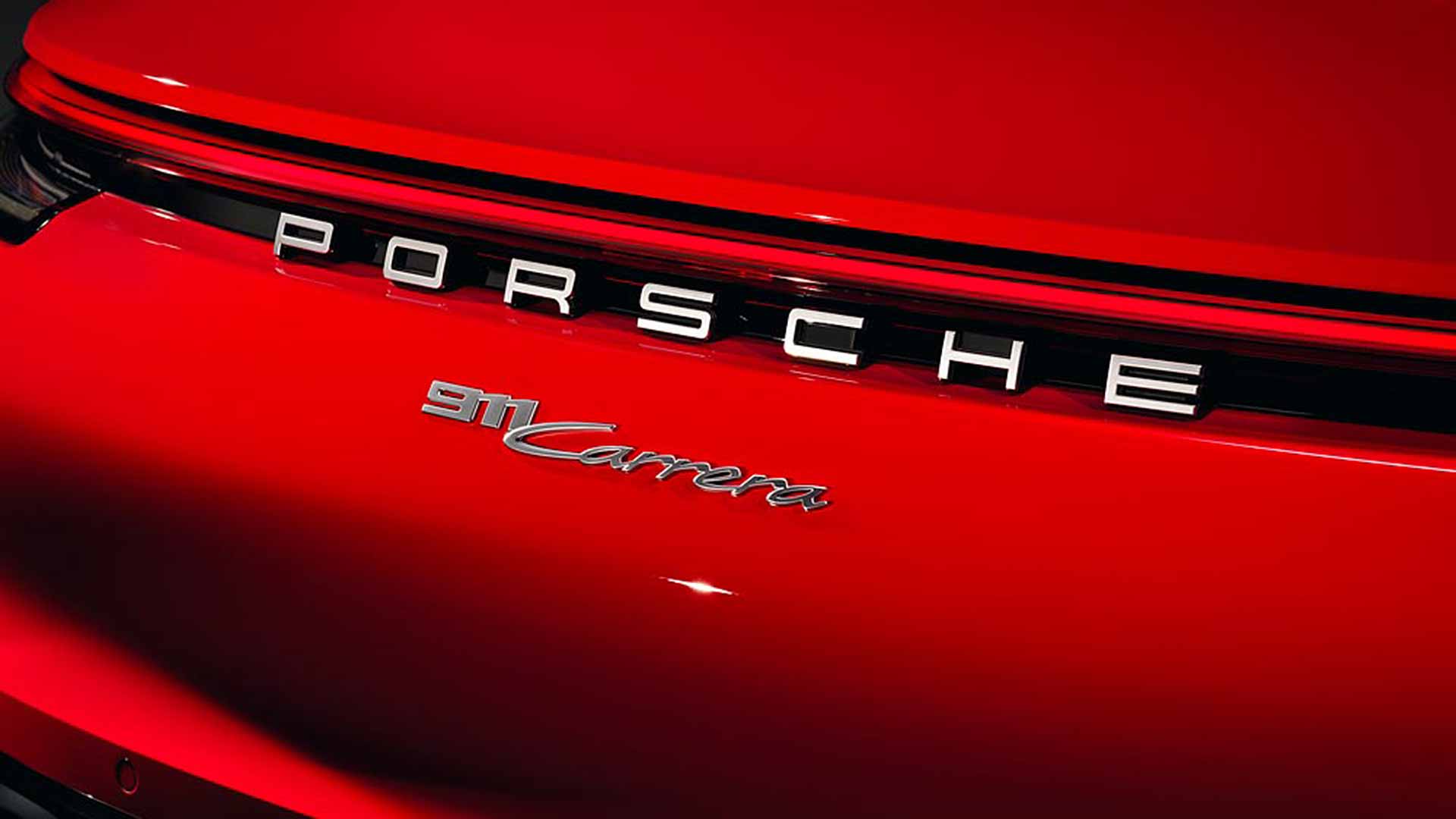
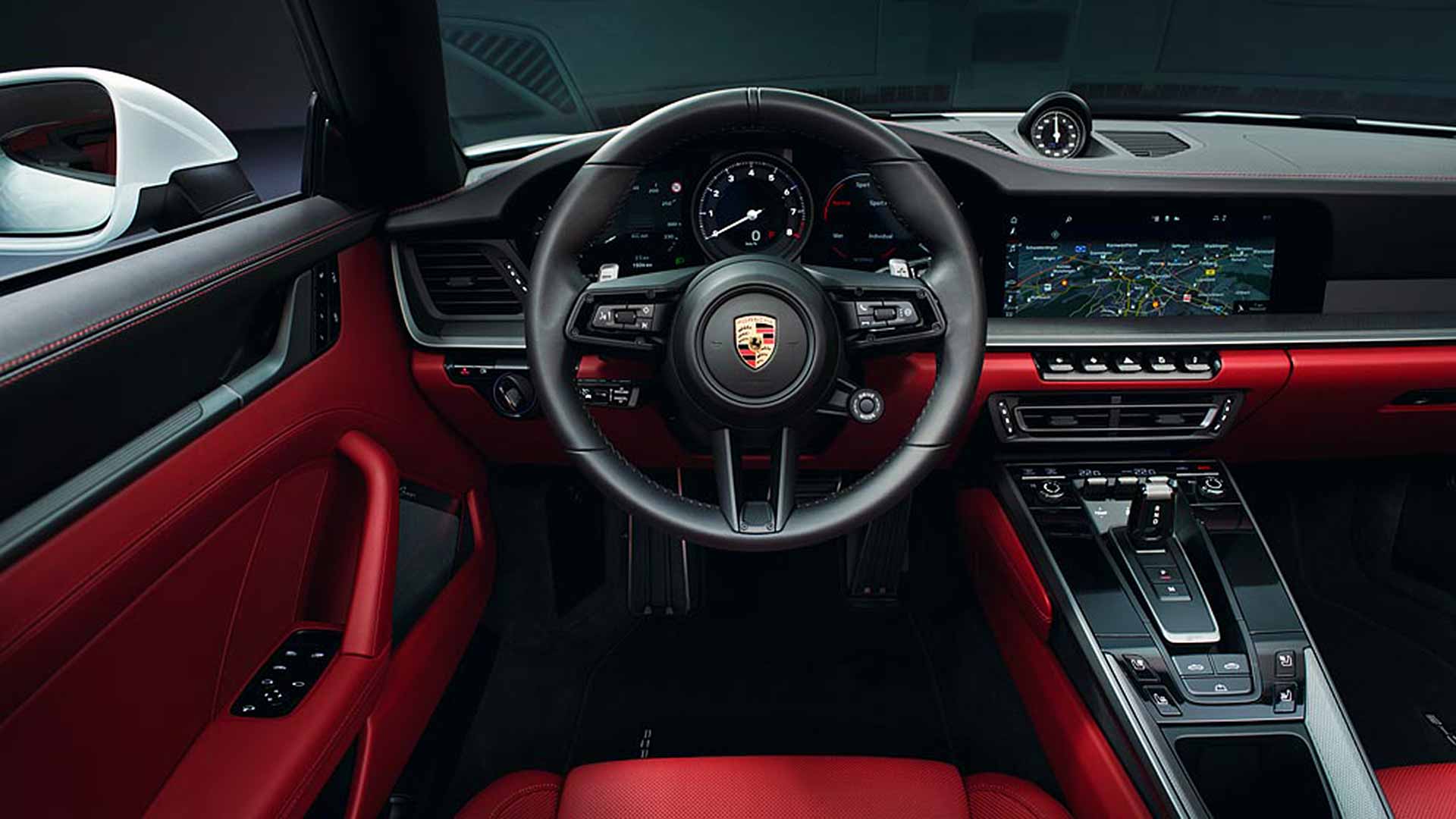
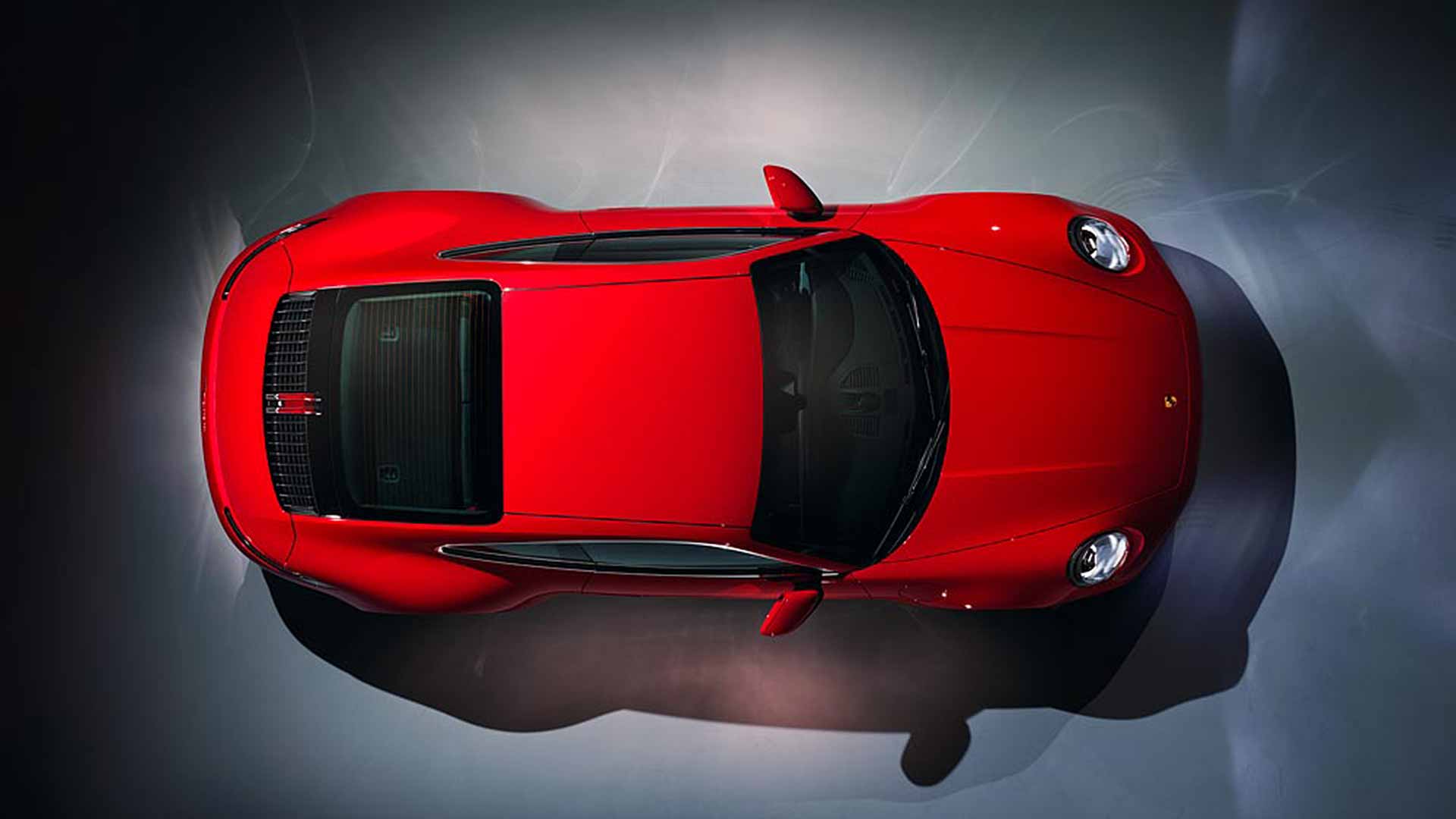
Following the introduction of the new Porsche 911 Carrera S in November 2018, Porsche is broadening the range with the more affordable Carrera Coupe and Cabriolet variants.
Priced from £82,793 (£92,438 for the Cabriolet), the new Carrera line is open for ordering now with deliveries beginning later in the year.
The new entry-level Porsche 911 Carrera now produces 385 horsepower from its 3.0-litre twin-turbo flat-six engine. That’s 15 horsepower more than its predecessor, although the Carrera S still has a clear advantage, with 450 horsepower.
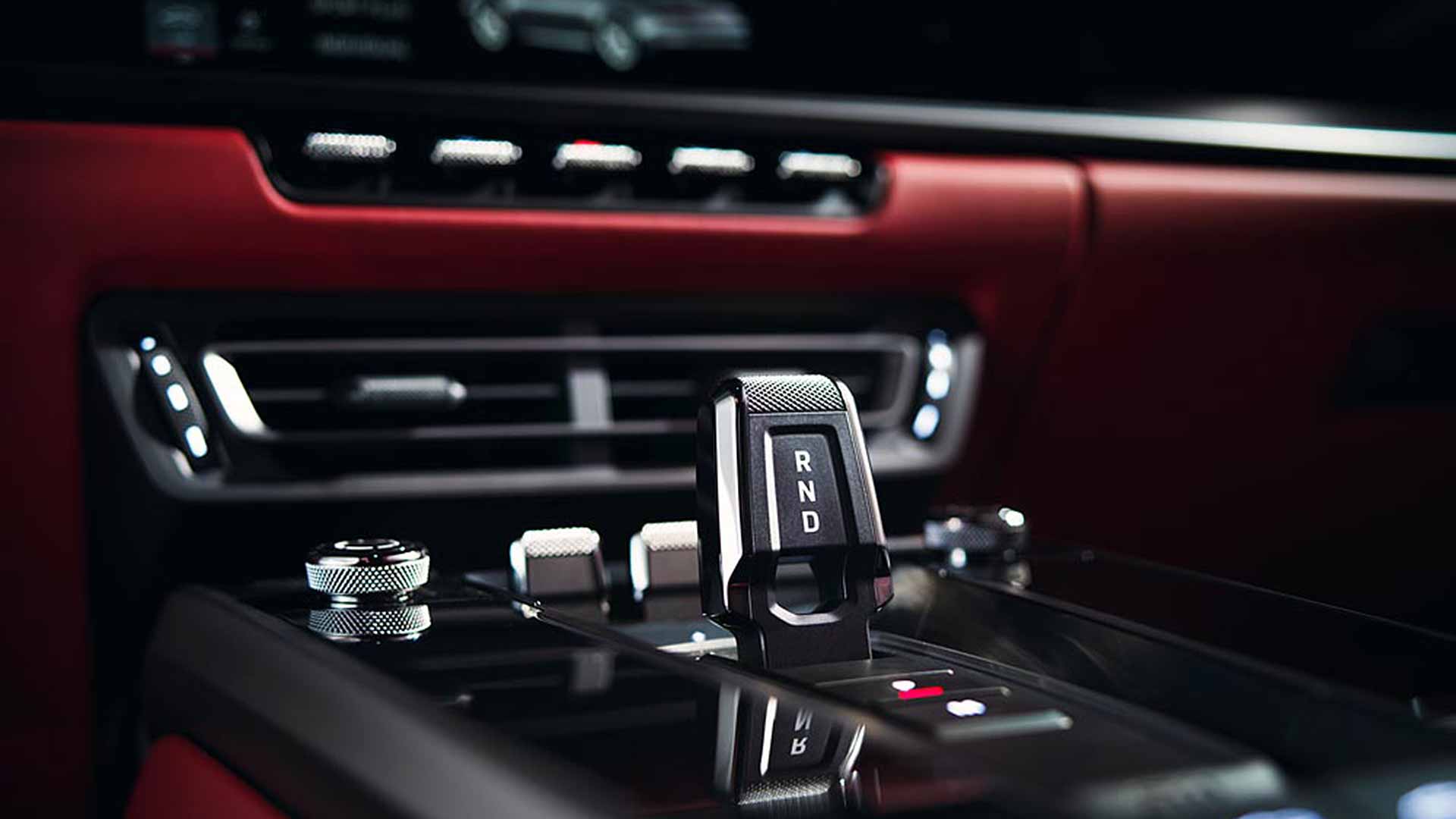
All models use an eight-speed PDK dual-clutch automatic gearbox: a manual is unavailable.
In basic 911 Carrera Coupe guise, the new model accelerates from 0-62mph in 4.2 seconds. That’s the new benchmark opening gambit for latest-generation 911 performance.
Option the Sport Chrono Package and this dips a further 0.2 seconds, to four seconds dead. Top speed? 182mph.
Porsche says the Carrera and Carrera S are otherwise surprisingly similar. The cheaper Carrera differs with its smaller 19-inch alloy wheels and brakes. It also has alternative, individual exhausts tailpipe covers.
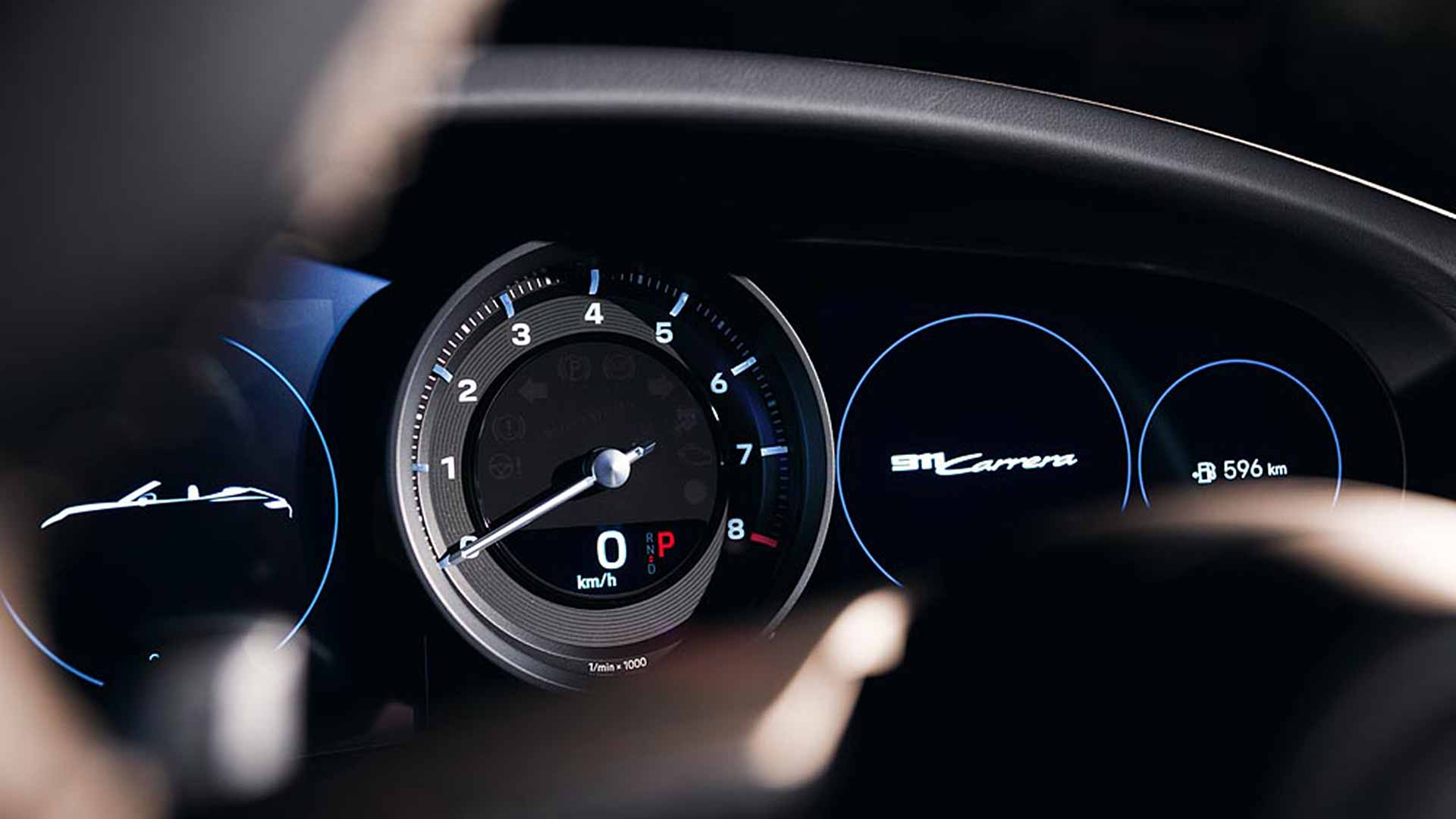
It uses the same 10.9-inch touchscreen display as the Carrera S, though: this is a feature that’s really helped move Porsche on in terms of infotainment. It uses the same semi-digital instrument binnacle too.
Porsche adds it will roll out an all-wheel drive Carrera 4 in coming weeks, for those who want better wet-weather traction without quite the firepower of the Carrera S range.
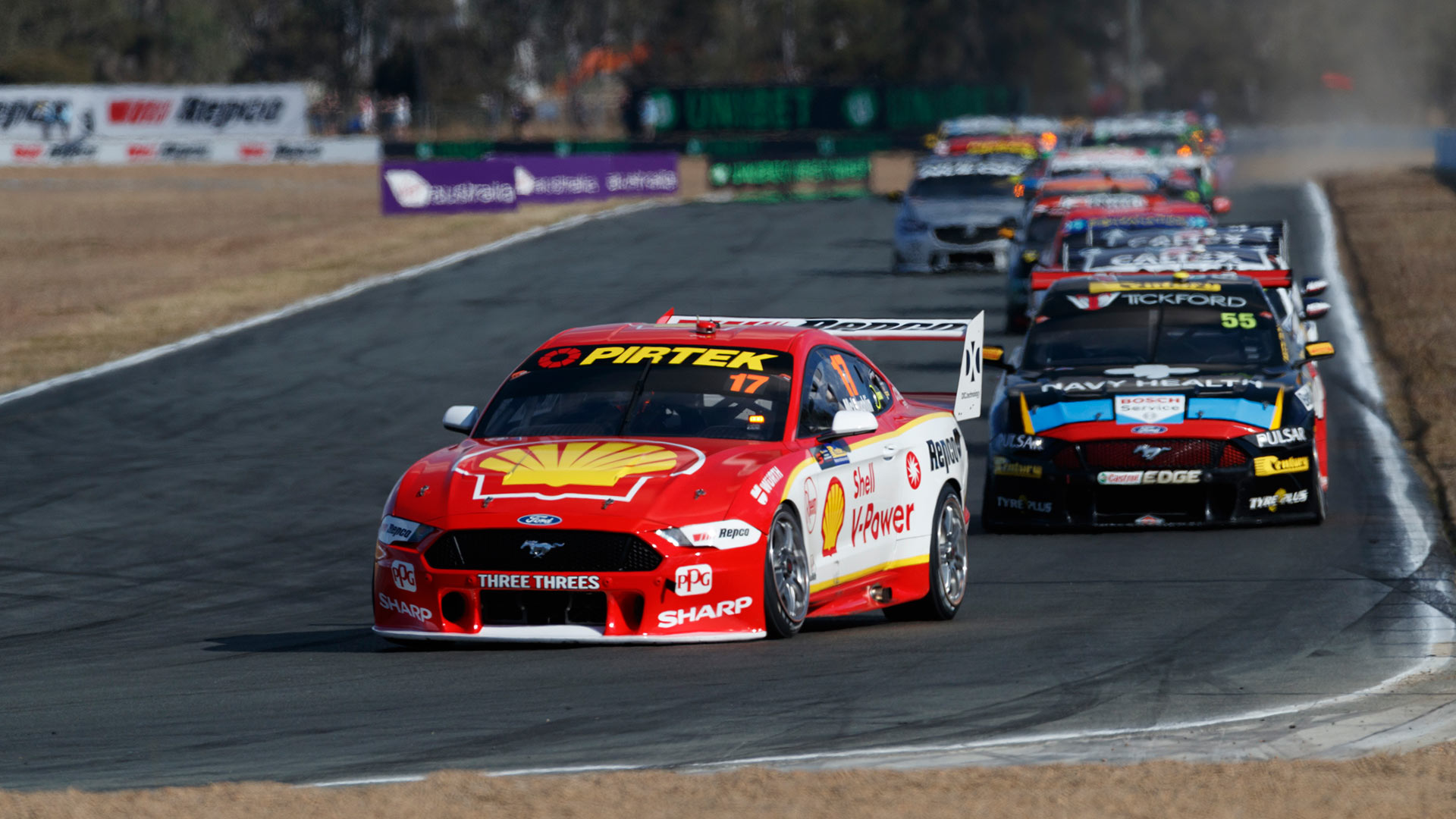
It might be the first year for the Ford Performance Mustang in the Virgin Australia Supercars Championship, but the Blue Oval is already a major trophy winner.
DJR Team Penske driver Scott McLaughlin’s 14th win of the season saw Ford wrap up the Manufacturer’s title for 2019 over the weekend.
The victory comes despite the fact the season still has 12 races left to compete, with the championship finale not taking place until late November.
So much winning
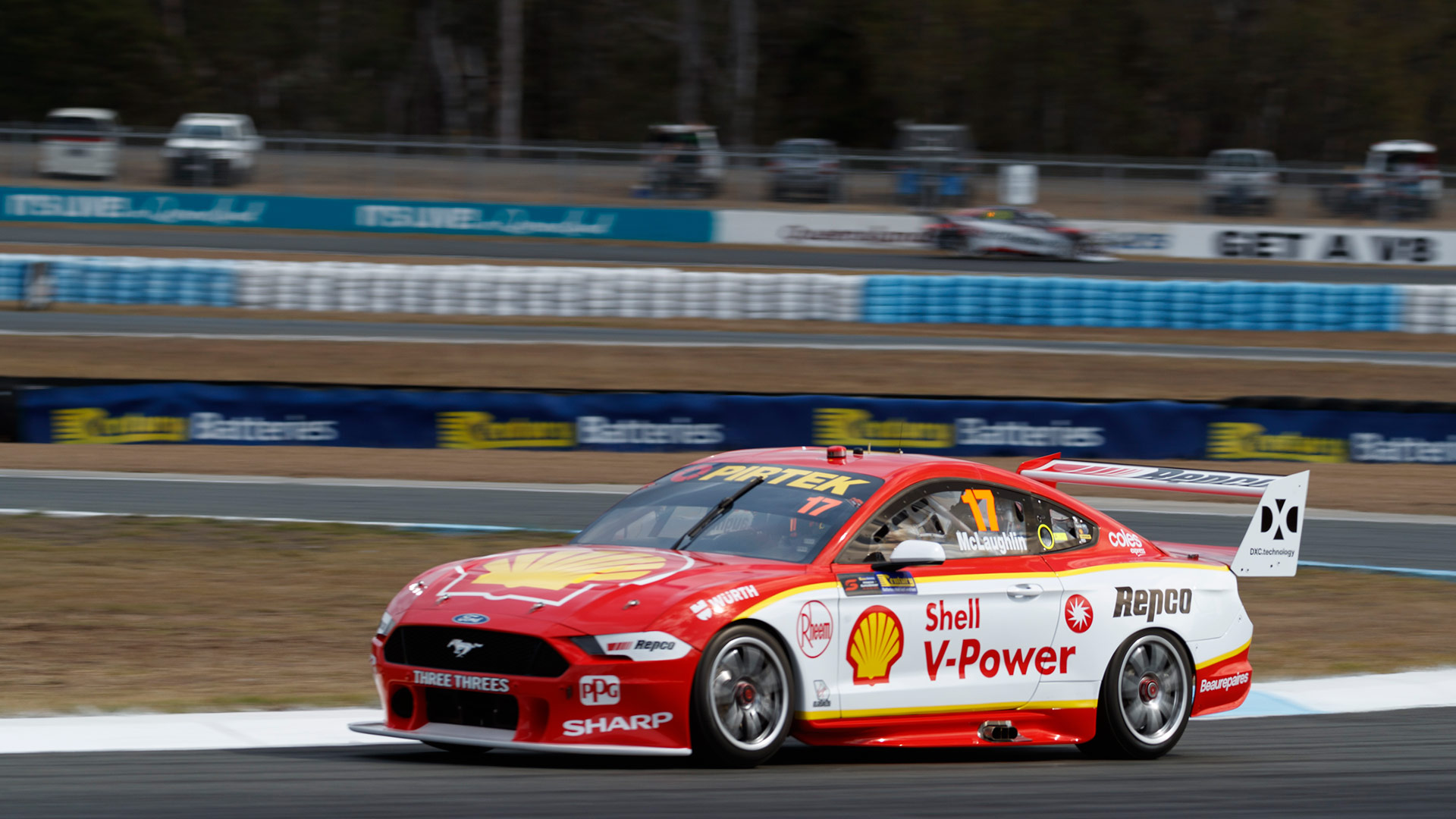
Helping Ford is that the Manufacturers’ Championship is awarded on outright race victories, not on points scored. Given the level of dominance seen by the Mustang, collecting this trophy was only a matter of time.
So far in 2019 the Ford Performance machine has won 17 of the 20 races held, leaving rivals Holden and Nissan with no chance of fighting back.
Success comes despite other teams and race officials trying to rein in the rampant ‘Stang.
No corral can hold this Mustang
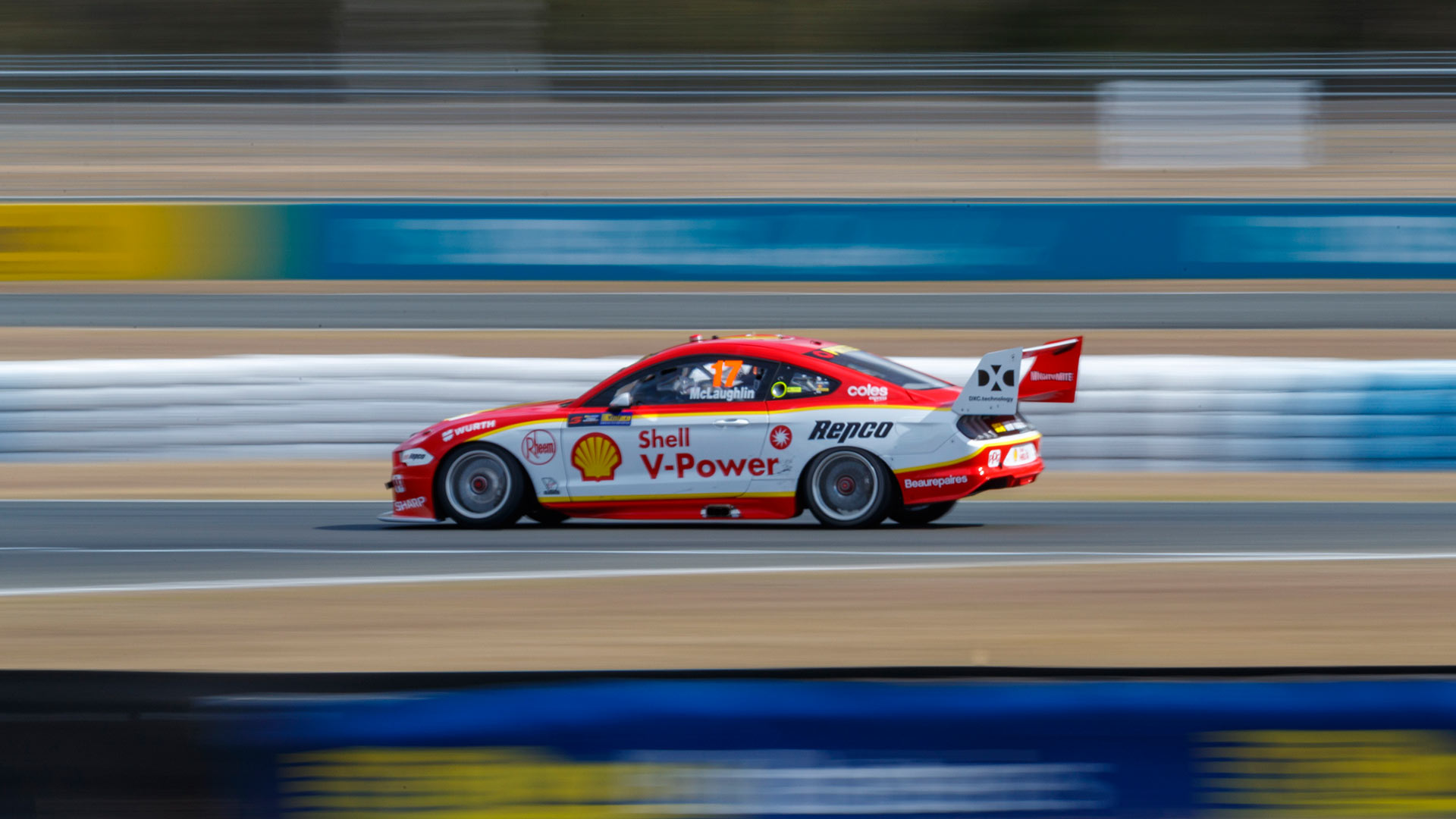
Even ahead of the weekend’s races in Ipswich, Queensland, the technical department of the Australian Supercars Championship was demanding Ford teams to make more changes to the Mustang.
Somewhat predictably, the new measures failed to dent the performance of the V8-powered Mustang, in a race series designed to offer close competition.
A double podium for Ford Performance racers in both rounds at the Ipswich circuit suggests the Mustang is still likely to continue being victorious throughout 2019.
All fine Down Under
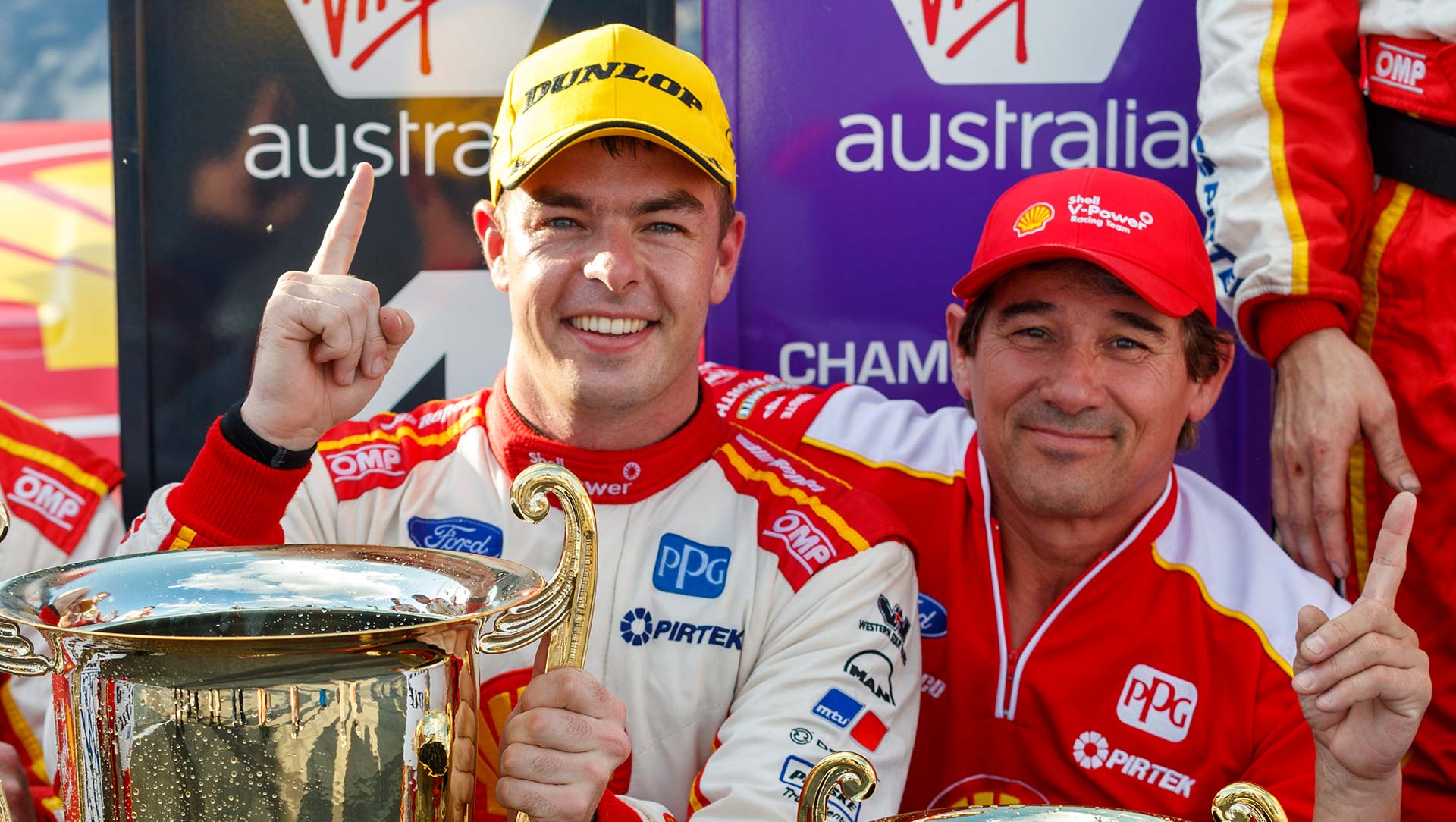
Initially derided for the ungainly proportions made from stretching a Mustang body over the common Supercars chassis, Ford are now the ones having the last laugh.
DJR Penske Shell V-Power Racing driver Scott McLaughlin was seemingly happy to incur a $3,000 fine for saluting his win with a smokey burnout. Ford were also fined an additional $10,000 for taking a non-permitted poster onto the podium to celebrate.
Ford will also be looking to take victory at the flagship Bathurst 1000 endurance event in October to prove just how capable the Australian ‘Stang really is.
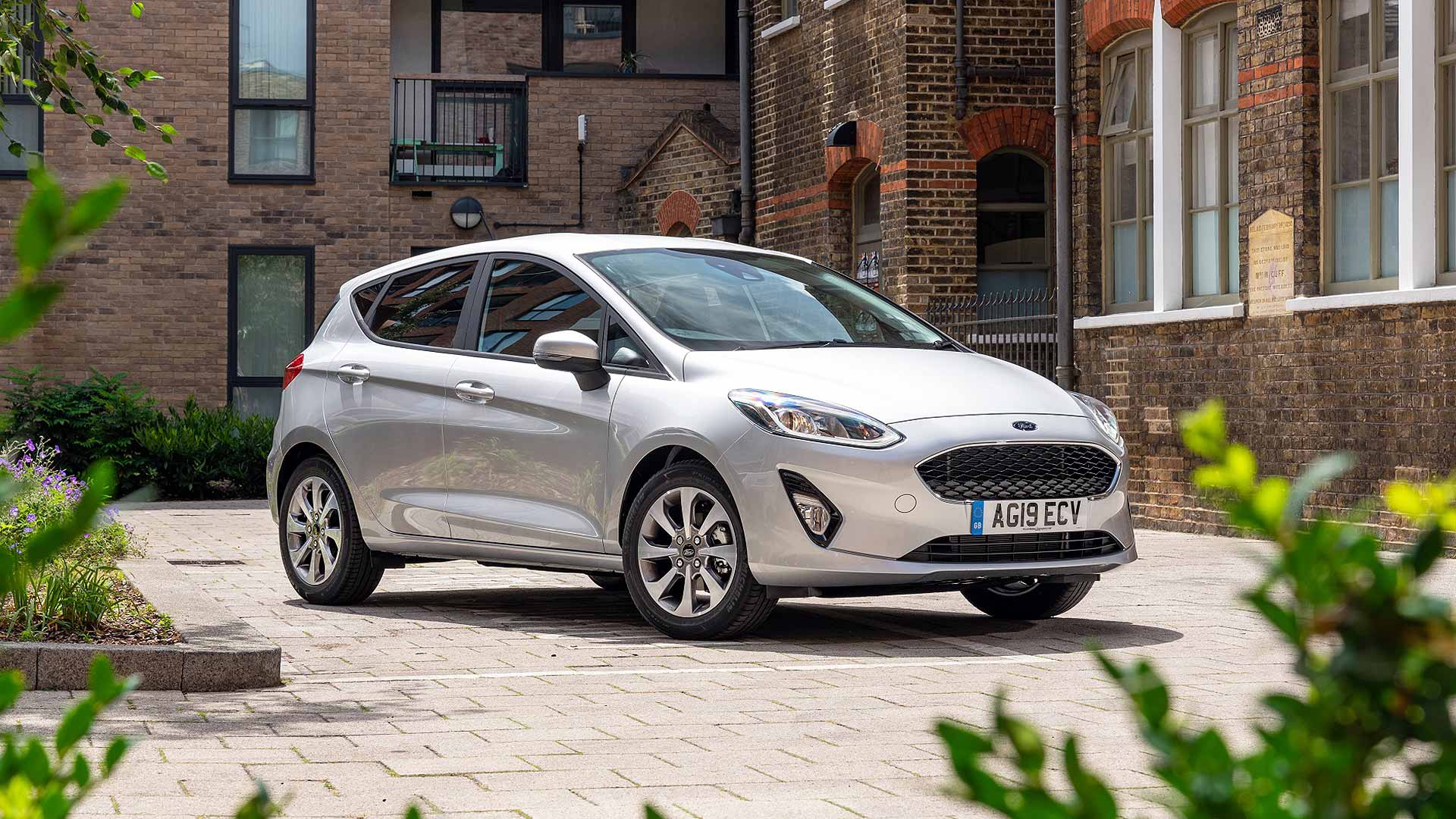
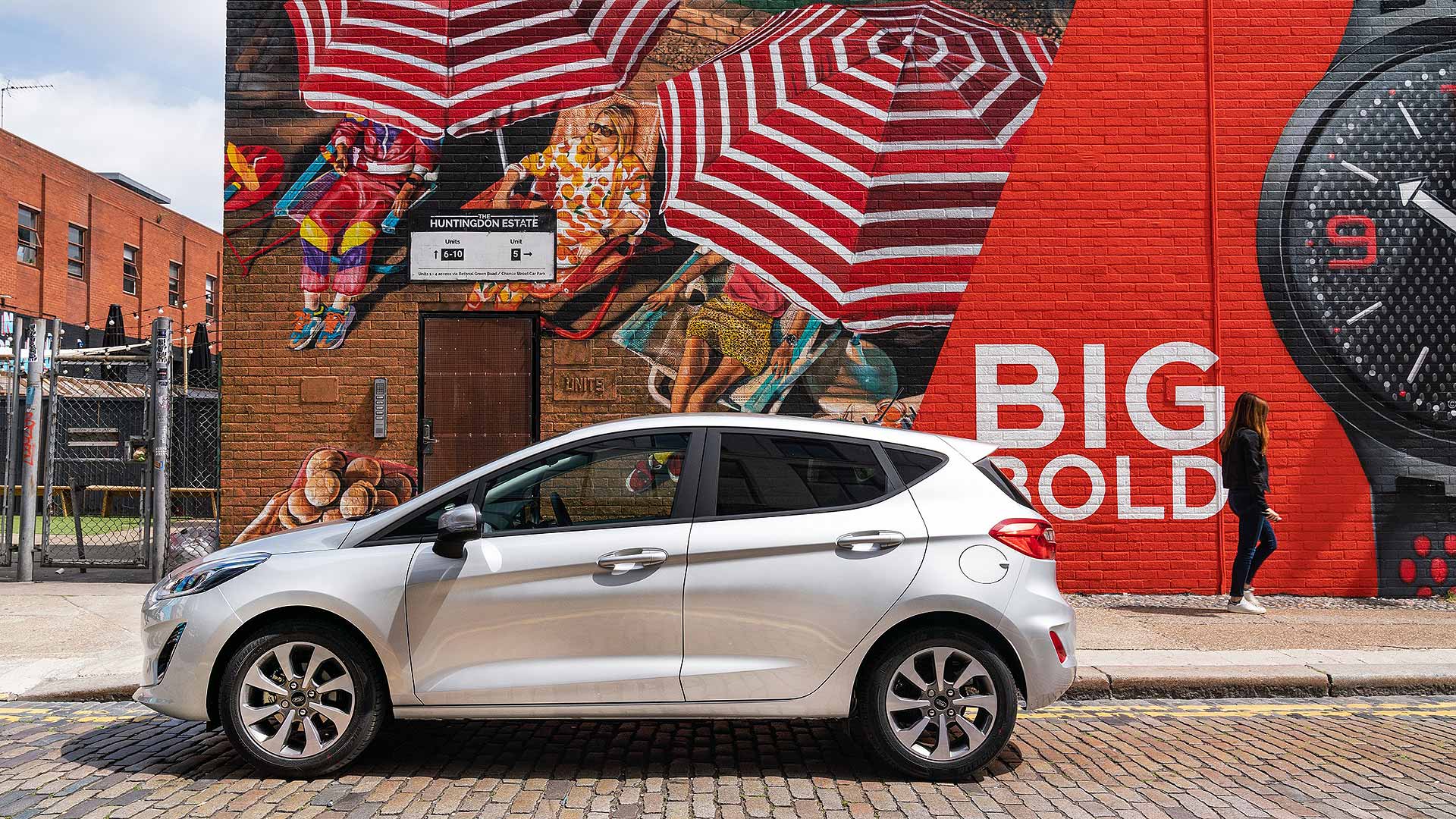
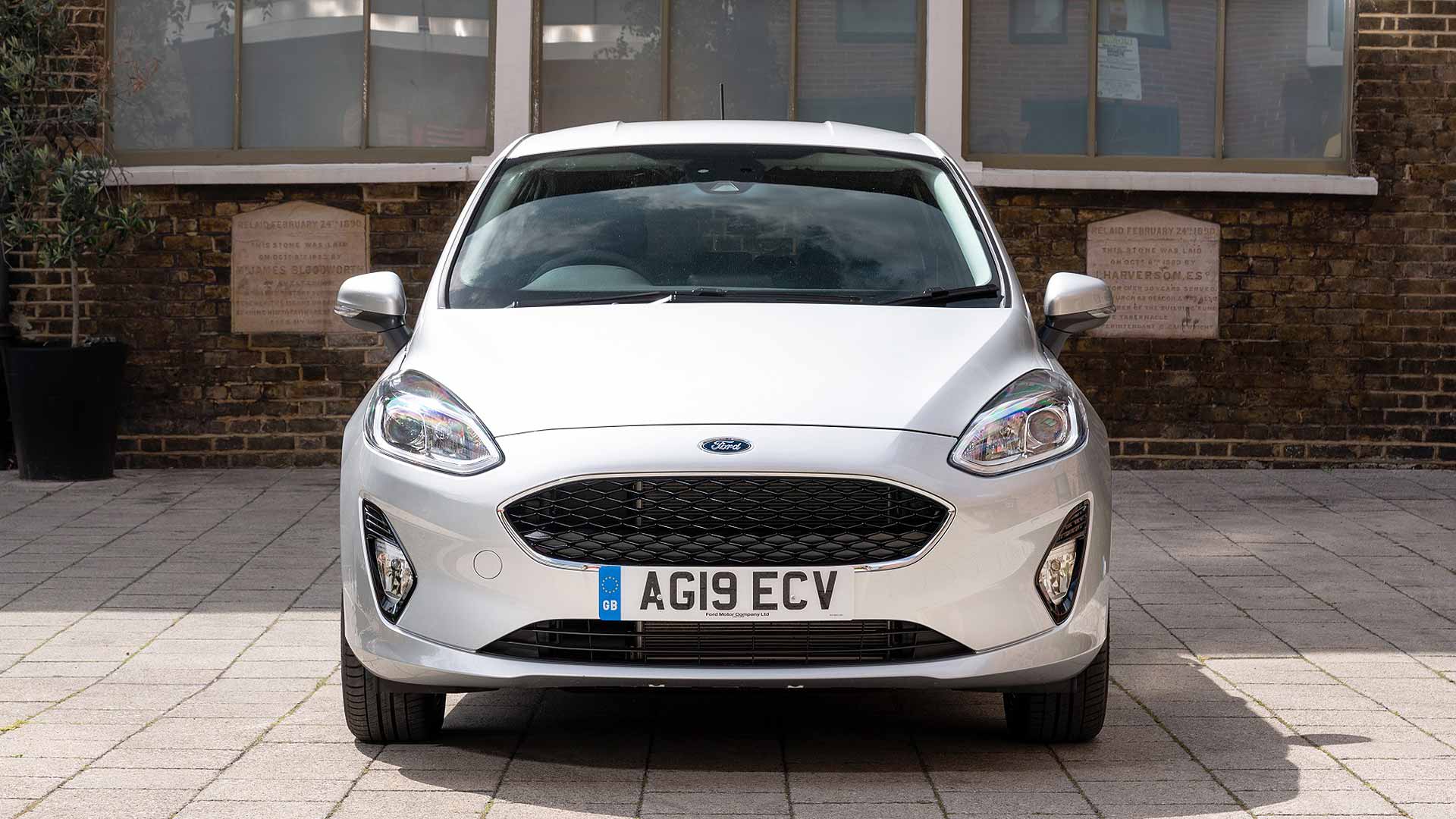
The long-running Ford Fiesta Zetec is no more. It has been replaced by a new model variant, the Fiesta Trend, with prices starting from £15,995.
The new entry-level Fiesta comes with a single engine option, a 1.1-litre petrol motor producing 85 horsepower (those who want Ford’s excellent 1.0-litre Ecoboost turbo need to move up the range).
Both three-door and five-door variants are available.
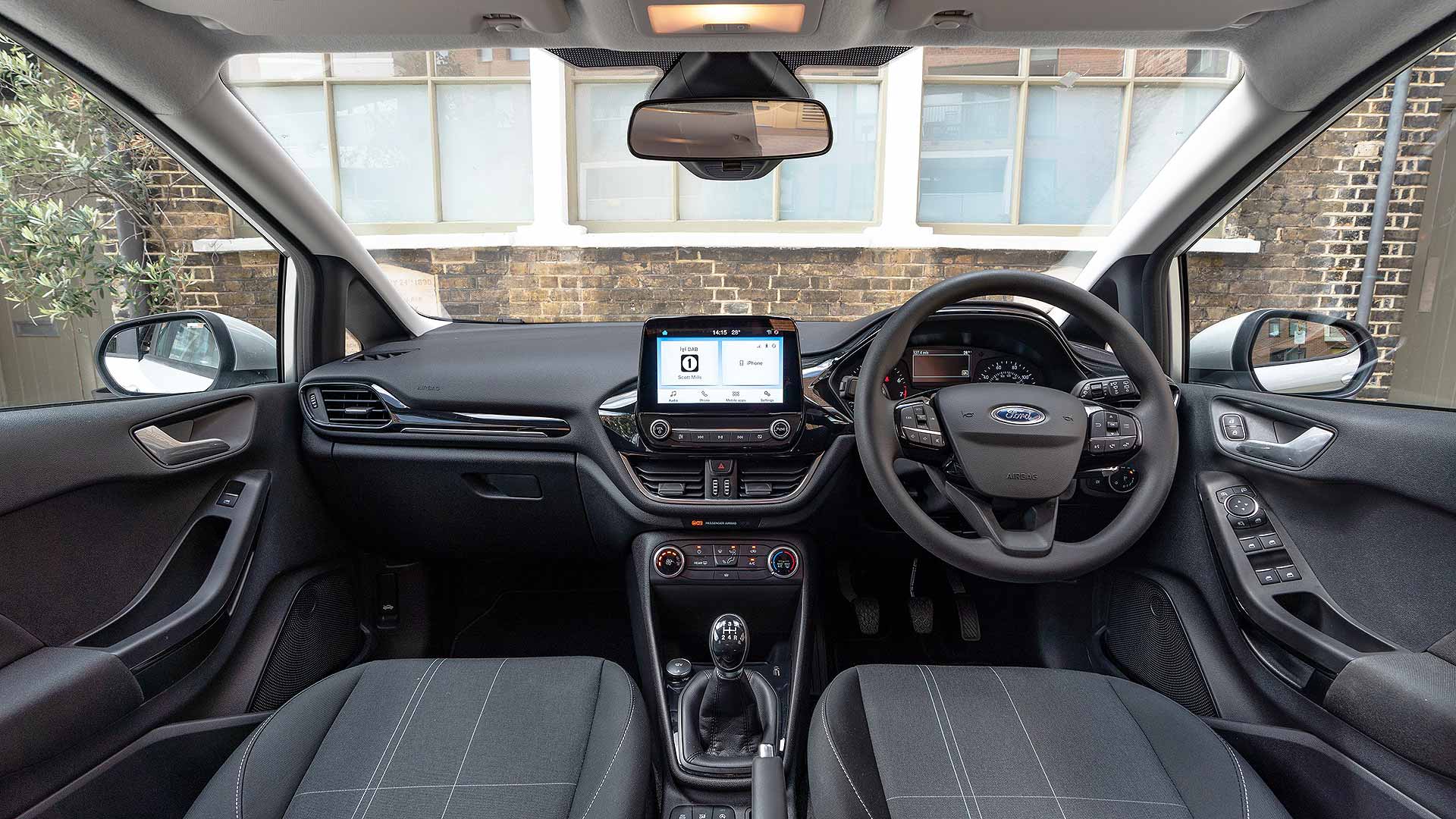
Key standard features include 16-inch alloys with a glitzy silver and black machined finish. A choice of six metallic colours is, surprisingly, included in the price and privacy glass is also standard.
The front grille has a new mesh design, and the Fiesta Trend retains the distinctive LED running lights of more expensive models (the next model up in the range is Fiesta Titanium, priced from £18,320).
The Fiesta Trend is well specified in terms of infotainment, with a standard 8.0-inch colour touchscreen including DAB radio, plus Apple CarPlay and Android Auto.
Automatic headlamps, an electronic speed limiter, lane-keep assist and Ford MyKey (which allows parents to programme a second car key with safety nets such as speed limiters for their children) are all included.
Even air conditioning is standard.
The Fiesta Trend gets neat new seat upholstery with a blue featureline stripe as well.
The new car, said Ford of Britain MD Barratt, “has been designed with our value Fiesta shopper in mind and represents the package of styling and ease of use they require”.
Ford predicts 1 in 4 Fiestas sold in the UK will be the new Trend model when deliveries begin in August.
Boosting its value appeal even further is an attractive PCP package: with a £5,000 deposit, customers can get a four-year Ford Options deal for £120 a month. Even the annual mileage cap is quite generous, at 9,000 a year.
Chief executive Mike Hawes describes a no-deal Brexit “an existential threat to our industry” which would result in “huge tariff costs and disruption that would threaten protection”.
International investor confidence in the industry would be further undermined if frictionless and tariff free trade was impaired.
Hawes has urged the new Prime Minister to meet with industry “as soon as possible” to discuss how both can work together to secure the future of the industry.
“No-deal Brexit is simply not an option.”
Unprecedented change
Britain is potentially well poised to capitalise on the fundamental change coming to the automotive industry in the next decade, said Hawes (pictured above).
“Automotive is, however, a highly competitive sector internationally, with fine margins. We cannot afford to be complacent.”
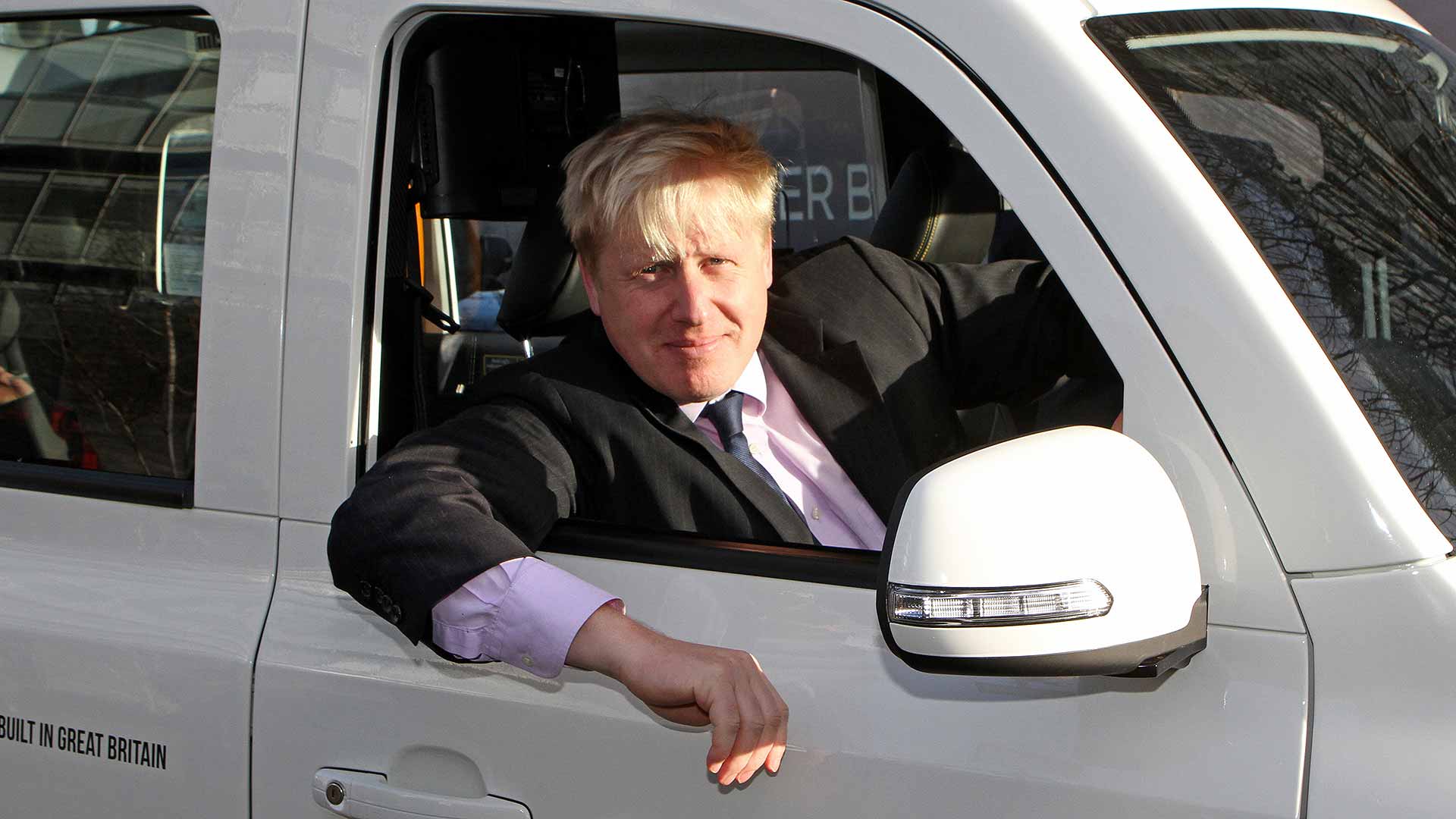
Boris Johnson has the opportunity to “assure our sector’s future success,” says Hawes… “an ambitious objective, and one I hope you share”.
He also reminds the new PM that UK automotive contributes £18.6 billion to the UK economy, employs hundreds of thousands and “makes the most significant contribution to UK trade of any manufacturing sector.
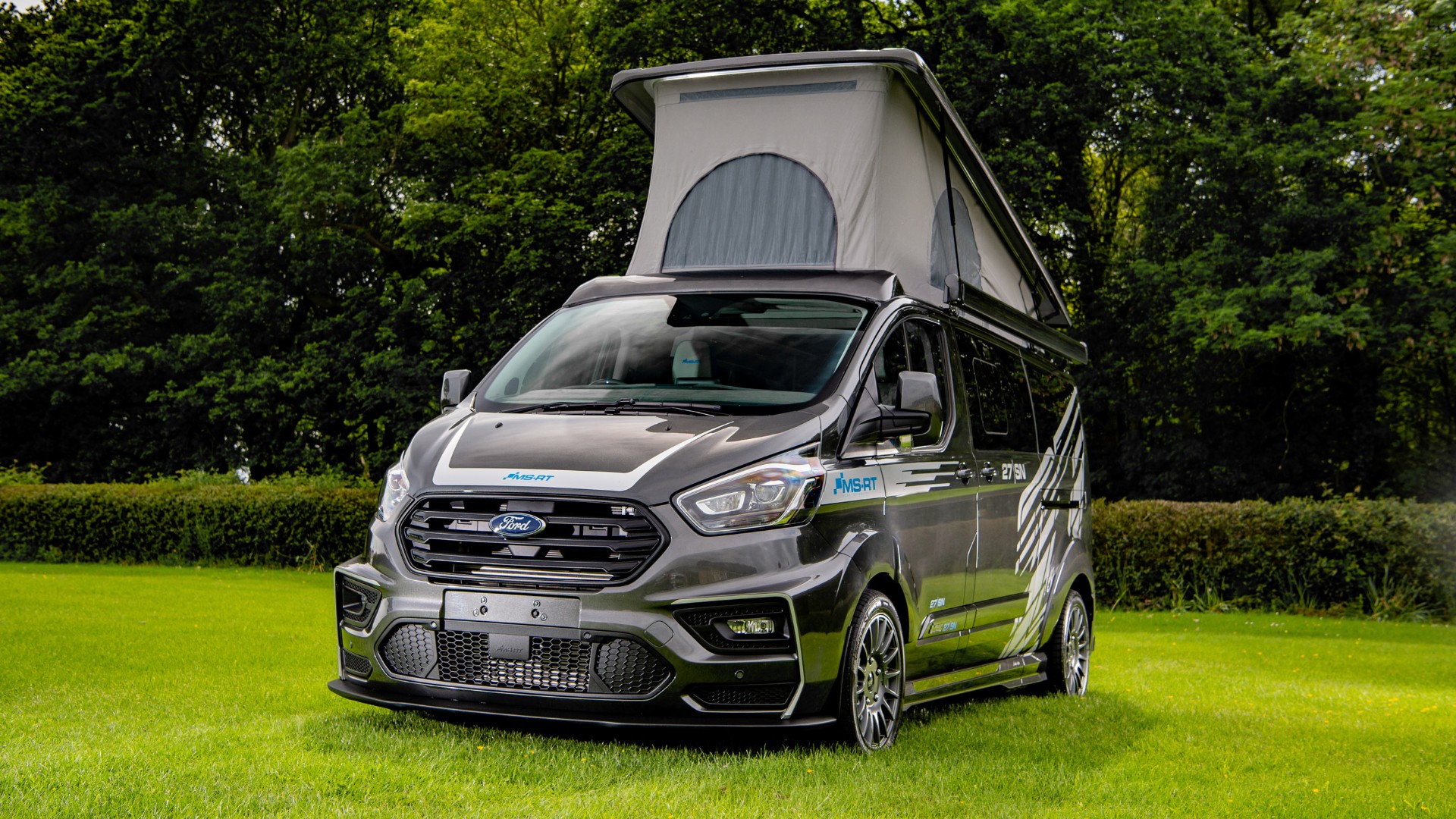
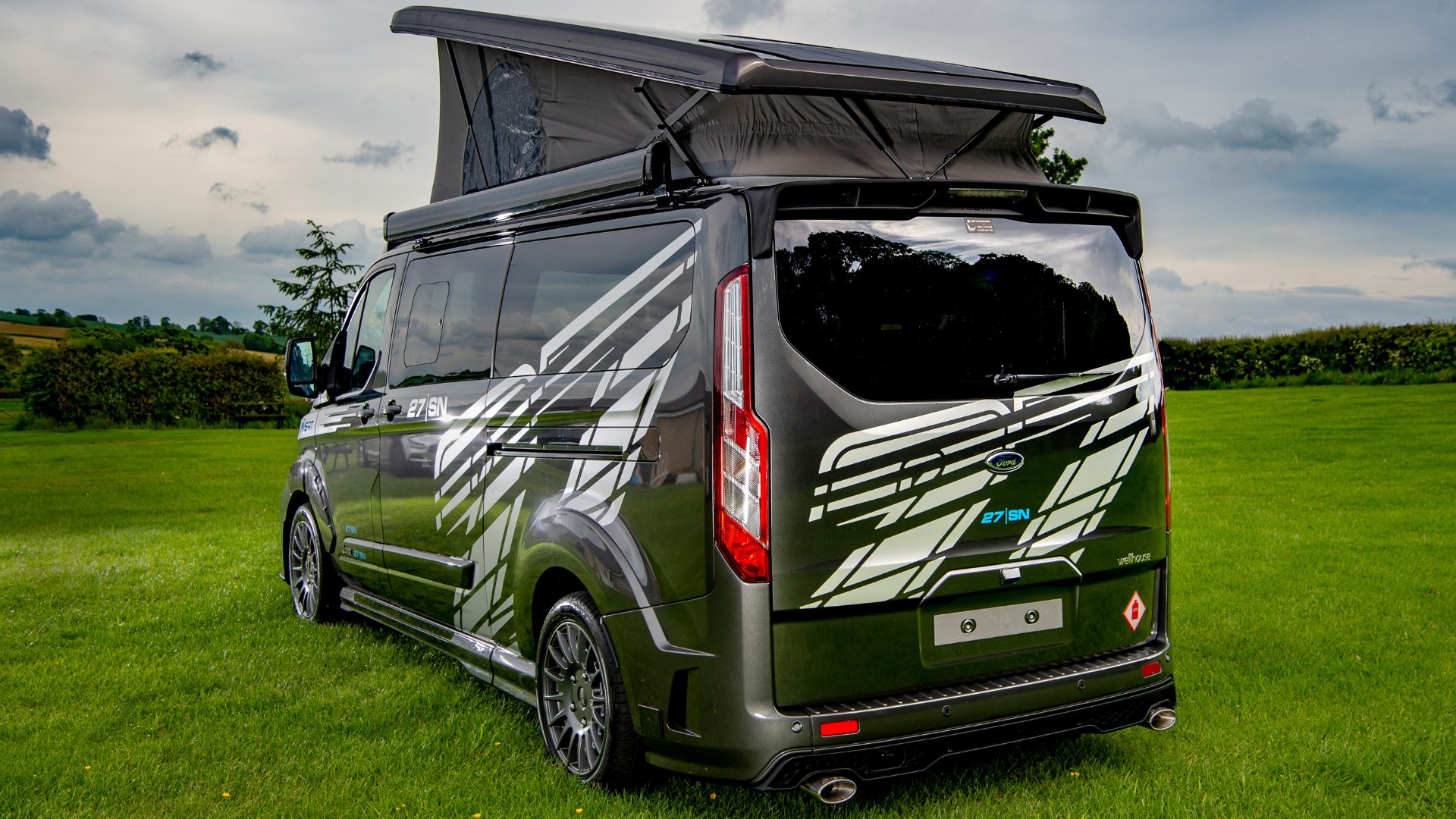
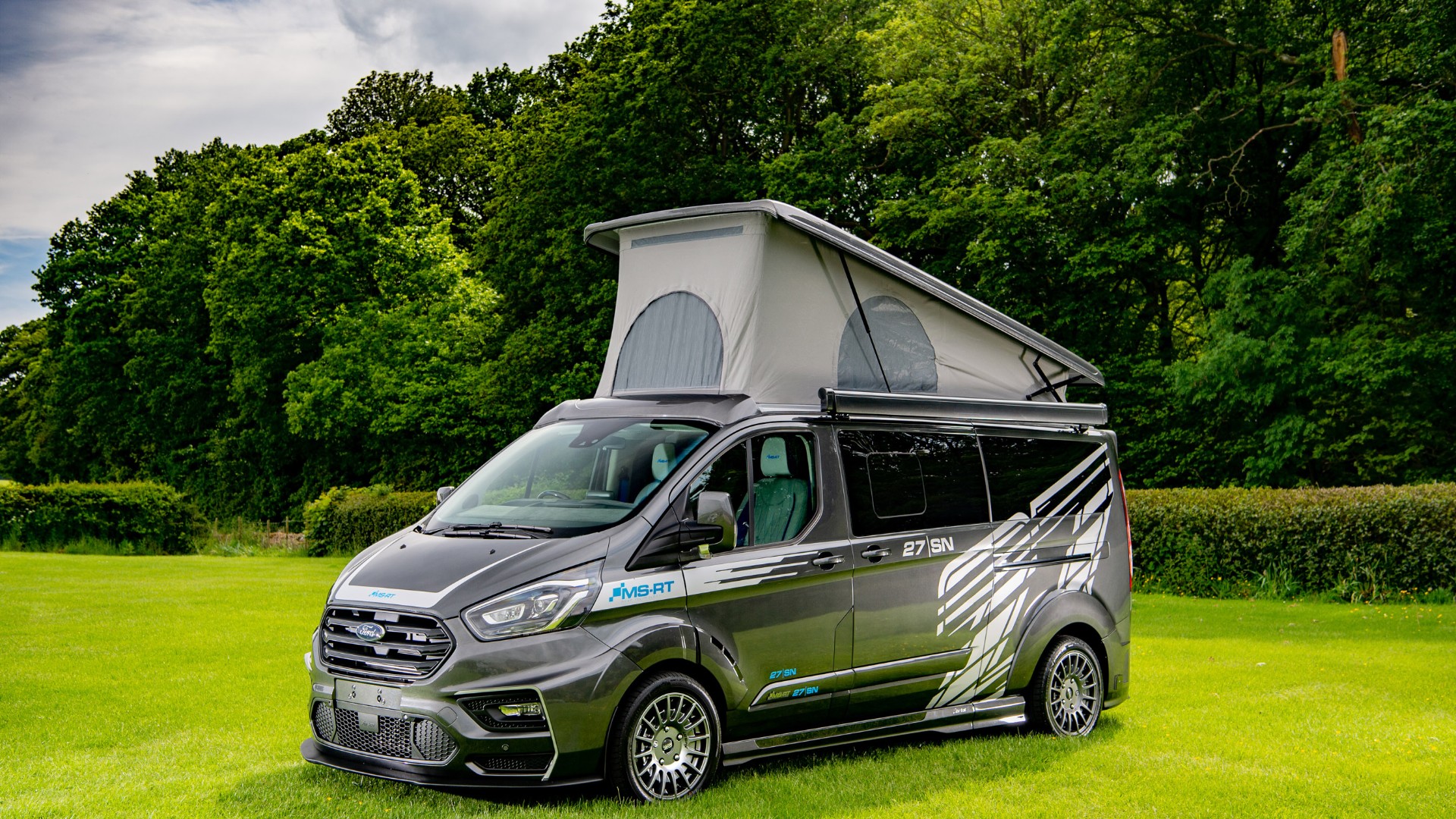
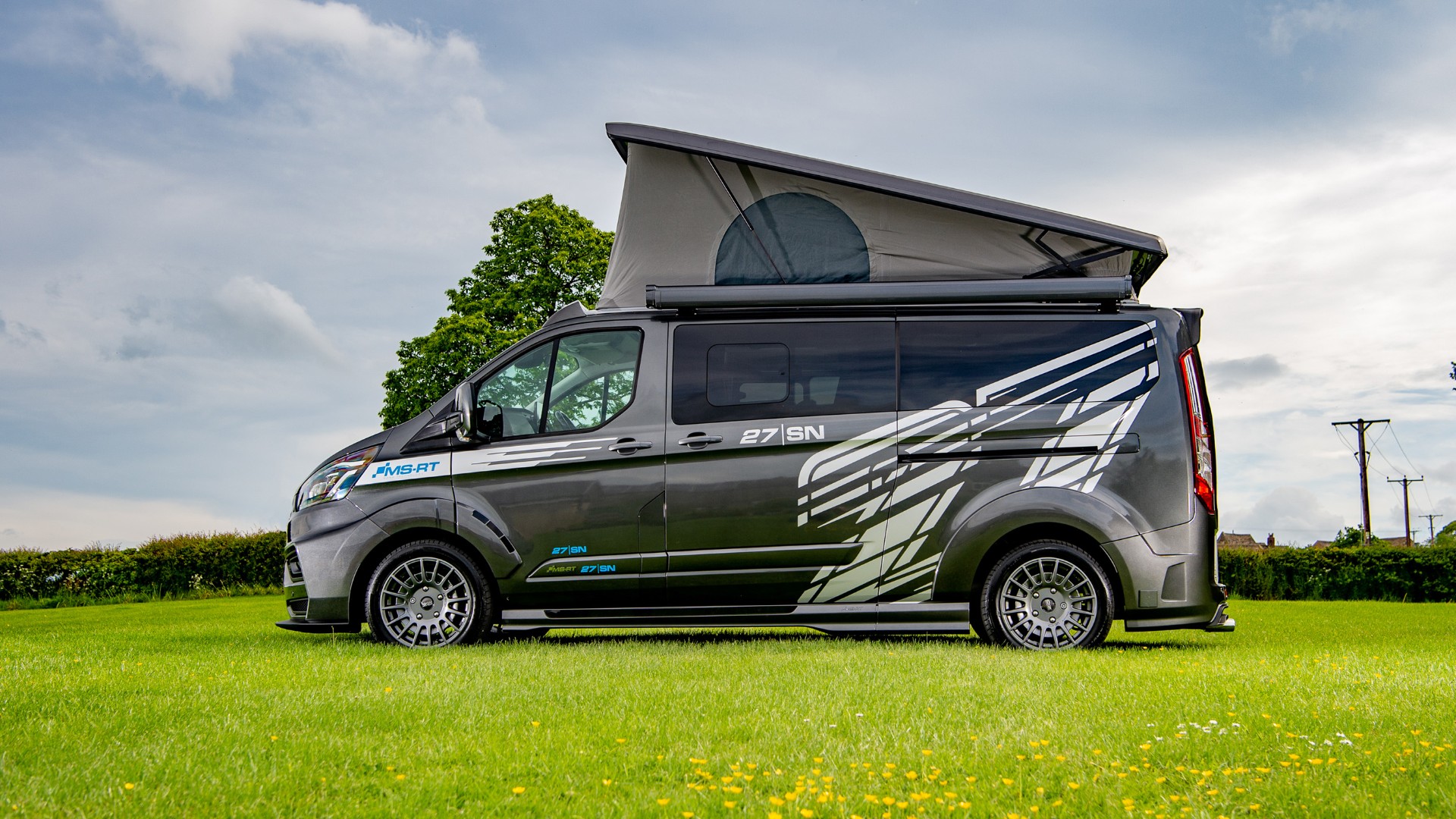
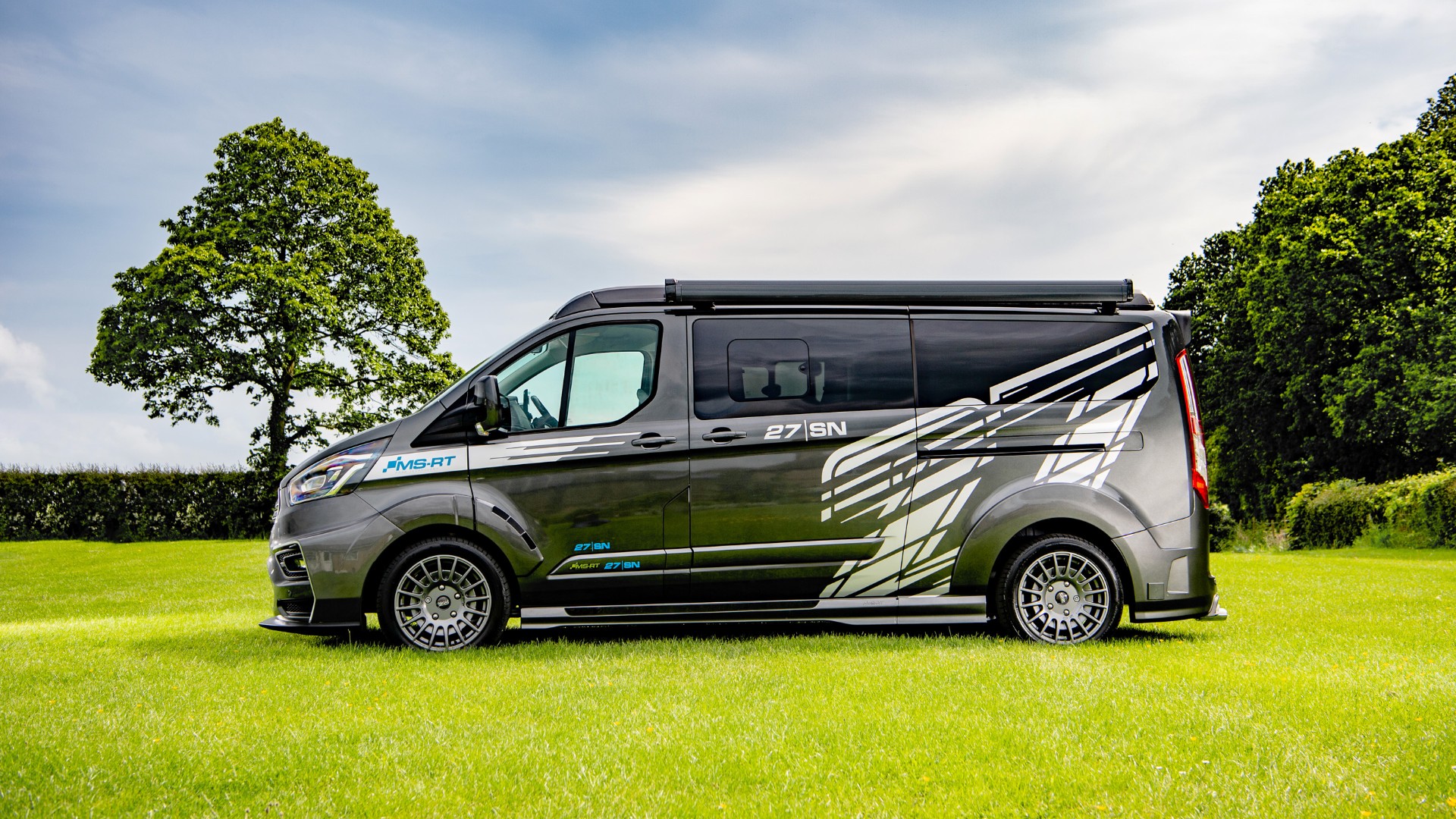
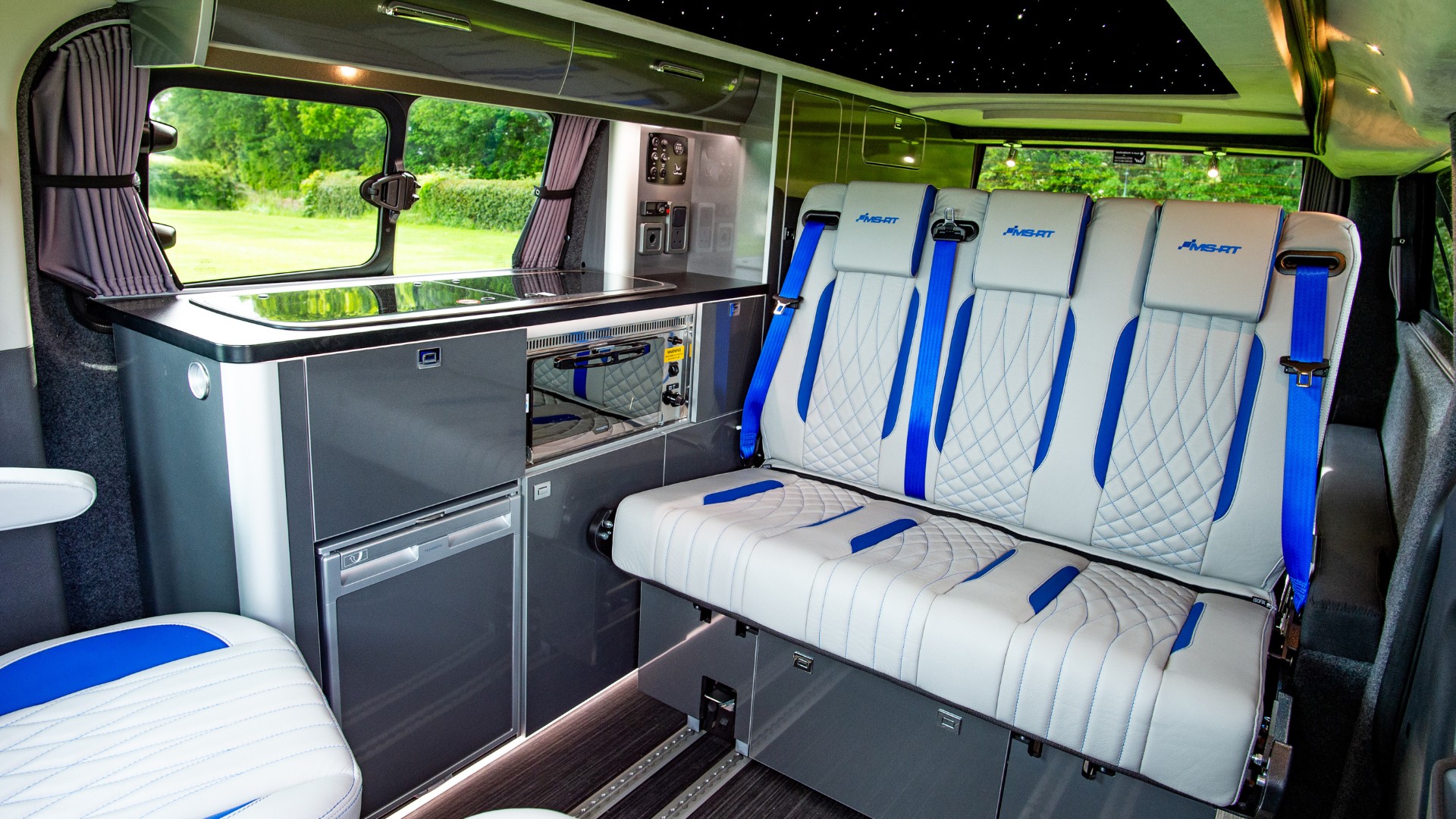
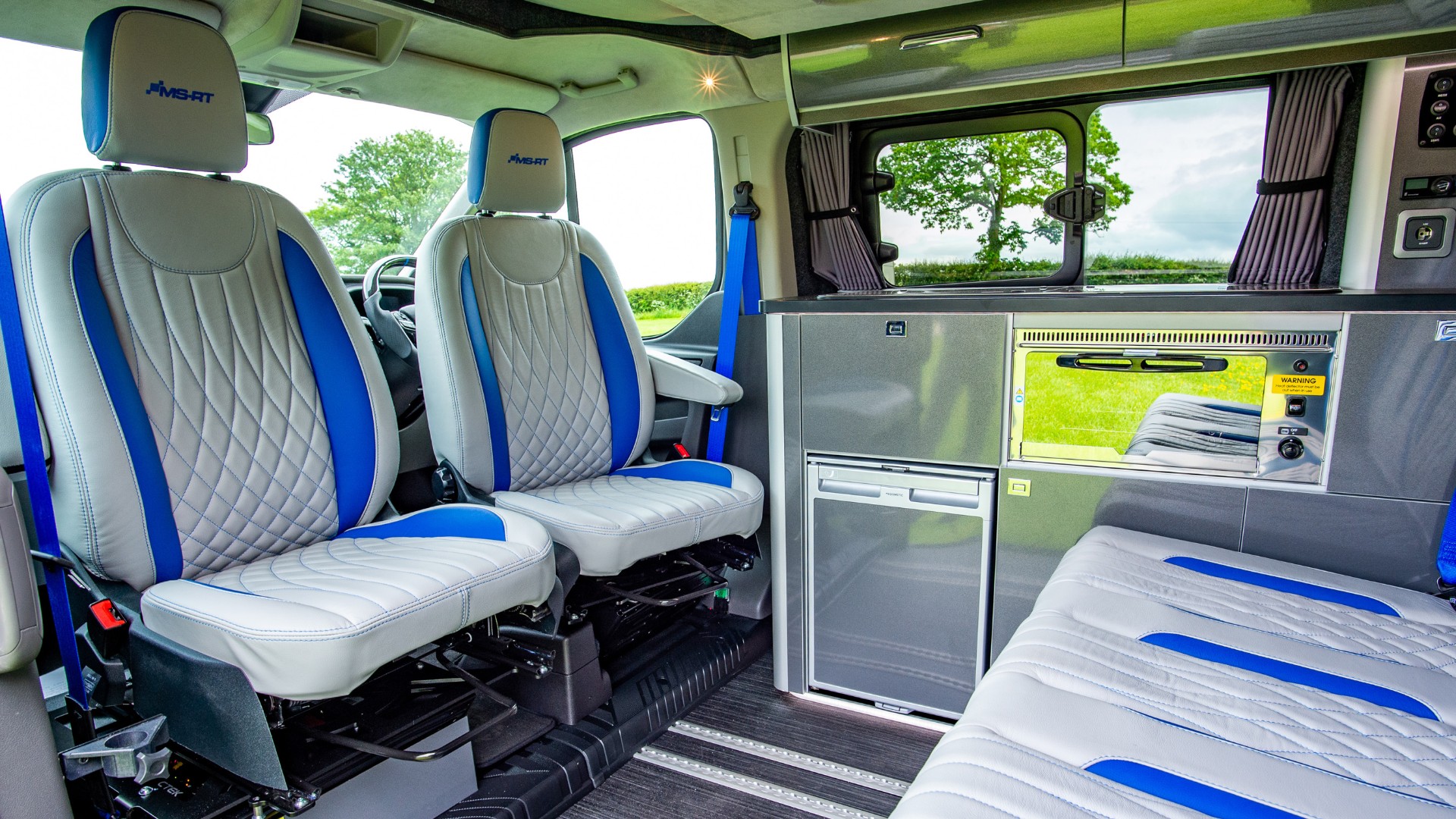
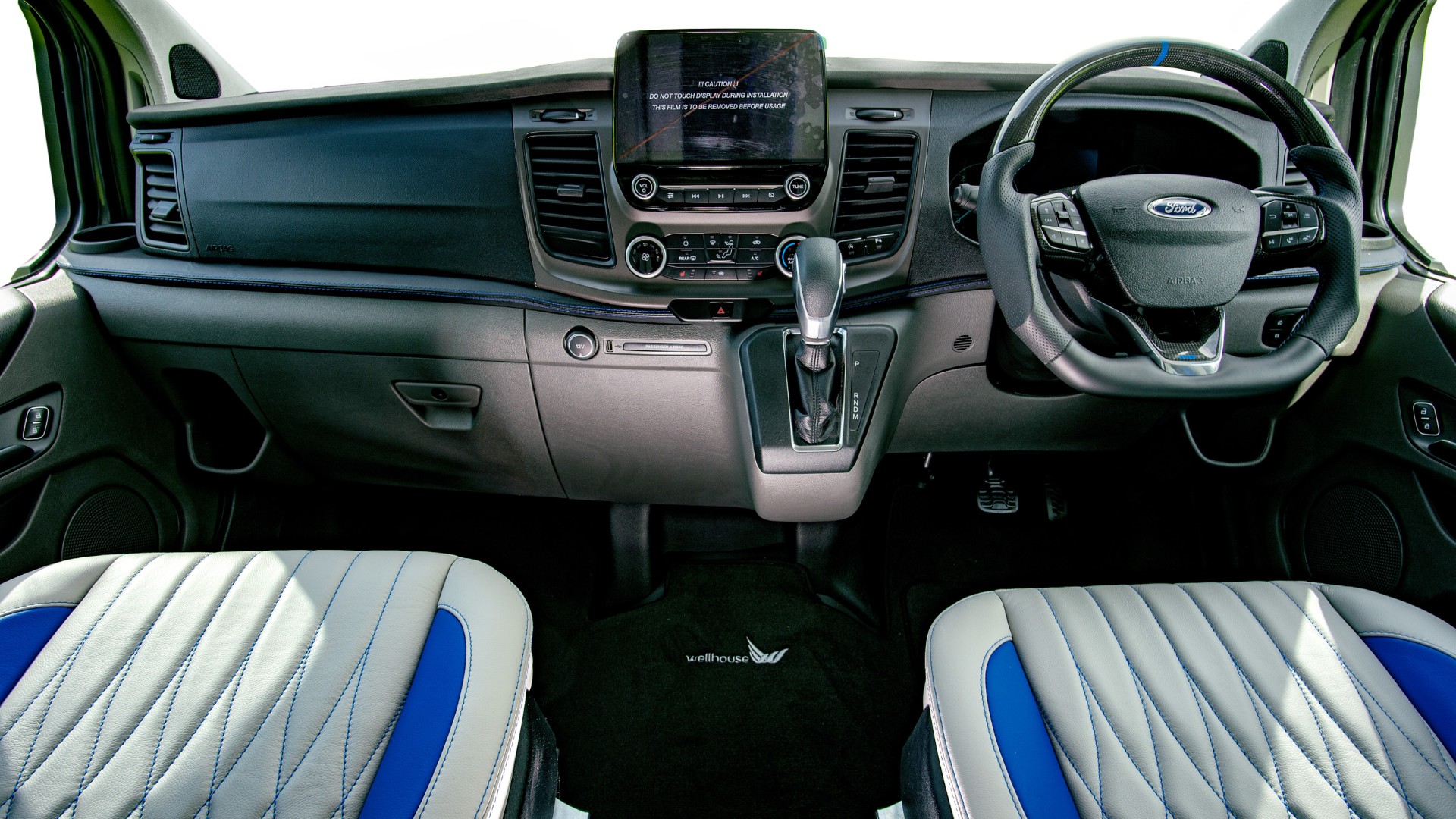
Ford fanatic Steve North is now the lucky owner of this very special Transit Custom.
The supervan super fan has taken the Custom part of the Transit’s name to a whole new level. His one-off creation reportedly cost in the region of £77,000 (almost $95,000) to build.
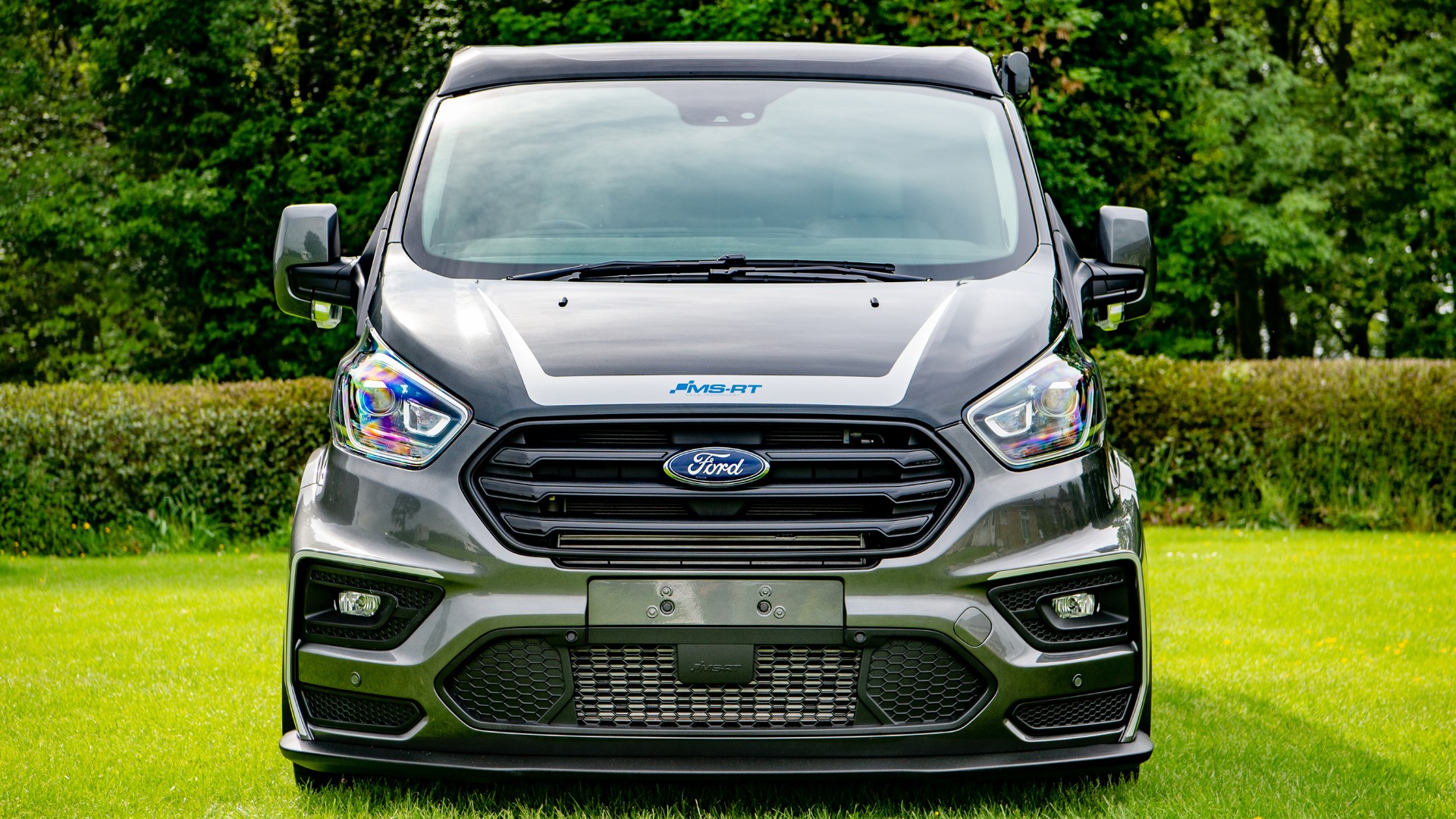
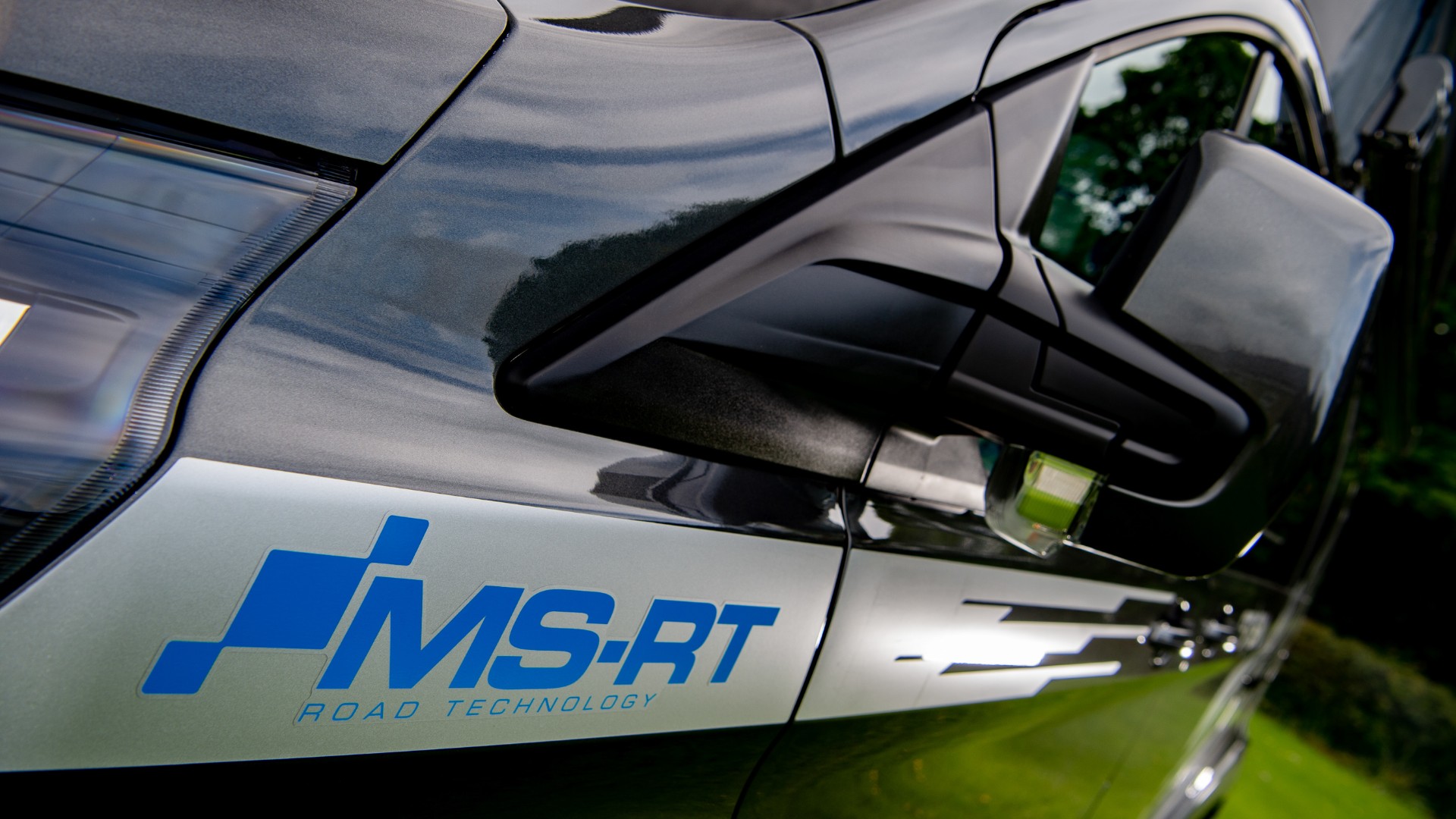
Looking as sporty as it does, you might be surprised to learn that nothing here invalidates the Ford warranty. That’s because the aesthetic mods were carried out by one of Ford of Britain’s ‘Qualified Vehicle Modifiers’ or QVMs.
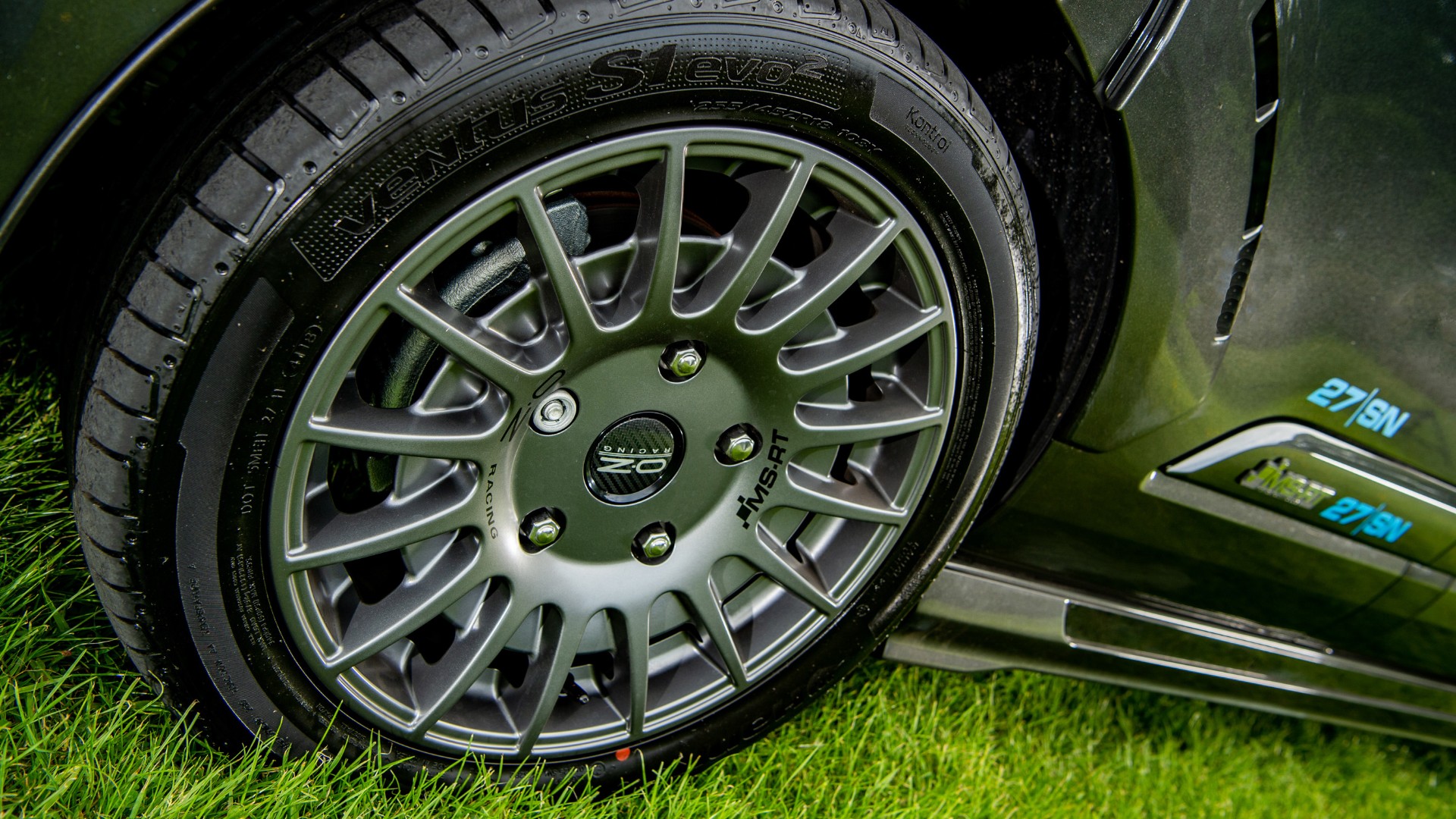
MS-RT, a company started by one of the team behind M-Sport racing, gave this Transit the RS look. It wears 18-inch wheels, twin-exit exhausts and an aggressive livery.
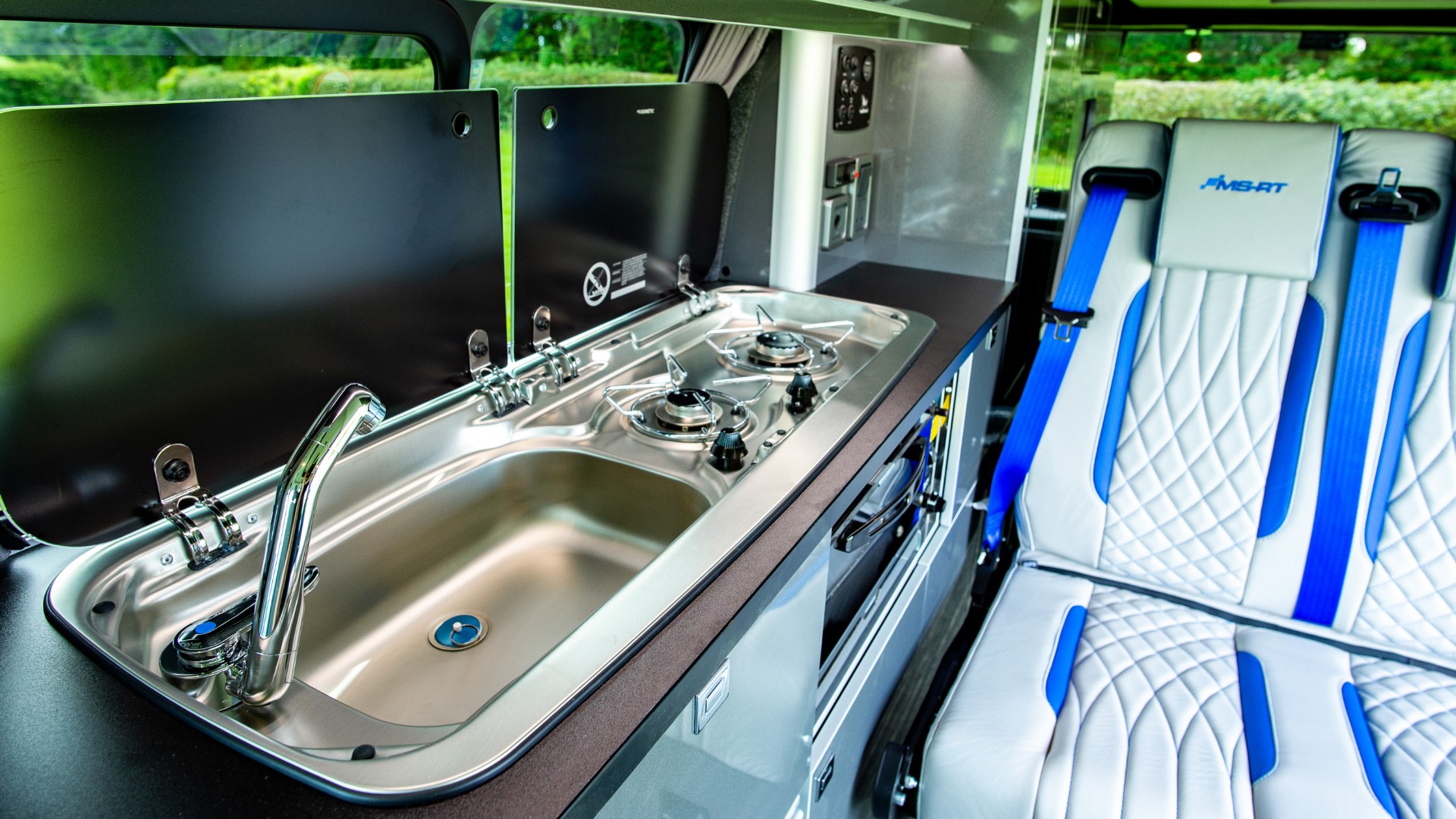
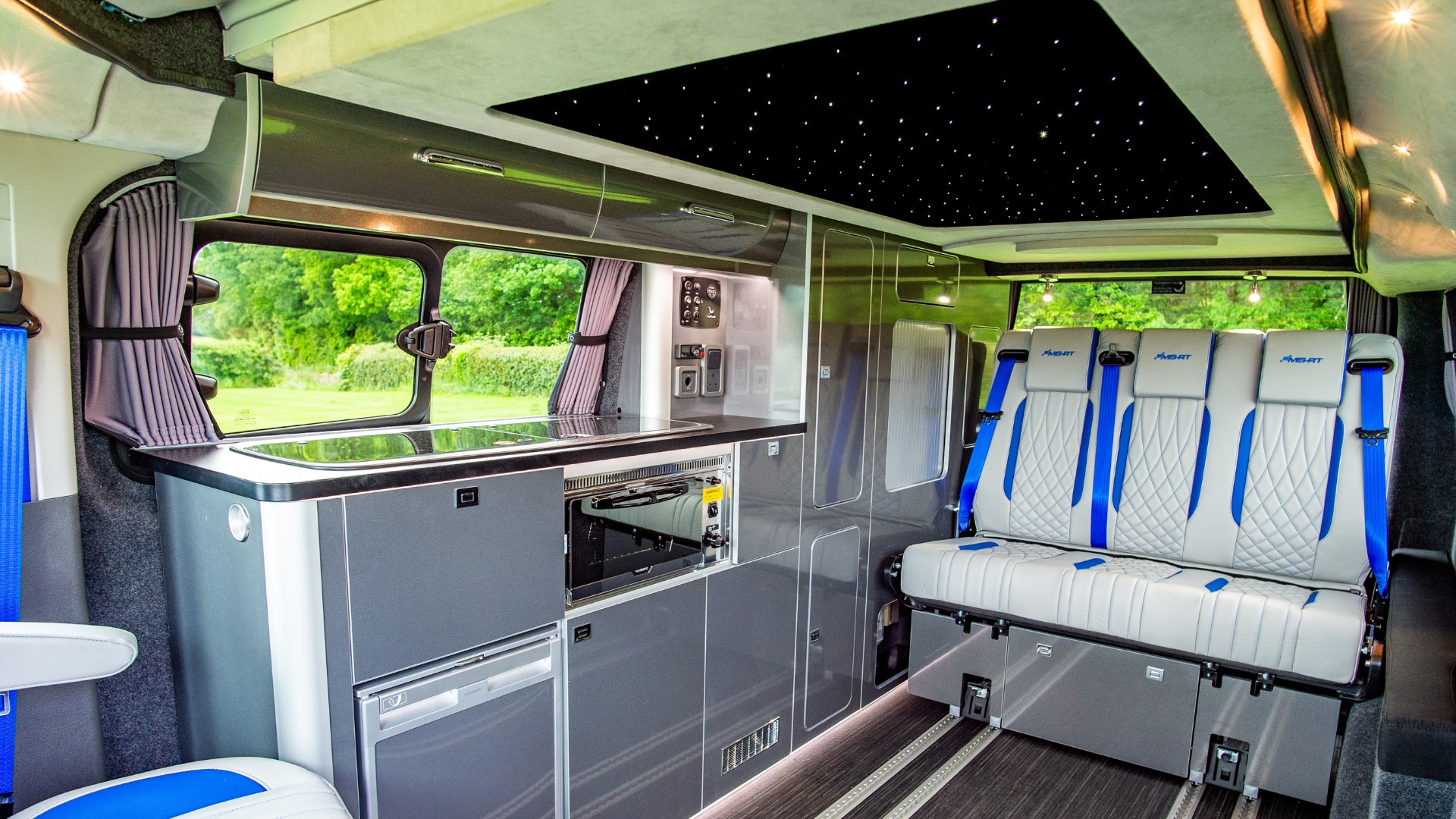
The interior is modified by a company called Wellhouse, which has added a level of luxury comparable with a limousine.
The Transit is kitted out with a full kitchen, plush seating and an extendable roof. Added luxuries include xenon headlights, sat-nav, adaptive cruise control, a star-lit Alcantara roof and an Alcantara-trimmed dashboard. All this van is missing is a flying lady mascot and a V12 under the bonnet.
Speaking of under the bonnet, that’s not so extreme. The Transit has a 170 horsepower 2.0 Ecoblue diesel engine, putting power to ground via a six-speed automatic gearbox.
The man behind the van
Owner Steve really is a devout Ford fan, too. He began helping to tune them around the age of 11.
Steve has owned all sorts of Fords, including Escorts of all ages, a Cortina and a Sierra. He even prepared a Mk2 Escort rally car.
Now, he’s sold up in search of the quiet life, albeit in this jazzed-up Transit. Power to him, we say.
New figures from JATO Dynamics suggest a surprising trend. After years of rapid growth, demand for SUVs is slowing down.
SUV sales grew by 0.7 percent in June, with 556,400 shifted in Europe. While that’s still an increase – and indeed the third-highest month ever in terms of units sold – the rate of growth for the segment has slowed.
The bulk of the slowdown can be attributed to a five percent drop in the popularity of large premium SUVs. Mercedes-Benz, Volvo and Land Rover saw double-digit drops in popularity of premium SUV models.
Perhaps more curious is the drop in popularity of crossover SUVs such as the Nissan Qashqai, Volkswagen Tiguan and Peugeot 3008. Sales of the Nissan were down 15 percent, while the Volkswagen and Peugeot dropped 18 percent.
Slowdown catching up with SUVs
Felipe Munoz, JATO’s global analyst, believes there are a couple of reasons for the slowdown of SUVs.
“Although it was still the third-highest month ever for sales in the segment (behind March 2018 and March 2019), there are two factors that explain the limited growth,” says Munoz.
“The first is that the poor conditions of the wider market are finally impacting SUVs, which are usually more expensive than regular car types. The second, which is more concerning, is that SUV demand may be peaking after many years of growth.”
Logically speaking, what climbs must eventually plateau. Demand increase cannot be exponential. With the contraction of the market as a whole, it’s only logical to expect that even the strongest performers will eventually feel the burn.
As for the rest of the car market? It’s business as usual. Diesel takes a tumble yet again, with a 21 percent drop in registrations in June for a 31 percent market share. Electric car popularity is growing, with a 20 percent increase in demand.
EVs remain a minority, however, making up just 7.5 percent of all cars sold.
 British Gas owner Centrica is to provide home chargers and electrified vehicle tariffs to Ford electric vehicle owners in a new partnership.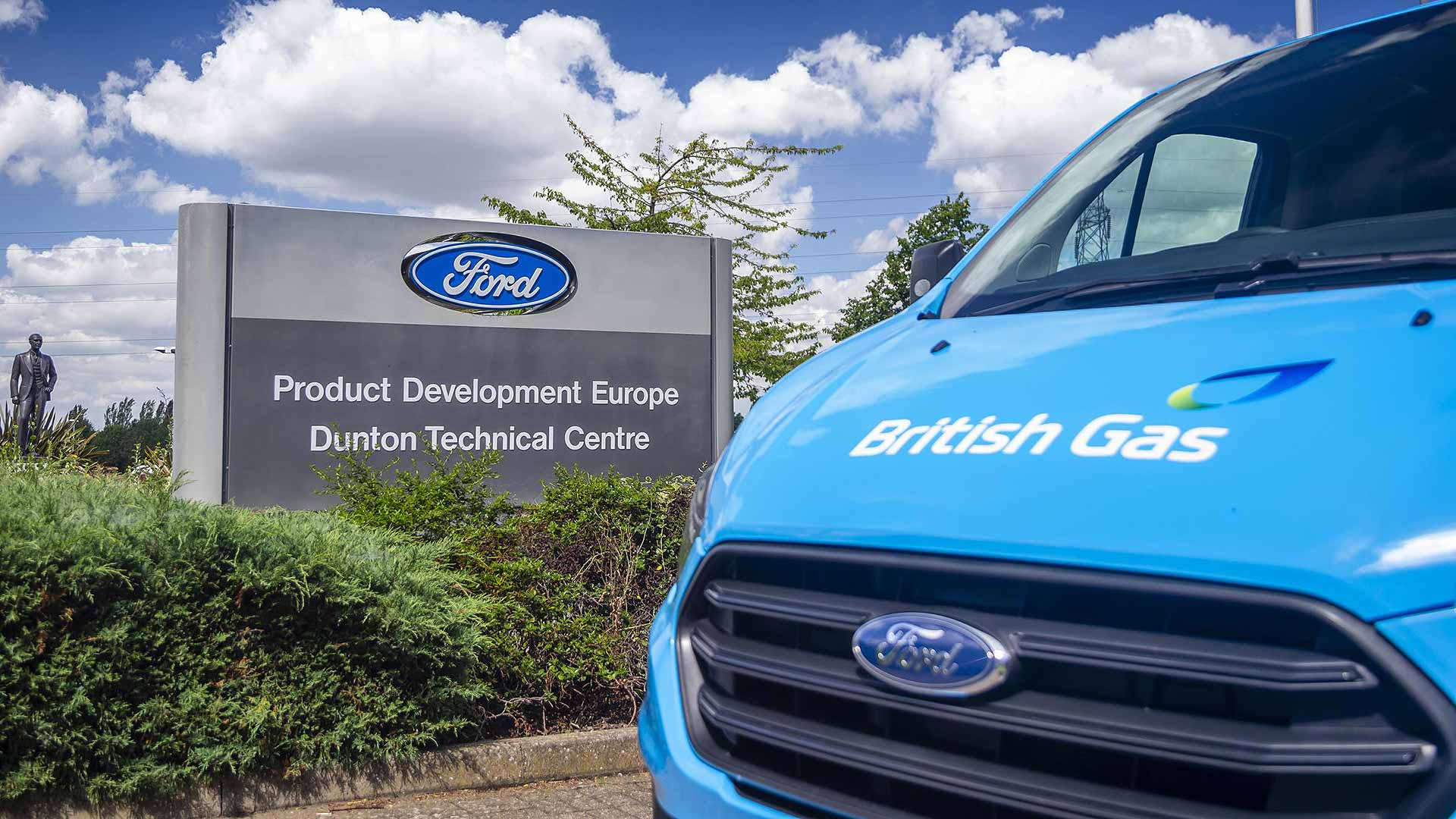

 Following the introduction of the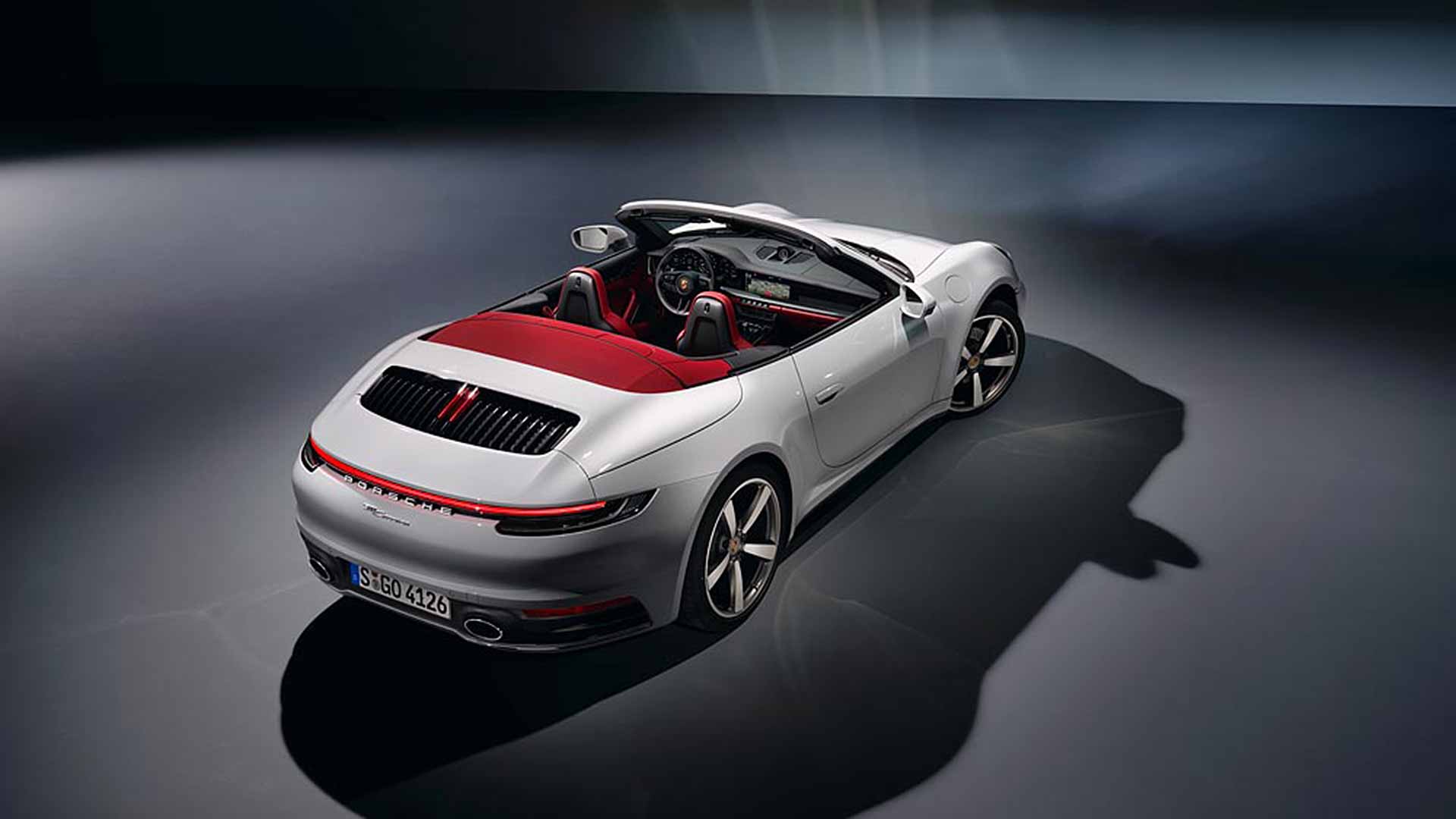
 It might be the first year for the Ford Performance Mustang in the Virgin Australia Supercars Championship, but the Blue Oval is already a
  Helping Ford is that the Manufacturers’ Championship is awarded on outright race victories, not on points scored. Given the level of dominance seen by the Mustang, collecting this trophy was only a matter of time.
  Even ahead of the weekend’s races in Ipswich, Queensland, the technical department of the Australian Supercars Championship was demanding Ford teams to make more changes to the Mustang.
 Initially derided for the ungainly proportions made from stretching a
  The long-running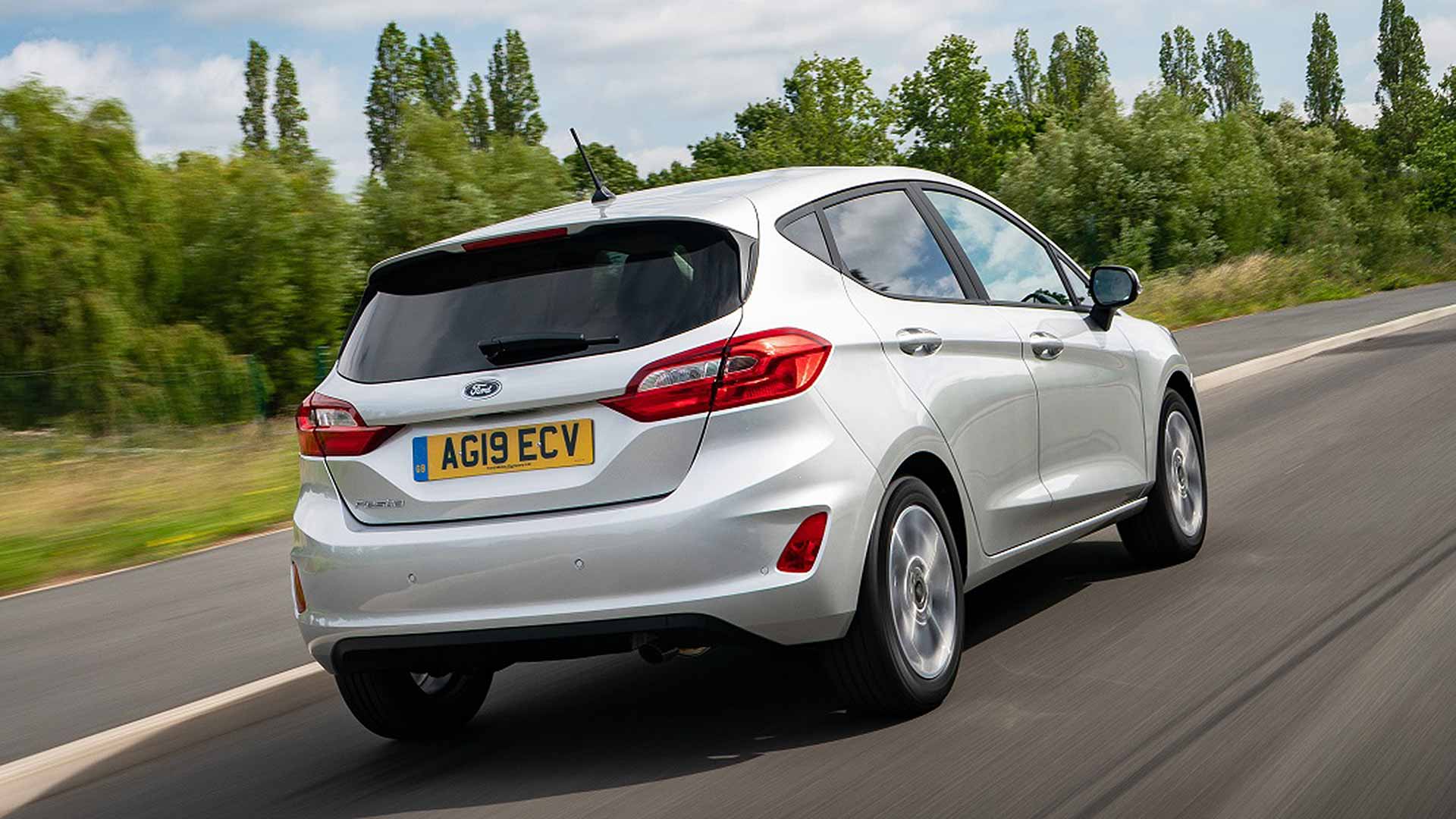

 The Society of Motor Manufacturers (SMMT), the British automotive industry trade body, has written to