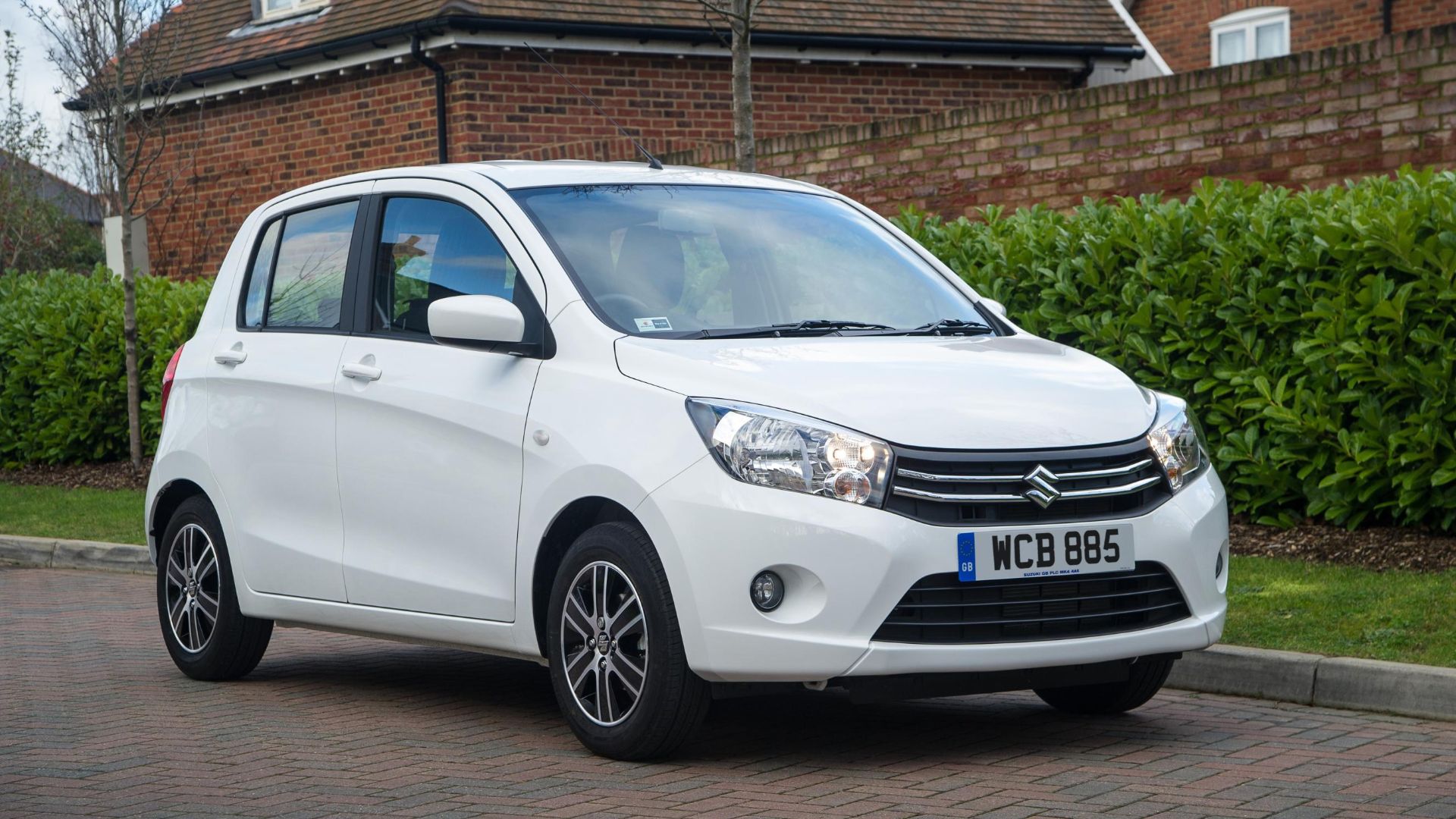
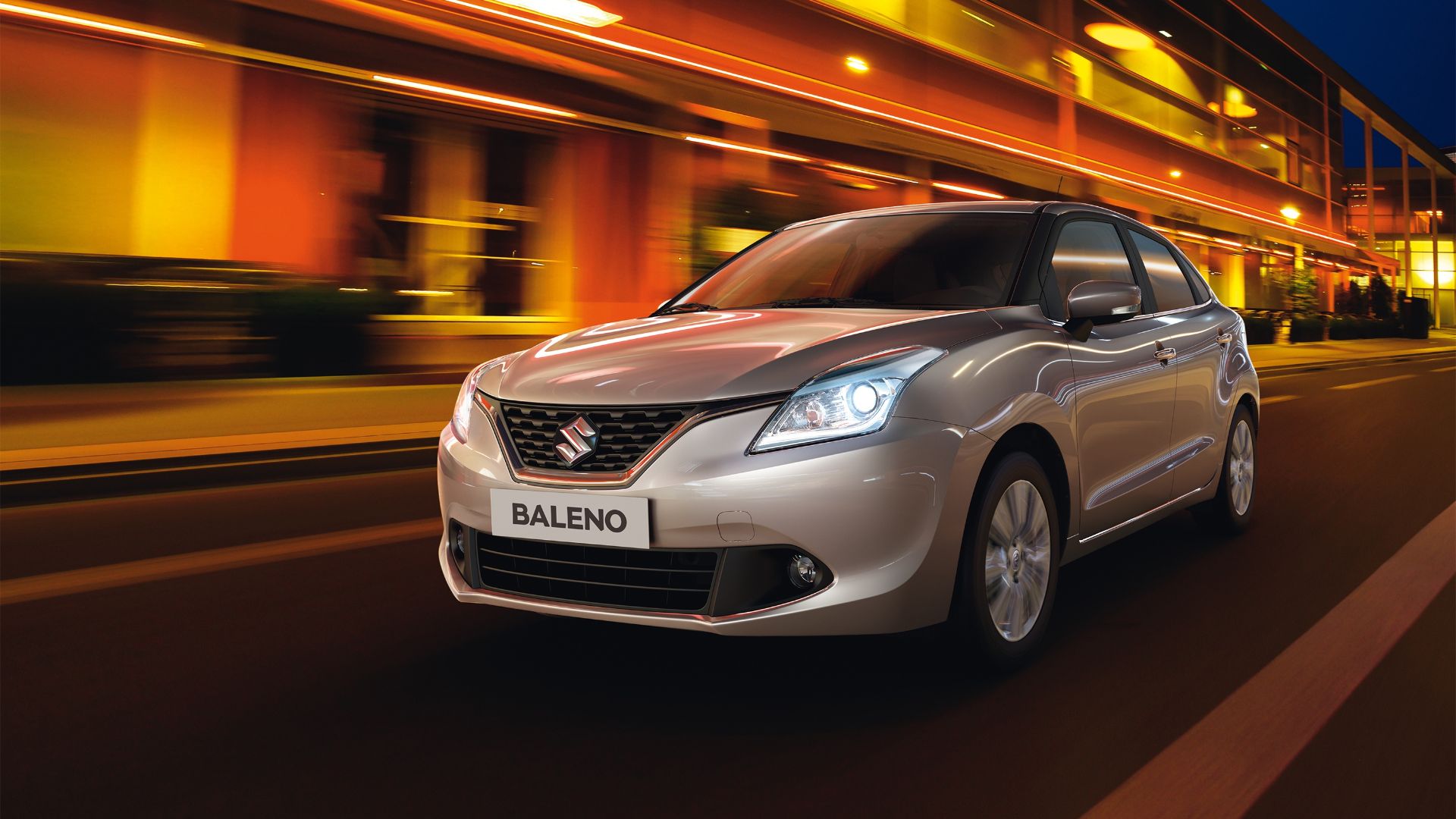
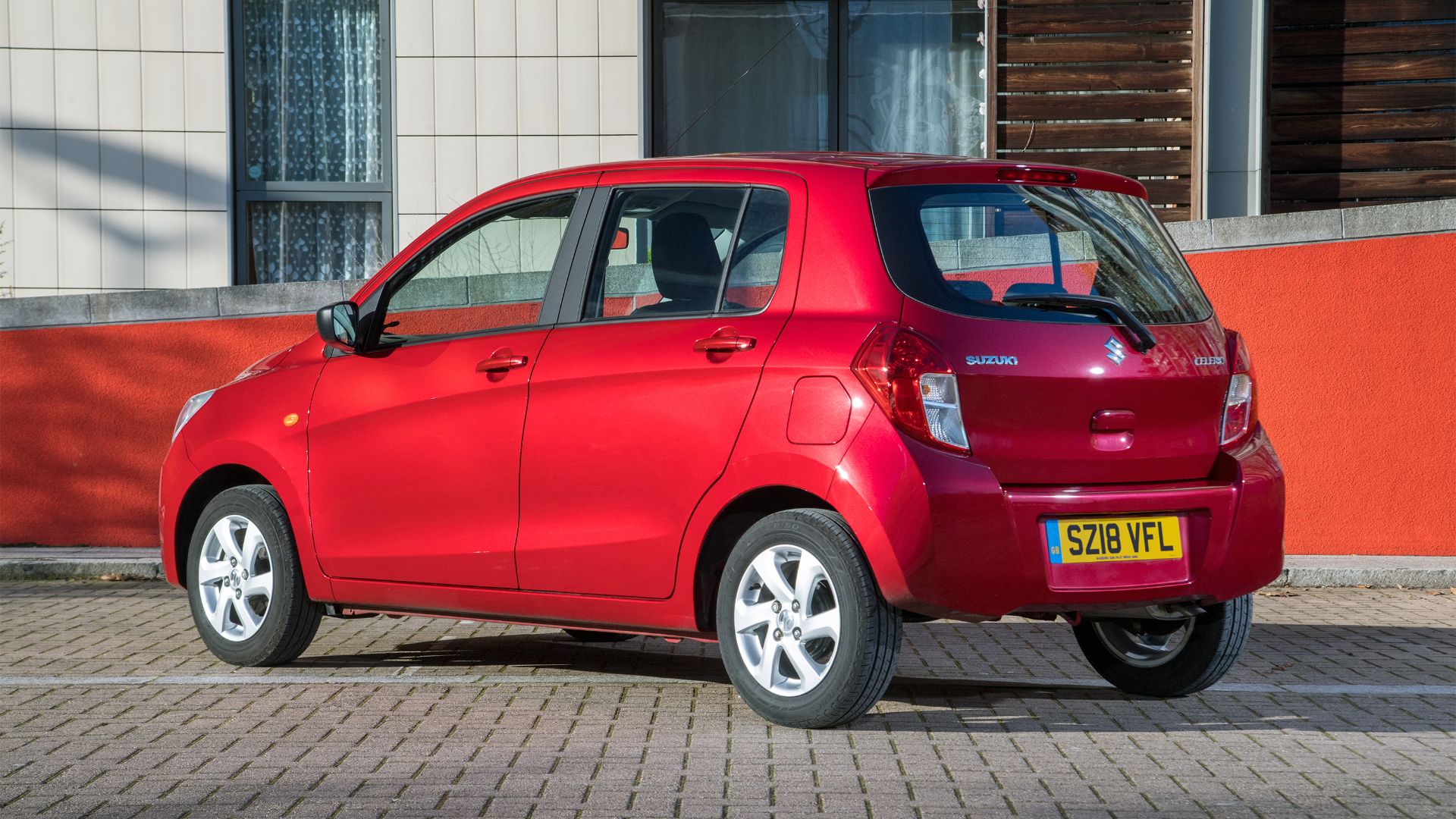
A moment’s silence, please: the Suzuki Celerio is being withdrawn from the UK market. New examples of the Celerio city car, along with the larger Suzuki Baleno hatchback, will no longer be supplied to Suzuki showrooms after August.
‘Suzuki GB PLC is refocusing its model range to cater for the high popularity of its best-selling UK models, which are Ignis, Swift, S-Cross and Vitara,’ said a statement.
‘This has resulted in sales of Celerio and Baleno being discontinued for the UK only.’
Sales of the Celerio and Baleno have been disappointing compared with other cars in the Suzuki range. In addition, the move also helps the company meet future emissions targets: ‘Suzuki is also preparing its range line-up for future emission regulations in 2020, of which details will be confirmed and announced in the future.’
If you simply must have a Celerio or Baleno, dealers should have pre-registered and nearly-new stock into September 2019.
The Celerio had a difficult life from day one. Vegetable-related jokes about its name aside, there was a well-known brake failure issue soon after its launch.
Suzuki acted swiftly to fix this, but the car’s reputation never fully recovered.
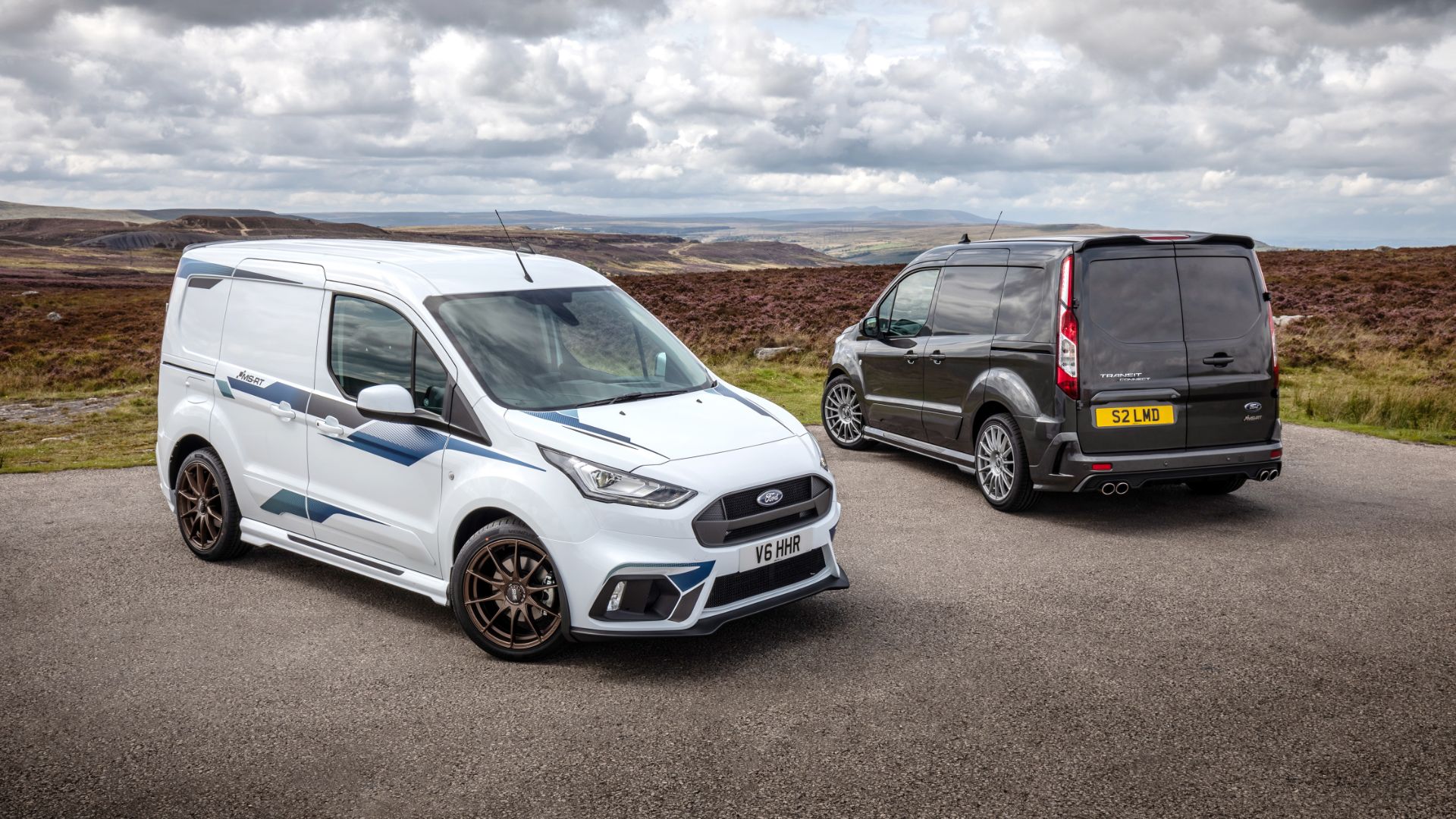
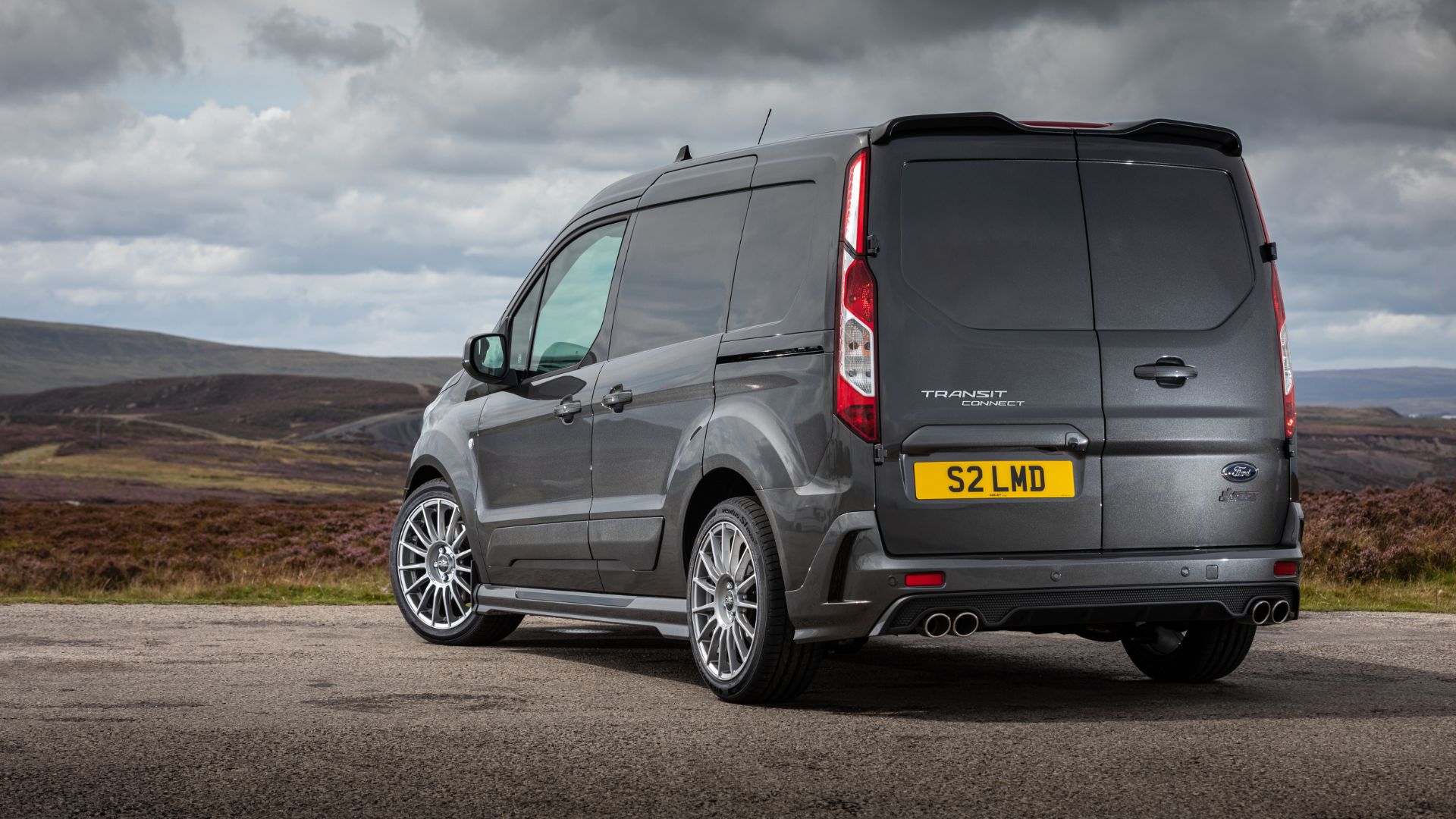
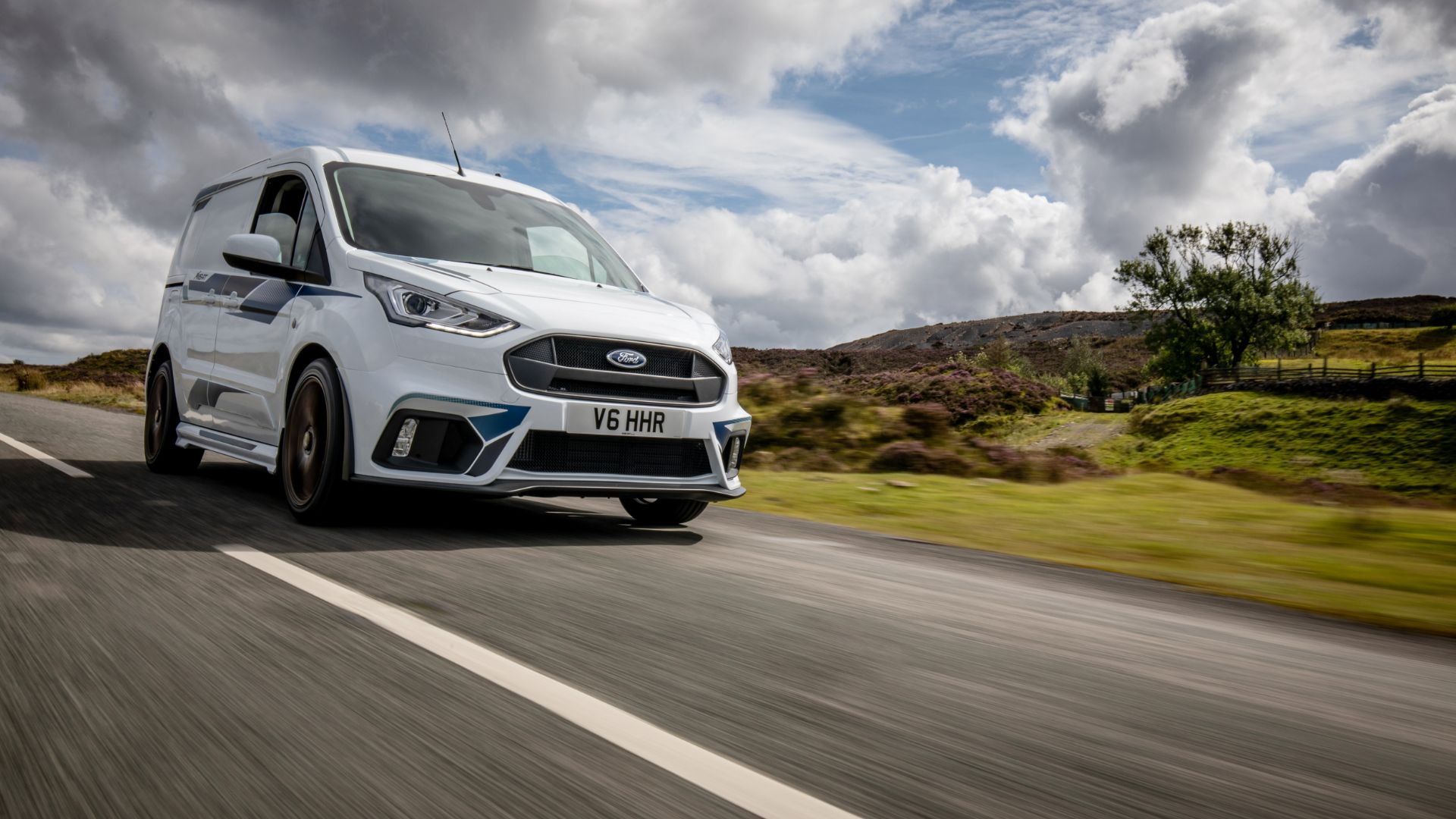
Tuning company MS-RT has revealed its sporty take on the Ford Transit Connect.
Like the larger Transit Custom that MS-RT revealed in 2018, the Connect features an aggressive styling kit to help it stand out.
A jutting front splitter and bumper with large intake grilles redefine the van’s front end. You’ll also spot side skirts and a new rear bumper, diffuser and roof spoiler.
Van drivers are paying £600k a year in loading bay fines
The kit is manufactured on-site at MS-RT’s Pontypool facility in South Wales. Complementing the new bodywork is a set of 18-inch OZ Racing alloys, which you can order in silver or bronze.
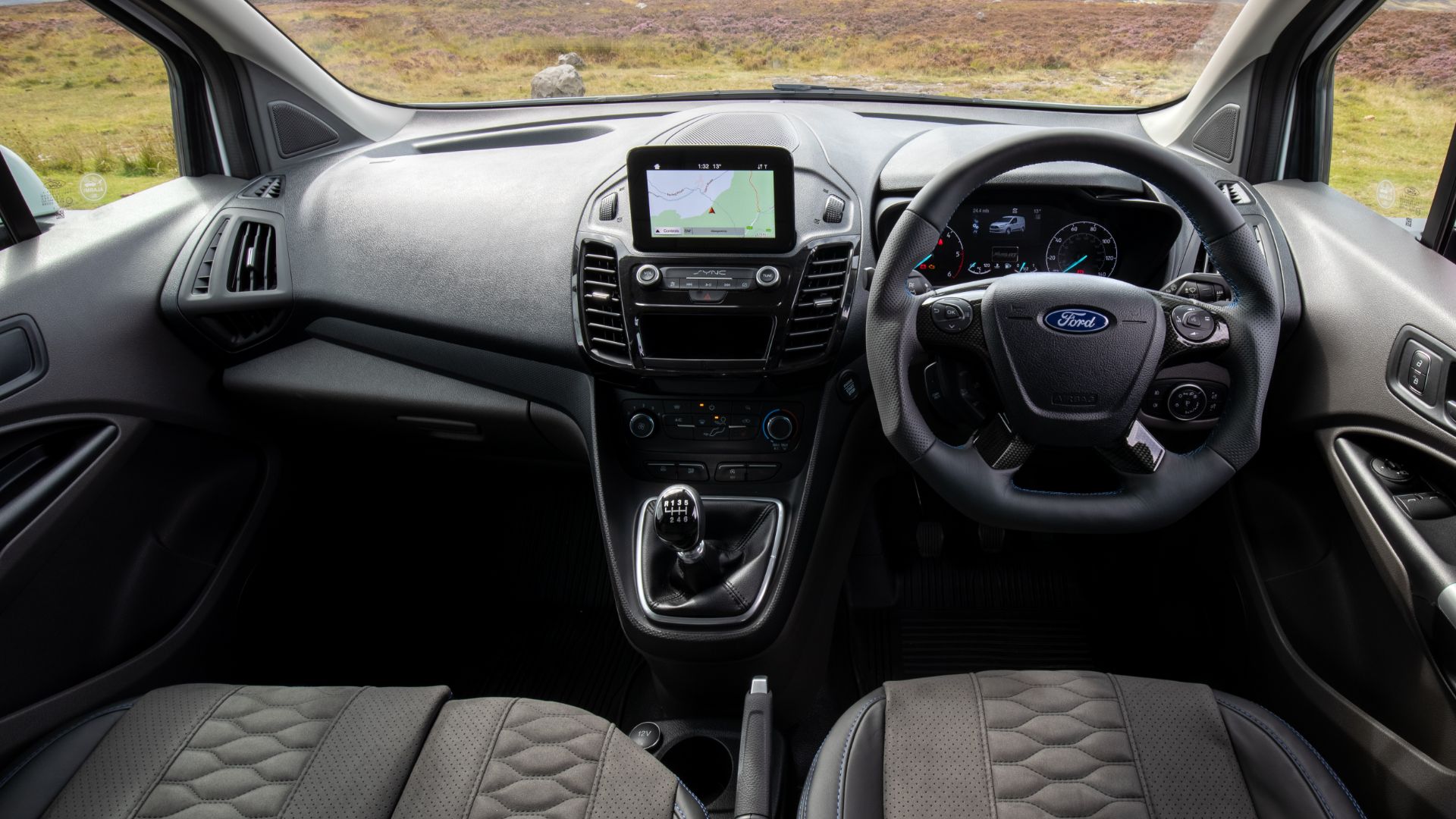
Giving the Transit Connect a bit more vocal range is a new stainless steel sports exhaust. Its cabin is spruced up with leather and suede trim, plus a carbon-embellished steering wheel.
As MS-RT works with Ford’s rally division, there is a nod of approval from the Blue Oval. All MS-RT Transit Connects will be warrantied to three years or 100,000 miles.
So what will this tastier Transit cost you? It starts from £23,995 with a manual gearbox, or £24,995 with an auto, although both those prices exclude VAT. Add the optional sticker pack, black exhaust tips and a full carbon wheel and that price swells further.
We’d consider paying extra for the bronze wheels and fruity app-controlled exhaust.
For sale: One Direction’s amazing customised tour van
Orders will start arriving in September, but if the Connect doesn’t quite meet your needs, double-cab and long-wheelbase versions will follow before long.
“We’ve enjoyed unprecedented success with the MS-RT Transit Custom, with the order books completely full since launch,” said MS-RT director, Edward Davies.
“Our customers absolutely love their vans and the uniqueness of them, so we expect that the Connect will develop a similar following among those who want a commercial vehicle with genuine motorsport heritage, fantastic sports styling and a full manufacturer-backed warranty. We can’t wait to deliver the first Launch Edition models later this year.”
With Matt Damon and Christian Bale due to star in the upcoming ‘Ford v Ferrari’ feature film, we take a look at the on-track history that led to this famous feud. This is the tale of when Detroit fought Maranello at Le Mans.
The start of the ordeal
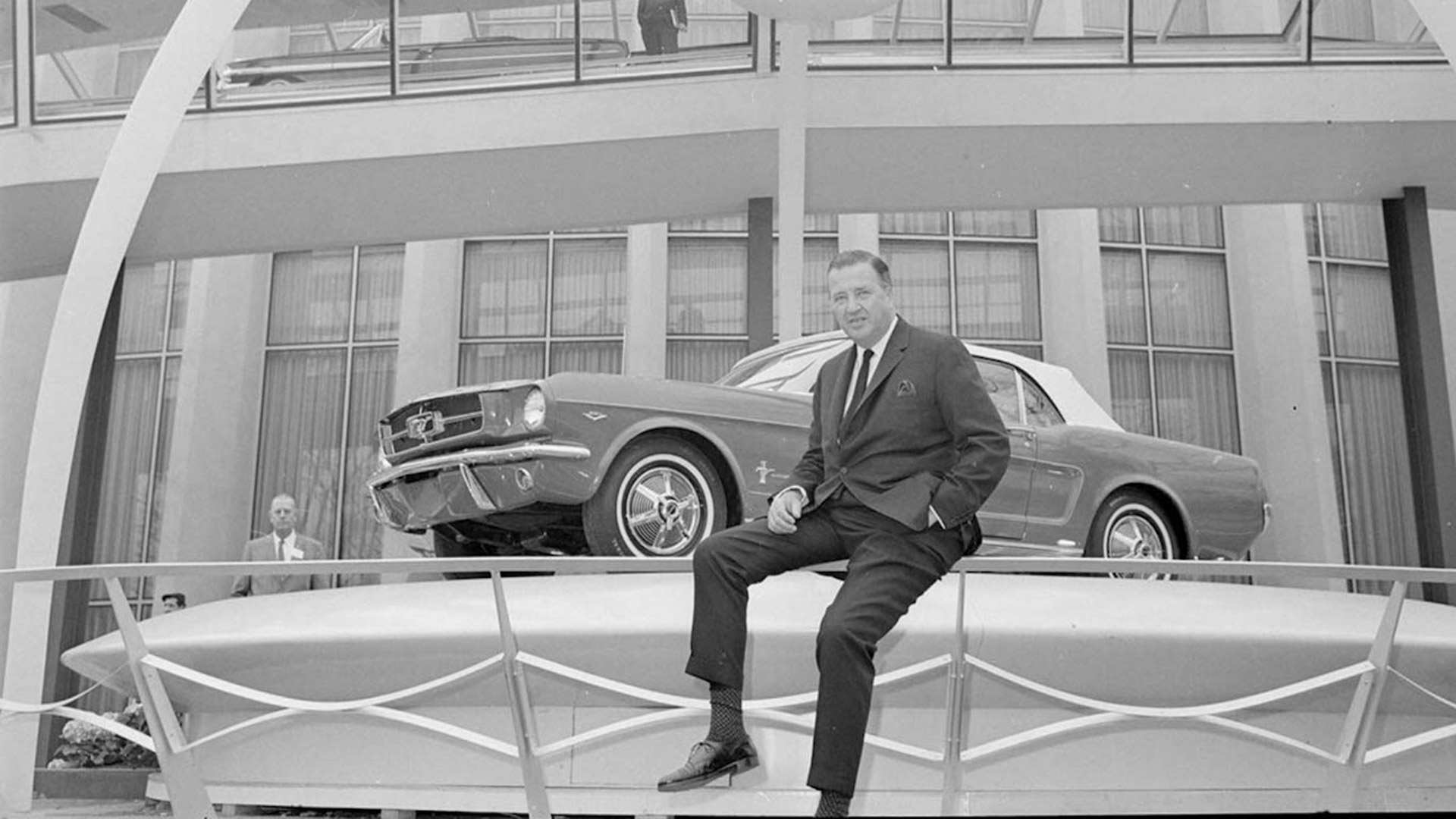
It counts as one of the most notorious stories in motorsport, and it all began due to a dispute between Henry Ford II and Enzo Ferrari.
Ford had looked to buy the Italian manufacturer during 1963, yet found Ferrari unwilling to step away from the Indianapolis 500. This would have placed the two brands in direct competition on track.
As a result, the deal failed. Henry Ford II then directed his company to enact revenge on Ferrari at Le Mans.
Ferrari was the class act to beat at Le Mans
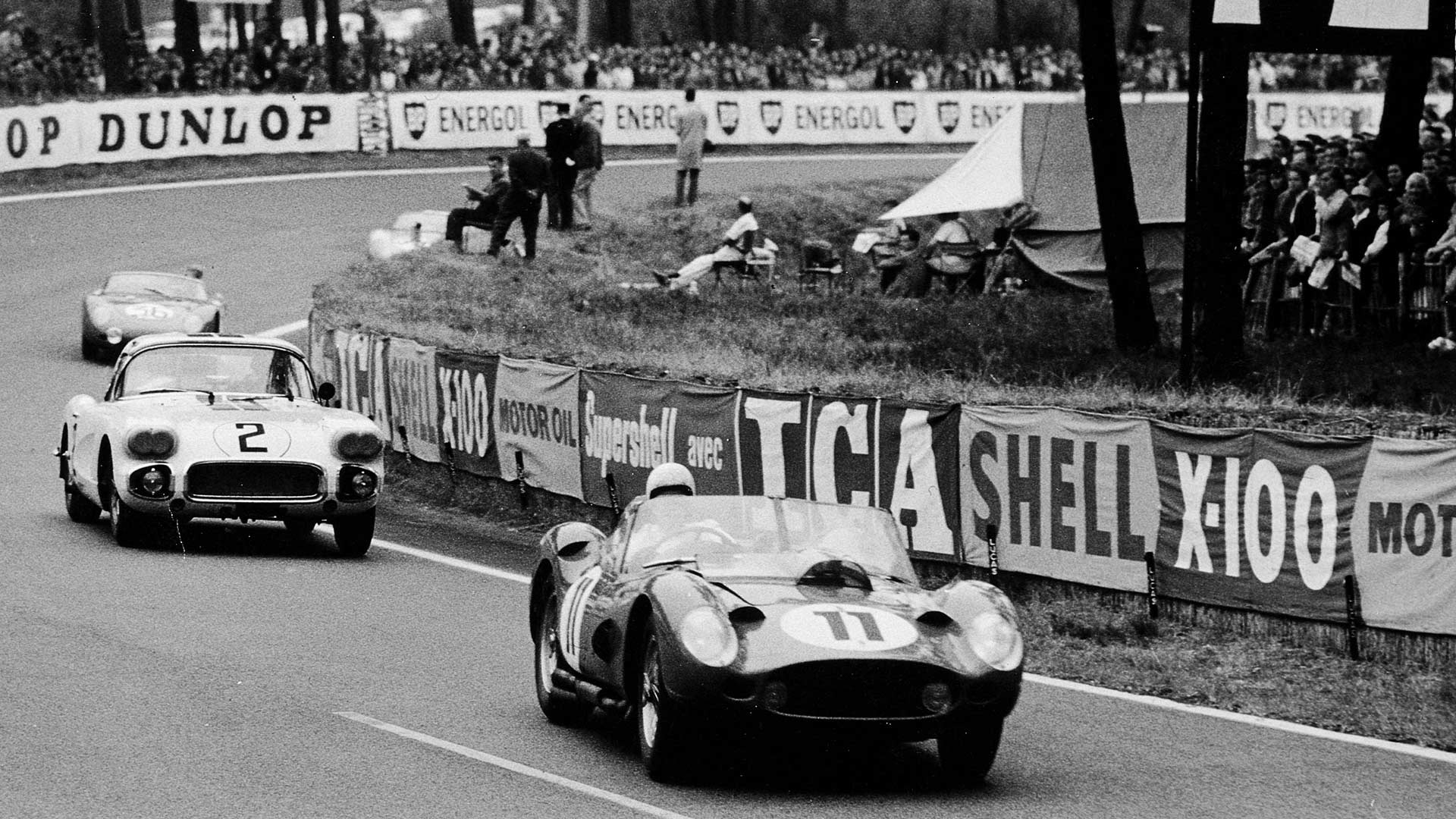
The Italian brand had established total dominance at Le Mans during the 1960s. Cars wearing the famous Prancing Horse badge had won every edition of the 24 hour race from 1960 onwards.
This included two victories taken by Belgian driver Oliver Gendebien, pictured here behind the wheel of a Ferrari 250 TR 59/60 on his way to glory in 1960. Beating the Scuderia was going to take serious commitment and engineering effort from Ford.
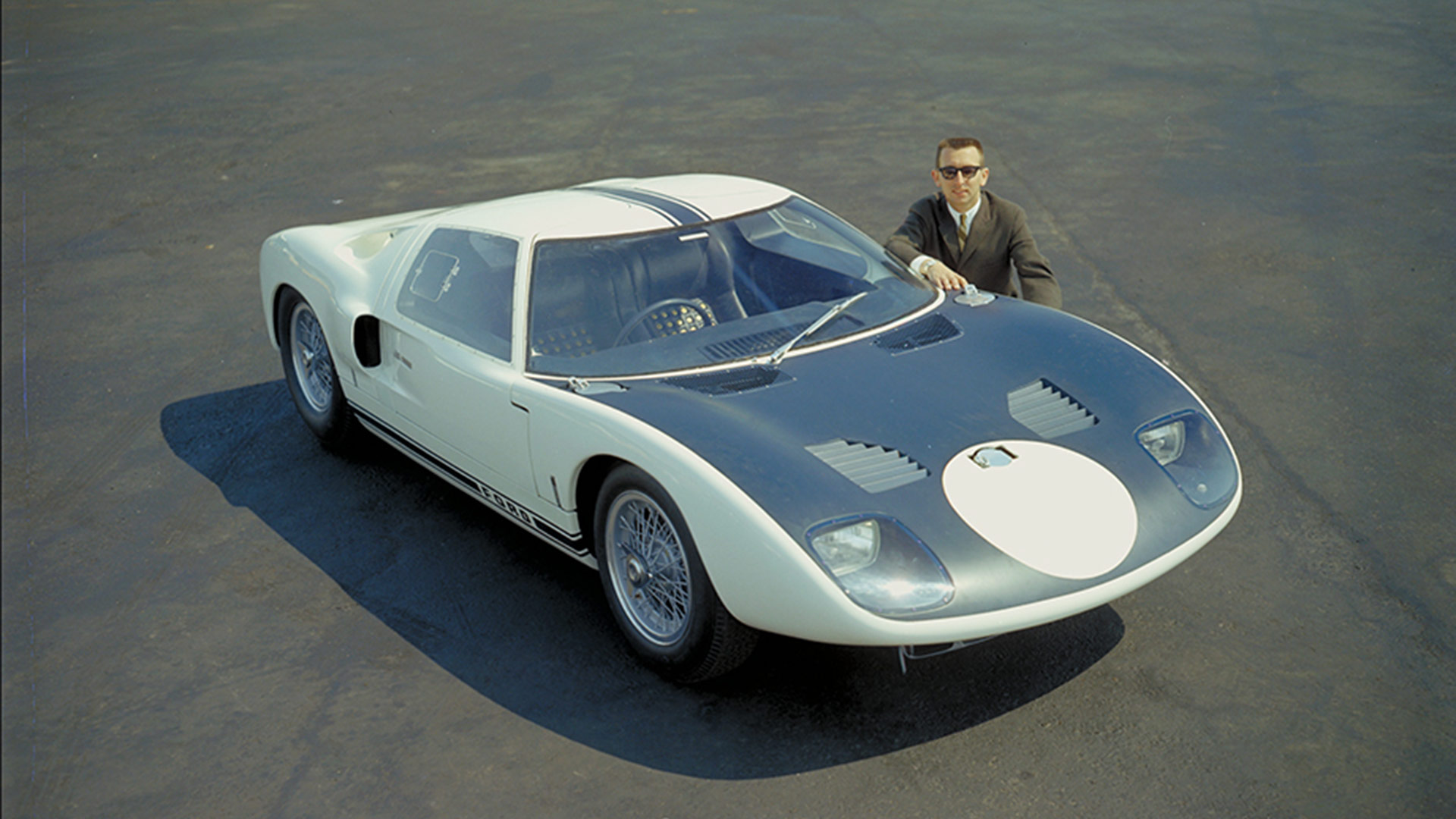
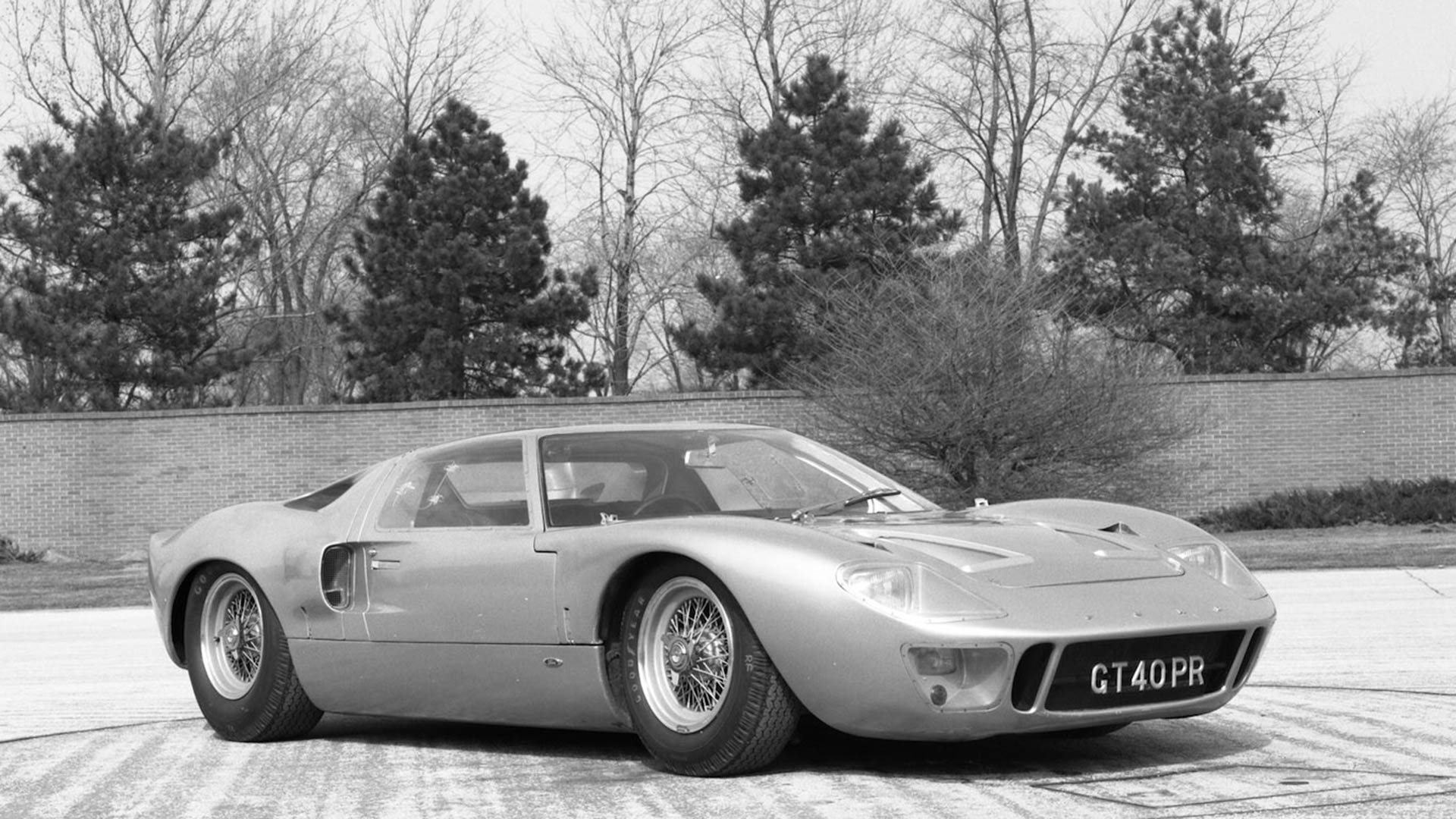
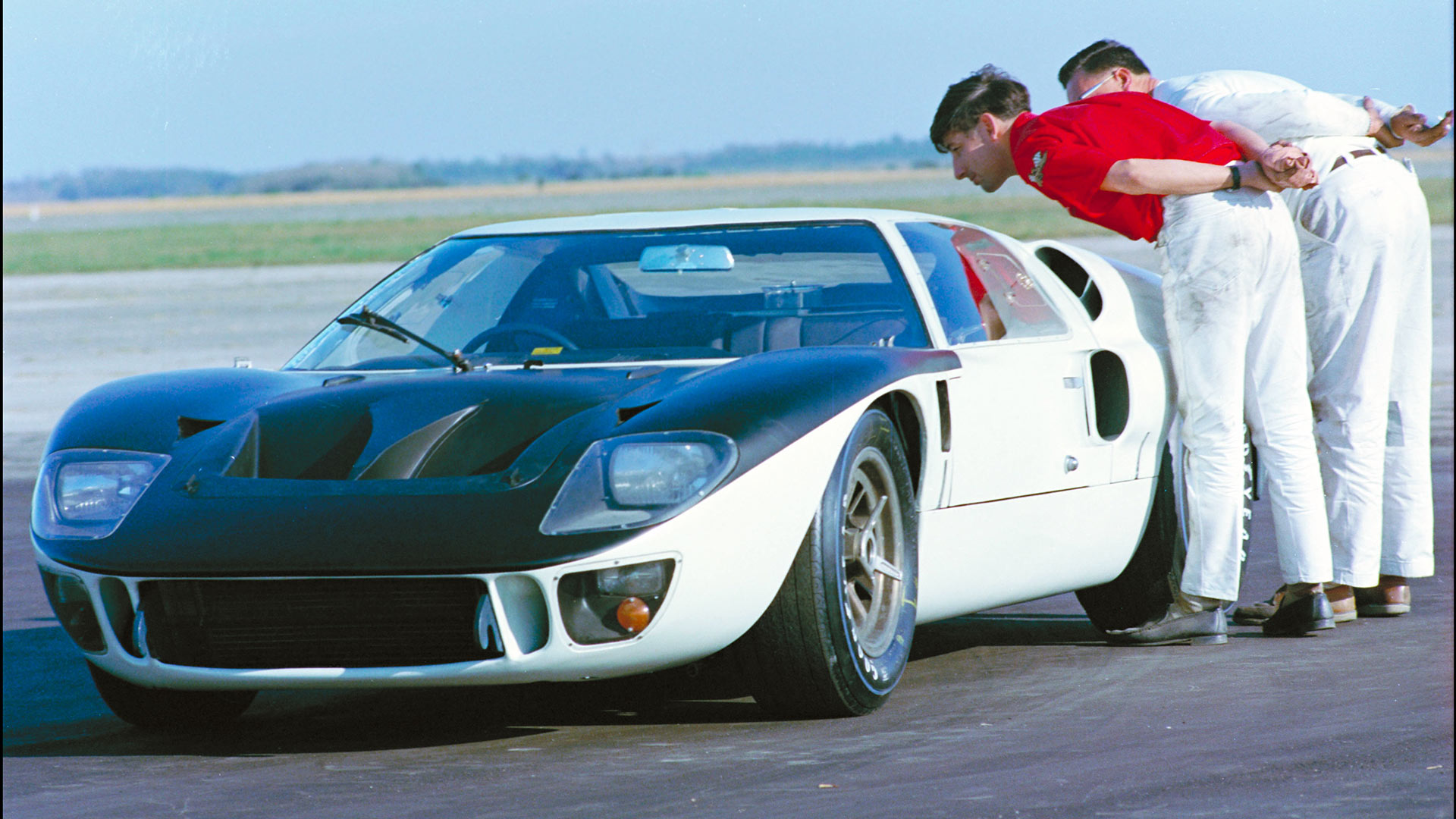
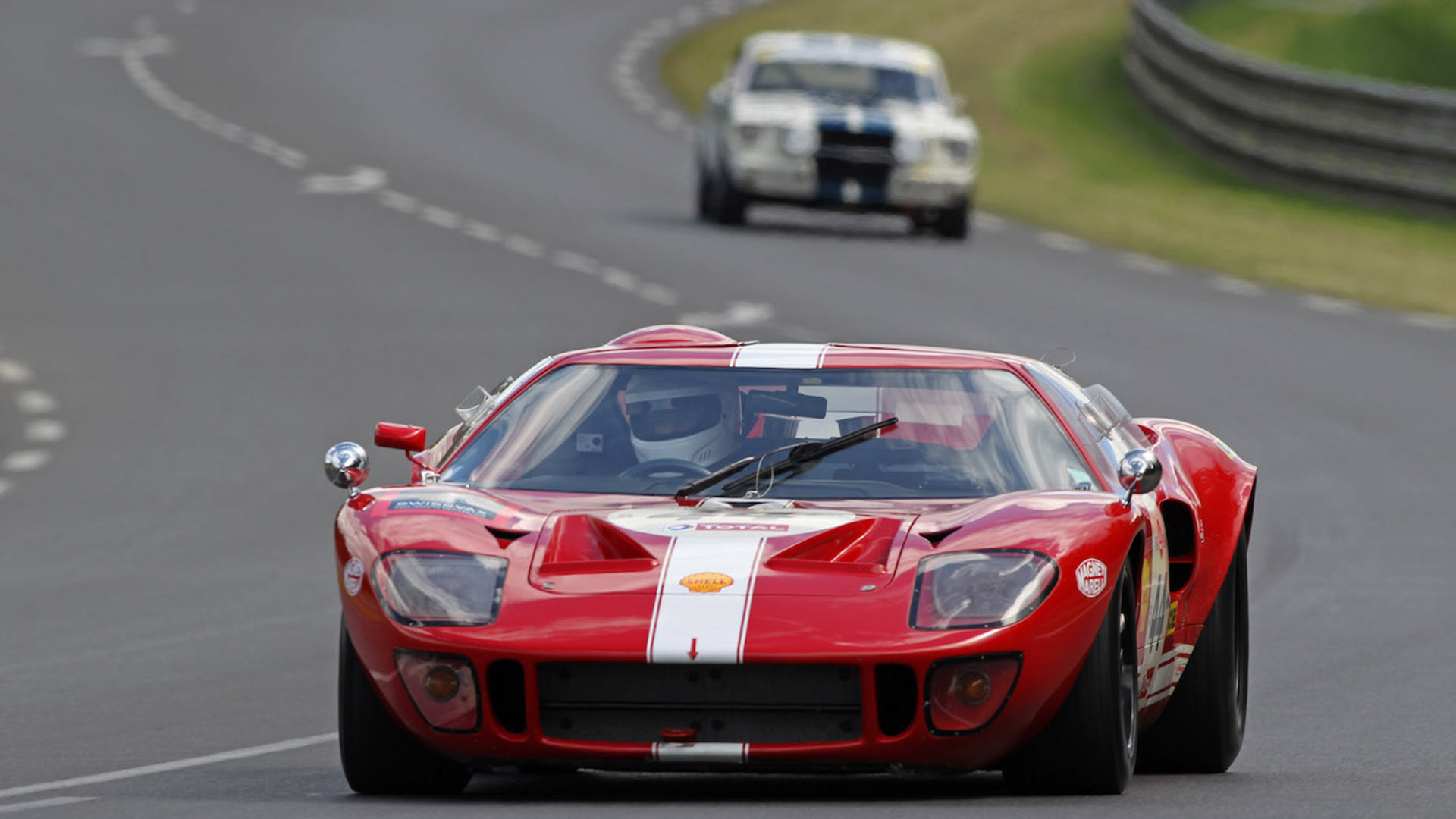
1964 Ford GT40 prototype
Ford initially courted Lola Cars, Lotus, and Cooper for a partner to build the new Le Mans racer. Lola was eventually chosen, partly because the Lola Mk 6 race car already made use of a Ford V8 engine.
Lola donated two Mk 6 chassis from its factory in Slough, while Ford set about creating a team to develop and build its new race machine.
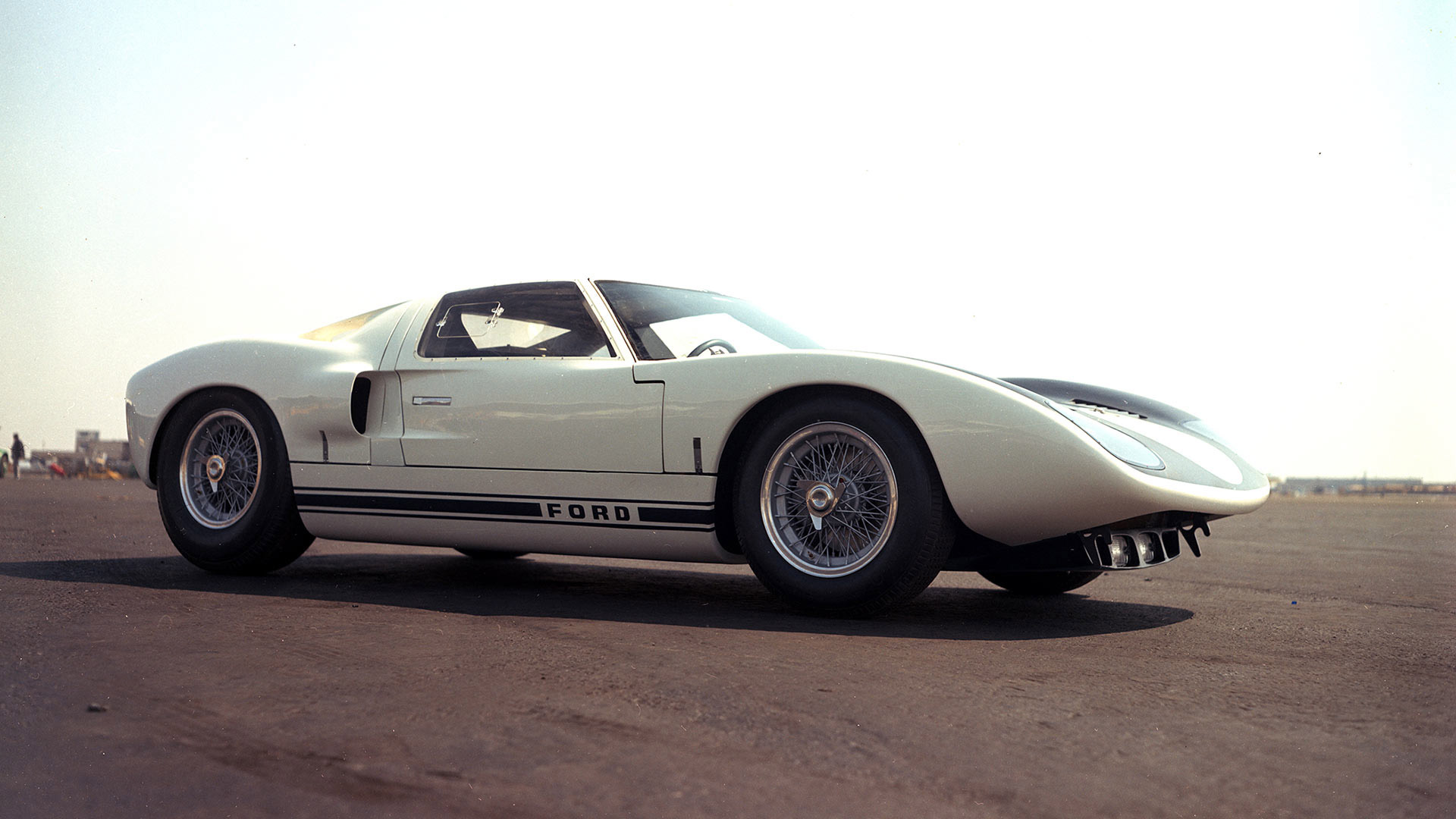
1964 Ford GT40 prototype
The newly created Ford Advanced Vehicles team set about the development of a new racer, based at its own British factory.
Early prototypes of the GT40 made use of a mid-mounted 255 cubic inch (4.2-litre) Ford V8, whilst later finished cars would feature a 289 cubic inch (4.7-litre) unit. Famously, the GT40 name came from the overall height of the new race car being just 40 inches.
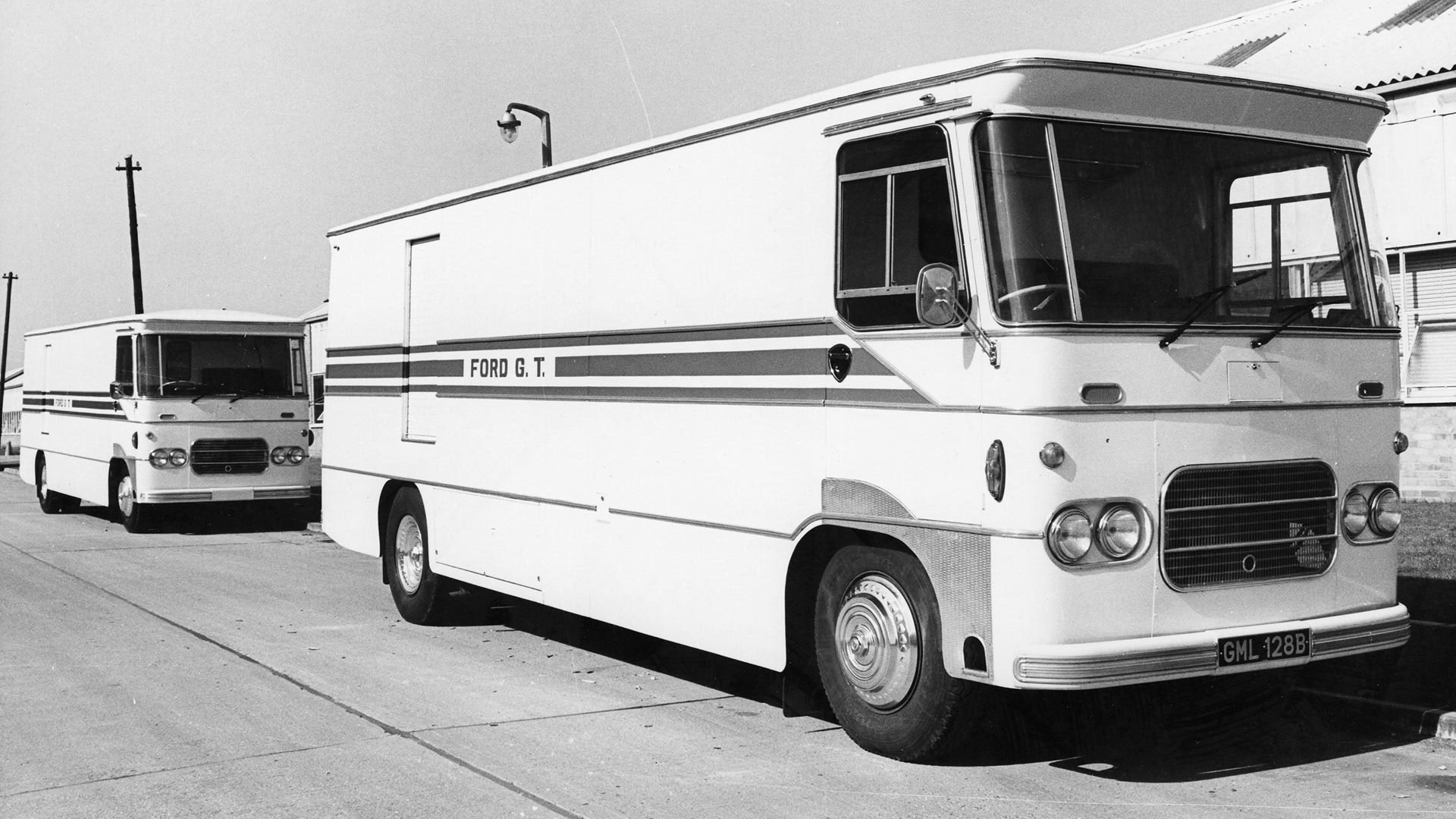
Ford GT40 team transporters ready for the off
Ford had taken only seven months to create the new GT40, with the completed car being shown to journalists on April 1st 1964. John Wyer was put in charge of running the Ford Advanced Vehicles team for the year.
The rush to get the new cars finished meant the GT40 would miss the season-opening Sebring 12 Hours race. Instead, the inaugural use of the car in anger would be at the first Le Mans test, less than three weeks after the cars were presented to the media.
1964 becomes a year to quickly forget
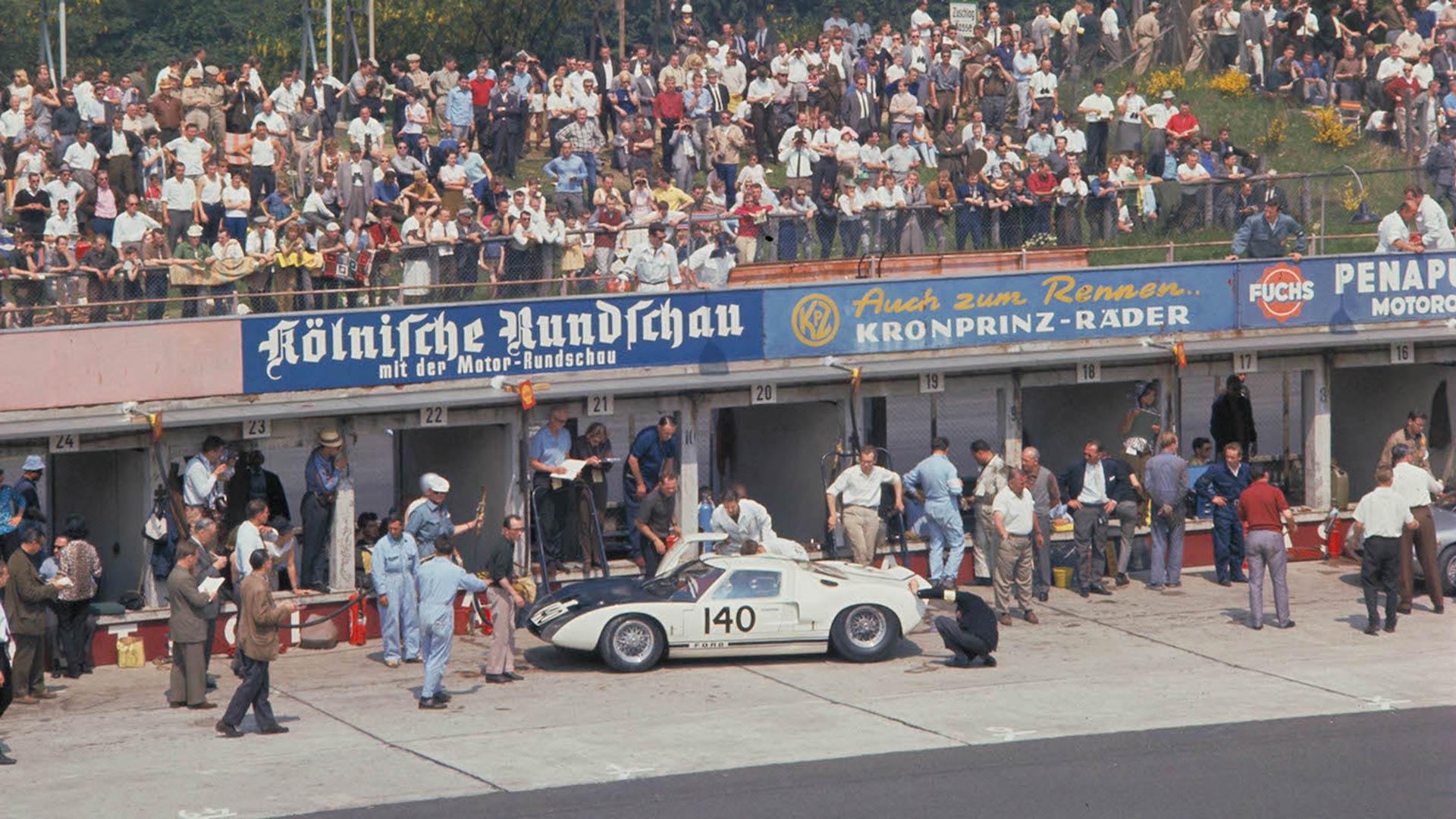
Making a race debut at the gruelling Nürburging 1,000km in 1964, the driver pairing of Phil Hill and Bruce McLaren managed to qualify second on the grid. However, a suspension failure meant the GT40 failed to finish the race.
This would set the tone for the year, with 1964 at Le Mans a dismal failure. All three of the Fords would retire with mechanical issues, while Ferrari clocked up another win.
1965 shows promising signs for the future
After the disappointment of 1964, Ford switched management of the GT40 to Carroll Shelby for 1965. This came after his notable successes with the Ford-powered Daytona Coupe.
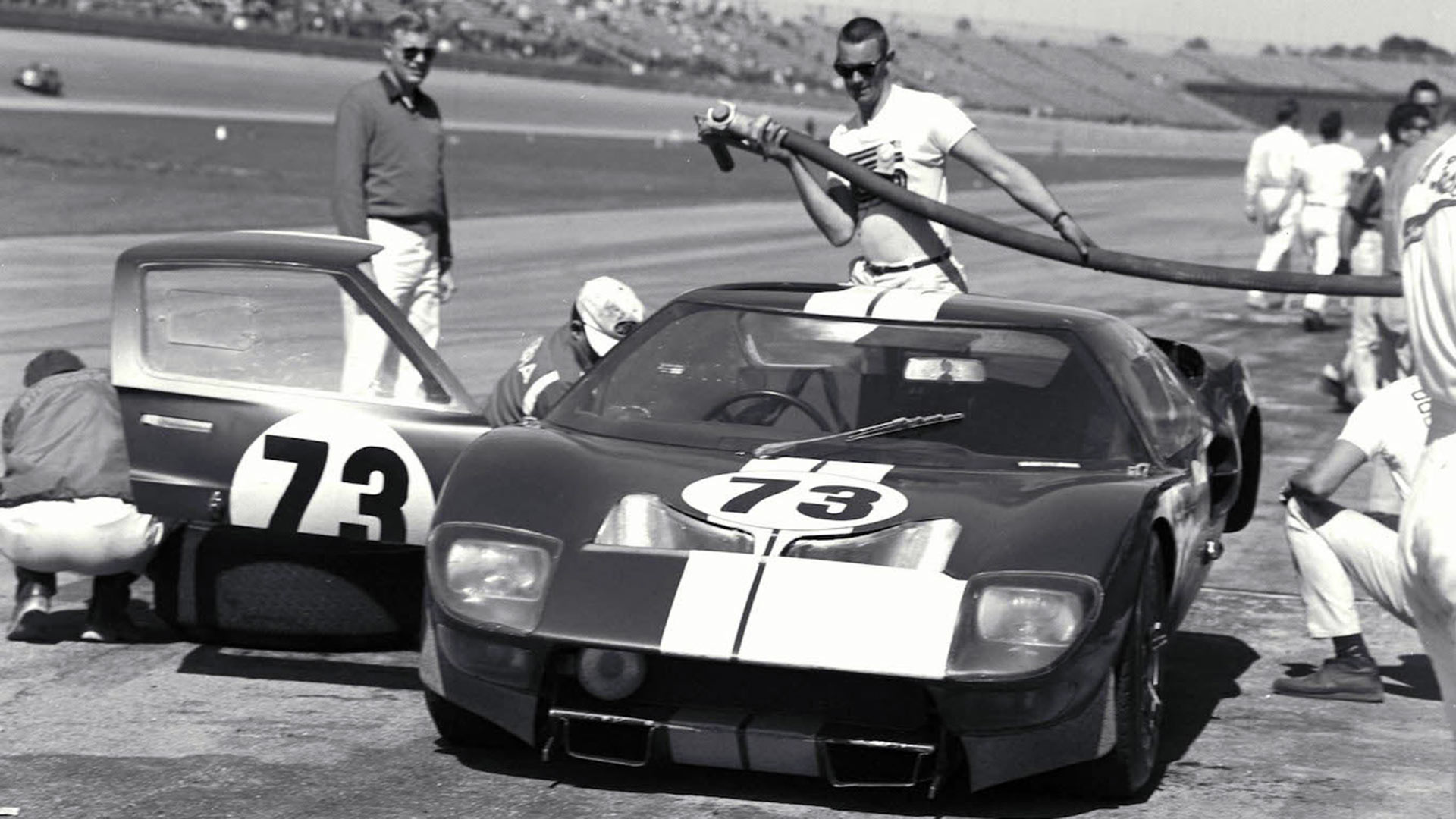
Victory came immediately, with a win for Ken Miles and Lloyd Ruby at the Daytona 2,000km race, with Bob Bondurant and Richie Ginther taking third in a sister GT40.
Yet the remainder of 1965 would prove fruitless, with no more wins for Ford. Le Mans would again see all the GT40s fail to make the finish.
1966 Ford GT40 Mk I road car
Whilst the early GT40s might not have proved to be successful on track, road car versions still rolled out of the factory, with the first example delivered to the United States in early 1966.
The Mk I road cars featured softer suspension, quieter exhausts, plus options such as air-conditioning and leather seats. However, they still featured a 335hp V8 engine.
A new hope: the 1966 Ford GT40 Mk II
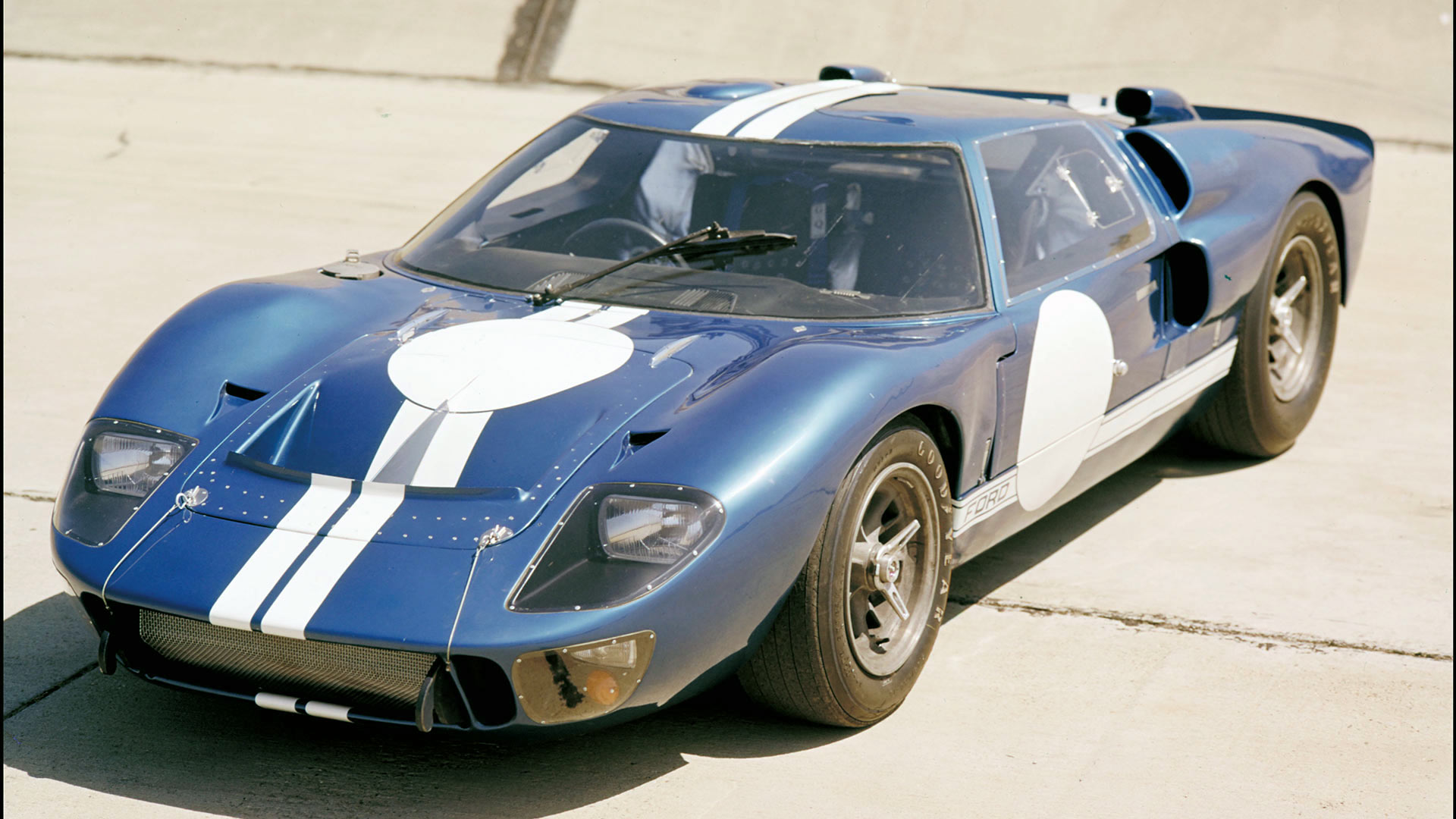
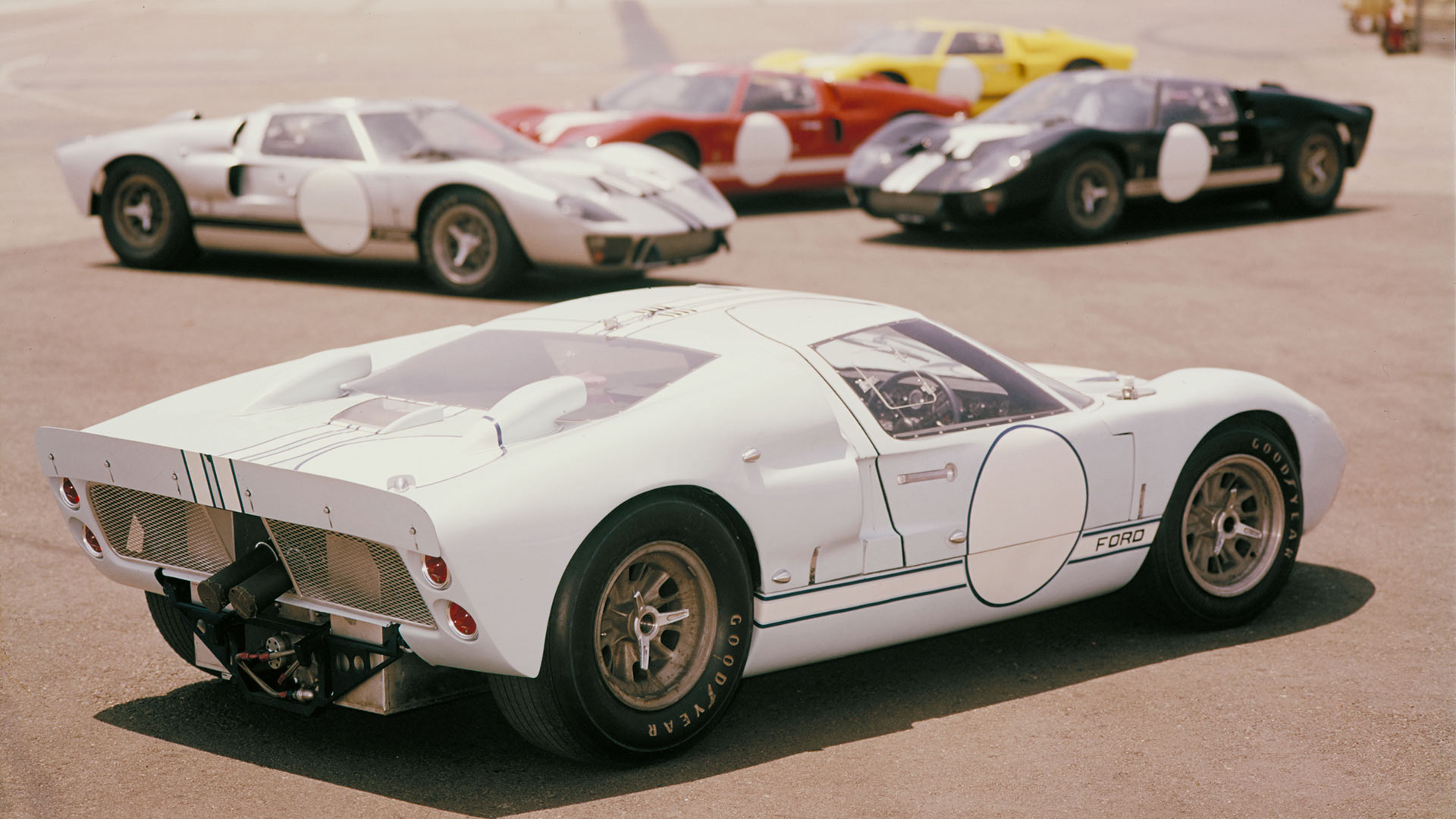
Whereas the Mk II may have looked similar to its predecessor, beneath the bodywork was a host of changes. In came a 427 cubic inch (7.0-litre) Ford FE engine, with an exhaust system nicknamed ‘a bundle of snakes’ for its elaborate design.
Kar-Kraft also modified the chassis from the original British-designed Mk I version, using higher strength steel. Extra robustness was added with upgraded suspension components, while a strengthened gearbox was also used. This featured just four speeds, instead of the five cogs found in the Mk I.
1966 Ford GT40 Mk II
Ford also dismissed Carrol Shelby as overall manager for the GT40 programme. Instead, priority was given to the Holman-Moody outfit who were responsible for running Ford’s NASCAR efforts. Henry Ford II was adamant that the GT40 must win in 1966.
However, the Shelby American team did continue as an official factory outfit, retaining Ken Miles as one of their drivers. The new GT40s would finish 1-2-3-5 in the ’66 Daytona 24 Hours, proving the changes were right and setting Ford on the path to glory.
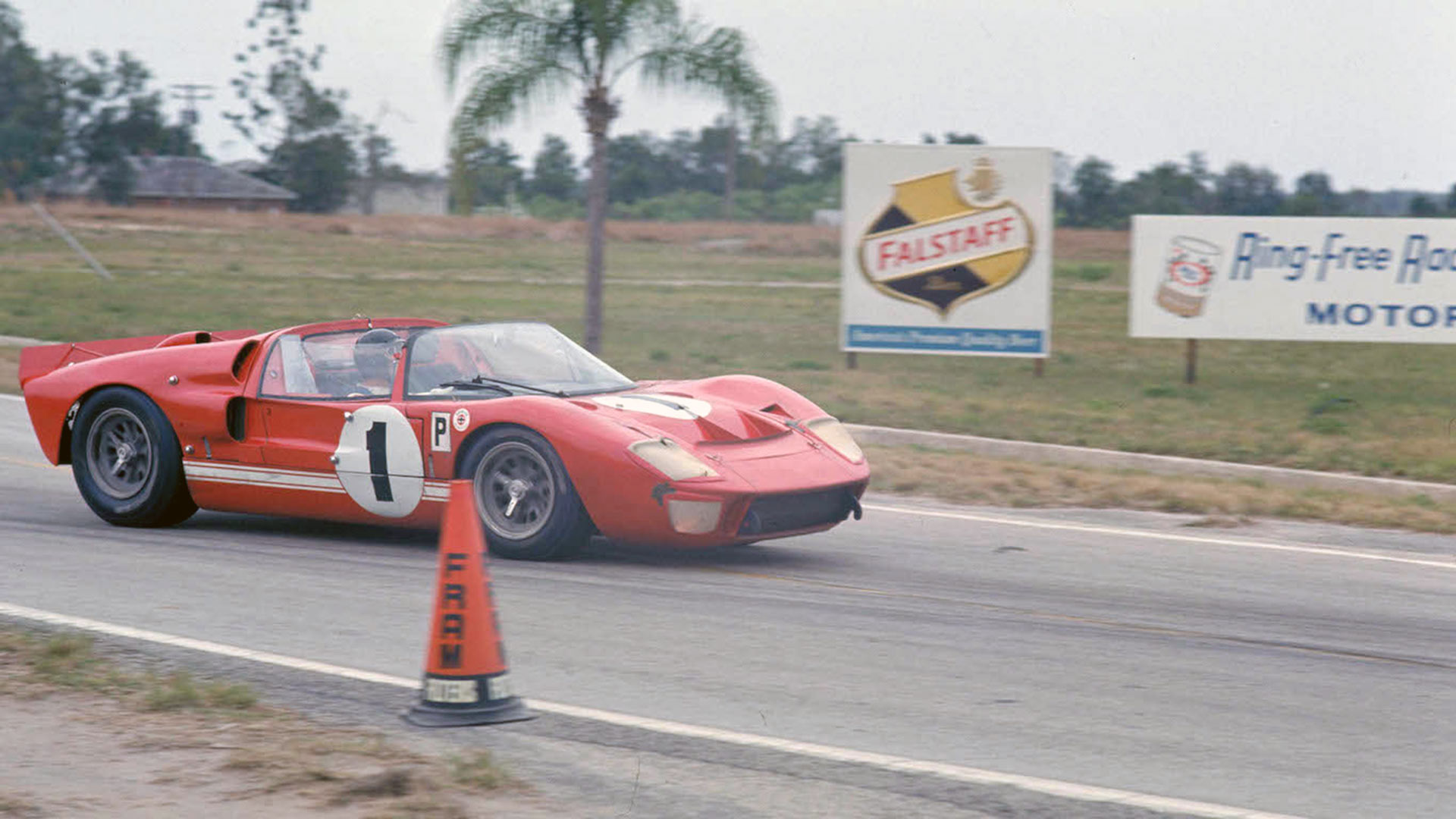
1966 Ford GT40 Mk II ‘X-1’ Roadster
Ford also experimented with a potential for an open-top version of the GT40 during the 1966 season. Initially created for Bruce McLaren Racing in 1965 with a low-drag windscreen, on return to Ford the one-off roadster was updated to Mk II specification for Shelby American.
It’s only race event came at the 1966 12 Hours of Sebring where, after experimenting with automatic gearboxes during practice, a manual transmission was fitted for the race. When the engine of the lead GT40 Mk II seized, the ‘X-1’ Roadster of Miles and Ruby slipped through to victory.
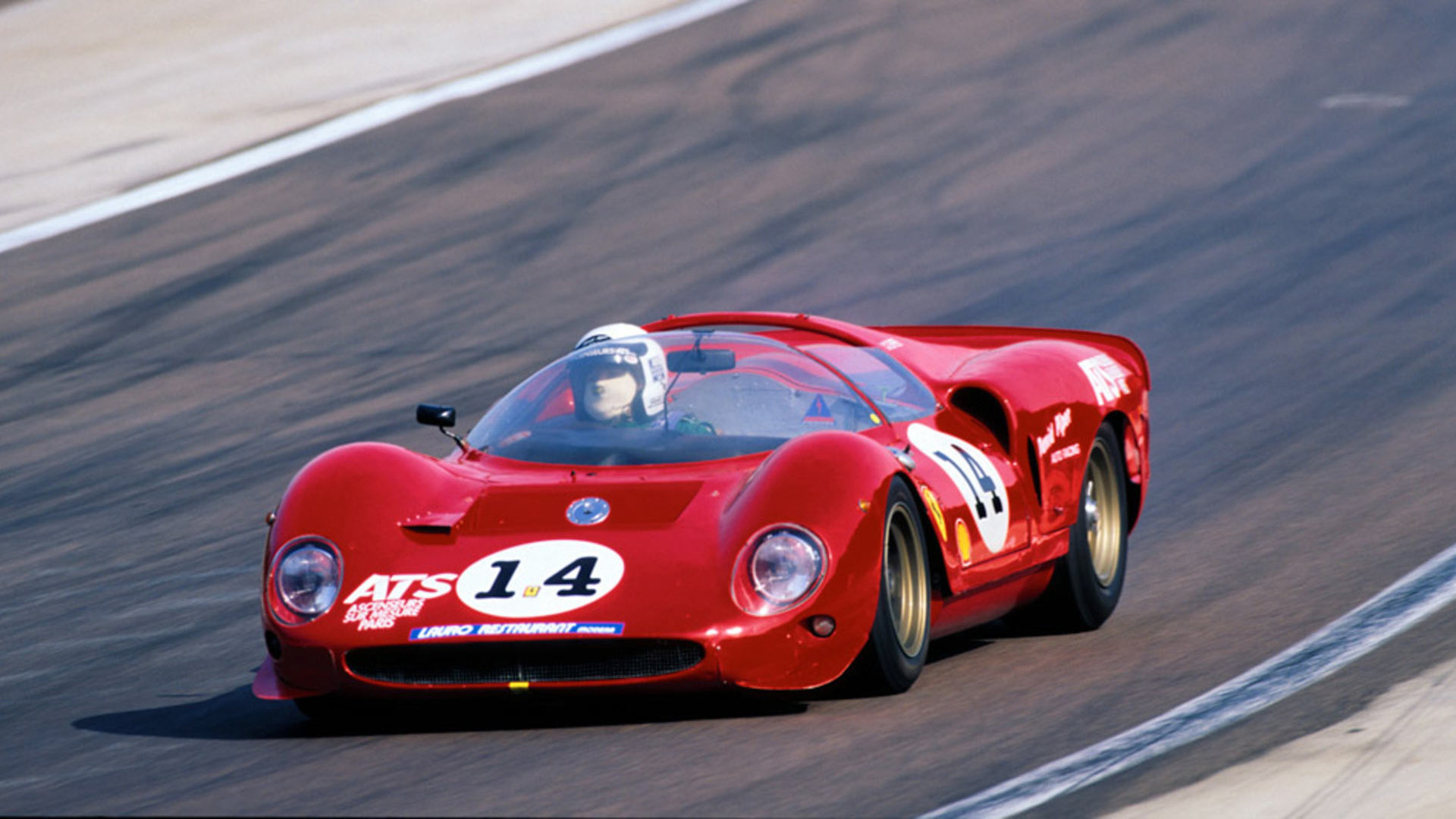
1966 Ferrari 330 P3
With all the attention now on winning the Le Mans 24 Hours, Ford would face tough competition at the 1966 race.
Ferrari had updated its line of prototype racers, creating the new 330 P3. Thanks to fuel injection it now had more horsepower, and was built in both closed- and open-cockpit versions for the epic endurance event.
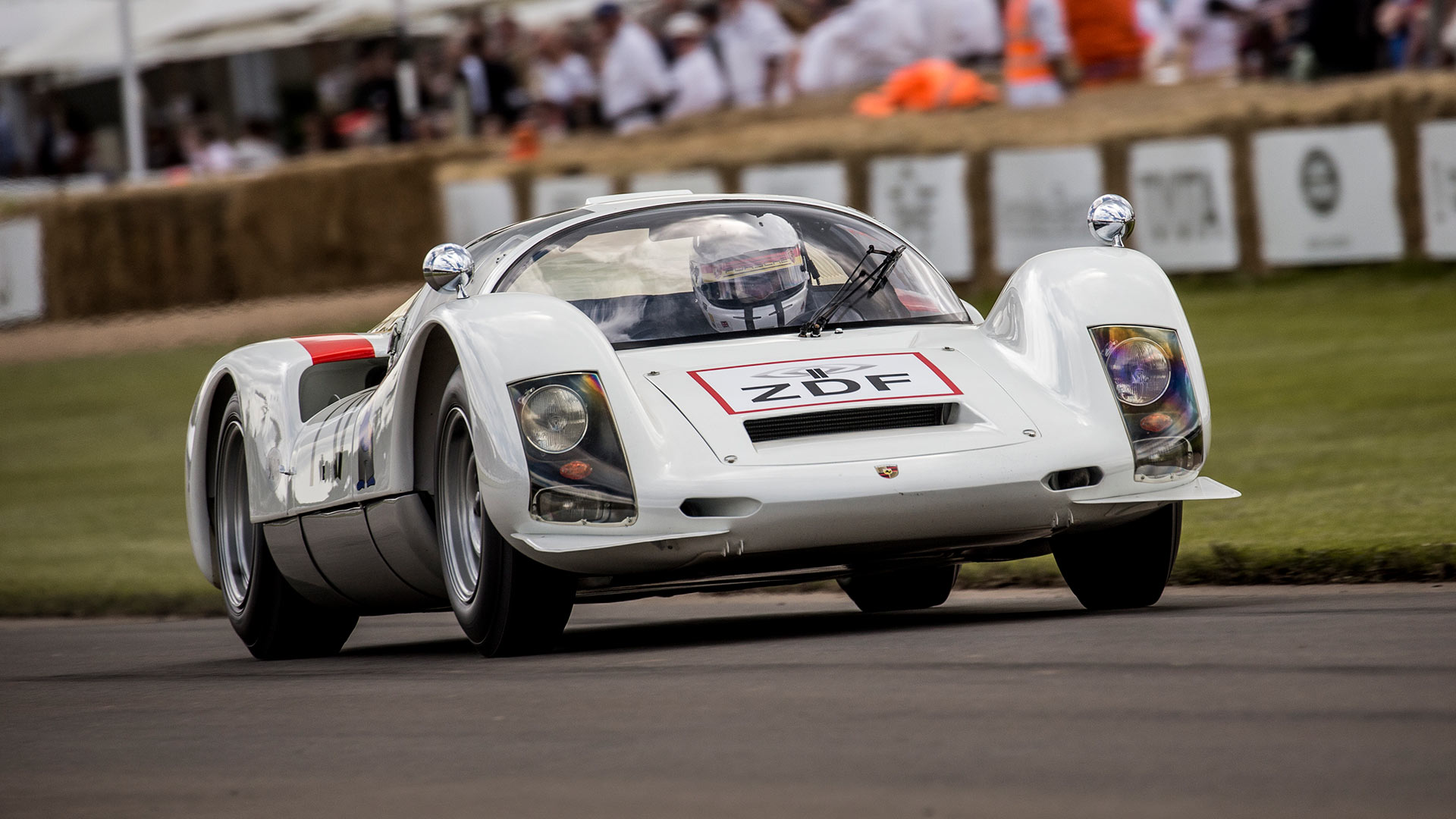
1966 Porsche 906/6 LH
Although Ford and Ferrari were the main contenders in 1966, Porsche would also enter a small army of 906 racers at Le Mans.
A total of six 906 machines would contest the race, including three of the brand-new LH ‘lang heck’ prototype versions. Recent victory on the Targa Florio showed the potential of the Porsche.
Strength in numbers
Keen to beat Ferrari at its own game, Ford entered a total of 15 Mk II GT40s for Le Mans in 1966. Eight were accepted for the race, with Shelby American running three cars. Holman-Moody also fielded another trio, whilst Alan Mann Racing would be responsible for the final two Mk II machines.
Qualifying demonstrated the performance of the GT40 Mk II, with the top four places all taken by Fords. With all eight GT40s inside the top 12, the strategy of total domination looked to be working.
Drama on the road to tomorrow
Ratcheting up the pressure on the Ford teams was Henry Ford II, acting as official starter for Le Mans in 1966. After the first lap his cars were in the lead, but the coming hours would see tense battle between Ford and Ferrari.
Overnight rain dampened the performance advantage of the big V8 engine in the Fords. However, the Ferrari prototypes began to suffer from overheating, dropping them out of contention.
Controversial photo finish for the win
By halfway through the race, Ford MK IIs occupied the top four positions, with Mk I GT40s occupying 5th and 6th. Yet even then, victory was far from secure. The no.3 Mk II, driven by Dan Gurney, blew a head gasket from racing too hard with the no.1 car of Ken Miles and Denny Hulme.
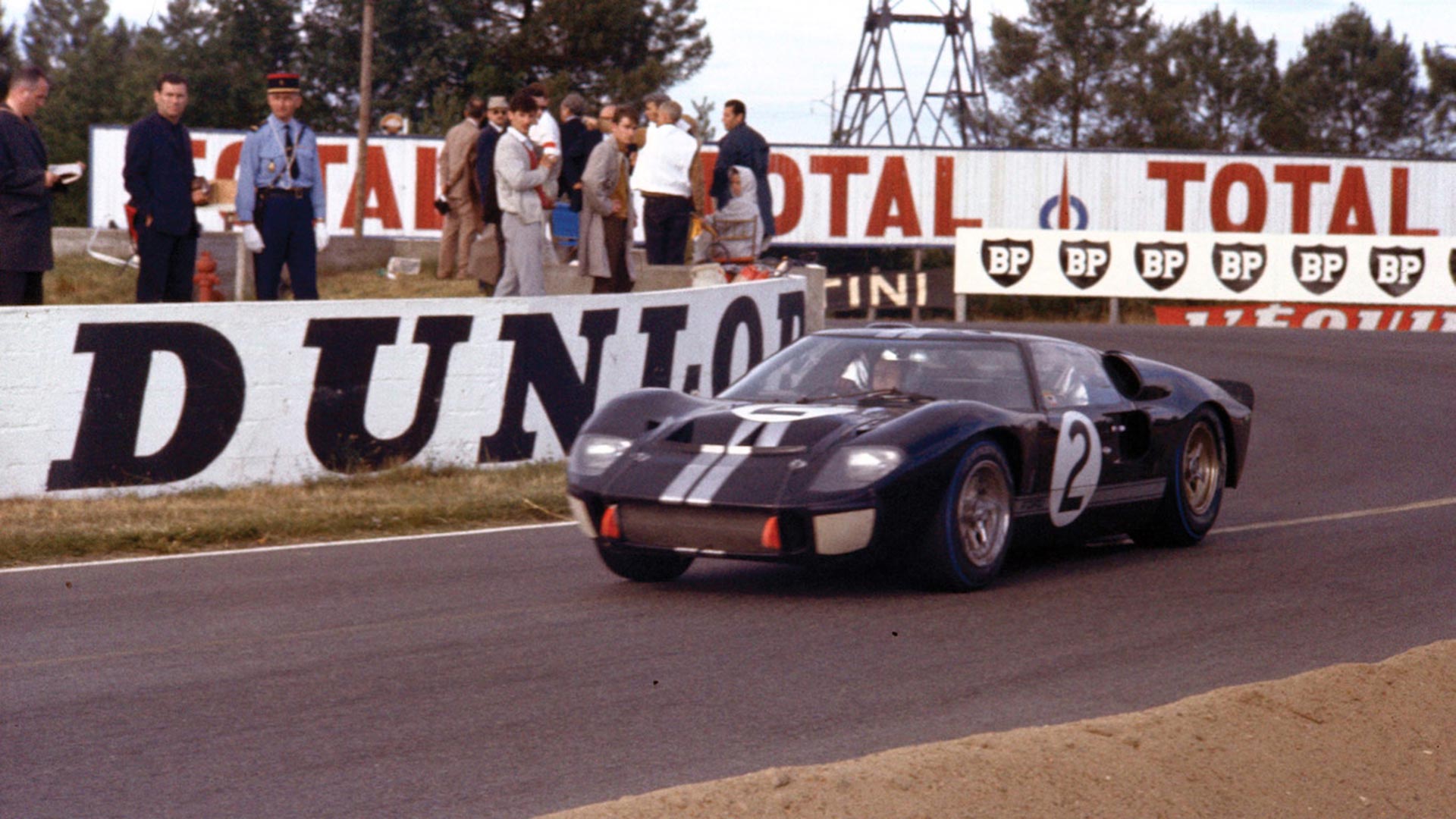
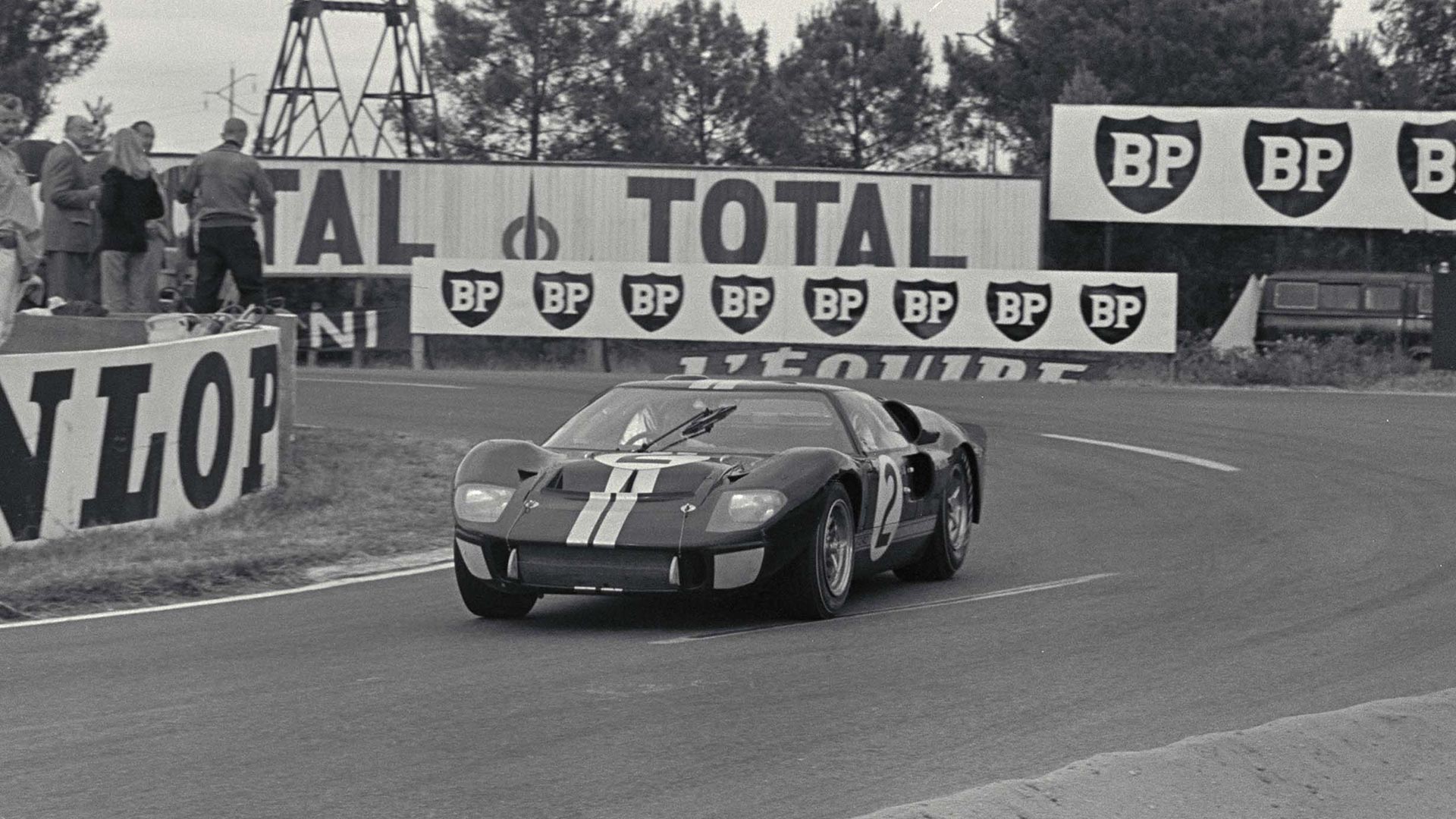
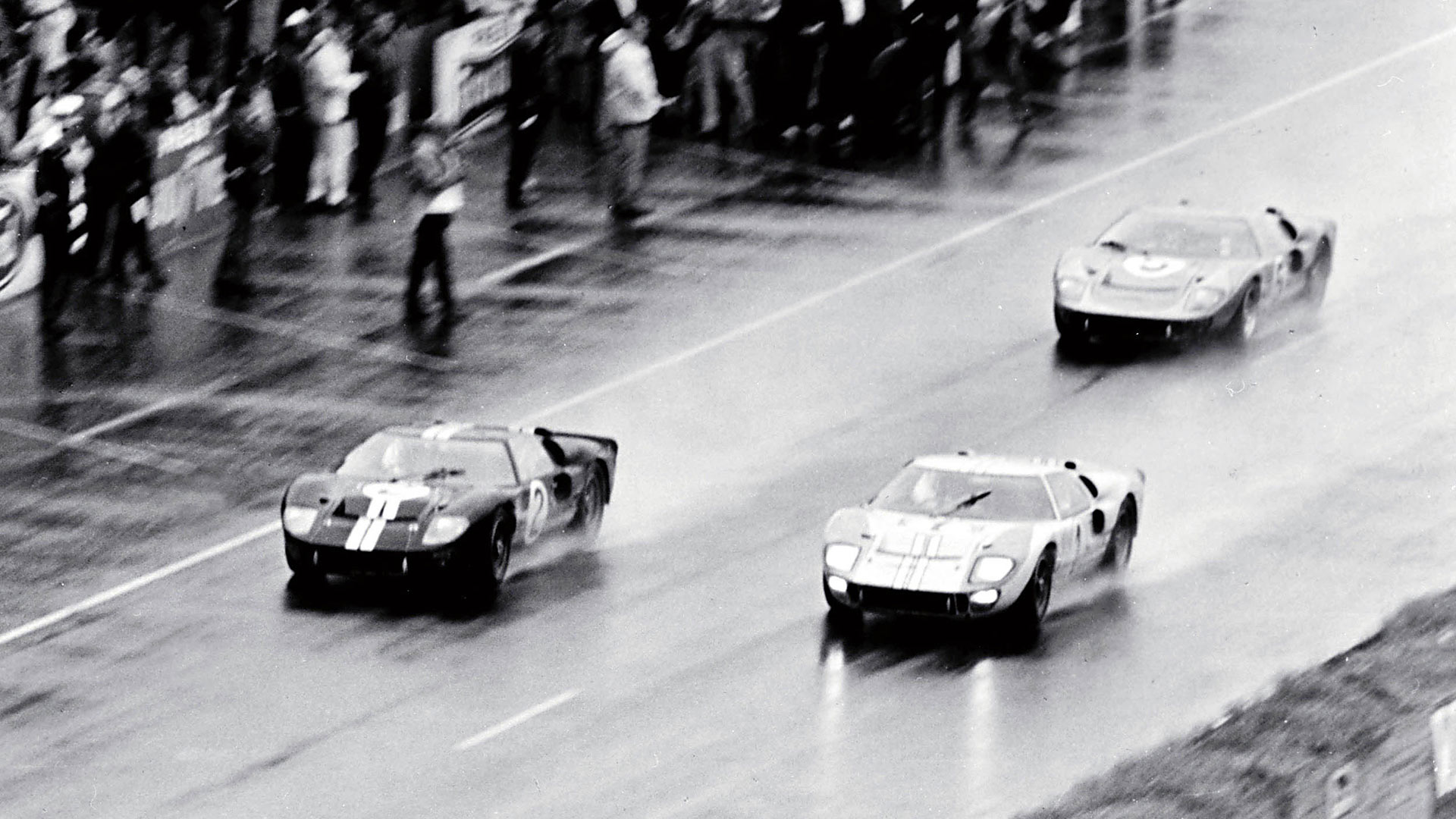
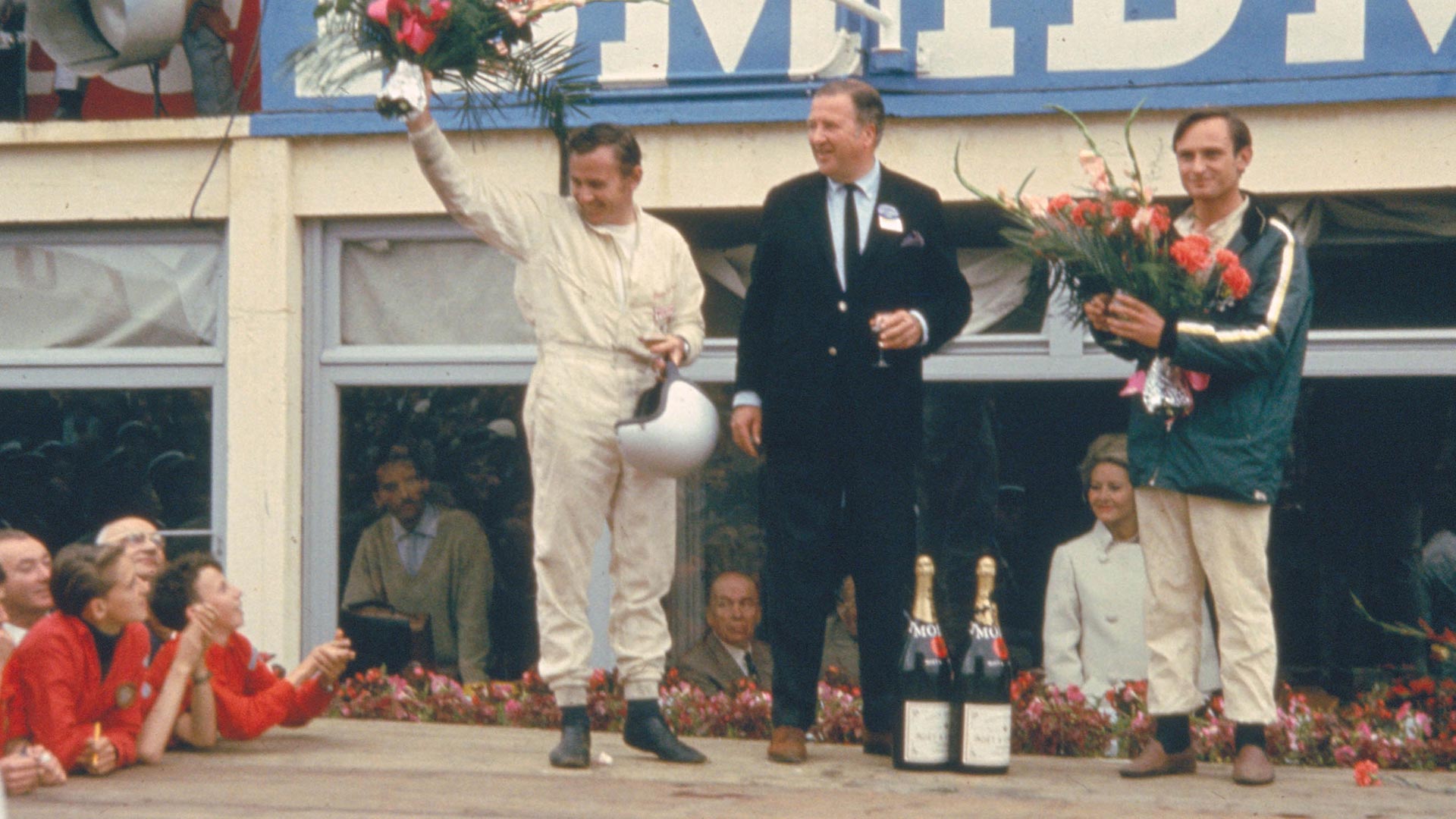
By late morning Mk II GT40s occupied the top three positions, and Ford Racing director Leo Bebbe attempted to engineer a dead heat at the end of the race. Ken Miles was told to slow down to allow the no.2 car of Bruce McLaren and Chris Amon to catch up.
Miles was reported to be unhappy with the contrived photo finish, and lifted off just as the cars reached the finish line. This handed the McLaren/Amon car victory, with Fords filling the other podium places.
Mission accomplished for Ford at Le Mans
In just three years Henry Ford II had achieved his goal of beating Ferrari at Le Mans. The Italian company would never take an outright win at the French event again, with the Blue Oval ready to keep coming back.
Ford would go on to claim the P2 category of the 1966 World Sportscar Championship, further cementing its dominance.
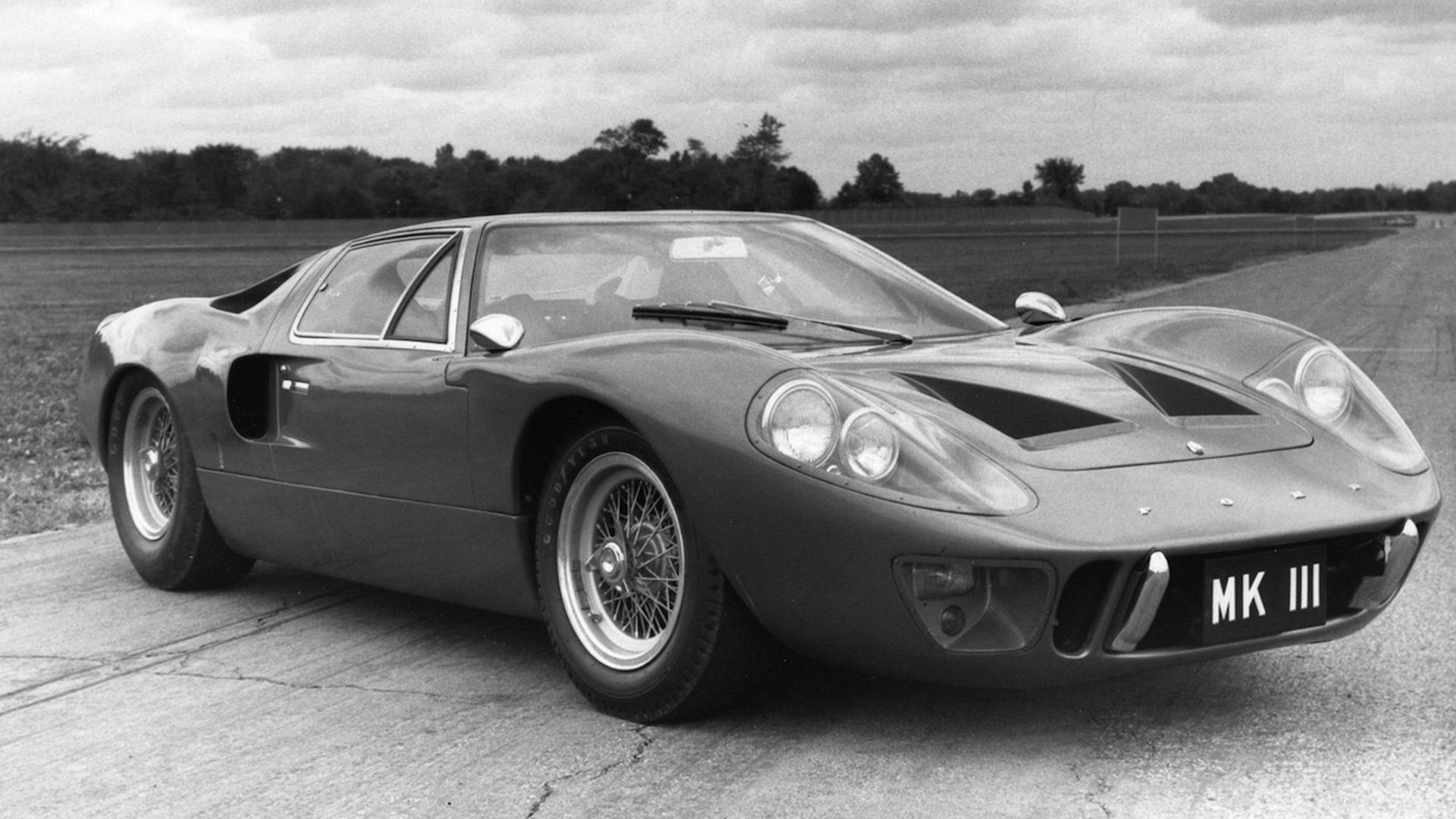
1967 Ford GT40 Mk III road car
With the GT40 race car cleaning up on track, a bespoke road-going version was now being readied for the street. Unlike previous road-legal GT40s, the Mk III had specific features to make it suited to the highway.
An elongated rear gave access to a luggage compartment, whilst the bumpers gained small chrome overriders. Unlike the race cars, there was no bigger engine, with power still coming from the 289 cubic inch (4.2-litre) V8. Only seven examples of the Mk III were built, with just three in right-hand drive.
Tragedy of the 1967 Ford GT40 J-car
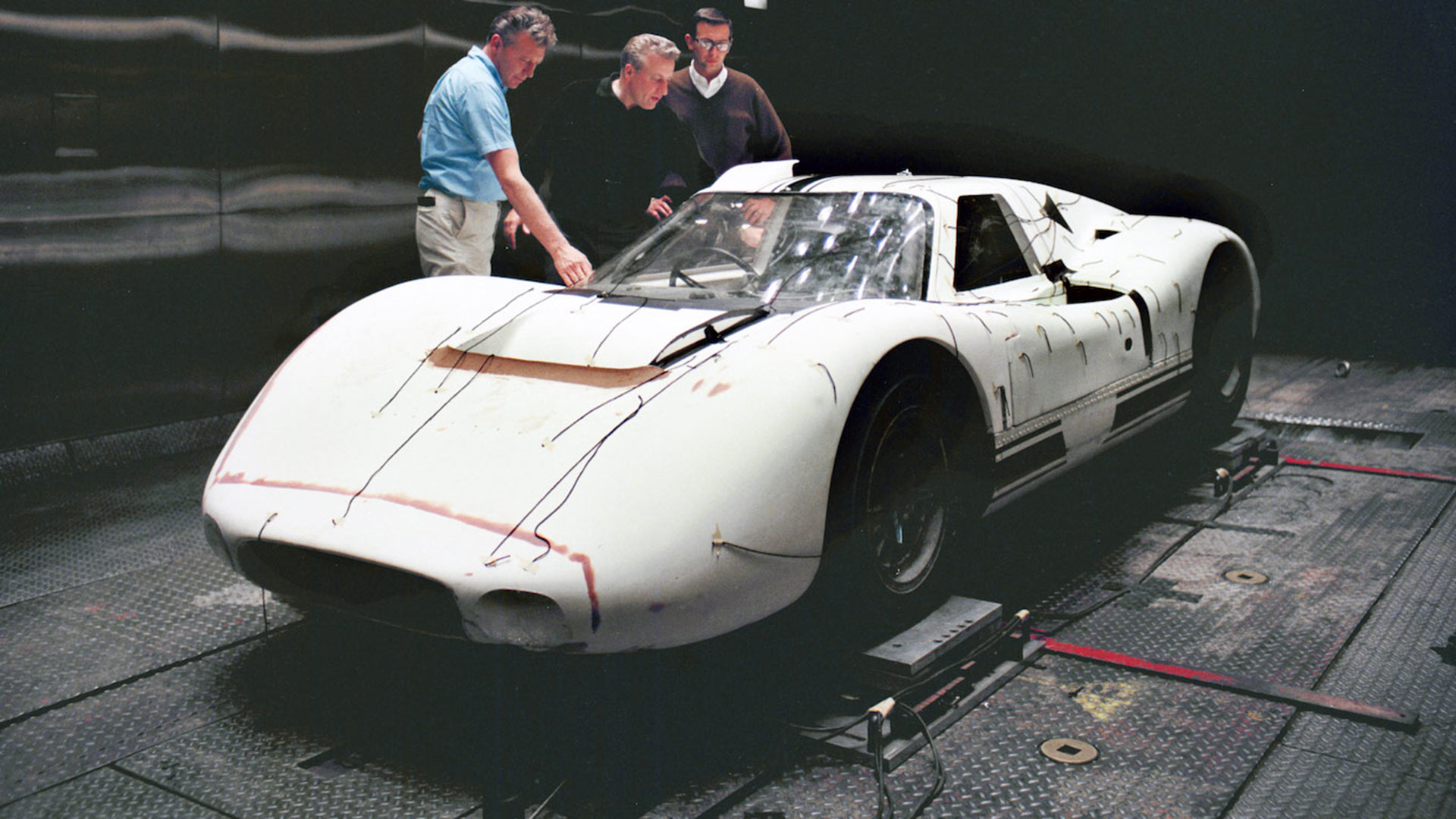
Despite the success of the Mk II GT40, Ford didn’t rest on its laurels and set about developing the car even further. With power now sufficient, experimental aerodynamic changes to maximise the muscle were made throughout 1966 and 1967, along with a lightened chassis.
Tragedy struck during a test session, when Ken Miles was killed in a high-speed accident at Riverside International Raceway, with blame laid at the lack of downforce from the aero modifications.
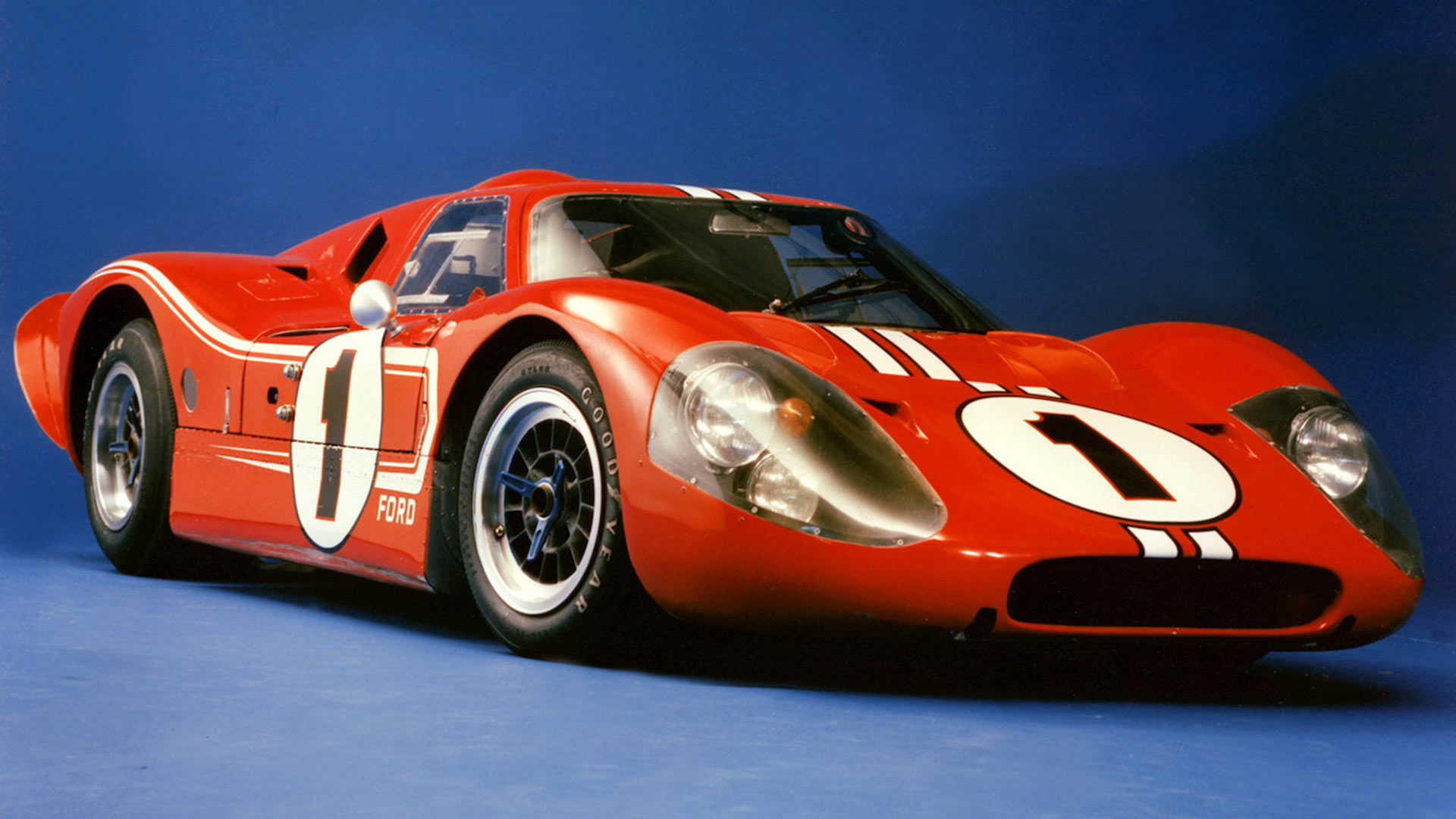
1967 Ford GT40 Mk IV
The experimental flat-topped roof of the J-car was dropped, but the resulting Mk IV still managed to look distinctive. Lengthened and streamlined to achieve a higher top speed, the Mk IV also featured the lightened chassis.
The death of Ken Miles was not in vain, with a high-strength roll cage also being fitted. Although the Mk IV only entered two races, it claimed a 100% success rate with victories in the 1967 12 Hours of Sebring and 24 Hours of Le Mans.
1968 Ford GT40 Mk I Le Mans
Concerned by the high speeds seen during the 1967 24 Hours of Le Mans, for 1968 engine sizes were capped at 5.0 litres for cars in the Sports class by the FIA. This ruled out the Mk II and Mk IV versions of the GT40, but meant the earlier, smaller-engined Mk I was still eligible.
Now with reliability on its side, the Mk I took overall victory in 1968 driven by Pedro Rodriguez and Lucien Bianchi. It would repeat the same feat in 1969 with Jackie Ickx and Jackie Oliver driving, taking the total number of outright Le Mans wins for the GT40 to four in a row.
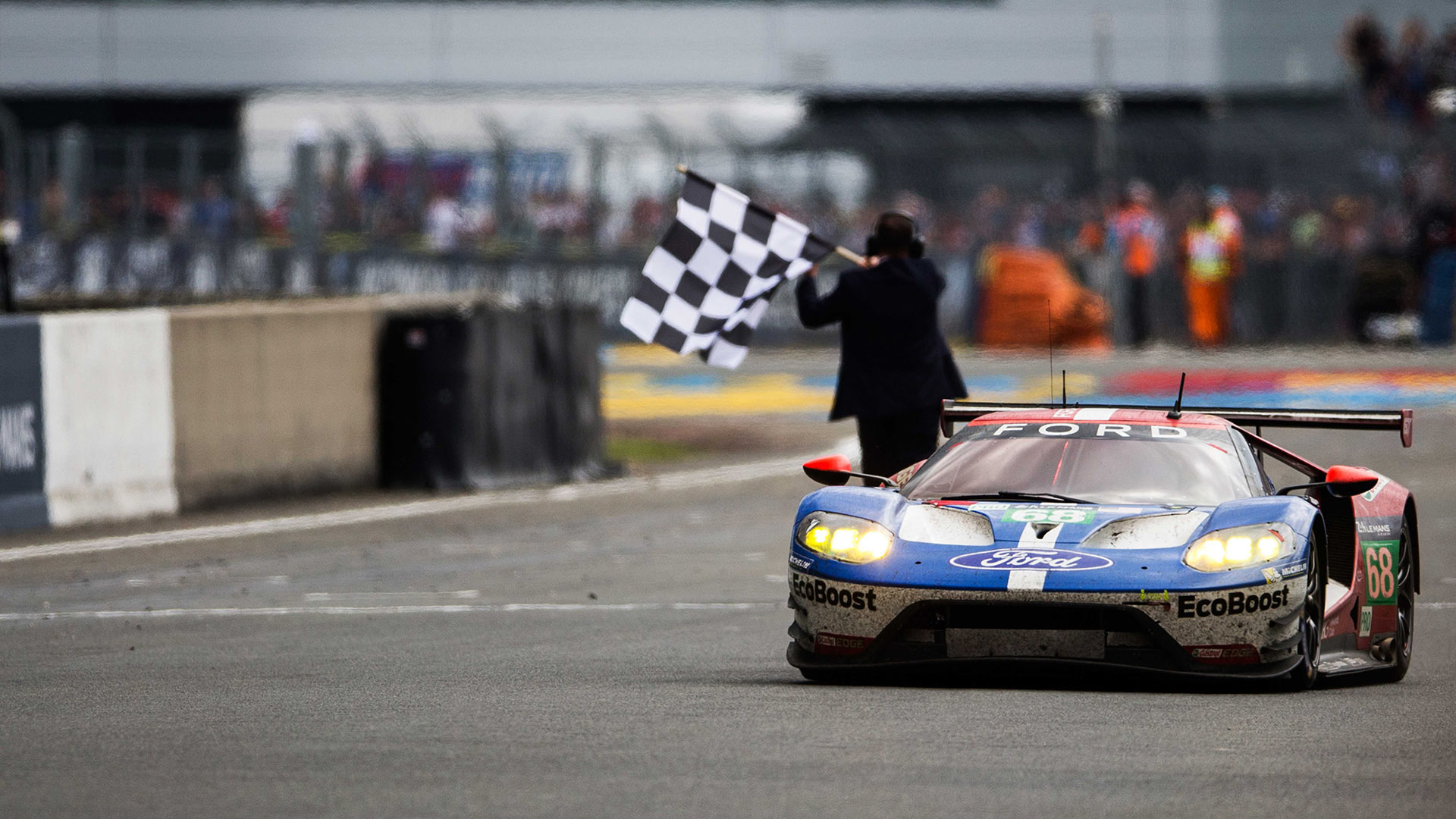
Ford GT wins 2016 Le Mans 24 Hours
Fast forward several decades and Ford found once again on the top step of the podium at Le Mans.
Living up to the reputation of its GT40 predecessors, the new GT race car, ran by Chip Ganassi Racing, took an impressive victory at Le Mans in 2016 in the LMGTE Pro class. Coming exactly 50 years after the first Le Mans win for the GT40, Ford was unsurprisingly ecstatic about the result.
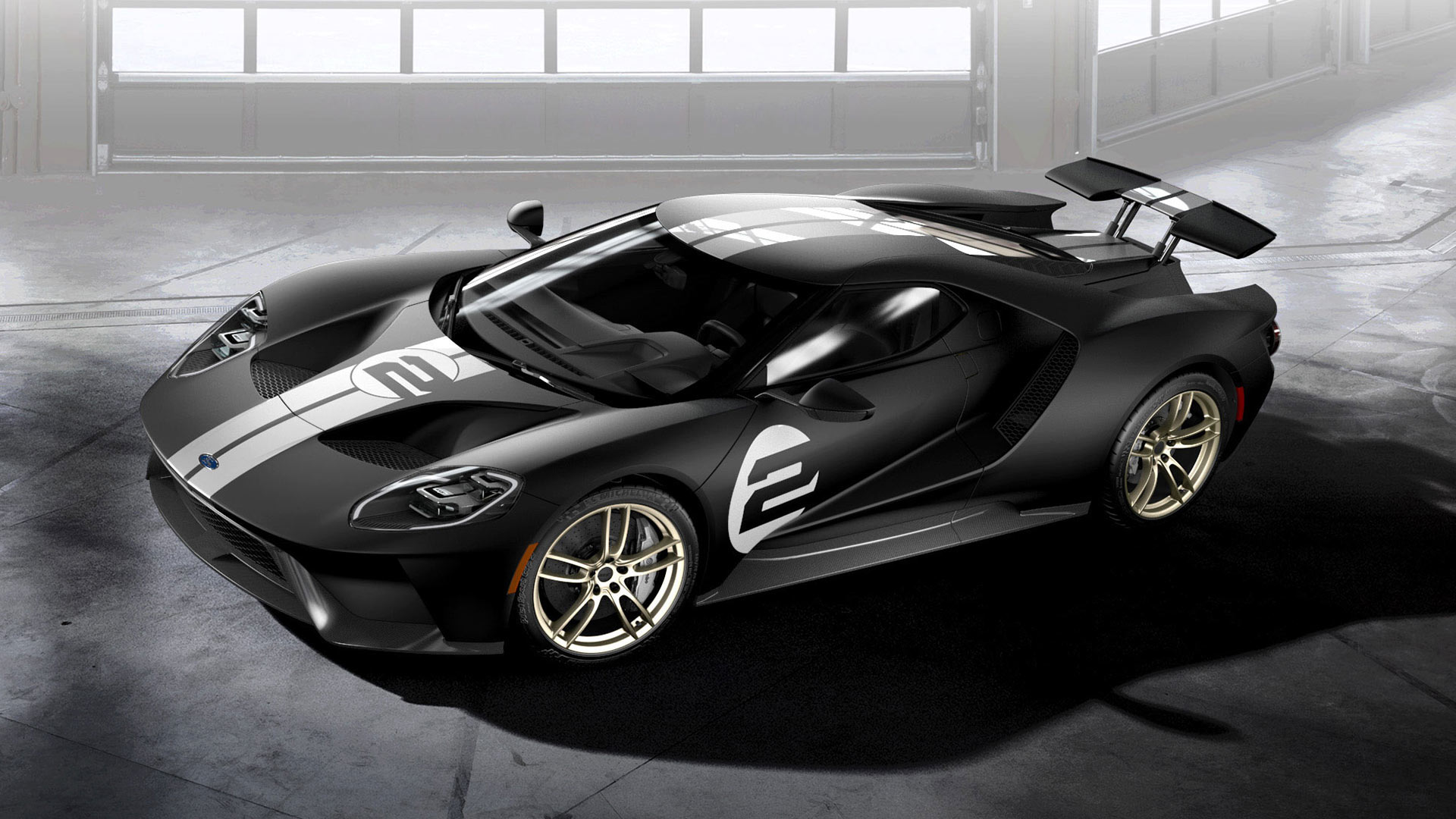
2017 Ford GT ‘66 Heritage Edition
To mark the Le Mans wins 50th anniversary, Ford also announced a special edition of a car that hadn’t even actually started production yet. Remembering that historic 1-2-3 victory at the Circuit du Sarthe in 1966, the Heritage Edition featured a colour scheme inspired by the no.2 GT40 driven by Chris Amon and Bruce McLaren.
A Shadow Black exterior – available in either gloss or matte finish – was combined with silver stripes and alloy wheels in gold satin. Inside is a leather-wrapped steering wheel, along with extra carbon fibre and a limited edition plaque.
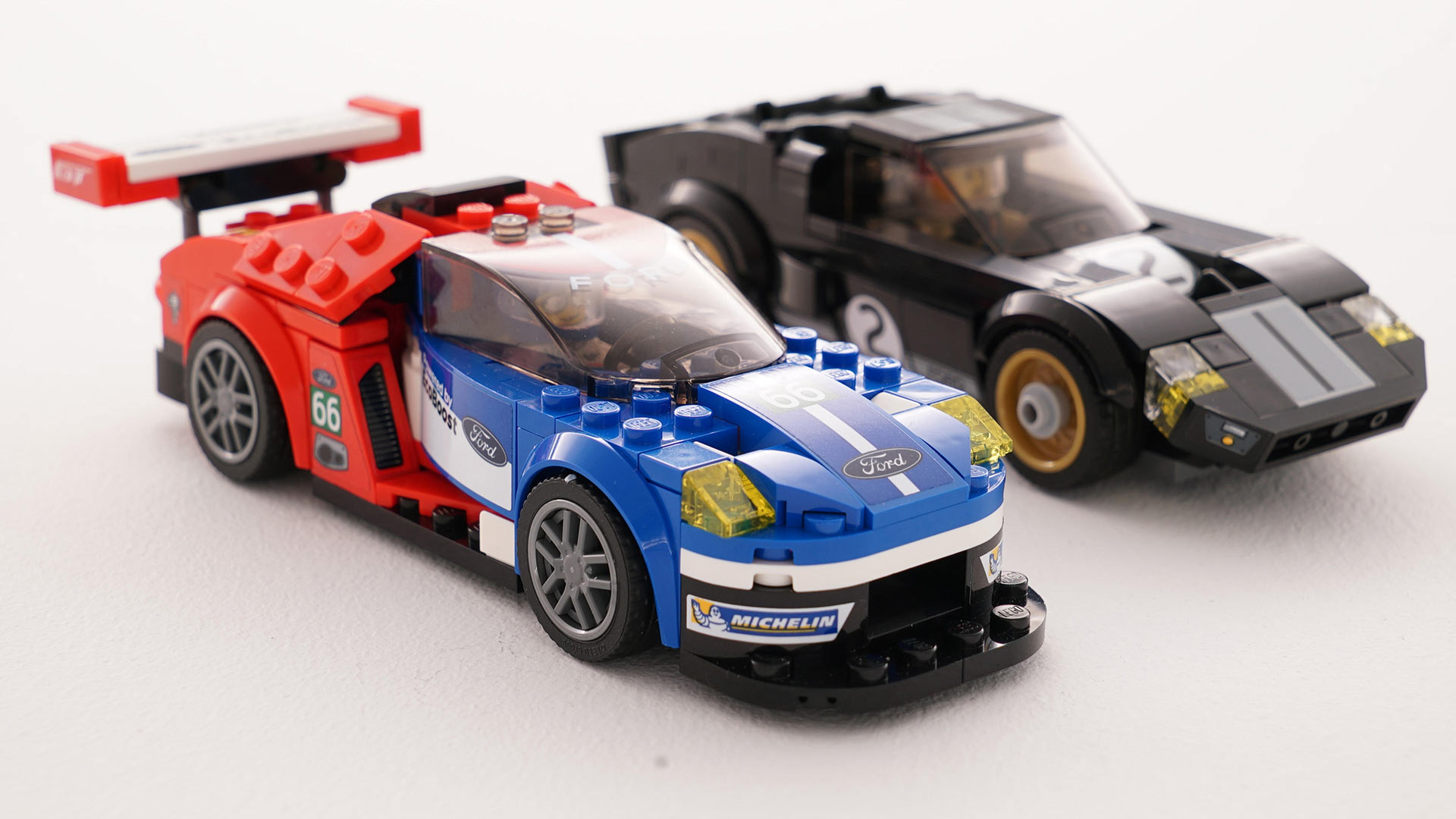
Ford captures the Le Mans-winning GT40 in Lego
Along with the modern interpretation of the successful 1966 GT40, Ford also created a miniature Lego version. This had the benefit of being considerably cheaper than the full-size GT supercar, and produced in much larger numbers.
Paired with a Lego version of the 2016 Le Mans-winning Ford GT, the classic 1966 GT40 also comes with a retro driver minifigure. Fans can decide for themselves whether they want it to be Chris Amon or Bruce McLaren.
2019 Ford at Le Mans with historic liveries
Ford contested the Le Mans 24 Hour race again each year until 2019, which marked the final year of competition for the GT racer. However, the Chip Ganassi Team would be unable to replicate the success seen in 2016.
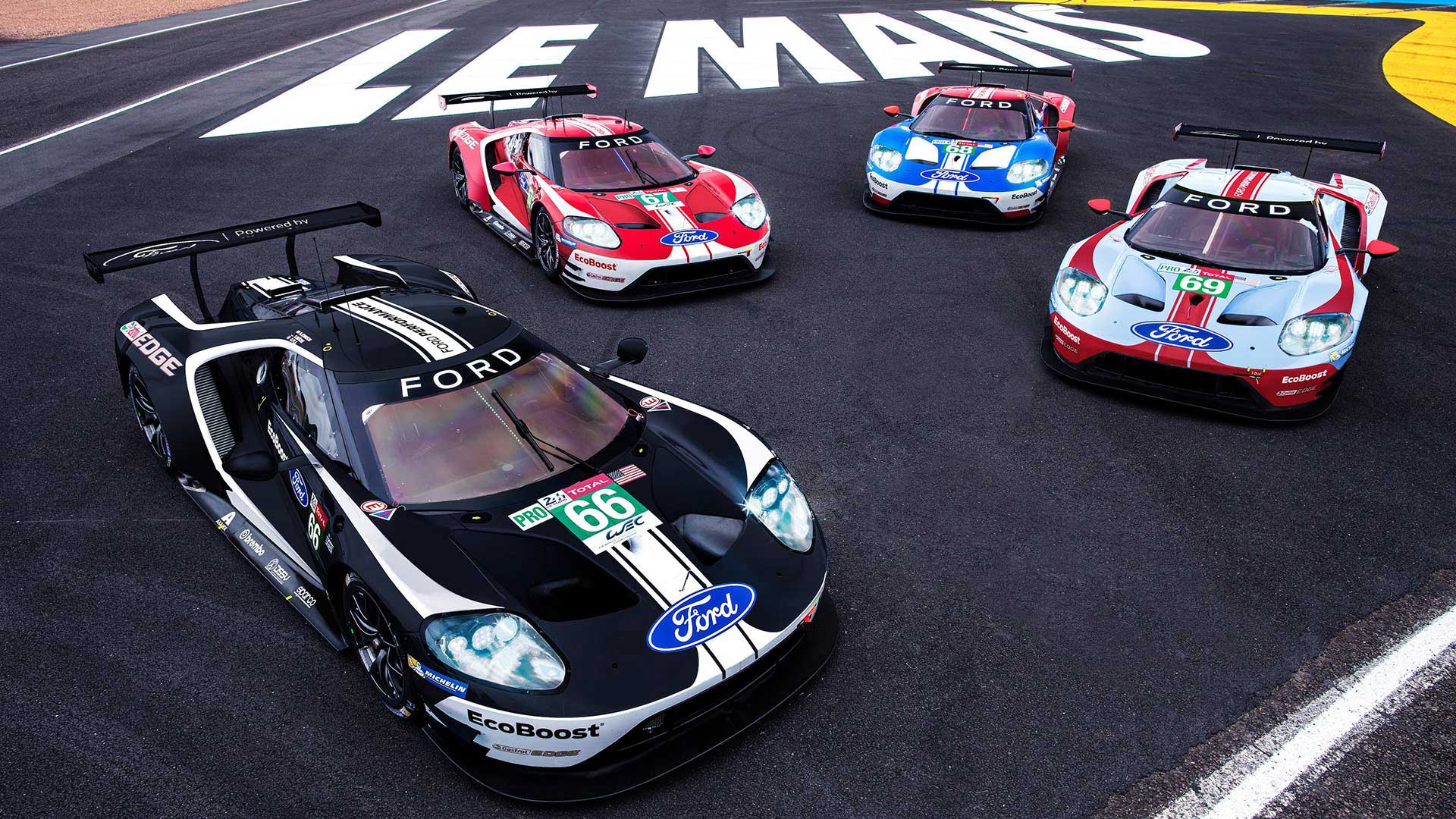
Not even racing with retro-inspired liveries for the 2019 edition of the 24 Hours race was enough to help clinch LMGTE Pro victory. Ford would manage fourth in class, with Ferrari taking first place on the podium.
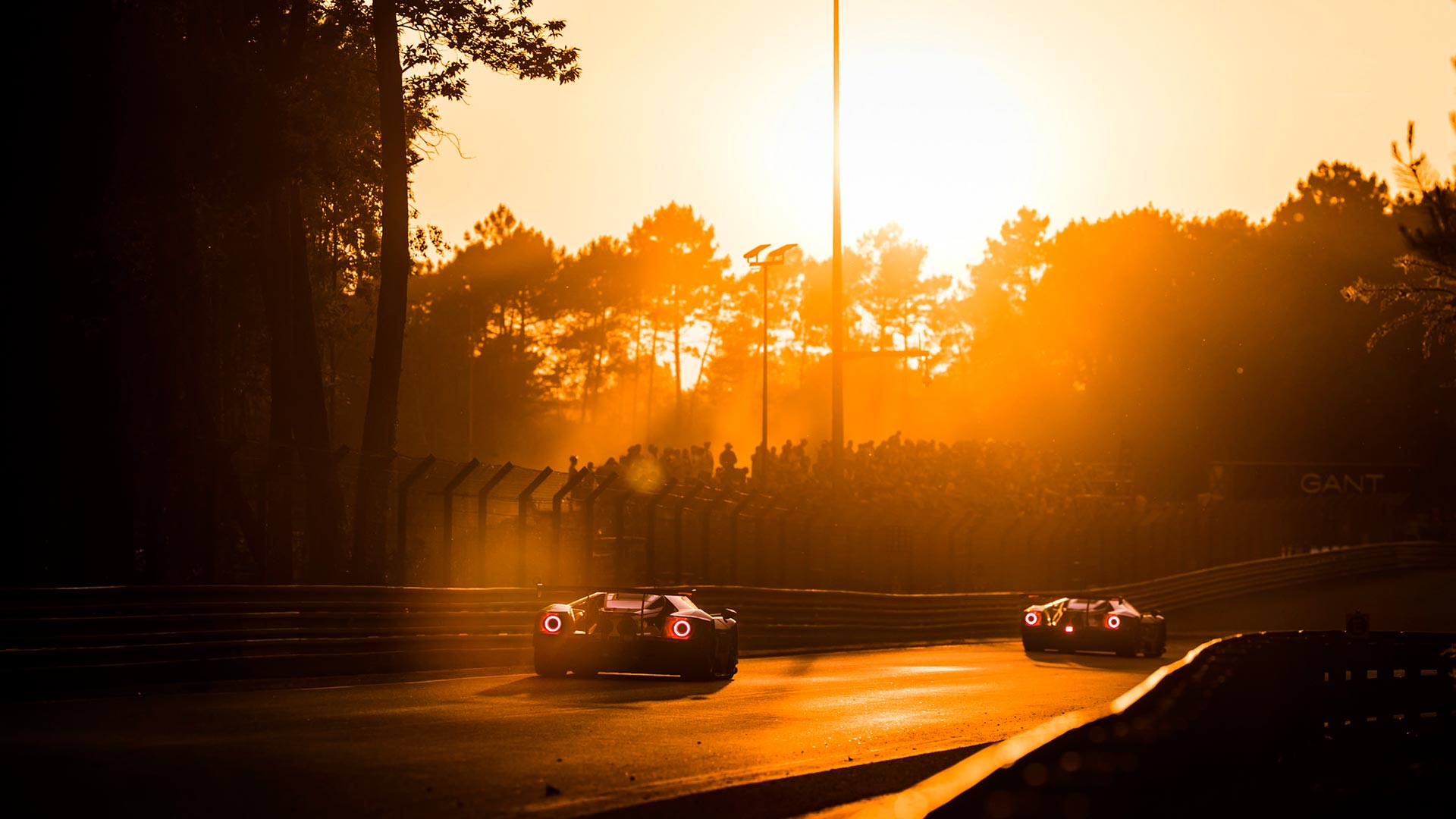
Sunset on the Ford GT Le Mans project
In fact, Ferrari has continued to dominate the World GT Manufacturers’ Championship since 2012, taking five titles in seven seasons. It means that more than 55 years after Henry Ford II declared war on the Ferrari at Le Mans, the battle is still seemingly far from over.
The scheduled cinematic release date for ‘Ford v Ferrari’ is now November 15th 2019. It means only a few more months of waiting for fans to witness the recreation of this special chapter in motorsport history.
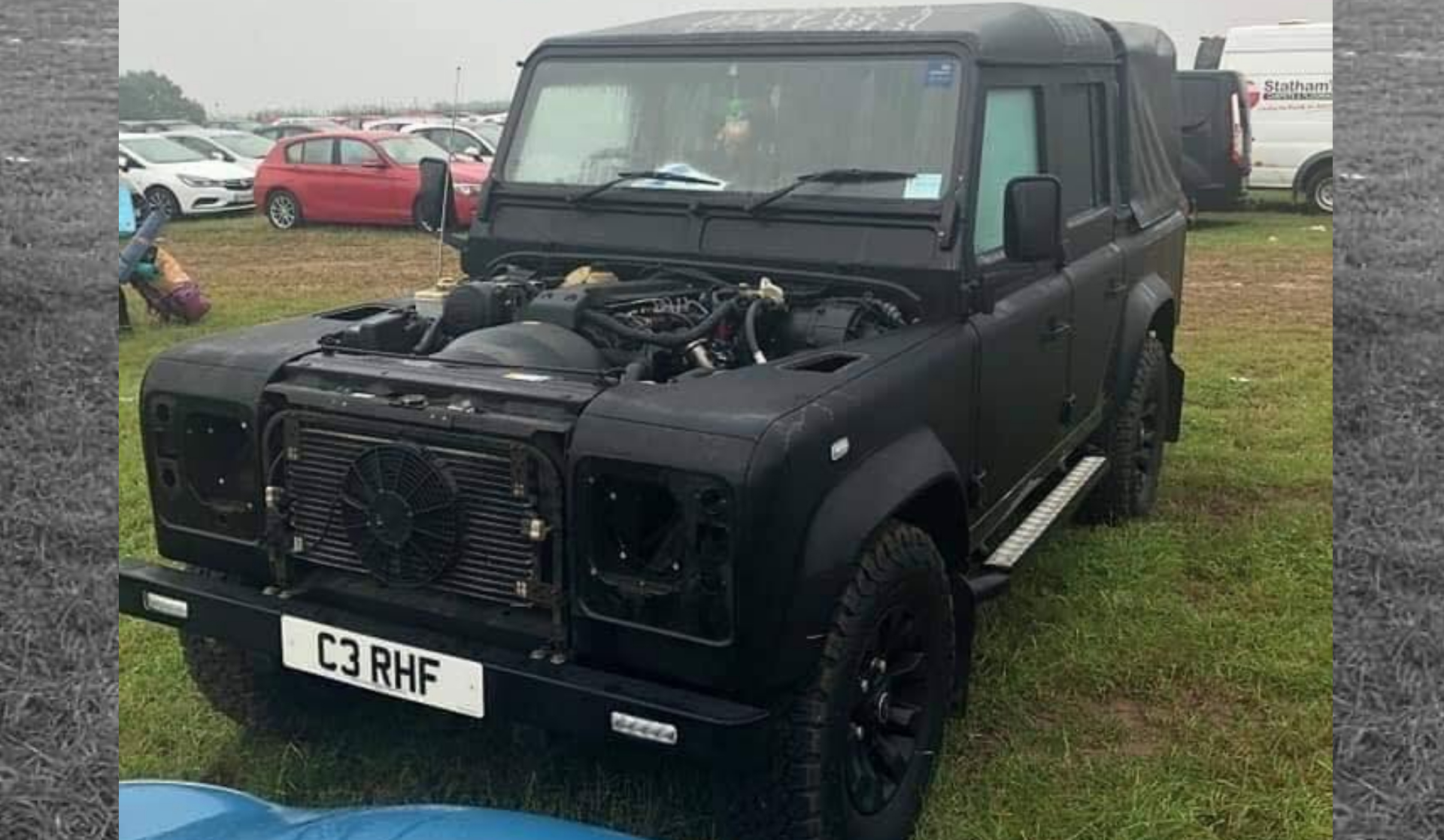
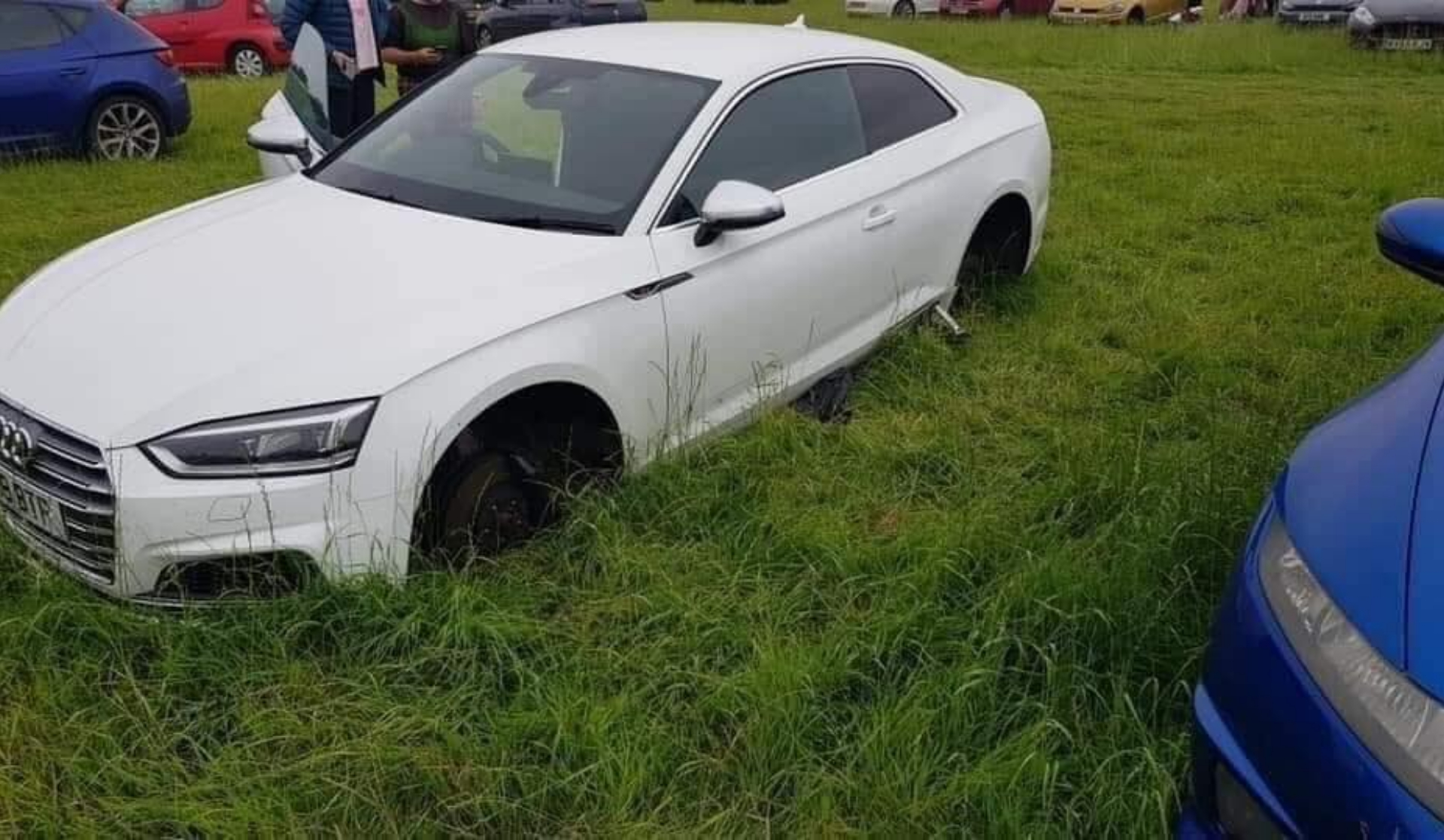
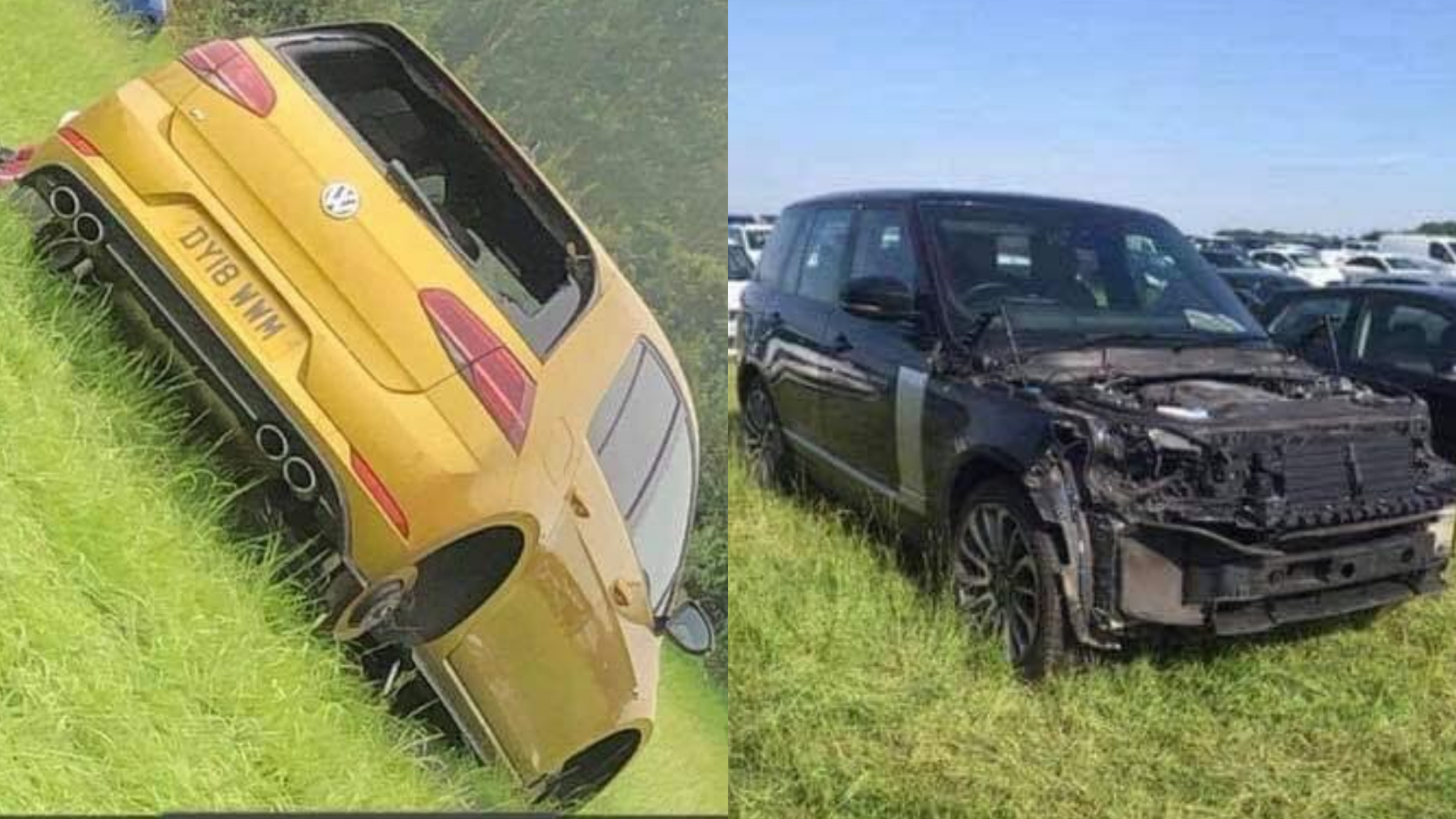
Cars targeted included an Audi A5, Range Rover, Land Rover Defender, Volkswagen van and Volkswagen Golf R. The Audi and Golf had their seats and alloy wheels stolen. Both the Land Rovers had their entire front ends stripped.
Given the size of the parts that were taken from the cars, the vehicle the thieves were using is suspected to be sizeable.
“These reports are being taken seriously and we are investigating a number of lines of enquiry,” chief inspector Julie Westgate of Cheshire Police told the Manchester Evening News.
Increase in car cloning causing problems in the used market
“The suspects must have required a large vehicle to transport them from the site due to the size of the items stolen. I’d urge anyone who was in the nearby area, who may have dashcam footage or any information to contact police so that we can find those responsible.
“Some of those affected were stranded as their cars were undriveable and had to be towed. It’s not just the inconvenience for the victims, it’s the cost of the damage done and their ability to get to work after the Bank Holiday weekend.”
Debate is ongoing among festival-goers about who the liability for the damages falls upon. Should the festival organisers have laid on better security? Or do attendees park at their own risk?
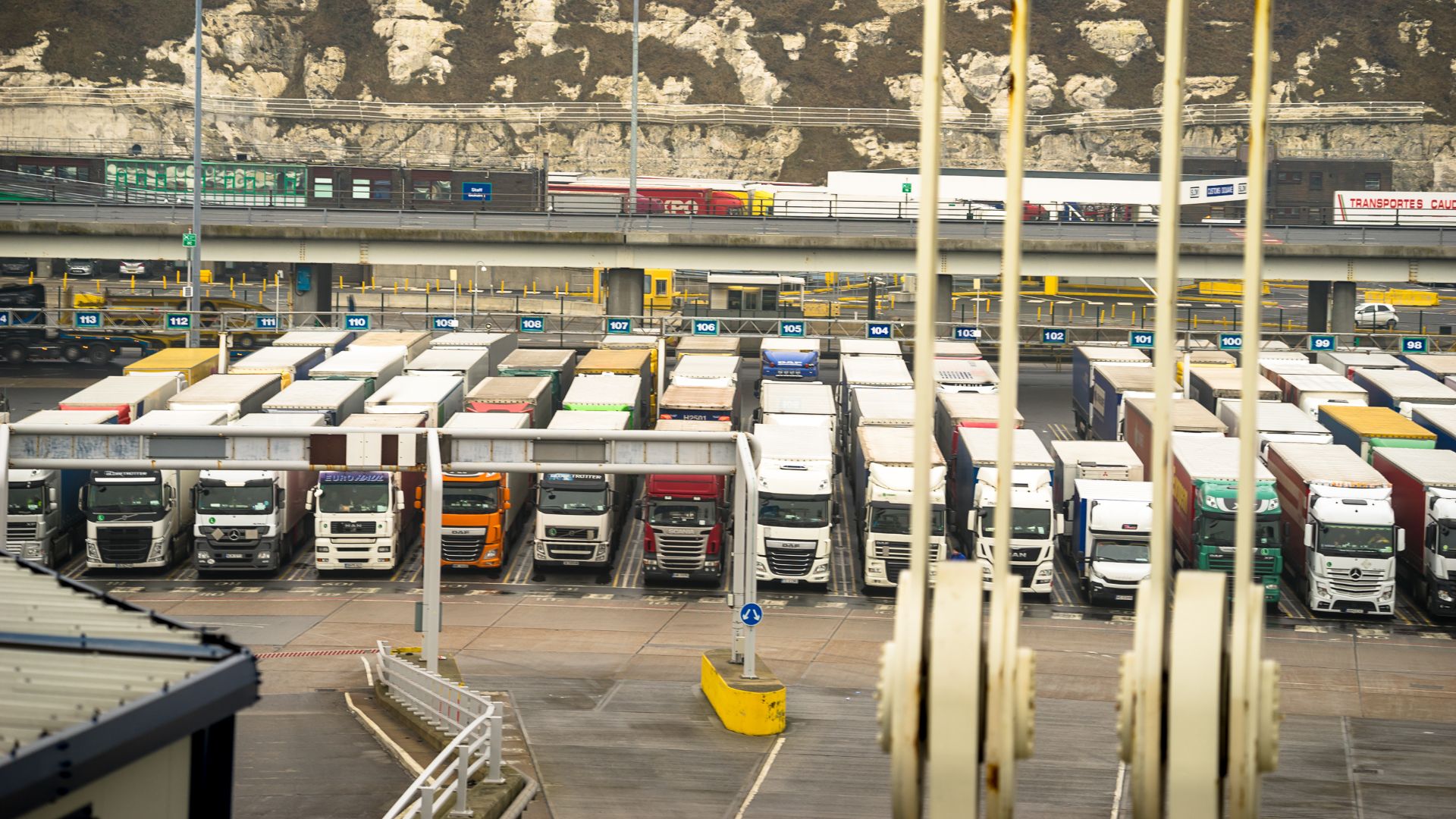
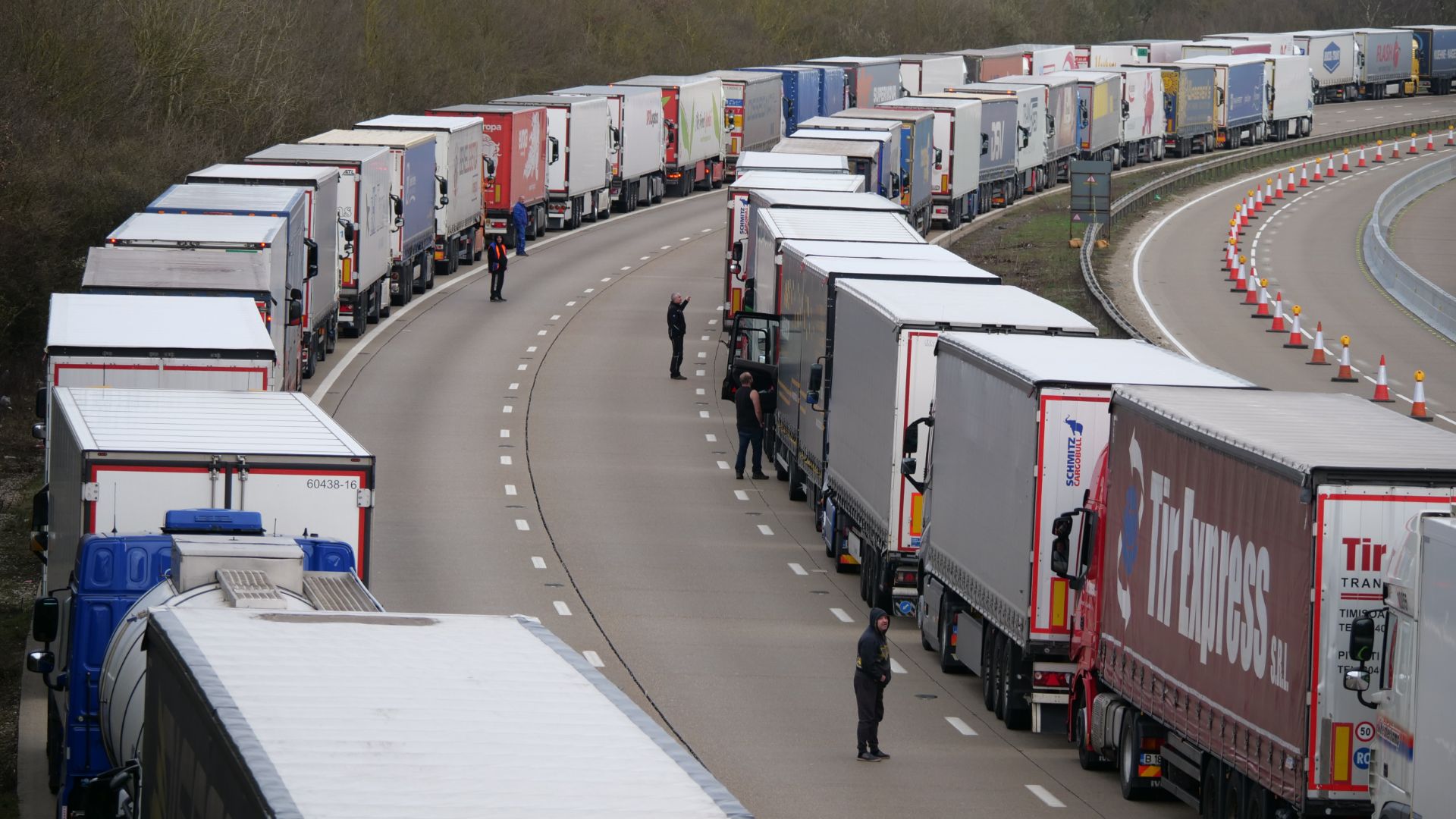
There have been more warnings come that a no-deal Brexit could hit the UK car industry hard, to the tune of £4 billion every year.
Costly challenges include the exporting of cars, parts supply and border controls. Just getting new cars built in the UK is predicted to be extremely challenging, according to a report by GlobalData.
‘Wake up call’ for no-deal Brexit as UK car production declines AGAIN
“A no-deal Brexit could lead to significant delays at borders as new customs checks are applied,” said Ian Henry, writer of the report, director of AutoAnalysis and visiting professor at Birmingham City University’s Centre for Brexit Studies.
“Those delays will cost manufacturers money due to lost time and necessitate the stockpiling of components as the Brexit deadline approaches.”
Parts stockpiling is necessary to minimise manufacturing disruption if the UK leaves without a deal. A circa. £700 million cost is expected to affect low volume manufacturers. Higher-volume car and LCV exports could suffer to the tune of £2.7 billion.
“Regulatory alignment with the EU must be maintained if UK manufacturers wish to export their cars overseas,” continued Henry.
“The UK Government may like to talk about the opportunities open to the UK economy after Brexit, but it is difficult to see what these are. The Society of Motor Manufacturers and Traders (SMMT) has described Brexit’s impact on the automotive manufacturing industry as ‘like death by a thousand cuts’. It is very difficult to argue against this view.”
The associated costs with a no-deal Brexit are such that they wouldn’t long be contained by the automotive sector. The effects are expected to reach far beyond and “ripple through the value chain causing widespread economic and social disruption”.
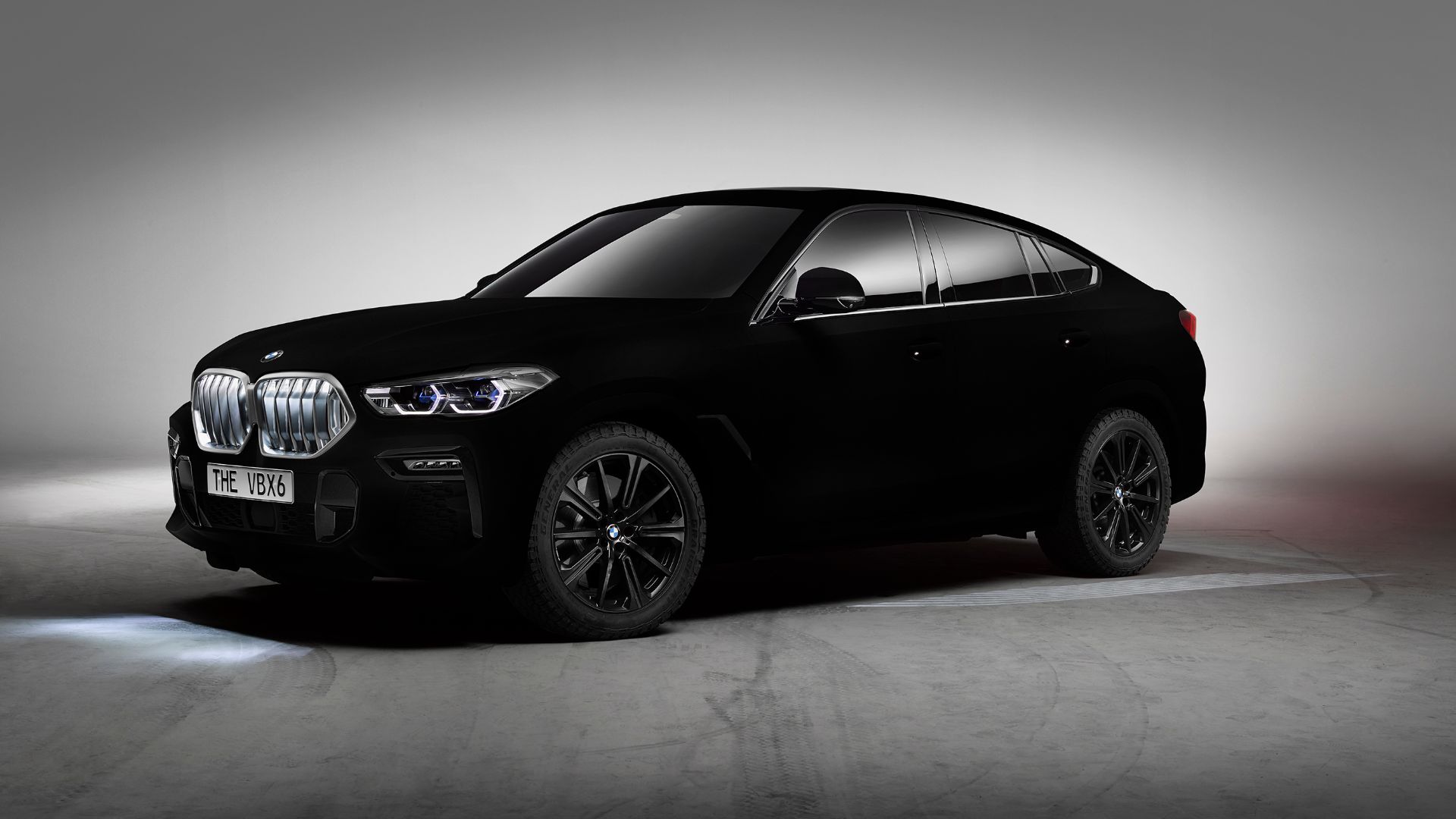
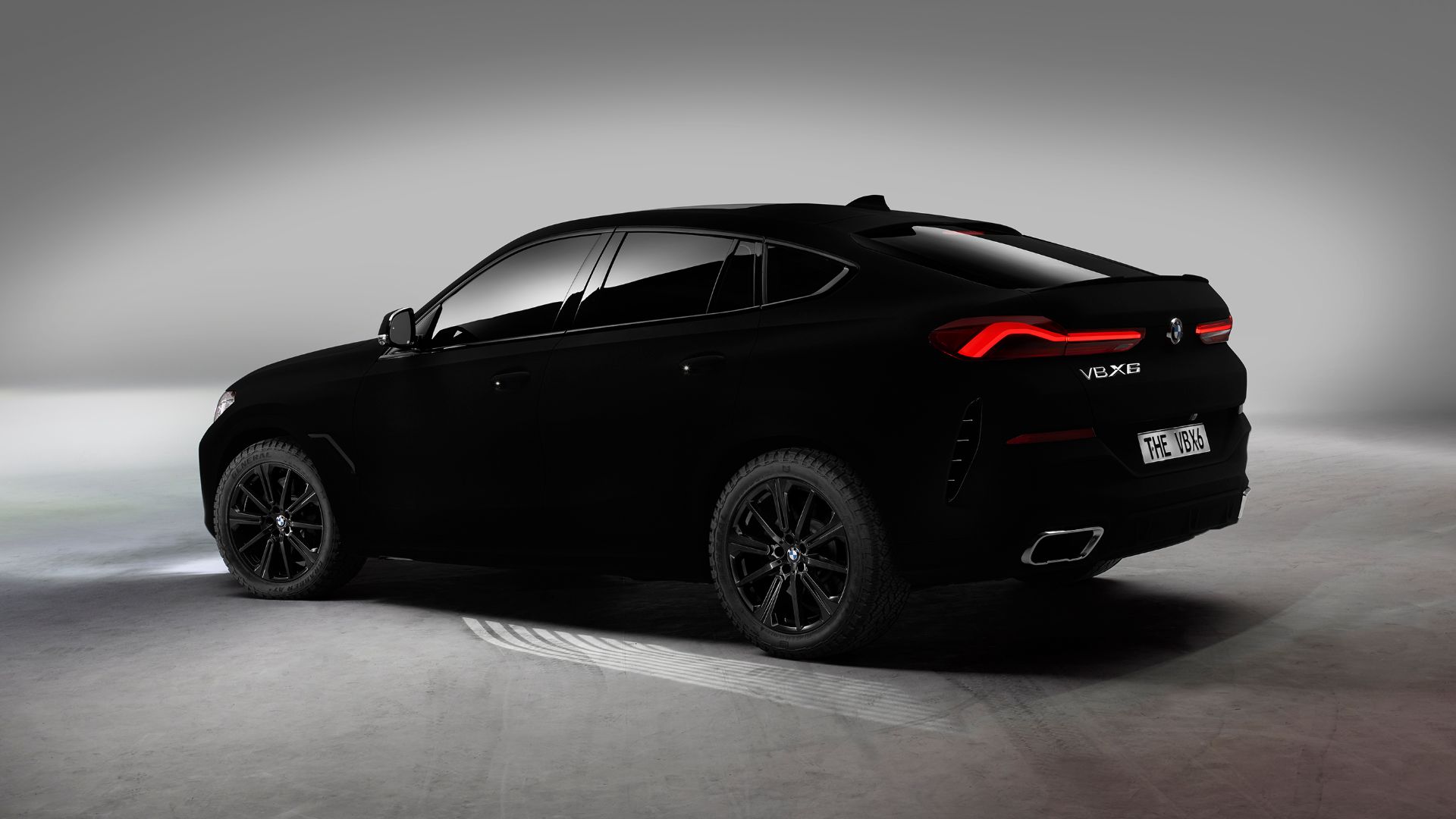
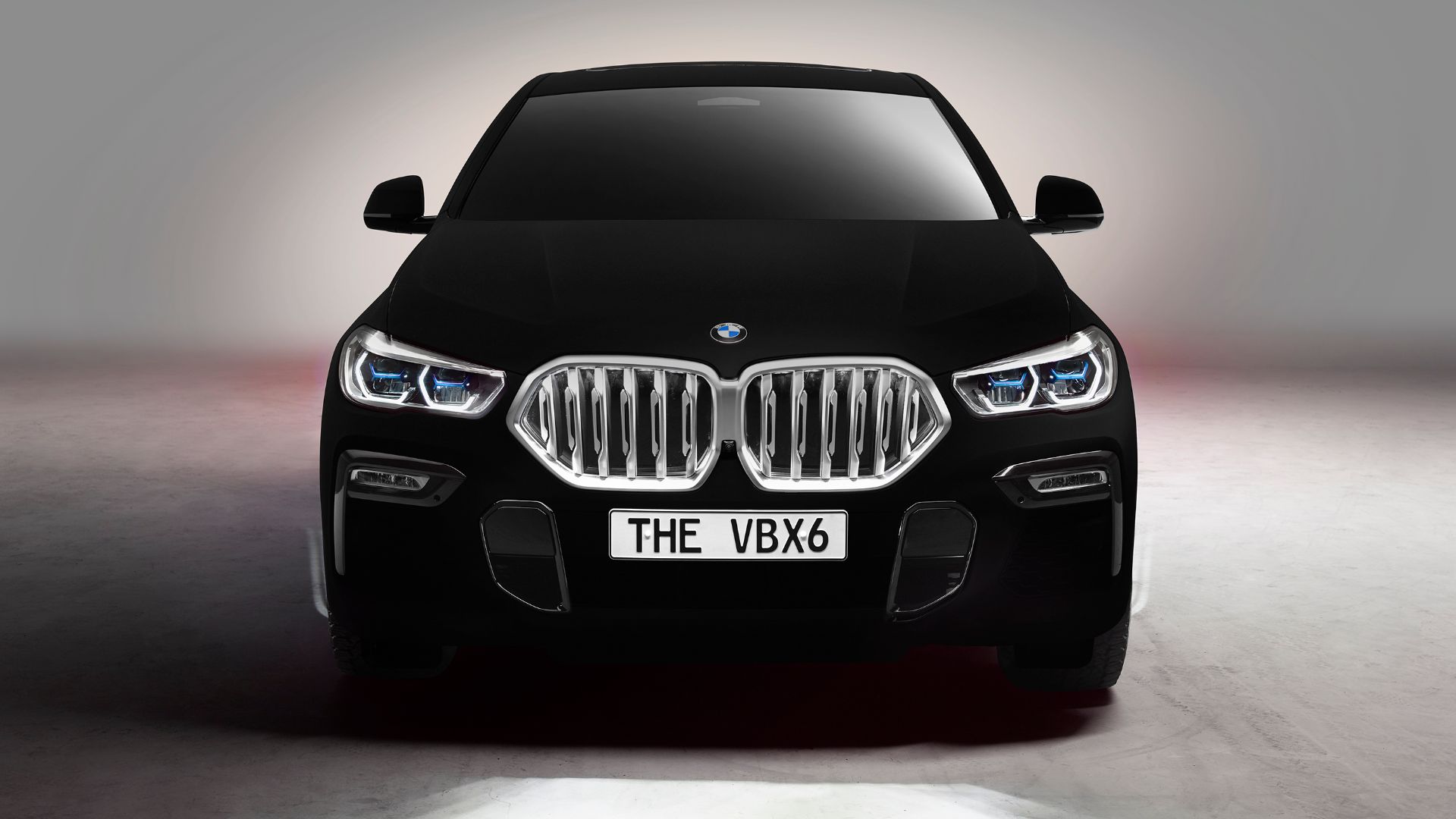
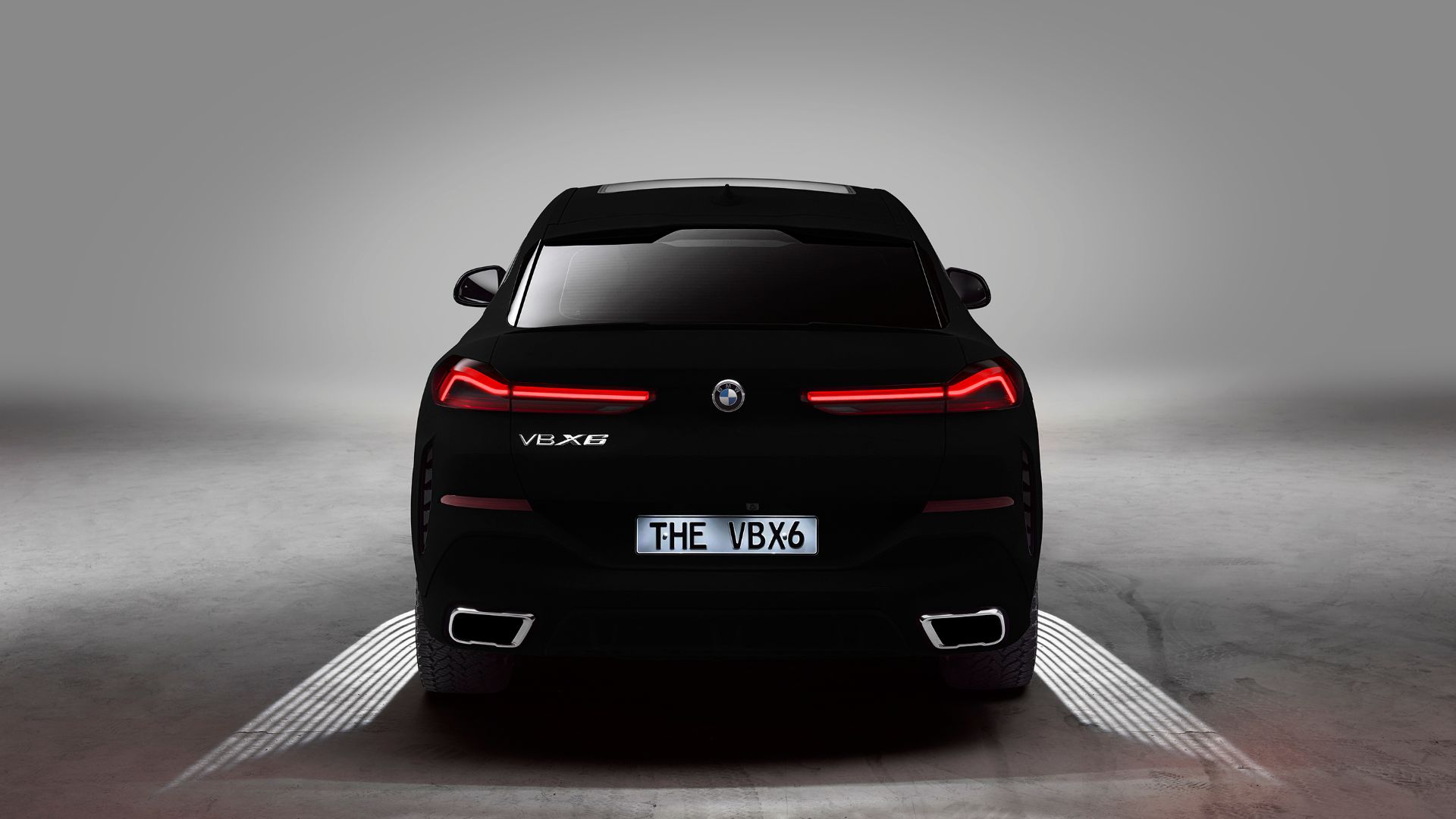
The BMW X6 has always divided opinion, and few more so than this one. It’s a special edition painted in Vantablack, otherwise known as ‘the world’s blackest black’.
From the description, it’s hard to imagine how that would look. And then you see it…
What is Vantablack paint?
Hans Zimmer to help fast electric BMWs sound good
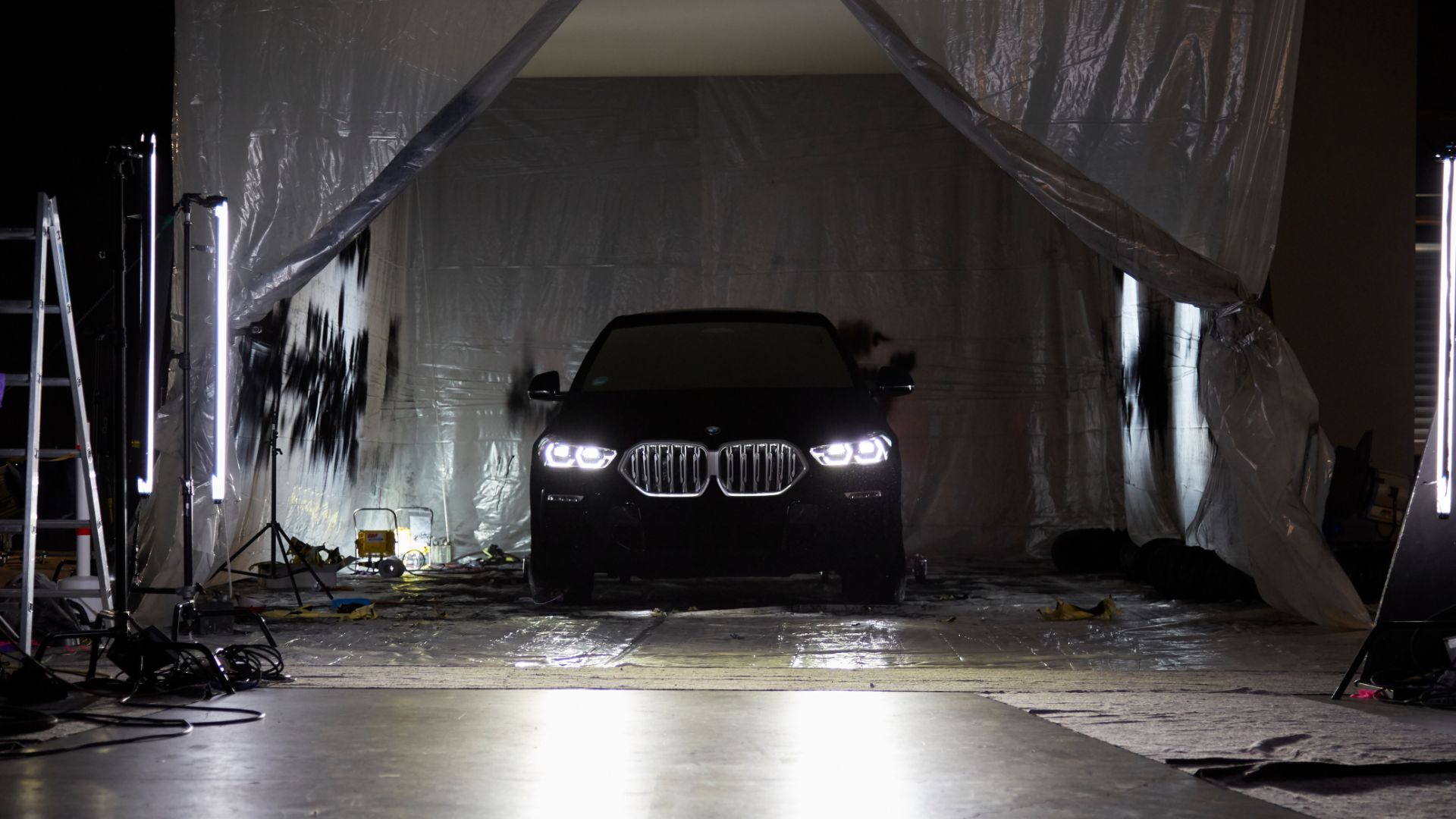
‘VANTA’ stands for Vertically Aligned Nano Tube Array, and around a billion of these tubes cover every square centimetre of the X6.
It’s a coating that was originally developed for use in space. It’s also useful for observatories, as it effectively cuts out stray light from the sun, allowing a clearer view of far-off planets.
Absorbs nearly 100% of light
YouTube star creates a Tesla Model 3 pick-up
First developed by Surrey NanoSystems in 2014, the coating was found to absorb up to 99.965 percent of light. It also eliminates reflections, meaning the X6 looks almost two-dimensional.
It’s no exaggeration to say that Vantablack is so black that it effectively creates a void for the human eye. It’s like staring into a black hole. It robs the X6 of all of its styling lines. Potentially the perfect colour for it, then? X6 designer Hussein Al Attar seems to think so.
“The Vantablack VBx2 finish emphasises makes the BMW X6 look particularly menacing. Moreover, the BMW X6 has always been the most provocative and in-your-face model in our portfolio. So why not emphasise this even further, with a finish that simply captivates the viewer’s attention?”
It’s very interesting to look at, but not exactly a designer’s dream given that it effectively renders styling lines invisible. Al Attar seems to think that X6 owners would love the chance to paint their car in ‘the world’s blackest black’.
“BMW X6 drivers are among our most extrovert and free-spirited customers. If anyone were to opt for a Vantablack paint option, it would definitely be a BMW X6 driver.”
Electric Audi E-Tron SUV joins London taxi fleet
What’s interesting is that Vantablack already has an automotive use, just not necessarily for style. It’s employed to stop sensors on autonomous cars from being corrupted by stray sunlight.
The latest X6 will be on show at the 2019 Frankfurt Motor Show in September and we sincerely hope this example will be there. A word to the wise: don’t lose yourself staring into it…
Electric car sales doubled in July versus the same month in 2018. There has also been a year-to-date sales increase of 98 percent, to 23,200 units.
Why the sudden rise in sales? JATO Dynamics, which collated the data, says new electric models introduced over the past 12 months have gained serious traction on forecourts.
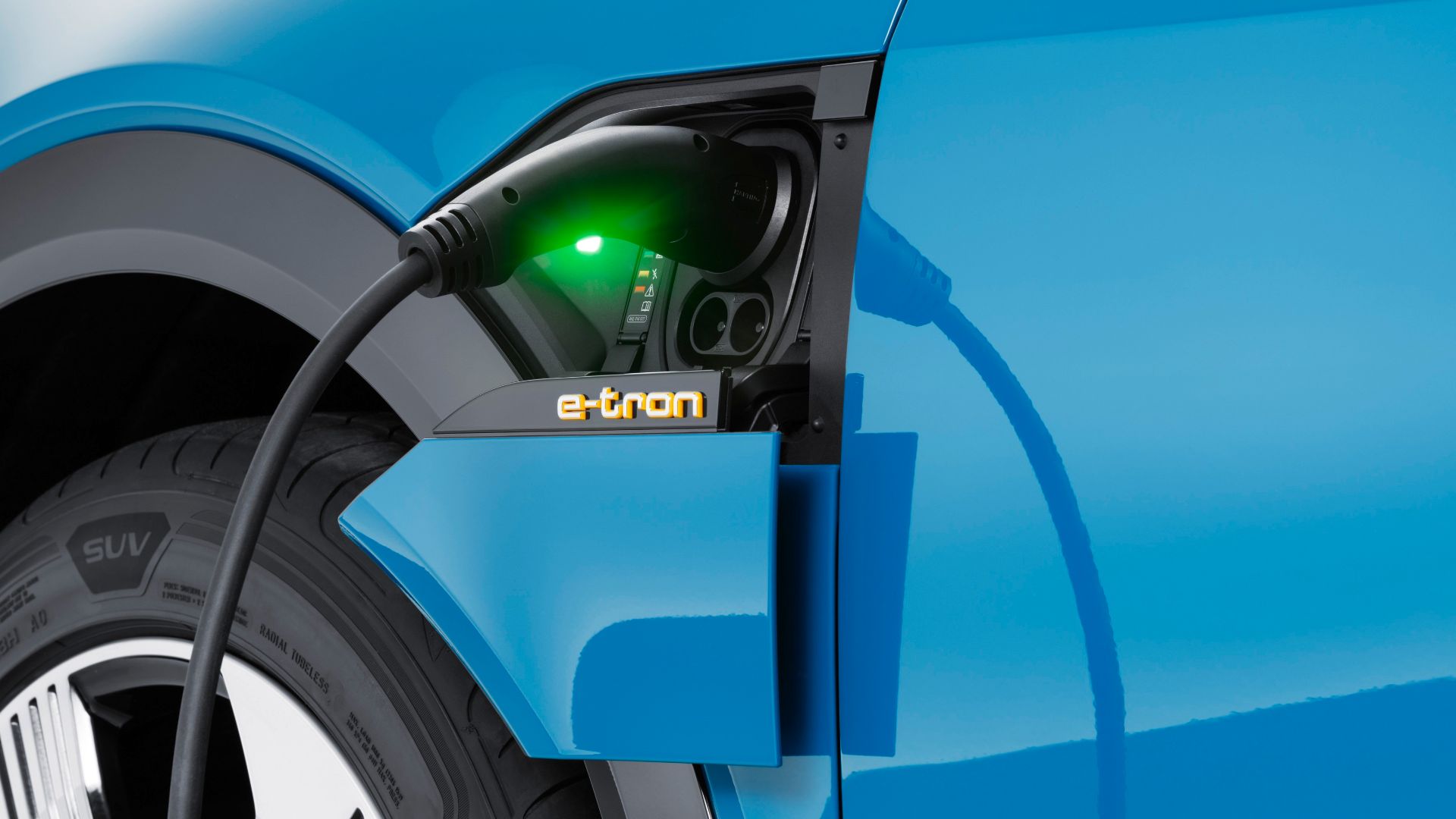
The Tesla Model 3 has been available in the UK for a couple of months and has already set several EV sales records across Europe. Renault’s Zoe electric city car saw increased sales of 103 percent in July. The Audi E-Tron had its part to play, too, with 1,735 finding owners in July.
Hyundai’s EV sales volumes, meanwhile, were up a spectacular 334 percent, with Volkswagen up 64 percent.
Sales of alternative-fuel vehicles, which include hybrids and plug-in cars as well as EVs, were up 29 percent year-on-year in July. Overall, electrified vehicles sold 96,600 units last month. Their market share is up from 5.8 percent to 7.4 percent.
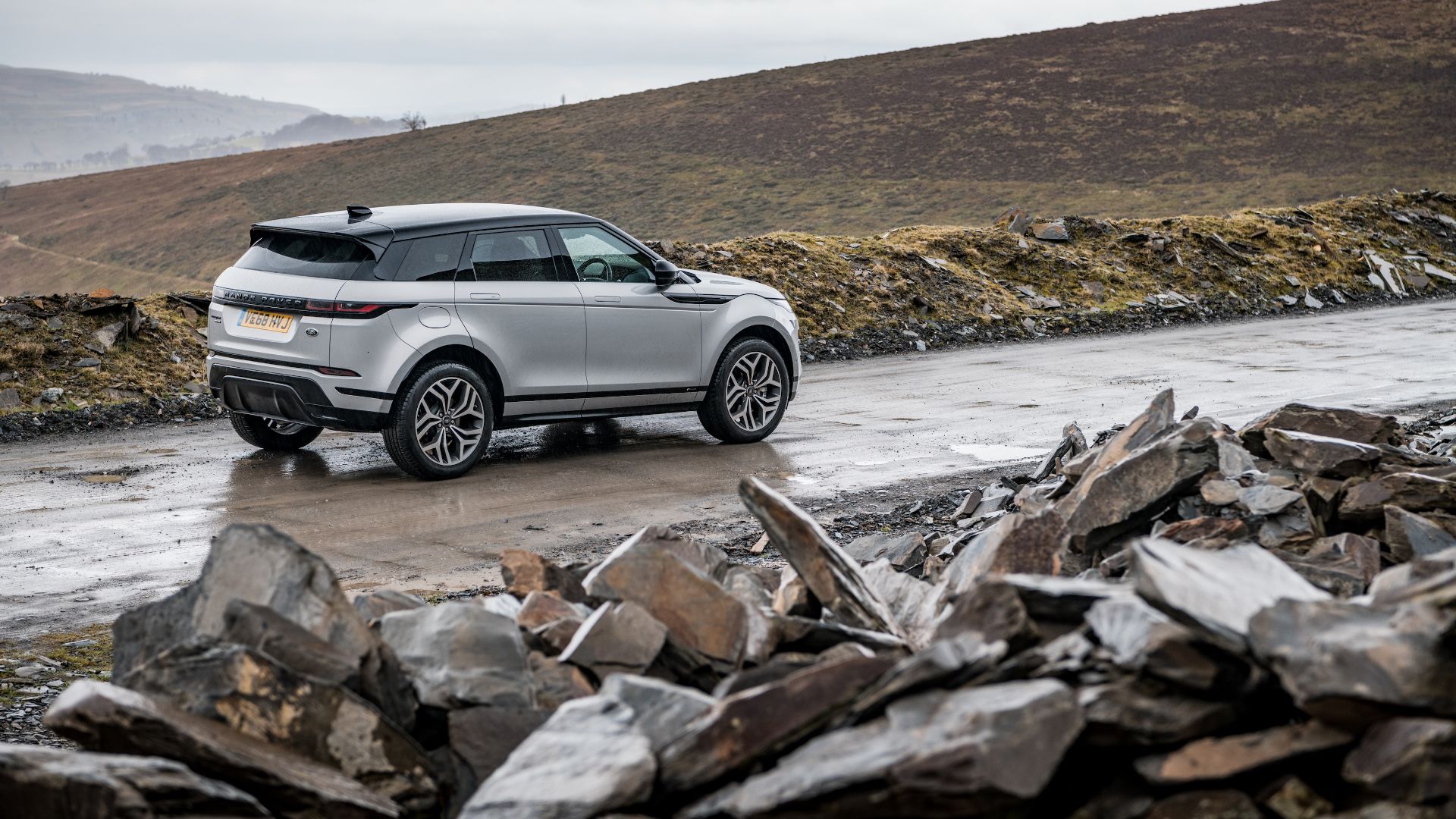
Those numbers are, unsurprisingly, significantly bolstered by Toyota and Lexus’ long-standing hybrid range. However, new models from Mercedes-Benz and Land Rover are climbing the rankings. The German marque came third for hybrid sales, while the Range Rover Evoque was the fifth best-selling hybrid in July.
We expect hybrid sales will leap still further. More ‘normal’ cars are adopting mild hybrid technology range-wide.
Electric Porsche Taycan takes 24-hour, 2,100-mile test drive
“Even if they still make up a comparatively marginal part of the overall market, electric vehicles are definitely becoming the industry’s bright spot during these challenging times,” said Felipe Munoz, JATO’s global analyst.
By “challenging times,” Munoz is referring to the 2.5 percent year-on-year drop in the overall market. Overall, July saw a marginal recovery, with registration figures up by 1.2 percent. It marks a mild but notable improvement on June’s 7.9 percent drop.
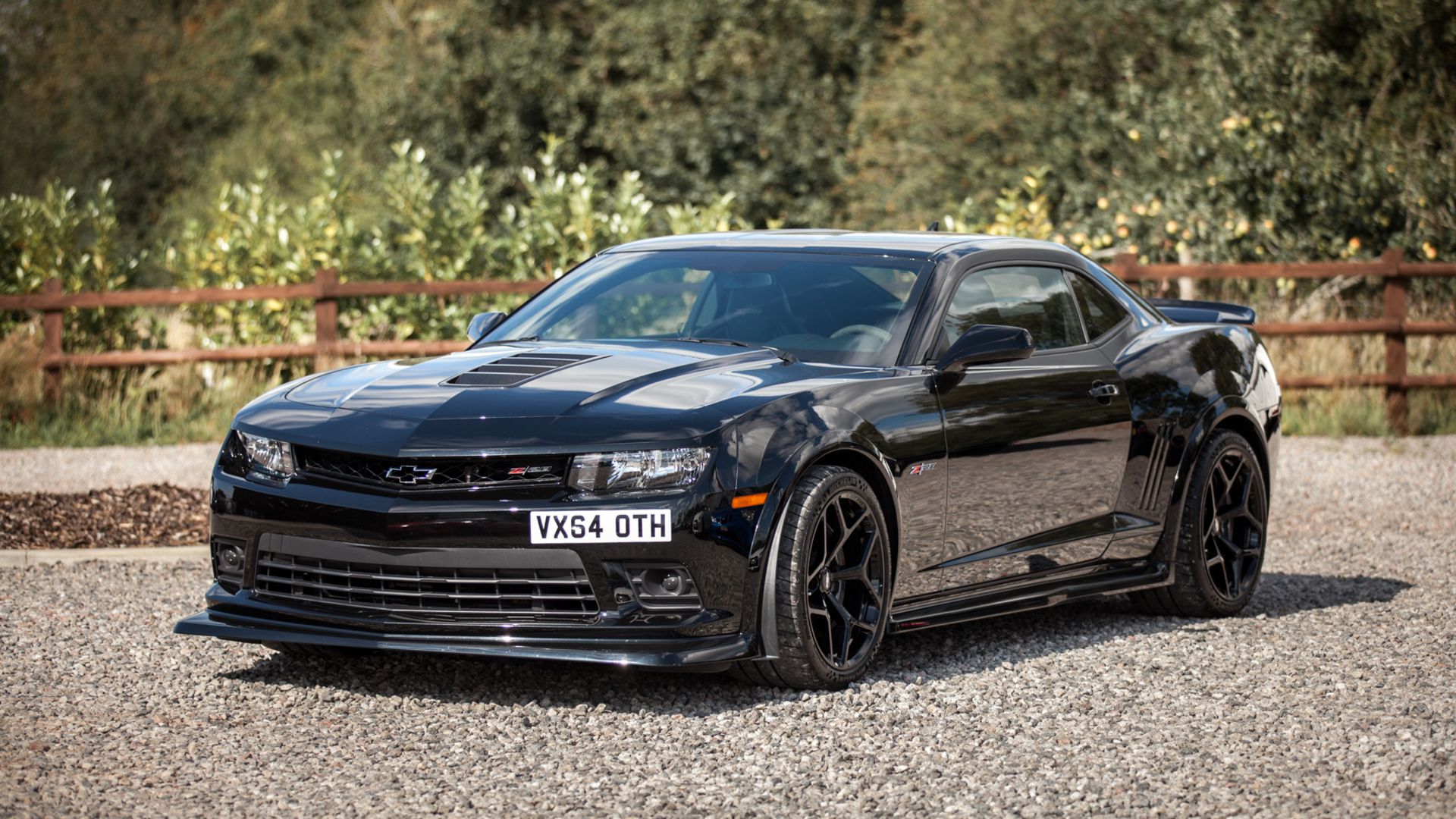
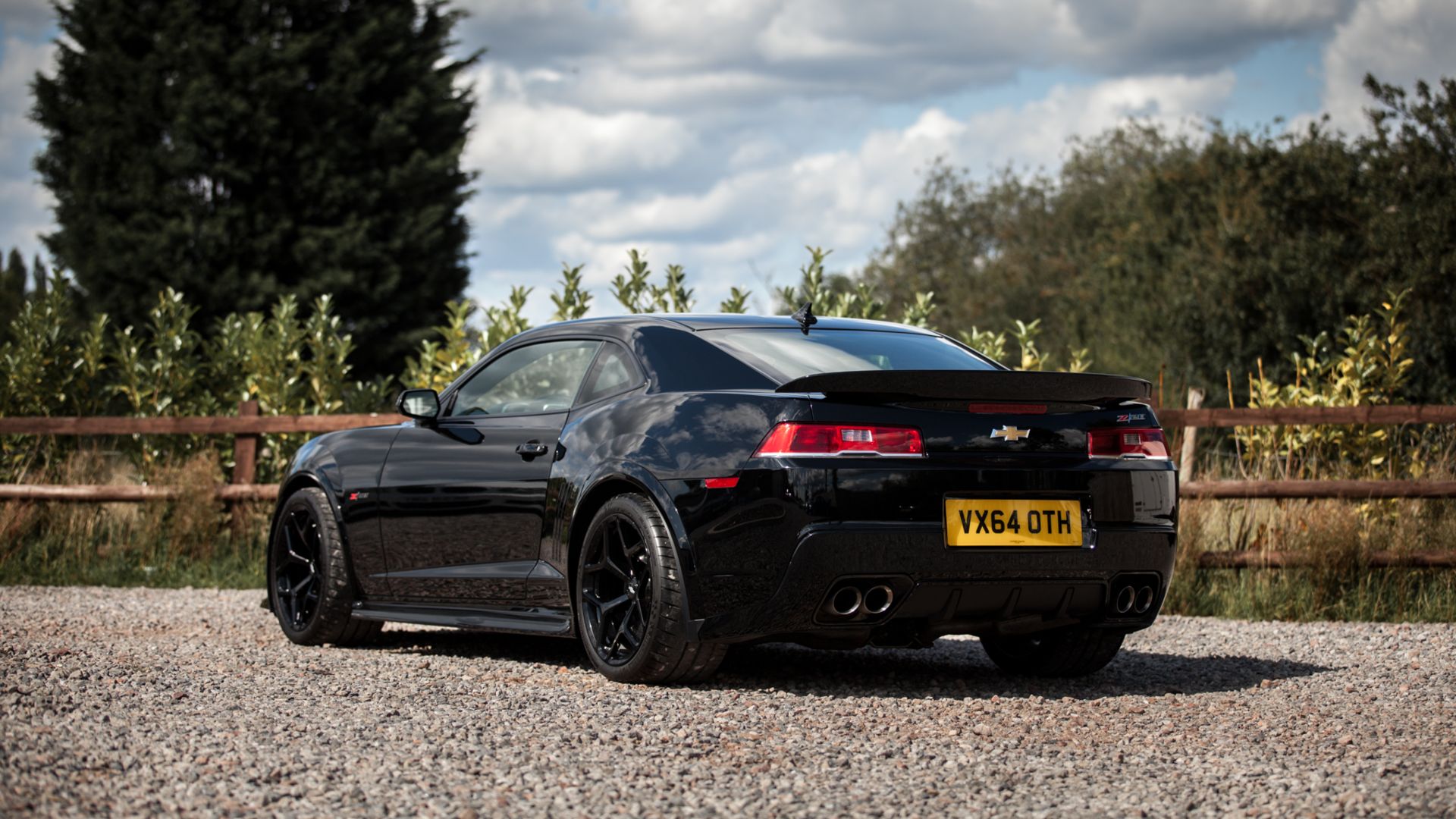
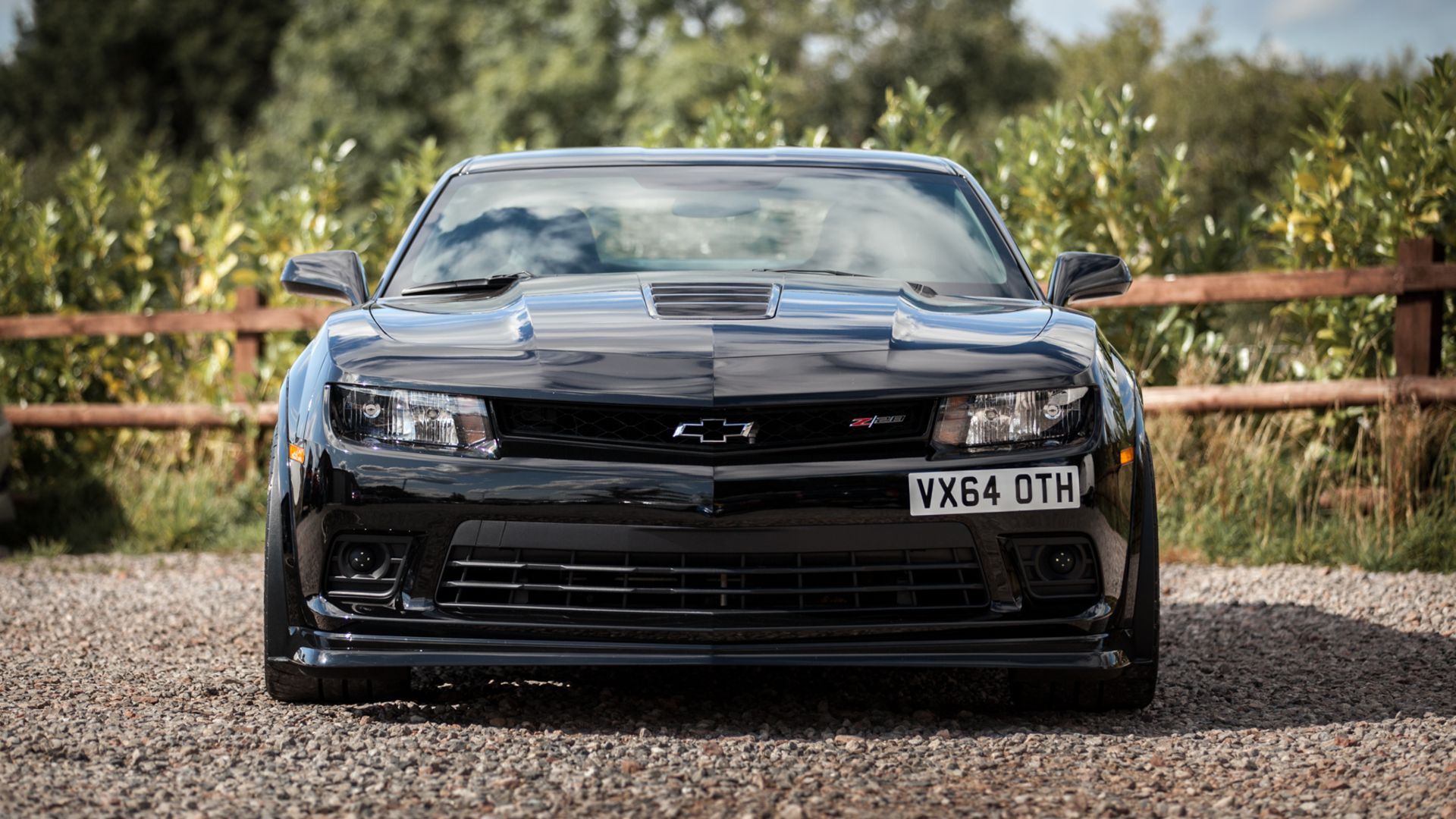
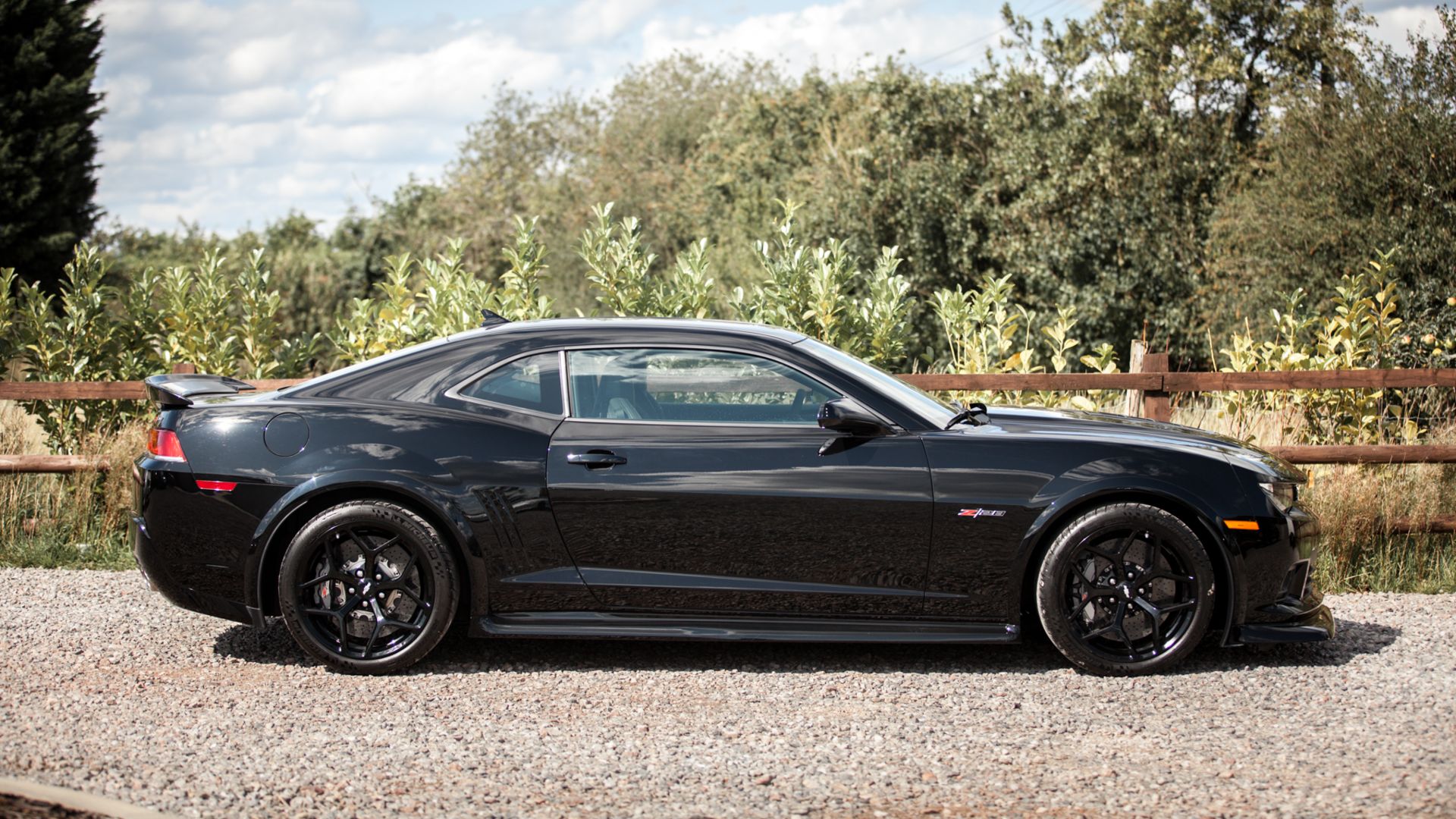
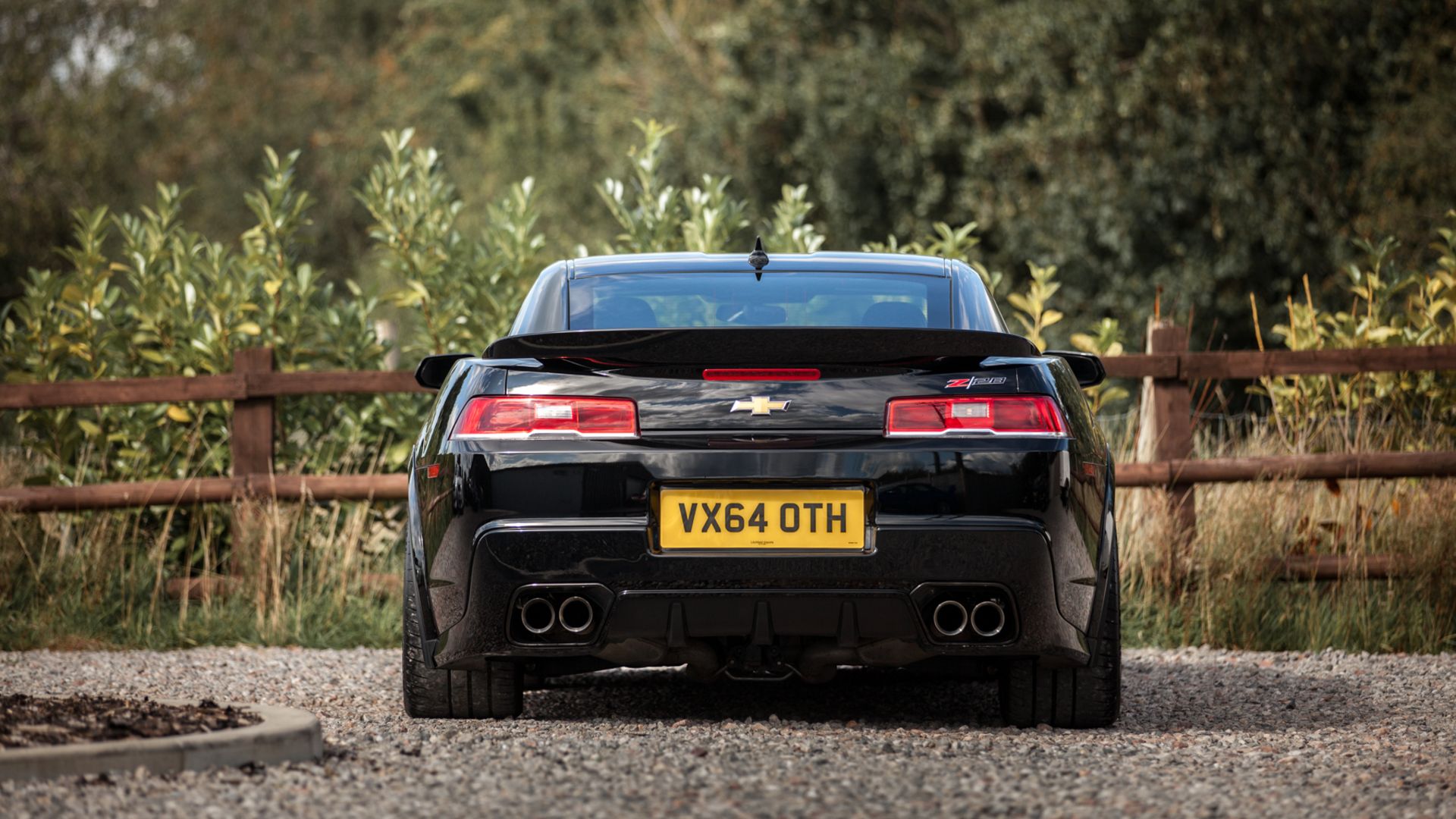
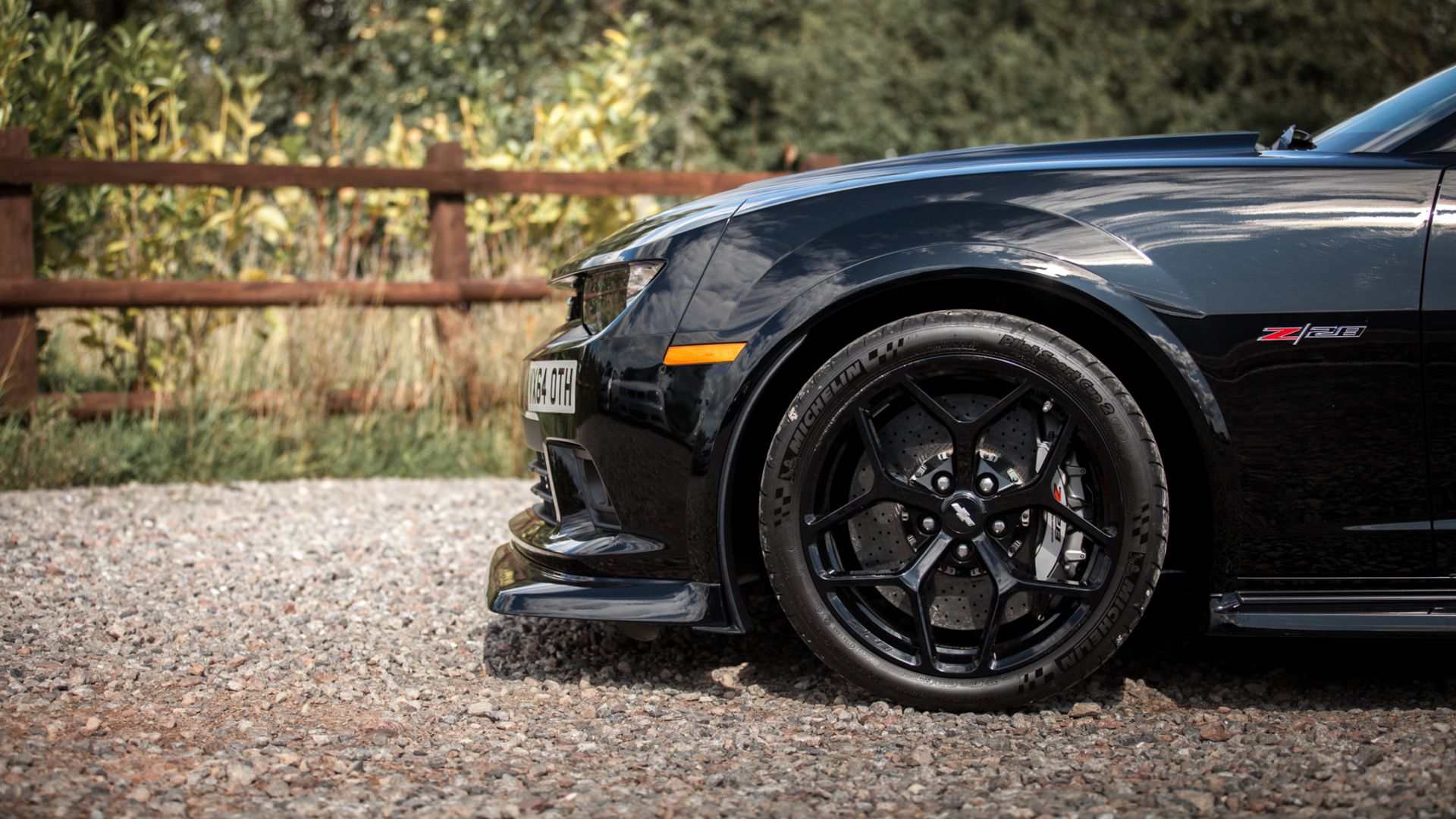
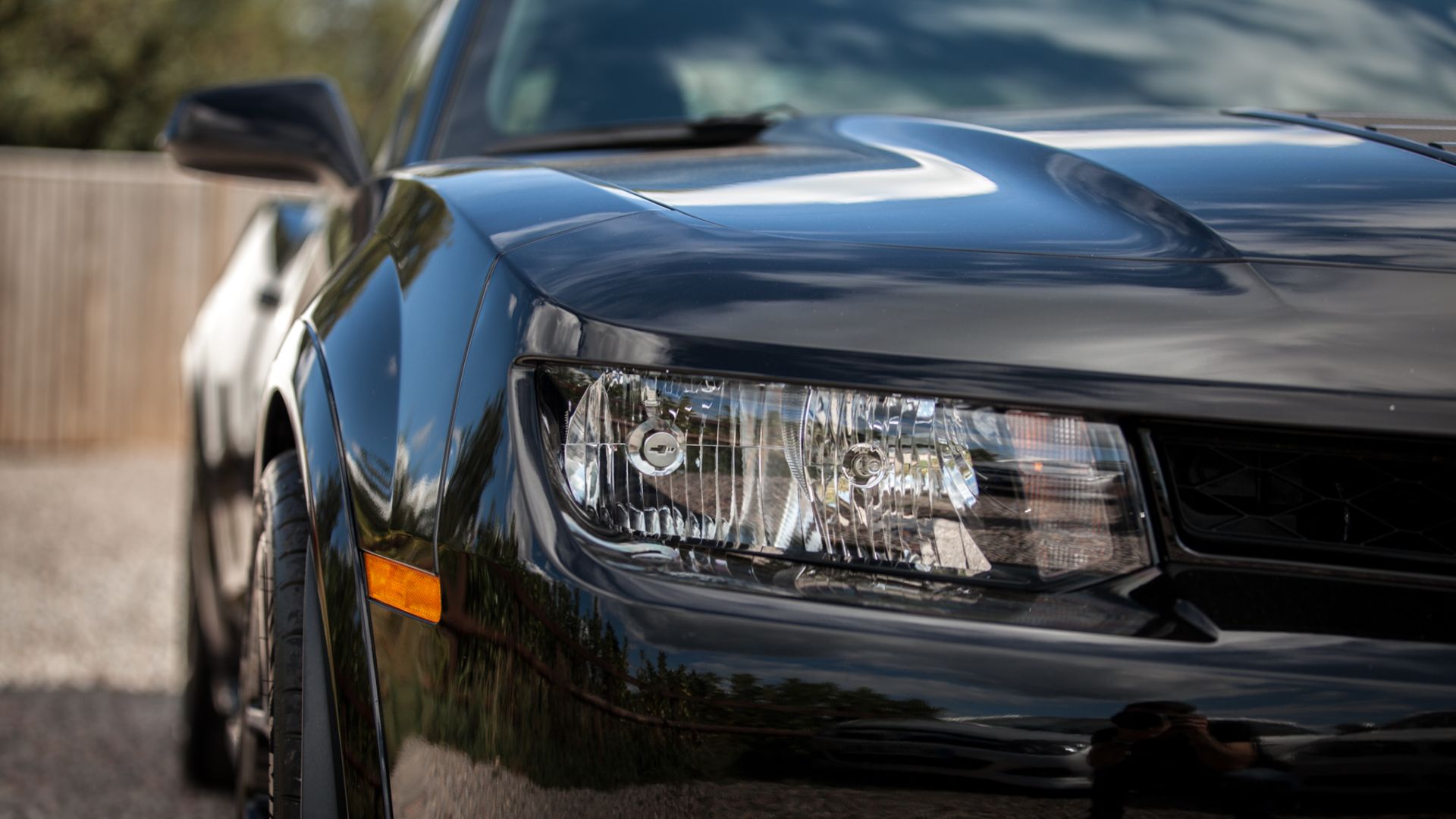
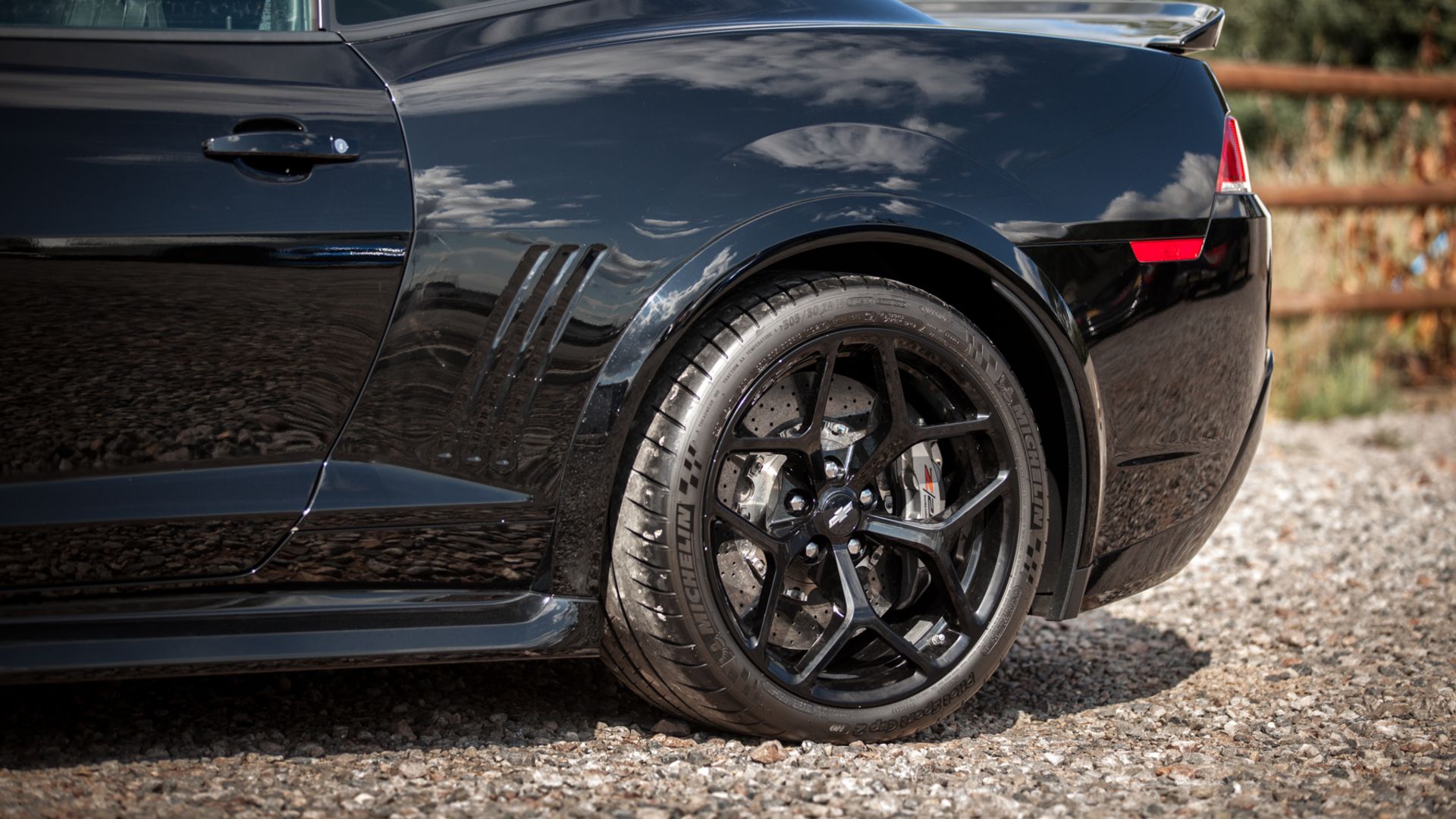
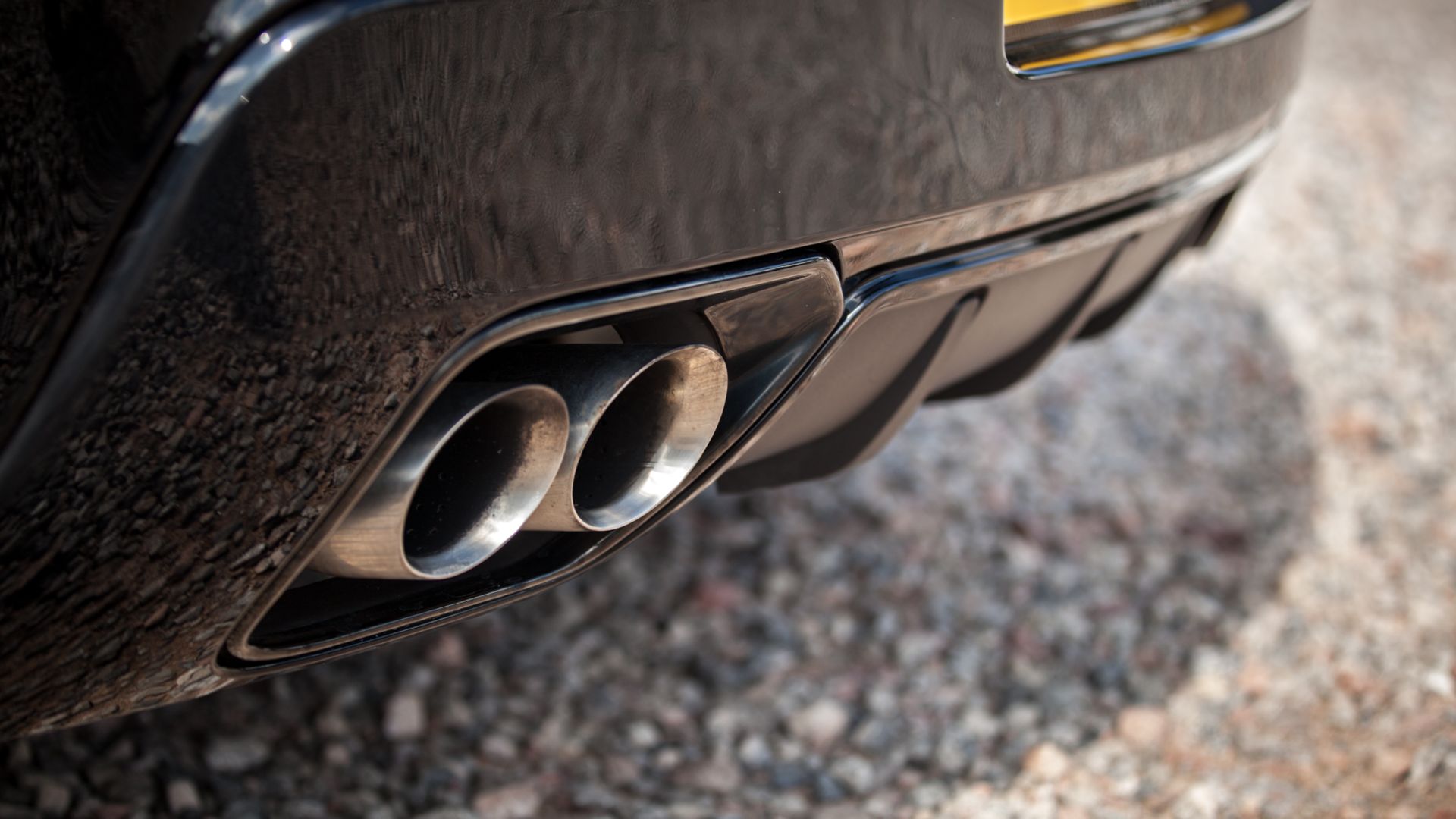
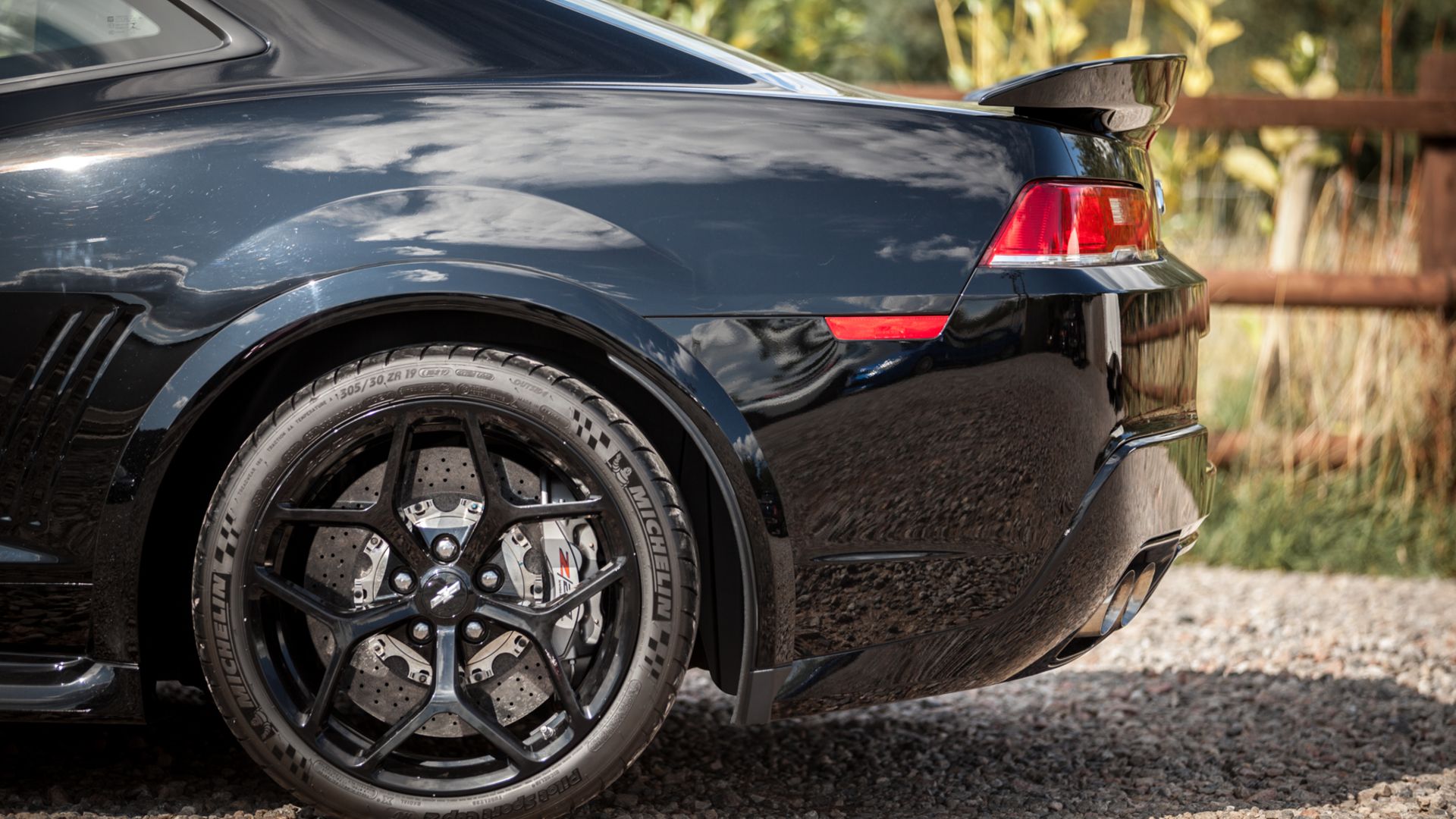
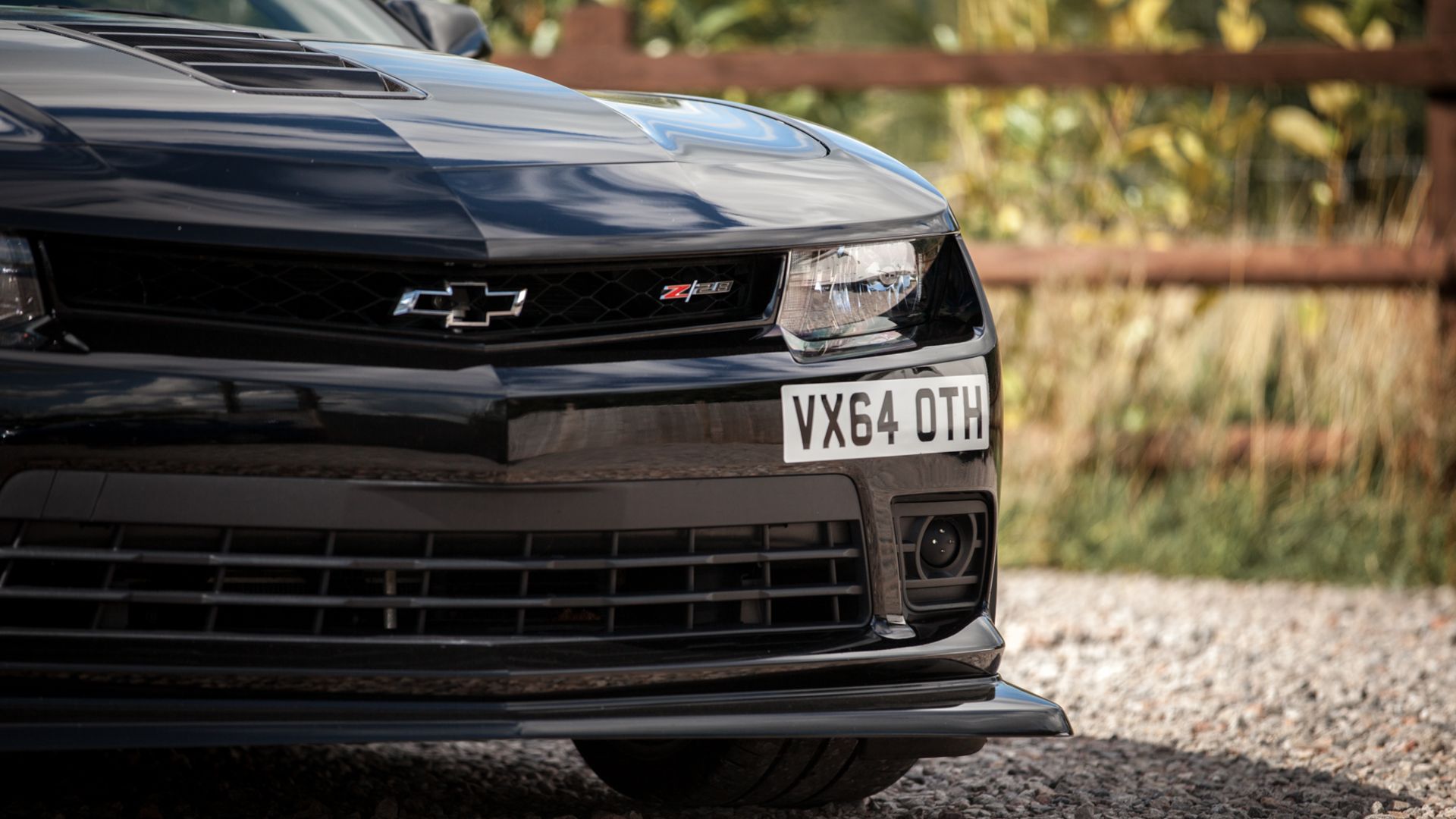
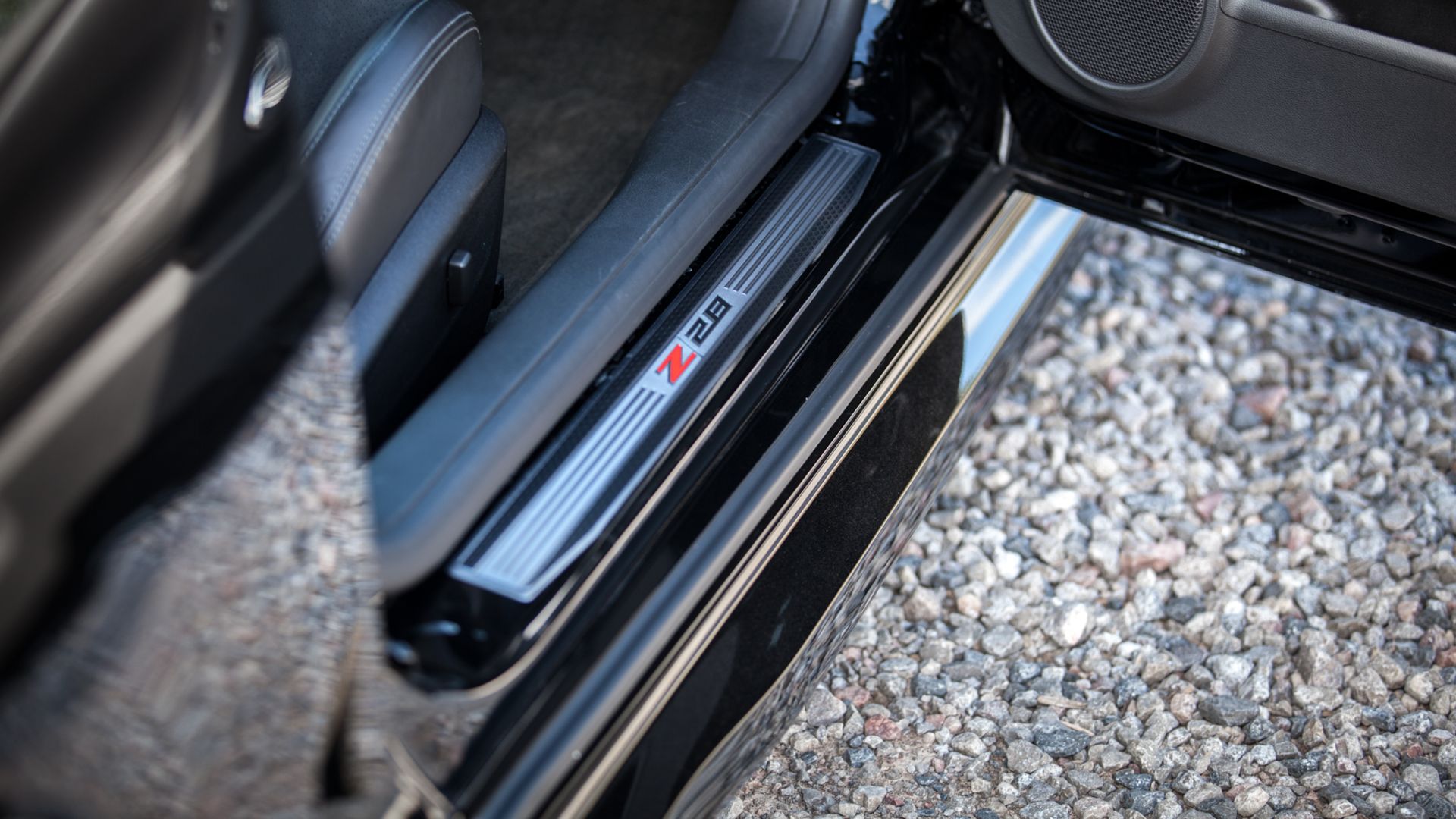
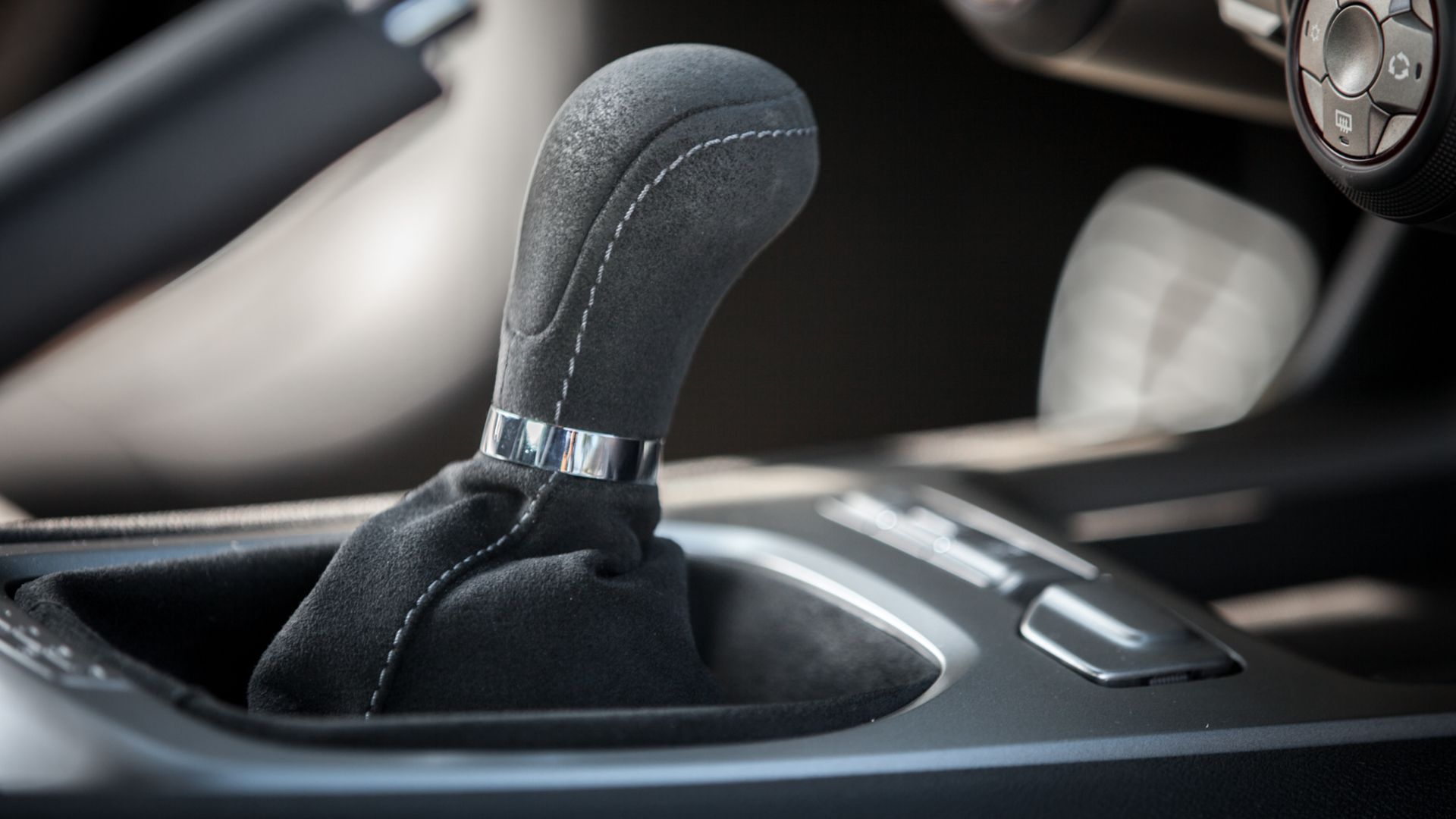
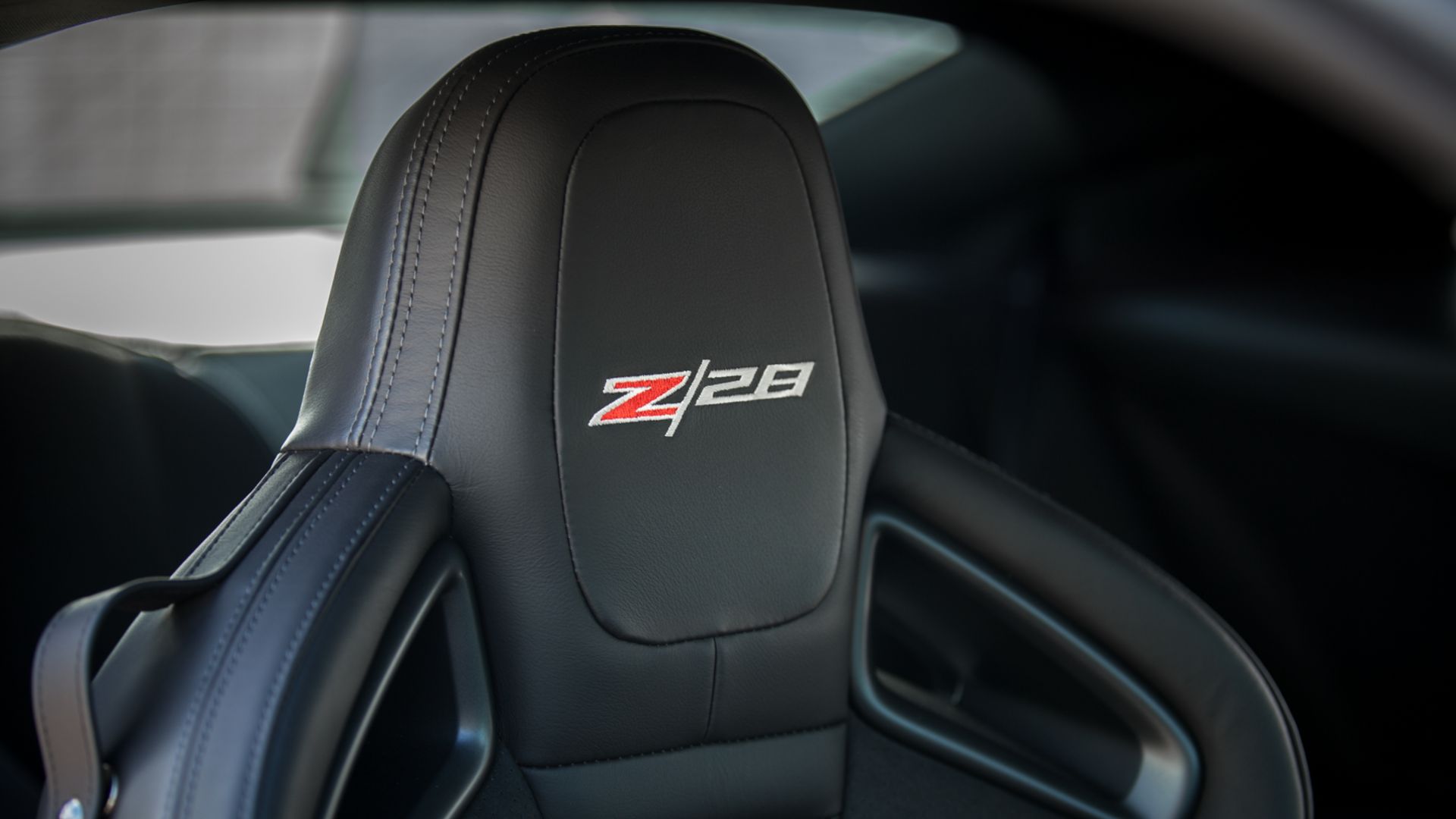
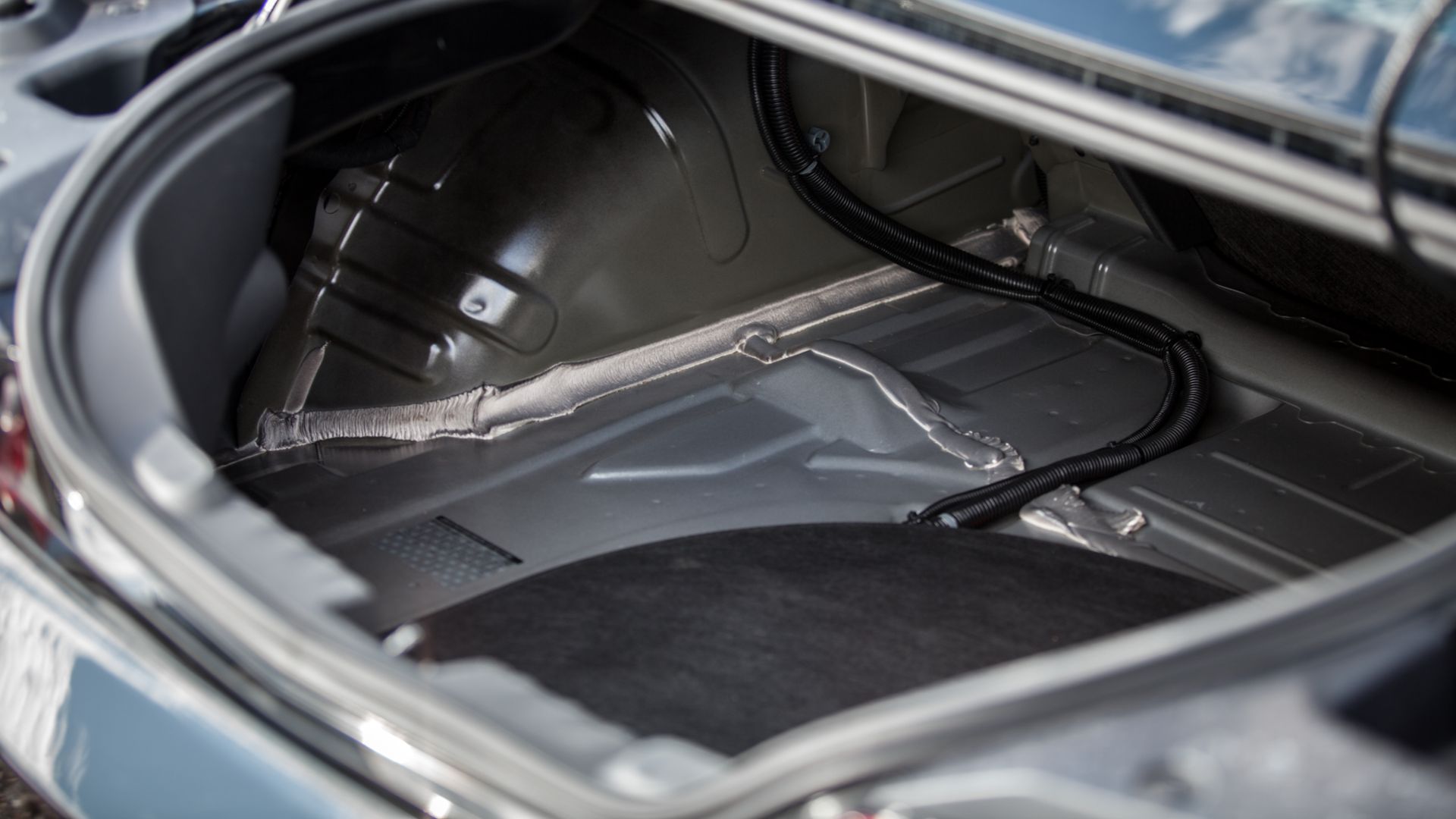
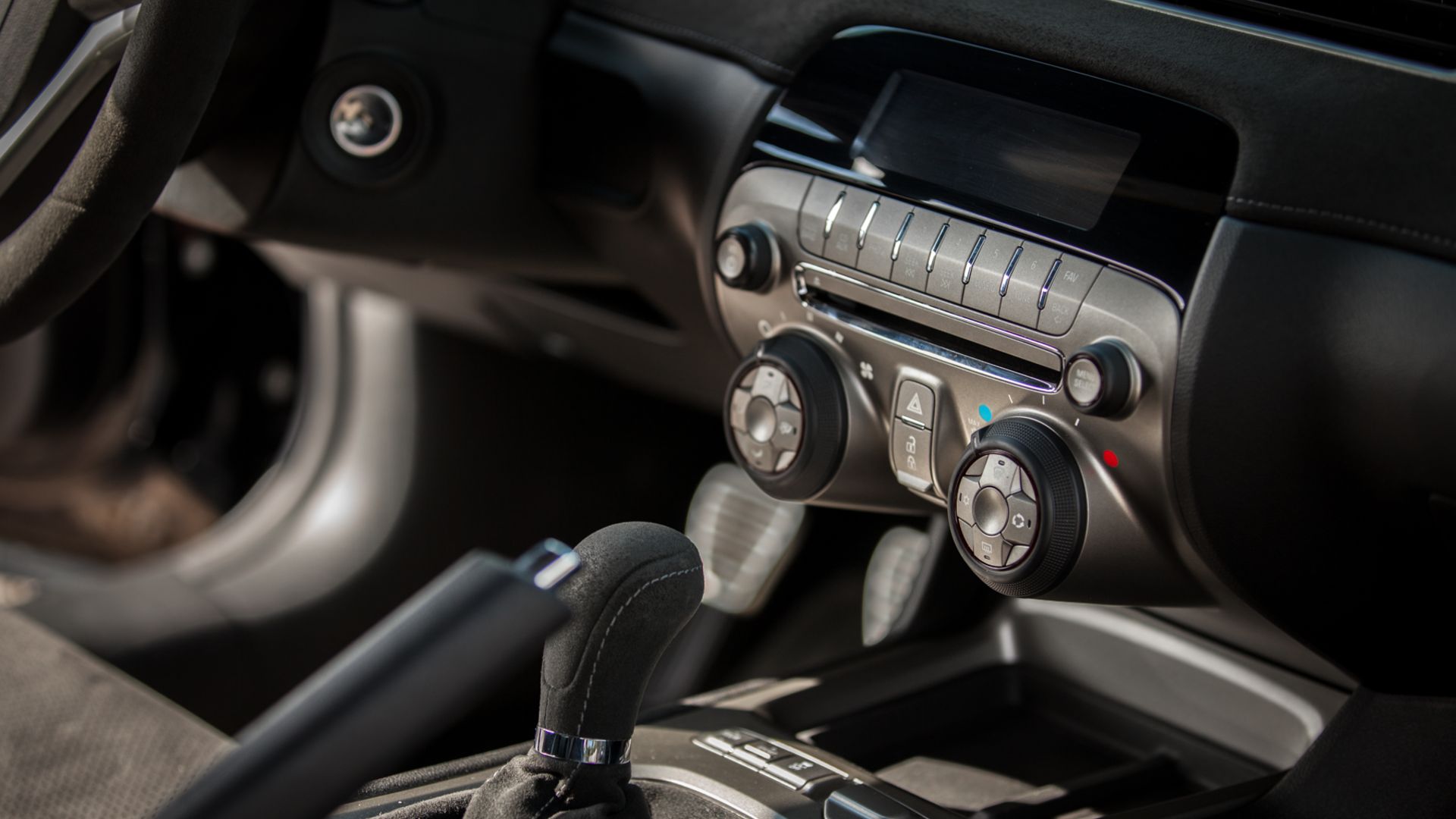
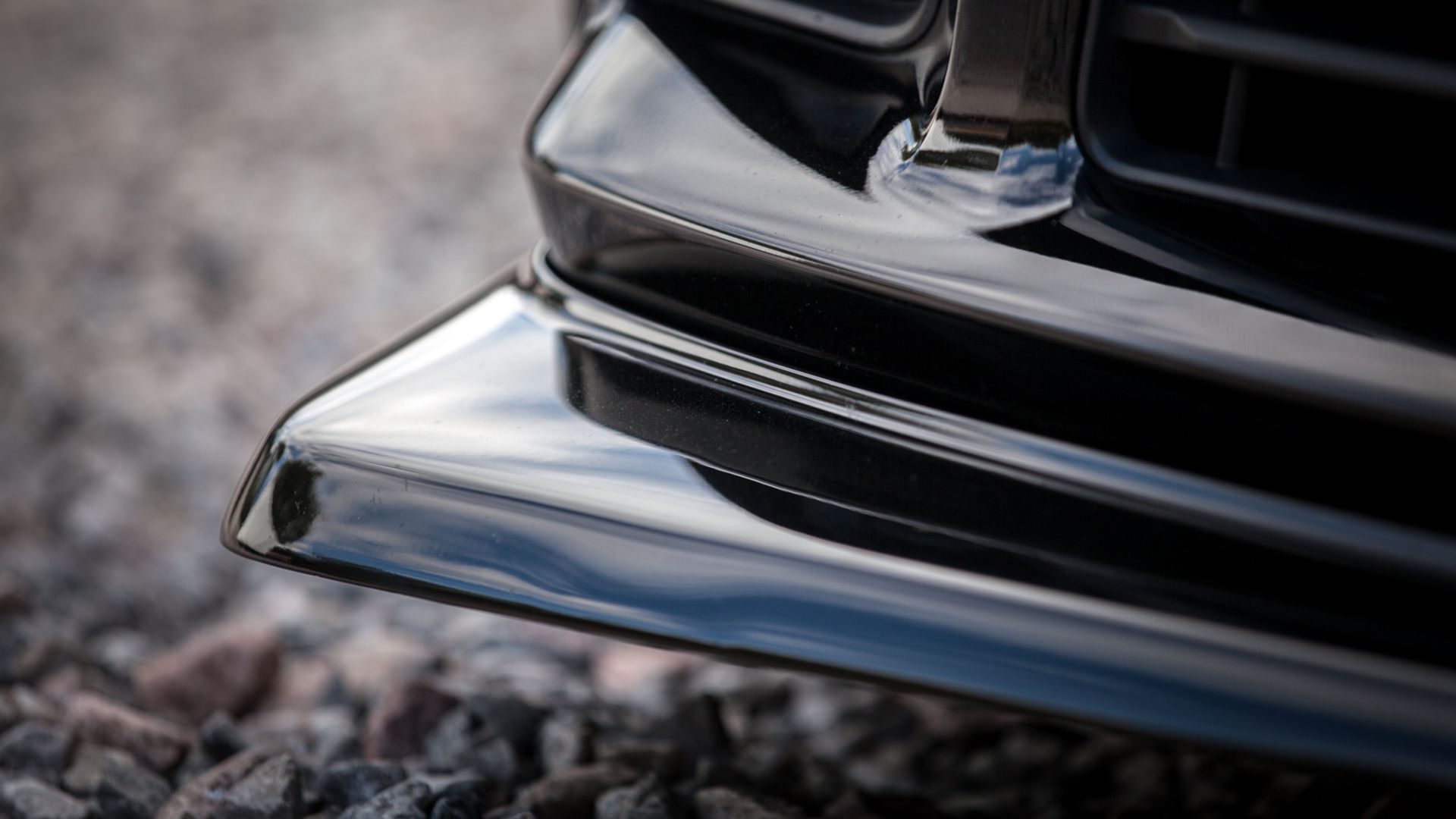
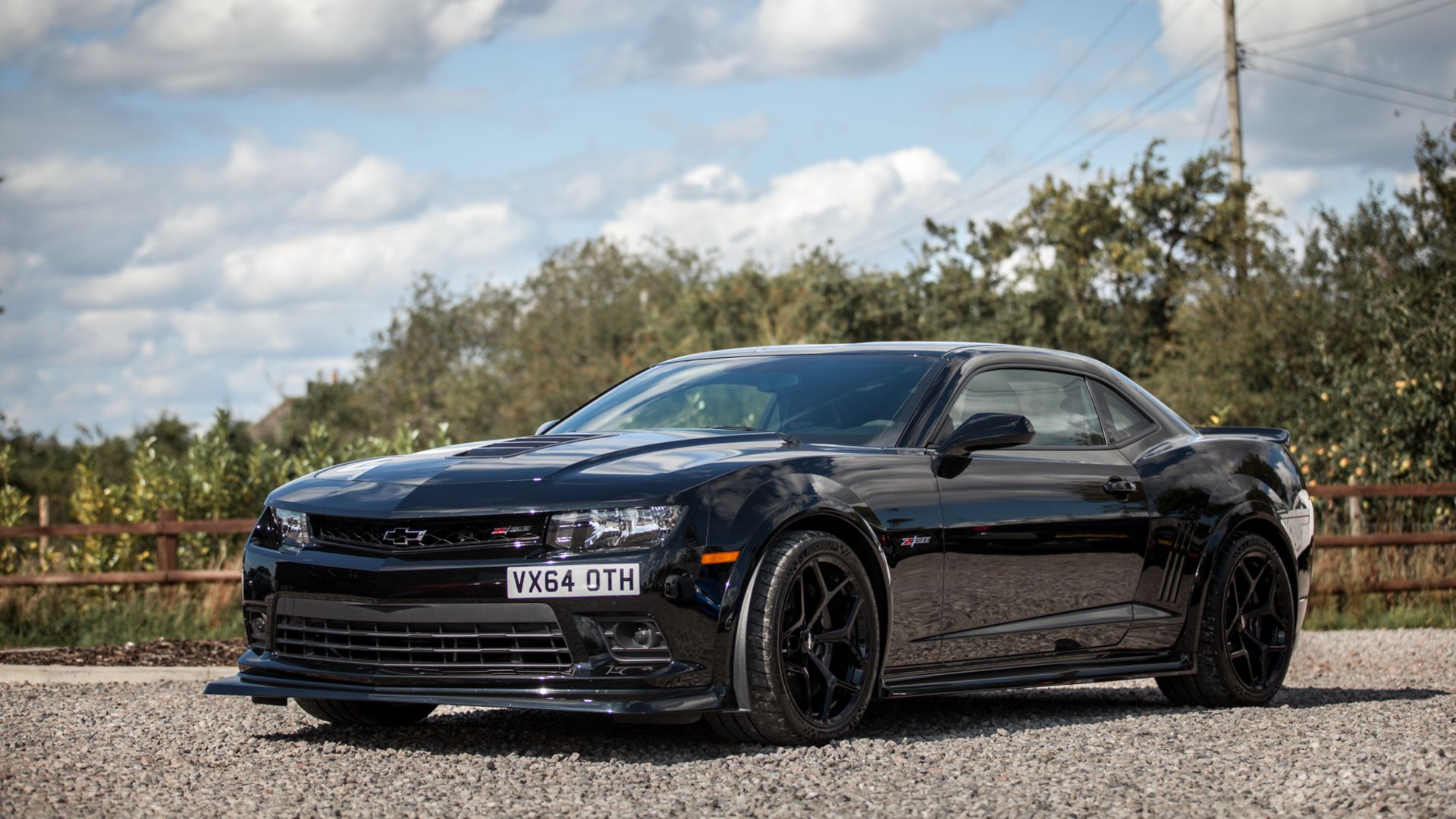
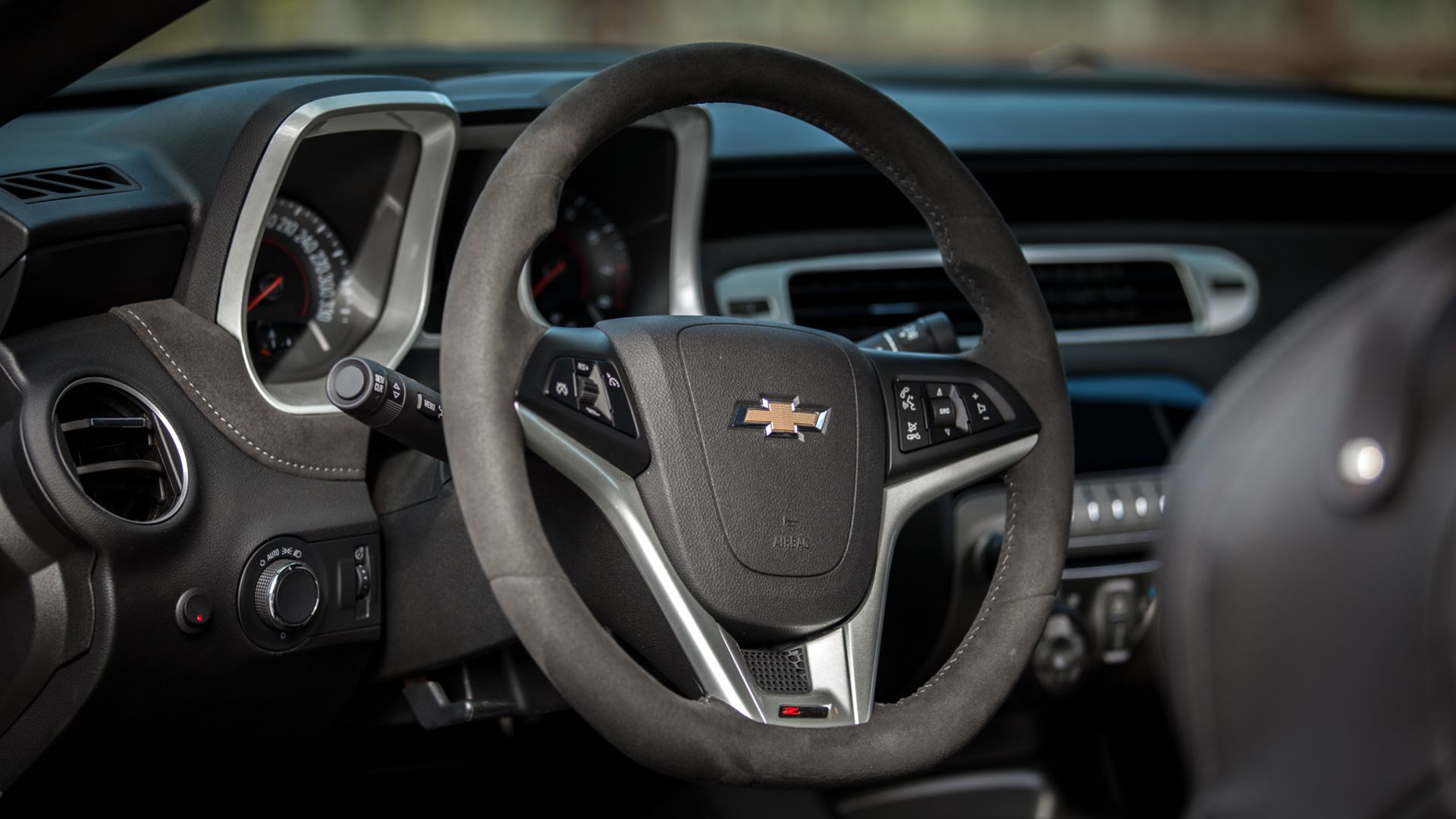
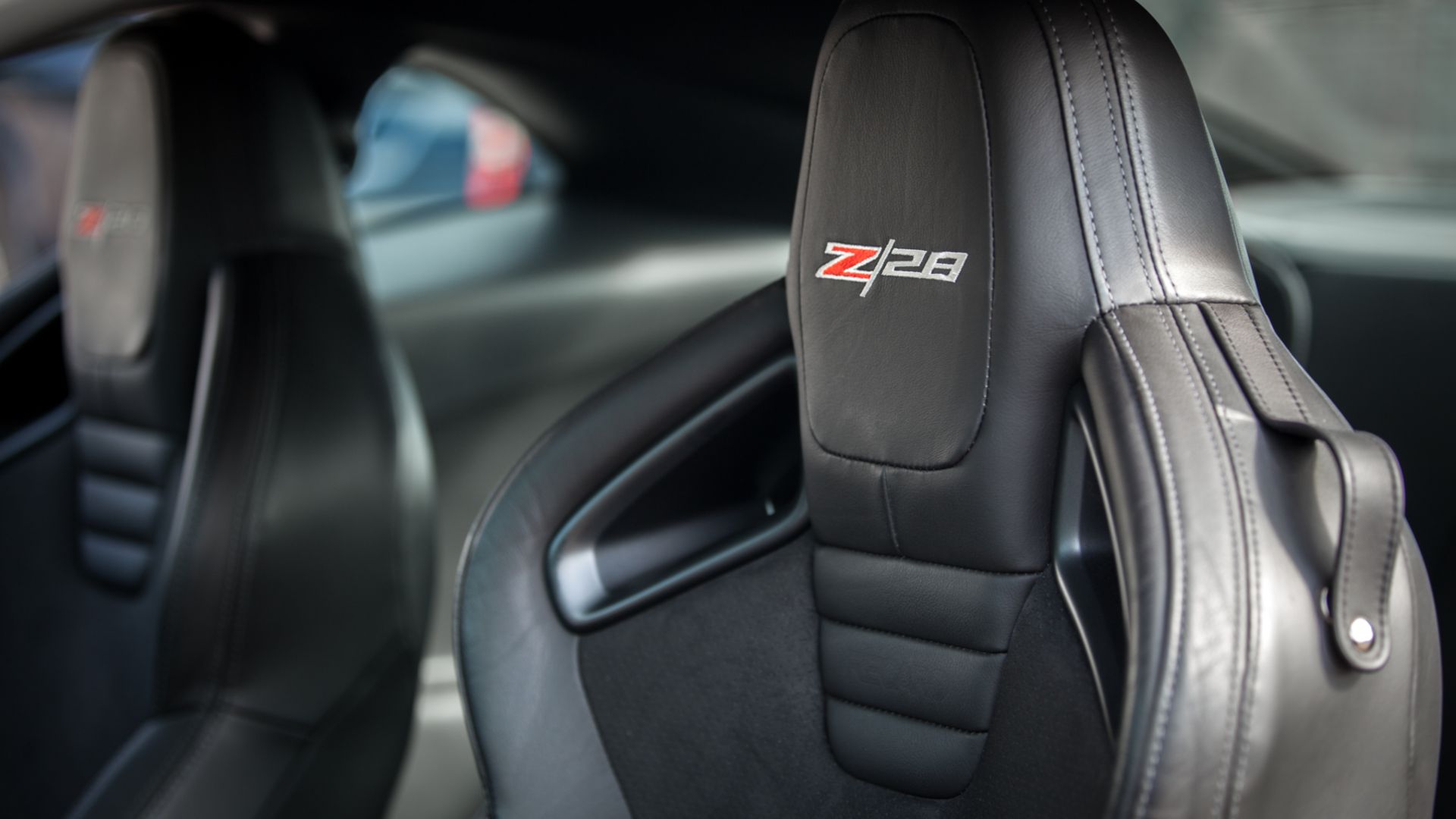
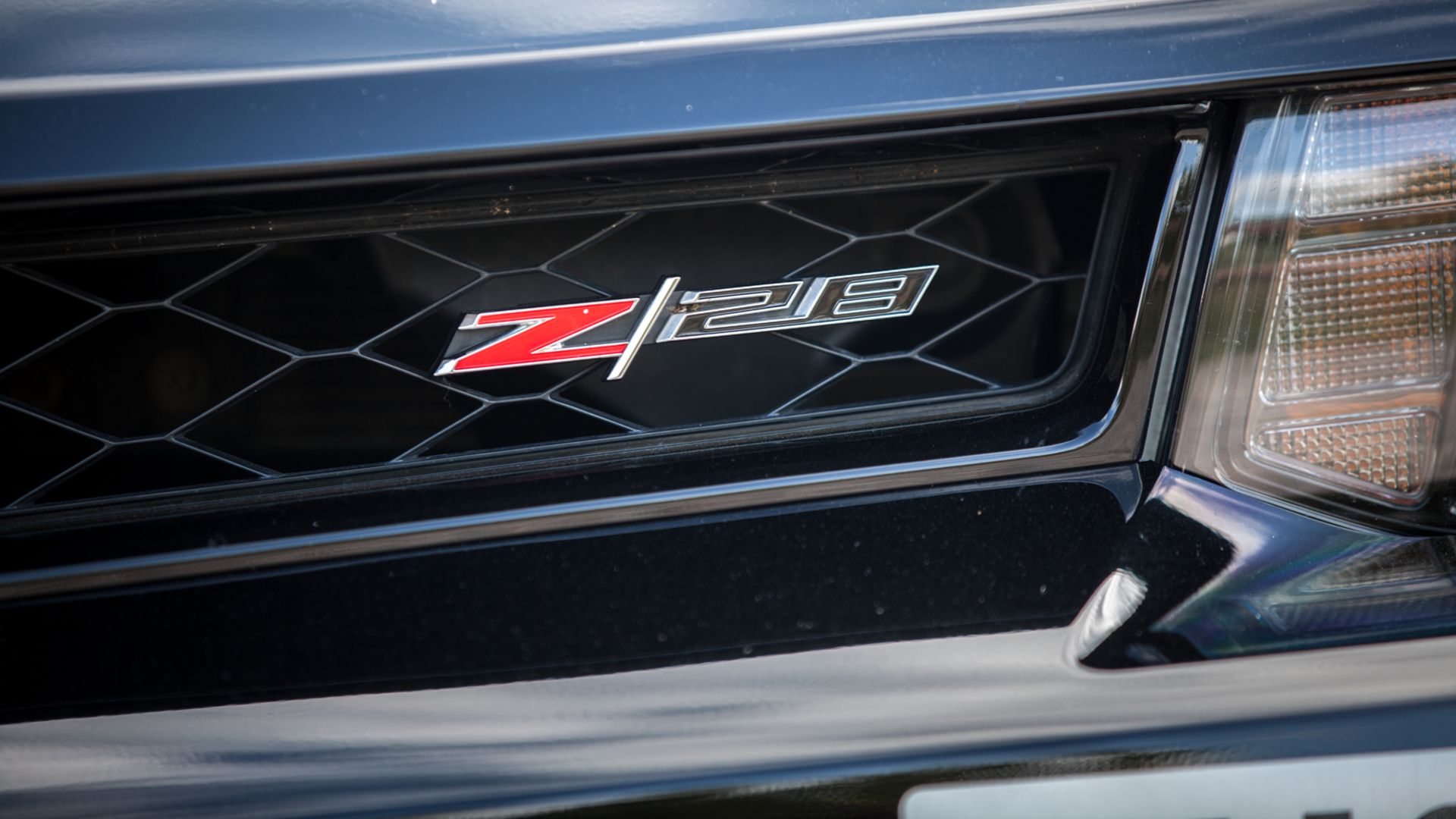
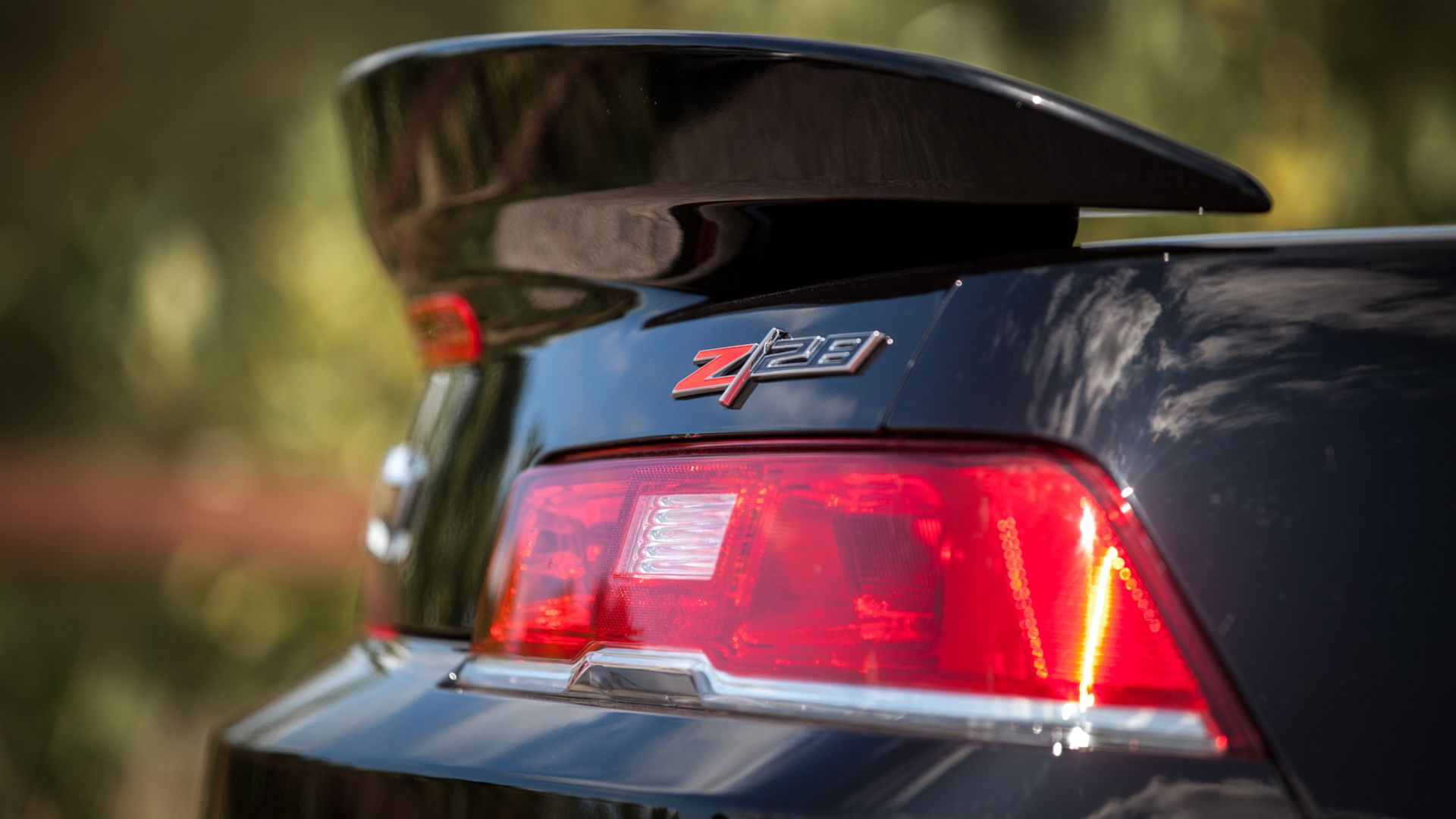
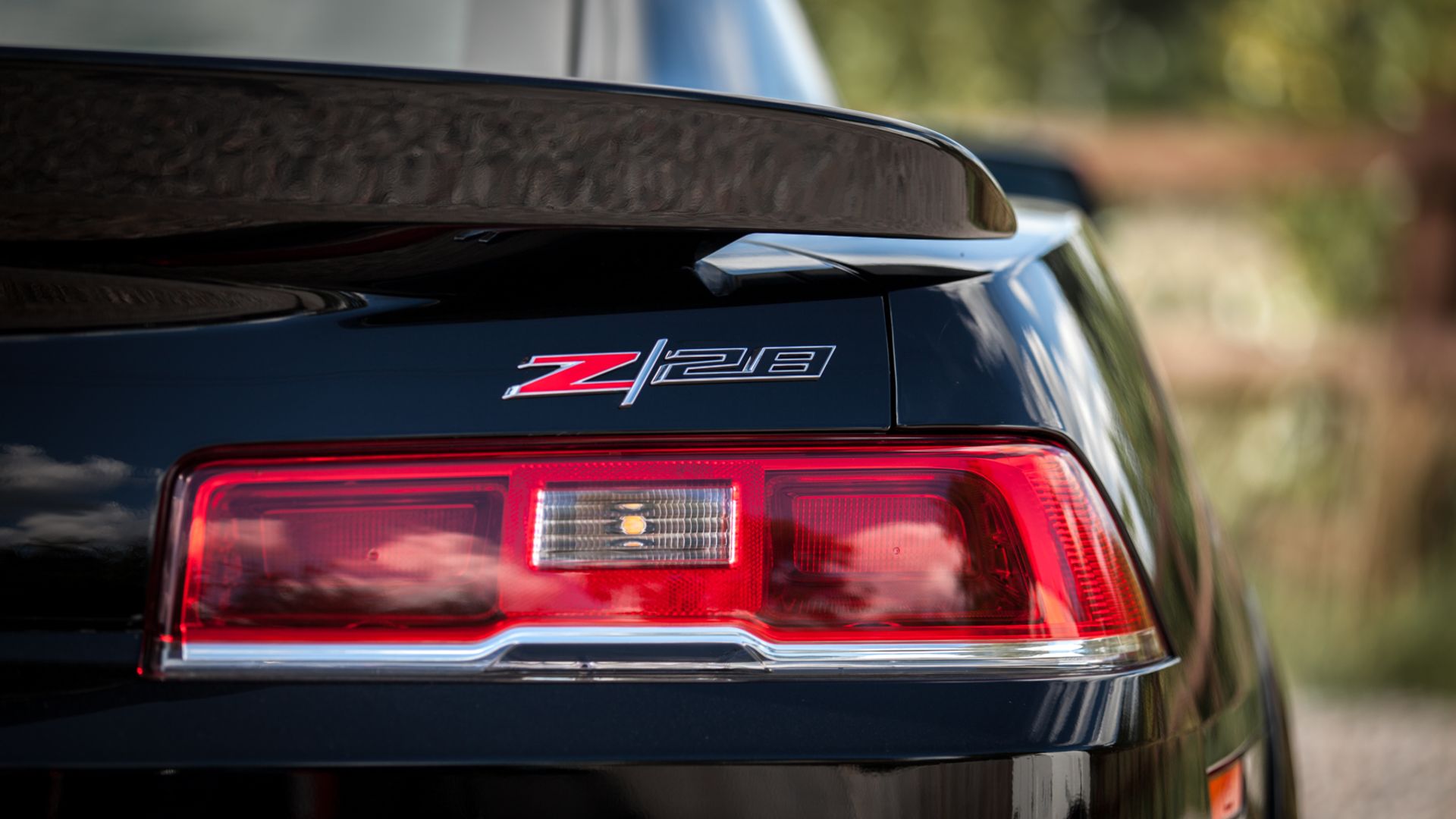
You could buy the Chevrolet Camaro Z/28 currently owned by Top Gear presenter Chris Harris. The V8 muscle car will be auctioned online by Collecting Cars.
Harris has owned the Camaro for just under two years, having acquired it in autumn 2017. Since then, he’s added more than 7,500 miles to its odometer, which now shows 7,962 miles. Refreshing to see the car has been used, then…
Hot laps with Chris Harris
Ferdinand Piech: the life and legacy of ‘Mr Volkswagen’
This is an auction with a difference, even for rare track-prepped muscle car. The winning bidder not only receives the keys to a Z/28, he or she also gets hot laps around a track with Chris Harris.
If you’re thinking that a bowtie-badged 7.0-litre coupe is an odd choice for a motoring journalist with a well-documented penchant for bewinged Porsches, you’re not wrong.
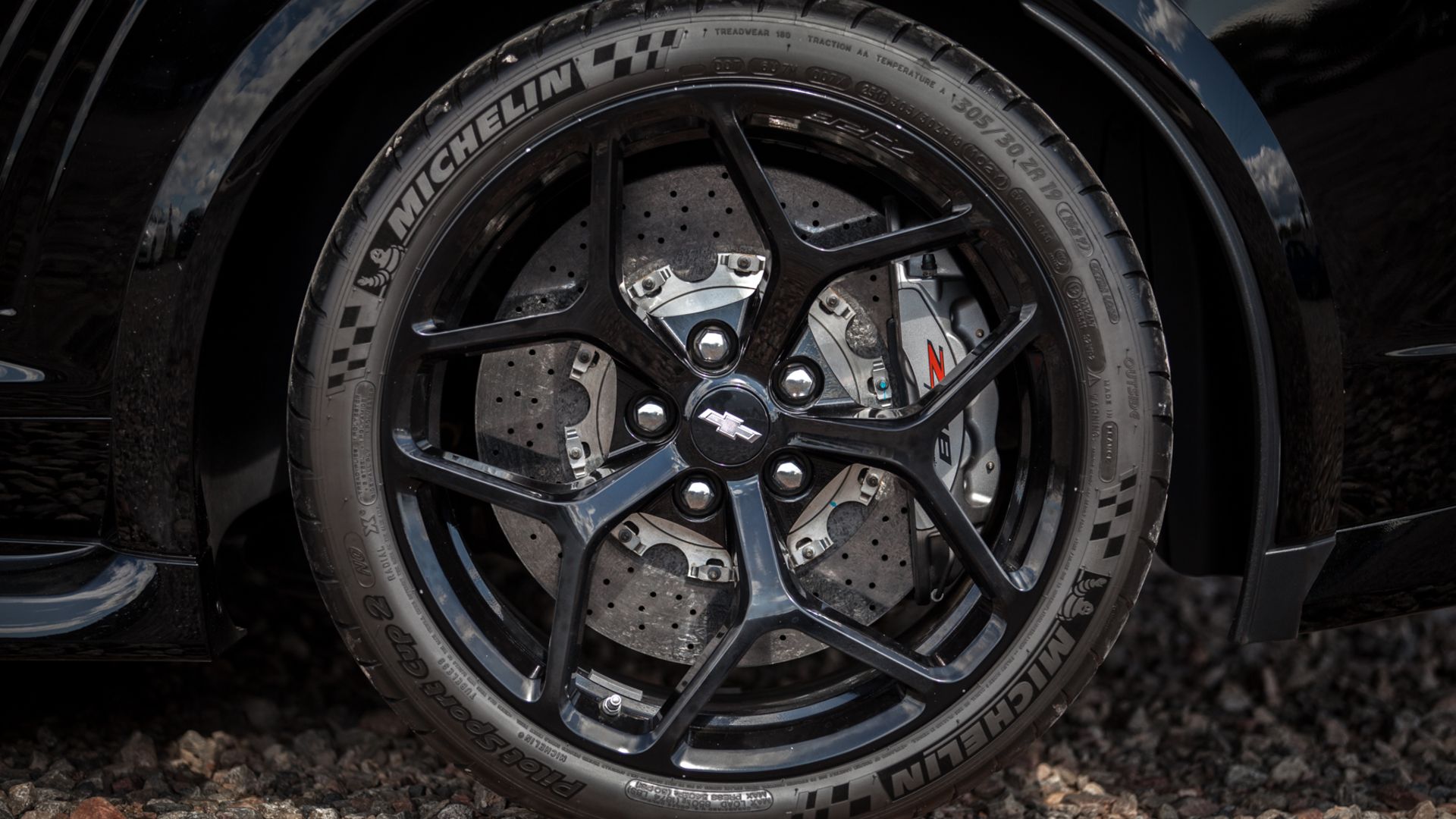
The Z/28 is a bit special, though; Collecting Cars reckons there are just five in the UK. Think of it as Chevy’s answer to the Porsche 911 GT3. It’s 130kg lighter than the next fastest Camaro and has ceramic brakes, track-focused ‘Cup 2’ tyres and race-spec suspension.
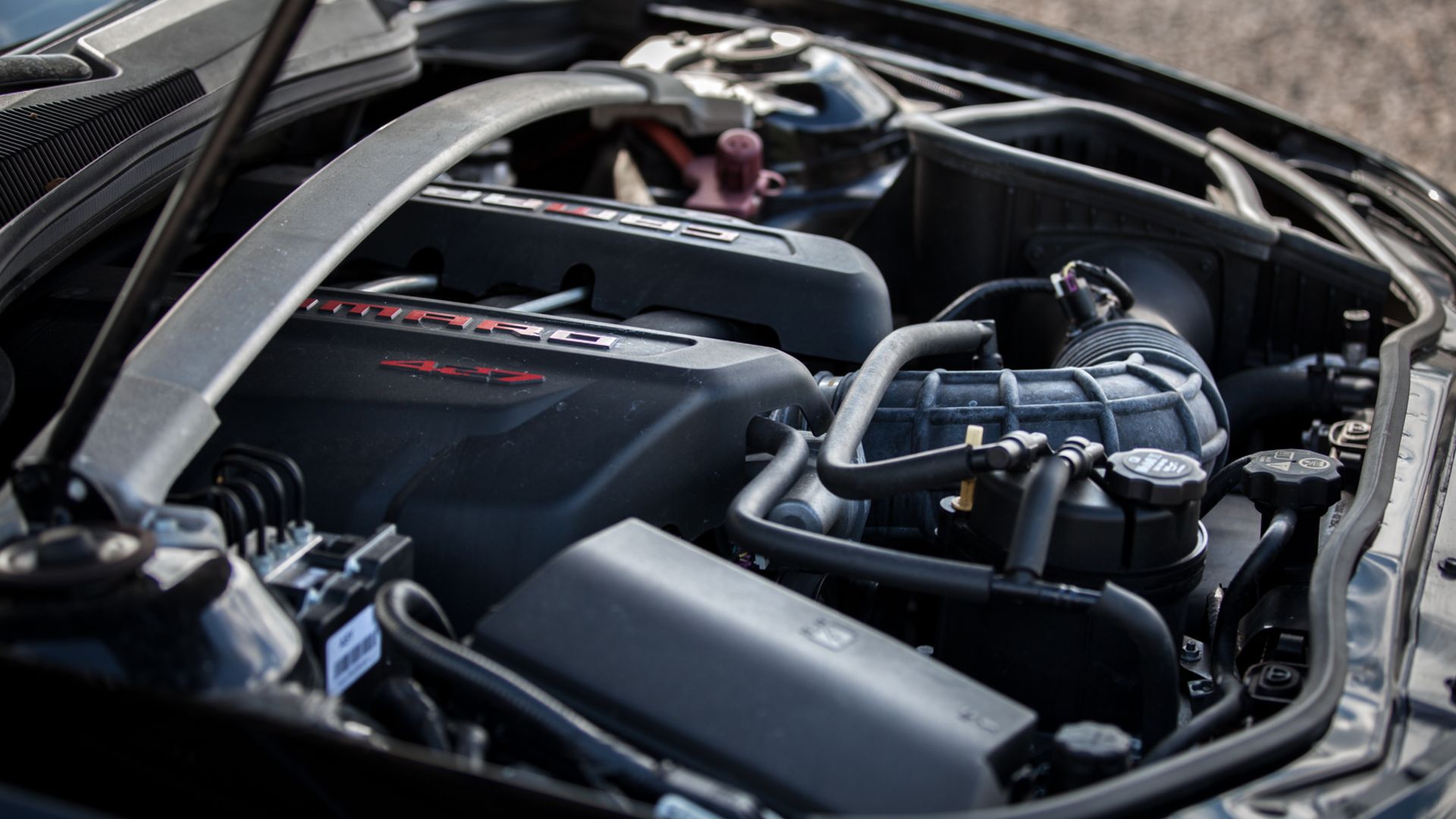
That 7.0-litre LS7 all-alloy dry-sump V8 is a ripper, too, with 505hp and know-how from Corvette racing. The Z/28 is so hardcore that even air conditioning was optional. Now, that does sound like more of a ‘Chris Harris’ car.
The lucky buyer will be pleased to note that the Cup 2 tyres it currently wears are in reasonable health.
At the time of writing, bidding has started at £30,000 (around $37,000) with just over two weeks to go. If you fancy a slice of the very finest track-honed American muscle, there are nine others ‘watching’ the auction, so get ready to flex that credit card.
If you received a communication from your car insurance company telling you to slow down, would you take any notice?
Insurethebox says it has been in touch with 80,000 motorists over the past two years in an attempt to prevent bad behaviour. It says it can identify which customers are the most likely to have an accident.
It’s a little like receiving a tap on the shoulder from your headmaster. Or being told off by your dad.
But here’s the thing. Insurethebox reckons it has prevented around 700 road traffic accidents and 22 serious injuries over the past three years. That’s quite a claim.
“We know that speed is the single biggest influence on accident risk, but despite this, drivers are continuing to speed”, said Simon Rewell, road safety manager at Insurethebox.
“The latest government speed compliance statistics show that, in 2018, under free-flowing traffic conditions, 46 percent of cars exceeded the speed limit on motorways, 52 percent on 30mph roads and 10 percent on 60mph roads.
“We believe young, inexperienced drivers are particularly vulnerable to the risks.”
The company used five billion miles of driving data and associated claims to identify how, where and when speed has a critical influence on the frequency and severity of accidents.
Customers were targeted via tailored communications, highlighting the risks they pose to themselves and other road users.
It’s good to talk
“Encouragingly, 70 percent of customers say our programme has made them drive more safely,” continued Simon Rewell.
“Our initiative demonstrates in the most tangible way possible the huge beneficial social impact proactive risk management has, not just for inexperienced drivers but the population at large, averting or reducing the impact of life changing events.
“We also believe the results demonstrate that if all insurers communicated with policy holders in a similar way to us, 1,000 serious injuries could be avoided and 80 lives saved each year in the UK alone.”
Would a letter or email from your car insurance company encourage you to change your driving behaviour? Let us know in the comments below.
Honcho is a reverse-auction marketplace which acts like a ‘matchmaker’ between customers and insurance companies or brokers. It’s available for motorists of all ages, but the company says young drivers will see the greatest benefits.
Unlike price comparison websites, Honcho charges insurance companies and brokers a £1 fee to compete for consumers’ custom. The insurers get three rounds of bidding to offer the best price, with the companies able to view rival bids. Young drivers should see a reduction in the £1,177 a young driver typically pays for insurance.
The company says insurers are charged up to £60 per policy on a price comparison website and this fee is passed on to the consumer. The £1 fee should mean that the insurance companies can reduce their own prices, it says.
It can’t guarantee the lowest price for a particular policy, so consumers may be able to find it cheaper elsewhere.
‘Revolutionary for drivers of all ages’
Gavin Sewell, CEO of Honcho, said: “Honcho is one-of-a-kind and will be revolutionary for drivers of all ages. However, we’re especially keen to see the benefits to young motorists who, for so long, have struggled to acquire fairly priced policies – with many paying 149 percent more than the average driver.
“We see Honcho taking on the role of ‘matchmaker’ between customers and insurers or brokers, initially for car insurance, but with a view to offer the service across a range of other insurance products and markets later this year.
“We’re also very much championing consumers’ interests with absolute clarity and transparency in all that we do. It’s going to be the way forward and price comparison websites are going to feel us hot on their heels.”
To use Honcho, consumers download the app from the Apple App Store or Google Play Store and then scan their driving licence. Insurers bid against each other to offer the price, with consumers able to use a so-called ‘Honchometer’ to see how closely each bid matches their requirements.
In common with a price comparison website, the consumer is free to choose the insurance provider of their choice.
Companies signed up to the platform include Brightside, Flux Direct, Quoteline Direct, Freedom Brokers, Marmalade and Think Insurance. Underwriters include Aviva, Axa, LV, Ageas and Zurich.
Andy Martin, broker and distribution director at Marmalade, said: “This new app has the potential to really shake up the way insurance is delivered and we’re especially excited to be reaching out to more young drivers to help them drive down the cost of insurance with the help of our black box technology.”