Home Blog Page 304

This XE Reims Edition is the first Jaguar Factory Special

0

Jaguar XE Reims Edition

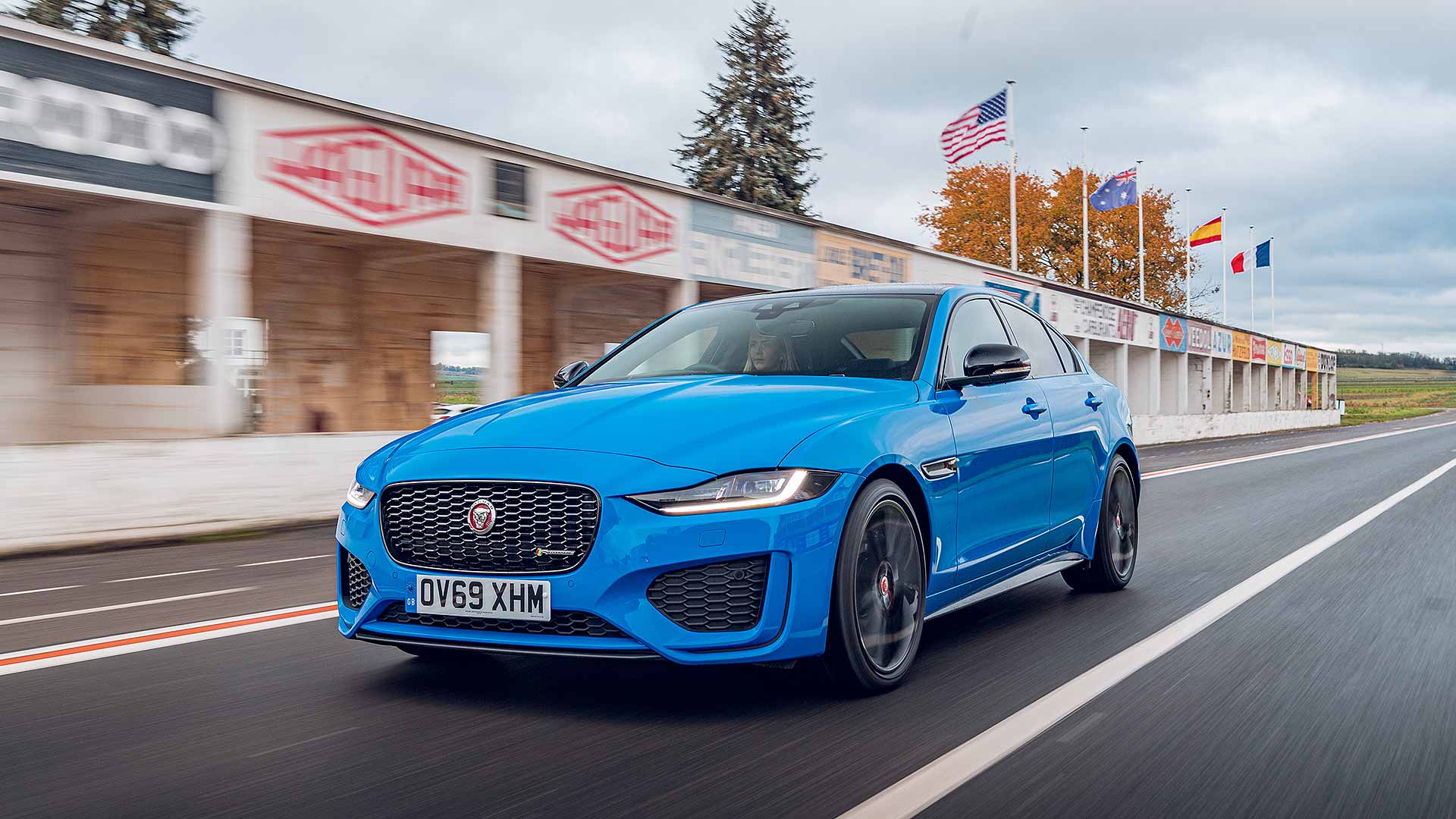
The Jaguar XE Reims Edition is a limited-to-200 special edition that marks 65 years since the firm’s legendary D-type sports car claimed its first race victory.

Winning the 12 Hours of Reims in France was the first win in a run that included multiple Le Mans 24 Hours successes.

Costing £38,295, all 200 XE Reims Edition will be fitted with a 250hp 2.0-litre P250 petrol engine. The base car is the R-Dynamic S, enhanced by a series of special features.
Jaguar XE Reims Edition

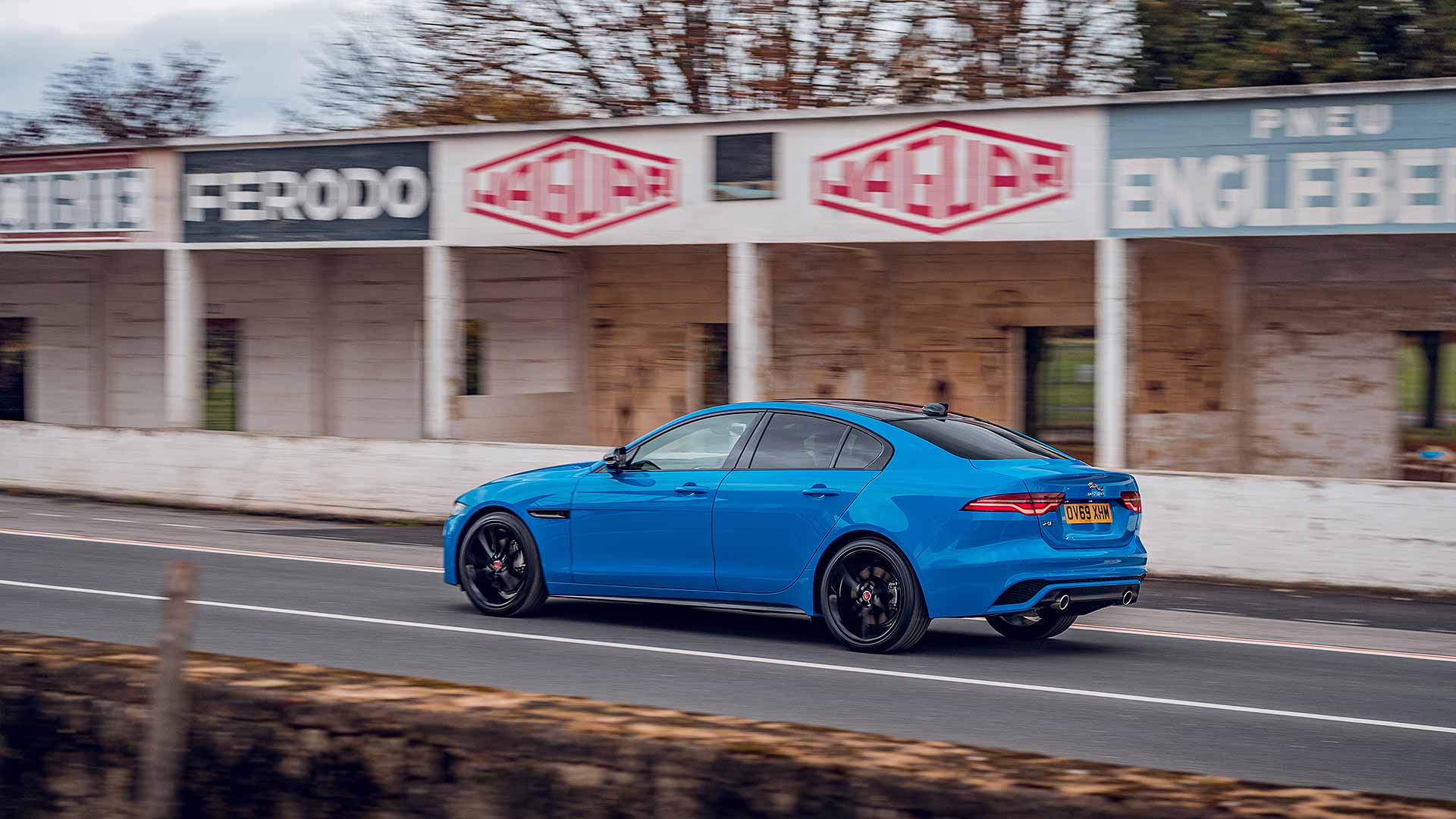
All will be painted French Racing Blue (the same colour notably used on the wild-child XKR-S and XFR-S), and have 19-inch five-spoke gloss black alloy wheels. The XE Reims Edition also comes with a contrasting black roof, door mirror caps and sill inserts.

The exterior Black Pack is standard, stretching the gloss black finish to the grille and surround, side vents and window frames. Tinted privacy glass is standard.
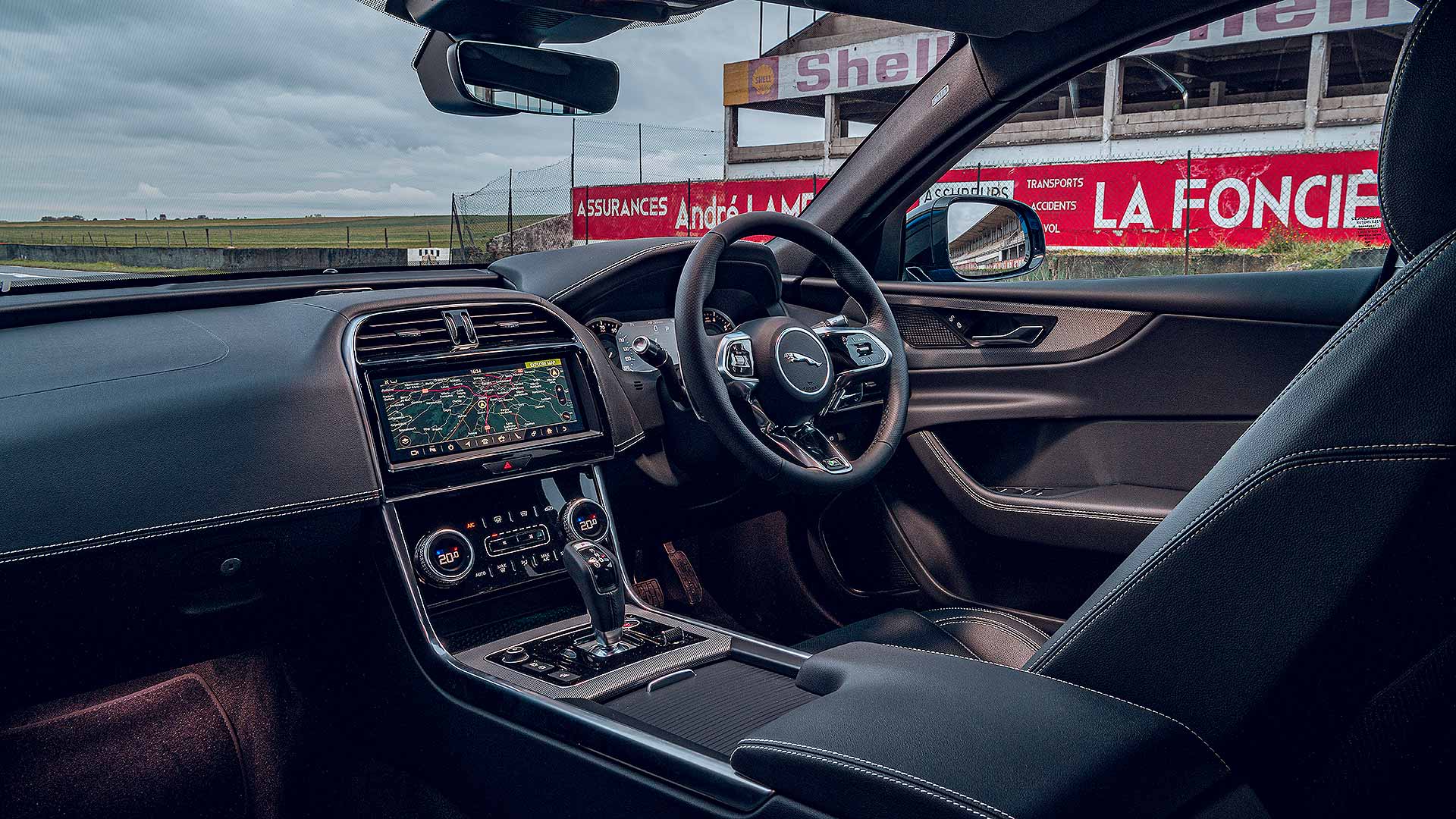
Jaguar XE Reims Edition

Inside, there are heated seats and the Cold Climate pack which includes heated windscreen and steering wheel, plus headlight washers.

All revised Jaguar XEs also get all-LED headlights, Apple CarPlay, a rear-view camera and all-round parking sensors.

On sale now, the XE Reims Edition is the first in a planned run of Jaguar Factory Specials. These are described as ‘limited production run vehicles with bespoke features and details’ that mark famous locations, events or dates in Jaguar history.

Advertisement

Is blue Europe’s favourite new car colour?

0

Ford Mustang Mach-E

You heard it here first. Our man Richard Aucock returned from the LA Auto Show with a bold prediction that blue will be the colour to be seen in next year.

Grey might be the dominant automotive hue in 2019, but blue is likely to steal its crown in 2020.

In Europe, grey leads the way with a 22.1 percent market share, followed by white (21.8 percent) and grey (21 percent). It wouldn’t take a big shift for blue to grab the top spot.

Indeed, blue leads the way in a couple of segments. It’s the most popular colour for small cars (24.5 percent market share) and medium cars (28.6 percent).

Why are we so confident that blue will lead the way in 2020? Let’s consider the evidence, darling.

The website Who What Wear has included blue in its seven biggest colour trends of spring/summer 2020. Of faded denim, it says: ‘This blue shade is as reliable and dependable as your go-to pair of jeans. The approachable hue conveys comfort and ease and looks chic when paired with bold and vibrant colours’.

Lexus LC Convertible

Meanwhile, the paint industry says blue is set to be a ‘seasonal cornerstone, with the sea a main source of influence’.

In Los Angeles, Lexus unveiled the stunning LC 500 Convertible in Structural Blue, while Grabber Blue Metallic is one of three colours available on the Mustang Mach-E First Edition models.

Blue is a ‘safe haven’

Just don’t expect blue metallics to come cheap. Manufacturers will be quick to jump on any trends, charging extra for premium blue hues.

“Blue is a colour often associated with balance, it echoes parts of the natural world. At times of social and political unease, this colour space could feel like a safe haven. It is increasingly associated with mindfulness, environmental awareness and future mobility. Choosing blue is a way of showing optimism and openness, a desire for harmony.“ said Julie Francis, colour and material design supervisor at Ford of Europe

Advertisement

Numbers crunched: how a Mini is vastly cheaper now than 60 years ago

0

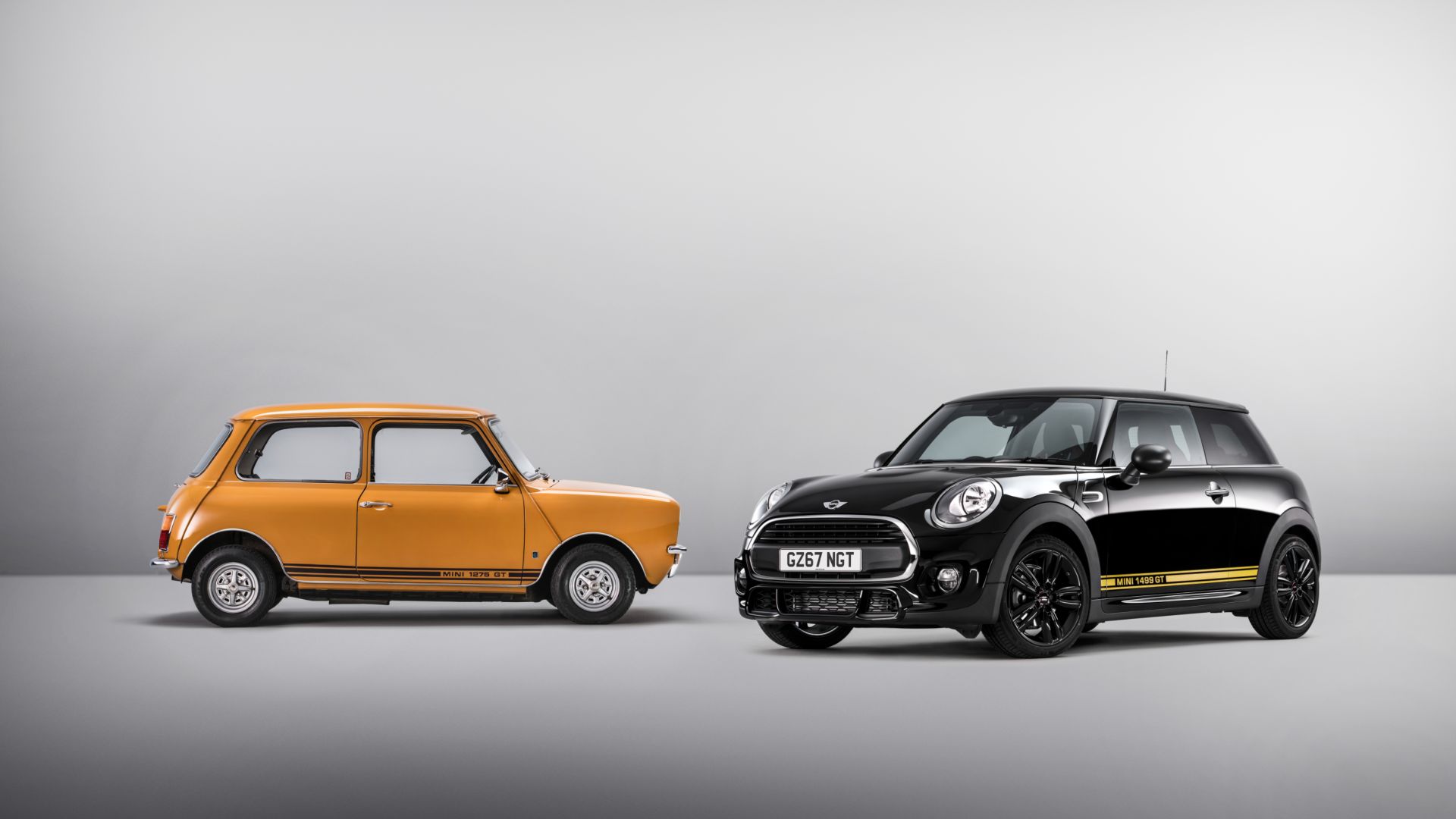
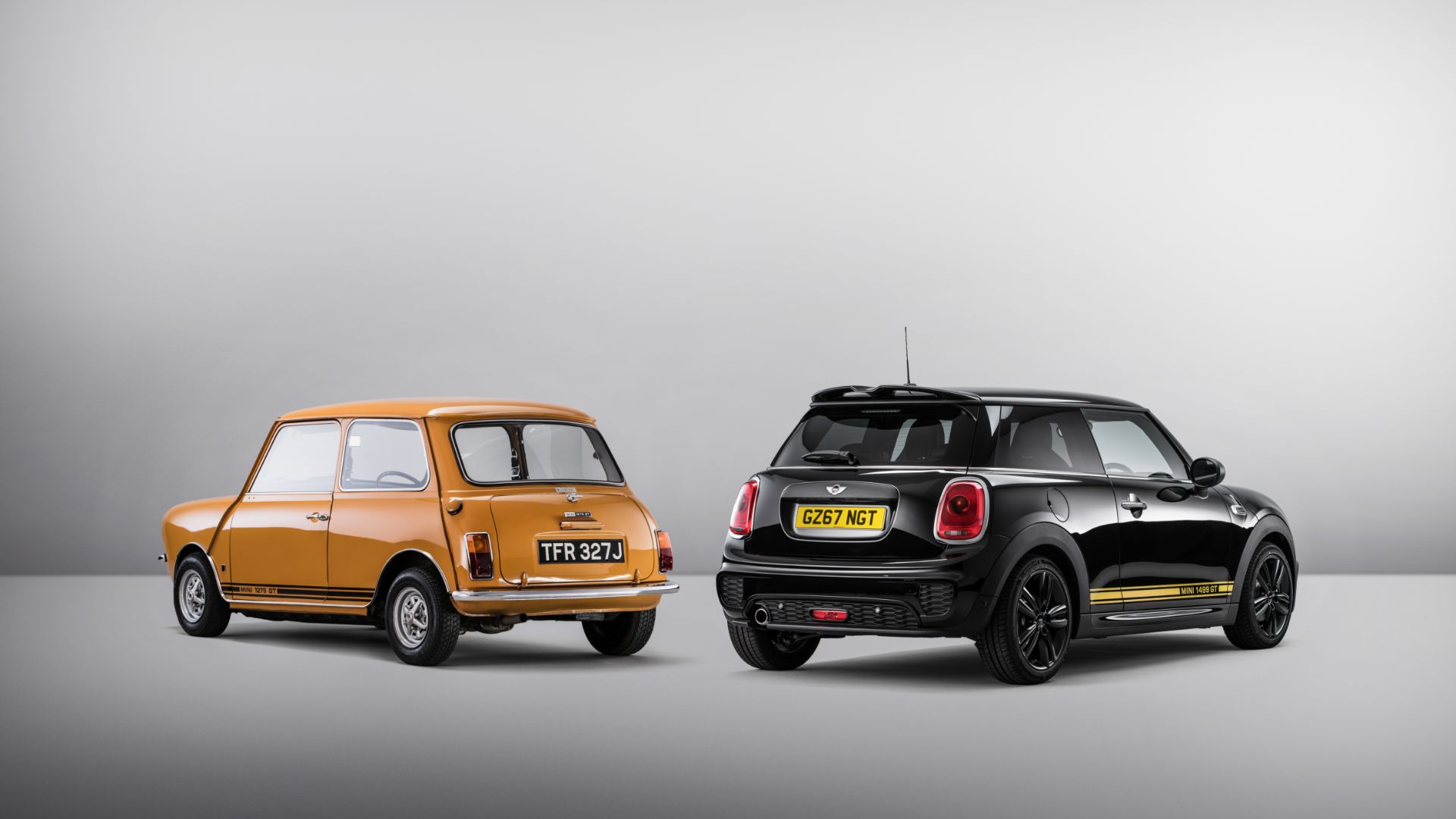
Minis more affordable now than in 1959

A Mini is more hugely affordable now than when the original car debuted in 1959. That’s despite a typical car being around 32 times more expensive today

Research by Mini shows that, if the cost of cars is compared to average UK household disposable income, drivers in 2019 are far better off. 

Minis more affordable now than in 1959

  • Revealed: Top-selling cars with the longest waiting lists

The original Mini’s £780 typical purchase cost was 307 percent of the average disposable income in 1959.The average disposable income of drivers in 1959 when adjusted for inflation is £5,474. Adjust the original Mini’s price for inflation, and you get £16,784.

By comparison, the average price of a modern Mini was around £18,139 in 2018. Yet the average household disposable income per-head is £20,504.

So the cost of the average Mini today is 88 percent of the average disposable income per-head in a household. Indeed, even if £10,000 was taken off that figure, we’d still be in a better position today than 60 years ago.

Minis more affordable now than in 1959

Around eight in 10 of all new private car registrations today are via finance, while a prospective buyer in 1959 would be looking at saving up every one of those 780 pounds.

Today, a four-figure deposit and a three-figure monthly payment will get you the keys to a Mini. Take a £2,000 deposit and £250 per-month as very generic figures: £2,000 is around nine percent of the total average cost of a modern Mini, while £250 is less than one 70th of the total price.

Adjust those amounts for the 1959 price, and you get a deposit of £70, plus monthly payments of £10.80.

Minis more affordable now than in 1959

“Over the past 60 years, how we buy and finance Minis has evolved just as much as the cars themselves,” said Phil Kerry, sales and marketing director at BMW Group Financial Services.

“Motorists now have more choice, and this will only increase over the next few decades.”

Advertisement

Toyota connects windscreen wipers to weather channel

0

Connected windscreen wipers

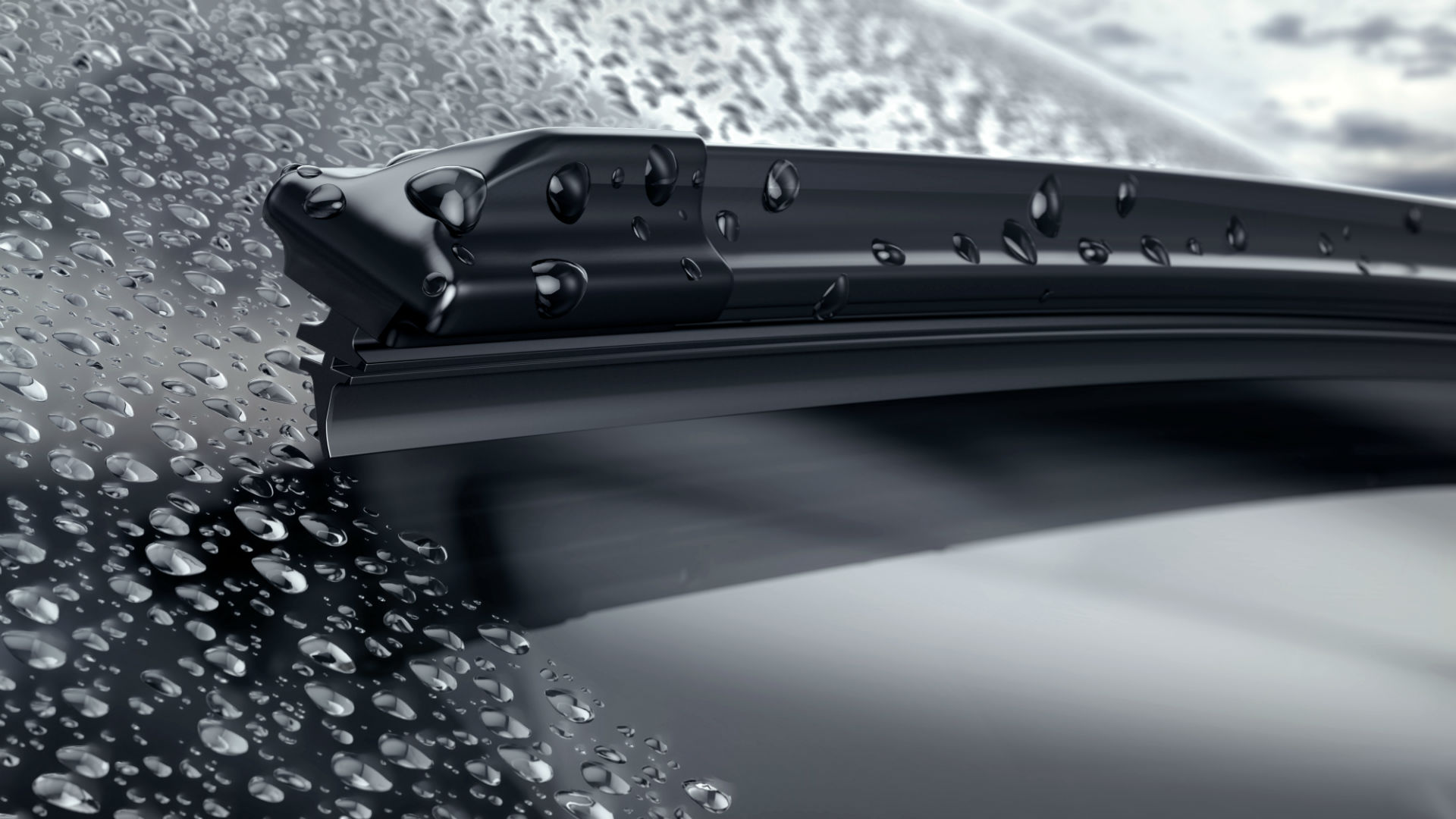
Your car’s windscreen wipers could soon be used to deliver more accurate weather forecasts.

Using data from connected cars, meteorologists could pinpoint localised weather conditions, helping to create a broader picture across the entire country.

This could be used to warn drivers of hazardous conditions and to enable weather-related speed restrictions to improve road safety.

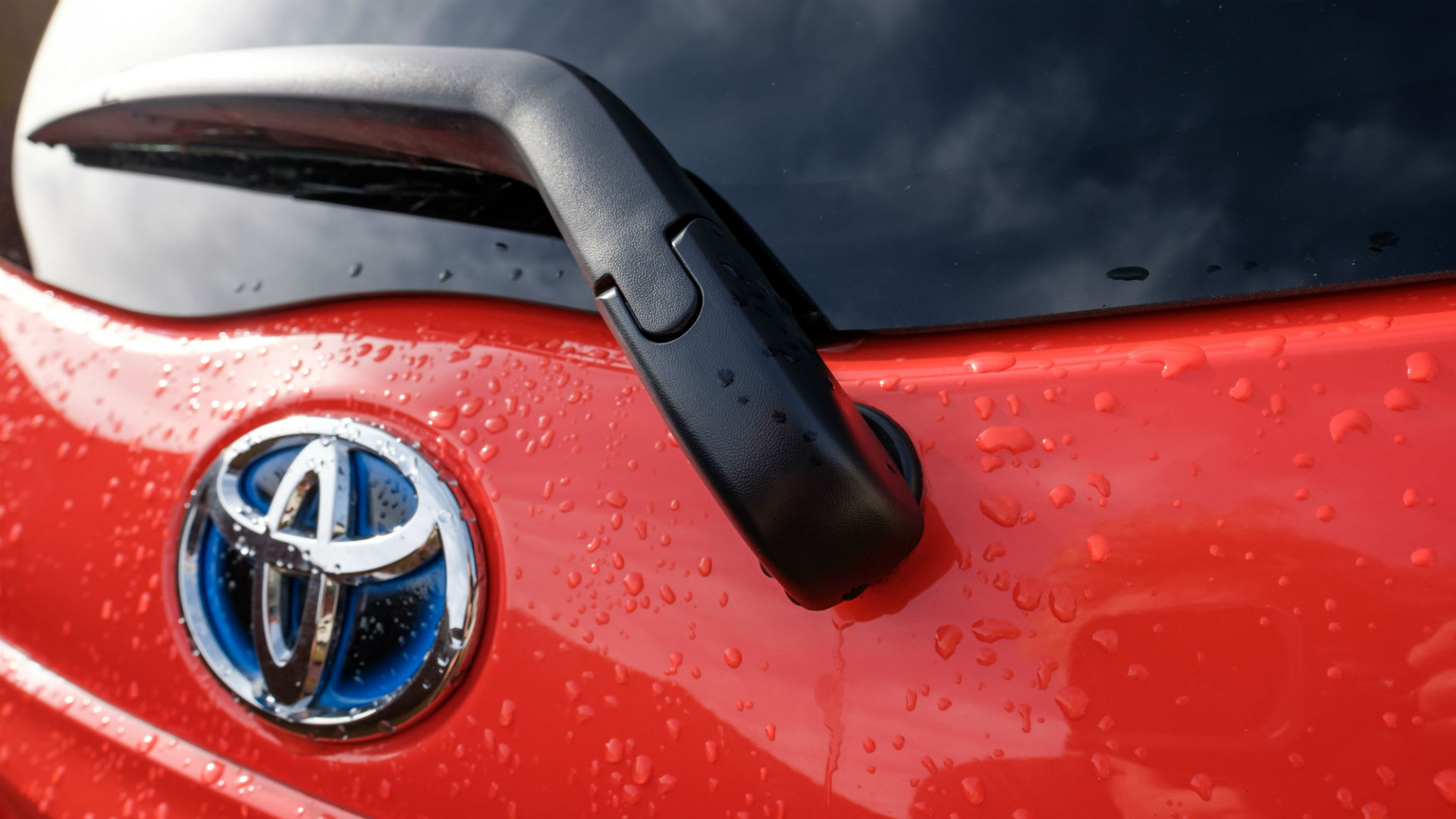
In Japan, a project between Toyota and Weathernews involves the monitoring of windscreen wipers used in connected cars.

“It’s a brilliantly simple idea,” claims Toyota. Drivers activate their wipers in response to rain, and the speed of the wipe tends to correspond with the severity of the downpour.

A couple of cars using their wipers could be a case of screen washing. If numerous people activate their wipers, the reason is likely to be meteorological.

Toyota windscreen wiper

Toyota says standard rain cloud radar systems cannot always detect light showers, so its connected vehicles have the potential to identify weather that might otherwise go undetected.

Working in conjunction with the existing Weathernews observation network, which is spread across 13,000 locations, the connected wipers add another layer of information.

Used correctly, this data could reduce accidents and prepare drivers for deteriorating conditions. In Japan, there are four times as many motorway accidents in the rain as there are on sunny days.

The connected wipers can also communicate in other ways. Nearly all Toyota passenger cars launched since 2018 are equipped with an on-board data communication module.

Using Car2Car technology, cars can warn other cars about weather and hazardous driving conditions.

Say, for example, a number of cars detect ice on a bend. This information can be relayed to the cars approaching the corner, preparing the driver for danger.

Similarly, if a number of connected cars are queuing in traffic, the data can be used to divert other motorists away from the congestion.

Smart windscreen wipers won’t be able to improve the weather, but they might tell you when you need to pack an umbrella.

Advertisement

Jaguar Land Rover’s 3D-printed dog paw helps make cars hound-proof

0

3D-printed RoboYogi

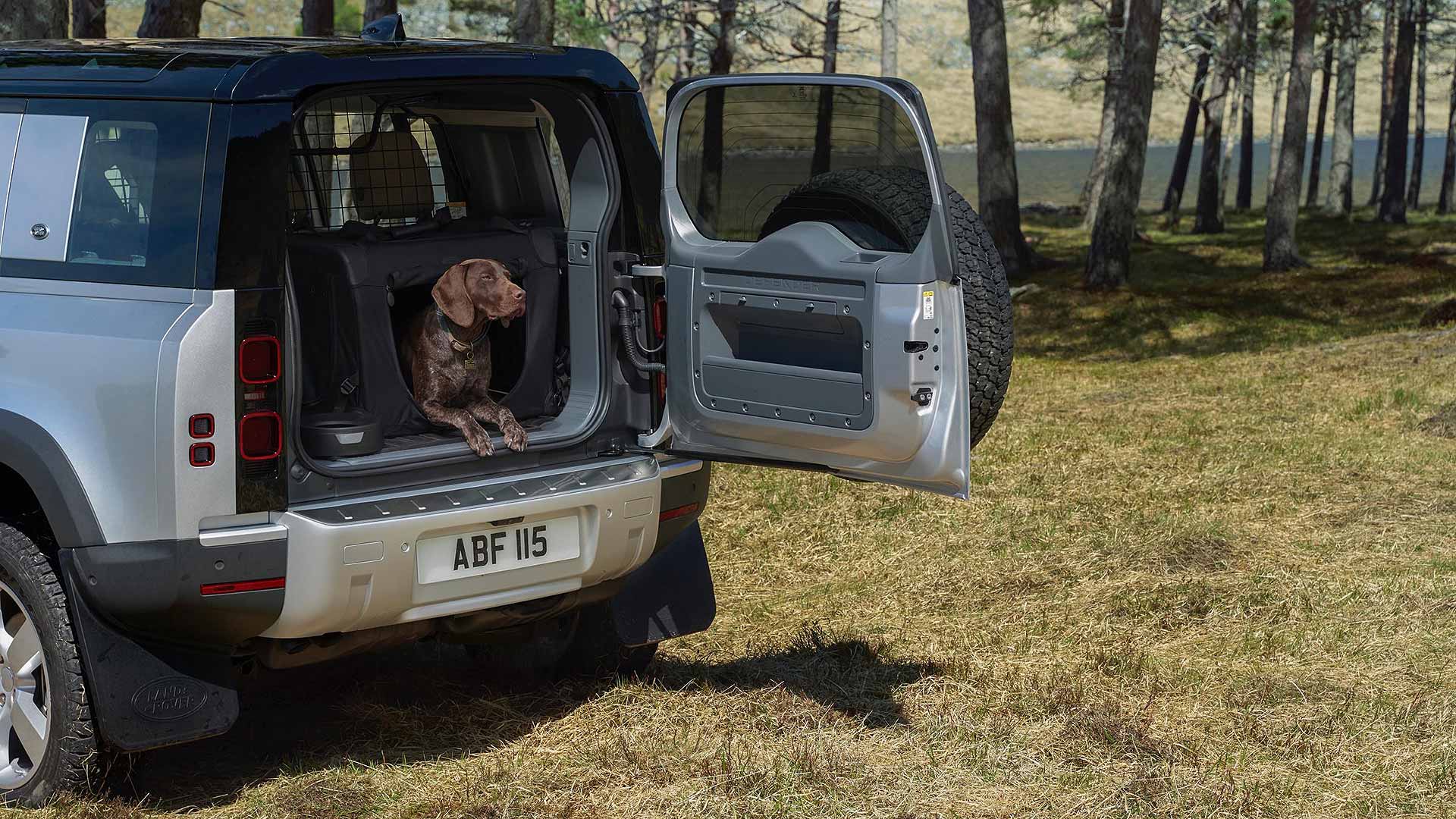
Dog owners, rejoice: Jaguar Land Rover has developed a new piece of technology so its engineers can make its cars more durable and dog-proof.

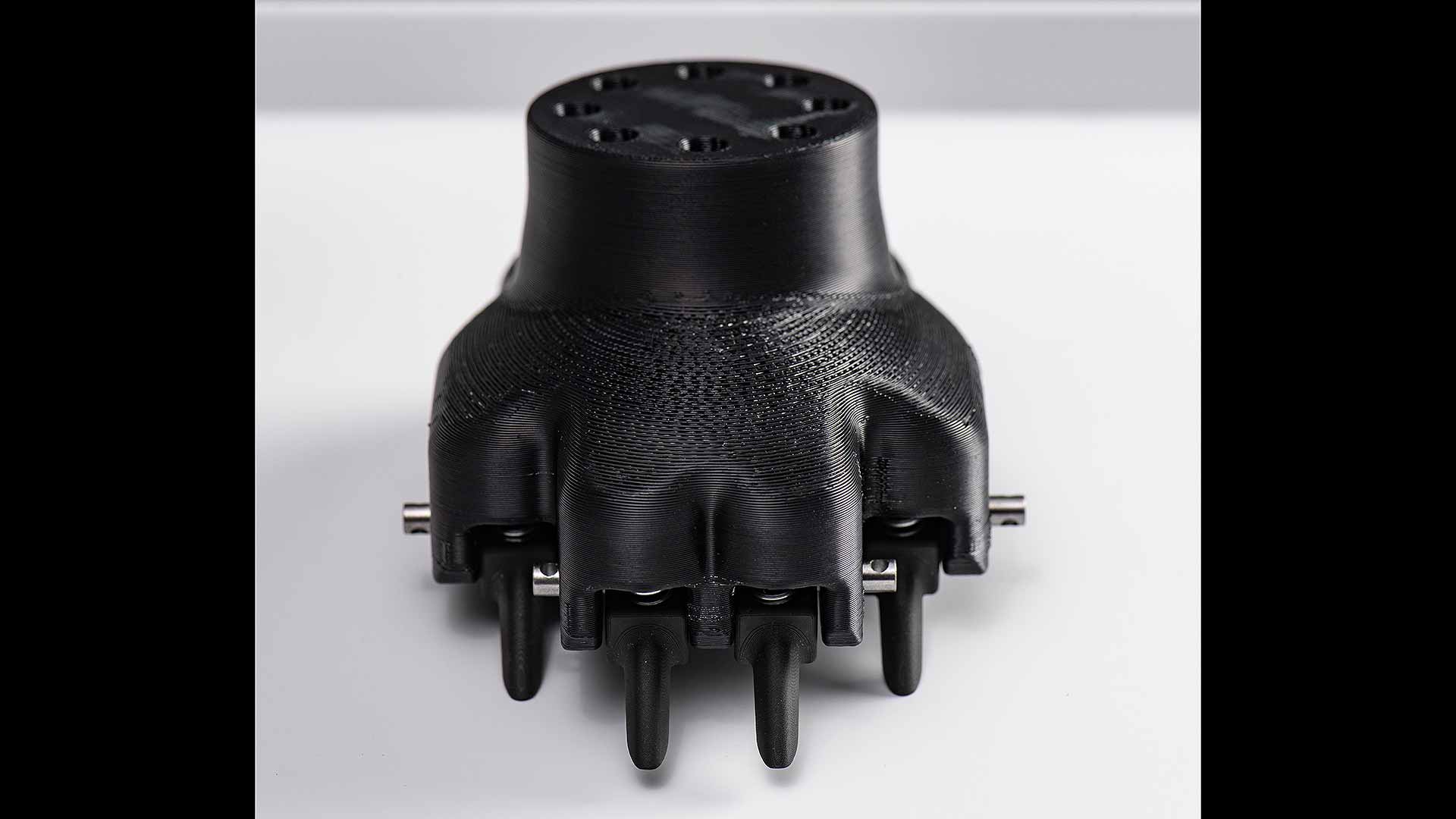
A 3D-printed dog paw has been created, to replicate in the test lab a dog’s claws scratching the bumper and paint before and after walks.

Thanks to the robotic dog paw test, Land Rover is able to confirm the new Defender is able to resist more than a decade of use by dogs.

Yogi the Labrador

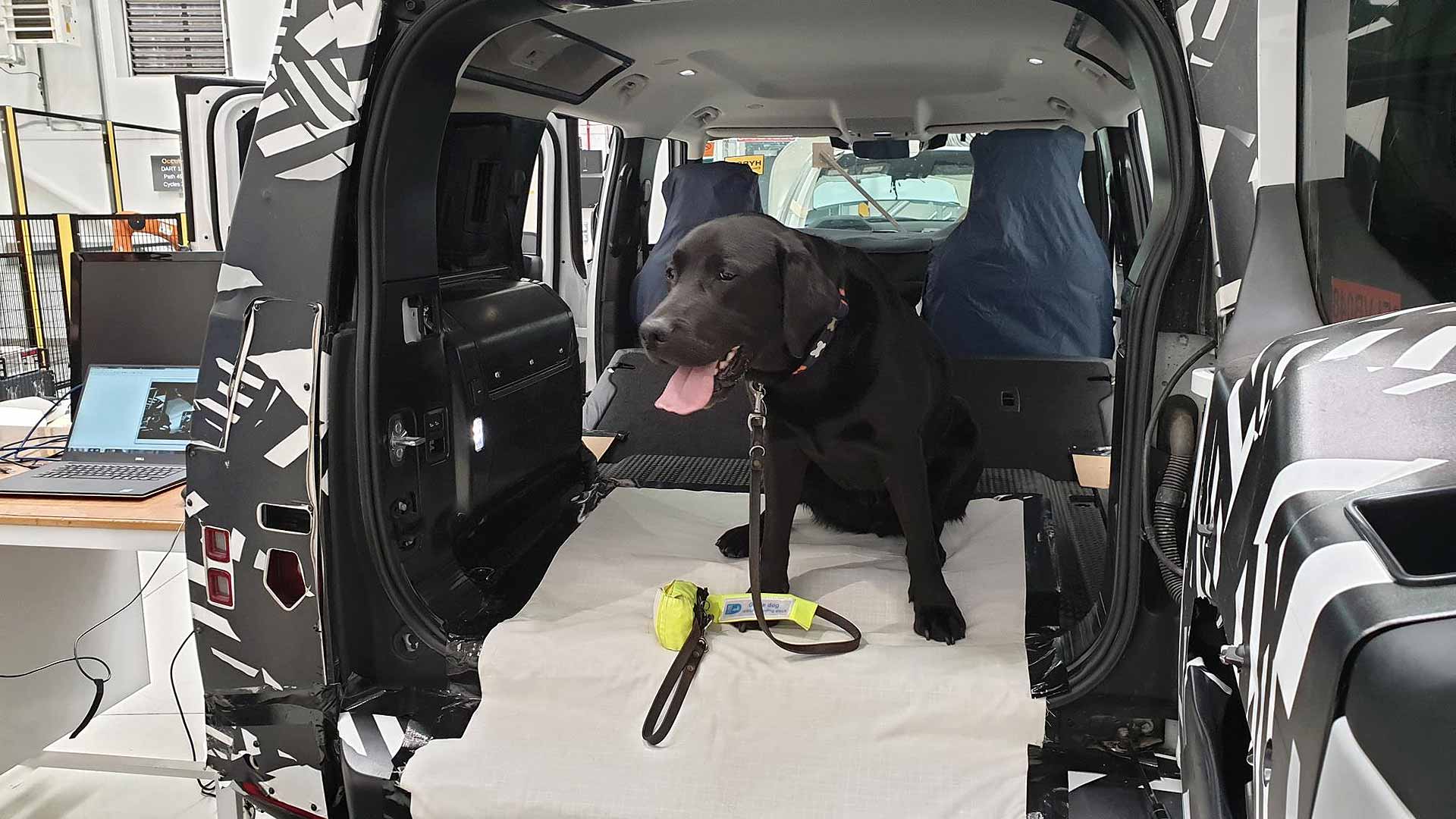
Yogi the Labrador, from the National Guide Dog Breeding Centre, was test dog for the project. Their paw was modelled and a 3D-printed, spring-loaded replica was created.

The engineers called this RoboYogi.

Cleverly, the use of springs meant the robo-claws can follow car design contours and evenly apply pressure across the bumper. Just like a real dog.

Yogi was then tasked with jumping in and out of the new Defender’s boot; engineers recorded their steps with pressure-mapping technology.

This data was used to correlate Yogi’s 3D-printed paw to their real one.

New Land Rover Defender

JLR’s new standard test involves 5,000 cycles of RoboYogi randomly scratching the panel 10 times, followed by a linear sideway scratch. Senior engineer Julie Nicholls admitted it’s a bespoke test that’s a little different to the norm.

“Creating globally renowned vehicles means applying a quality mindset at every stage of a product’s lifecycle to ensure we meet the needs of our customers’ lifestyles. In this case we were able to achieve it by getting a dog, printing a paw and using a robot.”

The paw was produced by the JLR Additive Manufacturing Centre, which now produces more than 80,000 parts a year, largely for prototyping and design mock-ups.

The division does actually also produce 3D-printed parts for production cars, with the extreme Jaguar XE SV Project 8 among the first to use parts from the centre.

Advertisement

Electric car uptake ‘not enough in isolation’ to improve air quality

0

Electric cars not enough to improve air quality in isolation

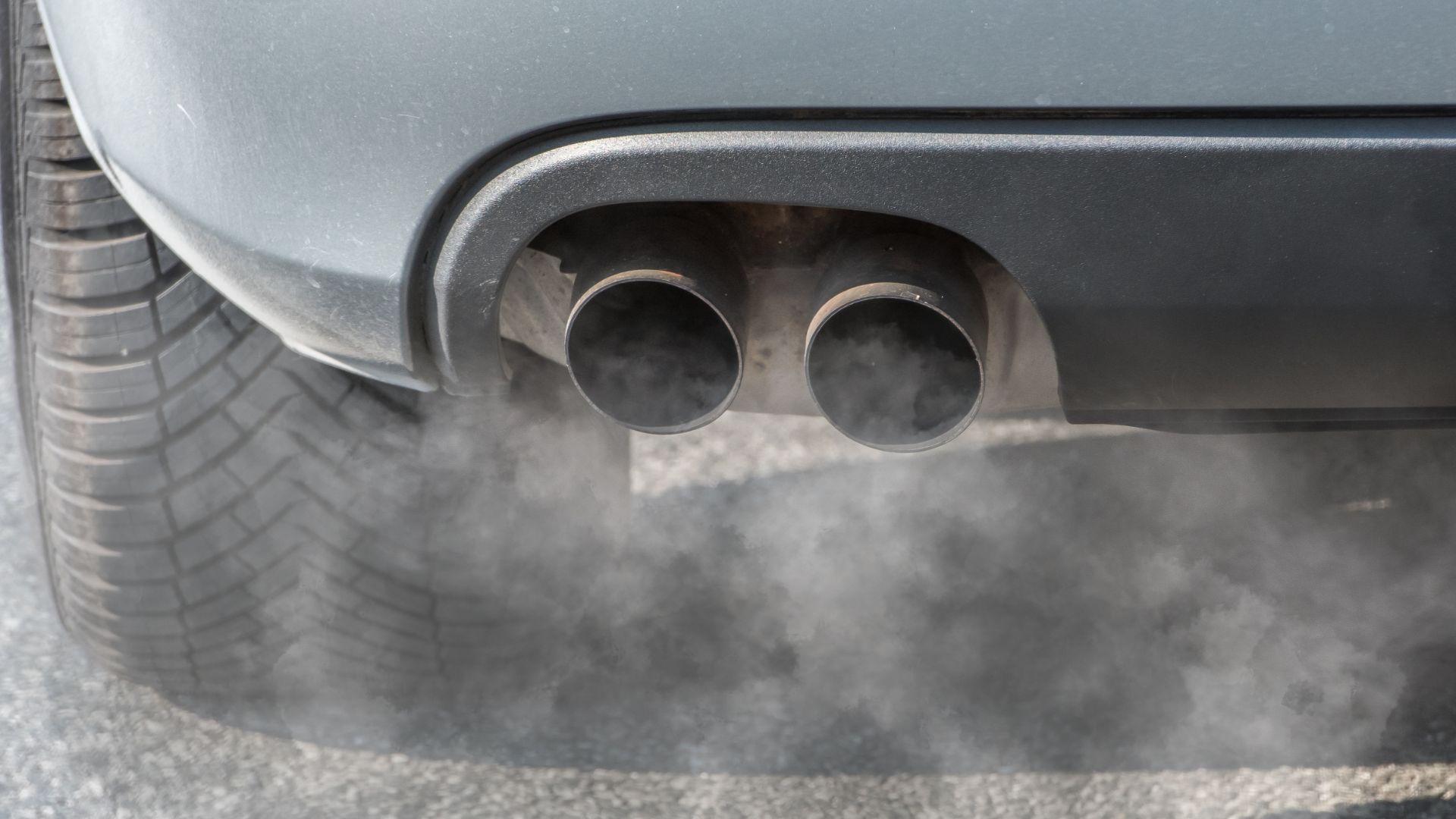
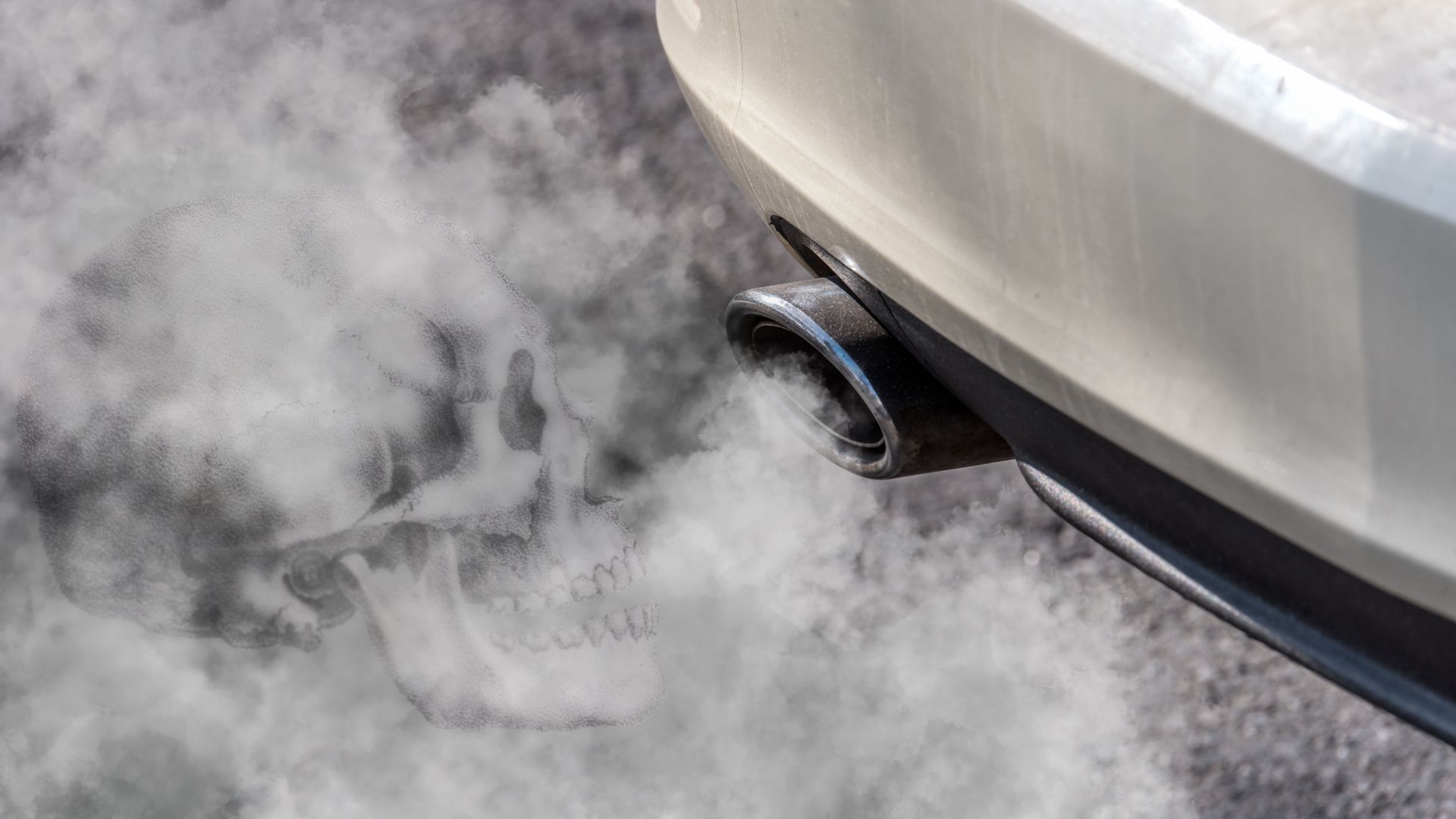
New research from the British Heart Foundation (BHF) has led to the conclusion that those who live in the most polluted urban environments could be losing seven months off their lifespan. Breathing the worst-polluted urban air is, according to BHF, equivalent to smoking 150 cigarettes a year. The situation is such that some don’t think that our transition to electric cars is going to be enough.

This, according to Mathew Hassell, founder and CEO of some of the UK’s largest transport management businesses, including Transport2, CoacHire.com and Kura.

“The news that the toxic air in our cities is now actively shortening our lifespan is worrying but hardly surprising,” Hassell said.  

Electric cars not enough to improve air quality in isolation

“Given that 33 percent of the toxic emissions we produce come from transport, it is here where a revolution is needed – and quickly.”

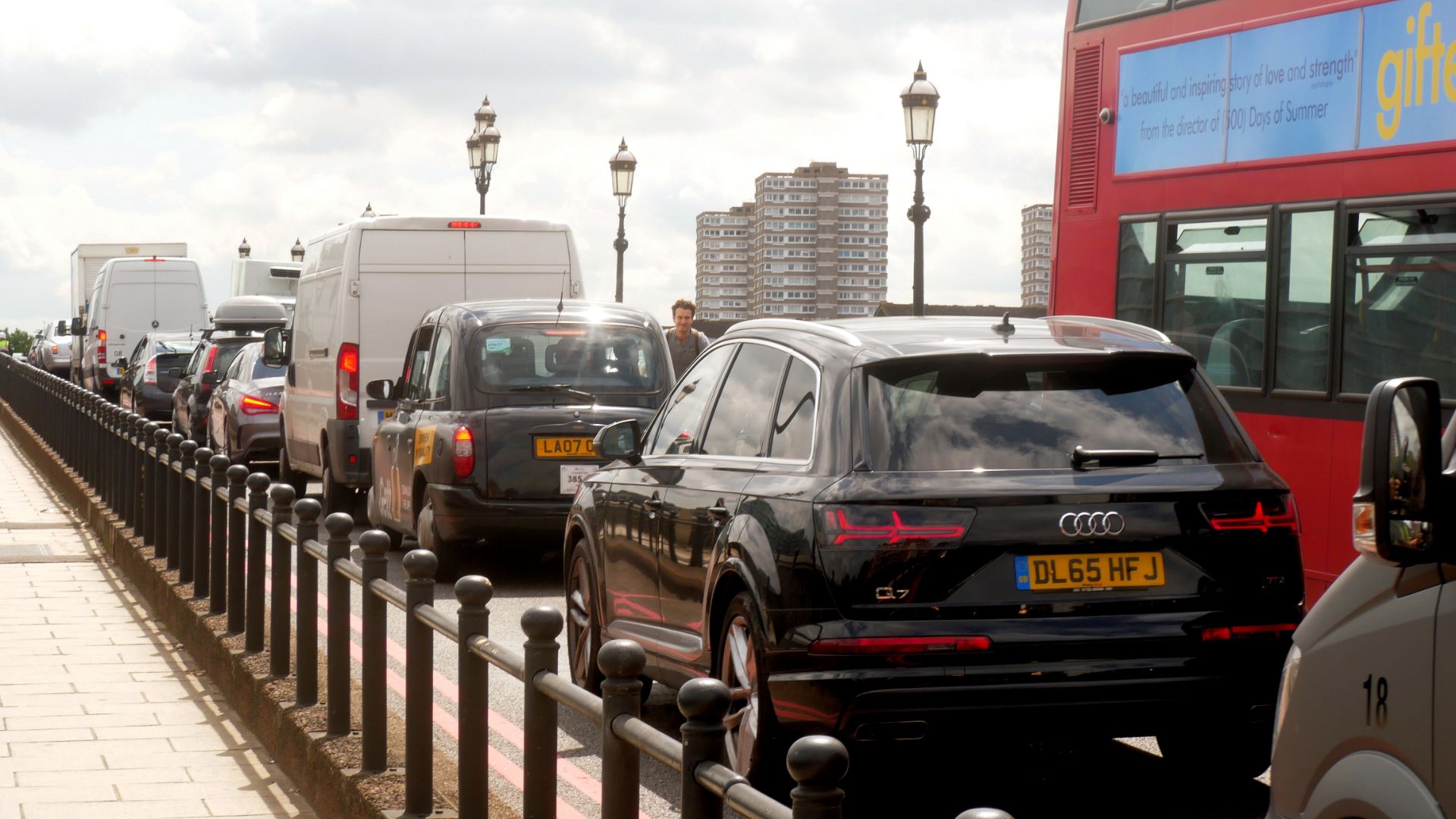
By revolution, Hassell is looking beyond each of us swapping in our petrol and diesel cars for EVs. The amount of cars overall is a problem, whatever they’re powered by, he says.

“While greater uptake of electric vehicles is seen as the solution by many, this isn’t enough in isolation. We must do more to get cars off the road, meaning that investment in areas such as Mobility as a Service (MaaS) and shared transport will be the more sustainable, viable solution to creating a greener future.”

He also highlights specific problem scenarios where pollution spikes, citing the school run. One in four cars on the road during rush hour are linked to the school run. Hassell thinks that investment in school transport would have a large impact. This to an end of getting cars off the road as above, and therefore lowering emissions markedly. The impact he says, could “rival or even exceed that of EVs”.

‘There is no safe level of air pollution‘Electric cars not enough to improve air quality in isolation

  • BMW commits to carbon-free shipping by 2030

Prior to parliament being dissolved for the general election, the government introduced the Environment Bill. Among other things, it committed to emissions targets, though these weren’t as strict as those recommended by the World Health Organisation. 

The British Heart Foundation says that 11,000 coronary heart disease and stroke deaths can be attributed to air pollution every year. Jacob West, executive director of healthcare innovation at the BHF, calls air pollution a “major public health emergency” that has ”not been treated with the seriousness it deserves” and that “we will look back on this period of inaction with shame”.

Dr Mark Miller, contributing BHF researcher, said “there is no safe level of air pollution. The potential health benefits of realising these [Environment Bill] targets are enormous, allowing everyone to live healthier lives for longer”.

Advertisement

This Swede is the world’s smartest driver

0

Anders Lindstrom

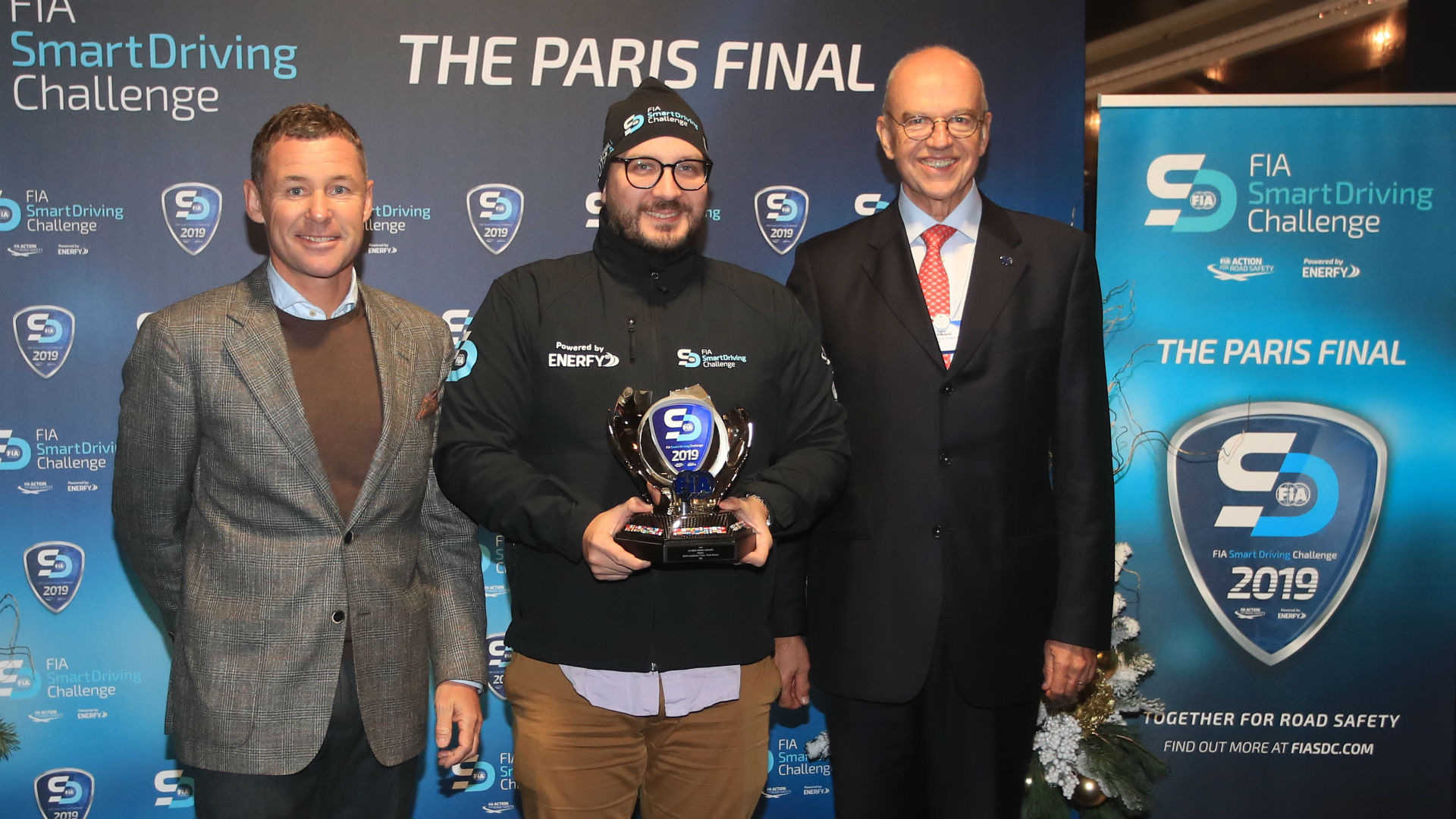
Anders Lindstrom can claim to be one of the best drivers in the world. The Swede has won the inaugural FIA Smart Driving Challenge (SDC).

The first season of the FIA SDC started earlier this year, with motorists from around the world invited to take part in 14 week-long heats.

Competitors saw their driving patterns assessed in real time thanks to an AI-based smartphone app powered by Enerfy.

The eight best drivers were invited to compete in the FIA SDC grand final in Paris. 

Lindstrom lined up alongside competitors from France, Great Britain, Qatar, Sweden and Singapore, with each driver given four attempts to complete a 4km route around Paris.

The driver who completed the route in the most efficient manner would be declared the winner. In the end, Lindstrom was announced as the smartest and safest driver.

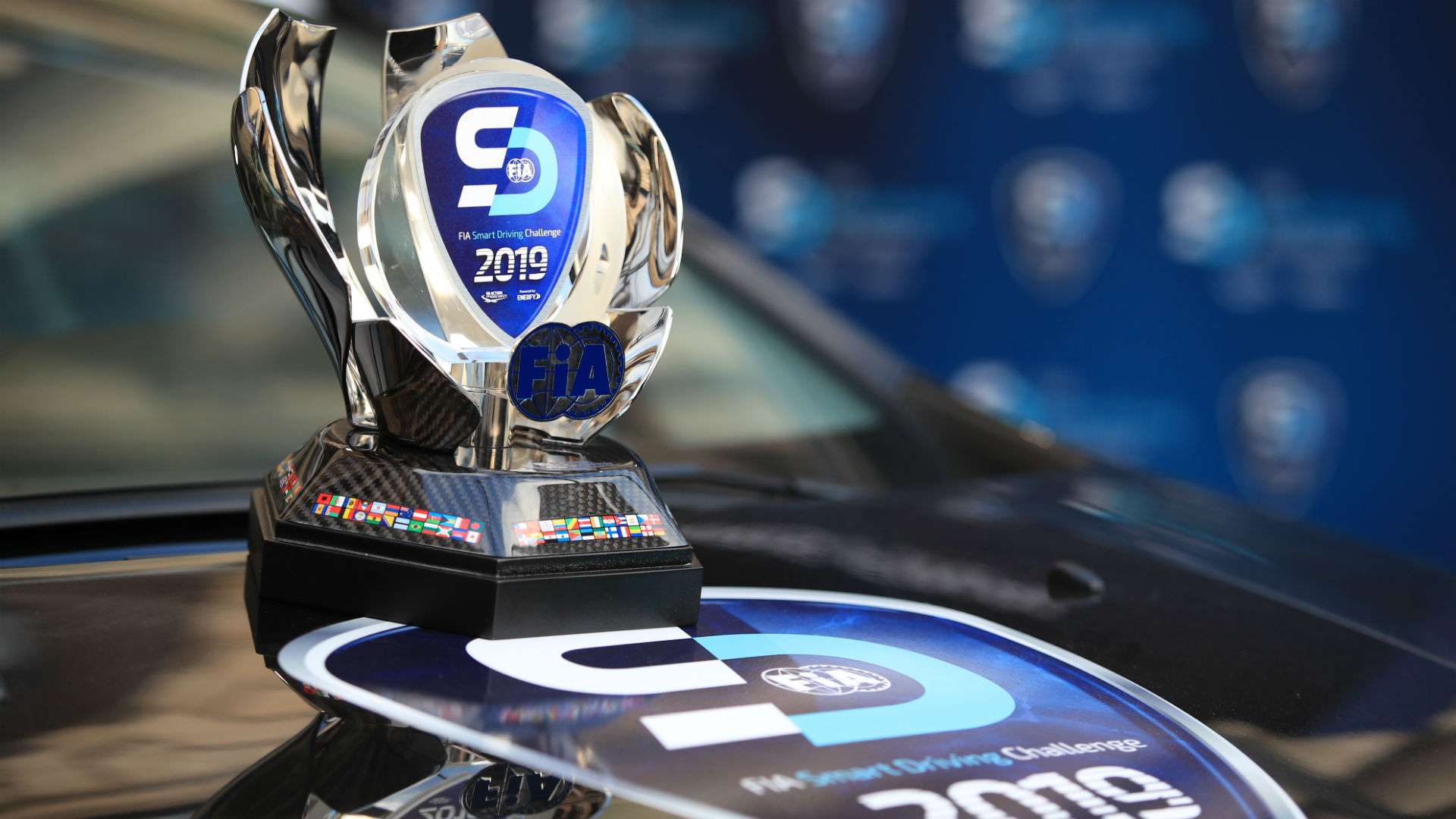
FIA Smart Driver Challenge trophy

Lindstrom said: “It’s been great to refine my skills on the road all year long, being a smarter, safer and more efficient driver. I have learned a lot, not only from the Enerfy app, but from my fellow competitors and my team leader.

”I’ve really enjoyed the challenge and look forward to continuing to be a smart driver. I’ve got to live up to my title now!”

FIA deputy president Thierry Willemarck, added: “Congratulations to our first FIA Smart Driving Challenge winner who is today rewarded for his safe and eco-friendly driving skills. We believe such initiatives can improve driver behaviour and invite more FIA Clubs to join the challenge and lead that change.”

The 2020 season of the FIA Smart Driving Challenge gets underway in February, and applications are already open for new competitors.

FIA Smart Driver Challenge final

To compete, drivers must sign up via the FIA SDC website. They must then download the app on their smartphone and connect the OBD plug-in to their car. 

For more information, visit the FIA Smart Driving Challenge website.

ALSO READ

The biggest motoring news stories of 2019

25 cars we said goodbye to in 2019

Volta electric truck to be developed in the UK

Advertisement

Formula E is now an official FIA World Championship

0

ABB Formula E FIA

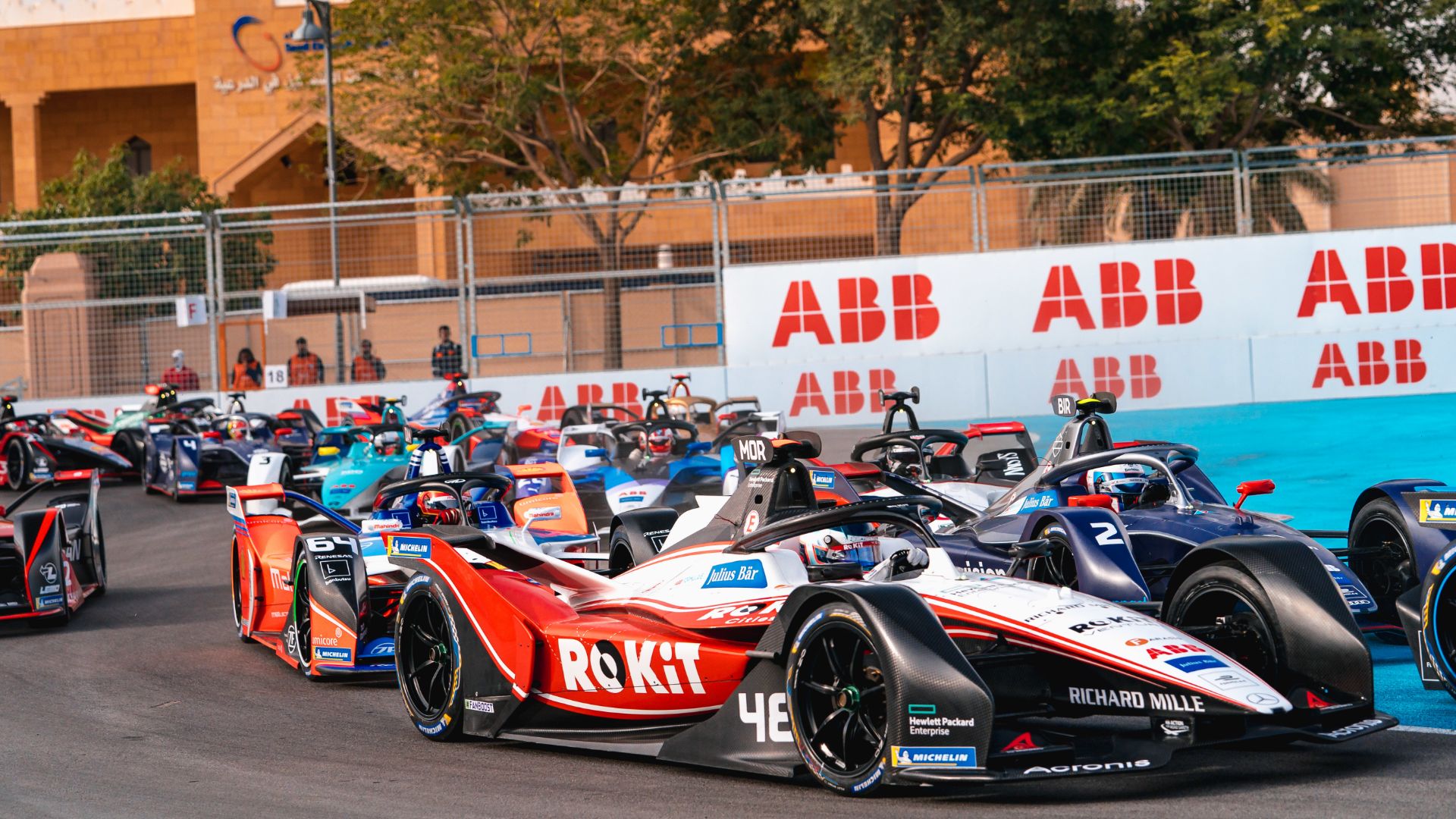
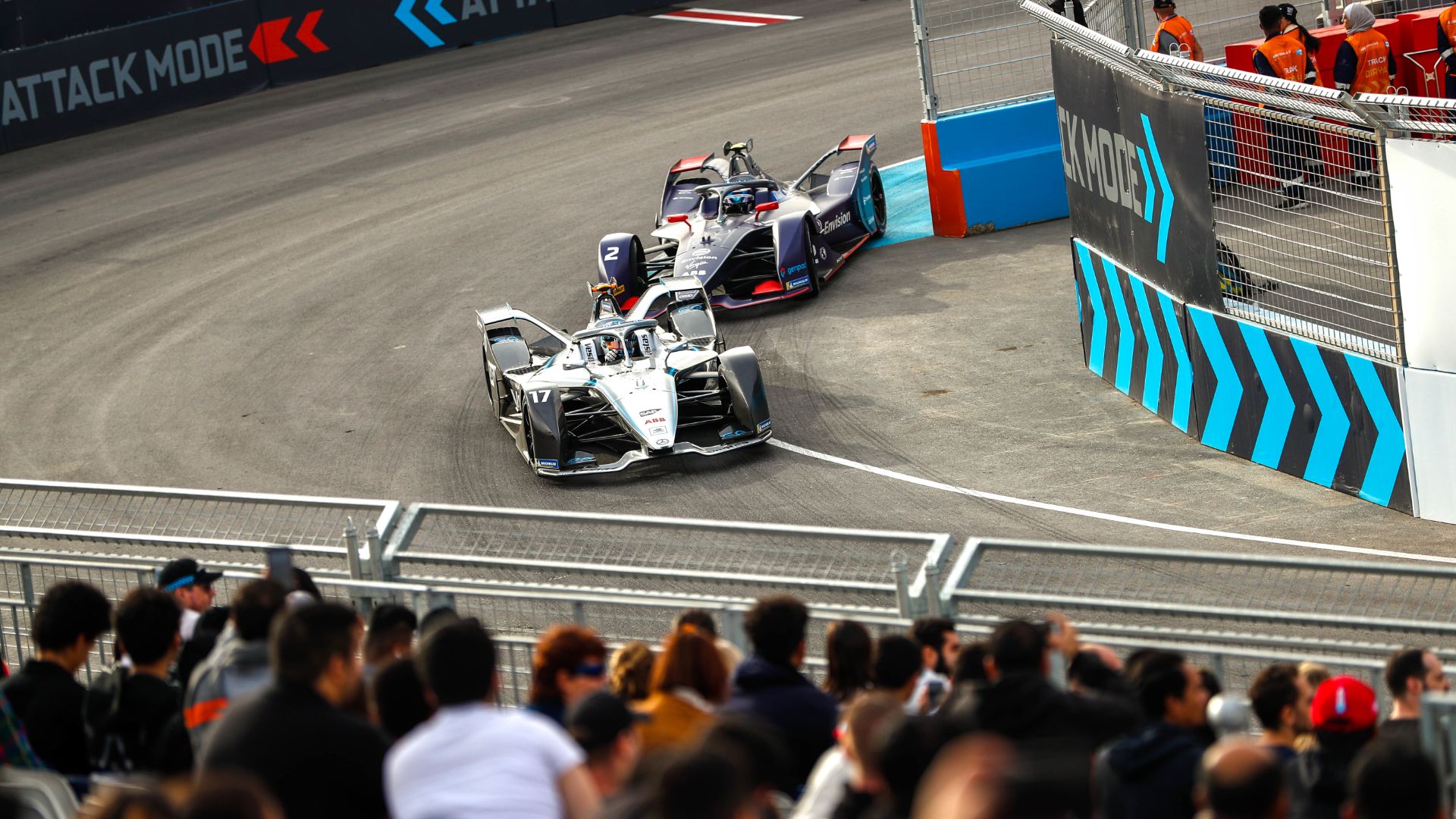
From the season 2020/21, Formula E will be known as the ABB FIA Formula E World Championship. A vote was passed by the Federation Internationale de l’Automobile to officially recognise the all-electric single-seater series.

Formula E founder and chairman Alejandro Agag met with FIA president Jean Todt at the FIA headquarters in Paris to ratify the deal.

“I am proud that today we confirm its FIA world championship status,” said Todt.

ABB Formula E FIA

“Since we started this journey, Formula E has undoubtedly gone from strength to strength. Within a short timeframe, the series has proven itself relevant for the automotive industry with two more major car manufacturers having joined the championship at the start of the current season, bringing the total number to ten.

“Since its first race in Beijing in 2014 and with every E-Prix thereafter, Formula E has proven that the concept of cutting-edge electric racing works. I wholeheartedly welcome Formula E as the latest FIA world championship.”

The series has attracted an impressive roster of manufacturer support in the five years it’s been running. Big names include Nissan, BMW, DS, Jaguar and Mercedes-Benz.

The future-looking appeal has even attracted some manufacturers to Formula E, away from other disciplines. Audi and Porsche, for example. Both were big players in the expensive LMP1 class at the World Endurance Championship. Both have defected, establishing a presence in FE.

Formula E is now made up of 24 cars, 24 drivers and 12 teams in total, and is expected to grow still further.

ABB Formula E FIA

“It was always our ambition to one day become an FIA world championship”, said Alejandro Agag.

”Everything we have done and delivered to this point has been working towards this particular moment in time. Achieving the feat and being granted with FIA world championship status adds more credibility to what is already a fully-fledged formula of racing and a spectacular sporting product.”

The next Formula E race meeting with be on the weekend of the 18 January 2020 in Santiago, Chile. A further ten race weekends will follow, with the season concluding in London on 26 July 2020.

Advertisement

Sales of SUVs ‘making a mockery’ of emission policies

0

SUV emissions outweigh EV benefits

In spite of the growing popularity of electric cars, a new study suggests the sales of large, heavy, emissions-intensive SUVs is far outweighing any initial benefits. On average, SUVs emit around 25 percent more CO2 than normal cars.

SUVs and crossovers outsell electric cars 37 to one. While electric cars are increasing in popularity, with registrations doubling, the SUV craze is stronger still. They made up 21.2 percent of car sales last year.

Contrast to 2017, when SUVs made up just 13.5 percent of car sales. A decade ago, when the crossover was just getting traction, SUV sales were 6.6 percent. 

SUV emissions outweigh EV benefits

Between 2015 and 2018, 47,400 electric cars were sold. By comparison, near-on 1.8 million SUVs were sold in the same period. The study noted that affordable finance deals make SUVs more attractive to car buyers. 

Applying the average increased emissions from SUVs to that figure, 1.8 million SUVs have emissions equivalent to 2.25 million normal cars. That’s an extra 450,000+ cars’ worth of emissions, outweighing the sales of electric cars almost ten-fold. 

CO2 emissions had been reducing since the early 2000s, but rose in 2016. The Department for Transport has admitted this could be “broadly due to a shift towards registering larger cars, which have higher emissions”.

SUV emissions outweigh EV benefits

  • Has Uber contributed to London’s pollution problem?

“The rapid uptake of unnecessarily large and energy-consuming vehicles makes a mockery of UK policy efforts towards the ‘road to zero’,” said Professor Jillian Anable, co-director of the UK Energy Research Centre.

“In effect, we have been sleep-walking into the issue. The decarbonisation of the passenger car market can no longer rely on a distant target to stop the sales of conventional engines. We must start to phase out the most polluting vehicles immediately.”

Advertisement

New cat’s eye-style filters could tackle pollution

0

Cat's eye toxic air filters

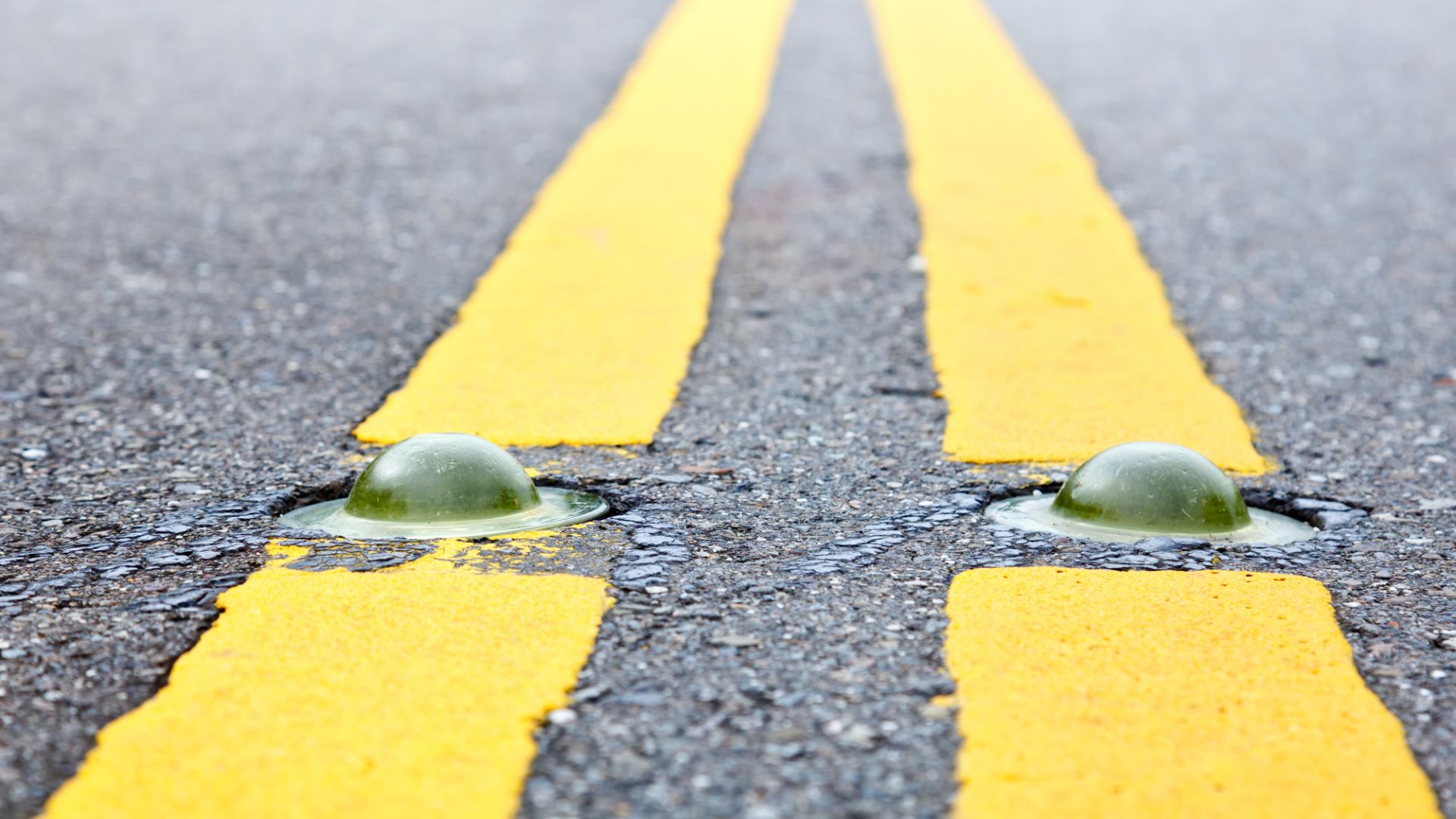
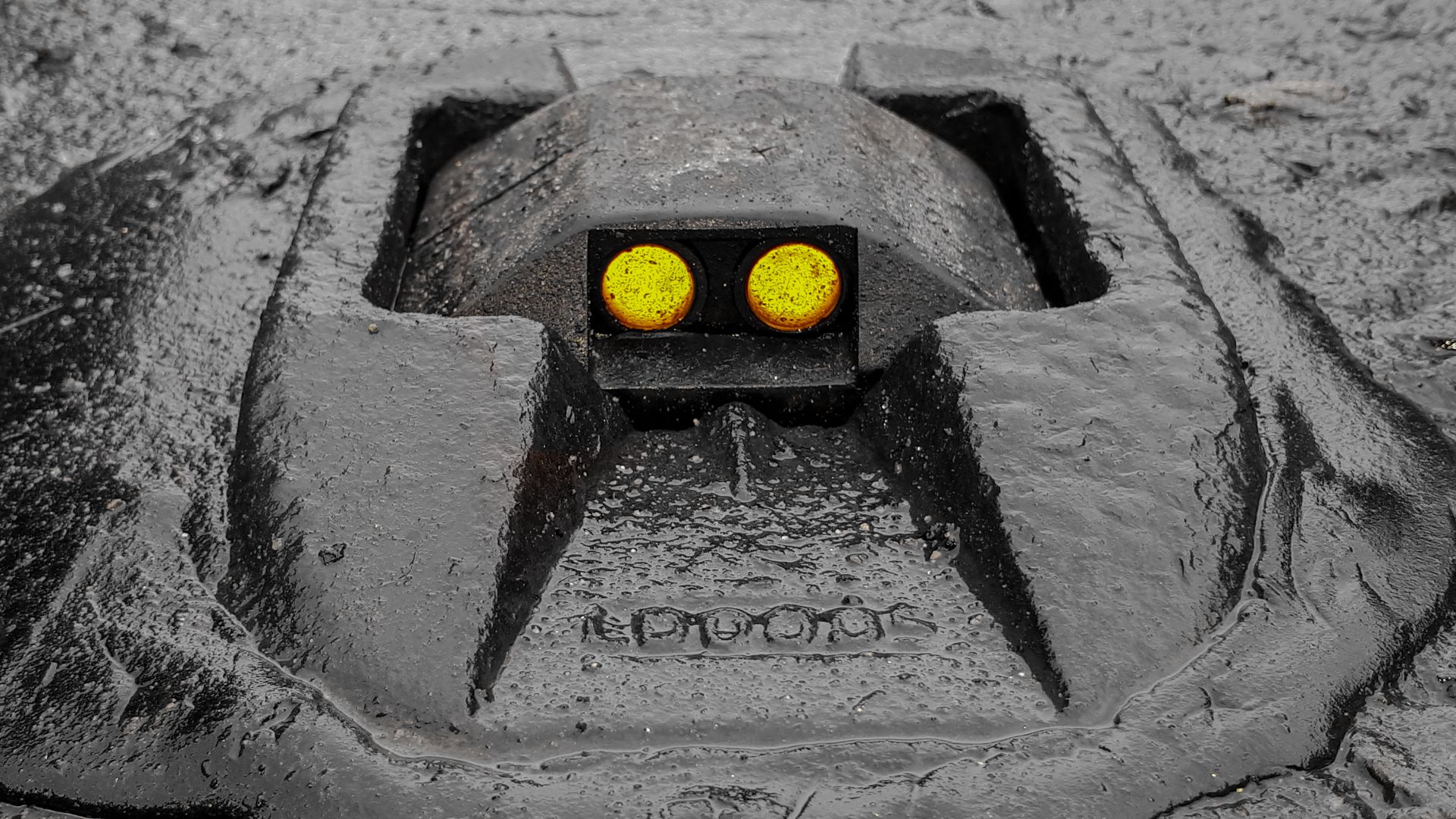
The war on toxic air pollution is yielding some clever ideas. The latest is suction fans embedded in the road in the same manner as cat’s eye reflectors. These would be hooked up to a filtration system to clean the air.

The idea is that low energy fans installed in the road can quite literally suck toxic air into piping. That would then feed into a filter unit at the side of the road. It’d be around the size of a large bin.

Cat's eye toxic air filters

Areas to benefit the most from this would be junctions with lots of stationary traffic. The system is being developed by Hertfordshire-based company Pollution Solution.

The company claims it could remove at least 30 percent of toxic pollutants from the air. That includes engine pollution like nitrogen oxide, as well as brake and tyre particulates. The air that leaves the filter ‘bins’ is said to be 99 percent clean. The company says the system can run mostly on solar power, triggering only when it senses cars have stopped.

Initial trials of the technology could take place in problem pollution areas in East London. Engine idling hotspots would be targeted. School pick-up and drop-off areas, busy junctions and pedestrian crossings are cited as ideal places to start.

Pollution Solution founder Thomas Delgado is realistic about what can be achieved with the technology and the specific areas where it will be most effective. With that said, he’s also clear that this or something to the effect of cleaning air quality is necessary now, given the estimated 40,000 premature deaths per year that can be linked to air pollution.

‘Electric cars are great’

Cat's eye toxic air filters

Delgado said: “This is only going to be effective at busy junctions but all the information we have is that those hotspots are the areas that really need to be tackled.

“Electric cars are great but as it stands today, they are not a feasible option for the majority of consumers or companies and air quality needs to improve now.

“There are talks of banning the sale of fossil-fuelled vehicles by the year 2040 but if we don’t take steps in the interim it is inevitable that people will die unnecessarily.”

Advertisement