A 1977 Citroen Mehari that was once owned by The Kinks’ lead guitarist and vocalist, Dave Davies, is being auctioned this week.
Davies owned the Mehari, which is for sale with Car and Classic, for several years while still performing in the band. Its most recent owner, a Citroen collector, has cared for it for 16 years.
Don’t worry if you’ve never heard of the Mehari – it was never sold in the UK. It is closely related to the Dyane 6 and featured a light ABS plastic body and soft-top roof. It’s extremely light by today’s standards, tipping the scales at 535kg.
Since Davies owned the car, it has undergone a number of revisions, including bodywork restoration, while the current owner has fitted brake discs and a twin-choke-carb Dyane engine.
In addition, transmission specialist Rick Pembro has rebuilt the gearbox and the spartan interior has been fitted with retrimmed seats. According to its latest MOT, the car has covered 60,000 miles since new.
At the time of writing, the Citroen has received nine bids from six different bidders, with a current price of £4,500 – although this is below the reserve value. The auction ends on 24 May.
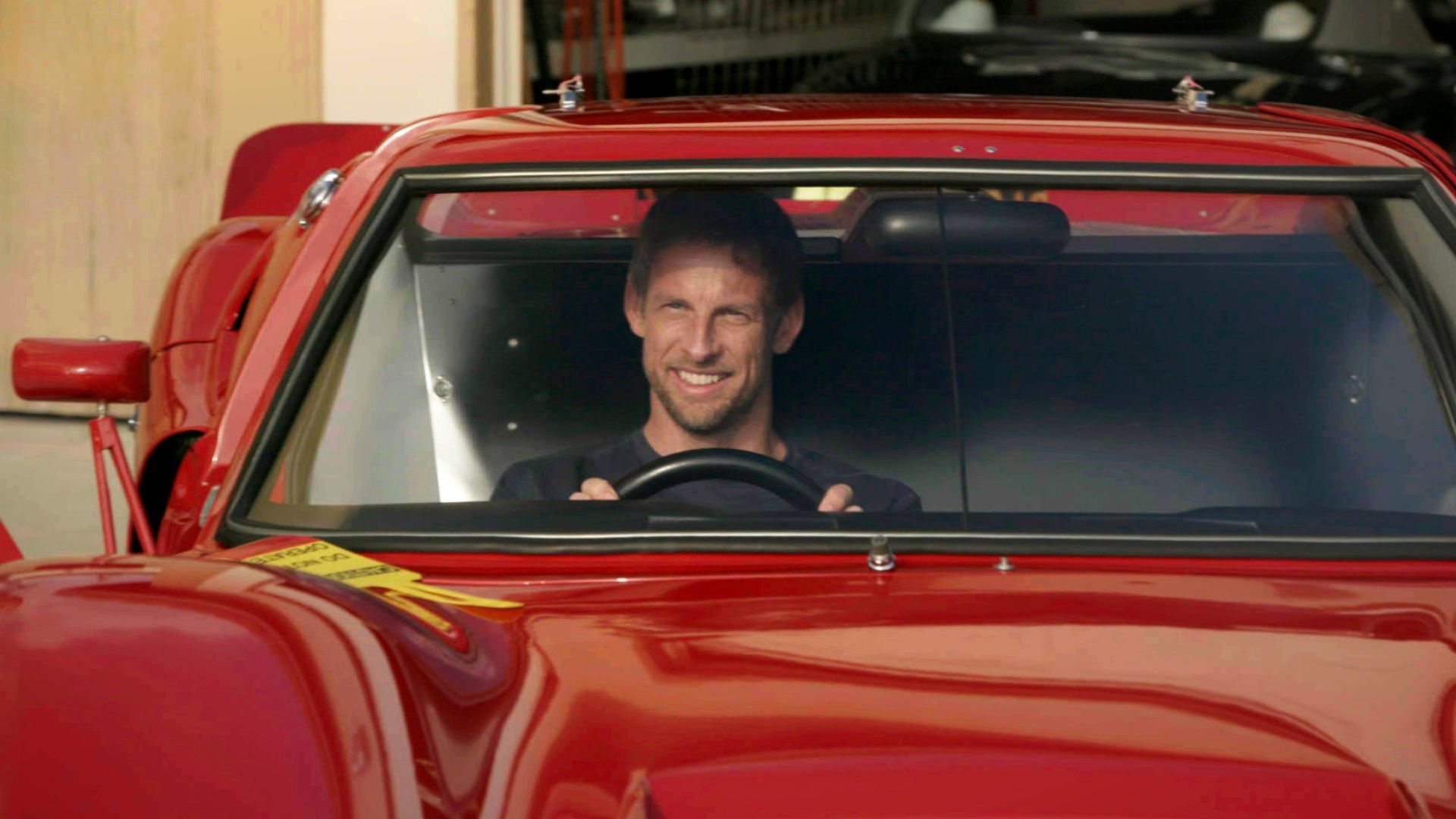
F1 champion Jenson Button’s coachbuilding car company, Radford, has shown off the inspiration for its retro-inspired new sports car.
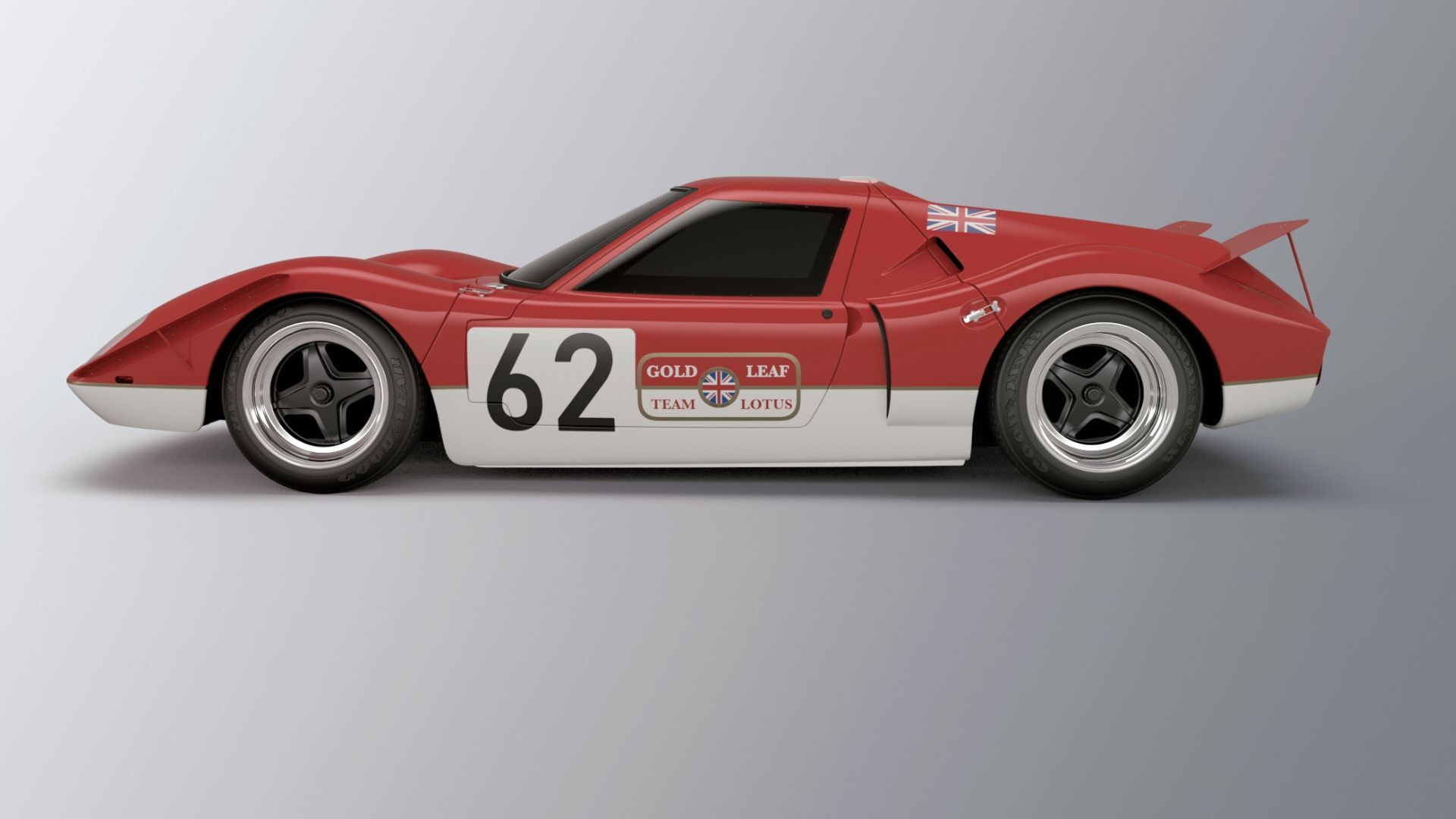
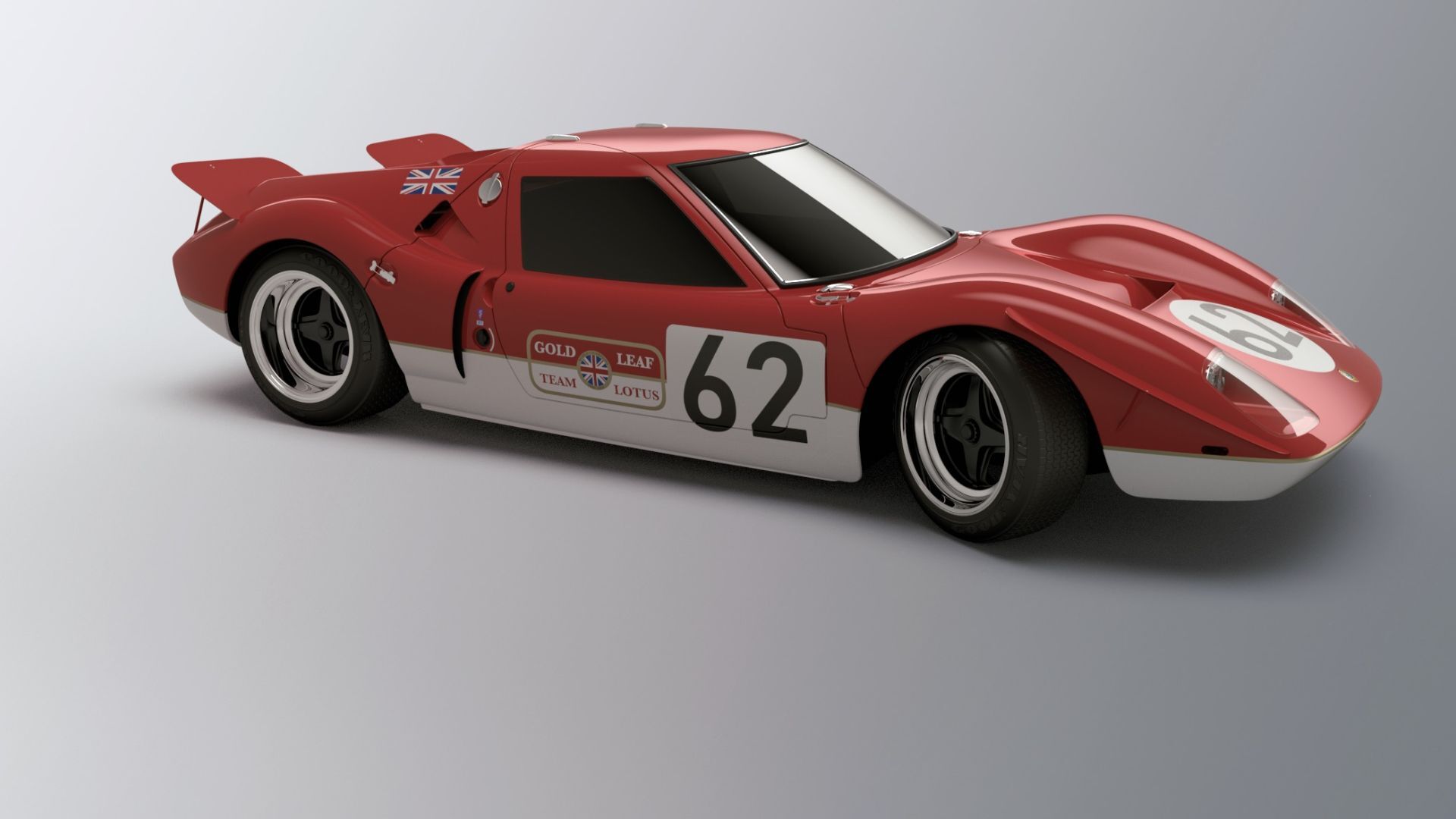
Codenamed Project 62, the company says each car will be hand-crafted to individual customer specifications. The two-seater will use Lotus technology and will be ‘mechanical, engaging and poised’, says Radford.
Its design plays homage to the short-lived Lotus Type 62 racing car from the 1960s (pictured here).
Details are thin on the ground at this stage, but a spokesman told Motoring Research the company will reveal powertrain and price information “later on in the year”.
Prospective buyers are being invited to register their interest by placing a $1,000 (£704) refundable deposit.
Radford was founded in 1948 as Harold Radford Coachbuilders Ltd. Its original projects included the Bentley Countryman and fibreglass bodywork for the prototype Ford GT40.
The company later became famous for custom Bentleys and Minis. Beatles’ manager Brian Epstein commissioned Radford to create one-off Minis for the Fab Four.
Button announced he would bring back the name earlier this year, alongside car builder Ant Anstead, designer Mark Stubbs and business adviser Roger Behle.
“We believe in creating a personal experience throughout the build process and beyond, ensuring your vehicle is tailor-made for you, as well as inclusion in Radford events. Each owner will become a member of the Radford community,” the company says.
Those successful will be invited to attend a track-day with Button, where he will ‘demonstrate how owners can get the most out of their Radford on the racetrack on which they were developed’.
“As a British car lover, I am excited that Radford has the honour of working alongside Lotus to pay homage to the truly stunning original Type 62 from 1969,” Button said.
“With the dynamic development of our car already well underway, we are working hard to ensure we do this car justice, and I can’t wait to put it through its paces on the Radford track, before inviting today’s Project 62 owners to come and do the same.”
David Brown Automotive has unveiled a limited edition go-faster version of its Mini Remastered restomod.
Called the Mini Remastered Oselli Edition, the car has been created in partnership with tuning specialist Oselli, which has prepared racing Minis and MGs since the 1960s. Only 60 examples will be built.
The mightier Mini is powered by an Oselli-tuned version of the BMC A-Series four-cylinder petrol engine, with capacity increased from 1,275cc to 1,450cc.
It is the most powerful Mini Remastered to date, with David Brown Automotive claiming 125hp and a 0-62mph time of 7.8 seconds.
Upgrades to the engine include a strengthened crankshaft, a performance-orientated camshaft and a twin-SU carburettor setup.
The car also benefits from AP Racing brakes, sports suspension by Bilstein and a free-flowing exhaust system. Wider 13-inch wheels with high-speed-rated tyres are designed to maintain grip on the road or track.
Styling changes include the number ’60’ in the grille – a nod to it being 60 years since the original Mini first rolled off the production line when the car was conceived. The Oselli Edition also gains LED lights and a number of unique paint colours.
The car can be ordered in either a two- or four-seat configuration, with the two-seater featuring bucket seats and a hand-trimmed rear roll cage, along with a four-point harnesses. There is also the option to fit twin fuel tanks for extra driving range.
The Mini is available to order now, but don’t expect a speedy delivery – a spokesman for David Brown Automotive told Motoring Research each car takes 18 months (and around 1,500 hours) to hand-build.
We understand it is priced from around £80,000, although this hasn’t yet been confirmed. Stay tuned for a review soon.
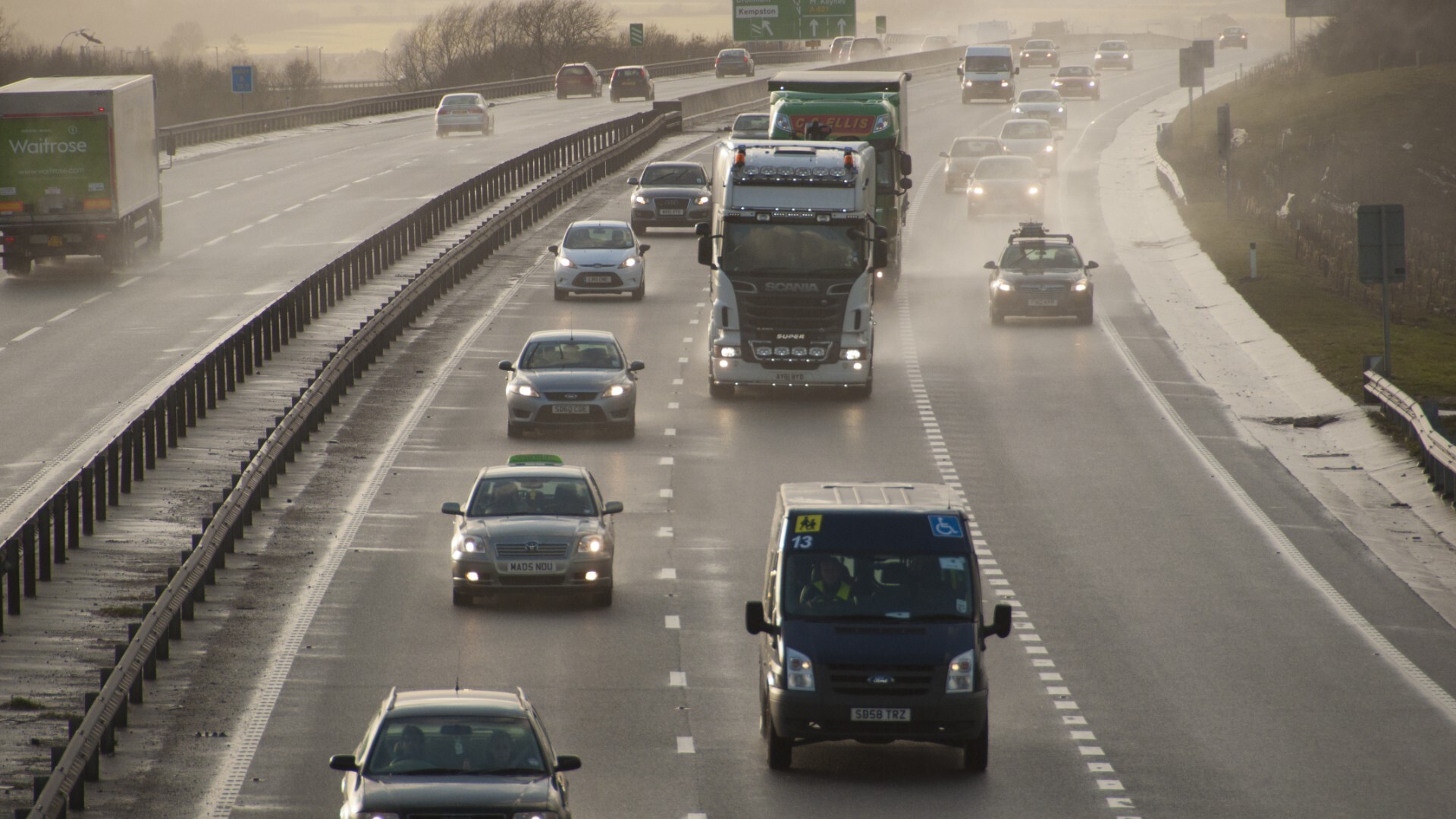
A lower, temporary speed limit on a road passing through a village in Dorset will become permanent after a trial aimed at cutting emissions.
During the 18-month experiment, the limit along a section of the A35 at the western end of the village of Chideock was lowered from 40mph to 30mph.
The trial also involved the use of the air quality monitoring equipment and patrols by an emissions monitoring vehicle. Analysis of the data found there was a small reduction in emissions.
Reduction in nitrogen dioxide
“As part of our ongoing work, we undertook and completed a trial that saw additional diffusion tubes installed and an electric-powered van monitoring real-time pollution before and after the speed limit change,” said Andy Roberts, Highways England route manager for the A35.
“This identified a small reduction in nitrogen dioxide levels following the reduction of the speed limit and, as a result of the localised air quality benefit, we propose to make the extended 30mph zone a permanent fixture.”
Doset councillor Ray Bryan added: “I’m pleased to hear that the speed trial in Chideock has gone towards helping improve the air quality in the village, and the 30mph speed limit is being made permanent. Due to the challenging topography of the village, the solution to improving air quality on this strategic route depends largely on wide-spread adoption of clean technology and other changes to travel habits.
“In the meantime, we will continue to work with our partners at Highways England to monitor emissions in the area and continue to seek ways to further improve air quality for residents.”
Many drivers don’t understand the process of getting a car through an MOT test, new research suggests.
According to a poll of 2,000 British adults, 44 percent are unaware that an expired MOT could invalidate their car insurance.
The poll by Gocompare also revealed that six percent of drivers say they don’t understand the MOT process. And a further eight percent are confused about MOT jargon surrounding the categories of Pass and Fail.
In addition, seven percent said they don’t understand what an Advisory repair means in relation to their MOT and eight percent don’t know the difference between Minor, Major and Dangerous faults.
The research also revealed that 26 percent of motorists think the MOT test guarantees their car will be safe to drive for the next 12 months. And six percent erroneously believe MOT test centres have a percentage of cars they are required to fail.
Misunderstanding the MOT
Cars aged over three years are tested annually to ensure they are roadworthy and safe to drive; this year, 2.3 million cars will be due their first MOT. The MOT test produces a Pass or Fail outcome. Dangerous or Major faults lead to a failed test. The category applied will depend on the type and seriousness of the problem.
“The regular testing of vehicles as they get older helps to ensure cars are safe and roadworthy,” said Ryan Fulthorpe from Gocompare.
“A valid MOT certificate confirms a car has met the minimum standard of roadworthiness at the time of testing. It doesn’t guarantee the car will be in good running order over the next year, so it’s essential that drivers carry out regular checks and have their car regularly serviced.”
Mayor of London Sadiq Khan has committed to expanding the Ultra-Low Emission Zone from October 2021, after being re-elected earlier this month.
City Hall says the new zone will be 18 times the size of the current central London area. From 25 October, it will cover all streets inside the North and South circular roads in the capital city.
Owners of non-complaint vehicles will be required to pay £12.50 a day to enter the area. The mayor’s office said around 100,000 cars and 35,000 vans could be affected by the tighter standards every day.
Petrol cars must comply with Euro 4 standards – usually vehicles registered from January 2006 – and diesel owners will need to pay up unless their car meets the Euro 6 standard, meaning they were registered after September 2015.
The mayor said the central London ULEZ has been “transformational since its introduction in April 2019” and claimed it helped to reduce roadside concentrations of nitrogen dioxide gas by nearly 50 percent.
He added that the initial ULEZ cut the number of state schools suffering illegal levels of pollution by 97 percent – from 455 schools in 2016 to 14 in 2019, prior to the Covid-19 pandemic
“I pledge to be the greenest Mayor London has ever had, with a mandate from Londoners to put the environment and climate policies at the heart of my second term in office. Today I am reaffirming my commitment to speed up the cleaning of London’s toxic air,” said Khan.
“In central London, the Ultra-Low Emission Zone has already helped cut toxic roadside nitrogen dioxide pollution by nearly half and led to reductions that are five times greater than the national average. But pollution isn’t just a central London problem, which is why expanding the ULEZ later this year will benefit Londoners across the whole of the city and is a crucial step in London’s green recovery.
“There is no time to waste. We know pollution hits the poorest Londoners the hardest, which is why I’m doing everything I can to improve the health for all Londoners.”
The number of licensed vehicles on UK roads fell for the first time over the course of a whole year since 1991. That’s according to new statistics released by the Department for Transport.
According to the data, the number of road-legal vehicles declined by 192,000 last year, due to more people declaring vehicles as being off the road.
The DfT revealed the number of applications for a Statutory Off Road Notification (SORN) increased by 421,000. The AA attributed this to the impact of the coronavirus pandemic.
“The statistics are yet another indication of just how much the coronavirus epidemic has disrupted travel in the UK,” said Jack Cousens, the AA’s head of roads policy. “Stuck in their homes for months on end, many car owners took the opportunity to save money by declaring that they had taken their vehicles off the road during the lockdowns.
“Even today, with lockdown rapidly easing and a new relaxation of restrictions due on Monday, car travel during the working week remains at least 10 percent below pre-pandemic levels. The AA expects travel to pick up with the staycation, but the true test of ‘long covid’ for UK travel will come after the August Bank Holiday and a full return to work.”
Diesel’s downward spiral
The government figures also show that 179,000 ultra-low emission vehicles (those that emit less than 75g/km CO2 – primarily electric cars) were registered last year, a 125 percent rise on 2019. ULEVs made up 8.5 percent of all new registrations.
More alternative fuel cars, notably petrol-electric hybrids, were registered during 2020 than diesel cars (338,000 versus 295,000). This represents an 87 percent annual increase for alternative fuel cars year-on-year, against a sharp decline for both petrol and diesel cars.
“With ever-more electrified models available, it’s looking increasingly likely that sales of diesel cars may now never recover to previous levels, which will help improve the air quality in towns and cities,” said RAC spokesman Rod Dennis.
Breakdown giant the AA has partnered with Instavolt, a provider of EV charging points, to offer telephone advice to electric car drivers.
The firms said the agreement is ‘intended to give drivers further confidence to switch to electric vehicles, by reassuring them with reliable and high-quality customer service whatever the time of day’.
As part of the deal, the AA will provide call centre support for Instavolt customers via a dedicated phone number. The AA customer service team will be able to resolve common charging queries, direct customers to Instavolt charging stations and help with account or payment queries.
However, the agreement doesn’t extend to calling out a man (or woman) with a van. A spokesperson for the Instavolt told Motoring Research the partnership is limited to customer service support, and not breakdown cover.
“Despite the rapid growth in EV adoption and the continual improvements in facilities and support for EV drivers nationwide, there still remains some hesitancy among certain owners to switch from petrol and diesel vehicles,” said Adrian Keen, Instavolt CEO.
“Securing the support of the AA’s customer services team will help to dispel any lingering concerns around the ease with which EV drivers encountering difficulties can find high quality help.”
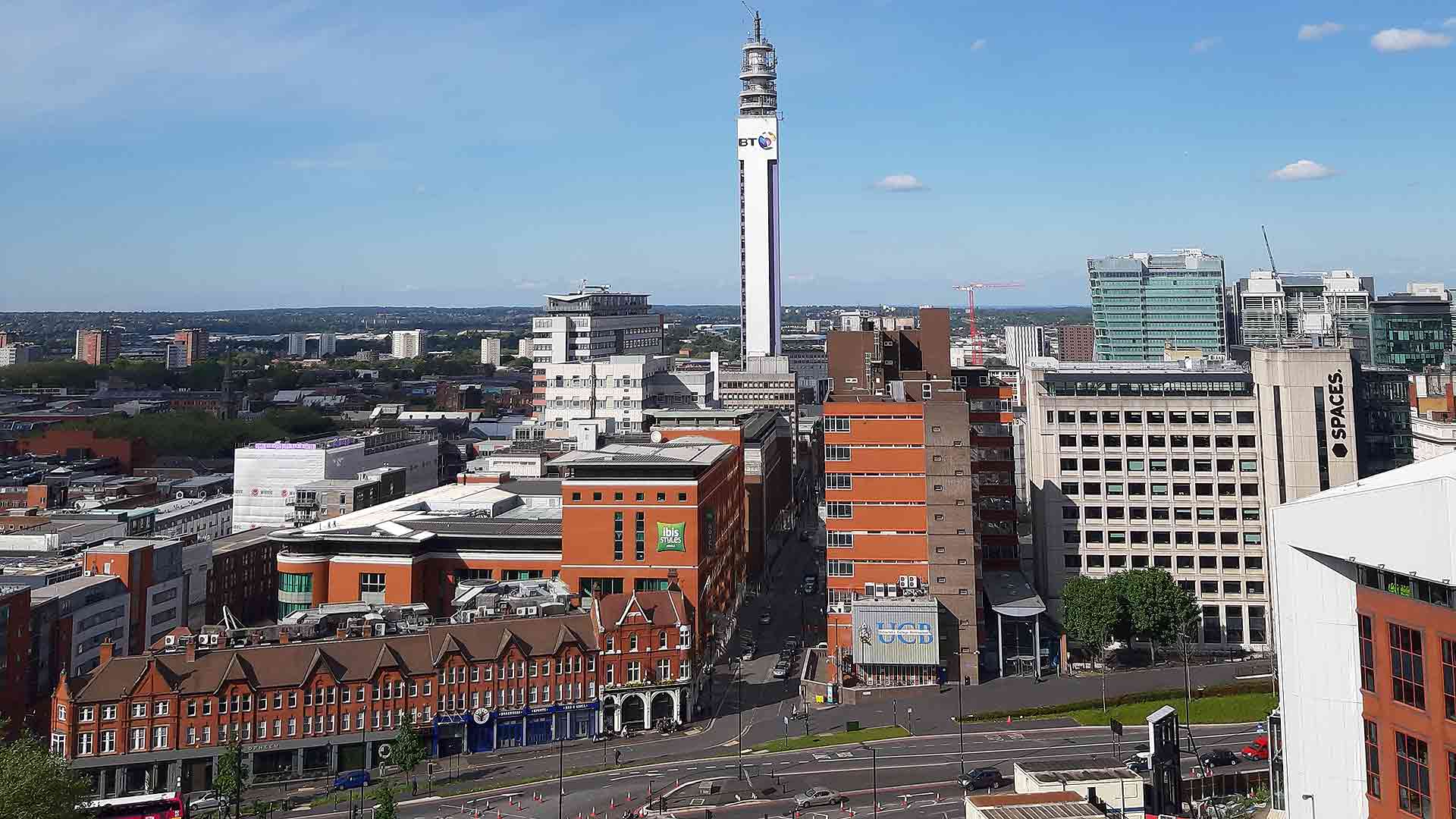
Birmingham has been named as the UK’s ‘Crash for Cash’ hotspot in new figures released by the Insurance Fraud Bureau (IFB).
Birmingham postcodes B25, B34 and B8 made up the top three high-risk areas, while Bradford’s BD7 and BD3 postcodes completed the top five. A further Birmingham area – B27 – was listed in ninth place.
The IFB analysed 2.7 million insurance claims over the last 15 months and suggested a staggering 170,000 of these could be linked to ‘crash for cash’ schemes.
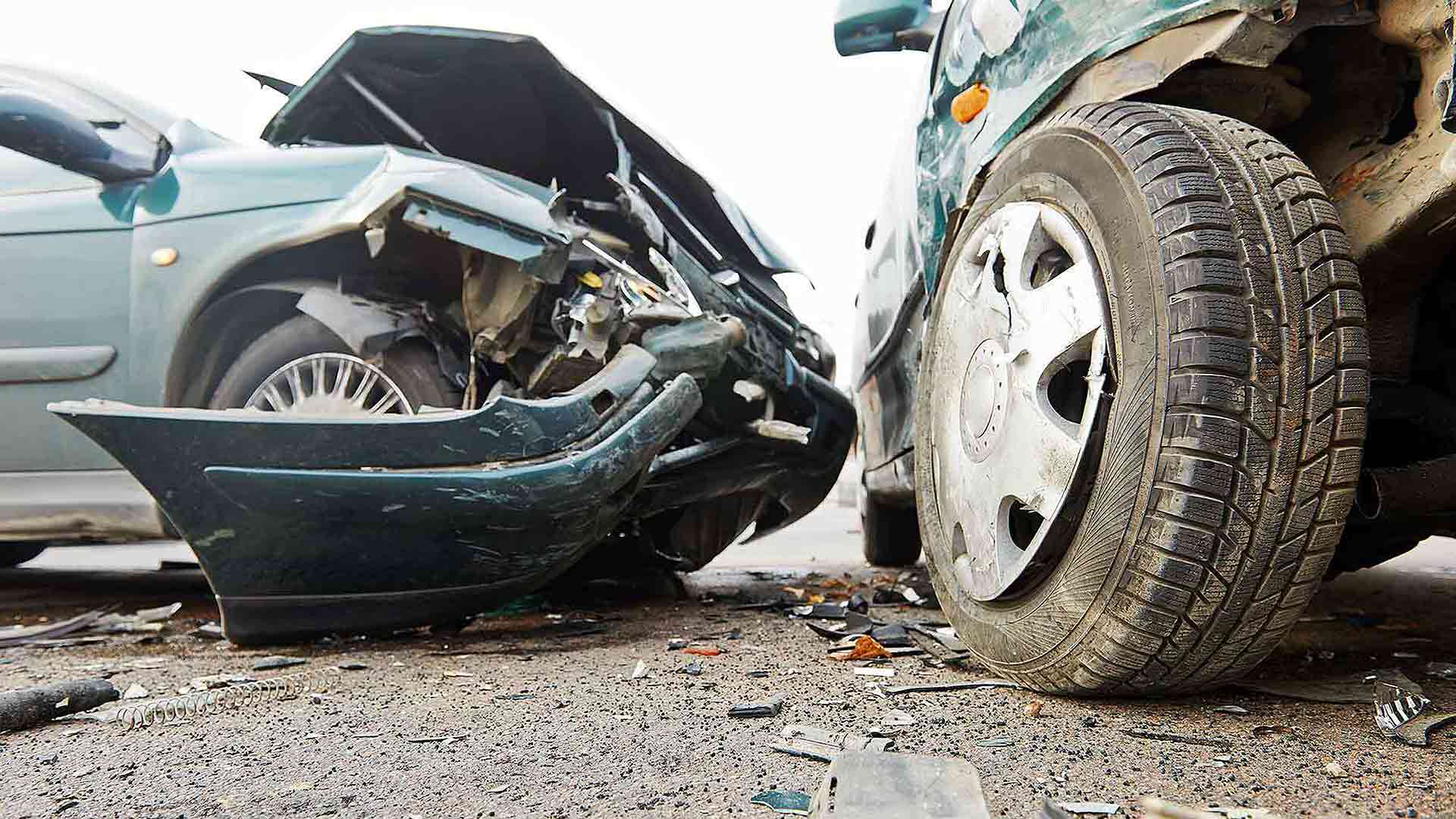
‘Crash for Cash’ is a common insurance scam which sees fraudsters invent or deliberately cause road traffic collisions, often involving innocent people, to try and get compensation.
Scams can range from paper-based fabrications, or vehicles being damaged behind closed doors, through to the most dangerous where collisions are being caused by fraudsters with innocent road users, the IFB said.
It added criminal gangs can be behind thousands of orchestrated collisions in some areas, with the combined value of their fraudulent claims ‘running into the millions’.
The IFB said collisions are often caused by fraudsters who slam on their brake on busy junctions and roundabouts in the hope that the driver behind won’t stop in time.
It added that some particularly sophisticated fraudsters also do this with an accomplice that drives erratically in front of them, so they can divert the victim’s suspicions by blaming the driver in front.
“These criminal gangs are often highly organised and put lives at risk. The amounts that they fraudulently claim can be huge, and can impact on the motor premiums paid by honest motorists,” said James Dalton, the director of general insurance policy at the Association of British Insurers.
“With more vehicles on the roads as we emerge from the pandemic restrictions, the potential targets for these criminals increases. This is why it’s so important for all motorists to be on their guard.”
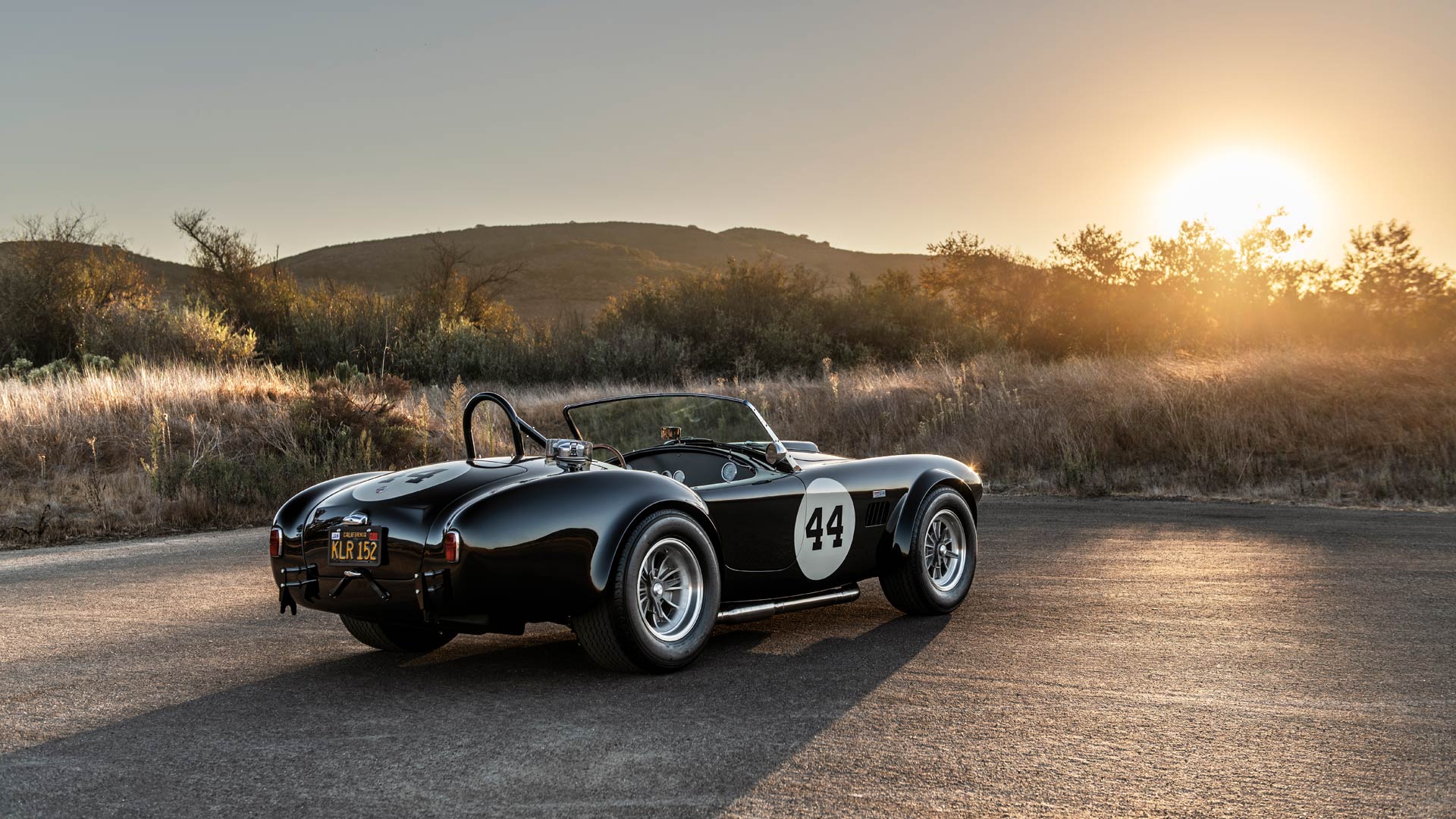
Of all the cars that have seen replicas created, none has perhaps been imitated so frequently as the Shelby Cobra.
Limited Shelby production numbers, and the huge sums of money required to buy one, mean a replica Cobra is the most accessible way to experience one.
Such demand means there are plenty of replica options. However, the ERA Replica Automobiles version, like the car currently for sale on Bring a Trailer, is regarded as one of the most accurate renditions.
Daydream in blue
This particular 289 FIA ERA Cobra is said to have originally been purchased by legendary baseball player, Reggie Jackson. ‘Mr October’ bought the ERA kit in 2012, with the current seller having acquired the car in 2019.
On the outside, the fiberglass bodywork is finished in Yankee Blue, and features additional red stripes and racing roundels. Rather than being decals, these have actually been painted on.
The seller has had ceramic paint coating applied to the paintwork. Clear protection film has also been used on the nose and other exposed parts.
More go, more gears
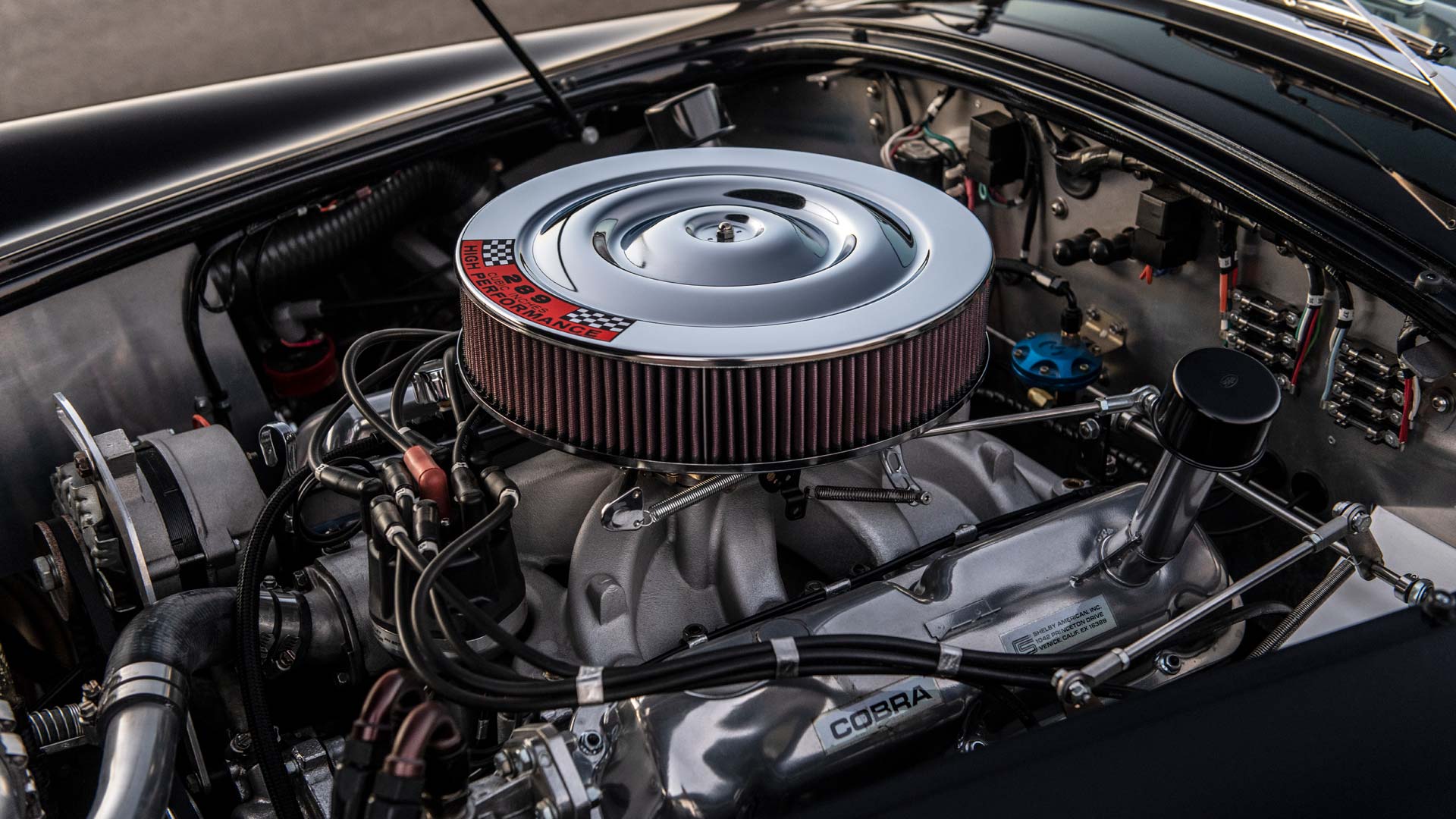
At the heart of the Cobra replica is a 351-cubic inch Ford Cleveland V-8. Noted as supplied by BluePrint Engines of Kearney, Nebraska, the engine was supplied in 400 horsepower specification. It now benefits from ceramic-coated headers, and a custom stainless steel exhaust system.
Originally built with a four-speed Toploader transmission, the seller has replaced this with a five-speed Tremec TKO manual unit. A Centerforce clutch was installed at the same time.
The Cobra wears a set of 15-inch FIA-style knock-off wheels, fitted with Avon tires. All four corners use disc brakes, with the rear pair mounted inboard. Adjustable coilover suspension allows for fine tuning of the Cobra’s ride and handling.
Passenger grab handle is included
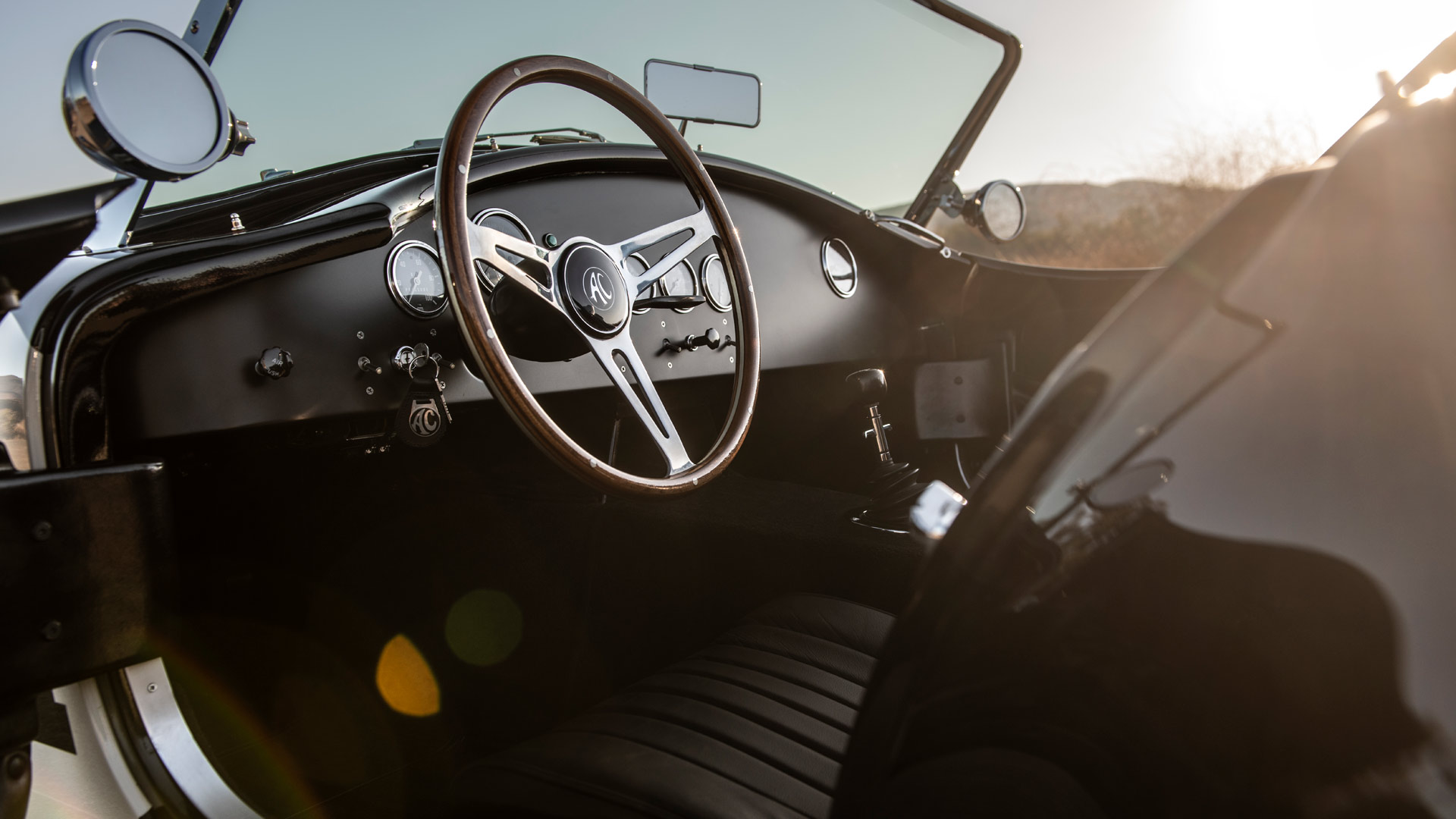
When first built, the ERA Cobra had an interior with bare aluminum trim and racing seats. The seller has changed this, installing carpeting, along with new bucket seats upholstered in black leather.
The seats are mounted on adjustable runners, allowing drivers of differing heights to get comfortable behind the wood-rimmed steering wheel. A dash-mounted rear view mirror, and the all-important passenger grab handle have been fitted, too.
A speedometer that reads to 160 mph is part of the Stewart Warner instrument cluster, along with oil and water temperature gauges. The odometer is said to show just 1,000 miles, with 400 of these having been added by the seller.
A snake to get bitten by
With a choice selection of upgrades, including the 351 V-8 engine, this replica Cobra is likely to attract plenty of interest on Bring a Trailer.
Multiple questions and comments have already been posted, with many more bids expected before the auction closes on Tuesday, May 18.
Although the Cobra is located in Moorpark, CA, Bring a Trailer’s own shipping service means it could be delivered anywhere within the contiguous 48 states. Perfect timing for summertime cruising.