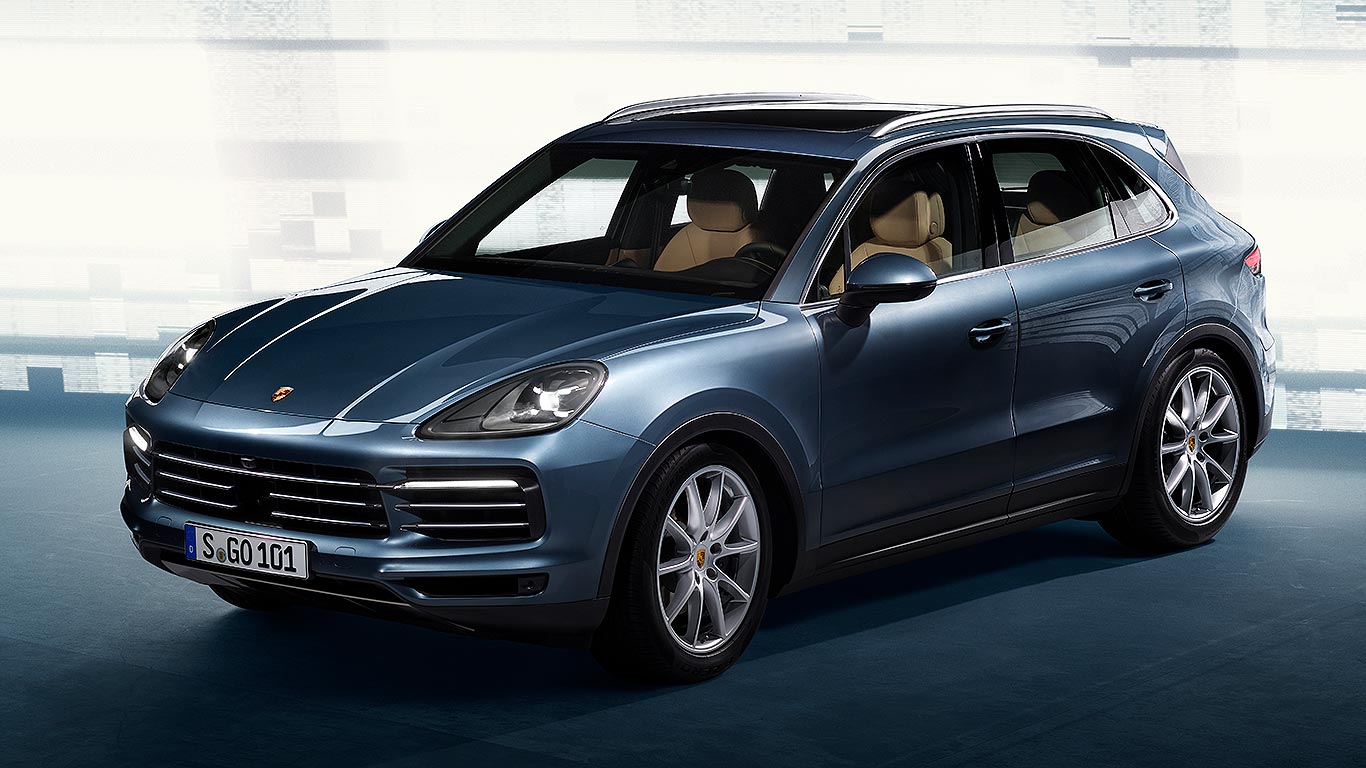
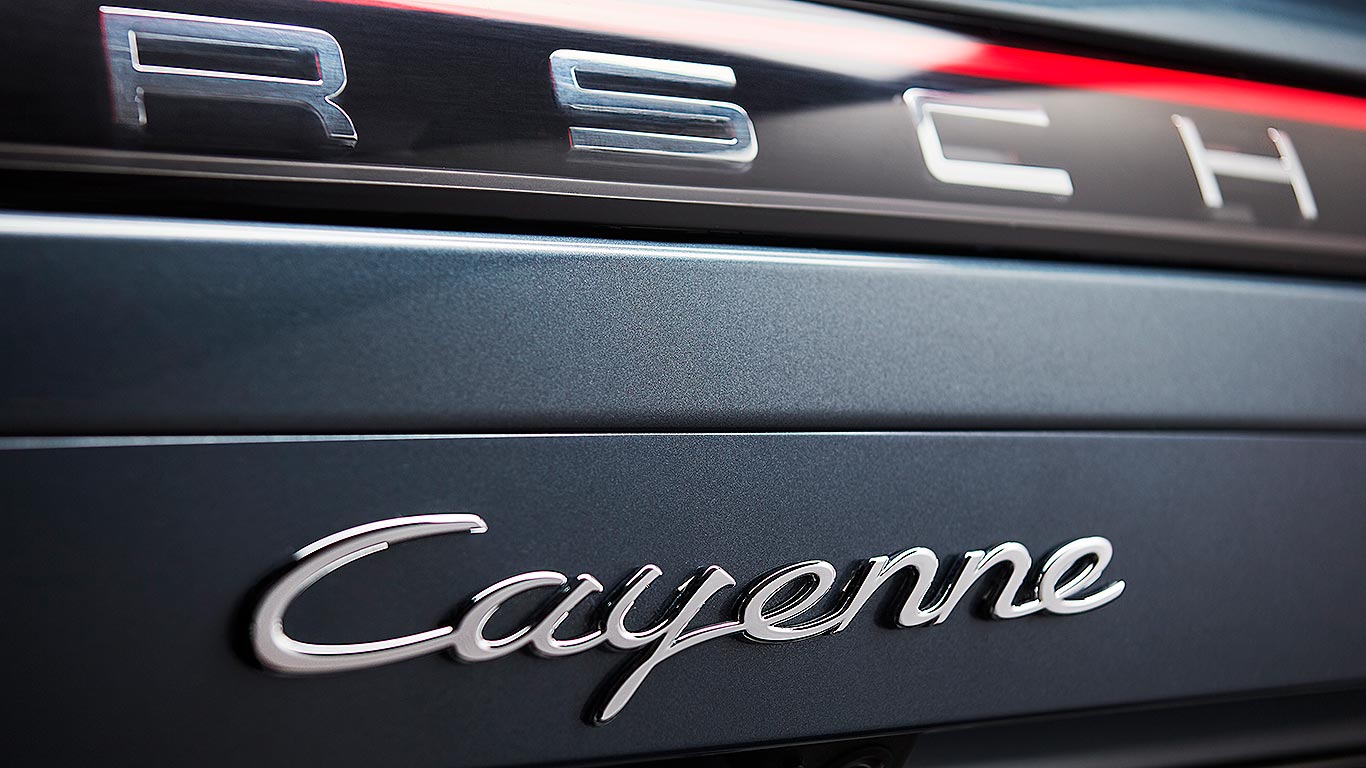
The new Porsche Cayenne, revealed here ahead of its 2017 Frankfurt Motor Show debut, may not look completely new, but Porsche insists that it is: the “sports car amongst sports utility vehicles” is both sportier and comfier, as the firm moves its range-topping SUV further upmarket to give the smash-hit Macan further space to develop.
Surprisingly, Porsche says the new Cayenne is more like a 911 than ever as well. How? Through some of its details: the use of mixed tyres, where the rears are wider than the fronts, for example. The availability of Cayenne-first rear-axle steering. Standard active all-wheel drive Porsche 4D Chassis Control, and Porsche Dynamic Chassis Control electronic anti-roll for the S. Even the 911-look Sport Chrono Package steering wheel Mode button.
Oh, and like retro 1980s Rothmans-liveried Porsche 911 SCs, it will still genuinely go off-road – not that many owners are likely to exploit this (despite the new Offroad Precision App that details and films rough terrain). They’ll be more interested in on-road potency: Porsche delivers by ensuring even the cooking Cayenne S can go from 0-62mph in under five seconds.
Prices? The new Cayenne costs from £55,965, and the Cayenne S is priced from £68,330. Surprisingly, both are available to order right now; deliveries will begin April 2018.
New Porsche Cayenne: styling
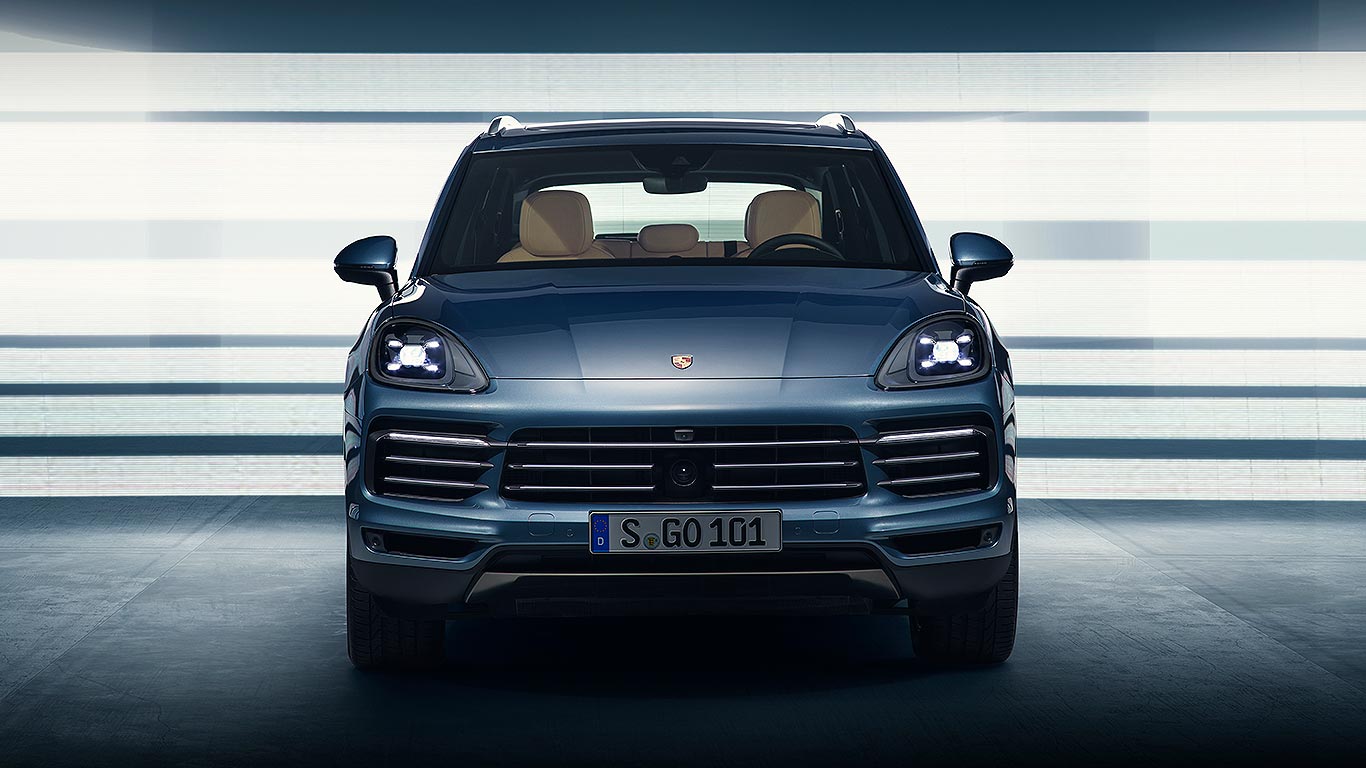
It’s “new and yet familiar,” the 2018 Cayenne, acknowledges Porsche. Dimensionally, it’s 63mm longer (now just a smidgen under five metres) and 9mm lower; the 2,895mm wheelbase remains the same but the profile appears more streamlined. The wheels are an inch wider on both standard Cayenne and sportier Cayenne S – wider at the rear than the front, remember. They are at 19-inches in diameter as standard, up to 21-inches as an option.
Bigger front air intakes and horizontal light edges make it look wider; LED headlights are fitted to all new Cayenne, with the Porsche Dynamic Light System (PDSL) offered as an option, so owners can boast of no fewer than 84 individual LED units: they respond actively to not glare oncoming traffic, and even ensure you’re not dazzled by the glare from reflective road signs.
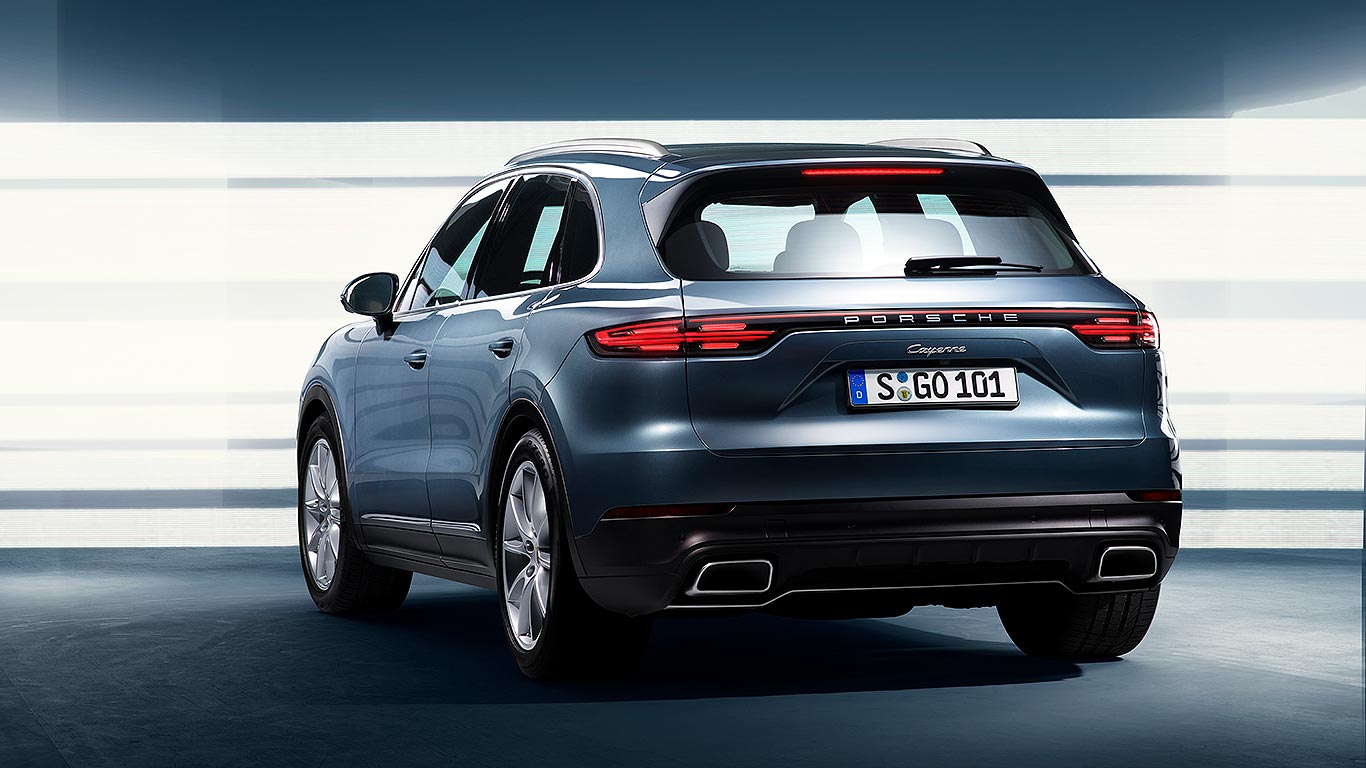
At the rear, there are yet more LED light units, and a 3D Porsche logo that spans the interconnecting red LED strip between the units themselves. Behind it lies a massive 770-litre boot, a whopping 100 litres bigger than before. The Cayenne is still a five-seater: owners have zero interest in a seven-seat Porsche SUV.
New Porsche Cayenne: interior
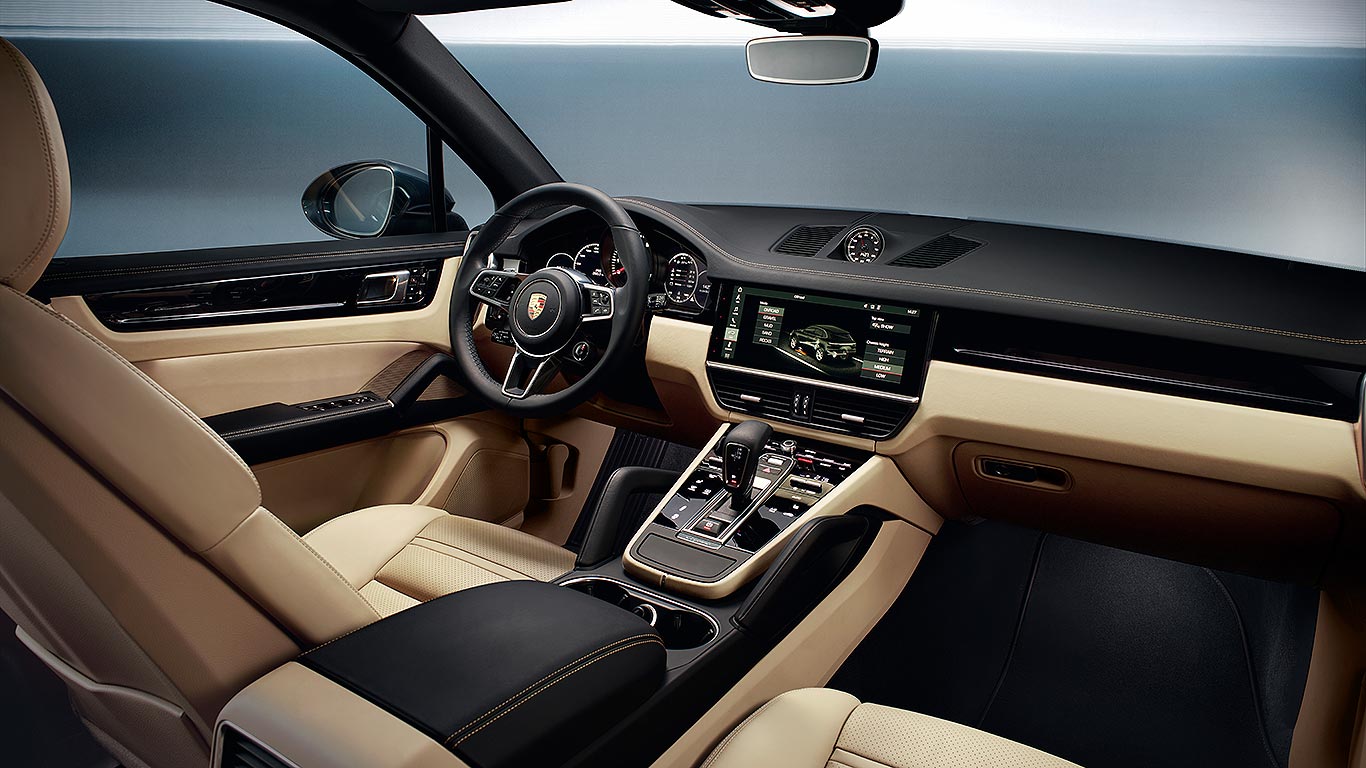
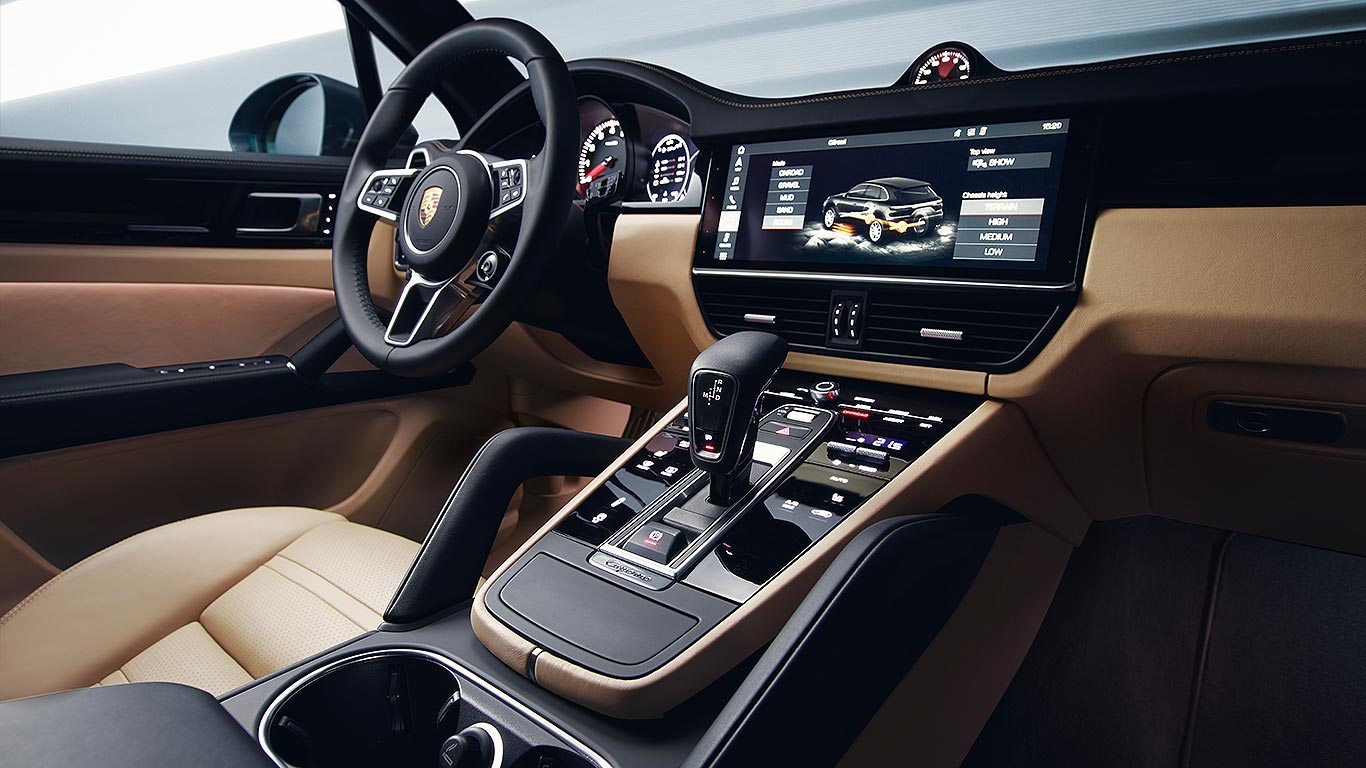
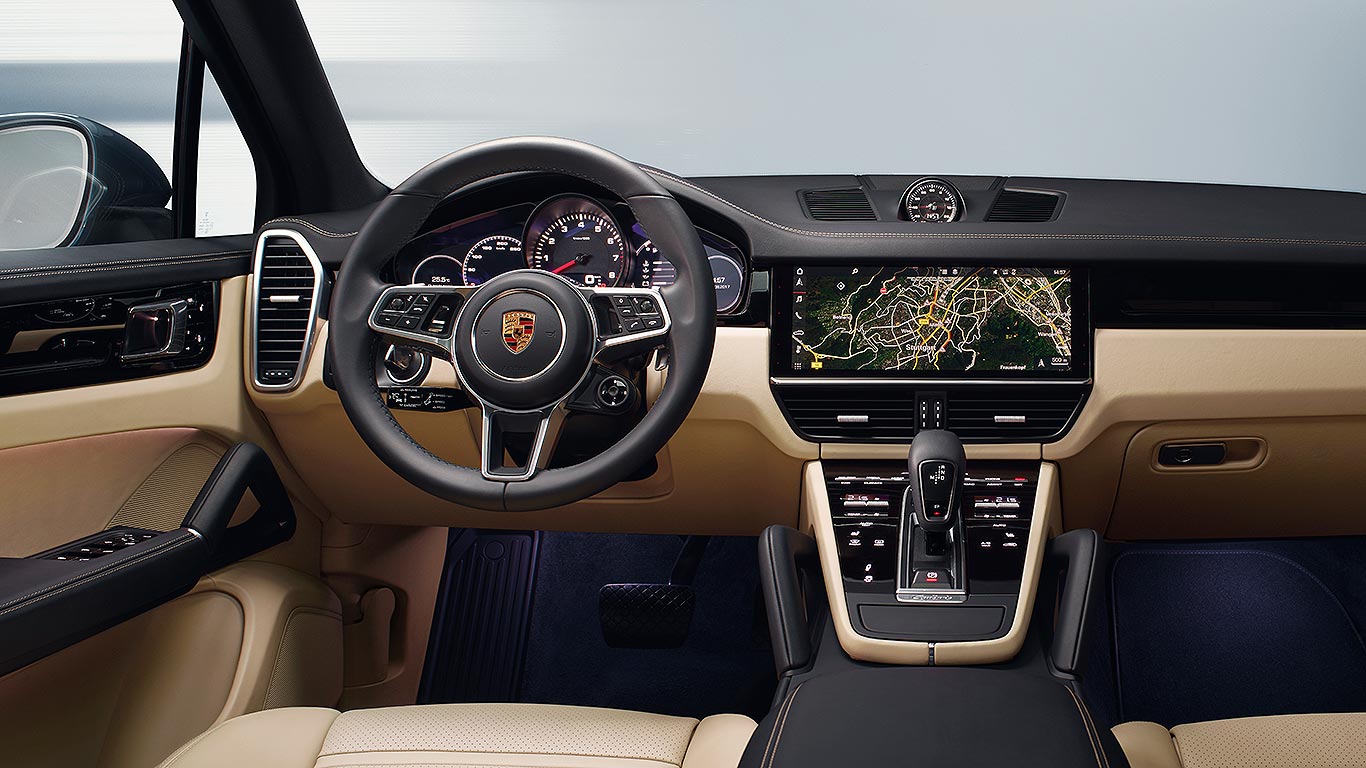
Like the latest Panamera, the new Cayenne has been given a digitised interior makeover. The centrepiece is a 12.3-inch full HD touchscreen, which incorporates the latest Porsche Communication Management (PCM) system. Porsche Connect Plus online functionality is, needless to say, standard.
There are still some conventional buttons, but there are a lot more smartphone-like controls set within a glass-look touch surface: users get both acoustic and haptic feedback (you ‘feel’ a pulse when you operate them).
Porsche has retained its central analogue rev counter for the driver, but now fits two 7-inch HD displays either side, that are fully configurable. You can have retro-look dials, but also enjoy readouts from, say, a Night Vision Assist thermal imaging camera, or the surround view parking camera system. Audio? Depending on your budget, it comes from Bose or Burmester.
The best new car seats in 2017 revealed
New Porsche Cayenne: driving
The faster Cayennes are still to come: at launch, it’s either regular Cayenne or hotter Cayenne S (significant detail note: there’s no diesel at launch… will there be one at all?).
The Cayenne has a 3.0-litre V6 turbo petrol, producing 340hp and 331lb ft of torque. That’s good for 0-62mph in 6.2 seconds, or 5.9 seconds if you choose the Sport Chrono option pack (most surely will). It is capable of 152mph; Porsche isn’t yet quoting economy or CO2 figures.
The Cayenne S has a 2.9-litre twin-turbo V6, as already seen in the Panamera (and, ahem, the Audi RS5). Here, it’s tuned to put out 440hp and 405lb ft of torque, for a 5.2-second 0-62mph time that again drops to 4.9 seconds if you choose Sport Chrono. Drive regularly in Germany? You’ll find this one can do 164mph. Both have a new eight-speed Tiptronic S automatic with PTM Porsche Traction Management.
The new Cayenne is up to 65kg lighter than the current car, thanks to using both aluminium and steel in construction. The body, for example, is made entirely of aluminium. And Porsche’s chuffed to bits with its new lithium ion polymer battery, which alone cuts 10kg from the car’s weight. It all helps drop weight of the standard model down to below two tonnes for the first time.
Porsche 4D Chassis Control is standard, and the Cayenne S adds Porsche Active Suspension Management. You can optionally have adaptive air suspension plus, as mentioned, Porsche Dynamic Chassis Control (whose 48-volt electronics give it the necessary firepower) and rear axle steering to make the new Cayenne more manoeuvrable in town, more agile in corners and more stable at high speeds.
Porsche is renowned for its great brakes. With the new Cayenne, it’s offering Porsche Surface Coated Brake (PSCB) anchors for the first time. They comprise a cast iron disc with a tungsten carbide coating: benefits include more stopping power, less wear and, interestingly, less brake dust. For the moment, it’s Porsche exclusive tech, which can be spotted by the white brake calipers and, once run in, the ultra-shiny disc surfaces.
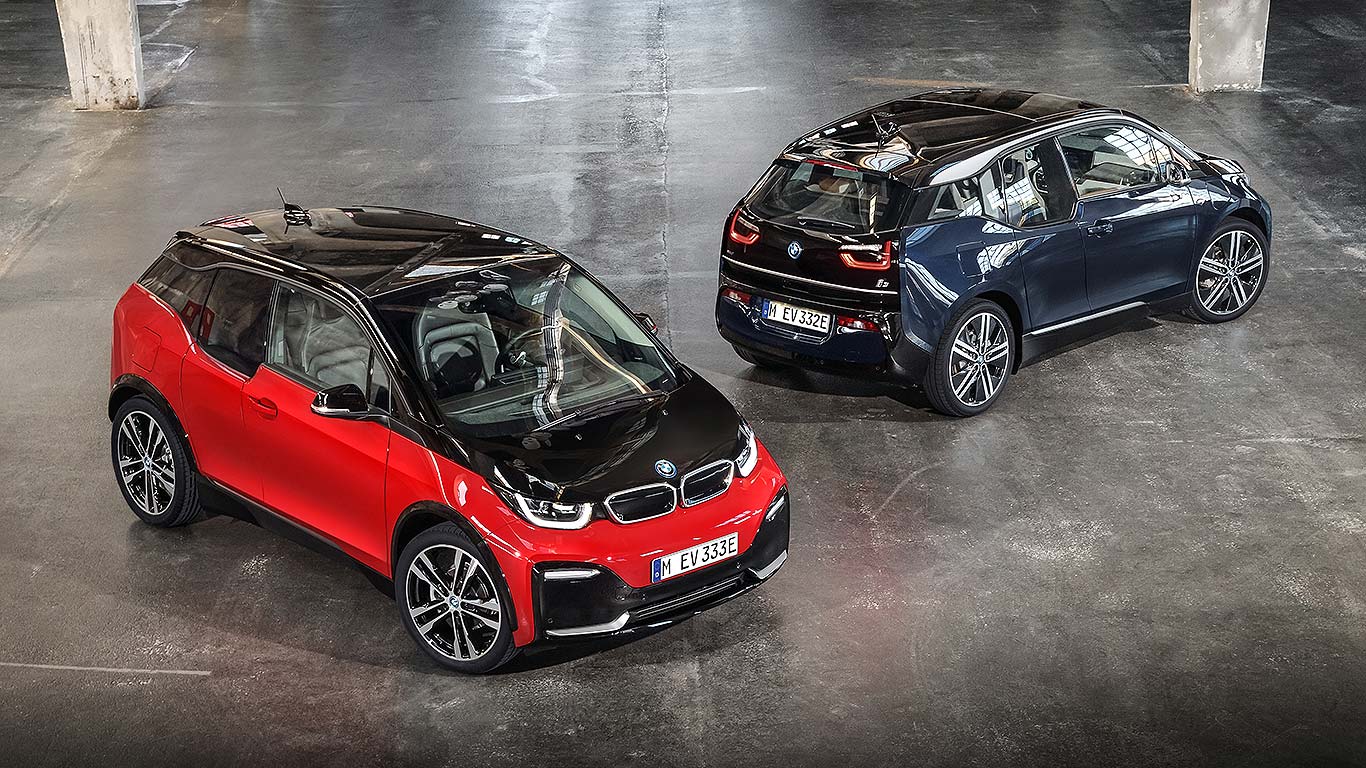
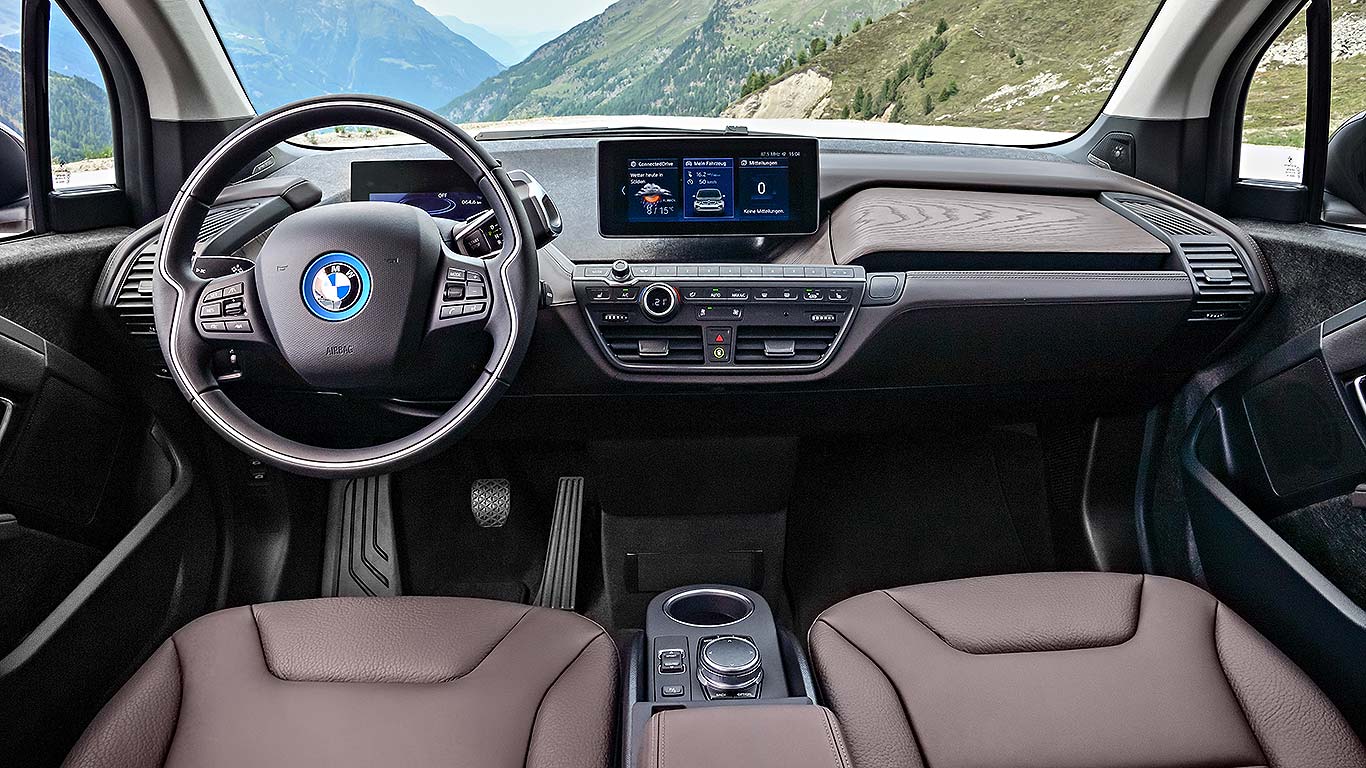
BMW has updated the i3 range with a crisp new look and a hot new range-topper, the i3S. The new model line will make its debut at the Frankfurt Motor Show and go on sale from November. Prices will start from £34,070, £1,000 more than today’s model, but still from under £30,000 once the Plug-in Car Grant is factored in.
The new range is based around the 94Ah (33kWh) battery, which has now been standardised across the range (the REX range-extender kit is offered as an option). The regular i3 produces the same 170hp as before; the i3S ups it to 184hp, for a cut in 0-62mph time from 7.3 seconds to a hot hatch-like 6.9 seconds.
The i3S also gets a sporty chassis makeover, with a 40mm wider rear track, bigger 20-inch alloys, 10mm lower ride height plus bespoke springs, dampers and anti-roll bars. ASC stability control is revised, Dynamic Traction Control allows “mild and safely controllable drifts”, there’s a sport setting for the steering and a sport mode to configure the entire car with a suitably racy feel.
The i3S will go faster before its speed limiter kicks in: 99mph rather than 93mph. And BMW says modified electric motor control, which uses bespoke taper roller bearings, optimises power delivery at high motor rpm – at its limits, there’s a 40 percent improvement in power and torque.
Explore its more dynamic traits and you may well need to recharge it more often; BMW’s improved this too, by offering the latest BMW i Wallbox and charging cable. This charges the i3 up more quickly; BMW says 112 miles of range can be added in less than three hours – five times faster than a domestic plug socket.
Claimed range for the i3S, according to the NEDC test cycle, is 174 miles; for the regular i3, it’s between 180 and 186 miles.
2018 BMW i3 and i3S: styling and interior
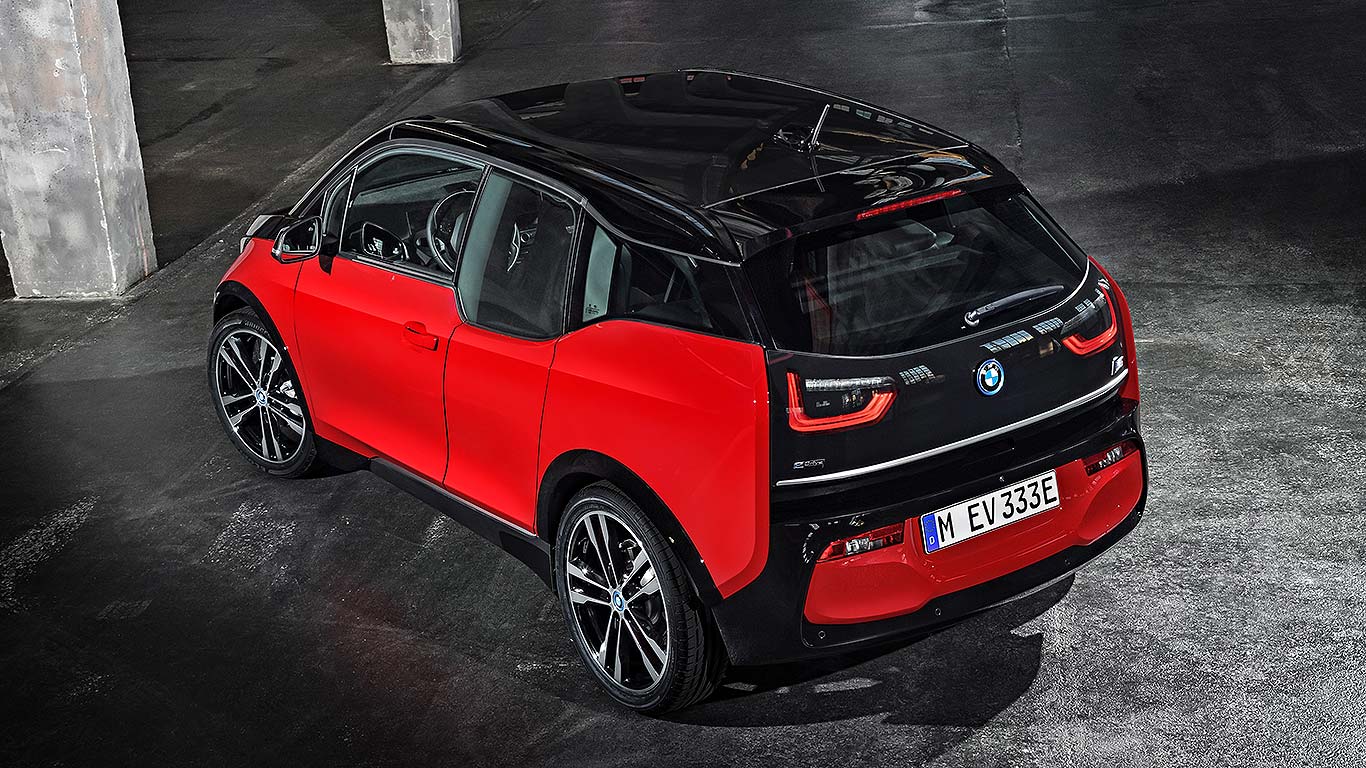
The big change at the front of the 2018 i3 is the standardisation of full LED headlights. This sees the old round halogen main beam lamps replaced by LED indicator strips which, along with new front bumpers, give the front end a crisper, cleaner look. The i3S takes this a step further: its bumper has black outboard inserts with colour strips inset. You can also get a two-tone effect with a black bonnet option.
There’s a new bumper at the back, which is widened on the i3S to reflect its wider track. There’s a neat visual trick at play here as well: BMW fits the tailgate badges further outboard on the i3S, to make it appear broader.
Choose from two new-for-2018 colours pictured here: Melbourne Red and Imperial Blue.
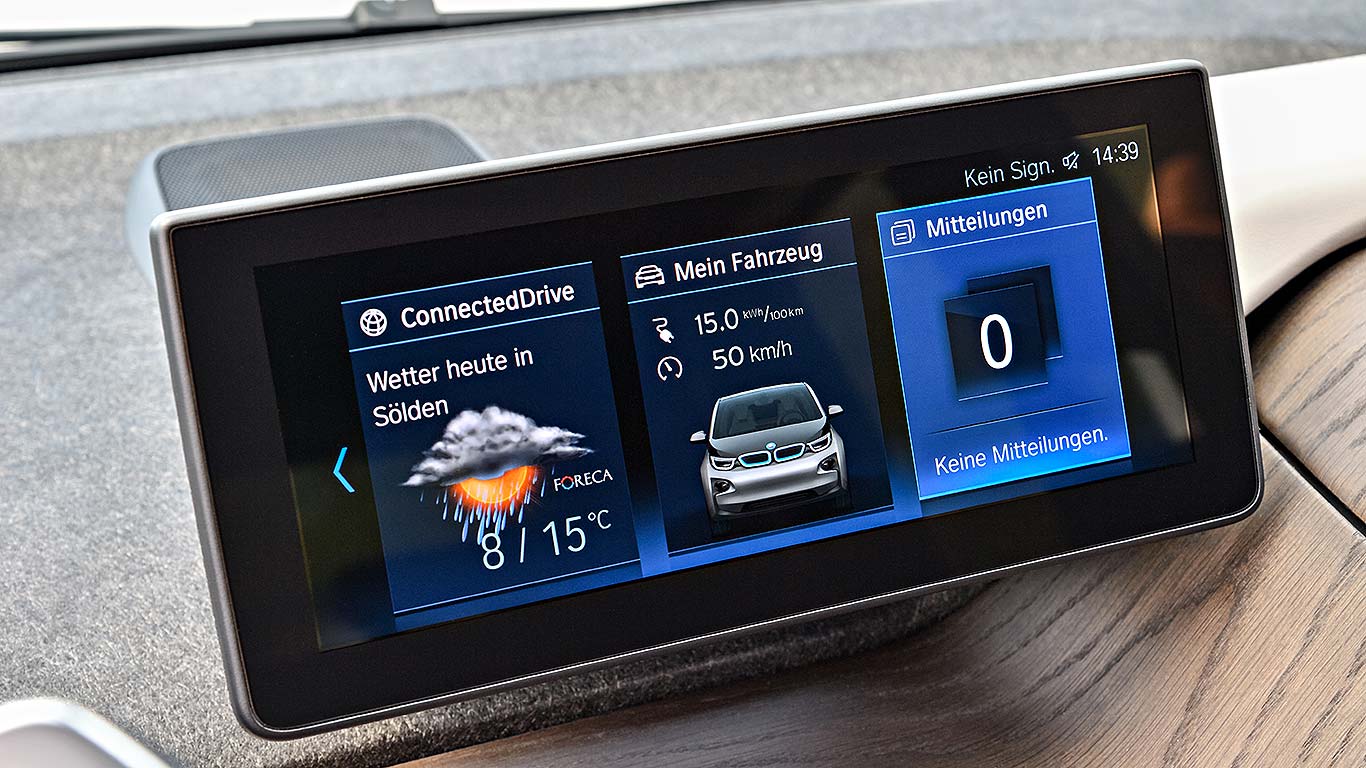
Inside, BMW’s latest touchscreen iDrive system is fitted. It has a 10.25-inch screen, tile-based menu structure and standard Apple CarPlay. There’s a broader range of connected services too, some of which hook into EV-specific systems so you can, for example, closely monitor and control charging remotely.
Prices are up by around £1,000. They start from £34,070 for the i3, and £36,975 for the i3S. Both models are eligible for a category 1 government Plug-in Car Grant, taking £4,500 off what you pay for both: the i3 thus costs from £29,570, and the i3S, £32,475.
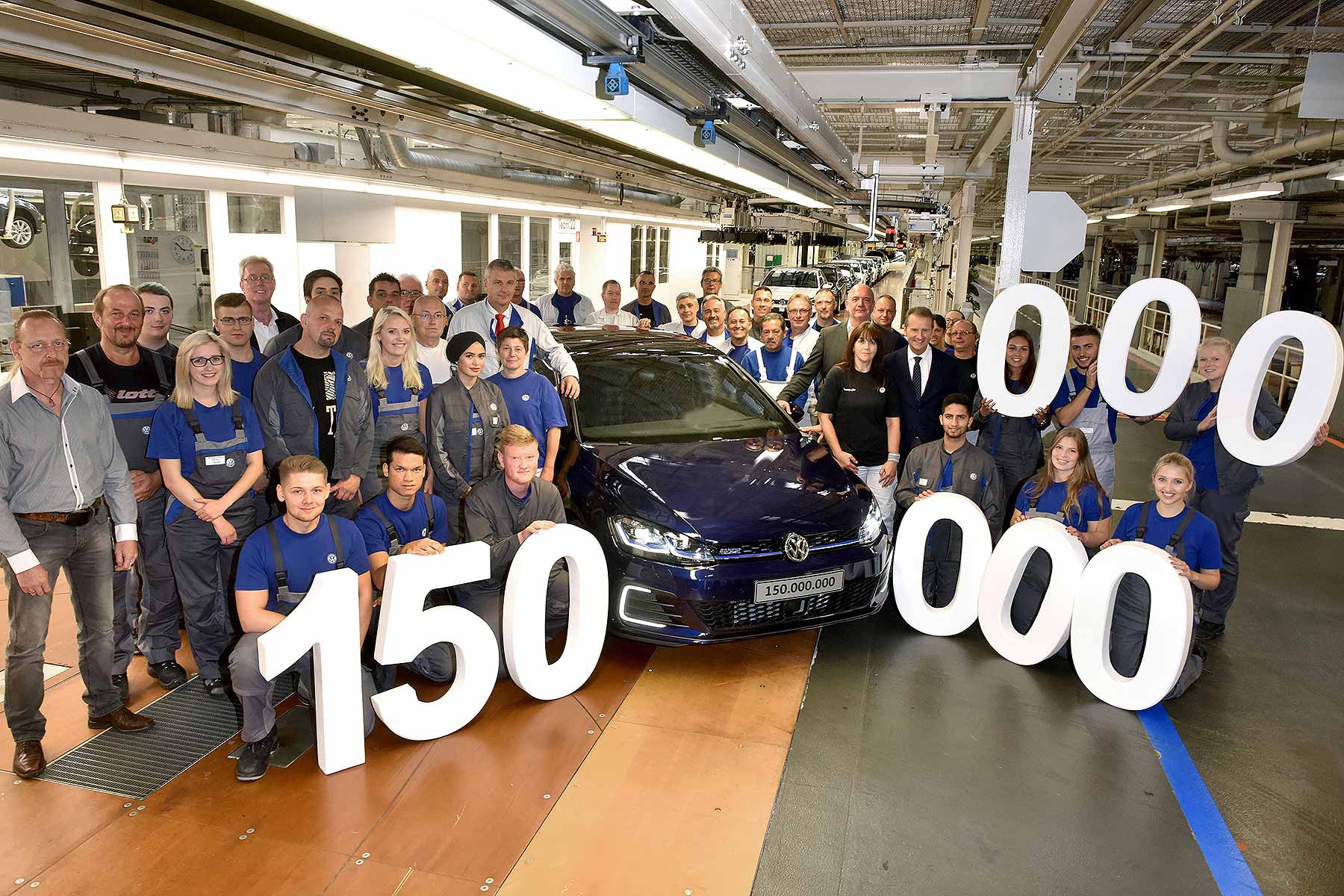
Volkswagen has built its 150 millionth car, 81 years after series production of the Type 1 Beetle began. And fittingly, the 150 millionth car is a Golf: since its launch in 1974, Volkswagen has built more than 34 million of them.
The 150 millionth VW was a blue Golf GTE, assembled at the original Wolfsburg factory in Germany – Volkswagen now has more than 50 factories in 14 countries, a key factor in accelerating it towards the 150 million total.
Wolfsburg has alone still produced 44 million Volkswagens though, and other long-running VW model lines also boast big numbers: the firm has built 20 million Passats, 19.5 million Jettas and 17 million Polos.
When production finally ceased in Mexico in 2013, the firm revealed total production of its original Beetle had reached 21.5 million.
Naturally, bosses organised a presentation on the production line in Wolfsburg, attended by CEO Dr. Herbert Diess. “I see the 150 millionth Volkswagen as an incentive to do everything to ensure a good future for Volkswagen,” he said.
The firm, currently still battling to restore its reputation in the wake of the dieselgate scandal, is now planning a future focused heavily on electric cars. Its new I.D. family of EVs will be built on an all-new electric car architecture, with the first model hitting the road in 2020.
By 2025, Volkswagen plans to hit the 1 million mark for electric cars. Meanwhile, it will also launch 10 new cars in 2017, and says it will offer a total of 19 new SUVs by 2020.
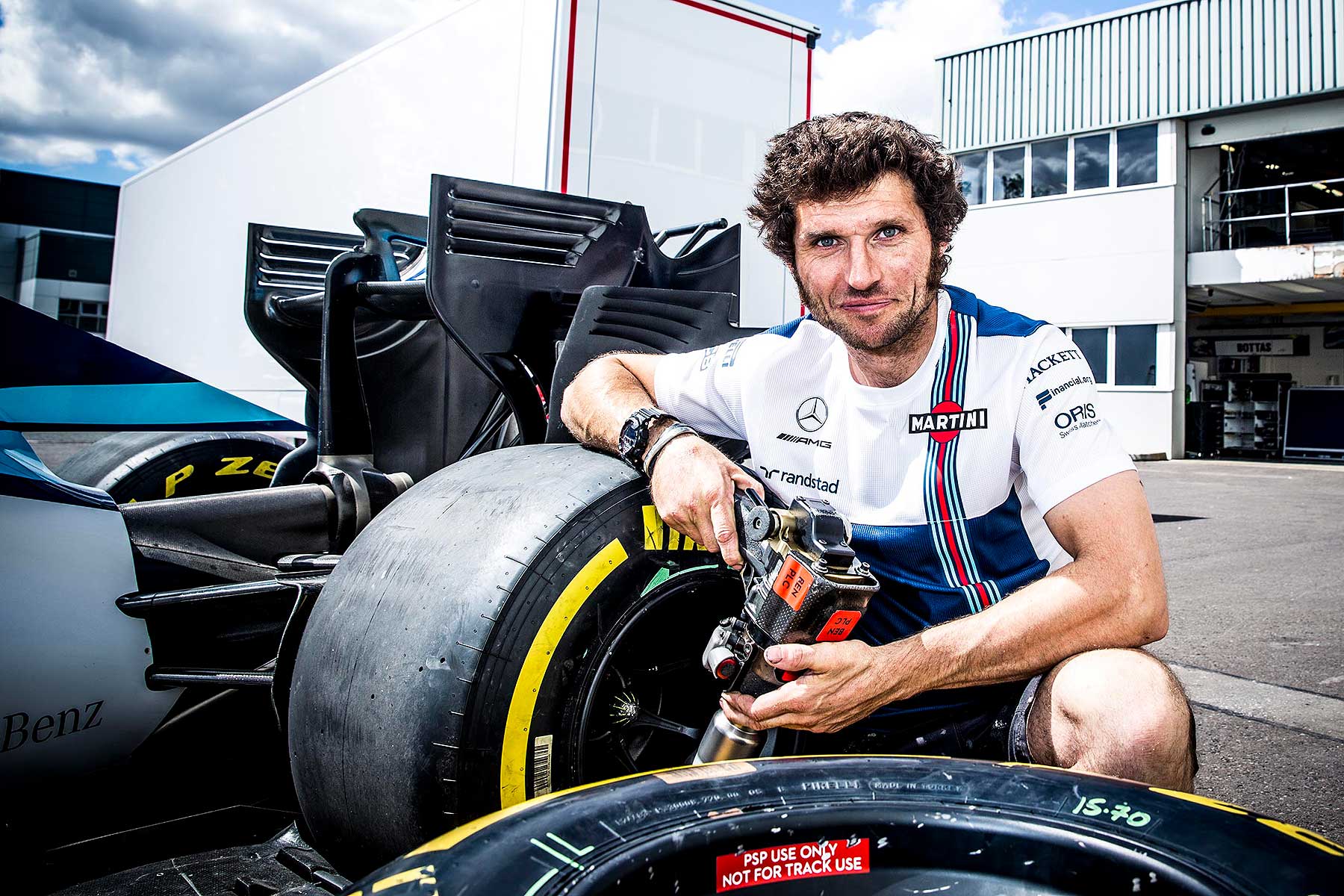
Guy Martin is hanging up his motorcycle racing leathers (and truck mechanic overalls) this weekend – to don a set of Williams Martini Racing F1 fireproofs and join its pit crew for the Belgian Grand Prix.
Martin has already reportedly visited the Williams F1 HQ in Grove, Oxfordshire, to be drilled on the tasks he’s set to undertake: it seems being in an F1 pit crew is far from just attending to the racers during pit stops.
The team says Martin’s jobs will start before the race weekend even begins. First, he will help the car crew build up the Williams FW40 racing car from its various disassembled pieces stored in the team’s trucks. Then, he’ll join the team for Friday’s two 90-minute practice sessions, another hour’s practice on Saturday, before the three-stage qualifying session.
Martin will also take part in the race itself, looking after drivers Felipe Massa and Lance Stroll’s cars. It’s not yet clear what Martin’s duties will be during the pitstops, but the team has already underlined the pressure he’ll be under: it currently holds the record for the fastest F1 pitstop of 2017, with an amazing 2.02-second turnaround during the British Grand Prix.
Williams adds that Martin will also have to hang around at the end of the race. Stripping the cars, taking down the garage and packing everything into the trucks takes “at least” 10 hours once the chequered flag has been waved.
“Guy will, of course, stay to the end.”
Martin has had a dramatic racing season so far in 2017, with a nasty crash during the Isle of Man TT leading to his withdrawal from the event and, in turn, him stepping down from the Honda Racing team. It was even suggested he may retire from motorcycle racing completely, but Martin has since clarified that he only meant stepping down from road racing.
“Racing’s been good to me, but I’m bored of it,” he said. Being an F1 mechanic is a new challenge we’re certain to hear more about during this weekend’s Belgian Grand Prix…
Volkswagen has just revealed its new T-Roc crossover ahead of its official Frankfurt Motor Show reveal. Late to the Qashqai party, the T-Roc shares the MQB platform and engine range with the latest Golf family hatch.
The T-Roc is just one of many cars due next year that we’re excited about. Scroll on to discover 34 more… and be sure to check out our guide to the September 2017 new car offers if you simply can’t wait that long!
Audi A1
Having been on sale since 2010, and with the Seat Ibiza and VW Polo already using the new MQB A0 platform, a revised A1 in 2018 is guaranteed. Expect styling to be a gentle evolution of the existing car, blending hints of Q2 both inside and out. Engine choices will be shared with VW and Seat, including the impressive 1.5-litre petrol unit. Audi has already confirmed the new upmarket supermini will be built in Spain, rather than Belgium where the current car is manufactured.
Vauxhall Corsa
The current Corsa was little more than reskinned version of the previous generation car, meaning a more thorough overhaul is urgently needed in the competitive supermini sector. The latest Astra should provide direction on looks, while the purchase of Vauxhall/Opel by PSA Peugeot Citroen should result in technology sharing from the French marques. Pricing should remain consistent with the current car, with entry-level offerings pegged at £10,000.
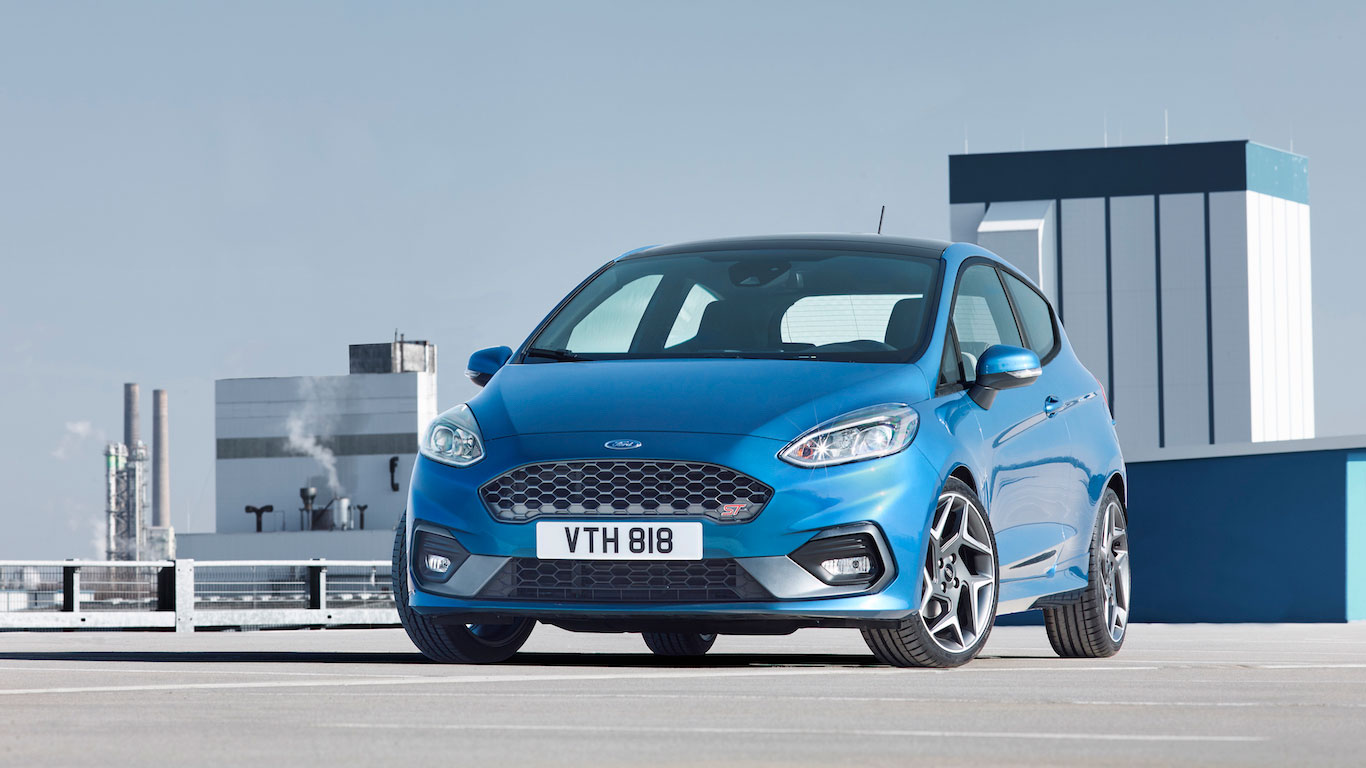
Ford Fiesta ST
The Blue Oval is forcing us to wait, impatiently, until early 2018 to get our hands on the hot ST version of the latest Fiesta. We can’t really complain, as it took five years into the life of the last Fiesta for an ST to emerge. The new car drops a cylinder to become an inline turbocharged-triple, but has more power than the outgoing model with 197hp. There’ll be Sport and Track settings to play with, but no Focus RS-style drift mode. Bank on prices starting at around £19,000, and you’ve still got time to start saving for that deposit.
Hyundai i30 N
Hyundai is taking the hot hatch segment seriously, and the i30 N has spent several thousand miles pounding the fearsome Nürburgring-Nordschleife. Hyundai even went so far as to enter the car in a recent 24-hour race at the German circuit. With 247hp as standard, upped to 271hp with an optional performance pack, the i30 N has the power to back up the sporting looks. Hopefully all that time spent on track will translate into a genuinely entertaining front-wheel drive machine.
Renault Megane Renault Sport
Renault is building up the suspense to the release of the hottest fourth-generation Megane, with numerous teasers and camouflaged test cars. Styling is expected to be less dramatic than rivals such as the Civic Type R, but four-wheel steering and a rumoured power output in excess of 300hp should keep things interesting. Sit tight for the finished article to be unveiled in Frankfurt next month.
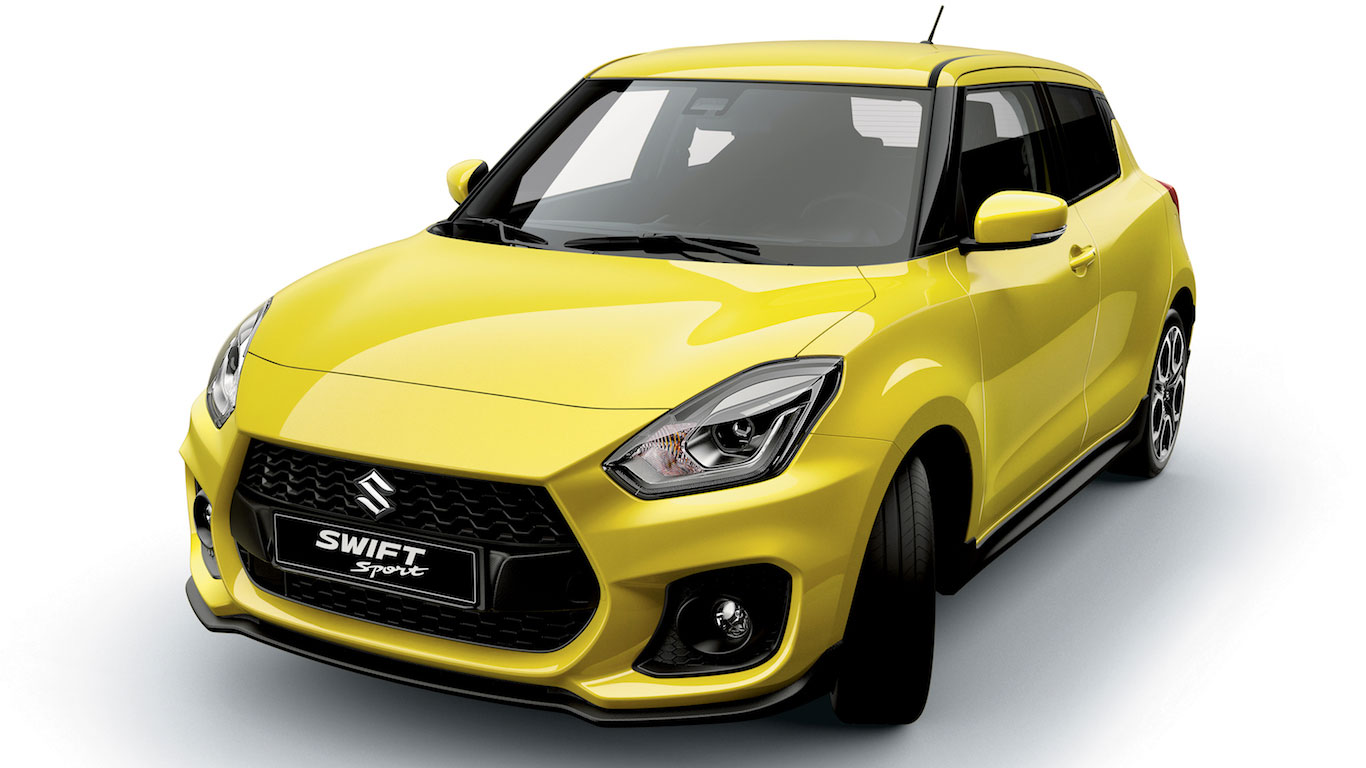
Suzuki Swift Sport
Long seen as the last bastion of the rev-happy, naturally aspirated, junior hot hatch, even the Swift Sport has had to concede defeat against forced induction. The 140hp 1.4-litre turbocharged engine from the Vitara S is the expected power plant of choice. Combined with a kerb weight below 900kg, this should make the new Swift Sport just as raucous as the outgoing car. Final details will follow at the Frankfurt Motor Show, with customers receiving the first cars in the middle of 2018.
Volkswagen Up! GTI
The Swift Sport won’t be the only contender in the miniature hot hatch market, with Volkswagen finally letting a GTI version of the Up! city car loose on the world. Comparisons in terms of size and weight have naturally been made to the Mk1 Golf GTI, whilst a power output of 113hp from a three-cylinder turbo is also on par with the 1976 original. Although tagged as a concept, the car shown at this year’s Wörthersee festival was virtually production ready, with deliveries primed for next year.
Mercedes-Benz A-Class
It might be just five-years old, but Mercedes-Benz is already preparing a brand-new version of the A-Class hatchback. The new fourth-generation A-Class will be longer and wider than the present car, whilst a new high-performance AMG version could see up to 400hp. Final details at Frankfurt next month.
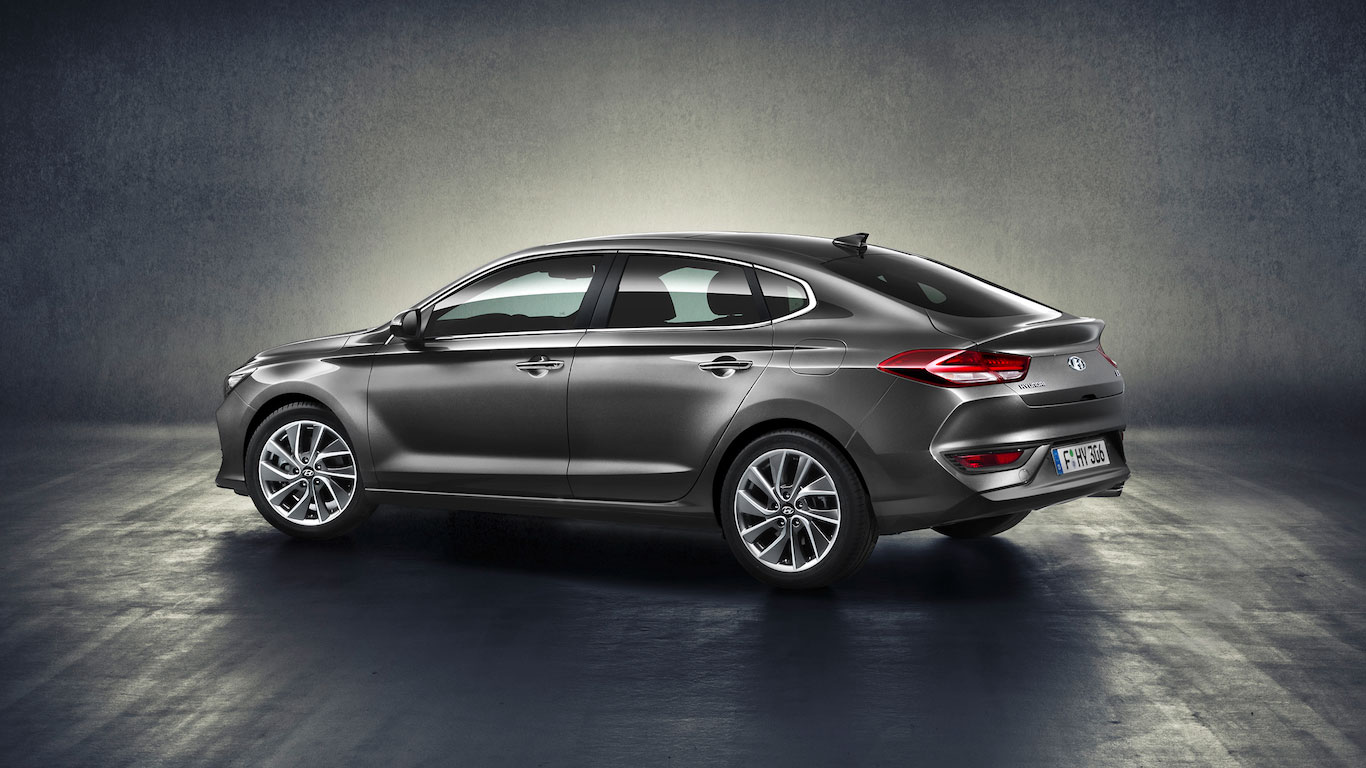
Hyundai i30 Fastback
Slightly less exciting than the performance i30 N, the Fastback version of Hyundai’s C-segment hatch will make an official arrival in early 2018. Adding a third bodystyle alongside hatchback and estate models, the Fastback is billed as offering coupe-like styling. With a lower roofline and a ride height dropped by 30mm, the Fastback certainly looks slightly sportier, although five doors and more boot space mean it retains practicality.
BMW X2
If you’re familiar with BMW nomenclature, you’ll be well aware that even-numbered ‘X’ cars are sportier versions of the brand’s crossover offerings. This means the X2 will share a platform with the X1, but get coupe-like styling influenced by the concept shown at the 2016 Paris Motor Show. BMW has already taken to the streets with this camouflaged version, ahead of a full reveal at next month’s Frankfurt Motor Show. The first customers should receive their cars in mid-2018.
Nissan Leaf
It’s one of the biggest selling plug-in electric cars ever, which means getting the second-generation Leaf right is a big deal for Nissan. With undisguised cars already snapped testing, Nissan is keeping things quiet until the official unveiling next month. Expect more power, up to a rumoured 148hp, with an all-out range of potentially 340 miles – double the current car. Semi-autonomous technology will also play a major part, whilst the styling is aimed at being more conventional than the first-generation machine.
Jaguar I-Pace
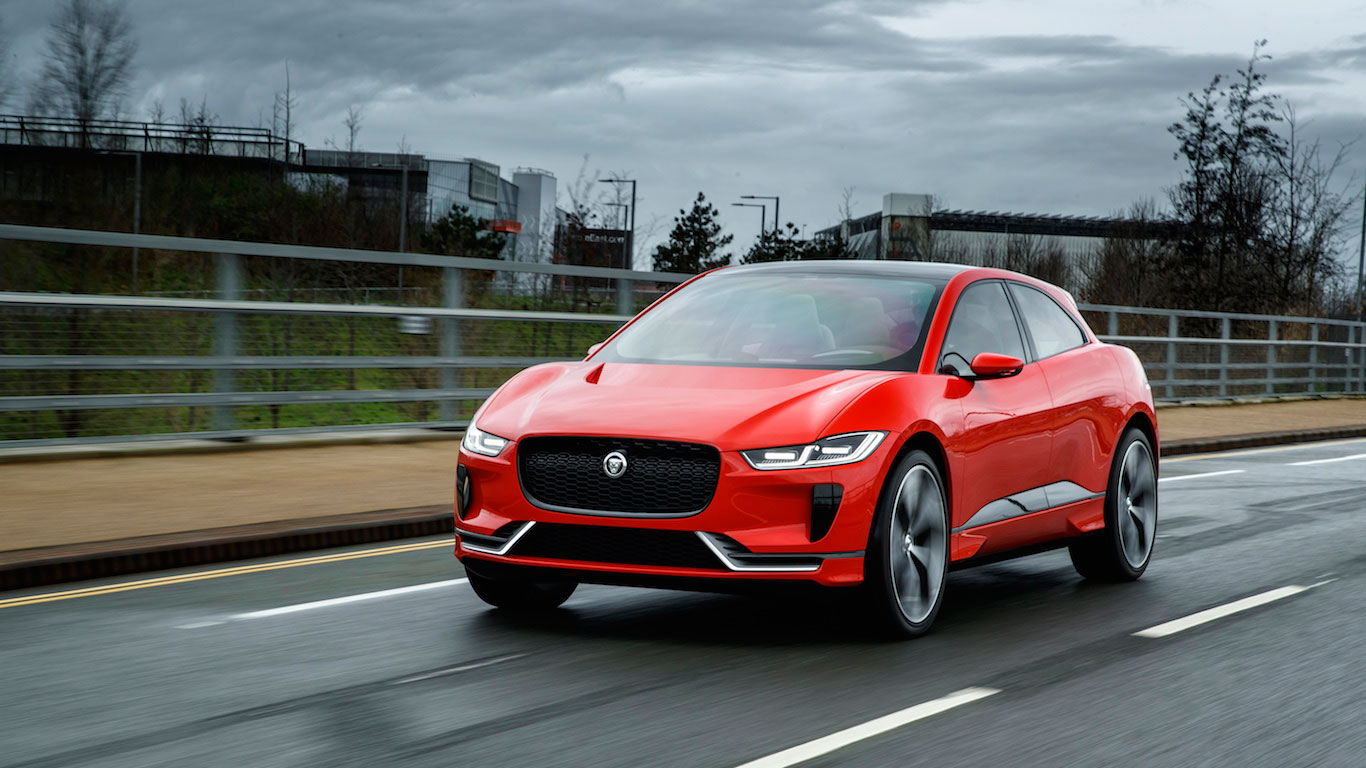
It may have only be shown as a concept at the 2016 Los Angeles Auto Show, but Jaguar has been racing at full speed to get the I-Pace ready for a 2018 launch. The Ian Callum-styled concept version has already been pounding the streets of London, testing out the 90kWh battery that offers a claimed 300-mile range. Impressive for a 4WD machine that can hit 62mph in 4 seconds, and recharge to 80% full in just 90 minutes. Form an orderly queue for sales to start in the second-half of 2018.
Jaguar E-Pace
Intent on making 2018 all about Jaguar crossovers whatever the power source, customers will also take delivery of the baby E-Pace early next year. European buyers will be taking delivery of cars built at the Magna Steyr factory in Austria, with a choice of 2.0-litre petrol and diesel engine options. Prices begin at £28,500, and you can already create the E-Pace of your dreams using Jaguar’s configurator website.
Mitsubishi Eclipse Cross
With the mid-size crossover market showing no signs of cooling down, Mitsubishi has brought back a name previously applied to four generations of turbocharged coupe. Sliding into the range between the ASX and Outlander, the stylish Eclipse Cross will be pushed hard in competition against the dominant Nissan Qashqai. Engine choices will consist of either a 1.5-litre turbo petrol, or 2.2-litre diesel, with higher specification version gaining a CVT gearbox and AWD system.
Nissan Juke
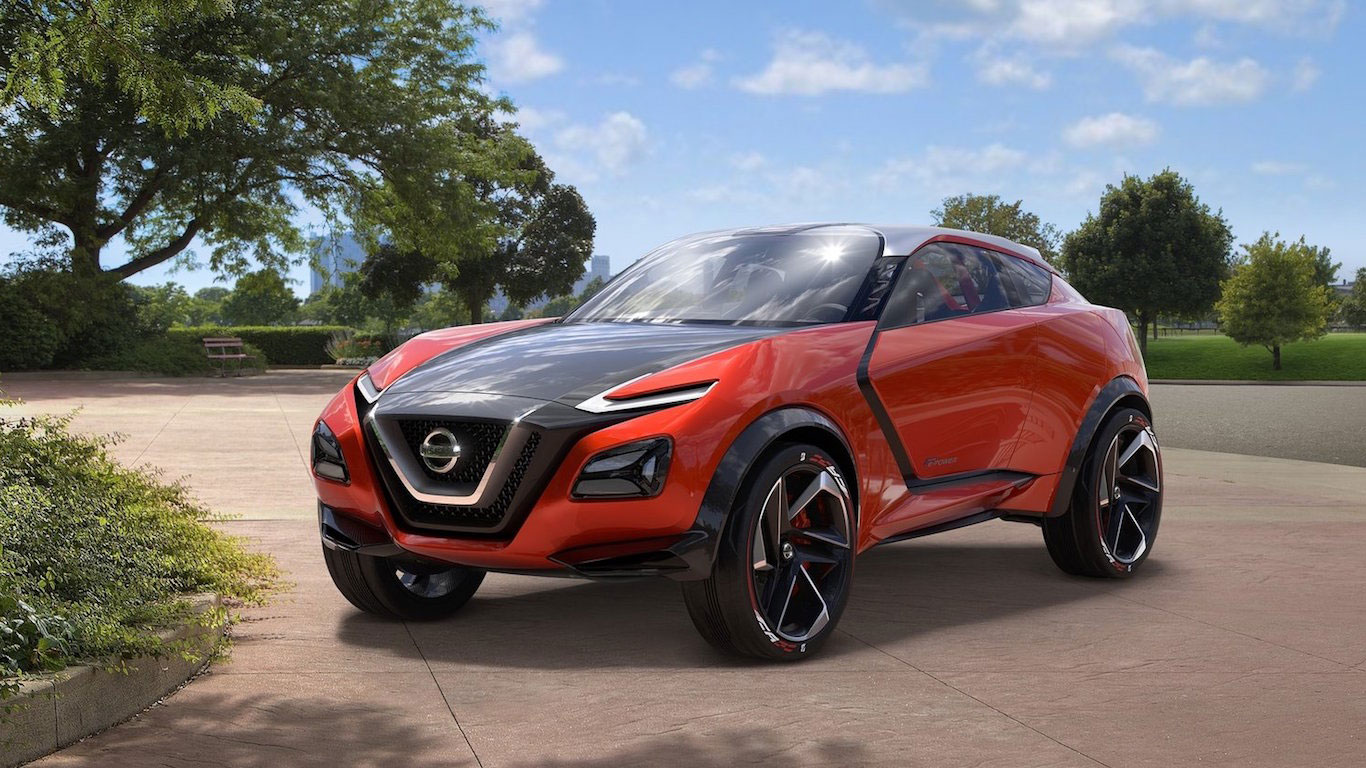
The current Nissan Juke may still be rolling off the Sunderland production line in droves, but after seven years a full refresh is needed to keep the compact crossover on trend. Styling elements are will be borrowed from the pictured Gripz Concept, although obviously toned down for public consumption. The finished product should be on show at the Tokyo Motor Show in late October, along with confirmation of engine options. A hybrid version seems almost guaranteed, however.
Volvo XC40
Buoyed by the unprecedented success of the XC90, and smaller XC60, Volvo will add a new small crossover to its range in 2018. Targeted at other premium offerings like the BMW X1 and Audi Q3, the XC40 will borrow design language from the 2016 Concept 40.1. In keeping with Volvo’s electrification strategy a hybrid version will feature, alongside regular petrol and diesel offerings. Volvo will show off the completed XC40 at an event later in the year, with cars delivered in 2018.
BMW 3 Series
It used to be that German manufacturers would upgrade their compact executive saloons only once in decade. However, the pace of technological advancements means a new 3 Series now seems to come along as frequently as a new iPhone. Gesture and voice control from the bigger 5 Series will upgrade the interior, whilst exterior styling will be a subtle development of the current car. Lightweight construction will boost efficiency, with a second plug-in hybrid model expected to join the range below the 330e.
Audi Q8
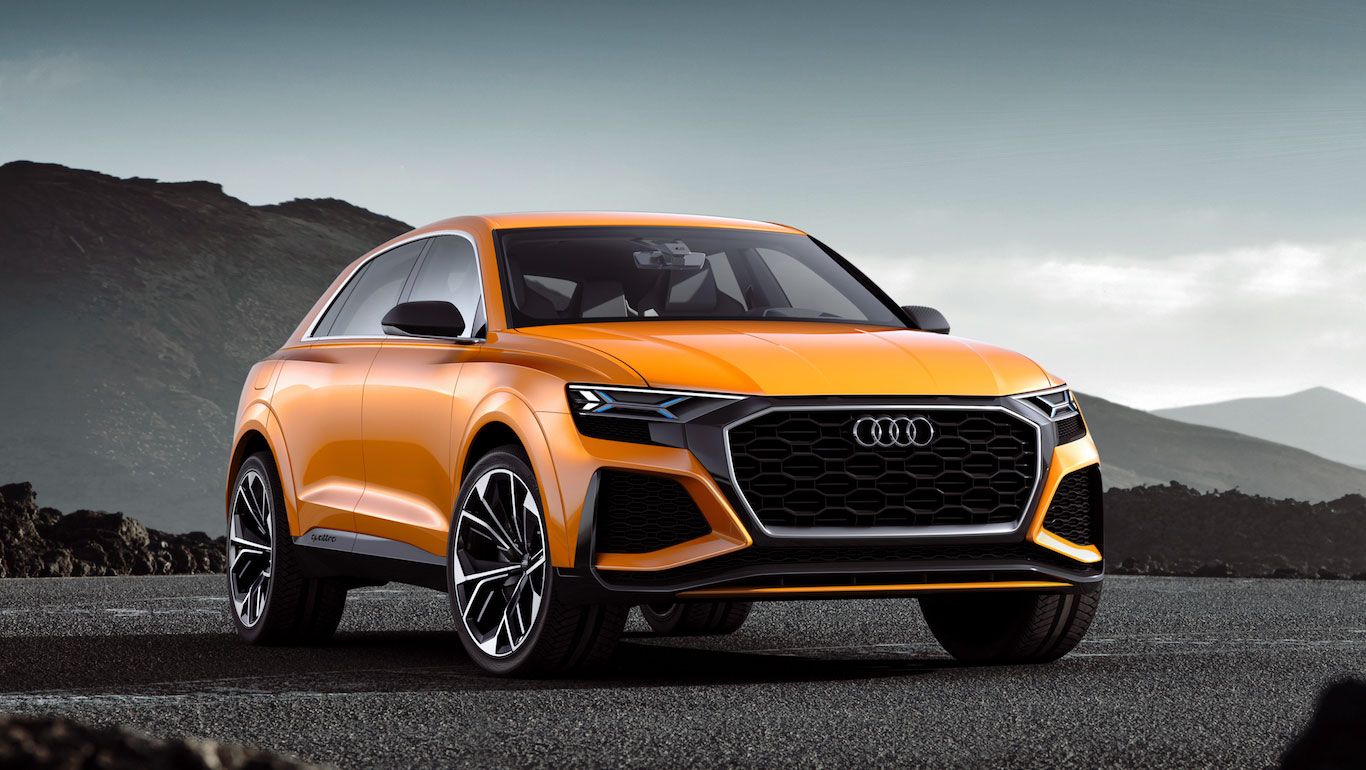
If an Audi Q7 doesn’t quite have enough road presence for you, Audi has a solution with the forthcoming Q8. Billed as a coupe SUV, the giant Q8 is ready to intimidate BMW X6 drivers out of the way. A 3.0-litre V6 petrol-hybrid is expected as the entry-level version, whilst quattro four-wheel drive will of course be standard. A faster SQ8 version is also anticipated to join the range later in the lifecycle. Predicted to land in showrooms during the middle of 2018, pricing should be commensurate with the Range Rover Velar.
Audi e-tron SUV
Although less guaranteed to debut in 2018 than the Q8, Audi is also expected to reveal a finished version of the all-electric e-tron SUV. First shown as a concept in 2015, heavily disguised versions have been spotted testing this summer. As a natural competitor to the Tesla Model X and Jaguar I-Pace, Audi has intensified efforts to get the e-tron SUV on the market as soon as possible.
BMW X7
BMW confirmed plans to create a flagship SUV as far back as 2014, but the range-topping X7 will finally make a debut in 2018. Effectively a high-riding 7 Series, the X7 will share the carbon fibre architecture and engine options with the big saloon. Rumours abound of a potential twin-turbo V12 variant, but that may be too extreme even for BMW. Although BMW is keen to point out the X7 will look different to the X5, we would naturally expect a degree of brand familiarity between the two.
Mercedes-Benz GLE
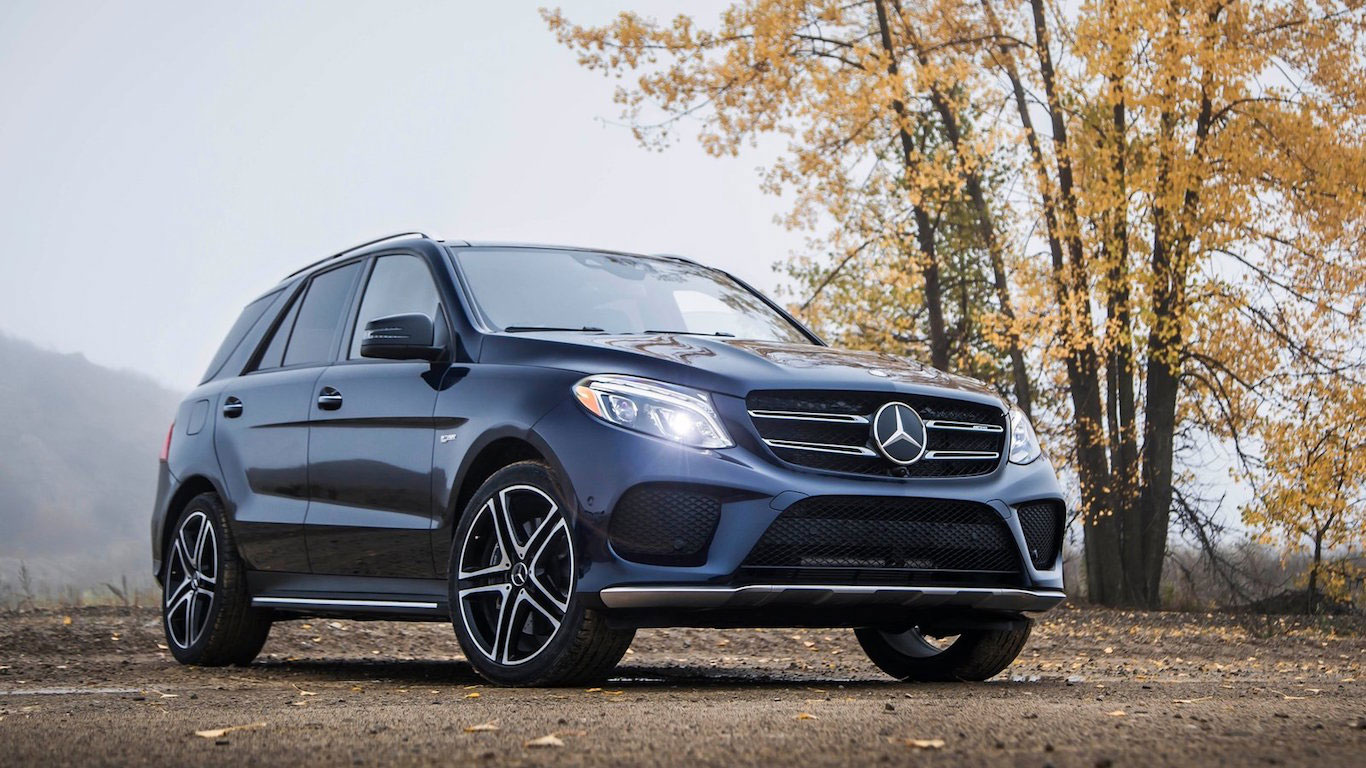
The SUV formerly known as the M-Class, until being rebranded as the GLE in 2015, comes up for renewal late next year. Expected to use the MHA platform derived from the E-Class – which the GLE is equivalent to in Mercedes-Benz model hierarchy – this will be an all-new machine. Semi-autonomous technology is on the cards, whilst a hot GLE 63 AMG version has been spotted undergoing testing. Sharper headlights and a larger front grille will be new, but the trademark reverse-raked C-pillar should stay.
Range Rover Evoque
It might have just celebrated its sixth birthday, but the Range Rover Evoque still somehow looks boxfresh. Yet it’s now the oldest model in the entire Land Rover portfolio and, with the pace of competition in the luxury crossover sector, it needs to stay on top of the game. A revised Evoque is predicted to publicly debut late in 2018, meaning customers might not receive cars until early 2019. Talk has also centred on a more practical seven-seater version being offered, too.
Land Rover Defender
If you’re still coming to terms with a Land Rover range that doesn’t include the Defender, your anguish might only last another twelve months. The DC100 concept vehicle is expected to lend styling direction, although a three-door version now seems unlikely. Lightweight aluminium architecture is set to be taken from the latest Discovery, whilst engine choices should be JLR’s own diesel Ingenium units. Given the level of expectations on Land Rover to get this right, don’t be surprised if the release date slips into 2019.
Lamborghini Urus
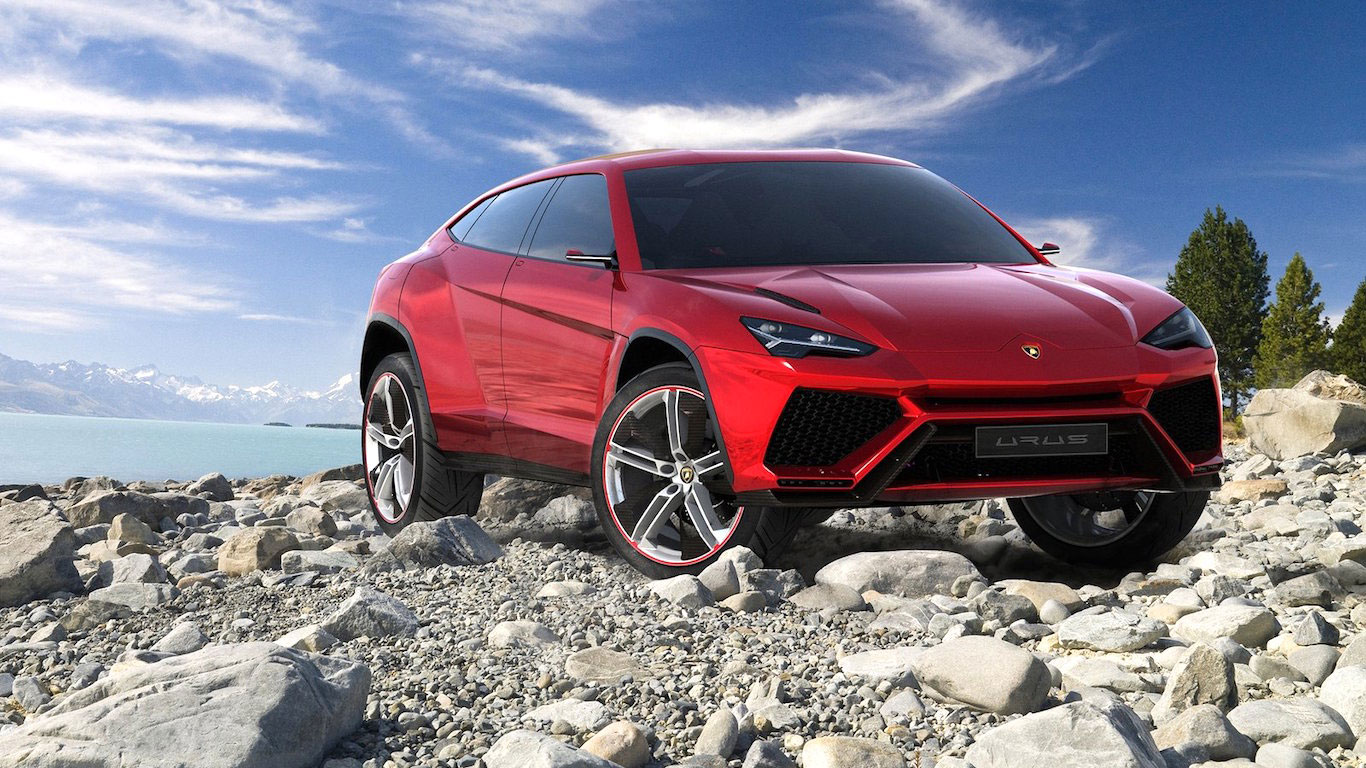
At the complete polar opposite to the Defender on the 4×4 scale, 2018 should mark the year in which we finally see a new Lamborghini off-roader. Unlike the mental LM002 from the 1980s, the Urus will be firmly planted in SUV territory, and was recently spotted testing at the Nürburgring. Styling should remain faithful to the 2012 concept, but an Audi-sourced 4.0-litre twin-turbo V8 will take the place of a naturally aspirated V12. A plug-in hybrid may also be on the cards.
Rolls-Royce Cullinan
If the idea of a Lamborghini SUV takes some adjusting to, then the notion of a high-riding Rolls-Royce is likely to be a somewhat controversial arrival in 2018. Rolls-Royce has admitted it is in development, and even released disguised photos, but has otherwise remained tight-lipped about the finer details of the Cullinan. Certain chassis elements are likely to be shared with the BMW X7, but be surprised if anything other than a twin-turbocharged V12 engine is beneath the lengthy bonnet.
Rolls-Royce Phantom
Having made a debut just last month, we already know that the new Phantom will push automotive luxury to the limit. Aluminium construction helps save weight, whilst the 6.75-litre twin-turbo V12 generates 570hp and 664lb ft of torque for effortless acceleration. The biggest talking point is the customisable ‘gallery’ that runs the width of the dashboard, and allows owners to display unique artwork creations. Deliveries will begin in 2018, allowing sufficient time to develop your own gallery concept.
Audi A9
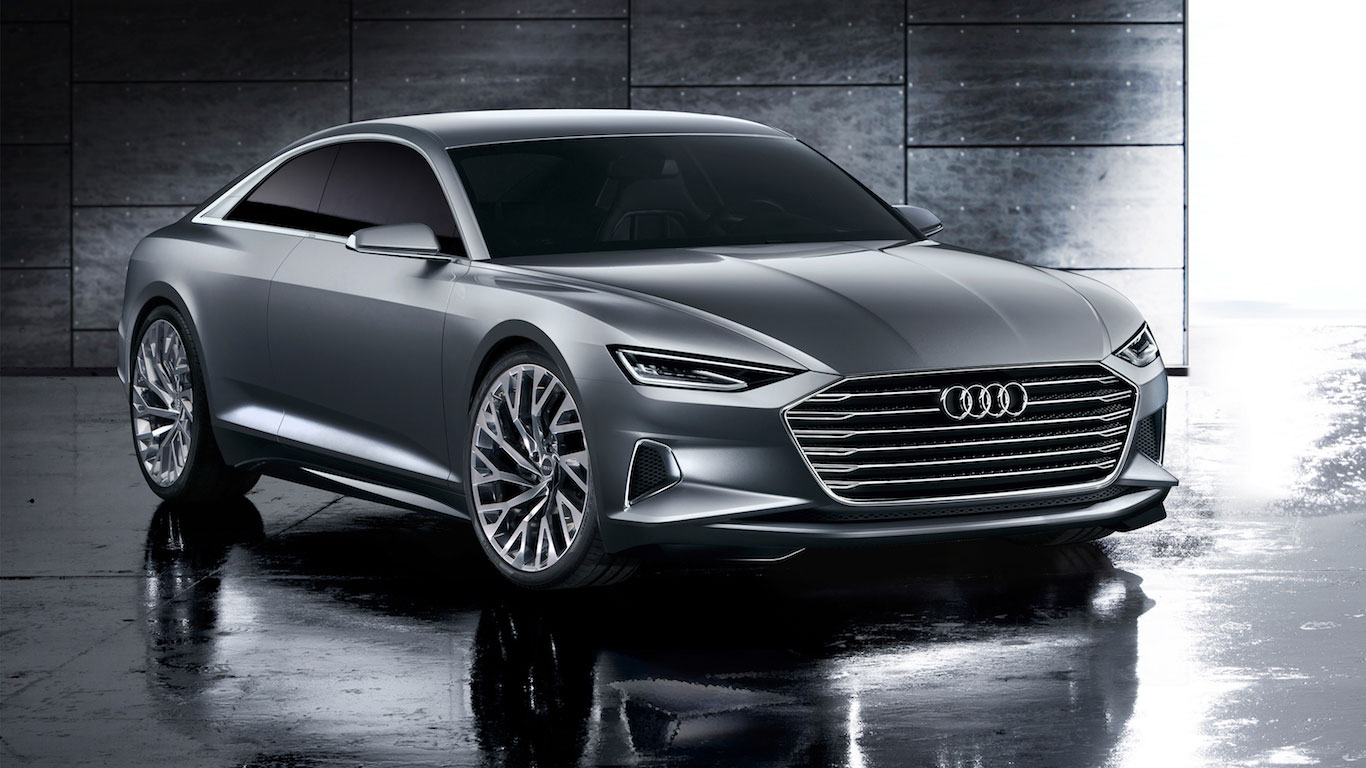
Audi has been playing with idea of a flagship coupe model since the Prologue concept car was first shown at the 2014 Los Angeles Auto Show. Having clearly influenced the design of the new A5, amongst other models, 2018 may be the year Audi finally goes big. If Ingolstadt does deliver on the promise of a large coupe, expect aluminium construction to be derived from the new A8 saloon, along with engines and multimedia technology.
BMW 8 Series
What makes the Audi A9 even more likely is the announcement by BMW that it will reveal a new version of the 8 Series, almost two decades after the first generation car finished production. The Concept 8 Series was shown at the Concorso d’Eleganza in May this year, with only minor changes expected for the production version, which could debut as early as the Frankfurt Motor Show. A soft-top cabriolet version is set to follow in 2019, while a high-performance M8 is also in development with eyes on competing in the GTE class at Le Mans.
BMW M5
BMW is set to have a busy 2018, with sales of the newly announced M5 super saloon also beginning in February next year. A standard xDrive 4WD system is the big news, which allows the 4.4-litre twin-turbo V8 engine to use all of the 600hp and 553lb ft to run 0-62mph in just 3.2 seconds. Fortunately the 4WD system can be turned off, making the £89,640 M5 rear-wheel drive only for epic drifting action. Phew.
Jaguar XE SVR
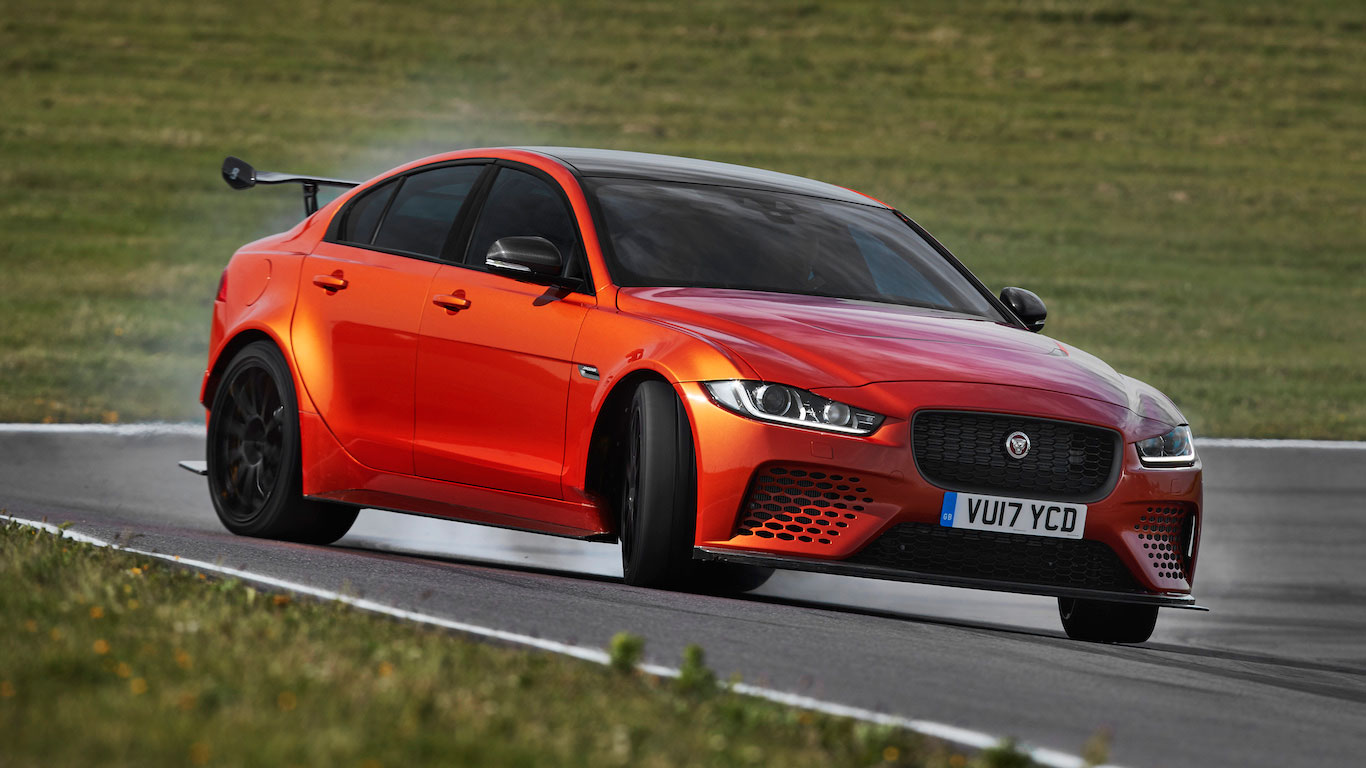
Jaguar may have grabbed headlines with the dramatic Project 8 limited edition XE, but a tamer SVR version of the compact saloon is expected in 2018. Rivalling the BMW M3 and Mercedes-AMG C 63, the XE SVR should make use of a 500hp supercharged 5.0-litre V8. The lairy wings and spoilers of the Project 8 machine will also make way for a subtler bodykit, and don’t expect a roll cage to make an appearance on the options list.
BMW i8 Roadster
Having teased the idea of an open-top i8 since before the coupe even began production, BMW has finally confirmed that a roadster variant will debut in 2018. The scissor doors from the hardtop will remain, but debate is ongoing as to the type of roof the i8 Roadster will use. Most sources expect a simple fabric roof, but a more complex folding metal version has not been ruled out. The Roadster is expected to feature alongside a mid-lifecycle update for the i8, with increased power and extended battery life all round.
BMW Z4
Wrapping up a packed 2018 for BMW will be the launch of the third-generation Z4. After suggestions that the previous two models have failed to capture the heart of enthusiasts, BMW is promising that the 2018 Z4 will be an “all-out driving machine” from the start. This Concept Z4 should demonstrate the finished product, bar minor details, whilst engines should consist of inline 2.0-litre and 3.0-litre turbo options. We just hope the neat steering wheel-mounted lap timer makes production…pictu
Toyota Supra
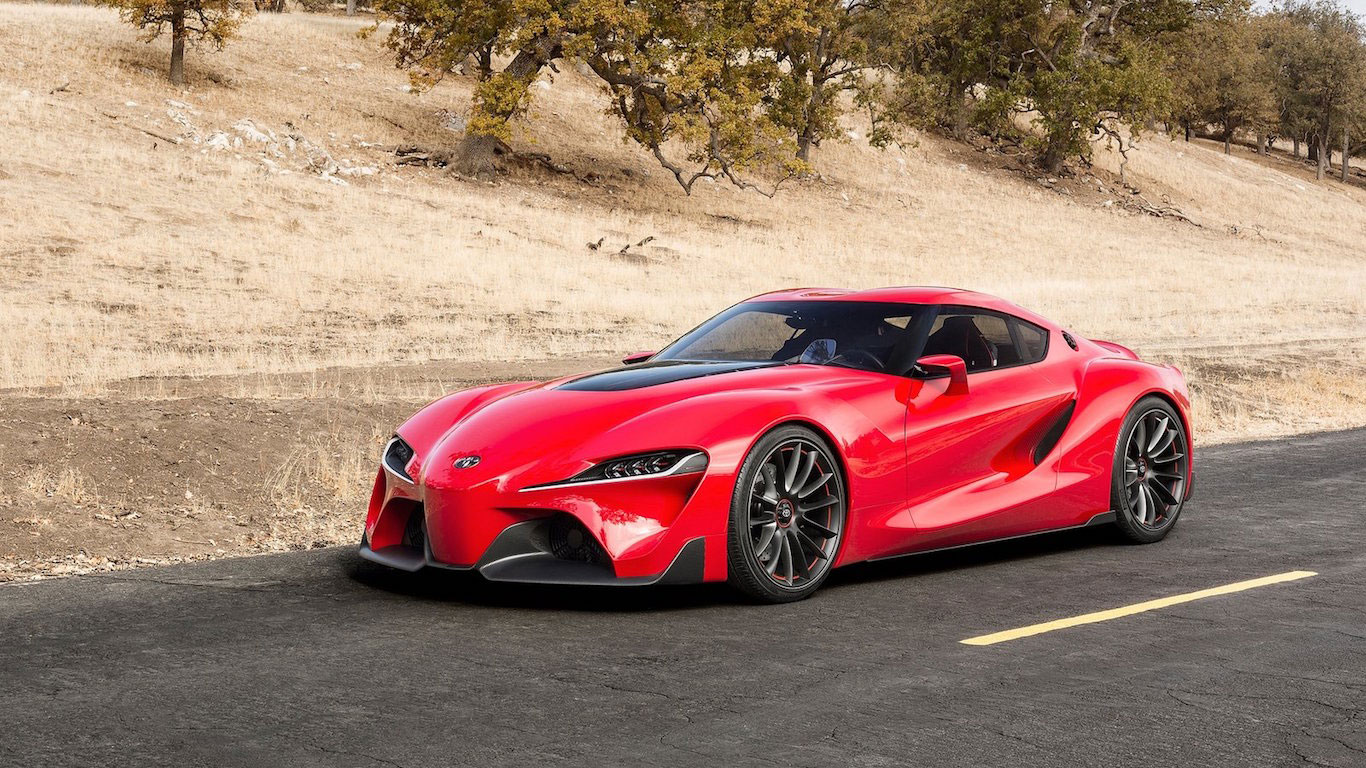
Not only is a new Toyota Supra a big deal for 2018, it will also be sharing a platform with the aforementioned BMW Z4. Whilst both will be rear-wheel drive, the Supra will use a Toyota V6, and be a fixed-top coupe opposed to the roadster Z4. The FT-1 Concept is set to provide design direction for the Supra, and disguised cars have been spotted pounding the Nürburgring. With the Concept Z4 now revealed, Toyota may well display the finished Supra at next month’s Frankfurt Motor Show.
Aston Martin Vantage
At twelve years old, the Aston Martin Vantage is now bordering on antique status in sports car terms. Thankfully, a new Vantage is on the way, and has recently been photographed sporting a distinctive camouflage livery. Behind the bright colours are hints that the 2018 Vantage will take cues from the DB10 concept car, used in the 2015 Spectre James Bond film. Mercedes-AMG will supply a 4.0-litre turbocharged V8, and prices are expected to start at less than £100,000.
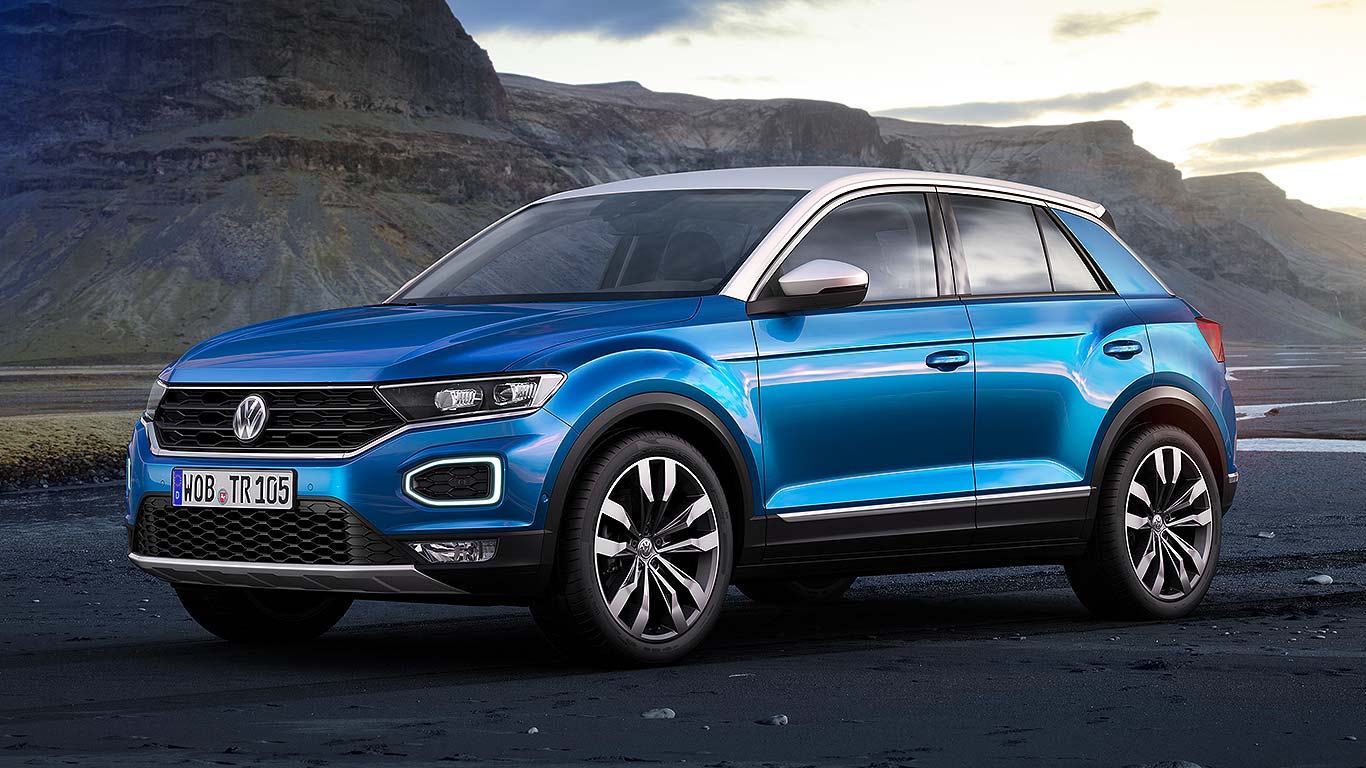
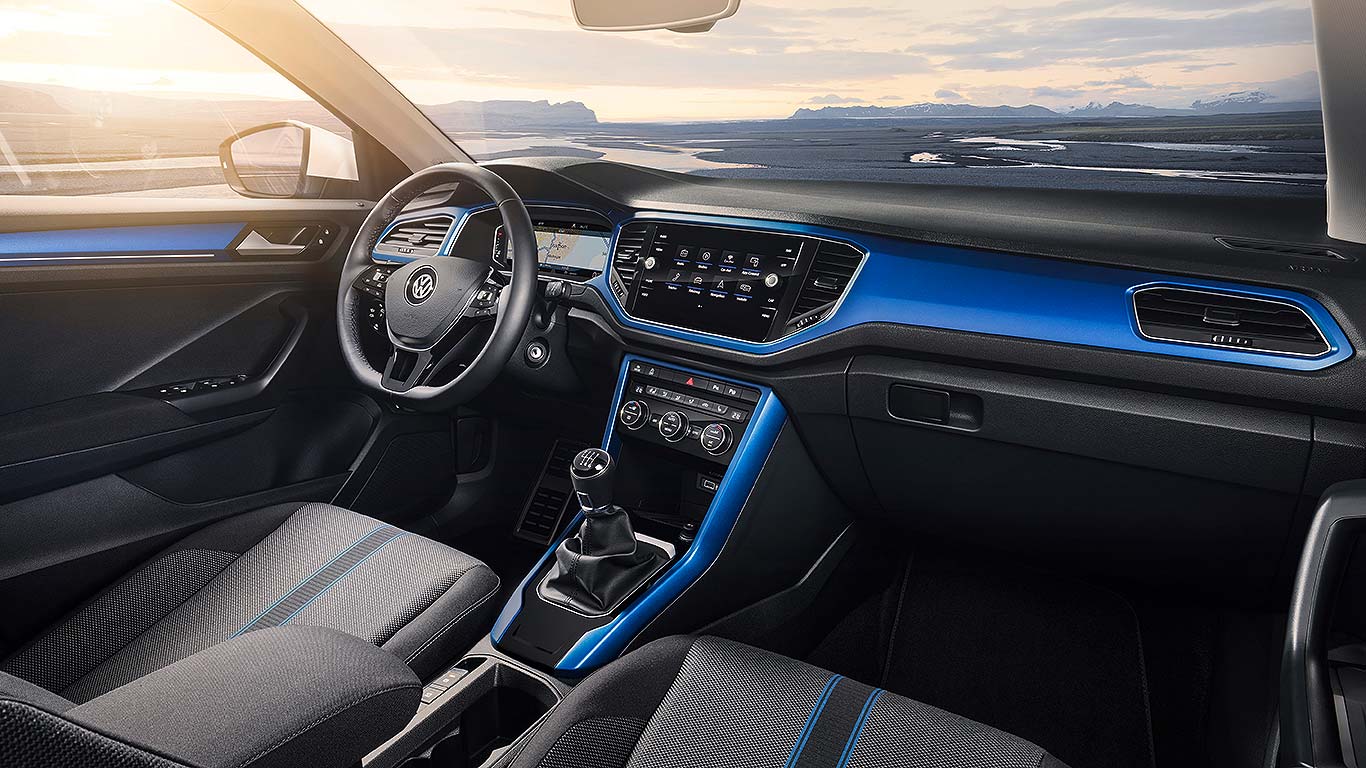
The new Volkswagen T-Roc is VW’s long-awaited rival to the Nissan Qashqai crossover SUV, a model that it believes “sets a new benchmark in the booming SUV segment”. Ordering begins in September 2017 and European deliveries will start in November.
Volkswagen punchily says the T-Roc will compete in the €20,000 class in Germany: while it’s unlikely to have a starting price from £18,500 in the UK, it will still go head-to-head with the Nissan on price.
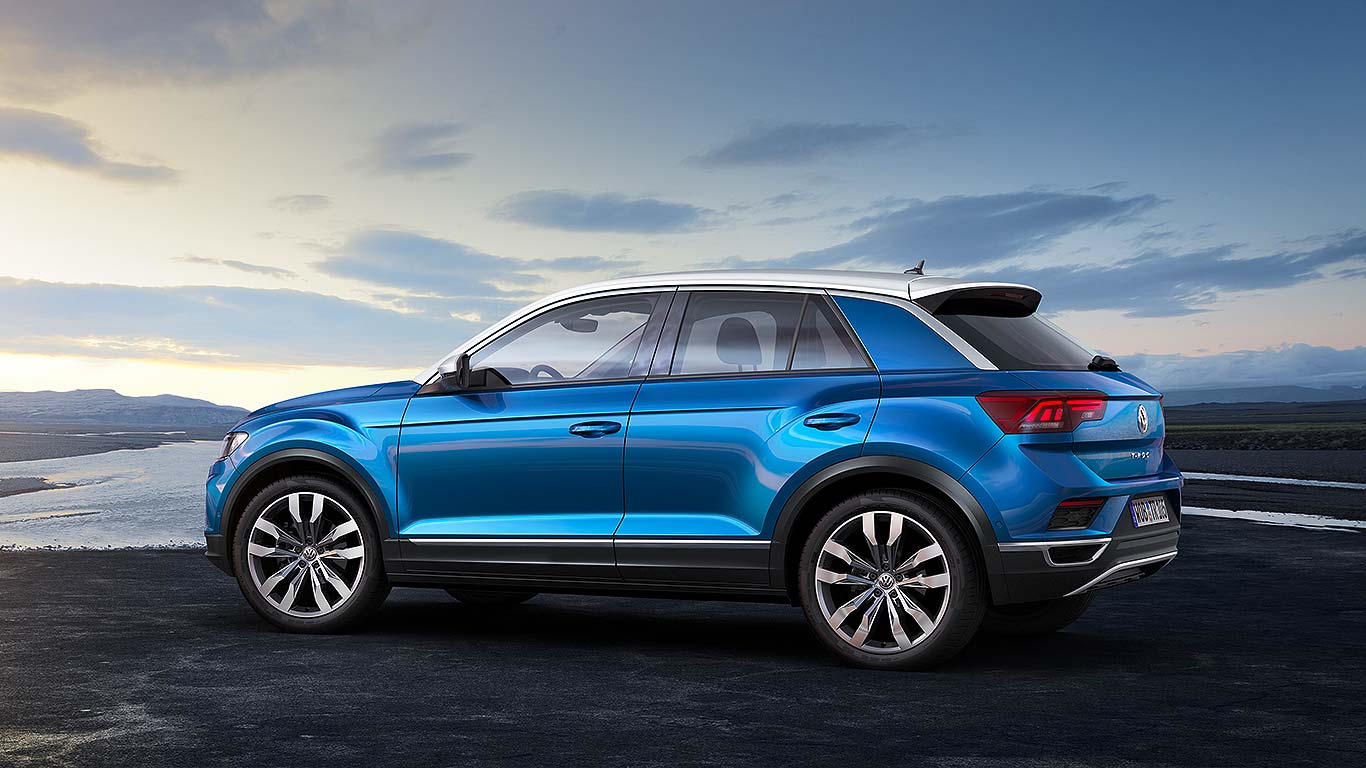
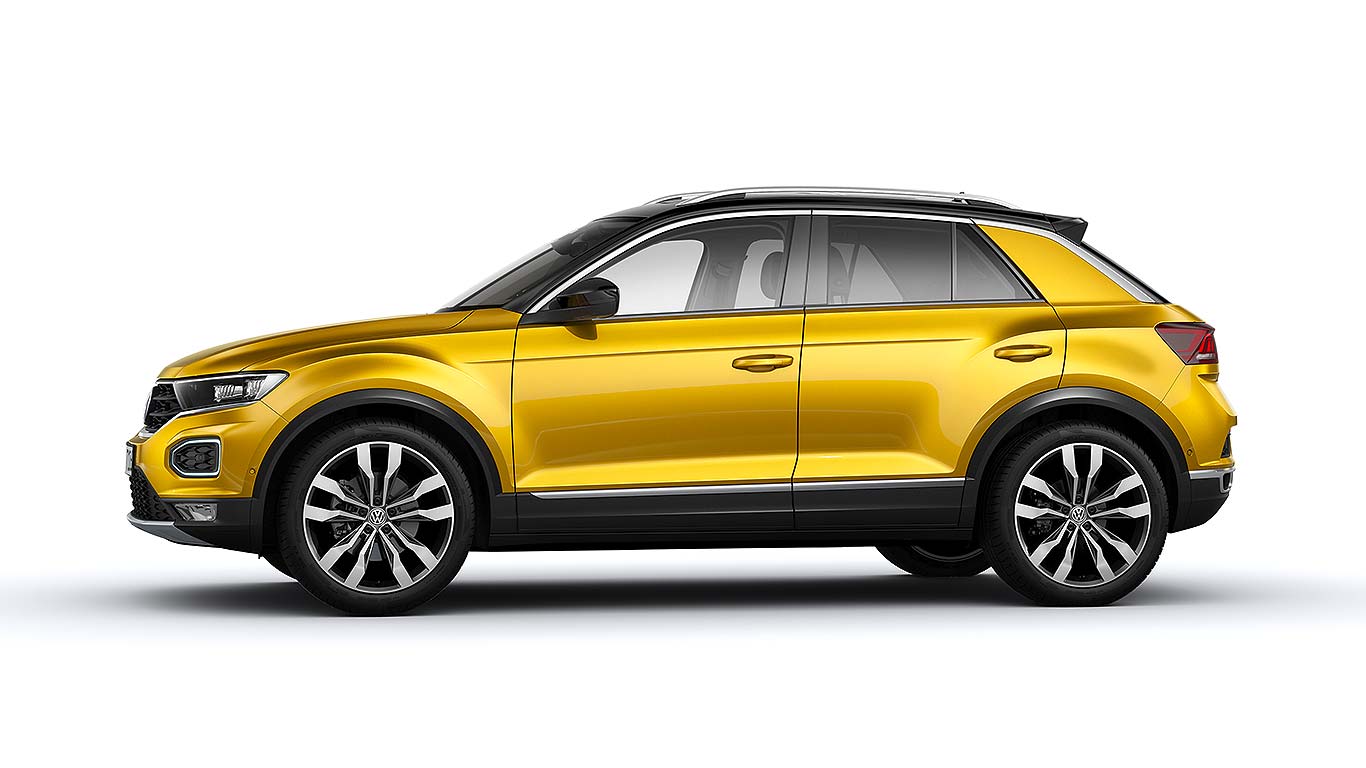
Pleasingly, the new T-Roc has very distinctive styling that’s a real contrast to the sober, discreet Golf it’s derived from. Bulging, sharp-edged wheelarches, flowing roofline and a very distinctive front end are all certain to ensure it stands out within an ever-growing sector; for once, Volkswagen hasn’t watered things down from previous exciting-looking concepts.
This should help Volkswagen snare a strong share of the huge small SUV market, which it predicts will grow from 6.4 million units today, to a whopping 10.6 million by 2027. It’s going to be sold globally, with the focus on Europe and China because almost 80 percent of small SUVs are sold.
Volkswagen says that, along with Tiguan, Touareg and the not-for-Europe Atlas and Teramont, the T-Roc completes its SUV range (for now, at least). The name itself is interesting, too: the firm cheerily admits it’s been derived from the word ‘rock’… before telling us it “really rocks the segment – sometimes louder and sometimes more subdued”. Cringe.
Volkswagen T-Roc: in detail
The new Volkswagen T-Roc is, at 4,234mm long, 252mm shorter than the Tiguan. It’s 1,819mm wide and 1,573mm tall. The boot is 445 litres with the seats up, 1,290 litres with them folded, which Volkswagen’s calculator suggests is “one of the largest luggage compartments in its class”.
Six engines will be offered: 1.0 TSI 115, 1.5 TSI 150 and 2.0 TSI 190 petrols, 1.6 TDI 115 and 2.0 TDI 150 or 190 diesels. The lower-power ones are front-wheel drive, with 4Motion available on the punchier ones. Six-speed manual or DSG autos, too. It’s pretty much as per the Tiguan.
Volkswagen is pleased as punch with its new trim range, which it says follows the Arteon in comprising a ‘Y’ structure: basically, base, then either a stylish or a sporty one, with roughly equivalent equipment levels. In the UK, it’s likely to deploy Elegance and R-Line badges respectively for these trims.
All models get a 6.5-inch touchscreen, with posher variants getting an 8.0-inch glass-covered setup. Volkswagen’s latest virtual instrument binnacles will be optional: it calls them ‘new generation Active Info Displays’. The 300-watt Beats premium audio system should go down well with the kids, too.
And if you want to make your T-Roc even more distinctive-looking, you’re in luck: the ‘style’ trim (that’s Elegance, remember) will have a bi-colour design as standard, offering a choice of three different roof colours. A decided break from the traditional Volkswagen past, and sure to be a popular, standout choice. You can’t get contrast roof colours on a Qashqai now, can you?
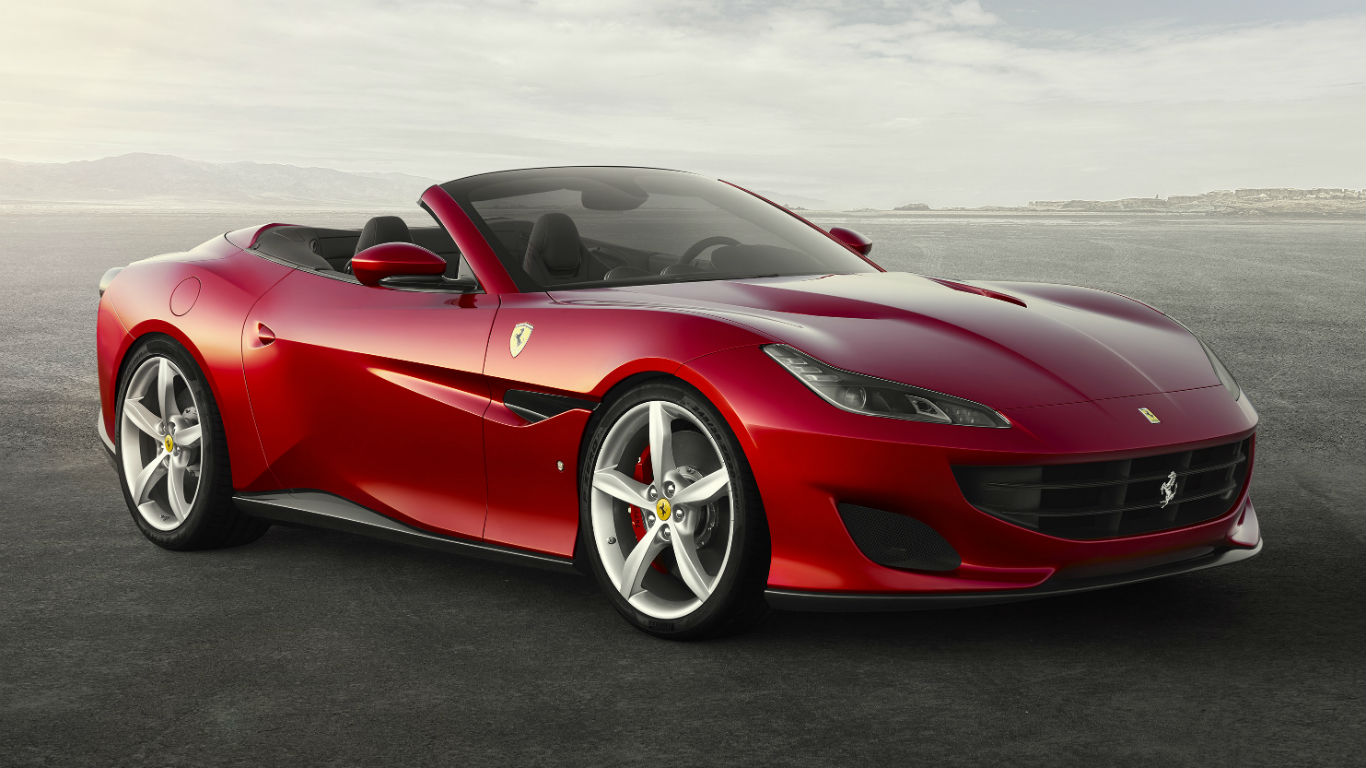
Ferrari has announced a new car: the Portofino will replace the California T as the entry-level model in the firm’s line-up.
And what an entry-level model it is. Named after “one of Italy’s most beautiful towns,” (Ferrari’s words), the Portofino is powered by the same 3.9-litre twin-turbo V8 as the California T. Power has been boosted from 560hp to 600hp, taking the Portofino to 62mph in 3.5 seconds. Top speed is around 199mph.
That power boost, shaving a whole tenth of a second off its 0-62mph time compared to the Cali T, comes from revised pistons and con roads as well as a recalibration of the engine management software. A revised exhaust system helps provide a throatier soundtrack, too.
An all-new aluminium chassis, meanwhile, contributes towards significant weight saving, while the addition of Ferrari’s latest electronic differential – E-Diff3 – will work with the Portofino’s F1-Trac stability system to provide no doubt exceptional cornering characteristics. EPS (electric power steering) is another initialism to be added to the GT car, while magnetorheological dampers have been uprated to reduce roll while also improving absorption of poor road surfaces.
Like the California T, the Portofino uses a retractable hard-top roof and provides a generously-sized boot, along with two rear seats suitable for shorter journeys. A new 10.2-inch touchscreen display along with a new air-con system improves the interior, while a new wind deflector is said to drop air flow inside the cabin by 30 percent when the roof is dropped.
Although aesthetically similar to the model it replaces, minor tweaks have made the Portifino quite a looker, in our opinion. A large grille stretches across the front, flanked by full LED headlights with a more horizontal shape. At the rear, the tail lights are positioned further apart.
We’ll get a better look at the 2018 Ferrari Portofino when it’s officially revealed at next month’s Frankfurt Motor Show.
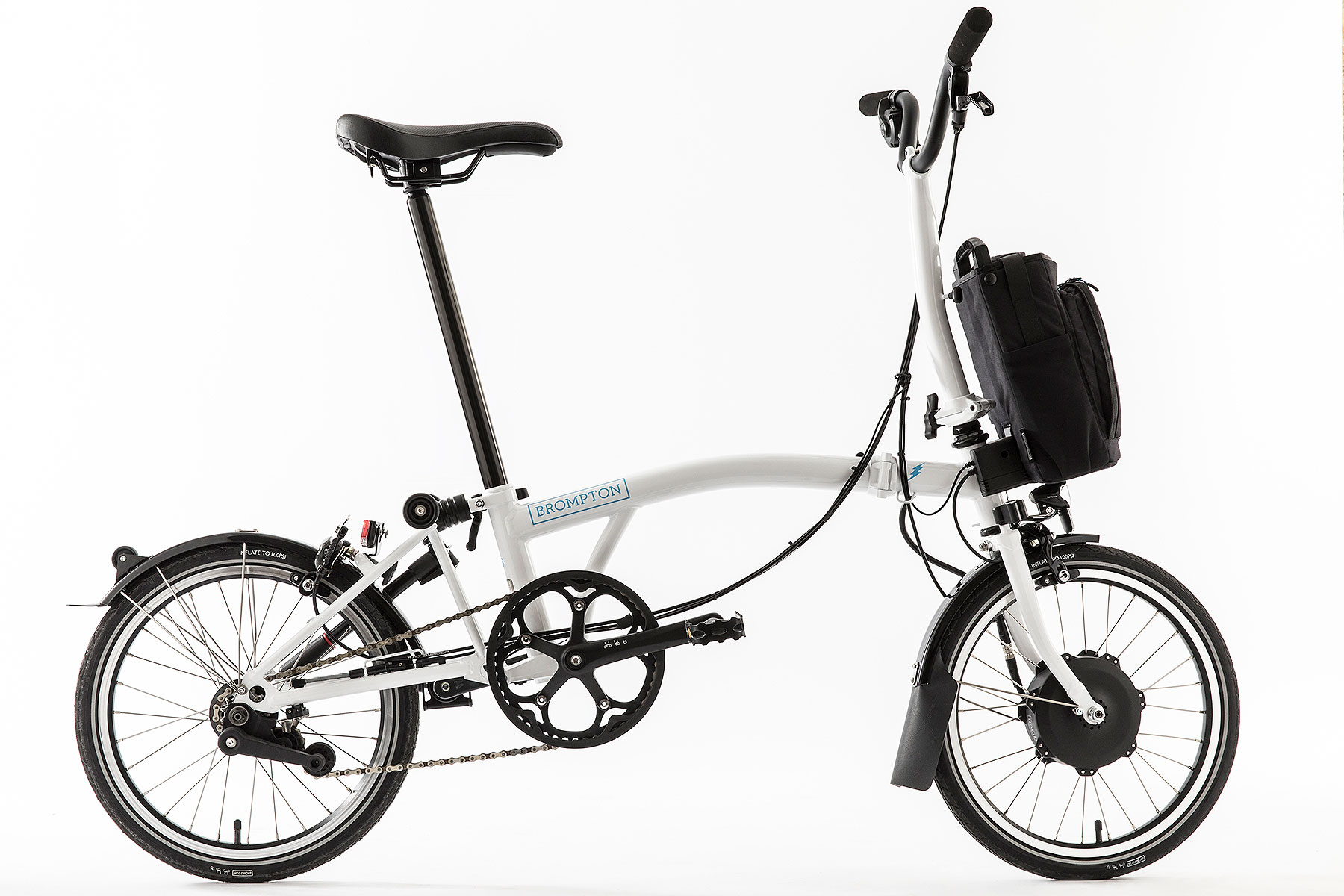
Famous folding bike manufacturer Brompton has developed a new electric bicycle – and it’s teamed up with famous F1 champions Williams to help engineer the battery-electric tech for the new Brompton Electric.
The racing team’s applied engineering division Williams Advanced Engineering has helped Brompton develop the batteries, electric motors and control systems for the new Brompton Electric folding bike, which has a range of up to 50 miles and weighs from a scant 13.4kg. That’s just 2.4kg more than a regular Brompton folding bike.
Williams Advanced Engineering has used its electric motorsport know-how for the new project: it has worked with the FIA Formula E Championship from day one, supplying batteries to all 10 racing deals and also helping Jaguar build and run its first Formula E racer.
“There are an awful lot of synergies between Williams and Brompton,” reckons Williams Advanced Engineering MD Craig Wilson, “and the requirements for the Brompton Electric – designing a lightweight, high performance, electric motor – was right in our core capabilities.”
Brompton Bicycle CEO Will Butler-Adams says: “We’ve spent three years taking Williams Racing technology and integrating it into the Brompton. It has been harder than any of us imagined but we believe we have created a product that will inspire more people to get out from under the ground, out of the cars and back onto a bike to rediscover their cities.”
The new Brompton Electric has a 300Wh battery which feeds a front hub motor. There are three assistance levels, and a torque and cadence sensor is said to give smooth, seamless and energy-efficient support. “With the Brompton Electric, you feel you have the wind behind you all day,” said Butler-Adams.
Brompton is based in Greenford, West London. It was established in 1974 and is this year targeting production of more than 45,000 bikes. 80 percent of its production is exported, to 44 countries – and Brompton says each bicycle takes 6.2 tonnes less carbon than a car to make.
Prices for the Brompton Electric range from £2,595 to £2,755, and the firm is taking £200 online reservations now for those keen to ride one of the first in production.
More than 20,000 old cars have been sent to the crusher in recent years after being part exchanged for a new Vauxhall, figures obtained by Motoring Research can today reveal.
The PSA-owned British car firm initially launched a scrappage offer in 2015, giving customers £2,000 of a new car when they trade in any old model registered in their name. The scheme returned earlier this year, with 5,500 cars already being traded in and sent to the scrapper so far in 2017.
“Our scrappage scheme has been very successful,” said a Vauxhall spokesman, commenting on the figures.
It comes after Britain’s most popular car manufacturer, Ford, announced a similar scheme this morning. While BMW and Mercedes-Benz have both launched similar offers in a bid to encourage the uptake of more efficient new cars, Ford’s scheme (like Vauxhall’s) is across most cars in its range.
To be eligible for Vauxhall’s offer, you need to have owned your old car for at least 90 days, and buy a new Vauxhall before the end of September. The firm may extend this to counter Ford’s scheme, but that’s yet to be confirmed.
When Vauxhall became the first manufacturer to launch an an unofficial (non-Government) scrappage scheme in 2015, it sparked uproar from classic car enthusiasts and green lobbyists concerned that road legal cars were being scrapped. Vauxhall responded by saying pre-1991 cars would be flagged up to the relevant classic car clubs, allowing them to buy spare parts to save similar vehicles.
“Vauxhall has immense respect for the UK’s classic car groups, irrespective of what make or model they support,” said Vauxhall spokesman Simon Hucknall earlier this year.
“The Scrappage Allowance is designed to capture vehicles that are beyond economical repair, and given the low value of scrap metal, recycling of parts is vital to the scheme’s viability. We’re also confident that the number of genuine classics over 25 years old presented to the scheme will be minimal, especially given the steady rise in value of even the most mainstream collectors’ cars in recent years.
“But if we do see any, our ‘safety-net’ will ensure that classic car owners and clubs will benefit.”
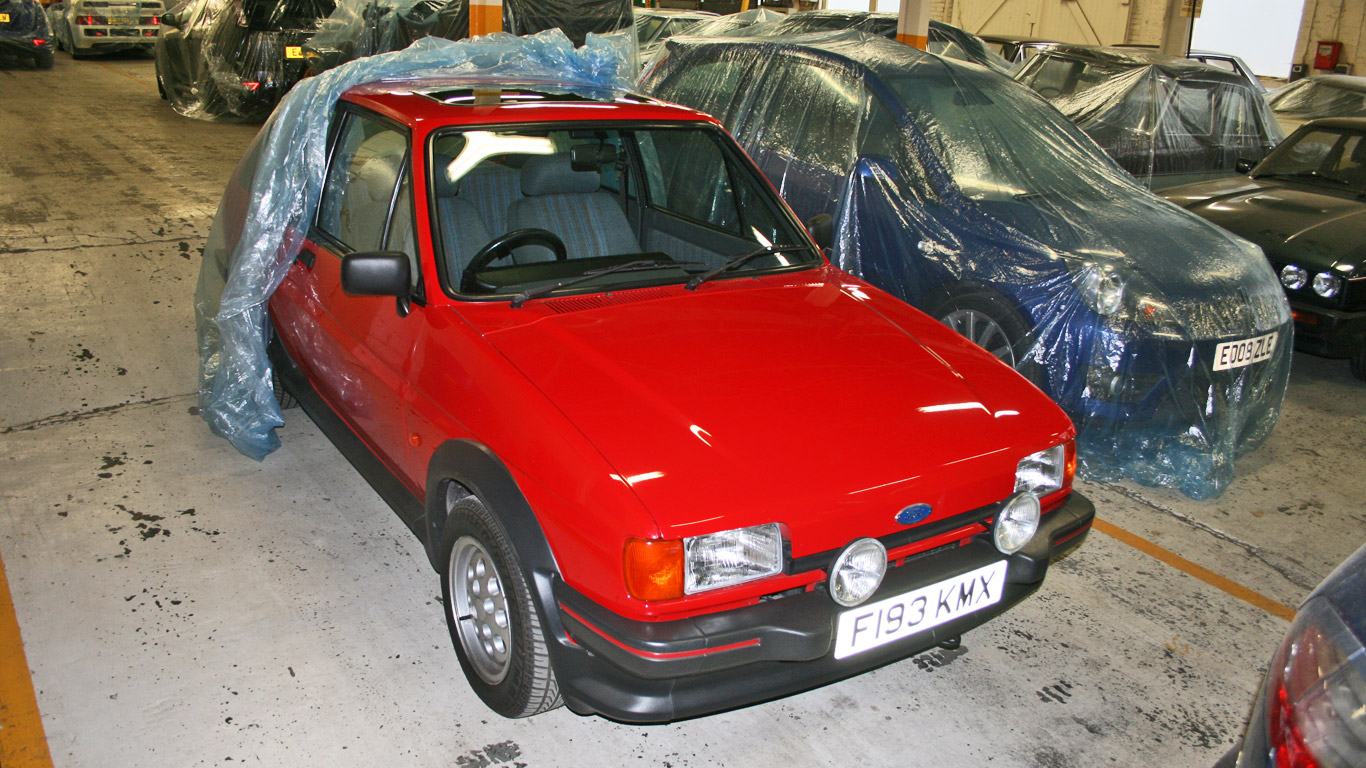
Ford’s sprawling factory in Dagenham was once home to the Anglia, Cortina, Sierra and Fiesta, among other household names. Today, production at the east London site is limited to engines, and much of it stands derelict. Yet there’s a nondescript warehouse, off-limits to the public, where the cars are still very much the stars. Here, you’ll find Ford’s heritage collection.
More than 100 cars, representing 114 years of Ford history, are packed inside the building, which used to house the assembly line for AA trucks. It’s a hugely eclectic mix, covering everything from Model T (the original Ford) to Focus RS. Watch our video for a virtual tour.
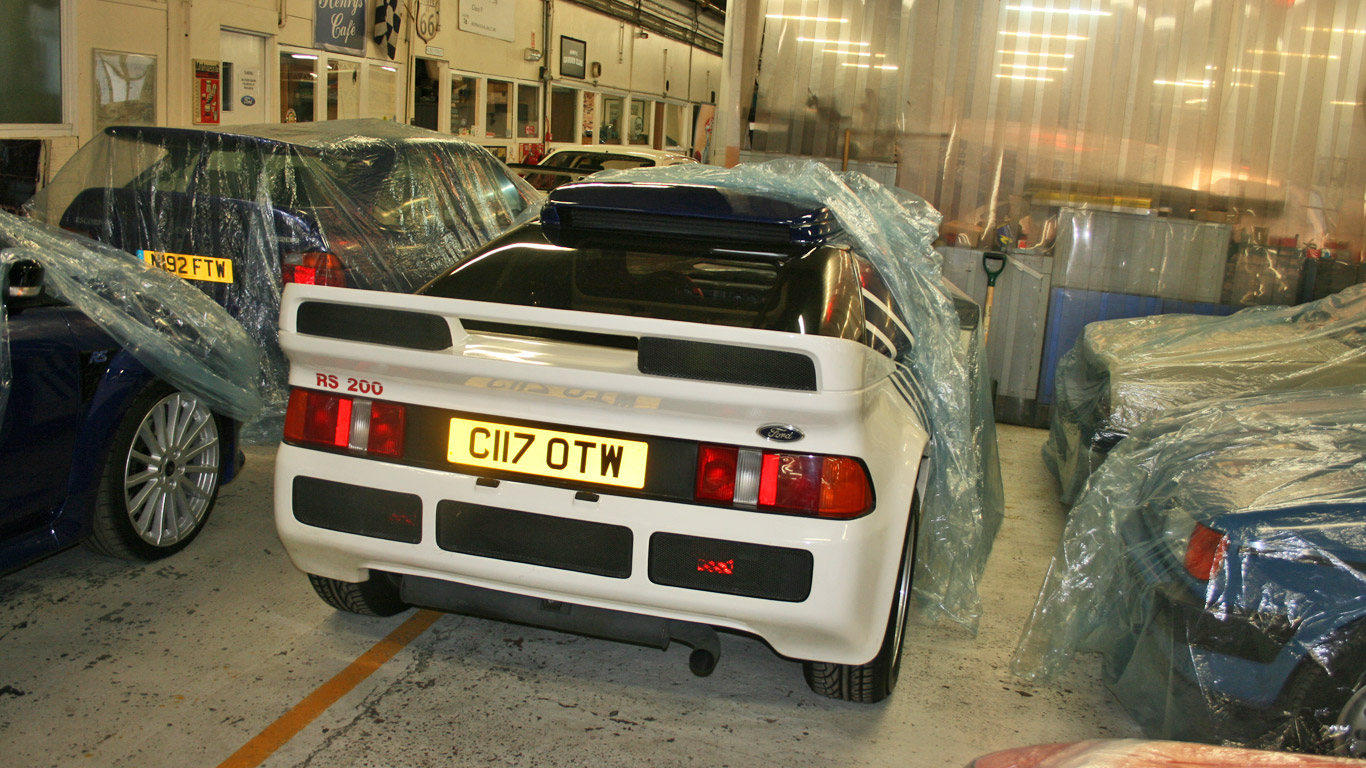
There are so many special cars hidden away in Dagenham that picking highlights isn’t easy. How about one of four RS200s, the two Transit Supervans, the mighty Sierra RS Cosworth or the RAC Rally-winning Mk2 Escort RS1800?
However, this collection doesn’t only cover the exotic and expensive. There are also Granadas, a Mondeo and several Fiesta XR2s. Even the unloved Mk5 Escort gets a spot. So many of us have memories involving these cars, they have become part of our collective conscious. Let’s be thankful Ford is preserving them.
 The new Porsche Cayenne, revealed here ahead of its 2017 Frankfurt Motor Show debut, may not look completely new, but Porsche insists that it is: the “sports car amongst sports utility vehicles” is both sportier and comfier, as the firm moves its range-topping SUV further upmarket to give the smash-hit Macan further space to develop.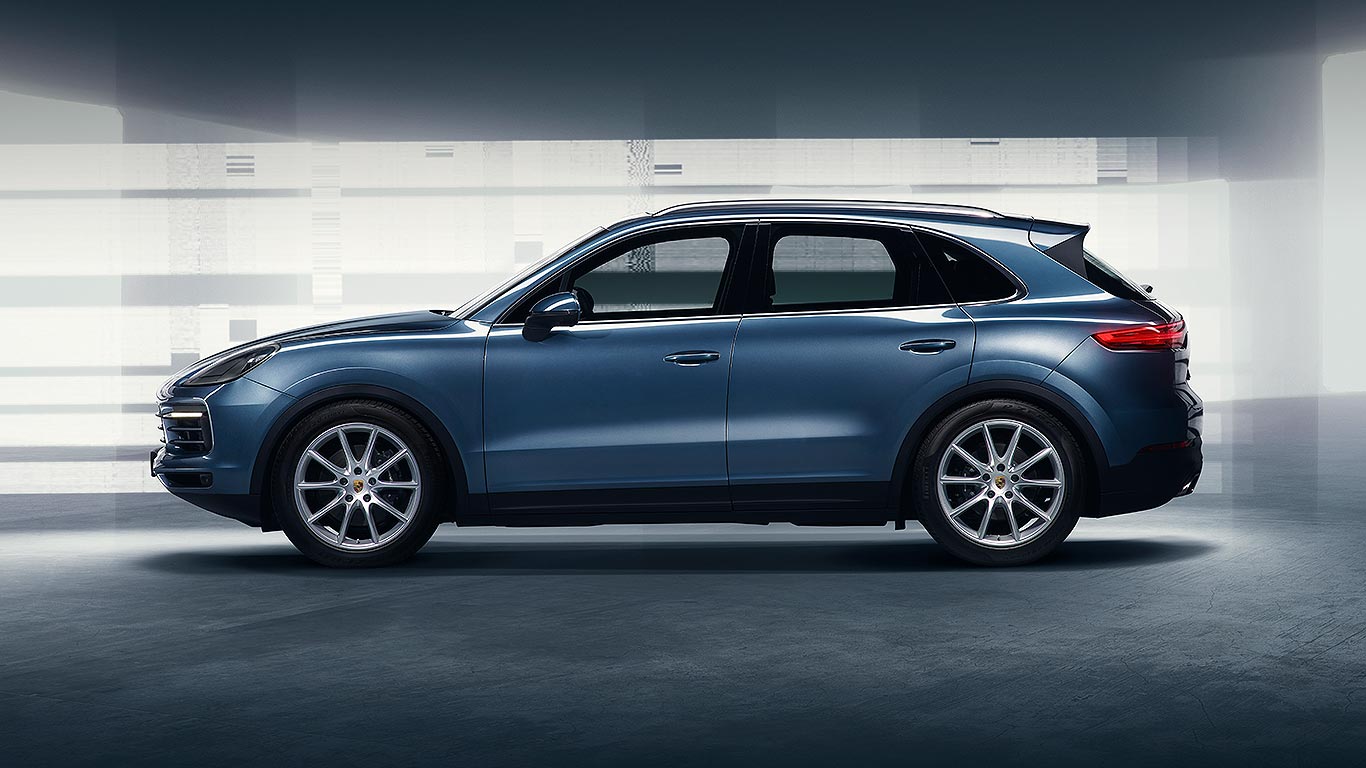


 BMW has updated the i3 range with a crisp new look and a hot new range-topper, the i3S. The new model line will make its debut at the Frankfurt Motor Show and go on sale from November. Prices will start from £34,070, £1,000 more than today’s model, but still from under £30,000 once the Plug-in Car Grant is factored in.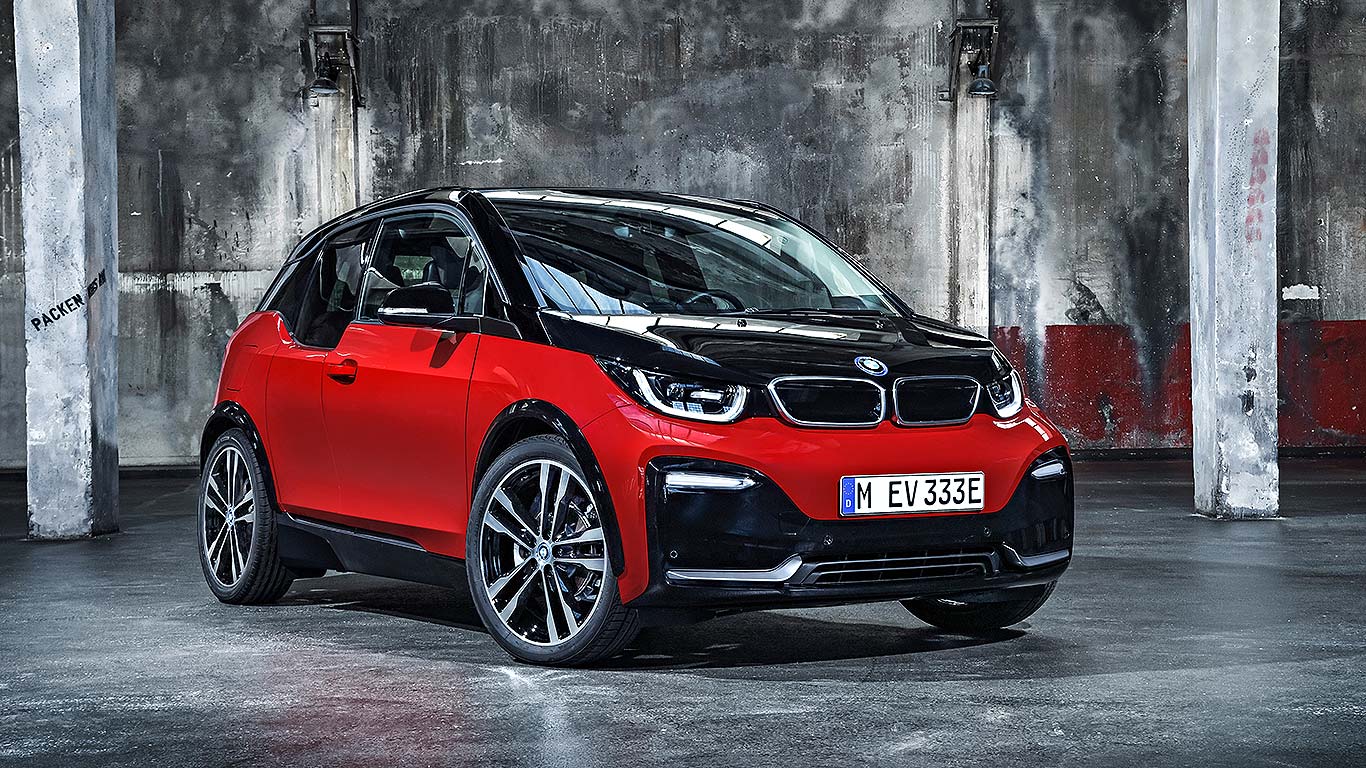


 Volkswagen has built its 150 millionth car, 81 years after series production of the Type 1 Beetle began. And fittingly, the 150 millionth car is a Golf: since its launch in 1974, Volkswagen has built more than 34 million of them.
 Guy Martin is hanging up his motorcycle racing leathers (and truck mechanic overalls) this weekend – to don a set of Williams Martini Racing F1 fireproofs and join its pit crew for the Belgian Grand Prix.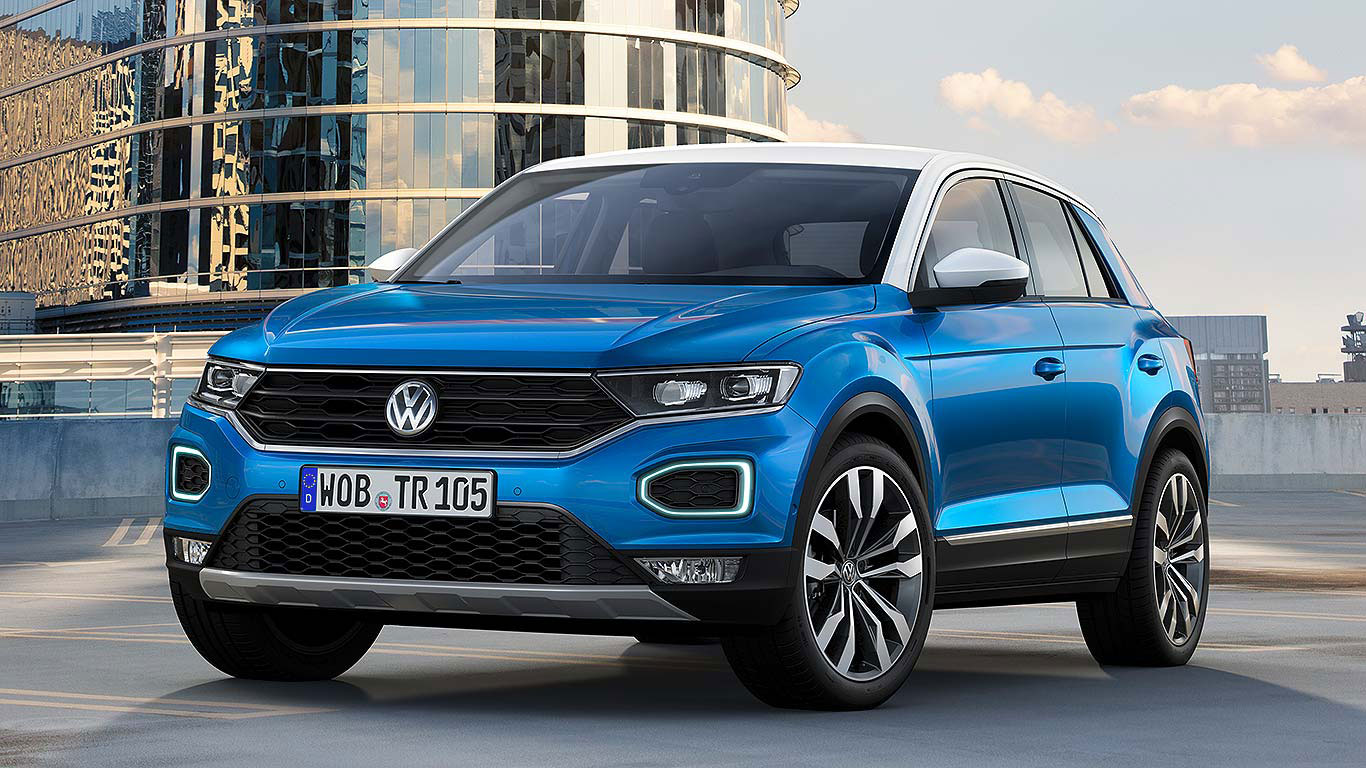
 The new Volkswagen T-Roc is VW’s long-awaited rival to the Nissan Qashqai crossover SUV, a model that it believes “sets a new benchmark in the booming SUV segment”. Ordering begins in September 2017 and European deliveries will start in November.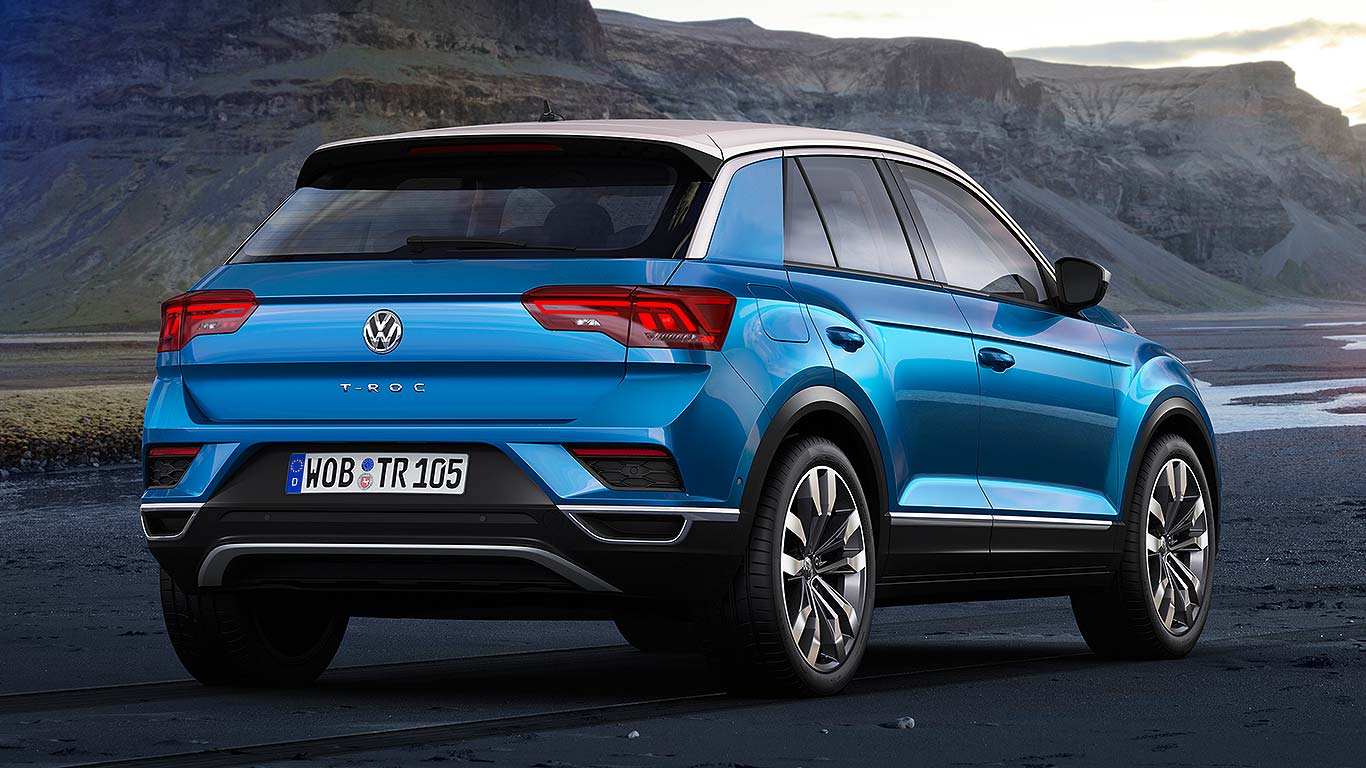




 Famous folding bike manufacturer Brompton has developed a new electric bicycle – and it’s teamed up with famous F1 champions Williams to help engineer the battery-electric tech for the new Brompton Electric.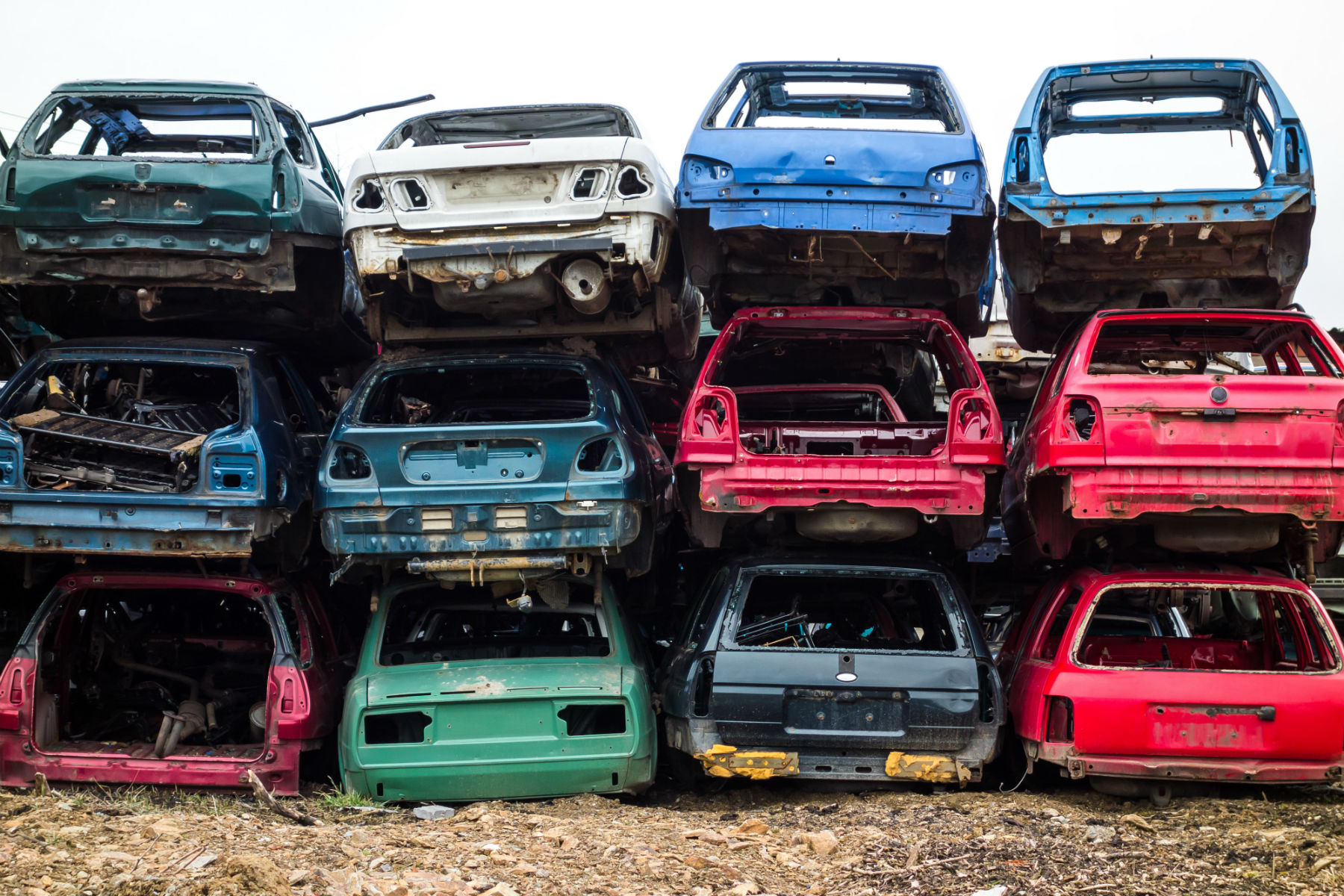
 Ford’s sprawling factory in Dagenham was once home to the Anglia, Cortina, Sierra and Fiesta,