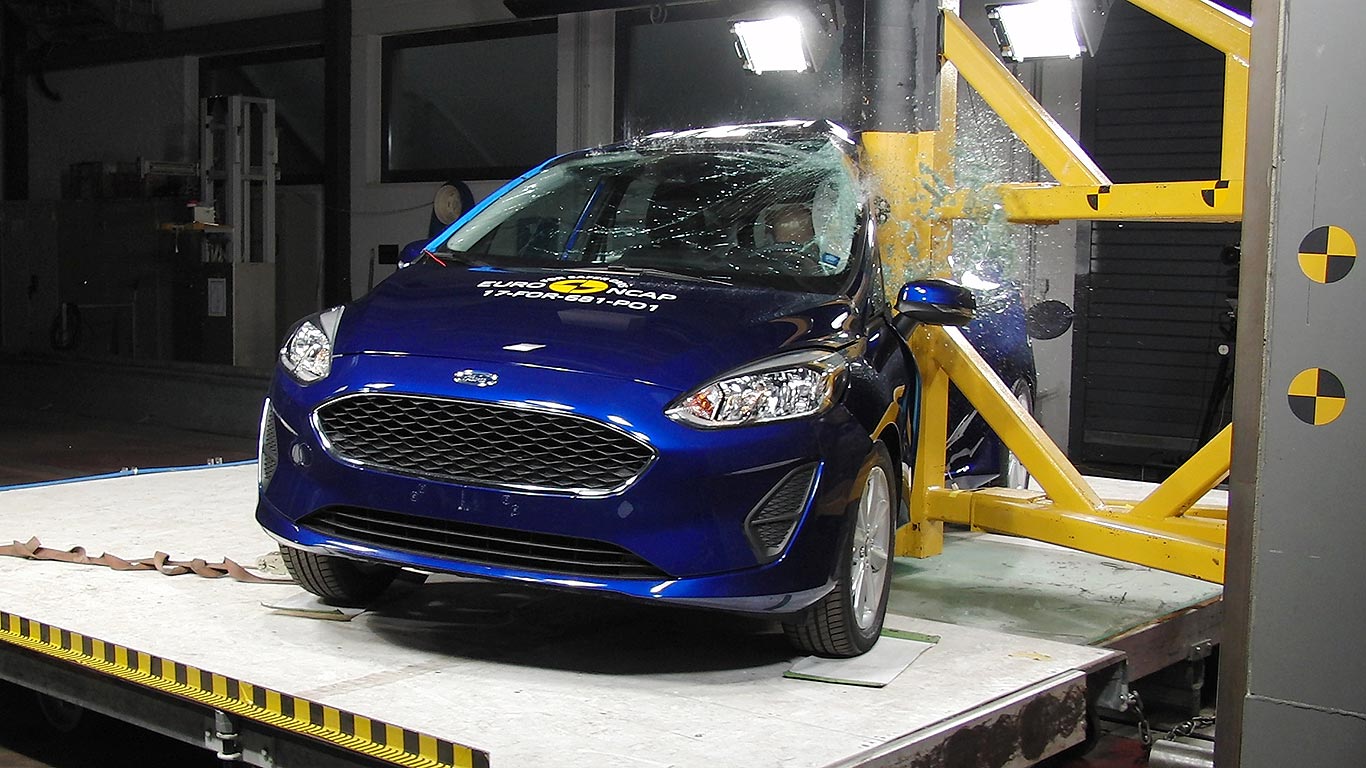
The new 2017 Ford Fiesta has earned a full five-star rating in the latest round of Euro NCAP safety crash tests – 20 years after the 1997 Fiesta proved to be “just not stable” in a crash test that today “does not make for comfortable viewing”.
However, because Ford does not fit autonomous emergency braking (AEB) as standard to the new Fiesta, it does not become Euro NCAP’s top supermini pick of 2017: the latest Seat Ibiza retains that title. The fact it is only an option “is a shame,” says Matthew Avery of British Euro NCAP partner Thatcham Research. “Fewer than 5 percent of car buyers take up additional safety packs.”
Other models tested in the latest round of 2017 Euro NCAP crash tests include the Jeep Compass, Mazda CX-5, Renault Koleos and Vauxhall Grandland X, all of which also scored five stars. But while the Kia Rio supermini scored five stars, it only did so if the optional safety pack was fitted: without it, the score drops to a meagre three stars.
The new Kia Picanto is rated at four stars with the optional safety pack, three stars without it. Meanwhile, the Opel Ampera-e electric car – which Vauxhall hopes to launch in the UK some time in the future, earned a four-star rating.
20 years of Euro NCAP
In comparing the 1997 Fiesta crash test with the latest 2017 test, Avery said that “you don’t have to be an expert to recognise a distinct progression in car safety over the past 20 years.
“The dummy in the 1997 model endures a heavy head-strike against the B-pillar and there is serious intrusion in the side impact test too. The structure was just not stable. Today, however, the 2017 Fiesta offers far , far greater levels of protection to its occupants.
“Euro NCAP exists to help consumers make informed choices around car safety. This is especially important for top sellers like the Ford Fiesta – a car which Euro NCAP has tested on six different occasions over the past 20 years.”
The safety organisation also announced it will reveal its 2025 road map as part of the ‘In Pursuit of Vision Zero’ conference on 12 September. In front of policymakers, automotive industry leaders, road safety experts and other high-level industry people, Euro NCAP will look back on 20 years of progress and reveal how it’s going to help shape the car safety of the future.
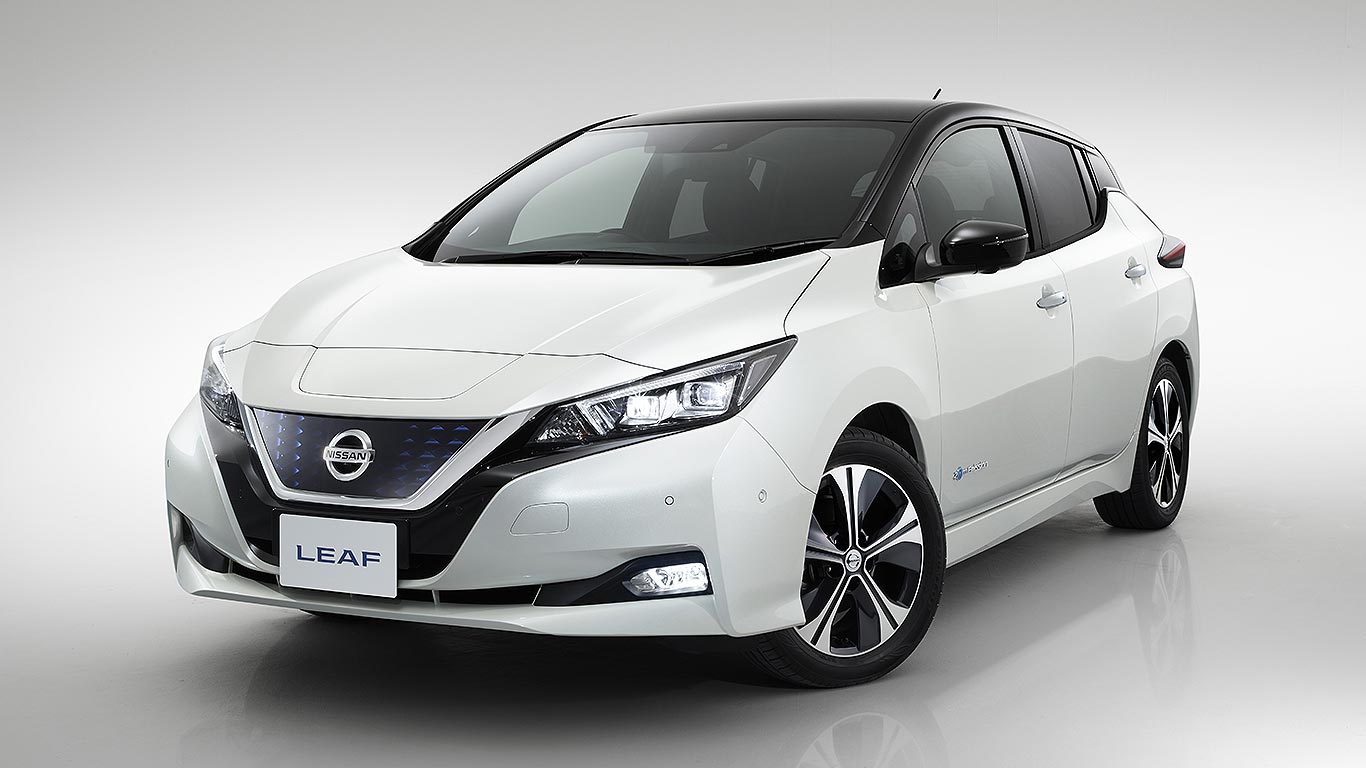
The all-new 2018 Nissan Leaf has been revealed in a big launch event in Tokyo. The new EV looks much more sophisticated and less oddball than the original, boasts a richer interior, headline-grabbing technology, an extended 235-mile electric range and the promise of a significantly improved drive. It launches in Europe in January 2018.
Replacing the original Leaf, which is the world’s best-selling electric car ever (over 280,000 have been bought by owners), the new Leaf is a crucial car for Nissan. It hopes this is the model that will cement the car’s position as an electric vehicle for the masses: crucially, it is launching just as Tesla rolls out its Model 3, for which the US firm has similar aims.
While other firms are still working on their first EV, Nissan has been using customer feedback of Leaf owners dating back to 2010 to perfect its second-generation one. This new car is thus, arguably, the world’s most well-developed electric car yet, and certainly the one designed around the most real world feedback.
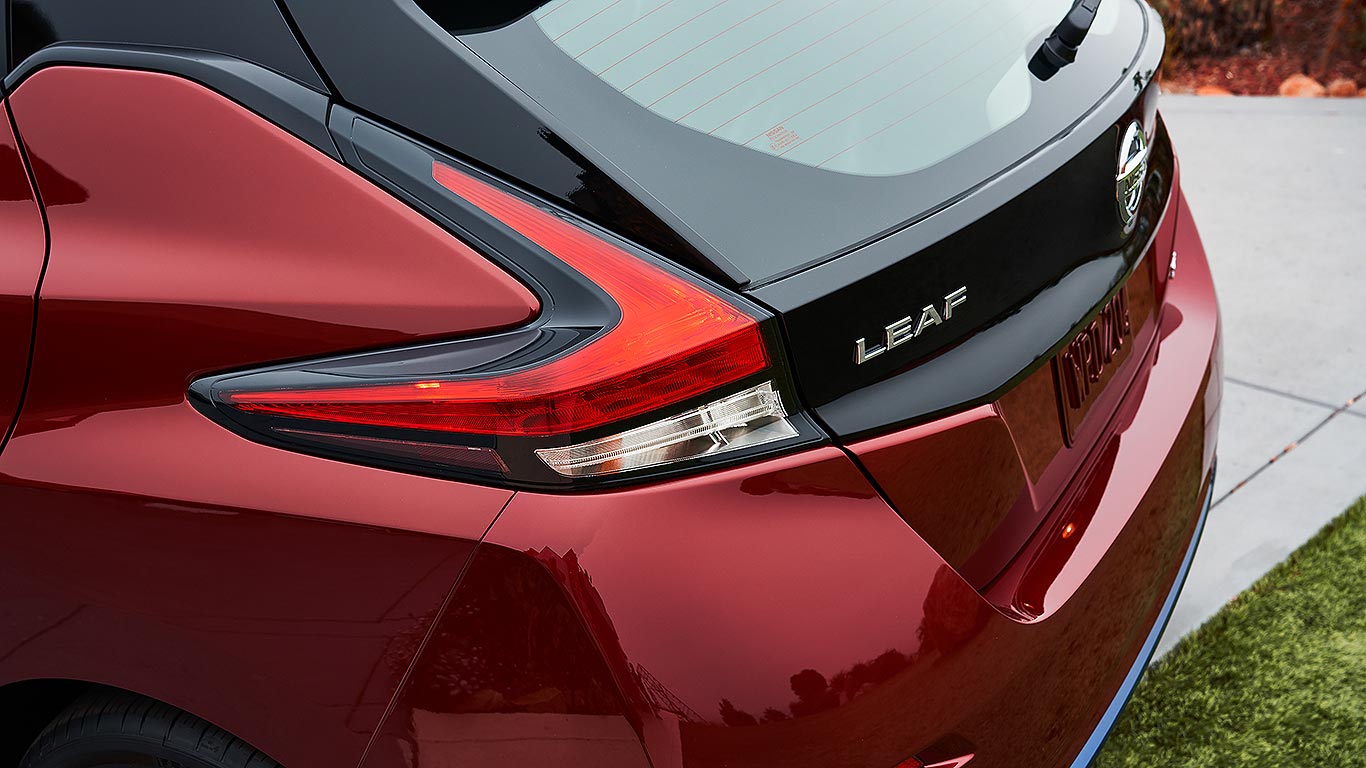
That’s why it looks so much smarter – and so much more like a conventional car rather than the blobby original. Using cues from the edgy 2015 Nissan IDS Concept, it has sharp creases, a distinctive front end boasting the current V-style Nissan face, a new black contrast ‘floating’ roof and a crisp, more hatchback-like rear end. It’s cleaner, simpler, sleeker, bolder and, says Nissan, feels more like “a high-tech device”.
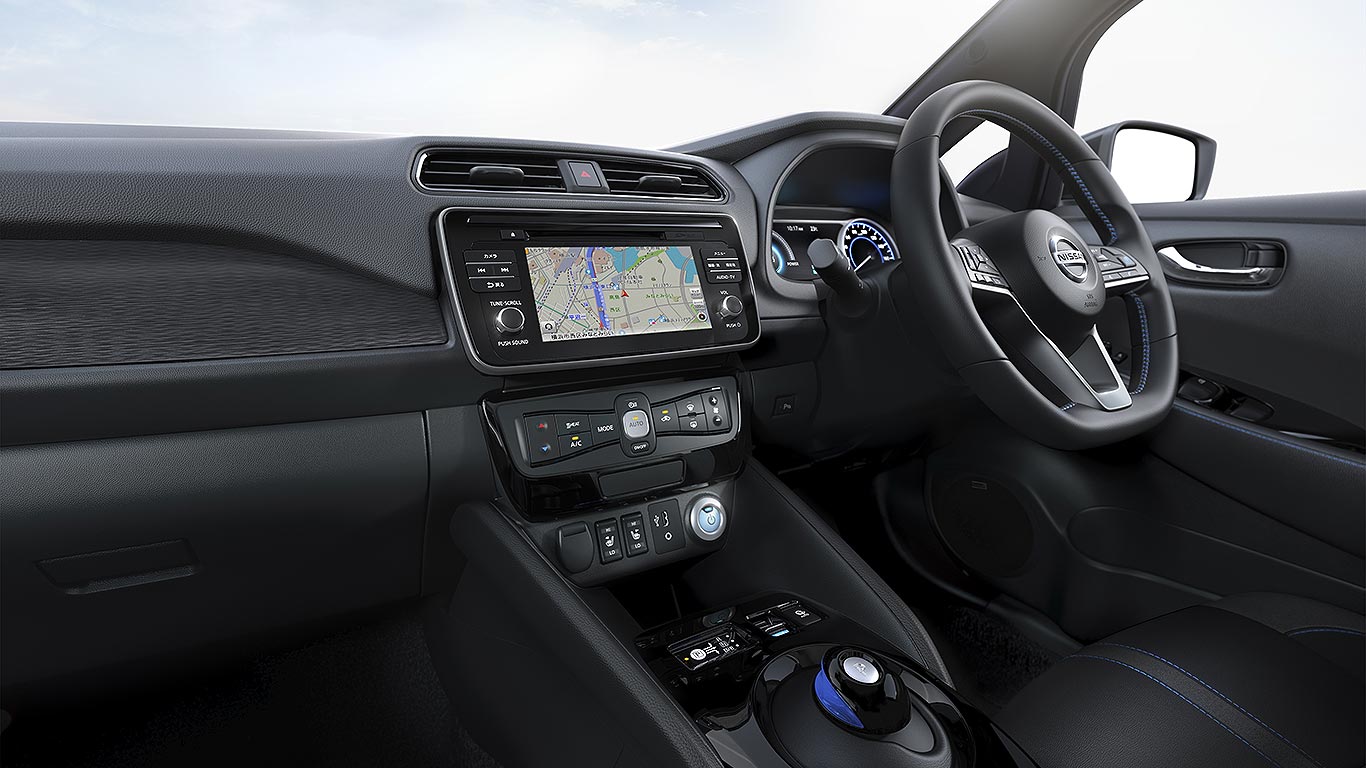
Inside, there’s been a similar jump, with a higher-quality interior that eschews the dated, ‘futuristic’ look of the current car for a more contemporary setup with large central touchscreen, electronic instrument pack, fewer buttons, more stowage and a sporty D-shaped steering wheel.
Nissan says it’s more spacious, more practical, and the greater use of matt plastics gives a much more premium feel – vital if the firm is to draw in the urbane people who may ordinarily be drawn to the new Tesla Model 3. It’s a full five-seater, adds the firm, with a voluminous 435-litre boot (larger than a Volkswagen Golf) that’s squarer and less riddled with intrusive bumps than today’s car.
New Nissan Leaf technology
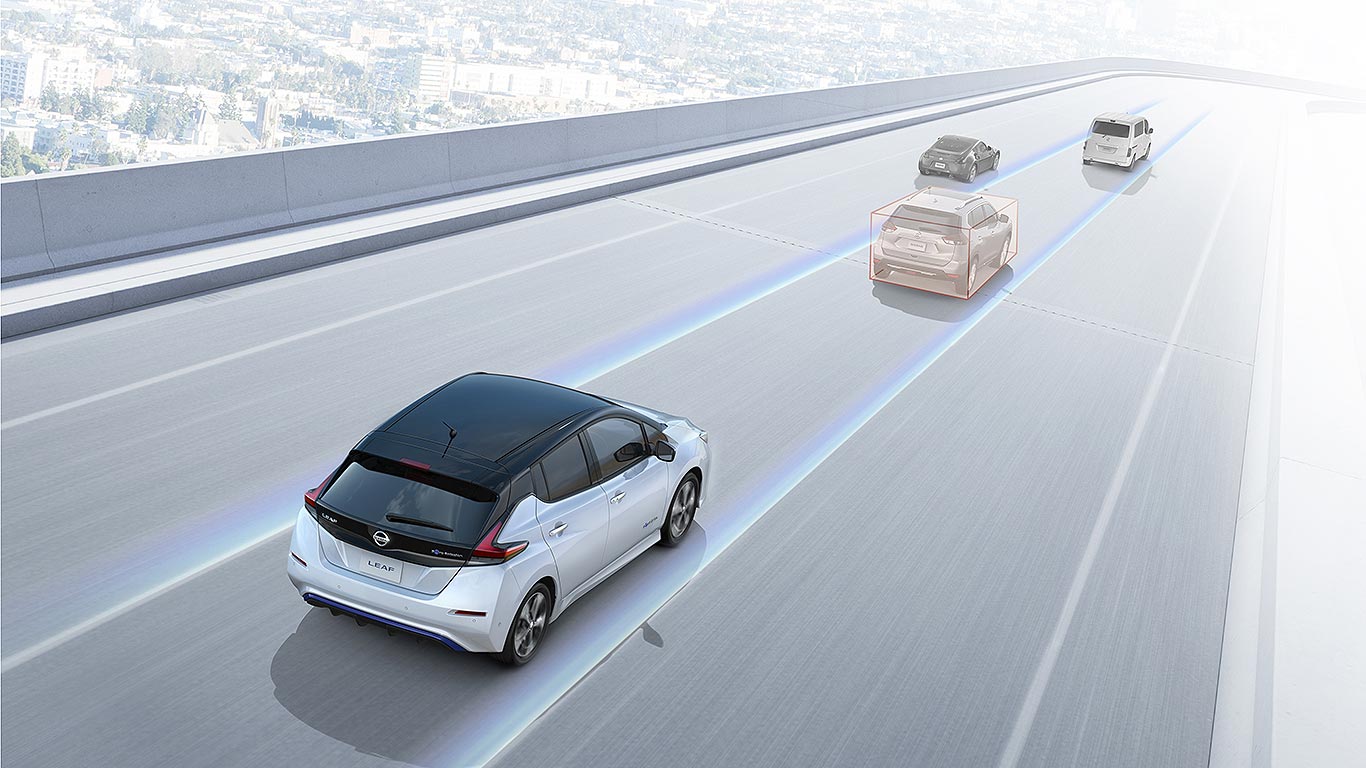
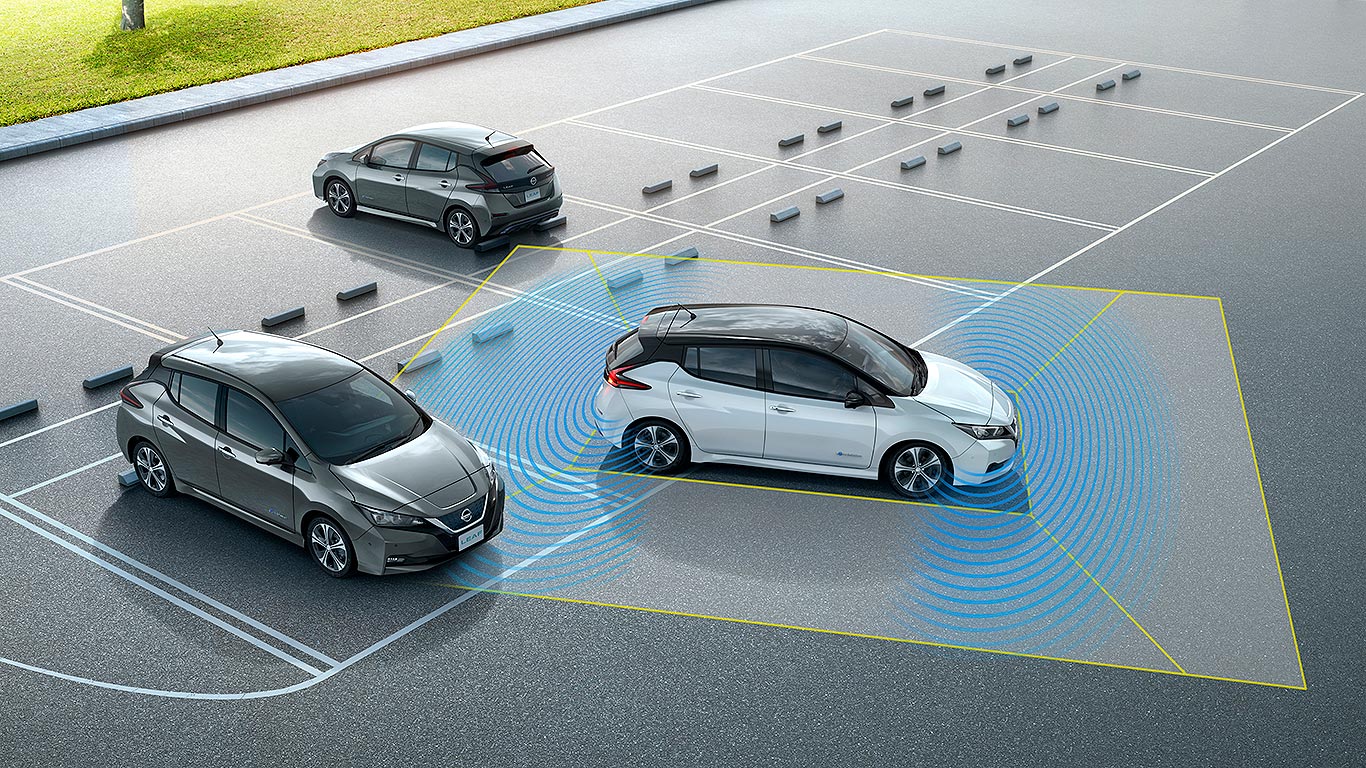
The new tech packed into the 2018 Leaf is headline-grabbing, feels Nissan. It has the first iteration of the firm’s ProPILOT autonomous drive technology, which can autonomously drive in single lanes between 19mph and 62mph, and ProPILOT Park which promises to park up at the press of a button.
Unlike current self-parking systems, there’s no need to carry out slow, complex pre-park drive procedures, promises Nissan: simply press a button and it will detect the space you can be docked into and carry out all steering, acceleration, braking and gear selection operations to squeeze you into it. It will “change the way people think about parking,” says Nissan, boldly.
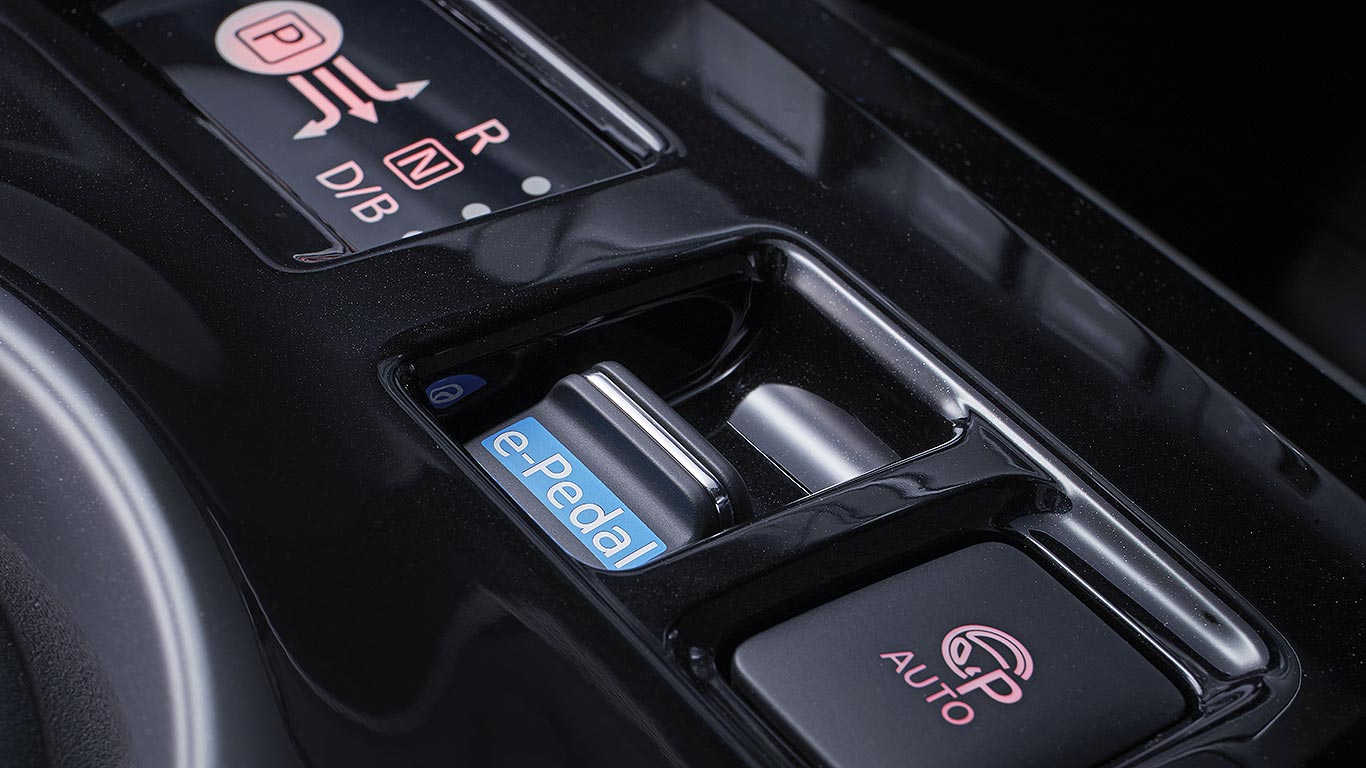
The new Leaf will also feature an innovative e-Pedal. It will have an accelerator and brake pedal like all automatic cars, but for 90 percent of the time, you won’t actually need to use the brake pedal: simply press and release the accelerator and the car will move and slow down fluidly – a bit like a dodgem car. Releasing it can bring you to a complete stop (and the car will hold itself there until you press it again); Nissan reckons you’ll only need to use the brake pedal in “aggressive braking situations”.
2018 Leaf: electric drive tech
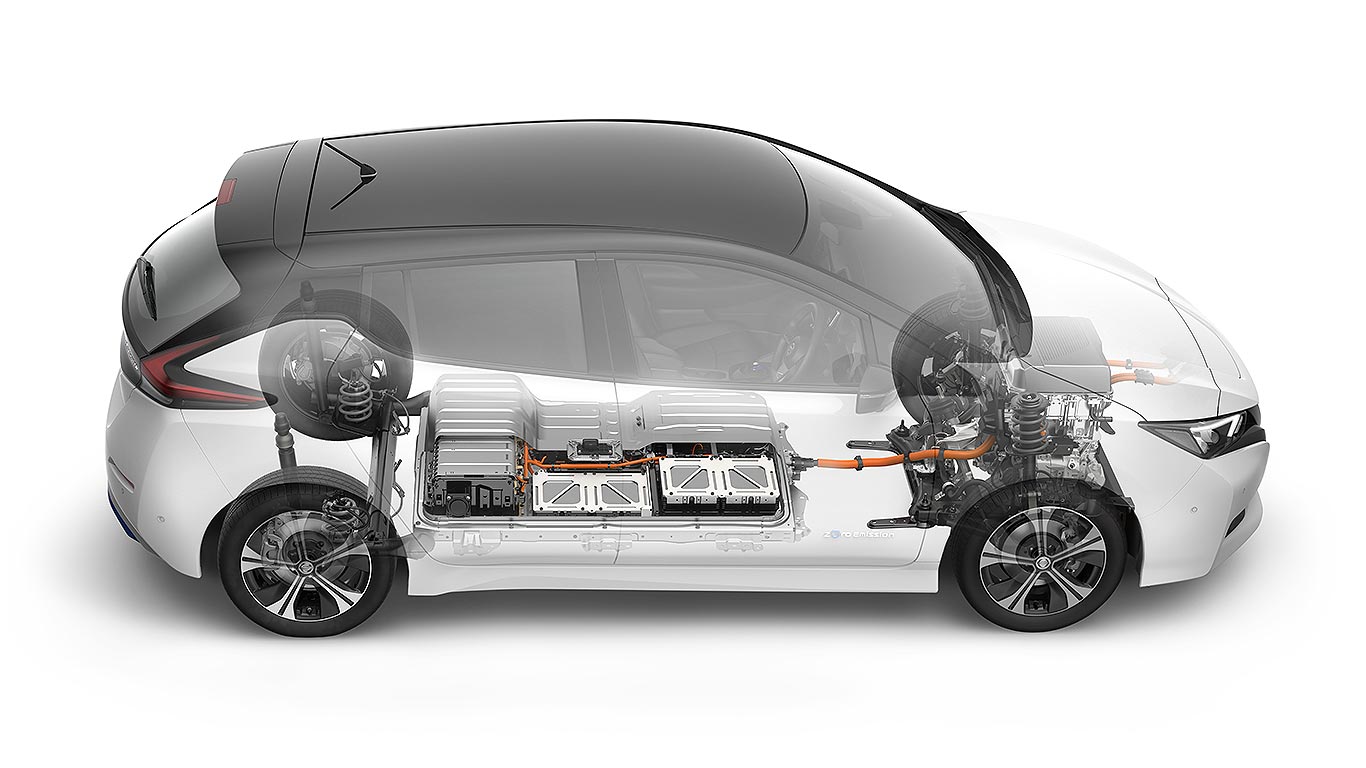
Nissan has fitted a more powerful 150hp motor to the new 2018 Leaf. That’s 38 percent more powerful than the current car and, with 236lb ft of torque, it has 26 percent more pulling power. It’s driven by a 40kWh lithium ion battery whose cell energy density is up 67 percent over the 2010 original.
We don’t yet have acceleration or top speed figures but it’s both faster and more enjoyable, the firm assures us, and an improved platform means it’s a more contemporary drive. It even now has Intelligent Ride Control, like the Nissan Qashqai; here, it uses the precision of the electric motor itself to smooth out vibrations, improve ride and make handling more controlled.
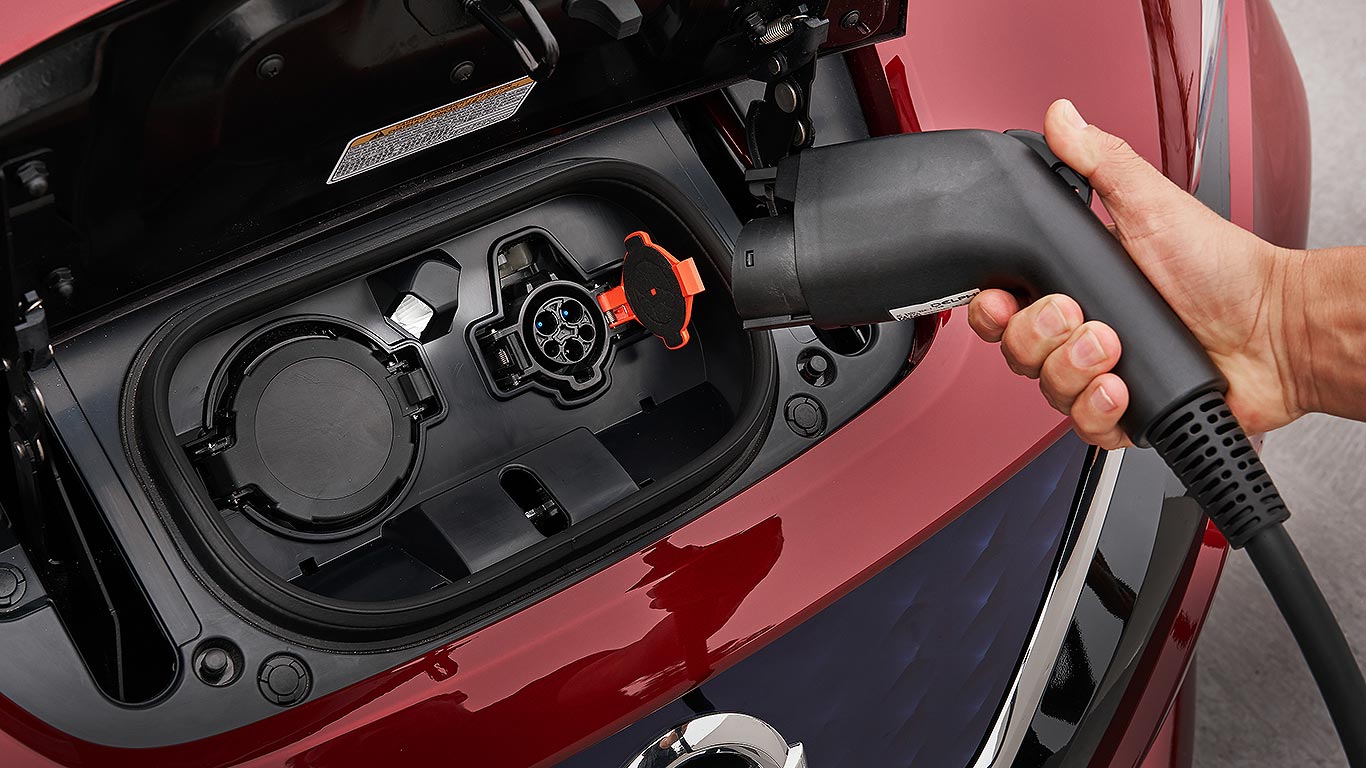
The EV range is up to 235 miles, according to the NEDC test cycle (better than both the latest BMW i3 and Volkswagen e-Golf). Later in 2018, Nissan will launch an additional leaf with a higher-capacity battery for a longer range. User feedback has helped the firm hone the design of the front charging socket; it’s now angled at 45 degrees so people can plug it in without stooping down.
“The new Nissan Leaf, with its improved autonomy range, combined with the evolution of autonomous drive technology, strengthens Nissan’s EV leadership, as well as the expansion of EVs globally,” said Nissan president and CEPO Hiroto Saikawa. “It also has the ore strengths that will be embodied by future Nissan models.”
Nissan hasn’t yet confirmed prices, but we’d hope to see it still come in at around £30,000, despite the extra features and larger 40kWh battery: todays’ model costs from £26,180 in base 24kWh Visia guise, or £30,290 in 30kWh Acenta form.
However, Nissan still has yet to confirm whether the new 2018 Leaf will be built at its Sunderland factory in the UK for European consumption. As sales are growing so quickly and it already has a battery plant located on site, fingers are tightly crossed…
Everybody knows that the purchase price is just one part of the cost of running a car. Other expenses, including depreciation, servicing, parts and fuel, need to be factored in when deciding if your budget will stretch to that shiny new car in the showroom.
That’s where Cap HPI’s ‘cost-per-mile’ study comes in. By considering the cost of fuel, depreciation, road tax and service and maintenance, we’re able to produce a list of the top 10 cheapest to run cars in the UK. In all cases, the image used isn’t necessarily reflective of the specification.
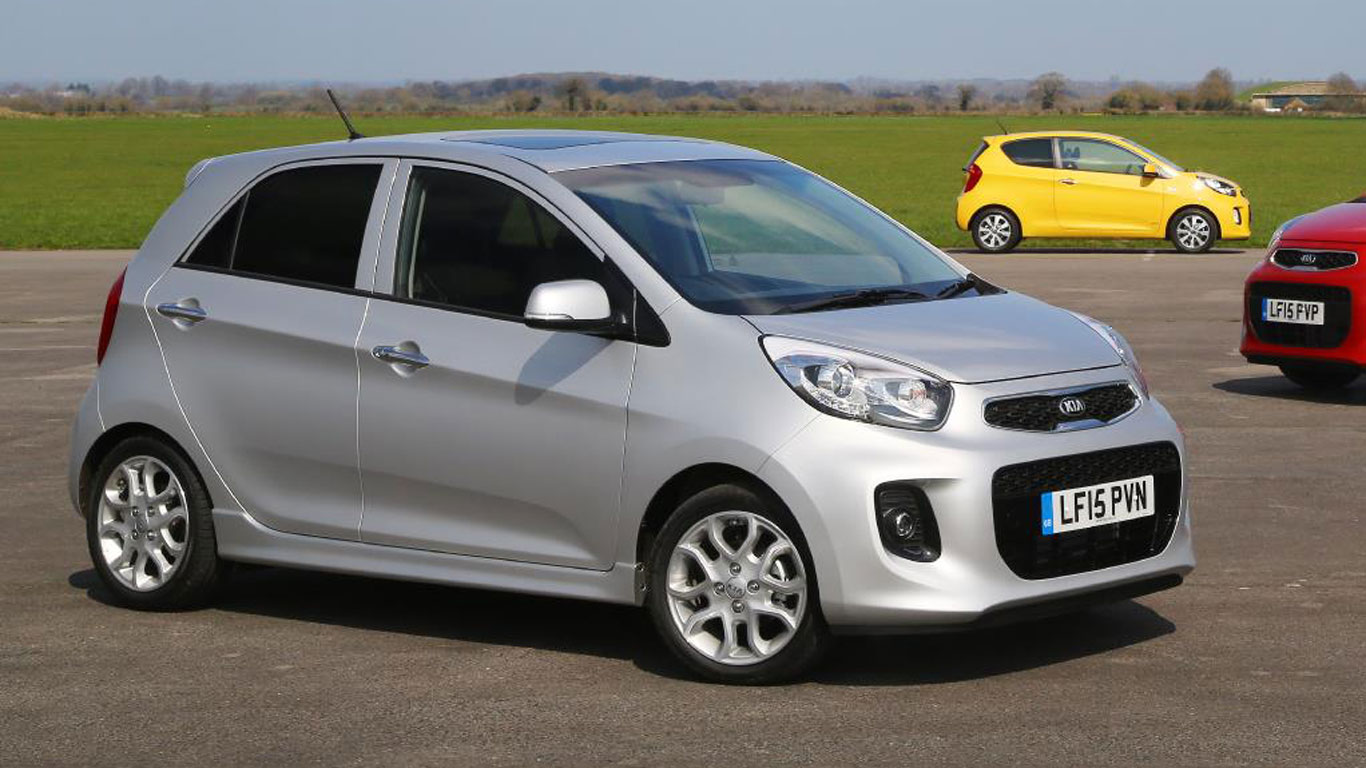
Kia no longer offers the Picanto in a three-door body, so this cost-per-mile is based on the previous generation model. As is the tradition, we feel obliged to add something about Kia’s seven-year warranty.
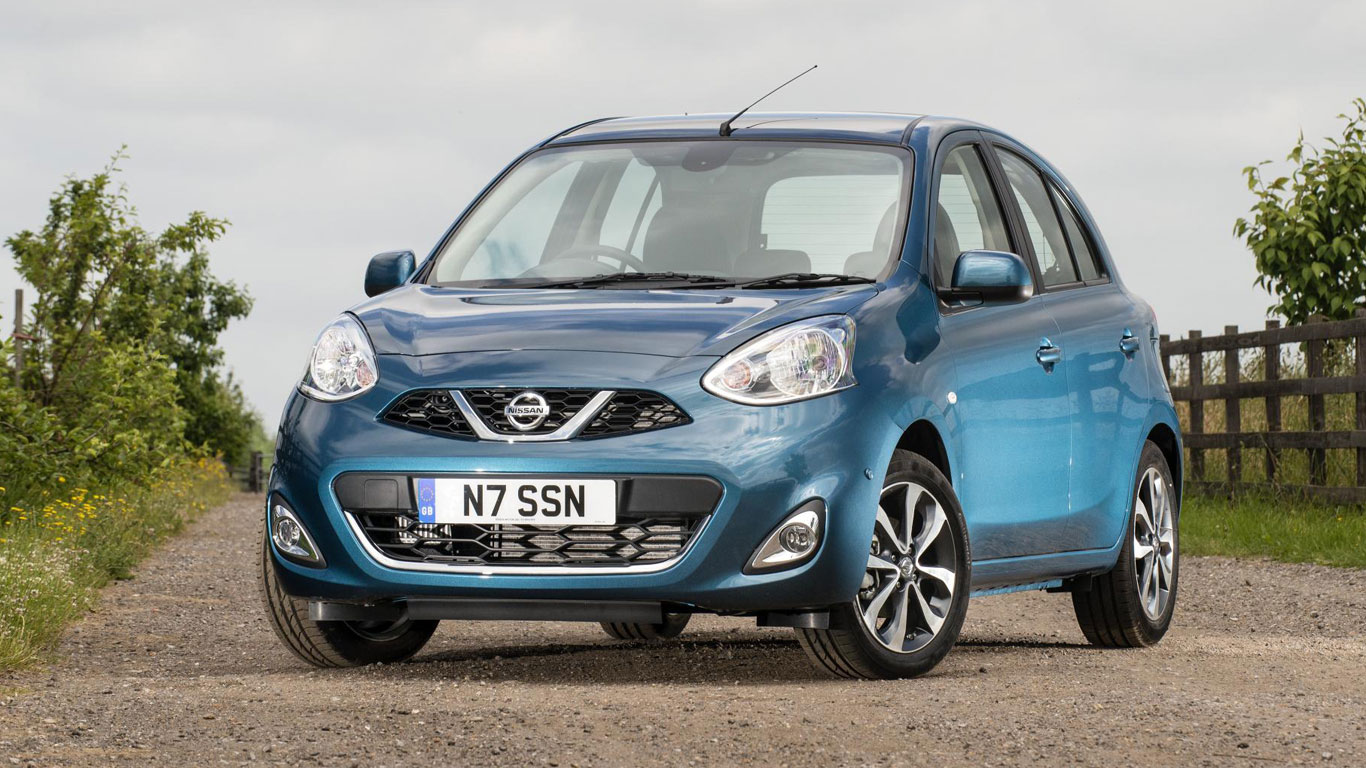
9. Nissan Micra 1.2 Visia Limited Edition: 30p
The Nissan Micra has gone all uptown funk, with a striking new look and a price tag to match. So don’t bank on a 30p cost-per-mile on the new version and instead hunt down the previous generation Micra (pictured).
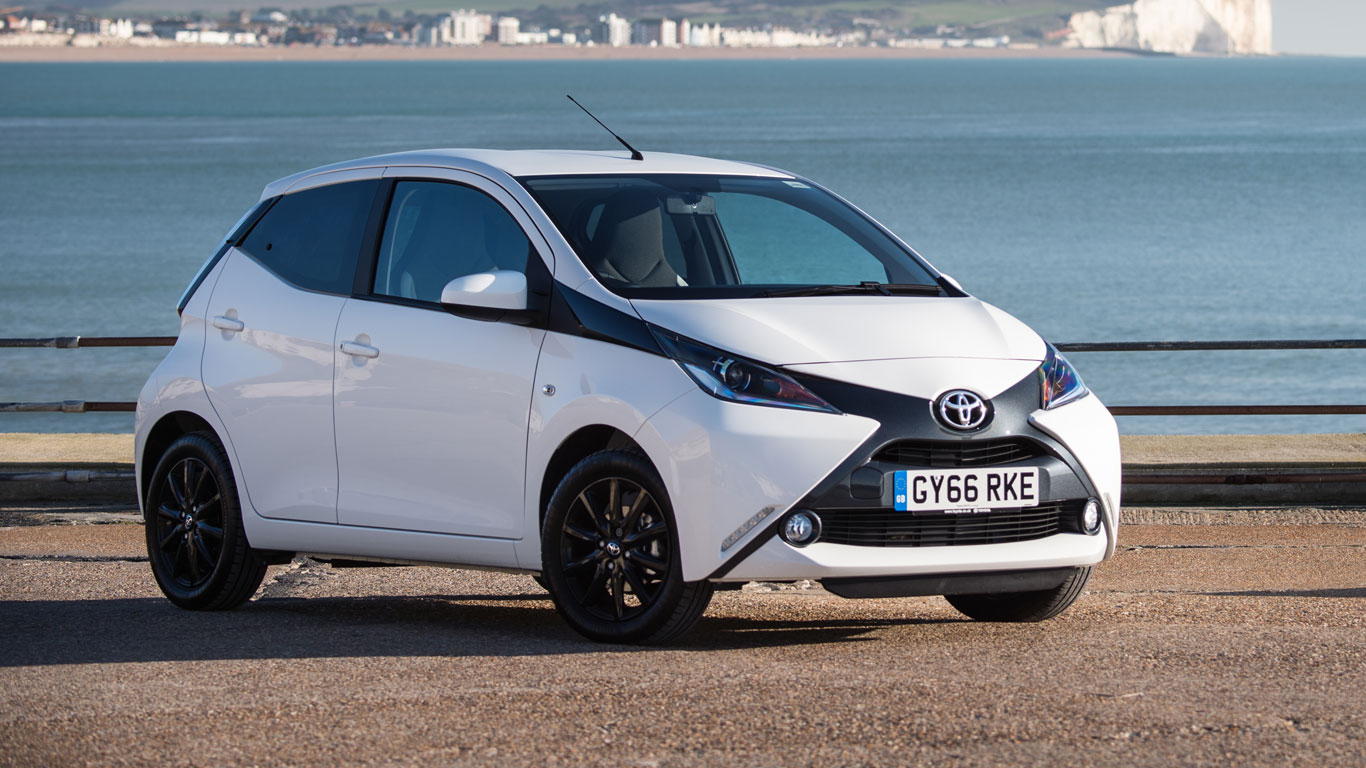
8. Toyota Aygo 1.0 X: 30p
The Toyota Aygo is available in no fewer than seven different trim levels, but if you’re looking to spend 30p per mile, you’ll need the basic ‘X’ model. Right now, the entry-level version is available for £8,995, a saving of £260.
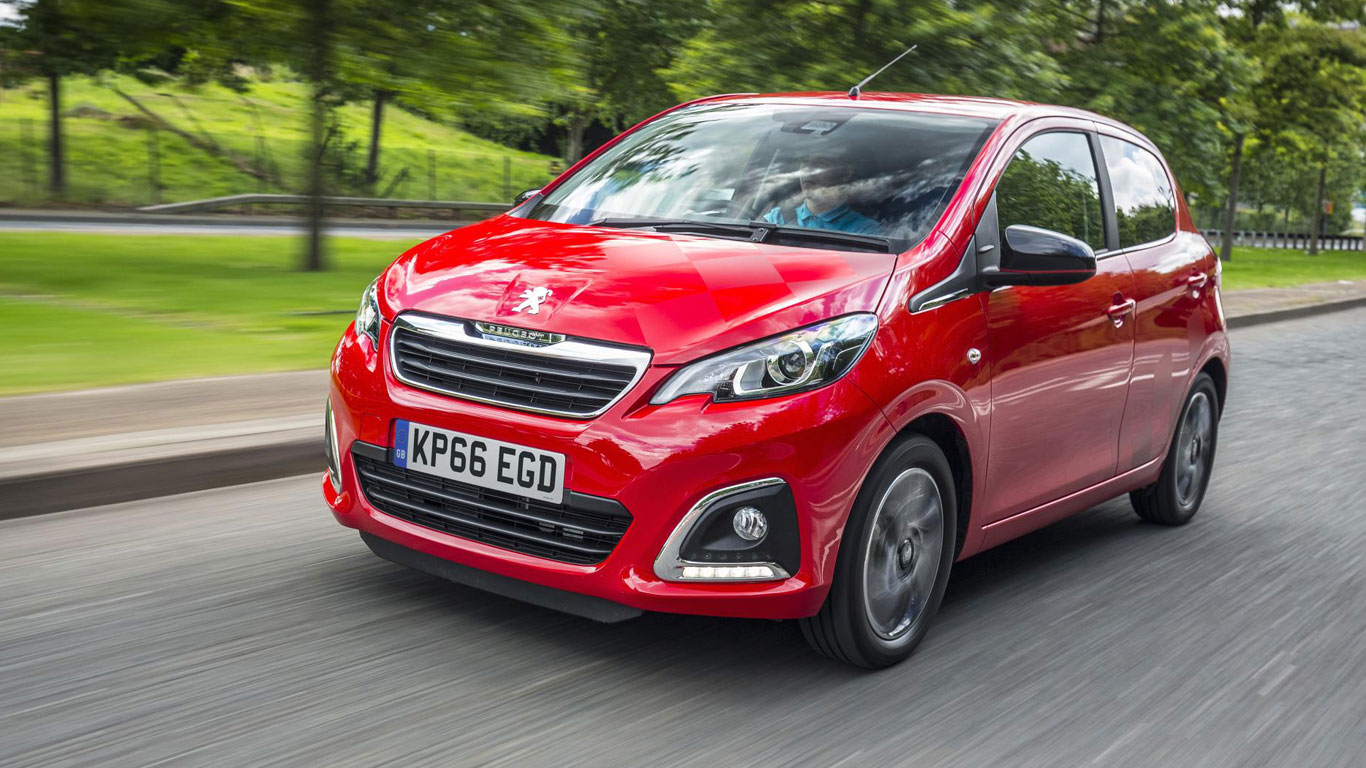
7. Peugeot 108 1.0 Access 3dr: 30p
Alternatively, you can opt for the Peugeot 108, which is powered by the same 1.0-litre engine and available for an identical £8,995 price tag. When calculating the running costs over three years, the Peugeot offers a saving of £46. Don’t spend it all at once.
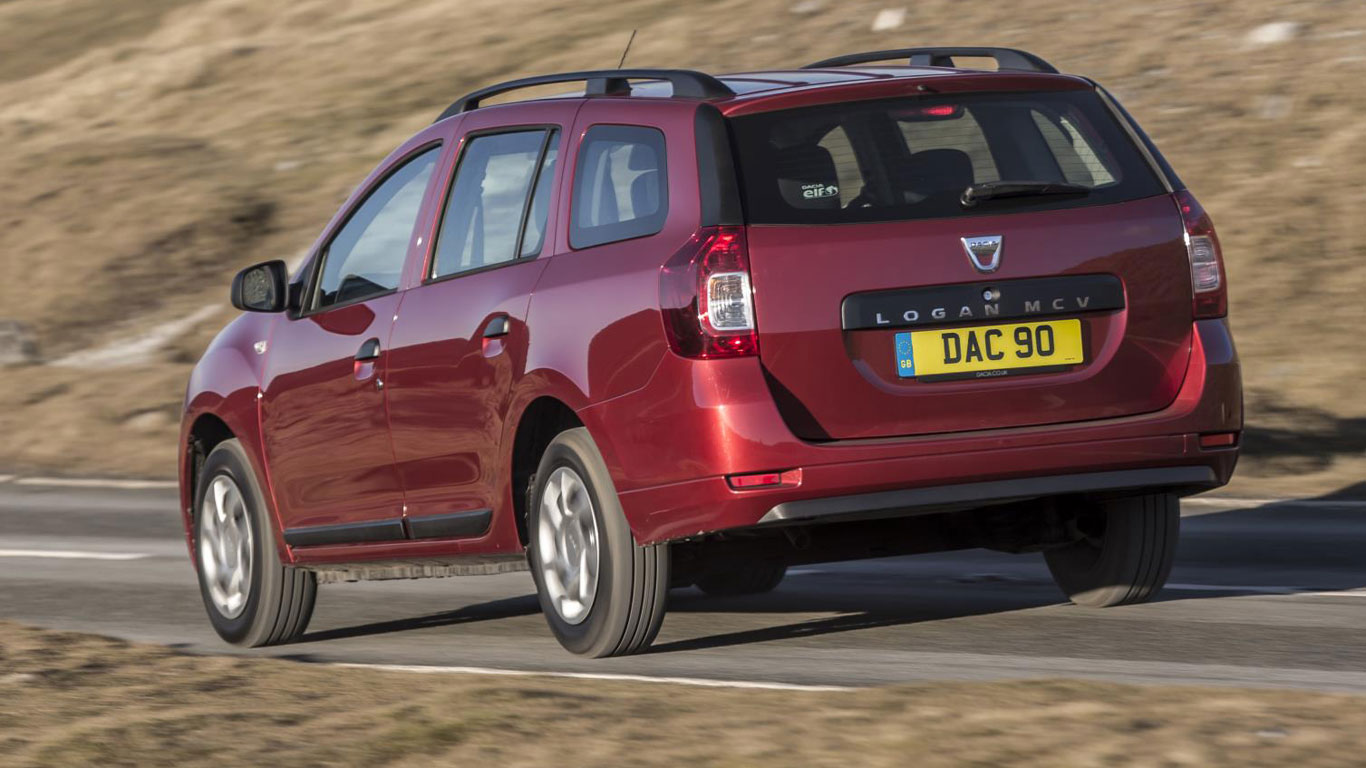
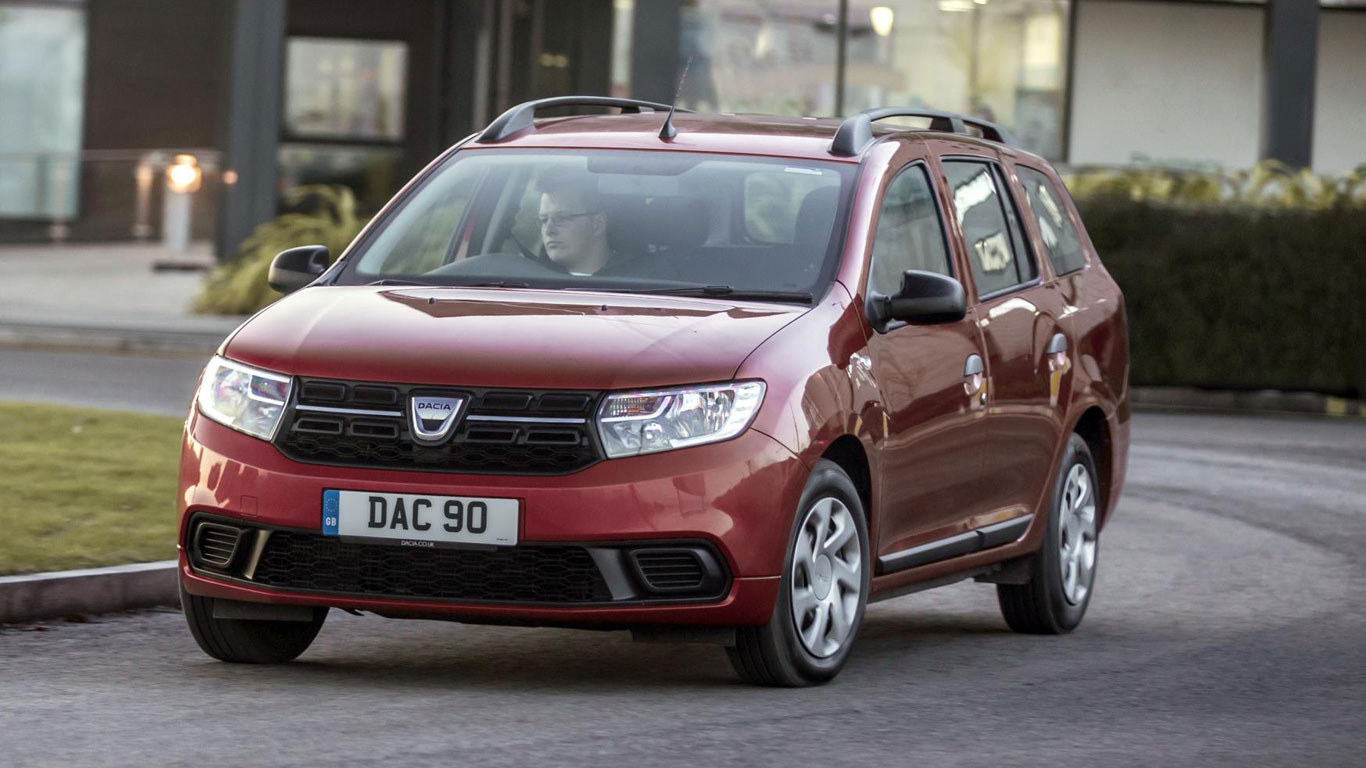
6. Dacia Logan MCV 1.5 Ambiance: 30p
It will come as no surprise to discover that Dacia dominates the upper echelons of the list, occupying 50% of the top six places. First up is the Logan MCV estate car, in Ambiance trim and powered by a 1.5-litre diesel engine.
5. Kia Picanto 1.0 1 5dr: 29p
Once again it’s the old Kia Picanto, but we doubt that the new version will be significantly more expensive to run. Besides, the new version is a much-improved city car and worth an extra penny or so per mile.
4. Dacia Logan MCV 1.2 Access: 28p
The Dacia Logan MCV makes a second appearance, this time with a 1.2-litre engine and in basic Access trim level. The budget wagon offers a massive 573 litres of luggage space with the rear seats folded up.
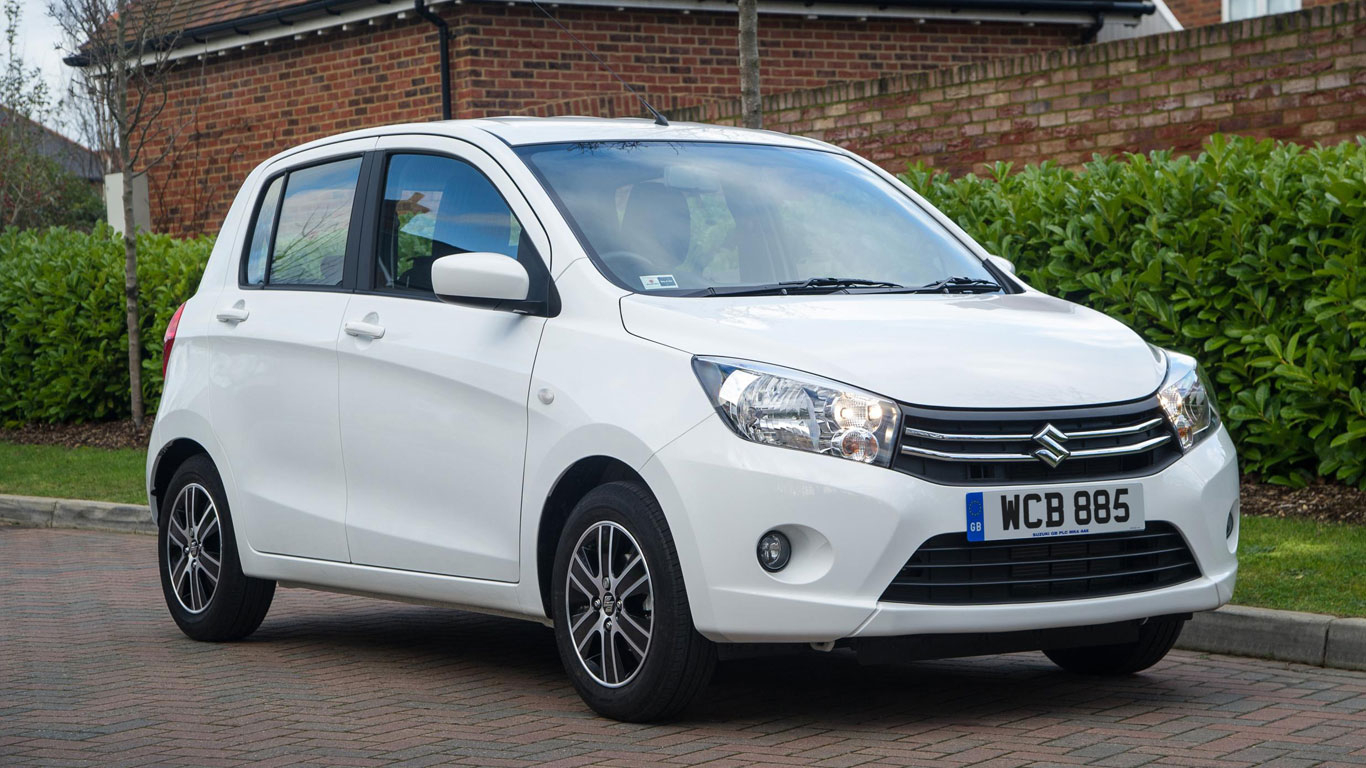
3. Suzuki Celerio 1.0 SZ2: 28p
Only one car manages to upset the Dacia party: the Suzuki Celerio. The city car is the very antithesis of the Ignis, majoring on rational appeal and practical common sense. Suzuki has recently launched the special edition Celerio City, limited to just 500 units.
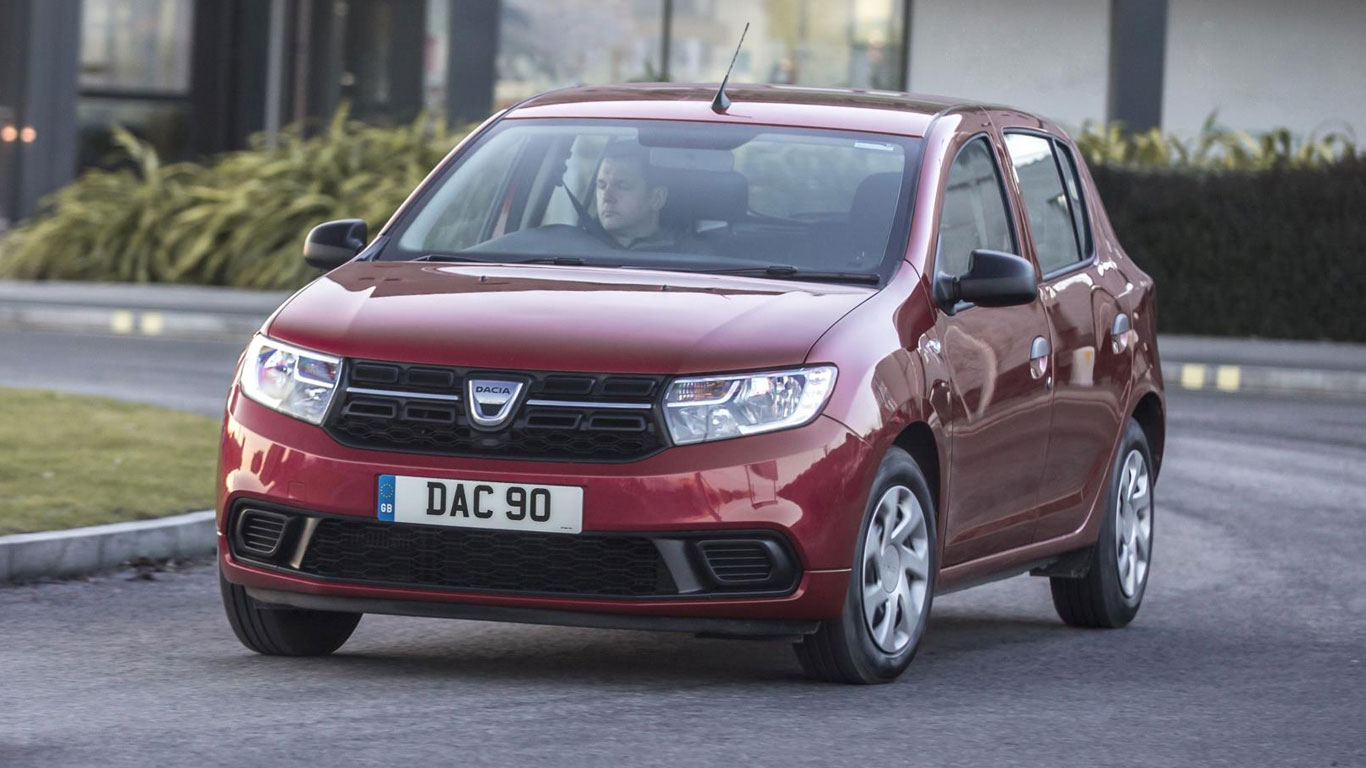
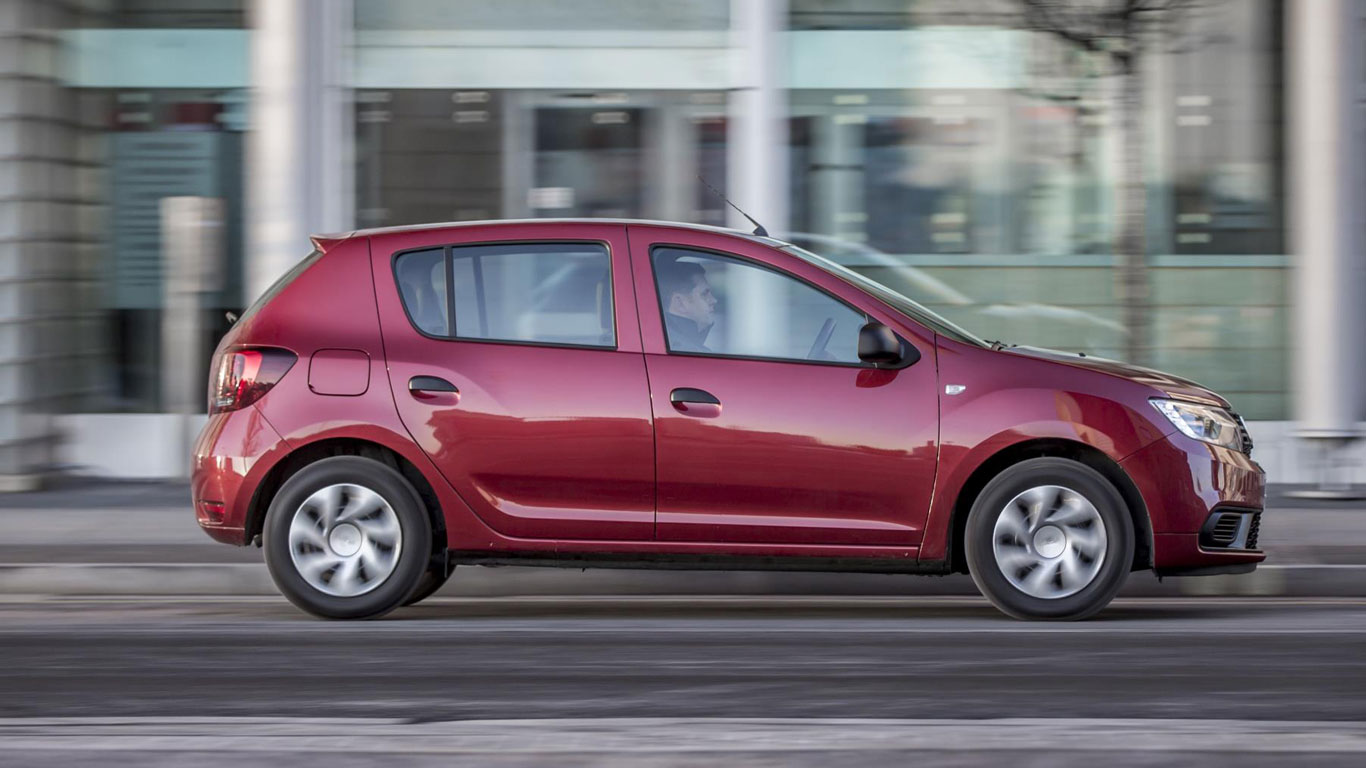
2. Dacia Sandero 1.5 dCi Ambiance: 27p
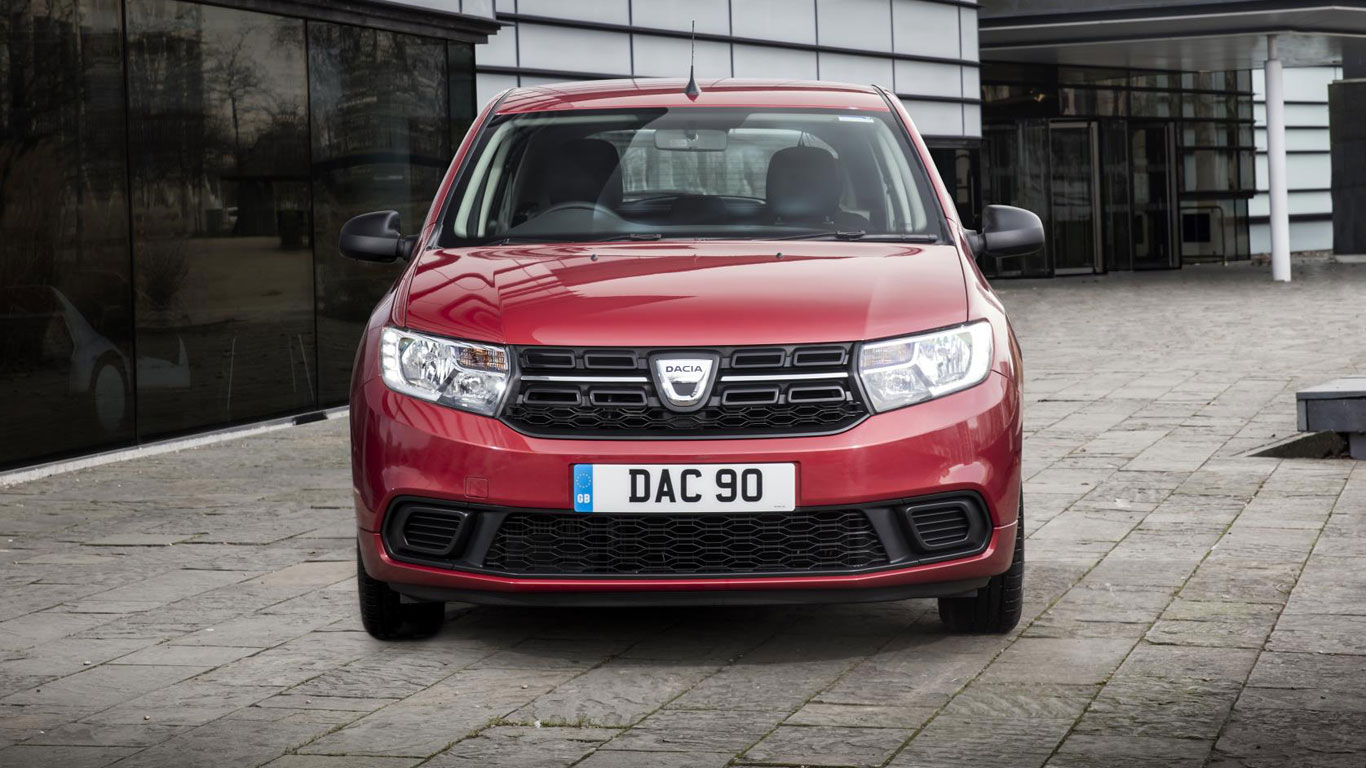
Cheap to buy and cheap to run: that’ll be the Dacia Sandero. When powered by the 1.5-litre dCi engine, the Sandero is one of only three cars to offer fuel costs below the £2,000 mark.
1. Dacia Sandero 1.0 SCe Access: 25p
But for the ultimate in frugality, you need the Sandero Access, which is now powered by a 1.0-litre petrol engine. Even taking into account depreciation, fuel and servicing, you’ll spend 25p per mile running Britain’s cheapest new car.
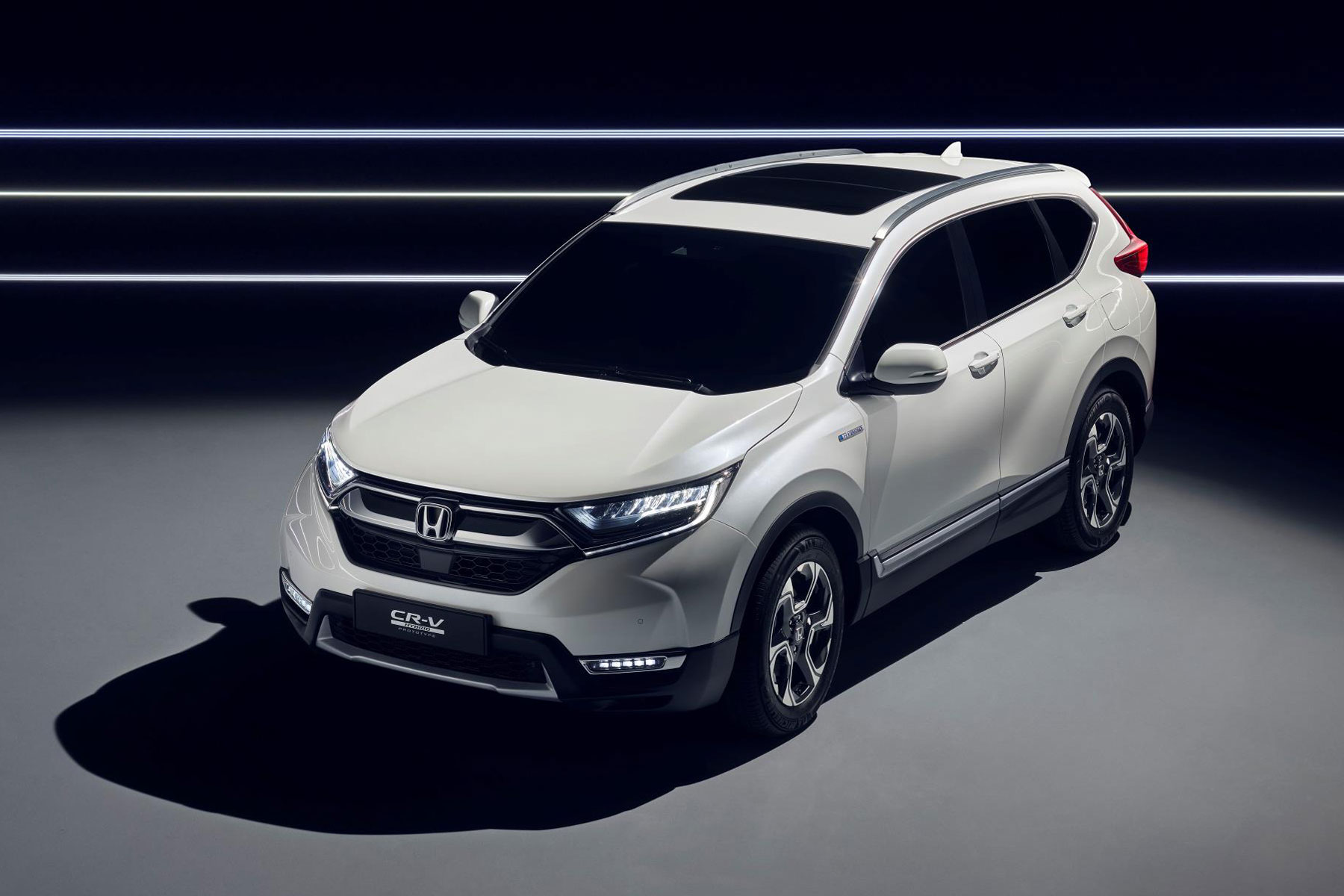
The new Honda CR-V offers a fresh face and a fresh outlook for the popular SUV, with the introduction of a new hybrid powertrain and a P45 for the diesel engine.
Set to be unveiled at the Frankfurt Motor Show in ‘Hybrid Prototype’ guise, the new CR-V hybrid is powered by a conventional 2.0-litre i-VTEC petrol engine paired with two electric motors. It is the first time Honda has offered a hybrid SUV in Europe, with first deliveries expected in mid-2018.
A CVT transmission sends power to the front wheels, with the CR-V offering three driving modes: EV, Hybrid and Engine. The system selects the best mode required to optimise efficiency, although Honda hasn’t released any performance or economy figures yet.
The 1.6-litre diesel engine available in the current CR-V will be removed from the 2018 model, with Honda offering a 1.5-litre turbocharged petrol as the sole non-hybrid option.
New look for 2018 Honda CR-V
The revised styling brings the CR-V in line with Honda’s current range, with a look that’s not too dissimilar to the smaller HR-V and new Civic. It is wider, taller and longer than the outgoing model, although precise dimensions are unknown.
By axing the diesel version, the Honda CR-V has come full circle, as the first-generation model of the late 90s was only availablewith a 2.0-litre petrol engine. The current fifth-generation CR-V was unveiled at the 2016 Detroit Motor Show and is already on sale in some global markets.
Honda will release more details about the new European CR-V, including UK prices and specifications, when the production version is unveiled early next year. In the meantime, we will be at the Frankfurt Motor Show to check out the latest version of the world’s best-selling SUV.
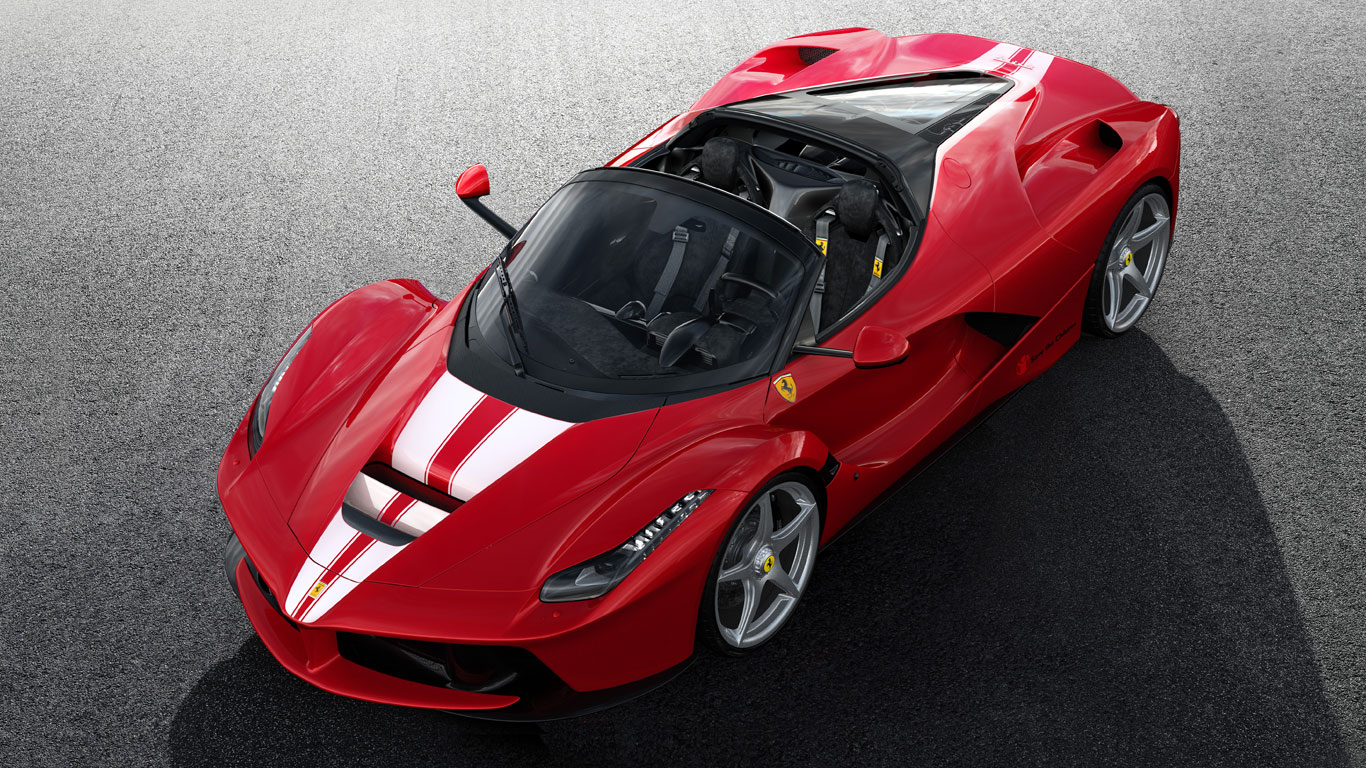
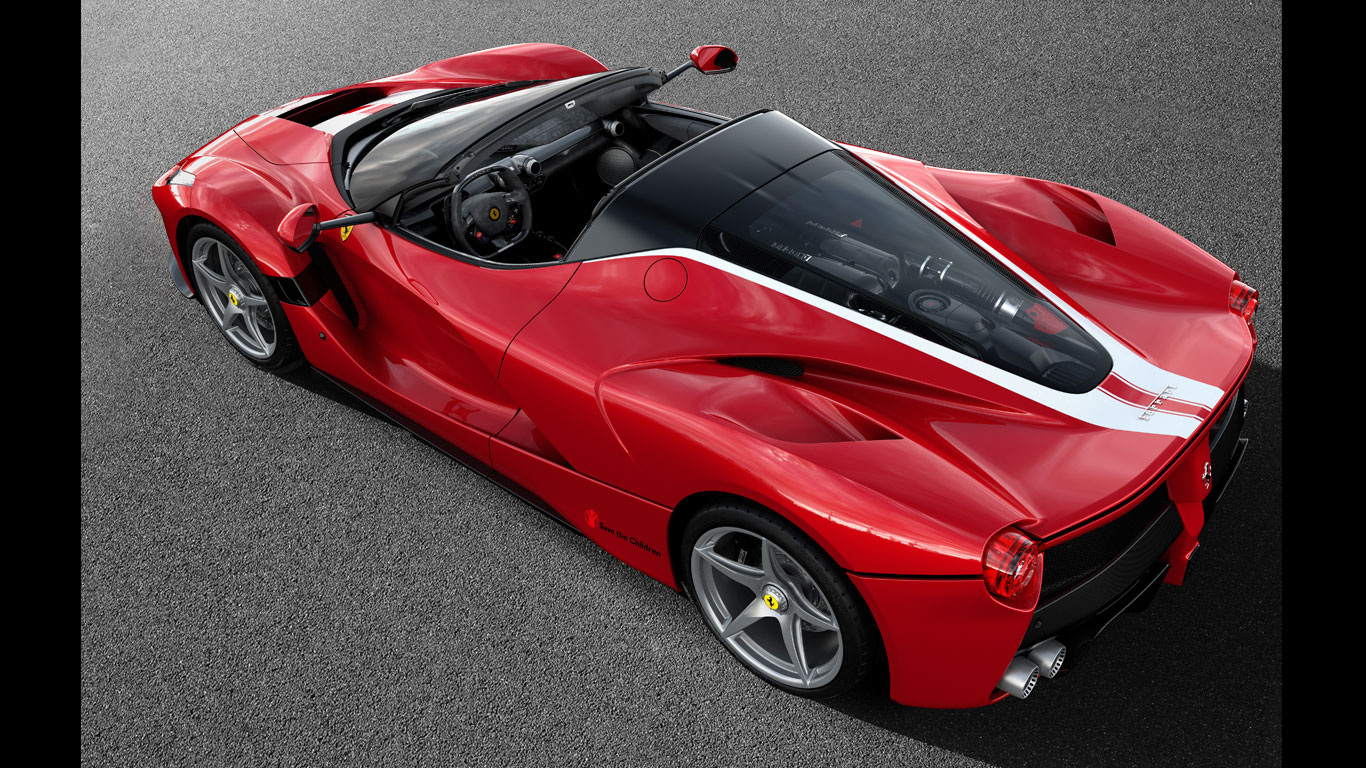
Ferrari has announced plans to auction a one-of-a-kind LaFerrari Aperta as part of its 70th anniversary celebrations.
The one-off LaFerrari Aperta, chassis number 210, is finished in metallic Rosso Fuoco red paint with a Bianco Italia double racing stripe along the bonnet and rear-end. Inside, Alcantara contrasts with black carbonfibre with red leather inserts on the seats, along with red stitching.
It’ll be auctioned during RM Sotherby’s Leggenda e Passione sale held on Ferrari’s Fiorano test track as part of a three-day celebration of the marque’s 70th anniversary. All proceeds from the sale will go to the Save the Children charity.
Like all LaFerrari Apertas, #210 is powered by an 800hp V12 petrol engine combined with an electric motor. It’ll hit 62mph in 2.9 seconds – the same time as the hard top model – and max out at 217mph.
No guide price has been mentioned for the unique model, but expect it to fetch considerably over £1 million. Other highlights of the auction include the 488 Spider ‘Green Jewel’, which was revealed at last year’s Paris Motor Show.
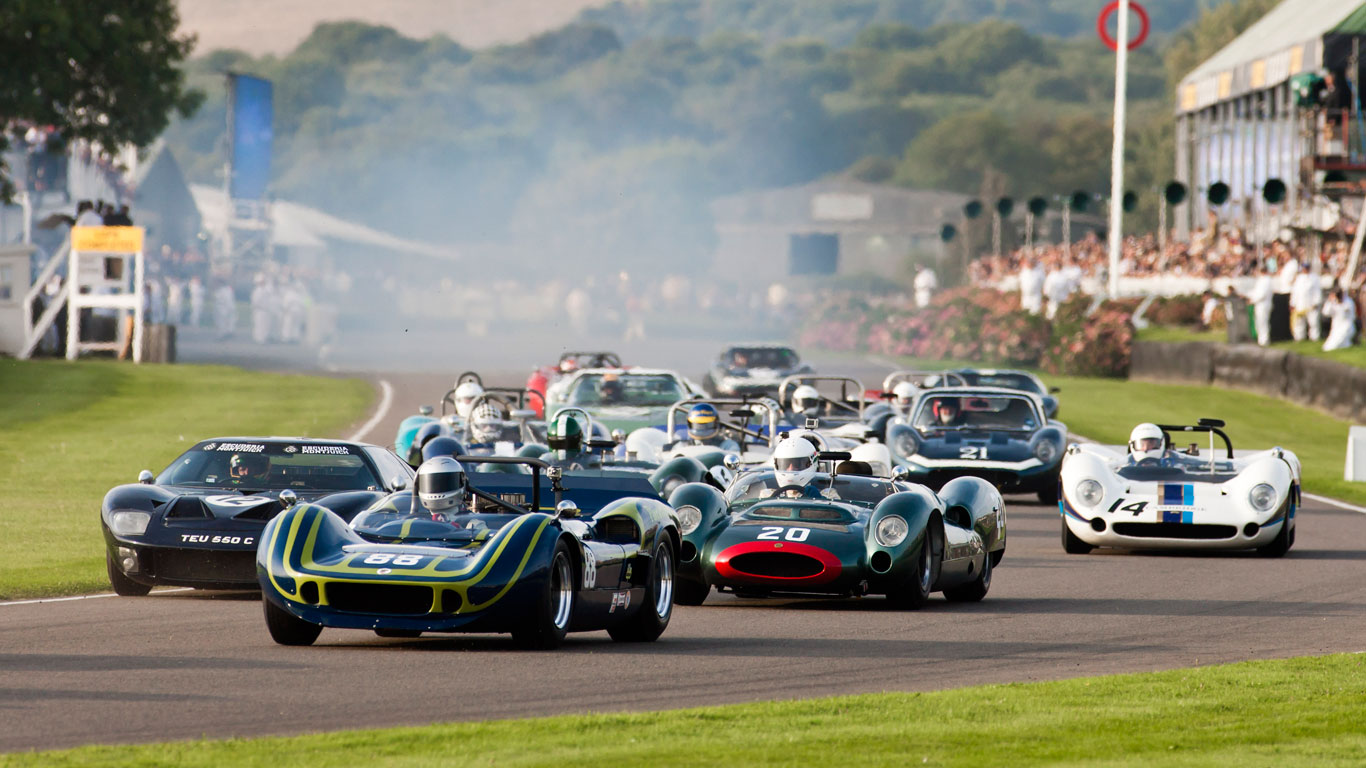
The Goodwood Revival is the best-dressed motorsport event in the world, where historic motor racing meets period clothing. This celebration of the golden years of motorsport takes place at the Goodwood Circuit on the weekend of the 8th – 10th September 2017. Here’s what you can expect to see if you’re fortunate enough to have a ticket.
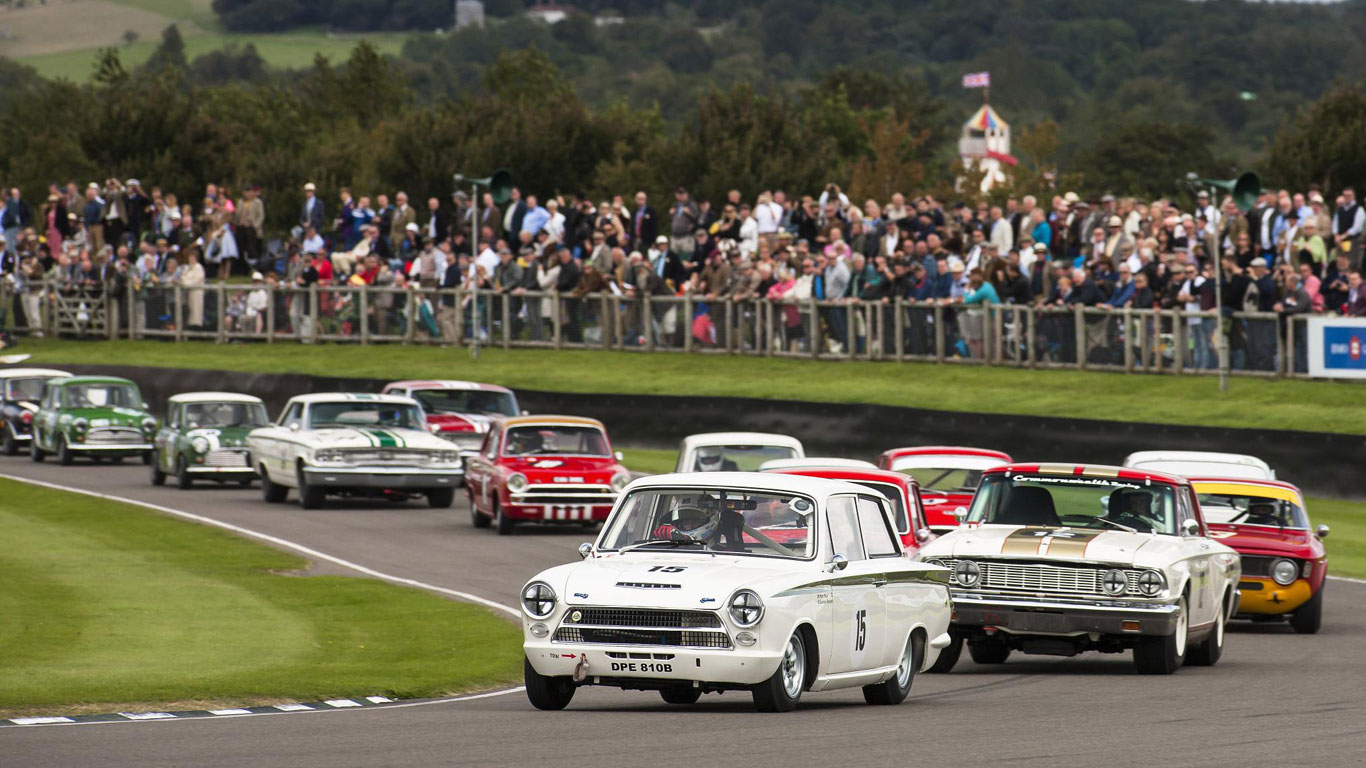
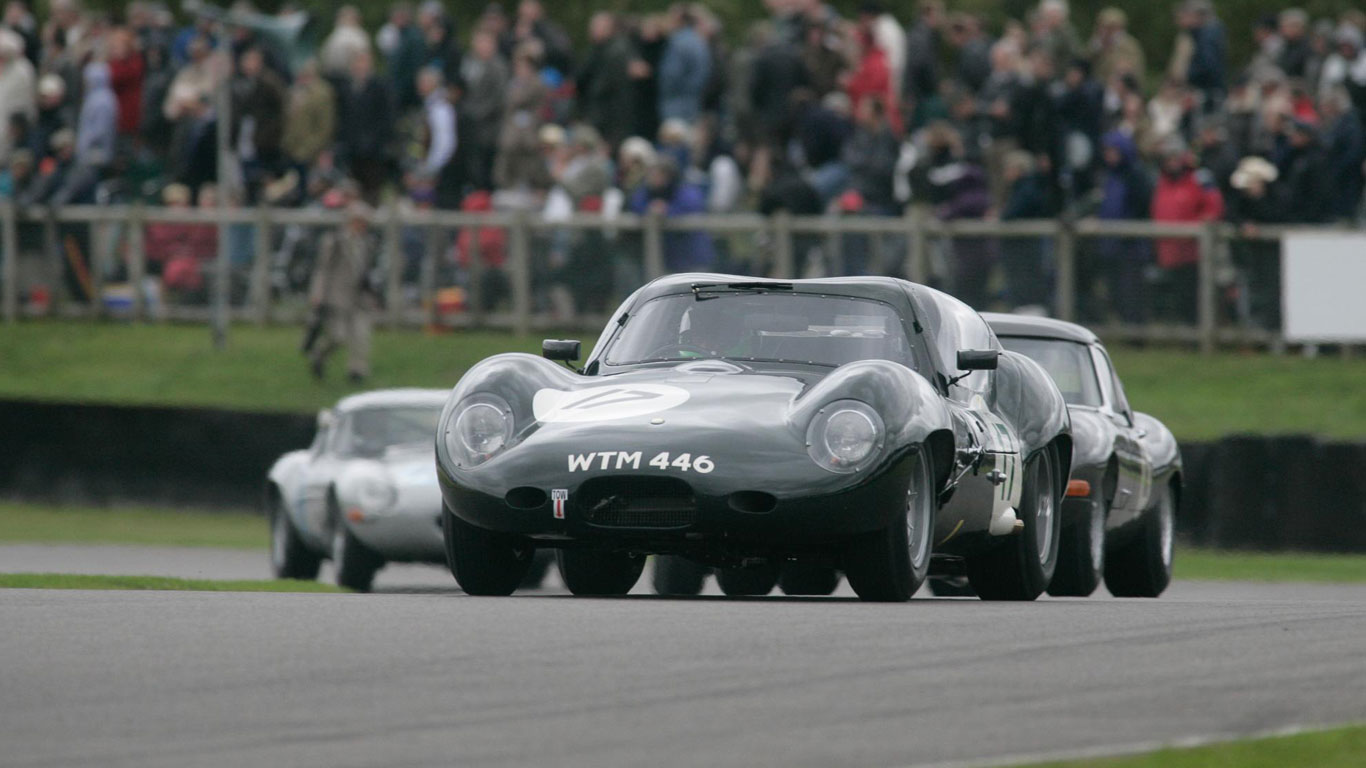
Regardless of what’s happening on the lawns and in the skies around Goodwood Circuit, the historic motor racing remains the star attraction. Friday’s Kinrara Trophy makes for an evocative curtain-raiser as closed-cockpit GT cars compete as the sun disappears behind the South Downs.
Historic motor racing: Saturday
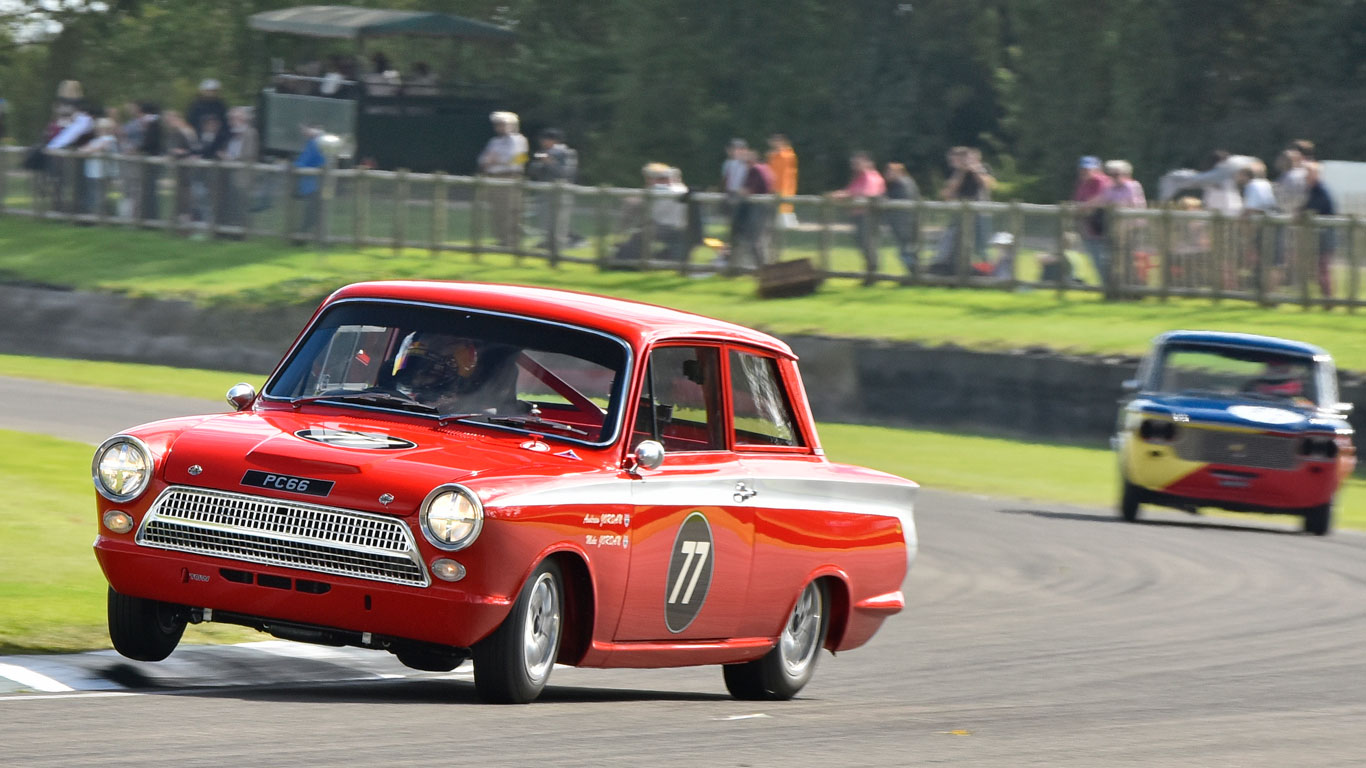
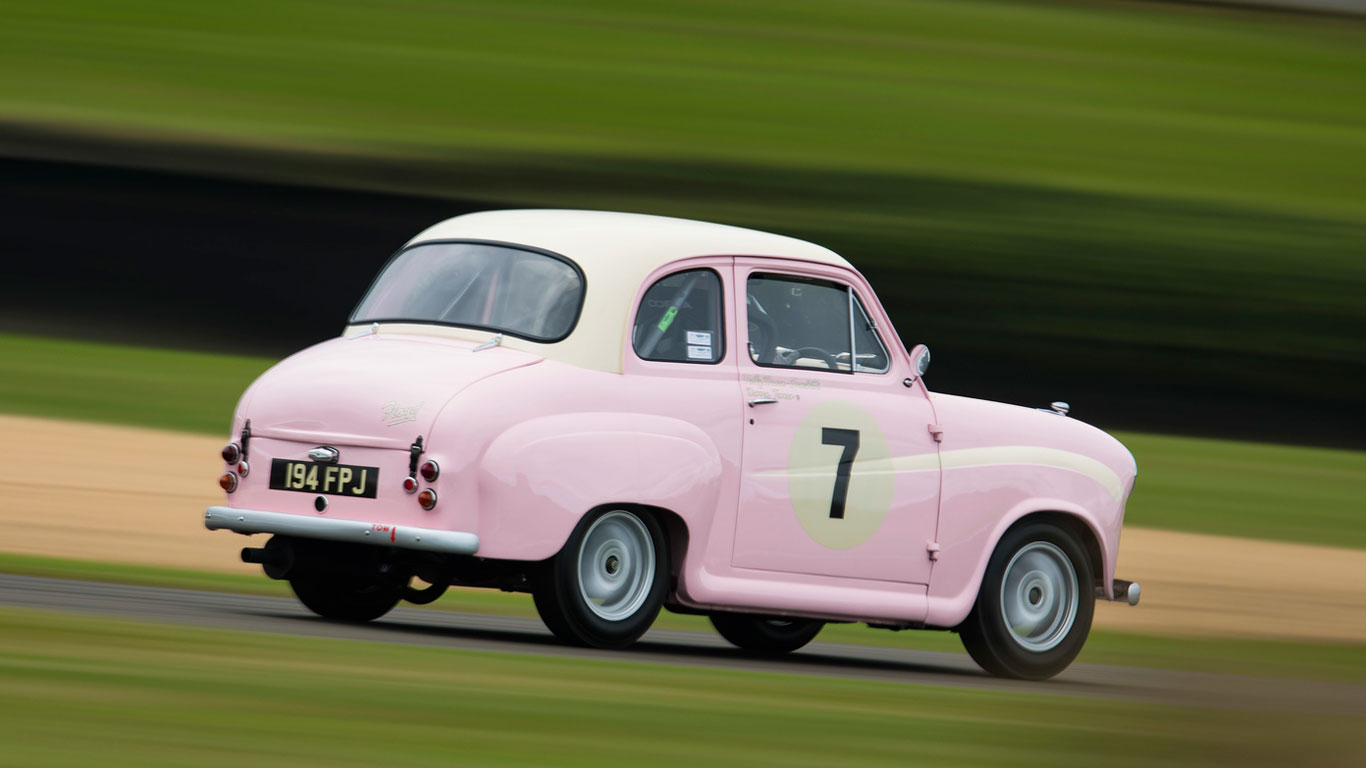
Motorsport at the Revival gets underway in earnest on Saturday, with no fewer than seven races throughout the day. The St Mary’s Trophy is a crowd favourite, with pro/am drivers going head-to-head in saloon cars of a type that raced up to 1959.
Historic motor racing: Sunday
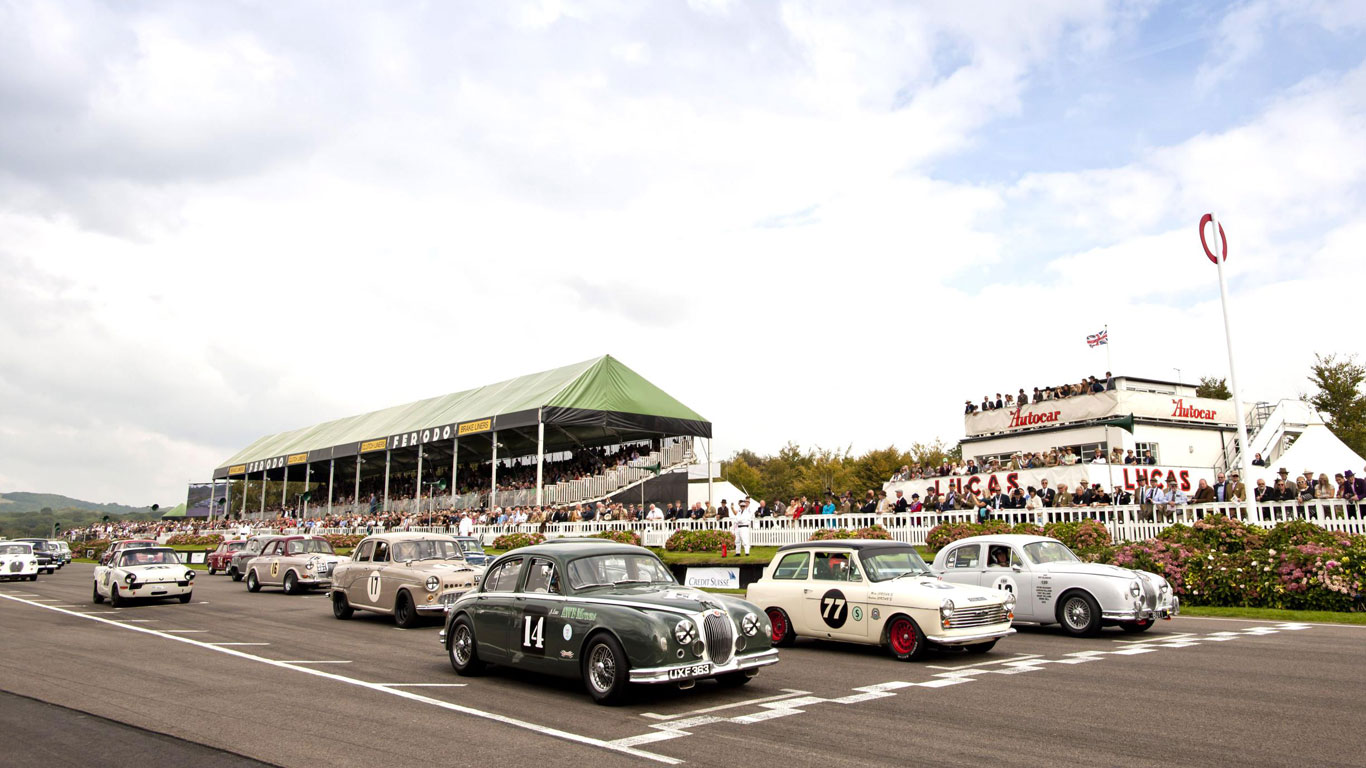
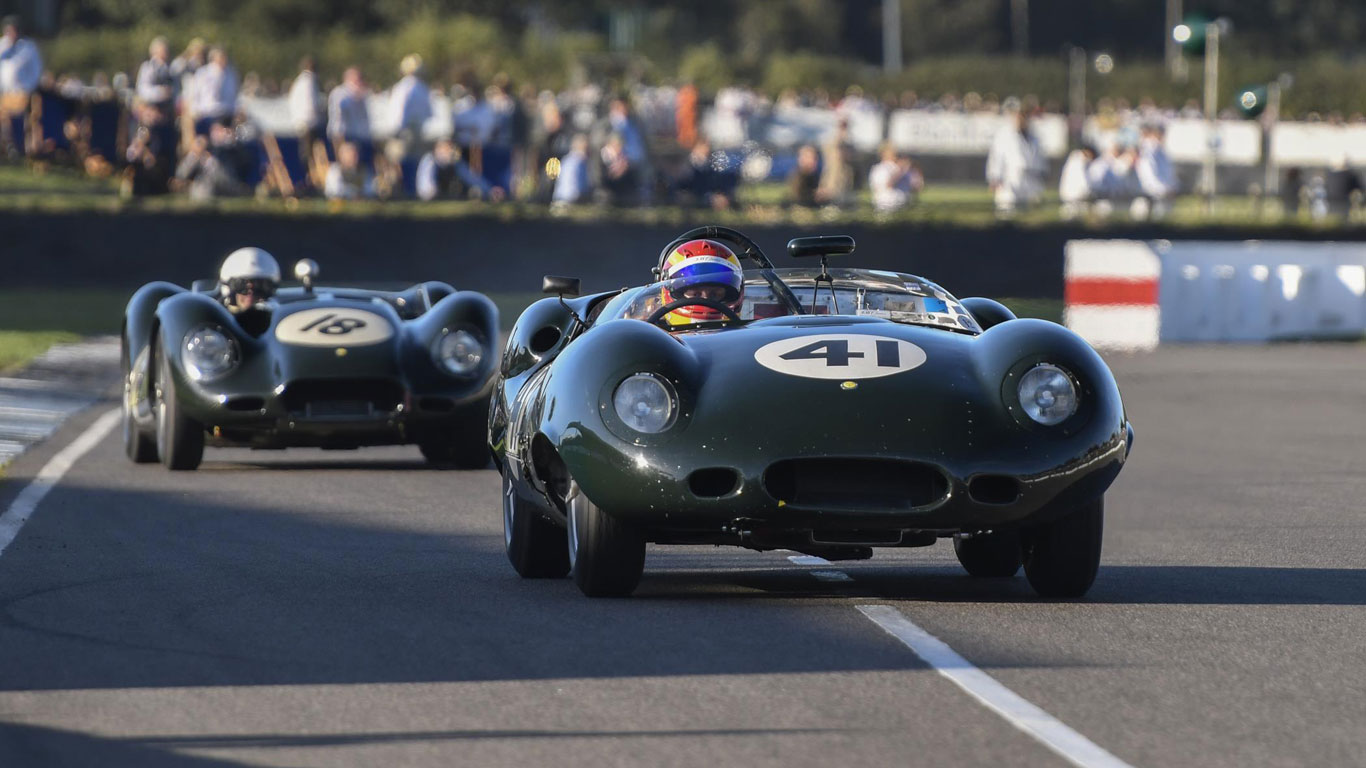
There are another seven races on Sunday, including part two of the St Mary’s Trophy, and the Brooklands Trophy, which rekindles the spirit of the famous Brooklands circuit. As is traditional, the Revival draws to a close with the Sussex Trophy, for sports cars that raced between 1955 and 1960.
Ecurie Ecosse
There will be a distinct Scottish flavour to this year’s Goodwood Revival with the event paying tribute to legendary race team Ecurie Ecosse. The famous Flag-Blue race cars will take to the track for high speed runs on Friday and Sunday, along with a parade on Saturday.
Goodwood in the skies
The Goodwood Circuit began life as the perimeter track of RAF Westhampnett airfield, so it’s no surprise that vintage aircraft play a big part in the Revival. Among the aircraft on display for the 10th anniversary of the Freddie March Spirit of Aviation will be the only fully functional Bristol Blenheim Mk1 L6739, a Lockheed P-38 Lightning and two Spitfires.
Dunlop brothers
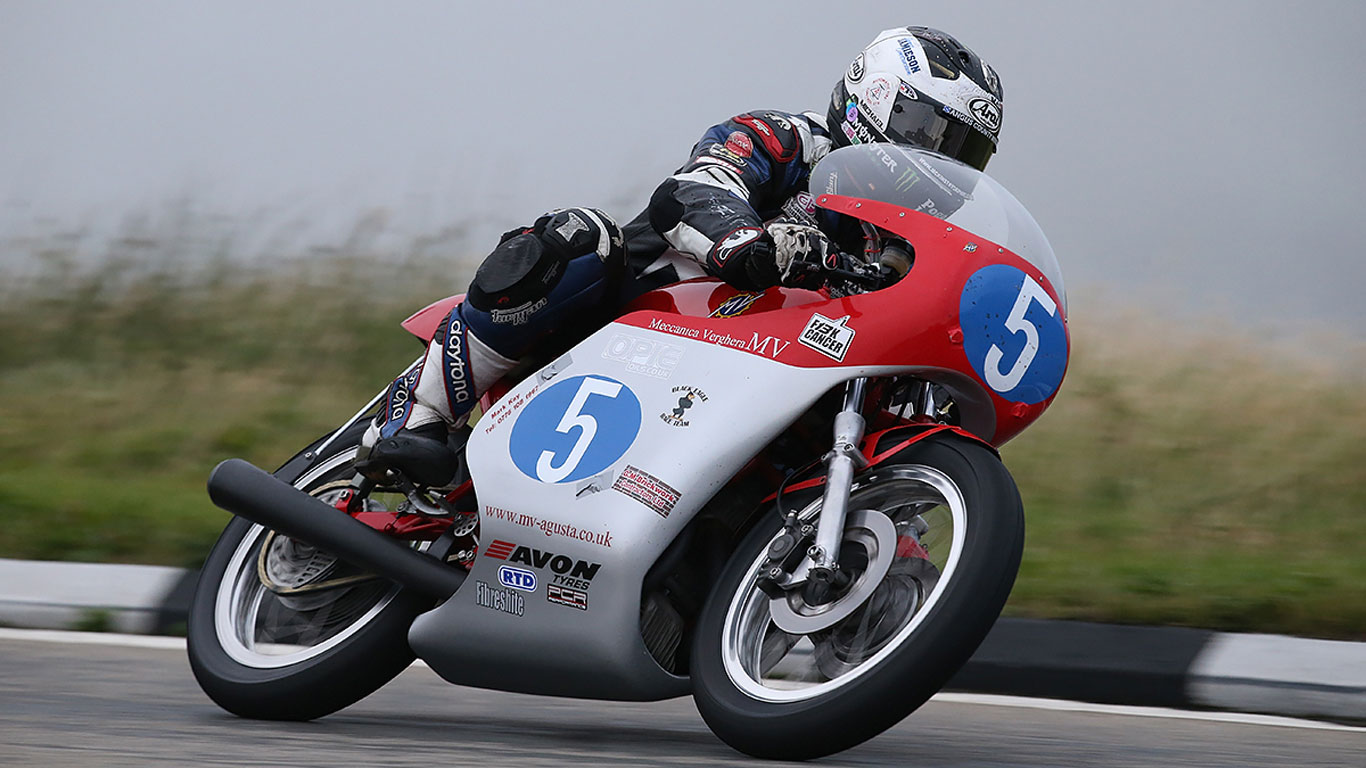
Fans of two-wheeled motorsport needn’t feel left out, with the Barry Sheene Memorial Trophy taking place on Saturday and Sunday. William Dunlop will make his Revival debut fresh from his appearance at the Isle of Man Classic TT, sharing the ride with his brother Michael (pictured).
Fancy dress
Anyone attending the Revival is expected to turn up in period clothing: trackie bottoms and baseball caps are not welcome. This year, the organisers have teamed up with local charity shops to stage a ‘best dressed’ window competition. Judging takes place on September 7th, with £1,000 donated to the winning store.
Revival Emporium
The Revival is the only historic motor race to be staged entirely in period dress, with this year’s event seeing the debut of a Revival Emporium. A series of fashion shows will celebrate fashion from the Revival period of 1948 to 1966, while visitors will be in with a chance of walking away with a prize in the ‘best dressed’ competition.
New TVR
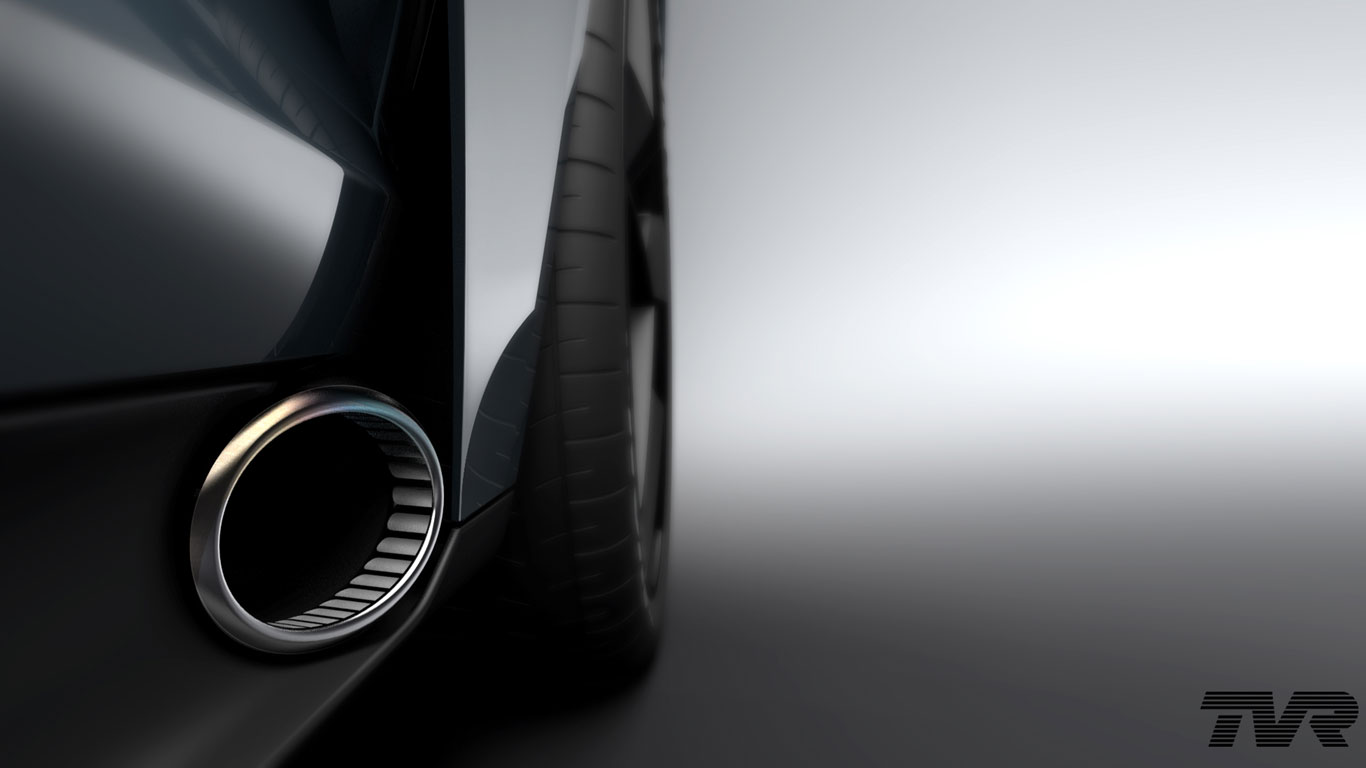
For the first time in the event’s history, the Goodwood Revival will host the launch of a new car. TVR’s new 200mph sports car will go on display in the ‘Earls Court’ building, appearing alongside some heritage models celebrating the marque’s 70th anniversary.
Celebrities
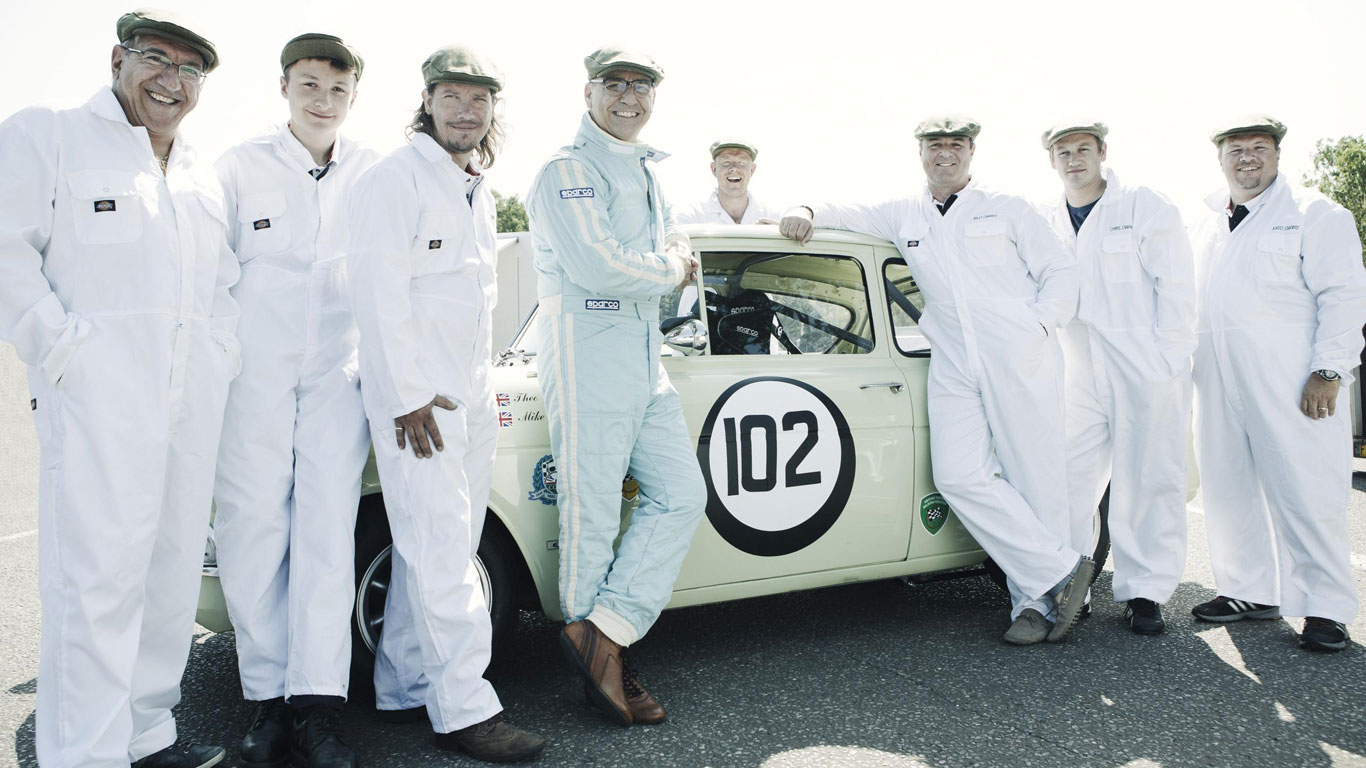
The Goodwood Revival plays host to some of the biggest names in motorsport, as well as famous faces who take part in the St Mary’s Trophy. In 2016, the likes of Rowan Atkinson, Theo Paphitis and Sir Chris Hoy rubbed shoulders with David Coulthard, Mark Blundell and Derek Bell.
Bonhams Automobilia auction
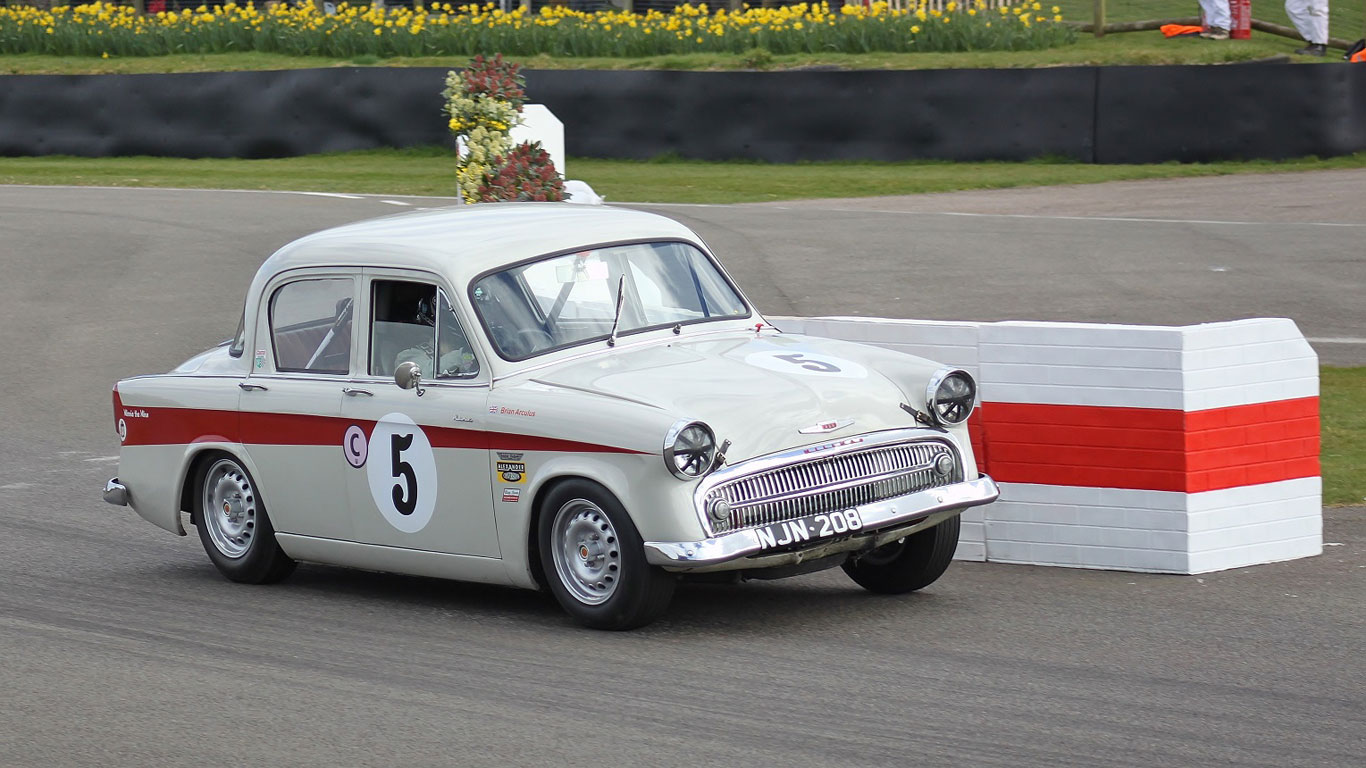
The Bonhams sale takes place on Saturday 9th, with some rare and exotic cars going under the hammer. This 1957 Hillman Minx is a Goodwood regular and could be yours for between £20,000 and £25,000.
Sixty years of the Fiat 500
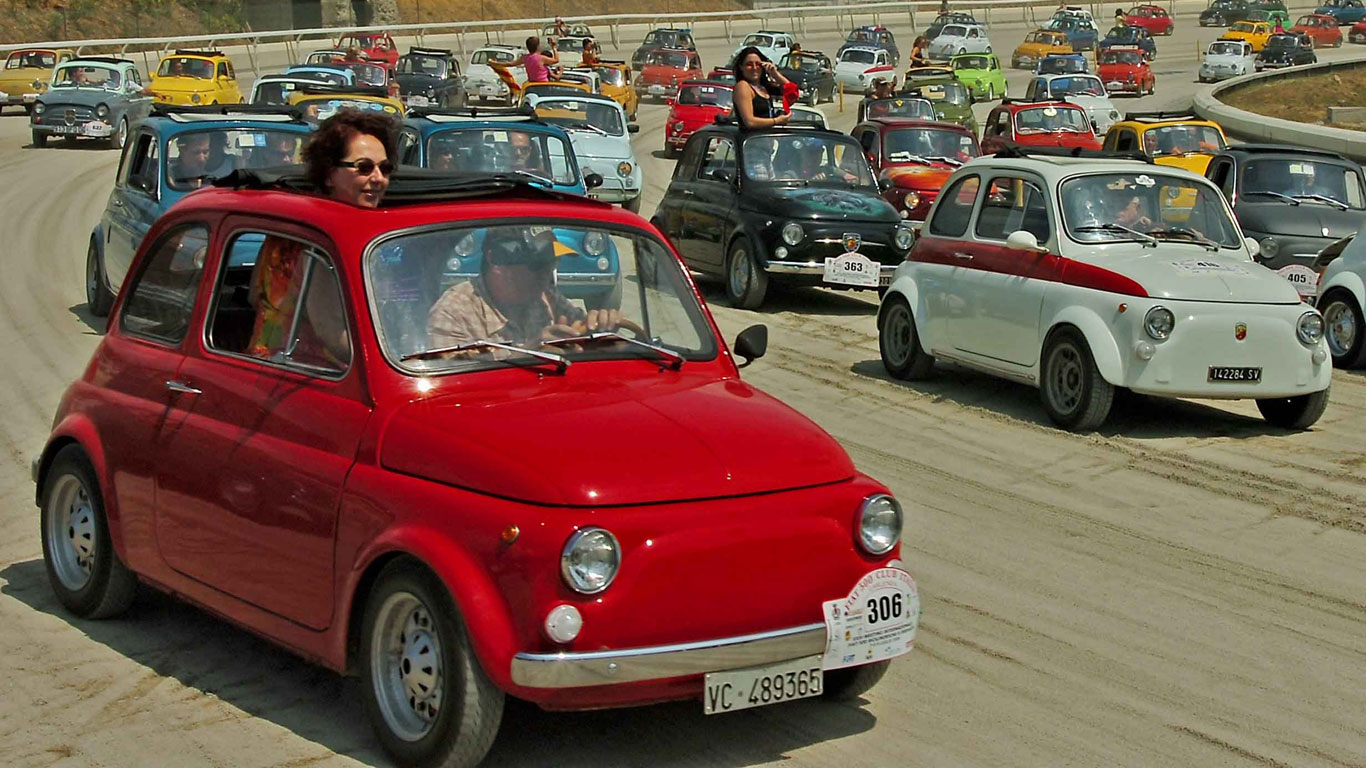
More than 120 examples of the diminutive Nuova Fiat 500 will take to the Goodwood Circuit as the Revival marks the 60th anniversary of the iconic city car. It won’t be the quickest parade of the weekend, but it’s likely to be the cutest.
Opening times
The car park opens at 07:00 on Friday, with the gates opening at 07:30. A flypast will declare the 2017 Revival underway, with the Fiat 500 parade providing a prelude to the first official race practice at 09:45. Prize giving takes place at 18:30 on Sunday, with all bars closing at 21:00.
Can I still buy tickets?
Sadly, all tickets are sold out, but you can register for tickets to the 2018 Goodwood Revival. Sign-up for email and text alerts on the Goodwood website.
Live stream
If you haven’t managed to get hold of tickets for the 2017 Revival, you can watch the event via the excellent live stream. Grab some period clothing from your local charity shop for that authentic Goodwood experience.
We’ll be there
Fortunately, we managed to get hold of some tickets, so we’ll be there throughout the weekend; stay tuned for updates from the event, including the unveiling of the new TVR.
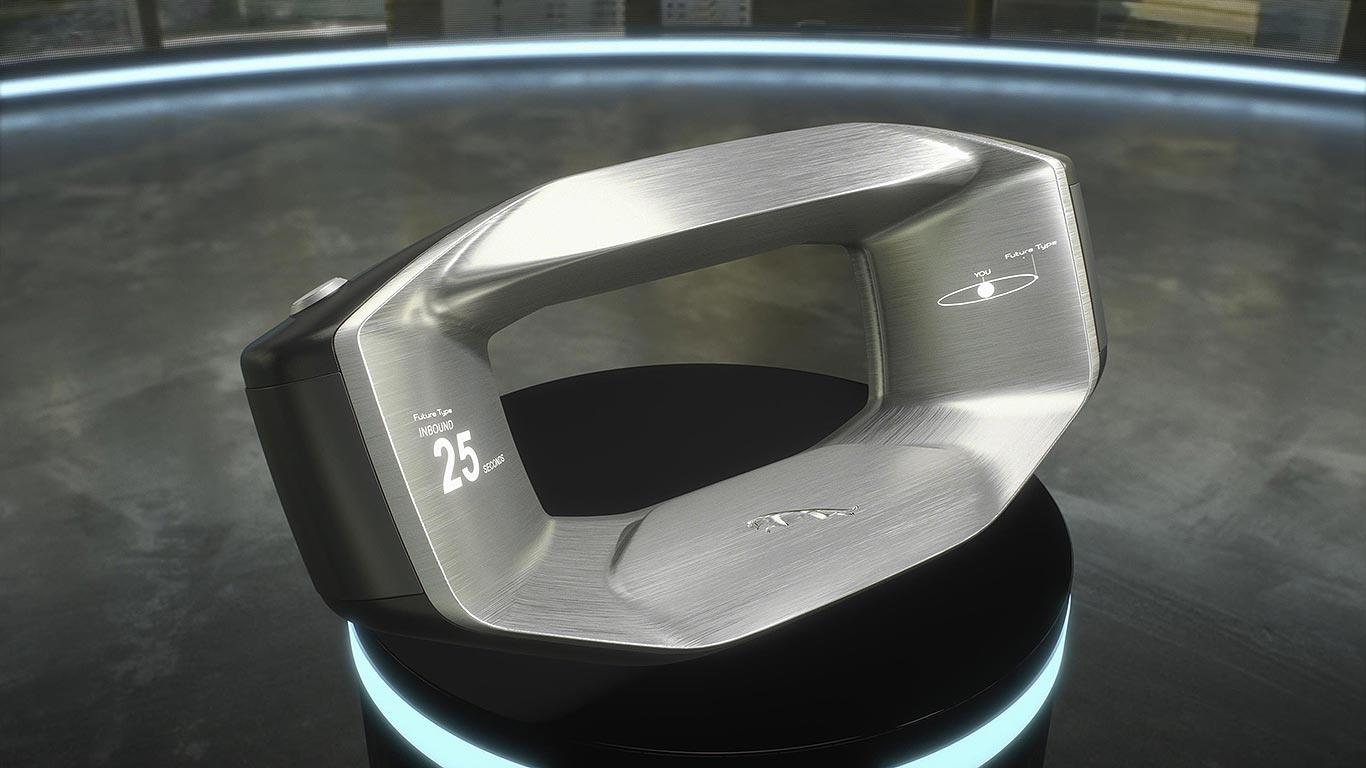
Jaguar buyers in coming decades may not buy just a single car, but instead just own a steering wheel that gives them access to multiple cars. The concept wheel, called Sayer, will be revealed in London this week.
The firm says owners will remove the steering wheel and take it home with them – the incentive being that it’s the world’s first Artificial Intelligence (AI) wheel that incorporates voice activation.
Owners will be able to chat with Sayer and ask it to, say, plan the itinerary for their 8am meeting the following morning. The wheel will work out when you need to get up, when an autonomous car should arrive at your door – and also signal the bits where you might enjoy grabbing the wheel and driving yourself.
“The connected steering wheel could be the only part of the car you own,” says the firm. This sets things up for car sharing, where you can offer your car to others within your community, and get to access the vehicles of other people via your Sayer wheel. As the firm envisages cars will drive around autonomously, you won’t even have to worry about people coming to your house or having to travel to pick up a car.
The Sayer name? That’s in recognition of one of Jaguar’s most famous designers, Malcolm Sayer, who worked at the firm between 1951-1970.
The concept will be revealed as part of a new concept car called the Jaguar Future-Type at the JLR Tech Fest at Central Saint Martins, London.
Mercedes-Benz has released the first official teaser image of its upcoming new Project One hypercar – a road-going machine that will offer a version of its amazing hybrid F1 engine and drivetrain to supercar buyers.
The teaser is just that – a moody teaser – but it does give us our first look at the car’s profile, its wide stance and its distinctive F1-style central air intake. Oh, and its AMG-branded front grille.
The new Mercedes-AMG Project One will be revealed in full at the Frankfurt Motor Show, so the firm is remaining tight-lipped as to specific details before then. It has, however, confirmed the Project One will boast more than 1,000hp and have a top speed of more than 218mph (350km/h).
It will also be a two-seater, rather than a single-seater or a retro McLaren F1-style three-seater, and we’re promised “exemplary efficiency” that may even include some element of fully-electric running.
We expect it to cost well in excess of £2 million: that’s the price you pay for an engine that’s basically a revised version of the 1.6-litre V6 hybrid motor Lewis Hamilton is racing in this year’s F1 World Championship.
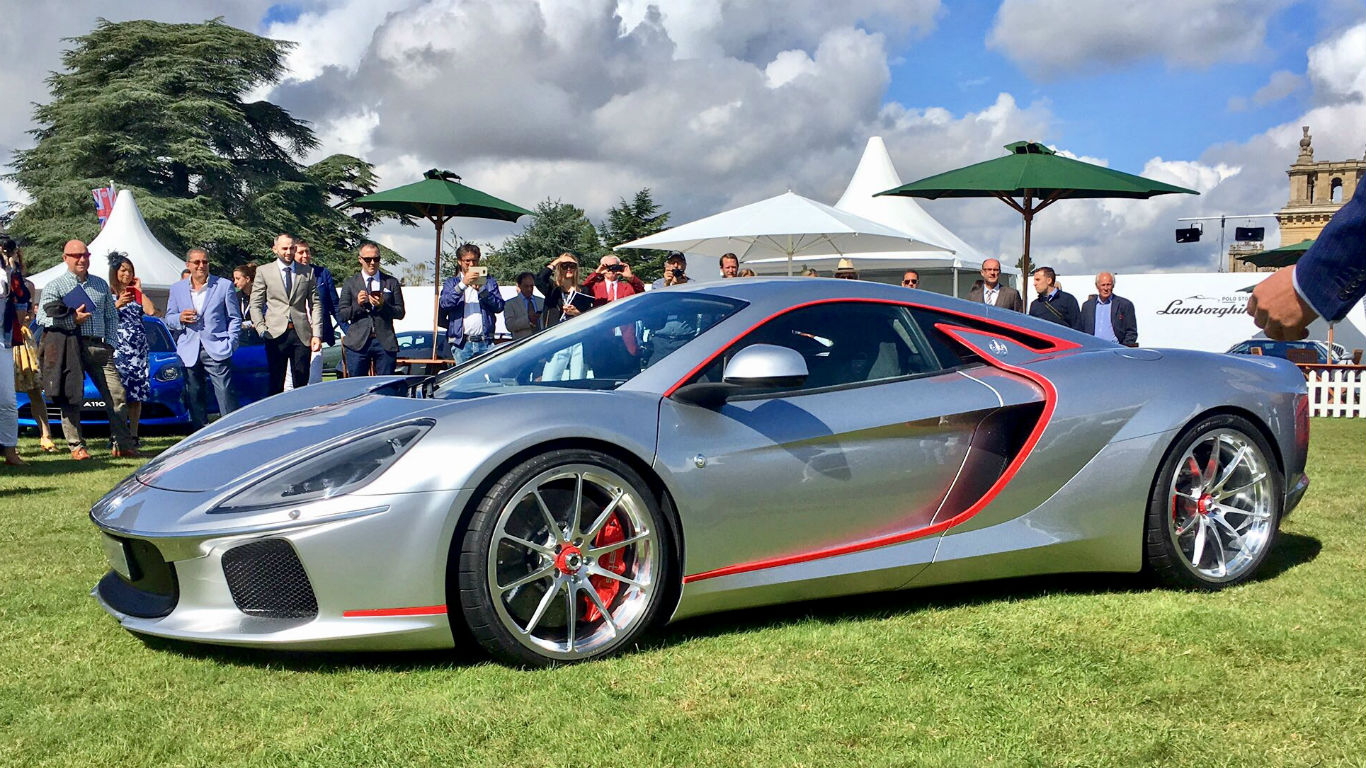
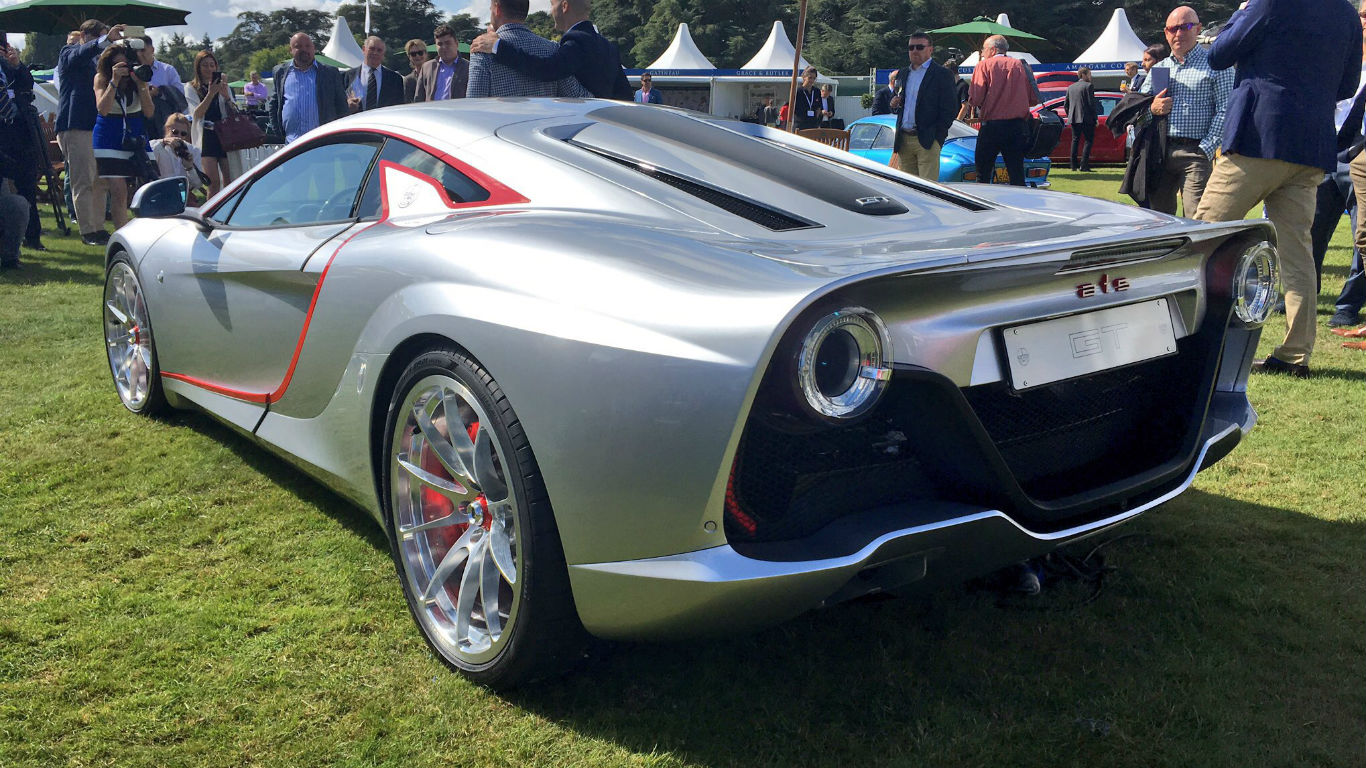
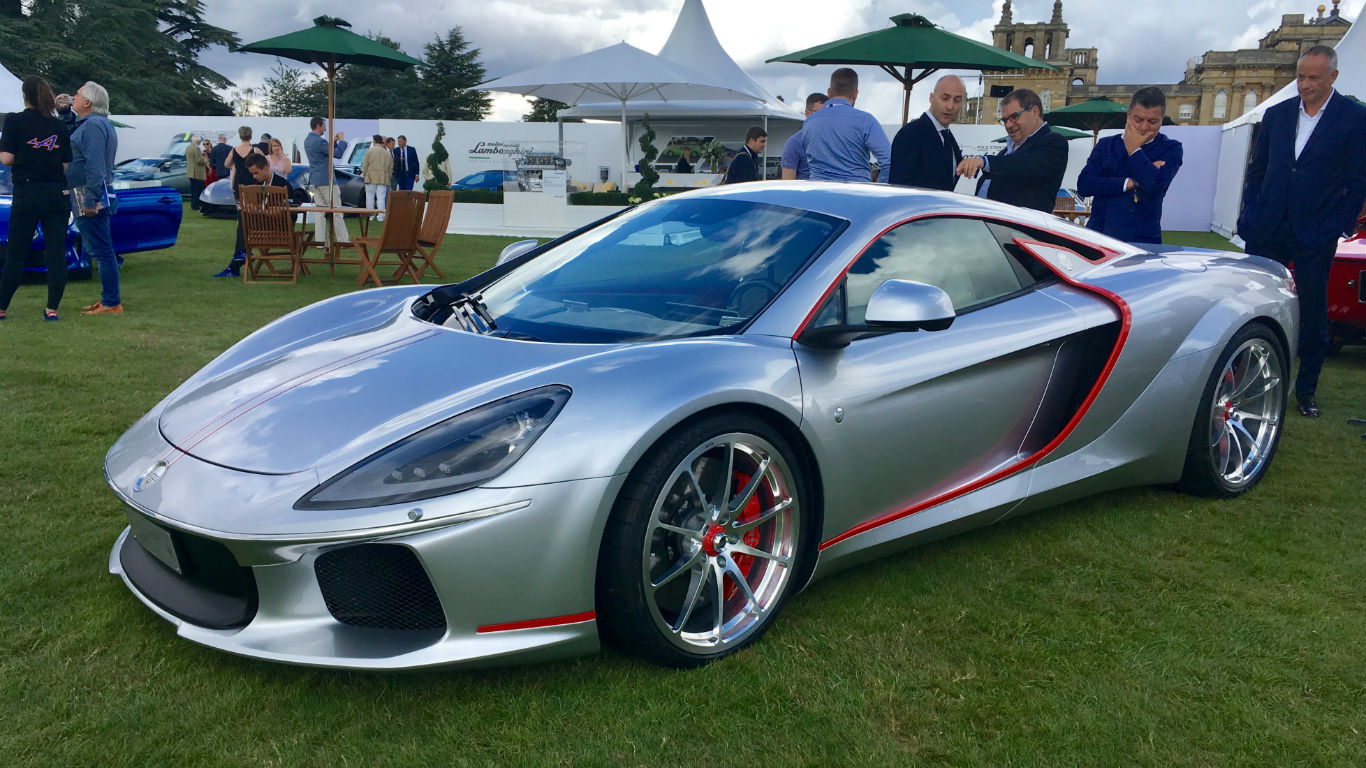
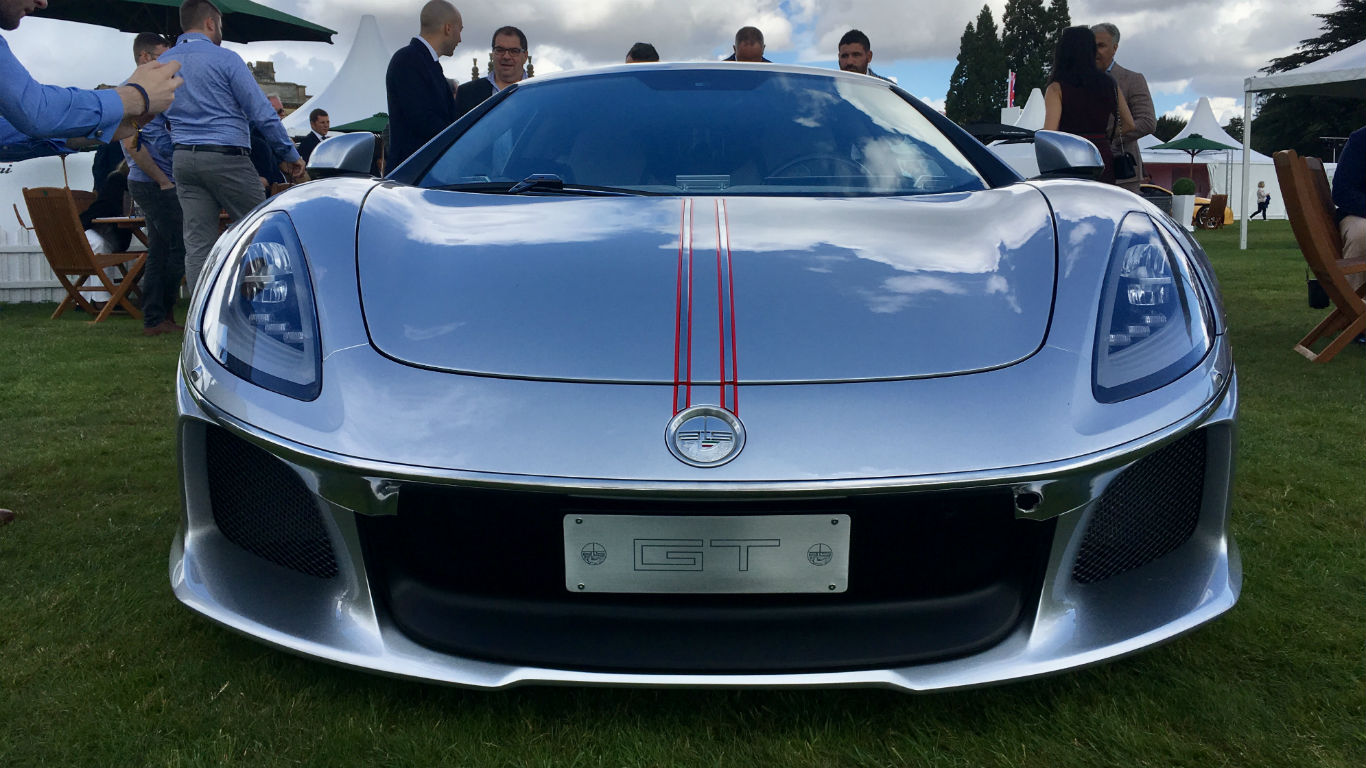
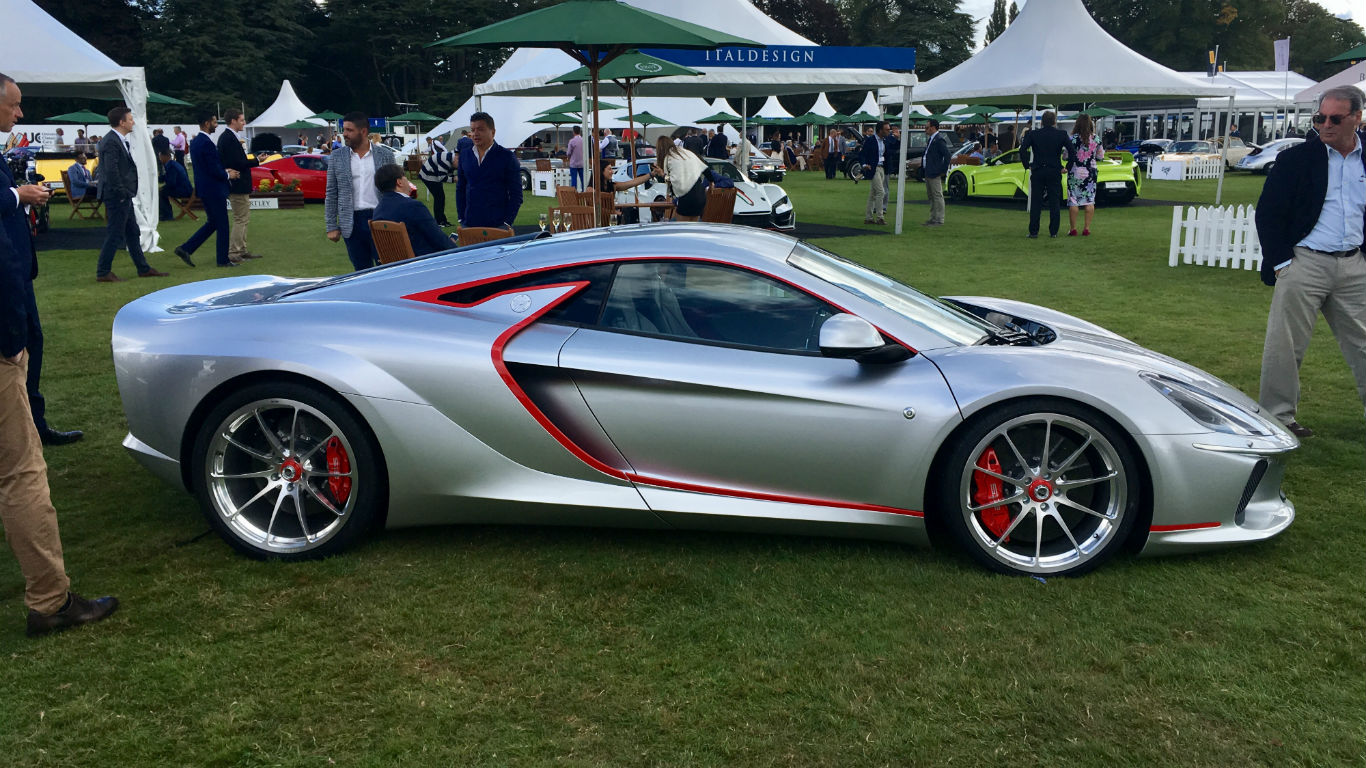
Fed-up with Ferraris? Bored of Bugattis? Fear not, the ATS GT is here. This hand-built and highly exclusive Italian supercar was revealed for the first time at Salon Privé, Blenheim Palace. Just 12 will be made, priced in excess of £1million.
Here’s everything you need to know. Scroll down for our picture gallery and exclusive video, too.
Even serious supercar spotters probably haven’t heard of ATS. However, Automobili Turismo e Sport has a history dating back more than 50 years.
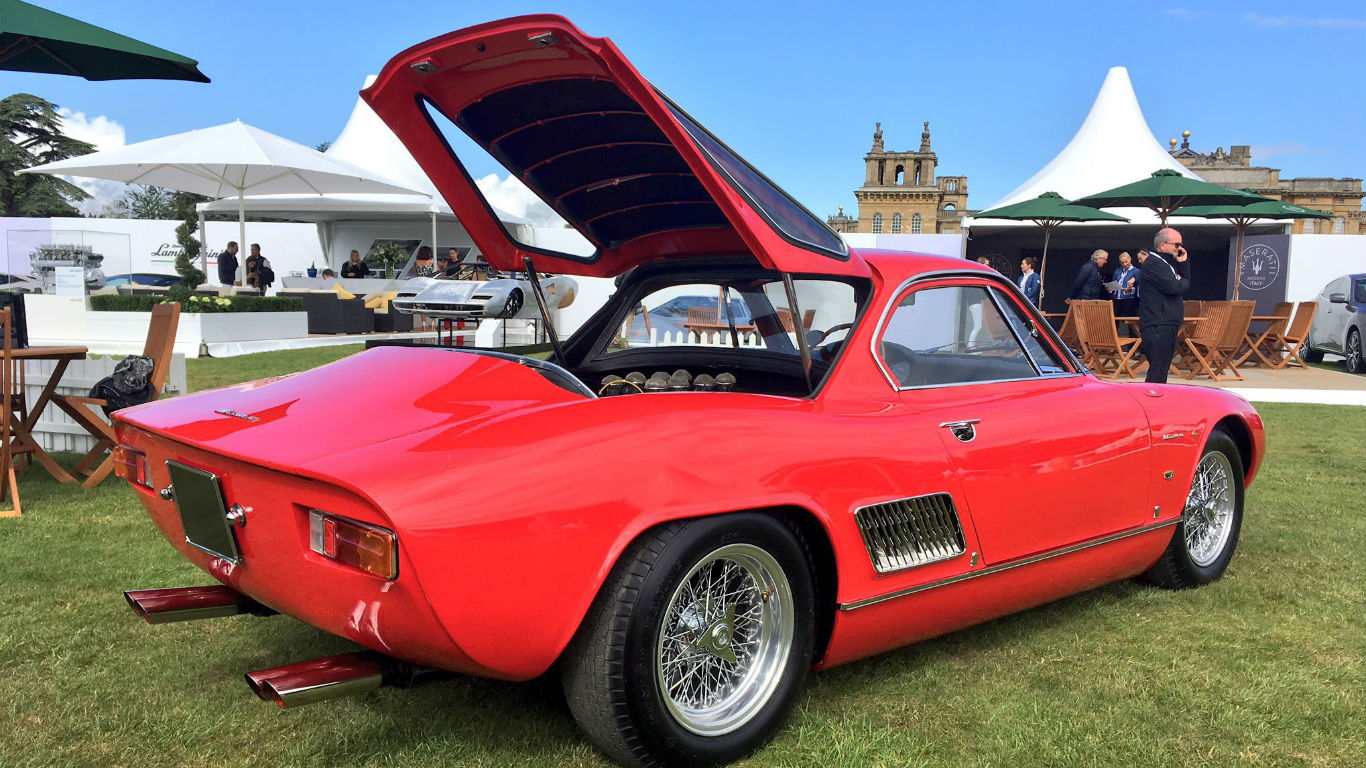
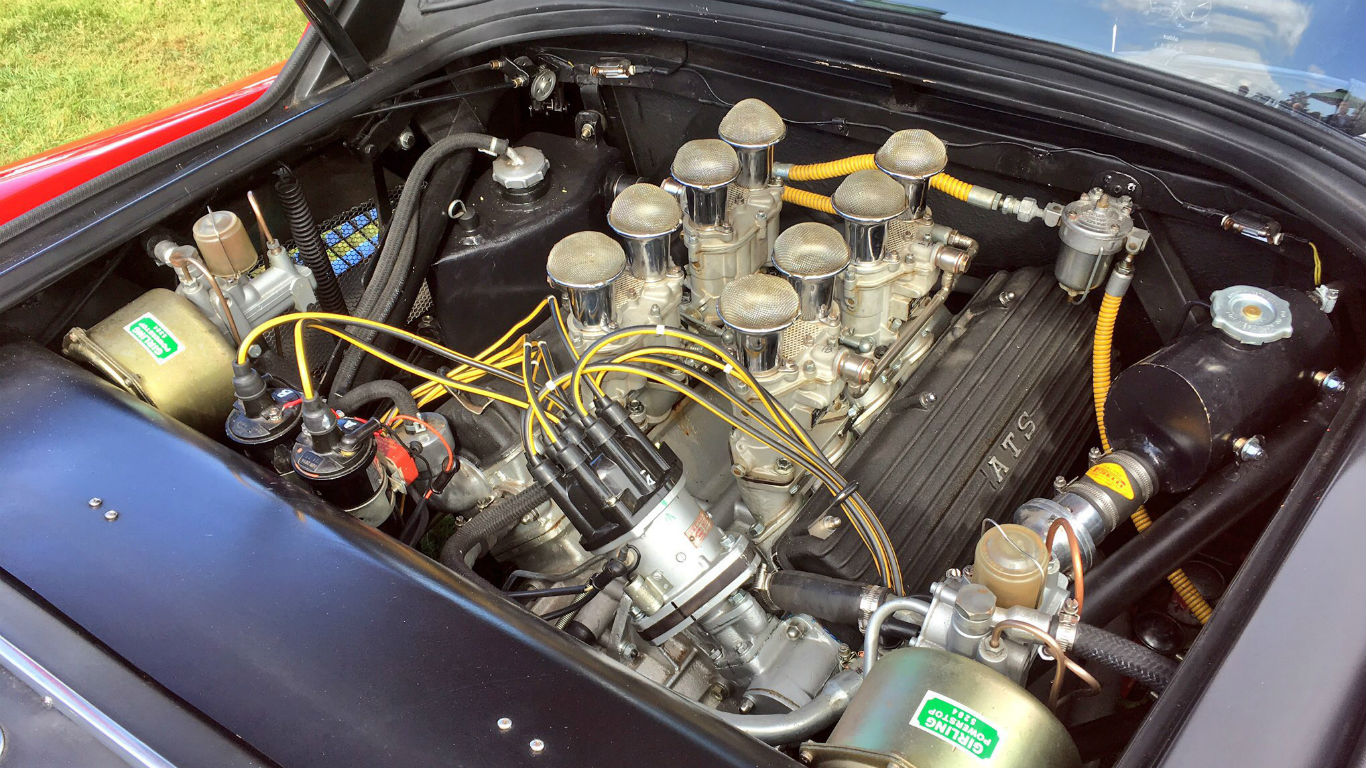
Like Lamborghini, ATS was born out of a feud with Ferrari. Giotto Bizarrini and Carlo Chiti quit the Scuderia Ferrari racing team in 1961 after falling out with Enzo himself. They formed a new company with the aiming of beating the Cavallino Rampante, both on-track and on the road. And, just two years later, they presented the 2500 GT coupe seen here – plus a Tipo 100 racer.
Sadly, both cars were doomed to failure, but 12 examples of the beautiful, mid-engined 2500 GT were made before ATS was declared bankrupt and, in an ironic twist of fate, Bizarrini went to work at Lamborghini.
So, the ATS brand has pedigree: important in rarified world of low-volume supercars. And the fact that one of the few remaining road cars, a 2500 GTS, took victory at The Quail concours last week seems a good omen for the resurrected company.
Back with a bang
This time around, ATS has no plans to square up to the Scuderia on the racetrack. However, the mid-engined GT should be a credible rival for Ferrari, Lamborghini et al. on the road.
Power comes from a 700hp 3.8-litre twin-turbo V8, which drives the rear wheels via a seven-speed dual-clutch gearbox.
In a car weighing 1,300kg, that means 0-62mph in 3.0 seconds if you use launch control, plus a top speed “in excess of 330kph” (206mph). Brakes are Brembo carbon-ceramics all-round.
ATS also plans to offer an 810hp version of the GT shortly after launch, along with a track-oriented ‘R’ version once the initial 12 cars have been sold.
“A haute couture car”
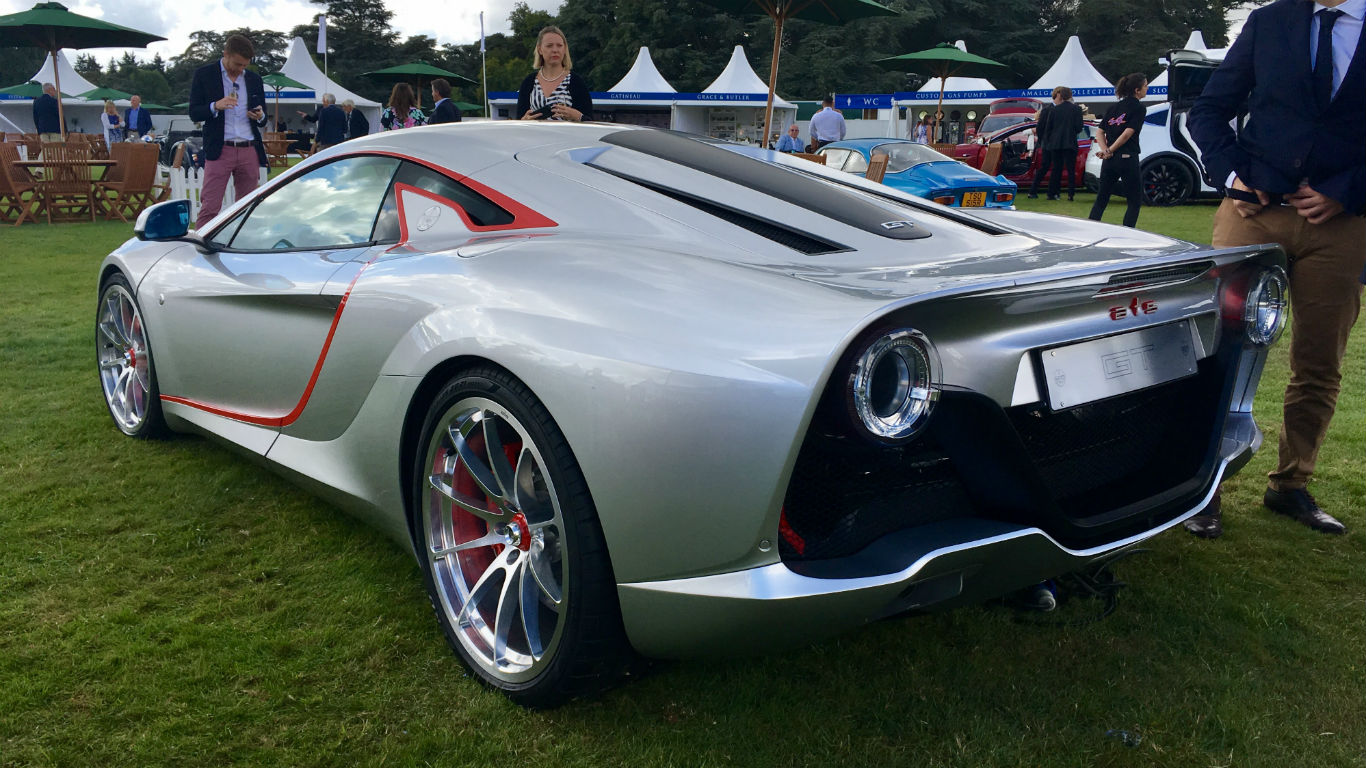
Hand-built from lightweight composites, including carbon fibre, the GT is a curvaceous, cab-forward design with elements of McLaren 12C, Spyker C8 and Ford GT.
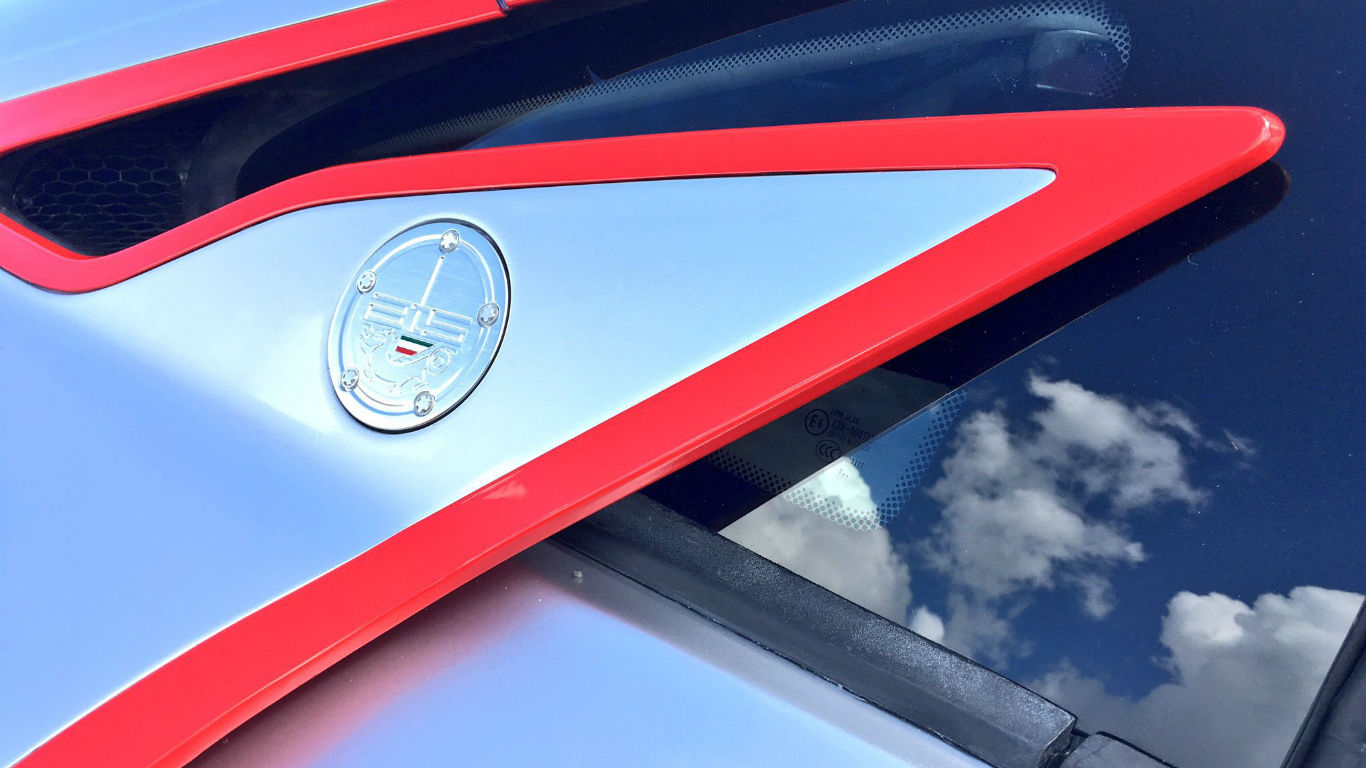
The most distinctive feature – and the one designer Emanuele Bomboi is proudest of – are the angular side ‘fins’. These conceal a touchpads for the dihedral doors, which open outwards and upwards: McLaren-style.
The pop-up rear wing doubles as an airbrake, while the wheels are 20in at the front and 21in at the back, and weigh just 11kg each. There’s no rear window – not even to view the engine, sadly.
Video: ATS GT supercar revealed
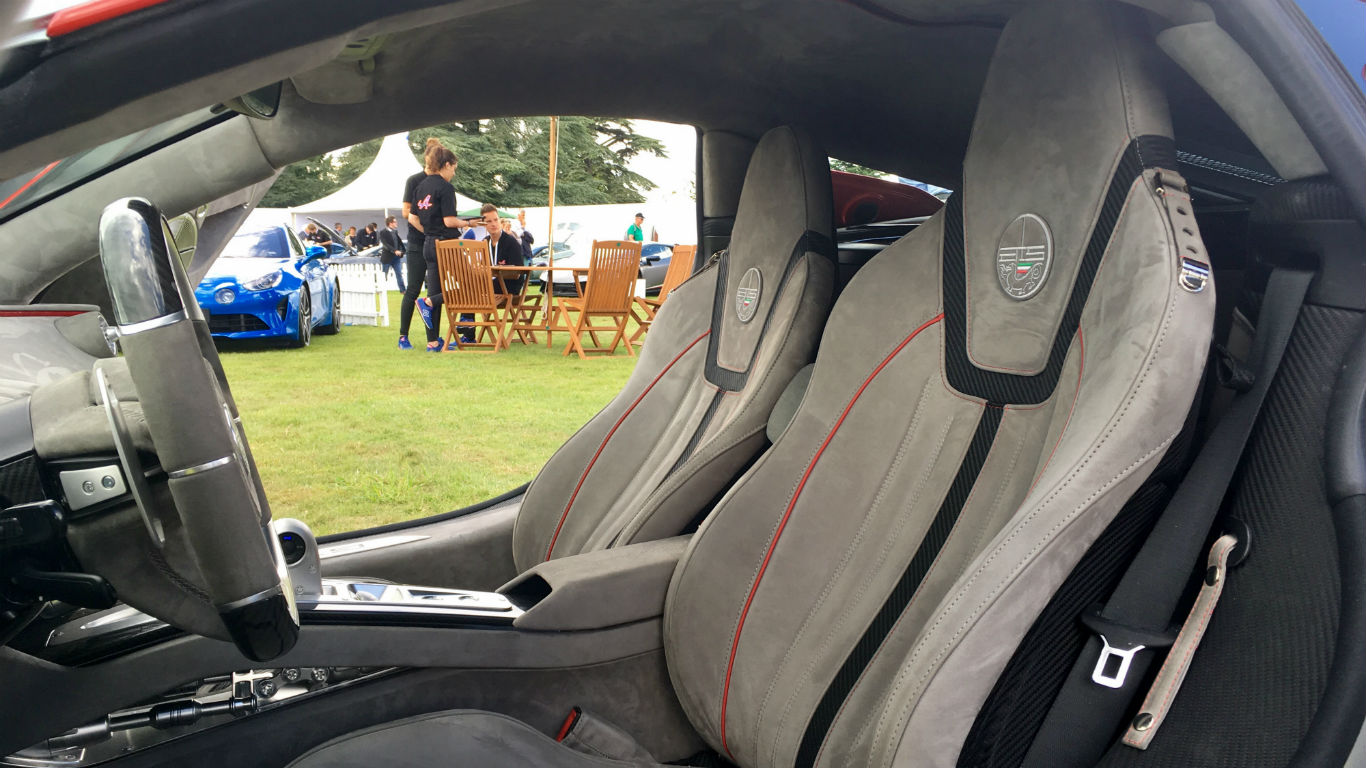
Bomboi describes the GT as a “haute couture car”, explaining that every element of the design can be customised to an individual customer’s taste (or lack of). You want naked carbon for the bodywork? It can be done. Gold seats? You’re welcome. “The only limit is your budget.”
Inside job
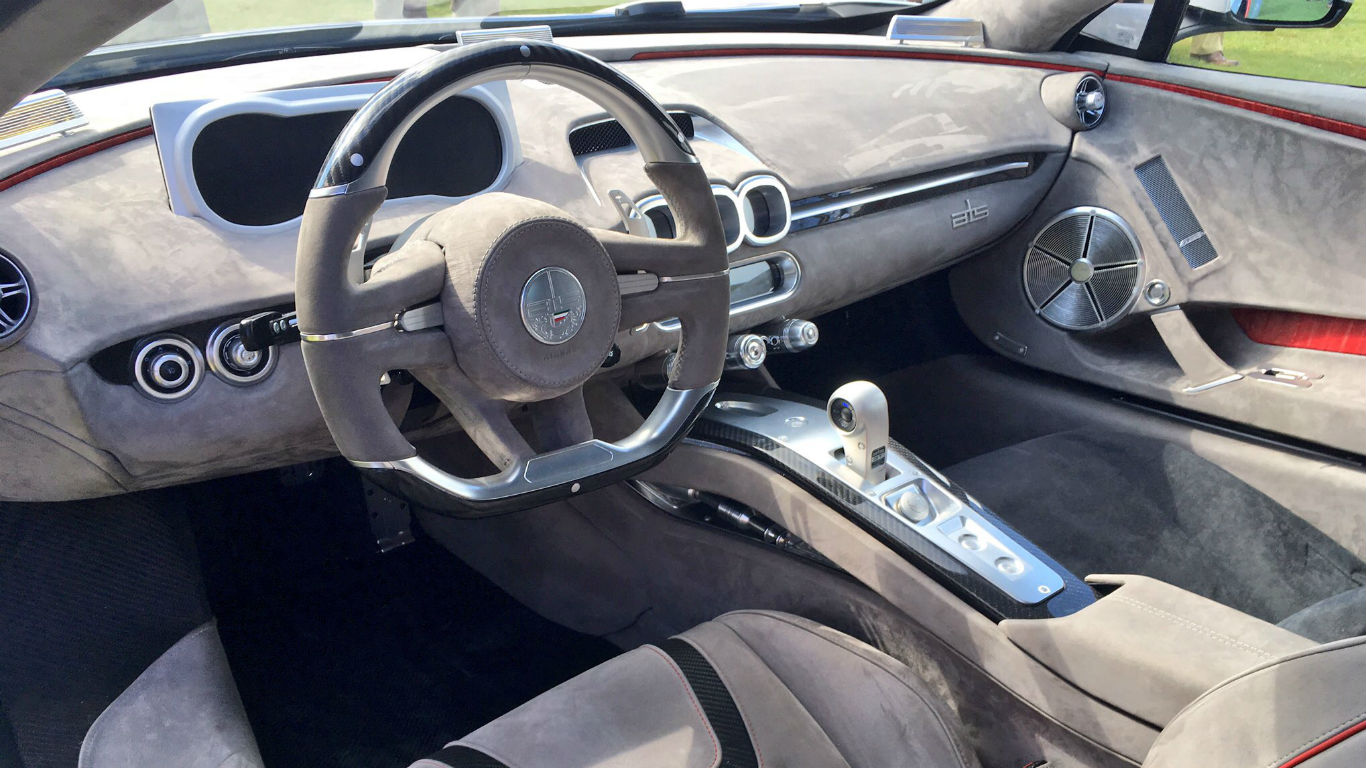
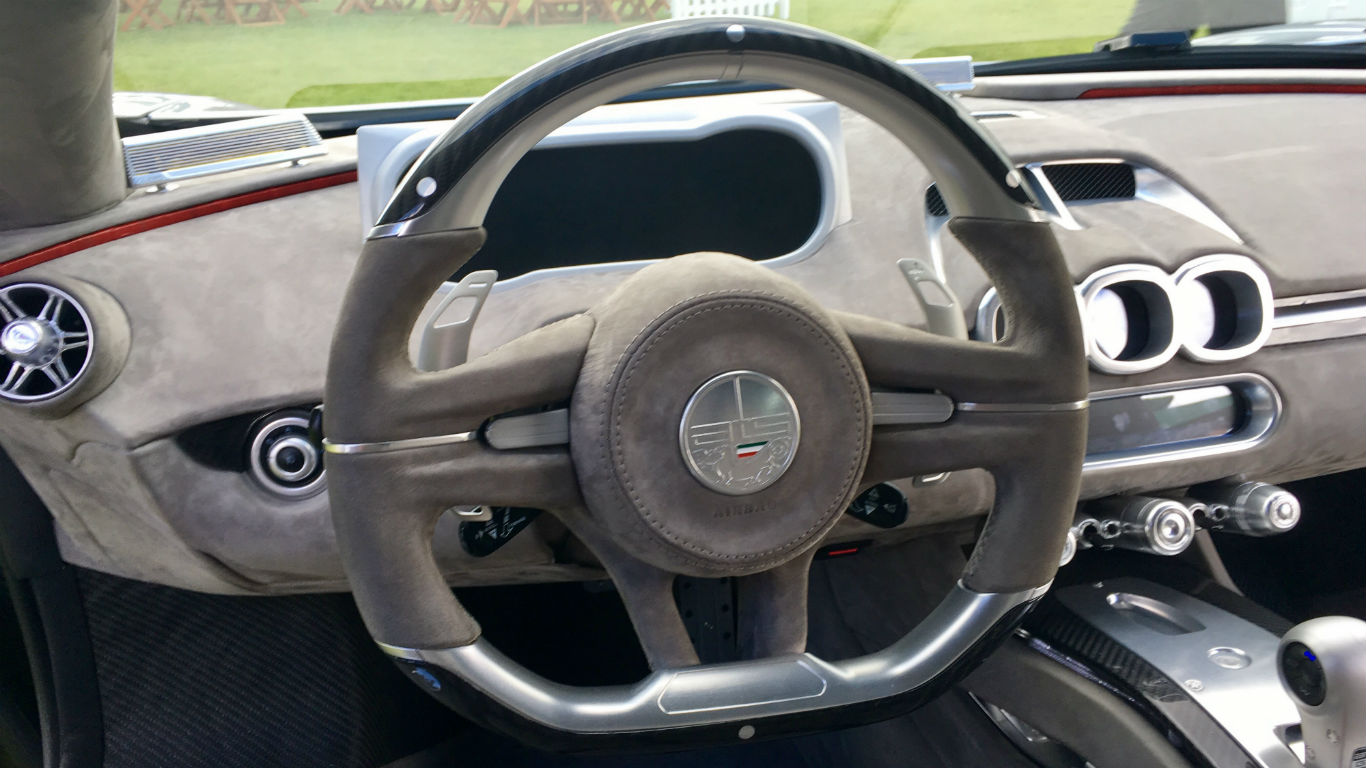
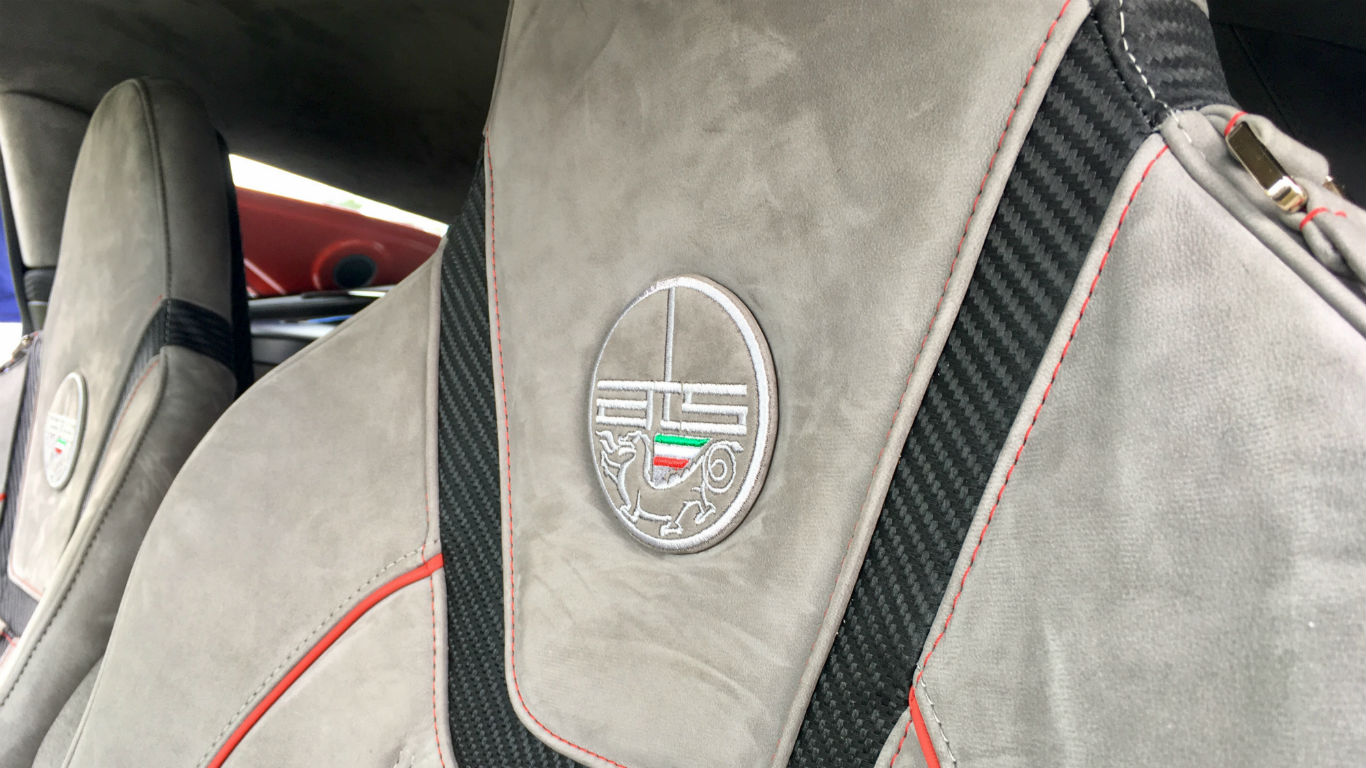
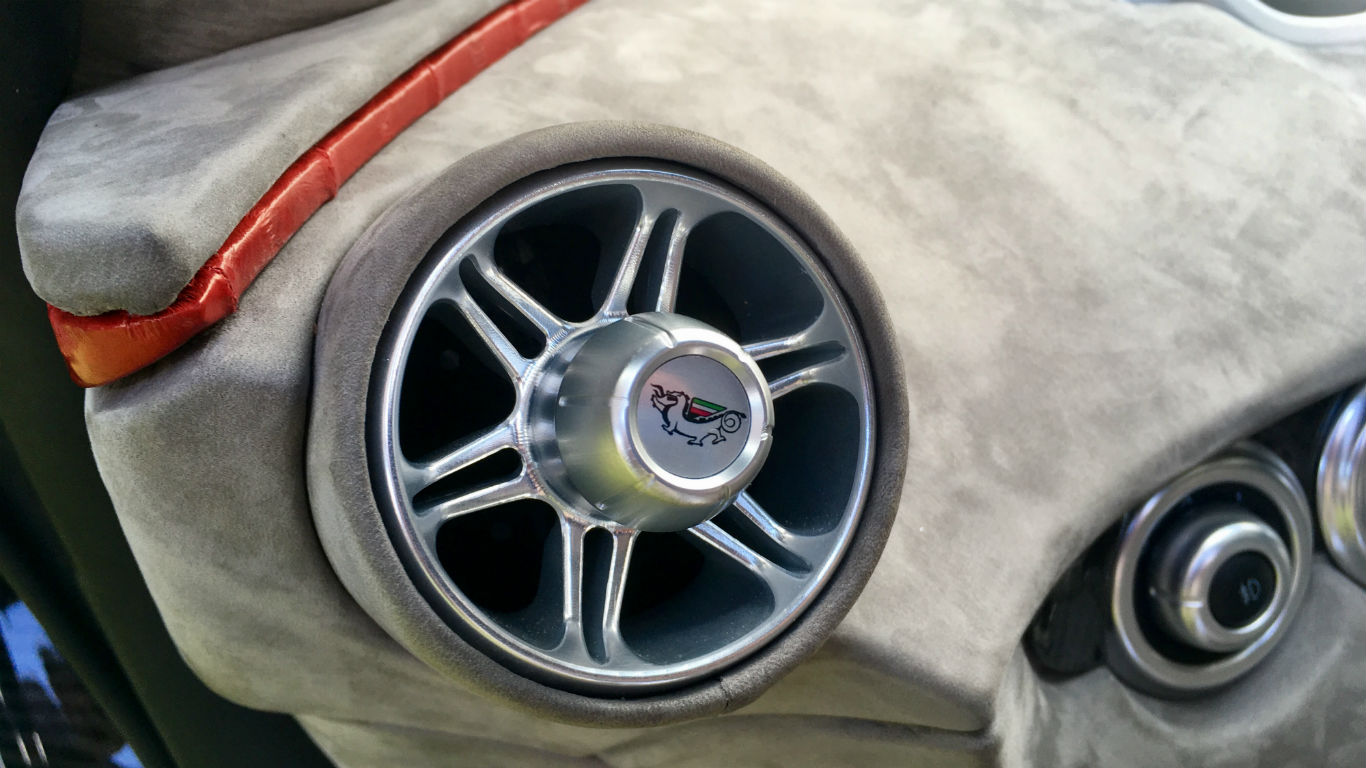
Inside the ATS, you’ll find swathes of Alcantara with aluminium trim – “There’s absolutely no plastic here,” says Bomboi.
The digital instruments change according to which driving mode you select. There’s a choice of Comfort, Sport or Corsa, the latter minimising distractions with a simple “F1-style” display.
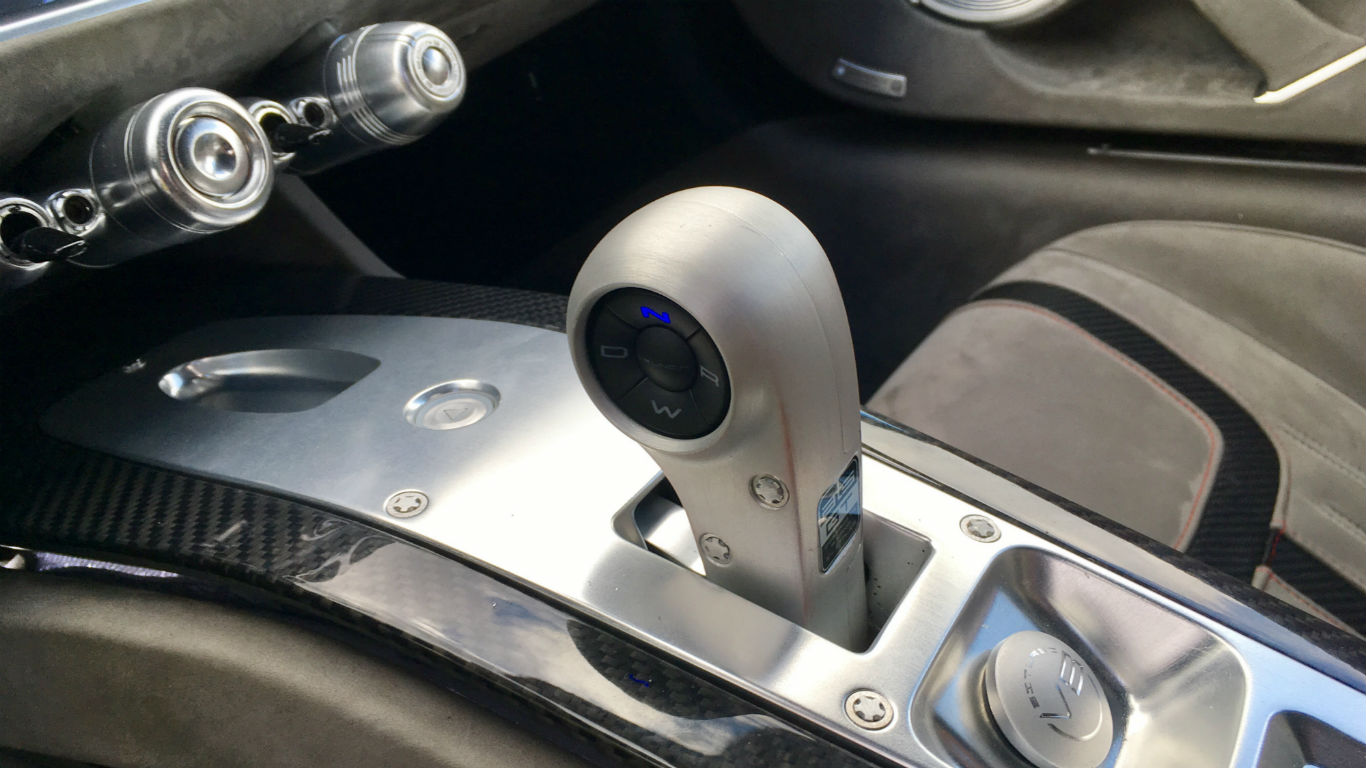
The gearlever, meanwhile, is a work of art, with an exposed linkage à la Lotus and a patented shift knob with buttons on the side to select forward, reverse, neutral and launch control. You can even adjust the resistance of the gear linkage to suit the size of your biceps.
Alternatively, you can simply swap cogs using the paddles behind the steering wheel.
A bespoke Prima Orchestra hi-fi system uses super-thin speakers and is claimed by Bomboi to offer “the highest fidelity of any car on sale”. There’s also a wireless charging mat for your mobile phone.
Made in Italy
Just 12 examples of the GT will leave the factory near Milan, Italy, followed by an unconfirmed number of the hardcore GT R. The company is taking orders now, with a start price of €1,150,000 (£1,060,000).
Will it be second-time lucky for ATS in its quest to outdo Italian supercar royalty? Don’t write them off yet…
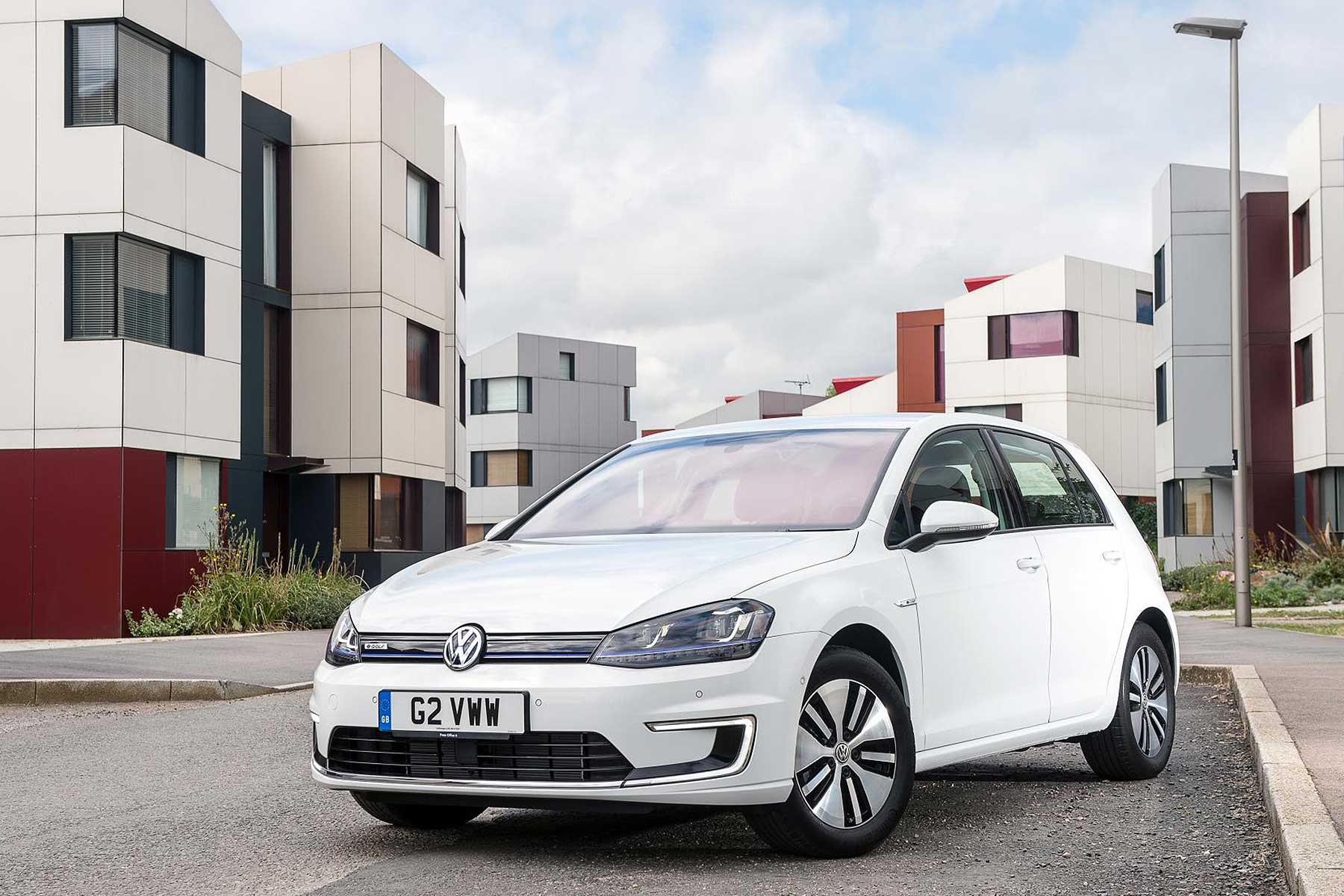
Volkswagen has launched a scrappage scheme that offers ‘upgrade incentives’ of up to £6,000 off a new VW for owners of pre-2010 diesel cars. Almost the entire VW range is eligible for the Scrappage Upgrade scheme, from the Up to the Sharan.
Also include is the firm’s range of electric or plug-in cars: the Golf GTE, Passat GTE, e-Up and e-Golf. A hefty £5,500 incentive is available on the e-Golf; when combined with the £4,500 government Plug-in Car Grant, this equals a whopping saving of £10,000.
It means an all-electric e-Golf can now be bought from £23,190.
Scrappage savings are just as significant on other big-selling Volkswagens, though. A significant £4,000 is available off the Golf range, £2,800 can be saved on the Polo and £5,000 is available on the Passat. The Sharan MPV has a £6,000 Scrappage Upgrade incentive.
Euro 1 to 4 diesel cars are included in the Volkswagen Scrappage Upgrade scheme, meaning vehicles registered before 2010. Buyers simply need to have owned it for six months or more.
Arguably the firm that, because of the dieselgate emissions scandal, caused the latest row in emissions, Volkswagen’s focus on diesel cars is significant – as is the inclusion of vehcicles as new as 2009, many of which carried the infamous cheating software.
Once a diesel evangelist, Volkswagen now aims to become the global leader in electric vehicles by 2025.
Alison Jones, director of Volkswagen UK, said: “It’s not just buyers of our latest Euro 6 petrol and diesel cars who could benefit. The incentives offered on our class-leading range of plug-in hybrid and full electric cars are particularly eye-catching.”
The Volkswagen Scrappage Upgrade scheme runs from now until 31 December 2017.
 The new 2017 Ford Fiesta has earned a full five-star rating in the latest round of Euro NCAP safety crash tests – 20 years after the 1997 Fiesta proved to be “just not stable” in a crash test that today “does not make for comfortable viewing”.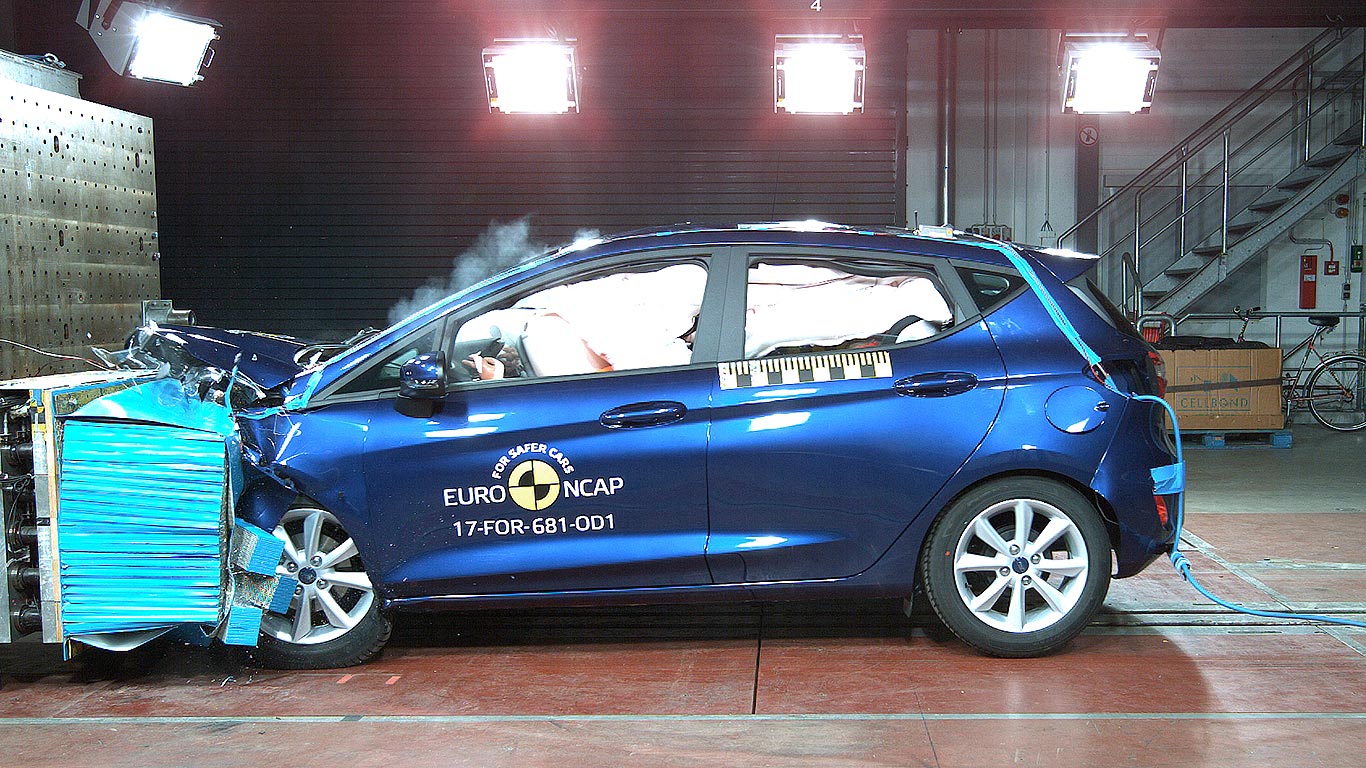
 The all-new 2018 Nissan Leaf has been revealed in a big launch event in Tokyo. The new EV looks much more sophisticated and less oddball than the original, boasts a richer interior, headline-grabbing technology, an extended 235-mile electric range and the promise of a significantly improved drive. It launches in Europe in January 2018.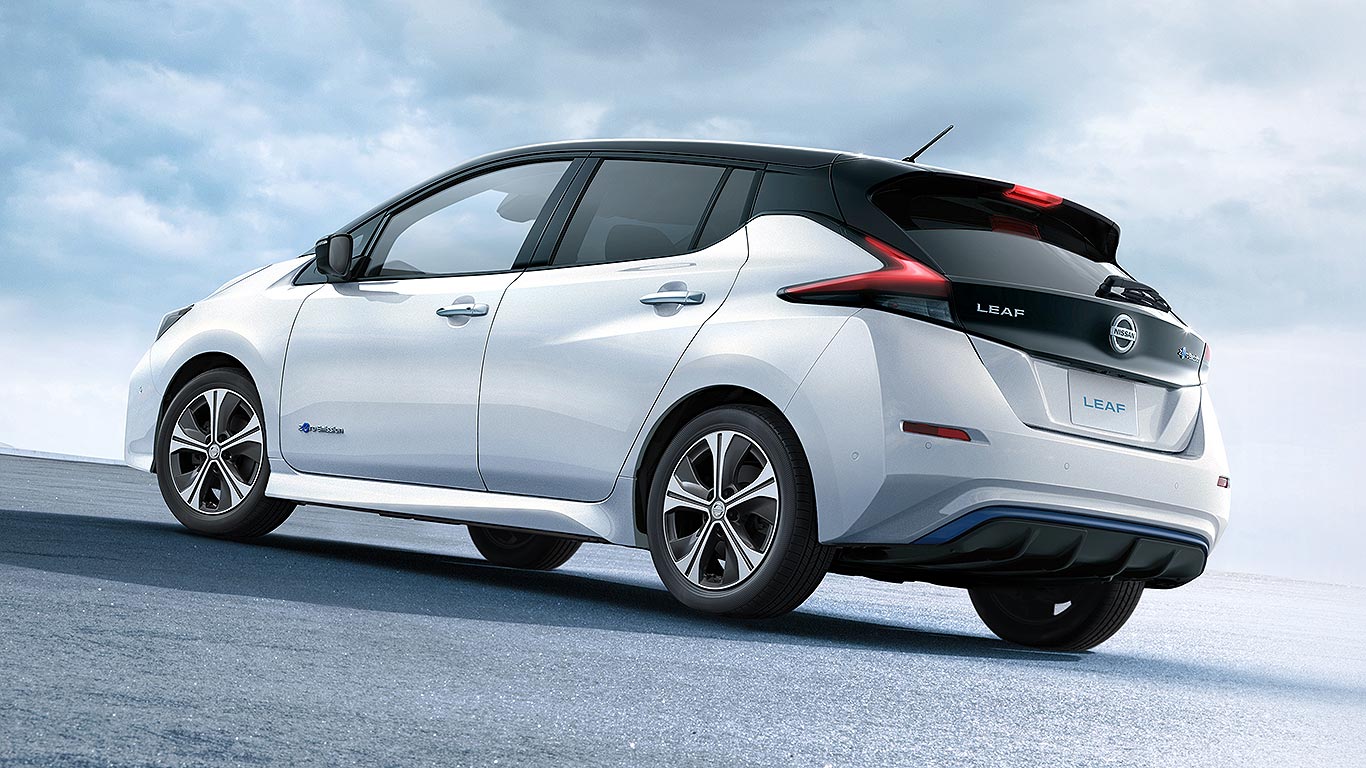
 Everybody knows that the purchase price is just one part of the cost of running a car. Other expenses, including depreciation, servicing, parts and fuel, need to be factored in when deciding if your budget will stretch to that shiny new car in the showroom.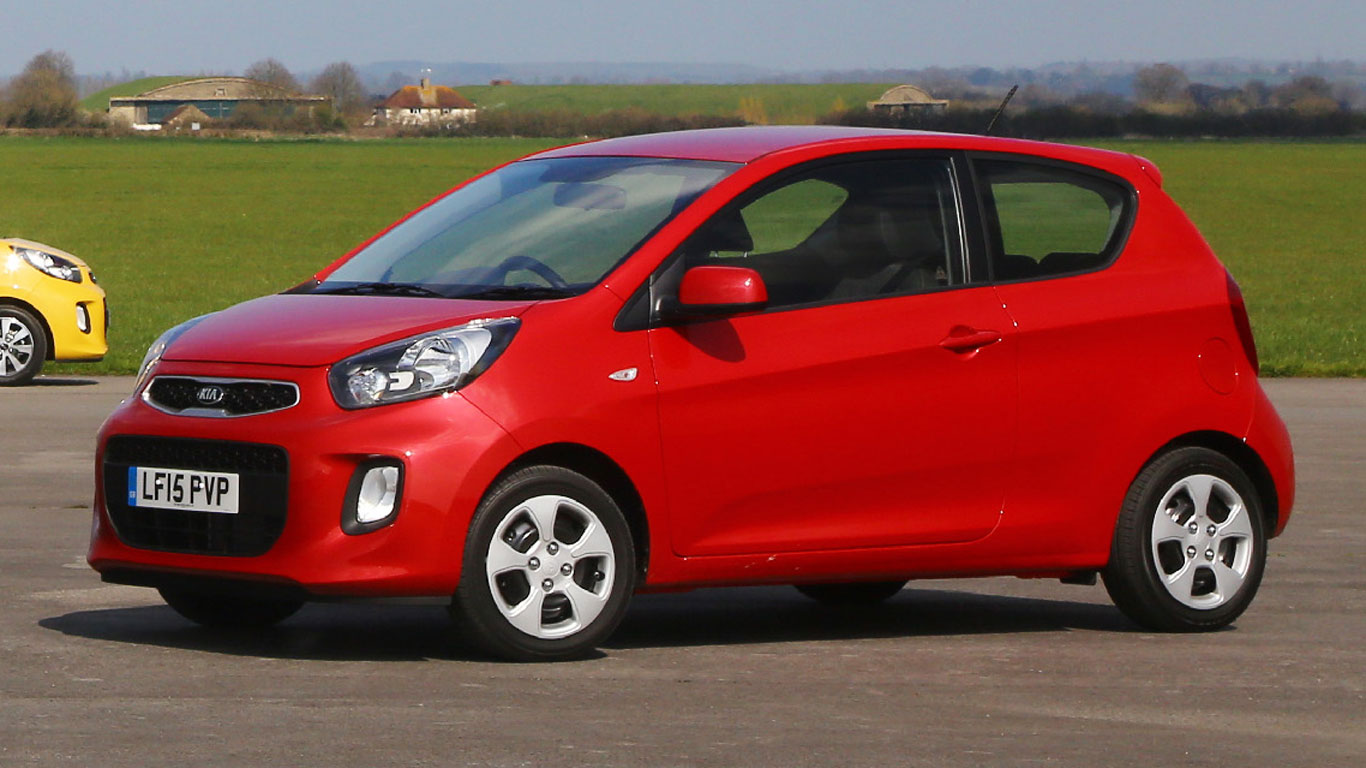
 The Goodwood Revival is the best-dressed motorsport event in the world, where historic motor racing meets period clothing. This celebration of the golden years of motorsport takes place at the Goodwood Circuit on the weekend of the 8th – 10th September 2017. Here’s what you can expect to see if you’re fortunate enough to have a ticket.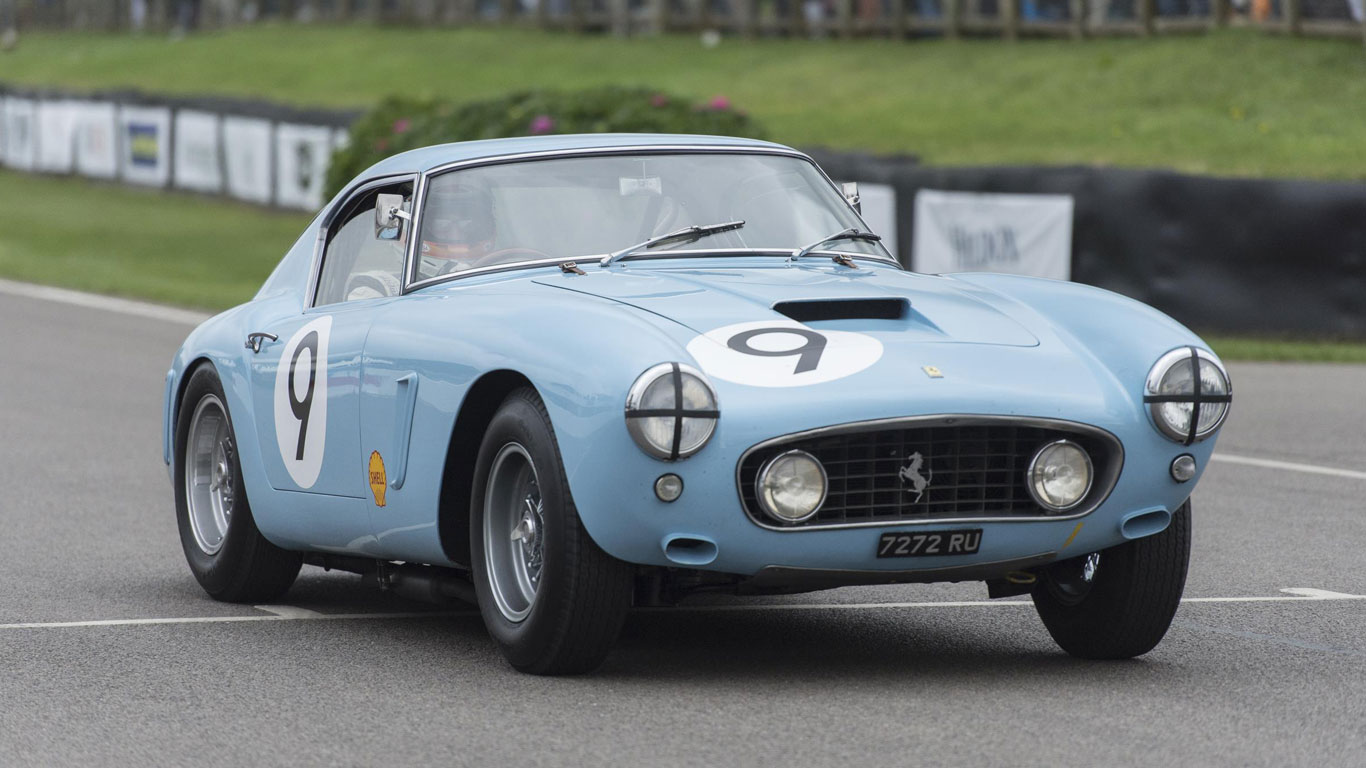
 There are another seven races on Sunday, including part two of the St Mary’s Trophy, and the Brooklands Trophy, which rekindles the spirit of the famous Brooklands circuit. As is traditional, the Revival draws to a close with the Sussex Trophy, for sports cars that raced between 1955 and 1960.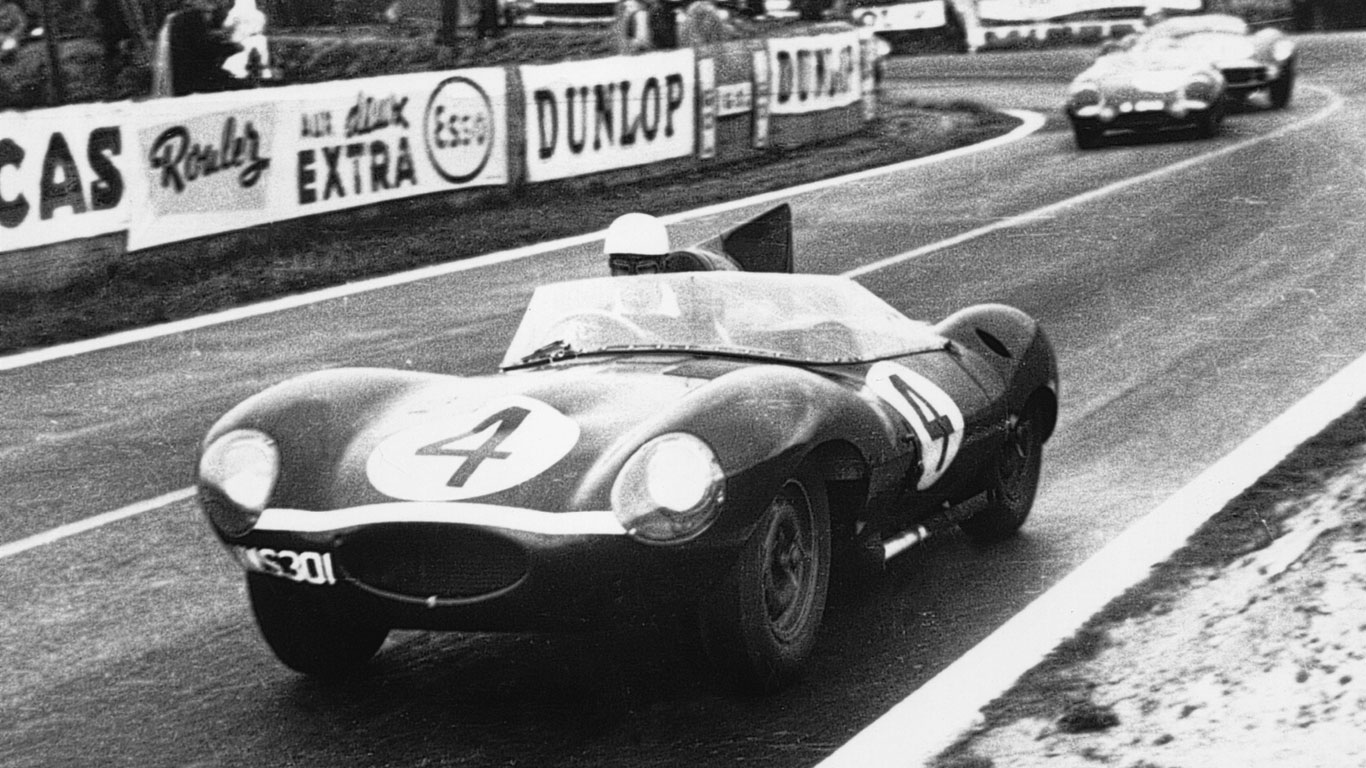



 Jaguar buyers in coming decades may not buy just a single car, but instead just own a steering wheel that gives them access to multiple cars. The concept wheel, called Sayer, will be revealed in London this week.
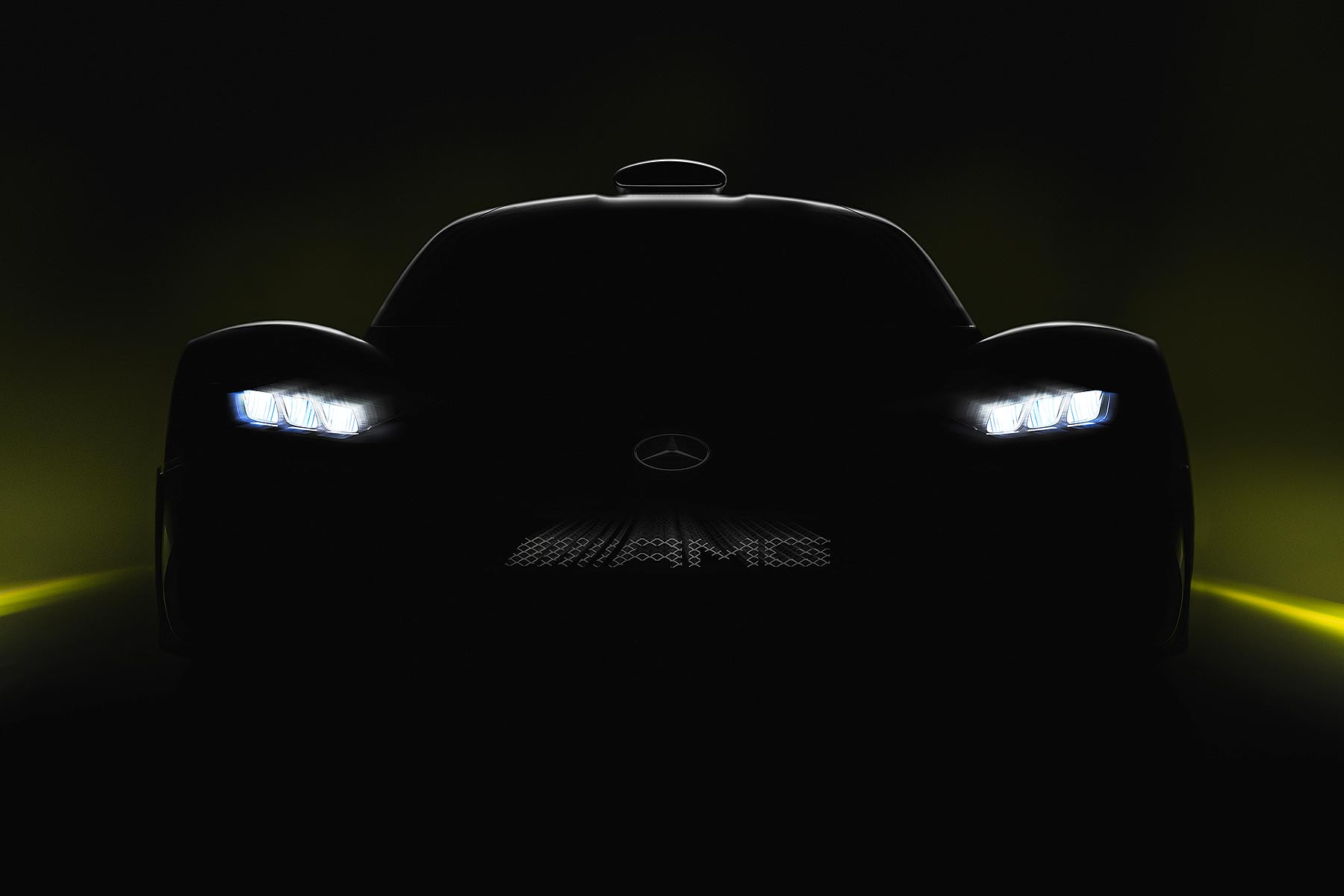 Mercedes-Benz has released the first official teaser image of its upcoming new Project One hypercar – a road-going machine that will offer a version of its amazing hybrid F1 engine and drivetrain to supercar buyers.
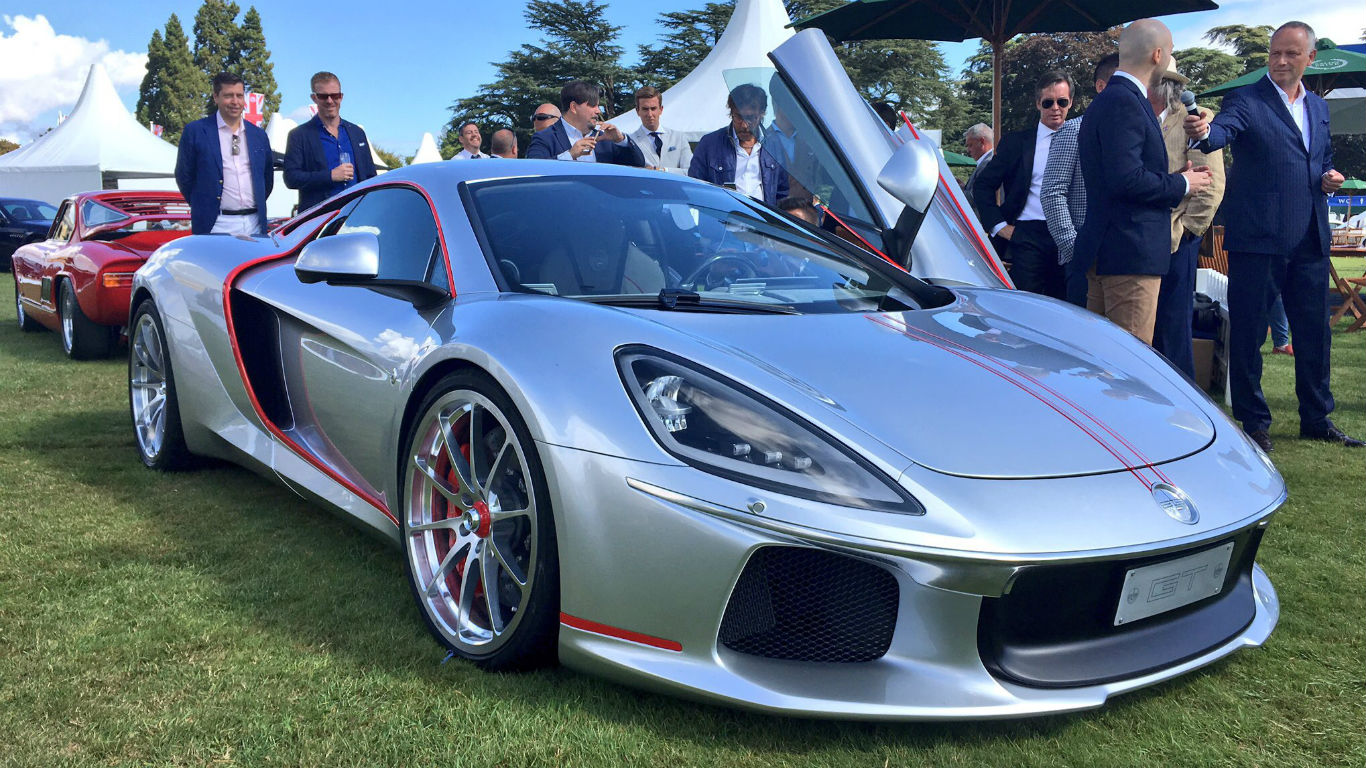 Fed-up with Ferraris? Bored of Bugattis? Fear not, the ATS GT is here. This hand-built and highly exclusive Italian supercar was revealed for the first time at Salon Privé, Blenheim Palace. Just 12 will be made, priced in excess of £1million.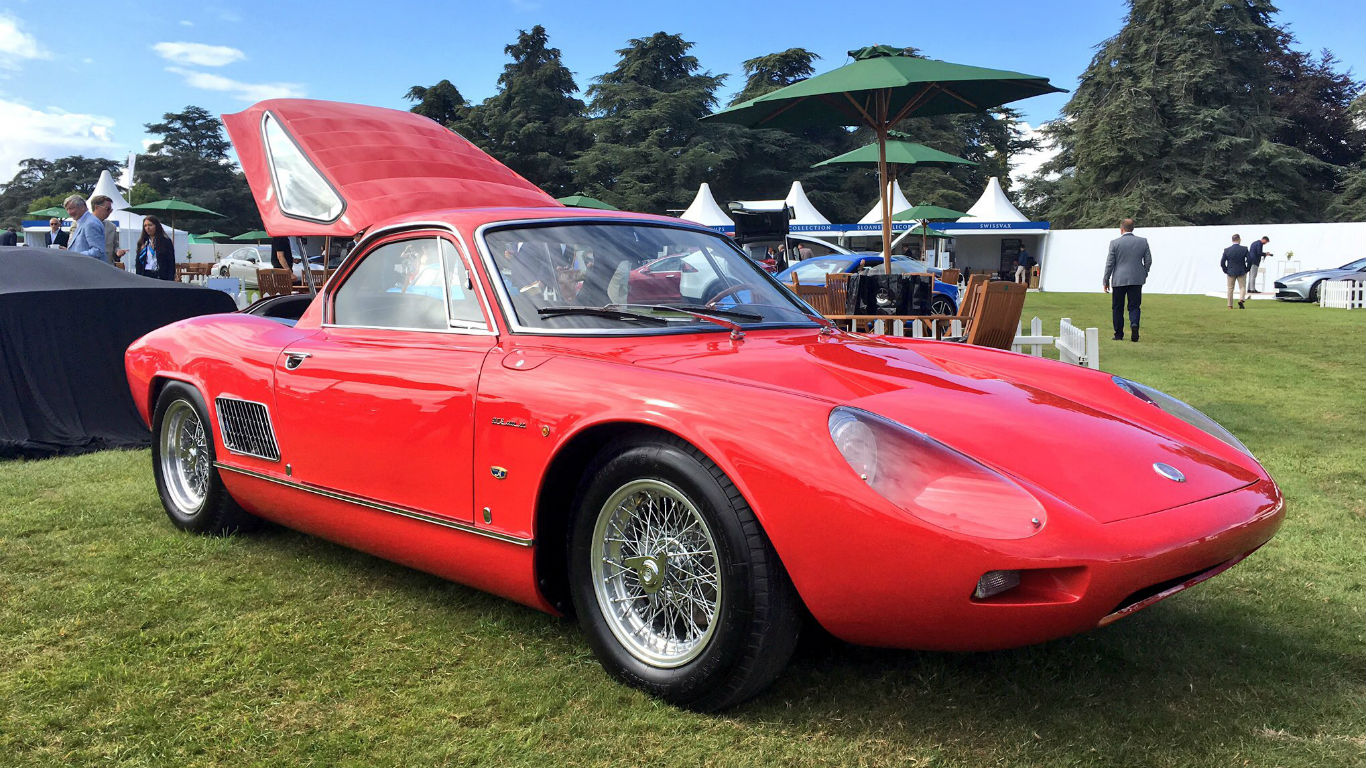
 Volkswagen has launched a scrappage scheme that offers ‘upgrade incentives’ of up to £6,000 off a new VW for owners of pre-2010 diesel cars. Almost the entire VW range is eligible for the Scrappage Upgrade scheme, from the Up to the Sharan.