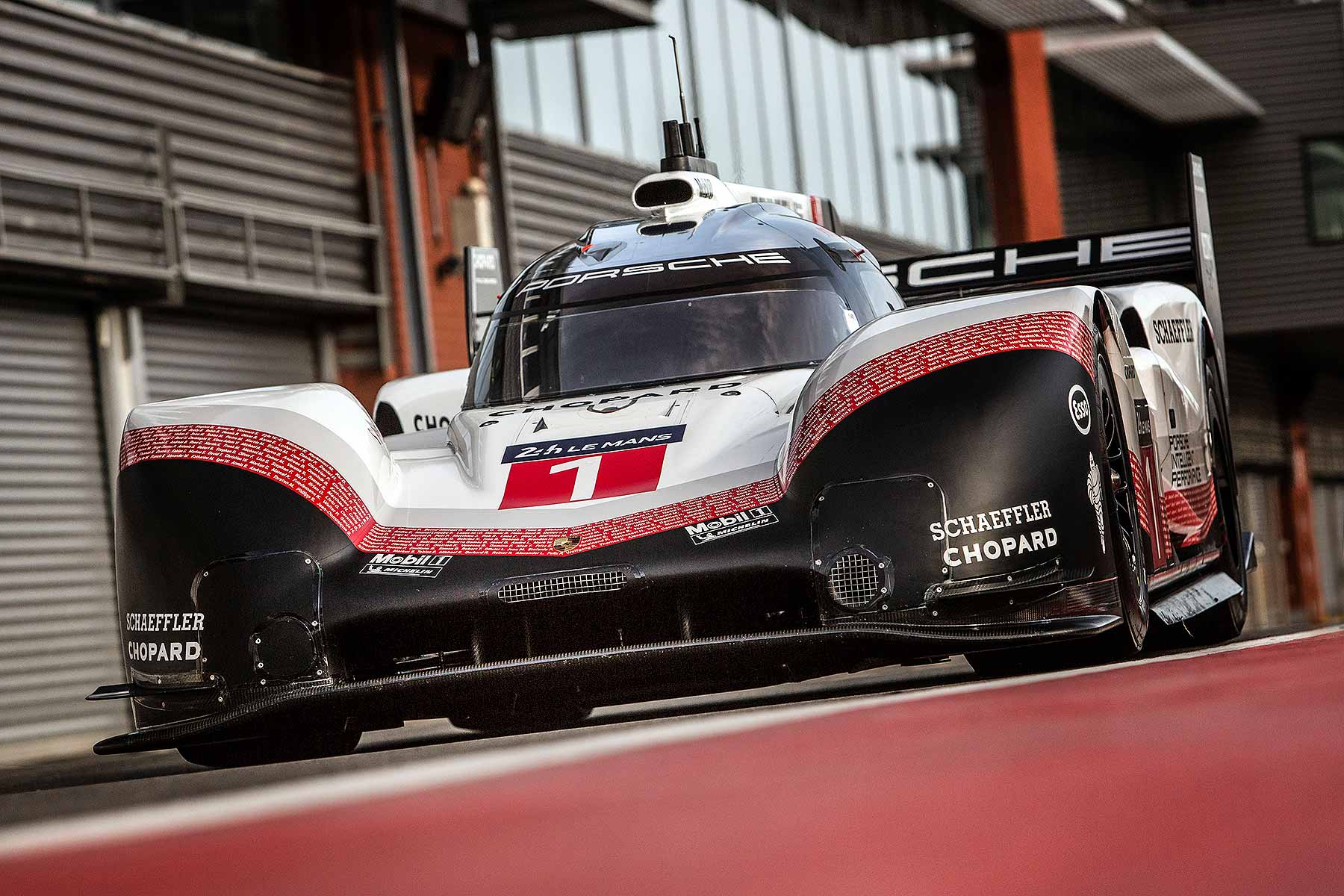
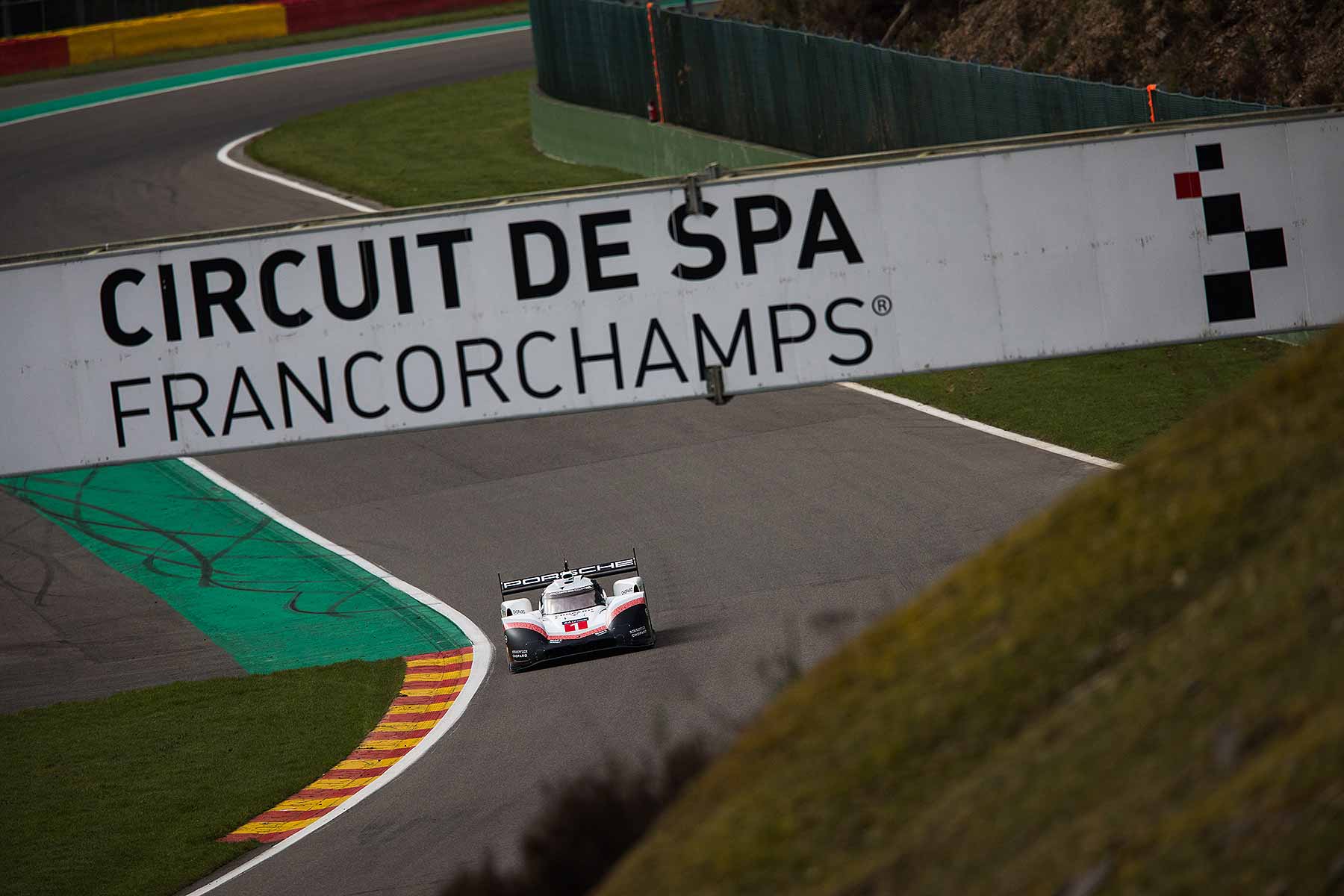
A Porsche works driver has lapped a special evolution version of the firm’s Le Mans-winning 919 Hybrid LMP1 sports car around Belgium’s Spa-Francorchamps circuit more quickly than reigning F1 champ Lewis Hamilton in last year’s title-winning Mercedes-AMG racer.
The incredible lap time of 1:41.770, set by Swiss Neel Jani, was a full 0.783 seconds faster than Hamilton’s 2017 pole position time of 1:42.553. Porsche LMP1 vice president Fritz Enzinger described it as “an absolute fantastic lap – an outstanding drivers’ performance from Neel and the result of great engineering.”
Why did Porsche stage the high-speed demonstration run? To “prove the ultimate performance of the most innovative race cars of its time. Our target was to show what the 919 Hybrid Evo is able to do when we loosen the restrictions that normally come from the regulations.”
Jani, who hit a top speed of 223mph during the lap, called the car “brutally impressive. It is definitely the fastest car I ever drove. The grip level is at a fully new dimension for me – I couldn’t imagine this amount beforehand.
“The speed at which everything happens on a single lap with the 919 Evo is that fast that the demand on reaction speed is very different to what I was used to in the WEC (World Endurance Championship).
“We are not only faster than the F1 pole from 2017… today’s lap was 12 seconds faster compared to our WEC pole position from last year!”
Porsche 919 Hybrid Evo: what’s changed?
You might think, given such an amazing demonstration of sheer speed, that Porsche has massively modified its Le Mans winner. Not so, insisted Stephen Mitas, the car’s chief race engineer and leader of the 919 Evo project.
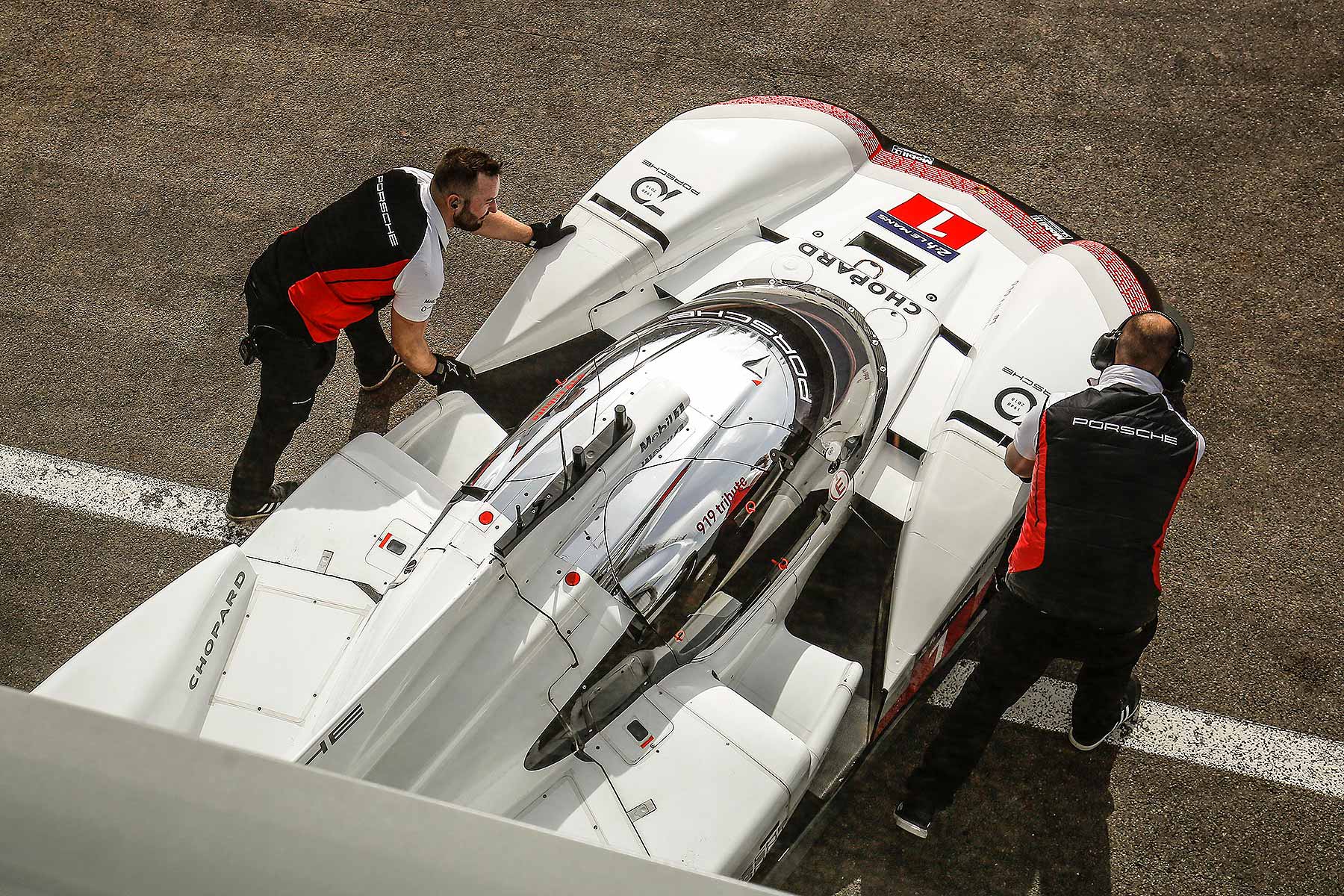
“We all knew no matter how successful the 919 Hybrid was, it could never show its full abilities.” But Porsche has sought to explore them not by modifying the engine – none of the powertrain hardware has been changed – but by simply upping the fuel flow rate and increasing the amount of energy the hybrid system can recover.
More extensive are the changes to the car’s aerodynamics A revised aero package delivers 53 percent more downforce and 66 percent greater aerodynamic efficiency. Meanwhile, 39kg has been cut from the kerb weight (taking it under 850kg) and Michelin has even developed special tyres to cope with a car that generates more downforce than an F1 car. It’s a phenomenal machine.
Actually, even the Evo version doesn’t fully exploit the technical potential, added Mitas. “This time we were not limited by regulations but by resources.” Even so, “it is a very satisfying feeling that what we’ve done to the car was enough to crack the Formula One record.”
Don’t think you’ve missed your opportunity to see the monstrous Porsche 919 Evo in action, either – as part of the 919 Tribute Tour, it’s coming to the Goodwood Festival of Speed in July, and the Festival of Porsche at Brands Hatch in early September.
Don’t miss your chance to witness what could possibly be the fastest racing car ever built…
New vehicle excise duty (VED, or car tax) rules have now come into force that could cost you as much as £500 – yet a survey has revealed that nearly nine out of 10 drivers still don’t know about the changes.
The revised system, introduced at the beginning of April, is based on new ‘real driving emissions’ tests. This means if you buy any new Euro 6 diesel that emits more than 120mg/km of NOx (nitrogen oxides), you’ll be forced to pay more for road tax in the first year.
Currently, all diesel cars on the market exceed this figure, meaning they’ll all move up a band under the new VED rules. This means a Nissan Qashqai 1.5-litre dCi 110, for example, which emits 99g/km CO2, will now cost £145 to tax for the first year – up from £125 currently.
At the other end of the scale, a Mitsubishi Shogun will cost a hefty £2,070 to tax for the first year – an increase of £370.
Under new regulations introduced in 2017, all new petrol and diesel cars costing less than £40,000 are charged a first year tax rate based on CO2 emissions. This is followed by a flat rate of £140 every year, plus an extra £310 supplement for five years for cars costing more than £40,000.
First year VED rates 2018-2019
CO2 emissions (g/km)
Petrol cars
Diesel cars
0
£0
£0
1-50
£10
£25
51-75
£25
£105
76-90
£105
£125
91-100
£125
£140
101-110
£145
£165
111-130
£165
£205
131-150
£205
£515
151-170
£515
£830
171-190
£830
£1,240
191-225
£1,240
£1,760
226-255
£1,760
£2,070
More than 255
£2,070
£2,070
Although the premium is small for cleaner diesels, high-emitting diesels could face an increase of more than £500 in their first year.
In reality, most diesel car buyers won’t notice a huge difference, as the first year’s road tax is lumped into the on-the-road price of a new car. However, it’s another in a series of anti-diesel messages which nearly half of drivers say are confusing, according to the survey by Confused.com.
“Drivers are clearly confused about the messaging around diesel vehicles,” said the website’s motoring editor, Amanda Stretton. “It’s no wonder motorists are not up to speed with the latest laws.
“As we head towards 2040, when the sale of new diesel and petrol vehicles will be banned, we expect drivers will see numerous incentives and penalties being introduced. Whether such measures will encourage take up of more environmentally friendly car-types remains to be seen.”
The number of new diesel cars being registered continues to plummet, as Confused.com’s research reveals that 60 percent of drivers say they wouldn’t consider a diesel for their new car.
Speaking earlier this month, the Society of Motor Manufacturer and Traders (SMMT) chief executive Mike Hawes said: “Although the new car market has dipped, it remains at a good level despite the drop in demand for diesel. Consumers should be reassured, however, that the latest cars are the cleanest in history and can help address air quality issues, which is why they are econxempt from any restrictions.”
2018 car tax changes: Q&A
Is tax for petrol cars going up?
Yes – but only by a small amount. Petrol cars emitting 99g/km CO2 will now be charged £105 in VED compared to £100. A car producing more than 255g/km CO2 will now be taxed £2,070 in the first year compared to £2,000.
Can I negotiate money off a new car to drop it below the £40,000 threshold?
No. The VED is based on a car’s list price including options as well as fuel, number plates and a delivery charge.
Are electric cars cheap to tax?
Yes and no. Zero-emission cars with a list price below £40,000 are free to tax, while hybrids are taxed on emissions, like petrol and diesel cars (albeit slightly cheaper). Even electric or hybrid cars with a list price of more than £40,000 attract the £310 premium for years two to six on top of the standard VED rate.
Read more:
Barely 1 in 3 new cars sold last month was a diesel
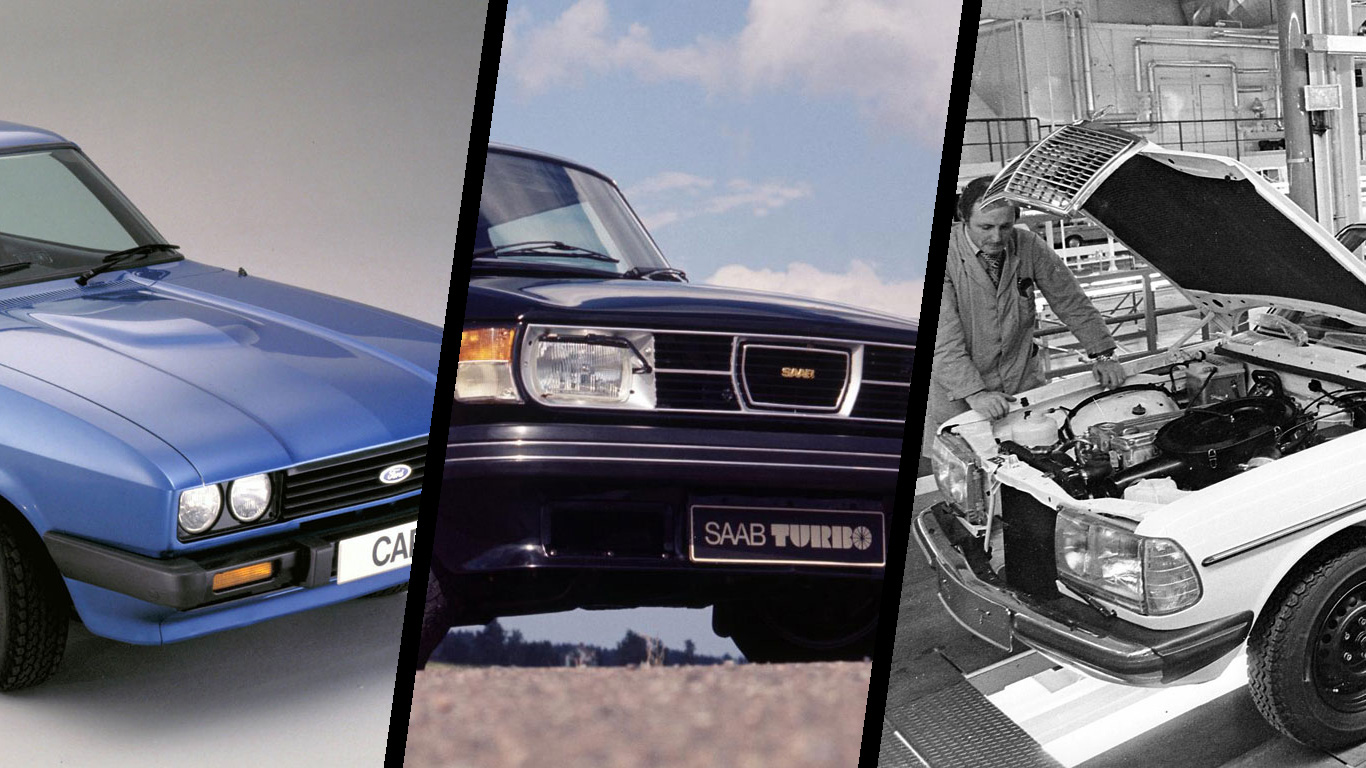
The rolling exemption for classic cars means that on the 1 April each year, vehicles built more than 40 years before 1 January that year will automatically be exempt from paying Vehicle Excise Duty (VED).
With this in mind, we’ve identified 12 of the many cars launched in 1978, as owners can look forward to a tax-free future.
Saab 99 Turbo
The 99 Turbo was a turning point, not just for Saab, but for the world of performance cars. It was there at the genesis of mass-produced turbocharged cars, and went on sale in the UK with a price tag of £7,850. A few weeks later, it was overshadowed by the preview of the Saab 900, which arrived in showrooms in the spring of 1979.
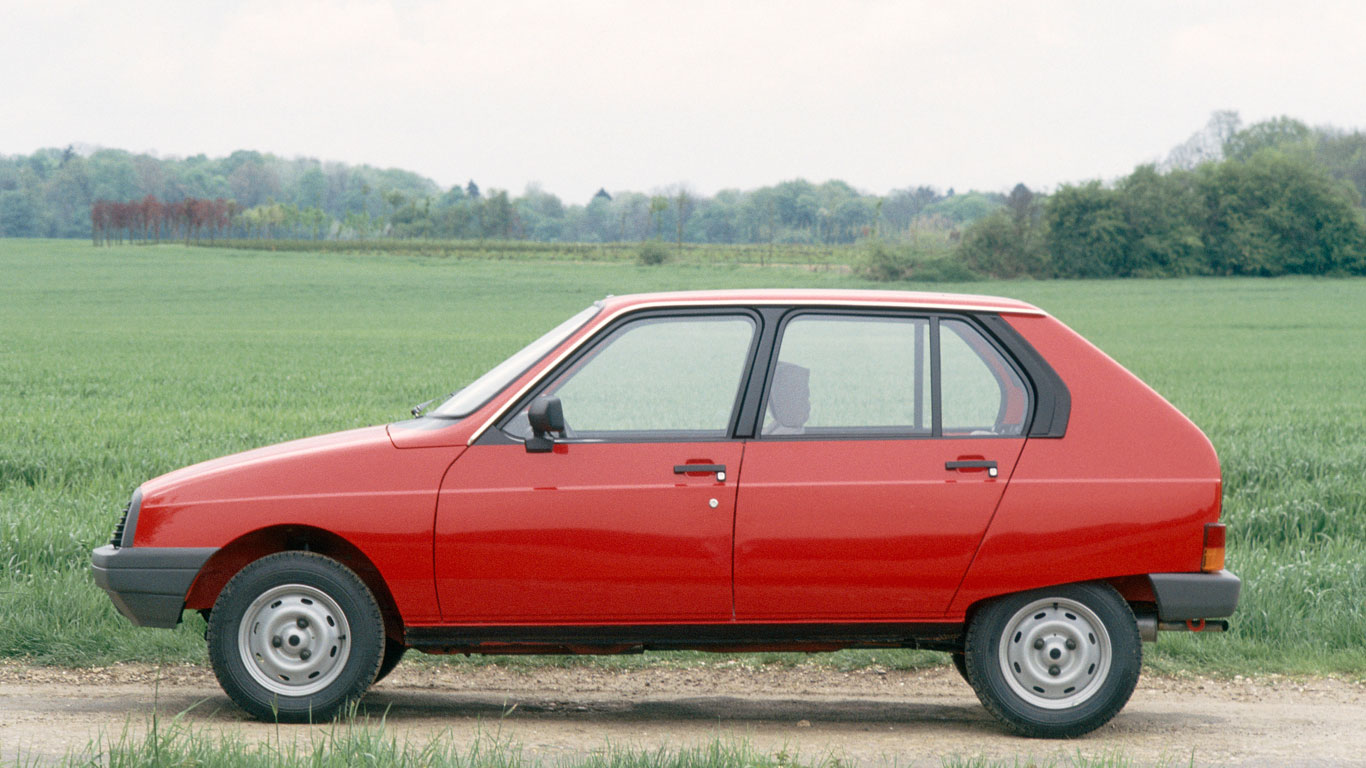
Citroen Visa
Designed to fill the gap between the 2CV and the GS, the Citroen Visa was typically idiosyncratic. Highlights included a dashboard layout inspired by the CX, thermoplastic elastomer bumpers and, for entry-level models, a larger version of the 2CV’s air-cooled engine. Few cars survive.
Ford Capri Mk3
The Ford Capri Mk3 was announced on the 2 March 1978, boasting four circular headlights, a louvred radiator grille, new rear lights and a front spoiler. The new appearance was designed to improve aerodynamics, but Ford’s marketing men would have been pleased with the improved aesthetics. The Capri lived on for another decade, bowing out with the limited edition 280.
Porsche 928
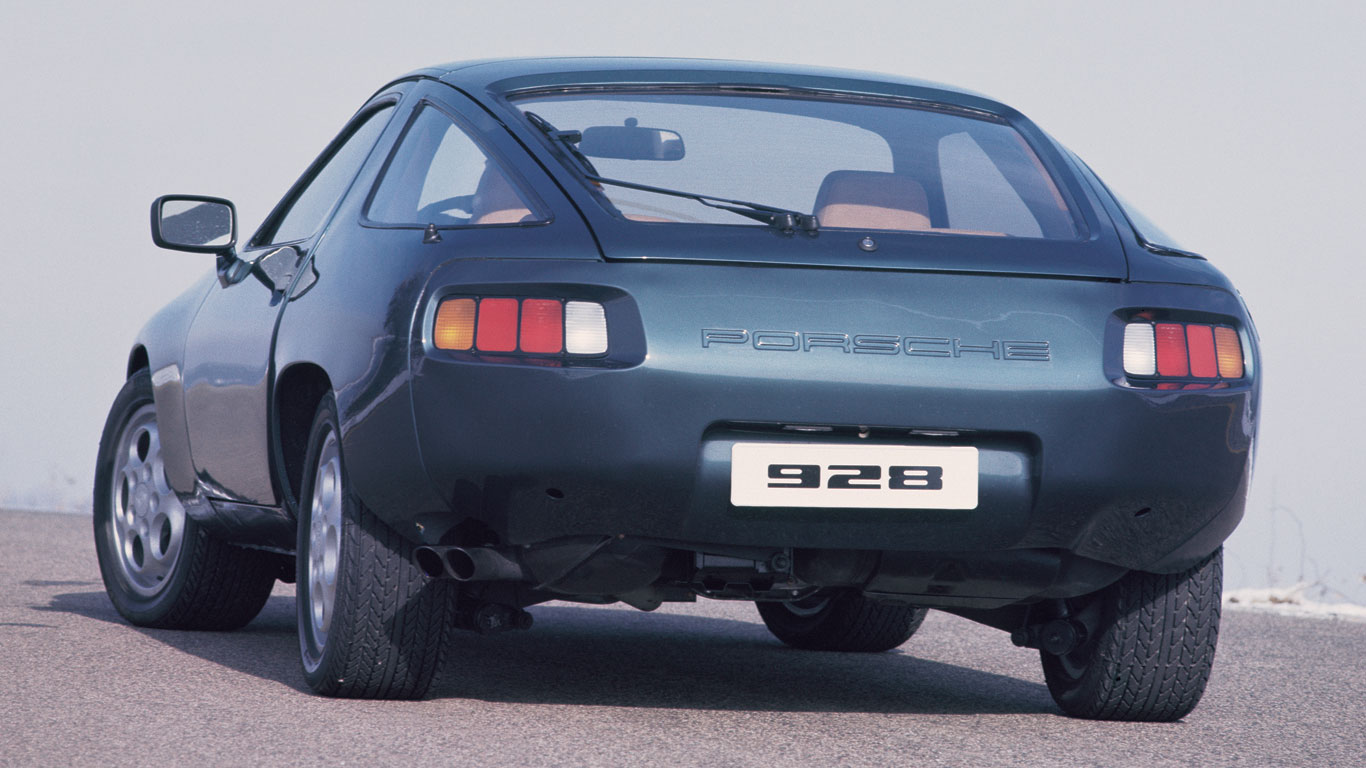
Making its debut at the 1977 Geneva Motor Show, the first right-hand drive Porsche 928 cars were delivered in February 1978. Famously launched to succeed the iconic 911, the 928 failed to capture the public’s imagination and sales were slow and steady. A programme of gradual improvements created a fine GT car, but the 928 died in 1995, leaving the 911 to live on as Porsche’s flagship sports car.
Aston Martin Lagonda
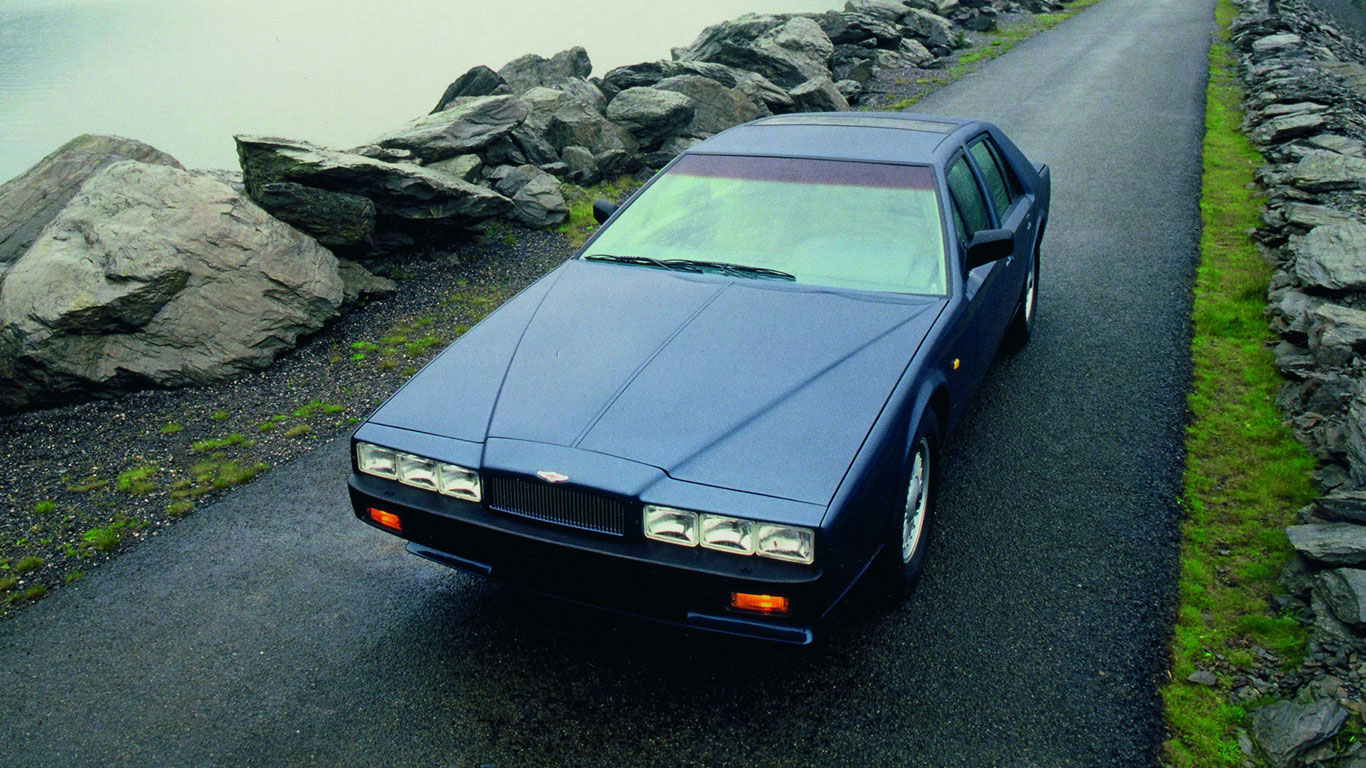
Two years after the first prototype was unveiled, the first Aston Martin Lagonda saloon models were delivered in 1978. In April of that year, a Lagonda would have set you back £32,620, which is about £193,250 in today’s money.
Mercedes-Benz W123 T
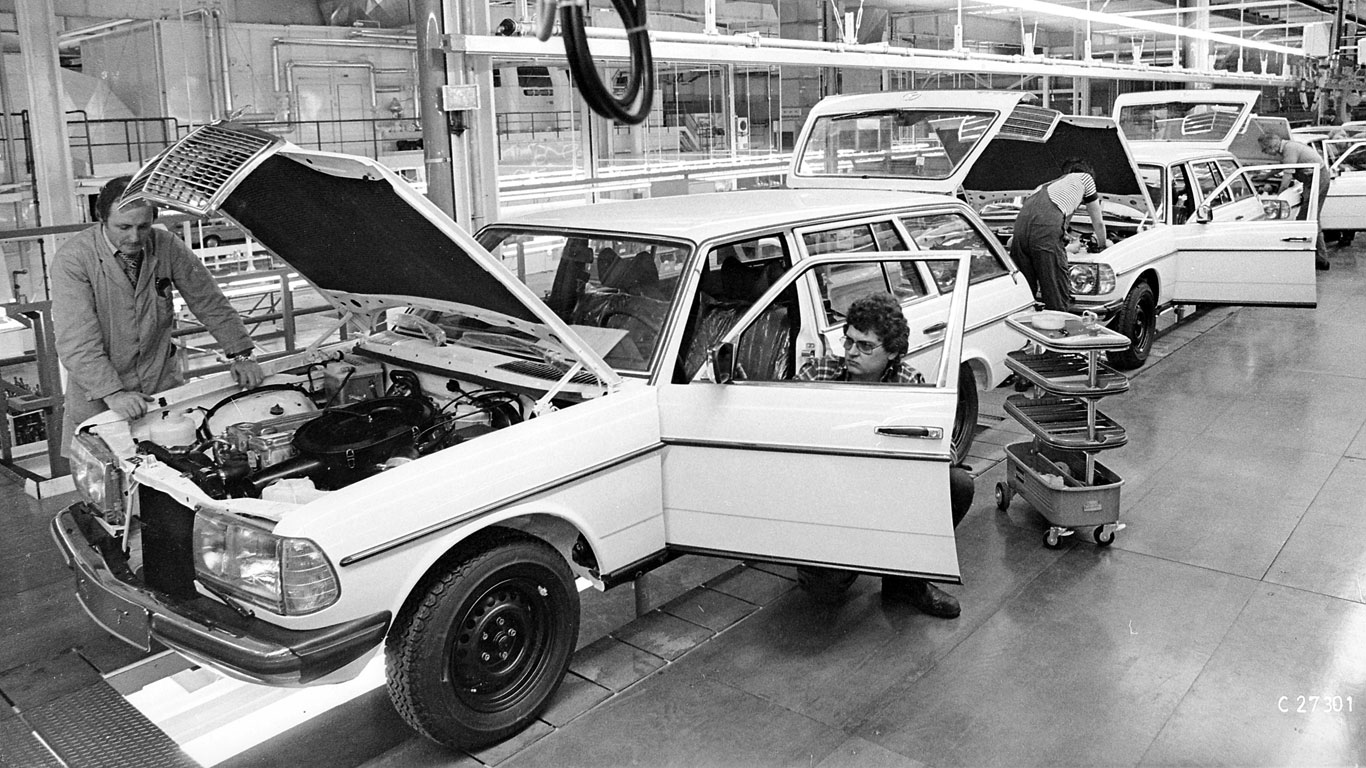
In 1977, Mercedes-Benz launched its first estate car, with the first right-hand drive models scheduled for delivery in 1978. The W123 T – or Touring and Transport – is arguably the ultimate version of one of the greatest cars of the 20th century. If you’re looking for reliable family transport, this is so much cooler than a PCP deal on a new crossover.
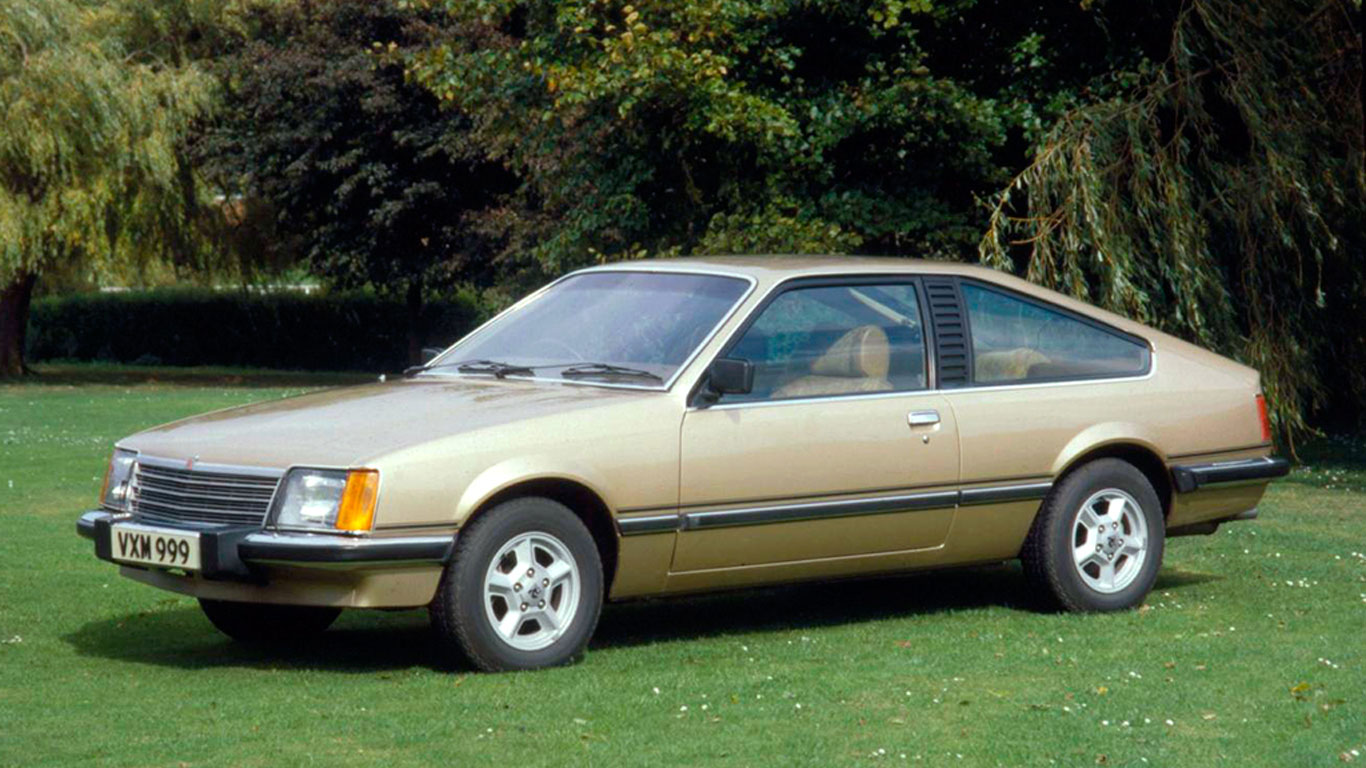
Opel Monza
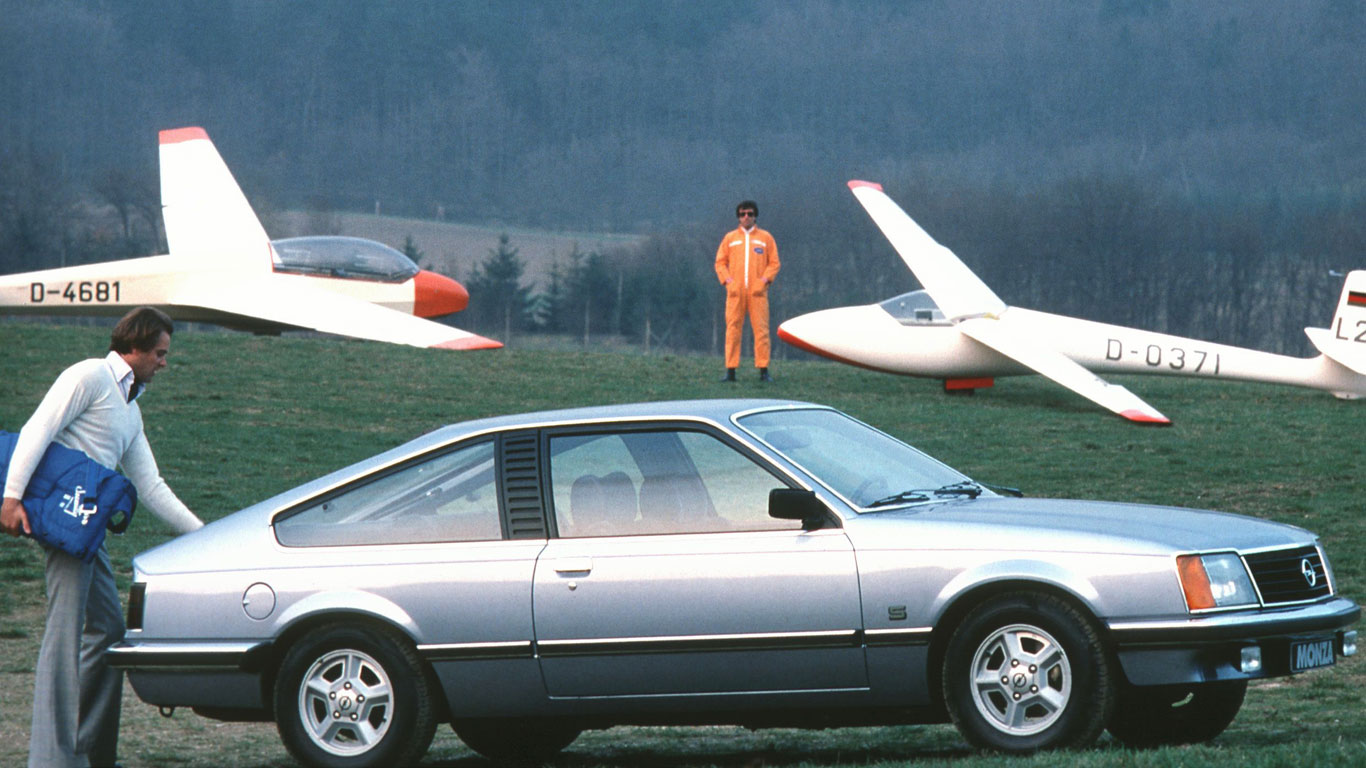
Previewed in 1977, the first Opel Monza models went on sale in May 1978. Based on the Opel Senator, the Monza felt more exotic than its GM parentage would suggest, especially in 3.0-litre form. It certainly sounded more glamorous than the Vauxhall version…
Vauxhall Royale
Aside from the badge and front grille, the Vauxhall Royale was little more than a reskinned version of the Opel Monza. Just like its Opel sibling, the Royale was built in Germany, but Vauxhall would have to wait two years before the 3.0-litre engine was offered in the UK. In the meantime, Royale customers had to ‘make do’ with the 2.8-litre six-cylinder unit.
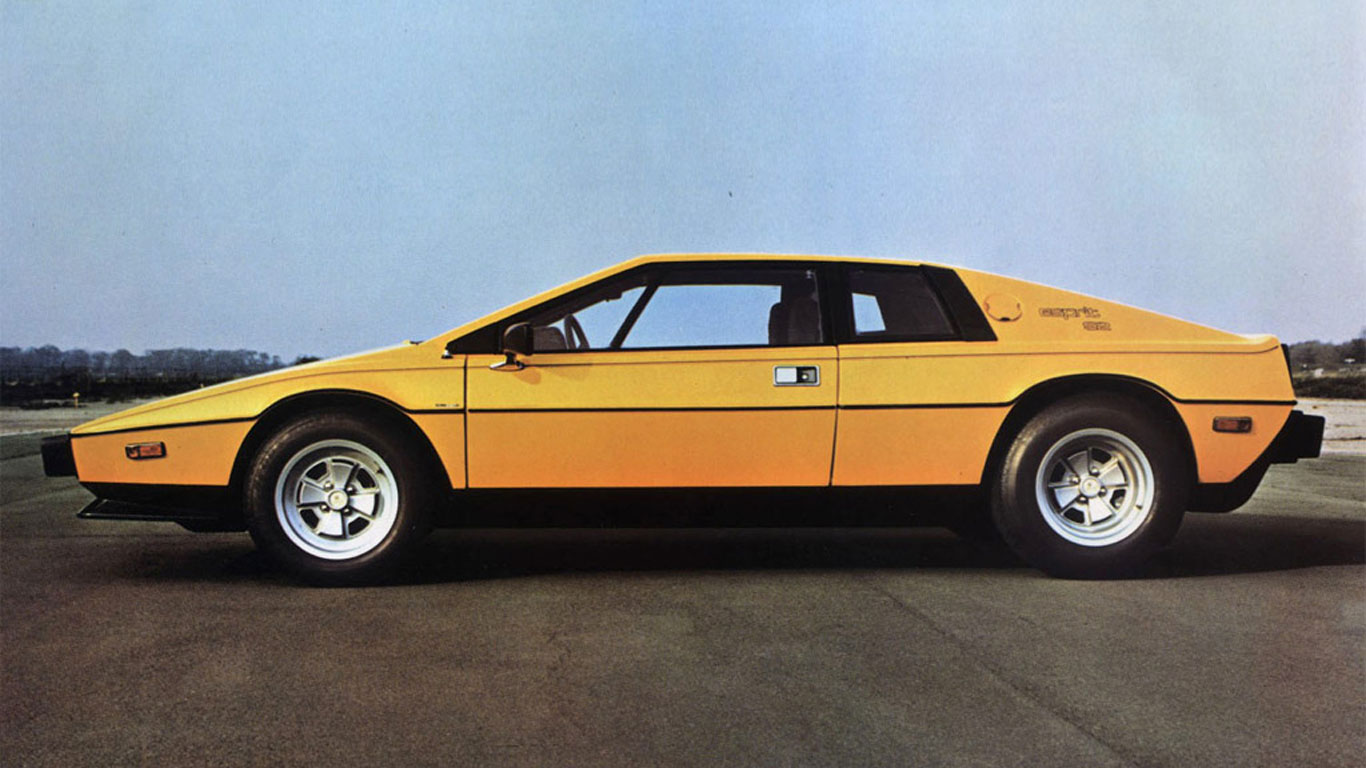
Lotus Esprit S2
The Lotus Esprit S2 arrived in August 1978 and featured new Lotus-designed Speedline alloy wheels, Rover SD1 rear lights, an integrated front spoiler and scoops behind the doors.
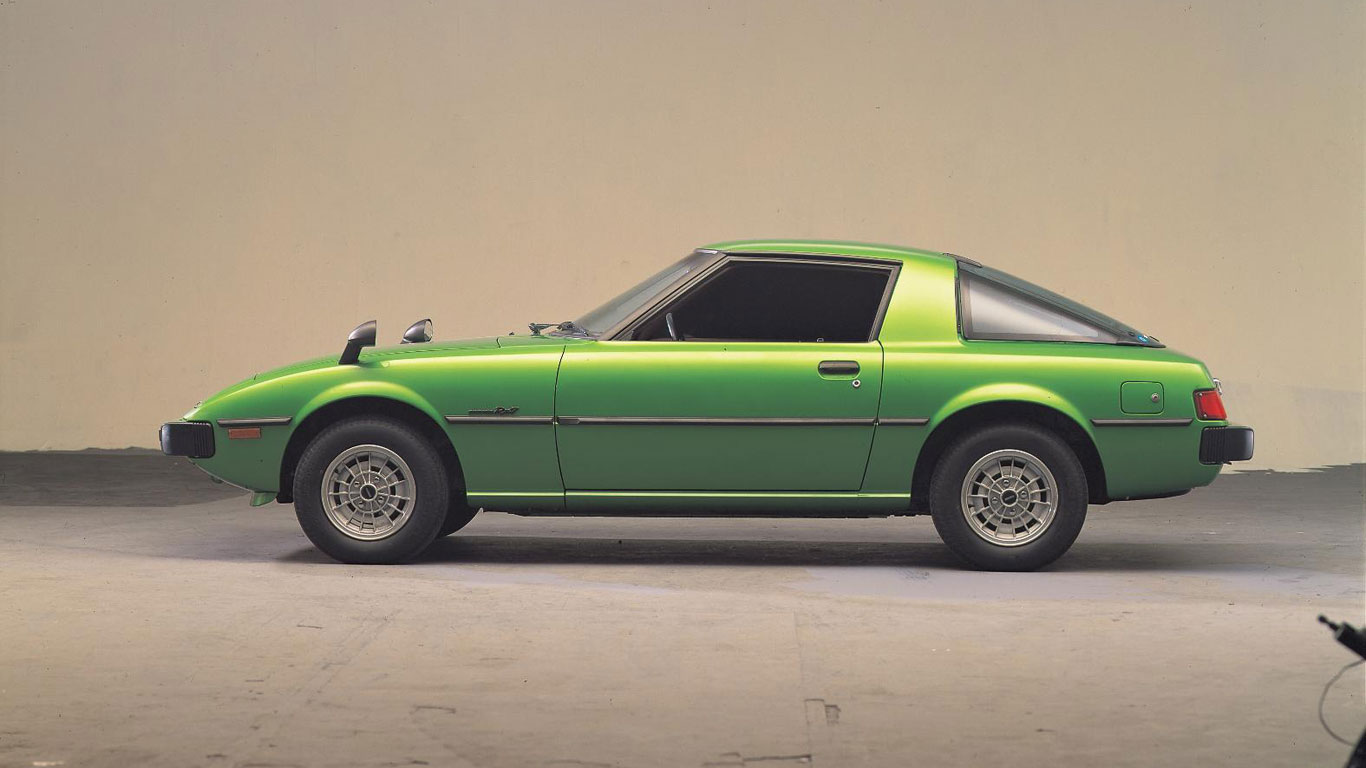
Mazda RX-7
The rotary-engined NSU Ro80 died in 1977, but Mazda wanted the world to believe there was still life in the Wankel. The RX-7 was designed to go head-to-head with the Datsun 260Z and the Porsche 924 in North America, but UK deliveries began before the end of 1978.
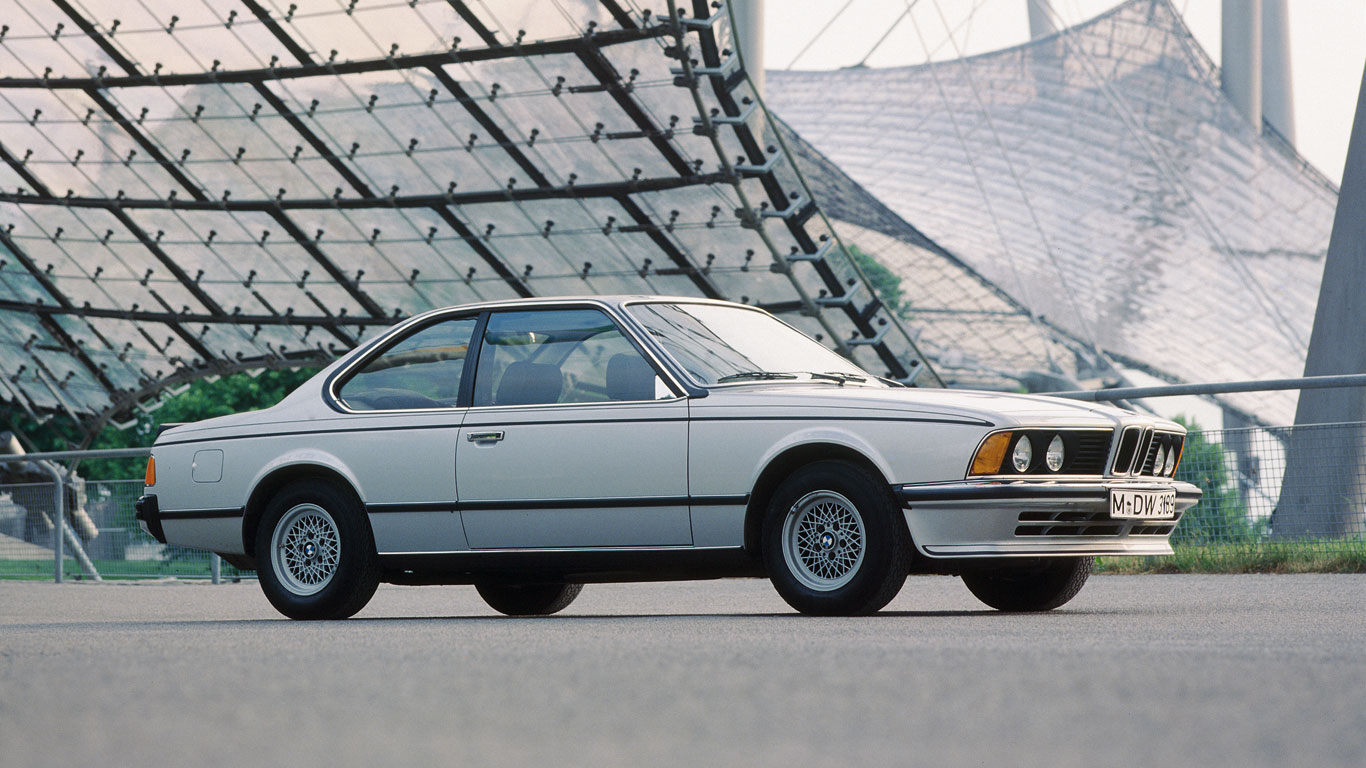
BMW 635CSi
This was a big year for BMW. Along with the aforementioned M1, Bavaria also unveiled the 323i – the fastest 3 Series to date – and this: the 635CSi. Arriving in July, the 635CSi gave the 6 Series the performance to match its good looks, with power sourced from a 3.5-litre six-cylinder engine.
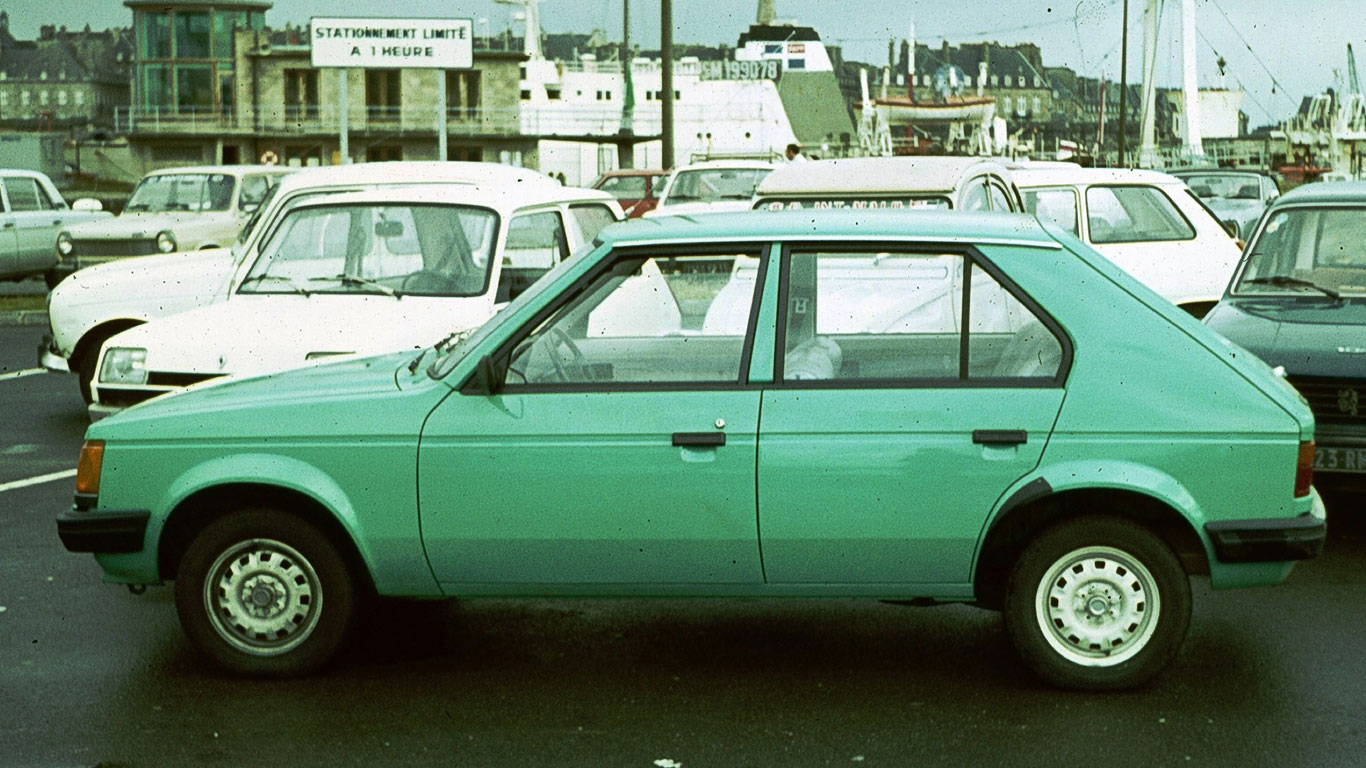
Chrysler Horizon
The Simca-Chrysler Horizon scooped the European Car of the Year award in 1979, beating the Fiat Strada and Audi 80 into second and third place, respectively. “Built to win you over,” proclaimed the press ads, although it was always facing a losing battle against the Volkswagen Golf. Within a year, it became a Talbot, but was dead by the mid 80s.
ALSO READ
Lotus Europa: why the ‘softer Elise’ failed to win buyers
Many are blaming the current demonisation of diesel for this, at least in part – but although rising sales of alternative fuel cars reveal some may be making the switch from diesel to electric, it’s plug-in hybrids, which combine electric with a ‘range-extending’ petrol engine, rather than pure zero-emissions EVs, that are benefiting.
Indeed, sales of pure electric cars actually fell in March, the largest and most important month of the year for new car sales, and by a not-insignificant 7.5 percent.
Plug-in hybrid new car sales, by contrast, rose by 18.2 percent.
The decline in pure electric cars is a surprise, as the assumed trend has been that sales will accelerate as battery ranges increase, prices fall and buyers become more familiar and confident with the concept of an electric car.
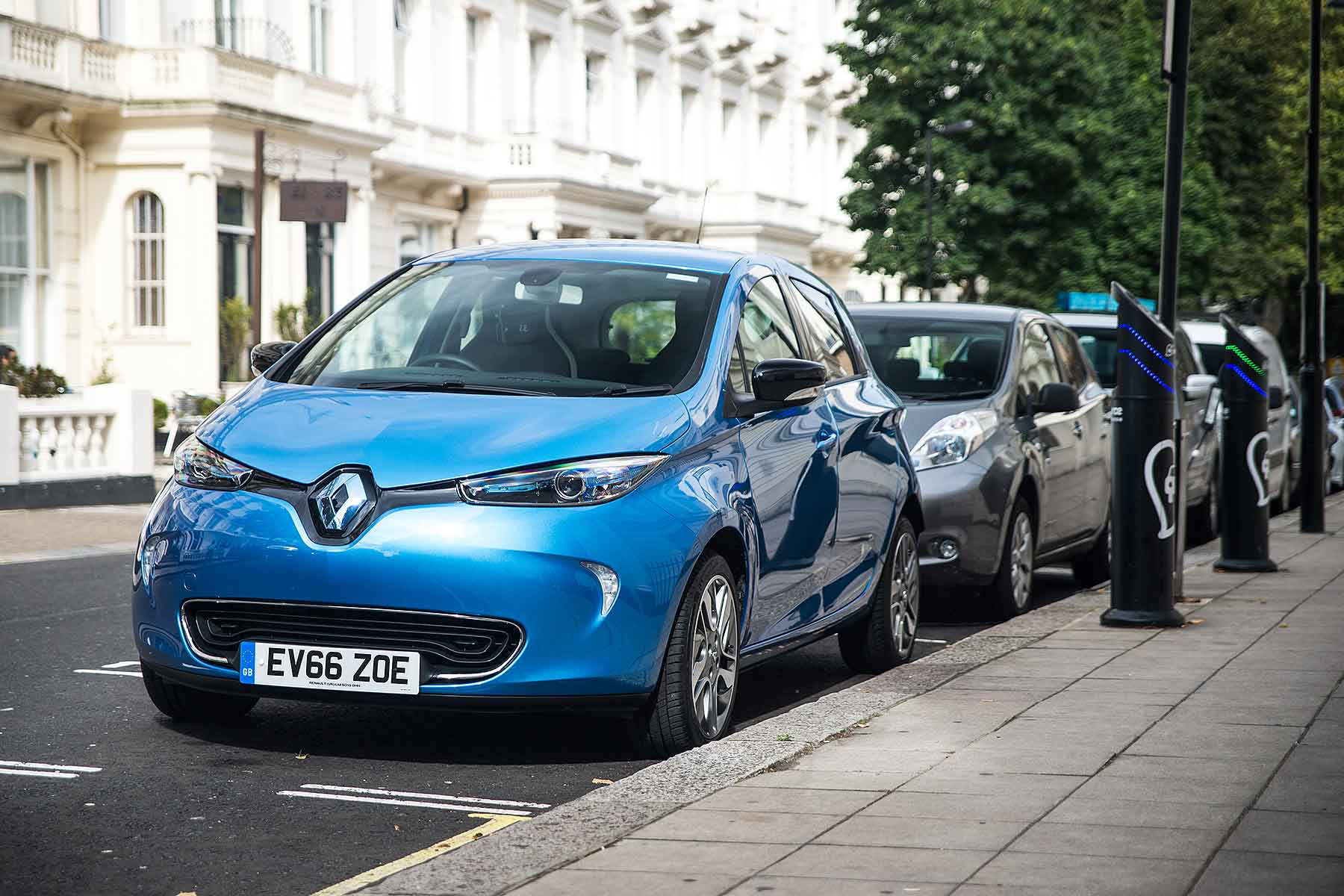
But while more than 3,100 pure electric cars were sold in March 2017, little more than 2,900 were registered in 2018. This is despite Renault, one of the biggest brands for electric cars, offering some appealing £199-a-month deals on its all-electric Zoe.
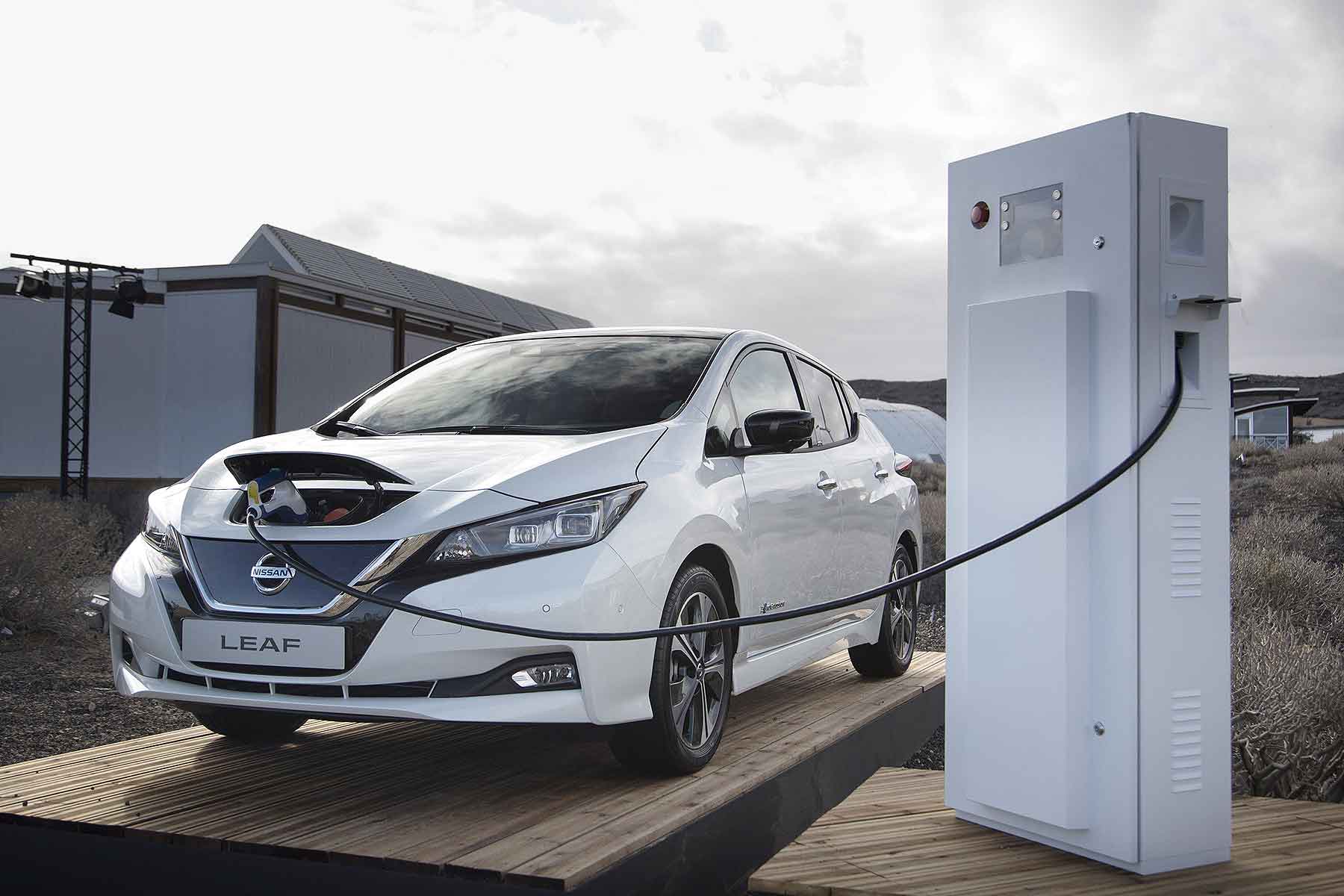
One explanation for the fall in electric car sales could be Nissan’s launch of the new Leaf. Often, there can be a hiccup in deliveries as production switches from one generation to the next.
Ford very publicaly showed what happens when things go wrong last year, when Britain’s perennial best-selling car, the Fiesta, lost its top spot for a few months.
However, another explanation could be that, simply, the bulk of British car buyers don’t think they’re yet ready for electric. Early adopters already have one and it’s going to take the roll-out of the next-generation of electric cars to really rally the market.
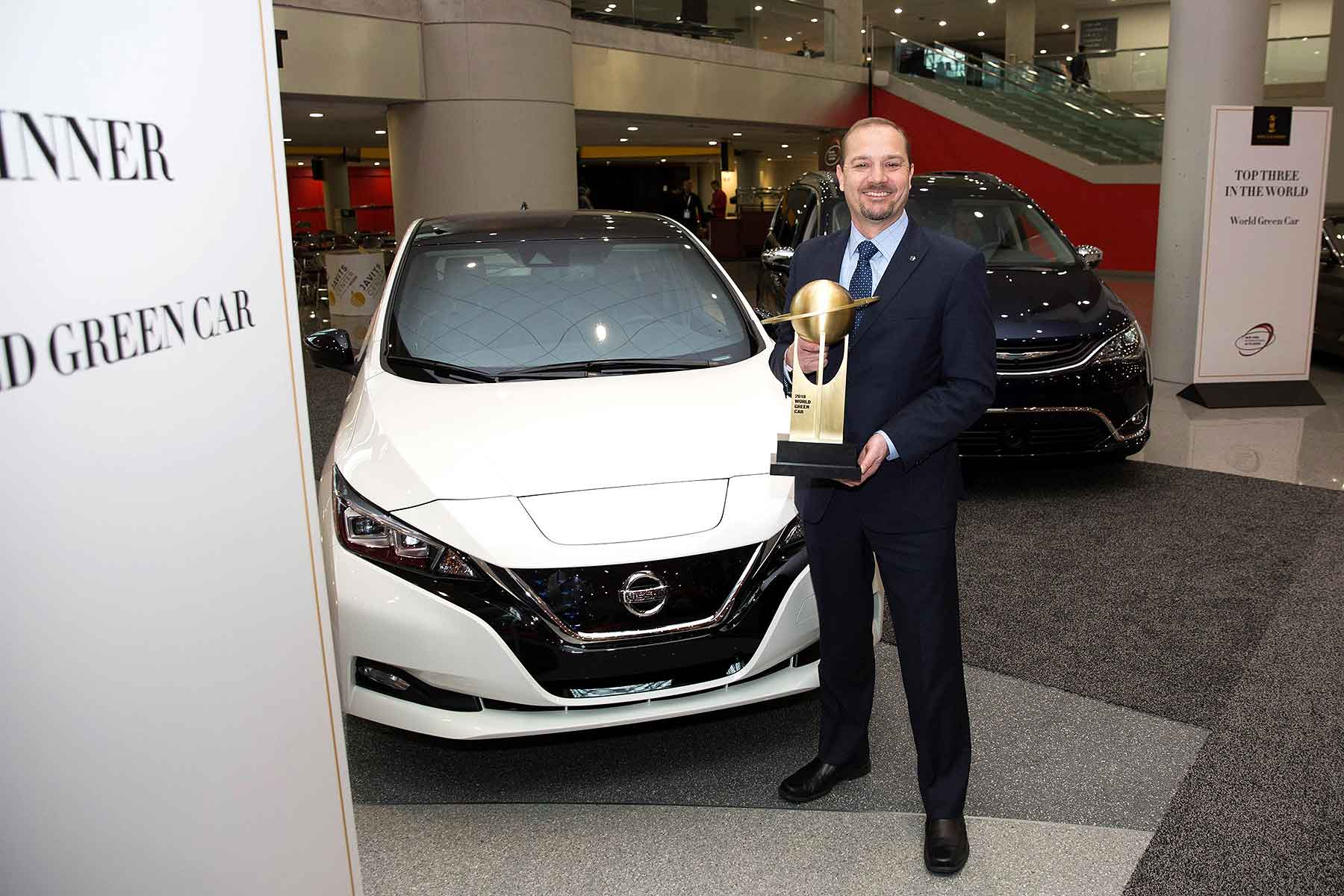
Again, the Leaf may well prove pivotal here, just as the original one did in establishing the idea of an everyday electric car in Britain. Fresh from scooping the 2018 World Green Car of the Year Award, can it deliver?
Analysts will thus be watching pure EV registration figures carefully over the next few months. Because surely it’s far too early in the life of the everyday electric car for a sales stumble to continue for long…
‘Alternative-fuel vehicles’ – hybrid, plug-in hybrid and electric – accounted for just over five percent of car sales in February 2018. That’s according to JATO Dynamics, which collates car registration figures for 27 European markets. Here, we reveal the top five best-sellers in each of those three eco-friendly categories. These are Europe’s best-selling hybrid and electric cars
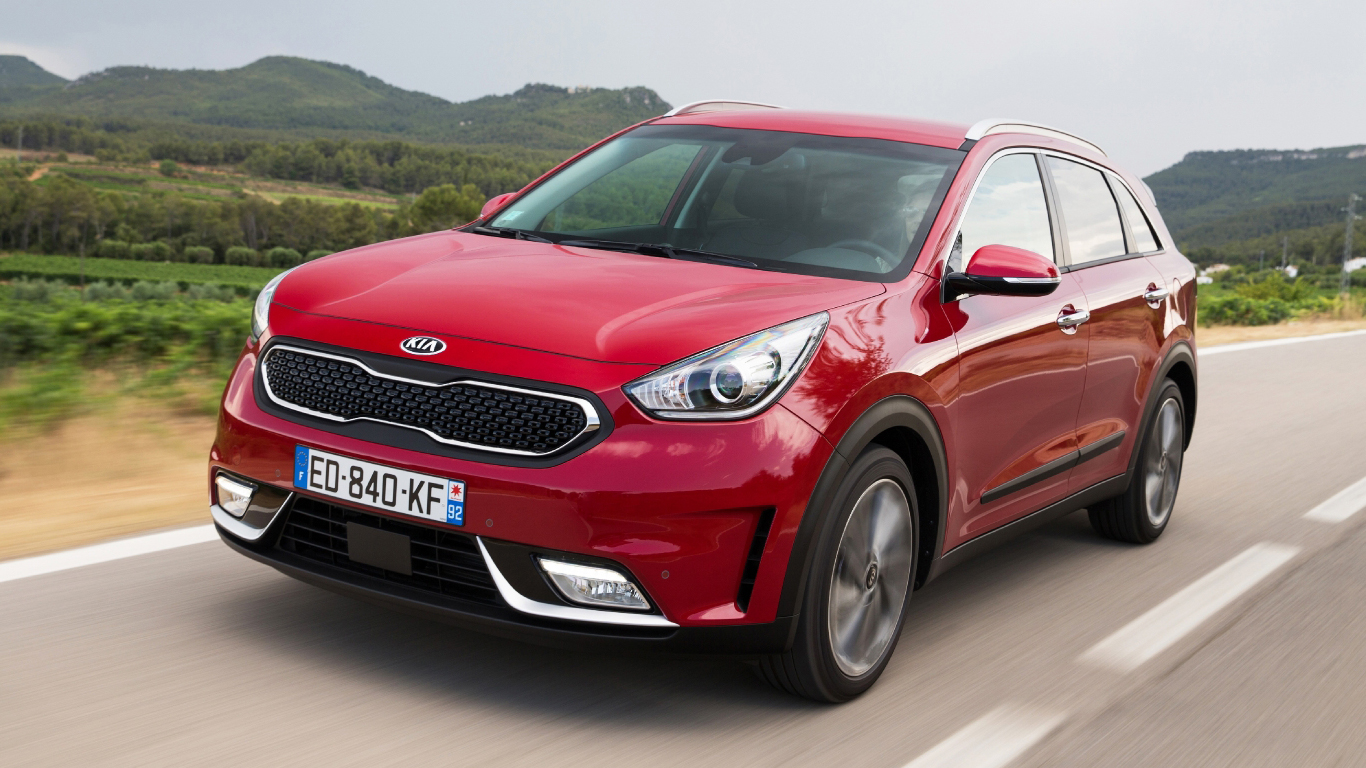
Hybrid no.5 – Kia Niro
We start with conventional hybrids: those where on-board batteries are charged solely by an internal combustion engine (i.e. they can’t be plugged in). In fifth place is the Kia Niro, finishing ahead of its Hyundai Ioniq stablemate with 1,853 sales. It’s the only non-Toyota in the top five.
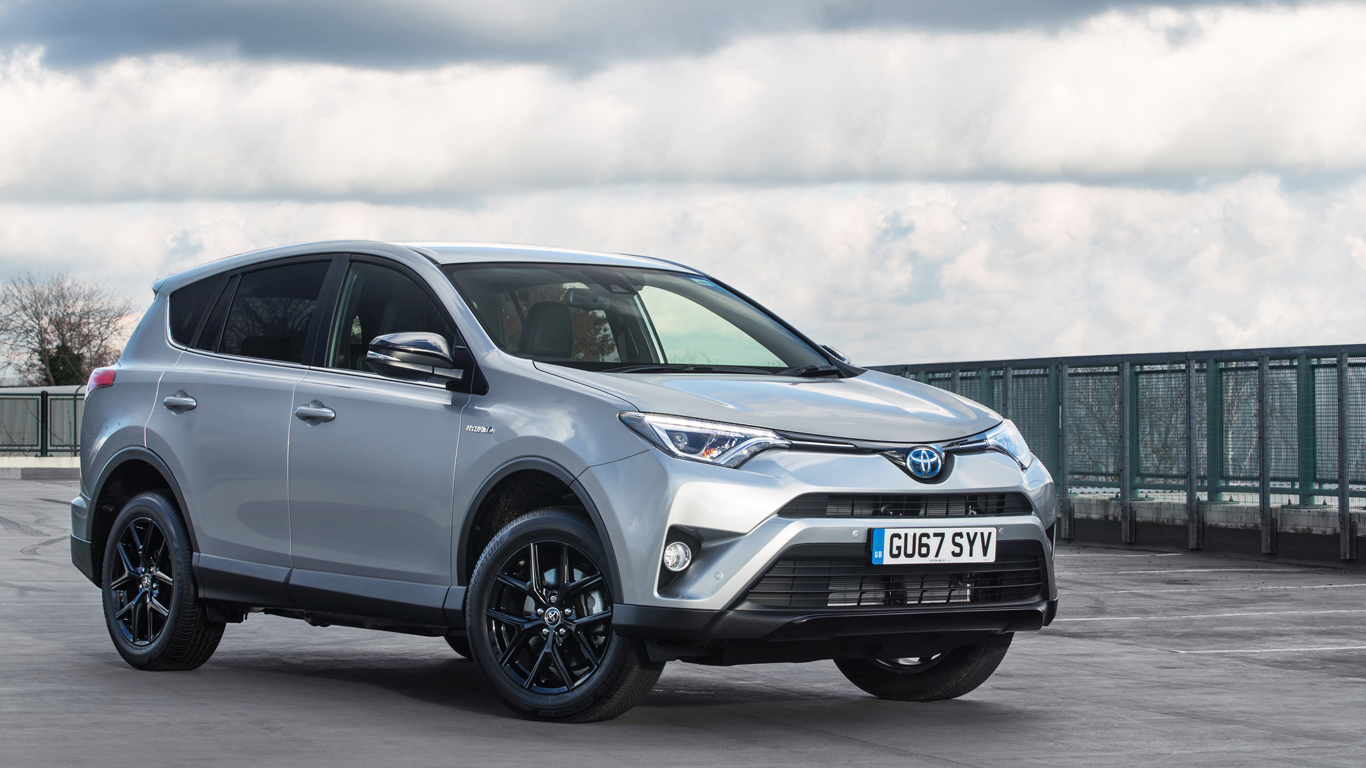
Hybrid no.4 – Toyota RAV4 Hybrid
Toyota has majored on hybrids ever since the first Prius was launched in 1997. Interestingly, though, the car many people associate with ‘going green’ is not inside the European top five. It’s outsold by the fourth-placed RAV4 Hybrid for starters, which found 3,326 new owners in February.
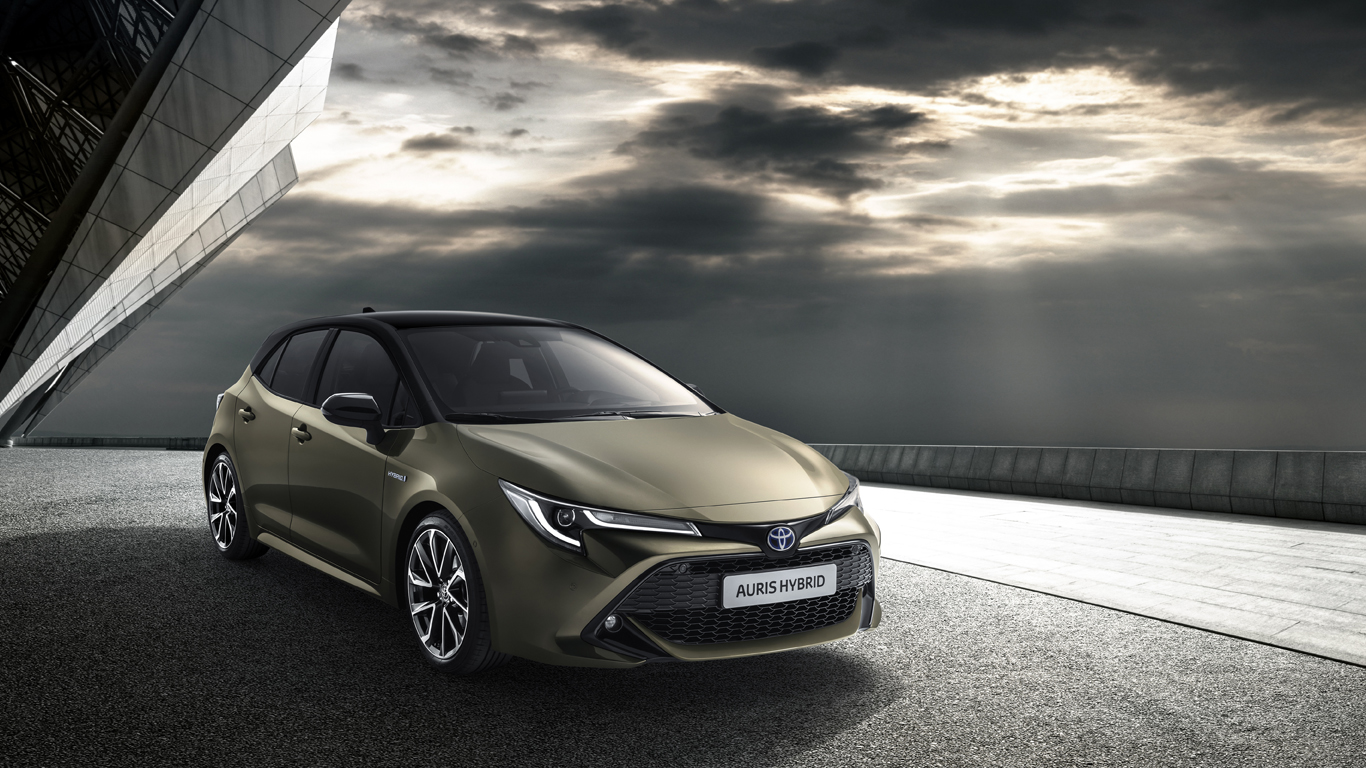
Hybrid no.3 – Toyota Auris Hybrid
Our next Toyota is the Auris Hybrid. This dull-but-worthy car offers the same petrol/electric drivetrain as the Prius, but packaged in a more conventional hatchback body. There’s also a practical Touring Sports estate. Sales of 4,408 put the Auris in third place.
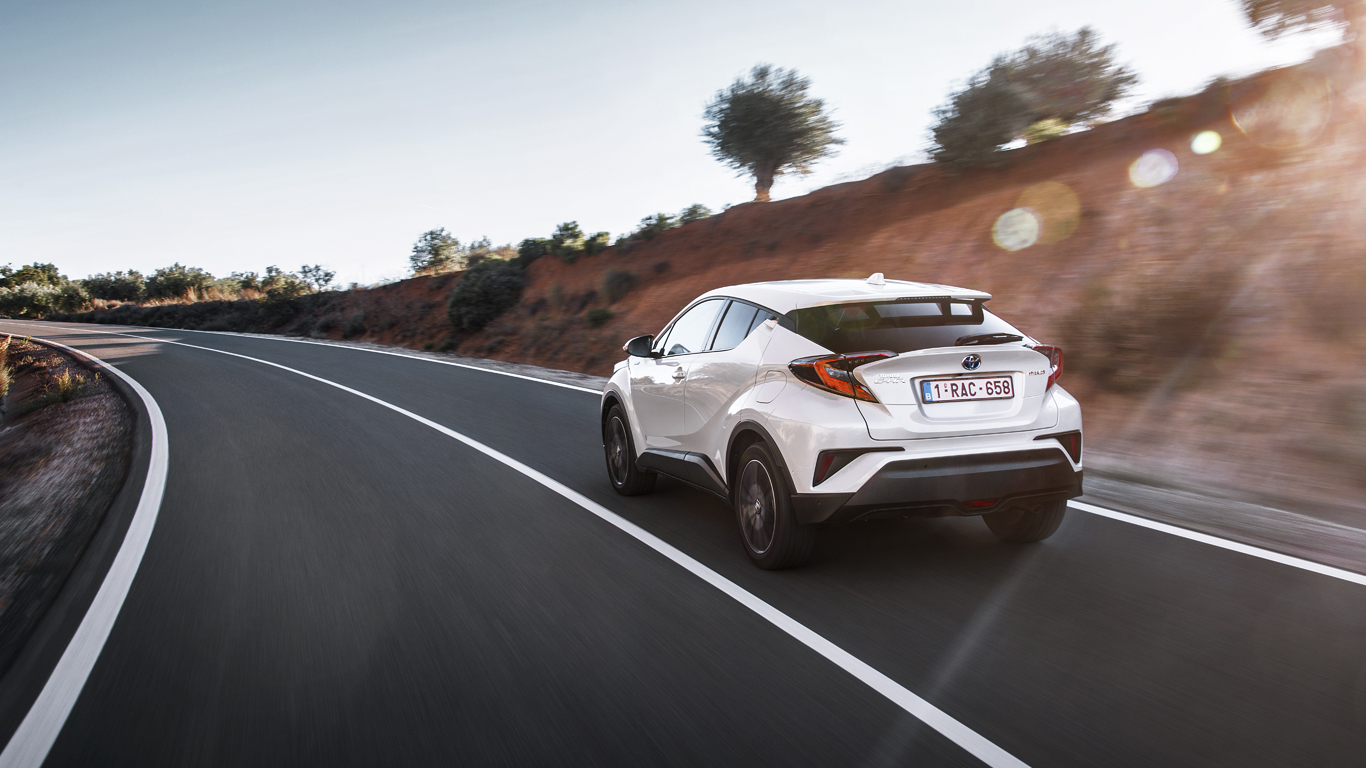
Hybrid no.2 – Toyota C-HR Hybrid
Fashionable crossover it may be, but the C-HR’s slash-cut styling certainly divides opinion. Still, unconventional looks are no barrier to success in this sector – as proved by the Nissan Juke and the C-HR’s strong standing here. It finishes second, with 5,436 sales.
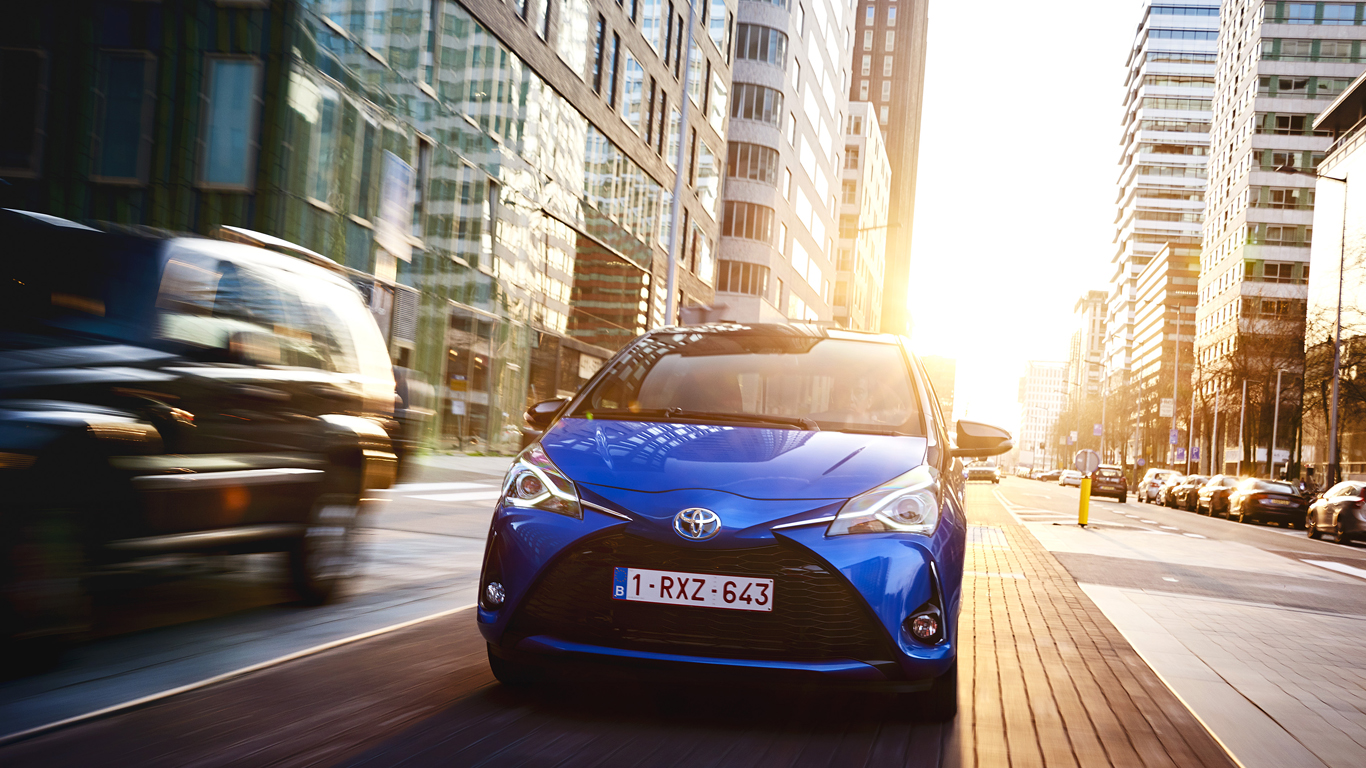
Hybrid no.1 – Toyota Yaris Hybrid
So the number one hybrid in Europe is – you guessed it – a Toyota. The Yaris Hybrid is the smallest and most efficient car in the top five, with official figures of 85.6mpg and 75g/km. It’s also reliable and easy to drive – particularly in town, where a ‘B’ mode for the automatic gearbox boosts regenerative braking for one-pedal driving.
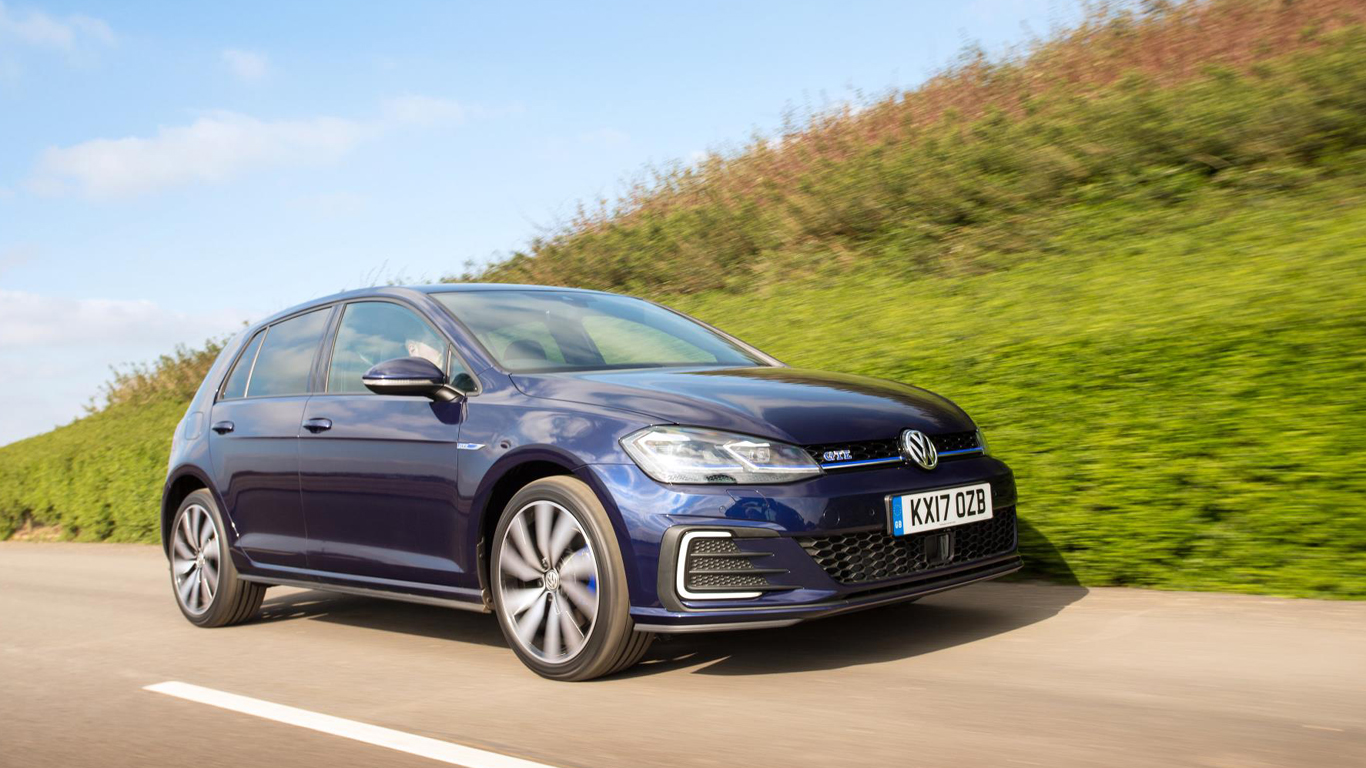
Plug-in hybrid no.5 – Volkswagen Golf GTE
We move on to plug-in hybrids, starting with the fifth-placed Volkswagen Golf GTE. Cars in this class usually boast incredible – and not entirely realistic – CO2 emissions figures, due to the fact they complete much of the official NEDC test on electric power alone. The sporty Golf GTE, for example, emits just 40g/km. A total of 665 were sold in February.
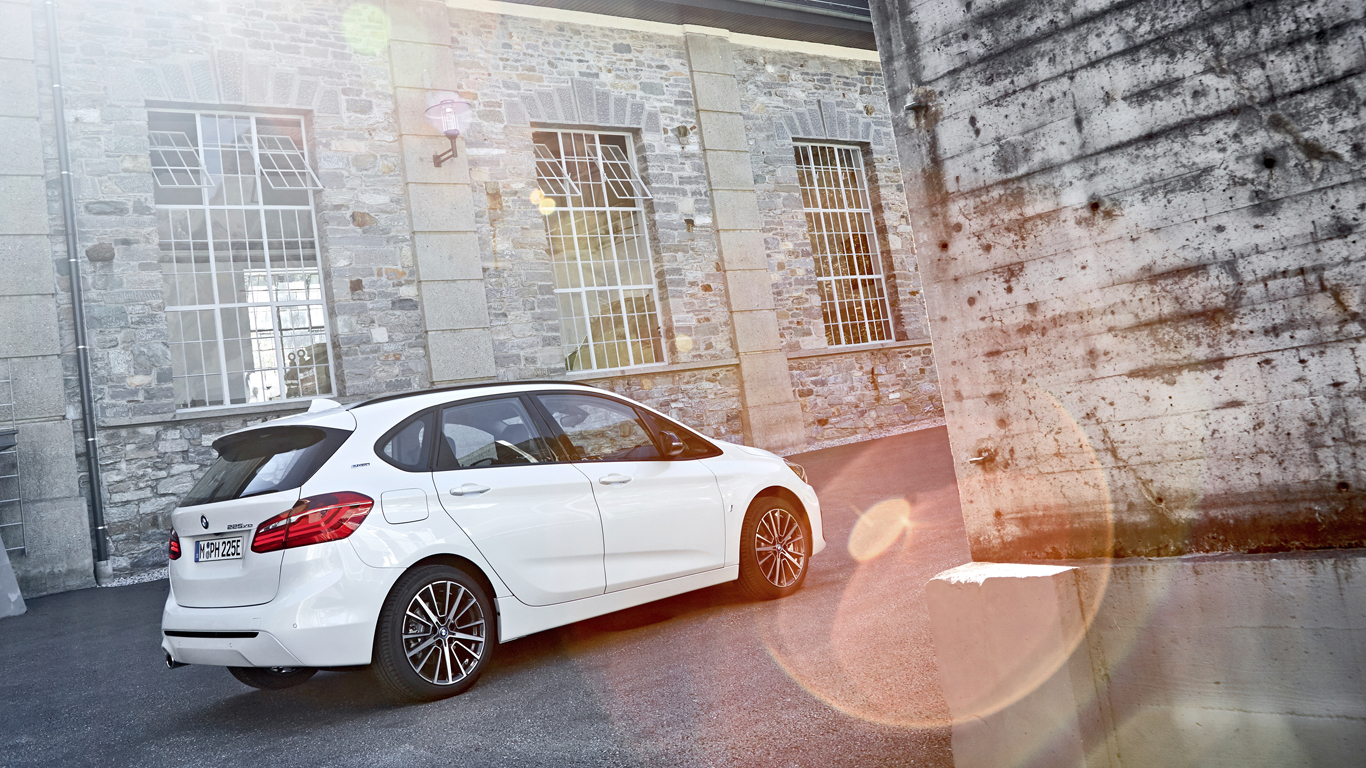
Plug-in hybrid no.4 – BMW 225xe iPerformance Active Tourer
‘BMW 225xe iPerformance Active Tourer’ is a bit of a mouthful, and you wouldn’t call this front-wheel-drive MPV attractive. However, its strengths lie elsewhere, with a versatile interior and 46g/km CO2 emissions (meaning low company car tax and VED). It’s Europe’s fourth most popular PHEV, with 692 sold.
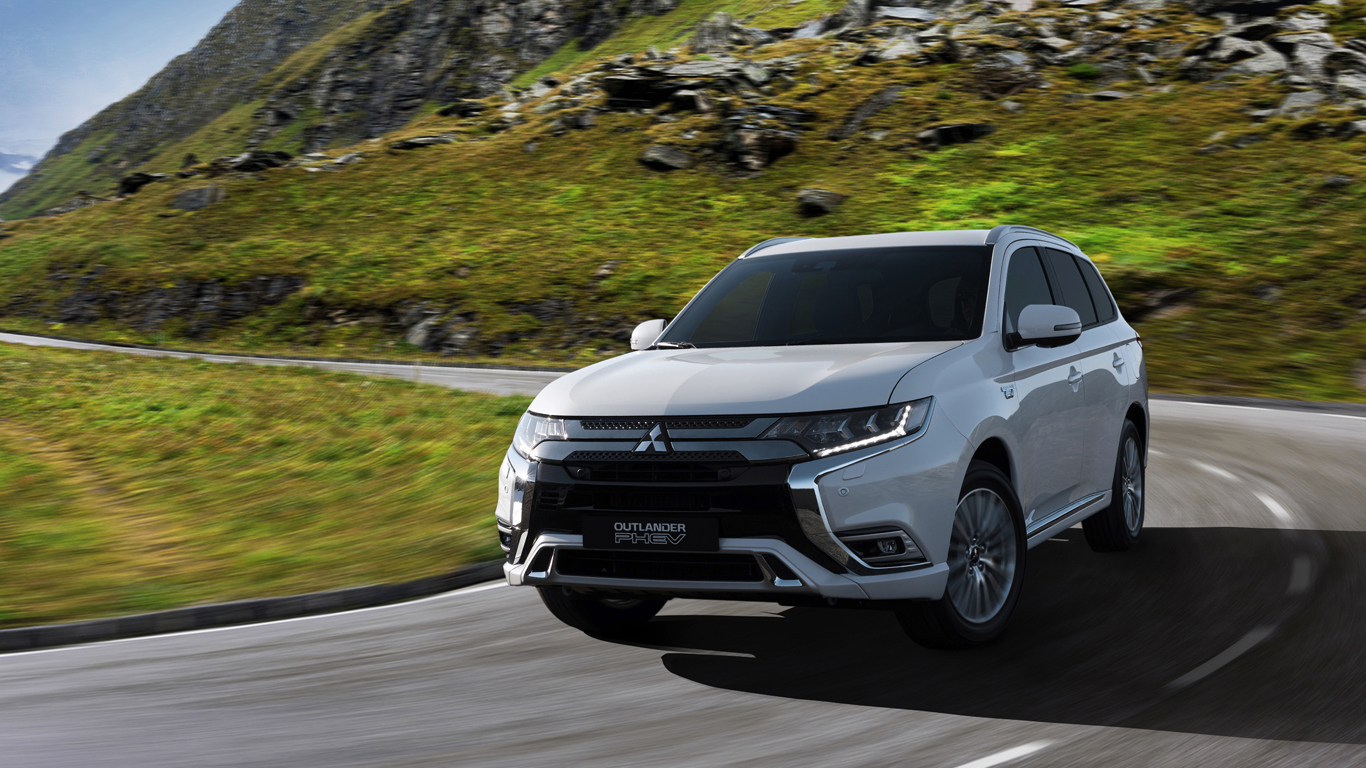
Plug-in hybrid no.3 – Mitsubishi Outlander PHEV
Mitsubishi sells diesel and plug-in petrol/electric versions of its Outlander SUV for the same price. Result: the PHEV is hugely more popular, regularly topping the charts as the UK’s most popular plug-in. In Europe overall, it finishes third, shifting 924 units in April. A updated Outlander arrives soon, promising more power and improved economy.
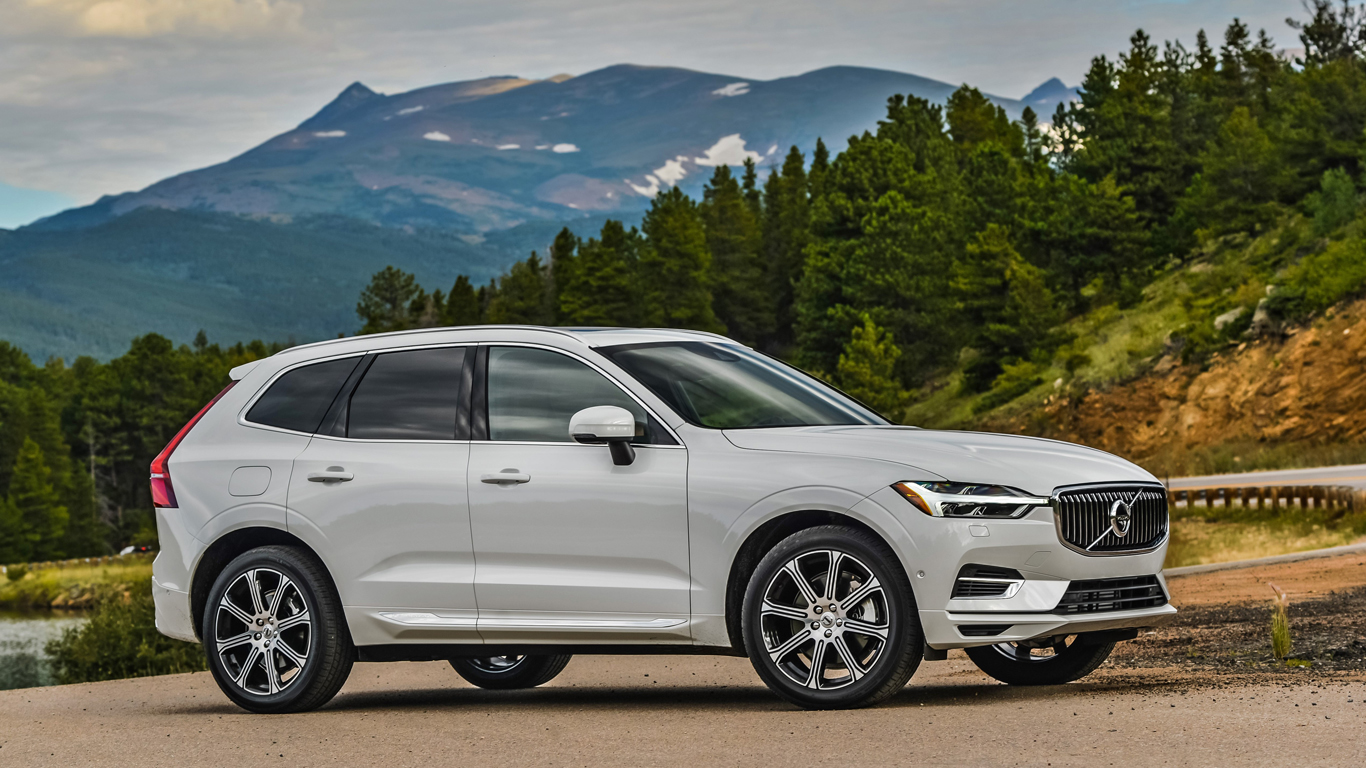
Plug-in hybrid no.2 – Volvo XC60 T8
How about this for the best of both worlds? The T8 ‘twin engine’ XC60 has a combined output of 407hp with an official CO2 figure of 49g/km. It’s also stylish, spacious and very comfortable. What’s not to like? Well, perhaps a nigh-on £60,000 price tag, although that didn’t stop 976 T8s finding buyers around Europe.
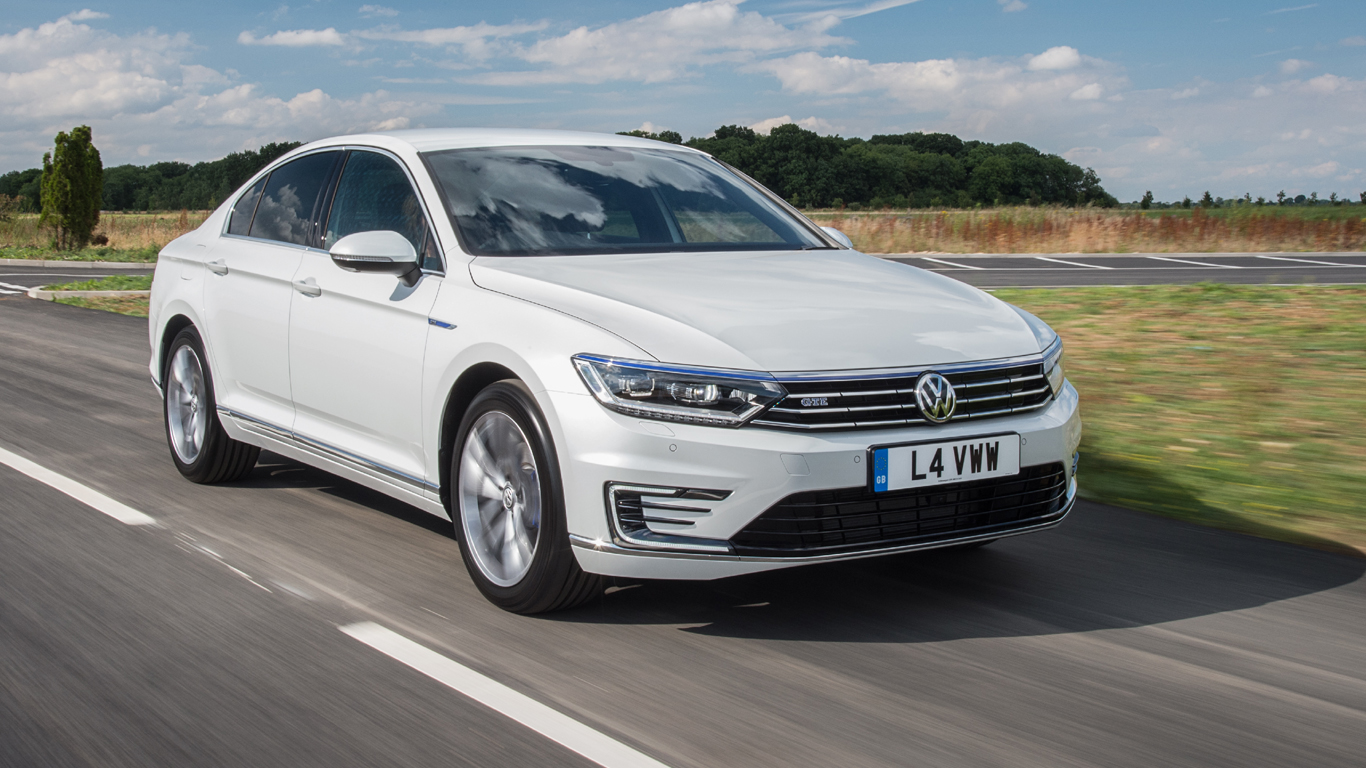
Plug-in hybrid no.1 – Volkswagen Passat GTE
The Passat GTE takes the number one spot, with 1,034 sales – comfortably more than its cheaper Golf sibling. Like the Golf, it’s a performance-oriented hybrid, using its 9.9kWh lithium-ion battery for extra oomph as well as cutting fuel use. The 0-62mph dash takes a swift 7.4 seconds, with CO2 emissions of 39g/km (in theory, at least).
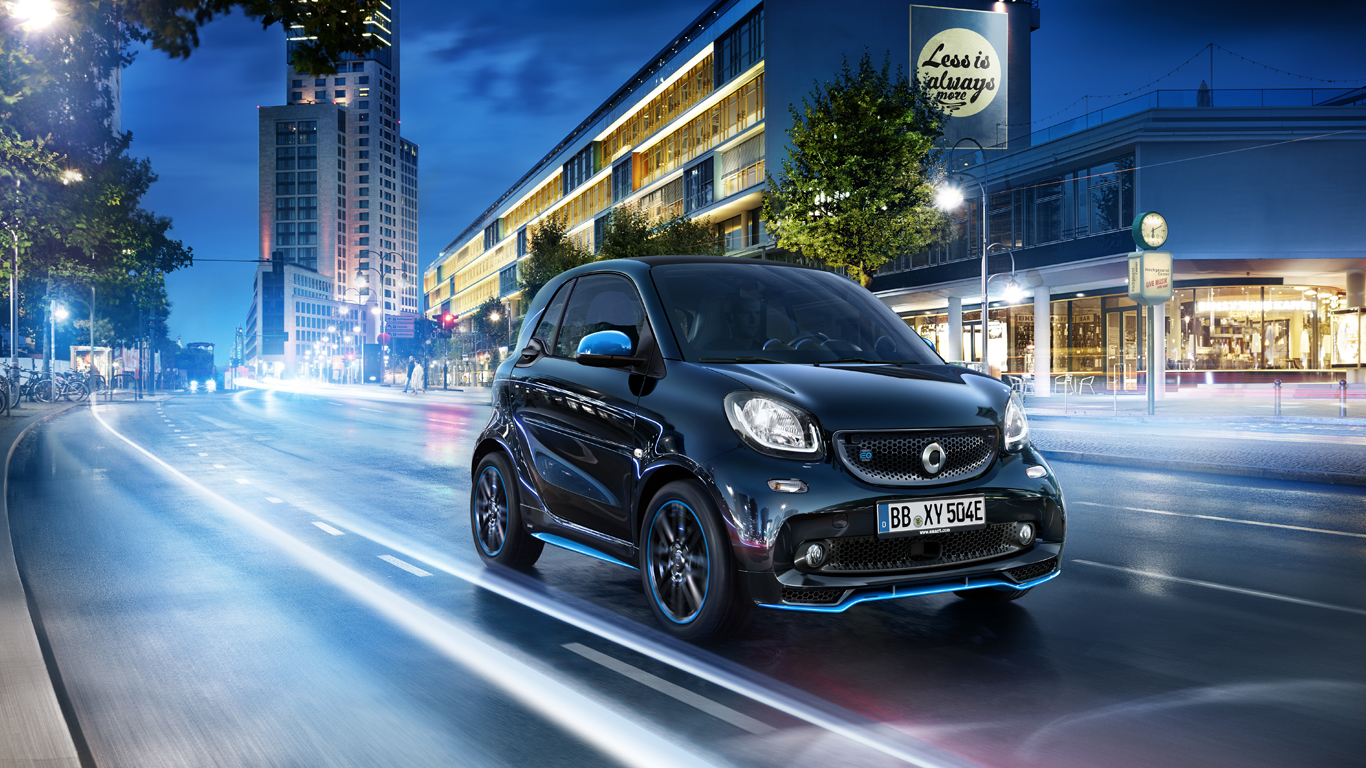
Electric car no.5 – Smart Fortwo EQ
Our third and final top five, also based on Jato Dynamics data, is for fully electric cars (EVs). Times are changing, but many EVs are still small cars designed primarily for city use. The Smart Fortwo EQ is typical of the breed: a two-seat runabout with an 80mph top speed and a 96-mile range. A total of 741 were sold.
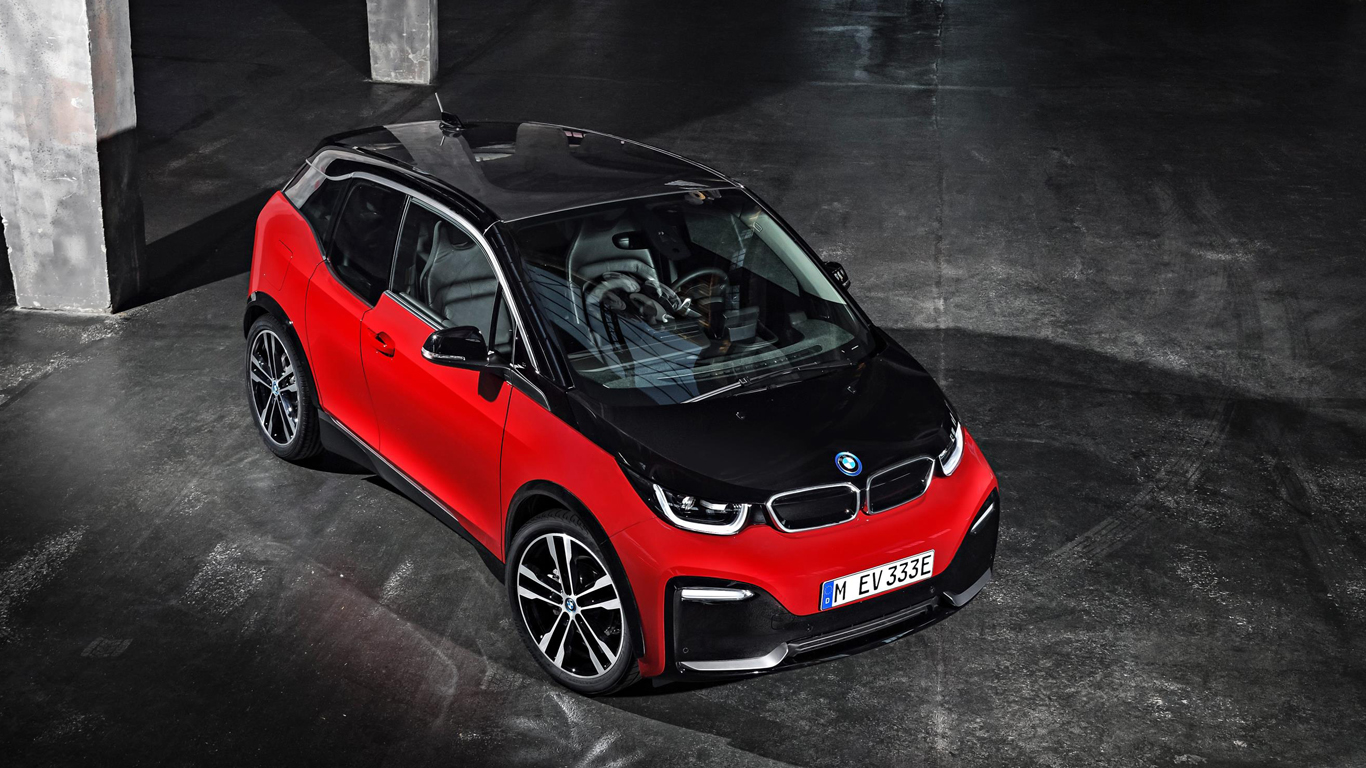
Electric car no.4 – BMW i3
When BMW launched its eco-focused ‘i’ sub-brand, it was the i8 supercar that stole the headlines. However, the i3 hatchback is, in truth, the more innovative car: a futuristic alternative to a 3 Series with a choice of electric or range-extender hybrid powertrains. BMW sold 1,130 electric i3s in February.
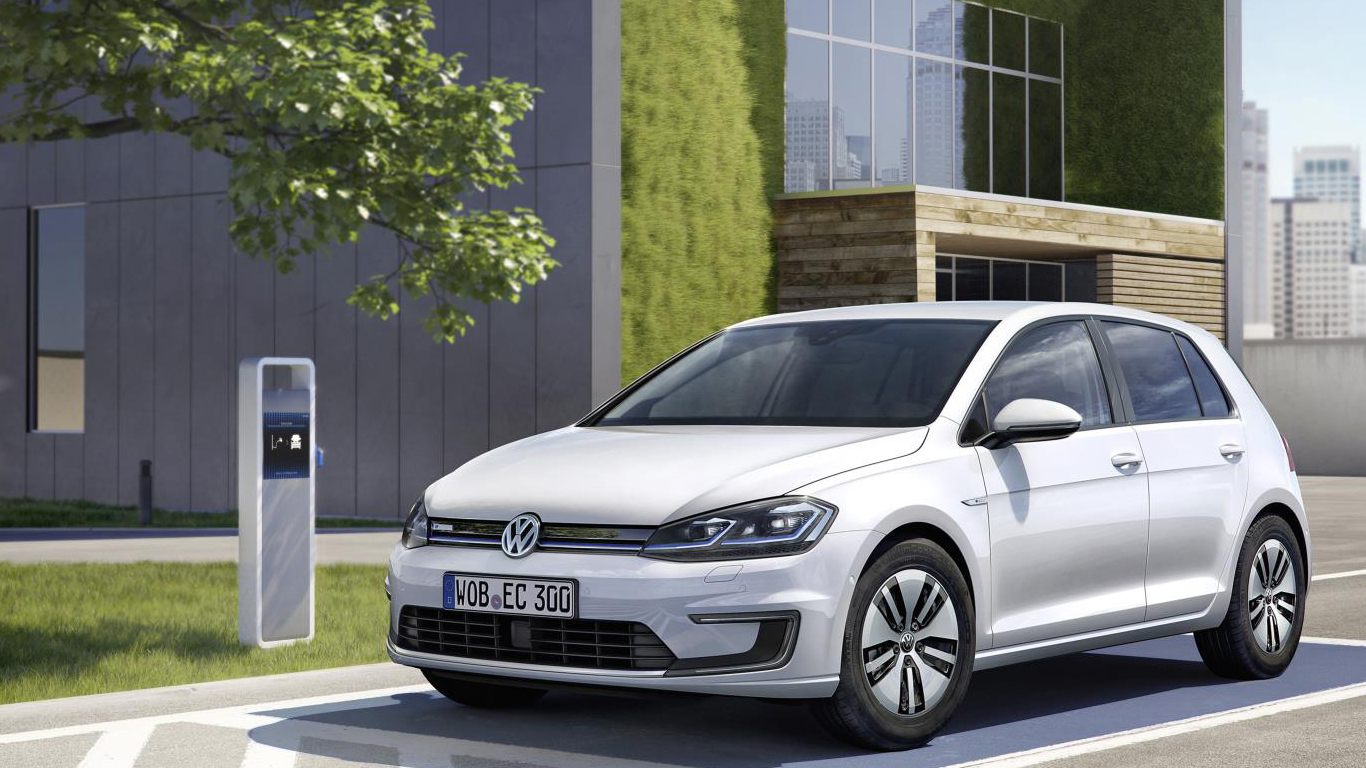
Electric car no.3 – Volkswagen e-Golf
The sprawling Golf range covers all bases, including the fully-electric e-Golf (1,403 sold). From the outside, this five-door hatchback looks near-identical to a petrol or diesel Golf – a blanked-off grille with a blue stripe is a giveaway – but its 24.2kW lithium-ion battery means zero emissions. For everyday driving, there’s simply no compromise.
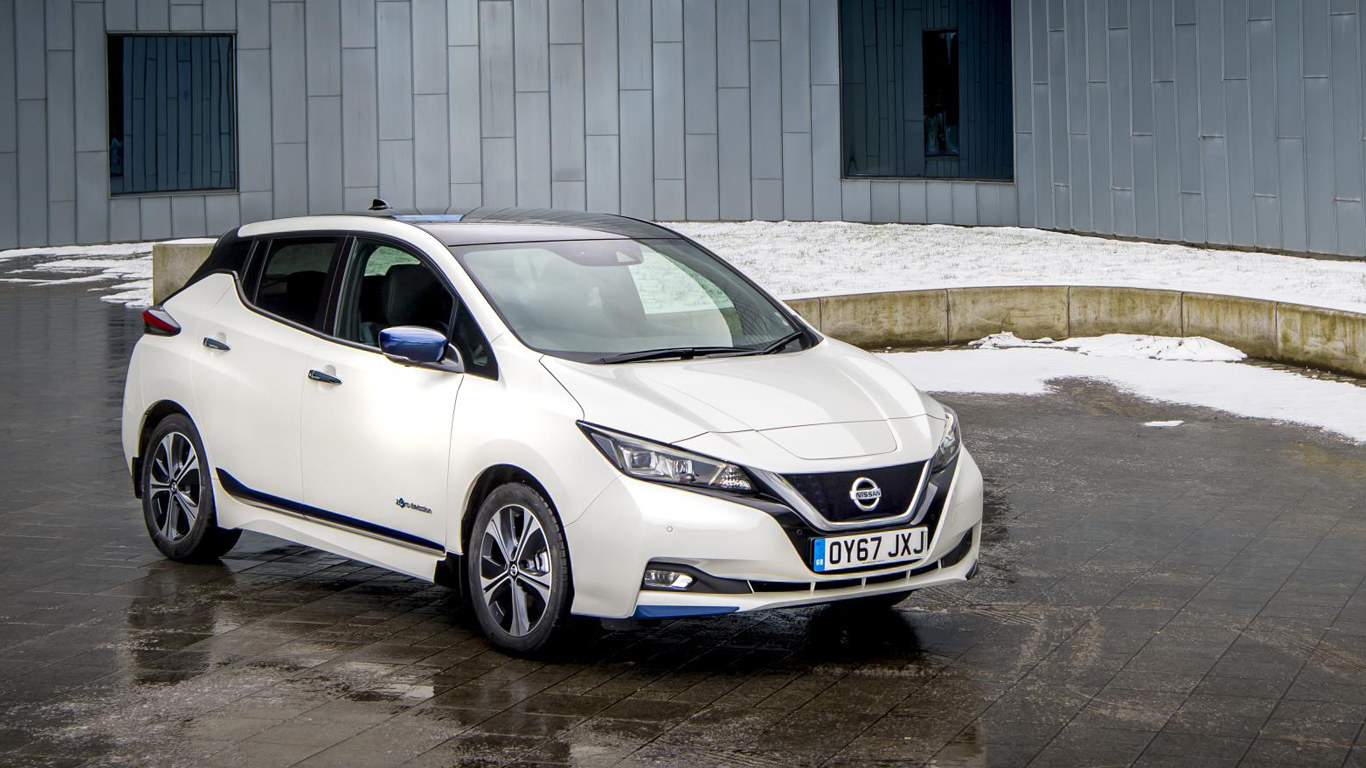
Electric car no.2 – Nissan Leaf
Where Volkswagen fitted an existing car with a battery and electric motor, Nissan took the opposite approach – designing an EV from the ground up. The Leaf is now into its second-generation and the new model has a huge, 235-mile range when fully charged. European buyers snapped up 1,508 in February 2018.
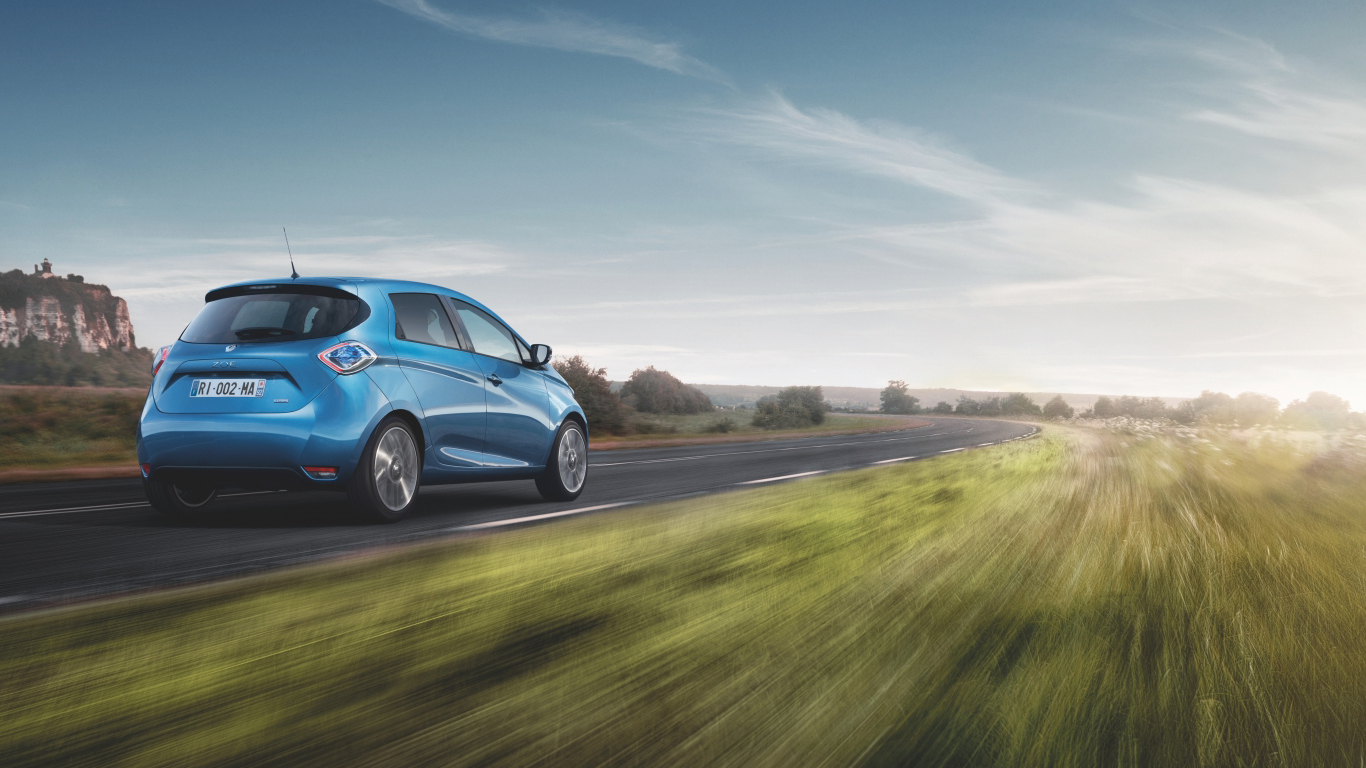
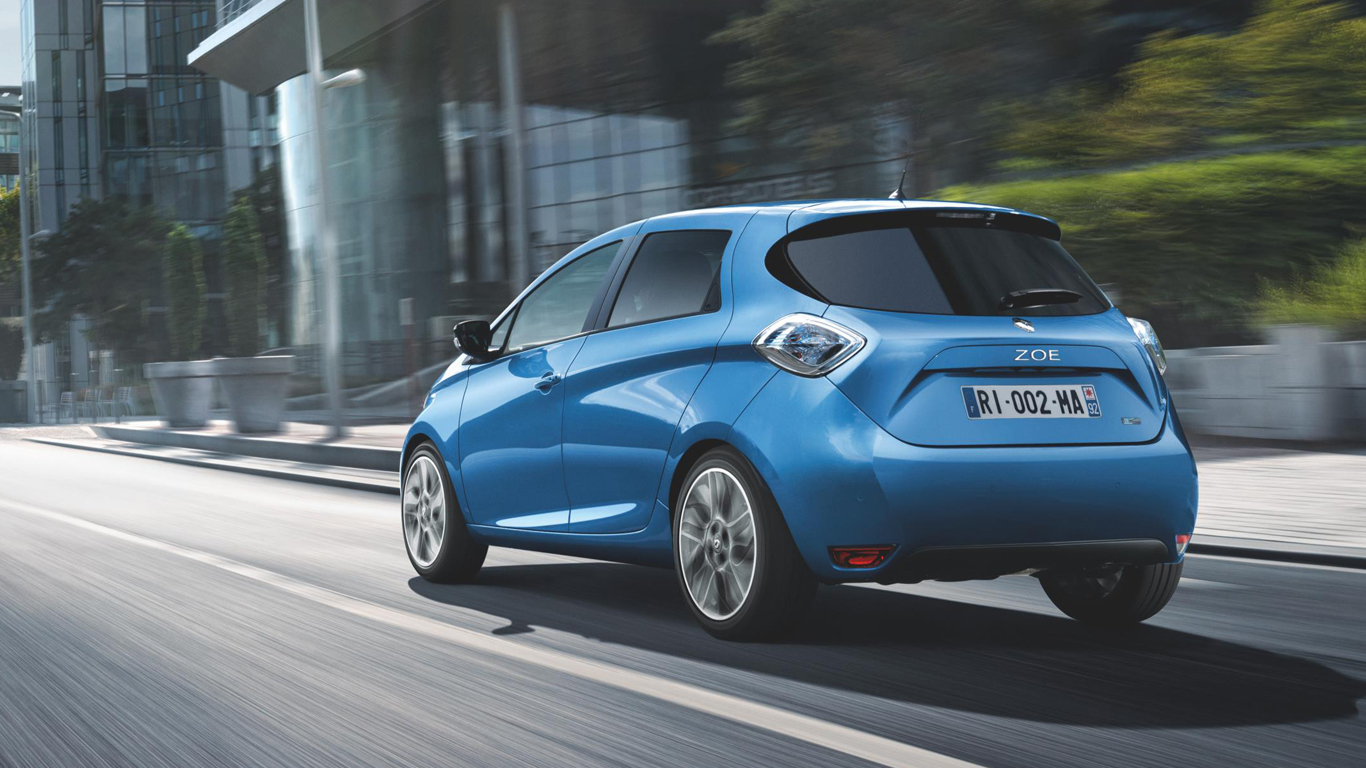
Electric car no.1 – Renault Zoe
Renault sold 2,177 Zoes in the same month, however, putting this chic supermini comfortably in first place as Europe’s most popular EV. Not a bad achievement for a car first launched in 2012. Renault has pioneered a monthly battery leasing scheme with the Zoe, which helps keep list prices down. Opt for the beefier 41kWh battery and range increases to around 180 miles.
Everything sounds better in Italian. For example: “Il mio scarico è bloccato. Chiama un idraulico.” If Google Translate is to be believed, that’s telling somebody you have a blocked drain and you’d like them to call a plumber. With this in mind, I’ve been tasked with coming up with 25 car names that sound great in Italian, but sciocchezze in English.
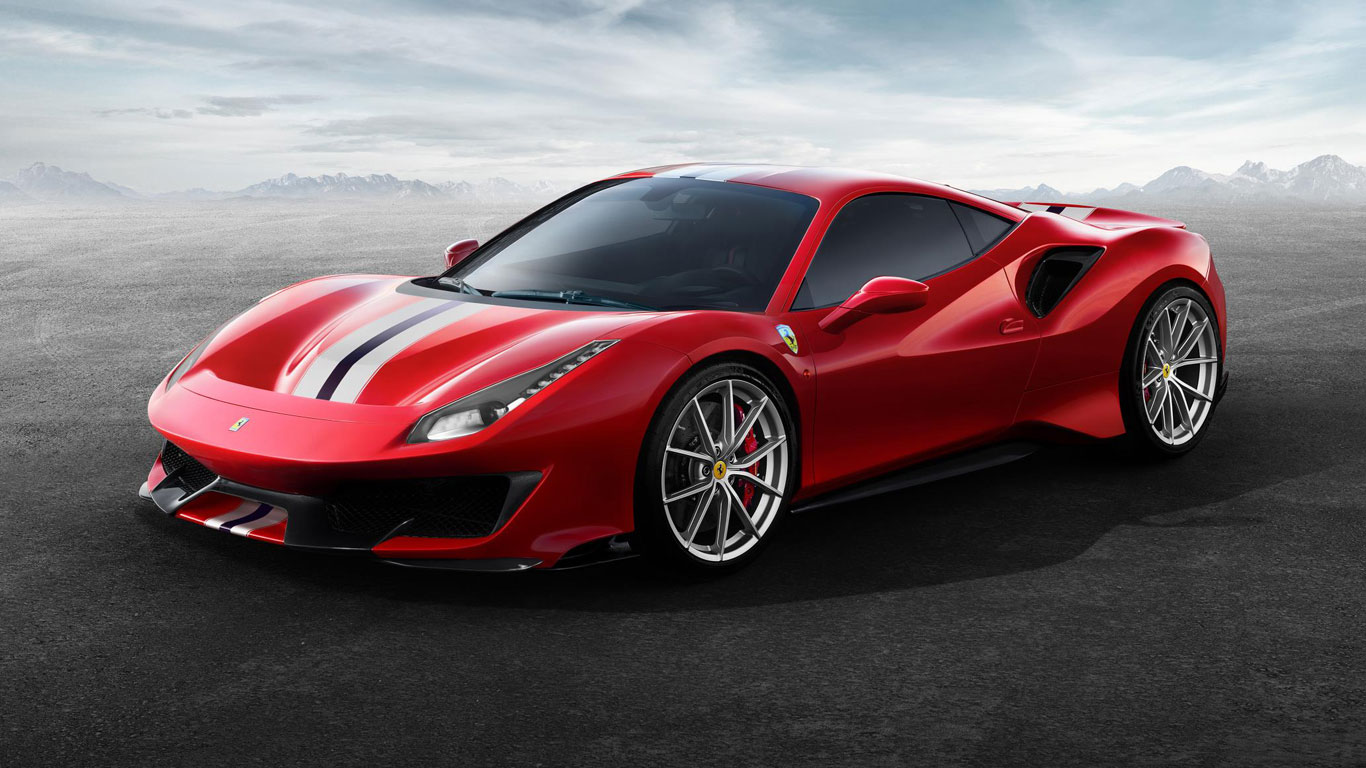
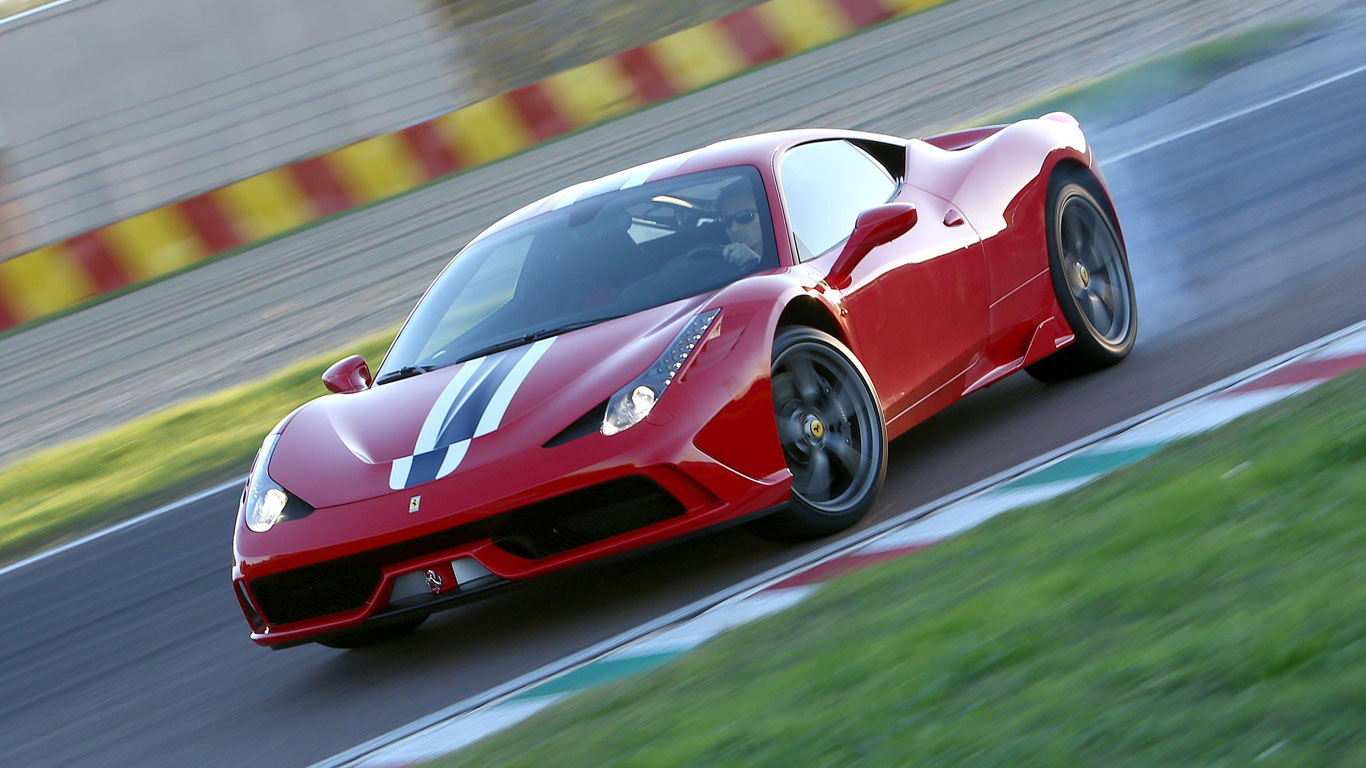
Ferrari 488 Pista
The Ferrari 488 Pista: ask an Italian to pronounce the name and it will sound beguiling, evocative and exotic. Ask somebody from an English-speaking nation and it will sound unpleasant and slightly whiffy. Pista is, of course, Italian for “track”, but if you thought it sounded faintly ridiculous without an Italian accent, have a look at Travis Okulski’s piece on Road & Track. It doesn’t translate particularly well, especially if you’re Estonian, Lithuanian, Persian or Ukranian.
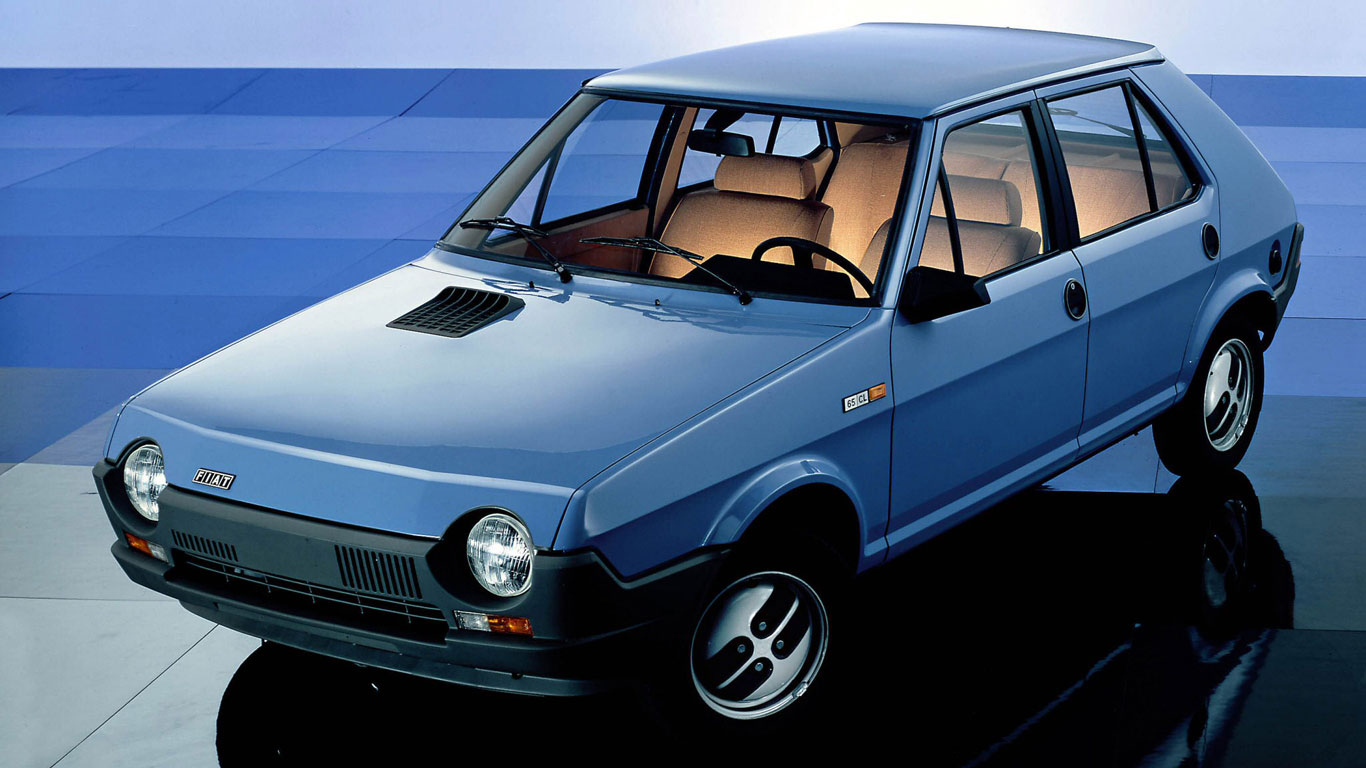
Fiat Strada
The Fiat Ritmo was exported to most English-speaking markets as the Fiat Strada, which itself sounds more appealing than the Fiat Street. Why was it called the Strada in the UK and USA? Simply because Ritmo is Italian for “rhythm”, which is a natural form of contraception.
Ferrari 458 Speciale
Say the word “special”. Now say “speciale” in your finest Italian accent. It just sounds so right, even if your impression of an Italian is about as convincing as Joe Dolce’s Shaddap You Face. Ask your parents.
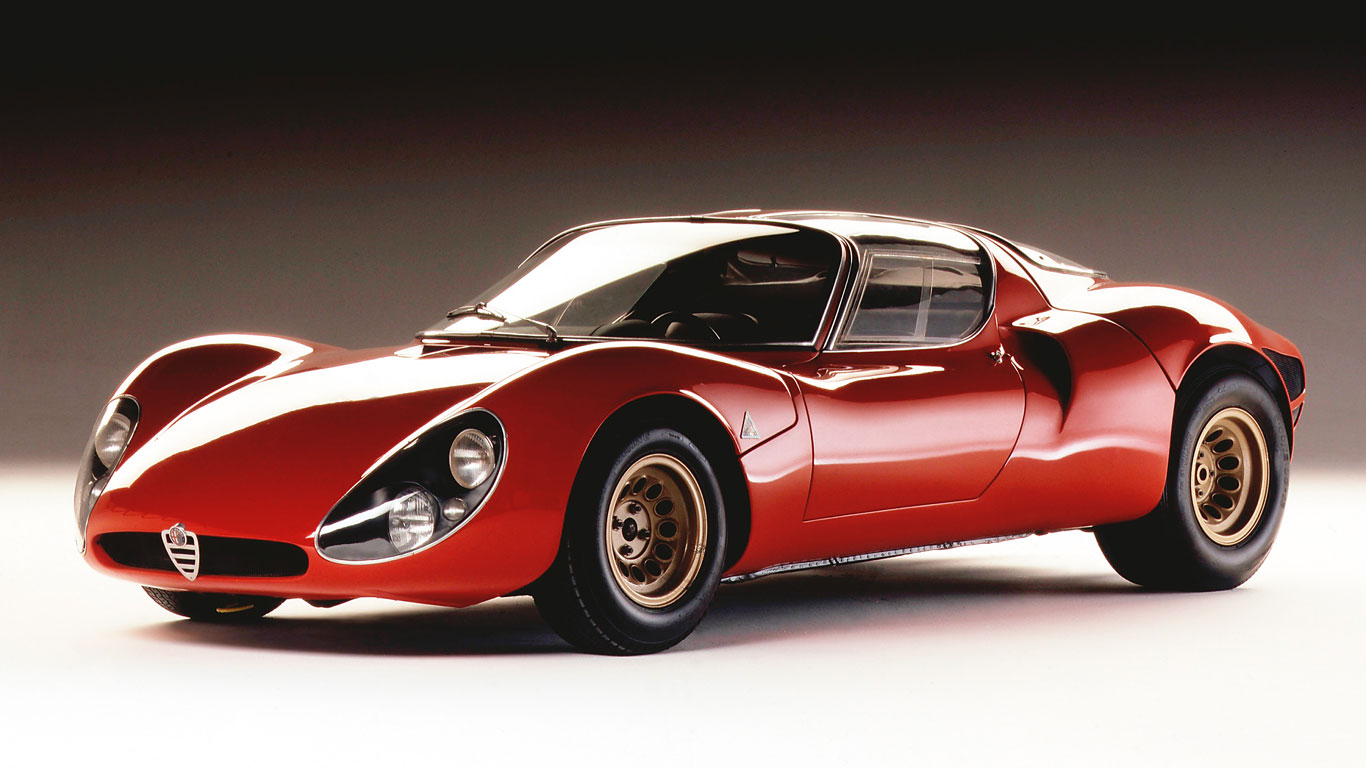
Alfa Romeo 33 Stradale
Strada is Italian for “street”, while stradale is “road”. Whatever, just admire the majesty of the Alfa Romeo 33 Stradale. Italian car manufacturers have a history of using the name to denote a road-going version of a racing car.
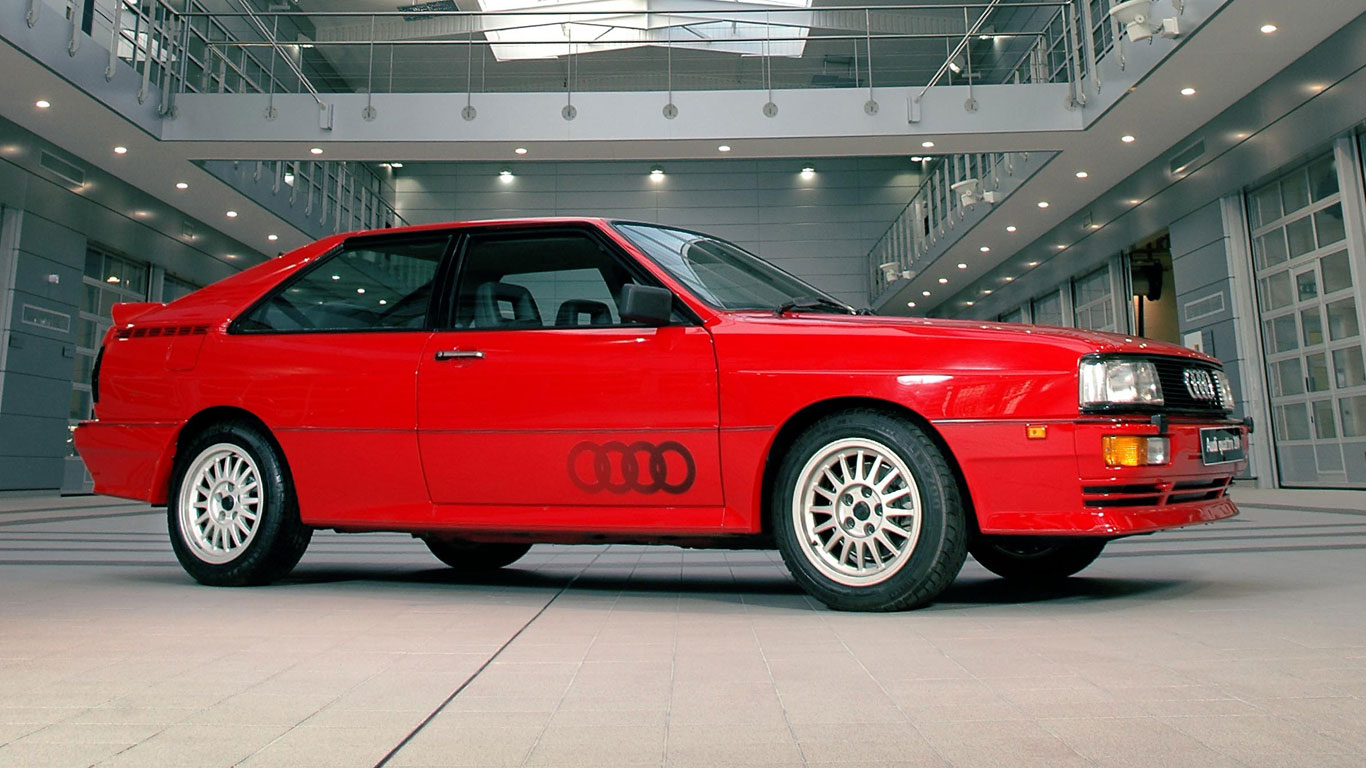
Audi Quattro
Anybody who has ordered a four-cheese pizza will know that quattro is Italian for “four”. An apt name, then, for a performance coupe that put four-wheel drive on the map as a real-world option.
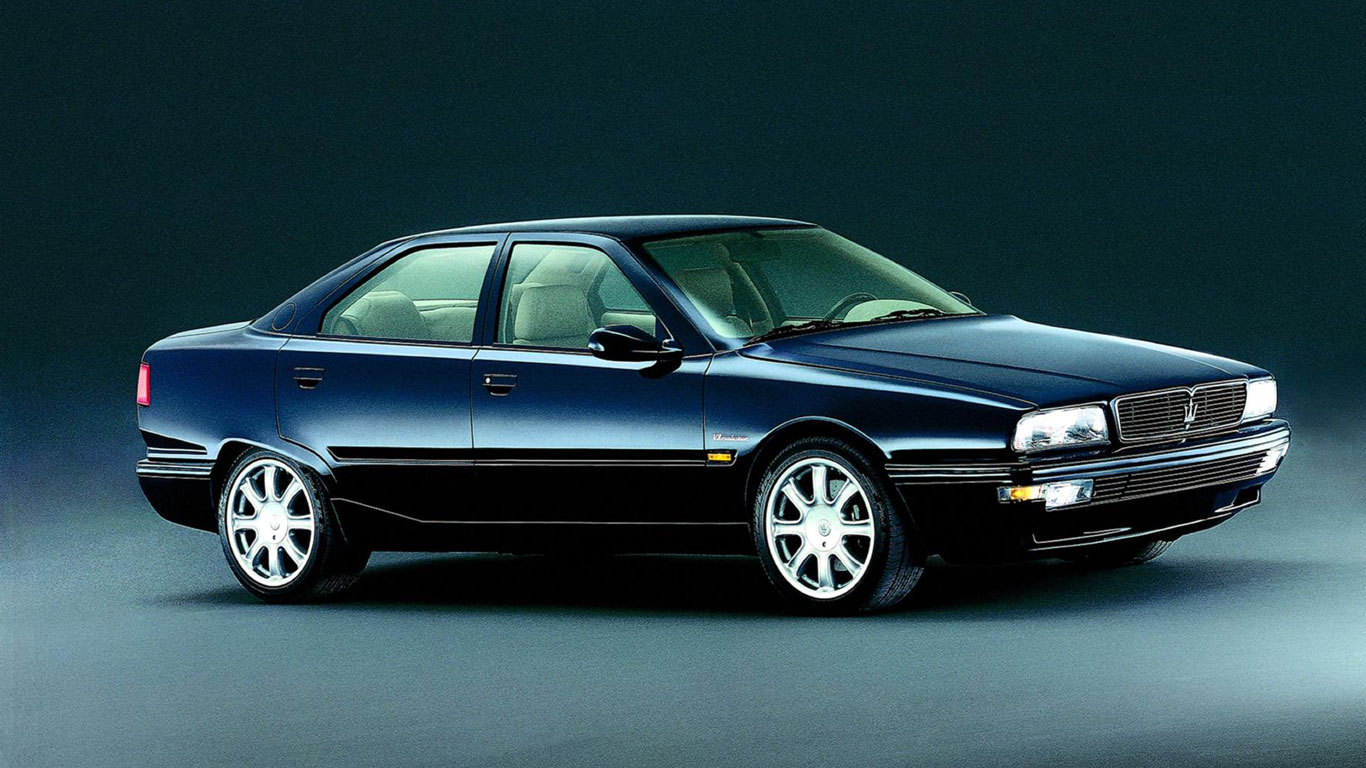
Maserati Quattroporte
It sounds like the most exotic car on the planet, but it means little more than Maserati Four Door. Back in 1963, when the original Quattroporte was launched, it was the fastest four-door saloon in the world.
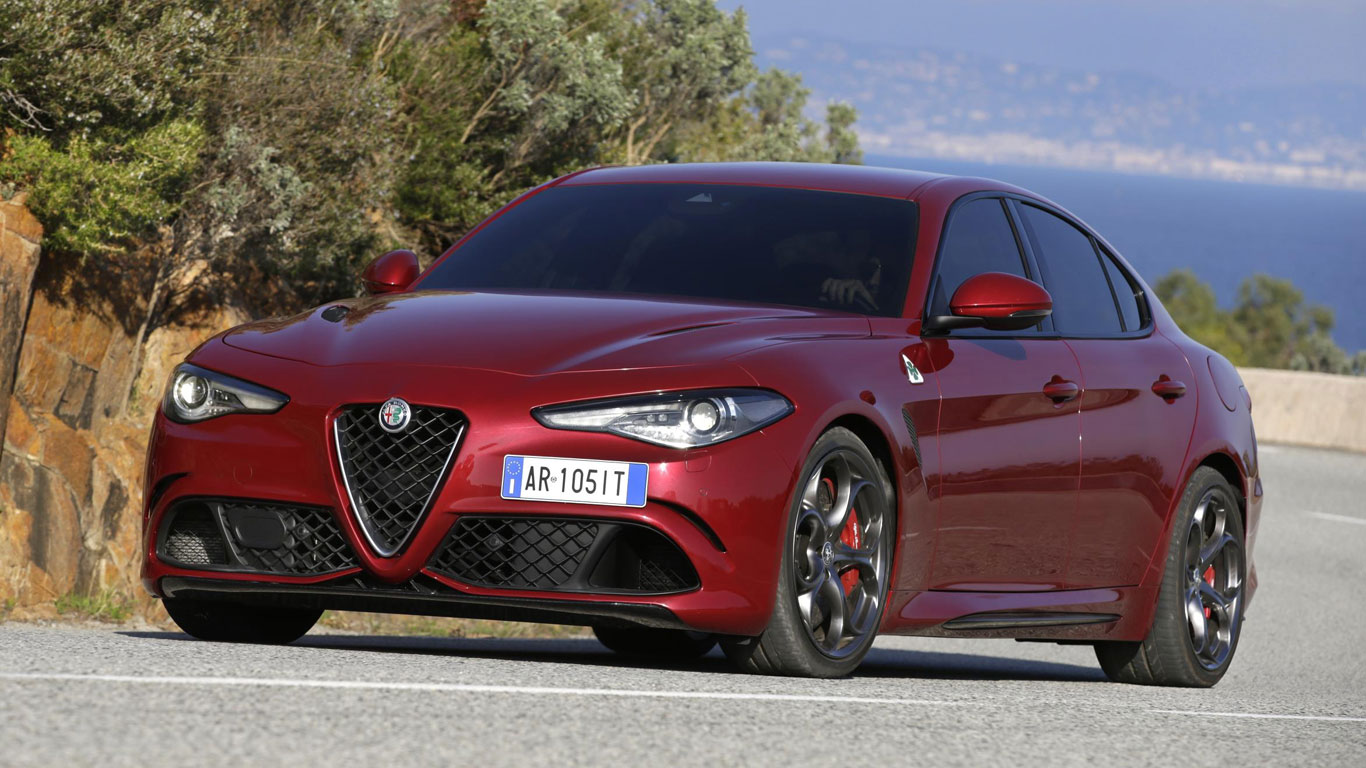
Alfa Romeo Giulia Quadrifoglio Verde
The history of the Quadrifoglio Verde – or “green four-leaf clover” – dates back to 1923, when Ugo Sivocci decided to add the symbol of luck to his race car. Sivocci won the 1923 Targa Florio, and it was assumed that luck played a small part in his victory. Later that year, Sivocci died during practice for the Italian Grand Prix. The Quadrifoglio Verde hadn’t been applied to his race car…
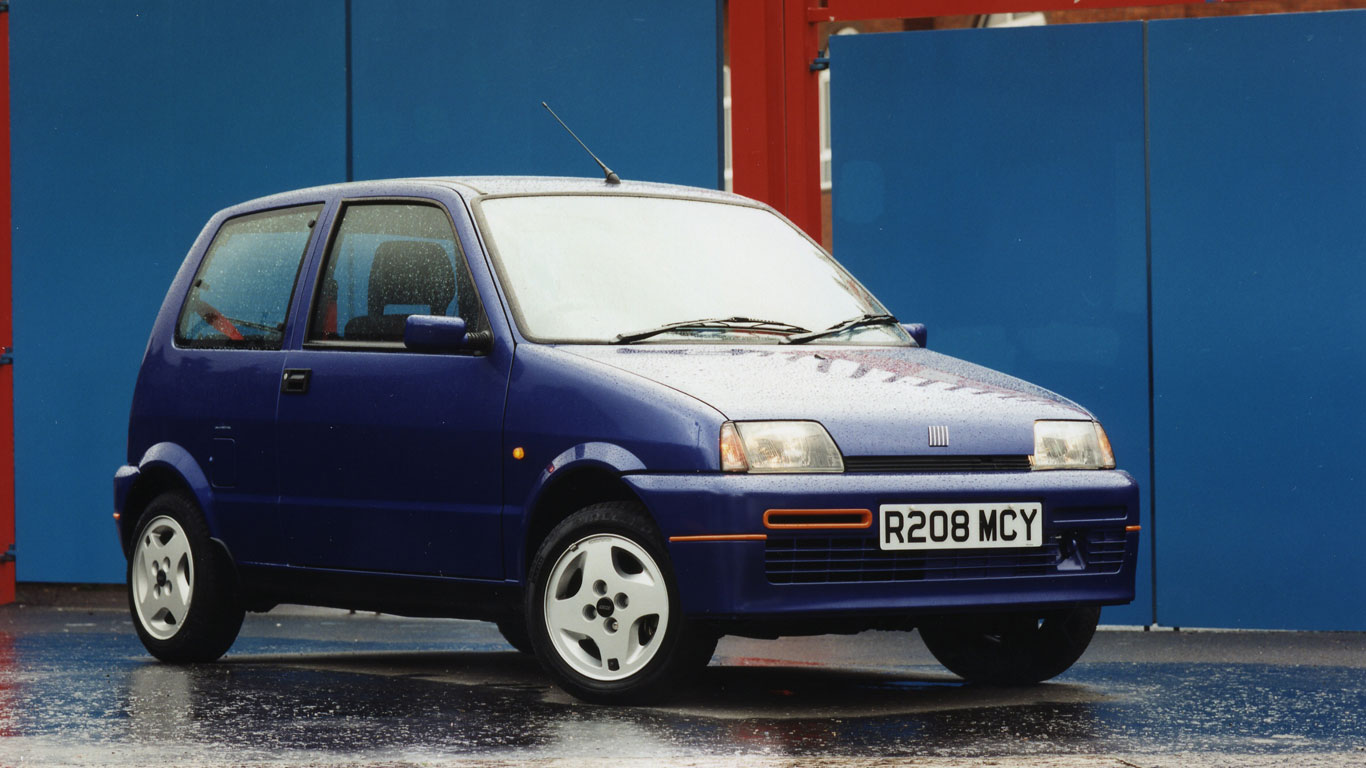
Fiat Cinquecento
The Fiat Cinquecento: the city car of choice for The Proclaimers. Well, they’d almost certainly walk 500 miles to find a good one.
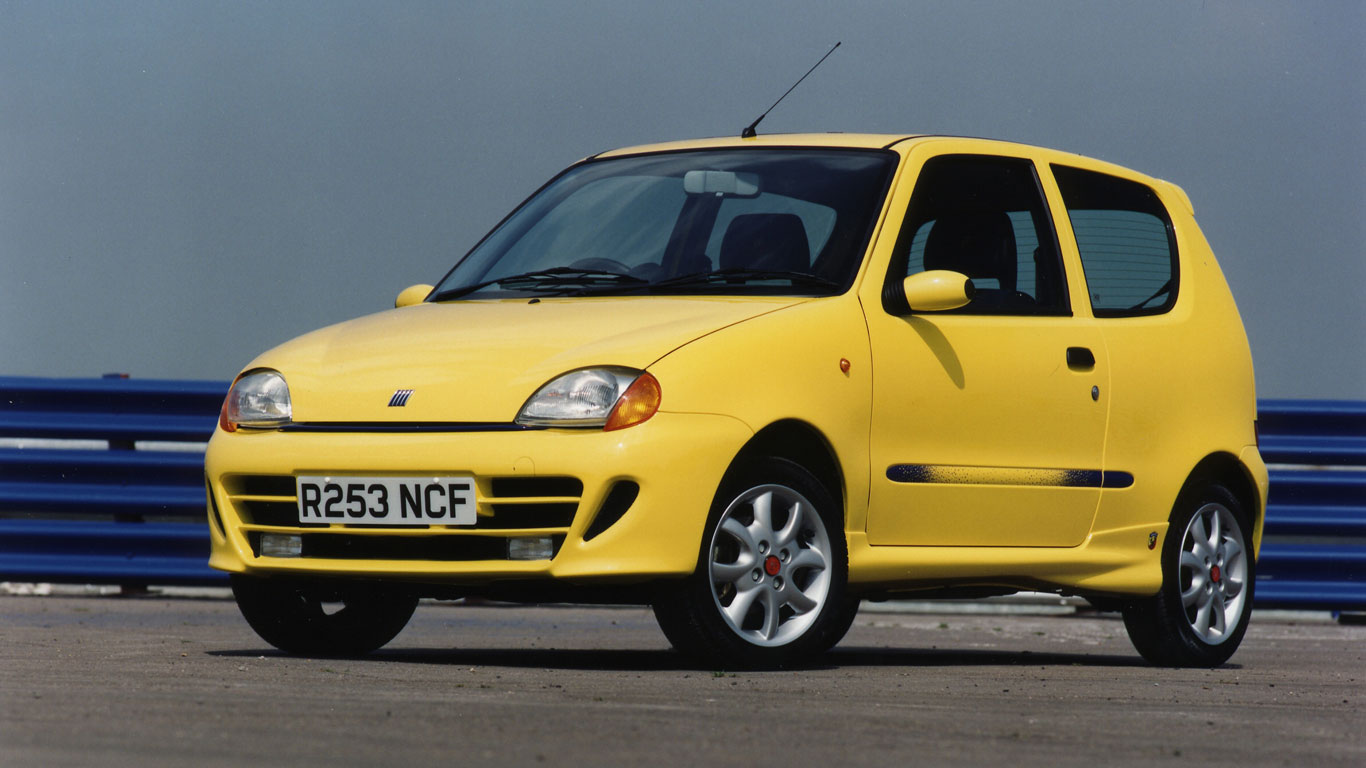
Fiat Seicento
But the Scottish duo wouldn’t walk 600 miles for a Fiat Seicento. That would be da da da (da da da) daft.
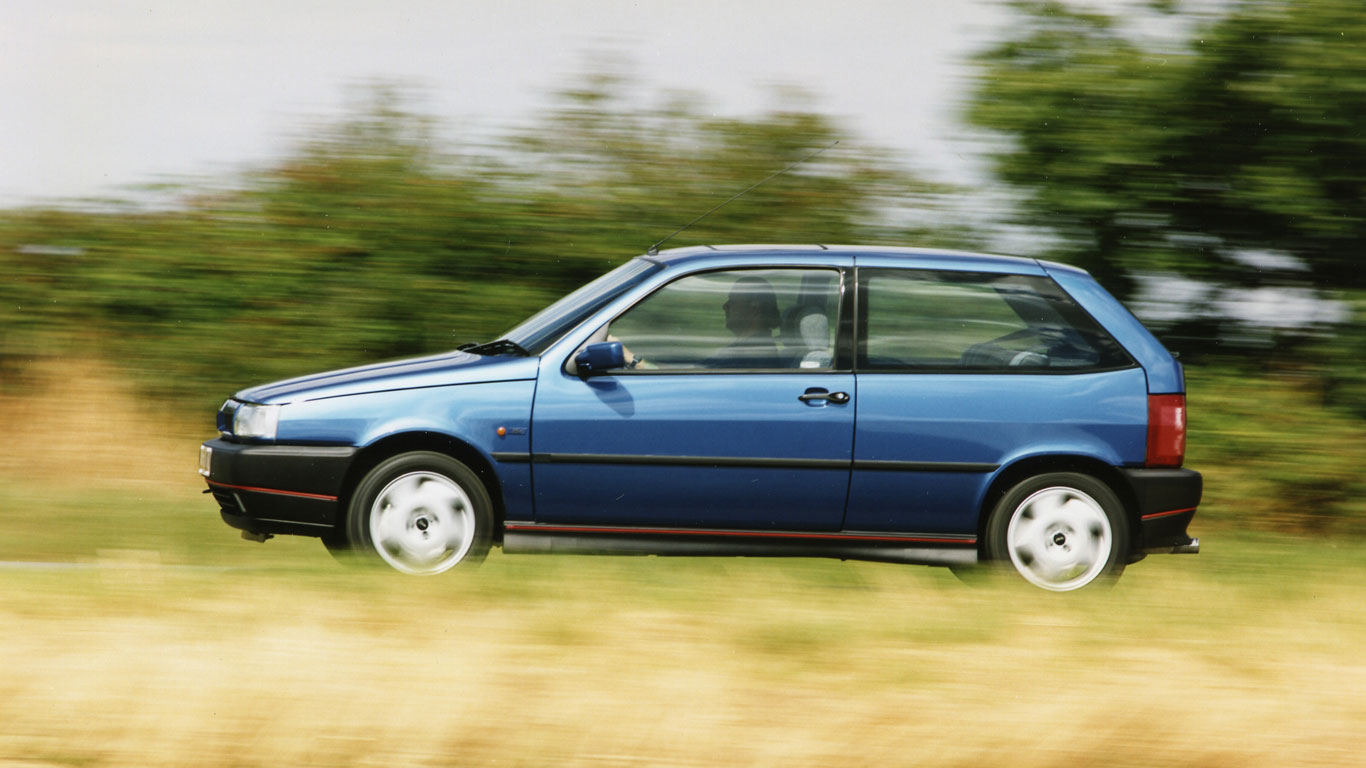
Fiat Tipo
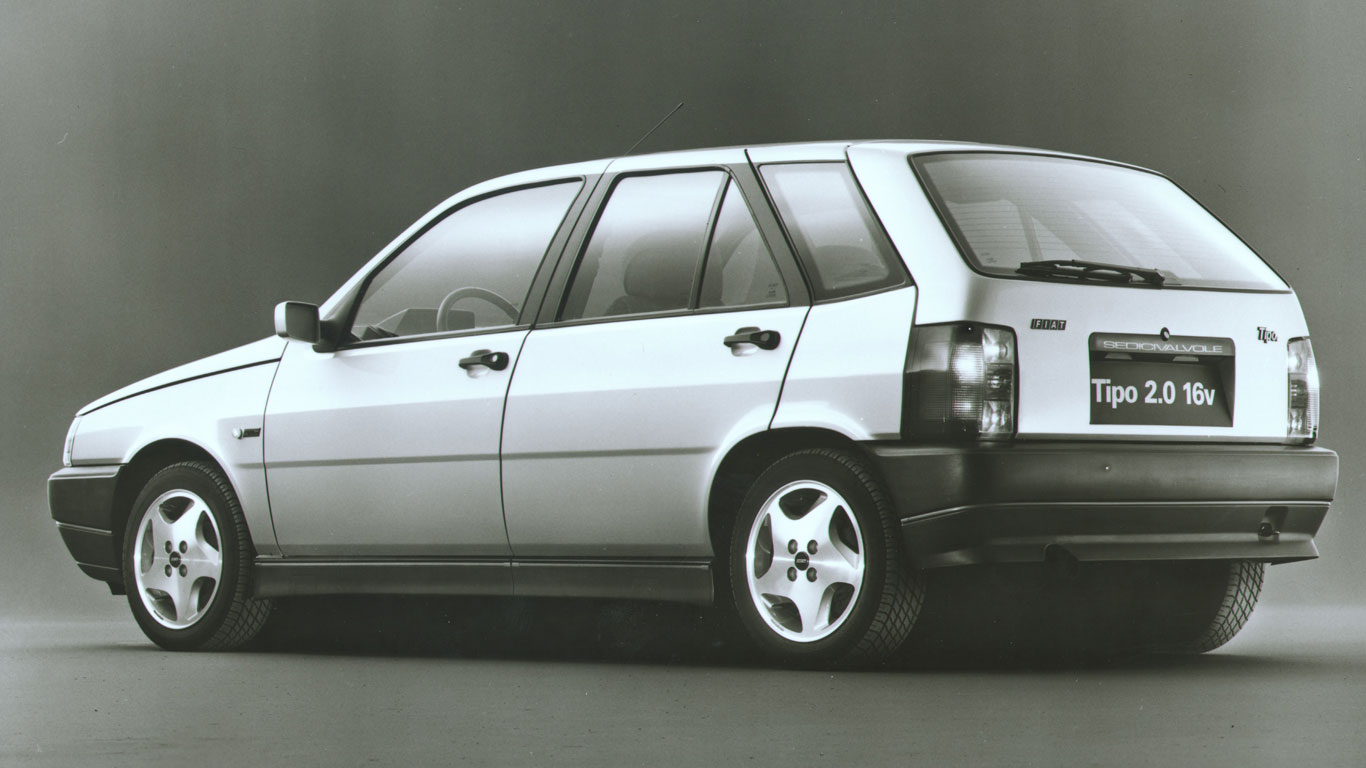
The Fiat Group’s Tipo Due platform – or “Type Two” platform – was conceived from the outset with the intention of shared use, beginning with this: the Fiat Tipo. It was designed by IDEA to go head-to-head with the Volkswagen Golf, and was good enough to scoop the European Car of the Year award in 1989.
Fiat Sedici
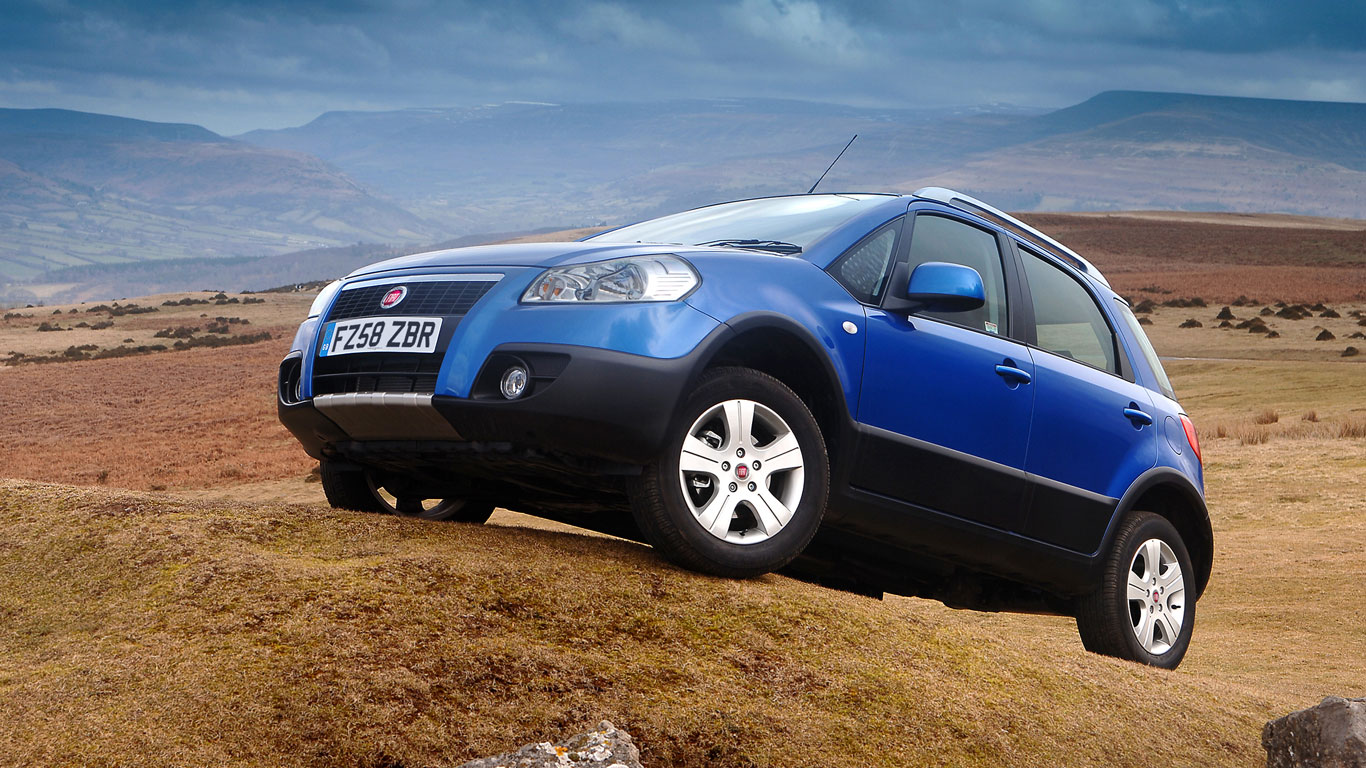
Fiat teamed up with Suzuki to develop the Sedici, which is also known as the Suzuki SX4. The Giugiaro-designed Sedici was the official car of the 2006 Winter Olympics in Turin and the name means “Sixteen”. It’s a 4×4, you see. And four times four equals sixteen. Neat.
Fiat Tipo Sedicivalvole
If you’ve been paying attention, you’ll know that sedici means “sixteen”. And you won’t need access to Rosetta Stone to know that valvole means “valve”. Back in the 90s, a 16v badge on your car’s rump was a sign of merit. But SEDICIVALVOLE on the back of your Tipo was a badge of distinction.
Fiat Uno
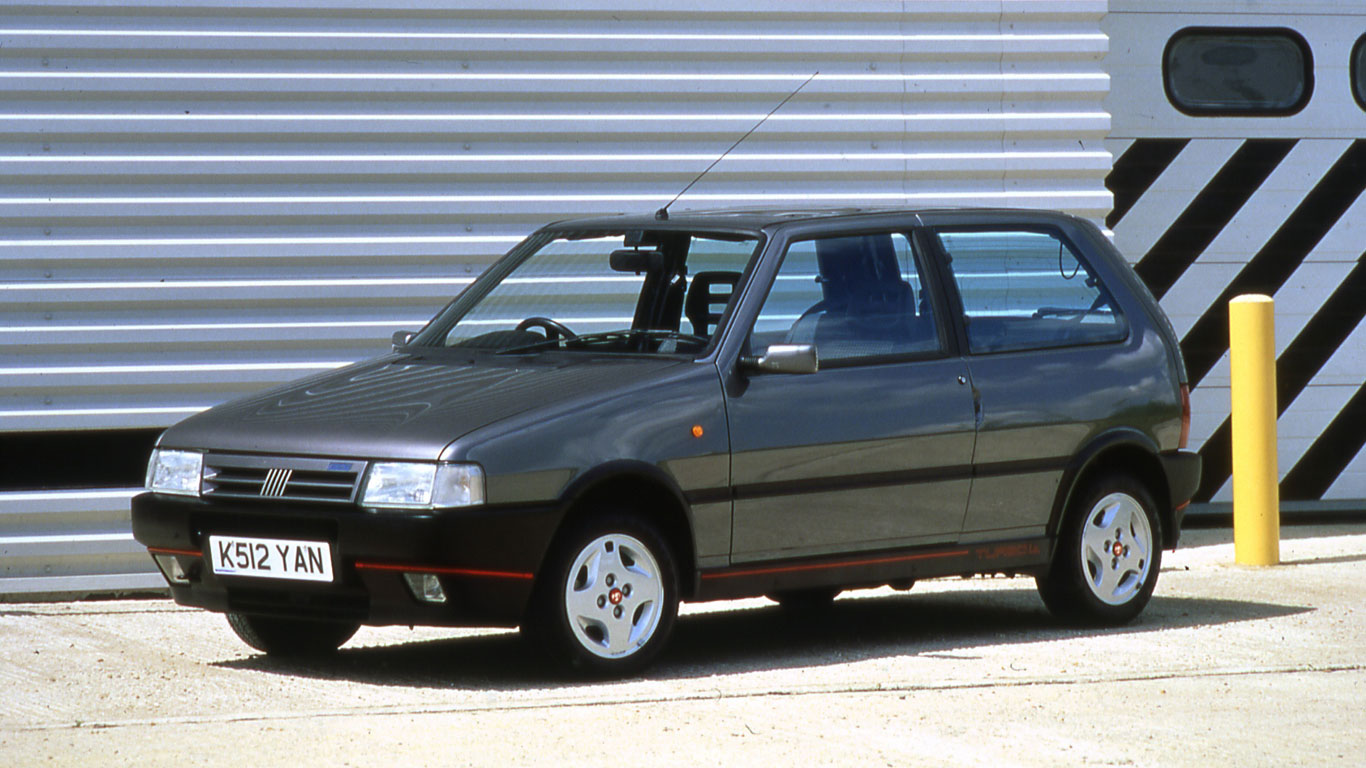
The Mini One: yeah, it’s OK. But the Fiat Uno? Much, much better.
Fiat Punto
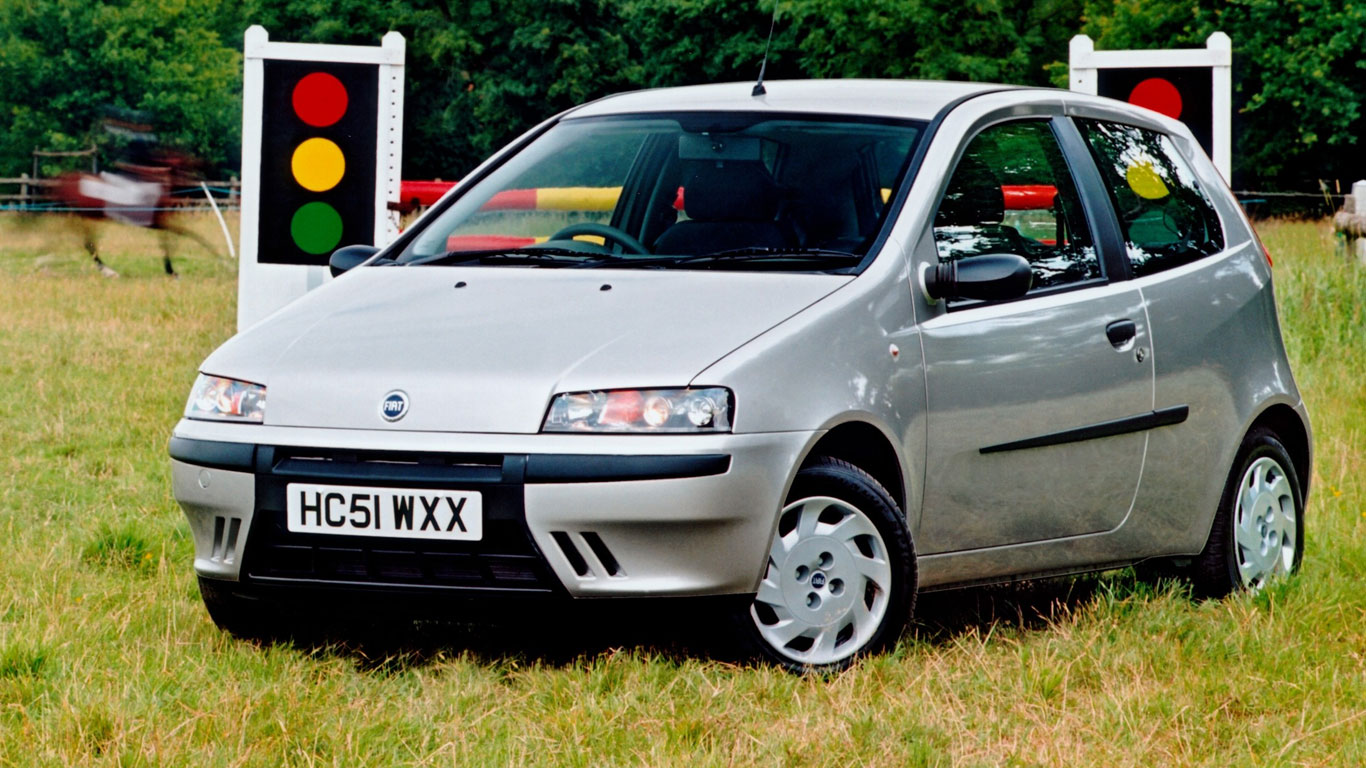
Giorgetto Giugiaro described the Fiat Punto as “a two-box, verging on one-box, car with all the advantages that this type of build offers in terms of habitability and visibility within a predetermined length.” Twenty-five years on from its launch in Turin, it’s time to recognise the glorious simplicity of the Fiat Punto, or Fiat Point.
Fiat Grande Punto
Anyone who has ordered an expensive takeaway coffee will know what Grande means in Italian. The Fiat Big Point doesn’t have quite the same ring to it.
Fiat Barchetta
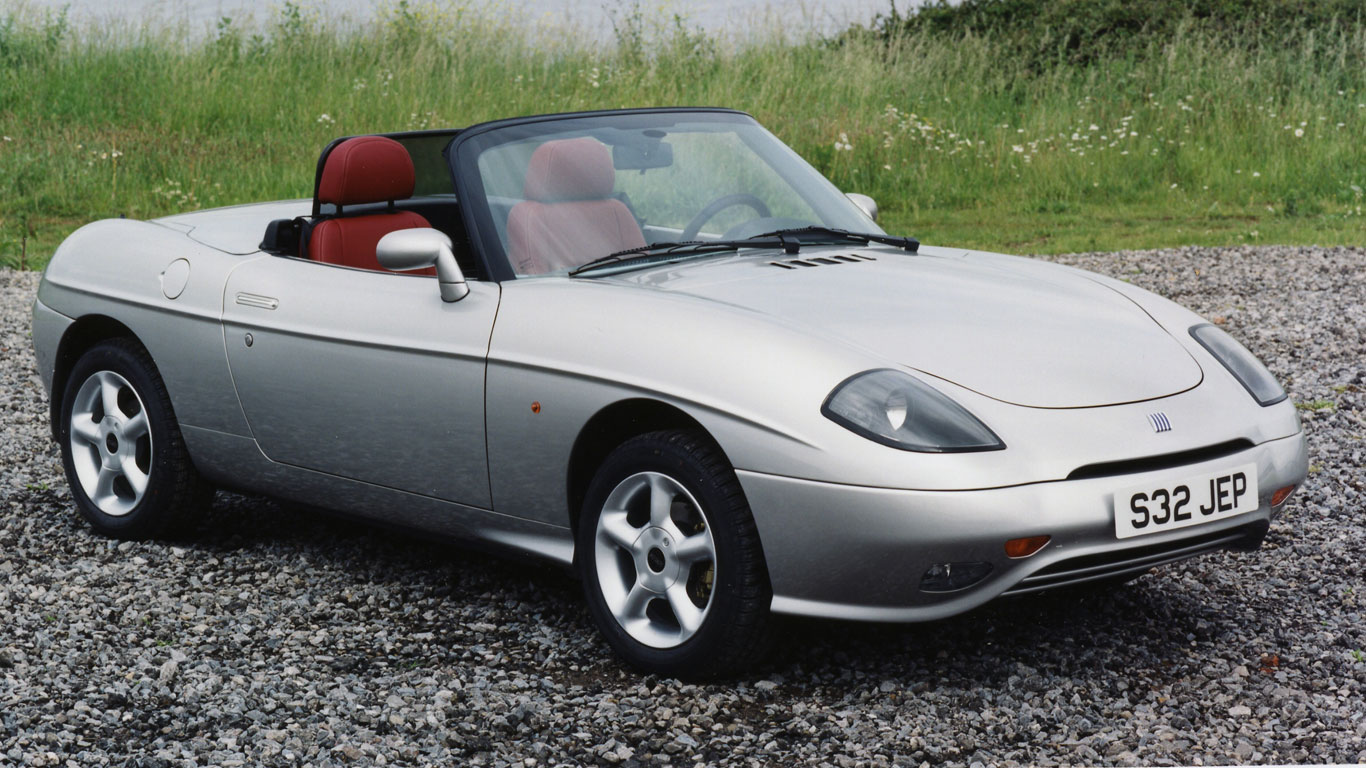
The Barchetta name can trace its roots back to the Fiat 509S Bateau of the 1920s and racing Ferraris of the late 1940s. But the Fiat Barchetta – or Little Boat – is arguably the most famous use of the name.
Fiat Stilo
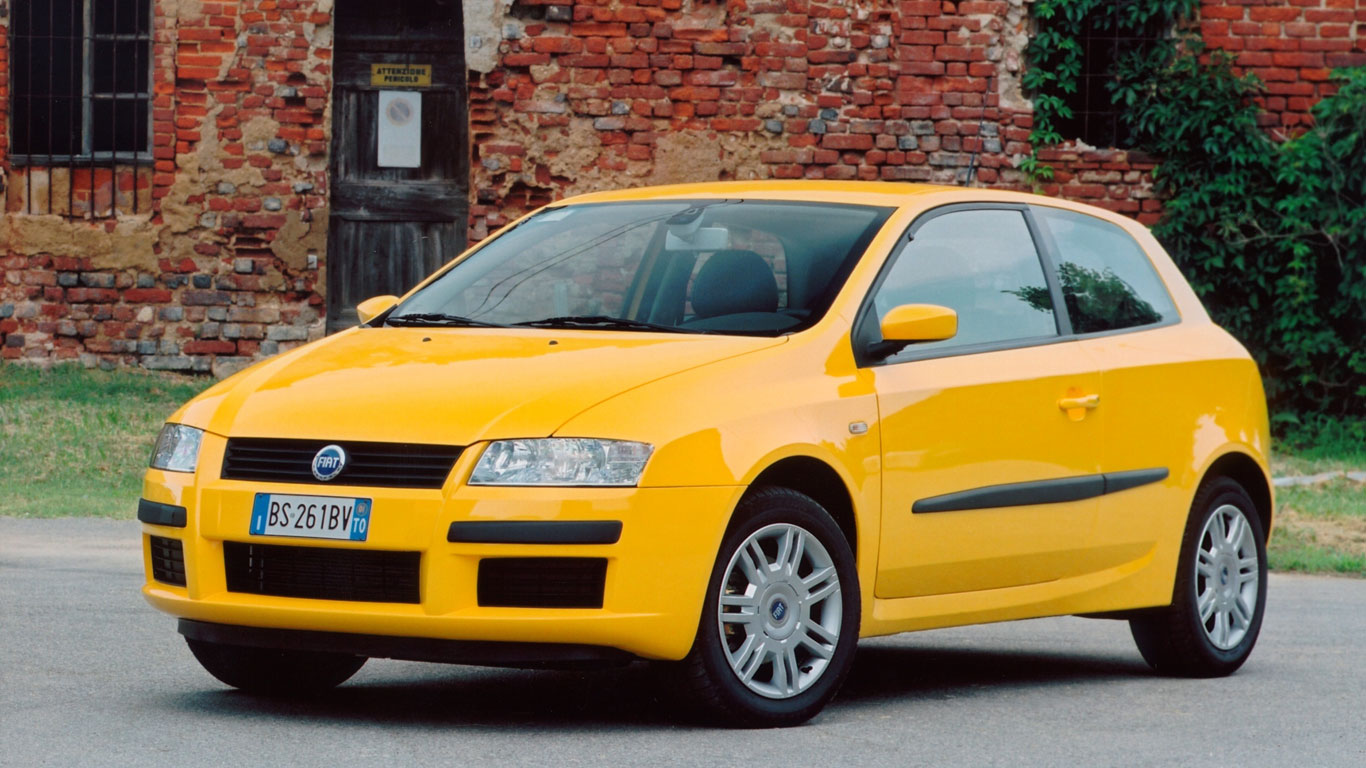
If you’re going to call your car Stilo – or Style – you need to ensure it hits the mark. Sadly, the styling of the Fiat Stilo wasn’t greeted with universal acclaim. “We clothed our new car in a markedly ‘pan-European’ skin, reserving our more distinctively Italian creativity for a few of the details,” said Nevio Di Giusto, Fiat Auto’s product engineering chief.
Fiat Topolino
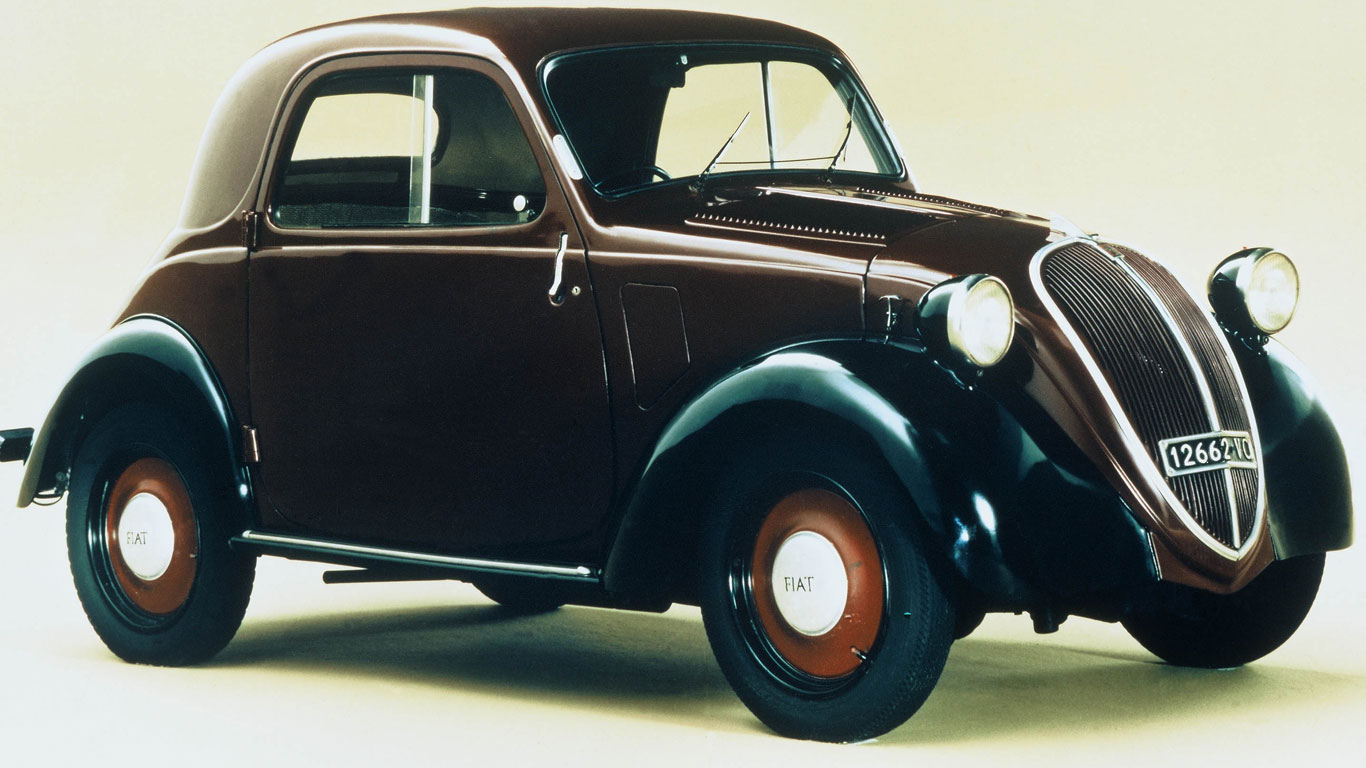
Is this the cutest name in the history of the motor car? The Fiat Topolino, aka the Fiat Little Mouse.
Ferrari Testarossa
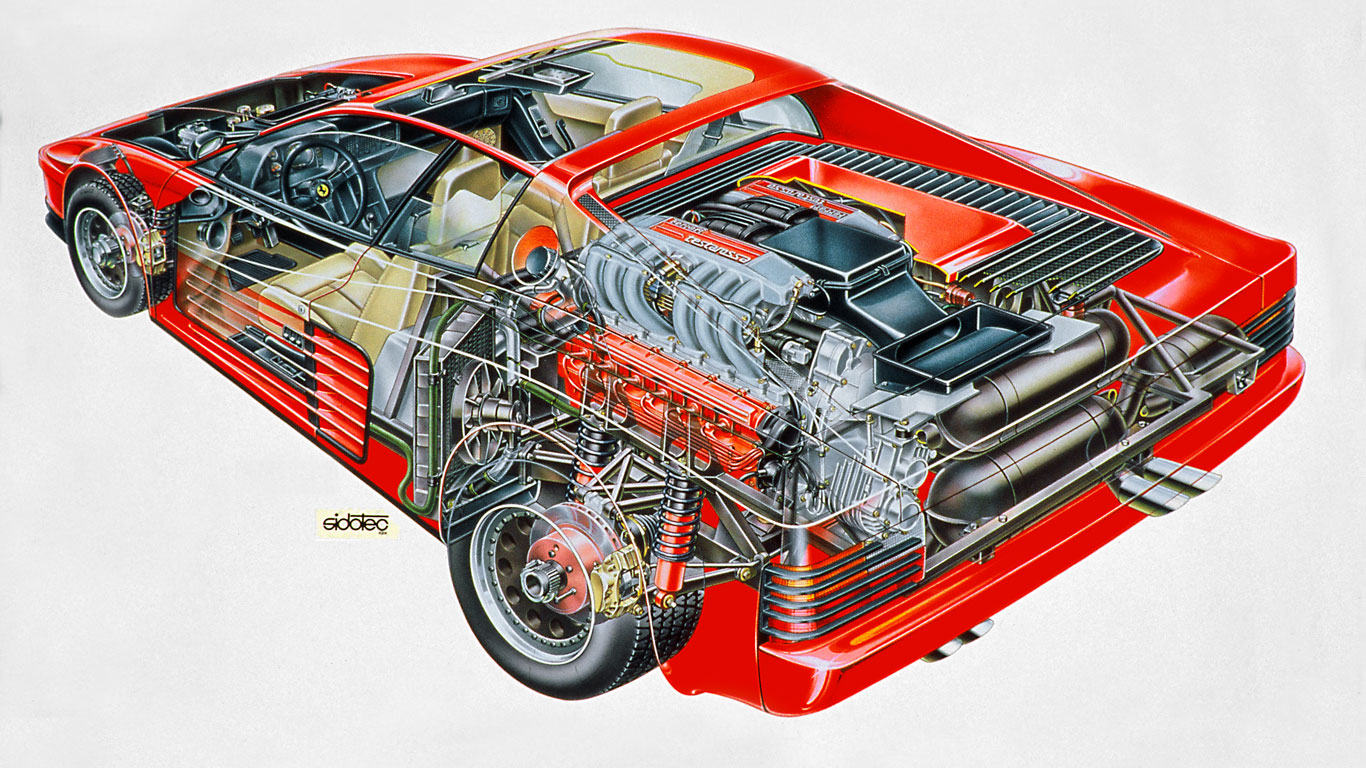
The Ferrari 500 TR featured a cylinder head painted red, hence the name Testa Rossa, or “Red Head”. The name was revisited in 1984, albeit in Testarossa form for the Pininfarina-designed supercar.
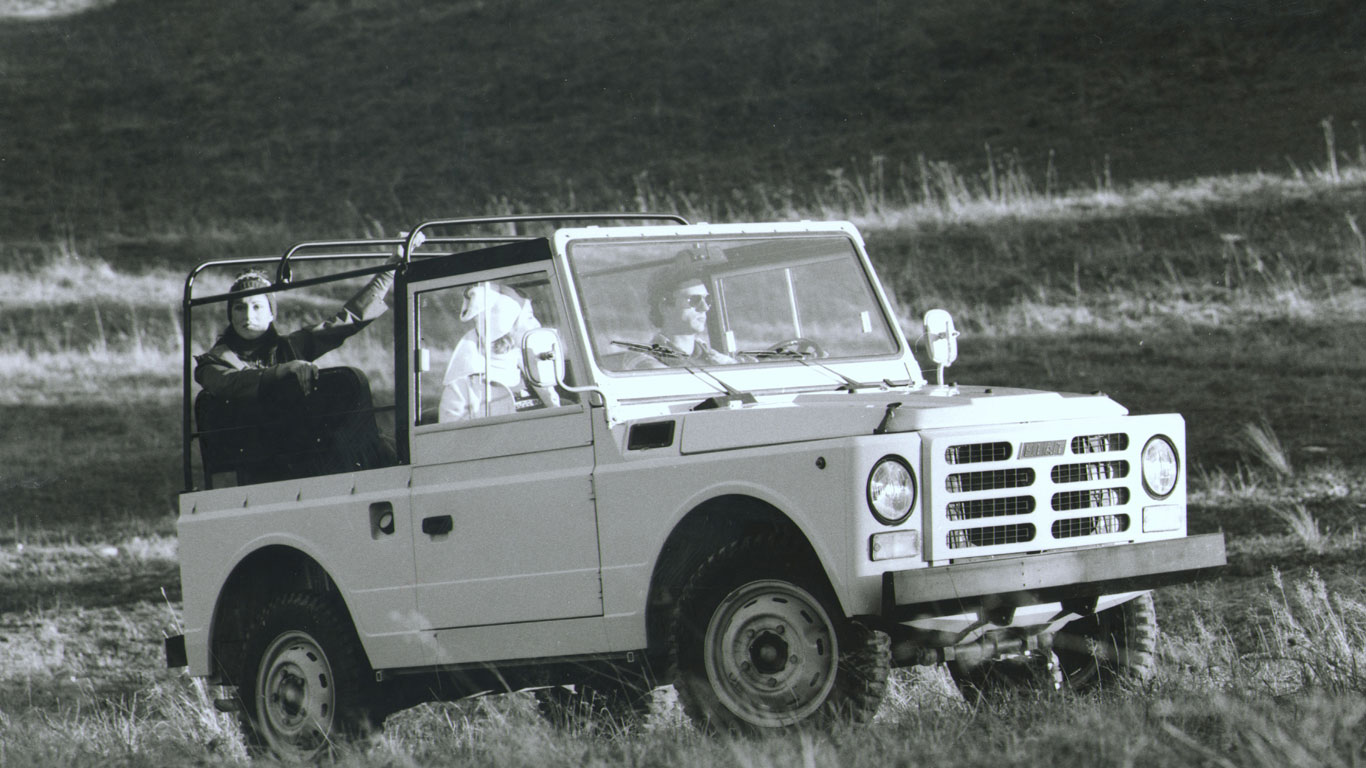
Fiat Campagnola
Campagna means “country”, so Campagnola is an apt name for an Italian off-road vehicle. The Fiat Campagnola enjoyed success in its domestic market, most notably among the Carabinieri and Polizia.
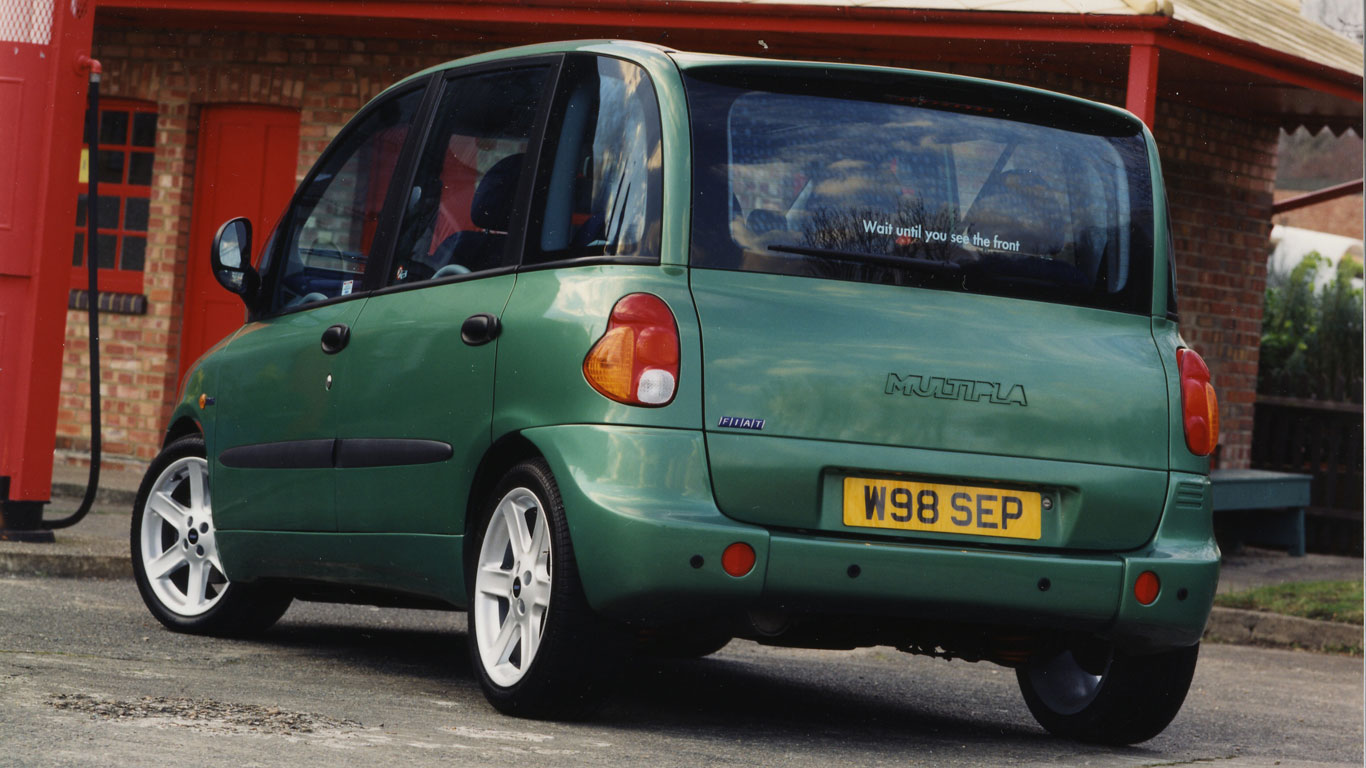
Fiat Multipla
The Multipla name was used for the four-door MPV version of the Fiat 600, before being reused for the aesthetically-challenged, but oh-so-cool, MPV launched in 1998. Multipla means “multiple”, which in this case means seats. The Fiat Multipla has two rows of three seats.
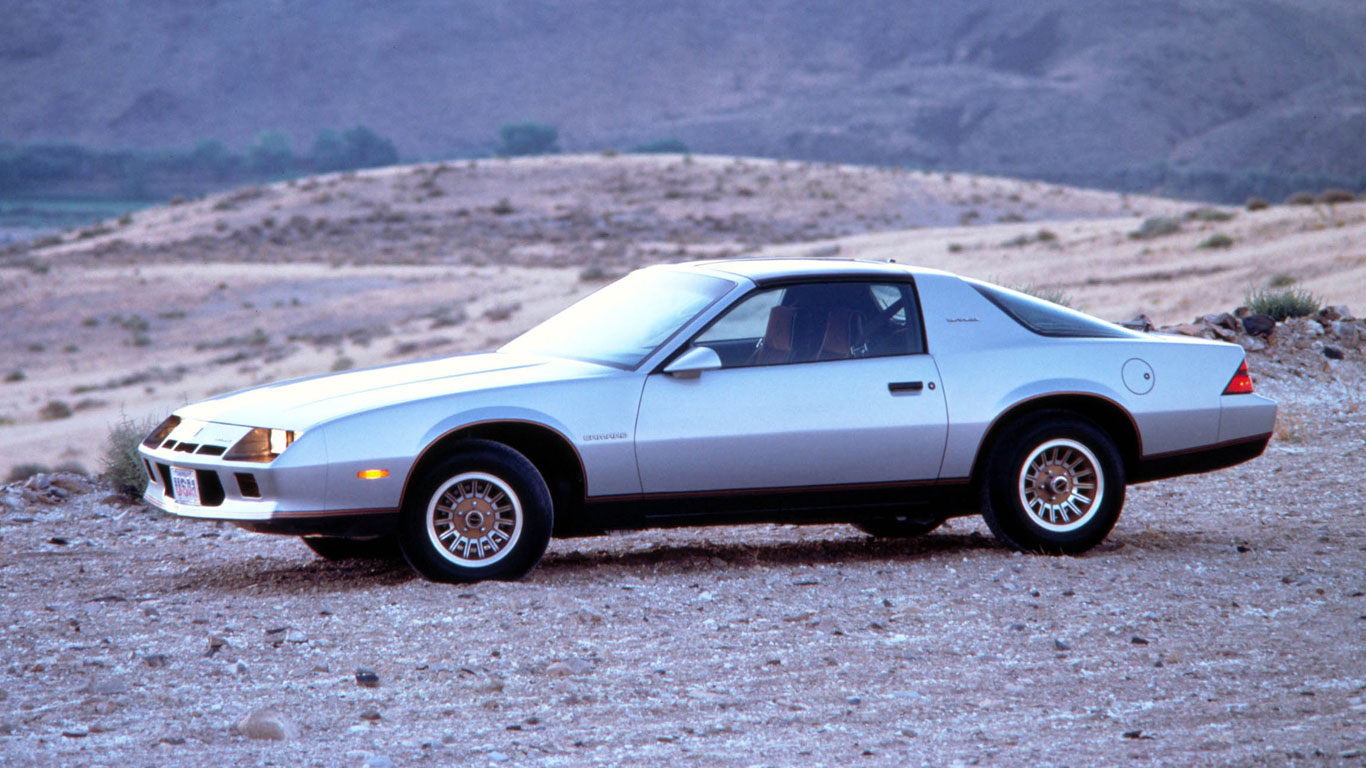
Chevrolet Camaro Berlinetta
In Italian, a berlina is a saloon car, while a berlinetta is a “little saloon”. The name has been used by manufacturers to denote a sporty coupe, but the Berlinetta badge is not restricted to Italian marques. Take the Chevrolet Camaro Berlinetta: the European name was designed to add a touch of luxury to the all-American pony car.
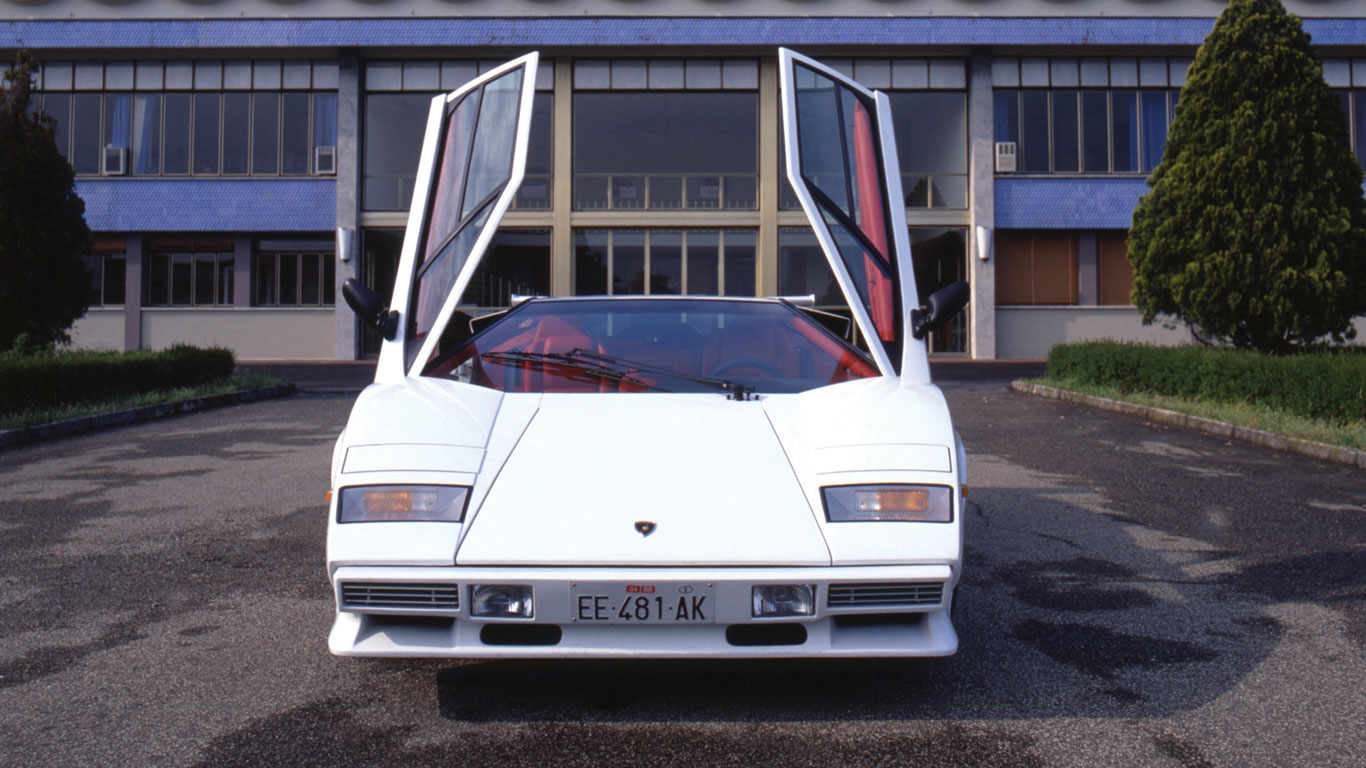
Lamborghini Countach Quattrovalvole
The Quattrovalvole name, often shortened to QV, simply means “four-valves”, as in four valves per cylinder. It’s a good excuse to use this photograph of a Lamborghini Countach QV.
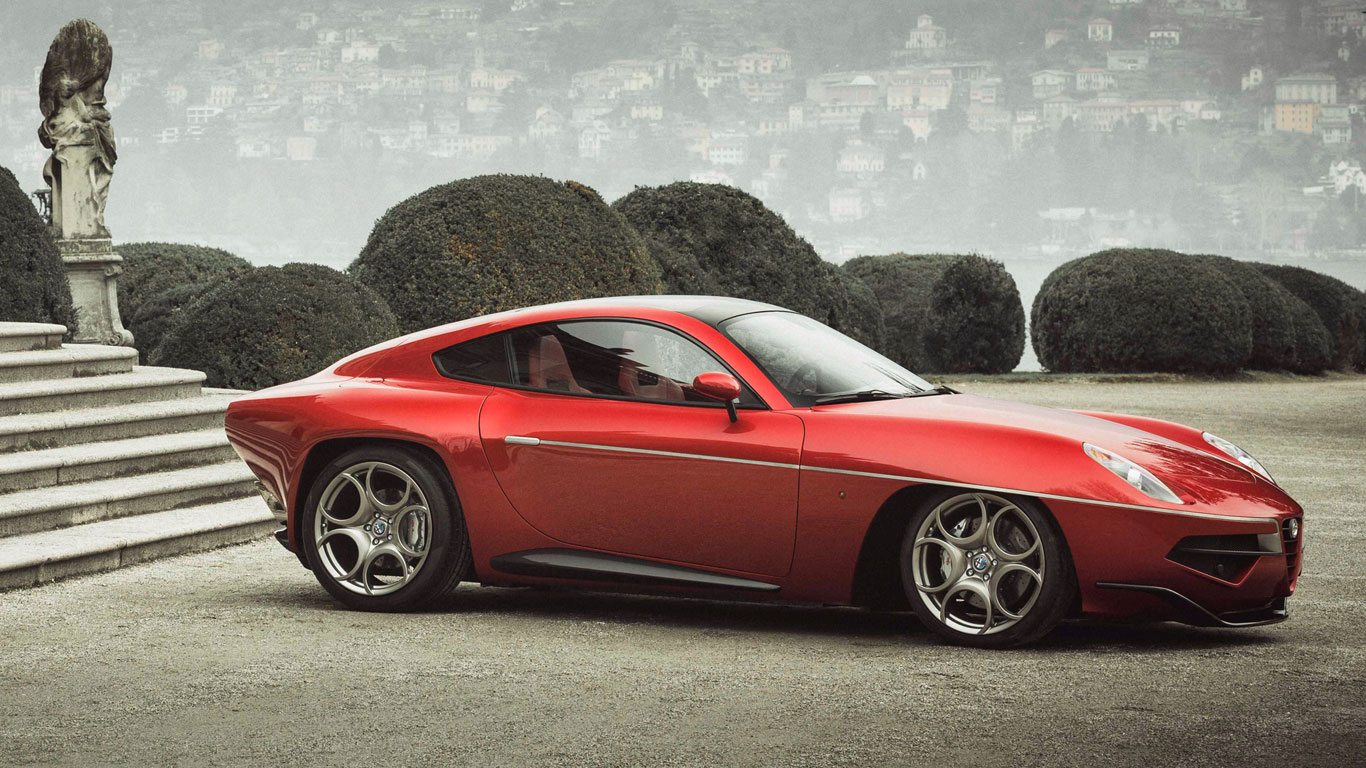
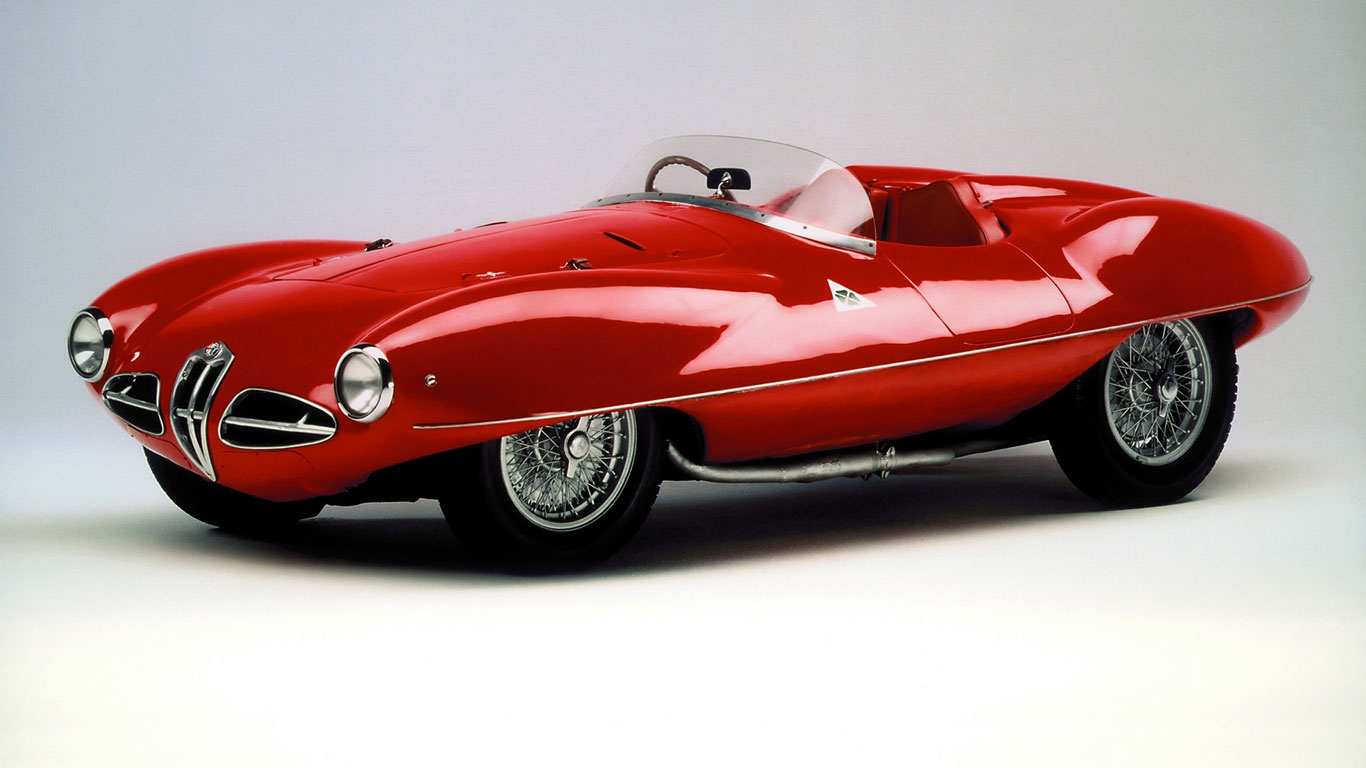
Alfa Romeo Disco Volante
The Alfa Romeo Disco Volante or “Flying Saucer”. Its curvaceous styling led to it being given the internal nickname of Disco Volante, and the unofficial name caught on, thanks in part to the obsession with UFOs in the 1950s.
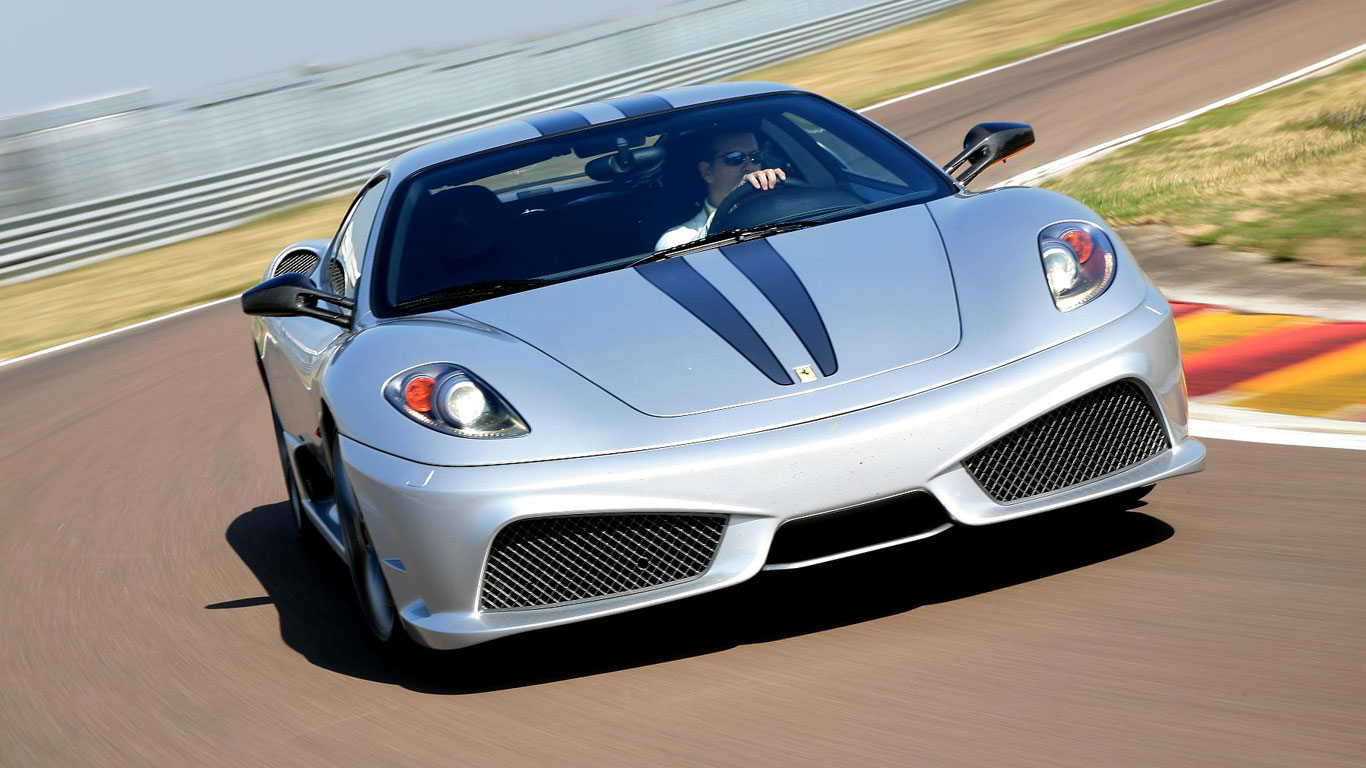
Ferrari F430 Scuderia
We conclude with the F430 Scuderia, or “stable” in English. It sounds so much better in Italian and is rather apt for a company name with blacksmith roots and a Prancing Horse for a badge.fi
New car registrations plummeted by 15.7 percent in March 2018 compared to the same month last year, latest data from the Society of Motor Manufacturers and Traders (SMMT) has revealed. March is traditionally the largest month of the year for new car sales.
The latest figures mean new car sales have fallen month-on-month for 12 months running.
However, the trade organisation has stressed that although the headline figure is “grim”, the bigger picture is “relatively strong”. Speaking to the BBC, SMMT chief executive Mike Hawes revealed that new car sales in March 2018 were still the fourth-biggest month on record.
Things were distorted in 2017 due to a spike in sales ahead of Vehicle Excise Duty (VED) road tax changes coming into force the following month. Many buyers pulled forward their purchase to escape punitive added costs.
“March’s decline is not unexpected given the huge surge in registrations in the same month last year,” said Hawes.
Other factors in the weak 2018 performance include the weather – and this is why, said Hawes, the 4×4 sector was the only one to do reasonably well: registrations remained broadly stable, while all other sectors fell.
“Consumer and business confidence… has taken a knock in recent months and a thriving new car market is essential to the overall health of our economy.” What needs to happen in order to restore momentum? “Creating the right economic conditions for all types of consumers to have the confidence to buy new vehicles,” said Hawes.
Diesel declines – again
Diesel car sales, in contrast, continued to suffer. The market was down a whopping 37.2 percent percent in March, adding yet more pressure to car manufacturers seeking to meet upcoming new car CO2 targets. Less than 1 in 3 new car buyers purchased a diesel car in March.
Sales of petrol cars rose slightly, by 0.5 percent. Pure petrol sales comprise 62.5 percent of all new car sales – and while alternative fuel vehicle sales rose, the gain was a mediocre 5.7 percent, taking the share up from 4.1 percent to 5.1 percent.
Overall, new car sales in 2018 are down 12.4 percent – with the decline of diesel a striking 33.3 percent.
“All technologies, regardless of fuel type, have a role to play in helping improve air quality,” said Hawes. “Government must do more to encourage consumers to buy new vehicles rather than hang onto their older, more polluting vehicles.”
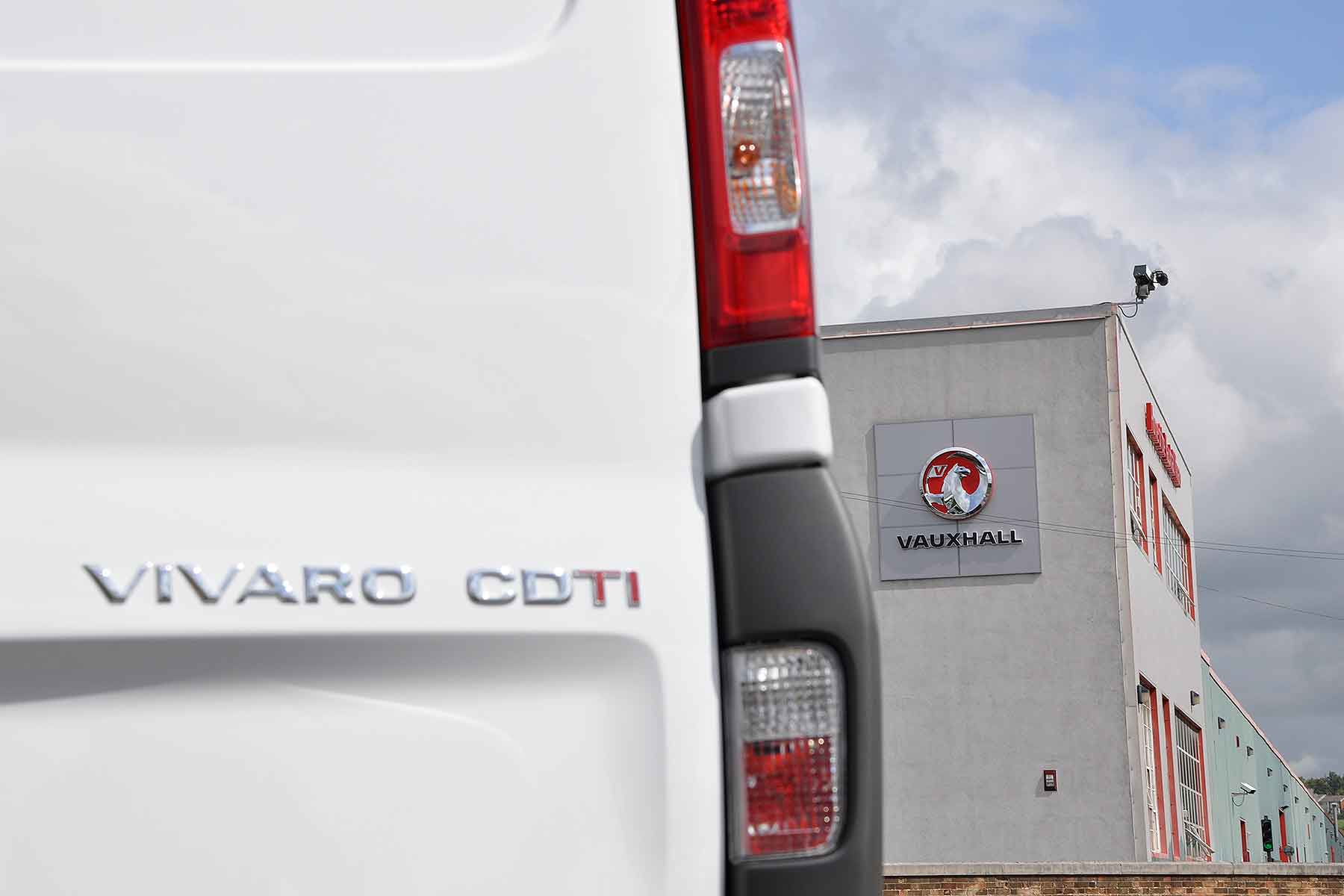
More than 1,400 automotive industry jobs at Vauxhall’s van plant in Luton have been secured after new owner PSA Peugeot Citroen announced plans to build the next-generation Vivaro van at the historic factory.
The site may even produce Peugeot- and Citroen-branded vans in the future.
The news follows Groupe PSA’s record LCV unit sales of 476,500 in 2017, an increase of 15 percent on 2016. The investment in Luton is driven through a performance plan negotiated between the Unite trade union and the Luton plant, despite what Vauxhall calls “Brexit uncertainties”.
Business secretary Greg Clark said: “Today’s decision is a vote of confidence in Vauxhall’s high-skilled workforce and the UK’s world-leading automotive sector. This investment in upgrading the production platform will safeguard and grow jobs, ensuring the future of the Luton plant well into the next decade and help ensure the plant is well positioned for future Vauxhall models to be made in the UK.
“We have been clear in our commitment to the automotive sector which is why, through the Industrial Strategy, we established a landmark Automotive Sector Deal that will see us working with industry to put the UK at the forefront of new technologies.”
PSA bought General Motors’ European business in 2017 and there had been widespread speculation surrounding the future of the Vauxhall plants in Luton and Ellesmere Port.
In 2017, the Luton plant produced 60,000 Opel and Vauxhall Vivaros, but the investment, which is said to total £100m, including £9m from the UK government, could increase capacity to around 100,000 vehicles a year.
‘Major milestone’ for Luton plant
Carlos Tavares, chairman of the managing board Groupe PSA, said: “Performance is the trigger for sustainability and I would like to thank all stakeholders involved and underline the open mindset of our union partners, as well as that of the UK Government.
“This is a major milestone for the future of the Luton plant and a key enabler to serve our ambitions in the commercial vehicle market, guaranteeing customers the best offering in this segment”
PSA considered building Vivaro vans in Germany and Poland, but the UK site “had a natural advantage because it already houses a paint shop fitted to produce van-sized vehicles – an operation that would be expensive to set up elsewhere,” said the FT.
The news is a welcome boost for UK commercial vehicle manufacturing, which fell 24.2 percent in February to 6,019 units. Exports still drive UK production volumes, with almost 70 percent of UK-built vans, trucks, buses and coaches destined for global customers.
Mike Hawes, chief executive of the Society of Motor Manufacturers and Traders (SMMT), welcomed PSA’s decision, saying: “This announcement is great news for the UK automotive sector and, especially, the Luton plant.
“The UK continues to be a centre of excellence for vehicle production thanks to our engineering expertise, high levels of productivity and a collaborative relationship with [the] government which has enabled us to build a robust industrial strategy and a sector deal.
“We will continue to work with policy makers to ensure the UK remains as competitive as possible now and in the future so we can continue to build on our long heritage in vehicle manufacturing.”
Talk about a poisoned chalice. ‘Find 25 muscle cars that aren’t American, and create a gallery,’ they said. Tough call, given that the muscle car is as American as Bruce Springsteen, corn dogs and a home run. If you’re an American with even the slightest interest in cars, you might want to look away now.
What is a muscle car?
You’re still with us? OK, so what exactly is a muscle car? Road Test magazine, June 1967, nailed it, by saying: “It is a product of the American car industry adhering to the hot rodder’s philosophy of taking a small car and putting a BIG engine in it. To balance this out, handling, braking and related essentials are modified to result in a performance machine for the streets.”
Holden HK Monaro GTS
According to the Muscle Car Club, a muscle car must be an “intermediate sized, performance oriented model, powered by a large V8 engine, at an affordable price”. Cars like the Holden Monaro, then? Along with the Ford Falcon, the Monaro is the Aussie rules interpretation of the muscle car recipe. The GTS and GTS 327 were powered by an American V8, yet uniquely Australian in character. The GTS 327 was the first Holden to win the fabled Bathurst 1000, with Bruce McPhee and Barry Mulholland racing to victory in 1968.
Jensen Interceptor
A muscle car is not a “British sports car, a Morgan, TVR or Jaguar, which could never be regarded as fitting the bill”, so says Jim Glastonbury in the Ultimate Guide to Muscle Cars. As a GT car, the Jensen Interceptor isn’t a classic muscle car as such, but with a Chrysler V8 at the front and classic rear-wheel drive handling, it’s arguably a muscle car in spirit. It also has the right name: Charger, Challenger, Interceptor – it feels part of the same club.
Vauxhall VXR8 GTS
It’s rather comforting to know that, alongside the Viva, Corsa and Astra, Vauxhall still offers the VXR8 in the UK. It doesn’t matter that it’s based on the distinctly Australian Holden Special Vehicles (HSV) GTS, because the VXR8 is a welcome tonic to the endless supply of eco-hybrid-crossover-type things. Its Camaro-sourced 6.2-litre supercharged engine ticks the V8 box, and prices start from below £55,000, so it’s also relatively affordable.
Mercedes-Benz 300 SEL 6.3
Some readers will be choking on their Pop Tarts at the mere thought of a Mercedes-Benz included in a list of muscle cars, but hear us out. Admire the lunacy of taking a 6.3-litre V8 engine from the S-Class of the day and shoehorning it into a smaller four-door saloon. The 300 SEL 6.3 could sprint to 62mph in just 7.4 seconds, giving it the ability to rub shoulders with the likes of the E-Type and 911. It was also the godfather of AMG.
Ford Falcon XR GT
Face it, if any country could challenge America’s claim for muscle car supremacy, it would be Australia. You can thank Bill Bourke of Ford Australia for taking the humble Ford Falcon saloon and transforming it into a performance car of merit. Launched in 1967, the XR GT was powered by the same Windsor V8 you’d find in the Mustang, developing 225hp. The Falcon XR GT was there at the birth of the Australian muscle car.
Volkswagen Passat W8
Look, we have to offer a few wild cards, don’t we? Jim Glastonbury was rather dismissive of Europe’s potential to build a muscle car, saying: “… nor is it a German Porsche, which is too efficient and too clever by half”. But what about a Volkswagen Passat? It’s powered by a flat plane crank V8 engine, so it certainly ticks the ‘big engine/smallish car’ box. You’re not convinced, are you? In truth, neither are we.
Mercedes-Benz 450 SEL 6.9
We’re not giving up with the Mercedes-Benz thing. The way we see it, the recipe for the American muscle car is deep rooted and set in stone. But for the rest of the world, a little rule bending should be allowed. The 450 SEL was powered by a 6.9-litre V8, giving this German colossus the power to give a sport car driver sleepless nights. We do concede that it wasn’t exactly cheap, but the 450 SEL wasn’t lacking in muscle.
Ford Capri Perana
As the ‘European Mustang’, you could argue that the Ford Capri was more pony car than muscle car, but that’s a debate for another day. For now, marvel in Ford South Africa’s decision to chuck a 5.0-litre V8 engine into a Mk1 Ford Capri 3000 XL and offer it for sale with a standard warranty. Ford also sanctioned a host of upgrades, including lowered suspension and a custom limited slip differential from a Ford Falcon XW. The best Ford Capri we never got?
Ford Sierra XR8
God bless South Africa for giving the world these two unlikely V8 heroes. First the Capri Perana and now this: the Ford Sierra XR8. It wasn’t exactly packed with muscle – a mere 209 horses – but a host of upgrades and the fact that it was relatively light for a V8 car meant that it was rather good on road and track. You can imagine how good it sounds.
Lancia Thema 8.32
Is this the closest Lancia ever got to building a muscle car? The Thema is front-wheel drive, which doesn’t give it the best of starts, but with a thumping great Ferrari-sourced 2.9-litre V8 engine at the front, it begins to claw back some ground. Lancia also uprated the steering, brakes and suspension, while adding a trick rear spoiler.
Rover 75 V8
You could argue, with some justification, that the Rover SD1 3500 has a whiff of muscle car about it, but we’re opting for the Rover 75 V8. The company went to extraordinary lengths in order to crowbar a 4.6-litre V8 engine into the front, while the conversion from front- to rear-wheel drive is the stuff of legend. The results weren’t altogether successful, but this was like your grandad taking up wrestling. And for that, we applaud it.
Mercedes-Benz 500E
Part Mercedes-Benz, part Porsche, but 100% muscle car, right? Ditching the straight-six in favour of a 5.0-litre V8 meant that the 500E developed 326hp and could reach a top speed of 160mph. And yet it looked like a regular W124, leading Mercedes-Benz to give it the nickname ‘The Velvet Hammer’.
FPV F6
It might sound like the name of a domestic appliance, but once you realise FPV stands for Ford Performance Vehicles, things start to make sense. Think of the F6 as a performance version of the Ford Falcon, built between 2004 and 2014. Before you say anything, we know, the F6 is powered by a 4.0-litre six-cylinder engine and not a V8. But with as much as 417lb ft of torque available on tap, it’s not short of muscle and it certainly looks the part.
Holden Torana A9X
The Holden Torana was a medium-sized family car built between 1967 and 1980, so it provides the ideal basis for a muscle car. Step forward the A9X of 1977: an option available on the 5.0-litre V8 SLR 5000 saloon and SS hatchback. These homologation specials featured a bespoke floorpan and were stripped back to race specification. For a while, the A9X was a dominant force in Australian touring car racing.
Ford XY Falcon GT-HO Phase III
“Simply one of the best cars in the world, a true GT that could take on Ferraris and Astons on their own terms.” Not our words, Lynn, the words of Sports Car World. Draw up a list of the world’s best muscle cars and the Falcon GT-HO Phase III will be somewhere near the top. A mere 300 were built for Bathurst purposes, with the Cleveland 5.8-litre V8 developing in excess of 300hp. If you haven’t done so already, be sure to read Mel Nichol’s epic drive in the book And The Revs Keep Rising.
Chrysler Valiant Charger E38
The E38 was the first homologation special based on the Chrysler Valiant Charger and powered by a 280hp Hemi six-cylinder. Yes, six-cylinder. But the Valiant Charger was an incredibly successful car for Chrysler, with a range of engines and styling that was pure muscle. There were also V8 versions, powered by the Chrysler LA engine.
Lexus IS-F
Remember when Lexus went chasing M cars and AMGs in the IS-F? We believe the Lexus IS-F has an aura of muscle car about it, although you could argue it’s a bit too polished, a bit too efficient for inclusion here. But with a 5.0-litre V8 engine up front and 371lb ft of torque being pushed through the rear wheels, it’s not without credentials.
Holden VH Commodore SS
There can be no debate about the Holden VH Commodore SS. Take one medium-size family car, add a 4.1-litre V8 and, hey presto, a muscle car is born. The VH Commodore represented the debut of the SS (Sport Sedan) badge, which has adorned the potent versions ever since. In the UK, you’ll remember the third generation car as the one exported as the Vauxhall Monaro.
Holden ‘four-door Corvette ZR1’?
At the end of 2016, GM will pull the plug on Holden production, instead offering rebadged import models from other General Motors brands. Australian website Motoring.com.au is suggesting HSV will say goodbye with the help of a GTS-R W1: an “awesome LS9 supercharged 6.2-litre V8 from the previous generation Corvette ZR1”. A four-door Corvette: how’s that for a swansong?
Ford Falcon XA GT
The Falcon XA was the first Ford to be designed and built from the ground up in Australian, making it a rather significant model. The XA GT was essentially a replacement for the fabled GT-HO Phase III, but Ford was keen to make it feel as much at home on the road as it did on the track.
Ford Falcon XB GT
The Ford Falcon XB GT formed the basis for the Interceptor in Mad Max. Even without the movie connection, this a muscle car in the truest sense, with a solid rear axle, leaf springs and an Australian-built 300hp Cleveland V8. You could add a ‘Concorde’ nose, if you fancied yourself as a kind of Max Rockatansky for the new millennium.
Holden Monaro GTS 350
“The race-bred GTS 350 was fast. It’d give you 55, 79, 99 and 130mph in the gears; 0-60mph in 7.0 sec, 0-100 in 16, and 14.8 for the standing quarter mile. Among contemporaries, only Ford’s Falcon GT-HO – another of the great Australian muscle cars of the early ‘70s – could shade it (just).” An excerpt from the aforementioned And The Revs Keep Rising. It’s a must-read book.
Chevrolet Can-Am ‘Little Chev’
According to African Muscle Cars, the Chevy Can-Am was an “insane car”. They’re not wrong – beneath the bonnet of the Vauxhall Firenza was the beating heart of a Z28 engine lifted from the Chevrolet Camaro. If you’re after figures, the ‘Little Chev’ offered 290lb ft of torque and a 0-62mph time of 5.4 seconds. It’s probably the best ‘Vauxhall’ you’ve forgotten about.
Ford Fairmont GT
Another South African diamond here, this time in the shape of the Ford Fairmont GT. According to African Muscle Cars, it was based on the Australian Ford XW Falcon GT and built from 1970 to 1973. We love the summary in Car magazine, June 1972: “It is not a family car, nor is it a street rod for the boy-racers to play around with. It is the type of car which, in America, provides ammunition (and some justification) for the legislators who want to restrict horsepower and govern engine speeds.” The Fairmont GT: what a rebel!
Opel Diplomat V8
We conclude with something fruity from Opel. As a large, luxury car, the Diplomat doesn’t satisfy the strict criteria required for a muscle car, but by using a Chevrolet V8 engine in the flagship models, Opel hoped to compete with Mercedes-Benz. This is muscle, German style.
With the return of cold weather expected this Easter weekend, what are you going to do once you’ve devoured the hot cross buns and polished off the chocolate? Polyphony Digital might have the answer with the latest update to the Gran Turismo Sport Playstation 4 game, and they’ve stored up the best Easter Egg many could have asked for.
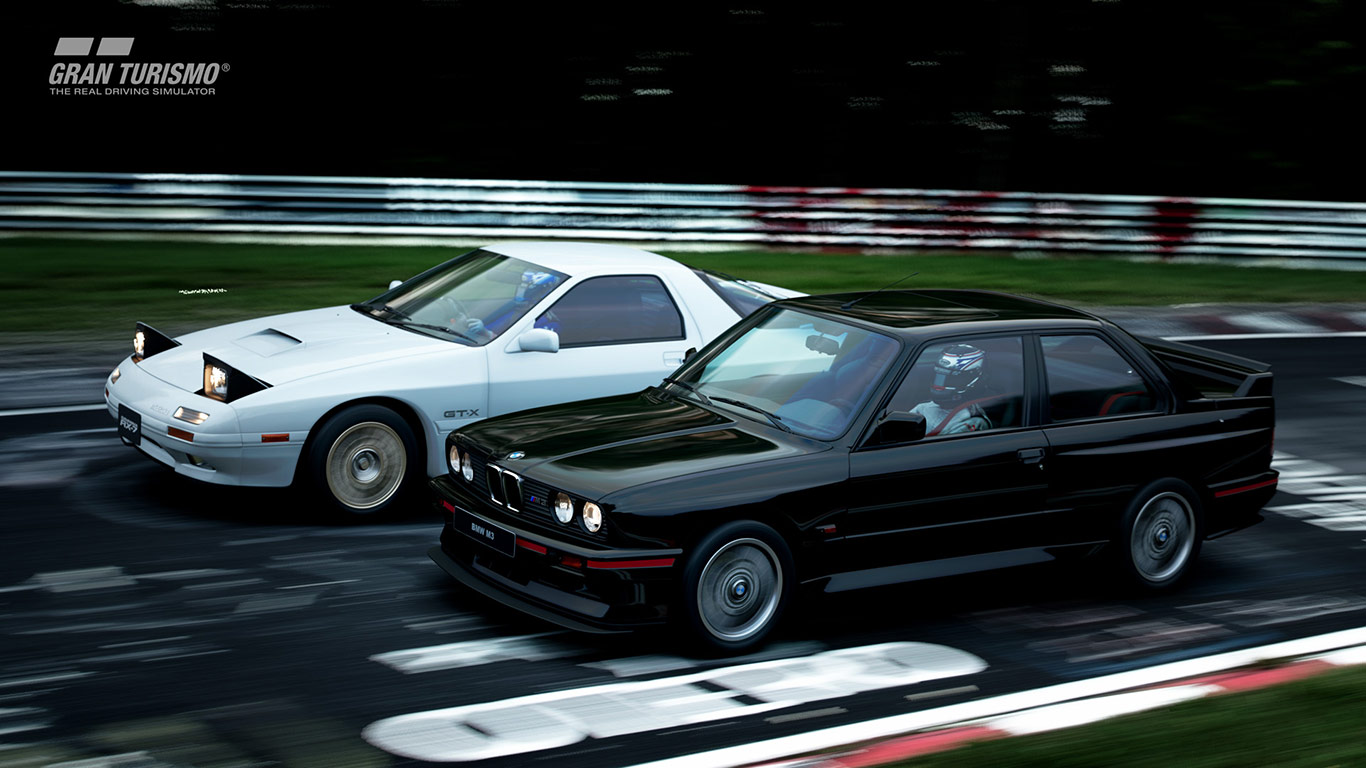
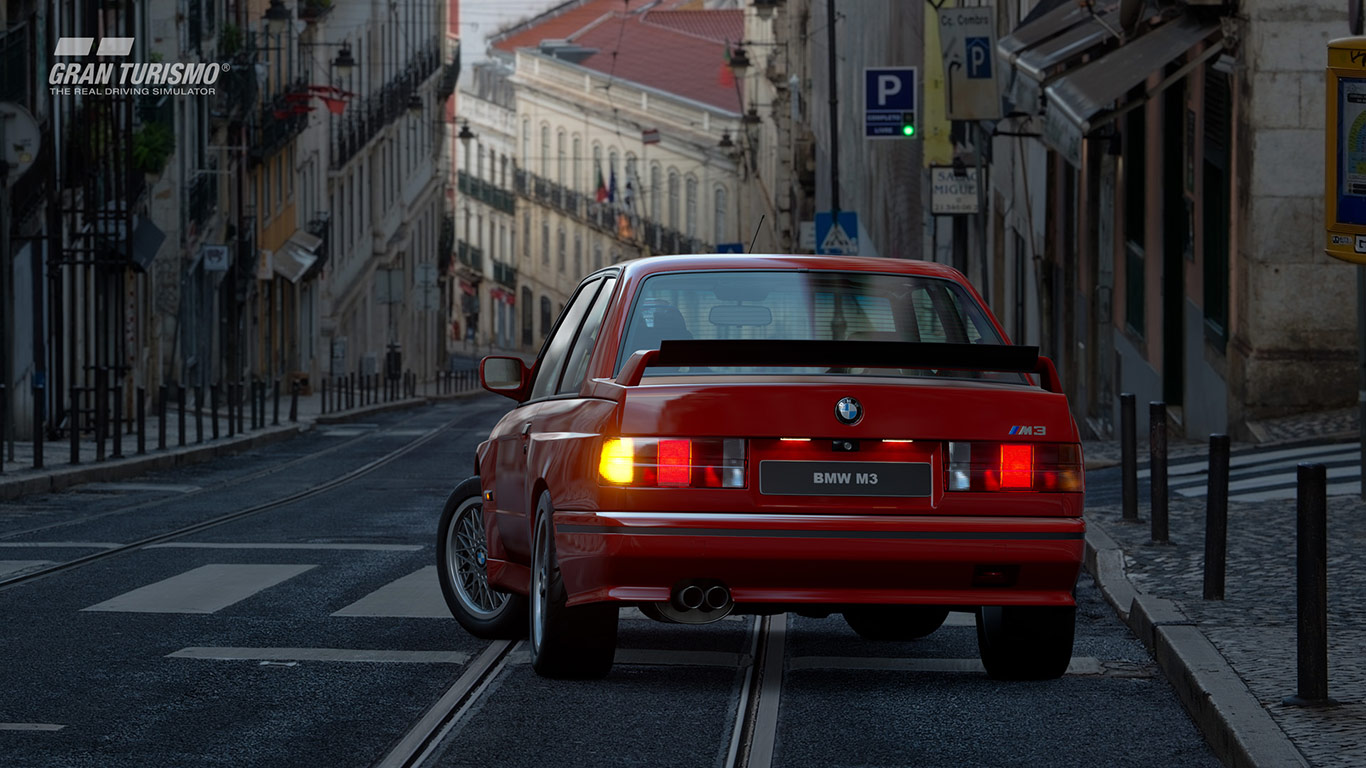
You won’t need us to explain that the values of BMW E30 M3s have gone through the roof in recent years, with £40,000 now the entry point for even cars with huge mileages. However, if you’re a Gran Turismo Sport player, you’ll be able to add an E30 M3 to your garage for absolutely nothing.
As with previous updates, this latest one doesn’t just add one car to the game but actually throws in a total of thirteen new machines. From retro classics, to Super GT racers and crazy concepts, there is likely to be something for every motoring taste with this month’s release:
BMW E30 M3 Sport Evolution
Aston Martin DB11
Ford GT40 Mk1
Eckerts Rod & Custom Mach Forty
Honda Raybrig Concept-GT
Lexus Au Tom’s RC F
Nissan Motul Autech GT-R
Gran Turismo Red Bull X2014 Standard
Gran Turismo Red Bull X2014 Junior
Lexus RC F GT3
Mazda FC RX-7 GT-X
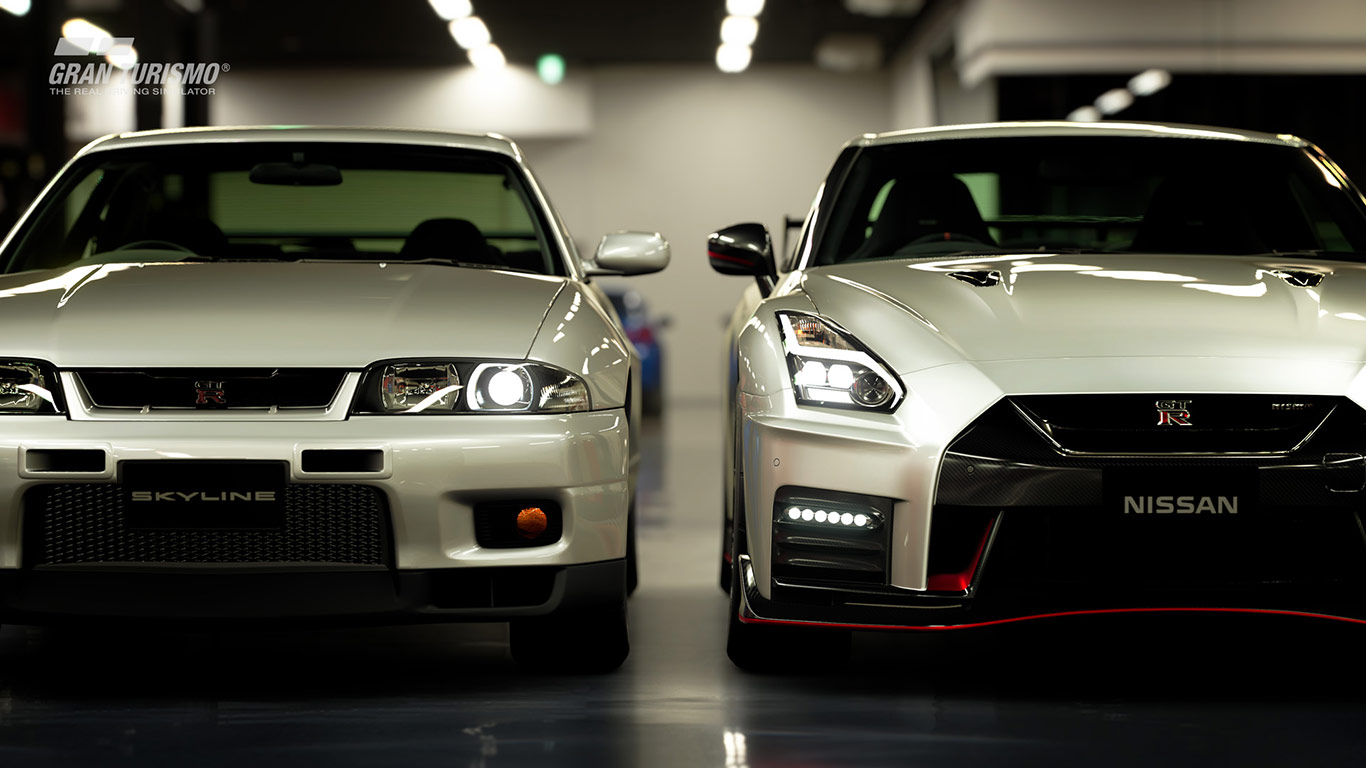
Nissan R33 Skyline GT-R V-Spec
Nissan GT-R Nismo
For those familiar with older Gran Turismo games, the launch of Gran Turismo Sport may have been something of a shock with the usual roster of Nissan Skylines seriously depleted. Thankfully Polyphony has made amends with various updates, and this latest one sees the iconic R33 GT-R slotted in alongside the thundering GT-R Nismo.
Having new performance Nissans would be pointless without a special competition in which to race them, and this update does not disappoint. New additions to the GT-League options include:
Nissan GT-R Cup – Beginner League
Red Bull X-Junior Series – Amateur League
All Japan GT Car Championships – Professional League
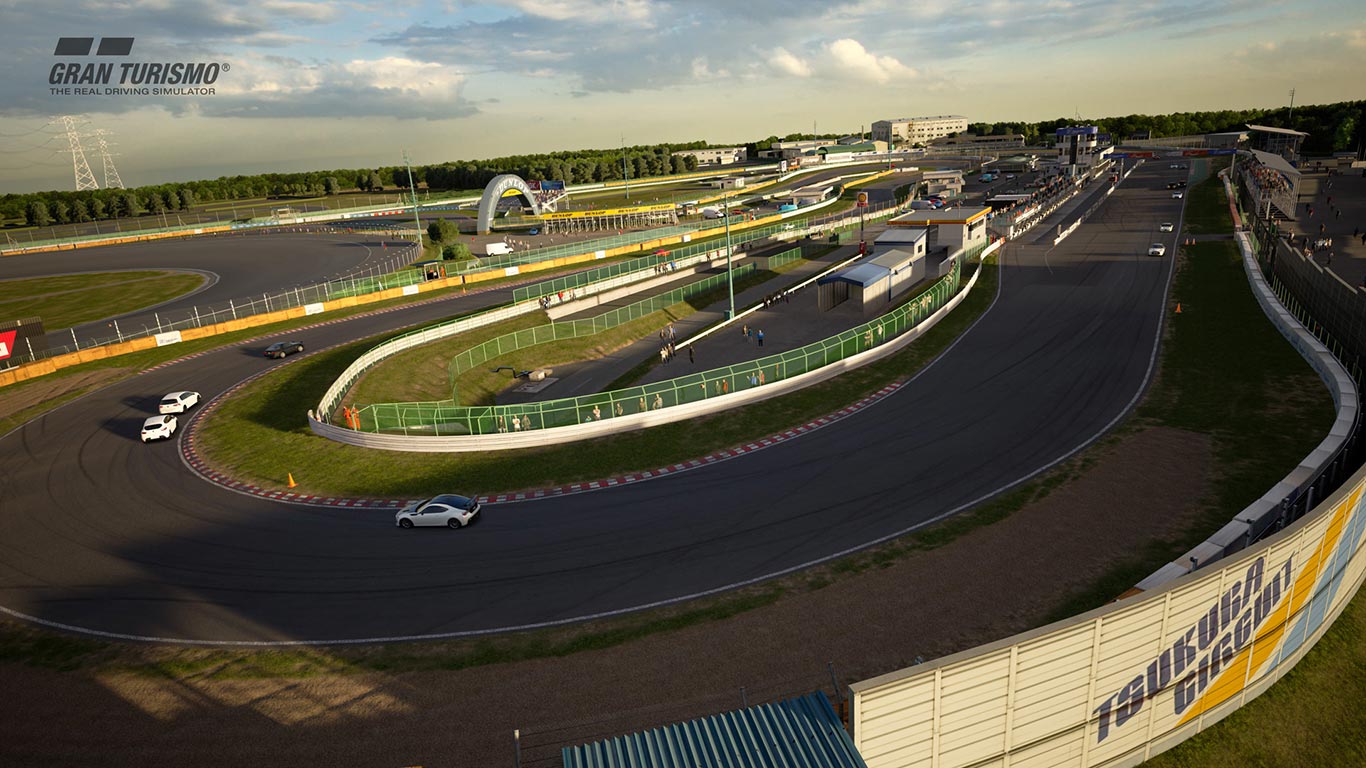
This means you will be able to put all the new cars to use immediately with specific competitions, rather than merely worrying about creating new liveries or what best location to photograph them in. Update 1.15 does include a new location for the photography ‘Scapes Mode’ though…
With the addition of a classic racing circuit, you may want to spend more time driving than snapping, though. The reappearance of Tsukuba Circuit will be a major bonus to long term GT fans, with the short track providing a deceptively challenging environment to pit even low powered machinery against.
As with previous updates, 1.15 also brings a number of new technical tweaks and improvements, including official support for the Fanatec series of steering wheel controllers, and even the addition of MINI and Renault ‘museums’ to the brands featured.
Finally, you can also laud it over those stuck with Forza Motorsport, with a new time trial feature for GT Sport’s VR mode. Maybe test out that before breaking into the chocolate eggs.
 A Porsche works driver has lapped a special evolution version of the firm’s Le Mans-winning 919 Hybrid LMP1 sports car around Belgium’s Spa-Francorchamps circuit more quickly than reigning F1 champ Lewis Hamilton in last year’s title-winning Mercedes-AMG racer.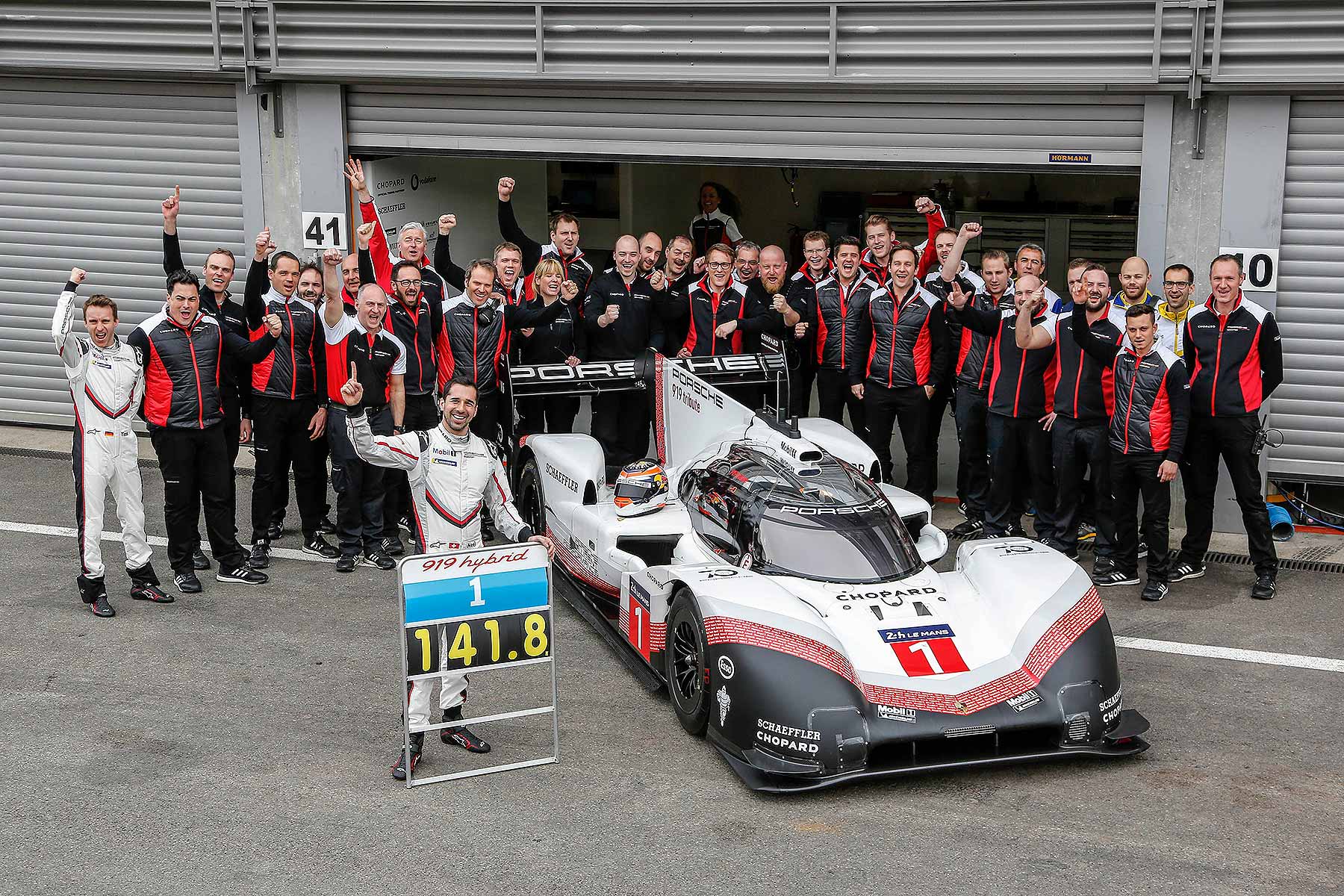
 The rolling exemption for classic cars means that on the 1 April each year, vehicles built more than 40 years before 1 January that year will automatically be exempt from paying Vehicle Excise Duty (VED).

 New car sales in March 2018 saw the 12th monthly decline in a row, with
 New car registrations plummeted by 15.7 percent in March 2018 compared to the same month last year, latest data from the Society of Motor Manufacturers and Traders (SMMT) has revealed. March is traditionally the largest month of the year for new car sales.
  More than 1,400 automotive industry jobs at Vauxhall’s van plant in Luton have been secured after new owner PSA Peugeot Citroen announced plans to build the next-generation Vivaro van at the historic factory.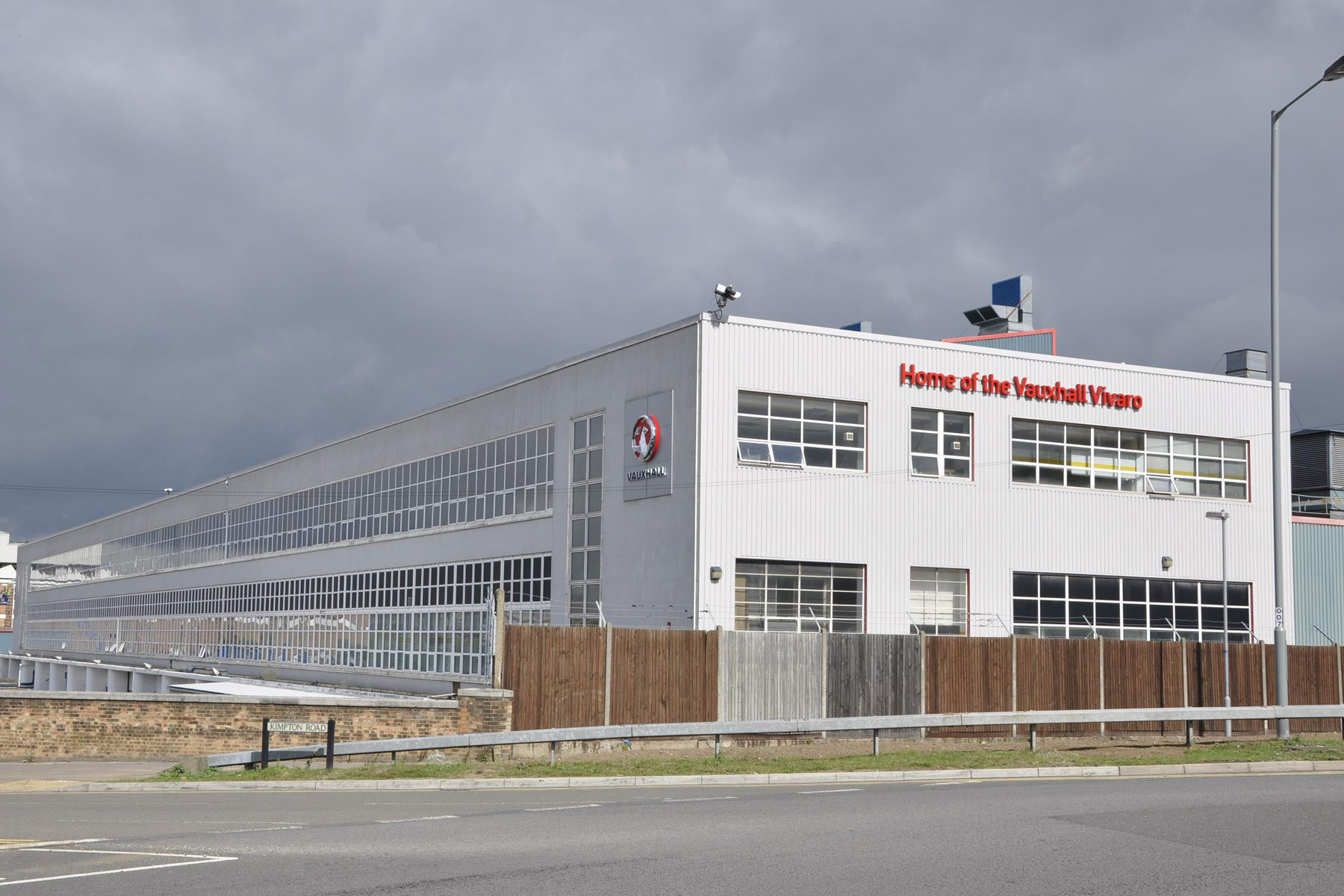
 Talk about a poisoned chalice. ‘Find 25 muscle cars that aren’t American, and create a gallery,’ they said. Tough call, given that the muscle car is as American as Bruce Springsteen, corn dogs and a home run. If you’re an American with even the slightest interest in cars, you might want to look away now.