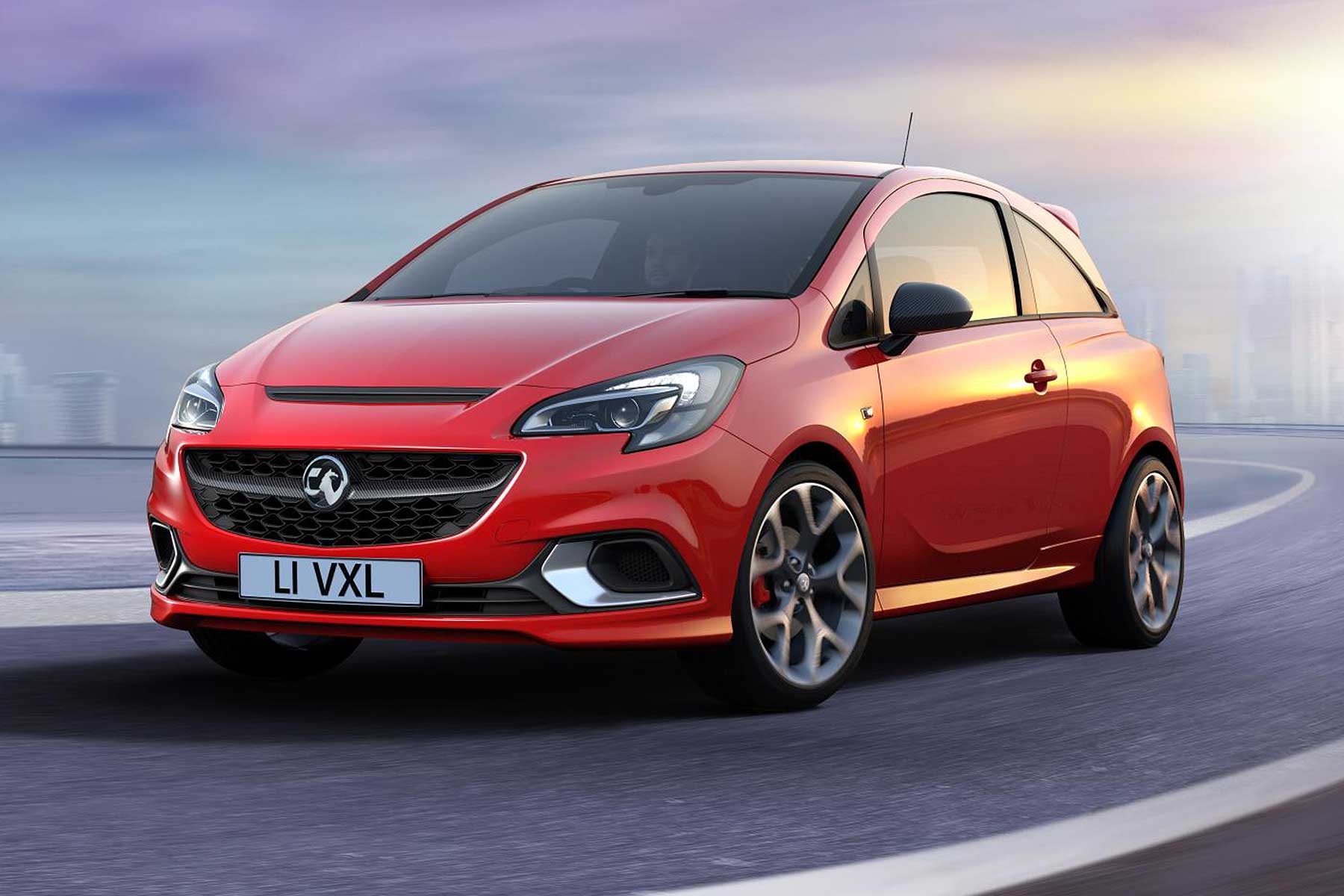
The new Vauxhall Corsa GSI opens for ordering in July 2018, and although we still don’t know how much it will cost, we do know the engine it will use: a 150hp 1.4-litre turbo petrol.
This helps the warm hatch accelerate from 0-62mph in 8.9 seconds, onto a top speed of 128mph. The new Corsa GSI also boasts a healthy 162lb ft of pulling power between 3,000rpm and 4,500rpm, and if you leave the short-ratio six-speed gearbox in fifth, it will accelerate from 50-70mph in 9.9 seconds.
All of which doesn’t sound so bad when combined with claimed economy of 47.1mpg, and CO2 emissions of 139g/km – and these comply with the latest Euro 6d-TEMP standards, too.
Due in showrooms in September 2018 (just in time for 68-plate registrations), the Corsa GSI uses the same chassis as the Corsa VXR hot hatch; you can even option the 215/40 18-inch lightweight alloys offered on the 210hp VXR.
It also has optional leather Recaro seats inside, plus a GSI bodykit with sculpted bonnet and rear spoiler, chrome tailpipe and red-painted brake calipers. The Vauxhall IntelliLink system is standard, incorporating both Apple CarPlay and Android Auto.
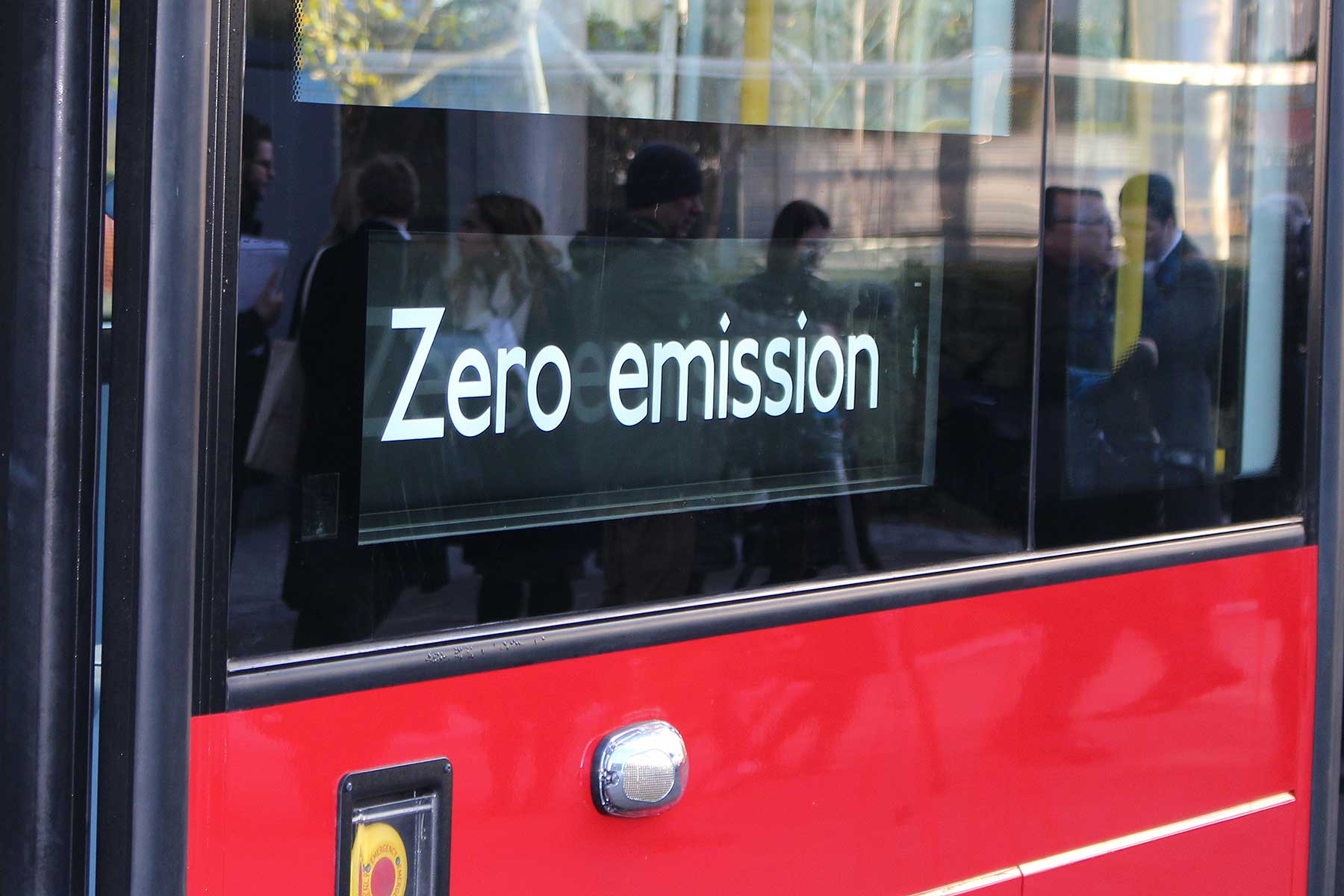
Environment secretary Michael Gove will today launch a new Clean Air Strategy, which aims to cut deaths from air pollution. The plans are a key part of the government’s 25-year goal to leave the environment “in a better state than we found it”.
Air pollution is Britain’s fourth biggest cause of premature death, after cancer, obesity and heart disease – claiming 50,000 lives each year. The European Commission is also taking the UK government to court for breaching EU air quality rules.
The finer details of the Clean Air Strategy have yet to be announced, but domestic fuels (such as log-burning stoves), ammonia emissions from farming and micro-plastics (from vehicle tyres and brakes) are top of the agenda. A ‘personal air quality messaging system’ is also proposed, to inform those living in polluted areas when to take extra precautions.
The headline aim is to ‘halve the number of people living in locations where concentrations of particulate matter are above the World Health Organisation guideline limit of 10 ug/m3 by 2025’.
A “transport-shaped hole”
The plans have, however, already drawn criticism for not going far enough – and laws and restrictions around cars are at the core of the complaints. Greenpeace campaigner Paul Morozzo said: “There’s a transport-shaped hole in what we’ve seen of this strategy so far.”
Mr Morozzo continued: “To be a proper clean air strategy it would need concrete plans on clean air zones to tackle dangerous pollution from diesel cars, yet there’s no detail following the government’s latest ticking off from the High Court. Further, to achieve clean air in the UK we have to get diesel cars off our roads as fast as we can.”
Green Party MP Caroline Lucas called the plans “underwhelming”, comparing them with “taking a water pistol to a wildfire”.
Michael Gove claimed air quality had “improved significantly since 2010”, but was still “making people ill, shortening lives and damaging our economy and environment”.
More details on the Clean Air Strategy will be announced later today, so check back for further updates.
Unless you’ve managed to avoid the news for the last three years, you’ll know that the long-running ‘NEDC’ emissions and fuel economy testing regime has come under criticism. The huge gulf between the results from the official figures quoted online and in brochures, and the performance of cars in the real world, was no longer acceptable.
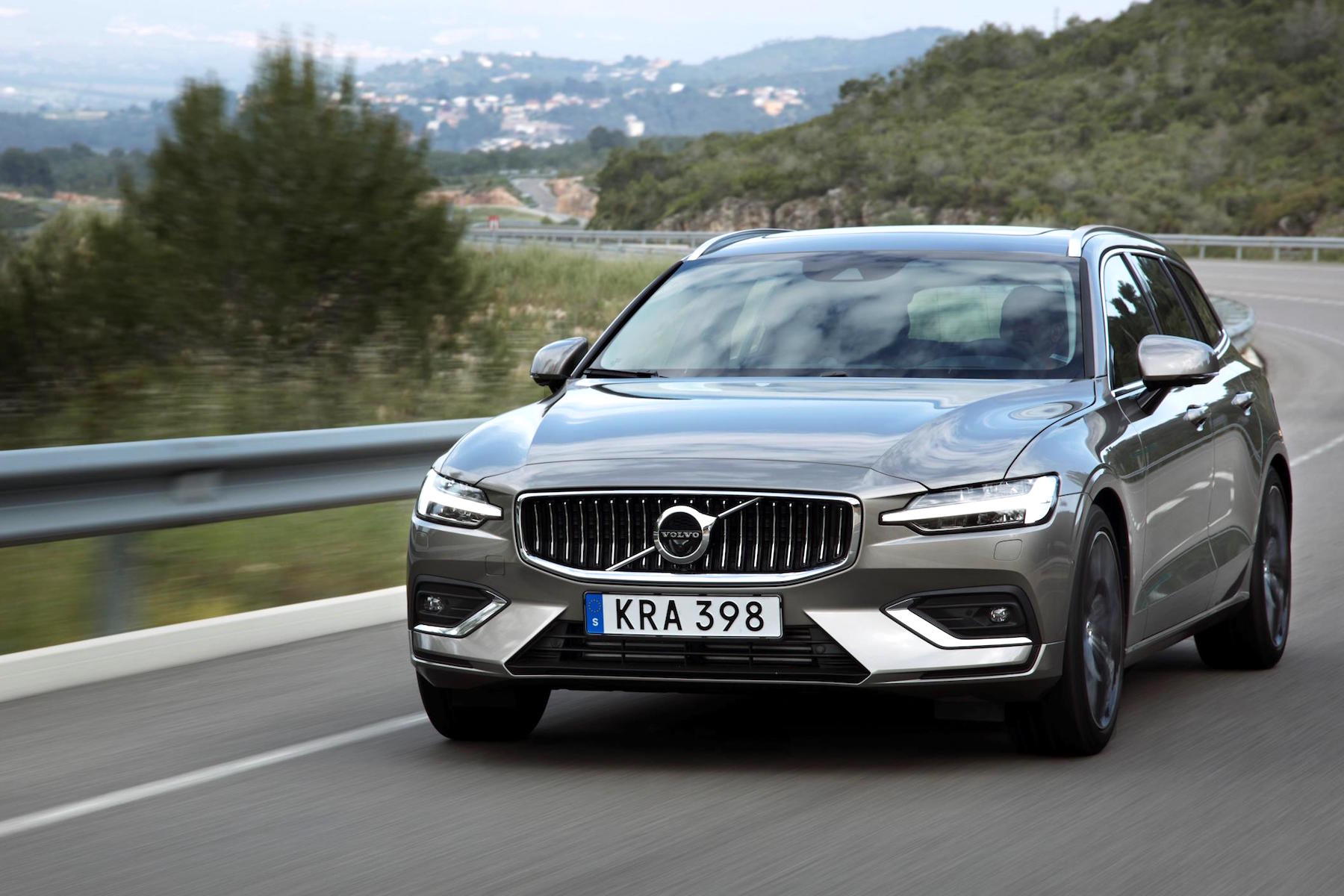
The new Volvo V60 could be yours for £299 a month
The car industry has devised an answer. First introduced in September 2017, the Worldwide Harmonised Light Vehicle Testing Process (WLTP) has been designed to recreate the conditions drivers actually experience more closely.
Combining a laboratory test with a new on-road ‘Real Driving Emissions’ test lasting two hours, buyers should have more confidence in the figures provided for comparison on fuel economy and emissions.
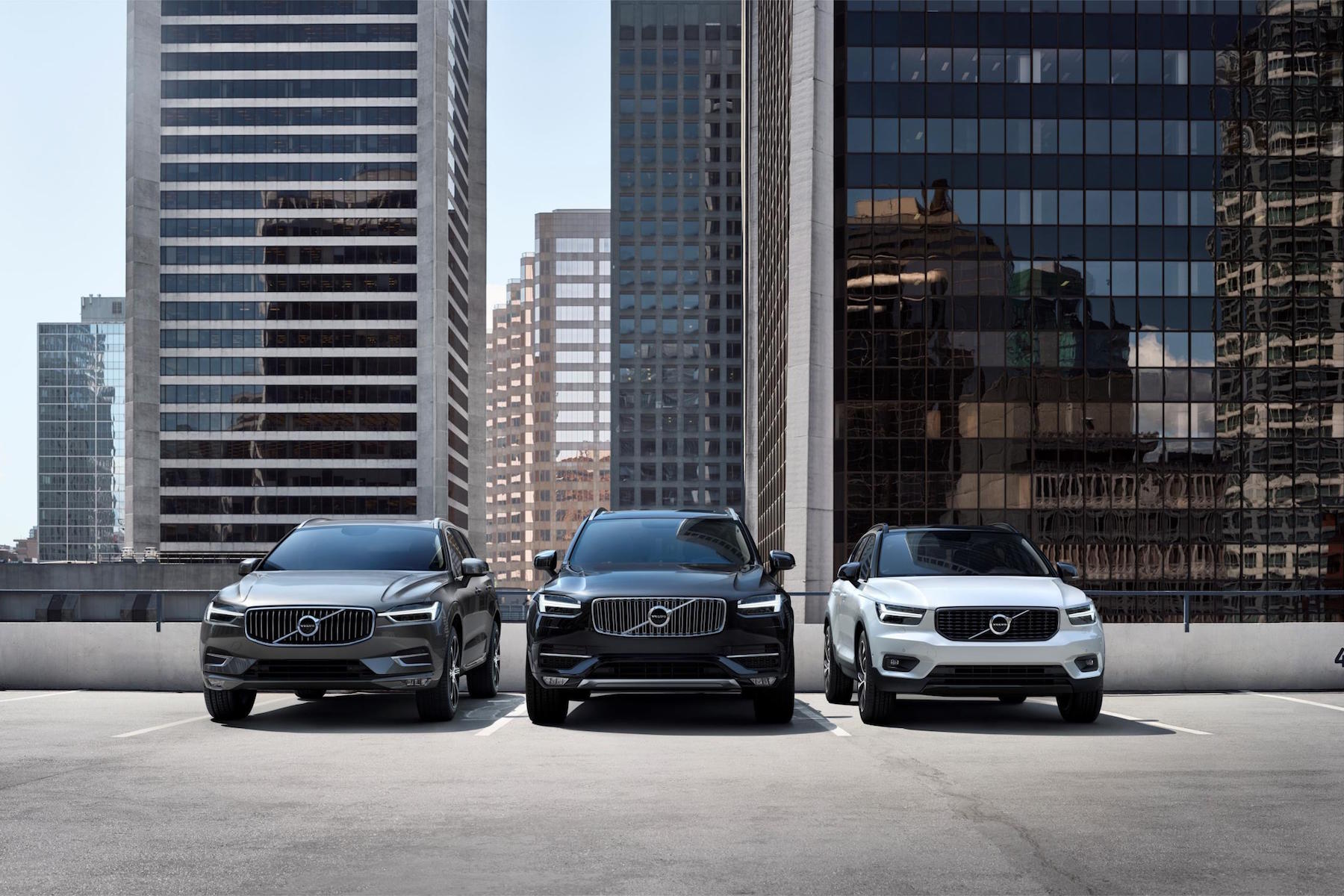
Volvo is now ahead of the curve. It has become the first manufacturer selling cars in the UK to have every model across the range complying with the new WLTP rules. This includes all petrol and diesel-powered models, plus the collection of hybrid vehicles offered by the Swedish brand.
Set to apply to all new registrations from the 1st September 2018, only new cars homologated to meet WLTP standard will be able to be sold in the European Union. Although manufacturers will be able to sell a limited stock of cars tested under the old rules, compliance with WLTP is a must for major players.
Basically, cars that aren’t WLTP-compliant by September will be barred from sale in the UK. Hence the significance of Volvo’s achievement, nearly five months ahead of schedule.
Volvo has already committed to a programme of ensuring all new Volvo models offered from 2019 will feature some form of electrification, along with plans for 50% of all products on sale by 2025 to be fully electric.
Of course, with a model range focussed on a core of premium SUVs and estates, and with powertrains shared between many products, Volvo has arguably had a slightly easier task to ensure WLTP compliance than other manufacturers.
This should still take nothing away from the fact that Volvo can lay claim to being the first, and adds pressure to other brands to ensure their new cars meet the 1st September deadline…
Regular servicing and maintenance is essential if you want a happy and healthy car, but it accounts for a significant chunk of the overall running costs. Missing a scheduled service is a false economy and could lead to problems further down the line. But what is the cheapest car to service? A study by Servicing Stop, an online car servicing provider, has named the top 10 cheapest cars to service – and the top 10 most expensive. We’ll start with the cheapest, with the results presented in reverse order.
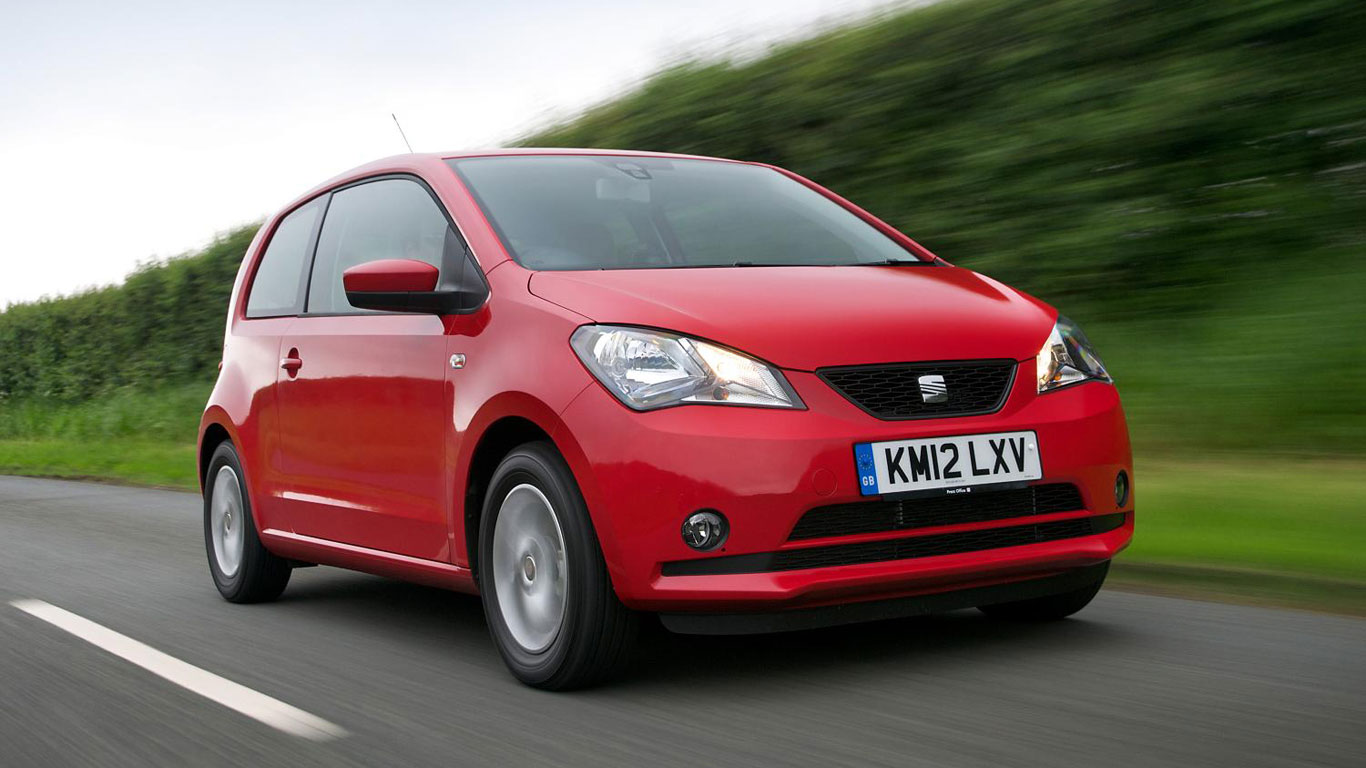
10. SEAT Mii: £210
Servicing Stop analysed the data of more than 250,000 online bookings to identify the makes and models with the cheapest service price year-on-year. Buy a SEAT Mii and you can budget for around £210 to cover the cost of servicing on an annual basis. With the Volkswagen Up and Skoda Citigo absent from the list, this might be one reason to choose the SEAT over its siblings.
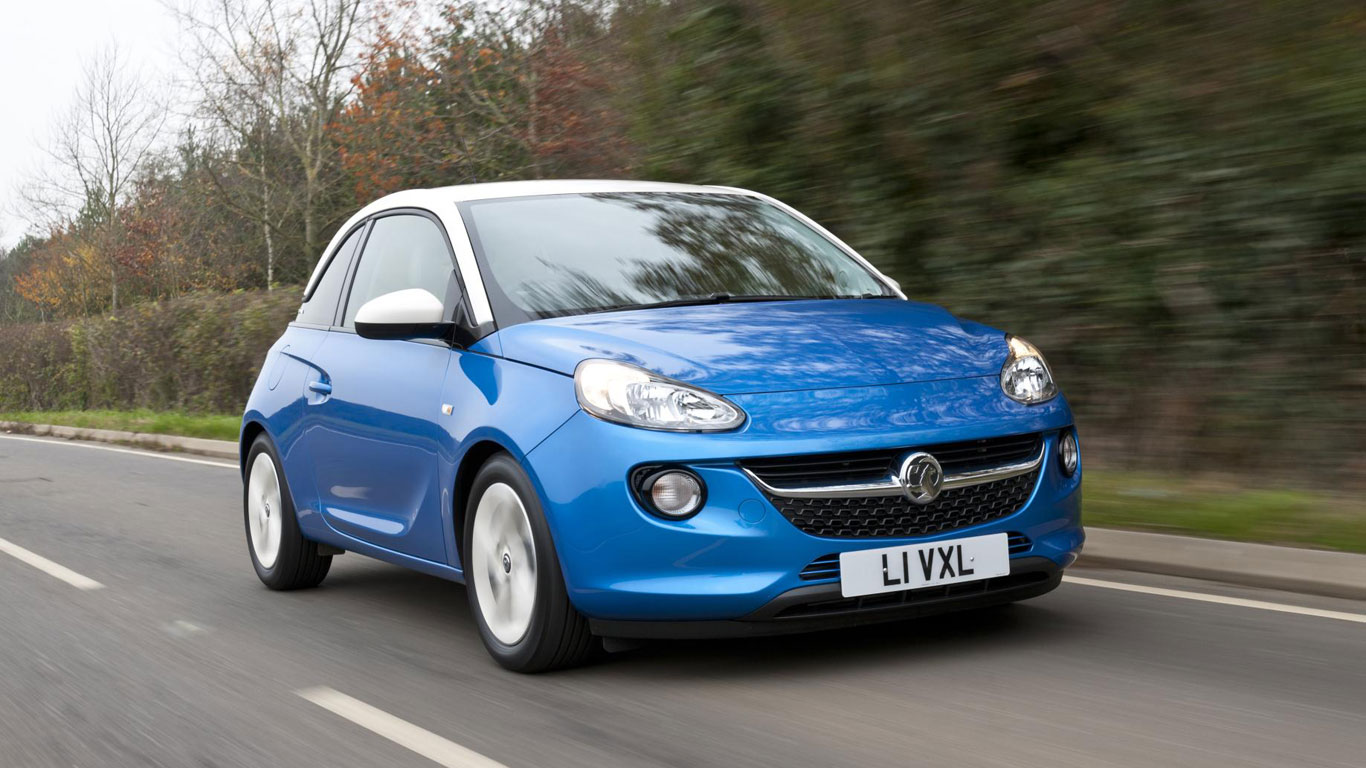
9. Vauxhall Adam: £208
Oly Richmond, CEO and founder of Servicing Stop, said: “Many motorists think about the cost of the car when purchasing a new or second-hand model, but often the running costs go forgotten about. You could end up spending twice as much every single year by purchasing a more expensive vehicle to service so make sure to do your research in advance!” Buy a Vauxhall Adam and not a SEAT Mii and you could save yourself £2 a year. Don’t spend it all at once.
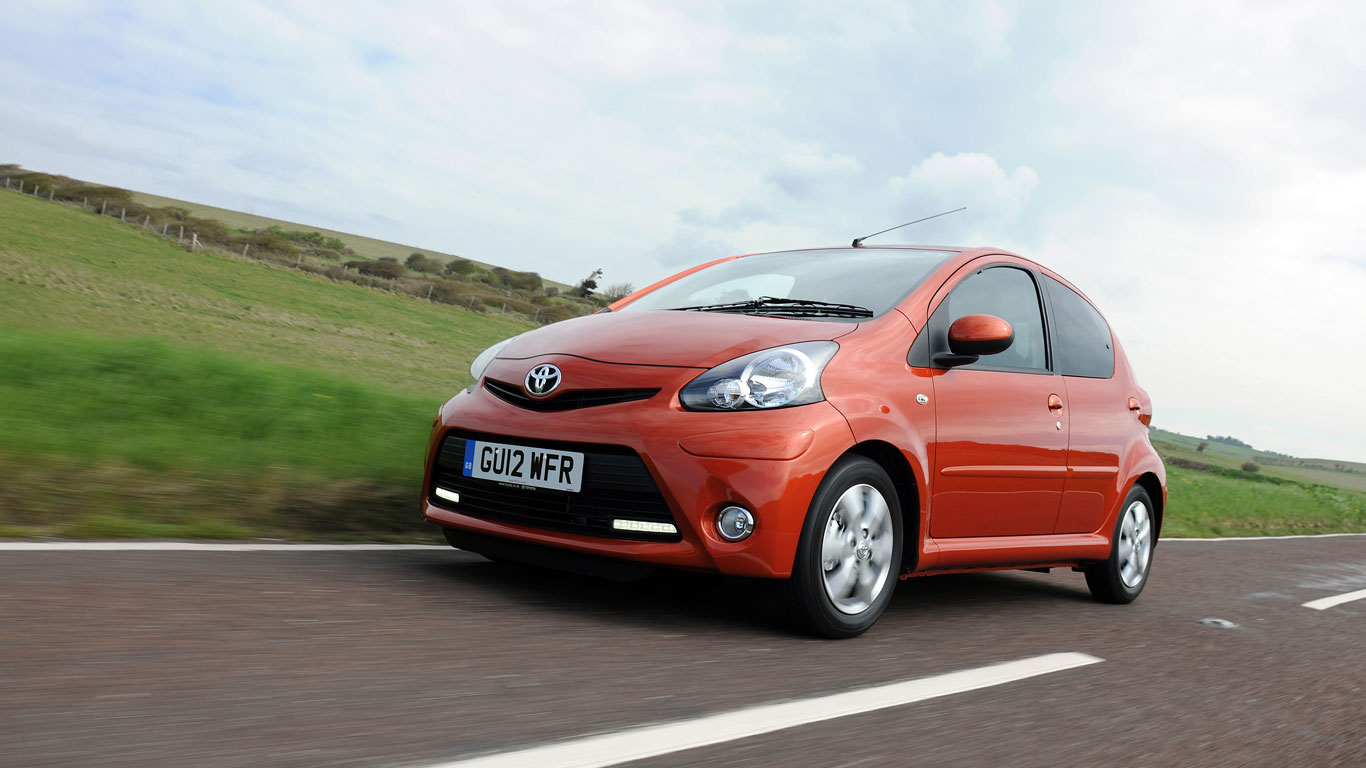
8. Toyota Aygo: £207
It’s one of the smallest cars you can buy, so it’s logical that it should come with equally small running costs. Launched in 2005, the Aygo was the result of a joint venture with Peugeot and Citroen, with the second-generation car arriving in 2014. The Peugeot 108 doesn’t make the top 10, but there’s a slot for the Citroen C1 further up the table.
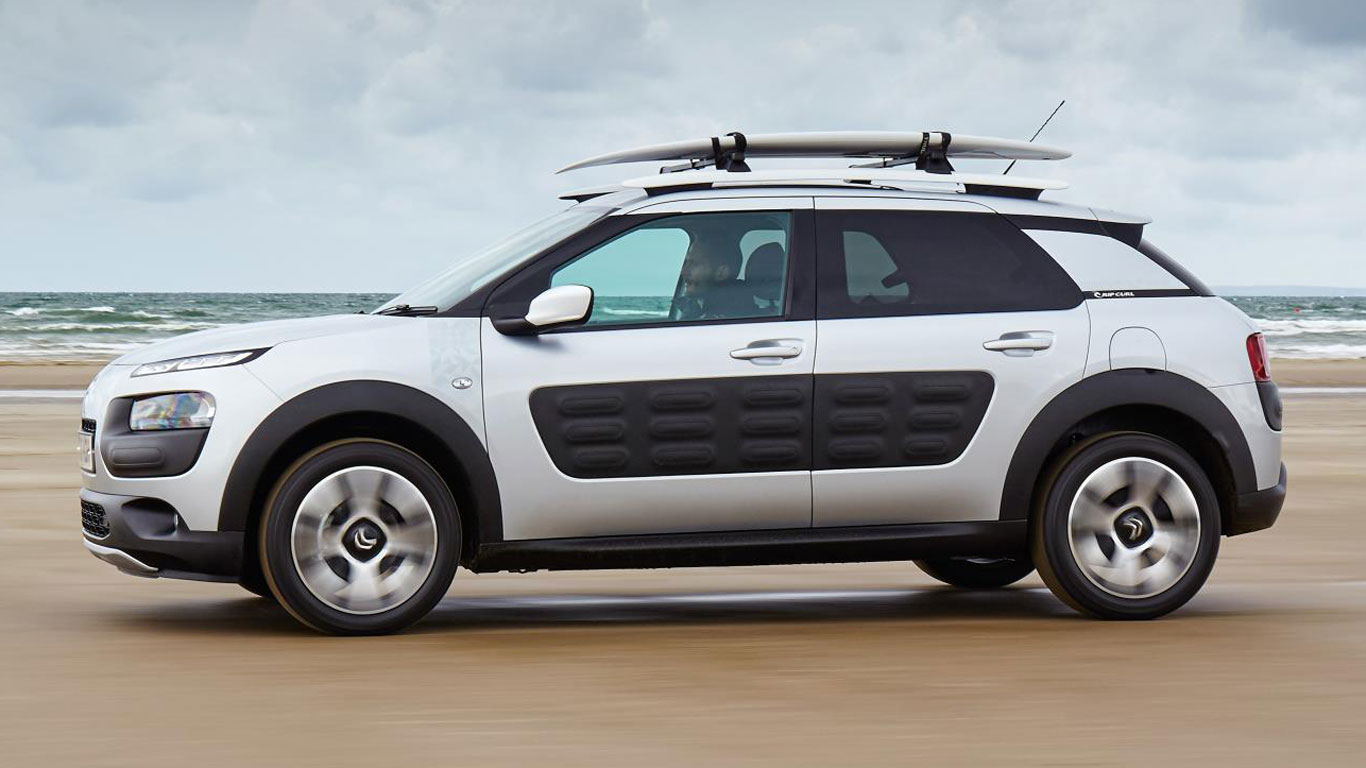
7. Citroen C4 Cactus: £205
We’ll come to the C1 later, but in the meantime here’s the Citroen C4 Cactus. Production started in 2014, with an extensively facelifted version launched earlier this year. The C4 Cactus doesn’t tend to perform well in reliability and satisfaction surveys, but at least it should be cheap to service.
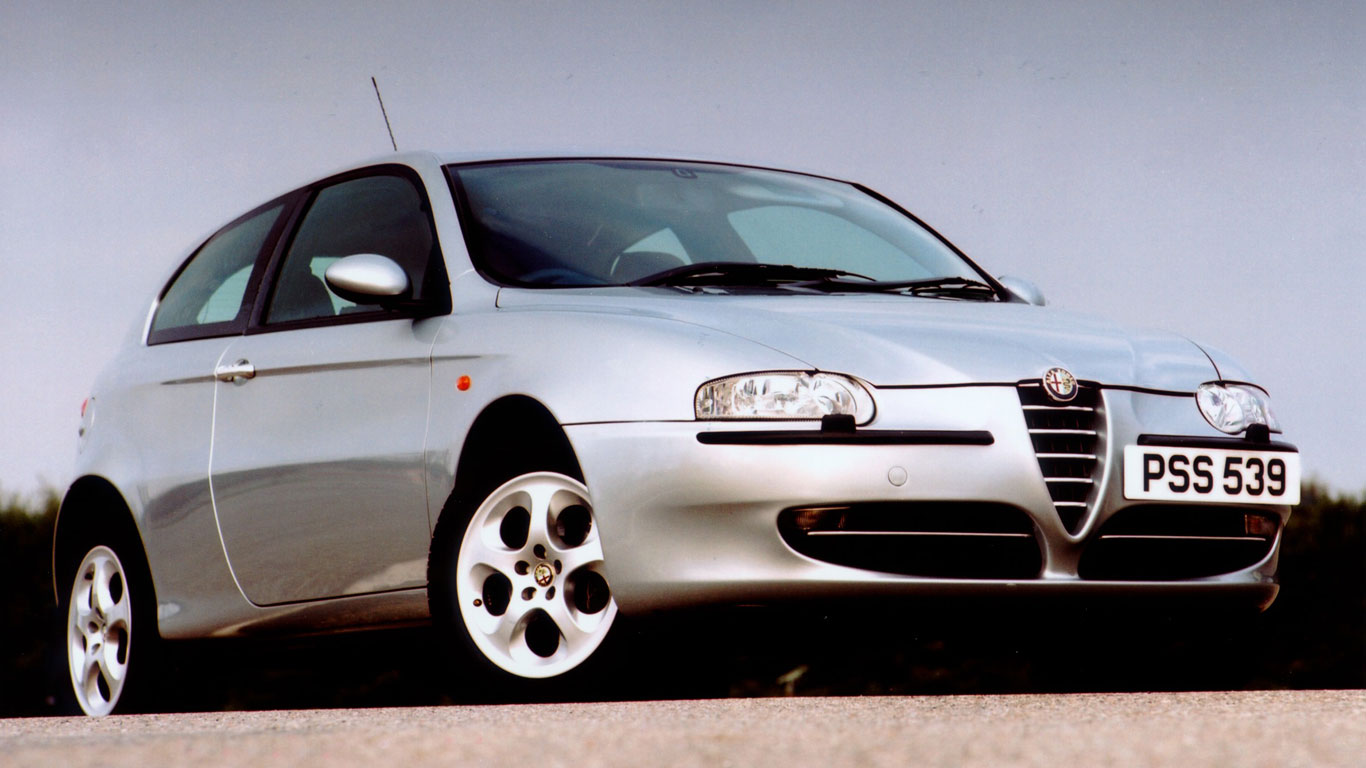
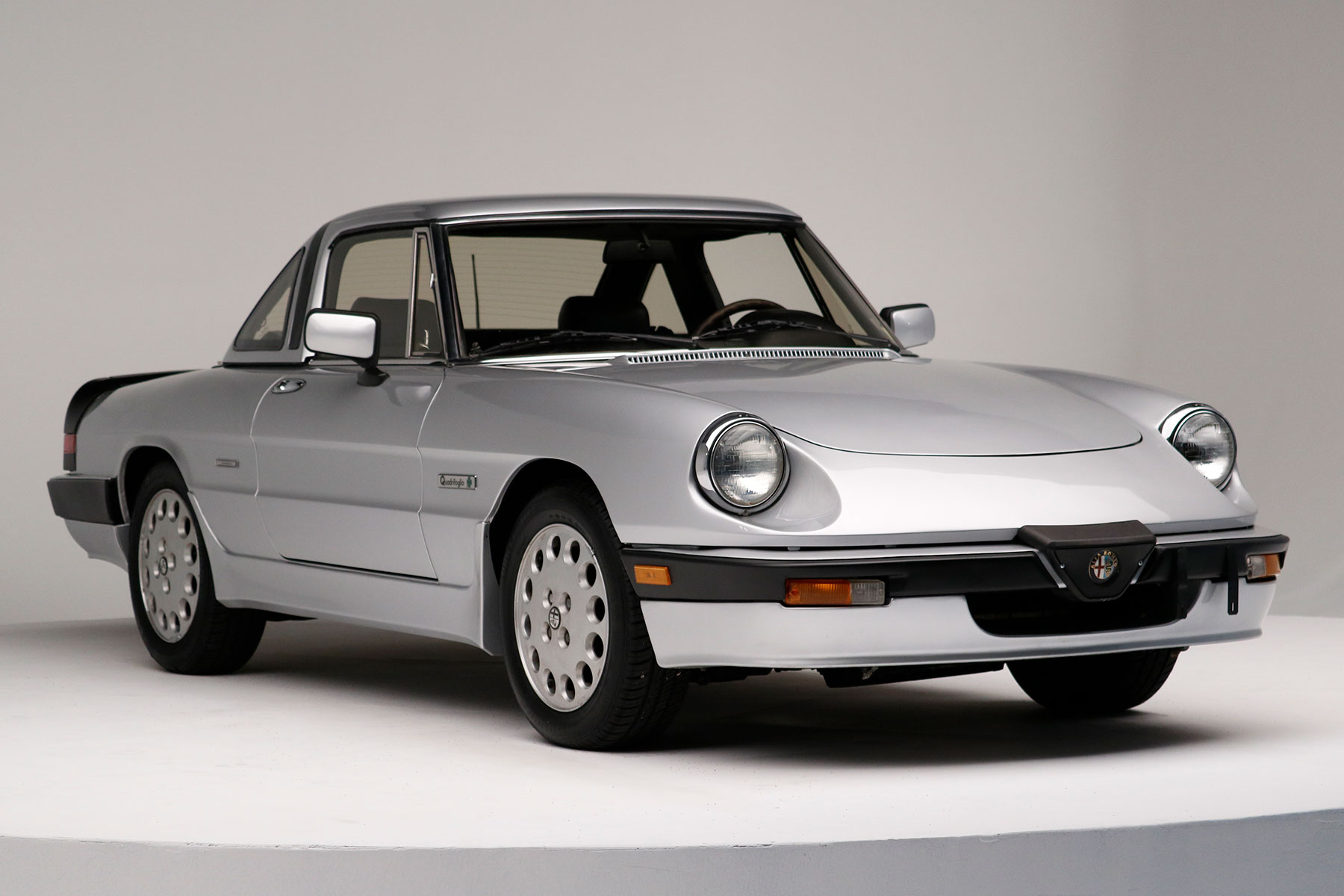
6. Alfa Romeo 147: £201
If you thought this list would be full of dull and worthy vehicles, here’s something to warm the cockles of your heart. Based on the results of this study, the Alfa Romeo is the sixth cheapest car to service in the UK, at an average cost of £201.
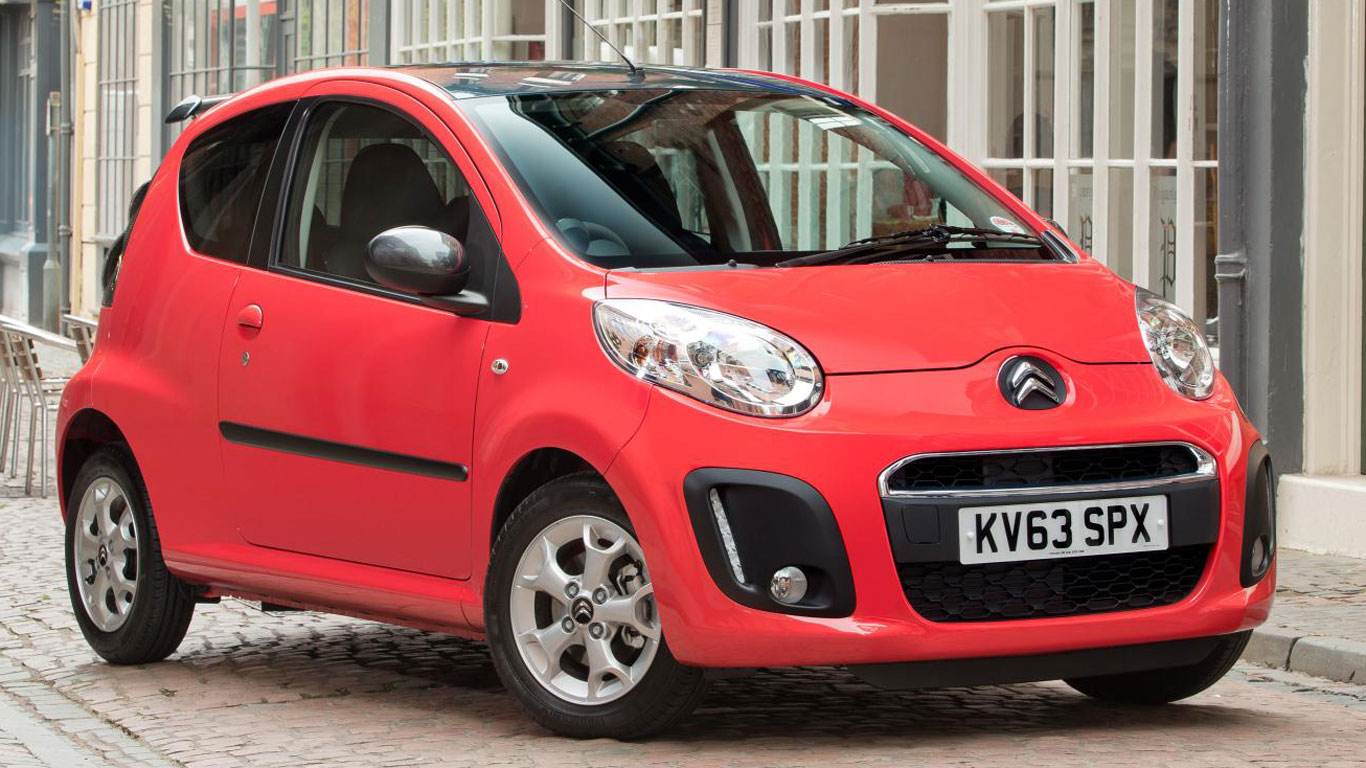
5. Citroen C1: £197
Here’s the Citroen C1 we promised you, which is the first car to slip below the £200 mark. Admit it, you’re still thinking about the Alfa, aren’t you? Either that or you’ve disappeared to search for 147s on Auto Trader.
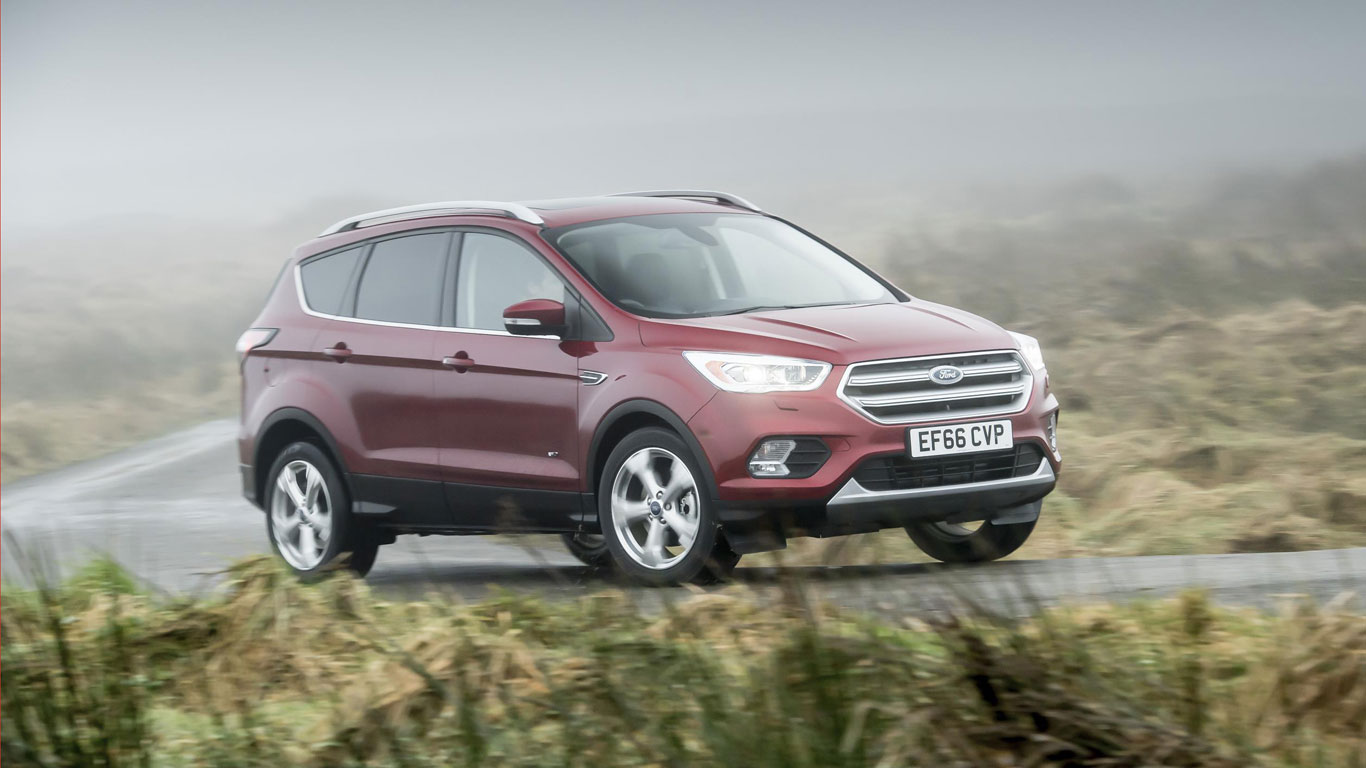
4. Ford Kuga: £195
Crossovers and SUVs are all the rage right now, and here’s one that won’t cost the earth to service. The Ford Kuga is good to drive and offers excellent value for money when new, but feels dated when pitched against some newer rivals.
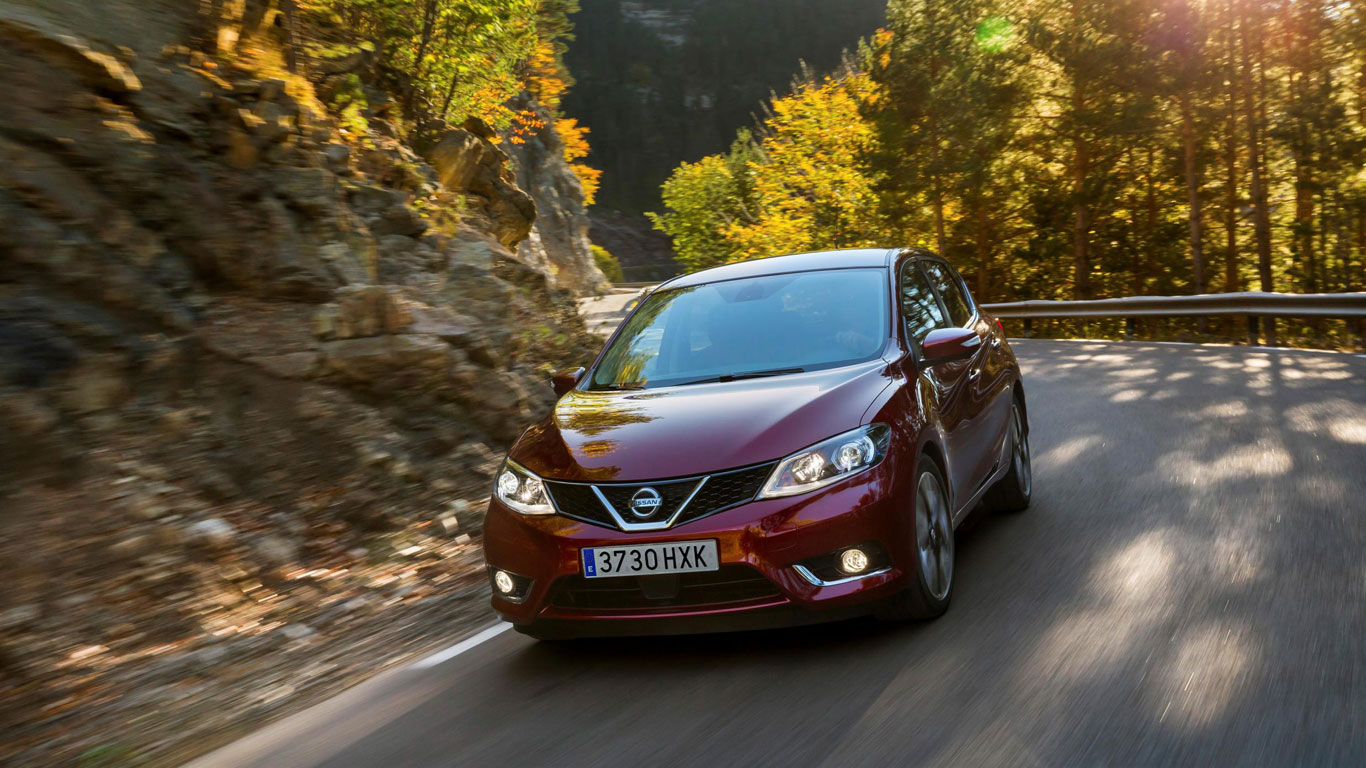
3. Nissan Pulsar: £180
If you’re after a hatchback with limo-like levels of rear legroom, the Nissan Pulsar is the best choice. Although production will end this summer, the Pulsar is a likeable five-door hatchback with the added bonus of being cheap to service.
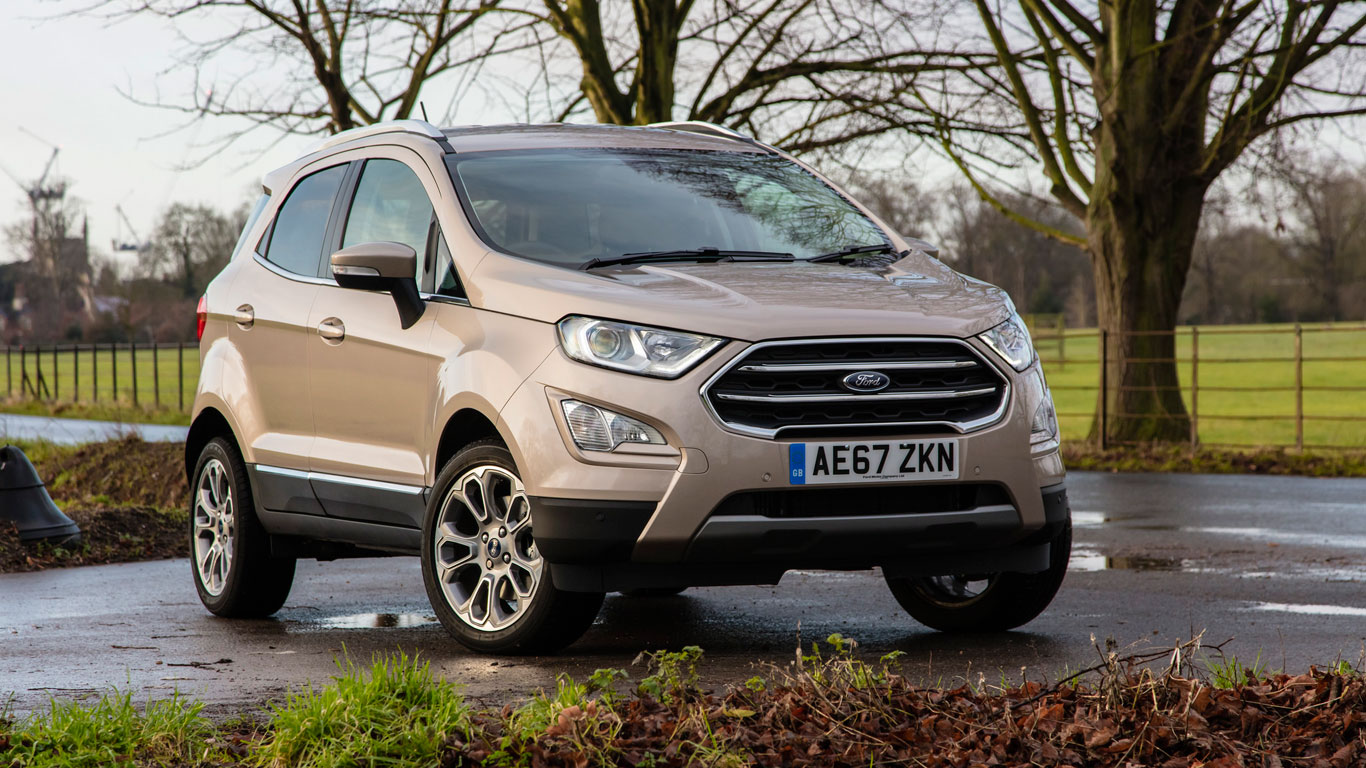
2. Ford EcoSport: £176
You’re unlikely to buy a Ford EcoSport for its styling, but at a cost of £176, at least you won’t be spending a fortune on servicing.
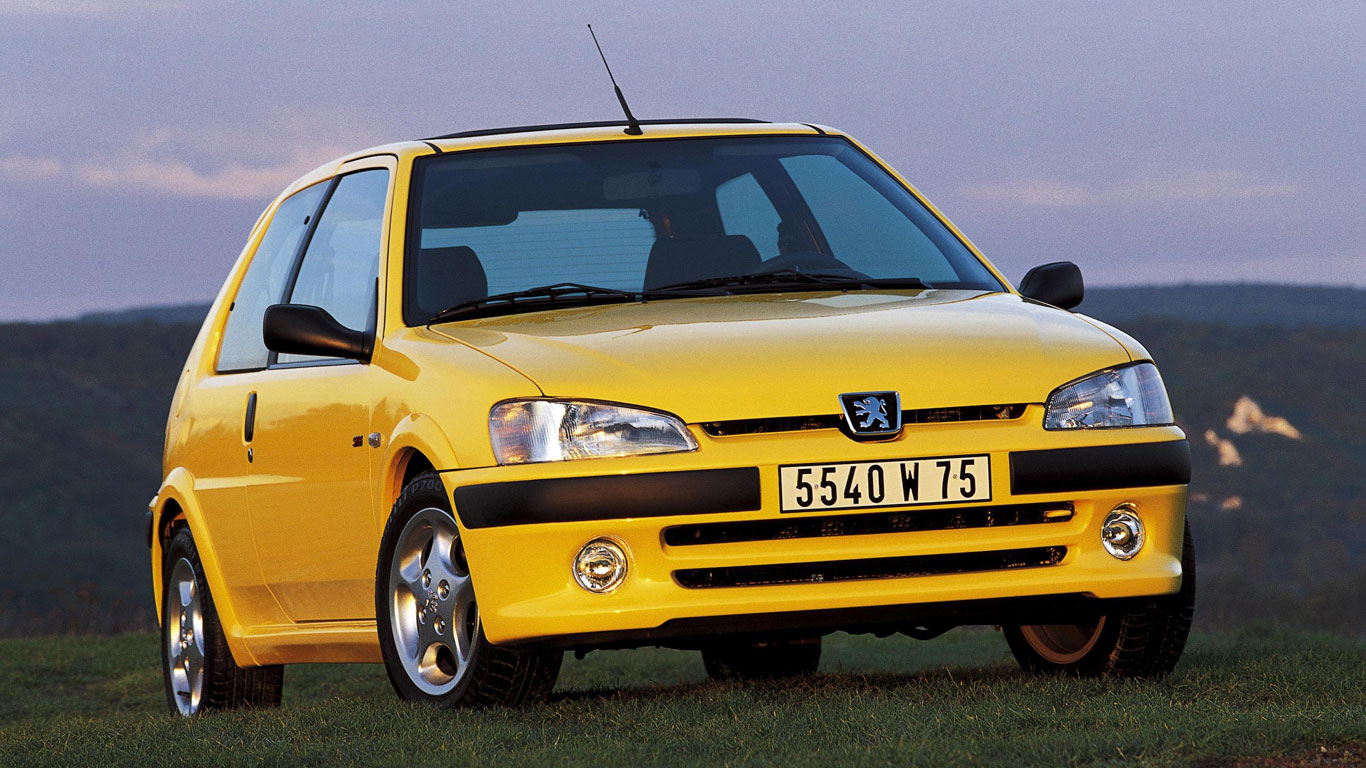
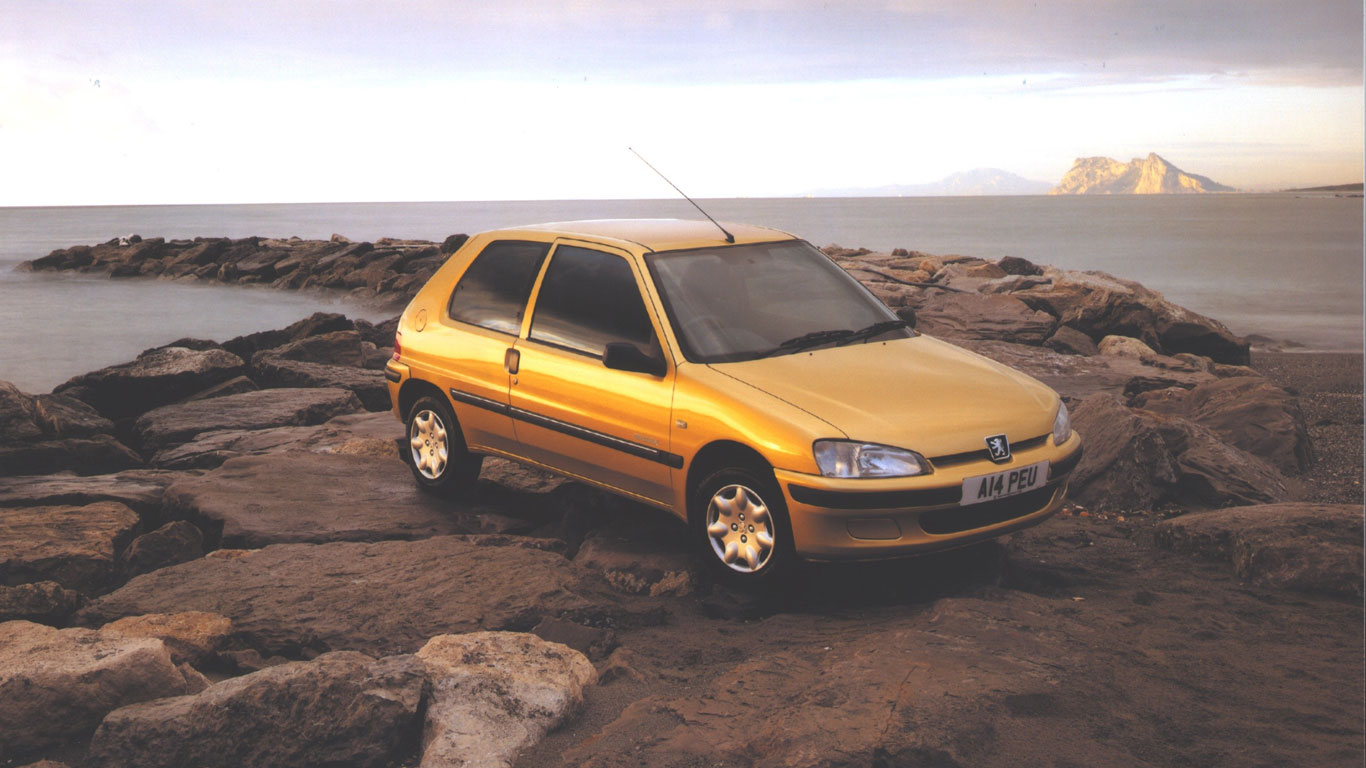
1. Peugeot 106: £158
Everything’s relative, isn’t it? You can buy a perfectly serviceable Peugeot 106 for anything between £200 and £400, which means the cost of a service could be as much as 50 percent of the car’s value. Buy a 106 with a fresh MOT, give it a good service, and if it provides a year of cheap transport, job’s a good’un.
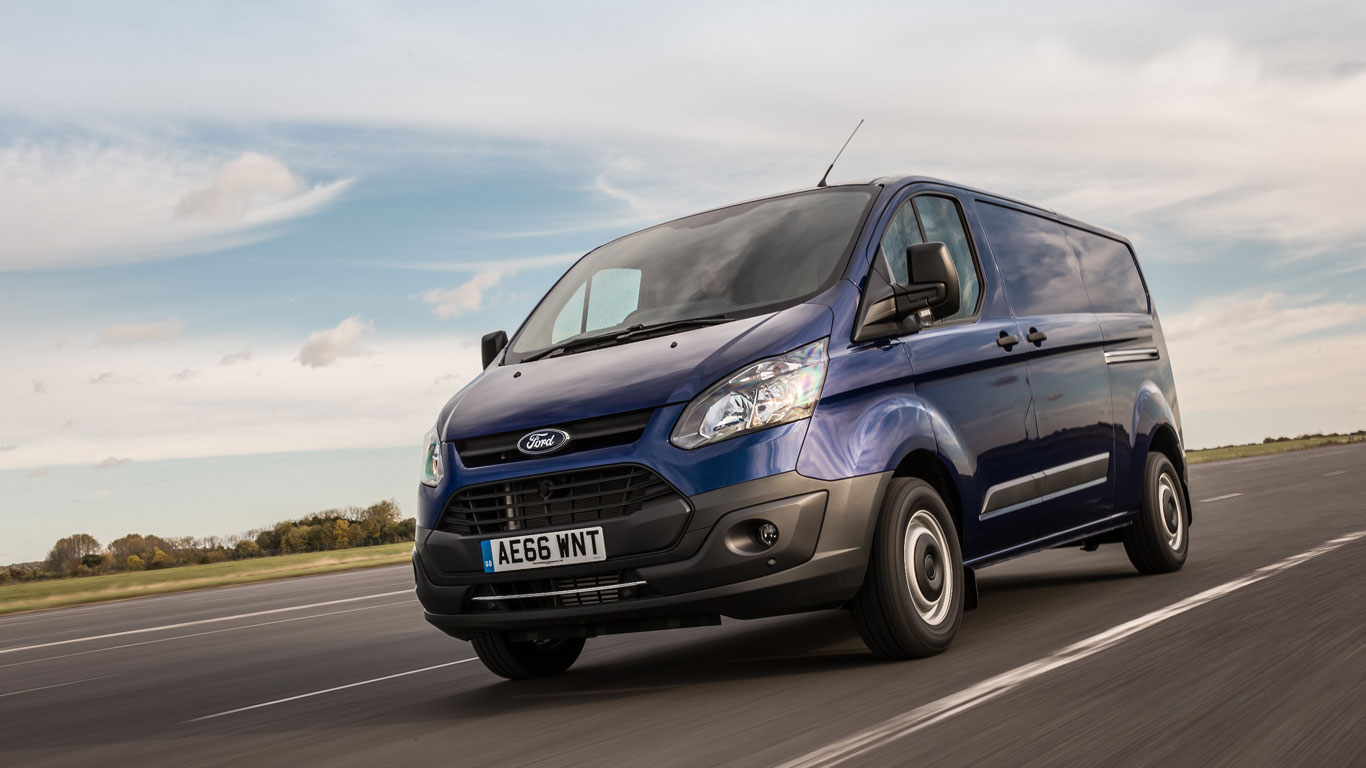
10. Ford Transit: £363
From the cheapest we move to the most expensive, starting with this: the Ford Transit. Sorry, Servicing Stop, but we thought this list focused on cars not vans. Anyway, a Transit should cost £363 a year to service.
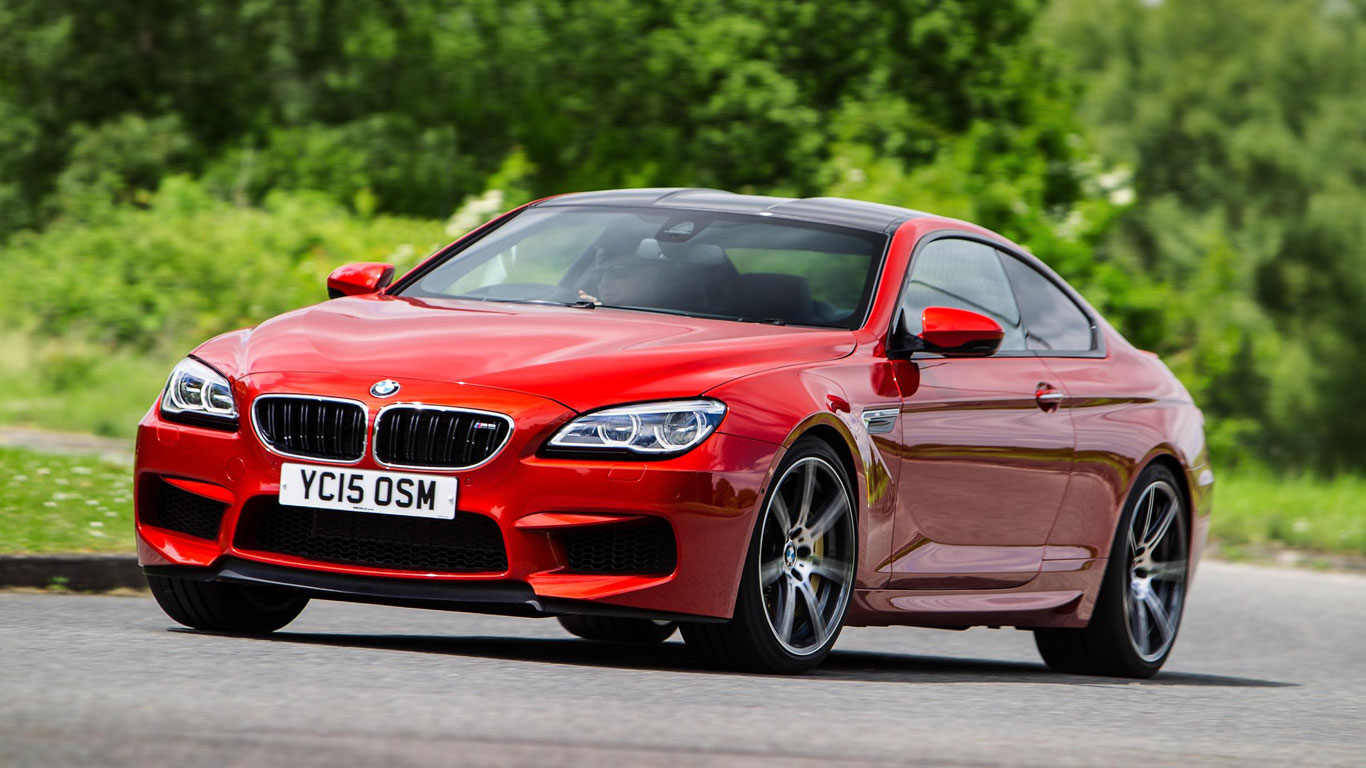
9. BMW 6 Series: £366
You don’t need to read between the lines to work out that the more expensive the car, the more you’re likely to spend on servicing. Not only is the BMW 6 Series a depreciation nightmare, it’s also rather expensive to service.
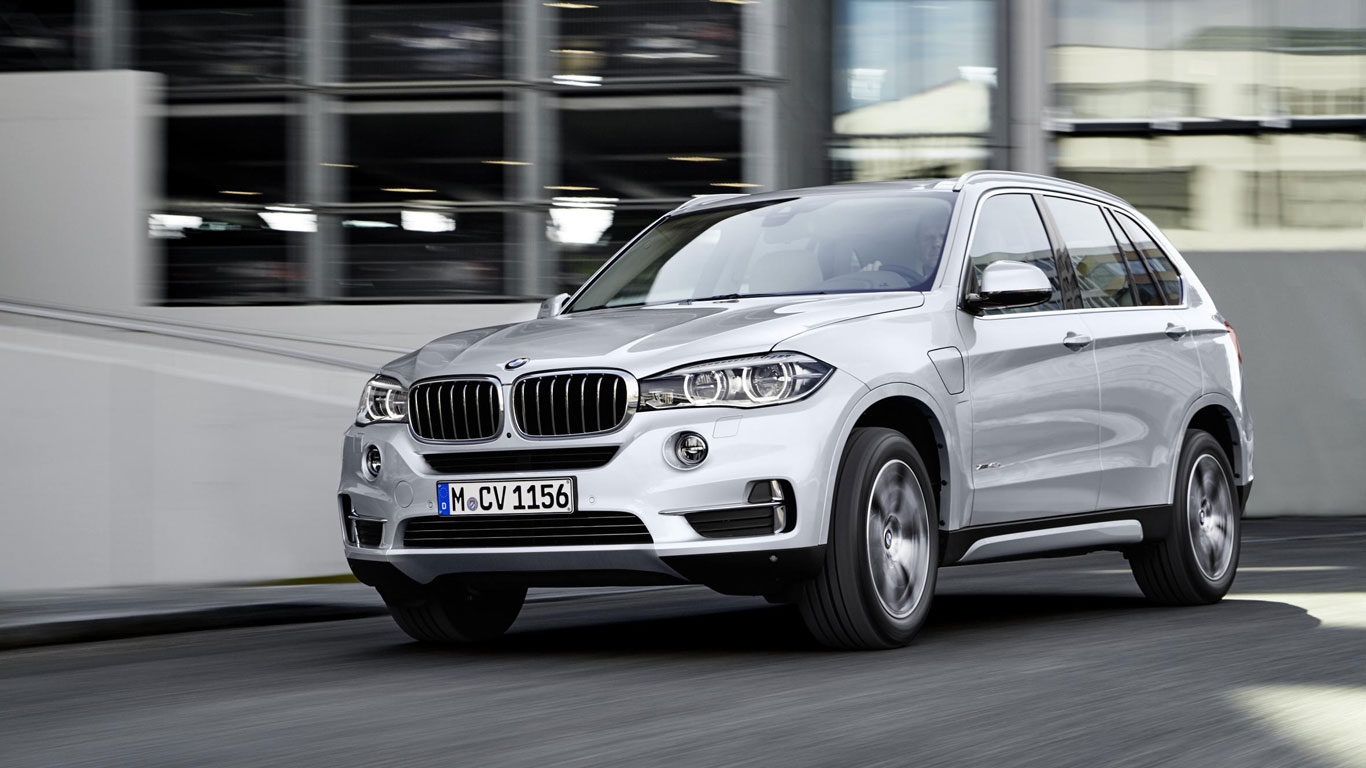
8. BMW X5: £368
As is the BMW X5. But, if you buy a large SUV, you have to be prepared for expensive running costs. If not, buy a Peugeot 106.
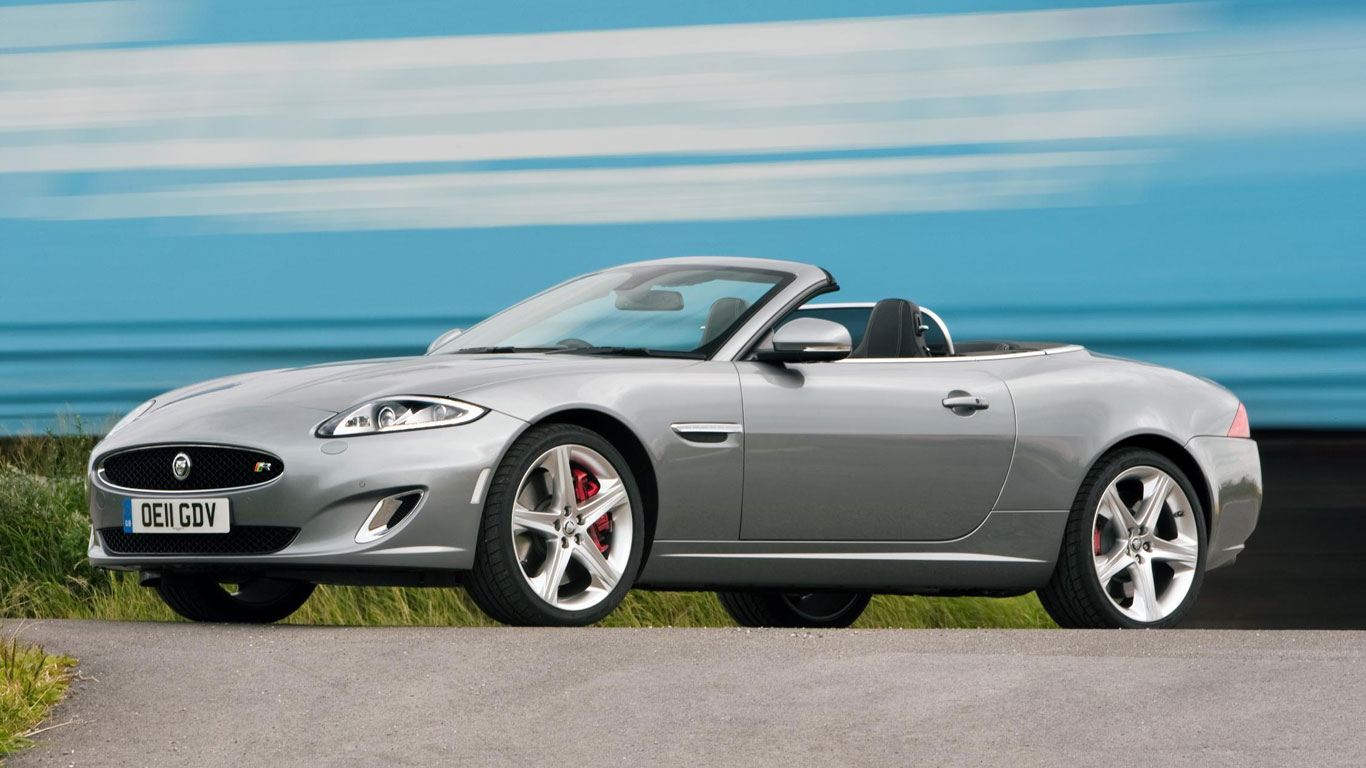
7. Jaguar XK: £371
And, in the great scheme of things, £371 isn’t a huge amount to spend when you have something like a Jaguar XK gracing your driveway.
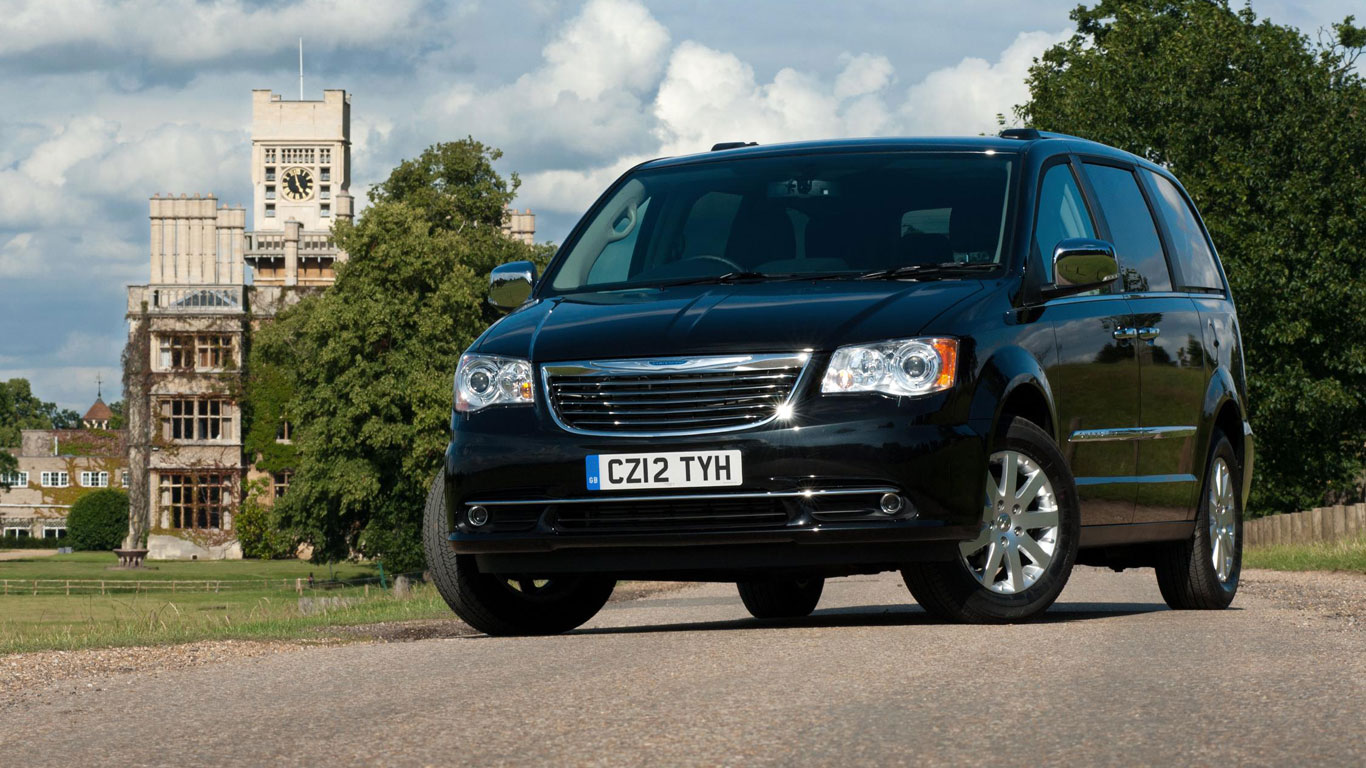
6. Chrysler Grand Voyager: £373
If you value space and the comfort of your six passengers above all else, the seven-seat Chrysler Grand Voyager is a fine choice of MPV. Don’t bank on cheap running costs, mind.
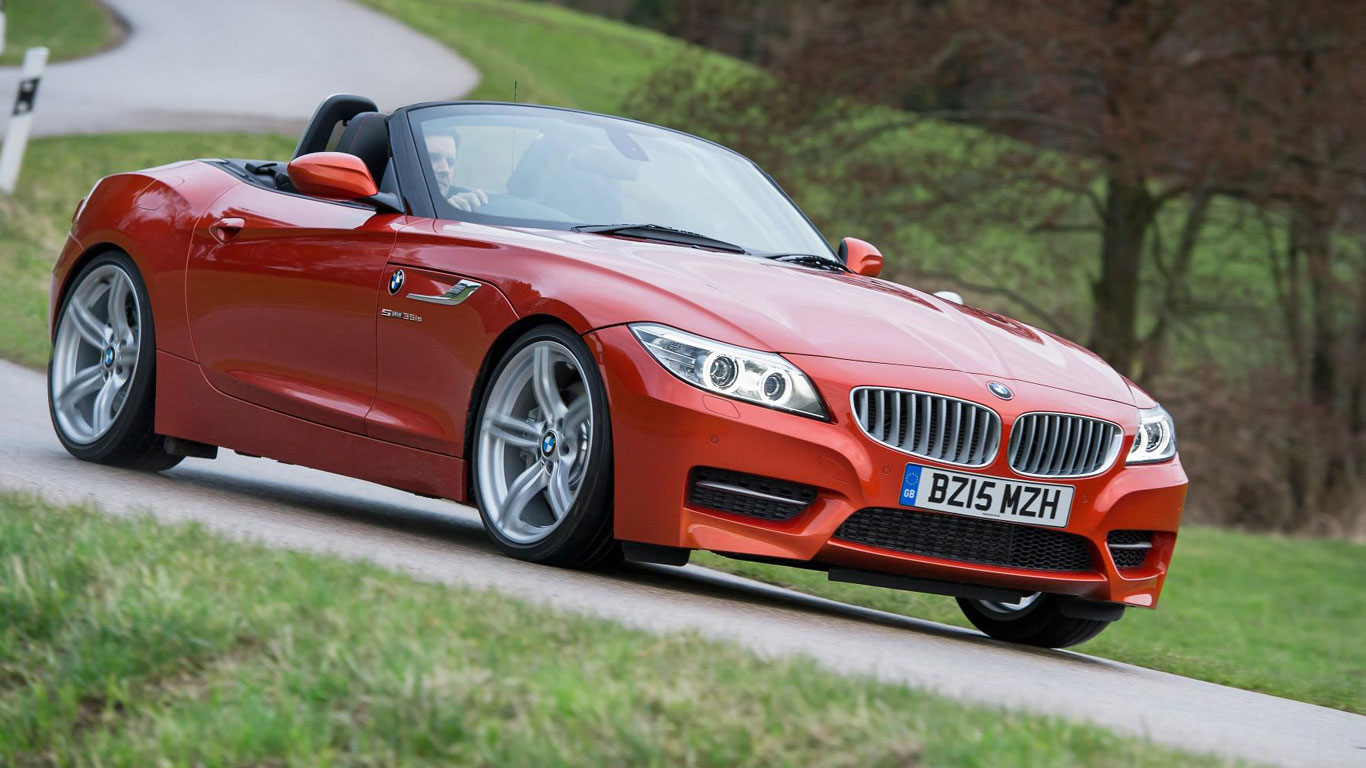
5. BMW Z Series: £379
Servicing Stop has lumped the Z3 and Z4 into a ‘Z Series’ category, with the study revealing a servicing cost of £379.
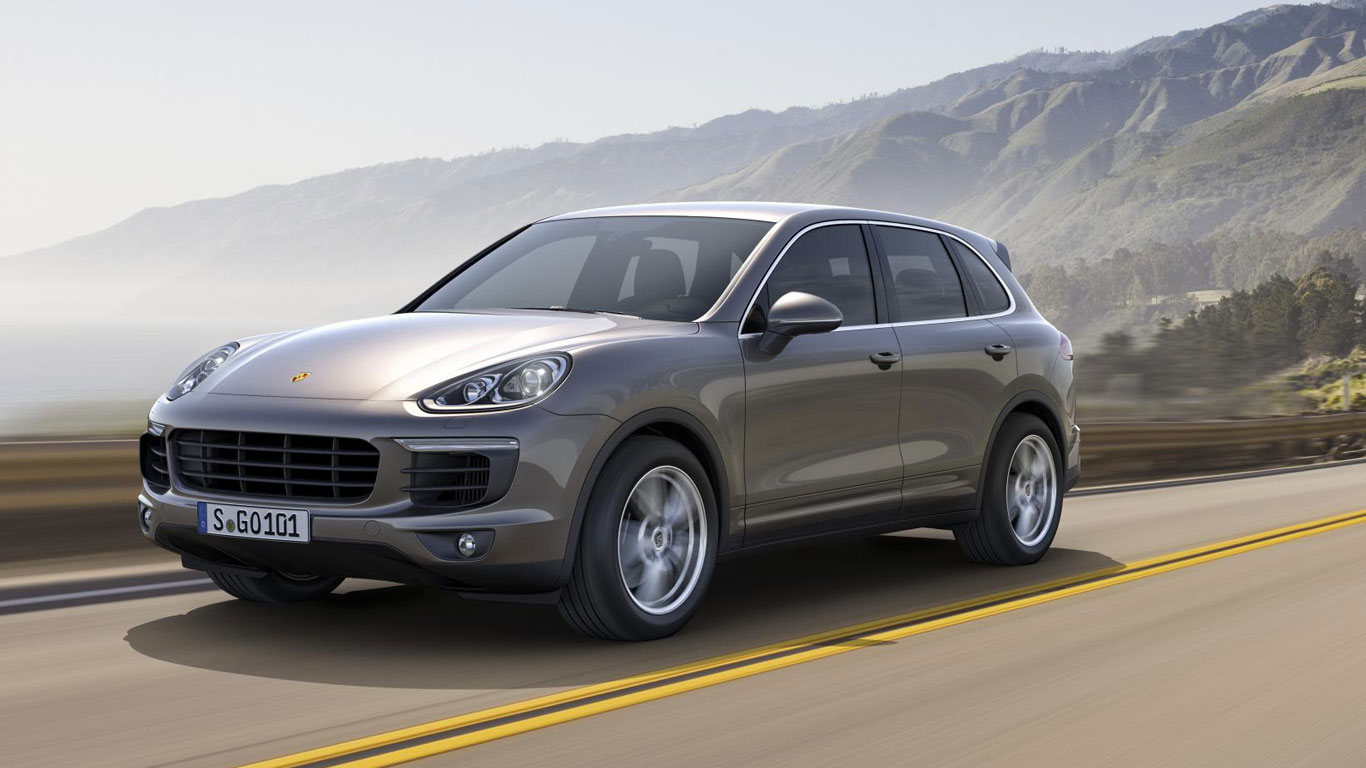
4. Porsche Cayenne: £382
Nobody has ever bought a Porsche Cayenne expecting low running costs, so a servicing cost of £382 will come as no surprise. You can lower the cost by using a reputable independent Porsche specialist.
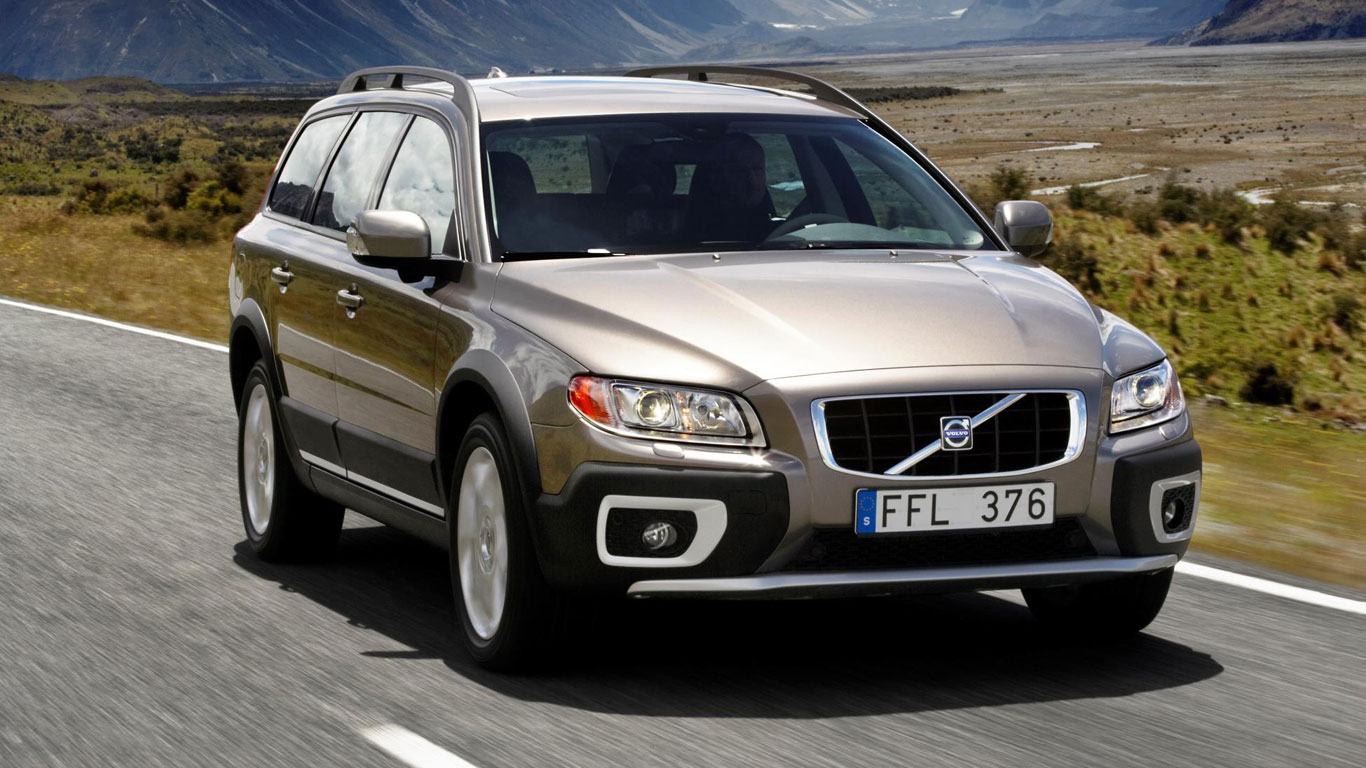
3. Volvo XC70: £404
Into the top three, where we find the Volvo XC70. The jacked-up estate car went out of production in 2016, with Volvo focusing on fashionable SUVs, but you can buy a new V90 Cross Country.
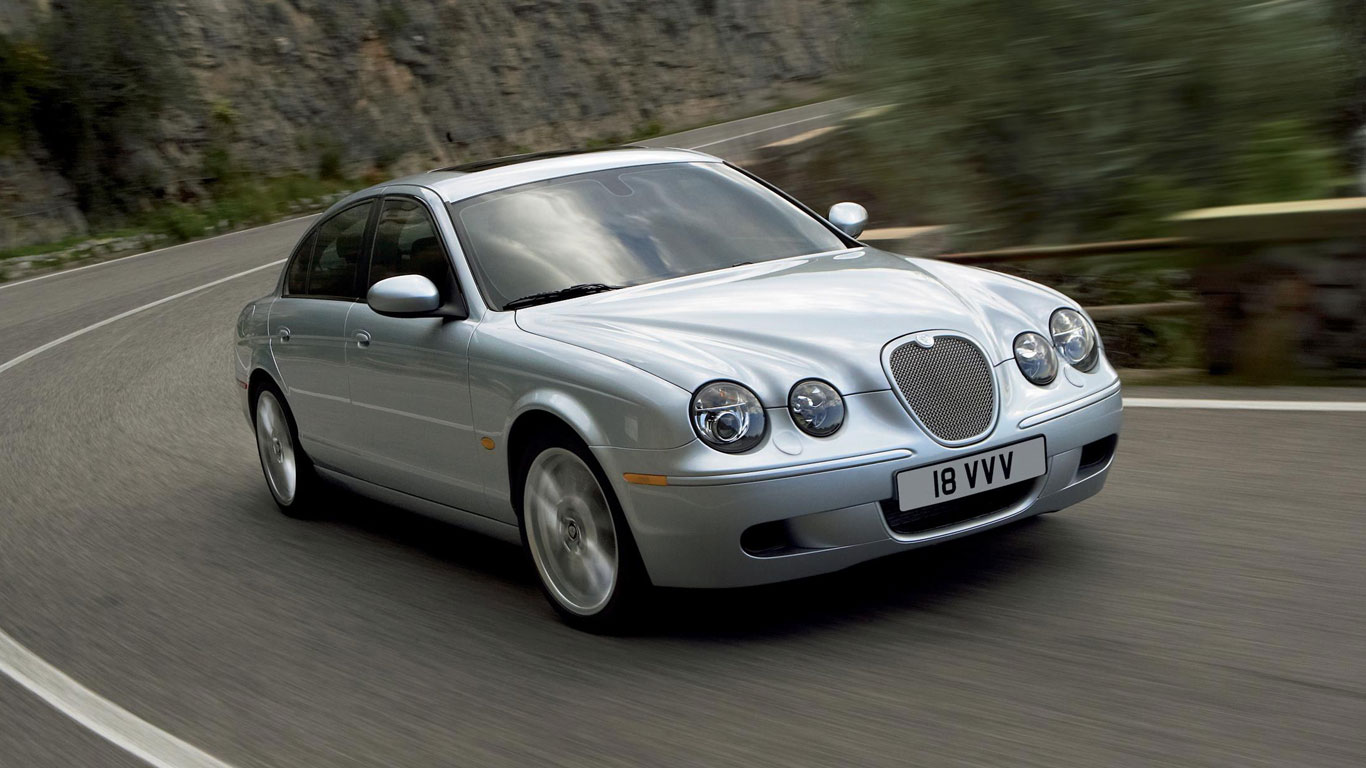
2. Jaguar S-Type: £406
The S-Type is the second Jaguar to appear in the top 10 most expensive cars to service, at cost of £406. Which leaves us to reveal the most expensive car to service, according to this study…
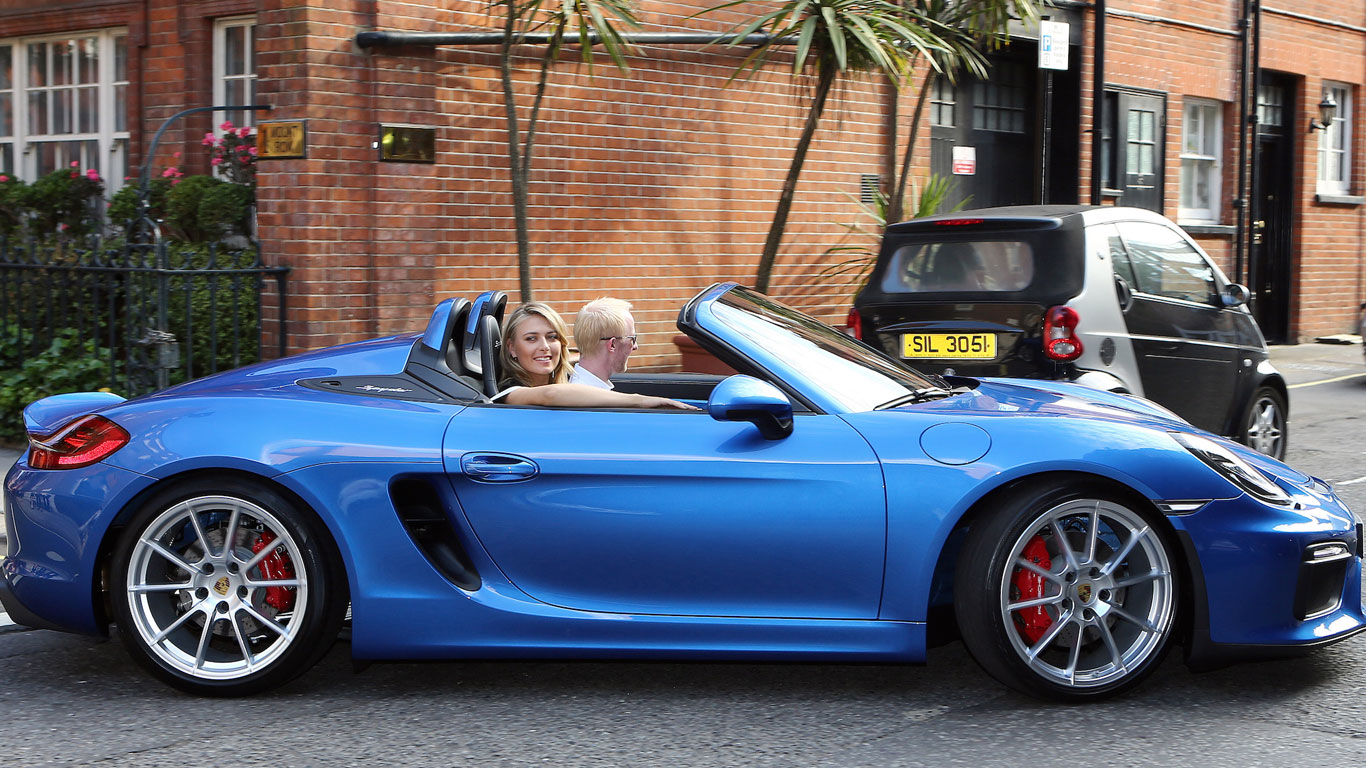
1. Porsche Boxster: £426
It’s the Porsche Boxster. Oly Richmond said: “Our most expensive car to service is the Porsche Boxster which comes in at more than £400, still cheaper than the dealers but more than two and a half times the cost of the Peugeot 106 service and repair bill.”
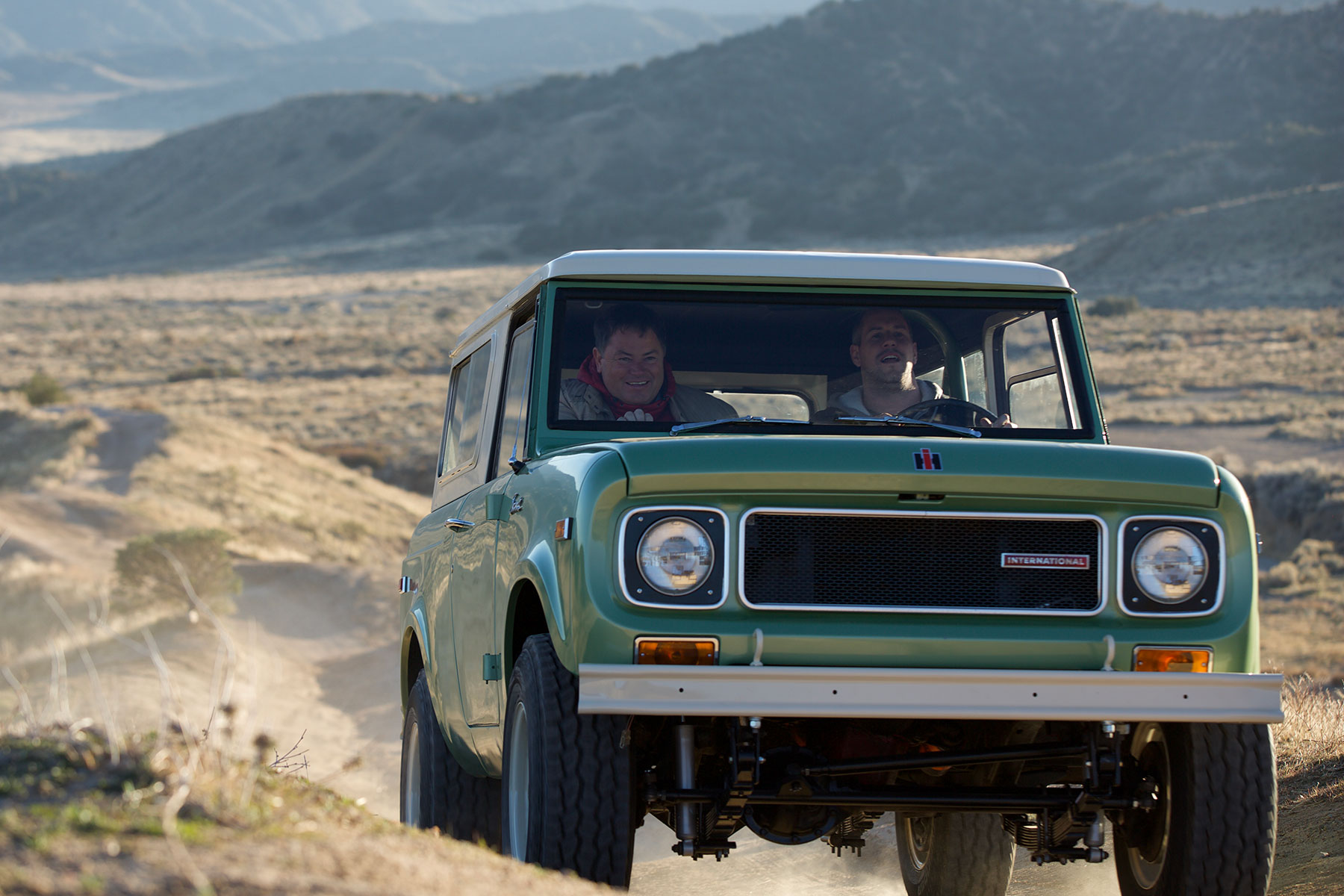
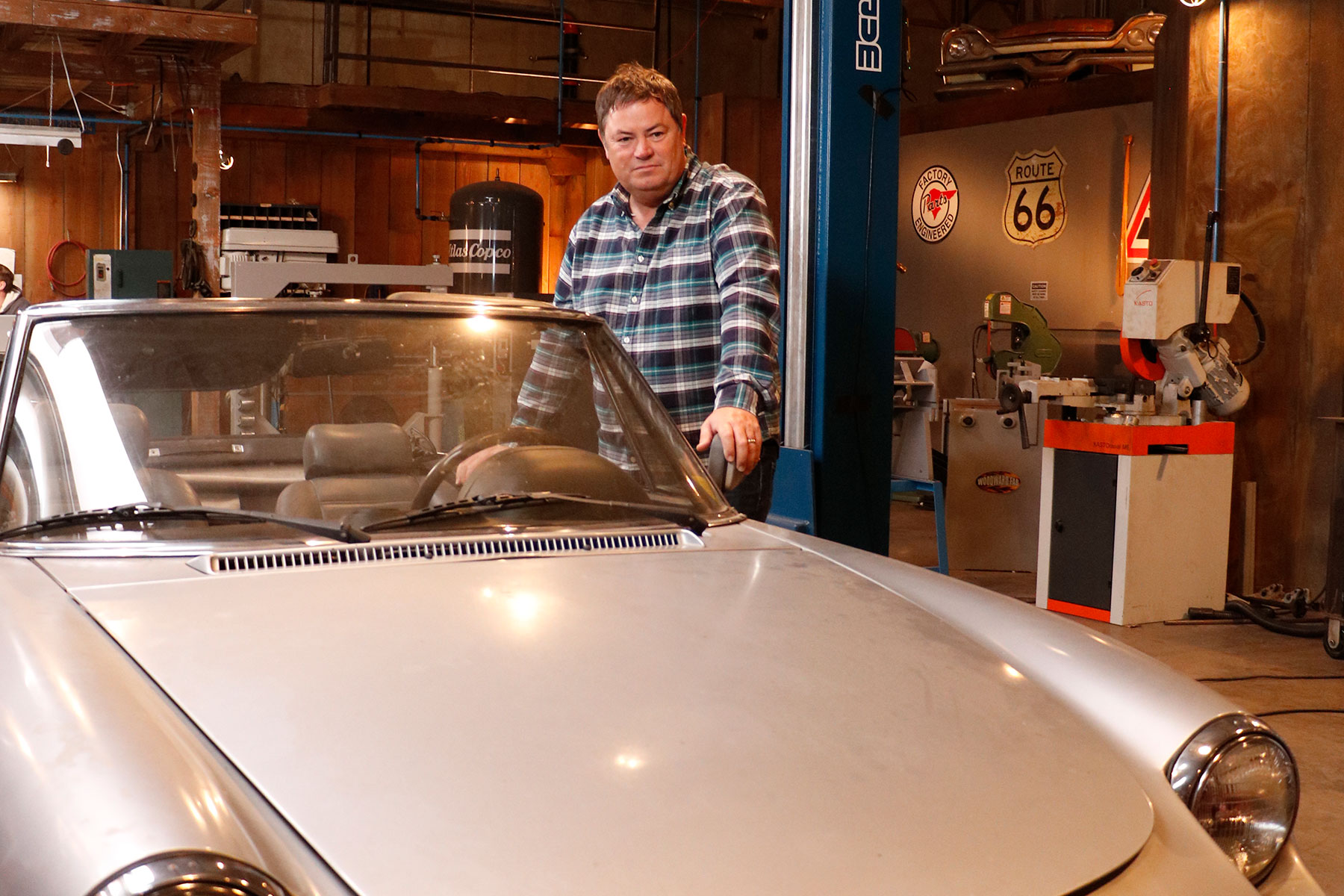
Wheeler Dealers returns this week for an incredible 15th series. The car restoration show – which airs on the Discovery Channel, Monday nights at 9pm – has been broadcast since 2003, and host Mike Brewer promises this time he’s “absolutely nailed it”.
We catch up with Mike to learn what’s in store for Wheeler Dealers, including the cars featured in the 2018 season. He also gives his unique take on buying, owning and driving classic cars: “the only hobby in the world that’s free”.
Video: Mike Brewer on the new Wheeler Dealers
Wheeler Dealers has been on air for 15 years now. What’s the secret of the show’s success?
The DNA of the show has never changed, and we’ve kept it accessible for the home mechanic. We always say to the audience: “This is how you can tackle these problems”.
As ever, series 15 features a very eclectic range of cars. Talk us through the highlights.
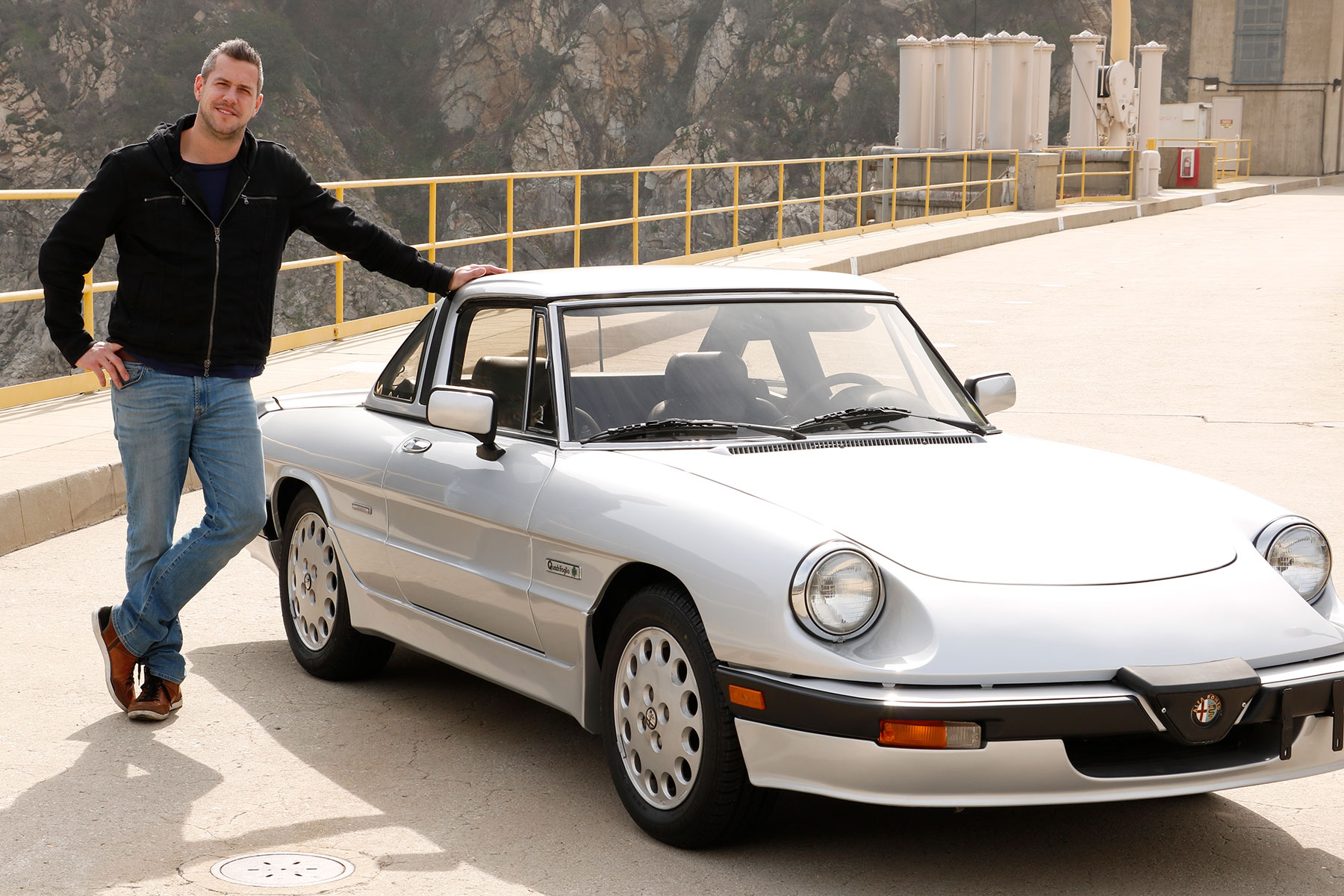
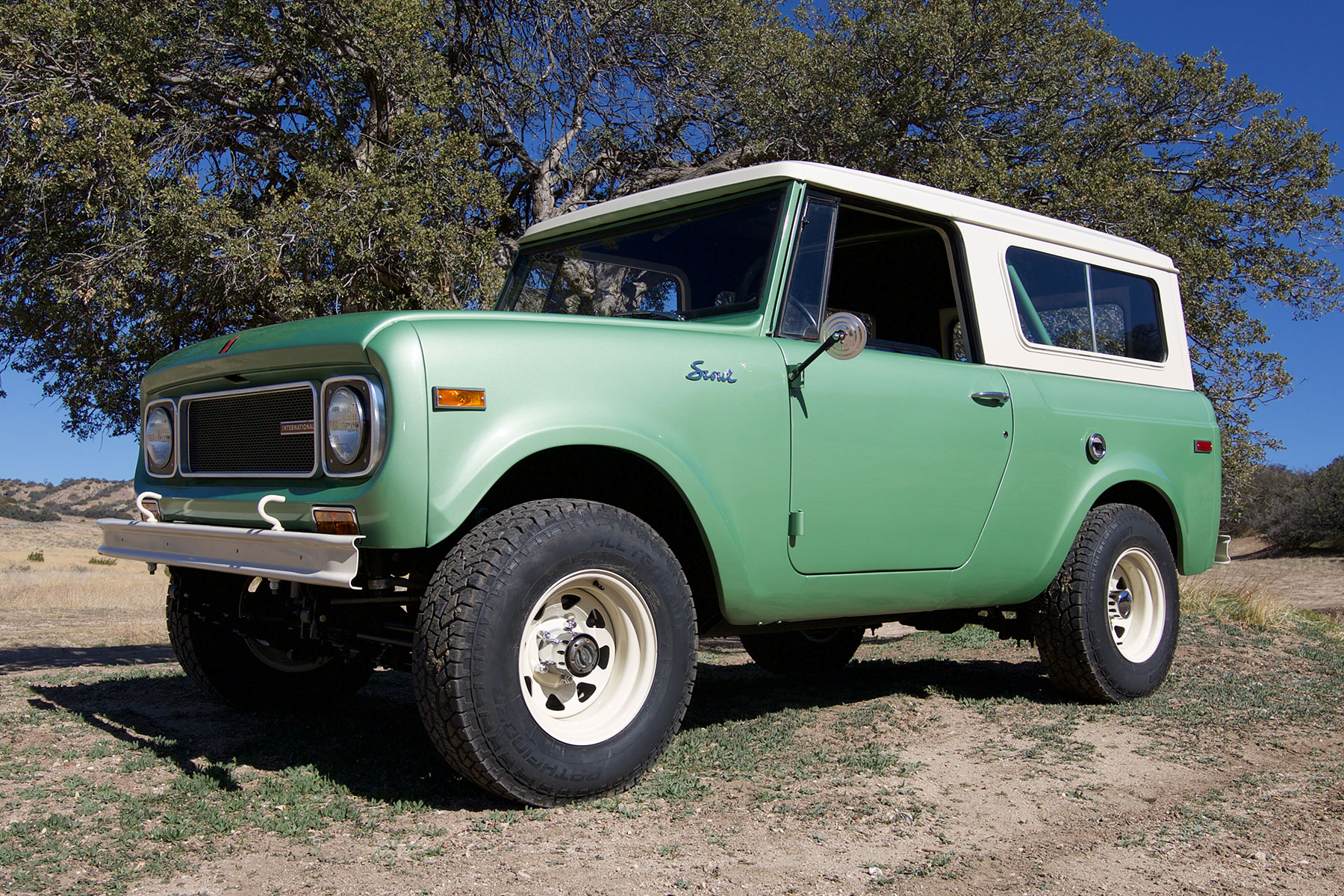
We decided to really stretch the boundaries this time, given that Wheeler Dealers is made for a global audience. We’ve got a Jeep Grand Wagoneer, for example, which was the first luxury SUV: eight years before the Range Rover. Among others, there’s also a beautiful Alfa Romeo Spider, an amazing 1972 Lancia Fulvia, a Datsun 510 – a real hot-property car – and an Opel GT. There’s something for everyone.
What budget did you set for buying cars in this series?
It’s always difficult to set a budget as the market for classic cars has shifted considerably. People say “Why don’t you go back to buying those £1,000 Triumph Spitfires?”. The answer is simple: they don’t exist. Classic cars have undergone a renaissance since 2008, with prices increasing 10-15 percent year-on-year. That Triumph Spitfire is now an £8,000 car.
I try to keep the cars affordable, but it’s nice to have some glamour – such as the Austin Healey 3000 – now and then.
The 2002 Mini Cooper S MC40 you restore in episode seven is among the newest cars featured. Does fixing up a modern classic present different challenges?
People assume a modern classic will be easier: plug a computer in, reset a few codes and there’s your car serviced. That’s not necessarily true. This episode shows how you can tackle a 100,000-mile service on the Mini, including the supercharger: a job that would cost £1,500 at a BMW dealer. We do it for £90, using all original parts. I’m hugely proud of this one.
You also take on a project Porsche 924 in episode three. Did that bring back memories of your first ever show?
It did. Wheeler Dealers was the first car restoration show, and it all started with that car. Now when you switch on the TV there are over 50 car restoration programmes. Having another Porsche 924 shows the programme hasn’t changed in 15 years. The jobs are different, but fundamentally it’s still about me buying a car, handing it to my mechanic, fixing it up, driving it and selling it.
What is Ant Anstead like to work with? He’s clearly a perfectionist when it comes to cars…
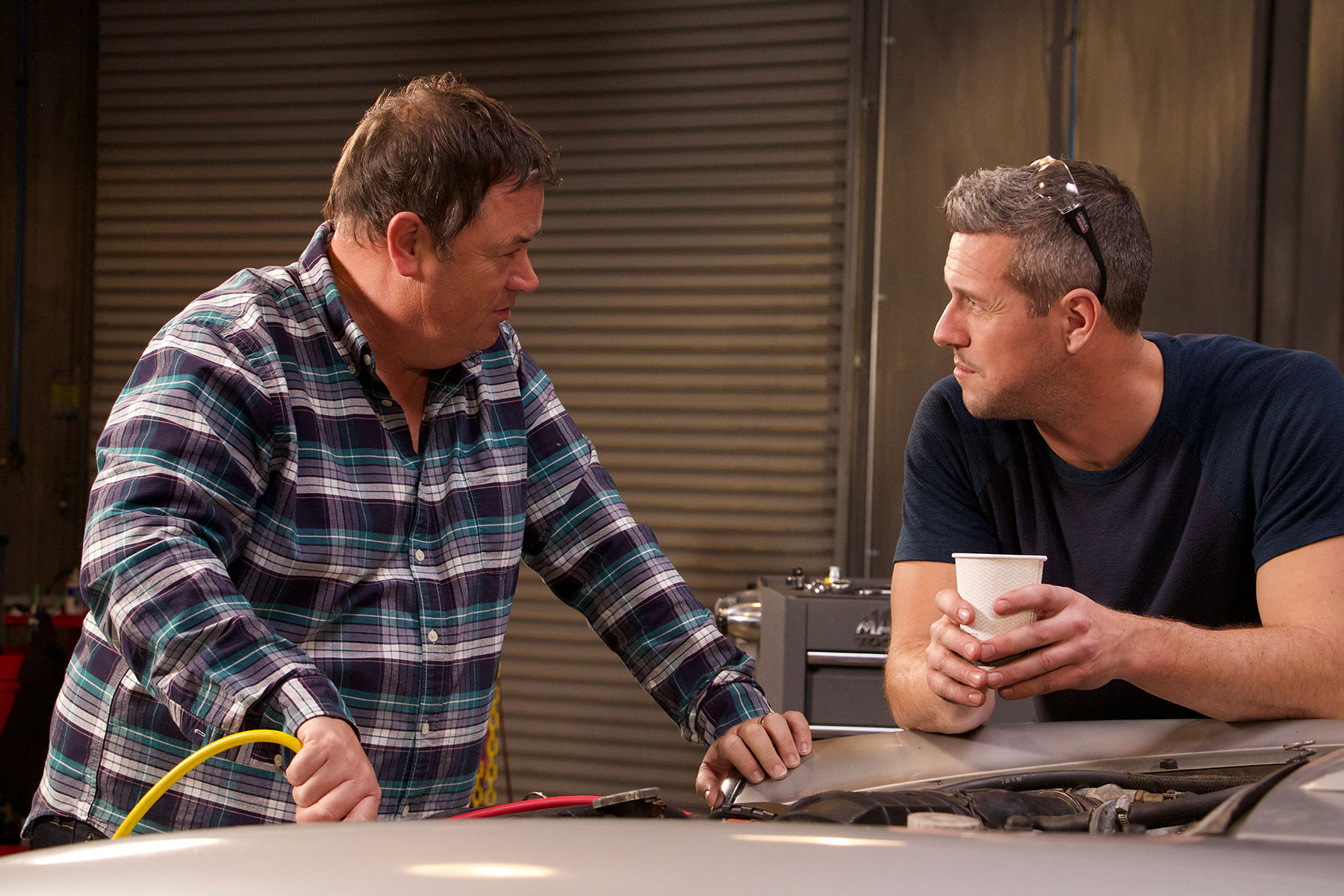
Ant had been a huge fan of Wheeler Dealers so he knew exactly what to do. When I hand a car over it could have huge problems, but Ant has an amazing enthusiasm for everything I throw at him. He’s also a great orator, helping simplify what can be very complicated jobs.
Is the show still based in California?
Yes, we’re based in Huntingdon Beach. It’s a fantastic place: the sun shines 360 days of the year, the cars are rust-free and LA is the car capital of the world. I’m constantly being asked by the audience to visit Australia, Germany, Canada, Italy, the UK… many other places around the world. It all comes down to time and budget, but I’m keen to make it happen.
Will we see another series of Wheeler Dealers Trading Up, the spin-off show where you traded your way from a $2,000 banger to a supercar?
That was a phenomenal show. It revealed to people how they can play the global car market. In the second season, for example, I ended up with a Ferrari 348 that owed me just a couple of thousand dollars. We travelled around the world, so during one year I only slept in my own bed nine times. It was challenging, but I’m certainly up for another one.
Do you have any tips for viewers on what makes an enjoyable – and profitable – project car?
If you want to get into classic car restoration, fill your library before you fill your garage. Knowledge is power, and you should know exactly which car you aim to buy. Secondly, join an owners’ club. You will find out what to look for and gain an army of contacts who can help you. Somebody in the club may have a car for sale, too.
Lastly, if you’ve got a problem that you can’t fix, go online and see if somebody else has. There are plenty of videos, including the Wheeler Dealers archive. We have over 700 jobs in our database, across 170 shows. Take your time and you’ll find this is the only hobby in the world that’s free. Buy the right car, fix it up in the right way and I guarantee you’ll make money.
What car do you drive and what’s your dream classic?
I drive a 1982 Porsche 911 SC and absolutely love it. It puts such a huge smile on my face every time I’m behind the wheel.
Can I pick two dream classics? The first would be a 1964 Mini Cooper S, the same car that Paddy Hopkirk drove in the Monte Carlo rally. At the other end of the spectrum, I’d have a 1929 Bentley 4.5-litre ‘Blower’. It’s everything that British engineering was, and still is. Driving one – pulling bugs out of your teeth and feeling like you’re one of Barbara Cartland’s Bentley Boys – is an amazing experience.
Freshly famous for being Prince Harry and Meghan Markle’s wedding car of choice, the Jaguar E-type Zero is an original classic that’s been converted into a fully electric sports car by engineers at Jaguar Land Rover Classic – and if there’s demand, eco-conscious classic Jag fans will be able to buy one in the future.
Fully engineered by classic experts, the E-type’s classic six-cylinder XK engine has been replaced by an electric motor, batteries and control systems, giving a 0-62mph time of 5.5 seconds and a real-world driving range of 170 miles.
The E-type Zero is thus not only faster than an original E-type, it is also almost 50kg lighter, despite the heavy batteries. And visually, there’s been not a single change over the original car – this is a pure electric conversion that Jaguar could in the future offer as a service.
“Our aim with E-type Zero is to future-proof classic car ownership,” says Jaguar Land Rover Classic director Tim Hannig. “We’re looking forward to the reaction of our clients as we investigate bringing this concept to market.” He’s even released a telephone number (+44 (0)203 601 1255) – and an email address (info@classic.jaguar.co.uk) for those interested in having their E-types converted.
Jaguar believes those living in cities could be particularly interested in the conversion, as authorities crack down on older combustion engine cars. As 2040 nears, it will allow classic cars to still be driven despite tough new environmental legislation.
The fully-restored E-type Zero is a 1965 Series 1.5 car, originally built in 1968. The firm purchased the car with the intention of creating the electric car concept – and Hannig adds it is a fully-reversible conversion, ensuring the originality of the car can remain.
“We have integrated the new electric powertrain into the existing E-type structure, which means a conventional engine could be reinstalled at any point. We think this is essential as it ensures a period Jaguar remains authentic to its DNA.”
Although the concept car has a prototype interior, with TFT insturments and a central infotainment touchscreen, Hannig adds that the original E-type instruments could also be retained. “The only change needed would be swapping the rev counter for a digital battery display.”
Jaguar E-type Zero: technology
The electric powertrain in the E-type Zero produces 220kW – a figure that Hannig adds is capped to provide “the optimum driving experience”. The lithium ion battery pack takes the place of the engine; the single-speed electric motor replaces the classic E-type gearbox. Other key parts, such as the rear differential and final drive, are retained, as is all the car’s suspension and other moving parts.
Because the electric tech is similar in weight and dimensions to the original petrol engine, Jaguar hasn’t needed to change anything in the car’s setup, “simplifying the conversion and homologation”. Weight distribution is unchanged and “it drives, handles, rides and brakes like an original E-type”.
The 40kWh battery takes around six to seven hours to recharge, and Hannig believes this won’t be a problem due to the car’s proven 170-mile driving range: classic car owners typically use their car for a day at a time, then return it to a garage where the charger can be located.
The E-type Zero would also be more reliable than an original car, and be less demanding to drive. It’s on show this weekend at the first-ever Jaguar Land Rover Tech fest, a future technology showcase, at Central Saint Martins in London.
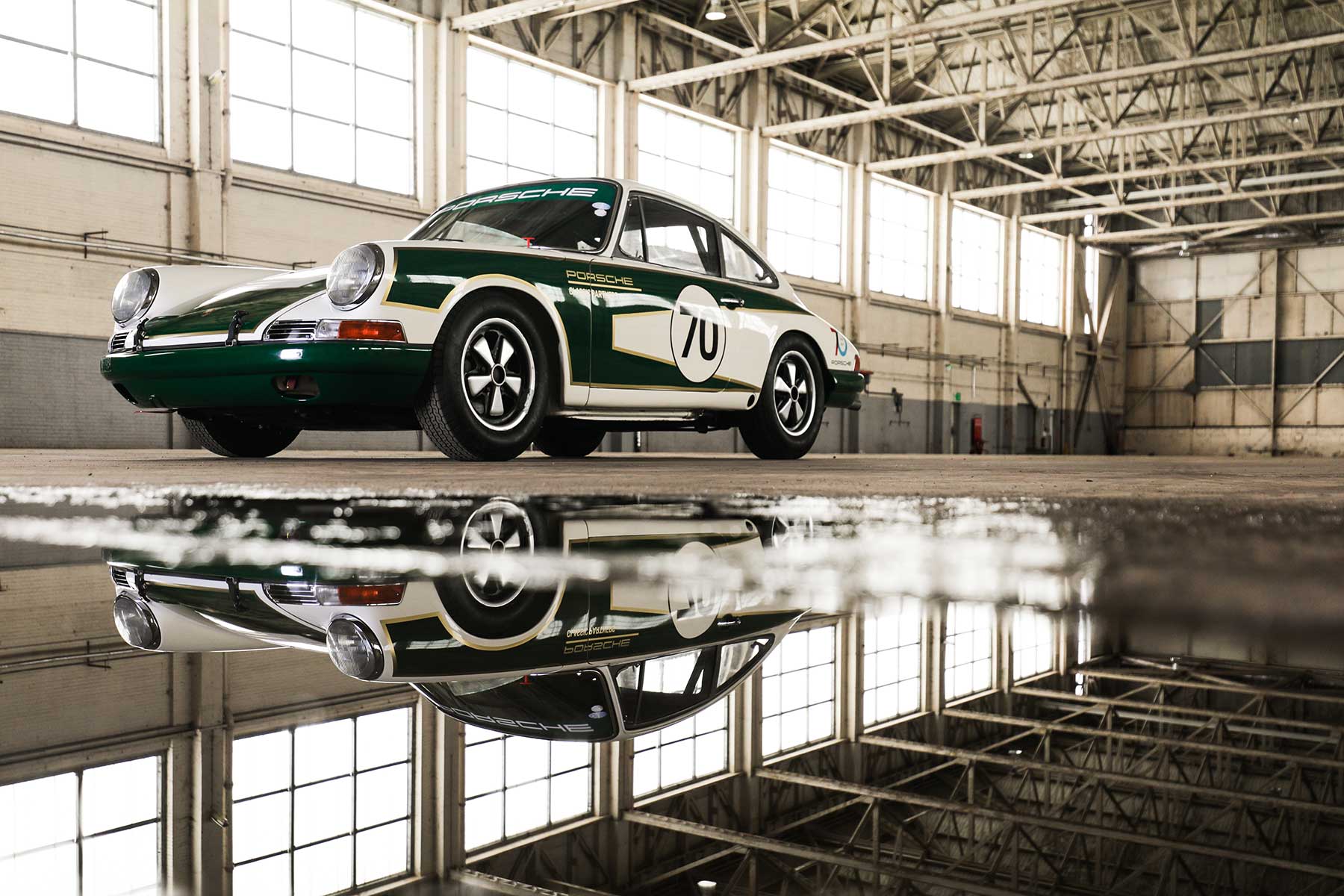
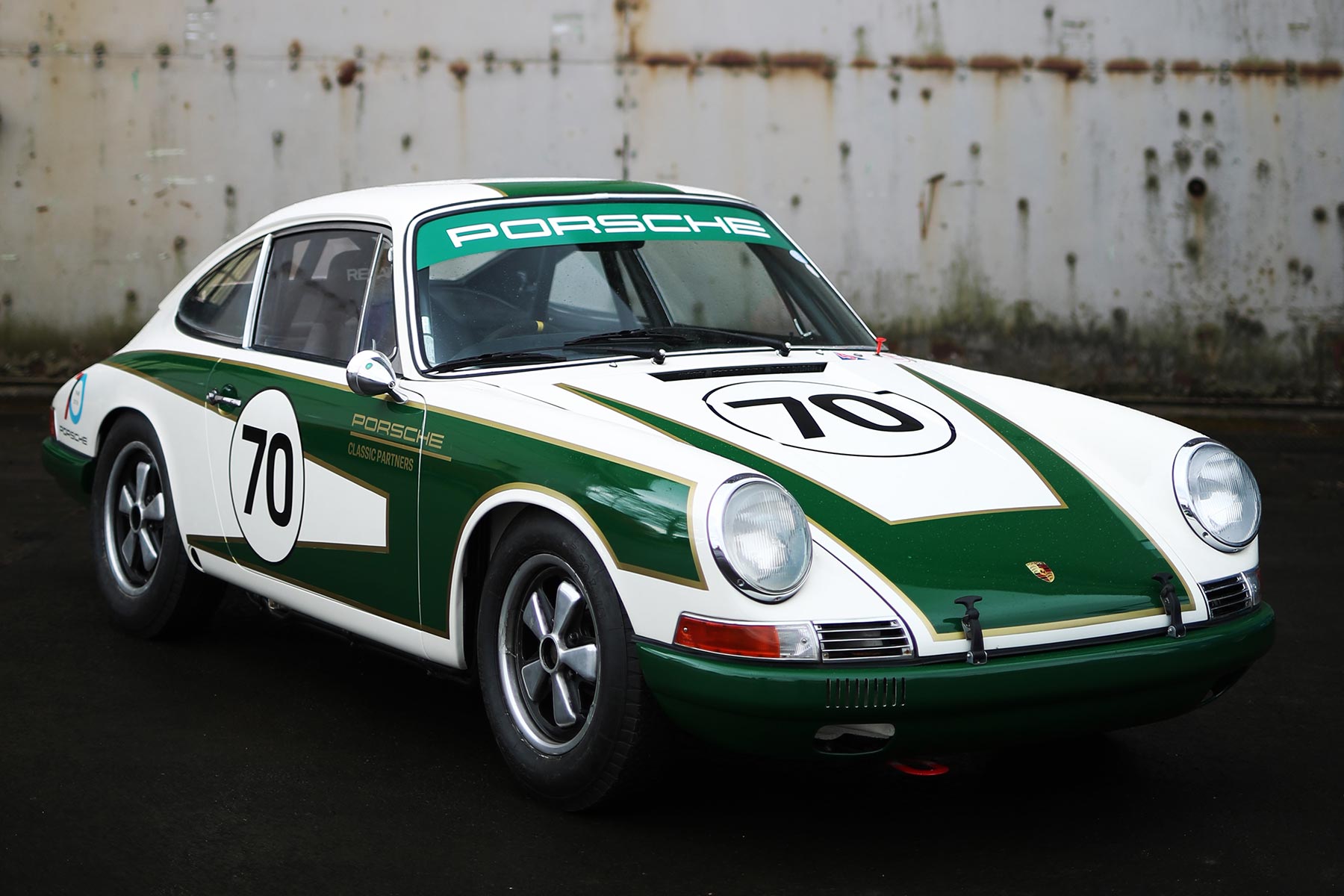
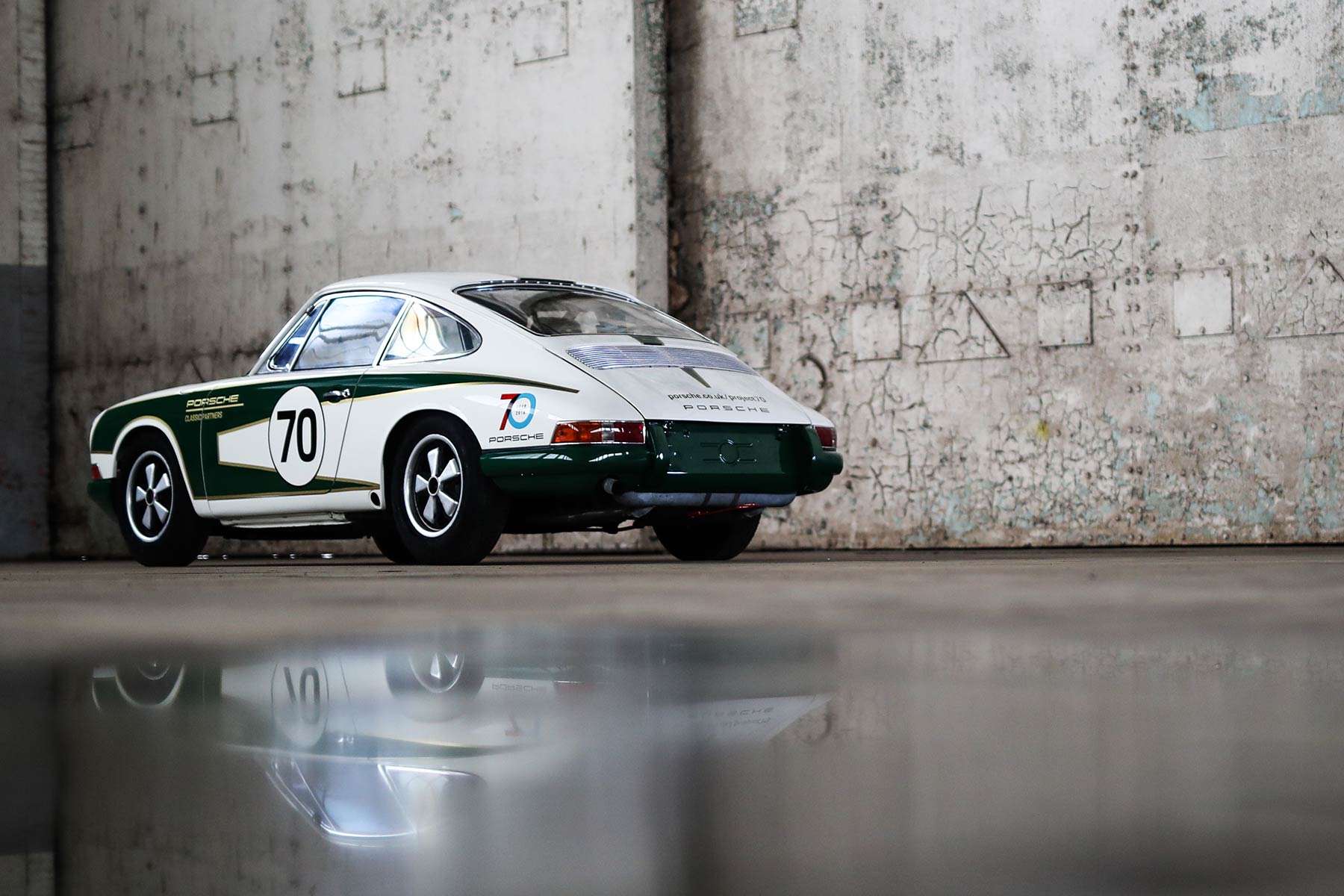
Spectators at a variety motorsport events across the UK and Europe will get to see a very special Porsche 911 competing this summer. This iconic machine has been prepared to help celebrate both the 70th anniversary of Porsche cars – and also show off the abilities offered by Porsche Classic Services.
Given that over 70 percent of all Porsche models ever built are still on the road today, maintaining these classic vehicles and supplying parts for them is a sizeable task. Porsche has a network of Classic Partner Centres across the UK, and can source parts from more than 1,000 suppliers, meaning even the rarest Stuttgart creations can be kept on the road.
With collectors and investors pushing the desirability of Porsche products ever higher, promoting Porsche’s own Classics arm is an important marketing proposition.
That doing so involves racing a 1965 short wheelbase 911, already owned by Porsche GB, on a legendary circuits across the country and beyond must have made the decision somewhat easier. The beautiful ‘Project 70’ 911 was previously campaigned in 2013 to celebrate 50 years of the 911 badge, but has gained a new retro livery courtesy of a competition run in partnership with Oxford Brookes University.
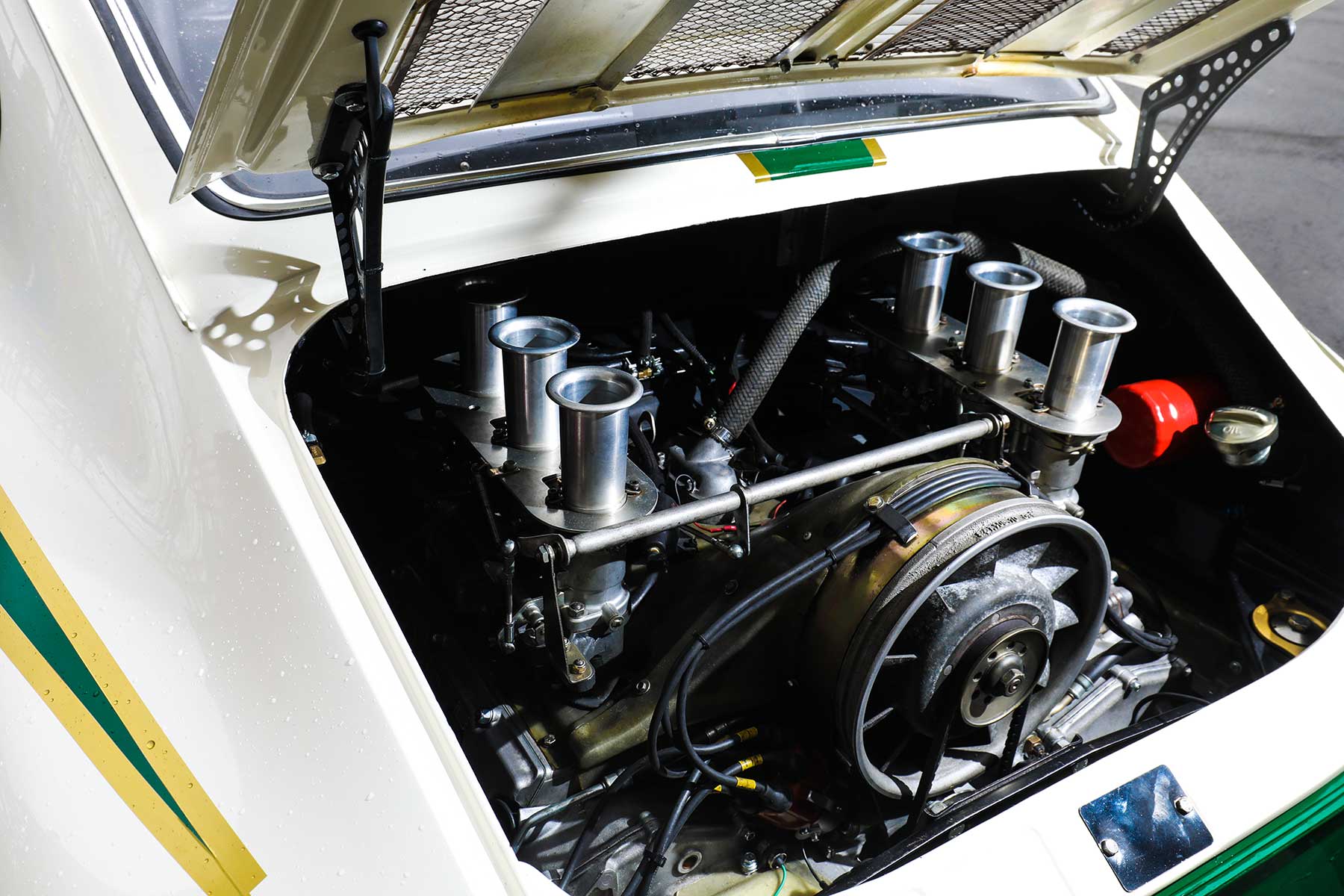
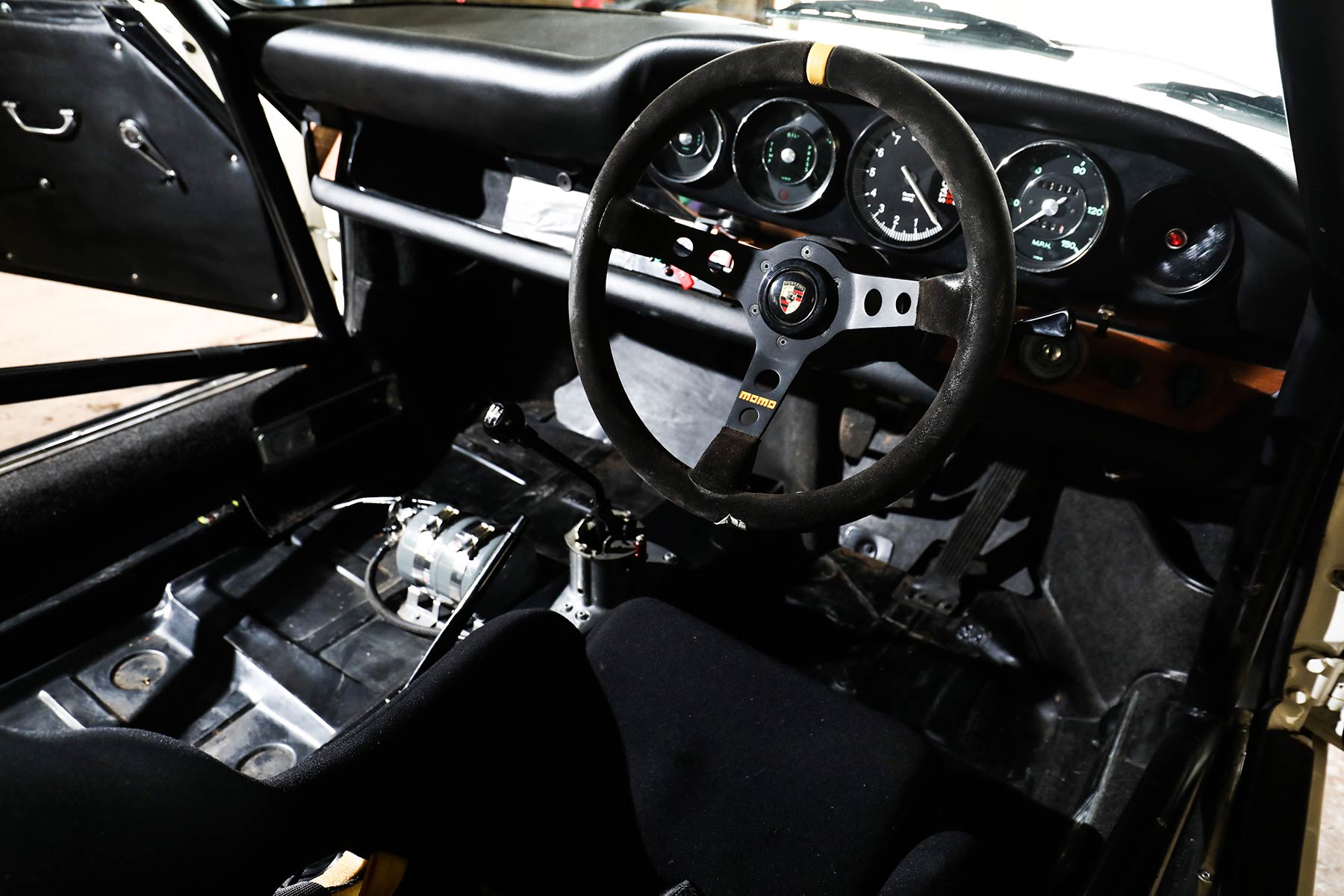
Originally built in September 1965, the ‘Project 70’ 911 first found a home in Italy, despite being sold as an official right-hand drive car from the factory. It later spent time in the United States, before subsequently arriving in the UK in the 1990s. Here it underwent a thorough restoration, and was also converted to an FIA-approved race car, still powered by the 2.0-litre naturally aspirated flat-six engine.
Trackside preparation of the ‘Project 70’ 911 is being undertaken by staff collated from various Porsche Classic Centres across the country, again highlighting their technical expertise on historic models. An extended test session in April saw former touring car driver Anthony Reid sharing driving duties with 1970 Le Mans winner Richard Attwood. Reid is set to drive the car this weekend at Spa Francorchamps, joined by Josh Webster who won the Porsche Carrera Cup GB in 2014.
Taking part in eight competitions means fans should have plenty of opportunity to see ‘Project 70’ being used in all its glory at one of these events:
18 to 20 May – Peter Auto Spa Classic, Spa Francorchamps
17 June – HSCC Guards Trophy, Silverstone
6 to 8 July – Le Mans Classic, Le Mans
20 to 22 July – Silverstone Classic, Silverstone
10 to 12 August – OldTimer Grand Prix, Nürburgring
25 to 26 August – HSCC Guards Trophy, Oulton Park
2 September – Porsche Classic Trophy, Brands Hatch
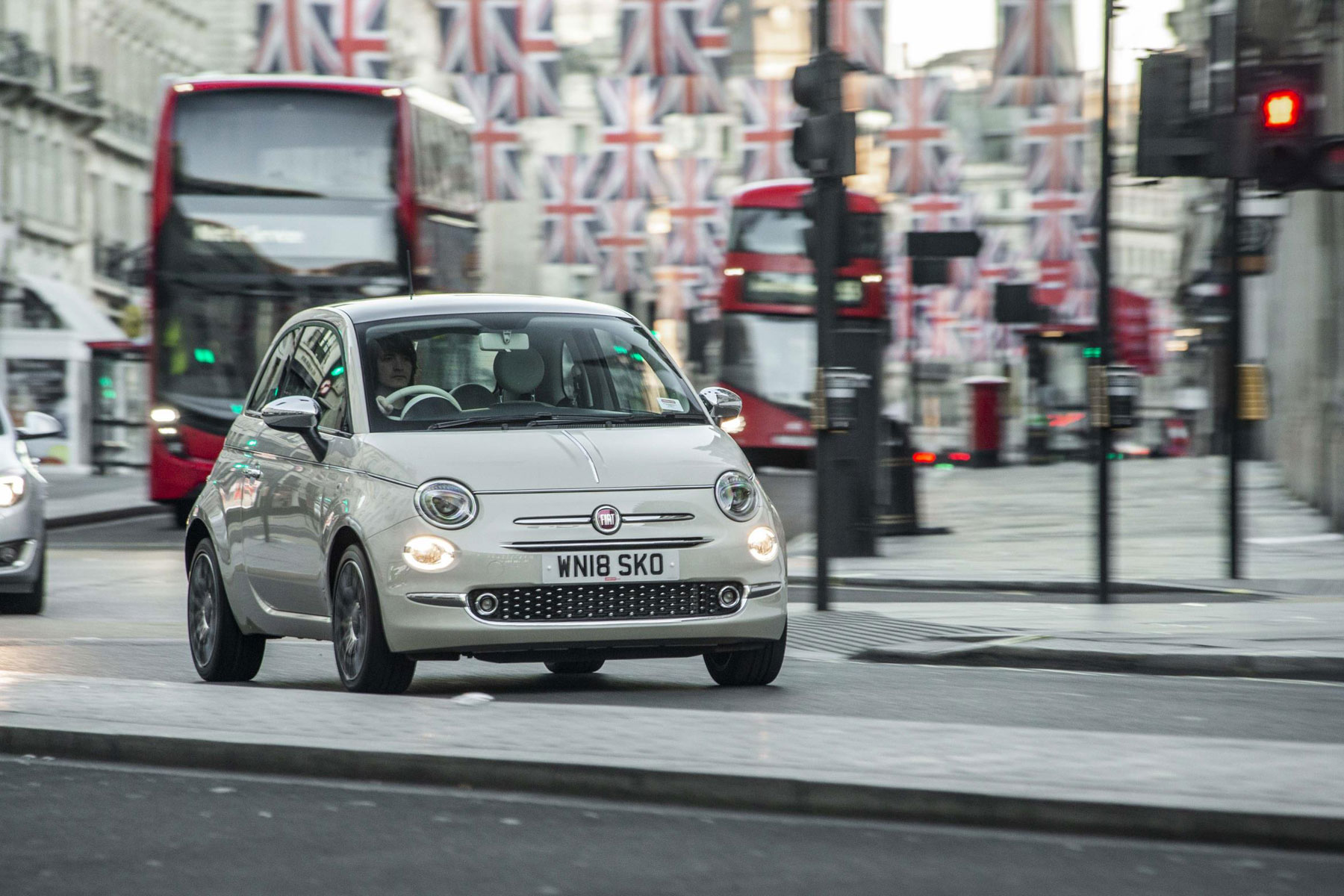
There are more Fiat 500s on the streets of London than in any other city outside of Italy, making our capital a kind of second home for the fashionable supermini. The news comes as the new Fiat 500 Collezione makes its second stop on a tour of Europe, following its debut in Milan.
While it’s unlikely that Ralph McTell will re-write the lyrics to Streets of London, it highlights what Londoners knew already: there are Fiat 500s everywhere. They’re almost as common as an Uber taxi in a body repair shop.
You have to admire the Fiat 500’s considerable staying power. Launched in 2007 and refreshed in 2015, the 500 remains one of the trendiest cars on the planet, with sales aided by succesful brand associations, clever marketing and a design that pays homage to the original without being overly retro.
The Collezione is the latest in a long line of 30 special editions unveiled since 2007, and follows hot on the heels of the 60th Anniversary released last year. This new model features chrome-plated accents on the bumper, bonnet and mirrors, along with a two-tone paint job and Collezione badge on the boot.
The Fiat 500 is sold in more than 100 countries worldwide, with 80 percent of sales outside of Italy. In the first quarter of 2018, the 500 broke its own sales record, with nearly 60,000 cars sold in Europe. Take a walk with Ralph through a leafy London suburb or the West End on a Saturday morning and it might seem like the majority of them were sold in the capital.
The Fiat 500 Collezione is available now priced from £13,870 and, perhaps fittingly, you can see it for yourself at the London Motor Show.
Former Stig, Ben Collins, praised its “fantastic atmosphere”, while Mike Rutherford (no, not the Genesis guitarist), called it “the motoring event of the year”.
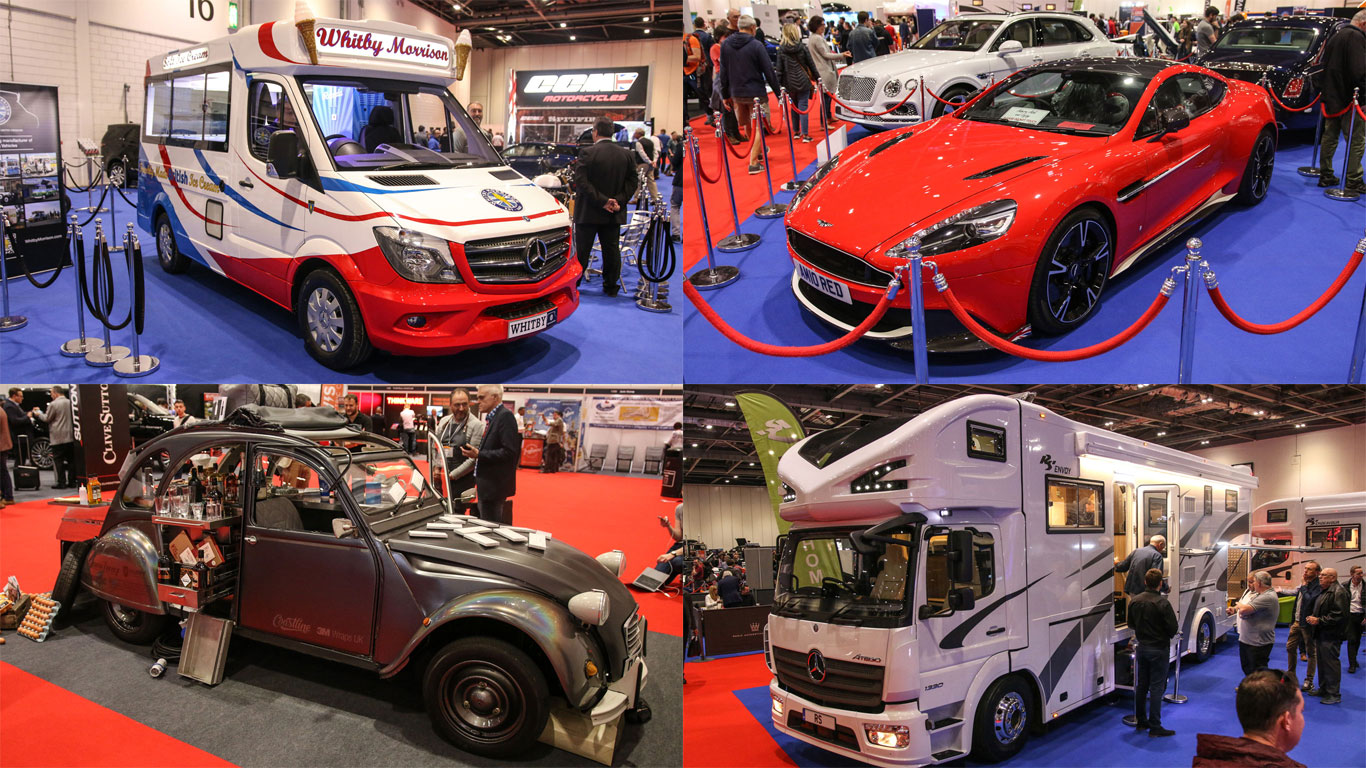
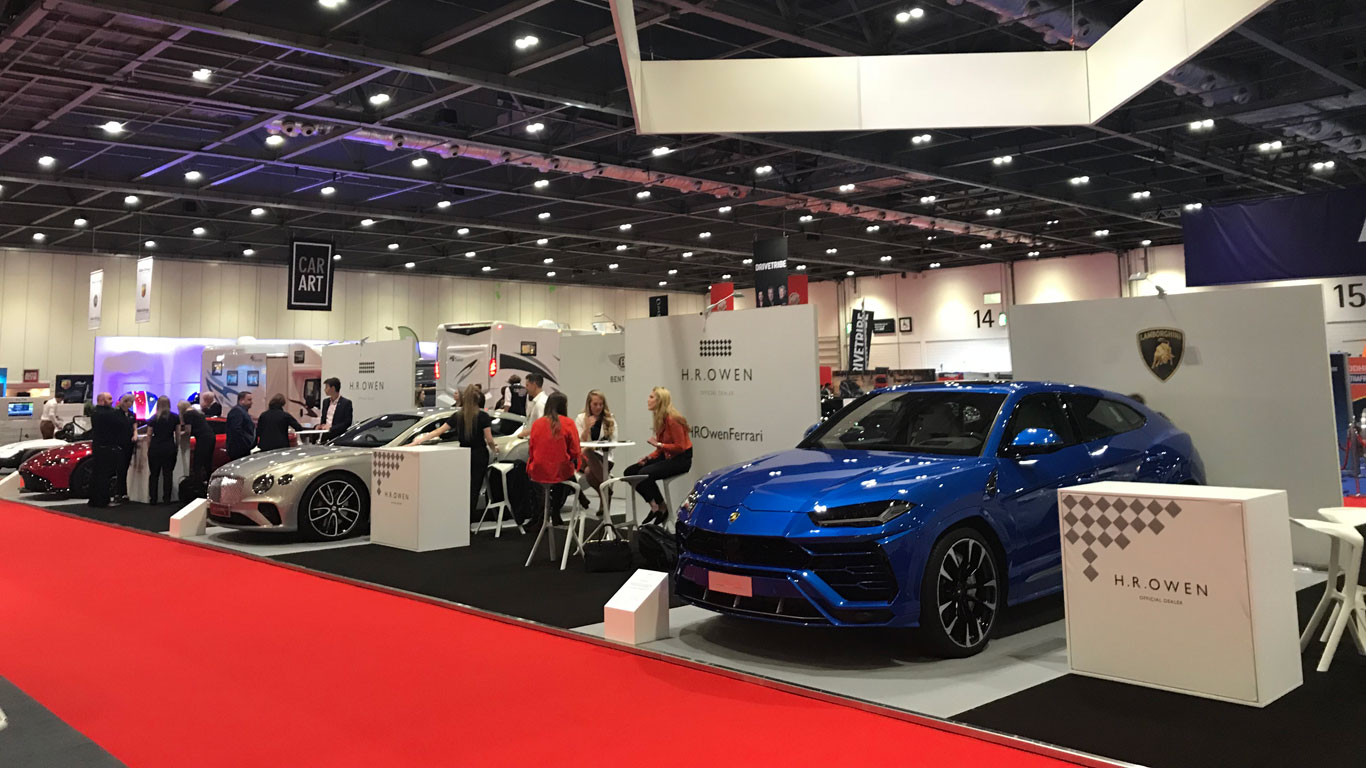
Yes, the London Motor Show is underway, with the organisers promising a “phenomenal event in London for car enthusiasts alike”. Never able to resist a party with a fantastic atmosphere, we took a trip to ExCeL to check out the motoring event to beat all motoring events. Probably.
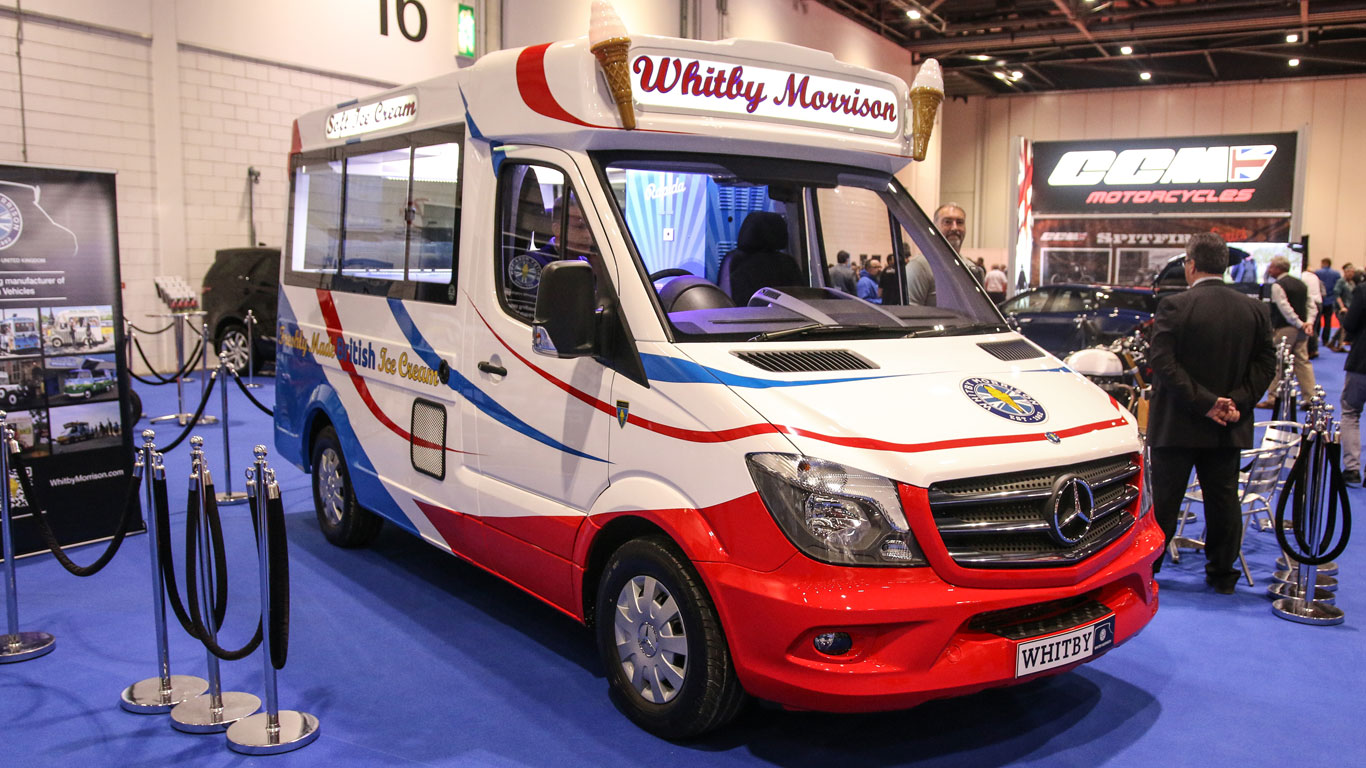
Whitby Morrison
No party is complete without a bowl of jelly and ice cream, so if you bring the jelly, Whitby Morrison will provide the ice cream.The British manufacturer, famous for producing ice cream vans for the global market, is showcasing its latest model, based on the Mercedes-Benz 314 SWB.
Never one to miss the opportunity to deliver a witty pun, Alec Mumford, chairman of the London Motor Show, said the presence of Whitby Morrison is sure to “whip up a storm”. While it’s not clear if you’ll be able to send the sound of Greensleeves reverberating around ExCeL, visitors are invited to climb aboard the van to pretend to make a Mr Whippy.
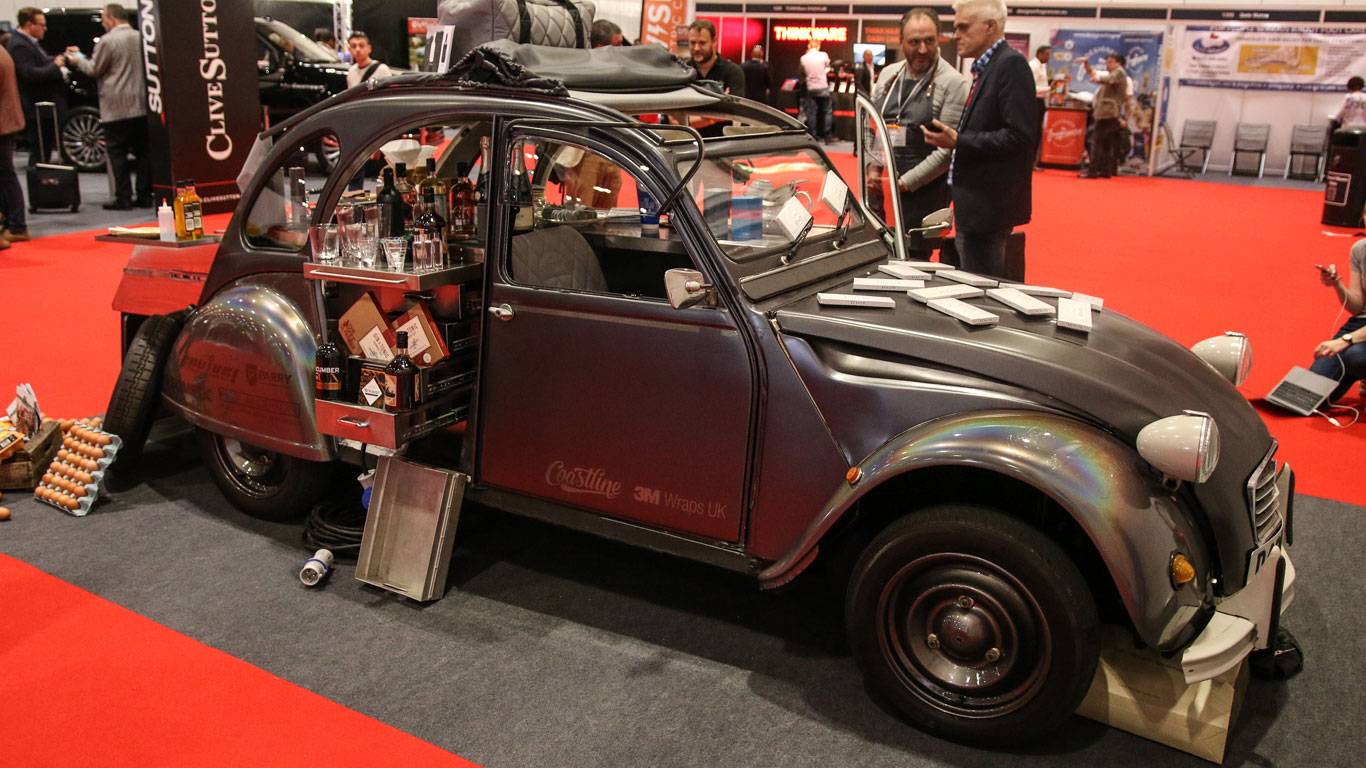
2CVat70
From a British institution to a French icon: meet the 2CVat70. Built to mark the 70th anniversary of the Citroen 2CV, this British-built project was designed to set a record for the world’s smallest food truck. It’s fresh – fresh… food… geddit? – from its debut at Bicester Heritage, where it was flown in by helicopter.
A team of people completed the conversion over the course of three months, transforming the 2CV Dolly into a fully functioning kitchen. Disappointingly, Alec Mumford missed a chance to deliver a 2CV or food-related quip, saying: “We are delighted that the public visitors to this year’s show will be the first to marvel at this characterful reform”. Come on, Alec, not even something about a ‘Trolley Dolly’, ‘eggs in one basket’, or even ‘viande de cheval’.
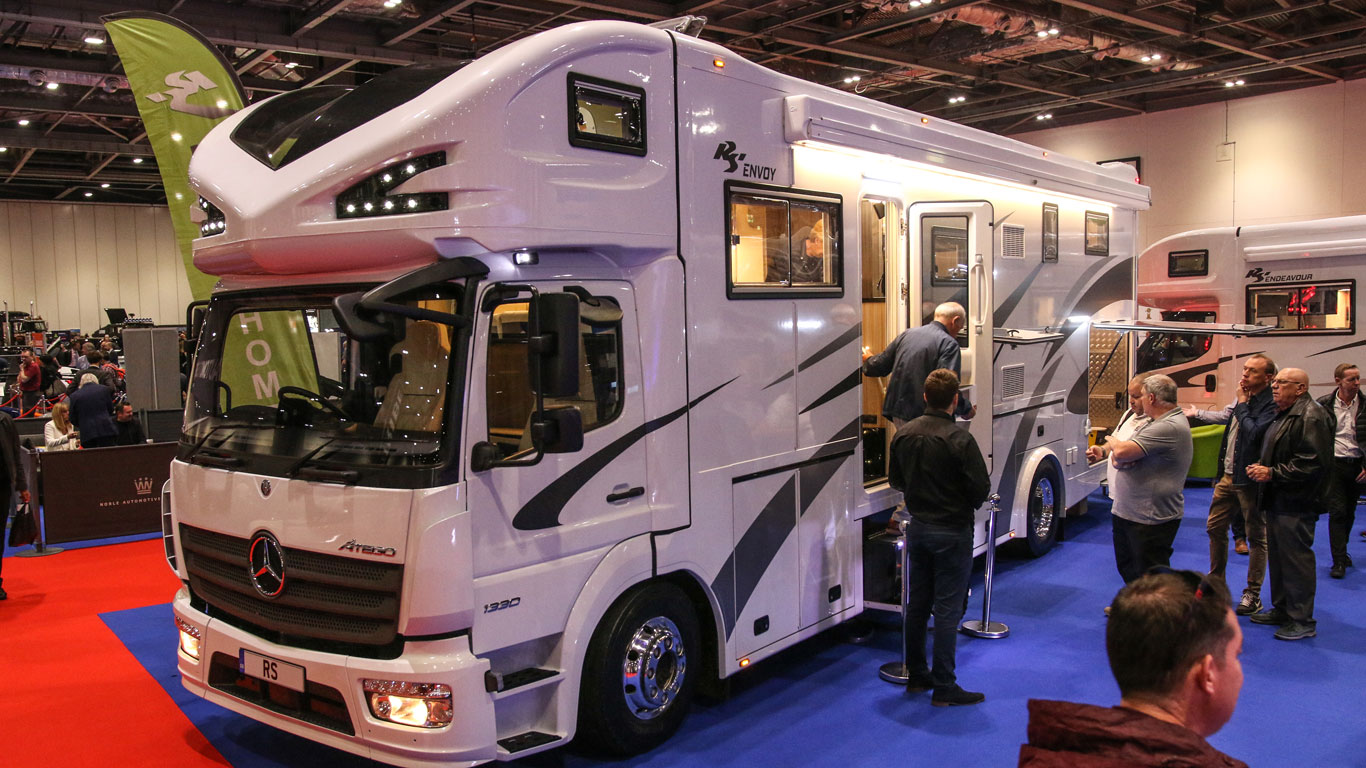
RS Motorhomes Envoy
It’s got the name of a hot hatch, the price tag of a supercar, and a set of roof-mounted LEDs designed to upset the nation’s Audi drivers. It’s the £285,000 RS Envoy, and it’s based on the chassis of the Mercedes-Benz Atego. The 8-berth motorhome features a full-size kitchen, washroom, Sky HD, central heating and a 440-litre fresh water tank. Goldfish are optional.
Missing the chance to make a comment about this being a ‘special Envoy’, Alec Mumford said: “RS Motorhomes are at the very height of luxury in the leisure and motorsport market. To have this great British brand displayed at what will be a very patriotic London Motor Show is a real honour.” We have to retract our comment about Alec never missing the chance to deliver a witty pun.
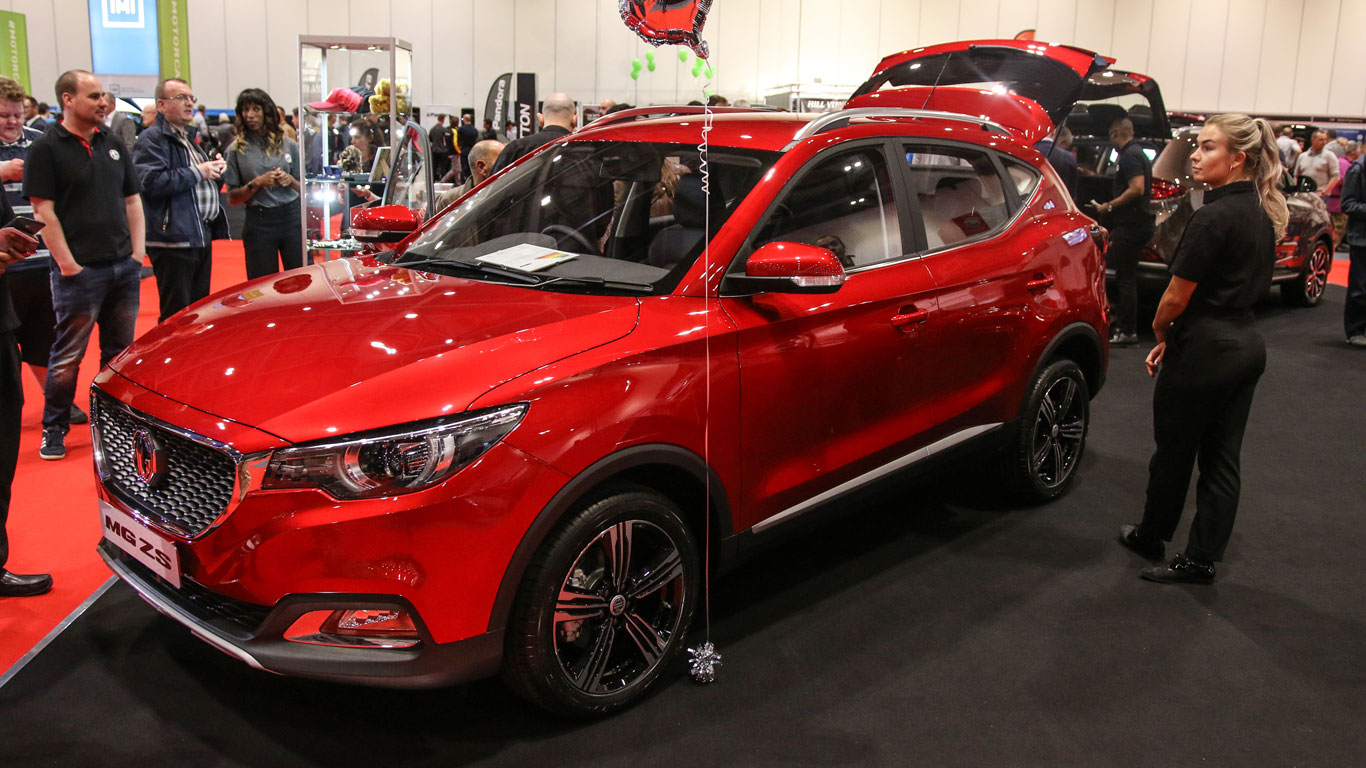
The ‘flying’ MG ZS
Sticking with the patriotic theme, this is the thoroughly British MG ZS SUV, assembled in China by MG’s Chinese owners, SAIC. According to MG, the ZS is “flying out of the brand’s dealerships across the UK”, which might account for the rise in the number of UFOs spotted since the car was launched in November.
Sadly, the MG ZS is unable to take flight, but prices start from £12,495 for the Explore model, increasing to £17,495 for the Exclusive with an automatic transmission. Alec Mumford said: “We are thrilled that the stunning MG ZS will be at the show to represent the brand. It is particularly pleasing to see a manufacturer roll out reliable vehicles that are supported by faithful warranties.” Meanwhile, the brilliantly-named Daniel Gregorious of MG Motor UK, said: “Our full range of cars will be on display and visitors to our stand will be impressed by the style, quality and price of our modern MG models.”
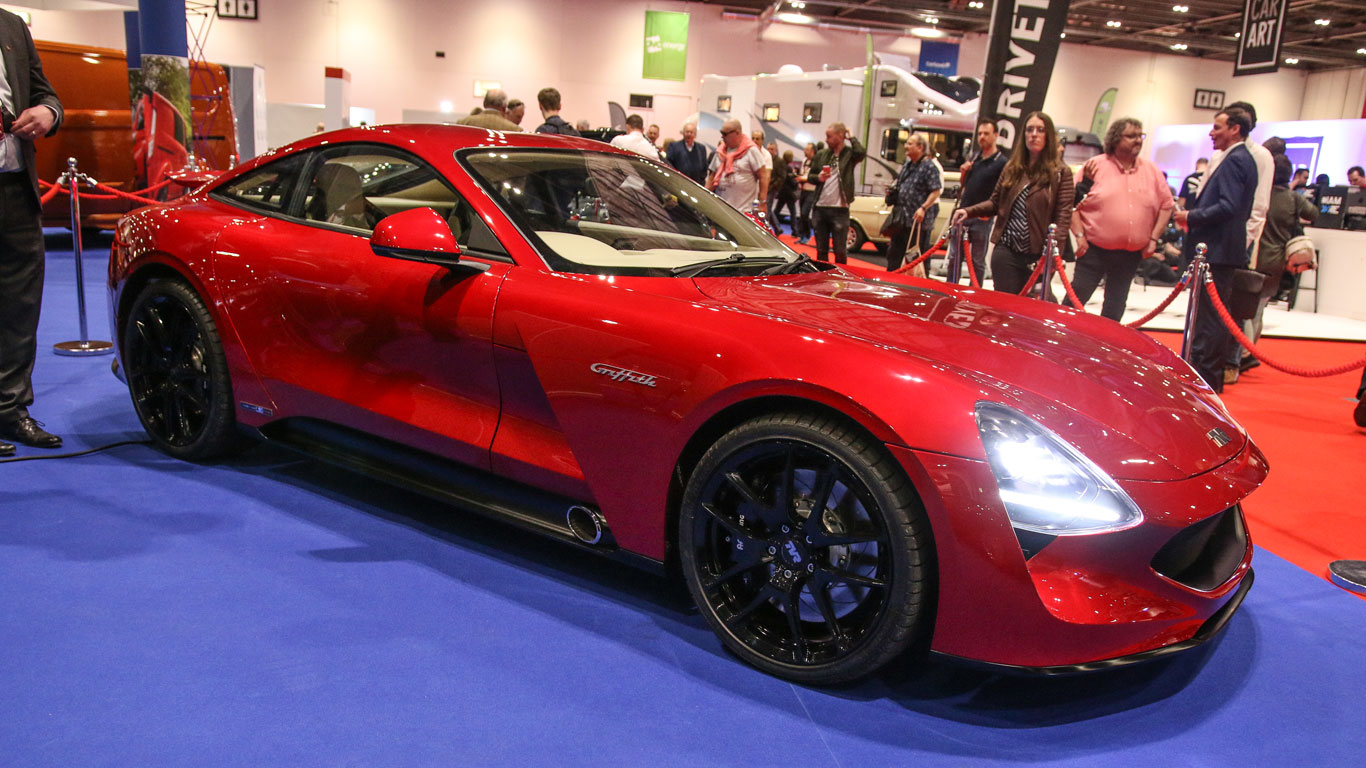
The ‘seriously impressive’ TVR Griffith
It shares its name with Hollywood actress Melanie Griffith, but while she is known for going Crazy in Alabama, the TVR can go crazy just about anywhere. It’s powered by a 5.0-litre V8 engine producing around 500hp, which is enough to propel the Griffith to 62mph in under four seconds, before hitting a top speed of over 200mph.
“TVR is just about as British as it gets!” said exclamation mark enthusiast, Alec Mumford. “The new Griffith is a seriously impressive machine that perfectly captures the iconic spirit of TVR, and we are very excited to have it on display surrounded by its compatriots.”
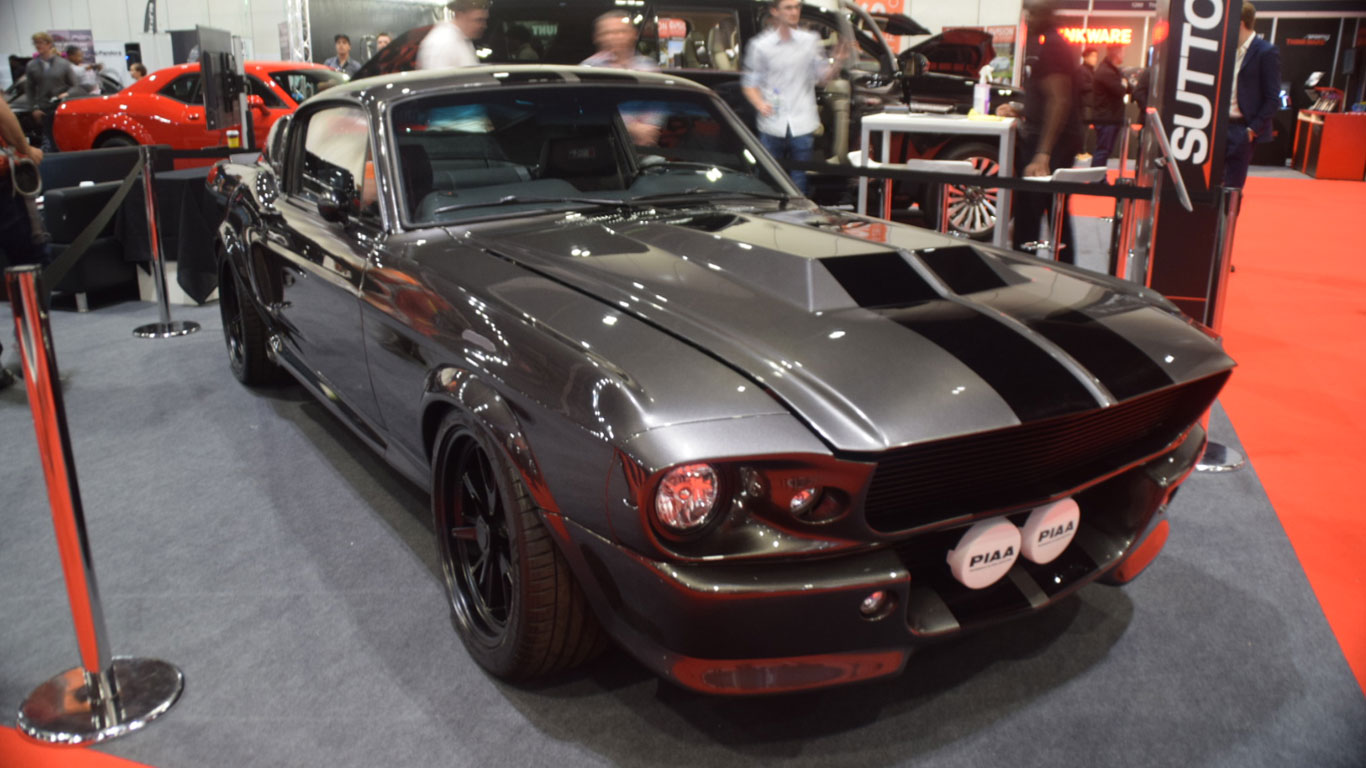
Mustang GT500CS
The Mustang GT500CS is built using an original 1967 Ford chassis and features a coachbuilt body finished in Magnetic Metallic paint. Power is sourced from a 5.4-litre V8 producing 520hp, while the price can range from £190,000 to £300,000 depending on specification. The London Motor Show car has a build price of around £250,000, making it slightly cheaper than the RS Envoy, but more expensive than the “stunning” MG ZS.
QWest Shooting Brake
It has too many doors to be a true shooting brake, but the QWest is certainly quick enough for the gentleman racer. Carbon fibre coachbuilders QWest took a standard Tesla Model S 90D before creating a bespoke tailgate, rear roof section and D-pillar. The result is a Model S wagon that’s 12kg lighter than the donor car.
It’ll hit 60mph quicker than Alec Mumford can conjure up another quote. Speaking of which: “We’re delighted to have the world’s first Tesla-based Shooting Brake coming to the capital. This is a serious feat of engineering, using the very latest technology”. The 0-60mph time, in case you were wondering, is just 2.8 seconds.
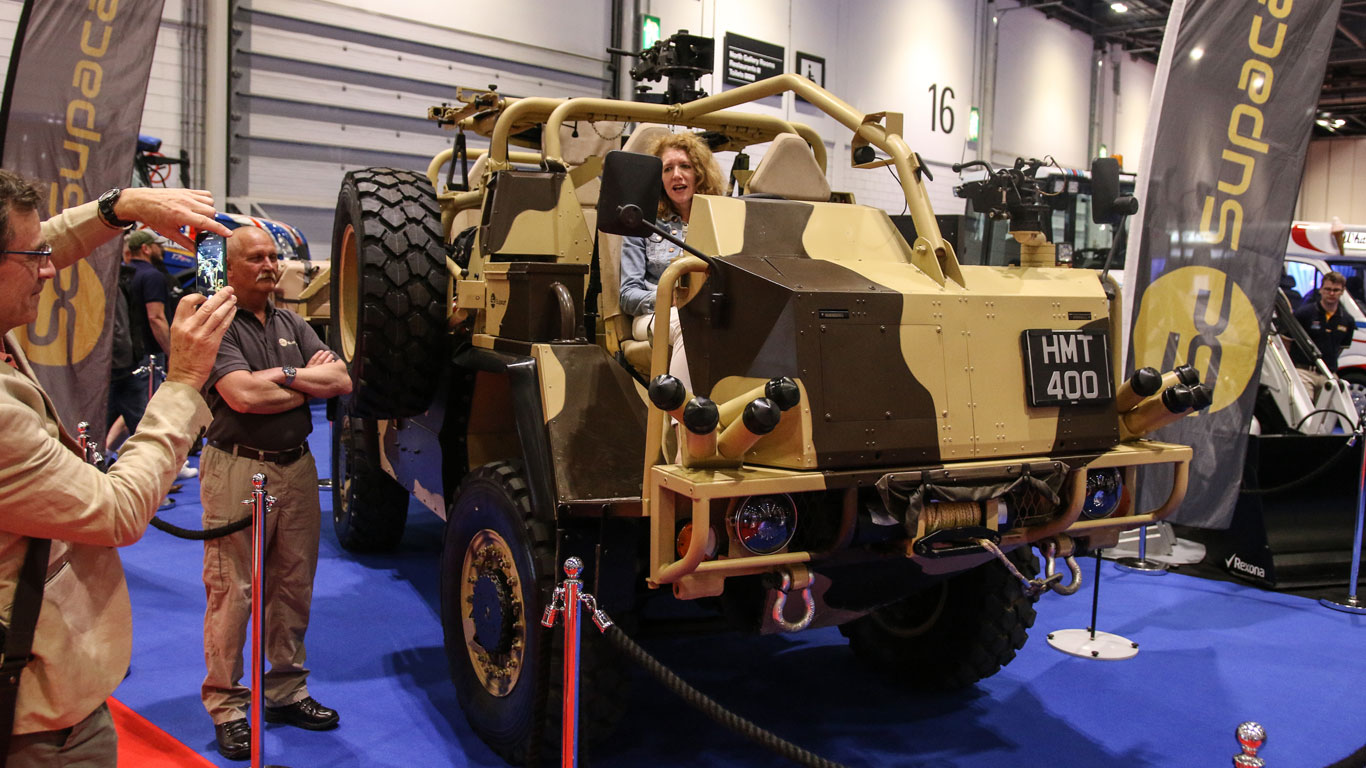
Supacat HMT 400
The Supacat HMT 400 is already well proven in the harsh terrain of the Afghanistan battle ground, so it should have no problems dealing with few Instagram posts at ExCeL. Designed in the late 1990s, the Devon-built machine is arguably the most rugged thing to come out of the West Country since Ben Ainslie.
Dubbed the ‘Jackal’ by the British Armed Forces, we’re tempted to say there are four days of the Jackal at the London Motor Show, but that would be a poor attempt at a movie-based pun. The HMT 400 features air suspension and is supplied with an optional mine blast and ballistic protection kit.
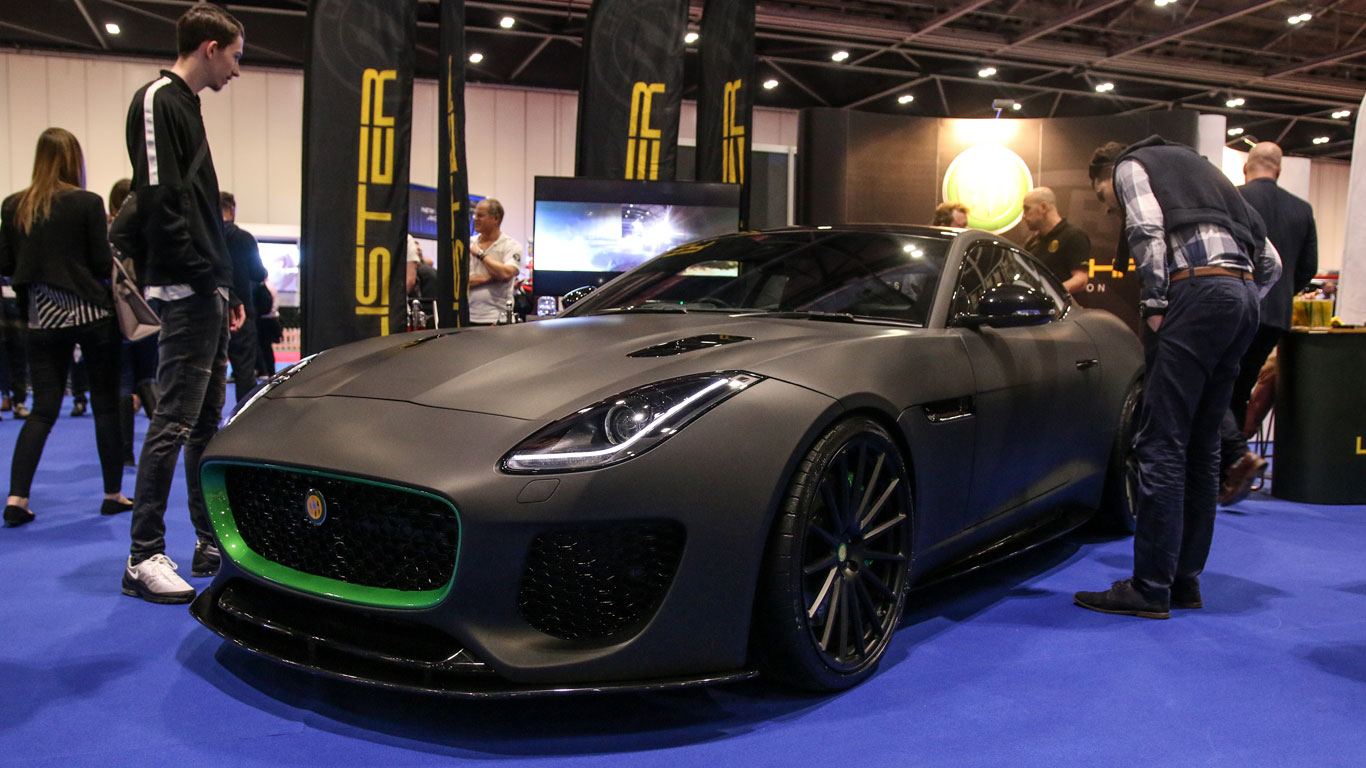
Lister Thunder
Unveiled at the Historic Motorsport International earlier this year, the Lister Thunder is returning to ExCeL for the London Motor Show. The F-Type-based Thunder is powered by a 5.0-litre supercharged V8 engine developing a devilish 666hp, which is enough for a top speed of 208mph.
The Cambridgeshire-based company will build 99 examples, each one with a price tag just shy of £140,000. “Visitors are making a bolt for the Lister stand and the Thunder is going down a storm. I expect the cars to be sold out in lightning-quick time.” Sadly, Alec Mumford didn’t say any of this.
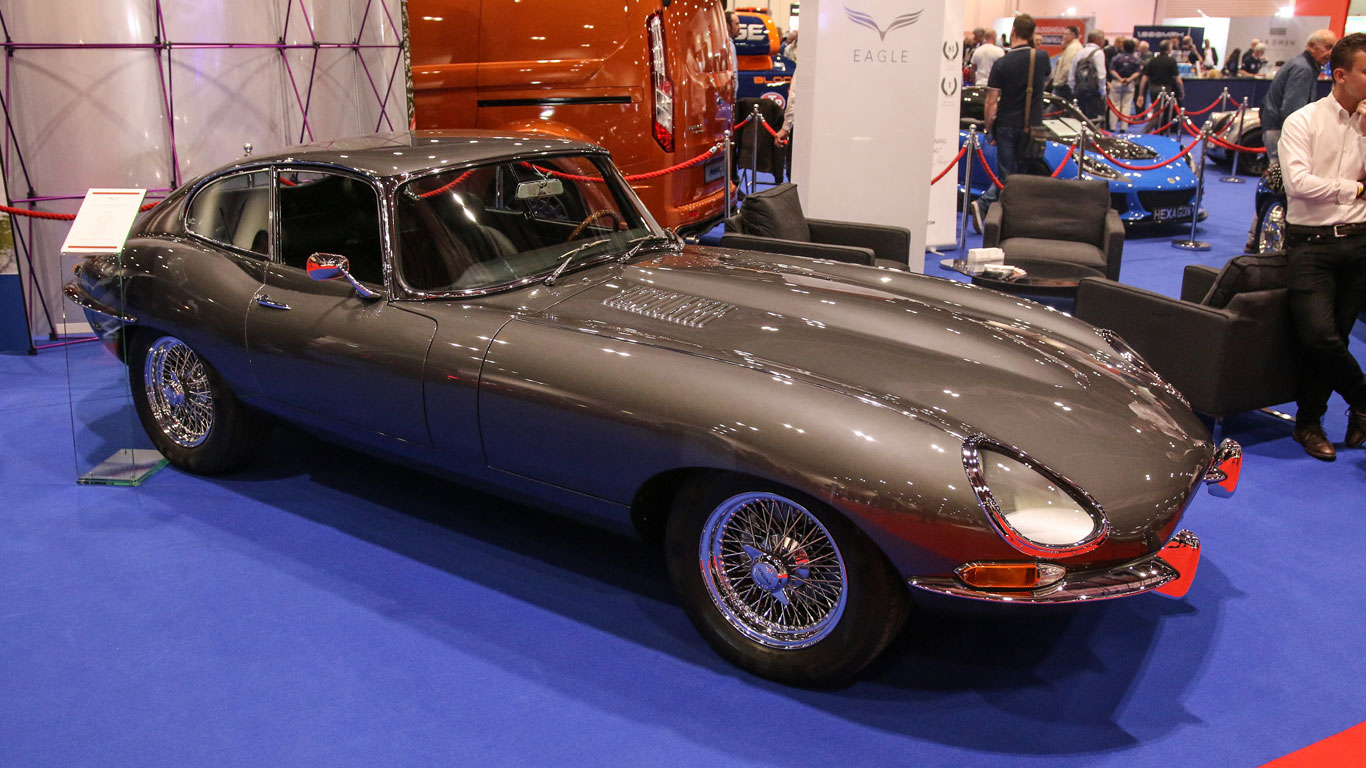
Eagle E-Type
Founded in 1984, Eagle is recognised as one of the leading E-Type restorers, famed for its evolutions of the legendary Jaguar. At the London Motor Show, you’ll find the Speedster E-Type as well as a regular E-Type Coupe. Eagle restores bespoke “zero mile, better than new” E-Types to suit customer preferences.
Of the Eagle Speedster, Jeremy Clarkson once claimed that it’s probably the most beautiful car he had ever seen, before changing his mind and declaring it the most beautiful thing he had ever seen. This was before he had clapped eyes on the ‘stunning’ MG ZS.
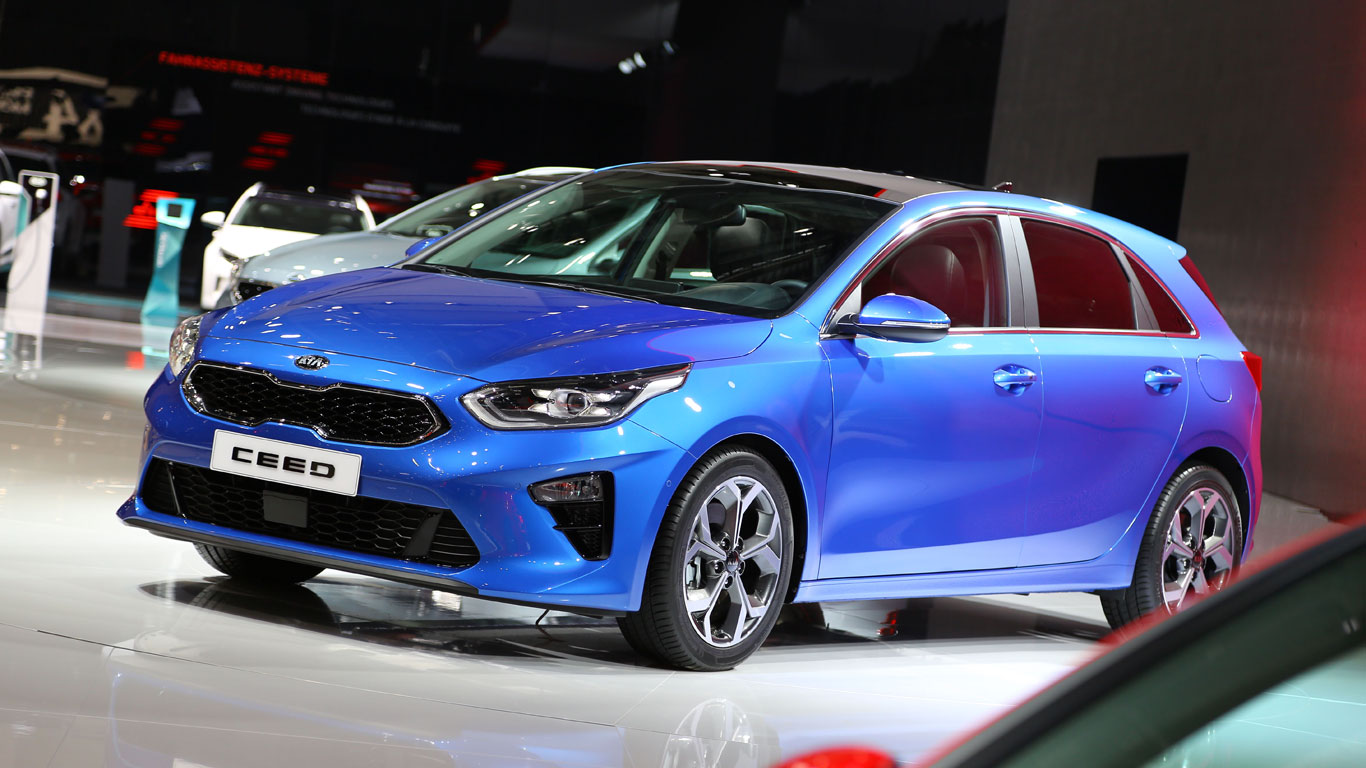
We asked the other Mike Rutherford for his views on the Kia Ceed, but he was too busy with his mechanics. Meanwhile, motoring’s Mike Rutherford said: “The Kia Stinger came close to winning the World Car of the Year title in 2018. And the all-new Ceed looks like it will be a contender for the gong in 2019.”
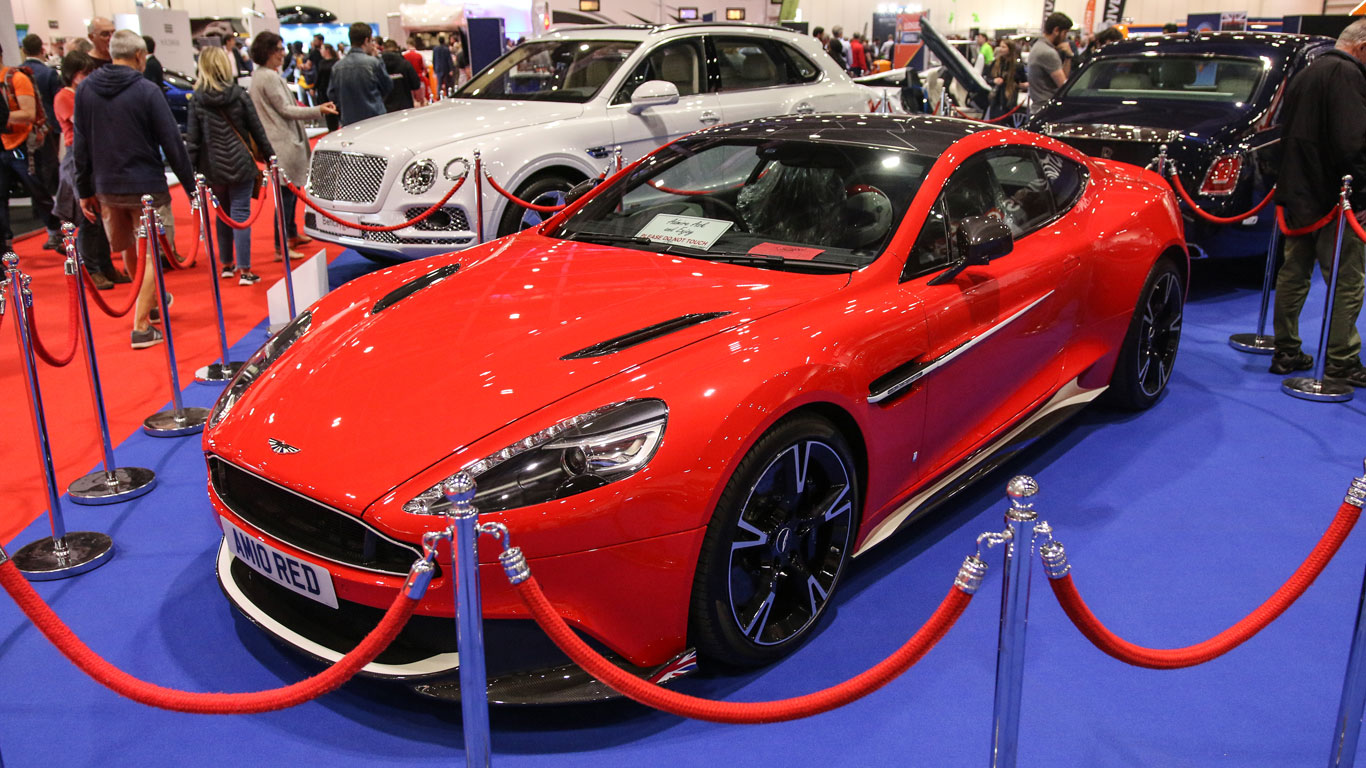
Aston Martin Vanquish S Red10
The Aston Martin Vanquish S Red10 was offered to the public in a raffle where more than 70,000 tickets were bought and over £1.5 million was raised for the RAF Benevolent Fund. It pays homage to the Royal Air Force and Red Arrows Display Team.
The car’s owner and raffle winner, Humphrey Bradley, said: “I was totally shocked to win such an incredible prize – absolutely gobsmacked. I am honoured to have supported a service charity and the RAF Benevolent Fund undertakes some truly incredible work supporting the RAF family. From those on RAF Stations to those veterans in care homes and everyone in between, they really are there for those that need help, every step of the way.”
The best motoring event… in the world
‘Britain’s motoring event of the year’ is on now until 20 May 2018. Tickets start at £22.50 and one child (under 17) goes free with a paying adult. ExCeL is located close to London City Airport, which is far enough away from Windsor and Wembley not to be affected by the other big events happening this weekend. Keep clicking for more pics.
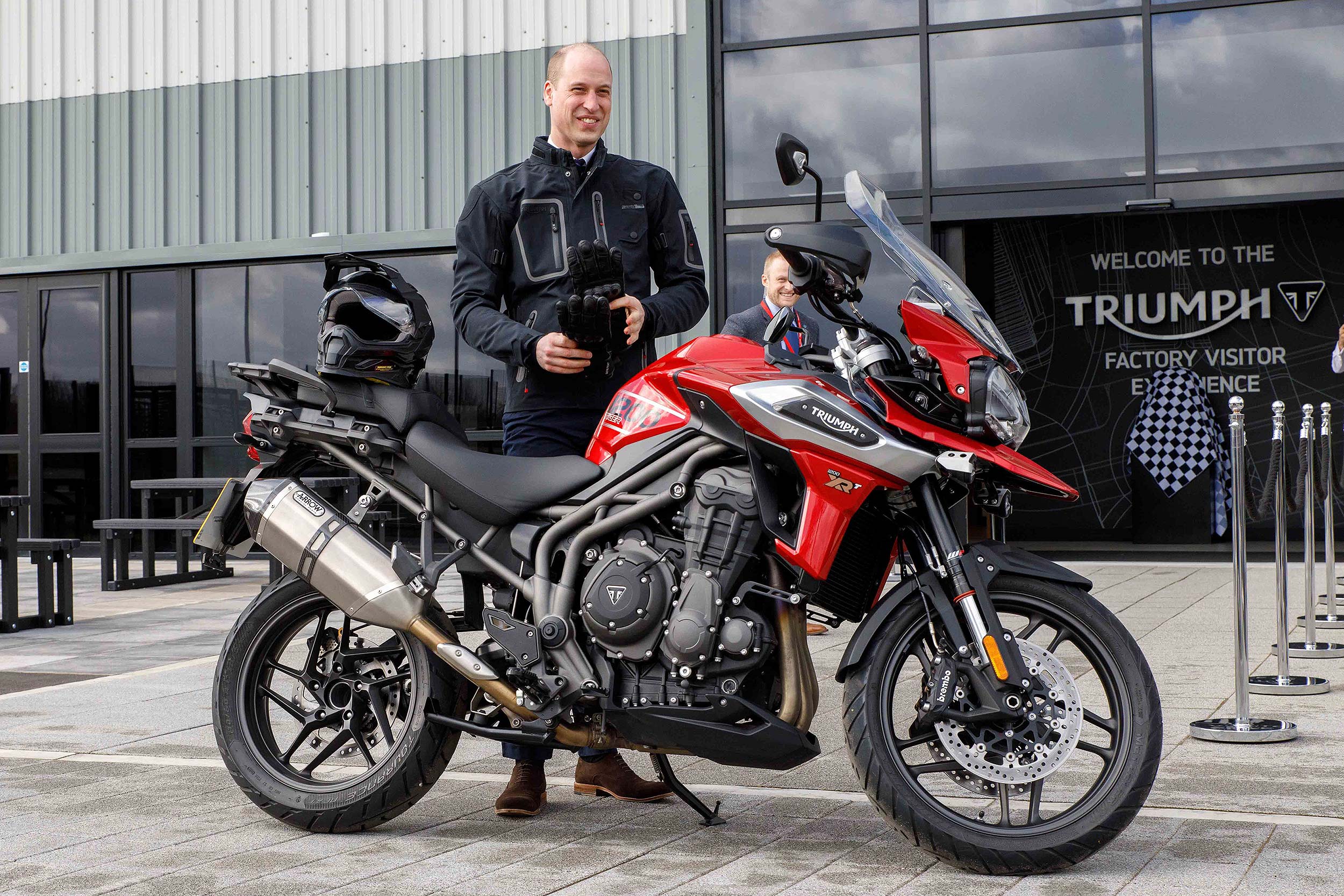
With a third child now here, Prince William might have put two-wheeled antics on hold for a while, but he couldn’t resist a quick ride on a new Tiger 1200 during a visit to the Triumph factory in Leicestershire, England, back in February. Last year, Prince William discussed his love of motorcycles with Jonathan Rea as he presented the triple World Superbike champion with an MBE at Buckingham Palace.
“We talked about his bikes and the fact that he has put it on the back-burner a little bit because of his children now,” said Rea. William has been a fan of motorcycling since a young age, when he practised on a Kawasaki on his father’s Highgrove Estate. But as the Duke Cambridge swaps two wheels for three child seats and armfuls of baby wipes, we take a look at the cars of the British Royal family.
Prince William: on four wheels
The Range Rover appears to be the vehicle of choice for the Duke and Duchess of Cambridge. In 2013, Prince George was driven home from London’s St Mary’s Hospital in a top-of-the-range Range Rover Vogue SE gifted to the royal couple by Land Rover’s VIP department. Here’s Prince William with the family Range Rover SDV8 Autobiography following the birth of Princess Charlotte in 2015.
Princess Diana: Rolls-Royce Silver Shadow
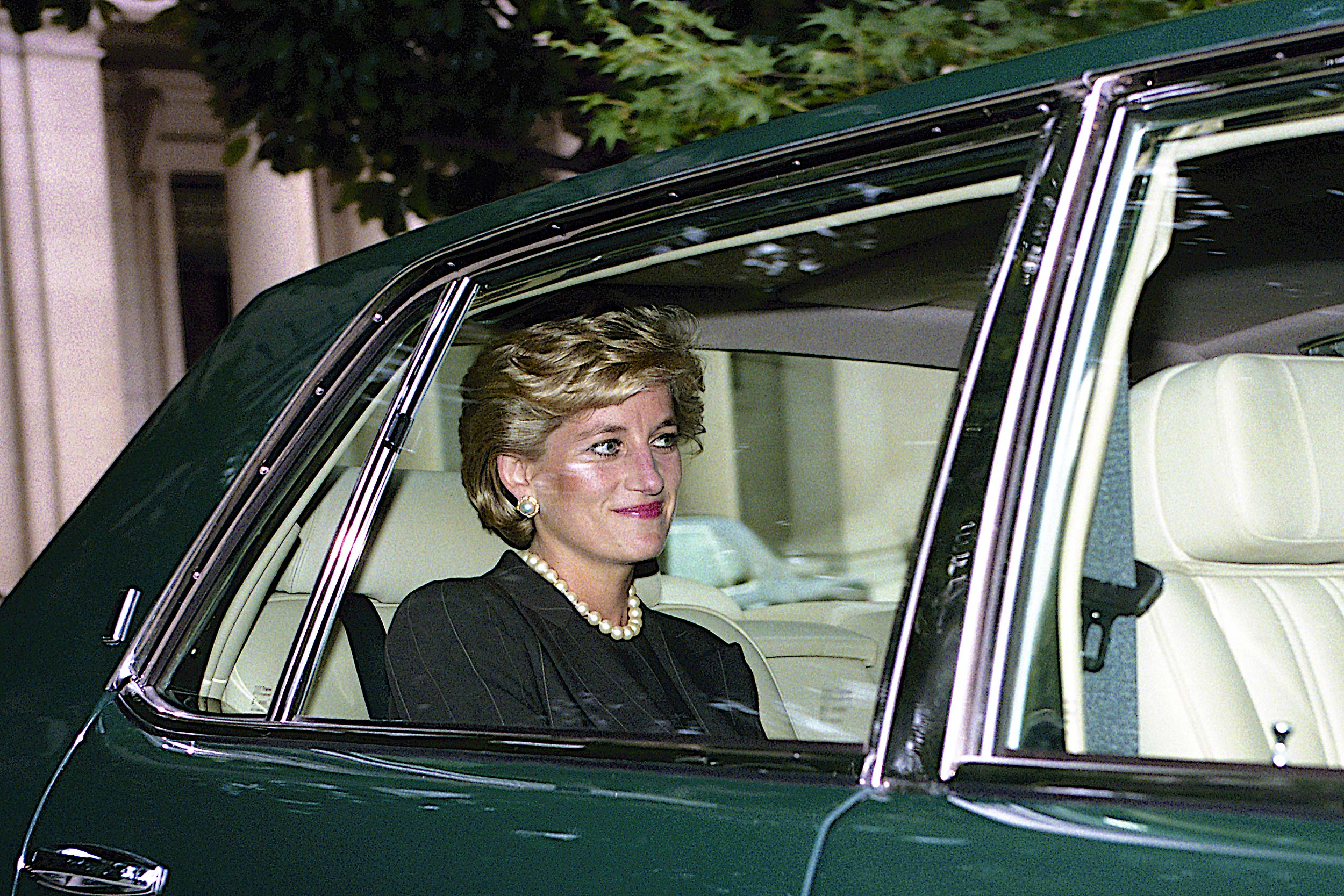
Here we see Princess Diana and the British Ambassador to the U.S., Sir John Kerr of Kinlochard, as they ride in the back of a Rolls-Royce Silver Spur en route to the White House. The Balmoral Green Silver Spur was commissioned by the British Foreign Office to be used as part of the British Embassy vehicle pool in Washington D.C.
Princess Diana: Jaguar XJ-SC
In response to demand for a soft-top version of the XJ-S, Jaguar launched the XJ-SC in 1983. Princess Diana used this 1987 car from 1987 to 1991, when it was acquired by the Jaguar Daimler Heritage Trust in return for a contribution to her charity. While other XJ-SCs were two-seaters, Diana’s Jag was fitted with two rear seats to allow the young Princes William and Harry to travel with their mother and her bodyguard.
The V12-powered Jag also features an individually made, and permanently fixed, rear hardtop to ensure that the two princes could not strike their heads on the solid targa roof bar in an accident.
Princess Diana: Audi 80 Cabriolet
Before Diana, the Royal Family drove British cars. It was the done thing. But all that changed in 1991 when Diana leased a Mercedes-Benz 500 SL to replace the XJ-SC. She had a thing for topless Germans, as she went on to drive not one but three Audi 80 cabriolets.
As Jeremy Clarkson said at the time: “She alone has turned what might have been just another nice car into by far and away the coolest and most sought-after-four-wheeled status symbol of them all.”
Princess Diana: Austin Mini Metro
Not everybody in this auction room was there to bid on this seemingly anonymous Austin Mini Metro L. Look again and you’ll notice that many people surrounding the 1980s city car are armed with a camera. It was Princess Diana’s first car, driven by a 19 year old Lady Diana Spencer at the time when she was first linked with Prince Charles.
It sold for around £6,000, which is about five times what would be expected for a Metro at the time. It now lives at the Coventry Transport Museum in England.
Prince Harry: Range Rover
Ahead of the opening ceremony of the 2014 Invictus Games, Prince Harry arrived in Warwickshire to watch teams from 11 nations compete in the Jaguar Land Rover Driving Day. Fittingly, Harry turned up in a Range Rover.
Prince Harry: Jaguar F-Type
And, here’s Prince Harry at the wheel of a Jaguar F-Type. The photo was taken just days before his 30th birthday and he admitted that he was “slowly starting to feel old.” He went on to say that “30 is one of those first milestones when you drive through a village and you see the 30 mph signs, it’s that constant reminder going, ‘I am actually quite old,’” he said.
Prince Harry: Land Rover Discovery
This is Prince Harry getting down and dirty in a Land Rover Discovery at an off-road event, but he’s no stranger to the Disco. He and fiancée Meghan Markle arrived at Buckingham Palace for the Queen’s Christmas lunch in a much cleaner Discovery.
Zara Tindall: Range Rover Evoque
Land Rover Ambassador Zara Tindall was the first person to take delivery of a Range Rover Evoque, having placed an order a year earlier. In 2011, Zara Tindall (née Phillips) said: “I think it looks really cool. It’s really exciting, you know, totally different to what they’ve got at the moment, and I’m excited to drive it. Land Rover are really excited about it as well. Hopefully it will be a popular car for them.” Which is nice.
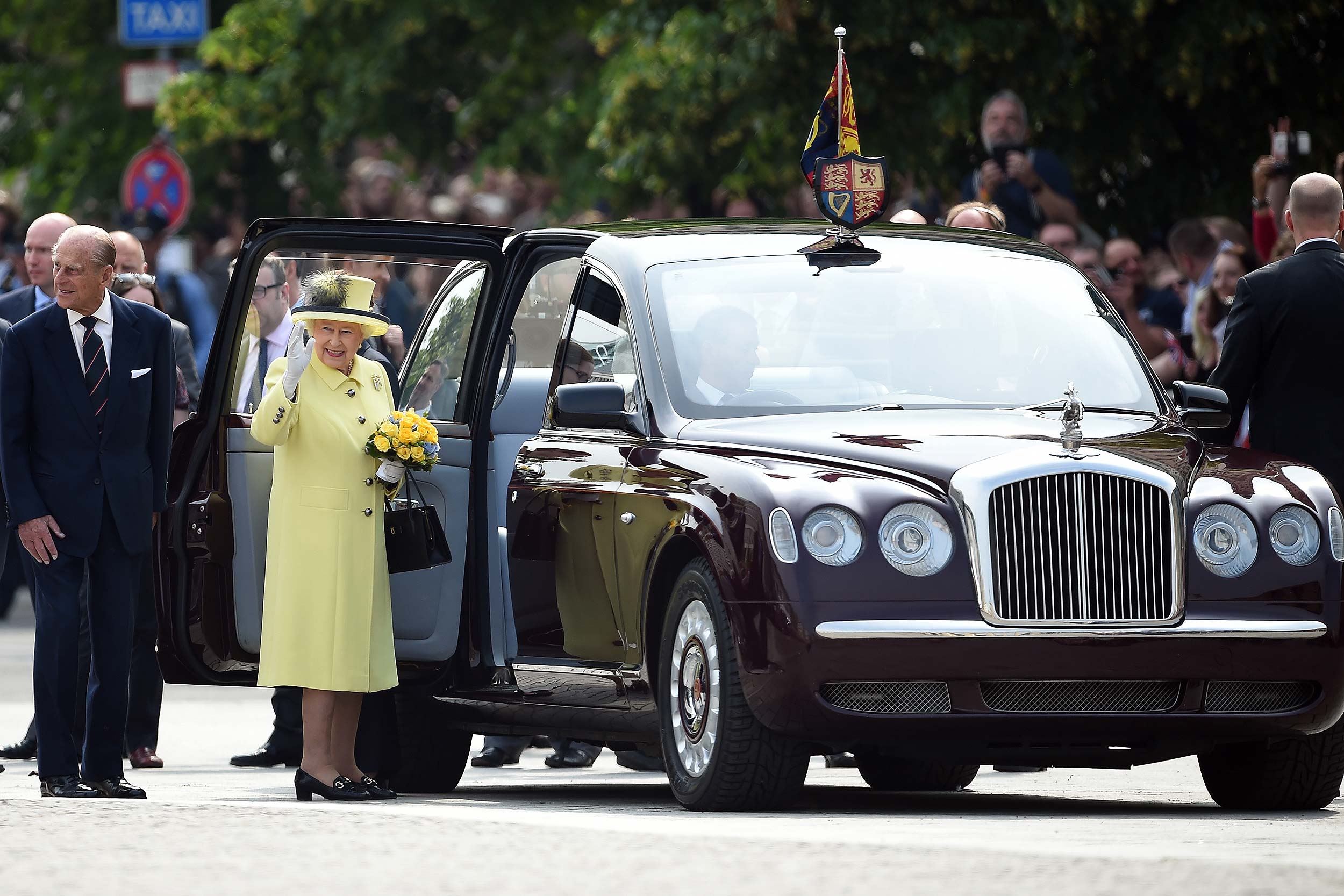
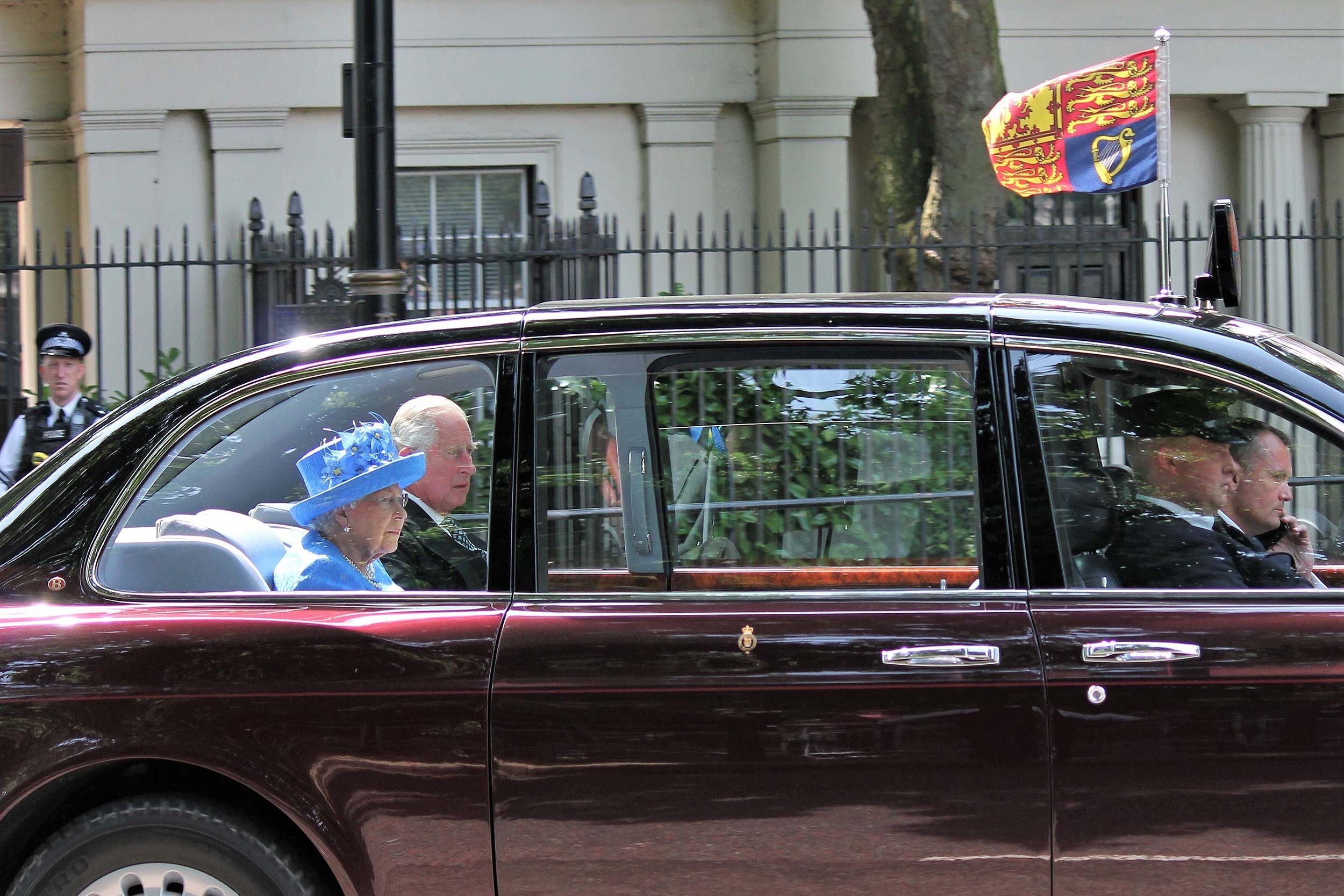
The Queen: Bentley State Limousine
This unique Bentley State Limousine was presented to the Queen in 2002 to mark the 50th anniversary of her succession to the throne. Though based on the Bentley Arnage, the company went to great lengths to ensure this was as bespoke as possible. It’s powered by a modified version of the 6.75-litre V8 from the Arnage R, developing 400 horsepower and 616 lb-ft of torque.
An extended wheelbase provides more room for passengers in the rear, while a wider body and raised roof ensures Her Majesty travels about in absolute comfort. Bentley and Mulliner even modelled the rear seat position on a person the same height as the Queen.
By creating a ‘panoramic glasshouse’, Bentley ensured wellwishers could get the best view of the Queen during royal engagements. Interestingly, when the Queen is on board, the Bentley ‘Flying B’ hood ornament is replaced by either Her Majesty’s St George slaying a dragon or a single lion. You don’t get this kind of option on a Toyota Camry.
The Queen: Vauxhall Cresta PA Friary Estate
Be honest, you weren’t expecting a Vauxhall to appear on a list of cars owned or driven by the Queen, were you? This is like the President turning up at a charity ball in a Buick Regal TourX. But this is no ordinary Vauxhall. In fact, it’s rumoured to be one of Her Majesty’s favourite vehicles.
The Vauxhall Insignia Country Tourer claims to be “ready for adventure”, but aluminium roof rails and cargo cross bars wouldn’t be enough for Her Majesty. Her Cresta featured fishing rod holders built into the roof, along with a dog guard to stop her beloved corgis from entering the passenger compartment. There’s also a gun rack.
The Queen: Range Rover
The Queen is a huge Land Rover fan and there are many photographs of Her Majesty driving one of the off-roaders at Sandringham or Balmoral. Plenty of room for her children, Charles, Anne, Andrew and Edward, while allowing space for the dogs. Here’s the Queen at the wheel of a Range Rover, complete with hood mascot.
The Queen: Jaguar Land Rover
In 2014, Jaguar Land Rover was awarded a Queen’s Award for Enterprise in International Trade. The official award notification read: “Her Majesty The Queen has been graciously pleased to approve the Prime Minister’s recommendation that your business should receive a Queen’s Award for Enterprise in International Trade, this year.”
To mark the occasion, the Queen wore her best gloves.
The Queen and Prince Philip: BAC Mono
If the smile is anything to go by, the Queen is a fan of the BAC Mono, although Prince Philip looks to be wondering where Her Majesty would put the corgis. And where’s the fishing rod holder? A 0-60 mph time of 2.8 seconds is all well and good, but practicality shouldn’t be overlooked.
Prince Edward: Ferrari
Here’s Sergio Marchionne and Prince Edward at an event organised in support of the Duke of Edinburgh’s Award, a charity that is the world’s leading youth achievement award. Prince Edward’s 10-year-old son made the headlines when he was pictured behind the wheel of a Land Rover Discovery at Windsor Castle.
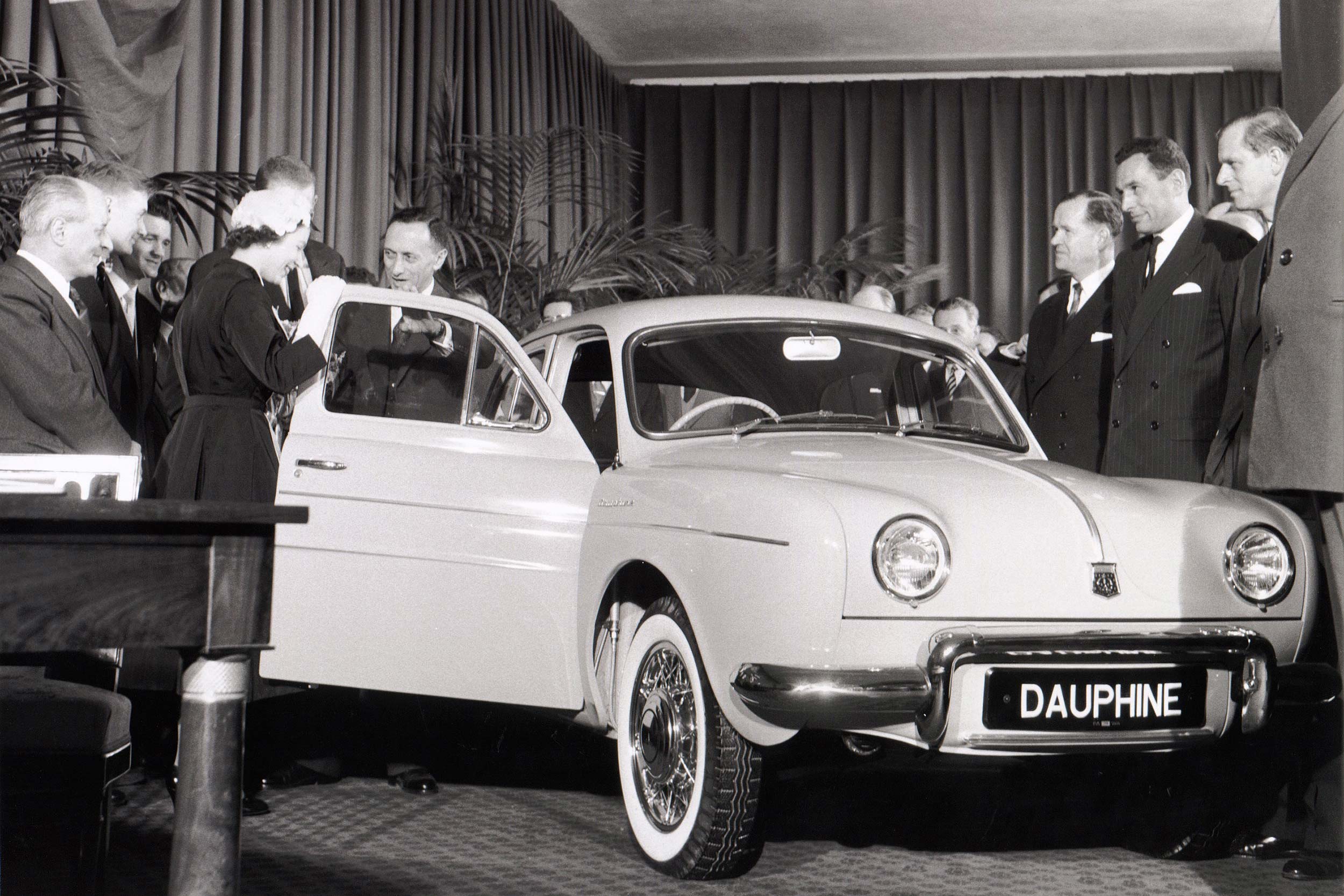
The Queen: Renault Dauphine
In 1905, Renault sold its first car to the British Royal Family when King Edward VII bought a 14/20hp Landaulette. Twenty-one years later, Renault established a UK base in Acton, before assembling 4CV and Dauphine models in the factory from 1950.
In 1957, Renault presented Queen Elizabeth II with a gift of a Renault Dauphine built at Acton. The Prince of Wales learnt to drive in the Dauphine.
 The new Vauxhall Corsa GSI opens for ordering in July 2018, and although we still don’t know how much it will cost, we do know the engine it will use: a 150hp 1.4-litre turbo petrol.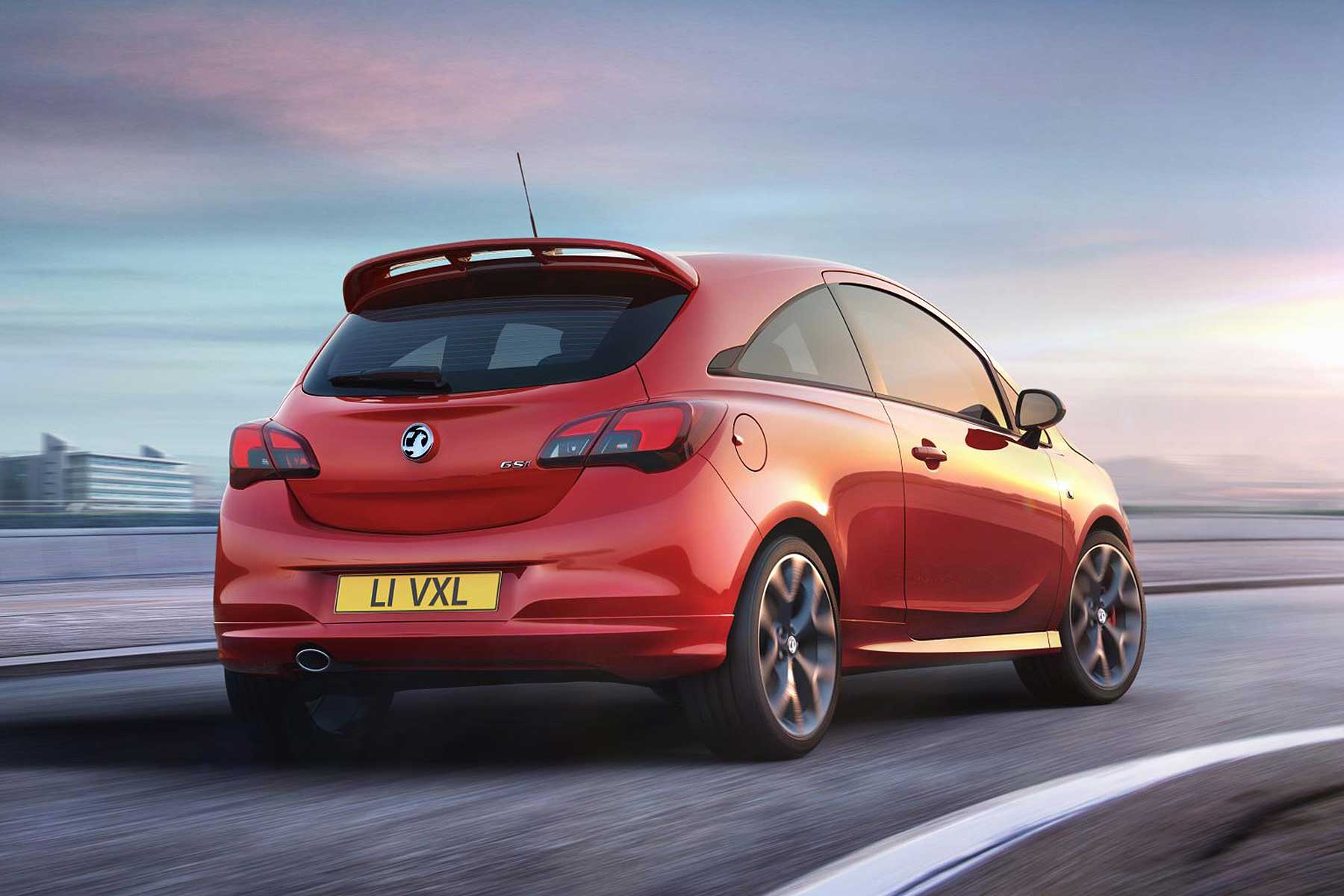
 Environment secretary Michael Gove will today launch a new Clean Air Strategy, which aims to cut deaths from air pollution. The plans are a key part of the government’s 25-year goal to leave the environment “in a better state than we found it”.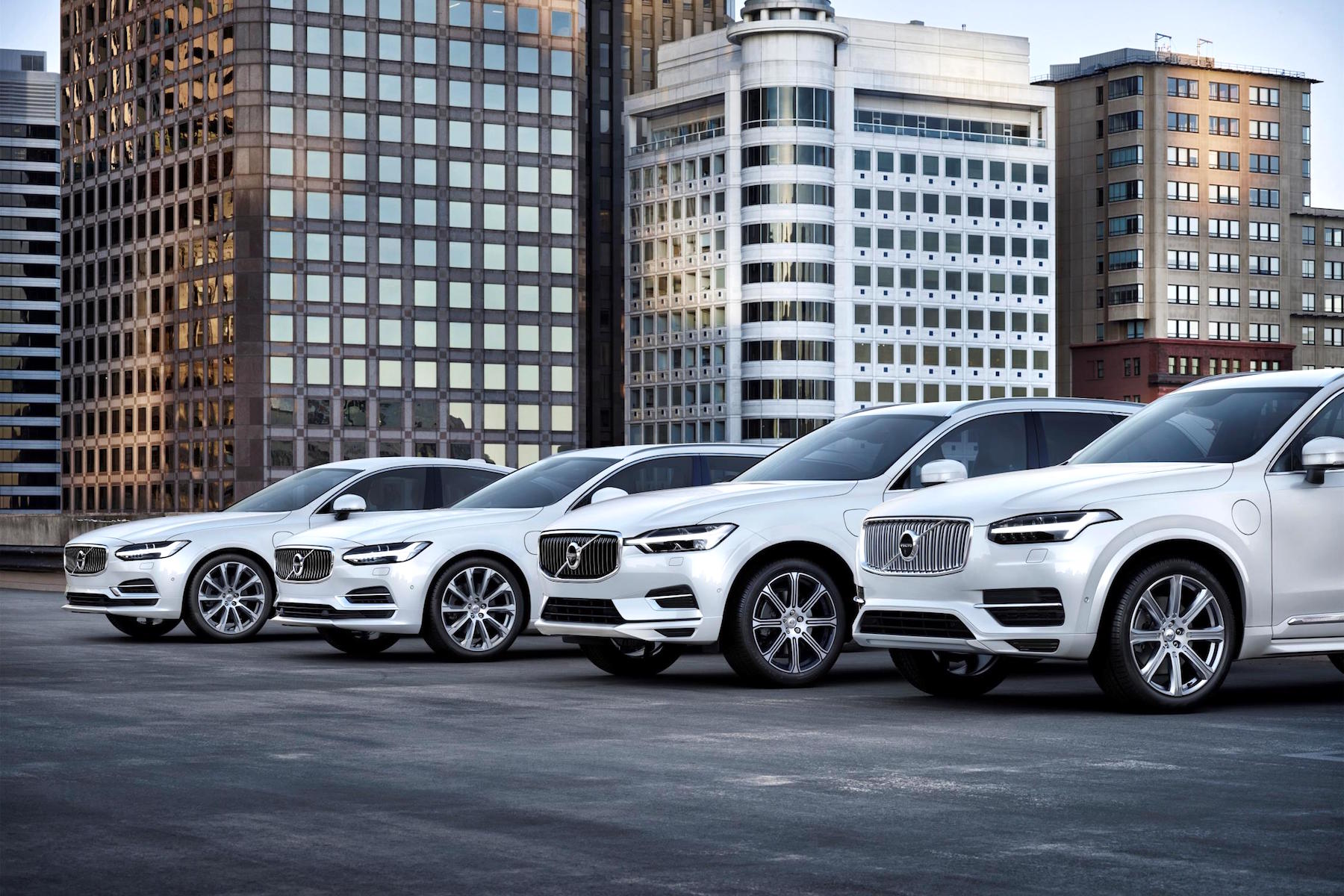

 Freshly famous for being Prince Harry and Meghan Markle’s wedding car of choice, the Jaguar E-type Zero is an original classic that’s been converted into a fully electric sports car by engineers at Jaguar Land Rover Classic – and if there’s demand, eco-conscious classic Jag fans will be able to buy one in the future.



 With a third child now here, Prince William might have put two-wheeled antics on hold for a while, but he couldn’t resist a quick ride on a new Tiger 1200 during a visit to the Triumph factory in Leicestershire, England, back in February. Last year, Prince William discussed his love of motorcycles with Jonathan Rea as he presented the triple World Superbike champion with an MBE at Buckingham Palace.