Home Blog Page 465

The BTCC is going hybrid in 2022

0

BTCC

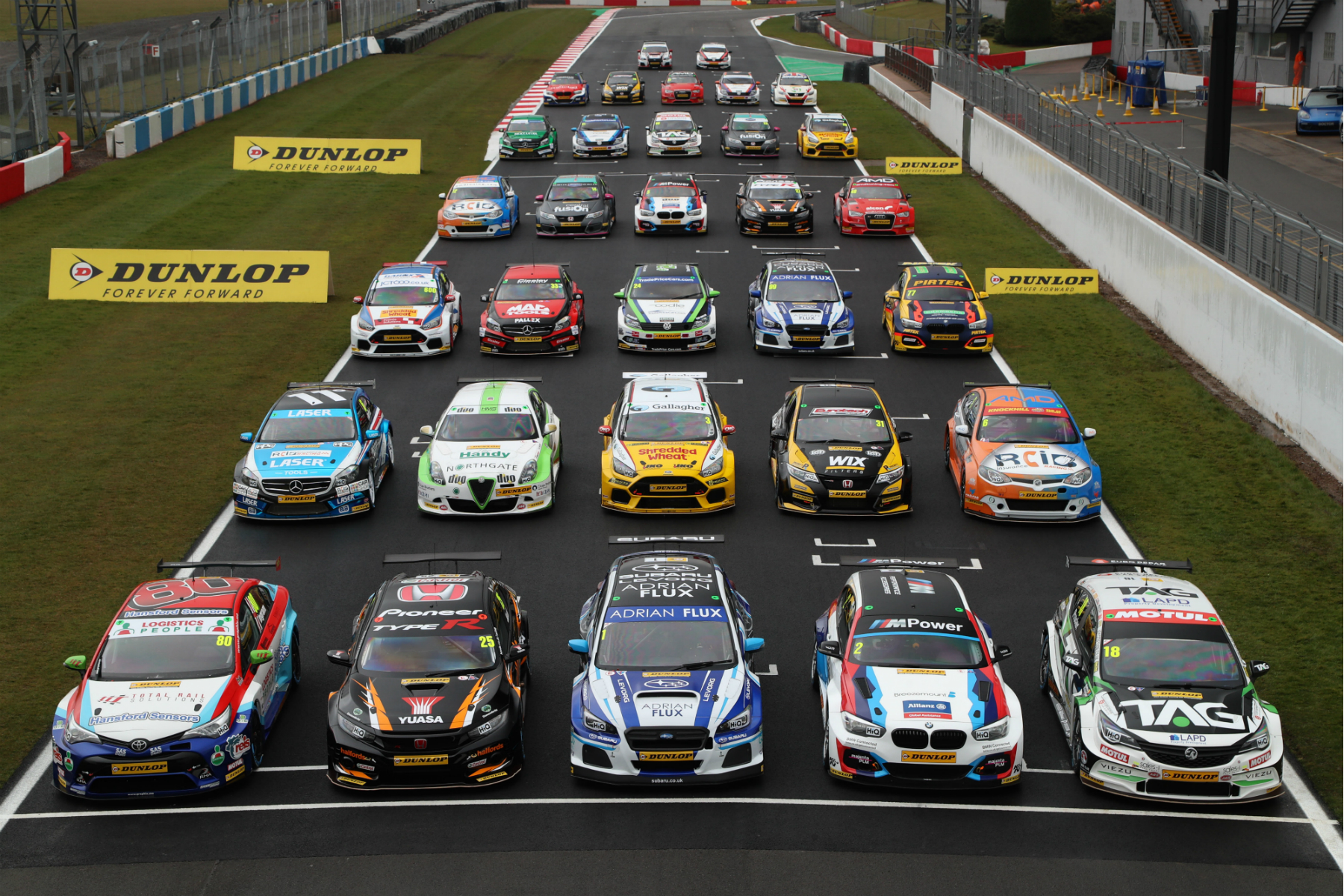
With rule changes on the horizon starting from 2020, how racers in the British Touring Car Championship (BTCC) are going to look, sound and go is beginning to take shape. The latest and most dramatic development is that they will be hybridised from the start of the 2022 season.

That’s right… series organiser TOCA has confirmed that the BTCC, one of the more down-to-earth motorsport series, is looking at electrification, joining the upper echelons of WEC, Formula 1 and obviously, Formula E.

That’s not to say that the cars themselves will change very much. The implementation of the technology should be on a base spec level. That means every car will get a standard power unit to complement the internal combustion engine. How and when that power unit is used to boost the cars throughout the race will become a part of each team’s race strategy.
BTCC

Alan Gow, BTCC Series Director, outlined the extent of the changes to the current cars: “Different to hybrid development within the likes of Formula 1, this certainly shouldn’t – and won’t – be an ‘extreme’ technical exercise, but rather will be one which we will introduce within our NGTC technical regulations relatively seamlessly and very cost-effectively.

“Just as importantly, by incorporating hybrid it keeps the BTCC absolutely relevant to manufacturers, sponsors and the public… with the added benefit of further enhancing our great racing.

Watch a Volvo ESTATE race in the BTCC!

[universal_video_player settings_id=’1′]

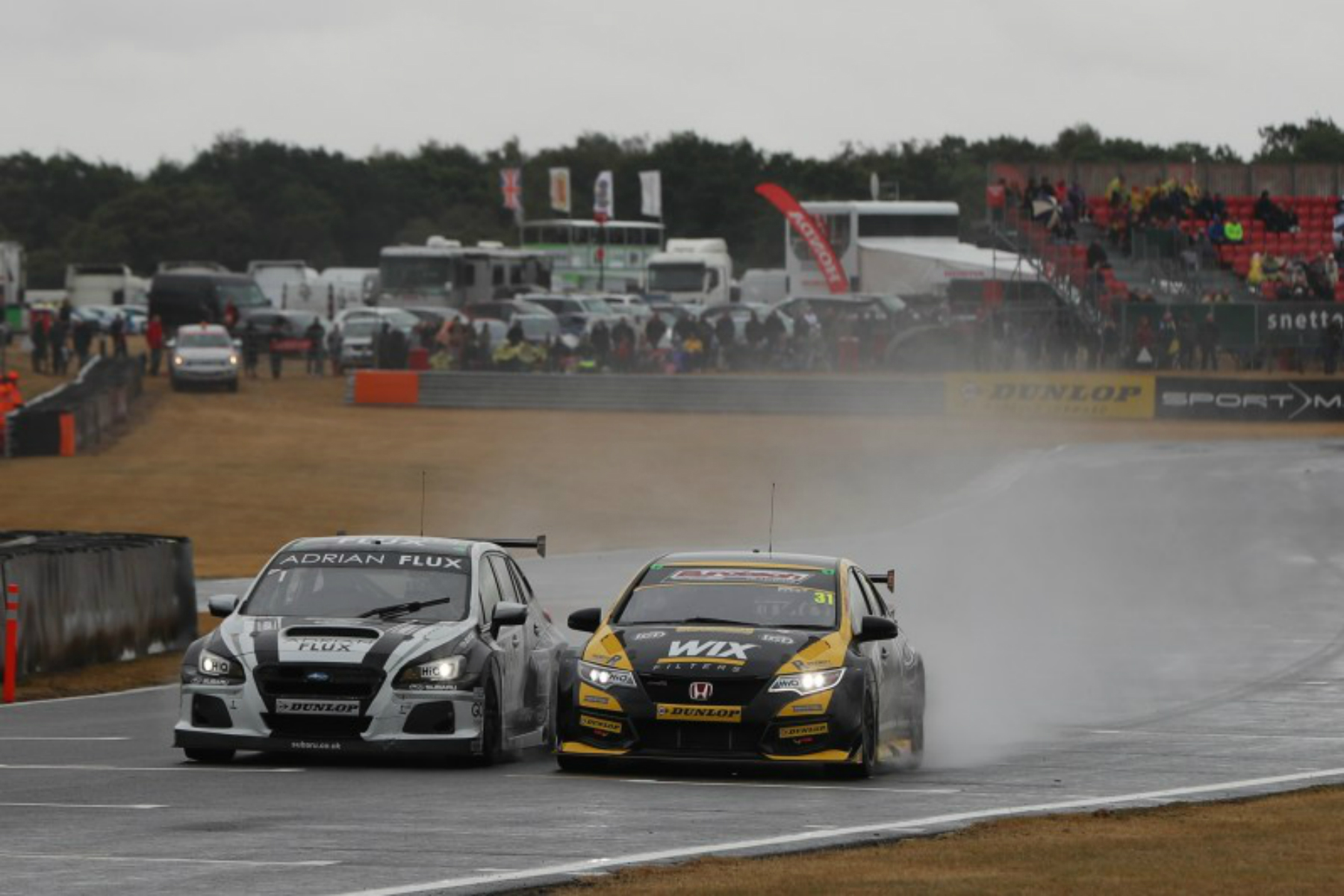
“Drivers will have a given reserve of additional hybrid power to use during each race, which will provide an extra element of race-craft and excitement to the fantastically close and entertaining racing that is the hallmark of the BTCC.”

While this general outline is good to go, the minutiae of the technical specifications is still to be decided, with the BTCC Technical Working Group (TWG) set to go over the detailed engineering over the course of the next 12-18 months. Some of the current cars should have such systems engineered in during 2020 and beyond for testing purposes, ahead of the full grid going hybrid from 2022.

How hybridisation will effect manufacturer perceptions of and involvement in the sport will be interesting to see…

Read more:

Advertisement

The Vauxhall of 2025 will be ‘inspired by Apple’

0

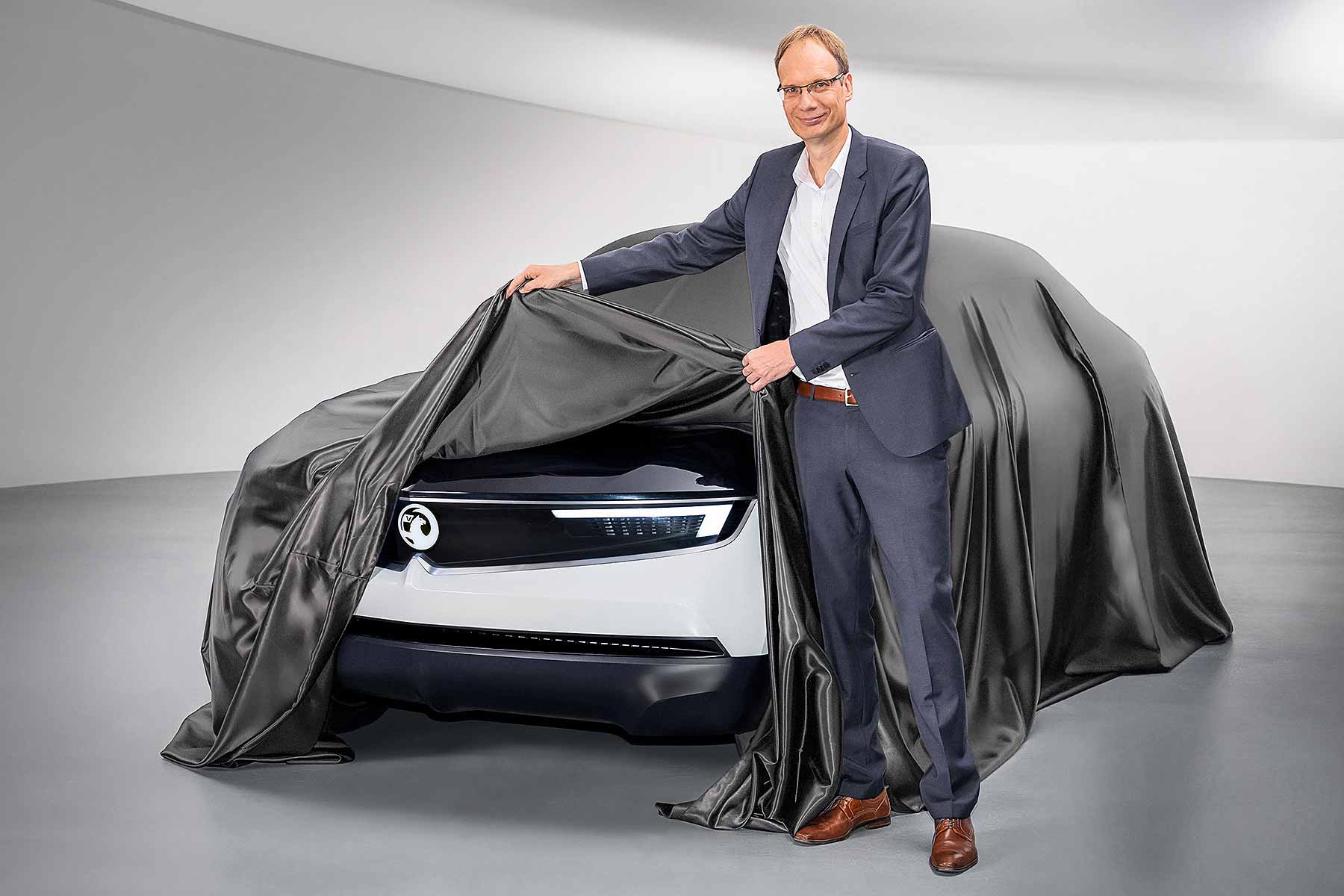
Vauxhall GT X ExperimentalTo mark being part of Groupe PSA for one year – in which it has returned to profitability after years of posting losses – Vauxhall has given a first early tease of the forward-looking GT X Experimental concept car it’s going to uncover later in 2018.
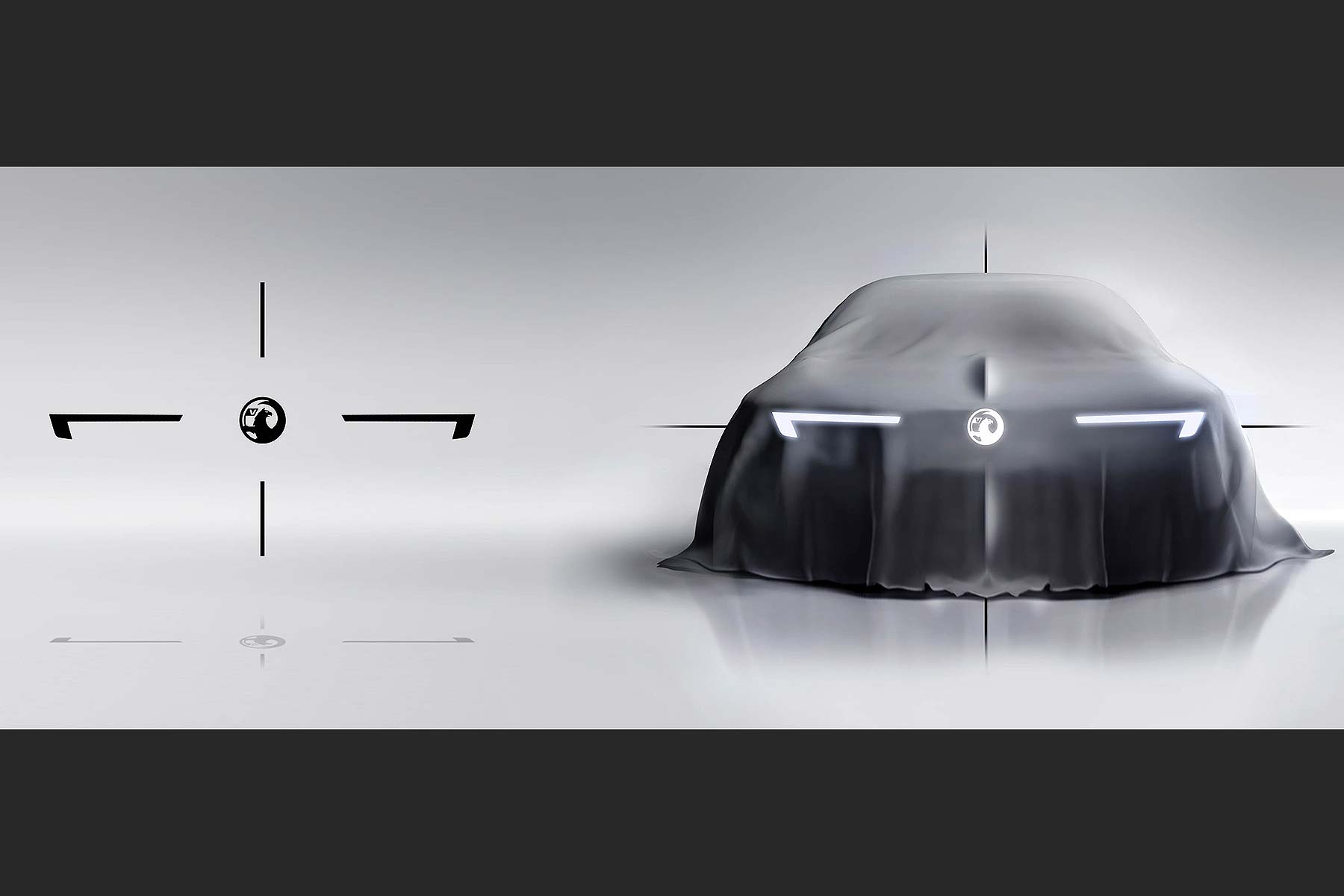
Previewing the Vauxhall of 2025, it will be the first car to wear Vauxhall’s new ‘face’. This is, we’re told, based around the ‘Vauxhall Compass’, where two axes intersect the Griffin badge; that’s the centre crease of the bonnet, and the wing-shaped LED daytime running light signature.

Vauxhall Compass

But there’s more. The headlights and running lights, plus the various cameras and sensors needed for driver assistance systems, are all packed into a central frame that Vauxhall reckons looks like the eye slot of a motorcycle helmet.

It’s thus dubbed this styling cue the ‘Vizor’. Future new Vauxhalls will all get their own take on the ‘Vizor’, which the firm hopes will make them bolder, more pure and distinctive-looking.

Vauxhall: ‘inspired by Apple’

Vauxhall’s vice president of design is a Brit called Mark Adams. “Design will be at the heart of everything that we do in future,” he said.

“It will truly differentiate the Vauxhall brand, and make it sharper and more relevant to our core values. We are a proud British brand and design inspiration is all around us in the UK – from the bold ingenuity of James Dyson to the pure designs of [Apple chief designer] Jonathan Ive – and this concept will embody that.’

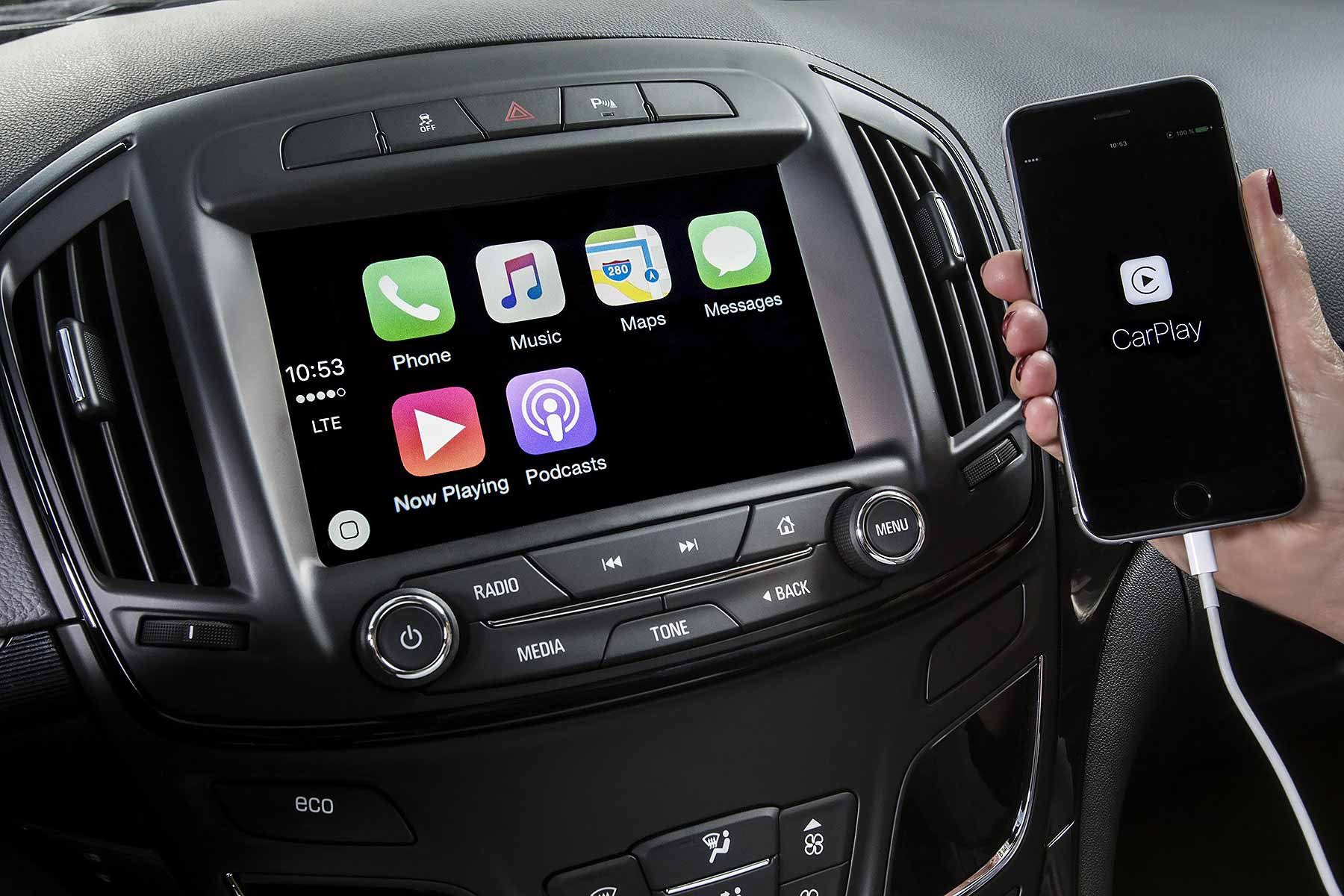
Vauxhall Apple CarPlay

Adam has even drawn up a set of characteristics that all future Vauxhalls will showcase: British, Ingenious, Progressive and Approachable.

Whether this means Vauxhall designs will now deviate a little more from their European Opel counterparts, which presumably will have their own characteristics, remains to be seen.

Advertisement

Hotel and B&B owners offered free EV charging points

0

Free EV charge points

Around 4,000 hotel and B&B owners are being offered the opportunity to have electric vehicle charging points for free as part of a strategic partnership between the AA and Chargemaster.

The UK’s leading provider of EV charging infrastructure will work with any AA-inspected establishments interested in taking up the offer to determine the best charging points for their location.

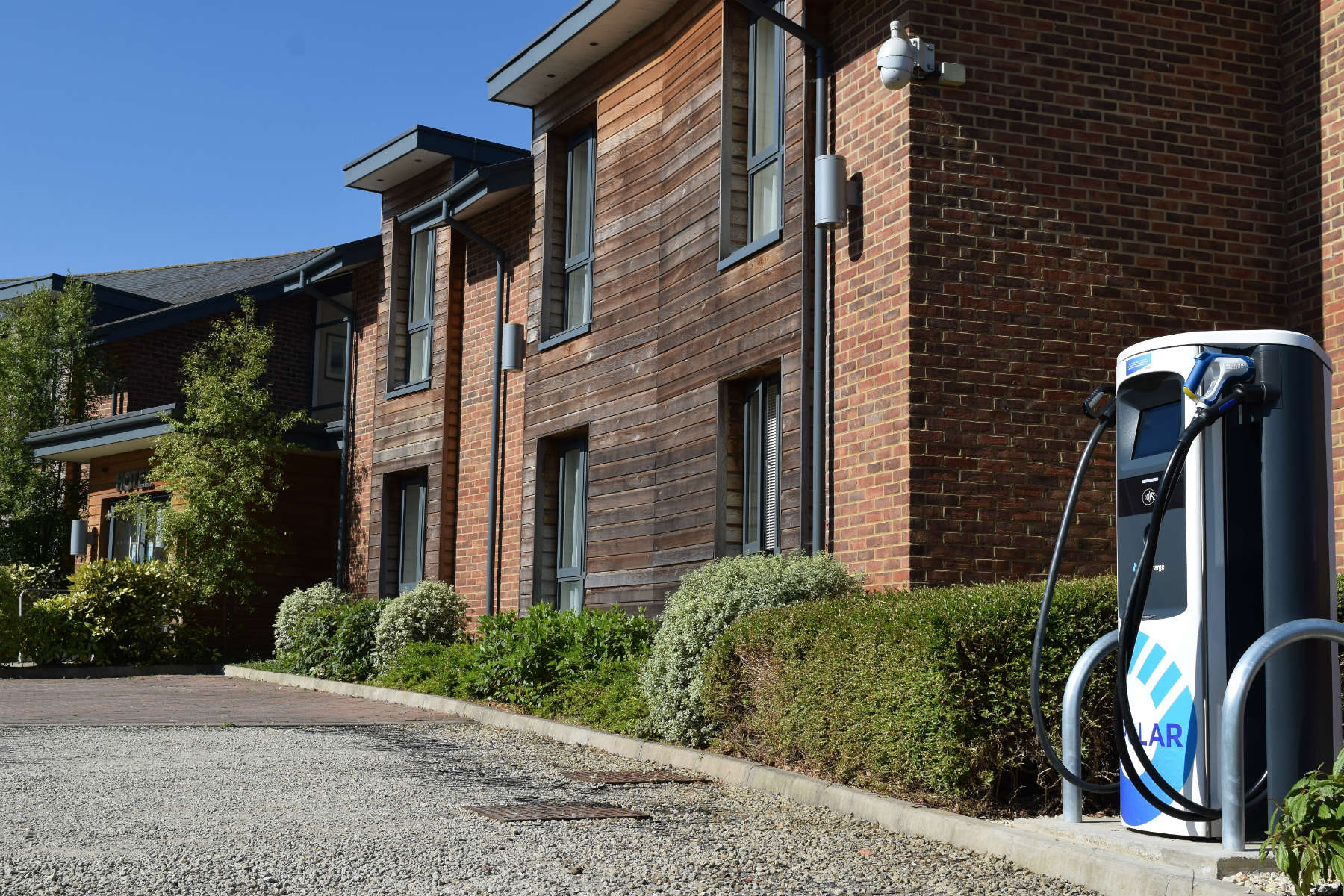
A rapid charger would be most suitable for hotels along busy routes, while destination chargers are ideal for electric car-owning visitors looking to charge overnight.

The Sandford Springs Hotel in Hampshire is the first establishment to benefit from the offer, with guests and visitors able to call upon a 50kW rapid charger, which is available for any EV driver to use on the Polar network.

Edmund King OBE, president of the AA, said: “Alongside our automotive heritage, the AA has been involved in the hospitality industry since 1908. We know that when EV drivers are looking for hotels, they will actively seek out those with charging points.

“We have witnessed enormous changes in both the automotive and hotel sectors over the last 110 years, and we are delighted that our AA recognised hospitality businesses can benefit from this tremendous offer.”

‘Competitive advantage’

David Martell, chief executive of Chargemaster, added: “We believe that within the next five years, all hotels will offer EV charging, just like they provide wifi today.

“Our offer for AA hotels is a great opportunity for hotel owners and operators to get a competitive advantage with a facility that could attract hundreds of thousands of customers in the coming years.”

Chargemaster, which is now part of BP, operates Polar, the largest electric vehicle charging network in the UK, with more than 6,500 public charge points.

Oil giant BP bought Chargemaster in a deal described as “an important step to scaling up and deploying fast and ultra-fast charging on BP’s UK forecourts”. Luton-based Chargemaster will be renamed BP Chargemaster as part of the deal.

ALSO READ

Where can I charge an electric car for free?

How long do electric cars take to charge?

How do I find my nearest electric car charger?

Advertisement

Mercedes-Benz recalls G-Class because it goes too fast in reverse

0

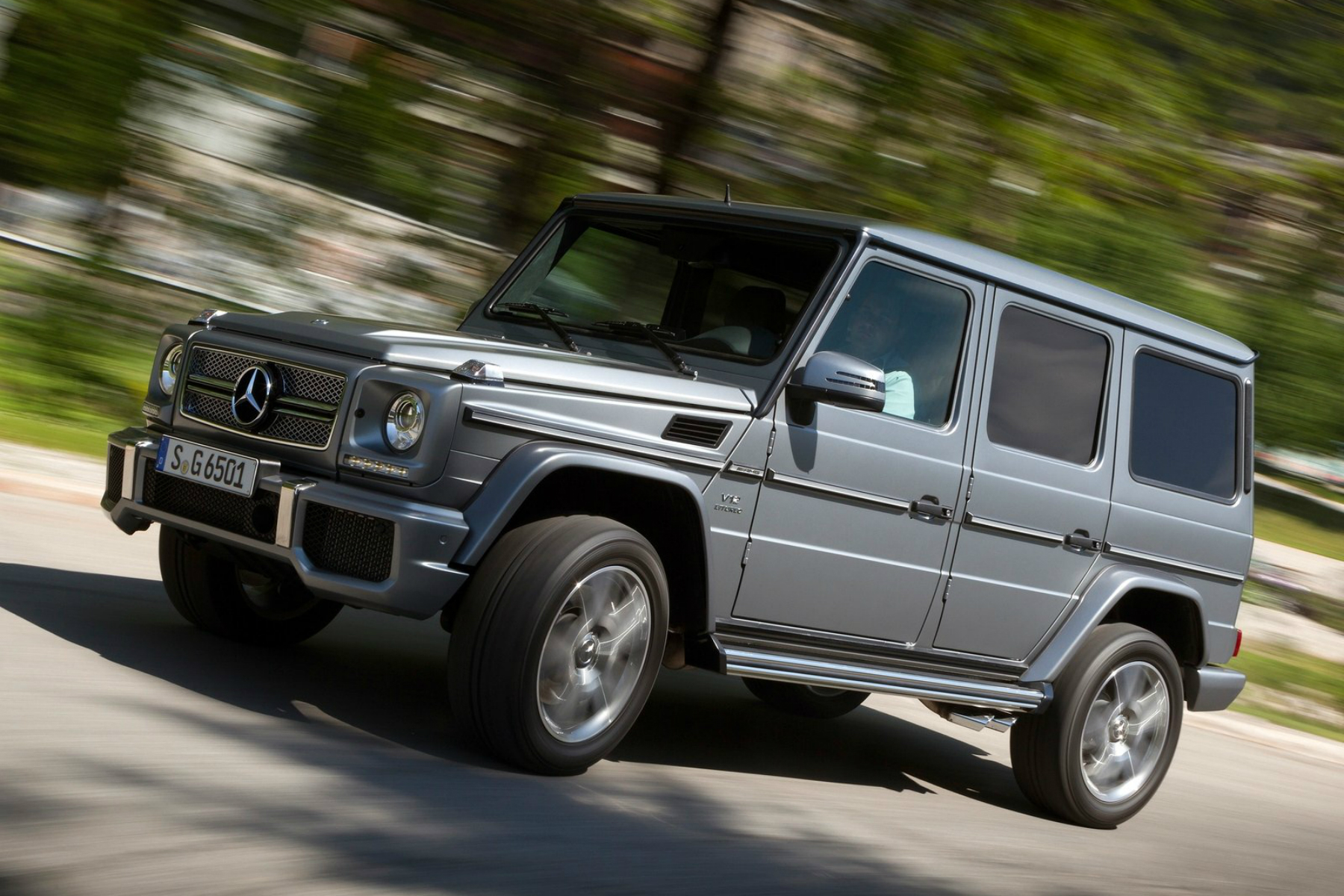
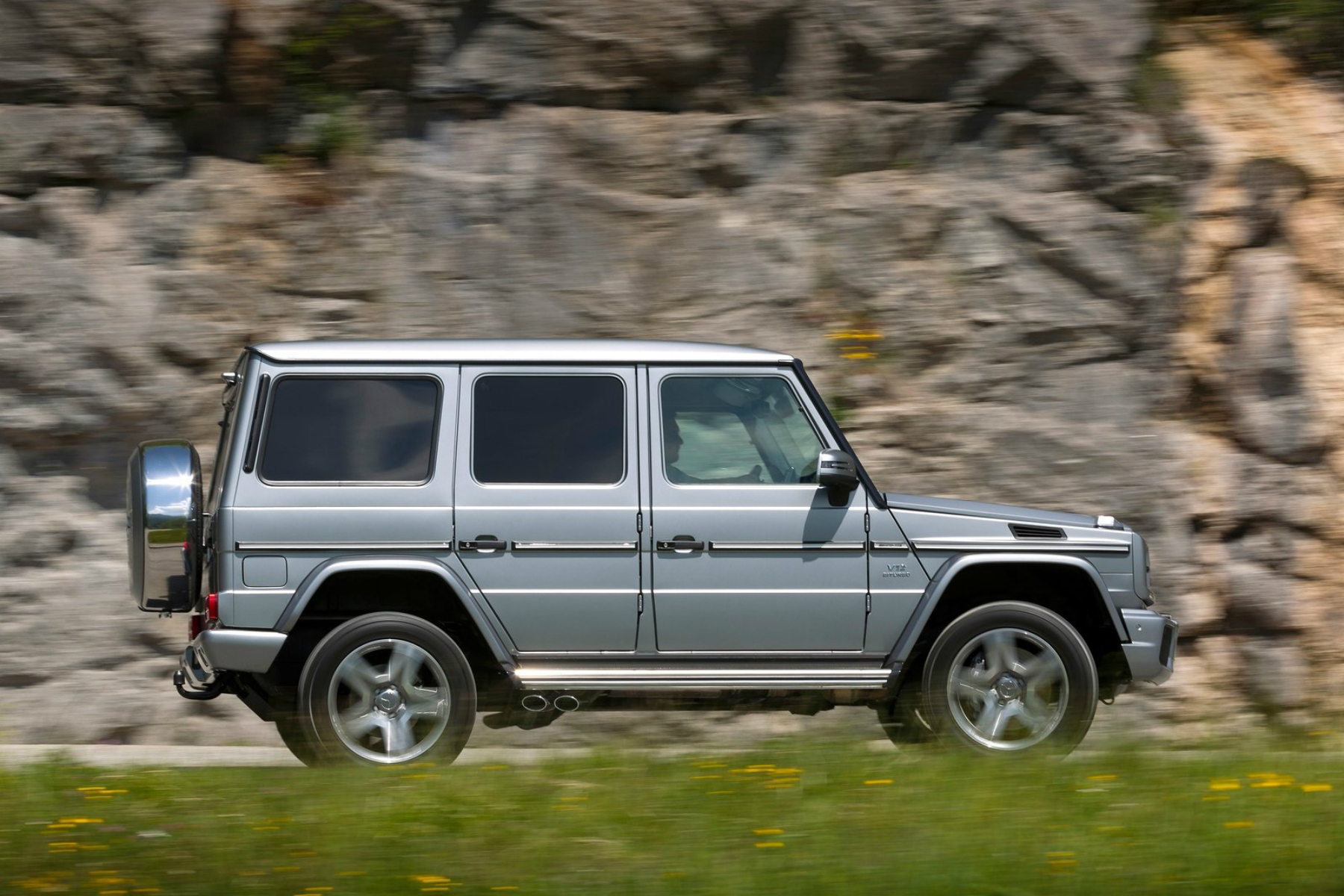
Mercedes G65Recalls with cars have become so commonplace in the automotive industry, they’re not often newsworthy anymore. However, the latest, involving a mere 20 Mercedes AMG G65 V12s in North America, could be one of the weirdest yet.
Such is the rate at which brands develop and manufacture cars en masse, and the amount of co-operating parts suppliers, that things sometimes slip through the cracks. Sometimes they can be serious. Sometimes they can be headline-grabbing. Sometimes – Takata airbags, anyone? – they can involve millions of cars and take years to resolve.

Mercedes G65

The Mercedes G-Class, however, is afflicted with something a little more specific and, well, odd. Excessive reverse speeds are achievable, as the cars aren’t furnished with software to limit them. 

Result? There is a risk of the cars rolling over when quickly going backwards and then suddenly changing direction. (Dare we suggest, it’s a bit like the original A-Class incident, in reverse?)

The National Highway Traffic Safety Administration (NHTSA) is thus urging owners to take their cars into dealers for a free software upgrade.

We wonder how many owners may take part in a little reversing race before they do so…

Read more:

Advertisement

You can now drive Lewis Hamilton’s 2017 F1 car in Gran Turismo Sport

0

Mercedes F1 in Gran Turismo

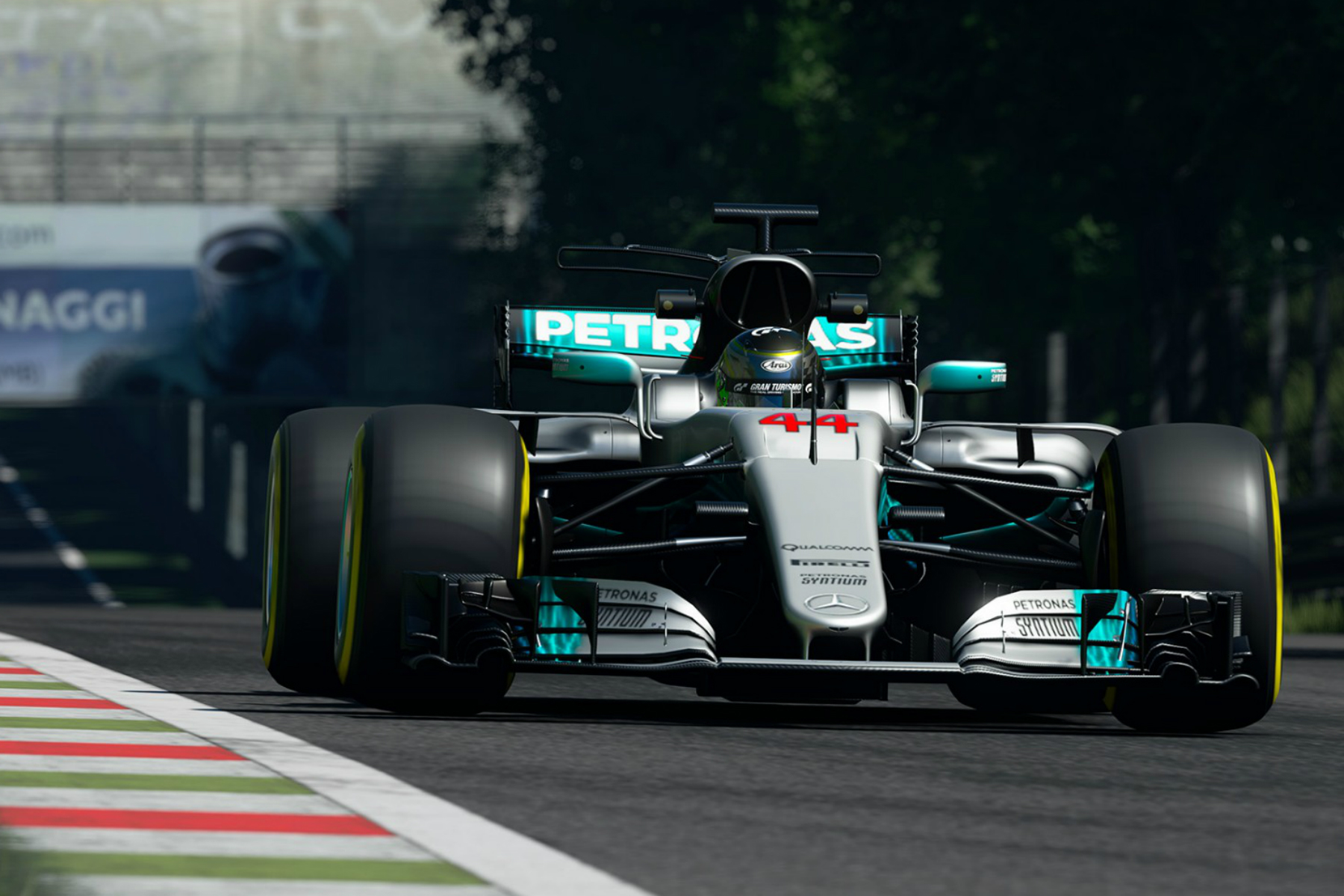
What could be the ultimate addition to the ultimate driving simulator? What is arguably one of the ultimate racing cars of the moment would be a good start: Lewis Hamilton’s 2017 championship-winning F1 car, the Mercedes AMG F1 W08 EQ Power+.

Well, you can now channel your inner F1 World Champion courtesy of the July update to Gran Turismo Sport – which also includes screaming rotary-powered Mazda 787B and the singing V12 Ferrari 250 GTO.

The W08 with Hamilton at the wheel won 11 of the 20 Grands Prix in 2017, helping Lewis add his fourth title to his record. The 787B, however, was made famous by a single race in 1991 – the Le Mans 24 hours – marking the first ever win of the world-famous enduro by a Japanese marque. It was only joined when Toyota took their maiden win at La Sarthe earlier this year.

Other quirky additions, the likes of which the franchise has been regularly celebrated in the past, are the Ford GT LM Spec II Test Car, the 2015 Honda S660, the 1991 Honda Beat and the 2002 Daihatsu Copen Active Top. All of these can now be enjoyed on a brand new scenic race track, the Circuit de Sainte-Croix.

An addition we suspect will be less popular in a community on edge about micro-transactions is the ability to buy cars under 2,000,000 credits in the PlayStation Store for real money.

But in all, it’s a worthy update to what is shaping up to be the best instalment of the franchise since Gran Turismo 4 of 2004.

Read more:

Advertisement

Aston Martin will ‘never, ever, ever’ make a diesel says exec

0

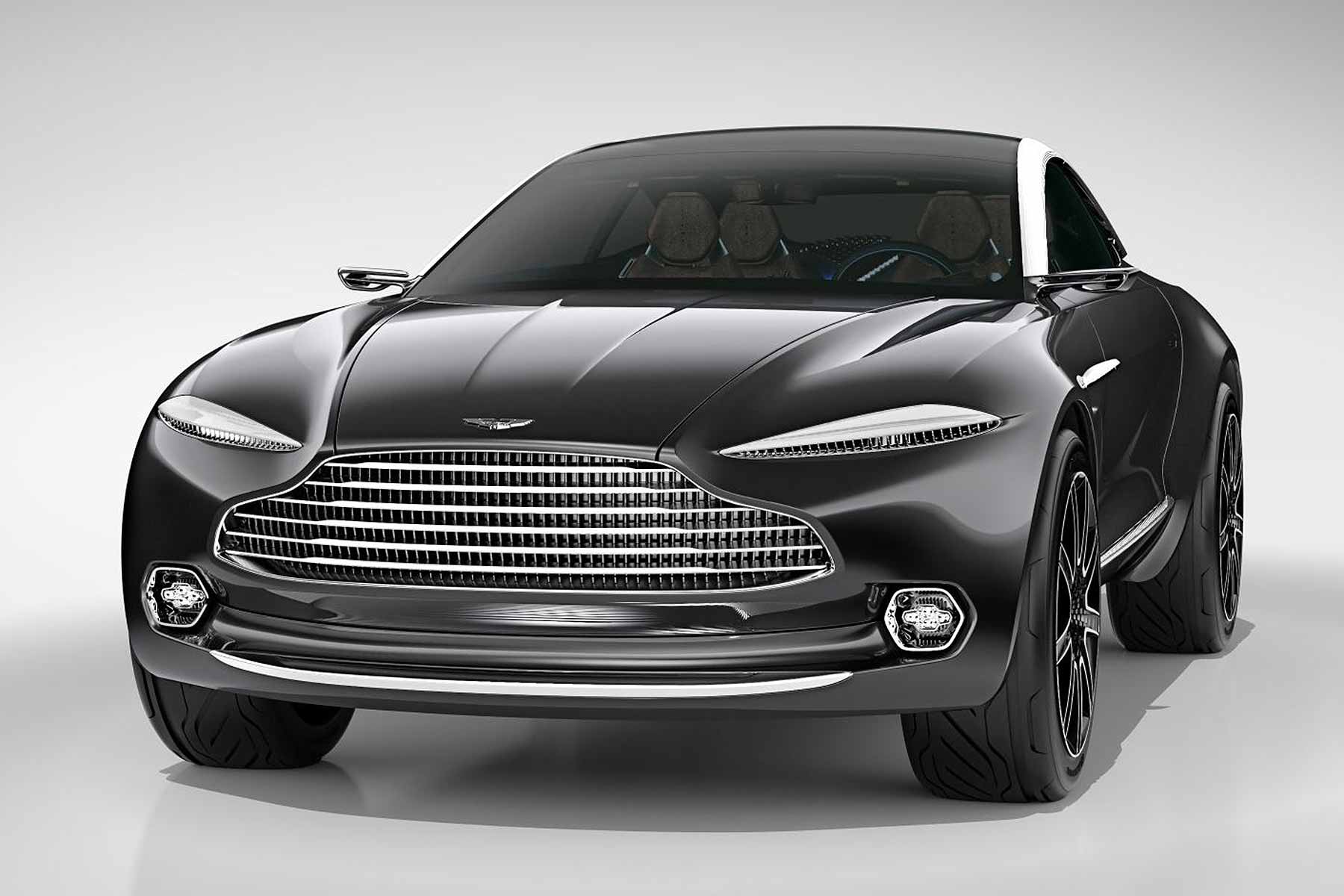
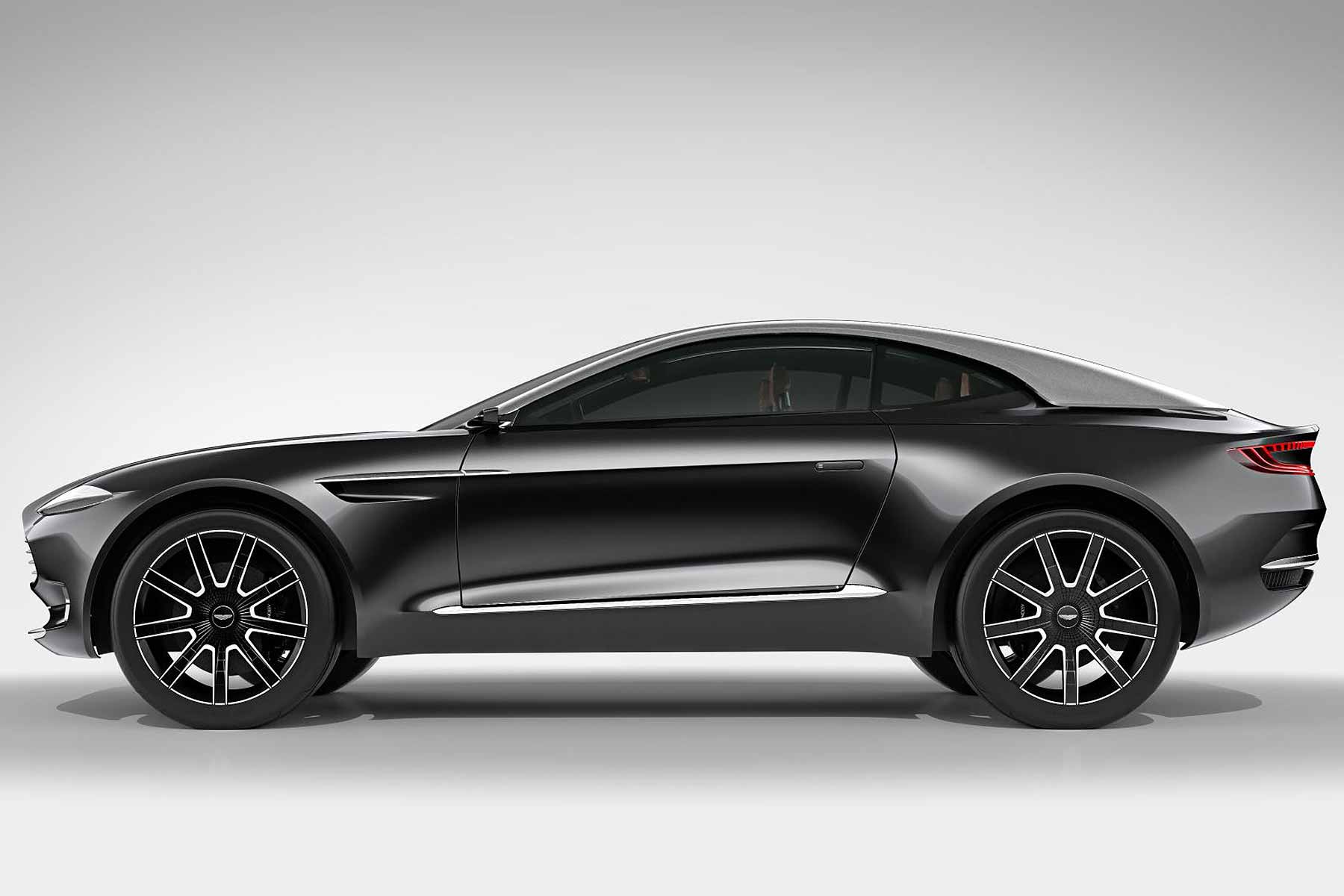
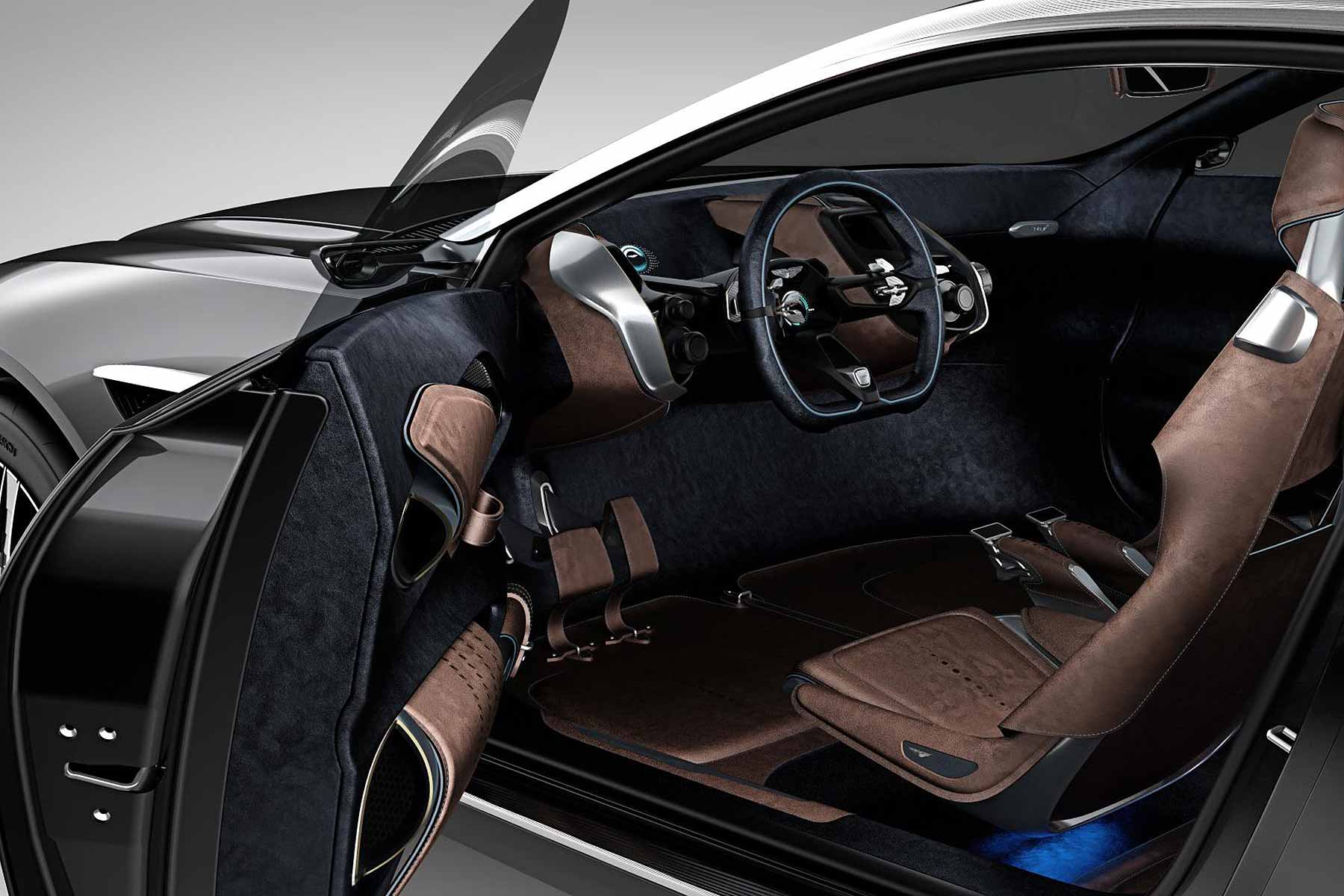
Aston Martin DBX ConceptAston Martin will launch its first ever SUV in late 2019, but although it may use a range of Mercedes-Benz engines, a diesel will not be among them.
Speaking in Australia last week, Aston Martin’s chief creative officer Marek Reichman revealed the Mercedes-Benz six-cylinder engine could be part of the line-up, “because that would be a pretty good engine and combination”.

This could possibly include the 48-volt mild hybrid version of this engine, added motoring.com.au.

Aston Martin DBX Concept

But it most certainly will not include a diesel. “Never, ever, ever, ever, never, ever, ever, Never. Never! No diesels!,” said Reichman.

Other engine options for the St Athan, Wales-built DBX crossover SUV could include the Mercedes-AMG V8 and Aston’s own V12, but although the DBX was revealed in concept guise as a full EV, Aston Martin is not yet ready to confirm an electric production version of the new SUV.

However, Aston Martin’s new Lagonda luxury brand will be an all-EV firm, “and Lagondas will be built in the same factory as DBX, so you can put two and two together there and figure out how and where DBX will go in the future,” said Reichman.

Aston Martin DBX Concept

Aston Martin is believed to have now chosen a name for the DBX: Varekai, which continues the firm’s ‘V’ naming convention also used by Vantage, Vanquish and the Valkyrie hypercar.

The firm’s Lamborghini Urus and Bentley Bentayga rival will begin production in late 2019, Aston Martin has confirmed. The three St Athan super-hangers are already being trimmed out with car production equipment, with 150 people already employed in full-time production at the ex-MOD site.

Aston Martin has even held its first board meeting at St Athan.

Advertisement

Updated Suzuki Vitara ditches diesel, gains new Boosterjet petrols

0

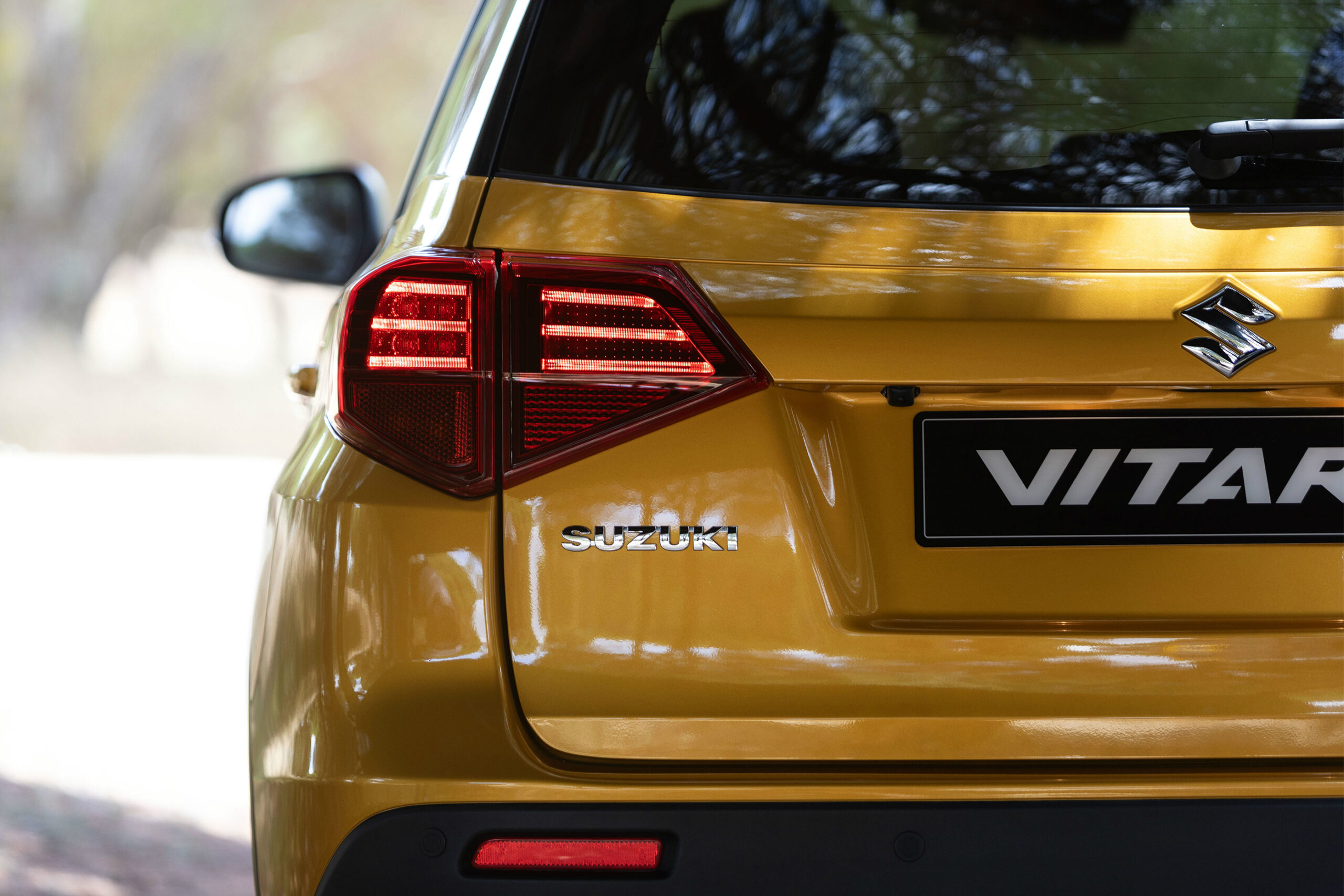
2019 Suzuki VitaraHot on the heels of the roaringly successful launch of the new Jimny, Suzuki has followed up with an update of its family-sized SUV, the Vitara. The firm has announced initial details of the refresh, ahead of ordering opening in September. 

The current Vitara has been a real hit for Suzuki: impressively, it has been the marque’s best-selling model in Britain since the launch of the fourth-generation in 2015.

2019 Suzuki Vitara

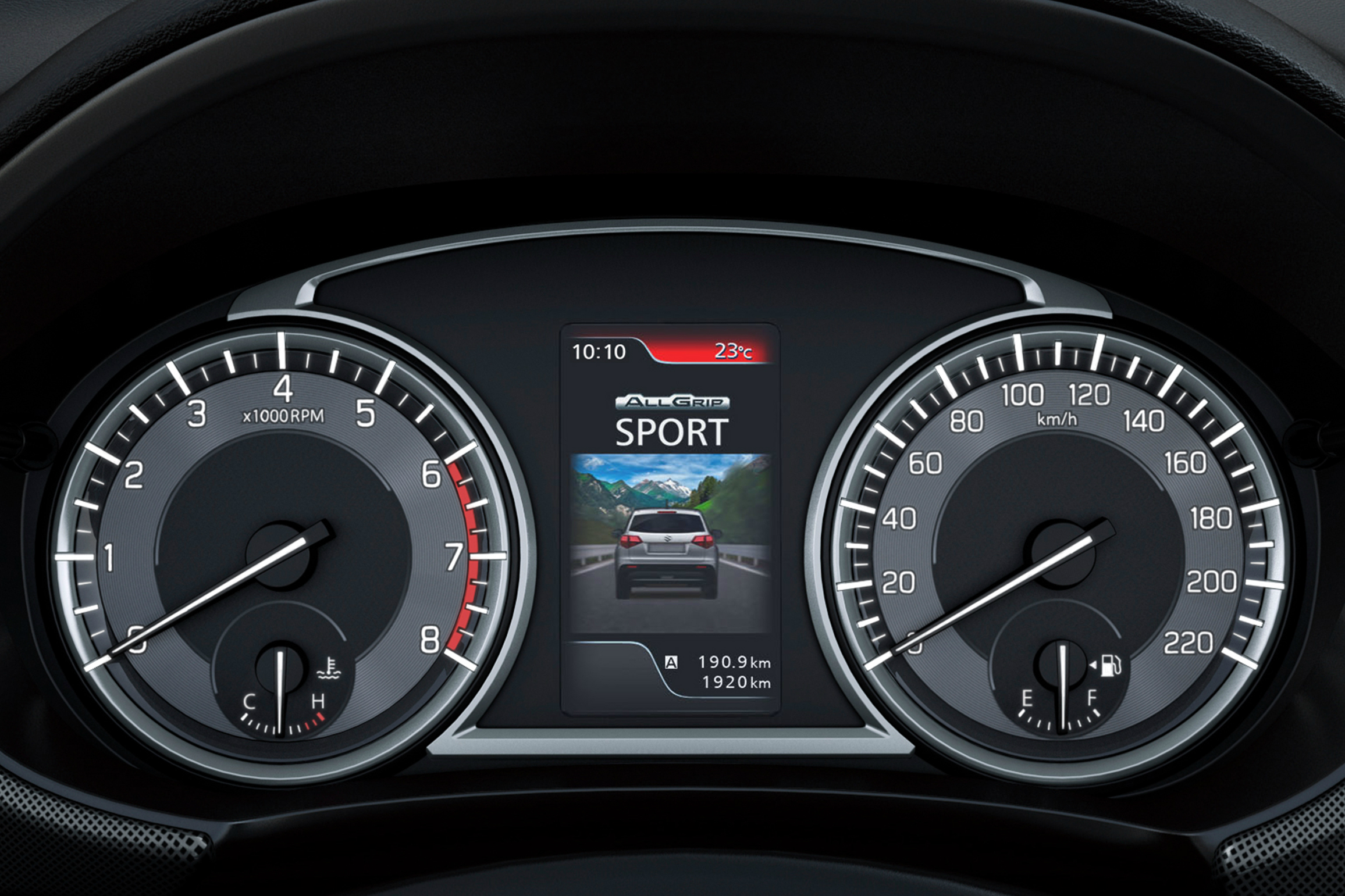
For 2019, new wheels, updated bumpers with a redesigned grille and new LED light graphics feature outside, while the cabin features a new instrument cluster and a new, higher-quality, soft-touch material on the upper instrument panel.

The big news for the updated Vitara, however, is its new engines, with the ageing 1.6-litre petrol ousted in favour of Suzuki’s critically-acclaimed Boosterjet 1.0-litre (111hp) and 1.4-litre (140hp) turbocharged engines.

Both are said to deliver reduced emissions and increased economy, although precise figures aren’t available just yet.

2019 Suzuki Vitara

What about diesel?

Interestingly, no mention is made of diesel in Suzuki’s release, with no new engines announced or, indeed, any word on whether the existing line-up continues unchanged. We called up Suzuki to get the lowdown.

“The 1.6-litre diesel engine will no longer be available in the Vitara. We found in other models that, once the Boosterjet petrol engines had been introduced, that demand significantly dropped for the diesel unit.

“It made sense to discontinue the diesel for the Vitara update as the Boosterjet engines were introduced.”

Long story short, then. Great new petrols, updated cabin, no more diesel! Are you tempted away from the Jimny? All will depend on prices: expect to find out more ahead of the 2019 Vitara’s introduction this autumn. 

As a reminder, the current Vitara starts from £15,999 (or £19,499 in diesel guise). Here’s hoping Suzuki keeps it close to that, and doesn’t make the mistake of hiking prices by too much, as it did with the 2018 Swift Sport

Read more:

Advertisement

Younger drivers most likely to trigger serious accident alerts

0

Accidents

Britain’s biggest black box car insurance company has released new data that appears to show that some of the riskiest drivers on our roads are also some of the youngest.

Insurethebox has been providing telematics-based car insurance since 2010. It recently analysed its records for 2017 – and has found that, from 4 million miles of driving data, drivers aged 17-21 were responsive for more than 7 in 10 of the most serious ‘high impact collision alerts’ via its Accident Alert service.

These alerts are auto-generated when dangerous incidents are detected. It works in a similar way to eCall, the automatic emergency call function that’s now mandatory on new cars sold in the EU.

The alerts are triggered when a significant G-force is registered: the system will examine the time of day, whether the vehicle is still moving, and what road the car is on. If it senses an accident is a possibility, contact with the driver is automatically attempted. If this unsuccessful, the emergency services can remotely be alerted by an operator.

Accidents

For younger drivers to generate such a high proportion of the highest-level collision alerts is naturally damming, but the firm is framing it as a positive: “Our Accident Alert service is an example of telematics technology making UK roads safer,” said its road safety manager Simon Rewell.

“We provide young drivers with the benefits of connected motoring – and they don’t need to buy a brand new car to access it.” 

Insurethebox revealed some other interesting findings from the data: it seems drivers who trigger Accident Alerts between midnight and 5am are six times more likely to require emergency services, with 43 percent of all accident alerts being triggered after 5pm.

The highest number of alerts throughout the year were triggered in December, while vehicles on a 30mph road are six times more likely to trigger an alert than those on a motorway, no matter what time of year it is.

Read more:

Advertisement

These are the safest used cars for young families

0

The safest used cars for young families revealed

What is the safest used car you can buy as a new parent?

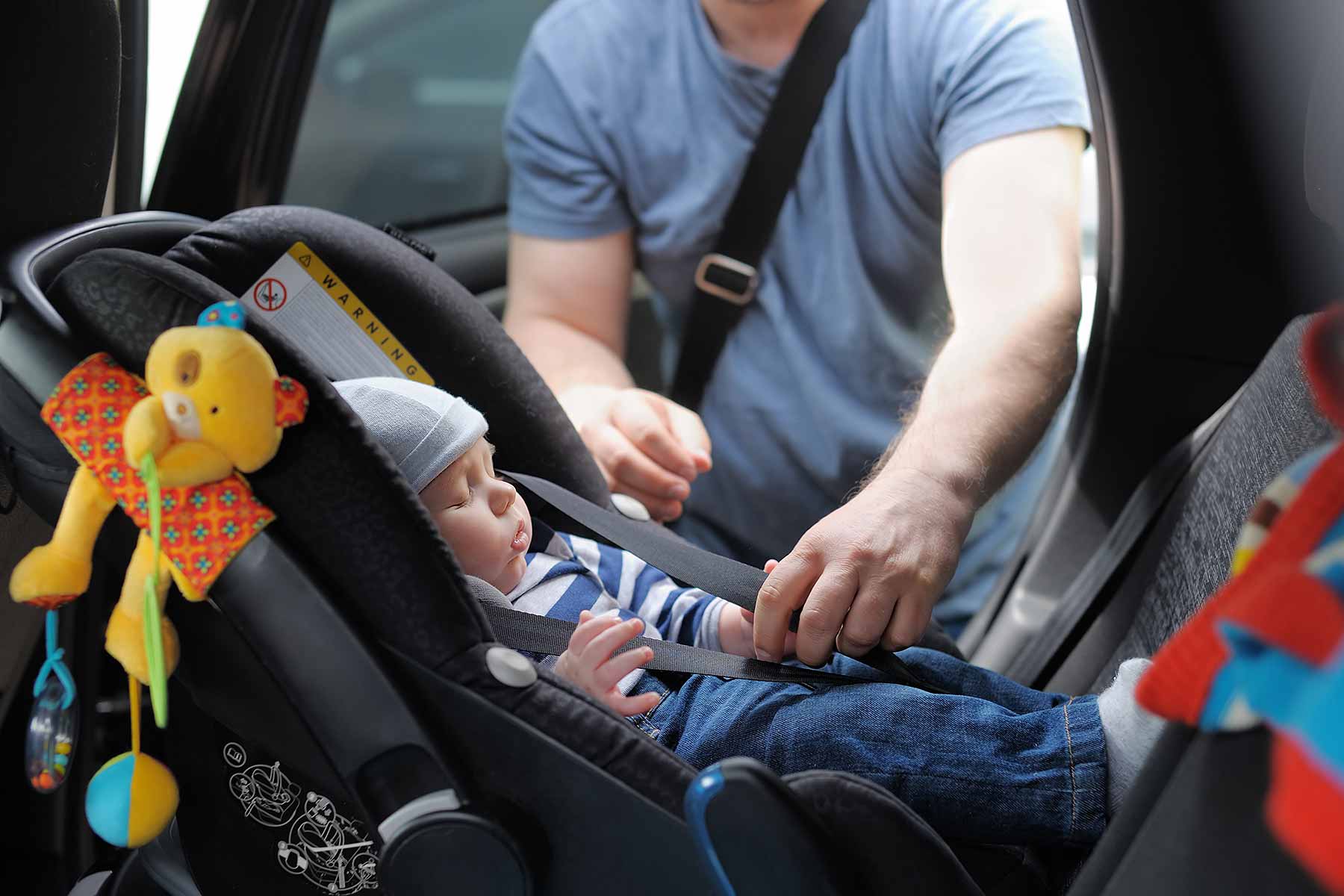
A child-friendly safe set of wheels is something on many a young couple’s list of things to buy in the lead up to the big day – but babies are expensive, and it’s not always feasible to go out and choose from the very newest cars to keep your new arrival safe. 

Co-op Insurance in association with Thatcham Research has thus taken the liberty of collating the safest used cars for young families, based on a specific set of criteria.

A five-star NCAP rating is a given, with a specific focus put on child occupant safety. Front and side protection, as well as how easy and safe it is to fit child restraints in the rear seats, were factored in.

An additional essential feature was Autonomous Emergency Braking.

And the five safest used cars for young families are..?

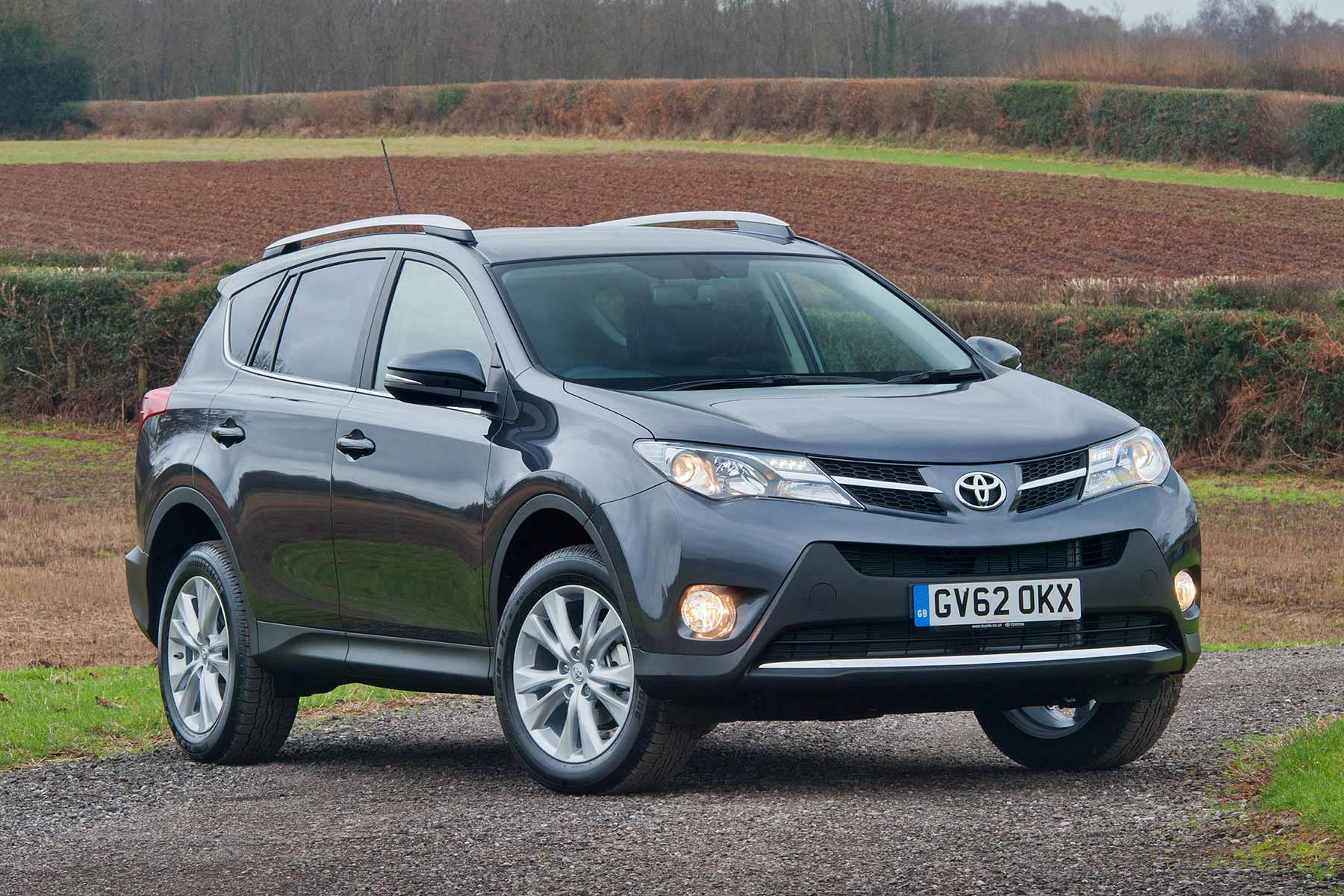
5: Toyota RAV4

Toyota RAV4

Proof that taller and bigger isn’t necessarily better. The RAV4 is alone in being anywhere close to what you might call a ‘proper’ SUV on the list. It’s also one of the safest used SUVs young families can buy. But other more compact machines still do it better…

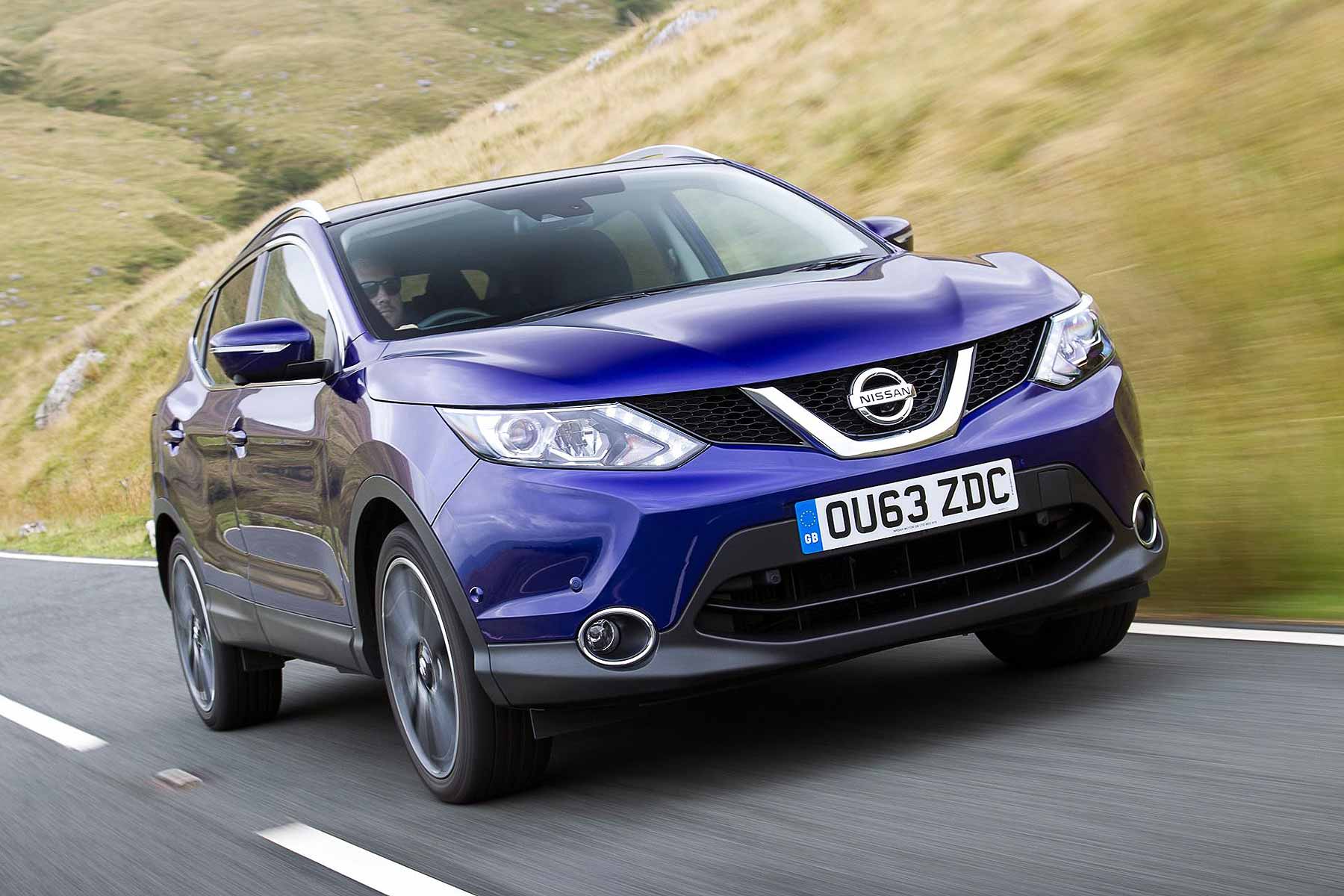
4: Nissan Qashqai

Nissan Qashqai

Proof that most popular isn’t necessarily quite best. That’s not to discredit the Nissan’s smash hit best-seller. While it’s fourth on this list of five here, it’s still among the very safest bets for a young family looking to get moving.

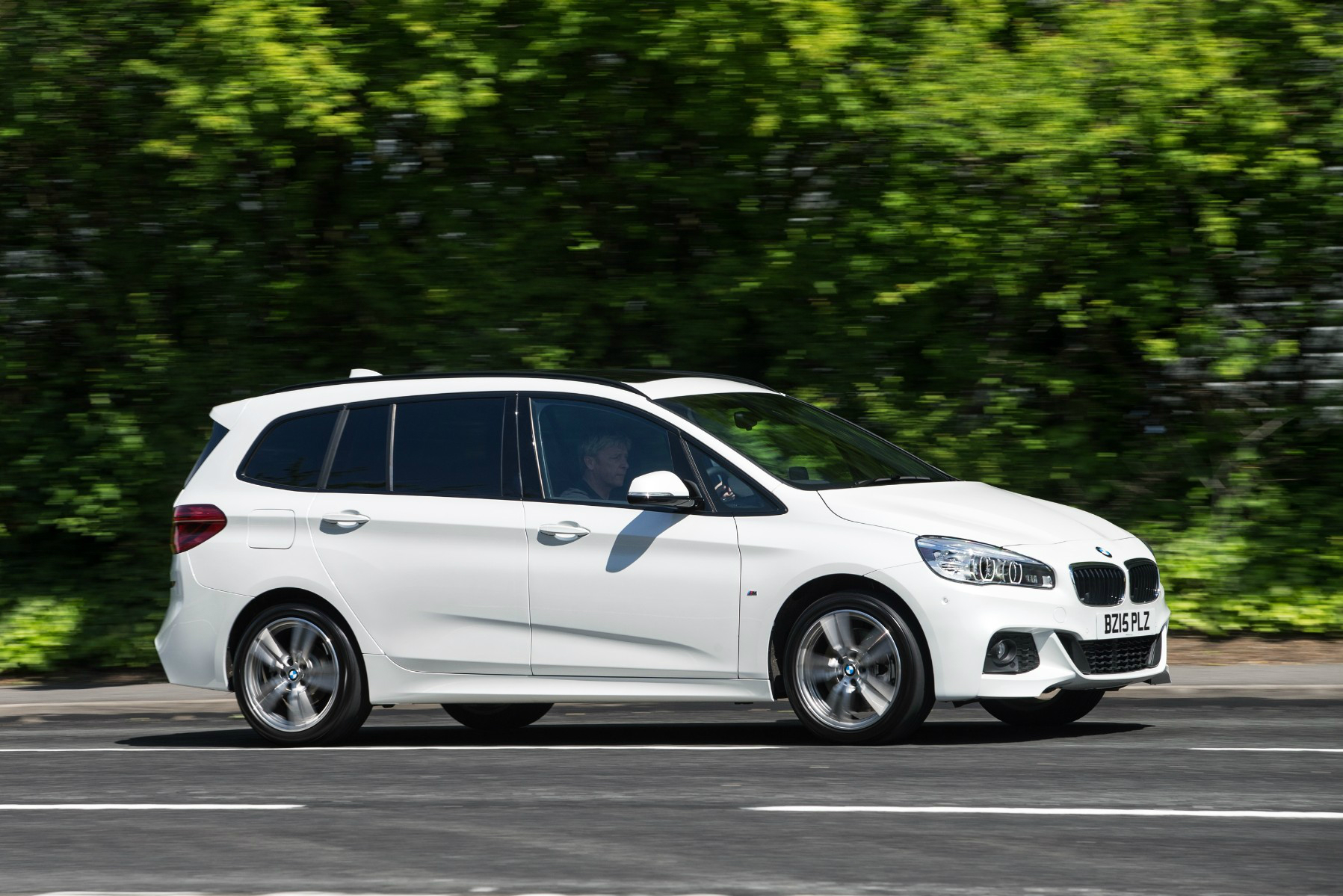
3: BMW 2 Series Active Tourer

BMW 2 series Active Tourer

A first foray into this segment for the premium German manufacturer. BMW’s engineering fetishism extends beyond performance and technology, with the big 2er being one of the safest and easiest to operate used family cars on the market.

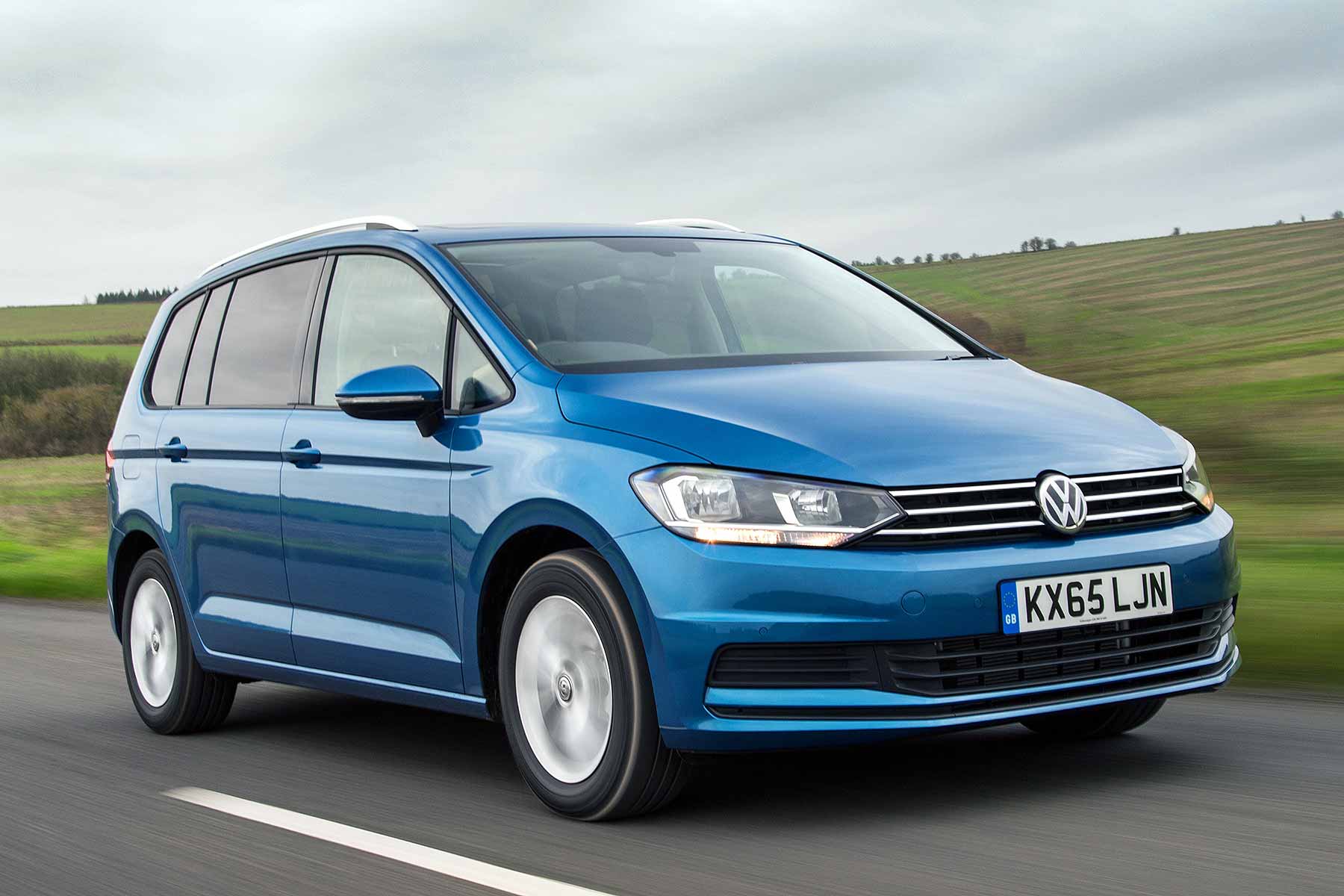
2: Volkswagen Touran

Volkswagen Touran

A safe buy in terms of actual safety, reliability and residuals. You can’t go far wrong with Volkswagen – the Touran will last, it’ll hold its value better than most contemporary offerings and if you do have a prang, you can rest assured you’re in one of the best used cars for new families out there.

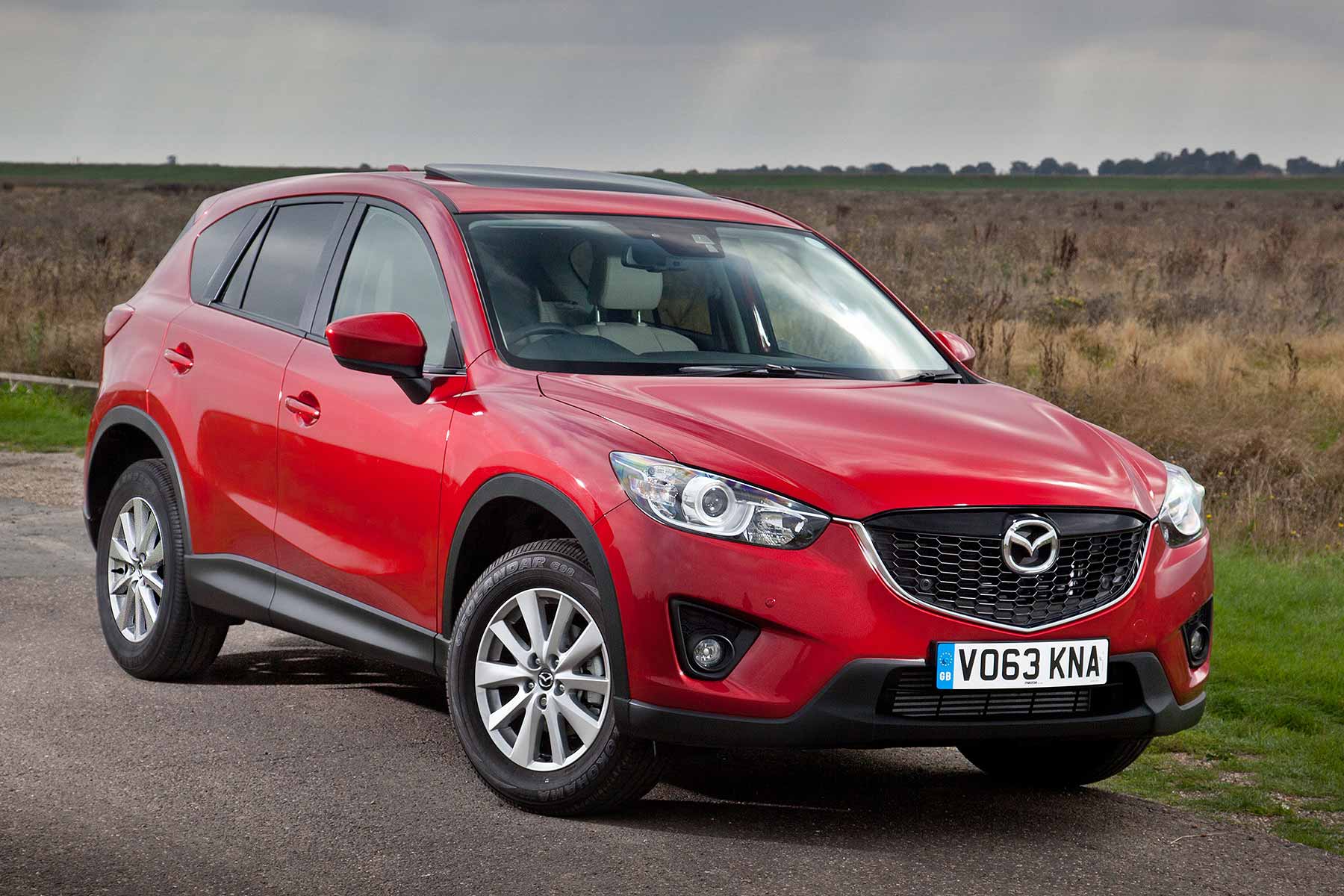
1: Mazda CX-5

Mazda CX-5

Mazda will forgive us for referring to it as something of a dark horse in the new car market. Never a sales leviathan like Ford or VW, but always with near-top class products. The CX-5 is no different (after all, it was shortlisted in the 2018 World Car Awards final) and its place heading this list comes as no surprise to us whatsoever.

Read more:

Advertisement

SUV sales boom across Europe – but VW Golf remains top

0

2018 Volkswagen GolfNew car sales across Europe recorded their highest running total of the century during the first half of 2018, new data from JATO has revealed. 8.66 million new cars hit the road in the first six months, a rise of 2.7 percent.
This is despite a stiff 6.3 percent decline in the UK, Europe’s second-biggest market for new car sales. Strong growth in Germany, France and Spain helped offset this, particularly the former: Germany is by far the biggest new car market in Europe, with over three million sales a year.

And what type of car are Europeans clamouring to buy? Why, SUVs, of course – they are the region’s favourite type of vehicle by a large and growing majority.

SUV sales now comprise a third of new car sales in Europe, with the next-best sector, superminis, way behind on 20.4 percent. SUV sales have grown by 24 percent so far in 2018… and in June, they were up 30 percent.

Of the 2.92 million SUVs sold so far in 2018, the fastest growing sub-sector is small SUVs. 1.08 million of them found new homes. 1.24 million compact and 455,200 midsize SUVs were sold, although the luxury SUV sector did actually fall 9 percent, with sales down to 141,000.

As SUVs go up, car sales go down, by 4 percent overall – but in the case of MPVs, an eye-watering 23 percent…

Europe’s top cars of 2018 so far

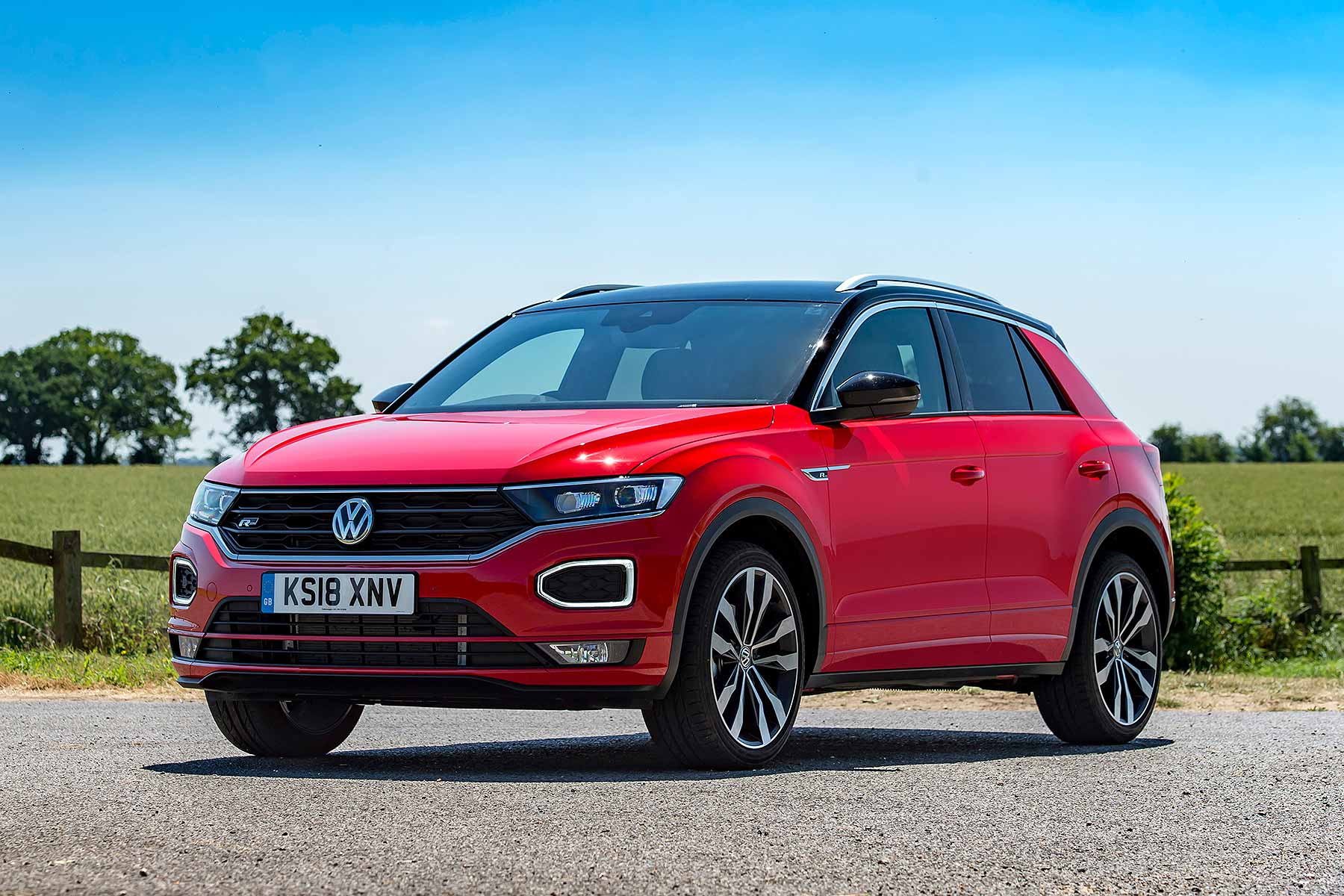
2018 Volkswagen T-Roc

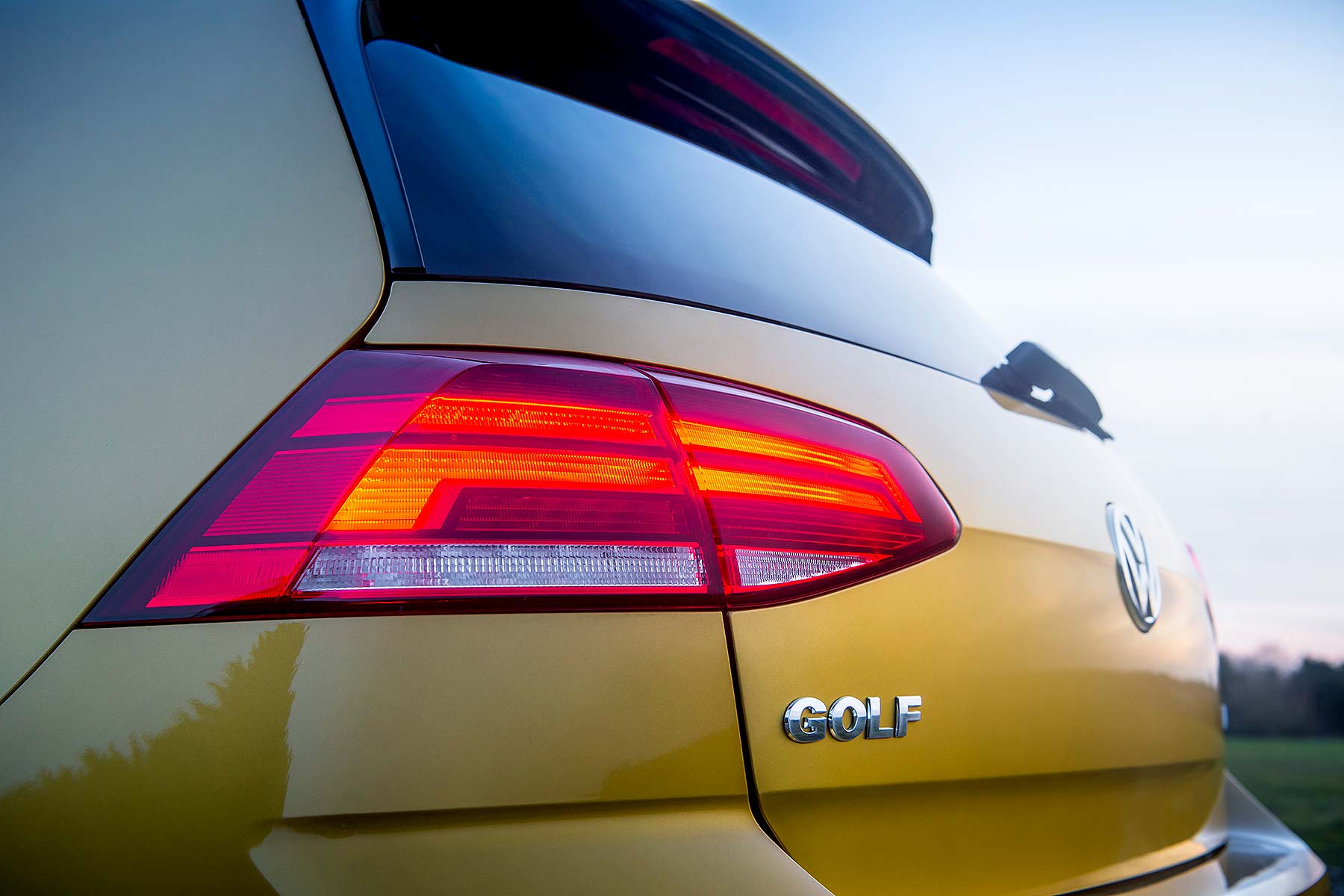
Volkswagen Group, which includes Audi, Skoda and Seat, is Europe’s biggest brand for SUVs – but with the Volkswagen Golf, it is also the firm building Europe’s best-selling car. Despite essentially being seven years old the Golf sits at the top of the EU sales charts, with registrations up 8 percent to 257,550 cars.

JATO figures reveal there’s been a dash away from Golf diesels, with registrations down 26 percent… but a rise in petrol registrations of 29 percent more than compensates. Volkswagen also currently sells a 6 percent alternative fuel vehicle (AFV) mix with the Golf.

The Renault Clio was second, with meagre growth of 1 percent, and sales of 185,234 cars (note, this is way behind the quarter-million total of the Golf). The Volkswagen Polo fell 4 percent, to 166,924 cars, with Britain’s favourite car, the Ford Fiesta, 1 percent up on 157,286 cars.

Nissan’s Qashqai is Europe’s fifth favourite car, with registrations of 134,547 cars, placing it ahead of the Peugeot 208 and its fast-rising Volkswagen Tiguan arch-rival. The Skoda Octavia, Renault Captur and Vauxhall Corsa rounded out the top 10 – the latter suffering its own worrisome decline of 15 percent.

The Vauxhall Astra fared even worse, with a massive sales drop of 33 percent seeing it plummet to 22nd in the 2018 European sales chart. Opel Vauxhall itself is down 6 percent – luckily, the weakness of its core cars is being offset by the arrival of new models such as the Crossland X and Grandland X.

The best-performing new arrival, however, was again from Volkswagen: 71,000 T-Roc were registered, placing it 32nd in the European sales chart for the first half of 2018.

Advertisement