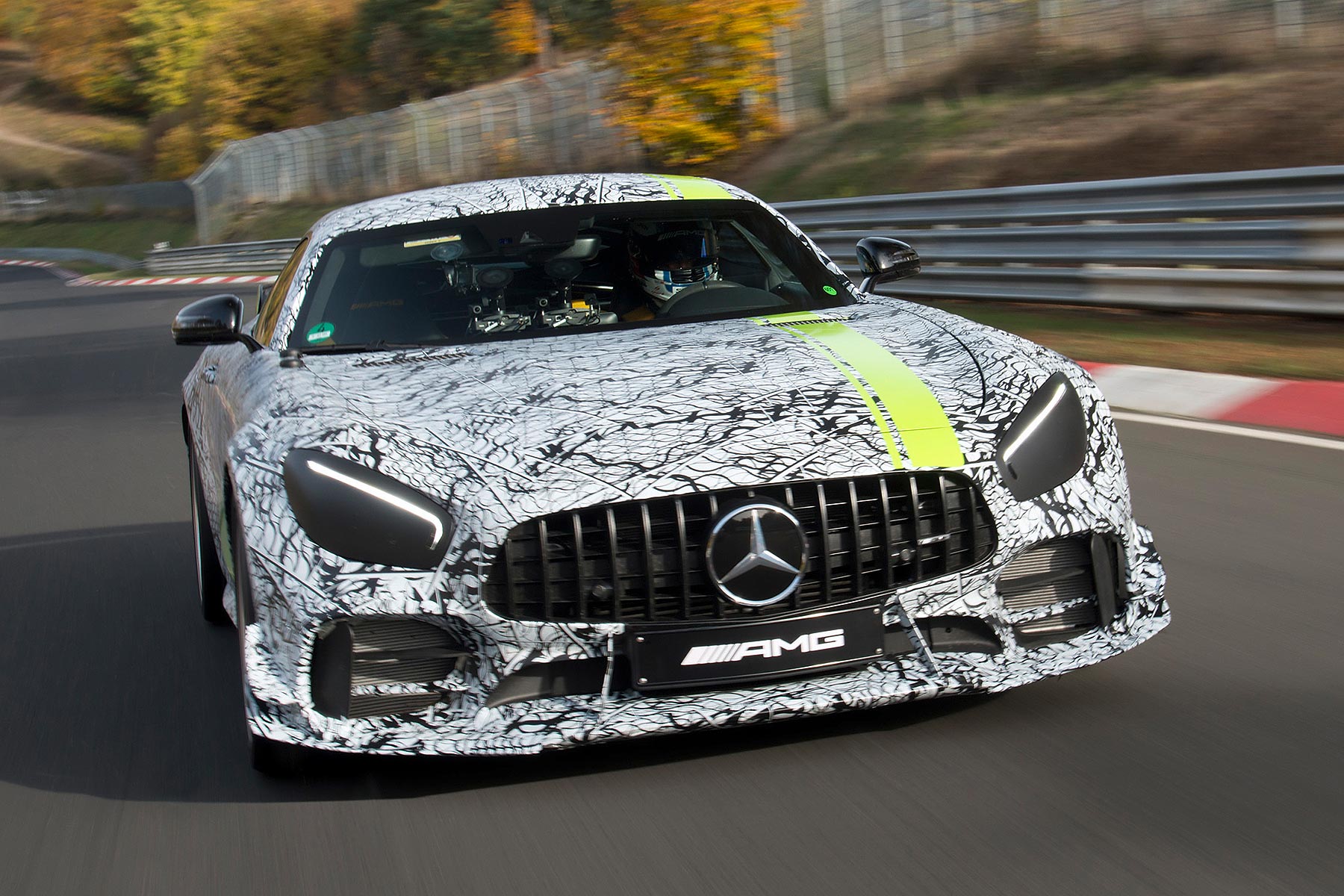
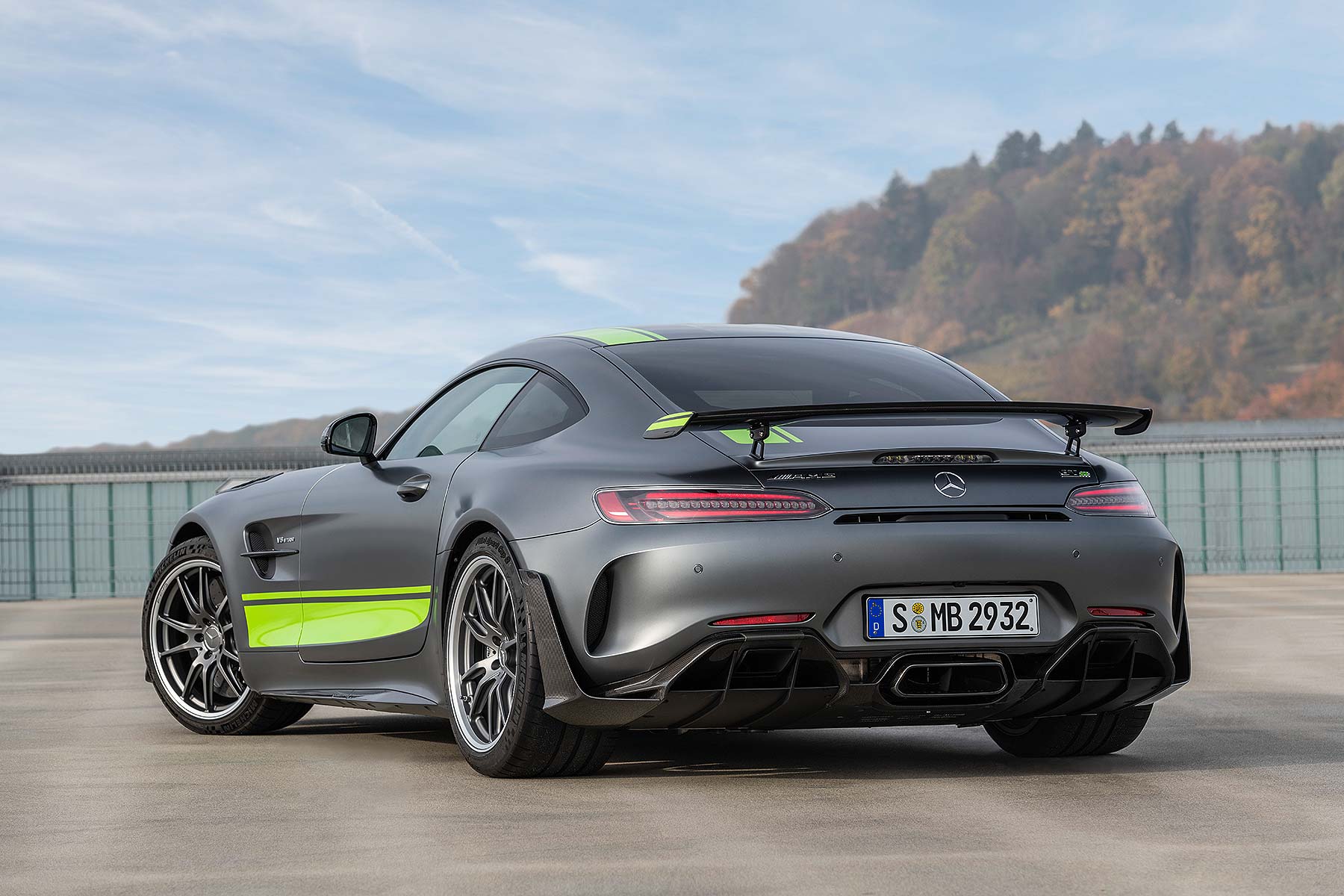
The revised 2019 Mercedes-AMG GT range has debuted at the 2018 LA Auto Show, with an even more hardcore hero car now heading the line-up: the Mercedes-AMG GT R Pro.
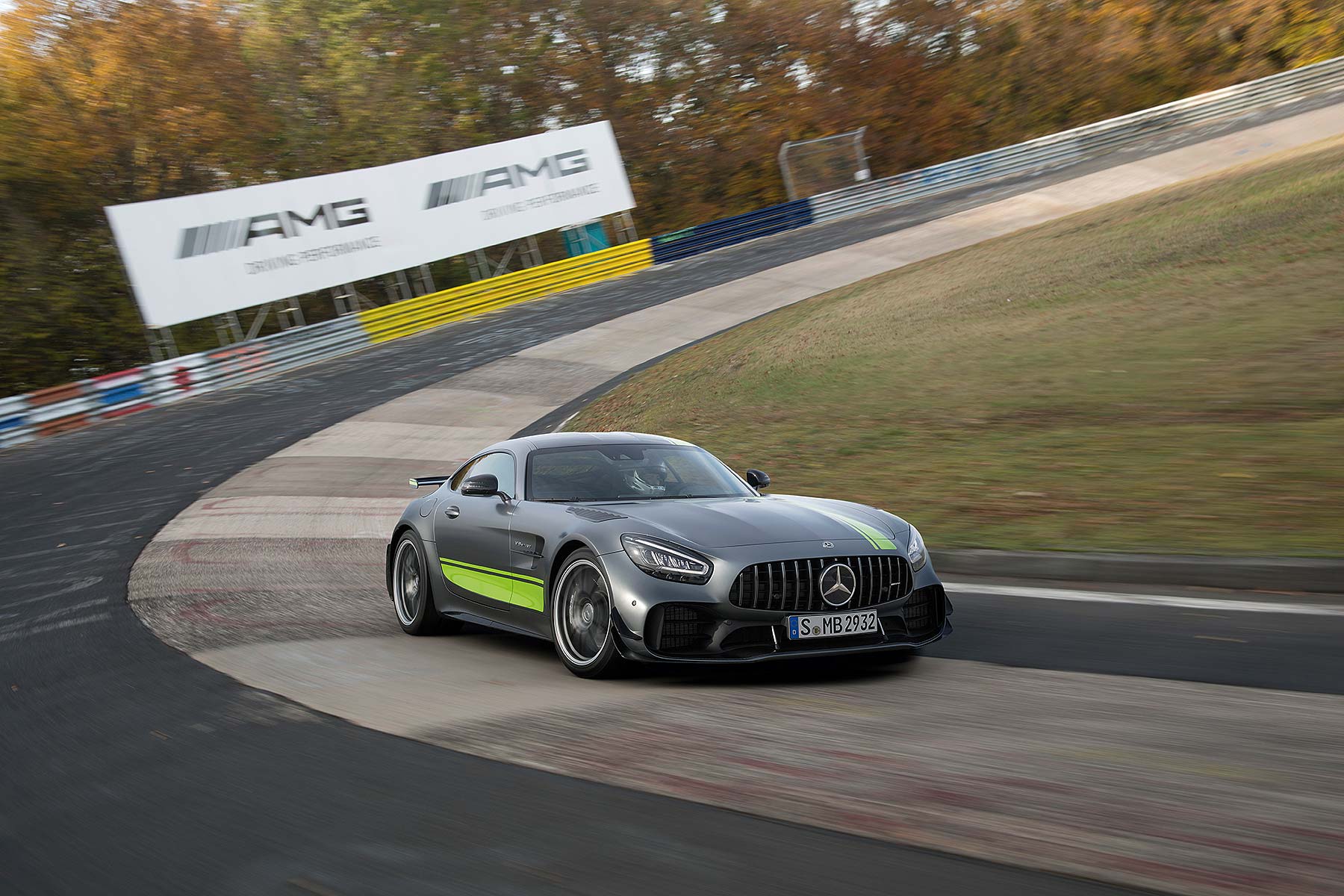
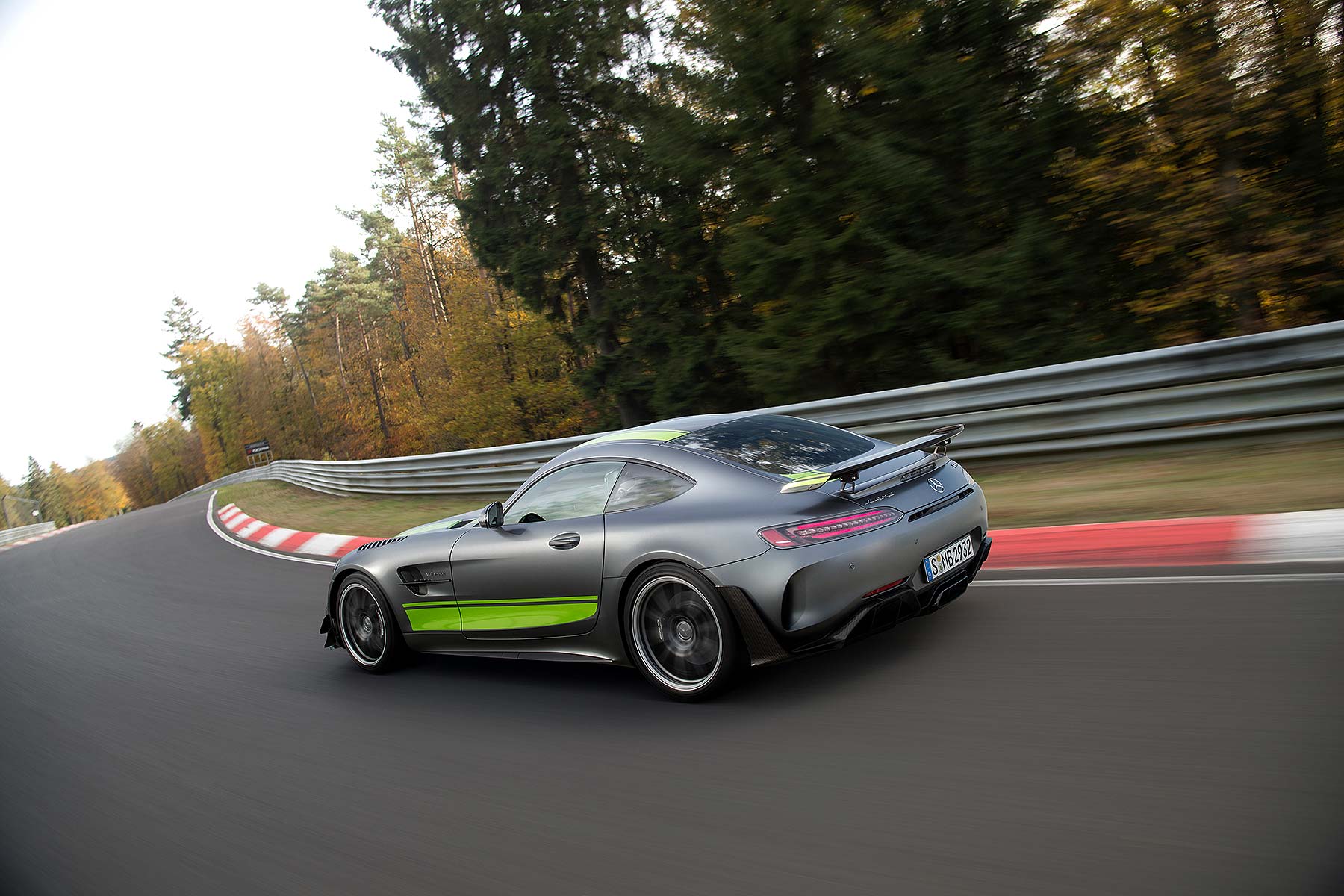
This evolution of the AMG GT R is more aggressive, produces more downforce, corners with even more speed and seems all set to give Mercedes-AMG a good run at setting a new Nürburgring lap record.
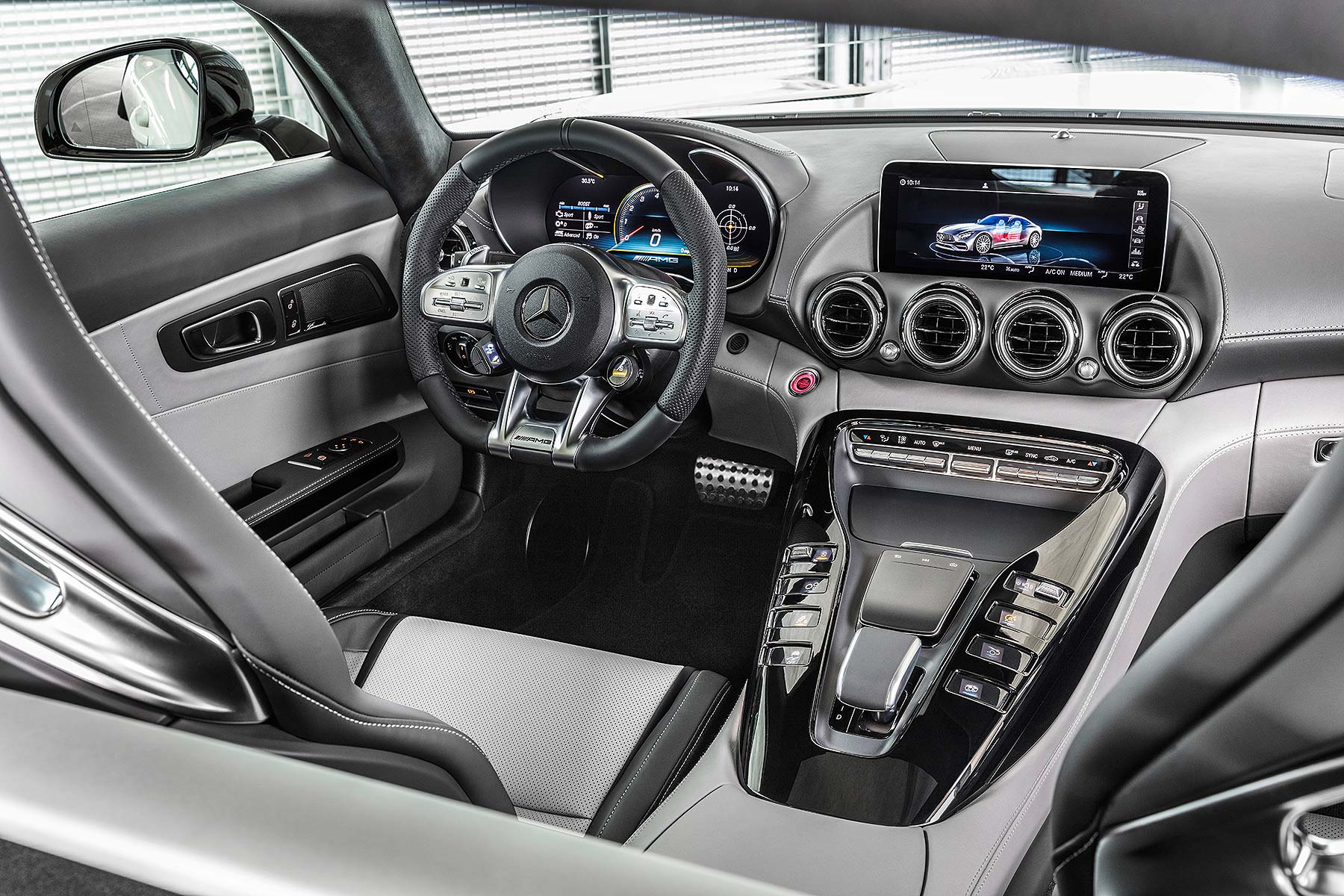
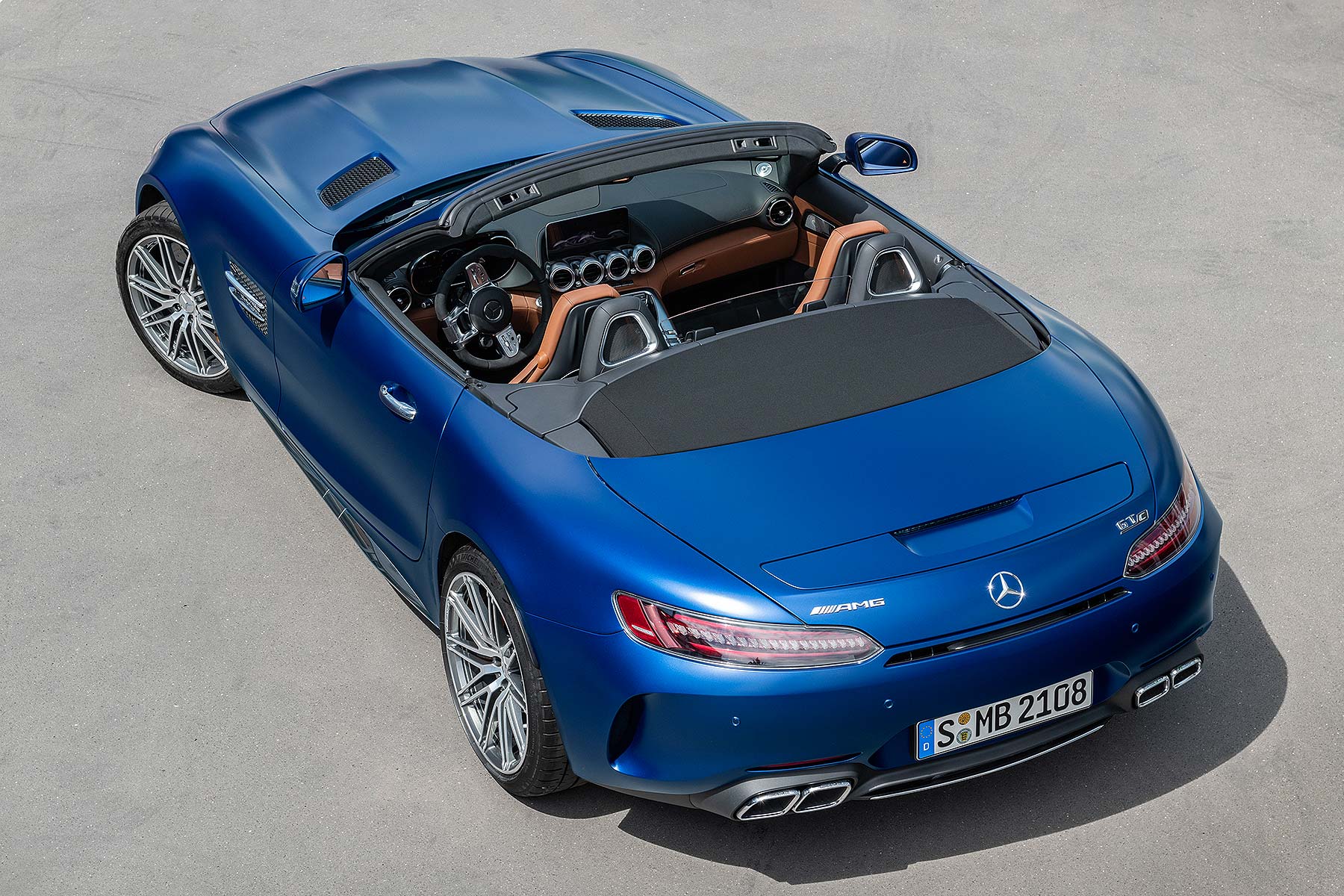
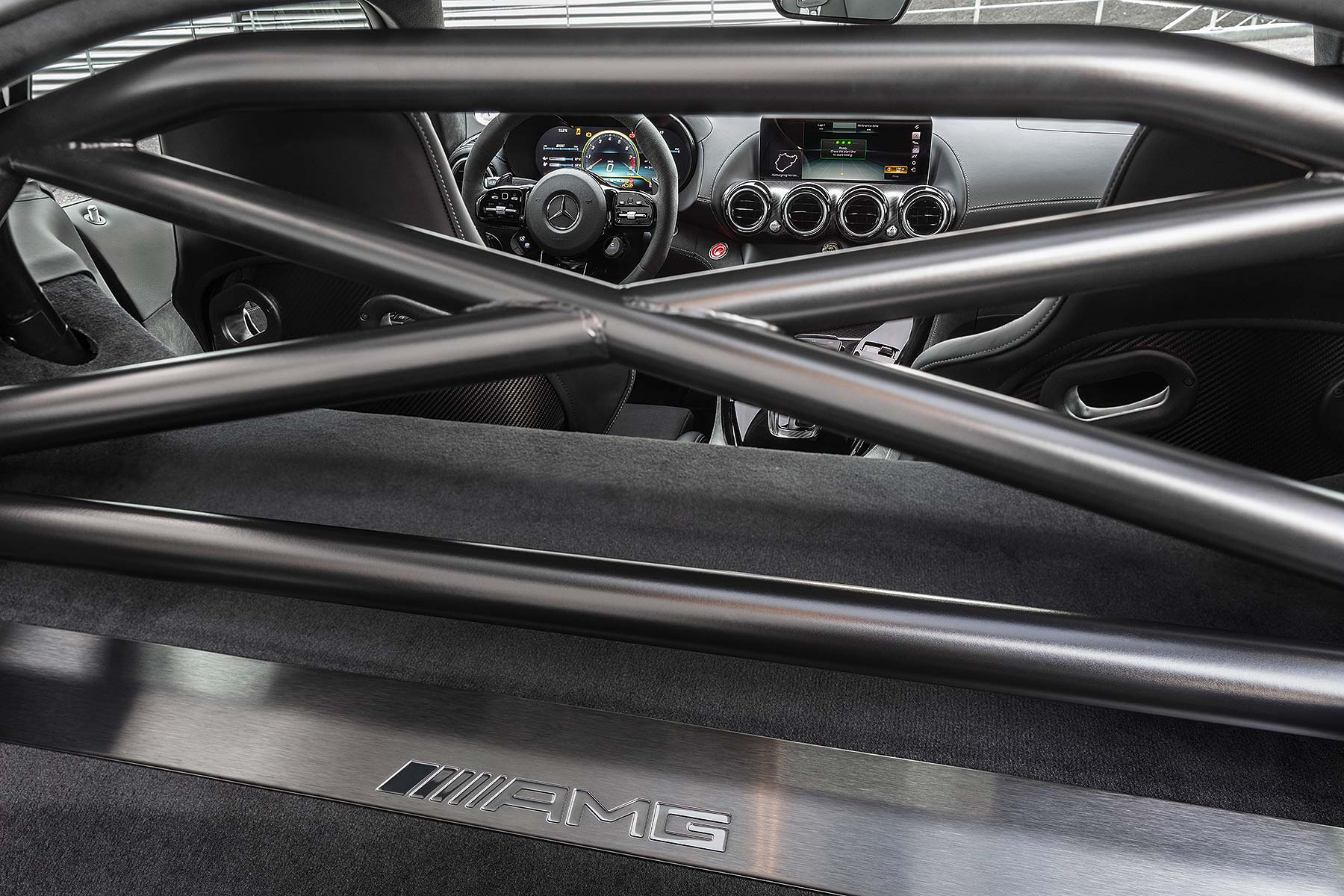
But first, the core range. The AMG GT Coupe and Roadster now benefit from some of the changes introduced with the AMG GT 4-Door Coupe. The centre console has been upgraded and the instrument panel is now fully digital.
AMG offers three styles of display on the 12.3-inch screen: Classic, Sporty or Supersport, the latter featuring ‘extensive additional information’ for petrolheads who like to stay informed. As for the centre console, colourful TFT ‘virtual’ buttons aim to make it both more modern and straightforward to use.
A rather neat new gadget is AMG Trace Pace. Described as a ‘virtual race engineer’, more than 80 pieces of data are recorded 10 times a second when on-track. Drivers can see at a glance whether they’re faster or slower than their fastest lap. And, because so much data is recorded, they can use it to analyse where they can make up time – just like Lewis Hamilton.
Outside tweaks include revised LED headlights and tail lamps, a redesigned rear diffuser and new tailpipes. AMG GT models have twin round pipes, with GT S and GT C using twin trapezoidal shapes. The AMG GT R keeps its large central tailpipe and dual outboard pipes.
Buyers of entry-level AMG GT and AMG GT S also get smart new black grained sill covers. There are new alloy wheel choices, too, while the plethora of AMG drive modes is further upgraded with AMG Dynamics.
Mercedes-AMG GT R Pro
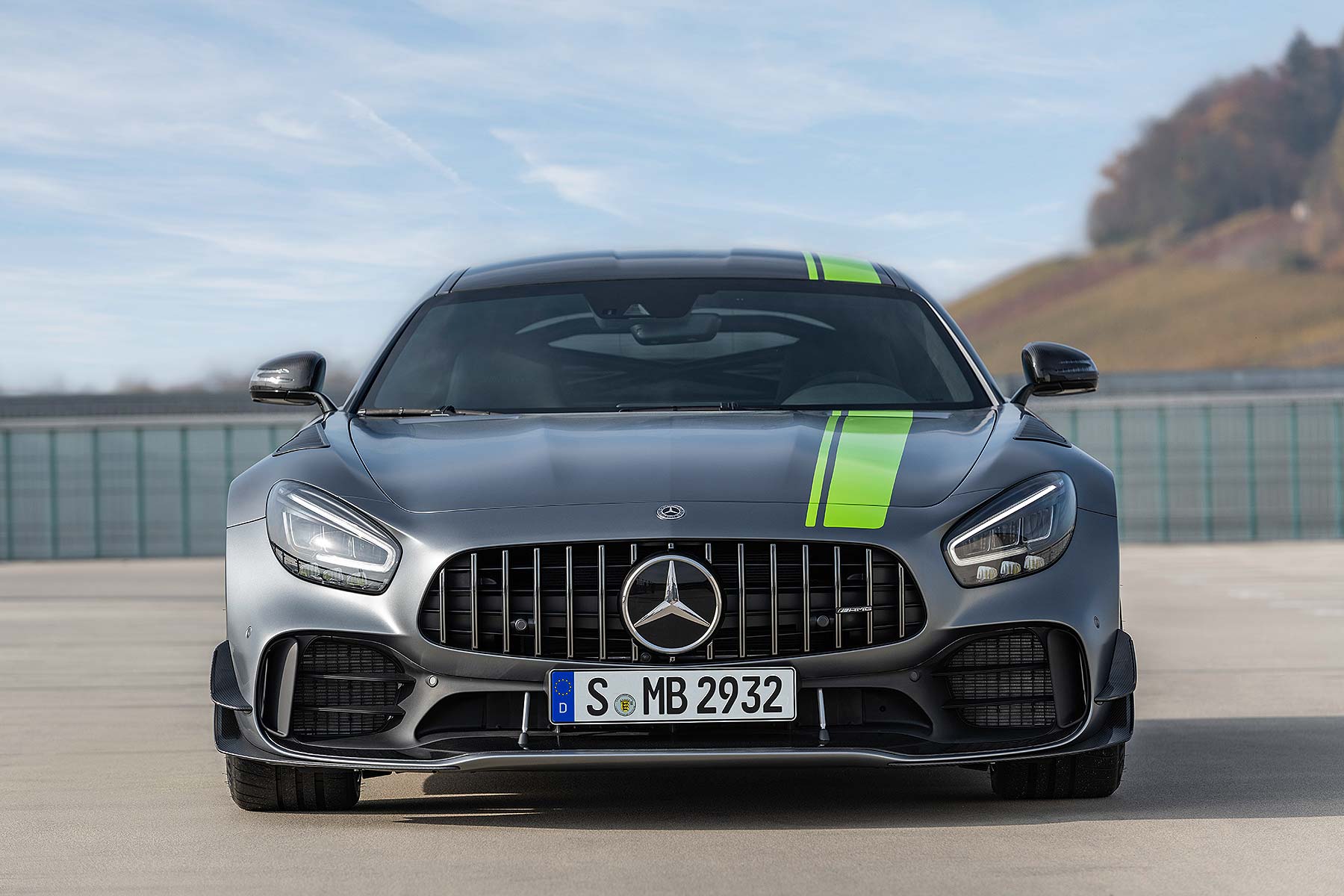
And now the one you’ve been waiting for. The limited-run AMG GT R Pro uses tech from the AMG GT3 and AMG GT4 racing cars, focused in four areas: suspension, lightweighting, aerodynamics and styling.
There is a broader range of adjustment for the coilover suspension: not just spring pre-load, but compression and rebound of the dampers, too. There’s a carbon fibre front torsion bar, exotic Uniball spherical bearings for the upper wishbones and a carbon fibre underbody panel at the rear to stiffen the bodyshell further at high speed.
The AMG GT R Pro comes with the Track Pack as standard, which comprises a roll cage, four-point harnesses and a fire extinguisher. Carbon fibre bucket seats are installed inside, and carbon ceramic brakes with black calipers should haul it down tirelessly from high speed.
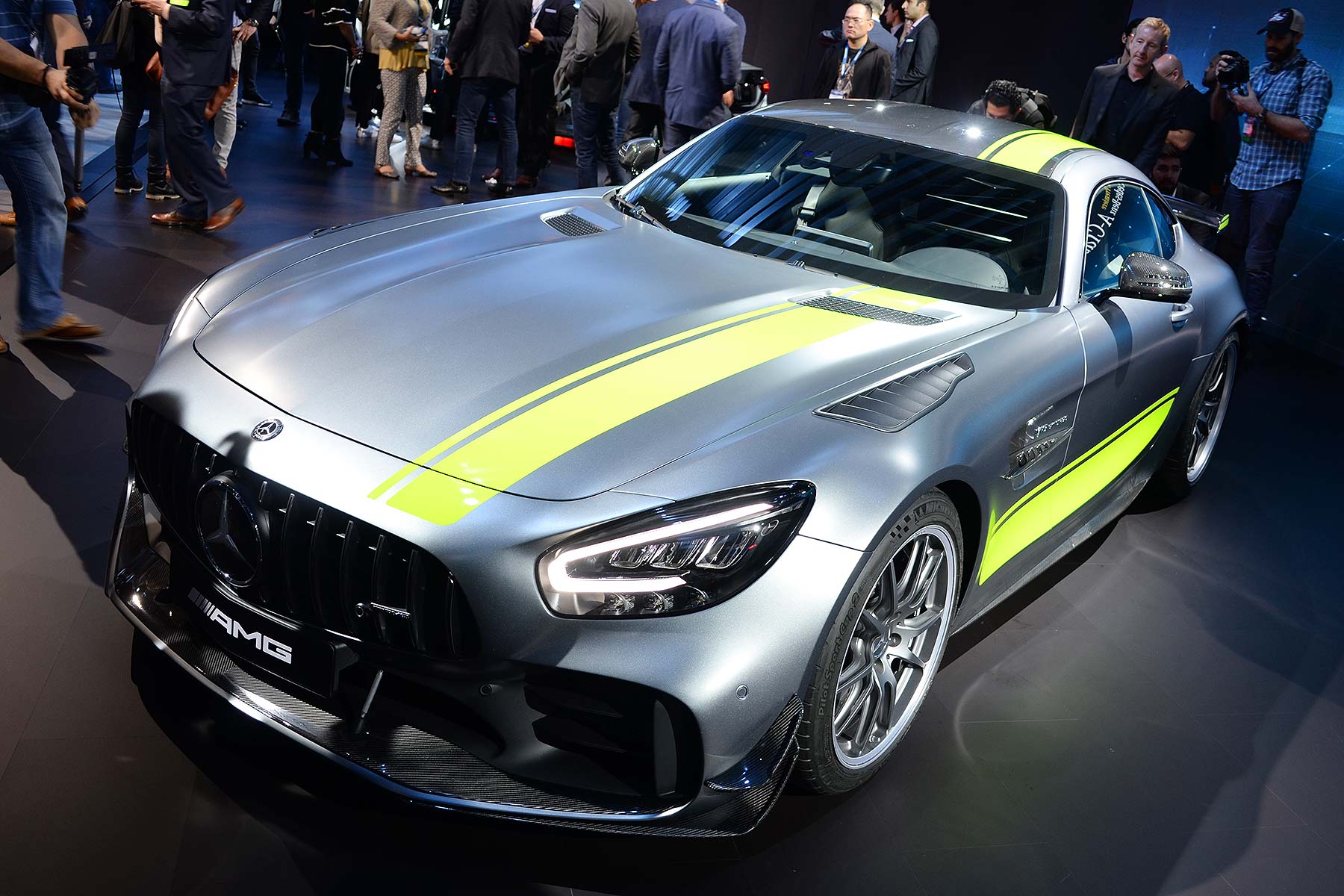
There’s more: the front apron gets aero-honed outer ‘flics’ in clear carbon fibre, an extended front splitter (held by metal braces) and louvres in the front wings, like those seen on the Porsche 911 GT2 RS. They reduce front-end lift at high speed.
A clear carbon fibre aero element on each rear wheelarch stabilises the rear aerodynamics, and the wing has an added spoiler lip ‘gurney’ –and sits on milled aluminium brackets.
As if all that wasn’t enough to spot it, Mercedes-AMG has fitted racing stripes to the GT R Pro, in light green when combined with Selenite Grey paint, and dark grey with other colours. Perfect for setting off the standard carbon fibre package – although they are a delete-option if you’re a spoilsport.
“No other production model of Mercedes-AMG presently is as close to motor racing as the new AMG GT R Pro,” said Tobias Moers, chairman of Mercedes-AMG GmbH.
“The agile responses to all driver commands and the overall performance now deliver even more of that incomparable feeling that our racing drivers experience on the track.”
And there’s already a Nürburgring time to prove it. Maro Engel recently drove a disguised prototype around in 7min 4.63sec, ‘considerably bettering’ the time for the regular GT R. This was on a cool autumn day , suggesting there’s plenty more still to be unlocked. Could it go sub-seven minutes?
I think I must have upset the editor. Fresh from giving me the unenviable task of preparing a selection of underrated fast Fords, I’ve now been challenged to create a list of less than brilliant Porsches. In many ways, this brief is tougher than the last, because finding a dud in the Porsche back-catalogue is like finding a needle in a haystack. But, with apologies for the clickbaity headline, here are some of Porsche’s rare low points.
Porsche Cayenne
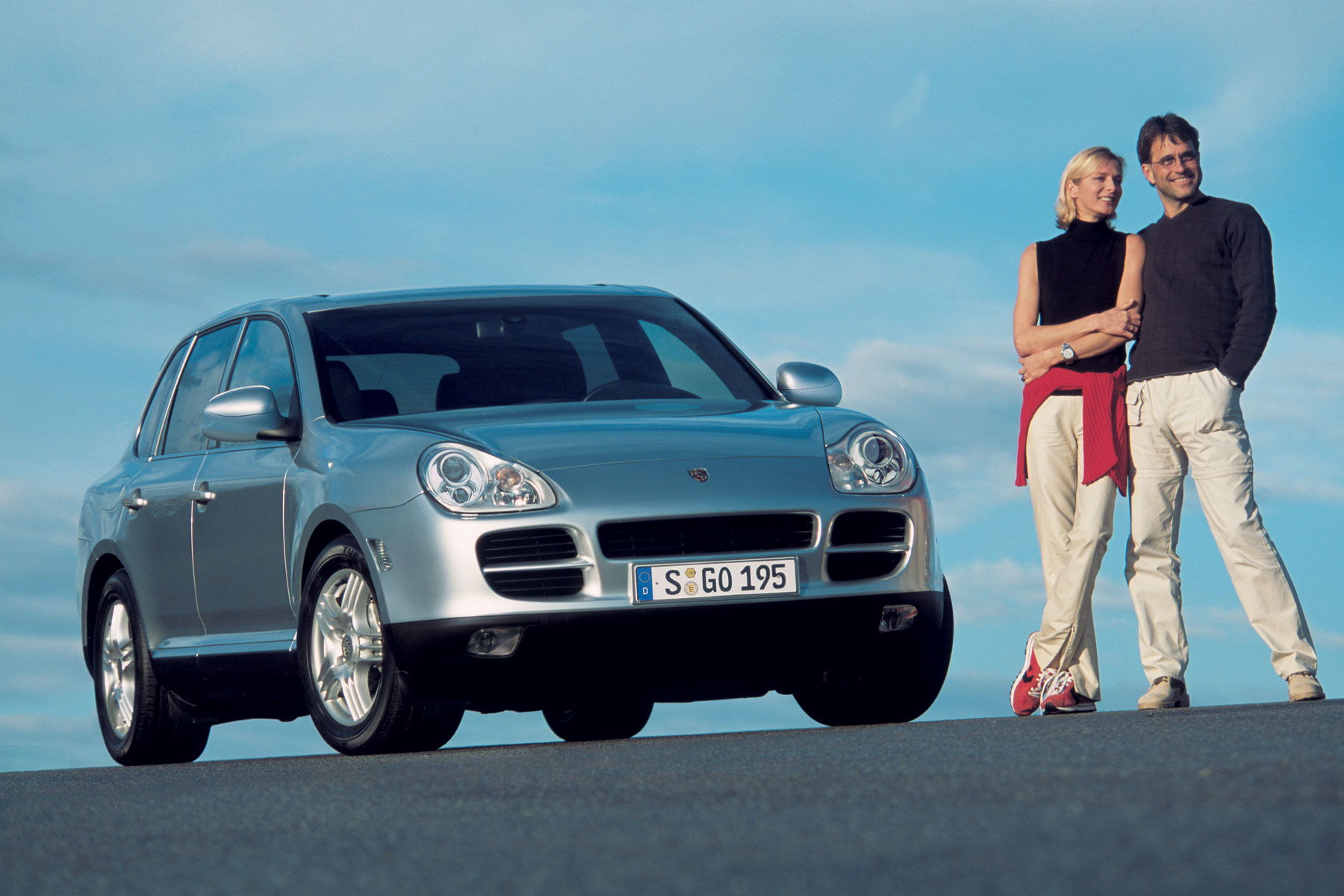
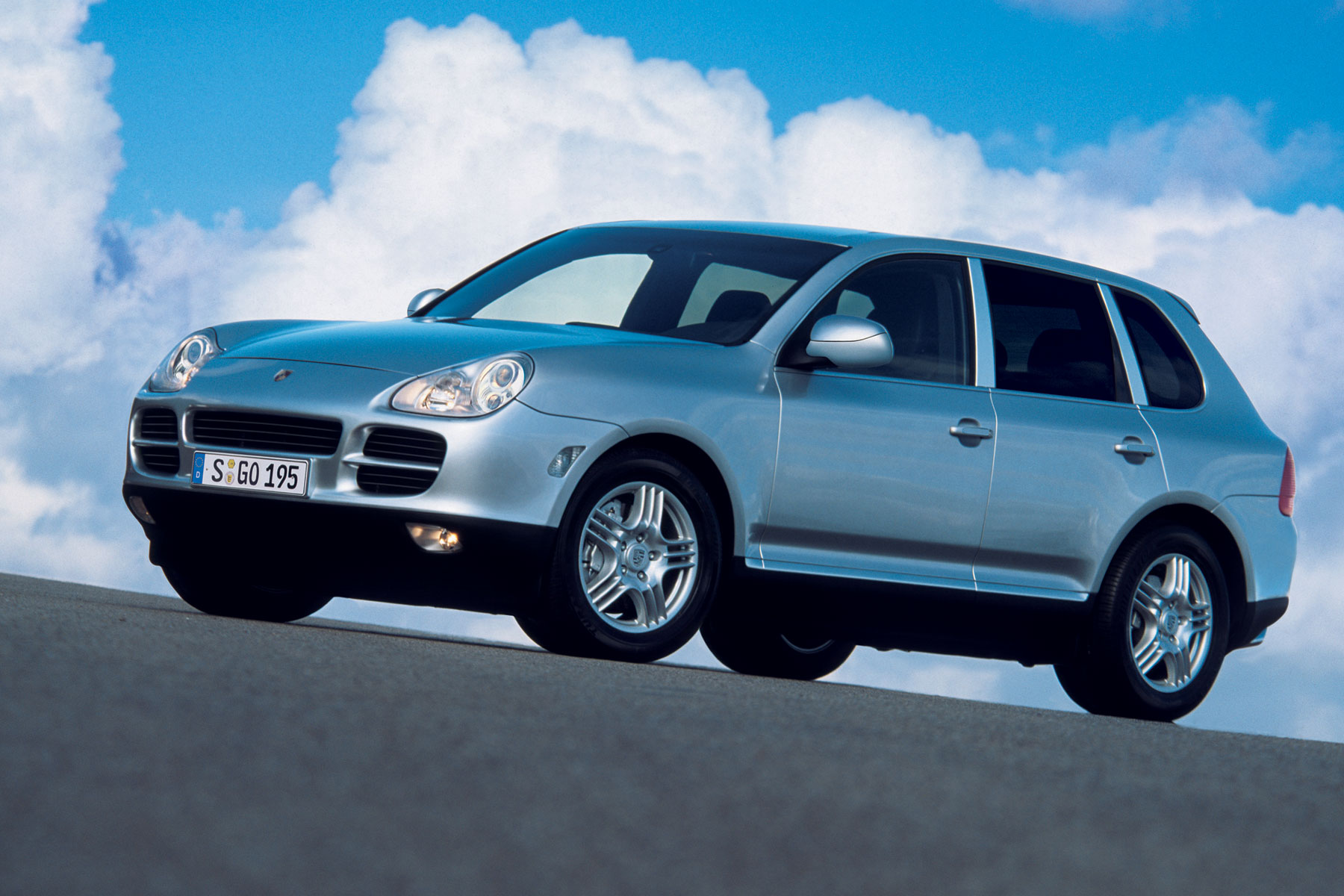
Looming into view like a sacrificial lamb, the Porsche Cayenne is an obvious starting point. Or is it? Sure, few car enthusiasts would admit to liking the oversized and cosmetically challenged SUV, but it’s thanks to the Cayenne that Porsche is able to keep building wild – and often unattainable – 911s. Turbocharged and V8 versions are rather fun, but a steel-sprung early Cayenne S is one to avoid, both from a driving perspective and a reliability standpoint.
Porsche Cayenne cabriolet
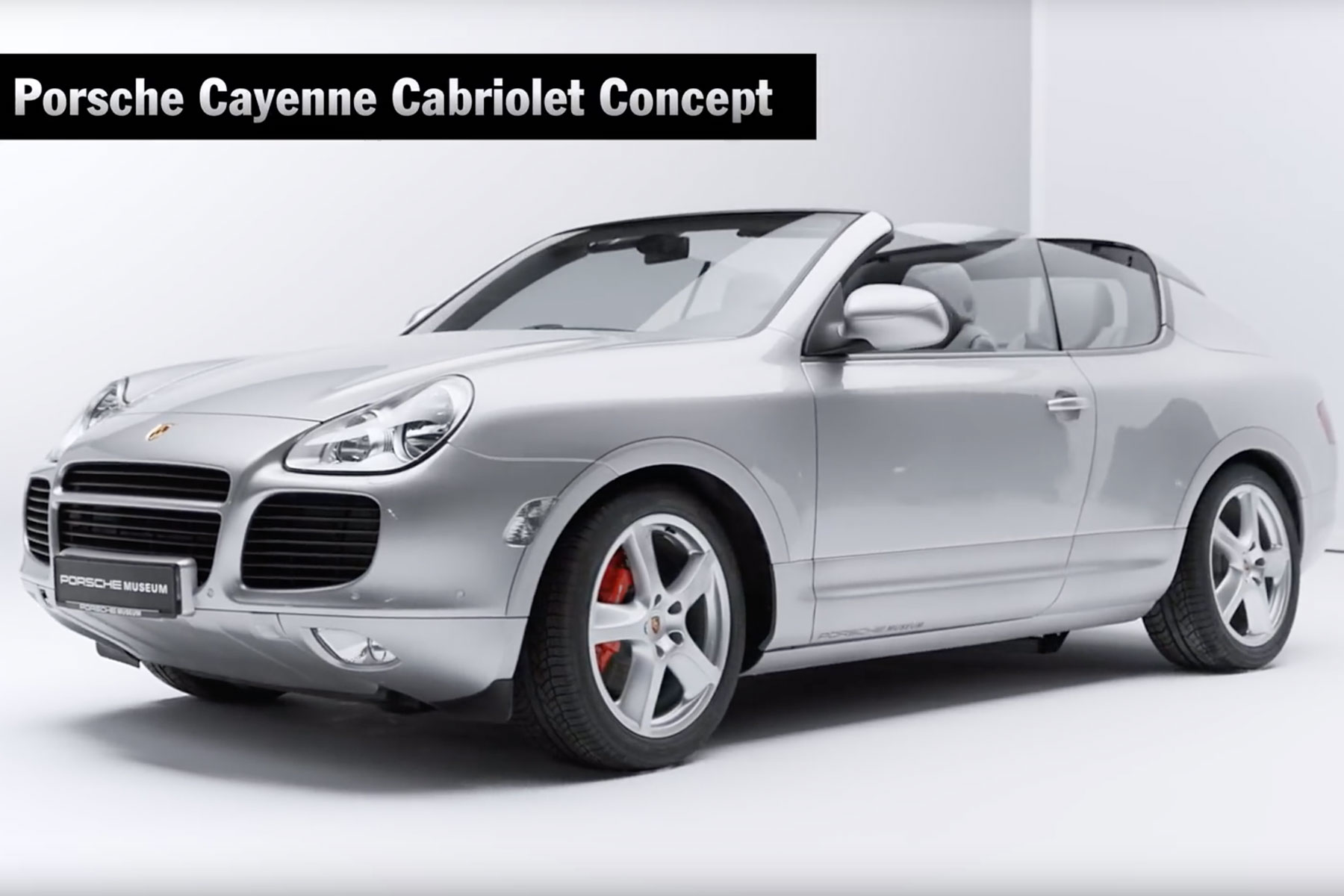
“You were so preoccupied with whether or not you could, you didn’t stop to think if you should.” Wise words from Jeff Goldblum there, and a phrase that could be applied to the Porsche Cayenne cabriolet concept of 2002. But, fair play to Porsche, because the bosses took one look at the concept and pulled back from the brink of disaster. The world doesn’t need another topless Evoque rival or, heaven forbid, something to remind us of the Nissan Murano CrossCabriolet.
Porsche 959
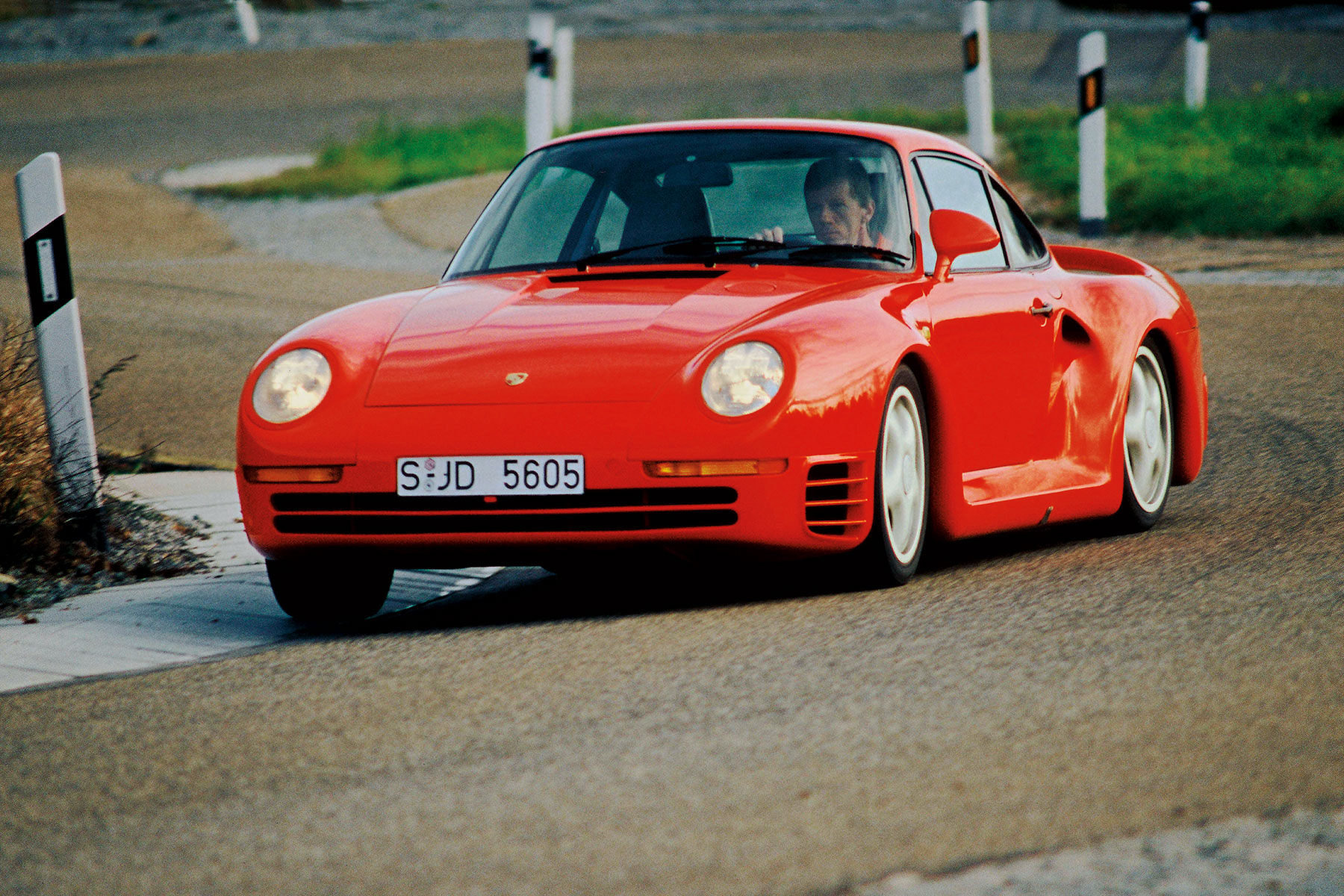
That’s officially a world first: following a sentence about the Murano CrossCabriolet with a reference to the Porsche 959. Wait, what? Who would want to forget about the 959? After all, it was a technical tour de force and provided the blueprint for supercars of the future. But the beancounters at Porsche might not remember it with great fondness, because the firm made a loss on every 959 it sold. Each car cost a reported $720,000 to build, yet sold for ‘just’ $300,000. Ouch.
Porsche 911 Turbo
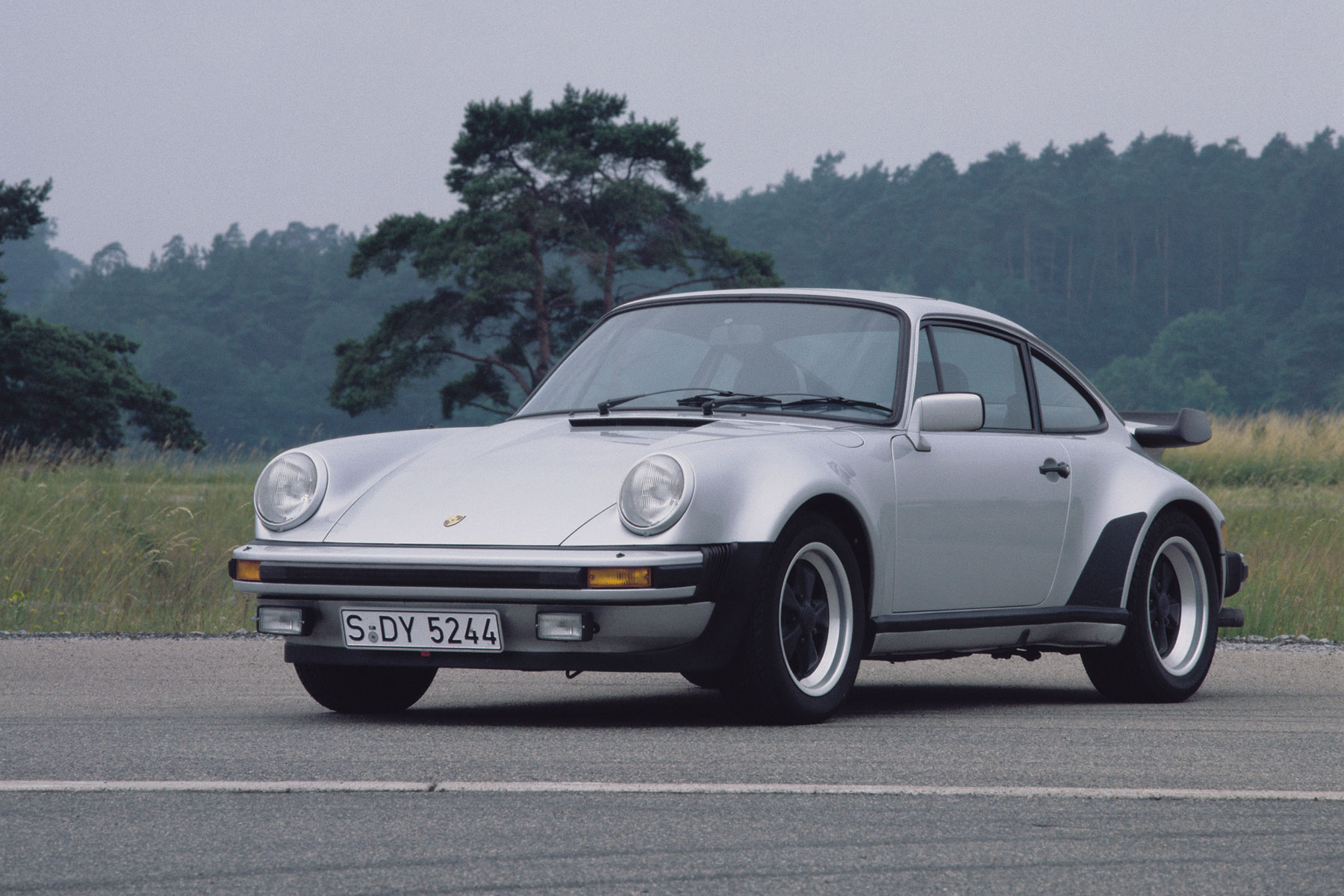
To many people, especially casual onlookers, the 911 Turbo is the archetypal Porsche. The 930 Turbo was the flagship of the range and, at the time, the fastest production car in Germany. But was it perilously close to doing irreparable damage to Porsche’s image? We recall a great piece by James Elliott, writing for Classic & Sports Car. “By the time the Porsche Turbo slipped into the late 1980s… in the public eye it seemed to simultaneously represent everything that was good, evil and ridiculous in the world. Contemptuous and contemptible in equal measure. I often wonder if even Porsche regretted its success, rued the hands the whale-tailed driving machine fell into,” he ponders. One to discuss.
Porsche 964
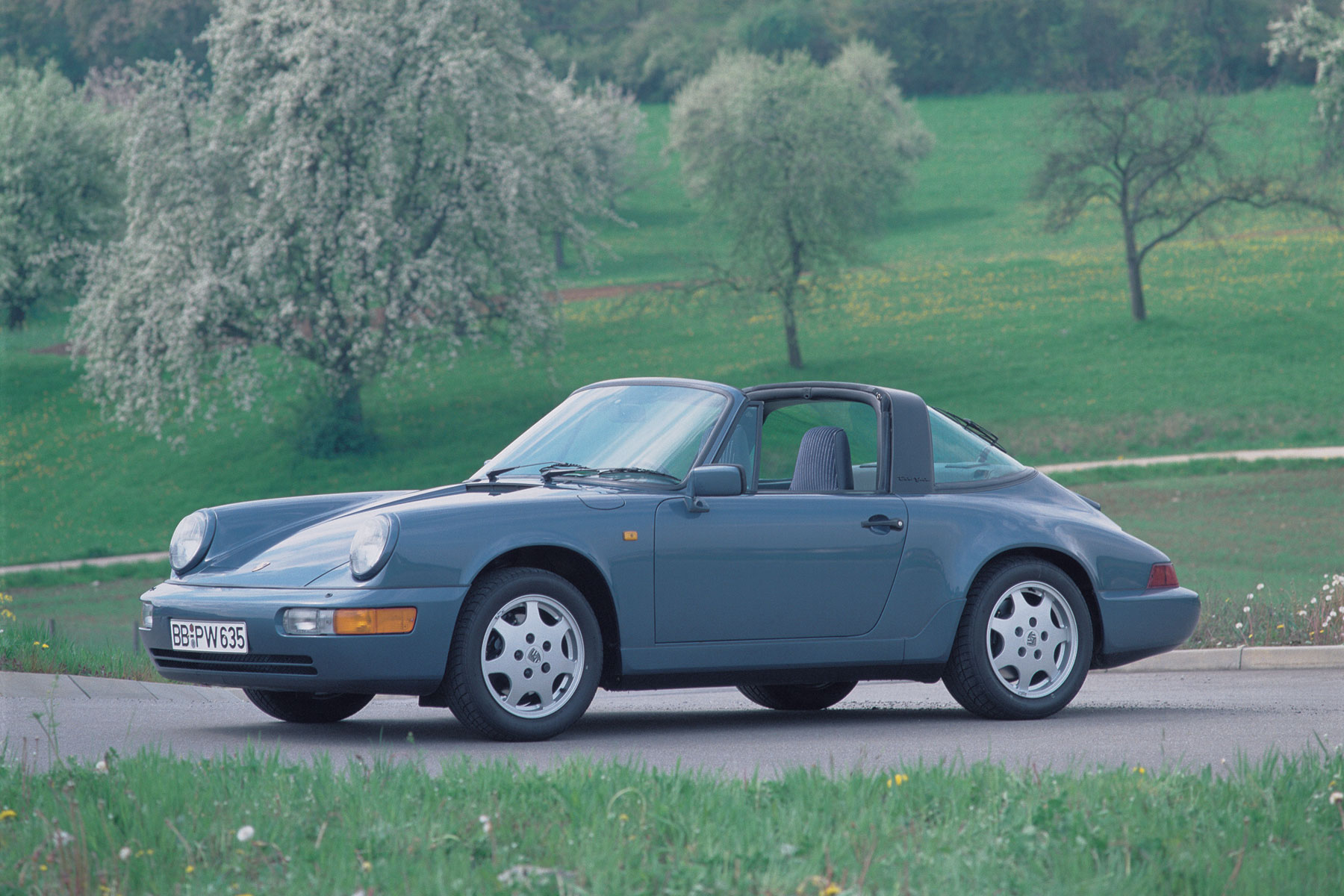
The 964 of 1989 represented the most radical overhaul the 911 had ever seen, with Porsche leaning on its experience when developing the 959. It was 85 percent new – not that you could see this from the outside, although the integrated bumpers were a big departure for the 911, in more ways than one. It was launched in four-wheel-drive Carrera 4 form, which created a more sanitised, drama-free driving experience. In truth, this was probably what the market wanted – and the rear-wheel-drive Carrera 2 restored some of the unbalanced characteristics – but this wasn’t the 911’s finest hour.
Porsche 964 Turbo
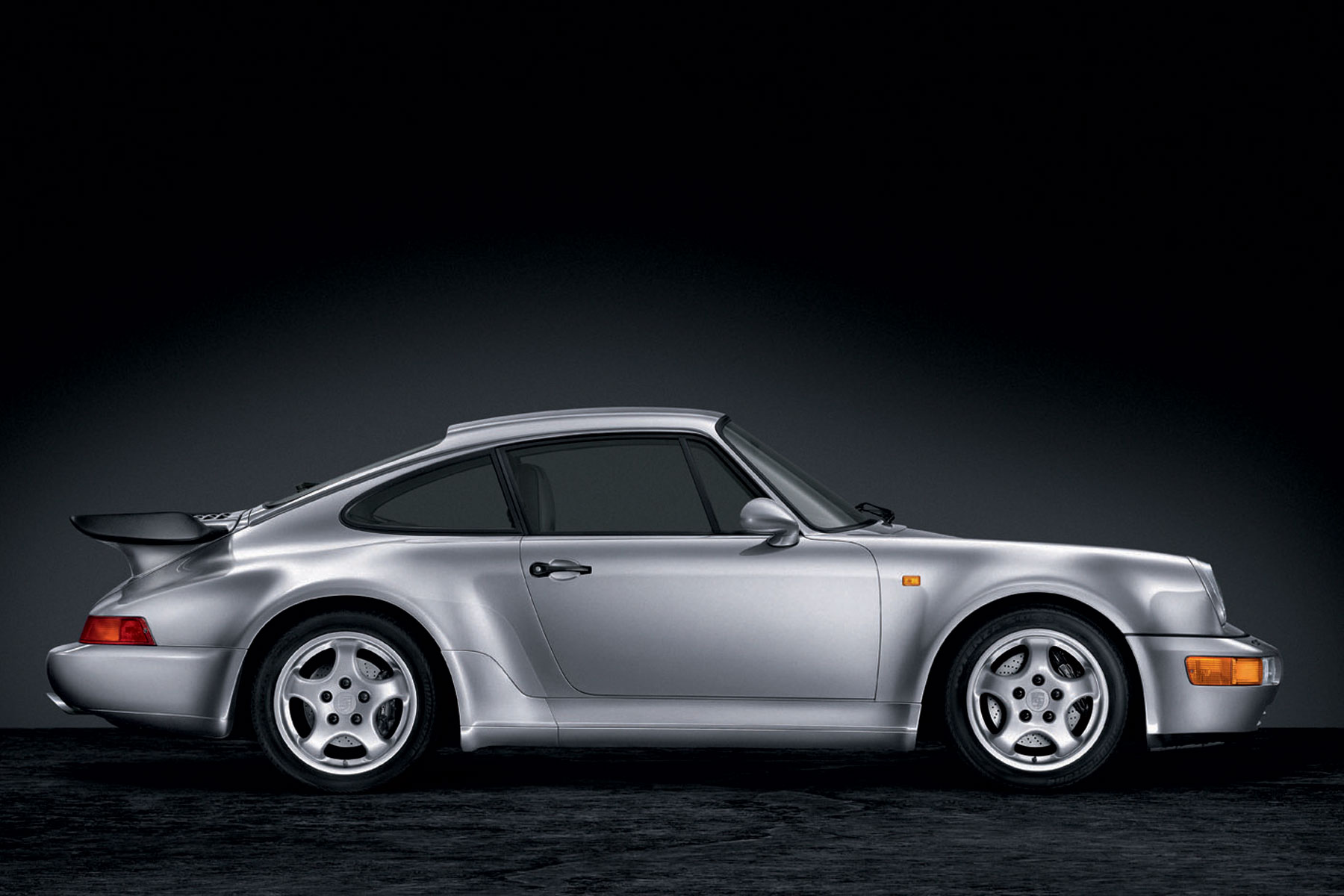
Andrew Frankel, a motoring journalist who has driven more supercars than you’ve had hot dinners, isn’t a fan of the 964 Turbo. Writing for Goodwood, Frankel said: “It would understeer dramatically and then, if you tried to quell it, snap into savage oversteer. In short, the rewards on offer were not worth the risks required to enjoy them.” Chris Harris seems to agree, saying: “Massive understeer gave way to shocking oversteer, it had tragic turbo lag and the airbag weighed so much you could feel the inertia in the steering column. But when it was on full-boost, and you’d been brave enough to hoon through the front-axle push, it was one hell of a challenge.”
Footwork FA12
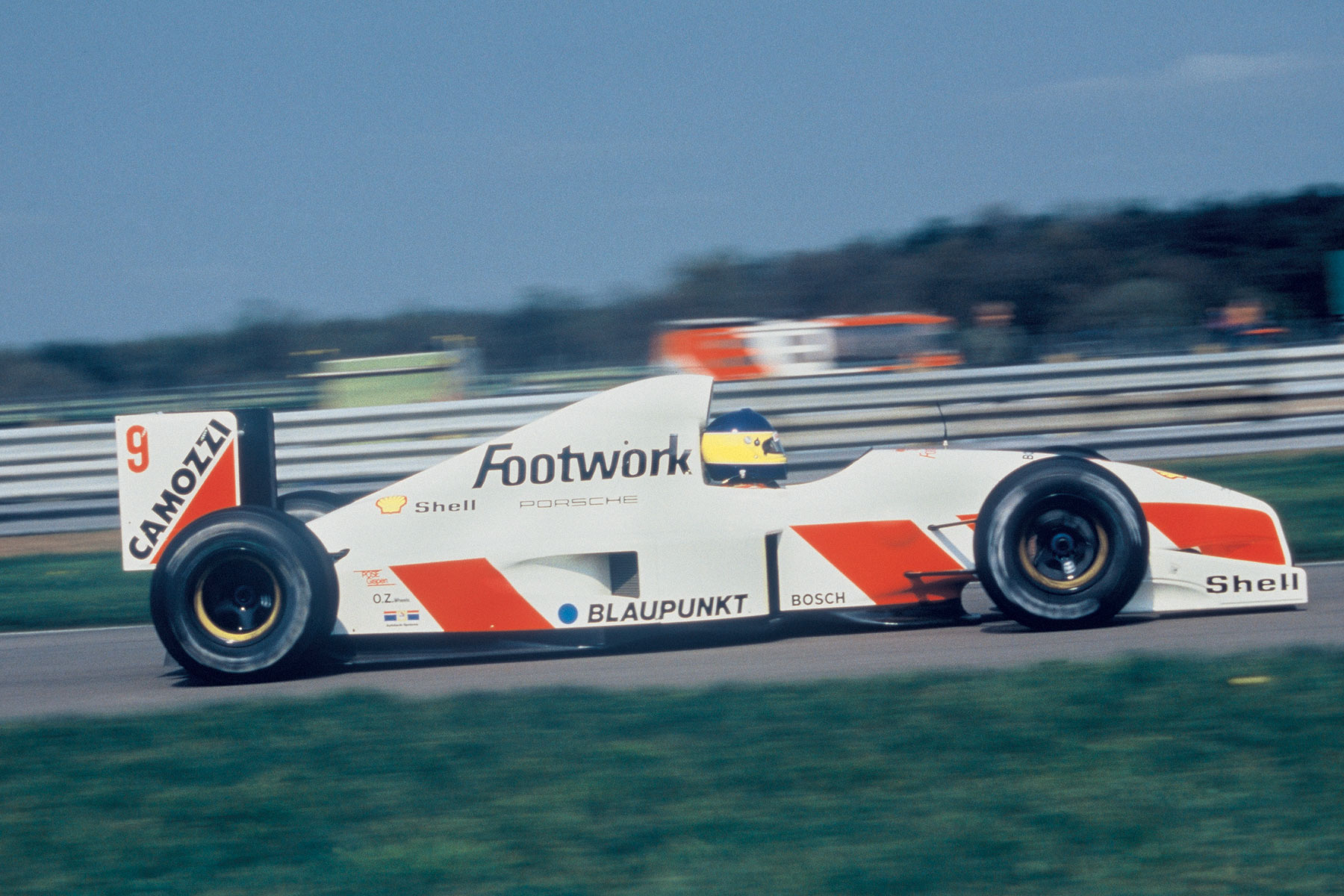
Porsche won’t remember the 1991 F1 season with a great deal of fondness. It supplied the power for the Footwork FA12 – formerly Arrows – but the car only made its debut in the third round of the season after the car was redesigned for the Porsche V12 engine. Sadly, the engine was too heavy and hopelessly unreliable, with the FA12 only managing a series of retirements and qualification failures. Footwork switched to Ford V8 power, but the results were only marginally better.
Porsche Carrera GT
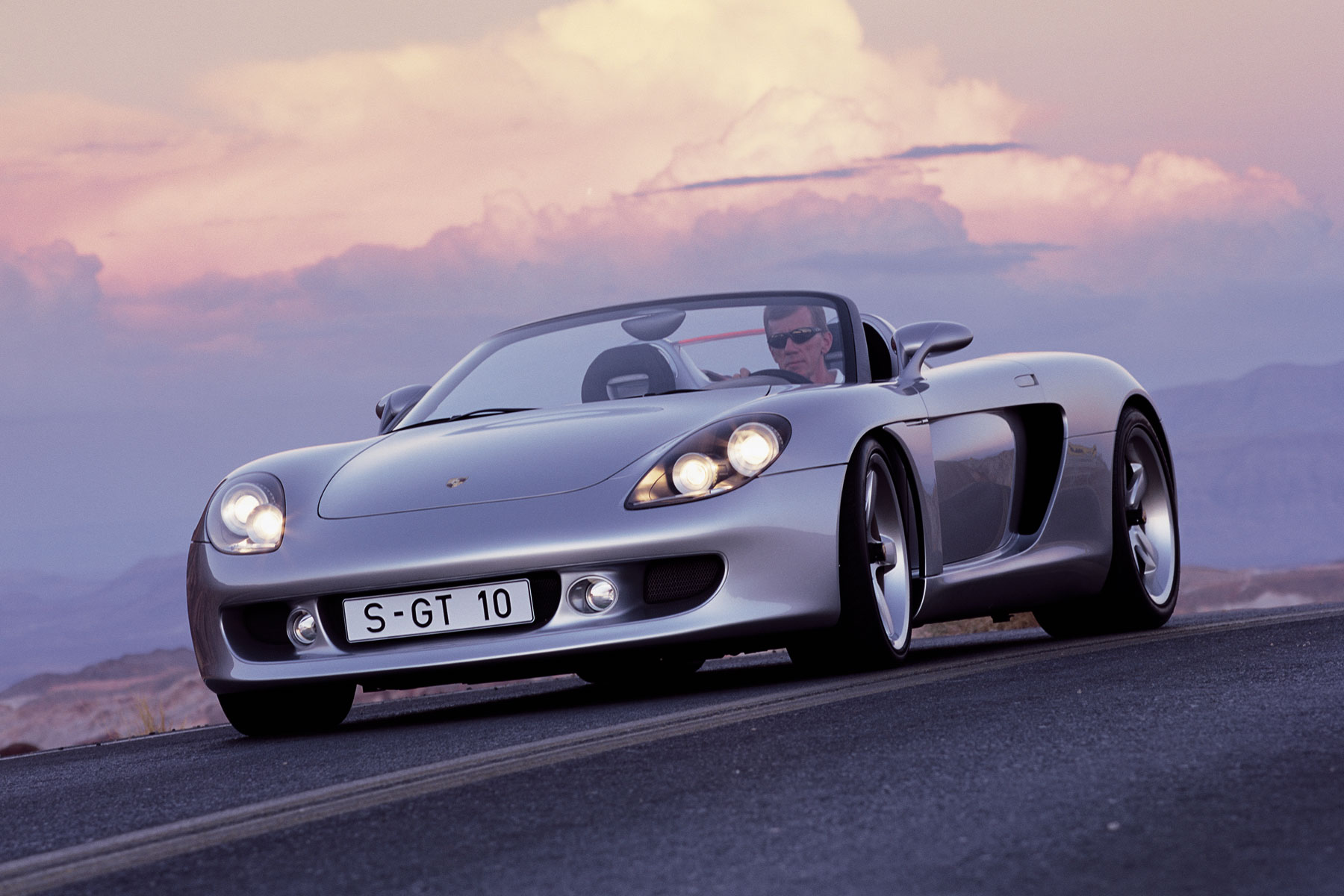
Of the Porsche Carrera GT, Walter Rohrl said it was “the first car in my life that I drive and feel scared”. After a lap of a wet racetrack, he said: “I came back into the pits and I was white.” In 2005, Jay Leno hit 190mph at the Talladega raceway before it began to spin. “It was kind of like driving on ice,” he said, after coming perilously close to hitting a wall. But the Carrera GT will be forever associated with the tragic death of Paul Walker in 2013.
Porsche 928
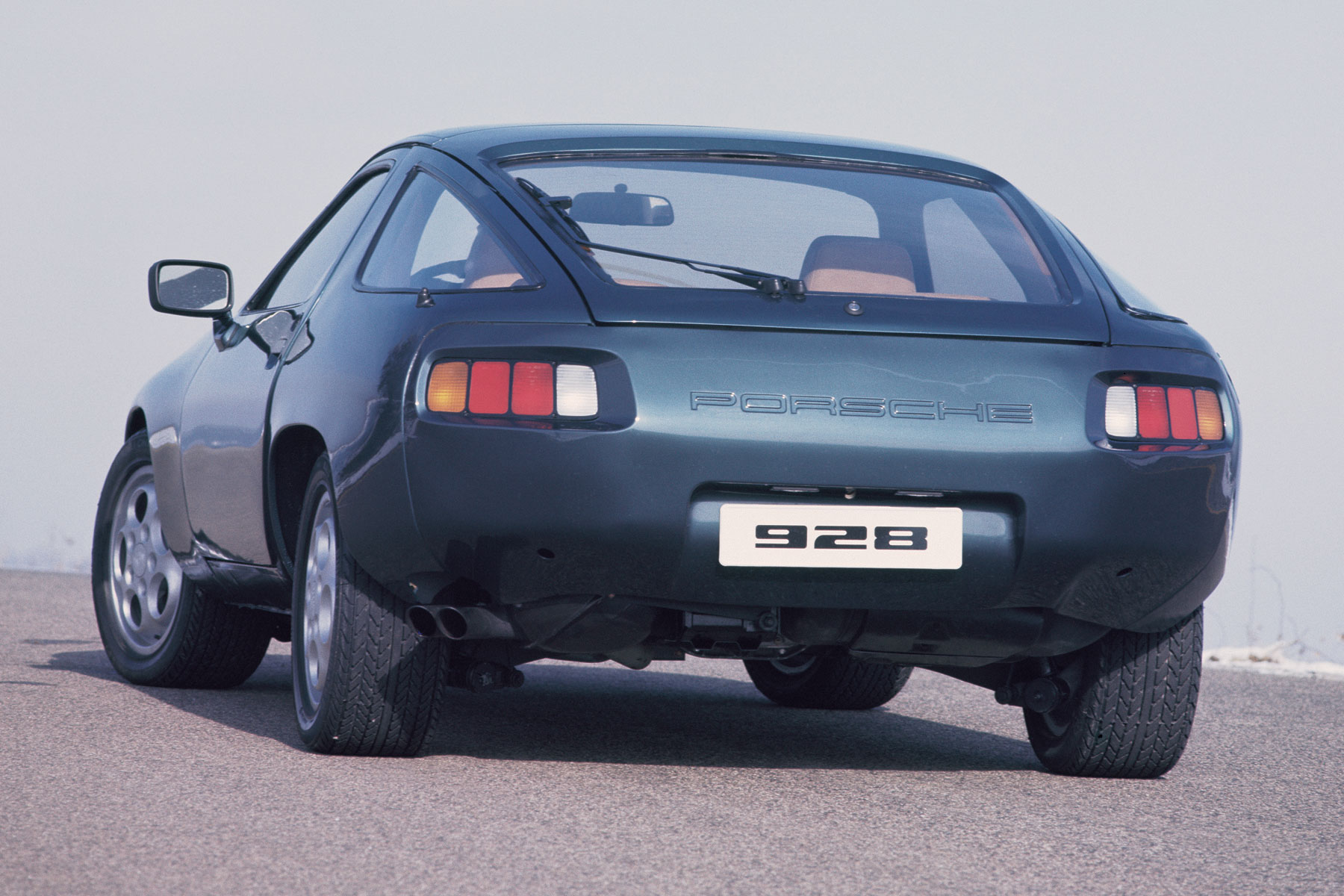
We’re not saying the Porsche 928 is a bad car – that’s not the focus of this gallery. Indeed, by the time the 928 bowed out in the 90s, it had many years of continuous development behind it, and Porsche had created a consummate grand tourer of the highest order. But here’s the thing: it was designed and developed to replace the 911, something it failed to achieve. So, while the internet is awash with news of the 992 in LA, the 928 is remembered as a modern classic.
Porsche C88 concept
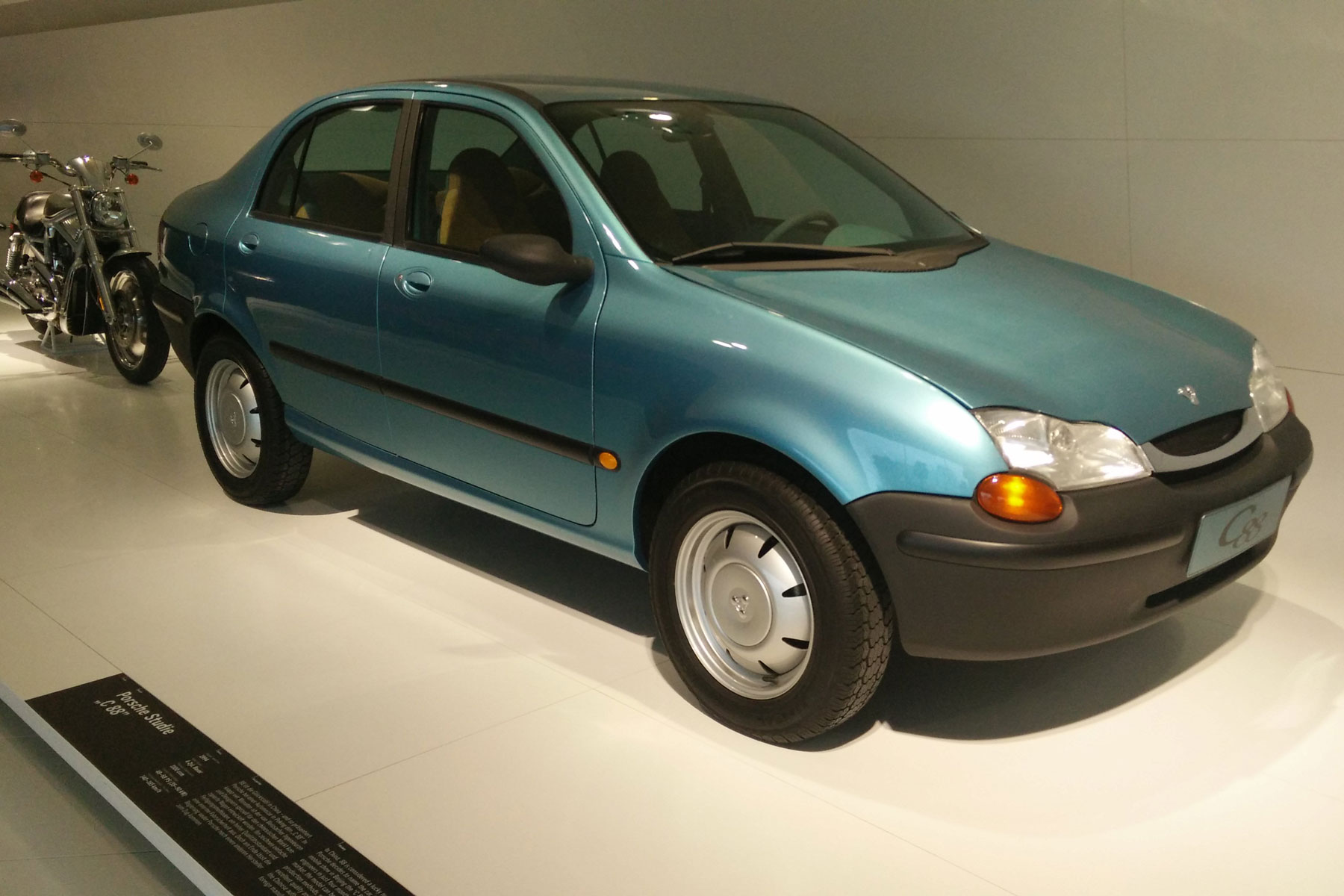
When the Chinese government invited manufacturers to present ideas for a locally-built family car, Porsche was only too happy to oblige. The result was the C88 – C for China, 88 for the symbol of good fortune – which looks suspiciously like a number of Far Eastern cars developed after the Chinese government had pulled the plug on the idea. Porsche, along with a host of other manufacturers, would have spent a great deal of time and money on the project, so the C88 is probably a car it would rather forget.
Porsche 996
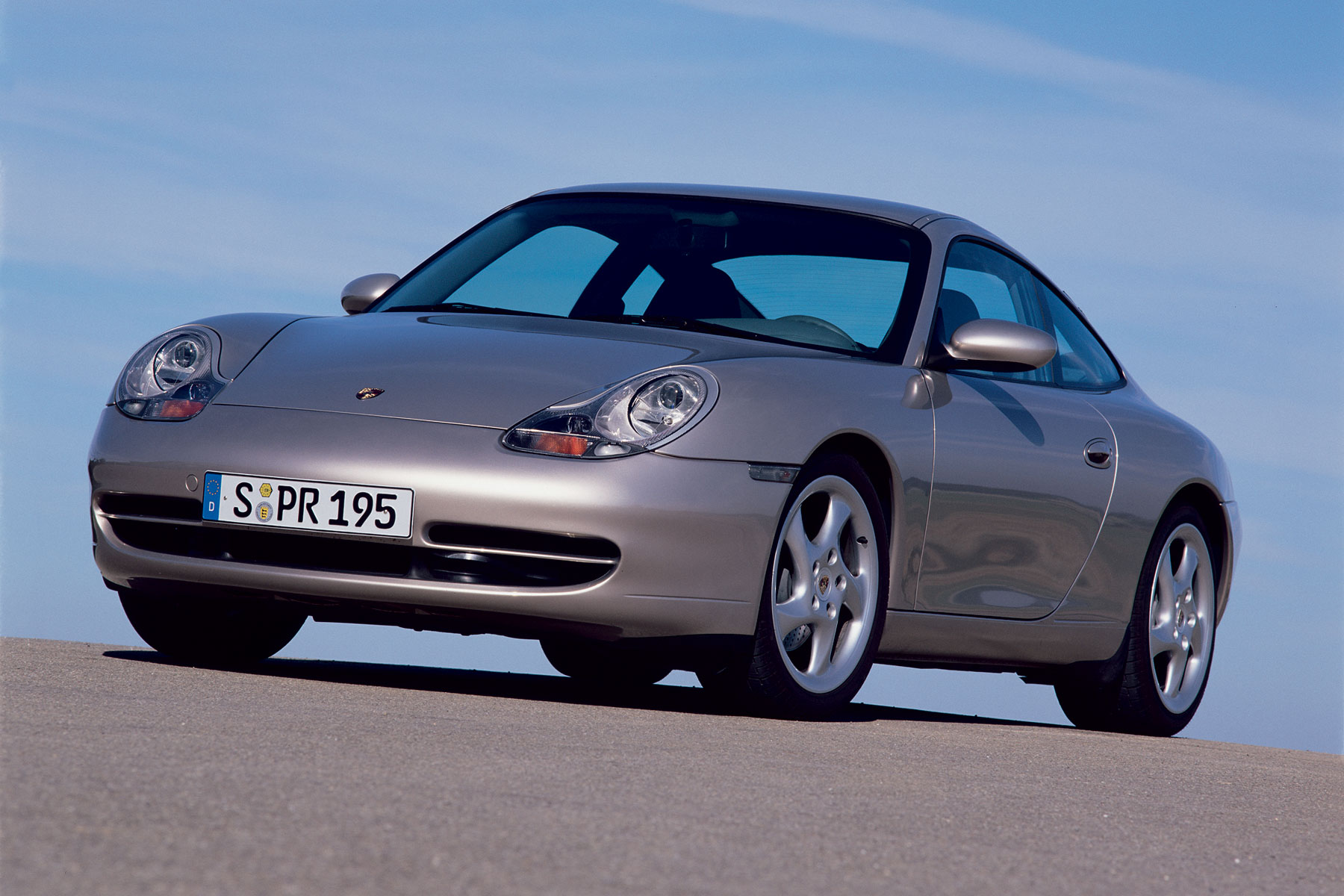
Who would like to forget the Porsche 996? Anyone who has ever had to endure hours of listening to complaints that it’s not a proper 911, or that it looks too much like a Boxster, or that it will explode and leave you pleading with the bank manager for a small fortune to sort out the ‘niggles’. OK, so it’s not air-cooled. And, sure, it’s not as characterful as a 993 (what is?). But as anyone who has taken the plunge will testify, the 996 is a darned fine 911 and a bargain to boot. Do your homework and then make up your own mind.
Porsche 924
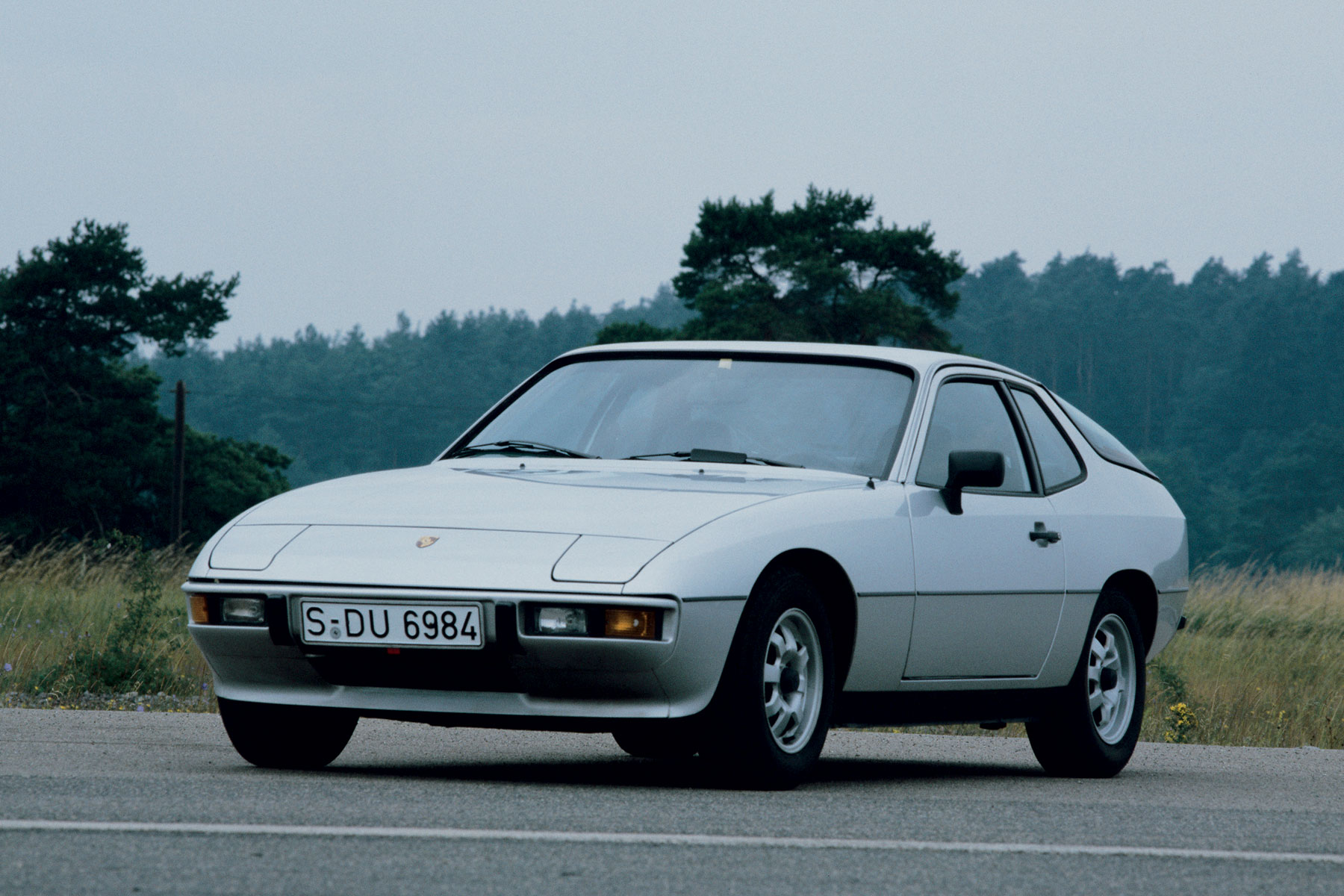
You know, we nearly didn’t include the 924. It’s far too easy to select the sports car designed for Volkswagen as the runt of the litter. We suspect Porsche would have done things differently without the brief from VW, but just like the 928, the 924 developed into a fine entry-level sports car. It also spawned the 944 and 968, so let’s cut the 924 some slack.
Seat Ibiza
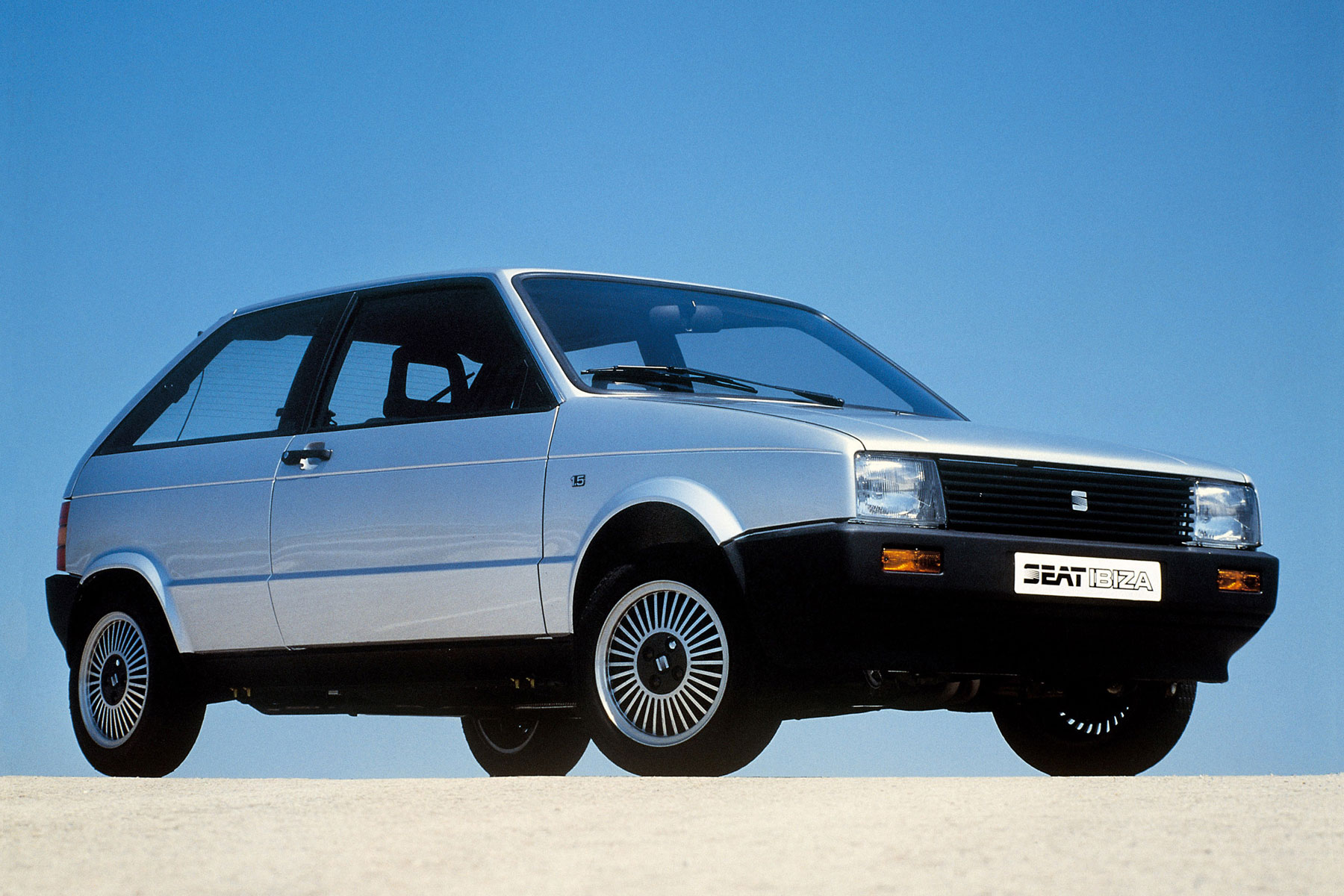
We do wonder if Porsche regretted its decision to allow Seat to add ‘System Porsche’ to the cam cover of the 1.5-litre engine in the Ibiza. Seat dealers loved the reference, as it gave them a tasty sales tool with which to encourage punters to part with their cash. Porsche has played a part in the development of many vehicles, but it’s rare for it to allow the benefiting manufacturer to showcase this with stickers.
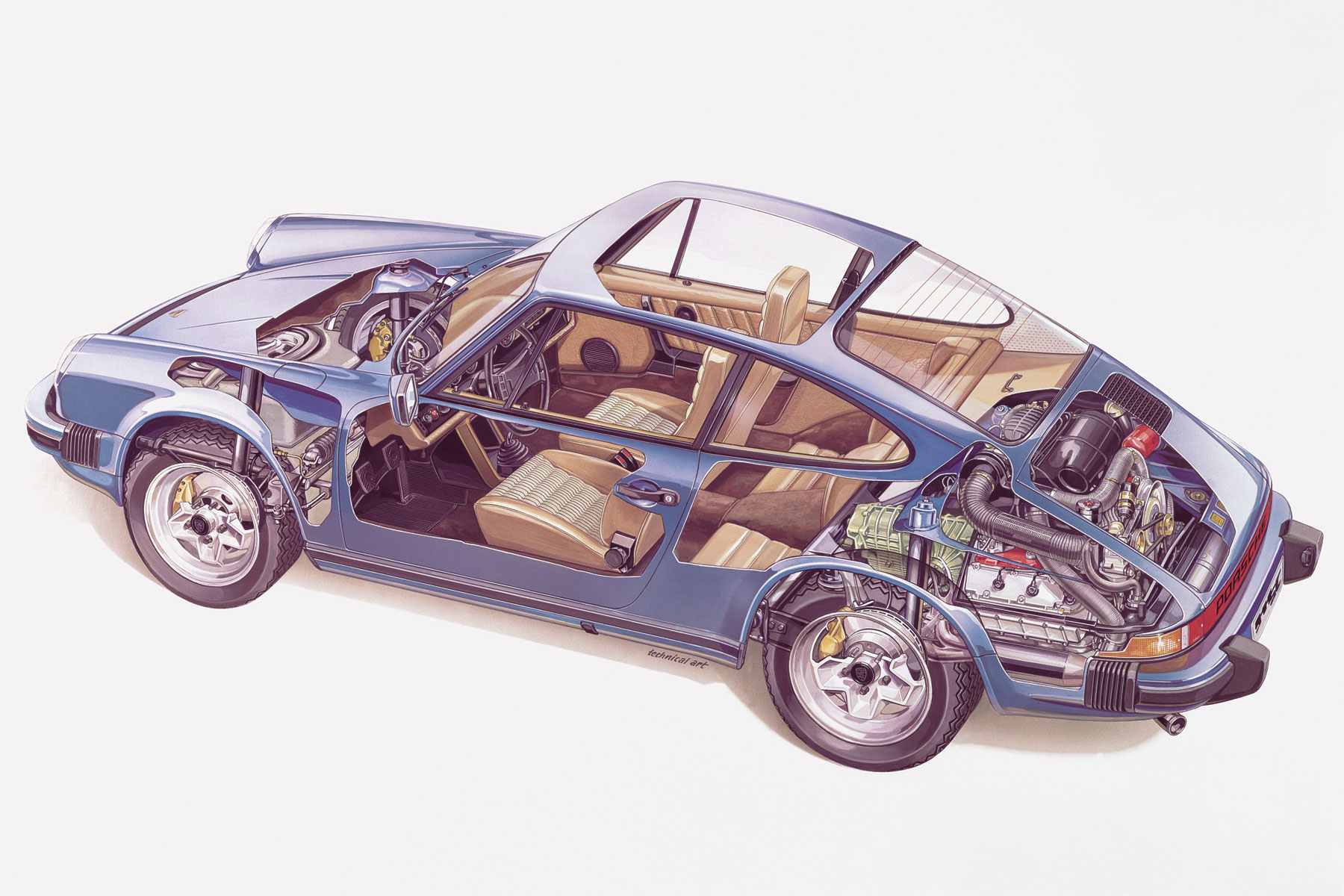
Porsche 911 SC
We’ve reached the end of our gallery, which will come as a relief to all involved. We’ll leave the last word to Andrew Frankel, who doesn’t have much time for the Porsche 911 SC built from 1977. According to Frankel, the early 3.0-litre versions offered performance comparable to a hot hatch, making them feel like a sheep in wolf’s clothing, especially with the optional whale tail and low-profile Pirelli P7 tyres.
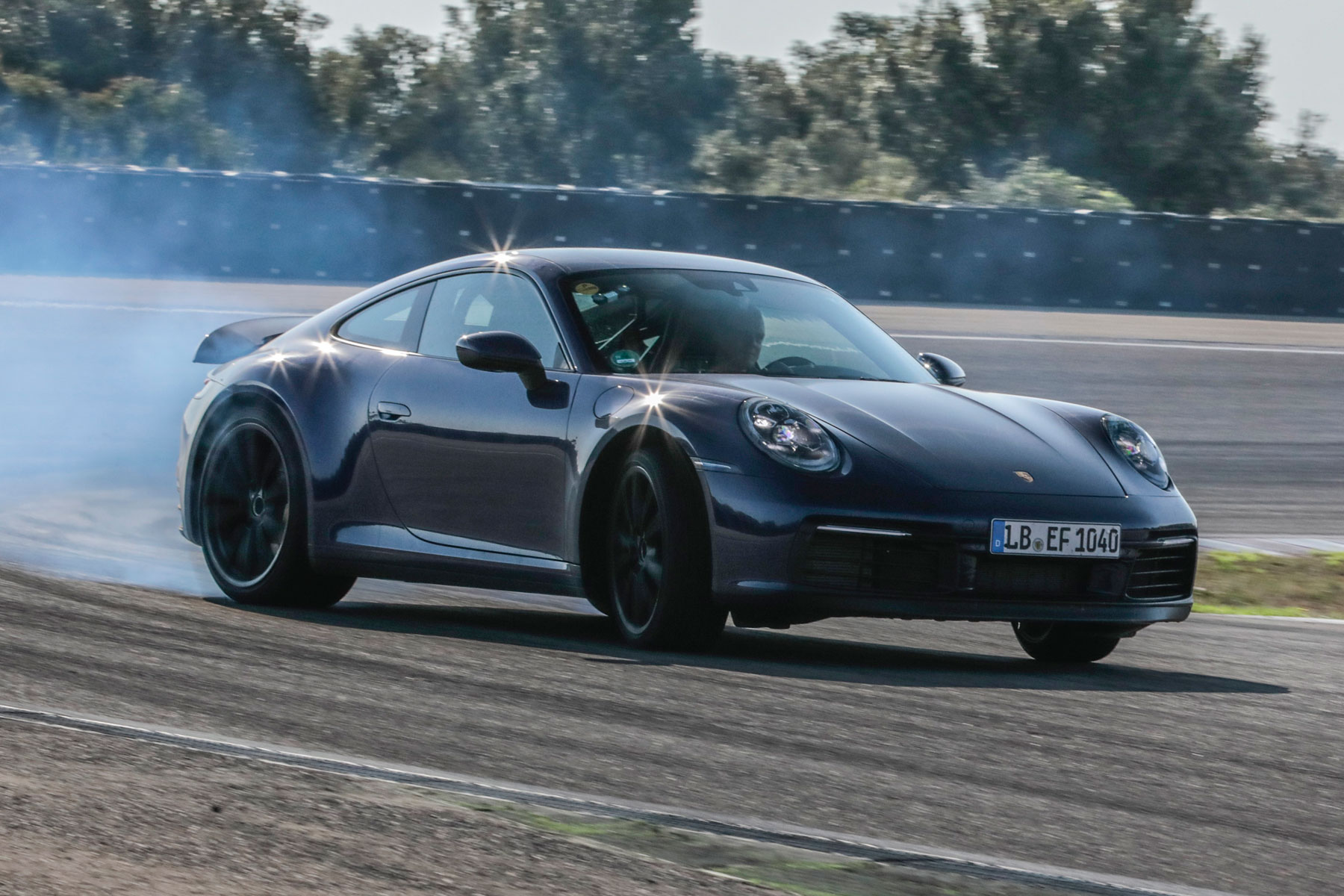
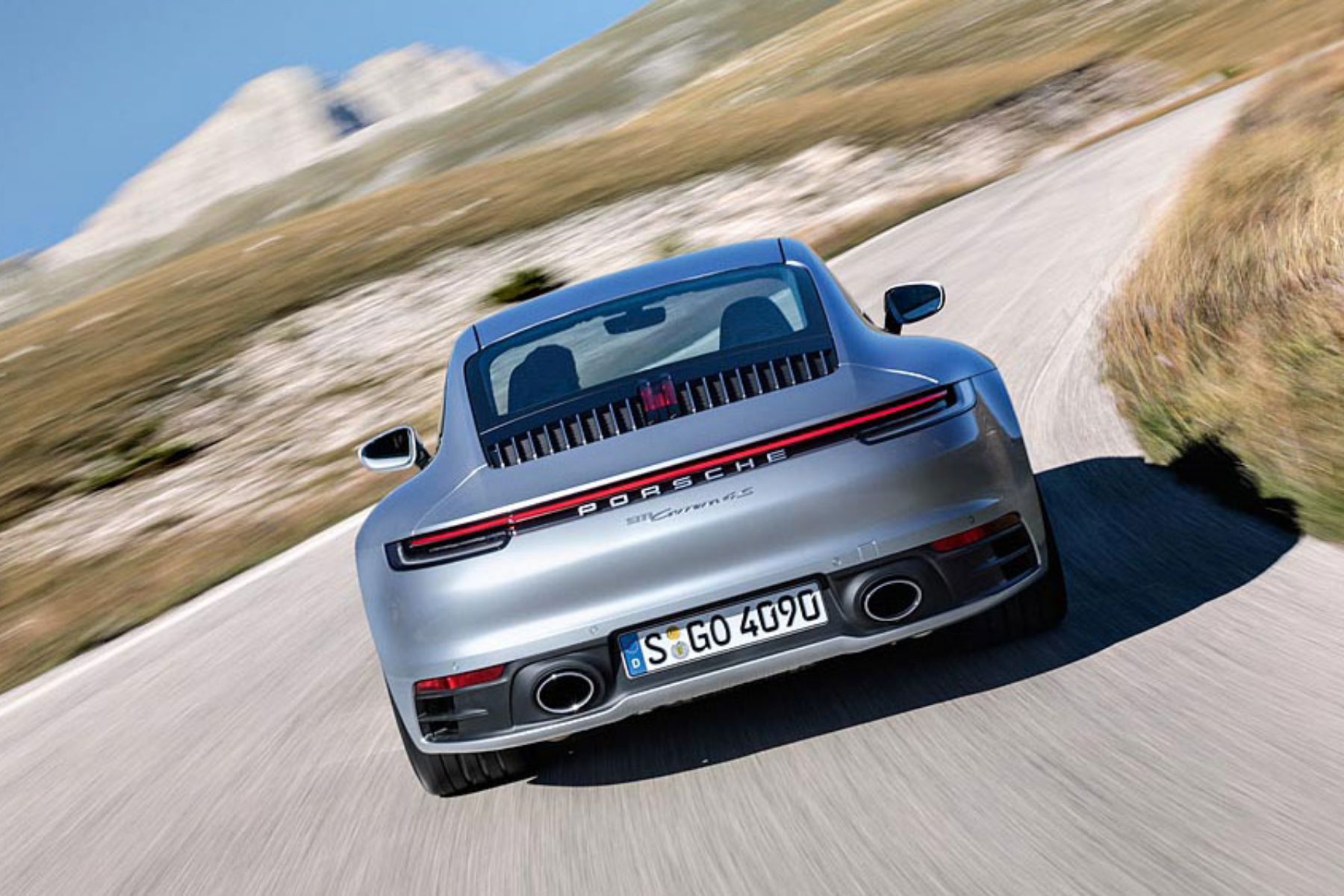
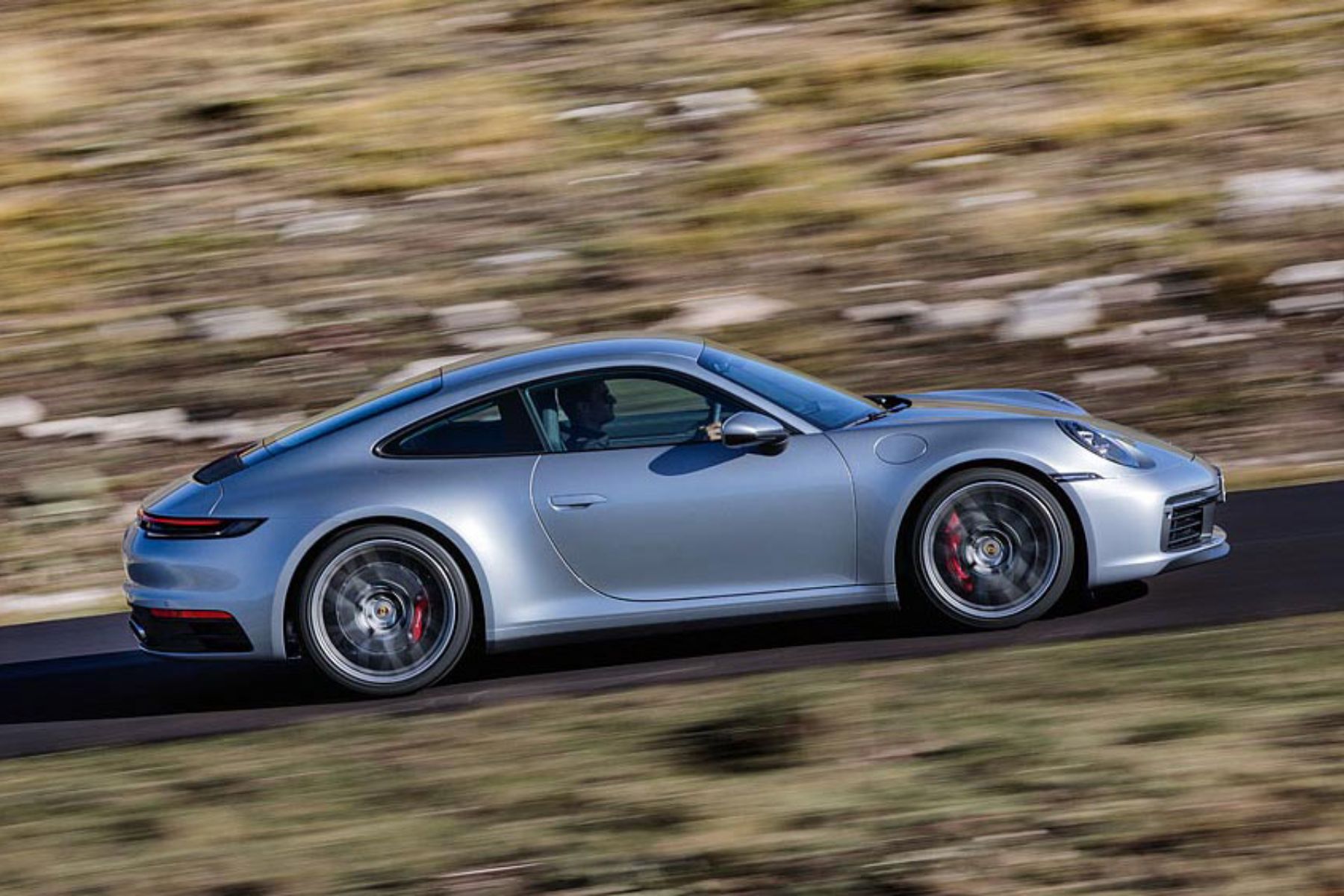
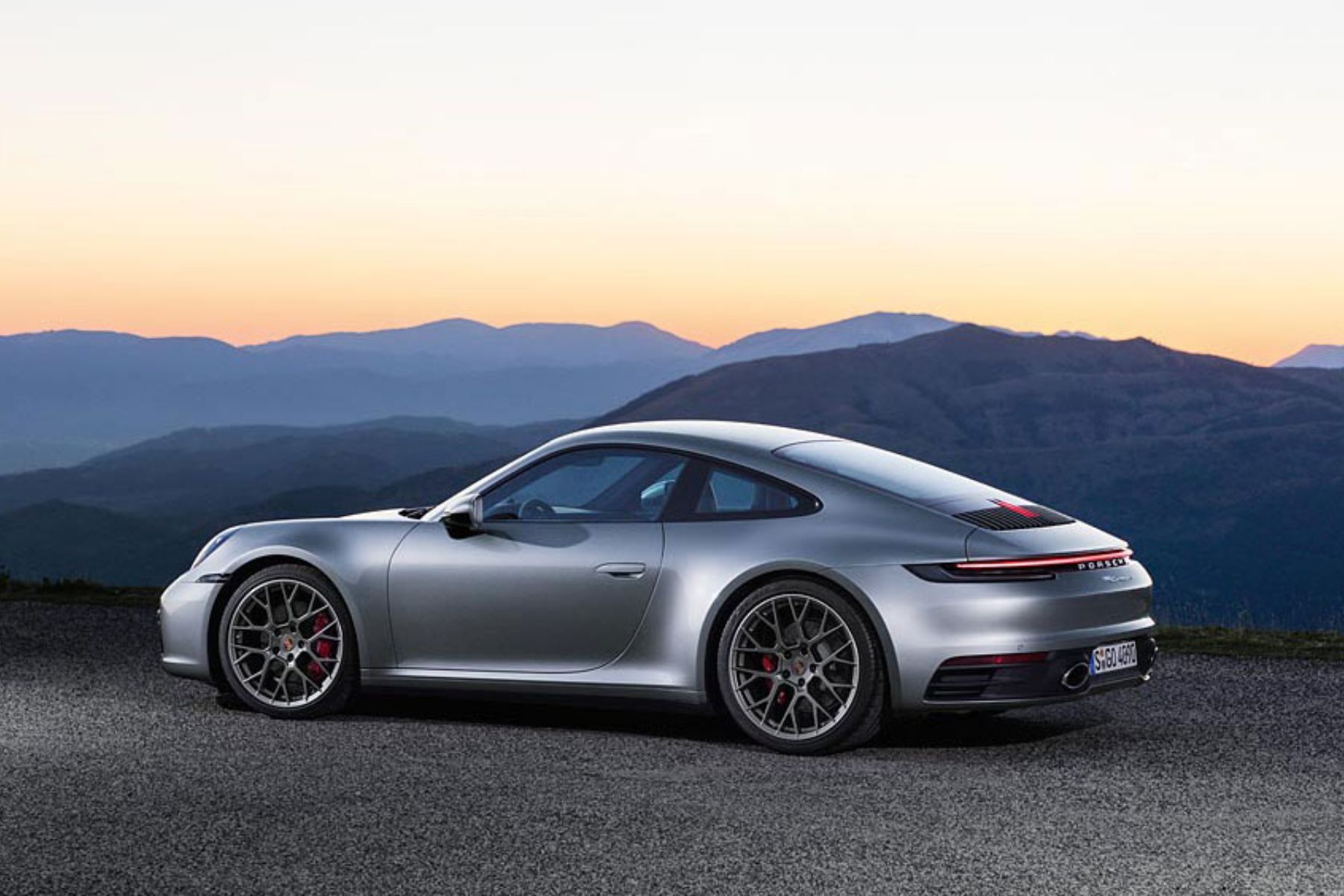
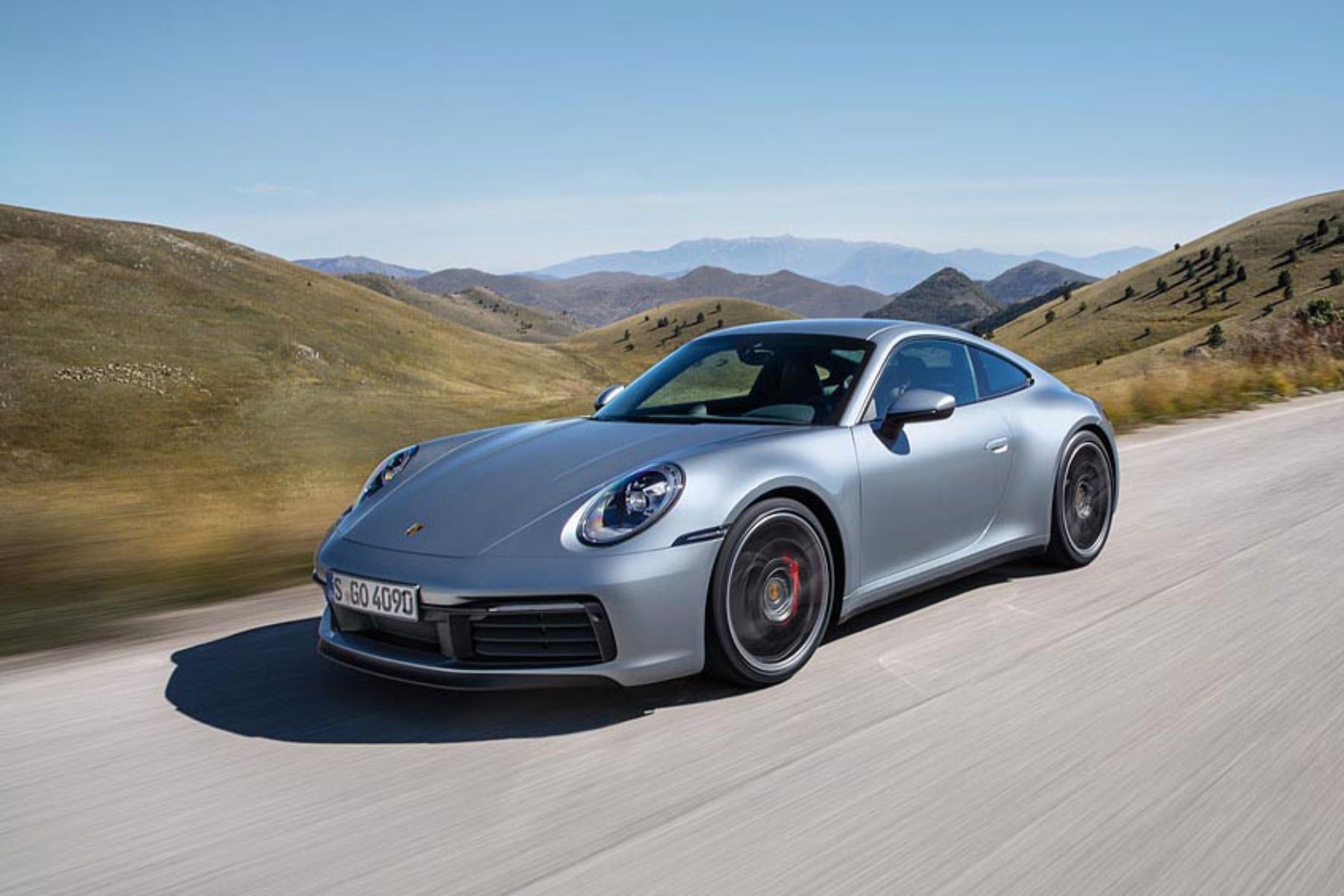
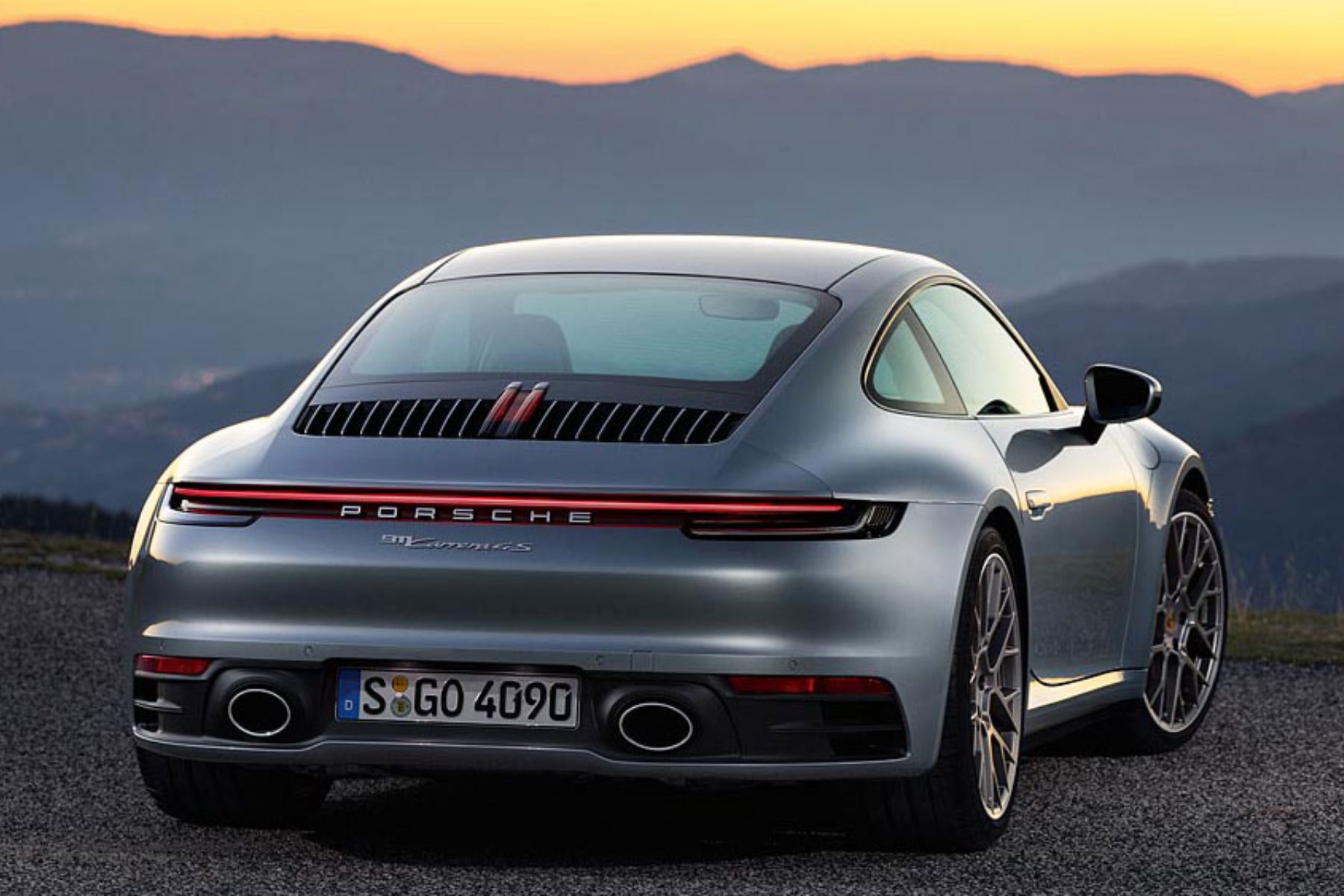
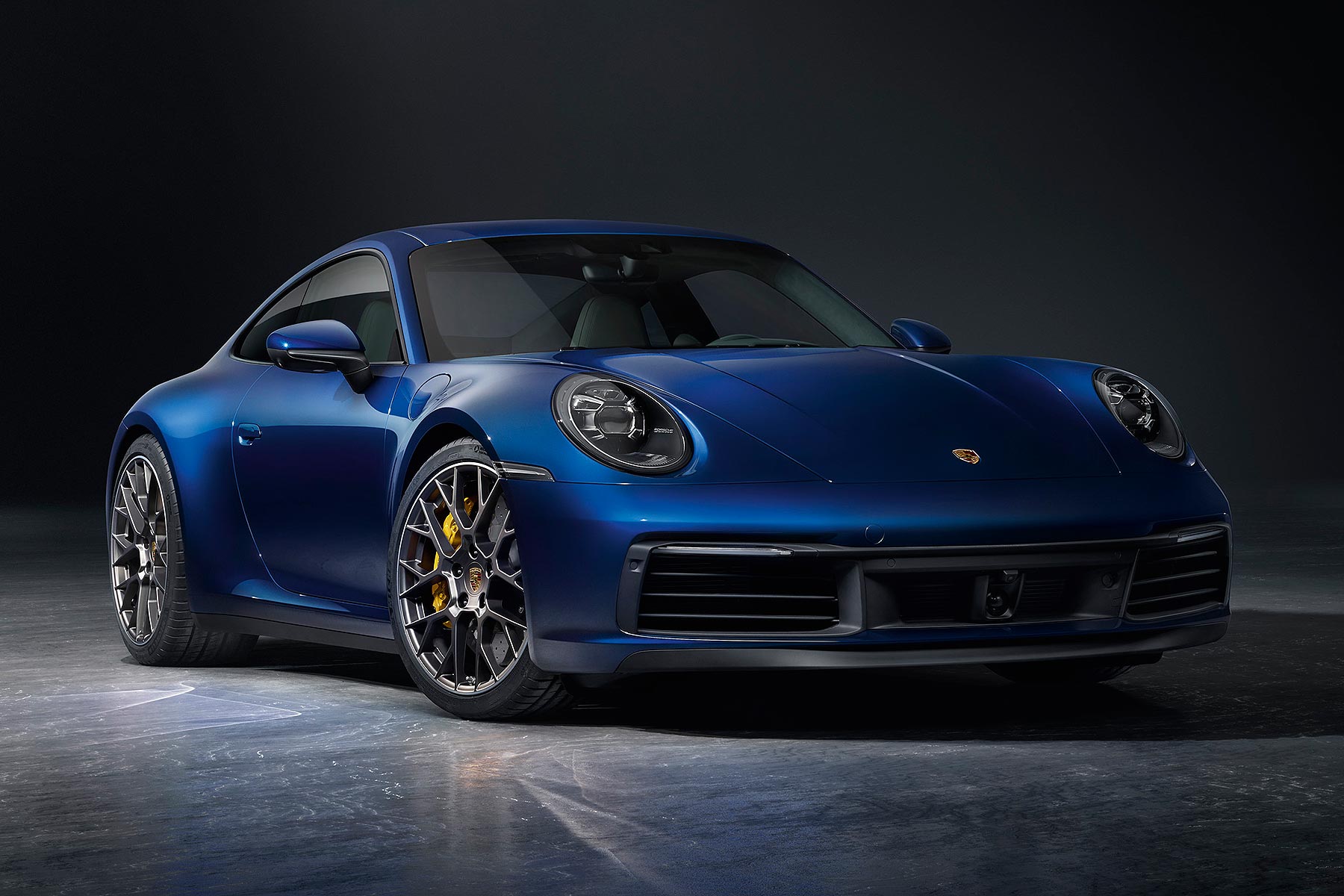
The latest evolution of the Porsche 911, codenamed 992, has been revealed on the eve of the 2018 LA Auto Show. It goes on sale immediately, priced from £93,110, with Porsche keen to stress that, although the shape is familiar, there’s revolution beneath the surface.
The 911 is launched in Carrera S and Carrera 4S guises. Its flat-six turbocharged engine gets a 30hp boost over the outgoing car, to 450hp, while the eight-speed PDK automatic gearbox has one extra gear.
Result: every new 911 at launch does 0-62mph in less than 4.0 seconds.
A brief history of the classic Porsche 911
The Carrera S does 0-62mph in 3.7 seconds. With the extra traction of all-wheel drive, the Carrera 4S needs just 3.6 seconds. Add the optional Sport Chrono Package and the time for each is cut by a further 0.2 seconds. The new 911 is an exceedingly fast machine even as a Carrera S, then. Future Turbo and GT variants are going to be incendiary.
The 191mph Carrera S averages an impressive 31.4mpg in the tougher new WLTP fuel economy test, and emits 205g/km CO2. A novel ‘Porsche Impact’ emissions calculator is fitted, so eco-conscious owners can pay to offset their CO2 emissions.
Both Carrera S and Carrera 4S have the same body – the 4S is no wider than the regular car – but both are ‘significantly’ wider than the old 991. This emphasises the slim centre section, says Porsche, with new retractable door handles giving a smoother look. New 20-inch wheels are standard on the front, 21-inch on the rear.
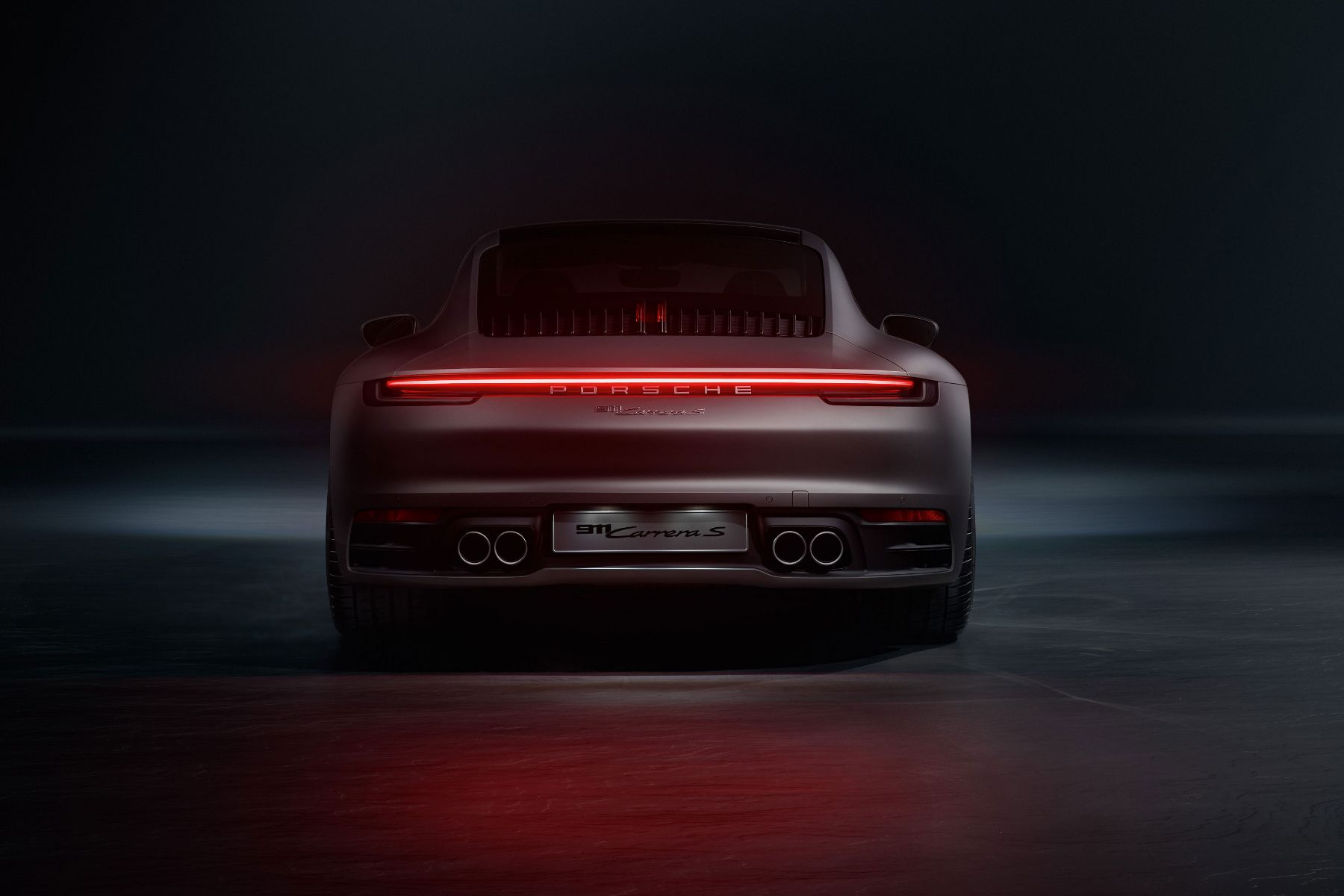
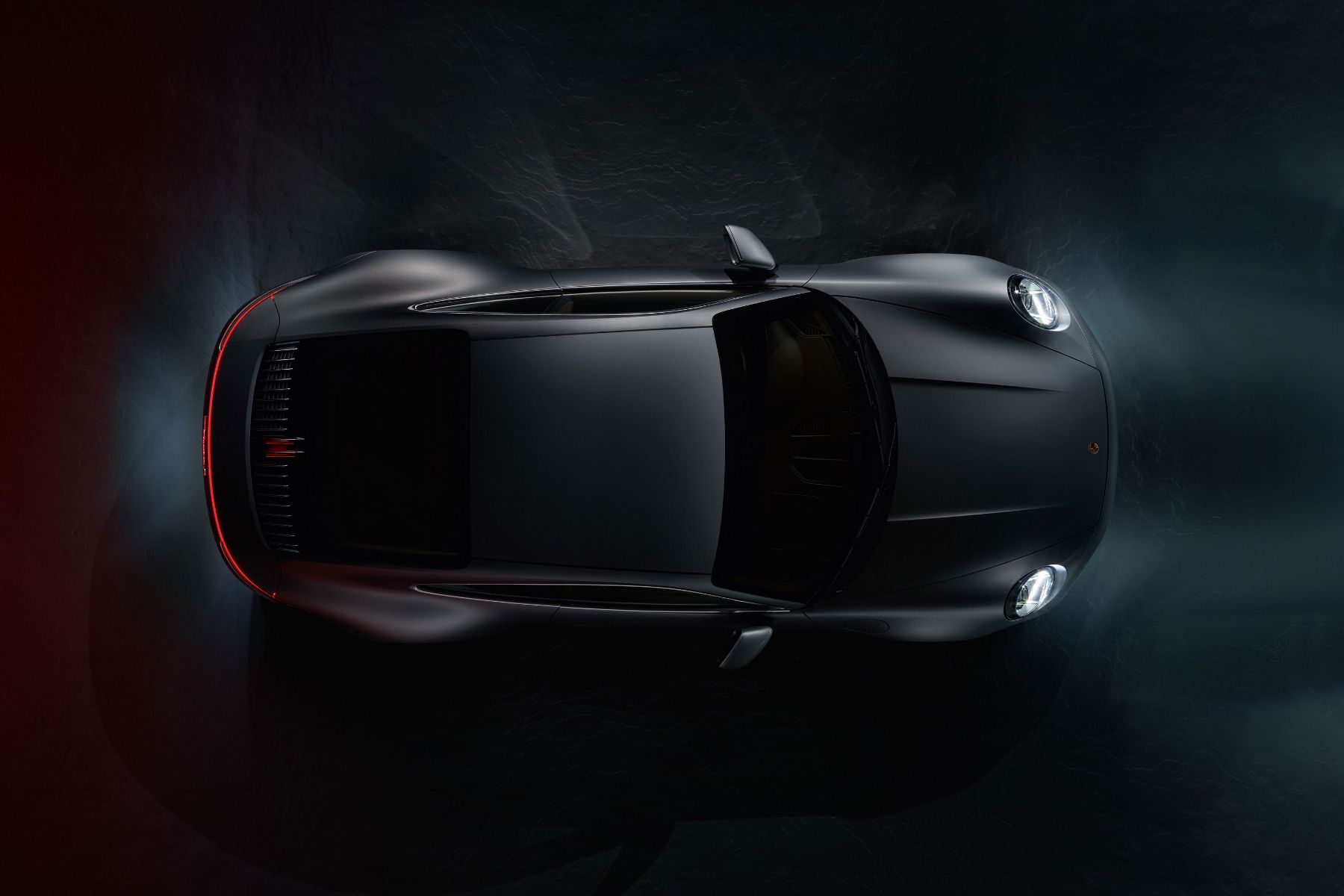
The front is 45mm wider and has a feature that mimics early air-cooled Porsche 911s from the 1960s: a recessed centre section. The variable position rear spoiler has more jewellery and design detail, again like period 911s, while the seamless light bar is a more modern theme.
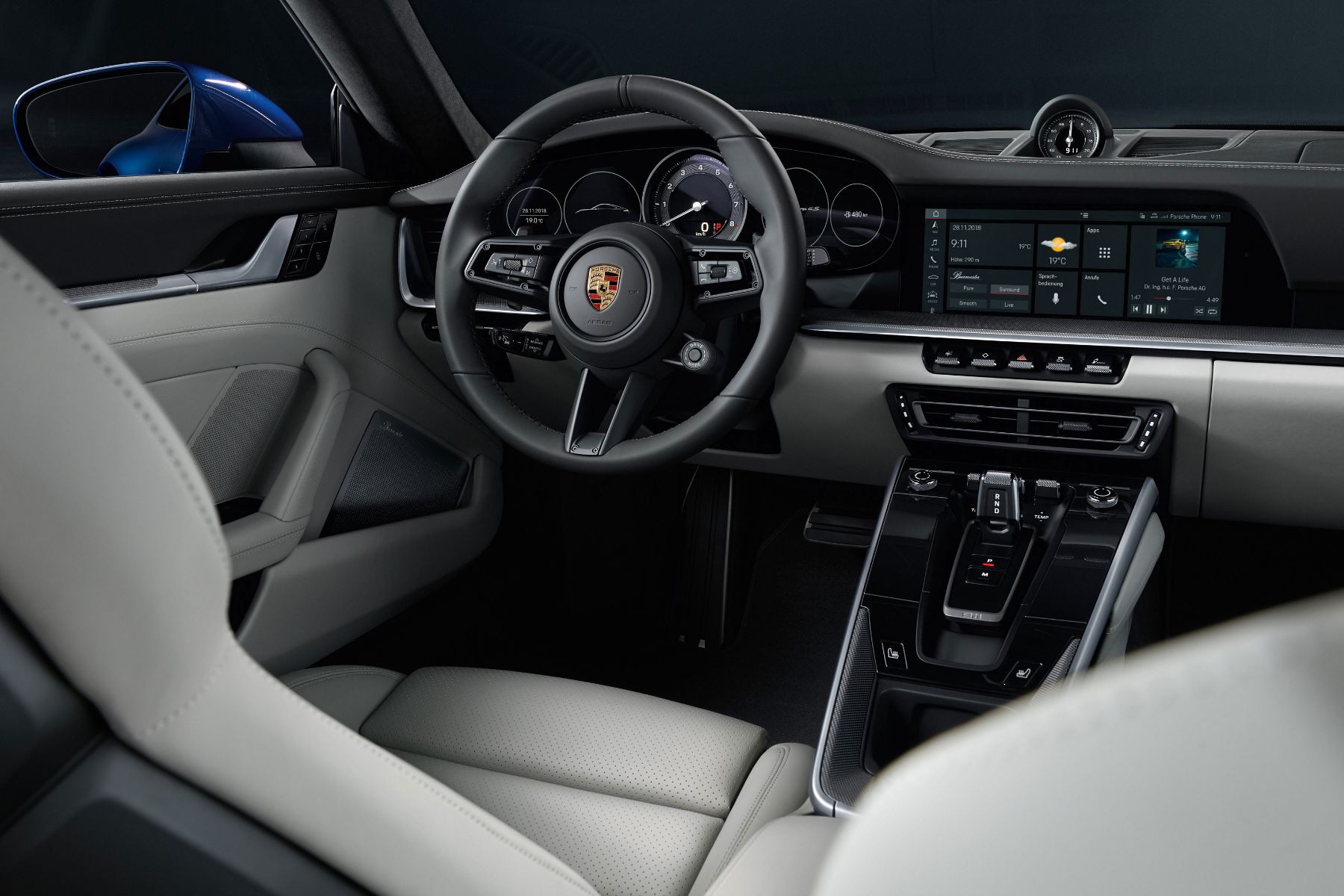
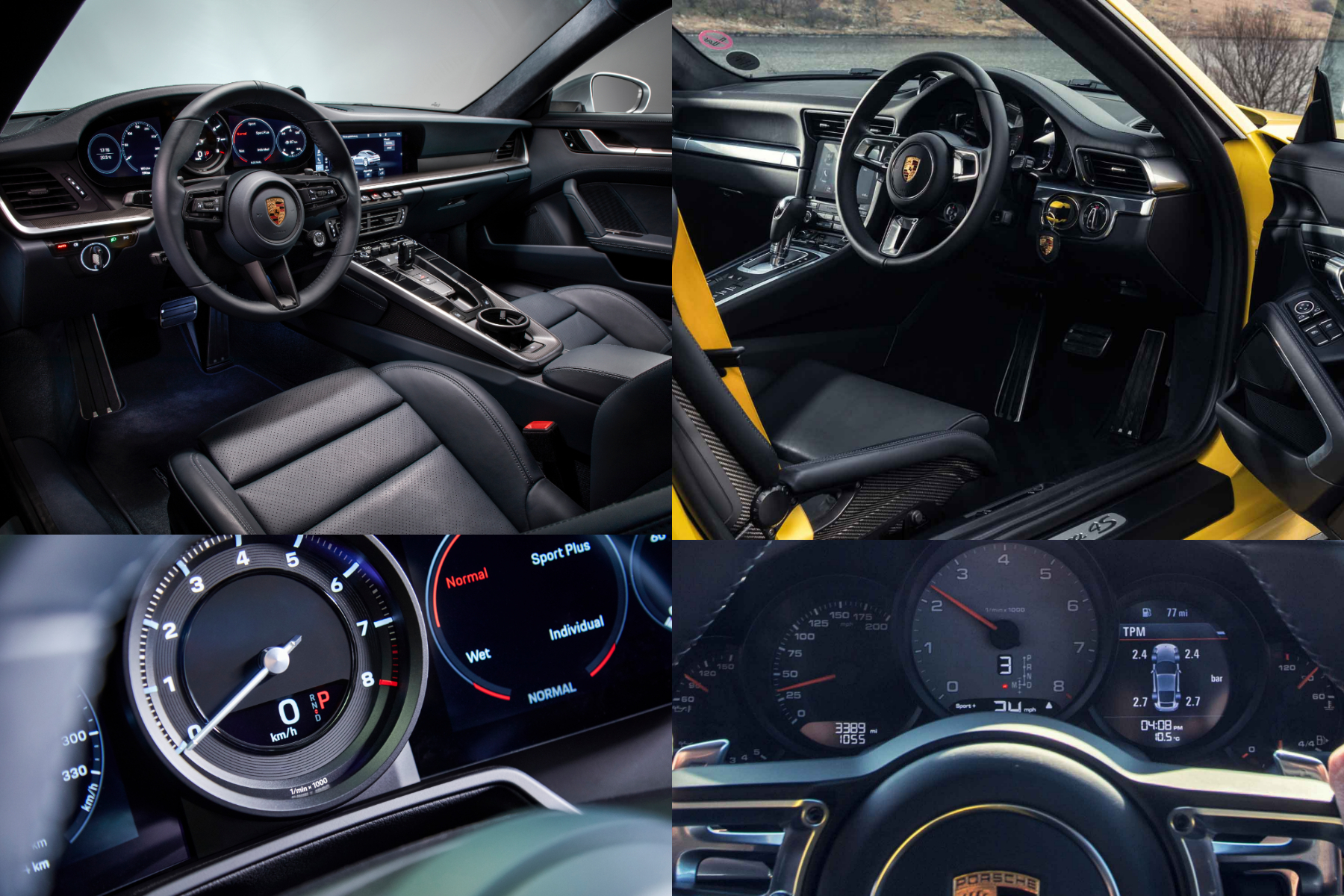
It’s 911s from the 1970s that have influenced the ‘clear and straight lines’ of the all-new interior. A big central rev counter again dominates, flanked by dual frameless, free-form electronic displays. The classic 911 ‘five dial’ dash has gone digital.
The Porsche Communication Management (PCM) infotainment system in the centre grows to 10.9 inches. Below it are five easy-access shortcut keys, while the plethora of buttons worn by recent Porsches has been reduced.
Porsche fits what it calls ‘world first tech’ as standard. A new Wet Mode senses when the road is damp and sets the car up to manage it – alerting the driver if they want to ramp up the electronic safety systems.
Autonomous emergency braking is standard on every new 911 – a boon, given how many are used as daily-drivers and in town. Night Vision Assist is optional for the first time and adaptive cruise control has a ‘stop and go’ function to make traffic less arduous.
As if all that wasn’t exciting enough for enthusiast, there’s something else all-new: Porsche Road Trip, an app that helps plan, organise and navigate driving adventures. It will curate routes, show points of interest, even recommend stop-offs. Doing cars and coffee in your new 911 just got that bit easier.
It’s something of a running joke, the styling of the Porsche 911. Not that it’s an unsightly machine – many are rather pretty. But it seldom goes through a massive step-change in terms of design.
The same is the case with the new ‘992’ 911, just revealed at the LA Auto Show. On the surface, it’s a major facelift rather than a total overhaul. Yet we’re in no doubt that some of the most capable engineers in motoring have made the world’s most famous sports car brilliant yet again.
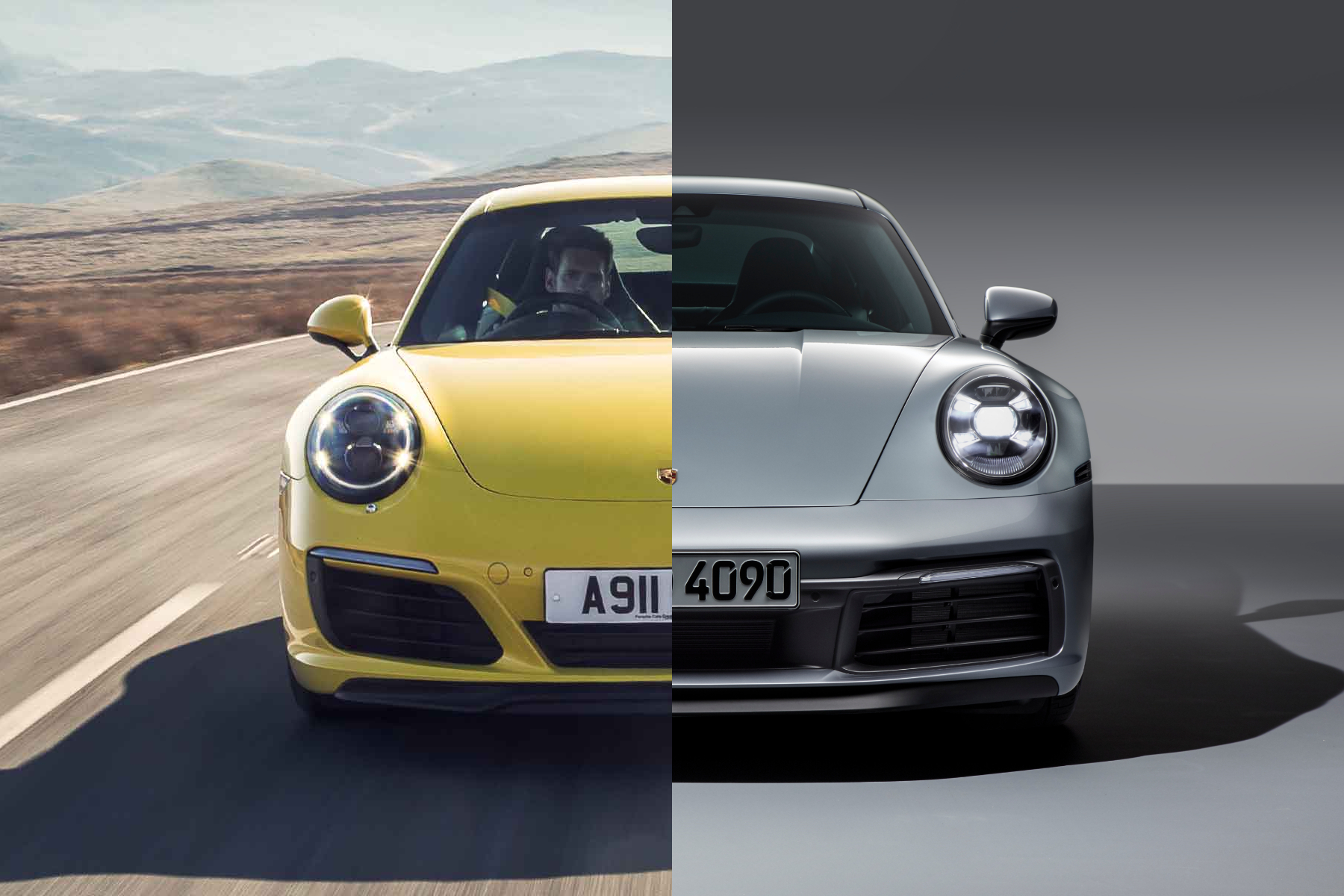
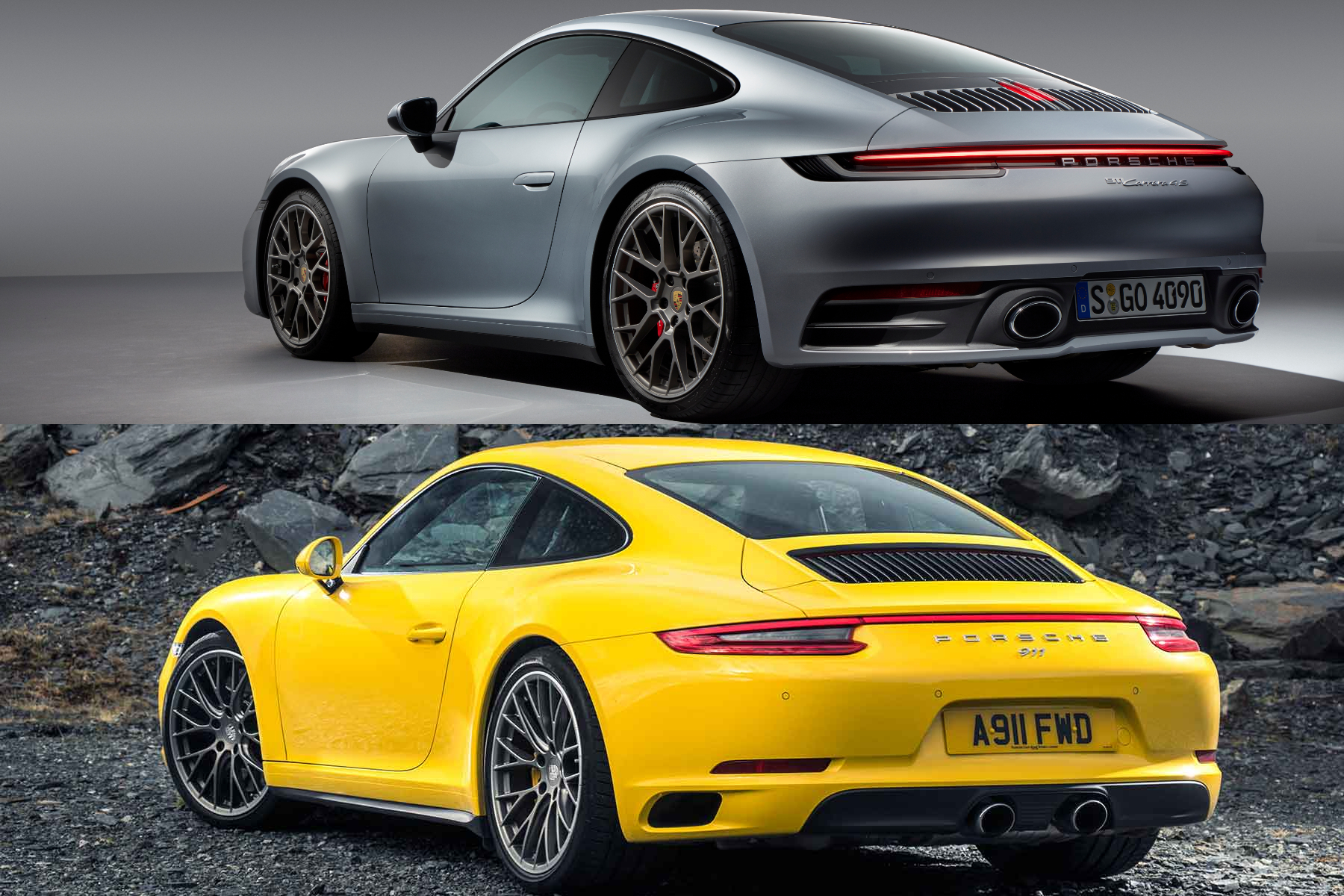
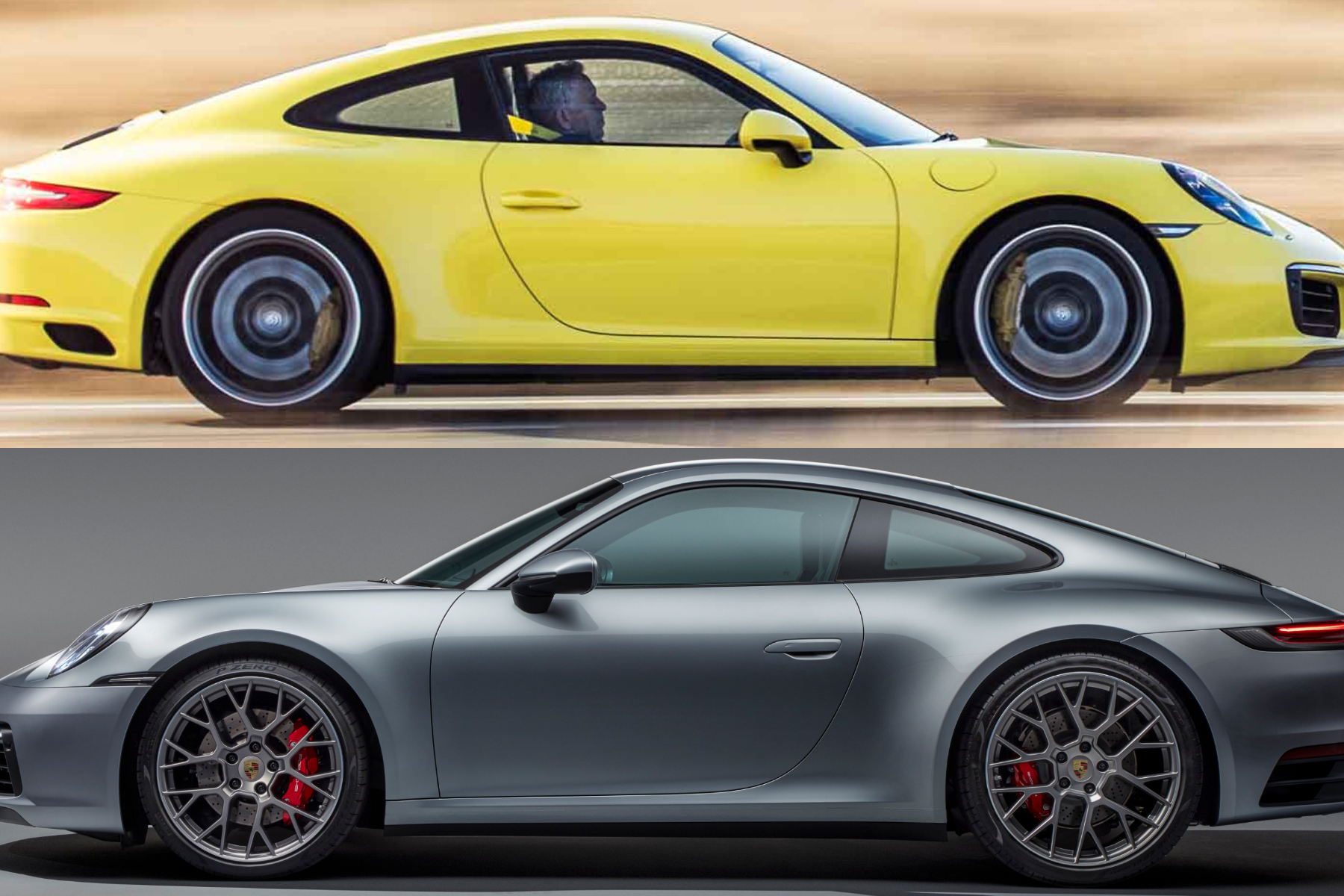
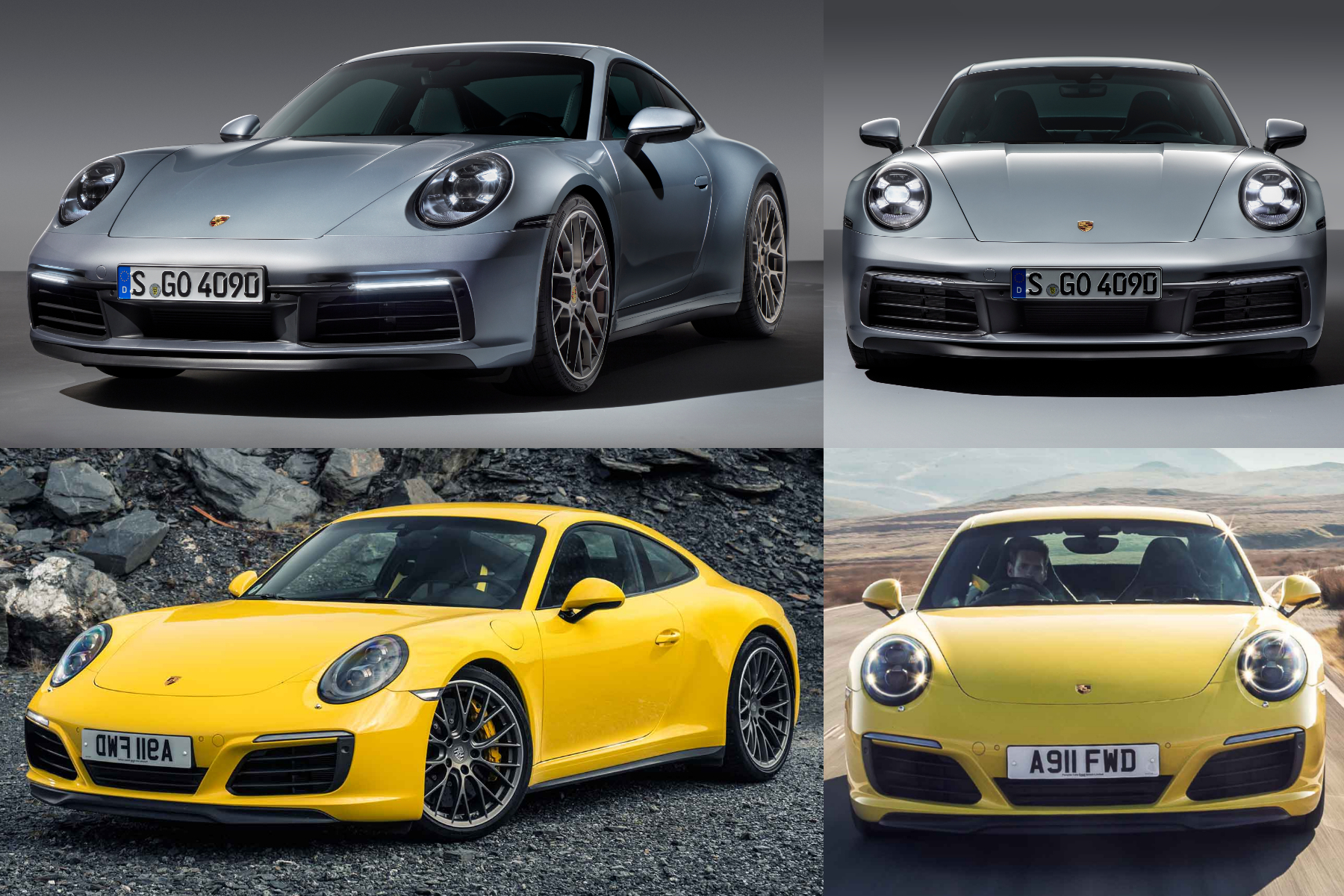
For now, let’s compare outgoing 991 and new 992 to help you tell them apart.
Rear lights
The 911 has, throughout its history, seemingly done things back to front – thus so shall we. It’s without doubt the age of the light bar, with the new 992 sporting a rear light that spans its entire rump.
For the last 20 years, this has been the preserve of Carrera 4 versions of the 911 – not so with the 992. The light itself is more cuboidal in shape compared to the early 991’s more curvaceous effort, too.
Hips
On previous generations of the 911, Carrera 4s and GT cars got the wide rear haunches. On the new car, however, it’s big bottoms across the range. The front, incidentally, is also 45mm wider than the outgoing model.
Exhausts
Two large oval items are suspended in the bumper, compared to a later 991’s central sports exhaust. Prototypes have been doing the rounds with this pipe arrangement for some time.
They’re a pleasing addition and give an air of something a bit more exotic, like a full-fat Turbo model. Older 911s had them hanging beneath the bumper.
Interior
Inside is where you normally find the biggest differences in a new 911, as it’s normally where the outgoing car feels most dated.
The current model is a bit of a button-fest. The new car is more like its siblings, the Panamera and Cayenne. The instrument binnacle is still quintessential 911, albeit with a modern digital twist.
Door handles
A very specific point to note, we know, but it’s a notable difference nonetheless. The new car adopts a more recessed and therefore aerodynamically efficient design of door handle.
It has a flap that appears to lift up, rather than an actual handle that you pull outwards.
Front bumper
The face of the 911 always seems to undergo change, without really altering the overall look. It’s no different on the new car.
Distinctive vents are out, and a more blended, ventilated face is in, complete with recessed daytime-running LEDs.
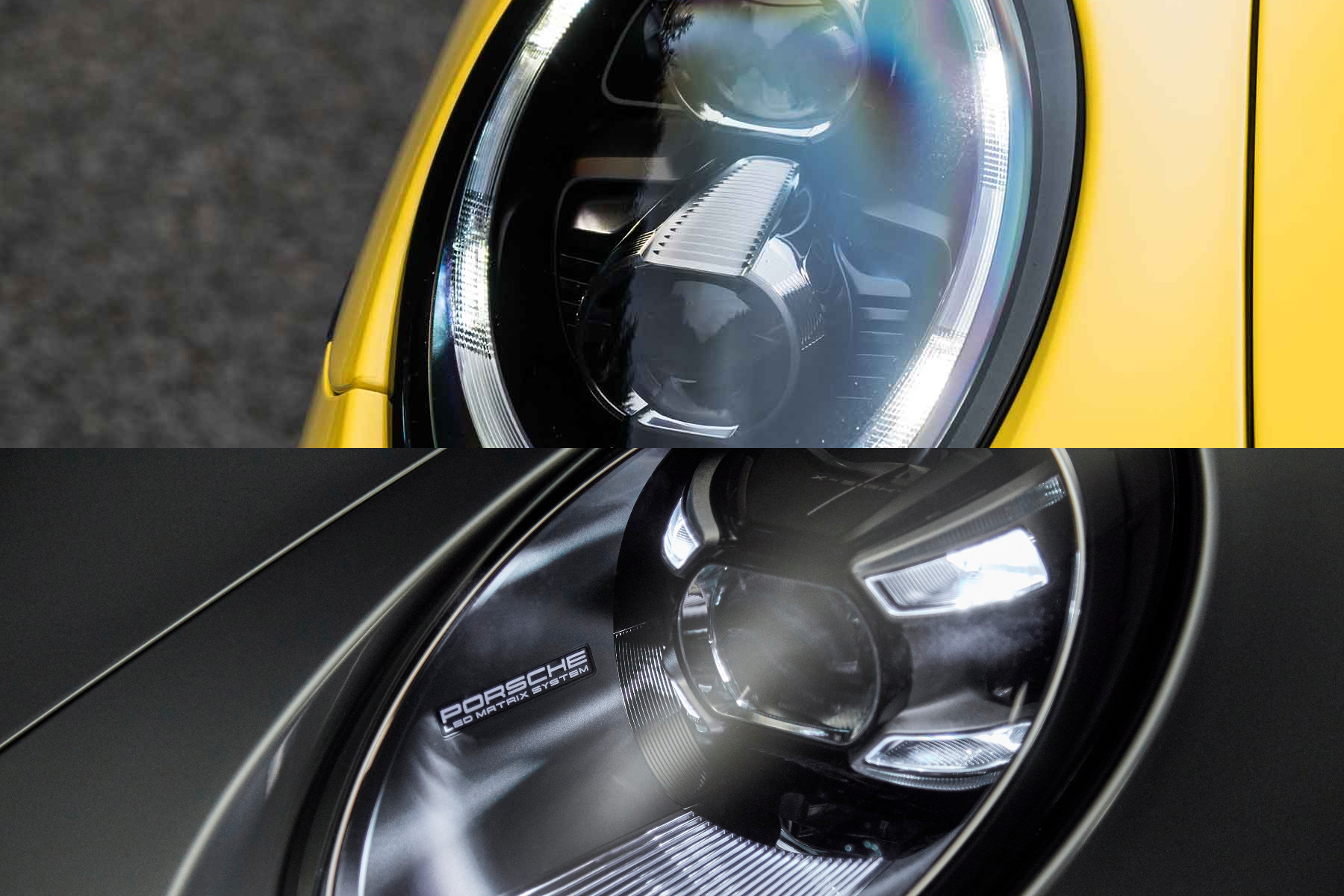
Headlights
This is one of the most difficult areas to tell 911s apart. They’ve always been round, bar the ‘fried eggs’ of the 996, for more than 50 years. The devil, however, is in the detail.
The 991.2 appeared to have a halo of sorts, in which four LEDs were nestled to make the points of a square. In the new car, they’ve moved inward, forming jewels in the main LED headlight crown.
As the last big motor show of the year, the LA Auto Show has an end-of-term feel about it. It’s a chance to recap on the new cars of 2018 and look ahead to the hottest new models of 2019.
Our man is flying to LA to deliver all the latest news and gossip from the floor, but in the meantime, here are the cars you can expect to see when the show opens at the end of the month.
Porsche 911
The new Porsche 911 – known as the type 992 – will make its debut in Los Angeles, following a gruelling development schedule that has seen the sports car travel to all corners of the globe. From hot-weather work in the Middle East and Death Valley, to high-speed laps at the Nürburgring and Nardo, the test cars will have completed around 1.8 million miles in total. The 911 heads to LA for a rest.
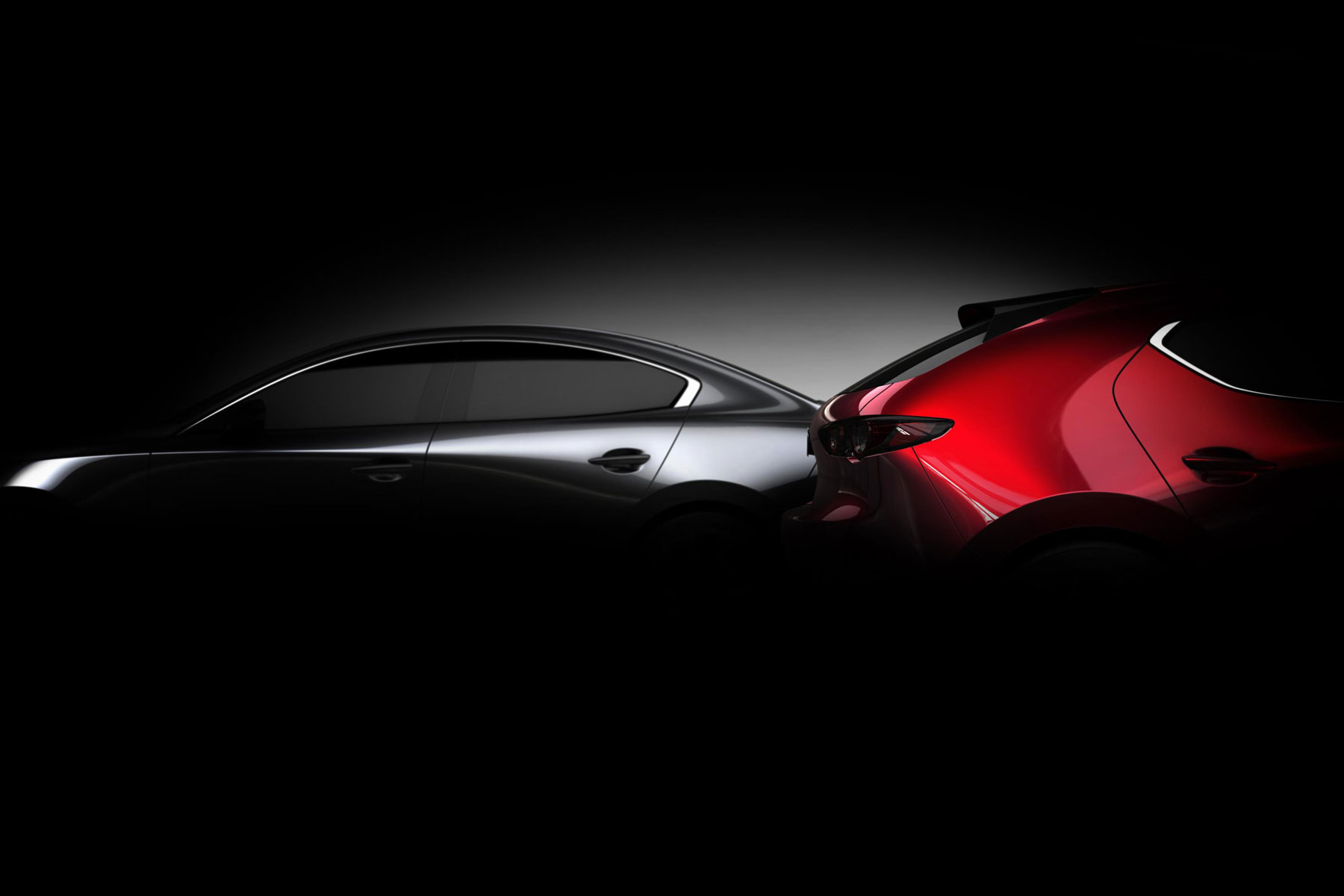
‘The arrival of all-new Mazda 3 marks the beginning of a whole new generation of Mazda cars that will deliver new dimensions of driving pleasure to customers around the world.’ From some manufacturers, we’d take that quote with a pinch of salt, but when it’s Mazda, we’re less cynical. The Japanese company consistently sets the benchmark for performance and dynamics, so the launch of both five- and four-door versions of the Mazda 3 is kind of a big deal.
Audi SQ8
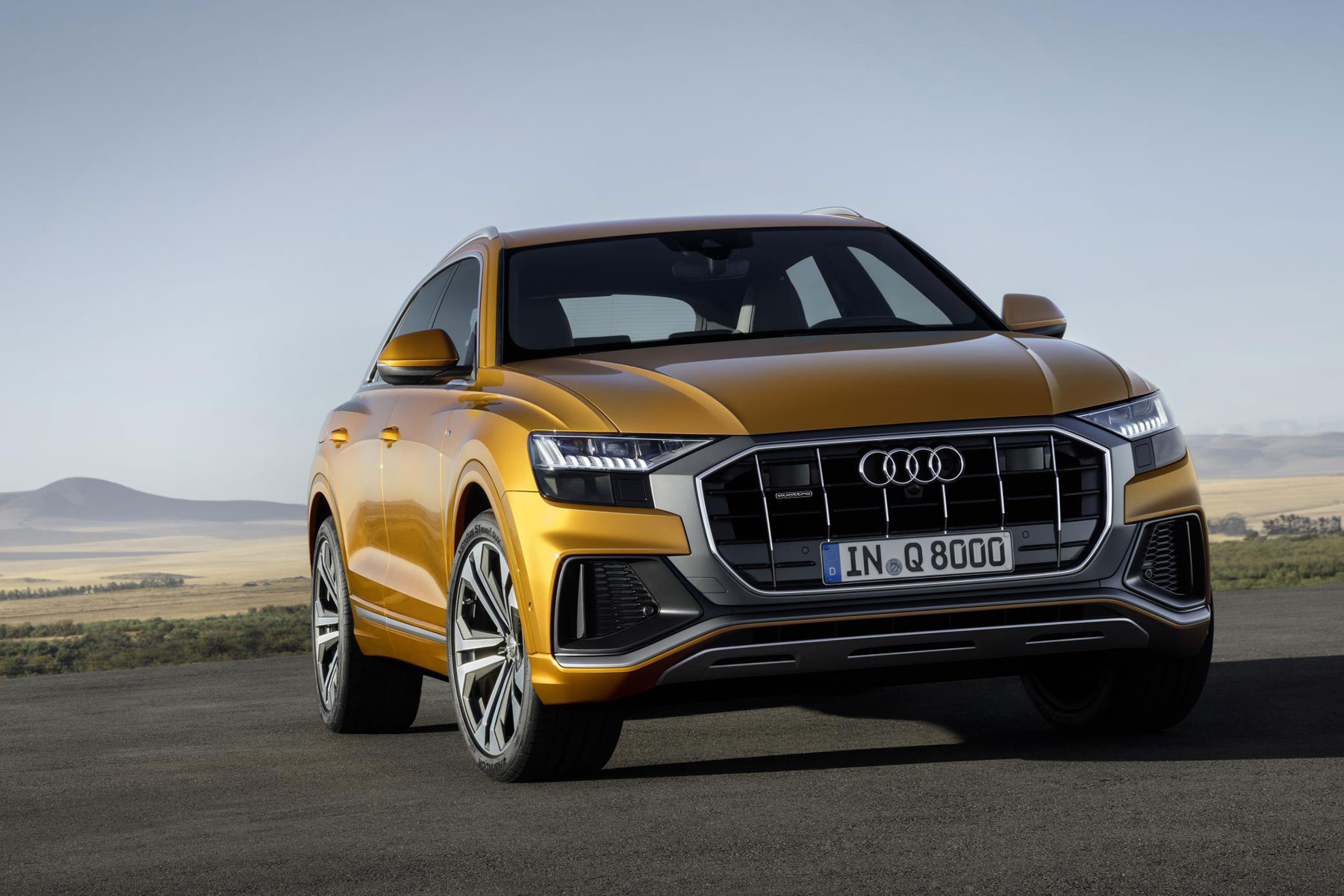
Audi will unveil a performance version of the Q8 SUV (pictured) in LA as it continues to overhaul its entire range of vehicles. We know that the SQ8 will be offered with a diesel engine for Europe, because a TDI-badged test car has been caught at the Nürburgring, and we’re expecting this to be the 429hp 4.0-litre V8 diesel of the SQ7 and Bentley Bentayga. Other options may include a 3.0-litre V8 and, in the future, a V8-engined RS Q8.
BMW M340i
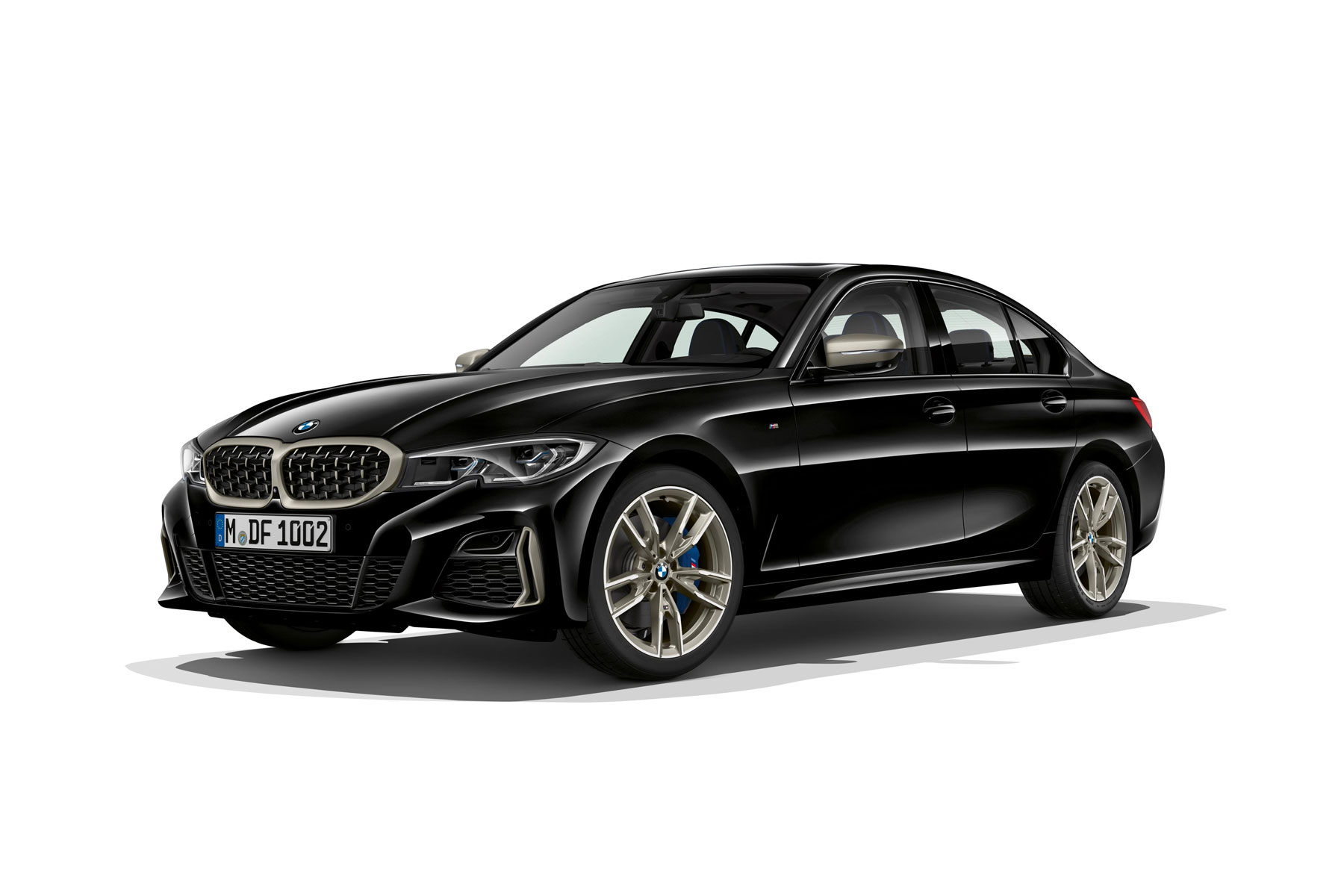
Until the launch of the new BMW M3 in 2020, this is as hot as the new 3 Series gets. The four-wheel-drive M340i xDrive is powered by a twin-turbocharged 3.0-litre straight-six engine developing 374hp, making it more powerful than the original BMW M2. What’s more, it’ll hit 62mph in an M4-baiting 4.4 seconds. It’ll arrive in Europe in July 2019 – get your order in now to avoid disappointment.
Mercedes-AMG GT R Pro
The Mercedes-AMG GT R is a pretty hardcore supercar to us, one with an incredibly loud exhaust. But it’s clearly neither hardcore nor loud enough for Merc’s fast car division. At LA 2018, a new Mercedes-AMG GT R Pro will be revealed, with even more on-track focus, not least because it’s to use bits first developed for the AMG GT3 and GT4 racers. Best pack our earplugs…
Jeep Scrambler
The Jeep Scrambler is essentially a Wrangler with a pick-up bed. We don’t know what it will look like yet, but we wouldn’t expect the styling to stray too far from that of the Wrangler (pictured). Truth be told, we’re not 100 percent certain that it will be called the Scrambler, but it’s a name from Jeep’s back-catalogue that sounds more evocative than ‘Wrangler Pick-up’.
Volkswagen Beetle Final Edition
It’s the end of an era, with Volkswagen saying goodbye to the Beetle with two runout specials, the Final Edition SE and Final Edition SEL. Two retro-inspired colours will be available – Safari Uni and Stonewashed Blue – and ordering for the farewell Beetle is open in the US, with prices starting from $23,045. Production will end in July, with Volkswagen opting to concentrate on electrification.
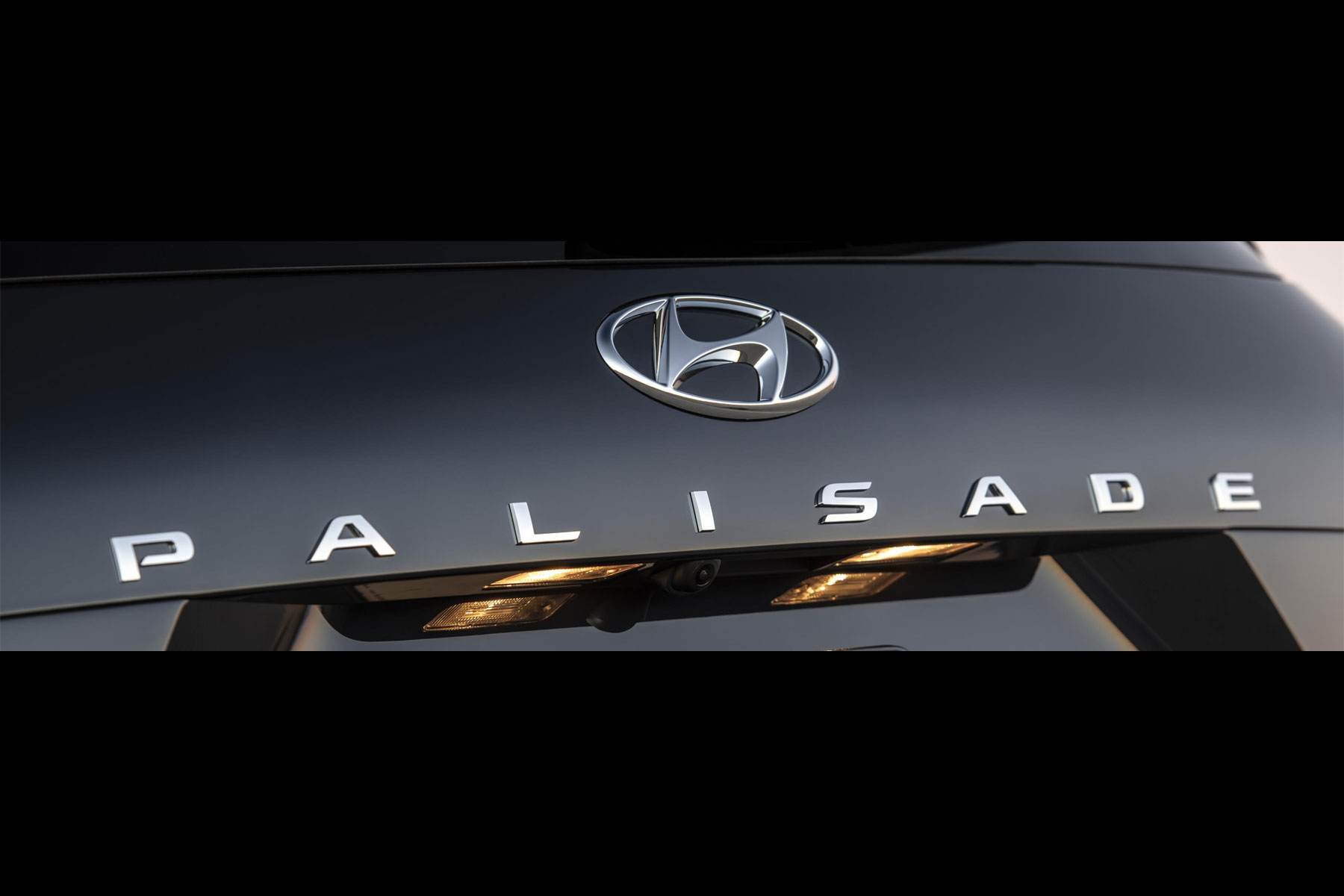
Hyundai Palisade
Hyundai is upping its SUV game with the launch of a new flagship model. Its name references the Pacific Palisades, an affluent and beautiful neighbourhood in Southern California, with the Palisade sitting above the Santa Fe in Hyundai’s SUV range. Leaked photos show that it will look like the current Santa Fe, but offer three rows of seats, providing space for up to eight people and their luggage.
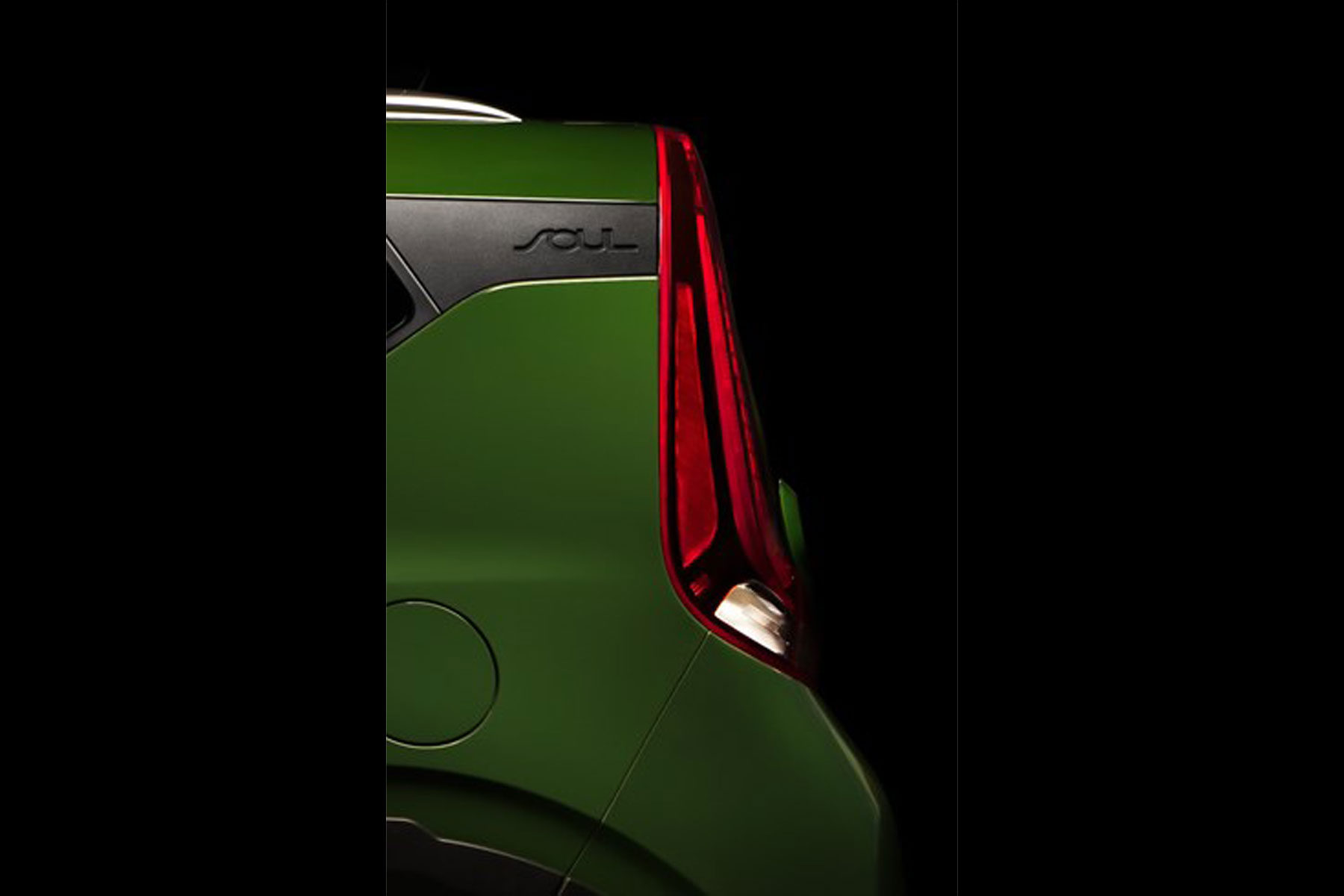
Kia Soul
The Kia Soul has never really struck a chord with UK buyers, but things are very different on the other side of the Atlantic. The original Soul was designed in California and based on the Mesa concept of 2006, before a new version was unveiled in New York in 2013. For the latest model, Kia is promising a ‘bold design, uncompromising utility and fun-to-drive personality’. An electric version will available in limited numbers in select markets.
Mercedes-Maybach GLS
Carmakers reckon there are two ways of making an SUV more desirable – create a performance version or build a more lavish model. The Mercedes-Maybach GLS will be the flagship version of the flagship SUV and is expected to feature a five-seat cabin with an emphasis on luxury and space. Still want that Rolls-Royce Cullinan? That’s a rhetorical question.
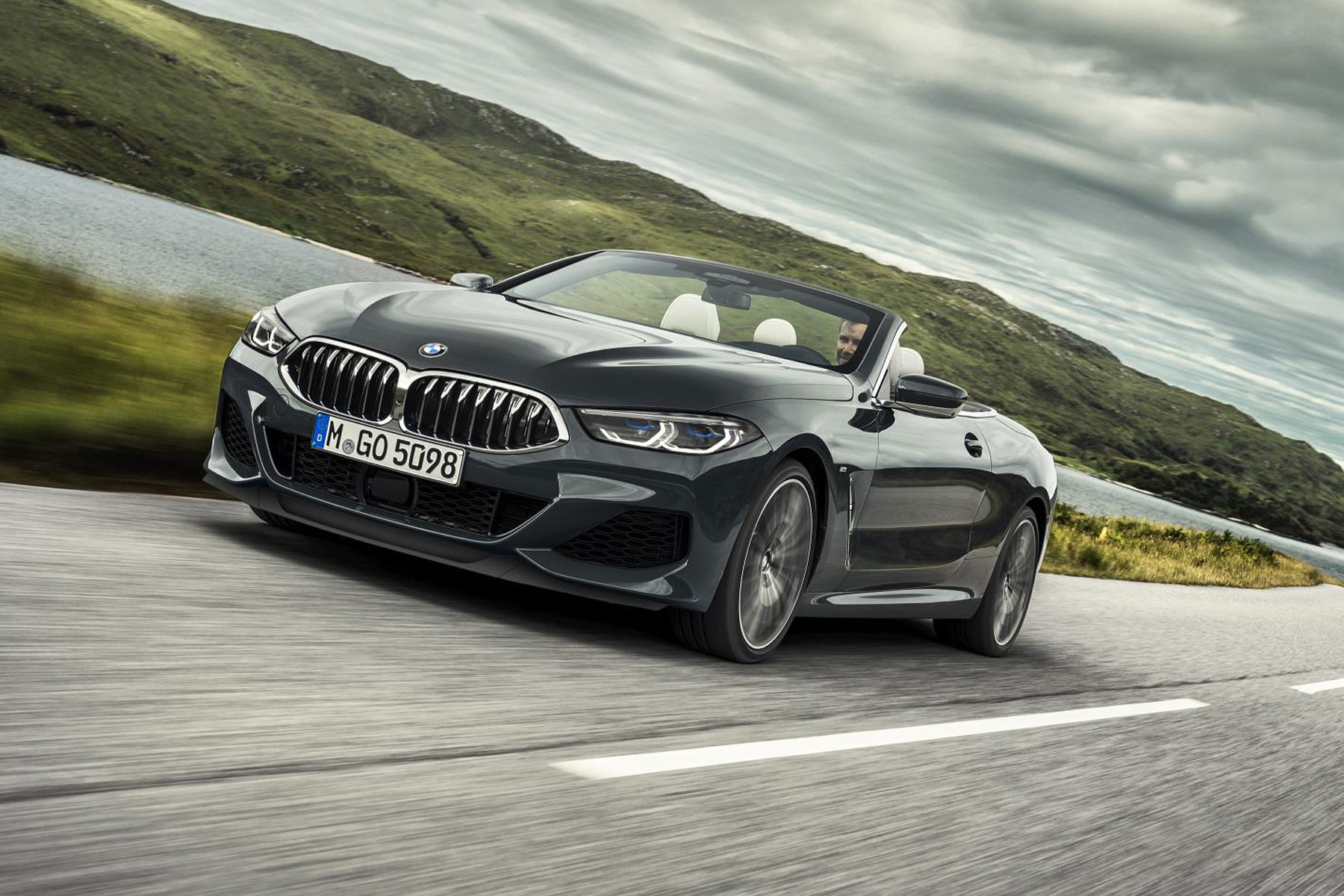
BMW 8 Series Convertible
The new BMW 8 Series Convertible will hit the streets in April 2019, just in time for the summer, with prices starting from £83,270. That secures an entry-level 840d xDrive, but you’ll need to part with £107,045 for the M850i xDrive. BMW says the 8 Series was designed from scratch with the convertible conversion in mind, with ‘only a small number of additional convertible-specific weight-increased measures’ required. The roof lowers and raises in 15 seconds, at speeds of up to 31mph, in case you were wondering.
Audi E-tron GT concept
Audi unveiled the E-tron SUV early this year – the first of 12 all-electric Audis to be launched between now and 2025. We don’t know a great deal about the E-tron GT concept – Audi has been refreshingly tight-lipped in the weeks before LA – but we do know that it is targeting Tesla with a performance-led EV. According to Autocar, the E-tron GT will ‘get some genes from Porsche and a lot of Audi genes’.
Toyota Camry TRD
TRD stands for Toyota Racing Development, which tells you all you need to know about the first-ever Camry TRD. Available in autumn 2019 for the model year 2020, the Camry TRD will be powered by a 301hp 3.5-litre V6 engine mated to an eight-speed automatic transmission, and treated to a host of performance upgrades. These extend to a track-tuned chassis, cat-back dual exhaust, 19-inch rims, aero kit and unique TRD interior trim.
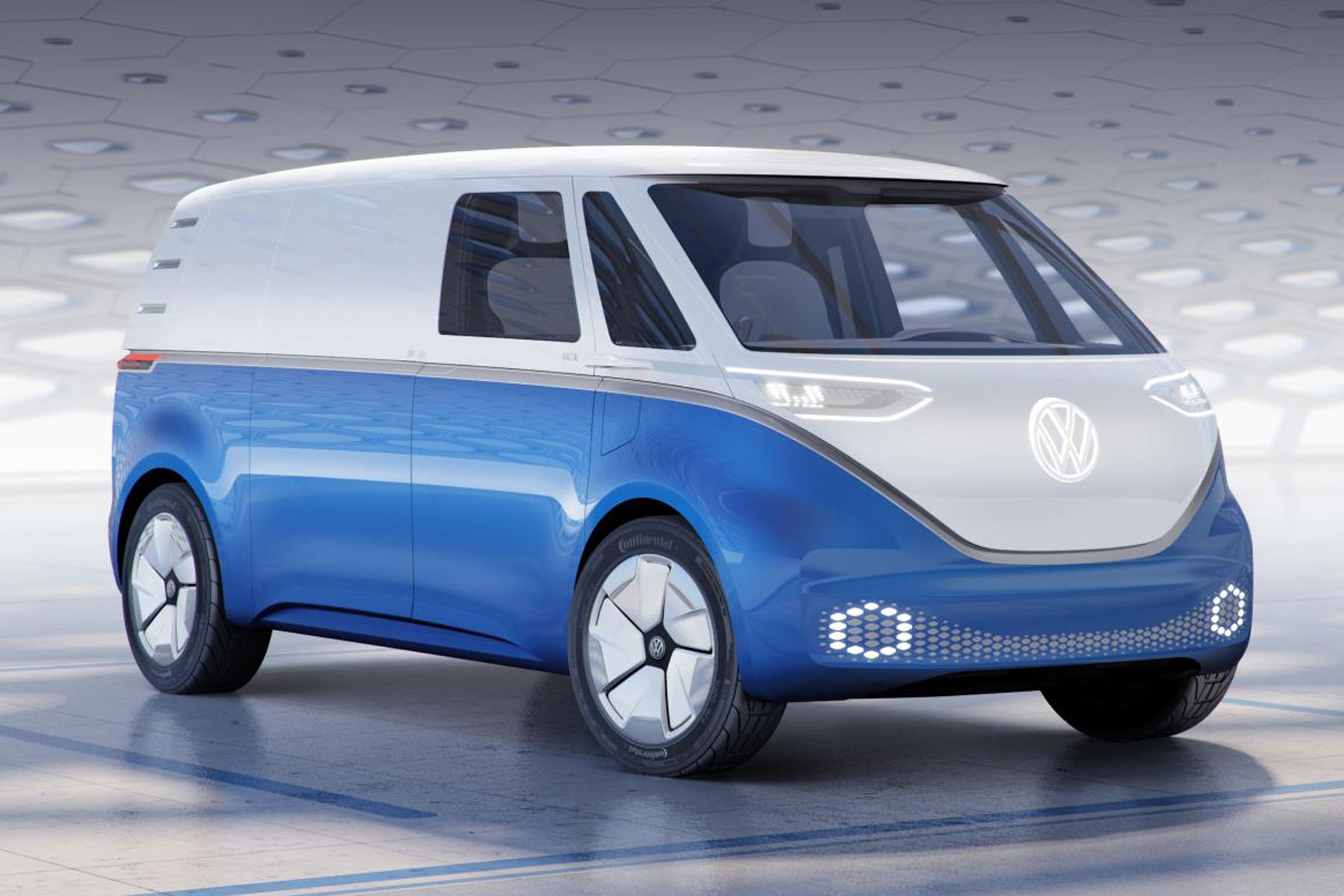
Volkswagen ID Buzz Cargo concept
Volkswagen is hoping to shift 15,000 electric cars in 2020, but says it will be selling more than a million a year by 2025. The key to this success will be the ID family of cars based on a modular electric drive platform built for EVs. The ID Buzz Cargo is a van concept based on the ID Buzz microbus and is said to offer up to 341 miles of range.
BMW X7
The BMW X7 promises to be one of the big stars of LA, in more ways than one. It’s a new SUV, which gives it a fast-track to success, but it’s also huge. Like, properly huge. Try 5.1 metres long, two metres wide and 1.8 metres tall. It means that the X7 can seat seven people in comfort and space – this is essentially a BMW 7 Series SUV for seven. Note the rear doors, which are larger than the fronts – BMW wants this to be the ultimate passenger machine.
BMW iNext
If the sheer scale of the gargantuan X7 is too much, BMW has another slightly more compact SUV at LA: the new all-electric iNext. It’s a far-sighted concept that previews a 2021 production model that will be roughly similar in size to a BMW X5. Expect a decent, Jaguar I-Pace and Audi e-tron-rivalling range, plus a high level of autonomy. Like you, we can’t take our eyes off that gigantic grille either.
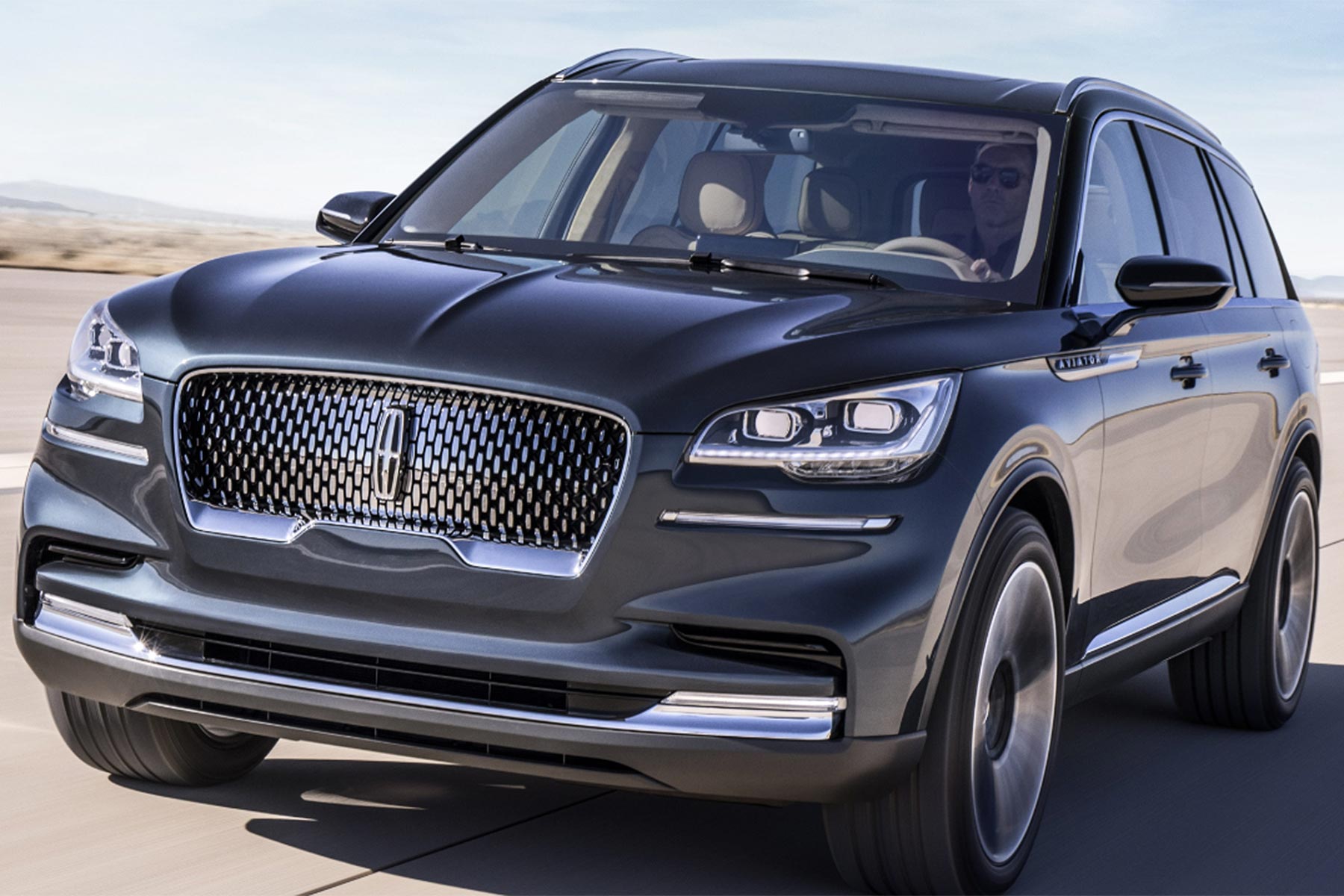
Lincoln Aviator
No, we haven’t taken leave of our senses, this really is a photo of the Detroit Symphony Orchestra. Three musicians were tasked with providing the soundtrack for the new Lincoln Aviator, more specifically the alerts and chimes for everything from an open fuel filler door to an unattached seat belt. Lincoln will be hoping that the seven-seat SUV, ahem… chimes with its target audience.
Nissan Maxima
To many buyers, crossovers and SUVs are the best thing since sliced bread, but the saloon segment remains buoyant, especially in North America. Nissan has given its flagship saloon a fresh face for 2019, with the Maxima also gaining a new suite of six safety and driver-assist technologies. The kit is likely to be standard equipment on all top-selling Nissan vehicles by 2021.
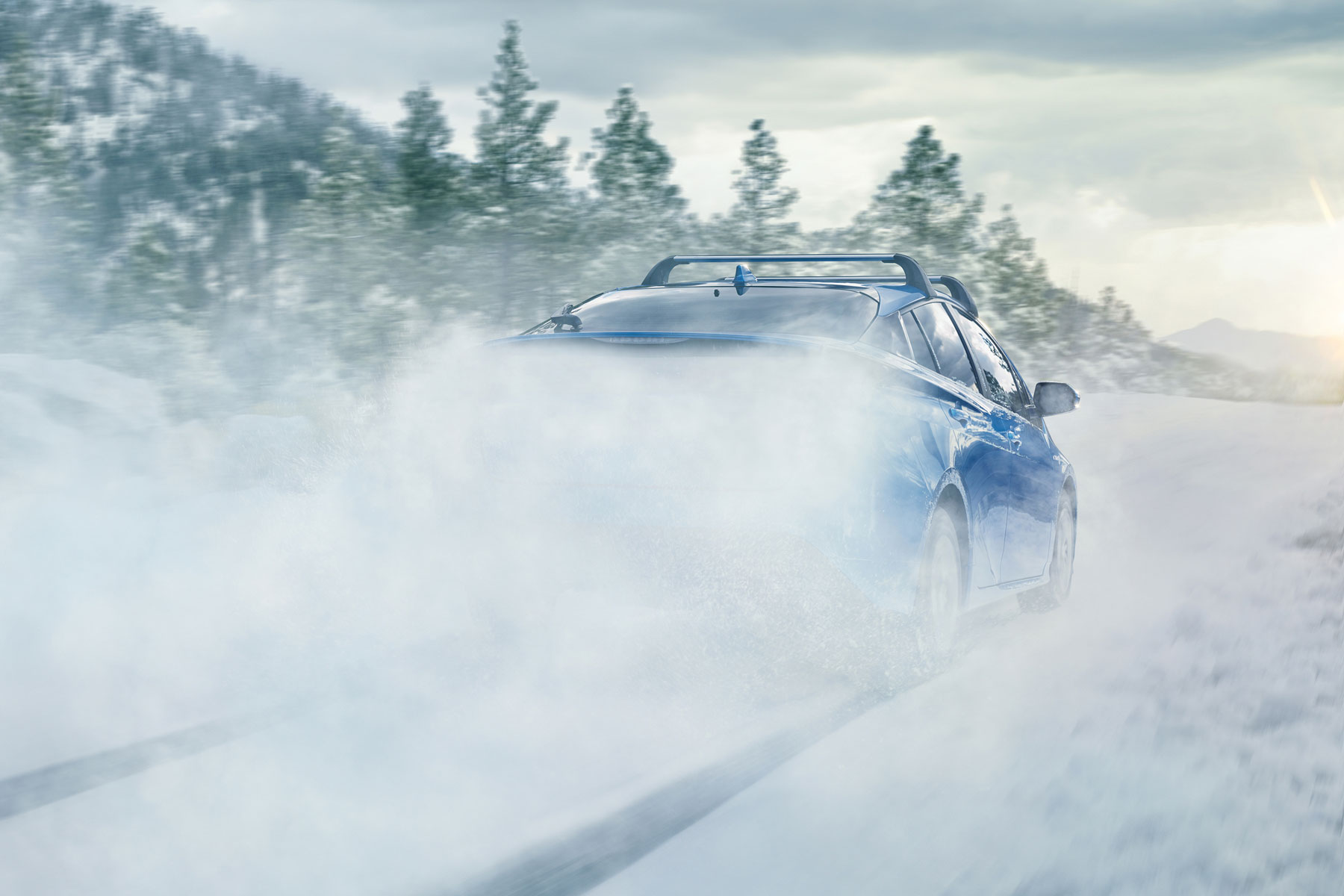
Toyota Prius
Don’t worry, that’s not a cloud of smoke trailing behind the new Toyota Prius. ‘Fall is here, winter’s near, but the 2019 Prius performs on roads whether snowy or clear,’ said Toyota in a press release. Does this mean that the new Prius will be available with all-wheel drive? It certainly looks like it.
Audi R8
Fresh from its debut at the Paris Motor Show, the refreshed Audi R8 will be making its North American debut in Los Angeles. Two versions of the familiar V10 engine will be available, producing 570hp in ‘standard’ guise and 620hp in the Performance flagship. In addition to the power upgrade, Audi has also given the R8 a styling makeover, with both the Coupe and Spyder models available in the new year.
Porsche Panamera GTS
Porsche has warmed up the second generation Panamera with the launch of a GTS version. Offered in four-door coupe guise plus the first-ever load-lugging Sport Turismo version, it’s managed to retain its V8 engine. This time, it’s a 4.0-litre twin-turbo with 460hp, 0-62mph in 4.1 seconds… and an exhaust particulate filter just to make sure the tailpipe emissions are spick and span.
Porsche Macan
It made its world debut in Shanghai, before hitting European shores in Paris, but now it’s time for the America to grab a slice of the Porsche Macan pie. The styling will come as no surprise – it looks a lot like the old Macan – but the LED strip at the back and the new LED headlights deliver an enhanced look. Porsche has also upgraded the infotainment system and expanded the range of options. The 2019 Macan is expected to reach US dealers in the summer, with prices from around $50,000.
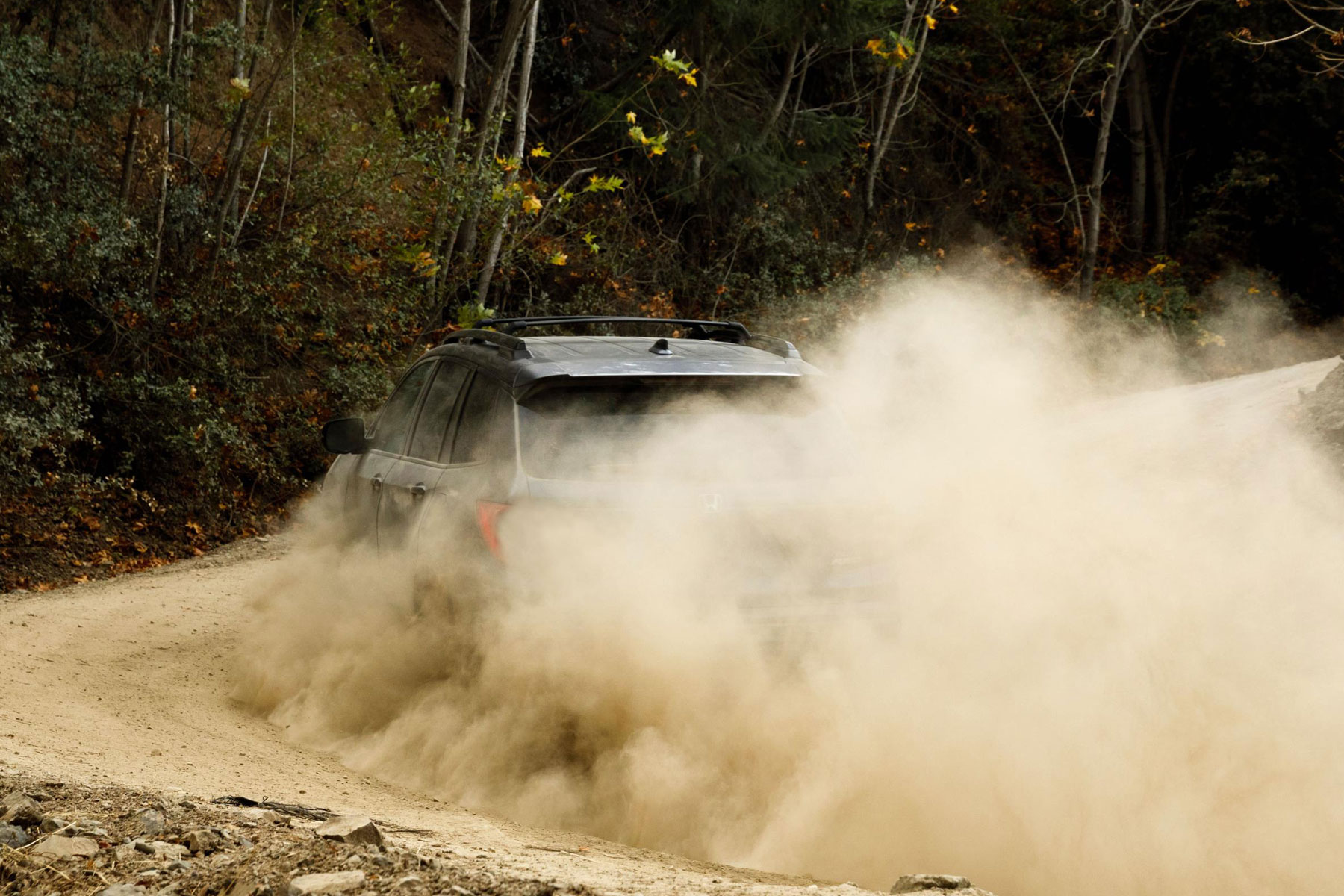
Honda Passport
Honda will unveil the new 2019 Passport a day before it makes its global debut at the LA Auto Show. The American designed and built Passport will be Honda’s fourth SUV and sixth light-truck model and it will target buyers who need a work vehicle during the week and something a little more ‘lifestyle’ at weekends. It sits above the CR-V in the Honda range, a vehicle we have just driven and reviewed.
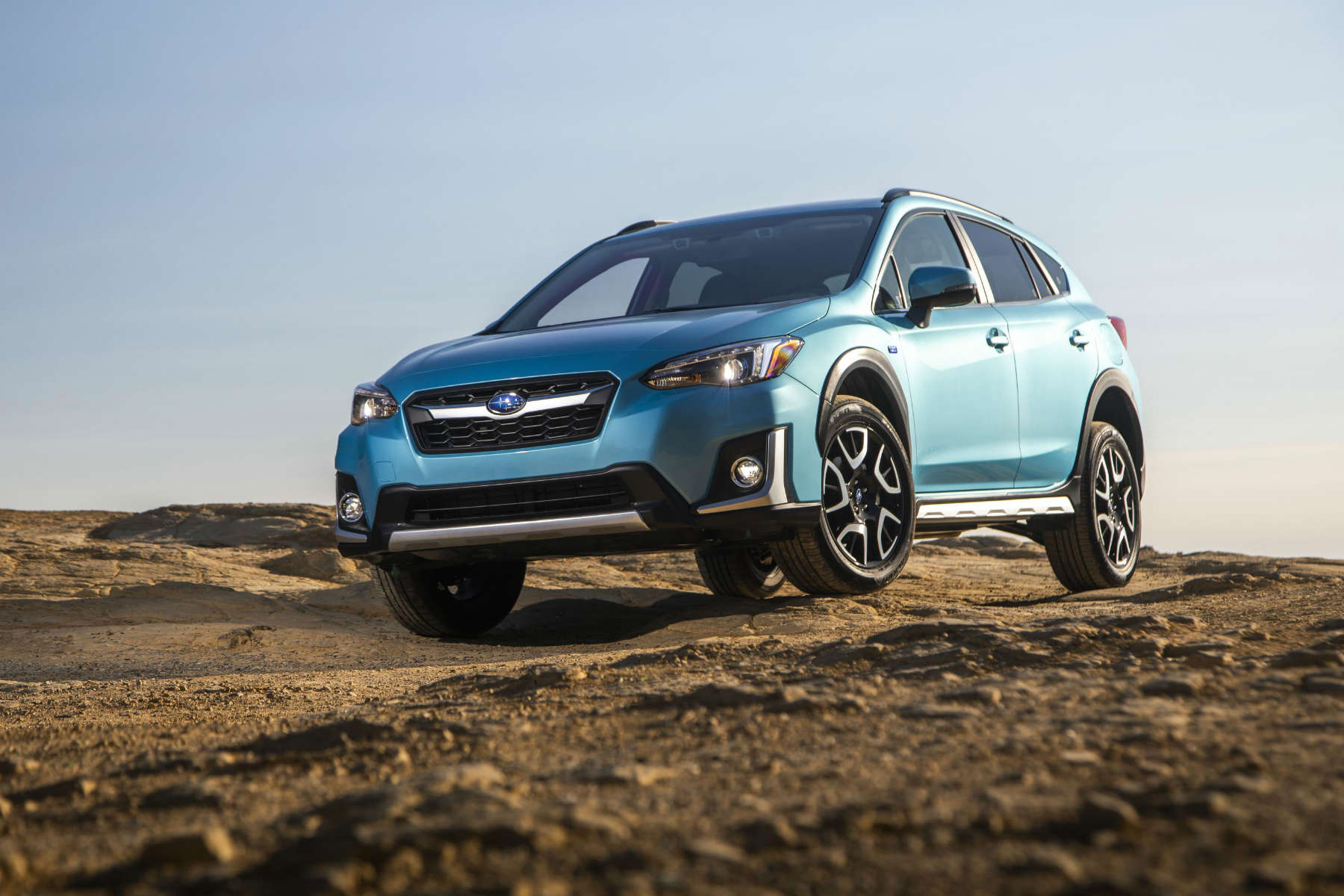
Subaru Crosstrek Hybrid
The Crosstrek Hybrid is Subaru’s first-ever plug-in hybrid, featuring a 2.0-litre petrol engine and a pair of electric motors. It can reach speeds of up to 65mph in electric mode and is a full second faster to 60mph than the standard Crosstrek, known over here as the XV. Crucially, it can also deliver up to 17 miles of electric range. Subaru is said to be considering a UK launch, so this is a car to watch.
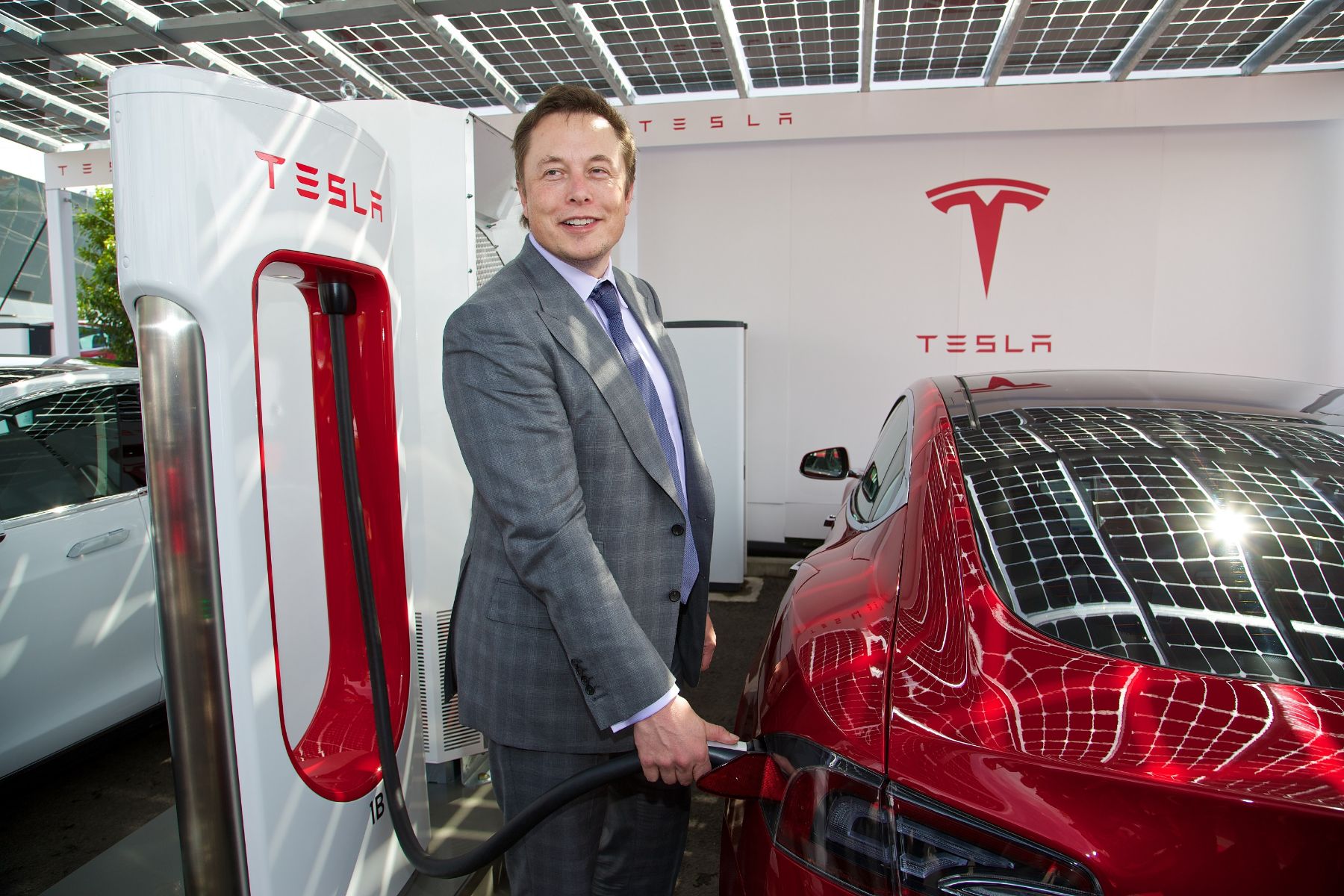
Musk has been responding to news via Twitter that Tesla is one of the Silicon Valley region’s most popular companies to work for. The proud, if controversial, father of a number of pioneering businesses openly invited Twitter users to join his corporate family.
His sell? “If getting things done matters to you” then Tesla, SpaceX, Boring Company and Neuralink is where you belong. According to a follow-up Tweet, getting things done means serious work hours – “nobody ever changed the world on 40 hours a week”.
Varies per person, but about 80 sustained, peaking above 100 at times. Pain level increases exponentially above 80.
When asked how many hours you need to get things done, Musk’s response was “about 80 sustained, peaking above 100 at times”. Even he goes on to admit that “pain level increases exponentially above 80”.
His logic is reasonably sound, for those it applies to at least, “if you love what you do, it (mostly) doesn’t feel like work”.
Does he think Tesla employees doing 100+ hours a week to keep Model 3 deliveries going are working their dream jobs? That’s still unclear.
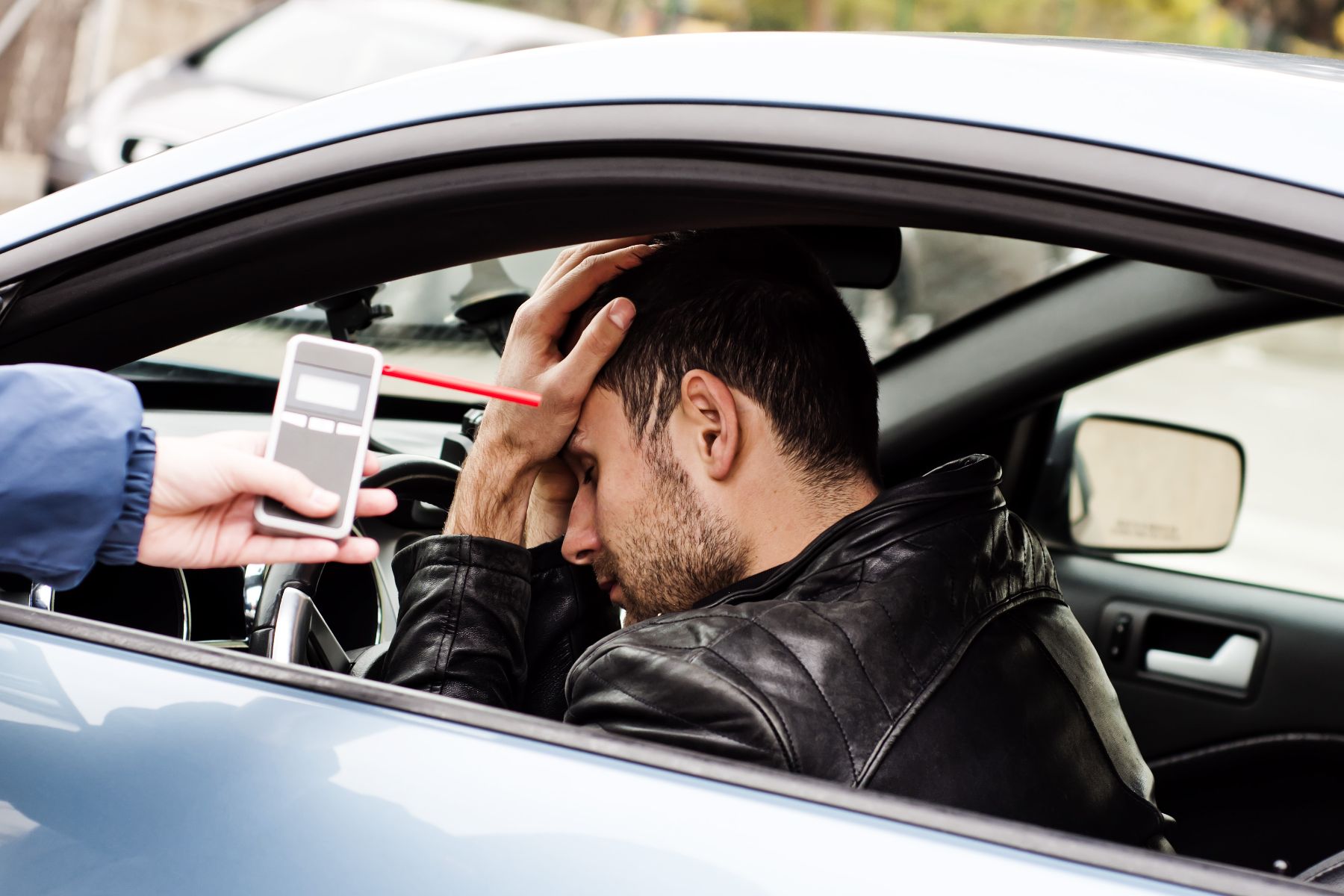
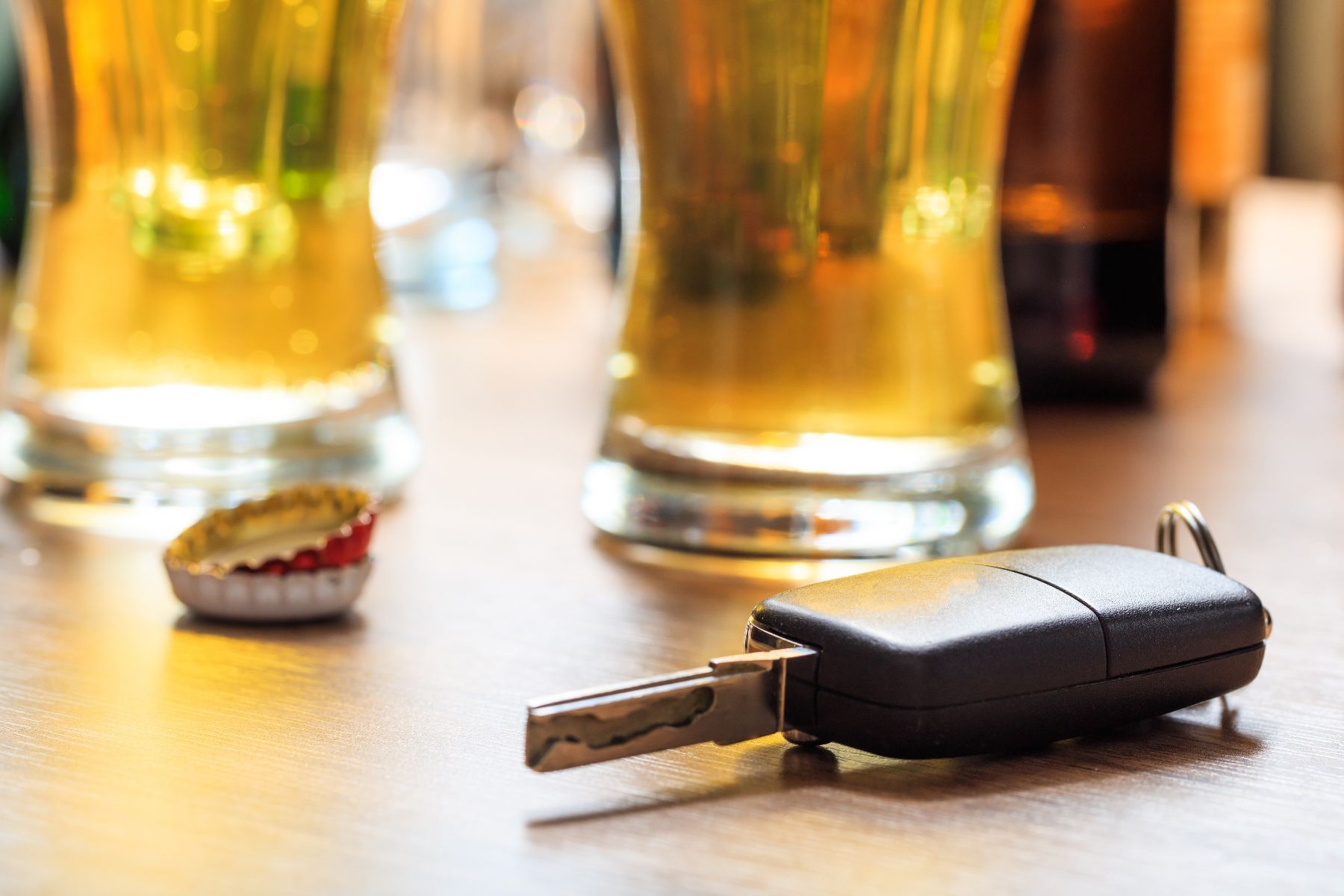
Analysis of over six million car insurance quotes via MoneySupermarket has revealed where the UK’s hotspots for drink- and drug-driving are. The data also shows how the genders compare over the last 12 months, and gives some insight into the worst offending occupations.
Hereford is the worst town, with an average of 2.3 drink- or drug-driving convictions per 1,000 drivers. That’s an increase of 0.8 compared with last year. Crewe, Blackpool and Sunderland follow closely behind, with 1.86, 1.68 and 1.62 convictions per 1,000 drivers respectively. Sunderland took the bottom spot last year.
Calls for driving test to include dangers of drink- and drug-driving
By contrast, the north-west, north-east, south-west and west of London all feature in the top 10, making the capital home to some of the soberest drivers in the country. Bradford, Cambridge, Perth, Luton and the Scottish town of Galashiels are also on the lower end of the spectrum.
When it comes to men versus women in the drink- and drug-driving stakes, men are twice as likely to offend. There were 1.34 convictions per 1,000 men, compared with just 0.66 per 1,000 women. Oddly, the number of women caught has halved over the last year.
As for the most prone occupations, it’s concerning, if not entirely surprising, that students are in the top two although they’re down 22 percent. The biggest offenders are plumbers, up 17 percent, while young people as a whole (17-24 year-olds) are up 10 percent.
Overall, however, the data seems to indicate that drink and drug driving has decreased by 29 percent since last year, from 1.47 convictions per 1,000 people, to 1.05.
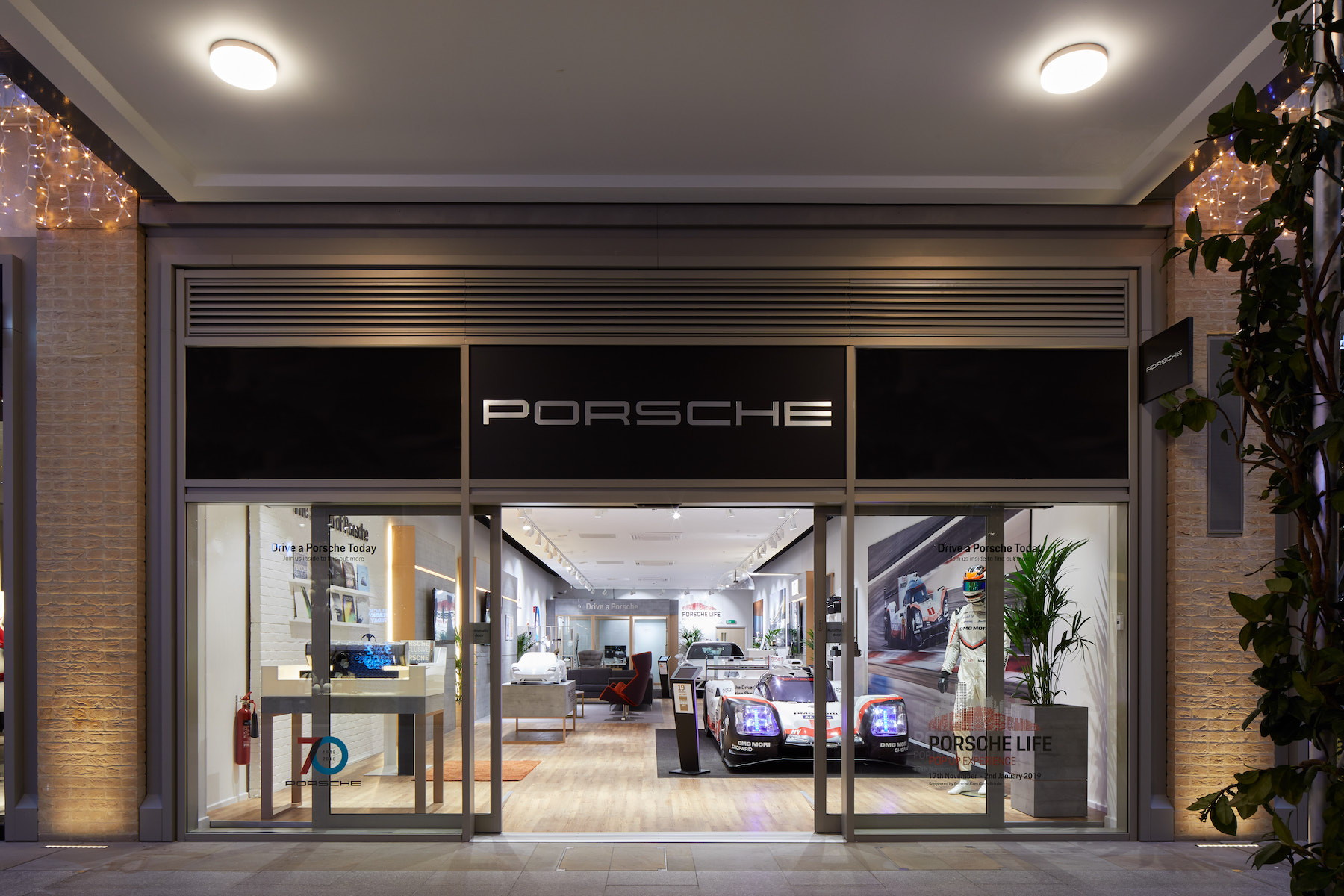
If the news about the forthcoming new 911 has you dreaming about driving a Porsche, a new pop-up store in Oxford could provide the answer.
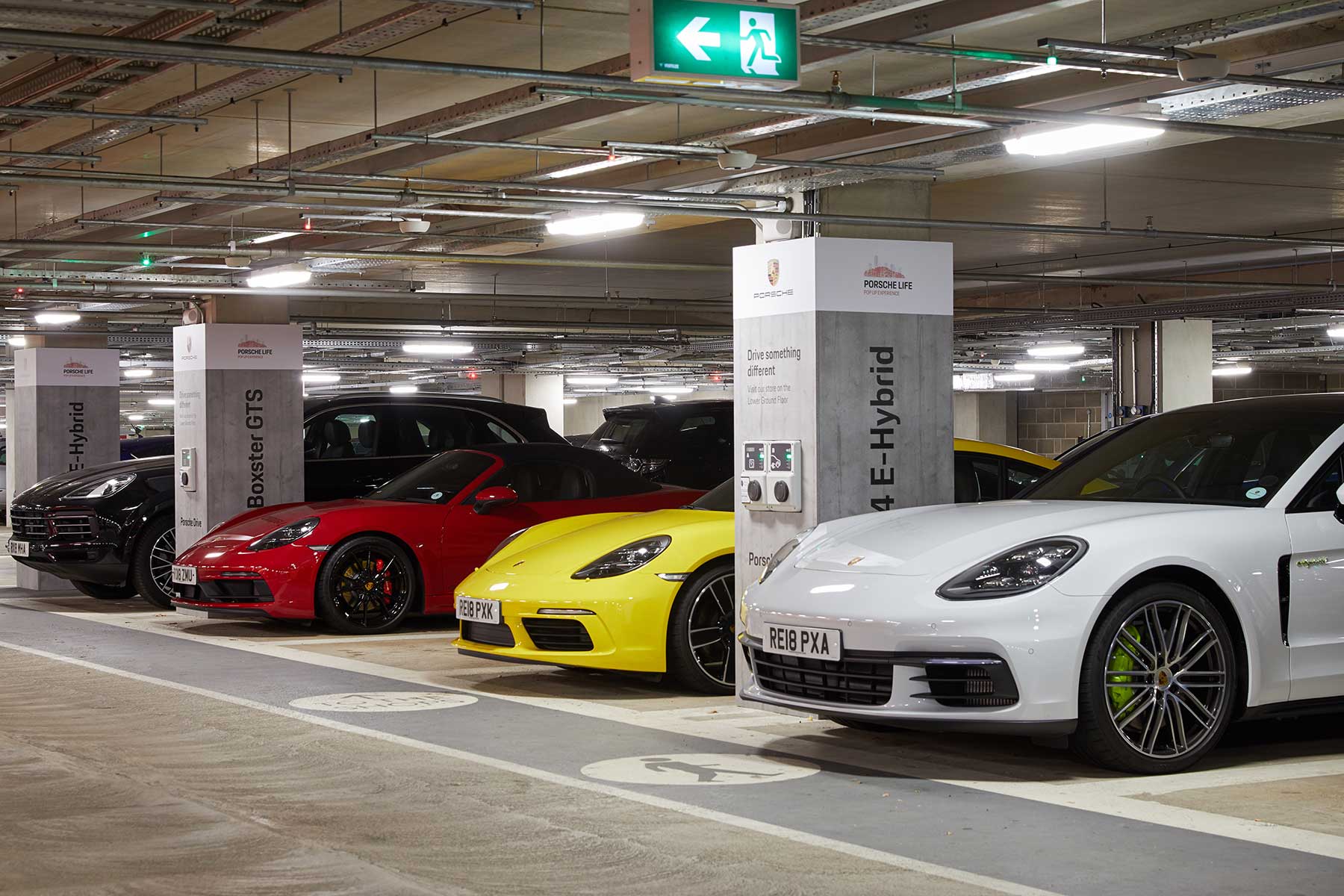
With the launch of the ‘Drive a Porsche’ programme, you could spend a weekend with a choice of sporty cars to suit your budget.
Available to book from the 30th November to 23rd December, prices range from £175 through to £500. Porsche promises that the cars on offer will serve as a useful introduction to the brand.
Options include the 718 Boxster GTS, along with the plug-in Cayenne E-Hybrid SUV. However, Porsche does note that final vehicle choice may be dependent on the day selected.
Maximum lifestyle
For the UK launch of Drive a Porsche, the brand has picked the new Westgate shopping centre in Oxford.
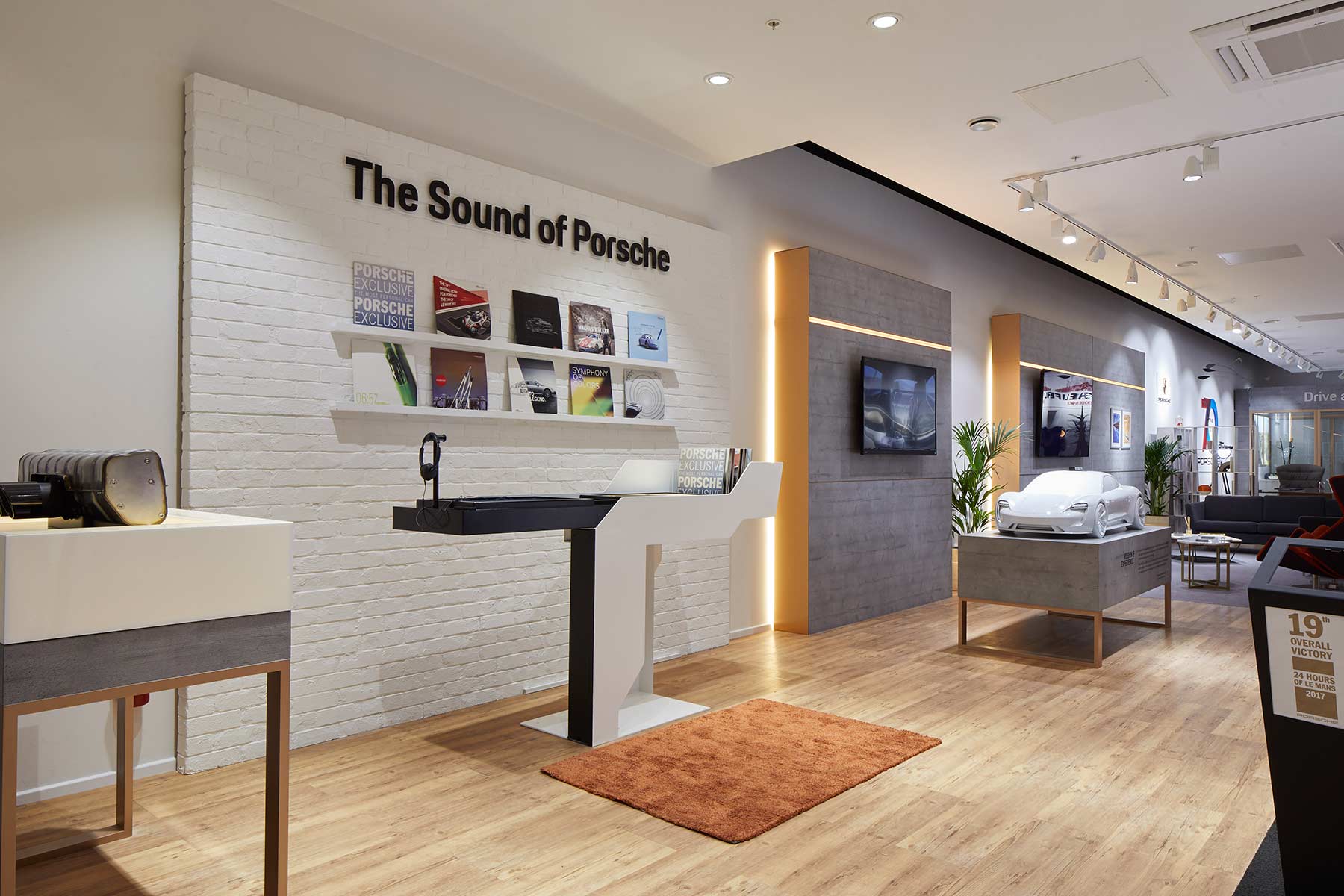
Designed across three distinct zones, the Porsche Life store is meant to demonstrate how easily a product from Stuttgart could fit into your life.
The cars inside the store reflect this, with the Panamera Turbo S E-Hybrid on display to demonstrate the importance of plug-in hybrid technology.
A scale model of the forthcoming Taycan electric car points to the future, too, and also lets visitors enjoy a unique AR experience. A replica of the 919 Hybrid Le Mans racer serves as a reminder of Porsche’s motorsport success.
Although the pop-up store is not designed to sell cars direct to the public, brand experts will be on hand to help answer questions. There will also be the opportunity to buy merchandise, from key rings to scale models.
Along with bringing Porsche closer to a potential new audience, the launch of Drive a Porsche also allows the company to test the water for more advanced ‘on-demand’ car sharing and mobility ideas.
German brand Borgward is on its way West from the East. It’s already capitalised in the Chinese, Russian, Middle East and South East Asian markets. Now it’s heading to the UK with assistance from International Motors, the company that imports Subarus to the UK.
International Motors will be charged with bringing the marque to UK shores, once the contracts are finalised.
A brave announcement perhaps, given that the United Kingdom is more or less set to kick off 2019 with independence from the EU, as Brexit comes to a close. A Memorandum of Understanding was signed on 21 November 2018, confirming an intention to import Borgward vehicles to the UK and Ireland.
“We’re very pleased to find such a professional and dedicated organisation that will re-launch Borgward back to the UK and Irish markets,” said Tom Anliker, senior vice president of global marketing, sales and service for Borgward.
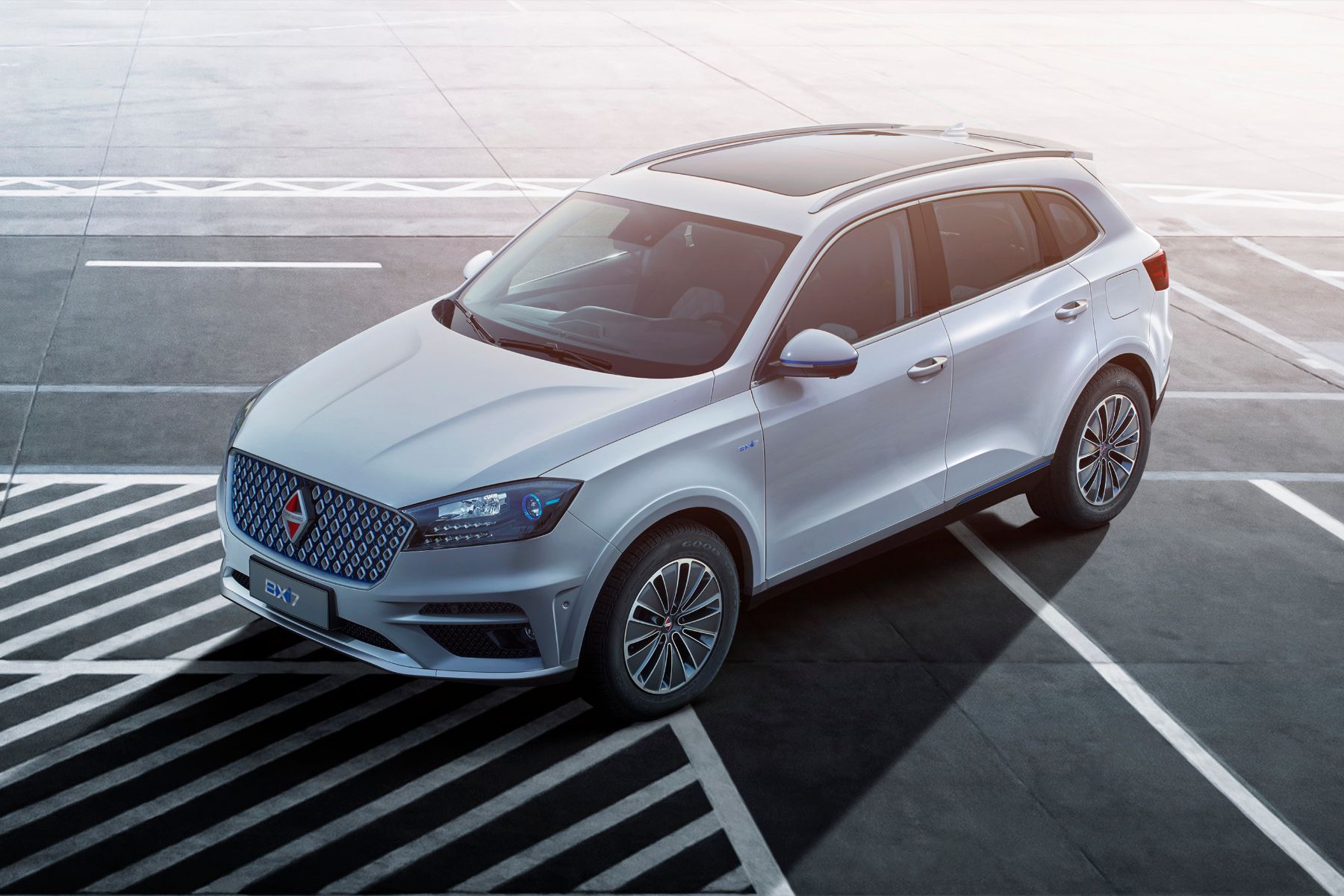
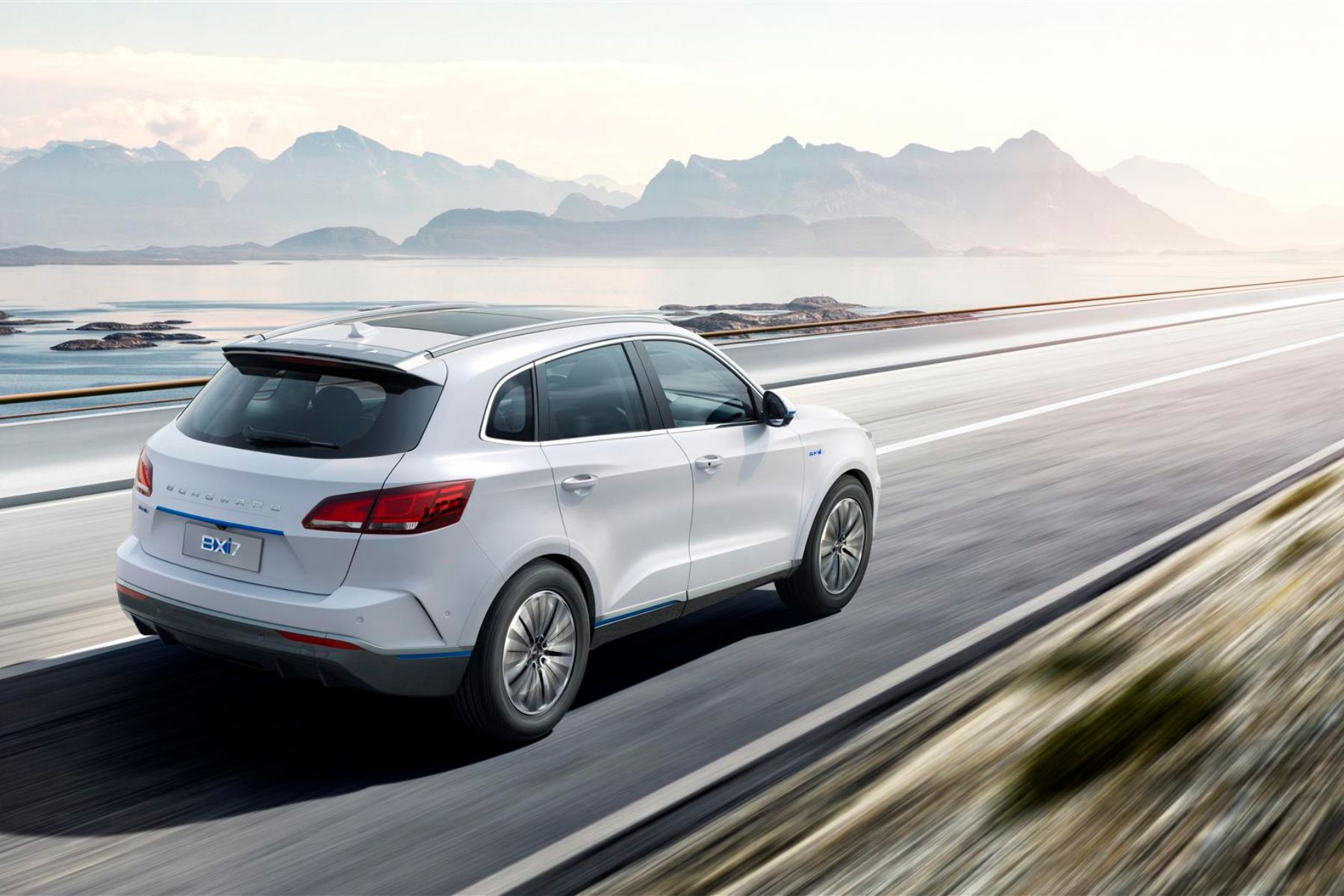
Borgward recently reinvented itself with a range of luxury SUVs. Its portfolio currently consists of the petrol-powered BX5 and BX7 in Europe. It plans on making a buzz in the UK, as well as a splash. The marque’s next step is to put into production the BXi5 and BXi7 electric versions of the aforementioned SUVs. The BXi7 Concept was a German Design Award-winner in 2018, no less.
Production of right-hand-drive cars is due to begin at the beginning of next year, with a view to commencing sales in the UK towards the end of 2019. Prices, specifications and details on the Borgward lineup will be confirmed in due course.
London is reportedly the only city in the United Kingdom that’s on or above target on the roadmap toward EV adoption. This according to the Institute of the Motor Industry (IMI).
The inescapable truth is that we’re on our way to a mostly electrified motoring future. Like it or lump it, that’s the way it is. The IMI, however, is here to deliver some concerning news for EV evangelists and roadmap writers alike.
The UK, by and large, is behind in electric car adoption, on the way to 2040 and (Scottish) 2032 targets. The reason? The capability of the UK’s infrastructure is being called into question.
The ability of both the UK’s charging infrastructure and indeed the capabilities of the business charged with the care of cars is well below what is required for the moment. It will continue to lag behind as electric vehicle uptake continues to rise, too, in turn slowing that uptake.
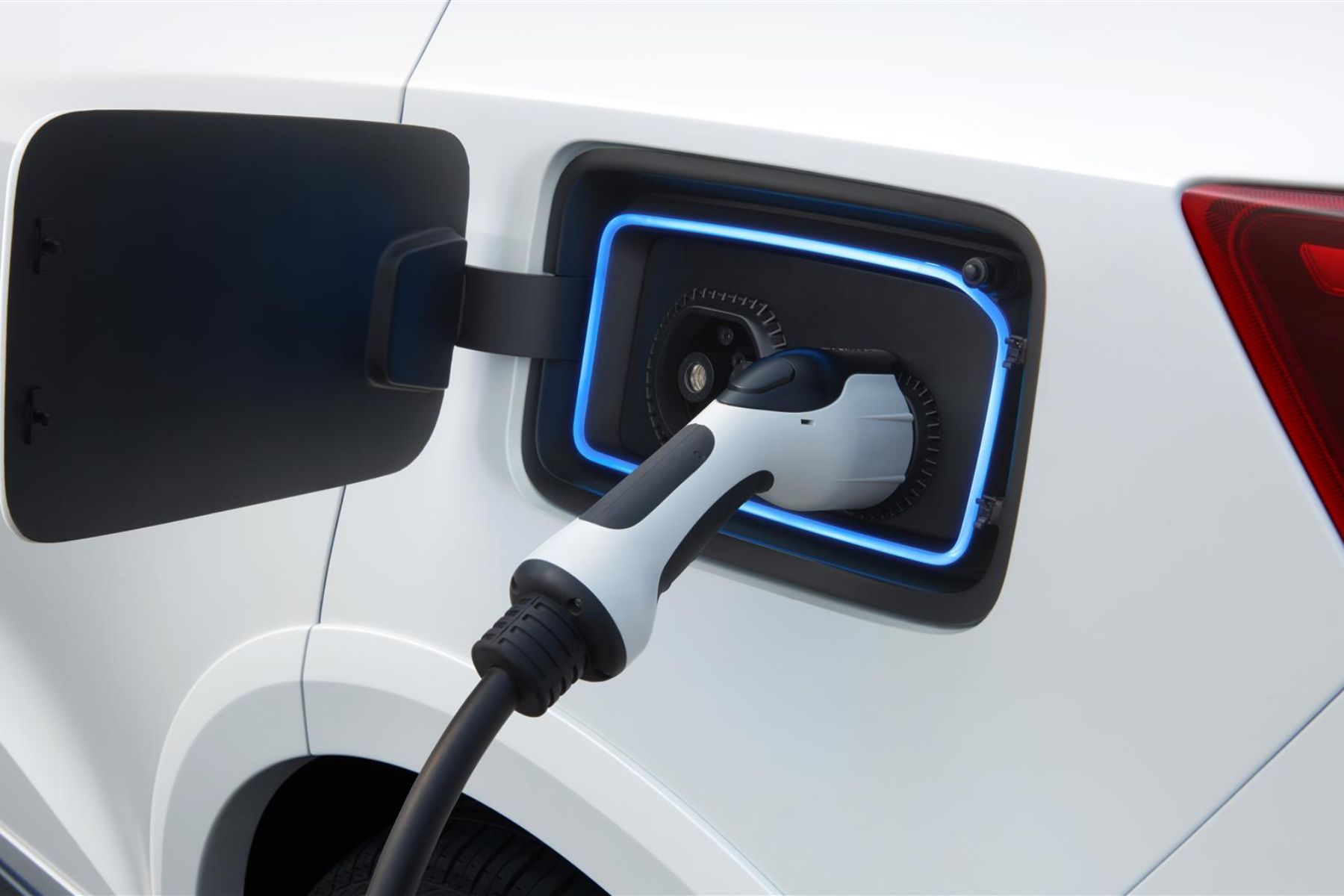
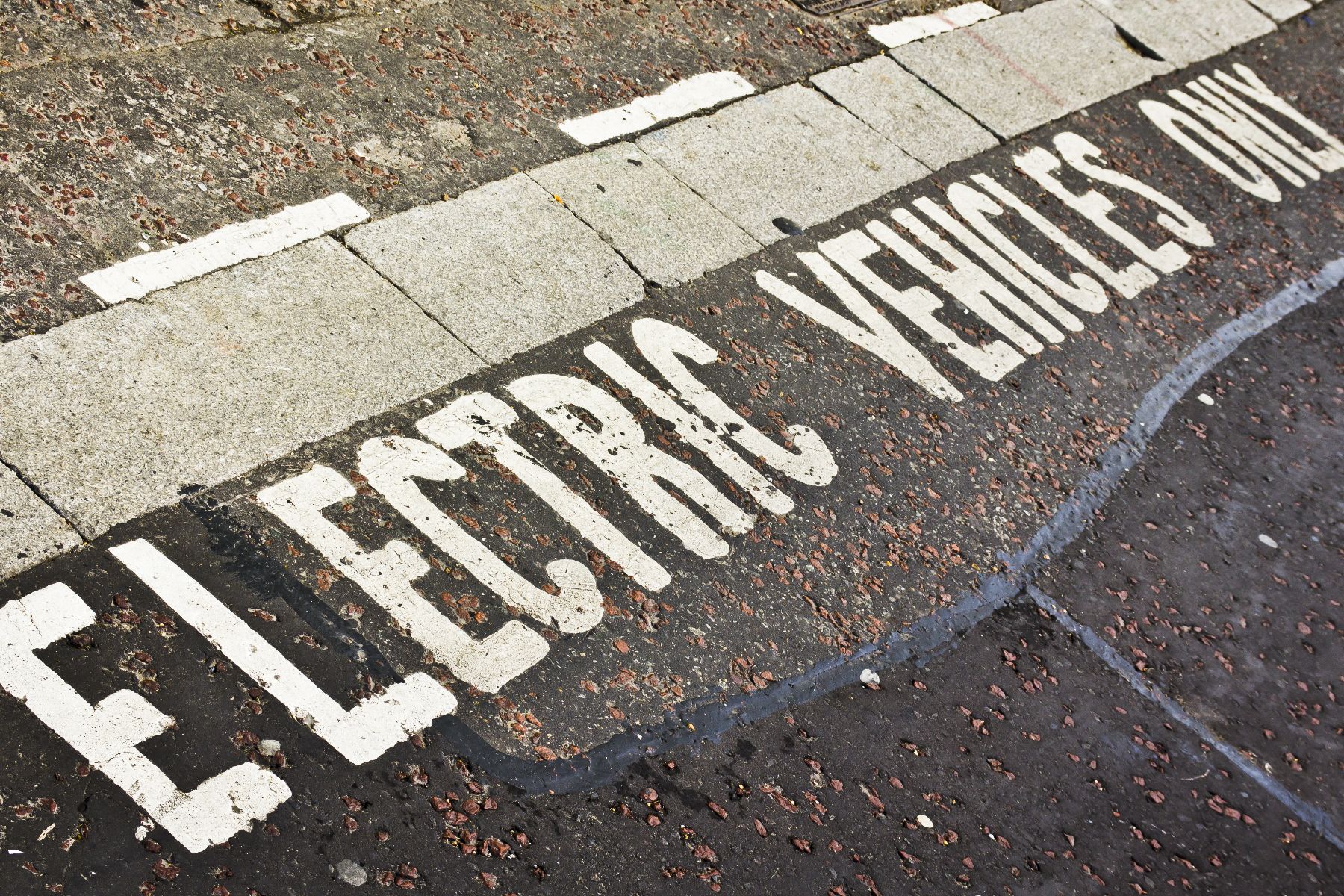
Full electric and plug-in hybrid vehicle sales are estimated by the IMI to exceed a million by 2020. At present, there are only 18,000 charging points across 6,500 locations. There is an average of eight electric cars per charging point across the UK at the moment.
Furthermore, around 3 percent of all vehicle technicians in the UK are currently qualified to work on EVs. Most of those work with manufacturers. To be ready for a population-wide uptake of electric cars, proficiency needs to span manufacturer shops, specialists, all the way to backwater chop shops.
At the moment, we’re evidently nowhere near. Given that EVs have been more or less mainstream for nearly ten years, second-hand buyers will be curious about maintaining their cars away from traditionally more expensive manufacturer facilities.
“The recently published sales figures for electric and hybrid vehicles demonstrate that drivers are rapidly making the transition away from pure petrol/diesel engines,” said Steve Nash, chief executive at the IMI.
“It’s vital that the government recognises the new skills requirements needed to underpin the successful move to this new technology.”
 The revised 2019 Mercedes-AMG GT range has debuted at the 2018 LA Auto Show, with an even more hardcore hero car now heading the line-up: the Mercedes-AMG GT R Pro.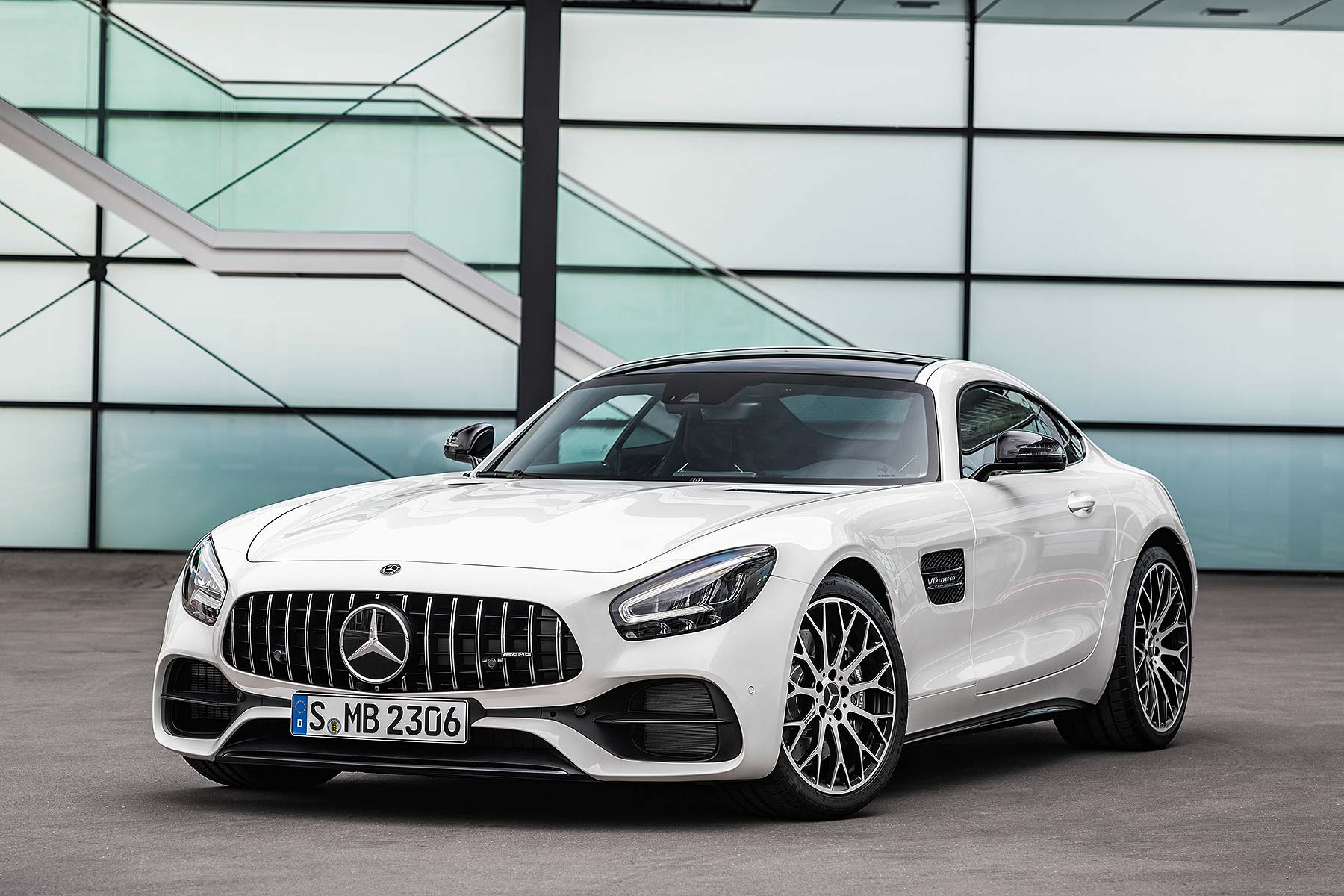
 The latest evolution of the Porsche 911, codenamed 992, has been revealed on the eve of the 2018 LA Auto Show. It goes on sale immediately, priced from £93,110, with Porsche keen to stress that, although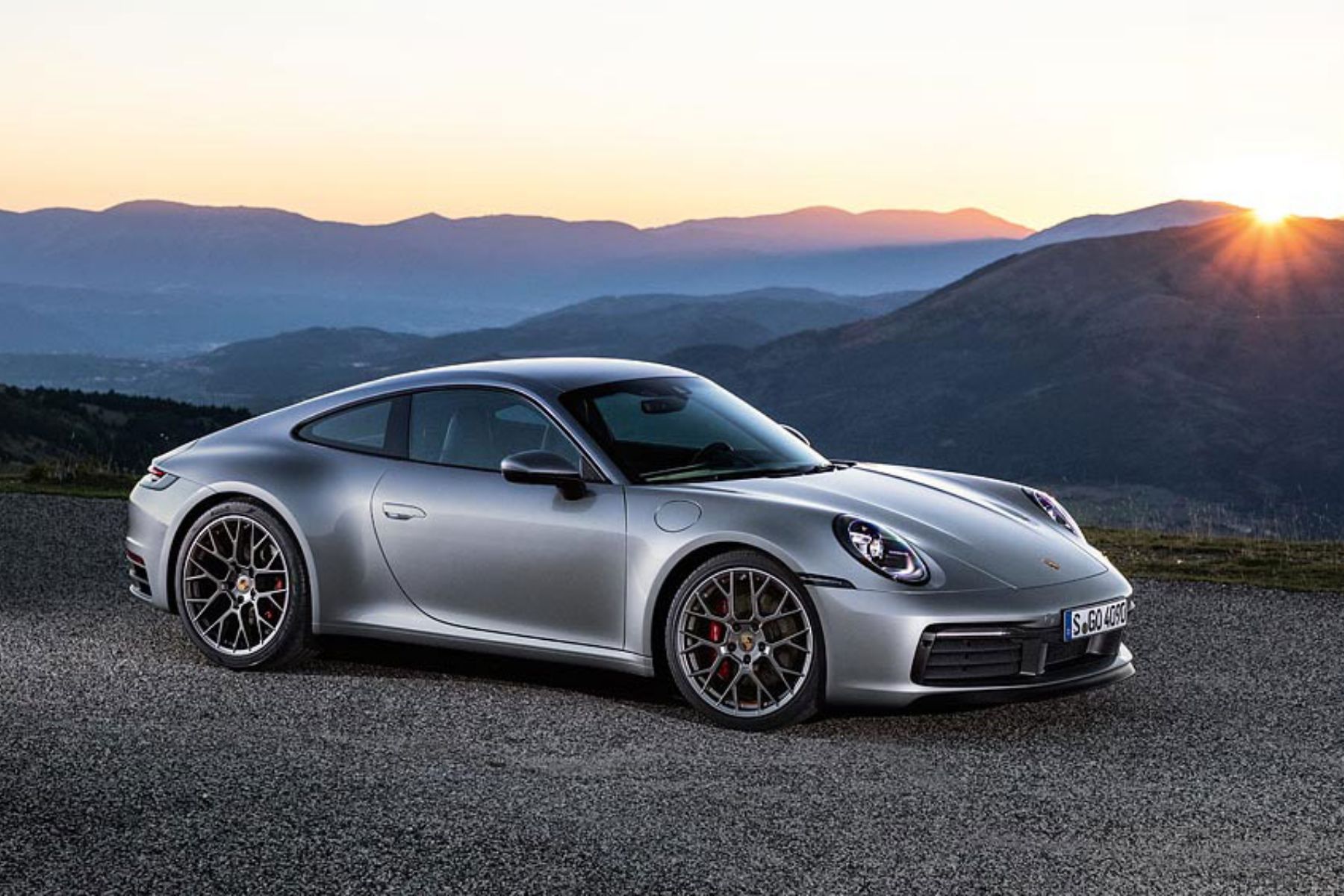
 As the last big motor show of the year, the LA Auto Show has an end-of-term feel about it. It’s a chance to recap on the new cars of 2018 and look ahead to the hottest new models of 2019.