Six months ago, the law was changed to allow Approved Driving Instructors (ADIs) to assist students on motorways in England, Scotland and Wales. But new data released by telematics insurance company, Marmalade, reveals that too few learners are grasping the opportunity.
Of the ADIs surveyed, 41 percent said that only a small minority of their pupils have requested a motorway lesson, while 26 percent said that none of their students had requested one.
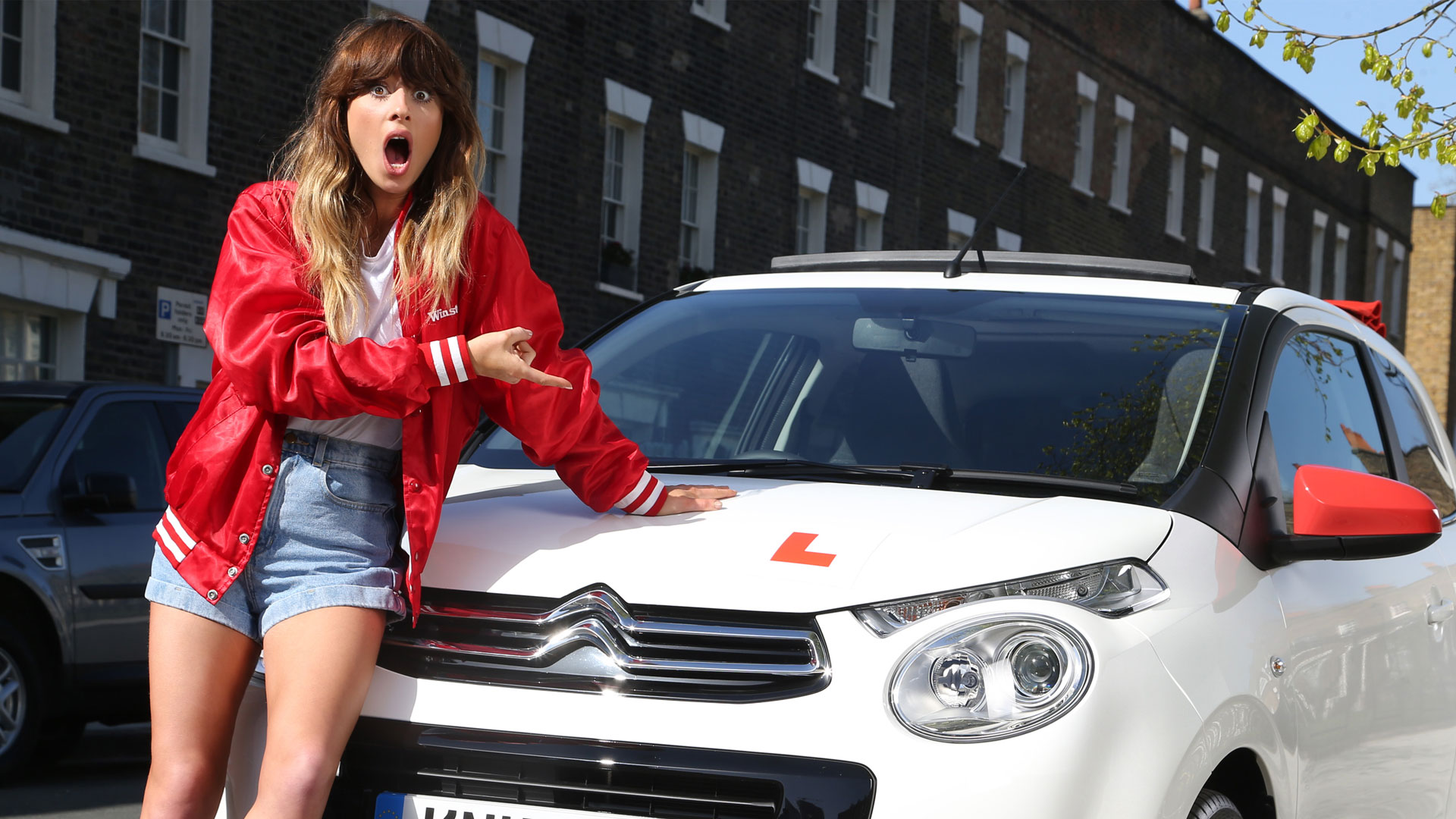
Motorway lessons for learner drivers are voluntary, but they must be with an ADI in a car with dual-controls displaying ‘L’ plates. Instructors will only take a learner on the motorway when they feel they have the right set of skills to deal with a high-speed environment.
In June, Highways England executive director for safety, engineering and standards, Mike Wilson, said: “This change in the law will develop a smarter generation of road users because, for the first time, approved driving instructors will be able to teach their students the skills associated with using motorways safely in a practical situation. That will ultimately help all motorway drivers.”
During the lessons, learner drivers will receive tuition on:
How to join and leave the motorway, overtake and use lanes correctly
Commenting at the time of the introduction, the Driver and Vehicle Standards Agency (DVSA) chief examiner, Mark Winn, said: “I’m delighted that a new generation of drivers can now drive on the motorway to gain valuable experience, including overtaking safely and lane discipline.”
The top ‘real life’ scenario
Six months on, not enough drivers are grabbing the chance to gain more experience. Crispin Moger, Marmalade CEO, said: “Giving motorway access to learner drivers was a really encouraging shift by the government because it gives learner drivers access, in a supportive environment, to develop their skillset before they become qualified drivers.
“The announcement was quite timely given that our annual census revealed that motorway driving was the top ‘real life’ scenario that learner drivers wanted to experience, followed by night time driving and rush hour driving.”
Highways England has created this video for any learner drivers considering a motorway lesson.
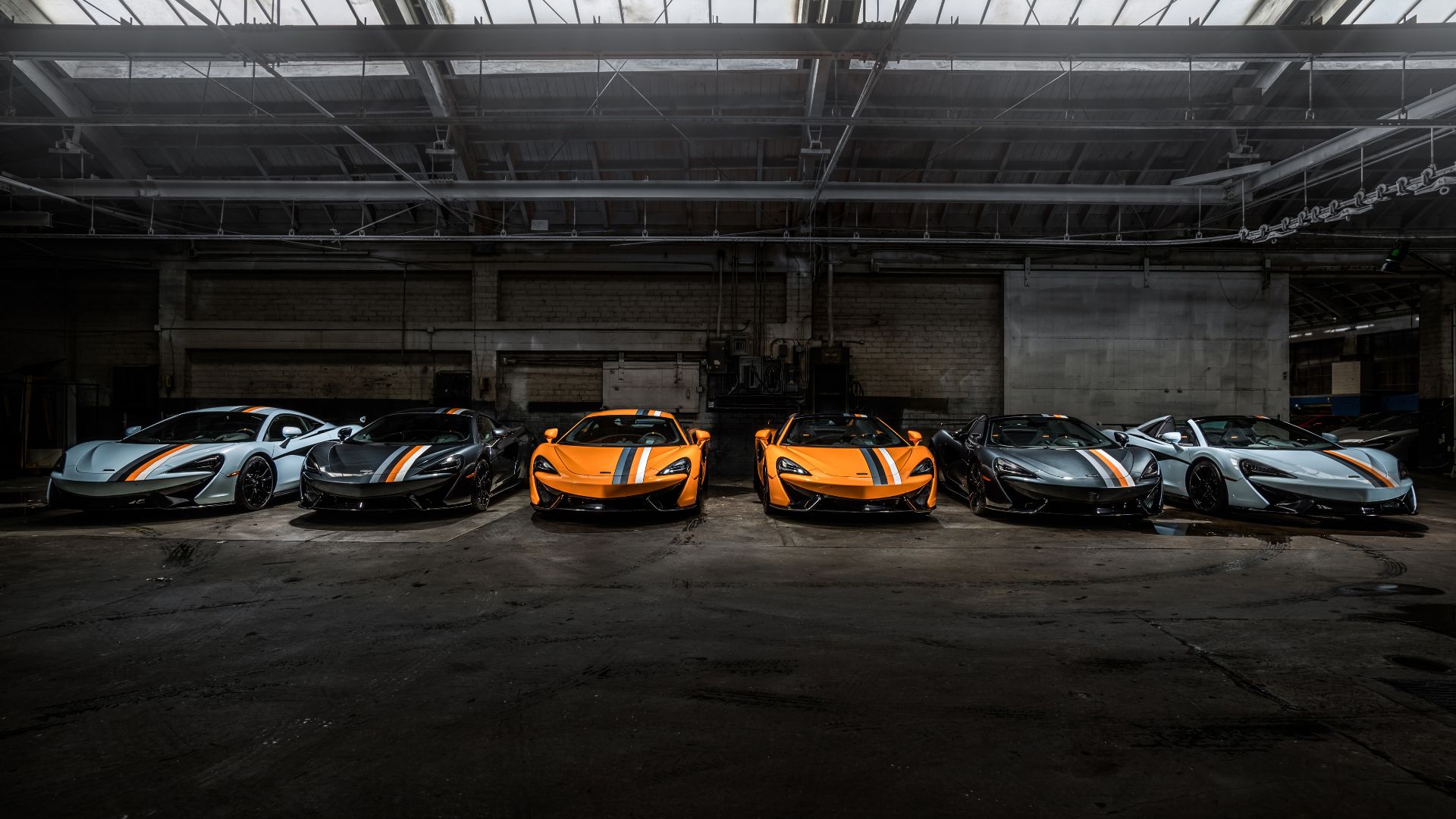
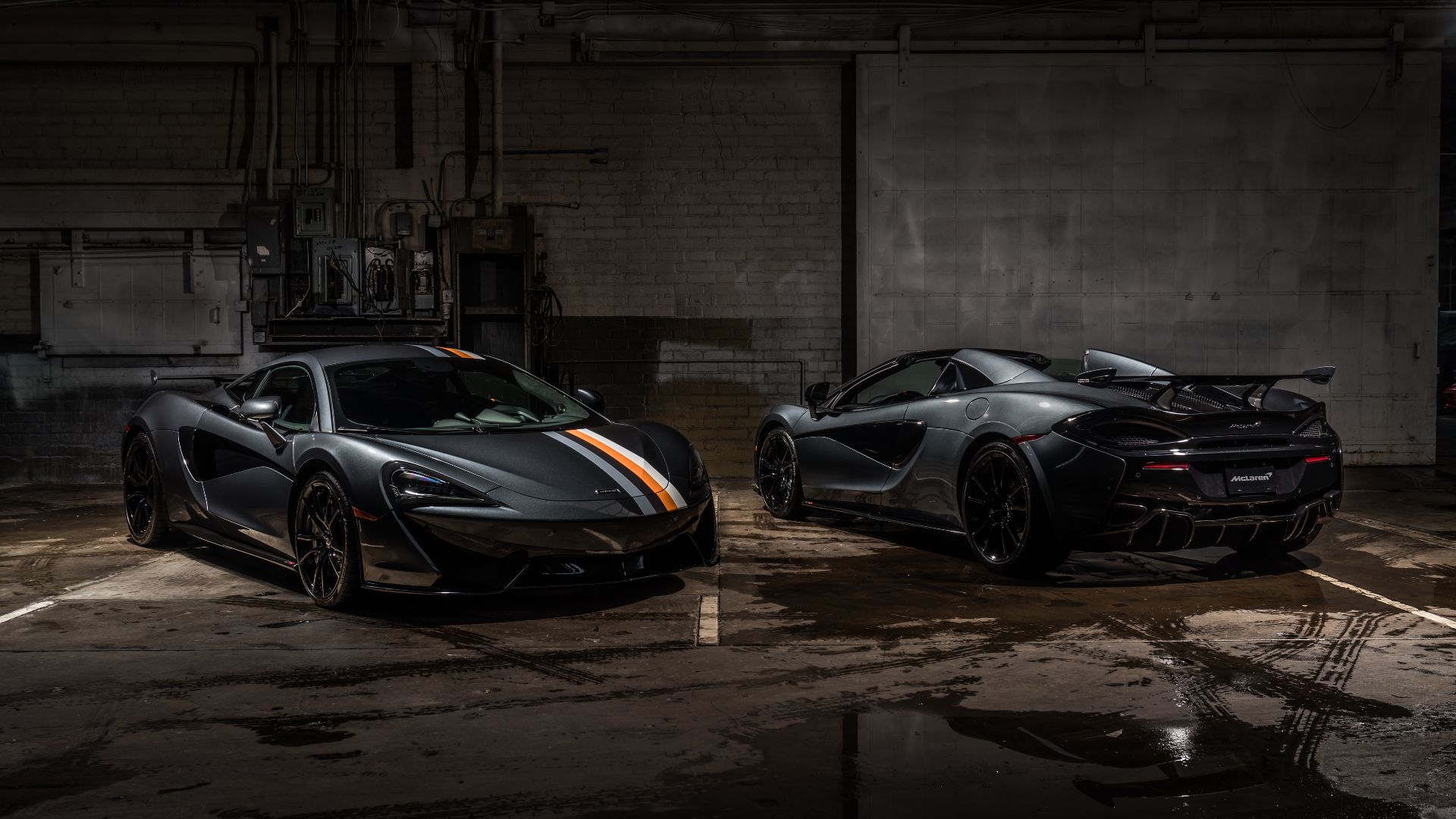
McLaren has unveiled a selection of cars in special liveries to commemorate important eras of its racing history. These comprise the ‘Racing Through the Ages’ collection.
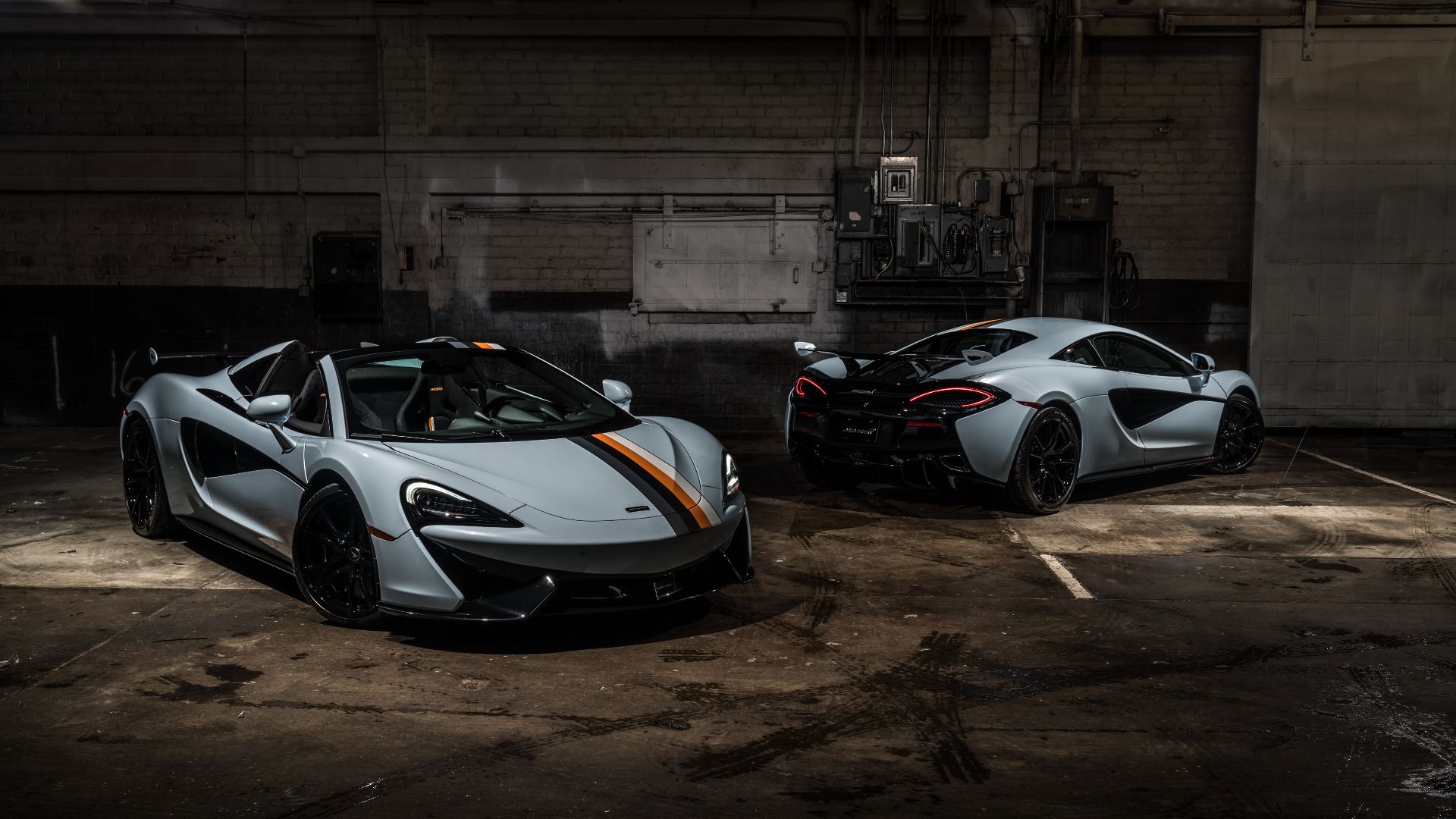
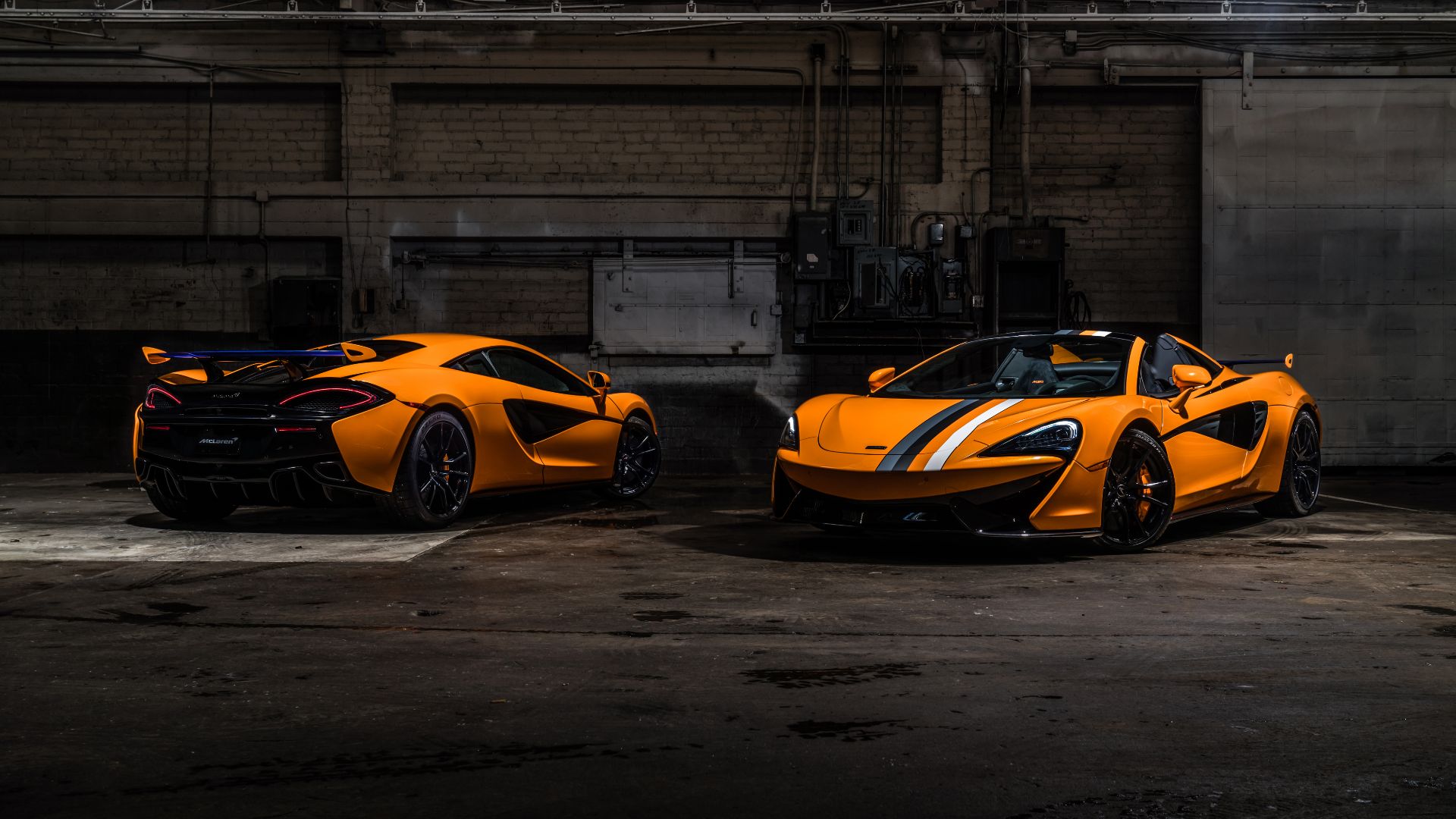
The company’s bespoke MSO division was commissioned by McLaren Beverly Hills to create the collection, which spans three themes across six cars. The themes are Muriwai, Papaya Spark and Sarthe Grey, each presented on a 570S coupe and 570S Spider. The cars themselves are slightly modified, with fixed rear wings.
Muriwai
When we say the collection spans McLaren’s racing history, it really spans it. Muriwai pays homage to Bruce McLaren’s formative years of driving in New Zealand. The white paint with blue flashes is inspired by the waves crashing at Muriwai Beach, where Bruce first raced, aged 15, in the early 1950s.
It’s also a reference to the house Bruce built in Woking, named Muriwai, which was – you guessed it – white with flashes of blue. On the window shutters, to be precise.
Papaya Spark
For McLaren aficionados, the word ‘Papaya’ – the company’s signature orange shade – will have pricked up their ears. This theme represents the golden era of Bruce and McLaren racing cars of the 1960s and, after his untimely death, the 1970s. This was when Bruce set the foundations for the McLaren racing legend in Can-Am, Formula 1 and Indycar.
There are flashes of blue on the end plates of the wings, as a nod to Bruce’s original racers.
Even the most casual of car enthusiasts should be well aware of Sarthe. McLaren achieved motorsport success on its first time out at Le Mans, when it won with a car one below the top class.
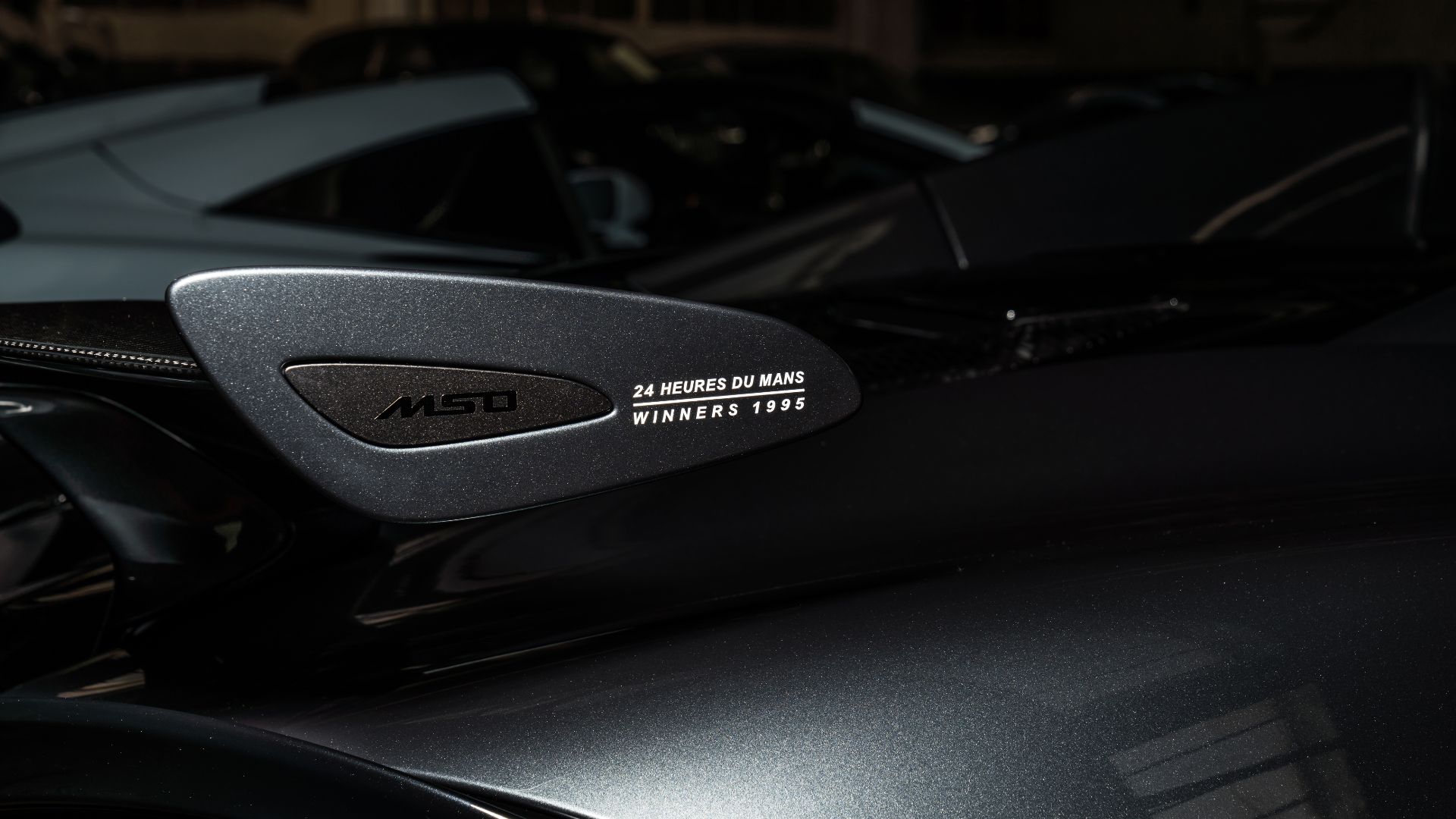
That 1995 Le Mans win with the F1 GTR was virtually unprecedented and, truthfully, unexpected. It was perhaps what cemented McLaren as a legend and a viable brand in terms of its 21st-century presence. The Sarthe Grey colour emulates the winning car, and has ’24 Heures Du Mans – Winners 1995’ on the end of its wing plates in white.
Each car comes fitted with a ‘1 of 6 Racing through the Ages’ plaque, a colour-coded key and a GT4-style racing stripe. Lightweight wheels and a sports exhaust are fitted, too.
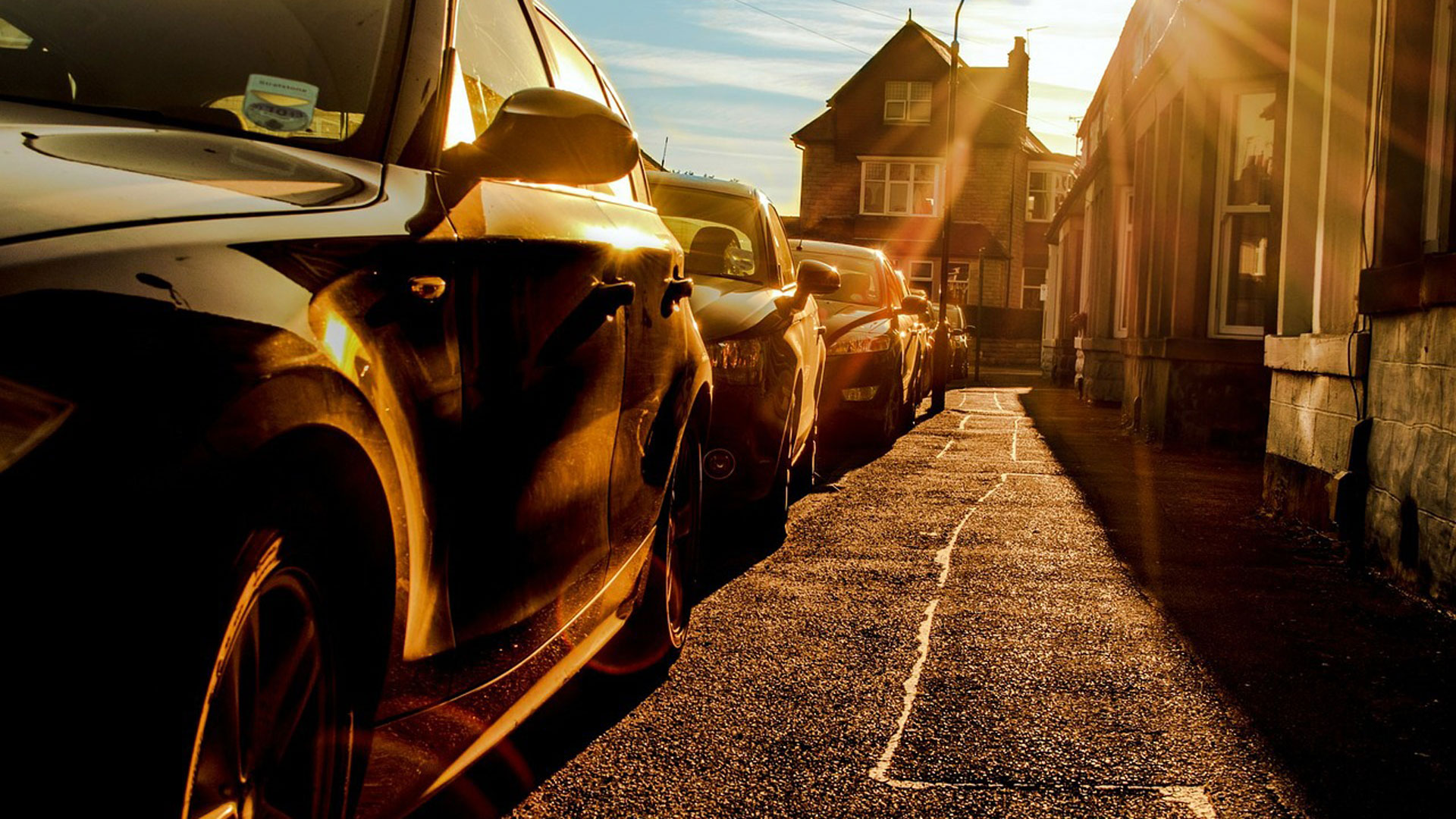
Motorists could be banned from parking on pavements, as the Department of Transport (DfT) considers changing the law.
Parking on the pavement has been illegal in London since 1974, but the government is likely to introduce a blanket ban across England and Wales, with ministers in Scotland contemplating a similar move.
The law has confused motorists for many years and, to be fair, the Highway Code isn’t wholly conclusive on the matter. Note the wording from Rule 244, which states:
‘You MUST NOT park partially or wholly on the pavement in London, and should not do so elsewhere unless signs permit it. Parking on the pavement can obstruct and seriously inconvenience pedestrians, people in wheelchairs or with visual impairments and people with prams or pushchairs.’
The emphasis here is on the ‘MUST NOT’ and the ‘should not’. One is a direct order and there is legislation to back it up, while the other is more of a statement of advice. However, Rule 242 states:
‘You MUST NOT leave your vehicle or trailer in a dangerous position or where it causes any unnecessary obstruction of the road.’
If the police deem your vehicle to be causing an obstruction, you could be accused of committing an offence. According to the Ask The Police website, ‘parking a vehicle on the pavement could lead to an offence of obstruction being committed. This could result in a fixed penalty notice being issued to offending vehicles. This is because parking on the pavement can obstruct pedestrians and wheelchair users forcing them to use the road to pass a parked vehicle.’
‘Parking splits opinion’
Anecdotal evidence would suggest that many motorists are either unaware or confused by the legislation, which is backed up by research conducted by YourParkingSpace.co.uk. In a survey, it found that one in 10 drivers park on the pavement on a daily basis, a figure which, it claims, equates to around three million cars.
Meanwhile, approximately half of the drivers surveyed would welcome a fine for anyone caught parking on the pavement, despite there being no current legislation to support this move.
Harrison Woods, managing director at YourParkingSpace, said: “Parking splits opinion, none more so than the issue of parking on pavements.
“In many parts of the UK it is still allowed but this could soon change as the government reviews the issue. The outcome could affect the parking habits of millions.
“Our advice, where pavement parking is currently allowed, is to always make sure there’s plenty of room for pedestrians to get past and to be aware of people with a pushchair, with a visual impairment or in a wheelchair.”
‘Use common sense’
Earlier this year, transport minister Jesse Norman told the BBC: “We know that parking on the pavement can cause serious problems for some pedestrians. The Department for Transport is gathering evidence on pavement parking and the effectiveness of current regulations.
“As part of this work, we are considering alternative methods to tackle inappropriate pavement parking. This review is now underway and will conclude later this year.”
In a blog post, the RAC had the following advice for motorists: ‘Outside of London, we advise people to use common sense when faced with no other option but to park on the pavement.
‘If you are parking along a narrow road, where parking wholly on the road would stop other cars, and particularly emergency vehicles, from getting through, then it is a sensible option to park partially on a pavement, providing there are no parking restrictions and providing you are not blocking a wheelchair user or pram from using the pavement.
‘If there are restrictions, or your parking would cause wheelchair users or people with prams to have to walk into the road, then you should find somewhere else to park.’
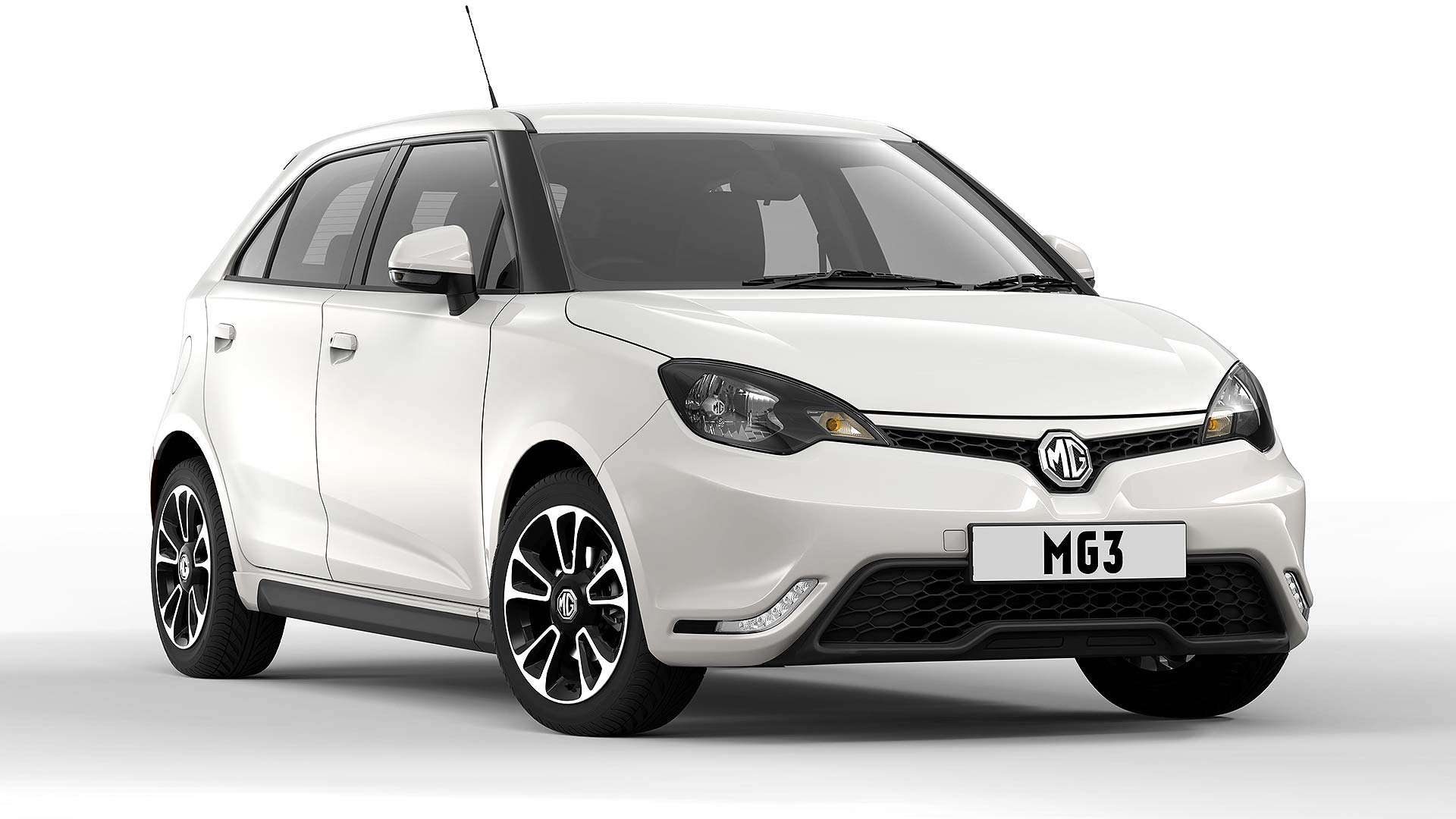
Motor racing is expensive, right? Value brand MG thinks otherwise – and is proving this by developing a low-cost conversion that will turn its MG3 supermini into a racing car for £5,000.
The firm is working with the MG Car Club and its SAIC Motor UK Technical Centre in Birmingham to develop the conversion kit. Development is well advanced and it aims to reveal the cost-effective racer in early 2019.
“Motorsport is a huge part of MG and the Club’s heritage,” said MG Car Club general manager Adam Sloman, “and we are very much invested in bringing new cars, drivers and young competitors to our grids in the future.”
The MG Car Club will even run an incentive in 2019 that gives half-price entries to any competitor aged 25 or under. A weekend’s race entry fees could thus cost as little as £300.
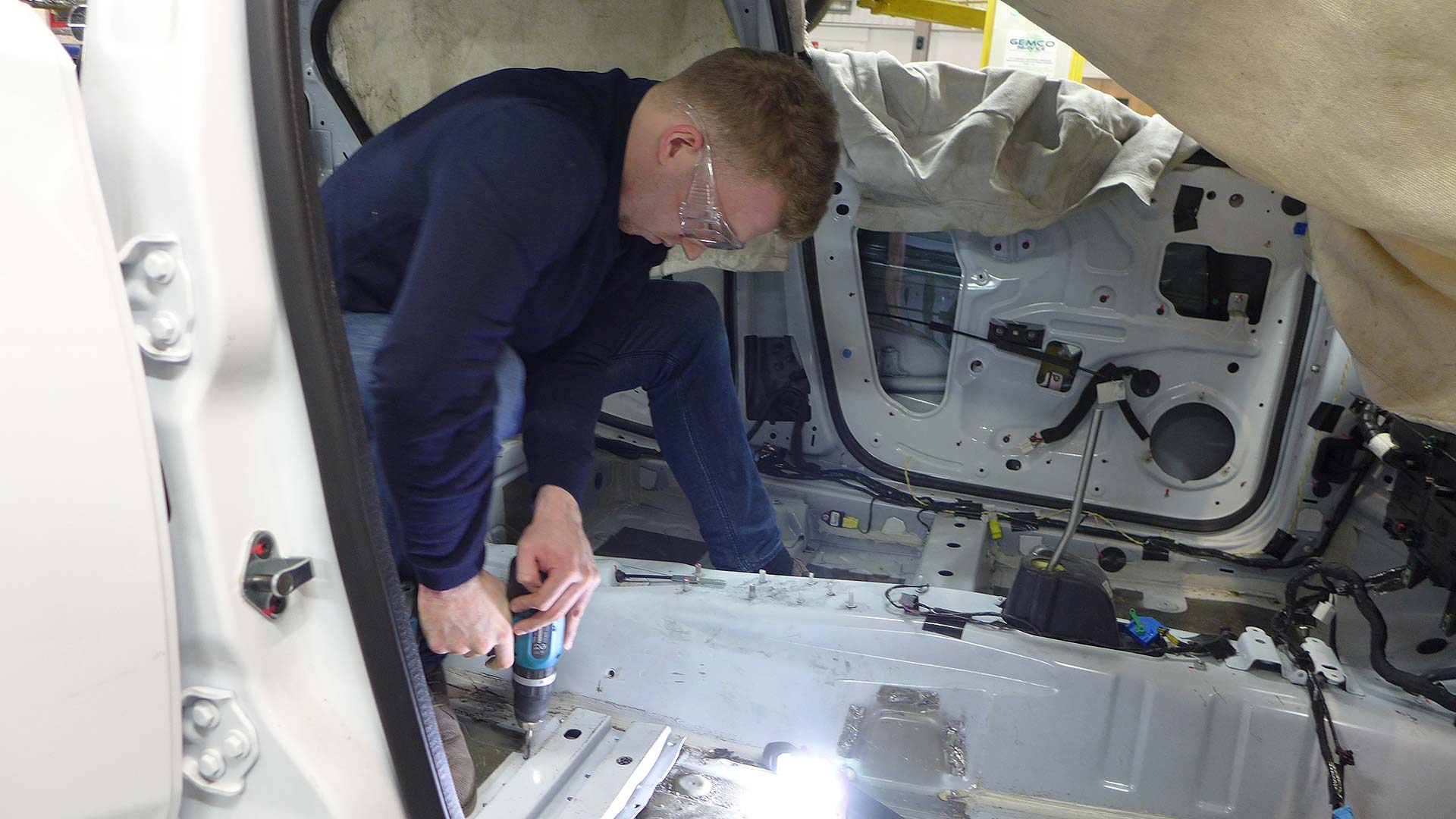
MG is encouraging young engineers with the project, too – it is interns at the SAIC Birmingham technical centre that have worked on the racer as part of their assessment projects.
Intern Joanna Burland said it “has provided a great opportunity to work on something slightly different and gain valuable experience of helping to develop a new low-cost race car and work with MG Motor and MG Car Club to make the project a success.”
The new MG3 series will run in the ‘invitational’ class of the MG Cup in 2019, to whet appetites and help carry out a season’s testing and development. A full points-scoring championship will begin from 2020.
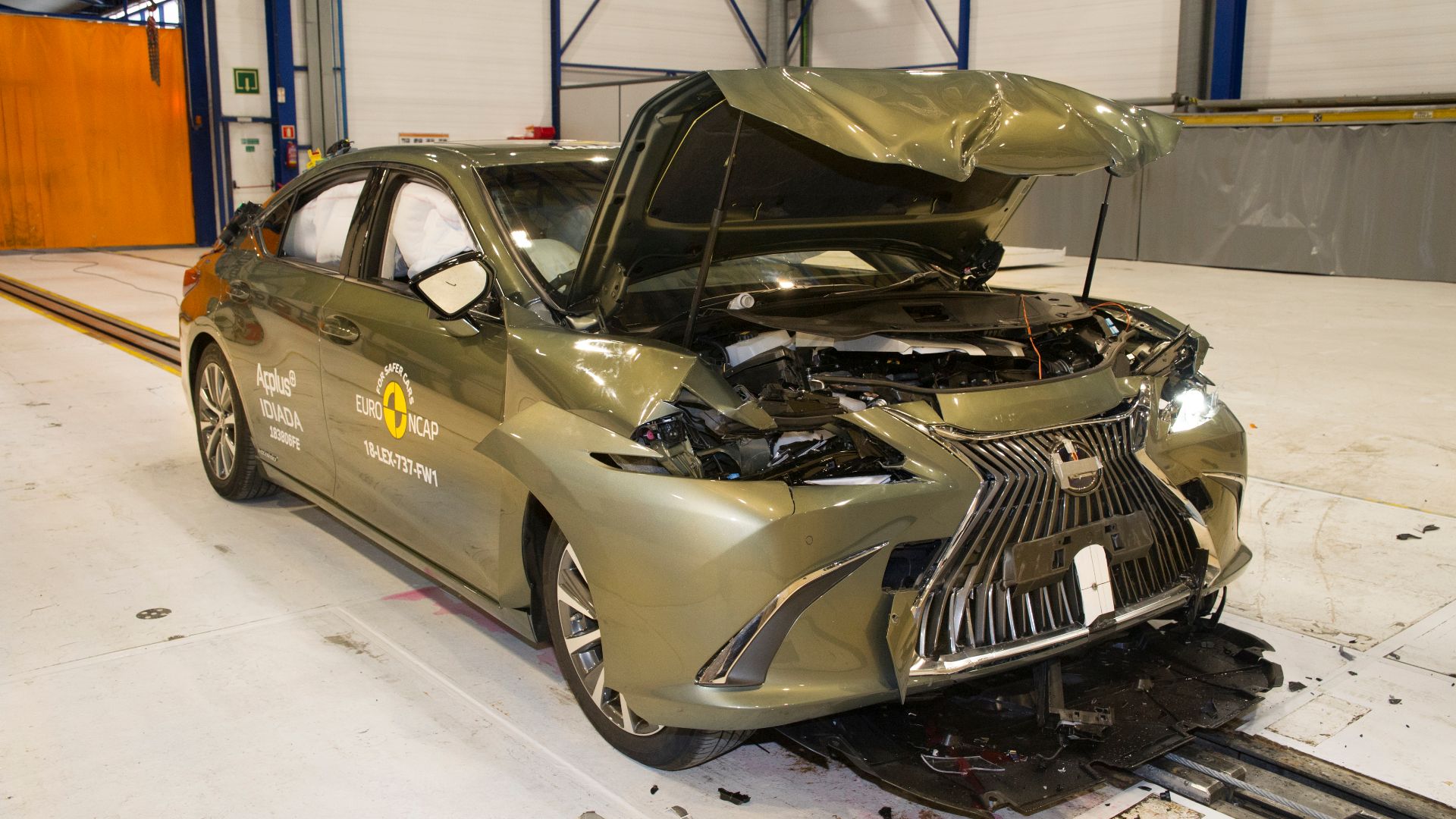
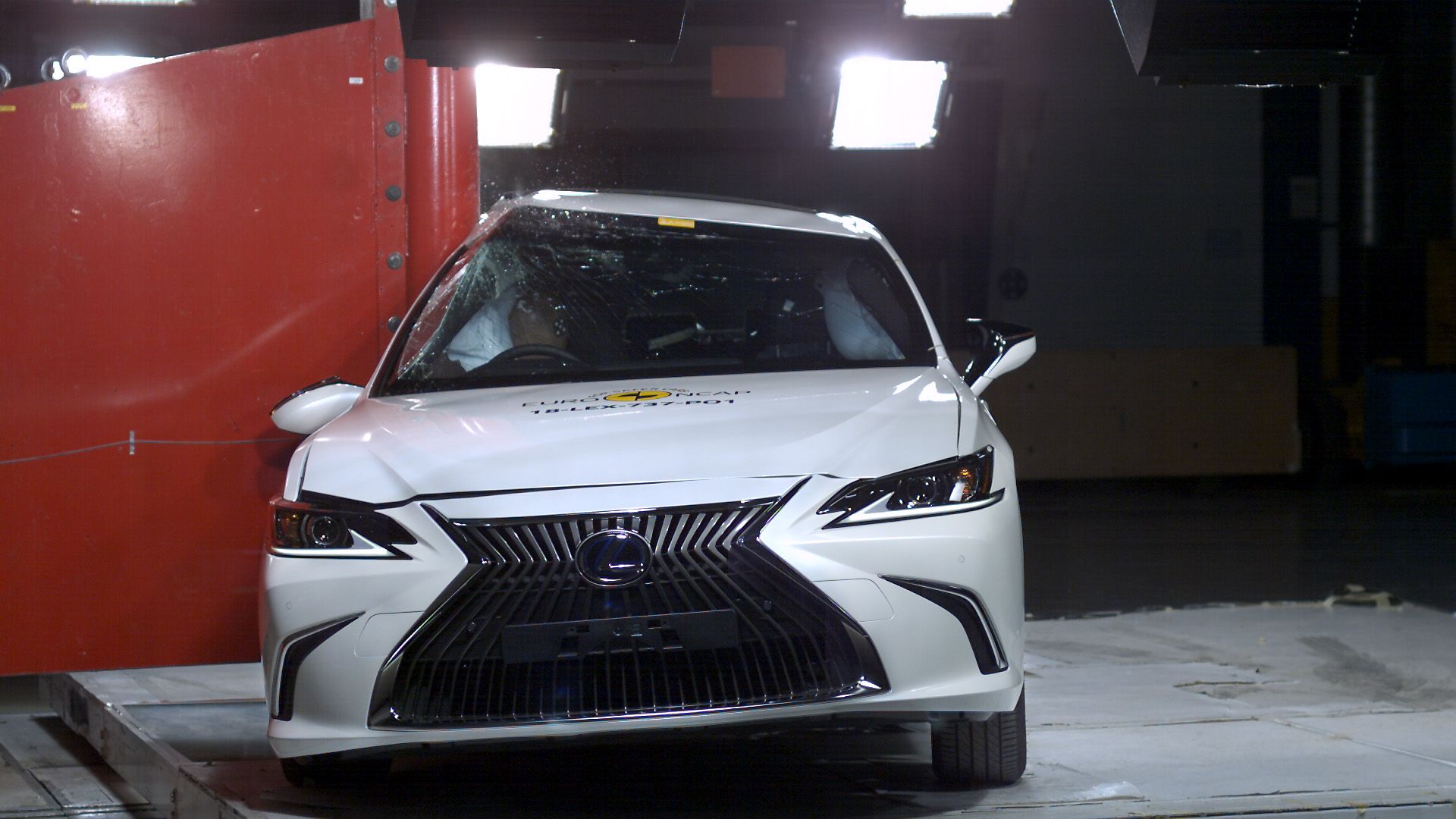
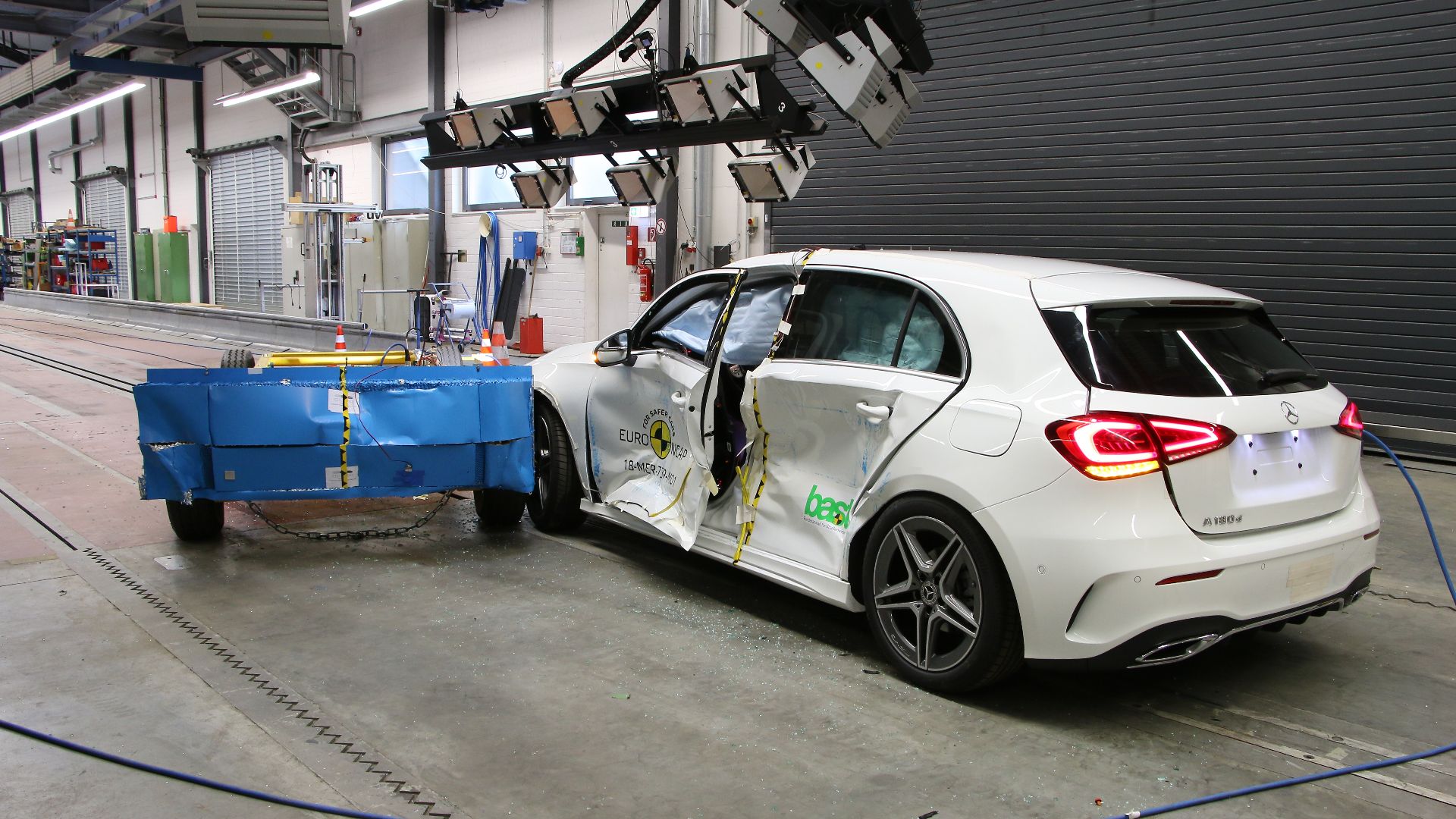
Car safety watchdog Euro NCAP has announced the safest cars in each class for 2018. Three cars tested this year have achieved a best-in-class result, marking a great year of progression in automotive safety.
The Mercedes-Benz A-Class was considered a standout performer in the Small Family Car class, delivering the year’s best result.
The Lexus ES was rated best overall in the Large Family Car segment, also bagging a new award for the best performing hybrid or electric vehicle.
And the Hyundai Nexo brought home the bacon in the Large Off-Roader segment.
A little-known fact about Euro NCAP’s testing procedure is that it evolves year on year. Five-star cars tested in 2005, for example, might not get five stars today. Indeed, even compared with last year, this year’s testing has advanced.
One factor Euro NCAP Secretary General Michiel van Ratingen references is Vulnerable Road User protection. This is one of many areas where all three best-in-class winners put in an exemplary performance.
Autonomous driving is increasing in significance at a rapid rate, too. That’s led to a new focus on automated technology for Euro NCAP.
Establishing just what level of independence certain systems can be granted is key. But what isn’t in doubt is that this will be steadily increase as technology gets more sophisticated. Euro NCAP’s role is to assess and convey exactly what these systems mean for drivers.
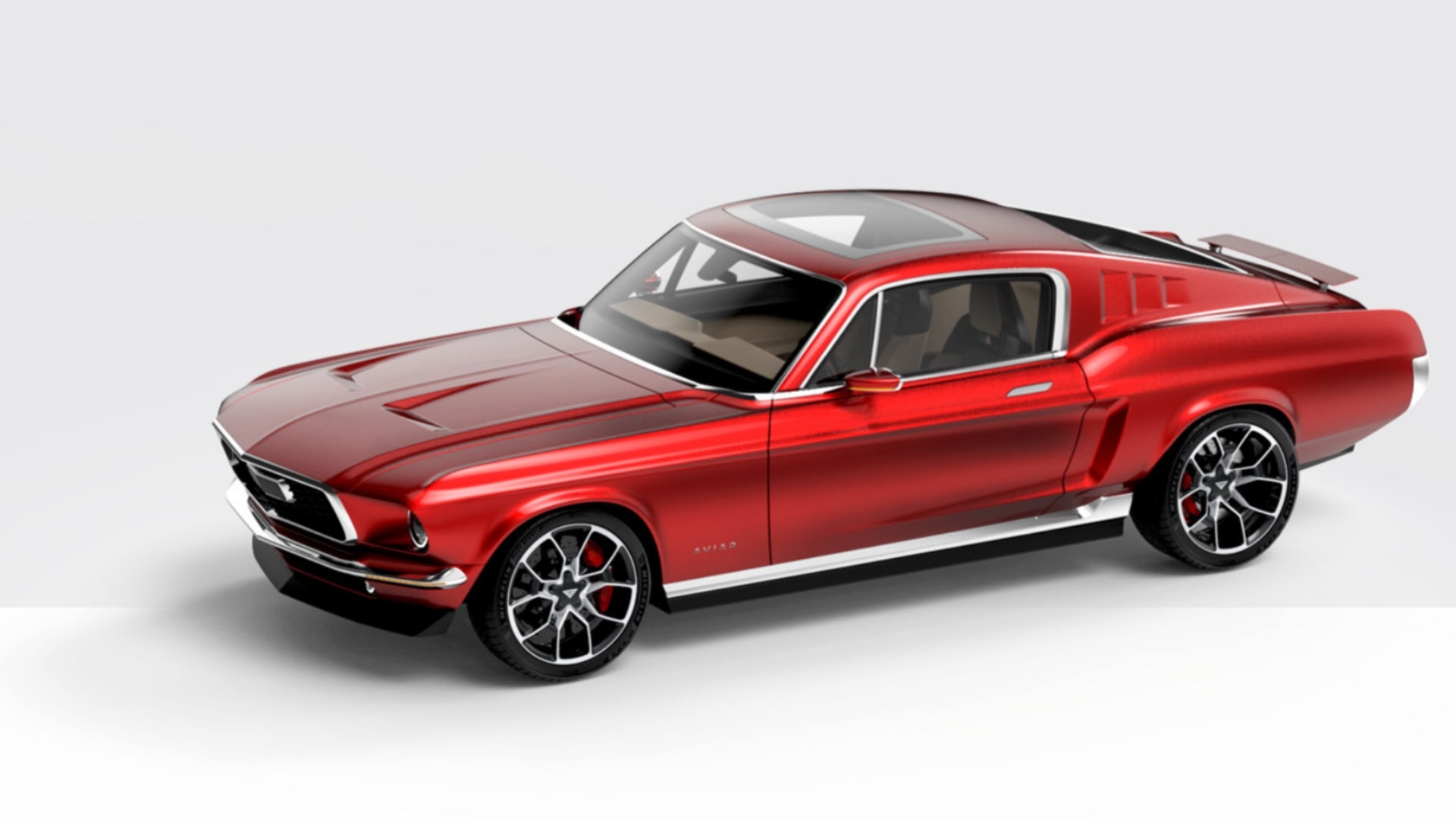
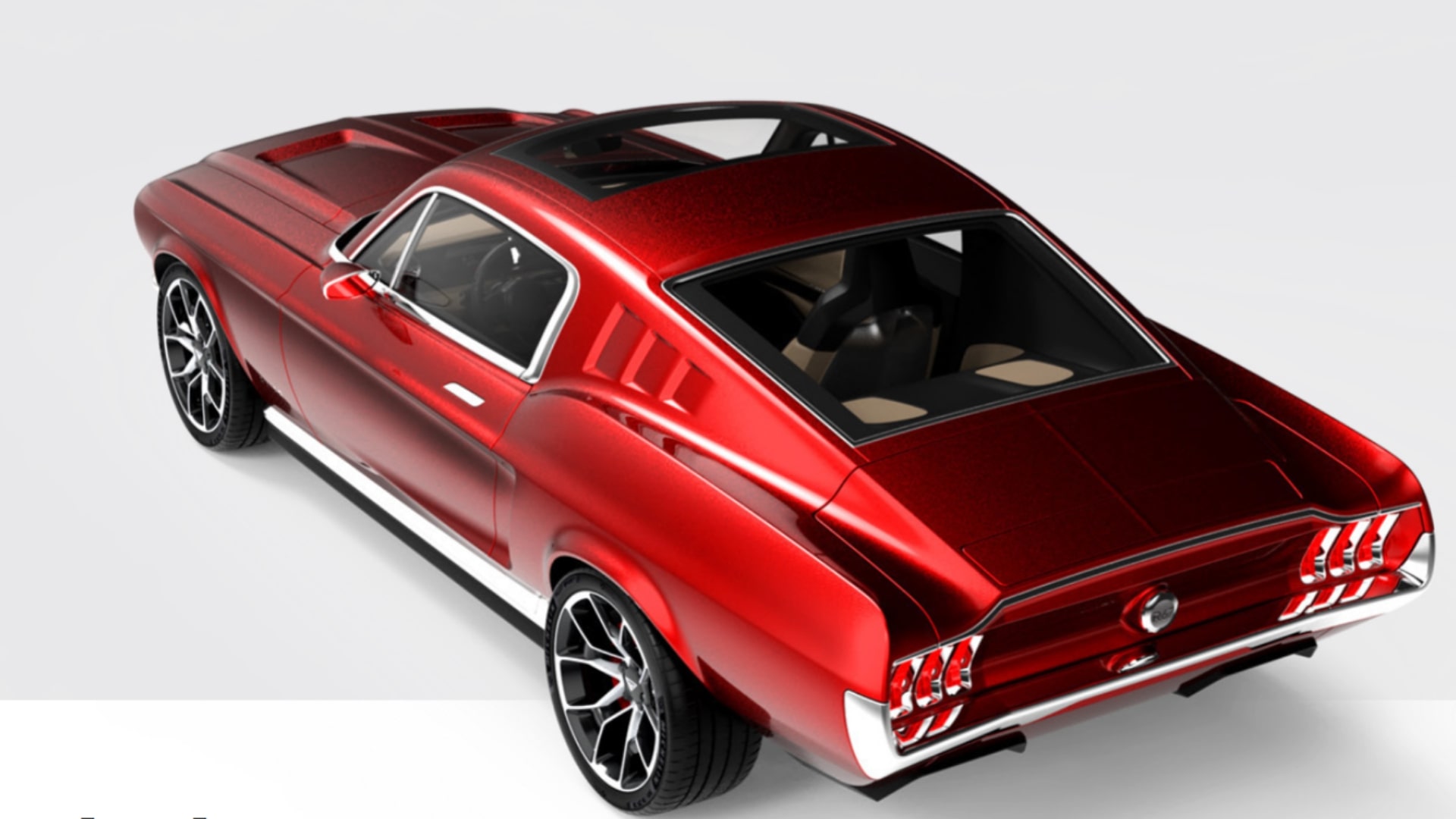
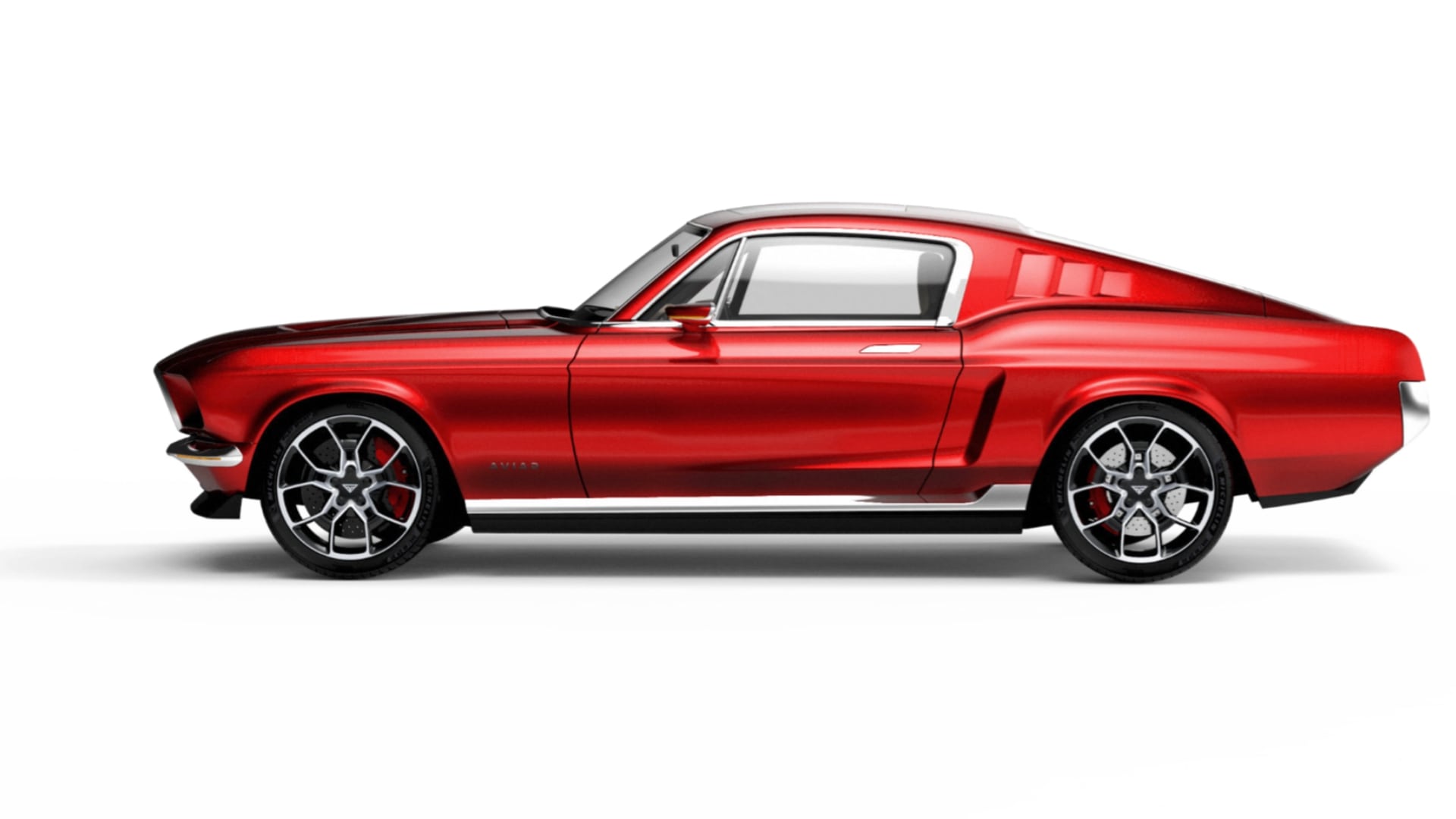
Aviar Motors is combining classic muscle car style with electric eco-friendly performance. Its new R67 is an all-wheel-drive Mustang EV.
Where do we begin? It has two electric motors, one per axle, connected to a 100kwh battery – all very similar to those used in P100 Teslas.
That makes it 4WD and means this ultimate ‘restomod’ for the zero-emissions age will hit 62mph in 2.2 seconds and top out at 155mph. On top of that, it’ll travel 315 miles on a single charge. We don’t think even an original Shelby GT500 will manage that on a tank of fuel.
The car, yet to be built, will use an alloy chassis with carbon fibre bodywork to keep weight low – around one tonne, impressively. If you’re worried about an old legend getting sullied by electric power, don’t worry. These are all-new rather than based on an existing car.
The story of the electric supercar
The exterior is highly faithful to the original pony car’s design. There are, however, telltale signs that this is no traditional ‘60s muscle hero. An active rear spoiler is perfectly flush with the style of the original bodywork. Spot the Tesla door handles, too.
LED lights, chrome strip detailing and slimmer exterior mirrors are also added, along with bigger wheels and brakes.
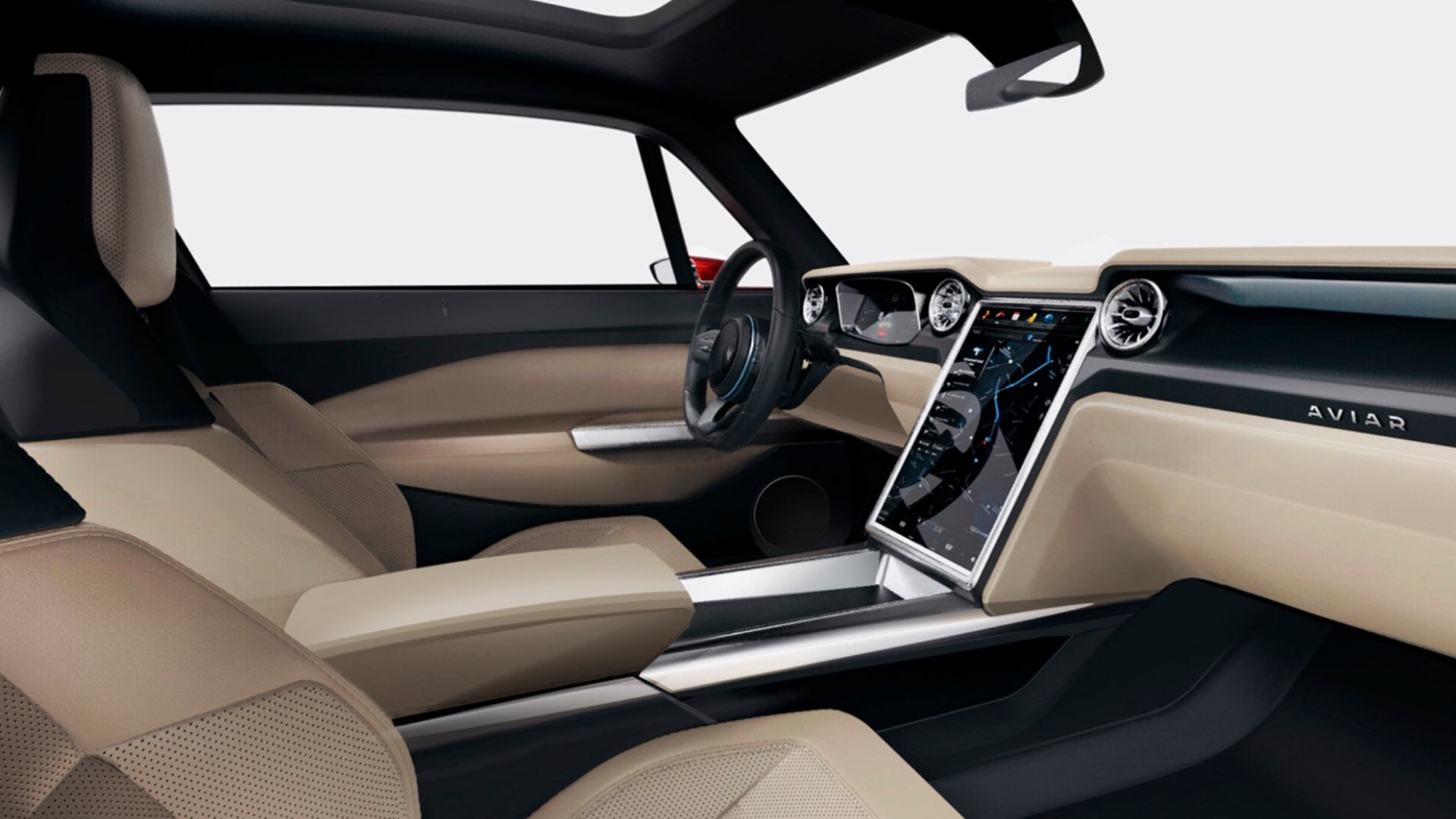
Where you definitely suspect something’s up is on the inside. Gone is the traditional 1960s style, with a 17-inch screen adorning the centre console. There is a whiff of the original style with the double-hump dash, though, along with the circular vents.
It comes with a lot more toys than a classic Mustang. Or, for that matter, any Mustang ever built. Expect a version of Tesla Autopilot, cameras, parking sensors, traction and stability control, climate control and voice control in the cabin. It’ll even get Bluetooth and wi-fi.
It really is the best of modern tech, infused with the best of classic style.
But what about V8 noise? Apparently, it’ll play a GT500 V8 rumble for passers-by, just so they know where it is.
As for when you can buy one – all you can do is enquire at the moment. Aviar says there’s a six-month build time and that price will be on request. Here’s hoping it actually happens.
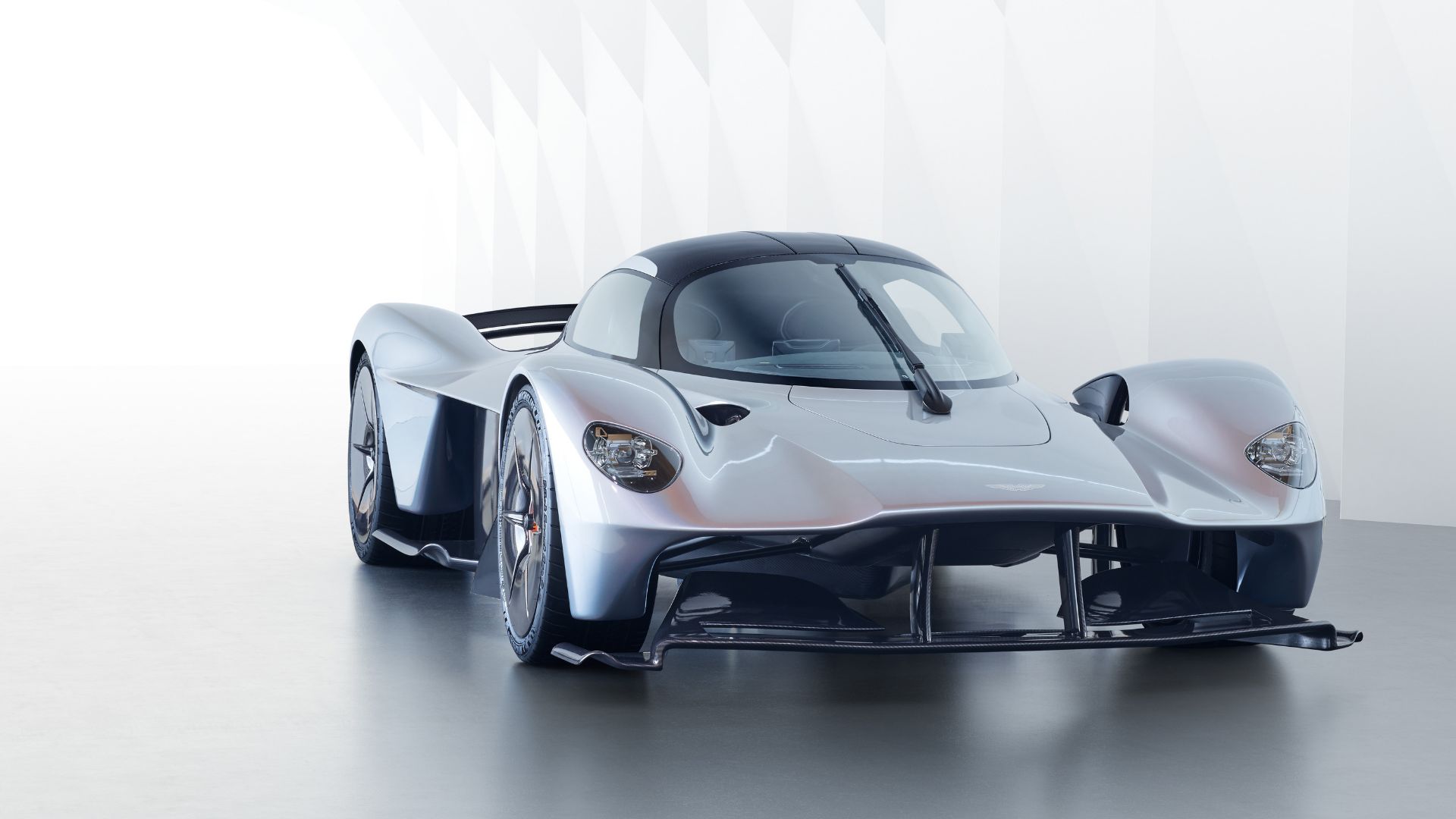
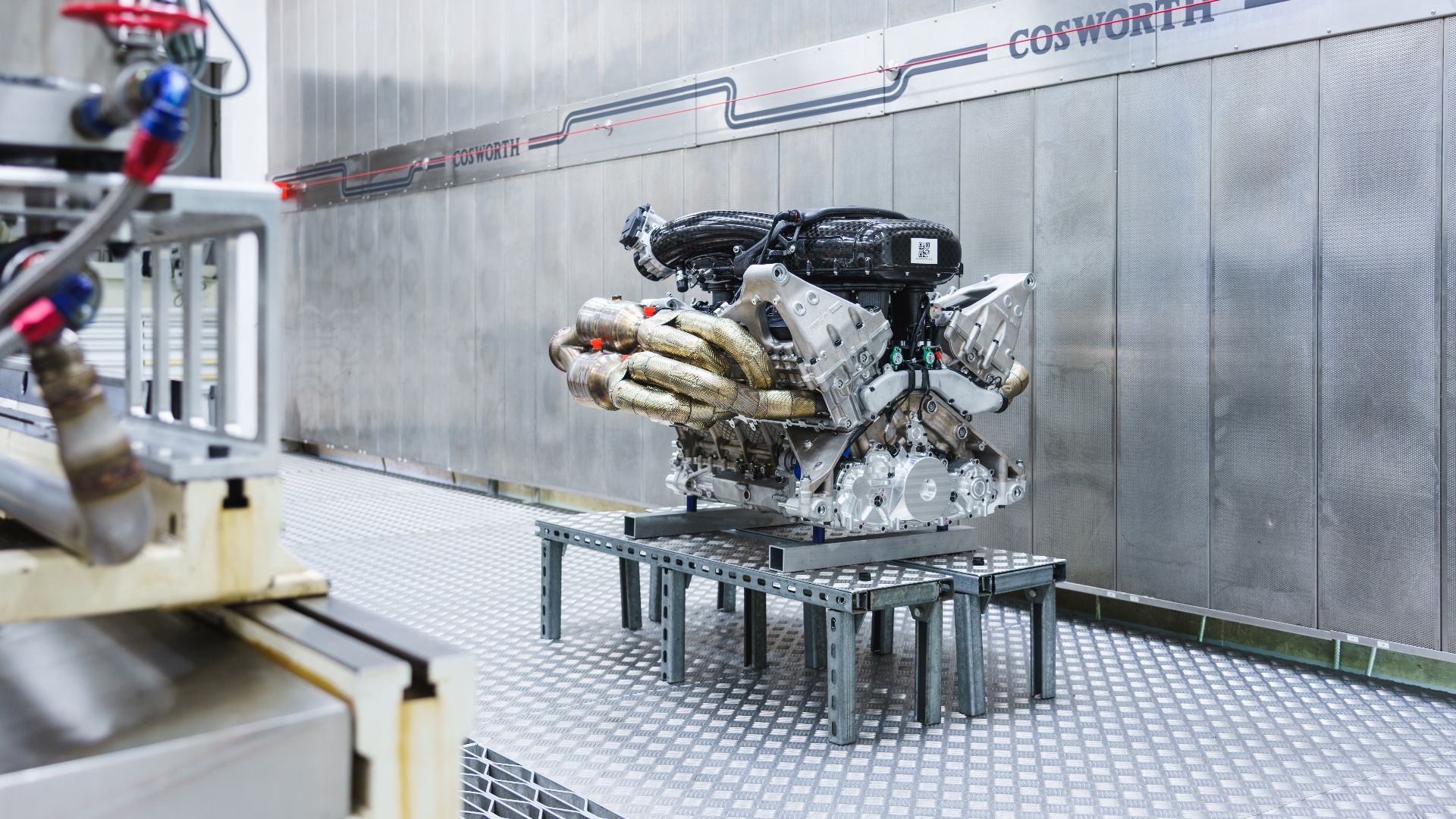
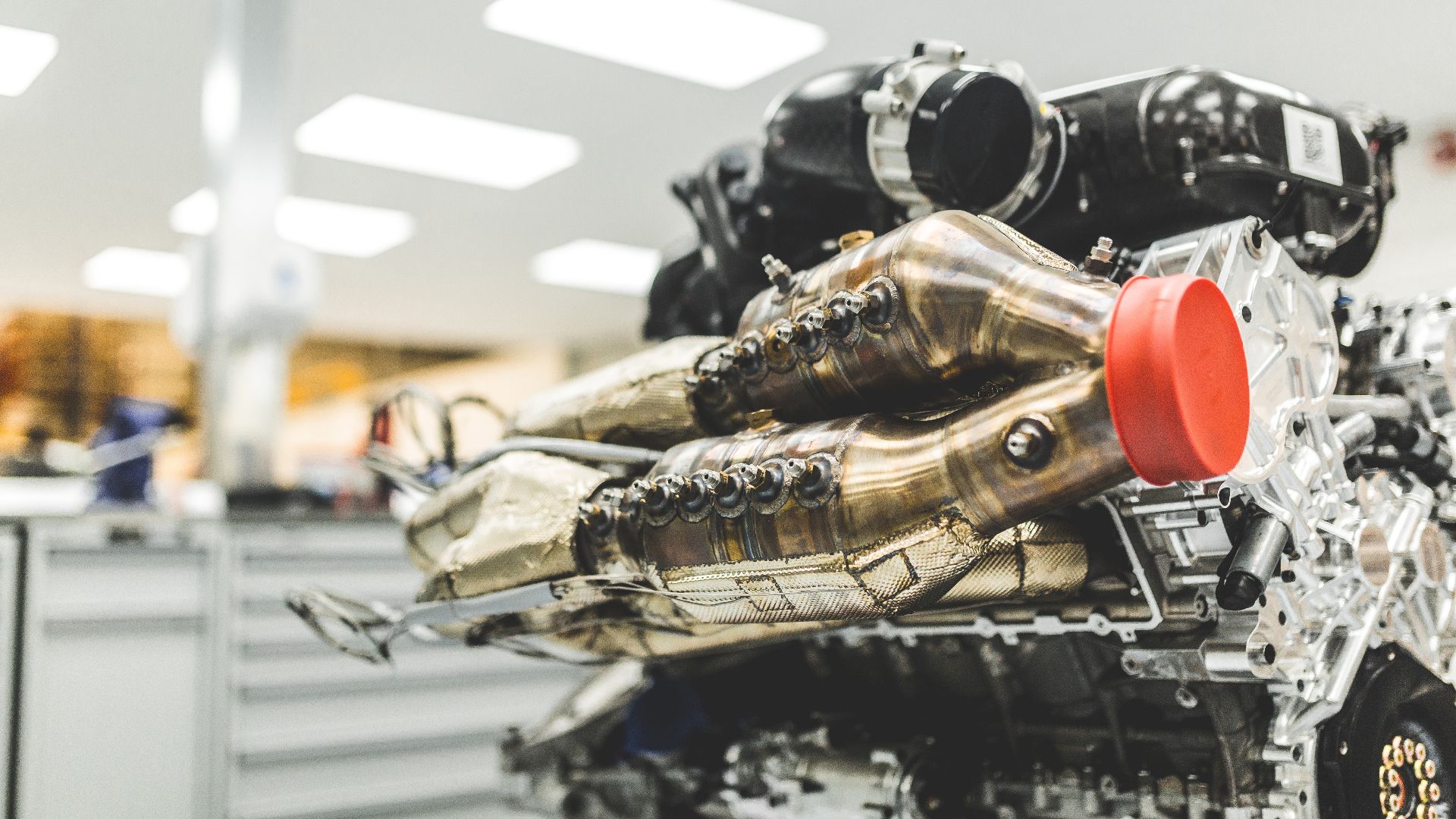
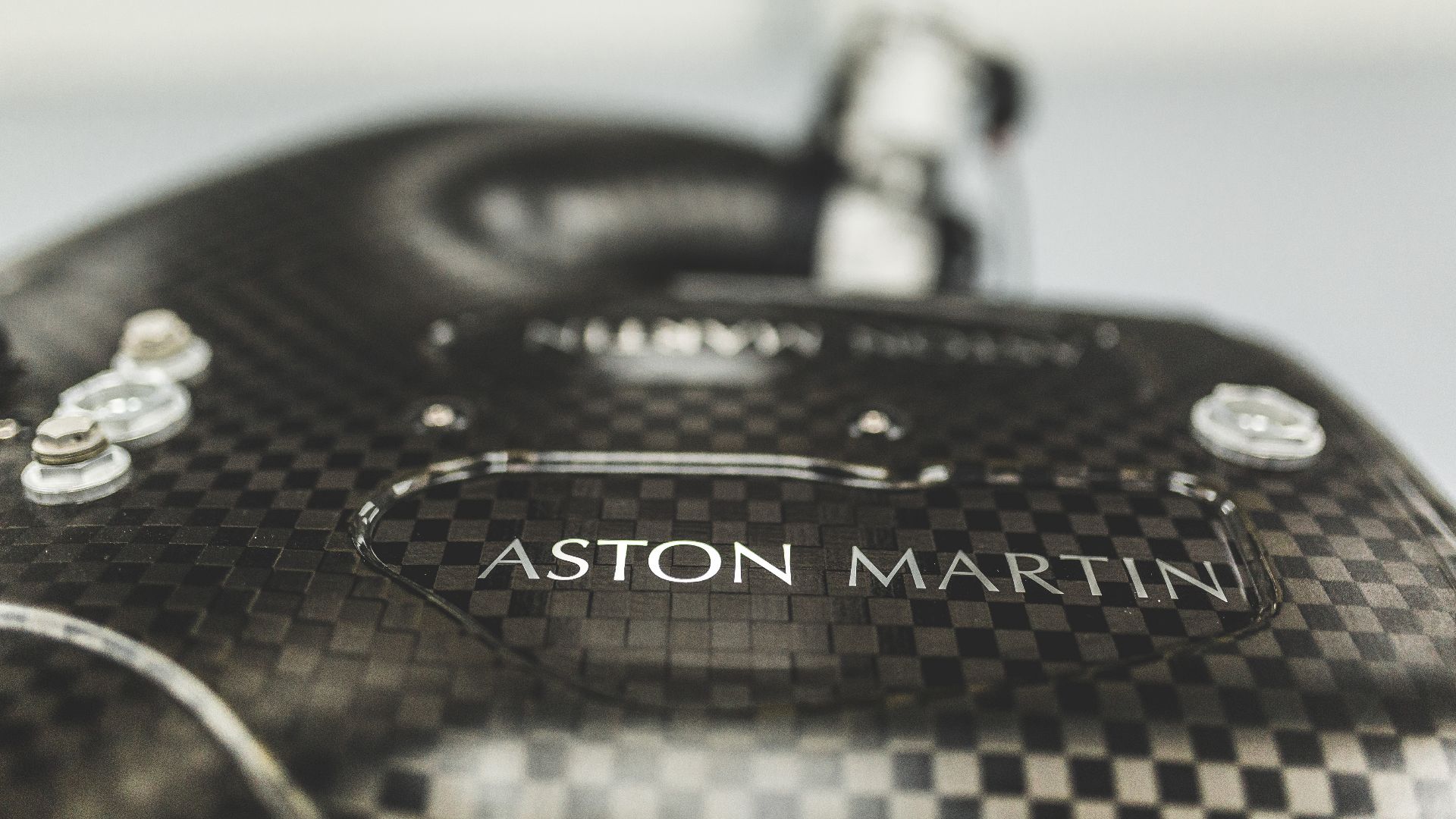
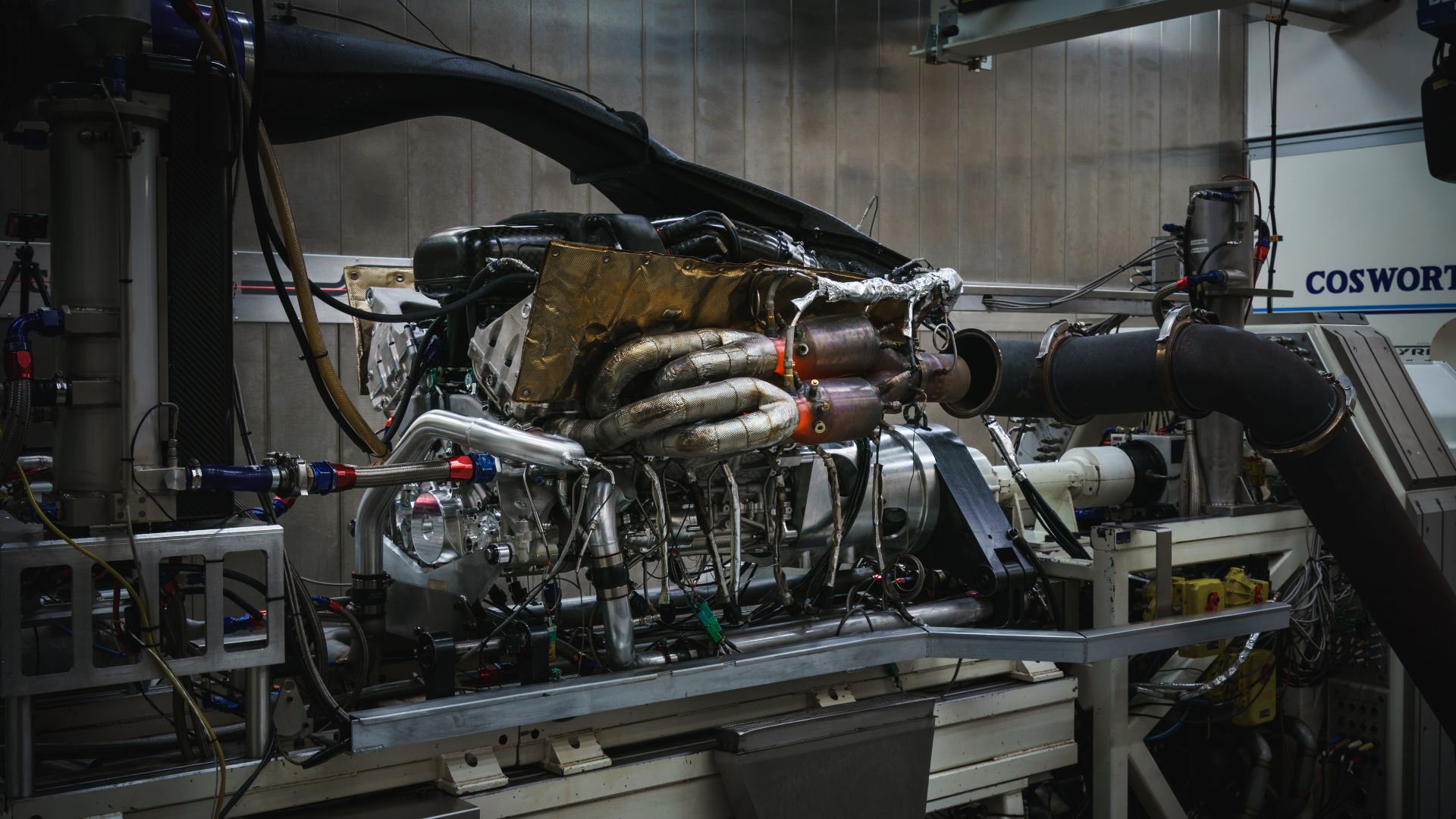
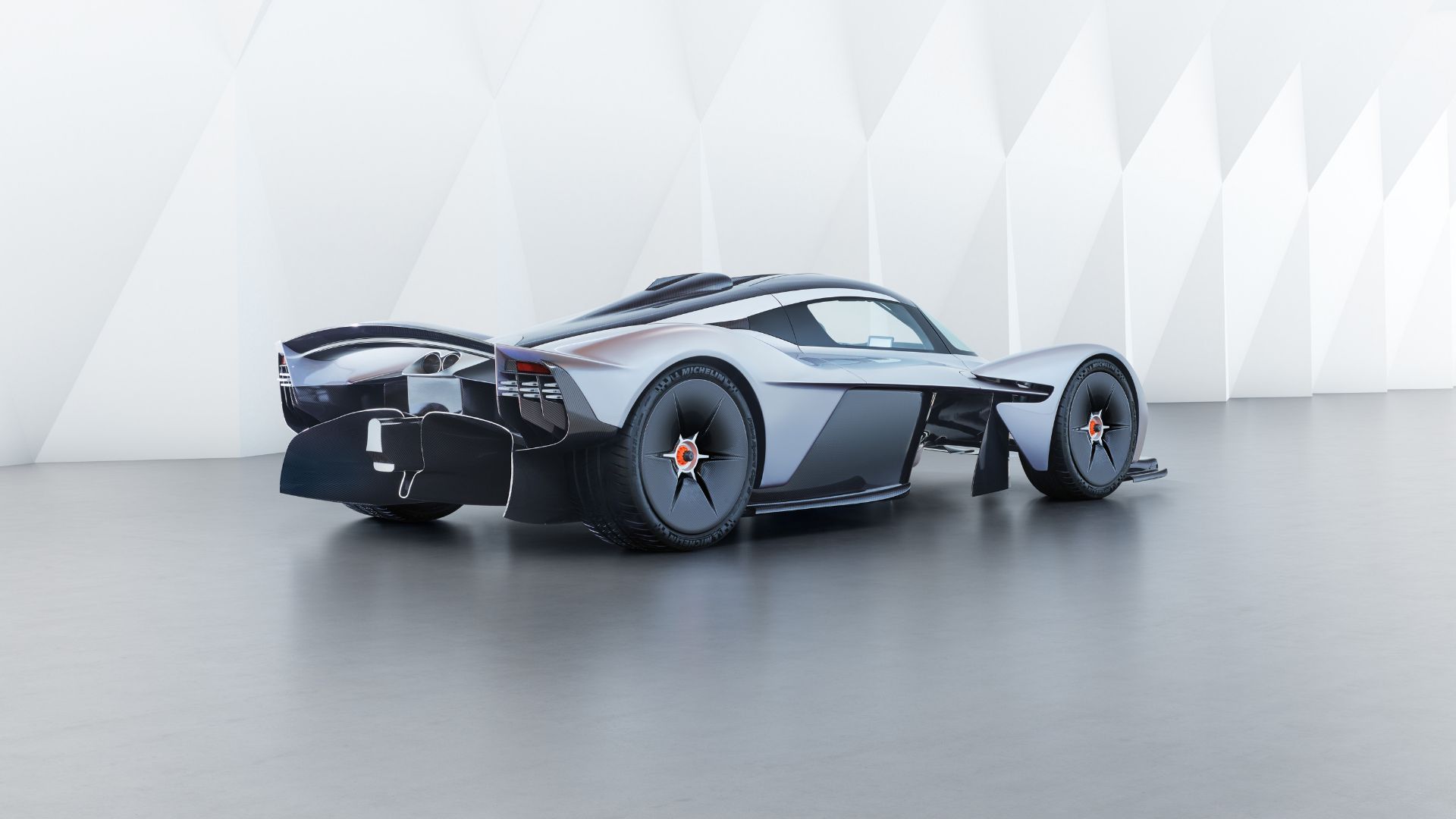
Aston Martin has revealed the specification of the 6.5-litre naturally-aspirated V12 that, along with electrical augmentation, will power its Valkyrie hypercar. Needless to say, just about every number in this Cosworth-developed masterpiece is mind-blowing.
Cosworth V12 power
Let’s start at the meaty end. Obviously, the engine makes a lot of power – 1,000bhp, to be precise, as well as 546lb ft of torque.
That four-figure output is available at a staggeringly heady 10,500rpm, while torque comes on full-strength at 7,000rpm. Long after a LaFerrari’s V12 has hit the limiter at 9,250rpm, a Valkyrie is barely into its stride…
Aston Martin DBX: first photos of 2019 super SUV revealed
That power band is characteristic of highly-strung supercar engines in general. However, it’s also made possible by the fact the engine will be running in tandem with torque-rich electric motors. There’s no word yet on how much power the combination will produce, although one of the original targets was one horsepower for every kilogram of weight.
The car’s redline is an F1-rivalling 11,100rpm. Admittedly, that’s not quite the heady heights of the 18,000rpm screamers of the mid-2000s, but it’s certainly enough to rival the Mercedes-AMG Project One V6 – and indeed the F1 engine on which that unit is based.
Remember, this is an emissions-compliant, road-legal car. It needs to be just as at home on Park Lane as it is screaming up the hill at Eau Rouge at Spa.
As for weight – a big sticking point for Adrian Newey and the Red Bull team involved in the design of the Valkyrie – the 6.5-litre 12-cylinder is just 6kg over target, at 206kg.
For reference, the Mercedes-AMG motor that used to power the Pagani Zonda weighed somewhere in the region of 250-290kg.
Given the speeds at which it will be revving, and the power it’s touted to produce, money is almost of no object when it comes to materials and construction methods. The cams, for example, are on a gear drive rather than a chain. Everywhere you look, there’s race engineering and technology.
Aside from the block, heads, sump and cam covers, everything internal is machined from solid material, rather than being cast. This means parts can be optimised for maximum strength, minimum weight and the finest tolerances.
The billet machined crankshaft is 50 percent lighter than the Cosworth-engineered crankshaft used in Aston’s One-77 hypercar. That car also held the title for world’s most powerful naturally-aspirated road car engine. The Valkyrie is surely in line for that accolade now.
It’s actually lighter per litre of capacity than Cosworth’s old 3.0-litre V10 F1 engines. The last, before limits were imposed, weighed just 97kg.
Appropriately for a Cosworth-developed engine, it is a fully stressed member of the car’s construction. That means if you take the engine out, there’s nothing joining the front wheels to the rears. The suspension is mounted to the gearbox and the bulk of the car ahead of the engine joins at mounting points on the cam covers.
Cosworth and Lotus first trialled the idea of an engine being a stressed member of a car’s construction in F1 in 1966, with the Lotus 49 and its famous DFV 3.0-litre V8 motor. All that incredible aero under the body of the Valkyrie is said to come very close to the lower extremes of the engine.
If this is the swansong for the naturally aspirated combustion engine, it’s certainly going out with a bang.
Aston’s press release on the powerplant sums it up best: ‘an internal combustion engine without peer for a hypercar without precedent’. We can’t wait to see the finished Valkyrie in action.
Read more:
Housewives and vicars – the changing face of van drivers
December tends to be a slow month for new car sales, with most car buyers focused on a little event on the 25th. But fear not, because this gives us time to take a look at the new cars you can expect to see in 2019.
Appropriately, we’ve selected 19 cars being readied for launch next year, including everything from EVs to a tiny 4×4. We’ve restricted ourselves to one car per manufacturer.
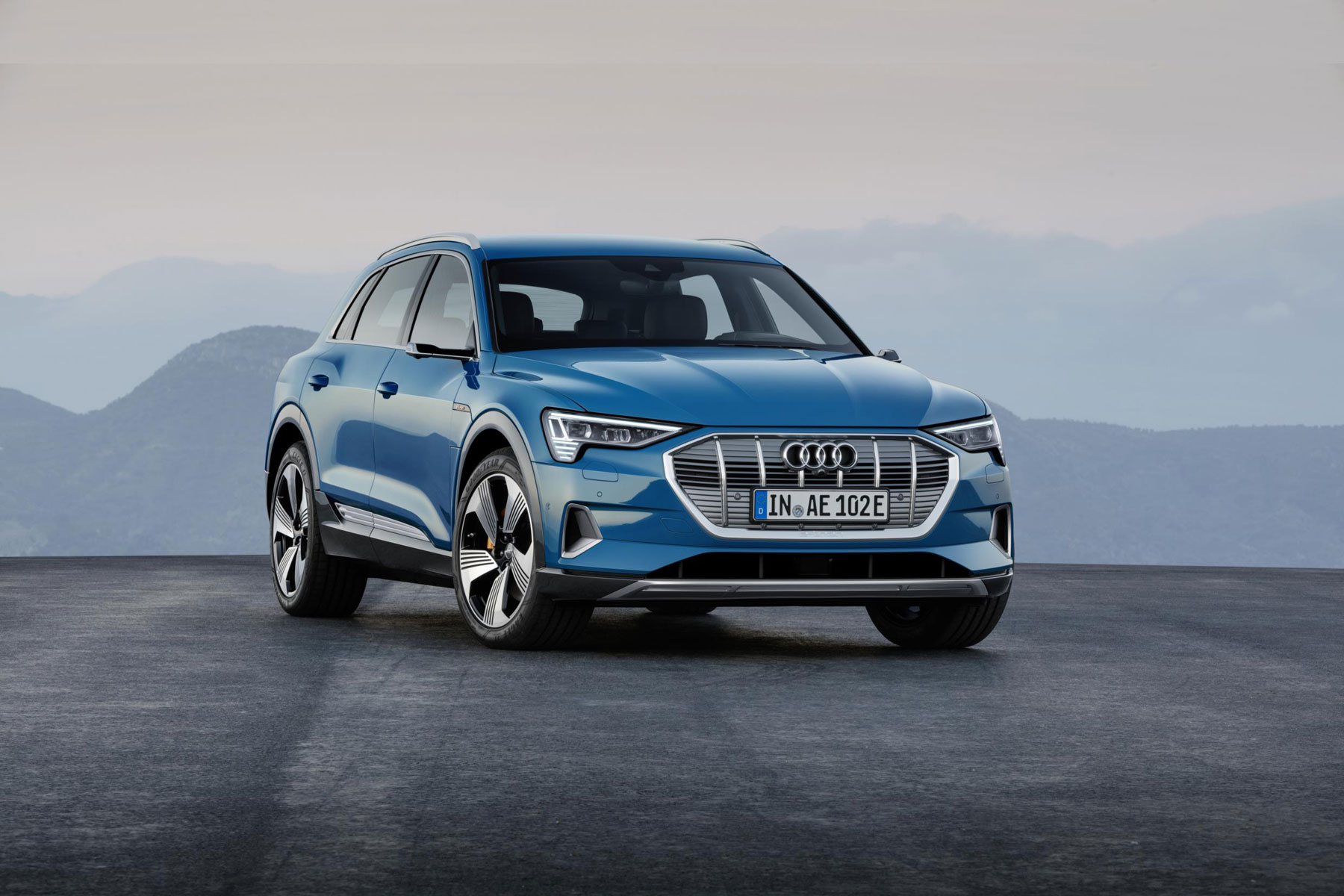
Audi E-tron
The new Audi E-tron, the company’s first all-electric car, will open for ordering in early 2019, with prices starting from £71,490. Three versions will be available: standard, Launch Edition and Edition 1. The E-tron will complete the 0-62mph sprint in 5.7 seconds and deliver a WLTP range of at least 248 miles. Earlier this year, we enjoyed a first ride at Pikes Peak. Our verdict: “Tesla’s dominance, we suspect, is coming to an end.”
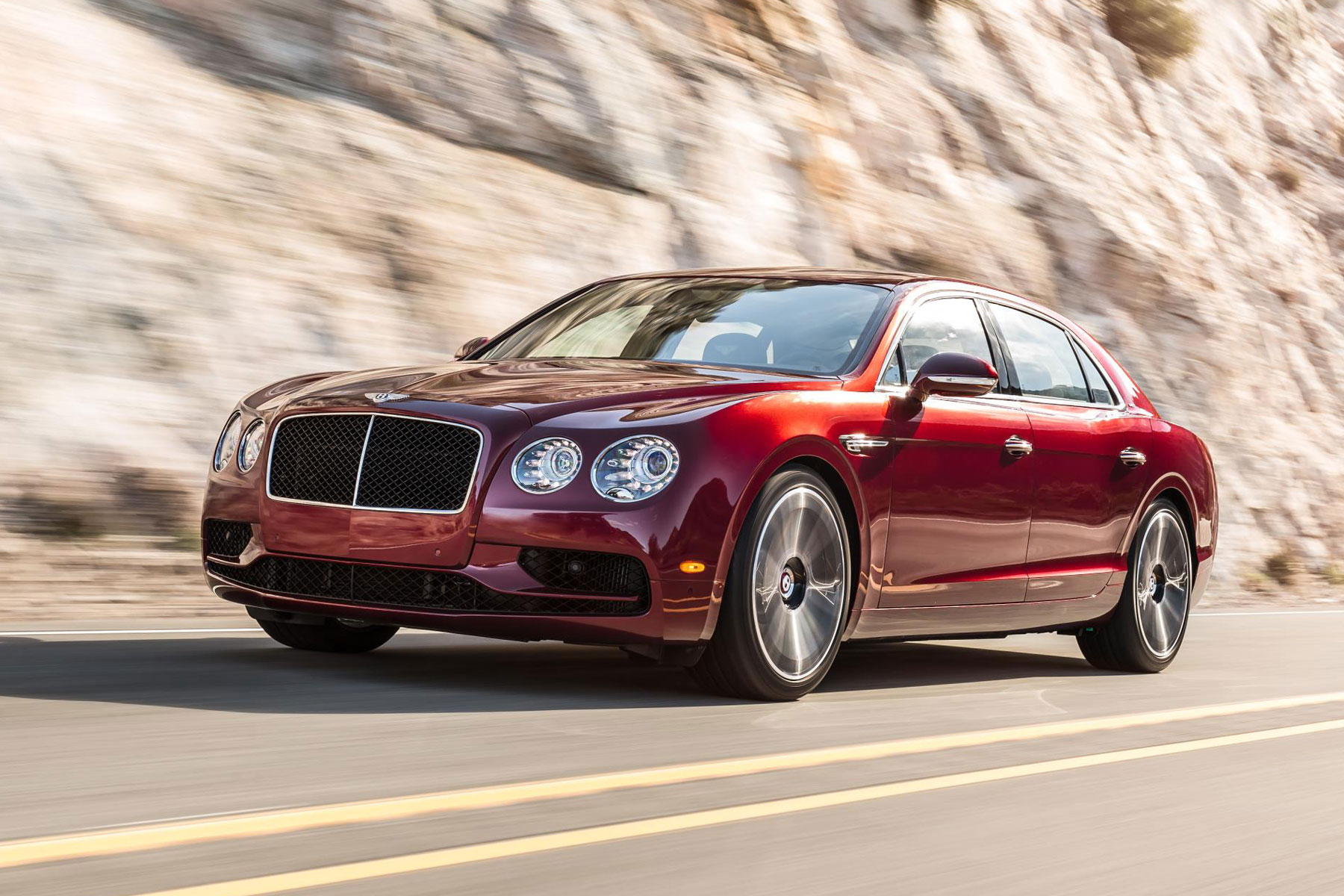
Bentley Flying Spur
The new Bentley Flying Spur (current version pictured) has been spotted at the Nurburgring, so we know that it’s coming. Various powertrains will be available, including a V8, W12 and a hybrid pairing a V6 engine with an electric motor. It’s a landmark car for the Crewe firm, as it’s the final new car to be launched before Bentley heads down the road of electrification.
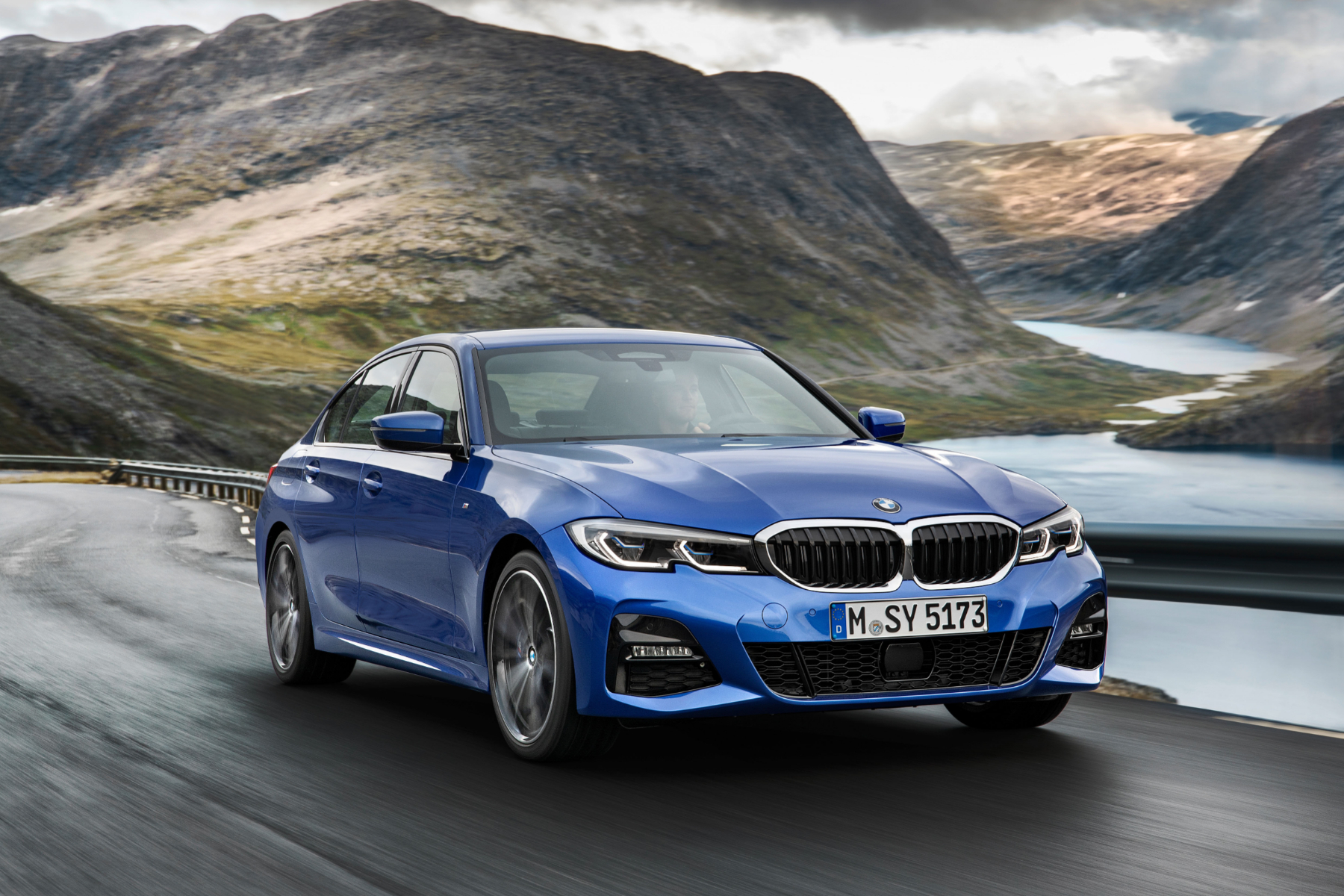
BMW 3 Series
One of the stars of the 2018 Paris Motor Show will go on UK sale in March 2019, with prices starting from £33,610. The BMW 3 Series will arrive first as a petrol 330i and diesel 320d, with a 330e iPerformance plug-in hybrid following soon after. The styling has divided opinion, but you just know this is going to make a dent in the top ten sales chart in 2019. It’s likely to be a busy year for BMW, with the company preparing a new 1 Series, along with the previously unveiled X7, Z4 and 8 Series Convertible.
Cupra Ibiza
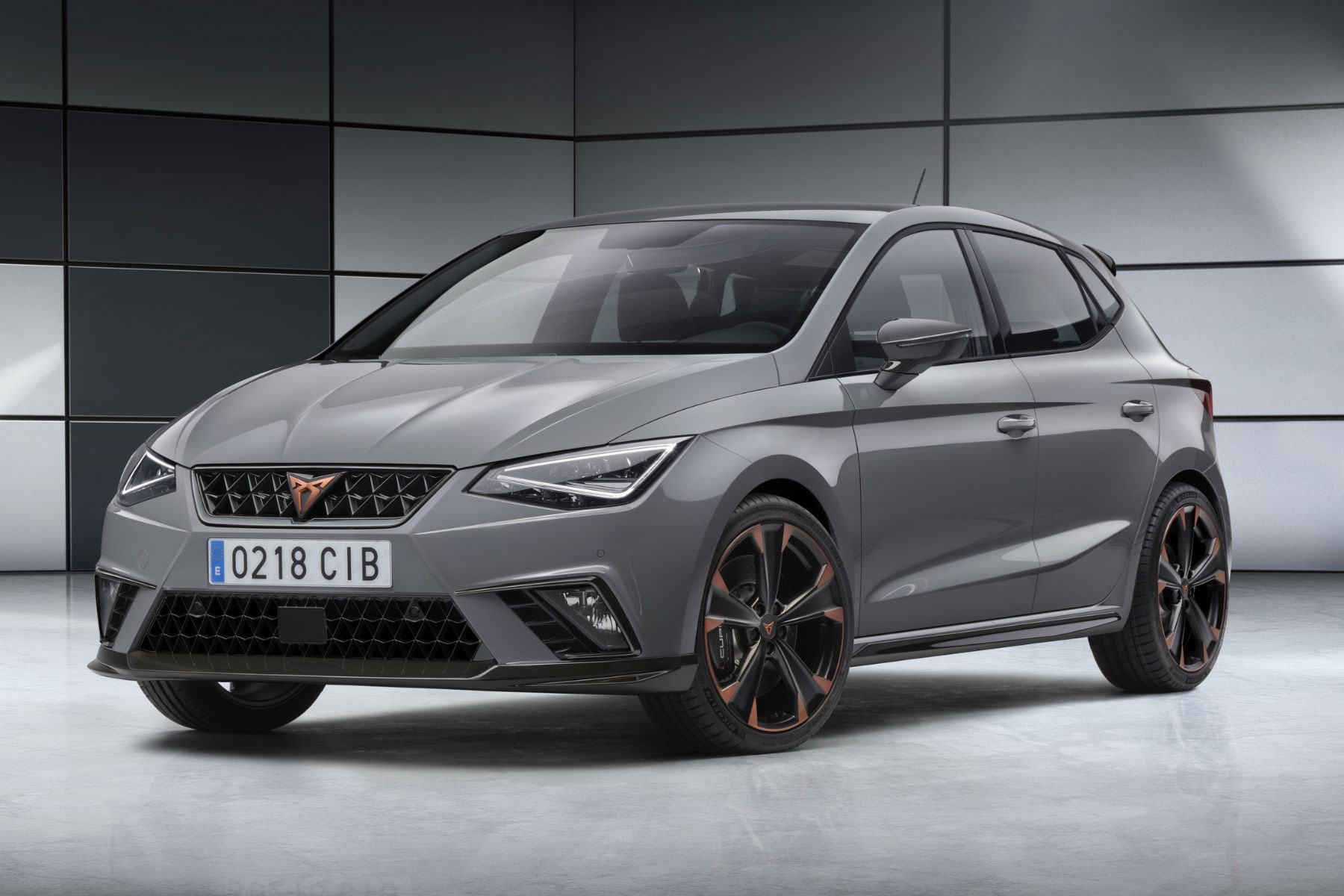
Seat unveiled a Cupra Ibiza at a launch event earlier this year, so it’s a safe bet that we’ll see a rival for the all-conquering Ford Fiesta ST at some point in 2019. From now on, all new sporty Cupra models will be badged solely as Cupras, without any Seat branding, and the Ibiza will follow the Ateca and, we suspect, Arona into the Cupra fold. We’ve just returned from a launch event for the Cupra Ateca, so stay tuned for more information on the performance SUV.
Ford Focus ST
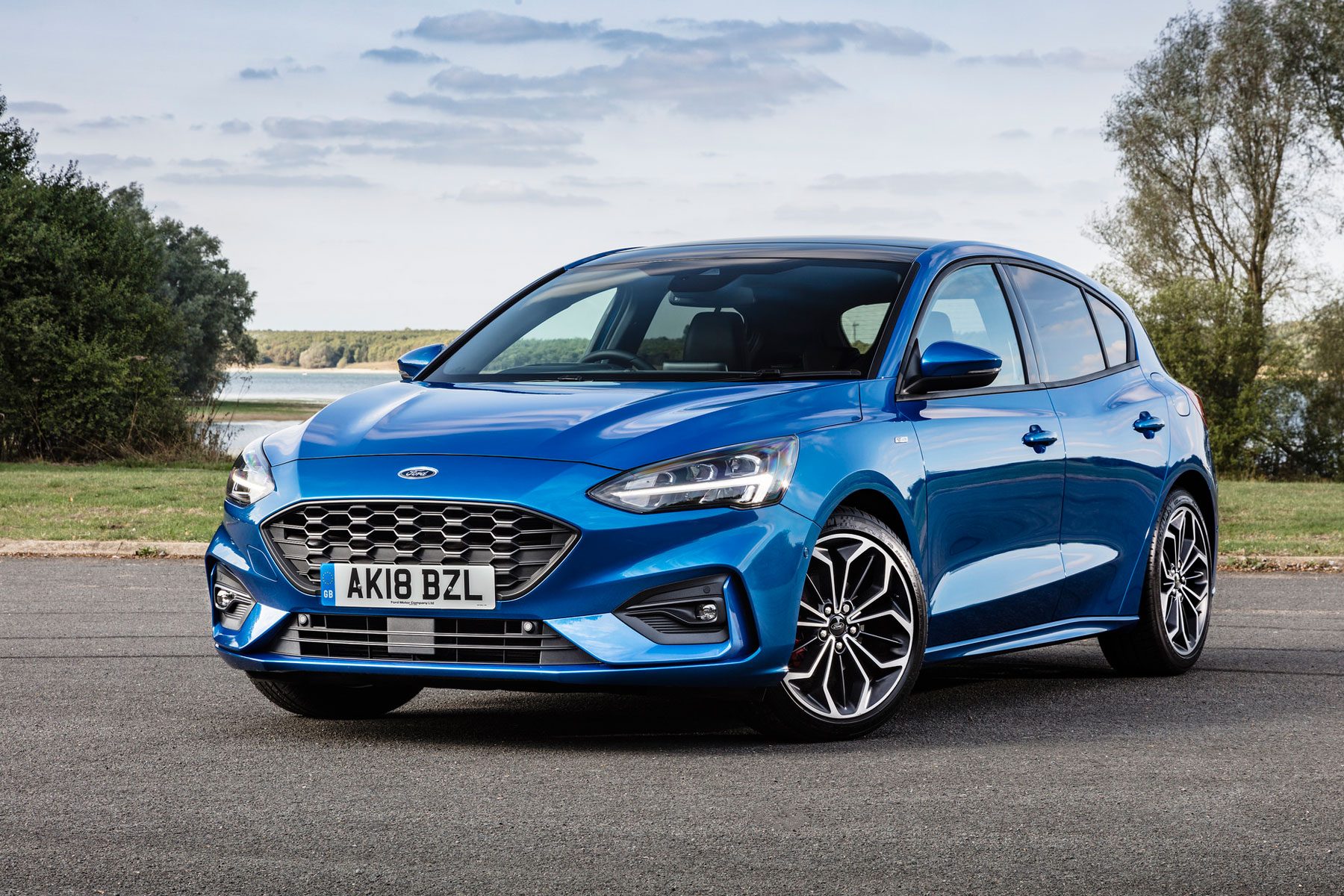
The all-new Ford Focus will enjoy its first full year on sale in 2019, with the new Active crossover arriving in January. But the big news, for us anyway, is the arrival of the ST hot hatch, which is expected to use a detuned version of the 2.3-litre Focus RS engine. Reports suggest around 250hp and a six-speed manual gearbox, although we’ll discover more in 2019. As for the RS Focus, that’ll be one for 2020… we hope.
Hyundai i30 Fastback N
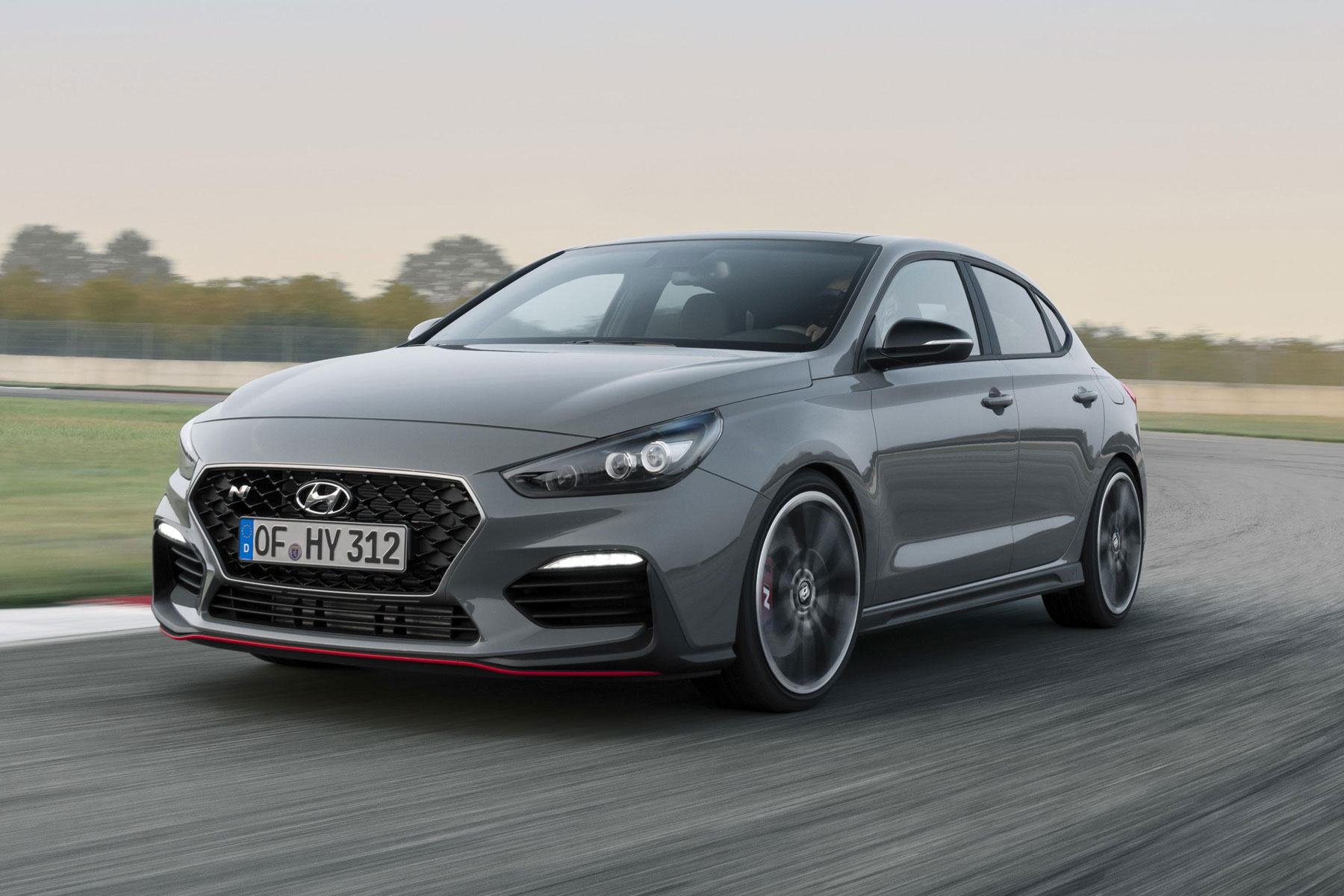
The Hyundai i30 N was one of our favourite cars of 2018, so we’re expecting big things from the Fastback version. Hyundai calls it a four-door coupe (it’s a slinky hatchback), but the Fastback is more practical than the standard i30 N. Everything else remains the same, so power is sourced from a 2.0-litre engine in both 250hp and 275hp Performance guise. It’s another excuse to enjoy the i30 N, so it gets our vote.
Kia e-Niro
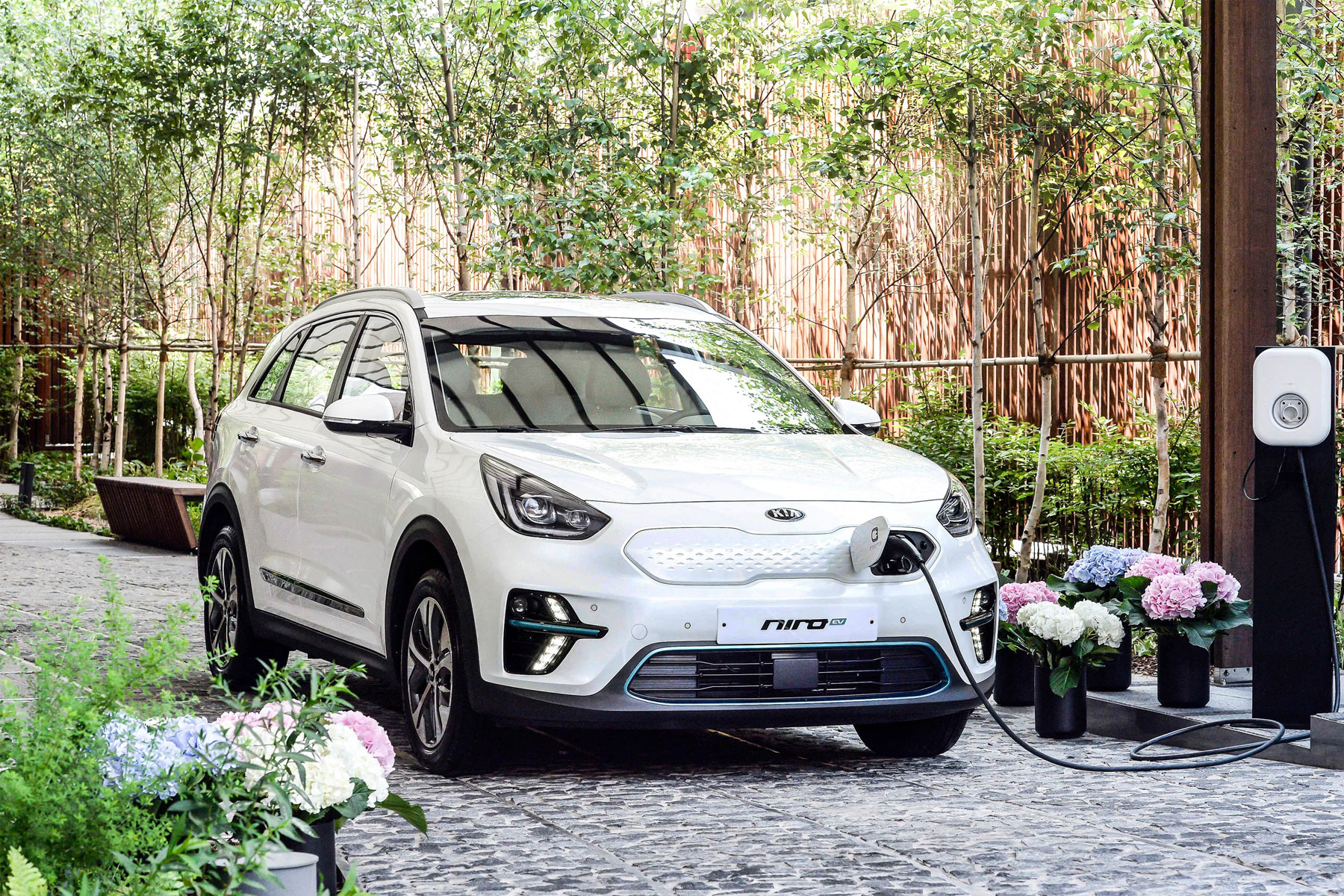
Kia will launch a new Soul EV and ProCeed in 2019, but the e-Niro is arguably one of the most important new cars of 2019. We’ve just driven it and we reckon demand will far outstrip supply for an electric car with a 282-mile range. Our verdict: “The Kia e-Niro is another seriously impressive electric car. It’s the best ‘everyman’ electric car we’ve seen yet. Now, Kia, try to see if you can bring in enough to realise this EV’s potential.”
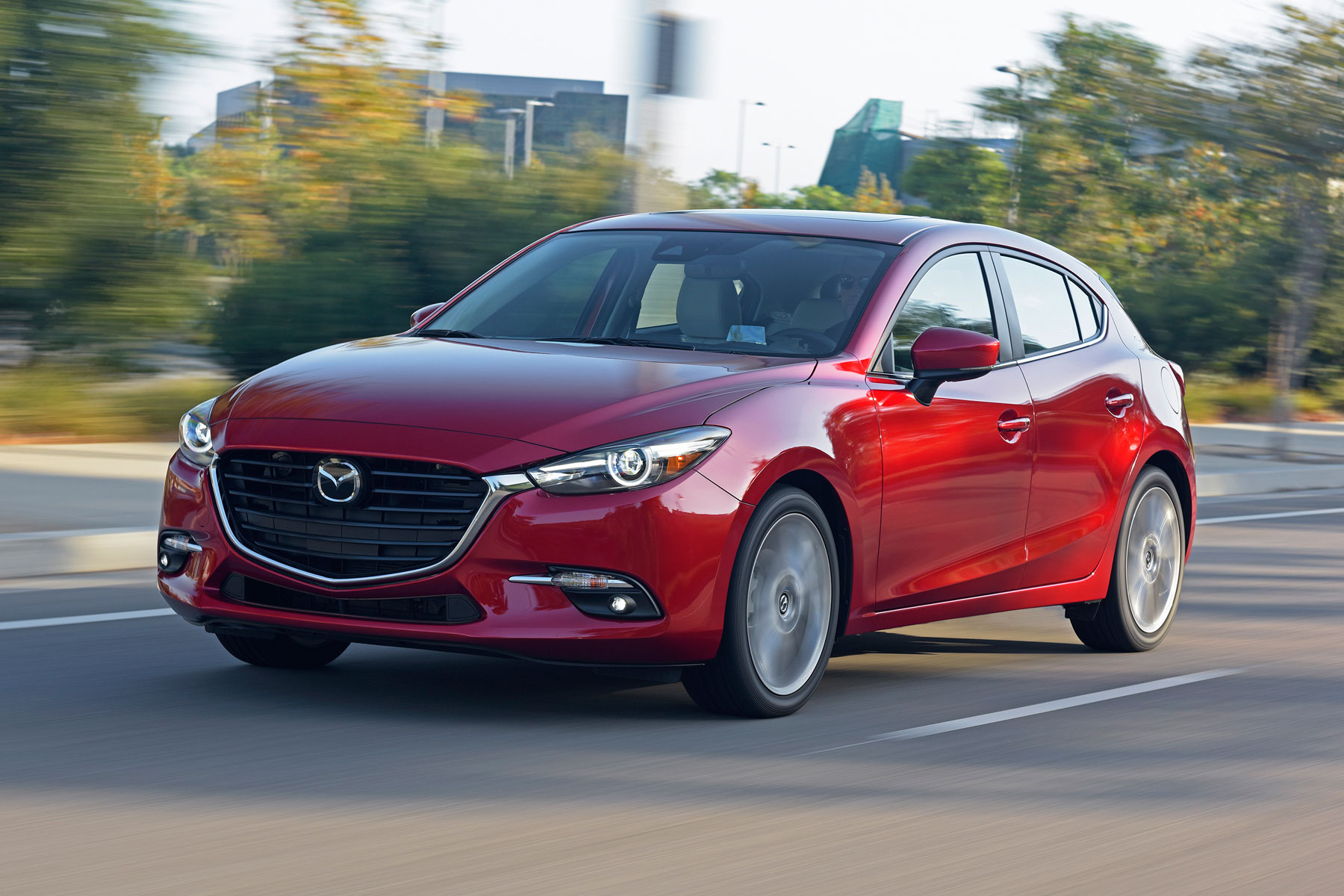
Mazda 3
We think the Mazda 3 was the best looking real-world car to be unveiled at the LA Auto Show. Sticking our necks out a little, we reckon Mazda is becoming the new Alfa Romeo, offering a range of cars that are both good to look at and great to drive. The Golf and Focus will sell in bigger numbers, but the Mazda 3 might represent the sweet spot of the family hatchback segment.
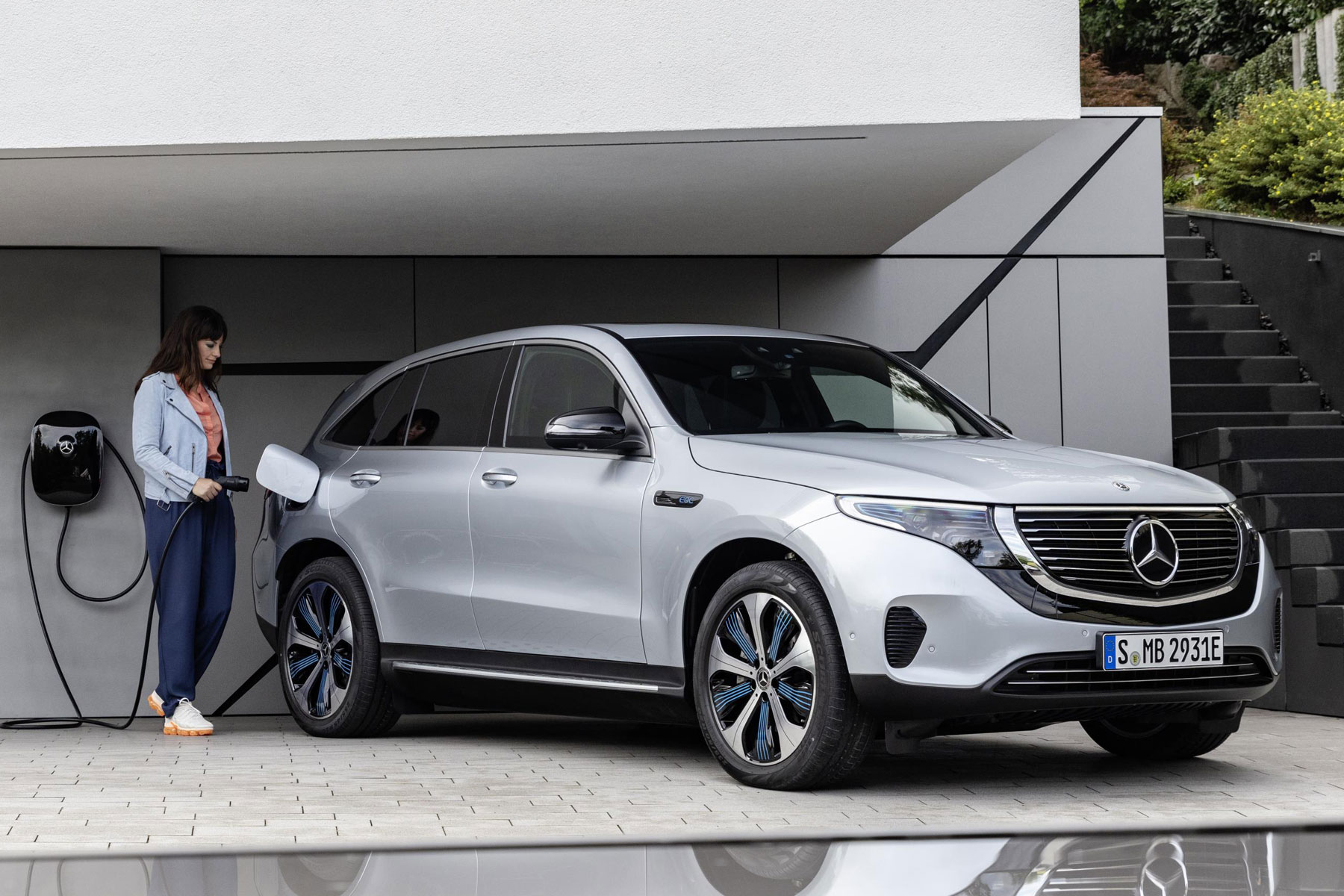
Mercedes-Benz EQC
The big German brands are primed for a busy 2019, so we hope that they’re getting some rest over the Christmas period. Mercedes-Benz will launch a new CLA, GLA, GLB, GLE, AMG A45, B-Class and this, the EQC SUV. It’s a rival to the Tesla Model X and Jaguar I-Pace, offering a 280-mile range and a 0-62mph time of 5.1 seconds. This or the Audi e-tron? Decisions, decisions…
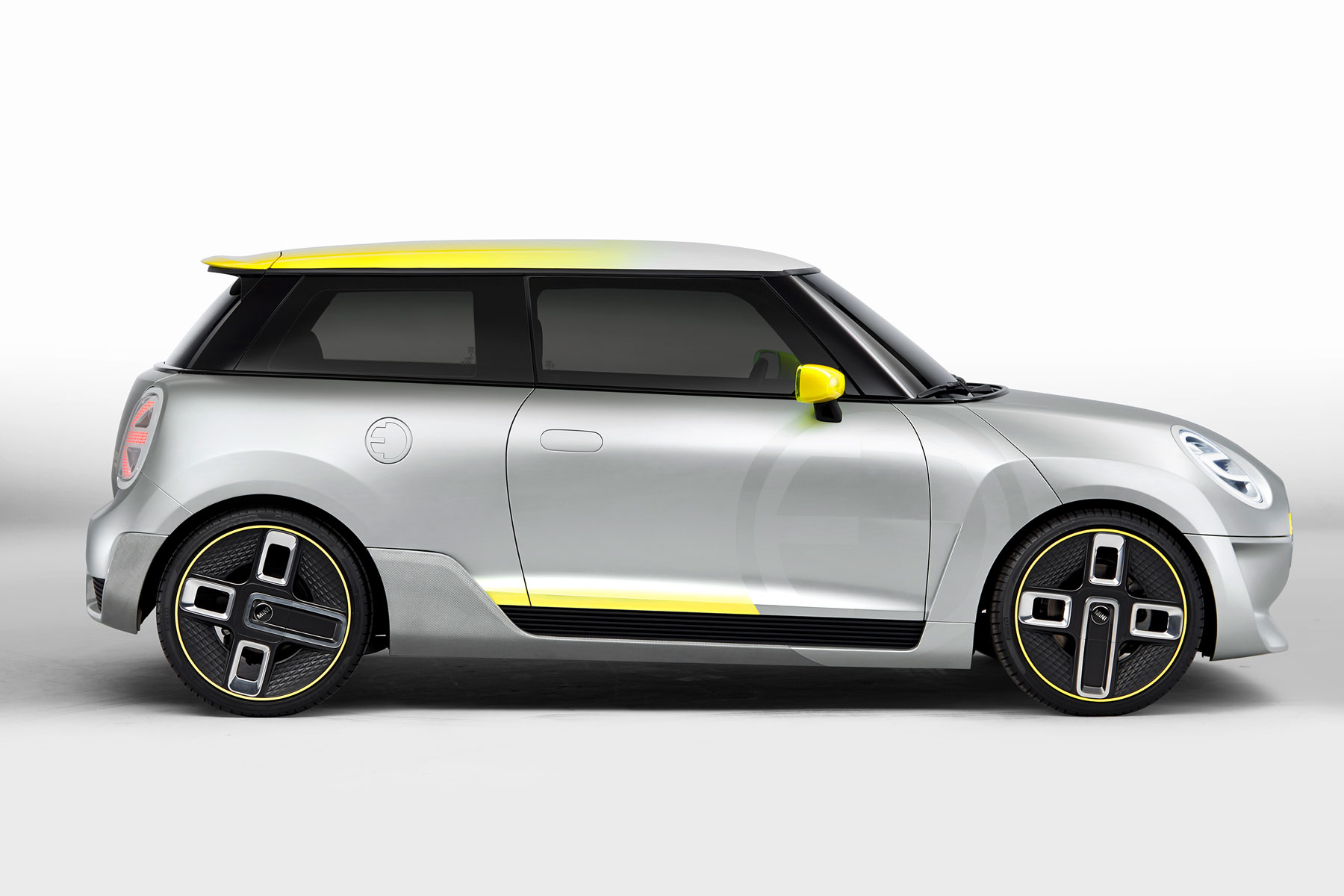
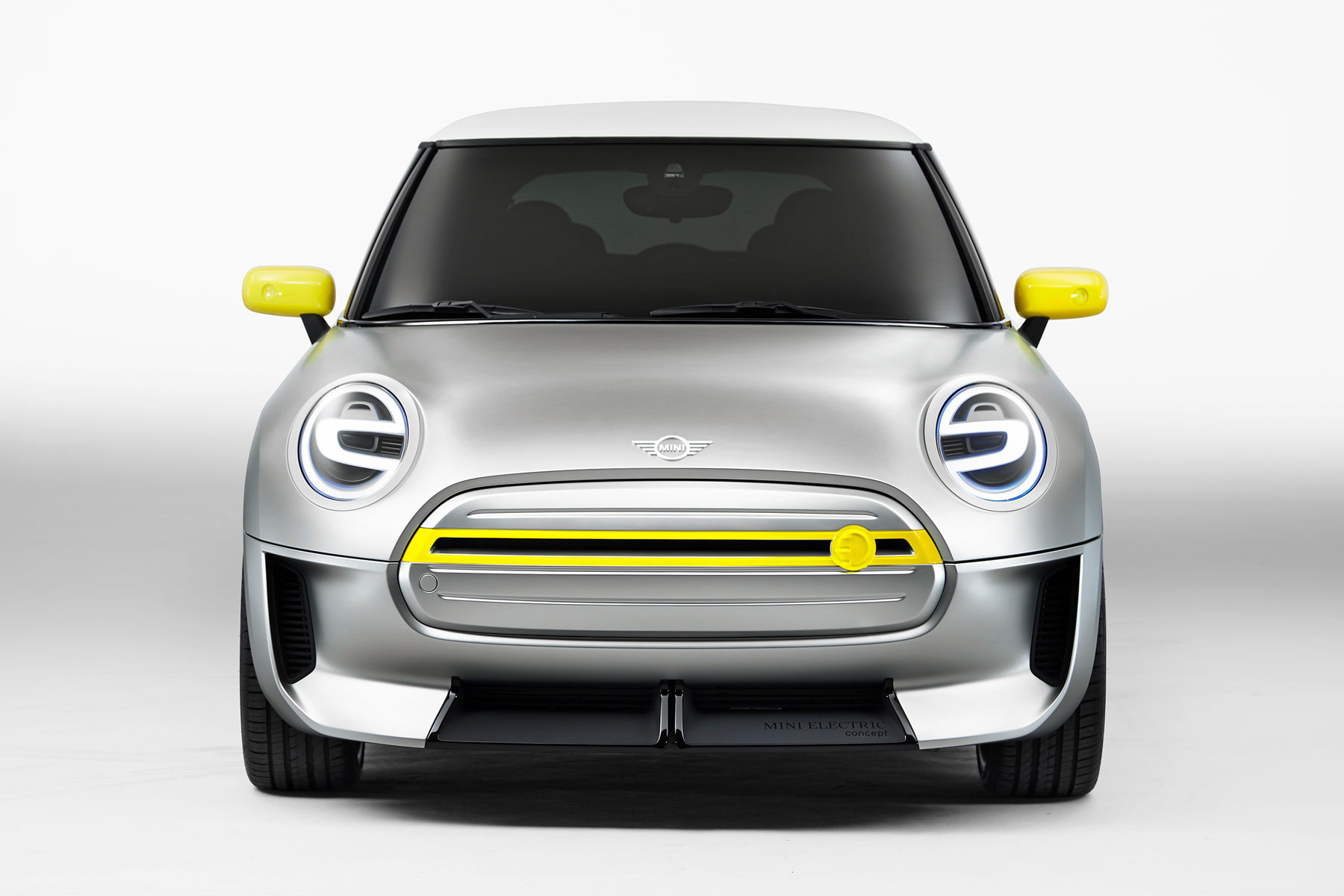
MINI EV
If, as expected, the electric MINI arrives at the end of 2019, it’s likely to be one of the most sought-after cars of the year. Unveiled in concept form at the 2017 Frankfurt Motor Show, the MINI EV will be built in Oxford and is expected to offer a range of at least 163 miles and a 0-62mph time of around seven seconds. We reckon it will bring a new breed of customers to the electric car segment and may even steal sales from the BMW i3.
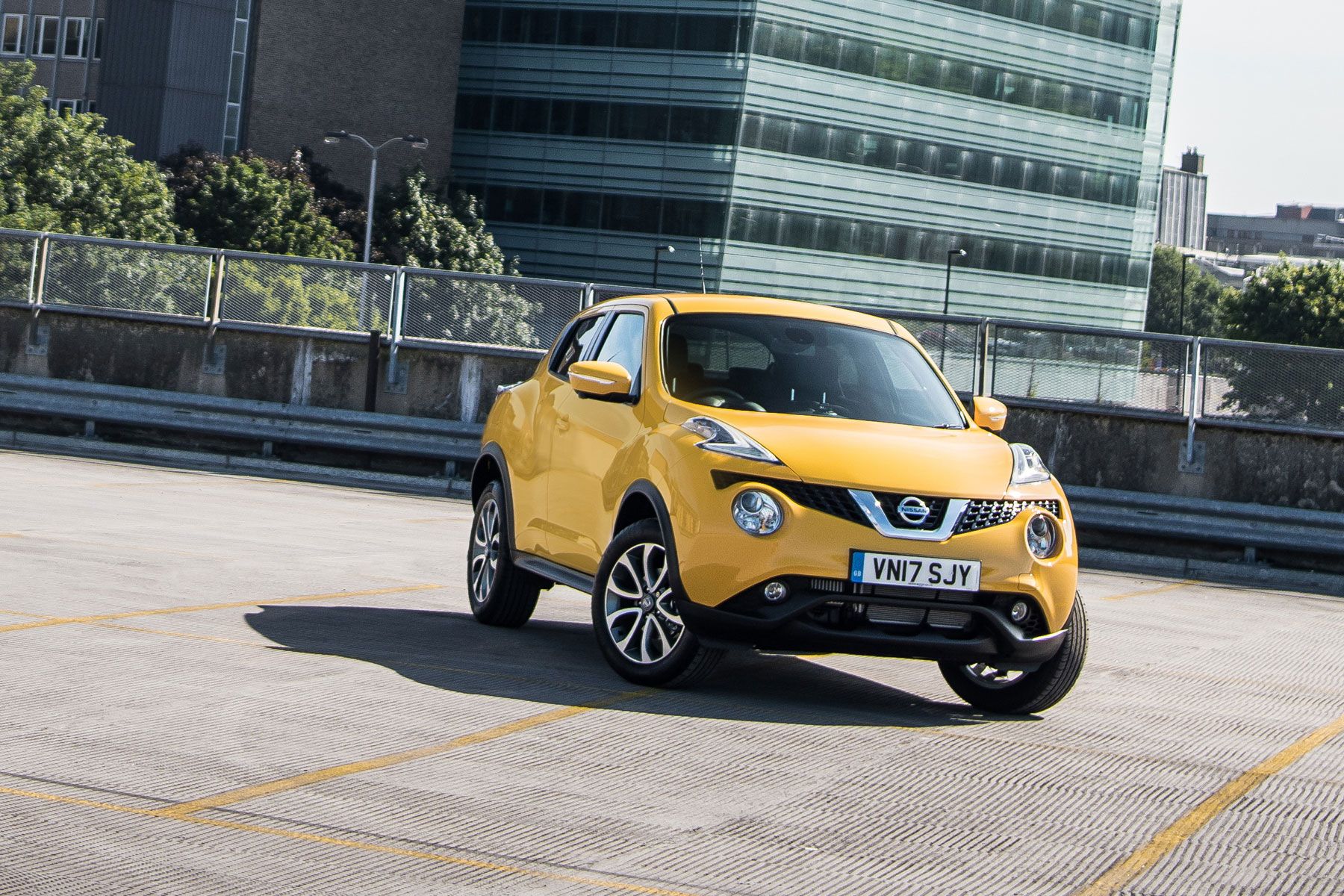
Nissan Juke
Love it or hate it, the Nissan Juke has been a mainstay of the British car scene since it was unveiled back in 2010, and it remains as popular as ever. Which is why Nissan is likely to adopt an ‘if it ain’t broke’ stance when it comes to its replacement in 2019. It will share its underpinnings with the Micra, with a look that won’t be too dissimilar to the outgoing model. Sorry.
Porsche 911
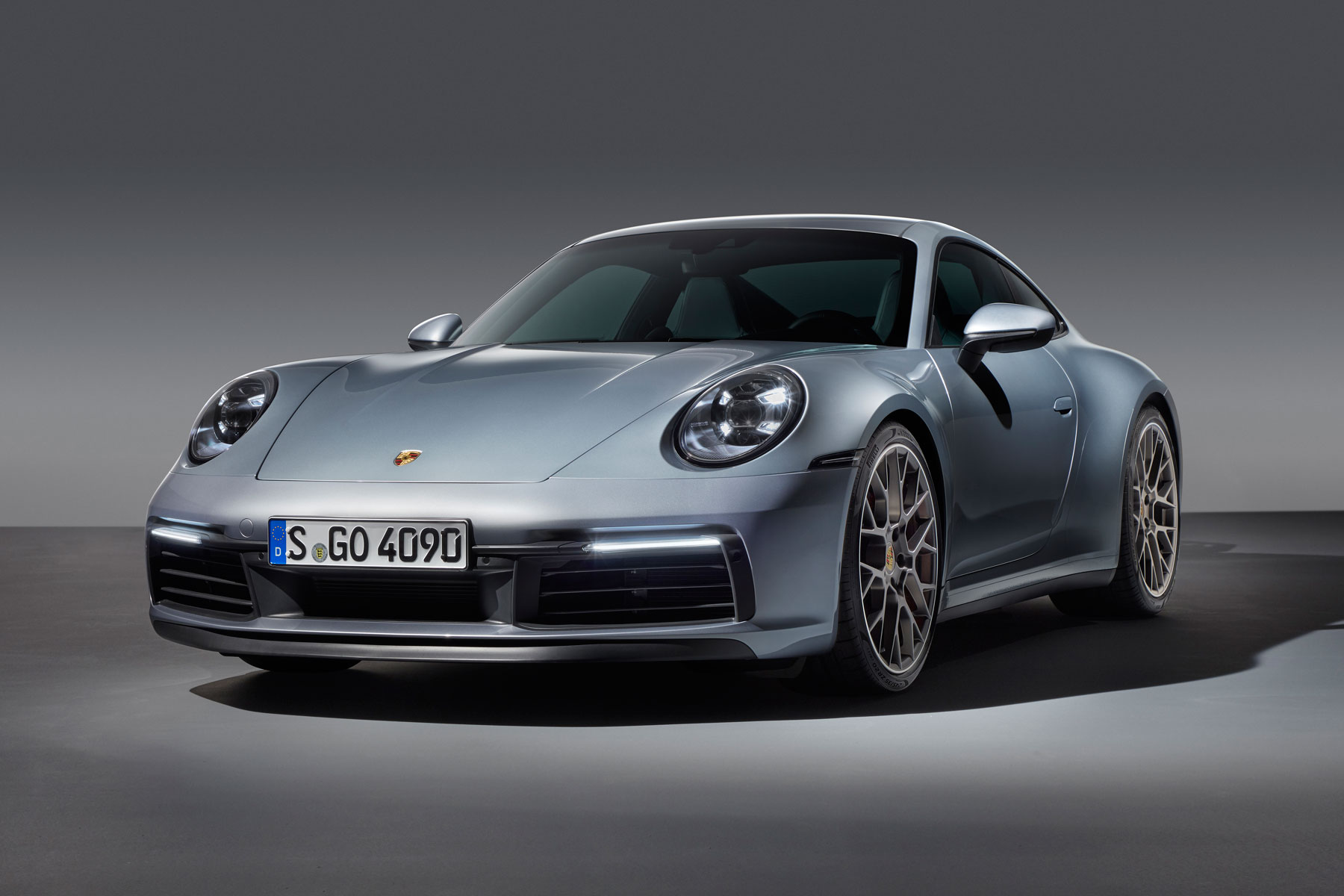
Fresh from making its debut at the 2018 La Auto Show, the new Porsche 911 is already on sale, so you can bet your bottom dollar that a few fortunate buyers have treated themselves to an early Christmas present. The Carrera S and Carrera 4S will be the first models to hit showrooms in 2019, with the flat-six turbocharged engine receiving a 30hp boost over the outgoing car.
Renault Clio
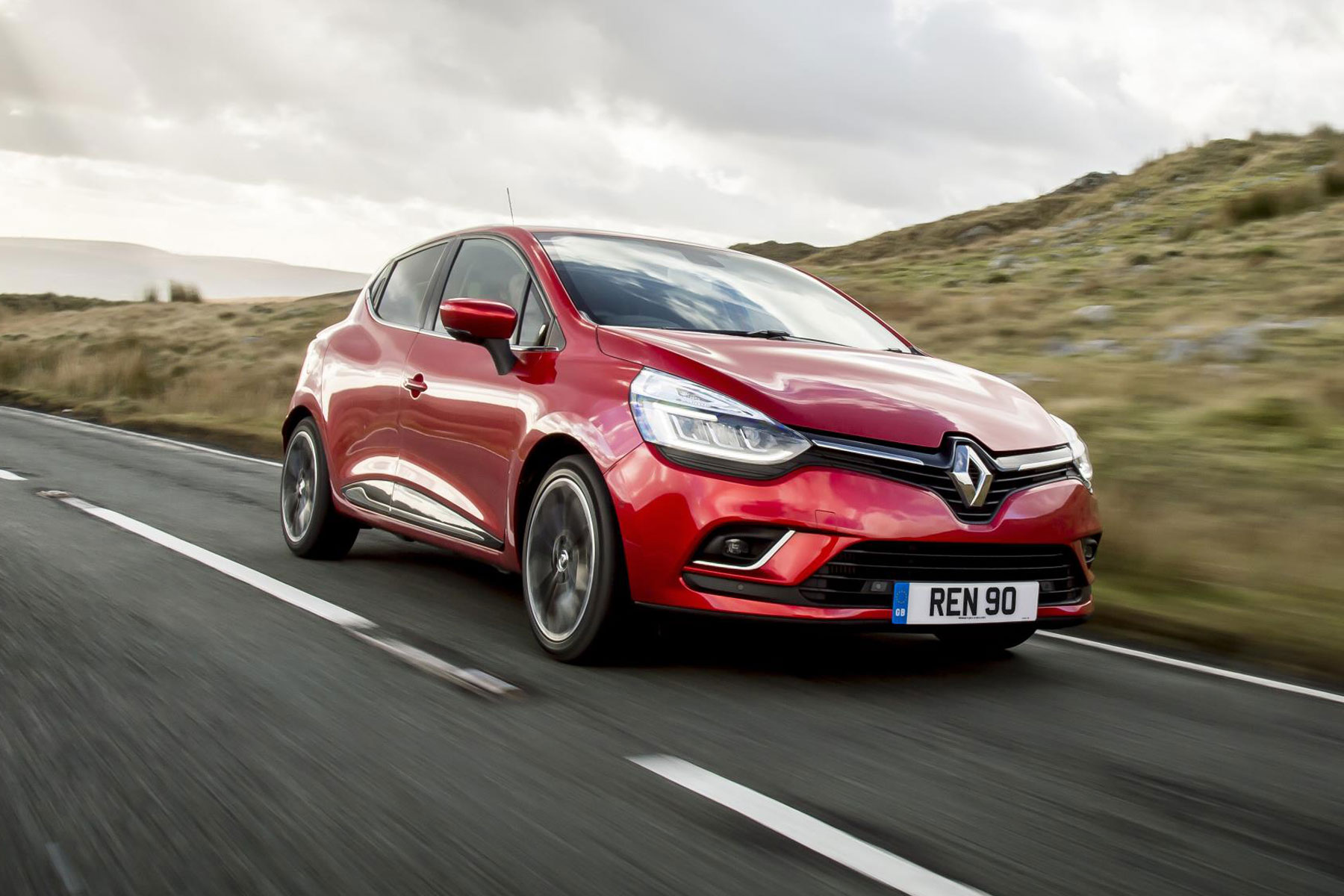
The Renault Clio remains incredibly popular on the continent, but a new model is long overdue. If the spy shots are anything to go by, the new Clio will look more aggressive than the outgoing model (pictured) and will retain its ‘hidden’ rear door handles. We’re also expecting a new infotainment system and a leap forward in terms of interior quality. Look out for the new Clio at the 2019 Geneva Motor Show.
Seat Tarraco
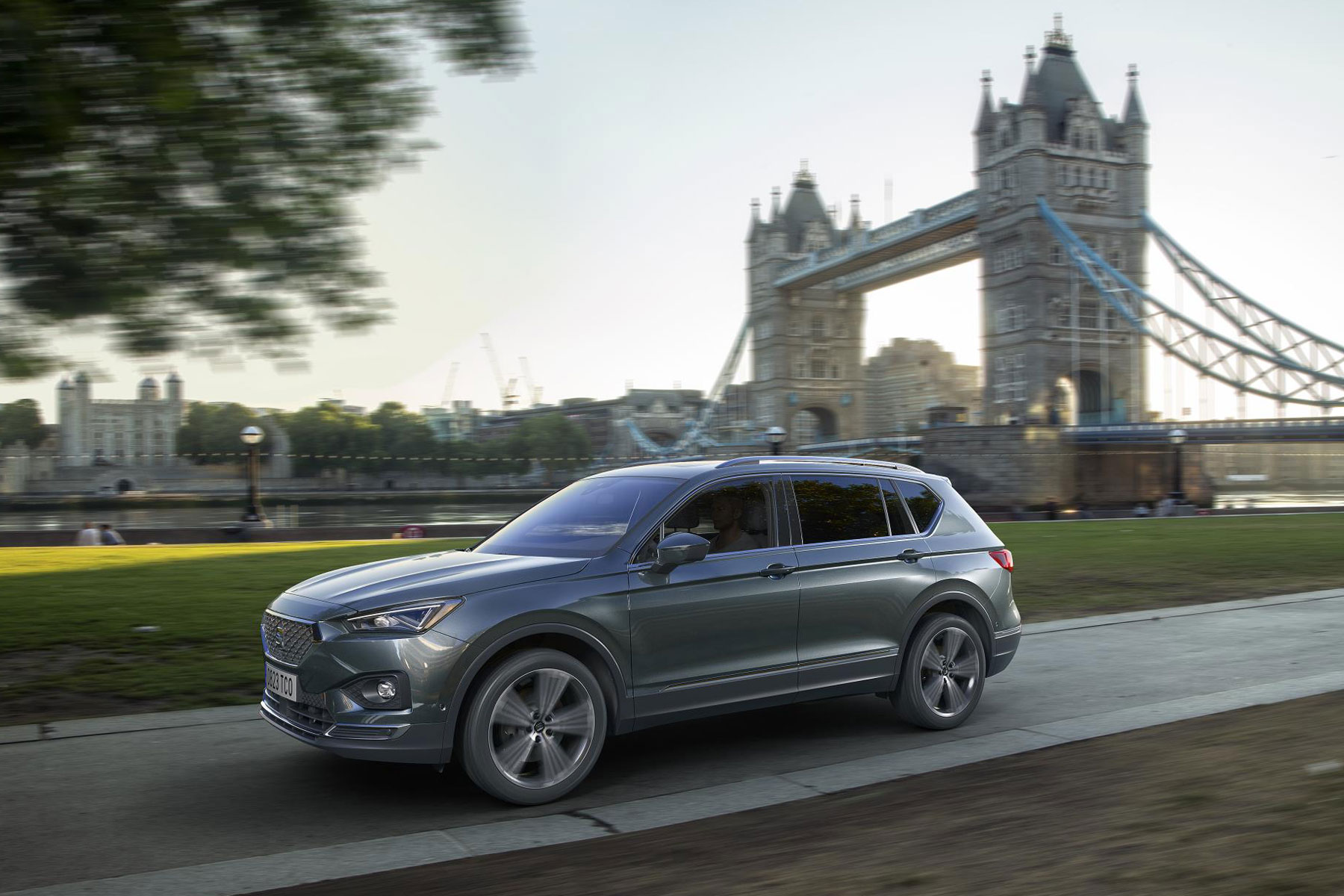
For a relative latecomer to the party, Seat has been quick to master the crossover-SUV trade. The Ateca and Arona are very good, but we reckon the Tarraco will be even better. It’s Seat’s first large SUV seven-seater and it completes the trio of Spanish SUVs. Four trim levels are available, with all variants boasting three-zone climate control, 17-inch alloys, DAB and ‘Full Link’ infotainment with smartphone mirroring.
Skoda Scala
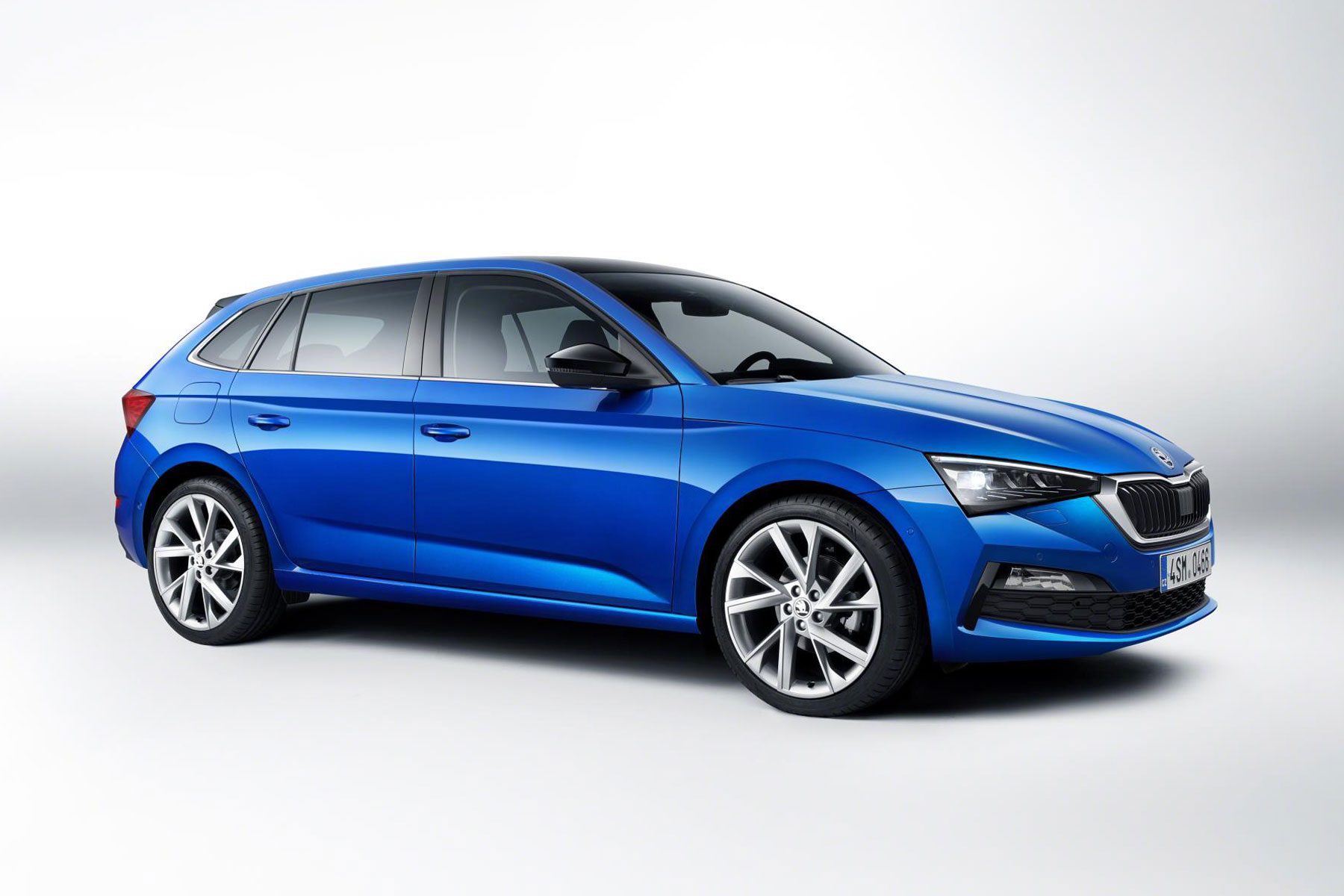
Out goes the Skoda Rapid, to be replaced by the Scala, which will slot in between the Fabia and Octavia when it hits the streets in 2019. It might not be the most exciting new car of 2019, but its combination of keen pricing and a spacious interior gives it more than a fighting chance of stealing sales from the Golf and Focus. The Scala will be joined by a new Kodiaq vRS performance SUV.
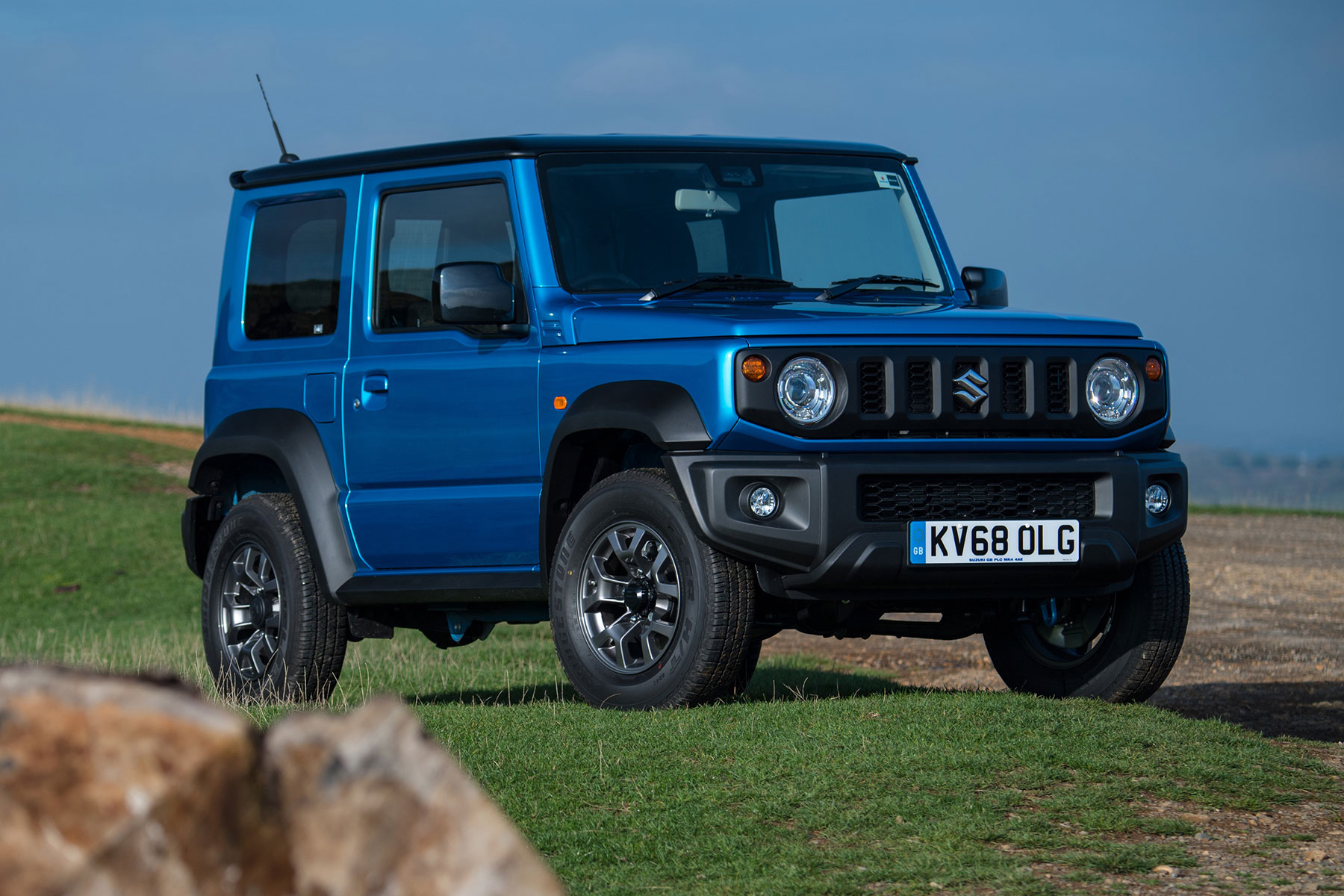
Suzuki Jimny
Few cars have generated quite as much buzz as the Jimny, which has resulted in an unprecedented level of demand for a new Suzuki. We were fortunate enough to be invited to the launch event in Germany. Our verdict: “The new Suzuki Jimny stands in a field of its own, free of direct rivals, eager to please and dripping in charm. And because it’s more comfortable and refined than before, it won’t be a back-breaking journey getting to the field.” Stay tuned for our review following a week in the company of next year’s must-have 4×4.
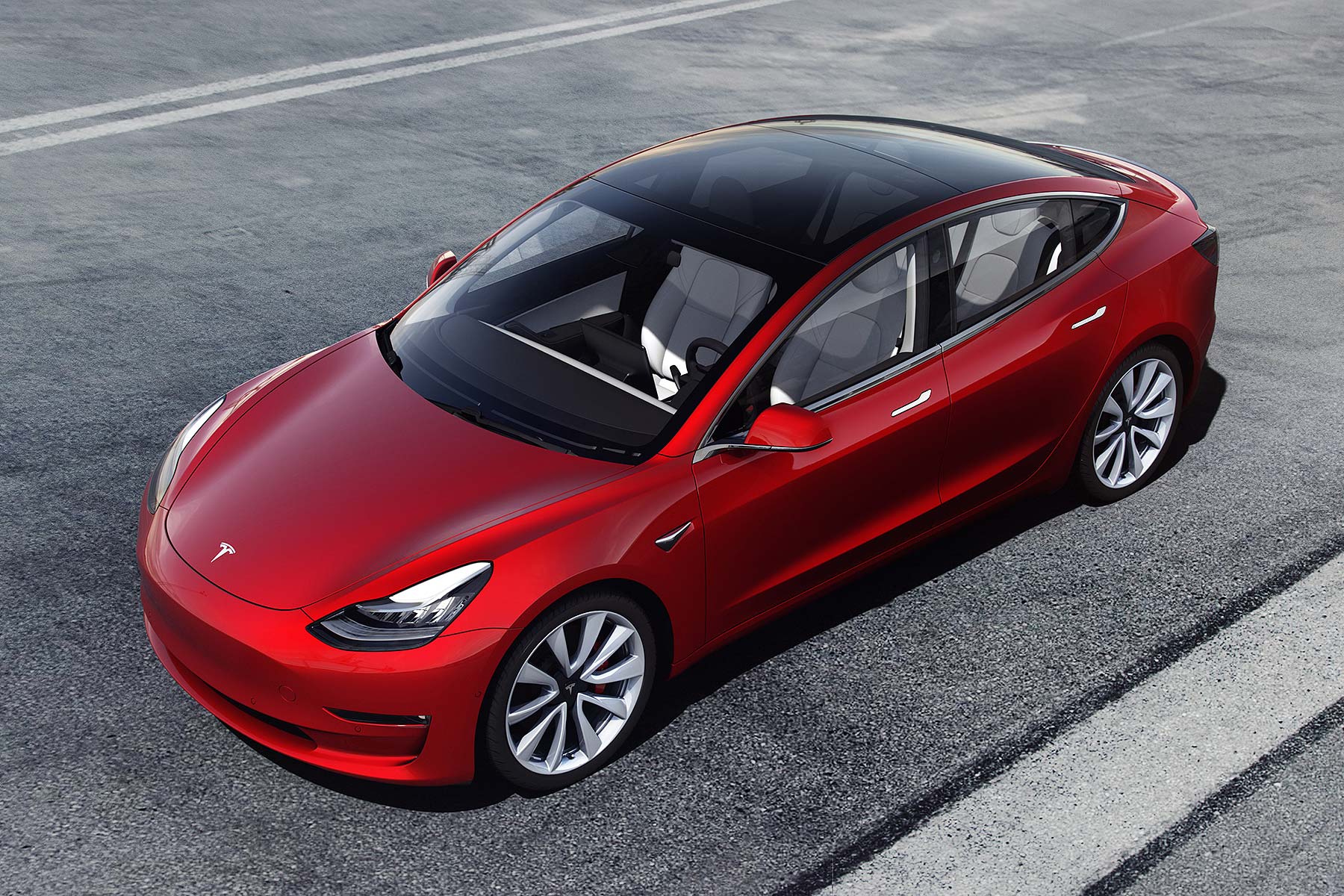
Tesla Model 3
Elon Musk has confirmed that right-hand-drive Tesla Model 3s are on their way to the UK, which is good news for Brits who have placed a deposit. Responding to a tweet, Musk said Australian and UK customers who have put £1,000 down could expect to take delivery in mid-2019, by which time the highly-publicised quality control issues should be sorted.
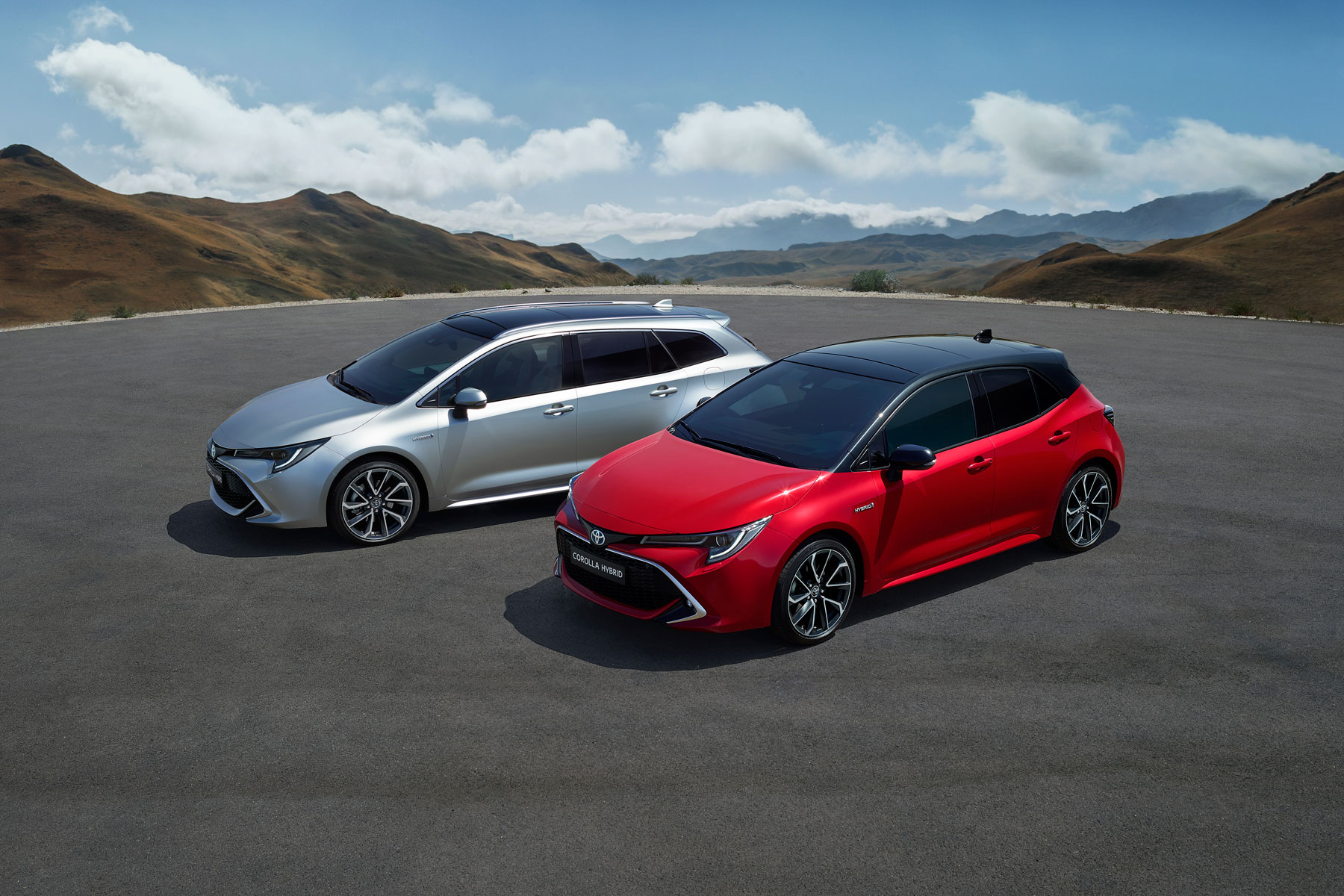
Toyota Corolla
The Corolla name is making a welcome return to the UK in 2019, which means we must say goodbye to the Toyota Auris. Available in hatchback, estate and saloon body styles, the Corolla is the first Toyota model in Europe to be offered with a choice of two hybrid powertrains – a revised 1.8-litre system and a new 2.0-litre ‘fun-to-drive’ unit. A 1.2-litre turbocharged petrol engine with a six-speed manual gearbox will also be available.
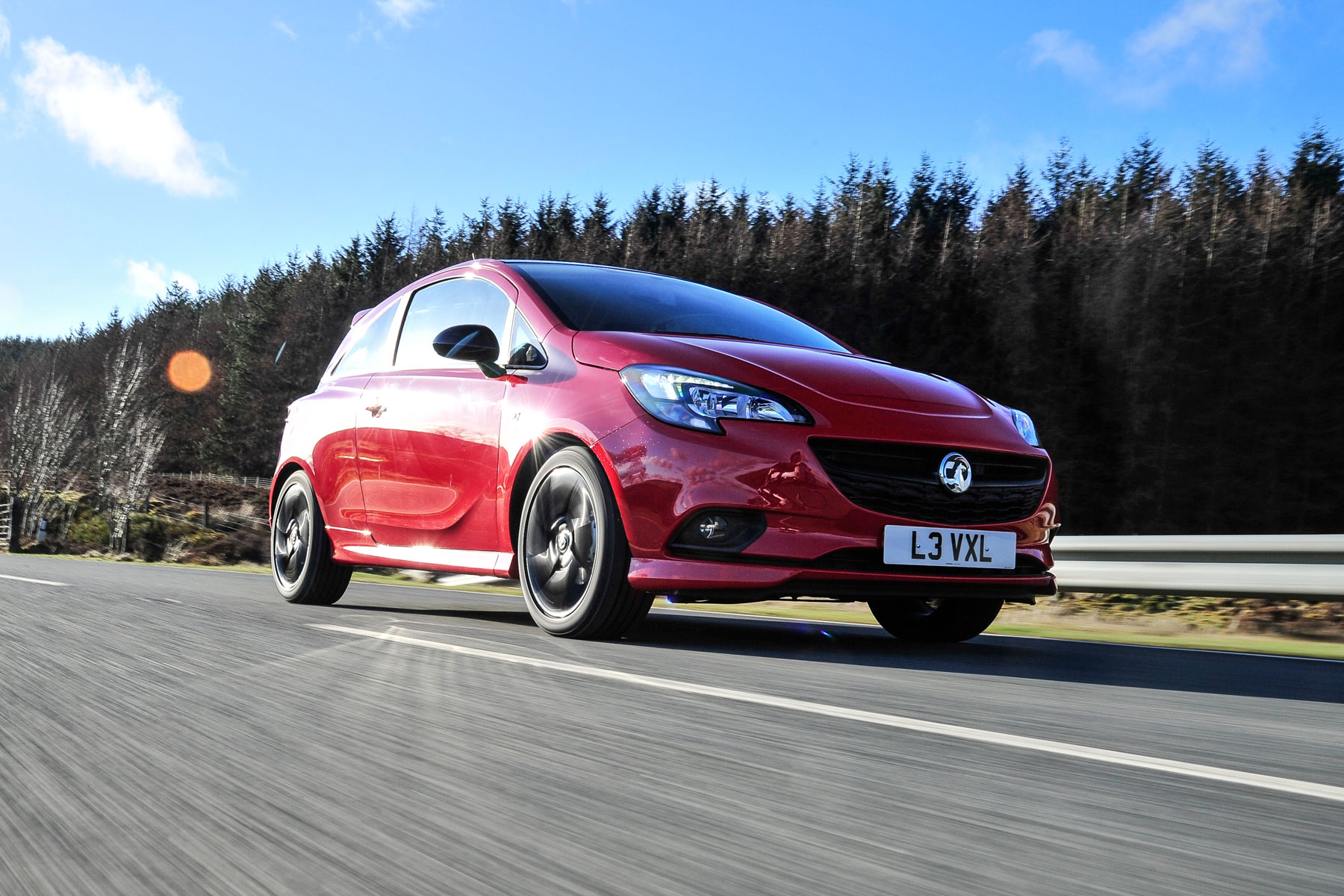
Vauxhall Corsa
A new Vauxhall Corsa will hit the streets in 2019, with an electric version following by 2020. The current Corsa (pictured) feels outdated, especially in light of the new Ford Fiesta, Seat Ibiza and Volkswagen Polo, so a replacement is long overdue. It will share its platform with the next Peugeot 208, and will be built in Spain. Look out for a new Astra, which is set to arrive by the end of the year.
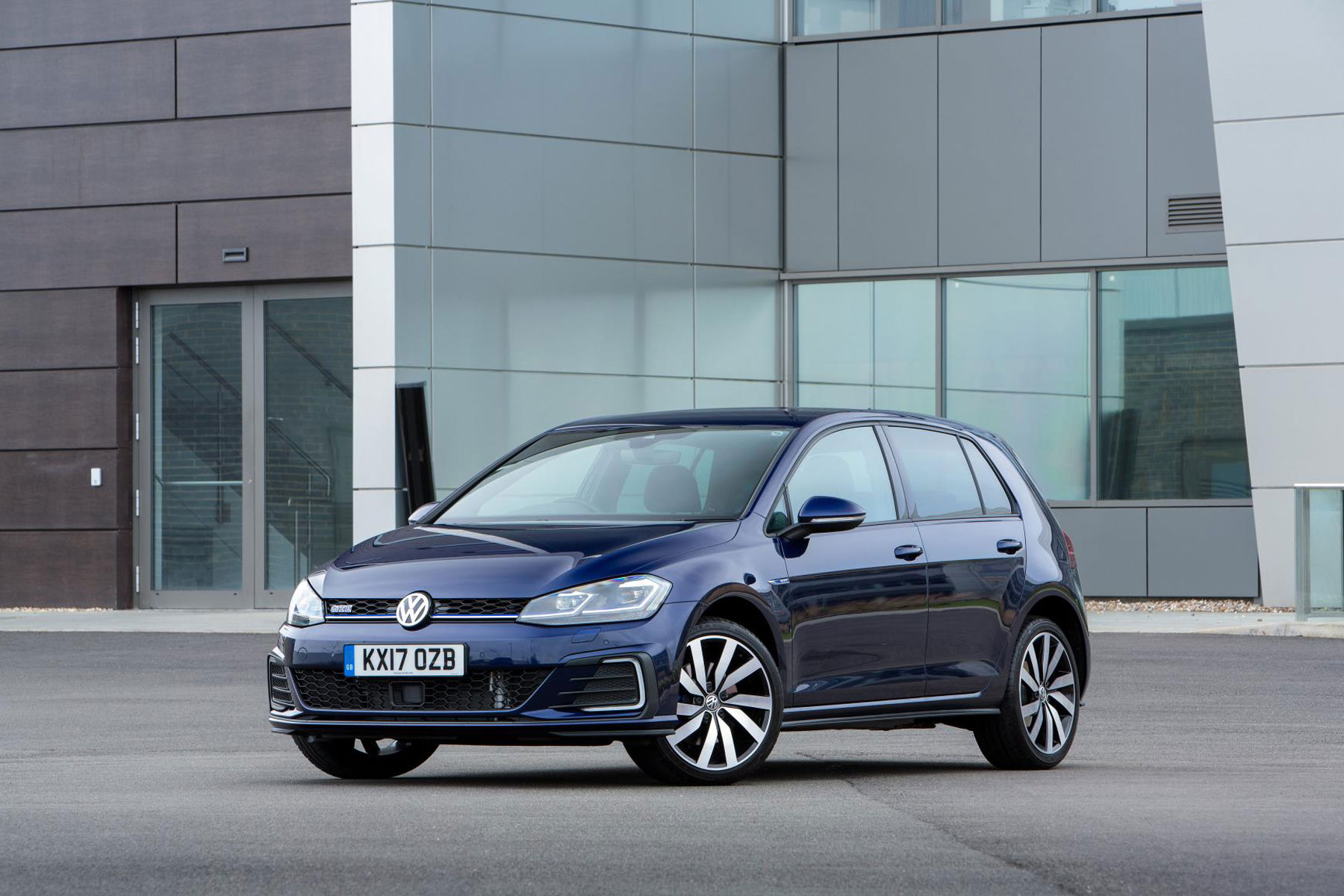
Volkswagen Golf
Volkswagen will launch the T-Roc R and T-Cross in 2019, but while SUVs are all the rage, the Golf remains its bread and butter model. It will be longer and wider than the outgoing model (pictured) and packed with autonomous and connectivity tech. A plug-in hybrid variant will be offered, but the e-Golf will be dropped, with VW focusing on its I.D. range of electric vehicles.
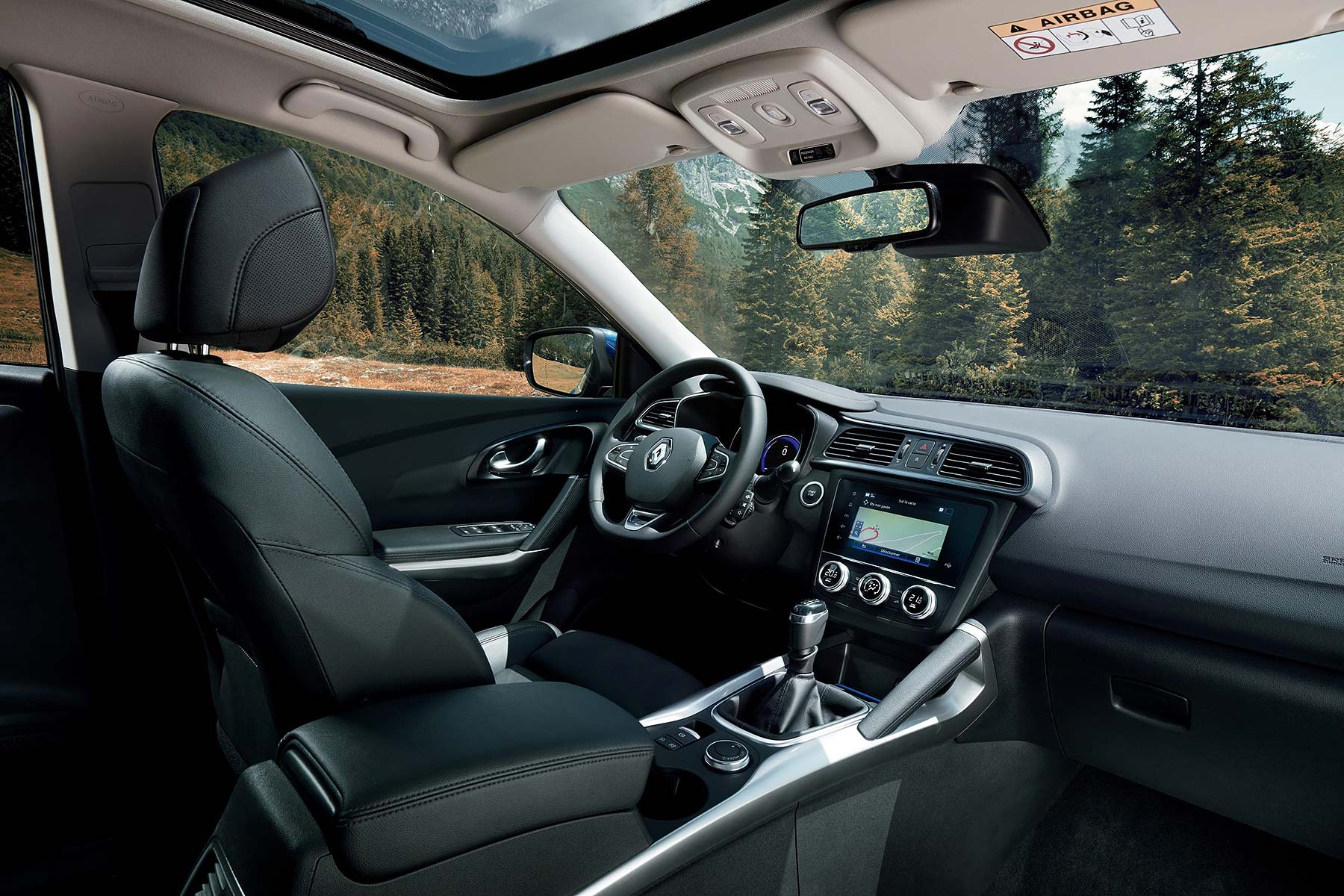
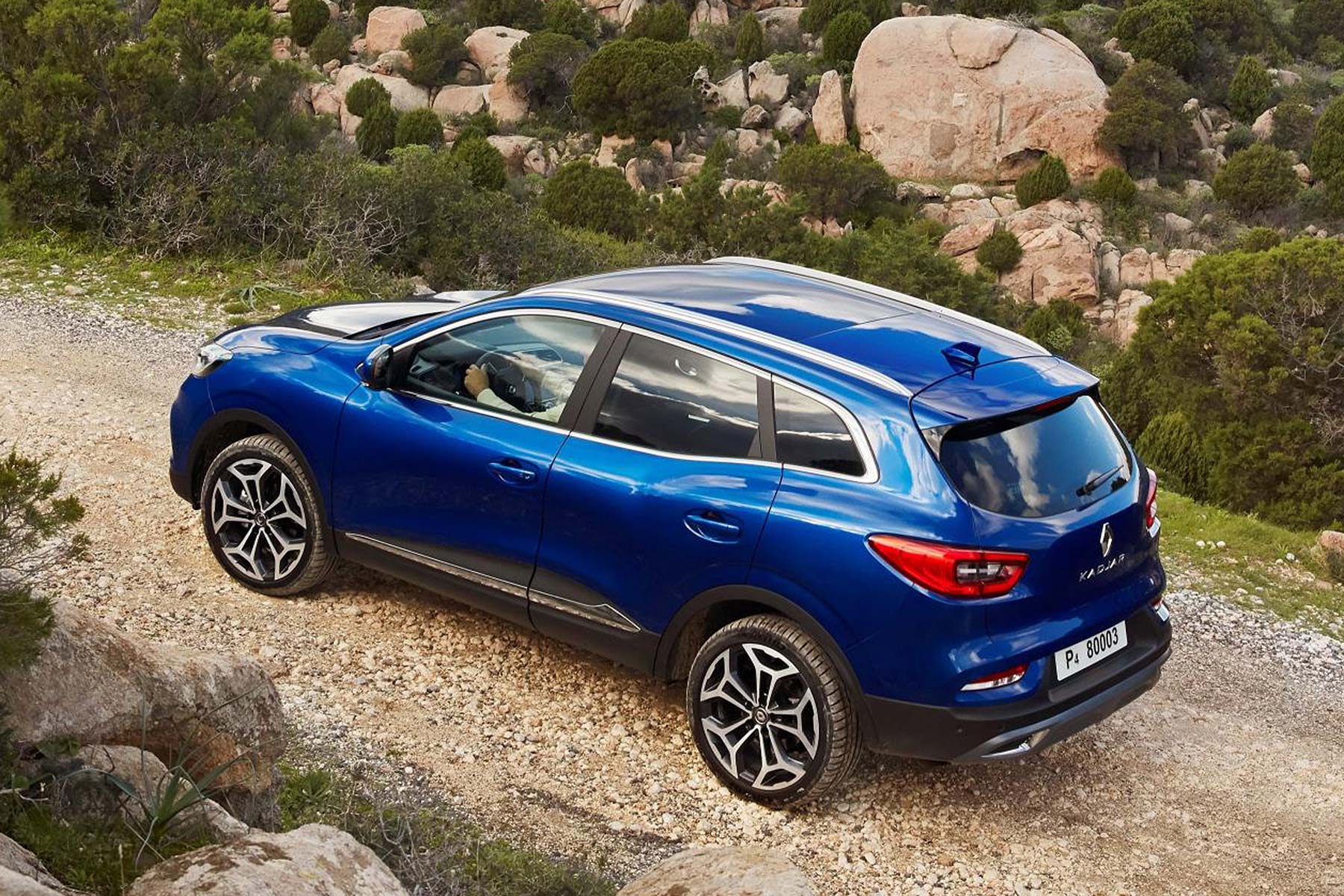
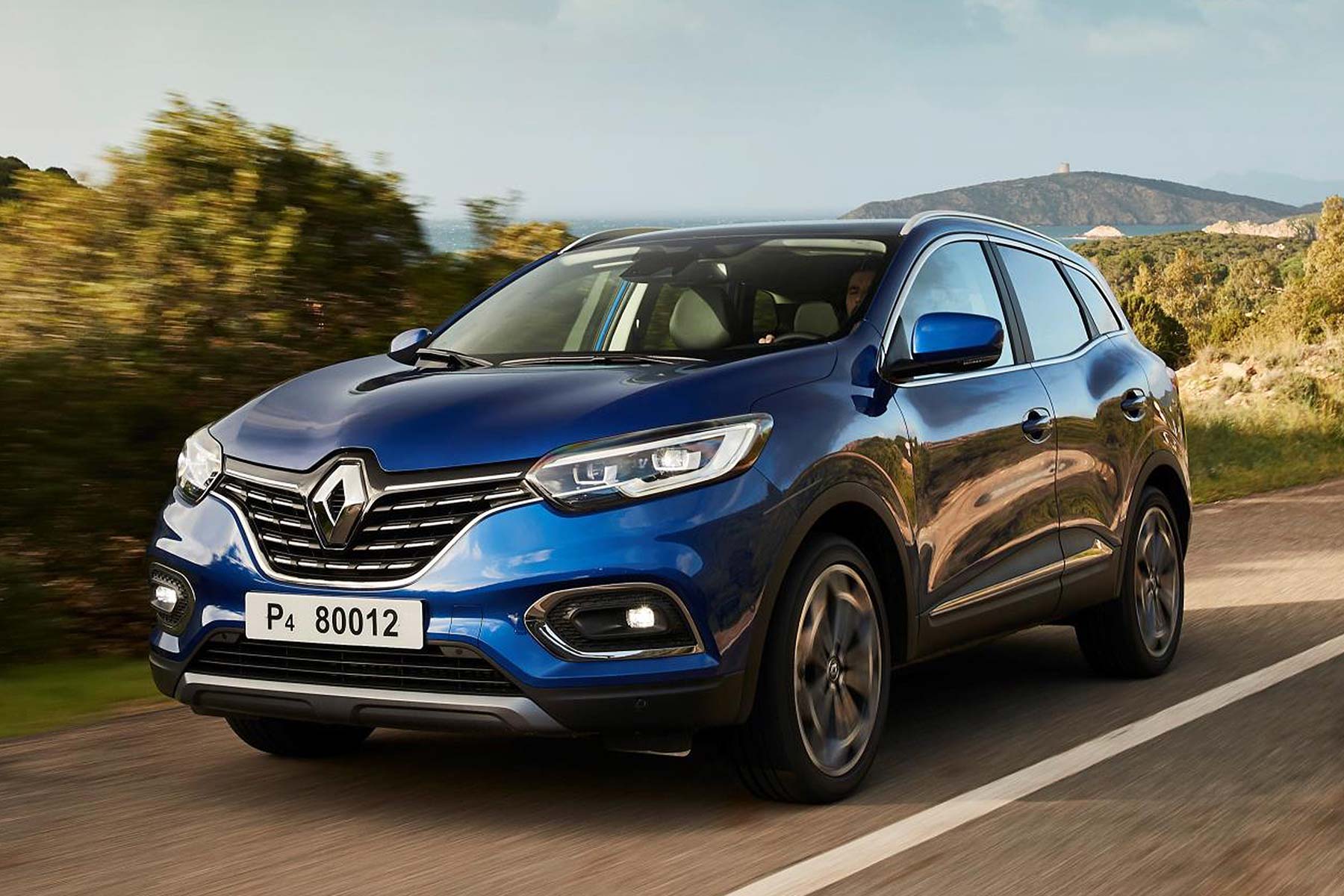
The Renault Kadjar five-seat family SUV has been a real hit for the French brand. It’s hoping a mid-life facelift will give it an added boost for 2019. Ordering opens on 3 January 2019 with prices from £20,595.
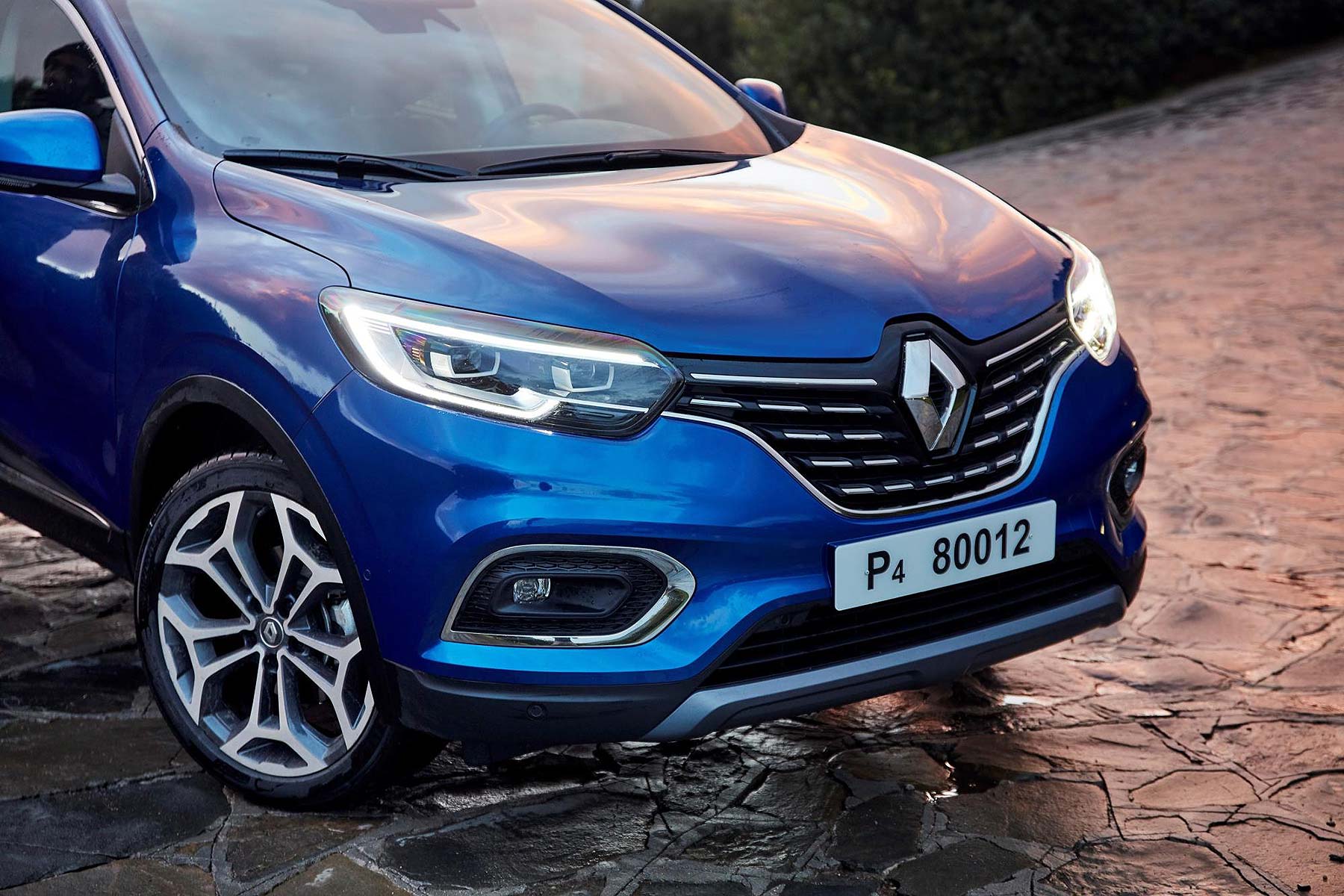
Visually, changes are minimal. It’s a good-looking machine so didn’t need much more than a revised grille plus extra lashings of chrome and body-colour trim.
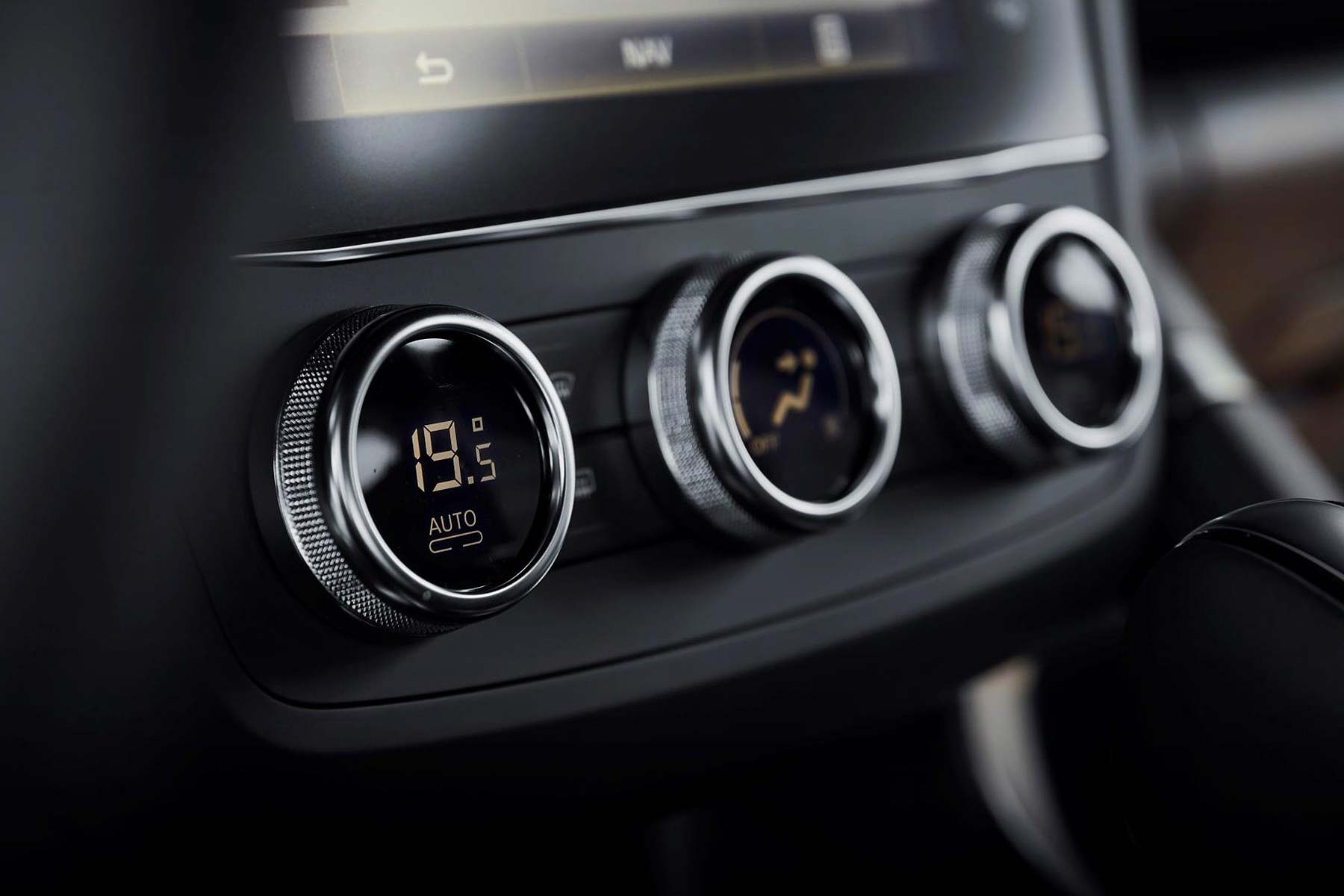
Inside, upgrades address customer grumbles of the original. There are new heater controls (replacing the old Nissan-derived ones), illuminated switches for the electric windows and door mirrors, and bigger door bins that now hold 1.5-litre bottles.
Seats are more supportive, the cupholders are bigger, the front centre armrest has a greater range of adjustment and Renault’s illuminated the front cubby as well. Oh, and there’s more satin finish chrome for the door handles, centre console and air vent surrounds.
Perhaps the most welcome change is its upgraded infotainment system, which now has capacitive touchscreen technology so will be more sensitive and responsive than the old system.
2019 Renault Kadjar specs
The new 2019 Renault Kadjar becomes part of the firm’s ‘EasyLife’ line-up. This aims to simplify the buying process by cutting the number of variants to four: called Play, Iconic, GT Line and S-Edition, every version gets LED running lights, rear parking sensors, front fog lights plus automatic headlights and wipers.
Climate control, electronic parking brake, ambient lighting, 17-inch alloys and cruise control with a speed limiter are also standard on the Play.
The Kadjar Iconic builds upon this with sat nav, front and rear parking sensors, reversing camera, folding door mirrors, lane departure warning and 19-inch alloys. The rear glass is tinted, the DAB radio has a cooler-looking shark fin aerial (which sits between standard roof bars) and rear passengers get air vents and USB sockets.
Next up is S-Edition, which builds upon Iconic with special blue-stitched interior trim and a panoramic glass roof. Full LED headlights are included, and Renault adds chrome accents to the exterior trim.
The range-topping Kadjar GT gets full leather seats, heated on the front, a 360 parking camera, blind spot warning system and puddle lamps. The driver’s seat gets a cushion extender, for even more comfort.
Four new engines are offered. 1.3-litre TCe 140 and TCe 160 turbo petrol motors are offered alongside Blue dCi 115 and Blue dCi 150. There’s a choice of manual or EDC automatic gearboxes and, on the dCi 150, four-wheel drive alongside regular front-wheel drive.
 Motor racing is expensive, right? Value brand MG thinks otherwise – and is proving this by developing a low-cost conversion that will turn its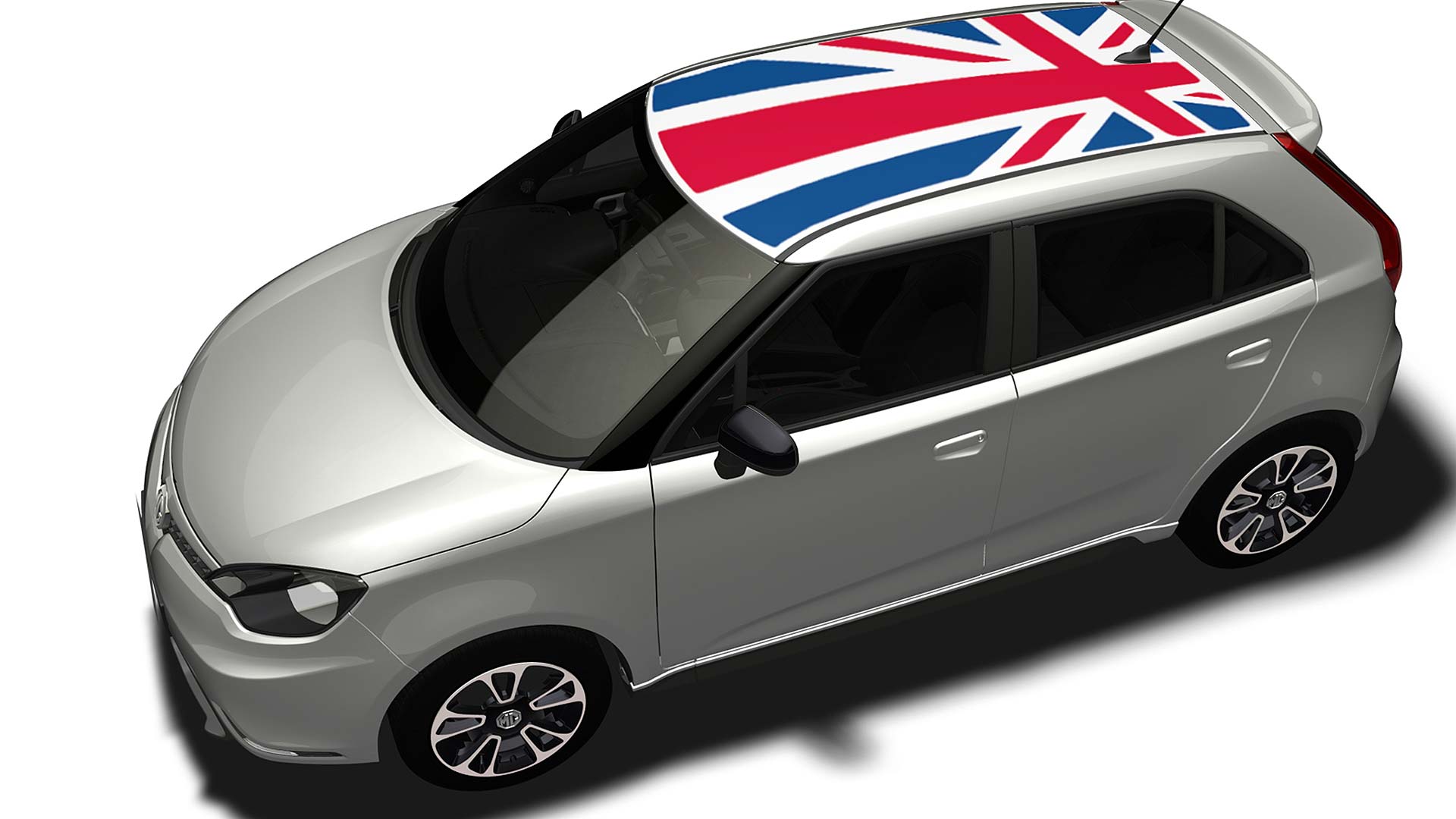
 The
The