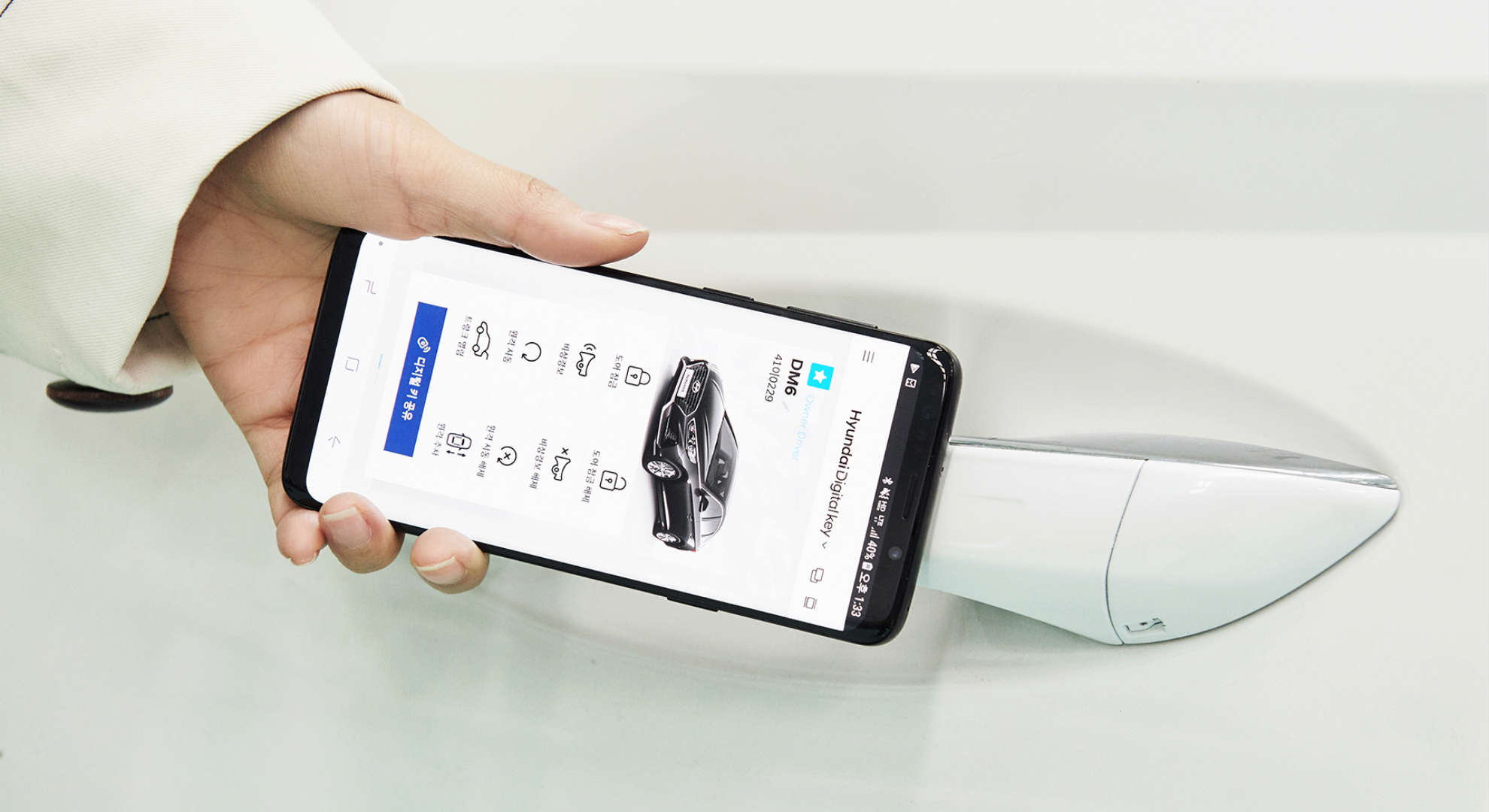
The traditional car key’s days could be numbered, thanks to technology developed by Hyundai. The ‘Digital Key’ app will allow Kia and Hyundai owners to unlock and start their vehicles via their smartphone – and the tech could arrive by the end of the year.
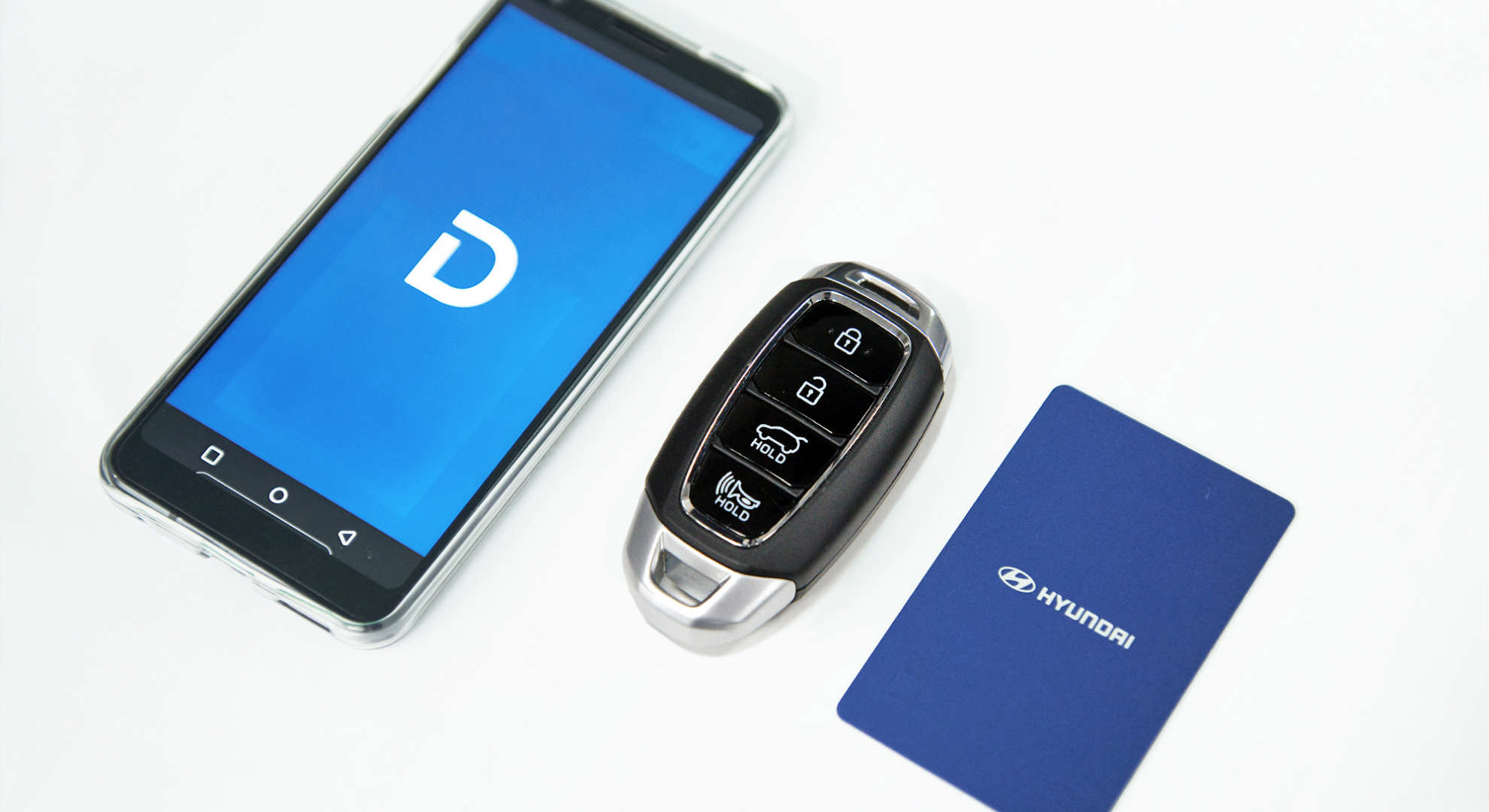
Replacing the physical key, the app can be used by up to four authorised people and could save motorists hours of searching for lost car keys.
Near Field Communication (NFC) technology detects the presence of a Digital Key-enabled smartphone in close proximity to the car door, with NFC antennas located in the driver and passenger door handles, along with another one in the wireless charging pad.
The engine is started by the driver placing the smartphone on the wireless charging pad and pressing a Start/Stop button on the dashboard.
The driver’s preferred settings are stored in the car. When the key is recognised those settings are adjusted automatically – including the position of mirrors, seats and the steering wheel, as well as controls for the media and sat-nav systems.
According to Hyundai, once car sharing becomes more widespread, the Digital Key will be developed to support vehicle rental where the owner and the driver won’t have to meet but can transfer the Digital Key via the smartphone app.
Traditional smart keys and cards will also be provided for use at valet services and when the car is at a dealer for a service.
Harnessing connected-car technology
“The Digital Key will benefit a very wide range of future Kia and Hyundai customers, as well as enabling innovative new schemes for vehicle sharing,” said Ho Yoo, group leader of Hyundai Motor Group’s Electronics Development Group.
“We are studying other ways to harness this type of connected-car technology to greatly enhance the driving and ownership experience.”
Hyundai Motor Group aims to gradually implement the technology in new Kia and Hyundai vehicles, with the rollout starting later this year.
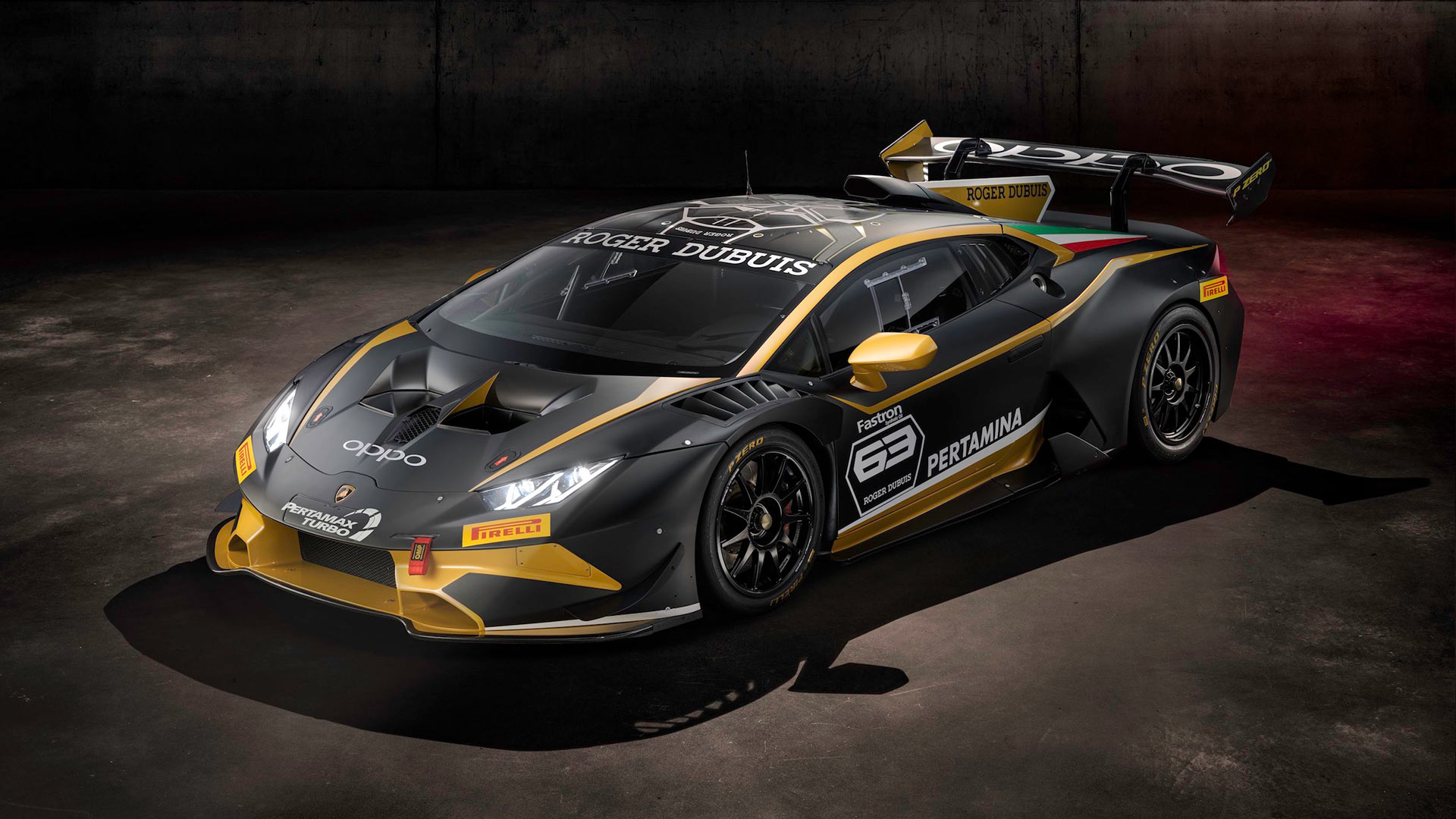
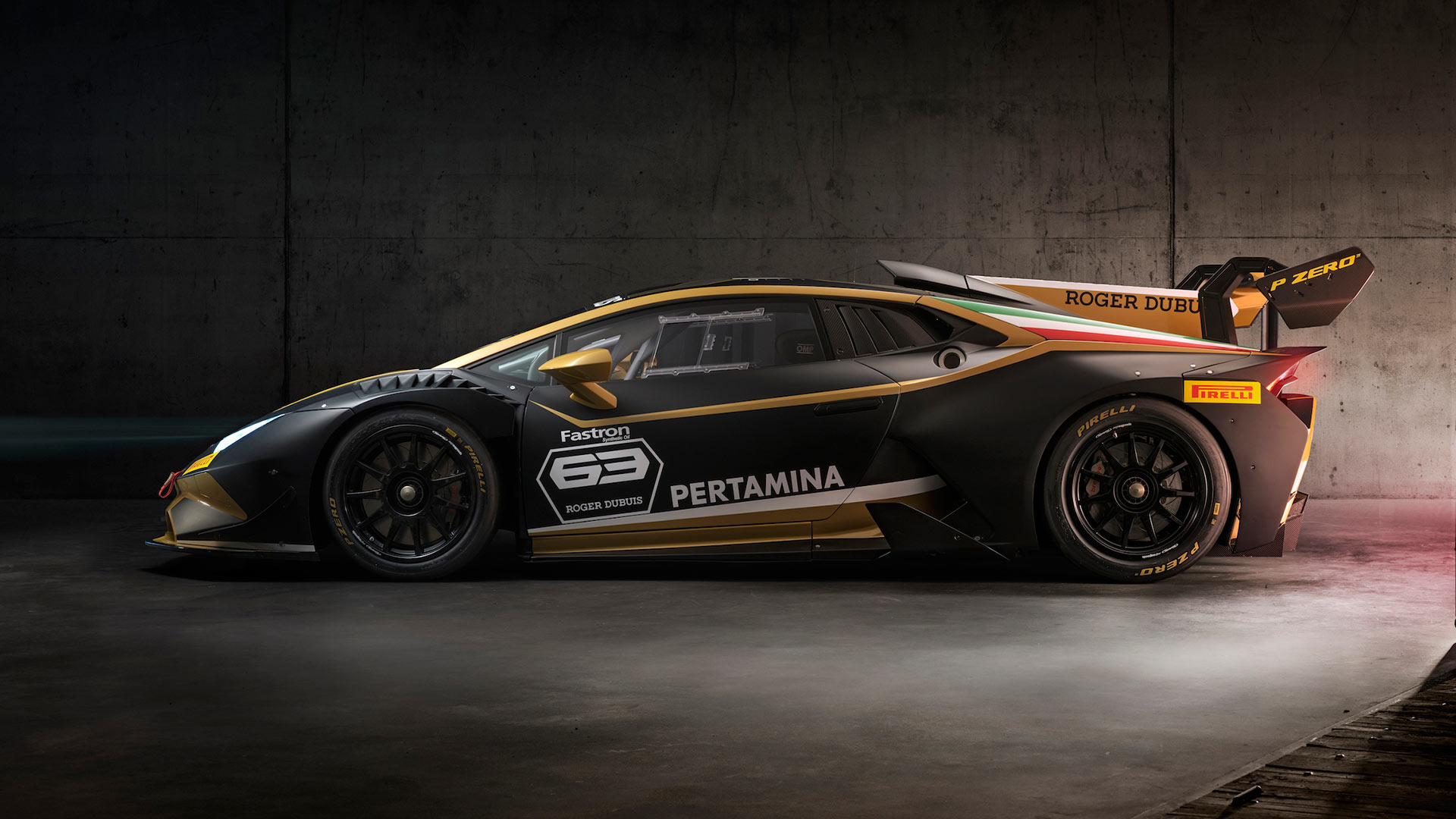
With an eye on the prize for the most elaborately orchestrated special edition, Lamborghini has created a one-off version of the Huracán Super Trofeo Evo.
Intended to celebrate the link between Lamborghini, and luxury watchmaker Roger Dubuis, the Huracán Super Trofeo Evo Collector 2019 was unveiled at a special event in Geneva.
Handily, the Swiss city happens to be the base for Roger Dubuis Manufacture, making this year’s motor show the prime venue for this feast of elaborate design.
It all starts to sound slightly like the 2010 film Inception when you unpick the details of Super Trofeo Evo Collector 2019.
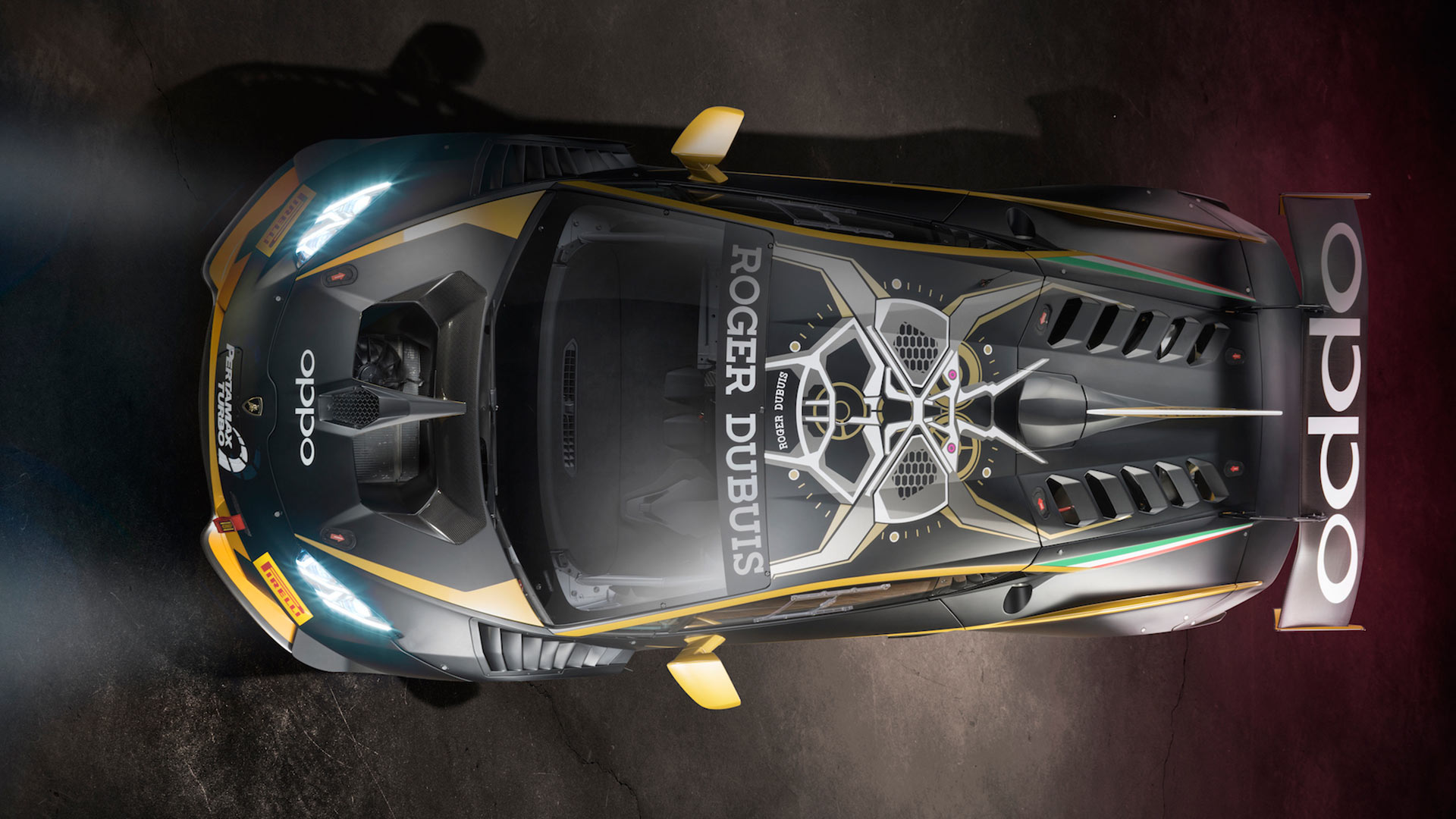
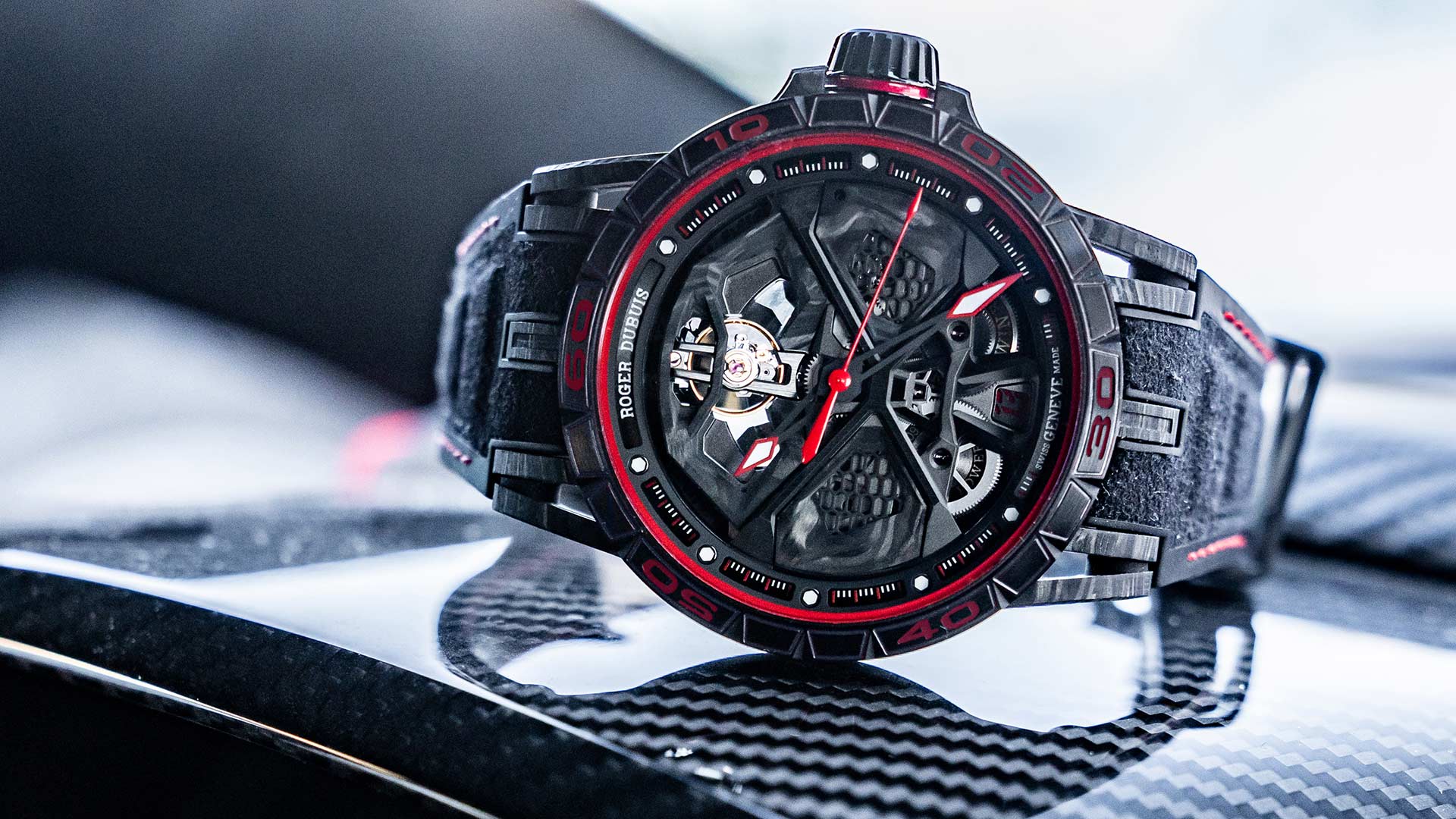
On the roof of this particular Huracán is a livery which resembles the internal workings of the Roger Dubuis Excalibur Huracán Performante watch. This is the latest timepiece from the firm, as part of the collaboration between the two companies
The movement of the Roger Dubuis Excalibur is said to mirror that of the Lamborghini V10 engine, whilst the ‘X’ design replicates the cross brace found inside the Huracán’s engine bay.
More influence can be found in the watch crown, which is meant to look like a locking wheel nut from the Lamborghini racer. Only 88 examples of the watch are planned, with a retail price of $52,500 (£40,100).
It means this special Lamborghini black and gold Super Trofeo Evo Collector is a car which pays tribute to a watch, which was inspired by the same car in the first place.
This could all sound a little contrived, but it is at least a great opportunity for an excuse to look at the Huracán Super Trofeo Evo. Lamborghini has picked the gold trim to highlight the aerodynamic details on the car, and it does look rather impressive.
Built especially by Lamborghini’s Squadra Corse motorsport outfit, the Super Trofeo is used in four single-make championships across the world.
Aimed at a mixture of amateur and professional drivers, the Super Trofeo offers either a potential route into sports car racing, or an expensive hobby for the wealth supercar owner.
Buying the 630hp V10 Huracán Super Trofeo Evo costs €235,000 (£201,000) plus taxes. American buyers actually have to stump up more, with a price of €295,000 (£252,000) instead.
It does essentially guarantee that anyone willing to take the plunge and enter the race series, is more than likely going to be able to afford the luxury timepiece that goes with it.
Will Roger Dubuis produce a new watch in honour of the Super Trofeo Evo Collector? Only time will tell.
The Geneva Motor Show has seen its fair share of supercar debuts over the past decade, many of which have rocketed in value since their release. Others have fared less well and are worth significantly less in 2019.
Thanks to data released by JBR Captial, we can reveal the top 10 supercars that have appreciated in value or held their worth after premiering in Geneva. This should make for interesting reading if you’re about to take delivery of the unique £12 million Bugatti La Voiture Noire.
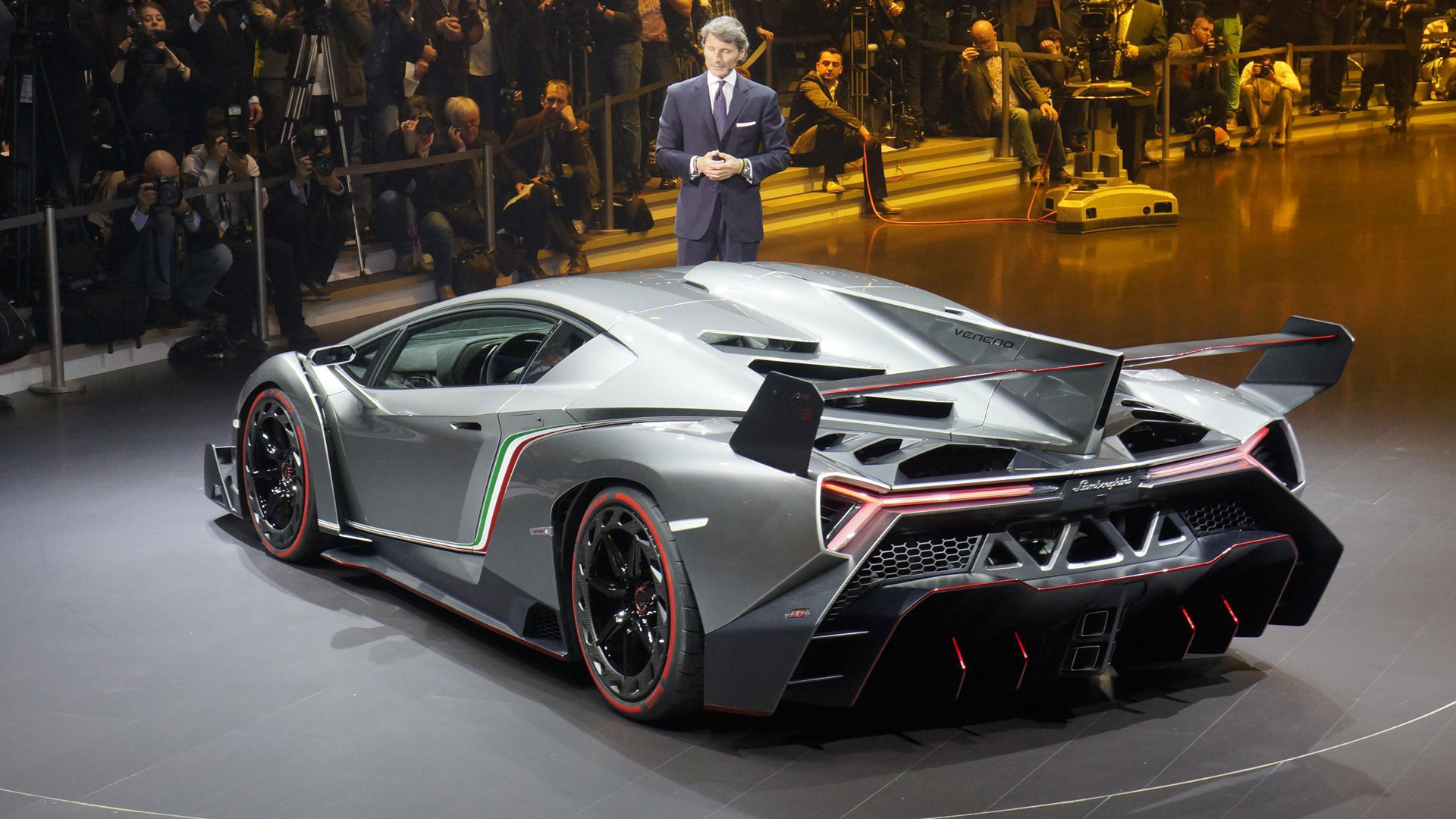
At its launch in 2013, the Lamborghini Veneno cost a cool £2.6 million, but there was no shortage of potential customers for the 221mph hypercar. Lamborghini built three customers cars, and today they’re worth around £7.3 million apiece. That’s a value change of 180 percent.
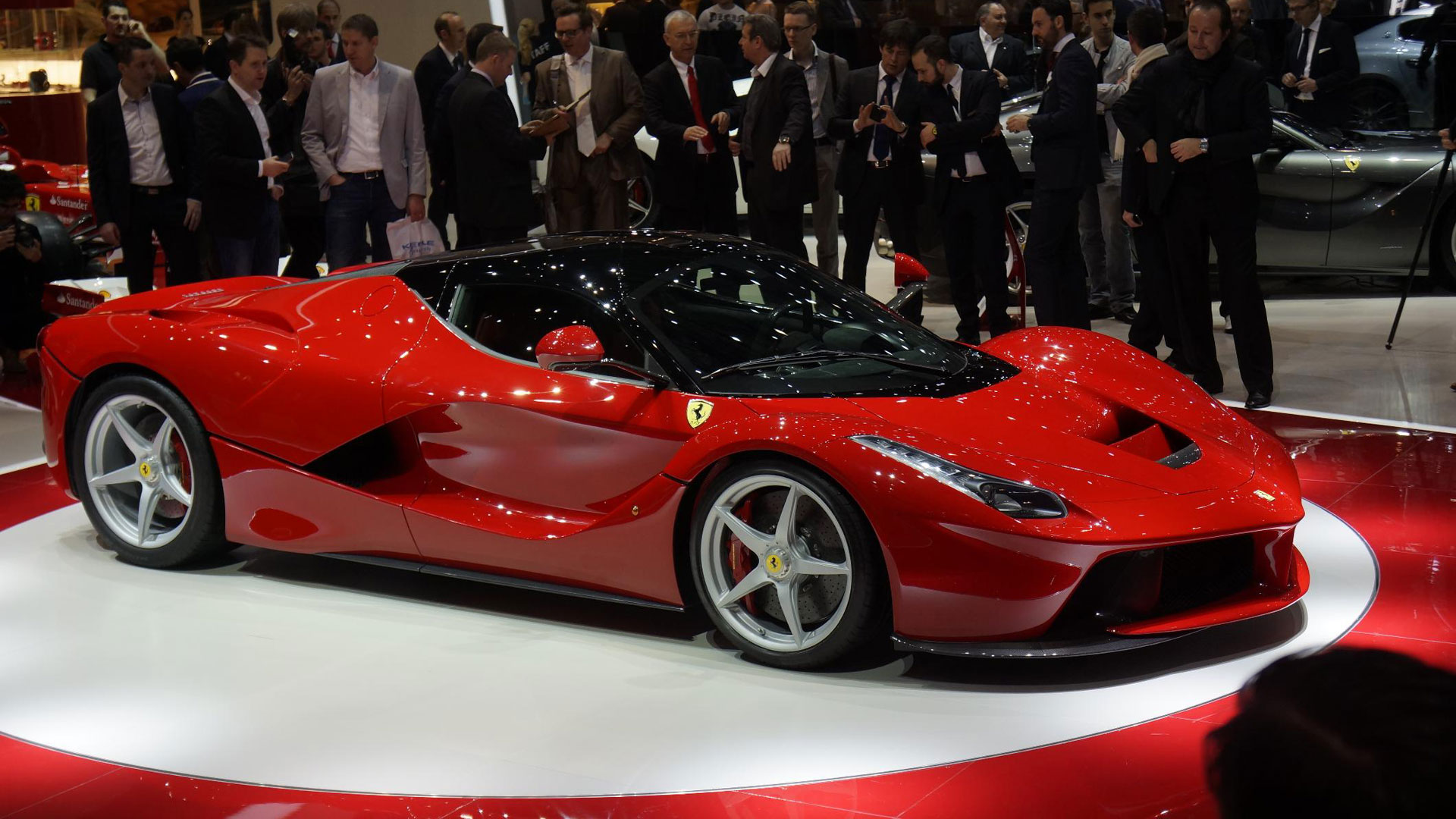
Meanwhile, a Ferrari LaFerrari has more than doubled in value, rising from £1.15 million to £4 million. It’s a similar story for Koenigsegg One:1 owners – up from £2 million to £4 million.
‘An outstanding car’
Stephen Halstead, executive chief operating officer at JBR Capital, said, “It’s unsurprising that the Lamborghini Veneno, Ferrari LaFerrari and Koenigsegg One:1 have stolen the limelight in terms of current values. The Veneno is quite simply an outstanding car.
“Only 499 of the Ferrari LaFerrari hybrid hypercars were produced, with buyers back in 2013 having more than doubled their money invested in this incredible vehicle. With just seven Koenigsegg One:1 hypercars in existence, offering a top speed of 273mph, this model has quite rightly hit a 100 percent level of appreciation.”
Of the 2019 Geneva Motor Show supercars, Halstead points to the La Voiture Noire, Pagani Huayra BC Roadster, Pininfarina Battista, Lamborghini Aventador SVJ Roadster and Ferrari F8 Tributo as “ones to watch”.
Top 10 appreciating Geneva supercars
Car
Year
Price at launch
Value now
Value change
1. Lamborghini Veneno
2013
£2.6 million
£7.3 million
+180%
2. Ferrari LaFerrari
2013
£1.15 million
£2.4 million
+109%
3. Koenigsegg One:1
2014
£2 million
£4 million
+100%
4. Pagani Zonda Cinque
2009
£1.3 million
£2 million
+54%
5. Koenigsegg Agera
2010
£875,000
£1.3 million
+49%
6. Ferrari 812 Superfast
2017
£260,000
£380,000
+46%
7. Porsche Cayman GT4
2015
£65,000
£85,000
+31%
8. McLaren P1
2013
£866,000
£1.1 million
+27%
9. Pagani Huayra BC
2016
£2.2 million
£2.3 million
+5%
10. Porsche 911 GT3
2013
£110,000
£110,000
0%
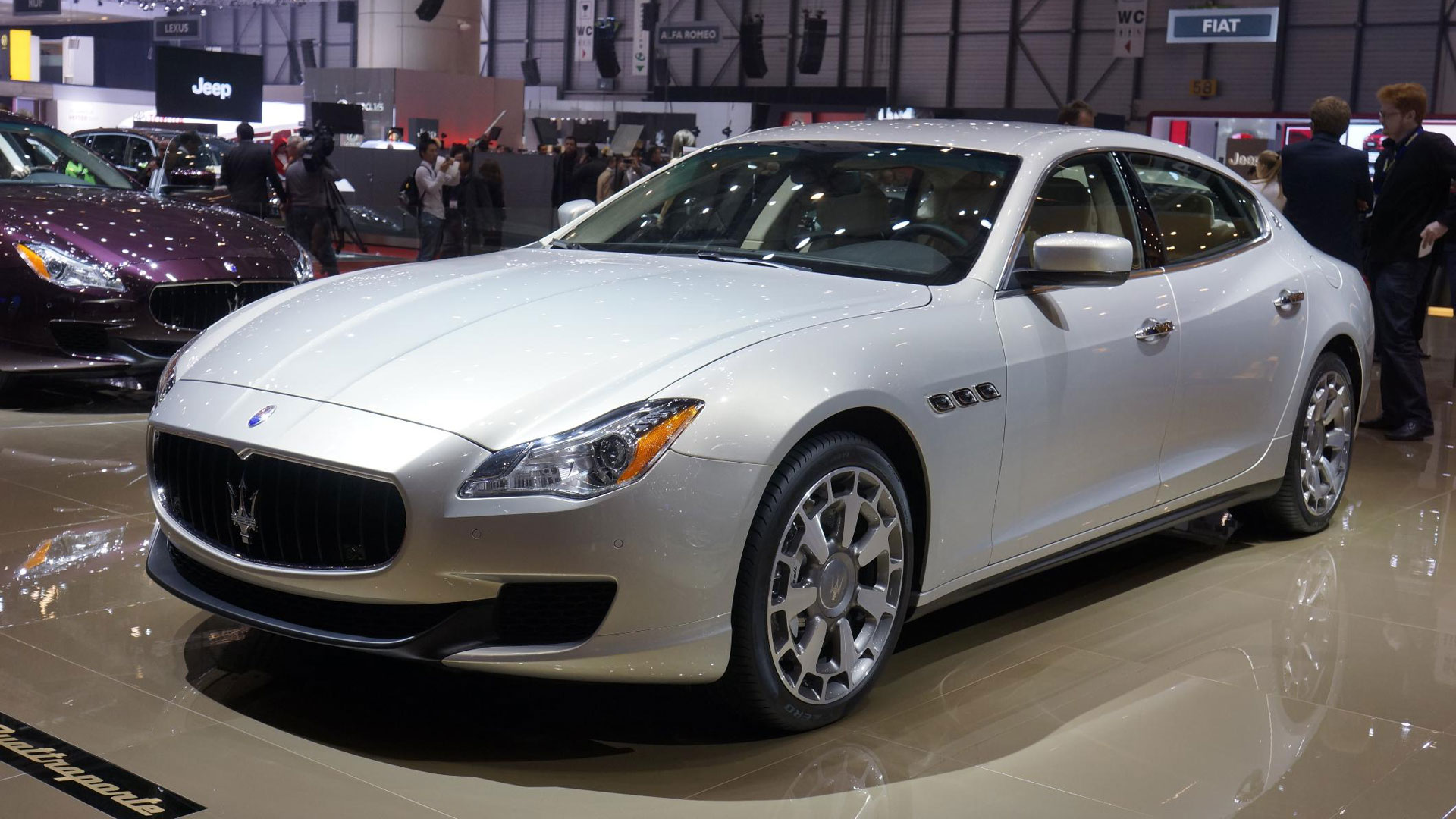
Not that buying a supercar or a high-end sports car is a passport to make money. If your head was turned by the Maserati Quattroporte on display at the 2013 Geneva Motor Show, you’d have lost the best part of £70,000.
In percentage terms, the Bugatti Chiron has performed relatively well, but you’d have lost £300,000 in the three years since the Veryon replacement made its Geneva debut.
Top 10 depreciating Geneva sports cars and supercars
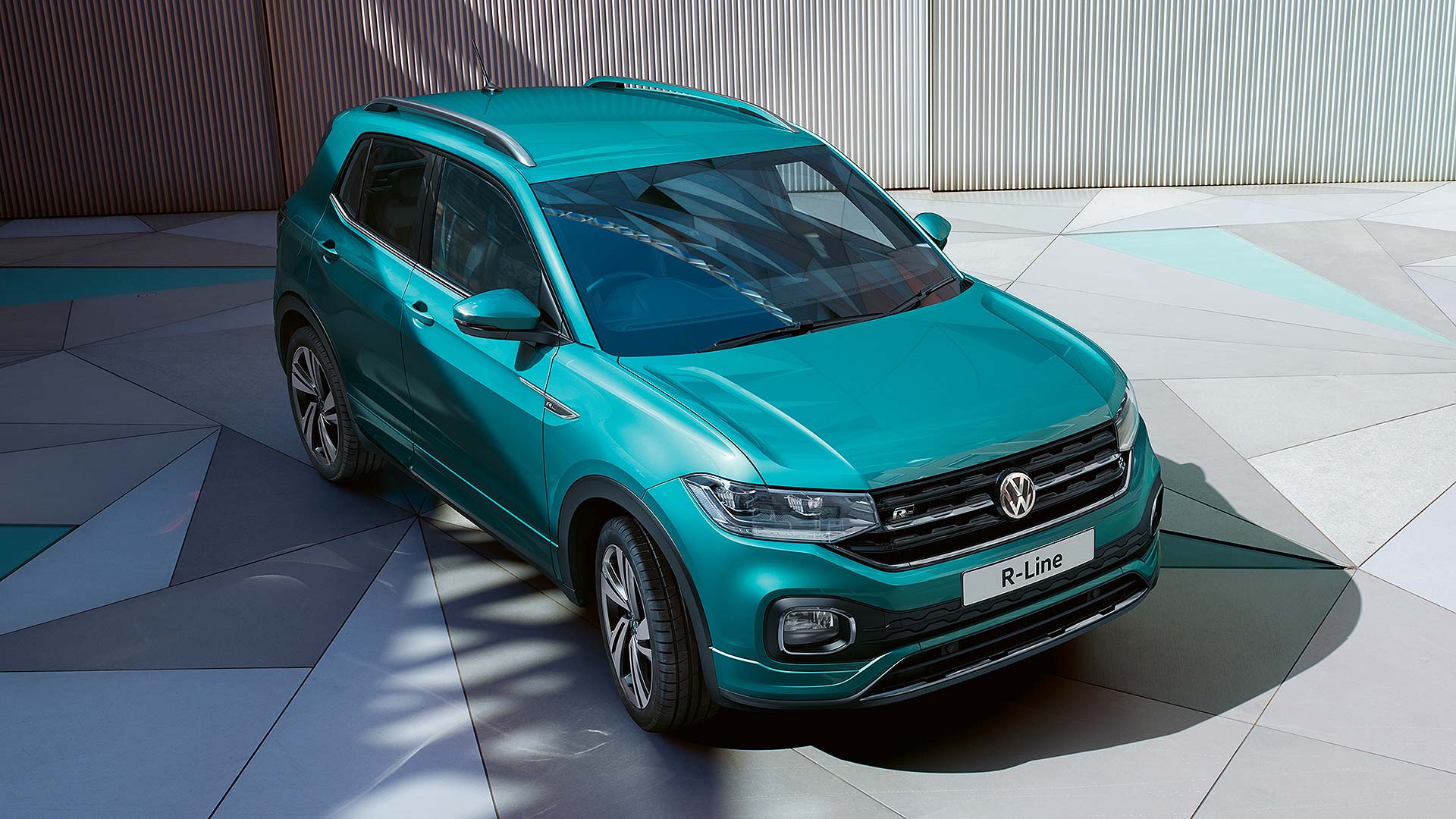
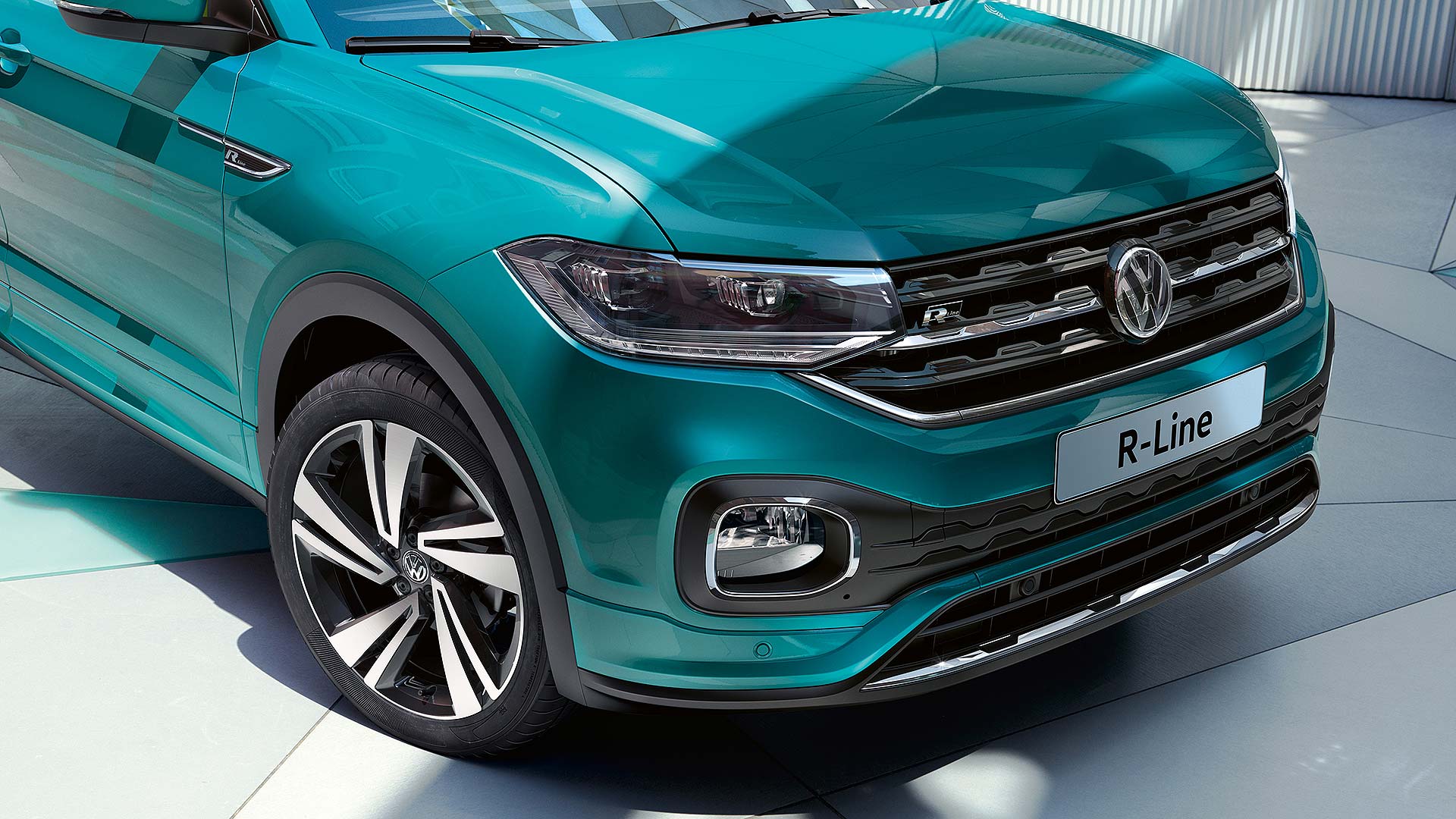
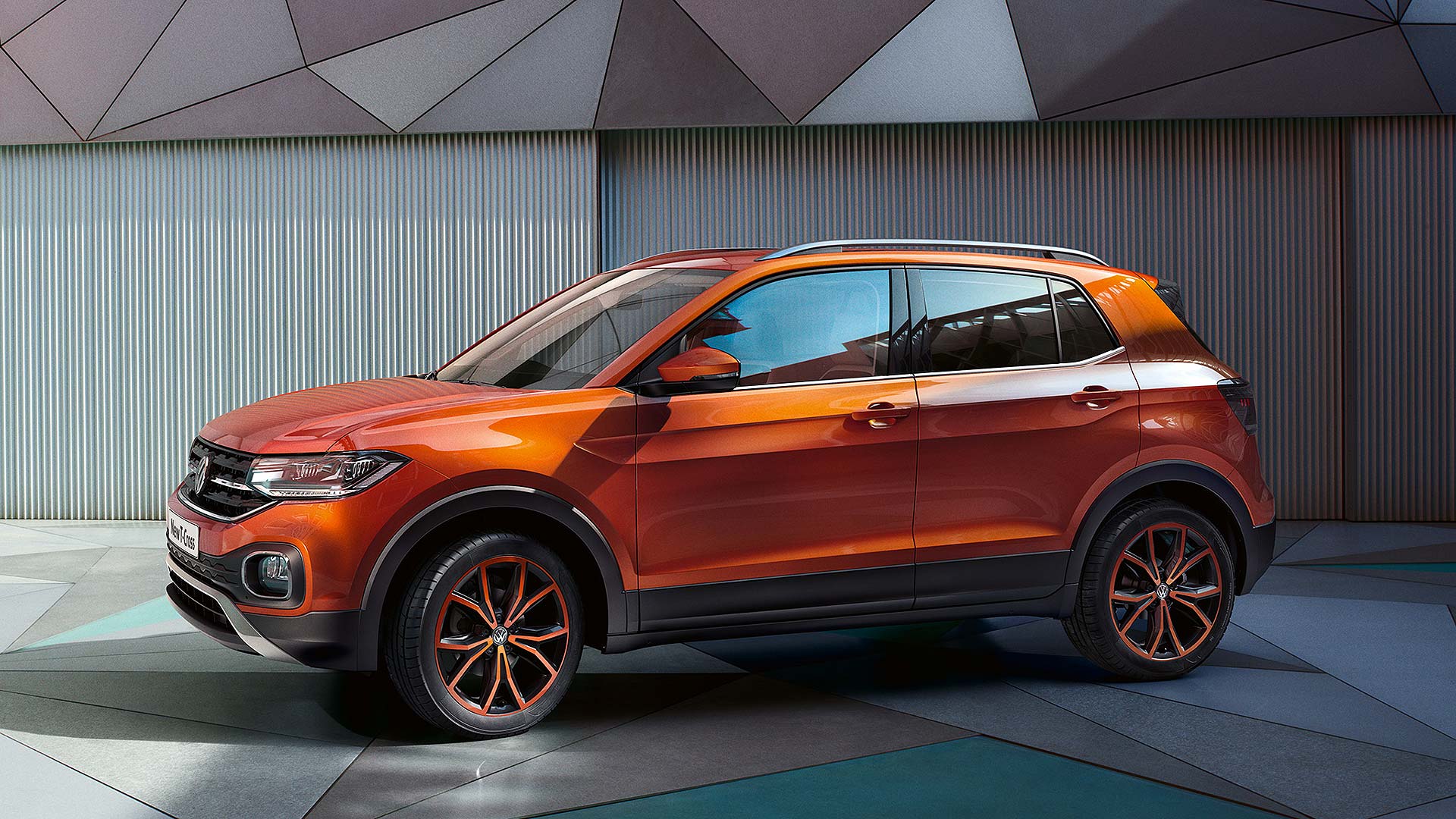
The Volkswagen T-Cross is now open for ordering in VW dealers with prices starting from £16,995 for the smallest SUV in the firm’s line-up.
Competing with rivals such as the Renault Captur, Nissan Juke and Peugeot 2008, the T-Cross is the VW sister car to the Seat Arona and upcoming Skoda Kamiq.
The T-Cross will be offered in four core trim lines – S, SE, SEL and R-Line. There is also a launch First Edition variant, limited to 250 highly-equipped cars.
Every T-Cross has a good standard specification, though. S spec includes eight-inch touchscreen infotainment, automatic headlights, city emergency braking, lane-keep assist, blind spot detection and electric door mirrors. A sliding rear bench seat is also standard: pick from lots of rear legroom or up to a 455-litre boot.
SE spec will be more popular. It has 17-inch alloys, black roof rails, front fog lights, multifunction leather steering wheel, variable boot floor and cruise control. With prices from £18,795, it is £1,800 more than the base S.
SEL has a different type of alloy wheel design, tinted rear glass, LED headlights, silver roof rails, front sports seats and ambient lighting. Sat nav and climate control are included within, as are all-round parking sensors. Prices start from £21,650.
The sporty R-Line has 18-inch alloys, digital instruments and racier styling outside and in. Prices are from £23,550.
Sensibly, Volkswagen is not offering a diesel T-Cross. The sole 1.0-litre TSI turbo petrol engine is offered in 95hp or 115hp guise, with a choice of five- or six-speed manual gearbox, or a seven-speed DSG automatic.
“T-Cross ensures we have an SUV offering for the vast majority of UK buyers,” said Volkswagen UK head of marketing Geraldine Ingham. “This undeniably stylish new compact car completes the major expansion of our SUV line-up – for the time being”…
First deliveries, she added, will begin in early April.
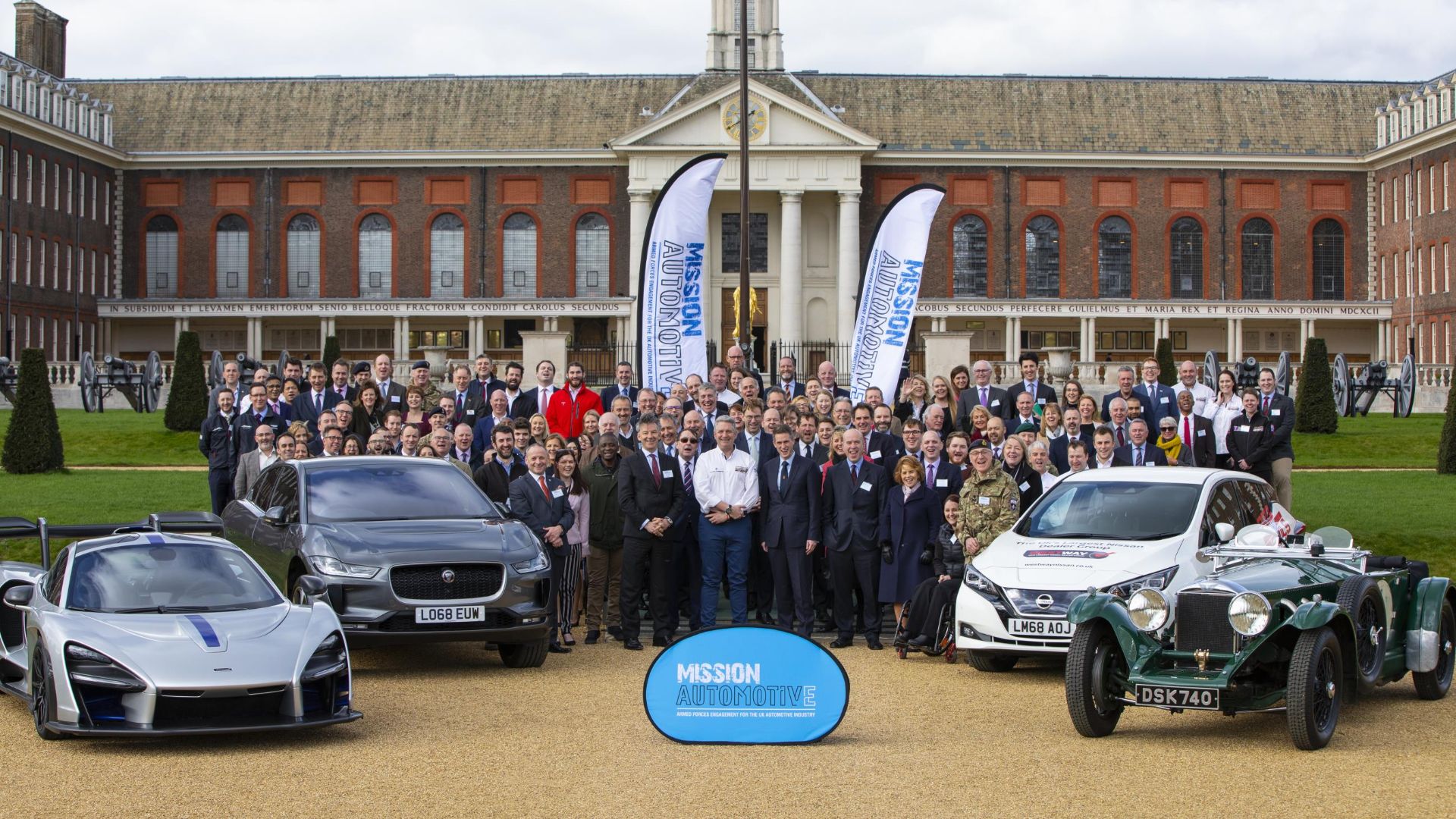
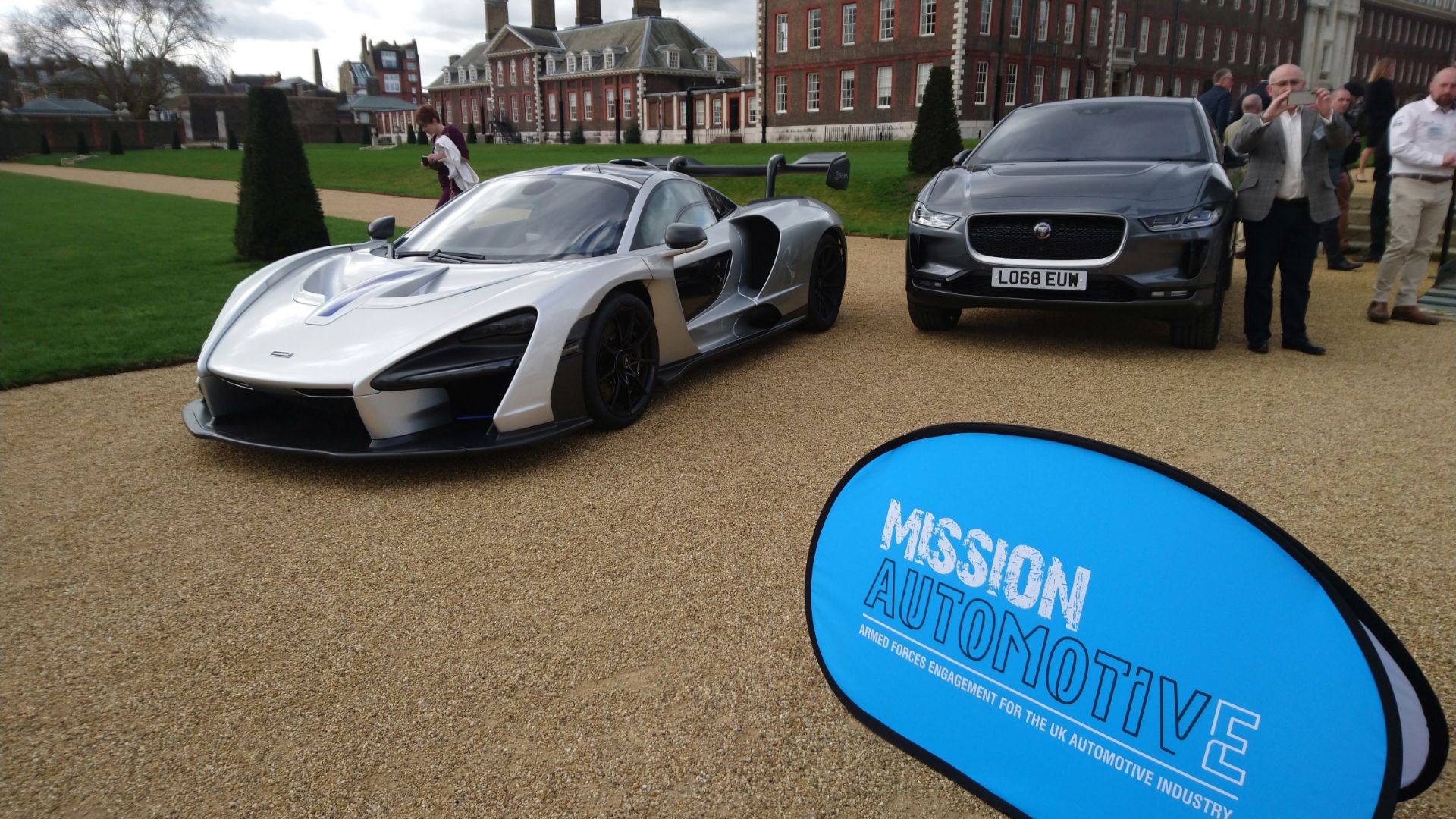
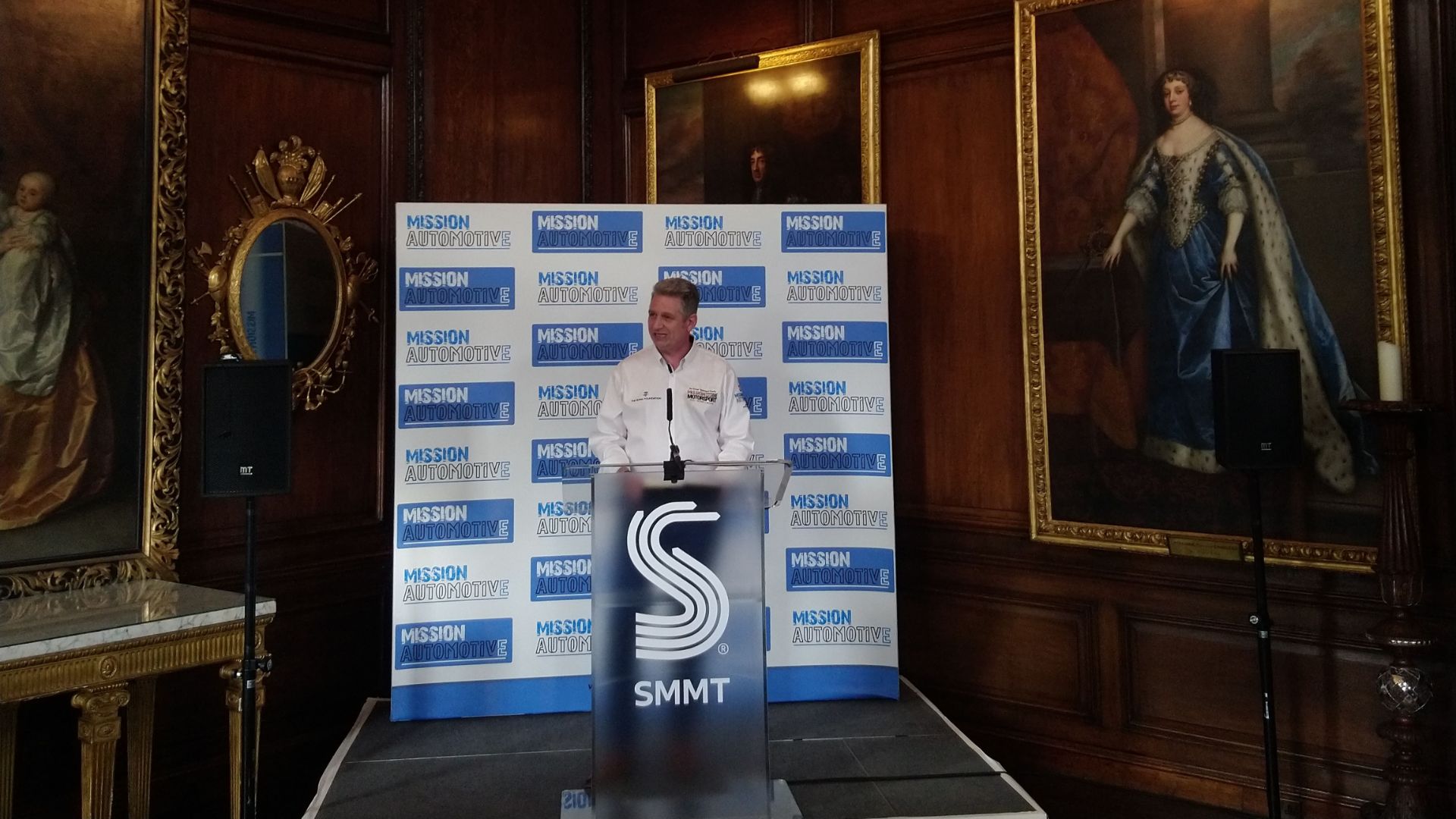
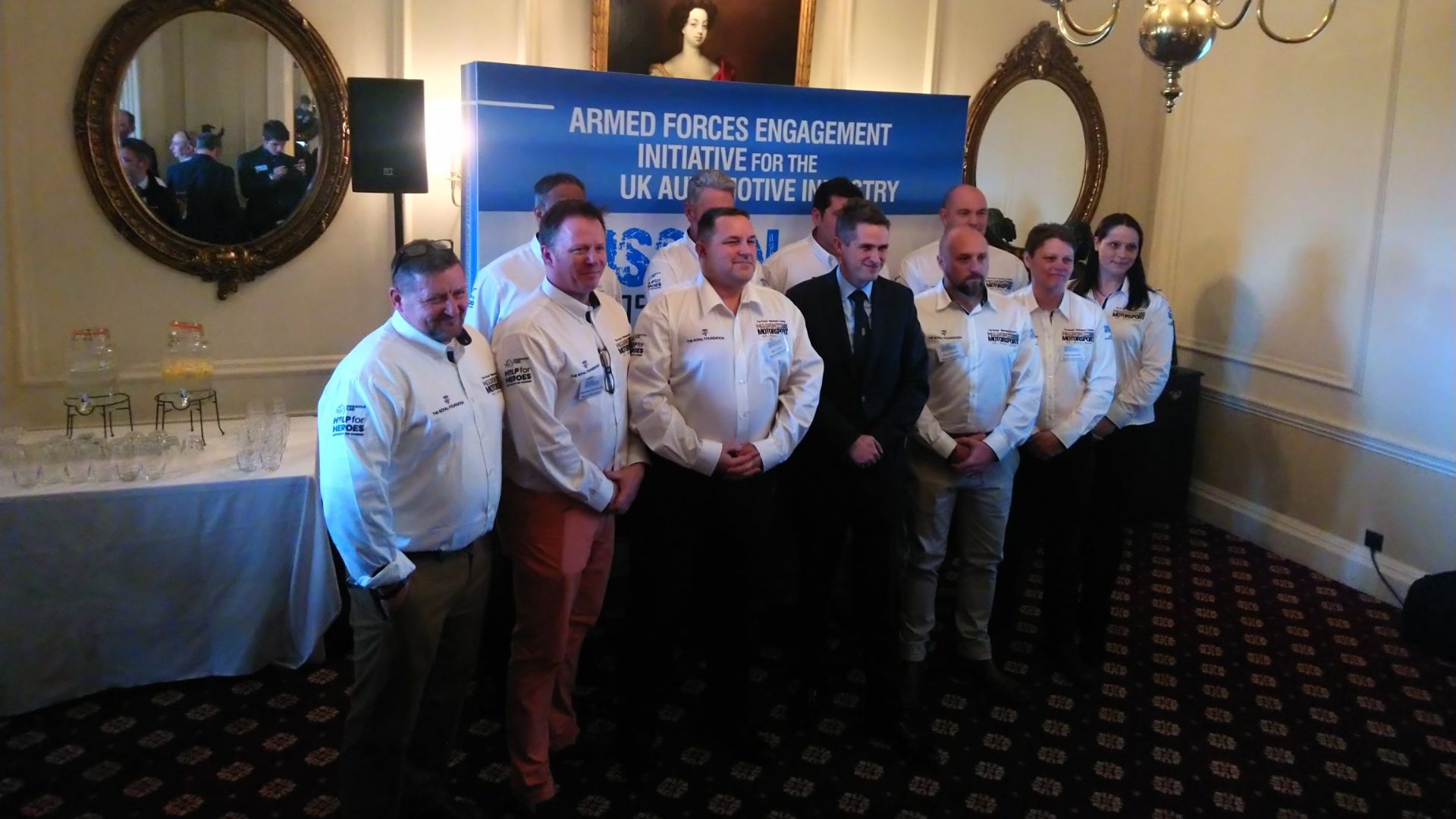
Mission Automotive is a new initiative that aims to guide service-leavers with high-voltage capabilities into a changing motor industry that sorely needs them.
The new initiative is a develoment of Mission Motorsport. This uses motorsport to helps to rehabilitate, re-engage and reintegrate ex-servicemen and women. Race, retrain, recover; Mission Motorsport does what it says on the tin.
Mission Motorsport also works with potential employers, businesses in the automotive and mobility industry, from motorsport, to car manufacturing, to delivery companies, mechanics and maintenance.
Returning service folk can sometimes find the competitive and self-promoting nature of the civilian job market a challenge. Mission Motorsport opens conversations with employers, to open their minds and allow them to effectively engage with a large potential workforce.
To date, Mission Motorsport has helped over 1,700 returning service leavers with their transition to civilian life, be that personally or vocationally and will continue to do so.
Mission Automotive: taking it to the next level
Mission Automotive is that ethos, taken to the next level. It aims to capitalise on the skills of those in the armed forces and redeploy them into the fast-changing world of automotive. The move to electric power in cars, for example, is a transition the likes of which hasn’t been seen since we parked the horses and fired up cars…
Electric cars such as Teslas run a 400-volt system. Future electric cars could use 800-volt systems and beyond. In civilian world, high-voltage is the 120 volts a house runs on, or even the 12 volts from a normal car’s battery.
In the world of the military, ‘high voltage’ means 1,000 volts, at minimum.
High voltage training: the ready-made potential of ex-forces workers
In the illustrative, if paraphrased, words of James Cameron, founding mind behind Mission Motorsport and Mission Automotive, “anyone who sets foot professionally on a giant wet lump of metal floating in salt water has had all the training”.
Returning Navy officers have, by virtue of their service on aircraft carriers, a ticket to their name that allows them to work on any electric car, either in manufacturing, maintenance or repair. The same goes for any heavy-duty military hardware – aircraft, military all-terrain vehicles, and much more.
This is a ticket that a civilian would need extensive training to obtain. There is, therefore, a readymade workforce out there. The goal of Mission Automotive is to be the intermediary that sells this workforce to the marketplace.
“It can be difficult for service leavers to translate how their military experience allows them to fit into civilian career,” explains James Cameron, Mission Motorsport CEO in the release. “Mission Automotive helps organisations to recognize, foster and retain that talent through developing and implementing their own Armed Forces engagement strategies.
“Our service men and women are a national resource, and have much to offer to society beyond their military service. By helping them and their families we boost British industry, and by association the communities in which they resettle.”
We say: Good news for the UK’s transition to electric motoring
Finally, news that in some way, we are in fact ready for the arrival of an electric car majority on the road. If not in infrastructure, if not in the viability of the technology at the moment, in the workforce that’s ready to take it on. It’s an opportunity that the industry would be foolish not to grab with both hands. Let Mission Automotive be your guide…
“Many see the taking on of ex-service person as doing them a favour,” said Gavin Williamson, Secretary of State for Defence.
“I challenge that. I say they’re doing your business a favour by joining. They are a benefit to your business.” Hear, hear.
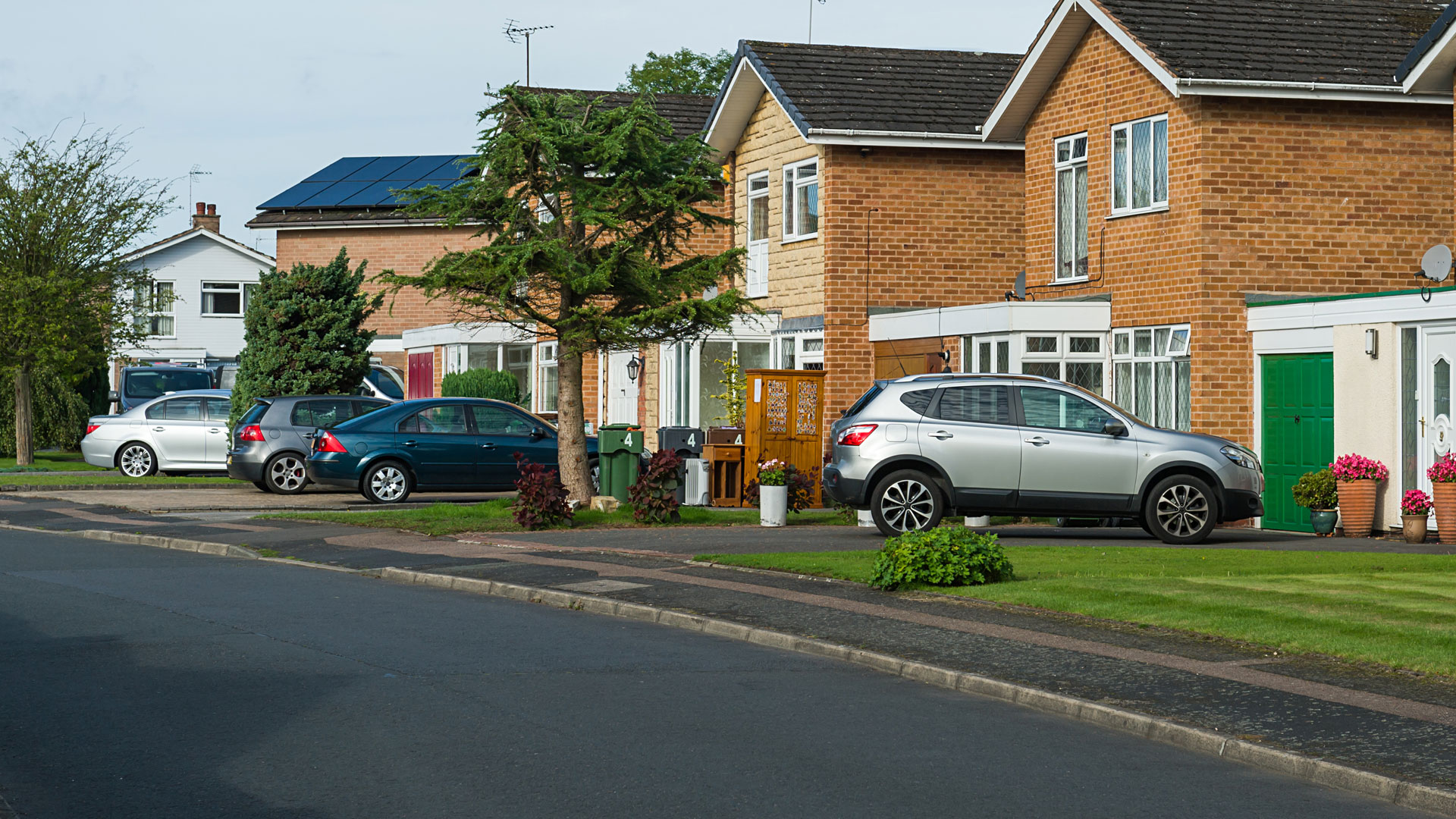
Perhaps predictably, London has been named car crime capital of England by aftermarket towbar specialist Ixplor, with North Yorkshire identified as the safest region.
Using statistics from data.police.uk, the team at Ixplor ranked each area according to the number of reported vehicle crimes and the population of each region. This created a table of ratios, placing the City of London and Greater London at the top.
The West Midlands is named as the hotspot outside of London, with vehicle crime affecting one in every 78 motorists in a region of 2.9 million residents. In comparison, the figure for the City of London is one in 36, while in Greater London it’s one in 72.
Bedfordshire and Manchester completed the top five, but there’s better news for some of England’s more rural locations.
With a vehicle crime ratio of one in 461, North Yorkshire is the safest place, followed by Cumbria, Lincolnshire, Cheshire and Norfolk.
How your postcode affects your premium
According to comparethemarket.com, 90 percent of all car insurance claims occur within five miles of the driver’s home, which is why the policyholder’s postcode plays a big role in calculating the annual premium. The number of personal accident claims made by drivers in an area, along with the number of uninsured drivers and instances of fraudulent claims, theft and vandalism.
Last year, the price comparison site drilled down on insurance data to reveal the towns and cities considered to represent the highest and lowest risk.
Mirroring the Ixplor data, comparethemarket.com named Bradford, Oldham, Manchester, Liverpool, Birmingham as hot spots, with Redruth, Penzance, East Inverness, Angus and Isle of Barra revealed as the safest locations.
Utility companies are to carry out road repairs to much higher standards, per the Department of Transport’s new drive to ensure a minimum five-year life on road repairs.
The guarantee would mean that if the surface breaks up or becomes dangerous within a five-year window of the last repair, the company that worked on it must return and repair it to a higher standard. Over the last three years, Britain has been in the grip of what some have called a ‘pothole epidemic’, with the UK’s average potholes per kilometre figure rising year-on-year for three years.
“Potholes are the biggest enemy for road users and this government is looking at all options to keep our roads in the best condition,” said Transport Secretary Chris Grayling.
“Road surfaces can be made worse by utility companies, so imposing higher standards on repairs will help keep roads pothole-free for longer.”
Currently, the minimum guarantee is two years after completion of work, meaning that if the increase goes into effect, there will be a three-year extension on that guarantee. The consultation on the issue will last eight weeks and will include proposals to allow for new high-bitumen surfacing to make road surfaces more resistant to temperature fluctuations.
The Government is going high-tech, too, with plastic roads being tested in Cumbria, geothermal heating tested in Bedfordshire, and kinetic energy recovery tested in Buckinghamshire. These are just some of the £22.9 million-worth of projects across the country.
During the budget last November, the Chancellor earmarked an additional £420 million to be allocated to local authorities to carry out road maintenance, raising the 2015-2020 figure up to £6.6 billion.
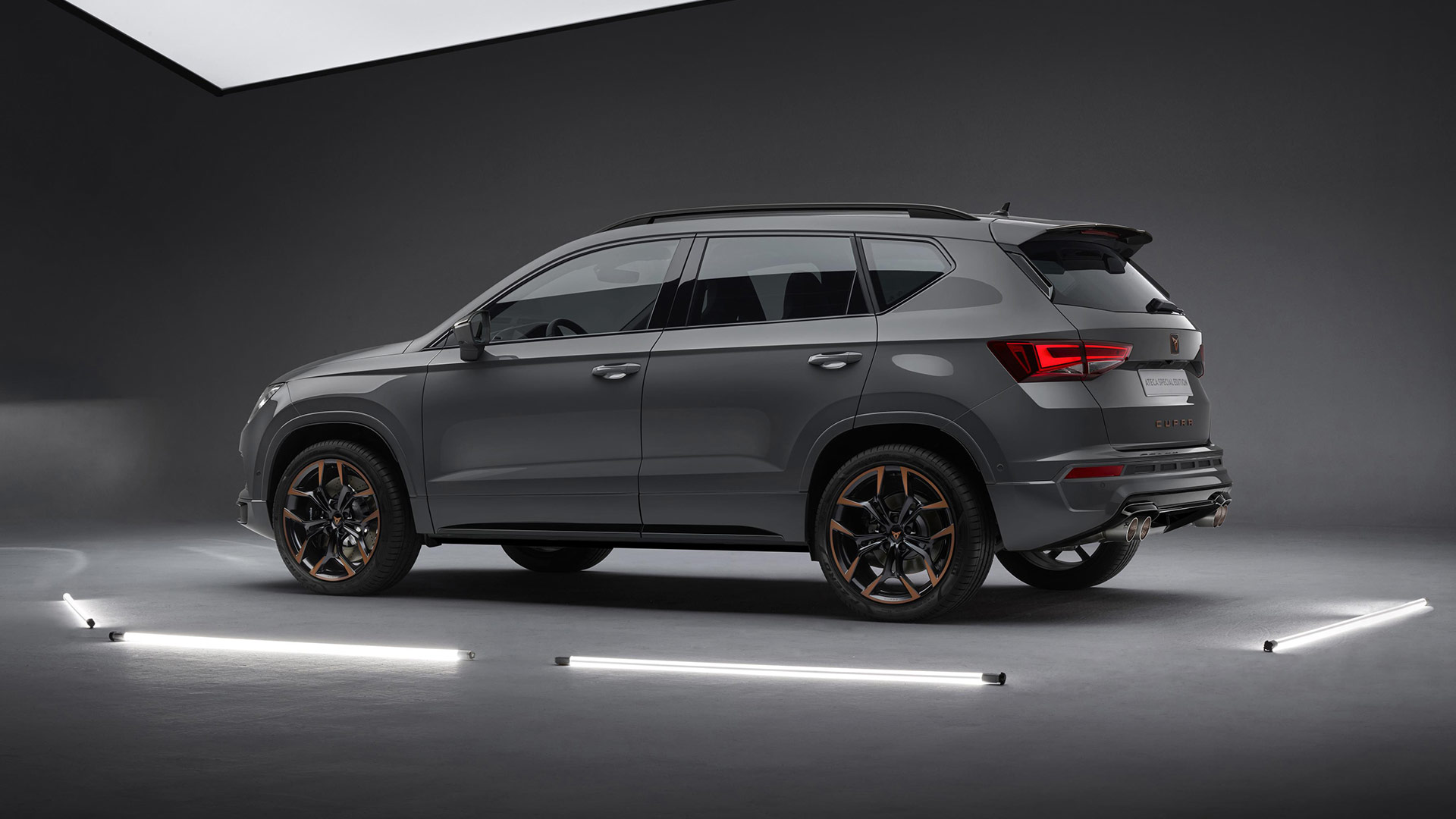
Seat’s performance offshoot Cupra has launched a new Special Edition version of the Ateca SUV at the 2019 Geneva Motor Show.
Cupra actually waited until day two of the event to release all the details, possibly fearing that the tweaked Ateca would become lost in a sea of other new announcements.
Given all the cars that filled our extensive Geneva day one coverage, it was perhaps a wise choice.
Cupra’s Special Edition creation is definitely ‘on trend’ with current interior design directions.
This Ateca features special Graphene Grey paintwork, along with Cupra’s trademark copper detailing. If you need a performance SUV to match your brand-new fitted kitchen, this is the one to go for.
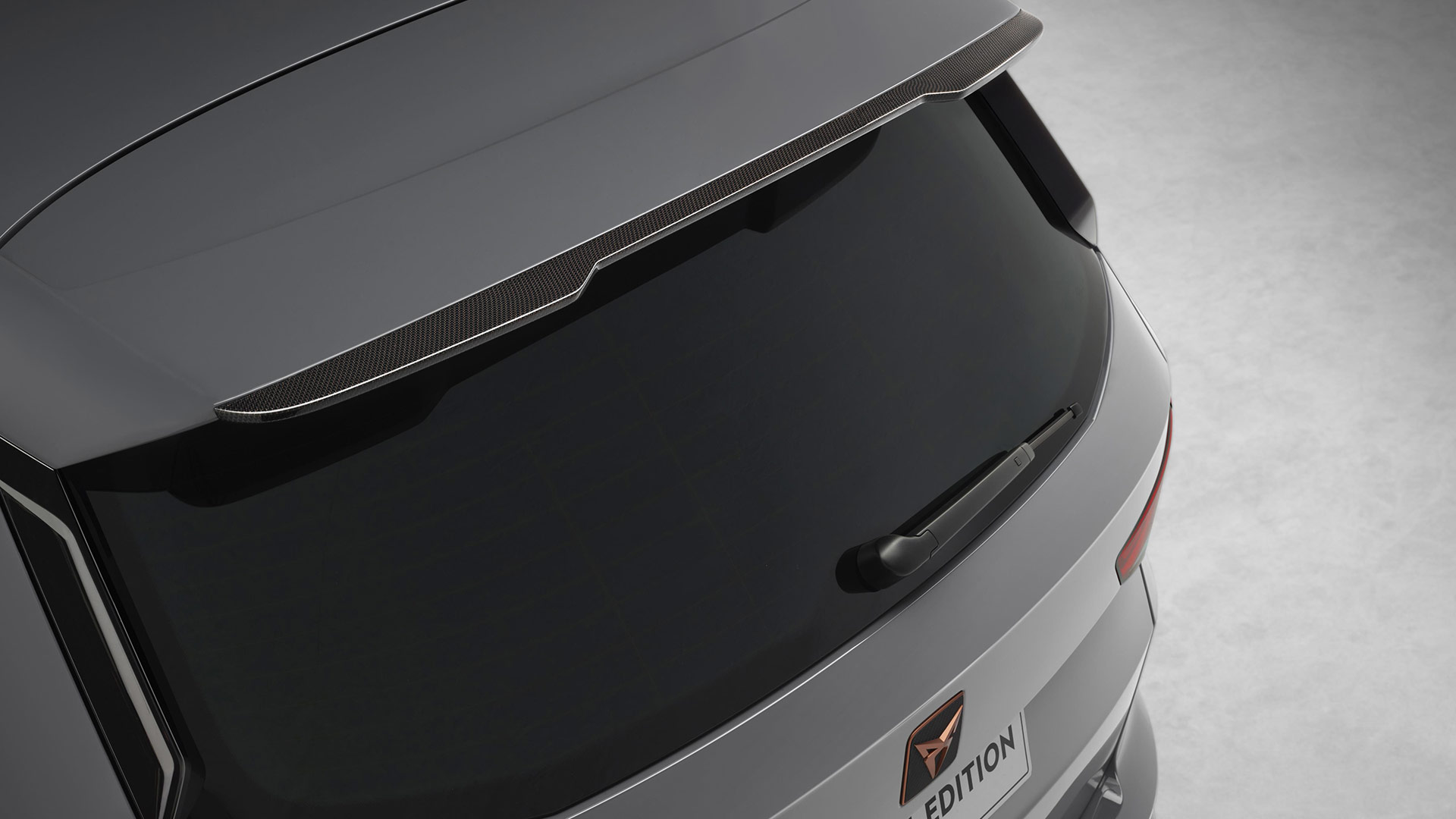
Copper carbon fibre is an intriguing trim idea, blending shiny metal highlights through the weave of the lightweight material. Cupra has used it to cover the door mirrors, along with the new rear spoiler which is said to offer increased downforce.
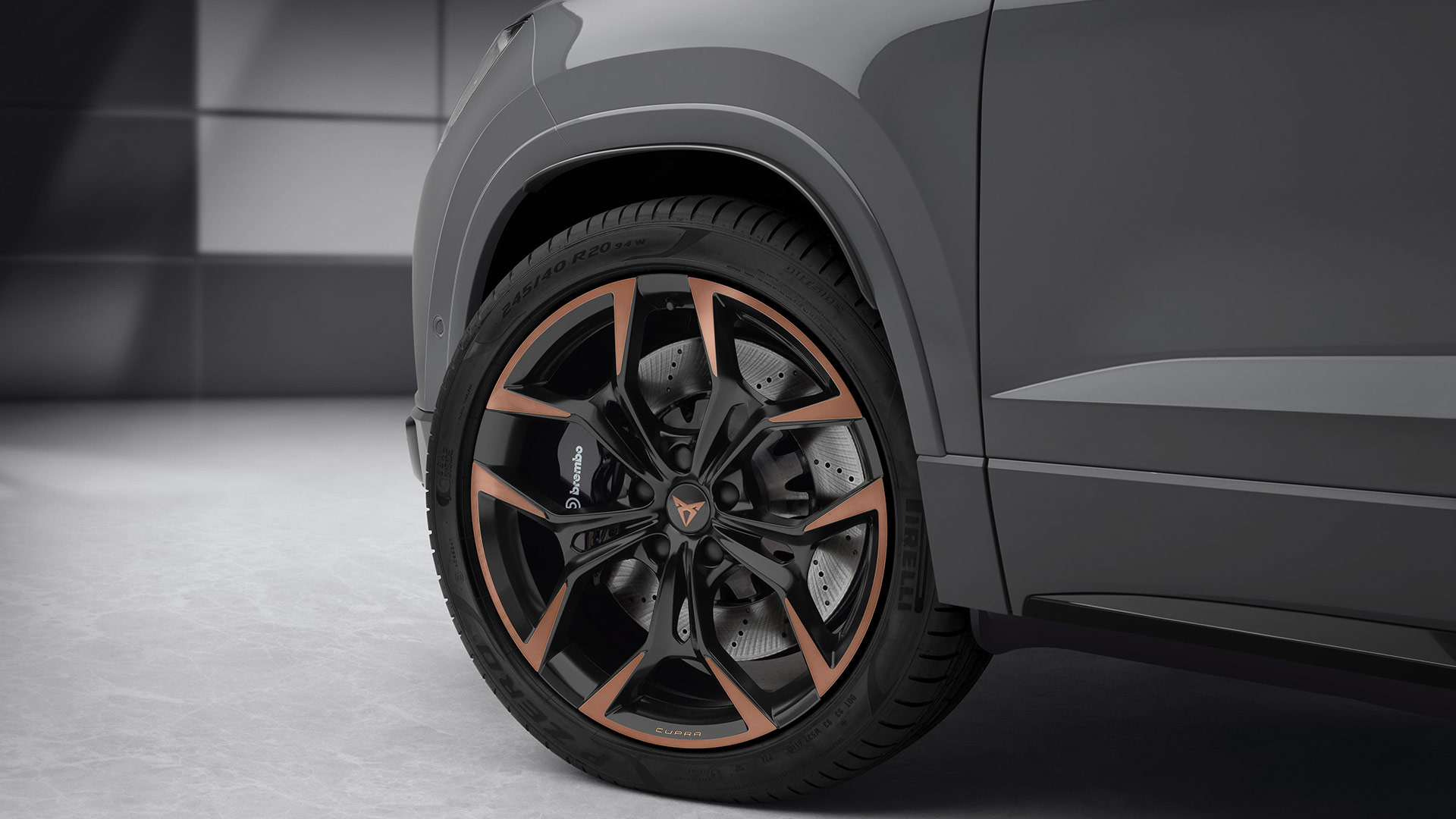
The copper-finish 20-inch alloy wheels are new, and widen the track of the Cupra Ateca. Behind them lurk standard Brembo brakes for increased stopping power, although the Special Edition has the same 300hp as the regular version.
That 2.0-litre TSI engine does at least exhale through a new Akrapovic exhaust system. Not only does this weigh 7kg less than the standard item, Cupra promises that it will offer a ‘unique sound experience’ as well.
Inside, the Ateca Special Edition gains more of that copper carbon fibre trim, being liberally applied to interior mouldings and the centre console.
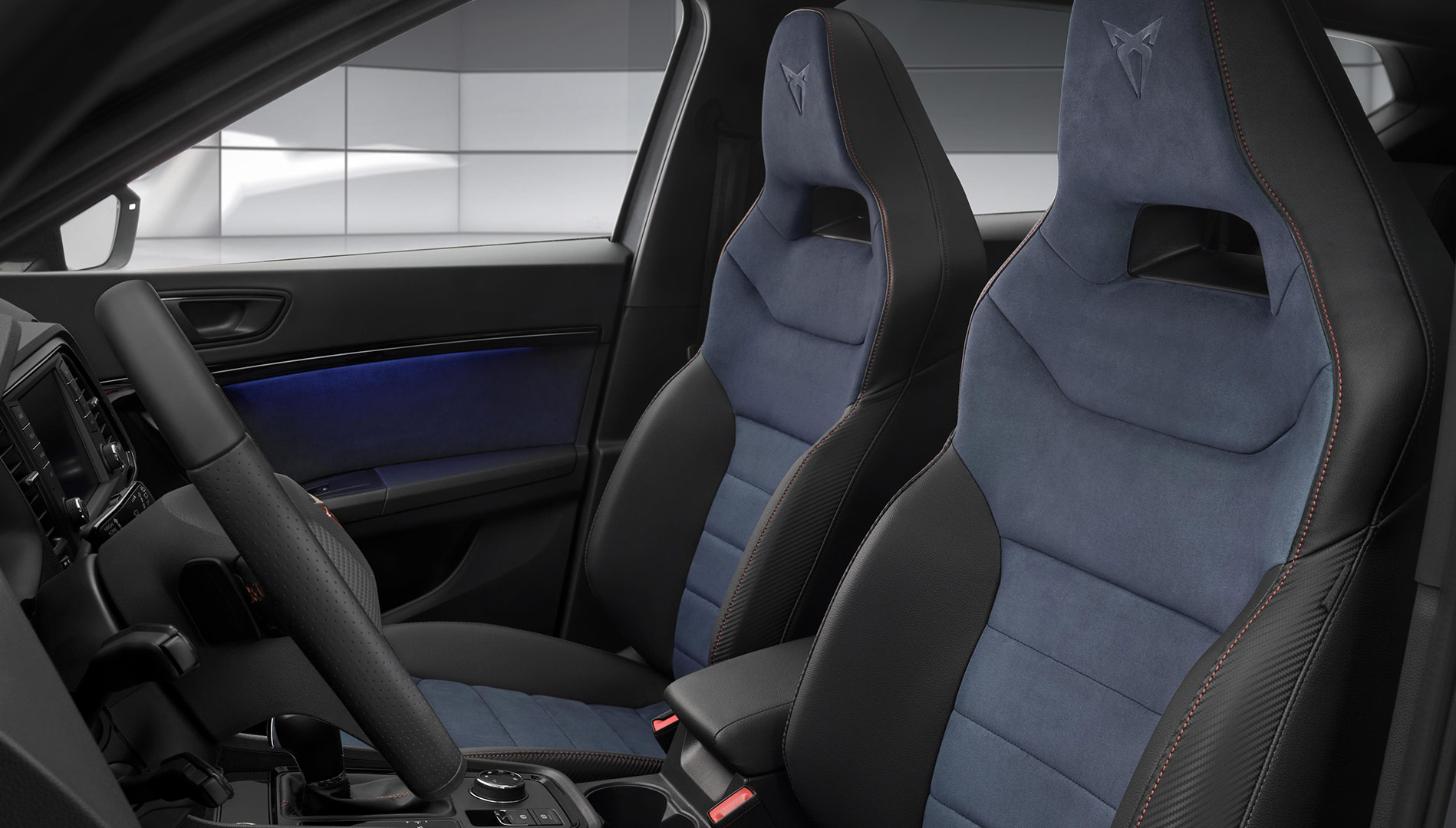
Also new are sports seats finished in Petrol Blue Alcantara – a look which seems to pay homage to the insides of a Subaru Impreza STI from the early 2000s.
Pricing is yet to be announced for the Cupra Ateca Special Edition, but sales are slated to begin later in 2019. There is also no word on how many units will be available, but Cupra promises numbers will be limited.
With Volkswagen having unveiled a 300hp T-Roc R in Geneva, the Cupra Ateca is soon to have some in-house competition. It might take more than copper trinkets to see off that threat.
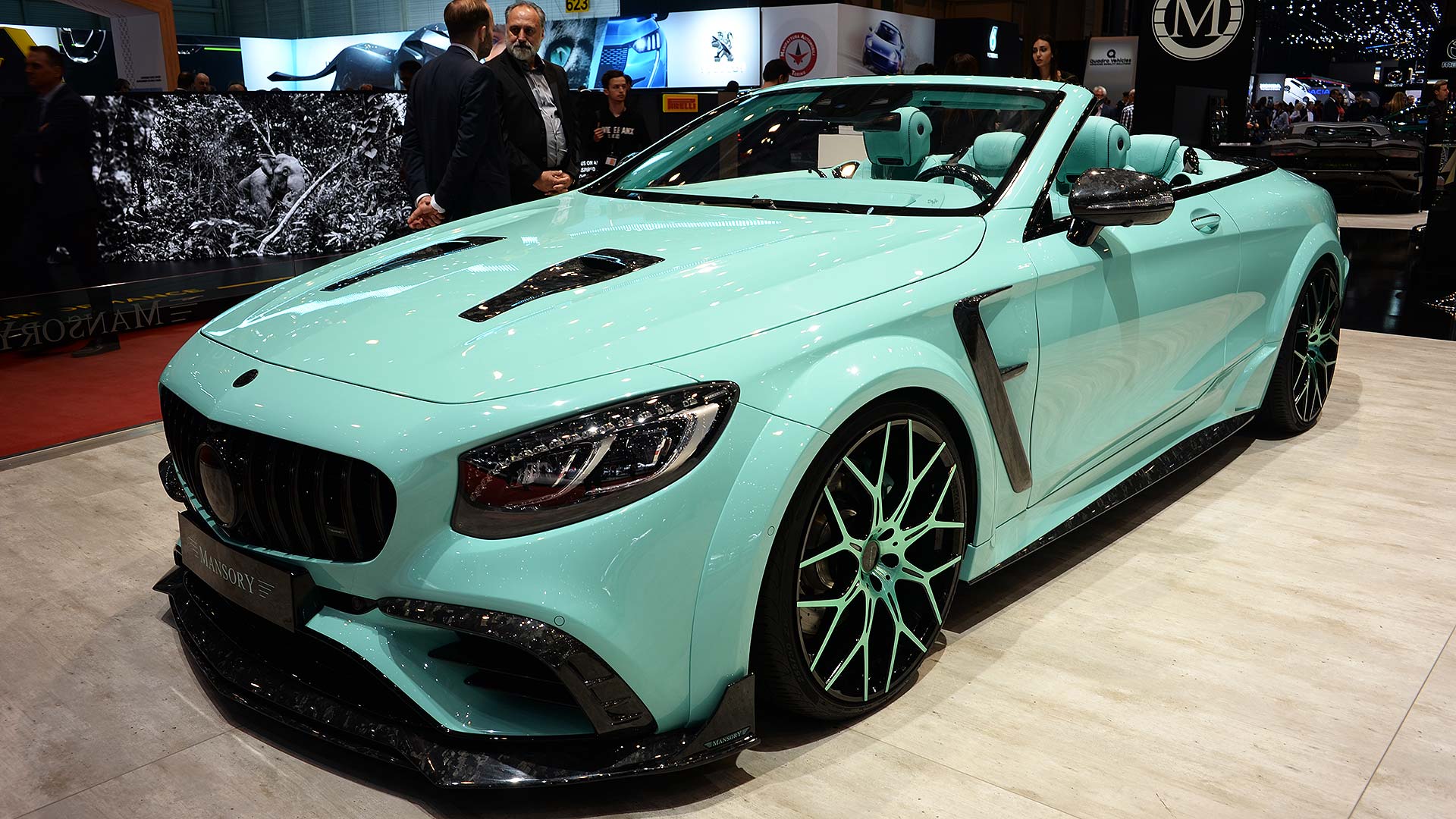
Geneva 2019 is shaping up to be one of the best motor shows of recent years, with a veritable feast of fantastic supercars served up alongside a bevvy of electric dreams. But scratch beneath the surface and you’ll find the usual array of modified monsters and wild creations lurking in the background, promising to haunt your dreams and have you begging for mercy. Those of a nervous disposition should look away now.
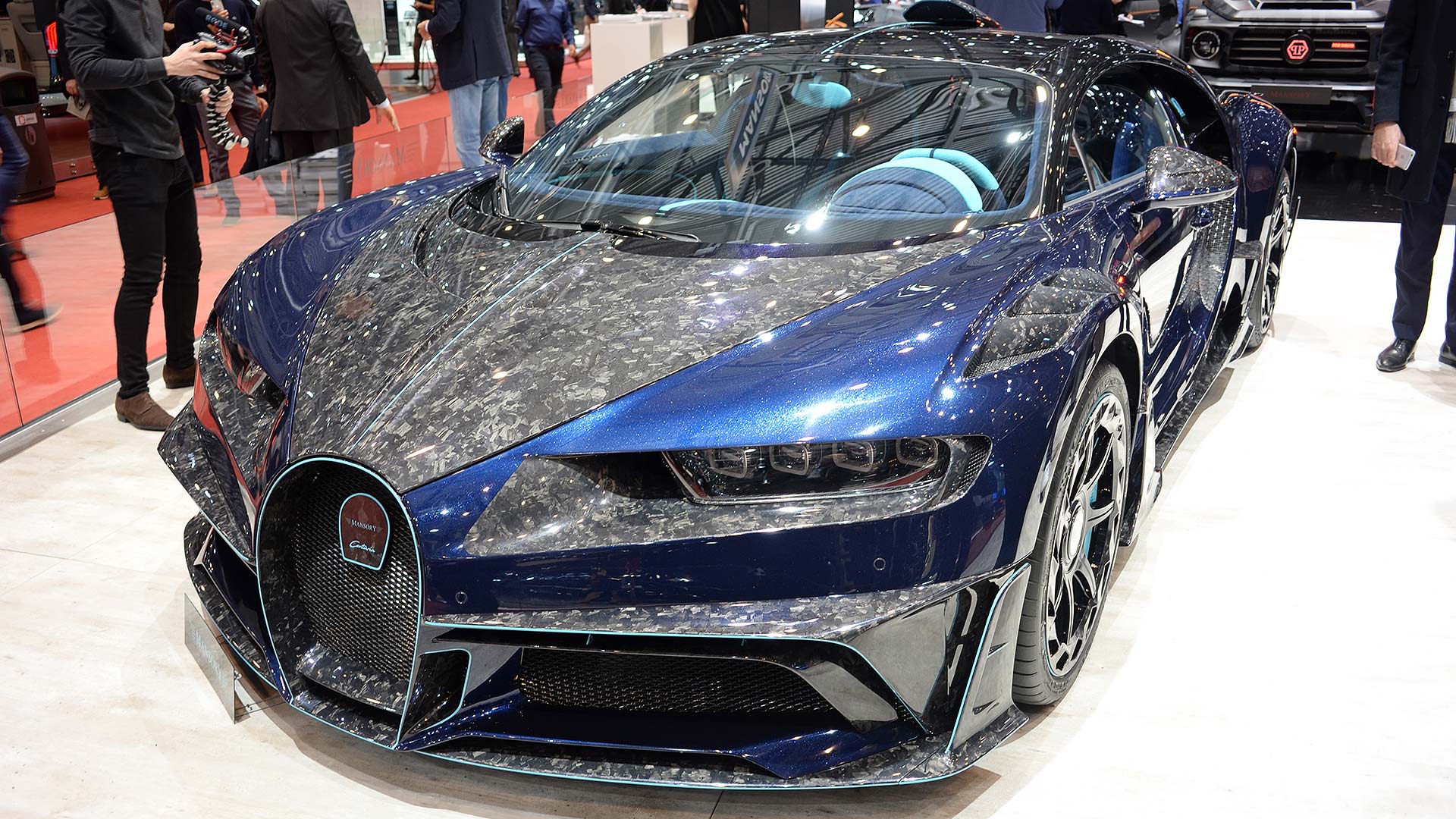
Mansory Centuria
Last year, our man Bradley assembled a Bugatti Chiron using 3,599 Lego pieces. It took him around 15 hours to complete the kit. We suspect Mansory spent a little longer working on the Centuria. You can make up your own mind on whether this was time well spent.
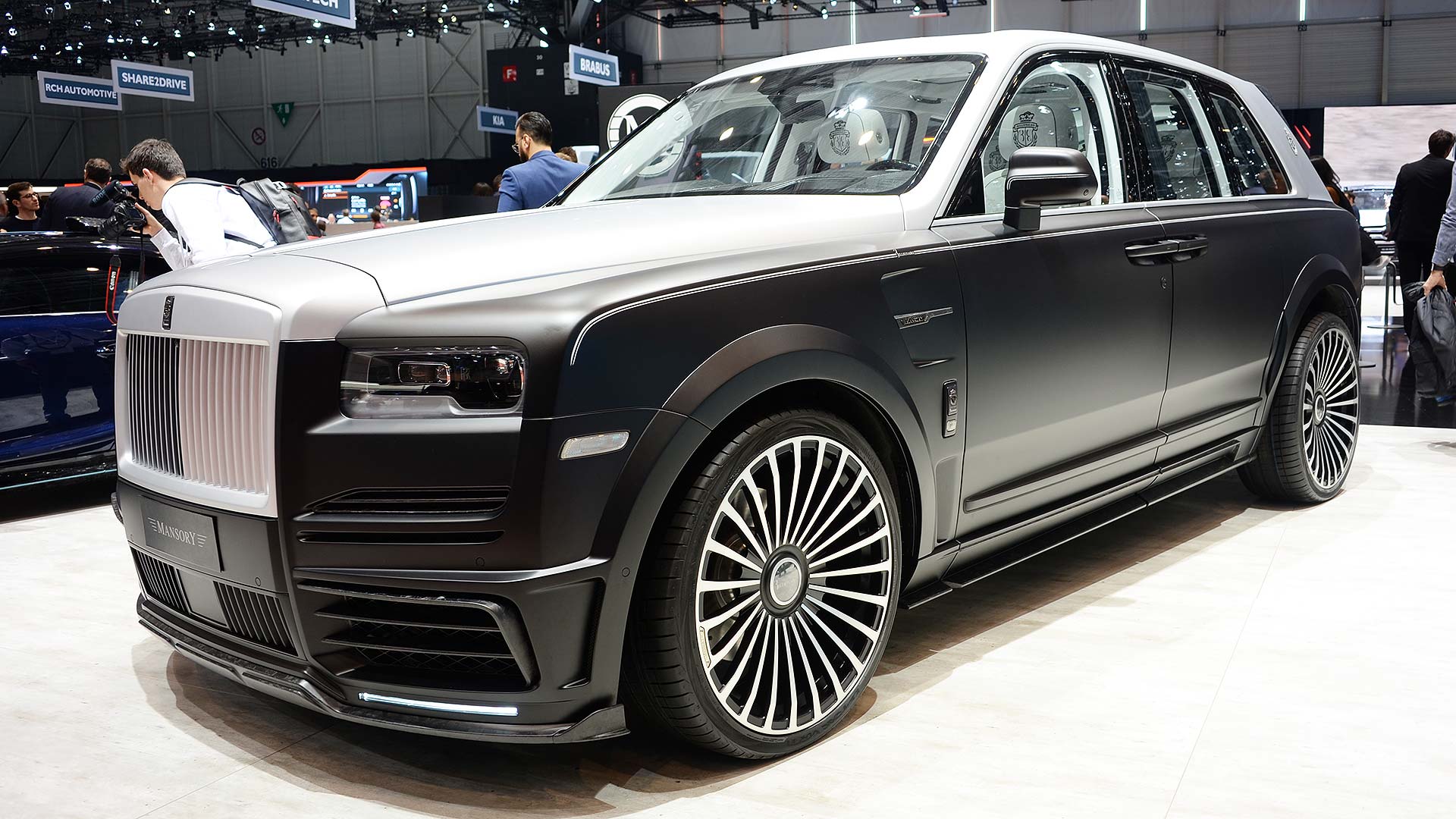
Mansory Billionaire
When Mansory and luxury label Billionaire jumped into bed to work on a Rolls-Royce Cullinan, the results were never going to be subtle. The Mansory Billionaire is billed as “The Whisper of Ecstasy”, but to us, it looks more like “The Scream of Agony”. Still, at least no more than 13 of these €785,000 (£675,000) OTT SUVs will be built.
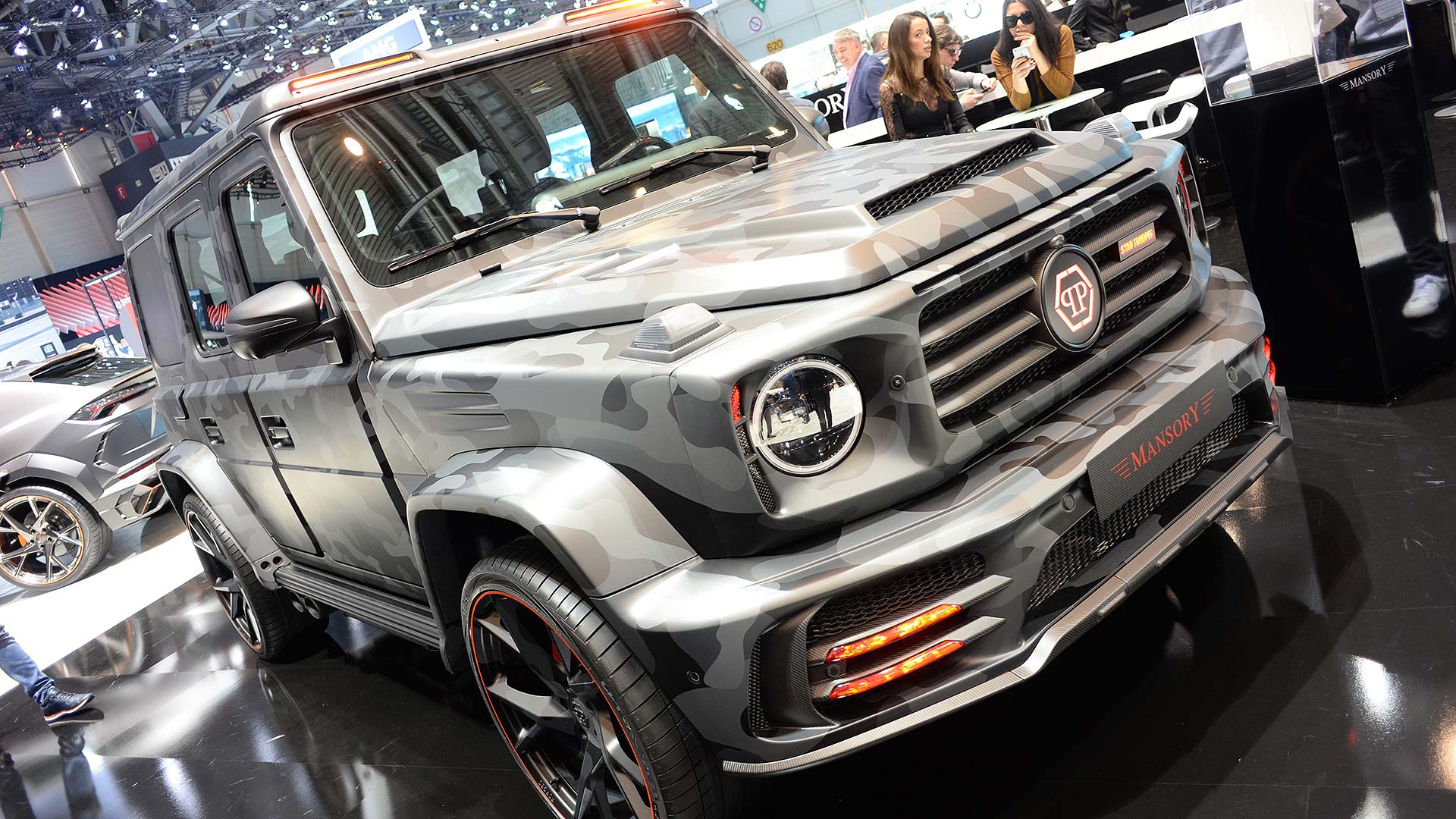
Mansory Star Trooper
In 1978, Sarah Brightman lost her heart to a starship trooper. Four decades on, Mansory appears to have lost its mind on a G-Wagen.
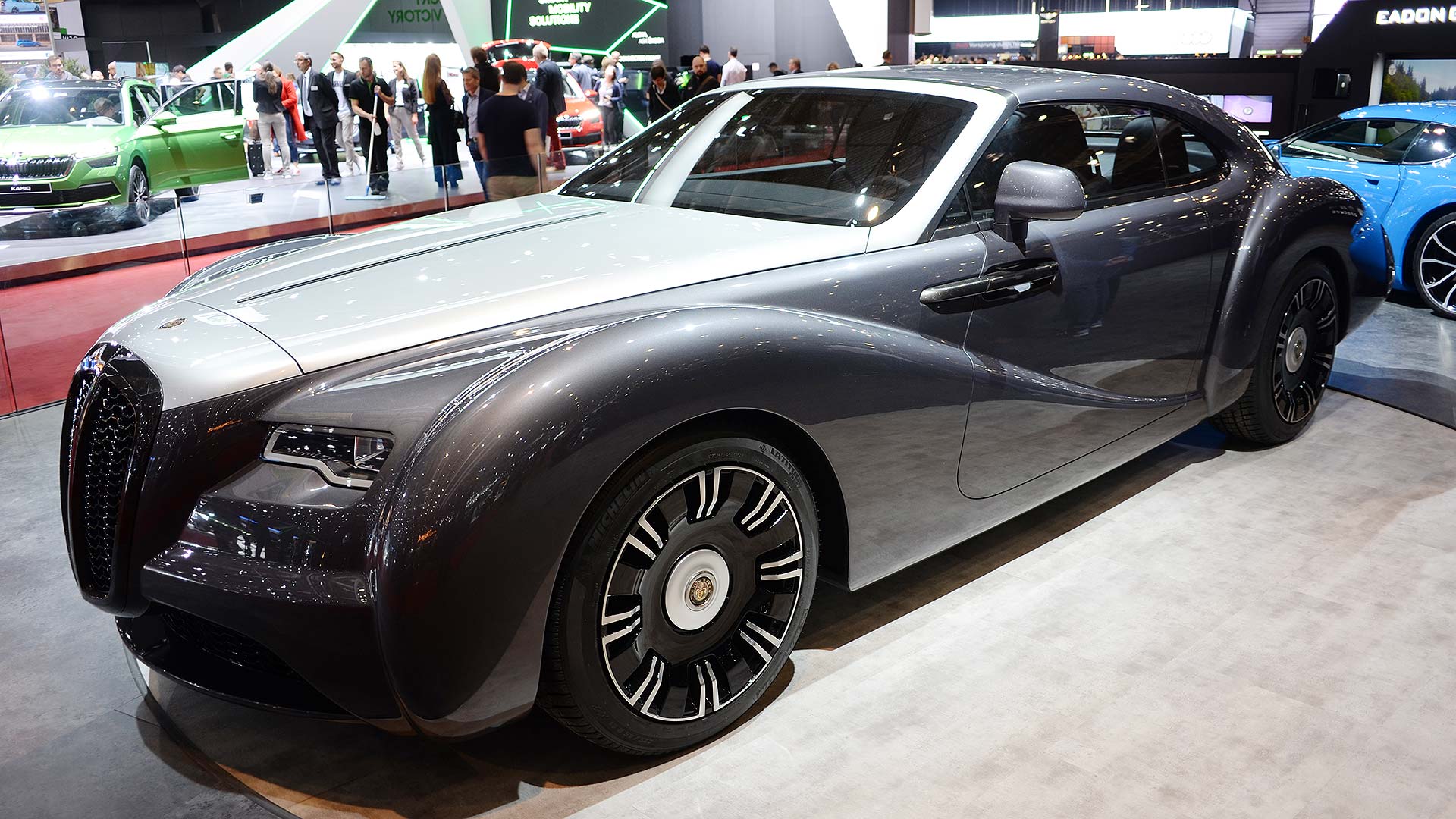
Eadon Green Zeclat
While much of the Geneva chatter is focused on supercars and electric vehicles of the future, the Eadon Green Zeclat is a very definite nod to the past. The Art Deco-inspired Zeclat is powered by Corvette-sourced 6.2-litre V8.
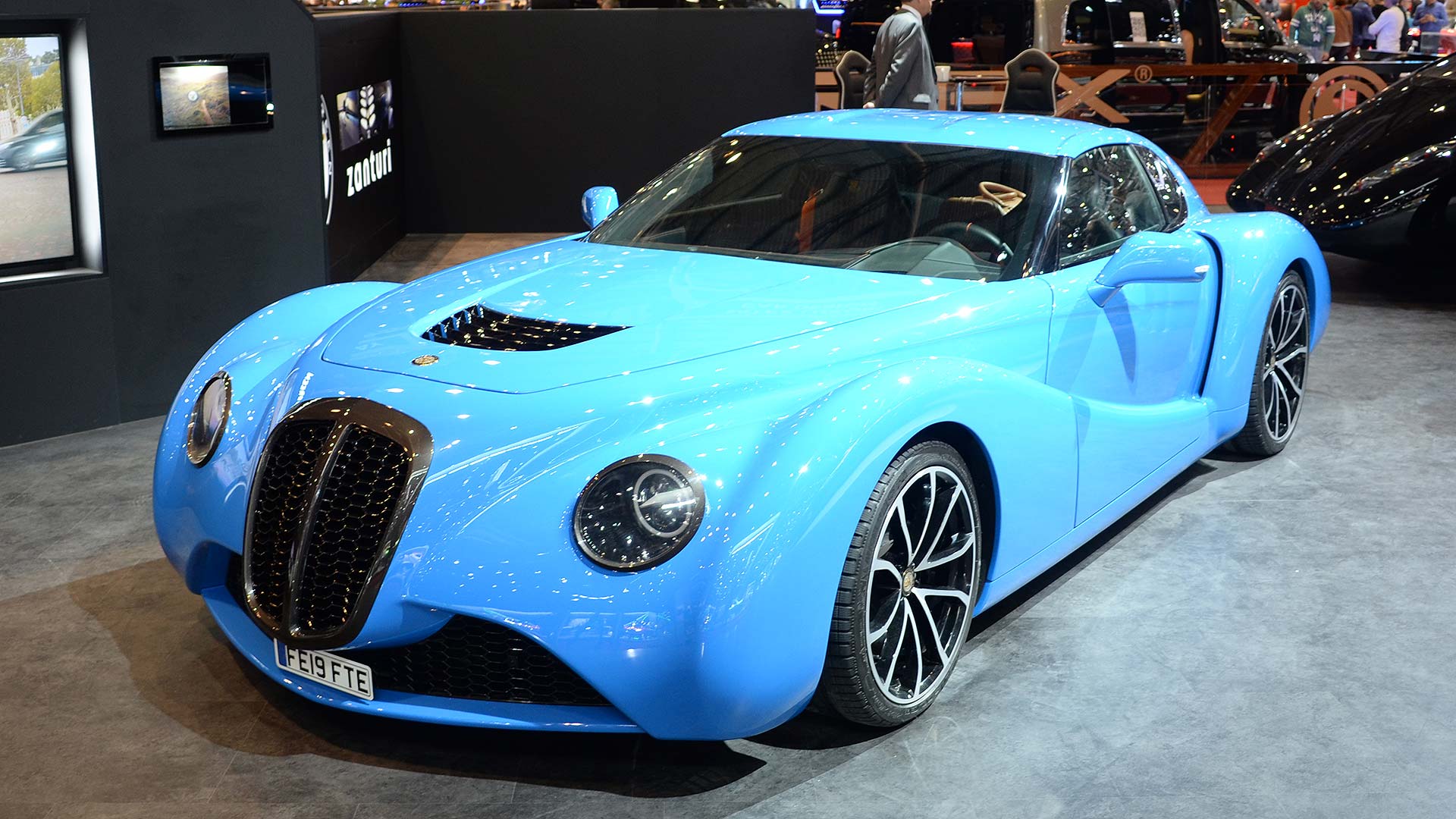
Eadon Green Zanturi
We suspect the organisers of the Geneva Motor Show have a wicked sense of humour, because the gloriously OTT Eadon Green stand has been placed across the aisle from the resolutely down-to-earth Skoda. It’s probably the first and only time you’ll see a Zanturi parked alongside a Kamiq.
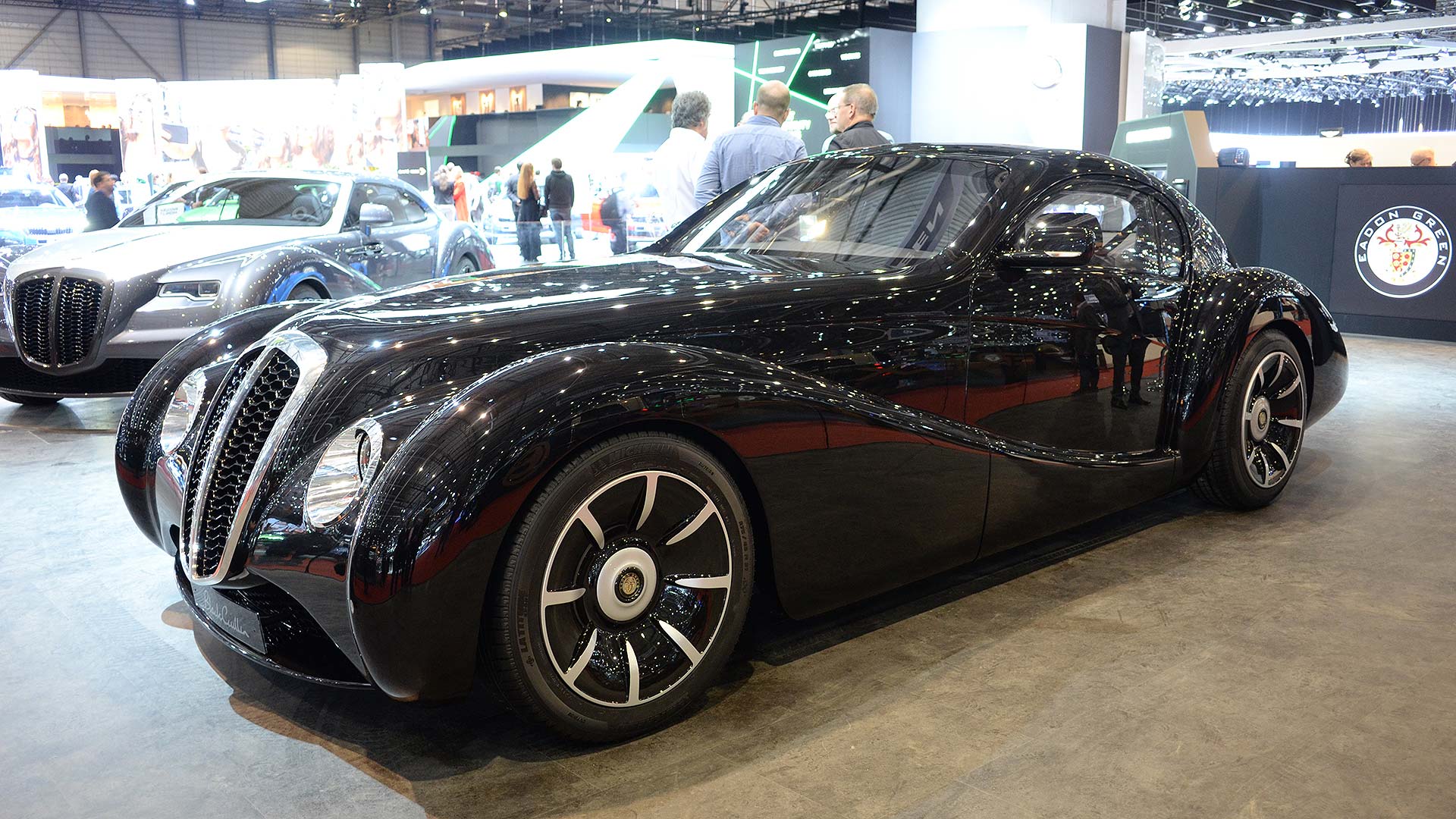
Eadon Green Black Cuillin
Not many cars have been named after a mountain range on the Isle of Skye, but then there are few cars like the Eadon Green Black Cuillin. In 2000, the chief of Clan MacLeod tried to sell the mountain range for £10 million. An Eadon Green should be cheaper.
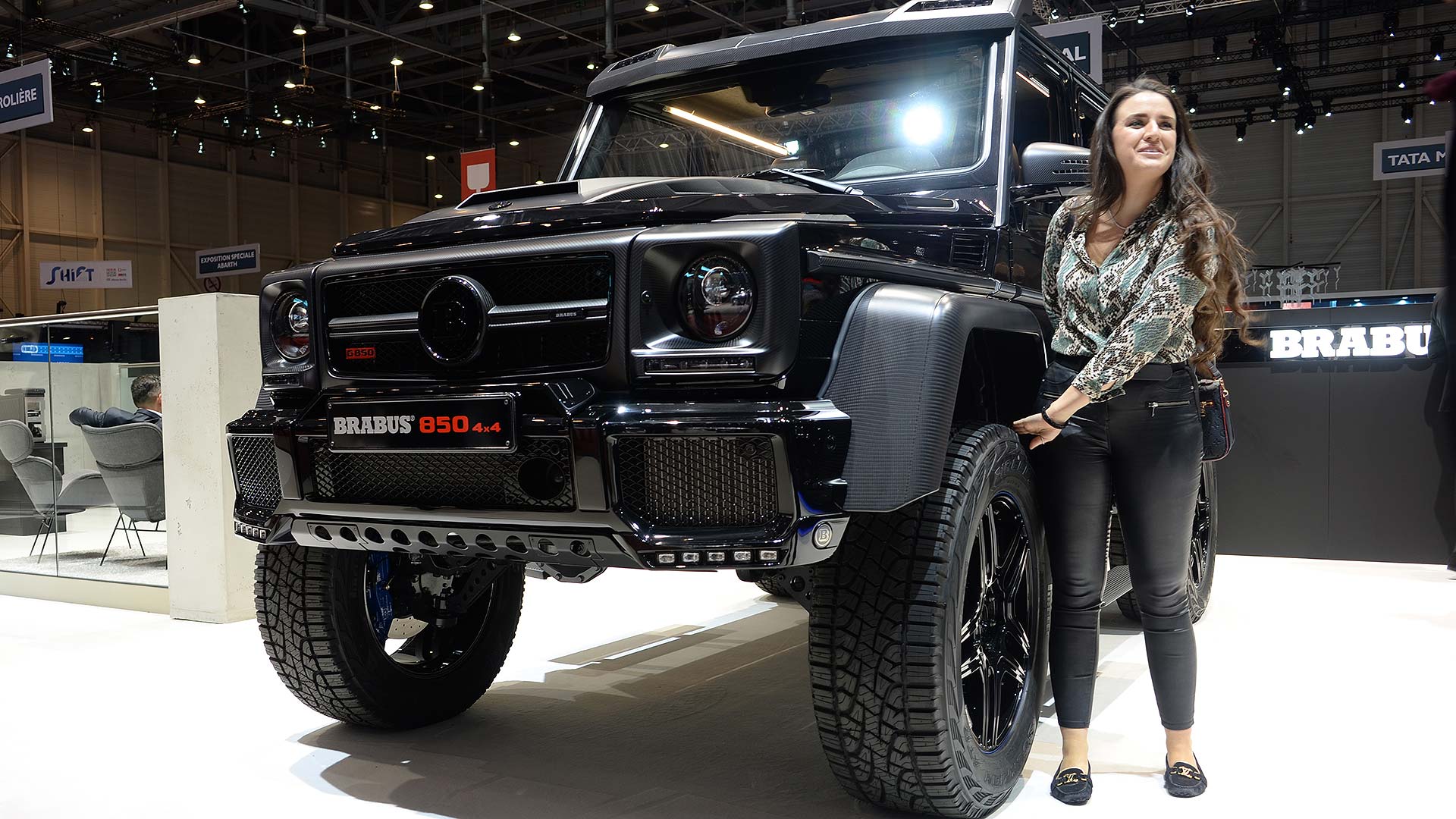
Brabus 850 4×4² Final Edition
Brabus knows a thing or two about customising Mercedes products and it was keen to say a fond farewell to the previous-generation G-Class. Only five Brabus 850 4×4² Final Editions will be built, each one based on the Mercedes-AMG G 63. The lady is on hand to highlight the 60cm of ground clearance.
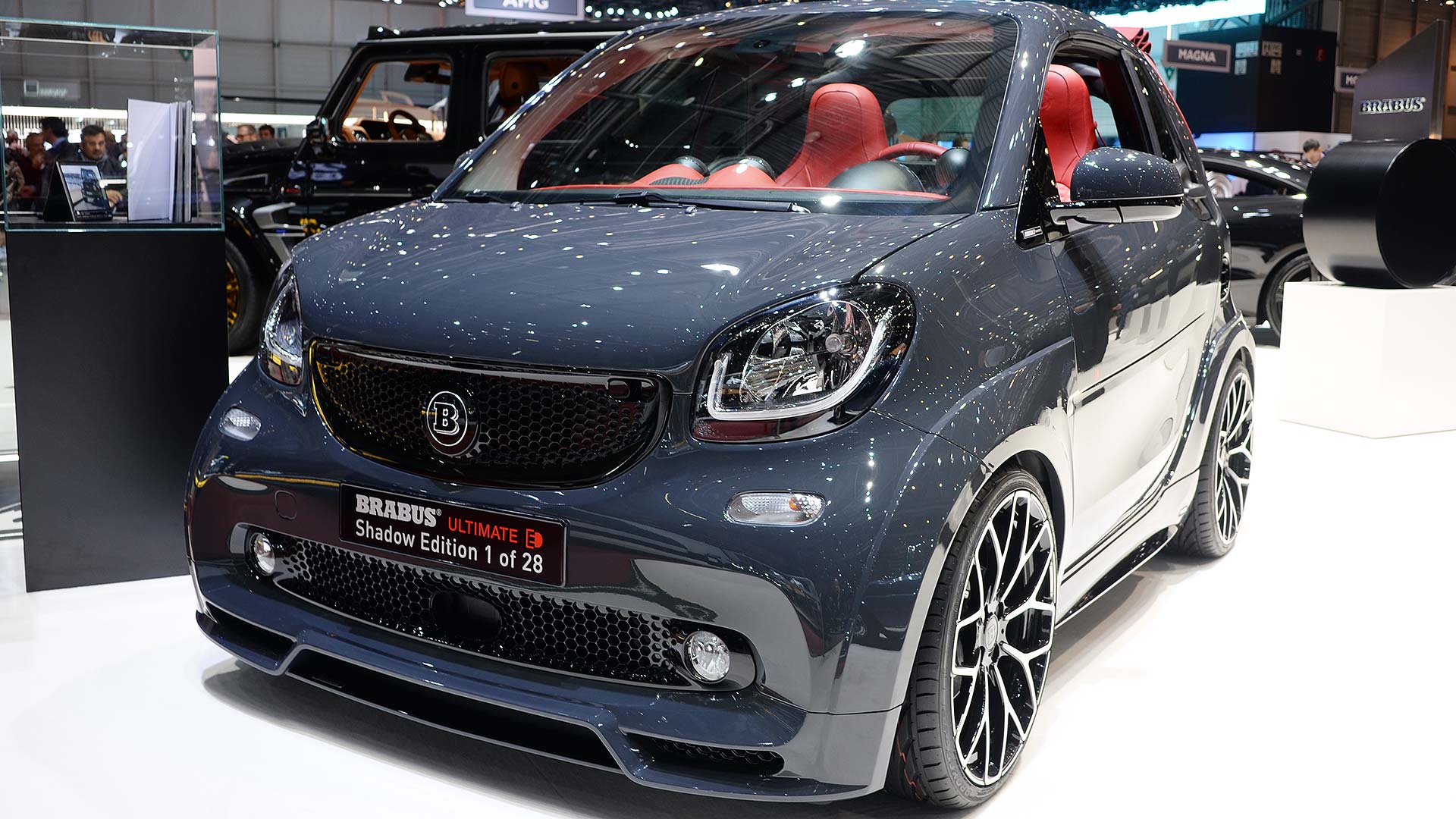
Brabus Ultimate E Shadow Edition
From one huge Brabus to something a little smaller – this is the Ultimate E Shadow Edition. It’s based on the Smart EQ Fortwo Cabrio – as if you hadn’t guessed – but it costs a cool €64,900 (£56,000). Just 28 will be built.
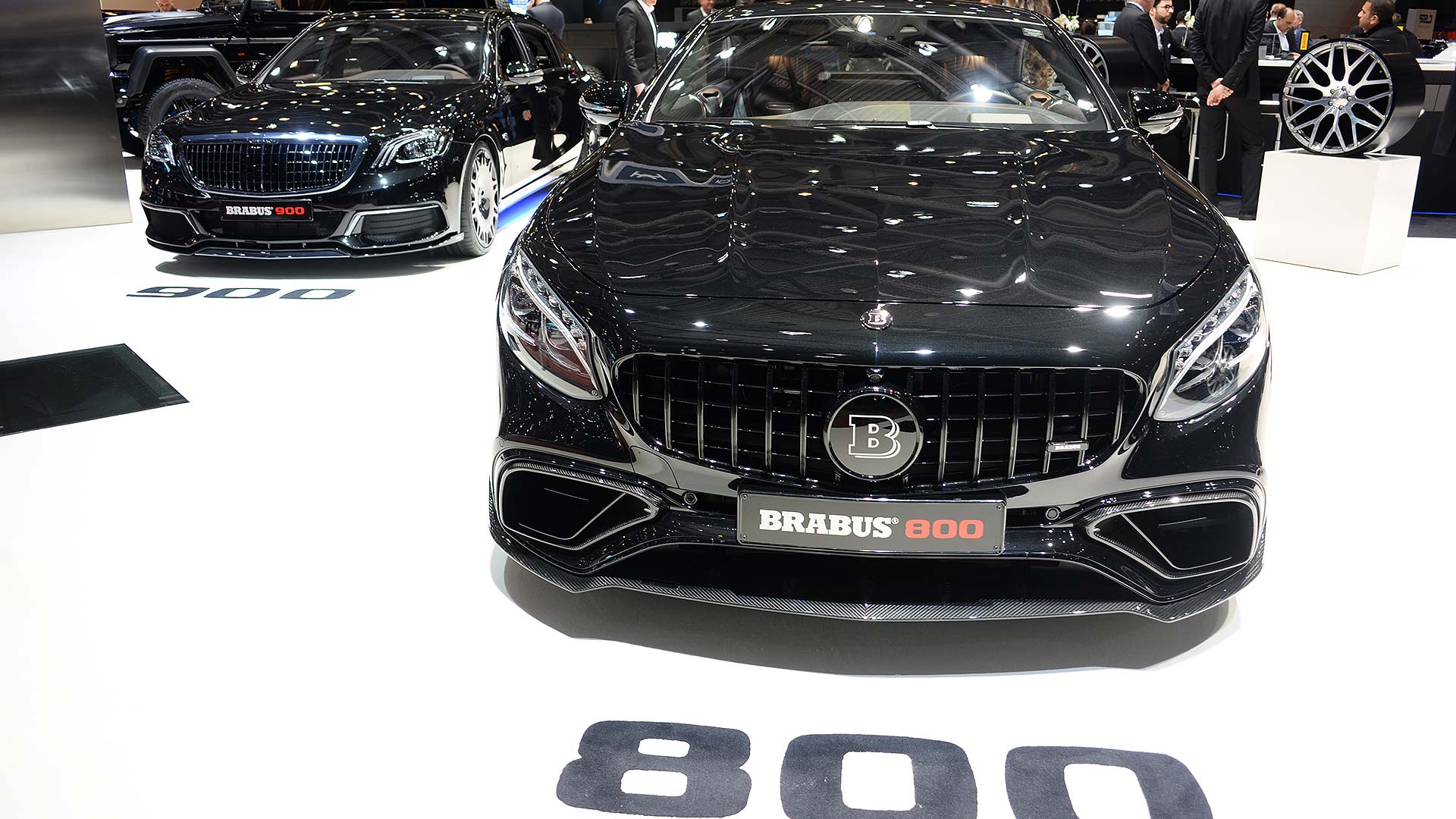
Brabus 800 and 900
Brabus doesn’t do subtle. Feast your eyes on two of the most menacing and aggressive cars in Geneva. It’s like staring at the German equivalent of the Kray Twins.
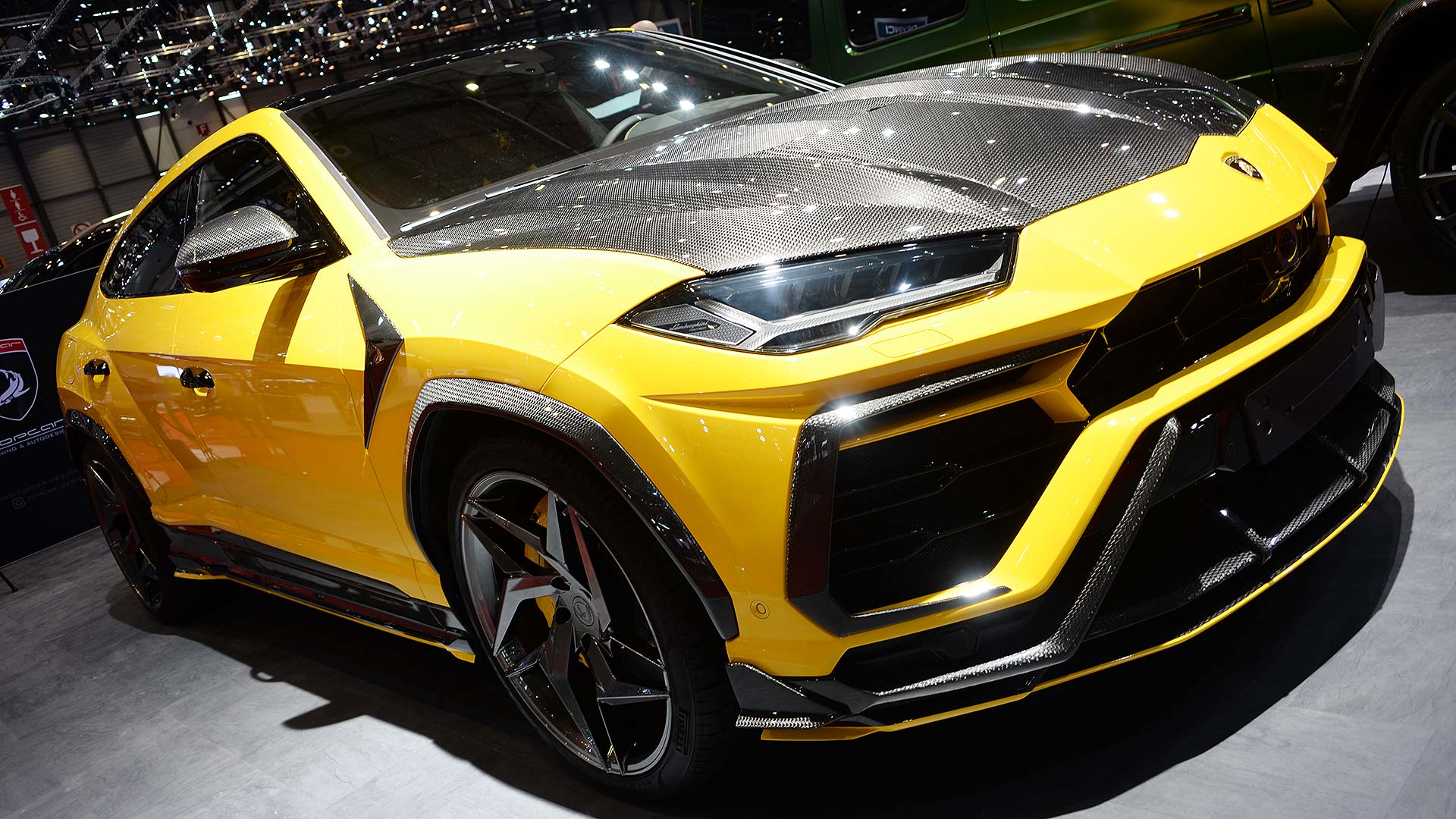
Topcar Lamborghini Urus
The Lamborghini Urus is to aftermarket tuning houses what catnip is to moggies. But while you can shut your cat in the spare room if things get a little out of hand, there’s nothing to stop the likes of this Urus prowling the streets. Meow.
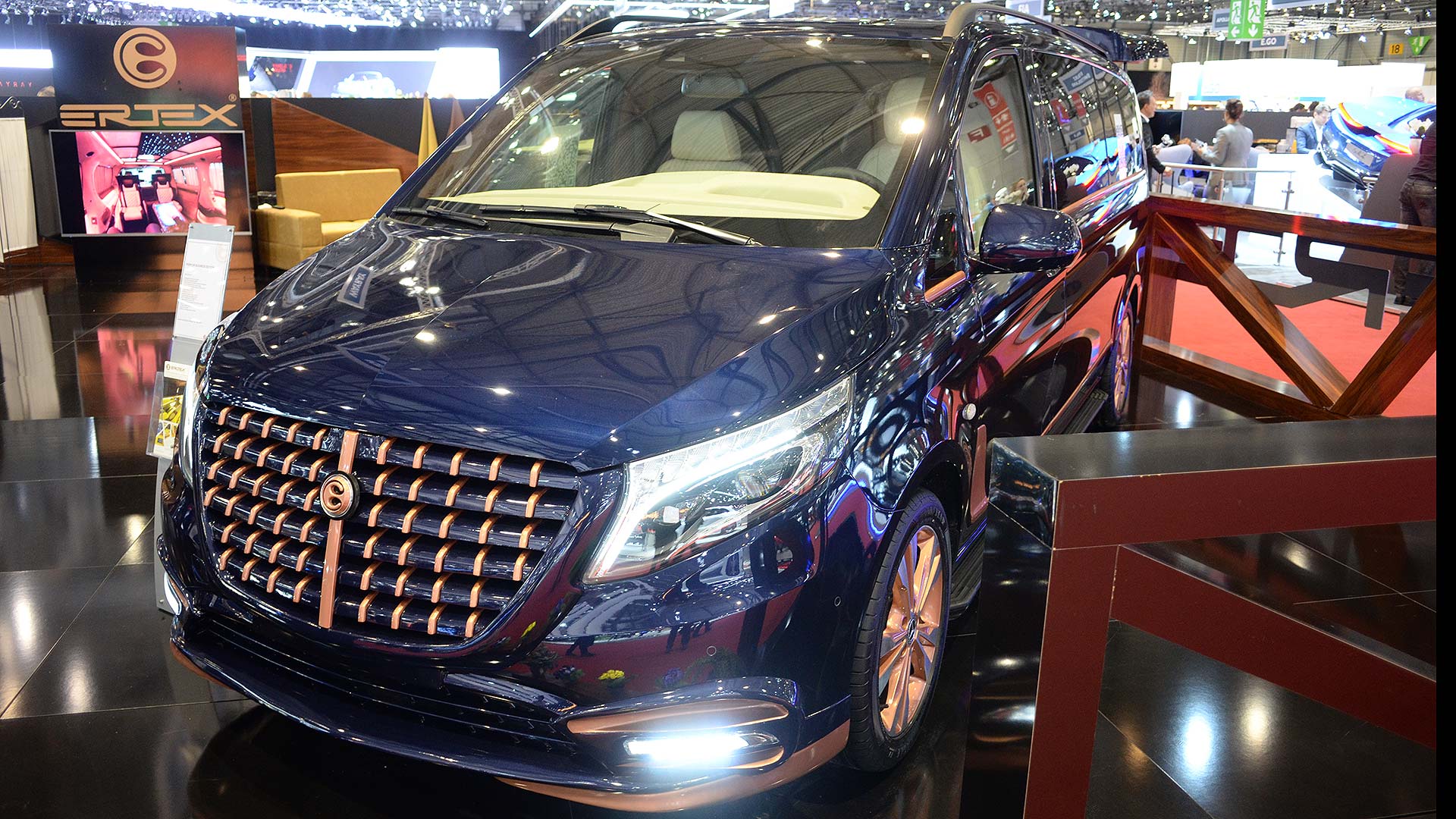
Ertex Mercedes limo
If you think the outside of this Ertex limousine is a little in-yer-face, just wait until you see the inside. Have a look at the screen to the left of the picture for a televisual treat. The Turkish company has been building stuff like this for a quarter of a century.
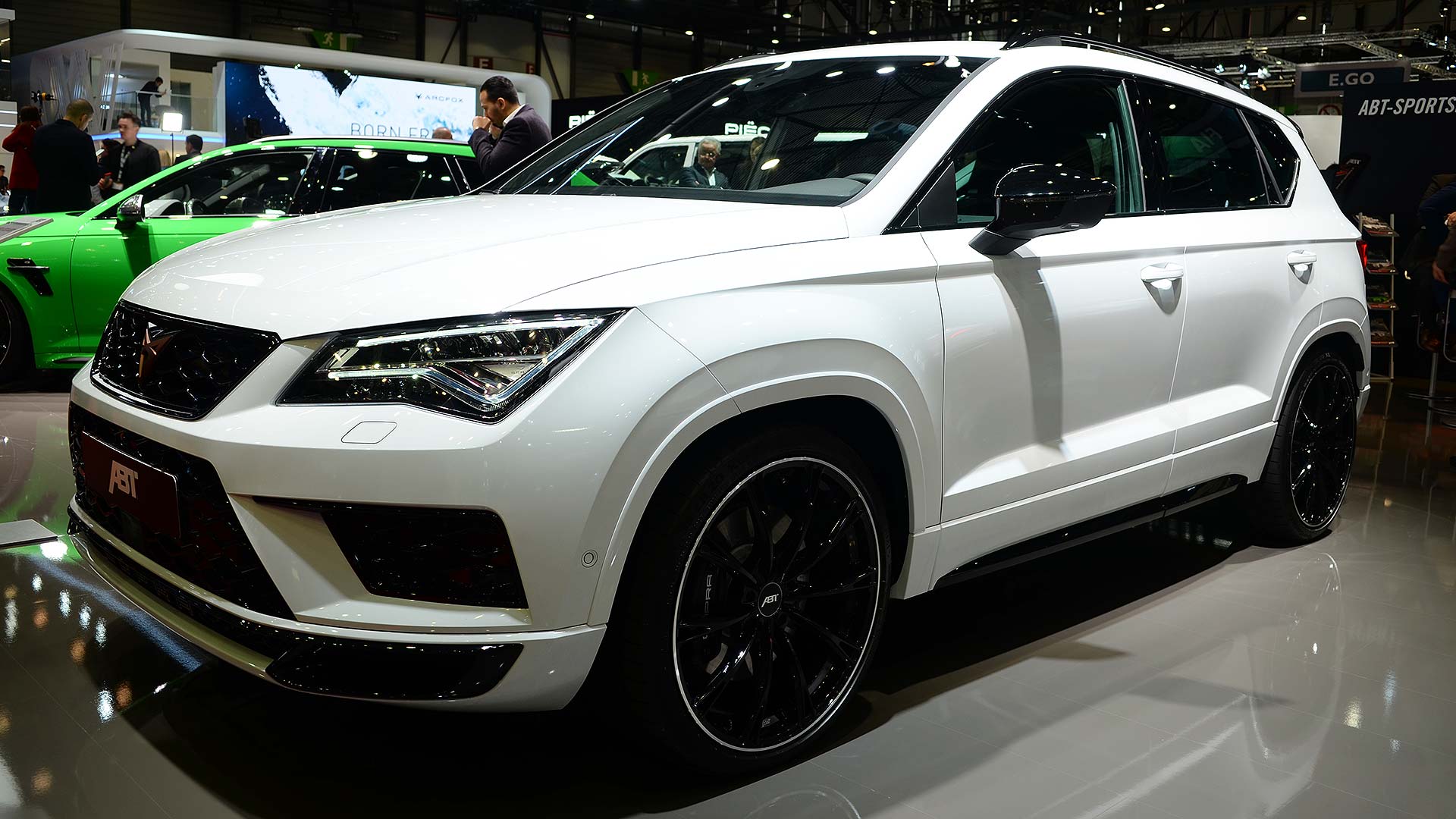
ABT Cupra Ateca
ABT has added another 50hp to the Cupra Ateca to give a total output of 350hp. As a result, it’ll sprint to 62mph in 5.0 seconds before reaching a top speed of 255km/h (158mph). “Lowering springs ensure that the SUV keeps to the track as precisely as only the Spanish high-speed trains can,” says ABT. The Ateca handles like it’s on rails, etc, etc.
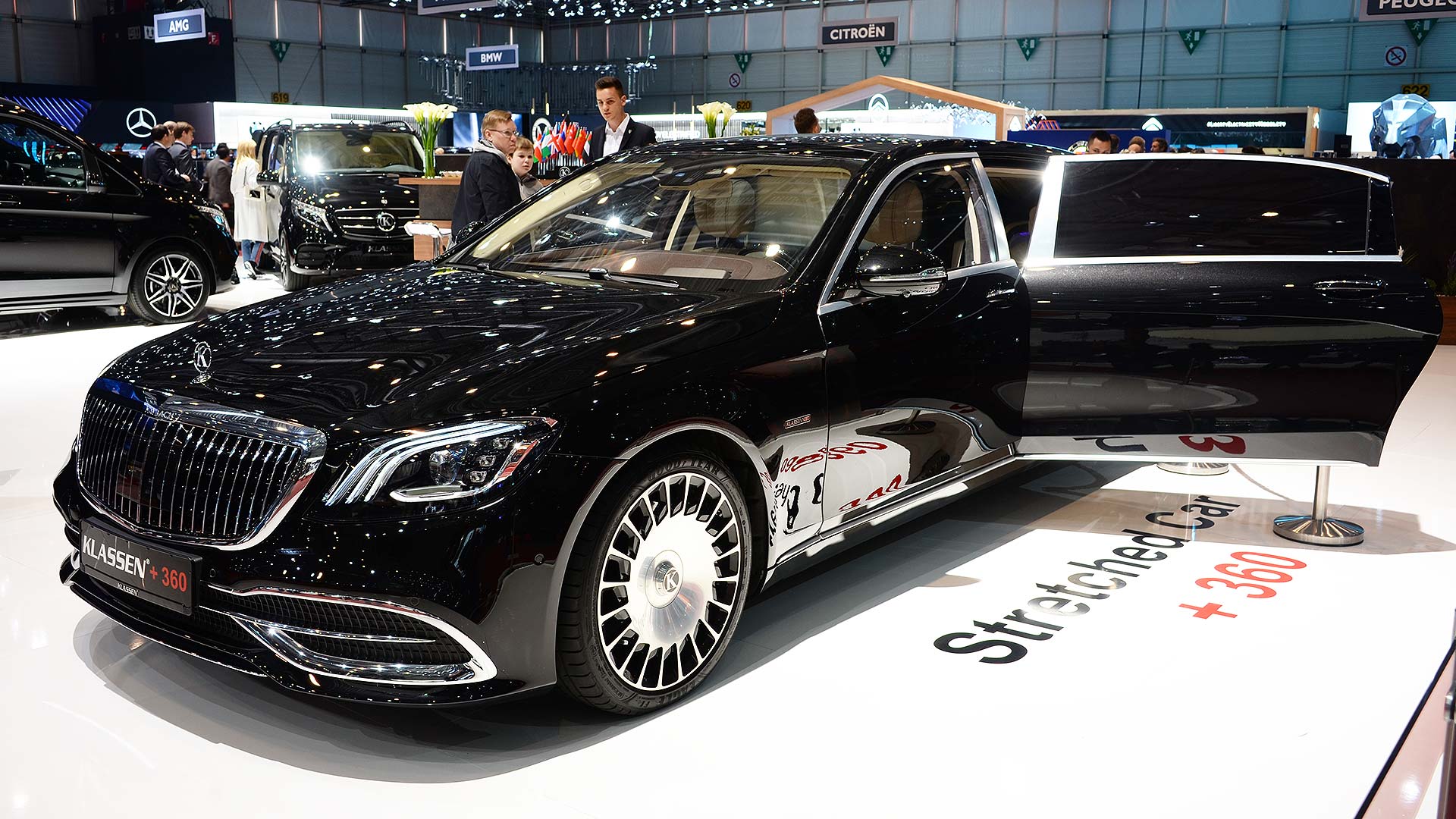
Klassen Mercedes-Maybach S 650
In the world of limos, size matters. Which is why Klassen has added 360mm to the Mercedes-Maybach S 650 to deliver the best German VIP travel this side of flying first class with Lufthansa.
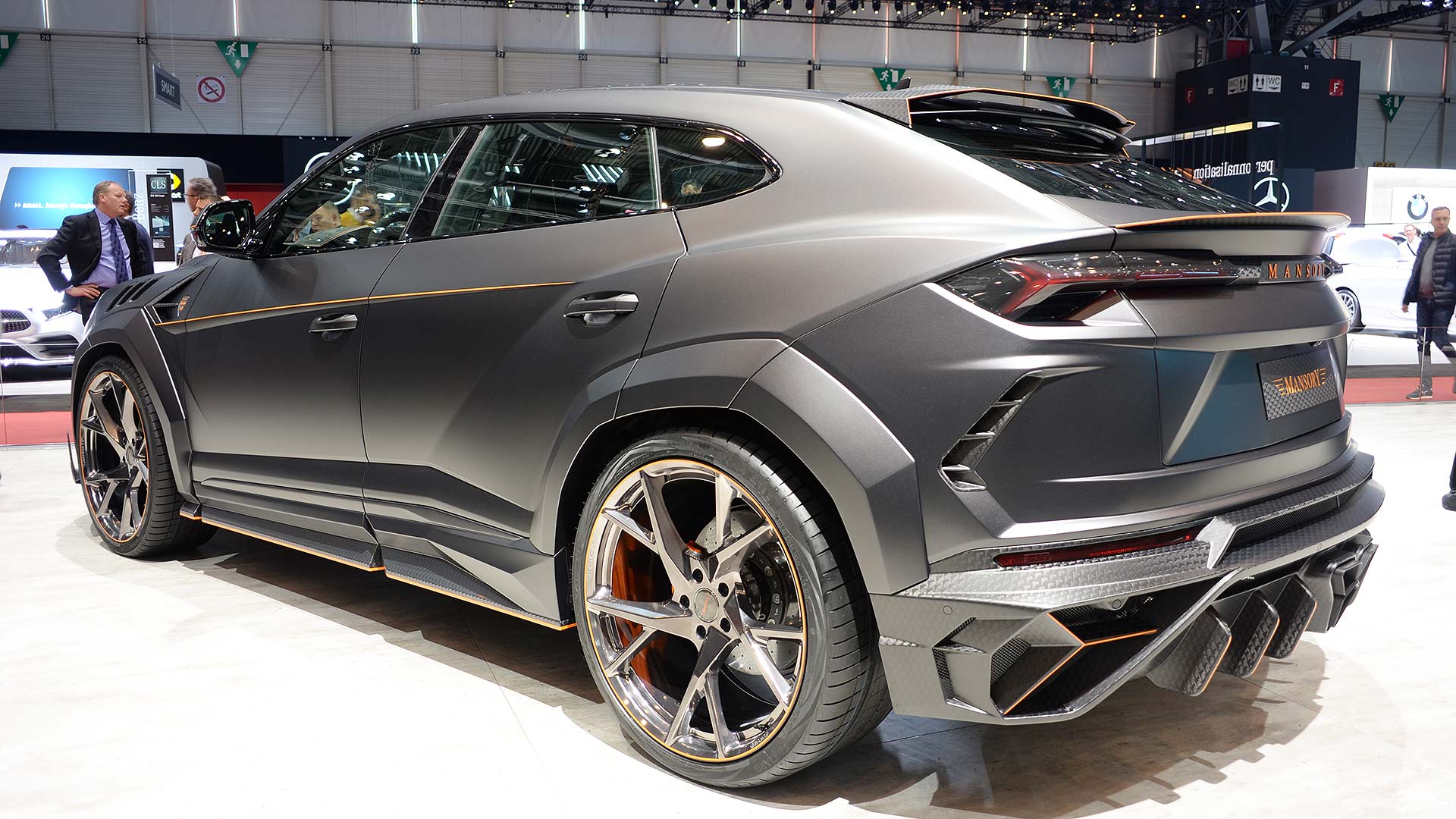
Mansory Lamborghini Urus
Just as you thought you were safe from Mansory, up pops a Urus to spoil your day. Honestly, we’ve seen fewer angles in a GCSE maths paper. And a GCSE maths paper is a more pleasurable experience.
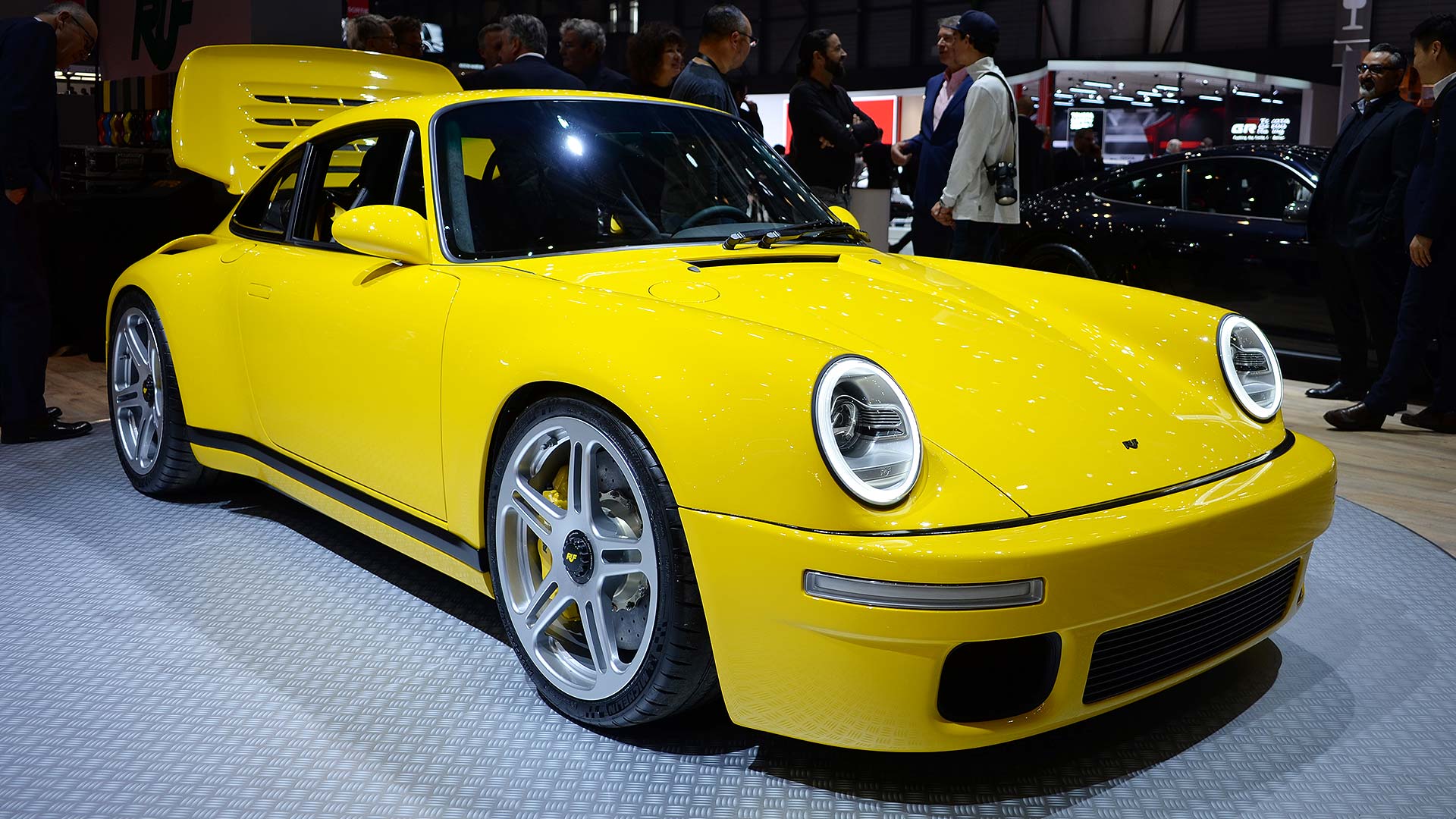
Ruf CTR Anniversary
With a design inspired by the iconic Yellow Bird of 1987, the CTR Anniversary sits on the Ruf’s first in-house chassis. Thanks to a generous helping of carbon fibre, the car tips the scales at just 1,200kg. This, coupled with the 700hp 3.6-litre flat-six engine, means that it will hit a top speed of 224mph.
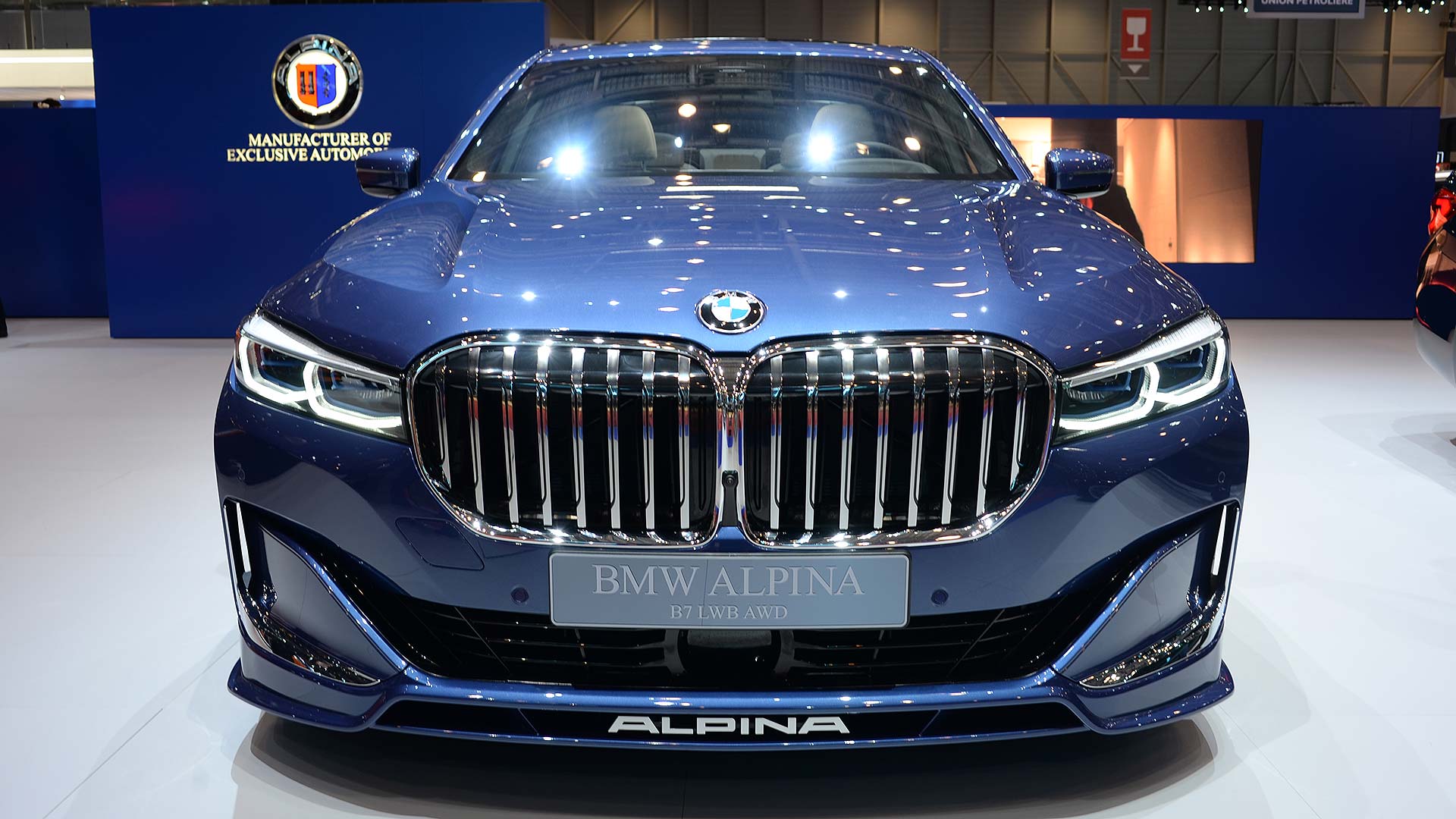
Alpina B7
Even legendary tuning house Alpina is seemingly unable to do anything about the new 7 Series grille. Still, we suspect it’s less of an issue when you’re doing 205mph in absolute luxury.
Alpina B4 S Edition 99
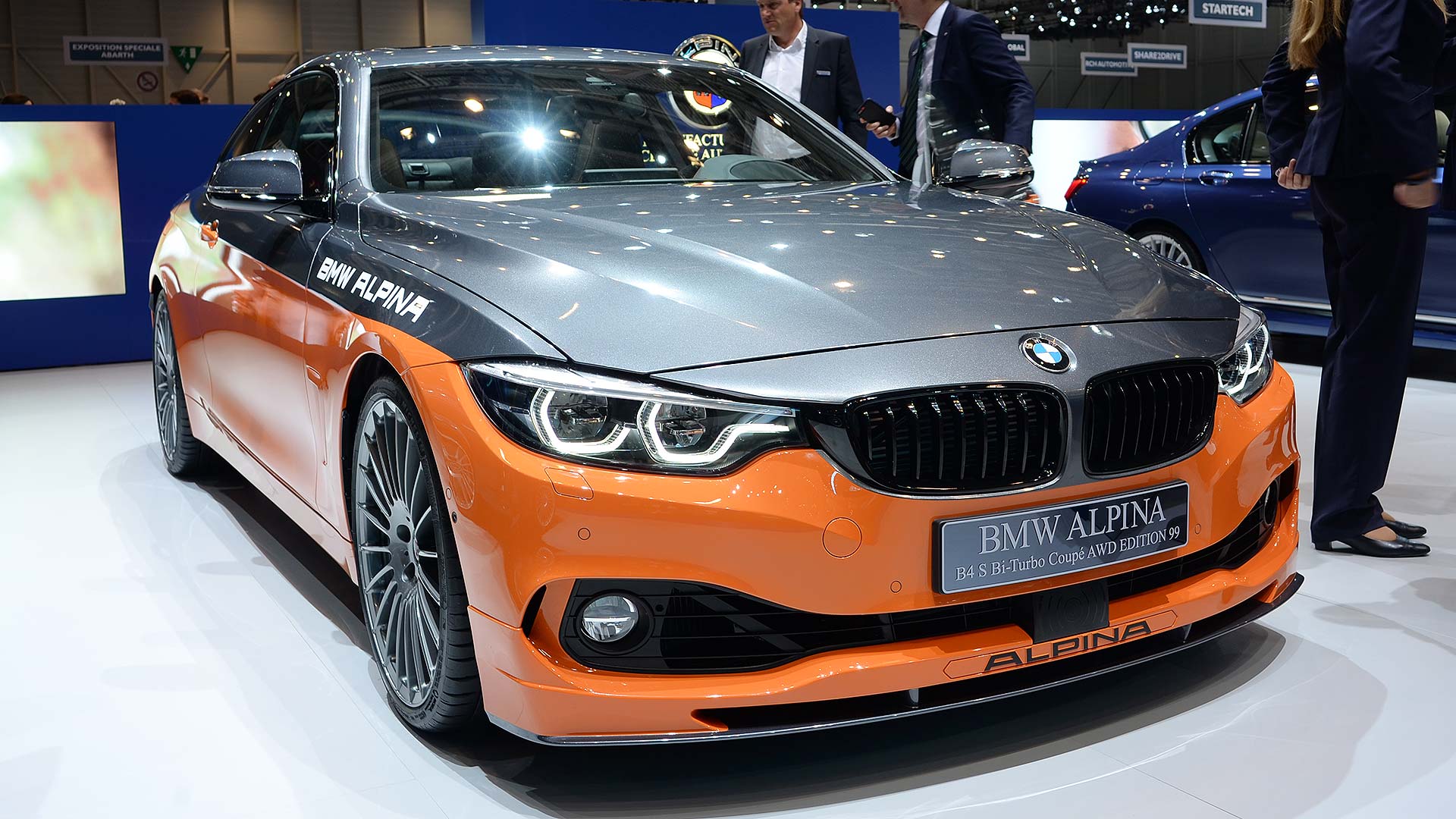
In creating the B4 S Edition 99, Alpina has thrown away the 155mph limiter, beefed up the horsepower, added 20-inch forged alloy wheels and fitted an Akrapovic titanium exhaust to create a seriously quick and lightweight performance car. The top speed is 190mph. You can guess how many Alpina is building.
Startech Bentley Continental GT
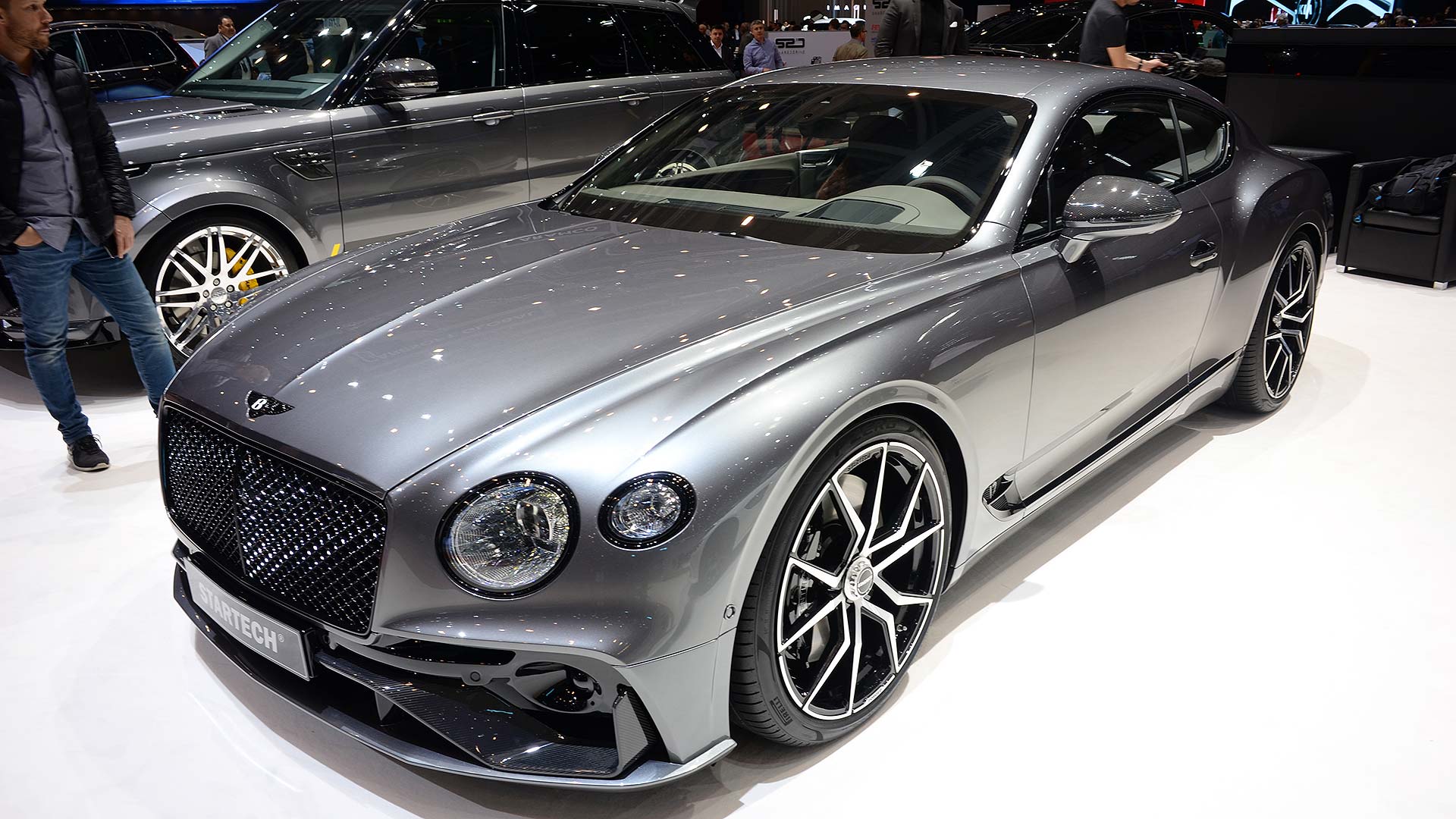
The Startech Bentley Continental GT sits lower to the ground and rides on 22-inch Monostar M forged alloy wheels to deliver a subtle exterior makeover. Things are a lot more radical on the inside, with the cabin finished to the owner’s desires. The quality will be first-rate, but we can’t say the same about people’s tastes.
Global car and light commercial vehicle sales fell by 0.5 percent in 2018 – the first market slump since 2009. Of the 86 million vehicles sold across 54 key markets, a massive 30 million were SUVs – giving this segment a strong 36 percent market share. Now, using data supplied by JATO, we can reveal the world’s biggest car brands, based on overall registrations in 2018. The results are presented in reverse order.
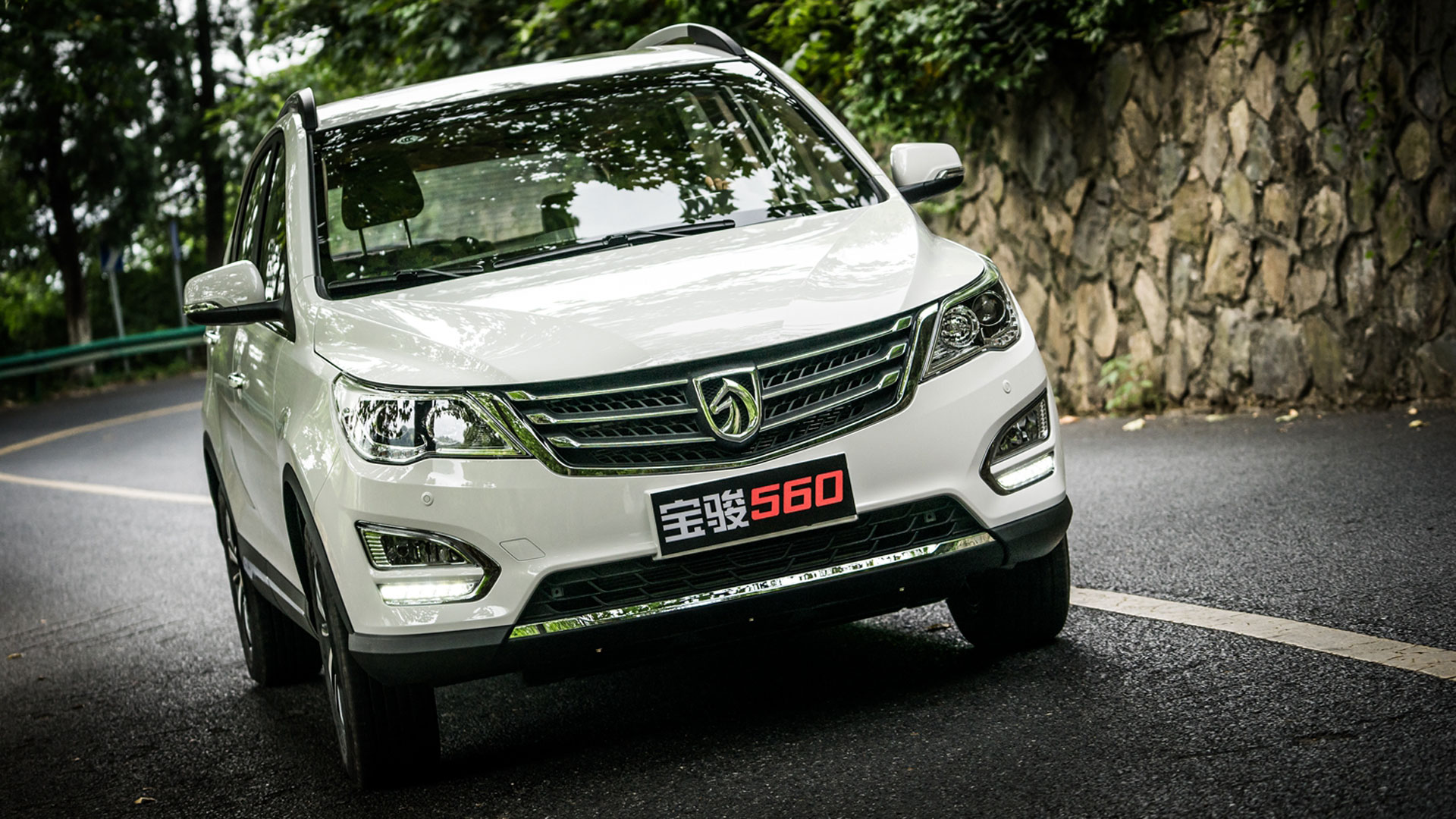
25. Baojun: 879,077 registrations
Baojun is a Chinese car manufacturer jointly owned by General Motors and SAIC Motor. Founded in 2010, the company produces a range of electric city cars, crossovers and MPVs. Thanks to stalling sales in China, registrations were down 13 percent in 2018.
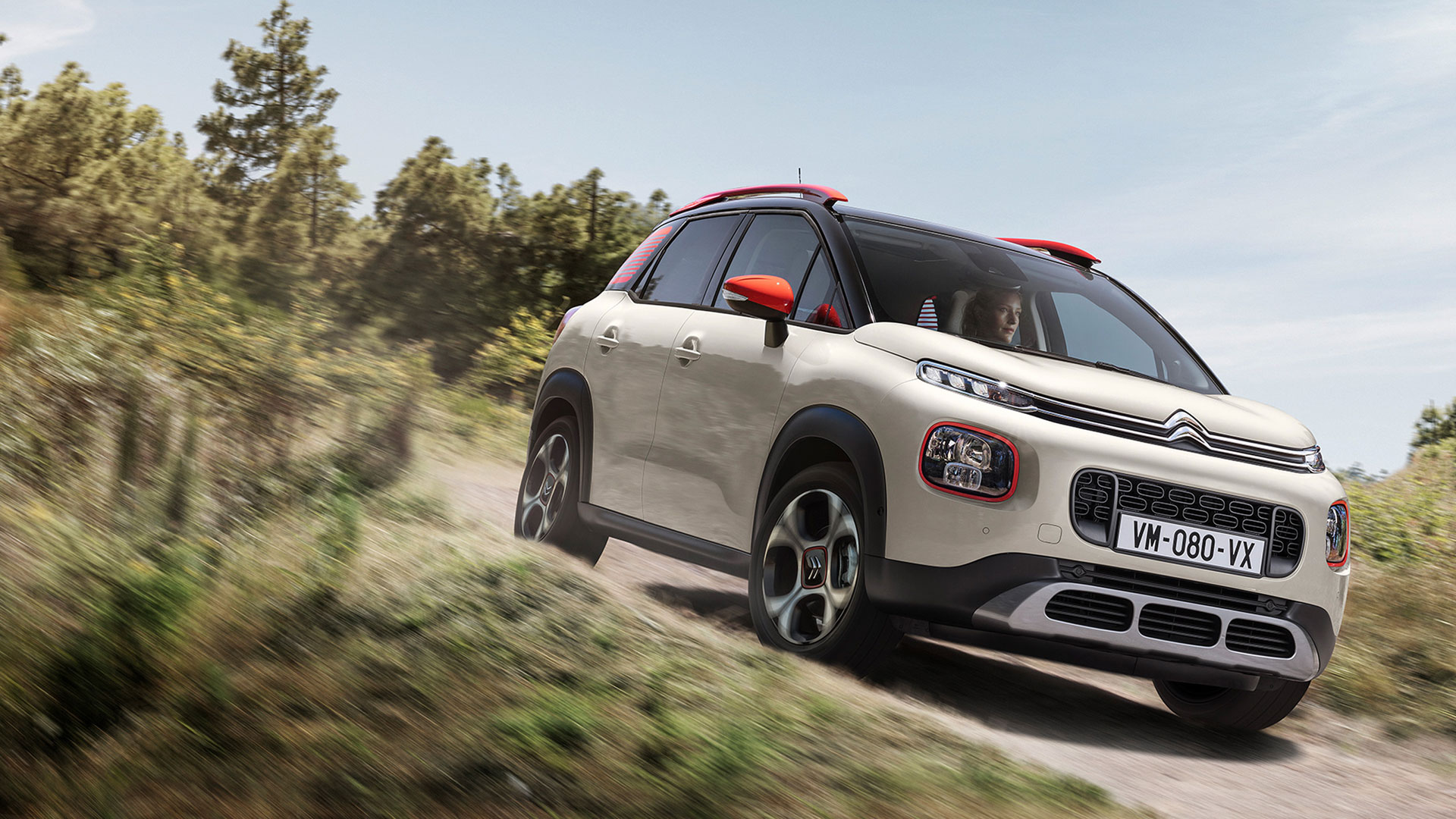
24. Citroen – 1,000,273 registrations
Citroen is celebrating its 100th anniversary in 2019, but sales plateaued in 2018. However, the French company recorded 825,000 registrations in Europe – the highest sales volume since 2011. The Citroen C3 Aircross (pictured) has found 160,000 homes since its launch in October 2017.
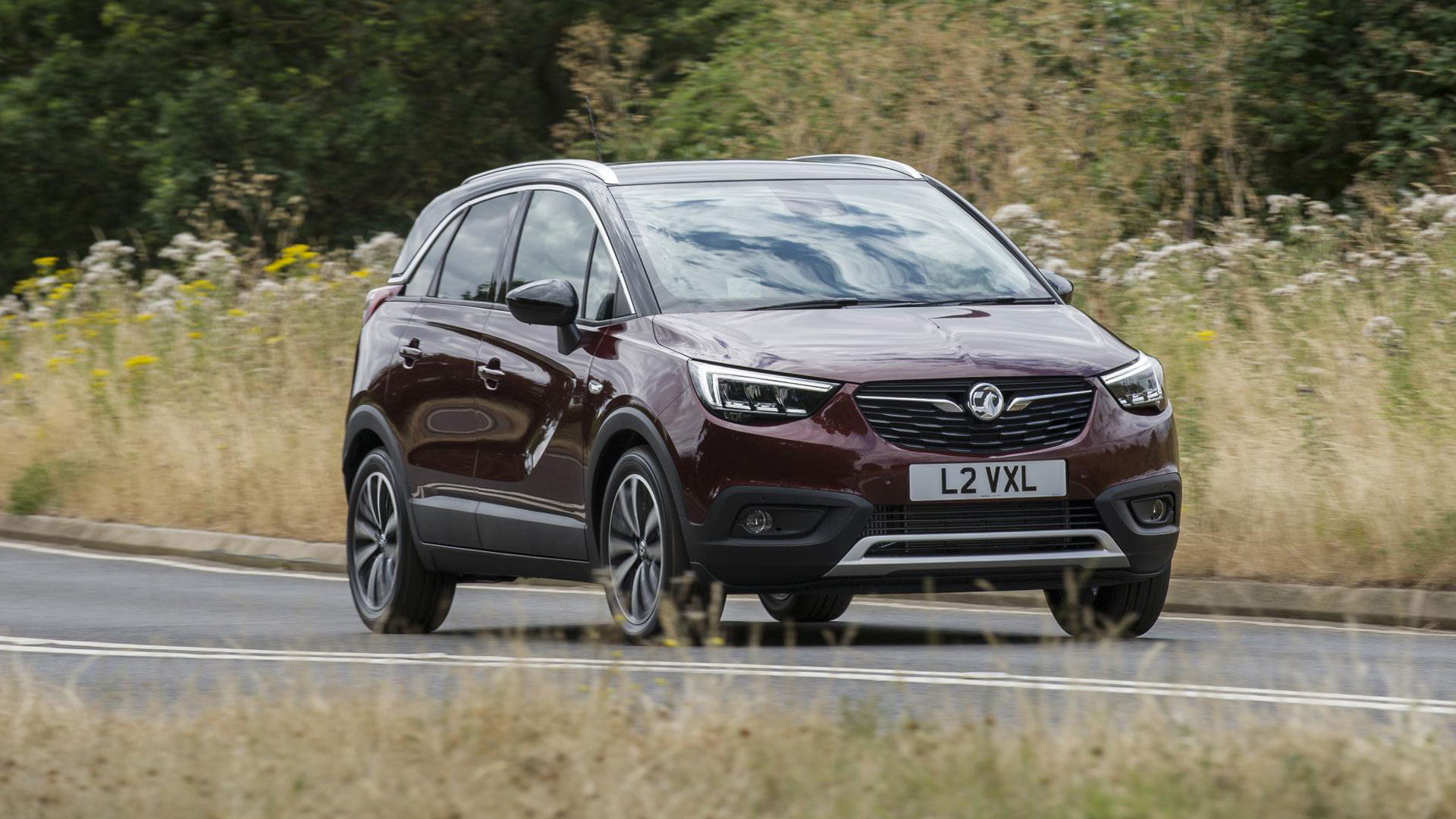
23. Opel/Vauxhall – 1,005,340 registrations
The French PSA Group completed the purchase of Opel and Vauxhall in November 2017, but registrations were down eight percent in the first full year. On the plus side, Vauxhall/Opel reported a 4.7 percent profit margin in 2018.
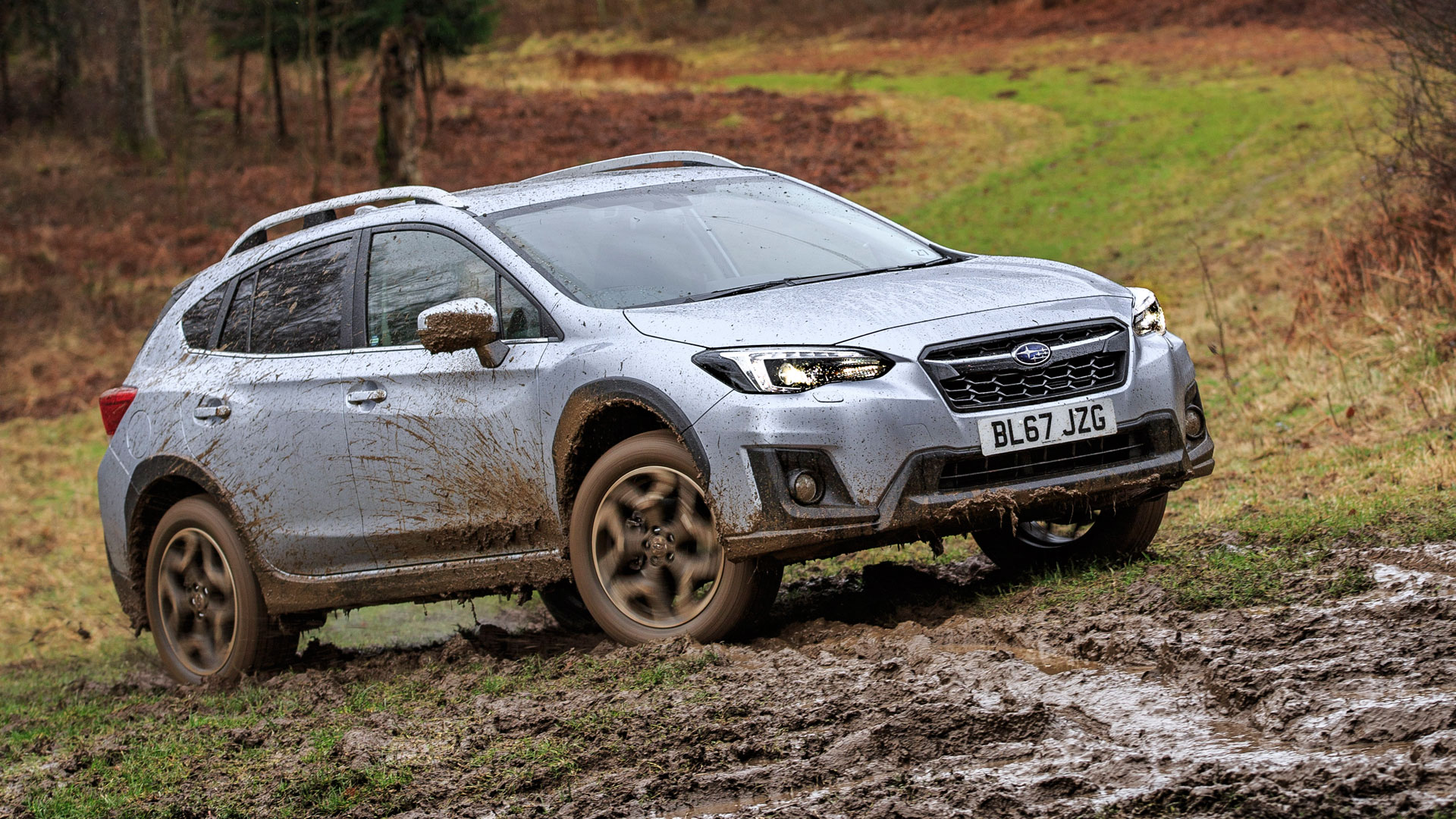
22. Subaru – 1,053,457 registrations
Subaru is a niche player in Europe, but the brand remains incredibly popular in the U.S, where it has just reported 49,081 vehicle sales for February 2019 – the best February in the history of the company. Of the million or so global registrations in 2018, 680,000 were in the U.S.
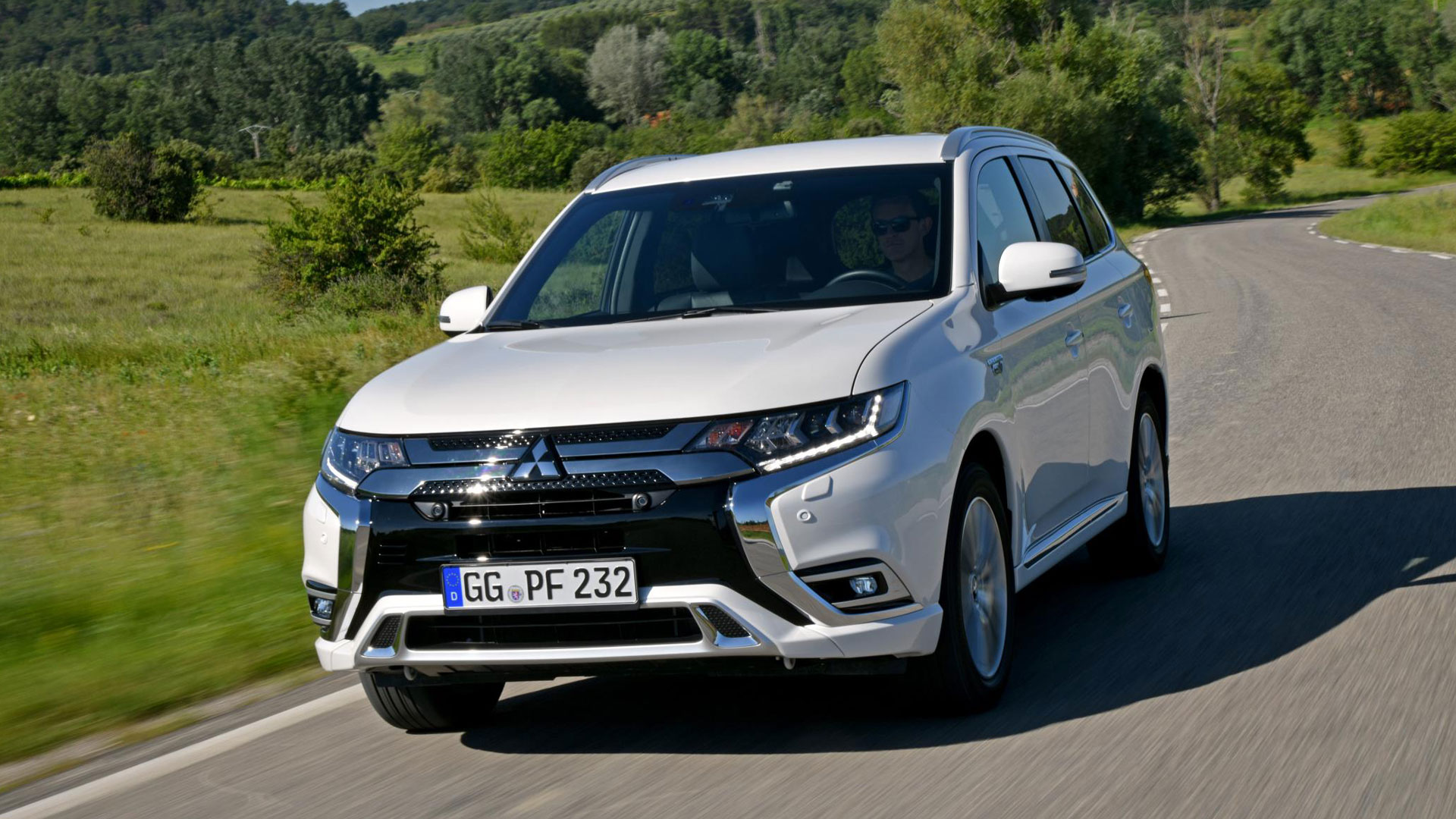
21. Mitsubishi – 1,060,436 registrations
JATO is reporting a 24 percent increase in registrations for Mitsubishi – the best performance in the top 25. The company recorded double-digit percentage increases in Japan, Europe and North America, aided by the likes of the Eclipse Cross SUV and Outlander PHEV.
20. Skoda – 1,243,494 registrations
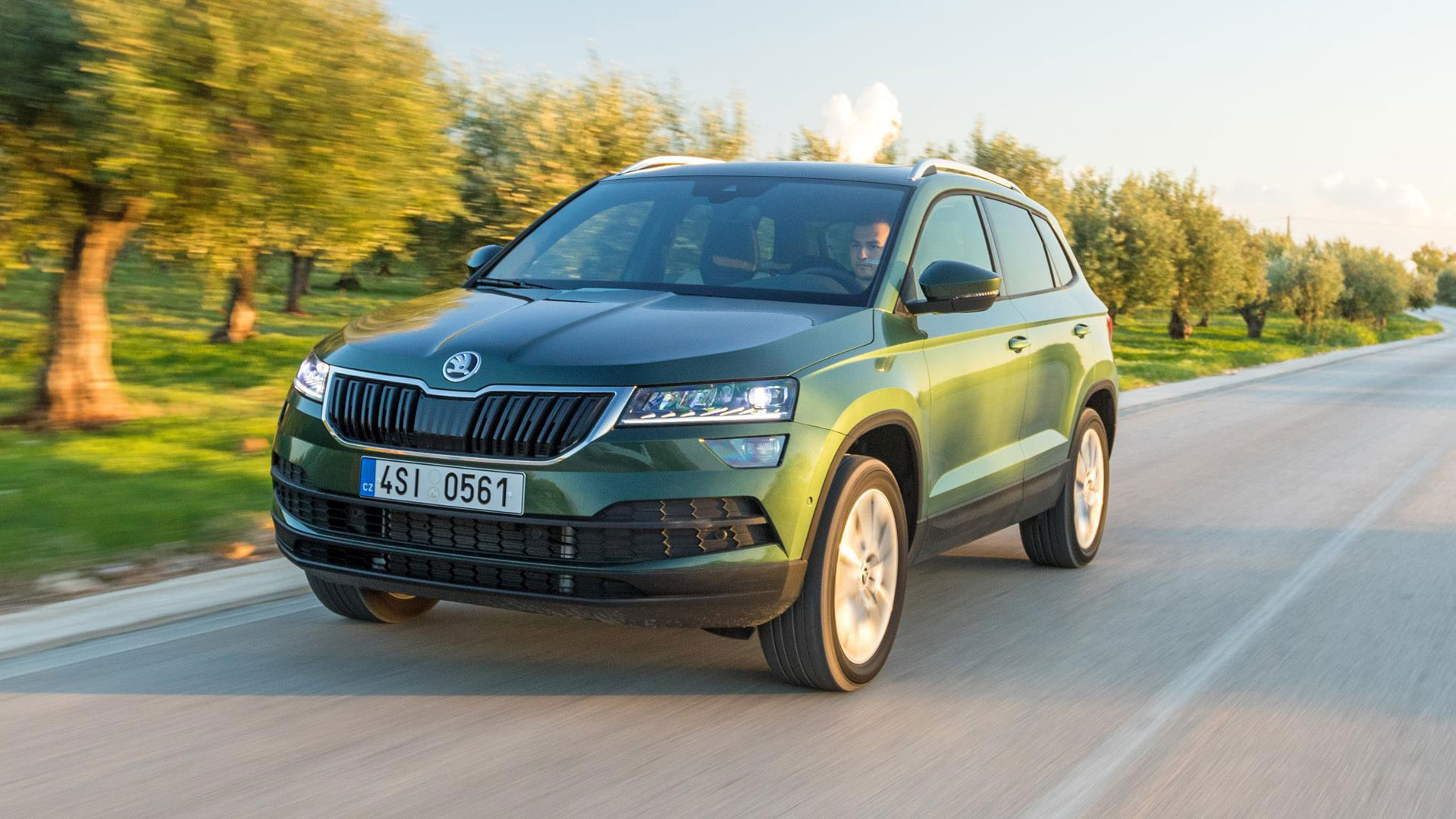
It was another good year for Skoda, with registrations up five percent, as the Czech brand delivered more than one million vehicles for the fifth consecutive year. The Kodiaq and Karoq are the current growth drivers, but the pair will soon be joined by the new Kamiq.
19. Buick – 1,291,266 registrations
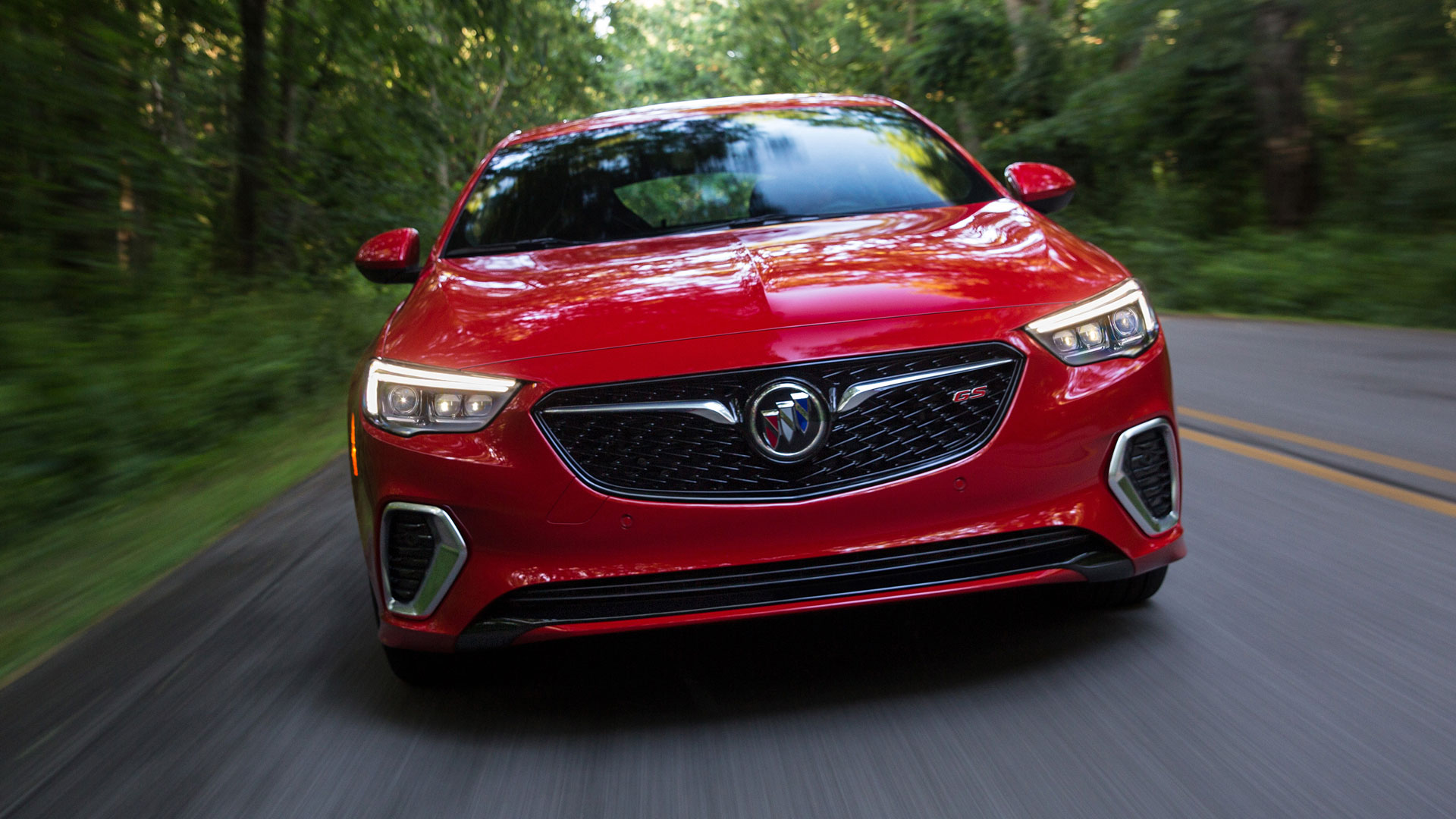
Buick registered 1,465,823 cars in 2017, but sales were down nearly 175,000 units in 2018. With a heavy reliance on the U.S. and China, the GM brand is exposed to the current market trends.
18. Fiat – 1,377,699 registrations
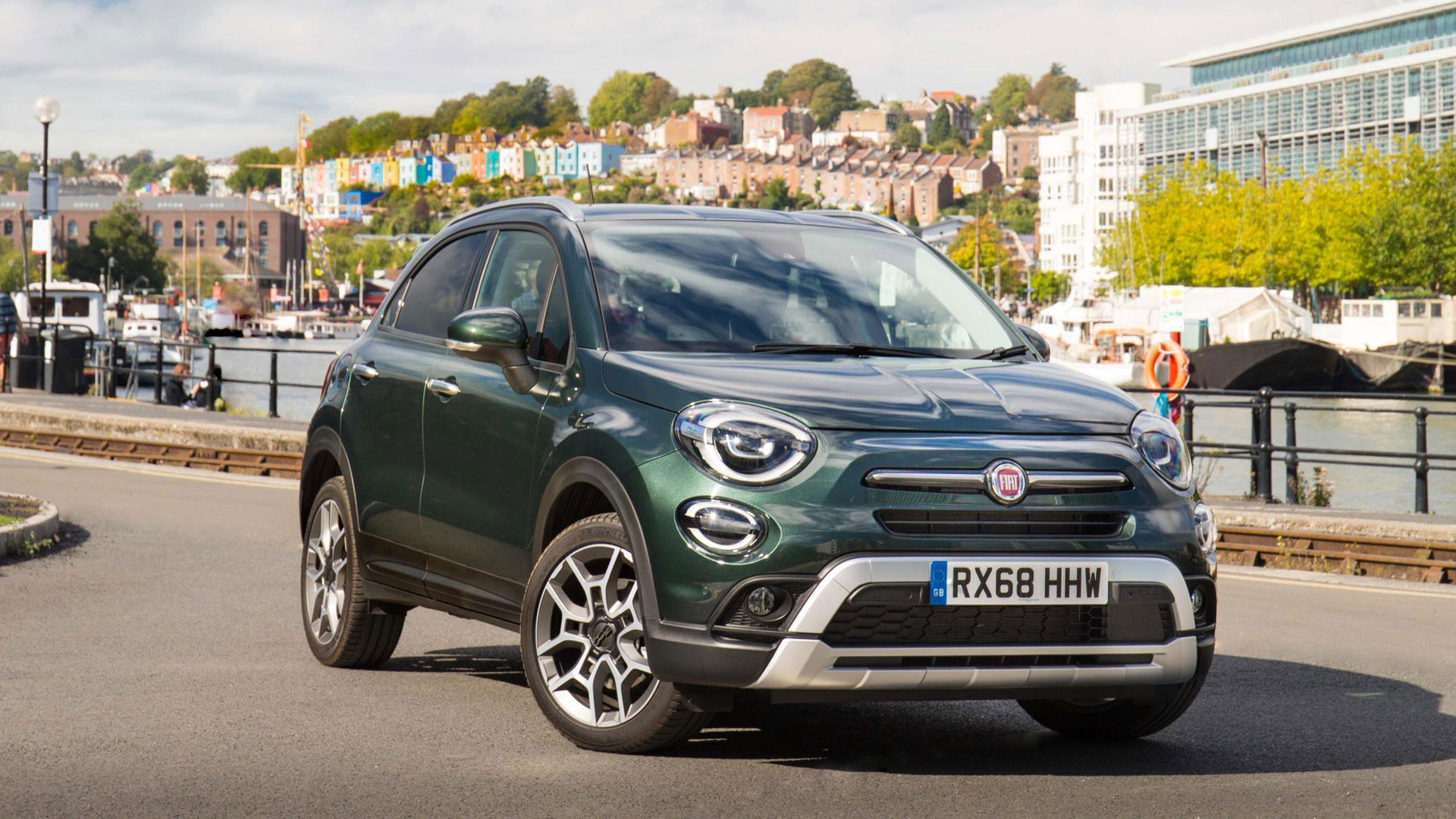
Fiat is a company in desperate need of a shot in the arm, with registrations down eight percent. Could the Centoventi Concept – one of the surprise stars of the 2019 Geneva Motor Show – deliver a giant Panda-shaped pick-me-up? Here’s hoping.
17. Geely – 1,384,836 registrations
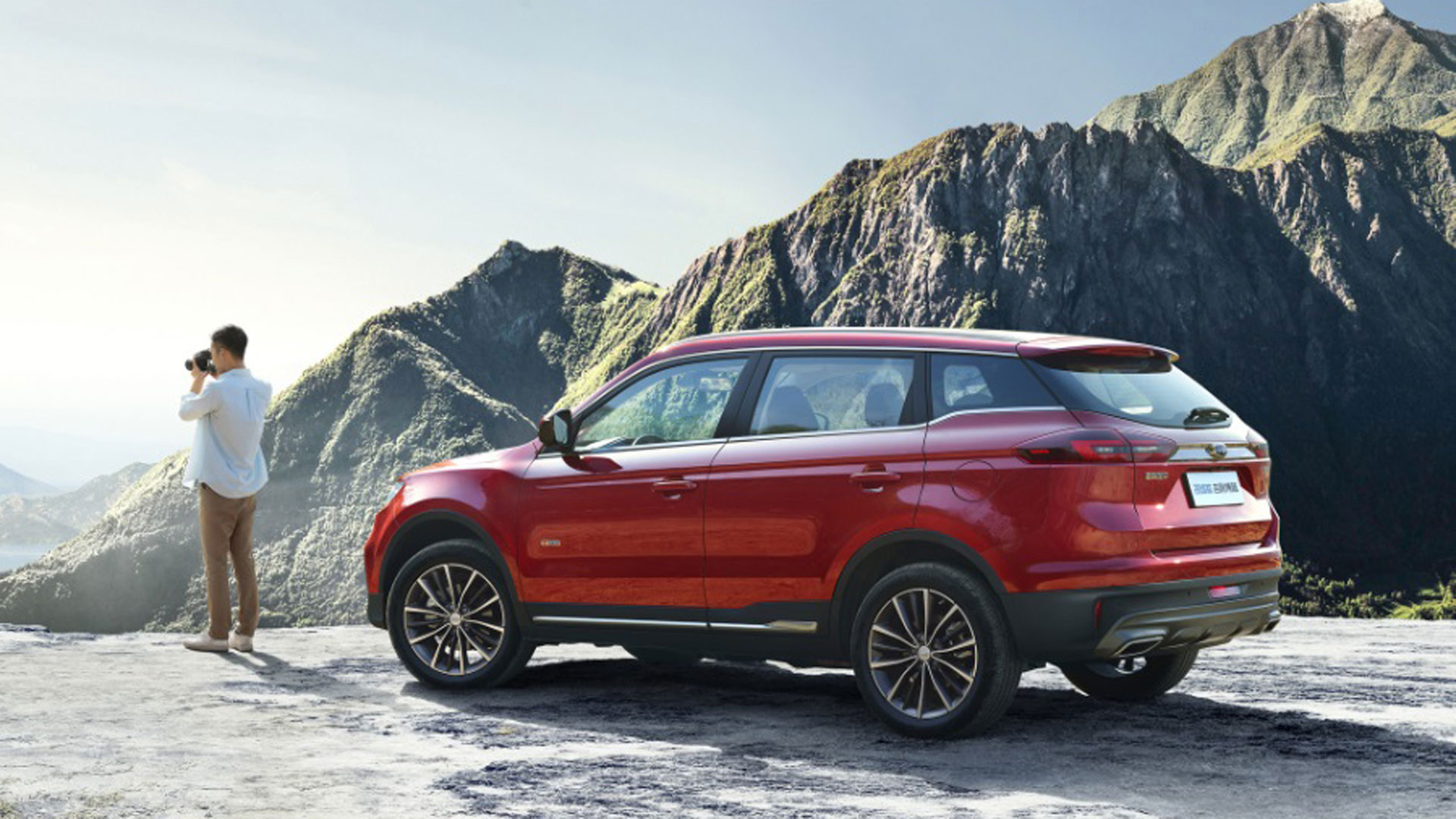
Geely builds a range of saloon cars and SUVs, and is investing heavily in an electrified future. Registrations were up 11 percent in 2018.
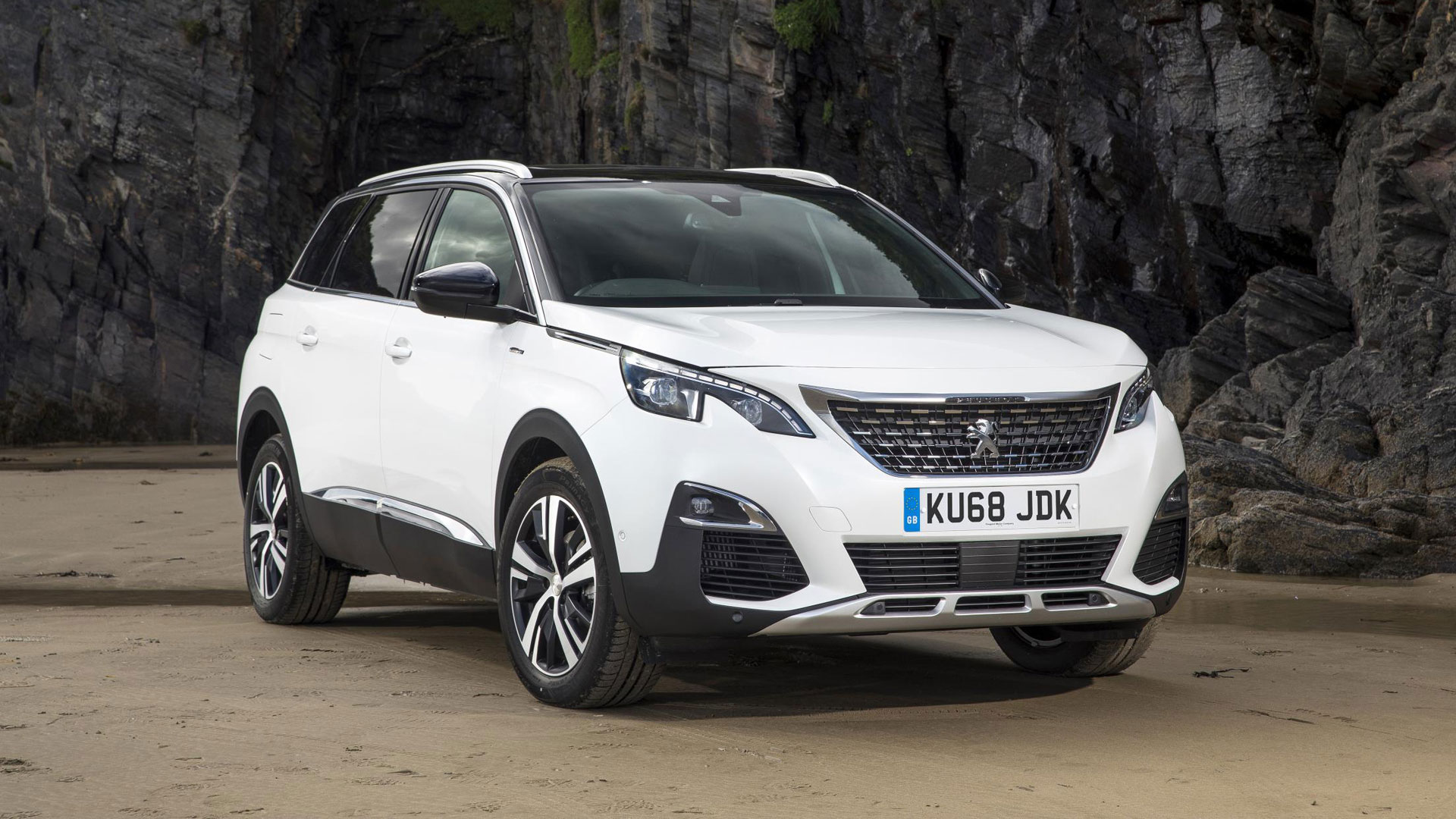
16. Peugeot – 1,533,574 registrations
There was no such increase for Peugeot, with registrations down four percent in 2018, but the company will be buoyed by the positive response to the new 208. The supermini is a big seller in Europe and has the potential to reverse the decline in 2019.
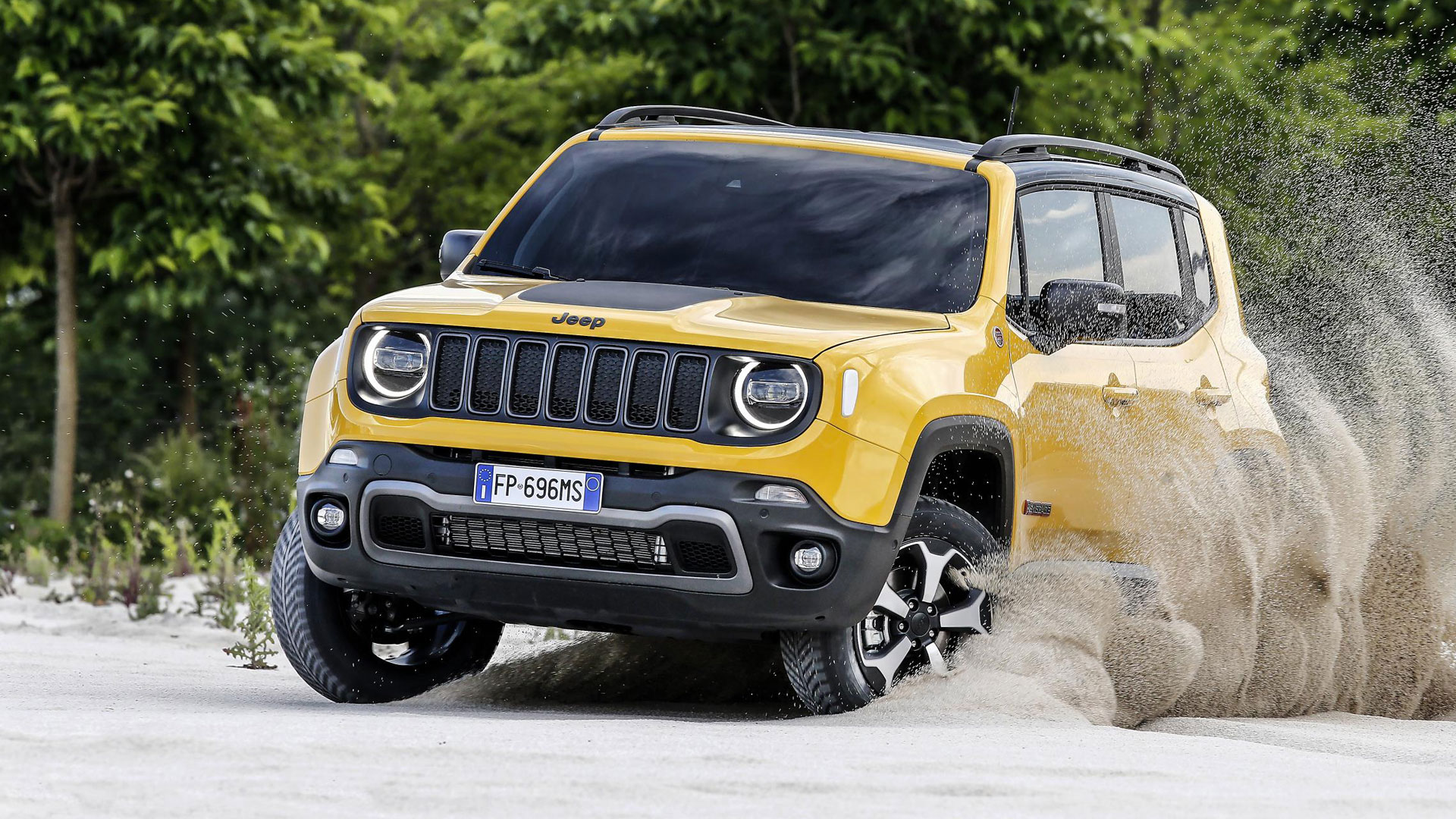
15. Jeep – 1,548,333 registrations
Jeep climbs three places to 15th, breaking through the 1.5 million barrier in the process. The off-road brand is in the midst of a major new product offensive, including an all-new Wrangler. Plug-in hybrid versions of the Renegade and Compass were previewed at the 2019 Geneva Motor Show.
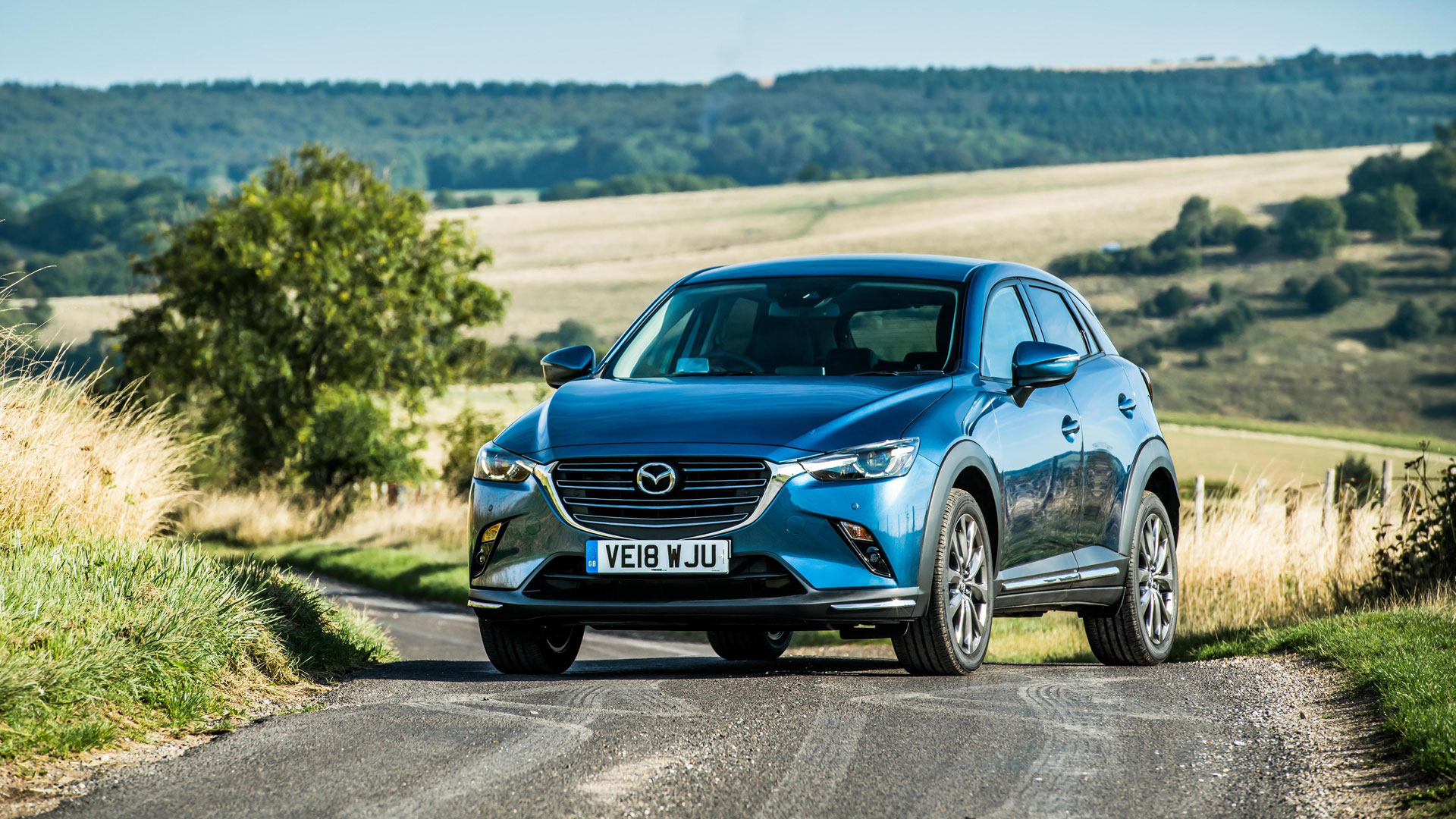
14. Mazda – 1,550,131 registrations
Mazda registrations were up a couple of percent in 2018, and we’re expecting more of the same in 2019. The Mazda 3 hatchback and saloon are capable of delivering strong sales, while the CX-30, unveiled in Geneva, will arrive later in the year.
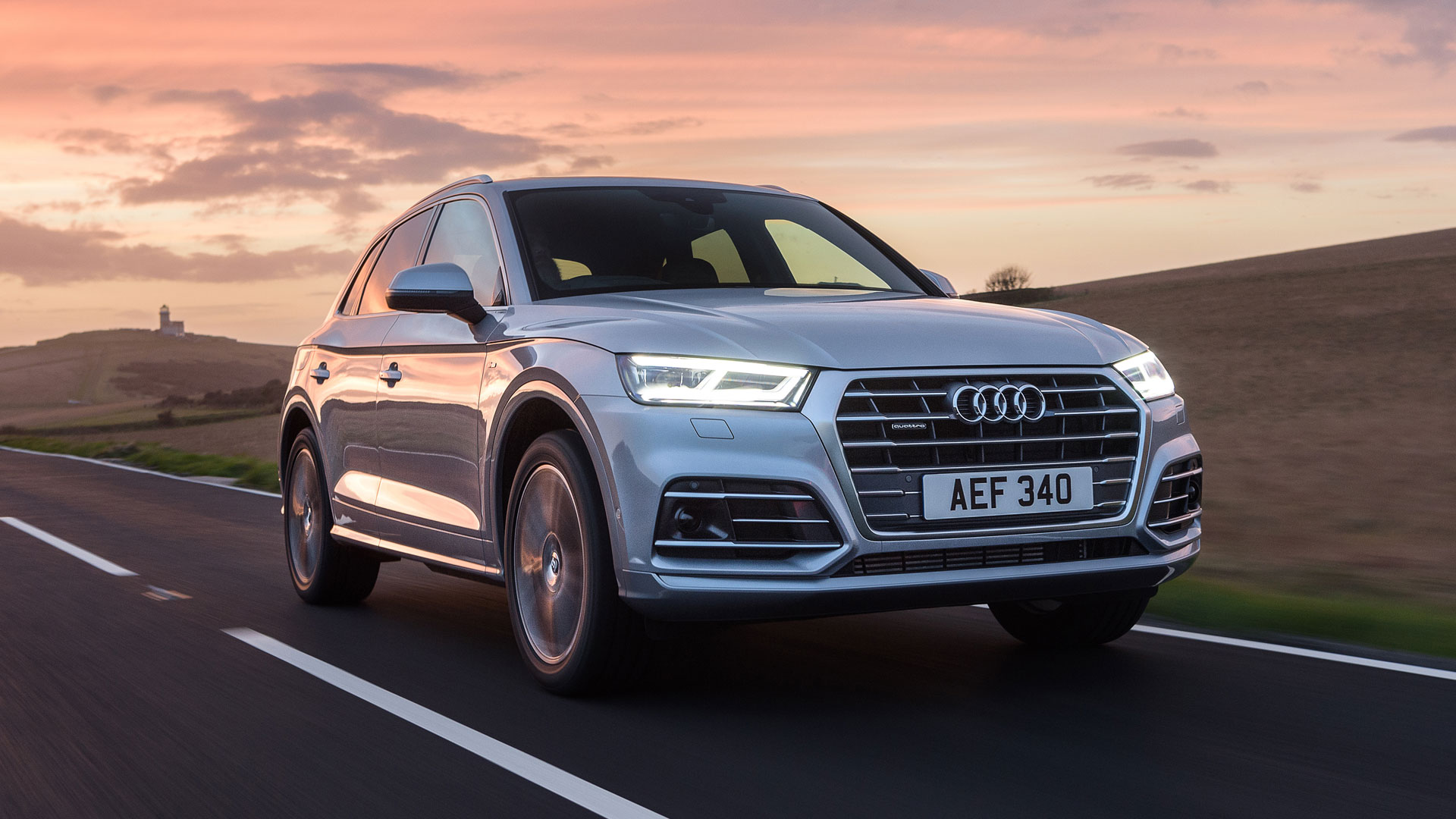
13. Audi – 1,812,411 registrations
In contrast to Mazda, Audi registrations went down by a couple of percent in 2018. Of the ‘big three’ German brands, Audi was the only company to see a decline in sales.
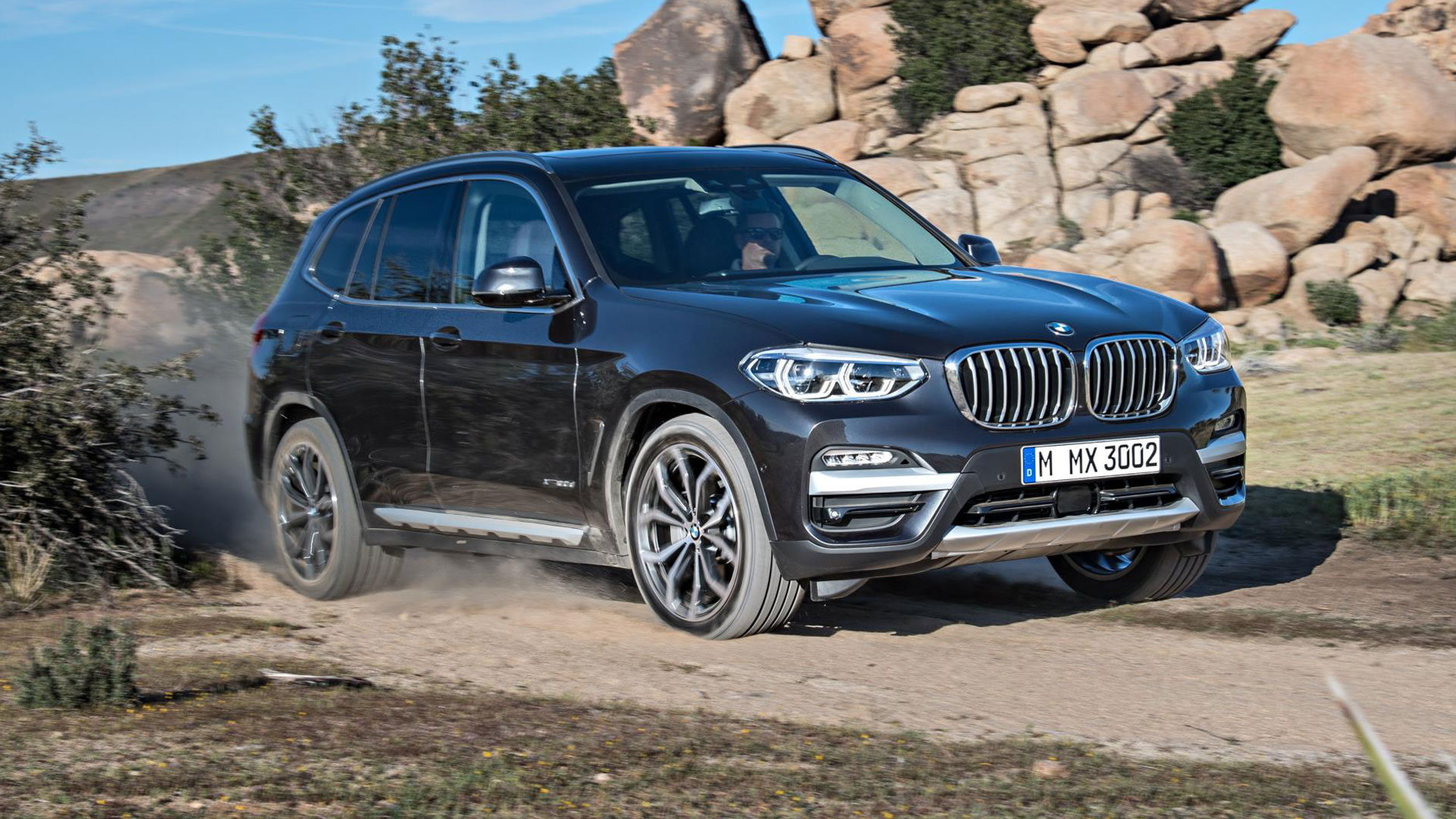
12. BMW – 2,077,314 registrations
BMW sales were up two percent, with the Bavarian company the first one on the list to break through the two million barrier. New products for 2019 include an all-new 3 Series, X7 luxury SUV and a facelifted 7 Series.
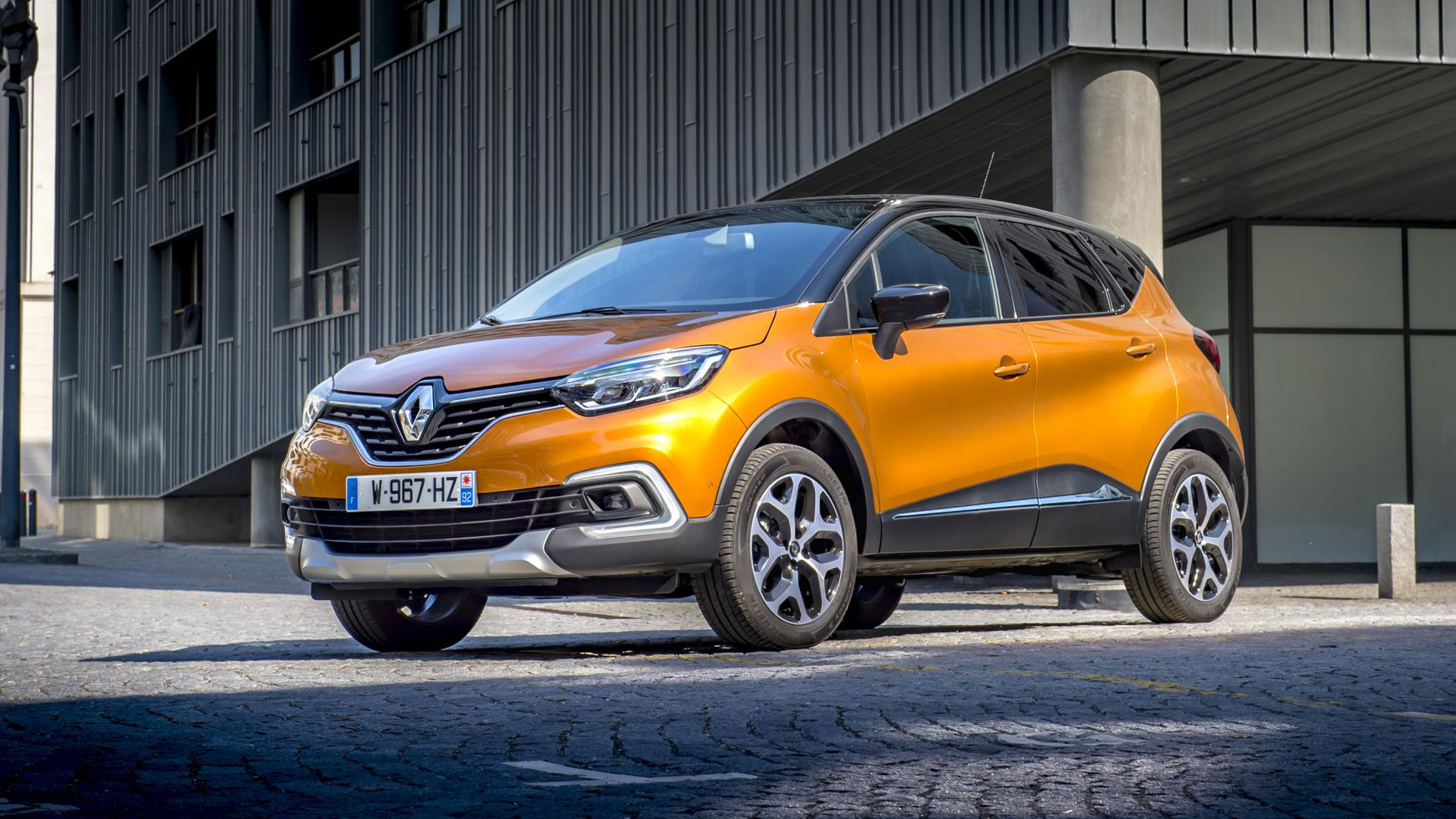
11. Renault – 2,288,406 registrations
Renault remains the biggest French brand in terms of registrations, with the Captur and Clio two of its product heroes. Sales were down three percent in 2018, but the launch of a new Clio should provide a welcome boost in 2019.
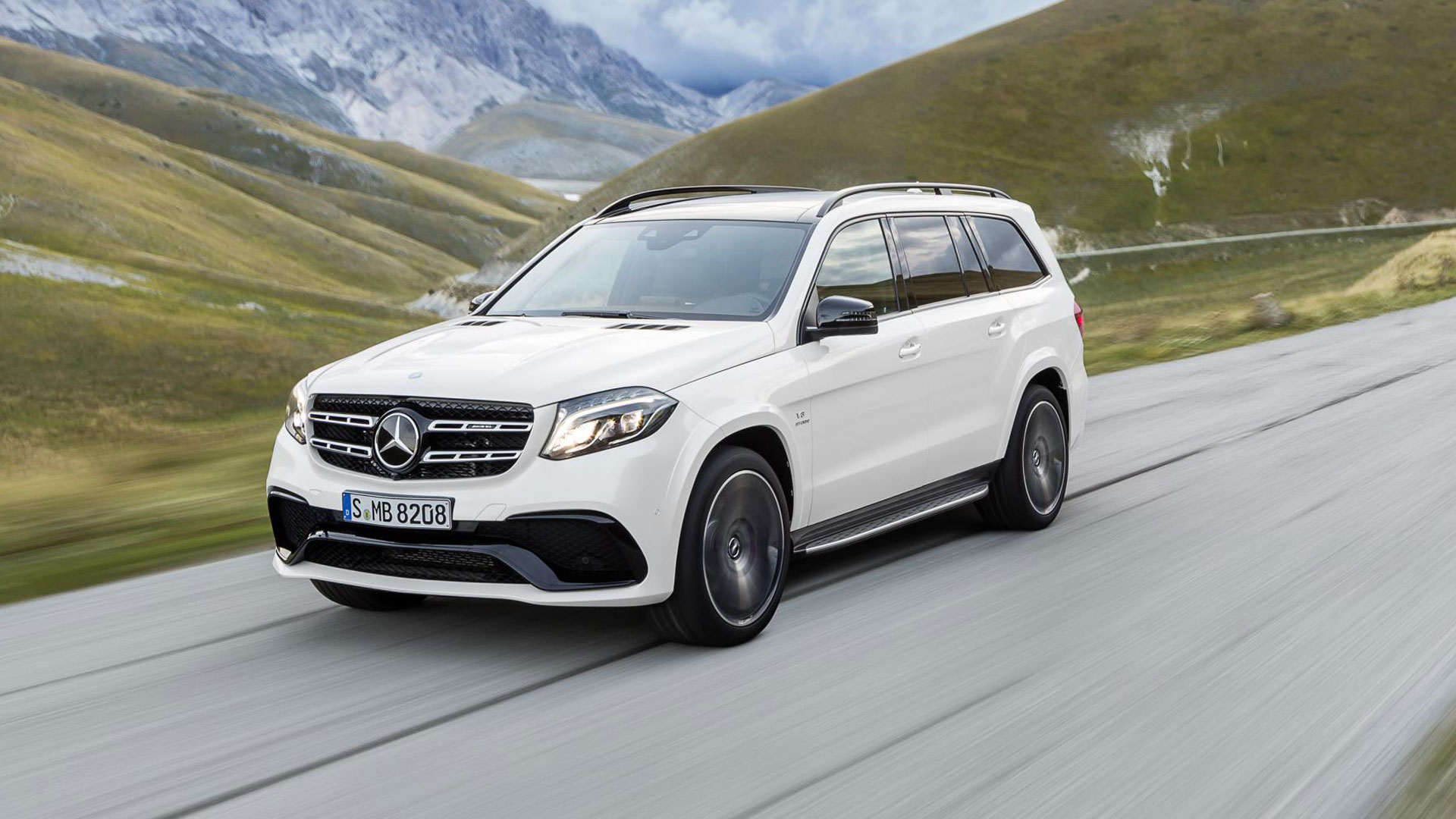
10. Mercedes-Benz – 2,551,806 registrations
Mercedes-Benz offers more SUVs than any other manufacturer, which might explain why the company recorded a small increase in registrations in 2018. The SUV range includes the GLS (pictured) and GLA, with an all-new GLE about to hit the market.
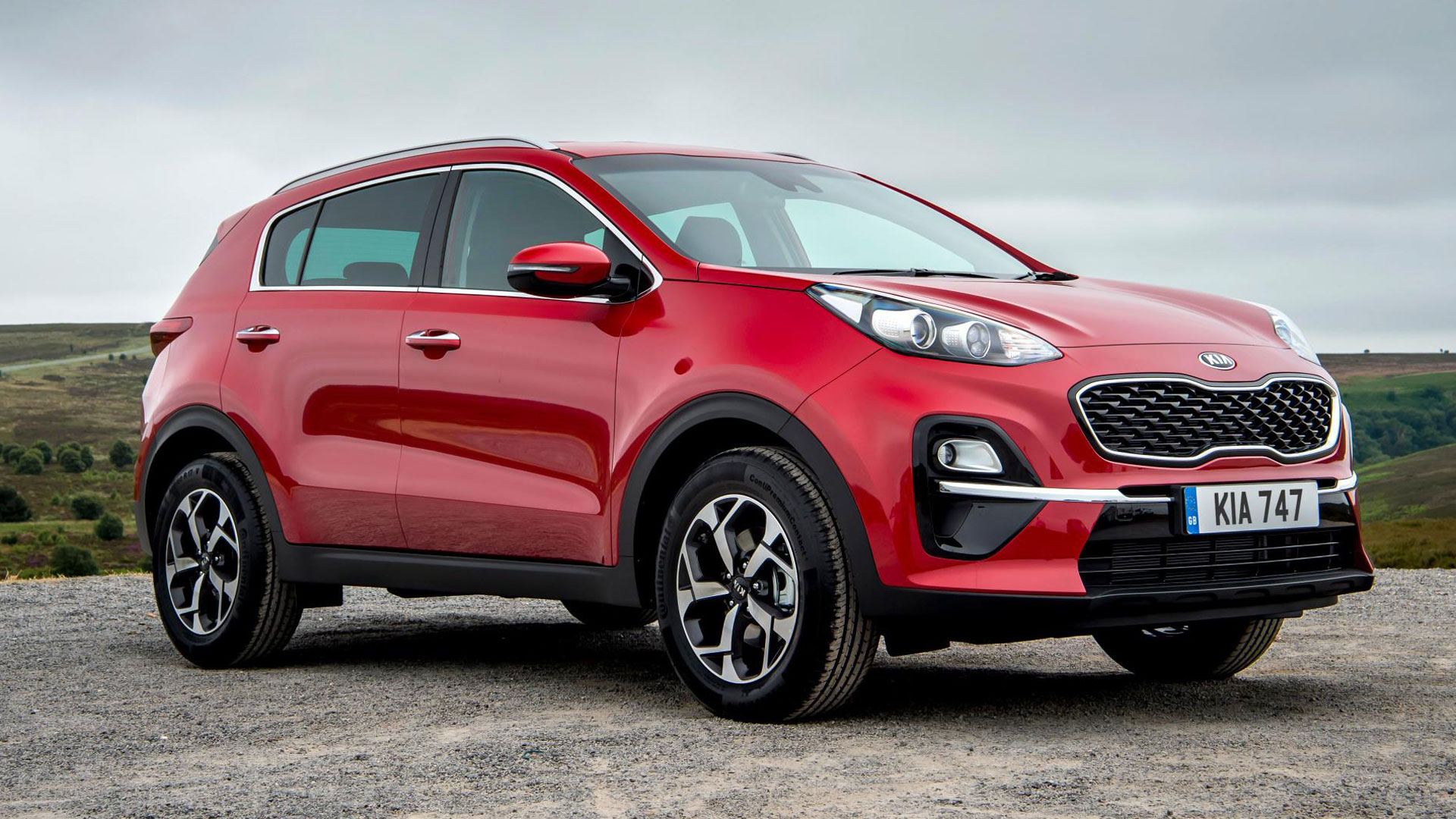
9. Kia – 2,638,782 registrations
After a slump in 2017, Kia registrations were up four percent in 2018, as the Korean company leapfrogs Mercedes-Benz. Kia sales hit the one million mark in January 2019 – less than 30 years after the first Kia was introduced to British motorists.
8. Suzuki – 3,046,585 registrations
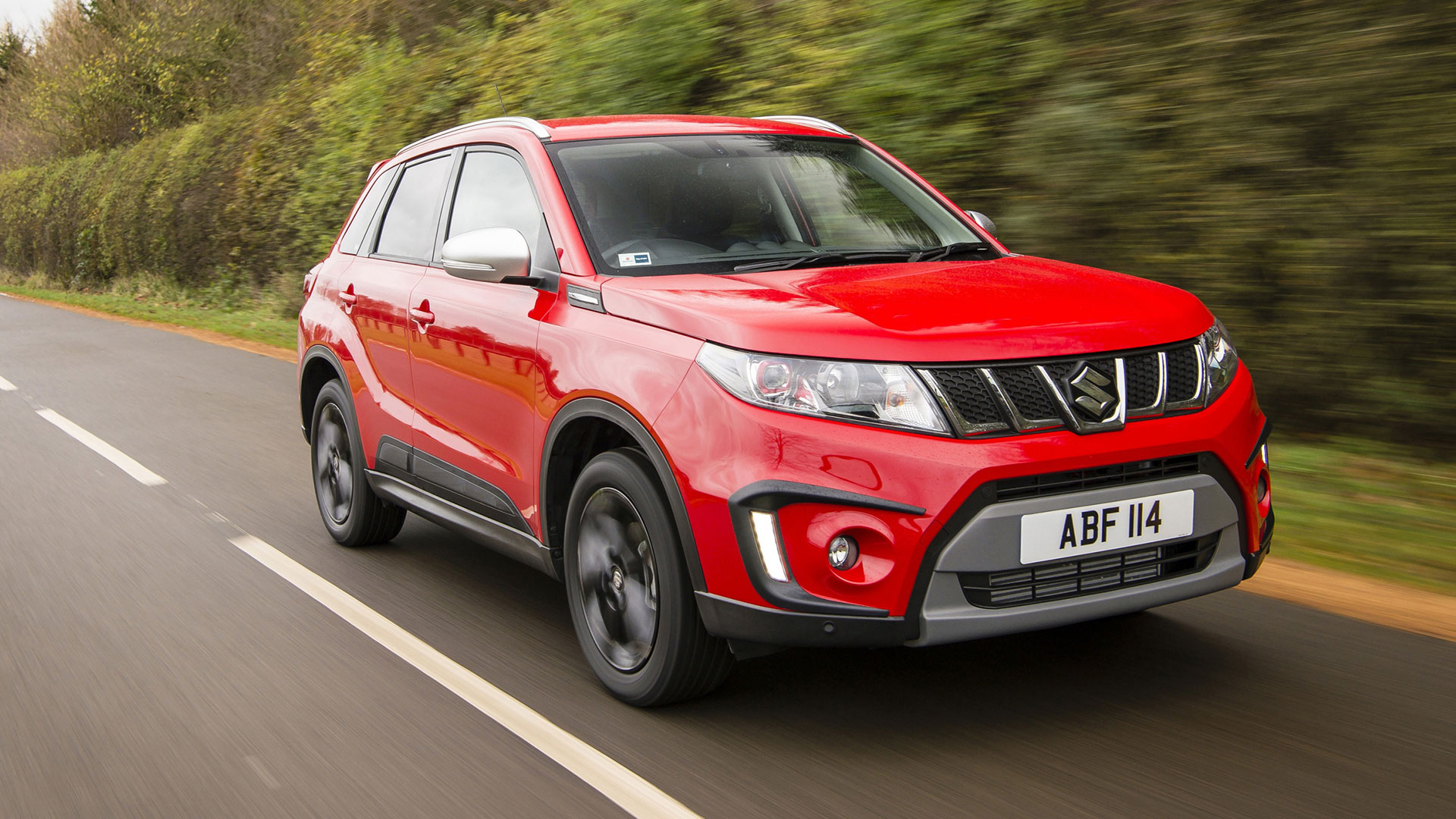
Into the top eight, where we find the first company to register more than three million cars in 2018. The Vitara and Swift are strong sellers for Suzuki, but the company will struggle to keep up with demand for the new Jimny.
7. Chevrolet – 3,881,747 registrations
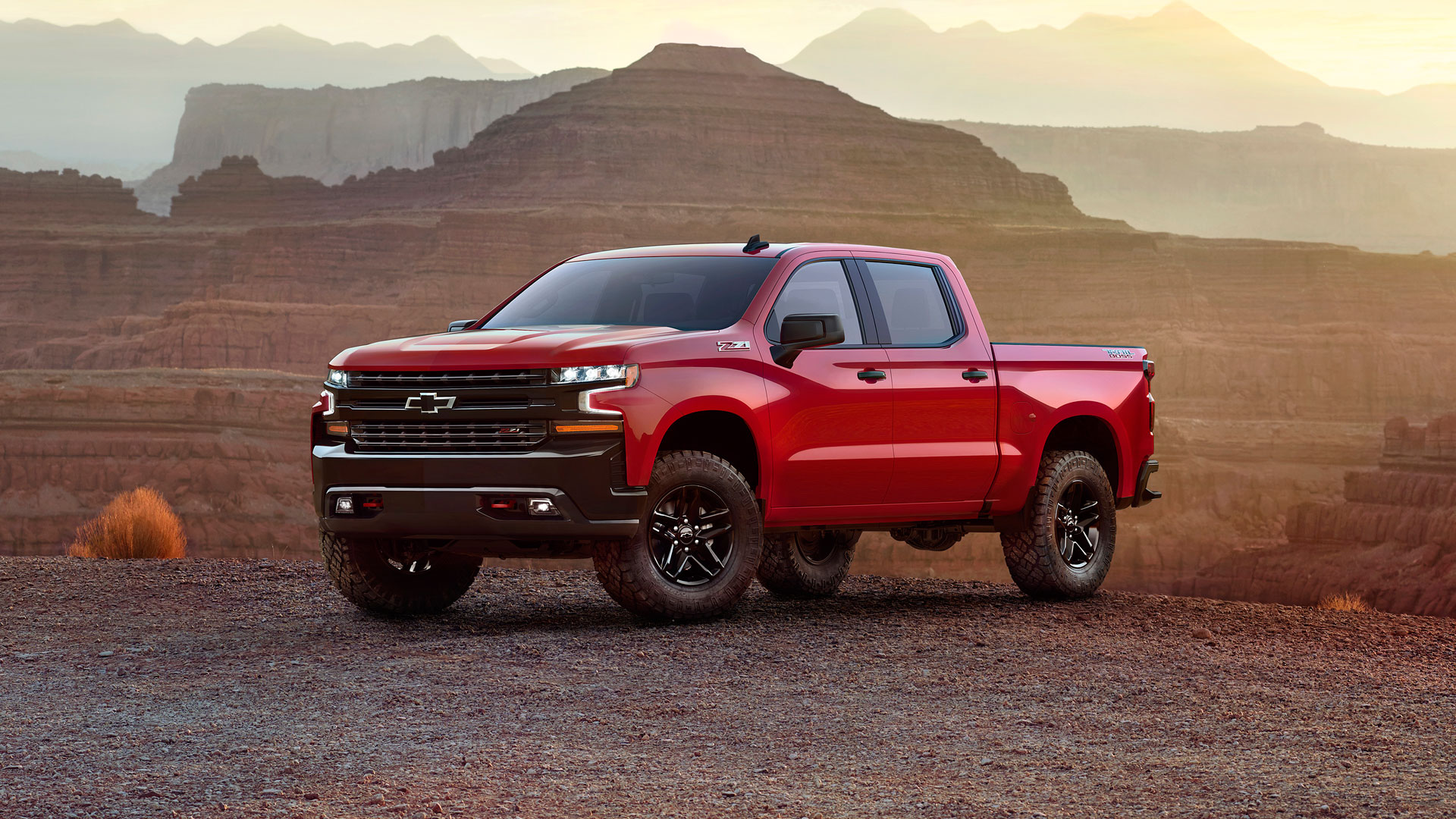
Chevrolet sales were down a single percent, but the company will take some solace from the fact that the Silverado was the second most popular pick-up and the ninth best-selling car in the world. Chevrolet shifted 650,000 units of the large pick-up.
6. Hyundai – 4,076,913 registrations
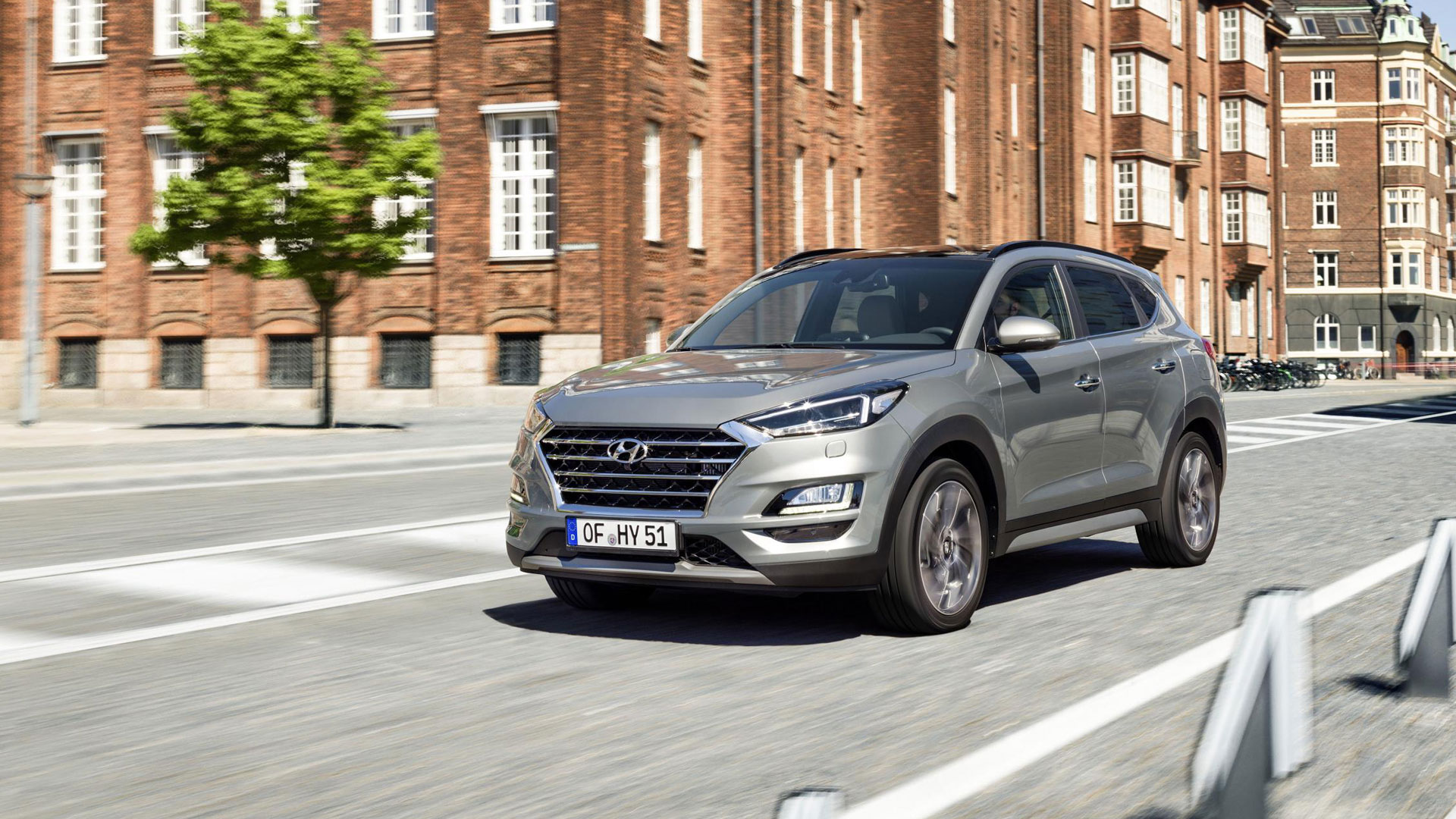
In common with its Korean counterpart, Hyundai recorded an increase in the number of registrations, up four percent in 2018. The Elantra and Tucson were two of the brand’s top performers.
5. Nissan – 4,750,863 registrations
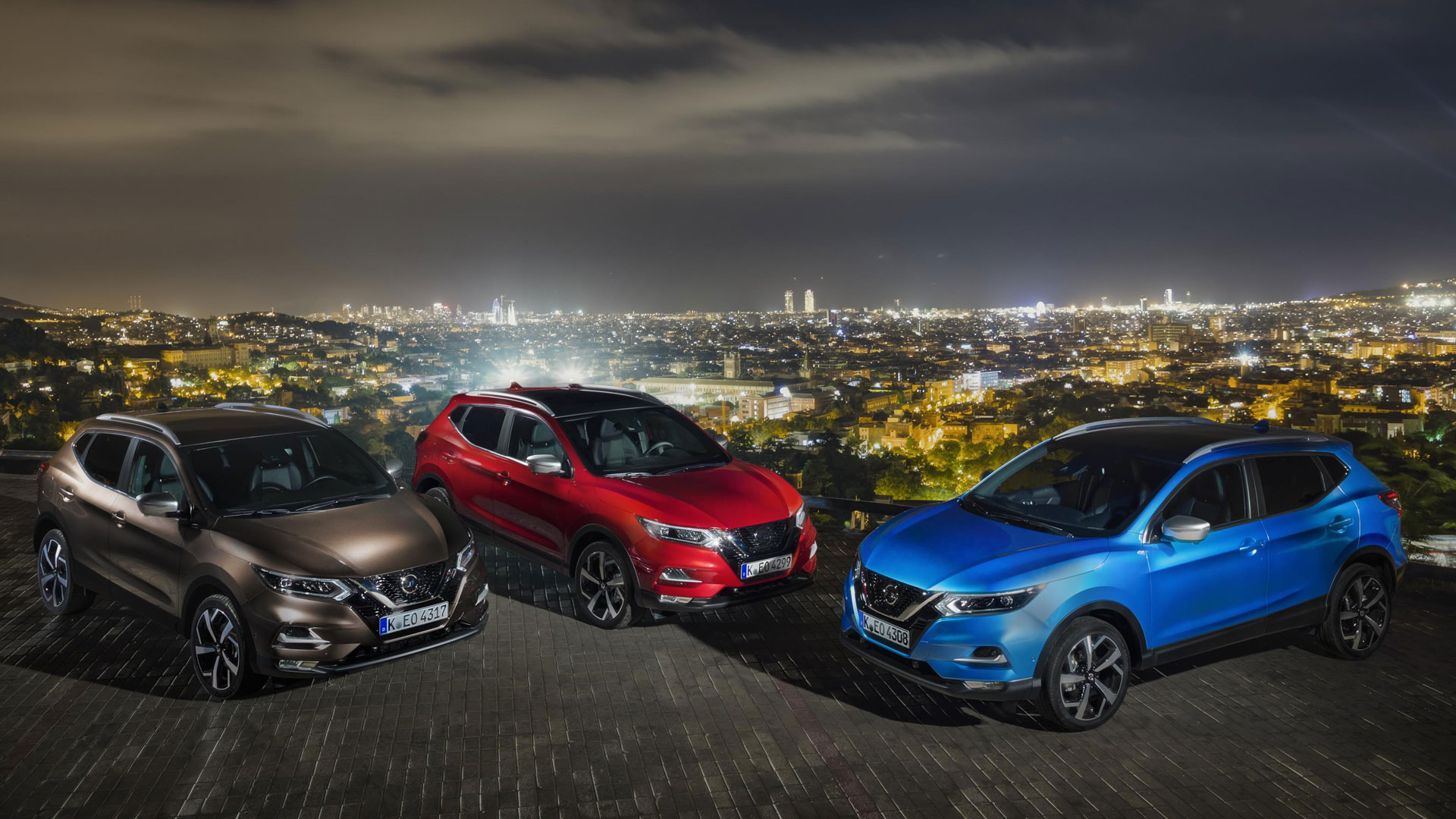
The Nissan cements its position as the fifth biggest automotive brand in terms of registrations, although sales were down a couple of percent. Meanwhile, the Nissan Qashqai was the fifth most popular model, with 771,145 units shifted in 2018.
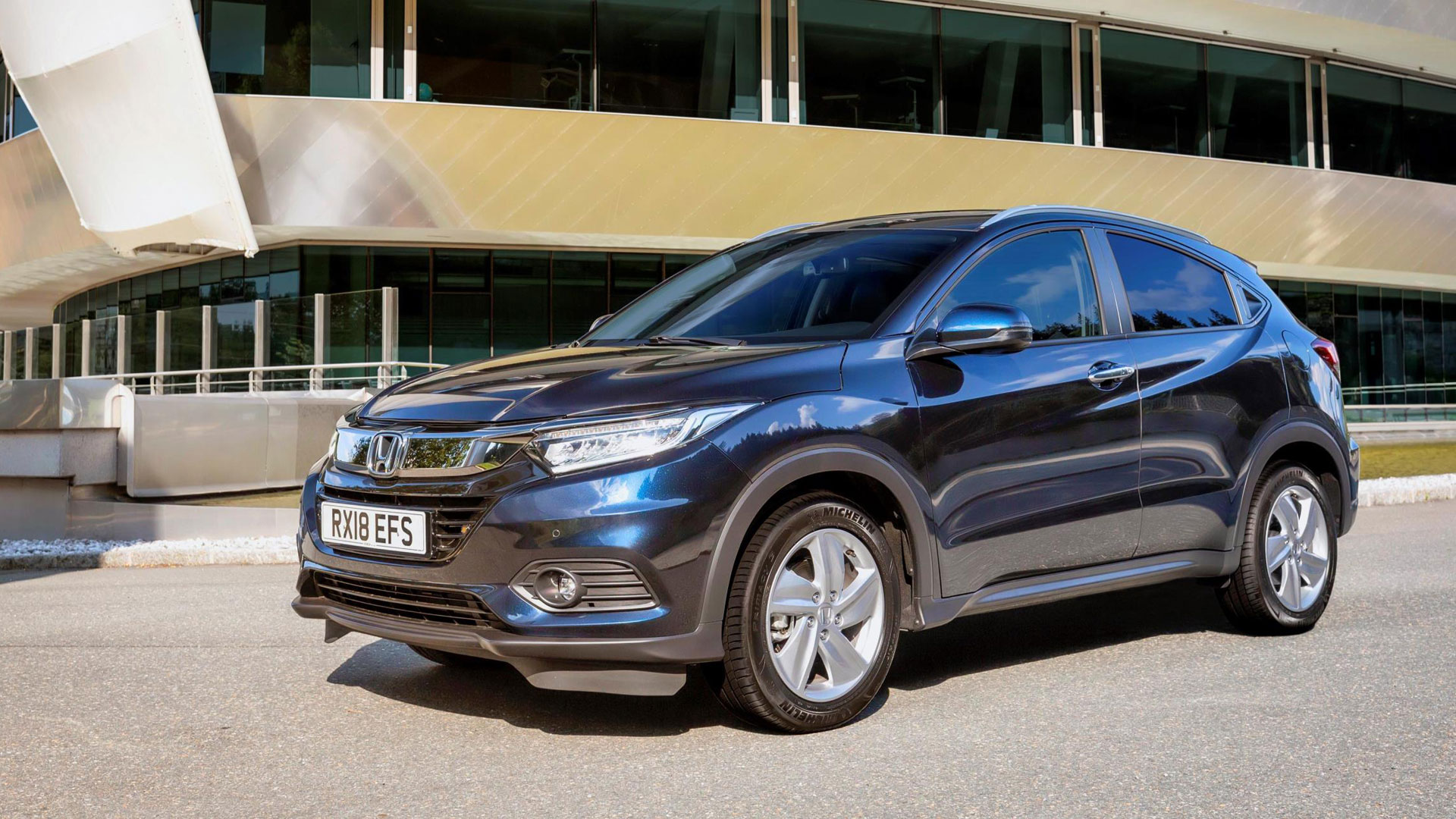
4. Honda – 4,966,037 registrations
Honda registrations were down 1,652 in 2018, as the Japanese company came agonisingly close to matching its performance in 2017.
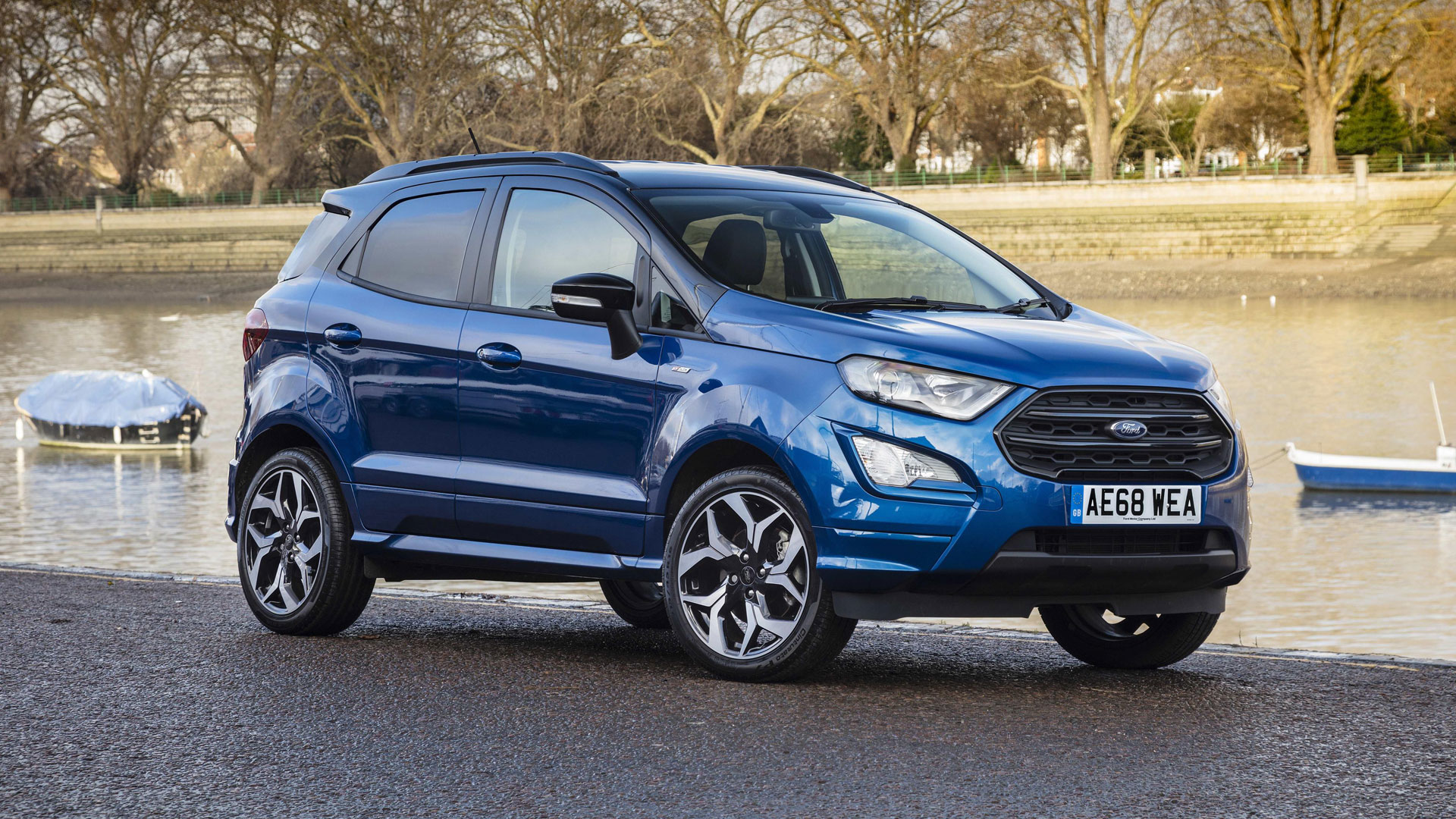
3. Ford – 5,329,290 registrations
In 2017, Ford registered just shy of six million vehicles. A year on, that figure has dropped to 5.3 million – an 11 percent slump in fortunes.
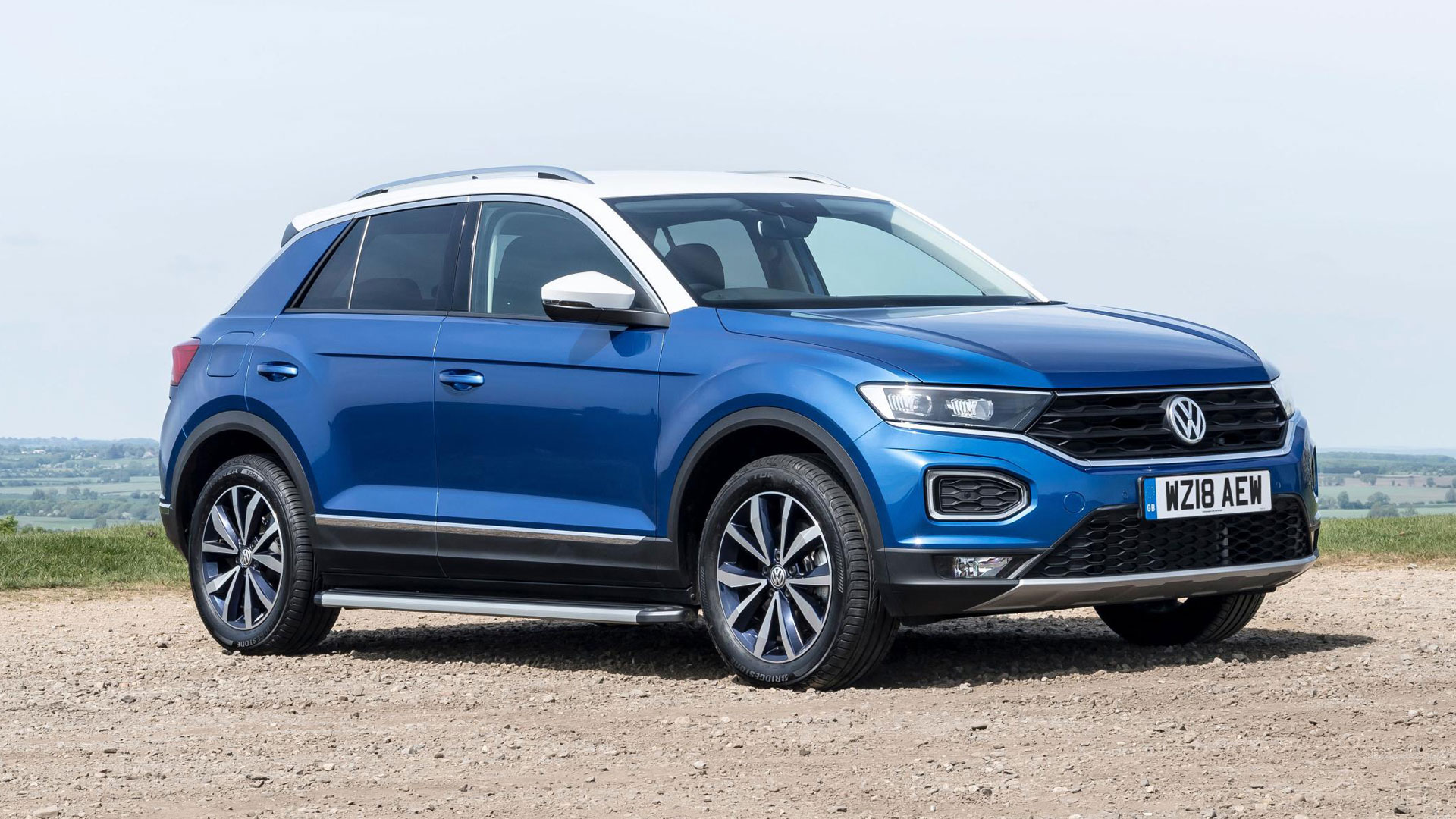
2. Volkswagen – 6,746,204 registrations
Sales of the Golf, Passat, Tiguan and Jetta were down in 2018, with only the Polo providing some light relief for Volkswagen. That said, overall registrations were up a single percent on 2017.
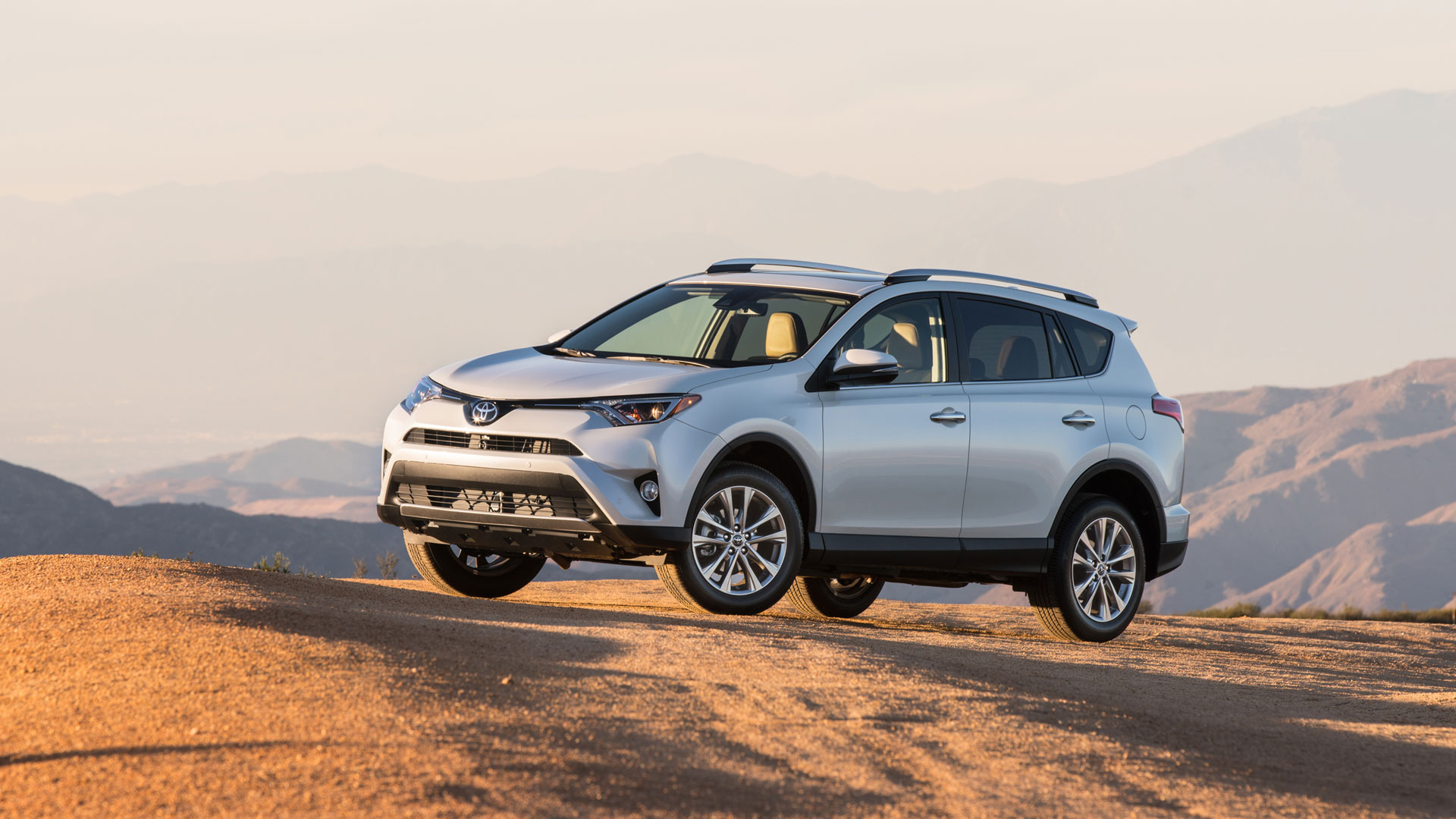
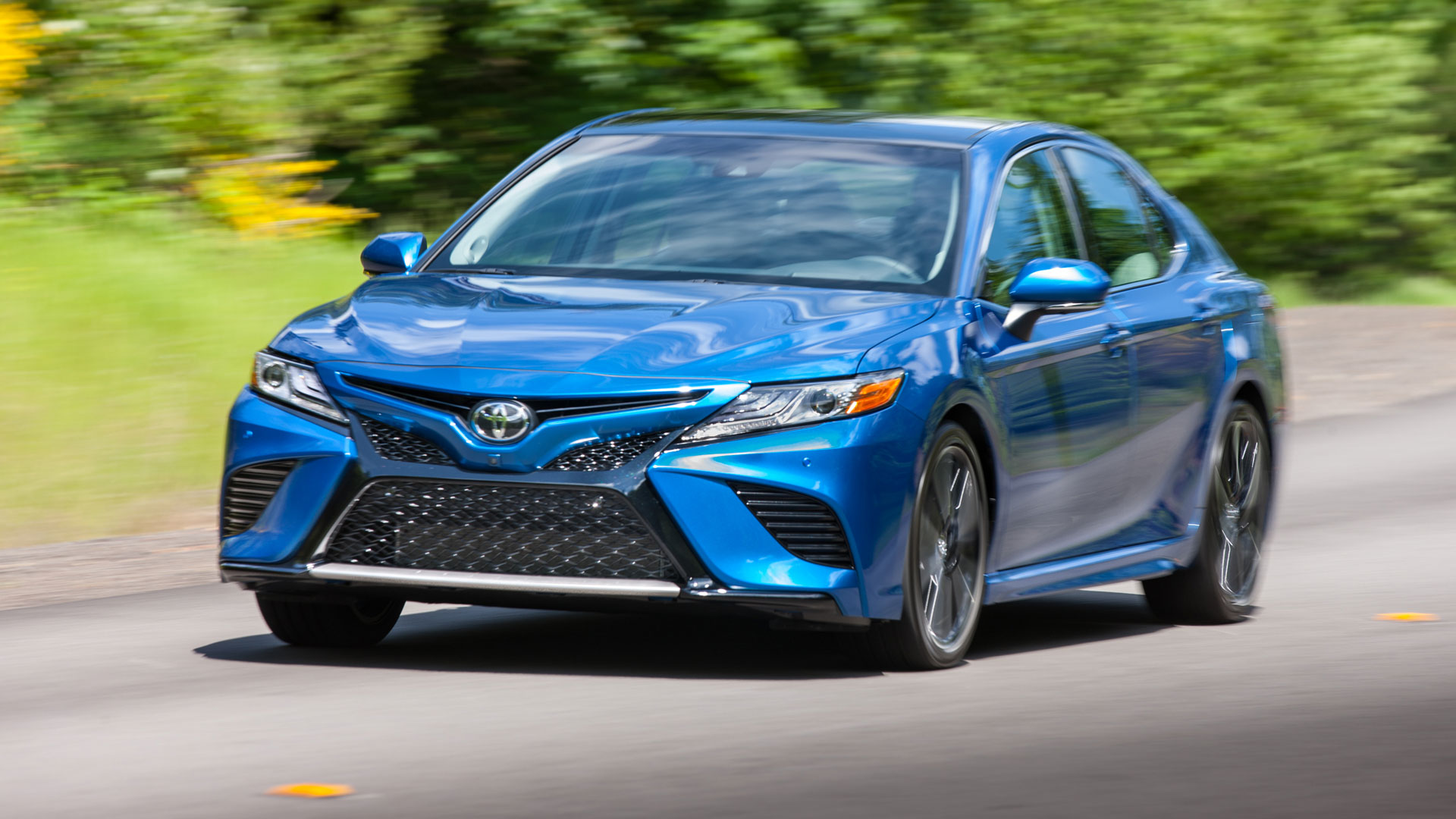
1. Toyota – 8,091,277 registrations
By a sizeable margin, Toyota retains its crown as the biggest car manufacturer in terms of overall registrations, with the Japanese giant breaking through the eight million barrier. The Corolla, RAV4 and Camry are its product heroes.
 It all starts to sound slightly like the 2010 film Inception when you unpick the details of Super Trofeo Evo Collector 2019.
 More influence can be found in the watch crown, which is meant to look like a locking wheel nut from the Lamborghini racer. Only 88 examples of the watch are planned, with a retail price of $52,500 (£40,100).
 Built especially by Lamborghini’s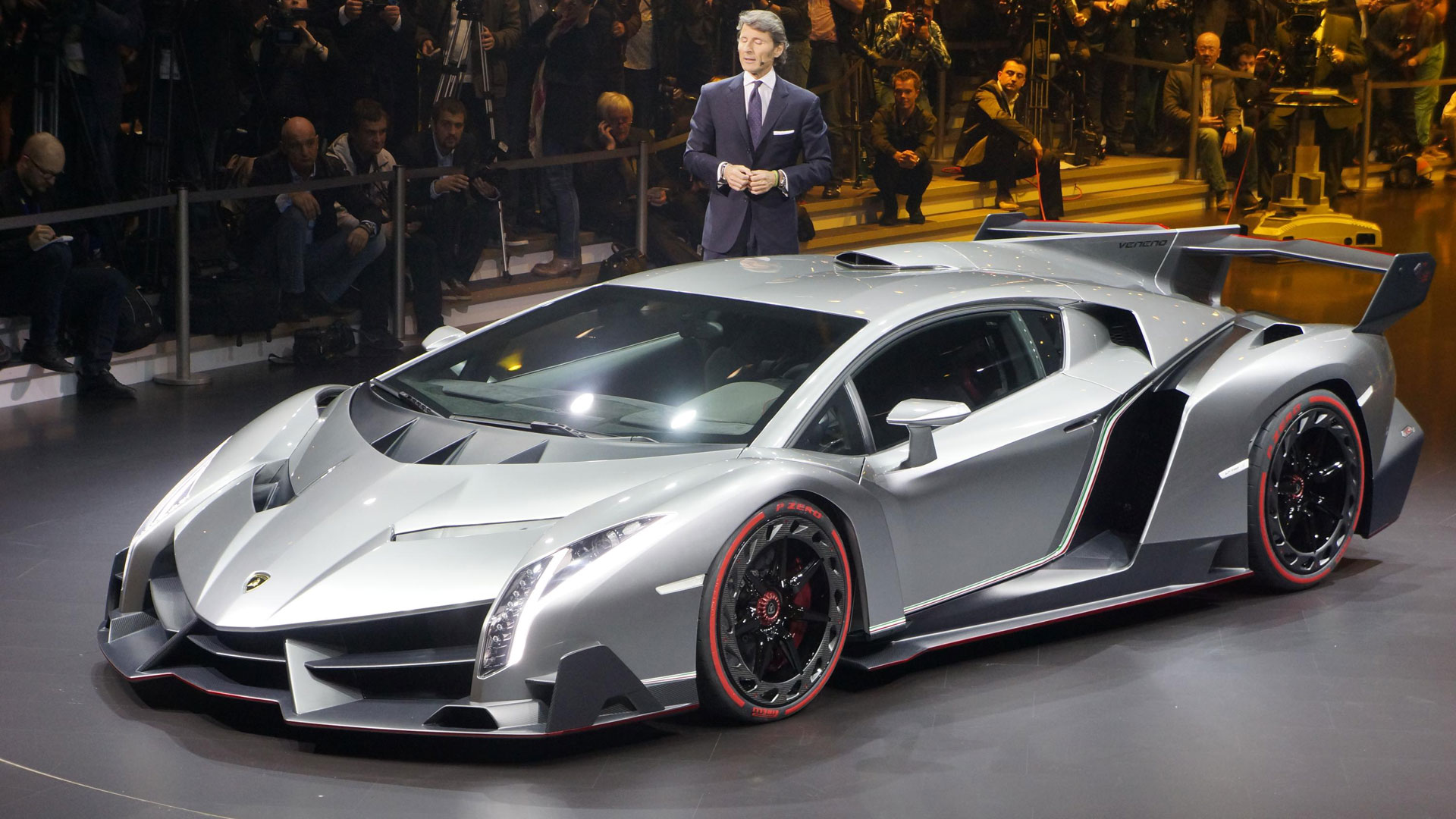
 The
The 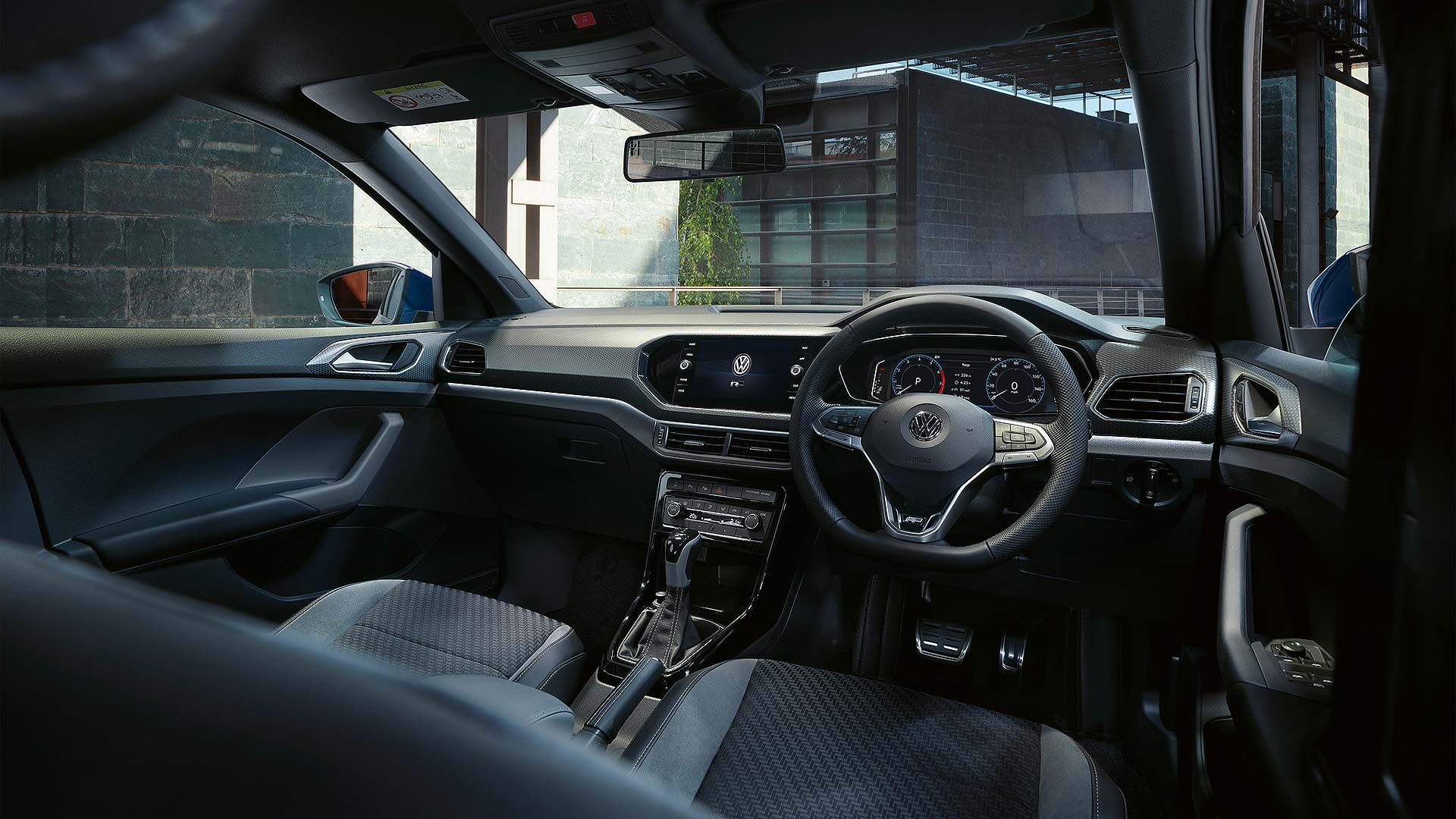




 Cupra’s Special Edition creation is
  That 2.0-litre TSI engine does at least exhale through a new Akrapovic exhaust system. Not only does this weigh 7kg less than the standard item, Cupra promises that it will offer a ‘unique sound experience’ as well.
 Pricing is yet to be announced for the Cupra Ateca Special Edition, but sales are slated to begin later in 2019. There is also no word on how many units will be available, but Cupra promises numbers will be limited.
 Geneva 2019 is shaping up to be one of the best motor shows of recent years, with a veritable feast of fantastic supercars served up alongside a bevvy of electric dreams. But scratch beneath the surface and you’ll find the usual array of modified monsters and wild creations lurking in the background, promising to haunt your dreams and have you begging for mercy. Those of a nervous disposition should look away now.