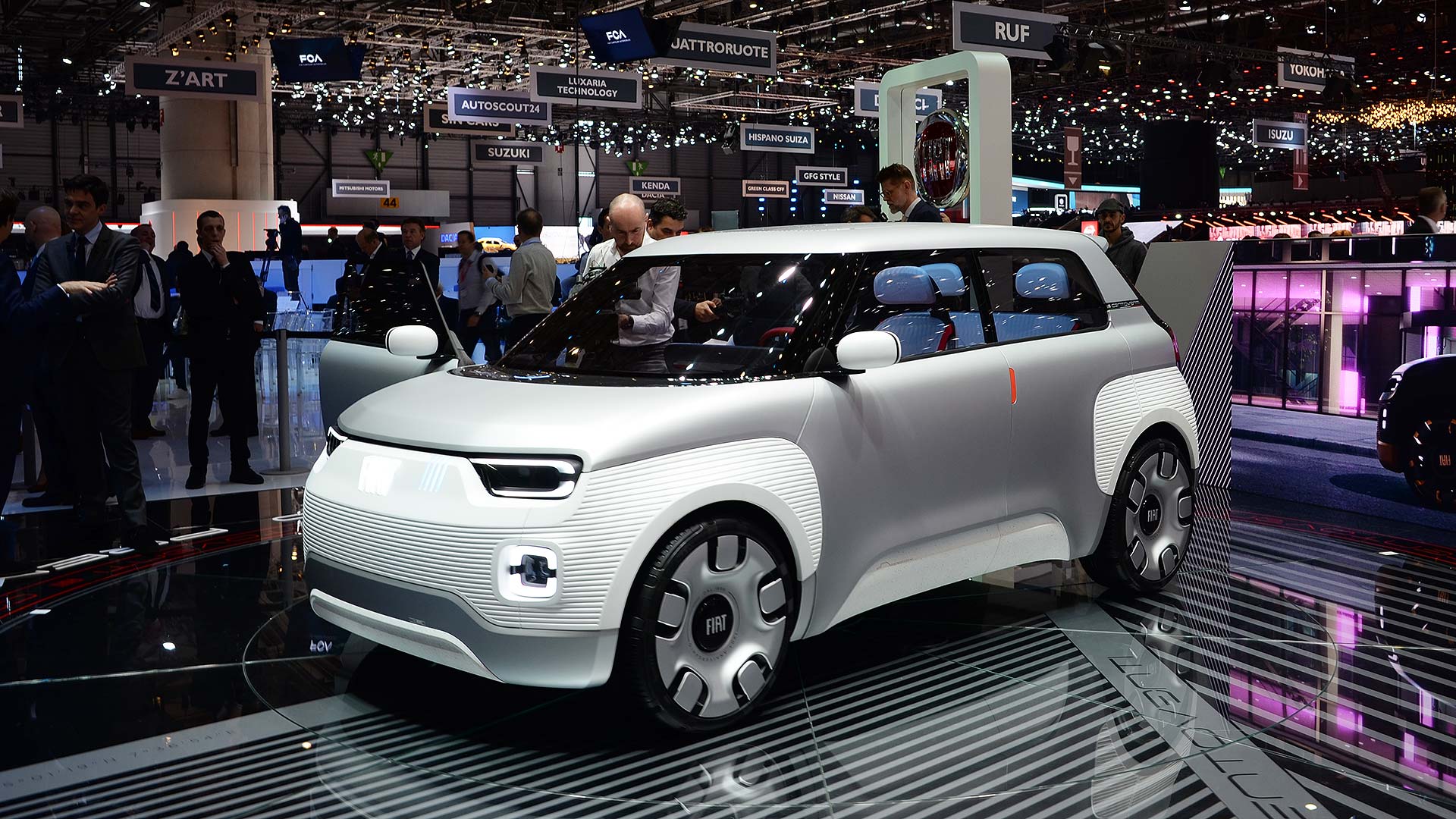
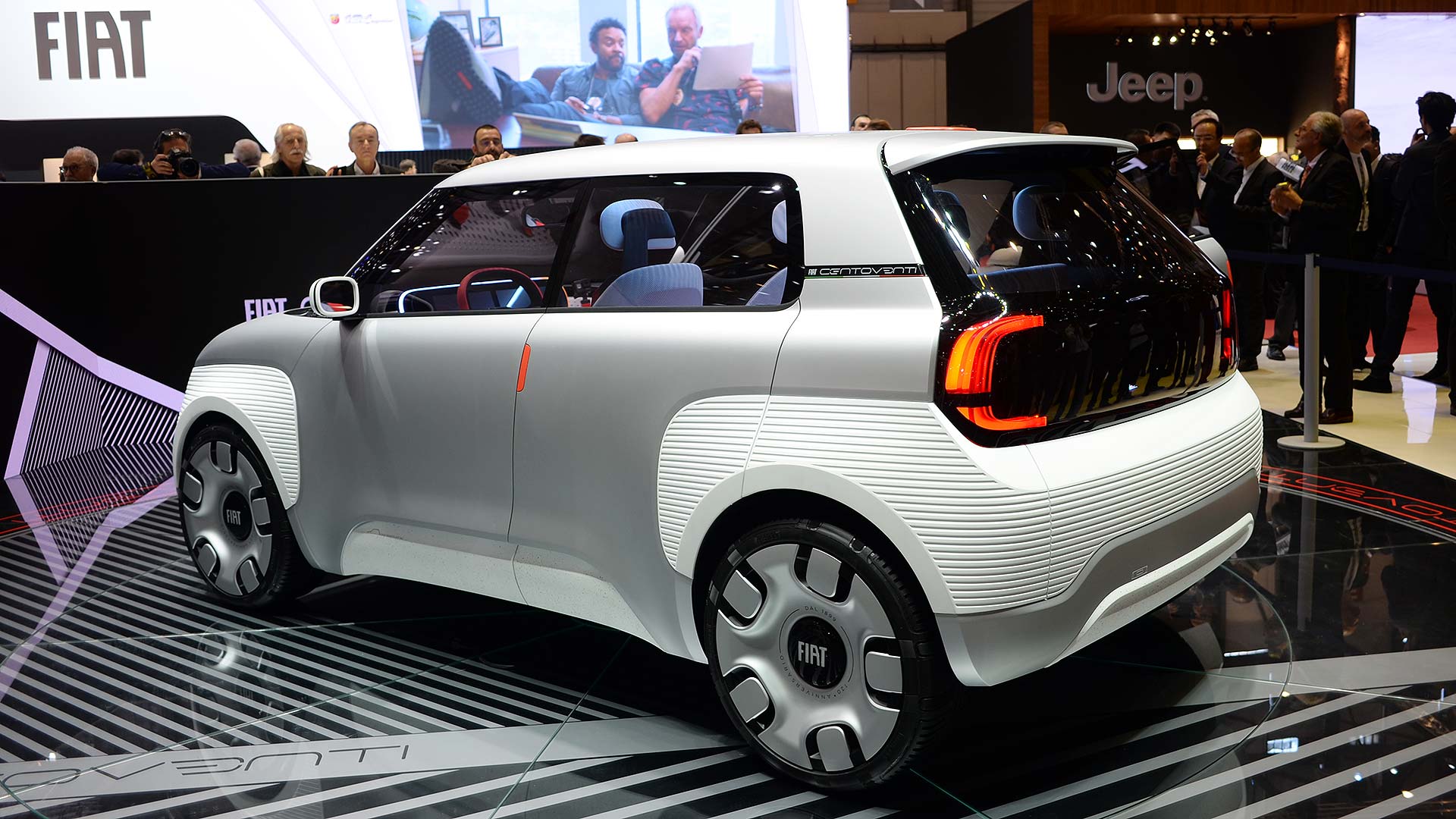
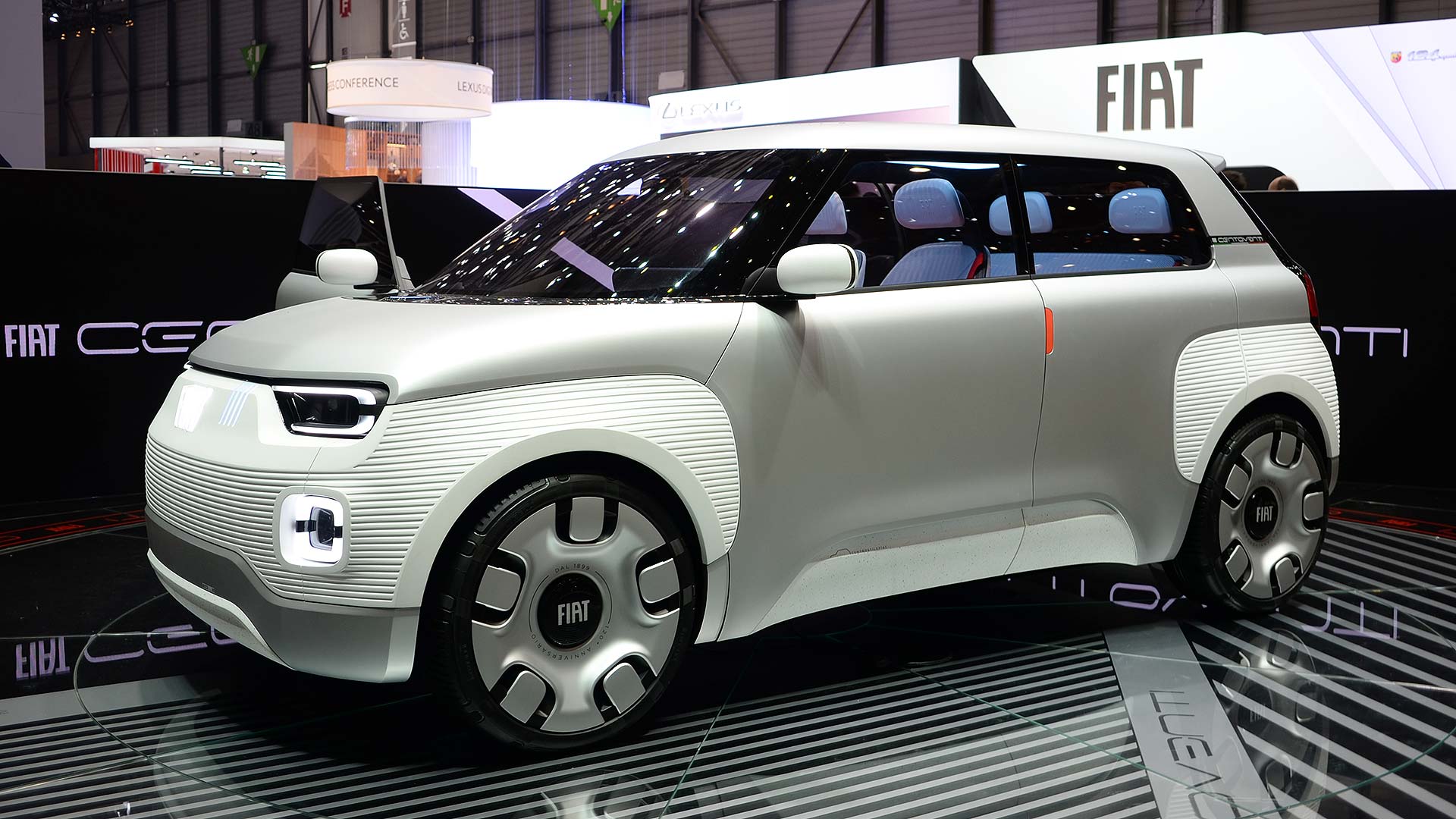
The Fiat Concept Centoventi has been revealed at the 2019 Geneva Motor Show, both as a 120th birthday present to itself, and a statement of intent for the future. Make a few tweaks and shake some of the concept fripperies, and you could be looking at the next Panda…
What is the Centoventi?
Translated, Centoventi means ‘one hundred and twenty’. Given Fiat’s track record of nomenclature based on Italian translations of numbers, there are no prizes for guessing that one…
It’s an electric car that wants to offer ‘an electric mobility solution affordable for all’ and is ‘the Italian brand’s idea of electric mass mobility in the near future’.
Fiat envisions this concept as a preview for a true successor to the original Fiat 500. Not in terms of its chintzy looks or how fashionable it is, but in terms of what it means as a mode of transport, for a mass audience, in a rapidly changing landscape. Just as the 500 popularised the automobile in Italy and gave cheap mobility to the masses, so too will the Centoventi do so for emissions-free driving.
The modular car of the future
The challenge of making electric cars cheaper and more versatile is one that many manufacturers are throwing untold fortunes at. Fiat, in a more pragmatic approach, has shirked the billion-dollar R&D in favour of ingenuity.
The Centoventi is, in principle, modular. That’s to say, you can pop out and pop in whatever battery you need, whenever you need it. Be it a 310-mile long-haul item or a 62-mile standard item. You can buy or rent per your whim…
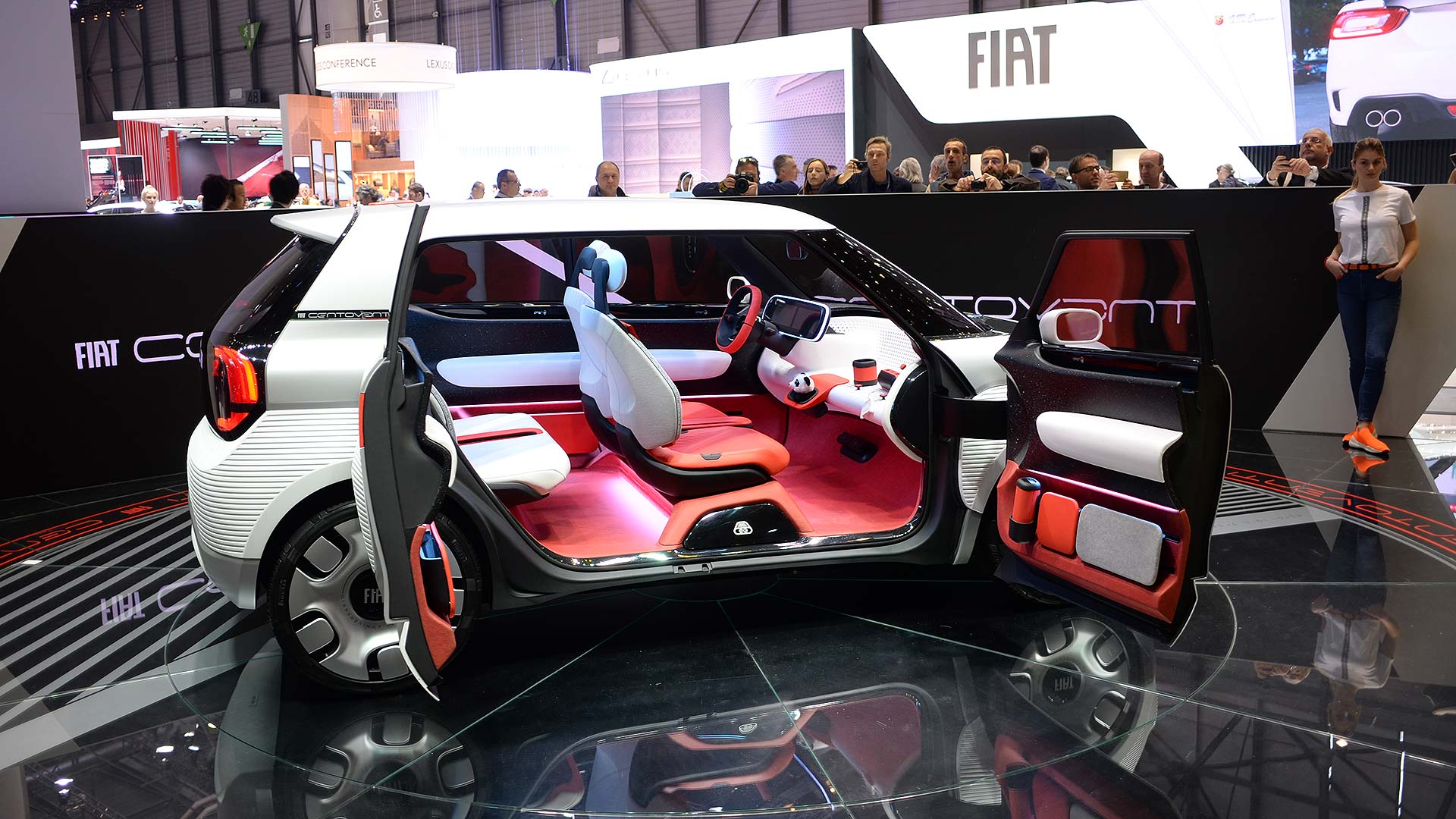
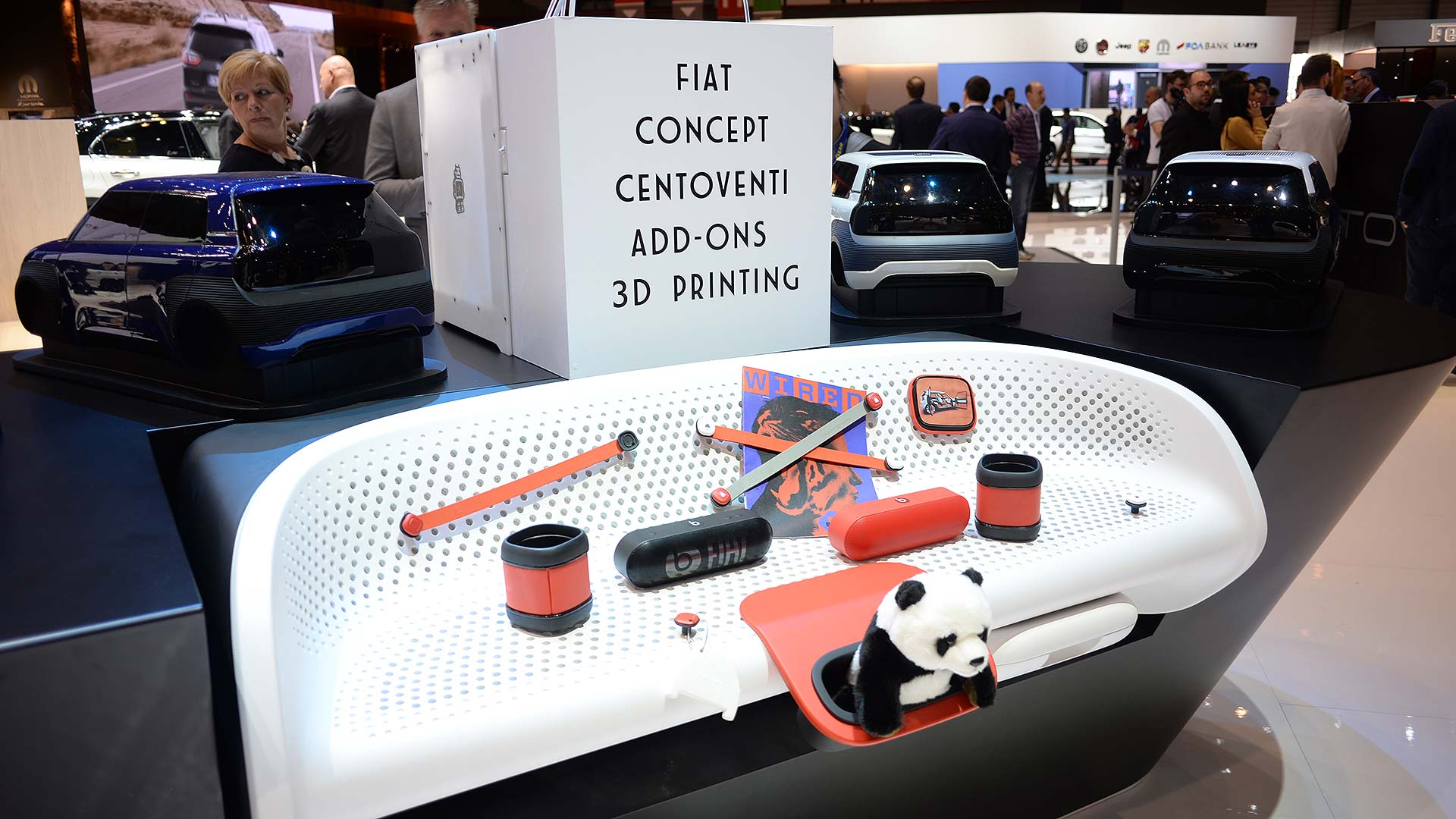
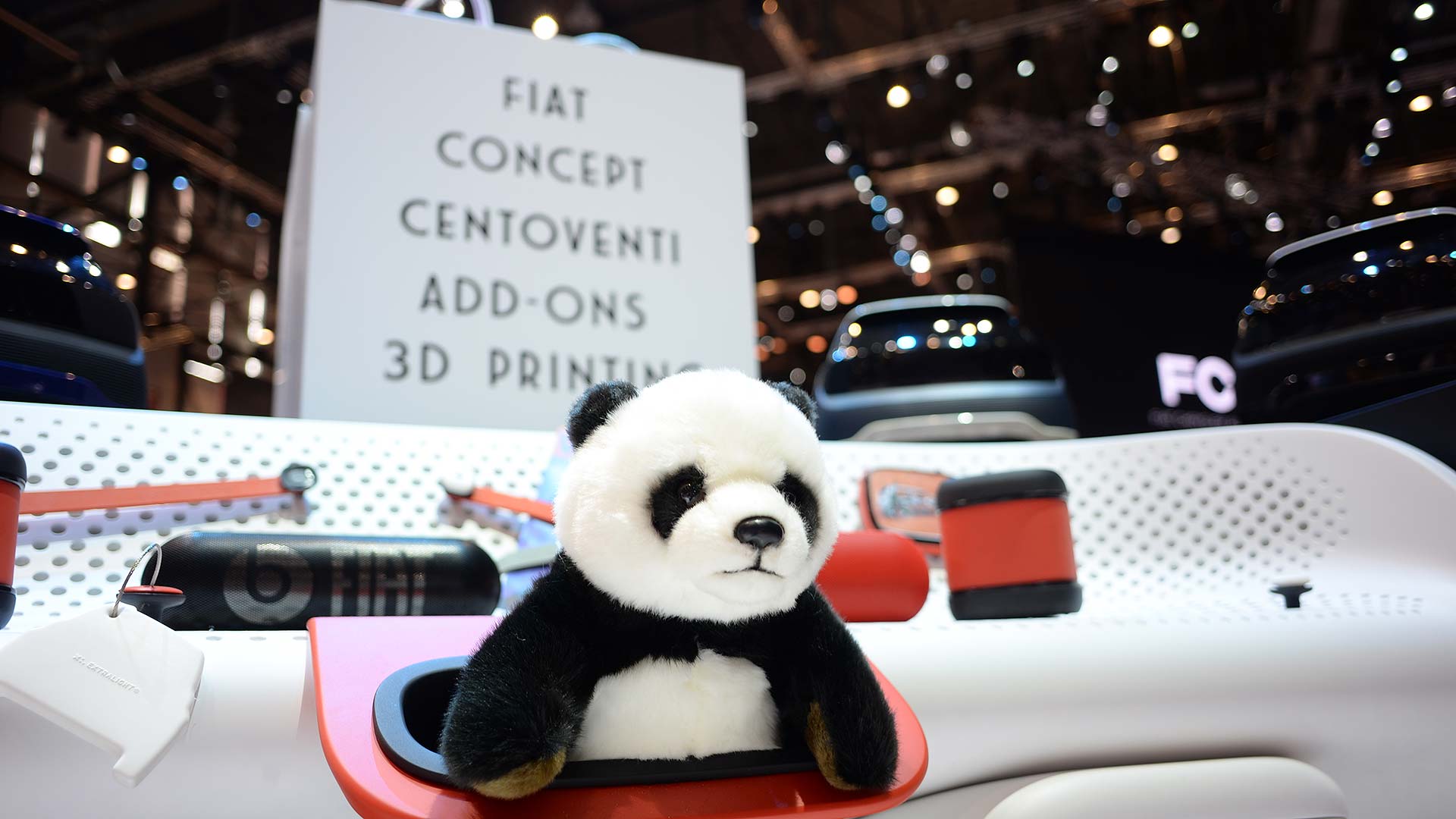
The modular nature of it doesn’t stop there, either. Less integral to function is the body colour and interior design, which can be mixed and matched with choices of four roofs, four bumpers, four wheel covers and four external wrappings. There are also 120 additional accessories that Fiat says open up a ‘genuinely new business model’. All but six of these accessories can be bought online and fitted at home by the customer.
It’s understandable that more chunky stuff like the digital tailgate, polycarbonate roof and Lingotto instrument cluster might require a pro’s touch.
You needn’t wait for special editions or new versions, either, given you can just ‘upgrade’ parts of the car. Clever!
Is it really the next Panda?
It’s certainly a bit of a departure from the outgoing model, but Fiat says the Centoventi takes influence from the Panda of the 1980s. Couple that with the little stuffed Panda on display and the add-ons at the show, and we’ve enough on which to make a safe assumption that this is a giant hint at the next-generation Panda.
The 2019 Geneva International Motor Show is underway, packed with the usual array of hot new cars, crazy concepts, extreme supercars and next-generation EVs. We’ve elbowed our way to the front of each stand, avoiding the wheeled flight bags, to bring you all the important cars from the 2019 show.
Pininfarina Battista
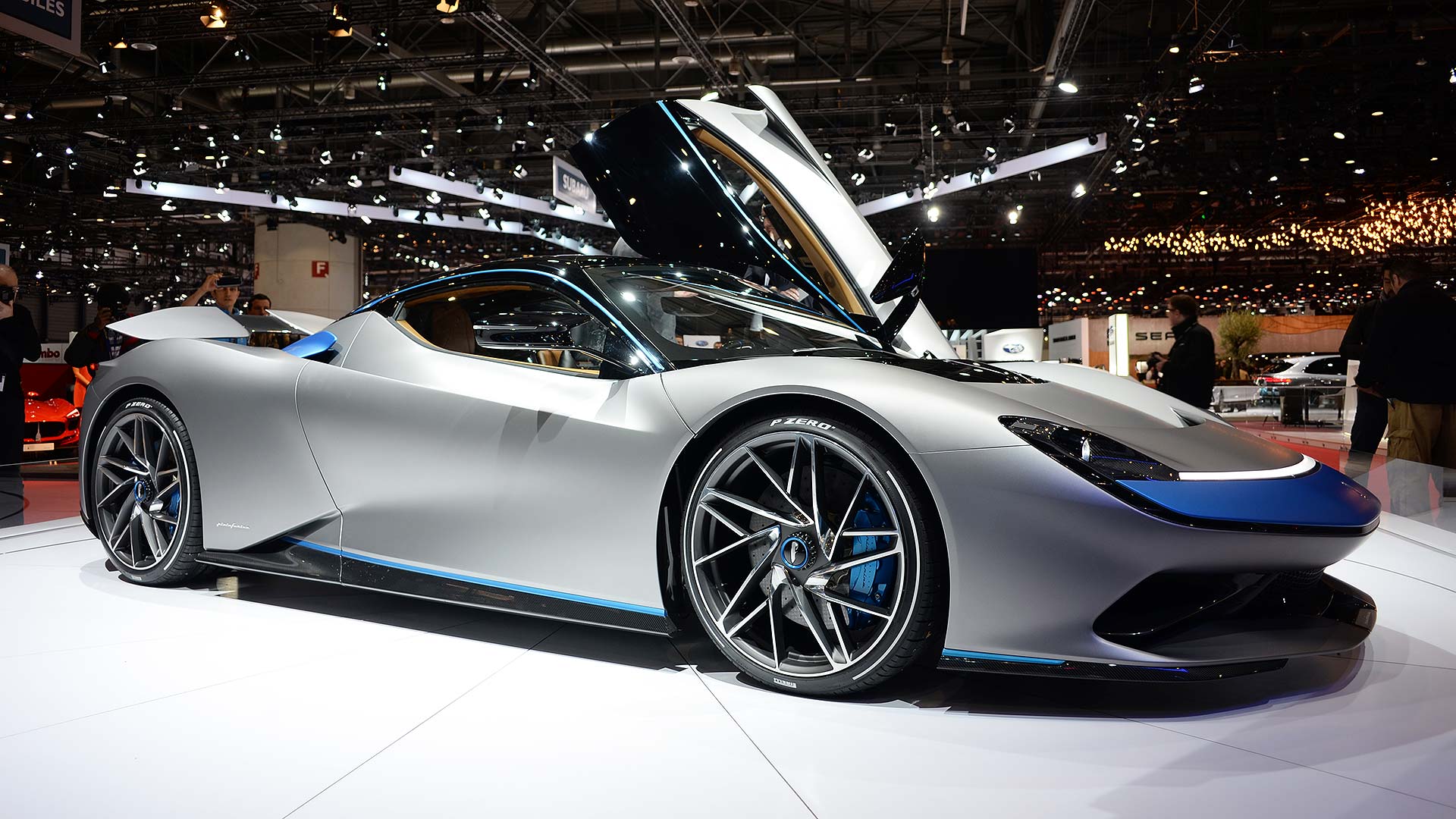
The Pininfarina Battista produces 1,900hp, is faster than a Formula 1 car from 0-60mph, and will travel almost 280 miles on a single charge. Only 150 will be built, each one carrying a rumoured £2 million price tag. And if that’s not all, this electric hypercar will hit 218mph, if you’re not too concerned about preserving that electric range. It’s a line in the sand for the automotive industry and without question one of the stars of Geneva 2019.
Morgan Plus Six
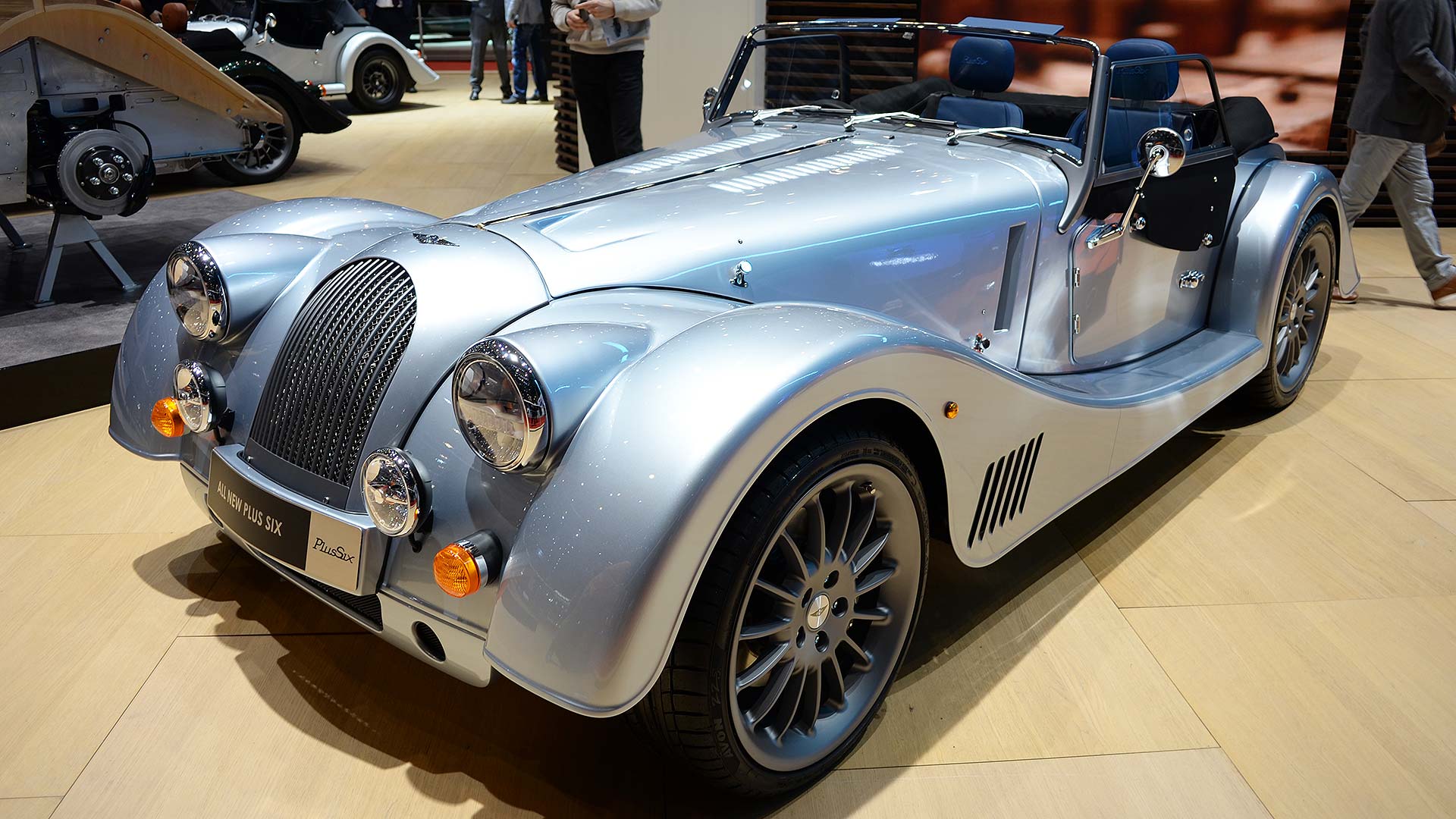
The Morgan Plus Six is a brand new car from the ground up, built on an advanced bonded aluminium platform called the Morgan CX generation. It weighs barely more than one tonne and is powered by the 3.0-litre six-cylinder turbocharged petrol engine found in the new BMW Z4 and Toyota Supra. Morgan is taking orders at the show – prices start from £77,995. We want one.
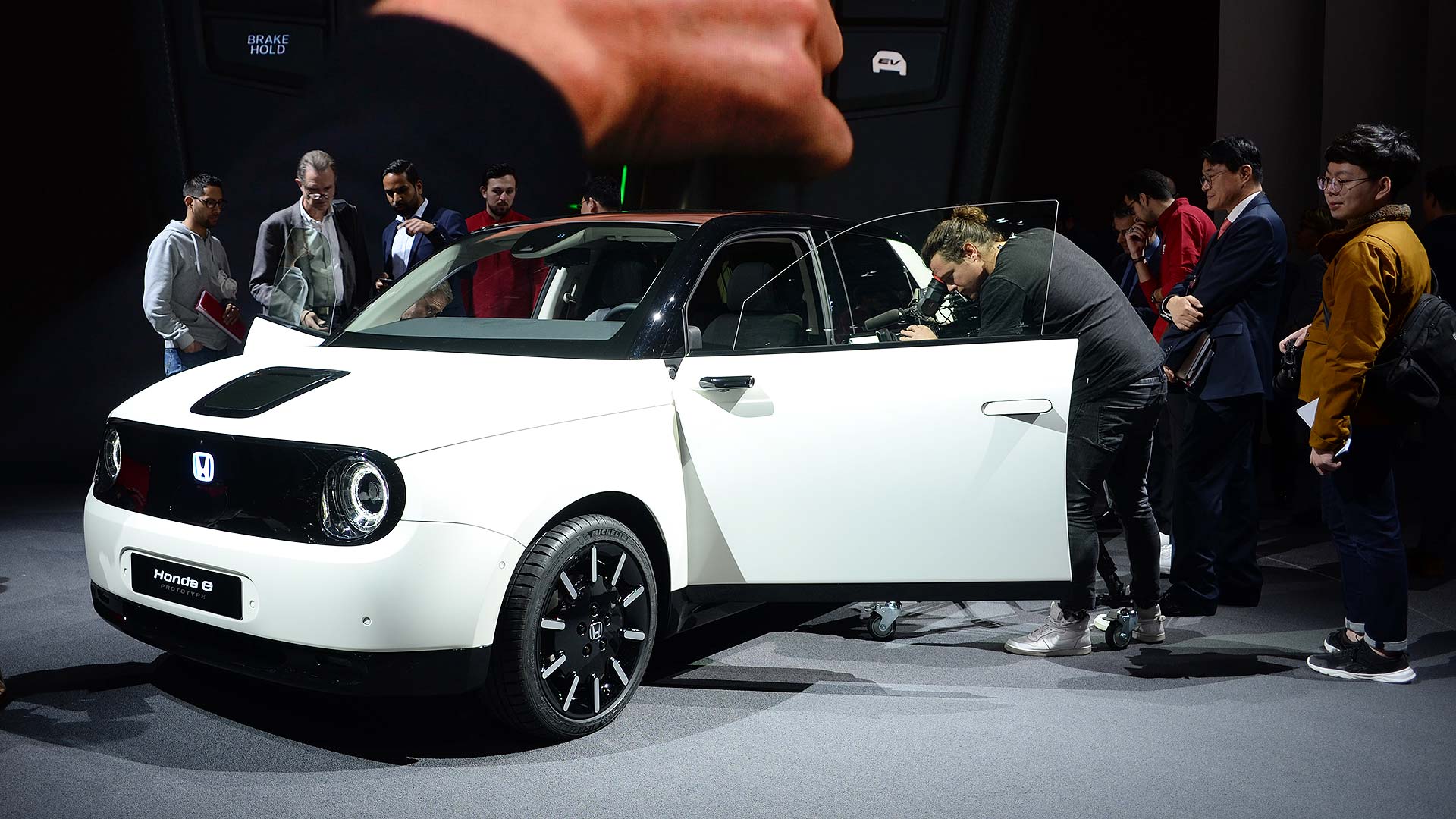
Honda E Prototype
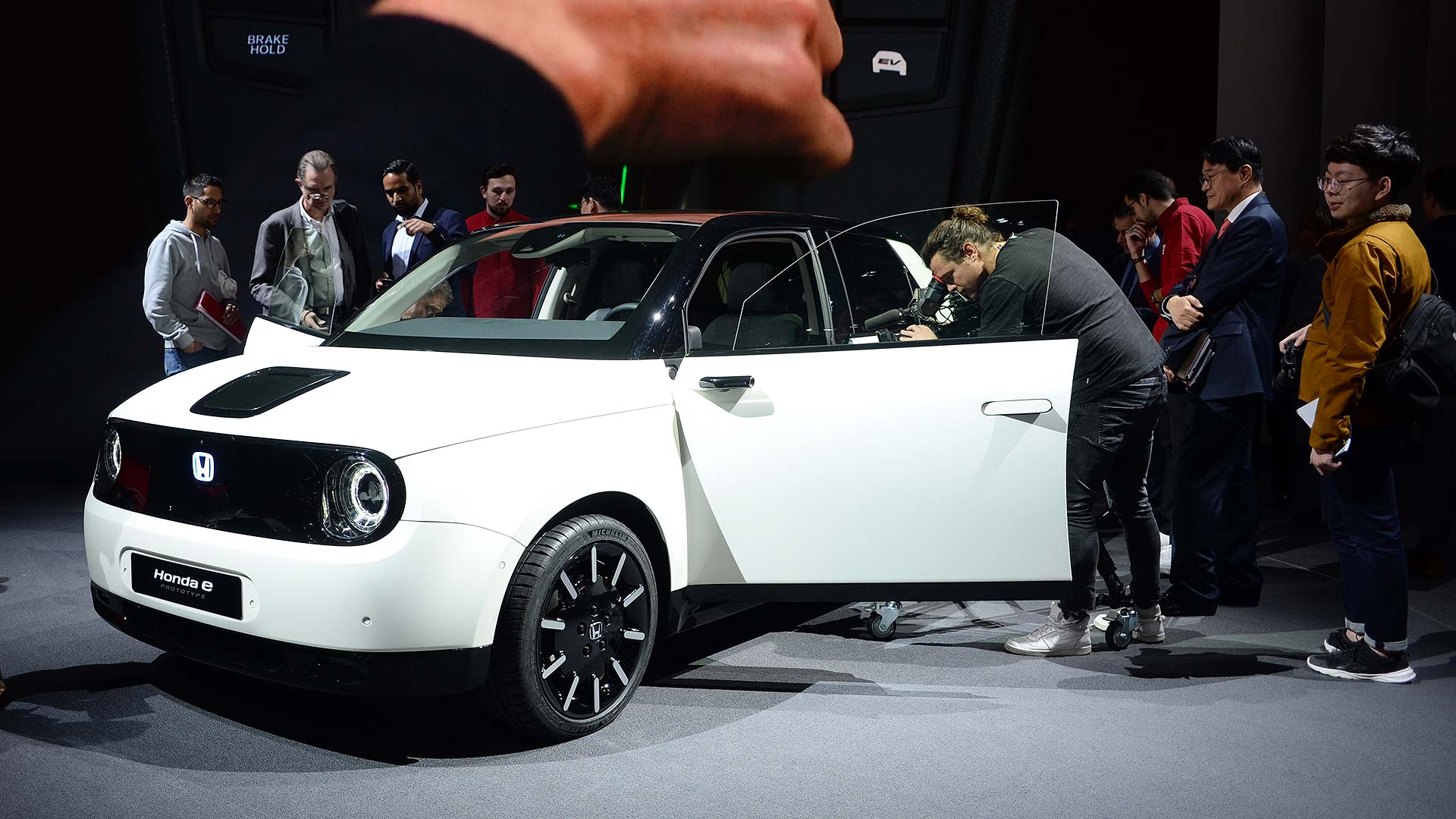
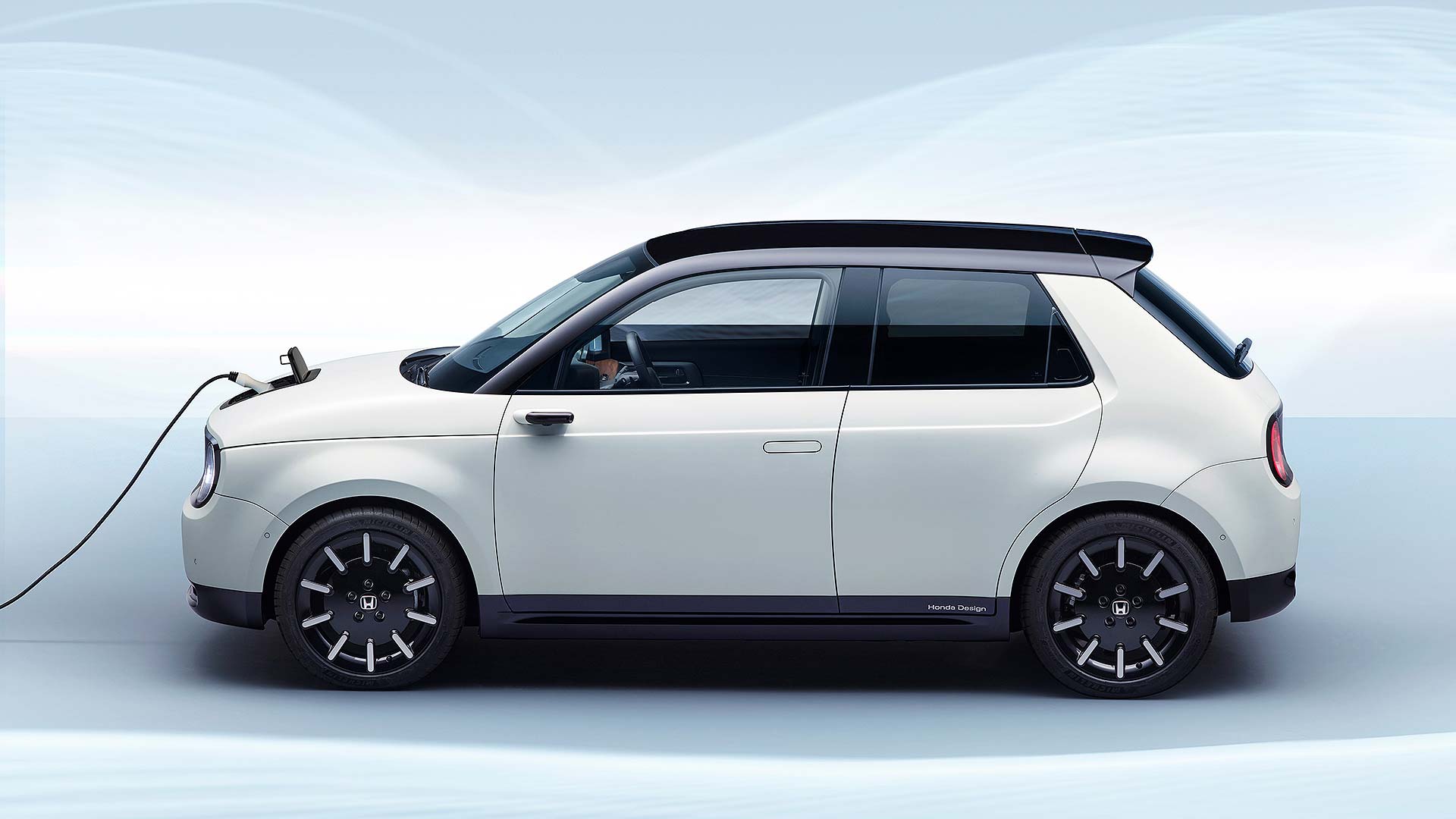
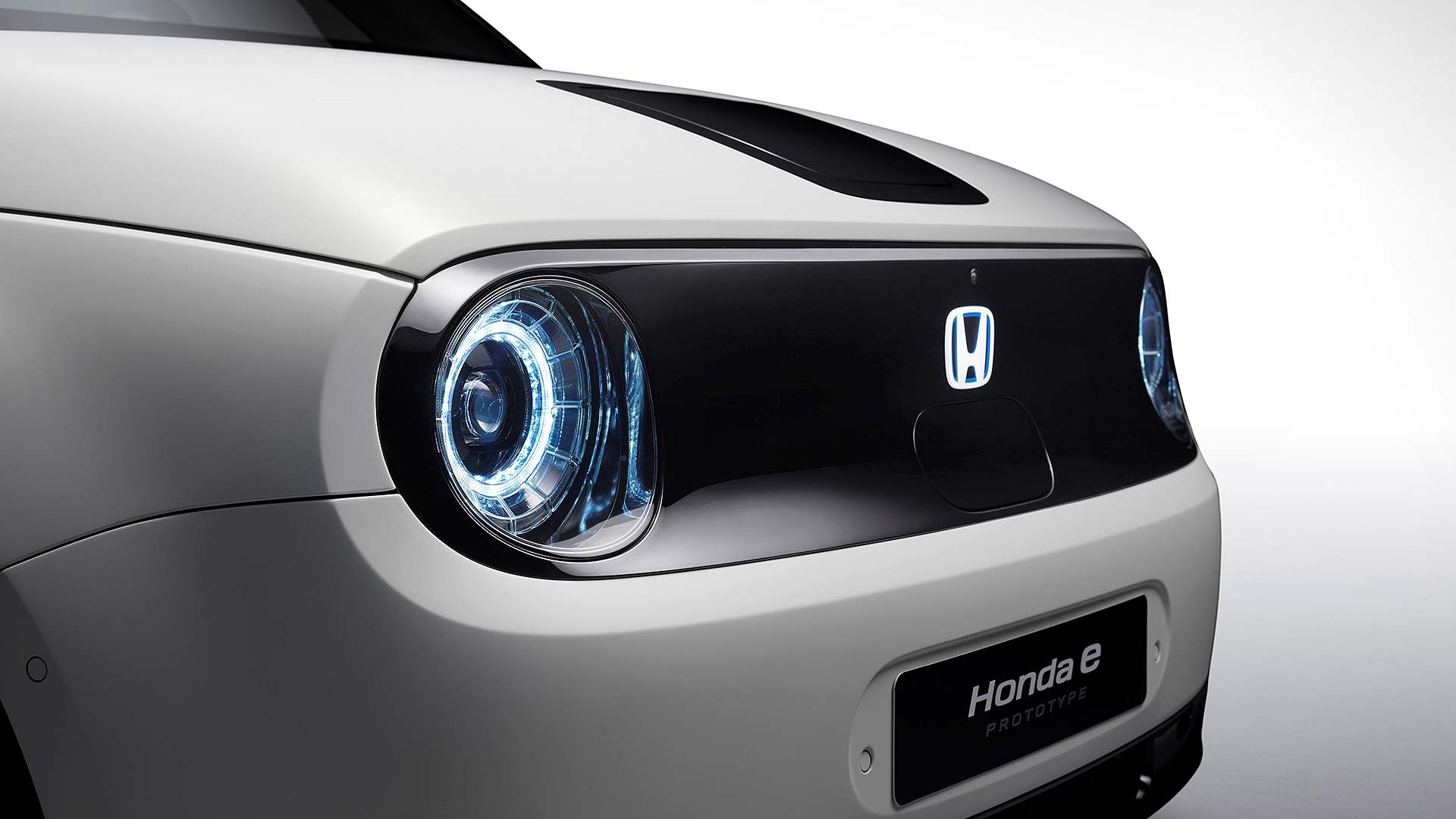
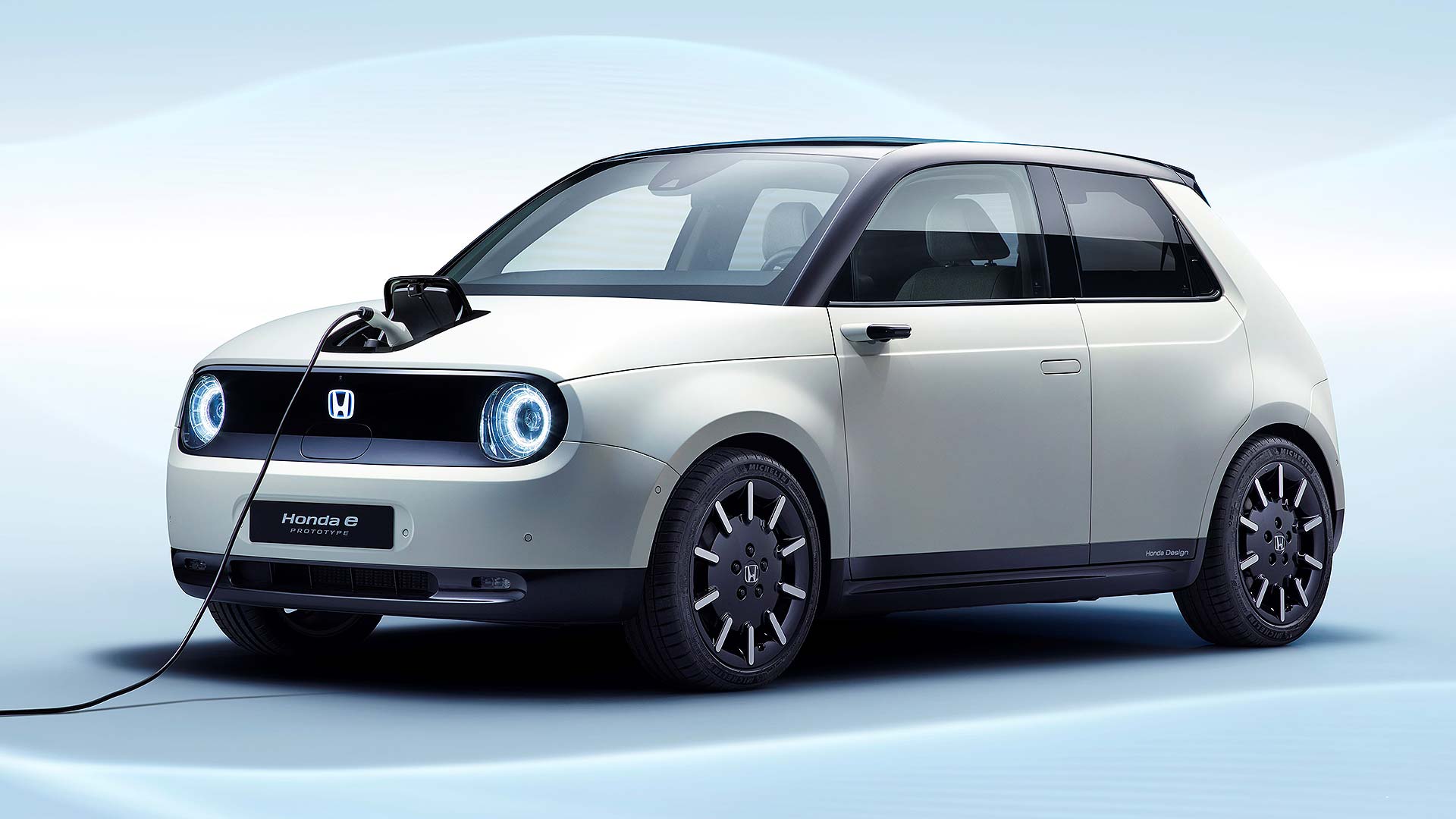
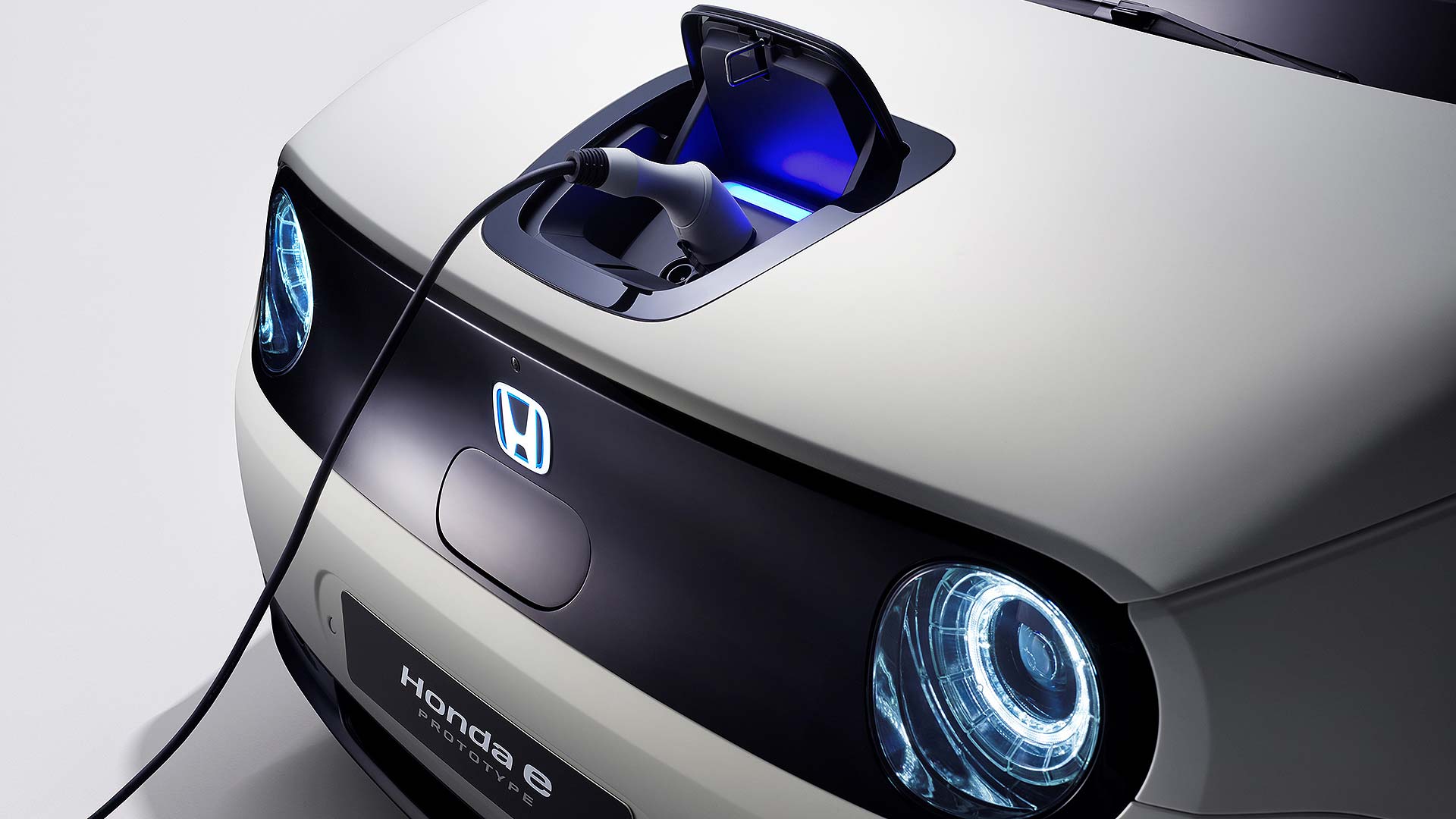
You can keep your million-dollar supercars and Nurburgring-taming SUVs, because this is one of the stars of the 2019 Geneva Motor Show. It’s every bit as adorable as the 2017 Urban EV Concept and is set to become one of the most sought-after EVs on the market. Honda is promising a range of over 200km (124 miles) and a fast charge functionality of 80 percent battery charge in just 30 minutes. Production will begin later this year.
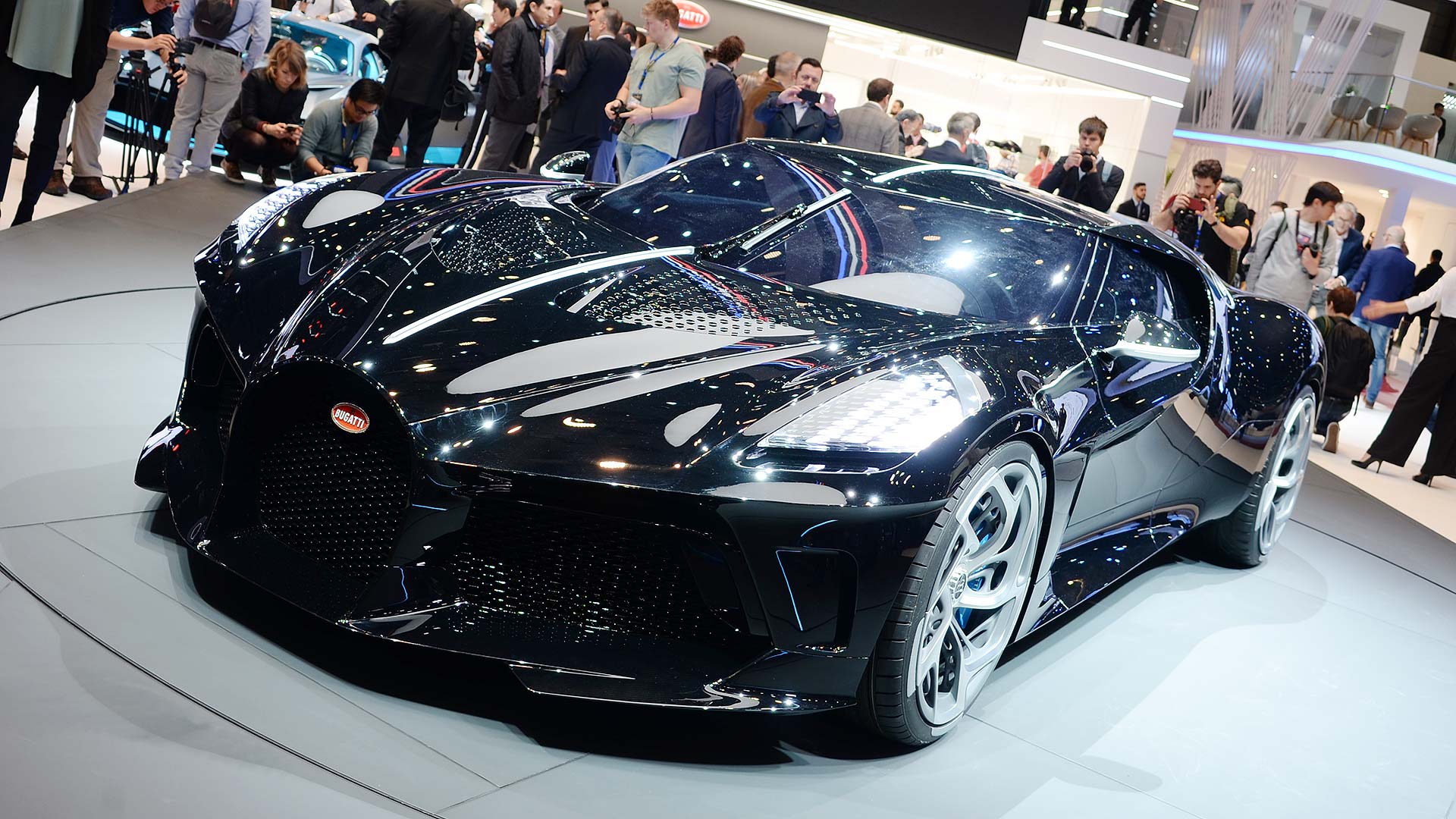
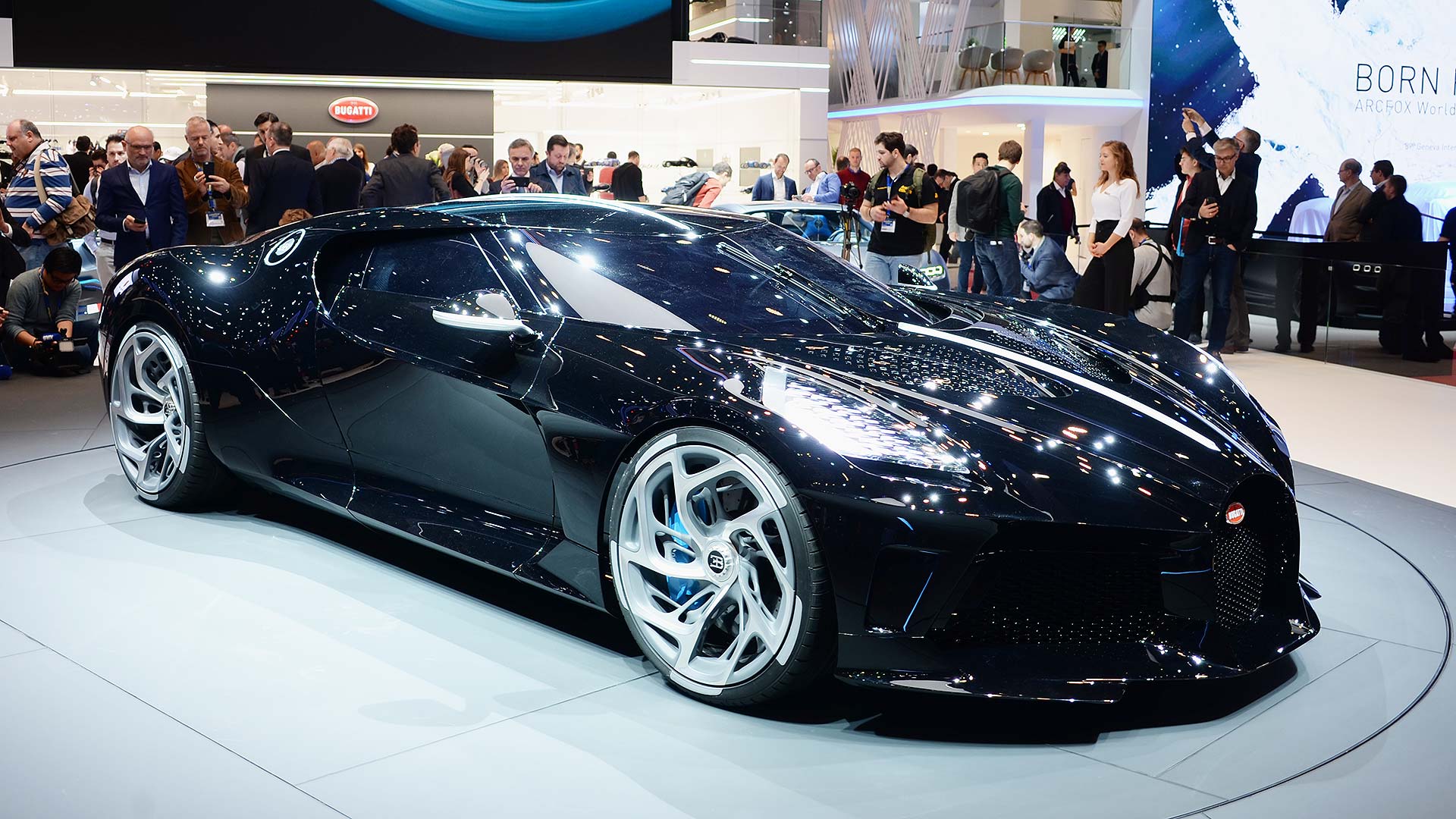
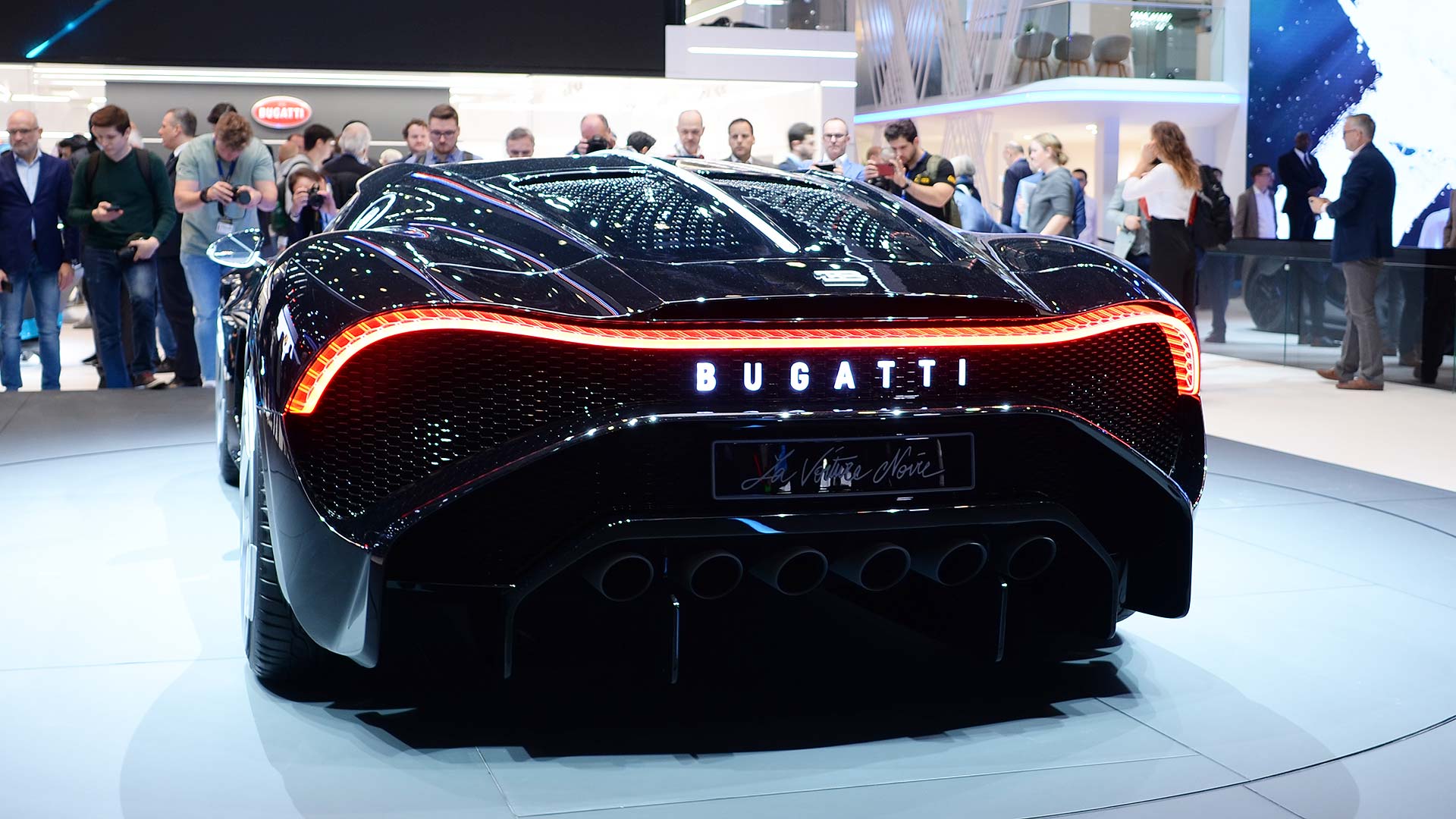
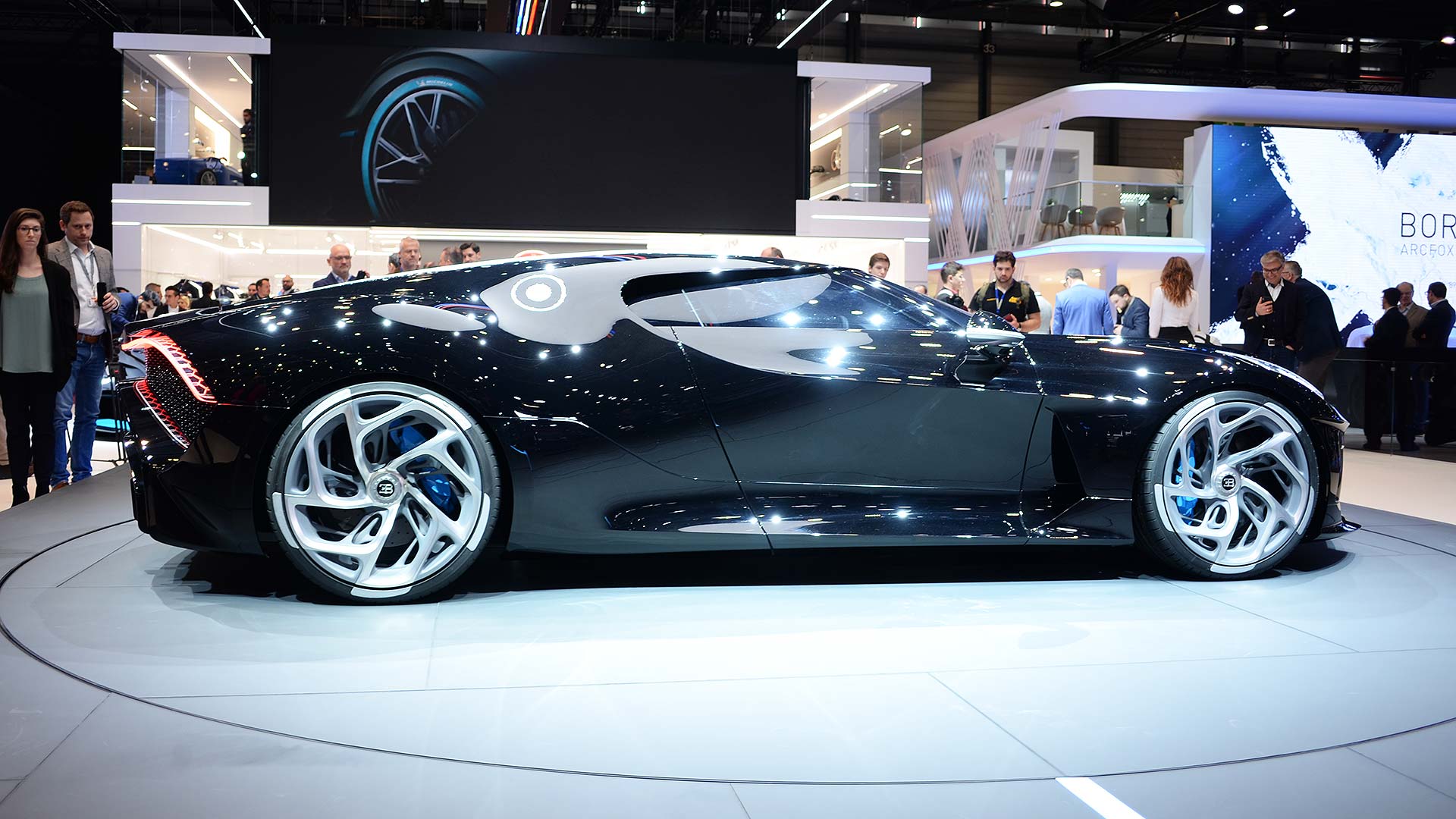
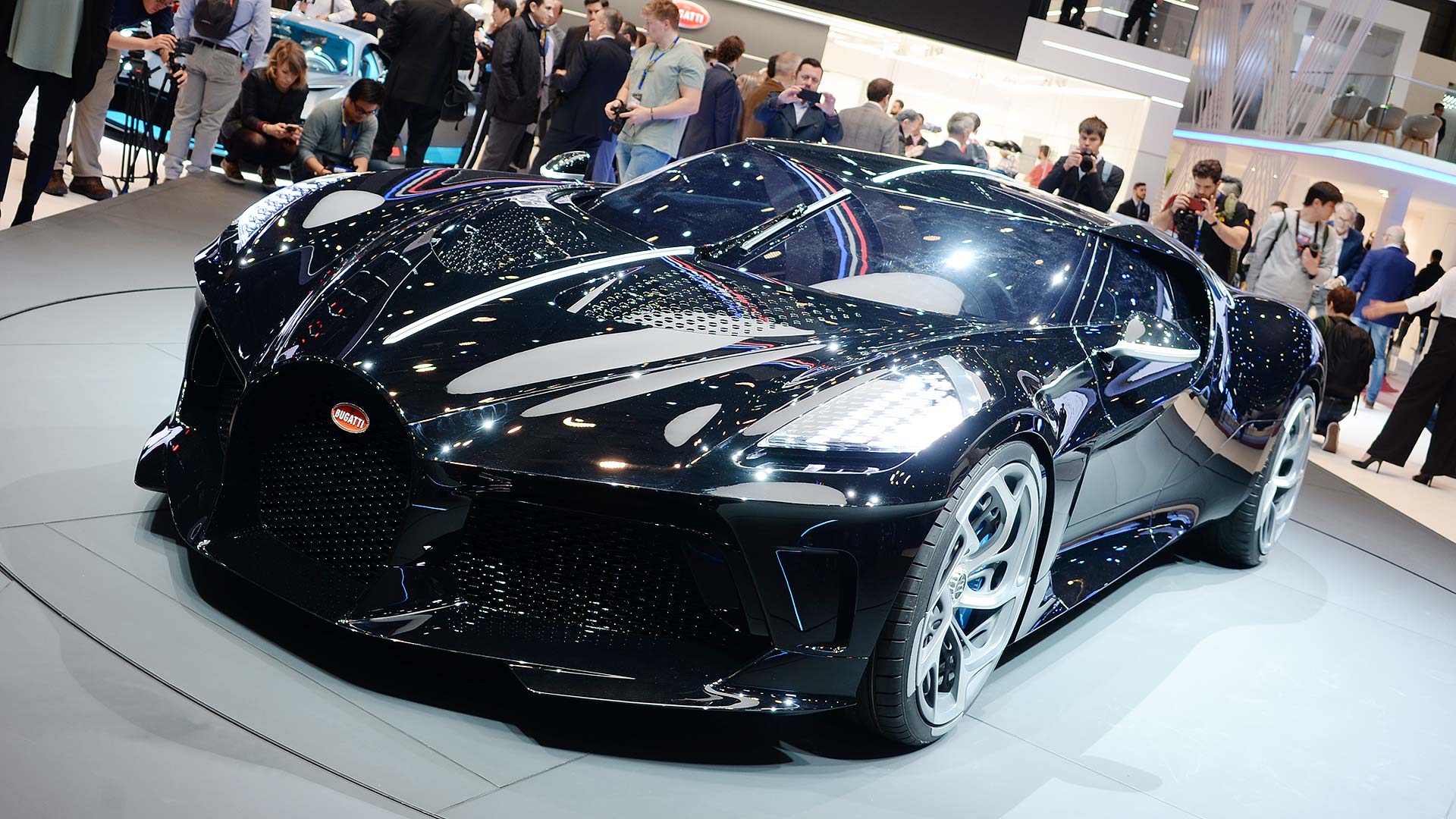
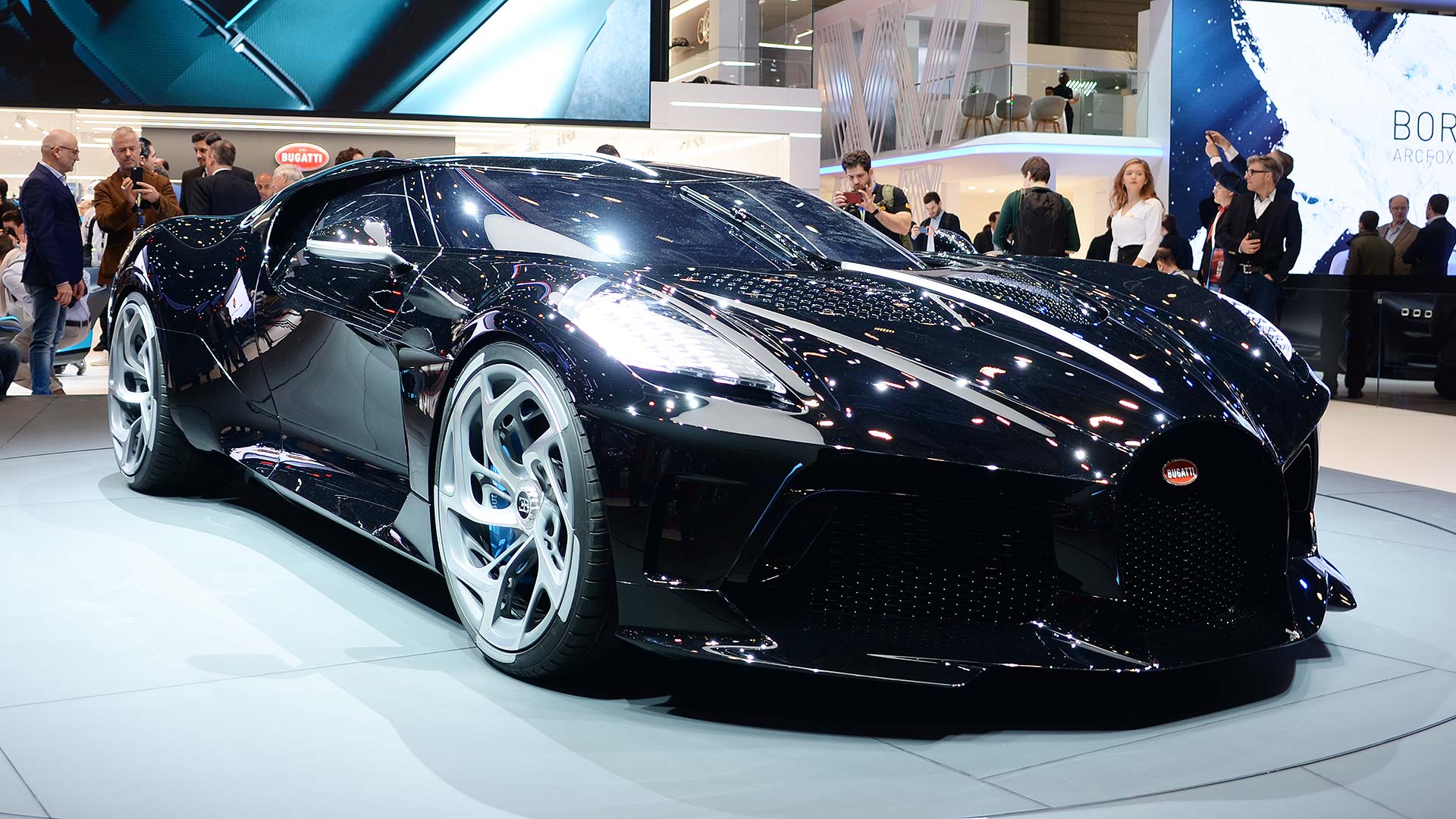
Bugatti La Voiture Noire
Meet the most expensive new car of all time: the Bugatti La Voiture Noire. And before you ask, somebody has already paid the €11 million (£9.45 million) before tax price tag. The one-off creation pays homage to the Type 57 SC Atlantic and is powered by an 8.0-litre 16-cylinder engine developing 1,500hp. “Our history is both a privilege and a responsibility – the responsibility for continuing the Bugatti heritage into the future. With ‘La Voiture Noire’, we are paying homage to our heritage and bringing speed, technology, luxury and aesthetics forward to a new era,” said Bugatti president Stephan Winkelmann.
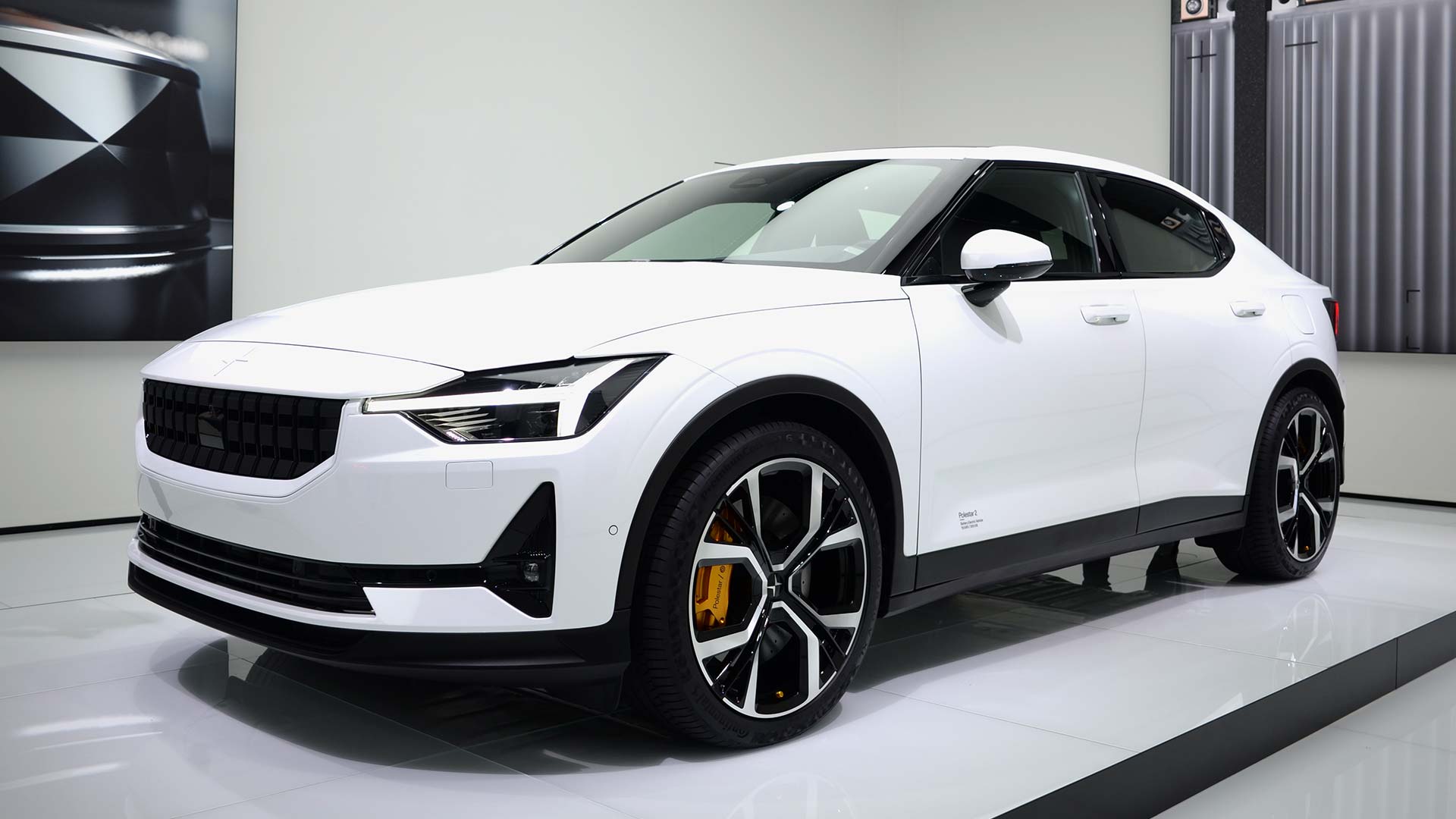
Polestar 2
Perhaps it would be a little harsh to say that the Polestar 2 isn’t as visually alluring as the Polestar 1, but that’s how we feel. However, with an eventual price tag of €39,900 (£34,000), five doors, and right-hand-drive production, this electric fastback is more relevant than the one Polestar made earlier. The company is targeting a range of 500km (311 miles), with a 408hp powertrain delivering a 0-62mph time of five seconds.
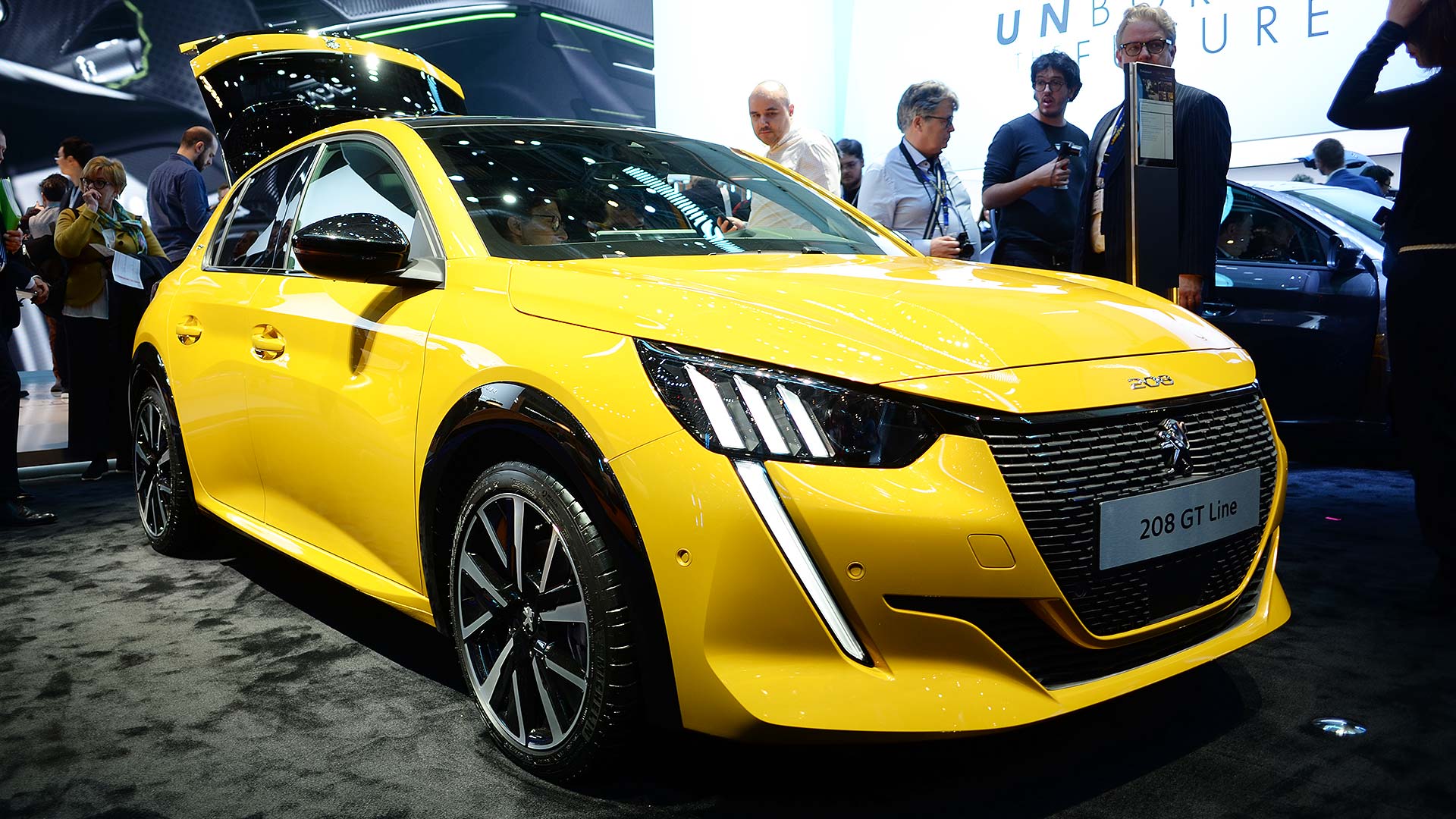
Peugeot 208
In terms of pure sales, this is one of the most significant new cars at the 2019 Geneva Motor Show. The Peugeot 208 range will include, from launch, an all-electric e-208 capable of a range of more than 200 miles. Three petrol engines and a diesel will be offered, with the 208 offering a premium interior with the now familiar i-Cockpit. The best supermini on the market? We think so.
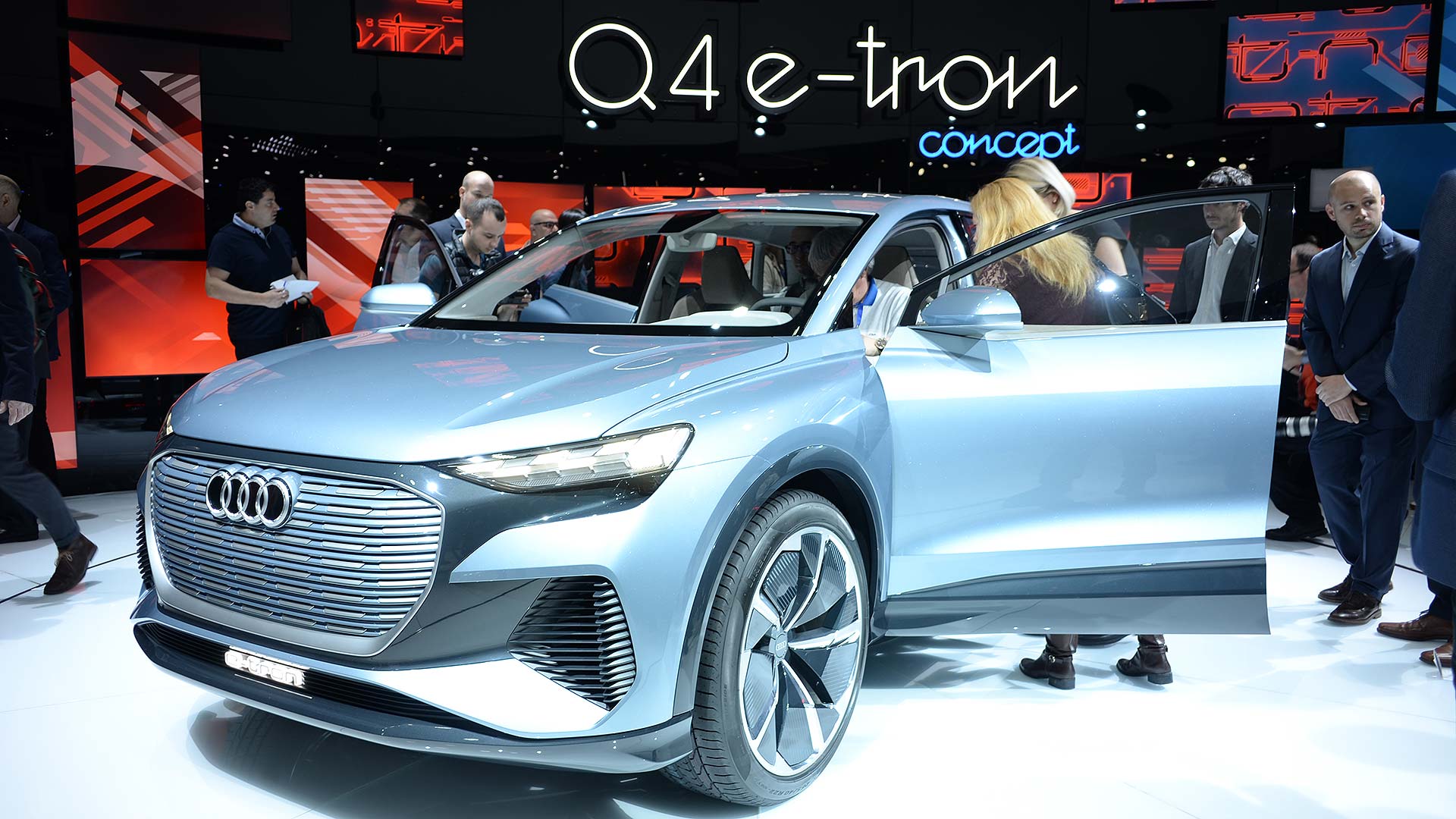
Audi Q4 e-tron concept
The Q4 e-tron concept previews the fifth fully-electric model to join the Audi range and packs two electric motors to deliver 225kW of power. As a result, it’ll rush from zero to 62mph in 6.3 seconds before hitting a top speed of 111mph. Even more impressive is the WLTP range of 279 miles. In terms of size, if you imagine a slightly larger Audi Q3, you won’t be too far wide of the mark.
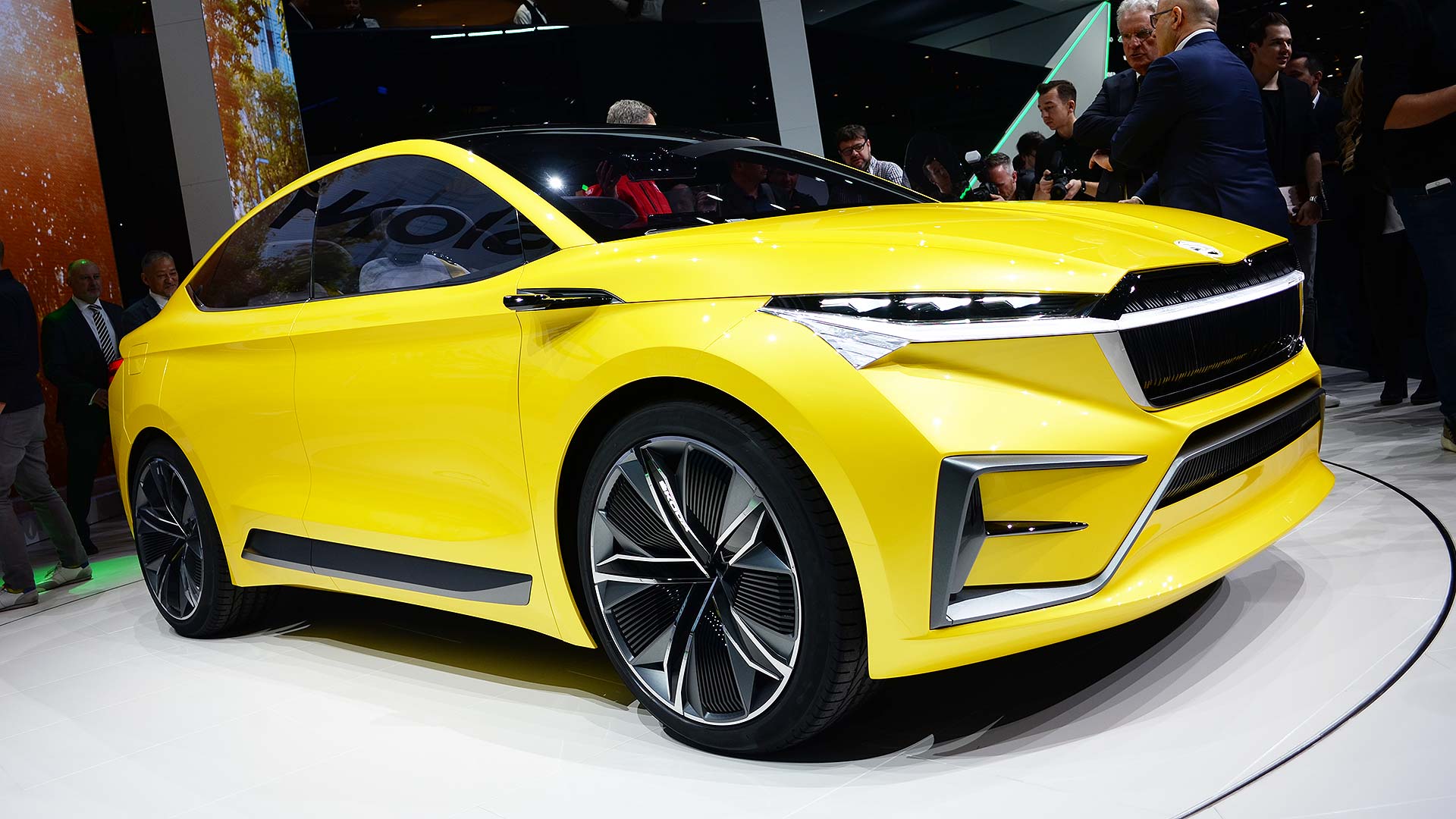
Skoda Vision iV
The Vision iV is the first Skoda to be based on Volkswagen Group’s MEB modular electric car platform and previews the company’s first production EV. The coupe-SUV features two electric motors – one on the front axle and one on the rear – to give the Vision iV all-wheel-drive. A total output of 306hp is distributed to the wheels depending on requirements, with the battery pack offering up to 310 miles of range.
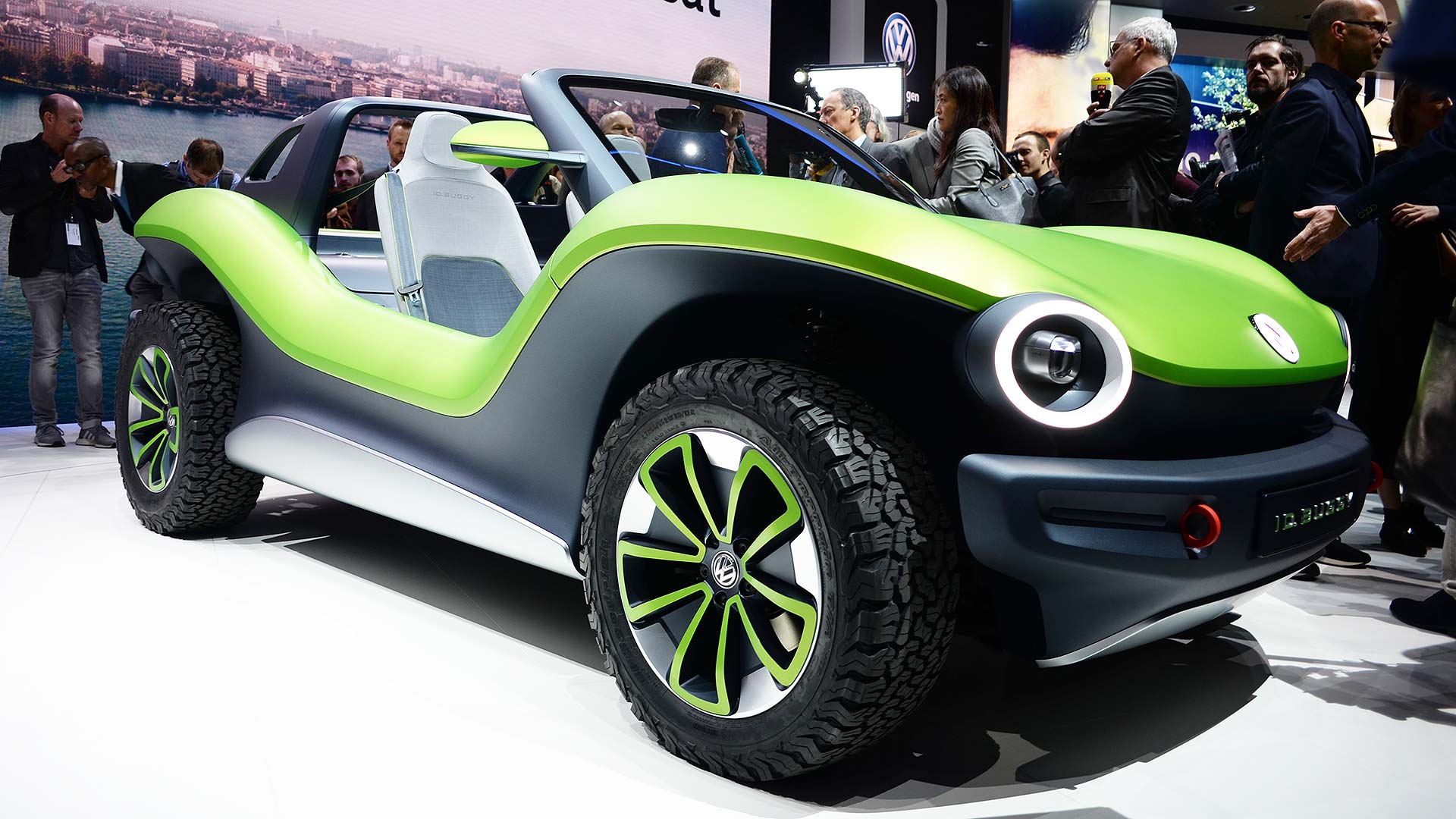
Volkswagen I.D. Buggy
As if to prove that it will be possible to have fun in an electrified future, the Volkswagen Dune Buggy concept goes back to the future, paying homage to the dune buggies of the 60s and 70s. Like its forebears, the concept has no roof or doors, but it does have large wheels and off-road tyres. Crucially, it’s based on VW’s modular electric drive matrix (MEB) platform – there’s no Beetle chassis to be found here. Although the concept is a pure two-seater, it can also be converted to a 2+2-seater.
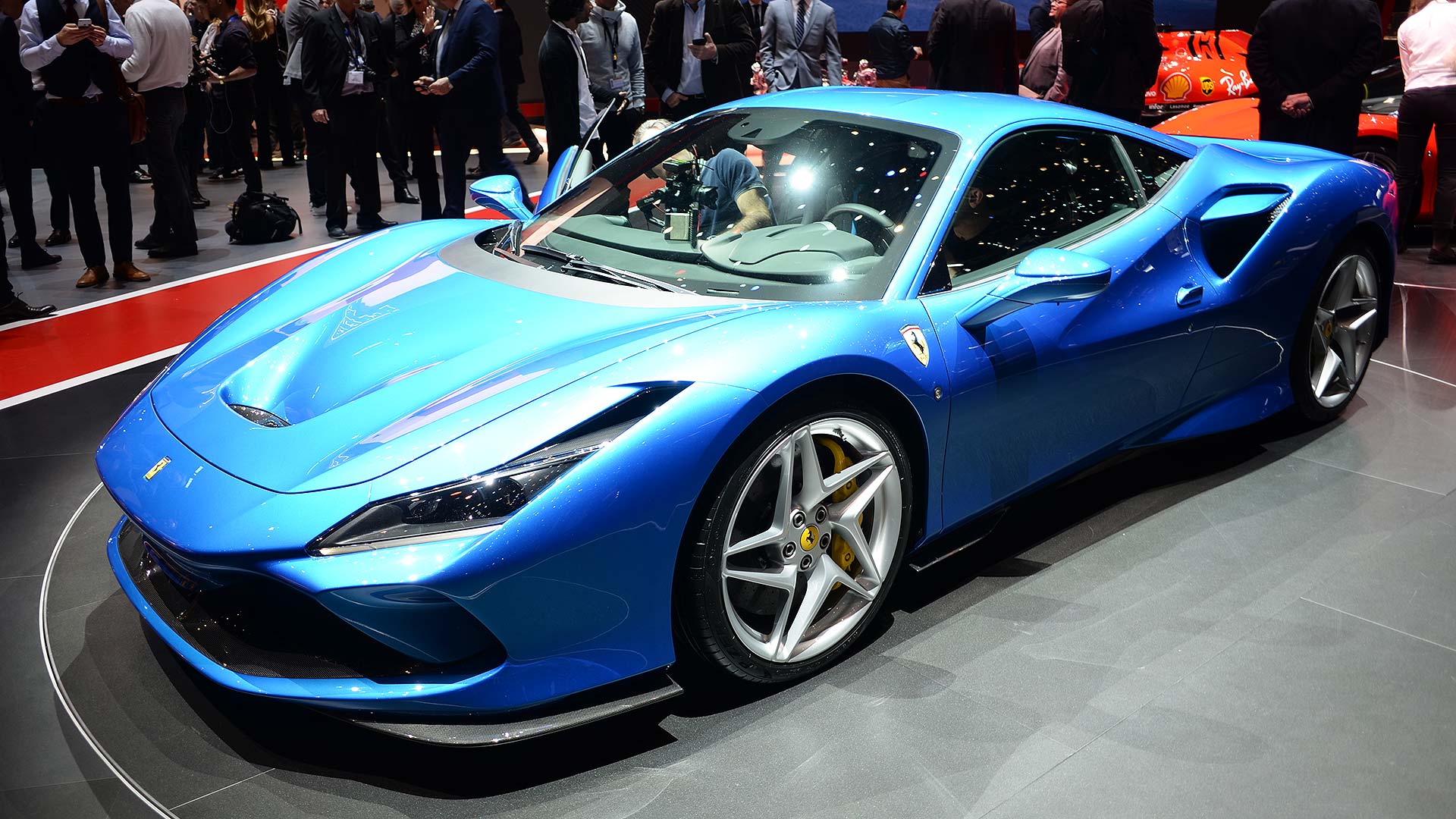
Ferrari F8 Tributo
The Ferrari F8 Tributo is powered by a 3.9-litre twin-turbocharged V8 engine producing 710hp – matching the 488 Pista, but 50hp up on the 488 GTB. It’s also 49kg lighter than the 488 it replaces, with the new body improving aero efficiency by 10 percent. We love the louvred engine window at the rear – a possible nod to the F40.
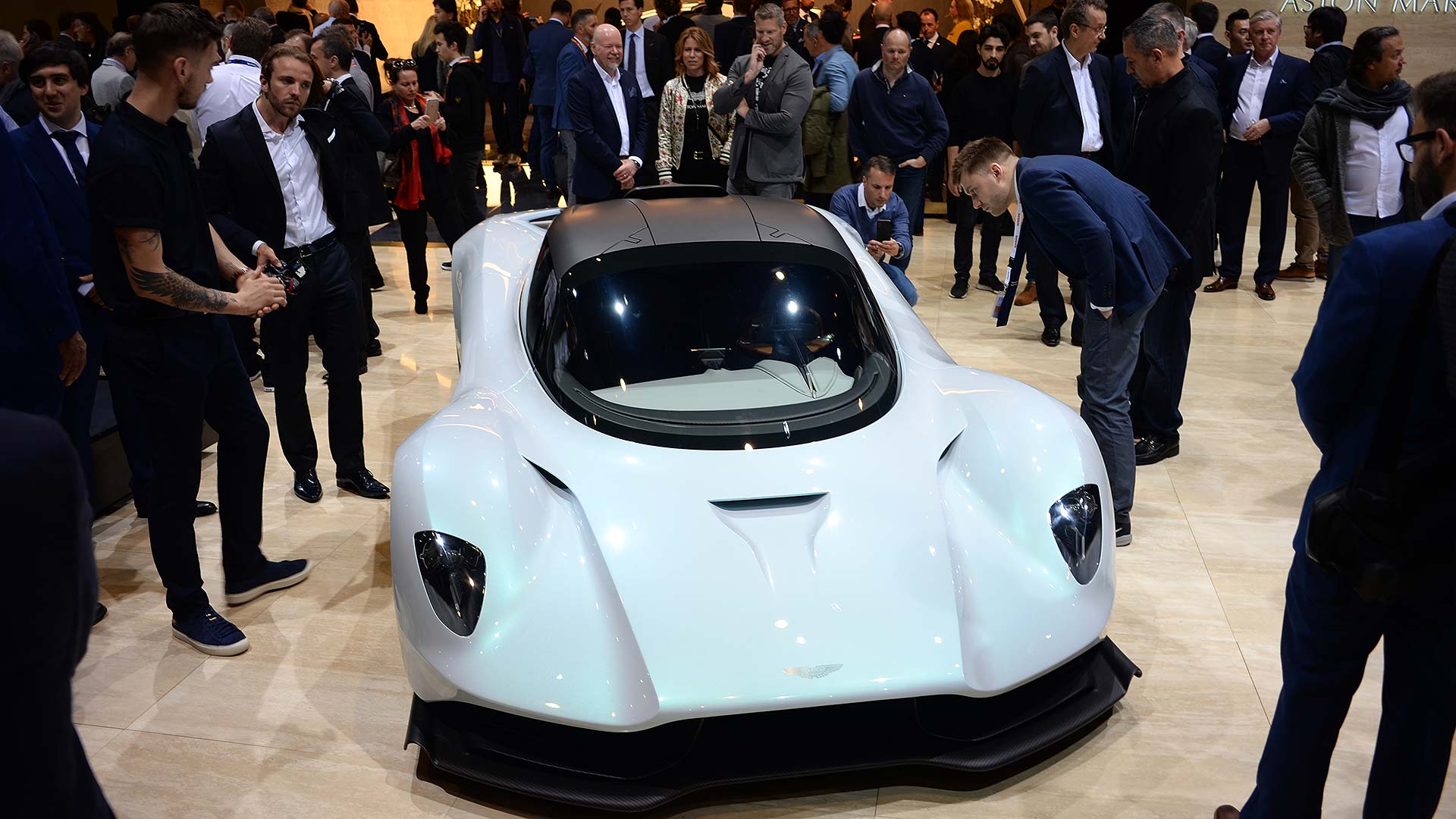
Aston Martin Vanquish Vision Concept
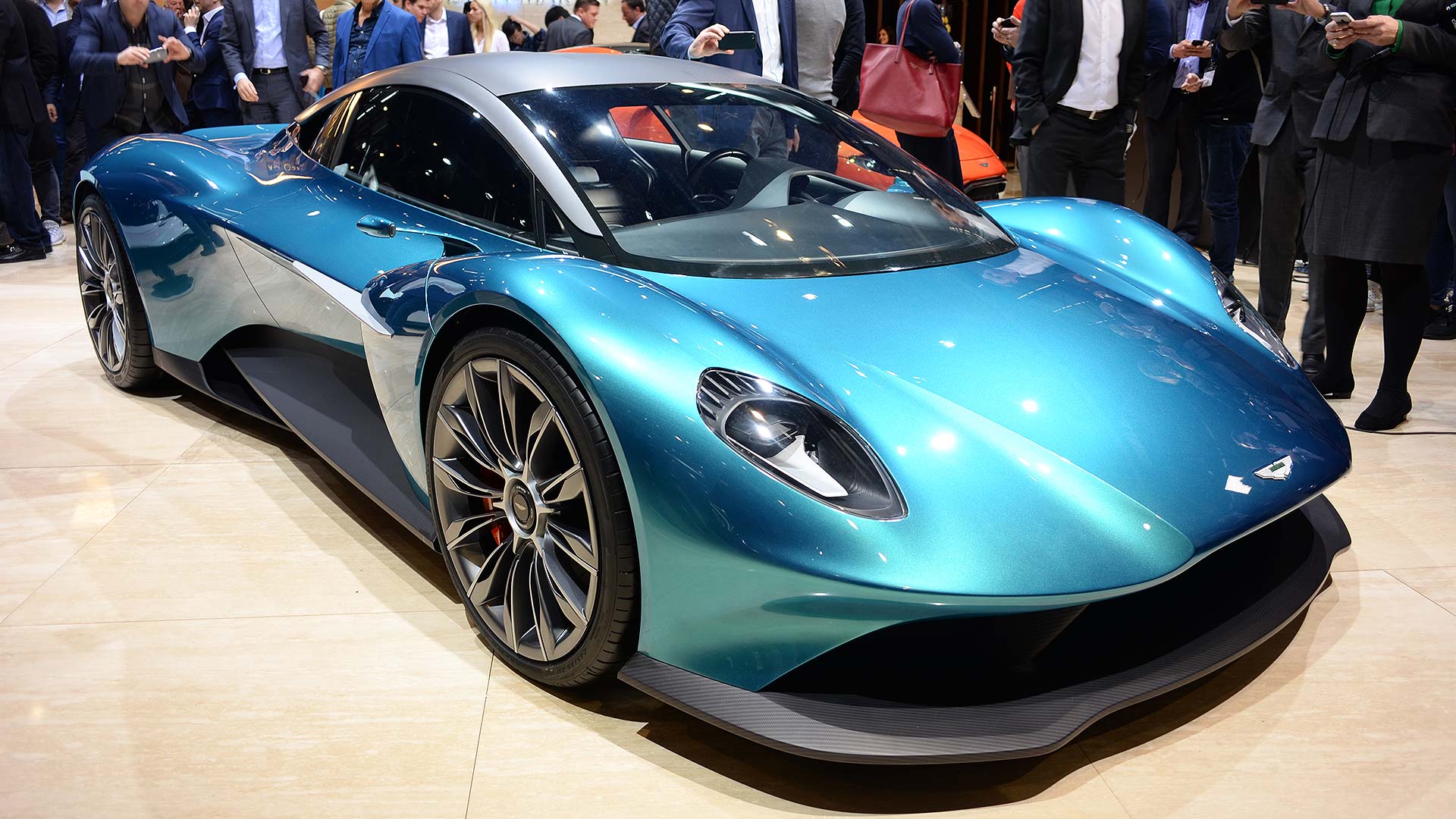
Few were expecting Aston Martin to reveal a second concept at Geneva 2019, but the Vanquish Vision Concept is a big deal for the brand – not to mention a potential headache for the competition. The new Vanquish will be a “transformational moment for the brand… the car that will propel Aston Martin into a sector of the market traditionally seen as the heartland of luxury sports cars,” said president and CEO Andy Palmer. Make no mistake, the new Vanquish should lead to a few sleepless nights at McLaren and Ferrari.
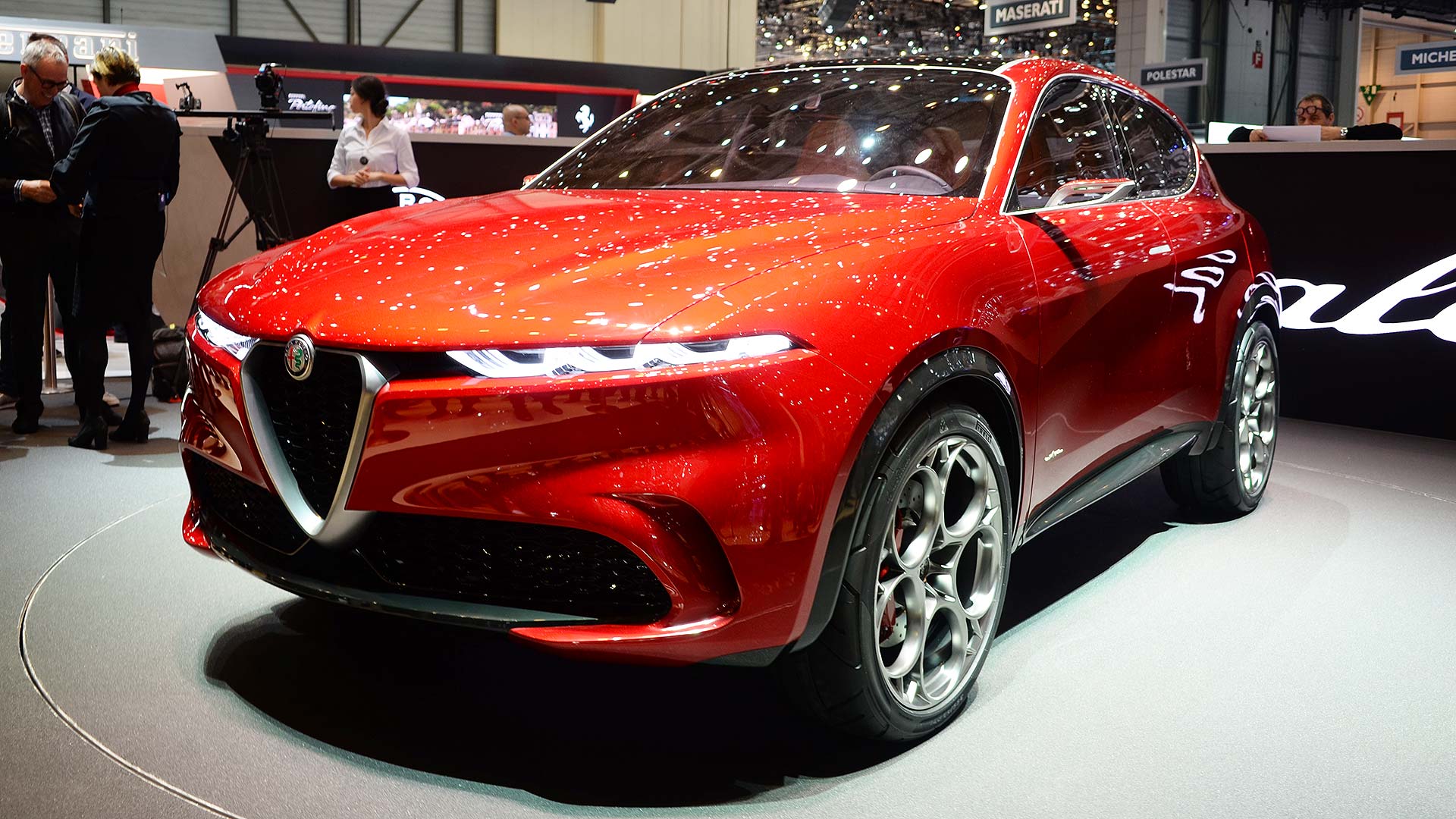
Alfa Romeo Tonale
Alfa Romeo sprung a surprise when it unveiled the stylish Tonale SUV. Alfa’s first mid-size plug-in hybrid SUV is based on the same platform as the Jeep Renegade and Fiat 500X, and will enter the highly competitive compact SUV segment. There’s no word on specifications, but if the production version looks this good, it will shoot to the top of the class in the styling department.
Fiat Concept Centoventi
Say hello to the new Fiat Panda! Officially, the Concept Centoventi is a celebration of 120 years of Fiat, but it’s also one giant preview of the next-generation Panda. The highly customisable concept will offer 62 miles of electric range in its most basic form, but customers can purchase or rent additional batteries to increase this to 310 miles. Produced in just one colour, it can be ‘painted’ by the customer with a choice of four roofs, four bumpers, four-wheel covers and four external wrappings. Fiat claims it will be the least expensive battery electric car (BEV) on the market.
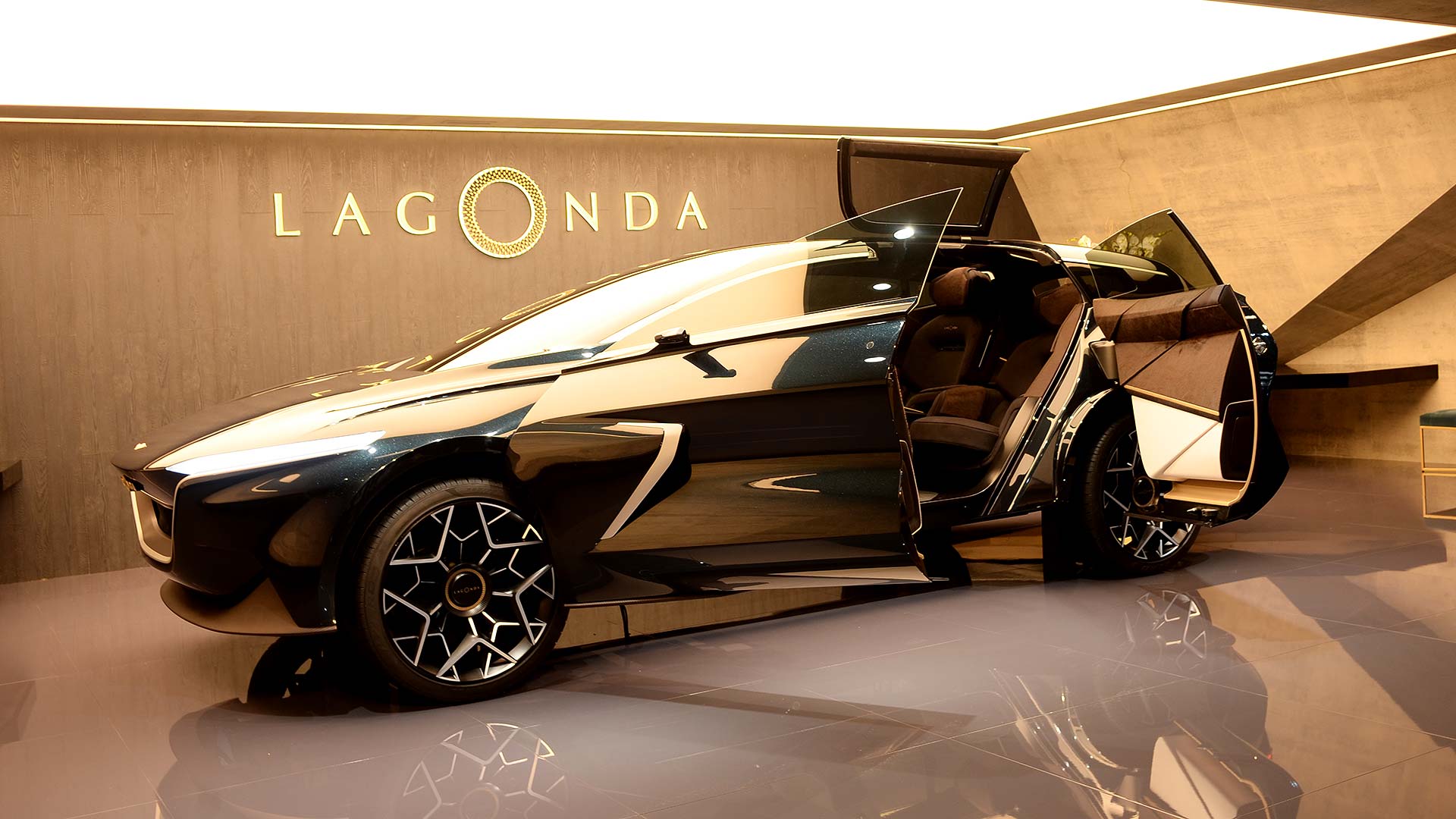
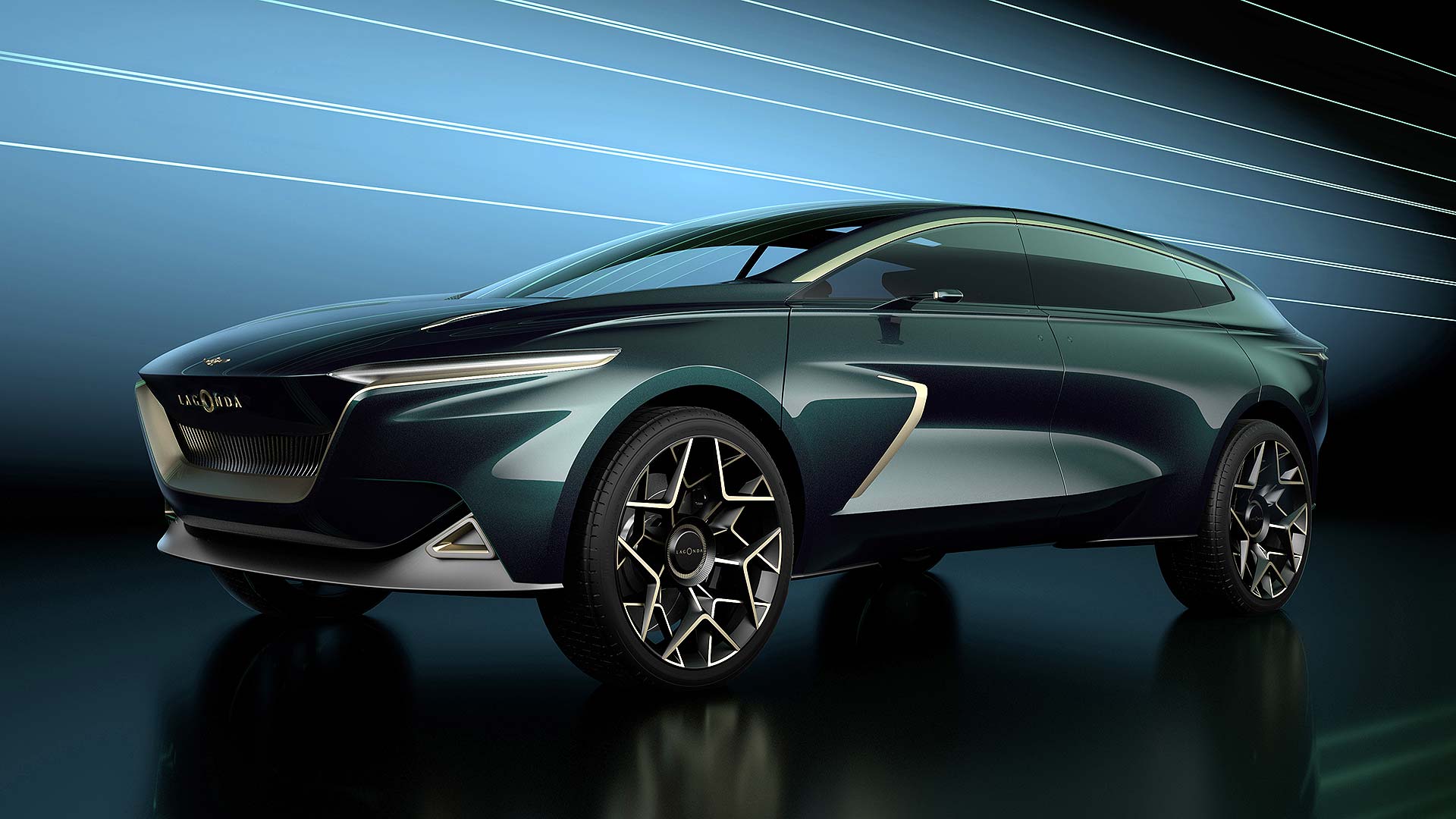
Lagonda All-Terrain Concept
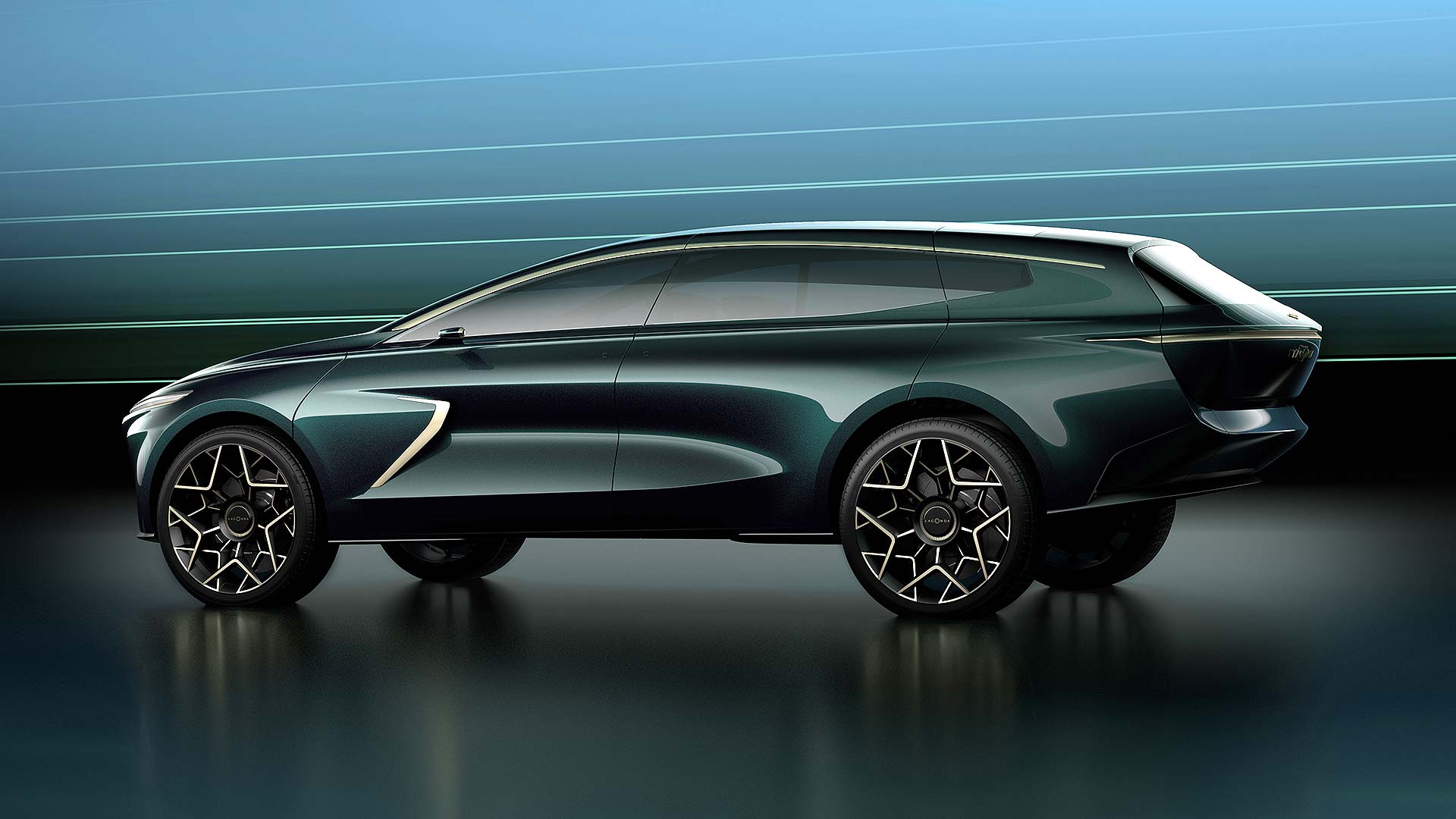
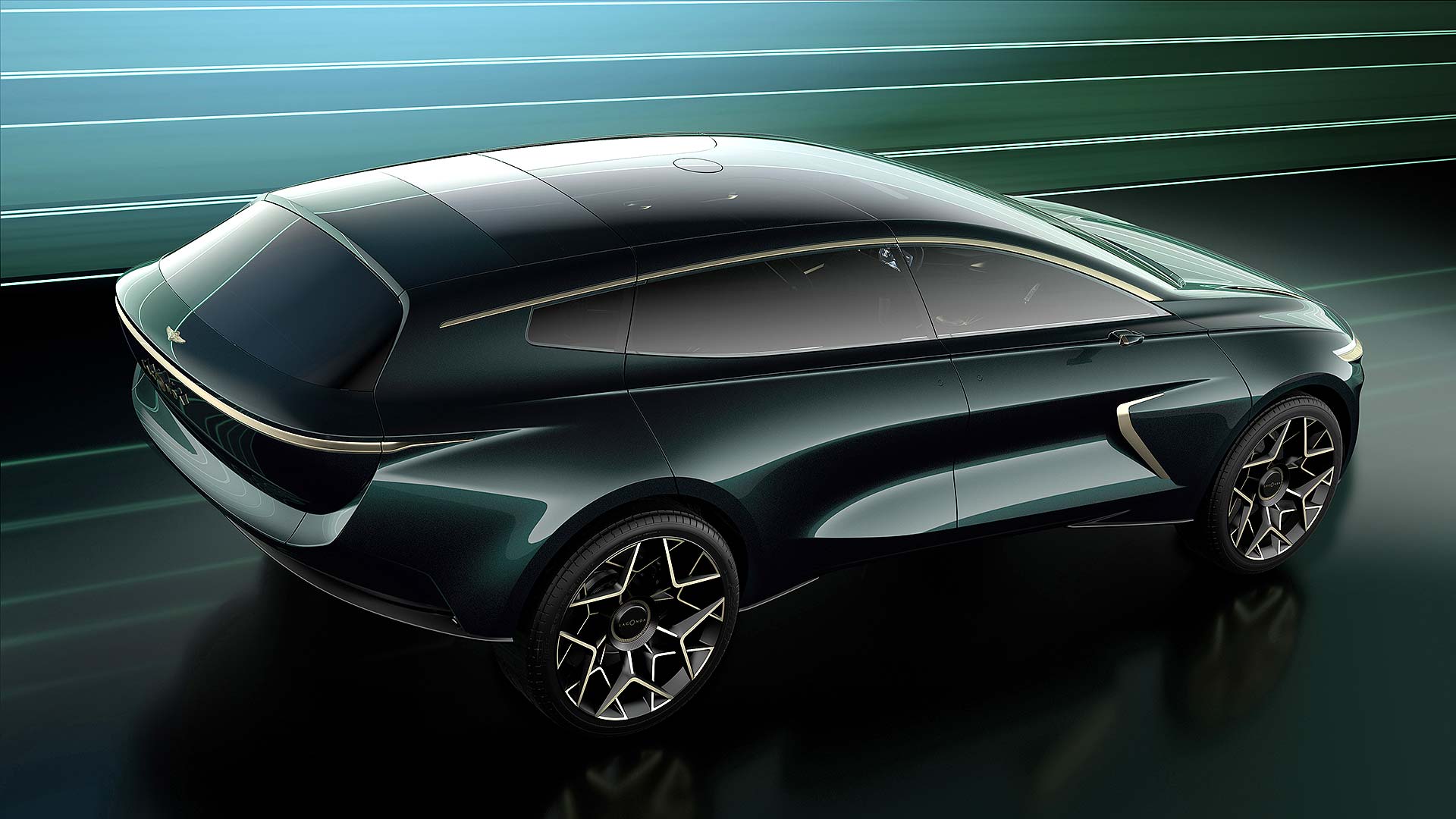
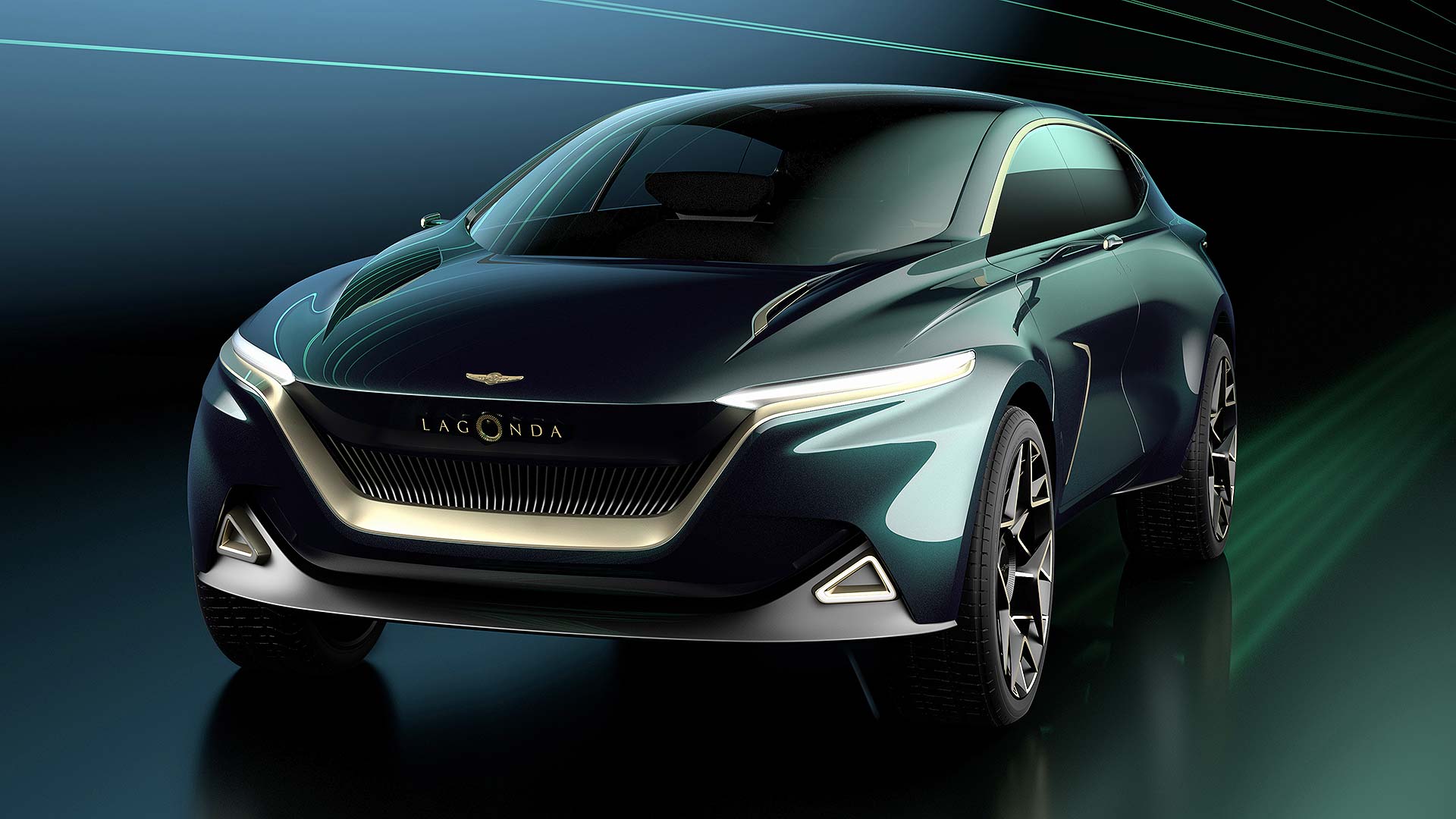
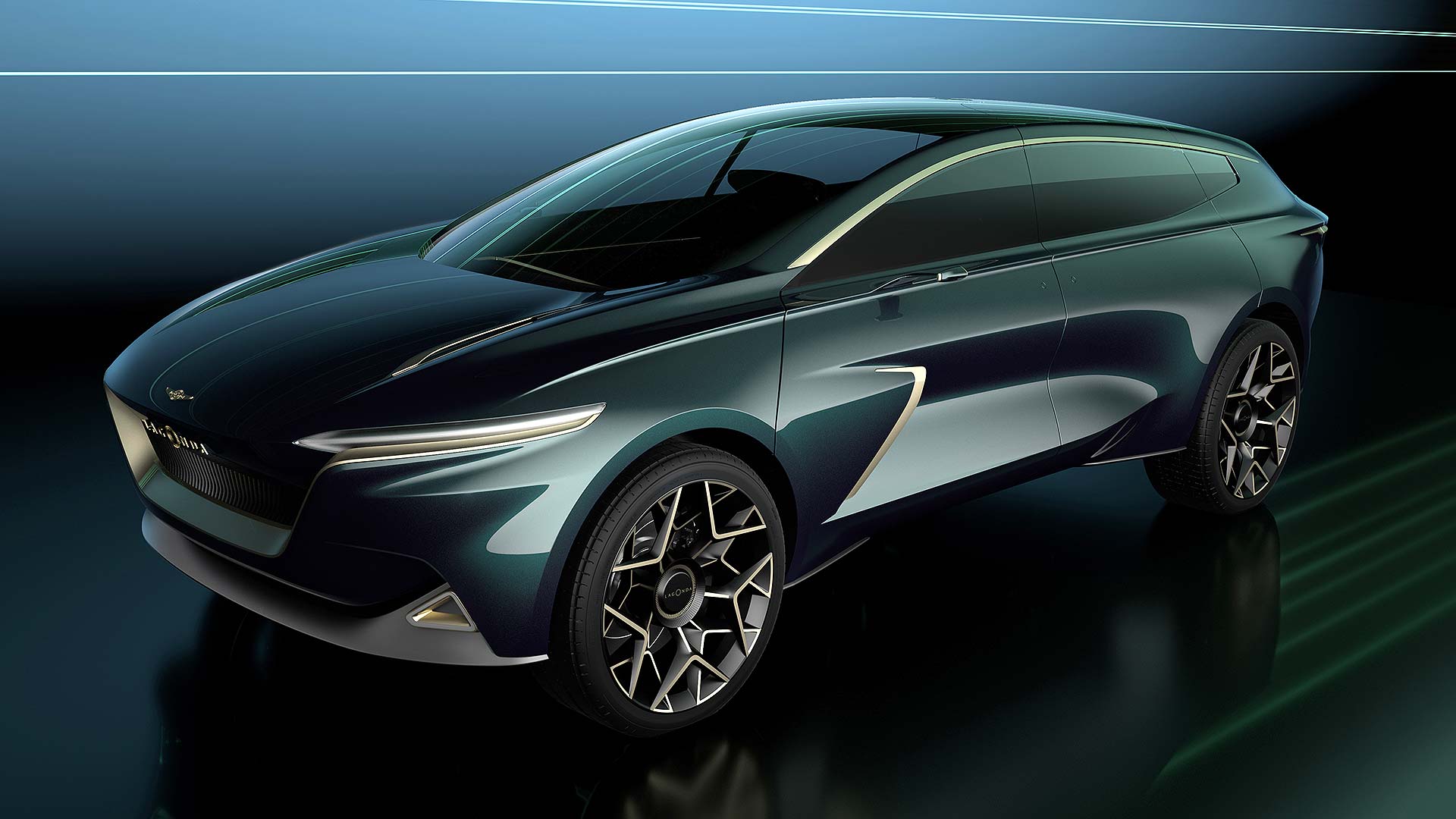
We suspect Aston Martin will have great fun with its Lagonda brand, rolling out a succession of OTT electric and autonomous playthings. The All-Terrain Concept represents the shape of things to come – an ultra-stylish, fully electric emission-free vehicle that’s more shooting brake than SUV. Sadly, we’ll have to wait until 2022 before we can get our hands on Lagonda’s vision of the future.
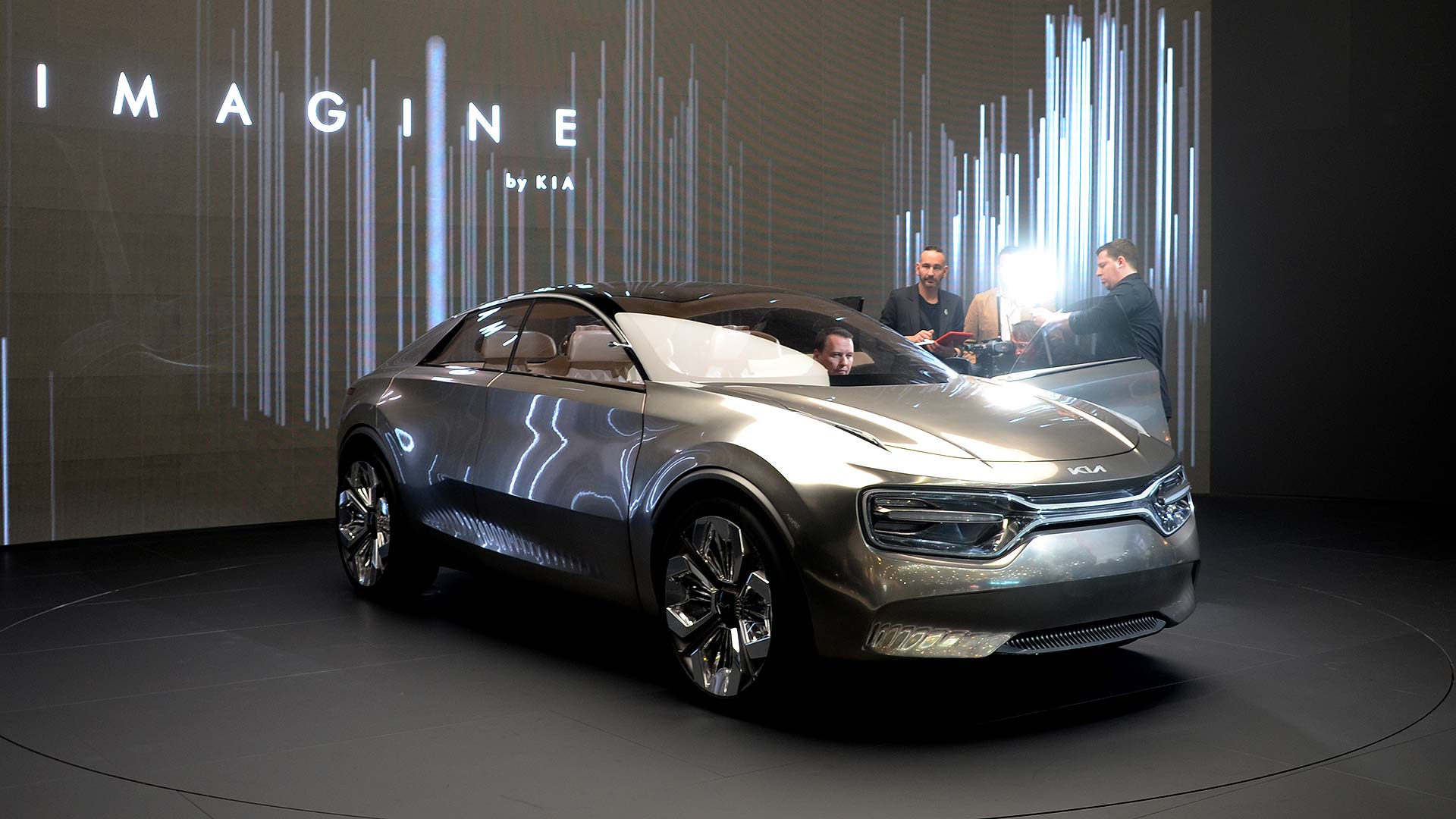
Kia ‘Imagine by Kia’
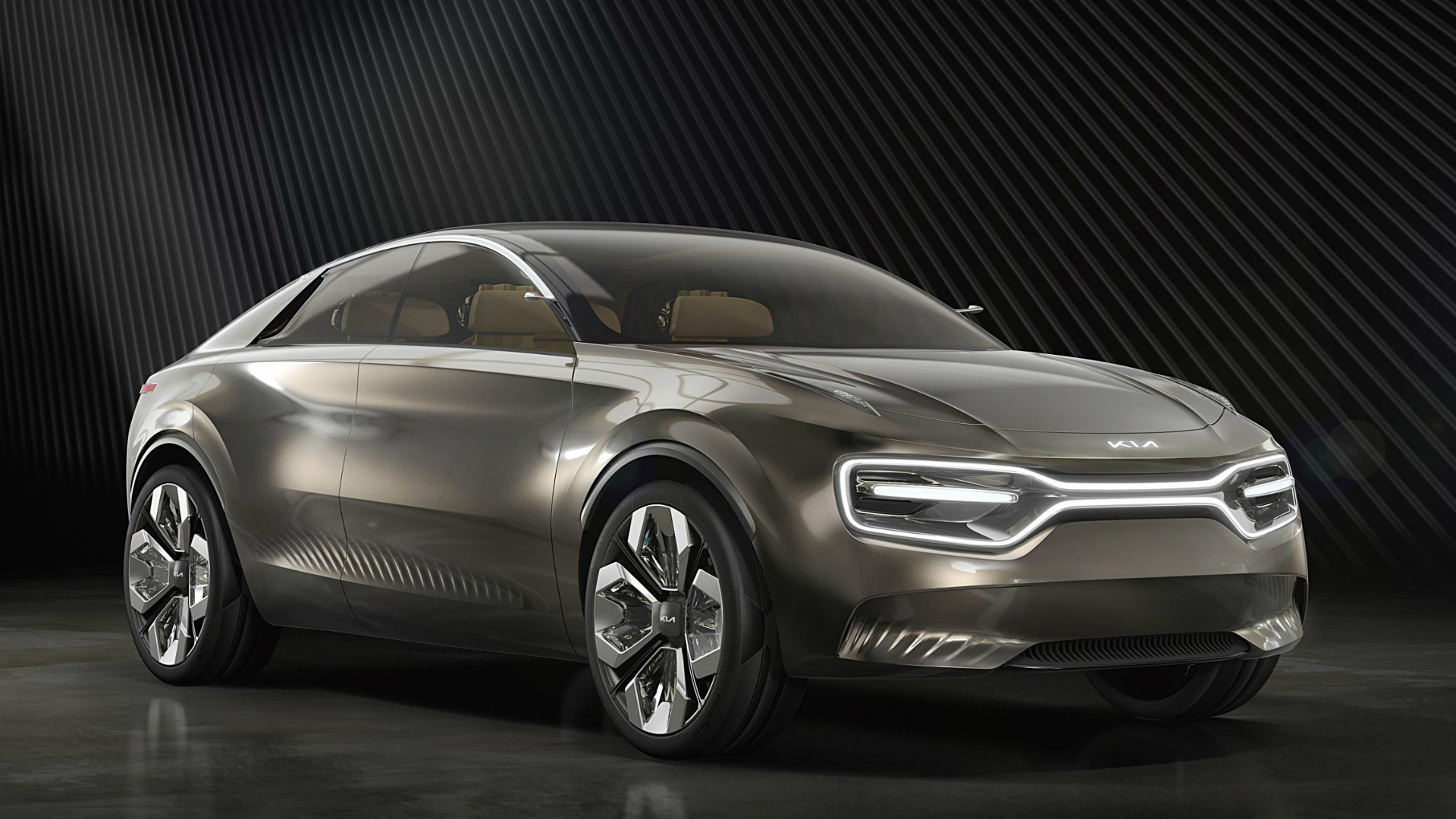
The Kia ‘Imagine by Kia’ is an all-electric concept that is a “visual embodiment of Kia’s desire to move forward in the exciting world of electrification”. The ‘tiger nose grille’ has evolved into an illuminated ‘tiger mask’, which “could potentially be deployed as a unifying design element across Kia’s future electric vehicle range,” said Gregory Guillaume, vice president of design for Kia Motors Europe. The interior is wonderfully OTT, looking like something out of Flash Gordon. Cool thing, mind.
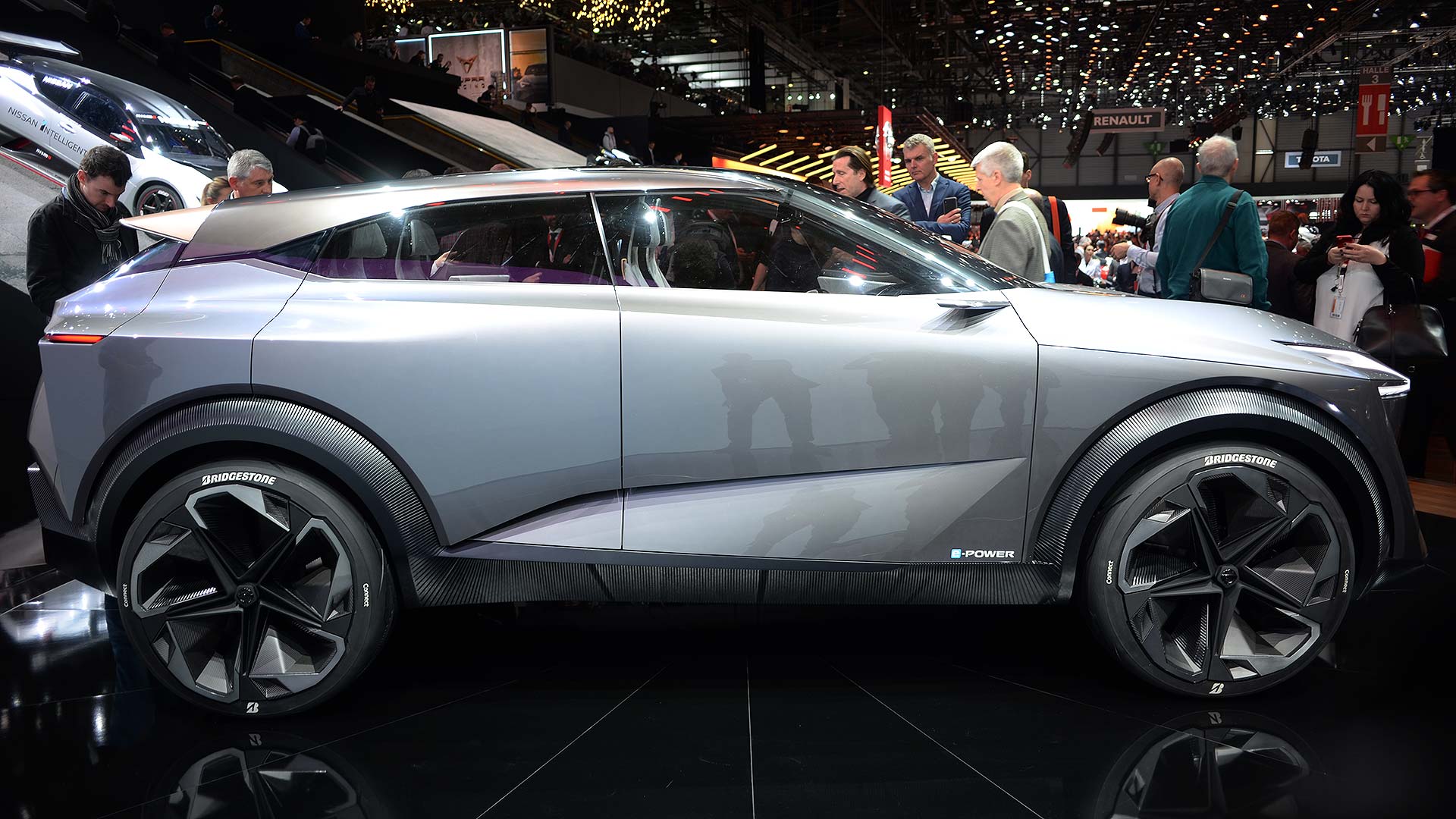
Nissan IMQ concept
Nissan hasn’t mentioned the Qashqai in the press material for the IMQ concept vehicle, but we reckon the Q is there to tip the hat to the hugely popular crossover. ‘IM’ stands for Intelligent Mobility – the brand’s vision for the future of automotive transportation. Which means the IMQ is 100 percent electric and equipped with an advanced version of Nissan’s Propilot driving assistance system, tweaked to offer autonomous driving capability. Ladies and gentlemen, your new Nissan Qashqai has arrived.
Aston Martin AM-RB 003
The Aston Martin Project 003 has a codename: AM-RB 003. Developed in partnership with Red Bull Racing, the ‘son of Valkyrie’ will be powered by a new hybrid turbocharged V6 engine and made fully from carbon fibre. Inside, the AM-RB 003 boasts ‘Apex Ergonomics’, which is said to perfectly align the centreline of the driver’s back with the steering wheel and pedals. If you fancy one, get your name down quick, because just 500 will be built.
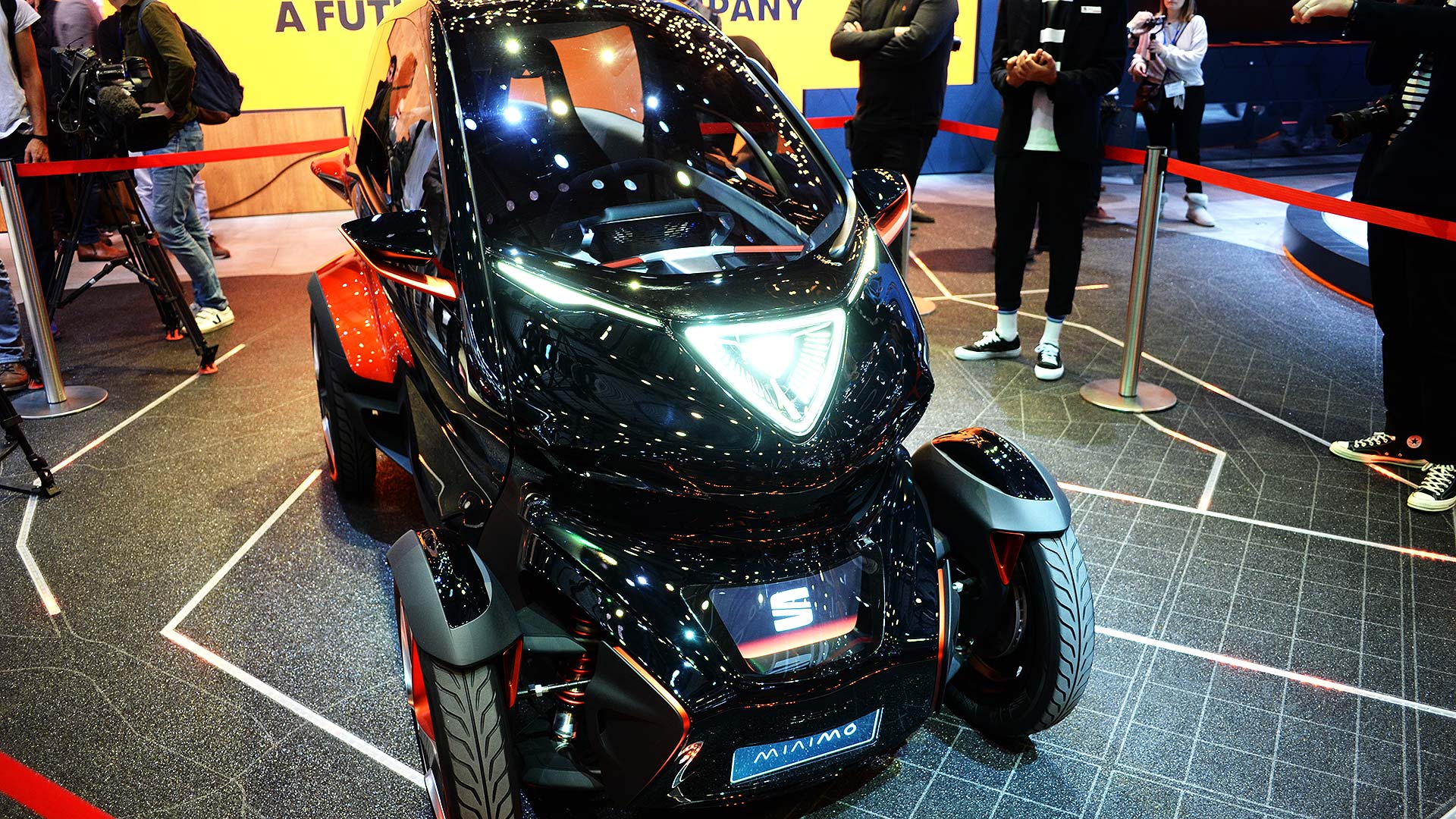
SEAT Minimo
According to Seat, the Minimo could represent the future of shared mobility services. The quadricycle offers a claimed range of 62 miles, with Seat proposing a battery-swap system to reduce charging times. It’s a funky little thing, but there are only two names on the lips of everyone on the Seat stand – ‘Renault’ and ‘Twizy’.
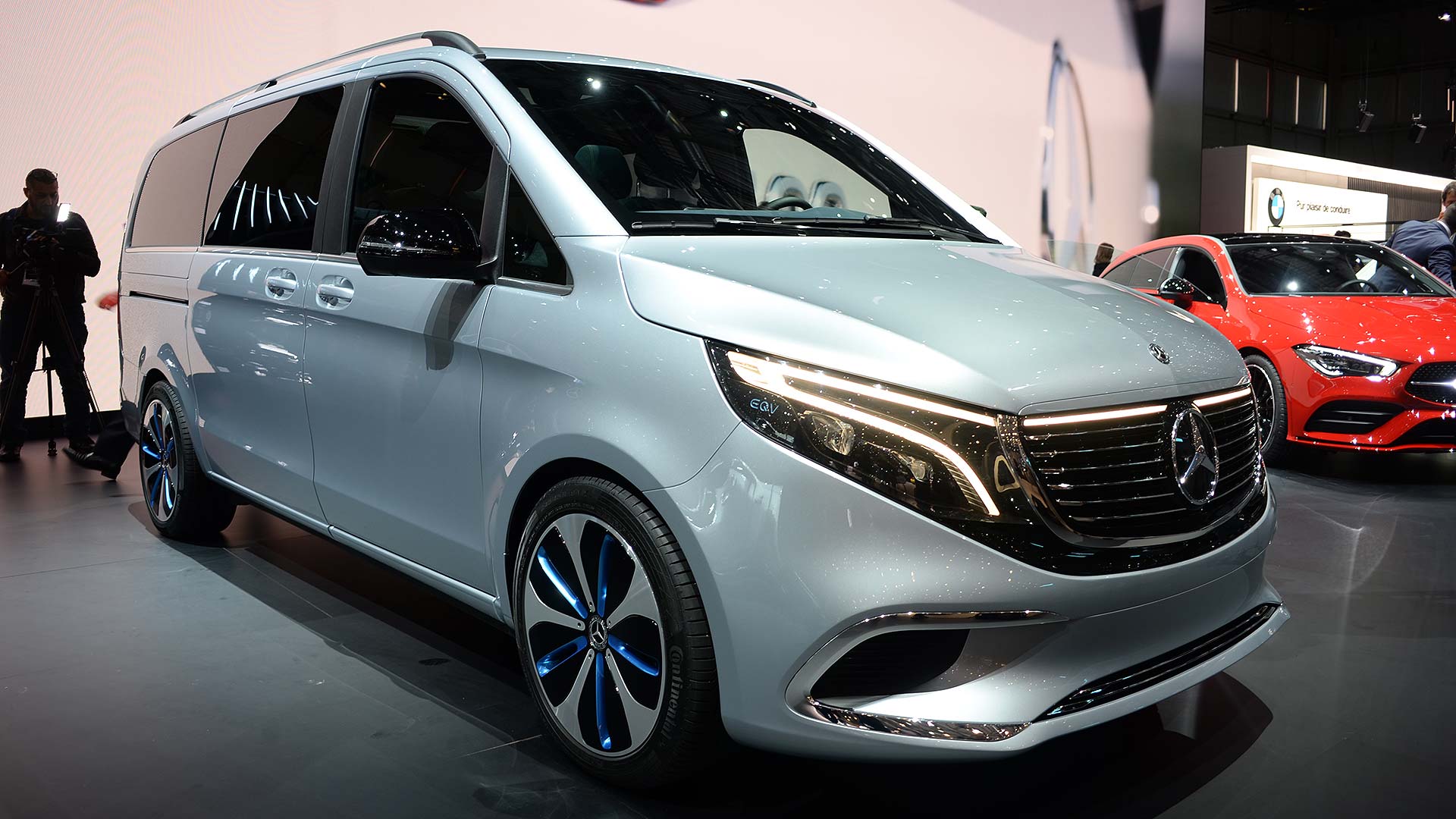
Mercedes-Benz Concept EQV
Mercedes is billing the Concept EQV as the world’s first electric MPV and says that the concept in Geneva is close to production-ready. It’s based on the V-Class and can seat up to eight, with Mercedes promising a range of up to 249 miles. Crucially, a fast charger delivers 62 miles of range from just 15 minutes of charging.
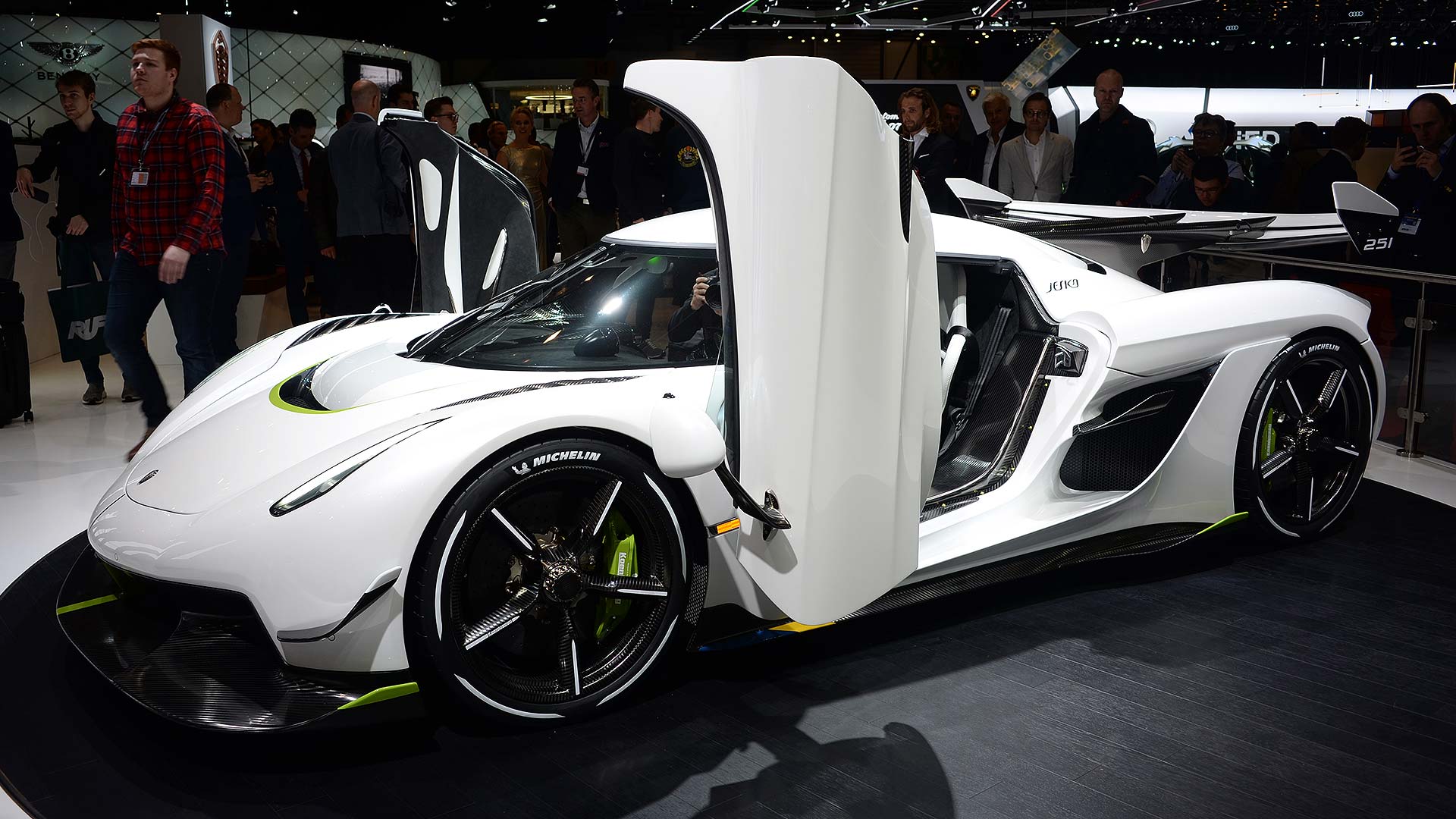
Koenigsegg Jesko
If you’re still with us, thank you. As a reward, here’s the Koenigsegg Jesko, a hypercar named after Christian von Koenigsegg’s father. The Agera RS successor is powered by a redesigned 5.0-litre twin-turbocharged V8 engine producing 1,280hp using standard petrol and 1,600hp on E85 biofuel. The figures are incredible: 1,000kg of downforce at 170mph and a kerbweight of just 1,420kg. As the top speed – Koenigsegg is targeting 300mph. Blimey.
Few marques have licence to build and sell ‘the most expensive car in the world’. Of all, it is perhaps Bugatti you’d most expect to aim so high.
Now, at the 2019 Geneva Motor Show, it’s done just that, with the one-off £12 million La Voiture Noire.
The story of La Voiture Noire
La Voiture Noire owes its name, and its existence, to a tale of lost treasures fit for an Indiana Jones movie.
This car pays tribute to the Type 57 SC Atlantic – a classic car that almost transcends monetary value. Unless you have many, many millions and the bargaining power to convince the likes of Ralph Lauren to give up the keys, you’re not getting one.
The new La Voiture Noire refers to a different Atlantic, however. Jean Bugatti’s personal car that was lost in the throes of World War Two, never to be found again. ‘The Black Car’ pays tribute to that legendary lost chassis.
A Chiron with a body kit?
If you were being crass, you could call it that. The basis is very much the Chiron, 1,500hp quad-turbo W16 included. The Noir appears to be extended by comparison, however, with that long sprawling nose aping the elegant Atlantic. At the front, there are more than a few hints of the track-prepared Bugatti Divo, too.
It’s at the back, however, where the Noir is truly distinctive. Six exhausts dominate an aggressive rear end, with ‘Bugatti’ emblazoned and glowing above. A distinctive light strip follows the line at the top, not looking entirely dissimilar to the McLaren P1.
On top, the open-engine setup of the Chiron is gone, with a smoother Atlantic-aping closed rear end. The engine cover is perforated to allow hot air to escape. The wheels are a distinctive new design and the cabin, unseen as yet, has likely gone through significant changes of its own.
As for who bought it? Company boss Stephen Winkelmann calls the buyer ‘a Bugatti enthusiast’. There have been rumours that it’s former VW head honcho, Ferdinand Piech.
However, like the location of that lost Atlantic, we suspect the lucky custodian’s identity will remain the stuff of legend.
The Winkelmann factor
When he was the boss at Lamborghini, Stephen Winkelman made a point of pushing limited-run specialist cars.
Now he’s heading up Bugatti, we’re getting the same with the Divo and La Voiture Noir. We sincerely hope there are more to come…
Kohei Hitomi, Honda E Prototype project leader, took a trip to Europe early in the development of the new electric car, which makes its public debut at the 2019 Geneva Motor Show. He wanted to find out just what was required to crack the car’s target market.
He came back with instructions for the design team. It had to be short. It must have an incredibly tight turning circle. The battery should have enough range for urban use, but not too much, because that would hurt size and price.
Honda would make a small, city-focused EV, in a world where most rivals were focusing on bigger ones.
Senior management took some convincing. “The biggest barrier to making a small EV was resistance inside Honda,” admits Hitomi-san. “It was a quite logical argument: the belief you need a bigger range leads to a bigger battery, and to a bigger car, and to a higher price, and higher profits.
“When I came with the idea of making a small car, everyone was opposed. It was the added value argument that convinced management.” His concept got the green light. And at the 2019 Geneva Motor Show, the fruits of his winning argument have been revealed to the public.
Production-ready (almost)
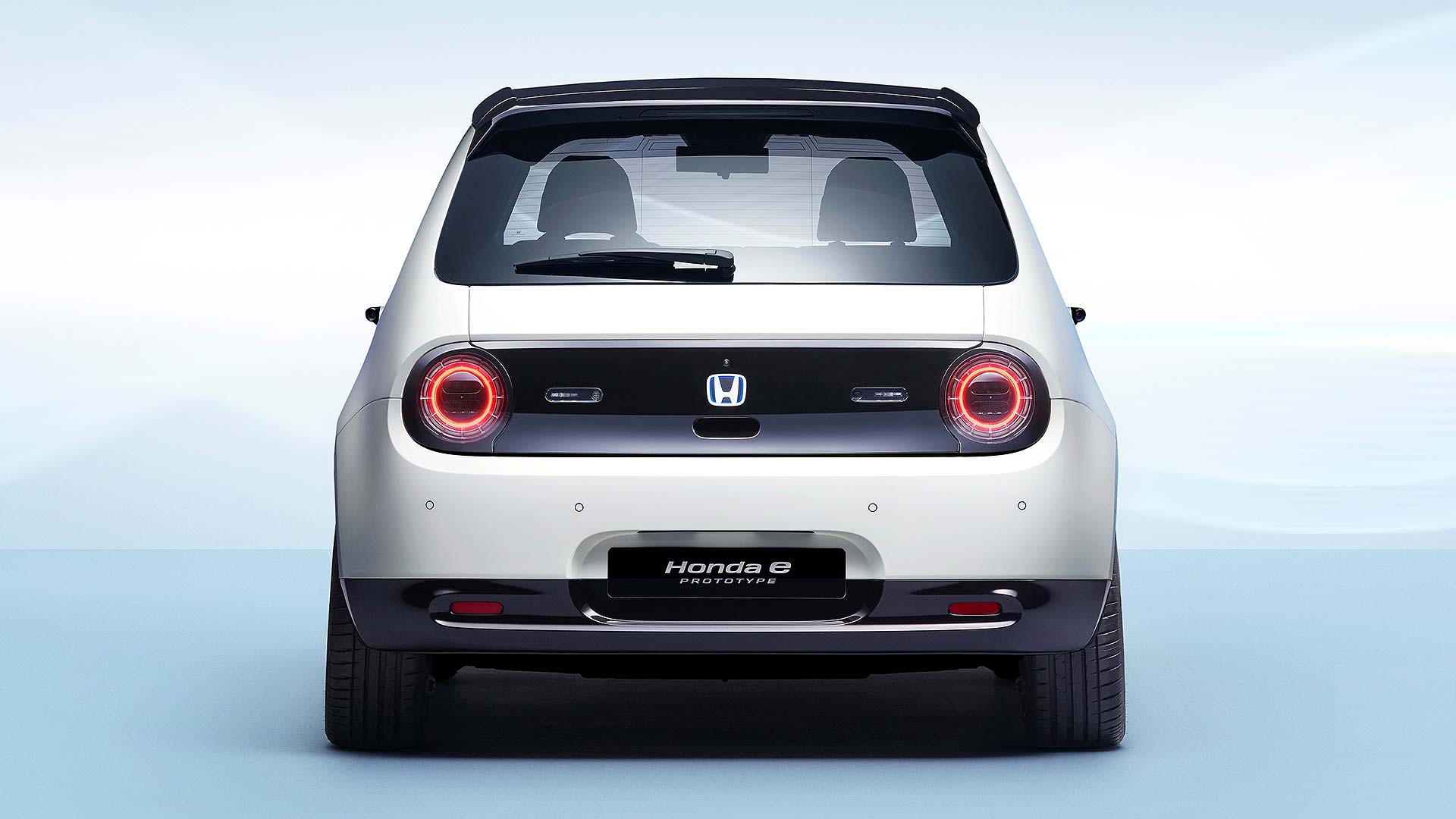
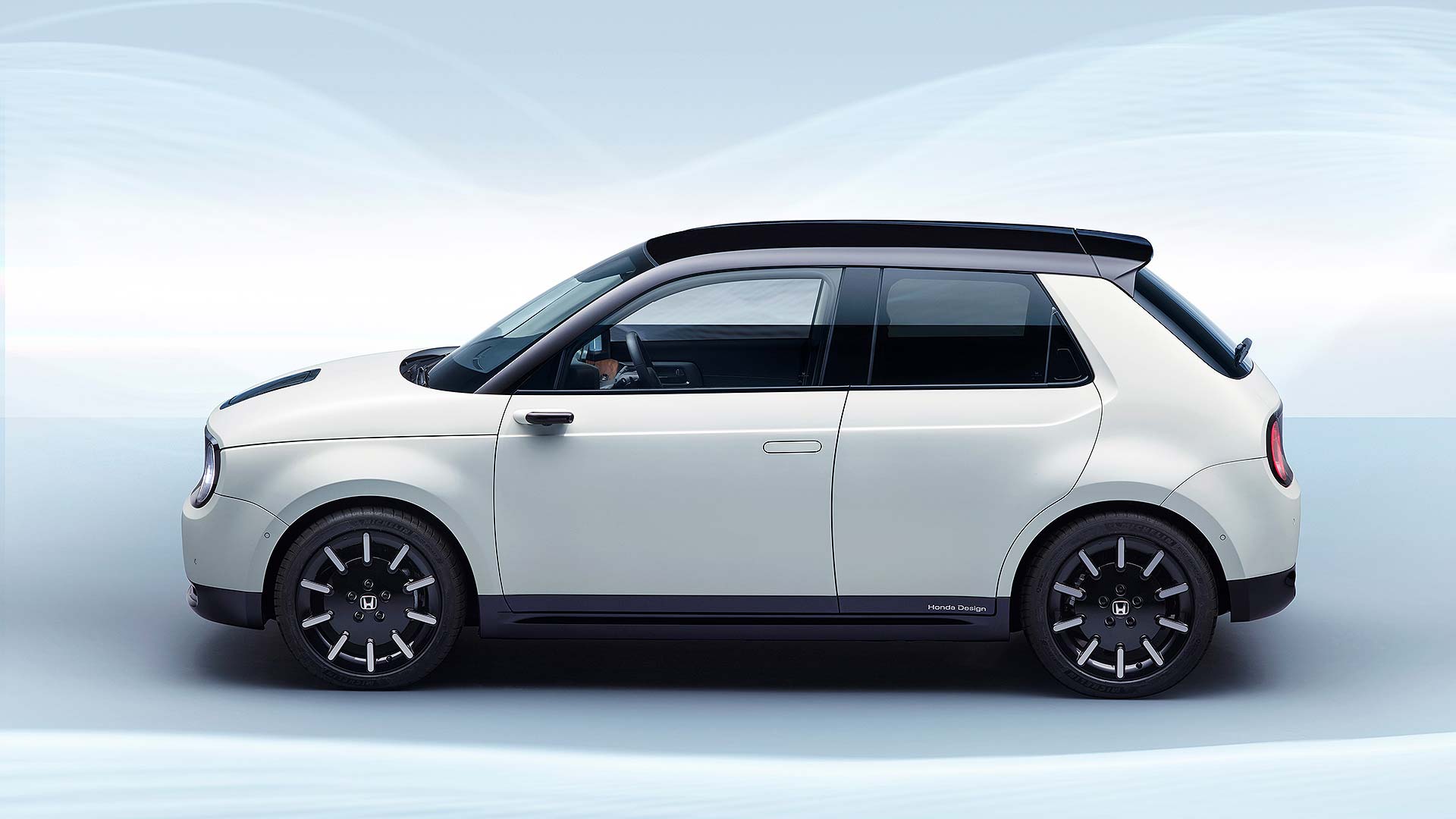
The Honda E Prototype is, suggest Honda insiders, largely production-ready. It might differ in a few areas, but changes will be minimal. The production car will measure 3.9 metres – a little smaller than superminis such as the Honda Jazz – and seat four people.
Unlike the Honda Urban EV concept, the E Prototype has five doors, rather than three. It was never going to be a three-door, said Hitomi-san. That would be marketing madness.
He also suggested the production car was designed before the concept, rather than the other way around – dispelling myths Honda toned down the concept for production. Rather, this model was toned up, to create a buzz. It certainly worked…
Hitomi-san is particularly proud the E Prototype uses a bespoke electric car platform. “It gave us more flexibility – we didn’t have to compromise.” The battery frame could be used as a core part of the car’s structure, rather than fitting into a layout created for a petrol engine.
It also meant the little Honda could be rear-wheel drive. Having the motor out the way of the front wheels helps the turning circle. It also makes it better to drive. “Electric motors give lots of pulling power, immediately. Sending this to the rear wheels helps traction and driver confidence.”
Honda wouldn’t be drawn on speculation that this performance car layout is leading it to consider a drift series for the E Prototype.
Fully charged
Honda hasn’t released much technical information about the E Prototype yet. It will produce around 135hp, and a meaty 184lb ft of pulling power. This should be good for 0-60mph in around 8.0 seconds.
Because of its size, the battery will be smaller than the norm. Around 30kWh is expected; the base Nissan Leaf has a 40kWh unit. This is expected to give the little Honda a range of around 125 miles – again, less than key rivals (the Kia e-Niro, which will probably sell for a similar price to the Honda, has a range of around 290 miles).
Honda isn’t worried (at least not openly). Hitomi-san stresses again, this is an urban EV (now you know why the concept was named so) in which people will cover tens of miles a day, rather than hundreds. And because the battery is smaller, it charges faster. Fixing the battery size is core to the car’s intelligent design and city-friendly performance.
Hands-on: Honda E Prototype
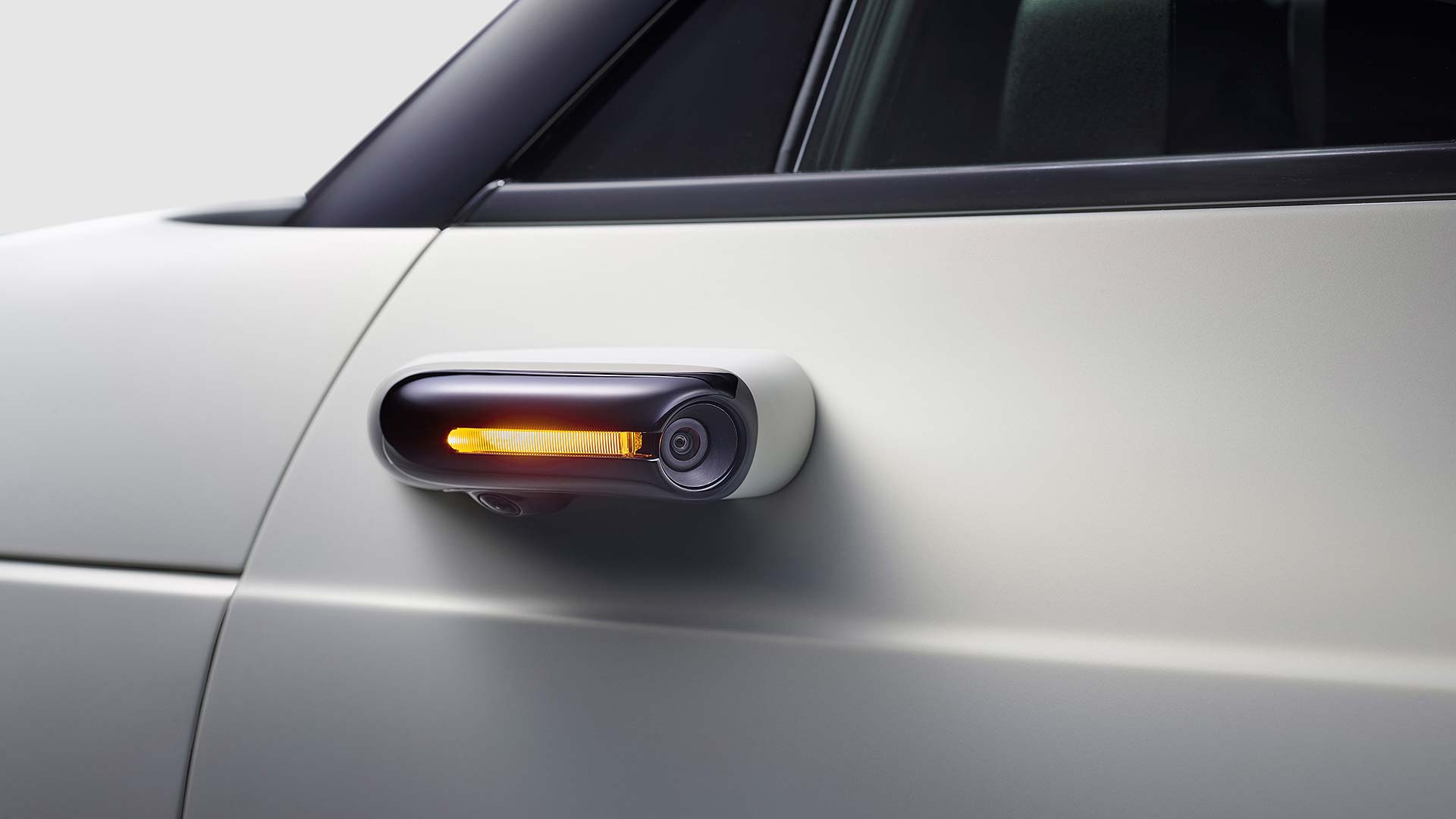
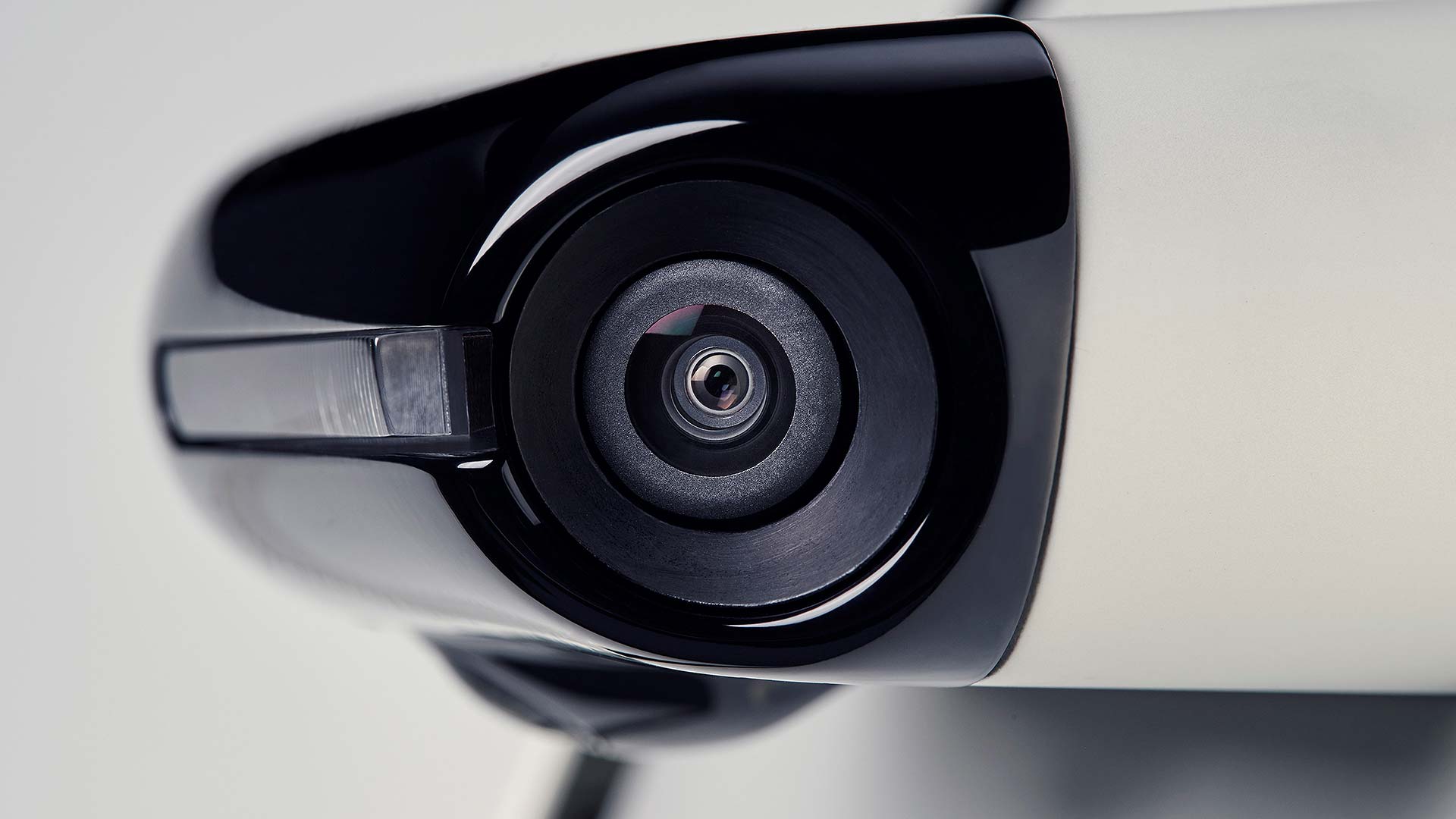
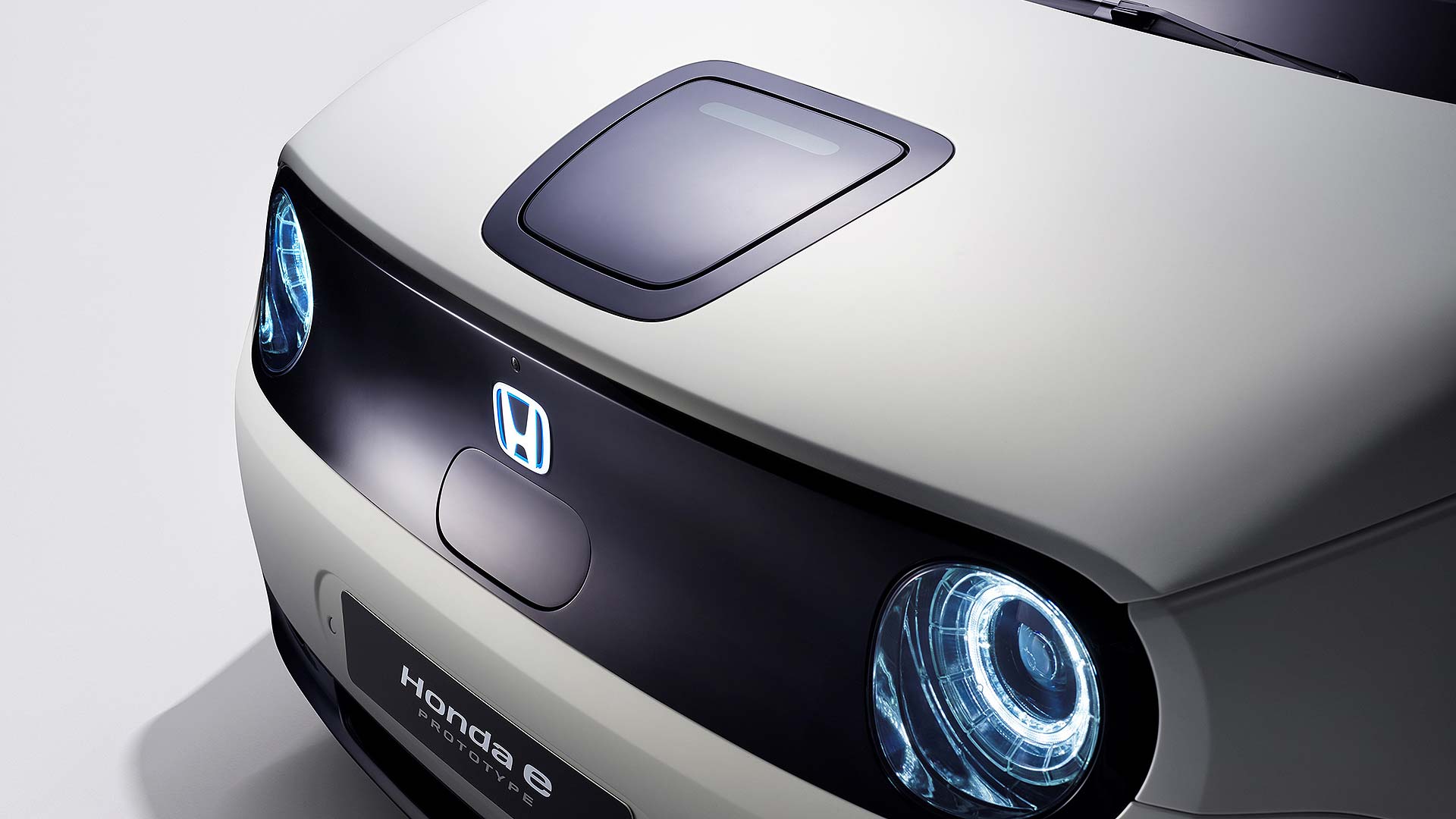
Designer Ken Sahara describes the design as simple, clean, “noiseless… cars are getting complex now. We wanted an ‘easy to see’ car, with the friendliness of models from the 60s and 70s. Modern cars need lots of sensors, but we focused on concealing them, to create something that looked familiar.”
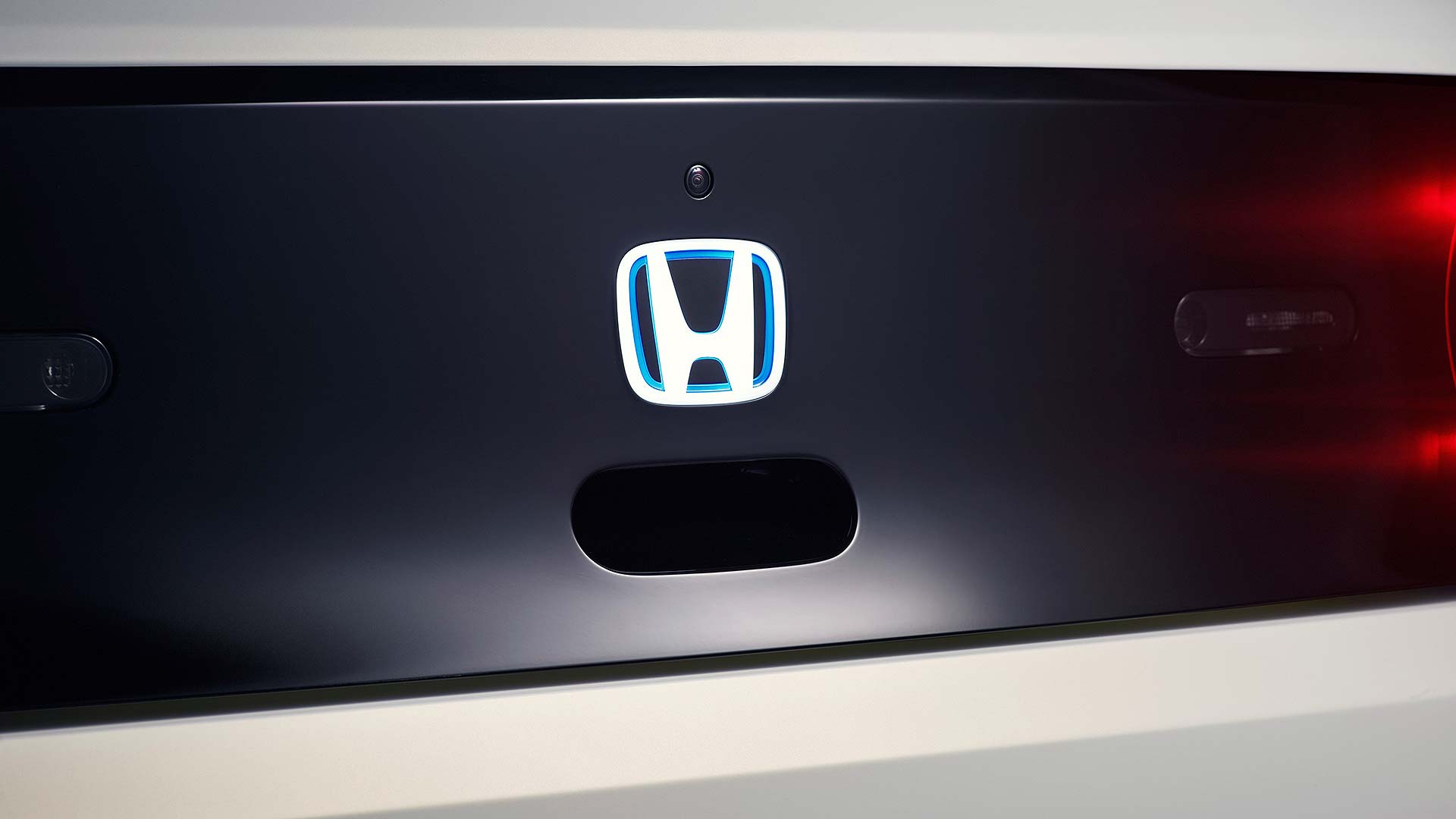
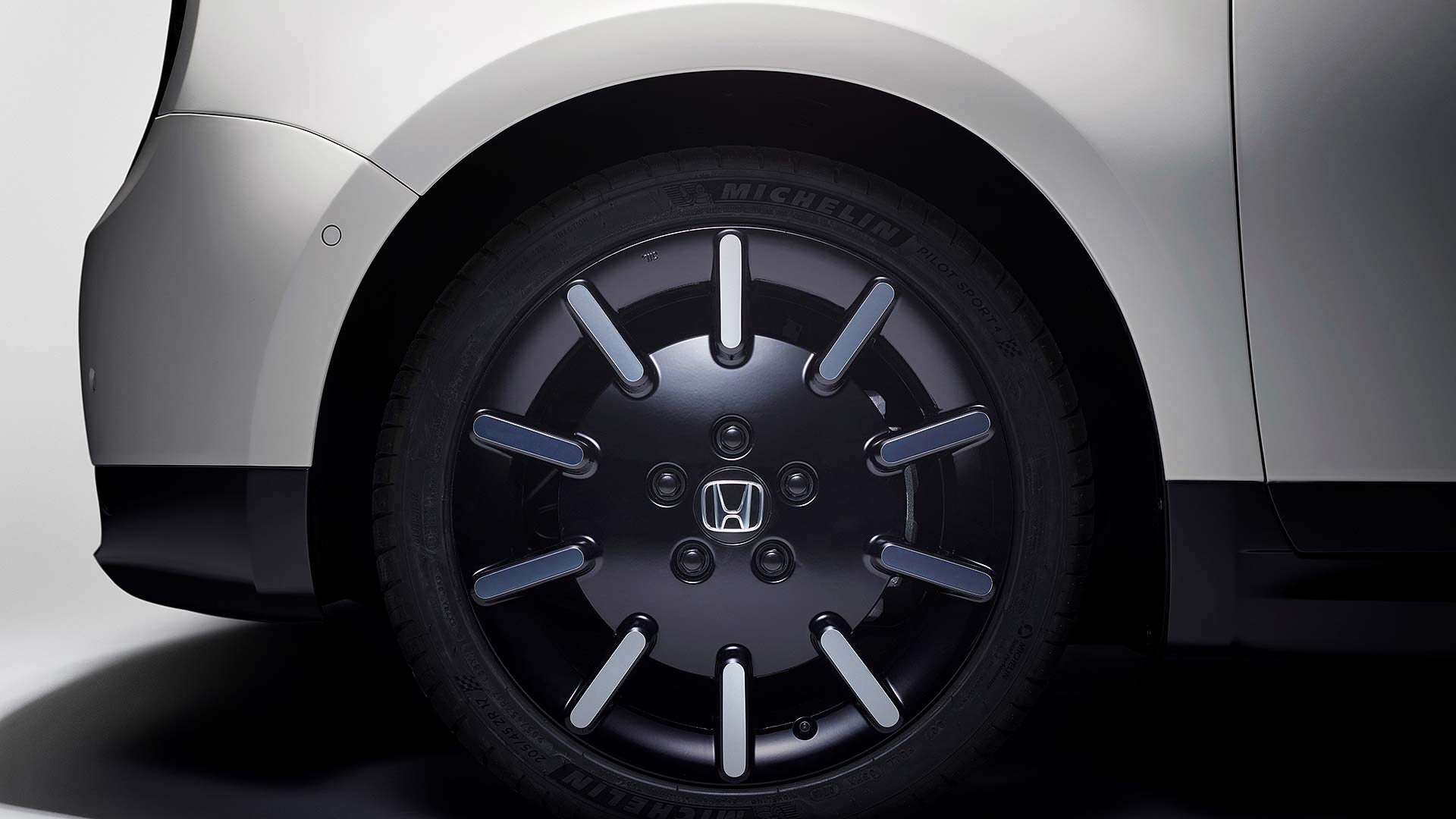
The front end is minimalist. The radar sensors are hidden behind the gloss black panel. At the side, surfaces are clean and clear. The profile of the Honda E Prototype is the focus, not the details within it.
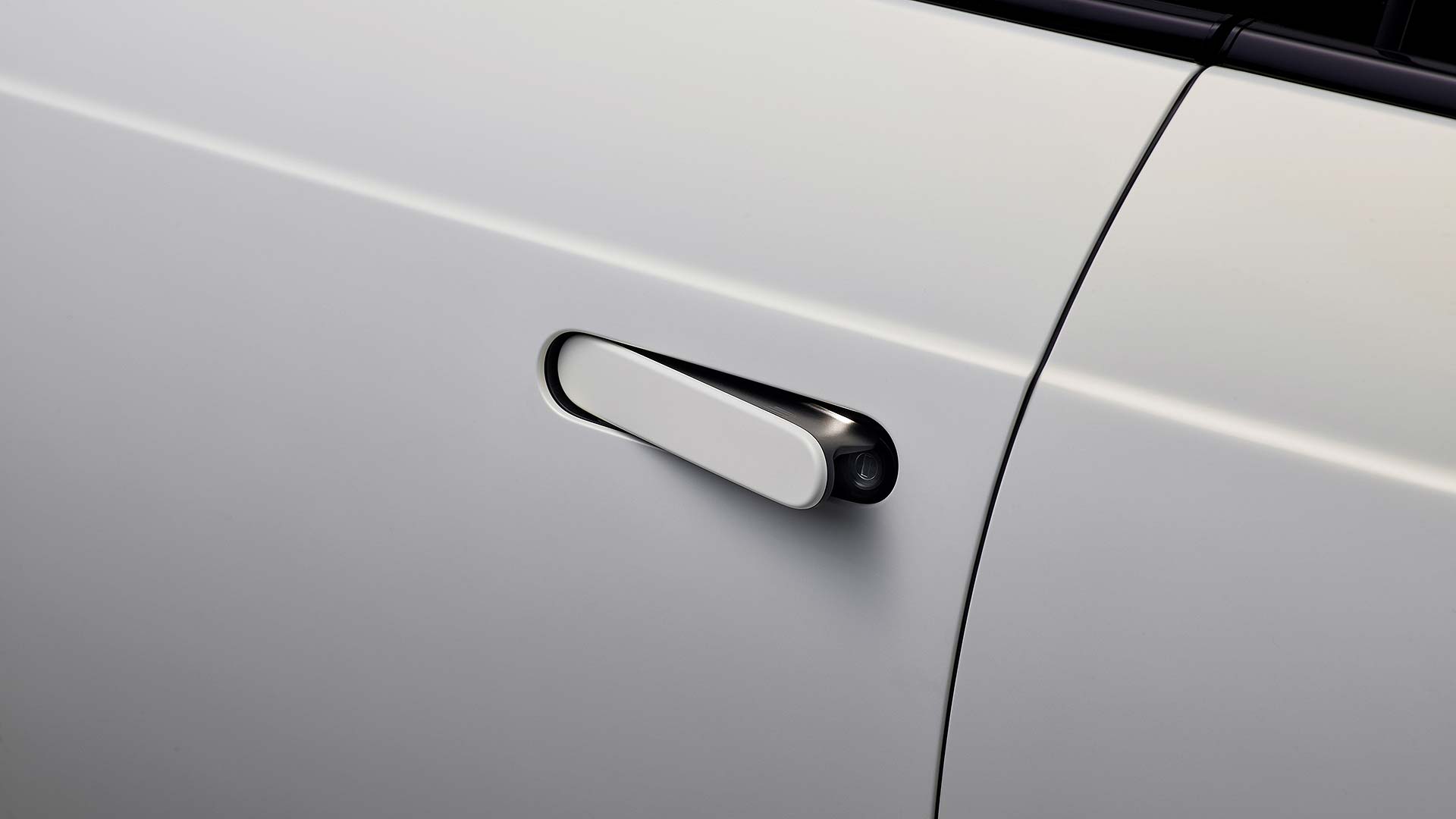
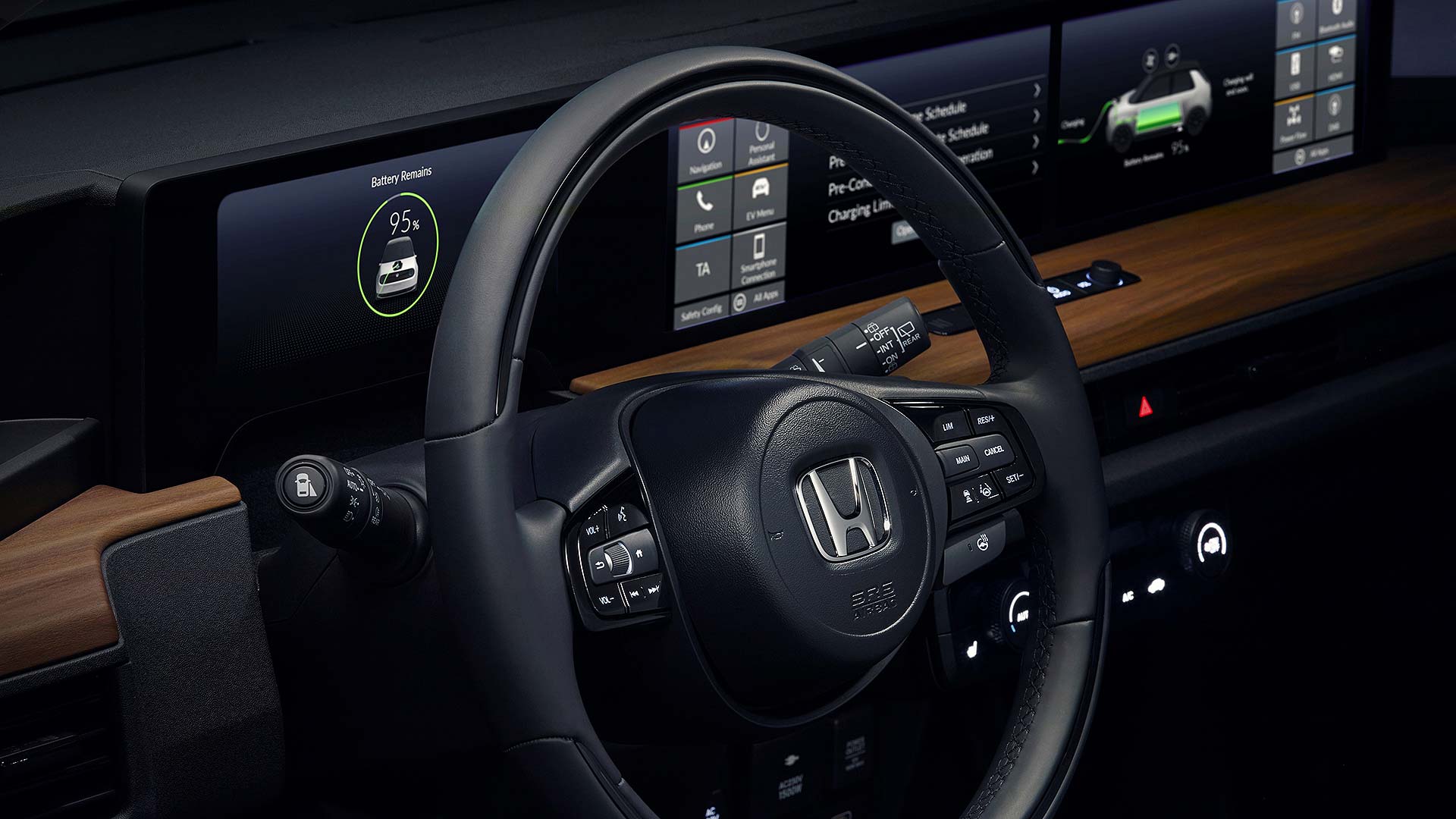
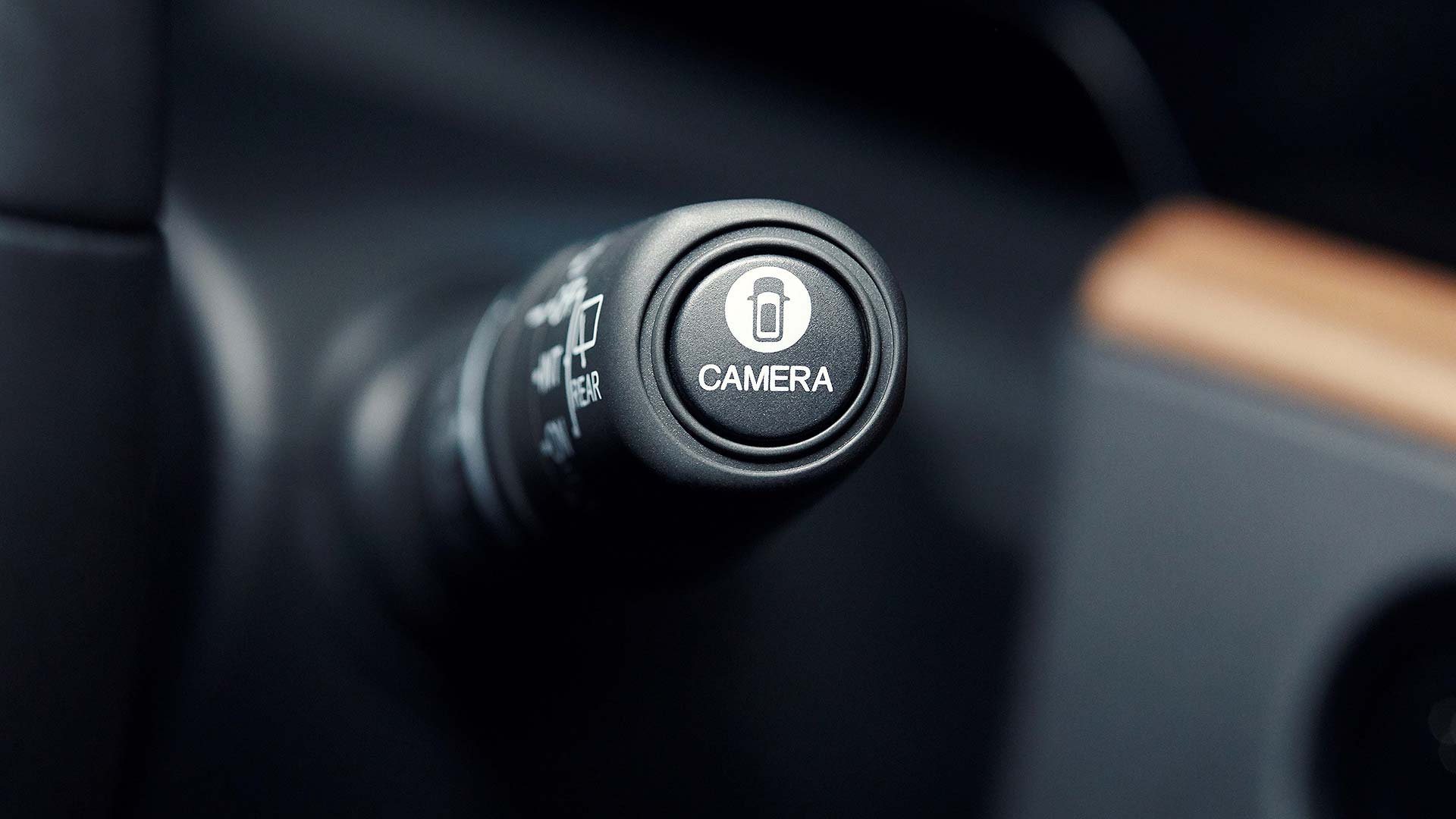
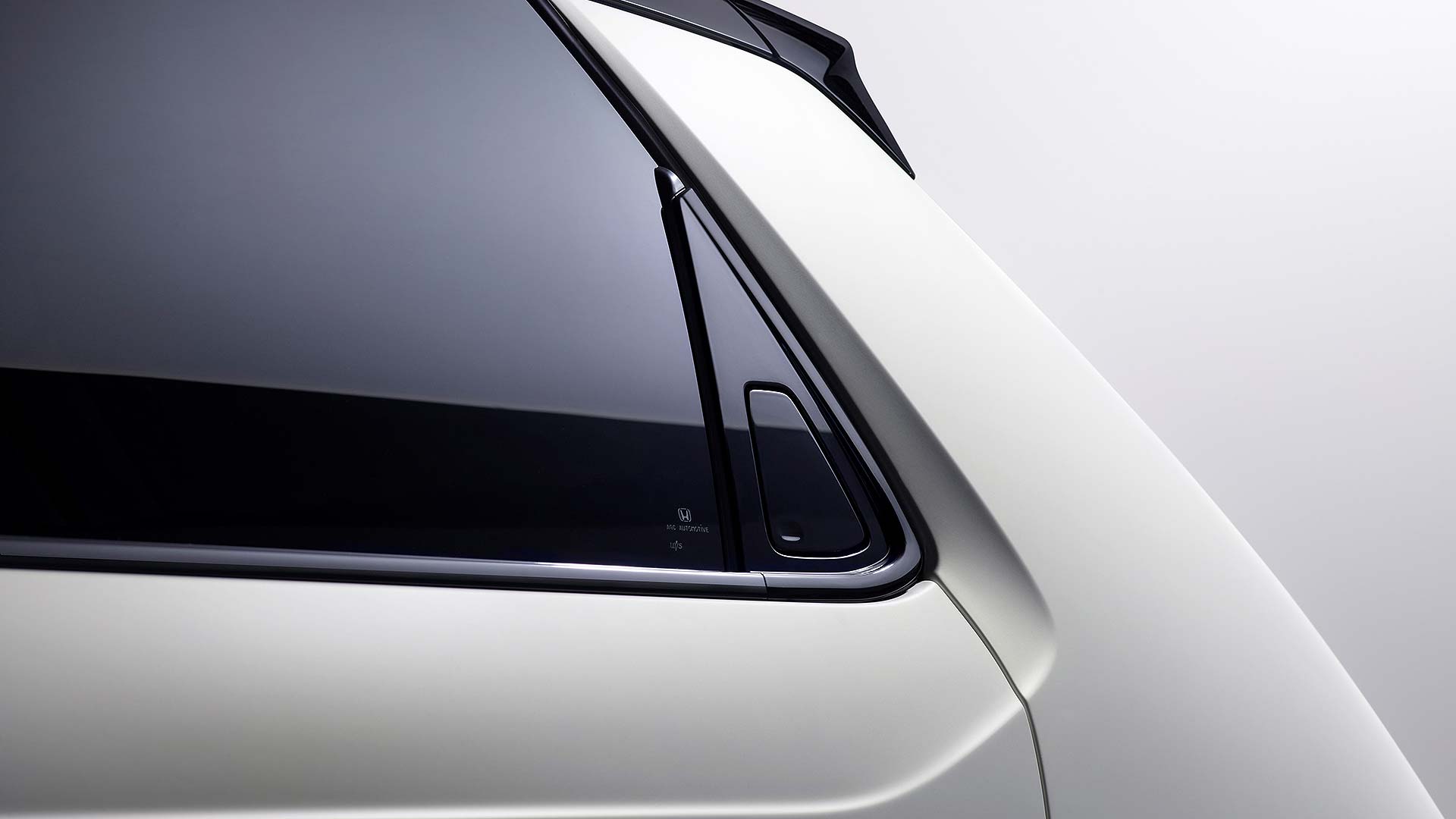
It has sector-first details. Deployable doorhandles (like on a Jaguar F-Type) reduce clutter. There are cameras instead of door mirrors, feeding two HD screens within. And the interior is just as alluring.
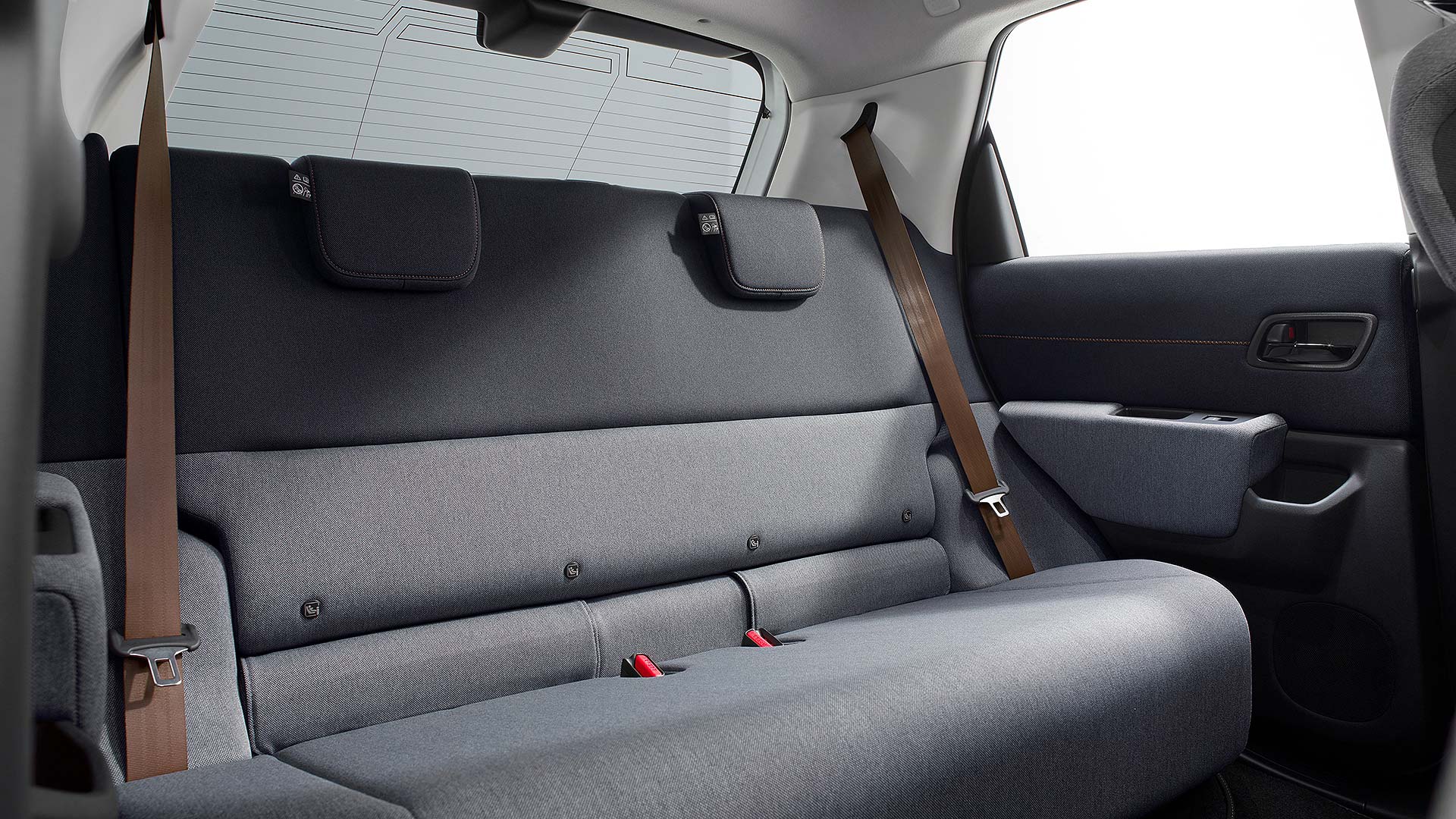
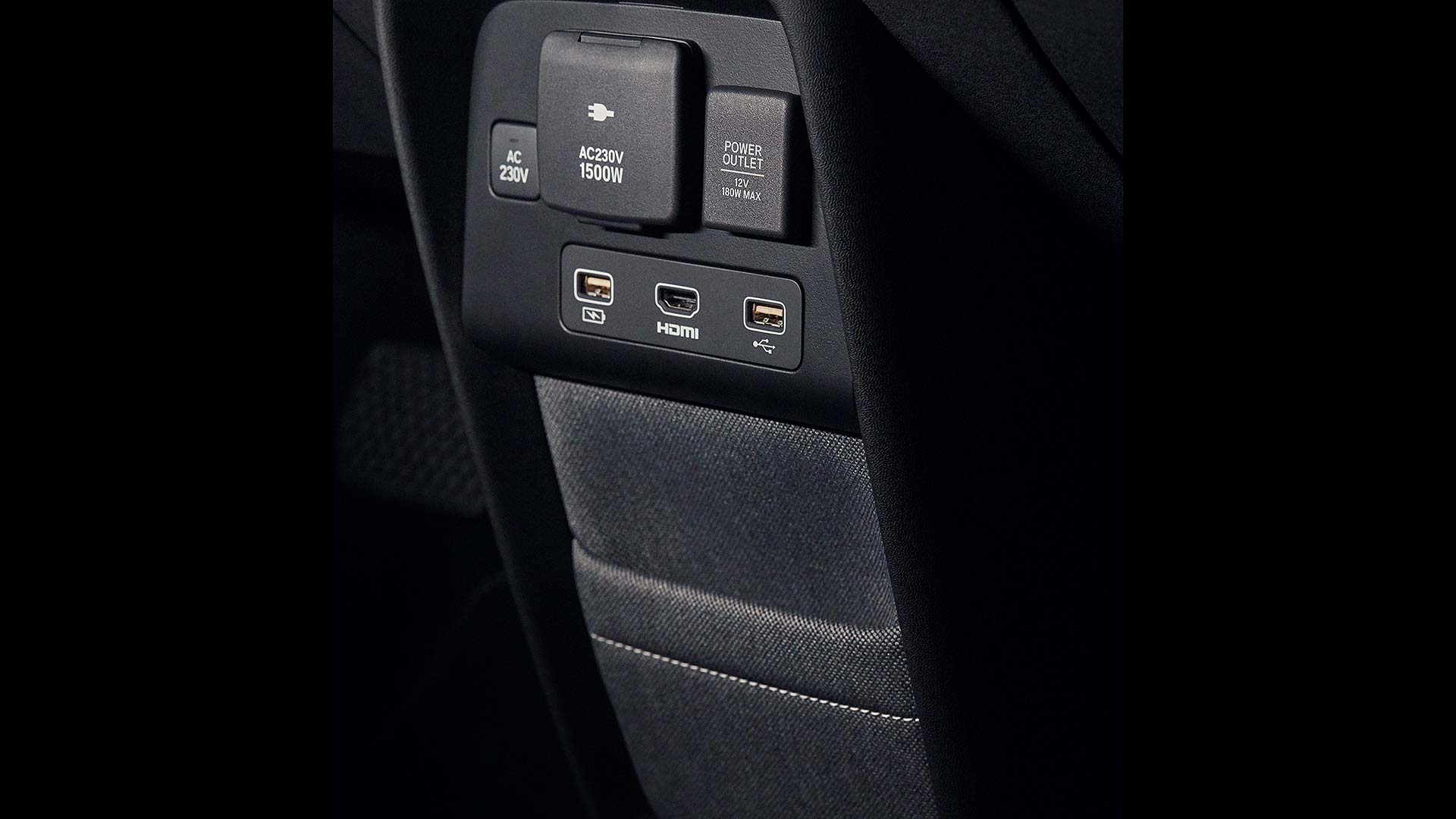
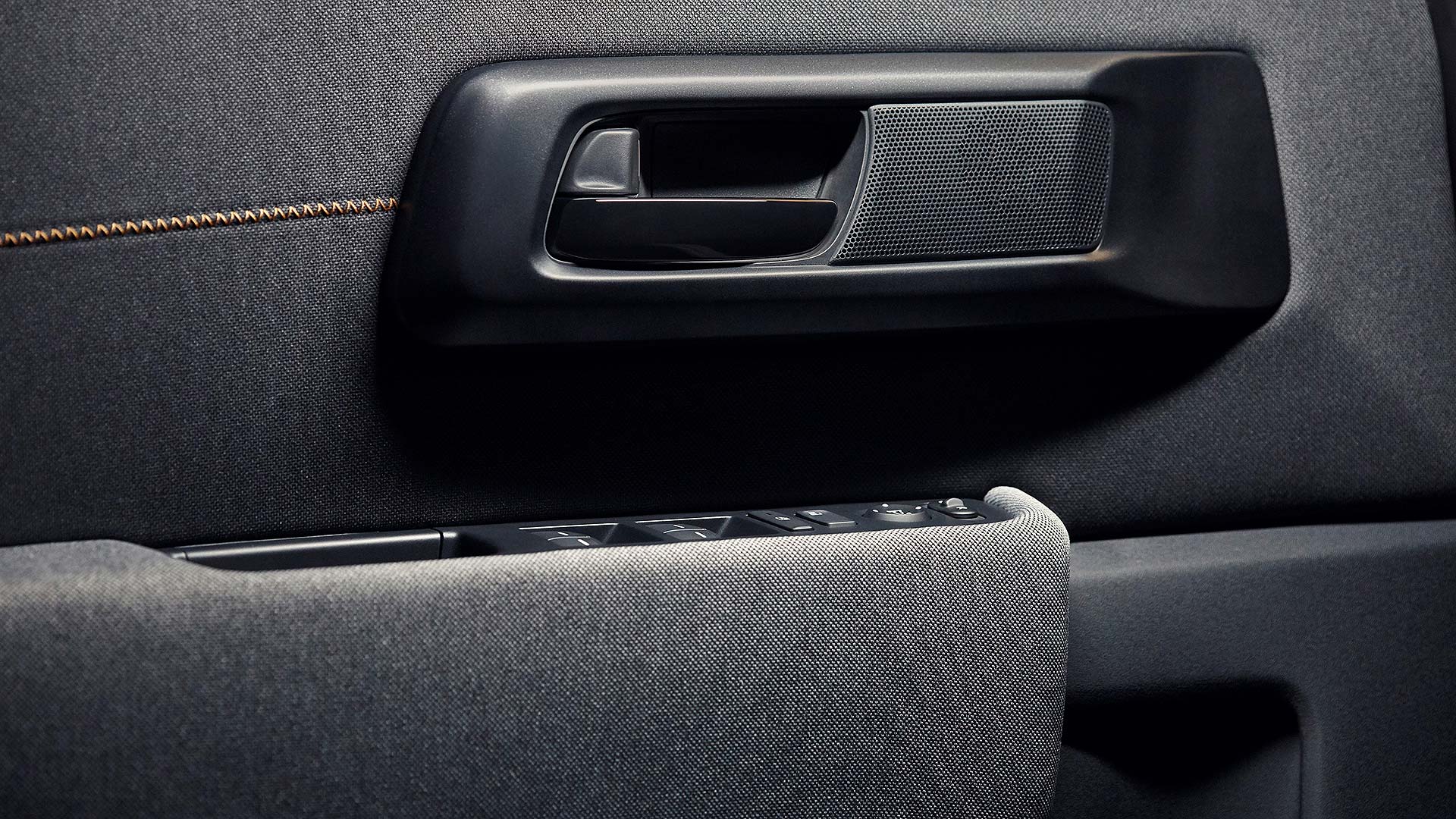
Honda has successfully carried across the ‘lounge-like’ ambience of the concept. The screens on the dashboard are modelled on flat-screen TVs. Seats are like armchairs, particularly in the rear (and the upholstery is intentionally more ‘home furnishings’ than ‘automotive’).
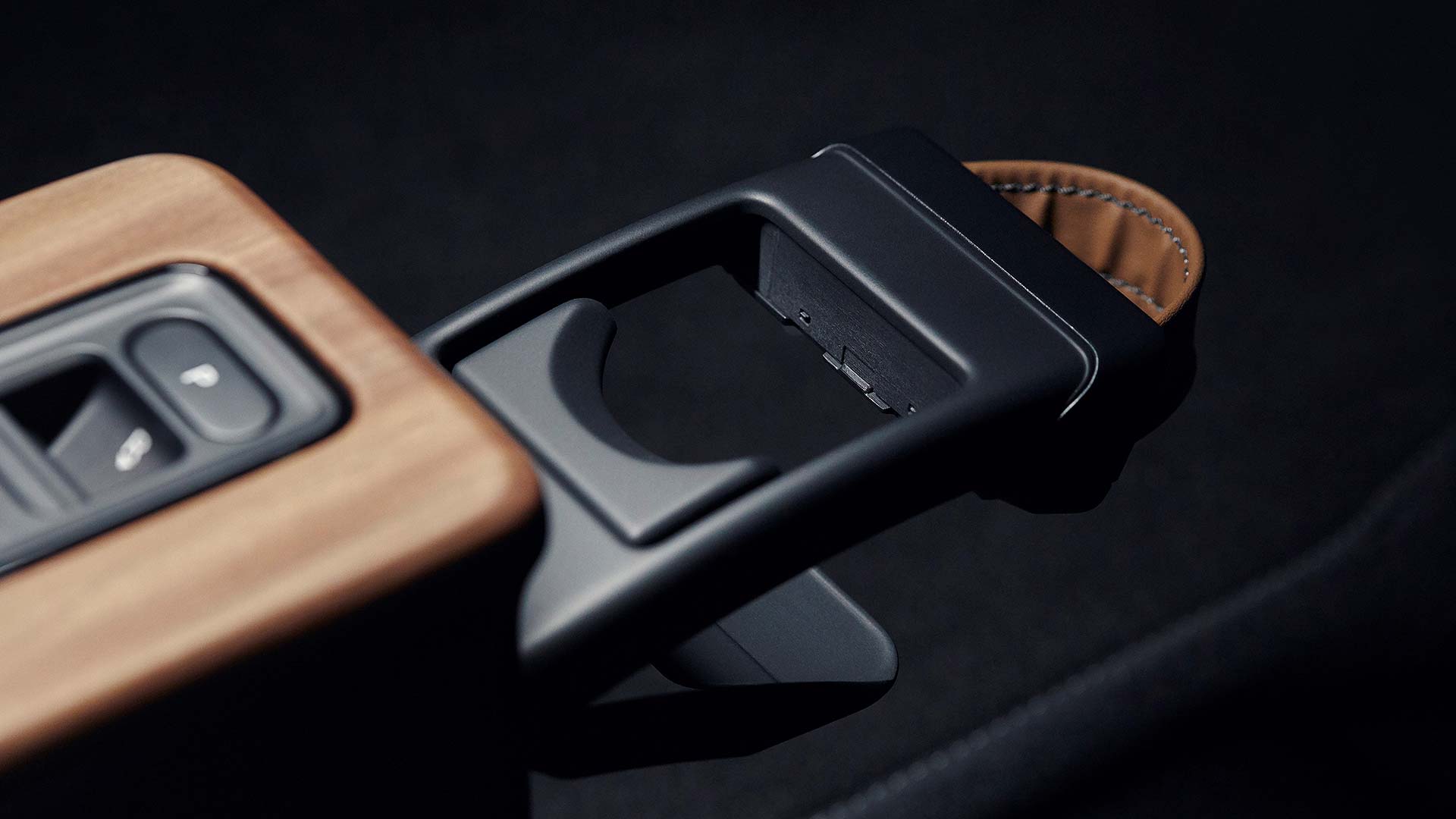
Quality is exceptionally high. This feels a premium product. The attention to detail is beyond mainstream superminis – it’s Audi-like within. There are some beautiful touches too, such as the leather strap that releases the front cupholder, and four ‘downlighter’ LEDs in the roof for rear passengers. “We could have just had two,” said Hitomi-san. “Having four made it feel more like a living room.”
It’s not a Tardis, though. It’s really easy to step in and out of the front seats, but it feels like a supermini-sized car. Rear-seat space is rather tight for adults, and it can only seat two, not three. The boot is tiny, due to the electrical gubbins below. Honda is crossing its corporate fingers that this won’t be an issue to the urbanites it’s targeting with the E Prototype.
How much will the Honda E Prototype cost?
Then there’s the small matter of the price. This, clearly, will not be a budget car. Speculation is around £30,000 to £35,000. If Elon Musk’s suggestion is right, that’s Tesla Model 3 money. But comparisons are not relevant, insists Hitomi-san. The E Prototype is a different sort of car, with a different target market.
He draws an analogy with the Apple iPhone. “That is not a cheap product, but everyone still wants to have one. People will save to own one. It proves there can be strong demand for some something with added value and high quality.
“We have tried to go the same way, even if the price might look high at first glance.”
Verdict: Honda E Prototype
Only Honda could make a car like the E Prototype. It’s not me-too, it’s a thoughtful and clever piece of product design, and the company’s ambition for it to become the iPhone of electric cars is, while ambitious, also justified.
Even Honda management’s initial reaction suggests it’s a bit of a gamble, but Hitomi-san and his team have delivered something that deserves to succeed. In time, the everyday electric Hondas will arrive; we will eventually buy an electric Honda Jazz.
For now, the Honda E Prototype is the warm-up act. Don’t be surprised if its irresistible allure helps cure urbanites of their range anxiety.
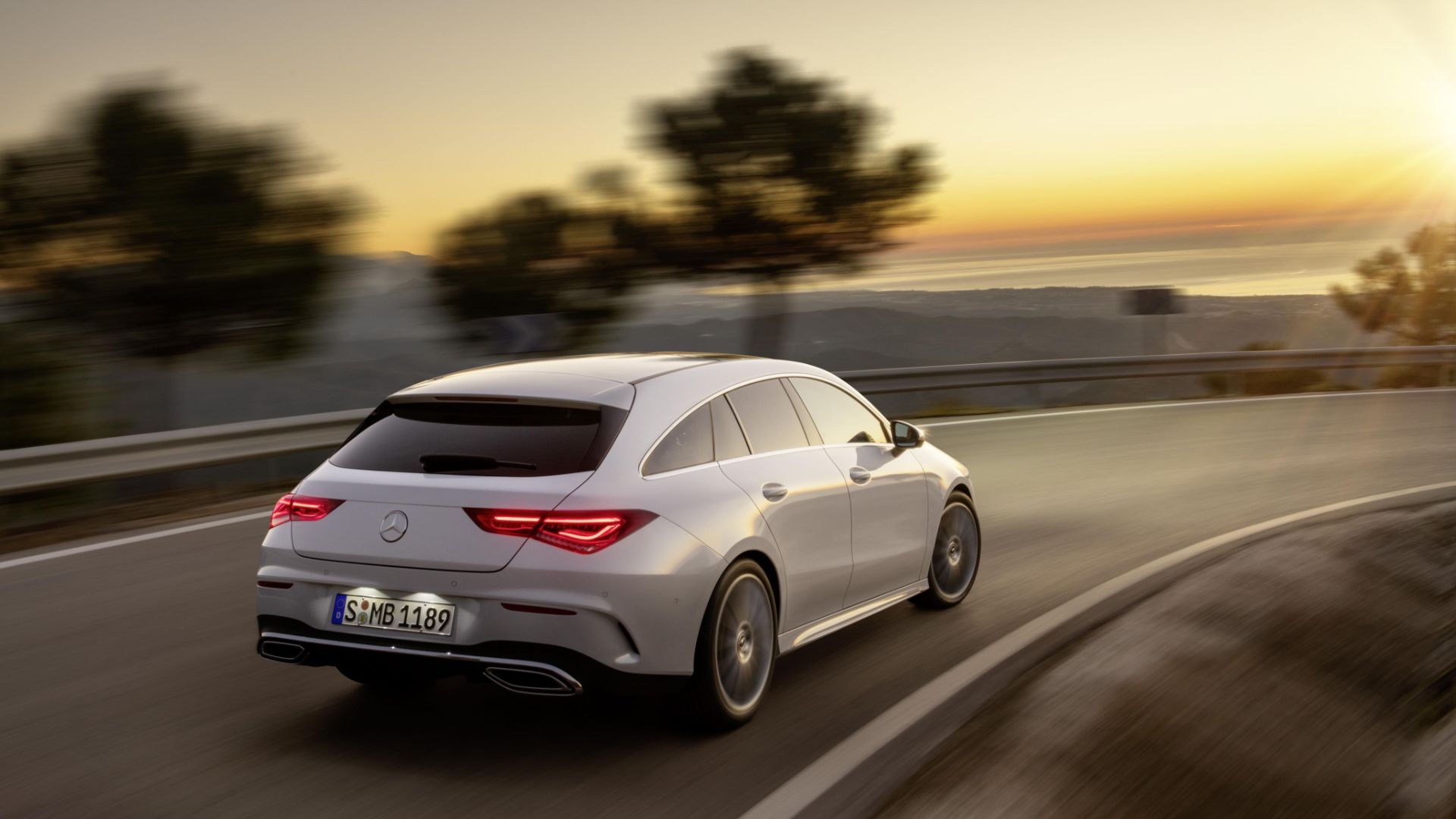
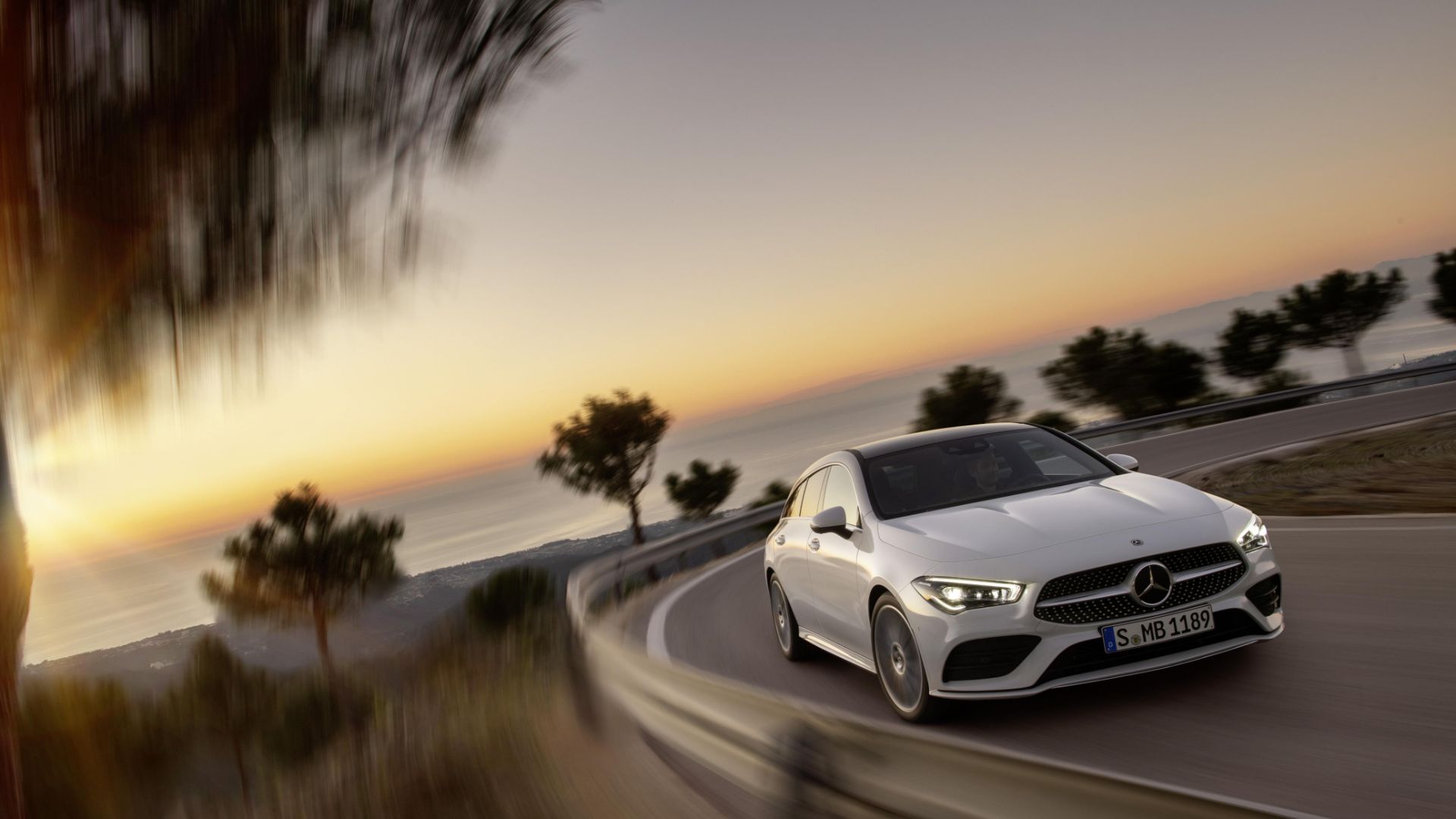
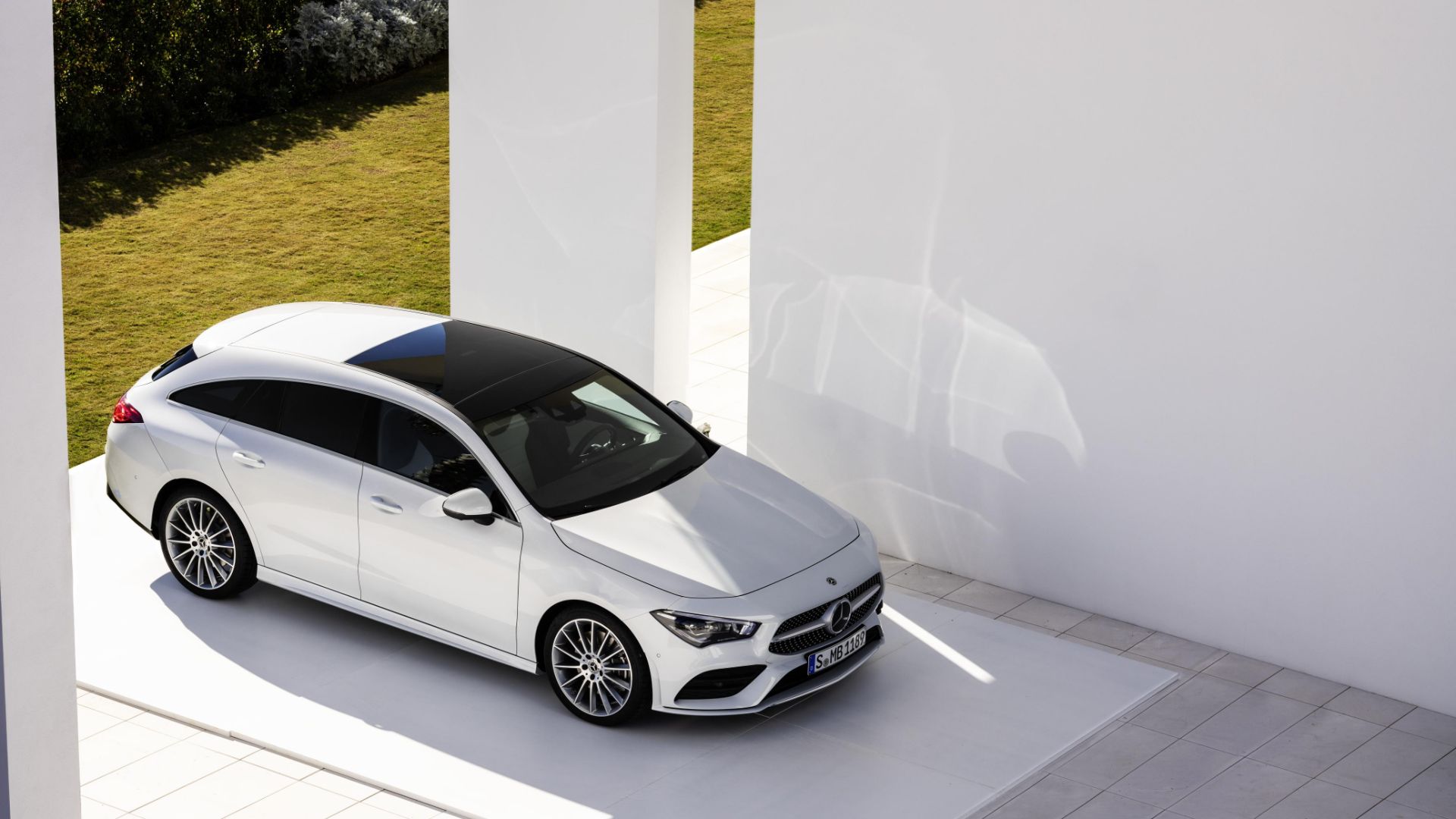
Mercedes-Benz has revealed the sleek estate version of its CLA at the 2019 Geneva Motor Show and it looks… pretty great.
Since when is a fanfare made for a new estate car anymore? They’re going the way of the Dodo what with the SUV onslaught, right? For Mercedes, however, the wagon is alive and well.
‘A sports car with load space’
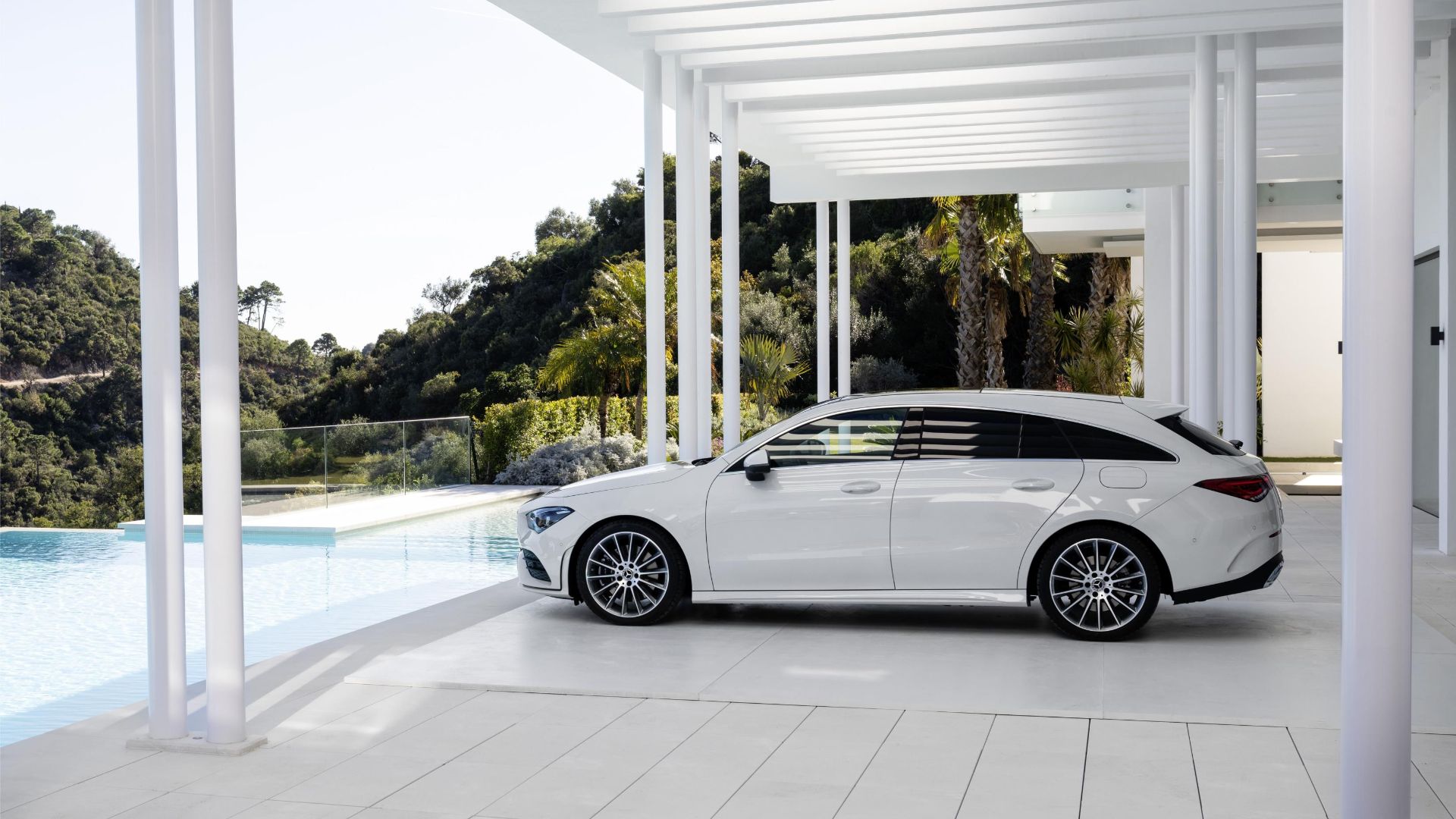
The Shooting Brake version of the CLA continues the saloon’s ethos of minimal lines and bold shapes. Its swooping roofline is perhaps the boldest since the original CLS ‘four-door coupe’ debuted in 2004.
There’s genuine muscularity about the CLA SB, without it looking overly aggressive. That styling is functional, too, with an impressive 0.26 drag coefficient.
Inside the 2019 CLA Shooting Brake
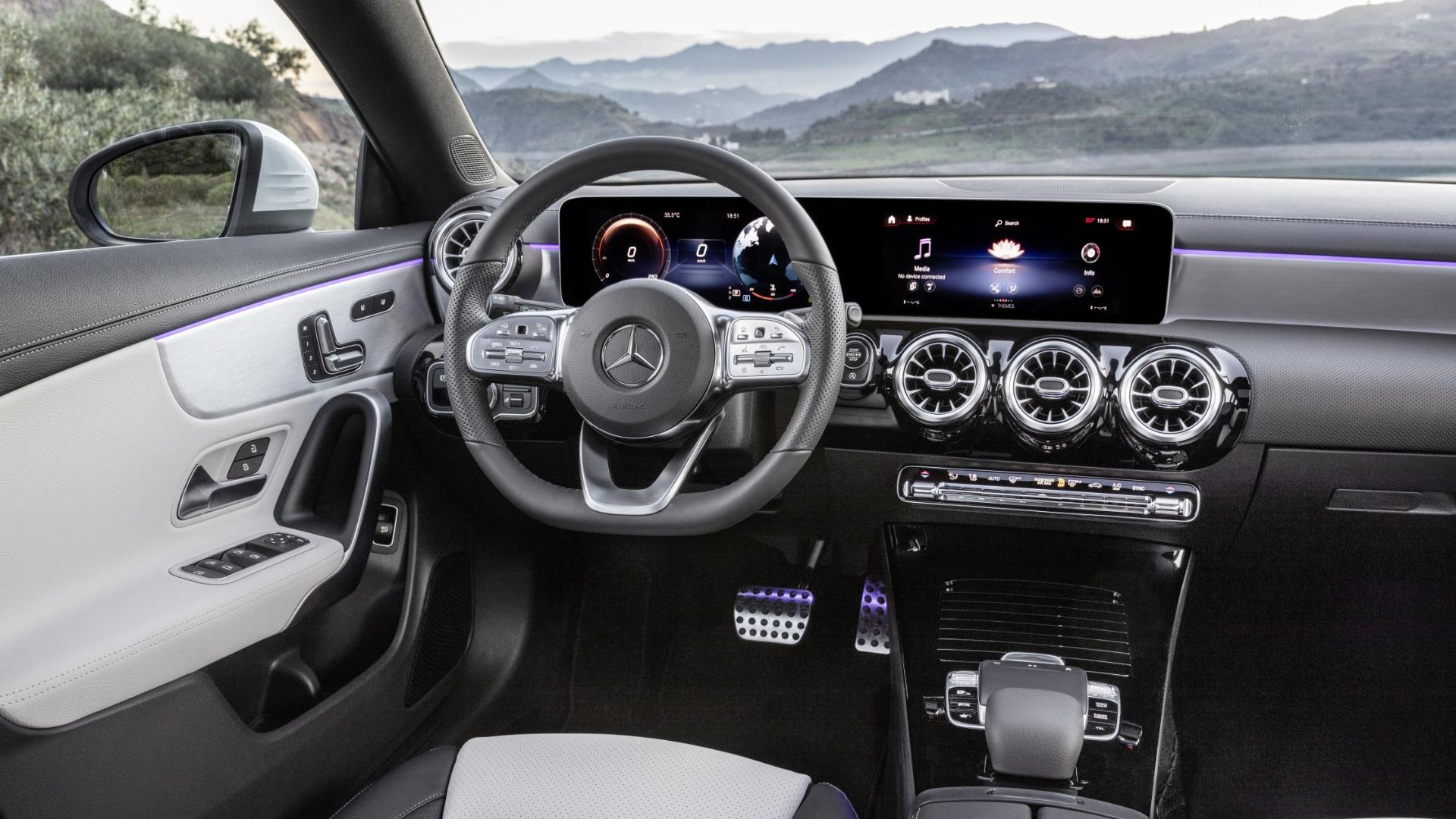
The cabin is almost a direct carryover from the saloon, and that’s no bad thing. Mercedes is on a roll at the moment with its excellent MBUX operating system. When you’re not looking at a screen, you’re looking at a cabin that could pass for something twice as expensive.
Mercedes is also very proud of the new Shooting Brake’s practical credentials. The boot opening is 236mm wider (at 871mm) than that of its predecessor. Boot capacity is improved by 10 litres, to 505 litres, while passengers gain head, leg, shoulder and elbow space.
Class-leading driver assistance and safety
The CLA Shooting Brake combines Distance Assist Distronic, Active Steer Assist, Active Lane Change Assist, Active Park Assist, upgraded cameras and improved radar to be (almost) able to drive itself.
It can scan the road up to 500m ahead and ‘drive partially autonomously in certain situations’.
AMG versions coming soon
A familiar range of petrol and diesel engines will be available by the CLA Shooting Brake’s market launch in September 2019. Topping the range is the CLA 250, with a 225hp four-cylinder turbocharged unit, driving via a seven-speed dual-clutch transmission.
What about the AMG versions? Well, you can expect a CLA 35 and CLA 45 to be along soon afterwards. The latter should boast well over 400hp.
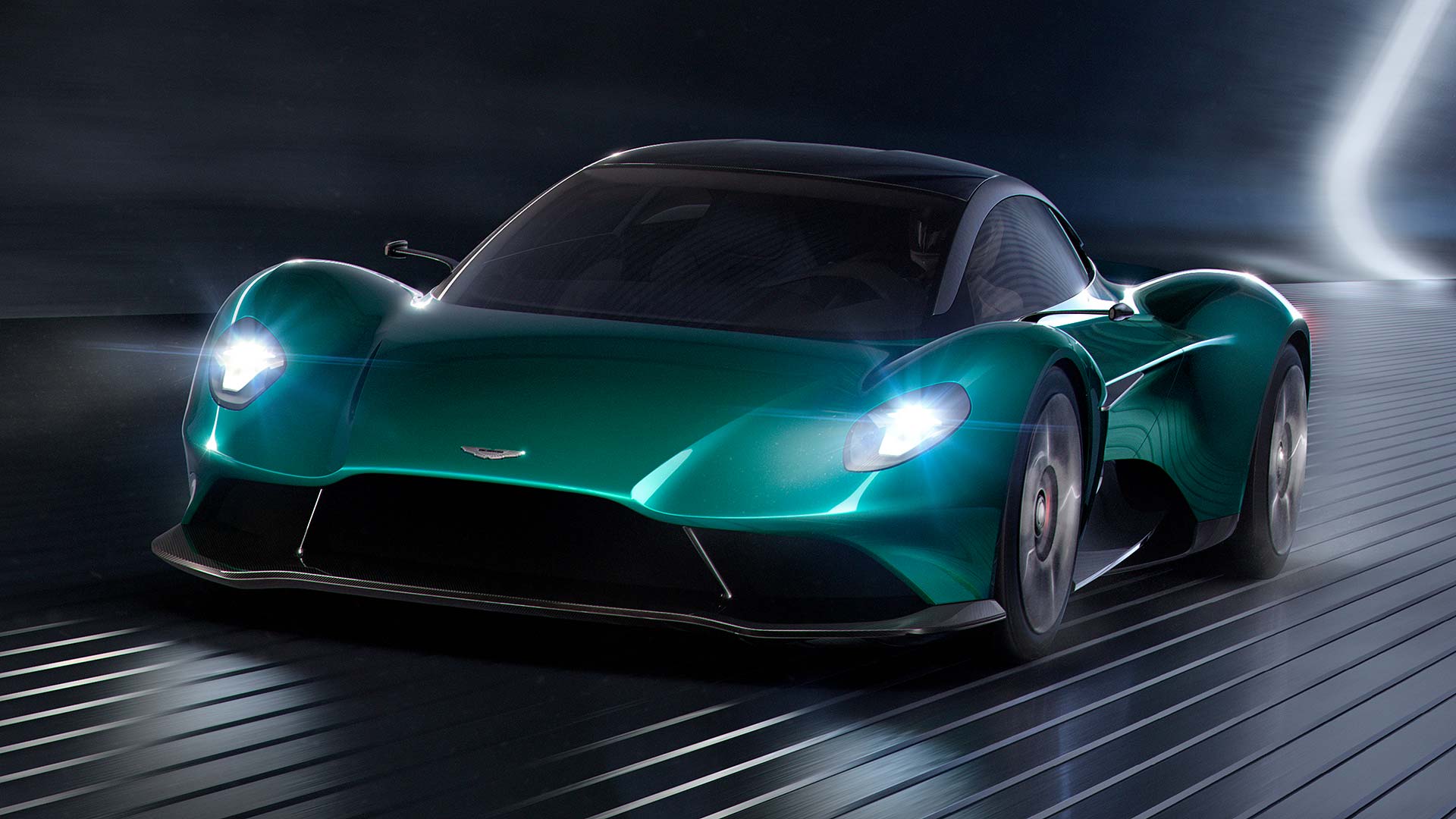
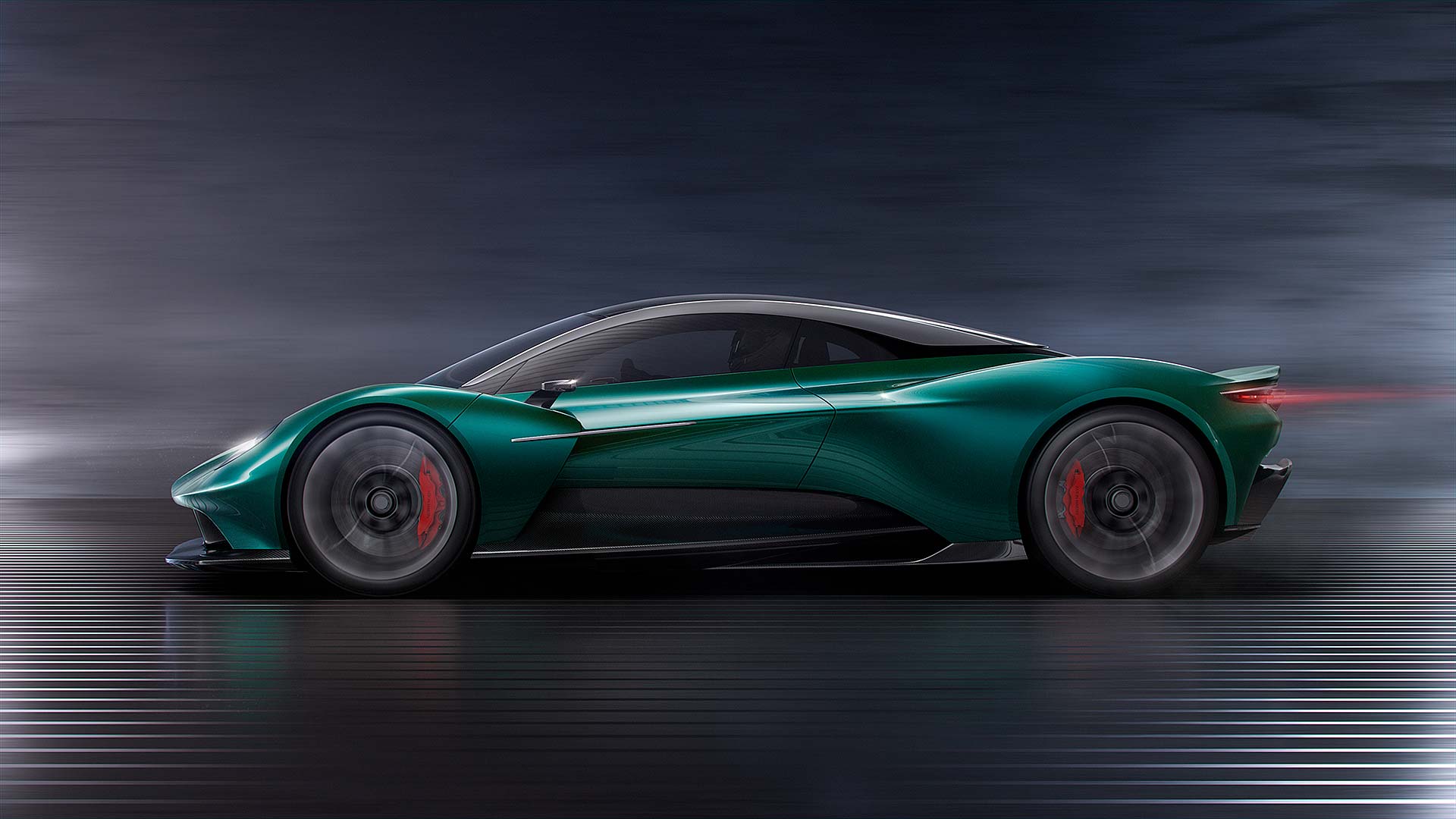
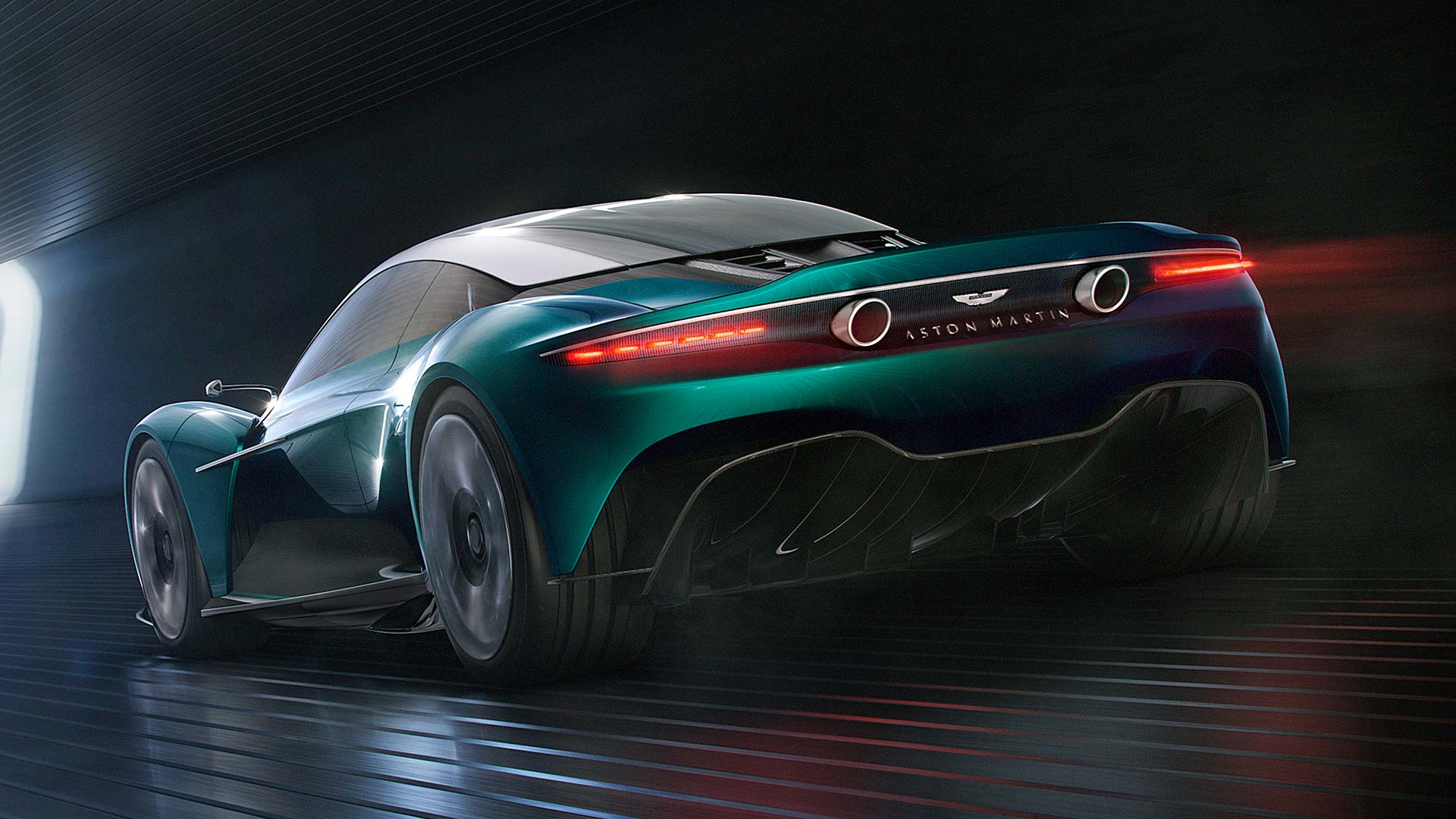
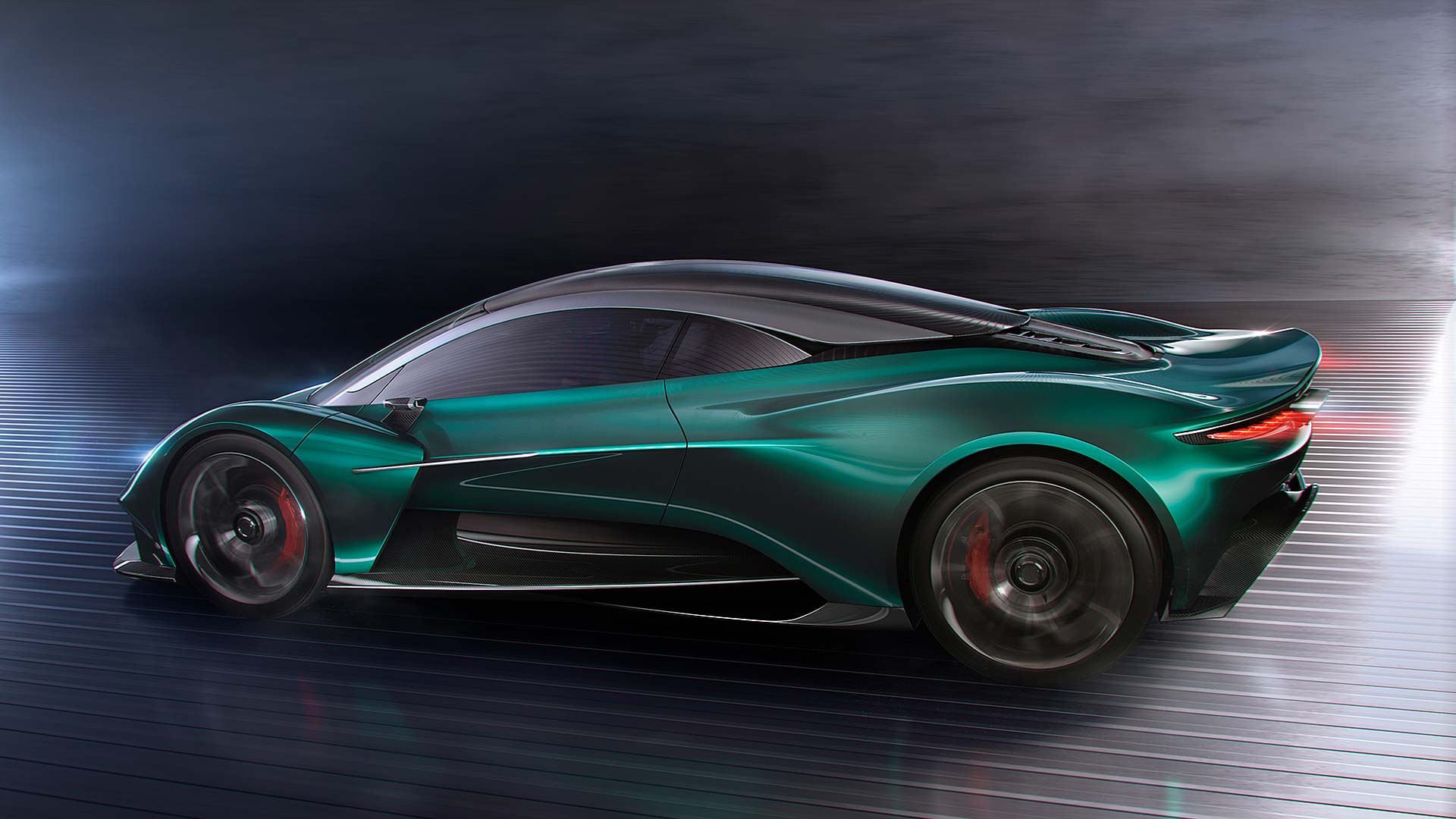
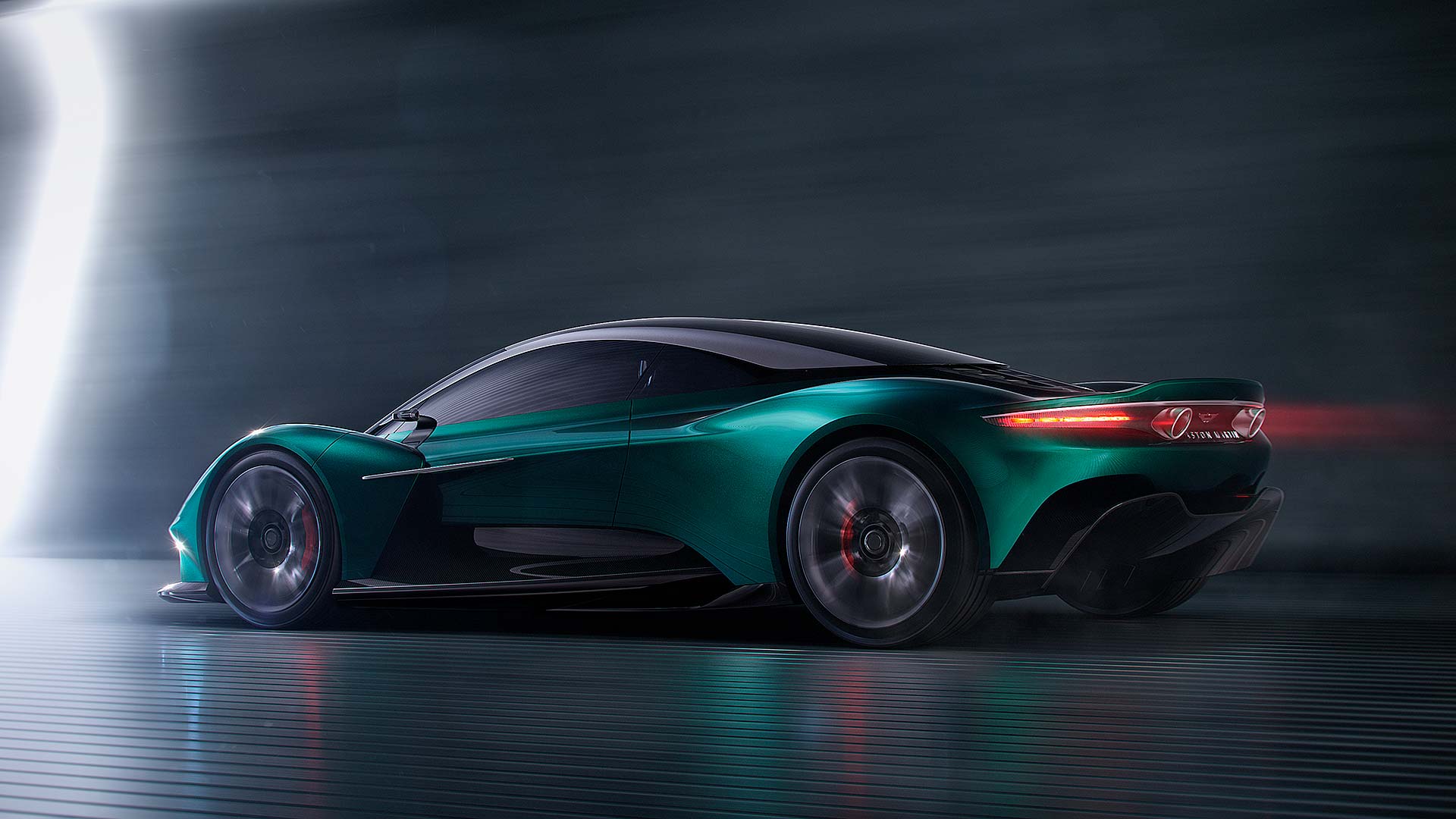
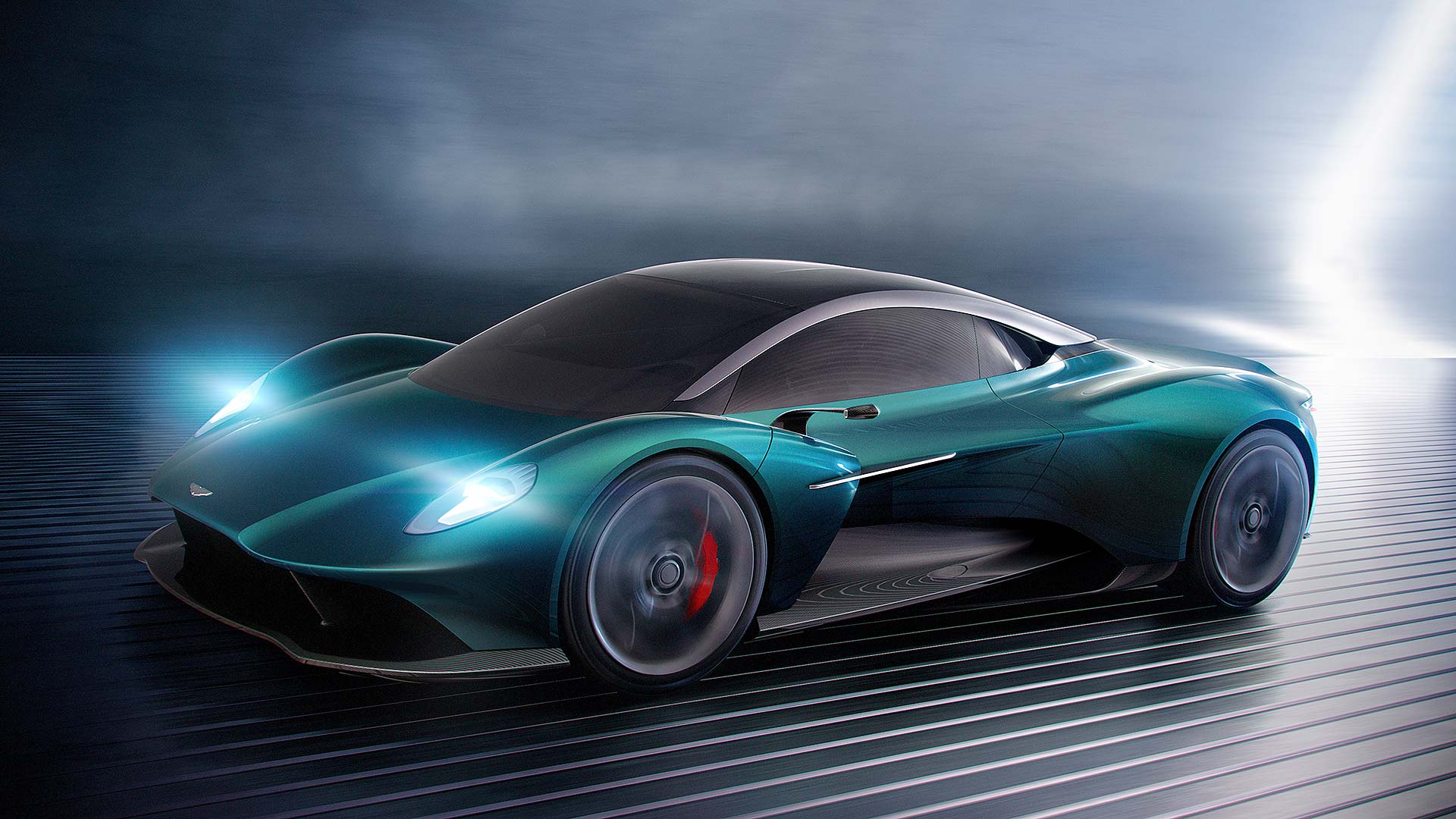
Aston Martin has wowed Geneva 2019 show-goers by revealing yet another mid-engined car, the Vanquish Vision Concept. The supercar alternative to the extreme AM-RB 003 hypercar, it confirms the next Vanquish will switch to a mid-engine layout – and directly take on the McLaren 720S.
This is a big deal for Aston. Up to now, all of its high-end sports cars have been front-engined. Switching to a mid-engined layout jumps it up a level. Now, it will go head-to-head with McLaren, Ferrari and Lamborghini.
The fact Aston Martin is showcasing the concept alongside the AM-RB 003 hypercar encourages us to make the link: the Vanquish Vision Concept is the Red Bull Racing of supercars, and the competition therefore needs to watch out.
Aston president and CEO Andy Palmer admits this hotly-contested sector has traditionally been defined by Italian marques. But the new Vanquish will be “a transformational moment for the brand… the car that will propel Aston Martin into a sector of the market traditionally seen as the heartland of luxury sports cars”.
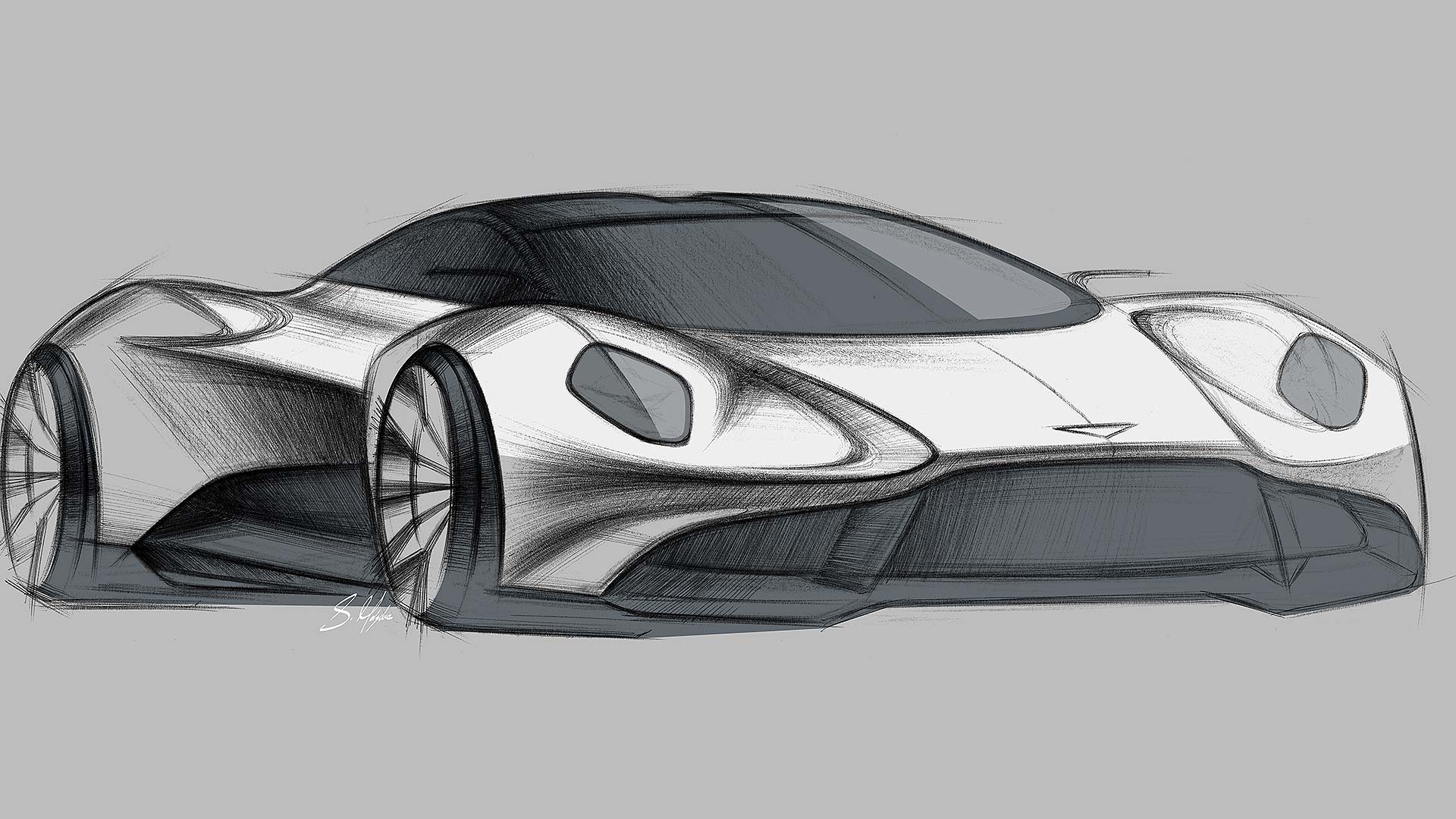
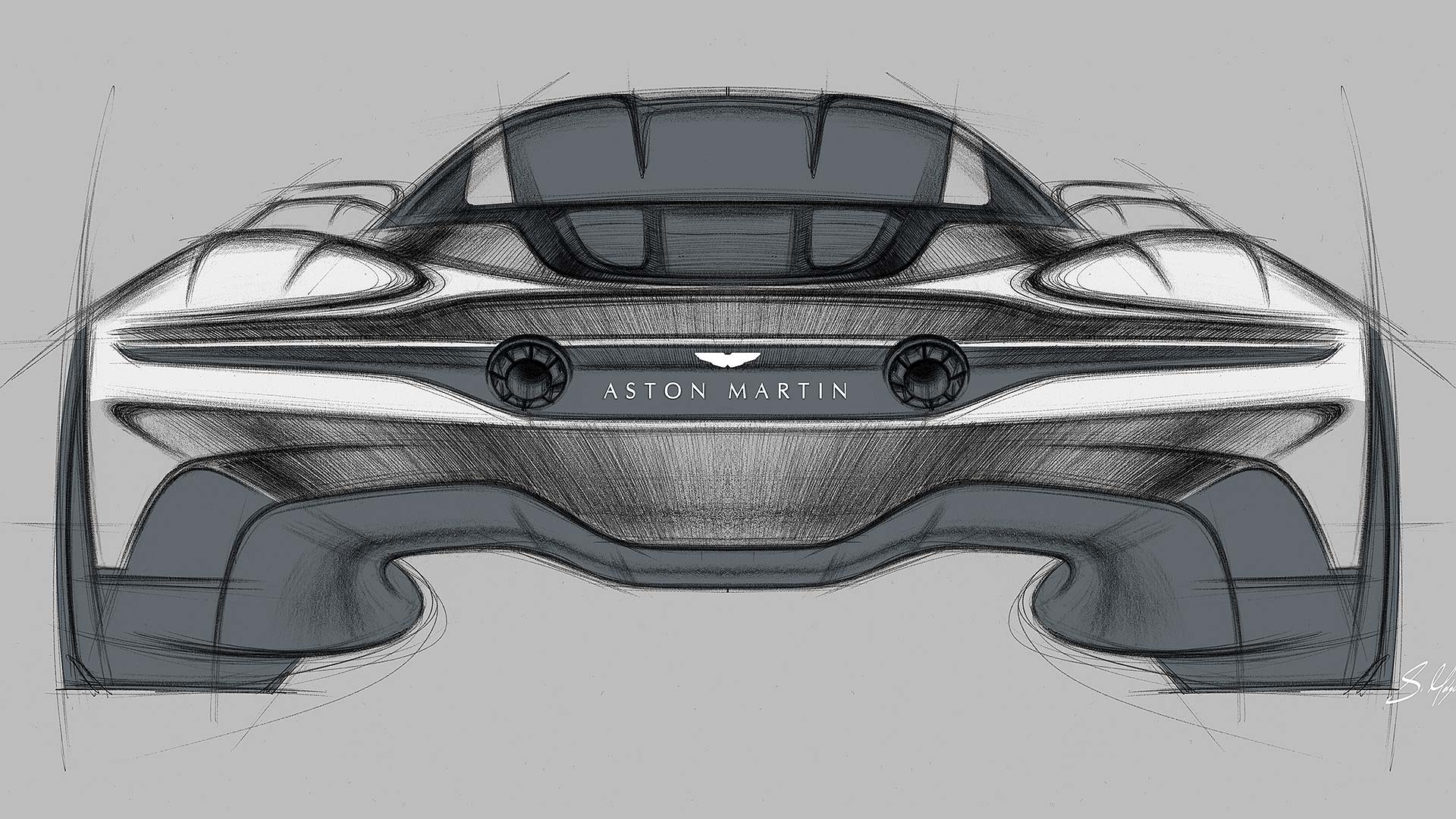
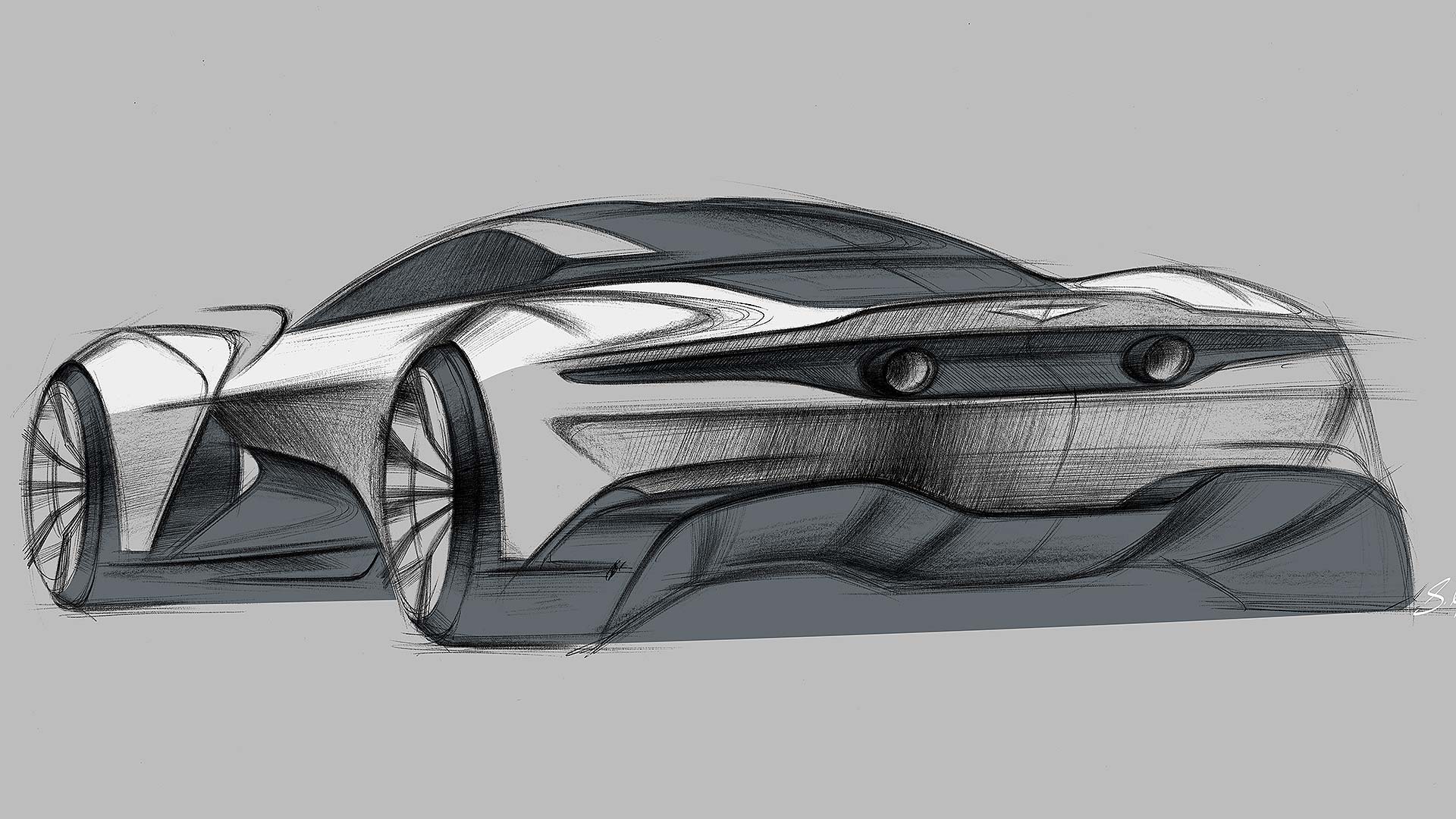
Styling the Vanquish Vision Concept
Design director Miles Nurnberger happily makes the link to the Aston Martin Valkyrie and AM-RB 003. Its appearance is “more seductive and less technical… but it’s still extreme in terms of visual gestures”.
Take the front clamshell, around the front wheel: it has openings so you can see through onto the tyre. Designers will understand when he says “there’s less of the negative space that defines the look of the Valkyrie and AM-RB 003. “It’s a prettier car, and purposely so, as if it’s been designed to thrive in a less extreme performance envelope.”
Nurnberger says it is “less provocative and more classical in its look”. The aggression of the Red Bull-infused hypercars is dialled back, in favour of “more flowing and sensuous forms”. It’s still athletic and modern, though, he reckons: “critical qualities” for Aston’s first mid-engined supercar.
Aston Martin Vanquish Vision: technical highlights
Aston is telling us little about what’s underneath. For now, it’s simply confirming a version of the new in-house V6 used by the AM-RB 003 will be used. In that car, it is seen in hybrid turbo form: there’s no news on how it will be configured in the Vanquish.
It also won’t be made entirely from carbon fibre. That’s far too exotic for a supercar. Instead, it will use a bonded aluminium chassis, to best balance “cost, speed of production and weight vs. strength”
.Chief technical officer Max Szwaj will oversee the project. “The Vanquish Vision Concept is the point when the things we have learned during the Aston Martin Valkyrie and AM-RB 003 programmes reach the series production models. Creating a car like this for Aston Martin is a challenge I have relished since joining back in 2017.
“Although it takes Aston Martin into new territory, it does so with the benefit of hard-won knowledge, ground-breaking ideas and an uncompromising mindset.
“The full engineering story of this car is yet to be told, but what you see here should tell you this car will not only compete at the highest level, but it will do so in a manner and style unique to Aston Martin.”
Stay tuned, because what we’re watching unfold is the remarkable expansion of Bond’s favourite GT brand into a bona fide supercar and hypercar maker.
If the next Aston Martin Vanquish turns out to be a genuine Ferrari and McLaren rival, that really will give the automotive world (and the financial markets) something to celebrate.
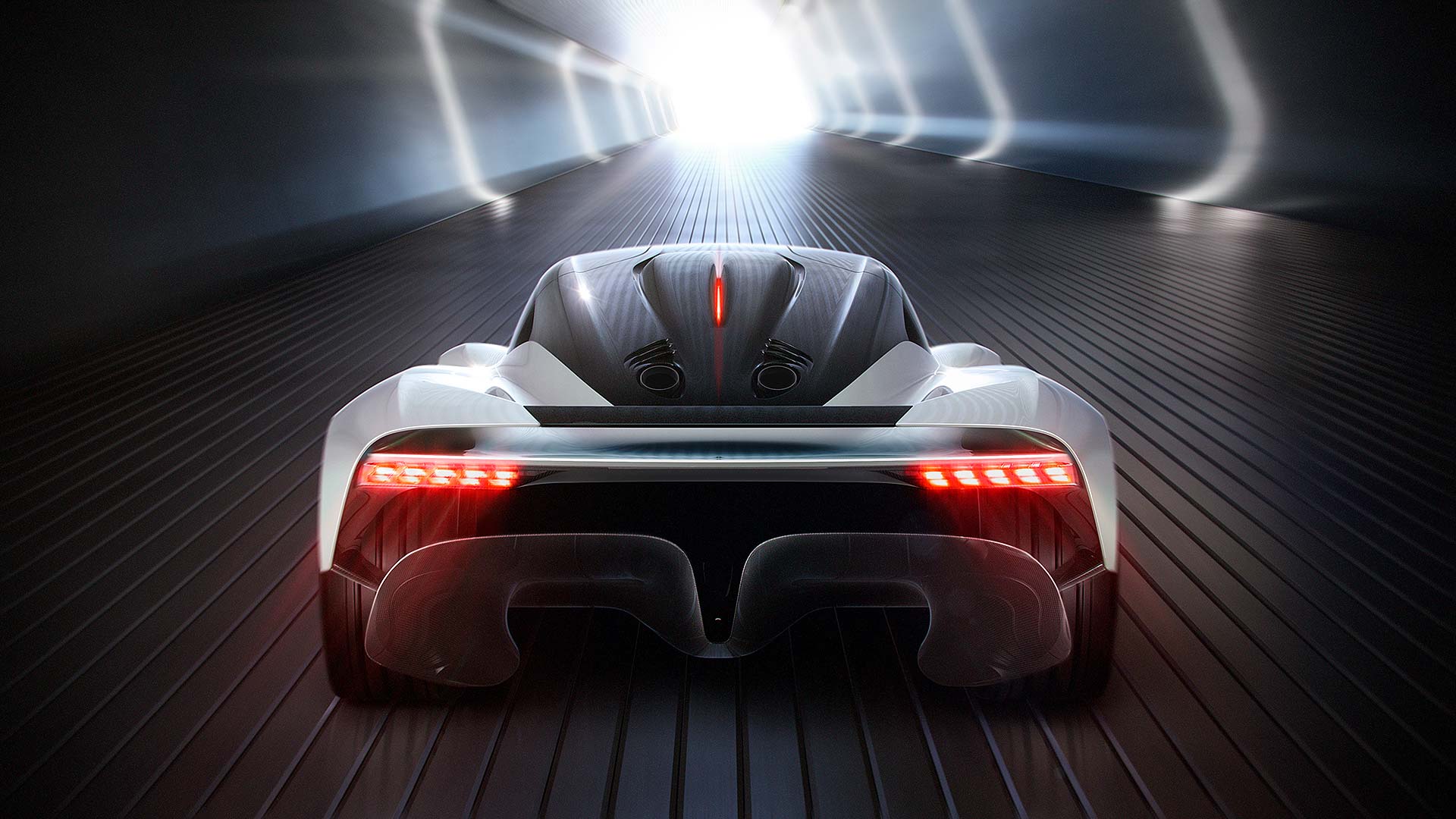
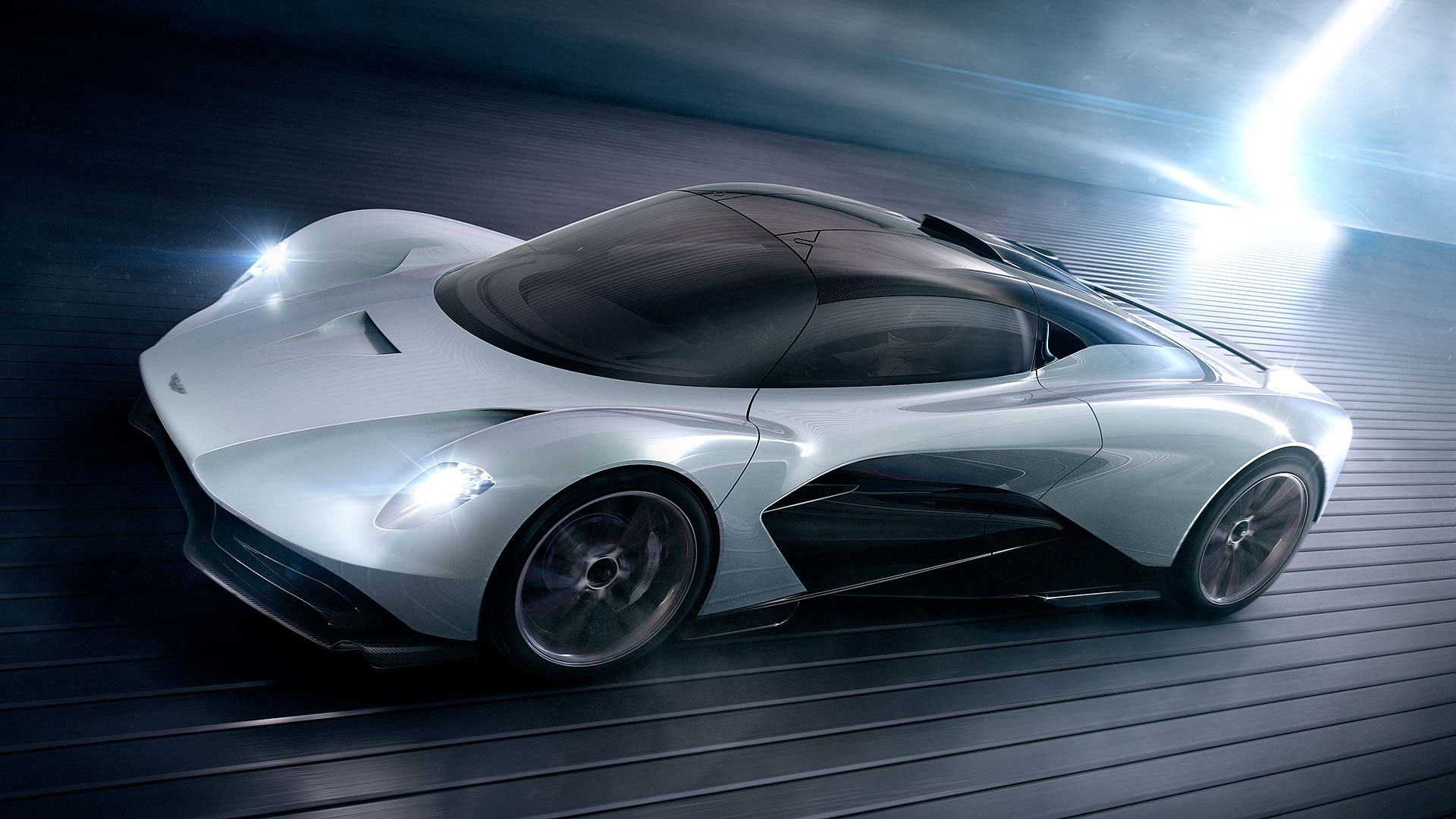
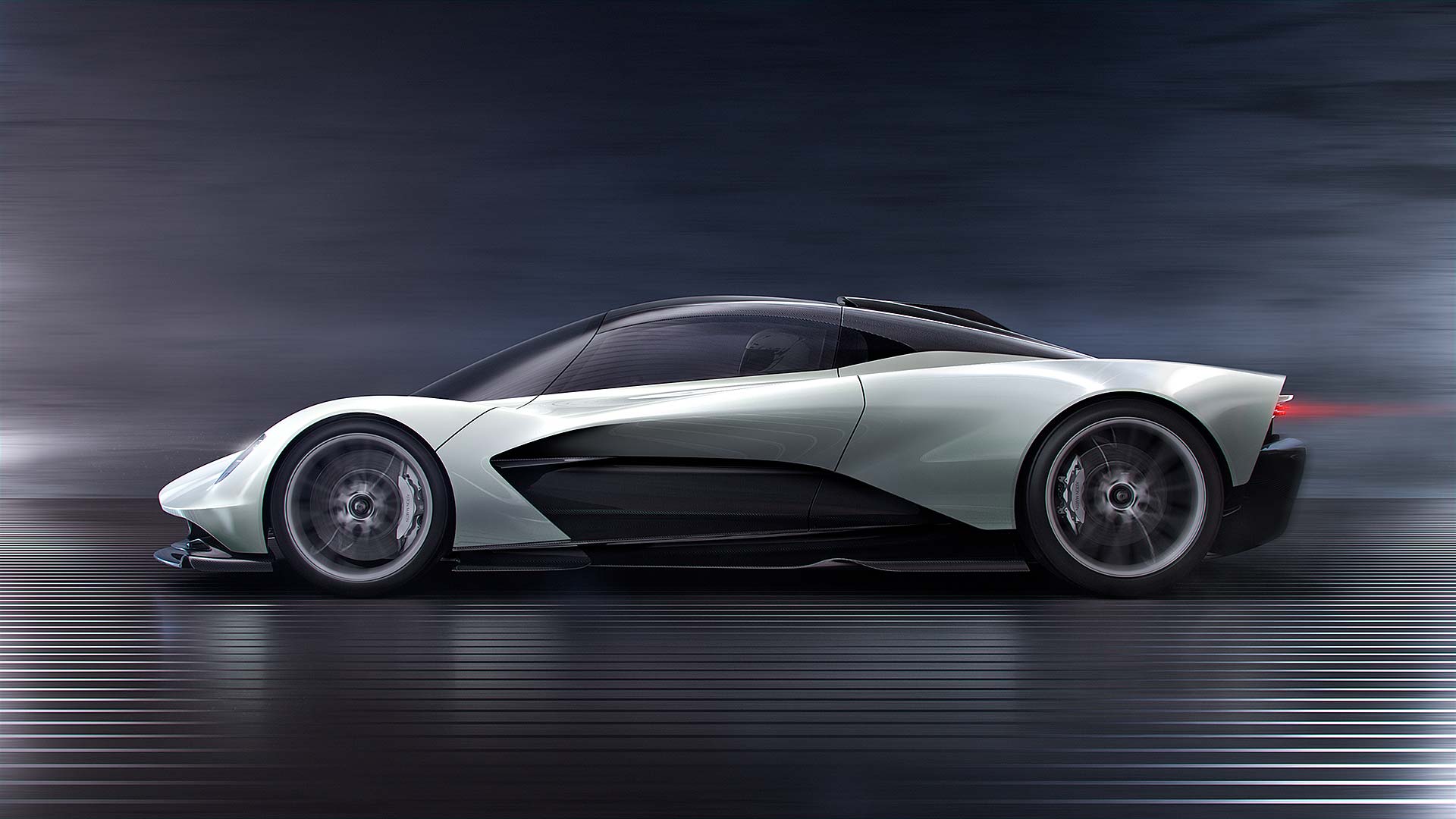
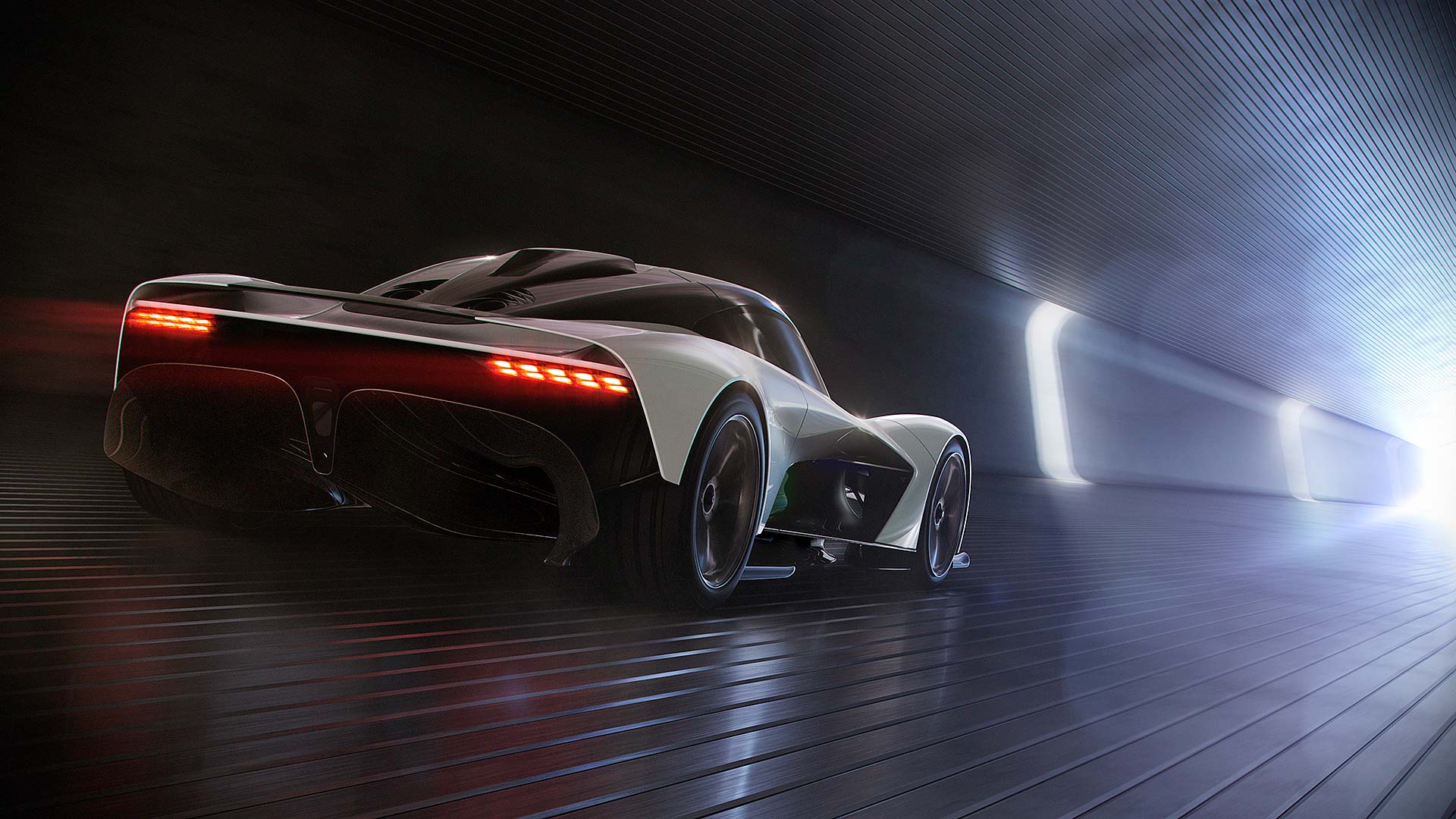
Aston Martin is wowing Geneva with an F1-infused mid-engined hypercar co-developed with Red Bull Advanced Technologies. Previously known as Project 003, it now has a codename: AM-RB 003. The Geneva 2019 design concept is our first taste of how it may look.
The mid-mounted engine is a surprise as well: it’s a brand-new hybrid turbo V6, designed in-house by Aston Martin for the first time in years.
The third mid-engined Aston Martin – after the Valkyrie and Valkyrie AMR Pro – the AM-RB 003 may be known as ‘son of Valkyrie’, but design director Miles Nurnberger insists it’s very different. It is “a distillation of Aston Martin Valkyrie and not a dilution.
“The design isn’t as extreme in some areas, but it pushes just as hard in others, and is even taking certain ideas and concepts a step further.”
Key to this is what’s described as ‘next-generation aircraft morphing technology’. Using something called FlexFoil, the mind-boggling feature creates a variable aerofoil across the width of the rear wing.
NASA has validated the technology works, apparently, and Aston Martin is the first automotive brand to use it. In a nutshell, it allows the level of downforce to be altered without changing the physical angle of the entire wing. It’s much better than current “state of the art” active wing designs, opines Aston (*cough* McLaren Senna), as turbulence and drag are also reduced. Indeed, it’s so effective the production wing will operate virtually in real-time as the car’s pitch and attitude alter.
The upper body aerodynamics, front keel and large rear diffuser all resemble the Valkyrie, but new light graphics give a different appearance despite the ultra-lightweight lamps being borrowed directly from the flagship hypercar Valkyrie (the four units together still weigh less than one DB11 headlamp).
The AM-RB 003 is made fully from carbon fibre, both the structure and the bodywork. Red Bull has honed the materials, and also the active suspension and electronics, further underlining the F1 link. And while it won’t be quite as rare as the Valkyrie, it’s still hardly mainstream: only 500 will be sold.
Inside the AM-RB 003
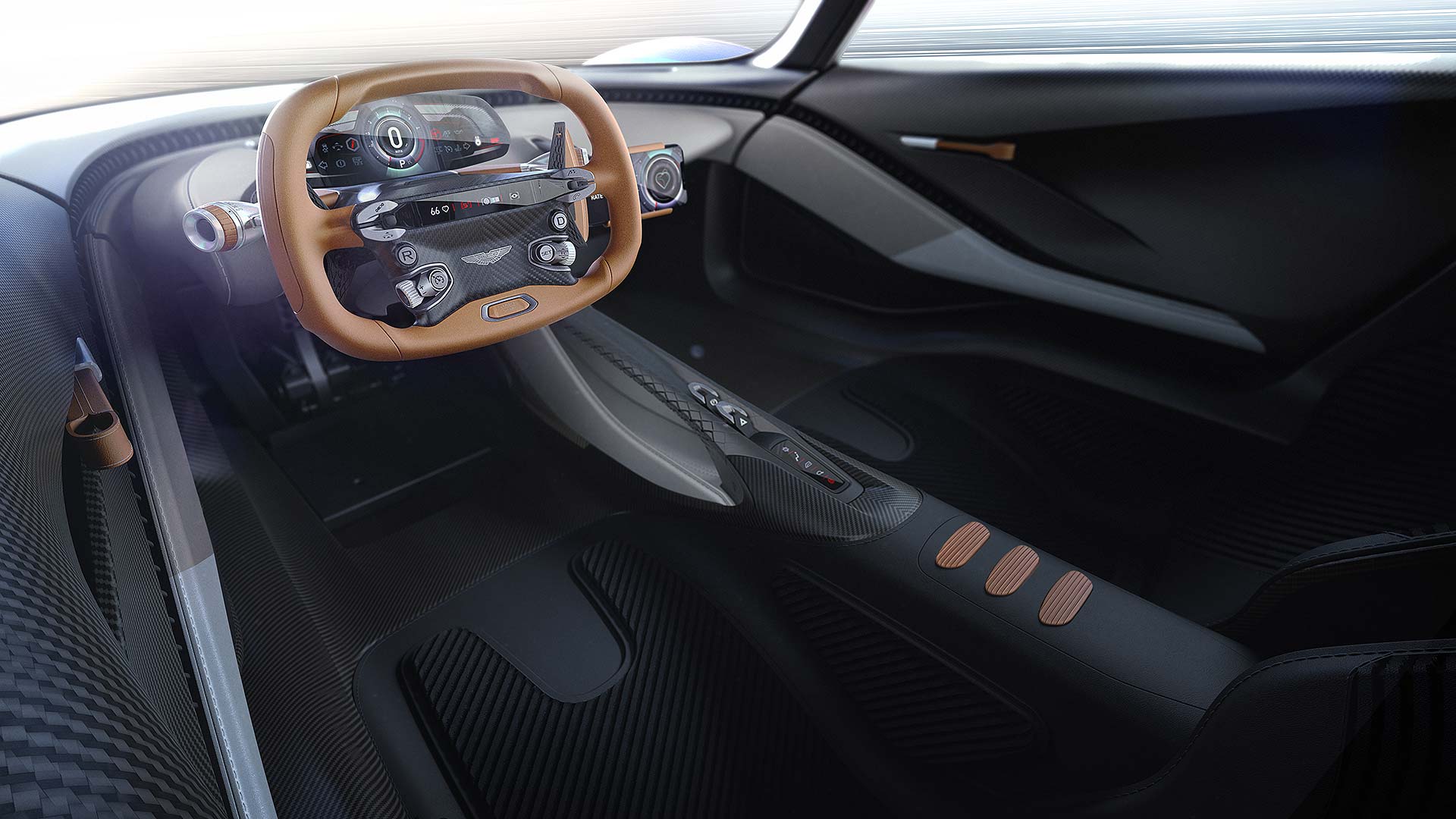
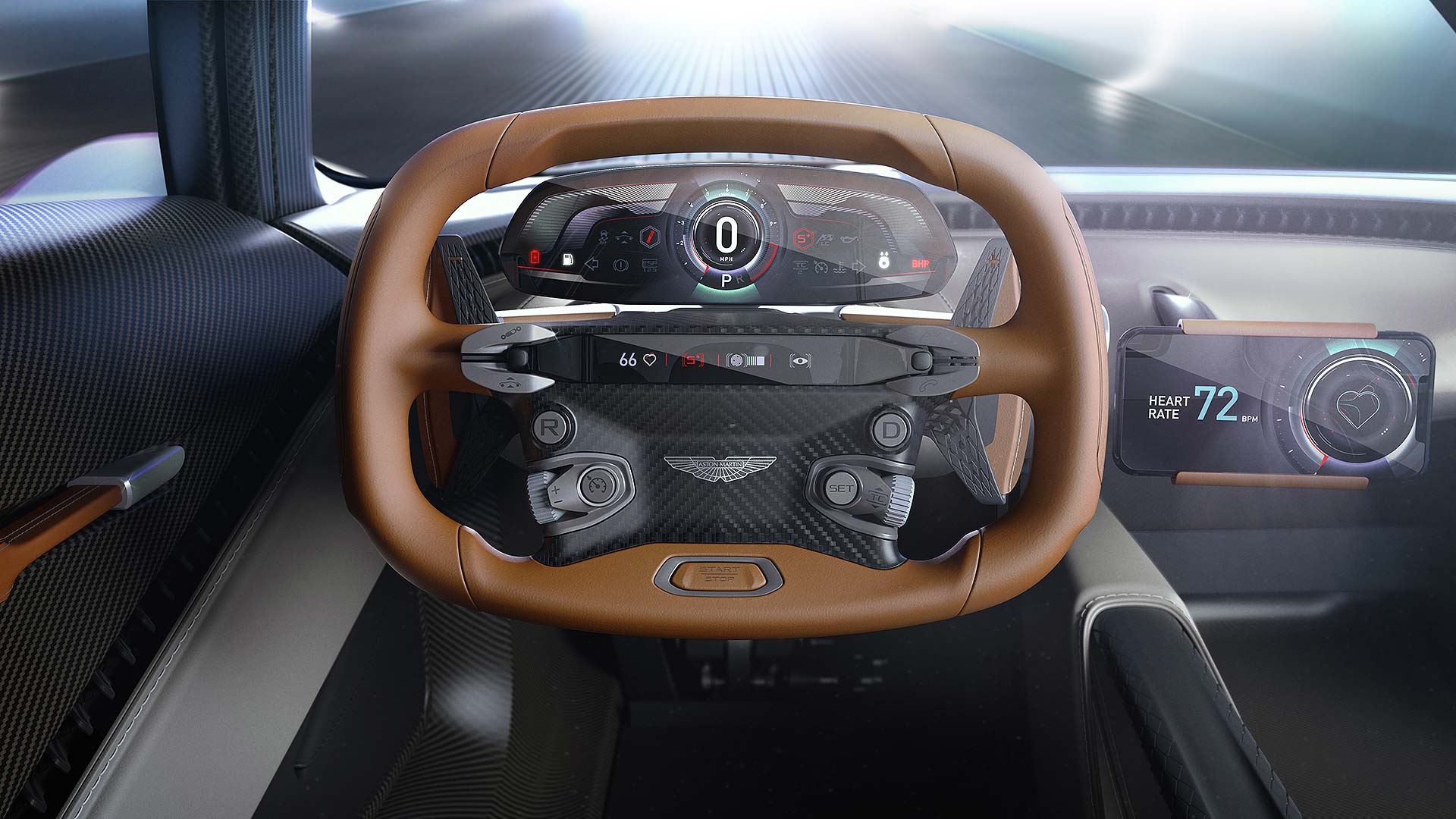
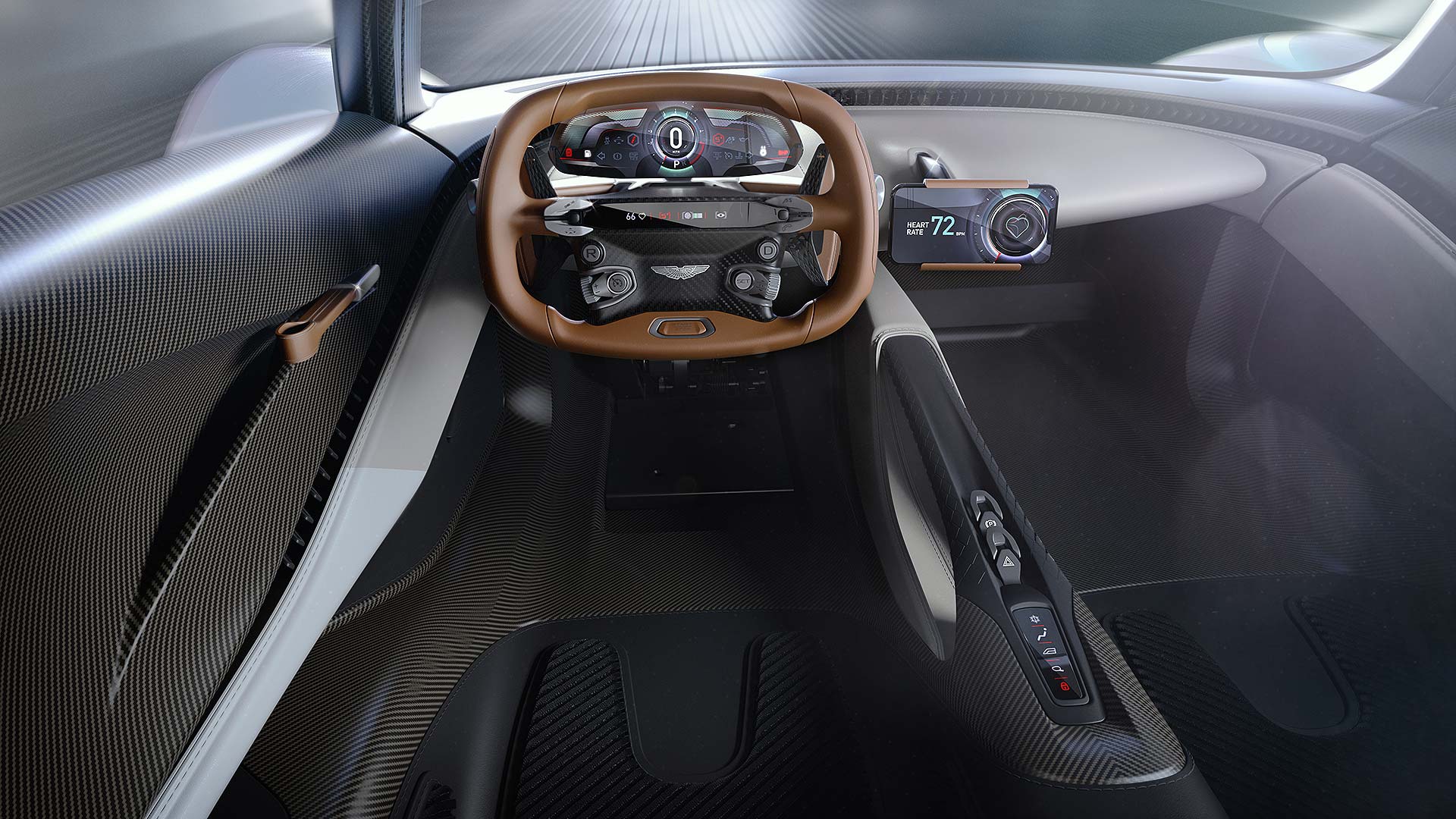
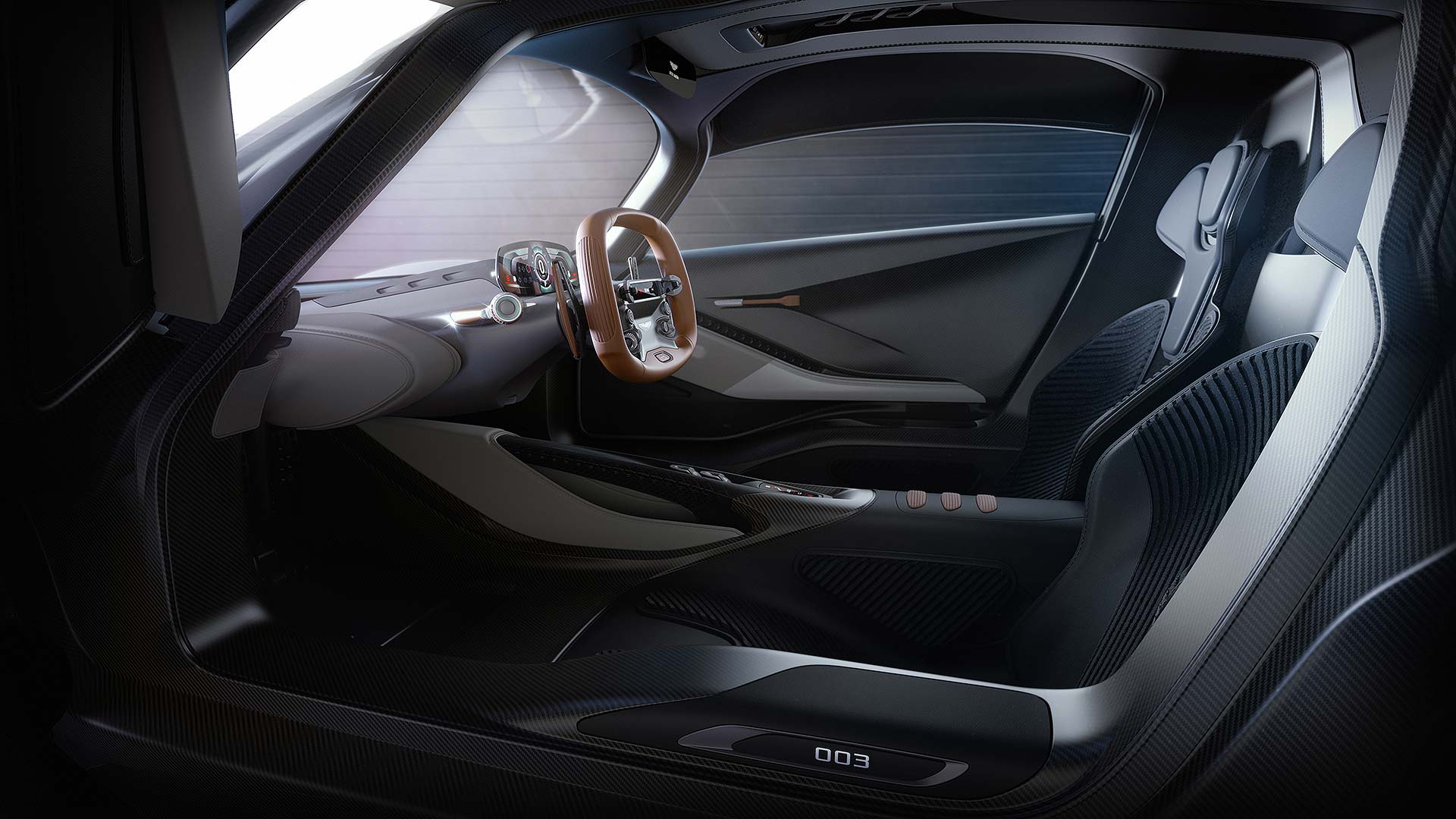
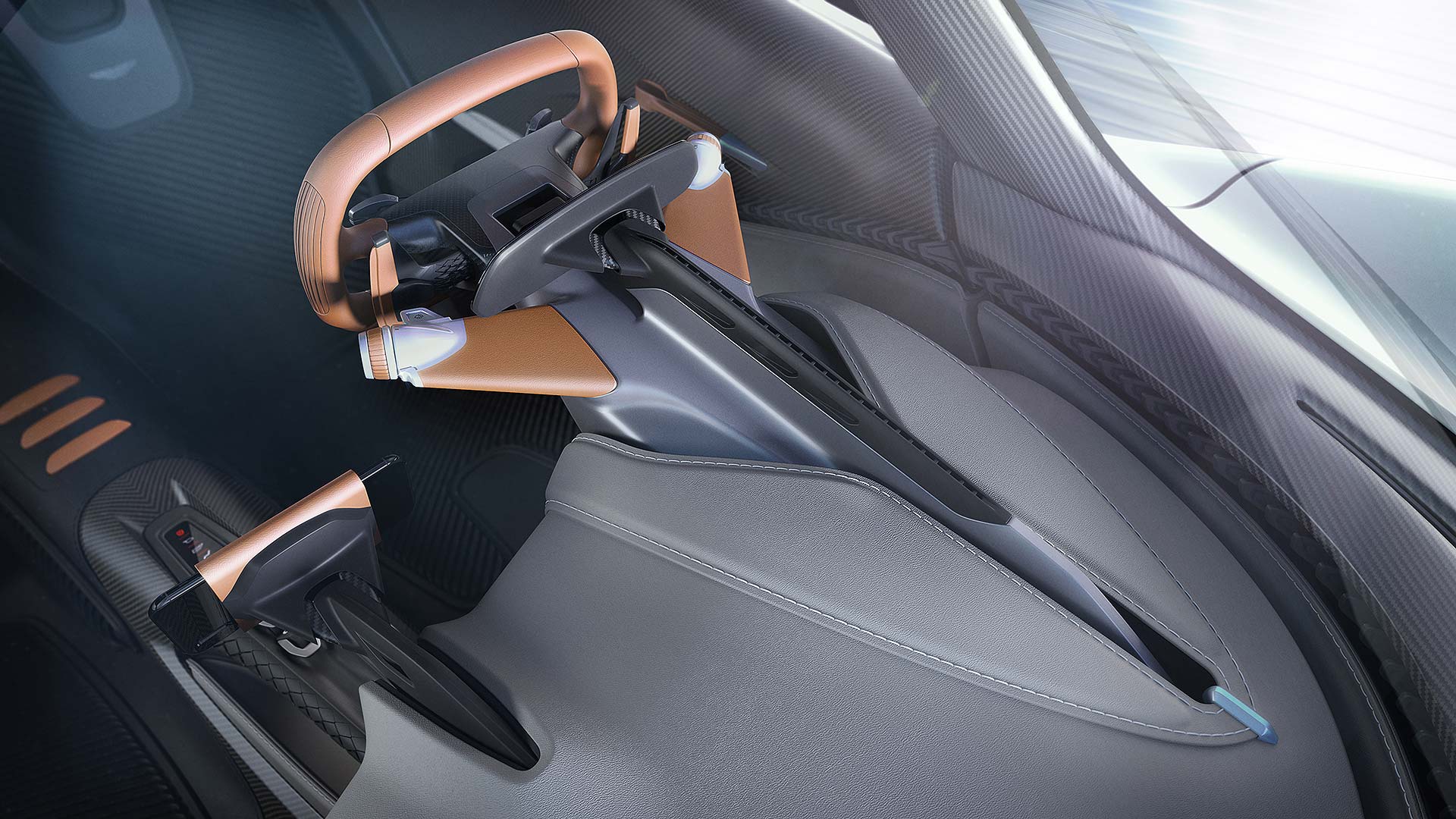
A new buzzword describes the interior: ‘Apex Ergonomics’. This is said to perfectly align the centreline of the driver’s back with the steering wheel and pedals. Other controls within the clutter-free cockpit are also carefully located to help the driver focus.
The instrument display is actually mounted on the steering column itself, so it won’t be blocked by the wheel rim. The infotainment system isn’t overburdened with branded solutions nobody will use, either. Aston calls it ‘bring-your-own’ technology, masterminded through the owner’s smartphone.
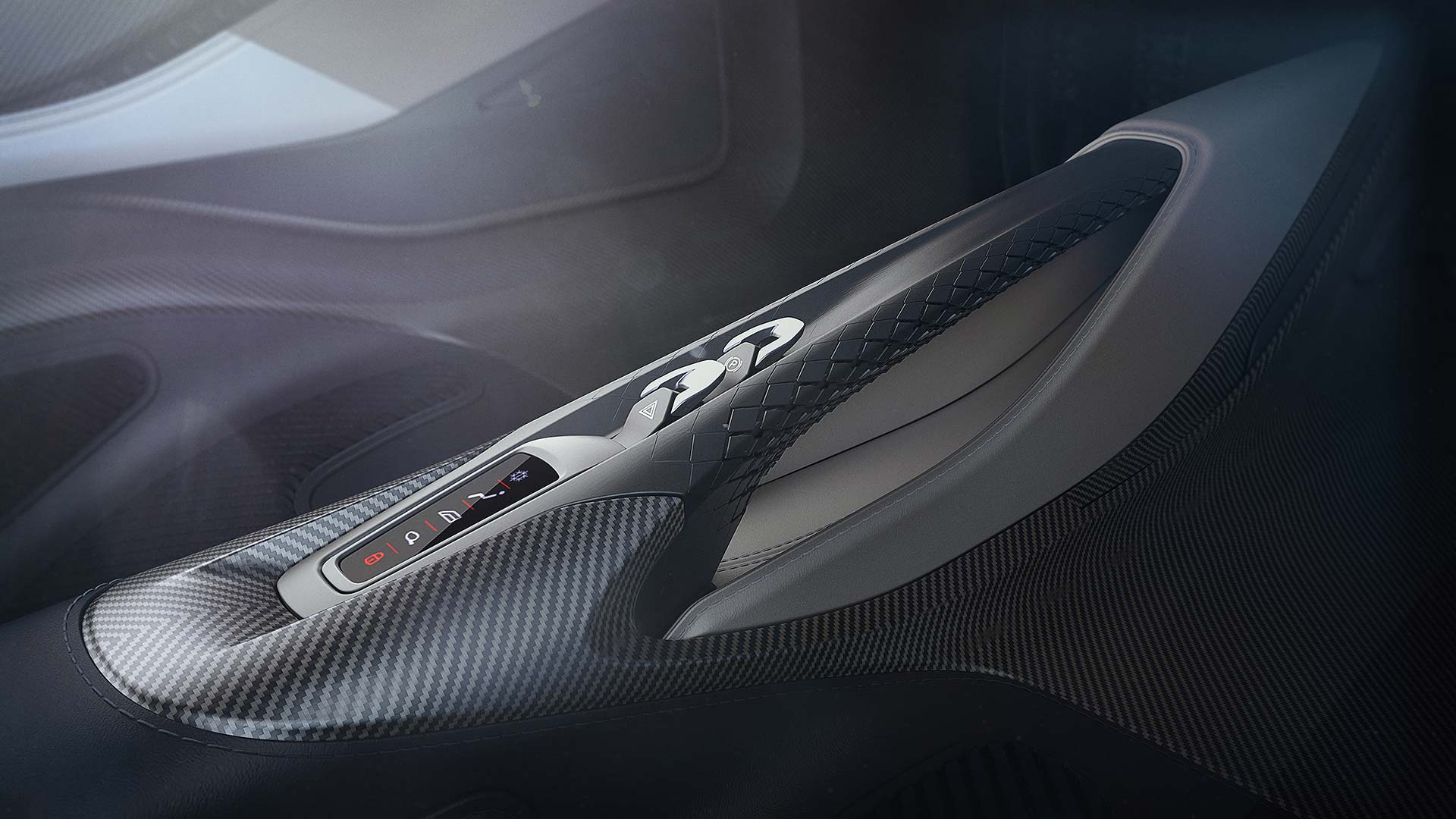
Note the wraparound band that follows the curve of the windscreen, too. Through this, audio, ventilation and ambient lighting are fed, helping further declutter the interior and focus attention on the screen in front of the driver. We also like the start/stop button built into the base of the F1-shaped steering wheel.
Compared with the Valkyrie, there’s much more space and comfort inside the AM-RB 003. LMP1-style racing car doors make it easier to step in and out, and a wider centre console gives more space between front passengers. There’s even a makeshift boot: a shelf behind the seats. Aston Martin promises there will be stowage slots for wallets or mobile phones. Hopefully both.
The team behind AM-RB 003
Two Brits are responsible for making sure the AM-RB 003 drives as well as it looks: chief engineer Matt Becker and high-performance test driver Chris Goodwin. They’re currently running exhaustive tests – not on the road, though, but in Red Bull’s ultra-advanced simulator. Only later will the first prototypes take to the road. Another example of how Aston is working closely with Red Bull.
As these projects enter an incredibly exciting phase with the commissioning of the first running development prototypes, it gives me tremendous satisfaction to confirm that this exceptional partnership is continuing with the AM-RB 003 – a hypercar that not only draws from the ethos and DNA of Aston Martin Valkyrie, but will in turn influence Aston Martin’s first series production mid-engined supercar”.
Andy Palmer, Aston Martin Lagonda president and CEO, said: “When Aston Martin secured the services of Red Bull Advanced Technologies to embark on the extraordinary journey that became Aston Martin Valkyrie and Aston Martin Valkyrie AMR Pro, it was always my hope that it would lead to a long-term collaboration.
As if two new supercars (not to mention the spine-tingling 11,000rpm Valkyrie) weren’t enough, Aston Martin has revealed an electric luxury SUV at the Geneva Motor Show. Meet the Lagonda All-Terrain Concept.
At a stroke, the makes the Bentley Bentayga and Rolls-Royce Cullinan look like knackered old P38 Range Rovers. It’s all forward-thinking: a futuristic design that makes the current crop of luxury SUVs seem archaic.
A ‘super yacht’ for the road
Lagonda doesn’t have a generic SUV platform over which to drape a tight-fitting and stately English suit. As such, this doesn’t resemble a Volkswagen Touareg or BMW X7 in drag. It takes inspiration from existing Aston Martins, as well as the Lagonda Vision Concept of last year. There’s even a whiff of the Taraf saloon in the nose.
It’s more traditional in its jacked-up estate-car proportions, albeit broader of hip and slighter of shoulder. We can see how it alludes to the design of superyachts. A hint of Vanquish Zagato Shooting Brake? No bad thing at all, sir.
Aston Martin says the ‘forms and shapes… look like they have been created by the huge, planetary forces of gravity fields’. So now you know.
A luxury brand that’s exclusively electric
More revolutionary is what’s going on underneath. Aston Martin made it clear last year that when Lagonda arrives as a standalone marque, it will be exclusively electric. Indeed, it will ‘confound traditional thinking and take full advantage of the latest advances in both electrification and autonomous driving technologies, which amount to the biggest revolution in land-bound transportation since the invention of the car’.
The chuntering V8s of the old William Towns-penned Lagonda will be long gone by the time 2022 rolls around, then, as too will the rippling tones of the (Rapide-based) Taraf V12.
As with last year’s Lagonda Vision Concept, there’s also a very real focus on autonomous driving.
While it ‘gives us a glimpse of the first production model from the luxury brand’, there isn’t anything as concrete as range numbers or horsepower figures yet. Suffice to say, the SUV size and body style lends itself to being stuffed full of batteries. By the time it’s out, we’re anticipating around 500 miles of range and serious quick-charge capability.
What there is an emphasis on, is the ‘utility’ side of a sports utility vehicle: ‘The Lagonda All-Terrain Concept is an ultra-stylish, supremely luxurious, fully electric emission-free vehicle that can transport its occupants to remote and spectacular locations.’
Enticing indeed, although we can’t quite see Colombian drug lords abandoning their G-Wagens and conquering the rainforest in a Lagonda just yet.
A levitating key… yes, really
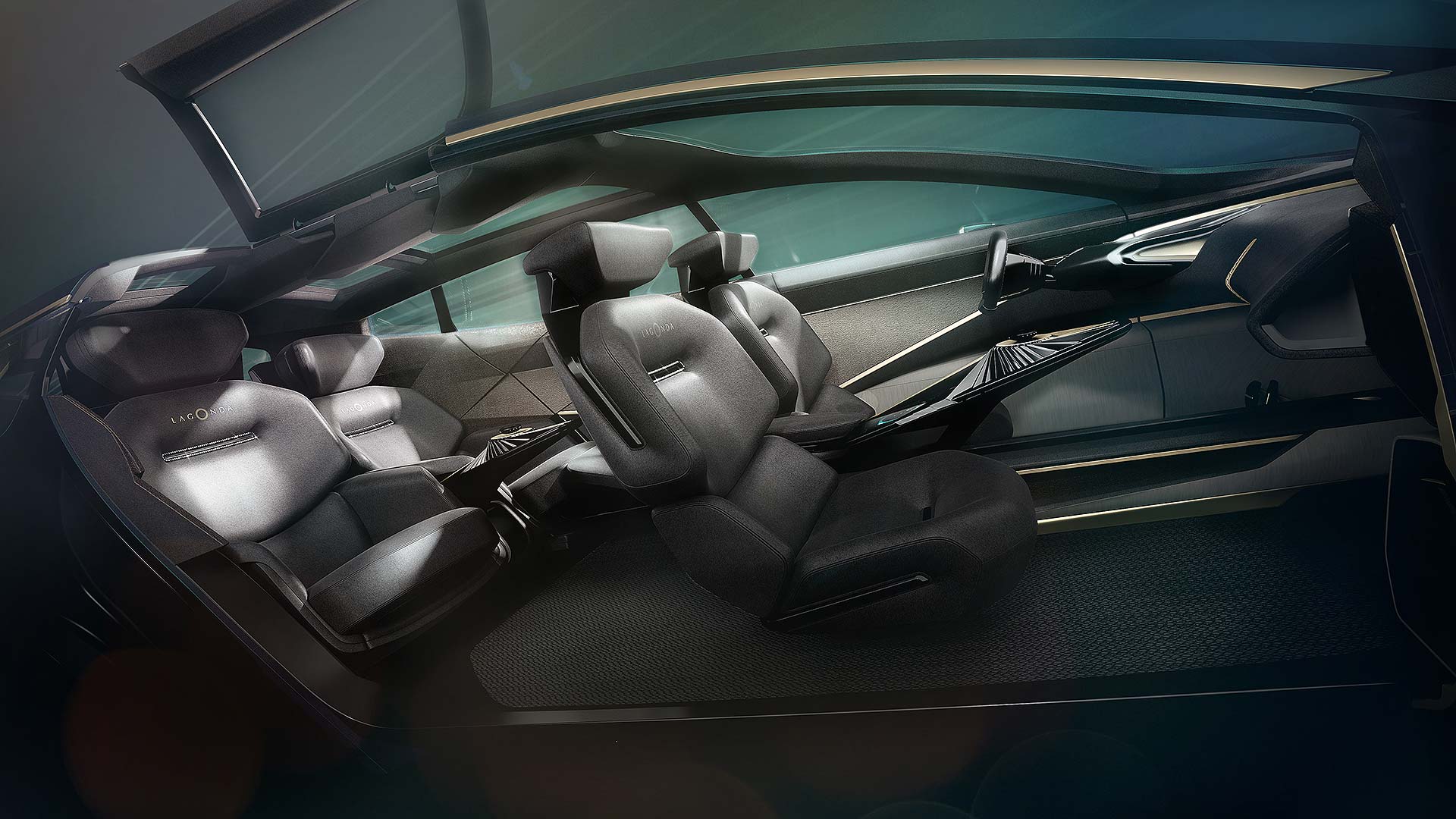
Don’t let its size fool you, this is no Discovery-rivalling three-row wagon. The back is a place to spread out and relax in those stunning reclining chairs. The luxury begins before you even get in, with the rear-hinged back doors giving you a ‘red carpet moment’.
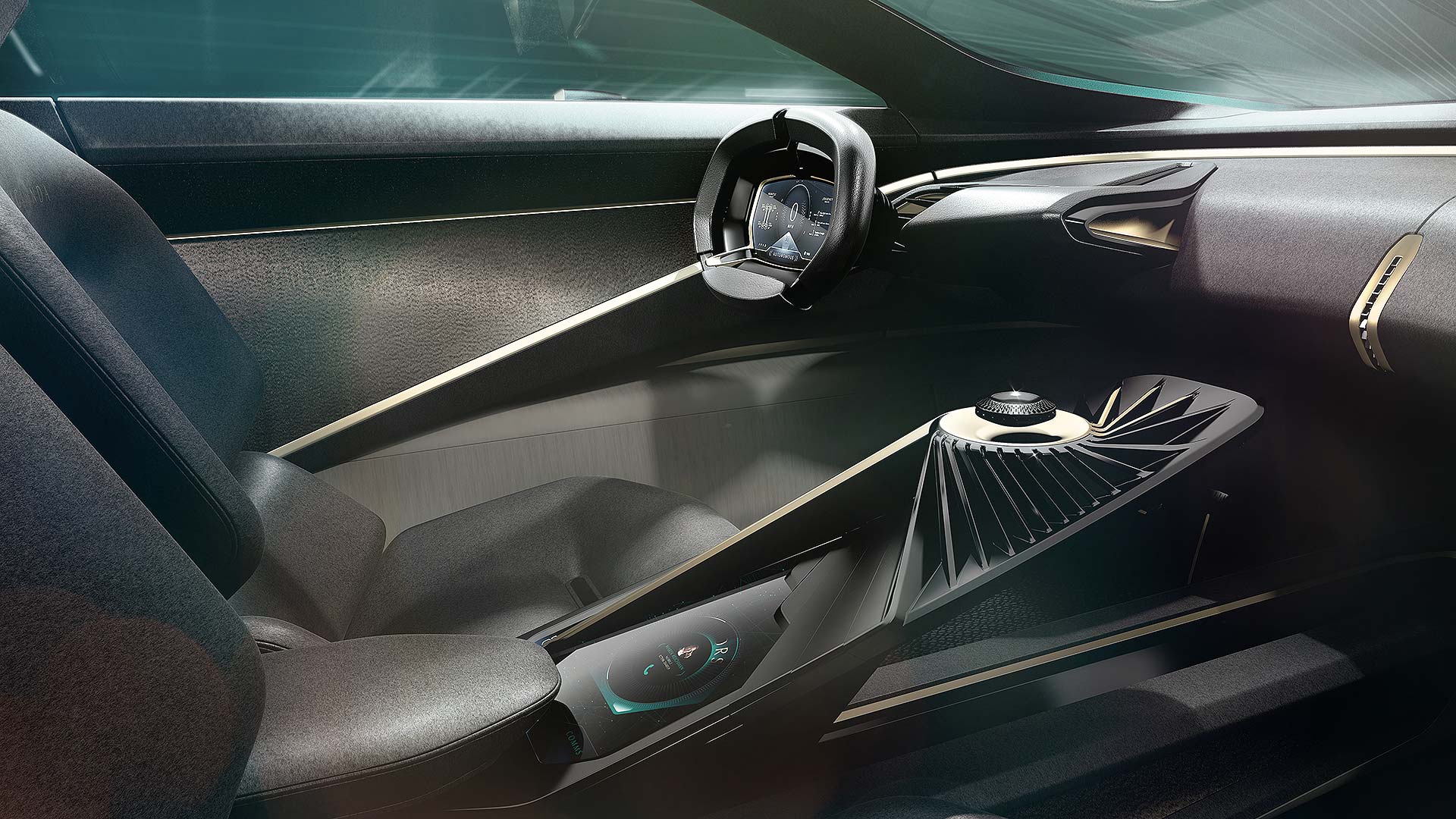
Up front, there’s more pleasing minimalism. Well-judged lines combine an airy feeling with the intimacy of an Aston cockpit.The wheel is predictably futuristic – note the ‘Autonomous’ display we mentioned above – but it’s not intimidating.
That swirling centre console design spewing out from the levitating key is truly bewitching, as is the liberal use of bronze and gold metals. The key levitates using electromagnets. Why keep a key in a world where you can unlock your car with an app? “While the technology exists in this day and age to allow the key to be removed altogether, Lagonda believes that it remains an important point of contact between the driver and the vehicle,” says Aston Martin’s chief stylist, Marek Reichman.
“It’s not about wood and leather”
“The Lagonda brand is unconstrained by the traditional values of current luxury products, it is not about wood and leather,” follows Reichman.
“We tried to design the interior to feel very calm and quiet, with soft, natural materials like Cashmere. Lagonda reflects a future that is full of unique materials that are not set in the past.
“We wanted the technology in the Lagonda All-Terrain Concept to bring a sense of personality to the vehicle. Just as with the materials and the exterior design, the technology should be warm and involving rather than cold and impersonal. This is the future and it should be something that people are inspired and delighted by rather than perplexed and frightened by.”
When can I have one?
Well, not until 2022 at least, and the finished product will no doubt be toned down somewhat. We hope some of the essential cleanliness and clarity of the design of the All-Terrain Concept makes it to production in St Athan, though.
Real luxury is a clarity of vision and a lack of fuss, as well as capability and quality. And Aston Martin Lagonda looks set to deliver.
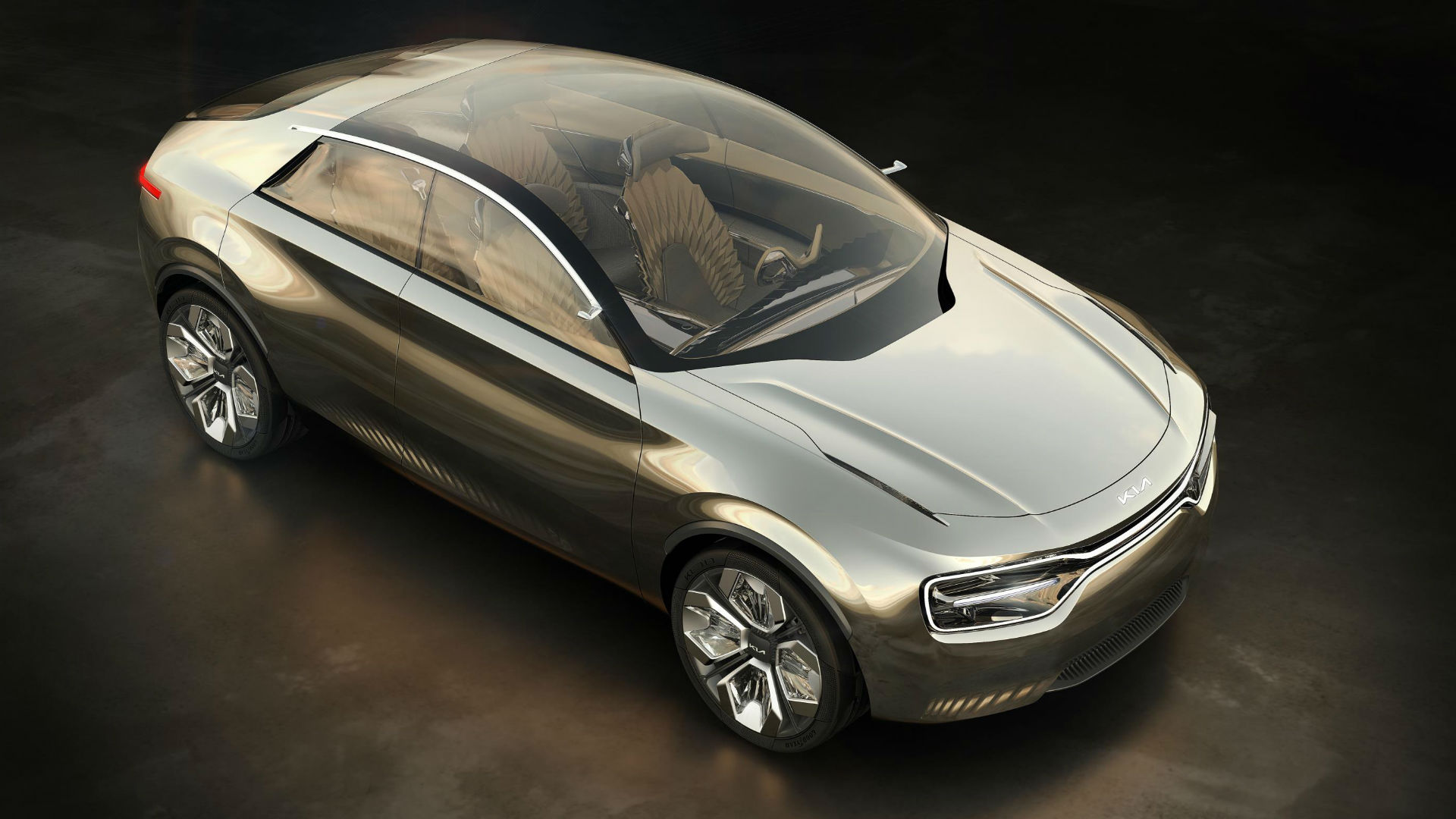
Kia has unveiled its ground-breaking Imagine concept at the 2019 Geneva Motor Show.
It’s an electric car, but not like we’ve seen before from the Korean marque. Not that the Soul EV or e-Niro are particularly derivative – but the Imagine deliberately breaks the mould.
A category buster
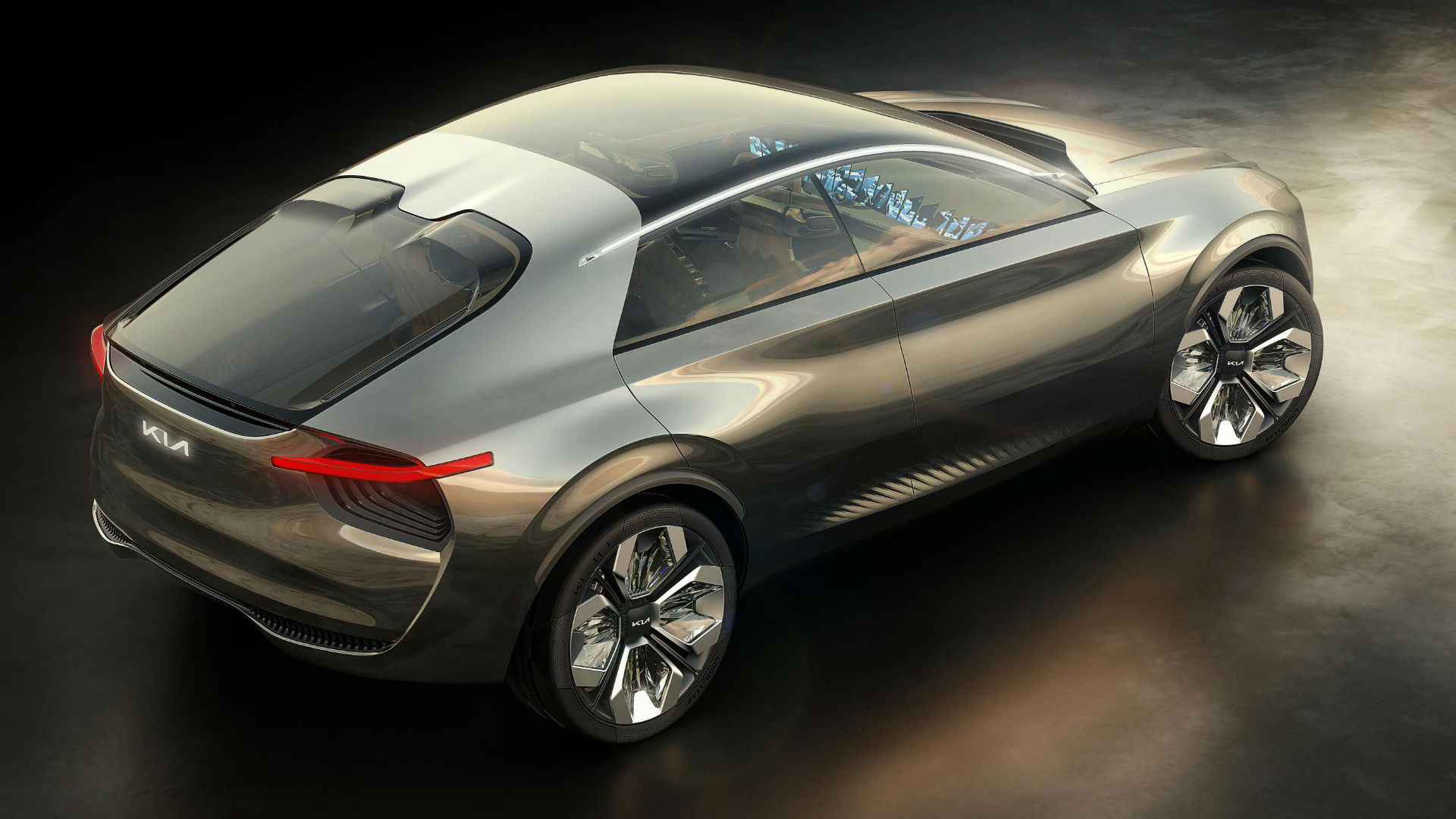
Just look at it. Is it a crossover? Is it a saloon? Is it an SUV? Much like the Polestar 2 EV, the Imagine borrows the handsome, chiselled proportions of a sporting car for an SUV-addicted audience.
“It’s a large C-segment car – the vehicle size that’s incredibly popular in Europe – but the only things it holds on to are Kia’s brand values,” explains Gregory Guillaume, vice president of design for Kia Europe.
“It hints at something familiar, but is something entirely new. I think of it as a category-buster, and a disruptor – it’s familiar and understood but at the same time progressive and new.”
A category buster, you say? Sounds good to us. if you’re re-inventing powertrains, why not reinvent cars altogether? The Imagine could potentially re-invent Kia, too. The styling at the front including the ‘suspended lights’ and ‘tiger mask’ are the possible future corporate face for the marque’s electric cars.
“The inspiration for the ‘tiger mask’ was to create the look and feel of the headlamps being suspended within a transparent block of glass,” explains Guillaume. “This identifiable lighting signature could potentially be deployed as a unifying design element across Kia’s future electric vehicle range.”
Underneath the distinctive skin is a ‘low-mounted induction-charged battery pack, powering a compact drivetrain’. There’s no word yet on what range that provides, but suffice to say it’ll top the current e-Niro’s 300-plus miles.
Helping the Imagine on its way is a smooth, aerodynamic design. “The front air curtain, the way the double-skin bonnet channels air through the nose, up and over the front screen and roof, the double skinned C-pillar that creates an air spoiler, the completely enclosed underbody, the wind-cheating ‘wingcams’ and the hard-edged break-away around the car’s rear – all these features collectively boost aerodynamic efficiency and reduce turbulence and drag,” Guillaume says.
Completing the look on the outside are standard-issue concept car wheels – a massive 22 inches in diameter.
A cabin with “a twinkle in its eye”
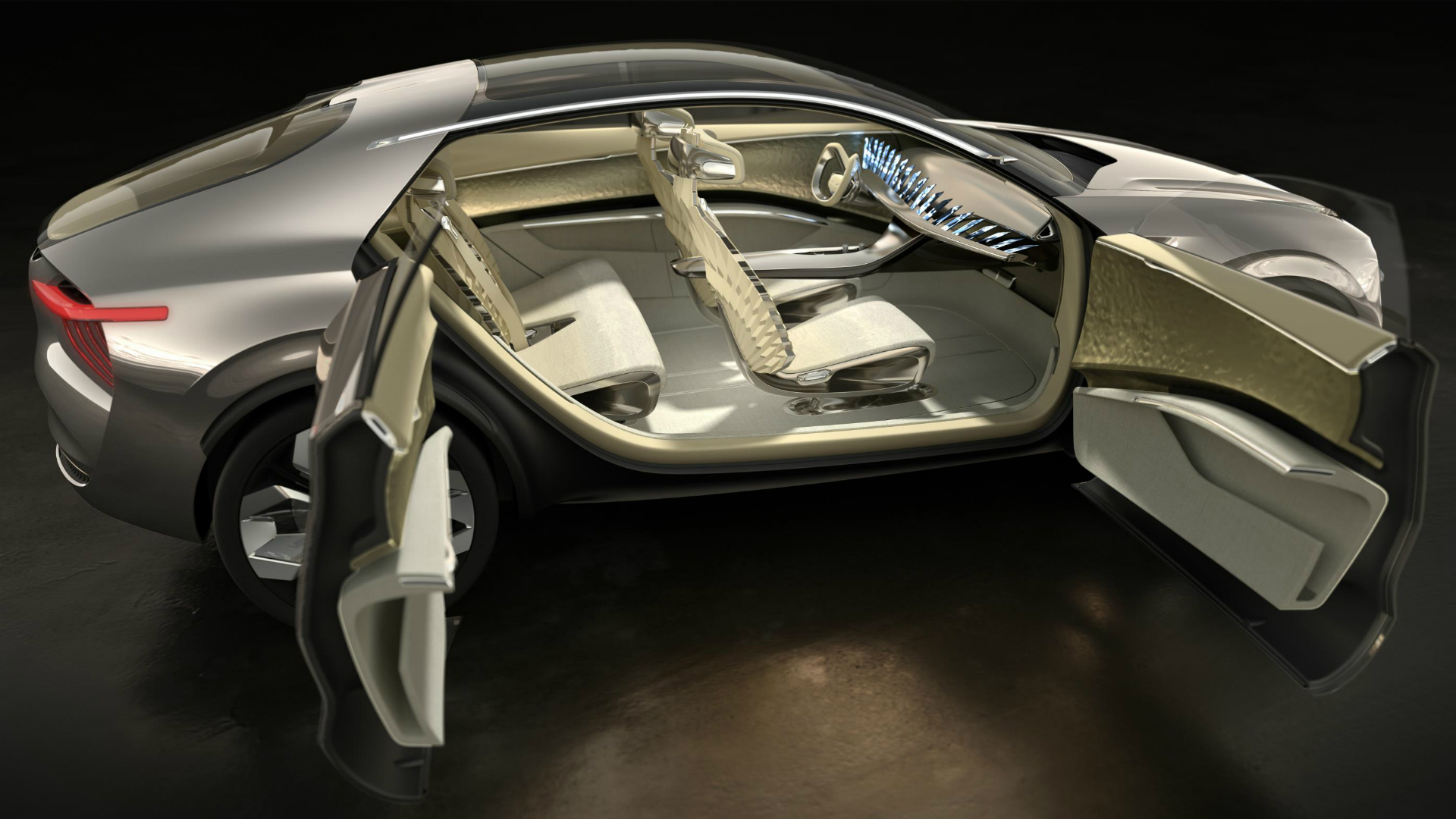
Inside, Kia wanted this concept to have a sense of humour: a “twinkle in its eye”.
That wrap-around wall of displays for instance, is Kia biting its thumb at the stuffy attitude the industry has to screens, and how they’ve more or less remained stubbornly fixed to centre consoles for 20 years or more.
“These 21 incredibly thin screens are a humorous and irreverent riposte to the ongoing competition between some automotive manufacturers to see who can produce the car with the biggest screen,” said Ralph Kluge, Kia Motors Europe’s general manager of interior design.
Imagine is clearly an important car for Kia, with those responsible for bringing it to life being proud of their leftfield creation. It’s a statement of intent, that the marque intends to diversify the EV marketplace with a strong, appealing and quirky range of cars in the coming years.
The box-fresh Ford Mustang racer scored an incredible double victory at the weekend, making its debut in the Virgin Australia Supercars Championship a major success.
After more than 18 months of work and development, the efforts paid off for the latest Ford Performance creation.
Any worries about whether the move to the Mustang would cause a problem evaporated early in the weekend, when Shell V-Power Racing driver Fabian Coulthard took pole position with his Mustang in the qualifying session.
It set the scene for an impressive opening weekend for the new race car, which marked the first time a Mustang has celebrated Australian Touring Car Championship victory since 1972.
Although some manufacturers might usually expect to start out slowly with a new car, last year’s champion driver Scott McLaughlin seemed happy to ignore the rulebook.
Starting from third on the grid for the opening race, 25-year-old McLaughlin took the lead from the start and held onto it throughout the 78 laps.
Even the searing Adelaide heat were not enough to punish the new Mustang, with McLaughin remarking that “but the cooling and all that stuff was really good for us” as he celebrated the first win for the new ‘Stang.
Proving that the success on Saturday was not just a case of beginner’s luck for the Mustang, McLaughlin delivered the same result again in Sunday’s race two.
Snatching the lead by the third lap of the race, McLaughlin would go on to take another victory with dominant ease.
Underlining the fact Ford’s pace was not just down to McLaughlin’s driving skills, Tickford Racing’s Chaz Mostert took fastest lap in race two.
Kay Hart, Ford Australia and New Zealand President and CEO, summed up the weekend as “a fairy tale start for our Ford Performance Mustang,” whilst Ford Performance Global Director, Motorsports, Mark Rushbrook, said “the Mustang Supercars’ results are beyond expectation”.
The next outing for the Ford Performance Mustangs will be on the Melbourne street circuit, taking part in the 2019 Rolex Australian Formula One Grand Prix weekend on March 13 to 17.
 Kohei Hitomi, Honda E Prototype project leader, took a trip to Europe early in the development of the new electric car, which makes its public debut at the 2019 Geneva Motor Show. He wanted to find out just what was required to crack the car’s target market.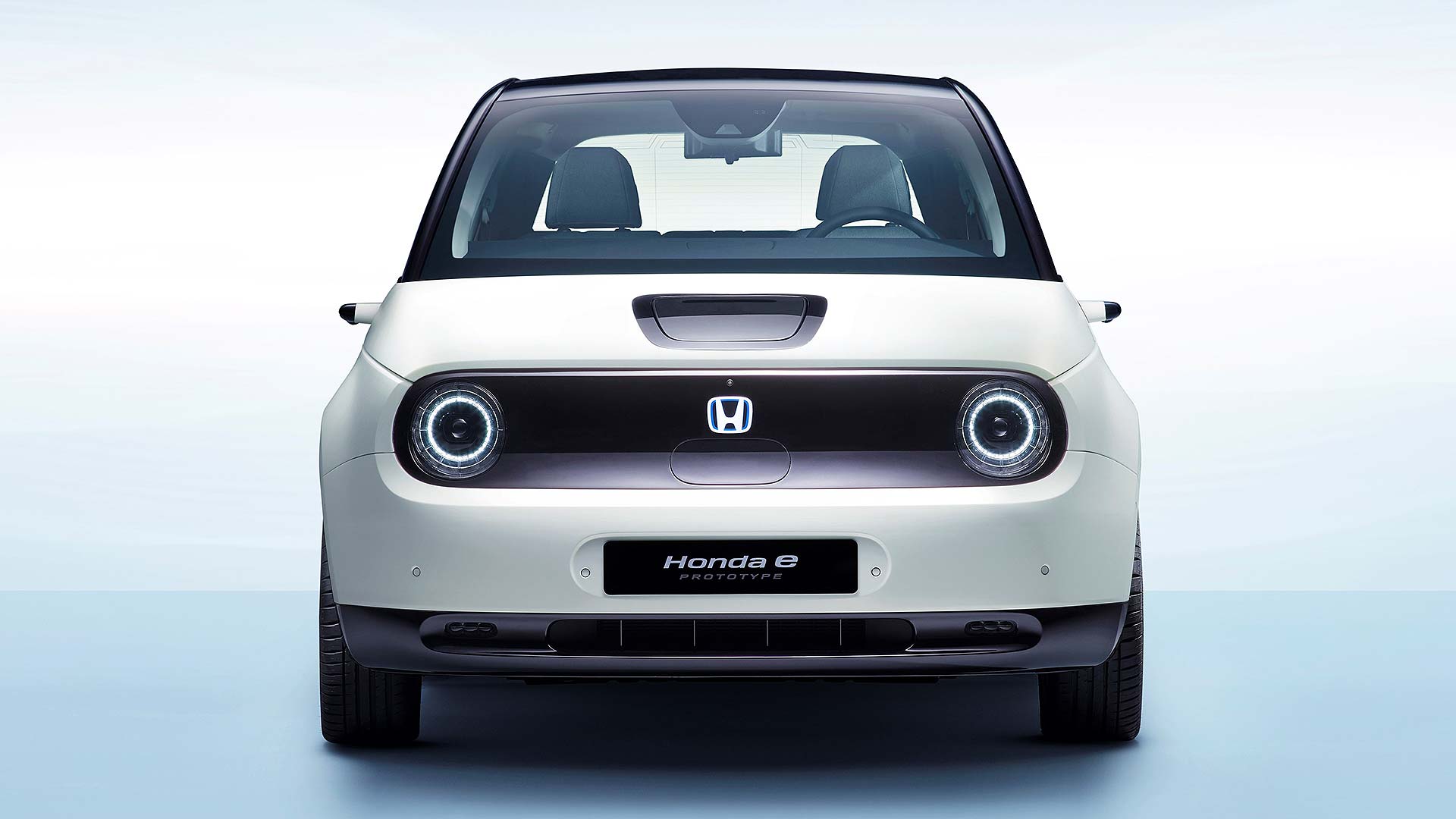



 Aston Martin has wowed Geneva 2019 show-goers by revealing yet another mid-engined car, the Vanquish Vision Concept. The supercar alternative to the extreme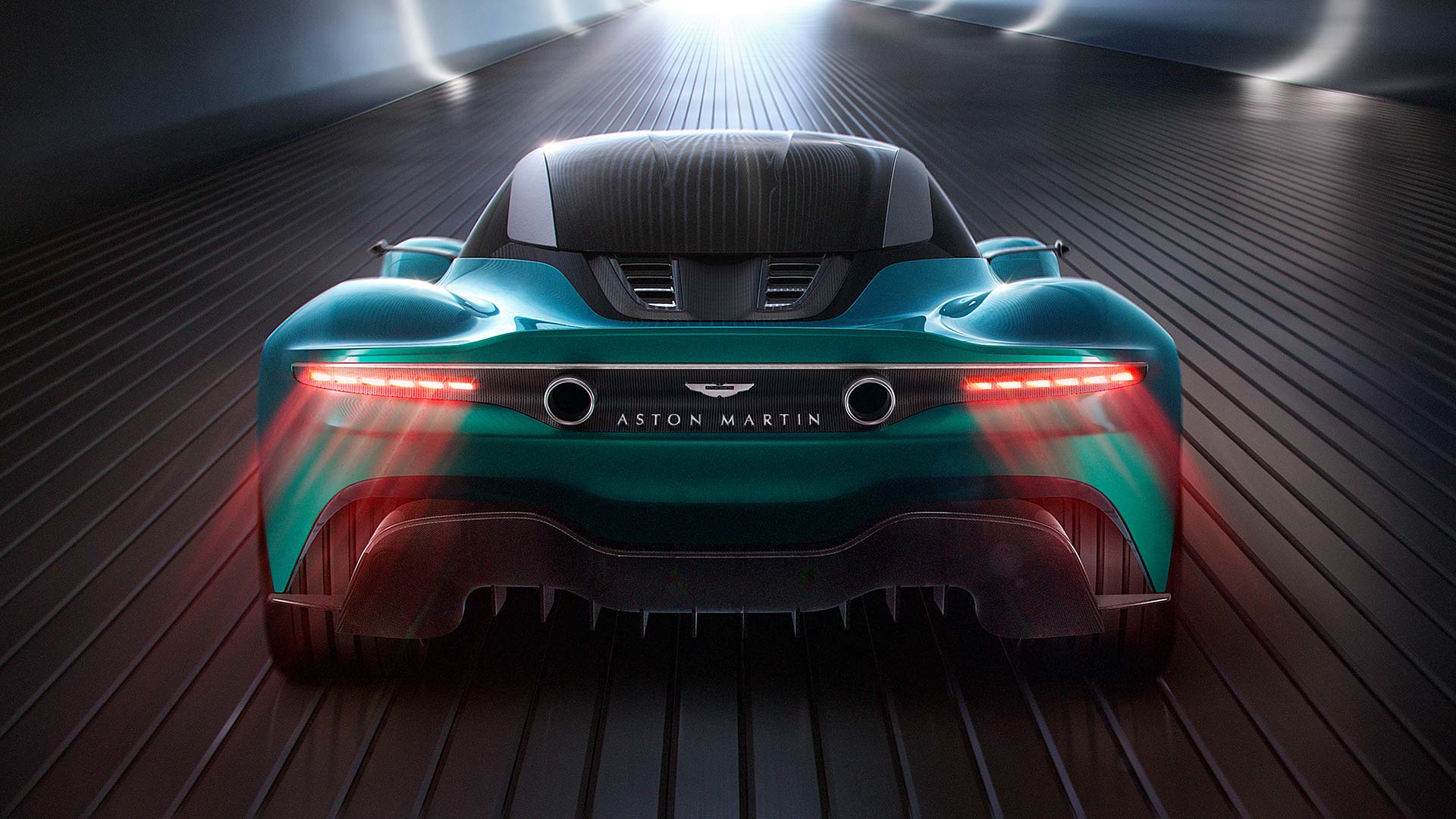
 .Chief technical officer Max Szwaj will oversee the project. “The Vanquish Vision Concept is the point when the things we have learned during the Aston Martin Valkyrie and AM-RB 003 programmes reach the series production models. Creating a car like this for Aston Martin is a challenge I have relished since joining back in 2017.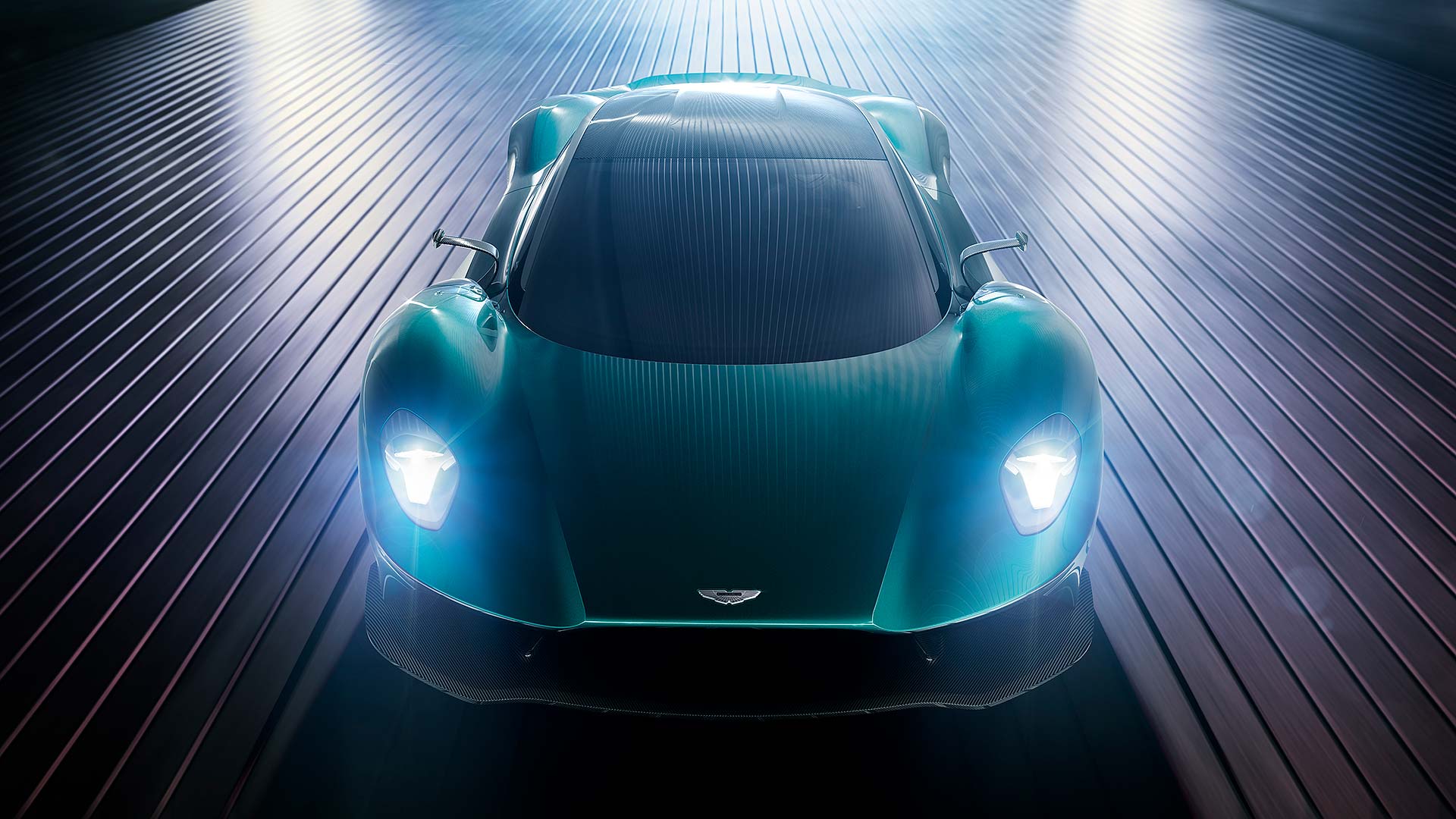
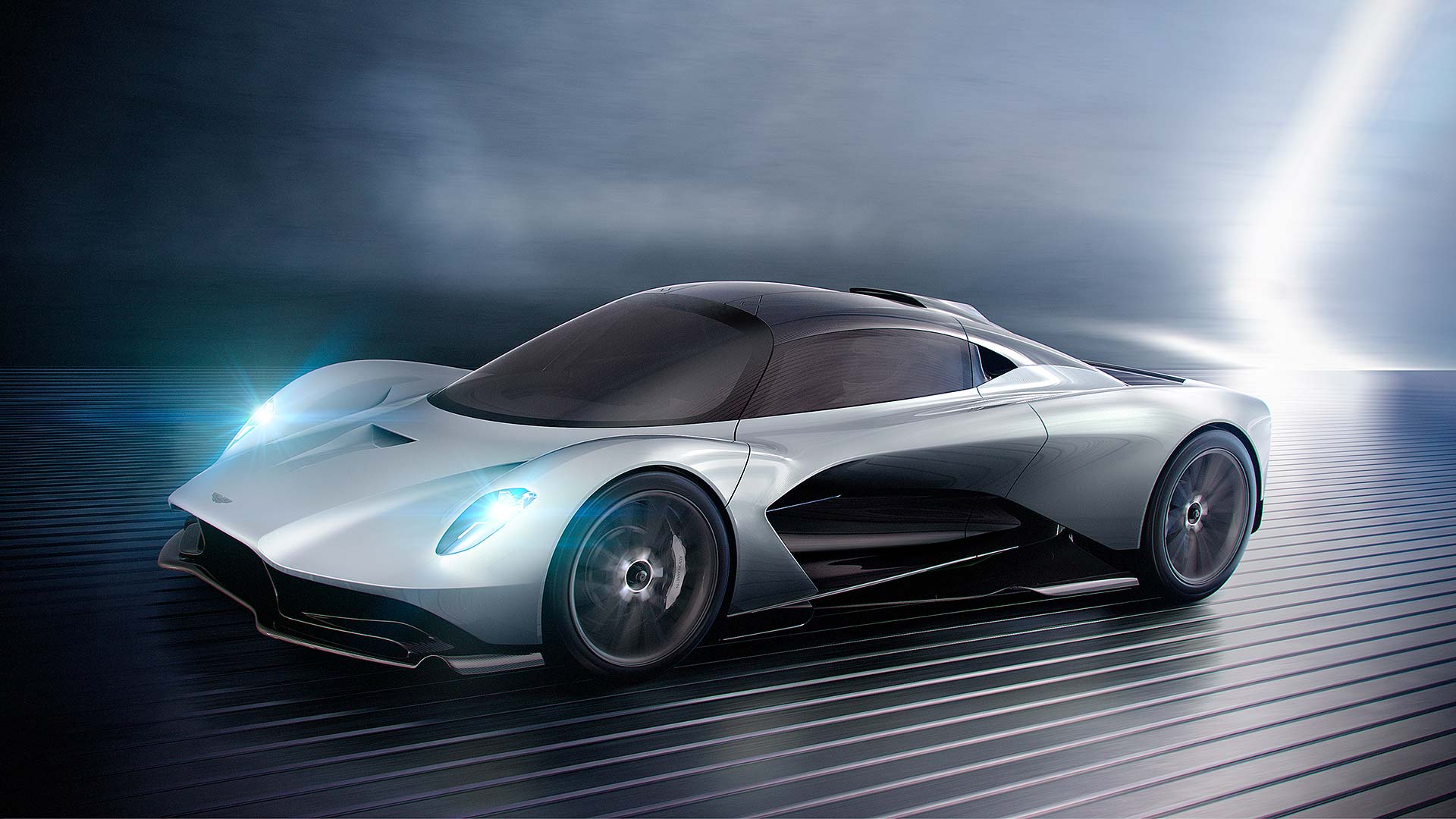 Aston Martin is wowing Geneva with an F1-infused mid-engined hypercar co-developed with Red Bull Advanced Technologies. Previously known as Project 003, it now has a codename: AM-RB 003. The Geneva 2019 design concept is our first taste of how it may look.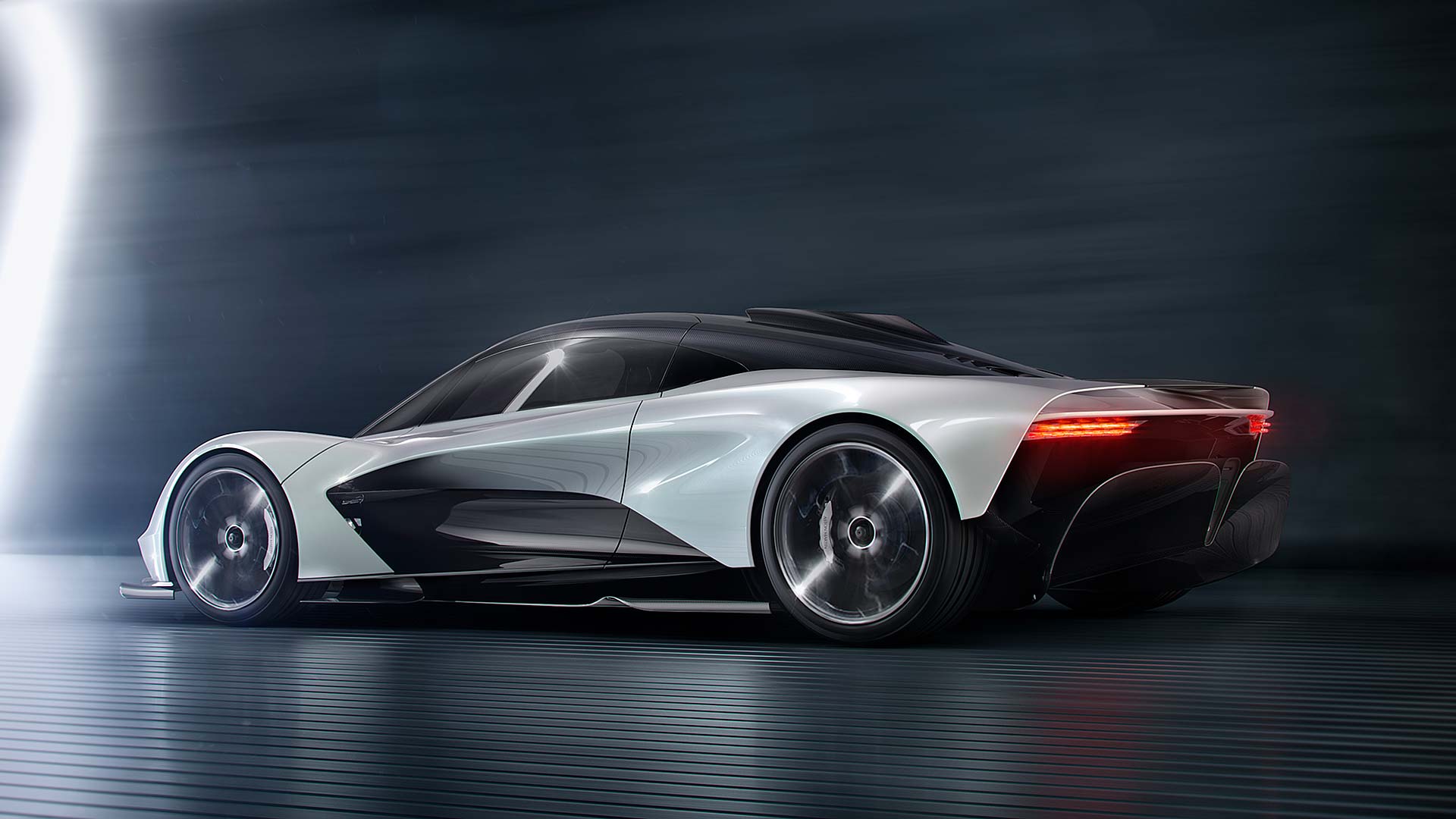
 Kia has unveiled its ground-breaking Imagine concept at the 2019 Geneva Motor Show.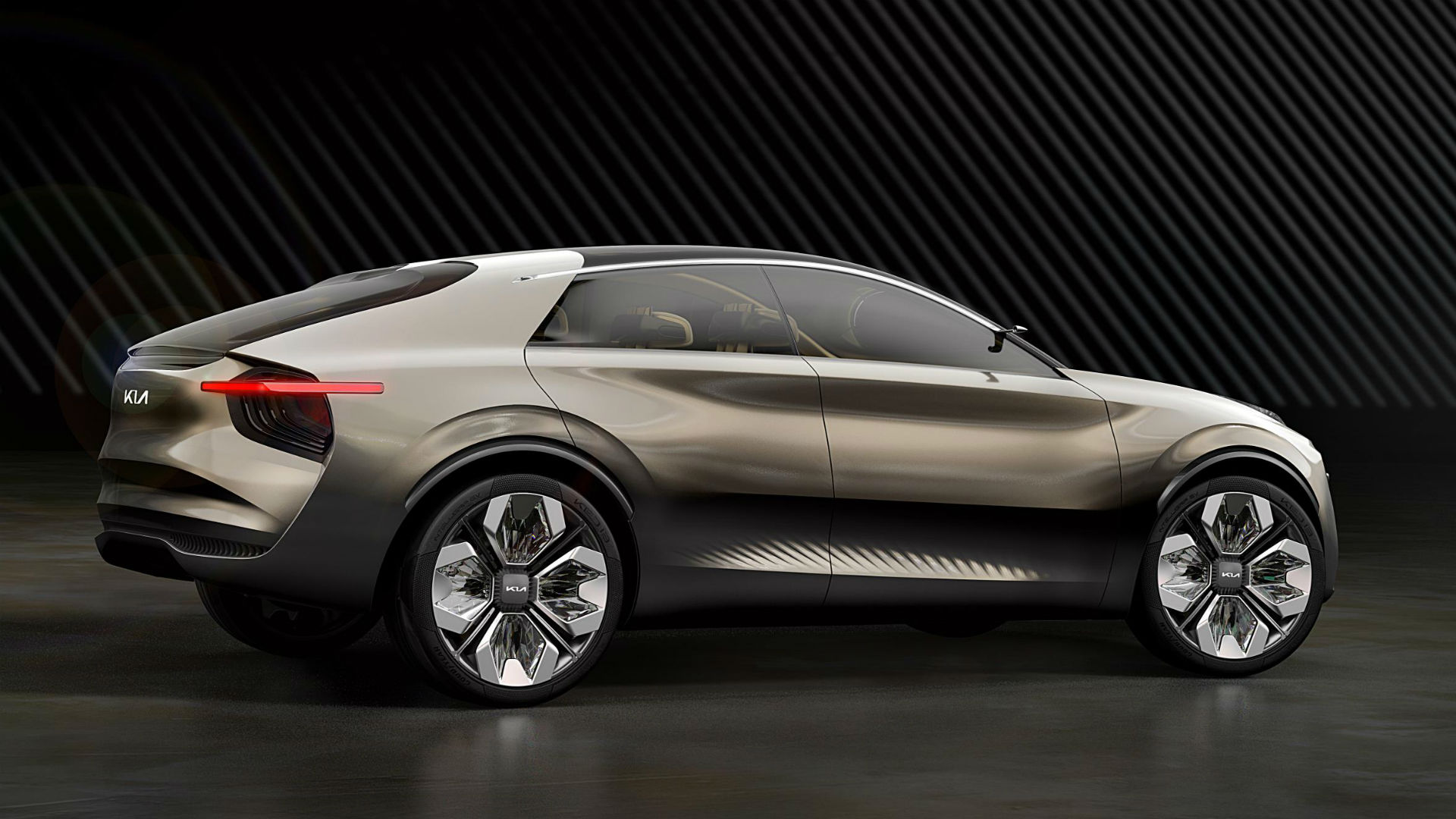
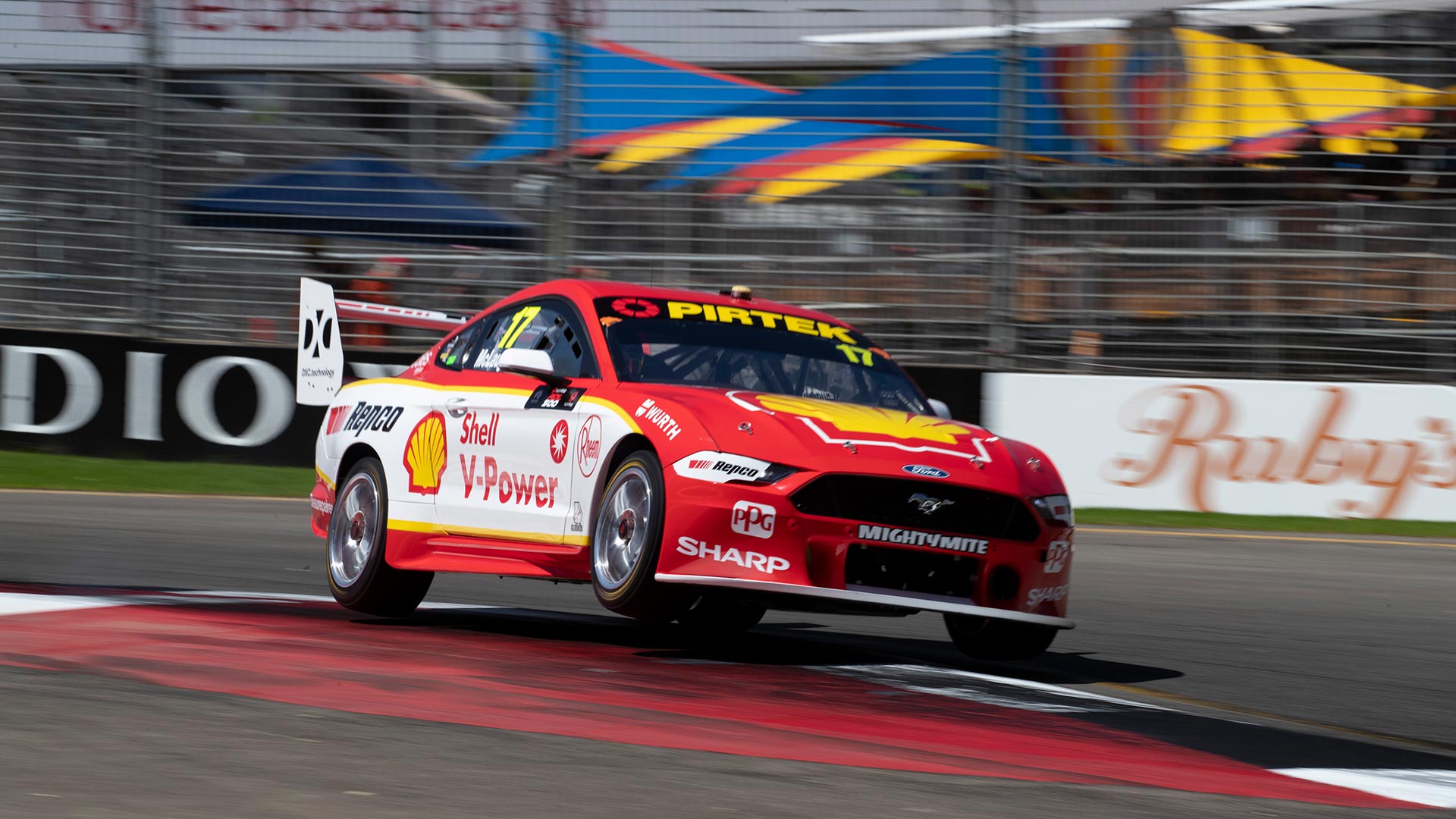 The box-fresh Ford Mustang racer scored an incredible double victory at the weekend, making its debut in the Virgin Australia Supercars Championship a major success.
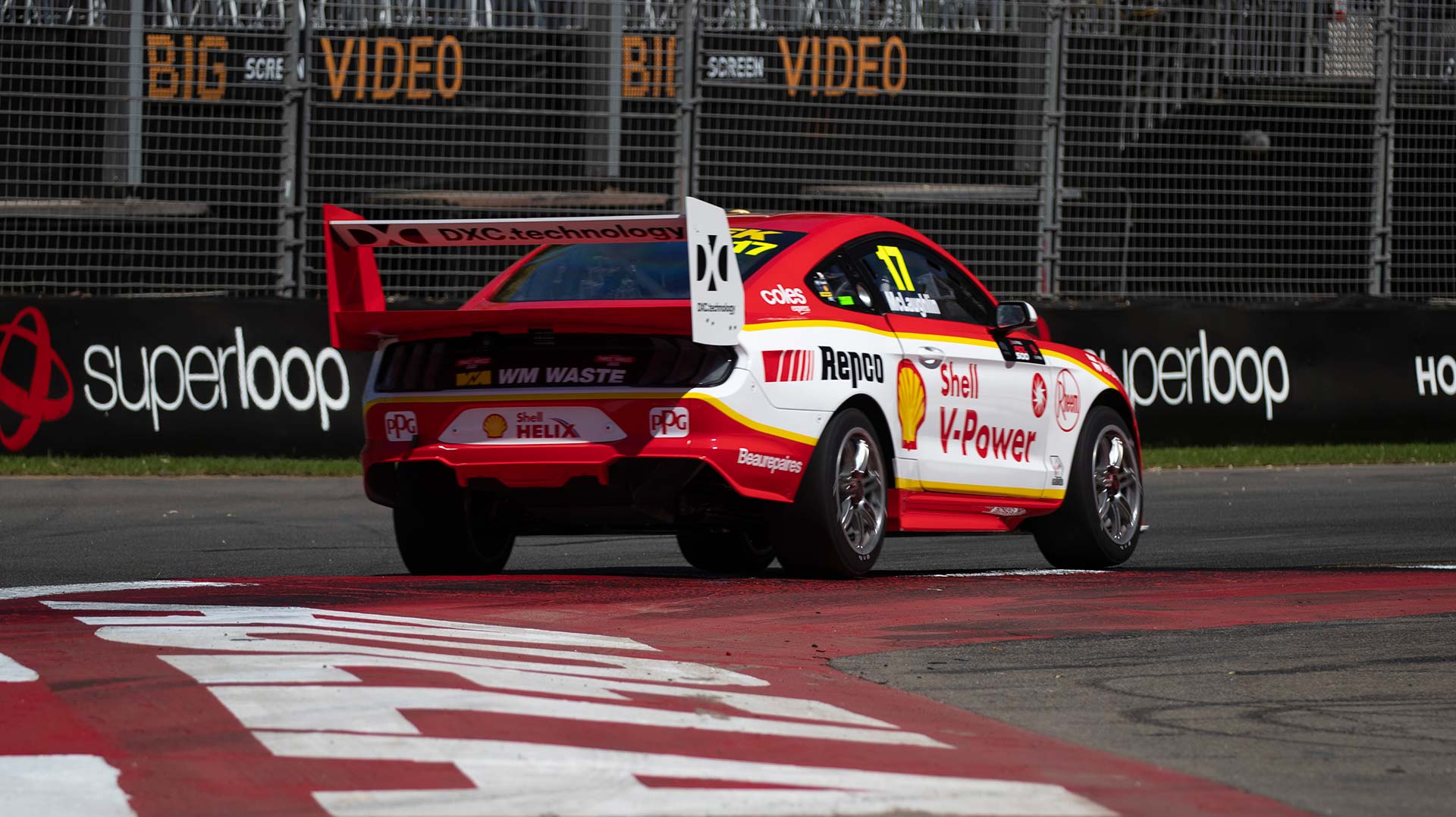 Although some manufacturers might usually expect to start out slowly with a new car, last year’s champion driver Scott McLaughlin seemed happy to ignore the rulebook.
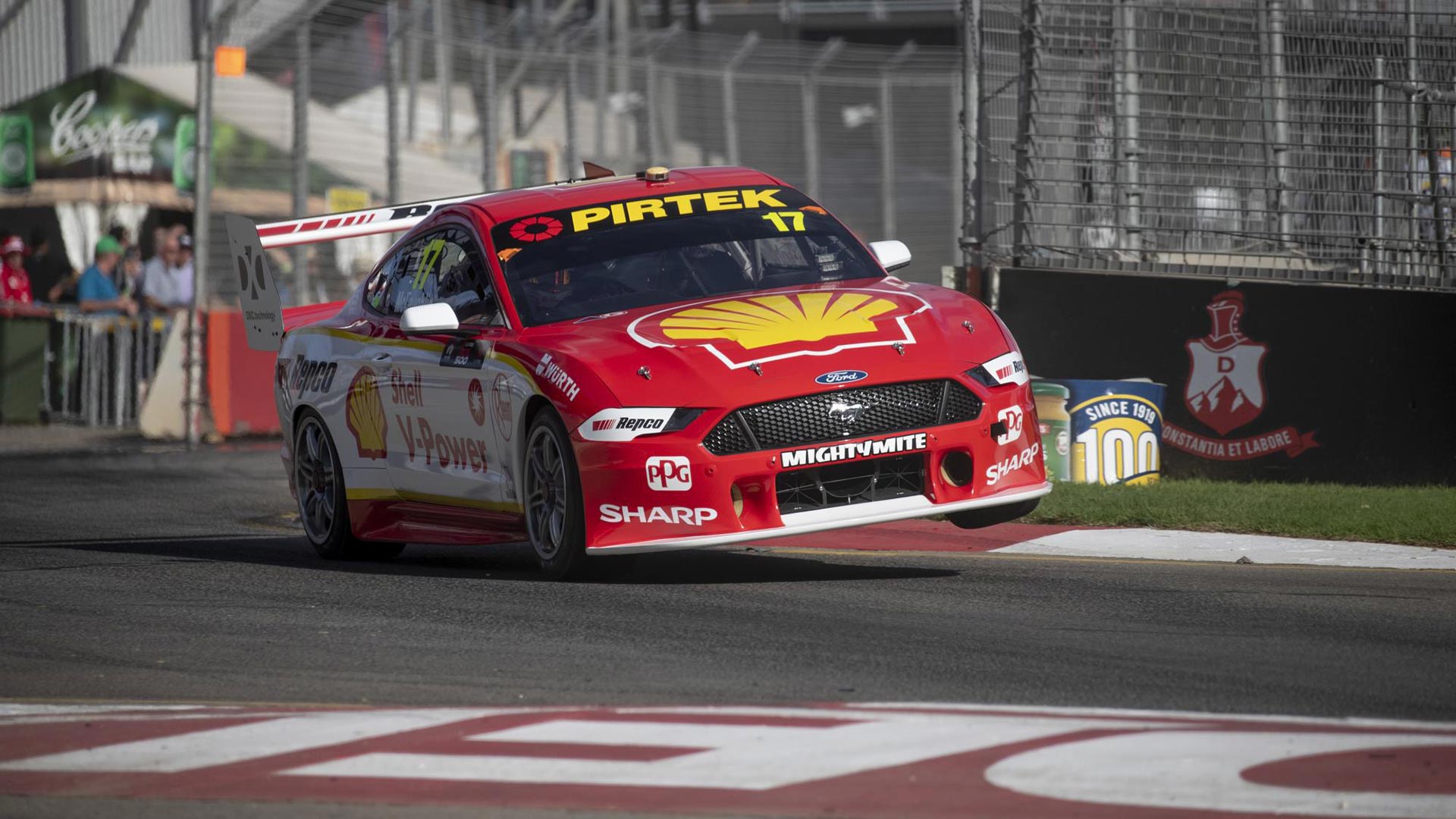 Proving that the success on Saturday was not just a case of beginner’s luck for the Mustang, McLaughlin delivered the same result again in Sunday’s race two.
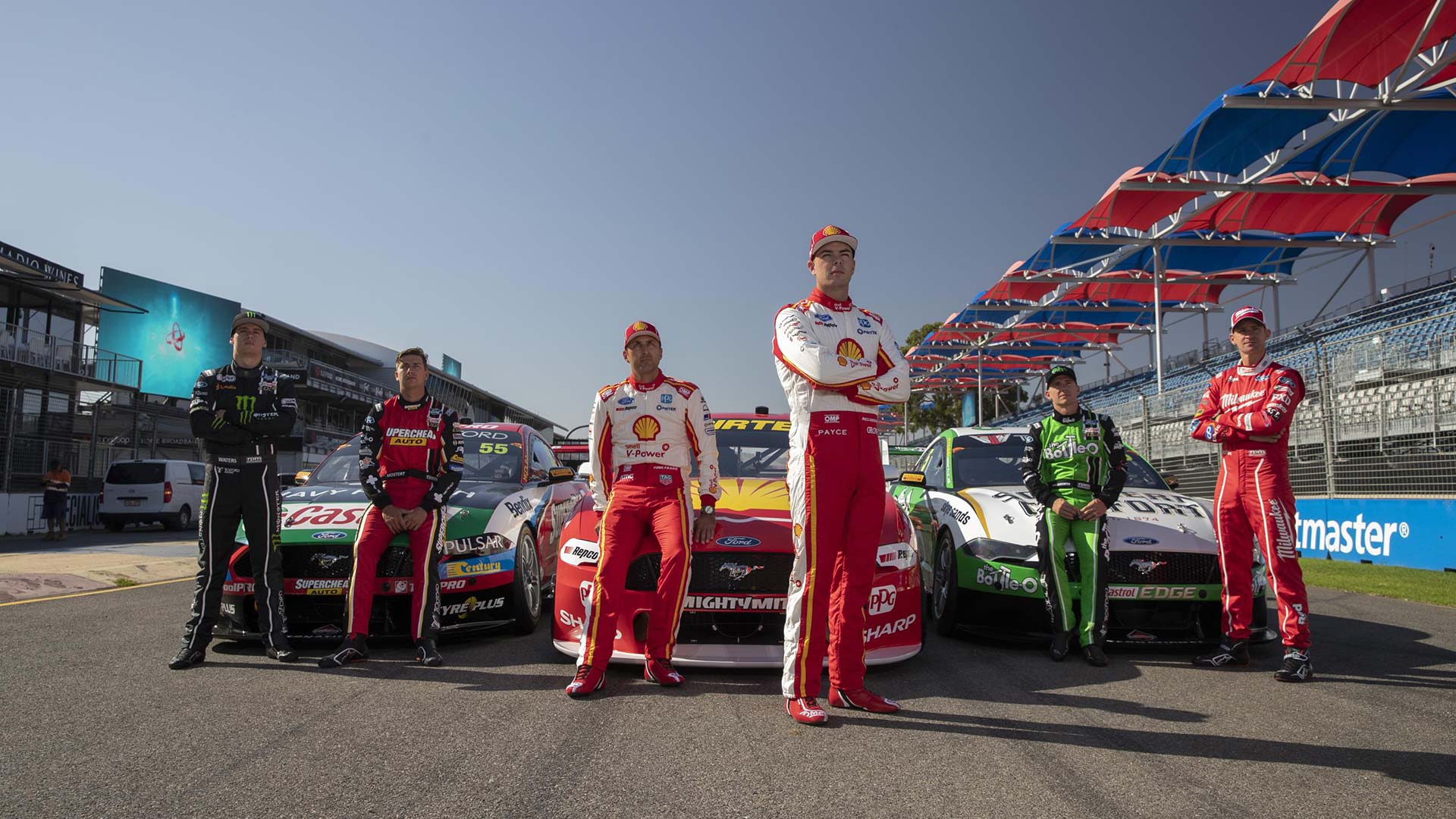 Kay Hart, Ford Australia and New Zealand President and CEO, summed up the weekend as “a fairy tale start for our Ford Performance Mustang,” whilst Ford Performance Global Director, Motorsports, Mark Rushbrook, said “the Mustang Supercars’ results are beyond expectation”.