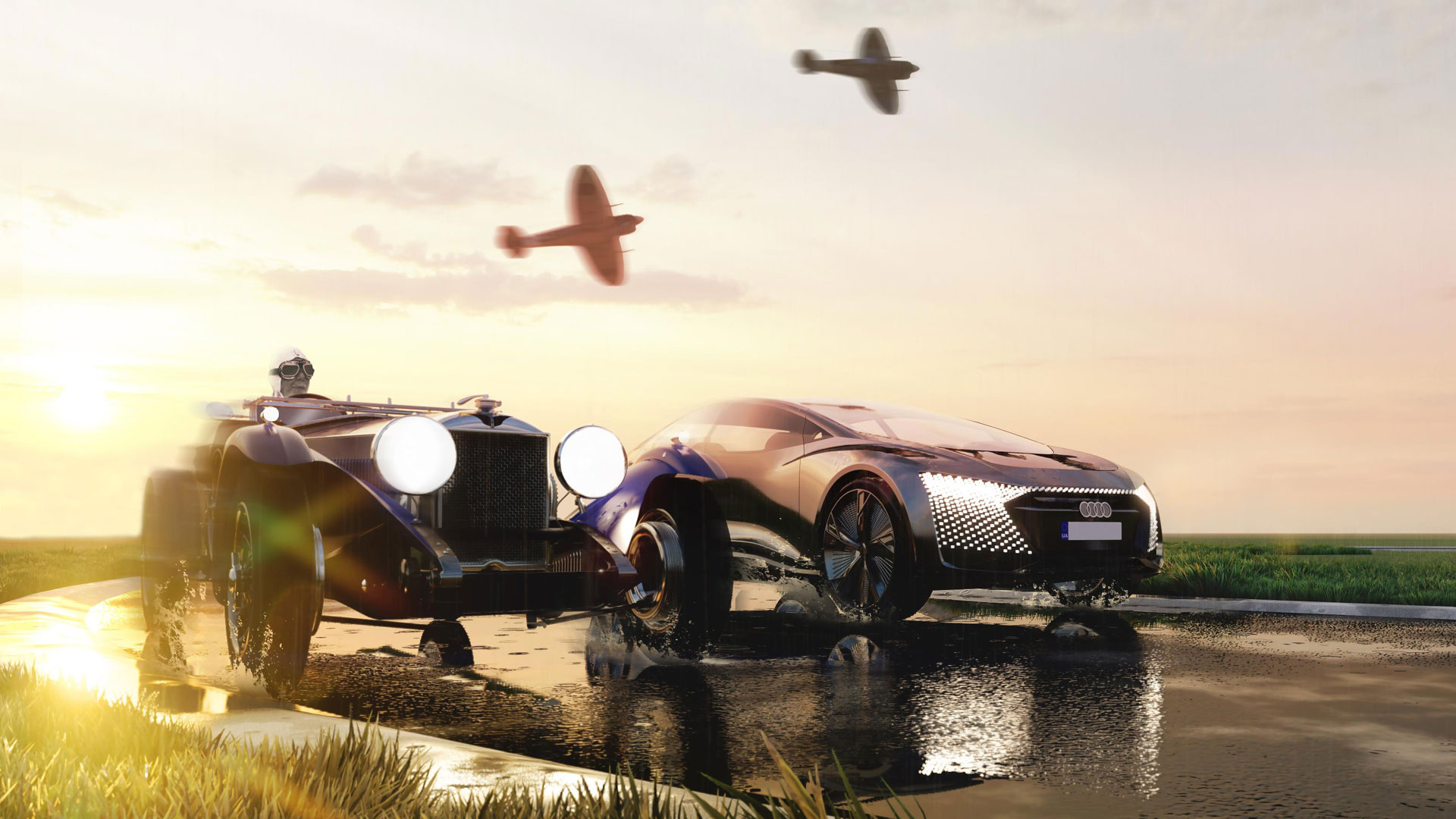
So, full details of its planned expansion into the UK’s first ‘automotive resort’ make for compelling reading. More than simply a ‘Centre of Excellence’ for the historic vehicle sector, Bicester Motion – as the resort will be called – will provide a showcase for motoring of the past, present and future.
The plan is to turn Bicester Motion into one of the UK’s top 20 tourist attractions, placing it alongside the likes of the Tower of London, Stonehenge and the Science Museum. Ambitious stuff and music to the ears of us car fans.
‘First-of-its-kind resort’
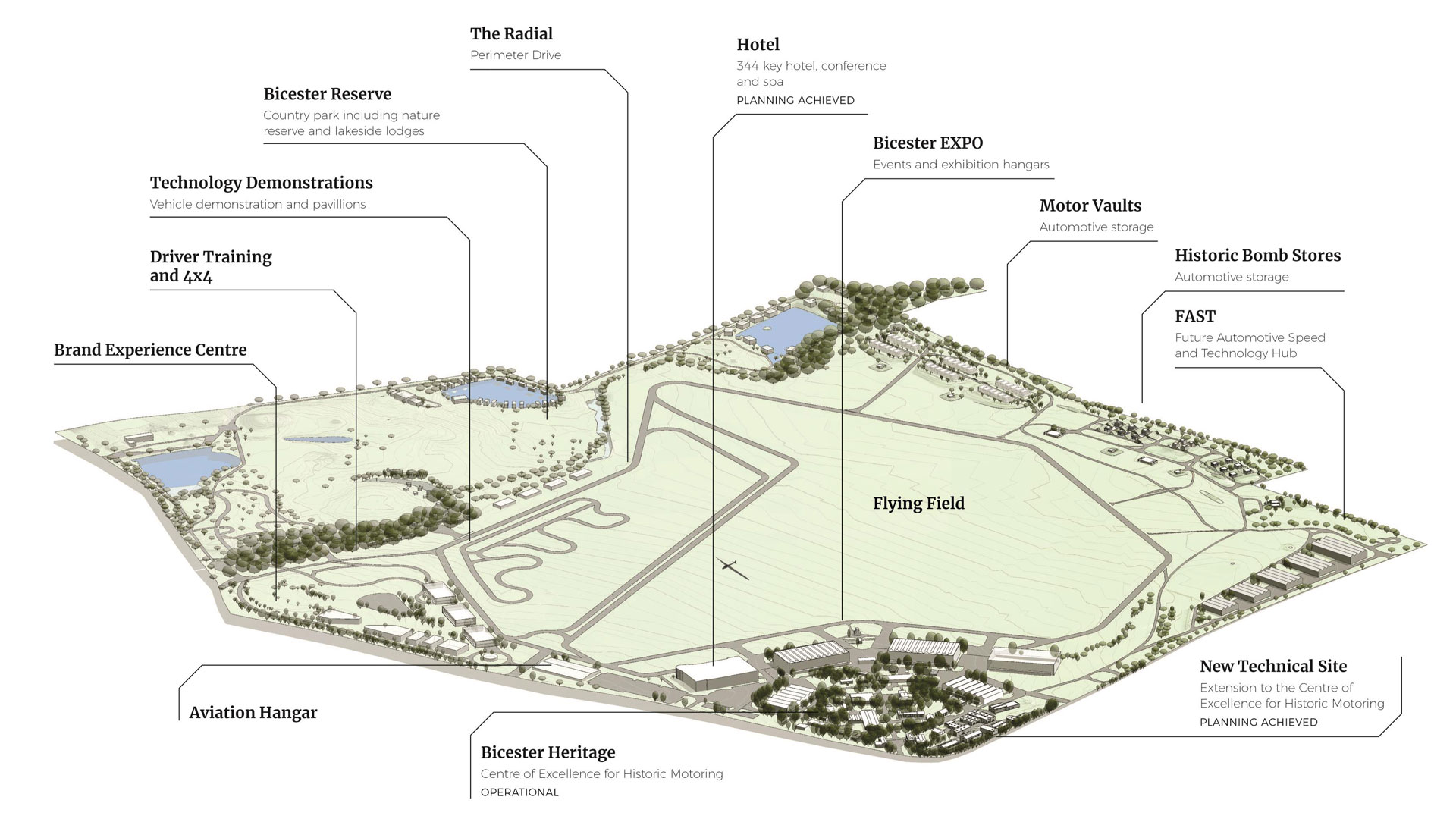
Central to the resort will be a 344-room hotel and conference centre, along with an additional 770,000 square feet of new engineering, workshop and showroom space. Today, Bicester Heritage occupies just five percent of its 444-acre site.
Dan Geoghegan, chief executive of Bicester Motion, said:
“The automotive industry is in a fascinating state of flux owing to changing customer habits and requirements, alongside the technology shift in drivetrains and autonomy. Bicester Motion will enable both new and existing manufacturers to interact more effectively with their clientele.
“It will help build those relationships in a revolutionary way by providing an immersive environment that offers a lifestyle experience beyond just cars on tracks or visiting a showroom. The automotive world is changing, and we plan to offer a first-of-its-kind resort that will have multi-generational appeal.”
“Being around 90 minutes from 50% of the UK population makes the Bicester Motion location second to none, furthermore Oxfordshire receives 27.6 million visitors per annum.
“Of those, seven million visitors head to Bicester Village a stone’s throw away, with arguably the most desirable national and international demographic to the automotive industry.”
Highlights of Bicester Motion include:
A 344-room hotel and conference centre
Brand experience centre providing driver experiences for all ages, on- and off-road
Future Automotive Speed Technologies (F.A.S.T) hub for advanced technologies and cutting-edge businesses
The Motor Vaults private car storage for owners to use and maintain their vehicles
Bicester Reserve health and wellbeing zone, including footpaths, cycle paths and lakeside lodges
Bicester Expo events, conferencing and leisure destination
These are hugely exciting plans and Motoring Research will be watching the developments with interest.
The news comes as the government redoubles its efforts to ensure 95 percent of motorways and major A roads are no more than 20 miles from an electric charging point.
After awarding the contract to BP Chargemaster to carry out work in the north and Swarco eVolt in the south, Mark Collins of Highways England said: “To help improve air quality and reduce carbon emissions we’re introducing more electric charging points, at locations near to the network, for example at nearby town centres. This shows that we are looking ahead to meet the future demand for this facility.
“This contract is about supporting drivers of electric vehicles using our network. It will give them additional charging facilities just off England’s motorways and major A roads to help them make longer journeys and reduce the anxiety of potentially running out of power.
“We look forward to the benefits this will provide drivers on our roads.”
‘Best place in the world to own an electric vehicle’
Roads Minister Jesse Norman MP added: “The government wants the UK to be the best place in the world to own an electric vehicle, leading the way to a zero emission future.
“Installing extra vehicle charging points along or nearby our motorways and main roads will help more businesses and people to make longer, cleaner and greener journeys in their electric vehicles.”
The contract includes the initial installation and commissioning of facilities, followed by ongoing operation and maintenance for seven years. The 50 electric charging points are in addition to the points being installed as part of Highways England’s collaboration with local authorities until 2021.
‘Make the switch to electric’
David Martell, chief executive of BP Chargemaster, said: “Access to convenient, fast and reliable charging points across the UK will help enable the mass adoption of electric vehicles.
“We have been focused on creating such infrastructure over the past 10 years and are very proud to be working with Highways England to expand the provision of rapid charging points so that an even greater number of drivers can make the switch to electric.
Justin Meyer, general manager at Swarco eVolt, added: “We are delighted to have been selected by Highways England for this project to expand the national network of electric vehicle charging infrastructure, it is [a] testament to the range and reliability of our systems and our strong support network across the UK.”
Whether it’s the threat of a zombie apocalypse, the fear of no-deal Brexit armageddon, or just the desire to get away from it all, we have a list of the vehicles you need.
Run to the hills
From robust and simple 4x4s, all the way to crazy all-terrain mobile homes, any one of these should make your survivalist dreams that little bit easier. Stash of tinned goods not included, so time to get hoarding…
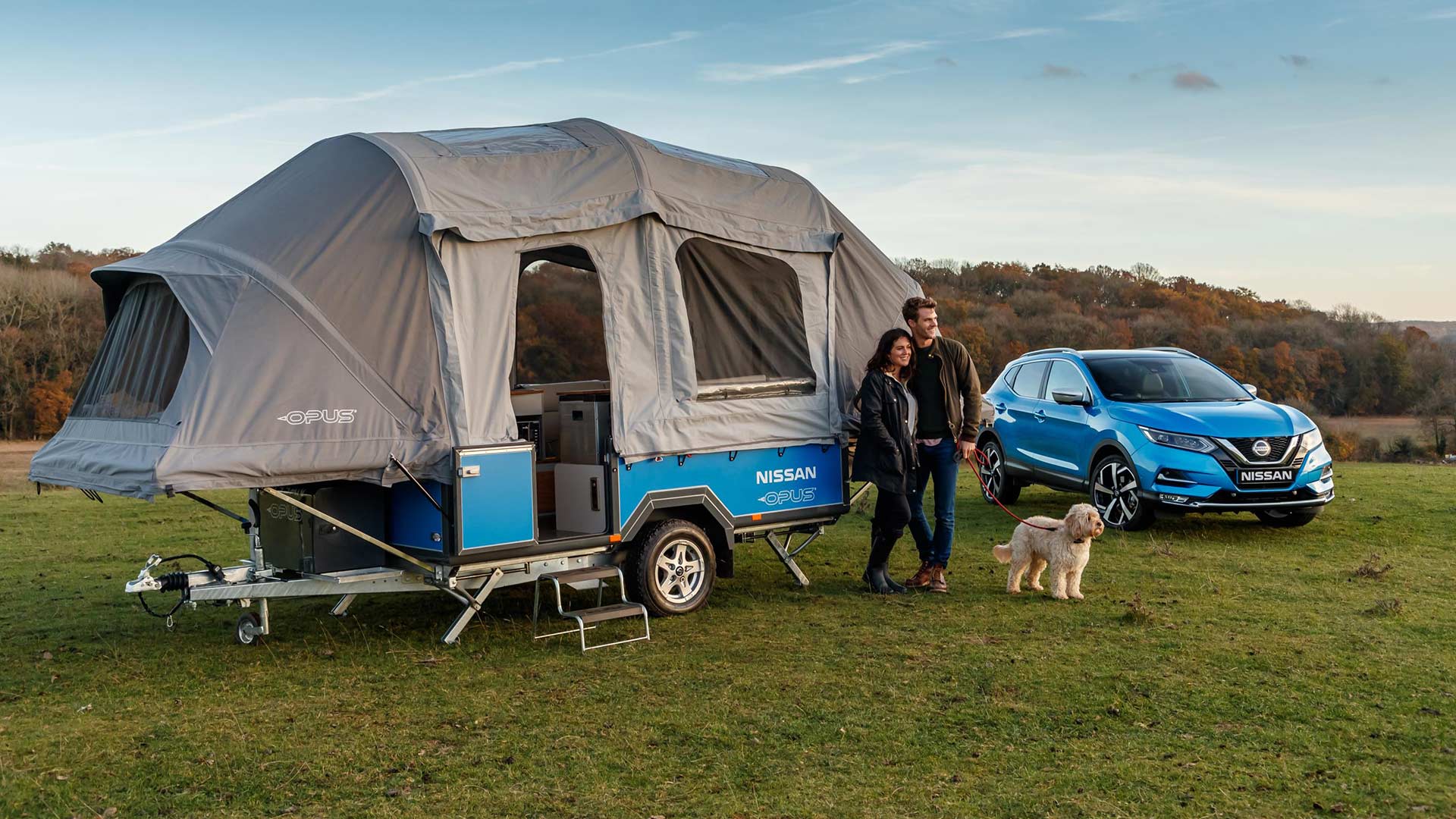
Nissan x Opus Concept Camper
This collaboration between Nissan and Opus Campers is currently at the concept stage, but shows what could be possible with some clever thinking. Key to the Opus concept is a 700Wh battery, removed from a first-generation Nissan electric vehicle.
Mounted in the base of the Opus, once fully charged it offers enough energy for around seven days of surviving in the wild. After that you’ll need to find another power source to top up, so a solar panel could be handy if armageddon lasts longer than a week.
Suzuki Jimny
Nobody said going off-grid couldn’t be cute, and the latest Jimny is the perfect pint-sized 4×4. Given the almost insatiable level of demand for the new Jimny, actually finding one to live out your survivalist dreams could be a bigger problem.
It’ll do light off-roading with ease, although the boot can only take 85 litres of luggage with the rear seats up. You’ll either need to invest in a roof rack, or be very selective about who you head off into the wilderness with.
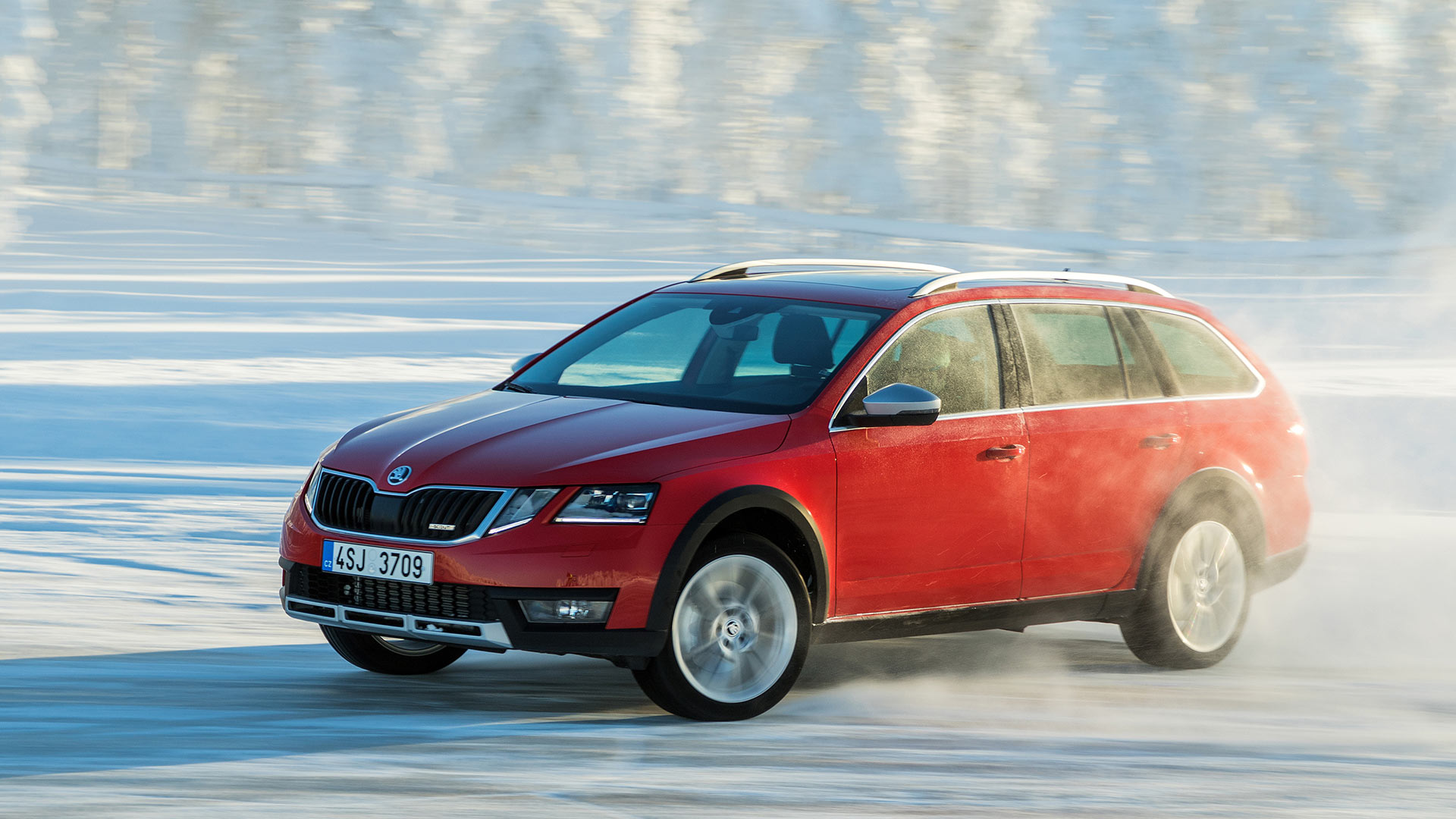
Skoda Octavia Scout
Finding space to store your tins of baked beans or packets of dried pasta is not going to be an issue with the Octavia Scout. Even with the rear seats up it can accommodate 590 litres, swelling to a gigantic 1,580 litres if you fold them flat.
You won’t be crossing deserts or wading deep rivers with the Scout, but the raised ride height and 4WD system will take you further than the average estate car. It also costs less than £30,000. Surviving the end of the world doesn’t need to be expensive.
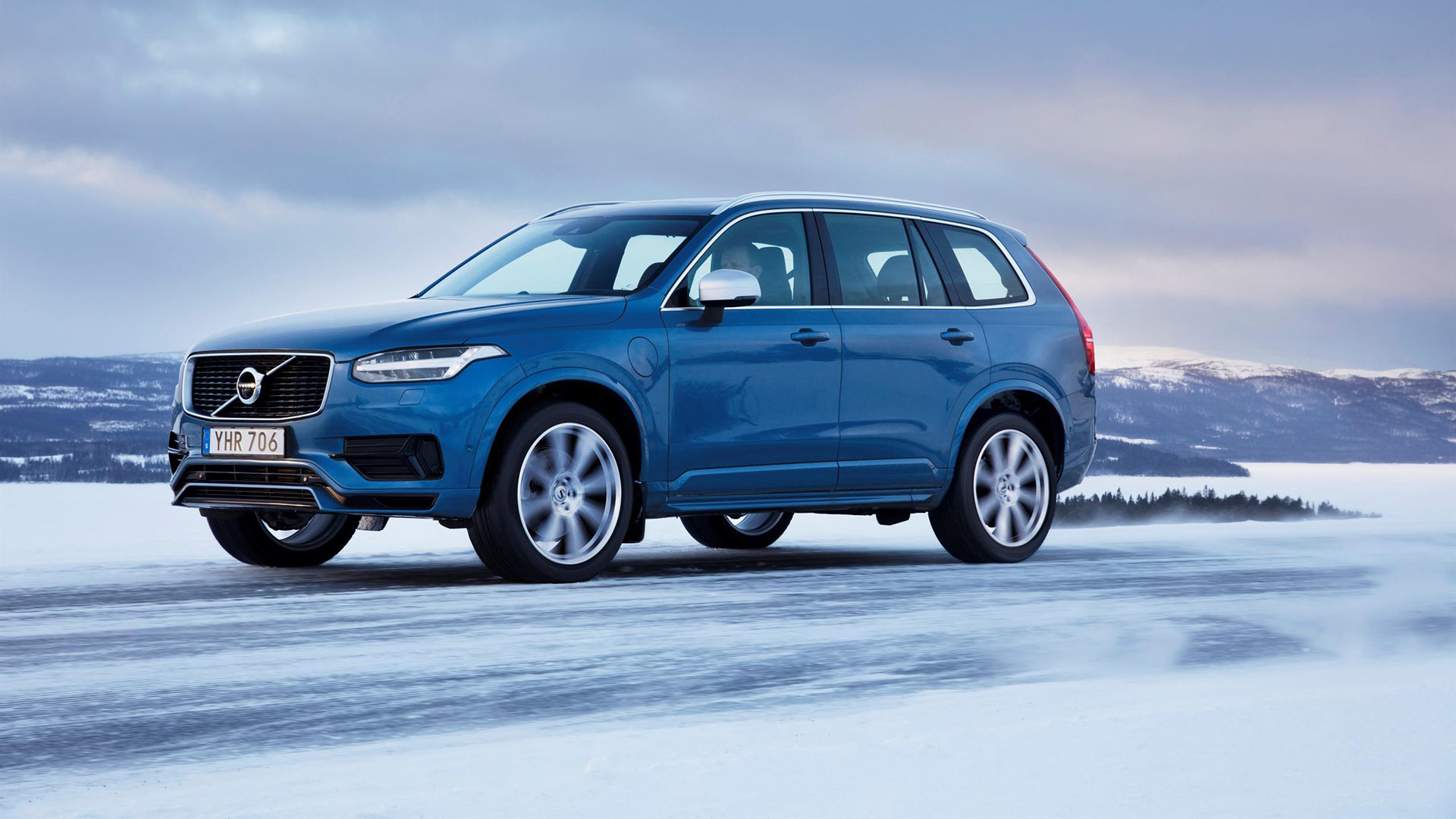
Volvo XC90 T8 Twin Engine
If money is less of a concern, and your off-grid life centres on the need for Scandinavian hygge feels, there are few better options than the Volvo XC90 T8. It’s beautifully built, has 4WD, and can be ordered with an immense sound system.
In everyday life, it is all the car you could ever need, so why not apply that to surviving an apocalyptic nightmare? It’s also a plug-in hybrid, meaning you’ll be able to feel environmentally smug in the eyes of other doomsday ‘preppers’. Just don’t mention the electric-only range is a maximum of 25 miles.
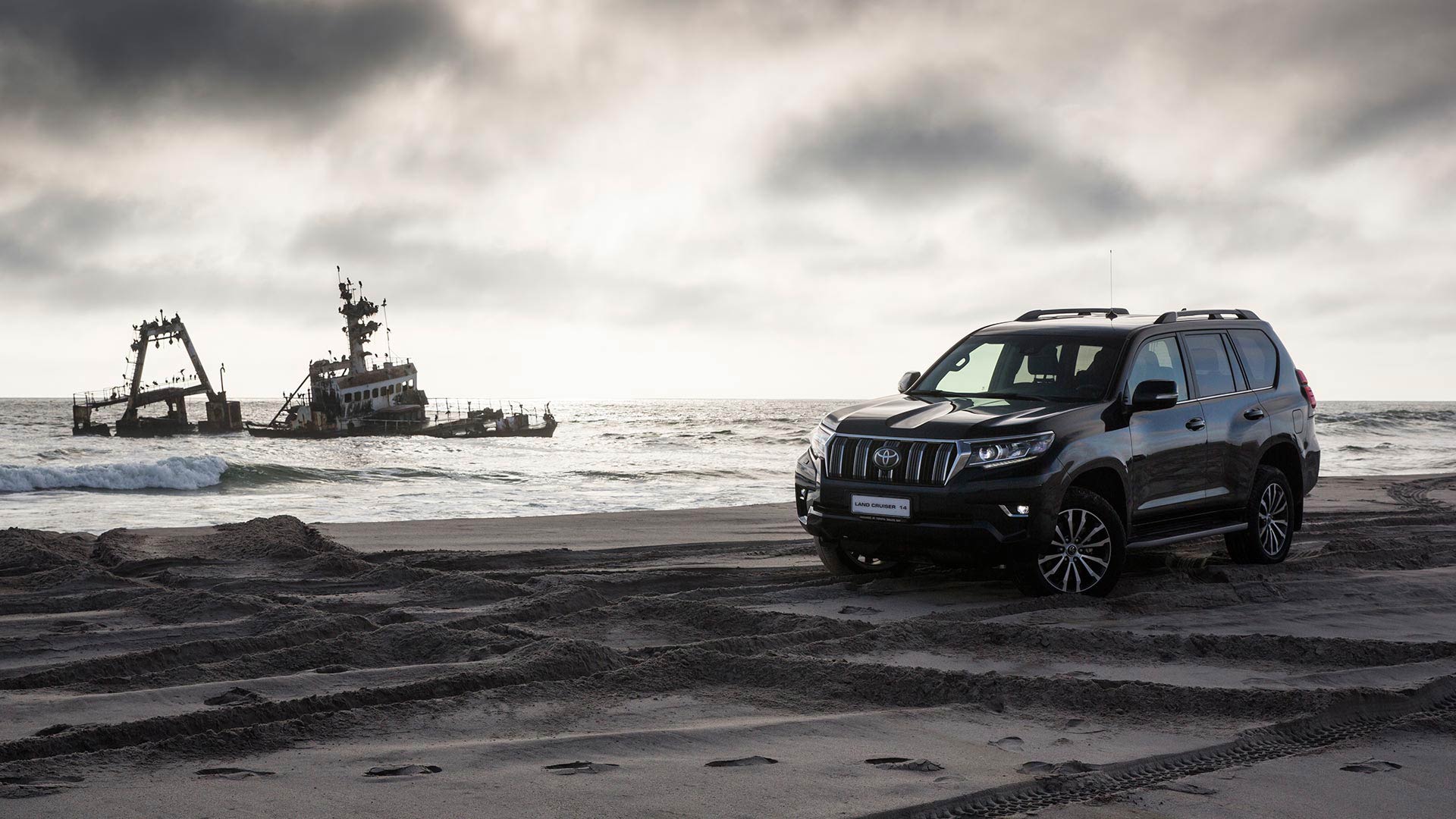
2018 Toyota Land Cruiser
The XC90 might be stylish and luxurious, but for outright dependability the Toyota Land Cruiser is perhaps the ultimate 4×4. More than six million have been sold across the world, and Toyota works hard to ensure it can survive in the toughest of environments with ease.
If you can depend on a Land Cruiser to keep you alive in the wilds of the Australian Outback, it will probably be more than sufficient for a few days off-grid in the Peak District. Pick the three-door Utility-spec version to look really serious.
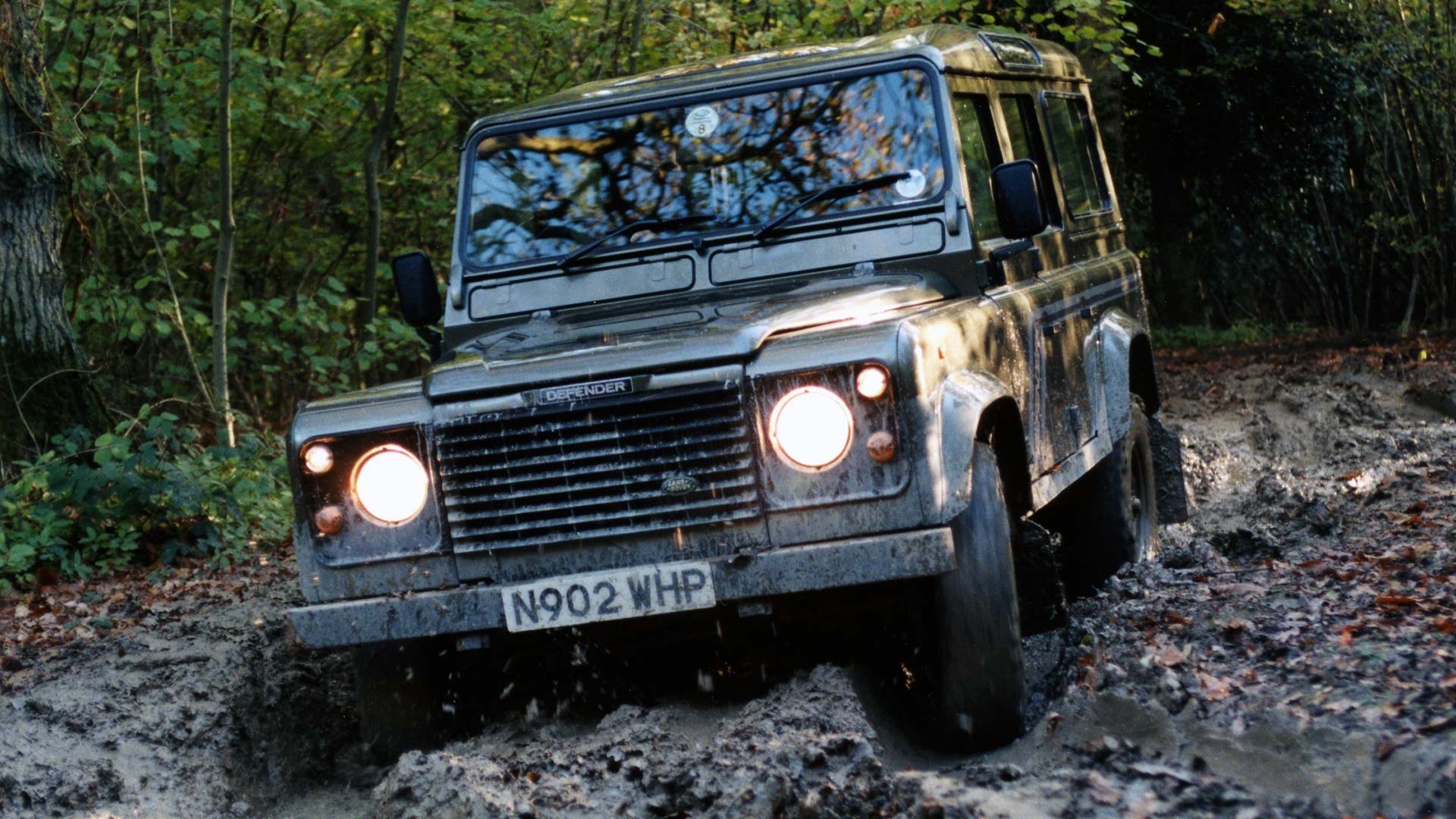
Land Rover Defender 90 300 TDi
No list of survival vehicles would be complete without a Land Rover Defender. Potentially unbeatable in the rough, and endlessly upgradeable with a wealth of aftermarket accessories, there is a reason the Defender has become a true icon.
We have opted for the older 300 TDi version here, rather than the later TD5 or Ford Duratorq engines. Yes, the newer models may have extra power and performance, but a simpler design means that fixing the 300 TDi at the side of the road is more likely.
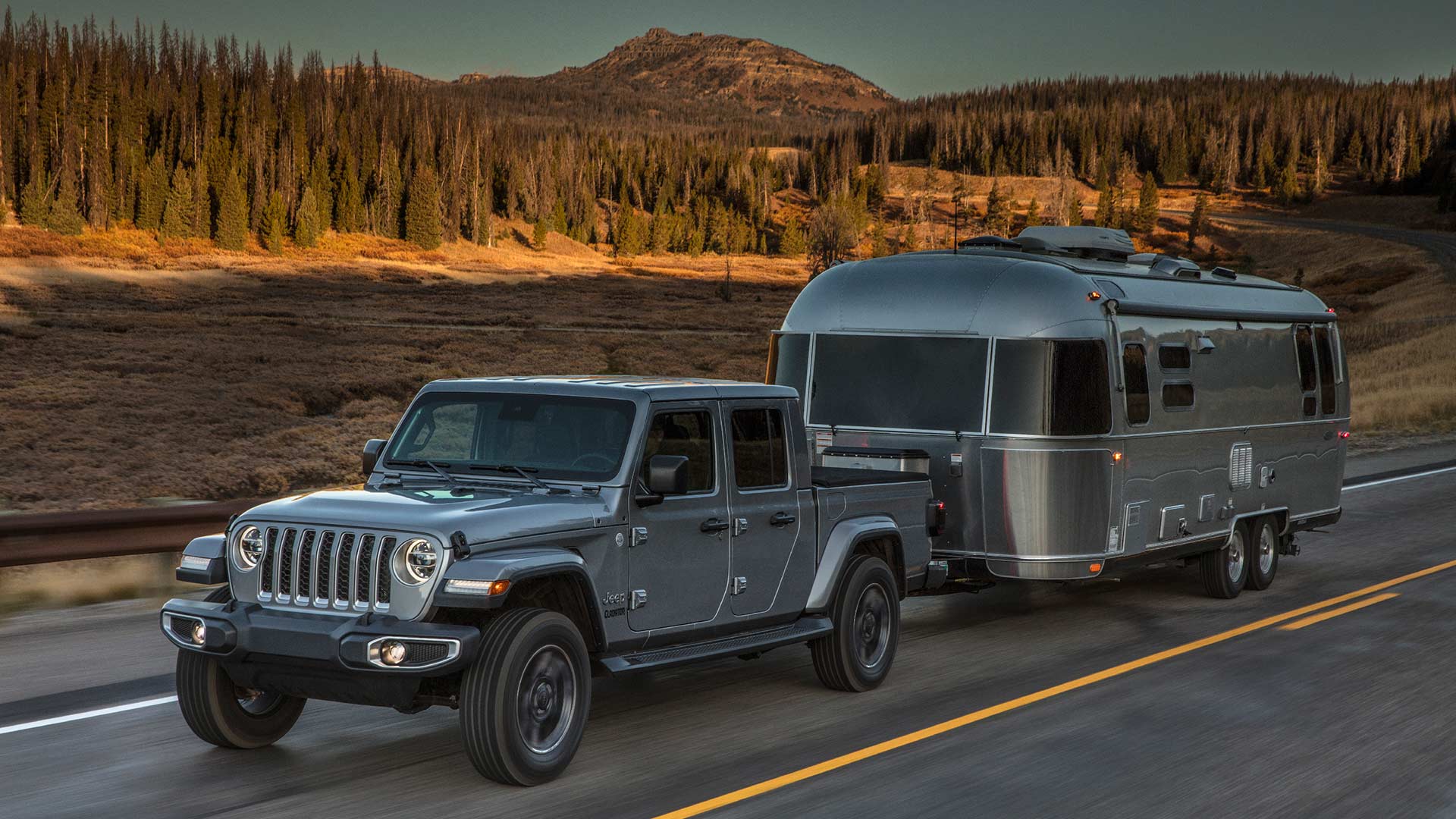
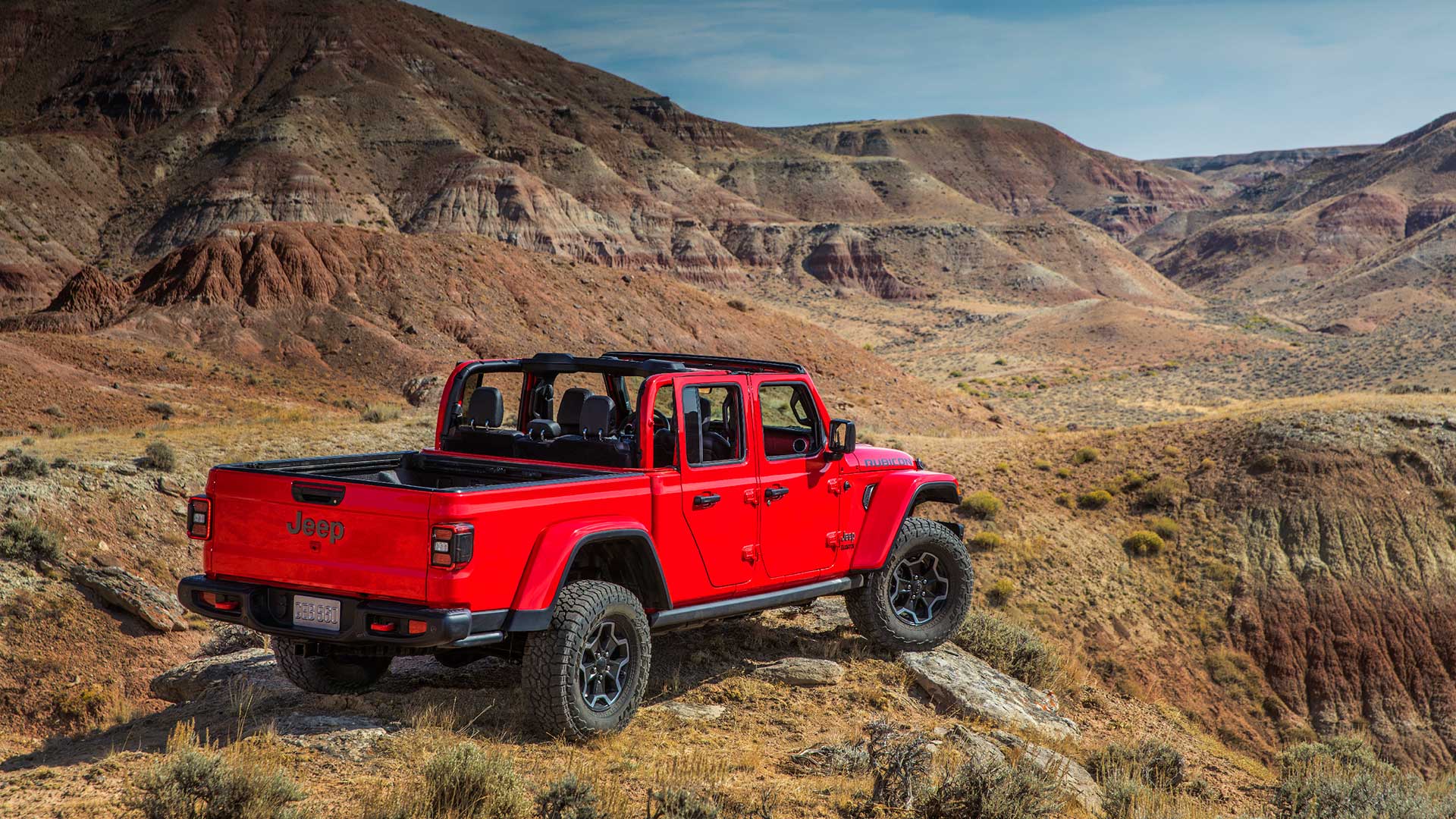
2020 Jeep Gladiator
Proving almost as big a deal as the new Suzuki Jimny, the Jeep Gladiator pick-up is making big waves in the United States. Combining the off-road ability of a Wrangler, but with the extra load space of a truck, the Gladiator could be an excellent choice for survivalism.
Jeep recently entered a production-specification Gladiator in the fearsome King of the Hammers off-road race in America. It made it through the epic 165-mile test in the heat of the Californian desert, taking rock-filled canyons in its stride.
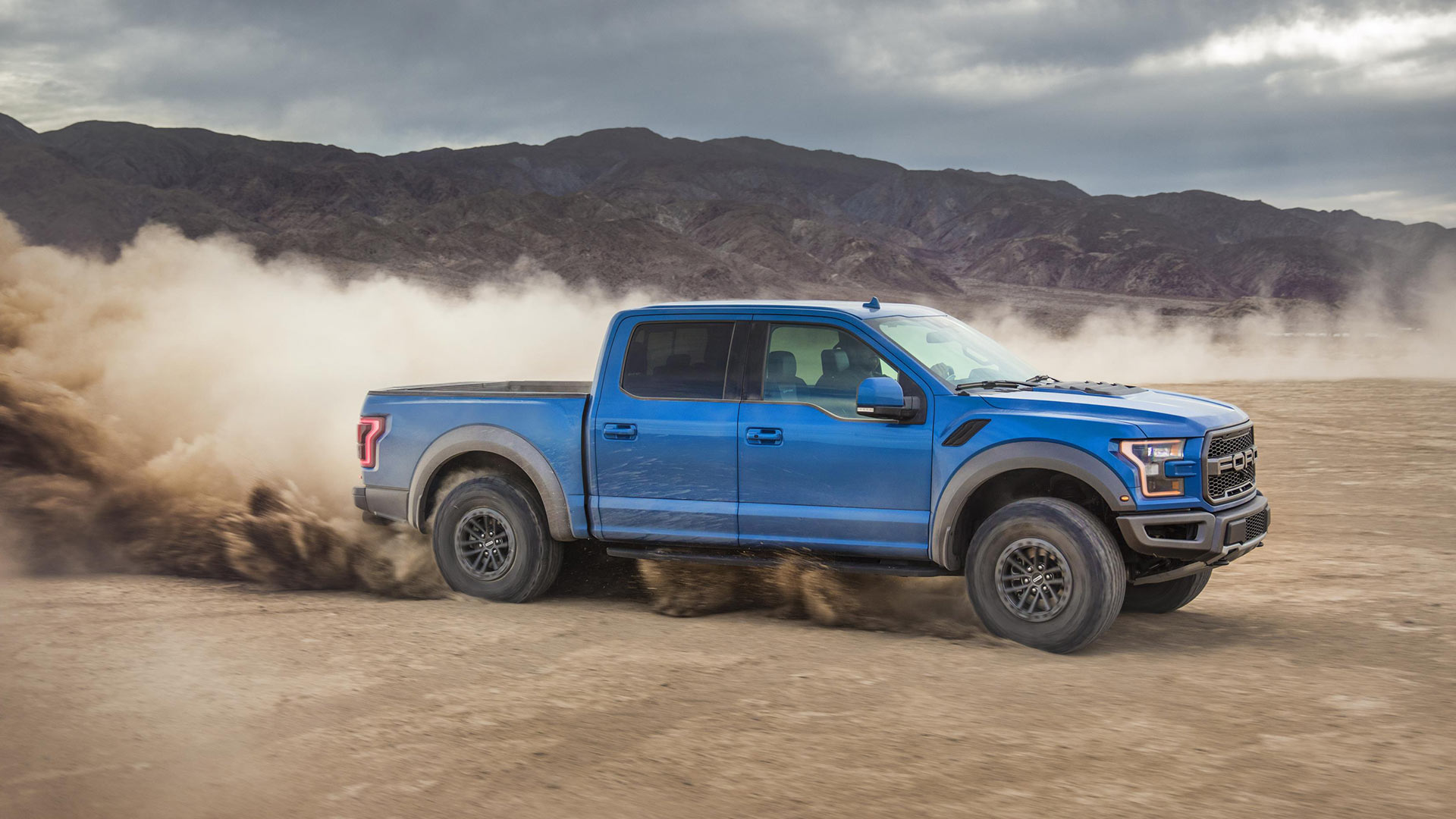
2011 Ford F-150 Raptor
Yes, the Gladiator might be cool, but what about a pick-up truck that adds serious performance to the off-road mix? Enter the F-150 Raptor, with a 3.5-litre turbocharged V6 engine producing 450hp and 510lb ft of torque.
The latest Raptors get special Fox Racing shock absorbers for better performance off the beaten track. With various sensors, the new shocks can even detect when the Raptor is in mid-air, and brace for landing. Make sure your survival goods are firmly tied down first!
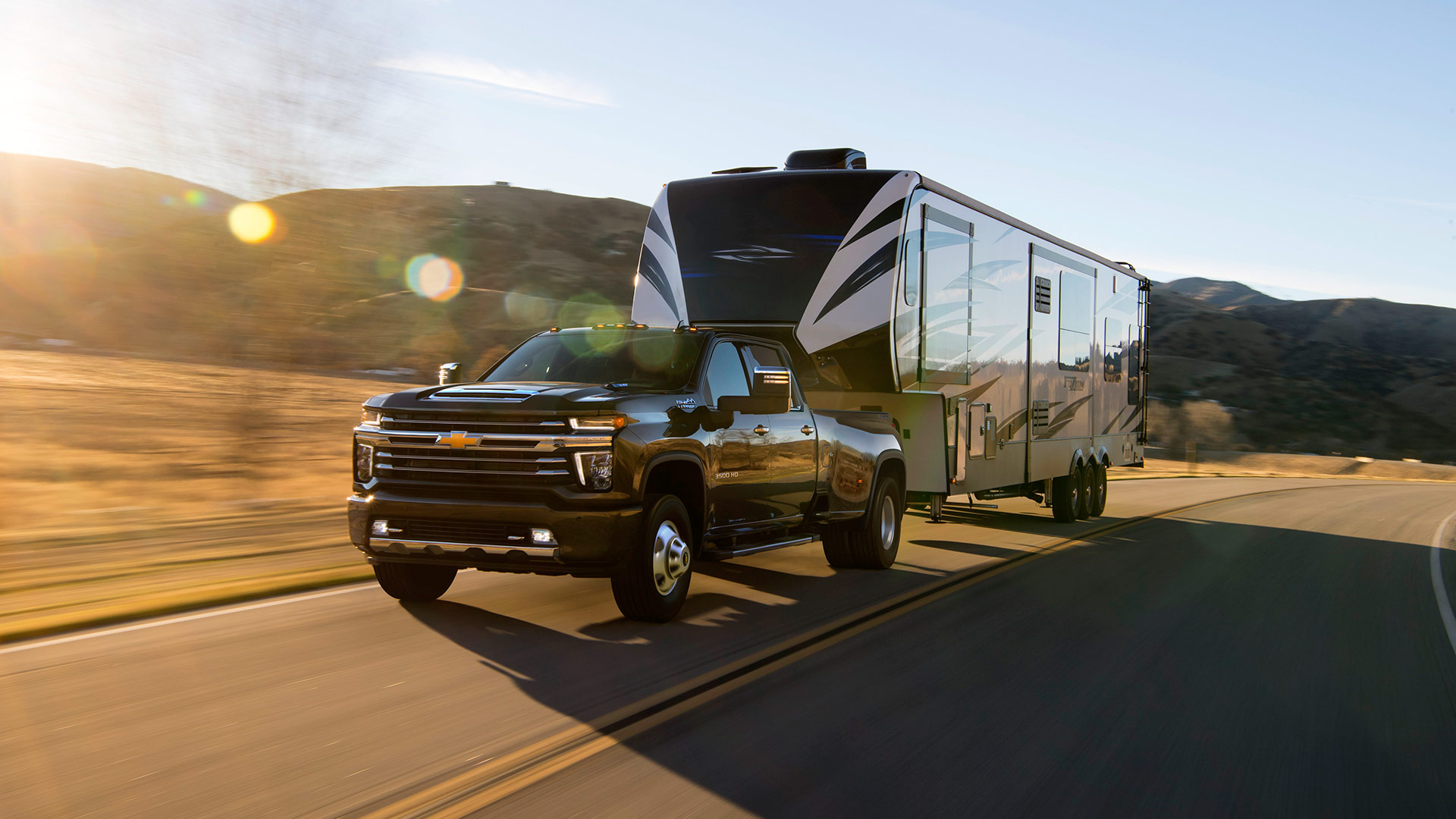
2020 Chevrolet Silverado 3500HD
Forget taking just home comforts on a journey to survive the apocalypse, and just take the whole house instead. The latest Chevrolet Silverado 3500HD can tow up an astonishing 16,000kg (35,500lbs), meaning you could probably just drag your house along behind.
For that maximum towing capacity you will need to pick the ‘dual rear wheel’ option, and spec the 6.6-litre Duramax turbodiesel V8 engine. The latter does come with a torque output of 910lb ft, which should brush away any worries about buying a diesel.
2013 Mercedes-Benz G63 AMG 6×6
With the Mercedes G-Wagen regarded as a deeply dependable machine, the £370,000 6×6 adds an extra dose of craziness to proceedings. Nobody really needs a six-wheel-drive pick-up truck with a 5.5-litre turbocharged AMG V8, but it would certainly make heading off the beaten track more fun.
Despite the thirst of the 536hp petrol engine, it does at least come with twin fuel tanks, which hold 159 litres between them. Sourcing one may be a problem, as Mercedes-Benz partner Magna Steyr only produced just over 100 examples between 2013 and 2015.
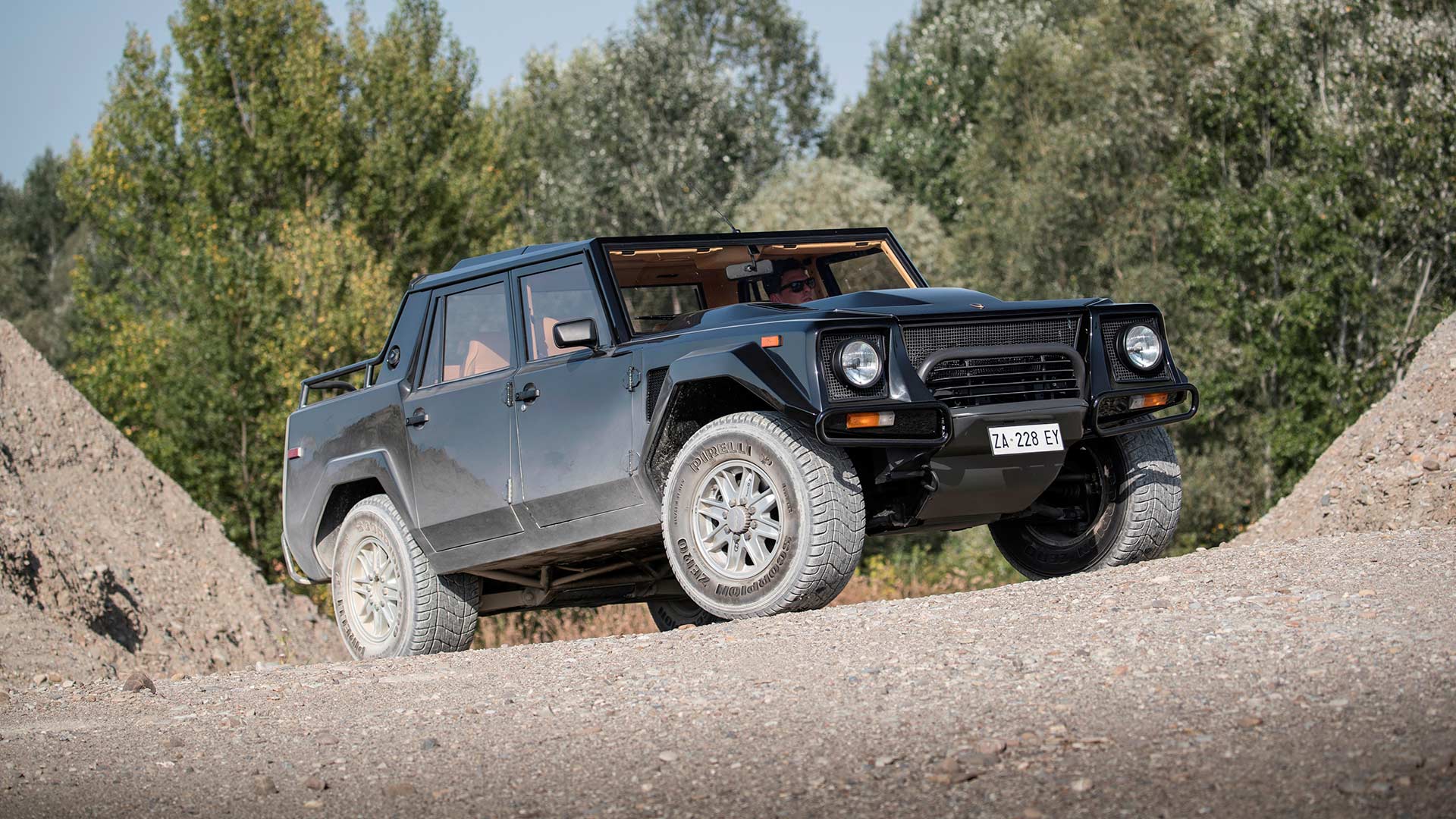
1986 Lamborghini LM002
It’s easy to dismiss the LM002 as a 1980’s frivolity, but the original concept came from a brief to build a machine for the US military. Those plans were abandoned at the prototype stage, but civilian life saw a 5.2-litre Countach-sourced V12 engine installed beneath the bonnet.
Running away from doomsday in a V12 Lamborghini is thirsty work, but fortunately the Italian firm fitted a 169-litre petrol tank. LM002s have also competed in off-road desert rally events, proving them to be more than just the playthings of dictators and oligarchs.
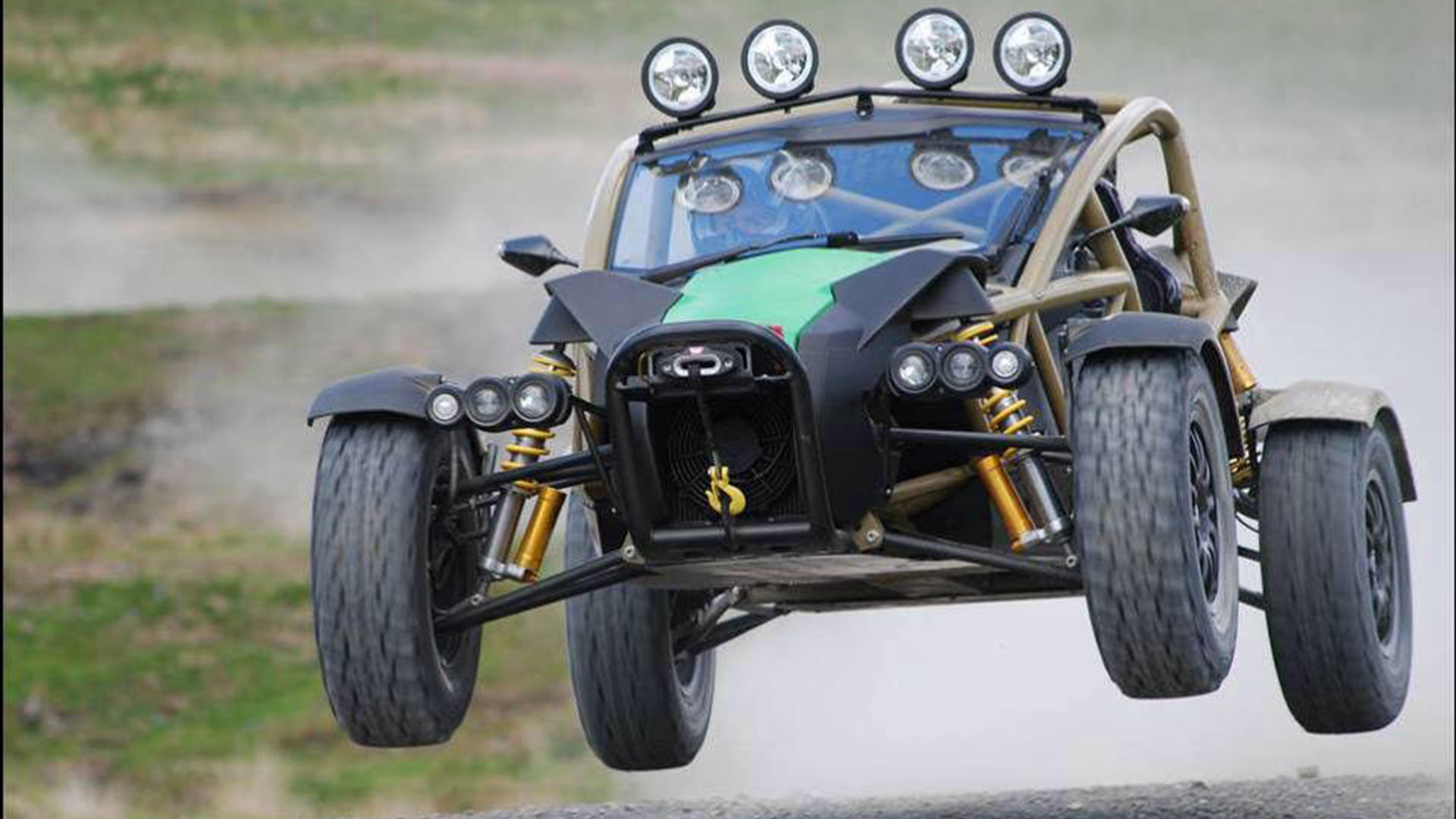
Ariel Nomad
In complete contrast to the LM002, the Ariel Nomad is one of the simplest and lightest ways to head for the hills. Powered by a 235hp Honda engine, the diminutive Nomad weighs in at just 670kg. This is taking the idea of treading lightly in the countryside quite literally.
It does mean you’ll have to be prepared to travel extremely light, though; the exoskeleton construction doesn’t offer much in the way of storage. But what better time to learn to live from the land, rather than relying on supermarket shelves?
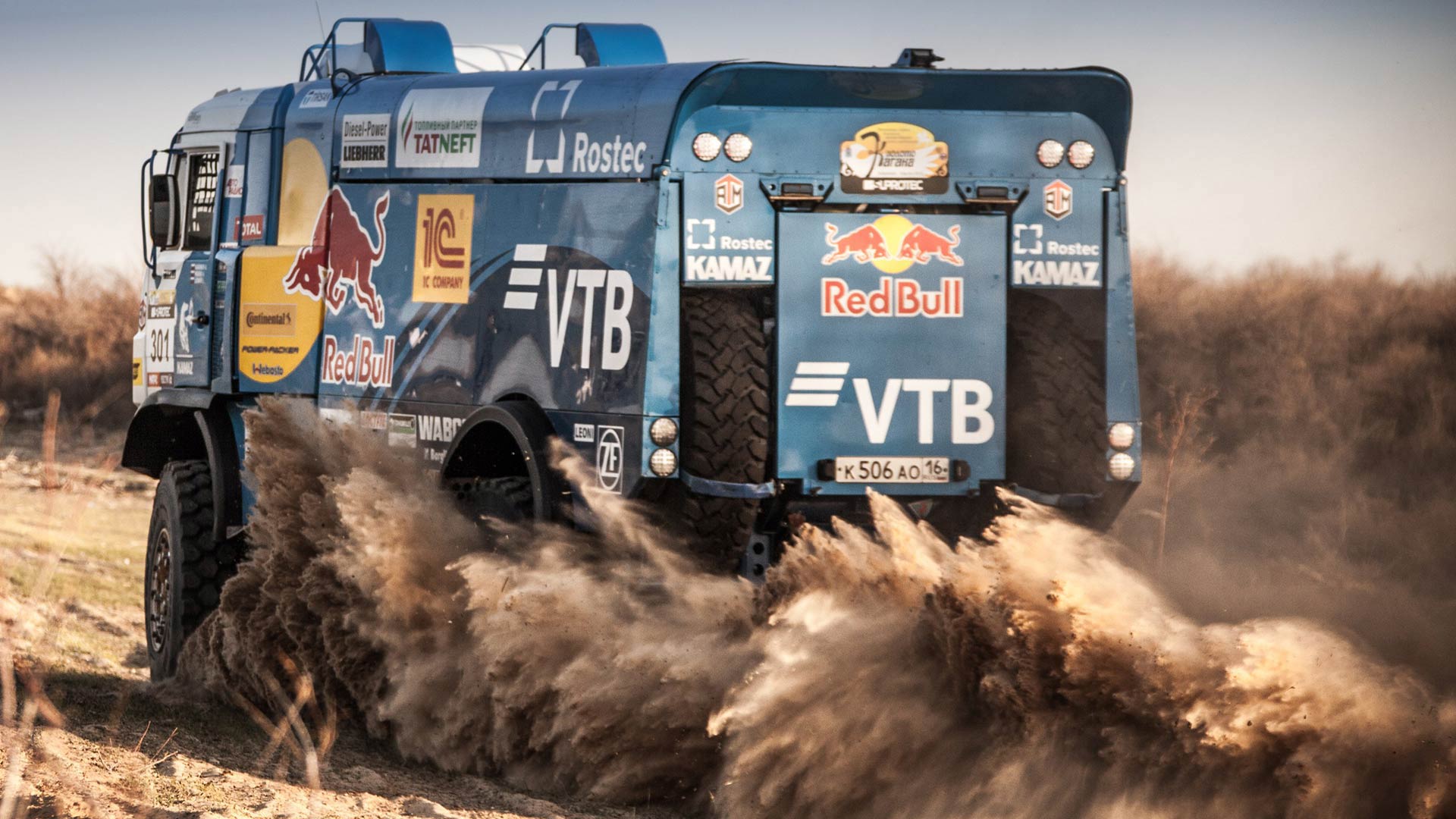
Kamaz 4326 T4 Dakar
Just as capable as the Nomad in the rough stuff, but with substantially more cargo space, this is the all-conquering Kamaz. Built to compete in off-road endurance races, the 837hp Russian has dominated the T4 rally raid class for almost two decades.
In fact, this monster has won the truck category of the Dakar Rally an incredible 16 times. In 2010, this included winning every single stage: quite an achievement. Capable of storing a huge amount of spare parts and supplies for a team of three, there should be more than enough room for a stockpile of UHT milk.
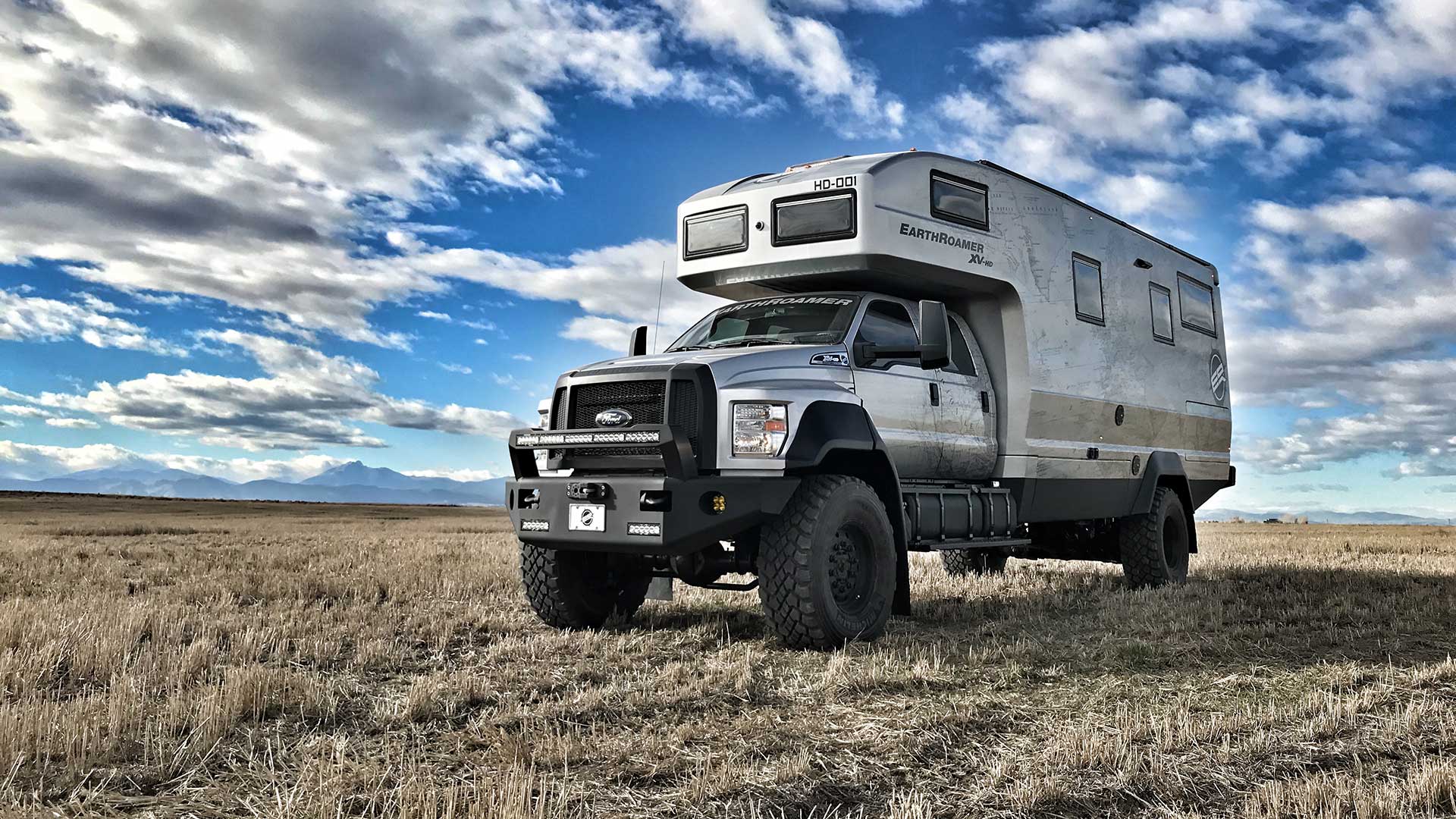
EarthRoamer XV-HD
Substantially comfier than the Kamaz, the EarthRoamer XV-HD offers accommodation for six in a package that can go almost anywhere. Built on Ford’s F-750 chassis, the XV-HD features 4WD, air suspension, and a 6.7-litre V8 turbodiesel engine.
The XV-HD can hold 435 litres of diesel, 946 litres of fresh water, and has solar panels to charge the 20kWh batteries. There is a fitted kitchen, separate bathroom, and even a Bose surround system. Going off-grid doesn’t have to mean slumming it, although you will need to find $1.5 million (£1.15 million) to buy one.
Mercedes-Benz Zetros 6×6
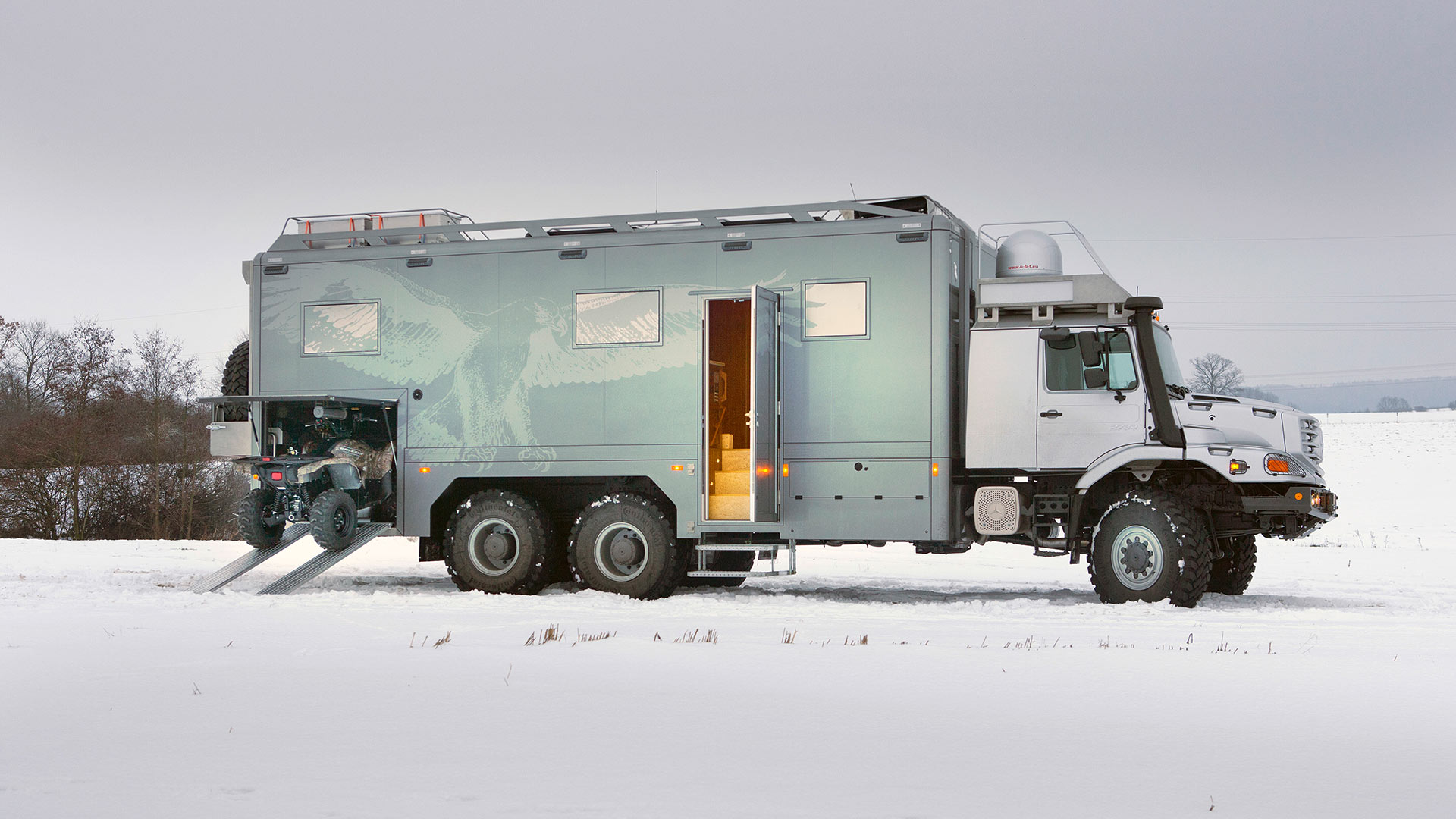
Even fancier than the XV-HD, this particular 6×6 Mercedes-Benz Zetros was commissioned by two Mongolian businessmen to go hunting in the wild Altai mountains. With a 7.2-litre engine and locking differentials on each axle, the Zetros really can go anywhere. Oh, and there is even a quad bike stored beneath the cabin, just in case.
The bathroom has a marble floor, with underfloor heating throughout. A fitted kitchen provides cooking facilities for up to eight people, while a 46-inch flat-screen TV is installed to keep them occupied. A self-aligning satellite dish means there is no risk of missing your favourite TV show.
Conquest Knight XV
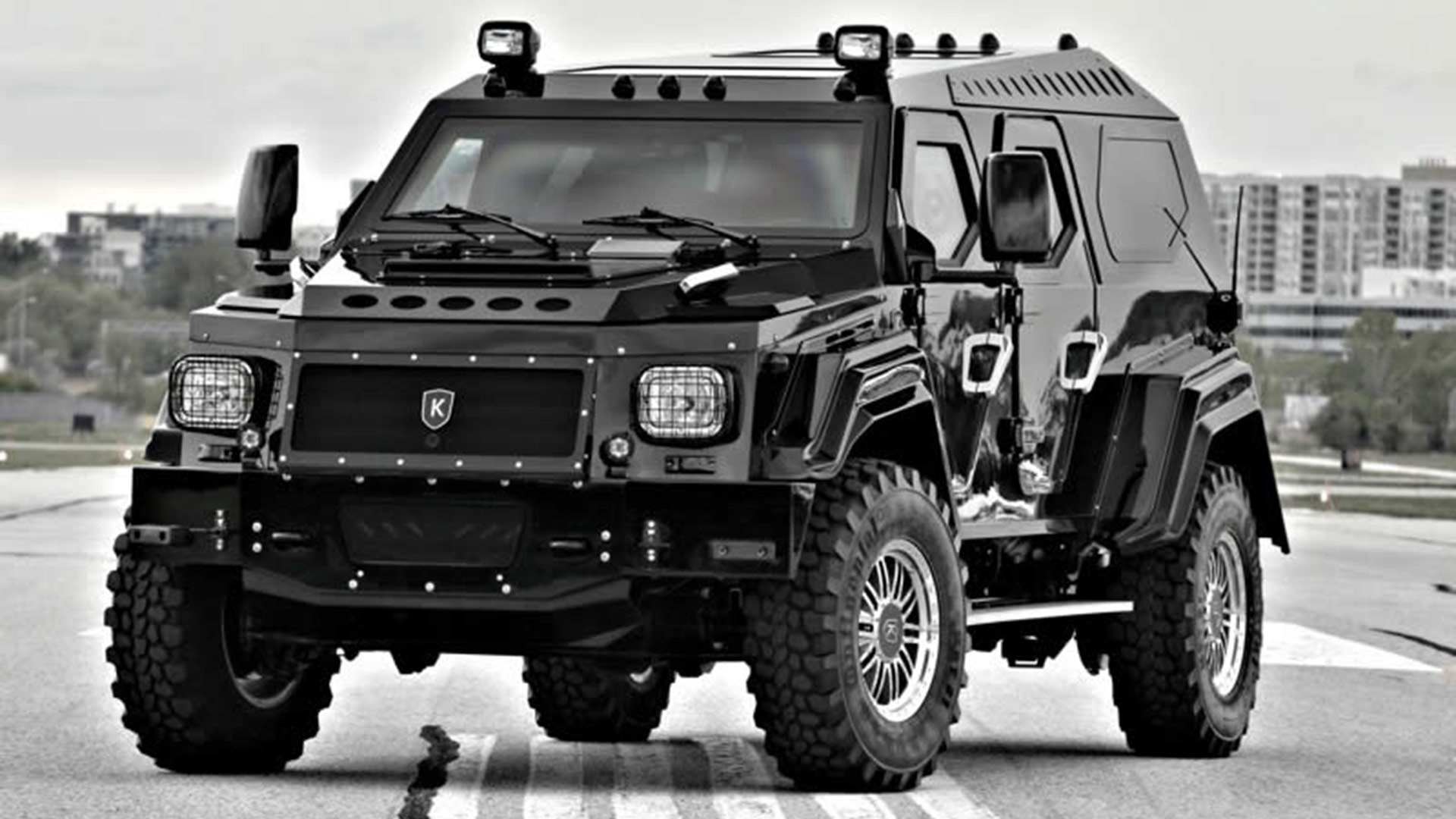
Built in Canada, the Knight XV is the armoured SUV to remove all your worries. Taking over 4,000 hours to build from scratch on a Ford F-550 chassis, the Knight XV can be specified to resist bombs, bullets and even chemical weapons.
It’s not all doom and gloom, with interior options including leather seats, luxurious Wilton carpets, and even the choice of an integrated Xbox or PlayStation. Base models start from $629,000 (£484,000), but ticking all the option boxes will push things to a considerable $828,000 (£637,000).
Paramount Mbombe 4
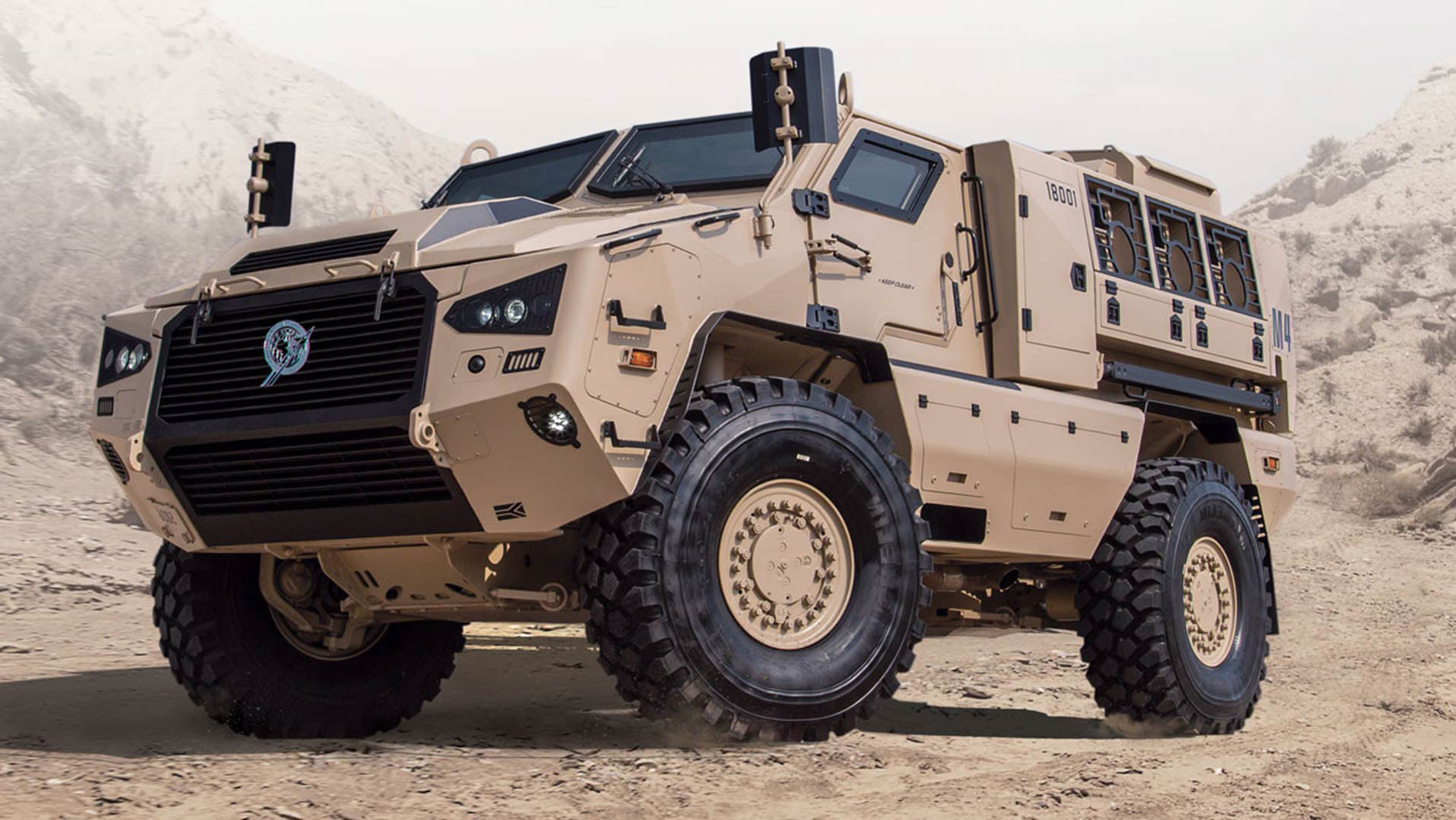
South African-based Paramount Group produces serious military hardware, so the Mbombe 4 should be sufficient if your local supermarket runs out of supplies. Able to accomodate a payload of 2,300kg, the AWD Mbombe 4 can even hit 87mph.
The hull design of Mbombe 4 allows it withstand side blasts from up to 50kg of TNT explosives, along with protection from mines and IEDs. If you’re really concerned about protection, a wide array of weapons systems can be added, too.
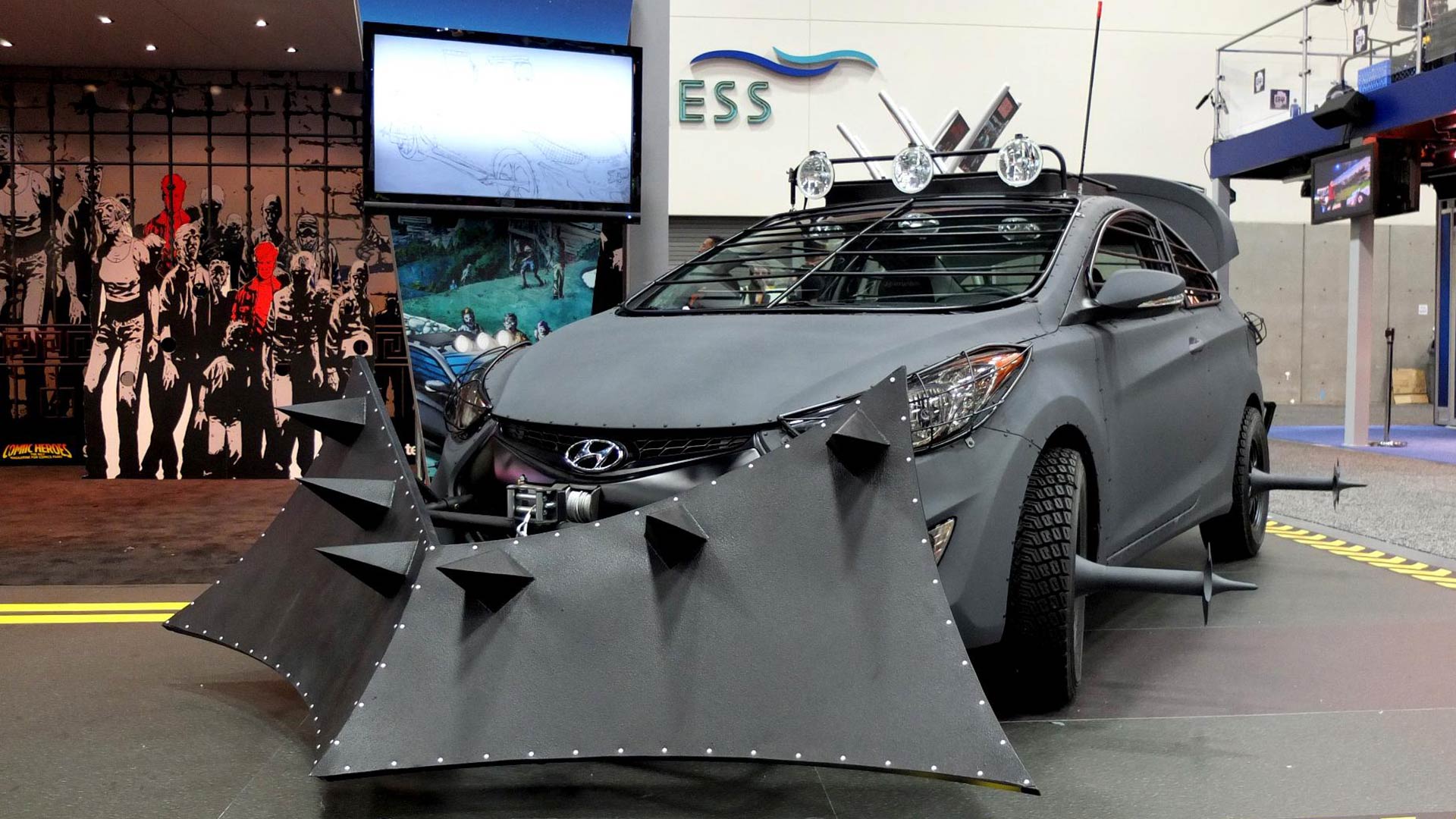
2013 Hyundai Santa Fe Zombie Survival Machine
Designed by a fan of The Walking Dead series, this Santa Fe might have a hard time passing an MOT test. Anson Kuo took inspiration from the new Hyundai he had just purchased, and entered his creation in a competition to find the ultimate zombie survival vehicle.
Displayed at the 2013 Comic-Con event in New York, the Santa Fe ‘ZSM’ includes terrifying additions such as an automatic crossbow, three machine guns, and even barbed wire across the windscreen. Kuo did at least argue that using an SUV would leave room for friends and supplies inside.
But Ford claims the new Focus can provide relief for back pain sufferers thanks to the optional comfort seats for the driver and front-seat passenger.
The seats can be adjusted in 18 ways for support and comfort – earning the Focus the seal of approval from Aktion Gesuner Rücken e.V. (AGR), a German group campaigning for healthier backs.
To obtain the seal, the seat must be able to adapt to the person in their sitting position, rather than the person adapting their position to the seat. The Focus is the first vehicle to receive AGR recognition.
“Sitting in the wrong position can make the driver slouch forward, putting pressure on the lower back, said Glen Goold, Ford Focus chief programme engineer.
“Our goal with the Focus was to build an 18-way adjustable seat that adapts to every person, enabling drivers of all shapes and sizes to easily achieve their optimal sitting position for maximum comfort, especially on long journeys.”
The Focus’ seats 18-way adjustment includes seat height, length and inclination, in addition to back, neck and thigh support. The four-way lumbar adjustment is controlled from a switch on the side of the seat.
‘The fight against back pain’
“The ergonomic quality of a car‘s seats is of utmost importance, especially for frequent drivers. We’re delighted that Ford is joining in the fight against back pain by making comfort seats available for even more people,” said Detlef Detjen, managing director, AGR.
Comfort seats are a £300 option on Style, Zetec and Titanium models, and the Focus range starts from £18,300.
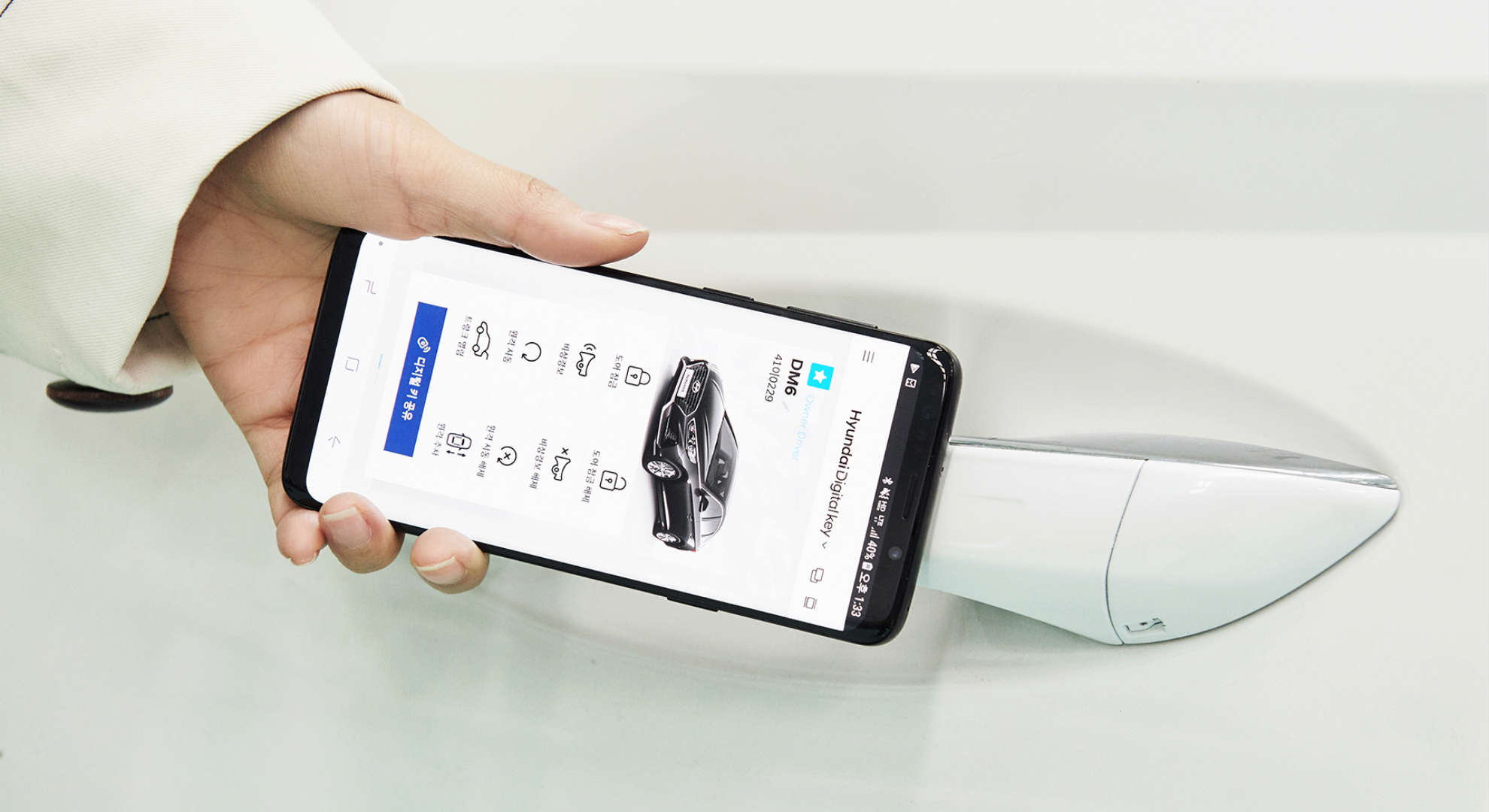
The traditional car key’s days could be numbered, thanks to technology developed by Hyundai. The ‘Digital Key’ app will allow Kia and Hyundai owners to unlock and start their vehicles via their smartphone – and the tech could arrive by the end of the year.
Replacing the physical key, the app can be used by up to four authorised people and could save motorists hours of searching for lost car keys.
Near Field Communication (NFC) technology detects the presence of a Digital Key-enabled smartphone in close proximity to the car door, with NFC antennas located in the driver and passenger door handles, along with another one in the wireless charging pad.
The engine is started by the driver placing the smartphone on the wireless charging pad and pressing a Start/Stop button on the dashboard.
The driver’s preferred settings are stored in the car. When the key is recognised those settings are adjusted automatically – including the position of mirrors, seats and the steering wheel, as well as controls for the media and sat-nav systems.
According to Hyundai, once car sharing becomes more widespread, the Digital Key will be developed to support vehicle rental where the owner and the driver won’t have to meet but can transfer the Digital Key via the smartphone app.
Traditional smart keys and cards will also be provided for use at valet services and when the car is at a dealer for a service.
Harnessing connected-car technology
“The Digital Key will benefit a very wide range of future Kia and Hyundai customers, as well as enabling innovative new schemes for vehicle sharing,” said Ho Yoo, group leader of Hyundai Motor Group’s Electronics Development Group.
“We are studying other ways to harness this type of connected-car technology to greatly enhance the driving and ownership experience.”
Hyundai Motor Group aims to gradually implement the technology in new Kia and Hyundai vehicles, with the rollout starting later this year.
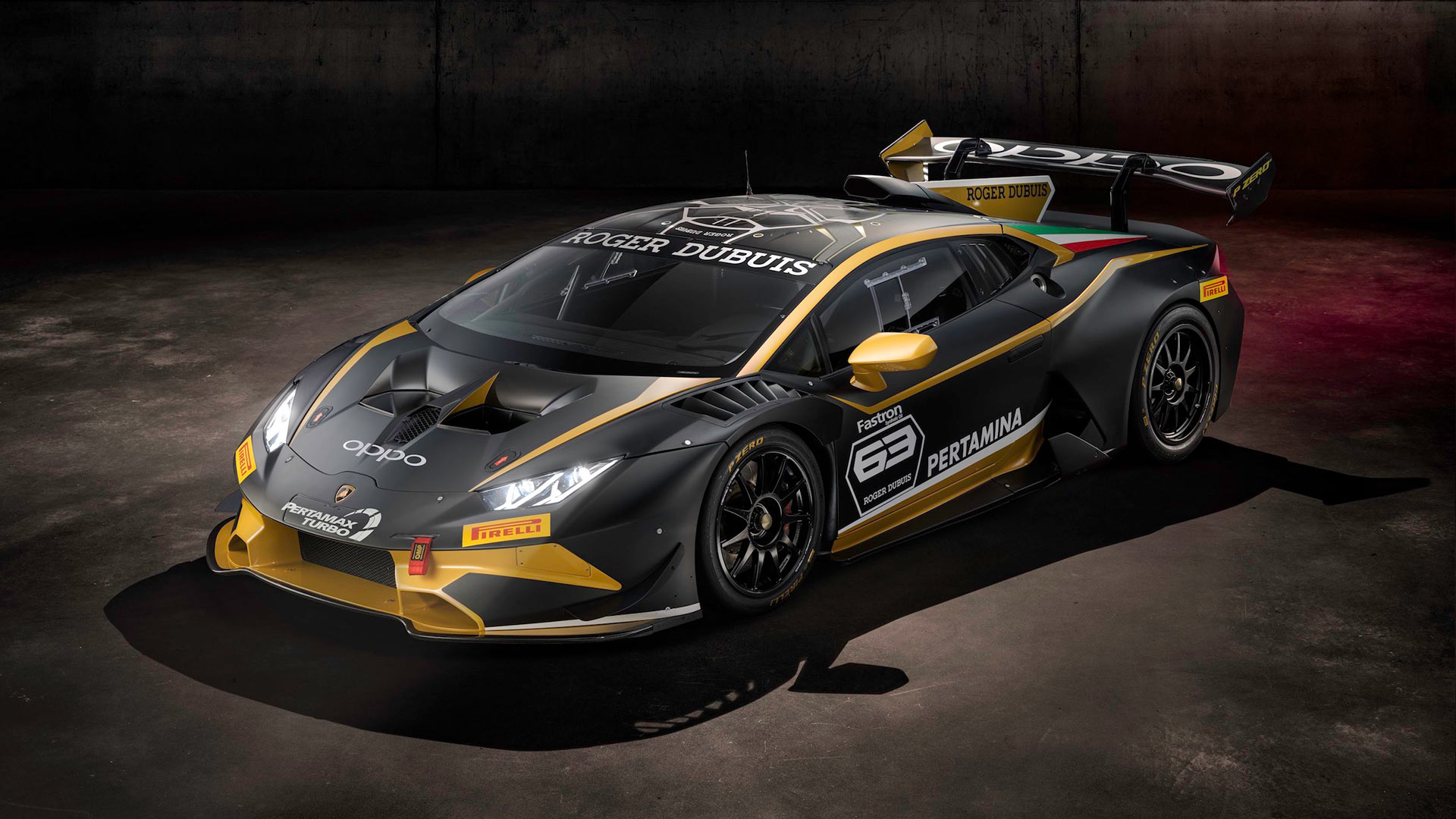
With an eye on the prize for the most elaborately orchestrated special edition, Lamborghini has created a one-off version of the Huracán Super Trofeo Evo.
Intended to celebrate the link between Lamborghini, and luxury watchmaker Roger Dubuis, the Huracán Super Trofeo Evo Collector 2019 was unveiled at a special event in Geneva.
Handily, the Swiss city happens to be the base for Roger Dubuis Manufacture, making this year’s motor show the prime venue for this feast of elaborate design.
It all starts to sound slightly like the 2010 film Inception when you unpick the details of Super Trofeo Evo Collector 2019.
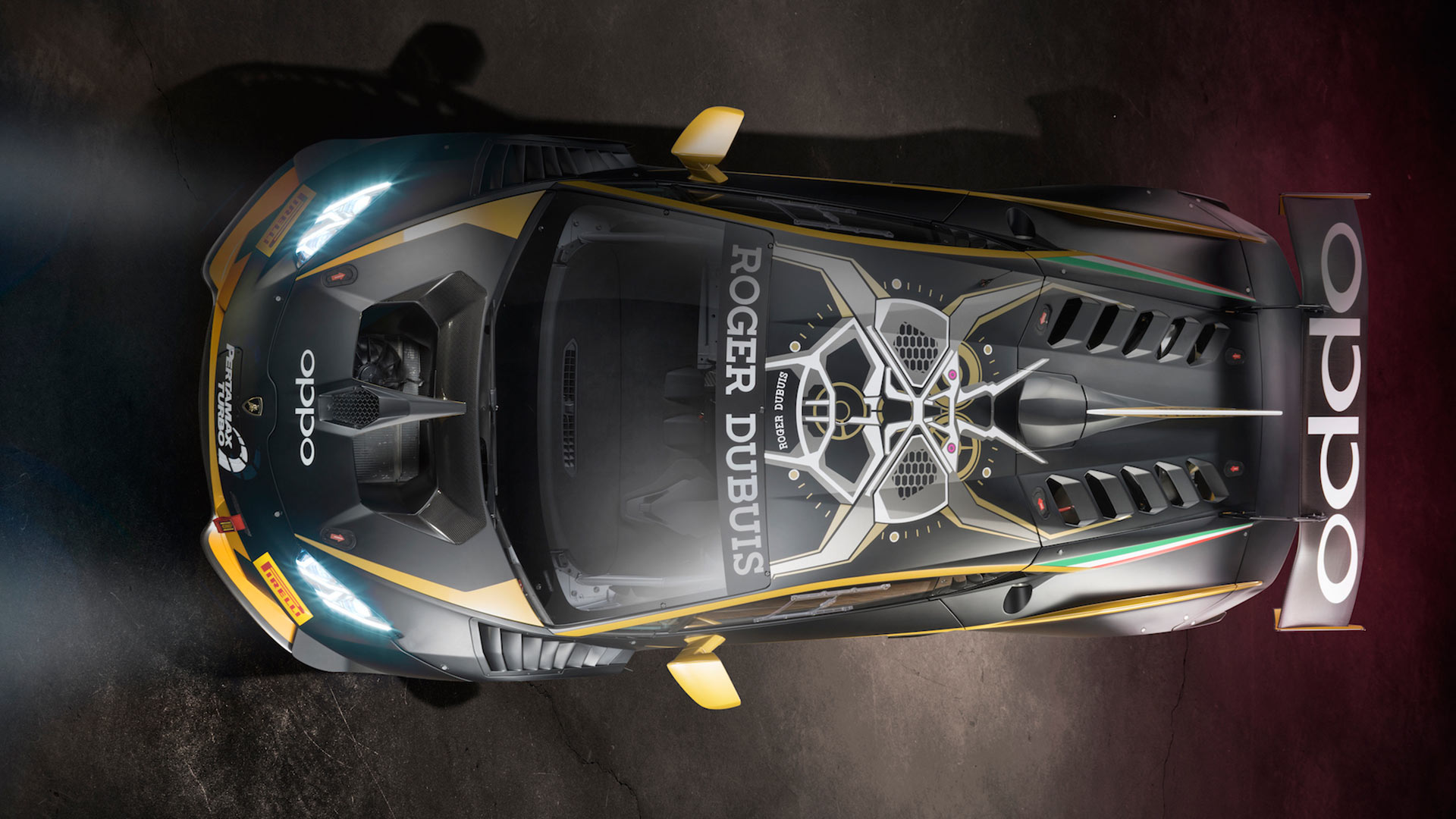
On the roof of this particular Huracán is a livery which resembles the internal workings of the Roger Dubuis Excalibur Huracán Performante watch. This is the latest timepiece from the firm, as part of the collaboration between the two companies
The movement of the Roger Dubuis Excalibur is said to mirror that of the Lamborghini V10 engine, whilst the ‘X’ design replicates the cross brace found inside the Huracán’s engine bay.
More influence can be found in the watch crown, which is meant to look like a locking wheel nut from the Lamborghini racer. Only 88 examples of the watch are planned, with a retail price of $52,500 (£40,100).
It means this special Lamborghini black and gold Super Trofeo Evo Collector is a car which pays tribute to a watch, which was inspired by the same car in the first place.
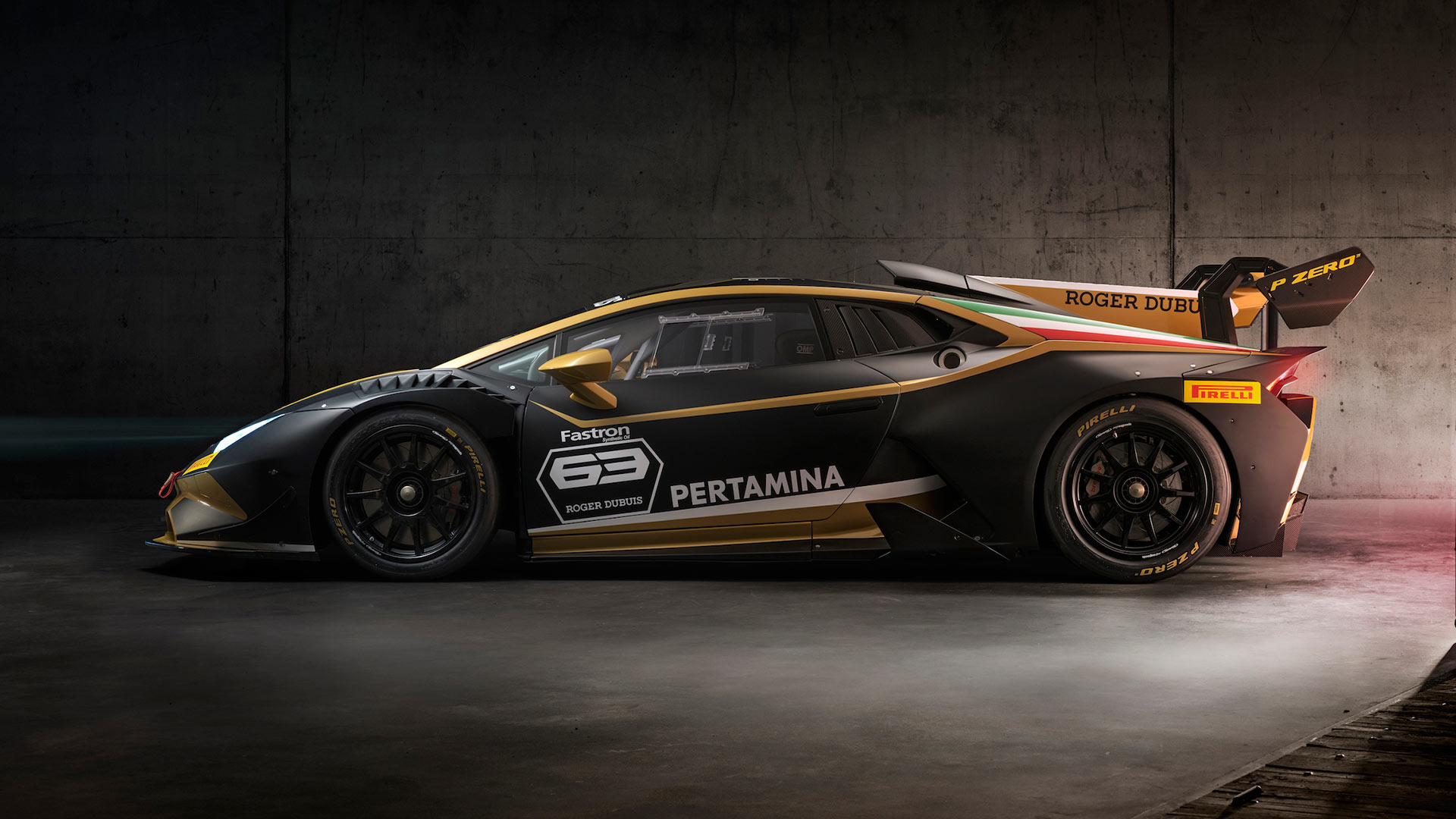
This could all sound a little contrived, but it is at least a great opportunity for an excuse to look at the Huracán Super Trofeo Evo. Lamborghini has picked the gold trim to highlight the aerodynamic details on the car, and it does look rather impressive.
Built especially by Lamborghini’s Squadra Corse motorsport outfit, the Super Trofeo is used in four single-make championships across the world.
Aimed at a mixture of amateur and professional drivers, the Super Trofeo offers either a potential route into sports car racing, or an expensive hobby for the wealth supercar owner.
Buying the 630hp V10 Huracán Super Trofeo Evo costs €235,000 (£201,000) plus taxes. American buyers actually have to stump up more, with a price of €295,000 (£252,000) instead.
It does essentially guarantee that anyone willing to take the plunge and enter the race series, is more than likely going to be able to afford the luxury timepiece that goes with it.
Will Roger Dubuis produce a new watch in honour of the Super Trofeo Evo Collector? Only time will tell.
The Geneva Motor Show has seen its fair share of supercar debuts over the past decade, many of which have rocketed in value since their release. Others have fared less well and are worth significantly less in 2019.
Thanks to data released by JBR Captial, we can reveal the top 10 supercars that have appreciated in value or held their worth after premiering in Geneva. This should make for interesting reading if you’re about to take delivery of the unique £12 million Bugatti La Voiture Noire.
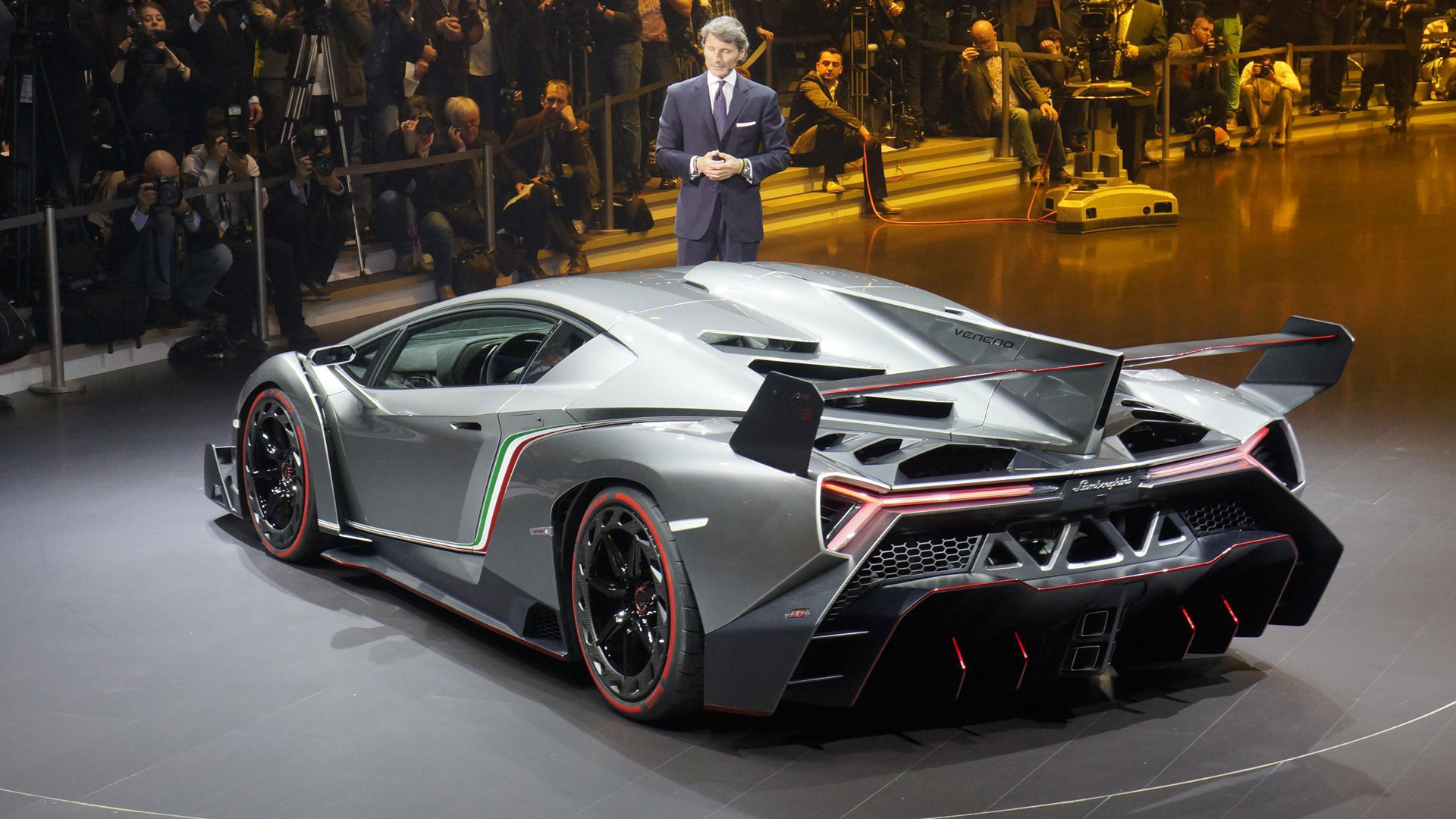
At its launch in 2013, the Lamborghini Veneno cost a cool £2.6 million, but there was no shortage of potential customers for the 221mph hypercar. Lamborghini built three customers cars, and today they’re worth around £7.3 million apiece. That’s a value change of 180 percent.
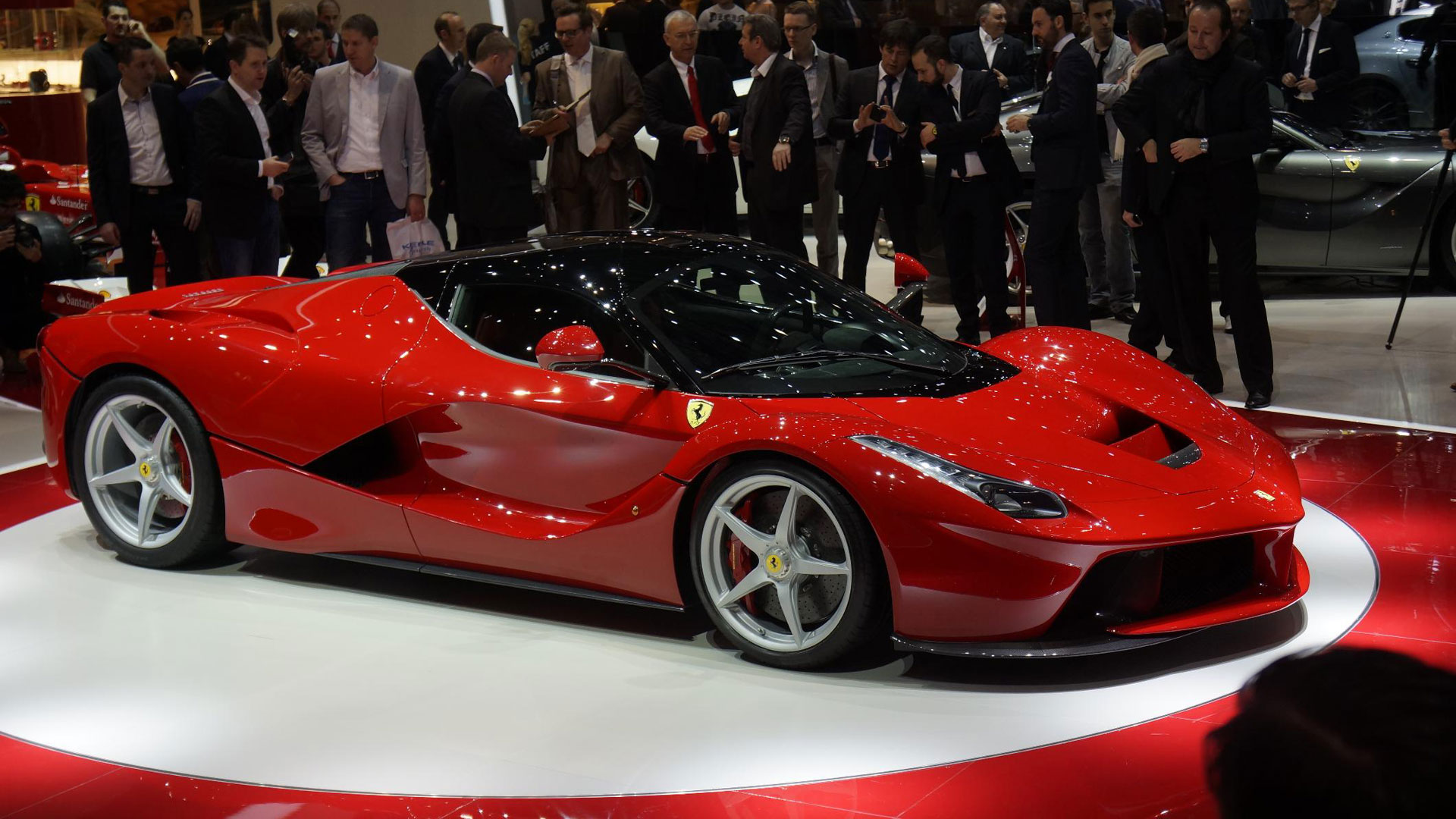
Meanwhile, a Ferrari LaFerrari has more than doubled in value, rising from £1.15 million to £4 million. It’s a similar story for Koenigsegg One:1 owners – up from £2 million to £4 million.
‘An outstanding car’
Stephen Halstead, executive chief operating officer at JBR Capital, said, “It’s unsurprising that the Lamborghini Veneno, Ferrari LaFerrari and Koenigsegg One:1 have stolen the limelight in terms of current values. The Veneno is quite simply an outstanding car.
“Only 499 of the Ferrari LaFerrari hybrid hypercars were produced, with buyers back in 2013 having more than doubled their money invested in this incredible vehicle. With just seven Koenigsegg One:1 hypercars in existence, offering a top speed of 273mph, this model has quite rightly hit a 100 percent level of appreciation.”
Of the 2019 Geneva Motor Show supercars, Halstead points to the La Voiture Noire, Pagani Huayra BC Roadster, Pininfarina Battista, Lamborghini Aventador SVJ Roadster and Ferrari F8 Tributo as “ones to watch”.
Top 10 appreciating Geneva supercars
Car
Year
Price at launch
Value now
Value change
1. Lamborghini Veneno
2013
£2.6 million
£7.3 million
+180%
2. Ferrari LaFerrari
2013
£1.15 million
£2.4 million
+109%
3. Koenigsegg One:1
2014
£2 million
£4 million
+100%
4. Pagani Zonda Cinque
2009
£1.3 million
£2 million
+54%
5. Koenigsegg Agera
2010
£875,000
£1.3 million
+49%
6. Ferrari 812 Superfast
2017
£260,000
£380,000
+46%
7. Porsche Cayman GT4
2015
£65,000
£85,000
+31%
8. McLaren P1
2013
£866,000
£1.1 million
+27%
9. Pagani Huayra BC
2016
£2.2 million
£2.3 million
+5%
10. Porsche 911 GT3
2013
£110,000
£110,000
0%
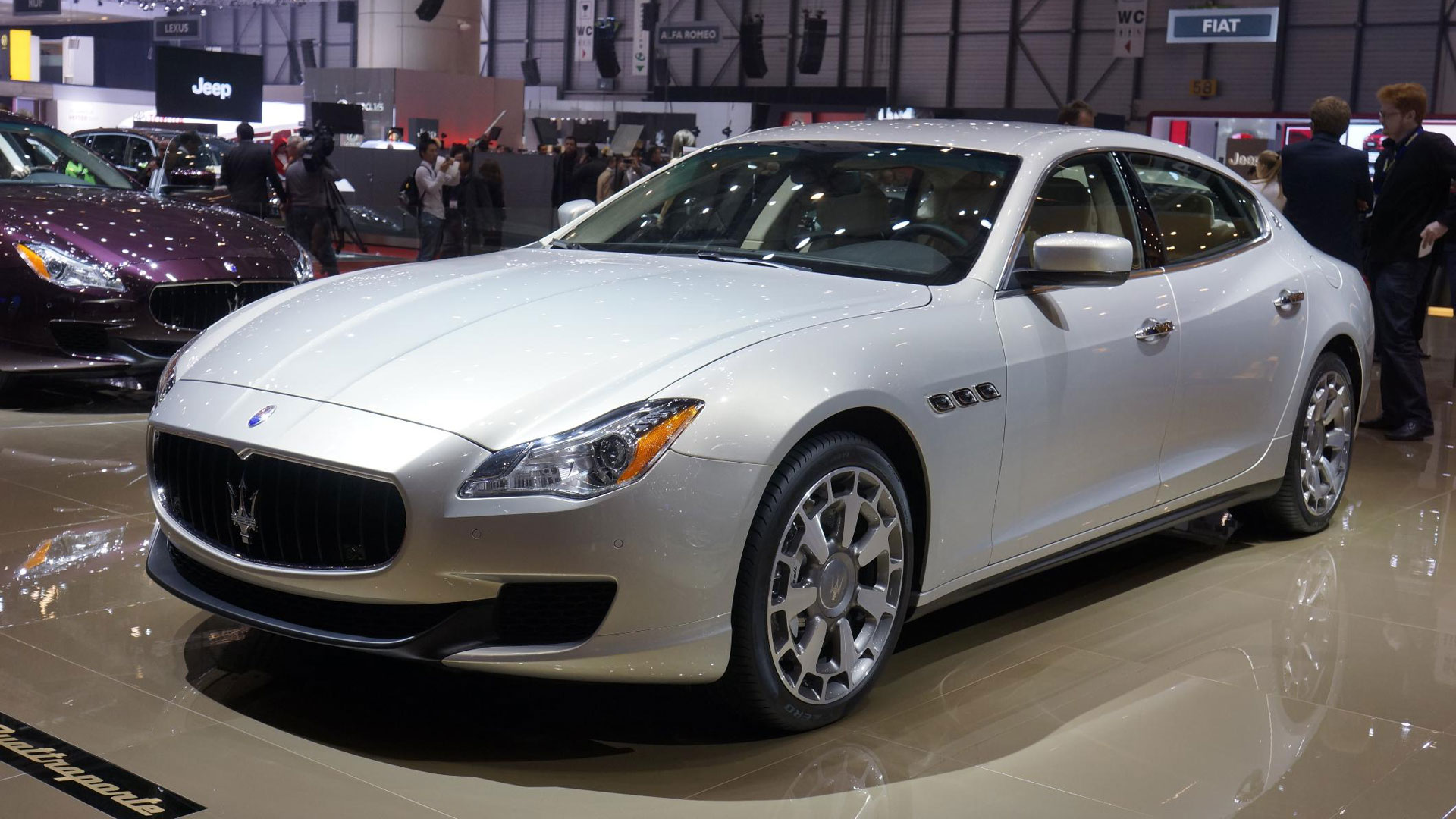
Not that buying a supercar or a high-end sports car is a passport to make money. If your head was turned by the Maserati Quattroporte on display at the 2013 Geneva Motor Show, you’d have lost the best part of £70,000.
In percentage terms, the Bugatti Chiron has performed relatively well, but you’d have lost £300,000 in the three years since the Veryon replacement made its Geneva debut.
Top 10 depreciating Geneva sports cars and supercars
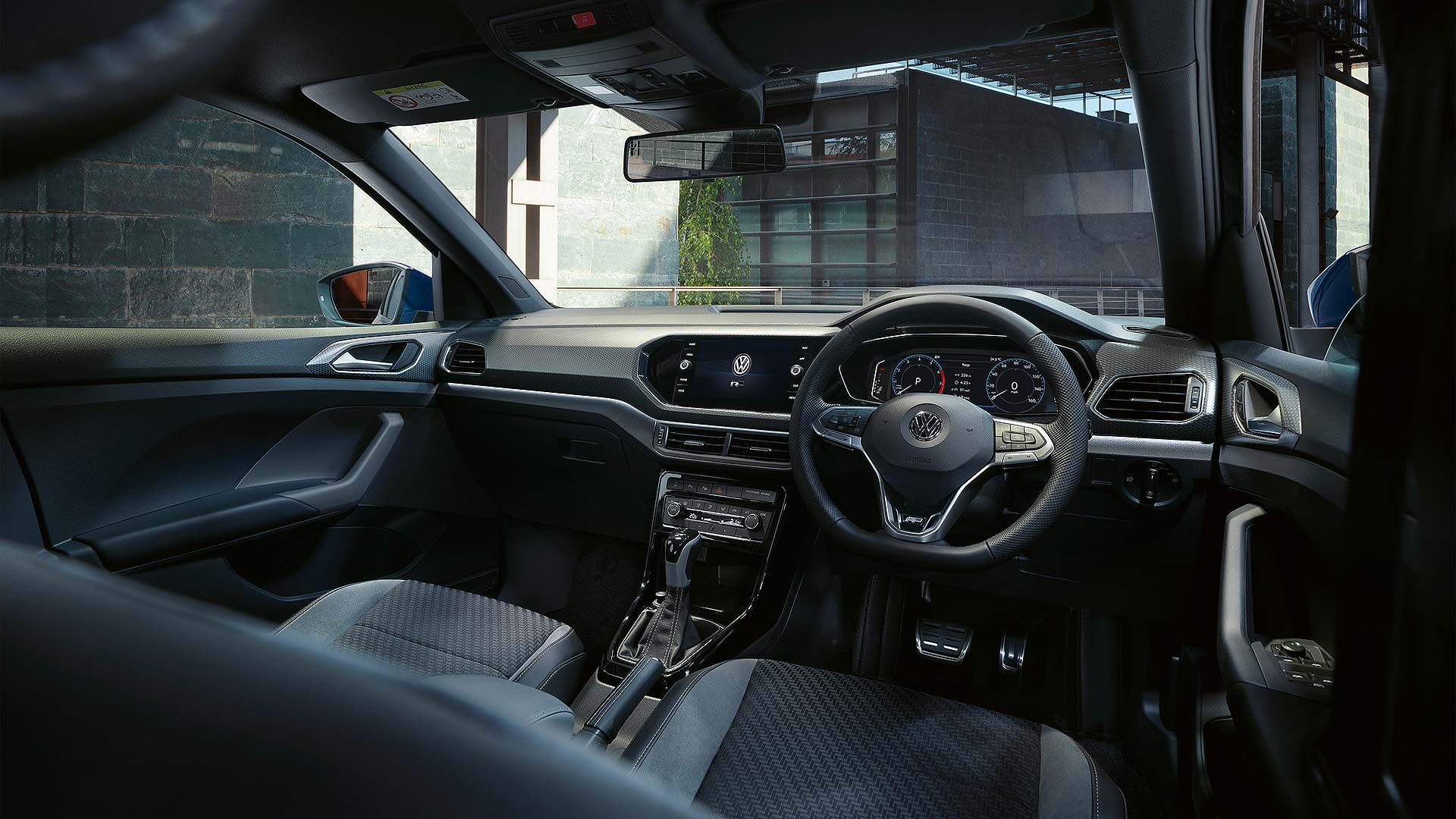
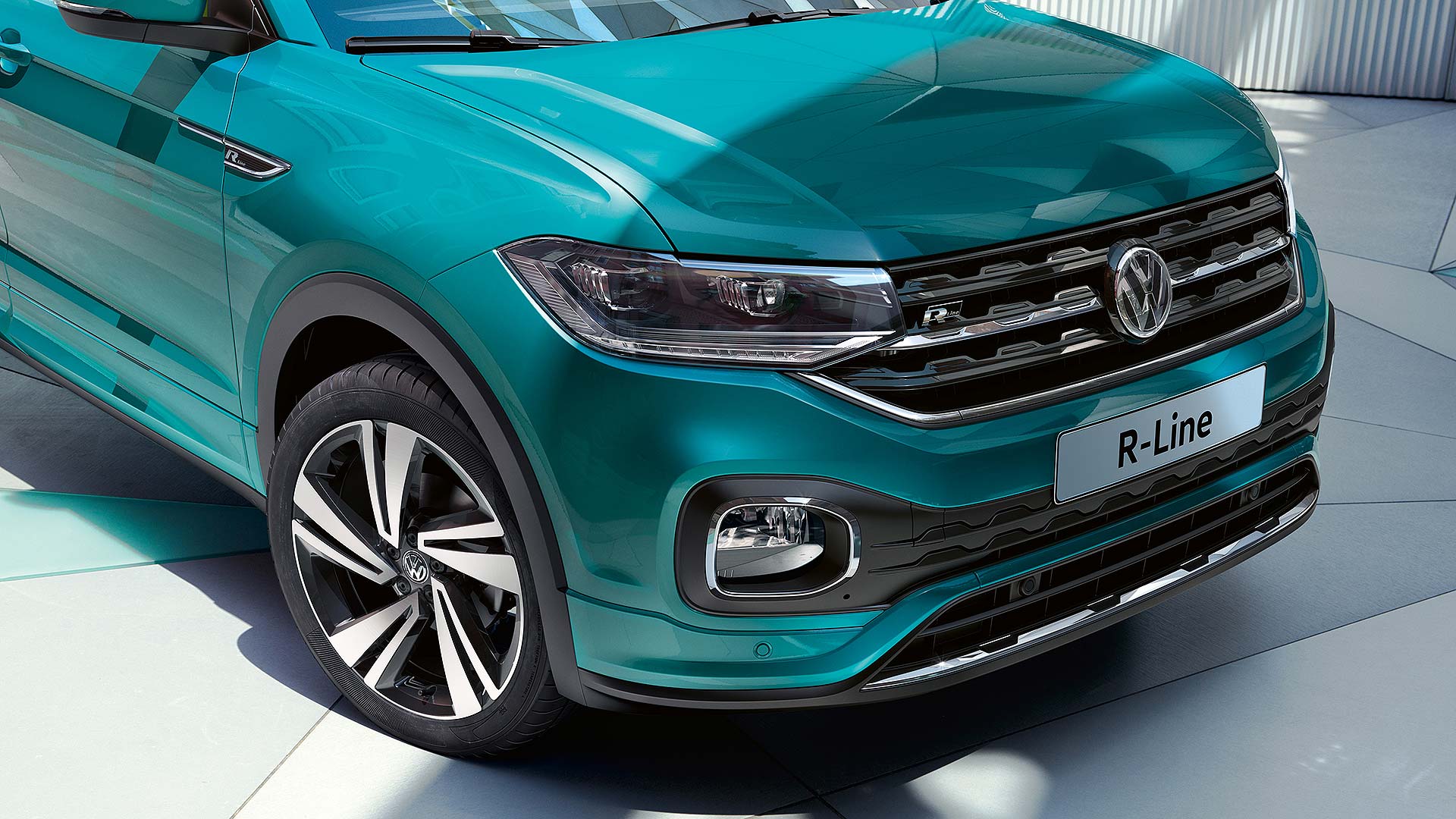
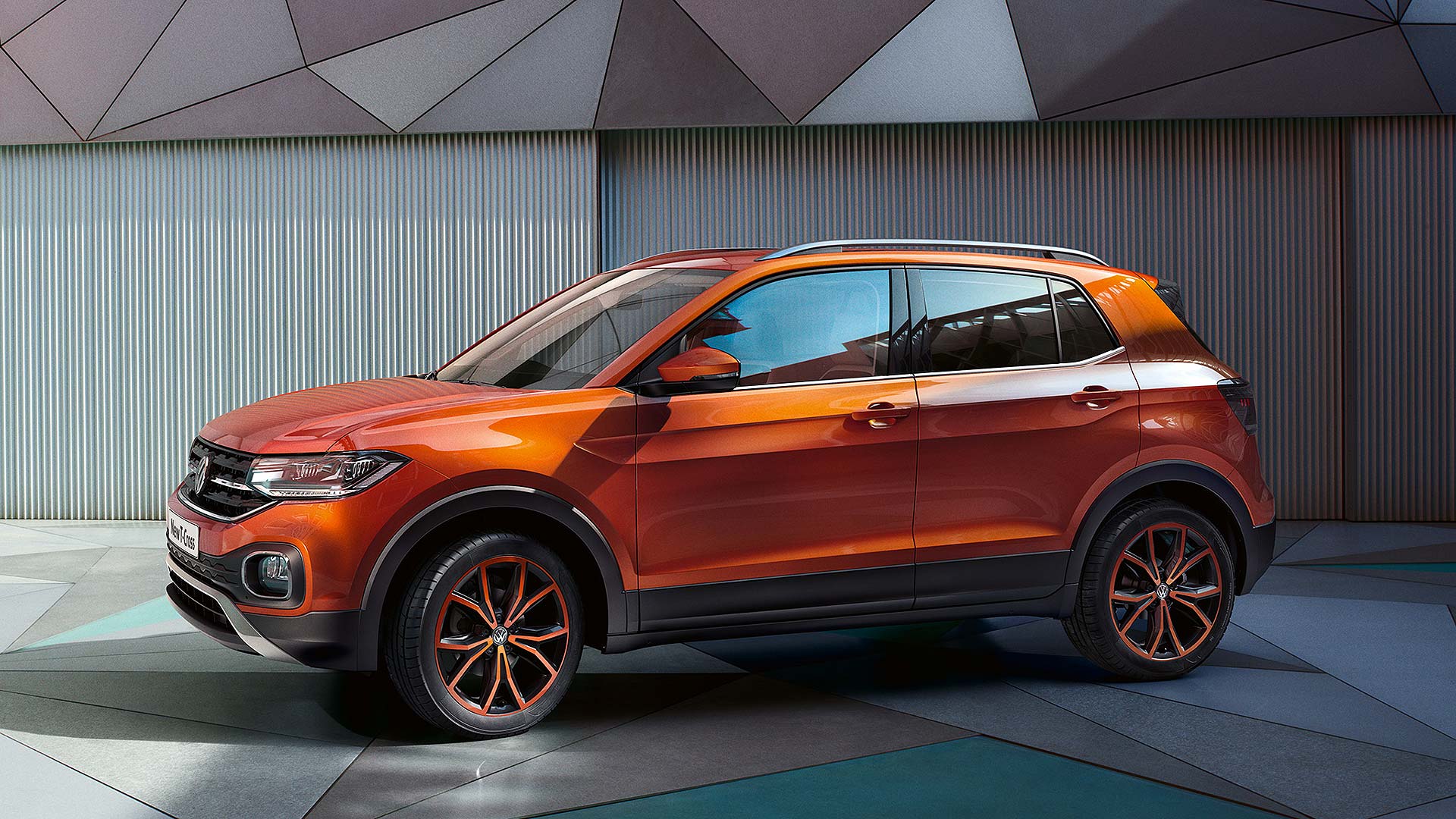
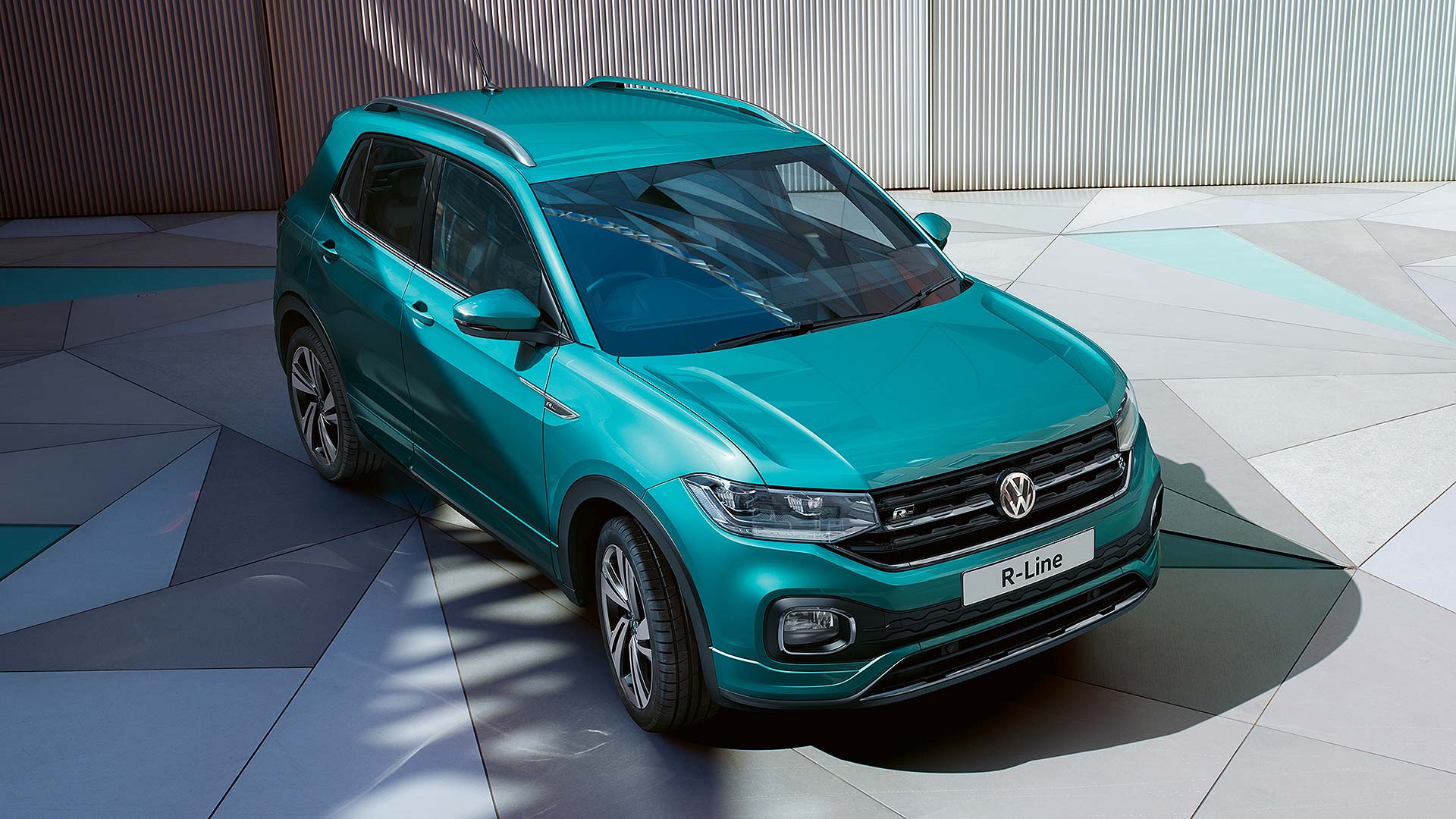
The Volkswagen T-Cross is now open for ordering in VW dealers with prices starting from £16,995 for the smallest SUV in the firm’s line-up.
Competing with rivals such as the Renault Captur, Nissan Juke and Peugeot 2008, the T-Cross is the VW sister car to the Seat Arona and upcoming Skoda Kamiq.
The T-Cross will be offered in four core trim lines – S, SE, SEL and R-Line. There is also a launch First Edition variant, limited to 250 highly-equipped cars.
Every T-Cross has a good standard specification, though. S spec includes eight-inch touchscreen infotainment, automatic headlights, city emergency braking, lane-keep assist, blind spot detection and electric door mirrors. A sliding rear bench seat is also standard: pick from lots of rear legroom or up to a 455-litre boot.
SE spec will be more popular. It has 17-inch alloys, black roof rails, front fog lights, multifunction leather steering wheel, variable boot floor and cruise control. With prices from £18,795, it is £1,800 more than the base S.
SEL has a different type of alloy wheel design, tinted rear glass, LED headlights, silver roof rails, front sports seats and ambient lighting. Sat nav and climate control are included within, as are all-round parking sensors. Prices start from £21,650.
The sporty R-Line has 18-inch alloys, digital instruments and racier styling outside and in. Prices are from £23,550.
Sensibly, Volkswagen is not offering a diesel T-Cross. The sole 1.0-litre TSI turbo petrol engine is offered in 95hp or 115hp guise, with a choice of five- or six-speed manual gearbox, or a seven-speed DSG automatic.
“T-Cross ensures we have an SUV offering for the vast majority of UK buyers,” said Volkswagen UK head of marketing Geraldine Ingham. “This undeniably stylish new compact car completes the major expansion of our SUV line-up – for the time being”…
First deliveries, she added, will begin in early April.
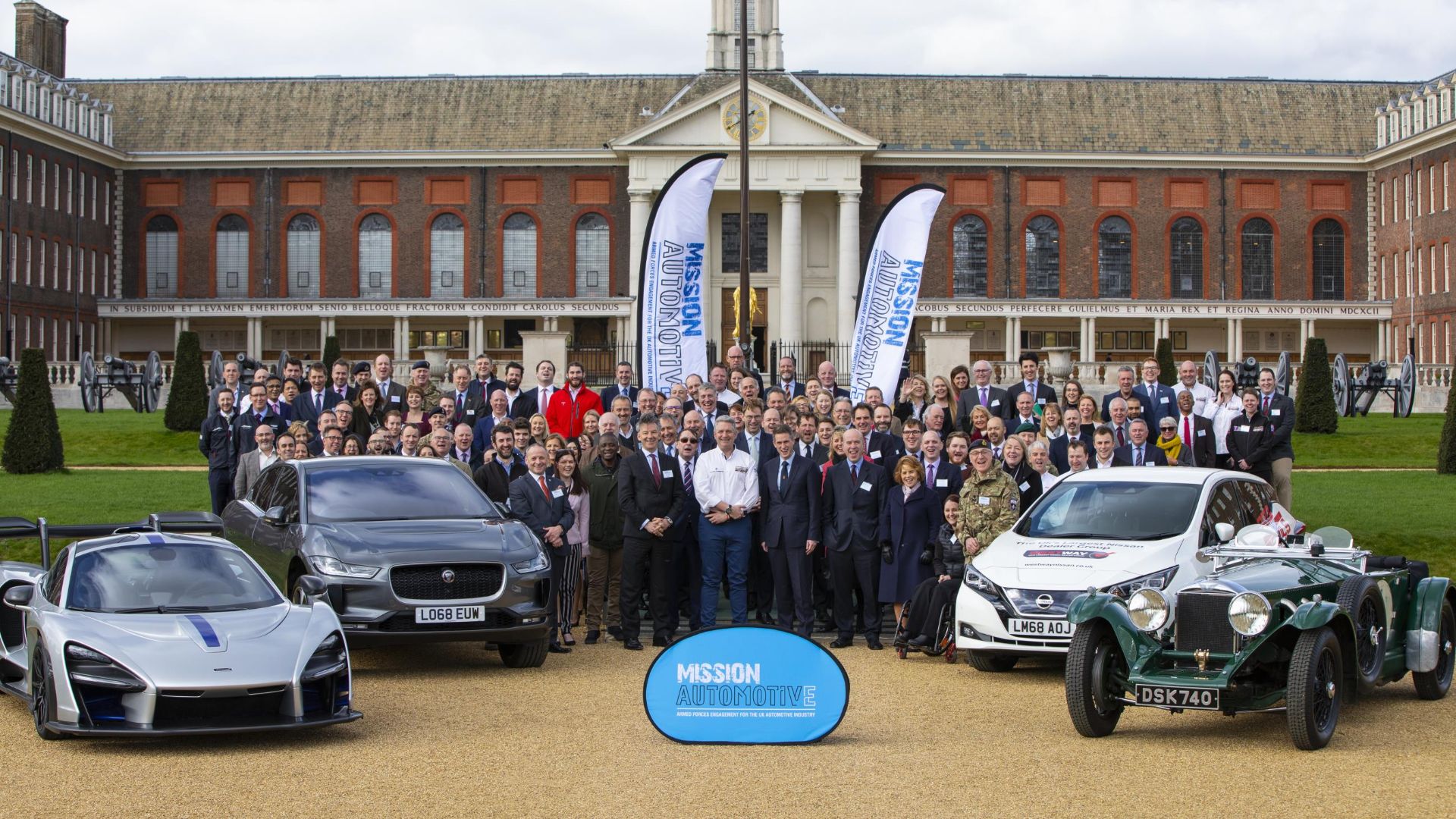
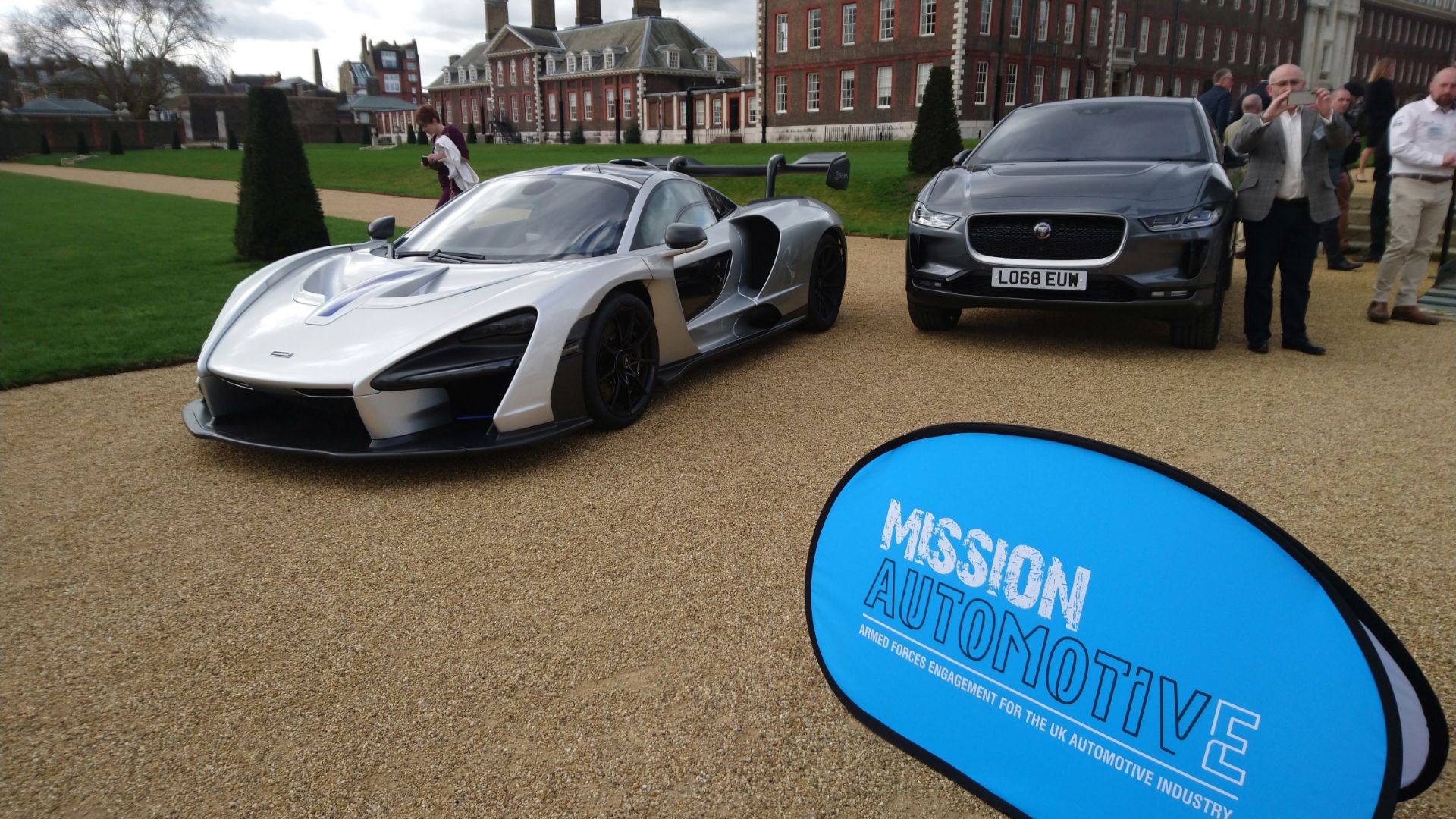
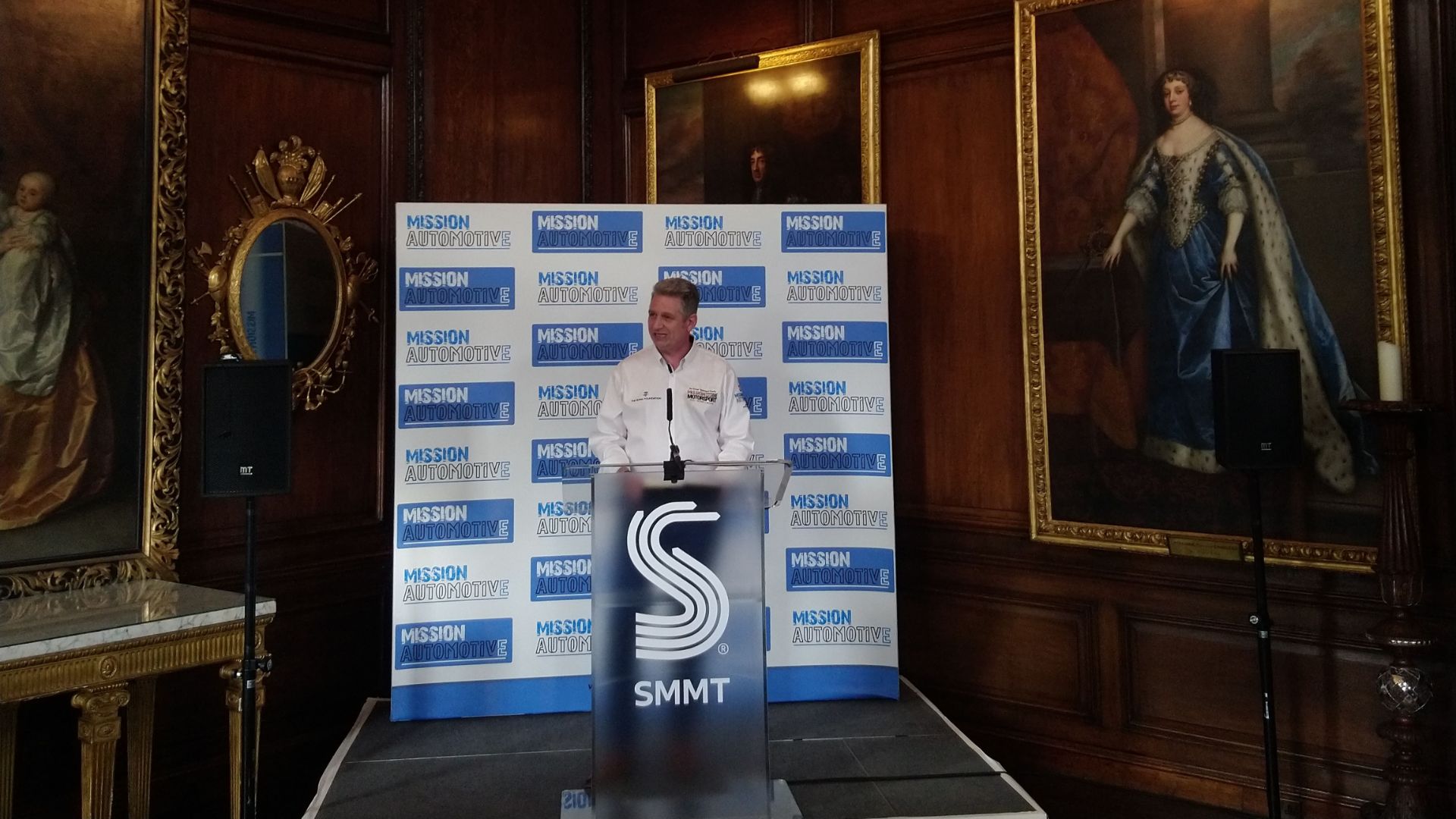
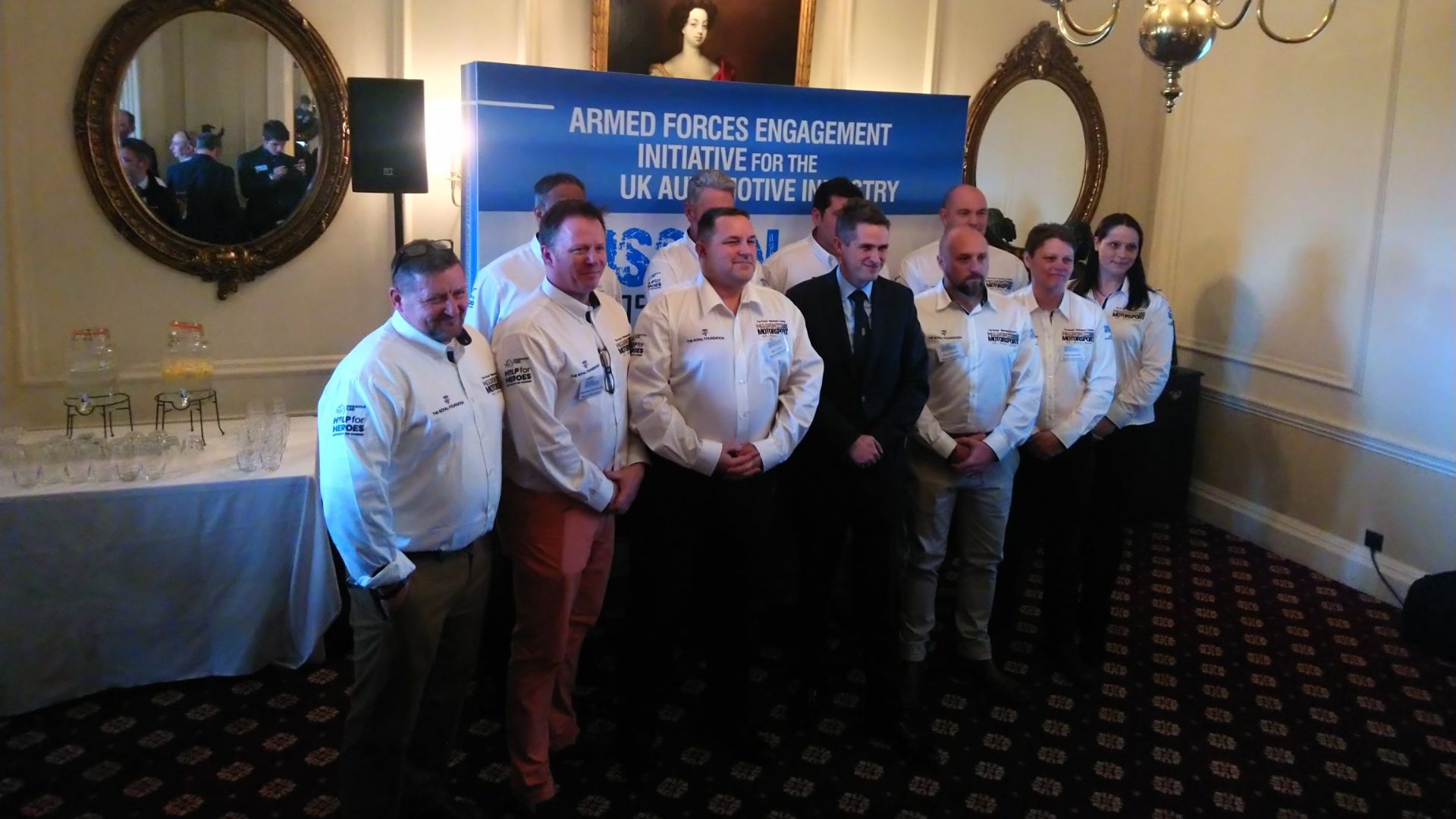
Mission Automotive is a new initiative that aims to guide service-leavers with high-voltage capabilities into a changing motor industry that sorely needs them.
The new initiative is a develoment of Mission Motorsport. This uses motorsport to helps to rehabilitate, re-engage and reintegrate ex-servicemen and women. Race, retrain, recover; Mission Motorsport does what it says on the tin.
Mission Motorsport also works with potential employers, businesses in the automotive and mobility industry, from motorsport, to car manufacturing, to delivery companies, mechanics and maintenance.
Returning service folk can sometimes find the competitive and self-promoting nature of the civilian job market a challenge. Mission Motorsport opens conversations with employers, to open their minds and allow them to effectively engage with a large potential workforce.
To date, Mission Motorsport has helped over 1,700 returning service leavers with their transition to civilian life, be that personally or vocationally and will continue to do so.
Mission Automotive: taking it to the next level
Mission Automotive is that ethos, taken to the next level. It aims to capitalise on the skills of those in the armed forces and redeploy them into the fast-changing world of automotive. The move to electric power in cars, for example, is a transition the likes of which hasn’t been seen since we parked the horses and fired up cars…
Electric cars such as Teslas run a 400-volt system. Future electric cars could use 800-volt systems and beyond. In civilian world, high-voltage is the 120 volts a house runs on, or even the 12 volts from a normal car’s battery.
In the world of the military, ‘high voltage’ means 1,000 volts, at minimum.
High voltage training: the ready-made potential of ex-forces workers
In the illustrative, if paraphrased, words of James Cameron, founding mind behind Mission Motorsport and Mission Automotive, “anyone who sets foot professionally on a giant wet lump of metal floating in salt water has had all the training”.
Returning Navy officers have, by virtue of their service on aircraft carriers, a ticket to their name that allows them to work on any electric car, either in manufacturing, maintenance or repair. The same goes for any heavy-duty military hardware – aircraft, military all-terrain vehicles, and much more.
This is a ticket that a civilian would need extensive training to obtain. There is, therefore, a readymade workforce out there. The goal of Mission Automotive is to be the intermediary that sells this workforce to the marketplace.
“It can be difficult for service leavers to translate how their military experience allows them to fit into civilian career,” explains James Cameron, Mission Motorsport CEO in the release. “Mission Automotive helps organisations to recognize, foster and retain that talent through developing and implementing their own Armed Forces engagement strategies.
“Our service men and women are a national resource, and have much to offer to society beyond their military service. By helping them and their families we boost British industry, and by association the communities in which they resettle.”
We say: Good news for the UK’s transition to electric motoring
Finally, news that in some way, we are in fact ready for the arrival of an electric car majority on the road. If not in infrastructure, if not in the viability of the technology at the moment, in the workforce that’s ready to take it on. It’s an opportunity that the industry would be foolish not to grab with both hands. Let Mission Automotive be your guide…
“Many see the taking on of ex-service person as doing them a favour,” said Gavin Williamson, Secretary of State for Defence.
“I challenge that. I say they’re doing your business a favour by joining. They are a benefit to your business.” Hear, hear.
Perhaps predictably, London has been named car crime capital of England by aftermarket towbar specialist Ixplor, with North Yorkshire identified as the safest region.
Using statistics from data.police.uk, the team at Ixplor ranked each area according to the number of reported vehicle crimes and the population of each region. This created a table of ratios, placing the City of London and Greater London at the top.
The West Midlands is named as the hotspot outside of London, with vehicle crime affecting one in every 78 motorists in a region of 2.9 million residents. In comparison, the figure for the City of London is one in 36, while in Greater London it’s one in 72.
Bedfordshire and Manchester completed the top five, but there’s better news for some of England’s more rural locations.
With a vehicle crime ratio of one in 461, North Yorkshire is the safest place, followed by Cumbria, Lincolnshire, Cheshire and Norfolk.
How your postcode affects your premium
According to comparethemarket.com, 90 percent of all car insurance claims occur within five miles of the driver’s home, which is why the policyholder’s postcode plays a big role in calculating the annual premium. The number of personal accident claims made by drivers in an area, along with the number of uninsured drivers and instances of fraudulent claims, theft and vandalism.
Last year, the price comparison site drilled down on insurance data to reveal the towns and cities considered to represent the highest and lowest risk.
Mirroring the Ixplor data, comparethemarket.com named Bradford, Oldham, Manchester, Liverpool, Birmingham as hot spots, with Redruth, Penzance, East Inverness, Angus and Isle of Barra revealed as the safest locations.






 Back pain affects around half of European Union citizens at some point in their lives, with a recent survey finding that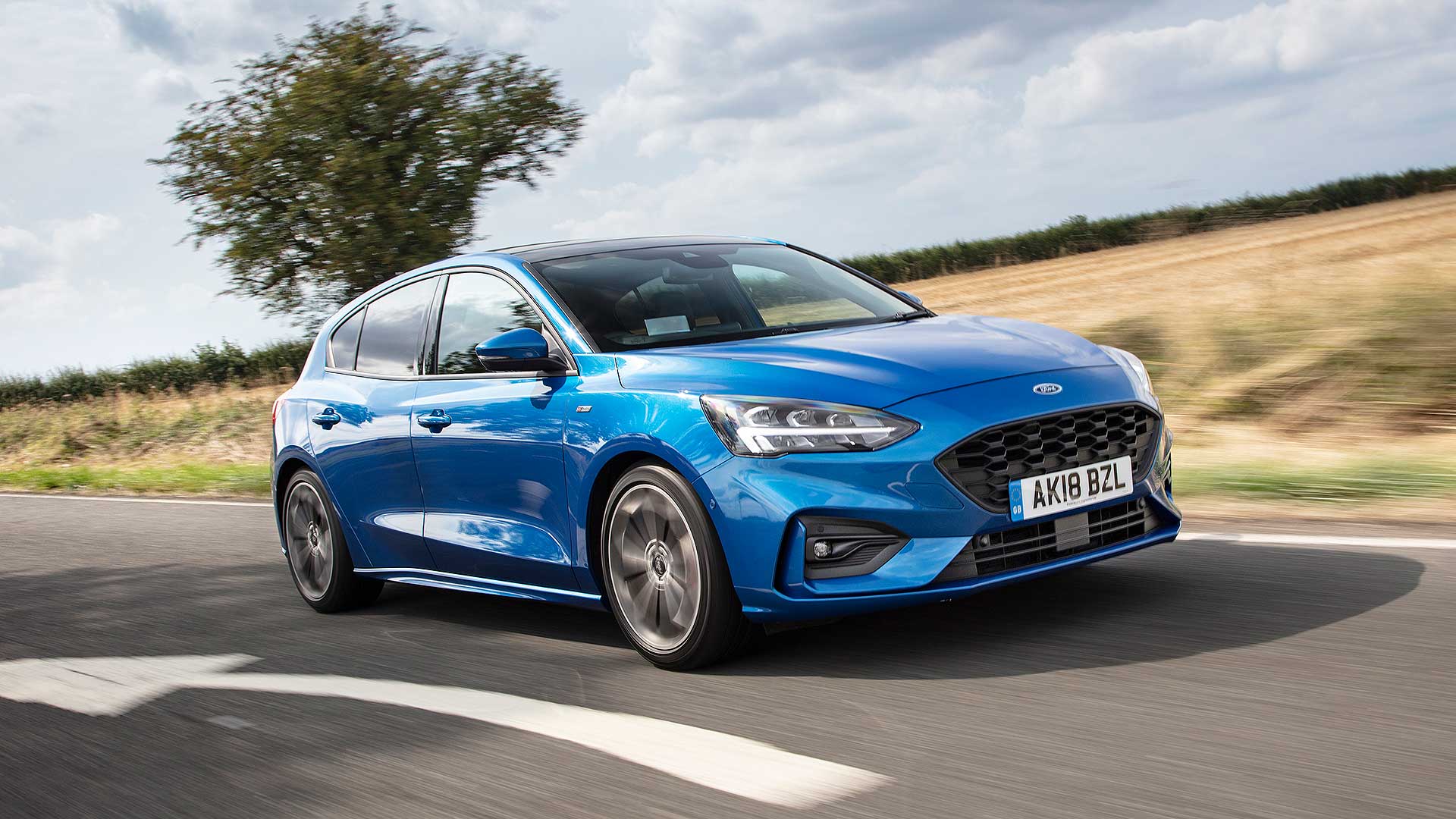

 It all starts to sound slightly like the 2010 film Inception when you unpick the details of Super Trofeo Evo Collector 2019.
 More influence can be found in the watch crown, which is meant to look like a locking wheel nut from the Lamborghini racer. Only 88 examples of the watch are planned, with a retail price of $52,500 (£40,100).
 Built especially by Lamborghini’s
 The
The