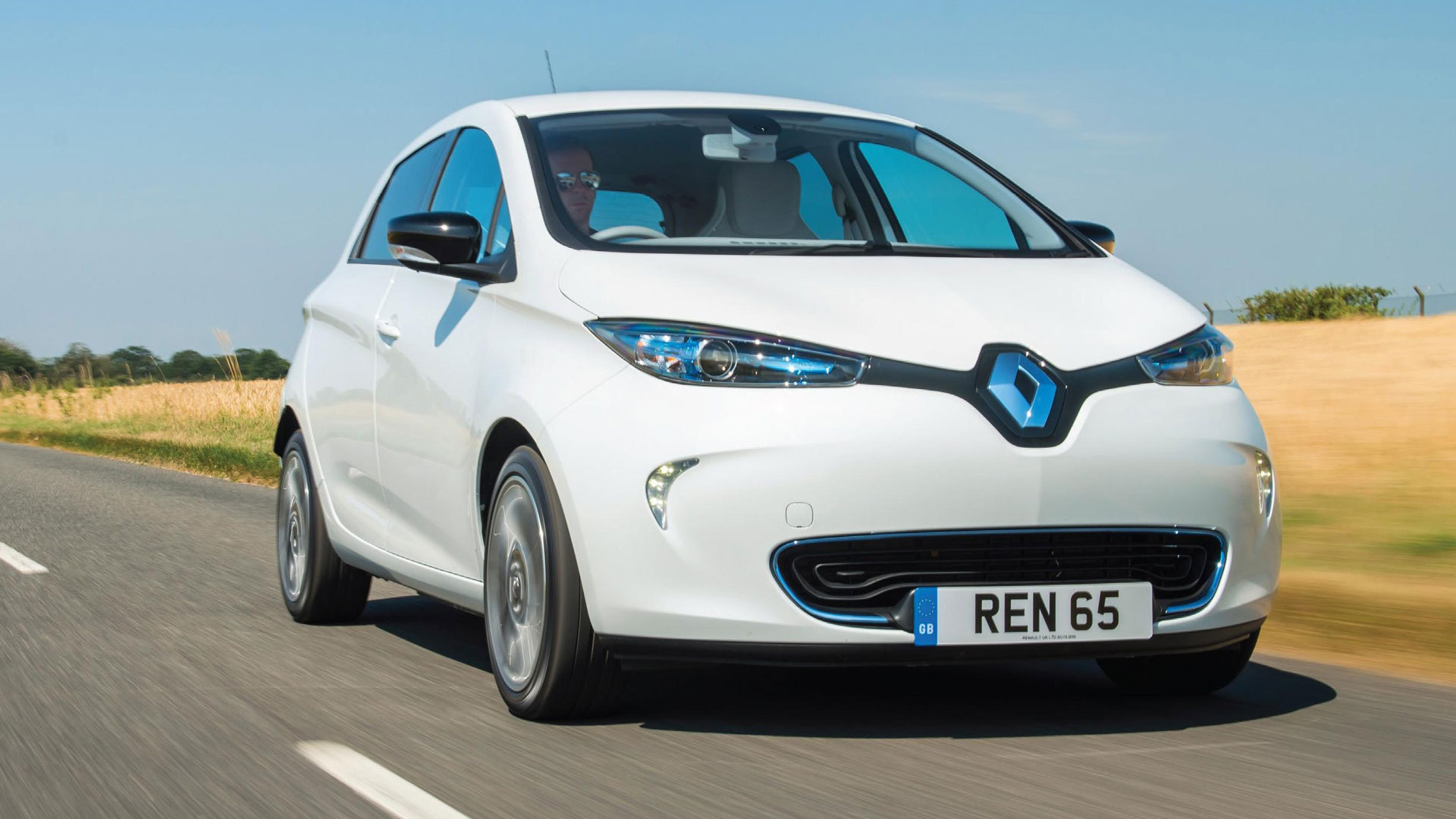
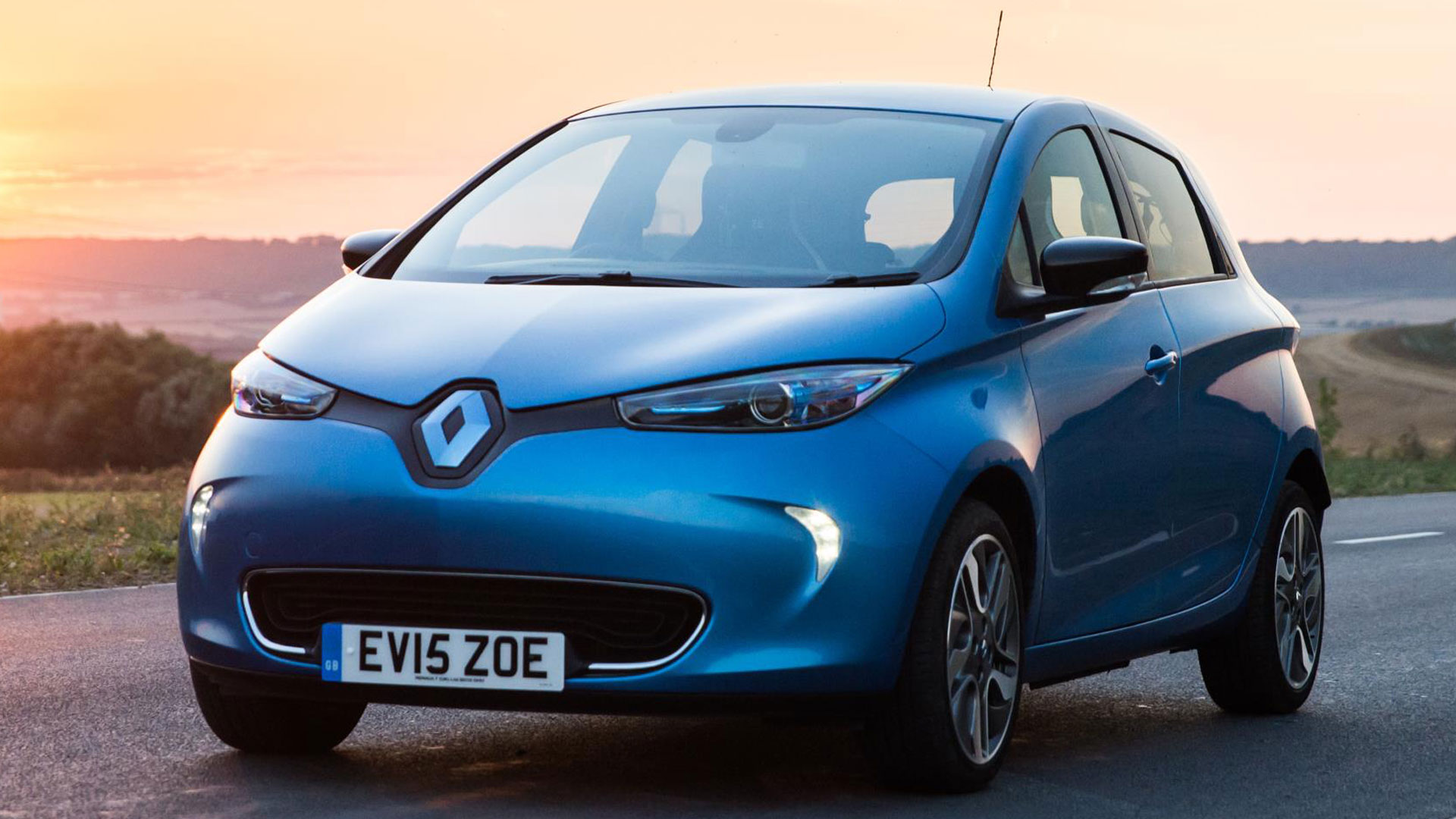
A one-year-old Renault Zoe is worth almost 50 percent more than it was at the start of 2018, according to figures released by Cap HPI.
An eight percent rise in the month means that the popular EV is a rare example of a car appreciating in value, with Zoe values up by around £5,000. A short supply of used Zoes and an ever-increasing interest in electric cars are the primary contributors to the surprising stat.
Overall, the values of one-year-old electric cars were up 0.1 percent in March, in a market that was down 0.8 percent in the month. Only convertibles and coupe-cabriolets saw an increase, reflecting the seasonal nature of these vehicles.
The used market continued to soften in March with a fall of 0.9 percent at the three-year, 60,000-mile mark. The move follows drops in January and February and an overall decline of 2.1 percent over the first quarter of 2019, and a 3.3 percent negative swing compared to value movements in the same period a year ago.
Commenting on the data, Derren Martin, head of UK valuations at Cap HPI, said: “Despite current economic uncertainty over Brexit, price drops in the used car market cannot be apportioned to this.
“The market has seen prices going up over the last year to 18-months, and there is still a theme of a reluctance to pay high prices and squeeze retail margins. We continue to witness a gentle, downward pricing realignment.”
New or used?
New, Renault Zoe prices start from £18,420 after the government Plug-in Car Grant (PiCG), with mandatory battery hire kicking off from £69 per month. The purchase price includes a free domestic wall box fitted at your home address.
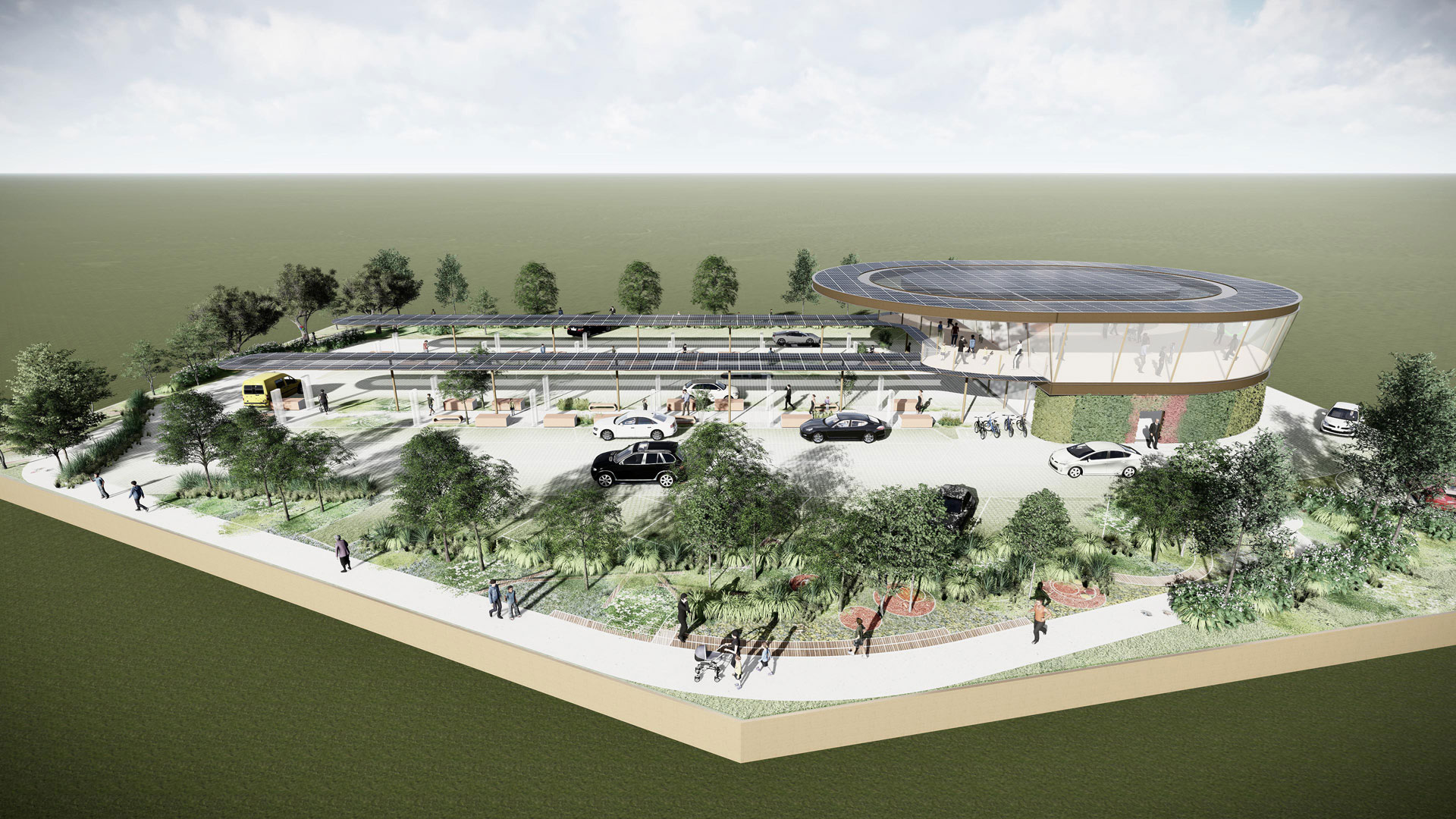
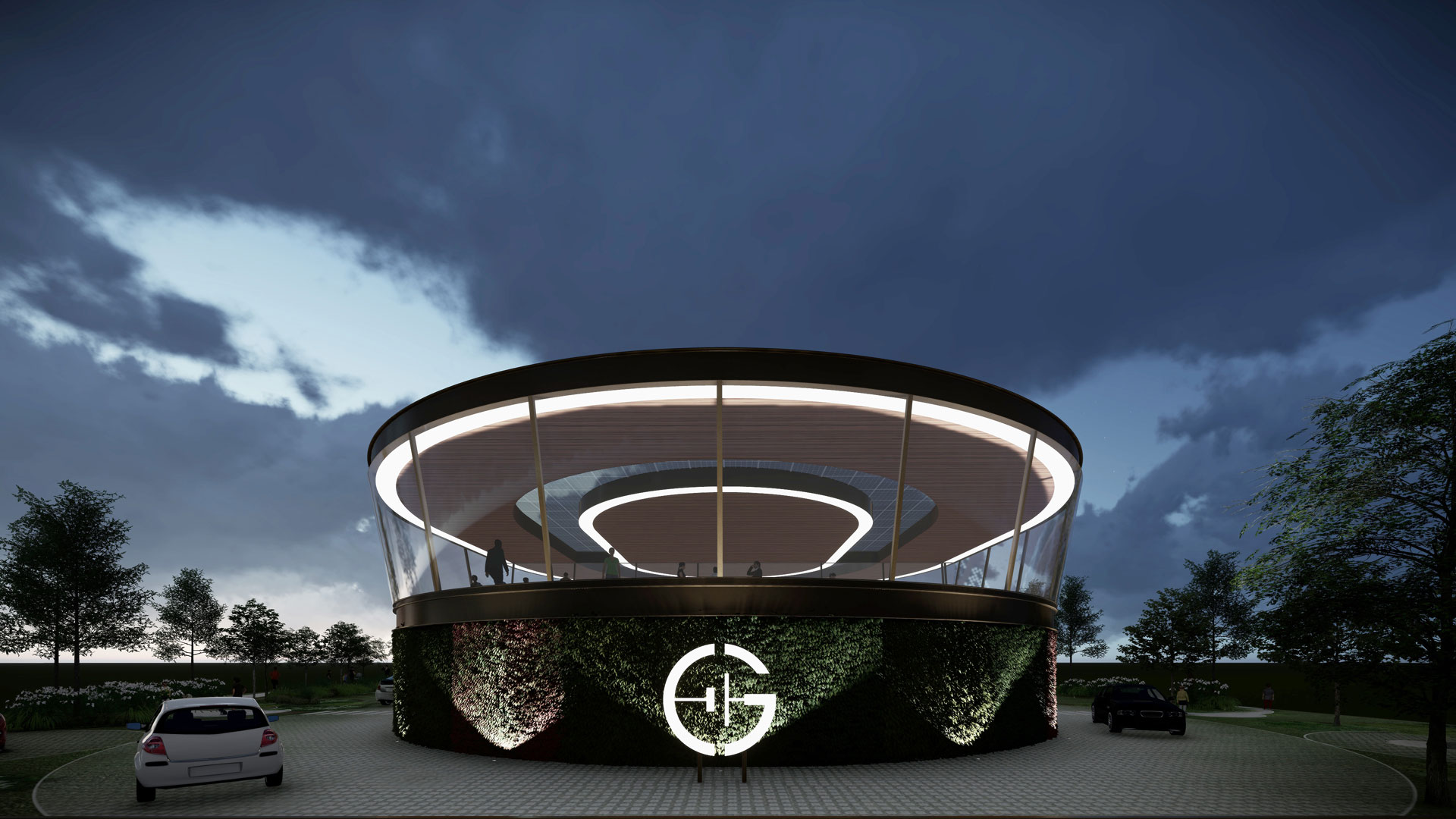
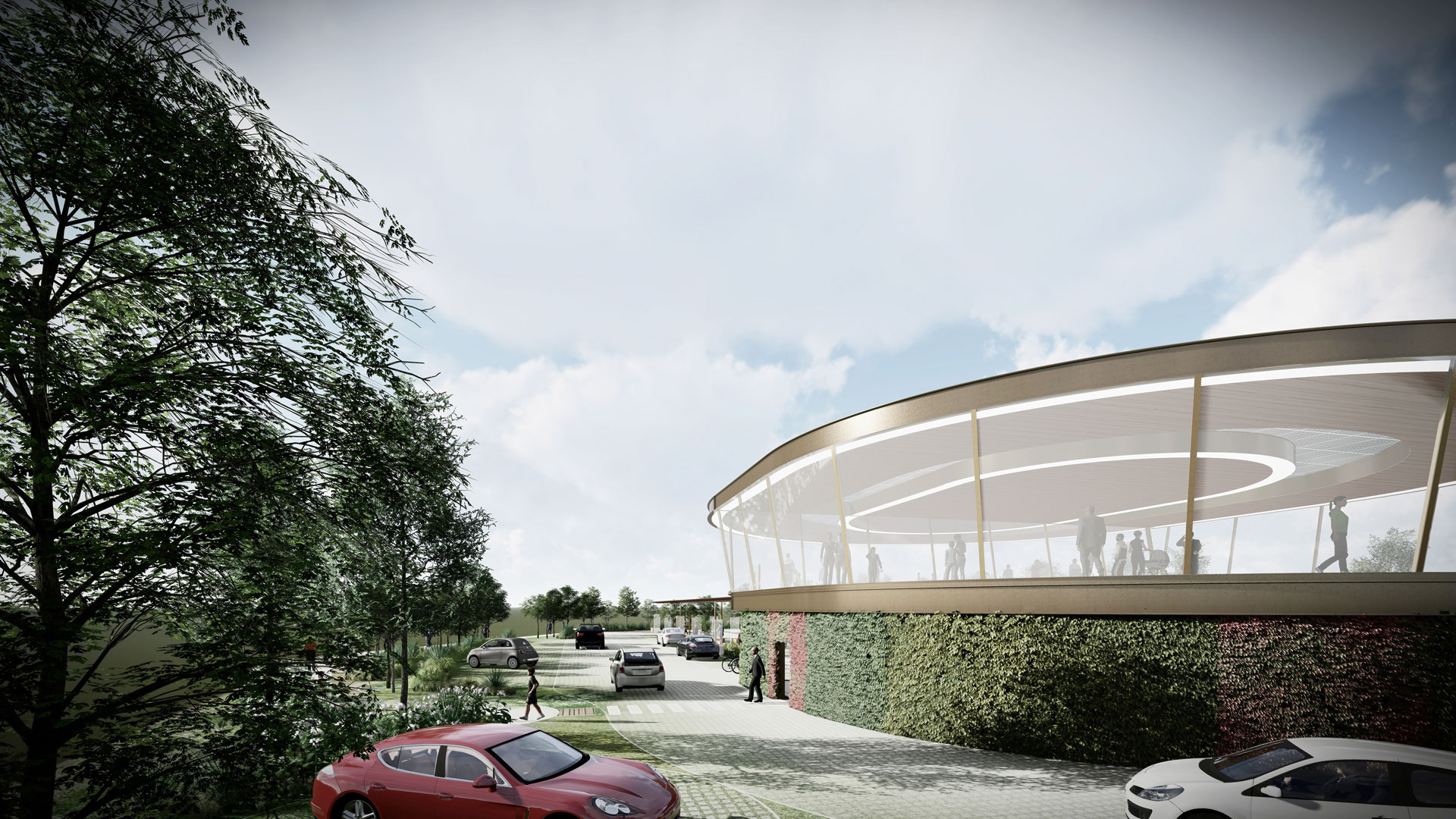
Each ‘Electric Forecourt’ will offer rapid charging at speeds of up to 500kW for cars and light commercial vehicles, with the majority of vehicles charged within 30 minutes. Multi-MW charging points for buses and HGV will also be installed, says the firm.
The sites, designed and engineered in partnership with Arup, will also include a coffee shop, supermarket and an airport-style lounge with high-speed internet, along with what Gridserve is calling an “education centre and hub to explore a broad range of electric vehicle solutions”.
An opportunity to do a little research into electric cars capable of utilising the 500kw rapid-charger, perhaps. The 350kW Porsche Taycan might be the first EV on your shopping list…
‘Electric vehicles are awesome’
Toddington Harper, CEO and founder of Gridserve, said: “We plan to make charging electric vehicles as easy as using petrol stations. The latest generation of electric vehicles are awesome and ready for mainstream adoption, but drivers still worry about if or where they can charge, how long it will take, and what it will cost.
“We plan to eliminate any range or charging anxiety by building a UK-wide network of customer-focused, brand new Electric Forecourts that will make it easier and cheaper to use an electric vehicle than a petrol or diesel alternative.
“Within five years we plan to have more than 100 Electric Forecourts in use, with each supported by solar energy and battery storage. This infrastructure will accelerate the electric vehicle revolution, serve the grid, and help the UK meet climate and clean air targets.”
Gridserve says it has secured 80 sites on busy routes across the UK and, location permitting, will build new solar farms adjacent to the Electric Forecourts to supply their electricity directly.
The company hasn’t said how much it will cost to charge at one of its forecourts, only that the pricing will be “competitive”. It’s planning to introduce a queuing system to minimise waiting times, with customers able to reserve charging slots via a smartphone app.
Construction of the first two sites in York and Hull will begin later this year.
Given the fallout from the Dieselgate scandal, you’d had thought that the car industry would be doing its utmost to present an image cleaner than a Hyundai Nexo’s tailpipe. But the latest news surrounding WLTP emissions testing suggests this might not be the case.
The European Commission was forced to tighten the test regime following reports that car manufacturers were pushing for higher CO2 emissions. As crazy as this might sound, the carmakers believed that by artificially inflating emissions, future targets would be reduced.
Lobby group Transport and Environment said that car manufacturers were switching off emissions-saving technology in the run-up to the introduction of WLTP testing in September 2018. By using Sport mode instead of Eco mode, and disengaging start-stop, the manufacturers were manipulating the figures.
CO2 emissions rose following the switch from NEDC to WLTP, with Transport and Environment stating that the increase was between one and 81 percent, depending on the manufacturer. The stricter WLTP regime was introduced to deliver more accurate real-world fuel economy and emissions figures.
Now, car manufacturers might be forced to retest selected models to present more accurate figures to the increasingly bewildered car buyers of Europe.
Closing the loopholes
“If carmakers want to sell them in 2020 when WLTP values for 2025 CO2 targets are measured, they either have to prove to their approval authority that they meet the new requirements, or re-homologate,” Julia Poliscanova, clean vehicles and emobility manager at Transport and Europe, told Automotive News Europe.
“It remains to be seen whether or not the new WLTP amendments will have closed all the loopholes. It is something we will be watching closely in the course of this year,” Poliscanova said.
As car manufacturers struggle to meet more stringent CO2 reduction targets, will we see more evidence of clandestine misdemeanours? Watch this space…
Future Jaguar Land Rover (JLR) models could stop the spread of colds and flu thanks to the use of ultraviolet light technology (UV-C).
UV-C is used within the medical industry for disinfecting water, filtering air and sterilising surfaces via wavelengths of light between 200-280 nanometers. Now, JLR believes that UV-C could be used within its air conditioning systems to stop bacteria and harmful viruses in their tracks.
Put simply, exposing the bugs to UV-C within the air-con breaks down the molecular structure of their DNA, neutralising them. Clean air is then released into the cabin.
According to JLR, the technology could even help in the fight against drug-resistant superbugs.
Dr Steve Iley, Jaguar Land Rover chief medical officer, said: “The average motorist spends as much as 300 hours per year behind the wheel. There is a clear opportunity to better utilise cars for administering preventative healthcare.”
“The implementation of individual wellbeing measures as part of our ‘tranquil sanctuary’ research promises to not only improve quality of life for our customers but in this case, offers clear advantages in reducing pathogen spread – protecting the overall population from the threat of disease; particularly as we move towards shared mobility solutions.”
Neutralising pathogens
JLR is already actively seeking to neutralise pathogens in its latest air conditioning units, with the four-zone climate control and cabin air ionisation system using high voltage to create trillions of nano-sized negatively charged particles (ions) coated in water molecules.
These ions deactivate pathogens, forming larger particles that are removed from the air as they are brought back into the filter. As well as combating pathogens, the ions also act upon odour molecules and allergens in a similar way.
Dr Iley said: “In the colder months infections are spread more easily, it’s reassuring to know that in your car at least, you can be confident that harmful pathogens are being neutralised.”
The use of UV-C is just one part of JLR’s vision to create a so-called ‘tranquil sanctuary’ inside its vehicles. In the future, you can expect to emerge from your driverless car feeling energised, relaxed and free of bugs.
Around 133,000 vehicles were clamped for being untaxed in the last financial year, including almost 350 prestige cars. “These figures show that it doesn’t matter what type of vehicle you own, whether it’s a sports car, motorhome or even a bus – if you don’t tax it, we’ll clamp it,” said Bethan Beasley of the DVLA. Here, we list the top 15 prestige brands clamped by the DVLA, with the results presented in reverse order.
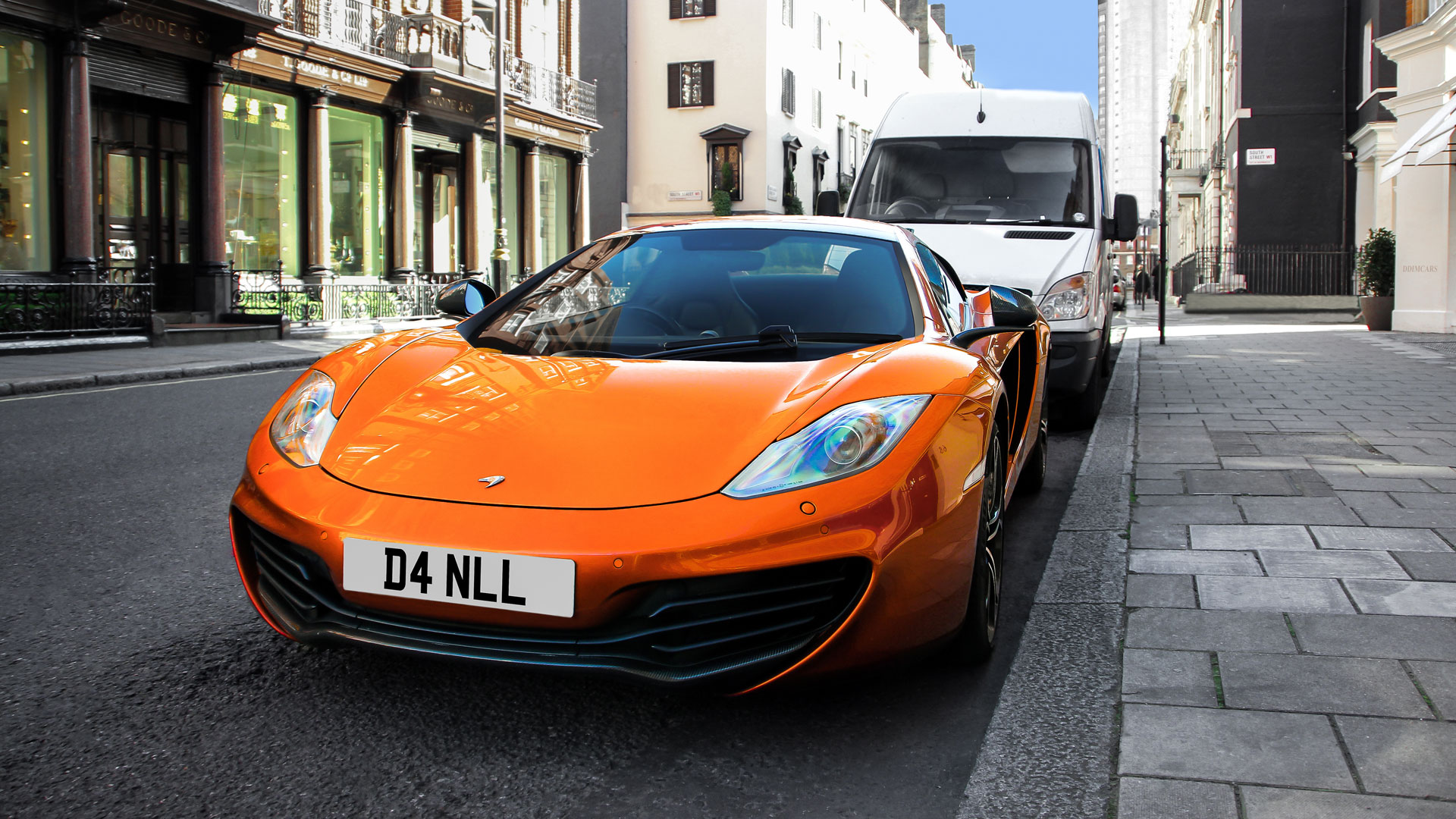
15. McLaren – one clamped
We should point out that the photos used throughout this gallery are for illustrative purposes – we’re not pointing our virtual fingers at a particular car or its owner. Imagine owning a McLaren and then ‘forgetting’ to tax it. Madness.
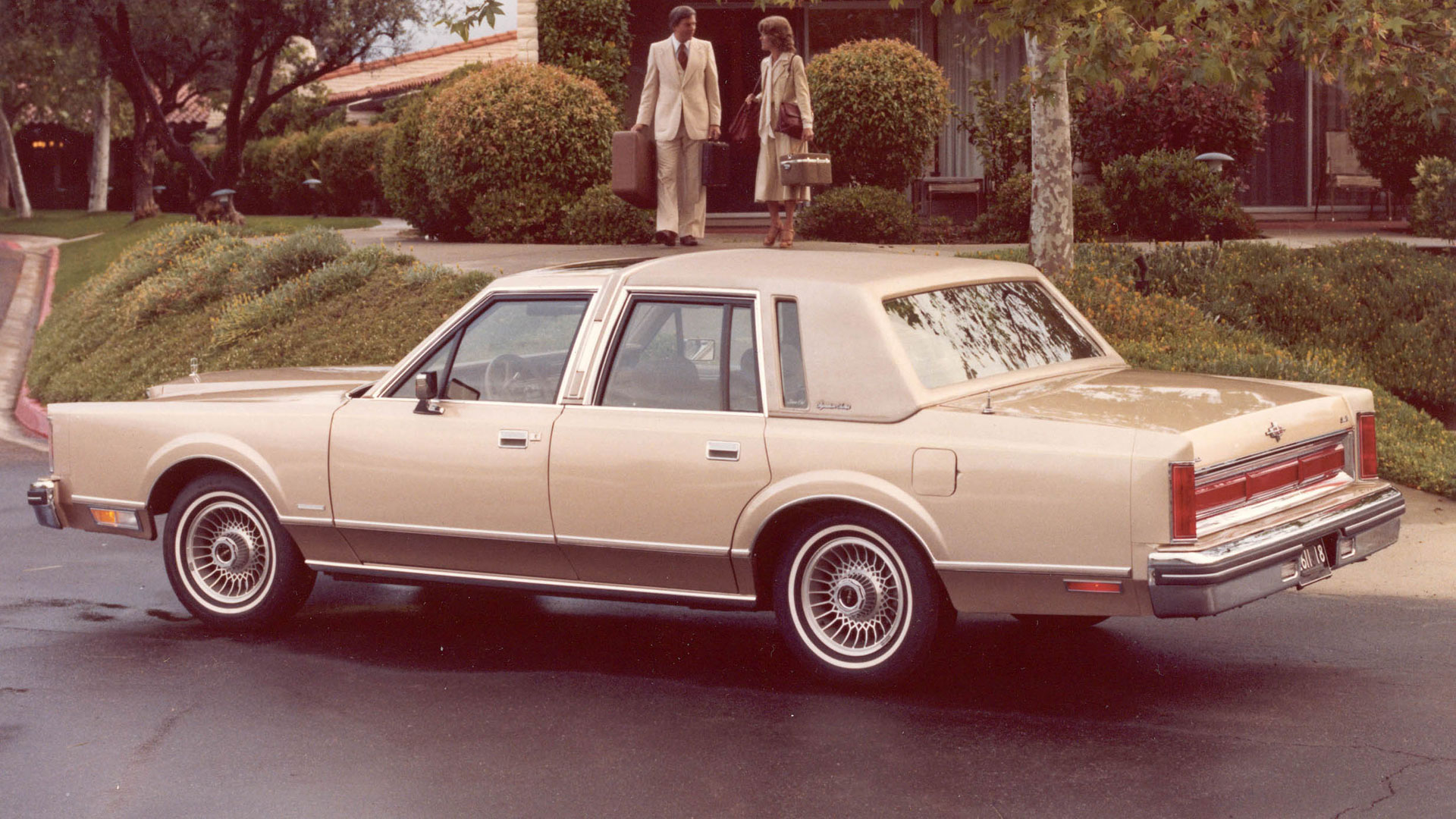
14. Lincoln – one clamped
Let’s be honest, if you drive a Lincoln, you’re going to stand out on the streets of Britain. So it’s probably a good idea to tax it. “It’s never been easier to tax your car – it’s just a few clicks to do it online and you can do it 24 hours a day. Don’t take the risk – it just isn’t worth it,” said Bethan Beasley.
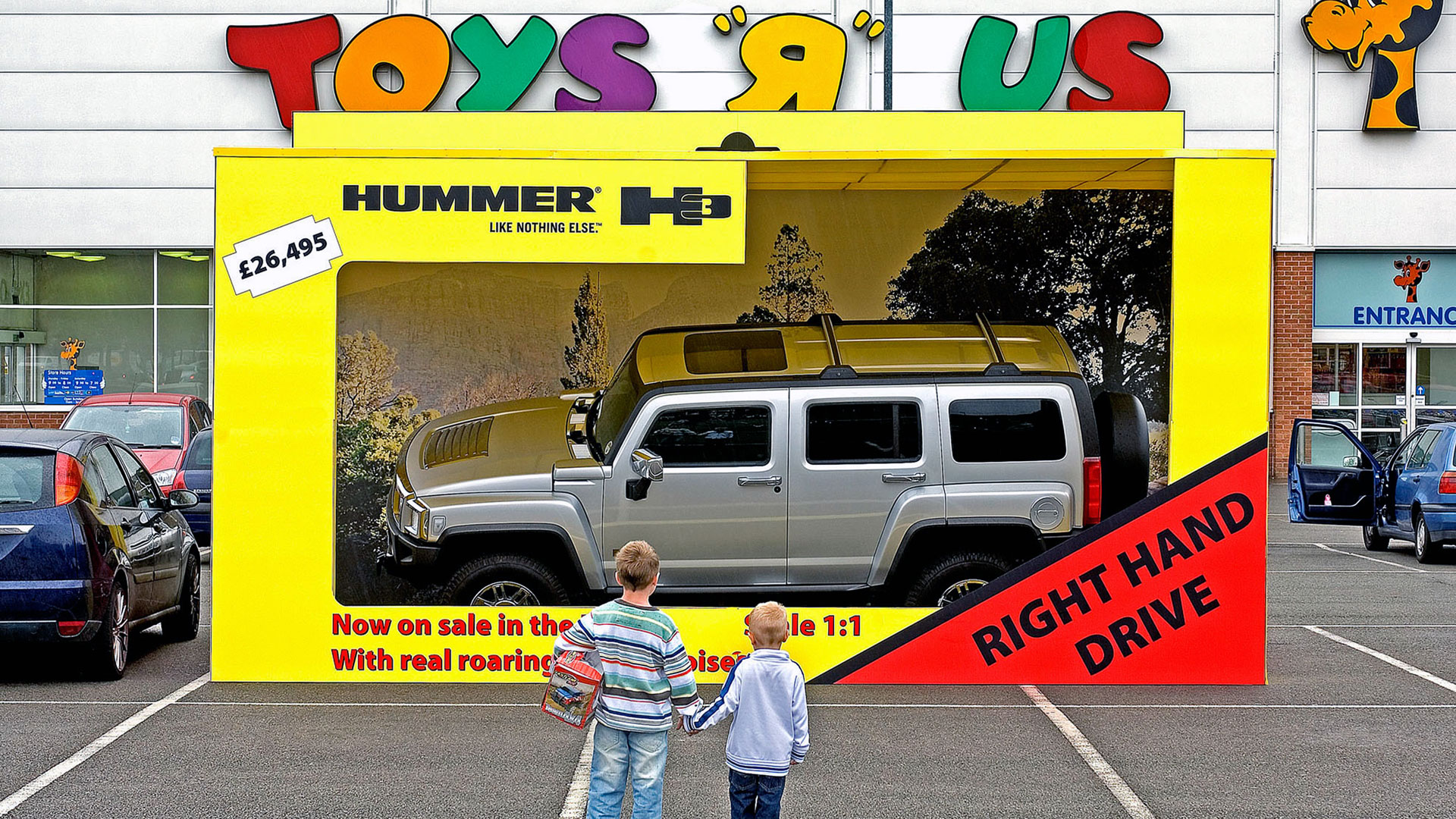
13. Hummer – one clamped
We don’t know what’s more alarming: the fact that a Hummer owner forgot to renew the tax or the revelation that the DVLA has a clamp large enough for one of these bad boys. We’re talking about the Hummer – we’re sure the guys in this photo wouldn’t dream of getting up to no good. Cool press pic, Geoffrey.
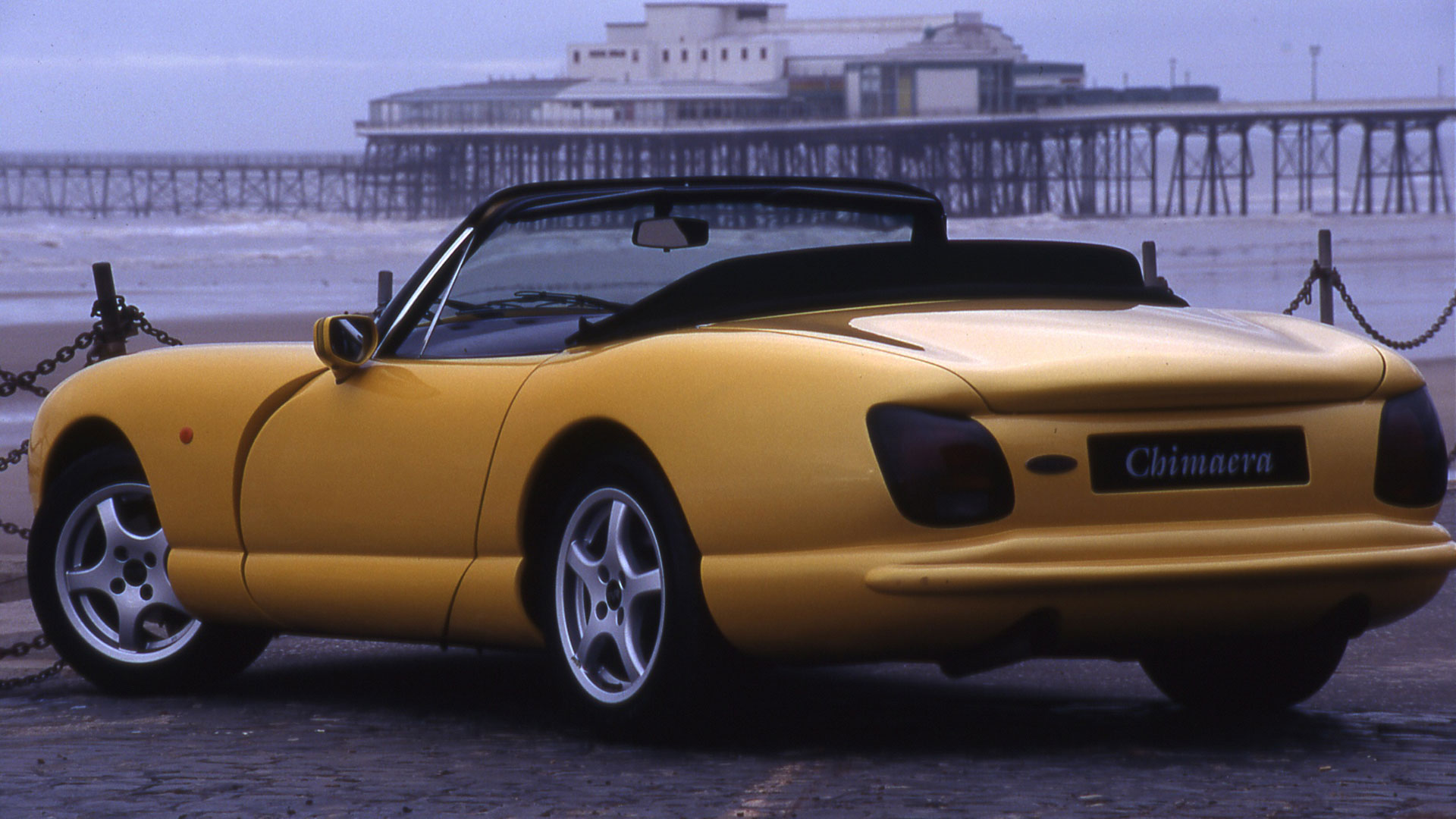
12. TVR – three clamped
More devious members of the motoring press might take a cheap swipe at TVR’s reliability record, saying something along the lines of the cars not being on the road long enough to warrant the tax. Not us, though. We believe that such jokes are as dated as end-of-the-pier entertainers.
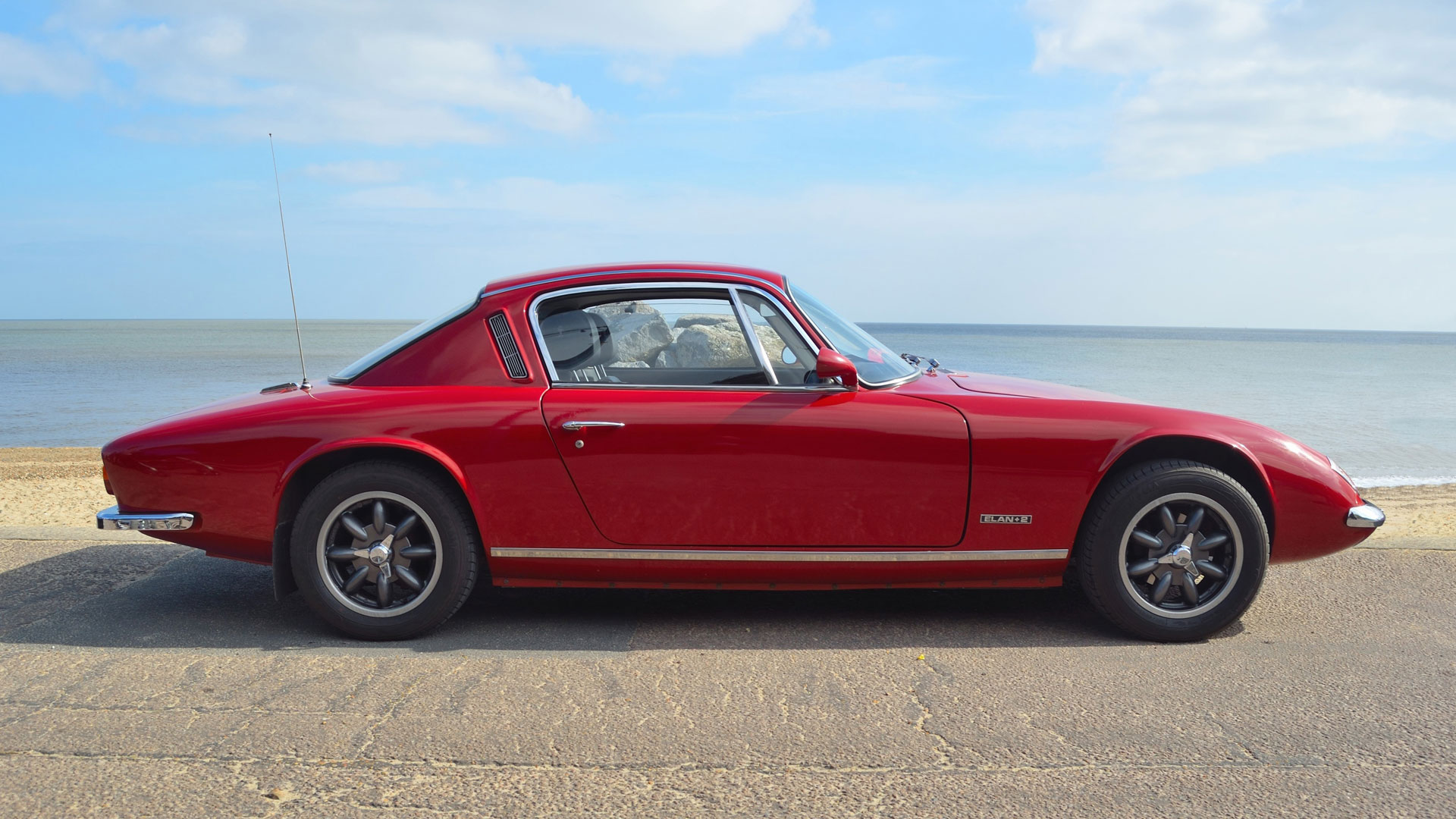
11. Lotus – four clamped
Four Lotus sports cars were clamped for being untaxed. At the opposite end of the spectrum, the Ford Focus and Vauxhall Astra topped the table, with the DVLA clamping 6,000 of each model. Curiously, 63 London taxis were clamped.
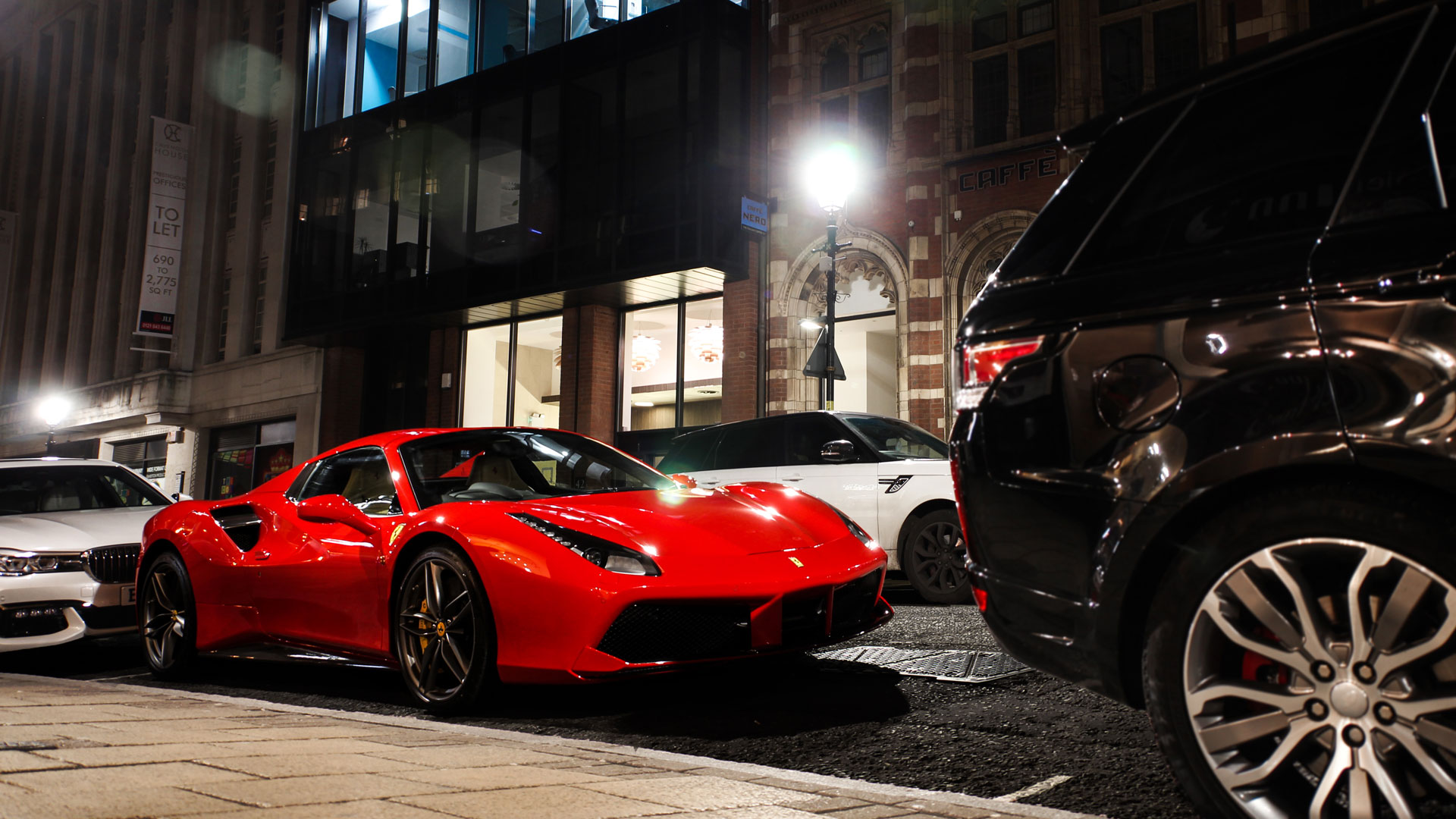
10. Ferrari – seven clamped
The DVLA clamped seven Ferraris last year. In 2017, a Ferrari 456 hit the headlines after its owner left it untaxed on a street near Harrods. It was parked for two years before the DVLA clamped it.
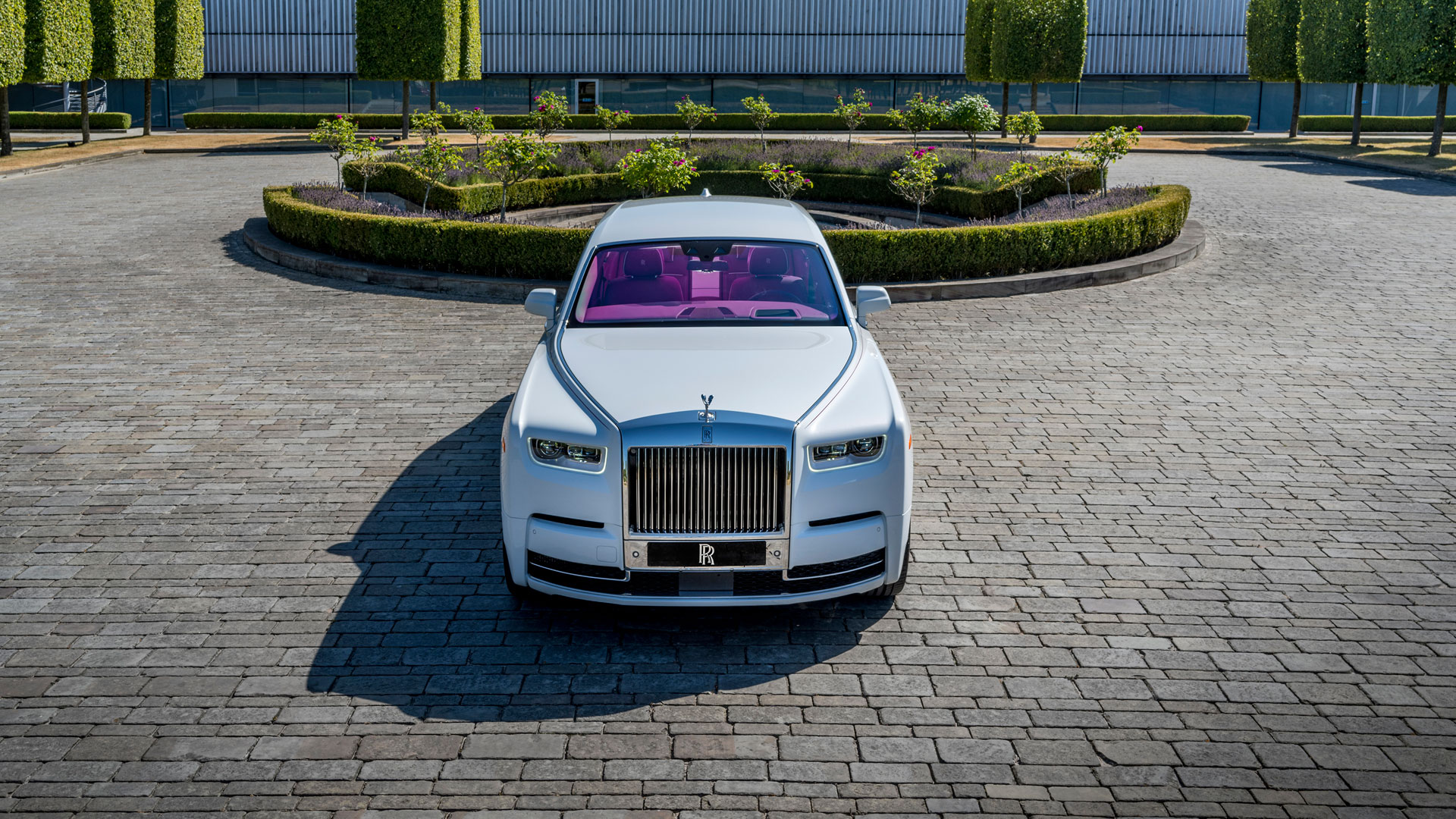
9. Rolls-Royce – eight clamped
In February, the DVLA launched a new ‘tax it or lose it’ advertising campaign targeted at the areas of the UK where tax dodging is highest. Last week, it was revealed that 9,000 vehicles have been clamped since the start of the campaign.
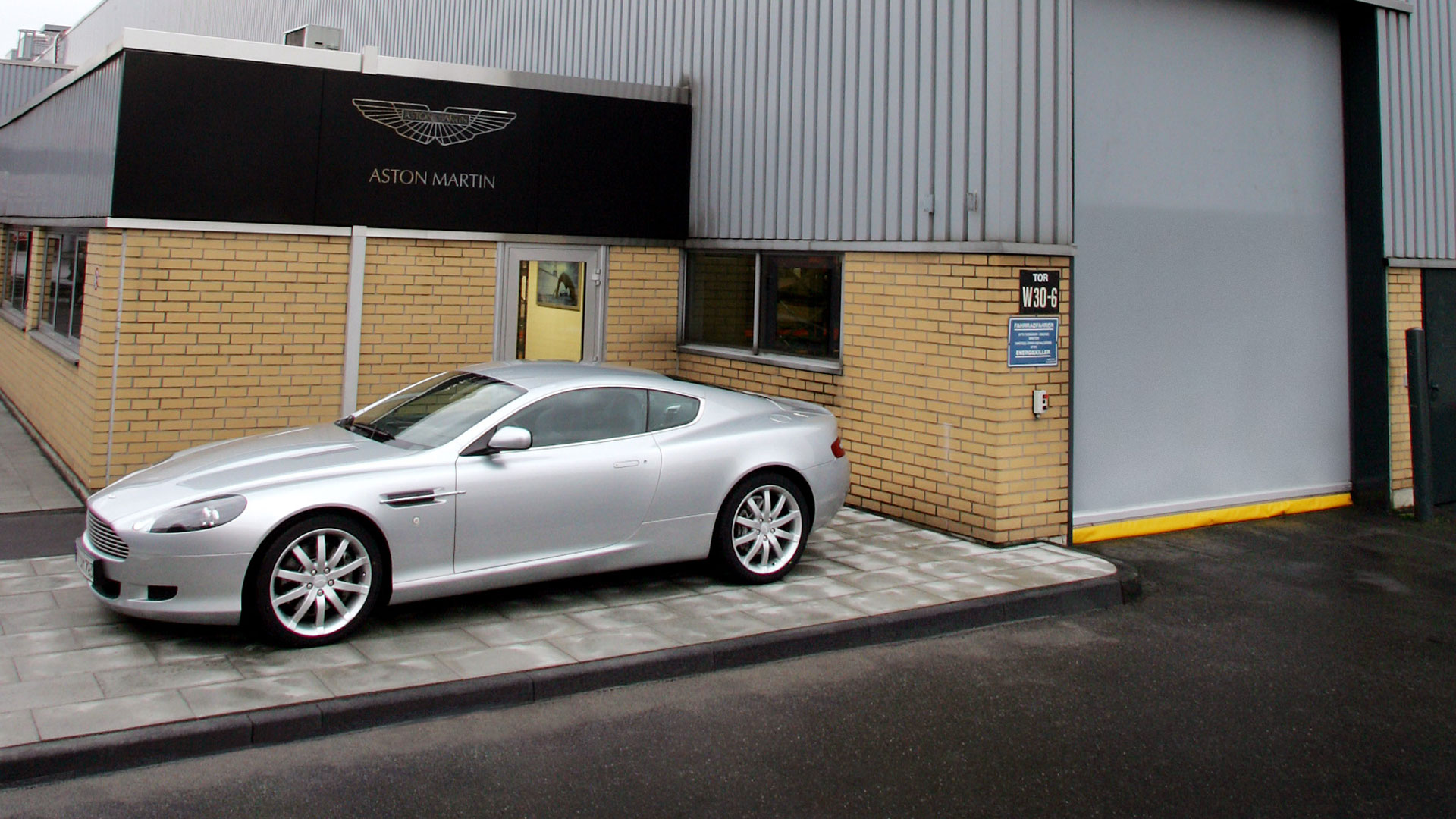
8. Aston Martin – eight clamped
A whopping 27,605 vehicles were clamped in London in 2018, with a further 94,550 motorists receiving a fine or penalty. A total of eight Aston Martins were clamped. Poor show, Mr Bond.
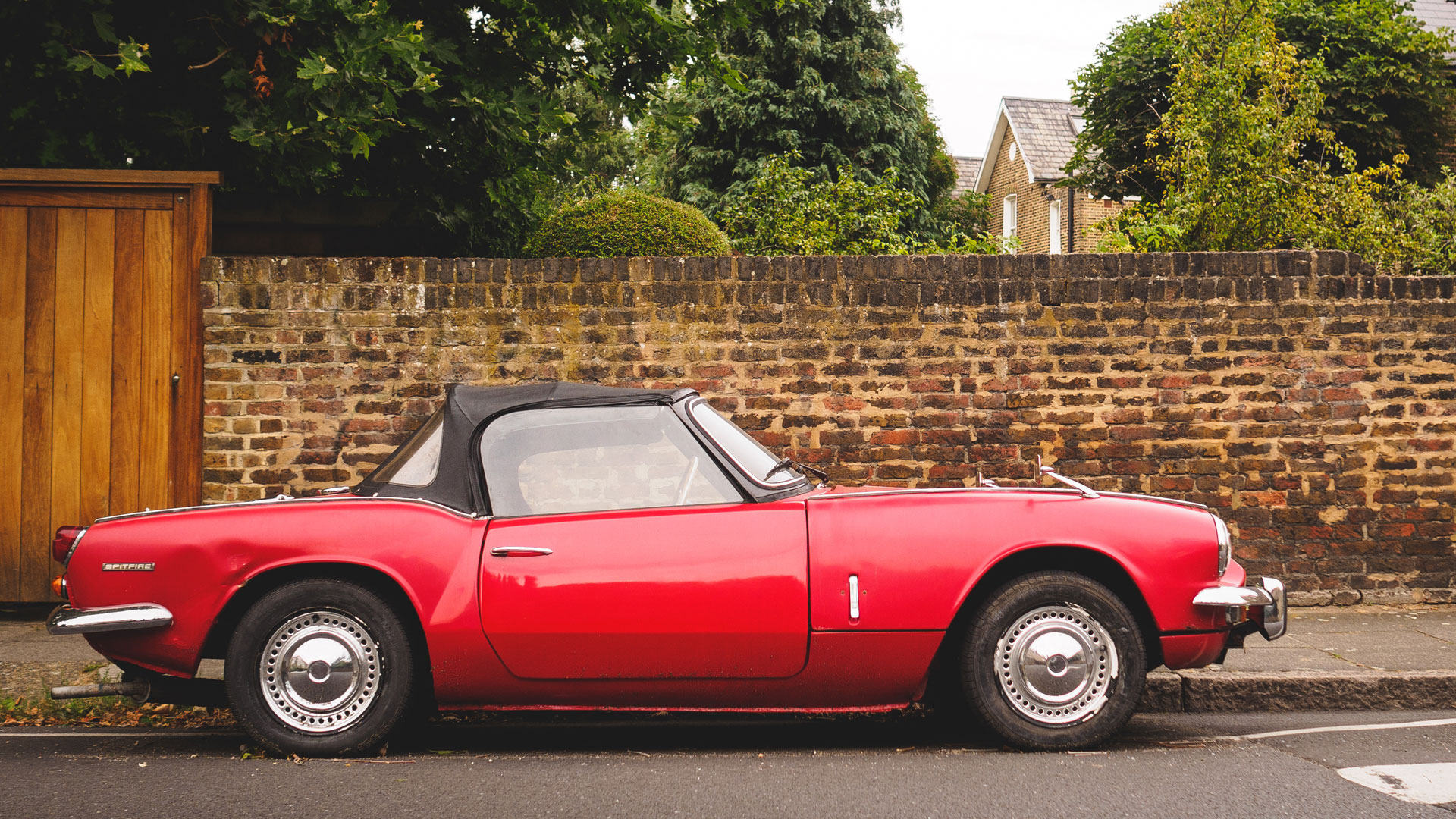
7. Triumph – ten clamped
The inclusion of Triumph is a useful reminder that even though historic vehicles are exempt from payment, you still need to apply for vehicle excise duty (VED)
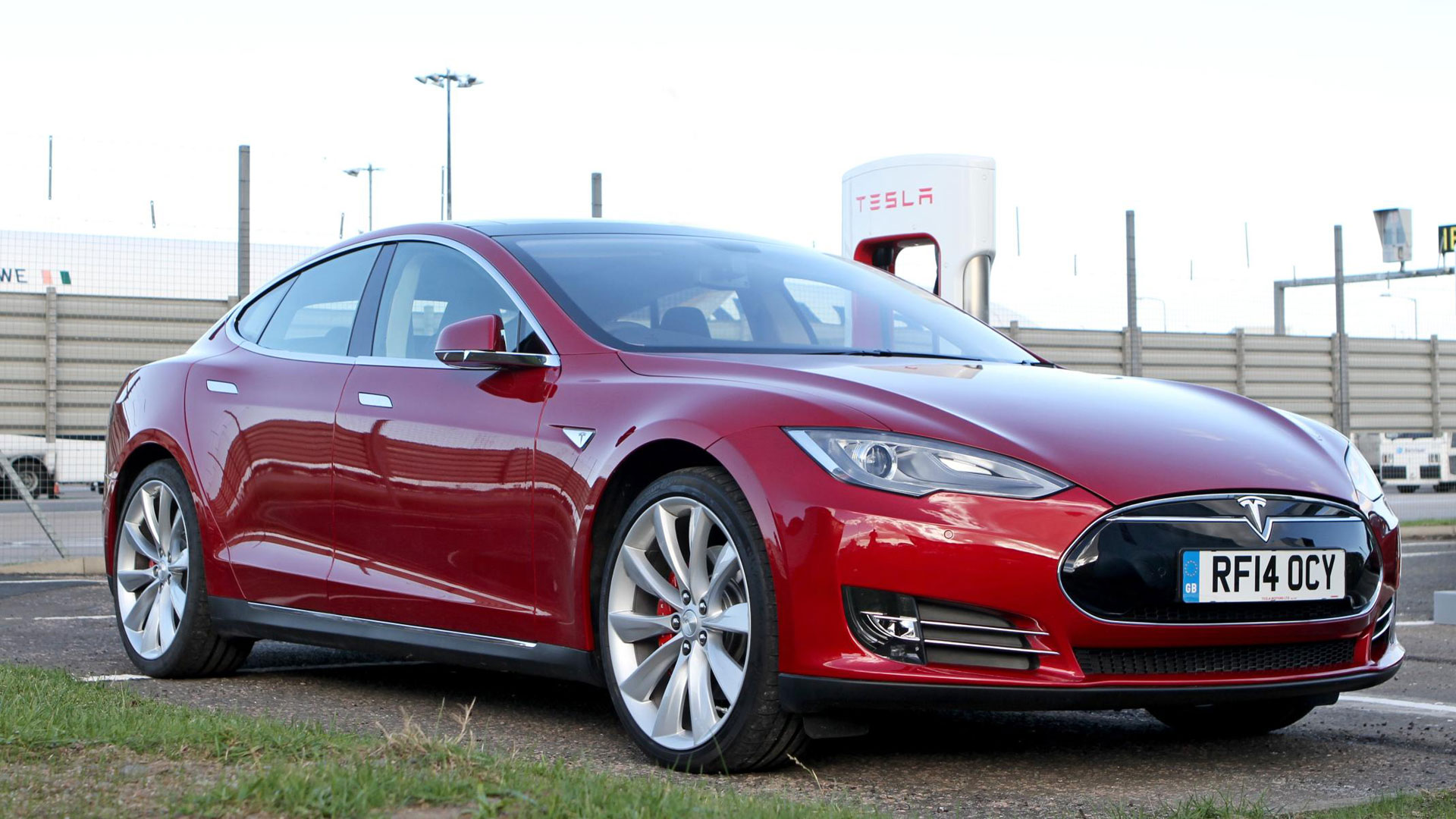
6. Tesla – 10 clamped
Since the changes to the rates of VED in 2017, new Teslas have been subject to the surcharge on premium vehicles. This is levied on cars that cost more than £40,000 and payable for five years from year two. The rate is rising from £310 to £320 in April 2019.
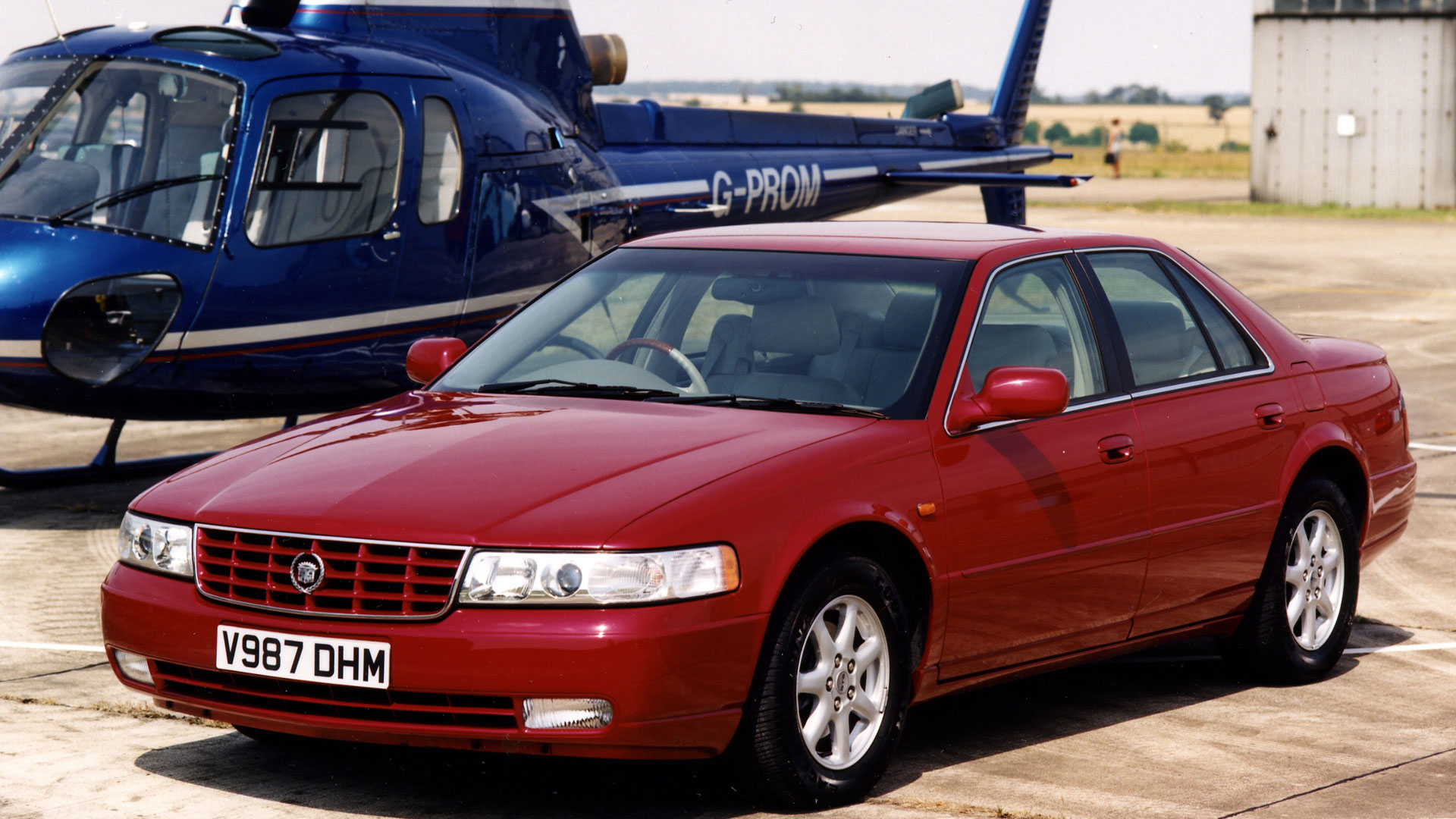
5. Cadillac – 19 clamped
We’ve been looking for an excuse to use this photo of a Cadillac Seville STS parked alongside a helicopter for a while, and thanks to the 19 people who forget to renew their tax, the day has finally come.
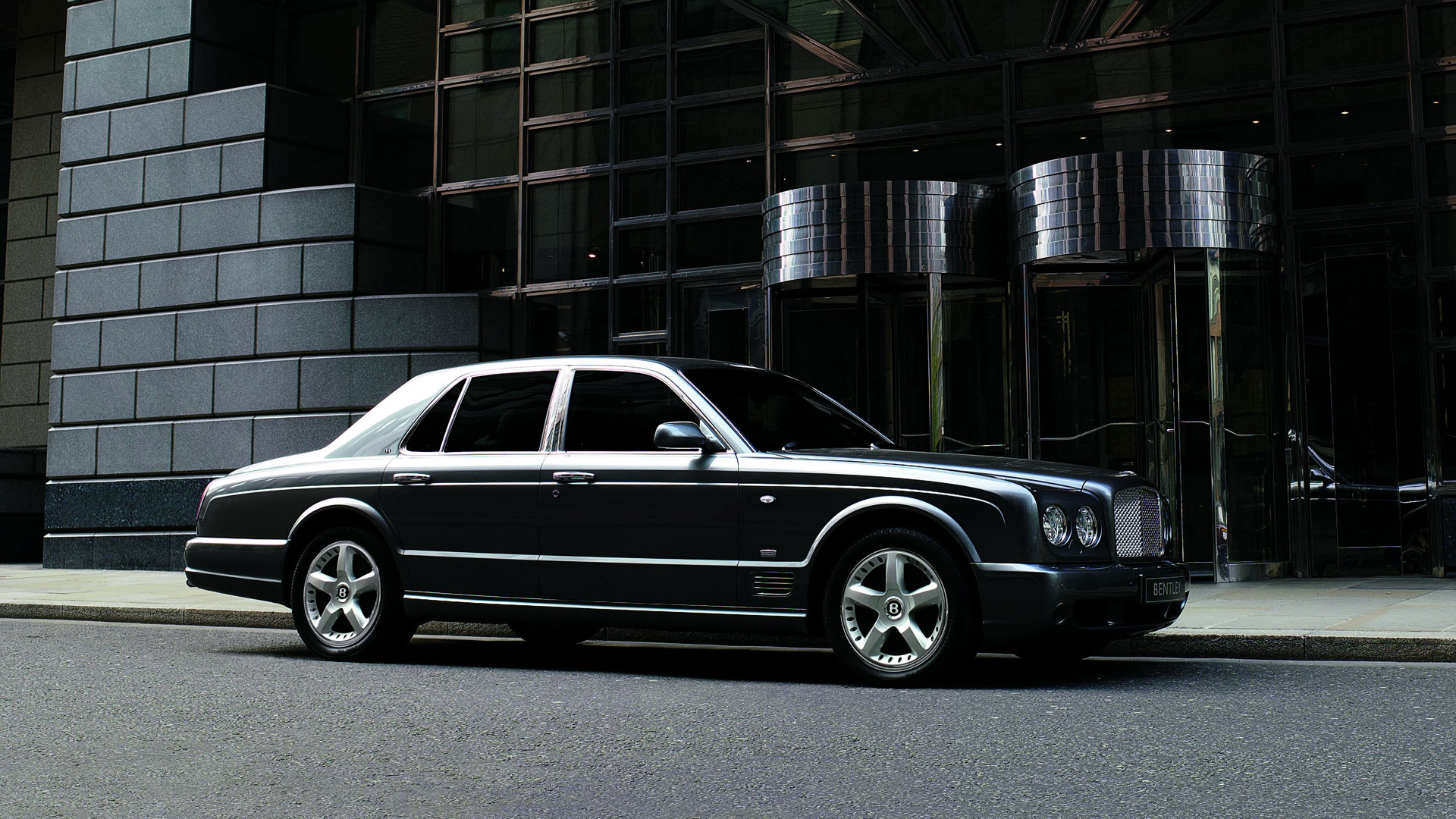
4. Bentley – 20 clamped
In February, Man City star Riyad Mahrez had his Bentley Bentayga clamped after traffic wardens spotted it wasn’t taxed. We wonder how many of the 20 Bentleys clamped by the DVLA were owned by Premier League footballers.
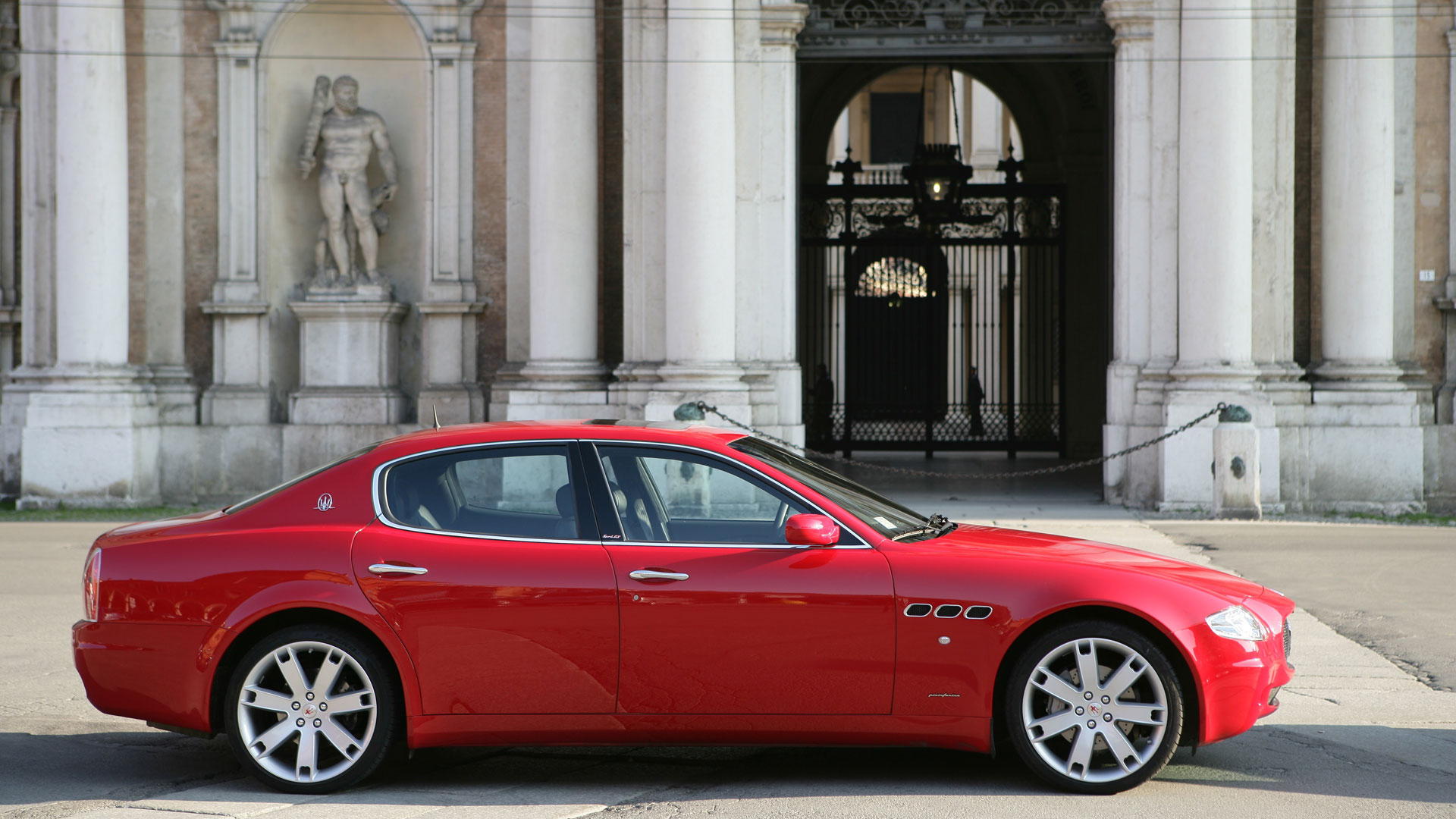
3. Maserati – 23 clamped
The owner of this Maserati needs to be careful because the traffic warden behind looks armed and dangerous. In other news, hasn’t the Quattroporte aged beautifully?
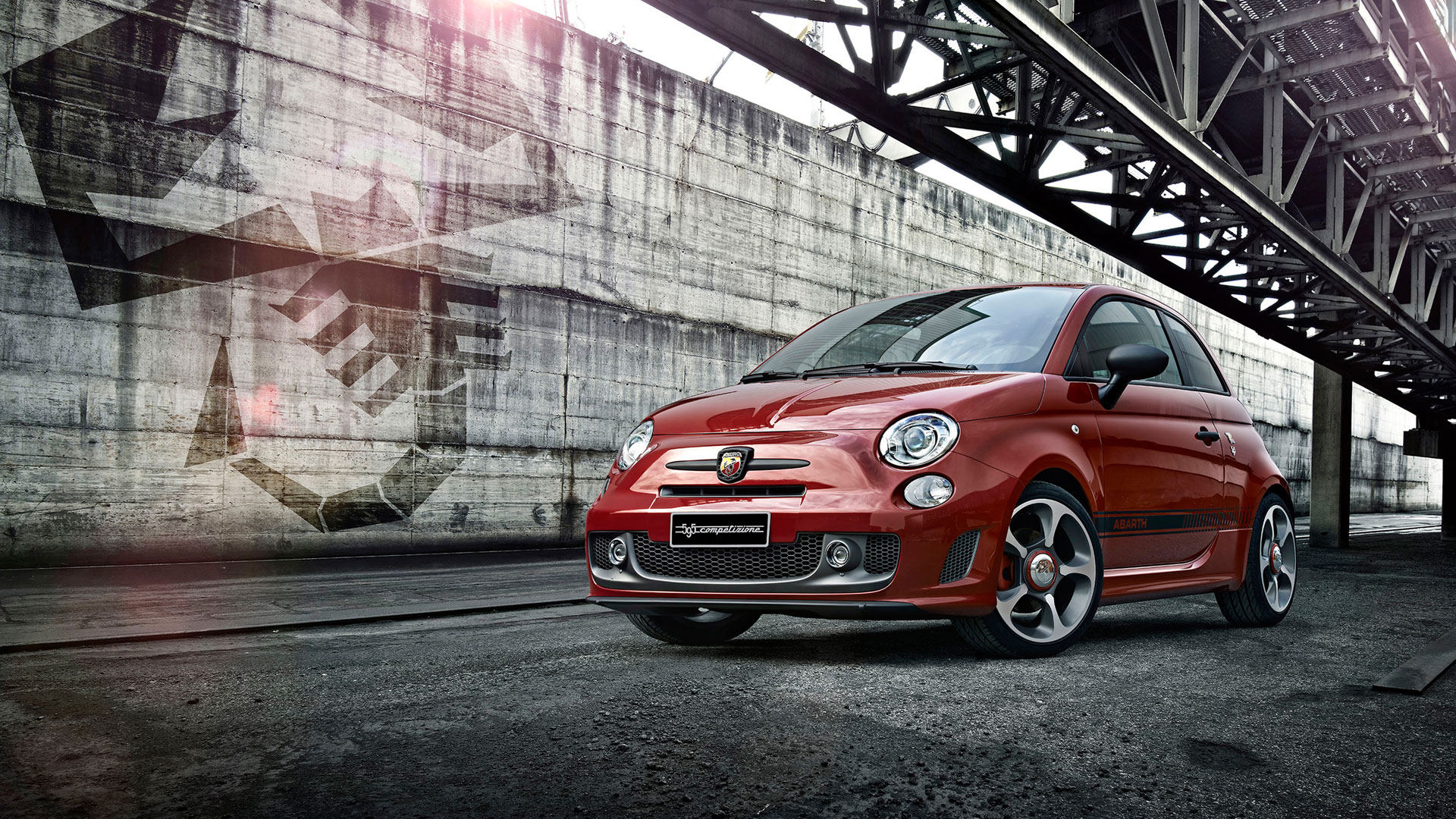
2. Abarth – 28 clamped
A total of 28 Abarths were clamped last year. Next, we reveal the most clamped prestige car of last year…
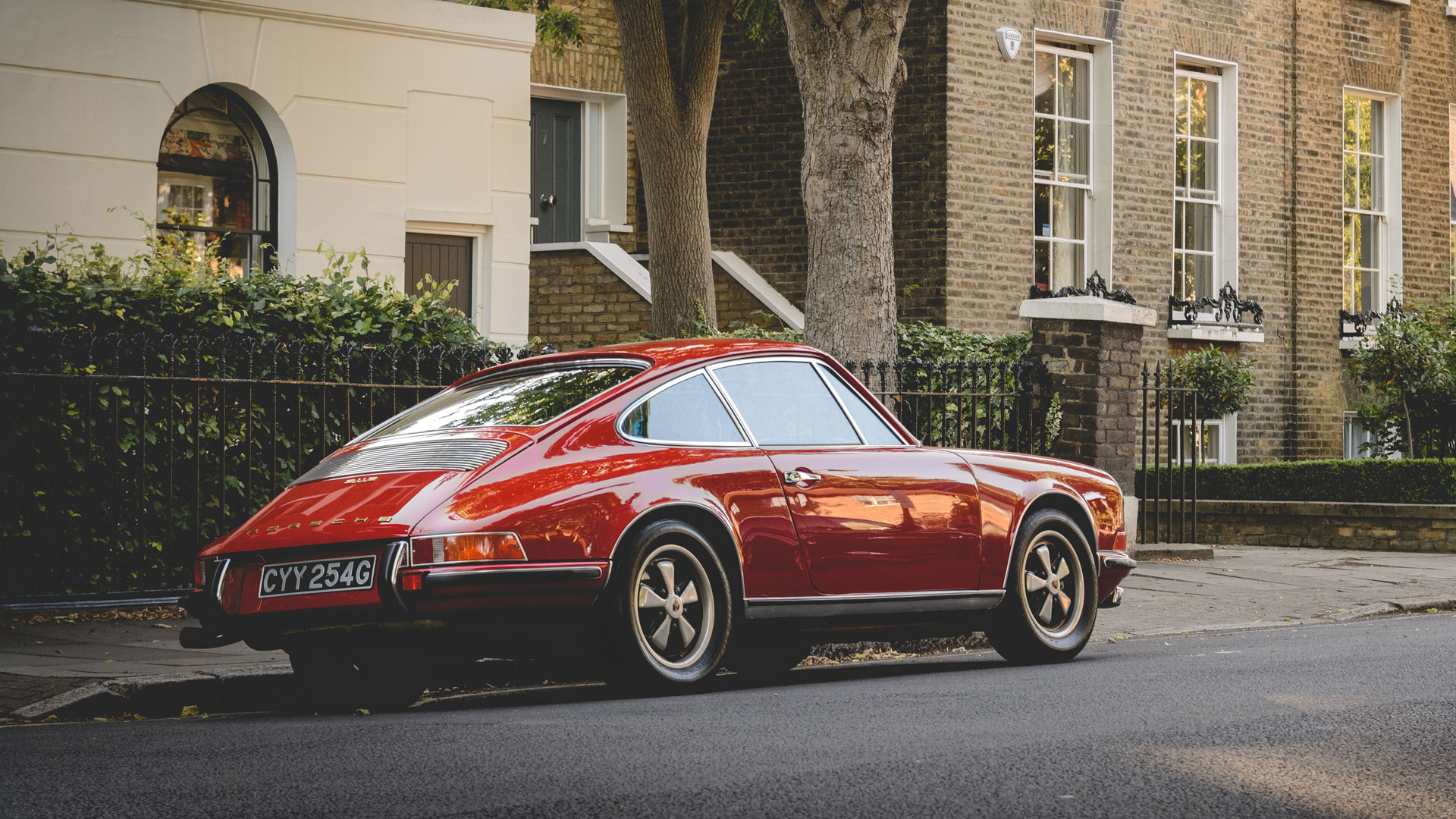
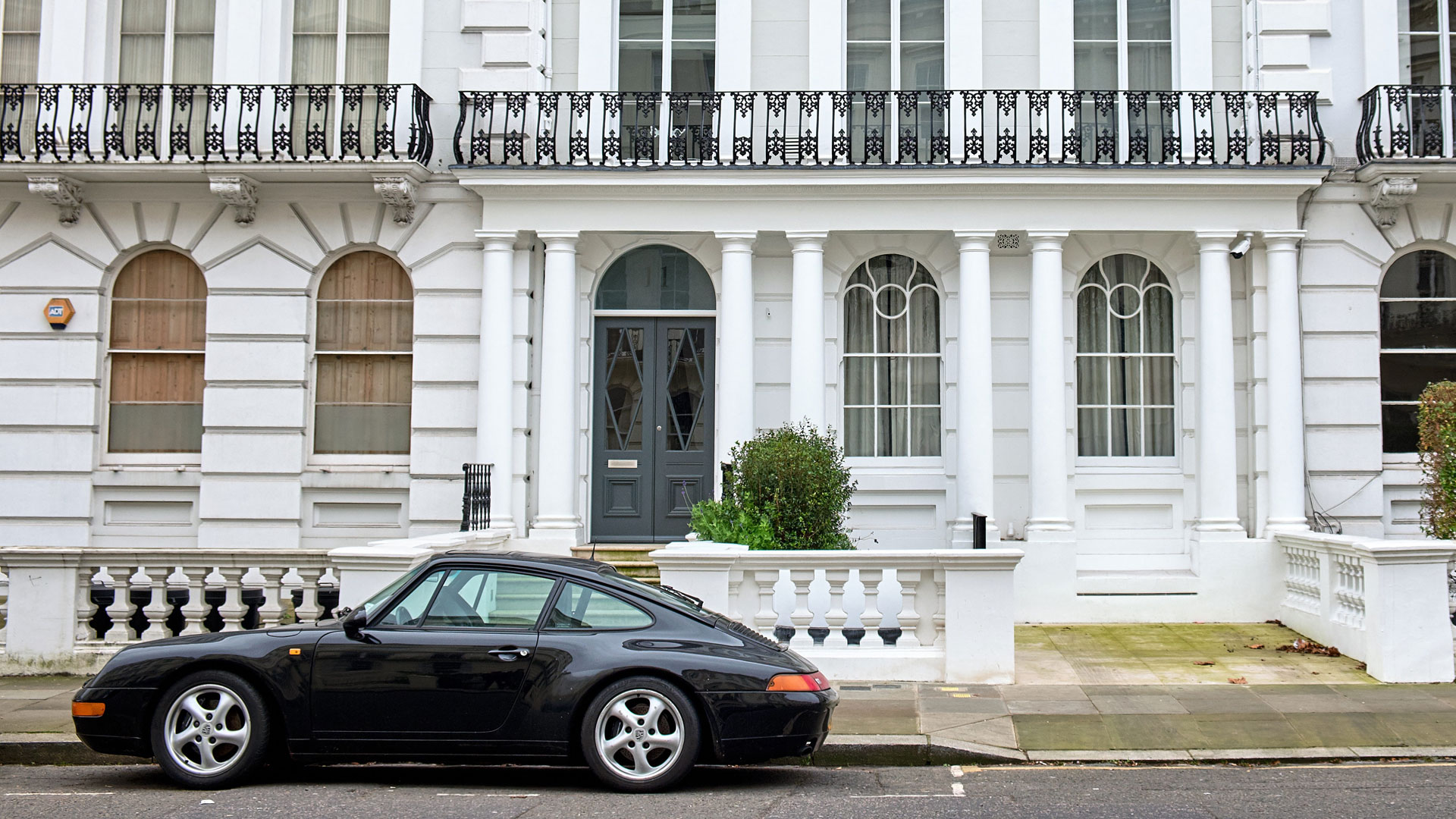
1. Porsche – 199 clamped
It’s Porsche, with a huge 199 vehicles clamped by the DVLA. That’s more than Proton, Perodua and Reliant combined. Oops.
The Royal Society for the Prevention of Accidents (RoSPA) is supporting the European Parliament’s proposal to stop the obligatory one-hour changing of the clocks twice a year.
In the UK, the clocks go forward one hour at 1am on the last Sunday in March, then back again at 2am on the last Sunday in October. The period when the clocks are one hour ahead is called British Summer Time (BST), but when the clocks go back, the country reverts to Greenwich Mean Time (GMT).
The European proposal would call time on the twice-yearly clock change from 2021, with member states required to choose either permanent summer time or winter time. RoSPA is pointing to the “marked spike in the number of vulnerable road users killed and seriously injured” when the clocks go back as a reason to make BST permanent.
According to Department for Transport figures, pedestrian deaths rose from 37 in September 2017 to 46 in October, 63 in November and 50 in December.
‘We know that the clock change kills people’
RoSPA chief executive Errol Taylor said: “Clock changes were first introduced in 1916 to reflect the needs of a nation at war. However, our priority now should be the prevention [of] road accidents that cause serious injury and death.
“We know that the clock change kills people. During the working week, casualty rates peak at 8am and 10am and 3pm and 7pm, with the afternoon peak being higher. Road casualty rates increase with the arrival of darker evenings and worsening weather conditions.
“And it is vulnerable road users – such as children on their way home from school and cyclists – who would experience the most benefit. Currently, vulnerable road users have far higher fatality rates per billion passenger miles, and these rates increased for both pedestrians and motorcyclists in 2017. Anything we can do to bring these rates down has to be worth it.
“While we respect the views of those that want to keep the current system, we must not lose sight of the fact that lives are at stake.”
Daylight Savings Time (DST) has been compulsory in the EU since 2001 and is aimed at making the internal market work more efficiently while reducing energy costs. But there’s a growing body of evidence suggesting that the energy savings are marginal and the clock changes are having a negative effect on human health.
Commission President Jean-Claude Juncker said “There is no applause when EU law dictates that Europeans have to change the clocks twice a year. Clock-changing must stop. Member states should themselves decide whether their citizens live in summer or winter time.”
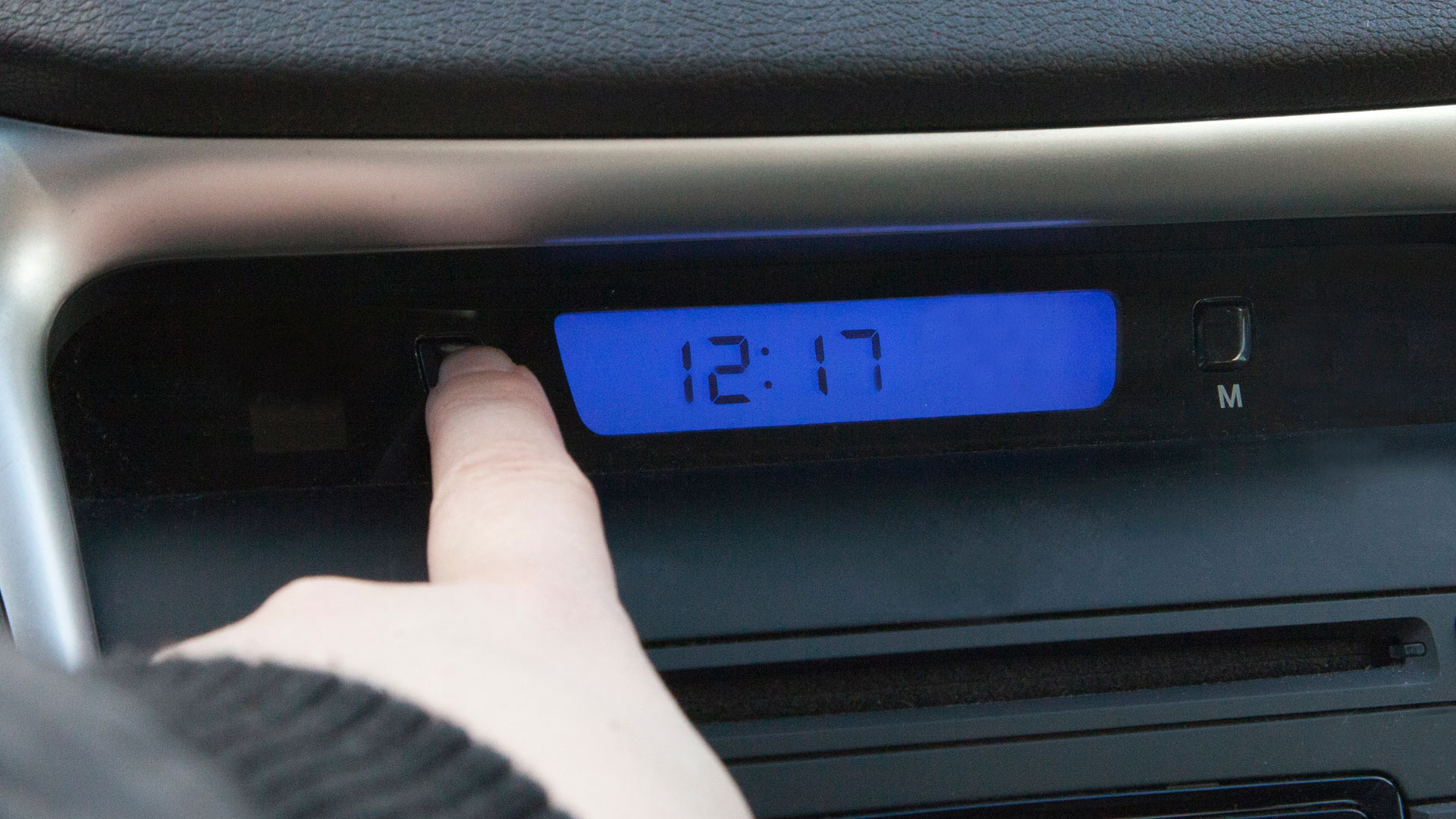
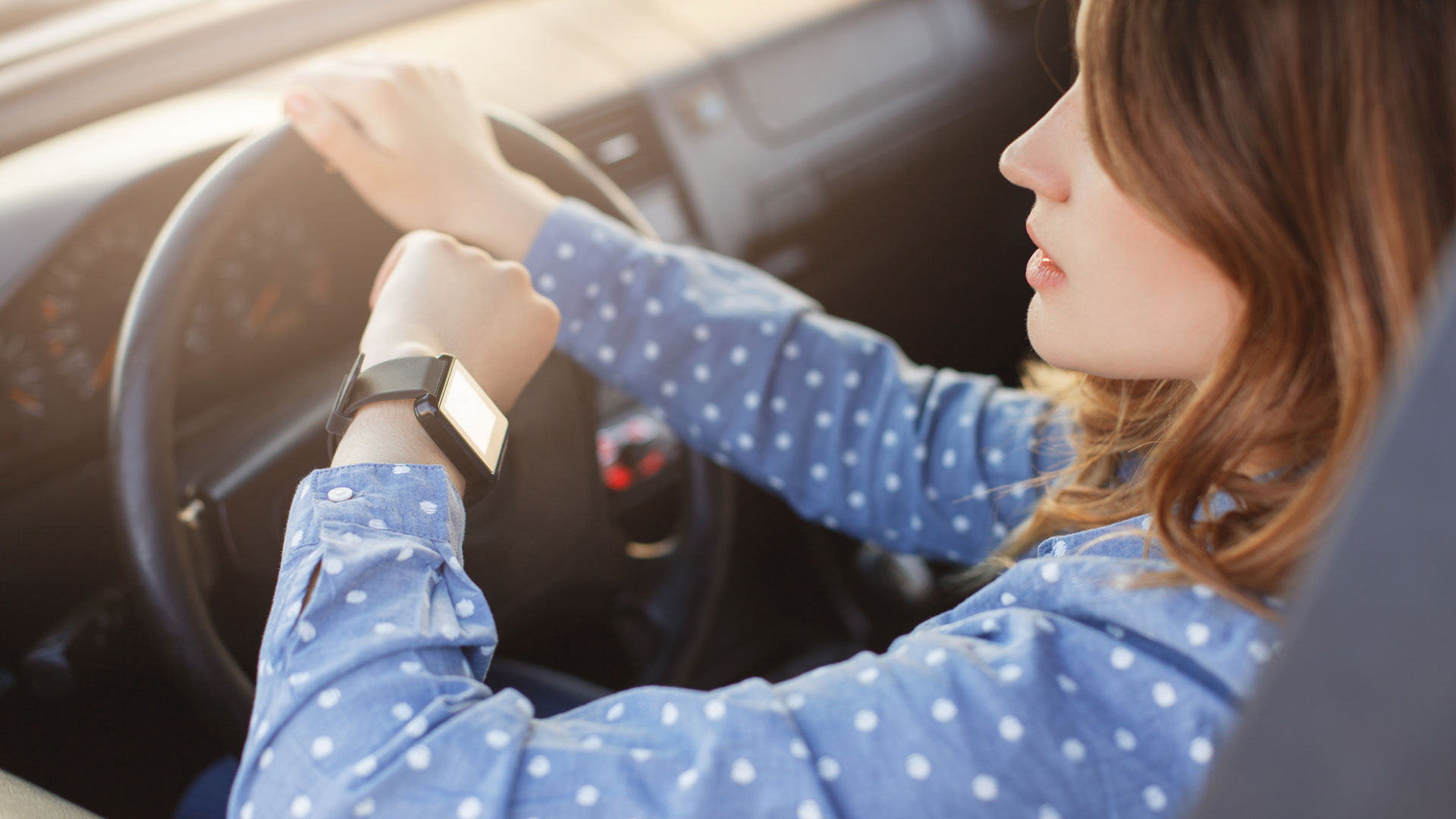
As an added benefit, this would bring an end to the twice-yearly routine of trying to figure out how to change the clock in your car…
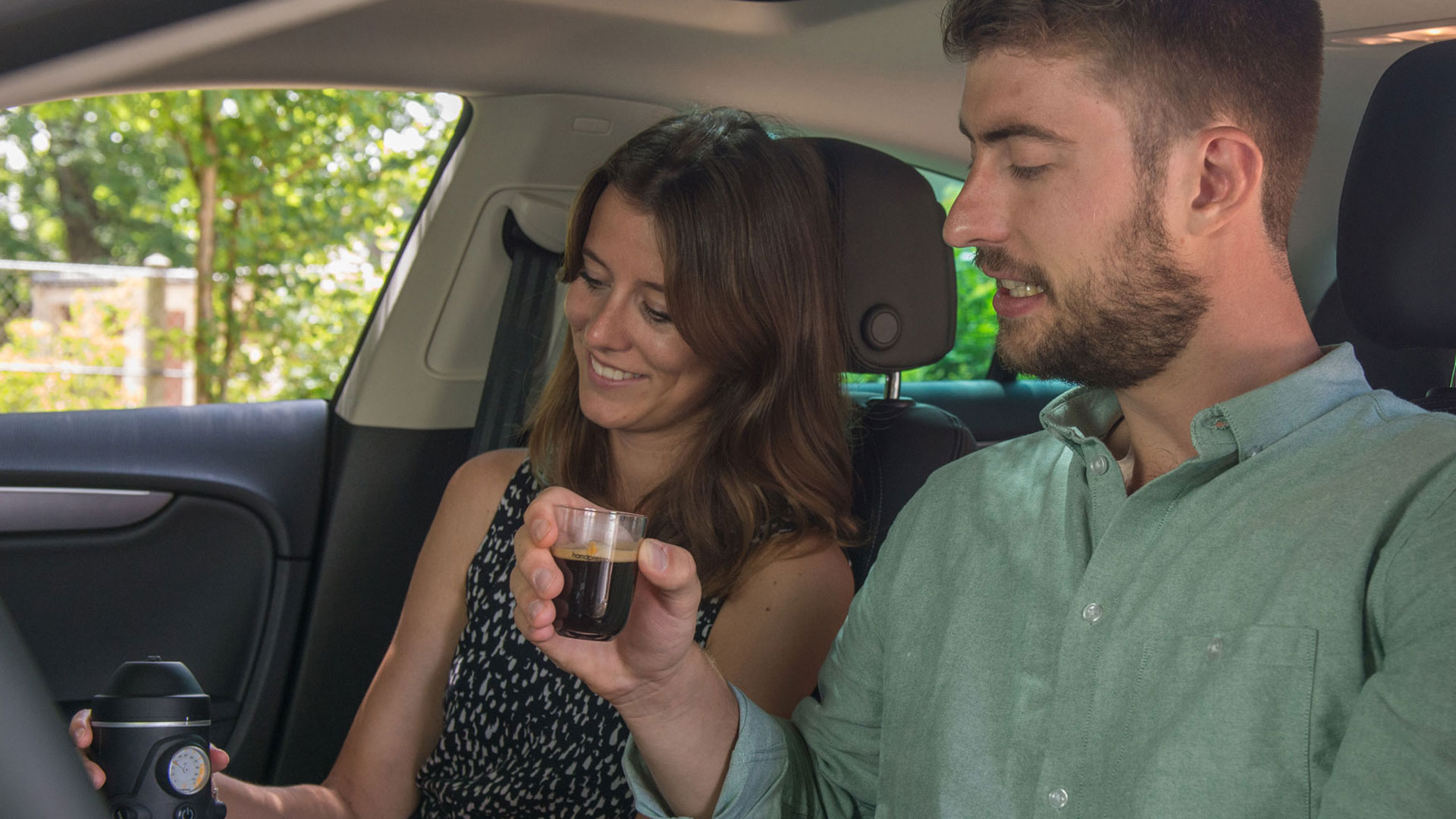
Anyone for coffee? “Mii, please,” said somebody at Spanish car giant Seat, before muttering something about the wonderful Arona of fresh coffee. Terrible coffee-based puns aside, Seat reckons this in-car coffee machine could save motorists more than £1,800 a year in coffee shop bills.
We tested the Handpresso coffee-making device back in 2016 and we were mightily impressed. But with the benefit of hindsight, the “life-changing” claim may have been a little overblown – the machine has spent the past 18 months in a cupboard, wedged between a spiraliser and a bread-maker.
Coffee Homeground
Priced at £185, the Handpresso comes with two glasses and is powered via a 12v socket. Seat says it will fit neatly into the cupholders of any its models, but other cupholders are available. Power it up, and the Handpresso will dispense 50ml of fresh espresso in three minutes.
Over the course of a year, the Handpresso will cost an estimated £405, which is a lot less than the £2,210 spent per year by the nation’s coffee lovers. There’s also the added benefit of not queuing up in your favourite coffee shop.
The Caffeine Kick Inside
The idea of an in-car coffee machine is nothing new. Indeed, the Handpresso in the Fiat 500L was a proper job (and one of the few things we liked about the car).
Fortunately, Seat’s range of cars is more convincing and includes the new Tarraco seven-seat SUV and hardcore Leon Cupra R ST. Buy the fastest ever Seat and you might not need the caffeine hit.
If you do, the Handpresso is available from any Seat dealer and comes with a 12-month warranty and 15 espresso pods. We’re off to give ourselves a roasting for all those shocking puns.
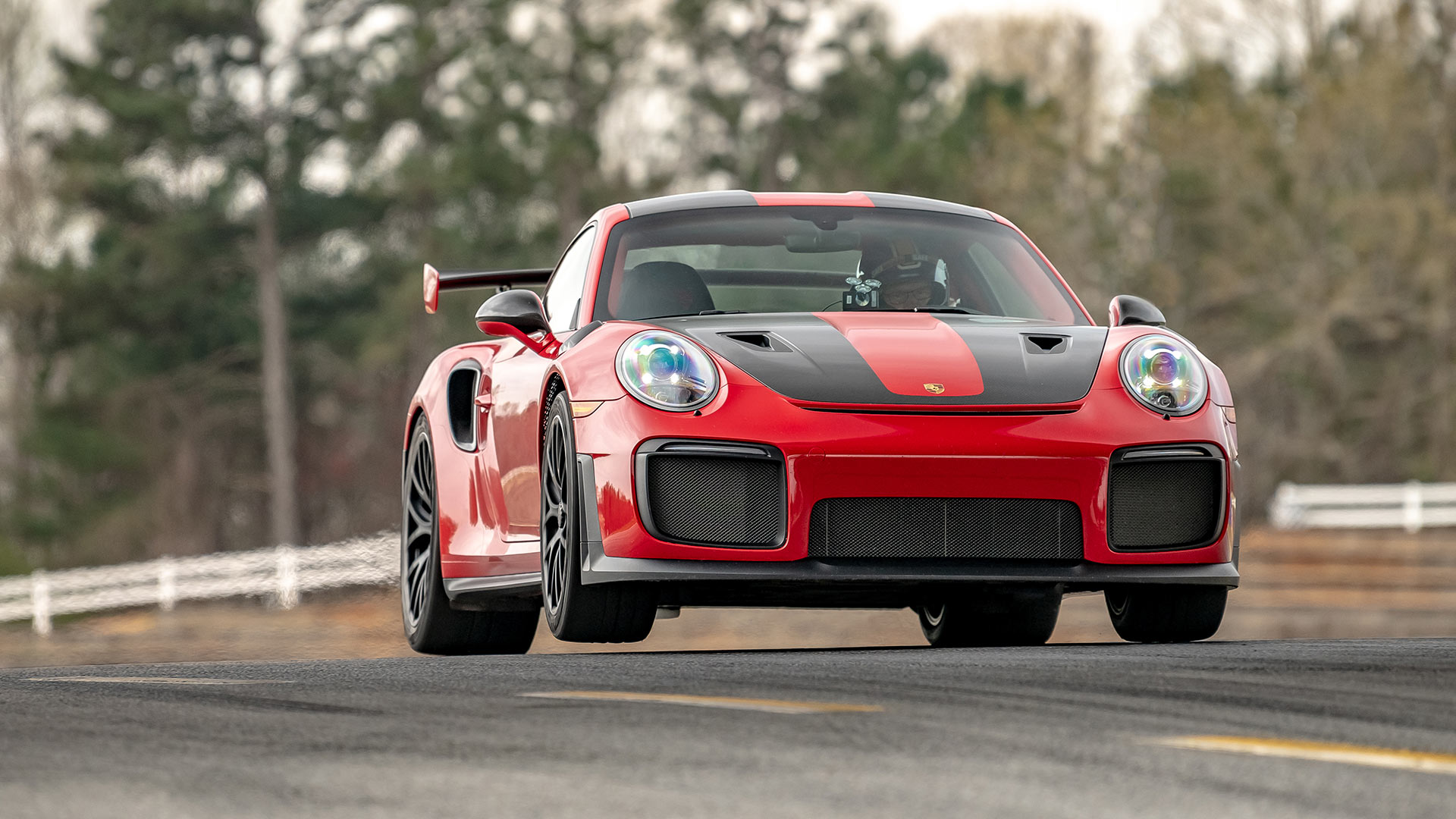
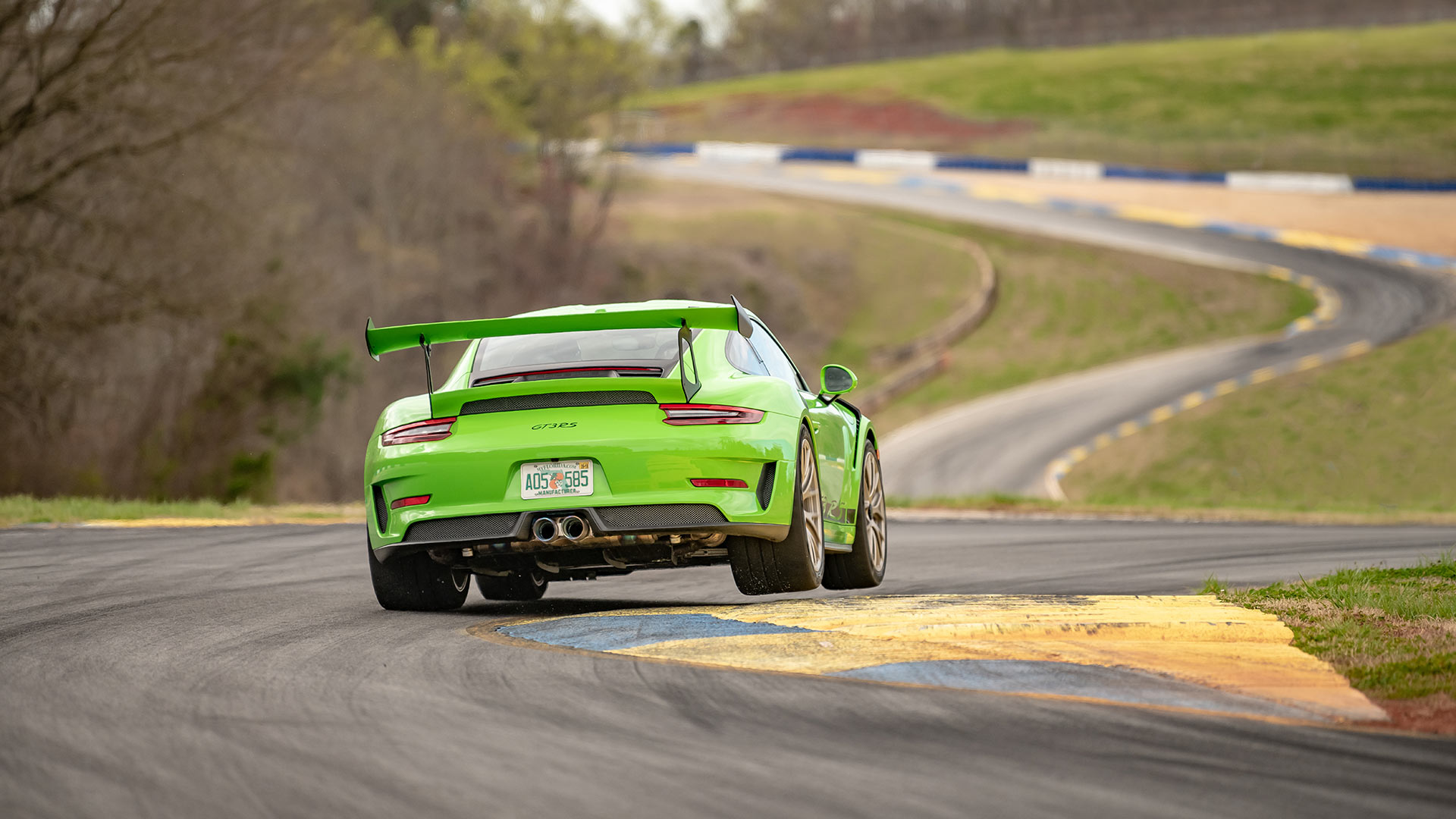
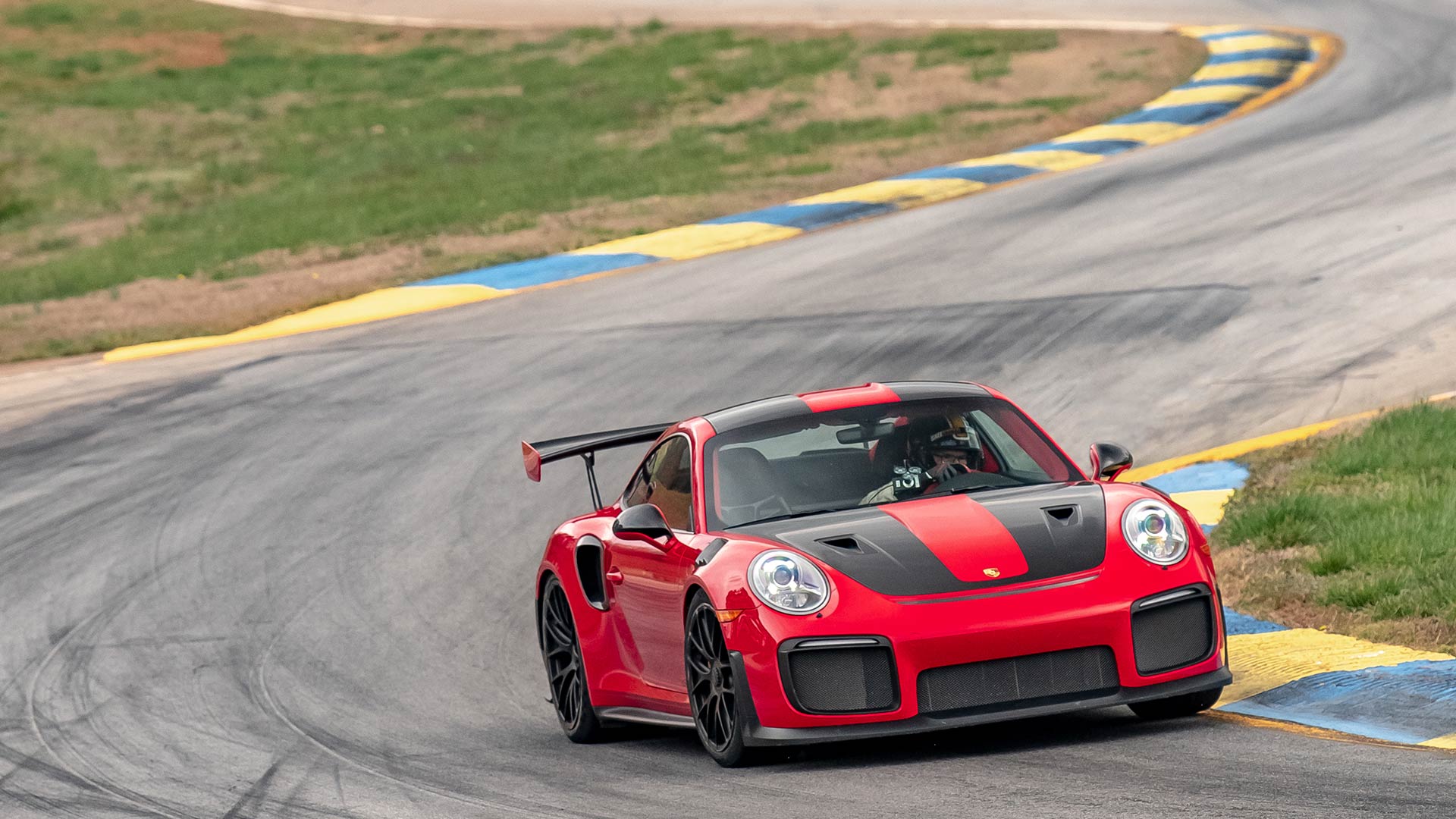
Porsche has laid claim to another record with its 700hp 911 GT2 RS, notching up the fastest production car lap around the Road Atlanta circuit.
Covering the twisting 2.54-mile course in just 1min 24.88sec, the 911 shaved almost 1.7 seconds from the previous record.
This time of 1min 26.54sec was recorded by a Dodge Viper ACR in 2015, as part of an incredible 13 fastest laps achieved by the V10-powered supercar.
We imagine Porsche will be rather pleased with the result, given its North American headquarters are located just 60 miles from Road Atlanta.
Racing driver and writer Randy Pobst was responsible for wrestling the GT2 RS to its latest lap record.
Pobst clearly has form with the car, using it to set new production lap records at both Laguna Seca and Willow Springs International Raceway in 2018.
To validate the authenticity of the lap times, Pobst shared driving duties with professional racing driver David Donohue. The son of motorsport legend Mark Donohue, David has taken time-attack wins for Porsche at the annual Pikes Peak hill climb event.
Powered by a 3.8-litre turbocharged flat-six engine, the GT2 RS was the most powerful road-going Porsche 911 when first introduced in 2017.
A seven-speed PDK dual-clutch gearbox is standard, and allows a top speed of 211mph, plus 0-62mph in just 2.8 seconds.
Last year, a modified version of the 911 GT2 RS reclaimed the production lap record at the Nürburgring.
Although now officially out of production, Porsche has had to temporarily restart building the GT2 RS. The unexpected move came following the sinking of a ship carrying four of the £250,000 cars to customers in South America.
The news that the EU will be making speed limiters in new cars mandatory from 2022 has been grabbing the headlines. This is, however, just the tip of the regulatory iceberg. We break down all the mandated changes you can expect to see on brand new cars from 2022 (and all new cars from 2024), including those much-discussed speed limiters…
Speed limiters
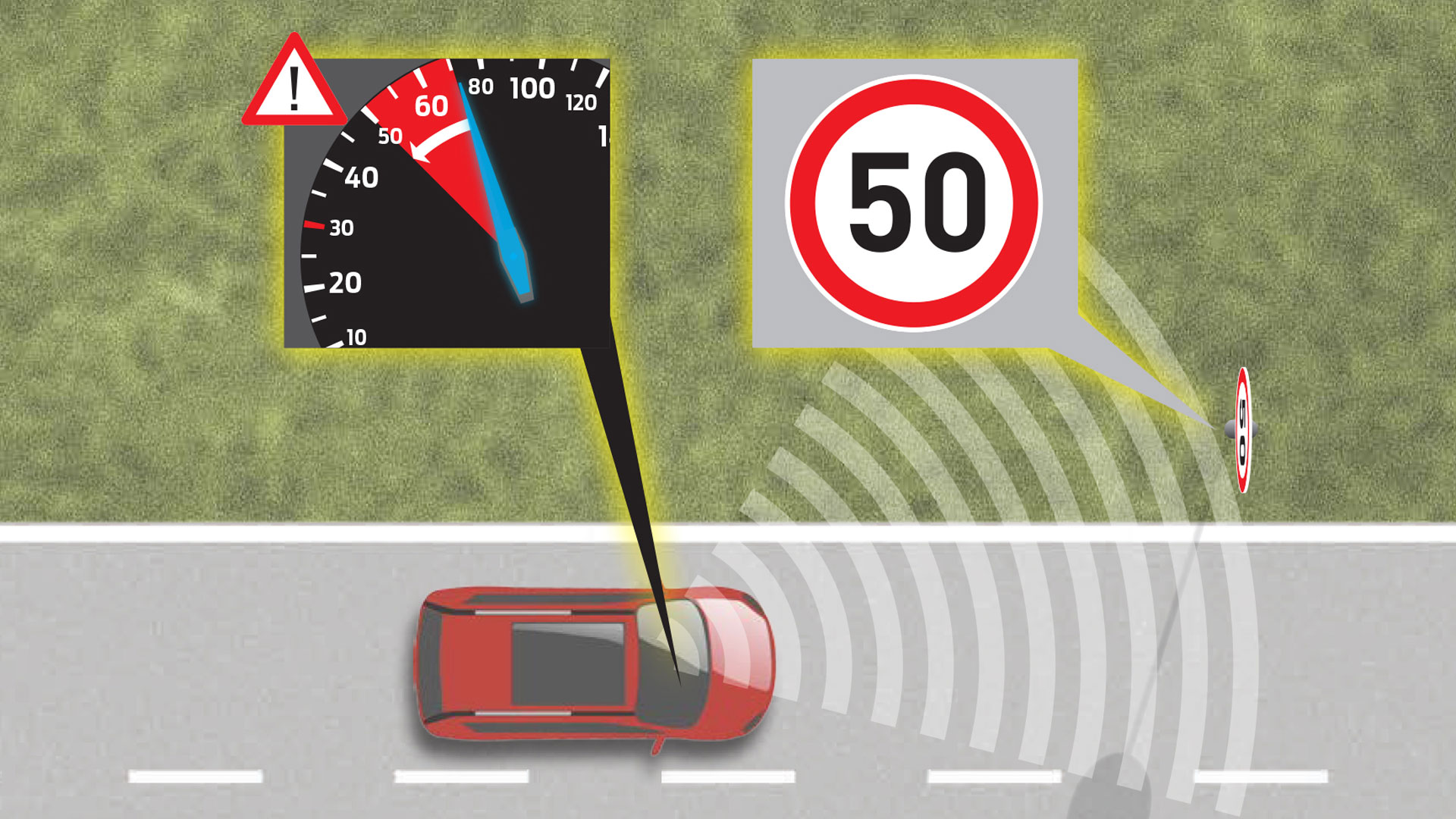
Yes, we open with the infamous speed limiters: technology that can read limits and automatically slow the car down as appropriate. Yes, they will come to the UK in spite of Brexit, and no, they won’t be hard limiters. You’ll be able to switch the system off or push through the limiter with a hard press of the accelerator. At least at first. More strict applications could follow in the future.
Automatic emergency braking
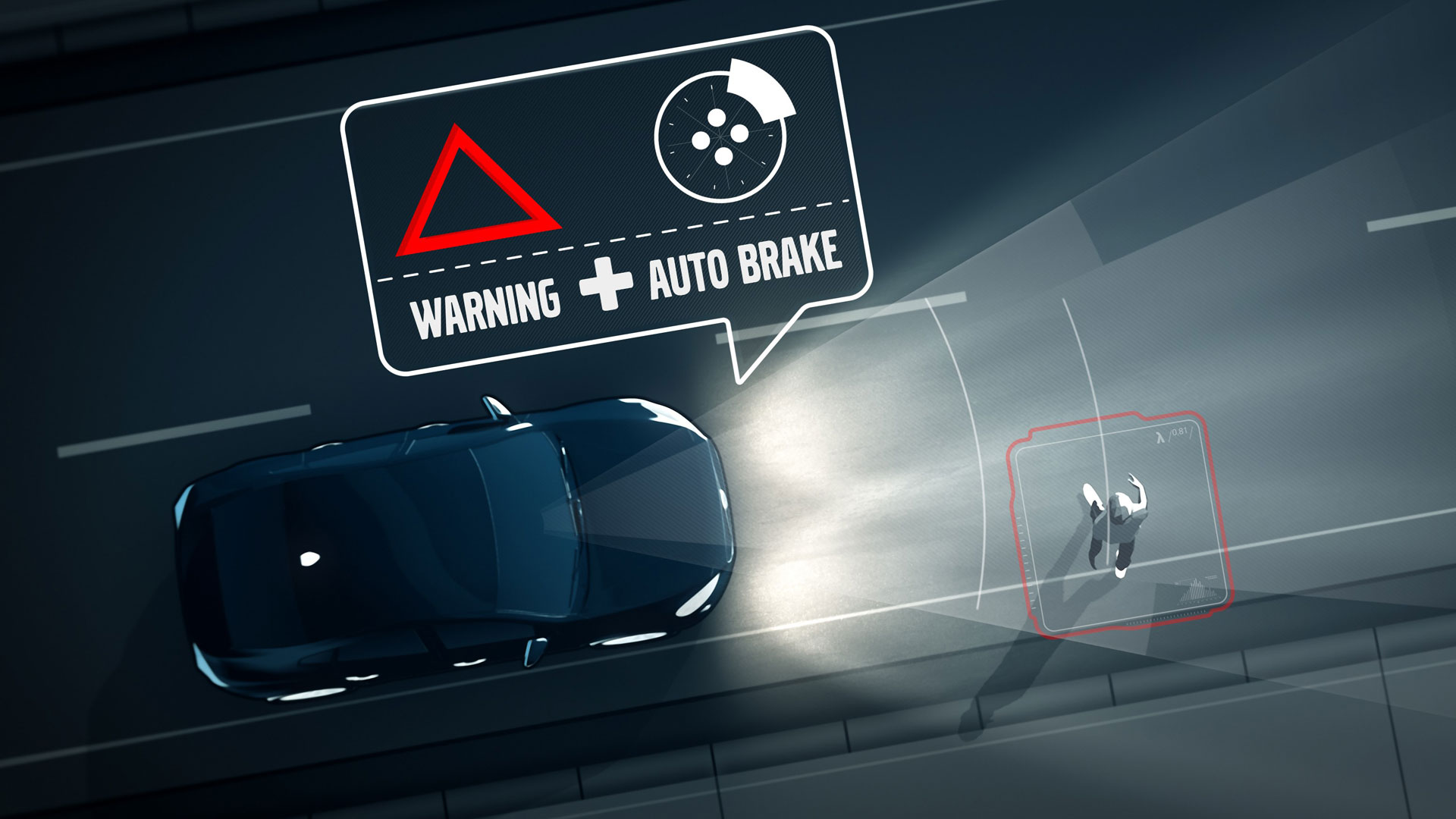
This technology is already available in a lot of new cars, either as standard or a cost-option. From 2022, it will be standard fitment on all cars. Automatic emergency braking, or AEB, can brake for you in emergency situations, such as a pedestrian walking out into the road or when a car ahead suddenly slows.
Alcohol interlock installation facilitation
This will prevent drivers from operating a vehicle if they’re over the drink-drive limit. For previous offenders, this could involve breathalysers being installed in their cars so that they can be tested before every drive.
Drowsiness detection
This is a bit more conventional. Some cars, particularly more technologically advanced and upmarket models, have had drowsiness detection for years. It’s become more commonplace of late on lower-end models but as of 2024, all new cars will have it as standard. If you start nodding off behind the wheel, your car is going to notice, and warn you accordingly.
Distraction recognition
Similar to drowsiness detection, distraction detection will monitor if your attention starts moving to things other than driving. No more using your phone on the sly behind the wheel, for example.
Lane-keeping assist
Again, another technology that’s already quite prolific on modern cars. Lane-keeping assist ‘sees’ when you’re straying from your lane, or the direction of the road, and adjusts the steering to keep you on track. Some installations of this system are quite invasive. We hope they’re a bit more refined by the time they’re mandatory in 2024…
Event data recorder
Not unlike a black box in a commercial aircraft, this sort of tech could record every single piece of information about a car from the moments leading up to and during an accident. That means speed, brake pressure, system functions and everything else you can think of. Useful in courts for insurance purposes, among other things.
Direct vision
This mostly pertains to HGVs and buses. New models must have bigger windscreens and side windows for an improved field of vision. This will help drivers see cyclists, pedestrians and other road users much easier. It could literally be a lifesaver for vulnerable road users.
Emergency stop signal
It’s not entirely clear what this entails, though many cars have a form of signalling for a rapid slowdown. At present, if you slam on your brakes, your hazard warning lights flash to warn drivers behind you. It’s a courtesy that’s been made an automatic feature. We imagine the emergency stop signal will be an extension of this.
Head impact zone enlargement
In the name of pedestrian safety, the size and safety of your windscreen glass are going to change on new cars. In theory, new cars and vans after 2022 will have windscreens that offer greater protection in impacts, for when airbags are insufficient. We’re sure car designers may have thoughts on the possible implications of this…
Improved pole side protection
Cars and vans will also have to improve pole side protection. This is the scenario during an NCAP safety test where a car is moved at speed side-on towards a concrete pole, with the impact being more or less in the middle of the car. It is an extremely severe test of vehicle crash-worthiness: making the regulations even stricter could prove challenging to vehicle manufacturers.
Improved seatbelts and occupant protection
This does what it says on the tin. We all use seatbelts and, from 2022 in new cars, they’re set to get better, with the aim of further of improving full-width frontal safety.
Reversing cameras and parking assistance
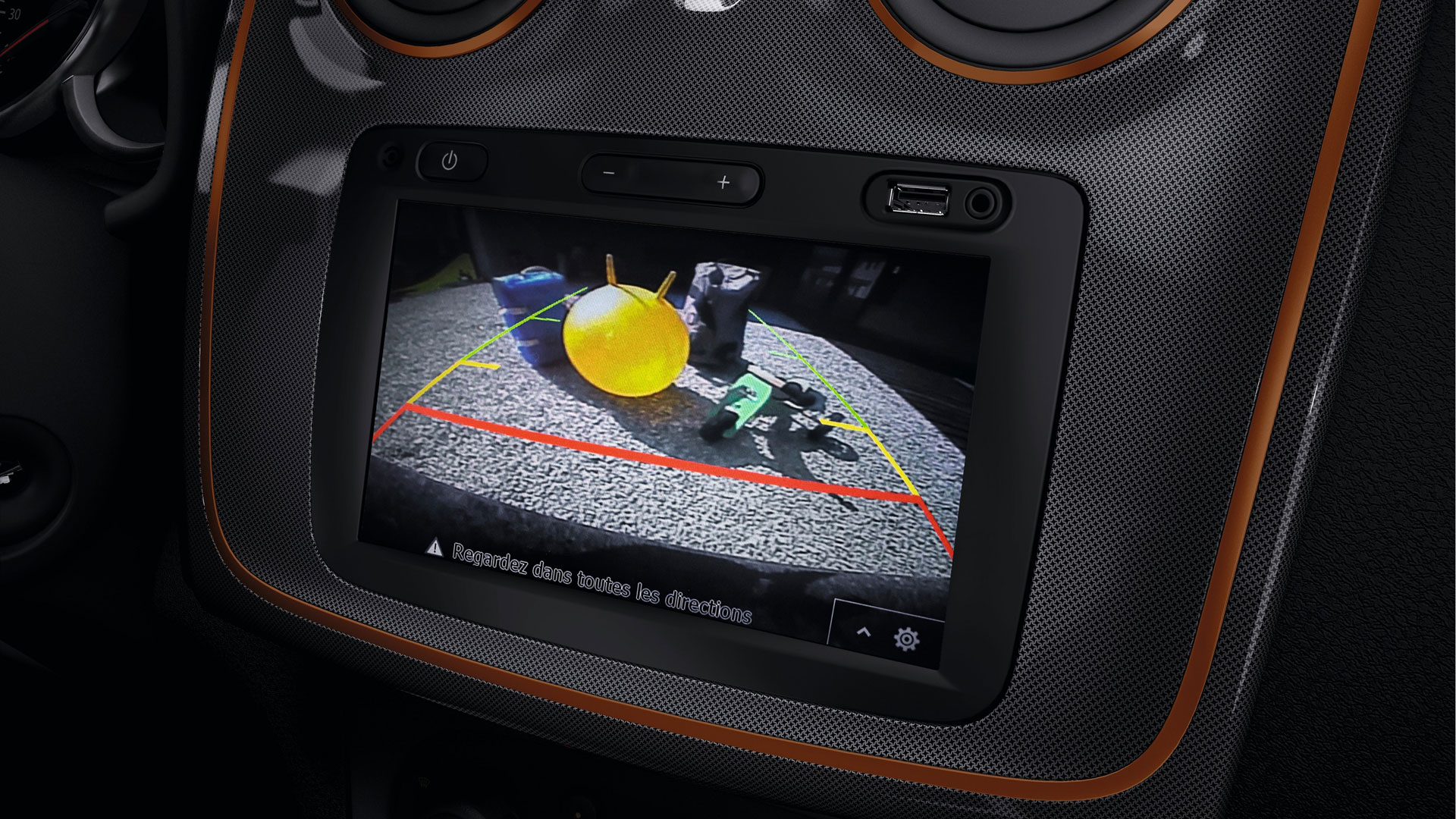
Yes, reversing cameras as well as parking sensors will be becoming mandatory for all new road vehicles sold after 2024. These systems have been available as options on many cars for some time. Reversing cameras have been mandatory in the United States for some time now.
Tyre pressure monitoring system
Many cars come with this feature but from 2024, all new and heavier vehicles need to come with such systems fitted as standard. That’s vans, trucks and buses, as well as cars.
Vulnerable road user detection and warning
Trucks and buses, as well as being required to have a better field of vision, will also be required to have a vulnerable road user detection system. That could mean cameras, sensors, anything to spot pedestrians, cyclists or otherwise, and alert the operator of the vehicle, thus improving road safety for those outside of vehicles.
“The arrival of the Tesla Model 3 marks the beginning of the long-awaited take off of pure electric cars in the Western hemisphere.” That’s the verdict of JATO, as it releases its latest set of European sales figures.
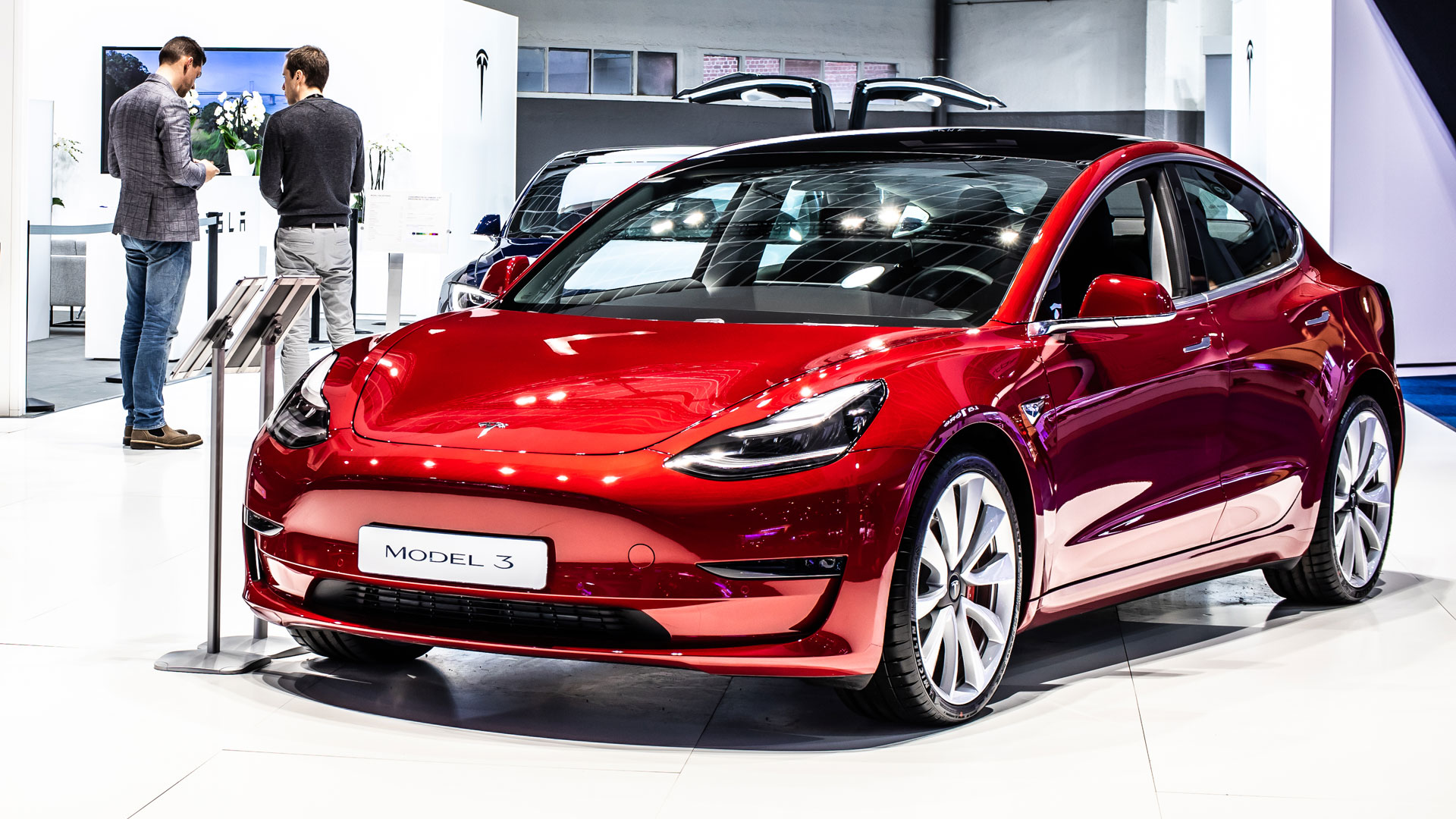
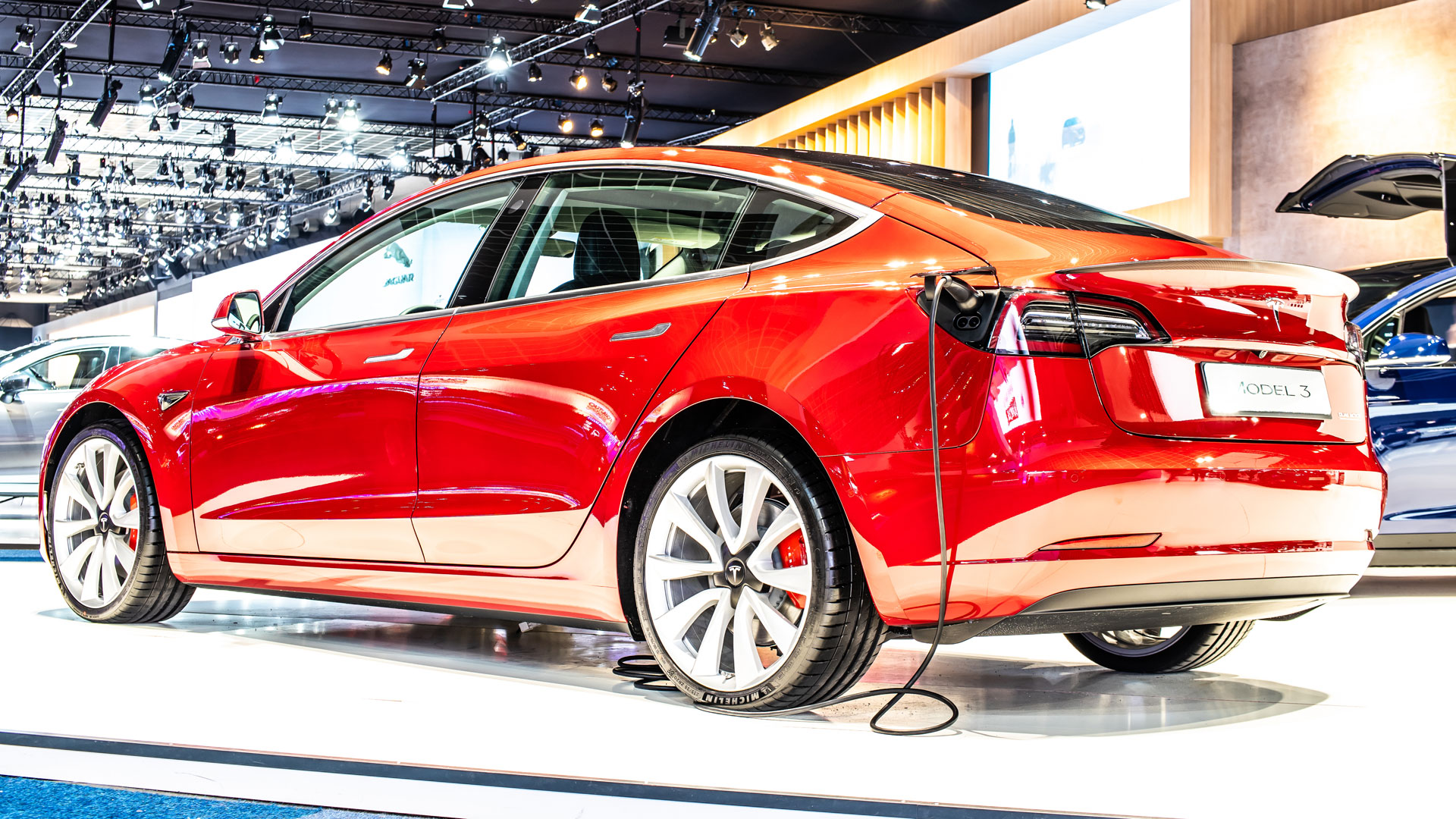
The Model 3 arrived in Europe in late January – and it’s not yet available in some markets – but the Tesla has had an extraordinary start, cementing itself as Europe’s best-selling EV.
A total of 3,630 Models 3s were registered in the first full month on the market, as the latest Tesla leapfrogged the likes of the Renault Zoe, Nissan Leaf and BMW i3.
Interestingly, the Model 3 also finished top of JATO’s premium mid-size saloon chart, ahead of the Mercedes-Benz C-Class, Audi A4 and BMW 3 Series. Of course, the novelty factor plays a part in its early success, so it will be interesting to see if it can maintain this early momentum.
Dream of ‘SUV-isation’
“Its long-term success in the coming months will depend on how fast its European rivals react and bring their own midsize electric cars to the market. We already saw the Polestar 2 in Geneva, but it won’t arrive before 2020,” said JATO’s Felipe Munoz.
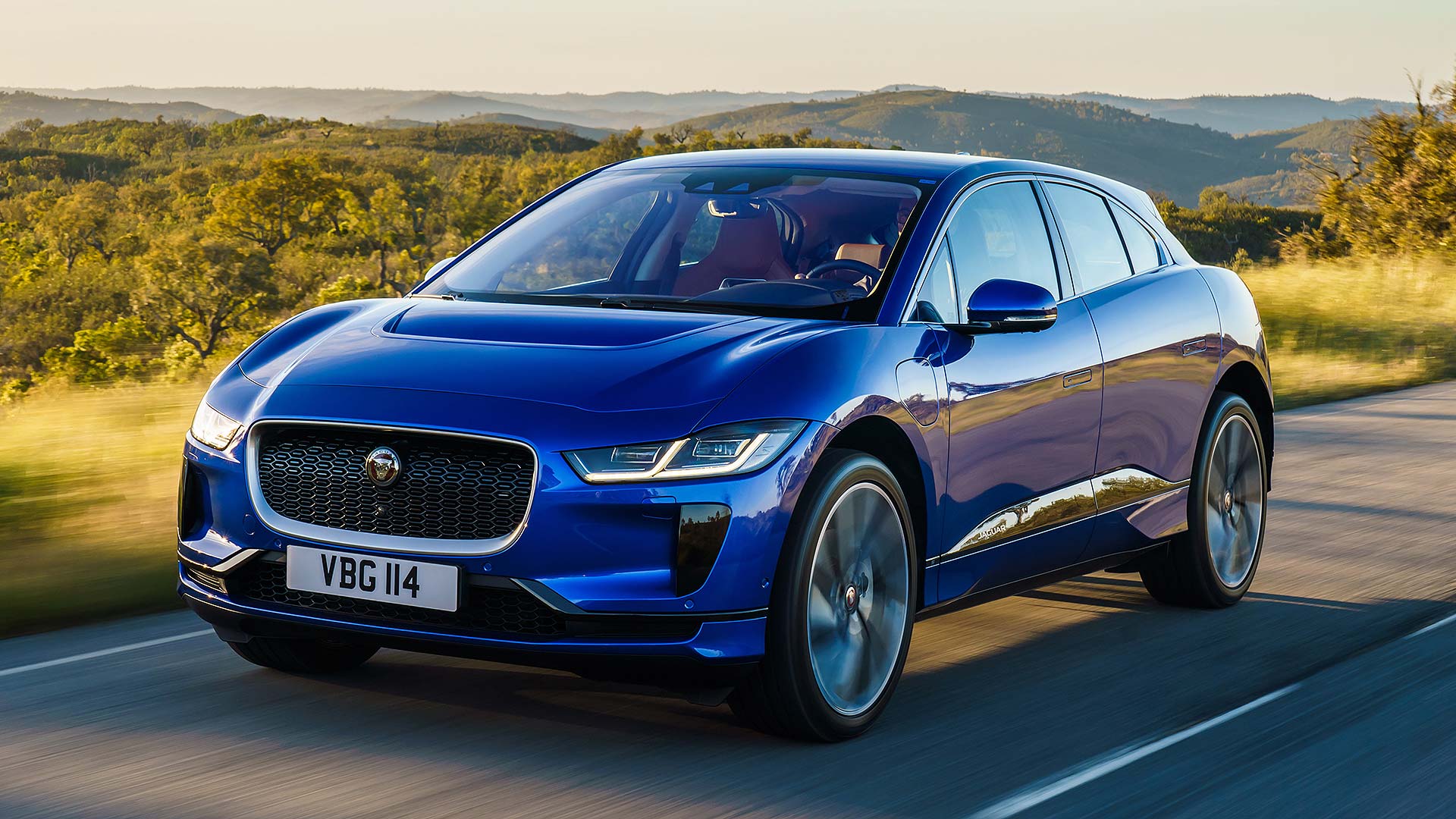
“Considering this, the Model 3’s priority will be to compete with the electric SUVs like the Jaguar I-Pace, Audi E-Tron and the upcoming Mercedes EQC. The EV market is not exempt from the ‘SUV-isation’ of the industry.
“Although SUVs are slightly more expensive, the trend now indicates that the hot-selling vehicles in the world are not sedans, but their SUV rivals.”



 Porsche has laid claim to another record with its
  Racing driver and writer Randy Pobst was responsible for wrestling the GT2 RS to its latest lap record.
 Powered by a 3.8-litre turbocharged flat-six engine, the GT2 RS was the most powerful road-going Porsche 911 when first introduced in 2017.