 A total of 3.4 million British workers could not do their jobs without a van, reveals a new study led by the Society of Motor Manufactures and Traders (SMMT).
This includes 500,000 people who drive one as their main job – contributing a £56 billion boost to the UK economy from wages alone.
In other words, 11 percent of UK GDP comes from workers who rely on a van.
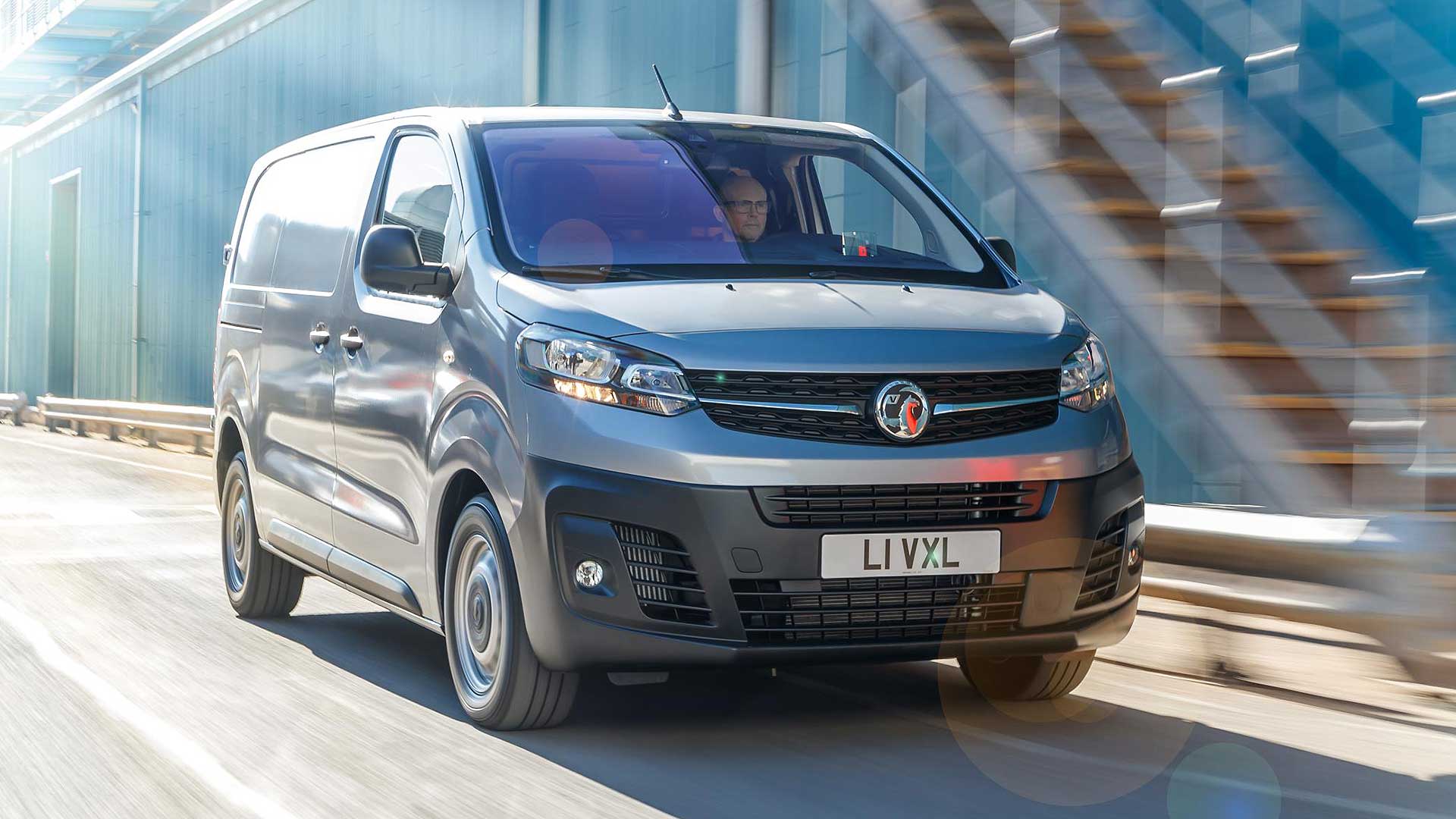
The new research, carried out with management consultancy BearingPoint, shows there are currently 4.6 million vans in use in the UK. The fleet has grown 50 percent since 2009 – that’s twice the growth-rate of the car market.
The new light commercial vehicle sector is now worth £10 billion a year in the UK, with 900,000 used vans also sold annually.
Online delivery boost
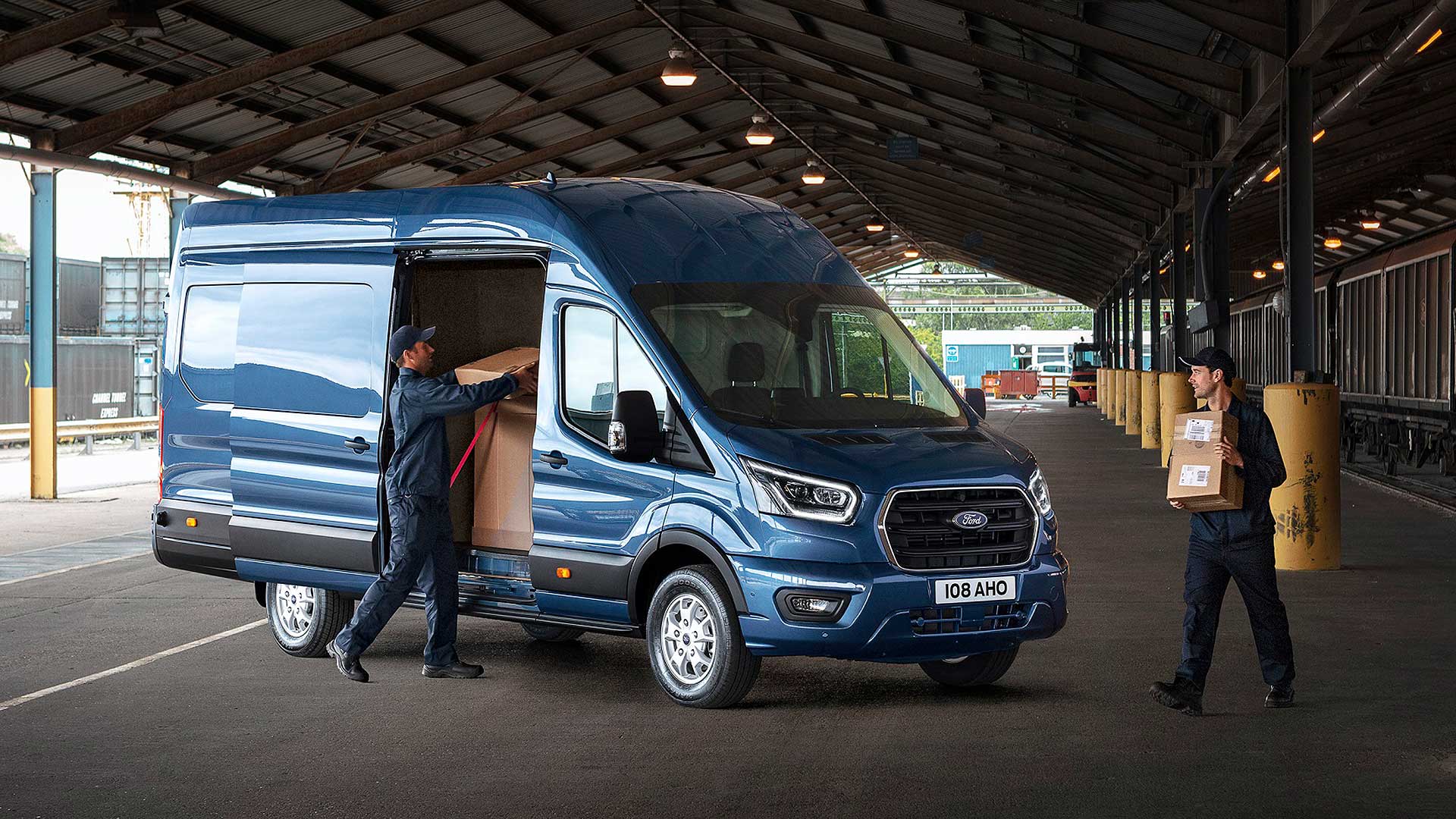
“The UK’s van fleet is the backbone of our society, driving our economy and allowing millions of workers to carry out jobs that our country relies on,” said SMMT chief executive Mike Hawes.
The British van sector has been boosted by Brits’ love of online shopping. A hefty 83 percent of us have bought something online, way above the EU average of 60 percent.
This is a factor behind the number of self-employed British workers growing from 3.3 million in 2001 to 4.8 million in 2017.
Our new report finds vans contribute annual £56 billion to economy from wages alone – 11% of UK GDP #CVShow https://t.co/izXLTGc1j3 pic.twitter.com/OutlwZeqlV
— SMMT (@SMMT) April 30, 2019
James Rodger, partner and UK&I lead at report authors BearingPoint, said: “The data analysis and interviews that we have conducted highlight the key role that the LCV sector plays in the UK economy.” It is the first time the economic role played by Britain’s 3.4 million van users has been quantified.
“The report brings the data and the qualitative insights together to paint a picture of a diverse and vibrant sector which touches all our lives on a daily basis.”
Diesel dominance
The report also shows how diesel dominates the UK van sector. Fully 96 percent of British vans run on diesel – and this, says the SMMT, has helped CO2 emissions fall 10.4 percent since 2013, to an average of 166.9g/km.
New Euro 6 vans are “the cleanest in history” and have “virtually eliminated particulates and have vastly reduced NOx”.
Ultra-low and zero emissions vans have still to take off, though. New models are available, but they account for just 0.3 percent of the market.
“To continue to thrive,” said Hawes, “this vital sector needs policies and incentives that encourage businesses to invest in the latest technology that best suit their needs to help them deliver for Britain.”
Ford: leading UK vans for 54 years
Britain’s biggest van brand for the past 54 years is Ford. It has released its own research that shows online shopping and van-driving businesses contributed over £125 billion to the UK economy.
Amazingly, companies that rely heavily on vans earned more for Britain than the value of the GLOBAL film industry – and six times more than European football.
“Online shopping and an increase in those that are semployed are among the factors driving huge growth in the use of vans,” it said – confirming the findings by the SMMT.
The firm has now released a new TV ad celebrating its market leadership… and underline its own status as the CV ‘backbone of Britain’.

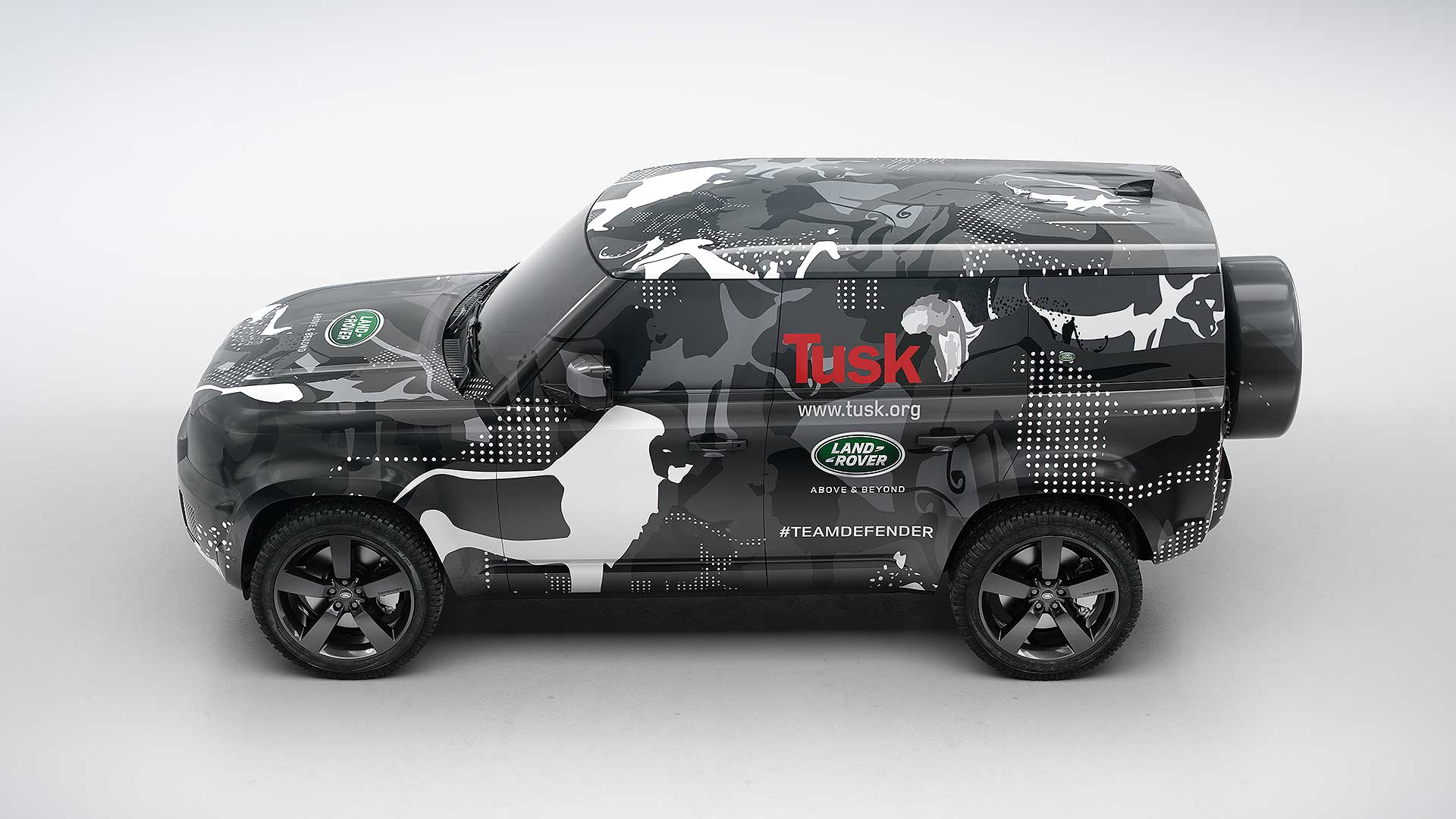 Land Rover has given us our clearest look yet of the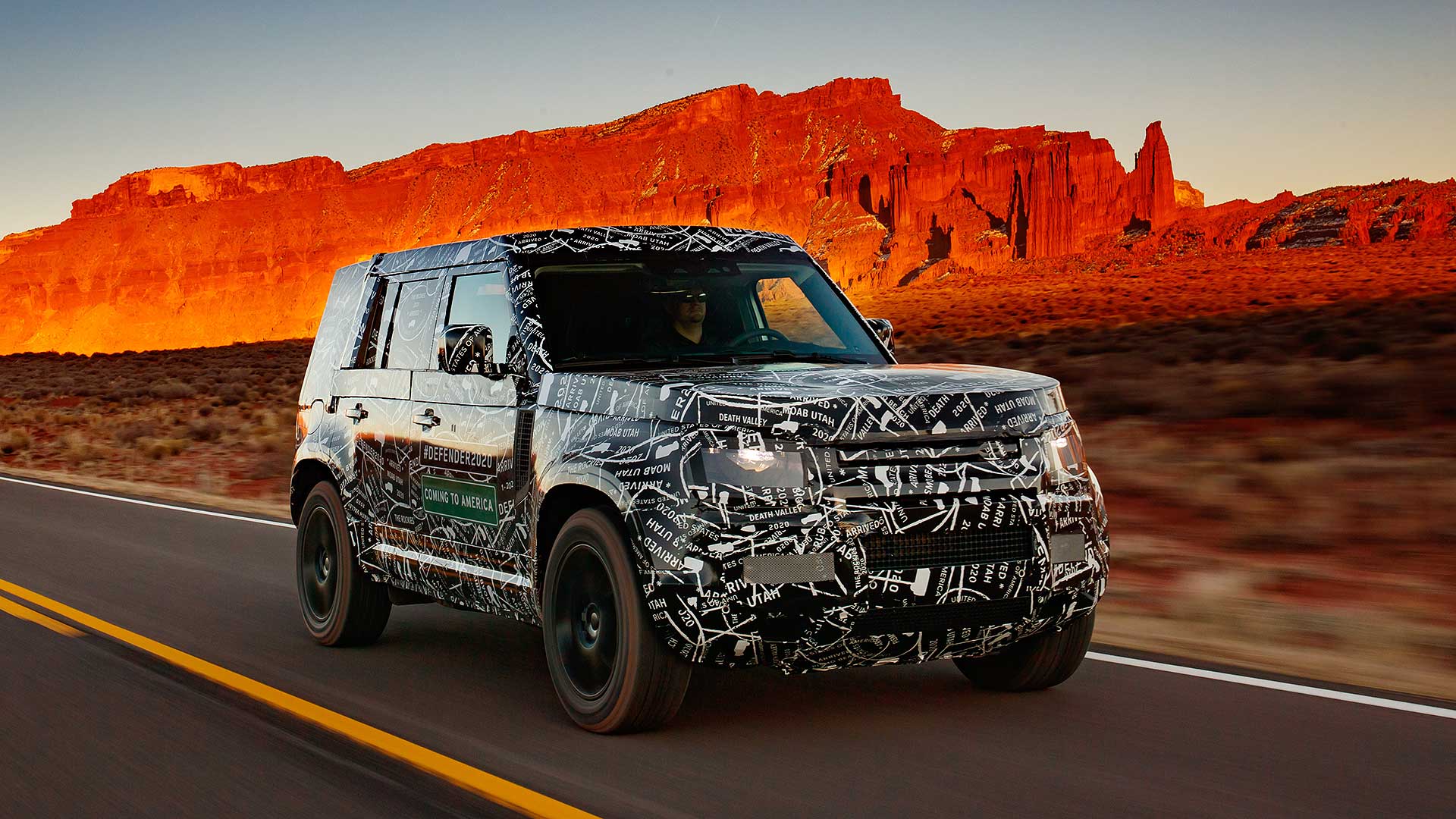





 Adaptive speed limiters could become mandatory on cars sold in the United Kingdom after 2022, following new provisional regulations approved by MEPs.







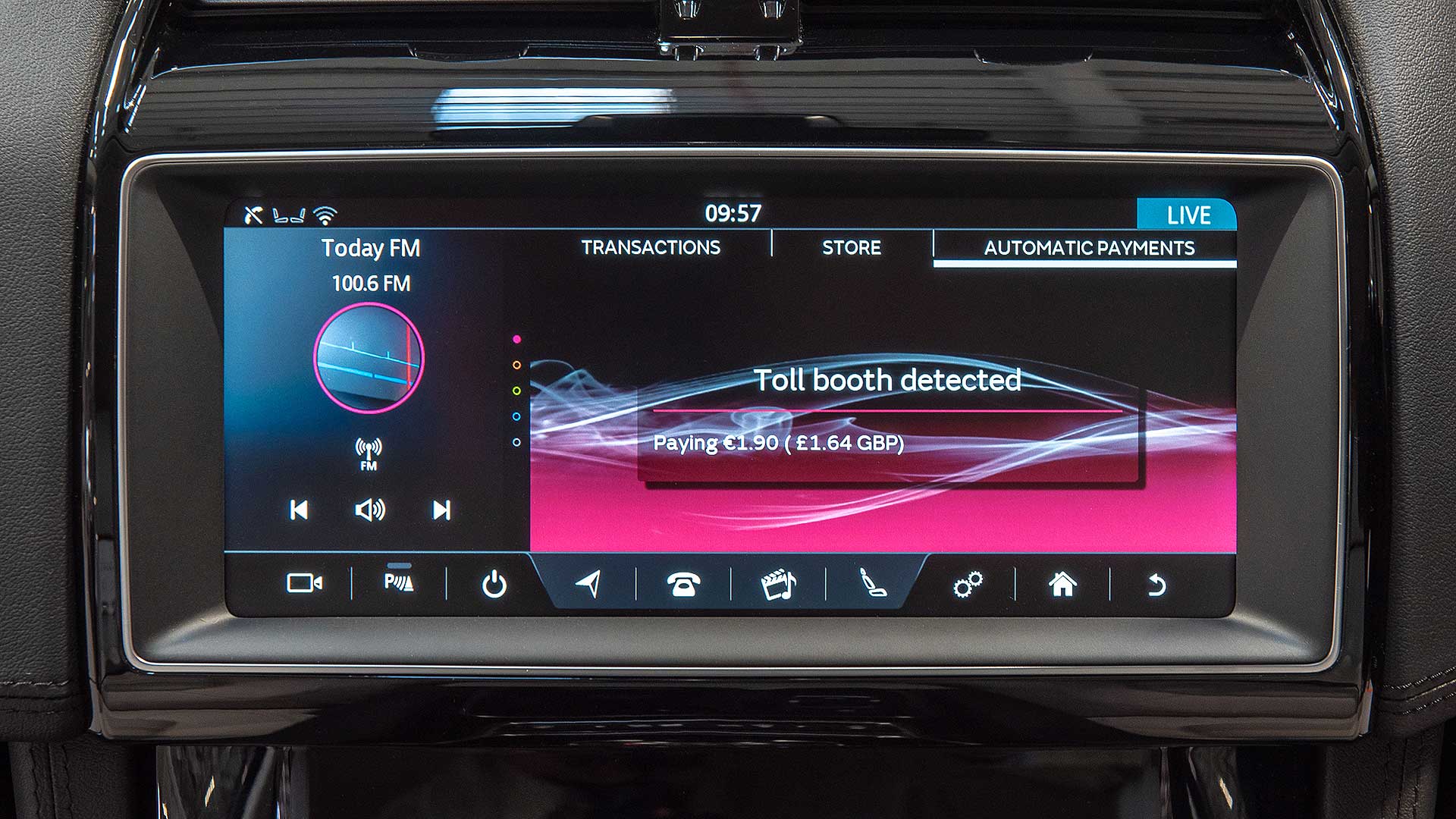
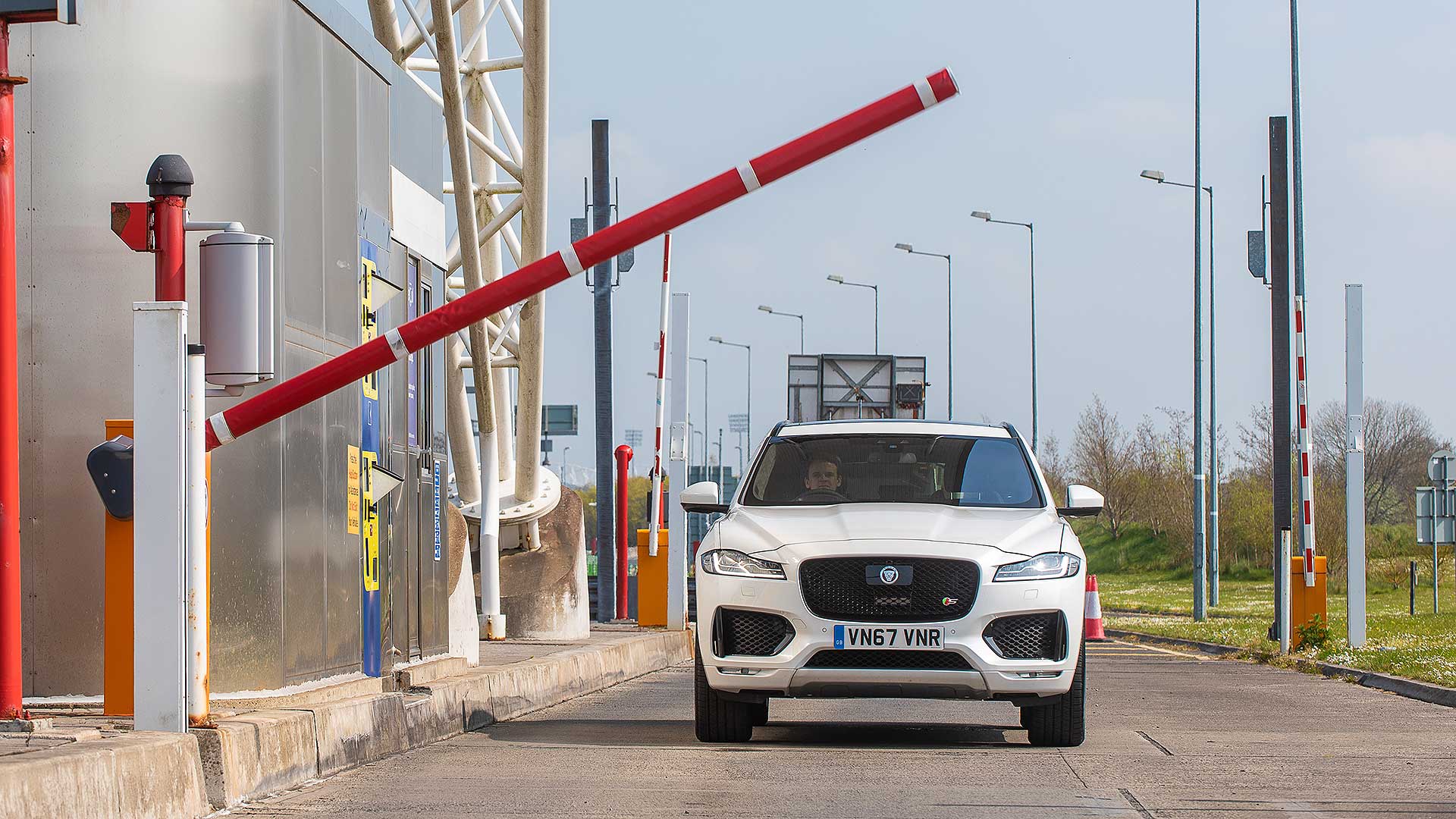 Jaguar Land Rover is testing ‘Smart Wallet’ technology that motorists will top up with cryptocurrency earned by sharing information about traffic jams and potholes with navigation providers and local authorities.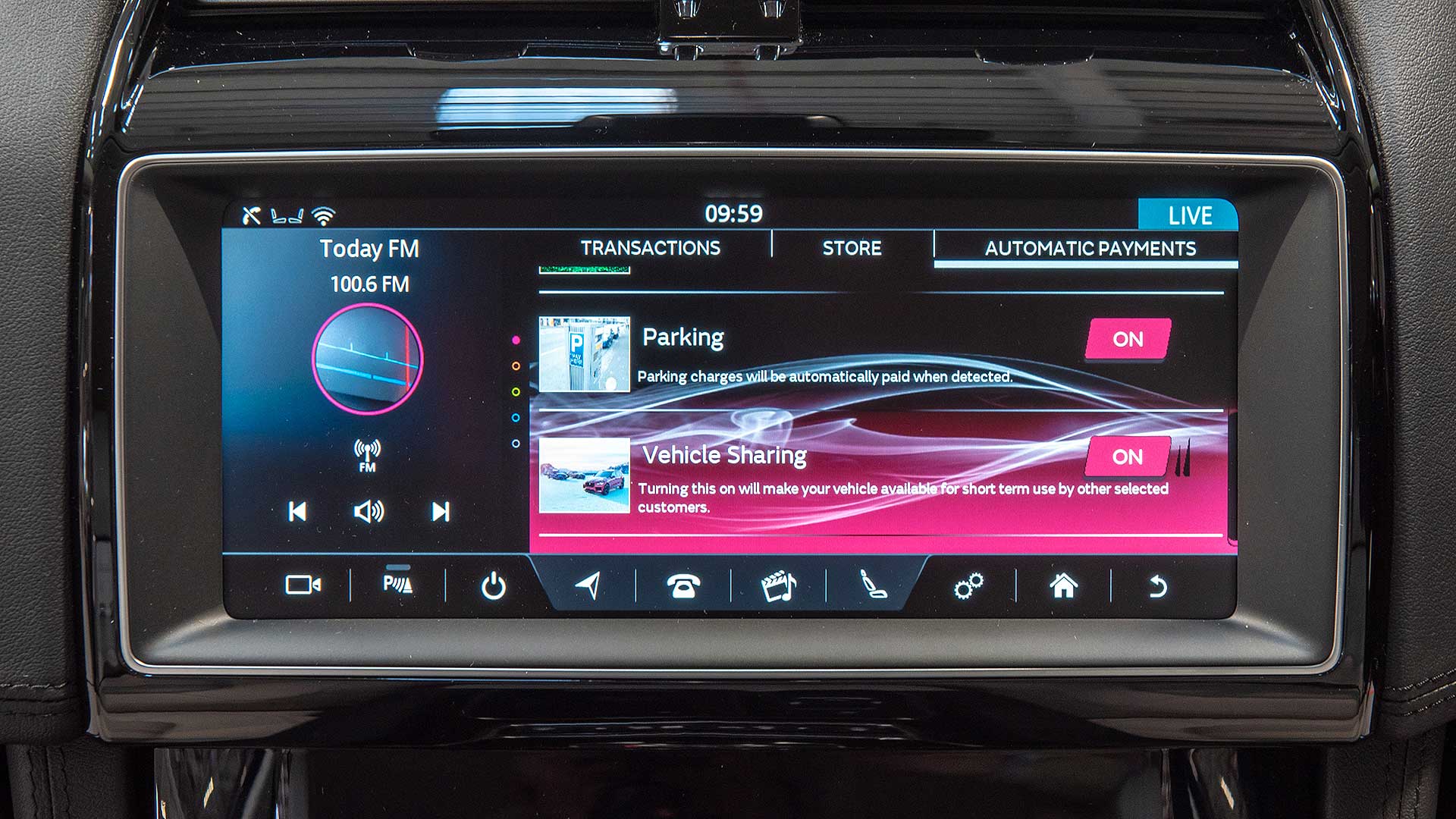
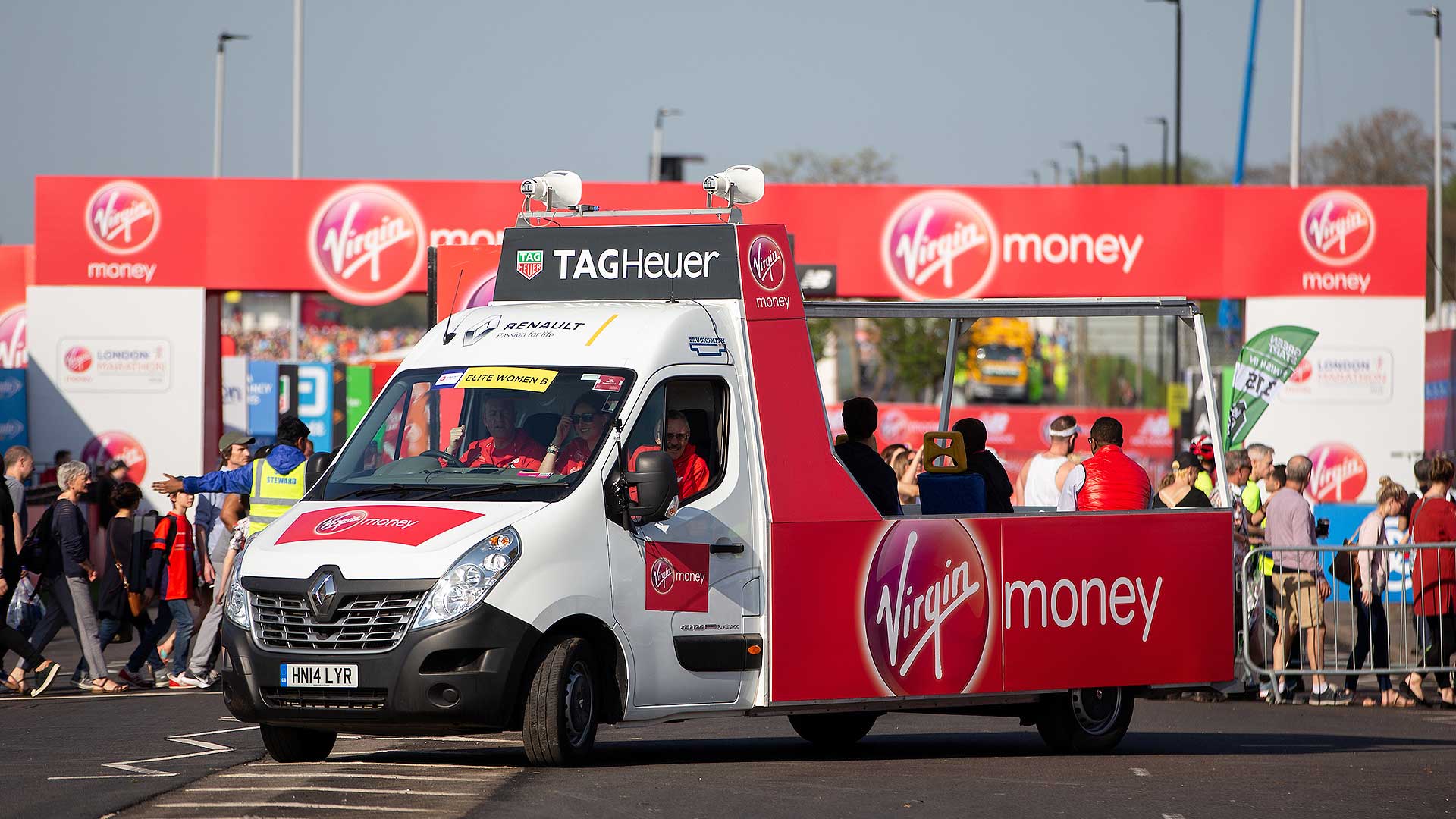 Renault is to once again play a starring role in the London Marathon – by supplying nearly 30 support vehicles to help officials run the event.